window.__IS_SSR__=true
window.__INITIAL_STATE__={
"attachmentsReducer": {
"audio_0": {
"type": "attachments",
"id": "audio_0",
"imgSizes": {
"kqedFullSize": {
"file": "https://ww2.kqed.org/news/wp-content/themes/KQED-unified/img/audio_bgs/background0.jpg"
}
}
},
"audio_1": {
"type": "attachments",
"id": "audio_1",
"imgSizes": {
"kqedFullSize": {
"file": "https://ww2.kqed.org/news/wp-content/themes/KQED-unified/img/audio_bgs/background1.jpg"
}
}
},
"audio_2": {
"type": "attachments",
"id": "audio_2",
"imgSizes": {
"kqedFullSize": {
"file": "https://ww2.kqed.org/news/wp-content/themes/KQED-unified/img/audio_bgs/background2.jpg"
}
}
},
"audio_3": {
"type": "attachments",
"id": "audio_3",
"imgSizes": {
"kqedFullSize": {
"file": "https://ww2.kqed.org/news/wp-content/themes/KQED-unified/img/audio_bgs/background3.jpg"
}
}
},
"audio_4": {
"type": "attachments",
"id": "audio_4",
"imgSizes": {
"kqedFullSize": {
"file": "https://ww2.kqed.org/news/wp-content/themes/KQED-unified/img/audio_bgs/background4.jpg"
}
}
},
"placeholder": {
"type": "attachments",
"id": "placeholder",
"imgSizes": {
"thumbnail": {
"file": "https://cdn.kqed.org/wp-content/uploads/2024/12/KQED-Default-Image-816638274-2000x1333-1-160x107.jpg",
"width": 160,
"height": 107,
"mimeType": "image/jpeg"
},
"medium": {
"file": "https://cdn.kqed.org/wp-content/uploads/2024/12/KQED-Default-Image-816638274-2000x1333-1-800x533.jpg",
"width": 800,
"height": 533,
"mimeType": "image/jpeg"
},
"medium_large": {
"file": "https://cdn.kqed.org/wp-content/uploads/2024/12/KQED-Default-Image-816638274-2000x1333-1-768x512.jpg",
"width": 768,
"height": 512,
"mimeType": "image/jpeg"
},
"large": {
"file": "https://cdn.kqed.org/wp-content/uploads/2024/12/KQED-Default-Image-816638274-2000x1333-1-1020x680.jpg",
"width": 1020,
"height": 680,
"mimeType": "image/jpeg"
},
"1536x1536": {
"file": "https://cdn.kqed.org/wp-content/uploads/2024/12/KQED-Default-Image-816638274-2000x1333-1-1536x1024.jpg",
"width": 1536,
"height": 1024,
"mimeType": "image/jpeg"
},
"fd-lrg": {
"file": "https://cdn.kqed.org/wp-content/uploads/2024/12/KQED-Default-Image-816638274-2000x1333-1-1536x1024.jpg",
"width": 1536,
"height": 1024,
"mimeType": "image/jpeg"
},
"fd-med": {
"file": "https://cdn.kqed.org/wp-content/uploads/2024/12/KQED-Default-Image-816638274-2000x1333-1-1020x680.jpg",
"width": 1020,
"height": 680,
"mimeType": "image/jpeg"
},
"fd-sm": {
"file": "https://cdn.kqed.org/wp-content/uploads/2024/12/KQED-Default-Image-816638274-2000x1333-1-800x533.jpg",
"width": 800,
"height": 533,
"mimeType": "image/jpeg"
},
"post-thumbnail": {
"file": "https://cdn.kqed.org/wp-content/uploads/2024/12/KQED-Default-Image-816638274-2000x1333-1-672x372.jpg",
"width": 672,
"height": 372,
"mimeType": "image/jpeg"
},
"twentyfourteen-full-width": {
"file": "https://cdn.kqed.org/wp-content/uploads/2024/12/KQED-Default-Image-816638274-2000x1333-1-1038x576.jpg",
"width": 1038,
"height": 576,
"mimeType": "image/jpeg"
},
"xxsmall": {
"file": "https://cdn.kqed.org/wp-content/uploads/2024/12/KQED-Default-Image-816638274-2000x1333-1-160x107.jpg",
"width": 160,
"height": 107,
"mimeType": "image/jpeg"
},
"xsmall": {
"file": "https://cdn.kqed.org/wp-content/uploads/2024/12/KQED-Default-Image-816638274-2000x1333-1-672x372.jpg",
"width": 672,
"height": 372,
"mimeType": "image/jpeg"
},
"small": {
"file": "https://cdn.kqed.org/wp-content/uploads/2024/12/KQED-Default-Image-816638274-2000x1333-1-672x372.jpg",
"width": 672,
"height": 372,
"mimeType": "image/jpeg"
},
"xlarge": {
"file": "https://cdn.kqed.org/wp-content/uploads/2024/12/KQED-Default-Image-816638274-2000x1333-1-1020x680.jpg",
"width": 1020,
"height": 680,
"mimeType": "image/jpeg"
},
"full-width": {
"file": "https://cdn.kqed.org/wp-content/uploads/2024/12/KQED-Default-Image-816638274-2000x1333-1-1920x1280.jpg",
"width": 1920,
"height": 1280,
"mimeType": "image/jpeg"
},
"guest-author-32": {
"file": "https://cdn.kqed.org/wp-content/uploads/2025/01/KQED-Default-Image-816638274-1333x1333-1-160x160.jpg",
"width": 32,
"height": 32,
"mimeType": "image/jpeg"
},
"guest-author-50": {
"file": "https://cdn.kqed.org/wp-content/uploads/2025/01/KQED-Default-Image-816638274-1333x1333-1-160x160.jpg",
"width": 50,
"height": 50,
"mimeType": "image/jpeg"
},
"guest-author-64": {
"file": "https://cdn.kqed.org/wp-content/uploads/2025/01/KQED-Default-Image-816638274-1333x1333-1-160x160.jpg",
"width": 64,
"height": 64,
"mimeType": "image/jpeg"
},
"guest-author-96": {
"file": "https://cdn.kqed.org/wp-content/uploads/2025/01/KQED-Default-Image-816638274-1333x1333-1-160x160.jpg",
"width": 96,
"height": 96,
"mimeType": "image/jpeg"
},
"guest-author-128": {
"file": "https://cdn.kqed.org/wp-content/uploads/2025/01/KQED-Default-Image-816638274-1333x1333-1-160x160.jpg",
"width": 128,
"height": 128,
"mimeType": "image/jpeg"
},
"detail": {
"file": "https://cdn.kqed.org/wp-content/uploads/2025/01/KQED-Default-Image-816638274-1333x1333-1-160x160.jpg",
"width": 160,
"height": 160,
"mimeType": "image/jpeg"
},
"kqedFullSize": {
"file": "https://cdn.kqed.org/wp-content/uploads/2024/12/KQED-Default-Image-816638274-2000x1333-1.jpg",
"width": 2000,
"height": 1333
}
}
},
"news_10859533": {
"type": "attachments",
"id": "news_10859533",
"meta": {
"index": "attachments_1716263798",
"site": "news",
"id": "10859533",
"found": true
},
"parent": 10859480,
"imgSizes": {
"twentyfourteen-full-width": {
"file": "https://ww2.kqed.org/app/uploads/sites/10/2016/02/CALIFVOTER3_el-cajon-2-1038x576.png",
"width": 1038,
"mimeType": "image/png",
"height": 576
},
"thumbnail": {
"file": "https://ww2.kqed.org/app/uploads/sites/10/2016/02/CALIFVOTER3_el-cajon-2-400x206.png",
"width": 400,
"mimeType": "image/png",
"height": 206
},
"fd-sm": {
"file": "https://ww2.kqed.org/app/uploads/sites/10/2016/02/CALIFVOTER3_el-cajon-2-960x495.png",
"width": 960,
"mimeType": "image/png",
"height": 495
},
"post-thumbnail": {
"file": "https://ww2.kqed.org/app/uploads/sites/10/2016/02/CALIFVOTER3_el-cajon-2-672x372.png",
"width": 672,
"mimeType": "image/png",
"height": 372
},
"kqedFullSize": {
"file": "https://ww2.kqed.org/app/uploads/sites/10/2016/02/CALIFVOTER3_el-cajon-2.png",
"width": 1920,
"height": 989
},
"large": {
"file": "https://ww2.kqed.org/app/uploads/sites/10/2016/02/CALIFVOTER3_el-cajon-2-1440x742.png",
"width": 1440,
"mimeType": "image/png",
"height": 742
},
"guest-author-96": {
"file": "https://ww2.kqed.org/app/uploads/sites/10/2016/02/CALIFVOTER3_el-cajon-2-96x96.png",
"width": 96,
"mimeType": "image/png",
"height": 96
},
"medium": {
"file": "https://ww2.kqed.org/app/uploads/sites/10/2016/02/CALIFVOTER3_el-cajon-2-800x412.png",
"width": 800,
"mimeType": "image/png",
"height": 412
},
"guest-author-64": {
"file": "https://ww2.kqed.org/app/uploads/sites/10/2016/02/CALIFVOTER3_el-cajon-2-64x64.png",
"width": 64,
"mimeType": "image/png",
"height": 64
},
"guest-author-32": {
"file": "https://ww2.kqed.org/app/uploads/sites/10/2016/02/CALIFVOTER3_el-cajon-2-32x32.png",
"width": 32,
"mimeType": "image/png",
"height": 32
},
"jmtc-small-thumb": {
"file": "https://ww2.kqed.org/app/uploads/sites/10/2016/02/CALIFVOTER3_el-cajon-2-280x150.png",
"width": 280,
"mimeType": "image/png",
"height": 150
},
"fd-lrg": {
"file": "https://ww2.kqed.org/app/uploads/sites/10/2016/02/CALIFVOTER3_el-cajon-2-1920x989.png",
"width": 1920,
"mimeType": "image/png",
"height": 989
},
"fd-med": {
"file": "https://ww2.kqed.org/app/uploads/sites/10/2016/02/CALIFVOTER3_el-cajon-2-1180x608.png",
"width": 1180,
"mimeType": "image/png",
"height": 608
},
"detail": {
"file": "https://ww2.kqed.org/app/uploads/sites/10/2016/02/CALIFVOTER3_el-cajon-2-75x75.png",
"width": 75,
"mimeType": "image/png",
"height": 75
},
"medium_large": {
"file": "https://ww2.kqed.org/app/uploads/sites/10/2016/02/CALIFVOTER3_el-cajon-2-768x396.png",
"width": 768,
"mimeType": "image/png",
"height": 396
},
"guest-author-128": {
"file": "https://ww2.kqed.org/app/uploads/sites/10/2016/02/CALIFVOTER3_el-cajon-2-128x128.png",
"width": 128,
"mimeType": "image/png",
"height": 128
}
},
"publishDate": 1455061176,
"modified": 1455061223,
"caption": "El Cajon Boulevard divides the Kensington and Teralta neighborhoods in San Diego, Feb. 9, 2016.",
"description": "El Cajon Boulevard divides the Kensington and Teralta neighborhoods in San Diego, Feb. 9, 2016.",
"title": "CALIFVOTER3_el-cajon-2",
"credit": "Claire Trageser/KPBS",
"status": "inherit",
"isLoading": false,
"fetchFailed": false
},
"news_10845555": {
"type": "attachments",
"id": "news_10845555",
"meta": {
"index": "attachments_1716263798",
"site": "news",
"id": "10845555",
"found": true
},
"parent": 10845554,
"imgSizes": {
"jmtc-small-thumb": {
"file": "https://ww2.kqed.org/app/uploads/sites/10/2016/01/Screen-Shot-2016-01-26-at-9.01.39-AM-280x150.png",
"width": 280,
"mimeType": "image/png",
"height": 150
},
"thumbnail": {
"file": "https://ww2.kqed.org/app/uploads/sites/10/2016/01/Screen-Shot-2016-01-26-at-9.01.39-AM-400x213.png",
"width": 400,
"mimeType": "image/png",
"height": 213
},
"fd-sm": {
"file": "https://ww2.kqed.org/app/uploads/sites/10/2016/01/Screen-Shot-2016-01-26-at-9.01.39-AM-960x511.png",
"width": 960,
"mimeType": "image/png",
"height": 511
},
"post-thumbnail": {
"file": "https://ww2.kqed.org/app/uploads/sites/10/2016/01/Screen-Shot-2016-01-26-at-9.01.39-AM-672x372.png",
"width": 672,
"mimeType": "image/png",
"height": 372
},
"kqedFullSize": {
"file": "https://ww2.kqed.org/app/uploads/sites/10/2016/01/Screen-Shot-2016-01-26-at-9.01.39-AM.png",
"width": 1016,
"height": 541
},
"guest-author-96": {
"file": "https://ww2.kqed.org/app/uploads/sites/10/2016/01/Screen-Shot-2016-01-26-at-9.01.39-AM-96x96.png",
"width": 96,
"mimeType": "image/png",
"height": 96
},
"medium": {
"file": "https://ww2.kqed.org/app/uploads/sites/10/2016/01/Screen-Shot-2016-01-26-at-9.01.39-AM-800x426.png",
"width": 800,
"mimeType": "image/png",
"height": 426
},
"guest-author-64": {
"file": "https://ww2.kqed.org/app/uploads/sites/10/2016/01/Screen-Shot-2016-01-26-at-9.01.39-AM-64x64.png",
"width": 64,
"mimeType": "image/png",
"height": 64
},
"detail": {
"file": "https://ww2.kqed.org/app/uploads/sites/10/2016/01/Screen-Shot-2016-01-26-at-9.01.39-AM-75x75.png",
"width": 75,
"mimeType": "image/png",
"height": 75
},
"guest-author-32": {
"file": "https://ww2.kqed.org/app/uploads/sites/10/2016/01/Screen-Shot-2016-01-26-at-9.01.39-AM-32x32.png",
"width": 32,
"mimeType": "image/png",
"height": 32
},
"medium_large": {
"file": "https://ww2.kqed.org/app/uploads/sites/10/2016/01/Screen-Shot-2016-01-26-at-9.01.39-AM-768x409.png",
"width": 768,
"mimeType": "image/png",
"height": 409
},
"guest-author-128": {
"file": "https://ww2.kqed.org/app/uploads/sites/10/2016/01/Screen-Shot-2016-01-26-at-9.01.39-AM-128x128.png",
"width": 128,
"mimeType": "image/png",
"height": 128
}
},
"publishDate": 1453827715,
"modified": 1453827715,
"caption": null,
"description": null,
"title": "Screen Shot 2016-01-26 at 9.01.39 AM",
"credit": null,
"status": "inherit",
"isLoading": false,
"fetchFailed": false
},
"news_10770743": {
"type": "attachments",
"id": "news_10770743",
"meta": {
"index": "attachments_1716263798",
"site": "news",
"id": "10770743",
"found": true
},
"parent": 10770737,
"imgSizes": {
"jmtc-small-thumb": {
"file": "https://ww2.kqed.org/app/uploads/sites/10/2015/11/Nola-280x150.jpg",
"width": 280,
"mimeType": "image/jpeg",
"height": 150
},
"thumbnail": {
"file": "https://ww2.kqed.org/app/uploads/sites/10/2015/11/Nola-400x267.jpg",
"width": 400,
"mimeType": "image/jpeg",
"height": 267
},
"post-thumbnail": {
"file": "https://ww2.kqed.org/app/uploads/sites/10/2015/11/Nola-590x372.jpg",
"width": 590,
"mimeType": "image/jpeg",
"height": 372
},
"kqedFullSize": {
"file": "https://ww2.kqed.org/app/uploads/sites/10/2015/11/Nola.jpg",
"width": 590,
"height": 394
},
"guest-author-96": {
"file": "https://ww2.kqed.org/app/uploads/sites/10/2015/11/Nola-96x96.jpg",
"width": 96,
"mimeType": "image/jpeg",
"height": 96
},
"guest-author-64": {
"file": "https://ww2.kqed.org/app/uploads/sites/10/2015/11/Nola-64x64.jpg",
"width": 64,
"mimeType": "image/jpeg",
"height": 64
},
"detail": {
"file": "https://ww2.kqed.org/app/uploads/sites/10/2015/11/Nola-75x75.jpg",
"width": 75,
"mimeType": "image/jpeg",
"height": 75
},
"guest-author-32": {
"file": "https://ww2.kqed.org/app/uploads/sites/10/2015/11/Nola-32x32.jpg",
"width": 32,
"mimeType": "image/jpeg",
"height": 32
},
"guest-author-128": {
"file": "https://ww2.kqed.org/app/uploads/sites/10/2015/11/Nola-128x128.jpg",
"width": 128,
"mimeType": "image/jpeg",
"height": 128
}
},
"publishDate": 1448406887,
"modified": 1448409868,
"caption": "Nola, who was euthanized Sunday at the San Diego Zoo. ",
"description": "Nola, who was euthanized Sunday at the San Diego Zoo. ",
"title": "Nola",
"credit": "San Diego Zoo",
"status": "inherit",
"isLoading": false,
"fetchFailed": false
},
"news_10752436": {
"type": "attachments",
"id": "news_10752436",
"meta": {
"index": "attachments_1716263798",
"site": "news",
"id": "10752436",
"found": true
},
"parent": 10752423,
"imgSizes": {
"twentyfourteen-full-width": {
"file": "https://ww2.kqed.org/app/uploads/sites/10/2015/11/MexicoTurbines-1038x576.jpg",
"width": 1038,
"mimeType": "image/jpeg",
"height": 576
},
"thumbnail": {
"file": "https://ww2.kqed.org/app/uploads/sites/10/2015/11/MexicoTurbines-400x230.jpg",
"width": 400,
"mimeType": "image/jpeg",
"height": 230
},
"fd-sm": {
"file": "https://ww2.kqed.org/app/uploads/sites/10/2015/11/MexicoTurbines-960x552.jpg",
"width": 960,
"mimeType": "image/jpeg",
"height": 552
},
"post-thumbnail": {
"file": "https://ww2.kqed.org/app/uploads/sites/10/2015/11/MexicoTurbines-672x372.jpg",
"width": 672,
"mimeType": "image/jpeg",
"height": 372
},
"kqedFullSize": {
"file": "https://ww2.kqed.org/app/uploads/sites/10/2015/11/MexicoTurbines.jpg",
"width": 1920,
"height": 1104
},
"large": {
"file": "https://ww2.kqed.org/app/uploads/sites/10/2015/11/MexicoTurbines-1440x828.jpg",
"width": 1440,
"mimeType": "image/jpeg",
"height": 828
},
"guest-author-96": {
"file": "https://ww2.kqed.org/app/uploads/sites/10/2015/11/MexicoTurbines-96x96.jpg",
"width": 96,
"mimeType": "image/jpeg",
"height": 96
},
"medium": {
"file": "https://ww2.kqed.org/app/uploads/sites/10/2015/11/MexicoTurbines-800x460.jpg",
"width": 800,
"mimeType": "image/jpeg",
"height": 460
},
"guest-author-64": {
"file": "https://ww2.kqed.org/app/uploads/sites/10/2015/11/MexicoTurbines-64x64.jpg",
"width": 64,
"mimeType": "image/jpeg",
"height": 64
},
"guest-author-32": {
"file": "https://ww2.kqed.org/app/uploads/sites/10/2015/11/MexicoTurbines-32x32.jpg",
"width": 32,
"mimeType": "image/jpeg",
"height": 32
},
"jmtc-small-thumb": {
"file": "https://ww2.kqed.org/app/uploads/sites/10/2015/11/MexicoTurbines-280x150.jpg",
"width": 280,
"mimeType": "image/jpeg",
"height": 150
},
"fd-lrg": {
"file": "https://ww2.kqed.org/app/uploads/sites/10/2015/11/MexicoTurbines-1920x1104.jpg",
"width": 1920,
"mimeType": "image/jpeg",
"height": 1104
},
"fd-med": {
"file": "https://ww2.kqed.org/app/uploads/sites/10/2015/11/MexicoTurbines-1180x679.jpg",
"width": 1180,
"mimeType": "image/jpeg",
"height": 679
},
"detail": {
"file": "https://ww2.kqed.org/app/uploads/sites/10/2015/11/MexicoTurbines-75x75.jpg",
"width": 75,
"mimeType": "image/jpeg",
"height": 75
},
"guest-author-128": {
"file": "https://ww2.kqed.org/app/uploads/sites/10/2015/11/MexicoTurbines-128x128.jpg",
"width": 128,
"mimeType": "image/jpeg",
"height": 128
}
},
"publishDate": 1447110947,
"modified": 1447115807,
"caption": "Energía Sierra Juárez is the first cross-border wind farm project between the U.S. and Mexico. Plans to extend capacity by 700 percent have been met with criticism of the potential environmental impact.",
"description": "Energía Sierra Juárez is the first cross-border wind farm project between the U.S. and Mexico. Plans to extend capacity by 700 percent have been met with criticism of the potential environmental impact.",
"title": "MexicoTurbines",
"credit": "Nicholas McVicker/KPBS",
"status": "inherit",
"isLoading": false,
"fetchFailed": false
},
"news_10639116": {
"type": "attachments",
"id": "news_10639116",
"meta": {
"index": "attachments_1716263798",
"site": "news",
"id": "10639116",
"found": true
},
"parent": 10639114,
"imgSizes": {
"twentyfourteen-full-width": {
"file": "https://ww2.kqed.org/app/uploads/sites/10/2015/08/ap_538731912504-dfac7b841bfdef3fd4e502c1a2f8a0646f2167ba-1038x576.jpg",
"width": 1038,
"mimeType": "image/jpeg",
"height": 576
},
"thumbnail": {
"file": "https://ww2.kqed.org/app/uploads/sites/10/2015/08/ap_538731912504-dfac7b841bfdef3fd4e502c1a2f8a0646f2167ba-400x300.jpg",
"width": 400,
"mimeType": "image/jpeg",
"height": 300
},
"fd-sm": {
"file": "https://ww2.kqed.org/app/uploads/sites/10/2015/08/ap_538731912504-dfac7b841bfdef3fd4e502c1a2f8a0646f2167ba-960x720.jpg",
"width": 960,
"mimeType": "image/jpeg",
"height": 720
},
"post-thumbnail": {
"file": "https://ww2.kqed.org/app/uploads/sites/10/2015/08/ap_538731912504-dfac7b841bfdef3fd4e502c1a2f8a0646f2167ba-672x372.jpg",
"width": 672,
"mimeType": "image/jpeg",
"height": 372
},
"kqedFullSize": {
"file": "https://ww2.kqed.org/app/uploads/sites/10/2015/08/ap_538731912504-dfac7b841bfdef3fd4e502c1a2f8a0646f2167ba-e1439312703970.jpg",
"width": 1920,
"height": 1440
},
"large": {
"file": "https://ww2.kqed.org/app/uploads/sites/10/2015/08/ap_538731912504-dfac7b841bfdef3fd4e502c1a2f8a0646f2167ba-1440x1080.jpg",
"width": 1440,
"mimeType": "image/jpeg",
"height": 1080
},
"guest-author-96": {
"file": "https://ww2.kqed.org/app/uploads/sites/10/2015/08/ap_538731912504-dfac7b841bfdef3fd4e502c1a2f8a0646f2167ba-96x96.jpg",
"width": 96,
"mimeType": "image/jpeg",
"height": 96
},
"medium": {
"file": "https://ww2.kqed.org/app/uploads/sites/10/2015/08/ap_538731912504-dfac7b841bfdef3fd4e502c1a2f8a0646f2167ba-800x600.jpg",
"width": 800,
"mimeType": "image/jpeg",
"height": 600
},
"guest-author-64": {
"file": "https://ww2.kqed.org/app/uploads/sites/10/2015/08/ap_538731912504-dfac7b841bfdef3fd4e502c1a2f8a0646f2167ba-64x64.jpg",
"width": 64,
"mimeType": "image/jpeg",
"height": 64
},
"guest-author-32": {
"file": "https://ww2.kqed.org/app/uploads/sites/10/2015/08/ap_538731912504-dfac7b841bfdef3fd4e502c1a2f8a0646f2167ba-32x32.jpg",
"width": 32,
"mimeType": "image/jpeg",
"height": 32
},
"jmtc-small-thumb": {
"file": "https://ww2.kqed.org/app/uploads/sites/10/2015/08/ap_538731912504-dfac7b841bfdef3fd4e502c1a2f8a0646f2167ba-280x150.jpg",
"width": 280,
"mimeType": "image/jpeg",
"height": 150
},
"fd-lrg": {
"file": "https://ww2.kqed.org/app/uploads/sites/10/2015/08/ap_538731912504-dfac7b841bfdef3fd4e502c1a2f8a0646f2167ba-1920x1440.jpg",
"width": 1920,
"mimeType": "image/jpeg",
"height": 1440
},
"fd-med": {
"file": "https://ww2.kqed.org/app/uploads/sites/10/2015/08/ap_538731912504-dfac7b841bfdef3fd4e502c1a2f8a0646f2167ba-1180x885.jpg",
"width": 1180,
"mimeType": "image/jpeg",
"height": 885
},
"detail": {
"file": "https://ww2.kqed.org/app/uploads/sites/10/2015/08/ap_538731912504-dfac7b841bfdef3fd4e502c1a2f8a0646f2167ba-75x75.jpg",
"width": 75,
"mimeType": "image/jpeg",
"height": 75
},
"guest-author-128": {
"file": "https://ww2.kqed.org/app/uploads/sites/10/2015/08/ap_538731912504-dfac7b841bfdef3fd4e502c1a2f8a0646f2167ba-128x128.jpg",
"width": 128,
"mimeType": "image/jpeg",
"height": 128
}
},
"publishDate": 1439312349,
"modified": 1439312696,
"caption": "A Portland Loo in Portland, Ore. San Diego installed two of the public toilets earlier this year, but they cost more than $500,000 to install, and now residents are raising a stink.",
"description": "A Portland Loo in Portland, Ore. San Diego installed two of the public toilets earlier this year, but they cost more than $500,000 to install, and now residents are raising a stink.",
"title": "A Portland Loo in Portland, Ore. San Diego installed two of the public toilets earlier this year, but they cost more than $500,000 to install, and now residents are raising a stink.",
"credit": "Jonathan J. Cooper/AP",
"status": "inherit",
"isLoading": false,
"fetchFailed": false
},
"news_10505991": {
"type": "attachments",
"id": "news_10505991",
"meta": {
"index": "attachments_1716263798",
"site": "news",
"id": "10505991",
"found": true
},
"parent": 10505948,
"imgSizes": {
"twentyfourteen-full-width": {
"file": "https://ww2.kqed.org/app/uploads/sites/10/2015/04/SanOnofre-1038x576.jpg",
"width": 1038,
"mimeType": "image/jpeg",
"height": 576
},
"thumbnail": {
"file": "https://ww2.kqed.org/app/uploads/sites/10/2015/04/SanOnofre-400x240.jpg",
"width": 400,
"mimeType": "image/jpeg",
"height": 240
},
"fd-sm": {
"file": "https://ww2.kqed.org/app/uploads/sites/10/2015/04/SanOnofre-960x577.jpg",
"width": 960,
"mimeType": "image/jpeg",
"height": 577
},
"post-thumbnail": {
"file": "https://ww2.kqed.org/app/uploads/sites/10/2015/04/SanOnofre-672x372.jpg",
"width": 672,
"mimeType": "image/jpeg",
"height": 372
},
"kqedFullSize": {
"file": "https://ww2.kqed.org/app/uploads/sites/10/2015/04/SanOnofre.jpg",
"width": 1920,
"height": 1153
},
"large": {
"file": "https://ww2.kqed.org/app/uploads/sites/10/2015/04/SanOnofre-1440x865.jpg",
"width": 1440,
"mimeType": "image/jpeg",
"height": 865
},
"guest-author-96": {
"file": "https://ww2.kqed.org/app/uploads/sites/10/2015/04/SanOnofre-96x96.jpg",
"width": 96,
"mimeType": "image/jpeg",
"height": 96
},
"medium": {
"file": "https://ww2.kqed.org/app/uploads/sites/10/2015/04/SanOnofre-800x480.jpg",
"width": 800,
"mimeType": "image/jpeg",
"height": 480
},
"guest-author-64": {
"file": "https://ww2.kqed.org/app/uploads/sites/10/2015/04/SanOnofre-64x64.jpg",
"width": 64,
"mimeType": "image/jpeg",
"height": 64
},
"guest-author-32": {
"file": "https://ww2.kqed.org/app/uploads/sites/10/2015/04/SanOnofre-32x32.jpg",
"width": 32,
"mimeType": "image/jpeg",
"height": 32
},
"fd-med": {
"file": "https://ww2.kqed.org/app/uploads/sites/10/2015/04/SanOnofre-1180x709.jpg",
"width": 1180,
"mimeType": "image/jpeg",
"height": 709
},
"detail": {
"file": "https://ww2.kqed.org/app/uploads/sites/10/2015/04/SanOnofre-75x75.jpg",
"width": 75,
"mimeType": "image/jpeg",
"height": 75
},
"guest-author-128": {
"file": "https://ww2.kqed.org/app/uploads/sites/10/2015/04/SanOnofre-128x128.jpg",
"width": 128,
"mimeType": "image/jpeg",
"height": 128
}
},
"publishDate": 1430259664,
"modified": 1430259723,
"caption": "The San Onofre Nuclear Generating Station seen from the beach south of San Clemente, California.",
"description": "The San Onofre Nuclear Generating Station seen from the beach south of San Clemente, California.",
"title": "SanOnofre",
"credit": "David McNew/Getty Images",
"status": "inherit",
"isLoading": false,
"fetchFailed": false
},
"news_10450104": {
"type": "attachments",
"id": "news_10450104",
"meta": {
"index": "attachments_1716263798",
"site": "news",
"id": "10450104",
"found": true
},
"parent": 10450088,
"imgSizes": {
"twentyfourteen-full-width": {
"file": "https://ww2.kqed.org/app/uploads/sites/10/2015/03/SanDiegoProstitution-1038x576.jpg",
"width": 1038,
"mimeType": "image/jpeg",
"height": 576
},
"thumbnail": {
"file": "https://ww2.kqed.org/app/uploads/sites/10/2015/03/SanDiegoProstitution-400x225.jpg",
"width": 400,
"mimeType": "image/jpeg",
"height": 225
},
"fd-sm": {
"file": "https://ww2.kqed.org/app/uploads/sites/10/2015/03/SanDiegoProstitution-320x180.jpg",
"width": 320,
"mimeType": "image/jpeg",
"height": 180
},
"post-thumbnail": {
"file": "https://ww2.kqed.org/app/uploads/sites/10/2015/03/SanDiegoProstitution-672x372.jpg",
"width": 672,
"mimeType": "image/jpeg",
"height": 372
},
"kqedFullSize": {
"file": "https://ww2.kqed.org/app/uploads/sites/10/2015/03/SanDiegoProstitution.jpg",
"width": 1920,
"height": 1080
},
"large": {
"file": "https://ww2.kqed.org/app/uploads/sites/10/2015/03/SanDiegoProstitution-1440x810.jpg",
"width": 1440,
"mimeType": "image/jpeg",
"height": 810
},
"guest-author-96": {
"file": "https://ww2.kqed.org/app/uploads/sites/10/2015/03/SanDiegoProstitution-96x96.jpg",
"width": 96,
"mimeType": "image/jpeg",
"height": 96
},
"medium": {
"file": "https://ww2.kqed.org/app/uploads/sites/10/2015/03/SanDiegoProstitution-800x450.jpg",
"width": 800,
"mimeType": "image/jpeg",
"height": 450
},
"guest-author-64": {
"file": "https://ww2.kqed.org/app/uploads/sites/10/2015/03/SanDiegoProstitution-64x64.jpg",
"width": 64,
"mimeType": "image/jpeg",
"height": 64
},
"guest-author-32": {
"file": "https://ww2.kqed.org/app/uploads/sites/10/2015/03/SanDiegoProstitution-32x32.jpg",
"width": 32,
"mimeType": "image/jpeg",
"height": 32
},
"fd-lrg": {
"file": "https://ww2.kqed.org/app/uploads/sites/10/2015/03/SanDiegoProstitution-1180x664.jpg",
"width": 1180,
"mimeType": "image/jpeg",
"height": 664
},
"fd-med": {
"file": "https://ww2.kqed.org/app/uploads/sites/10/2015/03/SanDiegoProstitution-768x432.jpg",
"width": 768,
"mimeType": "image/jpeg",
"height": 432
},
"detail": {
"file": "https://ww2.kqed.org/app/uploads/sites/10/2015/03/SanDiegoProstitution-75x75.jpg",
"width": 75,
"mimeType": "image/jpeg",
"height": 75
},
"guest-author-128": {
"file": "https://ww2.kqed.org/app/uploads/sites/10/2015/03/SanDiegoProstitution-128x128.jpg",
"width": 128,
"mimeType": "image/jpeg",
"height": 128
}
},
"publishDate": 1425693747,
"modified": 1425693804,
"caption": null,
"description": null,
"title": "SanDiegoProstitution",
"credit": "Nicholas McVicker/KPBS",
"status": "inherit",
"isLoading": false,
"fetchFailed": false
},
"news_10420082": {
"type": "attachments",
"id": "news_10420082",
"meta": {
"index": "attachments_1716263798",
"site": "news",
"id": "10420082",
"found": true
},
"parent": 10420080,
"imgSizes": {
"twentyfourteen-full-width": {
"file": "https://ww2.kqed.org/app/uploads/sites/10/2015/01/Carolyn-1038x576.jpg",
"width": 1038,
"mimeType": "image/jpeg",
"height": 576
},
"thumbnail": {
"file": "https://ww2.kqed.org/app/uploads/sites/10/2015/01/Carolyn-400x225.jpg",
"width": 400,
"mimeType": "image/jpeg",
"height": 225
},
"post-thumbnail": {
"file": "https://ww2.kqed.org/app/uploads/sites/10/2015/01/Carolyn-672x372.jpg",
"width": 672,
"mimeType": "image/jpeg",
"height": 372
},
"kqedFullSize": {
"file": "https://ww2.kqed.org/app/uploads/sites/10/2015/01/Carolyn.jpg",
"width": 1920,
"height": 1080
},
"large": {
"file": "https://ww2.kqed.org/app/uploads/sites/10/2015/01/Carolyn-1440x810.jpg",
"width": 1440,
"mimeType": "image/jpeg",
"height": 810
},
"guest-author-96": {
"file": "https://ww2.kqed.org/app/uploads/sites/10/2015/01/Carolyn-96x96.jpg",
"width": 96,
"mimeType": "image/jpeg",
"height": 96
},
"medium": {
"file": "https://ww2.kqed.org/app/uploads/sites/10/2015/01/Carolyn-800x450.jpg",
"width": 800,
"mimeType": "image/jpeg",
"height": 450
},
"guest-author-64": {
"file": "https://ww2.kqed.org/app/uploads/sites/10/2015/01/Carolyn-64x64.jpg",
"width": 64,
"mimeType": "image/jpeg",
"height": 64
},
"detail": {
"file": "https://ww2.kqed.org/app/uploads/sites/10/2015/01/Carolyn-75x75.jpg",
"width": 75,
"mimeType": "image/jpeg",
"height": 75
},
"guest-author-32": {
"file": "https://ww2.kqed.org/app/uploads/sites/10/2015/01/Carolyn-32x32.jpg",
"width": 32,
"mimeType": "image/jpeg",
"height": 32
},
"guest-author-128": {
"file": "https://ww2.kqed.org/app/uploads/sites/10/2015/01/Carolyn-128x128.jpg",
"width": 128,
"mimeType": "image/jpeg",
"height": 128
}
},
"publishDate": 1422654937,
"modified": 1422666540,
"caption": "Carolyn Ostic asks a voter to sign a petition to force a vote on San Diego's minimum wage increase outside a San Diego Vons on Aug. 25, 2014. ",
"description": "Carolyn Ostic asks a voter to sign a petition to force a vote on San Diego's minimum wage increase outside a San Diego Vons on August 25, 2014. ",
"title": "Carolyn",
"credit": "Katie Schoolov/KPBS",
"status": "inherit",
"isLoading": false,
"fetchFailed": false
},
"news_10351596": {
"type": "attachments",
"id": "news_10351596",
"meta": {
"index": "attachments_1716263798",
"site": "news",
"id": "10351596",
"found": true
},
"parent": 10351582,
"imgSizes": {
"thumbnail": {
"file": "https://ww2.kqed.org/app/uploads/sites/10/2014/11/Kenny_Goldberg_ER_story_photo-400x222.png",
"width": 400,
"mimeType": "image/png",
"height": 222
},
"post-thumbnail": {
"file": "https://ww2.kqed.org/app/uploads/sites/10/2014/11/Kenny_Goldberg_ER_story_photo-672x372.png",
"width": 672,
"mimeType": "image/png",
"height": 372
},
"kqedFullSize": {
"file": "https://ww2.kqed.org/app/uploads/sites/10/2014/11/Kenny_Goldberg_ER_story_photo.png",
"width": 700,
"height": 389
},
"guest-author-96": {
"file": "https://ww2.kqed.org/app/uploads/sites/10/2014/11/Kenny_Goldberg_ER_story_photo-96x96.png",
"width": 96,
"mimeType": "image/png",
"height": 96
},
"guest-author-64": {
"file": "https://ww2.kqed.org/app/uploads/sites/10/2014/11/Kenny_Goldberg_ER_story_photo-64x64.png",
"width": 64,
"mimeType": "image/png",
"height": 64
},
"detail": {
"file": "https://ww2.kqed.org/app/uploads/sites/10/2014/11/Kenny_Goldberg_ER_story_photo-75x75.png",
"width": 75,
"mimeType": "image/png",
"height": 75
},
"guest-author-32": {
"file": "https://ww2.kqed.org/app/uploads/sites/10/2014/11/Kenny_Goldberg_ER_story_photo-32x32.png",
"width": 32,
"mimeType": "image/png",
"height": 32
},
"guest-author-128": {
"file": "https://ww2.kqed.org/app/uploads/sites/10/2014/11/Kenny_Goldberg_ER_story_photo-128x128.png",
"width": 128,
"mimeType": "image/png",
"height": 128
}
},
"publishDate": 1416611872,
"modified": 1416618133,
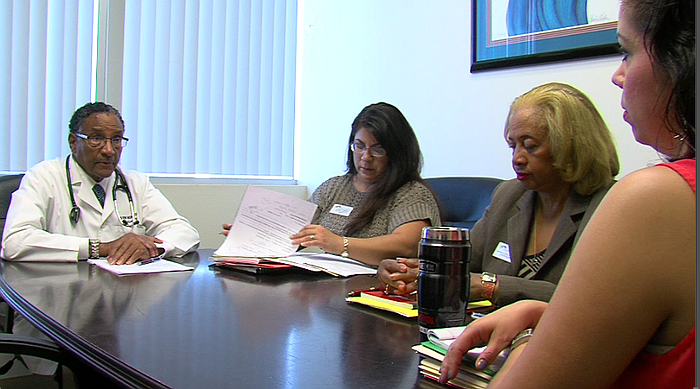
"caption": "Dr. Rodney Hood and his Patient Health Improvement Team in San Diego review cases each week. (Nic McVicker/KPBS)",
"description": "Dr. Rodney Hood and his Patient Health Improvement Team in San Diego review cases each week. (Nic McVicker/KPBS)",
"title": "Kenny_Goldberg_ER_story_photo",
"credit": null,
"status": "inherit",
"isLoading": false,
"fetchFailed": false
},
"news_10341001": {
"type": "attachments",
"id": "news_10341001",
"meta": {
"index": "attachments_1716263798",
"site": "news",
"id": "10341001",
"found": true
},
"parent": 10140979,
"imgSizes": {
"thumbnail": {
"file": "https://ww2.kqed.org/app/uploads/sites/10/2014/09/5-Comic-Con-Artist-Turns-Adversity-Into-Asset-400x225.jpg",
"width": 400,
"mimeType": "image/jpeg",
"height": 225
},
"kqedFullSize": {
"file": "https://ww2.kqed.org/app/uploads/sites/10/2014/09/5-Comic-Con-Artist-Turns-Adversity-Into-Asset.jpg",
"width": 640,
"height": 360
},
"guest-author-96": {
"file": "https://ww2.kqed.org/app/uploads/sites/10/2014/09/5-Comic-Con-Artist-Turns-Adversity-Into-Asset-96x96.jpg",
"width": 96,
"mimeType": "image/jpeg",
"height": 96
},
"guest-author-64": {
"file": "https://ww2.kqed.org/app/uploads/sites/10/2014/09/5-Comic-Con-Artist-Turns-Adversity-Into-Asset-64x64.jpg",
"width": 64,
"mimeType": "image/jpeg",
"height": 64
},
"detail": {
"file": "https://ww2.kqed.org/app/uploads/sites/10/2014/09/5-Comic-Con-Artist-Turns-Adversity-Into-Asset-75x75.jpg",
"width": 75,
"mimeType": "image/jpeg",
"height": 75
},
"guest-author-32": {
"file": "https://ww2.kqed.org/app/uploads/sites/10/2014/09/5-Comic-Con-Artist-Turns-Adversity-Into-Asset-32x32.jpg",
"width": 32,
"mimeType": "image/jpeg",
"height": 32
},
"guest-author-128": {
"file": "https://ww2.kqed.org/app/uploads/sites/10/2014/09/5-Comic-Con-Artist-Turns-Adversity-Into-Asset-128x128.jpg",
"width": 128,
"mimeType": "image/jpeg",
"height": 128
}
},
"publishDate": 1410474775,
"modified": 1410474775,
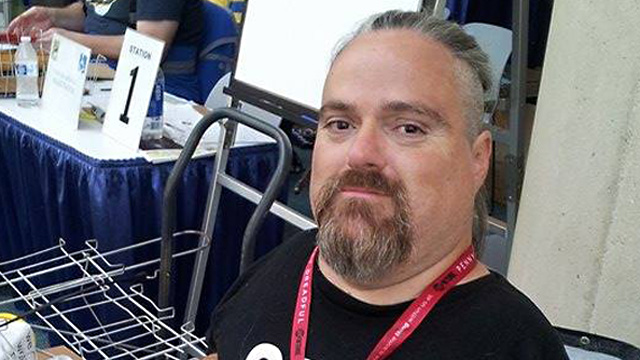
"caption": "Comic book artist Larime Taylor's \"A Voice in the Dark\" was released last year to critical acclaim. (Courtesy Mark Walsh)",
"description": null,
"title": "Larime Taylor",
"credit": null,
"status": "inherit",
"isLoading": false,
"fetchFailed": false
},
"news_10340996": {
"type": "attachments",
"id": "news_10340996",
"meta": {
"index": "attachments_1716263798",
"site": "news",
"id": "10340996",
"found": true
},
"parent": 10140977,
"imgSizes": {
"thumbnail": {
"file": "https://ww2.kqed.org/app/uploads/sites/10/2014/09/4-Somali-Refugees-in-San-Diego-Prep-for-College-Break-Cultural-Norms-400x225.jpg",
"width": 400,
"mimeType": "image/jpeg",
"height": 225
},
"kqedFullSize": {
"file": "https://ww2.kqed.org/app/uploads/sites/10/2014/09/4-Somali-Refugees-in-San-Diego-Prep-for-College-Break-Cultural-Norms.jpg",
"width": 640,
"height": 360
},
"guest-author-96": {
"file": "https://ww2.kqed.org/app/uploads/sites/10/2014/09/4-Somali-Refugees-in-San-Diego-Prep-for-College-Break-Cultural-Norms-96x96.jpg",
"width": 96,
"mimeType": "image/jpeg",
"height": 96
},
"guest-author-64": {
"file": "https://ww2.kqed.org/app/uploads/sites/10/2014/09/4-Somali-Refugees-in-San-Diego-Prep-for-College-Break-Cultural-Norms-64x64.jpg",
"width": 64,
"mimeType": "image/jpeg",
"height": 64
},
"detail": {
"file": "https://ww2.kqed.org/app/uploads/sites/10/2014/09/4-Somali-Refugees-in-San-Diego-Prep-for-College-Break-Cultural-Norms-75x75.jpg",
"width": 75,
"mimeType": "image/jpeg",
"height": 75
},
"guest-author-32": {
"file": "https://ww2.kqed.org/app/uploads/sites/10/2014/09/4-Somali-Refugees-in-San-Diego-Prep-for-College-Break-Cultural-Norms-32x32.jpg",
"width": 32,
"mimeType": "image/jpeg",
"height": 32
},
"guest-author-128": {
"file": "https://ww2.kqed.org/app/uploads/sites/10/2014/09/4-Somali-Refugees-in-San-Diego-Prep-for-College-Break-Cultural-Norms-128x128.jpg",
"width": 128,
"mimeType": "image/jpeg",
"height": 128
}
},
"publishDate": 1410474681,
"modified": 1410474681,
"caption": "Student doing her homework.",
"description": null,
"title": "4-Somali Refugees in San Diego Prep for College, Break Cultural Norms",
"credit": null,
"status": "inherit",
"isLoading": false,
"fetchFailed": false
},
"news_108327": {
"type": "attachments",
"id": "news_108327",
"meta": {
"index": "attachments_1716263798",
"site": "news",
"id": "108327",
"found": true
},
"parent": 108169,
"imgSizes": {
"kqedFullSize": {
"file": "https://ww2.kqed.org/app/uploads/sites/10/2013/08/6279_transform.jpg",
"width": 640,
"height": 360
}
},
"publishDate": 1377305072,
"modified": 1377305072,
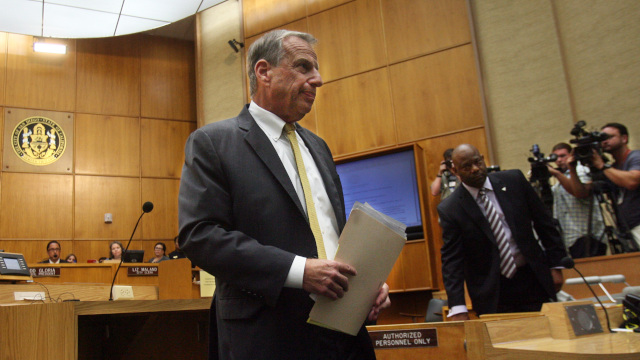
"caption": " San Diego mayor Bob Filner leaves the podium after announcing his mayoral resignation to the city council Friday. (Photo by Bill Wechter/Getty Images)",
"description": "SAN DIEGO, CA - JULY 26: July 26, 2013 in San Diego, California. San Diego mayor Bob Filner leaves the podium after announcing his mayoral resignation to the city council Friday. (Photo by Bill Wechter/Getty Images)",
"title": "San Diego Mayor Bob Filner Entangled In Sexual Harassment Scandal Holds News Conference",
"credit": null,
"status": "inherit",
"isLoading": false,
"fetchFailed": false
}
},
"audioPlayerReducer": {
"postId": "stream_live",
"isPaused": true,
"isPlaying": false,
"pfsActive": false,
"pledgeModalIsOpen": true,
"playerDrawerIsOpen": false,
"liveAudioPlayStartedAt": 0,
"liveAudioPlayContext": ""
},
"authorsReducer": {
"byline_news_10859480": {
"type": "authors",
"id": "byline_news_10859480",
"meta": {
"override": true
},
"slug": "byline_news_10859480",
"name": "\u003cstrong>Megan Burks, KPBS, and Claire Trageser, KPBS\u003c/strong>",
"isLoading": false
},
"byline_news_10770737": {
"type": "authors",
"id": "byline_news_10770737",
"meta": {
"override": true
},
"slug": "byline_news_10770737",
"name": "\u003cstrong>Alexandra Starr\u003cbr>NPR\u003c/strong>",
"isLoading": false
},
"byline_news_10752423": {
"type": "authors",
"id": "byline_news_10752423",
"meta": {
"override": true
},
"slug": "byline_news_10752423",
"name": "\u003cstrong>\u003ca href=\"http://www.kpbs.org/staff/jean-guerrero/\">Jean Guerrero\u003c/a>\u003cbr>KPBS\u003c/strong>",
"isLoading": false
},
"byline_news_10639114": {
"type": "authors",
"id": "byline_news_10639114",
"meta": {
"override": true
},
"slug": "byline_news_10639114",
"name": "Claire Trageser",
"isLoading": false
},
"byline_news_10505948": {
"type": "authors",
"id": "byline_news_10505948",
"meta": {
"override": true
},
"slug": "byline_news_10505948",
"name": "Amita Sharma",
"isLoading": false
},
"byline_news_10450088": {
"type": "authors",
"id": "byline_news_10450088",
"meta": {
"override": true
},
"slug": "byline_news_10450088",
"name": "\u003ca href=\"http://www.kpbs.org/staff/amita-sharma/\">\u003cstrong>Amita Sharma\u003cbr />KPBS\u003c/strong>\u003c/a>",
"isLoading": false
},
"byline_news_10420080": {
"type": "authors",
"id": "byline_news_10420080",
"meta": {
"override": true
},
"slug": "byline_news_10420080",
"name": "Claire Trageser",
"isLoading": false
},
"byline_news_10351582": {
"type": "authors",
"id": "byline_news_10351582",
"meta": {
"override": true
},
"slug": "byline_news_10351582",
"name": "Kenny Goldberg | KPBS",
"isLoading": false
},
"byline_news_10340979": {
"type": "authors",
"id": "byline_news_10340979",
"meta": {
"override": true
},
"slug": "byline_news_10340979",
"name": "Brooke Binkowski",
"isLoading": false
},
"byline_news_10340977": {
"type": "authors",
"id": "byline_news_10340977",
"meta": {
"override": true
},
"slug": "byline_news_10340977",
"name": "Megan Burks",
"isLoading": false
},
"ohubertallen": {
"type": "authors",
"id": "102",
"meta": {
"index": "authors_1716337520",
"id": "102",
"found": true
},
"name": "Olivia Allen-Price",
"firstName": "Olivia",
"lastName": "Allen-Price",
"slug": "ohubertallen",
"email": "oallenprice@kqed.org",
"display_author_email": false,
"staff_mastheads": [
"news"
],
"title": "Senior Editor",
"bio": "Olivia Allen-Price is senior editor and host of the award-winning Bay Curious podcast. Prior to joining KQED in 2013, Olivia worked at The Baltimore Sun and The Virginian-Pilot in Norfolk, Va. She holds degrees in journalism and political science from Elon University. Her work has earned awards from the Society of Professional Journalists, the Hearst Foundation and Hearken. She loves to talk about running and curly hair.\r\n\r\nFollow: \u003ca href=\"https://twitter.com/oallenprice\">@oallenprice\u003c/a>\r\nEmail: \u003ca href=\"mailto:oallenprice@kqed.org\">oallenprice@kqed.org\u003c/a>",
"avatar": "https://secure.gravatar.com/avatar/07f7803c1f6be56f3be58ef276dfa64dce898502e0554408ef4858451a8294f7?s=600&d=blank&r=g",
"twitter": "oallenprice",
"bluesky": null,
"facebook": null,
"instagram": null,
"linkedin": null,
"sites": [
{
"site": "",
"roles": [
"editor"
]
},
{
"site": "arts",
"roles": [
"subscriber"
]
},
{
"site": "news",
"roles": [
"administrator"
]
},
{
"site": "pop",
"roles": [
"administrator"
]
},
{
"site": "bayareabites",
"roles": [
"contributor"
]
},
{
"site": "stateofhealth",
"roles": [
"administrator"
]
},
{
"site": "science",
"roles": [
"editor"
]
}
],
"headData": {
"title": "Olivia Allen-Price | KQED",
"description": "Senior Editor",
"ogImgSrc": "https://secure.gravatar.com/avatar/07f7803c1f6be56f3be58ef276dfa64dce898502e0554408ef4858451a8294f7?s=600&d=blank&r=g",
"twImgSrc": "https://secure.gravatar.com/avatar/07f7803c1f6be56f3be58ef276dfa64dce898502e0554408ef4858451a8294f7?s=600&d=blank&r=g"
},
"isLoading": false,
"link": "/author/ohubertallen"
},
"kqednewsstaffandwires": {
"type": "authors",
"id": "237",
"meta": {
"index": "authors_1716337520",
"id": "237",
"found": true
},
"name": "KQED News Staff and Wires",
"firstName": "KQED News Staff and Wires",
"lastName": null,
"slug": "kqednewsstaffandwires",
"email": "onlinenewsstaff@kqed.org",
"display_author_email": false,
"staff_mastheads": [],
"title": null,
"bio": null,
"avatar": "https://secure.gravatar.com/avatar/72295af8ebbfbd19a4948f5271285664?s=600&d=blank&r=g",
"twitter": null,
"facebook": null,
"instagram": null,
"linkedin": null,
"sites": [
{
"site": "arts",
"roles": [
"contributor"
]
},
{
"site": "news",
"roles": [
"contributor"
]
},
{
"site": "lowdown",
"roles": [
"author"
]
},
{
"site": "stateofhealth",
"roles": [
"contributor"
]
},
{
"site": "food",
"roles": [
"author"
]
}
],
"headData": {
"title": "KQED News Staff and Wires | KQED",
"description": null,
"ogImgSrc": "https://secure.gravatar.com/avatar/72295af8ebbfbd19a4948f5271285664?s=600&d=blank&r=g",
"twImgSrc": "https://secure.gravatar.com/avatar/72295af8ebbfbd19a4948f5271285664?s=600&d=blank&r=g"
},
"isLoading": false,
"link": "/author/kqednewsstaffandwires"
}
},
"pagesReducer": {
"news_tag_san-diego": {
"type": "terms",
"id": "news_4486",
"meta": {
"index": "terms_1716263798",
"site": "news",
"id": "4486",
"score": 9.103905
},
"featImg": null,
"name": "San Diego",
"description": null,
"taxonomy": "tag",
"headData": {
"twImgId": null,
"twTitle": null,
"ogTitle": null,
"ogImgId": null,
"twDescription": null,
"description": null,
"title": "San Diego Archives | KQED News",
"ogDescription": null
},
"ttid": 4505,
"slug": "san-diego",
"isLoading": false,
"title": "San Diego",
"pageMeta": {
"site": "news",
"WpPageTemplate": "page-topic-editorial",
"currentPage": 12
},
"blocks": [
{
"blockName": "kqed/post-list",
"attrs": {
"layout": "cardArticle2",
"query": "posts/news?tag=san-diego",
"seeMore": false,
"paginated": true,
"page": 12
}
},
{
"blockName": "kqed/ad"
}
]
}
},
"pfsSessionReducer": {},
"postsReducer": {
"stream_live": {
"type": "live",
"id": "stream_live",
"audioUrl": "https://streams.kqed.org/kqedradio",
"title": "Live Stream",
"excerpt": "Live Stream information currently unavailable.",
"link": "/radio",
"featImg": "",
"label": {
"name": "KQED Live",
"link": "/"
}
},
"stream_kqedNewscast": {
"type": "posts",
"id": "stream_kqedNewscast",
"audioUrl": "https://www.kqed.org/.stream/anon/radio/RDnews/newscast.mp3?_=1",
"title": "KQED Newscast",
"featImg": "",
"label": {
"name": "88.5 FM",
"link": "/"
}
},
"news_10859480": {
"type": "posts",
"id": "news_10859480",
"meta": {
"index": "posts_1716263798",
"site": "news",
"id": "10859480",
"score": null,
"sort": [
1455091556000
]
},
"parent": 0,
"labelTerm": {
"site": "news",
"term": 72
},
"blocks": [],
"publishDate": 1455091556,
"format": "standard",
"disqusTitle": "San Diego Neighborhoods Close in Distance, Miles Apart in Voter Turnout",
"title": "San Diego Neighborhoods Close in Distance, Miles Apart in Voter Turnout",
"headTitle": "Election 2016 | The California Report | KQED News",
"content": "\u003cp>San Diego’s El Cajon Boulevard and its four lanes of traffic doesn’t look like much of a border, but it divides two starkly different neighborhoods.\u003c/p>\n\u003cp>Head north of it and you’ll quickly leave the liquor stores and ethnic markets behind and move into a neighborhood of single-family homes that become progressively pricier with each passing block. Head south and you’ll be surrounded by apartment buildings, many housing immigrants from Mexico and \u003ca href=\"http://www.kpbs.org/news/2015/apr/24/how-fall-saigon-made-san-diego-refugee-hub/\">refugees\u003c/a> who have fled civil wars in East Africa and Southeast Asia.\u003c/p>\n\u003cp>The two San Diego neighborhoods, Kensington and Teralta, are directly next to each other but worlds apart.\u003c/p>\n\u003cp>[soundcloud url=\"https://api.soundcloud.com/tracks/246565341\" params=\"color=ff5500&auto_play=false&hide_related=false&show_comments=true&show_user=true&show_reposts=false\" width=\"100%\" height=\"166\" iframe=\"true\" /]\u003c/p>\n\u003cp>Kensington’s median income is $90,565, while Teralta’s is $21,698, according to \u003ca href=\"http://census.gov/\">U.S. Census data\u003c/a>. In Kensington, 66 percent of the residents are white; in Teralta, 6 percent are white. Zoom a little deeper and 47 percent of Teralta’s diverse residents are foreign born, compared with 12 percent in Kensington.\u003c/p>\n\u003cp>[ad fullwidth]\u003c/p>\n\u003cp>These differences feed into a huge gap in voter turnout.\u003c/p>\n\u003cp>[contextly_sidebar id=\"DBzQ5Y7sMqE9wfO4kImAfxyzGv92UYId\"]\u003c/p>\n\u003cp>In the 2014 general election, 62 percent of registered voters in Kensington cast ballots. One of its precincts had the third-highest turnout in all of San Diego, at 70 percent. The Teralta neighborhood in City Heights had 27 percent voter turnout, and its precincts were among the city’s lowest.\u003c/p>\n\u003cp>Yet residents in these divergent neighboring communities will be asked to vote on the same issues this year — from raising San Diego’s minimum wage and possibly the state’s to setting aside funds to fix the region’s crumbling roads. And they will decide together — if they vote — who will represent them \u003ca href=\"http://www.sandiego.gov/citycouncil/cd9/\">on the City Council\u003c/a>.\u003c/p>\n\u003cp>The question is whether low-turnout Teralta will continue to allow high-turnout Kensington to make the political decisions for both of them.\u003c/p>\n\u003cp>\u003ca href=\"http://ww2.kqed.org/news/wp-content/uploads/sites/10/2016/02/news_kensington_teralta_voters-1920px.png\" rel=\"attachment wp-att-10859534\">\u003cimg class=\"aligncenter size-medium wp-image-10859534\" src=\"http://ww2.kqed.org/news/wp-content/uploads/sites/10/2016/02/news_kensington_teralta_voters-1920px-800x1040.png\" alt=\"news_kensington_teralta_voters-1920px\" width=\"800\" height=\"1040\" srcset=\"https://ww2.kqed.org/app/uploads/sites/10/2016/02/news_kensington_teralta_voters-1920px-800x1040.png 800w, https://ww2.kqed.org/app/uploads/sites/10/2016/02/news_kensington_teralta_voters-1920px-400x520.png 400w, https://ww2.kqed.org/app/uploads/sites/10/2016/02/news_kensington_teralta_voters-1920px-768x998.png 768w, https://ww2.kqed.org/app/uploads/sites/10/2016/02/news_kensington_teralta_voters-1920px-1440x1872.png 1440w, https://ww2.kqed.org/app/uploads/sites/10/2016/02/news_kensington_teralta_voters-1920px.png 1920w, https://ww2.kqed.org/app/uploads/sites/10/2016/02/news_kensington_teralta_voters-1920px-1180x1534.png 1180w, https://ww2.kqed.org/app/uploads/sites/10/2016/02/news_kensington_teralta_voters-1920px-960x1248.png 960w\" sizes=\"(max-width: 800px) 100vw, 800px\">\u003c/a>\u003c/p>\n\u003cp>\u003cstrong>Kensington ‘Embraces’ Voting\u003c/strong>\u003c/p>\n\u003cp>In Kensington, resident Peter Dennehy likes the community feel of his upper-middle-class neighborhood. He’s lived there for almost nine years, and his mother has been there 15 years.\u003c/p>\n\u003cp>Dennehy, who has hosted fundraisers for local political candidates and attended debates at a church five blocks from his home, said voting is a tradition for most of his neighbors.\u003c/p>\n\u003cp>“It’s a neighborhood that embraces participation at every level,” he said.\u003c/p>\n\u003cp>The 50-year-old is pretty sure he’s never missed an election since he turned 18 and could vote.\u003c/p>\n\u003cp>“Honestly, I was raised that way,” he said. “I went to vote with my parents, and so that behavior was modeled.”\u003c/p>\n\u003cp>Kensington has a bustling commercial area with an \u003ca href=\"http://stehlyfarmsmarket.com/\">organic grocery store\u003c/a> and lots of local shops and restaurants. Every afternoon and evening, it’s filled with residents walking to do errands or get dinner, strolling with their dogs or taking their kids to the park.\u003c/p>\n\u003cp>Dennehy said the opportunity to interact with neighbors attracts people to Kensington who want to be involved in their community. It also may help to explain why they get out to vote, he said.\u003c/p>\n\u003cp>Prominent politicians live there, too. Among them: \u003ca href=\"https://susandavis.house.gov/\">Democratic Rep. Susan Davis\u003c/a> and former Republican Mayor Jerry Sanders, who is often spotted by neighbors on his daily walks.\u003c/p>\n\u003cp>\u003cstrong>In Teralta, Embracing a New Home\u003c/strong>\u003c/p>\n\u003cfigure id=\"attachment_10859538\" class=\"wp-caption aligncenter\" style=\"max-width: 800px\">\u003ca href=\"http://ww2.kqed.org/news/wp-content/uploads/sites/10/2016/02/CALIFVOTER3_MohamudFriends.jpg\" rel=\"attachment wp-att-10859538\">\u003cimg class=\"wp-image-10859538 size-medium\" src=\"http://ww2.kqed.org/news/wp-content/uploads/sites/10/2016/02/CALIFVOTER3_MohamudFriends-800x449.jpg\" alt=\"Mohamud Osman and his friends talk about presidential candidate Bernie Sanders's showing in the Iowa caucuses, Feb. 8, 2016. All four say they plan to vote for Sanders.\" width=\"800\" height=\"449\" srcset=\"https://ww2.kqed.org/app/uploads/sites/10/2016/02/CALIFVOTER3_MohamudFriends-800x449.jpg 800w, https://ww2.kqed.org/app/uploads/sites/10/2016/02/CALIFVOTER3_MohamudFriends-400x224.jpg 400w, https://ww2.kqed.org/app/uploads/sites/10/2016/02/CALIFVOTER3_MohamudFriends-768x431.jpg 768w, https://ww2.kqed.org/app/uploads/sites/10/2016/02/CALIFVOTER3_MohamudFriends-1180x662.jpg 1180w, https://ww2.kqed.org/app/uploads/sites/10/2016/02/CALIFVOTER3_MohamudFriends-960x538.jpg 960w, https://ww2.kqed.org/app/uploads/sites/10/2016/02/CALIFVOTER3_MohamudFriends.jpg 1191w\" sizes=\"(max-width: 800px) 100vw, 800px\">\u003c/a>\u003cfigcaption class=\"wp-caption-text\">Mohamud Osman and his friends talk about presidential candidate Bernie Sanders' showing in the Iowa caucuses, Feb. 8, 2016. All four say they plan to vote for Sanders. \u003ccite>(Megan Burks/KPBS)\u003c/cite>\u003c/figcaption>\u003c/figure>\n\u003cp>As you travel south from Kensington’s cafes and playground, the homes steadily decrease in value and the shops start to sell liquor, not organic produce.\u003c/p>\n\u003cp>In less than a mile you’ll be in the heart of City Heights’ Teralta neighborhood. Its frenetic center is filled with people from all over the world catching buses to service industry jobs or walking to one of the dozens of Vietnamese and East African supermarkets.\u003c/p>\n\u003cp>One of them is Mohamud Osman, whose family is from Somalia.\u003c/p>\n\u003cp>He turned 18 last year and said he'll be voting for the first time in June.\u003c/p>\n\u003cp>“Voting is a way for us people to have a voice — and not just voting for presidency (or) laws like legalize this, legalize that,” Osman said.\u003c/p>\n\u003cp>He’s eager to vote for his next City Council member and on quality-of-life issues, including raising the minimum wage. He registered to vote late last year just so he could sign a petition to get the measure on the ballot. A \u003ca href=\"http://www.kpbs.org/news/2014/oct/20/city-council-decide-whats-next-san-diego-minimum-w/\">San Diego minimum wage initiative\u003c/a> will be on the June ballot, and a statewide measure could be on the November ballot.\u003c/p>\n\u003cp>While Osman is adamant about having a voice in the election, he represents in part why turnout in his neighborhood dips as low as 14 percent in some elections.\u003c/p>\n\u003cp>One-third of Teralta residents aren’t old enough to vote, undercutting its civic power.\u003c/p>\n\u003cp>In 2012, the community was redistricted to give Latinos a stronger voice on the San Diego City Council. The new lines netted a population that was half Latino. But age \u003ca href=\"http://www.voiceofsandiego.org/city-heights/what-sds-new-political-lines-would-look-like/\">slashed that voting bloc\u003c/a> nearly in half, and the district re-elected Councilwoman Marti Emerald, who is white and a Democrat.\u003c/p>\n\u003cp>It’s likely Kensington carried much of Emerald’s win. Nearly 90 percent of residents there are above the voting age.\u003c/p>\n\u003cp>Osman’s family is also representative of many households in his neighborhood, in that his mom and siblings are among the nearly half of Teralta residents born outside the United States. Many can’t vote because they’re \u003ca href=\"http://www.kpbs.org/news/2015/feb/17/study-sheds-light-mid-citys-unauthorized-and-unins/\">living in the country illegally\u003c/a> or can't afford the $680 processing fee to become U.S. citizens.\u003c/p>\n\u003cp>But Osman said most of the immigrants and refugees in Teralta are like his mom -- too busy trying to build a new life to establish that tradition of voting the way Kensington resident Dennehy’s mother did.\u003c/p>\n\u003cp>“We don't pay attention to a lot of things because we want to know what can we do to have more income,” Osman said. His dad was the sole breadwinner in the family, but he died seven months ago from complications of pneumonia. He worked as a security guard.\u003c/p>\n\u003cp>Sometimes, Osman said, it’s discouraging to know that Kensington voters are deciding the elections for Teralta voters.\u003c/p>\n\u003cp>“It makes me definitely want to vote less in a sense,” Osman said. “But I can’t. I want to set an example for people.”\u003c/p>\n\u003cp>\u003cstrong>Campaigning Across Neighborhoods\u003c/strong>\u003c/p>\n\u003cp>\u003ca href=\"http://tomshepard.com/\">Tom Shepard\u003c/a> is a San Diego political consultant behind many high-profile campaigns for city and county offices. He said Teralta residents shouldn’t be quick to assume candidates for office will skip over their neighborhood to canvass high-turnout Kensington’s manicured streets.\u003c/p>\n\u003cp>“It is a realistic concern, but I think one mitigating factor in this election cycle is that we're anticipating a relatively high turnout in the November election as a result of the presidential campaign,” Shepard said.\u003c/p>\n\u003cp>“And if history is any measure — 2008 and 2012 in particular — there will be a significant turnout of voters in City Heights for the November election,” he said. “So candidates that don't have a strategy to connect with those voters in June might find themselves far behind the eight ball when it comes to attracting them come November.”\u003c/p>\n\u003cp>\u003ca href=\"http://www.trilogyprgroup.com/about/xema_jacobson.html\">Xema Jacobson\u003c/a>, who ran Emerald’s successful City Council campaign in 2008, said the key to winning in such divergent communities as Kensington and Teralta is not to ignore the low-turnout area, but just to approach it differently.\u003c/p>\n\u003cp>“With active voters, you can go in and identify them and follow up with phone calls and that’s it,” she said. “With people who don’t vote all the time, you spend a bit more time with them. It’s not just a phone call, but on Election Day you go knock on their door, ask, ‘Do you need a ride? Do you need child care? Do you need something to get you to the polls?’ ”\u003c/p>\n\u003cp>Longtime Kensington resident Jodi Cleesattle said she understands those pressures her Teralta neighbors feel.\u003c/p>\n\u003cp>“The poorer you are, certainly the more pressing issues you may have on your mind, to where voting or learning about particular candidates is less of a priority,” she said.\u003c/p>\n\u003cp>Cleesattle, 47, said just because a wide spread in demographics exists between her neighborhood and Teralta, that doesn't necessarily mean there's a deep political divide between the two neighborhoods.\u003c/p>\n\u003cp>“We all want better schools, safe neighborhoods, streets without potholes, all those same kinds of concerns,” she said.\u003c/p>\n\u003cp>\u003cem>Copyright 2015 KPBS. To see more election coverage, visit \u003ca href=\"http://www.kpbs.org\" target=\"_blank\">http://www.kpbs.org\u003c/a>.\u003c/em>\u003c/p>\n\u003cp>[ad floatright]\u003c/p>\n\u003cp>\u003cem>California Counts is a collaboration of KPBS, KPCC, KQED and Capital Public Radio to report on the 2016 election. The coverage focuses on major issues and solicits diverse voices on what’s important to the future of California.\u003c/em>\u003c/p>\n\n",
"disqusIdentifier": "10859480 http://ww2.kqed.org/news/?p=10859480",
"disqusUrl": "https://ww2.kqed.org/news/2016/02/10/san-diego-neighborhoods-close-in-distance-miles-apart-in-voter-turnout/",
"stats": {
"hasVideo": false,
"hasChartOrMap": false,
"hasAudio": false,
"hasPolis": false,
"wordCount": 1570,
"hasGoogleForm": false,
"hasGallery": false,
"hasHearkenModule": false,
"iframeSrcs": [],
"paragraphCount": 50
},
"modified": 1457488802,
"excerpt": "In the 2014 general election, 62 percent of registered voters in Kensington cast ballots. The Teralta neighborhood in City Heights had 27 percent voter turnout.",
"headData": {
"twImgId": "",
"twTitle": "",
"ogTitle": "",
"ogImgId": "",
"twDescription": "",
"description": "In the 2014 general election, 62 percent of registered voters in Kensington cast ballots. The Teralta neighborhood in City Heights had 27 percent voter turnout.",
"title": "San Diego Neighborhoods Close in Distance, Miles Apart in Voter Turnout | KQED",
"ogDescription": "",
"schema": {
"@context": "https://schema.org",
"@type": "NewsArticle",
"headline": "San Diego Neighborhoods Close in Distance, Miles Apart in Voter Turnout",
"datePublished": "2016-02-10T00:05:56-08:00",
"dateModified": "2016-03-08T18:00:02-08:00",
"image": "https://cdn.kqed.org/wp-content/uploads/2020/02/KQED-OG-Image@1x.png",
"isAccessibleForFree": "True",
"publisher": {
"@type": "NewsMediaOrganization",
"@id": "https://www.kqed.org/#organization",
"name": "KQED",
"logo": "https://cdn.kqed.org/wp-content/uploads/2020/02/KQED-OG-Image@1x.png",
"url": "https://www.kqed.org",
"sameAs": [
"https://www.facebook.com/KQED",
"https://twitter.com/KQED",
"https://www.instagram.com/kqed/",
"https://www.tiktok.com/@kqedofficial",
"https://www.linkedin.com/company/kqed",
"https://www.youtube.com/channel/UCeC0IOo7i1P_61zVUWbJ4nw"
]
}
}
},
"guestAuthors": [],
"slug": "san-diego-neighborhoods-close-in-distance-miles-apart-in-voter-turnout",
"status": "publish",
"nprByline": "\u003cstrong>Megan Burks, KPBS, and Claire Trageser, KPBS\u003c/strong>",
"path": "/news/10859480/san-diego-neighborhoods-close-in-distance-miles-apart-in-voter-turnout",
"audioTrackLength": null,
"parsedContent": [
{
"type": "contentString",
"content": "\u003cdiv class=\"post-body\">\u003cp>\u003cp>San Diego’s El Cajon Boulevard and its four lanes of traffic doesn’t look like much of a border, but it divides two starkly different neighborhoods.\u003c/p>\n\u003cp>Head north of it and you’ll quickly leave the liquor stores and ethnic markets behind and move into a neighborhood of single-family homes that become progressively pricier with each passing block. Head south and you’ll be surrounded by apartment buildings, many housing immigrants from Mexico and \u003ca href=\"http://www.kpbs.org/news/2015/apr/24/how-fall-saigon-made-san-diego-refugee-hub/\">refugees\u003c/a> who have fled civil wars in East Africa and Southeast Asia.\u003c/p>\n\u003cp>The two San Diego neighborhoods, Kensington and Teralta, are directly next to each other but worlds apart.\u003c/p>\n\u003cp>\u003c/p>\u003cp>\u003cdiv class='utils-parseShortcode-shortcodes-__shortcodes__shortcodeWrapper'>\n \u003ciframe width='100%' height='166'\n scrolling='no' frameborder='no'\n src='https://w.soundcloud.com/player/?url=https://api.soundcloud.com/tracks/246565341&visual=true&color=ff5500&auto_play=false&hide_related=false&show_comments=true&show_user=true&show_reposts=false'\n title='https://api.soundcloud.com/tracks/246565341'>\n \u003c/iframe>\n \u003c/div>\u003c/p>\u003cp>\u003c/p>\n\u003cp>Kensington’s median income is $90,565, while Teralta’s is $21,698, according to \u003ca href=\"http://census.gov/\">U.S. Census data\u003c/a>. In Kensington, 66 percent of the residents are white; in Teralta, 6 percent are white. Zoom a little deeper and 47 percent of Teralta’s diverse residents are foreign born, compared with 12 percent in Kensington.\u003c/p>\n\u003cp>\u003c/p>\u003c/div>",
"attributes": {
"named": {},
"numeric": []
}
},
{
"type": "component",
"content": "",
"name": "ad",
"attributes": {
"named": {
"label": "fullwidth"
},
"numeric": [
"fullwidth"
]
}
},
{
"type": "contentString",
"content": "\u003cdiv class=\"post-body\">\u003cp>\u003c/p>\n\u003cp>These differences feed into a huge gap in voter turnout.\u003c/p>\n\u003cp>\u003c/p>\u003cp>\u003c/p>\u003cp>\u003c/p>\n\u003cp>In the 2014 general election, 62 percent of registered voters in Kensington cast ballots. One of its precincts had the third-highest turnout in all of San Diego, at 70 percent. The Teralta neighborhood in City Heights had 27 percent voter turnout, and its precincts were among the city’s lowest.\u003c/p>\n\u003cp>Yet residents in these divergent neighboring communities will be asked to vote on the same issues this year — from raising San Diego’s minimum wage and possibly the state’s to setting aside funds to fix the region’s crumbling roads. And they will decide together — if they vote — who will represent them \u003ca href=\"http://www.sandiego.gov/citycouncil/cd9/\">on the City Council\u003c/a>.\u003c/p>\n\u003cp>The question is whether low-turnout Teralta will continue to allow high-turnout Kensington to make the political decisions for both of them.\u003c/p>\n\u003cp>\u003ca href=\"http://ww2.kqed.org/news/wp-content/uploads/sites/10/2016/02/news_kensington_teralta_voters-1920px.png\" rel=\"attachment wp-att-10859534\">\u003cimg class=\"aligncenter size-medium wp-image-10859534\" src=\"http://ww2.kqed.org/news/wp-content/uploads/sites/10/2016/02/news_kensington_teralta_voters-1920px-800x1040.png\" alt=\"news_kensington_teralta_voters-1920px\" width=\"800\" height=\"1040\" srcset=\"https://ww2.kqed.org/app/uploads/sites/10/2016/02/news_kensington_teralta_voters-1920px-800x1040.png 800w, https://ww2.kqed.org/app/uploads/sites/10/2016/02/news_kensington_teralta_voters-1920px-400x520.png 400w, https://ww2.kqed.org/app/uploads/sites/10/2016/02/news_kensington_teralta_voters-1920px-768x998.png 768w, https://ww2.kqed.org/app/uploads/sites/10/2016/02/news_kensington_teralta_voters-1920px-1440x1872.png 1440w, https://ww2.kqed.org/app/uploads/sites/10/2016/02/news_kensington_teralta_voters-1920px.png 1920w, https://ww2.kqed.org/app/uploads/sites/10/2016/02/news_kensington_teralta_voters-1920px-1180x1534.png 1180w, https://ww2.kqed.org/app/uploads/sites/10/2016/02/news_kensington_teralta_voters-1920px-960x1248.png 960w\" sizes=\"(max-width: 800px) 100vw, 800px\">\u003c/a>\u003c/p>\n\u003cp>\u003cstrong>Kensington ‘Embraces’ Voting\u003c/strong>\u003c/p>\n\u003cp>In Kensington, resident Peter Dennehy likes the community feel of his upper-middle-class neighborhood. He’s lived there for almost nine years, and his mother has been there 15 years.\u003c/p>\n\u003cp>Dennehy, who has hosted fundraisers for local political candidates and attended debates at a church five blocks from his home, said voting is a tradition for most of his neighbors.\u003c/p>\n\u003cp>“It’s a neighborhood that embraces participation at every level,” he said.\u003c/p>\n\u003cp>The 50-year-old is pretty sure he’s never missed an election since he turned 18 and could vote.\u003c/p>\n\u003cp>“Honestly, I was raised that way,” he said. “I went to vote with my parents, and so that behavior was modeled.”\u003c/p>\n\u003cp>Kensington has a bustling commercial area with an \u003ca href=\"http://stehlyfarmsmarket.com/\">organic grocery store\u003c/a> and lots of local shops and restaurants. Every afternoon and evening, it’s filled with residents walking to do errands or get dinner, strolling with their dogs or taking their kids to the park.\u003c/p>\n\u003cp>Dennehy said the opportunity to interact with neighbors attracts people to Kensington who want to be involved in their community. It also may help to explain why they get out to vote, he said.\u003c/p>\n\u003cp>Prominent politicians live there, too. Among them: \u003ca href=\"https://susandavis.house.gov/\">Democratic Rep. Susan Davis\u003c/a> and former Republican Mayor Jerry Sanders, who is often spotted by neighbors on his daily walks.\u003c/p>\n\u003cp>\u003cstrong>In Teralta, Embracing a New Home\u003c/strong>\u003c/p>\n\u003cfigure id=\"attachment_10859538\" class=\"wp-caption aligncenter\" style=\"max-width: 800px\">\u003ca href=\"http://ww2.kqed.org/news/wp-content/uploads/sites/10/2016/02/CALIFVOTER3_MohamudFriends.jpg\" rel=\"attachment wp-att-10859538\">\u003cimg class=\"wp-image-10859538 size-medium\" src=\"http://ww2.kqed.org/news/wp-content/uploads/sites/10/2016/02/CALIFVOTER3_MohamudFriends-800x449.jpg\" alt=\"Mohamud Osman and his friends talk about presidential candidate Bernie Sanders's showing in the Iowa caucuses, Feb. 8, 2016. All four say they plan to vote for Sanders.\" width=\"800\" height=\"449\" srcset=\"https://ww2.kqed.org/app/uploads/sites/10/2016/02/CALIFVOTER3_MohamudFriends-800x449.jpg 800w, https://ww2.kqed.org/app/uploads/sites/10/2016/02/CALIFVOTER3_MohamudFriends-400x224.jpg 400w, https://ww2.kqed.org/app/uploads/sites/10/2016/02/CALIFVOTER3_MohamudFriends-768x431.jpg 768w, https://ww2.kqed.org/app/uploads/sites/10/2016/02/CALIFVOTER3_MohamudFriends-1180x662.jpg 1180w, https://ww2.kqed.org/app/uploads/sites/10/2016/02/CALIFVOTER3_MohamudFriends-960x538.jpg 960w, https://ww2.kqed.org/app/uploads/sites/10/2016/02/CALIFVOTER3_MohamudFriends.jpg 1191w\" sizes=\"(max-width: 800px) 100vw, 800px\">\u003c/a>\u003cfigcaption class=\"wp-caption-text\">Mohamud Osman and his friends talk about presidential candidate Bernie Sanders' showing in the Iowa caucuses, Feb. 8, 2016. All four say they plan to vote for Sanders. \u003ccite>(Megan Burks/KPBS)\u003c/cite>\u003c/figcaption>\u003c/figure>\n\u003cp>As you travel south from Kensington’s cafes and playground, the homes steadily decrease in value and the shops start to sell liquor, not organic produce.\u003c/p>\n\u003cp>In less than a mile you’ll be in the heart of City Heights’ Teralta neighborhood. Its frenetic center is filled with people from all over the world catching buses to service industry jobs or walking to one of the dozens of Vietnamese and East African supermarkets.\u003c/p>\n\u003cp>One of them is Mohamud Osman, whose family is from Somalia.\u003c/p>\n\u003cp>He turned 18 last year and said he'll be voting for the first time in June.\u003c/p>\n\u003cp>“Voting is a way for us people to have a voice — and not just voting for presidency (or) laws like legalize this, legalize that,” Osman said.\u003c/p>\n\u003cp>He’s eager to vote for his next City Council member and on quality-of-life issues, including raising the minimum wage. He registered to vote late last year just so he could sign a petition to get the measure on the ballot. A \u003ca href=\"http://www.kpbs.org/news/2014/oct/20/city-council-decide-whats-next-san-diego-minimum-w/\">San Diego minimum wage initiative\u003c/a> will be on the June ballot, and a statewide measure could be on the November ballot.\u003c/p>\n\u003cp>While Osman is adamant about having a voice in the election, he represents in part why turnout in his neighborhood dips as low as 14 percent in some elections.\u003c/p>\n\u003cp>One-third of Teralta residents aren’t old enough to vote, undercutting its civic power.\u003c/p>\n\u003cp>In 2012, the community was redistricted to give Latinos a stronger voice on the San Diego City Council. The new lines netted a population that was half Latino. But age \u003ca href=\"http://www.voiceofsandiego.org/city-heights/what-sds-new-political-lines-would-look-like/\">slashed that voting bloc\u003c/a> nearly in half, and the district re-elected Councilwoman Marti Emerald, who is white and a Democrat.\u003c/p>\n\u003cp>It’s likely Kensington carried much of Emerald’s win. Nearly 90 percent of residents there are above the voting age.\u003c/p>\n\u003cp>Osman’s family is also representative of many households in his neighborhood, in that his mom and siblings are among the nearly half of Teralta residents born outside the United States. Many can’t vote because they’re \u003ca href=\"http://www.kpbs.org/news/2015/feb/17/study-sheds-light-mid-citys-unauthorized-and-unins/\">living in the country illegally\u003c/a> or can't afford the $680 processing fee to become U.S. citizens.\u003c/p>\n\u003cp>But Osman said most of the immigrants and refugees in Teralta are like his mom -- too busy trying to build a new life to establish that tradition of voting the way Kensington resident Dennehy’s mother did.\u003c/p>\n\u003cp>“We don't pay attention to a lot of things because we want to know what can we do to have more income,” Osman said. His dad was the sole breadwinner in the family, but he died seven months ago from complications of pneumonia. He worked as a security guard.\u003c/p>\n\u003cp>Sometimes, Osman said, it’s discouraging to know that Kensington voters are deciding the elections for Teralta voters.\u003c/p>\n\u003cp>“It makes me definitely want to vote less in a sense,” Osman said. “But I can’t. I want to set an example for people.”\u003c/p>\n\u003cp>\u003cstrong>Campaigning Across Neighborhoods\u003c/strong>\u003c/p>\n\u003cp>\u003ca href=\"http://tomshepard.com/\">Tom Shepard\u003c/a> is a San Diego political consultant behind many high-profile campaigns for city and county offices. He said Teralta residents shouldn’t be quick to assume candidates for office will skip over their neighborhood to canvass high-turnout Kensington’s manicured streets.\u003c/p>\n\u003cp>“It is a realistic concern, but I think one mitigating factor in this election cycle is that we're anticipating a relatively high turnout in the November election as a result of the presidential campaign,” Shepard said.\u003c/p>\n\u003cp>“And if history is any measure — 2008 and 2012 in particular — there will be a significant turnout of voters in City Heights for the November election,” he said. “So candidates that don't have a strategy to connect with those voters in June might find themselves far behind the eight ball when it comes to attracting them come November.”\u003c/p>\n\u003cp>\u003ca href=\"http://www.trilogyprgroup.com/about/xema_jacobson.html\">Xema Jacobson\u003c/a>, who ran Emerald’s successful City Council campaign in 2008, said the key to winning in such divergent communities as Kensington and Teralta is not to ignore the low-turnout area, but just to approach it differently.\u003c/p>\n\u003cp>“With active voters, you can go in and identify them and follow up with phone calls and that’s it,” she said. “With people who don’t vote all the time, you spend a bit more time with them. It’s not just a phone call, but on Election Day you go knock on their door, ask, ‘Do you need a ride? Do you need child care? Do you need something to get you to the polls?’ ”\u003c/p>\n\u003cp>Longtime Kensington resident Jodi Cleesattle said she understands those pressures her Teralta neighbors feel.\u003c/p>\n\u003cp>“The poorer you are, certainly the more pressing issues you may have on your mind, to where voting or learning about particular candidates is less of a priority,” she said.\u003c/p>\n\u003cp>Cleesattle, 47, said just because a wide spread in demographics exists between her neighborhood and Teralta, that doesn't necessarily mean there's a deep political divide between the two neighborhoods.\u003c/p>\n\u003cp>“We all want better schools, safe neighborhoods, streets without potholes, all those same kinds of concerns,” she said.\u003c/p>\n\u003cp>\u003cem>Copyright 2015 KPBS. To see more election coverage, visit \u003ca href=\"http://www.kpbs.org\" target=\"_blank\">http://www.kpbs.org\u003c/a>.\u003c/em>\u003c/p>\n\u003cp>\u003c/p>\u003c/div>",
"attributes": {
"named": {},
"numeric": []
}
},
{
"type": "component",
"content": "",
"name": "ad",
"attributes": {
"named": {
"label": "floatright"
},
"numeric": [
"floatright"
]
}
},
{
"type": "contentString",
"content": "\u003cdiv class=\"post-body\">\u003cp>\u003c/p>\n\u003cp>\u003cem>California Counts is a collaboration of KPBS, KPCC, KQED and Capital Public Radio to report on the 2016 election. The coverage focuses on major issues and solicits diverse voices on what’s important to the future of California.\u003c/em>\u003c/p>\n\n\u003c/div>\u003c/p>",
"attributes": {
"named": {},
"numeric": []
}
}
],
"link": "/news/10859480/san-diego-neighborhoods-close-in-distance-miles-apart-in-voter-turnout",
"authors": [
"byline_news_10859480"
],
"programs": [
"news_72"
],
"series": [
"news_19101"
],
"categories": [
"news_8",
"news_13"
],
"tags": [
"news_19217",
"news_4486",
"news_17286",
"news_17041",
"news_17648",
"news_2027"
],
"featImg": "news_10859533",
"label": "news_72"
},
"news_10845554": {
"type": "posts",
"id": "news_10845554",
"meta": {
"index": "posts_1716263798",
"site": "news",
"id": "10845554",
"score": null,
"sort": [
1453827743000
]
},
"parent": 0,
"labelTerm": {
"site": "news",
"term": 72
},
"blocks": [],
"publishDate": 1453827743,
"format": "aside",
"disqusTitle": "Update: Navy Says No Sign of Gunman or Shooting at San Diego Medical Center",
"title": "Update: Navy Says No Sign of Gunman or Shooting at San Diego Medical Center",
"headTitle": "The California Report | KQED News",
"content": "\u003cp>\u003cstrong>Update, 10:50 a.m.:\u003c/strong>\u003c/p>\n\u003cp>The Navy says an initial inspection at Naval Medical Center San Diego found no sign of a gunman or a shooting.\u003c/p>\n\u003cp>Navy spokesman N. Scott Sutherland said military police had checked Building 26 after a person reported hearing three shots in the basement earlier in the day.\u003c/p>\n\u003cp>The base remained on lockdown as authorities went from room to room and led personnel out of the facility.\u003c/p>\n\u003cp>School officials say a lockdown has ended and instruction has resumed at three schools near the medical center.\u003c/p>\n\u003cp>[ad fullwidth]\u003c/p>\n\u003cp>In addition, TV images showed uniformed Navy personnel walking outside the medical facility. Their hands were in the air and they were being patted down by base police as a precaution.\u003c/p>\n\u003cp>The Navy hospital previously said on its Facebook page that an active shooter was reported and people were told to run, hide or fight.\u003c/p>\n\u003cp>\u003cstrong>Original Post:\u003c/strong>\u003c/p>\n\u003cp>People are continuing to shelter in place at Naval Medical Center San Diego, as military authorities respond to reports of an active shooter.\u003c/p>\n\u003cp>Spokesman Mike Alvarez says gunshots were heard around 8 a.m. in Building 26. Alvarez says all non-emergency personnel are asked to stay away from the area.\u003c/p>\n\u003cp>A military official told NPR that no injuries or deaths are reported.\u003c/p>\n\u003cp>https://twitter.com/NPR/status/692031995078131712\u003c/p>\n\u003cp>Nearby schools have lifted their lockdowns, and students and teachers have returned to regular instruction.\u003c/p>\n\u003cp>Naval Medical Center San Diego reported an active shooter on the center's Facebook page shortly after 8 a.m.\u003c/p>\n\u003cp>https://www.facebook.com/NMCSD/posts/988637874542254\u003c/p>\n\u003cp>We will continue to update this post as information becomes available.\u003c/p>\n\u003cp>\u003c/p>\n\u003cp>\u003cem>The Associated Press contributed to this report. \u003c/em>\u003c/p>\n\u003caside class=\"trb_ar_sponsoredmod\">\n\u003cdiv id=\"ym_1082601812867266781\">\u003c/div>\n\u003c/aside>\n\n",
"disqusIdentifier": "10845554 http://ww2.kqed.org/news/?p=10845554",
"disqusUrl": "https://ww2.kqed.org/news/2016/01/26/active-shooter-reported-at-naval-medical-center-san-diego/",
"stats": {
"hasVideo": false,
"hasChartOrMap": false,
"hasAudio": false,
"hasPolis": false,
"wordCount": 281,
"hasGoogleForm": false,
"hasGallery": false,
"hasHearkenModule": false,
"iframeSrcs": [],
"paragraphCount": 17
},
"modified": 1453848283,
"excerpt": "The Navy says an initial inspection at Naval Medical Center San Diego found no sign of a gunman or a shooting. The center earlier reported an active shooter on its Facebook page.",
"headData": {
"twImgId": "",
"twTitle": "",
"ogTitle": "",
"ogImgId": "",
"twDescription": "",
"description": "The Navy says an initial inspection at Naval Medical Center San Diego found no sign of a gunman or a shooting. The center earlier reported an active shooter on its Facebook page.",
"title": "Update: Navy Says No Sign of Gunman or Shooting at San Diego Medical Center | KQED",
"ogDescription": "",
"schema": {
"@context": "https://schema.org",
"@type": "NewsArticle",
"headline": "Update: Navy Says No Sign of Gunman or Shooting at San Diego Medical Center",
"datePublished": "2016-01-26T09:02:23-08:00",
"dateModified": "2016-01-26T14:44:43-08:00",
"image": "https://cdn.kqed.org/wp-content/uploads/2020/02/KQED-OG-Image@1x.png",
"isAccessibleForFree": "True",
"publisher": {
"@type": "NewsMediaOrganization",
"@id": "https://www.kqed.org/#organization",
"name": "KQED",
"logo": "https://cdn.kqed.org/wp-content/uploads/2020/02/KQED-OG-Image@1x.png",
"url": "https://www.kqed.org",
"sameAs": [
"https://www.facebook.com/KQED",
"https://twitter.com/KQED",
"https://www.instagram.com/kqed/",
"https://www.tiktok.com/@kqedofficial",
"https://www.linkedin.com/company/kqed",
"https://www.youtube.com/channel/UCeC0IOo7i1P_61zVUWbJ4nw"
]
}
}
},
"guestAuthors": [],
"slug": "active-shooter-reported-at-naval-medical-center-san-diego",
"status": "publish",
"nprStoryId": "464435818",
"path": "/news/10845554/active-shooter-reported-at-naval-medical-center-san-diego",
"audioTrackLength": null,
"parsedContent": [
{
"type": "contentString",
"content": "\u003cdiv class=\"post-body\">\u003cp>\u003cp>\u003cstrong>Update, 10:50 a.m.:\u003c/strong>\u003c/p>\n\u003cp>The Navy says an initial inspection at Naval Medical Center San Diego found no sign of a gunman or a shooting.\u003c/p>\n\u003cp>Navy spokesman N. Scott Sutherland said military police had checked Building 26 after a person reported hearing three shots in the basement earlier in the day.\u003c/p>\n\u003cp>The base remained on lockdown as authorities went from room to room and led personnel out of the facility.\u003c/p>\n\u003cp>School officials say a lockdown has ended and instruction has resumed at three schools near the medical center.\u003c/p>\n\u003cp>\u003c/p>\u003c/div>",
"attributes": {
"named": {},
"numeric": []
}
},
{
"type": "component",
"content": "",
"name": "ad",
"attributes": {
"named": {
"label": "fullwidth"
},
"numeric": [
"fullwidth"
]
}
},
{
"type": "contentString",
"content": "\u003cdiv class=\"post-body\">\u003cp>\u003c/p>\n\u003cp>In addition, TV images showed uniformed Navy personnel walking outside the medical facility. Their hands were in the air and they were being patted down by base police as a precaution.\u003c/p>\n\u003cp>The Navy hospital previously said on its Facebook page that an active shooter was reported and people were told to run, hide or fight.\u003c/p>\n\u003cp>\u003cstrong>Original Post:\u003c/strong>\u003c/p>\n\u003cp>People are continuing to shelter in place at Naval Medical Center San Diego, as military authorities respond to reports of an active shooter.\u003c/p>\n\u003cp>Spokesman Mike Alvarez says gunshots were heard around 8 a.m. in Building 26. Alvarez says all non-emergency personnel are asked to stay away from the area.\u003c/p>\n\u003cp>A military official told NPR that no injuries or deaths are reported.\u003c/p>\u003c/p>\u003c/div>",
"attributes": {
"named": {},
"numeric": []
}
},
{
"type": "component",
"content": "",
"name": "singleTwitterStatus",
"attributes": {
"named": {
"id": "692031995078131712"
},
"numeric": []
}
},
{
"type": "contentString",
"content": "\u003cdiv class=\"post-body\">\u003cp>\n\u003cp>Nearby schools have lifted their lockdowns, and students and teachers have returned to regular instruction.\u003c/p>\n\u003cp>Naval Medical Center San Diego reported an active shooter on the center's Facebook page shortly after 8 a.m.\u003c/p>\n\u003cp>https://www.facebook.com/NMCSD/posts/988637874542254\u003c/p>\n\u003cp>We will continue to update this post as information becomes available.\u003c/p>\n\u003cp>\u003c/p>\n\u003cp>\u003cem>The Associated Press contributed to this report. \u003c/em>\u003c/p>\n\u003caside class=\"trb_ar_sponsoredmod\">\n\u003cdiv id=\"ym_1082601812867266781\">\u003c/div>\n\u003c/aside>\n\n\u003c/div>\u003c/p>",
"attributes": {
"named": {},
"numeric": []
}
}
],
"link": "/news/10845554/active-shooter-reported-at-naval-medical-center-san-diego",
"authors": [
"102"
],
"programs": [
"news_6944",
"news_72"
],
"categories": [
"news_8"
],
"tags": [
"news_4486"
],
"featImg": "news_10845555",
"label": "news_72"
},
"news_10770737": {
"type": "posts",
"id": "news_10770737",
"meta": {
"index": "posts_1716263798",
"site": "news",
"id": "10770737",
"score": null,
"sort": [
1448407233000
]
},
"guestAuthors": [],
"slug": "one-of-last-4-white-rhinos-euthanized-at-san-diego-zoo",
"title": "One of Last 4 White Rhinos Euthanized at San Diego Zoo",
"publishDate": 1448407233,
"format": "standard",
"headTitle": "One of Last 4 White Rhinos Euthanized at San Diego Zoo | KQED",
"labelTerm": {},
"content": "\u003cp>\u003c!-- iframe plugin v.4.3 wordpress.org/plugins/iframe/ -->\u003cbr>\n\u003ciframe loading=\"lazy\" src=\"http://www.npr.org/player/embed/457139712/457139713\" width=\"100%\" height=\"290\" frameborder=\"0\" scrolling=\"no\" title=\"NPR embedded audio player\" class=\"iframe-class\">\u003c/iframe>\u003c/p>\n\u003cp>A northern white rhinoceros named Nola was put down at the San Diego Zoo Safari Park on Sunday. With Nola’s death, there are now only three northern white rhinos left on Earth, all living in the \u003ca href=\"http://www.olpejetaconservancy.org/wildlife/rhinos/northern-white-rhinos/\">Ol Pejeta Conservancy\u003c/a> in Kenya.\u003c/p>\n\u003cp>The 41-year-old rhino had been suffering from a bacterial infection and age-related health issues, the \u003ca href=\"http://www.sandiegouniontribune.com/news/2015/nov/22/northern-white-rhino-dies-at-sd-zoo-safari-park/\">San Diego Union-Tribune reports\u003c/a>.\u003c/p>\n\u003cp>The San Diego Zoo Safari issued \u003ca href=\"https://twitter.com/sdzsafaripark/status/668500480012779520\">this tweet after Nola’s death\u003c/a>:\u003c/p>\n\u003cp>https://twitter.com/sdzsafaripark/status/668500480012779520?ref_src=twsrc%5Etfw\u003c/p>\n\u003cp>[ad fullwidth]\u003c/p>\n\u003cp>The northern white rhino, a subspecies of white rhino, has been extinct in the wild since 2008, \u003ca href=\"https://www.washingtonpost.com/news/morning-mix/wp/2015/11/23/one-of-last-four-northern-white-rhinos-on-earth-is-euthanized/\">The Washington Post reports\u003c/a>. The newspaper adds:\u003c/p>\n\u003cblockquote>\u003cp>“They’re among the largest land animals on Earth, second only to elephants. They can run at speeds of more than 30 miles per hour and their horns, tough skin and sheer size mean they have no natural predators. …\u003c/p>\n\u003cp>“Civil war, habitat loss and poaching for their valuable horns decimated the rare breed; between 1960 and 2015 the population fell from 2,000 to five.”\u003c/p>\u003c/blockquote>\n\u003cp>Attempts at natural breeding have failed, but there are efforts to try to breed another northern white rhino through in vitro fertilization. \u003ca href=\"http://www.livescience.com/51120-race-to-save-northern-white-rhino.html\">According to Live Science\u003c/a>, however, no one has ever successfully conducted the procedure on a rhinoceros.\u003c/p>\n\u003cp>As \u003ca href=\"http://www.npr.org/sections/goatsandsoda/2014/12/17/371443402/were-down-to-5-northern-white-rhinos-is-it-too-late-for-babies\">NPR’s Gregory Warner reported last year\u003c/a>, there have been examples of epic comebacks in the rhino community. At one point, the southern white rhino was on the verge of extinction:\u003c/p>\n\u003cblockquote>\u003cp>“At the turn of the 20th century, southern white rhinos had been hunted down to a mere 20 animals. The last of the southerns were collected, protected and bred. Now they number more than 14,000.”\u003c/p>\u003c/blockquote>\n\u003cp>\u003c/p>\n\u003cp>Why does the outcome for northern white rhinos appear headed in the opposite direction? Warner explains:\u003c/p>\n\u003cblockquote>\u003cp>“The southern white rhino attempts began when the animals were younger. They were also wilder. One hundred years ago, when those 20 last southern white rhinos were collected and bred, they were taken straight from the savanna, not from a zoo.\u003c/p>\n\u003cp>Perhaps what enabled them to breed is that little bit of wildness that never left them.”\u003c/p>\u003c/blockquote>\n\u003cdiv class=\"fullattribution\">Copyright 2015 NPR. To see more, visit http://www.npr.org/.\u003cimg decoding=\"async\" src=\"http://www.google-analytics.com/__utm.gif?utmac=UA-5828686-4&utmdt=One+Of+The+World%27s+Last+Northern+White+Rhinos+Has+Died&utme=8(APIKey)9(MDAxOTAwOTE4MDEyMTkxMDAzNjczZDljZA004)\" alt=\"\">\u003c/div>\n\n",
"blocks": [],
"excerpt": "With Nola's death, there are now only three northern white rhinos left on Earth, all living in Kenya.",
"status": "publish",
"parent": 0,
"modified": 1721108055,
"stats": {
"hasAudio": false,
"hasVideo": false,
"hasChartOrMap": false,
"iframeSrcs": [],
"hasGoogleForm": false,
"hasGallery": false,
"hasHearkenModule": false,
"hasPolis": false,
"paragraphCount": 15,
"wordCount": 379
},
"headData": {
"title": "One of Last 4 White Rhinos Euthanized at San Diego Zoo | KQED",
"description": "With Nola's death, there are now only three northern white rhinos left on Earth, all living in Kenya.",
"ogTitle": "",
"ogDescription": "",
"ogImgId": "",
"twTitle": "",
"twDescription": "",
"twImgId": "",
"schema": {
"@context": "https://schema.org",
"@type": "NewsArticle",
"headline": "One of Last 4 White Rhinos Euthanized at San Diego Zoo",
"datePublished": "2015-11-24T15:20:33-08:00",
"dateModified": "2024-07-15T22:34:15-07:00",
"image": "https://cdn.kqed.org/wp-content/uploads/2020/02/KQED-OG-Image@1x.png",
"isAccessibleForFree": "True",
"publisher": {
"@type": "NewsMediaOrganization",
"@id": "https://www.kqed.org/#organization",
"name": "KQED",
"logo": "https://cdn.kqed.org/wp-content/uploads/2020/02/KQED-OG-Image@1x.png",
"url": "https://www.kqed.org",
"sameAs": [
"https://www.facebook.com/KQED",
"https://twitter.com/KQED",
"https://www.instagram.com/kqed/",
"https://www.tiktok.com/@kqedofficial",
"https://www.linkedin.com/company/kqed",
"https://www.youtube.com/channel/UCeC0IOo7i1P_61zVUWbJ4nw"
]
}
}
},
"source": "NPR",
"sourceUrl": "http://www.npr.org/sections/thetwo-way/2015/11/23/457102401/one-of-the-worlds-last-northern-white-rhinos-has-died",
"sticky": false,
"nprByline": "\u003cstrong>Alexandra Starr\u003cbr>NPR\u003c/strong>",
"nprStoryId": "457102401",
"nprApiLink": "http://api.npr.org/query?id=457102401&apiKey=MDAxOTAwOTE4MDEyMTkxMDAzNjczZDljZA004",
"nprHtmlLink": "http://www.npr.org/sections/thetwo-way/2015/11/23/457102401/one-of-the-worlds-last-northern-white-rhinos-has-died?ft=nprml&f=457102401",
"nprRetrievedStory": "1",
"nprPubDate": "Mon, 23 Nov 2015 15:08:00 -0500",
"nprStoryDate": "Mon, 23 Nov 2015 15:07:00 -0500",
"nprLastModifiedDate": "Mon, 23 Nov 2015 15:08:45 -0500",
"path": "/news/10770737/one-of-last-4-white-rhinos-euthanized-at-san-diego-zoo",
"audioTrackLength": null,
"parsedContent": [
{
"type": "contentString",
"content": "\u003cdiv class=\"post-body\">\u003cp>\u003cp>\u003c!-- iframe plugin v.4.3 wordpress.org/plugins/iframe/ -->\u003cbr>\n\u003ciframe loading=\"lazy\" src=\"http://www.npr.org/player/embed/457139712/457139713\" width=\"100%\" height=\"290\" frameborder=\"0\" scrolling=\"no\" title=\"NPR embedded audio player\" class=\"iframe-class\">\u003c/iframe>\u003c/p>\n\u003cp>A northern white rhinoceros named Nola was put down at the San Diego Zoo Safari Park on Sunday. With Nola’s death, there are now only three northern white rhinos left on Earth, all living in the \u003ca href=\"http://www.olpejetaconservancy.org/wildlife/rhinos/northern-white-rhinos/\">Ol Pejeta Conservancy\u003c/a> in Kenya.\u003c/p>\n\u003cp>The 41-year-old rhino had been suffering from a bacterial infection and age-related health issues, the \u003ca href=\"http://www.sandiegouniontribune.com/news/2015/nov/22/northern-white-rhino-dies-at-sd-zoo-safari-park/\">San Diego Union-Tribune reports\u003c/a>.\u003c/p>\n\u003cp>The San Diego Zoo Safari issued \u003ca href=\"https://twitter.com/sdzsafaripark/status/668500480012779520\">this tweet after Nola’s death\u003c/a>:\u003c/p>\u003c/p>\u003c/div>",
"attributes": {
"named": {},
"numeric": []
}
},
{
"type": "component",
"content": "",
"name": "singleTwitterStatus",
"attributes": {
"named": {
"id": "668500480012779520"
},
"numeric": []
}
},
{
"type": "contentString",
"content": "\u003cdiv class=\"post-body\">\u003cp>\n\u003cp>\u003c/p>\u003c/div>",
"attributes": {
"named": {},
"numeric": []
}
},
{
"type": "component",
"content": "",
"name": "ad",
"attributes": {
"named": {
"label": "fullwidth"
},
"numeric": [
"fullwidth"
]
}
},
{
"type": "contentString",
"content": "\u003cdiv class=\"post-body\">\u003cp>\u003c/p>\n\u003cp>The northern white rhino, a subspecies of white rhino, has been extinct in the wild since 2008, \u003ca href=\"https://www.washingtonpost.com/news/morning-mix/wp/2015/11/23/one-of-last-four-northern-white-rhinos-on-earth-is-euthanized/\">The Washington Post reports\u003c/a>. The newspaper adds:\u003c/p>\n\u003cblockquote>\u003cp>“They’re among the largest land animals on Earth, second only to elephants. They can run at speeds of more than 30 miles per hour and their horns, tough skin and sheer size mean they have no natural predators. …\u003c/p>\n\u003cp>“Civil war, habitat loss and poaching for their valuable horns decimated the rare breed; between 1960 and 2015 the population fell from 2,000 to five.”\u003c/p>\u003c/blockquote>\n\u003cp>Attempts at natural breeding have failed, but there are efforts to try to breed another northern white rhino through in vitro fertilization. \u003ca href=\"http://www.livescience.com/51120-race-to-save-northern-white-rhino.html\">According to Live Science\u003c/a>, however, no one has ever successfully conducted the procedure on a rhinoceros.\u003c/p>\n\u003cp>As \u003ca href=\"http://www.npr.org/sections/goatsandsoda/2014/12/17/371443402/were-down-to-5-northern-white-rhinos-is-it-too-late-for-babies\">NPR’s Gregory Warner reported last year\u003c/a>, there have been examples of epic comebacks in the rhino community. At one point, the southern white rhino was on the verge of extinction:\u003c/p>\n\u003cblockquote>\u003cp>“At the turn of the 20th century, southern white rhinos had been hunted down to a mere 20 animals. The last of the southerns were collected, protected and bred. Now they number more than 14,000.”\u003c/p>\u003c/blockquote>\n\u003cp>\u003c/p>\n\u003cp>Why does the outcome for northern white rhinos appear headed in the opposite direction? Warner explains:\u003c/p>\n\u003cblockquote>\u003cp>“The southern white rhino attempts began when the animals were younger. They were also wilder. One hundred years ago, when those 20 last southern white rhinos were collected and bred, they were taken straight from the savanna, not from a zoo.\u003c/p>\n\u003cp>Perhaps what enabled them to breed is that little bit of wildness that never left them.”\u003c/p>\u003c/blockquote>\n\u003cdiv class=\"fullattribution\">Copyright 2015 NPR. To see more, visit http://www.npr.org/.\u003cimg decoding=\"async\" src=\"http://www.google-analytics.com/__utm.gif?utmac=UA-5828686-4&utmdt=One+Of+The+World%27s+Last+Northern+White+Rhinos+Has+Died&utme=8(APIKey)9(MDAxOTAwOTE4MDEyMTkxMDAzNjczZDljZA004)\" alt=\"\">\u003c/div>\n\n\u003c/div>\u003c/p>",
"attributes": {
"named": {},
"numeric": []
}
}
],
"link": "/news/10770737/one-of-last-4-white-rhinos-euthanized-at-san-diego-zoo",
"authors": [
"byline_news_10770737"
],
"programs": [
"news_72"
],
"categories": [
"news_19906",
"news_8"
],
"tags": [
"news_18132",
"news_4486",
"news_17800"
],
"affiliates": [
"news_253"
],
"featImg": "news_10770743",
"label": "source_news_10770737"
},
"news_10752423": {
"type": "posts",
"id": "news_10752423",
"meta": {
"index": "posts_1716263798",
"site": "news",
"id": "10752423",
"score": null,
"sort": [
1447142704000
]
},
"parent": 0,
"labelTerm": {},
"blocks": [],
"publishDate": 1447142704,
"format": "standard",
"disqusTitle": "First U.S.-Mexico Wind Energy Project Faces Legal Challenge",
"title": "First U.S.-Mexico Wind Energy Project Faces Legal Challenge",
"headTitle": "The California Report | KQED News",
"content": "\u003cp>A historic wind farm in Mexico started sending electricity across the border into San Diego County \u003ca href=\"http://www.intergen.com/intergen-and-ienova-begin-commercial-operation-of-energia-sierra-juarez-wind-project/\">this summer\u003c/a>, but some residents are still fighting it in federal court.\u003c/p>\n\u003cp>Energía Sierra Juárez, a subsidiary of Sempra Energy, is the first cross-border wind generation project between the U.S. and Mexico. Although clean energy collaboration was on the agenda for industry leaders meeting at San Diego's \u003ca href=\"http://borderenergyforum.org/\">Border Energy Forum\u003c/a> in mid-October, some residents claim its first incarnation violates the National Environmental Policy Act, the Endangered Species Act, the Migratory Bird Treaty Act and more.\u003c/p>\n\u003cp>The wind farm in Rumorosa, Baja California, sells 100 percent of its output to San Diego Gas & Electric under a 20-year $820 million power purchase agreement. Sempra affiliates IEnova and InterGen plan to expand the farm’s capacity for 155 megawatts by up to \u003ca href=\"http://ienova.com.mx/english/services-esj.html\">700 percent\u003c/a>.\u003c/p>\n\u003cp>With a 1,200-megawatt capacity and hundreds of new turbines, its output would be comparable with that of the largest wind farm in the U.S., Alta Wind Energy Center in Kern County. Subsequent phases could theoretically connect to the Mexican grid.\u003c/p>\n\u003cp>https://youtu.be/t5RpP_As0DI?list=PL_wiEYr9F4eleQRF5vKl0wxe4Go6HGXly\u003c/p>\n\u003cp>[ad fullwidth]\u003c/p>\n\u003cp>Energía Sierra Juárez is part of a binational scramble for clean energy. California must get \u003ca href=\"http://www.usnews.com/news/science/news/articles/2015/10/08/california-wants-renewable-energy-for-half-its-power-by-2030\">half of its electricity\u003c/a> from renewables by 2030, up from a previous target of 33 percent. Mexico recently set a target of \u003ca href=\"http://www.renewableenergyworld.com/articles/2014/05/mexicos-newly-opened-energy-market-attracts-renewables.html\">35 percent\u003c/a> by 2024.\u003c/p>\n\u003cp>“All these agencies and companies are in lockstep on this green energy rush, whether it’s actually beneficial to us or not,” said Donna Tisdale, a resident of Boulevard in East San Diego County.\u003c/p>\n\u003cp>Tisdale is leading the lawsuit against Energía Sierra Juárez, which also names the U.S. Department of Energy and U.S. Fish and Wildlife. Among other things, the lawsuit claims the Department of Energy issued a presidential permit without considering environmental impacts in Mexico or alternative clean energy projects, as required by law.\u003c/p>\n\u003cp>\u003cstrong>‘All one landscape’\u003c/strong>\u003c/p>\n\u003cp>The Sierra de Juárez mountain range where the turbines are located is part of what environmentalists call “the Western spine” of North America. The landscape includes coniferous forest, desert scrub, chaparral and piñon pine. The area is home to the endangered Peninsular bighorn sheep, mountain lions, California condors, golden eagles and other cross-border creatures.\u003c/p>\n\u003caside class=\"pullquote alignright\">'I would like to see Californians take more responsibility for conservation in Mexico because it is all one landscape'\u003c/aside>\n\u003cp>Opponents to Energía Sierra Juárez argue the wind farm hurts wildlife and is disrupting migration patterns on both sides of the border.\u003c/p>\n\u003cp>“Natural resources don’t recognize any sort of political boundaries,” said Jerre Stallcup, senior conservation ecologist at the Conservation Biology Institute.\u003c/p>\n\u003cp>Environmental impacts in Mexico can have consequences in the U.S., she said. She is not part of the lawsuit against the wind farm, but she said she is concerned about its environmental impacts and has launched \u003ca href=\"http://consbio.org/products/projects/conservation-california-baja\">an initiative\u003c/a> to protect the region.\u003c/p>\n\u003cfigure id=\"attachment_10752431\" class=\"wp-caption aligncenter\" style=\"max-width: 800px\">\u003cimg class=\"size-medium wp-image-10752431\" src=\"http://ww2.kqed.org/news/wp-content/uploads/sites/10/2015/11/WindFarmGraphic-800x442.jpg\" alt=\"A map based on information from Sempra Energy documents and environmental impact assessment reports for Energía Sierra Juárez, the first U.S.-Mexico wind energy project.\" width=\"800\" height=\"442\" srcset=\"https://ww2.kqed.org/app/uploads/sites/10/2015/11/WindFarmGraphic.jpg 800w, https://ww2.kqed.org/app/uploads/sites/10/2015/11/WindFarmGraphic-400x221.jpg 400w, https://ww2.kqed.org/app/uploads/sites/10/2015/11/WindFarmGraphic-672x372.jpg 672w\" sizes=\"(max-width: 800px) 100vw, 800px\">\u003cfigcaption class=\"wp-caption-text\">A map based on information from Sempra Energy documents and environmental impact assessment reports for Energía Sierra Juárez, the first U.S.-Mexico wind energy project. \u003ccite>(Courtesy KPBS)\u003c/cite>\u003c/figcaption>\u003c/figure>\n\u003cp>“I would just like to see Californians take more responsibility for resource conservation and management in Mexico because it is all one landscape,” she said.\u003c/p>\n\u003cp>The Department of Energy did not respond to requests for comment for this story. Sempra Energy also declined an interview, but operator IEnova said in an email that the company is “committed to the respect, protection and conservation of the environment.”\u003c/p>\n\u003cp>The company cited an on-site nursery containing nearly 7,000 rescued plants, a bird and bat monitoring program and the safe relocation of 95 rattlesnakes.\u003c/p>\n\u003cp>\u003cstrong>Green lights from Mexican officials\u003c/strong>\u003c/p>\n\u003cp>In the court documents, defendants argue they don’t have to consider environmental impacts in Mexico, so long as that country approves. Mexico’s national environmental agency, Semarnat, gave the project a green light.\u003c/p>\n\u003cp>“It not only meets the environmental impact requirements, it also deals with climate change and global warming problems,” said Alfonso Blancafort, Semarnat’s federal representative in Baja California.\u003c/p>\n\u003cfigure id=\"attachment_10752610\" class=\"wp-caption alignright\" style=\"max-width: 800px\">\u003cimg src=\"http://ww2.kqed.org/news/wp-content/uploads/sites/10/2015/11/MexicoFlagTurbines-800x453.jpg\" alt=\"The wind farm Energía Sierra Juárez as seen from Jacume in Baja California, Sept. 27, 2015.\" width=\"800\" height=\"453\" class=\"size-medium wp-image-10752610\" srcset=\"https://ww2.kqed.org/app/uploads/sites/10/2015/11/MexicoFlagTurbines.jpg 800w, https://ww2.kqed.org/app/uploads/sites/10/2015/11/MexicoFlagTurbines-400x227.jpg 400w\" sizes=\"(max-width: 800px) 100vw, 800px\">\u003cfigcaption class=\"wp-caption-text\">The wind farm Energía Sierra Juárez as seen from Jacume in Baja California, Sept. 27, 2015. \u003ccite>(Nicholas McVicker/KPBS)\u003c/cite>\u003c/figcaption>\u003c/figure>\n\u003cp>Blancafort said that although Mexico is not yet receiving any of the project’s electricity, the country and the environment as a whole are benefiting.\u003c/p>\n\u003cp>“Here we have the perception of being a region. If we have a wind farm that generates electricity with a low impact on the environment and lower emissions to the atmosphere, this whole region benefits,” he said.\u003c/p>\n\u003cp>\u003cstrong>A new chapter of collaboration\u003c/strong>\u003c/p>\n\u003cp>During an \u003ca href=\"http://www.nadb.org/Reports1/Press_Releases/english/2015/081915.htm\">inauguration ceremony\u003c/a> in August, top Mexican officials applauded the wind farm, saying it signals a new chapter of clean energy collaboration between the U.S. and Mexico.\u003c/p>\n\u003cp>Mexico’s energy minister, Pedro Joaquin Coldwell, said, “Baja California is distinguishing itself as a state that bets on clean energy.”\u003c/p>\n\u003cp>Sweeping energy reforms in Mexico helped push the project forward, as President Enrique Peña Nieto opened the market to private investment and set new clean energy targets.\u003c/p>\n\u003cp>“Both the U.S. and the Mexican governments have been, as part of the bilateral agenda, talking about increasing collaboration on renewable energy, especially along the border,” said Gerónimo Gutiérrez, president of the North American Development Bank, which helped finance the $300 million Baja California wind farm.\u003c/p>\n\u003cp>“I would say (Energía Sierra Juárez) is a good and clear example of what can be accomplished.”\u003c/p>\n\u003cp>\u003cstrong>The failed fight in Mexico\u003c/strong>\u003c/p>\n\u003cp>In 2011, the Mexican environmental organization Terra Peninsular filed a lawsuit against Semarnat for approving the project’s environmental impact assessment for Mexico.\u003c/p>\n\u003cp>“The environmental impact assessments are not done properly,” said Terra Peninsular board member Oracio De la Cueva. “They’re rubber-stamped and we don’t see a follow-up.”\u003c/p>\n\u003cp>The environmental impact assessment, known as an MIA in Mexico, outlined an impact area of hundreds of square miles without specifying exact locations of turbines, roads and other infrastructure.\u003c/p>\n\u003cp>The exact locations are important, De La Cueva said, because they determine how much of an impact there would be on wildlife.\u003c/p>\n\u003cp>“I’ve never read or come across an application for an impact permit that was so poorly undertaken,” said Aaron Quintanar, a San Diego resident and environmentalist who served as an adviser in the Mexican lawsuit.\u003c/p>\n\u003cp>He said he cares about the Sierra de Juárez because he \u003ca href=\"http://www.kpbs.org/news/2011/jan/07/pursuit-green-energy-sources-expands-mexico/\">often visits to hike\u003c/a> and enjoy nature.\u003c/p>\n\u003cp>“This is my wild place,” Quintanar said . “My whole life I’ve been up here on these ranges.”\u003c/p>\n\u003cp>Semarnat’s Blancafort said the MIA met the legal requirements in Mexico. The Mexican lawsuit failed.\u003c/p>\n\u003cp>\u003cstrong>The U.S. lawsuit\u003c/strong>\u003c/p>\n\u003cp>Mark Ostrander lives in Jacumba Hot Springs, footsteps from the border fence. His property is a maze of vintage machines and other equipment he tinkers with and recycles.\u003c/p>\n\u003cp>“Oh, I just make stuff,” he said. “I don’t like to see stuff thrown away.”\u003c/p>\n\u003cfigure id=\"attachment_10752613\" class=\"wp-caption alignright\" style=\"max-width: 800px\">\u003cimg src=\"http://ww2.kqed.org/news/wp-content/uploads/sites/10/2015/11/Ostrander-800x449.jpg\" alt=\"Jacumba Hot Springs resident Mark Ostrander at home, Sept. 28, 2015.\" width=\"800\" height=\"449\" class=\"size-medium wp-image-10752613\" srcset=\"https://ww2.kqed.org/app/uploads/sites/10/2015/11/Ostrander.jpg 800w, https://ww2.kqed.org/app/uploads/sites/10/2015/11/Ostrander-400x225.jpg 400w\" sizes=\"(max-width: 800px) 100vw, 800px\">\u003cfigcaption class=\"wp-caption-text\">Jacumba Hot Springs resident Mark Ostrander at home, Sept. 28, 2015. \u003ccite>(Nicholas McVicker/KPBS)\u003c/cite>\u003c/figcaption>\u003c/figure>\n\u003cp>He even installed a vertical axis wind turbine on his property.\u003c/p>\n\u003cp>“I don’t pay a utility bill at this point because I have solar and wind,” he said. “I’m trying to do my part to reduce my carbon footprint.”\u003c/p>\n\u003cp>So it may come as a surprise to learn that Ostrander is part of the lawsuit against Energía Sierra Juárez.\u003c/p>\n\u003cp>Ostrander can see the turbines from his property, and he says their flashing red lights have ruined his stargazing opportunities.\u003c/p>\n\u003cp>More importantly, though, he said he’s concerned about fire. Ostrander is a retired battalion chief for the California Department of Forestry and Fire Protection. He fought fires for nearly 40 years.\u003c/p>\n\u003cp>He said the industrial scale of Energia Sierra Juarez makes it a fire threat, especially during drought. The first phase alone includes 47 turbines, a nearly 5-mile cross-border transmission line and 25 miles of new roads. The project required the construction of a $435 million substation just north of the border.\u003c/p>\n\u003cp>Some of the region’s worst wildfires in recent history were caused by power lines, such as the 2007 Witch Fire, Ostrander said. And roads encourage traffic, which increases the risk of human-induced fires.\u003c/p>\n\u003cp>Ostrander is also concerned about environmental damage. He said bobcats, deer and other wild animals have started showing up on his property.\u003c/p>\n\u003cp>“There’s so much encroachment on their territory that they’re looking for any safe place, and I don’t harass them, so they just stay here,” he said. “But I have to watch out for my pets because they may become dinner.”\u003c/p>\n\u003cp>\u003cstrong>The woman behind the legal challenge\u003c/strong>\u003c/p>\n\u003cp>Tisdale, the Boulevard resident who is leading the fight against Energía Sierra Juárez, said she knows she won’t be able to undo the first phase of the project. But there’s still the expansion to think of.\u003c/p>\n\u003cp>“You have to be of a certain persuasion to enjoy country life, and not everybody appreciates it, but it’s really missed when it’s gone,” said Tisdale, who has been likened to \u003ca href=\"http://www.sandiegouniontribune.com/news/2011/dec/02/backcountry-warrior-donna-tisdale-keeps-up-the-f/\">a local Erin Brockovich\u003c/a>.\u003c/p>\n\u003cfigure id=\"attachment_10752616\" class=\"wp-caption alignright\" style=\"max-width: 800px\">\u003cimg src=\"http://ww2.kqed.org/news/wp-content/uploads/sites/10/2015/11/LawsuitWoman-800x449.jpg\" alt=\"Donna Tisdale stands in her Boulevard Ranch, Sept. 28, 2015. \" width=\"800\" height=\"449\" class=\"size-medium wp-image-10752616\" srcset=\"https://ww2.kqed.org/app/uploads/sites/10/2015/11/LawsuitWoman.jpg 800w, https://ww2.kqed.org/app/uploads/sites/10/2015/11/LawsuitWoman-400x225.jpg 400w\" sizes=\"(max-width: 800px) 100vw, 800px\">\u003cfigcaption class=\"wp-caption-text\">Donna Tisdale stands in her Boulevard Ranch, Sept. 28, 2015. \u003ccite>(Nicholas McVicker/KPBS)\u003c/cite>\u003c/figcaption>\u003c/figure>\n\u003cp>Energía Sierra Juárez is just one of numerous wind farms and other industrial projects that Tisdale is fighting or has challenged with her nonprofit, Backcountry Against Dumps. It started in the late '80s, when she helped the Campo Indians fight off a 600-acre landfill they believed would poison their wells.\u003c/p>\n\u003cp>She said she is concerned about the possible human health risks, in addition to environmental impacts tied to Energía Sierra Juárez. Like Ostrander, Tisdale can see the turbines from her property.\u003c/p>\n\u003cp>“Turbines generate a low-frequency noise, and some of it’s actually infrasound, where you cannot physically hear it but your body’s reacting to it, so it triggers what is called the fight-or-flight response,” she said. “You may not realize what is stressing you out, or what’s draining your adrenal glands, but you’re actually being affected by the wind turbines.”\u003c/p>\n\u003cp>The 2014 Institute For Energy Research \u003ca href=\"http://instituteforenergyresearch.org/wp-content/uploads/2014/05/Hard-Facts-May-2014-Final.pdf\">Hard Facts report\u003c/a> cites a Minnesota Department of Health study as evidence that there are negative human health impacts from wind farms, such as those described by Tisdale.\u003c/p>\n\u003cp>Asfaw Beyene, professor of mechanical engineering at San Diego State University, said he’s not convinced. He said the only serious concern related to wind farms is the fact that they kill birds.\u003c/p>\n\u003cp>“These discomforts are quite minor compared to the global problem we are facing in terms of climate change,” he said.\u003c/p>\n\u003cp>Energía Sierra Juárez is expected to displace nearly 126,000 metric tons of carbon dioxide a year. That's equivalent to the annual emissions of nearly 27,000 average passenger vehicles, according to \u003ca href=\"http://www3.epa.gov/otaq/climate/documents/420f14040a.pdf\">2014 data\u003c/a> from the U.S. Environmental Protection Agency.\u003c/p>\n\u003cp>In a September order, U.S. District Judge James Lorenz dismissed plaintiffs' motions for summary judgment on environmental issues. But he granted that the Department of Energy did not adequately consider alternatives to Energía Sierra Juárez. He said the statement of purpose and need for the presidential permit \"focused almost exclusively on private interests.\"\u003c/p>\n\u003cp>Alternatives include distributive options like Ostrander’s home solar panels.\u003c/p>\n\u003cp>“We feel like energy should be generated closer to the point of use,” Tisdale said.\u003c/p>\n\u003cp>That would eliminate the need for long transmission lines and decrease wildlife damage, she said.\u003c/p>\n\u003cp>\u003cstrong>Praise from Mexicans who live near the turbines\u003c/strong>\u003c/p>\n\u003cp>The Mexicans who live next to the turbines say they’re happy with them. The wind farm is located on the communally owned land of Ejido Jacumé, just south of the U.S.-Mexico border.\u003c/p>\n\u003cp>“We lease the land to the company, right? And the company put the turbines, giving us a percentage of their profits,” said José Mercado, a 62-year-old resident of Jacumé.\u003c/p>\n\u003cfigure id=\"attachment_10752618\" class=\"wp-caption aligncenter\" style=\"max-width: 800px\">\u003cimg src=\"http://ww2.kqed.org/news/wp-content/uploads/sites/10/2015/11/JoseMercao-800x446.jpg\" alt=\"Jacumé resident José Mercado stands behind the counter of a supermarket near the center of town, Sept. 27, 2015.\" width=\"800\" height=\"446\" class=\"size-medium wp-image-10752618\" srcset=\"https://ww2.kqed.org/app/uploads/sites/10/2015/11/JoseMercao.jpg 800w, https://ww2.kqed.org/app/uploads/sites/10/2015/11/JoseMercao-400x223.jpg 400w\" sizes=\"(max-width: 800px) 100vw, 800px\">\u003cfigcaption class=\"wp-caption-text\">Jacumé resident José Mercado stands behind the counter of a supermarket near the center of town, Sept. 27, 2015. \u003ccite>(Nicholas McVicker/KPBS)\u003c/cite>\u003c/figcaption>\u003c/figure>\n\u003cp>Each of the 76 members of the commune gets about $25 per person on the lease, while dividing 4 percent of revenues from the sale of electricity. That amounts to about $2,000 a month, Mercado said. That’s huge for Jacumé, where the primary income source had been livestock.\u003c/p>\n\u003cp>“The land wasn’t apt for plantings, or even construction, because it’s all just rock,” he said. “(The wind farm) gives us money to survive without having to work. That’s what we want.”\u003c/p>\n\u003cp>He said he’s concerned about possible harm to wildlife, but he decided it wasn’t his priority.\u003c/p>\n\u003cp>“That’s the way of the Mexican. We see the cash and the present, not the people in front or behind us. Like the government, which thinks only of its purse, and says, countrymen, figure things out on your own,” he said.\u003c/p>\n\u003cp>In Boulevard, Tisdale said she doesn’t blame the residents of Jacumé for accepting the wind farm on their land.\u003c/p>\n\u003cp>“When you don’t have anything, and someone offers you something, it’s hard to say no,” she said. “And we don’t hold that against people.”\u003c/p>\n\u003cp>[ad floatright]\u003c/p>\n\u003cp>But that’s why she sees it as her responsibility to fight back.\u003c/p>\n\n",
"disqusIdentifier": "10752423 http://ww2.kqed.org/news/?p=10752423",
"disqusUrl": "https://ww2.kqed.org/news/2015/11/10/first-u-s-mexico-wind-energy-project-sees-legal-challenge/",
"stats": {
"hasVideo": false,
"hasChartOrMap": false,
"hasAudio": false,
"hasPolis": false,
"wordCount": 2373,
"hasGoogleForm": false,
"hasGallery": false,
"hasHearkenModule": false,
"iframeSrcs": [],
"paragraphCount": 73
},
"modified": 1447119537,
"excerpt": "The historic wind farm in Mexico is part of a binational scramble for clean energy, but some residents are fighting it in federal court.",
"headData": {
"twImgId": "",
"twTitle": "",
"ogTitle": "",
"ogImgId": "",
"twDescription": "",
"description": "The historic wind farm in Mexico is part of a binational scramble for clean energy, but some residents are fighting it in federal court.",
"title": "First U.S.-Mexico Wind Energy Project Faces Legal Challenge | KQED",
"ogDescription": "",
"schema": {
"@context": "https://schema.org",
"@type": "NewsArticle",
"headline": "First U.S.-Mexico Wind Energy Project Faces Legal Challenge",
"datePublished": "2015-11-10T00:05:04-08:00",
"dateModified": "2015-11-09T17:38:57-08:00",
"image": "https://cdn.kqed.org/wp-content/uploads/2020/02/KQED-OG-Image@1x.png",
"isAccessibleForFree": "True",
"publisher": {
"@type": "NewsMediaOrganization",
"@id": "https://www.kqed.org/#organization",
"name": "KQED",
"logo": "https://cdn.kqed.org/wp-content/uploads/2020/02/KQED-OG-Image@1x.png",
"url": "https://www.kqed.org",
"sameAs": [
"https://www.facebook.com/KQED",
"https://twitter.com/KQED",
"https://www.instagram.com/kqed/",
"https://www.tiktok.com/@kqedofficial",
"https://www.linkedin.com/company/kqed",
"https://www.youtube.com/channel/UCeC0IOo7i1P_61zVUWbJ4nw"
]
}
}
},
"guestAuthors": [],
"slug": "first-u-s-mexico-wind-energy-project-sees-legal-challenge",
"status": "publish",
"sourceUrl": "http://www.kpbs.org/news/2015/oct/13/first-us-mexico-wind-farm-sees-legal-challenge/",
"nprByline": "\u003cstrong>\u003ca href=\"http://www.kpbs.org/staff/jean-guerrero/\">Jean Guerrero\u003c/a>\u003cbr>KPBS\u003c/strong>",
"source": "KPBS",
"path": "/news/10752423/first-u-s-mexico-wind-energy-project-sees-legal-challenge",
"audioTrackLength": null,
"parsedContent": [
{
"type": "contentString",
"content": "\u003cdiv class=\"post-body\">\u003cp>\u003cp>A historic wind farm in Mexico started sending electricity across the border into San Diego County \u003ca href=\"http://www.intergen.com/intergen-and-ienova-begin-commercial-operation-of-energia-sierra-juarez-wind-project/\">this summer\u003c/a>, but some residents are still fighting it in federal court.\u003c/p>\n\u003cp>Energía Sierra Juárez, a subsidiary of Sempra Energy, is the first cross-border wind generation project between the U.S. and Mexico. Although clean energy collaboration was on the agenda for industry leaders meeting at San Diego's \u003ca href=\"http://borderenergyforum.org/\">Border Energy Forum\u003c/a> in mid-October, some residents claim its first incarnation violates the National Environmental Policy Act, the Endangered Species Act, the Migratory Bird Treaty Act and more.\u003c/p>\n\u003cp>The wind farm in Rumorosa, Baja California, sells 100 percent of its output to San Diego Gas & Electric under a 20-year $820 million power purchase agreement. Sempra affiliates IEnova and InterGen plan to expand the farm’s capacity for 155 megawatts by up to \u003ca href=\"http://ienova.com.mx/english/services-esj.html\">700 percent\u003c/a>.\u003c/p>\n\u003cp>With a 1,200-megawatt capacity and hundreds of new turbines, its output would be comparable with that of the largest wind farm in the U.S., Alta Wind Energy Center in Kern County. Subsequent phases could theoretically connect to the Mexican grid.\u003c/p>\u003c/p>\u003cp>\u003cspan class='utils-parseShortcode-shortcodes-__youtubeShortcode__embedYoutube'>\n \u003cspan class='utils-parseShortcode-shortcodes-__youtubeShortcode__embedYoutubeInside'>\n \u003ciframe\n loading='lazy'\n class='utils-parseShortcode-shortcodes-__youtubeShortcode__youtubePlayer'\n type='text/html'\n src='//www.youtube.com/embed/t5RpP_As0DI'\n title='//www.youtube.com/embed/t5RpP_As0DI'\n allowfullscreen='true'\n style='border:0;'>\u003c/iframe>\n \u003c/span>\n \u003c/span>\u003c/p>\u003cp>\u003cp>\u003c/p>\u003c/div>",
"attributes": {
"named": {},
"numeric": []
}
},
{
"type": "component",
"content": "",
"name": "ad",
"attributes": {
"named": {
"label": "fullwidth"
},
"numeric": [
"fullwidth"
]
}
},
{
"type": "contentString",
"content": "\u003cdiv class=\"post-body\">\u003cp>\u003c/p>\n\u003cp>Energía Sierra Juárez is part of a binational scramble for clean energy. California must get \u003ca href=\"http://www.usnews.com/news/science/news/articles/2015/10/08/california-wants-renewable-energy-for-half-its-power-by-2030\">half of its electricity\u003c/a> from renewables by 2030, up from a previous target of 33 percent. Mexico recently set a target of \u003ca href=\"http://www.renewableenergyworld.com/articles/2014/05/mexicos-newly-opened-energy-market-attracts-renewables.html\">35 percent\u003c/a> by 2024.\u003c/p>\n\u003cp>“All these agencies and companies are in lockstep on this green energy rush, whether it’s actually beneficial to us or not,” said Donna Tisdale, a resident of Boulevard in East San Diego County.\u003c/p>\n\u003cp>Tisdale is leading the lawsuit against Energía Sierra Juárez, which also names the U.S. Department of Energy and U.S. Fish and Wildlife. Among other things, the lawsuit claims the Department of Energy issued a presidential permit without considering environmental impacts in Mexico or alternative clean energy projects, as required by law.\u003c/p>\n\u003cp>\u003cstrong>‘All one landscape’\u003c/strong>\u003c/p>\n\u003cp>The Sierra de Juárez mountain range where the turbines are located is part of what environmentalists call “the Western spine” of North America. The landscape includes coniferous forest, desert scrub, chaparral and piñon pine. The area is home to the endangered Peninsular bighorn sheep, mountain lions, California condors, golden eagles and other cross-border creatures.\u003c/p>\n\u003caside class=\"pullquote alignright\">'I would like to see Californians take more responsibility for conservation in Mexico because it is all one landscape'\u003c/aside>\n\u003cp>Opponents to Energía Sierra Juárez argue the wind farm hurts wildlife and is disrupting migration patterns on both sides of the border.\u003c/p>\n\u003cp>“Natural resources don’t recognize any sort of political boundaries,” said Jerre Stallcup, senior conservation ecologist at the Conservation Biology Institute.\u003c/p>\n\u003cp>Environmental impacts in Mexico can have consequences in the U.S., she said. She is not part of the lawsuit against the wind farm, but she said she is concerned about its environmental impacts and has launched \u003ca href=\"http://consbio.org/products/projects/conservation-california-baja\">an initiative\u003c/a> to protect the region.\u003c/p>\n\u003cfigure id=\"attachment_10752431\" class=\"wp-caption aligncenter\" style=\"max-width: 800px\">\u003cimg class=\"size-medium wp-image-10752431\" src=\"http://ww2.kqed.org/news/wp-content/uploads/sites/10/2015/11/WindFarmGraphic-800x442.jpg\" alt=\"A map based on information from Sempra Energy documents and environmental impact assessment reports for Energía Sierra Juárez, the first U.S.-Mexico wind energy project.\" width=\"800\" height=\"442\" srcset=\"https://ww2.kqed.org/app/uploads/sites/10/2015/11/WindFarmGraphic.jpg 800w, https://ww2.kqed.org/app/uploads/sites/10/2015/11/WindFarmGraphic-400x221.jpg 400w, https://ww2.kqed.org/app/uploads/sites/10/2015/11/WindFarmGraphic-672x372.jpg 672w\" sizes=\"(max-width: 800px) 100vw, 800px\">\u003cfigcaption class=\"wp-caption-text\">A map based on information from Sempra Energy documents and environmental impact assessment reports for Energía Sierra Juárez, the first U.S.-Mexico wind energy project. \u003ccite>(Courtesy KPBS)\u003c/cite>\u003c/figcaption>\u003c/figure>\n\u003cp>“I would just like to see Californians take more responsibility for resource conservation and management in Mexico because it is all one landscape,” she said.\u003c/p>\n\u003cp>The Department of Energy did not respond to requests for comment for this story. Sempra Energy also declined an interview, but operator IEnova said in an email that the company is “committed to the respect, protection and conservation of the environment.”\u003c/p>\n\u003cp>The company cited an on-site nursery containing nearly 7,000 rescued plants, a bird and bat monitoring program and the safe relocation of 95 rattlesnakes.\u003c/p>\n\u003cp>\u003cstrong>Green lights from Mexican officials\u003c/strong>\u003c/p>\n\u003cp>In the court documents, defendants argue they don’t have to consider environmental impacts in Mexico, so long as that country approves. Mexico’s national environmental agency, Semarnat, gave the project a green light.\u003c/p>\n\u003cp>“It not only meets the environmental impact requirements, it also deals with climate change and global warming problems,” said Alfonso Blancafort, Semarnat’s federal representative in Baja California.\u003c/p>\n\u003cfigure id=\"attachment_10752610\" class=\"wp-caption alignright\" style=\"max-width: 800px\">\u003cimg src=\"http://ww2.kqed.org/news/wp-content/uploads/sites/10/2015/11/MexicoFlagTurbines-800x453.jpg\" alt=\"The wind farm Energía Sierra Juárez as seen from Jacume in Baja California, Sept. 27, 2015.\" width=\"800\" height=\"453\" class=\"size-medium wp-image-10752610\" srcset=\"https://ww2.kqed.org/app/uploads/sites/10/2015/11/MexicoFlagTurbines.jpg 800w, https://ww2.kqed.org/app/uploads/sites/10/2015/11/MexicoFlagTurbines-400x227.jpg 400w\" sizes=\"(max-width: 800px) 100vw, 800px\">\u003cfigcaption class=\"wp-caption-text\">The wind farm Energía Sierra Juárez as seen from Jacume in Baja California, Sept. 27, 2015. \u003ccite>(Nicholas McVicker/KPBS)\u003c/cite>\u003c/figcaption>\u003c/figure>\n\u003cp>Blancafort said that although Mexico is not yet receiving any of the project’s electricity, the country and the environment as a whole are benefiting.\u003c/p>\n\u003cp>“Here we have the perception of being a region. If we have a wind farm that generates electricity with a low impact on the environment and lower emissions to the atmosphere, this whole region benefits,” he said.\u003c/p>\n\u003cp>\u003cstrong>A new chapter of collaboration\u003c/strong>\u003c/p>\n\u003cp>During an \u003ca href=\"http://www.nadb.org/Reports1/Press_Releases/english/2015/081915.htm\">inauguration ceremony\u003c/a> in August, top Mexican officials applauded the wind farm, saying it signals a new chapter of clean energy collaboration between the U.S. and Mexico.\u003c/p>\n\u003cp>Mexico’s energy minister, Pedro Joaquin Coldwell, said, “Baja California is distinguishing itself as a state that bets on clean energy.”\u003c/p>\n\u003cp>Sweeping energy reforms in Mexico helped push the project forward, as President Enrique Peña Nieto opened the market to private investment and set new clean energy targets.\u003c/p>\n\u003cp>“Both the U.S. and the Mexican governments have been, as part of the bilateral agenda, talking about increasing collaboration on renewable energy, especially along the border,” said Gerónimo Gutiérrez, president of the North American Development Bank, which helped finance the $300 million Baja California wind farm.\u003c/p>\n\u003cp>“I would say (Energía Sierra Juárez) is a good and clear example of what can be accomplished.”\u003c/p>\n\u003cp>\u003cstrong>The failed fight in Mexico\u003c/strong>\u003c/p>\n\u003cp>In 2011, the Mexican environmental organization Terra Peninsular filed a lawsuit against Semarnat for approving the project’s environmental impact assessment for Mexico.\u003c/p>\n\u003cp>“The environmental impact assessments are not done properly,” said Terra Peninsular board member Oracio De la Cueva. “They’re rubber-stamped and we don’t see a follow-up.”\u003c/p>\n\u003cp>The environmental impact assessment, known as an MIA in Mexico, outlined an impact area of hundreds of square miles without specifying exact locations of turbines, roads and other infrastructure.\u003c/p>\n\u003cp>The exact locations are important, De La Cueva said, because they determine how much of an impact there would be on wildlife.\u003c/p>\n\u003cp>“I’ve never read or come across an application for an impact permit that was so poorly undertaken,” said Aaron Quintanar, a San Diego resident and environmentalist who served as an adviser in the Mexican lawsuit.\u003c/p>\n\u003cp>He said he cares about the Sierra de Juárez because he \u003ca href=\"http://www.kpbs.org/news/2011/jan/07/pursuit-green-energy-sources-expands-mexico/\">often visits to hike\u003c/a> and enjoy nature.\u003c/p>\n\u003cp>“This is my wild place,” Quintanar said . “My whole life I’ve been up here on these ranges.”\u003c/p>\n\u003cp>Semarnat’s Blancafort said the MIA met the legal requirements in Mexico. The Mexican lawsuit failed.\u003c/p>\n\u003cp>\u003cstrong>The U.S. lawsuit\u003c/strong>\u003c/p>\n\u003cp>Mark Ostrander lives in Jacumba Hot Springs, footsteps from the border fence. His property is a maze of vintage machines and other equipment he tinkers with and recycles.\u003c/p>\n\u003cp>“Oh, I just make stuff,” he said. “I don’t like to see stuff thrown away.”\u003c/p>\n\u003cfigure id=\"attachment_10752613\" class=\"wp-caption alignright\" style=\"max-width: 800px\">\u003cimg src=\"http://ww2.kqed.org/news/wp-content/uploads/sites/10/2015/11/Ostrander-800x449.jpg\" alt=\"Jacumba Hot Springs resident Mark Ostrander at home, Sept. 28, 2015.\" width=\"800\" height=\"449\" class=\"size-medium wp-image-10752613\" srcset=\"https://ww2.kqed.org/app/uploads/sites/10/2015/11/Ostrander.jpg 800w, https://ww2.kqed.org/app/uploads/sites/10/2015/11/Ostrander-400x225.jpg 400w\" sizes=\"(max-width: 800px) 100vw, 800px\">\u003cfigcaption class=\"wp-caption-text\">Jacumba Hot Springs resident Mark Ostrander at home, Sept. 28, 2015. \u003ccite>(Nicholas McVicker/KPBS)\u003c/cite>\u003c/figcaption>\u003c/figure>\n\u003cp>He even installed a vertical axis wind turbine on his property.\u003c/p>\n\u003cp>“I don’t pay a utility bill at this point because I have solar and wind,” he said. “I’m trying to do my part to reduce my carbon footprint.”\u003c/p>\n\u003cp>So it may come as a surprise to learn that Ostrander is part of the lawsuit against Energía Sierra Juárez.\u003c/p>\n\u003cp>Ostrander can see the turbines from his property, and he says their flashing red lights have ruined his stargazing opportunities.\u003c/p>\n\u003cp>More importantly, though, he said he’s concerned about fire. Ostrander is a retired battalion chief for the California Department of Forestry and Fire Protection. He fought fires for nearly 40 years.\u003c/p>\n\u003cp>He said the industrial scale of Energia Sierra Juarez makes it a fire threat, especially during drought. The first phase alone includes 47 turbines, a nearly 5-mile cross-border transmission line and 25 miles of new roads. The project required the construction of a $435 million substation just north of the border.\u003c/p>\n\u003cp>Some of the region’s worst wildfires in recent history were caused by power lines, such as the 2007 Witch Fire, Ostrander said. And roads encourage traffic, which increases the risk of human-induced fires.\u003c/p>\n\u003cp>Ostrander is also concerned about environmental damage. He said bobcats, deer and other wild animals have started showing up on his property.\u003c/p>\n\u003cp>“There’s so much encroachment on their territory that they’re looking for any safe place, and I don’t harass them, so they just stay here,” he said. “But I have to watch out for my pets because they may become dinner.”\u003c/p>\n\u003cp>\u003cstrong>The woman behind the legal challenge\u003c/strong>\u003c/p>\n\u003cp>Tisdale, the Boulevard resident who is leading the fight against Energía Sierra Juárez, said she knows she won’t be able to undo the first phase of the project. But there’s still the expansion to think of.\u003c/p>\n\u003cp>“You have to be of a certain persuasion to enjoy country life, and not everybody appreciates it, but it’s really missed when it’s gone,” said Tisdale, who has been likened to \u003ca href=\"http://www.sandiegouniontribune.com/news/2011/dec/02/backcountry-warrior-donna-tisdale-keeps-up-the-f/\">a local Erin Brockovich\u003c/a>.\u003c/p>\n\u003cfigure id=\"attachment_10752616\" class=\"wp-caption alignright\" style=\"max-width: 800px\">\u003cimg src=\"http://ww2.kqed.org/news/wp-content/uploads/sites/10/2015/11/LawsuitWoman-800x449.jpg\" alt=\"Donna Tisdale stands in her Boulevard Ranch, Sept. 28, 2015. \" width=\"800\" height=\"449\" class=\"size-medium wp-image-10752616\" srcset=\"https://ww2.kqed.org/app/uploads/sites/10/2015/11/LawsuitWoman.jpg 800w, https://ww2.kqed.org/app/uploads/sites/10/2015/11/LawsuitWoman-400x225.jpg 400w\" sizes=\"(max-width: 800px) 100vw, 800px\">\u003cfigcaption class=\"wp-caption-text\">Donna Tisdale stands in her Boulevard Ranch, Sept. 28, 2015. \u003ccite>(Nicholas McVicker/KPBS)\u003c/cite>\u003c/figcaption>\u003c/figure>\n\u003cp>Energía Sierra Juárez is just one of numerous wind farms and other industrial projects that Tisdale is fighting or has challenged with her nonprofit, Backcountry Against Dumps. It started in the late '80s, when she helped the Campo Indians fight off a 600-acre landfill they believed would poison their wells.\u003c/p>\n\u003cp>She said she is concerned about the possible human health risks, in addition to environmental impacts tied to Energía Sierra Juárez. Like Ostrander, Tisdale can see the turbines from her property.\u003c/p>\n\u003cp>“Turbines generate a low-frequency noise, and some of it’s actually infrasound, where you cannot physically hear it but your body’s reacting to it, so it triggers what is called the fight-or-flight response,” she said. “You may not realize what is stressing you out, or what’s draining your adrenal glands, but you’re actually being affected by the wind turbines.”\u003c/p>\n\u003cp>The 2014 Institute For Energy Research \u003ca href=\"http://instituteforenergyresearch.org/wp-content/uploads/2014/05/Hard-Facts-May-2014-Final.pdf\">Hard Facts report\u003c/a> cites a Minnesota Department of Health study as evidence that there are negative human health impacts from wind farms, such as those described by Tisdale.\u003c/p>\n\u003cp>Asfaw Beyene, professor of mechanical engineering at San Diego State University, said he’s not convinced. He said the only serious concern related to wind farms is the fact that they kill birds.\u003c/p>\n\u003cp>“These discomforts are quite minor compared to the global problem we are facing in terms of climate change,” he said.\u003c/p>\n\u003cp>Energía Sierra Juárez is expected to displace nearly 126,000 metric tons of carbon dioxide a year. That's equivalent to the annual emissions of nearly 27,000 average passenger vehicles, according to \u003ca href=\"http://www3.epa.gov/otaq/climate/documents/420f14040a.pdf\">2014 data\u003c/a> from the U.S. Environmental Protection Agency.\u003c/p>\n\u003cp>In a September order, U.S. District Judge James Lorenz dismissed plaintiffs' motions for summary judgment on environmental issues. But he granted that the Department of Energy did not adequately consider alternatives to Energía Sierra Juárez. He said the statement of purpose and need for the presidential permit \"focused almost exclusively on private interests.\"\u003c/p>\n\u003cp>Alternatives include distributive options like Ostrander’s home solar panels.\u003c/p>\n\u003cp>“We feel like energy should be generated closer to the point of use,” Tisdale said.\u003c/p>\n\u003cp>That would eliminate the need for long transmission lines and decrease wildlife damage, she said.\u003c/p>\n\u003cp>\u003cstrong>Praise from Mexicans who live near the turbines\u003c/strong>\u003c/p>\n\u003cp>The Mexicans who live next to the turbines say they’re happy with them. The wind farm is located on the communally owned land of Ejido Jacumé, just south of the U.S.-Mexico border.\u003c/p>\n\u003cp>“We lease the land to the company, right? And the company put the turbines, giving us a percentage of their profits,” said José Mercado, a 62-year-old resident of Jacumé.\u003c/p>\n\u003cfigure id=\"attachment_10752618\" class=\"wp-caption aligncenter\" style=\"max-width: 800px\">\u003cimg src=\"http://ww2.kqed.org/news/wp-content/uploads/sites/10/2015/11/JoseMercao-800x446.jpg\" alt=\"Jacumé resident José Mercado stands behind the counter of a supermarket near the center of town, Sept. 27, 2015.\" width=\"800\" height=\"446\" class=\"size-medium wp-image-10752618\" srcset=\"https://ww2.kqed.org/app/uploads/sites/10/2015/11/JoseMercao.jpg 800w, https://ww2.kqed.org/app/uploads/sites/10/2015/11/JoseMercao-400x223.jpg 400w\" sizes=\"(max-width: 800px) 100vw, 800px\">\u003cfigcaption class=\"wp-caption-text\">Jacumé resident José Mercado stands behind the counter of a supermarket near the center of town, Sept. 27, 2015. \u003ccite>(Nicholas McVicker/KPBS)\u003c/cite>\u003c/figcaption>\u003c/figure>\n\u003cp>Each of the 76 members of the commune gets about $25 per person on the lease, while dividing 4 percent of revenues from the sale of electricity. That amounts to about $2,000 a month, Mercado said. That’s huge for Jacumé, where the primary income source had been livestock.\u003c/p>\n\u003cp>“The land wasn’t apt for plantings, or even construction, because it’s all just rock,” he said. “(The wind farm) gives us money to survive without having to work. That’s what we want.”\u003c/p>\n\u003cp>He said he’s concerned about possible harm to wildlife, but he decided it wasn’t his priority.\u003c/p>\n\u003cp>“That’s the way of the Mexican. We see the cash and the present, not the people in front or behind us. Like the government, which thinks only of its purse, and says, countrymen, figure things out on your own,” he said.\u003c/p>\n\u003cp>In Boulevard, Tisdale said she doesn’t blame the residents of Jacumé for accepting the wind farm on their land.\u003c/p>\n\u003cp>“When you don’t have anything, and someone offers you something, it’s hard to say no,” she said. “And we don’t hold that against people.”\u003c/p>\n\u003cp>\u003c/p>\u003c/div>",
"attributes": {
"named": {},
"numeric": []
}
},
{
"type": "component",
"content": "",
"name": "ad",
"attributes": {
"named": {
"label": "floatright"
},
"numeric": [
"floatright"
]
}
},
{
"type": "contentString",
"content": "\u003cdiv class=\"post-body\">\u003cp>\u003c/p>\n\u003cp>But that’s why she sees it as her responsibility to fight back.\u003c/p>\n\n\u003c/div>\u003c/p>",
"attributes": {
"named": {},
"numeric": []
}
}
],
"link": "/news/10752423/first-u-s-mexico-wind-energy-project-sees-legal-challenge",
"authors": [
"byline_news_10752423"
],
"programs": [
"news_72"
],
"categories": [
"news_1758",
"news_19906",
"news_8",
"news_356"
],
"tags": [
"news_2403",
"news_18305",
"news_4486",
"news_17286",
"news_17041"
],
"affiliates": [
"news_7054"
],
"featImg": "news_10752436",
"label": "source_news_10752423"
},
"news_10639114": {
"type": "posts",
"id": "news_10639114",
"meta": {
"index": "posts_1716263798",
"site": "news",
"id": "10639114",
"score": null,
"sort": [
1439313198000
]
},
"parent": 0,
"labelTerm": {
"site": "news",
"term": 72
},
"blocks": [],
"publishDate": 1439313198,
"format": "standard",
"disqusTitle": "San Diego Installed Public Loos, but Now They're Flush With Problems",
"title": "San Diego Installed Public Loos, but Now They're Flush With Problems",
"headTitle": "The California Report | KQED News",
"content": "\u003cp>\u003c!-- iframe plugin v.4.3 wordpress.org/plugins/iframe/ -->\u003cbr>\n\u003ciframe src=\"http://www.npr.org/player/embed/431240543/431343164\" width=\"100%\" height=\"290\" frameborder=\"0\" scrolling=\"no\" class=\"iframe-class\">\u003c/iframe>\u003c/p>\n\u003cp>On a steamy San Diego afternoon, baseball fans are headed toward the Padres' downtown stadium. As they approach the park, they pass a large steel stall on the sidewalk. Darlene Collins stops to look at it.\u003c/p>\n\u003cp>\"I did not know that was a bathroom,\" Collins observes. \"I thought it was some kind of electrical equipment or something.\"\u003c/p>\n\u003cp>Then the stall emits a familiar sound.\u003c/p>\n\u003cp>\"Well, now that I hear it flush, ...\" she says. \"I did not know that was a bathroom.\"\u003c/p>\n\u003cfigure id=\"attachment_10639117\" class=\"wp-caption alignright\" style=\"max-width: 400px\">\u003ca href=\"http://ww2.kqed.org/news/wp-content/uploads/sites/10/2015/08/ap_301288805260_vert-e33f0180896dc2b30ae79503c64d0ac47e224240.jpg\">\u003cimg class=\"size-thumbnail wp-image-10639117\" src=\"http://ww2.kqed.org/news/wp-content/uploads/sites/10/2015/08/ap_301288805260_vert-e33f0180896dc2b30ae79503c64d0ac47e224240-400x533.jpg\" alt=\"Portland Loos are designed to deter vandalism and misuse.\" width=\"400\" height=\"533\" srcset=\"https://ww2.kqed.org/app/uploads/sites/10/2015/08/ap_301288805260_vert-e33f0180896dc2b30ae79503c64d0ac47e224240-400x533.jpg 400w, https://ww2.kqed.org/app/uploads/sites/10/2015/08/ap_301288805260_vert-e33f0180896dc2b30ae79503c64d0ac47e224240-800x1067.jpg 800w, https://ww2.kqed.org/app/uploads/sites/10/2015/08/ap_301288805260_vert-e33f0180896dc2b30ae79503c64d0ac47e224240-1440x1920.jpg 1440w, https://ww2.kqed.org/app/uploads/sites/10/2015/08/ap_301288805260_vert-e33f0180896dc2b30ae79503c64d0ac47e224240-1920x2560.jpg 1920w, https://ww2.kqed.org/app/uploads/sites/10/2015/08/ap_301288805260_vert-e33f0180896dc2b30ae79503c64d0ac47e224240-1180x1573.jpg 1180w, https://ww2.kqed.org/app/uploads/sites/10/2015/08/ap_301288805260_vert-e33f0180896dc2b30ae79503c64d0ac47e224240-960x1280.jpg 960w\" sizes=\"(max-width: 400px) 100vw, 400px\">\u003c/a>\u003cfigcaption class=\"wp-caption-text\">Portland Loos are designed to deter vandalism and misuse. \u003ccite>(Jonathan J. Cooper/AP)\u003c/cite>\u003c/figcaption>\u003c/figure>\n\u003cp>Collins was mystified by a \u003ca href=\"http://theloo.biz/\">Portland Loo\u003c/a>, a prefabricated public restroom that's been popping up from Seattle to Cincinnati to Montreal. The loos have real toilets and running water, and are better ventilated than port-a-potties.\u003c/p>\n\u003cp>[ad fullwidth]\u003c/p>\n\u003cp>But they're controversial. The toilets turned out to be much pricier than expected, and some people complain that they could attract illict activity – prostitution or drug use.\u003c/p>\n\u003cp>Collins isn't keen to try one out. If she had to go, she says, \"I would hold it and go in the ballpark.\"\u003c/p>\n\u003cp>Portland Loos are designed to ease the daunting task of keeping a public restroom \u003ca href=\"http://www.npr.org/sections/health-shots/2014/11/21/365692827/what-microbes-lurked-in-the-last-public-restroom-you-used\">safe and clean\u003c/a>. They can be power-washed and have slits along the bottom to make it clear if there's somebody inside. They cost about $100,000 each, but that doesn't include the connection to sewer lines, which is where some cities stumble.\u003c/p>\n\u003cp>San Diego spent more than half a million dollars installing its two loos — double the initial price tag. Now, due to more costs and residents' complaints, it's planning to remove one and put it in storage. A nearby homeless shelter will open its bathrooms around the clock instead.\u003c/p>\n\u003cp>Advocates point out that the need to provide clean toilets is a public health problem shared by all cities; \u003ca href=\"http://www.npr.org/sections/health-shots/2012/08/15/158874028/bill-gates-crowns-toilet-innovators-at-sanitation-fair\">solving the problem\u003c/a> benefits residents and visitors of all economic levels.\u003c/p>\n\u003cp>Ronald Bennett, homeless for 22 years, says San Diego's push to open more public restrooms has improved his life.\u003c/p>\n\u003cp>\"A lot of us don't have a restroom to go to, so we can use that one and it helps,\" he says. \"It gives me a chance to not have to go all the way across town to use the restroom.\"\u003c/p>\n\u003cp>Not everyone is a loo fan.\u003c/p>\n\u003cp>\"The homeless population is up in this area since the Portland Loo was installed,\" says Jon Wantz, who runs a restaurant a few blocks away from one. \"The increased activity, whether it be criminal or drug-related, or just transient-related in general, it's not good for business.\"\u003c/p>\n\u003cp>\"Affording individuals the ability to use a private and safe space to utilize the restroom is basic dignity,\" counters \u003ca href=\"http://www.girlsthinktank.org/board\">Heather Pollock\u003c/a>, executive director of Girls Think Tank, a San Diego homeless advocacy nonprofit. A restroom isn't truly public, she says, unless everyone can use it — and many people aren't allowed in the restrooms inside stores and restaurants.\u003c/p>\n\u003cp>\"If I walked in and was holding all of my belongings, or I hadn't showered in a few days, there's a very high likelihood that I would not be able to utilize that,\" she says.\u003c/p>\n\u003cp>Pollock points out San Diego provides free dog poop bags from dispensers across the city, but there are only a few places where a homeless person can use a toilet.\u003c/p>\n\u003cp>\"I just wonder what kind of message we're sending as a community,\" she says, \"when we're basically saying we value dog owners more than we value human beings and their basic dignity.\"\u003c/p>\n\u003cdiv class=\"fullattribution\">Copyright 2015 KPBS-FM. To see more, visit \u003ca href=\"http://www.kpbs.org\">http://www.kpbs.org\u003c/a>.\u003cimg src=\"http://www.google-analytics.com/__utm.gif?utmac=UA-5828686-4&utmdt=San+Diego+Installed+Public+Loos%2C+But+Now+They%27re+Flush+With+Problems&utme=8(APIKey)9(MDAxOTAwOTE4MDEyMTkxMDAzNjczZDljZA004)\" alt=\"\">\u003c/div>\n\u003cp>\u003cstrong>Transcript :\u003c/strong>\u003c/p>\n\u003cp>ROBERT SIEGEL, HOST:\u003c/p>\n\u003cp>San Diego's new public toilets in kiosks on sidewalks were designed for convenience, but they've proven to be more expensive than the city expected and controversial. From member station KPBS, Claire Trageser reports.\u003c/p>\n\u003cp>CLAIRE TRAGESER, BYLINE: On a steamy San Diego afternoon, baseball fans are headed towards the Padre's downtown stadium. As they approach the park, they pass a large steel stall on the sidewalk. Darlene Collins stops to look at it.\u003c/p>\n\u003cp>DARLENE COLLINS: I did not know that was a bathroom. I thought that was some kind of electrical equipment or something. Yeah, I thought it was some - well, now I hear it flush. I would not think that was a bathroom.\u003c/p>\n\u003cp>TRAGESER: Collins was mystified by a Portland Loo, a prefabricated public restroom that's been popping up from Seattle to Cincinnati to Montreal. The loos are better ventilated than port-a-potties and have running water. Still, Collins wasn't keen on trying one out.\u003c/p>\n\u003cp>COLLINS: It's probably disgusting - yeah, no.\u003c/p>\n\u003cp>TRAGESER: If she did have to go...\u003c/p>\n\u003cp>COLLINS: I would hold it and go in the ballpark.\u003c/p>\n\u003cp>RONALD BENNETT: A lot of us don't have a restroom to go to, so we can use that one and it helps.\u003c/p>\n\u003cp>TRAGESER: Ronald Bennett has been homeless for 22 years. He says the city's push to open more public restrooms has improved his life.\u003c/p>\n\u003cp>BENNETT: It gives me a chance not to have to go all the way across town to use the restroom.\u003c/p>\n\u003cp>TRAGESER: But not everyone is a loo fan.\u003c/p>\n\u003cp>JON WANTZ: The homeless population is up in this area since the Portland Loo was installed.\u003c/p>\n\u003cp>TRAGESER: Jon Wantz runs a restaurant a few blocks away from one of the loos.\u003c/p>\n\u003cp>WANTZ: The increased activity, whether it be criminal or drug-related or just transient-related in general, it's not good for business.\u003c/p>\n\u003cp>HEATHER POLLOCK: Affording individuals the ability to use a private and safe space to utilize a restroom is basic dignity.\u003c/p>\n\u003cp>TRAGESER: Heather Pollock leads a San Diego homeless advocacy nonprofit called Girls Think Tank. She says people like the idea of public restrooms, just not if they have to share them with the homeless. But Pollock says a restroom isn't truly public unless everyone can use it.\u003c/p>\n\u003cp>POLLOCK: If I walked in and I was holding all of my belongings or I hadn't showered in a few days, there's a very high likelihood that I would not be allowed to utilize that.\u003c/p>\n\u003cp>TRAGESER: Pollock points out San Diego provides free dog poop bag from dispensers across the city, but there are only a few places where a homeless person can use a toilet.\u003c/p>\n\u003cp>POLLOCK: I just wonder what kind of message that we are sending as a community when we're basically saying we value dog owners more than we value human beings and their basic dignity.\u003c/p>\n\u003cp>[ad floatright]\u003c/p>\n\u003cp>TRAGESER: Portland Loos are designed to ease the daunting task of keeping public restrooms safe and clean. They can be power-washed and have slits along the bottom to show who is inside. They cost about $100,000 each, but that doesn't include the connection to sewer lines, which is where some cities stumble. San Diego spent more than half a million dollars installing its two loos - double the initial price tag. Now, due to more costs and residents' complaints, it's planning to remove one and put it in storage. A nearby homeless shelter will open its bathrooms around the clock instead. For NPR News, I'm Claire Trageser in San Diego. Transcript provided by NPR, Copyright NPR.\u003c/p>\n\n",
"disqusIdentifier": "10639114 http://ww2.kqed.org/news/?p=10639114",
"disqusUrl": "https://ww2.kqed.org/news/2015/08/11/san-diego-installed-public-loos-but-now-theyre-flush-with-problems/",
"stats": {
"hasVideo": false,
"hasChartOrMap": false,
"hasAudio": false,
"hasPolis": false,
"wordCount": 1226,
"hasGoogleForm": false,
"hasGallery": false,
"hasHearkenModule": false,
"iframeSrcs": [],
"paragraphCount": 43
},
"modified": 1439314286,
"excerpt": "New public toilets are pricier than expected, and plans to install more are now circling the drain.",
"headData": {
"twImgId": "",
"twTitle": "",
"ogTitle": "",
"ogImgId": "",
"twDescription": "",
"description": "New public toilets are pricier than expected, and plans to install more are now circling the drain.",
"title": "San Diego Installed Public Loos, but Now They're Flush With Problems | KQED",
"ogDescription": "",
"schema": {
"@context": "https://schema.org",
"@type": "NewsArticle",
"headline": "San Diego Installed Public Loos, but Now They're Flush With Problems",
"datePublished": "2015-08-11T10:13:18-07:00",
"dateModified": "2015-08-11T10:31:26-07:00",
"image": "https://cdn.kqed.org/wp-content/uploads/2020/02/KQED-OG-Image@1x.png",
"isAccessibleForFree": "True",
"publisher": {
"@type": "NewsMediaOrganization",
"@id": "https://www.kqed.org/#organization",
"name": "KQED",
"logo": "https://cdn.kqed.org/wp-content/uploads/2020/02/KQED-OG-Image@1x.png",
"url": "https://www.kqed.org",
"sameAs": [
"https://www.facebook.com/KQED",
"https://twitter.com/KQED",
"https://www.instagram.com/kqed/",
"https://www.tiktok.com/@kqedofficial",
"https://www.linkedin.com/company/kqed",
"https://www.youtube.com/channel/UCeC0IOo7i1P_61zVUWbJ4nw"
]
}
}
},
"guestAuthors": [],
"slug": "san-diego-installed-public-loos-but-now-theyre-flush-with-problems",
"status": "publish",
"nprApiLink": "http://api.npr.org/query?id=431240543&apiKey=MDAxOTAwOTE4MDEyMTkxMDAzNjczZDljZA004",
"nprByline": "Claire Trageser",
"nprStoryDate": "Mon, 10 Aug 2015 13:58:00 -0400",
"nprLastModifiedDate": "Mon, 10 Aug 2015 17:02:07 -0400",
"nprHtmlLink": "http://www.npr.org/sections/health-shots/2015/08/10/431240543/san-diego-installed-public-loos-but-now-theyre-flush-with-problems?ft=nprml&f=431240543",
"nprAudio": "http://pd.npr.org/anon.npr-mp3/npr/atc/2015/08/20150810_atc_san_diego_installed_public_loos_but_now_theyre_flush_with_problems.mp3?orgId=139&topicId=1128&d=202&p=2&story=431240543&t=progseg&e=431263145&seg=5&ft=nprml&f=431240543",
"nprAudioM3u": "http://api.npr.org/m3u/1431343164-3afc87.m3u?orgId=139&topicId=1128&d=202&p=2&story=431240543&t=progseg&e=431263145&seg=5&ft=nprml&f=431240543",
"nprStoryId": "431240543",
"nprRetrievedStory": "1",
"nprPubDate": "Mon, 10 Aug 2015 19:36:00 -0400",
"path": "/news/10639114/san-diego-installed-public-loos-but-now-theyre-flush-with-problems",
"audioUrl": "http://pd.npr.org/anon.npr-mp3/npr/atc/2015/08/20150810_atc_san_diego_installed_public_loos_but_now_theyre_flush_with_problems.mp3?orgId=139&topicId=1128&d=202&p=2&story=431240543&t=progseg&e=431263145&seg=5&ft=nprml&f=431240543",
"audioTrackLength": null,
"parsedContent": [
{
"type": "contentString",
"content": "\u003cdiv class=\"post-body\">\u003cp>\u003cp>\u003c!-- iframe plugin v.4.3 wordpress.org/plugins/iframe/ -->\u003cbr>\n\u003ciframe src=\"http://www.npr.org/player/embed/431240543/431343164\" width=\"100%\" height=\"290\" frameborder=\"0\" scrolling=\"no\" class=\"iframe-class\">\u003c/iframe>\u003c/p>\n\u003cp>On a steamy San Diego afternoon, baseball fans are headed toward the Padres' downtown stadium. As they approach the park, they pass a large steel stall on the sidewalk. Darlene Collins stops to look at it.\u003c/p>\n\u003cp>\"I did not know that was a bathroom,\" Collins observes. \"I thought it was some kind of electrical equipment or something.\"\u003c/p>\n\u003cp>Then the stall emits a familiar sound.\u003c/p>\n\u003cp>\"Well, now that I hear it flush, ...\" she says. \"I did not know that was a bathroom.\"\u003c/p>\n\u003cfigure id=\"attachment_10639117\" class=\"wp-caption alignright\" style=\"max-width: 400px\">\u003ca href=\"http://ww2.kqed.org/news/wp-content/uploads/sites/10/2015/08/ap_301288805260_vert-e33f0180896dc2b30ae79503c64d0ac47e224240.jpg\">\u003cimg class=\"size-thumbnail wp-image-10639117\" src=\"http://ww2.kqed.org/news/wp-content/uploads/sites/10/2015/08/ap_301288805260_vert-e33f0180896dc2b30ae79503c64d0ac47e224240-400x533.jpg\" alt=\"Portland Loos are designed to deter vandalism and misuse.\" width=\"400\" height=\"533\" srcset=\"https://ww2.kqed.org/app/uploads/sites/10/2015/08/ap_301288805260_vert-e33f0180896dc2b30ae79503c64d0ac47e224240-400x533.jpg 400w, https://ww2.kqed.org/app/uploads/sites/10/2015/08/ap_301288805260_vert-e33f0180896dc2b30ae79503c64d0ac47e224240-800x1067.jpg 800w, https://ww2.kqed.org/app/uploads/sites/10/2015/08/ap_301288805260_vert-e33f0180896dc2b30ae79503c64d0ac47e224240-1440x1920.jpg 1440w, https://ww2.kqed.org/app/uploads/sites/10/2015/08/ap_301288805260_vert-e33f0180896dc2b30ae79503c64d0ac47e224240-1920x2560.jpg 1920w, https://ww2.kqed.org/app/uploads/sites/10/2015/08/ap_301288805260_vert-e33f0180896dc2b30ae79503c64d0ac47e224240-1180x1573.jpg 1180w, https://ww2.kqed.org/app/uploads/sites/10/2015/08/ap_301288805260_vert-e33f0180896dc2b30ae79503c64d0ac47e224240-960x1280.jpg 960w\" sizes=\"(max-width: 400px) 100vw, 400px\">\u003c/a>\u003cfigcaption class=\"wp-caption-text\">Portland Loos are designed to deter vandalism and misuse. \u003ccite>(Jonathan J. Cooper/AP)\u003c/cite>\u003c/figcaption>\u003c/figure>\n\u003cp>Collins was mystified by a \u003ca href=\"http://theloo.biz/\">Portland Loo\u003c/a>, a prefabricated public restroom that's been popping up from Seattle to Cincinnati to Montreal. The loos have real toilets and running water, and are better ventilated than port-a-potties.\u003c/p>\n\u003cp>\u003c/p>\u003c/div>",
"attributes": {
"named": {},
"numeric": []
}
},
{
"type": "component",
"content": "",
"name": "ad",
"attributes": {
"named": {
"label": "fullwidth"
},
"numeric": [
"fullwidth"
]
}
},
{
"type": "contentString",
"content": "\u003cdiv class=\"post-body\">\u003cp>\u003c/p>\n\u003cp>But they're controversial. The toilets turned out to be much pricier than expected, and some people complain that they could attract illict activity – prostitution or drug use.\u003c/p>\n\u003cp>Collins isn't keen to try one out. If she had to go, she says, \"I would hold it and go in the ballpark.\"\u003c/p>\n\u003cp>Portland Loos are designed to ease the daunting task of keeping a public restroom \u003ca href=\"http://www.npr.org/sections/health-shots/2014/11/21/365692827/what-microbes-lurked-in-the-last-public-restroom-you-used\">safe and clean\u003c/a>. They can be power-washed and have slits along the bottom to make it clear if there's somebody inside. They cost about $100,000 each, but that doesn't include the connection to sewer lines, which is where some cities stumble.\u003c/p>\n\u003cp>San Diego spent more than half a million dollars installing its two loos — double the initial price tag. Now, due to more costs and residents' complaints, it's planning to remove one and put it in storage. A nearby homeless shelter will open its bathrooms around the clock instead.\u003c/p>\n\u003cp>Advocates point out that the need to provide clean toilets is a public health problem shared by all cities; \u003ca href=\"http://www.npr.org/sections/health-shots/2012/08/15/158874028/bill-gates-crowns-toilet-innovators-at-sanitation-fair\">solving the problem\u003c/a> benefits residents and visitors of all economic levels.\u003c/p>\n\u003cp>Ronald Bennett, homeless for 22 years, says San Diego's push to open more public restrooms has improved his life.\u003c/p>\n\u003cp>\"A lot of us don't have a restroom to go to, so we can use that one and it helps,\" he says. \"It gives me a chance to not have to go all the way across town to use the restroom.\"\u003c/p>\n\u003cp>Not everyone is a loo fan.\u003c/p>\n\u003cp>\"The homeless population is up in this area since the Portland Loo was installed,\" says Jon Wantz, who runs a restaurant a few blocks away from one. \"The increased activity, whether it be criminal or drug-related, or just transient-related in general, it's not good for business.\"\u003c/p>\n\u003cp>\"Affording individuals the ability to use a private and safe space to utilize the restroom is basic dignity,\" counters \u003ca href=\"http://www.girlsthinktank.org/board\">Heather Pollock\u003c/a>, executive director of Girls Think Tank, a San Diego homeless advocacy nonprofit. A restroom isn't truly public, she says, unless everyone can use it — and many people aren't allowed in the restrooms inside stores and restaurants.\u003c/p>\n\u003cp>\"If I walked in and was holding all of my belongings, or I hadn't showered in a few days, there's a very high likelihood that I would not be able to utilize that,\" she says.\u003c/p>\n\u003cp>Pollock points out San Diego provides free dog poop bags from dispensers across the city, but there are only a few places where a homeless person can use a toilet.\u003c/p>\n\u003cp>\"I just wonder what kind of message we're sending as a community,\" she says, \"when we're basically saying we value dog owners more than we value human beings and their basic dignity.\"\u003c/p>\n\u003cdiv class=\"fullattribution\">Copyright 2015 KPBS-FM. To see more, visit \u003ca href=\"http://www.kpbs.org\">http://www.kpbs.org\u003c/a>.\u003cimg src=\"http://www.google-analytics.com/__utm.gif?utmac=UA-5828686-4&utmdt=San+Diego+Installed+Public+Loos%2C+But+Now+They%27re+Flush+With+Problems&utme=8(APIKey)9(MDAxOTAwOTE4MDEyMTkxMDAzNjczZDljZA004)\" alt=\"\">\u003c/div>\n\u003cp>\u003cstrong>Transcript :\u003c/strong>\u003c/p>\n\u003cp>ROBERT SIEGEL, HOST:\u003c/p>\n\u003cp>San Diego's new public toilets in kiosks on sidewalks were designed for convenience, but they've proven to be more expensive than the city expected and controversial. From member station KPBS, Claire Trageser reports.\u003c/p>\n\u003cp>CLAIRE TRAGESER, BYLINE: On a steamy San Diego afternoon, baseball fans are headed towards the Padre's downtown stadium. As they approach the park, they pass a large steel stall on the sidewalk. Darlene Collins stops to look at it.\u003c/p>\n\u003cp>DARLENE COLLINS: I did not know that was a bathroom. I thought that was some kind of electrical equipment or something. Yeah, I thought it was some - well, now I hear it flush. I would not think that was a bathroom.\u003c/p>\n\u003cp>TRAGESER: Collins was mystified by a Portland Loo, a prefabricated public restroom that's been popping up from Seattle to Cincinnati to Montreal. The loos are better ventilated than port-a-potties and have running water. Still, Collins wasn't keen on trying one out.\u003c/p>\n\u003cp>COLLINS: It's probably disgusting - yeah, no.\u003c/p>\n\u003cp>TRAGESER: If she did have to go...\u003c/p>\n\u003cp>COLLINS: I would hold it and go in the ballpark.\u003c/p>\n\u003cp>RONALD BENNETT: A lot of us don't have a restroom to go to, so we can use that one and it helps.\u003c/p>\n\u003cp>TRAGESER: Ronald Bennett has been homeless for 22 years. He says the city's push to open more public restrooms has improved his life.\u003c/p>\n\u003cp>BENNETT: It gives me a chance not to have to go all the way across town to use the restroom.\u003c/p>\n\u003cp>TRAGESER: But not everyone is a loo fan.\u003c/p>\n\u003cp>JON WANTZ: The homeless population is up in this area since the Portland Loo was installed.\u003c/p>\n\u003cp>TRAGESER: Jon Wantz runs a restaurant a few blocks away from one of the loos.\u003c/p>\n\u003cp>WANTZ: The increased activity, whether it be criminal or drug-related or just transient-related in general, it's not good for business.\u003c/p>\n\u003cp>HEATHER POLLOCK: Affording individuals the ability to use a private and safe space to utilize a restroom is basic dignity.\u003c/p>\n\u003cp>TRAGESER: Heather Pollock leads a San Diego homeless advocacy nonprofit called Girls Think Tank. She says people like the idea of public restrooms, just not if they have to share them with the homeless. But Pollock says a restroom isn't truly public unless everyone can use it.\u003c/p>\n\u003cp>POLLOCK: If I walked in and I was holding all of my belongings or I hadn't showered in a few days, there's a very high likelihood that I would not be allowed to utilize that.\u003c/p>\n\u003cp>TRAGESER: Pollock points out San Diego provides free dog poop bag from dispensers across the city, but there are only a few places where a homeless person can use a toilet.\u003c/p>\n\u003cp>POLLOCK: I just wonder what kind of message that we are sending as a community when we're basically saying we value dog owners more than we value human beings and their basic dignity.\u003c/p>\n\u003cp>\u003c/p>\u003c/div>",
"attributes": {
"named": {},
"numeric": []
}
},
{
"type": "component",
"content": "",
"name": "ad",
"attributes": {
"named": {
"label": "floatright"
},
"numeric": [
"floatright"
]
}
},
{
"type": "contentString",
"content": "\u003cdiv class=\"post-body\">\u003cp>\u003c/p>\n\u003cp>TRAGESER: Portland Loos are designed to ease the daunting task of keeping public restrooms safe and clean. They can be power-washed and have slits along the bottom to show who is inside. They cost about $100,000 each, but that doesn't include the connection to sewer lines, which is where some cities stumble. San Diego spent more than half a million dollars installing its two loos - double the initial price tag. Now, due to more costs and residents' complaints, it's planning to remove one and put it in storage. A nearby homeless shelter will open its bathrooms around the clock instead. For NPR News, I'm Claire Trageser in San Diego. Transcript provided by NPR, Copyright NPR.\u003c/p>\n\n\u003c/div>\u003c/p>",
"attributes": {
"named": {},
"numeric": []
}
}
],
"link": "/news/10639114/san-diego-installed-public-loos-but-now-theyre-flush-with-problems",
"authors": [
"byline_news_10639114"
],
"programs": [
"news_72"
],
"categories": [
"news_19906",
"news_457"
],
"tags": [
"news_4486",
"news_17286",
"news_17041"
],
"featImg": "news_10639116",
"label": "news_72"
},
"news_10505948": {
"type": "posts",
"id": "news_10505948",
"meta": {
"index": "posts_1716263798",
"site": "news",
"id": "10505948",
"score": null,
"sort": [
1430336060000
]
},
"parent": 0,
"labelTerm": {},
"blocks": [],
"publishDate": 1430336060,
"format": "image",
"disqusTitle": "Calls to Overturn San Onofre Settlement Intensify Amid PUC Revelations",
"title": "Calls to Overturn San Onofre Settlement Intensify Amid PUC Revelations",
"headTitle": "The California Report | KQED News",
"content": "\u003cp>Sorrentino's Pizza owner Patrick Quinn is tired of watching the energy bill at his San Diego restaurant go up each month.\u003c/p>\n\u003cp>\"In 2011, 2012, May or June, the bill ran $1,390 or $1,400,” Quinn said. “This past year, it was running $2,230, $2,250.\"\u003c/p>\n\u003cp>Quinn said he’s tried to cut his energy consumption by closing his Clairemont Mesa Boulevard restaurant from 3 p.m. to 4 p.m. each day. He turned off his ovens. He even shut down the pilot lights. But he said his energy bill actually increased — by a dollar.\u003c/p>\n\u003cp>\"What are you going to do?” he said. “We're slaves to the utility industry.\"\u003c/p>\n\u003cp>[soundcloud url=\"https://api.soundcloud.com/tracks/202950554\" params=\"color=ff5500&auto_play=false&hide_related=false&show_comments=true&show_user=true&show_reposts=false\" width=\"100%\" height=\"166\" iframe=\"true\" /]\u003c/p>\n\u003cp>The San Diego businessman’s rhetoric is stronger than most, but other consumers and advocates in San Diego also are frustrated with utility companies and their regulators. In recent weeks, investigations have turned up evidence of private deal-making between Southern California Edison and some members of the California Public Utilities Commission. The utility owns most of the San Onofre Nuclear Generating Station, which had to shut down one year after faulty steam generators at the plant caused a small radioactive leak.\u003c/p>\n\u003cp>[ad fullwidth]\u003c/p>\n\u003cp>The utility and the regulator struck a deal on a settlement. The result: no investigation into the failure of the steam generators at the San Onofre nuclear power plant, and ratepayers will pay for most of the \u003ca href=\"http://www.kpbs.org/news/2014/nov/20/cpuc-approves-controversial-san-onofre-settlement-/\">$4.7 billion settlement\u003c/a>. But that settlement is being questioned, now that details have emerged about its origins.\u003c/p>\n\u003cp>Restaurant owner Quinn calls that settlement illegitimate because the Public Utilities Commission allowed it without a full investigation of who was responsible for the plant’s failure and who should be held accountable.\u003c/p>\n\u003cfigure id=\"attachment_10506067\" class=\"wp-caption alignright\" style=\"max-width: 800px\">\u003ca href=\"http://ww2.kqed.org/news/wp-content/uploads/sites/10/2015/04/PizzaOwner.jpg\">\u003cimg class=\"size-medium wp-image-10506067\" src=\"http://ww2.kqed.org/news/wp-content/uploads/sites/10/2015/04/PizzaOwner-800x447.jpg\" alt=\"Patrick Quinn, owner of Sorrentino's Pizza in San Diego, talks about his energy bill.\" width=\"800\" height=\"447\" srcset=\"https://ww2.kqed.org/app/uploads/sites/10/2015/04/PizzaOwner.jpg 800w, https://ww2.kqed.org/app/uploads/sites/10/2015/04/PizzaOwner-400x224.jpg 400w\" sizes=\"(max-width: 800px) 100vw, 800px\">\u003c/a>\u003cfigcaption class=\"wp-caption-text\">Patrick Quinn, owner of Sorrentino's Pizza in San Diego, talks about his energy bill. \u003ccite>(Nicholas McVicker/KPBS)\u003c/cite>\u003c/figcaption>\u003c/figure>\n\u003cp>\"Where do we find accountability?” Quinn said. “The steam generators — why did they fail? These are simple questions that should be asked.”\u003c/p>\n\u003cp>The questions have been asked, but answers have been slow to come.\u003c/p>\n\u003cp>\u003cstrong>‘I’m not here to answer your questions’\u003c/strong>\u003c/p>\n\u003cp>Last May, former PUC President Michael Peevey was still a powerful bureaucrat unaccustomed to being challenged at regulatory hearings.\u003c/p>\n\u003cp>But attorney Mike Aguirre wanted to know just how did the PUC reach a $4.7 billion settlement with little public input.\u003c/p>\n\u003cp>Aguirre, San Diego’s former city attorney, asked Peevey at a meeting how many times he had talked privately with executives from San Onofre’s majority owner, Southern California Edison. Peevey, a former Edison executive, wasn’t having it.\u003c/p>\n\u003cp>“I’m not here to answer your goddamn questions,” Peevey yelled from the Public Utilities Commission dais. “Now shut up! Shut up!”\u003c/p>\n\u003cp>[youtube http://www.youtube.com/watch?v=204XX9YJJCY&w=800&h=400]\u003c/p>\n\u003cp>Recently, Aguirre reflected on Peevey’s outburst.\u003c/p>\n\u003cp>“He really blew up and, of course, now we know why,” said Aguirre, who in November \u003ca href=\"http://www.latimes.com/business/la-fi-san-onofre-lawsuit-20141115-story.html\">sued to have the settlement set aside\u003c/a>.\u003c/p>\n\u003cp>Peevey \u003ca href=\"http://www.sfgate.com/bayarea/article/CPUC-head-Michael-Peevey-to-step-down-5812009.php\">stepped down from the PUC\u003c/a> in December after the release of emails showing he maintained close contact with Pacific Gas and Electric executives following the 2010 gas pipeline explosion in San Bruno that killed eight people. In the emails, Peevey offered public relations counsel and discussed rate setting, among other topics.\u003c/p>\n\u003cp>\u003cstrong>The Poland conversation\u003c/strong>\u003c/p>\n\u003cp>One year before Peevey’s blowup, in 2013, he met with Southern California Edison executive Stephen Pickett at the opulent Hotel Bristol in Warsaw, Poland. There, they discussed a framework for a settlement agreement on San Onofre.\u003c/p>\n\u003cp>That Poland meeting came to light only this year, after state investigators found notes about San Onofre’s defective replacement steam generators on Hotel Bristol stationery during a search of Peevey’s home in January. PUC officials and utility executives are the target of federal and state probes for alleged inappropriate contact and possible influence-peddling.\u003c/p>\n\u003cp>Edison never reported the secret meeting to the PUC as required, until after \u003ca href=\"http://www.utsandiego.com/news/2015/feb/09/cpuc-warsaw-hotel-bristol-peevey-edison/\">U-T San Diego published a story\u003c/a> about the seized notes.\u003c/p>\n\u003cp>The company explained the 23-month delay by characterizing the Poland conversation as an “update” on San Onofre that was “permissible and not reportable.” But the company goes on to say it now appears Pickett may have crossed into substantive communication.\u003c/p>\n\u003cfigure id=\"attachment_10506933\" class=\"wp-caption alignright\" style=\"max-width: 800px\">\u003ca href=\"http://ww2.kqed.org/news/wp-content/uploads/sites/10/2015/04/HotelBristol.jpg\">\u003cimg src=\"http://ww2.kqed.org/news/wp-content/uploads/sites/10/2015/04/HotelBristol-800x717.jpg\" alt=\"The lobby of the opulent Hotel Bristol in Warsaw, Poland, where former PUC president Michael Peevey met with Southern California Edison executive Stephen Pickett in 2013.\" width=\"800\" height=\"717\" class=\"size-medium wp-image-10506933\" srcset=\"https://ww2.kqed.org/app/uploads/sites/10/2015/04/HotelBristol-800x717.jpg 800w, https://ww2.kqed.org/app/uploads/sites/10/2015/04/HotelBristol-400x358.jpg 400w, https://ww2.kqed.org/app/uploads/sites/10/2015/04/HotelBristol-1440x1290.jpg 1440w, https://ww2.kqed.org/app/uploads/sites/10/2015/04/HotelBristol-1180x1057.jpg 1180w, https://ww2.kqed.org/app/uploads/sites/10/2015/04/HotelBristol-960x860.jpg 960w, https://ww2.kqed.org/app/uploads/sites/10/2015/04/HotelBristol.jpg 1920w\" sizes=\"(max-width: 800px) 100vw, 800px\">\u003c/a>\u003cfigcaption class=\"wp-caption-text\">The lobby of the opulent Hotel Bristol in Warsaw, Poland, where former PUC president Michael Peevey met with Southern California Edison executive Stephen Pickett in 2013. \u003ccite>(JANEK SKARZYNSKI/AFP/Getty Images)\u003c/cite>\u003c/figcaption>\u003c/figure>\n\u003cp>Aguirre’s take on Edison’s belated notice: “Once they were caught, they released it.”\u003c/p>\n\u003cp>Emails also show Peevey making plans to meet Edison officials for dinner and drinks in the months following the Poland meeting.\u003c/p>\n\u003cp>All told, PUC officials have had scores of private meetings and other contact with executives at Edison and minority owner San Diego Gas & Electric about San Onofre since the Poland meeting.\u003c/p>\n\u003cp>Consumer advocates did attend some of those meetings. Two months after the Poland talk, Edison invited Northern California consumer group The Utility Reform Network, known as TURN, to the secret settlement discussions. TURN spokeswoman Mindy Spatt said the closed-door chats were consistent with how other agreements with the PUC had been reached over the years.\u003c/p>\n\u003cp>Spatt said TURN endorsed a deal that forces customers to bear the brunt of San Onofre costs before a thorough inquiry because there was little choice.\u003c/p>\n\u003cp>\"It was unlikely that the PUC would go back in time and punish Edison for its bad behavior,” Spatt said. \"There was not a legal precedent to do that.\"\u003c/p>\n\u003cp>\u003cstrong>The effect of the Poland conversation\u003c/strong>\u003c/p>\n\u003cp>The launch of the Poland conversation and eventual $4.7 billion settlement effectively put an end to an investigation.\u003c/p>\n\u003cp>“It wasn't a settlement,” Aguirre said. “It was a plan to end an investigation.”\u003c/p>\n\u003cp>The PUC had promised a probe into who was responsible for San Onofre’s defective equipment and whether customers should still foot the bill for a plant no longer generating electricity.\u003c/p>\n\u003cp>The PUC's consultant, nuclear safety expert Robert Budnitz, urged an inquiry because he thought it important to learn what might have been done, by whom and at what stage, to avoid the equipment failure.\u003c/p>\n\u003cp>Records show \u003ca href=\"https://s3.amazonaws.com/s3.documentcloud.org/documents/347889/col-nrc-tech-paper.pdf\">Edison knew there were concerns about design flaws\u003c/a> with the new steam generators before deploying them. A radiation leak in one of those generators in 2012 ultimately forced the plant’s shutdown. Nuclear safety experts say Edison also failed to go through the proper licensing process with federal regulators to install the new equipment, according to federal documents. And Edison never got permission from the PUC to put the new $700 million steam generators into customer rates permanently.\u003c/p>\n\u003cfigure id=\"attachment_10506935\" class=\"wp-caption alignright\" style=\"max-width: 800px\">\u003ca href=\"http://ww2.kqed.org/news/wp-content/uploads/sites/10/2015/04/SanOnofre1.jpg\">\u003cimg src=\"http://ww2.kqed.org/news/wp-content/uploads/sites/10/2015/04/SanOnofre1-800x445.jpg\" alt=\"The San Onofre Nuclear Generating Station.\" width=\"800\" height=\"445\" class=\"size-medium wp-image-10506935\" srcset=\"https://ww2.kqed.org/app/uploads/sites/10/2015/04/SanOnofre1-800x445.jpg 800w, https://ww2.kqed.org/app/uploads/sites/10/2015/04/SanOnofre1-400x223.jpg 400w, https://ww2.kqed.org/app/uploads/sites/10/2015/04/SanOnofre1-1440x801.jpg 1440w, https://ww2.kqed.org/app/uploads/sites/10/2015/04/SanOnofre1-1180x656.jpg 1180w, https://ww2.kqed.org/app/uploads/sites/10/2015/04/SanOnofre1-960x534.jpg 960w, https://ww2.kqed.org/app/uploads/sites/10/2015/04/SanOnofre1-1038x576.jpg 1038w, https://ww2.kqed.org/app/uploads/sites/10/2015/04/SanOnofre1.jpg 1920w\" sizes=\"(max-width: 800px) 100vw, 800px\">\u003c/a>\u003cfigcaption class=\"wp-caption-text\">The San Onofre Nuclear Generating Station. \u003ccite>(David McNew/Getty Images)\u003c/cite>\u003c/figcaption>\u003c/figure>\n\u003cp>Taken together, Aguirre said the facts scream for accountability.\u003c/p>\n\u003cp>“This is one of the biggest white-collar crimes ever,” he said.\u003c/p>\n\u003cp>But PUC spokeswoman Terrie Prosper maintains that commissioners were not involved in the proposed settlement despite the Poland meeting.\u003c/p>\n\u003cp>Edison began revising its rules last year for private contacts with the PUC. The company now requires approval from its lawyers before an employee can communicate with regulators about a pending matter.\u003c/p>\n\u003cp>The company declined an interview request from KPBS. But in a court filing, Edison echoed the PUC's contention that the company and state regulators had to maintain contact for updates and to ensure reliable power supplies after a large nuclear plant went out of service.\u003c/p>\n\u003cp>\u003cstrong>Calls to reopen settlement deepen\u003c/strong>\u003c/p>\n\u003cp>State Sen. Jerry Hill (D-San Mateo) said the private contacts between Edison and the PUC following San Onofre's radiation leak went beyond regulators engaging with industry to be responsible leaders.\u003c/p>\n\u003cp>\"When commissioners are making billion-dollar deals with utilities behind closed doors, it's hard for them to say the public is served,” said Hill, who \u003ca href=\"http://www.mercurynews.com/san-bruno-fire/ci_17222004\">has called for more transparency\u003c/a> at the PUC. “The ratepayers are victims here. They shouldn't be the ones who have to pay for the mistakes for the utility. I think it throws into question the (San Onofre) agreement completely.\"\u003c/p>\n\u003cp>Meanwhile, Assemblyman Anthony Rendon (D-Lakewood) wants new PUC President Michael Picker to use the commission’s authority to force Edison to turn over all emails related to the San Onofre settlement and to investigate how the deal was reached.\u003c/p>\n\u003cp>Rendon is chairman of the Utilities and Commerce Committee, which has held oversight hearings into alleged wrongdoing at the PUC.\u003c/p>\n\u003cp>[ad floatright]\u003c/p>\n\u003cp>Picker has pledged to reform the regulatory agency, but there is no word yet on whether the PUC will comply with Rendon's request.\u003c/p>\n\n",
"disqusIdentifier": "10505948 http://ww2.kqed.org/news/?p=10505948",
"disqusUrl": "https://ww2.kqed.org/news/2015/04/29/calls-to-overturn-san-onofre-settlement-intensify-amid-puc-revelations/",
"stats": {
"hasVideo": true,
"hasChartOrMap": false,
"hasAudio": false,
"hasPolis": false,
"wordCount": 1500,
"hasGoogleForm": false,
"hasGallery": false,
"hasHearkenModule": false,
"iframeSrcs": [],
"paragraphCount": 49
},
"modified": 1430336060,
"excerpt": "'This is one of the biggest white-collar crimes ever,' says San Diego's former city attorney.",
"headData": {
"twImgId": "",
"twTitle": "",
"ogTitle": "",
"ogImgId": "",
"twDescription": "",
"description": "'This is one of the biggest white-collar crimes ever,' says San Diego's former city attorney.",
"title": "Calls to Overturn San Onofre Settlement Intensify Amid PUC Revelations | KQED",
"ogDescription": "",
"schema": {
"@context": "https://schema.org",
"@type": "NewsArticle",
"headline": "Calls to Overturn San Onofre Settlement Intensify Amid PUC Revelations",
"datePublished": "2015-04-29T12:34:20-07:00",
"dateModified": "2015-04-29T12:34:20-07:00",
"image": "https://cdn.kqed.org/wp-content/uploads/2020/02/KQED-OG-Image@1x.png",
"isAccessibleForFree": "True",
"publisher": {
"@type": "NewsMediaOrganization",
"@id": "https://www.kqed.org/#organization",
"name": "KQED",
"logo": "https://cdn.kqed.org/wp-content/uploads/2020/02/KQED-OG-Image@1x.png",
"url": "https://www.kqed.org",
"sameAs": [
"https://www.facebook.com/KQED",
"https://twitter.com/KQED",
"https://www.instagram.com/kqed/",
"https://www.tiktok.com/@kqedofficial",
"https://www.linkedin.com/company/kqed",
"https://www.youtube.com/channel/UCeC0IOo7i1P_61zVUWbJ4nw"
]
}
}
},
"guestAuthors": [],
"slug": "calls-to-overturn-san-onofre-settlement-intensify-amid-puc-revelations",
"status": "publish",
"sourceUrl": "http://www.kpbs.org/news/2015/mar/31/calls-overturn-san-onofre-settlement-intensify-ami/",
"nprByline": "Amita Sharma",
"source": "KPBS",
"path": "/news/10505948/calls-to-overturn-san-onofre-settlement-intensify-amid-puc-revelations",
"audioTrackLength": null,
"parsedContent": [
{
"type": "contentString",
"content": "\u003cdiv class=\"post-body\">\u003cp>\u003cp>Sorrentino's Pizza owner Patrick Quinn is tired of watching the energy bill at his San Diego restaurant go up each month.\u003c/p>\n\u003cp>\"In 2011, 2012, May or June, the bill ran $1,390 or $1,400,” Quinn said. “This past year, it was running $2,230, $2,250.\"\u003c/p>\n\u003cp>Quinn said he’s tried to cut his energy consumption by closing his Clairemont Mesa Boulevard restaurant from 3 p.m. to 4 p.m. each day. He turned off his ovens. He even shut down the pilot lights. But he said his energy bill actually increased — by a dollar.\u003c/p>\n\u003cp>\"What are you going to do?” he said. “We're slaves to the utility industry.\"\u003c/p>\n\u003cp>\u003c/p>\u003cp>\u003cdiv class='utils-parseShortcode-shortcodes-__shortcodes__shortcodeWrapper'>\n \u003ciframe width='100%' height='166'\n scrolling='no' frameborder='no'\n src='https://w.soundcloud.com/player/?url=https://api.soundcloud.com/tracks/202950554&visual=true&color=ff5500&auto_play=false&hide_related=false&show_comments=true&show_user=true&show_reposts=false'\n title='https://api.soundcloud.com/tracks/202950554'>\n \u003c/iframe>\n \u003c/div>\u003c/p>\u003cp>\u003c/p>\n\u003cp>The San Diego businessman’s rhetoric is stronger than most, but other consumers and advocates in San Diego also are frustrated with utility companies and their regulators. In recent weeks, investigations have turned up evidence of private deal-making between Southern California Edison and some members of the California Public Utilities Commission. The utility owns most of the San Onofre Nuclear Generating Station, which had to shut down one year after faulty steam generators at the plant caused a small radioactive leak.\u003c/p>\n\u003cp>\u003c/p>\u003c/div>",
"attributes": {
"named": {},
"numeric": []
}
},
{
"type": "component",
"content": "",
"name": "ad",
"attributes": {
"named": {
"label": "fullwidth"
},
"numeric": [
"fullwidth"
]
}
},
{
"type": "contentString",
"content": "\u003cdiv class=\"post-body\">\u003cp>\u003c/p>\n\u003cp>The utility and the regulator struck a deal on a settlement. The result: no investigation into the failure of the steam generators at the San Onofre nuclear power plant, and ratepayers will pay for most of the \u003ca href=\"http://www.kpbs.org/news/2014/nov/20/cpuc-approves-controversial-san-onofre-settlement-/\">$4.7 billion settlement\u003c/a>. But that settlement is being questioned, now that details have emerged about its origins.\u003c/p>\n\u003cp>Restaurant owner Quinn calls that settlement illegitimate because the Public Utilities Commission allowed it without a full investigation of who was responsible for the plant’s failure and who should be held accountable.\u003c/p>\n\u003cfigure id=\"attachment_10506067\" class=\"wp-caption alignright\" style=\"max-width: 800px\">\u003ca href=\"http://ww2.kqed.org/news/wp-content/uploads/sites/10/2015/04/PizzaOwner.jpg\">\u003cimg class=\"size-medium wp-image-10506067\" src=\"http://ww2.kqed.org/news/wp-content/uploads/sites/10/2015/04/PizzaOwner-800x447.jpg\" alt=\"Patrick Quinn, owner of Sorrentino's Pizza in San Diego, talks about his energy bill.\" width=\"800\" height=\"447\" srcset=\"https://ww2.kqed.org/app/uploads/sites/10/2015/04/PizzaOwner.jpg 800w, https://ww2.kqed.org/app/uploads/sites/10/2015/04/PizzaOwner-400x224.jpg 400w\" sizes=\"(max-width: 800px) 100vw, 800px\">\u003c/a>\u003cfigcaption class=\"wp-caption-text\">Patrick Quinn, owner of Sorrentino's Pizza in San Diego, talks about his energy bill. \u003ccite>(Nicholas McVicker/KPBS)\u003c/cite>\u003c/figcaption>\u003c/figure>\n\u003cp>\"Where do we find accountability?” Quinn said. “The steam generators — why did they fail? These are simple questions that should be asked.”\u003c/p>\n\u003cp>The questions have been asked, but answers have been slow to come.\u003c/p>\n\u003cp>\u003cstrong>‘I’m not here to answer your questions’\u003c/strong>\u003c/p>\n\u003cp>Last May, former PUC President Michael Peevey was still a powerful bureaucrat unaccustomed to being challenged at regulatory hearings.\u003c/p>\n\u003cp>But attorney Mike Aguirre wanted to know just how did the PUC reach a $4.7 billion settlement with little public input.\u003c/p>\n\u003cp>Aguirre, San Diego’s former city attorney, asked Peevey at a meeting how many times he had talked privately with executives from San Onofre’s majority owner, Southern California Edison. Peevey, a former Edison executive, wasn’t having it.\u003c/p>\n\u003cp>“I’m not here to answer your goddamn questions,” Peevey yelled from the Public Utilities Commission dais. “Now shut up! Shut up!”\u003c/p>\n\u003cp>\u003c/p>\u003cp>\u003cspan class='utils-parseShortcode-shortcodes-__youtubeShortcode__embedYoutube'>\n \u003cspan class='utils-parseShortcode-shortcodes-__youtubeShortcode__embedYoutubeInside'>\n \u003ciframe\n loading='lazy'\n class='utils-parseShortcode-shortcodes-__youtubeShortcode__youtubePlayer'\n type='text/html'\n src='//www.youtube.com/embed/204XX9YJJCY'\n title='//www.youtube.com/embed/204XX9YJJCY'\n allowfullscreen='true'\n style='border:0;'>\u003c/iframe>\n \u003c/span>\n \u003c/span>\u003c/p>\u003cp>\u003c/p>\n\u003cp>Recently, Aguirre reflected on Peevey’s outburst.\u003c/p>\n\u003cp>“He really blew up and, of course, now we know why,” said Aguirre, who in November \u003ca href=\"http://www.latimes.com/business/la-fi-san-onofre-lawsuit-20141115-story.html\">sued to have the settlement set aside\u003c/a>.\u003c/p>\n\u003cp>Peevey \u003ca href=\"http://www.sfgate.com/bayarea/article/CPUC-head-Michael-Peevey-to-step-down-5812009.php\">stepped down from the PUC\u003c/a> in December after the release of emails showing he maintained close contact with Pacific Gas and Electric executives following the 2010 gas pipeline explosion in San Bruno that killed eight people. In the emails, Peevey offered public relations counsel and discussed rate setting, among other topics.\u003c/p>\n\u003cp>\u003cstrong>The Poland conversation\u003c/strong>\u003c/p>\n\u003cp>One year before Peevey’s blowup, in 2013, he met with Southern California Edison executive Stephen Pickett at the opulent Hotel Bristol in Warsaw, Poland. There, they discussed a framework for a settlement agreement on San Onofre.\u003c/p>\n\u003cp>That Poland meeting came to light only this year, after state investigators found notes about San Onofre’s defective replacement steam generators on Hotel Bristol stationery during a search of Peevey’s home in January. PUC officials and utility executives are the target of federal and state probes for alleged inappropriate contact and possible influence-peddling.\u003c/p>\n\u003cp>Edison never reported the secret meeting to the PUC as required, until after \u003ca href=\"http://www.utsandiego.com/news/2015/feb/09/cpuc-warsaw-hotel-bristol-peevey-edison/\">U-T San Diego published a story\u003c/a> about the seized notes.\u003c/p>\n\u003cp>The company explained the 23-month delay by characterizing the Poland conversation as an “update” on San Onofre that was “permissible and not reportable.” But the company goes on to say it now appears Pickett may have crossed into substantive communication.\u003c/p>\n\u003cfigure id=\"attachment_10506933\" class=\"wp-caption alignright\" style=\"max-width: 800px\">\u003ca href=\"http://ww2.kqed.org/news/wp-content/uploads/sites/10/2015/04/HotelBristol.jpg\">\u003cimg src=\"http://ww2.kqed.org/news/wp-content/uploads/sites/10/2015/04/HotelBristol-800x717.jpg\" alt=\"The lobby of the opulent Hotel Bristol in Warsaw, Poland, where former PUC president Michael Peevey met with Southern California Edison executive Stephen Pickett in 2013.\" width=\"800\" height=\"717\" class=\"size-medium wp-image-10506933\" srcset=\"https://ww2.kqed.org/app/uploads/sites/10/2015/04/HotelBristol-800x717.jpg 800w, https://ww2.kqed.org/app/uploads/sites/10/2015/04/HotelBristol-400x358.jpg 400w, https://ww2.kqed.org/app/uploads/sites/10/2015/04/HotelBristol-1440x1290.jpg 1440w, https://ww2.kqed.org/app/uploads/sites/10/2015/04/HotelBristol-1180x1057.jpg 1180w, https://ww2.kqed.org/app/uploads/sites/10/2015/04/HotelBristol-960x860.jpg 960w, https://ww2.kqed.org/app/uploads/sites/10/2015/04/HotelBristol.jpg 1920w\" sizes=\"(max-width: 800px) 100vw, 800px\">\u003c/a>\u003cfigcaption class=\"wp-caption-text\">The lobby of the opulent Hotel Bristol in Warsaw, Poland, where former PUC president Michael Peevey met with Southern California Edison executive Stephen Pickett in 2013. \u003ccite>(JANEK SKARZYNSKI/AFP/Getty Images)\u003c/cite>\u003c/figcaption>\u003c/figure>\n\u003cp>Aguirre’s take on Edison’s belated notice: “Once they were caught, they released it.”\u003c/p>\n\u003cp>Emails also show Peevey making plans to meet Edison officials for dinner and drinks in the months following the Poland meeting.\u003c/p>\n\u003cp>All told, PUC officials have had scores of private meetings and other contact with executives at Edison and minority owner San Diego Gas & Electric about San Onofre since the Poland meeting.\u003c/p>\n\u003cp>Consumer advocates did attend some of those meetings. Two months after the Poland talk, Edison invited Northern California consumer group The Utility Reform Network, known as TURN, to the secret settlement discussions. TURN spokeswoman Mindy Spatt said the closed-door chats were consistent with how other agreements with the PUC had been reached over the years.\u003c/p>\n\u003cp>Spatt said TURN endorsed a deal that forces customers to bear the brunt of San Onofre costs before a thorough inquiry because there was little choice.\u003c/p>\n\u003cp>\"It was unlikely that the PUC would go back in time and punish Edison for its bad behavior,” Spatt said. \"There was not a legal precedent to do that.\"\u003c/p>\n\u003cp>\u003cstrong>The effect of the Poland conversation\u003c/strong>\u003c/p>\n\u003cp>The launch of the Poland conversation and eventual $4.7 billion settlement effectively put an end to an investigation.\u003c/p>\n\u003cp>“It wasn't a settlement,” Aguirre said. “It was a plan to end an investigation.”\u003c/p>\n\u003cp>The PUC had promised a probe into who was responsible for San Onofre’s defective equipment and whether customers should still foot the bill for a plant no longer generating electricity.\u003c/p>\n\u003cp>The PUC's consultant, nuclear safety expert Robert Budnitz, urged an inquiry because he thought it important to learn what might have been done, by whom and at what stage, to avoid the equipment failure.\u003c/p>\n\u003cp>Records show \u003ca href=\"https://s3.amazonaws.com/s3.documentcloud.org/documents/347889/col-nrc-tech-paper.pdf\">Edison knew there were concerns about design flaws\u003c/a> with the new steam generators before deploying them. A radiation leak in one of those generators in 2012 ultimately forced the plant’s shutdown. Nuclear safety experts say Edison also failed to go through the proper licensing process with federal regulators to install the new equipment, according to federal documents. And Edison never got permission from the PUC to put the new $700 million steam generators into customer rates permanently.\u003c/p>\n\u003cfigure id=\"attachment_10506935\" class=\"wp-caption alignright\" style=\"max-width: 800px\">\u003ca href=\"http://ww2.kqed.org/news/wp-content/uploads/sites/10/2015/04/SanOnofre1.jpg\">\u003cimg src=\"http://ww2.kqed.org/news/wp-content/uploads/sites/10/2015/04/SanOnofre1-800x445.jpg\" alt=\"The San Onofre Nuclear Generating Station.\" width=\"800\" height=\"445\" class=\"size-medium wp-image-10506935\" srcset=\"https://ww2.kqed.org/app/uploads/sites/10/2015/04/SanOnofre1-800x445.jpg 800w, https://ww2.kqed.org/app/uploads/sites/10/2015/04/SanOnofre1-400x223.jpg 400w, https://ww2.kqed.org/app/uploads/sites/10/2015/04/SanOnofre1-1440x801.jpg 1440w, https://ww2.kqed.org/app/uploads/sites/10/2015/04/SanOnofre1-1180x656.jpg 1180w, https://ww2.kqed.org/app/uploads/sites/10/2015/04/SanOnofre1-960x534.jpg 960w, https://ww2.kqed.org/app/uploads/sites/10/2015/04/SanOnofre1-1038x576.jpg 1038w, https://ww2.kqed.org/app/uploads/sites/10/2015/04/SanOnofre1.jpg 1920w\" sizes=\"(max-width: 800px) 100vw, 800px\">\u003c/a>\u003cfigcaption class=\"wp-caption-text\">The San Onofre Nuclear Generating Station. \u003ccite>(David McNew/Getty Images)\u003c/cite>\u003c/figcaption>\u003c/figure>\n\u003cp>Taken together, Aguirre said the facts scream for accountability.\u003c/p>\n\u003cp>“This is one of the biggest white-collar crimes ever,” he said.\u003c/p>\n\u003cp>But PUC spokeswoman Terrie Prosper maintains that commissioners were not involved in the proposed settlement despite the Poland meeting.\u003c/p>\n\u003cp>Edison began revising its rules last year for private contacts with the PUC. The company now requires approval from its lawyers before an employee can communicate with regulators about a pending matter.\u003c/p>\n\u003cp>The company declined an interview request from KPBS. But in a court filing, Edison echoed the PUC's contention that the company and state regulators had to maintain contact for updates and to ensure reliable power supplies after a large nuclear plant went out of service.\u003c/p>\n\u003cp>\u003cstrong>Calls to reopen settlement deepen\u003c/strong>\u003c/p>\n\u003cp>State Sen. Jerry Hill (D-San Mateo) said the private contacts between Edison and the PUC following San Onofre's radiation leak went beyond regulators engaging with industry to be responsible leaders.\u003c/p>\n\u003cp>\"When commissioners are making billion-dollar deals with utilities behind closed doors, it's hard for them to say the public is served,” said Hill, who \u003ca href=\"http://www.mercurynews.com/san-bruno-fire/ci_17222004\">has called for more transparency\u003c/a> at the PUC. “The ratepayers are victims here. They shouldn't be the ones who have to pay for the mistakes for the utility. I think it throws into question the (San Onofre) agreement completely.\"\u003c/p>\n\u003cp>Meanwhile, Assemblyman Anthony Rendon (D-Lakewood) wants new PUC President Michael Picker to use the commission’s authority to force Edison to turn over all emails related to the San Onofre settlement and to investigate how the deal was reached.\u003c/p>\n\u003cp>Rendon is chairman of the Utilities and Commerce Committee, which has held oversight hearings into alleged wrongdoing at the PUC.\u003c/p>\n\u003cp>\u003c/p>\u003c/div>",
"attributes": {
"named": {},
"numeric": []
}
},
{
"type": "component",
"content": "",
"name": "ad",
"attributes": {
"named": {
"label": "floatright"
},
"numeric": [
"floatright"
]
}
},
{
"type": "contentString",
"content": "\u003cdiv class=\"post-body\">\u003cp>\u003c/p>\n\u003cp>Picker has pledged to reform the regulatory agency, but there is no word yet on whether the PUC will comply with Rendon's request.\u003c/p>\n\n\u003c/div>\u003c/p>",
"attributes": {
"named": {},
"numeric": []
}
}
],
"link": "/news/10505948/calls-to-overturn-san-onofre-settlement-intensify-amid-puc-revelations",
"authors": [
"byline_news_10505948"
],
"programs": [
"news_72"
],
"categories": [
"news_8",
"news_13"
],
"tags": [
"news_1066",
"news_140",
"news_4486",
"news_1067",
"news_17286"
],
"affiliates": [
"news_7054"
],
"featImg": "news_10505991",
"label": "source_news_10505948"
},
"news_10450088": {
"type": "posts",
"id": "news_10450088",
"meta": {
"index": "posts_1716263798",
"site": "news",
"id": "10450088",
"score": null,
"sort": [
1425913240000
]
},
"parent": 0,
"labelTerm": {},
"blocks": [],
"publishDate": 1425913240,
"format": "standard",
"disqusTitle": "San Diego Gangs Outsourcing Pimping Duties to Women",
"title": "San Diego Gangs Outsourcing Pimping Duties to Women",
"headTitle": "The California Report | KQED News",
"content": "\u003cp>Jill, not her real name because she fears retribution, said she rose to the top of her pimp’s list of prostitutes because she was an asset.\u003c/p>\n\u003cp>On a recent morning, the blond 32-year-old with tough blue eyes spoke with a mix of pride and sorrow about turning tricks.\u003c/p>\n\u003cp>“All the pimps I dealt with made it very clear to everyone that I was the baddest bitch out there,” Jill said. “I knew how to get money. I knew how to manipulate the Johns into paying me whatever I wanted them to pay me.”\u003c/p>\n\u003cp>[soundcloud url=\"https://api.soundcloud.com/tracks/195001152\" params=\"color=ff5500&auto_play=false&hide_related=false&show_comments=true&show_user=true&show_reposts=false\" width=\"100%\" height=\"166\" iframe=\"true\" /]\u003c/p>\n\u003cp>But Jill never saw the approximately $2,500 she said she earned per day from having sex with five to seven men.\u003c/p>\n\u003cp>[ad fullwidth]\u003c/p>\n\u003cp>”Everything went into his bank account,” she said, referring to her pimp. “I didn’t care because I was high. Now looking back today, it’s like, 'Goddamn! I could have been rich right now.’ ”\u003c/p>\n\u003cp>The pimp acknowledged Jill’s worth by delegating his work to her. He recruited the girls. She trained them.\u003c/p>\n\u003cp>“I took them to neighborhoods,” she said. “I told them what to do in terms of, ‘Don’t flag no one down. You got to walk back and forth. You got to make circles.’ I gave them their start and end point.”\u003c/p>\n\u003cfigure id=\"attachment_10450107\" class=\"wp-caption alignleft\" style=\"max-width: 800px\">\u003ca href=\"http://ww2.kqed.org/news/wp-content/uploads/sites/10/2015/03/MaryEllenBarrett.jpg\">\u003cimg class=\"wp-image-10450107 size-medium\" src=\"http://ww2.kqed.org/news/wp-content/uploads/sites/10/2015/03/MaryEllenBarrett-800x450.jpg\" alt=\"Mary Ellen Barrett, a San Diego County deputy district attorney, is pictured in this photo, Jan. 8, 2015.\" width=\"800\" height=\"450\" srcset=\"https://ww2.kqed.org/app/uploads/sites/10/2015/03/MaryEllenBarrett-800x450.jpg 800w, https://ww2.kqed.org/app/uploads/sites/10/2015/03/MaryEllenBarrett-400x225.jpg 400w, https://ww2.kqed.org/app/uploads/sites/10/2015/03/MaryEllenBarrett-1440x810.jpg 1440w, https://ww2.kqed.org/app/uploads/sites/10/2015/03/MaryEllenBarrett-1180x664.jpg 1180w, https://ww2.kqed.org/app/uploads/sites/10/2015/03/MaryEllenBarrett-768x432.jpg 768w, https://ww2.kqed.org/app/uploads/sites/10/2015/03/MaryEllenBarrett-320x180.jpg 320w, https://ww2.kqed.org/app/uploads/sites/10/2015/03/MaryEllenBarrett.jpg 1920w\" sizes=\"(max-width: 800px) 100vw, 800px\">\u003c/a>\u003cfigcaption class=\"wp-caption-text\">Mary Ellen Barrett, a San Diego County deputy district attorney. \u003ccite>(Nicholas McVicker/KPBS)\u003c/cite>\u003c/figcaption>\u003c/figure>\n\u003cp>Women such as Jill who help pimps sell girls are called \"bottoms.\" They serve as enforcers who still turn tricks but reap none of the profits and are used to shield pimps from police scrutiny.\u003c/p>\n\u003cp>“The bottom is the most down for the pimp — with 'down' being a good word — so she’d be the bottom because she’s the most down,” said Mary Ellen Barrett, a San Diego County deputy district attorney.\u003c/p>\n\u003cp>There are no hard numbers on how prevalent sex trafficking is in San Diego County. But since 2011, law enforcement officials have busted three significant trafficking rings across the county involving gang members pimping out girls as young as 12.\u003c/p>\n\u003cp>Statistics are also nonexistent on how many bottoms there are in the county. But Barrett said they’re beginning to see more women involved in the logistical end of pimping in larger gangs.\u003c/p>\n\u003cp>“We’re trying to cut the head off the snake, so we’re seeing it more,” Barrett said.\u003c/p>\n\u003cp>Jill said she became a \"bottom\" in 2011.\u003c/p>\n\u003cp>She said her pimp preyed on girls who needed money for food, clothes or drugs. She regrets her role in turning the girls into sex trafficking victims.\u003c/p>\n\u003cp>“It hurt me in a lot of ways because some of these girls were not even old enough to understand what it was to be a prostitute,” she said. “I look back in my mind to when I was 11 or 12 years old and my mom was doing the same thing to me, and I wished that I could turn back the hands of time.”\u003c/p>\n\u003cp>[youtube http://www.youtube.com/watch?v=OKYC0PYRSb8&w=640&h=360]\u003c/p>\n\u003cp>Jill said her mother first sexually trafficked her when she was 11, in exchange for drugs. Jill eventually made it to the bottom position after years of working with different pimps.\u003c/p>\n\u003cp>FBI Agent Robert Howe called that track a path of endurance.\u003c/p>\n\u003cp>“A bottom is typically a young lady who has survived through the victimization of prostitution as a minor for a number of years and graduated into a position of responsibility for a male who is referred to as a pimp but in reality is a violent pedophile,” Howe said.\u003c/p>\n\u003cp>Pimps use bottoms to insulate themselves from police scrutiny. As a result, Howe said, many of the women take on management of the girls, overseeing financial transactions and recruitment.\u003c/p>\n\u003cp>Barrett said many bottoms are particularly effective at luring in new girls by befriending them at continuation schools, bus and trolley stops, and shopping malls. They can also be brutal enforcers of pimps’ rules, making it tough for the criminal justice system to dole out punishment.\u003c/p>\n\u003cp>“Oftentimes, the female pimps and traffickers were themselves victims,” said Summer Stephan, a San Diego County deputy district attorney. “That’s a factor that makes it very complex, because at one point is the person still a victim or a perpetrator?”\u003c/p>\n\u003cfigure id=\"attachment_10450110\" class=\"wp-caption alignright\" style=\"max-width: 800px\">\u003ca href=\"http://ww2.kqed.org/news/wp-content/uploads/sites/10/2015/03/AgentRobertHowe.jpg\">\u003cimg class=\"size-medium wp-image-10450110\" src=\"http://ww2.kqed.org/news/wp-content/uploads/sites/10/2015/03/AgentRobertHowe-800x450.jpg\" alt=\"FBI Agent Robert Howe.\" width=\"800\" height=\"450\" srcset=\"https://ww2.kqed.org/app/uploads/sites/10/2015/03/AgentRobertHowe-800x450.jpg 800w, https://ww2.kqed.org/app/uploads/sites/10/2015/03/AgentRobertHowe-400x225.jpg 400w, https://ww2.kqed.org/app/uploads/sites/10/2015/03/AgentRobertHowe-1440x810.jpg 1440w, https://ww2.kqed.org/app/uploads/sites/10/2015/03/AgentRobertHowe-1180x664.jpg 1180w, https://ww2.kqed.org/app/uploads/sites/10/2015/03/AgentRobertHowe-768x432.jpg 768w, https://ww2.kqed.org/app/uploads/sites/10/2015/03/AgentRobertHowe-320x180.jpg 320w, https://ww2.kqed.org/app/uploads/sites/10/2015/03/AgentRobertHowe.jpg 1920w\" sizes=\"(max-width: 800px) 100vw, 800px\">\u003c/a>\u003cfigcaption class=\"wp-caption-text\">FBI Agent Robert Howe. \u003ccite>(Nicholas McVicker/KPBS)\u003c/cite>\u003c/figcaption>\u003c/figure>\n\u003cp>Getting a bottom to turn on her pimp is another challenge prosecutors face.\u003c/p>\n\u003cp>”They’re in a family,” Barrett said. “They have someone who cares for them. They have someone who provides for them. They have someone who beats them less than the stepfather they left at home.”\u003c/p>\n\u003cp>Still, Barrett said most bottoms have limits.\u003c/p>\n\u003cp>“Bringing in a 16-year-old is tolerable,” Barrett said. “Bringing in a 12-year-old is not. Beating is OK, but breaking bones is not. Denying food is fine, but not to the baby. And that’s when they seek help.”\u003c/p>\n\u003cp>Jill said it took a long time for her to reach that point because she was often high on methamphetamine and crack cocaine. It didn’t happen after the dozens of arrests. It didn’t happen after her son was taken away from her. Nor did it happen after she said two pimps kidnapped and beat her for two days straight, causing her to miscarry twins.\u003c/p>\n\u003cp>“Deep down inside I was dying,” Jill said. “I wanted out and I didn’t know how. I felt like I was just a walking piece of meat.”\u003c/p>\n\u003cp>Jill reached her threshold 18 months ago when she was pregnant with her daughter.\u003c/p>\n\u003cp>“Six weeks before she was born, I quit everything,” Jill said. “I quit drugs. ... I quit spending my days in hotels. I quit having contact with drug dealers, and I moved into a homeless shelter and got myself together.”\u003c/p>\n\u003cp>\u003c/p>\n\u003cp>Today, Jill holds down three jobs, including one as a mentor to troubled teens.\u003c/p>\n\n",
"disqusIdentifier": "10450088 http://ww2.kqed.org/news/?p=10450088",
"disqusUrl": "https://ww2.kqed.org/news/2015/03/09/san-diego-gangs-outsourcing-pimping-duties-to-women/",
"stats": {
"hasVideo": true,
"hasChartOrMap": false,
"hasAudio": false,
"hasPolis": false,
"wordCount": 1076,
"hasGoogleForm": false,
"hasGallery": false,
"hasHearkenModule": false,
"iframeSrcs": [],
"paragraphCount": 34
},
"modified": 1425940405,
"excerpt": "'Bottoms,' women who help pimps sell girls, serve as enforcers and shield pimps from police scrutiny.",
"headData": {
"twImgId": "",
"twTitle": "",
"ogTitle": "",
"ogImgId": "",
"twDescription": "",
"description": "'Bottoms,' women who help pimps sell girls, serve as enforcers and shield pimps from police scrutiny.",
"title": "San Diego Gangs Outsourcing Pimping Duties to Women | KQED",
"ogDescription": "",
"schema": {
"@context": "https://schema.org",
"@type": "NewsArticle",
"headline": "San Diego Gangs Outsourcing Pimping Duties to Women",
"datePublished": "2015-03-09T08:00:40-07:00",
"dateModified": "2015-03-09T15:33:25-07:00",
"image": "https://cdn.kqed.org/wp-content/uploads/2020/02/KQED-OG-Image@1x.png",
"isAccessibleForFree": "True",
"publisher": {
"@type": "NewsMediaOrganization",
"@id": "https://www.kqed.org/#organization",
"name": "KQED",
"logo": "https://cdn.kqed.org/wp-content/uploads/2020/02/KQED-OG-Image@1x.png",
"url": "https://www.kqed.org",
"sameAs": [
"https://www.facebook.com/KQED",
"https://twitter.com/KQED",
"https://www.instagram.com/kqed/",
"https://www.tiktok.com/@kqedofficial",
"https://www.linkedin.com/company/kqed",
"https://www.youtube.com/channel/UCeC0IOo7i1P_61zVUWbJ4nw"
]
}
}
},
"guestAuthors": [],
"slug": "san-diego-gangs-outsourcing-pimping-duties-to-women",
"status": "publish",
"sourceUrl": "http://www.kpbs.org/news/2015/feb/09/san-diego-gangs-outsourcing-pimping-duties-women/",
"nprByline": "\u003ca href=\"http://www.kpbs.org/staff/amita-sharma/\">\u003cstrong>Amita Sharma\u003cbr />KPBS\u003c/strong>\u003c/a>",
"source": "KPBS",
"path": "/news/10450088/san-diego-gangs-outsourcing-pimping-duties-to-women",
"audioTrackLength": null,
"parsedContent": [
{
"type": "contentString",
"content": "\u003cdiv class=\"post-body\">\u003cp>\u003cp>Jill, not her real name because she fears retribution, said she rose to the top of her pimp’s list of prostitutes because she was an asset.\u003c/p>\n\u003cp>On a recent morning, the blond 32-year-old with tough blue eyes spoke with a mix of pride and sorrow about turning tricks.\u003c/p>\n\u003cp>“All the pimps I dealt with made it very clear to everyone that I was the baddest bitch out there,” Jill said. “I knew how to get money. I knew how to manipulate the Johns into paying me whatever I wanted them to pay me.”\u003c/p>\n\u003cp>\u003c/p>\u003cp>\u003cdiv class='utils-parseShortcode-shortcodes-__shortcodes__shortcodeWrapper'>\n \u003ciframe width='100%' height='166'\n scrolling='no' frameborder='no'\n src='https://w.soundcloud.com/player/?url=https://api.soundcloud.com/tracks/195001152&visual=true&color=ff5500&auto_play=false&hide_related=false&show_comments=true&show_user=true&show_reposts=false'\n title='https://api.soundcloud.com/tracks/195001152'>\n \u003c/iframe>\n \u003c/div>\u003c/p>\u003cp>\u003c/p>\n\u003cp>But Jill never saw the approximately $2,500 she said she earned per day from having sex with five to seven men.\u003c/p>\n\u003cp>\u003c/p>\u003c/div>",
"attributes": {
"named": {},
"numeric": []
}
},
{
"type": "component",
"content": "",
"name": "ad",
"attributes": {
"named": {
"label": "fullwidth"
},
"numeric": [
"fullwidth"
]
}
},
{
"type": "contentString",
"content": "\u003cdiv class=\"post-body\">\u003cp>\u003c/p>\n\u003cp>”Everything went into his bank account,” she said, referring to her pimp. “I didn’t care because I was high. Now looking back today, it’s like, 'Goddamn! I could have been rich right now.’ ”\u003c/p>\n\u003cp>The pimp acknowledged Jill’s worth by delegating his work to her. He recruited the girls. She trained them.\u003c/p>\n\u003cp>“I took them to neighborhoods,” she said. “I told them what to do in terms of, ‘Don’t flag no one down. You got to walk back and forth. You got to make circles.’ I gave them their start and end point.”\u003c/p>\n\u003cfigure id=\"attachment_10450107\" class=\"wp-caption alignleft\" style=\"max-width: 800px\">\u003ca href=\"http://ww2.kqed.org/news/wp-content/uploads/sites/10/2015/03/MaryEllenBarrett.jpg\">\u003cimg class=\"wp-image-10450107 size-medium\" src=\"http://ww2.kqed.org/news/wp-content/uploads/sites/10/2015/03/MaryEllenBarrett-800x450.jpg\" alt=\"Mary Ellen Barrett, a San Diego County deputy district attorney, is pictured in this photo, Jan. 8, 2015.\" width=\"800\" height=\"450\" srcset=\"https://ww2.kqed.org/app/uploads/sites/10/2015/03/MaryEllenBarrett-800x450.jpg 800w, https://ww2.kqed.org/app/uploads/sites/10/2015/03/MaryEllenBarrett-400x225.jpg 400w, https://ww2.kqed.org/app/uploads/sites/10/2015/03/MaryEllenBarrett-1440x810.jpg 1440w, https://ww2.kqed.org/app/uploads/sites/10/2015/03/MaryEllenBarrett-1180x664.jpg 1180w, https://ww2.kqed.org/app/uploads/sites/10/2015/03/MaryEllenBarrett-768x432.jpg 768w, https://ww2.kqed.org/app/uploads/sites/10/2015/03/MaryEllenBarrett-320x180.jpg 320w, https://ww2.kqed.org/app/uploads/sites/10/2015/03/MaryEllenBarrett.jpg 1920w\" sizes=\"(max-width: 800px) 100vw, 800px\">\u003c/a>\u003cfigcaption class=\"wp-caption-text\">Mary Ellen Barrett, a San Diego County deputy district attorney. \u003ccite>(Nicholas McVicker/KPBS)\u003c/cite>\u003c/figcaption>\u003c/figure>\n\u003cp>Women such as Jill who help pimps sell girls are called \"bottoms.\" They serve as enforcers who still turn tricks but reap none of the profits and are used to shield pimps from police scrutiny.\u003c/p>\n\u003cp>“The bottom is the most down for the pimp — with 'down' being a good word — so she’d be the bottom because she’s the most down,” said Mary Ellen Barrett, a San Diego County deputy district attorney.\u003c/p>\n\u003cp>There are no hard numbers on how prevalent sex trafficking is in San Diego County. But since 2011, law enforcement officials have busted three significant trafficking rings across the county involving gang members pimping out girls as young as 12.\u003c/p>\n\u003cp>Statistics are also nonexistent on how many bottoms there are in the county. But Barrett said they’re beginning to see more women involved in the logistical end of pimping in larger gangs.\u003c/p>\n\u003cp>“We’re trying to cut the head off the snake, so we’re seeing it more,” Barrett said.\u003c/p>\n\u003cp>Jill said she became a \"bottom\" in 2011.\u003c/p>\n\u003cp>She said her pimp preyed on girls who needed money for food, clothes or drugs. She regrets her role in turning the girls into sex trafficking victims.\u003c/p>\n\u003cp>“It hurt me in a lot of ways because some of these girls were not even old enough to understand what it was to be a prostitute,” she said. “I look back in my mind to when I was 11 or 12 years old and my mom was doing the same thing to me, and I wished that I could turn back the hands of time.”\u003c/p>\n\u003cp>\u003c/p>\u003cp>\u003cspan class='utils-parseShortcode-shortcodes-__youtubeShortcode__embedYoutube'>\n \u003cspan class='utils-parseShortcode-shortcodes-__youtubeShortcode__embedYoutubeInside'>\n \u003ciframe\n loading='lazy'\n class='utils-parseShortcode-shortcodes-__youtubeShortcode__youtubePlayer'\n type='text/html'\n src='//www.youtube.com/embed/OKYC0PYRSb8'\n title='//www.youtube.com/embed/OKYC0PYRSb8'\n allowfullscreen='true'\n style='border:0;'>\u003c/iframe>\n \u003c/span>\n \u003c/span>\u003c/p>\u003cp>\u003c/p>\n\u003cp>Jill said her mother first sexually trafficked her when she was 11, in exchange for drugs. Jill eventually made it to the bottom position after years of working with different pimps.\u003c/p>\n\u003cp>FBI Agent Robert Howe called that track a path of endurance.\u003c/p>\n\u003cp>“A bottom is typically a young lady who has survived through the victimization of prostitution as a minor for a number of years and graduated into a position of responsibility for a male who is referred to as a pimp but in reality is a violent pedophile,” Howe said.\u003c/p>\n\u003cp>Pimps use bottoms to insulate themselves from police scrutiny. As a result, Howe said, many of the women take on management of the girls, overseeing financial transactions and recruitment.\u003c/p>\n\u003cp>Barrett said many bottoms are particularly effective at luring in new girls by befriending them at continuation schools, bus and trolley stops, and shopping malls. They can also be brutal enforcers of pimps’ rules, making it tough for the criminal justice system to dole out punishment.\u003c/p>\n\u003cp>“Oftentimes, the female pimps and traffickers were themselves victims,” said Summer Stephan, a San Diego County deputy district attorney. “That’s a factor that makes it very complex, because at one point is the person still a victim or a perpetrator?”\u003c/p>\n\u003cfigure id=\"attachment_10450110\" class=\"wp-caption alignright\" style=\"max-width: 800px\">\u003ca href=\"http://ww2.kqed.org/news/wp-content/uploads/sites/10/2015/03/AgentRobertHowe.jpg\">\u003cimg class=\"size-medium wp-image-10450110\" src=\"http://ww2.kqed.org/news/wp-content/uploads/sites/10/2015/03/AgentRobertHowe-800x450.jpg\" alt=\"FBI Agent Robert Howe.\" width=\"800\" height=\"450\" srcset=\"https://ww2.kqed.org/app/uploads/sites/10/2015/03/AgentRobertHowe-800x450.jpg 800w, https://ww2.kqed.org/app/uploads/sites/10/2015/03/AgentRobertHowe-400x225.jpg 400w, https://ww2.kqed.org/app/uploads/sites/10/2015/03/AgentRobertHowe-1440x810.jpg 1440w, https://ww2.kqed.org/app/uploads/sites/10/2015/03/AgentRobertHowe-1180x664.jpg 1180w, https://ww2.kqed.org/app/uploads/sites/10/2015/03/AgentRobertHowe-768x432.jpg 768w, https://ww2.kqed.org/app/uploads/sites/10/2015/03/AgentRobertHowe-320x180.jpg 320w, https://ww2.kqed.org/app/uploads/sites/10/2015/03/AgentRobertHowe.jpg 1920w\" sizes=\"(max-width: 800px) 100vw, 800px\">\u003c/a>\u003cfigcaption class=\"wp-caption-text\">FBI Agent Robert Howe. \u003ccite>(Nicholas McVicker/KPBS)\u003c/cite>\u003c/figcaption>\u003c/figure>\n\u003cp>Getting a bottom to turn on her pimp is another challenge prosecutors face.\u003c/p>\n\u003cp>”They’re in a family,” Barrett said. “They have someone who cares for them. They have someone who provides for them. They have someone who beats them less than the stepfather they left at home.”\u003c/p>\n\u003cp>Still, Barrett said most bottoms have limits.\u003c/p>\n\u003cp>“Bringing in a 16-year-old is tolerable,” Barrett said. “Bringing in a 12-year-old is not. Beating is OK, but breaking bones is not. Denying food is fine, but not to the baby. And that’s when they seek help.”\u003c/p>\n\u003cp>Jill said it took a long time for her to reach that point because she was often high on methamphetamine and crack cocaine. It didn’t happen after the dozens of arrests. It didn’t happen after her son was taken away from her. Nor did it happen after she said two pimps kidnapped and beat her for two days straight, causing her to miscarry twins.\u003c/p>\n\u003cp>“Deep down inside I was dying,” Jill said. “I wanted out and I didn’t know how. I felt like I was just a walking piece of meat.”\u003c/p>\n\u003cp>Jill reached her threshold 18 months ago when she was pregnant with her daughter.\u003c/p>\n\u003cp>“Six weeks before she was born, I quit everything,” Jill said. “I quit drugs. ... I quit spending my days in hotels. I quit having contact with drug dealers, and I moved into a homeless shelter and got myself together.”\u003c/p>\n\u003cp>\u003c/p>\n\u003cp>Today, Jill holds down three jobs, including one as a mentor to troubled teens.\u003c/p>\n\n\u003c/div>\u003c/p>",
"attributes": {
"named": {},
"numeric": []
}
}
],
"link": "/news/10450088/san-diego-gangs-outsourcing-pimping-duties-to-women",
"authors": [
"byline_news_10450088"
],
"programs": [
"news_72"
],
"categories": [
"news_6188",
"news_8"
],
"tags": [
"news_17626",
"news_4486",
"news_390",
"news_17286",
"news_17041"
],
"affiliates": [
"news_7054"
],
"featImg": "news_10450104",
"label": "source_news_10450088"
},
"news_10420080": {
"type": "posts",
"id": "news_10420080",
"meta": {
"index": "posts_1716263798",
"site": "news",
"id": "10420080",
"score": null,
"sort": [
1422806400000
]
},
"parent": 0,
"labelTerm": {
"site": "news",
"term": 72
},
"blocks": [],
"publishDate": 1422806400,
"format": "standard",
"disqusTitle": "Bumper Year for Referendums Could Be New Normal in San Diego Politics",
"title": "Bumper Year for Referendums Could Be New Normal in San Diego Politics",
"headTitle": "The California Report | KQED News",
"content": "\u003cp>San Diego was on its way to becoming one of several major cities to increase its \u003ca href=\"http://www.10news.com/news/4-san-diego-city-council-members-push-to-raise-minimum-wage-allow-sick-days\">minimum wage last year\u003c/a>. But the wage hike has been delayed by a \u003ca href=\"http://www.utsandiego.com/news/2014/oct/16/san-diego-minimum-wage-next/\">local referendum \u003c/a>put on the June 2016 ballot by business groups, including the San Diego Regional Chamber of Commerce.\u003c/p>\n\u003cp>That ballot fight is part of the new normal in San Diego politics. Since December 2013, business groups have used the referendum process to block four actions of Democrats on San Diego’s City Council. In one of those cases, the City Council backed down. Two other times, voters sided with business groups.\u003c/p>\n\u003cp>\u003ca href=\"http://www.sandiego.gov/citycouncil/cd3/\">City Councilman Todd Gloria\u003c/a> helped lead the council on all four actions and said their undoing has hurt the city.\u003c/p>\n\u003cp>“This is unprecedented,” he said. “It's a trend, and I don't think it's a good one.”\u003c/p>\n\u003cp>[soundcloud url=\"https://api.soundcloud.com/tracks/188734473\" params=\"color=ff5500&auto_play=false&hide_related=false&show_comments=true&show_user=true&show_reposts=false\" width=\"100%\" height=\"166\" iframe=\"true\" /]\u003c/p>\n\u003cp>He's right that it's rare. Since 2012, there have been only four local ballot referendum measures combined between the five other biggest cities in California -- the same number that just San Diego has seen since December 2013.\u003c/p>\n\u003cp>[ad fullwidth]\u003c/p>\n\u003cp>While San Diego has a \u003ca href=\"http://www.sandiego.gov/mayor/about/index.shtml\">Republican mayor\u003c/a>, \u003ca href=\"http://www.sandiego.gov/citycouncil/\">the council\u003c/a> has a Democratic majority. The battle began when they started passing more progressive measures, like the gradual minimum wage increase from $9 to $11.50 an hour and raising a construction fee to pay for affordable housing.\u003c/p>\n\u003cp>\u003ca href=\"http://politicalscience.sdsu.edu/people/faculty/adams_b.htm\">Brian Adams\u003c/a>, a politics professor at San Diego State University, said the business community saw those actions as a threat.\u003c/p>\n\u003cp>“I think the business community wanted to say to the City Council, ‘Listen, we're paying attention to what you're doing, if you're passing laws that we don't like, we're going to fight you on it, we're going to use referendum,’ ” Adams said.\u003c/p>\n\u003cp>Jerry Sanders, the CEO of the local \u003ca href=\"http://sdchamber.org/\">Chamber of Commerce \u003c/a>and San Diego’s former mayor, said the Democrat-majority City Council left the business community with few options.\u003c/p>\n\u003cp>“We were unsuccessful in getting anyone to sit down and talk with us about it on the Council majority, so we were literally left with no choice but to referendum,” he said.\u003c/p>\n\u003cp>It takes signatures from 5 percent of San Diego voters to try to overturn a local law by referendum, which is about 33,000 signatures. Business groups spent some $500,000 to get the minimum wage on the ballot.\u003c/p>\n\u003cp>Sanders said the referendum process gives citizens a chance to be heard.\u003c/p>\n\u003cp>“It's where people who don't have an opportunity to get their voice heard actually get to sign petitions and say, ‘We want to vote on this,’ ” he said. “That's pure democracy.”\u003c/p>\n\u003cp>But Gloria said it's the opposite.\u003c/p>\n\u003cp>“It's an incredible erosion of democracy,” he said. “It's very disconcerting because it's not about a popular uprising. These are very small groups with a whole lot of money who are used to getting their way.”\u003c/p>\n\u003cp>Gloria is now pushing back by working to change San Diego’s referendum process. He wants more transparency around who's paying for a referendum and possibly to increase the number of signatures needed to get one on the ballot.\u003c/p>\n\u003cp>If the City Council changes the process, the business community says it will fight that, too.\u003c/p>\n\u003cp>Politics professor Adams said changing the referendum process could be the next battle in what feels like a larger war for political control over San Diego.\u003c/p>\n\u003cp>“A lot of what's going on here is jockeying by the business community. They've always had tremendous sway in San Diego politics, and I think they want to make sure they maintain that,” he said. “And perhaps they've seen with some of these initiatives coming out of the City Council, maybe their influence is slipping a bit and this is their way for them to assert their authority to stay very influential.”\u003c/p>\n\u003cp>\u003c/p>\n\u003cp>With neither side ready to back down, San Diegans should be ready for more political sales pitches outside their grocery stores and inside their voting booths.\u003c/p>\n\n",
"disqusIdentifier": "10420080 http://ww2.kqed.org/news/?p=10420080",
"disqusUrl": "https://ww2.kqed.org/news/2015/02/01/bumper-year-for-referendums-could-be-new-normal-in-san-diego-politics/",
"stats": {
"hasVideo": false,
"hasChartOrMap": false,
"hasAudio": false,
"hasPolis": false,
"wordCount": 729,
"hasGoogleForm": false,
"hasGallery": false,
"hasHearkenModule": false,
"iframeSrcs": [],
"paragraphCount": 23
},
"modified": 1422993214,
"excerpt": "Since Dec. 2013, business groups have used referendums to block four City Council actions.",
"headData": {
"twImgId": "",
"twTitle": "",
"ogTitle": "",
"ogImgId": "",
"twDescription": "",
"description": "Since Dec. 2013, business groups have used referendums to block four City Council actions.",
"title": "Bumper Year for Referendums Could Be New Normal in San Diego Politics | KQED",
"ogDescription": "",
"schema": {
"@context": "https://schema.org",
"@type": "NewsArticle",
"headline": "Bumper Year for Referendums Could Be New Normal in San Diego Politics",
"datePublished": "2015-02-01T08:00:00-08:00",
"dateModified": "2015-02-03T11:53:34-08:00",
"image": "https://cdn.kqed.org/wp-content/uploads/2020/02/KQED-OG-Image@1x.png",
"isAccessibleForFree": "True",
"publisher": {
"@type": "NewsMediaOrganization",
"@id": "https://www.kqed.org/#organization",
"name": "KQED",
"logo": "https://cdn.kqed.org/wp-content/uploads/2020/02/KQED-OG-Image@1x.png",
"url": "https://www.kqed.org",
"sameAs": [
"https://www.facebook.com/KQED",
"https://twitter.com/KQED",
"https://www.instagram.com/kqed/",
"https://www.tiktok.com/@kqedofficial",
"https://www.linkedin.com/company/kqed",
"https://www.youtube.com/channel/UCeC0IOo7i1P_61zVUWbJ4nw"
]
}
}
},
"guestAuthors": [],
"slug": "bumper-year-for-referendums-could-be-new-normal-in-san-diego-politics",
"status": "publish",
"nprByline": "Claire Trageser",
"path": "/news/10420080/bumper-year-for-referendums-could-be-new-normal-in-san-diego-politics",
"audioTrackLength": null,
"parsedContent": [
{
"type": "contentString",
"content": "\u003cdiv class=\"post-body\">\u003cp>\u003cp>San Diego was on its way to becoming one of several major cities to increase its \u003ca href=\"http://www.10news.com/news/4-san-diego-city-council-members-push-to-raise-minimum-wage-allow-sick-days\">minimum wage last year\u003c/a>. But the wage hike has been delayed by a \u003ca href=\"http://www.utsandiego.com/news/2014/oct/16/san-diego-minimum-wage-next/\">local referendum \u003c/a>put on the June 2016 ballot by business groups, including the San Diego Regional Chamber of Commerce.\u003c/p>\n\u003cp>That ballot fight is part of the new normal in San Diego politics. Since December 2013, business groups have used the referendum process to block four actions of Democrats on San Diego’s City Council. In one of those cases, the City Council backed down. Two other times, voters sided with business groups.\u003c/p>\n\u003cp>\u003ca href=\"http://www.sandiego.gov/citycouncil/cd3/\">City Councilman Todd Gloria\u003c/a> helped lead the council on all four actions and said their undoing has hurt the city.\u003c/p>\n\u003cp>“This is unprecedented,” he said. “It's a trend, and I don't think it's a good one.”\u003c/p>\n\u003cp>\u003c/p>\u003cp>\u003cdiv class='utils-parseShortcode-shortcodes-__shortcodes__shortcodeWrapper'>\n \u003ciframe width='100%' height='166'\n scrolling='no' frameborder='no'\n src='https://w.soundcloud.com/player/?url=https://api.soundcloud.com/tracks/188734473&visual=true&color=ff5500&auto_play=false&hide_related=false&show_comments=true&show_user=true&show_reposts=false'\n title='https://api.soundcloud.com/tracks/188734473'>\n \u003c/iframe>\n \u003c/div>\u003c/p>\u003cp>\u003c/p>\n\u003cp>He's right that it's rare. Since 2012, there have been only four local ballot referendum measures combined between the five other biggest cities in California -- the same number that just San Diego has seen since December 2013.\u003c/p>\n\u003cp>\u003c/p>\u003c/div>",
"attributes": {
"named": {},
"numeric": []
}
},
{
"type": "component",
"content": "",
"name": "ad",
"attributes": {
"named": {
"label": "fullwidth"
},
"numeric": [
"fullwidth"
]
}
},
{
"type": "contentString",
"content": "\u003cdiv class=\"post-body\">\u003cp>\u003c/p>\n\u003cp>While San Diego has a \u003ca href=\"http://www.sandiego.gov/mayor/about/index.shtml\">Republican mayor\u003c/a>, \u003ca href=\"http://www.sandiego.gov/citycouncil/\">the council\u003c/a> has a Democratic majority. The battle began when they started passing more progressive measures, like the gradual minimum wage increase from $9 to $11.50 an hour and raising a construction fee to pay for affordable housing.\u003c/p>\n\u003cp>\u003ca href=\"http://politicalscience.sdsu.edu/people/faculty/adams_b.htm\">Brian Adams\u003c/a>, a politics professor at San Diego State University, said the business community saw those actions as a threat.\u003c/p>\n\u003cp>“I think the business community wanted to say to the City Council, ‘Listen, we're paying attention to what you're doing, if you're passing laws that we don't like, we're going to fight you on it, we're going to use referendum,’ ” Adams said.\u003c/p>\n\u003cp>Jerry Sanders, the CEO of the local \u003ca href=\"http://sdchamber.org/\">Chamber of Commerce \u003c/a>and San Diego’s former mayor, said the Democrat-majority City Council left the business community with few options.\u003c/p>\n\u003cp>“We were unsuccessful in getting anyone to sit down and talk with us about it on the Council majority, so we were literally left with no choice but to referendum,” he said.\u003c/p>\n\u003cp>It takes signatures from 5 percent of San Diego voters to try to overturn a local law by referendum, which is about 33,000 signatures. Business groups spent some $500,000 to get the minimum wage on the ballot.\u003c/p>\n\u003cp>Sanders said the referendum process gives citizens a chance to be heard.\u003c/p>\n\u003cp>“It's where people who don't have an opportunity to get their voice heard actually get to sign petitions and say, ‘We want to vote on this,’ ” he said. “That's pure democracy.”\u003c/p>\n\u003cp>But Gloria said it's the opposite.\u003c/p>\n\u003cp>“It's an incredible erosion of democracy,” he said. “It's very disconcerting because it's not about a popular uprising. These are very small groups with a whole lot of money who are used to getting their way.”\u003c/p>\n\u003cp>Gloria is now pushing back by working to change San Diego’s referendum process. He wants more transparency around who's paying for a referendum and possibly to increase the number of signatures needed to get one on the ballot.\u003c/p>\n\u003cp>If the City Council changes the process, the business community says it will fight that, too.\u003c/p>\n\u003cp>Politics professor Adams said changing the referendum process could be the next battle in what feels like a larger war for political control over San Diego.\u003c/p>\n\u003cp>“A lot of what's going on here is jockeying by the business community. They've always had tremendous sway in San Diego politics, and I think they want to make sure they maintain that,” he said. “And perhaps they've seen with some of these initiatives coming out of the City Council, maybe their influence is slipping a bit and this is their way for them to assert their authority to stay very influential.”\u003c/p>\n\u003cp>\u003c/p>\n\u003cp>With neither side ready to back down, San Diegans should be ready for more political sales pitches outside their grocery stores and inside their voting booths.\u003c/p>\n\n\u003c/div>\u003c/p>",
"attributes": {
"named": {},
"numeric": []
}
}
],
"link": "/news/10420080/bumper-year-for-referendums-could-be-new-normal-in-san-diego-politics",
"authors": [
"byline_news_10420080"
],
"programs": [
"news_72"
],
"categories": [
"news_13"
],
"tags": [
"news_5973",
"news_2141",
"news_4486",
"news_17286",
"news_17041"
],
"featImg": "news_10420082",
"label": "news_72"
},
"news_10351582": {
"type": "posts",
"id": "news_10351582",
"meta": {
"index": "posts_1716263798",
"site": "news",
"id": "10351582",
"score": null,
"sort": [
1416844845000
]
},
"parent": 0,
"labelTerm": {
"site": "news",
"term": 72
},
"blocks": [],
"publishDate": 1416844845,
"format": "standard",
"disqusTitle": "Breaking the Cycle of Crisis for Frequent Emergency Room Users",
"title": "Breaking the Cycle of Crisis for Frequent Emergency Room Users",
"headTitle": "The California Report | KQED News",
"content": "\u003cp>Federal officials say the \u003ca href=\"http://www.nihcm.org/images/stories/NIHCM-CostBrief-Email.pdf\">sickest 5 percent\u003c/a> of Americans rack up more than half of all health care costs. They often have chronic health conditions as well as high rates of emergency room visits and hospitalizations.\u003c/p>\n\u003cp>A San Diego \u003ca href=\"http://multiculturalipa.com/phii.html\" target=\"_blank\">program \u003c/a>is attempting to teach these “high utilizers” how to navigate the health care system, break the cycle of crises and manage their own conditions.\u003c/p>\n\u003cp>The approach is labor intensive, but program officials say it actually saves money.\u003c/p>\n\u003cp>Take LaShawn Encarnacion, for example. The 39-year-old has a boatload of chronic health problems. Encarnacion has been battling morbid obesity and other health issues for years. He hopes the Patient Improvement Health Initiative will help him take better care of himself.\u003c/p>\n\u003cp>“Type 2 diabetes, extreme morbid obesity, osteoarthritis, osteoporosis, high blood pressure,” he recounted.\u003c/p>\n\u003cp>[ad fullwidth]\u003c/p>\n\u003cp>And that’s just the physical stuff.\u003c/p>\n\u003cfigure id=\"attachment_10351856\" class=\"wp-caption alignleft\" style=\"max-width: 400px\">\u003ca href=\"http://ww2.kqed.org/news/wp-content/uploads/sites/10/2014/11/Encarnacion.png\">\u003cimg src=\"http://ww2.kqed.org/news/wp-content/uploads/sites/10/2014/11/Encarnacion-400x224.png\" alt=\"LaShawn Encarnacion has been battling morbid obesity and other health problems for years. He hopes the Patient Improvement Health Initiative will help him take better care of himself. (Nic McVicker/KPBS)\" width=\"400\" height=\"224\" class=\"size-thumbnail wp-image-10351856\" srcset=\"https://ww2.kqed.org/app/uploads/sites/10/2014/11/Encarnacion-400x224.png 400w, https://ww2.kqed.org/app/uploads/sites/10/2014/11/Encarnacion.png 700w\" sizes=\"(max-width: 400px) 100vw, 400px\">\u003c/a>\u003cfigcaption class=\"wp-caption-text\">LaShawn Encarnacion has been battling morbid obesity and other health problems for years. He hopes the Patient Improvement Health Initiative will help him take better care of himself. (Nic McVicker/KPBS)\u003c/figcaption>\u003c/figure>\n\u003cp>“And then, of course, we go into the depression,\" Encarnacion said. \"My official diagnosis is borderline personality disorder.”\u003c/p>\n\u003cp>Encarnacion has had a tough time the last few years. About every three or four months, he’s gone to an emergency department. He’s also been hospitalized.\u003c/p>\n\u003cp>He has health insurance, but he’s run into plenty of red tape and denials of care. But lately, he’s been getting some help.\u003c/p>\n\u003cp>Social worker Alicia Asaro is helping Encarnacion get the benefits he’s entitled to, and get his health under control.\u003c/p>\n\u003cp>\"The mattress, the walker and the cane, all of those things, we’re gonna start working through it.\" Asaro told Encarnacion as they sat in her southeastern San Diego office. \"And then you had therapy yesterday, right?”\u003c/p>\n\u003cp>Asaro is part of a care management team that’s at the heart of the Patient Health Improvement Initiative, a grant-funded program that targets chronically ill patients who lurch from one crisis to another -- often ending up in the hospital and racking up enormous costs.\u003c/p>\n\u003cp>Dr. Rodney Hood heads up the Patient Health Improvement Initiative. He says the people his program targets have insurance, but face numerous social barriers that prevent them from accessing the health care system.\u003c/p>\n\u003cp>He said in some ways it’s similar to \u003ca href=\"http://www.kpbs.org/news/2014/feb/20/project-helps-get-homeless-san-diego-streets-and-o/\" target=\"_blank\">Project 25\u003c/a>, an effort that finds housing and seeks to improve the health of homeless San Diegans.\u003c/p>\n\u003caside class=\"pullquote alignright\">The program’s funding runs out next year. Dr. Hood says he's asking insurance companies to underwrite it, since they’re the ones reaping the most savings.\u003c/aside>\n\u003cp>But Hood said the majority of patients in his program have housing and insurance. They live in areas of the county, like southeast San Diego and National City, which have the highest rates of ER and hospital visits.\u003c/p>\n\u003cp>“They’re going to the ER because of what we call social barriers,\" Hood explained. \"There’s problems of lack of education, lack of transportation, food problems, not understanding the medications, not being able to get with their coverage to get the benefits that they have.”\u003c/p>\n\u003cp>Hood said his team works closely with each patient for up to a year. They help stabilize the patient and address the social barriers affecting their health. In essence, the team teaches patients how to improve their quality of life.\u003c/p>\n\u003cp>“Not necessarily holding their hands, but teaching them and empowering them how to navigate into a better future,” he said.\u003c/p>\n\u003cp>[youtube http://www.youtube.com/watch?v=H0pRruKut8Y&w=640&h=360]\u003c/p>\n\u003cp>The template for Hood’s program was created in 2007 in Camden, New Jersey. A doctor named \u003ca href=\"http://www.camdenhealth.org/addressing-the-one-percent-an-interview-with-jeffrey-brenner-md/\" target=\"_blank\">Jeffrey Brenner\u003c/a> used raw billing data from three Camden hospitals to identify high utilizers of health care.\u003c/p>\n\u003cp>“We learned that 20 percent of the patients were 90 percent of the cost,\" Brenner said. \"Someone had actually gone to the emergency room 113 times in one year.\"\u003c/p>\n\u003cp>Brenner explained that instead of waiting for people to show up at the hospital, he formed a team to actively seek out chronically sick people and take better care of them. Using this unique approach, Brenner’s team was able to cut hospital visits and costs in half.\u003c/p>\n\u003cp>In 2012, Hood received a federal grant to fund a similar program in southeastern San Diego. So far, it has enrolled a total of 124 patients. The effort is the only federally funded program of its kind in California.\u003c/p>\n\u003cp>And so far, it has achieved some impressive results. A cohort of 21 patients from one health plan slashed their medical costs from $1.6 million to $960,000 in one year. Even when you factor in the costs of Hood’s team, that’s a 40 percent savings.\u003c/p>\n\u003cfigure id=\"attachment_10351859\" class=\"wp-caption alignright\" style=\"max-width: 400px\">\u003ca href=\"http://ww2.kqed.org/news/wp-content/uploads/sites/10/2014/11/LavellePicou.png\">\u003cimg src=\"http://ww2.kqed.org/news/wp-content/uploads/sites/10/2014/11/LavellePicou-400x222.png\" alt=\"Lavelle Picou recently graduated from the program. She still has a bad hip and sickle cell disease, but has learned how to manage her conditions and stay out of the hospital. (Nic McVicker/KPBS)\" width=\"400\" height=\"222\" class=\"size-thumbnail wp-image-10351859\" srcset=\"https://ww2.kqed.org/app/uploads/sites/10/2014/11/LavellePicou-400x222.png 400w, https://ww2.kqed.org/app/uploads/sites/10/2014/11/LavellePicou-672x372.png 672w, https://ww2.kqed.org/app/uploads/sites/10/2014/11/LavellePicou.png 700w\" sizes=\"(max-width: 400px) 100vw, 400px\">\u003c/a>\u003cfigcaption class=\"wp-caption-text\">Lavelle Picou recently graduated from the program. She still has a bad hip and sickle cell disease, but has learned how to manage her conditions and stay out of the hospital. (Nic McVicker/KPBS)\u003c/figcaption>\u003c/figure>\n\u003cp>Hood's team includes a social worker, community health worker and a nurse case manager. They meet twice a week to review cases and discuss new patient referrals. They currently handle 26 patients.\u003c/p>\n\u003cp>Nurse case manager Montrula Donaldson said the biweekly meetings are absolutely essential.\u003c/p>\n\u003cp>“We’re all there, and we’re talking together, and then we can see: OK, what do we need to do more for this patient?\" Donaldson said. \"Or, is this patient done, have they met their goals? That’s one thing that we do when we admit them, is we set goals for them.”\u003c/p>\n\u003cp>After patients are transitioned out of the program, volunteers call them once a week to make sure they stay on track.\u003c/p>\n\u003cp>Lavelle Picou, who lives in El Cajon, recently graduated from the program. She still has a bad hip and sickle cell disease, but has learned how to manage her conditions and stay out of the hospital. But thanks to the program, she stays on top of her medications, and has greatly reduced her need for transfusions.\u003c/p>\n\u003cp>“I’m not sick all the time, so I wake up happy now,\" Picou said. \"Usually I would wake up, I can’t get out of bed, my blood’s low. When your blood’s low, you’re really tired. Now I know I have them on my side, so I can call for help if I needed it.”\u003c/p>\n\u003cp>Encarnacion has only been in the program about a month. He’s really concerned about his health. But now that he’s working with the team at the Patient Health Improvement Initiative, Encarnacion said he can imagine getting better.\u003c/p>\n\u003cp>“I just want to be a productive member of society. Earn a living, have my own apartment, maybe my own home, and just live a life that most people have,” he said.\u003c/p>\n\u003cp>[ad floatright]\u003c/p>\n\u003cp>The program’s funding runs out next year. Hood said he’s asking insurance companies to underwrite it, since they’re the ones reaping the most savings.\u003c/p>\n\n",
"disqusIdentifier": "10351582 http://ww2.kqed.org/news/?p=10351582",
"disqusUrl": "https://ww2.kqed.org/news/2014/11/24/breaking-the-cycle-of-crisis-for-emergency-room-frequent-users/",
"stats": {
"hasVideo": true,
"hasChartOrMap": false,
"hasAudio": false,
"hasPolis": false,
"wordCount": 1210,
"hasGoogleForm": false,
"hasGallery": false,
"hasHearkenModule": false,
"iframeSrcs": [],
"paragraphCount": 35
},
"modified": 1416623815,
"excerpt": "San Diego effort helps hospital's most expensive patients take better care and stay out of the ER.",
"headData": {
"twImgId": "",
"twTitle": "",
"ogTitle": "",
"ogImgId": "",
"twDescription": "",
"description": "San Diego effort helps hospital's most expensive patients take better care and stay out of the ER.",
"title": "Breaking the Cycle of Crisis for Frequent Emergency Room Users | KQED",
"ogDescription": "",
"schema": {
"@context": "https://schema.org",
"@type": "NewsArticle",
"headline": "Breaking the Cycle of Crisis for Frequent Emergency Room Users",
"datePublished": "2014-11-24T08:00:45-08:00",
"dateModified": "2014-11-21T18:36:55-08:00",
"image": "https://cdn.kqed.org/wp-content/uploads/2020/02/KQED-OG-Image@1x.png",
"isAccessibleForFree": "True",
"publisher": {
"@type": "NewsMediaOrganization",
"@id": "https://www.kqed.org/#organization",
"name": "KQED",
"logo": "https://cdn.kqed.org/wp-content/uploads/2020/02/KQED-OG-Image@1x.png",
"url": "https://www.kqed.org",
"sameAs": [
"https://www.facebook.com/KQED",
"https://twitter.com/KQED",
"https://www.instagram.com/kqed/",
"https://www.tiktok.com/@kqedofficial",
"https://www.linkedin.com/company/kqed",
"https://www.youtube.com/channel/UCeC0IOo7i1P_61zVUWbJ4nw"
]
}
}
},
"guestAuthors": [],
"slug": "breaking-the-cycle-of-crisis-for-emergency-room-frequent-users",
"status": "publish",
"customPermalink": "2014/11/24/breaking-cycle-of-crisis-for-emergency-room-users/",
"nprByline": "Kenny Goldberg | KPBS",
"path": "/news/10351582/breaking-the-cycle-of-crisis-for-emergency-room-frequent-users",
"audioTrackLength": null,
"parsedContent": [
{
"type": "contentString",
"content": "\u003cdiv class=\"post-body\">\u003cp>\u003cp>Federal officials say the \u003ca href=\"http://www.nihcm.org/images/stories/NIHCM-CostBrief-Email.pdf\">sickest 5 percent\u003c/a> of Americans rack up more than half of all health care costs. They often have chronic health conditions as well as high rates of emergency room visits and hospitalizations.\u003c/p>\n\u003cp>A San Diego \u003ca href=\"http://multiculturalipa.com/phii.html\" target=\"_blank\">program \u003c/a>is attempting to teach these “high utilizers” how to navigate the health care system, break the cycle of crises and manage their own conditions.\u003c/p>\n\u003cp>The approach is labor intensive, but program officials say it actually saves money.\u003c/p>\n\u003cp>Take LaShawn Encarnacion, for example. The 39-year-old has a boatload of chronic health problems. Encarnacion has been battling morbid obesity and other health issues for years. He hopes the Patient Improvement Health Initiative will help him take better care of himself.\u003c/p>\n\u003cp>“Type 2 diabetes, extreme morbid obesity, osteoarthritis, osteoporosis, high blood pressure,” he recounted.\u003c/p>\n\u003cp>\u003c/p>\u003c/div>",
"attributes": {
"named": {},
"numeric": []
}
},
{
"type": "component",
"content": "",
"name": "ad",
"attributes": {
"named": {
"label": "fullwidth"
},
"numeric": [
"fullwidth"
]
}
},
{
"type": "contentString",
"content": "\u003cdiv class=\"post-body\">\u003cp>\u003c/p>\n\u003cp>And that’s just the physical stuff.\u003c/p>\n\u003cfigure id=\"attachment_10351856\" class=\"wp-caption alignleft\" style=\"max-width: 400px\">\u003ca href=\"http://ww2.kqed.org/news/wp-content/uploads/sites/10/2014/11/Encarnacion.png\">\u003cimg src=\"http://ww2.kqed.org/news/wp-content/uploads/sites/10/2014/11/Encarnacion-400x224.png\" alt=\"LaShawn Encarnacion has been battling morbid obesity and other health problems for years. He hopes the Patient Improvement Health Initiative will help him take better care of himself. (Nic McVicker/KPBS)\" width=\"400\" height=\"224\" class=\"size-thumbnail wp-image-10351856\" srcset=\"https://ww2.kqed.org/app/uploads/sites/10/2014/11/Encarnacion-400x224.png 400w, https://ww2.kqed.org/app/uploads/sites/10/2014/11/Encarnacion.png 700w\" sizes=\"(max-width: 400px) 100vw, 400px\">\u003c/a>\u003cfigcaption class=\"wp-caption-text\">LaShawn Encarnacion has been battling morbid obesity and other health problems for years. He hopes the Patient Improvement Health Initiative will help him take better care of himself. (Nic McVicker/KPBS)\u003c/figcaption>\u003c/figure>\n\u003cp>“And then, of course, we go into the depression,\" Encarnacion said. \"My official diagnosis is borderline personality disorder.”\u003c/p>\n\u003cp>Encarnacion has had a tough time the last few years. About every three or four months, he’s gone to an emergency department. He’s also been hospitalized.\u003c/p>\n\u003cp>He has health insurance, but he’s run into plenty of red tape and denials of care. But lately, he’s been getting some help.\u003c/p>\n\u003cp>Social worker Alicia Asaro is helping Encarnacion get the benefits he’s entitled to, and get his health under control.\u003c/p>\n\u003cp>\"The mattress, the walker and the cane, all of those things, we’re gonna start working through it.\" Asaro told Encarnacion as they sat in her southeastern San Diego office. \"And then you had therapy yesterday, right?”\u003c/p>\n\u003cp>Asaro is part of a care management team that’s at the heart of the Patient Health Improvement Initiative, a grant-funded program that targets chronically ill patients who lurch from one crisis to another -- often ending up in the hospital and racking up enormous costs.\u003c/p>\n\u003cp>Dr. Rodney Hood heads up the Patient Health Improvement Initiative. He says the people his program targets have insurance, but face numerous social barriers that prevent them from accessing the health care system.\u003c/p>\n\u003cp>He said in some ways it’s similar to \u003ca href=\"http://www.kpbs.org/news/2014/feb/20/project-helps-get-homeless-san-diego-streets-and-o/\" target=\"_blank\">Project 25\u003c/a>, an effort that finds housing and seeks to improve the health of homeless San Diegans.\u003c/p>\n\u003caside class=\"pullquote alignright\">The program’s funding runs out next year. Dr. Hood says he's asking insurance companies to underwrite it, since they’re the ones reaping the most savings.\u003c/aside>\n\u003cp>But Hood said the majority of patients in his program have housing and insurance. They live in areas of the county, like southeast San Diego and National City, which have the highest rates of ER and hospital visits.\u003c/p>\n\u003cp>“They’re going to the ER because of what we call social barriers,\" Hood explained. \"There’s problems of lack of education, lack of transportation, food problems, not understanding the medications, not being able to get with their coverage to get the benefits that they have.”\u003c/p>\n\u003cp>Hood said his team works closely with each patient for up to a year. They help stabilize the patient and address the social barriers affecting their health. In essence, the team teaches patients how to improve their quality of life.\u003c/p>\n\u003cp>“Not necessarily holding their hands, but teaching them and empowering them how to navigate into a better future,” he said.\u003c/p>\n\u003cp>\u003c/p>\u003cp>\u003cspan class='utils-parseShortcode-shortcodes-__youtubeShortcode__embedYoutube'>\n \u003cspan class='utils-parseShortcode-shortcodes-__youtubeShortcode__embedYoutubeInside'>\n \u003ciframe\n loading='lazy'\n class='utils-parseShortcode-shortcodes-__youtubeShortcode__youtubePlayer'\n type='text/html'\n src='//www.youtube.com/embed/H0pRruKut8Y'\n title='//www.youtube.com/embed/H0pRruKut8Y'\n allowfullscreen='true'\n style='border:0;'>\u003c/iframe>\n \u003c/span>\n \u003c/span>\u003c/p>\u003cp>\u003c/p>\n\u003cp>The template for Hood’s program was created in 2007 in Camden, New Jersey. A doctor named \u003ca href=\"http://www.camdenhealth.org/addressing-the-one-percent-an-interview-with-jeffrey-brenner-md/\" target=\"_blank\">Jeffrey Brenner\u003c/a> used raw billing data from three Camden hospitals to identify high utilizers of health care.\u003c/p>\n\u003cp>“We learned that 20 percent of the patients were 90 percent of the cost,\" Brenner said. \"Someone had actually gone to the emergency room 113 times in one year.\"\u003c/p>\n\u003cp>Brenner explained that instead of waiting for people to show up at the hospital, he formed a team to actively seek out chronically sick people and take better care of them. Using this unique approach, Brenner’s team was able to cut hospital visits and costs in half.\u003c/p>\n\u003cp>In 2012, Hood received a federal grant to fund a similar program in southeastern San Diego. So far, it has enrolled a total of 124 patients. The effort is the only federally funded program of its kind in California.\u003c/p>\n\u003cp>And so far, it has achieved some impressive results. A cohort of 21 patients from one health plan slashed their medical costs from $1.6 million to $960,000 in one year. Even when you factor in the costs of Hood’s team, that’s a 40 percent savings.\u003c/p>\n\u003cfigure id=\"attachment_10351859\" class=\"wp-caption alignright\" style=\"max-width: 400px\">\u003ca href=\"http://ww2.kqed.org/news/wp-content/uploads/sites/10/2014/11/LavellePicou.png\">\u003cimg src=\"http://ww2.kqed.org/news/wp-content/uploads/sites/10/2014/11/LavellePicou-400x222.png\" alt=\"Lavelle Picou recently graduated from the program. She still has a bad hip and sickle cell disease, but has learned how to manage her conditions and stay out of the hospital. (Nic McVicker/KPBS)\" width=\"400\" height=\"222\" class=\"size-thumbnail wp-image-10351859\" srcset=\"https://ww2.kqed.org/app/uploads/sites/10/2014/11/LavellePicou-400x222.png 400w, https://ww2.kqed.org/app/uploads/sites/10/2014/11/LavellePicou-672x372.png 672w, https://ww2.kqed.org/app/uploads/sites/10/2014/11/LavellePicou.png 700w\" sizes=\"(max-width: 400px) 100vw, 400px\">\u003c/a>\u003cfigcaption class=\"wp-caption-text\">Lavelle Picou recently graduated from the program. She still has a bad hip and sickle cell disease, but has learned how to manage her conditions and stay out of the hospital. (Nic McVicker/KPBS)\u003c/figcaption>\u003c/figure>\n\u003cp>Hood's team includes a social worker, community health worker and a nurse case manager. They meet twice a week to review cases and discuss new patient referrals. They currently handle 26 patients.\u003c/p>\n\u003cp>Nurse case manager Montrula Donaldson said the biweekly meetings are absolutely essential.\u003c/p>\n\u003cp>“We’re all there, and we’re talking together, and then we can see: OK, what do we need to do more for this patient?\" Donaldson said. \"Or, is this patient done, have they met their goals? That’s one thing that we do when we admit them, is we set goals for them.”\u003c/p>\n\u003cp>After patients are transitioned out of the program, volunteers call them once a week to make sure they stay on track.\u003c/p>\n\u003cp>Lavelle Picou, who lives in El Cajon, recently graduated from the program. She still has a bad hip and sickle cell disease, but has learned how to manage her conditions and stay out of the hospital. But thanks to the program, she stays on top of her medications, and has greatly reduced her need for transfusions.\u003c/p>\n\u003cp>“I’m not sick all the time, so I wake up happy now,\" Picou said. \"Usually I would wake up, I can’t get out of bed, my blood’s low. When your blood’s low, you’re really tired. Now I know I have them on my side, so I can call for help if I needed it.”\u003c/p>\n\u003cp>Encarnacion has only been in the program about a month. He’s really concerned about his health. But now that he’s working with the team at the Patient Health Improvement Initiative, Encarnacion said he can imagine getting better.\u003c/p>\n\u003cp>“I just want to be a productive member of society. Earn a living, have my own apartment, maybe my own home, and just live a life that most people have,” he said.\u003c/p>\n\u003cp>\u003c/p>\u003c/div>",
"attributes": {
"named": {},
"numeric": []
}
},
{
"type": "component",
"content": "",
"name": "ad",
"attributes": {
"named": {
"label": "floatright"
},
"numeric": [
"floatright"
]
}
},
{
"type": "contentString",
"content": "\u003cdiv class=\"post-body\">\u003cp>\u003c/p>\n\u003cp>The program’s funding runs out next year. Hood said he’s asking insurance companies to underwrite it, since they’re the ones reaping the most savings.\u003c/p>\n\n\u003c/div>\u003c/p>",
"attributes": {
"named": {},
"numeric": []
}
}
],
"link": "/news/10351582/breaking-the-cycle-of-crisis-for-emergency-room-frequent-users",
"authors": [
"byline_news_10351582"
],
"programs": [
"news_72"
],
"categories": [
"news_457",
"news_8"
],
"tags": [
"news_4486",
"news_17041"
],
"affiliates": [
"news_7054"
],
"featImg": "news_10351596",
"label": "news_72"
},
"news_10340979": {
"type": "posts",
"id": "news_10340979",
"meta": {
"index": "posts_1716263798",
"site": "news",
"id": "10340979",
"score": null,
"sort": [
1406275253000
]
},
"parent": 0,
"labelTerm": {
"site": "news",
"term": 72
},
"blocks": [],
"publishDate": 1406275253,
"format": "standard",
"disqusTitle": "Comic Con Artist Turns Adversity Into Asset ",
"title": "Comic Con Artist Turns Adversity Into Asset ",
"headTitle": "The California Report | KQED News",
"content": "\u003cp>http://www.kqed.org/.stream/anon/radio/tcrmag/2014/07/2014-07-25c-tcrmag.mp3\u003c/p>\n\u003cp>Independent writers and artists have always been a big part of the comic book industry, although their voices often get drowned out by the bigger publishers, not to mention Hollywood.\u003c/p>\n\u003cp>But the independent voices remain. This weekend one of them will be at Comic Con, San Diego’s huge celebration of comic and geek culture. Larime Taylor's art and unorthodox storylines are growing a cult following.\u003c/p>\n\u003cp>Taylor draws and writes an indie comic called \"A Voice in the Dark.\" His art is mostly in black and white and features dialogue-driven stories rather than plot lines that rely on explosions and half-nude women. In fact, he readily admits that he doesn't strive to make his artwork sexy.\u003c/p>\n\u003cp>“I don't do lots of pretty, perfect people,” Taylor said. “I tend to draw people more realistically. I actually have a hard time when I try to do superheroes and things like that, because they don't look like superheroes. They look like regular people wearing the costumes.”\u003c/p>\n\u003cp>[ad fullwidth]\u003c/p>\n\u003cp>Even his protagonist subverts trope after trope. She is slender and athletic, biracial and an 18-year-old college freshman when the series begins. She's also a murderess. But what sets his art apart most of all is how Taylor makes it. He draws everything with his lips and teeth.\u003c/p>\n\u003cp>“Growing up, I would draw on paper with a pencil in my mouth, a pen in my mouth, and it wasn't until about the last five, six years, maybe six, seven years, that the computer technology has caught up to what I need to be able to really overcome a lot of my limitations.”\u003c/p>\n\u003cfigure id=\"attachment_10141301\" class=\"wp-caption alignright\" style=\"max-width: 430px\">\u003ca href=\"http://ww2.kqed.org/news/wp-content/uploads/sites/10/2014/07/LarimeTaylorSigns.jpg\">\u003cimg src=\"http://ww2.kqed.org/news/wp-content/uploads/sites/10/2014/07/LarimeTaylorSigns-430x450.jpg\" alt=\"Larime Taylor signs his artwork for fans at Comic-Con in San Diego. (Courtesy Mark Walsh)\" width=\"430\" height=\"450\" class=\"size-medium wp-image-10141301\">\u003c/a>\u003cfigcaption class=\"wp-caption-text\">Larime Taylor signs his artwork for fans at Comic-Con in San Diego. (Courtesy Mark Walsh)\u003c/figcaption>\u003c/figure>\n\u003cp>The 38-year-old Imperial Valley native was born with arthrogryposis, a rare physical condition that affects the body's joints. As a result, he uses a wheelchair and has very limited use of his arms, hands and legs. And so, he uses his mouth to draw. His wife Sylv Taylor, who’s also an artist with a physical disability, does his color work.\u003c/p>\n\u003cp>Taylor said they rely on Social Security, but use his work to supplement it. Soon, he said, they hope to make a living off it.\u003c/p>\n\u003cp>“It's kind of what I can do. It's my skill set. I can't flip burgers or build houses or anything like that, so I tell stories and I draw. So I might as well combine the two and do that. It's basically the eas-- well, not the easiest, but it's the most immediately available way of making money with the skill set that I have,” Taylor said.\u003c/p>\n\u003cp>Sara Swieca is a manager at Villainous Lair, a book and gaming store in San Diego that is owned and run by a group of huge comic book fans. The store carries his books right up front, and Swieca has been a fan of Taylor's since she first discovered his work.\u003c/p>\n\u003cp>“We had been carrying his comic for a while, but I had never actually met him in person. And up until that point, actually, I didn't realize how he did his art. I'd never really thought about it,” she said.\u003c/p>\n\u003cp>“I don't always check into every artist I get to, and I'm sorry I didn't look into it a little bit sooner because it's really quite spectacular.”\u003c/p>\n\u003cfigure id=\"attachment_10141302\" class=\"wp-caption alignright\" style=\"max-width: 395px\">\u003ca href=\"http://ww2.kqed.org/news/wp-content/uploads/sites/10/2014/07/SaraVL.jpg\">\u003cimg src=\"http://ww2.kqed.org/news/wp-content/uploads/sites/10/2014/07/SaraVL-395x450.jpg\" alt=\"Villainous Lair manager Sara Swieca holds up an issue of Larime Taylor's "A Voice in the Dark," a graphic series she loves. (Courtesy Mark Walsh)\" width=\"395\" height=\"450\" class=\"size-medium wp-image-10141302\">\u003c/a>\u003cfigcaption class=\"wp-caption-text\">Villainous Lair manager Sara Swieca holds up an issue of Larime Taylor's \"A Voice in the Dark,\" a graphic series she loves. (Courtesy Mark Walsh)\u003c/figcaption>\u003c/figure>\n\u003cp>Documentarian Neil Kendricks teaches drawing and comic appreciation classes at San Diego State University, and said he admires Taylor's drive and dedication to his craft.\u003c/p>\n\u003cp>“I guess the heart of the art-making process isn't really about your limbs, whether you've got the most agile hands or fingers, but it's really about your brain. That's the part that you can't really teach anyone,” Kendricks said.\u003c/p>\n\u003cp>Larime Taylor said he hopes to have a long career based on his work, rather than the novelty of being the guy who draws with his mouth. So far, he said, he thinks he is doing a good job of it.\u003c/p>\n\u003cp>“It's better to start out with the critical acclaim and integrity, and build the following over time, than to just have something that everybody bought because the guy drew it with his mouth. And then they go back to whatever they were doing,” said Taylor.\u003c/p>\n\u003cp>\u003c/p>\n\u003cp>He just released the first set of \"A Voice in the Dark\" stories in trade paperback form, and he and his wife are now working on the next part of the series.\u003c/p>\n\n",
"disqusIdentifier": "10340979 http://ww2.kqed.org/news/?p=10140979",
"disqusUrl": "https://ww2.kqed.org/news/2014/07/25/comic-con-artist-turns-adversity-into-asset-2/",
"stats": {
"hasVideo": false,
"hasChartOrMap": false,
"hasAudio": true,
"hasPolis": false,
"wordCount": 831,
"hasGoogleForm": false,
"hasGallery": false,
"hasHearkenModule": false,
"iframeSrcs": [],
"paragraphCount": 19
},
"modified": 1410989881,
"excerpt": "Comi-Con artist's unorthodox, dialogue-driven stories attract cult following in \"A Voice in the Dark\" series. ",
"headData": {
"twImgId": "",
"twTitle": "",
"ogTitle": "",
"ogImgId": "",
"twDescription": "",
"description": "Comi-Con artist's unorthodox, dialogue-driven stories attract cult following in "A Voice in the Dark" series. ",
"title": "Comic Con Artist Turns Adversity Into Asset | KQED",
"ogDescription": "",
"schema": {
"@context": "https://schema.org",
"@type": "NewsArticle",
"headline": "Comic Con Artist Turns Adversity Into Asset ",
"datePublished": "2014-07-25T01:00:53-07:00",
"dateModified": "2014-09-17T14:38:01-07:00",
"image": "https://cdn.kqed.org/wp-content/uploads/2020/02/KQED-OG-Image@1x.png",
"isAccessibleForFree": "True",
"publisher": {
"@type": "NewsMediaOrganization",
"@id": "https://www.kqed.org/#organization",
"name": "KQED",
"logo": "https://cdn.kqed.org/wp-content/uploads/2020/02/KQED-OG-Image@1x.png",
"url": "https://www.kqed.org",
"sameAs": [
"https://www.facebook.com/KQED",
"https://twitter.com/KQED",
"https://www.instagram.com/kqed/",
"https://www.tiktok.com/@kqedofficial",
"https://www.linkedin.com/company/kqed",
"https://www.youtube.com/channel/UCeC0IOo7i1P_61zVUWbJ4nw"
]
}
}
},
"guestAuthors": [],
"slug": "comic-con-artist-turns-adversity-into-asset-2",
"status": "publish",
"nprByline": "Brooke Binkowski",
"path": "/news/10340979/comic-con-artist-turns-adversity-into-asset-2",
"audioUrl": "http://www.kqed.org/.stream/anon/radio/tcrmag/2014/07/2014-07-25c-tcrmag.mp3",
"audioDuration": null,
"audioTrackLength": null,
"parsedContent": [
{
"type": "contentString",
"content": "\u003cdiv class=\"post-body\">\u003cp>\u003cp>http://www.kqed.org/.stream/anon/radio/tcrmag/2014/07/2014-07-25c-tcrmag.mp3\u003c/p>\n\u003cp>Independent writers and artists have always been a big part of the comic book industry, although their voices often get drowned out by the bigger publishers, not to mention Hollywood.\u003c/p>\n\u003cp>But the independent voices remain. This weekend one of them will be at Comic Con, San Diego’s huge celebration of comic and geek culture. Larime Taylor's art and unorthodox storylines are growing a cult following.\u003c/p>\n\u003cp>Taylor draws and writes an indie comic called \"A Voice in the Dark.\" His art is mostly in black and white and features dialogue-driven stories rather than plot lines that rely on explosions and half-nude women. In fact, he readily admits that he doesn't strive to make his artwork sexy.\u003c/p>\n\u003cp>“I don't do lots of pretty, perfect people,” Taylor said. “I tend to draw people more realistically. I actually have a hard time when I try to do superheroes and things like that, because they don't look like superheroes. They look like regular people wearing the costumes.”\u003c/p>\n\u003cp>\u003c/p>\u003c/div>",
"attributes": {
"named": {},
"numeric": []
}
},
{
"type": "component",
"content": "",
"name": "ad",
"attributes": {
"named": {
"label": "fullwidth"
},
"numeric": [
"fullwidth"
]
}
},
{
"type": "contentString",
"content": "\u003cdiv class=\"post-body\">\u003cp>\u003c/p>\n\u003cp>Even his protagonist subverts trope after trope. She is slender and athletic, biracial and an 18-year-old college freshman when the series begins. She's also a murderess. But what sets his art apart most of all is how Taylor makes it. He draws everything with his lips and teeth.\u003c/p>\n\u003cp>“Growing up, I would draw on paper with a pencil in my mouth, a pen in my mouth, and it wasn't until about the last five, six years, maybe six, seven years, that the computer technology has caught up to what I need to be able to really overcome a lot of my limitations.”\u003c/p>\n\u003cfigure id=\"attachment_10141301\" class=\"wp-caption alignright\" style=\"max-width: 430px\">\u003ca href=\"http://ww2.kqed.org/news/wp-content/uploads/sites/10/2014/07/LarimeTaylorSigns.jpg\">\u003cimg src=\"http://ww2.kqed.org/news/wp-content/uploads/sites/10/2014/07/LarimeTaylorSigns-430x450.jpg\" alt=\"Larime Taylor signs his artwork for fans at Comic-Con in San Diego. (Courtesy Mark Walsh)\" width=\"430\" height=\"450\" class=\"size-medium wp-image-10141301\">\u003c/a>\u003cfigcaption class=\"wp-caption-text\">Larime Taylor signs his artwork for fans at Comic-Con in San Diego. (Courtesy Mark Walsh)\u003c/figcaption>\u003c/figure>\n\u003cp>The 38-year-old Imperial Valley native was born with arthrogryposis, a rare physical condition that affects the body's joints. As a result, he uses a wheelchair and has very limited use of his arms, hands and legs. And so, he uses his mouth to draw. His wife Sylv Taylor, who’s also an artist with a physical disability, does his color work.\u003c/p>\n\u003cp>Taylor said they rely on Social Security, but use his work to supplement it. Soon, he said, they hope to make a living off it.\u003c/p>\n\u003cp>“It's kind of what I can do. It's my skill set. I can't flip burgers or build houses or anything like that, so I tell stories and I draw. So I might as well combine the two and do that. It's basically the eas-- well, not the easiest, but it's the most immediately available way of making money with the skill set that I have,” Taylor said.\u003c/p>\n\u003cp>Sara Swieca is a manager at Villainous Lair, a book and gaming store in San Diego that is owned and run by a group of huge comic book fans. The store carries his books right up front, and Swieca has been a fan of Taylor's since she first discovered his work.\u003c/p>\n\u003cp>“We had been carrying his comic for a while, but I had never actually met him in person. And up until that point, actually, I didn't realize how he did his art. I'd never really thought about it,” she said.\u003c/p>\n\u003cp>“I don't always check into every artist I get to, and I'm sorry I didn't look into it a little bit sooner because it's really quite spectacular.”\u003c/p>\n\u003cfigure id=\"attachment_10141302\" class=\"wp-caption alignright\" style=\"max-width: 395px\">\u003ca href=\"http://ww2.kqed.org/news/wp-content/uploads/sites/10/2014/07/SaraVL.jpg\">\u003cimg src=\"http://ww2.kqed.org/news/wp-content/uploads/sites/10/2014/07/SaraVL-395x450.jpg\" alt=\"Villainous Lair manager Sara Swieca holds up an issue of Larime Taylor's "A Voice in the Dark," a graphic series she loves. (Courtesy Mark Walsh)\" width=\"395\" height=\"450\" class=\"size-medium wp-image-10141302\">\u003c/a>\u003cfigcaption class=\"wp-caption-text\">Villainous Lair manager Sara Swieca holds up an issue of Larime Taylor's \"A Voice in the Dark,\" a graphic series she loves. (Courtesy Mark Walsh)\u003c/figcaption>\u003c/figure>\n\u003cp>Documentarian Neil Kendricks teaches drawing and comic appreciation classes at San Diego State University, and said he admires Taylor's drive and dedication to his craft.\u003c/p>\n\u003cp>“I guess the heart of the art-making process isn't really about your limbs, whether you've got the most agile hands or fingers, but it's really about your brain. That's the part that you can't really teach anyone,” Kendricks said.\u003c/p>\n\u003cp>Larime Taylor said he hopes to have a long career based on his work, rather than the novelty of being the guy who draws with his mouth. So far, he said, he thinks he is doing a good job of it.\u003c/p>\n\u003cp>“It's better to start out with the critical acclaim and integrity, and build the following over time, than to just have something that everybody bought because the guy drew it with his mouth. And then they go back to whatever they were doing,” said Taylor.\u003c/p>\n\u003cp>\u003c/p>\n\u003cp>He just released the first set of \"A Voice in the Dark\" stories in trade paperback form, and he and his wife are now working on the next part of the series.\u003c/p>\n\n\u003c/div>\u003c/p>",
"attributes": {
"named": {},
"numeric": []
}
}
],
"link": "/news/10340979/comic-con-artist-turns-adversity-into-asset-2",
"authors": [
"byline_news_10340979"
],
"programs": [
"news_72"
],
"categories": [
"news_223"
],
"tags": [
"news_281",
"news_4486"
],
"featImg": "news_10341001",
"label": "news_72"
},
"news_10340977": {
"type": "posts",
"id": "news_10340977",
"meta": {
"index": "posts_1716263798",
"site": "news",
"id": "10340977",
"score": null,
"sort": [
1406275205000
]
},
"parent": 0,
"labelTerm": {
"site": "news",
"term": 72
},
"blocks": [],
"publishDate": 1406275205,
"format": "standard",
"disqusTitle": "Somali Refugees in San Diego Prep for College, Break Cultural Norms",
"title": "Somali Refugees in San Diego Prep for College, Break Cultural Norms",
"headTitle": "The California Report | KQED News",
"content": "\u003cp>http://www.kqed.org/.stream/anon/radio/tcrmag/2014/07/2014-07-25d-tcrmag.mp3\u003c/p>\n\u003cp>Khadija Osman, 18, shuffles a stack of certificates, one for making the honor roll and several others awarded by teachers. She just graduated from Arroyo Paseo Charter High School in City Heights and is heading to UC Merced in the fall to study biochemistry.\u003c/p>\n\u003cp>In Somalia, where her family comes from, girls are much less likely to go to school than boys are. Here in the United States, Somali girls attending San Diego city schools are surpassing their male counterparts academically.\u003c/p>\n\u003cp>Generally, boys are more likely to drop out of school than girls are. Statewide, high school boys were nearly 46 percent more likely to drop out than girls during the 2012-2013 school year. The state doesn't keep dropout rates by refugee status, but leaders in the local Somali community say anecdotally that refugee boys are at even higher risk of dropping out than girls are. They say the boys often are drawn into fights and, like many refugees, lack resources and struggle with language.\u003c/p>\n\u003cp>The graduation gap is feeding a rapid gender shift for the Somali community — one that's tricky to navigate for young women like Osman.\u003c/p>\n\u003cp>[ad fullwidth]\u003c/p>\n\u003cp>When Osman learned she was accepted to a university an eight-hour drive away, she got a lot of pushback from her sister. That's because Osman helps with the household and her nieces and nephews. It's customary for Somali girls to help look after siblings and other younger relatives.\u003c/p>\n\u003cp>\"There's girls that would love to go to college but because of all the responsibilities put on us, you know, taking care of the house, and helping parents with translation and appointments, you know, we're not able,\" Osman said. \"It's annoying because a lot of the guys take it for granted.\"\u003c/p>\n\u003cp>Osman believes that's why some refugee boys drop out — school is just not a priority for them. But Oliva Espin has a different take on why refugee boys have a harder time than girls do. She's a professor emerita at San Diego State University who studies psychology and immigrant women.\u003c/p>\n\u003cfigure id=\"attachment_10141321\" class=\"wp-caption alignright\" style=\"max-width: 424px\">\u003ca href=\"http://ww2.kqed.org/news/wp-content/uploads/sites/10/2014/07/SomaliGradsStreet.jpg\">\u003cimg src=\"http://ww2.kqed.org/news/wp-content/uploads/sites/10/2014/07/SomaliGradsStreet-424x450.jpg\" alt=\"Isha Aweyso and her mother, Nuriya Abshiro walk through the Little Mogadishu district of City Heights in San Diego. (Brian Myers/Media Arts Center San Diego)\" width=\"424\" height=\"450\" class=\"size-medium wp-image-10141321\">\u003c/a>\u003cfigcaption class=\"wp-caption-text\">Isha Aweyso and her mother, Nuriya Abshiro walk through the Little Mogadishu district of City Heights in San Diego. (Brian Myers/Media Arts Center San Diego)\u003c/figcaption>\u003c/figure>\n\u003cp>\"Women find jobs immediately because women clean, cook, take care of old people — they do the same thing they had always done,\" Espin said.\u003c/p>\n\u003cp>Refugee men, on the other hand, often have skills or degrees that don't quite translate to the U.S. job market. Espin's own father worked as a lawyer in Cuba but had to get a job sorting mail when he moved his family to the U.S. in the 1960s. She says boys often see their fathers and older brothers stagnate, while girls see their mothers and sisters rising to meet the challenges of living in a new country.\u003c/p>\n\u003cp>\"The women have to do things that they would not have done back there in terms of supporting the family. And the girls are seeing that,\" Espin said. \"The other thing is, most teachers are women. Boys don't have that many role models.\"\u003c/p>\n\u003cp>Isha Aweyso, 17, will start her senior year this fall at Health Sciences High and Middle College, a charter school in City Heights, and is on track to go to a university. Wearing an intricate headscarf and vibrant traditional dress, she said boys get distracted at school because they can wear whatever they want.\u003c/p>\n\u003cp>\"As long as they get their education and make their family proud, (girls are) fine with that,\" Aweyso said. \"Boys, they worry too much about whether or not their clothes look perfect on them and if that specific group is going to want them.\"\u003c/p>\n\u003cp>Unlike Osman, Aweyso has the full support of her female relatives when it comes to higher education.\u003c/p>\n\u003cp>Her mother, Nuriya Abshiro, said she's really happy her daughter can go to school and get a job. It's something she wanted for herself, but by the time her family earned enough money to enroll her, she had to flee to a refugee camp in Kenya.\u003c/p>\n\u003cp>But here's the difference between Aweyso and Osman. Aweyso wants to stay local and go to San Diego State University. She'll be around to help raise her brothers and sisters, and she'll be a greater support to her family after she has a degree.\u003c/p>\n\u003cp>Osman said she also knows she'll have to put her degree to work to support her family. And that's OK with her as long as she gets to go to UC Merced, which has the smaller class sizes she believes she'll need to be successful.\u003c/p>\n\u003cp>\"The thought of telling my dad I want to go away to college was kind of terrifying,\" Osman said. \"But then I told him why I want to go and he said, 'You know, at this point, I trust you. You're old enough and you know what's best for you.' So he gave me his blessings.\"\u003c/p>\n\u003cp>Both Osman and Aweyso said they hope to become high school teachers, serving as role models for the refugee girls and boys who come after them.\u003c/p>\n\u003cp>\u003cem>Megan Burks is a reporter for Speak City Heights, a KPBS and Voice of San Diego media project looking at quality-of-life issues in the City Heights neighborhood of San Diego.\u003c/em>\u003c/p>\n\u003cp>\u003c/p>\n\u003cp>http://youtu.be/2KQjK_7vC8g\u003c/p>\n\n",
"disqusIdentifier": "10340977 http://ww2.kqed.org/news/?p=10140977",
"disqusUrl": "https://ww2.kqed.org/news/2014/07/25/somali-refugees-in-san-diego-prep-for-college-break-cultural-norms/",
"stats": {
"hasVideo": false,
"hasChartOrMap": false,
"hasAudio": true,
"hasPolis": false,
"wordCount": 929,
"hasGoogleForm": false,
"hasGallery": false,
"hasHearkenModule": false,
"iframeSrcs": [],
"paragraphCount": 21
},
"modified": 1410999994,
"excerpt": "Students hope to become role models for refugees that come after them.",
"headData": {
"twImgId": "",
"twTitle": "",
"ogTitle": "",
"ogImgId": "",
"twDescription": "",
"description": "Students hope to become role models for refugees that come after them.",
"title": "Somali Refugees in San Diego Prep for College, Break Cultural Norms | KQED",
"ogDescription": "",
"schema": {
"@context": "https://schema.org",
"@type": "NewsArticle",
"headline": "Somali Refugees in San Diego Prep for College, Break Cultural Norms",
"datePublished": "2014-07-25T01:00:05-07:00",
"dateModified": "2014-09-17T17:26:34-07:00",
"image": "https://cdn.kqed.org/wp-content/uploads/2020/02/KQED-OG-Image@1x.png",
"isAccessibleForFree": "True",
"publisher": {
"@type": "NewsMediaOrganization",
"@id": "https://www.kqed.org/#organization",
"name": "KQED",
"logo": "https://cdn.kqed.org/wp-content/uploads/2020/02/KQED-OG-Image@1x.png",
"url": "https://www.kqed.org",
"sameAs": [
"https://www.facebook.com/KQED",
"https://twitter.com/KQED",
"https://www.instagram.com/kqed/",
"https://www.tiktok.com/@kqedofficial",
"https://www.linkedin.com/company/kqed",
"https://www.youtube.com/channel/UCeC0IOo7i1P_61zVUWbJ4nw"
]
}
}
},
"guestAuthors": [],
"slug": "somali-refugees-in-san-diego-prep-for-college-break-cultural-norms",
"status": "publish",
"nprByline": "Megan Burks",
"path": "/news/10340977/somali-refugees-in-san-diego-prep-for-college-break-cultural-norms",
"audioUrl": "http://www.kqed.org/.stream/anon/radio/tcrmag/2014/07/2014-07-25d-tcrmag.mp3",
"audioDuration": null,
"audioTrackLength": null,
"parsedContent": [
{
"type": "contentString",
"content": "\u003cdiv class=\"post-body\">\u003cp>\u003cp>http://www.kqed.org/.stream/anon/radio/tcrmag/2014/07/2014-07-25d-tcrmag.mp3\u003c/p>\n\u003cp>Khadija Osman, 18, shuffles a stack of certificates, one for making the honor roll and several others awarded by teachers. She just graduated from Arroyo Paseo Charter High School in City Heights and is heading to UC Merced in the fall to study biochemistry.\u003c/p>\n\u003cp>In Somalia, where her family comes from, girls are much less likely to go to school than boys are. Here in the United States, Somali girls attending San Diego city schools are surpassing their male counterparts academically.\u003c/p>\n\u003cp>Generally, boys are more likely to drop out of school than girls are. Statewide, high school boys were nearly 46 percent more likely to drop out than girls during the 2012-2013 school year. The state doesn't keep dropout rates by refugee status, but leaders in the local Somali community say anecdotally that refugee boys are at even higher risk of dropping out than girls are. They say the boys often are drawn into fights and, like many refugees, lack resources and struggle with language.\u003c/p>\n\u003cp>The graduation gap is feeding a rapid gender shift for the Somali community — one that's tricky to navigate for young women like Osman.\u003c/p>\n\u003cp>\u003c/p>\u003c/div>",
"attributes": {
"named": {},
"numeric": []
}
},
{
"type": "component",
"content": "",
"name": "ad",
"attributes": {
"named": {
"label": "fullwidth"
},
"numeric": [
"fullwidth"
]
}
},
{
"type": "contentString",
"content": "\u003cdiv class=\"post-body\">\u003cp>\u003c/p>\n\u003cp>When Osman learned she was accepted to a university an eight-hour drive away, she got a lot of pushback from her sister. That's because Osman helps with the household and her nieces and nephews. It's customary for Somali girls to help look after siblings and other younger relatives.\u003c/p>\n\u003cp>\"There's girls that would love to go to college but because of all the responsibilities put on us, you know, taking care of the house, and helping parents with translation and appointments, you know, we're not able,\" Osman said. \"It's annoying because a lot of the guys take it for granted.\"\u003c/p>\n\u003cp>Osman believes that's why some refugee boys drop out — school is just not a priority for them. But Oliva Espin has a different take on why refugee boys have a harder time than girls do. She's a professor emerita at San Diego State University who studies psychology and immigrant women.\u003c/p>\n\u003cfigure id=\"attachment_10141321\" class=\"wp-caption alignright\" style=\"max-width: 424px\">\u003ca href=\"http://ww2.kqed.org/news/wp-content/uploads/sites/10/2014/07/SomaliGradsStreet.jpg\">\u003cimg src=\"http://ww2.kqed.org/news/wp-content/uploads/sites/10/2014/07/SomaliGradsStreet-424x450.jpg\" alt=\"Isha Aweyso and her mother, Nuriya Abshiro walk through the Little Mogadishu district of City Heights in San Diego. (Brian Myers/Media Arts Center San Diego)\" width=\"424\" height=\"450\" class=\"size-medium wp-image-10141321\">\u003c/a>\u003cfigcaption class=\"wp-caption-text\">Isha Aweyso and her mother, Nuriya Abshiro walk through the Little Mogadishu district of City Heights in San Diego. (Brian Myers/Media Arts Center San Diego)\u003c/figcaption>\u003c/figure>\n\u003cp>\"Women find jobs immediately because women clean, cook, take care of old people — they do the same thing they had always done,\" Espin said.\u003c/p>\n\u003cp>Refugee men, on the other hand, often have skills or degrees that don't quite translate to the U.S. job market. Espin's own father worked as a lawyer in Cuba but had to get a job sorting mail when he moved his family to the U.S. in the 1960s. She says boys often see their fathers and older brothers stagnate, while girls see their mothers and sisters rising to meet the challenges of living in a new country.\u003c/p>\n\u003cp>\"The women have to do things that they would not have done back there in terms of supporting the family. And the girls are seeing that,\" Espin said. \"The other thing is, most teachers are women. Boys don't have that many role models.\"\u003c/p>\n\u003cp>Isha Aweyso, 17, will start her senior year this fall at Health Sciences High and Middle College, a charter school in City Heights, and is on track to go to a university. Wearing an intricate headscarf and vibrant traditional dress, she said boys get distracted at school because they can wear whatever they want.\u003c/p>\n\u003cp>\"As long as they get their education and make their family proud, (girls are) fine with that,\" Aweyso said. \"Boys, they worry too much about whether or not their clothes look perfect on them and if that specific group is going to want them.\"\u003c/p>\n\u003cp>Unlike Osman, Aweyso has the full support of her female relatives when it comes to higher education.\u003c/p>\n\u003cp>Her mother, Nuriya Abshiro, said she's really happy her daughter can go to school and get a job. It's something she wanted for herself, but by the time her family earned enough money to enroll her, she had to flee to a refugee camp in Kenya.\u003c/p>\n\u003cp>But here's the difference between Aweyso and Osman. Aweyso wants to stay local and go to San Diego State University. She'll be around to help raise her brothers and sisters, and she'll be a greater support to her family after she has a degree.\u003c/p>\n\u003cp>Osman said she also knows she'll have to put her degree to work to support her family. And that's OK with her as long as she gets to go to UC Merced, which has the smaller class sizes she believes she'll need to be successful.\u003c/p>\n\u003cp>\"The thought of telling my dad I want to go away to college was kind of terrifying,\" Osman said. \"But then I told him why I want to go and he said, 'You know, at this point, I trust you. You're old enough and you know what's best for you.' So he gave me his blessings.\"\u003c/p>\n\u003cp>Both Osman and Aweyso said they hope to become high school teachers, serving as role models for the refugee girls and boys who come after them.\u003c/p>\n\u003cp>\u003cem>Megan Burks is a reporter for Speak City Heights, a KPBS and Voice of San Diego media project looking at quality-of-life issues in the City Heights neighborhood of San Diego.\u003c/em>\u003c/p>\n\u003cp>\u003c/p>\u003c/p>\u003cp>\u003cspan class='utils-parseShortcode-shortcodes-__youtubeShortcode__embedYoutube'>\n \u003cspan class='utils-parseShortcode-shortcodes-__youtubeShortcode__embedYoutubeInside'>\n \u003ciframe\n loading='lazy'\n class='utils-parseShortcode-shortcodes-__youtubeShortcode__youtubePlayer'\n type='text/html'\n src='//www.youtube.com/embed/2KQjK_7vC8g'\n title='//www.youtube.com/embed/2KQjK_7vC8g'\n allowfullscreen='true'\n style='border:0;'>\u003c/iframe>\n \u003c/span>\n \u003c/span>\u003c/p>\u003cp>\n\u003c/div>\u003c/p>",
"attributes": {
"named": {},
"numeric": []
}
}
],
"link": "/news/10340977/somali-refugees-in-san-diego-prep-for-college-break-cultural-norms",
"authors": [
"byline_news_10340977"
],
"programs": [
"news_72"
],
"categories": [
"news_18540",
"news_8"
],
"tags": [
"news_4486"
],
"featImg": "news_10340996",
"label": "news_72"
},
"news_108169": {
"type": "posts",
"id": "news_108169",
"meta": {
"index": "posts_1716263798",
"site": "news",
"id": "108169",
"score": null,
"sort": [
1377298528000
]
},
"guestAuthors": [],
"slug": "san-diego-mayor-bob-filner-agrees-to-resign",
"title": "San Diego Mayor Bob Filner Agrees To Resign",
"publishDate": 1377298528,
"format": "aside",
"headTitle": "San Diego Mayor Bob Filner Agrees To Resign | KQED",
"labelTerm": {
"term": 6944,
"site": "news"
},
"content": "\u003cfigure id=\"attachment_108327\" class=\"wp-caption aligncenter\" style=\"max-width: 640px\">\u003ca href=\"http://ww2.kqed.org/news/wp-content/uploads/sites/10/2013/08/6279_transform.jpg\">\u003cimg loading=\"lazy\" decoding=\"async\" class=\"size-full wp-image-108327\" src=\"http://ww2.kqed.org/news/wp-content/uploads/sites/10/2013/08/6279_transform.jpg\" alt=\" San Diego mayor Bob Filner leaves the podium after announcing his mayoral resignation to the city council Friday. (Photo by Bill Wechter/Getty Images)\" width=\"640\" height=\"360\">\u003c/a>\u003cfigcaption class=\"wp-caption-text\">San Diego mayor Bob Filner leaves the podium after announcing his mayoral resignation to the city council Friday. (Photo by Bill Wechter/Getty Images)\u003c/figcaption>\u003c/figure>\n\u003cp>San Diego Mayor Bob Filner agreed to resign today, following a special closed-door City Council meeting. His resignation is effective Aug. 30.\u003c/p>\n\u003cp>In a 7-0 vote, the council approved an agreement for Filner to resign in the wake of numerous allegations of sexual harassment against him. The agreement places a cap of $98,000 that the city will pay for his outside legal counsel.\u003c/p>\n\u003cp>In his resignation statement, Filner was defiant. “I have never sexually harassed anyone,” he said. He accused the city of San Diego and the media of having a lynch-mob mentality.\u003c/p>\n\u003cp>Sexual harassment allegations leveled at Filner publicly surfaced six weeks ago. He was initially accused on July 9 by three longtime supporters — former Councilwoman Donna Frye and attorneys Marco Gonzalez and Cory Briggs. They outlined anonymous allegations and called for fellow Democrat Filner’s resignation.\u003c/p>\n\u003cp>Filner’s former communications chief, Irene McCormack Jackson, filed her lawsuit on July 22 seeking unspecified damages for sexual harassment. On Friday, McCormack’s attorney Gloria Allred said her client is not part of the settlement and opposes any agreement that requires the city to pay Filner’s legal expenses. She says the lawsuit will continue.\u003c/p>\n\u003cp>[ad fullwidth]\u003c/p>\n\u003cp>More than a dozen other women eventually stepped forward, accusing him of unwanted sexual advances.\u003c/p>\n\u003cp>Filner responded to the accusations by saying he needed help, but he refused to resign. He announced July 26 that he would undergo behavioral therapy at a psychological clinic. He said he had completed treatment on Aug. 10 and was seen back at City Hall on Aug. 20.\u003c/p>\n\u003cp>\u003ciframe loading=\"lazy\" style=\"border: 1px solid #000\" src=\"http://embed.scribblelive.com/Embed/v5.aspx?Id=180043&ThemeId=6104\" frameborder=\"0\" width=\"640\" height=\"700\">\u003c/iframe>\u003c/p>\n\u003cp>\u003c!--more-->Filner, 70, a former San Diego State history professor, built his political career on a commitment to championing civil and veterans rights. He was first elected to public office in 1979 when he won a seat on the San Diego City Schools Board of Trustees. He served on the City Council and was elected to Congress in 1992, where he later served as chair of the House Veterans Affairs Committee. In 2012, he won election as San Diego’s mayor.\u003c/p>\n\u003cp>In addition to the sexual harassment scandal, Filner’s administration is facing scrutiny by the Department of Justice, which is is investigating a $100,000 donation made to the city of San Diego by developers Sunroad Centrum Partners. The \u003ca href=\"http://www.kpbs.org/news/2013/jun/28/mayor-filner-says-he-was-unaware-sunroads-expectat/\">money was returned\u003c/a> when Filner discovered that a top-level administrator secured the donation in exchange for withdrawing a veto tying up a project Sunroad has been working on since 1997.\u003c/p>\n\u003cp>But the recent focus has largely been on Filner’s alleged sexual harassment, leading \u003ca href=\"http://www.kpbs.org/news/2013/jul/28/feinstein-calls-filner-resign/\">fellow lawmakers\u003c/a> as well as San Diego citizens to pressure him to leave office.\u003c/p>\n\u003cp>The terms of his resignation have been controversial. Attorney Gloria Allred, who represents Irene McCormack Jackson, \u003ca href=\"http://www.kpbs.org/news/2013/aug/22/allred-balks-at-public-funds-for-filner/\">raised questions\u003c/a> about his agreement with San Diego city officials in a press conference yesterday. Among other things, Allred said that it would be reprehensible for the City Council to sign off on a deal in which public funds were paid to Filner in exchange for his resignation.\u003c/p>\n\u003cp>\u003c/p>\n\u003cp>\u003cstrong>Here is a timeline of the Filner scandal from The Associated Press:\u003c/strong>\u003c/p>\n\u003cul>\n\u003cli>Nov. 6, 2012: Filner, a 10-term congressman, is elected mayor. He is the first Democrat in 20 years to lead the nation’s eighth-largest city.\u003c/li>\n\u003cli>June 20, 2013: Filner communications director Irene McCormack Jackson confronts Filner at a staff meeting about unwanted sexual advances. Allen Jones, Filner’s deputy chief of staff, quits.\u003c/li>\n\u003cli>July 8: Filner’s fiancee, Bronwyn Ingram, says she ended their engagement, and later says the mayor sent sexually explicit messages to other women and set up dates in her presence.\u003c/li>\n\u003cli>July 10: Donna Frye, a former city councilwoman and former Filner aide, calls for the mayor to resign, saying she received “credible evidence” that he had harassed more than one woman.\u003c/li>\n\u003cli>July 11: Filner issues a public apology, saying he “diminished” the office of mayor, failed to respect women who work for him and intimidated them. The mayor says he is seeking professional help and pleads with voters for patience.\u003c/li>\n\u003cli>July 15: Filner announces he won’t resign, saying he doesn’t believe he is guilty of sexual harassment and will be vindicated.\u003c/li>\n\u003cli>July 22: McCormack files a sexual harassment lawsuit against Filner and the city, claiming, among other things, that the mayor asked her to work without panties. Filner rejects the allegations. Eventually, more than a dozen women will contend that Filner made unwanted advances, ranging from inappropriately seeking dates to groping them.\u003c/li>\n\u003cli>July 25: The San Diego County Democratic Party Central Committee votes to ask Filner to resign from office.\u003c/li>\n\u003cli>July 26: The head of the Democratic National Committee calls on Filner to resign.\u003c/li>\n\u003cli>July 26: Filner announces he will undergo two weeks of intensive behavioral therapy and return to work Aug. 19.\u003c/li>\n\u003cli>July 28: California Sen. Dianne Feinstein calls on Filner to resign.\u003c/li>\n\u003cli>July 30: The San Diego City Council votes to make Filner responsible for legal expenses in the sexual harassment suit.\u003c/li>\n\u003cli>Aug. 2: Organizers behind dueling efforts to recall the mayor say they will join forces to gather petition signatures.\u003c/li>\n\u003cli>Aug. 9: U.S. Sen. Barbara Boxer, in an open letter to Filner asking that he resign, says the allegations have “shaken me to my core.”\u003c/li>\n\u003cli>Aug. 10: Filner completes the therapy program earlier than expected but his lawyers say he will continue to receive outpatient counseling.\u003c/li>\n\u003cli>Aug. 12: Filner issues a formal response to the recall effort, touting city progress and making no mention of the harassment allegations in an indication that he has no intention of resigning.\u003c/li>\n\u003cli>Aug. 18: Organizers begin collecting signatures to recall Filner.\u003c/li>\n\u003cli>Aug. 19: Filner meets with city officials, McCormack, her attorney Gloria Allred and a mediator to discuss settlement of the sexual harassment lawsuit.\u003c/li>\n\u003cli>Aug. 21: City Attorney Jan Goldsmith announces a tentative agreement between Filner and the city, subject to City Council approval.\u003c/li>\n\u003cli>Aug. 22: Allred says McCormack is not part of the settlement and would oppose any agreement that requires the city to pay Filner’s legal fees.\u003c/li>\n\u003cli>Aug. 23: Following a closed-door San Diego City Council meeting, Filner agrees to resign.\u003c/li>\n\u003c/ul>\n\n",
"blocks": [],
"excerpt": null,
"status": "publish",
"parent": 0,
"modified": 1721148964,
"stats": {
"hasAudio": false,
"hasVideo": false,
"hasChartOrMap": true,
"iframeSrcs": [
"http://embed.scribblelive.com/Embed/v5.aspx"
],
"hasGoogleForm": false,
"hasGallery": false,
"hasHearkenModule": false,
"hasPolis": false,
"paragraphCount": 15,
"wordCount": 1076
},
"headData": {
"title": "San Diego Mayor Bob Filner Agrees To Resign | KQED",
"description": "San Diego Mayor Bob Filner agreed to resign today, following a special closed-door City Council meeting. His resignation is effective Aug. 30. In a 7-0 vote, the council approved an agreement for Filner to resign in the wake of numerous allegations of sexual harassment against him. The agreement places a cap of $98,000 that the",
"ogTitle": "",
"ogDescription": "",
"ogImgId": "",
"twTitle": "",
"twDescription": "",
"twImgId": "",
"schema": {
"@context": "https://schema.org",
"@type": "NewsArticle",
"headline": "San Diego Mayor Bob Filner Agrees To Resign",
"datePublished": "2013-08-23T15:55:28-07:00",
"dateModified": "2024-07-16T09:56:04-07:00",
"image": "https://cdn.kqed.org/wp-content/uploads/2020/02/KQED-OG-Image@1x.png",
"isAccessibleForFree": "True",
"publisher": {
"@type": "NewsMediaOrganization",
"@id": "https://www.kqed.org/#organization",
"name": "KQED",
"logo": "https://cdn.kqed.org/wp-content/uploads/2020/02/KQED-OG-Image@1x.png",
"url": "https://www.kqed.org",
"sameAs": [
"https://www.facebook.com/KQED",
"https://twitter.com/KQED",
"https://www.instagram.com/kqed/",
"https://www.tiktok.com/@kqedofficial",
"https://www.linkedin.com/company/kqed",
"https://www.youtube.com/channel/UCeC0IOo7i1P_61zVUWbJ4nw"
]
}
}
},
"sticky": false,
"customPermalink": "2013/08/23/108169/",
"templateType": "standard",
"featuredImageType": "standard",
"excludeFromSiteSearch": "Include",
"articleAge": "0",
"path": "/news/108169/san-diego-mayor-bob-filner-agrees-to-resign",
"audioTrackLength": null,
"parsedContent": [
{
"type": "contentString",
"content": "\u003cdiv class=\"post-body\">\u003cp>\u003cfigure id=\"attachment_108327\" class=\"wp-caption aligncenter\" style=\"max-width: 640px\">\u003ca href=\"http://ww2.kqed.org/news/wp-content/uploads/sites/10/2013/08/6279_transform.jpg\">\u003cimg loading=\"lazy\" decoding=\"async\" class=\"size-full wp-image-108327\" src=\"http://ww2.kqed.org/news/wp-content/uploads/sites/10/2013/08/6279_transform.jpg\" alt=\" San Diego mayor Bob Filner leaves the podium after announcing his mayoral resignation to the city council Friday. (Photo by Bill Wechter/Getty Images)\" width=\"640\" height=\"360\">\u003c/a>\u003cfigcaption class=\"wp-caption-text\">San Diego mayor Bob Filner leaves the podium after announcing his mayoral resignation to the city council Friday. (Photo by Bill Wechter/Getty Images)\u003c/figcaption>\u003c/figure>\n\u003cp>San Diego Mayor Bob Filner agreed to resign today, following a special closed-door City Council meeting. His resignation is effective Aug. 30.\u003c/p>\n\u003cp>In a 7-0 vote, the council approved an agreement for Filner to resign in the wake of numerous allegations of sexual harassment against him. The agreement places a cap of $98,000 that the city will pay for his outside legal counsel.\u003c/p>\n\u003cp>In his resignation statement, Filner was defiant. “I have never sexually harassed anyone,” he said. He accused the city of San Diego and the media of having a lynch-mob mentality.\u003c/p>\n\u003cp>Sexual harassment allegations leveled at Filner publicly surfaced six weeks ago. He was initially accused on July 9 by three longtime supporters — former Councilwoman Donna Frye and attorneys Marco Gonzalez and Cory Briggs. They outlined anonymous allegations and called for fellow Democrat Filner’s resignation.\u003c/p>\n\u003cp>Filner’s former communications chief, Irene McCormack Jackson, filed her lawsuit on July 22 seeking unspecified damages for sexual harassment. On Friday, McCormack’s attorney Gloria Allred said her client is not part of the settlement and opposes any agreement that requires the city to pay Filner’s legal expenses. She says the lawsuit will continue.\u003c/p>\n\u003cp>\u003c/p>\u003c/div>",
"attributes": {
"named": {},
"numeric": []
}
},
{
"type": "component",
"content": "",
"name": "ad",
"attributes": {
"named": {
"label": "fullwidth"
},
"numeric": [
"fullwidth"
]
}
},
{
"type": "contentString",
"content": "\u003cdiv class=\"post-body\">\u003cp>\u003c/p>\n\u003cp>More than a dozen other women eventually stepped forward, accusing him of unwanted sexual advances.\u003c/p>\n\u003cp>Filner responded to the accusations by saying he needed help, but he refused to resign. He announced July 26 that he would undergo behavioral therapy at a psychological clinic. He said he had completed treatment on Aug. 10 and was seen back at City Hall on Aug. 20.\u003c/p>\n\u003cp>\u003ciframe loading=\"lazy\" style=\"border: 1px solid #000\" src=\"http://embed.scribblelive.com/Embed/v5.aspx?Id=180043&ThemeId=6104\" frameborder=\"0\" width=\"640\" height=\"700\">\u003c/iframe>\u003c/p>\n\u003cp>\u003c!--more-->Filner, 70, a former San Diego State history professor, built his political career on a commitment to championing civil and veterans rights. He was first elected to public office in 1979 when he won a seat on the San Diego City Schools Board of Trustees. He served on the City Council and was elected to Congress in 1992, where he later served as chair of the House Veterans Affairs Committee. In 2012, he won election as San Diego’s mayor.\u003c/p>\n\u003cp>In addition to the sexual harassment scandal, Filner’s administration is facing scrutiny by the Department of Justice, which is is investigating a $100,000 donation made to the city of San Diego by developers Sunroad Centrum Partners. The \u003ca href=\"http://www.kpbs.org/news/2013/jun/28/mayor-filner-says-he-was-unaware-sunroads-expectat/\">money was returned\u003c/a> when Filner discovered that a top-level administrator secured the donation in exchange for withdrawing a veto tying up a project Sunroad has been working on since 1997.\u003c/p>\n\u003cp>But the recent focus has largely been on Filner’s alleged sexual harassment, leading \u003ca href=\"http://www.kpbs.org/news/2013/jul/28/feinstein-calls-filner-resign/\">fellow lawmakers\u003c/a> as well as San Diego citizens to pressure him to leave office.\u003c/p>\n\u003cp>The terms of his resignation have been controversial. Attorney Gloria Allred, who represents Irene McCormack Jackson, \u003ca href=\"http://www.kpbs.org/news/2013/aug/22/allred-balks-at-public-funds-for-filner/\">raised questions\u003c/a> about his agreement with San Diego city officials in a press conference yesterday. Among other things, Allred said that it would be reprehensible for the City Council to sign off on a deal in which public funds were paid to Filner in exchange for his resignation.\u003c/p>\n\u003cp>\u003c/p>\n\u003cp>\u003cstrong>Here is a timeline of the Filner scandal from The Associated Press:\u003c/strong>\u003c/p>\n\u003cul>\n\u003cli>Nov. 6, 2012: Filner, a 10-term congressman, is elected mayor. He is the first Democrat in 20 years to lead the nation’s eighth-largest city.\u003c/li>\n\u003cli>June 20, 2013: Filner communications director Irene McCormack Jackson confronts Filner at a staff meeting about unwanted sexual advances. Allen Jones, Filner’s deputy chief of staff, quits.\u003c/li>\n\u003cli>July 8: Filner’s fiancee, Bronwyn Ingram, says she ended their engagement, and later says the mayor sent sexually explicit messages to other women and set up dates in her presence.\u003c/li>\n\u003cli>July 10: Donna Frye, a former city councilwoman and former Filner aide, calls for the mayor to resign, saying she received “credible evidence” that he had harassed more than one woman.\u003c/li>\n\u003cli>July 11: Filner issues a public apology, saying he “diminished” the office of mayor, failed to respect women who work for him and intimidated them. The mayor says he is seeking professional help and pleads with voters for patience.\u003c/li>\n\u003cli>July 15: Filner announces he won’t resign, saying he doesn’t believe he is guilty of sexual harassment and will be vindicated.\u003c/li>\n\u003cli>July 22: McCormack files a sexual harassment lawsuit against Filner and the city, claiming, among other things, that the mayor asked her to work without panties. Filner rejects the allegations. Eventually, more than a dozen women will contend that Filner made unwanted advances, ranging from inappropriately seeking dates to groping them.\u003c/li>\n\u003cli>July 25: The San Diego County Democratic Party Central Committee votes to ask Filner to resign from office.\u003c/li>\n\u003cli>July 26: The head of the Democratic National Committee calls on Filner to resign.\u003c/li>\n\u003cli>July 26: Filner announces he will undergo two weeks of intensive behavioral therapy and return to work Aug. 19.\u003c/li>\n\u003cli>July 28: California Sen. Dianne Feinstein calls on Filner to resign.\u003c/li>\n\u003cli>July 30: The San Diego City Council votes to make Filner responsible for legal expenses in the sexual harassment suit.\u003c/li>\n\u003cli>Aug. 2: Organizers behind dueling efforts to recall the mayor say they will join forces to gather petition signatures.\u003c/li>\n\u003cli>Aug. 9: U.S. Sen. Barbara Boxer, in an open letter to Filner asking that he resign, says the allegations have “shaken me to my core.”\u003c/li>\n\u003cli>Aug. 10: Filner completes the therapy program earlier than expected but his lawyers say he will continue to receive outpatient counseling.\u003c/li>\n\u003cli>Aug. 12: Filner issues a formal response to the recall effort, touting city progress and making no mention of the harassment allegations in an indication that he has no intention of resigning.\u003c/li>\n\u003cli>Aug. 18: Organizers begin collecting signatures to recall Filner.\u003c/li>\n\u003cli>Aug. 19: Filner meets with city officials, McCormack, her attorney Gloria Allred and a mediator to discuss settlement of the sexual harassment lawsuit.\u003c/li>\n\u003cli>Aug. 21: City Attorney Jan Goldsmith announces a tentative agreement between Filner and the city, subject to City Council approval.\u003c/li>\n\u003cli>Aug. 22: Allred says McCormack is not part of the settlement and would oppose any agreement that requires the city to pay Filner’s legal fees.\u003c/li>\n\u003cli>Aug. 23: Following a closed-door San Diego City Council meeting, Filner agrees to resign.\u003c/li>\n\u003c/ul>\n\n\u003c/div>\u003c/p>",
"attributes": {
"named": {},
"numeric": []
}
}
],
"link": "/news/108169/san-diego-mayor-bob-filner-agrees-to-resign",
"authors": [
"237"
],
"programs": [
"news_6944"
],
"categories": [
"news_13"
],
"tags": [
"news_2582",
"news_4486"
],
"featImg": "news_108327",
"label": "news_6944"
}
},
"podcastsReducer": {
"isFetching": false,
"fetchFailed": false,
"hasFetched": false,
"podcasts": {}
},
"radioProgramsReducer": {
"isFetching": false,
"fetchFailed": false,
"hasFetched": false,
"radioPrograms": {}
},
"radioSearchSegmentsReducer": {},
"programsReducer": {
"all-things-considered": {
"id": "all-things-considered",
"title": "All Things Considered",
"info": "Every weekday, \u003cem>All Things Considered\u003c/em> hosts Robert Siegel, Audie Cornish, Ari Shapiro, and Kelly McEvers present the program's trademark mix of news, interviews, commentaries, reviews, and offbeat features. Michel Martin hosts on the weekends.",
"airtime": "MON-FRI 1pm-2pm, 4:30pm-6:30pm\u003cbr />SAT-SUN 5pm-6pm",
"imageSrc": "https://cdn.kqed.org/wp-content/uploads/2024/04/All-Things-Considered-Podcast-Tile-360x360-1.jpg",
"officialWebsiteLink": "https://www.npr.org/programs/all-things-considered/",
"meta": {
"site": "news",
"source": "npr"
},
"link": "/radio/program/all-things-considered"
},
"american-suburb-podcast": {
"id": "american-suburb-podcast",
"title": "American Suburb: The Podcast",
"tagline": "The flip side of gentrification, told through one town",
"info": "Gentrification is changing cities across America, forcing people from neighborhoods they have long called home. Call them the displaced. Now those priced out of the Bay Area are looking for a better life in an unlikely place. American Suburb follows this migration to one California town along the Delta, 45 miles from San Francisco. But is this once sleepy suburb ready for them?",
"imageSrc": "https://cdn.kqed.org/wp-content/uploads/2024/04/American-Suburb-Podcast-Tile-703x703-1.jpg",
"officialWebsiteLink": "/news/series/american-suburb-podcast",
"meta": {
"site": "news",
"source": "kqed",
"order": 19
},
"link": "/news/series/american-suburb-podcast/",
"subscribe": {
"npr": "https://rpb3r.app.goo.gl/RBrW",
"apple": "https://itunes.apple.com/WebObjects/MZStore.woa/wa/viewPodcast?mt=2&id=1287748328",
"tuneIn": "https://tunein.com/radio/American-Suburb-p1086805/",
"rss": "https://ww2.kqed.org/news/series/american-suburb-podcast/feed/podcast",
"google": "https://podcasts.google.com/feed/aHR0cHM6Ly9mZWVkcy5tZWdhcGhvbmUuZm0vS1FJTkMzMDExODgxNjA5"
}
},
"baycurious": {
"id": "baycurious",
"title": "Bay Curious",
"tagline": "Exploring the Bay Area, one question at a time",
"info": "KQED’s new podcast, Bay Curious, gets to the bottom of the mysteries — both profound and peculiar — that give the Bay Area its unique identity. And we’ll do it with your help! You ask the questions. You decide what Bay Curious investigates. And you join us on the journey to find the answers.",
"imageSrc": "https://cdn.kqed.org/wp-content/uploads/2024/04/Bay-Curious-Podcast-Tile-703x703-1.jpg",
"imageAlt": "KQED Bay Curious",
"officialWebsiteLink": "/news/series/baycurious",
"meta": {
"site": "news",
"source": "kqed",
"order": 3
},
"link": "/podcasts/baycurious",
"subscribe": {
"apple": "https://podcasts.apple.com/us/podcast/bay-curious/id1172473406",
"npr": "https://www.npr.org/podcasts/500557090/bay-curious",
"rss": "https://ww2.kqed.org/news/category/bay-curious-podcast/feed/podcast",
"amazon": "https://music.amazon.com/podcasts/9a90d476-aa04-455d-9a4c-0871ed6216d4/bay-curious",
"stitcher": "https://www.stitcher.com/podcast/kqed/bay-curious",
"spotify": "https://open.spotify.com/show/6O76IdmhixfijmhTZLIJ8k"
}
},
"bbc-world-service": {
"id": "bbc-world-service",
"title": "BBC World Service",
"info": "The day's top stories from BBC News compiled twice daily in the week, once at weekends.",
"airtime": "MON-FRI 9pm-10pm, TUE-FRI 1am-2am",
"imageSrc": "https://cdn.kqed.org/wp-content/uploads/2024/04/BBC-World-Service-Podcast-Tile-360x360-1.jpg",
"officialWebsiteLink": "https://www.bbc.co.uk/sounds/play/live:bbc_world_service",
"meta": {
"site": "news",
"source": "BBC World Service"
},
"link": "/radio/program/bbc-world-service",
"subscribe": {
"apple": "https://itunes.apple.com/us/podcast/global-news-podcast/id135067274?mt=2",
"tuneIn": "https://tunein.com/radio/BBC-World-Service-p455581/",
"rss": "https://podcasts.files.bbci.co.uk/p02nq0gn.rss"
}
},
"californiareport": {
"id": "californiareport",
"title": "The California Report",
"tagline": "California, day by day",
"info": "KQED’s statewide radio news program providing daily coverage of issues, trends and public policy decisions.",
"imageSrc": "https://cdn.kqed.org/wp-content/uploads/2024/04/The-California-Report-Podcast-Tile-703x703-1.jpg",
"imageAlt": "KQED The California Report",
"officialWebsiteLink": "/californiareport",
"meta": {
"site": "news",
"source": "kqed",
"order": 8
},
"link": "/californiareport",
"subscribe": {
"apple": "https://podcasts.apple.com/us/podcast/kqeds-the-california-report/id79681292",
"amazon": "https://music.amazon.com/podcasts/26099305-72af-4542-9dde-ac1807fe36d5/kqed-s-the-california-report",
"npr": "https://www.npr.org/podcasts/432285393/the-california-report",
"stitcher": "https://www.stitcher.com/podcast/kqedfm-kqeds-the-california-report-podcast-8838",
"rss": "https://ww2.kqed.org/news/tag/tcram/feed/podcast"
}
},
"californiareportmagazine": {
"id": "californiareportmagazine",
"title": "The California Report Magazine",
"tagline": "Your state, your stories",
"info": "Every week, The California Report Magazine takes you on a road trip for the ears: to visit the places and meet the people who make California unique. The in-depth storytelling podcast from the California Report.",
"airtime": "FRI 4:30pm-5pm, 6:30pm-7pm, 11pm-11:30pm",
"imageSrc": "https://cdn.kqed.org/wp-content/uploads/2024/04/The-California-Report-Magazine-Podcast-Tile-703x703-1.jpg",
"imageAlt": "KQED The California Report Magazine",
"officialWebsiteLink": "/californiareportmagazine",
"meta": {
"site": "news",
"source": "kqed",
"order": 10
},
"link": "/californiareportmagazine",
"subscribe": {
"apple": "https://podcasts.apple.com/us/podcast/the-california-report-magazine/id1314750545",
"google": "https://podcasts.google.com/feed/aHR0cHM6Ly9mZWVkcy5tZWdhcGhvbmUuZm0vS1FJTkM3NjkwNjk1OTAz",
"npr": "https://www.npr.org/podcasts/564733126/the-california-report-magazine",
"stitcher": "https://www.stitcher.com/podcast/kqed/the-california-report-magazine",
"rss": "https://ww2.kqed.org/news/tag/tcrmag/feed/podcast"
}
},
"city-arts": {
"id": "city-arts",
"title": "City Arts & Lectures",
"info": "A one-hour radio program to hear celebrated writers, artists and thinkers address contemporary ideas and values, often discussing the creative process. Please note: tapes or transcripts are not available",
"imageSrc": "https://ww2.kqed.org/radio/wp-content/uploads/sites/50/2018/05/cityartsandlecture-300x300.jpg",
"officialWebsiteLink": "https://www.cityarts.net/",
"airtime": "SUN 1pm-2pm, TUE 10pm, WED 1am",
"meta": {
"site": "news",
"source": "City Arts & Lectures"
},
"link": "https://www.cityarts.net",
"subscribe": {
"tuneIn": "https://tunein.com/radio/City-Arts-and-Lectures-p692/",
"rss": "https://www.cityarts.net/feed/"
}
},
"closealltabs": {
"id": "closealltabs",
"title": "Close All Tabs",
"tagline": "Your irreverent guide to the trends redefining our world",
"info": "Close All Tabs breaks down how digital culture shapes our world through thoughtful insights and irreverent humor.",
"imageSrc": "https://cdn.kqed.org/wp-content/uploads/2025/02/CAT_2_Tile-scaled.jpg",
"imageAlt": "KQED Close All Tabs",
"officialWebsiteLink": "/podcasts/closealltabs",
"meta": {
"site": "news",
"source": "kqed",
"order": 1
},
"link": "/podcasts/closealltabs",
"subscribe": {
"apple": "https://podcasts.apple.com/us/podcast/close-all-tabs/id214663465",
"rss": "https://feeds.megaphone.fm/KQINC6993880386",
"amazon": "https://music.amazon.com/podcasts/92d9d4ac-67a3-4eed-b10a-fb45d45b1ef2/close-all-tabs",
"spotify": "https://open.spotify.com/show/6LAJFHnGK1pYXYzv6SIol6?si=deb0cae19813417c"
}
},
"code-switch-life-kit": {
"id": "code-switch-life-kit",
"title": "Code Switch / Life Kit",
"info": "\u003cem>Code Switch\u003c/em>, which listeners will hear in the first part of the hour, has fearless and much-needed conversations about race. Hosted by journalists of color, the show tackles the subject of race head-on, exploring how it impacts every part of society — from politics and pop culture to history, sports and more.\u003cbr />\u003cbr />\u003cem>Life Kit\u003c/em>, which will be in the second part of the hour, guides you through spaces and feelings no one prepares you for — from finances to mental health, from workplace microaggressions to imposter syndrome, from relationships to parenting. The show features experts with real world experience and shares their knowledge. Because everyone needs a little help being human.\u003cbr />\u003cbr />\u003ca href=\"https://www.npr.org/podcasts/510312/codeswitch\">\u003cem>Code Switch\u003c/em> offical site and podcast\u003c/a>\u003cbr />\u003ca href=\"https://www.npr.org/lifekit\">\u003cem>Life Kit\u003c/em> offical site and podcast\u003c/a>\u003cbr />",
"airtime": "SUN 9pm-10pm",
"imageSrc": "https://cdn.kqed.org/wp-content/uploads/2024/04/Code-Switch-Life-Kit-Podcast-Tile-360x360-1.jpg",
"meta": {
"site": "radio",
"source": "npr"
},
"link": "/radio/program/code-switch-life-kit",
"subscribe": {
"apple": "https://podcasts.apple.com/podcast/1112190608?mt=2&at=11l79Y&ct=nprdirectory",
"google": "https://podcasts.google.com/feed/aHR0cHM6Ly93d3cubnByLm9yZy9yc3MvcG9kY2FzdC5waHA_aWQ9NTEwMzEy",
"spotify": "https://open.spotify.com/show/3bExJ9JQpkwNhoHvaIIuyV",
"rss": "https://feeds.npr.org/510312/podcast.xml"
}
},
"commonwealth-club": {
"id": "commonwealth-club",
"title": "Commonwealth Club of California Podcast",
"info": "The Commonwealth Club of California is the nation's oldest and largest public affairs forum. As a non-partisan forum, The Club brings to the public airwaves diverse viewpoints on important topics. The Club's weekly radio broadcast - the oldest in the U.S., dating back to 1924 - is carried across the nation on public radio stations and is now podcasting. Our website archive features audio of our recent programs, as well as selected speeches from our long and distinguished history. This podcast feed is usually updated twice a week and is always un-edited.",
"airtime": "THU 10pm, FRI 1am",
"imageSrc": "https://cdn.kqed.org/wp-content/uploads/2024/04/Commonwealth-Club-Podcast-Tile-360x360-1.jpg",
"officialWebsiteLink": "https://www.commonwealthclub.org/podcasts",
"meta": {
"site": "news",
"source": "Commonwealth Club of California"
},
"link": "/radio/program/commonwealth-club",
"subscribe": {
"apple": "https://itunes.apple.com/us/podcast/commonwealth-club-of-california-podcast/id976334034?mt=2",
"google": "https://podcasts.google.com/feed/aHR0cDovL3d3dy5jb21tb253ZWFsdGhjbHViLm9yZy9hdWRpby9wb2RjYXN0L3dlZWtseS54bWw",
"tuneIn": "https://tunein.com/radio/Commonwealth-Club-of-California-p1060/"
}
},
"forum": {
"id": "forum",
"title": "Forum",
"tagline": "The conversation starts here",
"info": "KQED’s live call-in program discussing local, state, national and international issues, as well as in-depth interviews.",
"airtime": "MON-FRI 9am-11am, 10pm-11pm",
"imageSrc": "https://cdn.kqed.org/wp-content/uploads/2024/04/Forum-Podcast-Tile-703x703-1.jpg",
"imageAlt": "KQED Forum with Mina Kim and Alexis Madrigal",
"officialWebsiteLink": "/forum",
"meta": {
"site": "news",
"source": "kqed",
"order": 9
},
"link": "/forum",
"subscribe": {
"apple": "https://podcasts.apple.com/us/podcast/kqeds-forum/id73329719",
"google": "https://podcasts.google.com/feed/aHR0cHM6Ly9mZWVkcy5tZWdhcGhvbmUuZm0vS1FJTkM5NTU3MzgxNjMz",
"npr": "https://www.npr.org/podcasts/432307980/forum",
"stitcher": "https://www.stitcher.com/podcast/kqedfm-kqeds-forum-podcast",
"rss": "https://feeds.megaphone.fm/KQINC9557381633"
}
},
"freakonomics-radio": {
"id": "freakonomics-radio",
"title": "Freakonomics Radio",
"info": "Freakonomics Radio is a one-hour award-winning podcast and public-radio project hosted by Stephen Dubner, with co-author Steve Levitt as a regular guest. It is produced in partnership with WNYC.",
"imageSrc": "https://ww2.kqed.org/news/wp-content/uploads/sites/10/2018/05/freakonomicsRadio.png",
"officialWebsiteLink": "http://freakonomics.com/",
"airtime": "SUN 1am-2am, SAT 3pm-4pm",
"meta": {
"site": "radio",
"source": "WNYC"
},
"link": "/radio/program/freakonomics-radio",
"subscribe": {
"npr": "https://rpb3r.app.goo.gl/4s8b",
"apple": "https://itunes.apple.com/us/podcast/freakonomics-radio/id354668519",
"tuneIn": "https://tunein.com/podcasts/WNYC-Podcasts/Freakonomics-Radio-p272293/",
"rss": "https://feeds.feedburner.com/freakonomicsradio"
}
},
"fresh-air": {
"id": "fresh-air",
"title": "Fresh Air",
"info": "Hosted by Terry Gross, \u003cem>Fresh Air from WHYY\u003c/em> is the Peabody Award-winning weekday magazine of contemporary arts and issues. One of public radio's most popular programs, Fresh Air features intimate conversations with today's biggest luminaries.",
"airtime": "MON-FRI 7pm-8pm",
"imageSrc": "https://cdn.kqed.org/wp-content/uploads/2024/04/Fresh-Air-Podcast-Tile-360x360-1.jpg",
"officialWebsiteLink": "https://www.npr.org/programs/fresh-air/",
"meta": {
"site": "radio",
"source": "npr"
},
"link": "/radio/program/fresh-air",
"subscribe": {
"npr": "https://rpb3r.app.goo.gl/4s8b",
"apple": "https://itunes.apple.com/WebObjects/MZStore.woa/wa/viewPodcast?s=143441&mt=2&id=214089682&at=11l79Y&ct=nprdirectory",
"tuneIn": "https://tunein.com/radio/Fresh-Air-p17/",
"rss": "https://feeds.npr.org/381444908/podcast.xml"
}
},
"here-and-now": {
"id": "here-and-now",
"title": "Here & Now",
"info": "A live production of NPR and WBUR Boston, in collaboration with stations across the country, Here & Now reflects the fluid world of news as it's happening in the middle of the day, with timely, in-depth news, interviews and conversation. Hosted by Robin Young, Jeremy Hobson and Tonya Mosley.",
"airtime": "MON-THU 11am-12pm",
"imageSrc": "https://cdn.kqed.org/wp-content/uploads/2024/04/Here-And-Now-Podcast-Tile-360x360-1.jpg",
"officialWebsiteLink": "http://www.wbur.org/hereandnow",
"meta": {
"site": "news",
"source": "npr"
},
"link": "/radio/program/here-and-now",
"subsdcribe": {
"apple": "https://itunes.apple.com/WebObjects/MZStore.woa/wa/viewPodcast?mt=2&id=426698661",
"tuneIn": "https://tunein.com/radio/Here--Now-p211/",
"rss": "https://feeds.npr.org/510051/podcast.xml"
}
},
"hidden-brain": {
"id": "hidden-brain",
"title": "Hidden Brain",
"info": "Shankar Vedantam uses science and storytelling to reveal the unconscious patterns that drive human behavior, shape our choices and direct our relationships.",
"imageSrc": "https://ww2.kqed.org/radio/wp-content/uploads/sites/50/2018/05/hiddenbrain.jpg",
"officialWebsiteLink": "https://www.npr.org/series/423302056/hidden-brain",
"airtime": "SUN 7pm-8pm",
"meta": {
"site": "news",
"source": "NPR"
},
"link": "/radio/program/hidden-brain",
"subscribe": {
"apple": "https://itunes.apple.com/us/podcast/hidden-brain/id1028908750?mt=2",
"tuneIn": "https://tunein.com/podcasts/Science-Podcasts/Hidden-Brain-p787503/",
"rss": "https://feeds.npr.org/510308/podcast.xml"
}
},
"how-i-built-this": {
"id": "how-i-built-this",
"title": "How I Built This with Guy Raz",
"info": "Guy Raz dives into the stories behind some of the world's best known companies. How I Built This weaves a narrative journey about innovators, entrepreneurs and idealists—and the movements they built.",
"imageSrc": "https://ww2.kqed.org/news/wp-content/uploads/sites/10/2018/05/howIBuiltThis.png",
"officialWebsiteLink": "https://www.npr.org/podcasts/510313/how-i-built-this",
"airtime": "SUN 7:30pm-8pm",
"meta": {
"site": "news",
"source": "npr"
},
"link": "/radio/program/how-i-built-this",
"subscribe": {
"npr": "https://rpb3r.app.goo.gl/3zxy",
"apple": "https://itunes.apple.com/us/podcast/how-i-built-this-with-guy-raz/id1150510297?mt=2",
"tuneIn": "https://tunein.com/podcasts/Arts--Culture-Podcasts/How-I-Built-This-p910896/",
"rss": "https://feeds.npr.org/510313/podcast.xml"
}
},
"hyphenacion": {
"id": "hyphenacion",
"title": "Hyphenación",
"tagline": "Where conversation and cultura meet",
"info": "What kind of no sabo word is Hyphenación? For us, it’s about living within a hyphenation. Like being a third-gen Mexican-American from the Texas border now living that Bay Area Chicano life. Like Xorje! Each week we bring together a couple of hyphenated Latinos to talk all about personal life choices: family, careers, relationships, belonging … everything is on the table. ",
"imageSrc": "https://cdn.kqed.org/wp-content/uploads/2025/03/Hyphenacion_FinalAssets_PodcastTile.png",
"imageAlt": "KQED Hyphenación",
"officialWebsiteLink": "/podcasts/hyphenacion",
"meta": {
"site": "news",
"source": "kqed",
"order": 15
},
"link": "/podcasts/hyphenacion",
"subscribe": {
"apple": "https://podcasts.apple.com/us/podcast/hyphenaci%C3%B3n/id1191591838",
"spotify": "https://open.spotify.com/show/2p3Fifq96nw9BPcmFdIq0o?si=39209f7b25774f38",
"youtube": "https://www.youtube.com/c/kqedarts",
"amazon": "https://music.amazon.com/podcasts/6c3dd23c-93fb-4aab-97ba-1725fa6315f1/hyphenaci%C3%B3n",
"rss": "https://feeds.megaphone.fm/KQINC2275451163"
}
},
"jerrybrown": {
"id": "jerrybrown",
"title": "The Political Mind of Jerry Brown",
"tagline": "Lessons from a lifetime in politics",
"info": "The Political Mind of Jerry Brown brings listeners the wisdom of the former Governor, Mayor, and presidential candidate. Scott Shafer interviewed Brown for more than 40 hours, covering the former governor's life and half-century in the political game – and Brown has some lessons he'd like to share. ",
"imageSrc": "https://cdn.kqed.org/wp-content/uploads/2024/04/The-Political-Mind-of-Jerry-Brown-Podcast-Tile-703x703-1.jpg",
"imageAlt": "KQED The Political Mind of Jerry Brown",
"officialWebsiteLink": "/podcasts/jerrybrown",
"meta": {
"site": "news",
"source": "kqed",
"order": 18
},
"link": "/podcasts/jerrybrown",
"subscribe": {
"npr": "https://www.npr.org/podcasts/790253322/the-political-mind-of-jerry-brown",
"apple": "https://itunes.apple.com/us/podcast/id1492194549",
"rss": "https://ww2.kqed.org/news/series/jerrybrown/feed/podcast/",
"tuneIn": "http://tun.in/pjGcK",
"stitcher": "https://www.stitcher.com/podcast/kqed/the-political-mind-of-jerry-brown",
"spotify": "https://open.spotify.com/show/54C1dmuyFyKMFttY6X2j6r?si=K8SgRCoISNK6ZbjpXrX5-w",
"amazon": "https://music.amazon.com/podcasts/44420f75-3b0e-4301-ab3b-16da6b09e543/the-political-mind-of-jerry-brown"
}
},
"latino-usa": {
"id": "latino-usa",
"title": "Latino USA",
"airtime": "MON 1am-2am, SUN 6pm-7pm",
"info": "Latino USA, the radio journal of news and culture, is the only national, English-language radio program produced from a Latino perspective.",
"imageSrc": "https://ww2.kqed.org/radio/wp-content/uploads/sites/50/2018/04/latinoUsa.jpg",
"officialWebsiteLink": "http://latinousa.org/",
"meta": {
"site": "news",
"source": "npr"
},
"link": "/radio/program/latino-usa",
"subscribe": {
"npr": "https://rpb3r.app.goo.gl/xtTd",
"apple": "https://itunes.apple.com/WebObjects/MZStore.woa/wa/viewPodcast?s=143441&mt=2&id=79681317&at=11l79Y&ct=nprdirectory",
"tuneIn": "https://tunein.com/radio/Latino-USA-p621/",
"rss": "https://feeds.npr.org/510016/podcast.xml"
}
},
"marketplace": {
"id": "marketplace",
"title": "Marketplace",
"info": "Our flagship program, helmed by Kai Ryssdal, examines what the day in money delivered, through stories, conversations, newsworthy numbers and more. Updated Monday through Friday at about 3:30 p.m. PT.",
"airtime": "MON-FRI 4pm-4:30pm, MON-WED 6:30pm-7pm",
"imageSrc": "https://cdn.kqed.org/wp-content/uploads/2024/04/Marketplace-Podcast-Tile-360x360-1.jpg",
"officialWebsiteLink": "https://www.marketplace.org/",
"meta": {
"site": "news",
"source": "American Public Media"
},
"link": "/radio/program/marketplace",
"subscribe": {
"apple": "https://itunes.apple.com/WebObjects/MZStore.woa/wa/viewPodcast?s=143441&mt=2&id=201853034&at=11l79Y&ct=nprdirectory",
"tuneIn": "https://tunein.com/radio/APM-Marketplace-p88/",
"rss": "https://feeds.publicradio.org/public_feeds/marketplace-pm/rss/rss"
}
},
"masters-of-scale": {
"id": "masters-of-scale",
"title": "Masters of Scale",
"info": "Masters of Scale is an original podcast in which LinkedIn co-founder and Greylock Partner Reid Hoffman sets out to describe and prove theories that explain how great entrepreneurs take their companies from zero to a gazillion in ingenious fashion.",
"airtime": "Every other Wednesday June 12 through October 16 at 8pm (repeats Thursdays at 2am)",
"imageSrc": "https://cdn.kqed.org/wp-content/uploads/2024/04/Masters-of-Scale-Podcast-Tile-360x360-1.jpg",
"officialWebsiteLink": "https://mastersofscale.com/",
"meta": {
"site": "radio",
"source": "WaitWhat"
},
"link": "/radio/program/masters-of-scale",
"subscribe": {
"apple": "http://mastersofscale.app.link/",
"rss": "https://rss.art19.com/masters-of-scale"
}
},
"mindshift": {
"id": "mindshift",
"title": "MindShift",
"tagline": "A podcast about the future of learning and how we raise our kids",
"info": "The MindShift podcast explores the innovations in education that are shaping how kids learn. Hosts Ki Sung and Katrina Schwartz introduce listeners to educators, researchers, parents and students who are developing effective ways to improve how kids learn. We cover topics like how fed-up administrators are developing surprising tactics to deal with classroom disruptions; how listening to podcasts are helping kids develop reading skills; the consequences of overparenting; and why interdisciplinary learning can engage students on all ends of the traditional achievement spectrum. This podcast is part of the MindShift education site, a division of KQED News. KQED is an NPR/PBS member station based in San Francisco. You can also visit the MindShift website for episodes and supplemental blog posts or tweet us \u003ca href=\"https://twitter.com/MindShiftKQED\">@MindShiftKQED\u003c/a> or visit us at \u003ca href=\"/mindshift\">MindShift.KQED.org\u003c/a>",
"imageSrc": "https://cdn.kqed.org/wp-content/uploads/2024/04/Mindshift-Podcast-Tile-703x703-1.jpg",
"imageAlt": "KQED MindShift: How We Will Learn",
"officialWebsiteLink": "/mindshift/",
"meta": {
"site": "news",
"source": "kqed",
"order": 12
},
"link": "/podcasts/mindshift",
"subscribe": {
"apple": "https://podcasts.apple.com/us/podcast/mindshift-podcast/id1078765985",
"google": "https://podcasts.google.com/feed/aHR0cHM6Ly9mZWVkcy5tZWdhcGhvbmUuZm0vS1FJTkM1NzY0NjAwNDI5",
"npr": "https://www.npr.org/podcasts/464615685/mind-shift-podcast",
"stitcher": "https://www.stitcher.com/podcast/kqed/stories-teachers-share",
"spotify": "https://open.spotify.com/show/0MxSpNYZKNprFLCl7eEtyx"
}
},
"morning-edition": {
"id": "morning-edition",
"title": "Morning Edition",
"info": "\u003cem>Morning Edition\u003c/em> takes listeners around the country and the world with multi-faceted stories and commentaries every weekday. Hosts Steve Inskeep, David Greene and Rachel Martin bring you the latest breaking news and features to prepare you for the day.",
"airtime": "MON-FRI 3am-9am",
"imageSrc": "https://cdn.kqed.org/wp-content/uploads/2024/04/Morning-Edition-Podcast-Tile-360x360-1.jpg",
"officialWebsiteLink": "https://www.npr.org/programs/morning-edition/",
"meta": {
"site": "news",
"source": "npr"
},
"link": "/radio/program/morning-edition"
},
"onourwatch": {
"id": "onourwatch",
"title": "On Our Watch",
"tagline": "Deeply-reported investigative journalism",
"info": "For decades, the process for how police police themselves has been inconsistent – if not opaque. In some states, like California, these proceedings were completely hidden. After a new police transparency law unsealed scores of internal affairs files, our reporters set out to examine these cases and the shadow world of police discipline. On Our Watch brings listeners into the rooms where officers are questioned and witnesses are interrogated to find out who this system is really protecting. Is it the officers, or the public they've sworn to serve?",
"imageSrc": "https://cdn.kqed.org/wp-content/uploads/2024/04/On-Our-Watch-Podcast-Tile-703x703-1.jpg",
"imageAlt": "On Our Watch from NPR and KQED",
"officialWebsiteLink": "/podcasts/onourwatch",
"meta": {
"site": "news",
"source": "kqed",
"order": 11
},
"link": "/podcasts/onourwatch",
"subscribe": {
"apple": "https://podcasts.apple.com/podcast/id1567098962",
"google": "https://podcasts.google.com/feed/aHR0cHM6Ly9mZWVkcy5ucHIub3JnLzUxMDM2MC9wb2RjYXN0LnhtbD9zYz1nb29nbGVwb2RjYXN0cw",
"npr": "https://rpb3r.app.goo.gl/onourwatch",
"spotify": "https://open.spotify.com/show/0OLWoyizopu6tY1XiuX70x",
"tuneIn": "https://tunein.com/radio/On-Our-Watch-p1436229/",
"stitcher": "https://www.stitcher.com/show/on-our-watch",
"rss": "https://feeds.npr.org/510360/podcast.xml"
}
},
"on-the-media": {
"id": "on-the-media",
"title": "On The Media",
"info": "Our weekly podcast explores how the media 'sausage' is made, casts an incisive eye on fluctuations in the marketplace of ideas, and examines threats to the freedom of information and expression in America and abroad. For one hour a week, the show tries to lift the veil from the process of \"making media,\" especially news media, because it's through that lens that we see the world and the world sees us",
"airtime": "SUN 2pm-3pm, MON 12am-1am",
"imageSrc": "https://ww2.kqed.org/radio/wp-content/uploads/sites/50/2018/04/onTheMedia.png",
"officialWebsiteLink": "https://www.wnycstudios.org/shows/otm",
"meta": {
"site": "news",
"source": "wnyc"
},
"link": "/radio/program/on-the-media",
"subscribe": {
"apple": "https://itunes.apple.com/us/podcast/on-the-media/id73330715?mt=2",
"tuneIn": "https://tunein.com/radio/On-the-Media-p69/",
"rss": "http://feeds.wnyc.org/onthemedia"
}
},
"pbs-newshour": {
"id": "pbs-newshour",
"title": "PBS NewsHour",
"info": "Analysis, background reports and updates from the PBS NewsHour putting today's news in context.",
"airtime": "MON-FRI 3pm-4pm",
"imageSrc": "https://cdn.kqed.org/wp-content/uploads/2024/04/PBS-News-Hour-Podcast-Tile-360x360-1.jpg",
"officialWebsiteLink": "https://www.pbs.org/newshour/",
"meta": {
"site": "news",
"source": "pbs"
},
"link": "/radio/program/pbs-newshour",
"subscribe": {
"apple": "https://itunes.apple.com/us/podcast/pbs-newshour-full-show/id394432287?mt=2",
"tuneIn": "https://tunein.com/radio/PBS-NewsHour---Full-Show-p425698/",
"rss": "https://www.pbs.org/newshour/feeds/rss/podcasts/show"
}
},
"perspectives": {
"id": "perspectives",
"title": "Perspectives",
"tagline": "KQED's series of daily listener commentaries since 1991",
"info": "KQED's series of daily listener commentaries since 1991.",
"imageSrc": "https://cdn.kqed.org/wp-content/uploads/2025/01/Perspectives_Tile_Final.jpg",
"imageAlt": "KQED Perspectives",
"officialWebsiteLink": "/perspectives/",
"meta": {
"site": "radio",
"source": "kqed",
"order": 14
},
"link": "/perspectives",
"subscribe": {
"apple": "https://podcasts.apple.com/us/podcast/id73801135",
"npr": "https://www.npr.org/podcasts/432309616/perspectives",
"rss": "https://ww2.kqed.org/perspectives/category/perspectives/feed/",
"google": "https://podcasts.google.com/feed/aHR0cHM6Ly93dzIua3FlZC5vcmcvcGVyc3BlY3RpdmVzL2NhdGVnb3J5L3BlcnNwZWN0aXZlcy9mZWVkLw"
}
},
"planet-money": {
"id": "planet-money",
"title": "Planet Money",
"info": "The economy explained. Imagine you could call up a friend and say, Meet me at the bar and tell me what's going on with the economy. Now imagine that's actually a fun evening.",
"airtime": "SUN 3pm-4pm",
"imageSrc": "https://ww2.kqed.org/radio/wp-content/uploads/sites/50/2018/04/planetmoney.jpg",
"officialWebsiteLink": "https://www.npr.org/sections/money/",
"meta": {
"site": "news",
"source": "npr"
},
"link": "/radio/program/planet-money",
"subscribe": {
"npr": "https://rpb3r.app.goo.gl/M4f5",
"apple": "https://itunes.apple.com/us/podcast/planet-money/id290783428?mt=2",
"tuneIn": "https://tunein.com/podcasts/Business--Economics-Podcasts/Planet-Money-p164680/",
"rss": "https://feeds.npr.org/510289/podcast.xml"
}
},
"politicalbreakdown": {
"id": "politicalbreakdown",
"title": "Political Breakdown",
"tagline": "Politics from a personal perspective",
"info": "Political Breakdown is a new series that explores the political intersection of California and the nation. Each week hosts Scott Shafer and Marisa Lagos are joined with a new special guest to unpack politics -- with personality — and offer an insider’s glimpse at how politics happens.",
"airtime": "THU 6:30pm-7pm",
"imageSrc": "https://cdn.kqed.org/wp-content/uploads/2024/04/Political-Breakdown-2024-Podcast-Tile-703x703-1.jpg",
"imageAlt": "KQED Political Breakdown",
"officialWebsiteLink": "/podcasts/politicalbreakdown",
"meta": {
"site": "radio",
"source": "kqed",
"order": 5
},
"link": "/podcasts/politicalbreakdown",
"subscribe": {
"apple": "https://podcasts.apple.com/us/podcast/political-breakdown/id1327641087",
"amazon": "https://music.amazon.com/podcasts/e0c2d153-ad36-4c8d-901d-f1da6a724824/political-breakdown",
"npr": "https://www.npr.org/podcasts/572155894/political-breakdown",
"stitcher": "https://www.stitcher.com/podcast/kqed/political-breakdown",
"spotify": "https://open.spotify.com/show/07RVyIjIdk2WDuVehvBMoN",
"rss": "https://ww2.kqed.org/news/tag/political-breakdown/feed/podcast"
}
},
"possible": {
"id": "possible",
"title": "Possible",
"info": "Possible is hosted by entrepreneur Reid Hoffman and writer Aria Finger. Together in Possible, Hoffman and Finger lead enlightening discussions about building a brighter collective future. The show features interviews with visionary guests like Trevor Noah, Sam Altman and Janette Sadik-Khan. Possible paints an optimistic portrait of the world we can create through science, policy, business, art and our shared humanity. It asks: What if everything goes right for once? How can we get there? Each episode also includes a short fiction story generated by advanced AI GPT-4, serving as a thought-provoking springboard to speculate how humanity could leverage technology for good.",
"airtime": "SUN 2pm",
"imageSrc": "https://cdn.kqed.org/wp-content/uploads/2024/04/Possible-Podcast-Tile-360x360-1.jpg",
"officialWebsiteLink": "https://www.possible.fm/",
"meta": {
"site": "news",
"source": "Possible"
},
"link": "/radio/program/possible",
"subscribe": {
"apple": "https://podcasts.apple.com/us/podcast/possible/id1677184070",
"spotify": "https://open.spotify.com/show/730YpdUSNlMyPQwNnyjp4k"
}
},
"pri-the-world": {
"id": "pri-the-world",
"title": "PRI's The World: Latest Edition",
"info": "Each weekday, host Marco Werman and his team of producers bring you the world's most interesting stories in an hour of radio that reminds us just how small our planet really is.",
"airtime": "MON-FRI 2pm-3pm",
"imageSrc": "https://cdn.kqed.org/wp-content/uploads/2024/04/The-World-Podcast-Tile-360x360-1.jpg",
"officialWebsiteLink": "https://www.pri.org/programs/the-world",
"meta": {
"site": "news",
"source": "PRI"
},
"link": "/radio/program/pri-the-world",
"subscribe": {
"apple": "https://itunes.apple.com/us/podcast/pris-the-world-latest-edition/id278196007?mt=2",
"tuneIn": "https://tunein.com/podcasts/News--Politics-Podcasts/PRIs-The-World-p24/",
"rss": "http://feeds.feedburner.com/pri/theworld"
}
},
"radiolab": {
"id": "radiolab",
"title": "Radiolab",
"info": "A two-time Peabody Award-winner, Radiolab is an investigation told through sounds and stories, and centered around one big idea. In the Radiolab world, information sounds like music and science and culture collide. Hosted by Jad Abumrad and Robert Krulwich, the show is designed for listeners who demand skepticism, but appreciate wonder. WNYC Studios is the producer of other leading podcasts including Freakonomics Radio, Death, Sex & Money, On the Media and many more.",
"airtime": "SUN 12am-1am, SAT 2pm-3pm",
"imageSrc": "https://ww2.kqed.org/radio/wp-content/uploads/sites/50/2018/04/radiolab1400.png",
"officialWebsiteLink": "https://www.wnycstudios.org/shows/radiolab/",
"meta": {
"site": "science",
"source": "WNYC"
},
"link": "/radio/program/radiolab",
"subscribe": {
"apple": "https://itunes.apple.com/us/podcast/radiolab/id152249110?mt=2",
"tuneIn": "https://tunein.com/radio/RadioLab-p68032/",
"rss": "https://feeds.wnyc.org/radiolab"
}
},
"reveal": {
"id": "reveal",
"title": "Reveal",
"info": "Created by The Center for Investigative Reporting and PRX, Reveal is public radios first one-hour weekly radio show and podcast dedicated to investigative reporting. Credible, fact based and without a partisan agenda, Reveal combines the power and artistry of driveway moment storytelling with data-rich reporting on critically important issues. The result is stories that inform and inspire, arming our listeners with information to right injustices, hold the powerful accountable and improve lives.Reveal is hosted by Al Letson and showcases the award-winning work of CIR and newsrooms large and small across the nation. In a radio and podcast market crowded with choices, Reveal focuses on important and often surprising stories that illuminate the world for our listeners.",
"airtime": "SAT 4pm-5pm",
"imageSrc": "https://ww2.kqed.org/radio/wp-content/uploads/sites/50/2018/04/reveal300px.png",
"officialWebsiteLink": "https://www.revealnews.org/episodes/",
"meta": {
"site": "news",
"source": "npr"
},
"link": "/radio/program/reveal",
"subscribe": {
"apple": "https://itunes.apple.com/us/podcast/reveal/id886009669",
"tuneIn": "https://tunein.com/radio/Reveal-p679597/",
"rss": "http://feeds.revealradio.org/revealpodcast"
}
},
"rightnowish": {
"id": "rightnowish",
"title": "Rightnowish",
"tagline": "Art is where you find it",
"info": "Rightnowish digs into life in the Bay Area right now… ish. Journalist Pendarvis Harshaw takes us to galleries painted on the sides of liquor stores in West Oakland. We'll dance in warehouses in the Bayview, make smoothies with kids in South Berkeley, and listen to classical music in a 1984 Cutlass Supreme in Richmond. Every week, Pen talks to movers and shakers about how the Bay Area shapes what they create, and how they shape the place we call home.",
"imageSrc": "https://cdn.kqed.org/wp-content/uploads/2024/04/Rightnowish-Podcast-Tile-500x500-1.jpg",
"imageAlt": "KQED Rightnowish with Pendarvis Harshaw",
"officialWebsiteLink": "/podcasts/rightnowish",
"meta": {
"site": "arts",
"source": "kqed",
"order": 16
},
"link": "/podcasts/rightnowish",
"subscribe": {
"npr": "https://www.npr.org/podcasts/721590300/rightnowish",
"rss": "https://ww2.kqed.org/arts/programs/rightnowish/feed/podcast",
"apple": "https://podcasts.apple.com/us/podcast/rightnowish/id1482187648",
"stitcher": "https://www.stitcher.com/podcast/kqed/rightnowish",
"google": "https://podcasts.google.com/feed/aHR0cHM6Ly9mZWVkcy5tZWdhcGhvbmUuZm0vS1FJTkMxMjU5MTY3NDc4",
"spotify": "https://open.spotify.com/show/7kEJuafTzTVan7B78ttz1I"
}
},
"science-friday": {
"id": "science-friday",
"title": "Science Friday",
"info": "Science Friday is a weekly science talk show, broadcast live over public radio stations nationwide. Each week, the show focuses on science topics that are in the news and tries to bring an educated, balanced discussion to bear on the scientific issues at hand. Panels of expert guests join host Ira Flatow, a veteran science journalist, to discuss science and to take questions from listeners during the call-in portion of the program.",
"airtime": "FRI 11am-1pm",
"imageSrc": "https://cdn.kqed.org/wp-content/uploads/2024/04/Science-Friday-Podcast-Tile-360x360-1.jpg",
"officialWebsiteLink": "https://www.wnycstudios.org/shows/science-friday",
"meta": {
"site": "news",
"source": "npr"
},
"link": "/radio/program/science-friday",
"subscribe": {
"apple": "https://itunes.apple.com/WebObjects/MZStore.woa/wa/viewPodcast?s=143441&mt=2&id=73329284&at=11l79Y&ct=nprdirectory",
"tuneIn": "https://tunein.com/radio/Science-Friday-p394/",
"rss": "http://feeds.wnyc.org/science-friday"
}
},
"snap-judgment": {
"id": "snap-judgment",
"title": "Snap Judgment",
"tagline": "Real stories with killer beats",
"info": "The Snap Judgment radio show and podcast mixes real stories with killer beats to produce cinematic, dramatic radio. Snap's musical brand of storytelling dares listeners to see the world through the eyes of another. This is storytelling... with a BEAT!! Snap first aired on public radio stations nationwide in July 2010. Today, Snap Judgment airs on over 450 public radio stations and is brought to the airwaves by KQED & PRX.",
"airtime": "SAT 1pm-2pm, 9pm-10pm",
"imageSrc": "https://cdn.kqed.org/wp-content/uploads/2024/05/Snap-Judgment-Podcast-Tile-703x703-1.jpg",
"imageAlt": "KQED Snap Judgment",
"officialWebsiteLink": "https://snapjudgment.org",
"meta": {
"site": "arts",
"source": "kqed",
"order": 4
},
"link": "https://snapjudgment.org",
"subscribe": {
"apple": "https://podcasts.apple.com/us/podcast/snap-judgment/id283657561",
"npr": "https://www.npr.org/podcasts/449018144/snap-judgment",
"stitcher": "https://www.pandora.com/podcast/snap-judgment/PC:241?source=stitcher-sunset",
"spotify": "https://open.spotify.com/show/3Cct7ZWmxHNAtLgBTqjC5v",
"rss": "https://snap.feed.snapjudgment.org/"
}
},
"soldout": {
"id": "soldout",
"title": "SOLD OUT: Rethinking Housing in America",
"tagline": "A new future for housing",
"info": "Sold Out: Rethinking Housing in America",
"imageSrc": "https://cdn.kqed.org/wp-content/uploads/2024/04/Sold-Out-Podcast-Tile-703x703-1.jpg",
"imageAlt": "KQED Sold Out: Rethinking Housing in America",
"officialWebsiteLink": "/podcasts/soldout",
"meta": {
"site": "news",
"source": "kqed",
"order": 13
},
"link": "/podcasts/soldout",
"subscribe": {
"npr": "https://www.npr.org/podcasts/911586047/s-o-l-d-o-u-t-a-new-future-for-housing",
"apple": "https://podcasts.apple.com/us/podcast/introducing-sold-out-rethinking-housing-in-america/id1531354937",
"rss": "https://feeds.megaphone.fm/soldout",
"spotify": "https://open.spotify.com/show/38dTBSk2ISFoPiyYNoKn1X",
"stitcher": "https://www.stitcher.com/podcast/kqed/sold-out-rethinking-housing-in-america",
"tunein": "https://tunein.com/radio/SOLD-OUT-Rethinking-Housing-in-America-p1365871/"
}
},
"spooked": {
"id": "spooked",
"title": "Spooked",
"tagline": "True-life supernatural stories",
"info": "",
"imageSrc": "https://cdn.kqed.org/wp-content/uploads/2024/10/Spooked-Podcast-Tile-703x703-1.jpg",
"imageAlt": "KQED Spooked",
"officialWebsiteLink": "https://spookedpodcast.org/",
"meta": {
"site": "news",
"source": "kqed",
"order": 7
},
"link": "https://spookedpodcast.org/",
"subscribe": {
"apple": "https://podcasts.apple.com/us/podcast/spooked/id1279361017",
"npr": "https://www.npr.org/podcasts/549547848/snap-judgment-presents-spooked",
"spotify": "https://open.spotify.com/show/76571Rfl3m7PLJQZKQIGCT",
"rss": "https://feeds.simplecast.com/TBotaapn"
}
},
"tech-nation": {
"id": "tech-nation",
"title": "Tech Nation Radio Podcast",
"info": "Tech Nation is a weekly public radio program, hosted by Dr. Moira Gunn. Founded in 1993, it has grown from a simple interview show to a multi-faceted production, featuring conversations with noted technology and science leaders, and a weekly science and technology-related commentary.",
"airtime": "FRI 10pm",
"imageSrc": "https://cdn.kqed.org/wp-content/uploads/2024/04/Tech-Nation-Radio-Podcast-Tile-360x360-1.jpg",
"officialWebsiteLink": "http://technation.podomatic.com/",
"meta": {
"site": "science",
"source": "Tech Nation Media"
},
"link": "/radio/program/tech-nation",
"subscribe": {
"rss": "https://technation.podomatic.com/rss2.xml"
}
},
"ted-radio-hour": {
"id": "ted-radio-hour",
"title": "TED Radio Hour",
"info": "The TED Radio Hour is a journey through fascinating ideas, astonishing inventions, fresh approaches to old problems, and new ways to think and create.",
"airtime": "SUN 3pm-4pm, SAT 10pm-11pm",
"imageSrc": "https://ww2.kqed.org/radio/wp-content/uploads/sites/50/2018/04/tedRadioHour.jpg",
"officialWebsiteLink": "https://www.npr.org/programs/ted-radio-hour/?showDate=2018-06-22",
"meta": {
"site": "news",
"source": "npr"
},
"link": "/radio/program/ted-radio-hour",
"subscribe": {
"npr": "https://rpb3r.app.goo.gl/8vsS",
"apple": "https://itunes.apple.com/WebObjects/MZStore.woa/wa/viewPodcast?s=143441&mt=2&id=523121474&at=11l79Y&ct=nprdirectory",
"tuneIn": "https://tunein.com/radio/TED-Radio-Hour-p418021/",
"rss": "https://feeds.npr.org/510298/podcast.xml"
}
},
"thebay": {
"id": "thebay",
"title": "The Bay",
"tagline": "Local news to keep you rooted",
"info": "Host Devin Katayama walks you through the biggest story of the day with reporters and newsmakers.",
"imageSrc": "https://cdn.kqed.org/wp-content/uploads/2024/04/The-Bay-Podcast-Tile-703x703-1.jpg",
"imageAlt": "KQED The Bay",
"officialWebsiteLink": "/podcasts/thebay",
"meta": {
"site": "radio",
"source": "kqed",
"order": 2
},
"link": "/podcasts/thebay",
"subscribe": {
"apple": "https://podcasts.apple.com/us/podcast/the-bay/id1350043452",
"amazon": "https://music.amazon.com/podcasts/d800ea4c-7a2c-42f2-b861-edaf78a5db0b/the-bay",
"npr": "https://www.npr.org/podcasts/586725995/the-bay",
"stitcher": "https://www.stitcher.com/podcast/kqed/the-bay",
"spotify": "https://open.spotify.com/show/4BIKBKIujizLHlIlBNaAqQ",
"rss": "https://feeds.megaphone.fm/KQINC8259786327"
}
},
"thelatest": {
"id": "thelatest",
"title": "The Latest",
"tagline": "Trusted local news in real time",
"info": "",
"imageSrc": "https://cdn.kqed.org/wp-content/uploads/2025/05/The-Latest-2025-Podcast-Tile-703x703-1.jpg",
"imageAlt": "KQED The Latest",
"officialWebsiteLink": "/thelatest",
"meta": {
"site": "news",
"source": "kqed",
"order": 6
},
"link": "/thelatest",
"subscribe": {
"apple": "https://podcasts.apple.com/us/podcast/the-latest-from-kqed/id1197721799",
"npr": "https://www.npr.org/podcasts/1257949365/the-latest-from-k-q-e-d",
"spotify": "https://open.spotify.com/show/5KIIXMgM9GTi5AepwOYvIZ?si=bd3053fec7244dba",
"rss": "https://feeds.megaphone.fm/KQINC9137121918"
}
},
"theleap": {
"id": "theleap",
"title": "The Leap",
"tagline": "What if you closed your eyes, and jumped?",
"info": "Stories about people making dramatic, risky changes, told by award-winning public radio reporter Judy Campbell.",
"imageSrc": "https://cdn.kqed.org/wp-content/uploads/2024/04/The-Leap-Podcast-Tile-703x703-1.jpg",
"imageAlt": "KQED The Leap",
"officialWebsiteLink": "/podcasts/theleap",
"meta": {
"site": "news",
"source": "kqed",
"order": 17
},
"link": "/podcasts/theleap",
"subscribe": {
"apple": "https://podcasts.apple.com/us/podcast/the-leap/id1046668171",
"npr": "https://www.npr.org/podcasts/447248267/the-leap",
"stitcher": "https://www.stitcher.com/podcast/kqed/the-leap",
"spotify": "https://open.spotify.com/show/3sSlVHHzU0ytLwuGs1SD1U",
"rss": "https://ww2.kqed.org/news/programs/the-leap/feed/podcast"
}
},
"the-moth-radio-hour": {
"id": "the-moth-radio-hour",
"title": "The Moth Radio Hour",
"info": "Since its launch in 1997, The Moth has presented thousands of true stories, told live and without notes, to standing-room-only crowds worldwide. Moth storytellers stand alone, under a spotlight, with only a microphone and a roomful of strangers. The storyteller and the audience embark on a high-wire act of shared experience which is both terrifying and exhilarating. Since 2008, The Moth podcast has featured many of our favorite stories told live on Moth stages around the country. For information on all of our programs and live events, visit themoth.org.",
"airtime": "SAT 8pm-9pm and SUN 11am-12pm",
"imageSrc": "https://ww2.kqed.org/radio/wp-content/uploads/sites/50/2018/04/theMoth.jpg",
"officialWebsiteLink": "https://themoth.org/",
"meta": {
"site": "arts",
"source": "prx"
},
"link": "/radio/program/the-moth-radio-hour",
"subscribe": {
"apple": "https://itunes.apple.com/us/podcast/the-moth-podcast/id275699983?mt=2",
"tuneIn": "https://tunein.com/radio/The-Moth-p273888/",
"rss": "http://feeds.themoth.org/themothpodcast"
}
},
"the-new-yorker-radio-hour": {
"id": "the-new-yorker-radio-hour",
"title": "The New Yorker Radio Hour",
"info": "The New Yorker Radio Hour is a weekly program presented by the magazine's editor, David Remnick, and produced by WNYC Studios and The New Yorker. Each episode features a diverse mix of interviews, profiles, storytelling, and an occasional burst of humor inspired by the magazine, and shaped by its writers, artists, and editors. This isn't a radio version of a magazine, but something all its own, reflecting the rich possibilities of audio storytelling and conversation. Theme music for the show was composed and performed by Merrill Garbus of tUnE-YArDs.",
"airtime": "SAT 10am-11am",
"imageSrc": "https://cdn.kqed.org/wp-content/uploads/2024/04/The-New-Yorker-Podcast-Tile-360x360-1.jpg",
"officialWebsiteLink": "https://www.wnycstudios.org/shows/tnyradiohour",
"meta": {
"site": "arts",
"source": "WNYC"
},
"link": "/radio/program/the-new-yorker-radio-hour",
"subscribe": {
"apple": "https://itunes.apple.com/us/podcast/id1050430296",
"tuneIn": "https://tunein.com/podcasts/WNYC-Podcasts/New-Yorker-Radio-Hour-p803804/",
"rss": "https://feeds.feedburner.com/newyorkerradiohour"
}
},
"the-sam-sanders-show": {
"id": "the-sam-sanders-show",
"title": "The Sam Sanders Show",
"info": "One of public radio's most dynamic voices, Sam Sanders helped launch The NPR Politics Podcast and hosted NPR's hit show It's Been A Minute. Now, the award-winning host returns with something brand new, The Sam Sanders Show. Every week, Sam Sanders and friends dig into the culture that shapes our lives: what's driving the biggest trends, how artists really think, and even the memes you can't stop scrolling past. Sam is beloved for his way of unpacking the world and bringing you up close to fresh currents and engaging conversations. The Sam Sanders Show is smart, funny and always a good time.",
"airtime": "FRI 12-1pm AND SAT 11am-12pm",
"imageSrc": "https://cdn.kqed.org/wp-content/uploads/2025/11/The-Sam-Sanders-Show-Podcast-Tile-400x400-1.jpg",
"officialWebsiteLink": "https://www.kcrw.com/shows/the-sam-sanders-show/latest",
"meta": {
"site": "arts",
"source": "KCRW"
},
"link": "https://www.kcrw.com/shows/the-sam-sanders-show/latest",
"subscribe": {
"rss": "https://feed.cdnstream1.com/zjb/feed/download/ac/28/59/ac28594c-e1d0-4231-8728-61865cdc80e8.xml"
}
},
"the-splendid-table": {
"id": "the-splendid-table",
"title": "The Splendid Table",
"info": "\u003cem>The Splendid Table\u003c/em> hosts our nation's conversations about cooking, sustainability and food culture.",
"imageSrc": "https://cdn.kqed.org/wp-content/uploads/2024/04/The-Splendid-Table-Podcast-Tile-360x360-1.jpg",
"officialWebsiteLink": "https://www.splendidtable.org/",
"airtime": "SUN 10-11 pm",
"meta": {
"site": "radio",
"source": "npr"
},
"link": "/radio/program/the-splendid-table"
},
"this-american-life": {
"id": "this-american-life",
"title": "This American Life",
"info": "This American Life is a weekly public radio show, heard by 2.2 million people on more than 500 stations. Another 2.5 million people download the weekly podcast. It is hosted by Ira Glass, produced in collaboration with Chicago Public Media, delivered to stations by PRX The Public Radio Exchange, and has won all of the major broadcasting awards.",
"airtime": "SAT 12pm-1pm, 7pm-8pm",
"imageSrc": "https://ww2.kqed.org/radio/wp-content/uploads/sites/50/2018/04/thisAmericanLife.png",
"officialWebsiteLink": "https://www.thisamericanlife.org/",
"meta": {
"site": "news",
"source": "wbez"
},
"link": "/radio/program/this-american-life",
"subscribe": {
"apple": "https://itunes.apple.com/WebObjects/MZStore.woa/wa/viewPodcast?s=143441&mt=2&id=201671138&at=11l79Y&ct=nprdirectory",
"rss": "https://www.thisamericanlife.org/podcast/rss.xml"
}
},
"tinydeskradio": {
"id": "tinydeskradio",
"title": "Tiny Desk Radio",
"info": "We're bringing the best of Tiny Desk to the airwaves, only on public radio.",
"airtime": "SUN 8pm and SAT 9pm",
"imageSrc": "https://cdn.kqed.org/wp-content/uploads/2025/04/300x300-For-Member-Station-Logo-Tiny-Desk-Radio-@2x.png",
"officialWebsiteLink": "https://www.npr.org/series/g-s1-52030/tiny-desk-radio",
"meta": {
"site": "news",
"source": "npr"
},
"link": "/radio/program/tinydeskradio",
"subscribe": {
"rss": "https://feeds.npr.org/g-s1-52030/rss.xml"
}
},
"wait-wait-dont-tell-me": {
"id": "wait-wait-dont-tell-me",
"title": "Wait Wait... Don't Tell Me!",
"info": "Peter Sagal and Bill Kurtis host the weekly NPR News quiz show alongside some of the best and brightest news and entertainment personalities.",
"airtime": "SUN 10am-11am, SAT 11am-12pm, SAT 6pm-7pm",
"imageSrc": "https://cdn.kqed.org/wp-content/uploads/2024/04/Wait-Wait-Podcast-Tile-300x300-1.jpg",
"officialWebsiteLink": "https://www.npr.org/programs/wait-wait-dont-tell-me/",
"meta": {
"site": "news",
"source": "npr"
},
"link": "/radio/program/wait-wait-dont-tell-me",
"subscribe": {
"npr": "https://rpb3r.app.goo.gl/Xogv",
"apple": "https://itunes.apple.com/WebObjects/MZStore.woa/wa/viewPodcast?s=143441&mt=2&id=121493804&at=11l79Y&ct=nprdirectory",
"tuneIn": "https://tunein.com/radio/Wait-Wait-Dont-Tell-Me-p46/",
"rss": "https://feeds.npr.org/344098539/podcast.xml"
}
},
"weekend-edition-saturday": {
"id": "weekend-edition-saturday",
"title": "Weekend Edition Saturday",
"info": "Weekend Edition Saturday wraps up the week's news and offers a mix of analysis and features on a wide range of topics, including arts, sports, entertainment, and human interest stories. The two-hour program is hosted by NPR's Peabody Award-winning Scott Simon.",
"airtime": "SAT 5am-10am",
"imageSrc": "https://cdn.kqed.org/wp-content/uploads/2024/04/Weekend-Edition-Podcast-Tile-360x360-1.jpg",
"officialWebsiteLink": "https://www.npr.org/programs/weekend-edition-saturday/",
"meta": {
"site": "news",
"source": "npr"
},
"link": "/radio/program/weekend-edition-saturday"
},
"weekend-edition-sunday": {
"id": "weekend-edition-sunday",
"title": "Weekend Edition Sunday",
"info": "Weekend Edition Sunday features interviews with newsmakers, artists, scientists, politicians, musicians, writers, theologians and historians. The program has covered news events from Nelson Mandela's 1990 release from a South African prison to the capture of Saddam Hussein.",
"airtime": "SUN 5am-10am",
"imageSrc": "https://cdn.kqed.org/wp-content/uploads/2024/04/Weekend-Edition-Podcast-Tile-360x360-1.jpg",
"officialWebsiteLink": "https://www.npr.org/programs/weekend-edition-sunday/",
"meta": {
"site": "news",
"source": "npr"
},
"link": "/radio/program/weekend-edition-sunday"
}
},
"racesReducer": {},
"racesGenElectionReducer": {},
"racesGenElection2026Reducer": {},
"radioSchedulesReducer": {},
"listsReducer": {
"posts/news?tag=san-diego": {
"isFetching": false,
"latestQuery": {
"from": 132,
"size": 12
},
"vitalsOnly": false,
"totalRequested": 12,
"isLoading": false,
"isLoadingMore": true,
"total": {
"value": 146,
"relation": "eq"
},
"items": [
"news_10859480",
"news_10845554",
"news_10770737",
"news_10752423",
"news_10639114",
"news_10505948",
"news_10450088",
"news_10420080",
"news_10351582",
"news_10340979",
"news_10340977",
"news_108169"
],
"complete": true
}
},
"recallGuideReducer": {
"intros": {},
"policy": {},
"candidates": {}
},
"savedArticleReducer": {
"articles": [],
"status": {}
},
"newslettersReducer": {
"isFetching": false,
"fetchFailed": false,
"hasFetched": false,
"newsletters": {},
"isSubscribing": false,
"isUnsubscribing": false,
"subscribedNewsletters": {}
},
"termsReducer": {
"about": {
"name": "About",
"type": "terms",
"id": "about",
"slug": "about",
"link": "/about",
"taxonomy": "site"
},
"arts": {
"name": "Arts & Culture",
"grouping": [
"arts",
"pop",
"trulyca"
],
"description": "KQED Arts provides daily in-depth coverage of the Bay Area's music, art, film, performing arts, literature and arts news, as well as cultural commentary and criticism.",
"type": "terms",
"id": "arts",
"slug": "arts",
"link": "/arts",
"taxonomy": "site"
},
"artschool": {
"name": "Art School",
"parent": "arts",
"type": "terms",
"id": "artschool",
"slug": "artschool",
"link": "/artschool",
"taxonomy": "site"
},
"bayareabites": {
"name": "KQED food",
"grouping": [
"food",
"bayareabites",
"checkplease"
],
"parent": "food",
"type": "terms",
"id": "bayareabites",
"slug": "bayareabites",
"link": "/food",
"taxonomy": "site"
},
"bayareahiphop": {
"name": "Bay Area Hiphop",
"type": "terms",
"id": "bayareahiphop",
"slug": "bayareahiphop",
"link": "/bayareahiphop",
"taxonomy": "site"
},
"campaign21": {
"name": "Campaign 21",
"type": "terms",
"id": "campaign21",
"slug": "campaign21",
"link": "/campaign21",
"taxonomy": "site"
},
"careers": {
"name": "Careers",
"type": "terms",
"id": "careers",
"slug": "careers",
"link": "/careers",
"taxonomy": "site"
},
"checkplease": {
"name": "KQED food",
"grouping": [
"food",
"bayareabites",
"checkplease"
],
"parent": "food",
"type": "terms",
"id": "checkplease",
"slug": "checkplease",
"link": "/food",
"taxonomy": "site"
},
"education": {
"name": "Education",
"grouping": [
"education"
],
"type": "terms",
"id": "education",
"slug": "education",
"link": "/education",
"taxonomy": "site"
},
"elections": {
"name": "Elections",
"type": "terms",
"id": "elections",
"slug": "elections",
"link": "/elections",
"taxonomy": "site"
},
"events": {
"name": "Events",
"type": "terms",
"id": "events",
"slug": "events",
"link": "/events",
"taxonomy": "site"
},
"event": {
"name": "Event",
"alias": "events",
"type": "terms",
"id": "event",
"slug": "event",
"link": "/event",
"taxonomy": "site"
},
"filmschoolshorts": {
"name": "Film School Shorts",
"type": "terms",
"id": "filmschoolshorts",
"slug": "filmschoolshorts",
"link": "/filmschoolshorts",
"taxonomy": "site"
},
"food": {
"name": "KQED food",
"grouping": [
"food",
"bayareabites",
"checkplease"
],
"type": "terms",
"id": "food",
"slug": "food",
"link": "/food",
"taxonomy": "site"
},
"forum": {
"name": "Forum",
"relatedContentQuery": "posts/forum?",
"parent": "news",
"type": "terms",
"id": "forum",
"slug": "forum",
"link": "/forum",
"taxonomy": "site"
},
"futureofyou": {
"name": "Future of You",
"grouping": [
"science",
"futureofyou"
],
"parent": "science",
"type": "terms",
"id": "futureofyou",
"slug": "futureofyou",
"link": "/futureofyou",
"taxonomy": "site"
},
"jpepinheart": {
"name": "KQED food",
"relatedContentQuery": "posts/food,bayareabites,checkplease",
"parent": "food",
"type": "terms",
"id": "jpepinheart",
"slug": "jpepinheart",
"link": "/food",
"taxonomy": "site"
},
"liveblog": {
"name": "Live Blog",
"type": "terms",
"id": "liveblog",
"slug": "liveblog",
"link": "/liveblog",
"taxonomy": "site"
},
"livetv": {
"name": "Live TV",
"parent": "tv",
"type": "terms",
"id": "livetv",
"slug": "livetv",
"link": "/livetv",
"taxonomy": "site"
},
"lowdown": {
"name": "The Lowdown",
"relatedContentQuery": "posts/lowdown?",
"parent": "news",
"type": "terms",
"id": "lowdown",
"slug": "lowdown",
"link": "/lowdown",
"taxonomy": "site"
},
"mindshift": {
"name": "Mindshift",
"parent": "news",
"description": "MindShift explores the future of education by highlighting the innovative – and sometimes counterintuitive – ways educators and parents are helping all children succeed.",
"type": "terms",
"id": "mindshift",
"slug": "mindshift",
"link": "/mindshift",
"taxonomy": "site"
},
"news": {
"name": "News",
"grouping": [
"news",
"forum"
],
"type": "terms",
"id": "news",
"slug": "news",
"link": "/news",
"taxonomy": "site"
},
"newsletters": {
"name": "newsletters",
"type": "terms",
"id": "newsletters",
"slug": "newsletters",
"link": "/newsletters",
"taxonomy": "site"
},
"perspectives": {
"name": "Perspectives",
"parent": "radio",
"type": "terms",
"id": "perspectives",
"slug": "perspectives",
"link": "/perspectives",
"taxonomy": "site"
},
"podcasts": {
"name": "Podcasts",
"type": "terms",
"id": "podcasts",
"slug": "podcasts",
"link": "/podcasts",
"taxonomy": "site"
},
"pop": {
"name": "Pop",
"parent": "arts",
"type": "terms",
"id": "pop",
"slug": "pop",
"link": "/pop",
"taxonomy": "site"
},
"pressroom": {
"name": "Pressroom",
"type": "terms",
"id": "pressroom",
"slug": "pressroom",
"link": "/pressroom",
"taxonomy": "site"
},
"quest": {
"name": "Quest",
"parent": "science",
"type": "terms",
"id": "quest",
"slug": "quest",
"link": "/quest",
"taxonomy": "site"
},
"radio": {
"name": "Radio",
"grouping": [
"forum",
"perspectives"
],
"description": "Listen to KQED Public Radio – home of Forum and The California Report – on 88.5 FM in San Francisco, 89.3 FM in Sacramento, 88.3 FM in Santa Rosa and 88.1 FM in Martinez.",
"type": "terms",
"id": "radio",
"slug": "radio",
"link": "/radio",
"taxonomy": "site"
},
"root": {
"name": "KQED",
"image": "https://ww2.kqed.org/app/uploads/2020/02/KQED-OG-Image@1x.png",
"imageWidth": 1200,
"imageHeight": 630,
"headData": {
"title": "KQED | News, Radio, Podcasts, TV | Public Media for Northern California",
"description": "KQED provides public radio, television, and independent reporting on issues that matter to the Bay Area. We’re the NPR and PBS member station for Northern California."
},
"type": "terms",
"id": "root",
"slug": "root",
"link": "/root",
"taxonomy": "site"
},
"science": {
"name": "Science",
"grouping": [
"science",
"futureofyou"
],
"description": "KQED Science brings you award-winning science and environment coverage from the Bay Area and beyond.",
"type": "terms",
"id": "science",
"slug": "science",
"link": "/science",
"taxonomy": "site"
},
"stateofhealth": {
"name": "State of Health",
"parent": "science",
"type": "terms",
"id": "stateofhealth",
"slug": "stateofhealth",
"link": "/stateofhealth",
"taxonomy": "site"
},
"support": {
"name": "Support",
"type": "terms",
"id": "support",
"slug": "support",
"link": "/support",
"taxonomy": "site"
},
"thedolist": {
"name": "The Do List",
"parent": "arts",
"type": "terms",
"id": "thedolist",
"slug": "thedolist",
"link": "/thedolist",
"taxonomy": "site"
},
"trulyca": {
"name": "Truly CA",
"grouping": [
"arts",
"pop",
"trulyca"
],
"parent": "arts",
"type": "terms",
"id": "trulyca",
"slug": "trulyca",
"link": "/trulyca",
"taxonomy": "site"
},
"tv": {
"name": "TV",
"type": "terms",
"id": "tv",
"slug": "tv",
"link": "/tv",
"taxonomy": "site"
},
"voterguide": {
"name": "Voter Guide",
"parent": "elections",
"alias": "elections",
"type": "terms",
"id": "voterguide",
"slug": "voterguide",
"link": "/voterguide",
"taxonomy": "site"
},
"guiaelectoral": {
"name": "Guia Electoral",
"parent": "elections",
"alias": "elections",
"type": "terms",
"id": "guiaelectoral",
"slug": "guiaelectoral",
"link": "/guiaelectoral",
"taxonomy": "site"
},
"news_tag_san-diego": {
"isLoading": true
},
"news_4486": {
"type": "terms",
"id": "news_4486",
"meta": {
"index": "terms_1716263798",
"site": "news",
"id": "4486",
"found": true
},
"relationships": {},
"featImg": null,
"name": "San Diego",
"description": null,
"taxonomy": "tag",
"headData": {
"twImgId": null,
"twTitle": null,
"ogTitle": null,
"ogImgId": null,
"twDescription": null,
"description": null,
"title": "San Diego Archives | KQED News",
"ogDescription": null
},
"ttid": 4505,
"slug": "san-diego",
"isLoading": false,
"link": "/news/tag/san-diego"
},
"source_news_10770737": {
"type": "terms",
"id": "source_news_10770737",
"meta": {
"override": true
},
"name": "NPR",
"link": "http://www.npr.org/sections/thetwo-way/2015/11/23/457102401/one-of-the-worlds-last-northern-white-rhinos-has-died",
"isLoading": false
},
"source_news_10752423": {
"type": "terms",
"id": "source_news_10752423",
"meta": {
"override": true
},
"name": "KPBS",
"link": "http://www.kpbs.org/news/2015/oct/13/first-us-mexico-wind-farm-sees-legal-challenge/",
"isLoading": false
},
"source_news_10505948": {
"type": "terms",
"id": "source_news_10505948",
"meta": {
"override": true
},
"name": "KPBS",
"link": "http://www.kpbs.org/news/2015/mar/31/calls-overturn-san-onofre-settlement-intensify-ami/",
"isLoading": false
},
"source_news_10450088": {
"type": "terms",
"id": "source_news_10450088",
"meta": {
"override": true
},
"name": "KPBS",
"link": "http://www.kpbs.org/news/2015/feb/09/san-diego-gangs-outsourcing-pimping-duties-women/",
"isLoading": false
},
"news_72": {
"type": "terms",
"id": "news_72",
"meta": {
"index": "terms_1716263798",
"site": "news",
"id": "72",
"found": true
},
"relationships": {},
"featImg": "https://ww2.kqed.org/app/uploads/sites/10/2014/10/TCR-2-Logo-Web-Banners-03.png",
"name": "The California Report",
"description": null,
"taxonomy": "program",
"headData": {
"twImgId": null,
"twTitle": null,
"ogTitle": null,
"ogImgId": null,
"twDescription": null,
"description": null,
"title": "The California Report Archives | KQED News",
"ogDescription": null
},
"ttid": 6969,
"slug": "the-california-report",
"isLoading": false,
"link": "/news/program/the-california-report"
},
"news_19101": {
"type": "terms",
"id": "news_19101",
"meta": {
"index": "terms_1716263798",
"site": "news",
"id": "19101",
"found": true
},
"relationships": {},
"featImg": "https://ww2.kqed.org/app/uploads/sites/10/2016/04/election2016_hor.png",
"name": "Election 2016",
"description": null,
"taxonomy": "series",
"headData": {
"twImgId": null,
"twTitle": null,
"ogTitle": null,
"ogImgId": null,
"twDescription": null,
"description": null,
"title": "Election 2016 Archives | KQED News",
"ogDescription": null
},
"ttid": 19118,
"slug": "election-2016",
"isLoading": false,
"link": "/news/series/election-2016"
},
"news_8": {
"type": "terms",
"id": "news_8",
"meta": {
"index": "terms_1716263798",
"site": "news",
"id": "8",
"found": true
},
"relationships": {},
"featImg": null,
"name": "News",
"description": null,
"taxonomy": "category",
"headData": {
"twImgId": null,
"twTitle": null,
"ogTitle": null,
"ogImgId": null,
"twDescription": null,
"description": null,
"title": "News Archives | KQED News",
"ogDescription": null
},
"ttid": 8,
"slug": "news",
"isLoading": false,
"link": "/news/category/news"
},
"news_13": {
"type": "terms",
"id": "news_13",
"meta": {
"index": "terms_1716263798",
"site": "news",
"id": "13",
"found": true
},
"relationships": {},
"name": "Politics",
"slug": "politics",
"taxonomy": "category",
"description": null,
"featImg": null,
"headData": {
"title": "Politics | KQED News",
"description": null,
"ogTitle": null,
"ogDescription": null,
"ogImgId": null,
"twTitle": null,
"twDescription": null,
"twImgId": null
},
"ttid": 13,
"isLoading": false,
"link": "/news/category/politics"
},
"news_19217": {
"type": "terms",
"id": "news_19217",
"meta": {
"index": "terms_1716263798",
"site": "news",
"id": "19217",
"found": true
},
"relationships": {},
"featImg": null,
"name": "CACounts",
"description": null,
"taxonomy": "tag",
"headData": {
"twImgId": null,
"twTitle": null,
"ogTitle": null,
"ogImgId": null,
"twDescription": null,
"description": null,
"title": "CACounts Archives | KQED News",
"ogDescription": null
},
"ttid": 19234,
"slug": "cacounts",
"isLoading": false,
"link": "/news/tag/cacounts"
},
"news_17286": {
"type": "terms",
"id": "news_17286",
"meta": {
"index": "terms_1716263798",
"site": "news",
"id": "17286",
"found": true
},
"relationships": {},
"featImg": null,
"name": "tcr",
"description": null,
"taxonomy": "tag",
"headData": {
"twImgId": null,
"twTitle": null,
"ogTitle": null,
"ogImgId": null,
"twDescription": null,
"description": null,
"title": "tcr Archives | KQED News",
"ogDescription": null
},
"ttid": 17318,
"slug": "tcr",
"isLoading": false,
"link": "/news/tag/tcr"
},
"news_17041": {
"type": "terms",
"id": "news_17041",
"meta": {
"index": "terms_1716263798",
"site": "news",
"id": "17041",
"found": true
},
"relationships": {},
"featImg": null,
"name": "the-california-report-featured",
"description": null,
"taxonomy": "tag",
"headData": {
"twImgId": null,
"twTitle": null,
"ogTitle": null,
"ogImgId": null,
"twDescription": null,
"description": null,
"title": "the-california-report-featured Archives | KQED News",
"ogDescription": null
},
"ttid": 17067,
"slug": "the-california-report-featured",
"isLoading": false,
"link": "/news/tag/the-california-report-featured"
},
"news_17648": {
"type": "terms",
"id": "news_17648",
"meta": {
"index": "terms_1716263798",
"site": "news",
"id": "17648",
"found": true
},
"relationships": {},
"featImg": null,
"name": "voter turnout",
"description": null,
"taxonomy": "tag",
"headData": {
"twImgId": null,
"twTitle": null,
"ogTitle": null,
"ogImgId": null,
"twDescription": null,
"description": null,
"title": "voter turnout Archives | KQED News",
"ogDescription": null
},
"ttid": 17682,
"slug": "voter-turnout",
"isLoading": false,
"link": "/news/tag/voter-turnout"
},
"news_2027": {
"type": "terms",
"id": "news_2027",
"meta": {
"index": "terms_1716263798",
"site": "news",
"id": "2027",
"found": true
},
"relationships": {},
"featImg": null,
"name": "voting",
"description": null,
"taxonomy": "tag",
"headData": {
"twImgId": null,
"twTitle": null,
"ogTitle": null,
"ogImgId": null,
"twDescription": null,
"description": null,
"title": "voting Archives | KQED News",
"ogDescription": null
},
"ttid": 2042,
"slug": "voting",
"isLoading": false,
"link": "/news/tag/voting"
},
"news_6944": {
"type": "terms",
"id": "news_6944",
"meta": {
"index": "terms_1716263798",
"site": "news",
"id": "6944",
"found": true
},
"relationships": {},
"featImg": "https://ww2.kqed.org/app/uploads/sites/10/2014/10/News-Fix-Logo-Web-Banners-04.png",
"name": "News Fix",
"description": null,
"taxonomy": "program",
"headData": {
"twImgId": null,
"twTitle": null,
"ogTitle": null,
"ogImgId": null,
"twDescription": null,
"description": "The News Fix is a daily news podcast from KQED that breaks down the latest headlines and provides in-depth analysis of the stories that matter to the Bay Area.",
"title": "News Fix - Daily Dose of Bay Area News | KQED",
"ogDescription": null
},
"ttid": 6968,
"slug": "news-fix",
"isLoading": false,
"link": "/news/program/news-fix"
},
"news_19906": {
"type": "terms",
"id": "news_19906",
"meta": {
"index": "terms_1716263798",
"site": "news",
"id": "19906",
"found": true
},
"relationships": {},
"featImg": null,
"name": "Environment",
"description": null,
"taxonomy": "category",
"headData": {
"twImgId": null,
"twTitle": null,
"ogTitle": null,
"ogImgId": null,
"twDescription": null,
"description": null,
"title": "Environment Archives | KQED News",
"ogDescription": null
},
"ttid": 19923,
"slug": "environment",
"isLoading": false,
"link": "/news/category/environment"
},
"news_18132": {
"type": "terms",
"id": "news_18132",
"meta": {
"index": "terms_1716263798",
"site": "news",
"id": "18132",
"found": true
},
"relationships": {},
"featImg": null,
"name": "animals",
"description": null,
"taxonomy": "tag",
"headData": {
"twImgId": null,
"twTitle": null,
"ogTitle": null,
"ogImgId": null,
"twDescription": null,
"description": null,
"title": "animals Archives | KQED News",
"ogDescription": null
},
"ttid": 18166,
"slug": "animals",
"isLoading": false,
"link": "/news/tag/animals"
},
"news_17800": {
"type": "terms",
"id": "news_17800",
"meta": {
"index": "terms_1716263798",
"site": "news",
"id": "17800",
"found": true
},
"relationships": {},
"name": "San Diego Zoo",
"slug": "san-diego-zoo",
"taxonomy": "tag",
"description": null,
"featImg": null,
"headData": {
"title": "San Diego Zoo | KQED News",
"description": null,
"ogTitle": null,
"ogDescription": null,
"ogImgId": null,
"twTitle": null,
"twDescription": null,
"twImgId": null,
"metaRobotsNoIndex": "noindex"
},
"ttid": 17834,
"isLoading": false,
"link": "/news/tag/san-diego-zoo"
},
"news_253": {
"type": "terms",
"id": "news_253",
"meta": {
"index": "terms_1716263798",
"site": "news",
"id": "253",
"found": true
},
"relationships": {},
"featImg": null,
"name": "NPR",
"description": null,
"taxonomy": "affiliate",
"headData": {
"twImgId": null,
"twTitle": null,
"ogTitle": null,
"ogImgId": null,
"twDescription": null,
"description": "KQED is the NPR station for the Bay Area, providing award-winning news, programming, and community engagement.",
"title": "NPR Archives - Get the Latest News and Reports from California | KQED",
"ogDescription": null
},
"ttid": 7083,
"slug": "npr",
"isLoading": false,
"link": "/news/affiliate/npr"
},
"news_1758": {
"type": "terms",
"id": "news_1758",
"meta": {
"index": "terms_1716263798",
"site": "news",
"id": "1758",
"found": true
},
"relationships": {},
"featImg": null,
"name": "Economy",
"description": null,
"taxonomy": "category",
"headData": {
"twImgId": null,
"twTitle": null,
"ogTitle": null,
"ogImgId": null,
"twDescription": null,
"description": "Full coverage of the economy",
"title": "Economy Archives | KQED News",
"ogDescription": null
},
"ttid": 2648,
"slug": "economy",
"isLoading": false,
"link": "/news/category/economy"
},
"news_356": {
"type": "terms",
"id": "news_356",
"meta": {
"index": "terms_1716263798",
"site": "news",
"id": "356",
"found": true
},
"relationships": {},
"featImg": null,
"name": "Science",
"description": null,
"taxonomy": "category",
"headData": {
"twImgId": null,
"twTitle": null,
"ogTitle": null,
"ogImgId": null,
"twDescription": null,
"description": null,
"title": "Science Archives | KQED News",
"ogDescription": null
},
"ttid": 364,
"slug": "science",
"isLoading": false,
"link": "/news/category/science"
},
"news_2403": {
"type": "terms",
"id": "news_2403",
"meta": {
"index": "terms_1716263798",
"site": "news",
"id": "2403",
"found": true
},
"relationships": {},
"featImg": null,
"name": "Mexico",
"description": null,
"taxonomy": "tag",
"headData": {
"twImgId": null,
"twTitle": null,
"ogTitle": null,
"ogImgId": null,
"twDescription": null,
"description": null,
"title": "Mexico Archives | KQED News",
"ogDescription": null
},
"ttid": 2418,
"slug": "mexico",
"isLoading": false,
"link": "/news/tag/mexico"
},
"news_18305": {
"type": "terms",
"id": "news_18305",
"meta": {
"index": "terms_1716263798",
"site": "news",
"id": "18305",
"found": true
},
"relationships": {},
"featImg": null,
"name": "Renewable Energy",
"description": null,
"taxonomy": "tag",
"headData": {
"twImgId": null,
"twTitle": null,
"ogTitle": null,
"ogImgId": null,
"twDescription": null,
"description": null,
"title": "Renewable Energy Archives | KQED News",
"ogDescription": null
},
"ttid": 18339,
"slug": "renewable-energy",
"isLoading": false,
"link": "/news/tag/renewable-energy"
},
"news_7054": {
"type": "terms",
"id": "news_7054",
"meta": {
"index": "terms_1716263798",
"site": "news",
"id": "7054",
"found": true
},
"relationships": {},
"featImg": null,
"name": "KPBS",
"description": null,
"taxonomy": "affiliate",
"headData": {
"twImgId": null,
"twTitle": null,
"ogTitle": null,
"ogImgId": null,
"twDescription": null,
"description": null,
"title": "KPBS Archives | KQED Arts",
"ogDescription": null
},
"ttid": 7081,
"slug": "kpbs",
"isLoading": false,
"link": "/news/affiliate/kpbs"
},
"news_457": {
"type": "terms",
"id": "news_457",
"meta": {
"index": "terms_1716263798",
"site": "news",
"id": "457",
"found": true
},
"relationships": {},
"featImg": null,
"name": "Health",
"description": null,
"taxonomy": "category",
"headData": {
"twImgId": null,
"twTitle": null,
"ogTitle": null,
"ogImgId": null,
"twDescription": null,
"description": null,
"title": "Health Archives | KQED News",
"ogDescription": null
},
"ttid": 16998,
"slug": "health",
"isLoading": false,
"link": "/news/category/health"
},
"news_1066": {
"type": "terms",
"id": "news_1066",
"meta": {
"index": "terms_1716263798",
"site": "news",
"id": "1066",
"found": true
},
"relationships": {},
"featImg": null,
"name": "California Public Utilities Commission",
"description": null,
"taxonomy": "tag",
"headData": {
"twImgId": null,
"twTitle": null,
"ogTitle": null,
"ogImgId": null,
"twDescription": null,
"description": null,
"title": "California Public Utilities Commission Archives | KQED News",
"ogDescription": null
},
"ttid": 1077,
"slug": "california-public-utilities-commission",
"isLoading": false,
"link": "/news/tag/california-public-utilities-commission"
},
"news_140": {
"type": "terms",
"id": "news_140",
"meta": {
"index": "terms_1716263798",
"site": "news",
"id": "140",
"found": true
},
"relationships": {},
"featImg": null,
"name": "PG&E",
"description": null,
"taxonomy": "tag",
"headData": {
"twImgId": null,
"twTitle": null,
"ogTitle": null,
"ogImgId": null,
"twDescription": null,
"description": null,
"title": "PG&E Archives | KQED News",
"ogDescription": null
},
"ttid": 144,
"slug": "pge",
"isLoading": false,
"link": "/news/tag/pge"
},
"news_1067": {
"type": "terms",
"id": "news_1067",
"meta": {
"index": "terms_1716263798",
"site": "news",
"id": "1067",
"found": true
},
"relationships": {},
"featImg": null,
"name": "San Onofre",
"description": null,
"taxonomy": "tag",
"headData": {
"twImgId": null,
"twTitle": null,
"ogTitle": null,
"ogImgId": null,
"twDescription": null,
"description": null,
"title": "San Onofre Archives | KQED News",
"ogDescription": null
},
"ttid": 1078,
"slug": "san-onofre",
"isLoading": false,
"link": "/news/tag/san-onofre"
},
"news_6188": {
"type": "terms",
"id": "news_6188",
"meta": {
"index": "terms_1716263798",
"site": "news",
"id": "6188",
"found": true
},
"relationships": {},
"featImg": null,
"name": "Law and Justice",
"description": null,
"taxonomy": "category",
"headData": {
"twImgId": null,
"twTitle": null,
"ogTitle": null,
"ogImgId": null,
"twDescription": null,
"description": null,
"title": "Law and Justice Archives | KQED News",
"ogDescription": null
},
"ttid": 6212,
"slug": "law-and-justice",
"isLoading": false,
"link": "/news/category/law-and-justice"
},
"news_17626": {
"type": "terms",
"id": "news_17626",
"meta": {
"index": "terms_1716263798",
"site": "news",
"id": "17626",
"found": true
},
"relationships": {},
"featImg": null,
"name": "crime",
"description": null,
"taxonomy": "tag",
"headData": {
"twImgId": null,
"twTitle": null,
"ogTitle": null,
"ogImgId": null,
"twDescription": null,
"description": null,
"title": "crime Archives | KQED News",
"ogDescription": null
},
"ttid": 17660,
"slug": "crime",
"isLoading": false,
"link": "/news/tag/crime"
},
"news_390": {
"type": "terms",
"id": "news_390",
"meta": {
"index": "terms_1716263798",
"site": "news",
"id": "390",
"found": true
},
"relationships": {},
"featImg": null,
"name": "sex trafficking",
"description": null,
"taxonomy": "tag",
"headData": {
"twImgId": null,
"twTitle": null,
"ogTitle": null,
"ogImgId": null,
"twDescription": null,
"description": null,
"title": "sex trafficking Archives | KQED News",
"ogDescription": null
},
"ttid": 398,
"slug": "sex-trafficking",
"isLoading": false,
"link": "/news/tag/sex-trafficking"
},
"news_5973": {
"type": "terms",
"id": "news_5973",
"meta": {
"index": "terms_1716263798",
"site": "news",
"id": "5973",
"found": true
},
"relationships": {},
"featImg": null,
"name": "Kevin Faulconer",
"description": null,
"taxonomy": "tag",
"headData": {
"twImgId": null,
"twTitle": null,
"ogTitle": null,
"ogImgId": null,
"twDescription": null,
"description": null,
"title": "Kevin Faulconer Archives | KQED News",
"ogDescription": null
},
"ttid": 5997,
"slug": "kevin-faulconer",
"isLoading": false,
"link": "/news/tag/kevin-faulconer"
},
"news_2141": {
"type": "terms",
"id": "news_2141",
"meta": {
"index": "terms_1716263798",
"site": "news",
"id": "2141",
"found": true
},
"relationships": {},
"featImg": null,
"name": "minimum wage",
"description": null,
"taxonomy": "tag",
"headData": {
"twImgId": null,
"twTitle": null,
"ogTitle": null,
"ogImgId": null,
"twDescription": null,
"description": null,
"title": "minimum wage Archives | KQED News",
"ogDescription": null
},
"ttid": 2156,
"slug": "minimum-wage",
"isLoading": false,
"link": "/news/tag/minimum-wage"
},
"news_223": {
"type": "terms",
"id": "news_223",
"meta": {
"index": "terms_1716263798",
"site": "news",
"id": "223",
"found": true
},
"relationships": {},
"featImg": null,
"name": "Arts and Culture",
"description": null,
"taxonomy": "category",
"headData": {
"twImgId": null,
"twTitle": null,
"ogTitle": null,
"ogImgId": null,
"twDescription": null,
"description": null,
"title": "Arts and Culture Archives | KQED News",
"ogDescription": null
},
"ttid": 231,
"slug": "arts-and-culture",
"isLoading": false,
"link": "/news/category/arts-and-culture"
},
"news_281": {
"type": "terms",
"id": "news_281",
"meta": {
"index": "terms_1716263798",
"site": "news",
"id": "281",
"found": true
},
"relationships": {},
"featImg": null,
"name": "Comic-Con",
"description": null,
"taxonomy": "tag",
"headData": {
"twImgId": null,
"twTitle": null,
"ogTitle": null,
"ogImgId": null,
"twDescription": null,
"description": null,
"title": "Comic-Con Archives | KQED News",
"ogDescription": null
},
"ttid": 289,
"slug": "comic-con",
"isLoading": false,
"link": "/news/tag/comic-con"
},
"news_18540": {
"type": "terms",
"id": "news_18540",
"meta": {
"index": "terms_1716263798",
"site": "news",
"id": "18540",
"found": true
},
"relationships": {},
"featImg": null,
"name": "Education",
"description": null,
"taxonomy": "category",
"headData": {
"twImgId": null,
"twTitle": null,
"ogTitle": null,
"ogImgId": null,
"twDescription": null,
"description": null,
"title": "Education Archives | KQED News",
"ogDescription": null
},
"ttid": 2595,
"slug": "education",
"isLoading": false,
"link": "/news/category/education"
},
"news_2582": {
"type": "terms",
"id": "news_2582",
"meta": {
"index": "terms_1716263798",
"site": "news",
"id": "2582",
"found": true
},
"relationships": {},
"featImg": null,
"name": "government",
"description": null,
"taxonomy": "tag",
"headData": {
"twImgId": null,
"twTitle": null,
"ogTitle": null,
"ogImgId": null,
"twDescription": null,
"description": null,
"title": "government Archives | KQED News",
"ogDescription": null
},
"ttid": 2598,
"slug": "government-2",
"isLoading": false,
"link": "/news/tag/government-2"
}
},
"userPermissionsReducer": {
"wpLoggedIn": false
},
"eventsReducer": {},
"fssReducer": {},
"tvDailyScheduleReducer": {},
"tvWeeklyScheduleReducer": {},
"tvPrimetimeScheduleReducer": {},
"tvMonthlyScheduleReducer": {},
"userAccountReducer": {
"user": {
"email": null,
"emailStatus": "EMAIL_UNVALIDATED",
"loggedStatus": "LOGGED_OUT",
"loggingChecked": false,
"articles": [],
"firstName": null,
"lastName": null,
"phoneNumber": null,
"fetchingMembership": false,
"membershipError": false,
"memberships": [
{
"id": null,
"startDate": null,
"firstName": null,
"lastName": null,
"familyNumber": null,
"memberNumber": null,
"memberSince": null,
"expirationDate": null,
"pfsEligible": false,
"isSustaining": false,
"membershipLevel": "Prospect",
"membershipStatus": "Non Member",
"lastGiftDate": null,
"renewalDate": null,
"lastDonationAmount": null
}
]
},
"authModal": {
"isOpen": false,
"view": "LANDING_VIEW"
},
"error": null
},
"youthMediaReducer": {},
"checkPleaseReducer": {
"filterData": {
"region": {
"key": "Restaurant Region",
"filters": [
"Any Region"
]
},
"cuisine": {
"key": "Restaurant Cuisine",
"filters": [
"Any Cuisine"
]
}
},
"restaurantDataById": {},
"restaurantIdsSorted": [],
"error": null
},
"userAgentReducer": {
"userAgent": "Mozilla/5.0 AppleWebKit/537.36 (KHTML, like Gecko; compatible; ClaudeBot/1.0; +claudebot@anthropic.com)",
"isBot": true
},
"requestOutcomesReducer": {
"notFound": []
}
}