window.__IS_SSR__=true
window.__INITIAL_STATE__={
"attachmentsReducer": {
"audio_0": {
"type": "attachments",
"id": "audio_0",
"imgSizes": {
"kqedFullSize": {
"file": "https://ww2.kqed.org/news/wp-content/themes/KQED-unified/img/audio_bgs/background0.jpg"
}
}
},
"audio_1": {
"type": "attachments",
"id": "audio_1",
"imgSizes": {
"kqedFullSize": {
"file": "https://ww2.kqed.org/news/wp-content/themes/KQED-unified/img/audio_bgs/background1.jpg"
}
}
},
"audio_2": {
"type": "attachments",
"id": "audio_2",
"imgSizes": {
"kqedFullSize": {
"file": "https://ww2.kqed.org/news/wp-content/themes/KQED-unified/img/audio_bgs/background2.jpg"
}
}
},
"audio_3": {
"type": "attachments",
"id": "audio_3",
"imgSizes": {
"kqedFullSize": {
"file": "https://ww2.kqed.org/news/wp-content/themes/KQED-unified/img/audio_bgs/background3.jpg"
}
}
},
"audio_4": {
"type": "attachments",
"id": "audio_4",
"imgSizes": {
"kqedFullSize": {
"file": "https://ww2.kqed.org/news/wp-content/themes/KQED-unified/img/audio_bgs/background4.jpg"
}
}
},
"placeholder": {
"type": "attachments",
"id": "placeholder",
"imgSizes": {
"thumbnail": {
"file": "https://cdn.kqed.org/wp-content/uploads/2024/12/KQED-Default-Image-816638274-2000x1333-1-160x107.jpg",
"width": 160,
"height": 107,
"mimeType": "image/jpeg"
},
"medium": {
"file": "https://cdn.kqed.org/wp-content/uploads/2024/12/KQED-Default-Image-816638274-2000x1333-1-800x533.jpg",
"width": 800,
"height": 533,
"mimeType": "image/jpeg"
},
"medium_large": {
"file": "https://cdn.kqed.org/wp-content/uploads/2024/12/KQED-Default-Image-816638274-2000x1333-1-768x512.jpg",
"width": 768,
"height": 512,
"mimeType": "image/jpeg"
},
"large": {
"file": "https://cdn.kqed.org/wp-content/uploads/2024/12/KQED-Default-Image-816638274-2000x1333-1-1020x680.jpg",
"width": 1020,
"height": 680,
"mimeType": "image/jpeg"
},
"1536x1536": {
"file": "https://cdn.kqed.org/wp-content/uploads/2024/12/KQED-Default-Image-816638274-2000x1333-1-1536x1024.jpg",
"width": 1536,
"height": 1024,
"mimeType": "image/jpeg"
},
"fd-lrg": {
"file": "https://cdn.kqed.org/wp-content/uploads/2024/12/KQED-Default-Image-816638274-2000x1333-1-1536x1024.jpg",
"width": 1536,
"height": 1024,
"mimeType": "image/jpeg"
},
"fd-med": {
"file": "https://cdn.kqed.org/wp-content/uploads/2024/12/KQED-Default-Image-816638274-2000x1333-1-1020x680.jpg",
"width": 1020,
"height": 680,
"mimeType": "image/jpeg"
},
"fd-sm": {
"file": "https://cdn.kqed.org/wp-content/uploads/2024/12/KQED-Default-Image-816638274-2000x1333-1-800x533.jpg",
"width": 800,
"height": 533,
"mimeType": "image/jpeg"
},
"post-thumbnail": {
"file": "https://cdn.kqed.org/wp-content/uploads/2024/12/KQED-Default-Image-816638274-2000x1333-1-672x372.jpg",
"width": 672,
"height": 372,
"mimeType": "image/jpeg"
},
"twentyfourteen-full-width": {
"file": "https://cdn.kqed.org/wp-content/uploads/2024/12/KQED-Default-Image-816638274-2000x1333-1-1038x576.jpg",
"width": 1038,
"height": 576,
"mimeType": "image/jpeg"
},
"xxsmall": {
"file": "https://cdn.kqed.org/wp-content/uploads/2024/12/KQED-Default-Image-816638274-2000x1333-1-160x107.jpg",
"width": 160,
"height": 107,
"mimeType": "image/jpeg"
},
"xsmall": {
"file": "https://cdn.kqed.org/wp-content/uploads/2024/12/KQED-Default-Image-816638274-2000x1333-1-672x372.jpg",
"width": 672,
"height": 372,
"mimeType": "image/jpeg"
},
"small": {
"file": "https://cdn.kqed.org/wp-content/uploads/2024/12/KQED-Default-Image-816638274-2000x1333-1-672x372.jpg",
"width": 672,
"height": 372,
"mimeType": "image/jpeg"
},
"xlarge": {
"file": "https://cdn.kqed.org/wp-content/uploads/2024/12/KQED-Default-Image-816638274-2000x1333-1-1020x680.jpg",
"width": 1020,
"height": 680,
"mimeType": "image/jpeg"
},
"full-width": {
"file": "https://cdn.kqed.org/wp-content/uploads/2024/12/KQED-Default-Image-816638274-2000x1333-1-1920x1280.jpg",
"width": 1920,
"height": 1280,
"mimeType": "image/jpeg"
},
"guest-author-32": {
"file": "https://cdn.kqed.org/wp-content/uploads/2025/01/KQED-Default-Image-816638274-1333x1333-1-160x160.jpg",
"width": 32,
"height": 32,
"mimeType": "image/jpeg"
},
"guest-author-50": {
"file": "https://cdn.kqed.org/wp-content/uploads/2025/01/KQED-Default-Image-816638274-1333x1333-1-160x160.jpg",
"width": 50,
"height": 50,
"mimeType": "image/jpeg"
},
"guest-author-64": {
"file": "https://cdn.kqed.org/wp-content/uploads/2025/01/KQED-Default-Image-816638274-1333x1333-1-160x160.jpg",
"width": 64,
"height": 64,
"mimeType": "image/jpeg"
},
"guest-author-96": {
"file": "https://cdn.kqed.org/wp-content/uploads/2025/01/KQED-Default-Image-816638274-1333x1333-1-160x160.jpg",
"width": 96,
"height": 96,
"mimeType": "image/jpeg"
},
"guest-author-128": {
"file": "https://cdn.kqed.org/wp-content/uploads/2025/01/KQED-Default-Image-816638274-1333x1333-1-160x160.jpg",
"width": 128,
"height": 128,
"mimeType": "image/jpeg"
},
"detail": {
"file": "https://cdn.kqed.org/wp-content/uploads/2025/01/KQED-Default-Image-816638274-1333x1333-1-160x160.jpg",
"width": 160,
"height": 160,
"mimeType": "image/jpeg"
},
"kqedFullSize": {
"file": "https://cdn.kqed.org/wp-content/uploads/2024/12/KQED-Default-Image-816638274-2000x1333-1.jpg",
"width": 2000,
"height": 1333
}
}
},
"news_10400479": {
"type": "attachments",
"id": "news_10400479",
"meta": {
"index": "attachments_1716263798",
"site": "news",
"id": "10400479",
"found": true
},
"parent": 10399927,
"imgSizes": {
"twentyfourteen-full-width": {
"file": "https://ww2.kqed.org/app/uploads/sites/10/2015/01/Liccardo-Inauguration3-e1420663084223-997x576.jpg",
"width": 997,
"mimeType": "image/jpeg",
"height": 576
},
"thumbnail": {
"file": "https://ww2.kqed.org/app/uploads/sites/10/2015/01/Liccardo-Inauguration3-e1420663084223-400x280.jpg",
"width": 400,
"mimeType": "image/jpeg",
"height": 280
},
"post-thumbnail": {
"file": "https://ww2.kqed.org/app/uploads/sites/10/2015/01/Liccardo-Inauguration3-e1420663084223-672x372.jpg",
"width": 672,
"mimeType": "image/jpeg",
"height": 372
},
"kqedFullSize": {
"file": "https://ww2.kqed.org/app/uploads/sites/10/2015/01/Liccardo-Inauguration3-e1420663084223.jpg",
"width": 997,
"height": 700
},
"guest-author-96": {
"file": "https://ww2.kqed.org/app/uploads/sites/10/2015/01/Liccardo-Inauguration3-e1420663084223-96x96.jpg",
"width": 96,
"mimeType": "image/jpeg",
"height": 96
},
"medium": {
"file": "https://ww2.kqed.org/app/uploads/sites/10/2015/01/Liccardo-Inauguration3-e1420663084223-800x561.jpg",
"width": 800,
"mimeType": "image/jpeg",
"height": 561
},
"guest-author-64": {
"file": "https://ww2.kqed.org/app/uploads/sites/10/2015/01/Liccardo-Inauguration3-e1420663084223-64x64.jpg",
"width": 64,
"mimeType": "image/jpeg",
"height": 64
},
"detail": {
"file": "https://ww2.kqed.org/app/uploads/sites/10/2015/01/Liccardo-Inauguration3-e1420663084223-75x75.jpg",
"width": 75,
"mimeType": "image/jpeg",
"height": 75
},
"guest-author-32": {
"file": "https://ww2.kqed.org/app/uploads/sites/10/2015/01/Liccardo-Inauguration3-e1420663084223-32x32.jpg",
"width": 32,
"mimeType": "image/jpeg",
"height": 32
},
"guest-author-128": {
"file": "https://ww2.kqed.org/app/uploads/sites/10/2015/01/Liccardo-Inauguration3-e1420663084223-128x128.jpg",
"width": 128,
"mimeType": "image/jpeg",
"height": 128
}
},
"publishDate": 1420660566,
"modified": 1551223056,
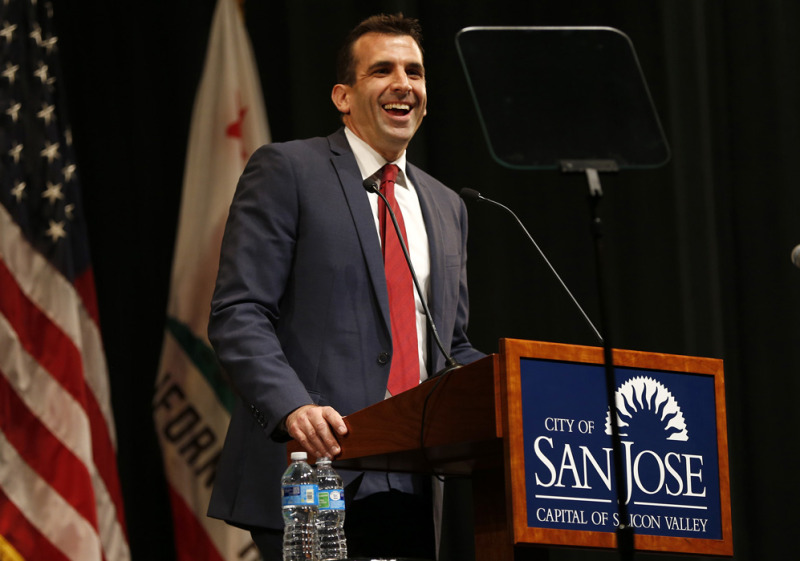
"caption": "San Jose Mayor Sam Liccardo addresses the audience at his inaugural ceremony. ",
"description": "San Jose Mayor Sam Liccardo addresses the audience at his inaugural ceremony. ",
"title": "Sam Liccardo-San Jose",
"credit": "Courtesy of Nhat V. Meyer/Bay Area News Group",
"status": "inherit",
"isLoading": false,
"fetchFailed": false
},
"news_11727992": {
"type": "attachments",
"id": "news_11727992",
"meta": {
"index": "attachments_1716263798",
"site": "news",
"id": "11727992",
"found": true
},
"parent": 11727986,
"imgSizes": {
"twentyfourteen-full-width": {
"file": "https://ww2.kqed.org/app/uploads/sites/10/2019/02/IMG_1351-1038x576.jpg",
"width": 1038,
"mimeType": "image/jpeg",
"height": 576
},
"thumbnail": {
"file": "https://ww2.kqed.org/app/uploads/sites/10/2019/02/IMG_1351-160x120.jpg",
"width": 160,
"mimeType": "image/jpeg",
"height": 120
},
"post-thumbnail": {
"file": "https://ww2.kqed.org/app/uploads/sites/10/2019/02/IMG_1351-672x372.jpg",
"width": 672,
"mimeType": "image/jpeg",
"height": 372
},
"kqedFullSize": {
"file": "https://ww2.kqed.org/app/uploads/sites/10/2019/02/IMG_1351.jpg",
"width": 2048,
"height": 1536
},
"large": {
"file": "https://ww2.kqed.org/app/uploads/sites/10/2019/02/IMG_1351-1020x765.jpg",
"width": 1020,
"mimeType": "image/jpeg",
"height": 765
},
"complete_open_graph": {
"file": "https://ww2.kqed.org/app/uploads/sites/10/2019/02/IMG_1351-1200x900.jpg",
"width": 1200,
"mimeType": "image/jpeg",
"height": 900
},
"guest-author-50": {
"file": "https://ww2.kqed.org/app/uploads/sites/10/2019/02/IMG_1351-50x50.jpg",
"width": 50,
"mimeType": "image/jpeg",
"height": 50
},
"guest-author-96": {
"file": "https://ww2.kqed.org/app/uploads/sites/10/2019/02/IMG_1351-96x96.jpg",
"width": 96,
"mimeType": "image/jpeg",
"height": 96
},
"medium": {
"file": "https://ww2.kqed.org/app/uploads/sites/10/2019/02/IMG_1351-800x600.jpg",
"width": 800,
"mimeType": "image/jpeg",
"height": 600
},
"guest-author-64": {
"file": "https://ww2.kqed.org/app/uploads/sites/10/2019/02/IMG_1351-64x64.jpg",
"width": 64,
"mimeType": "image/jpeg",
"height": 64
},
"guest-author-32": {
"file": "https://ww2.kqed.org/app/uploads/sites/10/2019/02/IMG_1351-32x32.jpg",
"width": 32,
"mimeType": "image/jpeg",
"height": 32
},
"full-width": {
"file": "https://ww2.kqed.org/app/uploads/sites/10/2019/02/IMG_1351-1920x1440.jpg",
"width": 1920,
"mimeType": "image/jpeg",
"height": 1440
},
"detail": {
"file": "https://ww2.kqed.org/app/uploads/sites/10/2019/02/IMG_1351-150x150.jpg",
"width": 150,
"mimeType": "image/jpeg",
"height": 150
},
"guest-author-128": {
"file": "https://ww2.kqed.org/app/uploads/sites/10/2019/02/IMG_1351-128x128.jpg",
"width": 128,
"mimeType": "image/jpeg",
"height": 128
}
},
"publishDate": 1550800644,
"modified": 1550800686,
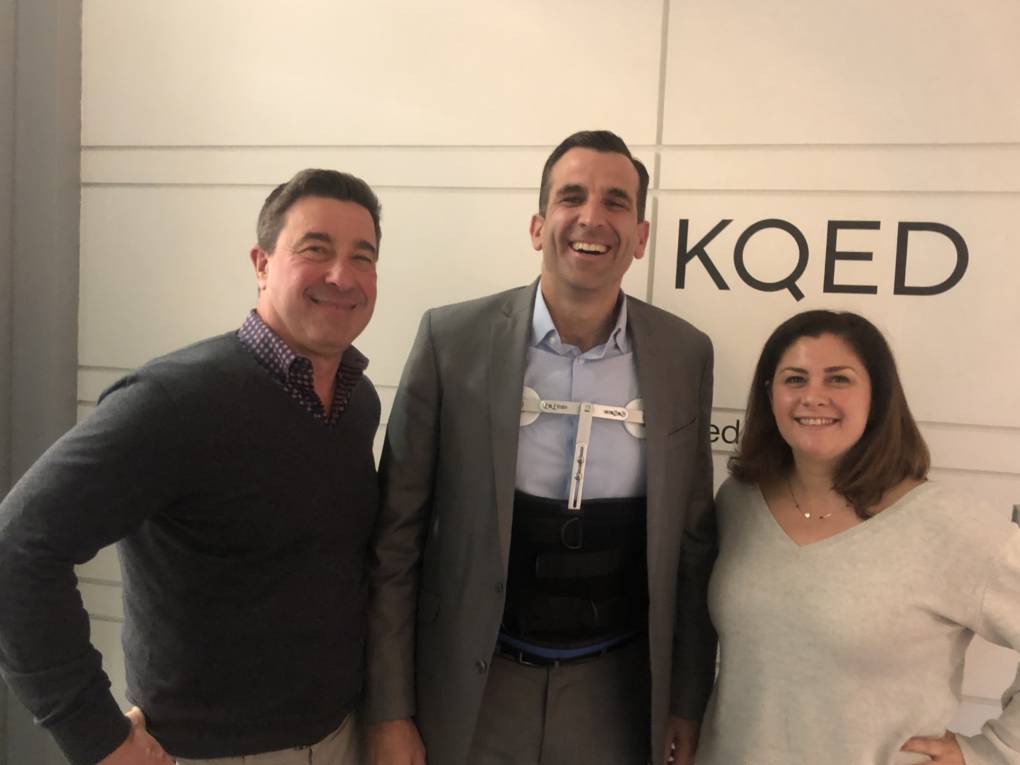
"caption": "San Jose mayor Sam Liccardo, with Political Breakdown hosts Scott Shafer and Marisa Lagos. ",
"description": null,
"title": "IMG_1351",
"credit": "Guy Marzorati/KQED",
"status": "inherit",
"isLoading": false,
"fetchFailed": false
},
"news_11727389": {
"type": "attachments",
"id": "news_11727389",
"meta": {
"index": "attachments_1716263798",
"site": "news",
"id": "11727389",
"found": true
},
"parent": 11727357,
"imgSizes": {
"twentyfourteen-full-width": {
"file": "https://ww2.kqed.org/app/uploads/sites/10/2019/02/GettyImages-157926585-1038x576.jpg",
"width": 1038,
"mimeType": "image/jpeg",
"height": 576
},
"thumbnail": {
"file": "https://ww2.kqed.org/app/uploads/sites/10/2019/02/GettyImages-157926585-160x107.jpg",
"width": 160,
"mimeType": "image/jpeg",
"height": 107
},
"post-thumbnail": {
"file": "https://ww2.kqed.org/app/uploads/sites/10/2019/02/GettyImages-157926585-672x372.jpg",
"width": 672,
"mimeType": "image/jpeg",
"height": 372
},
"kqedFullSize": {
"file": "https://ww2.kqed.org/app/uploads/sites/10/2019/02/GettyImages-157926585.jpg",
"width": 2048,
"height": 1371
},
"large": {
"file": "https://ww2.kqed.org/app/uploads/sites/10/2019/02/GettyImages-157926585-1020x683.jpg",
"width": 1020,
"mimeType": "image/jpeg",
"height": 683
},
"complete_open_graph": {
"file": "https://ww2.kqed.org/app/uploads/sites/10/2019/02/GettyImages-157926585-1200x804.jpg",
"width": 1200,
"mimeType": "image/jpeg",
"height": 804
},
"guest-author-50": {
"file": "https://ww2.kqed.org/app/uploads/sites/10/2019/02/GettyImages-157926585-50x50.jpg",
"width": 50,
"mimeType": "image/jpeg",
"height": 50
},
"guest-author-96": {
"file": "https://ww2.kqed.org/app/uploads/sites/10/2019/02/GettyImages-157926585-96x96.jpg",
"width": 96,
"mimeType": "image/jpeg",
"height": 96
},
"medium": {
"file": "https://ww2.kqed.org/app/uploads/sites/10/2019/02/GettyImages-157926585-800x536.jpg",
"width": 800,
"mimeType": "image/jpeg",
"height": 536
},
"guest-author-64": {
"file": "https://ww2.kqed.org/app/uploads/sites/10/2019/02/GettyImages-157926585-64x64.jpg",
"width": 64,
"mimeType": "image/jpeg",
"height": 64
},
"guest-author-32": {
"file": "https://ww2.kqed.org/app/uploads/sites/10/2019/02/GettyImages-157926585-32x32.jpg",
"width": 32,
"mimeType": "image/jpeg",
"height": 32
},
"full-width": {
"file": "https://ww2.kqed.org/app/uploads/sites/10/2019/02/GettyImages-157926585-1920x1286.jpg",
"width": 1920,
"mimeType": "image/jpeg",
"height": 1286
},
"detail": {
"file": "https://ww2.kqed.org/app/uploads/sites/10/2019/02/GettyImages-157926585-150x150.jpg",
"width": 150,
"mimeType": "image/jpeg",
"height": 150
},
"guest-author-128": {
"file": "https://ww2.kqed.org/app/uploads/sites/10/2019/02/GettyImages-157926585-128x128.jpg",
"width": 128,
"mimeType": "image/jpeg",
"height": 128
}
},
"publishDate": 1550629919,
"modified": 1550629960,
"caption": "Gun stores would be required to record all transactions under the proposed regulations.",
"description": "Gun stores would be required to record all transactions under the proposed regulations.",
"title": "Firearms Maker Smith And Wesson Reports Almost 50 Percent Increase In Sales Revenue",
"credit": "Kevork Djansezian/Getty Images",
"status": "inherit",
"isLoading": false,
"fetchFailed": false
},
"news_11726712": {
"type": "attachments",
"id": "news_11726712",
"meta": {
"index": "attachments_1716263798",
"site": "news",
"id": "11726712",
"found": true
},
"parent": 11726676,
"imgSizes": {
"twentyfourteen-full-width": {
"file": "https://ww2.kqed.org/app/uploads/sites/10/2019/02/GoogleSign-1038x576.jpg",
"width": 1038,
"mimeType": "image/jpeg",
"height": 576
},
"thumbnail": {
"file": "https://ww2.kqed.org/app/uploads/sites/10/2019/02/GoogleSign-160x105.jpg",
"width": 160,
"mimeType": "image/jpeg",
"height": 105
},
"post-thumbnail": {
"file": "https://ww2.kqed.org/app/uploads/sites/10/2019/02/GoogleSign-672x372.jpg",
"width": 672,
"mimeType": "image/jpeg",
"height": 372
},
"kqedFullSize": {
"file": "https://ww2.kqed.org/app/uploads/sites/10/2019/02/GoogleSign.jpg",
"width": 1920,
"height": 1263
},
"large": {
"file": "https://ww2.kqed.org/app/uploads/sites/10/2019/02/GoogleSign-1020x671.jpg",
"width": 1020,
"mimeType": "image/jpeg",
"height": 671
},
"complete_open_graph": {
"file": "https://ww2.kqed.org/app/uploads/sites/10/2019/02/GoogleSign-1200x789.jpg",
"width": 1200,
"mimeType": "image/jpeg",
"height": 789
},
"guest-author-50": {
"file": "https://ww2.kqed.org/app/uploads/sites/10/2019/02/GoogleSign-50x50.jpg",
"width": 50,
"mimeType": "image/jpeg",
"height": 50
},
"guest-author-96": {
"file": "https://ww2.kqed.org/app/uploads/sites/10/2019/02/GoogleSign-96x96.jpg",
"width": 96,
"mimeType": "image/jpeg",
"height": 96
},
"medium": {
"file": "https://ww2.kqed.org/app/uploads/sites/10/2019/02/GoogleSign-800x526.jpg",
"width": 800,
"mimeType": "image/jpeg",
"height": 526
},
"guest-author-64": {
"file": "https://ww2.kqed.org/app/uploads/sites/10/2019/02/GoogleSign-64x64.jpg",
"width": 64,
"mimeType": "image/jpeg",
"height": 64
},
"guest-author-32": {
"file": "https://ww2.kqed.org/app/uploads/sites/10/2019/02/GoogleSign-32x32.jpg",
"width": 32,
"mimeType": "image/jpeg",
"height": 32
},
"full-width": {
"file": "https://ww2.kqed.org/app/uploads/sites/10/2019/02/GoogleSign-1920x1263.jpg",
"width": 1920,
"mimeType": "image/jpeg",
"height": 1263
},
"detail": {
"file": "https://ww2.kqed.org/app/uploads/sites/10/2019/02/GoogleSign-150x150.jpg",
"width": 150,
"mimeType": "image/jpeg",
"height": 150
},
"guest-author-128": {
"file": "https://ww2.kqed.org/app/uploads/sites/10/2019/02/GoogleSign-128x128.jpg",
"width": 128,
"mimeType": "image/jpeg",
"height": 128
}
},
"publishDate": 1550270224,
"modified": 1568050438,
"caption": "A sign is posted outside Google headquarters in Mountain View. The tech giant is planning to build a campus in San Jose.",
"description": "A sign is posted outside Google headquarters in Mountain View. The tech giant is planning to build a campus in San Jose.",
"title": "GoogleSign",
"credit": "Josh Edelson/AFP/Getty Images",
"status": "inherit",
"isLoading": false,
"fetchFailed": false
},
"news_11723635": {
"type": "attachments",
"id": "news_11723635",
"meta": {
"index": "attachments_1716263798",
"site": "news",
"id": "11723635",
"found": true
},
"parent": 11723569,
"imgSizes": {
"twentyfourteen-full-width": {
"file": "https://ww2.kqed.org/app/uploads/sites/10/2019/02/Boringtunnel_-2-1038x576.jpg",
"width": 1038,
"mimeType": "image/jpeg",
"height": 576
},
"thumbnail": {
"file": "https://ww2.kqed.org/app/uploads/sites/10/2019/02/Boringtunnel_-2-160x107.jpg",
"width": 160,
"mimeType": "image/jpeg",
"height": 107
},
"post-thumbnail": {
"file": "https://ww2.kqed.org/app/uploads/sites/10/2019/02/Boringtunnel_-2-672x372.jpg",
"width": 672,
"mimeType": "image/jpeg",
"height": 372
},
"kqedFullSize": {
"file": "https://ww2.kqed.org/app/uploads/sites/10/2019/02/Boringtunnel_-2-e1549407758817.jpg",
"width": 1920,
"height": 1280
},
"large": {
"file": "https://ww2.kqed.org/app/uploads/sites/10/2019/02/Boringtunnel_-2-1020x680.jpg",
"width": 1020,
"mimeType": "image/jpeg",
"height": 680
},
"complete_open_graph": {
"file": "https://ww2.kqed.org/app/uploads/sites/10/2019/02/Boringtunnel_-2-1200x800.jpg",
"width": 1200,
"mimeType": "image/jpeg",
"height": 800
},
"guest-author-50": {
"file": "https://ww2.kqed.org/app/uploads/sites/10/2019/02/Boringtunnel_-2-50x50.jpg",
"width": 50,
"mimeType": "image/jpeg",
"height": 50
},
"guest-author-96": {
"file": "https://ww2.kqed.org/app/uploads/sites/10/2019/02/Boringtunnel_-2-96x96.jpg",
"width": 96,
"mimeType": "image/jpeg",
"height": 96
},
"medium": {
"file": "https://ww2.kqed.org/app/uploads/sites/10/2019/02/Boringtunnel_-2-800x533.jpg",
"width": 800,
"mimeType": "image/jpeg",
"height": 533
},
"guest-author-64": {
"file": "https://ww2.kqed.org/app/uploads/sites/10/2019/02/Boringtunnel_-2-64x64.jpg",
"width": 64,
"mimeType": "image/jpeg",
"height": 64
},
"guest-author-32": {
"file": "https://ww2.kqed.org/app/uploads/sites/10/2019/02/Boringtunnel_-2-32x32.jpg",
"width": 32,
"mimeType": "image/jpeg",
"height": 32
},
"full-width": {
"file": "https://ww2.kqed.org/app/uploads/sites/10/2019/02/Boringtunnel_-2-1920x1280.jpg",
"width": 1920,
"mimeType": "image/jpeg",
"height": 1280
},
"detail": {
"file": "https://ww2.kqed.org/app/uploads/sites/10/2019/02/Boringtunnel_-2-150x150.jpg",
"width": 150,
"mimeType": "image/jpeg",
"height": 150
},
"guest-author-128": {
"file": "https://ww2.kqed.org/app/uploads/sites/10/2019/02/Boringtunnel_-2-128x128.jpg",
"width": 128,
"mimeType": "image/jpeg",
"height": 128
}
},
"publishDate": 1549407694,
"modified": 1549407751,
"caption": "A Tesla Model X moves through The Boring Company's test tunnel in the Los Angeles surburb of Hawthorne.",
"description": null,
"title": "Boring Company Tunnel",
"credit": "The Boring Company",
"status": "inherit",
"isLoading": false,
"fetchFailed": false
},
"news_11711687": {
"type": "attachments",
"id": "news_11711687",
"meta": {
"index": "attachments_1716263798",
"site": "news",
"id": "11711687",
"found": true
},
"parent": 11711613,
"imgSizes": {
"twentyfourteen-full-width": {
"file": "https://ww2.kqed.org/app/uploads/sites/10/2018/12/tiny3-e1544567809738-1038x576.jpg",
"width": 1038,
"mimeType": "image/jpeg",
"height": 576
},
"thumbnail": {
"file": "https://ww2.kqed.org/app/uploads/sites/10/2018/12/tiny3-e1544567809738-160x120.jpg",
"width": 160,
"mimeType": "image/jpeg",
"height": 120
},
"post-thumbnail": {
"file": "https://ww2.kqed.org/app/uploads/sites/10/2018/12/tiny3-e1544567809738-672x372.jpg",
"width": 672,
"mimeType": "image/jpeg",
"height": 372
},
"kqedFullSize": {
"file": "https://ww2.kqed.org/app/uploads/sites/10/2018/12/tiny3-e1544567809738.jpg",
"width": 1920,
"height": 1440
},
"large": {
"file": "https://ww2.kqed.org/app/uploads/sites/10/2018/12/tiny3-e1544567809738-1020x765.jpg",
"width": 1020,
"mimeType": "image/jpeg",
"height": 765
},
"complete_open_graph": {
"file": "https://ww2.kqed.org/app/uploads/sites/10/2018/12/tiny3-e1544567809738-1200x900.jpg",
"width": 1200,
"mimeType": "image/jpeg",
"height": 900
},
"guest-author-50": {
"file": "https://ww2.kqed.org/app/uploads/sites/10/2018/12/tiny3-e1544567809738-50x50.jpg",
"width": 50,
"mimeType": "image/jpeg",
"height": 50
},
"guest-author-96": {
"file": "https://ww2.kqed.org/app/uploads/sites/10/2018/12/tiny3-e1544567809738-96x96.jpg",
"width": 96,
"mimeType": "image/jpeg",
"height": 96
},
"medium": {
"file": "https://ww2.kqed.org/app/uploads/sites/10/2018/12/tiny3-e1544567809738-800x600.jpg",
"width": 800,
"mimeType": "image/jpeg",
"height": 600
},
"guest-author-64": {
"file": "https://ww2.kqed.org/app/uploads/sites/10/2018/12/tiny3-e1544567809738-64x64.jpg",
"width": 64,
"mimeType": "image/jpeg",
"height": 64
},
"guest-author-32": {
"file": "https://ww2.kqed.org/app/uploads/sites/10/2018/12/tiny3-e1544567809738-32x32.jpg",
"width": 32,
"mimeType": "image/jpeg",
"height": 32
},
"full-width": {
"file": "https://ww2.kqed.org/app/uploads/sites/10/2018/12/tiny3-e1544567809738-1920x1440.jpg",
"width": 1920,
"mimeType": "image/jpeg",
"height": 1440
},
"detail": {
"file": "https://ww2.kqed.org/app/uploads/sites/10/2018/12/tiny3-e1544567809738-150x150.jpg",
"width": 150,
"mimeType": "image/jpeg",
"height": 150
},
"guest-author-128": {
"file": "https://ww2.kqed.org/app/uploads/sites/10/2018/12/tiny3-e1544567809738-128x128.jpg",
"width": 128,
"mimeType": "image/jpeg",
"height": 128
}
},
"publishDate": 1544562959,
"modified": 1544570353,
"caption": "A tiny home prototype, unveiled Monday in San Jose. ",
"description": null,
"title": "tiny3",
"credit": "Peter Jon Shuler/KQED",
"status": "inherit",
"isLoading": false,
"fetchFailed": false
},
"news_11649457": {
"type": "attachments",
"id": "news_11649457",
"meta": {
"index": "attachments_1716263798",
"site": "news",
"id": "11649457",
"found": true
},
"parent": 11649449,
"imgSizes": {
"small": {
"file": "https://ww2.kqed.org/app/uploads/sites/10/2018/02/RS29376_Screen-Shot-2018-02-11-at-5.51.10-PM-qut-520x336.jpg",
"width": 520,
"mimeType": "image/jpeg",
"height": 336
},
"twentyfourteen-full-width": {
"file": "https://ww2.kqed.org/app/uploads/sites/10/2018/02/RS29376_Screen-Shot-2018-02-11-at-5.51.10-PM-qut-1038x576.jpg",
"width": 1038,
"mimeType": "image/jpeg",
"height": 576
},
"thumbnail": {
"file": "https://ww2.kqed.org/app/uploads/sites/10/2018/02/RS29376_Screen-Shot-2018-02-11-at-5.51.10-PM-qut-160x103.jpg",
"width": 160,
"mimeType": "image/jpeg",
"height": 103
},
"fd-sm": {
"file": "https://ww2.kqed.org/app/uploads/sites/10/2018/02/RS29376_Screen-Shot-2018-02-11-at-5.51.10-PM-qut-960x620.jpg",
"width": 960,
"mimeType": "image/jpeg",
"height": 620
},
"post-thumbnail": {
"file": "https://ww2.kqed.org/app/uploads/sites/10/2018/02/RS29376_Screen-Shot-2018-02-11-at-5.51.10-PM-qut-672x372.jpg",
"width": 672,
"mimeType": "image/jpeg",
"height": 372
},
"xsmall": {
"file": "https://ww2.kqed.org/app/uploads/sites/10/2018/02/RS29376_Screen-Shot-2018-02-11-at-5.51.10-PM-qut-375x242.jpg",
"width": 375,
"mimeType": "image/jpeg",
"height": 242
},
"kqedFullSize": {
"file": "https://ww2.kqed.org/app/uploads/sites/10/2018/02/RS29376_Screen-Shot-2018-02-11-at-5.51.10-PM-qut.jpg",
"width": 1920,
"height": 1240
},
"large": {
"file": "https://ww2.kqed.org/app/uploads/sites/10/2018/02/RS29376_Screen-Shot-2018-02-11-at-5.51.10-PM-qut-1020x659.jpg",
"width": 1020,
"mimeType": "image/jpeg",
"height": 659
},
"xlarge": {
"file": "https://ww2.kqed.org/app/uploads/sites/10/2018/02/RS29376_Screen-Shot-2018-02-11-at-5.51.10-PM-qut-1180x762.jpg",
"width": 1180,
"mimeType": "image/jpeg",
"height": 762
},
"guest-author-50": {
"file": "https://ww2.kqed.org/app/uploads/sites/10/2018/02/RS29376_Screen-Shot-2018-02-11-at-5.51.10-PM-qut-50x50.jpg",
"width": 50,
"mimeType": "image/jpeg",
"height": 50
},
"guest-author-96": {
"file": "https://ww2.kqed.org/app/uploads/sites/10/2018/02/RS29376_Screen-Shot-2018-02-11-at-5.51.10-PM-qut-96x96.jpg",
"width": 96,
"mimeType": "image/jpeg",
"height": 96
},
"medium": {
"file": "https://ww2.kqed.org/app/uploads/sites/10/2018/02/RS29376_Screen-Shot-2018-02-11-at-5.51.10-PM-qut-800x517.jpg",
"width": 800,
"mimeType": "image/jpeg",
"height": 517
},
"guest-author-64": {
"file": "https://ww2.kqed.org/app/uploads/sites/10/2018/02/RS29376_Screen-Shot-2018-02-11-at-5.51.10-PM-qut-64x64.jpg",
"width": 64,
"mimeType": "image/jpeg",
"height": 64
},
"guest-author-32": {
"file": "https://ww2.kqed.org/app/uploads/sites/10/2018/02/RS29376_Screen-Shot-2018-02-11-at-5.51.10-PM-qut-32x32.jpg",
"width": 32,
"mimeType": "image/jpeg",
"height": 32
},
"fd-lrg": {
"file": "https://ww2.kqed.org/app/uploads/sites/10/2018/02/RS29376_Screen-Shot-2018-02-11-at-5.51.10-PM-qut-1920x1240.jpg",
"width": 1920,
"mimeType": "image/jpeg",
"height": 1240
},
"fd-med": {
"file": "https://ww2.kqed.org/app/uploads/sites/10/2018/02/RS29376_Screen-Shot-2018-02-11-at-5.51.10-PM-qut-1180x762.jpg",
"width": 1180,
"mimeType": "image/jpeg",
"height": 762
},
"full-width": {
"file": "https://ww2.kqed.org/app/uploads/sites/10/2018/02/RS29376_Screen-Shot-2018-02-11-at-5.51.10-PM-qut-1920x1240.jpg",
"width": 1920,
"mimeType": "image/jpeg",
"height": 1240
},
"detail": {
"file": "https://ww2.kqed.org/app/uploads/sites/10/2018/02/RS29376_Screen-Shot-2018-02-11-at-5.51.10-PM-qut-150x150.jpg",
"width": 150,
"mimeType": "image/jpeg",
"height": 150
},
"guest-author-128": {
"file": "https://ww2.kqed.org/app/uploads/sites/10/2018/02/RS29376_Screen-Shot-2018-02-11-at-5.51.10-PM-qut-128x128.jpg",
"width": 128,
"mimeType": "image/jpeg",
"height": 128
},
"xxsmall": {
"file": "https://ww2.kqed.org/app/uploads/sites/10/2018/02/RS29376_Screen-Shot-2018-02-11-at-5.51.10-PM-qut-240x155.jpg",
"width": 240,
"mimeType": "image/jpeg",
"height": 155
}
},
"publishDate": 1518400543,
"modified": 1518815666,
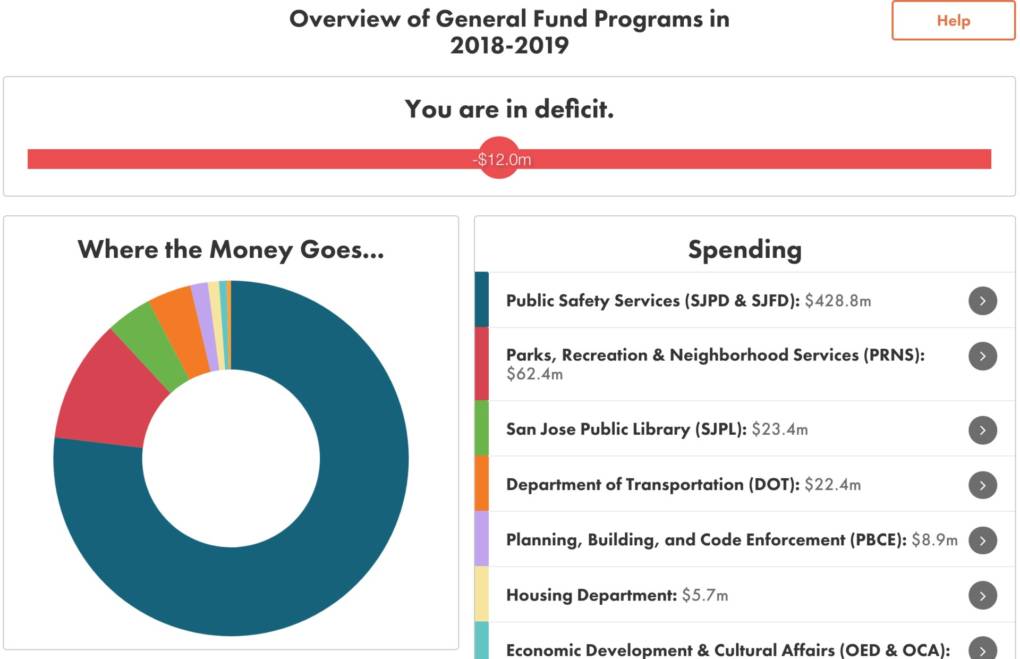
"caption": "A screen shot from a website set up by San Jose using the Balancing Act program to allow residents to try and balance the city's budget. There is also a mechanism for residents to provide input to the city on how they want city funds spent.",
"description": "A screen shot from a website set up by San Jose using the Balancing Act program to allow residents to try and balance the city's budget. There is also a mechanism for residents to provide input to the city on how they want city funds spent.",
"title": "RS29376_Screen Shot 2018-02-11 at 5.51.10 PM-qut",
"credit": "Balancing Act",
"status": "inherit",
"isLoading": false,
"fetchFailed": false
},
"news_11647064": {
"type": "attachments",
"id": "news_11647064",
"meta": {
"index": "attachments_1716263798",
"site": "news",
"id": "11647064",
"found": true
},
"parent": 11647017,
"imgSizes": {
"small": {
"file": "https://ww2.kqed.org/app/uploads/sites/10/2018/01/RS2634_calstatesanjose20120813-520x347.jpg",
"width": 520,
"mimeType": "image/jpeg",
"height": 347
},
"twentyfourteen-full-width": {
"file": "https://ww2.kqed.org/app/uploads/sites/10/2018/01/RS2634_calstatesanjose20120813-1038x576.jpg",
"width": 1038,
"mimeType": "image/jpeg",
"height": 576
},
"thumbnail": {
"file": "https://ww2.kqed.org/app/uploads/sites/10/2018/01/RS2634_calstatesanjose20120813-160x107.jpg",
"width": 160,
"mimeType": "image/jpeg",
"height": 107
},
"fd-sm": {
"file": "https://ww2.kqed.org/app/uploads/sites/10/2018/01/RS2634_calstatesanjose20120813-960x640.jpg",
"width": 960,
"mimeType": "image/jpeg",
"height": 640
},
"post-thumbnail": {
"file": "https://ww2.kqed.org/app/uploads/sites/10/2018/01/RS2634_calstatesanjose20120813-672x372.jpg",
"width": 672,
"mimeType": "image/jpeg",
"height": 372
},
"xsmall": {
"file": "https://ww2.kqed.org/app/uploads/sites/10/2018/01/RS2634_calstatesanjose20120813-375x250.jpg",
"width": 375,
"mimeType": "image/jpeg",
"height": 250
},
"kqedFullSize": {
"file": "https://ww2.kqed.org/app/uploads/sites/10/2018/01/RS2634_calstatesanjose20120813.jpg",
"width": 1109,
"height": 739
},
"large": {
"file": "https://ww2.kqed.org/app/uploads/sites/10/2018/01/RS2634_calstatesanjose20120813-1020x680.jpg",
"width": 1020,
"mimeType": "image/jpeg",
"height": 680
},
"guest-author-50": {
"file": "https://ww2.kqed.org/app/uploads/sites/10/2018/01/RS2634_calstatesanjose20120813-50x50.jpg",
"width": 50,
"mimeType": "image/jpeg",
"height": 50
},
"guest-author-96": {
"file": "https://ww2.kqed.org/app/uploads/sites/10/2018/01/RS2634_calstatesanjose20120813-96x96.jpg",
"width": 96,
"mimeType": "image/jpeg",
"height": 96
},
"medium": {
"file": "https://ww2.kqed.org/app/uploads/sites/10/2018/01/RS2634_calstatesanjose20120813-800x533.jpg",
"width": 800,
"mimeType": "image/jpeg",
"height": 533
},
"guest-author-64": {
"file": "https://ww2.kqed.org/app/uploads/sites/10/2018/01/RS2634_calstatesanjose20120813-64x64.jpg",
"width": 64,
"mimeType": "image/jpeg",
"height": 64
},
"guest-author-32": {
"file": "https://ww2.kqed.org/app/uploads/sites/10/2018/01/RS2634_calstatesanjose20120813-32x32.jpg",
"width": 32,
"mimeType": "image/jpeg",
"height": 32
},
"detail": {
"file": "https://ww2.kqed.org/app/uploads/sites/10/2018/01/RS2634_calstatesanjose20120813-150x150.jpg",
"width": 150,
"mimeType": "image/jpeg",
"height": 150
},
"guest-author-128": {
"file": "https://ww2.kqed.org/app/uploads/sites/10/2018/01/RS2634_calstatesanjose20120813-128x128.jpg",
"width": 128,
"mimeType": "image/jpeg",
"height": 128
},
"xxsmall": {
"file": "https://ww2.kqed.org/app/uploads/sites/10/2018/01/RS2634_calstatesanjose20120813-240x160.jpg",
"width": 240,
"mimeType": "image/jpeg",
"height": 160
}
},
"publishDate": 1517342354,
"modified": 1517350487,
"caption": "Twenty-eight percent of residents in San Jose don't have access to broadband internet. Four percent of residents aren't connected at all. ",
"description": "Twenty-eight percent of residents in San Jose don't have access to broadband internet. Four percent of residents aren't connected at all. ",
"title": "RS2634_calstatesanjose20120813",
"credit": "Tonya Mosley/KQED",
"status": "inherit",
"isLoading": false,
"fetchFailed": false
},
"news_10348129": {
"type": "attachments",
"id": "news_10348129",
"meta": {
"index": "attachments_1716263798",
"site": "news",
"id": "10348129",
"found": true
},
"parent": 10348125,
"imgSizes": {
"twentyfourteen-full-width": {
"file": "https://ww2.kqed.org/app/uploads/sites/10/2014/11/Liccardo1-1038x576.jpg",
"width": 1038,
"mimeType": "image/jpeg",
"height": 576
},
"thumbnail": {
"file": "https://ww2.kqed.org/app/uploads/sites/10/2014/11/Liccardo1-400x266.jpg",
"width": 400,
"mimeType": "image/jpeg",
"height": 266
},
"post-thumbnail": {
"file": "https://ww2.kqed.org/app/uploads/sites/10/2014/11/Liccardo1-672x372.jpg",
"width": 672,
"mimeType": "image/jpeg",
"height": 372
},
"kqedFullSize": {
"file": "https://ww2.kqed.org/app/uploads/sites/10/2014/11/Liccardo1-e1415817836306.jpg",
"width": 1440,
"height": 960
},
"large": {
"file": "https://ww2.kqed.org/app/uploads/sites/10/2014/11/Liccardo1-1440x960.jpg",
"width": 1440,
"mimeType": "image/jpeg",
"height": 960
},
"guest-author-96": {
"file": "https://ww2.kqed.org/app/uploads/sites/10/2014/11/Liccardo1-96x96.jpg",
"width": 96,
"mimeType": "image/jpeg",
"height": 96
},
"medium": {
"file": "https://ww2.kqed.org/app/uploads/sites/10/2014/11/Liccardo1-800x533.jpg",
"width": 800,
"mimeType": "image/jpeg",
"height": 533
},
"guest-author-64": {
"file": "https://ww2.kqed.org/app/uploads/sites/10/2014/11/Liccardo1-64x64.jpg",
"width": 64,
"mimeType": "image/jpeg",
"height": 64
},
"detail": {
"file": "https://ww2.kqed.org/app/uploads/sites/10/2014/11/Liccardo1-75x75.jpg",
"width": 75,
"mimeType": "image/jpeg",
"height": 75
},
"guest-author-32": {
"file": "https://ww2.kqed.org/app/uploads/sites/10/2014/11/Liccardo1-32x32.jpg",
"width": 32,
"mimeType": "image/jpeg",
"height": 32
},
"guest-author-128": {
"file": "https://ww2.kqed.org/app/uploads/sites/10/2014/11/Liccardo1-128x128.jpg",
"width": 128,
"mimeType": "image/jpeg",
"height": 128
}
},
"publishDate": 1415769147,
"modified": 1416003871,
"caption": "San Jose's Mayor-elect Sam Liccardo on election night. (Nicholas Ibarra / SJSU)",
"description": null,
"title": "Liccardo",
"credit": null,
"status": "inherit",
"isLoading": false,
"fetchFailed": false
},
"news_11122682": {
"type": "attachments",
"id": "news_11122682",
"meta": {
"index": "attachments_1716263798",
"site": "news",
"id": "11122682",
"found": true
},
"parent": 11122679,
"imgSizes": {
"twentyfourteen-full-width": {
"file": "https://ww2.kqed.org/app/uploads/sites/10/2016/10/RS21387_FullSizeRender-qut-1038x576.jpg",
"width": 1038,
"mimeType": "image/jpeg",
"height": 576
},
"thumbnail": {
"file": "https://ww2.kqed.org/app/uploads/sites/10/2016/10/RS21387_FullSizeRender-qut-400x300.jpg",
"width": 400,
"mimeType": "image/jpeg",
"height": 300
},
"fd-sm": {
"file": "https://ww2.kqed.org/app/uploads/sites/10/2016/10/RS21387_FullSizeRender-qut-960x720.jpg",
"width": 960,
"mimeType": "image/jpeg",
"height": 720
},
"post-thumbnail": {
"file": "https://ww2.kqed.org/app/uploads/sites/10/2016/10/RS21387_FullSizeRender-qut-672x372.jpg",
"width": 672,
"mimeType": "image/jpeg",
"height": 372
},
"kqedFullSize": {
"file": "https://ww2.kqed.org/app/uploads/sites/10/2016/10/RS21387_FullSizeRender-qut.jpg",
"width": 1920,
"height": 1440
},
"large": {
"file": "https://ww2.kqed.org/app/uploads/sites/10/2016/10/RS21387_FullSizeRender-qut-1920x1440.jpg",
"width": 1920,
"mimeType": "image/jpeg",
"height": 1440
},
"guest-author-50": {
"file": "https://ww2.kqed.org/app/uploads/sites/10/2016/10/RS21387_FullSizeRender-qut-50x50.jpg",
"width": 50,
"mimeType": "image/jpeg",
"height": 50
},
"guest-author-96": {
"file": "https://ww2.kqed.org/app/uploads/sites/10/2016/10/RS21387_FullSizeRender-qut-96x96.jpg",
"width": 96,
"mimeType": "image/jpeg",
"height": 96
},
"medium": {
"file": "https://ww2.kqed.org/app/uploads/sites/10/2016/10/RS21387_FullSizeRender-qut-800x600.jpg",
"width": 800,
"mimeType": "image/jpeg",
"height": 600
},
"guest-author-64": {
"file": "https://ww2.kqed.org/app/uploads/sites/10/2016/10/RS21387_FullSizeRender-qut-64x64.jpg",
"width": 64,
"mimeType": "image/jpeg",
"height": 64
},
"guest-author-32": {
"file": "https://ww2.kqed.org/app/uploads/sites/10/2016/10/RS21387_FullSizeRender-qut-32x32.jpg",
"width": 32,
"mimeType": "image/jpeg",
"height": 32
},
"jmtc-small-thumb": {
"file": "https://ww2.kqed.org/app/uploads/sites/10/2016/10/RS21387_FullSizeRender-qut-280x150.jpg",
"width": 280,
"mimeType": "image/jpeg",
"height": 150
},
"fd-lrg": {
"file": "https://ww2.kqed.org/app/uploads/sites/10/2016/10/RS21387_FullSizeRender-qut-1920x1440.jpg",
"width": 1920,
"mimeType": "image/jpeg",
"height": 1440
},
"fd-med": {
"file": "https://ww2.kqed.org/app/uploads/sites/10/2016/10/RS21387_FullSizeRender-qut-1180x885.jpg",
"width": 1180,
"mimeType": "image/jpeg",
"height": 885
},
"detail": {
"file": "https://ww2.kqed.org/app/uploads/sites/10/2016/10/RS21387_FullSizeRender-qut-150x150.jpg",
"width": 150,
"mimeType": "image/jpeg",
"height": 150
},
"guest-author-128": {
"file": "https://ww2.kqed.org/app/uploads/sites/10/2016/10/RS21387_FullSizeRender-qut-128x128.jpg",
"width": 128,
"mimeType": "image/jpeg",
"height": 128
}
},
"publishDate": 1476045064,
"modified": 1476317265,
"caption": "Vietnamese-American Anthony Tran, far right, cares deeply about having a voice in his community and at the polls in San Jose. ",
"description": "Vietnamese-American Anthony Tran cares deeply about having a voice in his community and at the polls in San Jose. ",
"title": "RS21387_FullSizeRender-qut",
"credit": "Beth Willon/KQED",
"status": "inherit",
"isLoading": false,
"fetchFailed": false
},
"news_10441396": {
"type": "attachments",
"id": "news_10441396",
"meta": {
"index": "attachments_1716263798",
"site": "news",
"id": "10441396",
"found": true
},
"parent": 10426272,
"imgSizes": {
"twentyfourteen-full-width": {
"file": "https://ww2.kqed.org/app/uploads/sites/10/2015/02/14191_transform-1038x576.jpg",
"width": 1038,
"mimeType": "image/jpeg",
"height": 576
},
"thumbnail": {
"file": "https://ww2.kqed.org/app/uploads/sites/10/2015/02/14191_transform-400x250.jpg",
"width": 400,
"mimeType": "image/jpeg",
"height": 250
},
"post-thumbnail": {
"file": "https://ww2.kqed.org/app/uploads/sites/10/2015/02/14191_transform-672x372.jpg",
"width": 672,
"mimeType": "image/jpeg",
"height": 372
},
"kqedFullSize": {
"file": "https://ww2.kqed.org/app/uploads/sites/10/2015/02/14191_transform.jpg",
"width": 1725,
"height": 1080
},
"large": {
"file": "https://ww2.kqed.org/app/uploads/sites/10/2015/02/14191_transform-1440x902.jpg",
"width": 1440,
"mimeType": "image/jpeg",
"height": 902
},
"guest-author-96": {
"file": "https://ww2.kqed.org/app/uploads/sites/10/2015/02/14191_transform-96x96.jpg",
"width": 96,
"mimeType": "image/jpeg",
"height": 96
},
"medium": {
"file": "https://ww2.kqed.org/app/uploads/sites/10/2015/02/14191_transform-800x501.jpg",
"width": 800,
"mimeType": "image/jpeg",
"height": 501
},
"guest-author-64": {
"file": "https://ww2.kqed.org/app/uploads/sites/10/2015/02/14191_transform-64x64.jpg",
"width": 64,
"mimeType": "image/jpeg",
"height": 64
},
"detail": {
"file": "https://ww2.kqed.org/app/uploads/sites/10/2015/02/14191_transform-75x75.jpg",
"width": 75,
"mimeType": "image/jpeg",
"height": 75
},
"guest-author-32": {
"file": "https://ww2.kqed.org/app/uploads/sites/10/2015/02/14191_transform-32x32.jpg",
"width": 32,
"mimeType": "image/jpeg",
"height": 32
},
"guest-author-128": {
"file": "https://ww2.kqed.org/app/uploads/sites/10/2015/02/14191_transform-128x128.jpg",
"width": 128,
"mimeType": "image/jpeg",
"height": 128
}
},
"publishDate": 1424730931,
"modified": 1424730957,
"caption": "Mayors of San Francisco, Oakland and San Jose join KQED Newsroom.",
"description": null,
"title": "14191_transform",
"credit": " Christina Z. White/KQED",
"status": "inherit",
"isLoading": false,
"fetchFailed": false
},
"news_10417308": {
"type": "attachments",
"id": "news_10417308",
"meta": {
"index": "attachments_1716263798",
"site": "news",
"id": "10417308",
"found": true
},
"parent": 10417224,
"imgSizes": {
"twentyfourteen-full-width": {
"file": "https://ww2.kqed.org/app/uploads/sites/10/2015/01/RS12897_Liccardo-HeadShot2-jpg-450x576.jpg",
"width": 450,
"mimeType": "image/jpeg",
"height": 576
},
"thumbnail": {
"file": "https://ww2.kqed.org/app/uploads/sites/10/2015/01/RS12897_Liccardo-HeadShot2-jpg-400x600.jpg",
"width": 400,
"mimeType": "image/jpeg",
"height": 600
},
"post-thumbnail": {
"file": "https://ww2.kqed.org/app/uploads/sites/10/2015/01/RS12897_Liccardo-HeadShot2-jpg-450x372.jpg",
"width": 450,
"mimeType": "image/jpeg",
"height": 372
},
"kqedFullSize": {
"file": "https://ww2.kqed.org/app/uploads/sites/10/2015/01/RS12897_Liccardo-HeadShot2-jpg.jpg",
"width": 450,
"height": 675
},
"guest-author-96": {
"file": "https://ww2.kqed.org/app/uploads/sites/10/2015/01/RS12897_Liccardo-HeadShot2-jpg-96x96.jpg",
"width": 96,
"mimeType": "image/jpeg",
"height": 96
},
"guest-author-64": {
"file": "https://ww2.kqed.org/app/uploads/sites/10/2015/01/RS12897_Liccardo-HeadShot2-jpg-64x64.jpg",
"width": 64,
"mimeType": "image/jpeg",
"height": 64
},
"detail": {
"file": "https://ww2.kqed.org/app/uploads/sites/10/2015/01/RS12897_Liccardo-HeadShot2-jpg-75x75.jpg",
"width": 75,
"mimeType": "image/jpeg",
"height": 75
},
"guest-author-32": {
"file": "https://ww2.kqed.org/app/uploads/sites/10/2015/01/RS12897_Liccardo-HeadShot2-jpg-32x32.jpg",
"width": 32,
"mimeType": "image/jpeg",
"height": 32
},
"guest-author-128": {
"file": "https://ww2.kqed.org/app/uploads/sites/10/2015/01/RS12897_Liccardo-HeadShot2-jpg-128x128.jpg",
"width": 128,
"mimeType": "image/jpeg",
"height": 128
}
},
"publishDate": 1422391992,
"modified": 1422392009,
"caption": "San Jose Mayor Sam Liccardo",
"description": "San Jose Mayor Sam Liccardo",
"title": "RS12897_Liccardo-HeadShot2-jpg",
"credit": "Courtesy Sam Liccardo",
"status": "inherit",
"isLoading": false,
"fetchFailed": false
}
},
"audioPlayerReducer": {
"postId": "stream_live",
"isPaused": true,
"isPlaying": false,
"pfsActive": false,
"pledgeModalIsOpen": true,
"playerDrawerIsOpen": false,
"liveAudioPlayStartedAt": 0,
"liveAudioPlayContext": ""
},
"authorsReducer": {
"byline_news_11726676": {
"type": "authors",
"id": "byline_news_11726676",
"meta": {
"override": true
},
"slug": "byline_news_11726676",
"name": "\u003cstrong>\u003ca href=\"https://www.npr.org/people/297147616/jasmine-garsd\">Jasmine Garsd\u003c/a>\u003c/strong>",
"isLoading": false
},
"agrossberg": {
"type": "authors",
"id": "188",
"meta": {
"index": "authors_1716337520",
"id": "188",
"found": true
},
"name": "Adam Grossberg",
"firstName": "Adam",
"lastName": "Grossberg",
"slug": "agrossberg",
"email": "agrossberg@KQED.org",
"display_author_email": false,
"staff_mastheads": [],
"title": "KQED Contributor",
"bio": "Adam Grossberg is a former video producer at KQED News. Prior to coming to KQED, he produced videos for PBS, The New York Times, Current TV and The Center for Investigative Reporting. His work has received an Excellence in Journalism award from the Society of Professional Journalists, a regional Murrow award and two Northern California Emmy awards. He is a graduate of the UC Berkeley Graduate School of Journalism.",
"avatar": "https://secure.gravatar.com/avatar/8e96dbdaaf98f5959a2c778289e0f9b5?s=600&d=blank&r=g",
"twitter": null,
"facebook": null,
"instagram": null,
"linkedin": null,
"sites": [
{
"site": "arts",
"roles": [
"contributor"
]
},
{
"site": "news",
"roles": [
"subscriber"
]
},
{
"site": "stateofhealth",
"roles": [
"editor"
]
},
{
"site": "science",
"roles": [
"editor"
]
}
],
"headData": {
"title": "Adam Grossberg | KQED",
"description": "KQED Contributor",
"ogImgSrc": "https://secure.gravatar.com/avatar/8e96dbdaaf98f5959a2c778289e0f9b5?s=600&d=blank&r=g",
"twImgSrc": "https://secure.gravatar.com/avatar/8e96dbdaaf98f5959a2c778289e0f9b5?s=600&d=blank&r=g"
},
"isLoading": false,
"link": "/author/agrossberg"
},
"danbrekke": {
"type": "authors",
"id": "222",
"meta": {
"index": "authors_1716337520",
"id": "222",
"found": true
},
"name": "Dan Brekke",
"firstName": "Dan",
"lastName": "Brekke",
"slug": "danbrekke",
"email": "dbrekke@kqed.org",
"display_author_email": true,
"staff_mastheads": [
"news",
"science"
],
"title": "KQED Editor and Reporter",
"bio": "Dan Brekke is a reporter and editor for KQED News, responsible for coverage of topics ranging from California water issues to the Bay Area's transportation challenges. In a newsroom career that began in Chicago in 1972, Dan has worked for \u003cem>The San Francisco Examiner,\u003c/em> Wired and TechTV and has been published in The New York Times, The New York Times Magazine, Business 2.0, Salon and elsewhere.\r\n\r\nSince joining KQED in 2007, Dan has reported, edited and produced both radio and online features and breaking news pieces. He has shared as both editor and reporter in four Society of Professional Journalists Norcal Excellence in Journalism awards and one Edward R. Murrow regional award. He was chosen for a spring 2017 residency at the Mesa Refuge to advance his research on California salmon.\r\n\r\nEmail Dan at: \u003ca href=\"mailto:dbrekke@kqed.org\">dbrekke@kqed.org\u003c/a>\r\n\r\n\u003cstrong>Twitter:\u003c/strong> \u003ca href=\"https://twitter.com/danbrekke\" rel=\"noopener noreferrer\">twitter.com/danbrekke\u003c/a>\r\n\u003cstrong>Facebook:\u003c/strong> \u003ca href=\"https://www.facebook.com/danbrekke\" rel=\"noopener noreferrer\">www.facebook.com/danbrekke\u003c/a>\r\n\u003cstrong>LinkedIn:\u003c/strong> \u003ca href=\"https://www.linkedin.com/in/danbrekke\" rel=\"noopener noreferrer\">www.linkedin.com/in/danbrekke\u003c/a>",
"avatar": "https://secure.gravatar.com/avatar/8f1f0d2a978fb3b23426c922c7e2af558fa36905b49c4ce76a97dc3c72d27226?s=600&d=mm&r=g",
"twitter": "danbrekke",
"bluesky": null,
"facebook": null,
"instagram": "https://www.instagram.com/dan.brekke/",
"linkedin": "https://www.linkedin.com/in/danbrekke/",
"sites": [
{
"site": "news",
"roles": [
"administrator",
"create_posts"
]
},
{
"site": "stateofhealth",
"roles": [
"editor"
]
},
{
"site": "science",
"roles": [
"editor"
]
},
{
"site": "quest",
"roles": [
"contributor"
]
},
{
"site": "food",
"roles": [
"contributor"
]
},
{
"site": "forum",
"roles": [
"contributor"
]
},
{
"site": "elections",
"roles": [
"editor"
]
},
{
"site": "liveblog",
"roles": [
"editor"
]
}
],
"headData": {
"title": "Dan Brekke | KQED",
"description": "KQED Editor and Reporter",
"ogImgSrc": "https://secure.gravatar.com/avatar/8f1f0d2a978fb3b23426c922c7e2af558fa36905b49c4ce76a97dc3c72d27226?s=600&d=mm&r=g",
"twImgSrc": "https://secure.gravatar.com/avatar/8f1f0d2a978fb3b23426c922c7e2af558fa36905b49c4ce76a97dc3c72d27226?s=600&d=mm&r=g"
},
"isLoading": false,
"link": "/author/danbrekke"
},
"davidweir": {
"type": "authors",
"id": "223",
"meta": {
"index": "authors_1716337520",
"id": "223",
"found": true
},
"name": "David Weir",
"firstName": "David",
"lastName": "Weir",
"slug": "davidweir",
"email": "dweir@kqed.org",
"display_author_email": false,
"staff_mastheads": [],
"title": "KQED Contributor",
"bio": "David Weir is KQED's senior editor for digital news. He previously worked at \u003cem>Rolling Stone,\u003c/em> Salon, Wired Digital, Excite@Home,\u003cem> Mother Jones,\u003c/em> and as a co-founder and executive director of the Center for Investigative Reporting.\r\n\r\nOver the past 40 years, he and his teams have won dozens of awards, including a National Magazine Award, an IRE Award and a Webby. He has authored or co-authored four books, including (with Mark Schapiro) \u003cem>Circle of Poison.\u003c/em>\r\n\r\nHe has a ba\u003cspan class=\"example\">chelor's degree\u003c/span> in journalism from the University of Michigan, and has taught journalism at the University of California at Berkeley, Stanford and San Francisco State.",
"avatar": "https://secure.gravatar.com/avatar/c6642c16c4d2d2de5e6f067edf92b9c8?s=600&d=blank&r=g",
"twitter": null,
"facebook": null,
"instagram": null,
"linkedin": null,
"sites": [
{
"site": "arts",
"roles": [
"editor"
]
},
{
"site": "news",
"roles": [
"subscriber"
]
},
{
"site": "lowdown",
"roles": [
"editor"
]
},
{
"site": "stateofhealth",
"roles": [
"administrator"
]
},
{
"site": "science",
"roles": [
"editor"
]
}
],
"headData": {
"title": "David Weir | KQED",
"description": "KQED Contributor",
"ogImgSrc": "https://secure.gravatar.com/avatar/c6642c16c4d2d2de5e6f067edf92b9c8?s=600&d=blank&r=g",
"twImgSrc": "https://secure.gravatar.com/avatar/c6642c16c4d2d2de5e6f067edf92b9c8?s=600&d=blank&r=g"
},
"isLoading": false,
"link": "/author/davidweir"
},
"joshuajohnson": {
"type": "authors",
"id": "233",
"meta": {
"index": "authors_1716337520",
"id": "233",
"found": true
},
"name": "Joshua Johnson",
"firstName": "Joshua",
"lastName": "Johnson",
"slug": "joshuajohnson",
"email": "jejohnson@kqed.org",
"display_author_email": false,
"staff_mastheads": [],
"title": null,
"bio": "Joshua Johnson is the creator and host of \u003cem>\u003ca href=\"http://www.truthbetoldshow.org\">Truth Be Told\u003c/a>,\u003c/em> a special series on race from KQED and PRI. Prior to creating the show, he served as the station's morning news anchor for five-and-half years.\r\n\r\nPrior to joining KQED, Joshua spent six years as an anchor/reporter for WLRN Miami Herald News. He's a native of South Florida, with degrees from the University of Miami. His reporting and newscasting have won awards from the Radio Television Digital News Association and from the National Association of Black Journalists. Joshua is also active in his union, SAG-AFTRA. He lives in San Francisco.",
"avatar": "https://secure.gravatar.com/avatar/2abea375594cdd54e4837846e3561fa4?s=600&d=blank&r=g",
"twitter": "@JEJohnson322",
"facebook": null,
"instagram": null,
"linkedin": null,
"sites": [
{
"site": "news",
"roles": [
"subscriber"
]
}
],
"headData": {
"title": "Joshua Johnson | KQED",
"description": null,
"ogImgSrc": "https://secure.gravatar.com/avatar/2abea375594cdd54e4837846e3561fa4?s=600&d=blank&r=g",
"twImgSrc": "https://secure.gravatar.com/avatar/2abea375594cdd54e4837846e3561fa4?s=600&d=blank&r=g"
},
"isLoading": false,
"link": "/author/joshuajohnson"
},
"petejonshuler": {
"type": "authors",
"id": "248",
"meta": {
"index": "authors_1716337520",
"id": "248",
"found": true
},
"name": "Peter Jon Shuler",
"firstName": "Peter",
"lastName": "Jon Shuler",
"slug": "petejonshuler",
"email": "pshuler@kqed.org",
"display_author_email": false,
"staff_mastheads": [
"news"
],
"title": "KQED Contributor",
"bio": null,
"avatar": "https://secure.gravatar.com/avatar/4bcbeaf7cf49fec98284db283a33a47b?s=600&d=blank&r=g",
"twitter": null,
"facebook": null,
"instagram": null,
"linkedin": null,
"sites": [
{
"site": "news",
"roles": [
"contributor"
]
}
],
"headData": {
"title": "Peter Jon Shuler | KQED",
"description": "KQED Contributor",
"ogImgSrc": "https://secure.gravatar.com/avatar/4bcbeaf7cf49fec98284db283a33a47b?s=600&d=blank&r=g",
"twImgSrc": "https://secure.gravatar.com/avatar/4bcbeaf7cf49fec98284db283a33a47b?s=600&d=blank&r=g"
},
"isLoading": false,
"link": "/author/petejonshuler"
},
"rachael-myrow": {
"type": "authors",
"id": "251",
"meta": {
"index": "authors_1716337520",
"id": "251",
"found": true
},
"name": "Rachael Myrow",
"firstName": "Rachael",
"lastName": "Myrow",
"slug": "rachael-myrow",
"email": "rmyrow@kqed.org",
"display_author_email": true,
"staff_mastheads": [
"news"
],
"title": "Senior Editor of KQED's Silicon Valley News Desk",
"bio": "• I write and edit stories about how Silicon Valley power and policies shape everyday life in California. I’m also passionate about making Bay Area history and culture more accessible to a broad public. • I’ve been a journalist for most of my life, starting in high school with The Franklin Press in Los Angeles, where I grew up. While earning my first degree in English at UC Berkeley, I got my start in public radio at KALX-FM. After completing a second degree in journalism at Cal, I landed my first professional job at Marketplace, then moved on to KPCC (now LAist), and then KQED, where I hosted The California Report for more than seven years. • My reporting has appeared on NPR, The World, WBUR’s \u003ci>Here & Now\u003c/i>, and the BBC. I also guest host for KQED’s \u003ci>Forum\u003c/i>, as well as the Commonwealth Club in San Francisco. • I speak periodically on media, democracy and technology issues, and do voiceover work for documentaries and educational video projects. • Outside of the studio, you'll find me hiking Bay Area trails and whipping up Insta-ready meals in my kitchen. • I do not accept gifts, money, or favors from anyone connected to my reporting, I don't pay people for information, and I do not support or donate to political causes. • I strive to treat the people I report on with fairness, honesty, and respect. I also recognize there are often multiple sides to a story and work to verify information through multiple sources and documentation. If I get something wrong, I correct it.",
"avatar": "https://secure.gravatar.com/avatar/3ed8a3c5f26025e4a805ba634cda8cd764906b97438a6d9ce216b044e340da4e?s=600&d=blank&r=g",
"twitter": "rachaelmyrow",
"bluesky": null,
"facebook": null,
"instagram": null,
"linkedin": "https://www.linkedin.com/in/rachaelmyrow/",
"sites": [
{
"site": "arts",
"roles": [
"administrator"
]
},
{
"site": "news",
"roles": [
"edit_others_posts",
"editor"
]
},
{
"site": "futureofyou",
"roles": [
"editor"
]
},
{
"site": "bayareabites",
"roles": [
"editor"
]
},
{
"site": "stateofhealth",
"roles": [
"editor"
]
},
{
"site": "science",
"roles": [
"editor"
]
},
{
"site": "food",
"roles": [
"editor"
]
},
{
"site": "forum",
"roles": [
"editor"
]
},
{
"site": "liveblog",
"roles": [
"author"
]
}
],
"headData": {
"title": "Rachael Myrow | KQED",
"description": "Senior Editor of KQED's Silicon Valley News Desk",
"ogImgSrc": "https://secure.gravatar.com/avatar/3ed8a3c5f26025e4a805ba634cda8cd764906b97438a6d9ce216b044e340da4e?s=600&d=blank&r=g",
"twImgSrc": "https://secure.gravatar.com/avatar/3ed8a3c5f26025e4a805ba634cda8cd764906b97438a6d9ce216b044e340da4e?s=600&d=blank&r=g"
},
"isLoading": false,
"link": "/author/rachael-myrow"
},
"scottshafer": {
"type": "authors",
"id": "255",
"meta": {
"index": "authors_1716337520",
"id": "255",
"found": true
},
"name": "Scott Shafer",
"firstName": "Scott",
"lastName": "Shafer",
"slug": "scottshafer",
"email": "sshafer@kqed.org",
"display_author_email": false,
"staff_mastheads": [
"news"
],
"title": "KQED Contributor",
"bio": "Scott Shafer is a senior editor with the KQED Politics and Government desk. He is co-host of Political Breakdown, the award-winning radio show and podcast with a personal take on the world of politics. Scott came to KQED in 1998 to host the statewide\u003cem> California Report\u003c/em>. Prior to that he had extended stints in politics and government\u003cem>.\u003c/em> He uses that inside experience at KQED in his, reporting, hosting and analysis for the politics desk. Scott collaborated \u003cem>Political Breakdown a\u003c/em>nd on \u003cem>The Political Mind of Jerry Brown, \u003c/em>an eight-part series about the life and extraordinary political career of the former governor. For fun, he plays water polo with the San Francisco Tsunami.",
"avatar": "https://secure.gravatar.com/avatar/a62ebae45b79d7aed1a39a0e3bf68104?s=600&d=blank&r=g",
"twitter": "scottshafer",
"bluesky": null,
"facebook": null,
"instagram": null,
"linkedin": null,
"sites": [
{
"site": "news",
"roles": [
"editor"
]
},
{
"site": "stateofhealth",
"roles": [
"author"
]
},
{
"site": "science",
"roles": [
"author"
]
},
{
"site": "forum",
"roles": [
"subscriber"
]
},
{
"site": "liveblog",
"roles": [
"author"
]
}
],
"headData": {
"title": "Scott Shafer | KQED",
"description": "KQED Contributor",
"ogImgSrc": "https://secure.gravatar.com/avatar/a62ebae45b79d7aed1a39a0e3bf68104?s=600&d=blank&r=g",
"twImgSrc": "https://secure.gravatar.com/avatar/a62ebae45b79d7aed1a39a0e3bf68104?s=600&d=blank&r=g"
},
"isLoading": false,
"link": "/author/scottshafer"
},
"bwillon": {
"type": "authors",
"id": "3207",
"meta": {
"index": "authors_1716337520",
"id": "3207",
"found": true
},
"name": "Beth Willon",
"firstName": "Beth",
"lastName": "Willon",
"slug": "bwillon",
"email": "bwillon@kqed.org",
"display_author_email": false,
"staff_mastheads": [],
"title": "KQED Contributor",
"bio": "Beth Willon is a former senior reporter for KQED's Silicon Valley News Desk in San Jose. (@KQEDNews )\r\n\r\n@BethWillon",
"avatar": "https://secure.gravatar.com/avatar/3533b741c785d6a97e8b283e7f65606d?s=600&d=blank&r=g",
"twitter": null,
"facebook": null,
"instagram": null,
"linkedin": null,
"sites": [
{
"site": "news",
"roles": [
"subscriber"
]
}
],
"headData": {
"title": "Beth Willon | KQED",
"description": "KQED Contributor",
"ogImgSrc": "https://secure.gravatar.com/avatar/3533b741c785d6a97e8b283e7f65606d?s=600&d=blank&r=g",
"twImgSrc": "https://secure.gravatar.com/avatar/3533b741c785d6a97e8b283e7f65606d?s=600&d=blank&r=g"
},
"isLoading": false,
"link": "/author/bwillon"
},
"mlagos": {
"type": "authors",
"id": "3239",
"meta": {
"index": "authors_1716337520",
"id": "3239",
"found": true
},
"name": "Marisa Lagos",
"firstName": "Marisa",
"lastName": "Lagos",
"slug": "mlagos",
"email": "mlagos@kqed.org",
"display_author_email": false,
"staff_mastheads": [
"news"
],
"title": "KQED Contributor",
"bio": "Marisa Lagos is a correspondent for KQED’s California Politics and Government Desk and co-hosts the award-winning show and podcast, Political Breakdown. At KQED, Lagos also conducts reporting, analysis and investigations into state, local and national politics for radio, TV, online and onstage. In 2022, she and co-host, Scott Shafer, moderated the only gubernatorial debate in California. In 2020, the \u003ci>Washington Post\u003c/i> named her one of the top political journalists in California; she was nominated for a Peabody and won several other awards for her work investigating the 2017 California wildfires. She has worked at the \u003ci>San Francisco Chronicle\u003c/i>, \u003ci>San Francisco Examiner\u003c/i> and \u003ci>Los Angeles Times\u003c/i>. A UC Santa Barbara graduate, she lives in San Francisco with her two sons and husband.",
"avatar": "https://secure.gravatar.com/avatar/a261a0d3696fc066871ef96b85b5e7d2?s=600&d=blank&r=g",
"twitter": "@mlagos",
"facebook": null,
"instagram": null,
"linkedin": null,
"sites": [
{
"site": "arts",
"roles": [
"author"
]
},
{
"site": "news",
"roles": [
"editor"
]
},
{
"site": "science",
"roles": [
"editor"
]
},
{
"site": "forum",
"roles": [
"author"
]
},
{
"site": "liveblog",
"roles": [
"author"
]
}
],
"headData": {
"title": "Marisa Lagos | KQED",
"description": "KQED Contributor",
"ogImgSrc": "https://secure.gravatar.com/avatar/a261a0d3696fc066871ef96b85b5e7d2?s=600&d=blank&r=g",
"twImgSrc": "https://secure.gravatar.com/avatar/a261a0d3696fc066871ef96b85b5e7d2?s=600&d=blank&r=g"
},
"isLoading": false,
"link": "/author/mlagos"
},
"qkim": {
"type": "authors",
"id": "11099",
"meta": {
"index": "authors_1716337520",
"id": "11099",
"found": true
},
"name": "Queena Sook Kim",
"firstName": "Queena",
"lastName": "Kim",
"slug": "qkim",
"email": "qkim@kqed.org",
"display_author_email": false,
"staff_mastheads": [
"news"
],
"title": "Senior Editor",
"bio": "\u003cspan style=\"font-weight: 400;\">Queena Sook Kim is a former senior editor of the weekend desk at KQED. Before taking on that post, she was the Senior Editor of the Silicon Valley Desk and was the \u003c/span>\u003cspan style=\"font-weight: 400;\">host of The California Report. The daily morning show airs on KQED in San Francisco, one of the nation’s largest NPR affiliates, and on 30 stations across the state. In that role, she produces and reports on news, politics and life in the Golden State. Queena likes to take sideways look at the larger trends changing the state. One of her favorite stories asked\u003c/span>\u003ca href=\"https://ww2.kqed.org/news/2015/02/15/why-the-heck-do-mexican-reporters-on-public-radio-say-their-names-that-way\"> \u003cspan style=\"font-weight: 400;\">why Latino journalists “over’pronounce” their Spanish surnames\u003c/span>\u003c/a>\u003cspan style=\"font-weight: 400;\"> as a way of looking at how immigration is creating a culture shift in California.\u003c/span>\r\n\r\n\u003cspan style=\"font-weight: 400;\">Before joining The California Report, Queena was a \u003ca href=\"http://www.marketplace.org/people/queena-kim\">Senior Reporter covering technology for Marketplace\u003c/a>, the daily business show that airs on public radio. Queena covered daily tech business stories and reported on larger technology trends. She did a series of stories looking at role of social engineering in hacking and on a start-up in Silicon Valley that’s trying to use technology, instead of animals, to make meat that bleeds.\u003c/span>\r\n\r\n\u003cspan style=\"font-weight: 400;\">Queena started her career as a business journalist at the Wall Street Journal, where she spent four years covering the paper, home building and toy industries. She wrote A1 stories about the unusually aggressive tactics KB Home took against its home buyers. and the resurgence of “Cracker” architecture in Florida. She also wrote section front stories on marketing trends and\u003c/span>\r\n\r\n\u003cspan style=\"font-weight: 400;\">As a journalist, Queena has spent much of her career helping start-up editorial products. She was on the founding editorial team of The Bay Citizen, an experimental, online news site in San Francisco that was funded by the late hillbilly billionaire Warren Hellman. In 2009, Queena received a grant from the Corporation of Public Broadcasting to start-up a podcast called \u003ca href=\"https://soundcloud.com/cyberfrequencies\">CyberFrequencies\u003c/a>, which reported on the culture of technology. She also helped start-up two radio shows - Off-Ramp and Pacific Drift - for KPCC, the NPR-affiliate in Los Angeles. Off-Ramp was awarded 1st Place for news and Public Affairs programming by the PRINDI and the L.A. Press club. \u003ca href=\"https://soundcloud.com/queena-sook-kim\">Queena’s stories have appeared \u003c/a>on NPR’s Day to Day, Hearing Voices, WNYC’s Studio 360, WBUR’s Here and Now, BBC’s Global Perspectives and New York Times’ multimedia page.\u003c/span>\r\n\r\n\u003cspan style=\"font-weight: 400;\">In 1994, Queena won a Fulbright Grant to teach and study in Seoul, South Korea. She was also selected to be a Teach For America Corps Member in 1991 and taught elementary school in the Inglewood Unified School District in Southern California.\u003c/span>\r\n\r\n\u003cspan style=\"font-weight: 400;\">Queena is a frequent public speaker and has given talks at UC Berkeley, Stanford University, San Francisco State University, PRINDI conference and the Craigslist Foundation Boot Camp. Queena went to UC Berkeley’s Graduate School of Journalism and graduated cum laude from New York University with a B.A. in Politics. She grew up in Southern California and lives in Berkeley, Ca in a big fixer on which she spends most weekends, well, fixing.\u003c/span>",
"avatar": "https://secure.gravatar.com/avatar/b72382fd0db351b99f8a31939f4853fc?s=600&d=blank&r=g",
"twitter": "queenasookkim",
"facebook": null,
"instagram": null,
"linkedin": null,
"sites": [
{
"site": "news",
"roles": [
"subscriber"
]
},
{
"site": "forum",
"roles": [
"author"
]
},
{
"site": "breakingnews",
"roles": [
"editor"
]
}
],
"headData": {
"title": "Queena Sook Kim | KQED",
"description": "Senior Editor",
"ogImgSrc": "https://secure.gravatar.com/avatar/b72382fd0db351b99f8a31939f4853fc?s=600&d=blank&r=g",
"twImgSrc": "https://secure.gravatar.com/avatar/b72382fd0db351b99f8a31939f4853fc?s=600&d=blank&r=g"
},
"isLoading": false,
"link": "/author/qkim"
},
"ajperry": {
"type": "authors",
"id": "11334",
"meta": {
"index": "authors_1716337520",
"id": "11334",
"found": true
},
"name": "Alyssa Jeong Perry",
"firstName": "Alyssa",
"lastName": "Perry",
"slug": "ajperry",
"email": "AlyssaPerry@KQED.org",
"display_author_email": false,
"staff_mastheads": [],
"title": "KQED Contributor",
"bio": "Alyssa Jeong Perry is a on-call reporter at KQED. She's had stories air on NPR and WBUR's \u003cem>Here & Now,\u003c/em> PRI's The World and WNYC's \u003cem>The Takeaway.\u003c/em> And her written stories have been published in \u003cem>The Guardian \u003c/em>and \u003cem>The Nation. \u003c/em> For her reporting on immigration, Alyssa was honored as a 2015 Ford Foundation fellow through International Center for Journalists and a 2016 Mark Felt fellow with the UC Berkeley's Investigative Reporting Program. She's also interned at \u003cem>Oregon Public Broadcasting \u003c/em>and has her masters in journalism from the UC Berkeley. Before diving deep into journalism, she lived in Korea for almost four years and traveled extensively through Central America and Asia.",
"avatar": "https://secure.gravatar.com/avatar/8601b3e2995177110a6b5beb3aaea2f3?s=600&d=blank&r=g",
"twitter": "alyssajperry",
"facebook": null,
"instagram": null,
"linkedin": null,
"sites": [
{
"site": "news",
"roles": [
"author"
]
}
],
"headData": {
"title": "Alyssa Jeong Perry | KQED",
"description": "KQED Contributor",
"ogImgSrc": "https://secure.gravatar.com/avatar/8601b3e2995177110a6b5beb3aaea2f3?s=600&d=blank&r=g",
"twImgSrc": "https://secure.gravatar.com/avatar/8601b3e2995177110a6b5beb3aaea2f3?s=600&d=blank&r=g"
},
"isLoading": false,
"link": "/author/ajperry"
},
"tmosley": {
"type": "authors",
"id": "11373",
"meta": {
"index": "authors_1716337520",
"id": "11373",
"found": true
},
"name": "Tonya Mosley",
"firstName": "Tonya",
"lastName": "Mosley",
"slug": "tmosley",
"email": "tmosley@kqed.org",
"display_author_email": false,
"staff_mastheads": [],
"title": "KQED Contributor",
"bio": "Tonya Mosley is a former Silicon Valley bureau chief for KQED. She served as the senior editor, leading a team of journalists covering the impacts of technology companies on the South Bay and society. Tonya is also a former host and reporter for KQED.\r\n\r\nPrior to KQED, Tonya served as a television reporter & anchor for several media outlets, including Al Jazeera America.\r\n\r\nIn 2015, Tonya was awarded a John S. Knight Journalism Fellowship at Stanford University where she co-created a workshop for journalists on the impacts of implicit bias, and co-wrote a Belgian/American experimental study on the effects of protest coverage.\r\n\r\nTonya has won several national awards for her work, most recently an Emmy Award in 2016 for her televised piece \"Beyond Ferguson,\" and a national Edward R. Murrow award for her public radio series \"Black in Seattle.\"\r\n\r\nYou can reach Tonya at: tmosley@kqed.org.",
"avatar": "https://secure.gravatar.com/avatar/0b2ea2bbfed6bafaacd21e9398c68e5e?s=600&d=blank&r=g",
"twitter": "tonyamosley",
"facebook": null,
"instagram": null,
"linkedin": null,
"sites": [
{
"site": "arts",
"roles": [
"editor"
]
},
{
"site": "news",
"roles": [
"subscriber"
]
},
{
"site": "about",
"roles": [
"author"
]
},
{
"site": "forum",
"roles": [
"author"
]
}
],
"headData": {
"title": "Tonya Mosley | KQED",
"description": "KQED Contributor",
"ogImgSrc": "https://secure.gravatar.com/avatar/0b2ea2bbfed6bafaacd21e9398c68e5e?s=600&d=blank&r=g",
"twImgSrc": "https://secure.gravatar.com/avatar/0b2ea2bbfed6bafaacd21e9398c68e5e?s=600&d=blank&r=g"
},
"isLoading": false,
"link": "/author/tmosley"
},
"ktandy": {
"type": "authors",
"id": "11545",
"meta": {
"index": "authors_1716337520",
"id": "11545",
"found": true
},
"name": "Katie Tandy",
"firstName": "Katie",
"lastName": "Tandy",
"slug": "ktandy",
"email": "ktandy@kqed.org",
"display_author_email": false,
"staff_mastheads": [],
"title": "KQED Contributor",
"bio": "Katie Tandy is the co-founding editor of\u003ca href=\"http://www.theestablishment.co\"> The Establishment,\u003c/a> an online news+culture publication which champions the voices and stories of those who have been marginalized by mainstream media.\r\nShe is a former on-call interactive producer for KQED.",
"avatar": "https://secure.gravatar.com/avatar/1f877a62bab50d75c8bbef40e4ebe7f6?s=600&d=blank&r=g",
"twitter": null,
"facebook": null,
"instagram": null,
"linkedin": null,
"sites": [
{
"site": "news",
"roles": [
"subscriber"
]
}
],
"headData": {
"title": "Katie Tandy | KQED",
"description": "KQED Contributor",
"ogImgSrc": "https://secure.gravatar.com/avatar/1f877a62bab50d75c8bbef40e4ebe7f6?s=600&d=blank&r=g",
"twImgSrc": "https://secure.gravatar.com/avatar/1f877a62bab50d75c8bbef40e4ebe7f6?s=600&d=blank&r=g"
},
"isLoading": false,
"link": "/author/ktandy"
}
},
"pagesReducer": {
"news_tag_sam-liccardo": {
"type": "terms",
"id": "news_6413",
"meta": {
"index": "terms_1716263798",
"site": "news",
"id": "6413",
"score": 9.893235
},
"featImg": null,
"name": "Sam Liccardo",
"description": null,
"taxonomy": "tag",
"headData": {
"twImgId": null,
"twTitle": null,
"ogTitle": null,
"ogImgId": null,
"twDescription": null,
"description": null,
"title": "Sam Liccardo Archives | KQED News",
"ogDescription": null
},
"ttid": 6437,
"slug": "sam-liccardo",
"isLoading": false,
"title": "Sam Liccardo",
"pageMeta": {
"site": "news",
"WpPageTemplate": "page-topic-editorial",
"currentPage": 5
},
"blocks": [
{
"blockName": "kqed/post-list",
"attrs": {
"layout": "cardArticle2",
"query": "posts/news?tag=sam-liccardo",
"seeMore": false,
"paginated": true,
"page": 5
}
},
{
"blockName": "kqed/ad"
}
]
}
},
"pfsSessionReducer": {},
"postsReducer": {
"stream_live": {
"type": "live",
"id": "stream_live",
"audioUrl": "https://streams.kqed.org/kqedradio",
"title": "Live Stream",
"excerpt": "Live Stream information currently unavailable.",
"link": "/radio",
"featImg": "",
"label": {
"name": "KQED Live",
"link": "/"
}
},
"stream_kqedNewscast": {
"type": "posts",
"id": "stream_kqedNewscast",
"audioUrl": "https://www.kqed.org/.stream/anon/radio/RDnews/newscast.mp3?_=1",
"title": "KQED Newscast",
"featImg": "",
"label": {
"name": "88.5 FM",
"link": "/"
}
},
"news_11729124": {
"type": "posts",
"id": "news_11729124",
"meta": {
"index": "posts_1716263798",
"site": "news",
"id": "11729124",
"score": null,
"sort": [
1551224795000
]
},
"guestAuthors": [],
"slug": "san-jose-mayor-apologizes-for-not-disclosing-condo-near-google-project",
"title": "San Jose Mayor Apologizes for Late Disclosure on Condo Near Google Project",
"publishDate": 1551224795,
"format": "standard",
"headTitle": "San Jose Mayor Apologizes for Late Disclosure on Condo Near Google Project | KQED",
"labelTerm": {
"site": "news"
},
"content": "\u003cp>San Jose Mayor Sam Liccardo has asked the state’s \u003ca href=\"http://www.fppc.ca.gov\" target=\"_blank\" rel=\"noopener\">Fair Political Practices Commission\u003c/a> to weigh in on his belated disclosure of ownership of a property that, years later, happens to be located near the proposed Google development downtown.\u003c/p>\n\u003cp>When Liccardo and Jessica Garcia-Kohl were married in 2013, she already owned the condo. But, as first reported by the \u003ca href=\"https://sanjosespotlight.com/mayor-sam-liccardo-failed-to-disclose-property-near-google-development/\" target=\"_blank\" rel=\"noopener\">San Jose Spotlight\u003c/a>, Liccardo didn’t publicly disclose his joint interest in the unit until 2018 — when talks were already well underway for a multimillion-dollar city land sale to Google about a mile from the condo.\u003c/p>\n\u003cp>[aside hero=\"https://ww2.kqed.org/wp-content/uploads/sites/10/2018/02/RS378_Google_082411-1180x744.jpg\" label=\"Google in San Jose\" link1=\"https://www.kqed.org/news/11709962/despite-fierce-opposition-san-jose-city-council-unanimously-approves-major-public-land-sale-to-google,Despite Fierce Opposition, San Jose Approves Major Public Land Sale to Google\" link2=\"https://www.kqed.org/news/11709388/a-220m-google-village-in-the-bay-areas-largest-city,A $220 Million Google 'Village' in the Bay Area's Largest City\" link3=\"https://www.kqed.org/forum/2010101860444/google-eyes-san-jose-for-campus-for-20000-employees,Google Eyes San Jose for Campus for 20,000 Employees\"]“The short answer is, I screwed up,” Liccardo told KQED. “Basically, when we got married, I should have disclosed the fact that I owned this condo.”\u003c/p>\n\u003cp>The mayor said he remembered he needed to file the proper paperwork with state authorities when the couple decided to sell the property. According to the San Jose Spotlight, it was sold in March 2018 for $745,000.\u003c/p>\n\u003cp>Why did they decide to sell it? Not, Liccardo said, to capitalize on the rising real estate market locally. “There’s really no connection. We were having more and more problems with the condo — plumbing and other issues — and we decided we wanted to get out.”\u003c/p>\n\u003cp>[ad fullwidth]\u003c/p>\n\u003cp>Liccardo added he’s still living and owning nearby. “Everybody knows that, because it’s on my website. There was never any doubt about the fact that I, along with tens of thousands of other folks who own property downtown — our homes — might benefit if there’s economic development downtown.”\u003c/p>\n\u003cp>San Jose’s city attorney says the law doesn’t find conflict of interest unless a property is within 500 feet of a development. But critics of the sale to Google say it’s one more thing that doesn’t look good about the deal.\u003c/p>\n\u003cp>“Some people are making a lot of money off of this deal and there’s other people who are going to lose everything,” said Sandy Perry, president of the \u003ca href=\"https://ahnscc.wordpress.com\" target=\"_blank\" rel=\"noopener\">Affordable Housing Network of Santa Clara County\u003c/a>. “They’re just being crushed by the tech industry moving into Silicon Valley, and the rents are going through the roof.”\u003c/p>\n\u003cp>Perry believes Liccardo should have recused himself from voting on the Google project. Instead, he cast two votes in favor of it.\u003c/p>\n\u003cp>\u003c/p>\n\u003cp>Scott Wagers wouldn’t go that far. The pastor at \u003ca href=\"http://chamministry.com\" target=\"_blank\" rel=\"noopener\">CHAM Deliverance Ministry\u003c/a> works with local politicians on behalf of the homeless and believes Liccardo is well-meaning. However, he said, “It doesn’t look good. I don’t mistrust him personally, but it creates distrust.”\u003c/p>\n\n",
"blocks": [],
"excerpt": "When Sam Liccardo got married in 2013, his wife already owned a condo. But he didn’t disclose his joint interest in the unit until 2018 — when talks were well underway for a multimillion-dollar city land sale to Google about a mile away.",
"status": "publish",
"parent": 0,
"modified": 1729028975,
"stats": {
"hasAudio": false,
"hasVideo": false,
"hasChartOrMap": false,
"iframeSrcs": [],
"hasGoogleForm": false,
"hasGallery": false,
"hasHearkenModule": false,
"hasPolis": false,
"paragraphCount": 12,
"wordCount": 578
},
"headData": {
"title": "San Jose Mayor Apologizes for Late Disclosure on Condo Near Google Project | KQED",
"description": "When Sam Liccardo got married in 2013, his wife already owned a condo. But he didn’t disclose his joint interest in the unit until 2018 — when talks were well underway for a multimillion-dollar city land sale to Google about a mile away.",
"ogTitle": "",
"ogDescription": "",
"ogImgId": "",
"twTitle": "",
"twDescription": "",
"twImgId": "",
"schema": {
"@context": "https://schema.org",
"@type": "NewsArticle",
"headline": "San Jose Mayor Apologizes for Late Disclosure on Condo Near Google Project",
"datePublished": "2019-02-26T15:46:35-08:00",
"dateModified": "2024-10-15T14:49:35-07:00",
"image": "https://cdn.kqed.org/wp-content/uploads/2020/02/KQED-OG-Image@1x.png",
"isAccessibleForFree": "True",
"publisher": {
"@type": "NewsMediaOrganization",
"@id": "https://www.kqed.org/#organization",
"name": "KQED",
"logo": "https://cdn.kqed.org/wp-content/uploads/2020/02/KQED-OG-Image@1x.png",
"url": "https://www.kqed.org",
"sameAs": [
"https://www.facebook.com/KQED",
"https://twitter.com/KQED",
"https://www.instagram.com/kqed/",
"https://www.tiktok.com/@kqedofficial",
"https://www.linkedin.com/company/kqed",
"https://www.youtube.com/channel/UCeC0IOo7i1P_61zVUWbJ4nw"
]
}
}
},
"sticky": false,
"path": "/news/11729124/san-jose-mayor-apologizes-for-not-disclosing-condo-near-google-project",
"audioTrackLength": null,
"parsedContent": [
{
"type": "contentString",
"content": "\u003cdiv class=\"post-body\">\u003cp>\u003cp>San Jose Mayor Sam Liccardo has asked the state’s \u003ca href=\"http://www.fppc.ca.gov\" target=\"_blank\" rel=\"noopener\">Fair Political Practices Commission\u003c/a> to weigh in on his belated disclosure of ownership of a property that, years later, happens to be located near the proposed Google development downtown.\u003c/p>\n\u003cp>When Liccardo and Jessica Garcia-Kohl were married in 2013, she already owned the condo. But, as first reported by the \u003ca href=\"https://sanjosespotlight.com/mayor-sam-liccardo-failed-to-disclose-property-near-google-development/\" target=\"_blank\" rel=\"noopener\">San Jose Spotlight\u003c/a>, Liccardo didn’t publicly disclose his joint interest in the unit until 2018 — when talks were already well underway for a multimillion-dollar city land sale to Google about a mile from the condo.\u003c/p>\n\u003cp>\u003c/p>\u003c/div>",
"attributes": {
"named": {},
"numeric": []
}
},
{
"type": "component",
"content": "",
"name": "aside",
"attributes": {
"named": {
"hero": "https://ww2.kqed.org/wp-content/uploads/sites/10/2018/02/RS378_Google_082411-1180x744.jpg",
"label": "Google in San Jose ",
"link1": "https://www.kqed.org/news/11709962/despite-fierce-opposition-san-jose-city-council-unanimously-approves-major-public-land-sale-to-google,Despite Fierce Opposition, San Jose Approves Major Public Land Sale to Google",
"link2": "https://www.kqed.org/news/11709388/a-220m-google-village-in-the-bay-areas-largest-city,A $220 Million Google 'Village' in the Bay Area's Largest City",
"link3": "https://www.kqed.org/forum/2010101860444/google-eyes-san-jose-for-campus-for-20000-employees,Google Eyes San Jose for Campus for 20,000 Employees"
},
"numeric": []
}
},
{
"type": "contentString",
"content": "\u003cdiv class=\"post-body\">\u003cp>“The short answer is, I screwed up,” Liccardo told KQED. “Basically, when we got married, I should have disclosed the fact that I owned this condo.”\u003c/p>\n\u003cp>The mayor said he remembered he needed to file the proper paperwork with state authorities when the couple decided to sell the property. According to the San Jose Spotlight, it was sold in March 2018 for $745,000.\u003c/p>\n\u003cp>Why did they decide to sell it? Not, Liccardo said, to capitalize on the rising real estate market locally. “There’s really no connection. We were having more and more problems with the condo — plumbing and other issues — and we decided we wanted to get out.”\u003c/p>\n\u003cp>\u003c/p>\u003c/div>",
"attributes": {
"named": {},
"numeric": []
}
},
{
"type": "component",
"content": "",
"name": "ad",
"attributes": {
"named": {
"label": "fullwidth"
},
"numeric": [
"fullwidth"
]
}
},
{
"type": "contentString",
"content": "\u003cdiv class=\"post-body\">\u003cp>\u003c/p>\n\u003cp>Liccardo added he’s still living and owning nearby. “Everybody knows that, because it’s on my website. There was never any doubt about the fact that I, along with tens of thousands of other folks who own property downtown — our homes — might benefit if there’s economic development downtown.”\u003c/p>\n\u003cp>San Jose’s city attorney says the law doesn’t find conflict of interest unless a property is within 500 feet of a development. But critics of the sale to Google say it’s one more thing that doesn’t look good about the deal.\u003c/p>\n\u003cp>“Some people are making a lot of money off of this deal and there’s other people who are going to lose everything,” said Sandy Perry, president of the \u003ca href=\"https://ahnscc.wordpress.com\" target=\"_blank\" rel=\"noopener\">Affordable Housing Network of Santa Clara County\u003c/a>. “They’re just being crushed by the tech industry moving into Silicon Valley, and the rents are going through the roof.”\u003c/p>\n\u003cp>Perry believes Liccardo should have recused himself from voting on the Google project. Instead, he cast two votes in favor of it.\u003c/p>\n\u003cp>\u003c/p>\n\u003cp>Scott Wagers wouldn’t go that far. The pastor at \u003ca href=\"http://chamministry.com\" target=\"_blank\" rel=\"noopener\">CHAM Deliverance Ministry\u003c/a> works with local politicians on behalf of the homeless and believes Liccardo is well-meaning. However, he said, “It doesn’t look good. I don’t mistrust him personally, but it creates distrust.”\u003c/p>\n\n\u003c/div>\u003c/p>",
"attributes": {
"named": {},
"numeric": []
}
}
],
"link": "/news/11729124/san-jose-mayor-apologizes-for-not-disclosing-condo-near-google-project",
"authors": [
"251"
],
"categories": [
"news_1758",
"news_6266",
"news_8",
"news_248"
],
"tags": [
"news_3921",
"news_93",
"news_17968",
"news_6413",
"news_1631"
],
"featImg": "news_10400479",
"label": "news"
},
"news_11727986": {
"type": "posts",
"id": "news_11727986",
"meta": {
"index": "posts_1716263798",
"site": "news",
"id": "11727986",
"score": null,
"sort": [
1550802687000
]
},
"parent": 0,
"labelTerm": {
"site": "news",
"term": 33544
},
"blocks": [],
"publishDate": 1550802687,
"format": "audio",
"title": "Sam Liccardo on His Early California Roots, Bringing Google to San Jose, and High-Speed Rail",
"headTitle": "Sam Liccardo on His Early California Roots, Bringing Google to San Jose, and High-Speed Rail | KQED",
"content": "\u003cp>Political Breakdown from San Jose! President Trump jumps into the controversy over California’s high-speed rail system, and Marisa and Scott preview the weekend’s California Republican convention (0:30). Then, San Jose mayor Sam Liccardo discusses his recovery from a serious bike accident, his roots to early California, his (very) brief stint in private law practice, Google’s planned move to San Jose, and why the city doesn’t export more elected officials (6:13).\u003c/p>\n\u003cp>[ad fullwidth]\u003c/p>\u003cp>\u003c/p>\n",
"stats": {
"hasVideo": false,
"hasChartOrMap": false,
"hasAudio": false,
"hasPolis": false,
"wordCount": 82,
"hasGoogleForm": false,
"hasGallery": false,
"hasHearkenModule": false,
"iframeSrcs": [],
"paragraphCount": 3
},
"modified": 1700876313,
"excerpt": null,
"headData": {
"twImgId": "",
"twTitle": "",
"ogTitle": "",
"ogImgId": "",
"twDescription": "",
"description": "Political Breakdown from San Jose! President Trump jumps into the controversy over California's high-speed rail system, and Marisa and Scott preview the weekend's California Republican convention (0:30). Then, San Jose mayor Sam Liccardo discusses his recovery from a serious bike accident, his roots to early California, his (very) brief stint in private law practice, Google's",
"title": "Sam Liccardo on His Early California Roots, Bringing Google to San Jose, and High-Speed Rail | KQED",
"ogDescription": "",
"schema": {
"@context": "https://schema.org",
"@type": "NewsArticle",
"headline": "Sam Liccardo on His Early California Roots, Bringing Google to San Jose, and High-Speed Rail",
"datePublished": "2019-02-21T18:31:27-08:00",
"dateModified": "2023-11-24T17:38:33-08:00",
"image": "https://cdn.kqed.org/wp-content/uploads/2020/02/KQED-OG-Image@1x.png",
"isAccessibleForFree": "True",
"publisher": {
"@type": "NewsMediaOrganization",
"@id": "https://www.kqed.org/#organization",
"name": "KQED",
"logo": "https://cdn.kqed.org/wp-content/uploads/2020/02/KQED-OG-Image@1x.png",
"url": "https://www.kqed.org",
"sameAs": [
"https://www.facebook.com/KQED",
"https://twitter.com/KQED",
"https://www.instagram.com/kqed/",
"https://www.tiktok.com/@kqedofficial",
"https://www.linkedin.com/company/kqed",
"https://www.youtube.com/channel/UCeC0IOo7i1P_61zVUWbJ4nw"
]
}
}
},
"guestAuthors": [],
"slug": "sam-liccardo-on-his-early-california-roots-bringing-google-to-san-jose-and-high-speed-rail",
"status": "publish",
"audioUrl": "https://www.kqed.org/.stream/anon/radio/politicalbreakdown/2019/02/PoliticalBreakdown0221.mp3",
"audioTrackLength": 1717,
"path": "/news/11727986/sam-liccardo-on-his-early-california-roots-bringing-google-to-san-jose-and-high-speed-rail",
"audioDuration": 1735000,
"parsedContent": [
{
"type": "contentString",
"content": "\u003cdiv class=\"post-body\">\u003cp>\u003cp>Political Breakdown from San Jose! President Trump jumps into the controversy over California’s high-speed rail system, and Marisa and Scott preview the weekend’s California Republican convention (0:30). Then, San Jose mayor Sam Liccardo discusses his recovery from a serious bike accident, his roots to early California, his (very) brief stint in private law practice, Google’s planned move to San Jose, and why the city doesn’t export more elected officials (6:13).\u003c/p>\n\u003cp>\u003c/p>\u003c/div>",
"attributes": {
"named": {},
"numeric": []
}
},
{
"type": "component",
"content": "",
"name": "ad",
"attributes": {
"named": {
"label": "fullwidth"
},
"numeric": [
"fullwidth"
]
}
},
{
"type": "contentString",
"content": "\u003cdiv class=\"post-body\">\u003cp>\u003c/p>\u003cp>\u003c/p>\n\u003c/div>\u003c/p>",
"attributes": {
"named": {},
"numeric": []
}
}
],
"link": "/news/11727986/sam-liccardo-on-his-early-california-roots-bringing-google-to-san-jose-and-high-speed-rail",
"authors": [
"3239",
"255"
],
"programs": [
"news_33544"
],
"categories": [
"news_8",
"news_33520"
],
"tags": [
"news_20290",
"news_22235",
"news_6413",
"news_18541"
],
"featImg": "news_11727992",
"label": "news_33544"
},
"news_11727357": {
"type": "posts",
"id": "news_11727357",
"meta": {
"index": "posts_1716263798",
"site": "news",
"id": "11727357",
"score": null,
"sort": [
1550631091000
]
},
"parent": 0,
"labelTerm": {
"site": "news"
},
"blocks": [],
"publishDate": 1550631091,
"format": "standard",
"disqusTitle": "San Jose Proposes New Gun Safety Measures",
"title": "San Jose Proposes New Gun Safety Measures",
"headTitle": "KQED News",
"content": "\u003cp>San Jose Mayor Sam Liccardo introduced Tuesday \u003ca href=\"https://ww2.kqed.org/news/wp-content/uploads/sites/10/2019/02/Memorandum-1.pdf\" target=\"_blank\" rel=\"noopener\">a proposed series of gun safety measures\u003c/a> he said would crack down on a rise in gun violence.\u003c/p>\n\u003cp>The measures include a number of requirements for licensed vendors:\u003c/p>\n\u003cul>\n\u003cli>All gun stores would have to make and keep video and audio recordings of every firearm or ammunition transaction.\u003c/li>\n\u003cli>All gun store staff would be trained to question potential purchasers, on the audio recording, in compliance with a checklist provided by the San Jose Police Department in an attempt to cut down on \"straw purchases.\"\u003c/li>\n\u003cli>An annual inventory check would be required and any missing firearms or ammunition would have to be reported to the police.\u003c/li>\n\u003cli>Stores would need to display information on suicide prevention.\u003c/li>\n\u003c/ul>\n\u003cp>The regulations would also prohibit the sale of any guns or ammunition within or from a residence.\u003c/p>\n\u003cp>Liccardo said much of this is aimed at preventing \"straw purchases,\" in which a customer buys a gun for somebody else.\u003c/p>\n\u003cp>\"Every gun that enters a community, even if it's through the black market, at one point started with a retail sale. And so if we can do something at that point, we can have an impact,\" he said.\u003c/p>\n\u003cp>[ad fullwidth]\u003c/p>\n\u003cp>Between 2001 and 2015, he said there were 363,000 guns legally sold in Santa Clara County, but many are \"being purchased by people other than the ones who ultimately intend to carry and use the guns.\"\u003c/p>\n\u003cp>Both Liccardo and San Jose Police Chief Eddie Garcia noted that existing laws stop felons and those with criminal records from buying guns, but often gangs will use someone who is allowed to legally purchase a firearm to serve as a \"straw purchaser.\" Under this proposal, gun store employees would be required to ask a checklist of questions, developed by the police and city attorney, in an effort to determine what the gun would be used for, who it's for and how it would be stored — all recorded on video and audio.\u003c/p>\n\u003cp>\"It will give us another tool to help ensure that legally sold firearms are not falling into the hands of those who are prohibited from possessing them,\" said Garcia.\u003c/p>\n\u003cp>But the Big Brother aspect of recording all interactions concerns some.\u003c/p>\n\u003cp>\"You know these proposed laws are unconstitutional. They're burdensome and quite frankly they're irrational,\" said Craig DeLuz, with the Firearms Policy Coalition. He said the recording requirement is also a violation of free speech and privacy laws, which means other civil rights groups will also take issue with the surveillance cameras.\u003c/p>\n\u003cp>He said if San Jose passes these regulations, then gun rights advocates will sue.\u003c/p>\n\u003cp>\"This is simply virtue-signaling politicians, who have absolutely no respect for the Constitution or the right to keep and bear arms,\" he said\u003c/p>\n\u003cp>\u003c/p>\n\u003cp>The proposal also includes plans to update licensing requirements to include 3-D-printed firearms.\u003c/p>\n\n",
"disqusIdentifier": "11727357 https://ww2.kqed.org/news/?p=11727357",
"disqusUrl": "https://ww2.kqed.org/news/2019/02/19/san-jose-proposes-new-gun-safety-measures/",
"stats": {
"hasVideo": false,
"hasChartOrMap": false,
"hasAudio": false,
"hasPolis": false,
"wordCount": 476,
"hasGoogleForm": false,
"hasGallery": false,
"hasHearkenModule": false,
"iframeSrcs": [],
"paragraphCount": 15
},
"modified": 1550713949,
"excerpt": "The proposed regulations attempt to crack down on 'straw purchases,' in which a customer legally buys a gun intended for someone else.",
"headData": {
"twImgId": "",
"twTitle": "",
"ogTitle": "",
"ogImgId": "",
"twDescription": "",
"description": "The proposed regulations attempt to crack down on 'straw purchases,' in which a customer legally buys a gun intended for someone else.",
"title": "San Jose Proposes New Gun Safety Measures | KQED",
"ogDescription": "",
"schema": {
"@context": "https://schema.org",
"@type": "NewsArticle",
"headline": "San Jose Proposes New Gun Safety Measures",
"datePublished": "2019-02-19T18:51:31-08:00",
"dateModified": "2019-02-20T17:52:29-08:00",
"image": "https://cdn.kqed.org/wp-content/uploads/2020/02/KQED-OG-Image@1x.png",
"isAccessibleForFree": "True",
"publisher": {
"@type": "NewsMediaOrganization",
"@id": "https://www.kqed.org/#organization",
"name": "KQED",
"logo": "https://cdn.kqed.org/wp-content/uploads/2020/02/KQED-OG-Image@1x.png",
"url": "https://www.kqed.org",
"sameAs": [
"https://www.facebook.com/KQED",
"https://twitter.com/KQED",
"https://www.instagram.com/kqed/",
"https://www.tiktok.com/@kqedofficial",
"https://www.linkedin.com/company/kqed",
"https://www.youtube.com/channel/UCeC0IOo7i1P_61zVUWbJ4nw"
]
}
}
},
"guestAuthors": [],
"slug": "san-jose-proposes-new-gun-safety-measures",
"status": "publish",
"path": "/news/11727357/san-jose-proposes-new-gun-safety-measures",
"audioTrackLength": null,
"parsedContent": [
{
"type": "contentString",
"content": "\u003cdiv class=\"post-body\">\u003cp>\u003cp>San Jose Mayor Sam Liccardo introduced Tuesday \u003ca href=\"https://ww2.kqed.org/news/wp-content/uploads/sites/10/2019/02/Memorandum-1.pdf\" target=\"_blank\" rel=\"noopener\">a proposed series of gun safety measures\u003c/a> he said would crack down on a rise in gun violence.\u003c/p>\n\u003cp>The measures include a number of requirements for licensed vendors:\u003c/p>\n\u003cul>\n\u003cli>All gun stores would have to make and keep video and audio recordings of every firearm or ammunition transaction.\u003c/li>\n\u003cli>All gun store staff would be trained to question potential purchasers, on the audio recording, in compliance with a checklist provided by the San Jose Police Department in an attempt to cut down on \"straw purchases.\"\u003c/li>\n\u003cli>An annual inventory check would be required and any missing firearms or ammunition would have to be reported to the police.\u003c/li>\n\u003cli>Stores would need to display information on suicide prevention.\u003c/li>\n\u003c/ul>\n\u003cp>The regulations would also prohibit the sale of any guns or ammunition within or from a residence.\u003c/p>\n\u003cp>Liccardo said much of this is aimed at preventing \"straw purchases,\" in which a customer buys a gun for somebody else.\u003c/p>\n\u003cp>\"Every gun that enters a community, even if it's through the black market, at one point started with a retail sale. And so if we can do something at that point, we can have an impact,\" he said.\u003c/p>\n\u003cp>\u003c/p>\u003c/div>",
"attributes": {
"named": {},
"numeric": []
}
},
{
"type": "component",
"content": "",
"name": "ad",
"attributes": {
"named": {
"label": "fullwidth"
},
"numeric": [
"fullwidth"
]
}
},
{
"type": "contentString",
"content": "\u003cdiv class=\"post-body\">\u003cp>\u003c/p>\n\u003cp>Between 2001 and 2015, he said there were 363,000 guns legally sold in Santa Clara County, but many are \"being purchased by people other than the ones who ultimately intend to carry and use the guns.\"\u003c/p>\n\u003cp>Both Liccardo and San Jose Police Chief Eddie Garcia noted that existing laws stop felons and those with criminal records from buying guns, but often gangs will use someone who is allowed to legally purchase a firearm to serve as a \"straw purchaser.\" Under this proposal, gun store employees would be required to ask a checklist of questions, developed by the police and city attorney, in an effort to determine what the gun would be used for, who it's for and how it would be stored — all recorded on video and audio.\u003c/p>\n\u003cp>\"It will give us another tool to help ensure that legally sold firearms are not falling into the hands of those who are prohibited from possessing them,\" said Garcia.\u003c/p>\n\u003cp>But the Big Brother aspect of recording all interactions concerns some.\u003c/p>\n\u003cp>\"You know these proposed laws are unconstitutional. They're burdensome and quite frankly they're irrational,\" said Craig DeLuz, with the Firearms Policy Coalition. He said the recording requirement is also a violation of free speech and privacy laws, which means other civil rights groups will also take issue with the surveillance cameras.\u003c/p>\n\u003cp>He said if San Jose passes these regulations, then gun rights advocates will sue.\u003c/p>\n\u003cp>\"This is simply virtue-signaling politicians, who have absolutely no respect for the Constitution or the right to keep and bear arms,\" he said\u003c/p>\n\u003cp>\u003c/p>\n\u003cp>The proposal also includes plans to update licensing requirements to include 3-D-printed firearms.\u003c/p>\n\n\u003c/div>\u003c/p>",
"attributes": {
"named": {},
"numeric": []
}
}
],
"link": "/news/11727357/san-jose-proposes-new-gun-safety-measures",
"authors": [
"248"
],
"categories": [
"news_6188",
"news_8",
"news_13"
],
"tags": [
"news_2795",
"news_24228",
"news_6413",
"news_18541"
],
"featImg": "news_11727389",
"label": "news"
},
"news_11726676": {
"type": "posts",
"id": "news_11726676",
"meta": {
"index": "posts_1716263798",
"site": "news",
"id": "11726676",
"score": null,
"sort": [
1550270801000
]
},
"guestAuthors": [],
"slug": "as-amazon-drops-nyc-plans-san-jose-looks-smart-for-not-offering-incentives",
"title": "As Amazon Drops NYC Plans, San Jose Looks Smart for Not Offering Incentives",
"publishDate": 1550270801,
"format": "standard",
"headTitle": "As Amazon Drops NYC Plans, San Jose Looks Smart for Not Offering Incentives | KQED",
"labelTerm": {},
"content": "\u003cp>A mayor from a Bay Area city that tried to land big tech companies might be starting to look pretty smart after Amazon canceled its plans for a New York City headquarters. Activists and local politicians said New York had given up too much for too little.\u003c/p>\n\u003cp>But it doesn’t have to be that way, according to San Jose Mayor Sam Liccardo, who refused to offer Amazon and another tech giant, Google, any incentives to locate in his city.\u003c/p>\n\u003cp>Amazon’s decision to \u003ca href=\"https://www.npr.org/2019/02/14/694740118/amazon-drops-plans-for-new-york-headquarters\">back out\u003c/a> of the \u003ca href=\"https://www.kqed.org/news/11713070/google-commences-1b-expansion-in-new-york-city\" target=\"_blank\" rel=\"noopener\">New York City plan\u003c/a> followed opposition from activists and local politicians over the hefty tax breaks and incentives the company would’ve gotten when it moved in.\u003c/p>\n\u003caside class=\"pullquote alignright\">‘If you’re offering incentives, those are dollars you could use to be building out transit, to … supporting an ecosystem of talent development.’\u003ccite>San Jose Mayor Sam Liccardo\u003c/cite>\u003c/aside>\n\u003cp>As big tech companies expand nationwide, cities continue to grapple with how to make sure they are benefiting. San Jose is one example.\u003c/p>\n\u003cp>Last year, when Amazon was looking for a city \u003ca href=\"https://www.npr.org/sections/alltechconsidered/2017/09/18/551773552/cities-try-convincing-amazon-they-re-ready-for-its-new-headquarters\">to house its second headquarters\u003c/a>, Liccardo threw San Jose’s hat in the ring. But unlike the various cities that promised generous tax incentives, San Jose offered Amazon no money.\u003c/p>\n\u003cp>[ad fullwidth]\u003c/p>\n\u003cp>“If you’re offering incentives, those are dollars you could use to be building out transit, to … supporting an ecosystem of talent development,” Liccardo says.\u003c/p>\n\u003cp>When Amazon ultimately picked New York for one of its new campuses, many activists said it made no sense for one of the world’s wealthiest companies to get gig tax breaks and other incentives. It caused such a local outrage, \u003ca href=\"https://www.npr.org/2019/02/14/694740118/amazon-drops-plans-for-new-york-headquarters\">Amazon announced it was pulling out\u003c/a>.\u003c/p>\n\u003cp>“The lesson for cities really ought to be, don’t take the bait. And don’t even offer the bait,” Liccardo says.\u003c/p>\n\u003caside class=\"alignright\">\n\u003ch3>\u003ca href=\"https://www.kqed.org/news/11710256/the-google-land-rush\">The Google Land Rush\u003c/a>\u003c/h3>\n\u003cfigure>\u003ca href=\"https://www.kqed.org/news/11710256/the-google-land-rush\">\u003cimg decoding=\"async\" src=\"https://ww2.kqed.org/wp-content/uploads/sites/10/2018/12/welcometo_120518_final-1020x649.jpg\" alt=\"\">\u003c/a>\u003c/figure>\n\u003c/aside>\n\u003cp>Which is not to say he doesn’t want Big Tech headquartered in San Jose — Adobe, Cisco and eBay are based there.\u003c/p>\n\u003cp>“We’re the only major city in the United States that actually has a smaller daytime population than nighttime population,” Liccardo says. “And, as a result, our residents spend a lot of time commuting. We’re right up there with the worst cities in commutes and obviously it drives up the housing costs. And so we get the worst of both worlds.”\u003c/p>\n\u003cfigure id=\"attachment_11726713\" class=\"wp-caption alignright\" style=\"max-width: 800px\">\u003cimg loading=\"lazy\" decoding=\"async\" src=\"https://ww2.kqed.org/news/wp-content/uploads/sites/10/2019/02/ap_454227697688_enl-ab56b9778e011bcd7ad96d8c9cba597df4712bef-s1400-800x1117.jpg\" alt=\"San Jose Mayor Sam Liccardo.\" width=\"800\" height=\"1117\" class=\"size-medium wp-image-11726713\" srcset=\"https://cdn.kqed.org/wp-content/uploads/sites/10/2019/02/ap_454227697688_enl-ab56b9778e011bcd7ad96d8c9cba597df4712bef-s1400-800x1117.jpg 800w, https://cdn.kqed.org/wp-content/uploads/sites/10/2019/02/ap_454227697688_enl-ab56b9778e011bcd7ad96d8c9cba597df4712bef-s1400-160x223.jpg 160w, https://cdn.kqed.org/wp-content/uploads/sites/10/2019/02/ap_454227697688_enl-ab56b9778e011bcd7ad96d8c9cba597df4712bef-s1400-1020x1424.jpg 1020w, https://cdn.kqed.org/wp-content/uploads/sites/10/2019/02/ap_454227697688_enl-ab56b9778e011bcd7ad96d8c9cba597df4712bef-s1400-860x1200.jpg 860w, https://cdn.kqed.org/wp-content/uploads/sites/10/2019/02/ap_454227697688_enl-ab56b9778e011bcd7ad96d8c9cba597df4712bef-s1400.jpg 1400w\" sizes=\"auto, (max-width: 800px) 100vw, 800px\">\u003cfigcaption class=\"wp-caption-text\">San Jose Mayor Sam Liccardo. \u003ccite>(Tony Avelar/Invision/AP)\u003c/cite>\u003c/figcaption>\u003c/figure>\n\u003cp>Liccardo says when he was approached by Google, which was interested in building a campus in San Jose, the company didn’t ask for incentives and his government didn’t offer any. Rather, the mayor says the city is requiring that 25 percent of the housing built around the campus be rent-restricted and affordable. Like most of the Bay Area, the cost of living in San Jose has skyrocketed, largely driven by the tech boom.\u003c/p>\n\u003cp>Google, which is headquartered nearby Mountain View, is projected to bring \u003ca href=\"https://www.mercurynews.com/2018/11/28/google-village-could-bring-24000-jobs-to-downtown-san-jose-study/\">tens of thousands of jobs\u003c/a> to San Jose. And Liccardo says the company agreed to fees on development to help fund affordable housing.\u003c/p>\n\u003cp>Google is planning to develop as much as 8 million square feet in downtown San Jose. The city lacks the allure of San Francisco or neighboring Palo Alto, so it’s not hard to see why some are so excited to develop it.\u003c/p>\n\u003cp>But plenty of locals and activists are not happy with Google moving in.\u003c/p>\n\u003cp>Jeff Buchanan, the policy director at Working Partnerships USA, a community labor coalition, says that even if San Jose isn’t offering big tax breaks, that doesn’t mean Google’s move will be good for the city.\u003c/p>\n\u003cp>“Maybe we’re not offering billions in tax rebates,” he says. “But we’re offering really valuable public land in an area where prices are going through the roof. Google is just on the beneficial side of things going their way, without having to give anything back.”\u003c/p>\n\u003cp>Like many activists in the various cities where tech is expanding, Buchanan has questions about the details: How exactly is housing going to be kept affordable? And, of all those jobs coming to town, how many will go to locals?\u003c/p>\n\u003caside class=\"alignright\">\n\u003ch3>\u003ca href=\"https://www.kqed.org/news/11723268/details-emerge-on-san-joses-100-million-pledge-to-build-more-affordable-housing\">Details Emerge on San Jose’s $100 Million Pledge to Build More Affordable Housing\u003c/a>\u003c/h3>\n\u003cfigure>\u003ca href=\"https://www.kqed.org/news/11723268/details-emerge-on-san-joses-100-million-pledge-to-build-more-affordable-housing\">\u003cimg decoding=\"async\" src=\"https://ww2.kqed.org/wp-content/uploads/sites/10/2019/02/67e331_eab4d73496c2473f9957aefb8a8fe1a9mv2_d_4000_2304_s_2.jpg\" alt=\"\">\u003c/a>\u003c/figure>\n\u003c/aside>\n\u003cp>“When you look at Google’s workforce,” Buchanan says, “only about \u003ca href=\"https://diversity.google/annual-report/\">7 percent\u003c/a> are either Latino or African-American. You look at the population of San Jose, and it just looks incredibly different than who it is that Google is actually hiring.”\u003c/p>\n\u003cp>Expensive housing has been a problem for people like Joseph Chavez. A few years ago, it was so bad that his family — like so many others — had to leave San Jose.\u003c/p>\n\u003cp>“The prices are so outrageous, we’ve got to move to the Central Valley to actually have affordable homes,” he explains. “So with Google coming here, it might be a bad idea. Rent’s going to go sky high.”\u003c/p>\n\u003cp>But Chavez works in construction, and he’s hoping to work on the new San Jose Google site. “More jobs means more opportunities. More opportunity means everybody gets to eat. If it pays well, you might be able to make it,” he says.\u003c/p>\n\u003cp>\u003c/p>\n\u003cp>Whether he’ll be able to make it in San Jose after the Google campus gets built, that’s an open question.\u003c/p>\n\u003cdiv class=\"fullattribution\">Copyright 2019 NPR. To see more, visit \u003ca href=\"https://www.npr.org\">https://www.npr.org\u003c/a>.\u003cimg decoding=\"async\" src=\"https://www.google-analytics.com/__utm.gif?utmac=UA-5828686-4&utmdt=This+City+Told+Amazon+And+Google%3A+No+Incentives+For+You&utme=8(APIKey)9(MDAxOTAwOTE4MDEyMTkxMDAzNjczZDljZA004)\">\u003c/div>\n\n",
"blocks": [],
"excerpt": "Amazon canceled plans for a New York City HQ after meeting stiff opposition over big tax breaks and other incentives. San Jose's mayor refused to offer similar incentives but landed Google anyway.",
"status": "publish",
"parent": 0,
"modified": 1740180637,
"stats": {
"hasAudio": false,
"hasVideo": false,
"hasChartOrMap": false,
"iframeSrcs": [],
"hasGoogleForm": false,
"hasGallery": false,
"hasHearkenModule": false,
"hasPolis": false,
"paragraphCount": 24,
"wordCount": 947
},
"headData": {
"title": "As Amazon Drops NYC Plans, San Jose Looks Smart for Not Offering Incentives | KQED",
"description": "Amazon canceled plans for a New York City HQ after meeting stiff opposition over big tax breaks and other incentives. San Jose's mayor refused to offer similar incentives but landed Google anyway.",
"ogTitle": "",
"ogDescription": "",
"ogImgId": "",
"twTitle": "",
"twDescription": "",
"twImgId": "",
"schema": {
"@context": "https://schema.org",
"@type": "NewsArticle",
"headline": "As Amazon Drops NYC Plans, San Jose Looks Smart for Not Offering Incentives",
"datePublished": "2019-02-15T14:46:41-08:00",
"dateModified": "2025-02-21T15:30:37-08:00",
"image": "https://cdn.kqed.org/wp-content/uploads/2020/02/KQED-OG-Image@1x.png",
"isAccessibleForFree": "True",
"publisher": {
"@type": "NewsMediaOrganization",
"@id": "https://www.kqed.org/#organization",
"name": "KQED",
"logo": "https://cdn.kqed.org/wp-content/uploads/2020/02/KQED-OG-Image@1x.png",
"url": "https://www.kqed.org",
"sameAs": [
"https://www.facebook.com/KQED",
"https://twitter.com/KQED",
"https://www.instagram.com/kqed/",
"https://www.tiktok.com/@kqedofficial",
"https://www.linkedin.com/company/kqed",
"https://www.youtube.com/channel/UCeC0IOo7i1P_61zVUWbJ4nw"
]
}
}
},
"source": "NPR",
"sourceUrl": "https://www.npr.org",
"sticky": false,
"nprImageCredit": "Marcio Jose Sanchez",
"nprByline": "\u003cstrong>\u003ca href=\"https://www.npr.org/people/297147616/jasmine-garsd\">Jasmine Garsd\u003c/a>\u003c/strong>",
"nprImageAgency": "AP",
"nprStoryId": "695156096",
"nprApiLink": "http://api.npr.org/query?id=695156096&apiKey=MDAxOTAwOTE4MDEyMTkxMDAzNjczZDljZA004",
"nprHtmlLink": "https://www.npr.org/2019/02/15/695156096/this-city-told-amazon-and-google-no-incentives-for-you?ft=nprml&f=695156096",
"nprRetrievedStory": "1",
"nprPubDate": "Fri, 15 Feb 2019 15:34:00 -0500",
"nprStoryDate": "Fri, 15 Feb 2019 15:25:23 -0500",
"nprLastModifiedDate": "Fri, 15 Feb 2019 15:34:41 -0500",
"path": "/news/11726676/as-amazon-drops-nyc-plans-san-jose-looks-smart-for-not-offering-incentives",
"audioTrackLength": null,
"parsedContent": [
{
"type": "contentString",
"content": "\u003cdiv class=\"post-body\">\u003cp>\u003cp>A mayor from a Bay Area city that tried to land big tech companies might be starting to look pretty smart after Amazon canceled its plans for a New York City headquarters. Activists and local politicians said New York had given up too much for too little.\u003c/p>\n\u003cp>But it doesn’t have to be that way, according to San Jose Mayor Sam Liccardo, who refused to offer Amazon and another tech giant, Google, any incentives to locate in his city.\u003c/p>\n\u003cp>Amazon’s decision to \u003ca href=\"https://www.npr.org/2019/02/14/694740118/amazon-drops-plans-for-new-york-headquarters\">back out\u003c/a> of the \u003ca href=\"https://www.kqed.org/news/11713070/google-commences-1b-expansion-in-new-york-city\" target=\"_blank\" rel=\"noopener\">New York City plan\u003c/a> followed opposition from activists and local politicians over the hefty tax breaks and incentives the company would’ve gotten when it moved in.\u003c/p>\n\u003caside class=\"pullquote alignright\">‘If you’re offering incentives, those are dollars you could use to be building out transit, to … supporting an ecosystem of talent development.’\u003ccite>San Jose Mayor Sam Liccardo\u003c/cite>\u003c/aside>\n\u003cp>As big tech companies expand nationwide, cities continue to grapple with how to make sure they are benefiting. San Jose is one example.\u003c/p>\n\u003cp>Last year, when Amazon was looking for a city \u003ca href=\"https://www.npr.org/sections/alltechconsidered/2017/09/18/551773552/cities-try-convincing-amazon-they-re-ready-for-its-new-headquarters\">to house its second headquarters\u003c/a>, Liccardo threw San Jose’s hat in the ring. But unlike the various cities that promised generous tax incentives, San Jose offered Amazon no money.\u003c/p>\n\u003cp>\u003c/p>\u003c/div>",
"attributes": {
"named": {},
"numeric": []
}
},
{
"type": "component",
"content": "",
"name": "ad",
"attributes": {
"named": {
"label": "fullwidth"
},
"numeric": [
"fullwidth"
]
}
},
{
"type": "contentString",
"content": "\u003cdiv class=\"post-body\">\u003cp>\u003c/p>\n\u003cp>“If you’re offering incentives, those are dollars you could use to be building out transit, to … supporting an ecosystem of talent development,” Liccardo says.\u003c/p>\n\u003cp>When Amazon ultimately picked New York for one of its new campuses, many activists said it made no sense for one of the world’s wealthiest companies to get gig tax breaks and other incentives. It caused such a local outrage, \u003ca href=\"https://www.npr.org/2019/02/14/694740118/amazon-drops-plans-for-new-york-headquarters\">Amazon announced it was pulling out\u003c/a>.\u003c/p>\n\u003cp>“The lesson for cities really ought to be, don’t take the bait. And don’t even offer the bait,” Liccardo says.\u003c/p>\n\u003caside class=\"alignright\">\n\u003ch3>\u003ca href=\"https://www.kqed.org/news/11710256/the-google-land-rush\">The Google Land Rush\u003c/a>\u003c/h3>\n\u003cfigure>\u003ca href=\"https://www.kqed.org/news/11710256/the-google-land-rush\">\u003cimg decoding=\"async\" src=\"https://ww2.kqed.org/wp-content/uploads/sites/10/2018/12/welcometo_120518_final-1020x649.jpg\" alt=\"\">\u003c/a>\u003c/figure>\n\u003c/aside>\n\u003cp>Which is not to say he doesn’t want Big Tech headquartered in San Jose — Adobe, Cisco and eBay are based there.\u003c/p>\n\u003cp>“We’re the only major city in the United States that actually has a smaller daytime population than nighttime population,” Liccardo says. “And, as a result, our residents spend a lot of time commuting. We’re right up there with the worst cities in commutes and obviously it drives up the housing costs. And so we get the worst of both worlds.”\u003c/p>\n\u003cfigure id=\"attachment_11726713\" class=\"wp-caption alignright\" style=\"max-width: 800px\">\u003cimg loading=\"lazy\" decoding=\"async\" src=\"https://ww2.kqed.org/news/wp-content/uploads/sites/10/2019/02/ap_454227697688_enl-ab56b9778e011bcd7ad96d8c9cba597df4712bef-s1400-800x1117.jpg\" alt=\"San Jose Mayor Sam Liccardo.\" width=\"800\" height=\"1117\" class=\"size-medium wp-image-11726713\" srcset=\"https://cdn.kqed.org/wp-content/uploads/sites/10/2019/02/ap_454227697688_enl-ab56b9778e011bcd7ad96d8c9cba597df4712bef-s1400-800x1117.jpg 800w, https://cdn.kqed.org/wp-content/uploads/sites/10/2019/02/ap_454227697688_enl-ab56b9778e011bcd7ad96d8c9cba597df4712bef-s1400-160x223.jpg 160w, https://cdn.kqed.org/wp-content/uploads/sites/10/2019/02/ap_454227697688_enl-ab56b9778e011bcd7ad96d8c9cba597df4712bef-s1400-1020x1424.jpg 1020w, https://cdn.kqed.org/wp-content/uploads/sites/10/2019/02/ap_454227697688_enl-ab56b9778e011bcd7ad96d8c9cba597df4712bef-s1400-860x1200.jpg 860w, https://cdn.kqed.org/wp-content/uploads/sites/10/2019/02/ap_454227697688_enl-ab56b9778e011bcd7ad96d8c9cba597df4712bef-s1400.jpg 1400w\" sizes=\"auto, (max-width: 800px) 100vw, 800px\">\u003cfigcaption class=\"wp-caption-text\">San Jose Mayor Sam Liccardo. \u003ccite>(Tony Avelar/Invision/AP)\u003c/cite>\u003c/figcaption>\u003c/figure>\n\u003cp>Liccardo says when he was approached by Google, which was interested in building a campus in San Jose, the company didn’t ask for incentives and his government didn’t offer any. Rather, the mayor says the city is requiring that 25 percent of the housing built around the campus be rent-restricted and affordable. Like most of the Bay Area, the cost of living in San Jose has skyrocketed, largely driven by the tech boom.\u003c/p>\n\u003cp>Google, which is headquartered nearby Mountain View, is projected to bring \u003ca href=\"https://www.mercurynews.com/2018/11/28/google-village-could-bring-24000-jobs-to-downtown-san-jose-study/\">tens of thousands of jobs\u003c/a> to San Jose. And Liccardo says the company agreed to fees on development to help fund affordable housing.\u003c/p>\n\u003cp>Google is planning to develop as much as 8 million square feet in downtown San Jose. The city lacks the allure of San Francisco or neighboring Palo Alto, so it’s not hard to see why some are so excited to develop it.\u003c/p>\n\u003cp>But plenty of locals and activists are not happy with Google moving in.\u003c/p>\n\u003cp>Jeff Buchanan, the policy director at Working Partnerships USA, a community labor coalition, says that even if San Jose isn’t offering big tax breaks, that doesn’t mean Google’s move will be good for the city.\u003c/p>\n\u003cp>“Maybe we’re not offering billions in tax rebates,” he says. “But we’re offering really valuable public land in an area where prices are going through the roof. Google is just on the beneficial side of things going their way, without having to give anything back.”\u003c/p>\n\u003cp>Like many activists in the various cities where tech is expanding, Buchanan has questions about the details: How exactly is housing going to be kept affordable? And, of all those jobs coming to town, how many will go to locals?\u003c/p>\n\u003caside class=\"alignright\">\n\u003ch3>\u003ca href=\"https://www.kqed.org/news/11723268/details-emerge-on-san-joses-100-million-pledge-to-build-more-affordable-housing\">Details Emerge on San Jose’s $100 Million Pledge to Build More Affordable Housing\u003c/a>\u003c/h3>\n\u003cfigure>\u003ca href=\"https://www.kqed.org/news/11723268/details-emerge-on-san-joses-100-million-pledge-to-build-more-affordable-housing\">\u003cimg decoding=\"async\" src=\"https://ww2.kqed.org/wp-content/uploads/sites/10/2019/02/67e331_eab4d73496c2473f9957aefb8a8fe1a9mv2_d_4000_2304_s_2.jpg\" alt=\"\">\u003c/a>\u003c/figure>\n\u003c/aside>\n\u003cp>“When you look at Google’s workforce,” Buchanan says, “only about \u003ca href=\"https://diversity.google/annual-report/\">7 percent\u003c/a> are either Latino or African-American. You look at the population of San Jose, and it just looks incredibly different than who it is that Google is actually hiring.”\u003c/p>\n\u003cp>Expensive housing has been a problem for people like Joseph Chavez. A few years ago, it was so bad that his family — like so many others — had to leave San Jose.\u003c/p>\n\u003cp>“The prices are so outrageous, we’ve got to move to the Central Valley to actually have affordable homes,” he explains. “So with Google coming here, it might be a bad idea. Rent’s going to go sky high.”\u003c/p>\n\u003cp>But Chavez works in construction, and he’s hoping to work on the new San Jose Google site. “More jobs means more opportunities. More opportunity means everybody gets to eat. If it pays well, you might be able to make it,” he says.\u003c/p>\n\u003cp>\u003c/p>\n\u003cp>Whether he’ll be able to make it in San Jose after the Google campus gets built, that’s an open question.\u003c/p>\n\u003cdiv class=\"fullattribution\">Copyright 2019 NPR. To see more, visit \u003ca href=\"https://www.npr.org\">https://www.npr.org\u003c/a>.\u003cimg decoding=\"async\" src=\"https://www.google-analytics.com/__utm.gif?utmac=UA-5828686-4&utmdt=This+City+Told+Amazon+And+Google%3A+No+Incentives+For+You&utme=8(APIKey)9(MDAxOTAwOTE4MDEyMTkxMDAzNjczZDljZA004)\">\u003c/div>\n\n\u003c/div>\u003c/p>",
"attributes": {
"named": {},
"numeric": []
}
}
],
"link": "/news/11726676/as-amazon-drops-nyc-plans-san-jose-looks-smart-for-not-offering-incentives",
"authors": [
"byline_news_11726676"
],
"programs": [
"news_72"
],
"categories": [
"news_1758",
"news_6266",
"news_8",
"news_33520",
"news_248"
],
"tags": [
"news_1611",
"news_93",
"news_6413",
"news_18541",
"news_1631"
],
"affiliates": [
"news_253"
],
"featImg": "news_11726712",
"label": "source_news_11726676"
},
"news_11723569": {
"type": "posts",
"id": "news_11723569",
"meta": {
"index": "posts_1716263798",
"site": "news",
"id": "11723569",
"score": null,
"sort": [
1549408383000
]
},
"guestAuthors": [],
"slug": "liccardo-san-jose-exploring-airport-tunnel-with-elon-musk-spinoff",
"title": "Liccardo: San Jose Exploring Airport Tunnel With Elon Musk Spinoff",
"publishDate": 1549408383,
"format": "standard",
"headTitle": "Liccardo: San Jose Exploring Airport Tunnel With Elon Musk Spinoff | KQED",
"labelTerm": {
"term": 72,
"site": "news"
},
"content": "\u003cp>San Jose Mayor Sam Liccardo says he’s been in talks with an Elon Musk subsidiary about the possibility of building a tunnel to link the city’s airport to its main transit terminal — a project he sees as vital to the city’s transportation system for decades to come. \u003c/p>\n\u003cp>In a memo to the San Jose City Council released Tuesday, Liccardo said he reached out 18 months ago to The Boring Company, the Tesla founder’s tunnel-construction firm, about the potential for boring a tunnel between San Jose International Airport and the Diridon Station area 2 miles away. \u003c/p>\n\u003cp>Liccardo said such a tunnel could serve a long list of the city’s transportation goals. The project would provide better access to the nation’s fastest-growing airport, he said, and be an important step in turning Diridon into the region’s “Grand Central Station” for the next century. \u003c/p>\n\u003cp>“If we’re building this station not just for the next few years but for the next several generations, we want a station that will be able to grow with the city,” Liccardo said Tuesday at a media briefing before a City Council meeting. \u003c/p>\n\u003cp>The mayor said he initiated conversations with Musk’s tunneling firm because he’s looking for cheaper alternatives for building a connection between downtown and the airport. Prior projections for an airport-downtown rail line have estimated the project would cost $800 million — a figure Liccardo said was likely too low. \u003c/p>\n\u003cp>[ad fullwidth]\u003c/p>\n\u003cp>The mayor said that he hopes to get buy-in from councilmembers to allow city staff to begin a more formal exploration of the concept. And though he mentioned only Musk’s company by name, he said this was a chance for the city to entertain ideas from a range of firms developing new transportation technology, including autonomous vehicles. \u003c/p>\n\u003cp>“This is an opportunity for us to move forward with an exploration of some of those other technologies and really offer companies throughout the globe a chance to show off what they can do in the heart of Silicon Valley,” Liccardo said. \u003c/p>\n\u003cp>The mayor added that one of the city’s aims in opening discussions with The Boring Company is to assess whether the technology the firm is promoting “is real or not.” \u003c/p>\n\u003cp>The company is “still in what you might call experimental stages,” Liccardo said. “They don’t yet have a transit system. They’re merely boring tunnels. I know they have one (in Southern California) which is promising, but by no means does that a transit system make.” \u003c/p>\n\u003cp>Musk and The Boring Company have \u003ca href=\"https://www.boringcompany.com/faq/\" rel=\"noopener\" target=\"_blank\">touted\u003c/a> their tunnel construction approach as much faster and much less expensive than conventional tunnels.\u003c/p>\n\u003cp>But as Liccardo suggested, the biggest question surrounding that vision is whether the The Boring Company — a project Musk said he dreamed up because he was fed up with L.A. traffic — can deliver. \u003c/p>\n\u003cp>The company has promised to dramatically speed up the construction of tunnels and cut their expense — using industry-standard technology, they can cost $1 billion a mile or more — by both developing new technology and adopting a new approach to the tunneling challenge. \u003c/p>\n\u003cp>The company’s proposed tunnels — like its 1.4-mile test bore in the Los Angeles suburb of Hawthorne — are less than half the diameter of a “standard” 28-foot tunnel. That in itself could dramatically reduce tunneling costs. \u003c/p>\n\u003cp>The firm is also devising more powerful, electrically driven tunneling machines that speed up construction by simultaneously boring ahead and building tunnel walls. \u003c/p>\n\u003cp>Once tunnels are completed and ready for use, the company envisions a system its calling “Loop.” It would employ electric vehicles called skates to carry either individual cars — Teslas, of course — or pods that could carry eight to 16 people. The company envisions skates that would be lowered from street level, then traveling through tunnels at up to 150 mph before rising back to the street at the end of the line. \u003c/p>\n\u003cp>Loop systems have been proposed for \u003ca href=\"https://www.boringcompany.com/dugout/\" rel=\"noopener\" target=\"_blank\">Los Angeles\u003c/a>, \u003ca href=\"https://www.boringcompany.com/chicago/\" rel=\"noopener\" target=\"_blank\">Chicago\u003c/a> and the \u003ca href=\"https://www.boringcompany.com/eastcoast/\" rel=\"noopener\" target=\"_blank\">Washington, D.C. area\u003c/a>.\u003c/p>\n\u003cp>But how close are they to arriving in any of those places, let alone downtown San Jose?\u003c/p>\n\u003cp>On one level, the company practically vows to alter the fabric of reality with its futuristic vision of ending, or at least escaping, surface traffic gridlock. \u003c/p>\n\u003cp>On the other hand, all it really has to show the public so far is \u003ca href=\"https://www.theverge.com/2018/12/19/18148061/boring-tunnel-test-drive-hawthorne-tesla-elon-musk\" rel=\"noopener\" target=\"_blank\">a 40 mph ride in a Tesla Model X through a bumpy test tunnel\u003c/a> tricked out with garish (i.e., futuristic) lighting. \u003c/p>\n\u003cp>Of course, seeing is believing. The company’s currently planned Los Angeles Loop project involves a short run from a stop on the L.A. Metro’s Red Line to Dodger Stadium (the exact alignment hasn’t been decided yet). \u003c/p>\n\u003cp>An official with the Dodgers said last summer the new system, dubbed the Dugout Loop, would be ready “in time for the 2020 season.” \u003c/p>\n\u003cp>San Jose, with its increasing congestion, will be watching. \u003c/p>\n\u003cp>\u003c/p>\n\u003cp>“Certainly our city isn’t going to get any less crowded, and God’s not creating any more land,” Liccardo said Tuesday. “So it is likely that if there’s going to be a viable (downtown-airport) connection, it’s going to be underground.”\u003c/p>\n\n",
"blocks": [],
"excerpt": "Mayor Liccardo says the city has approached the Musk-founded tunneling firm, The Boring Company, to explore the feasibility of low-cost tunnel between downtown and air terminals. ",
"status": "publish",
"parent": 0,
"modified": 1721116488,
"stats": {
"hasAudio": false,
"hasVideo": false,
"hasChartOrMap": false,
"iframeSrcs": [],
"hasGoogleForm": false,
"hasGallery": false,
"hasHearkenModule": false,
"hasPolis": false,
"paragraphCount": 25,
"wordCount": 924
},
"headData": {
"title": "Liccardo: San Jose Exploring Airport Tunnel With Elon Musk Spinoff | KQED",
"description": "Mayor Liccardo says the city has approached the Musk-founded tunneling firm, The Boring Company, to explore the feasibility of low-cost tunnel between downtown and air terminals. ",
"ogTitle": "",
"ogDescription": "",
"ogImgId": "",
"twTitle": "",
"twDescription": "",
"twImgId": "",
"schema": {
"@context": "https://schema.org",
"@type": "NewsArticle",
"headline": "Liccardo: San Jose Exploring Airport Tunnel With Elon Musk Spinoff",
"datePublished": "2019-02-05T15:13:03-08:00",
"dateModified": "2024-07-16T00:54:48-07:00",
"image": "https://cdn.kqed.org/wp-content/uploads/2020/02/KQED-OG-Image@1x.png",
"isAccessibleForFree": "True",
"publisher": {
"@type": "NewsMediaOrganization",
"@id": "https://www.kqed.org/#organization",
"name": "KQED",
"logo": "https://cdn.kqed.org/wp-content/uploads/2020/02/KQED-OG-Image@1x.png",
"url": "https://www.kqed.org",
"sameAs": [
"https://www.facebook.com/KQED",
"https://twitter.com/KQED",
"https://www.instagram.com/kqed/",
"https://www.tiktok.com/@kqedofficial",
"https://www.linkedin.com/company/kqed",
"https://www.youtube.com/channel/UCeC0IOo7i1P_61zVUWbJ4nw"
]
}
}
},
"sticky": false,
"path": "/news/11723569/liccardo-san-jose-exploring-airport-tunnel-with-elon-musk-spinoff",
"audioTrackLength": null,
"parsedContent": [
{
"type": "contentString",
"content": "\u003cdiv class=\"post-body\">\u003cp>\u003cp>San Jose Mayor Sam Liccardo says he’s been in talks with an Elon Musk subsidiary about the possibility of building a tunnel to link the city’s airport to its main transit terminal — a project he sees as vital to the city’s transportation system for decades to come. \u003c/p>\n\u003cp>In a memo to the San Jose City Council released Tuesday, Liccardo said he reached out 18 months ago to The Boring Company, the Tesla founder’s tunnel-construction firm, about the potential for boring a tunnel between San Jose International Airport and the Diridon Station area 2 miles away. \u003c/p>\n\u003cp>Liccardo said such a tunnel could serve a long list of the city’s transportation goals. The project would provide better access to the nation’s fastest-growing airport, he said, and be an important step in turning Diridon into the region’s “Grand Central Station” for the next century. \u003c/p>\n\u003cp>“If we’re building this station not just for the next few years but for the next several generations, we want a station that will be able to grow with the city,” Liccardo said Tuesday at a media briefing before a City Council meeting. \u003c/p>\n\u003cp>The mayor said he initiated conversations with Musk’s tunneling firm because he’s looking for cheaper alternatives for building a connection between downtown and the airport. Prior projections for an airport-downtown rail line have estimated the project would cost $800 million — a figure Liccardo said was likely too low. \u003c/p>\n\u003cp>\u003c/p>\u003c/div>",
"attributes": {
"named": {},
"numeric": []
}
},
{
"type": "component",
"content": "",
"name": "ad",
"attributes": {
"named": {
"label": "fullwidth"
},
"numeric": [
"fullwidth"
]
}
},
{
"type": "contentString",
"content": "\u003cdiv class=\"post-body\">\u003cp>\u003c/p>\n\u003cp>The mayor said that he hopes to get buy-in from councilmembers to allow city staff to begin a more formal exploration of the concept. And though he mentioned only Musk’s company by name, he said this was a chance for the city to entertain ideas from a range of firms developing new transportation technology, including autonomous vehicles. \u003c/p>\n\u003cp>“This is an opportunity for us to move forward with an exploration of some of those other technologies and really offer companies throughout the globe a chance to show off what they can do in the heart of Silicon Valley,” Liccardo said. \u003c/p>\n\u003cp>The mayor added that one of the city’s aims in opening discussions with The Boring Company is to assess whether the technology the firm is promoting “is real or not.” \u003c/p>\n\u003cp>The company is “still in what you might call experimental stages,” Liccardo said. “They don’t yet have a transit system. They’re merely boring tunnels. I know they have one (in Southern California) which is promising, but by no means does that a transit system make.” \u003c/p>\n\u003cp>Musk and The Boring Company have \u003ca href=\"https://www.boringcompany.com/faq/\" rel=\"noopener\" target=\"_blank\">touted\u003c/a> their tunnel construction approach as much faster and much less expensive than conventional tunnels.\u003c/p>\n\u003cp>But as Liccardo suggested, the biggest question surrounding that vision is whether the The Boring Company — a project Musk said he dreamed up because he was fed up with L.A. traffic — can deliver. \u003c/p>\n\u003cp>The company has promised to dramatically speed up the construction of tunnels and cut their expense — using industry-standard technology, they can cost $1 billion a mile or more — by both developing new technology and adopting a new approach to the tunneling challenge. \u003c/p>\n\u003cp>The company’s proposed tunnels — like its 1.4-mile test bore in the Los Angeles suburb of Hawthorne — are less than half the diameter of a “standard” 28-foot tunnel. That in itself could dramatically reduce tunneling costs. \u003c/p>\n\u003cp>The firm is also devising more powerful, electrically driven tunneling machines that speed up construction by simultaneously boring ahead and building tunnel walls. \u003c/p>\n\u003cp>Once tunnels are completed and ready for use, the company envisions a system its calling “Loop.” It would employ electric vehicles called skates to carry either individual cars — Teslas, of course — or pods that could carry eight to 16 people. The company envisions skates that would be lowered from street level, then traveling through tunnels at up to 150 mph before rising back to the street at the end of the line. \u003c/p>\n\u003cp>Loop systems have been proposed for \u003ca href=\"https://www.boringcompany.com/dugout/\" rel=\"noopener\" target=\"_blank\">Los Angeles\u003c/a>, \u003ca href=\"https://www.boringcompany.com/chicago/\" rel=\"noopener\" target=\"_blank\">Chicago\u003c/a> and the \u003ca href=\"https://www.boringcompany.com/eastcoast/\" rel=\"noopener\" target=\"_blank\">Washington, D.C. area\u003c/a>.\u003c/p>\n\u003cp>But how close are they to arriving in any of those places, let alone downtown San Jose?\u003c/p>\n\u003cp>On one level, the company practically vows to alter the fabric of reality with its futuristic vision of ending, or at least escaping, surface traffic gridlock. \u003c/p>\n\u003cp>On the other hand, all it really has to show the public so far is \u003ca href=\"https://www.theverge.com/2018/12/19/18148061/boring-tunnel-test-drive-hawthorne-tesla-elon-musk\" rel=\"noopener\" target=\"_blank\">a 40 mph ride in a Tesla Model X through a bumpy test tunnel\u003c/a> tricked out with garish (i.e., futuristic) lighting. \u003c/p>\n\u003cp>Of course, seeing is believing. The company’s currently planned Los Angeles Loop project involves a short run from a stop on the L.A. Metro’s Red Line to Dodger Stadium (the exact alignment hasn’t been decided yet). \u003c/p>\n\u003cp>An official with the Dodgers said last summer the new system, dubbed the Dugout Loop, would be ready “in time for the 2020 season.” \u003c/p>\n\u003cp>San Jose, with its increasing congestion, will be watching. \u003c/p>\n\u003cp>\u003c/p>\n\u003cp>“Certainly our city isn’t going to get any less crowded, and God’s not creating any more land,” Liccardo said Tuesday. “So it is likely that if there’s going to be a viable (downtown-airport) connection, it’s going to be underground.”\u003c/p>\n\n\u003c/div>\u003c/p>",
"attributes": {
"named": {},
"numeric": []
}
}
],
"link": "/news/11723569/liccardo-san-jose-exploring-airport-tunnel-with-elon-musk-spinoff",
"authors": [
"222"
],
"programs": [
"news_72"
],
"categories": [
"news_8",
"news_356",
"news_248",
"news_1397"
],
"tags": [
"news_3897",
"news_6413",
"news_18541",
"news_2684",
"news_20517"
],
"featImg": "news_11723635",
"label": "news_72"
},
"news_11711613": {
"type": "posts",
"id": "news_11711613",
"meta": {
"index": "posts_1716263798",
"site": "news",
"id": "11711613",
"score": null,
"sort": [
1544568359000
]
},
"parent": 0,
"labelTerm": {
"site": "news",
"term": 72
},
"blocks": [],
"publishDate": 1544568359,
"format": "audio",
"disqusTitle": "San Jose Unveils Tiny Home Prototype for Homeless Residents",
"title": "San Jose Unveils Tiny Home Prototype for Homeless Residents",
"headTitle": "The California Report | KQED News",
"content": "\u003cp>San Jose officials have unveiled a prototype of a tiny home they hope will provide transitional housing for homeless people by next summer.\u003c/p>\n\u003cp>The tidy white compact structure, which will be on \u003ca href=\"http://www.sanjoseca.gov/DocumentCenter/View/81689\" target=\"_blank\" rel=\"noopener\">display outside City Hall\u003c/a> through Wednesday, is the first of 80 units that would make up two proposed tiny home villages intended to help homeless residents get back on their feet and into permanent housing.\u003c/p>\n\u003cp>Next week, the City Council will vote on whether to approve the locations and funding for the project.\u003c/p>\n\u003cp>“This has been a long time coming,” Mayor Sam Liccardo said at the unveiling ceremony on Monday.\u003c/p>\n\u003cp>On any given night there are about 4,350 homeless people in San Jose, according to the most recent \u003ca href=\"https://www.sanjoseca.gov/DocumentCenter/View/70076\" target=\"_blank\" rel=\"noopener\">point-in-time census\u003c/a>.\u003c/p>\n\u003cp>[ad fullwidth]\u003c/p>\n\u003cp>\"That’s really the critical path that will allow us to move forward,\" said Jacky Morales-Ferrand, San Jose's housing director. \"It’s going to take some level of courage, as the mayor said, in order to get this over the goal line. The challenge has been: Where do we put these types of facilities in an urban environment like a city that’s practically built out?\"\u003c/p>\n\u003cp>If approved, the villages will be set up like a \"hub and spoke\" and include a large community center with kitchens, restrooms, showers and meeting rooms, said Janice Jensen, head of Habitat for Humanity East Bay-Silicon Valley, the project developer.\u003c/p>\n\u003cp>Each home would have 80 square feet of interior space — with slightly larger cabins available for people with mobility issues — and include a locking door, one twin bed, storage space and heating and air-conditioning units.\u003c/p>\n\u003cp>The villages would be operated by HomeFirst, a nonprofit homeless services provider, which would provide a range of health and financial services to residents, as well as round-the-clock security.\u003c/p>\n\u003cfigure id=\"attachment_11711685\" class=\"wp-caption aligncenter\" style=\"max-width: 800px\">\u003cimg class=\"wp-image-11711685 size-medium\" src=\"https://ww2.kqed.org/news/wp-content/uploads/sites/10/2018/12/tiny1-800x600.jpg\" alt=\"\" width=\"800\" height=\"600\" srcset=\"https://ww2.kqed.org/app/uploads/sites/10/2018/12/tiny1-800x600.jpg 800w, https://ww2.kqed.org/app/uploads/sites/10/2018/12/tiny1-160x120.jpg 160w, https://ww2.kqed.org/app/uploads/sites/10/2018/12/tiny1-1020x765.jpg 1020w, https://ww2.kqed.org/app/uploads/sites/10/2018/12/tiny1-1200x900.jpg 1200w, https://ww2.kqed.org/app/uploads/sites/10/2018/12/tiny1-1920x1440.jpg 1920w\" sizes=\"(max-width: 800px) 100vw, 800px\">\u003cfigcaption class=\"wp-caption-text\">The cabin is the first of 80 that are planned for two proposed communities intended to help homeless people get back on their feet and into permanent housing. \u003ccite>(Peter Jon Shuler/KQED)\u003c/cite>\u003c/figcaption>\u003c/figure>\n\u003cp>But project organizers note that while the tiny home model is an important step in providing safe, secure housing for a vulnerable population, it should not be considered an end goal.\u003c/p>\n\u003cp>\u003c/p>\n\u003cp>\"If we can make this work, this could be a solution we can move faster,\" said Morales-Ferrand. \"But I don’t want to lose sight that ultimately what we really want to be doing is building more affordable housing, more permanent supportive housing. That’s how we end homelessness.\"\u003c/p>\n\n",
"disqusIdentifier": "11711613 https://ww2.kqed.org/news/?p=11711613",
"disqusUrl": "https://ww2.kqed.org/news/2018/12/11/san-jose-officials-unveil-tiny-home-prototype-for-homeless-residents/",
"stats": {
"hasVideo": false,
"hasChartOrMap": false,
"hasAudio": false,
"hasPolis": false,
"wordCount": 431,
"hasGoogleForm": false,
"hasGallery": false,
"hasHearkenModule": false,
"iframeSrcs": [],
"paragraphCount": 13
},
"modified": 1544572119,
"excerpt": "If approved, the project would include two 'villages' with a total of 80 units of transitional housing.",
"headData": {
"twImgId": "",
"twTitle": "",
"ogTitle": "",
"ogImgId": "",
"twDescription": "",
"description": "If approved, the project would include two 'villages' with a total of 80 units of transitional housing.",
"title": "San Jose Unveils Tiny Home Prototype for Homeless Residents | KQED",
"ogDescription": "",
"schema": {
"@context": "https://schema.org",
"@type": "NewsArticle",
"headline": "San Jose Unveils Tiny Home Prototype for Homeless Residents",
"datePublished": "2018-12-11T14:45:59-08:00",
"dateModified": "2018-12-11T15:48:39-08:00",
"image": "https://cdn.kqed.org/wp-content/uploads/2020/02/KQED-OG-Image@1x.png",
"isAccessibleForFree": "True",
"publisher": {
"@type": "NewsMediaOrganization",
"@id": "https://www.kqed.org/#organization",
"name": "KQED",
"logo": "https://cdn.kqed.org/wp-content/uploads/2020/02/KQED-OG-Image@1x.png",
"url": "https://www.kqed.org",
"sameAs": [
"https://www.facebook.com/KQED",
"https://twitter.com/KQED",
"https://www.instagram.com/kqed/",
"https://www.tiktok.com/@kqedofficial",
"https://www.linkedin.com/company/kqed",
"https://www.youtube.com/channel/UCeC0IOo7i1P_61zVUWbJ4nw"
]
}
}
},
"guestAuthors": [],
"slug": "san-jose-officials-unveil-tiny-home-prototype-for-homeless-residents",
"status": "publish",
"audioUrl": "https://www.kqed.org/.stream/anon/radio/RDnews/2018/12/ShulerSJTinyHomes.mp3",
"audioTrackLength": 71,
"path": "/news/11711613/san-jose-officials-unveil-tiny-home-prototype-for-homeless-residents",
"audioDuration": 58000,
"parsedContent": [
{
"type": "contentString",
"content": "\u003cdiv class=\"post-body\">\u003cp>\u003cp>San Jose officials have unveiled a prototype of a tiny home they hope will provide transitional housing for homeless people by next summer.\u003c/p>\n\u003cp>The tidy white compact structure, which will be on \u003ca href=\"http://www.sanjoseca.gov/DocumentCenter/View/81689\" target=\"_blank\" rel=\"noopener\">display outside City Hall\u003c/a> through Wednesday, is the first of 80 units that would make up two proposed tiny home villages intended to help homeless residents get back on their feet and into permanent housing.\u003c/p>\n\u003cp>Next week, the City Council will vote on whether to approve the locations and funding for the project.\u003c/p>\n\u003cp>“This has been a long time coming,” Mayor Sam Liccardo said at the unveiling ceremony on Monday.\u003c/p>\n\u003cp>On any given night there are about 4,350 homeless people in San Jose, according to the most recent \u003ca href=\"https://www.sanjoseca.gov/DocumentCenter/View/70076\" target=\"_blank\" rel=\"noopener\">point-in-time census\u003c/a>.\u003c/p>\n\u003cp>\u003c/p>\u003c/div>",
"attributes": {
"named": {},
"numeric": []
}
},
{
"type": "component",
"content": "",
"name": "ad",
"attributes": {
"named": {
"label": "fullwidth"
},
"numeric": [
"fullwidth"
]
}
},
{
"type": "contentString",
"content": "\u003cdiv class=\"post-body\">\u003cp>\u003c/p>\n\u003cp>\"That’s really the critical path that will allow us to move forward,\" said Jacky Morales-Ferrand, San Jose's housing director. \"It’s going to take some level of courage, as the mayor said, in order to get this over the goal line. The challenge has been: Where do we put these types of facilities in an urban environment like a city that’s practically built out?\"\u003c/p>\n\u003cp>If approved, the villages will be set up like a \"hub and spoke\" and include a large community center with kitchens, restrooms, showers and meeting rooms, said Janice Jensen, head of Habitat for Humanity East Bay-Silicon Valley, the project developer.\u003c/p>\n\u003cp>Each home would have 80 square feet of interior space — with slightly larger cabins available for people with mobility issues — and include a locking door, one twin bed, storage space and heating and air-conditioning units.\u003c/p>\n\u003cp>The villages would be operated by HomeFirst, a nonprofit homeless services provider, which would provide a range of health and financial services to residents, as well as round-the-clock security.\u003c/p>\n\u003cfigure id=\"attachment_11711685\" class=\"wp-caption aligncenter\" style=\"max-width: 800px\">\u003cimg class=\"wp-image-11711685 size-medium\" src=\"https://ww2.kqed.org/news/wp-content/uploads/sites/10/2018/12/tiny1-800x600.jpg\" alt=\"\" width=\"800\" height=\"600\" srcset=\"https://ww2.kqed.org/app/uploads/sites/10/2018/12/tiny1-800x600.jpg 800w, https://ww2.kqed.org/app/uploads/sites/10/2018/12/tiny1-160x120.jpg 160w, https://ww2.kqed.org/app/uploads/sites/10/2018/12/tiny1-1020x765.jpg 1020w, https://ww2.kqed.org/app/uploads/sites/10/2018/12/tiny1-1200x900.jpg 1200w, https://ww2.kqed.org/app/uploads/sites/10/2018/12/tiny1-1920x1440.jpg 1920w\" sizes=\"(max-width: 800px) 100vw, 800px\">\u003cfigcaption class=\"wp-caption-text\">The cabin is the first of 80 that are planned for two proposed communities intended to help homeless people get back on their feet and into permanent housing. \u003ccite>(Peter Jon Shuler/KQED)\u003c/cite>\u003c/figcaption>\u003c/figure>\n\u003cp>But project organizers note that while the tiny home model is an important step in providing safe, secure housing for a vulnerable population, it should not be considered an end goal.\u003c/p>\n\u003cp>\u003c/p>\n\u003cp>\"If we can make this work, this could be a solution we can move faster,\" said Morales-Ferrand. \"But I don’t want to lose sight that ultimately what we really want to be doing is building more affordable housing, more permanent supportive housing. That’s how we end homelessness.\"\u003c/p>\n\n\u003c/div>\u003c/p>",
"attributes": {
"named": {},
"numeric": []
}
}
],
"link": "/news/11711613/san-jose-officials-unveil-tiny-home-prototype-for-homeless-residents",
"authors": [
"11545",
"248"
],
"programs": [
"news_72"
],
"categories": [
"news_1758",
"news_19906",
"news_6266",
"news_8"
],
"tags": [
"news_4020",
"news_1585",
"news_6413",
"news_18541",
"news_22864"
],
"featImg": "news_11711687",
"label": "news_72"
},
"news_11649449": {
"type": "posts",
"id": "news_11649449",
"meta": {
"index": "posts_1716263798",
"site": "news",
"id": "11649449",
"score": null,
"sort": [
1518454716000
]
},
"guestAuthors": [],
"slug": "san-jose-lets-residents-try-their-hand-at-balancing-the-city-budget",
"title": "San Jose Lets Residents Try Their Hand at Balancing the City Budget",
"publishDate": 1518454716,
"format": "audio",
"headTitle": "San Jose Lets Residents Try Their Hand at Balancing the City Budget | KQED",
"labelTerm": {
"term": 6944,
"site": "news"
},
"content": "\u003cp>Think it’s hard putting together your personal budget? Try doing it for the largest city in the Bay Area.\u003c/p>\n\u003cp>San Jose has put together \u003ca href=\"http://sanjose.abalancingact.com/\" target=\"_blank\" rel=\"noopener\">a new website\u003c/a> where residents can try to balance the city’s budget for the upcoming year using a program called \u003ca href=\"http://abalancingact.com/about\" target=\"_blank\" rel=\"noopener\">Balancing Act\u003c/a>.\u003c/p>\n\u003cp>On the website, residents can see the city’s revenue streams (such as property and sales taxes) alongside what the city spends on things like public safety, parks and housing. They then have to try to decide what spending they would eliminate to balance the budget.\u003c/p>\n\u003cfigure id=\"attachment_11649458\" class=\"wp-caption alignright\" style=\"max-width: 800px\">\u003ca href=\"https://ww2.kqed.org/news/wp-content/uploads/sites/10/2018/02/RS29377_SJ-Budget-qut.jpg\">\u003cimg loading=\"lazy\" decoding=\"async\" class=\"size-medium wp-image-11649458\" src=\"https://ww2.kqed.org/news/wp-content/uploads/sites/10/2018/02/RS29377_SJ-Budget-qut-800x424.jpg\" alt=\"Residents using the Balancing Act website must decide what spending to cut in order to balance the budget.\" width=\"800\" height=\"424\" srcset=\"https://cdn.kqed.org/wp-content/uploads/sites/10/2018/02/RS29377_SJ-Budget-qut-800x424.jpg 800w, https://cdn.kqed.org/wp-content/uploads/sites/10/2018/02/RS29377_SJ-Budget-qut-160x85.jpg 160w, https://cdn.kqed.org/wp-content/uploads/sites/10/2018/02/RS29377_SJ-Budget-qut-1020x541.jpg 1020w, https://cdn.kqed.org/wp-content/uploads/sites/10/2018/02/RS29377_SJ-Budget-qut-1180x626.jpg 1180w, https://cdn.kqed.org/wp-content/uploads/sites/10/2018/02/RS29377_SJ-Budget-qut-960x509.jpg 960w, https://cdn.kqed.org/wp-content/uploads/sites/10/2018/02/RS29377_SJ-Budget-qut-240x127.jpg 240w, https://cdn.kqed.org/wp-content/uploads/sites/10/2018/02/RS29377_SJ-Budget-qut-375x199.jpg 375w, https://cdn.kqed.org/wp-content/uploads/sites/10/2018/02/RS29377_SJ-Budget-qut-520x276.jpg 520w, https://cdn.kqed.org/wp-content/uploads/sites/10/2018/02/RS29377_SJ-Budget-qut.jpg 1279w\" sizes=\"(max-width: 800px) 100vw, 800px\">\u003c/a>\u003cfigcaption class=\"wp-caption-text\">Residents using the Balancing Act website must decide what spending to cut in order to balance the budget. \u003ccite>(Balancing Act)\u003c/cite>\u003c/figcaption>\u003c/figure>\n\u003cp>Mayor Sam Liccardo said one of the issues the city faces when it comes to balancing the budget is that more residents live in the city than work there, reducing the taxes the city can bring in.\u003c/p>\n\u003cp>“We’re challenged here in San Jose because as a city with the worst jobs-to-housing balance of any major city in the country, we know we need more jobs in order to provide services,” Liccardo said at a community event on Saturday. “On the other hand, there a lot of folks who are pretty fed up with growth, and we understand why they are.”\u003c/p>\n\u003cp>[ad fullwidth]\u003c/p>\n\u003cp>Liccardo will lay out his priorities for the city’s 2018-19 city budget in mid-March, but before then he’s using this website to see where residents would like the city to focus its spending. Around 40 San Jose residents listened to Liccardo as he walked them through last year’s budget, explained the breakdown of city funds, and discussed some of the budget constraints at the Mayfair Community Center over the weekend.\u003c/p>\n\u003cfigure id=\"attachment_11649454\" class=\"wp-caption alignright\" style=\"max-width: 800px\">\u003ca href=\"https://ww2.kqed.org/news/wp-content/uploads/sites/10/2018/02/Image-uploaded-from-iOS-1-1.jpg\">\u003cimg loading=\"lazy\" decoding=\"async\" class=\"size-medium wp-image-11649454\" src=\"https://ww2.kqed.org/news/wp-content/uploads/sites/10/2018/02/Image-uploaded-from-iOS-1-1-800x600.jpg\" alt=\"San Jose Mayor Sam Liccardo directs residents to a new website where they can tell the city how they would build a city budget.\" width=\"800\" height=\"600\" srcset=\"https://cdn.kqed.org/wp-content/uploads/sites/10/2018/02/Image-uploaded-from-iOS-1-1-800x600.jpg 800w, https://cdn.kqed.org/wp-content/uploads/sites/10/2018/02/Image-uploaded-from-iOS-1-1-160x120.jpg 160w, https://cdn.kqed.org/wp-content/uploads/sites/10/2018/02/Image-uploaded-from-iOS-1-1-1020x765.jpg 1020w, https://cdn.kqed.org/wp-content/uploads/sites/10/2018/02/Image-uploaded-from-iOS-1-1-1920x1440.jpg 1920w, https://cdn.kqed.org/wp-content/uploads/sites/10/2018/02/Image-uploaded-from-iOS-1-1-1180x885.jpg 1180w, https://cdn.kqed.org/wp-content/uploads/sites/10/2018/02/Image-uploaded-from-iOS-1-1-960x720.jpg 960w, https://cdn.kqed.org/wp-content/uploads/sites/10/2018/02/Image-uploaded-from-iOS-1-1-240x180.jpg 240w, https://cdn.kqed.org/wp-content/uploads/sites/10/2018/02/Image-uploaded-from-iOS-1-1-375x281.jpg 375w, https://cdn.kqed.org/wp-content/uploads/sites/10/2018/02/Image-uploaded-from-iOS-1-1-520x390.jpg 520w\" sizes=\"(max-width: 800px) 100vw, 800px\">\u003c/a>\u003cfigcaption class=\"wp-caption-text\">San Jose Mayor Sam Liccardo directs residents to a new website where they can tell the city how they would build a city budget. \u003ccite>(Alyssa Jeong Perry/KQED)\u003c/cite>\u003c/figcaption>\u003c/figure>\n\u003cp>After his presentation, residents were on their own to craft their San Jose budget.\u003c/p>\n\u003cp>“I’m concerned about police funding. I know San Jose has had trouble with the police funding,” said South San Jose’s Kevin Kelleher. So he chose to give more money to police by cutting money for transportation, but he still ended up with a deficit of $3 million.\u003c/p>\n\u003cp>Liccardo says allowing residents to try to balance the budget themselves helps them understand the intricacies of running a city with restricted funding.\u003c/p>\n\u003cp>“We’re required to make trade-offs, as we do in life in our own personal budgets,” he said. “It’s important for us to really get a clear picture of priorities within that constrained budget rather than a wish list.”\u003c/p>\n\u003cp>When they’re done crafting their own San Jose budget online, residents can submit their proposals, giving Liccardo and his staff a picture of what the public would like to see done with city funds.\u003c/p>\n\u003cp>\u003c/p>\n\u003cp>“It’s helpful to enable us to understand whether what we think the community wants is really what the community wants,” Liccardo said.\u003c/p>\n\n",
"blocks": [],
"excerpt": "A new website allows residents to tell city leaders how they would like to see city funds spent.",
"status": "publish",
"parent": 0,
"modified": 1721102742,
"stats": {
"hasAudio": false,
"hasVideo": false,
"hasChartOrMap": false,
"iframeSrcs": [],
"hasGoogleForm": false,
"hasGallery": false,
"hasHearkenModule": false,
"hasPolis": false,
"paragraphCount": 14,
"wordCount": 533
},
"headData": {
"title": "San Jose Lets Residents Try Their Hand at Balancing the City Budget | KQED",
"description": "A new website allows residents to tell city leaders how they would like to see city funds spent.",
"ogTitle": "",
"ogDescription": "",
"ogImgId": "",
"twTitle": "",
"twDescription": "",
"twImgId": "",
"schema": {
"@context": "https://schema.org",
"@type": "NewsArticle",
"headline": "San Jose Lets Residents Try Their Hand at Balancing the City Budget",
"datePublished": "2018-02-12T08:58:36-08:00",
"dateModified": "2024-07-15T21:05:42-07:00",
"image": "https://cdn.kqed.org/wp-content/uploads/2020/02/KQED-OG-Image@1x.png",
"isAccessibleForFree": "True",
"publisher": {
"@type": "NewsMediaOrganization",
"@id": "https://www.kqed.org/#organization",
"name": "KQED",
"logo": "https://cdn.kqed.org/wp-content/uploads/2020/02/KQED-OG-Image@1x.png",
"url": "https://www.kqed.org",
"sameAs": [
"https://www.facebook.com/KQED",
"https://twitter.com/KQED",
"https://www.instagram.com/kqed/",
"https://www.tiktok.com/@kqedofficial",
"https://www.linkedin.com/company/kqed",
"https://www.youtube.com/channel/UCeC0IOo7i1P_61zVUWbJ4nw"
]
}
}
},
"audioUrl": "https://www.kqed.org/.stream/anon/radio/RDnews/2018/02/SanJoseBudget.mp3",
"sticky": false,
"path": "/news/11649449/san-jose-lets-residents-try-their-hand-at-balancing-the-city-budget",
"audioTrackLength": null,
"parsedContent": [
{
"type": "contentString",
"content": "\u003cdiv class=\"post-body\">\u003cp>\u003cp>Think it’s hard putting together your personal budget? Try doing it for the largest city in the Bay Area.\u003c/p>\n\u003cp>San Jose has put together \u003ca href=\"http://sanjose.abalancingact.com/\" target=\"_blank\" rel=\"noopener\">a new website\u003c/a> where residents can try to balance the city’s budget for the upcoming year using a program called \u003ca href=\"http://abalancingact.com/about\" target=\"_blank\" rel=\"noopener\">Balancing Act\u003c/a>.\u003c/p>\n\u003cp>On the website, residents can see the city’s revenue streams (such as property and sales taxes) alongside what the city spends on things like public safety, parks and housing. They then have to try to decide what spending they would eliminate to balance the budget.\u003c/p>\n\u003cfigure id=\"attachment_11649458\" class=\"wp-caption alignright\" style=\"max-width: 800px\">\u003ca href=\"https://ww2.kqed.org/news/wp-content/uploads/sites/10/2018/02/RS29377_SJ-Budget-qut.jpg\">\u003cimg loading=\"lazy\" decoding=\"async\" class=\"size-medium wp-image-11649458\" src=\"https://ww2.kqed.org/news/wp-content/uploads/sites/10/2018/02/RS29377_SJ-Budget-qut-800x424.jpg\" alt=\"Residents using the Balancing Act website must decide what spending to cut in order to balance the budget.\" width=\"800\" height=\"424\" srcset=\"https://cdn.kqed.org/wp-content/uploads/sites/10/2018/02/RS29377_SJ-Budget-qut-800x424.jpg 800w, https://cdn.kqed.org/wp-content/uploads/sites/10/2018/02/RS29377_SJ-Budget-qut-160x85.jpg 160w, https://cdn.kqed.org/wp-content/uploads/sites/10/2018/02/RS29377_SJ-Budget-qut-1020x541.jpg 1020w, https://cdn.kqed.org/wp-content/uploads/sites/10/2018/02/RS29377_SJ-Budget-qut-1180x626.jpg 1180w, https://cdn.kqed.org/wp-content/uploads/sites/10/2018/02/RS29377_SJ-Budget-qut-960x509.jpg 960w, https://cdn.kqed.org/wp-content/uploads/sites/10/2018/02/RS29377_SJ-Budget-qut-240x127.jpg 240w, https://cdn.kqed.org/wp-content/uploads/sites/10/2018/02/RS29377_SJ-Budget-qut-375x199.jpg 375w, https://cdn.kqed.org/wp-content/uploads/sites/10/2018/02/RS29377_SJ-Budget-qut-520x276.jpg 520w, https://cdn.kqed.org/wp-content/uploads/sites/10/2018/02/RS29377_SJ-Budget-qut.jpg 1279w\" sizes=\"(max-width: 800px) 100vw, 800px\">\u003c/a>\u003cfigcaption class=\"wp-caption-text\">Residents using the Balancing Act website must decide what spending to cut in order to balance the budget. \u003ccite>(Balancing Act)\u003c/cite>\u003c/figcaption>\u003c/figure>\n\u003cp>Mayor Sam Liccardo said one of the issues the city faces when it comes to balancing the budget is that more residents live in the city than work there, reducing the taxes the city can bring in.\u003c/p>\n\u003cp>“We’re challenged here in San Jose because as a city with the worst jobs-to-housing balance of any major city in the country, we know we need more jobs in order to provide services,” Liccardo said at a community event on Saturday. “On the other hand, there a lot of folks who are pretty fed up with growth, and we understand why they are.”\u003c/p>\n\u003cp>\u003c/p>\u003c/div>",
"attributes": {
"named": {},
"numeric": []
}
},
{
"type": "component",
"content": "",
"name": "ad",
"attributes": {
"named": {
"label": "fullwidth"
},
"numeric": [
"fullwidth"
]
}
},
{
"type": "contentString",
"content": "\u003cdiv class=\"post-body\">\u003cp>\u003c/p>\n\u003cp>Liccardo will lay out his priorities for the city’s 2018-19 city budget in mid-March, but before then he’s using this website to see where residents would like the city to focus its spending. Around 40 San Jose residents listened to Liccardo as he walked them through last year’s budget, explained the breakdown of city funds, and discussed some of the budget constraints at the Mayfair Community Center over the weekend.\u003c/p>\n\u003cfigure id=\"attachment_11649454\" class=\"wp-caption alignright\" style=\"max-width: 800px\">\u003ca href=\"https://ww2.kqed.org/news/wp-content/uploads/sites/10/2018/02/Image-uploaded-from-iOS-1-1.jpg\">\u003cimg loading=\"lazy\" decoding=\"async\" class=\"size-medium wp-image-11649454\" src=\"https://ww2.kqed.org/news/wp-content/uploads/sites/10/2018/02/Image-uploaded-from-iOS-1-1-800x600.jpg\" alt=\"San Jose Mayor Sam Liccardo directs residents to a new website where they can tell the city how they would build a city budget.\" width=\"800\" height=\"600\" srcset=\"https://cdn.kqed.org/wp-content/uploads/sites/10/2018/02/Image-uploaded-from-iOS-1-1-800x600.jpg 800w, https://cdn.kqed.org/wp-content/uploads/sites/10/2018/02/Image-uploaded-from-iOS-1-1-160x120.jpg 160w, https://cdn.kqed.org/wp-content/uploads/sites/10/2018/02/Image-uploaded-from-iOS-1-1-1020x765.jpg 1020w, https://cdn.kqed.org/wp-content/uploads/sites/10/2018/02/Image-uploaded-from-iOS-1-1-1920x1440.jpg 1920w, https://cdn.kqed.org/wp-content/uploads/sites/10/2018/02/Image-uploaded-from-iOS-1-1-1180x885.jpg 1180w, https://cdn.kqed.org/wp-content/uploads/sites/10/2018/02/Image-uploaded-from-iOS-1-1-960x720.jpg 960w, https://cdn.kqed.org/wp-content/uploads/sites/10/2018/02/Image-uploaded-from-iOS-1-1-240x180.jpg 240w, https://cdn.kqed.org/wp-content/uploads/sites/10/2018/02/Image-uploaded-from-iOS-1-1-375x281.jpg 375w, https://cdn.kqed.org/wp-content/uploads/sites/10/2018/02/Image-uploaded-from-iOS-1-1-520x390.jpg 520w\" sizes=\"(max-width: 800px) 100vw, 800px\">\u003c/a>\u003cfigcaption class=\"wp-caption-text\">San Jose Mayor Sam Liccardo directs residents to a new website where they can tell the city how they would build a city budget. \u003ccite>(Alyssa Jeong Perry/KQED)\u003c/cite>\u003c/figcaption>\u003c/figure>\n\u003cp>After his presentation, residents were on their own to craft their San Jose budget.\u003c/p>\n\u003cp>“I’m concerned about police funding. I know San Jose has had trouble with the police funding,” said South San Jose’s Kevin Kelleher. So he chose to give more money to police by cutting money for transportation, but he still ended up with a deficit of $3 million.\u003c/p>\n\u003cp>Liccardo says allowing residents to try to balance the budget themselves helps them understand the intricacies of running a city with restricted funding.\u003c/p>\n\u003cp>“We’re required to make trade-offs, as we do in life in our own personal budgets,” he said. “It’s important for us to really get a clear picture of priorities within that constrained budget rather than a wish list.”\u003c/p>\n\u003cp>When they’re done crafting their own San Jose budget online, residents can submit their proposals, giving Liccardo and his staff a picture of what the public would like to see done with city funds.\u003c/p>\n\u003cp>\u003c/p>\n\u003cp>“It’s helpful to enable us to understand whether what we think the community wants is really what the community wants,” Liccardo said.\u003c/p>\n\n\u003c/div>\u003c/p>",
"attributes": {
"named": {},
"numeric": []
}
}
],
"link": "/news/11649449/san-jose-lets-residents-try-their-hand-at-balancing-the-city-budget",
"authors": [
"11334"
],
"programs": [
"news_6944"
],
"categories": [
"news_1758",
"news_8",
"news_13"
],
"tags": [
"news_17968",
"news_6413",
"news_18541"
],
"featImg": "news_11649457",
"label": "news_6944"
},
"news_11647017": {
"type": "posts",
"id": "news_11647017",
"meta": {
"index": "posts_1716263798",
"site": "news",
"id": "11647017",
"score": null,
"sort": [
1517350888000
]
},
"guestAuthors": [],
"slug": "living-without-the-internet-in-the-heart-of-silicon-valley",
"title": "Living Without the Internet in the Heart of Silicon Valley",
"publishDate": 1517350888,
"format": "audio",
"headTitle": "Living Without the Internet in the Heart of Silicon Valley | KQED",
"labelTerm": {
"term": 72,
"site": "news"
},
"content": "\u003cp>Expanding broadband internet access to low-income communities has been a priority for San Jose Mayor Sam Liccardo for some time now. So it came as a surprise in late January when he \u003ca href=\"https://ww2.kqed.org/news/2018/01/25/san-jose-mayor-liccardo-resigns-from-fcc-broadband-advisory-board/\">quit\u003c/a> a Federal Communications Commission committee charged with improving access nationally.\u003c/p>\n\u003cp>“It’s apparent that ultimately the FCC is in the industry’s pocket and has no intention of doing anything to expand digital access,” Liccardo said shortly after the announcement.\u003c/p>\n\u003cp>While the internet is a driving force behind life in the Bay Area, for many low-income families in East San Jose, it’s still not easy to get online.\u003c/p>\n\u003cp>To get an idea of what this problem looks like, Gabriel Hernandez takes me for a walk through a neighborhood in East San Jose. Hernandez works for Somos Mayfair, a social service nonprofit.\u003c/p>\n\u003cp>“I guarantee if we went down this street, you’d probably find maybe five houses that have a computer in the house,” Hernandez said.\u003c/p>\n\u003cp>[ad fullwidth]\u003c/p>\n\u003cp>Most of the residents in this neighborhood are Latino and working class. Hernandez says that for those he works with, it’s hard to think about paying for the internet when they’re in survival mode.\u003c/p>\n\u003cp>“Families have to make those choices. Do I eat? Do I pay rent? Or do I pay the phone?” Hernandez says.\u003c/p>\n\u003cp>Luiz Mendoza, 51, lives in this neighborhood, in a rented room with four of her children. She fled a domestic violence situation and is raising all of her kids on a salary she earns as a child care worker. The family shares two cellphones — they don’t have a computer. This is a major pain for Mendoza’s 15-year-old daughter, Annette.\u003c/p>\n\u003cp>“Sometimes I need homework in email and sometimes I can’t get it because I don’t have Wi-Fi,” she says.\u003c/p>\n\u003cp>Annette uses a hot spot on her mother’s phone to get on the internet. But doing research or using Google Slides on a tiny phone screen is hard.\u003c/p>\n\u003cp>“Sometimes the hot spot is just really slow and doesn’t let you work on it, and so sometimes you just have to miss it,” she said.\u003c/p>\n\u003cp>Annette sometimes skips lunch to do her work in the school’s computer lab. She admits there are times when she just doesn’t do it at all.\u003c/p>\n\u003cp>Annette’s story is more common than we might realize, says Shireen Santosham, chief innovation officer for the city of San Jose.\u003c/p>\n\u003cp>“Seventy percent of homework is done online, so what you’re doing is cutting out opportunities for onramps for those children,” she says.\u003c/p>\n\u003cp>Santosham and her staff conducted a \u003ca href=\"https://ww2.kqed.org/news/wp-content/uploads/sites/10/2018/01/Digital20Inclusion20Report.pdf\" target=\"_blank\" rel=\"noopener\">study\u003c/a> with Stanford University and found that 28 percent of families living in the city don’t have access to broadband internet. Most of those families are living below the poverty line, making less than $15,000 a year. Santosham says they’re trying to combat this by bringing in more competition. AT&T and Comcast are the two main companies that provide internet service in the city.\u003c/p>\n\u003cp>“Getting more competition for the private sector to come in and lower prices and compete against each other, that will result in bringing down the cost and getting more people on the services,” Santosham says.\u003c/p>\n\u003cp>Last summer, Comcast launched a new service in San Jose for low-income families — offering internet for as low as $10 a month. The study found that for many families, $10 is still too much to pay. And some argue at this lowest tier the internet is so slow it’s sometimes useless.\u003c/p>\n\u003cfigure id=\"attachment_11647047\" class=\"wp-caption alignnone\" style=\"max-width: 800px\">\u003cimg loading=\"lazy\" decoding=\"async\" class=\"wp-image-11647047 size-medium\" src=\"https://ww2.kqed.org/news/wp-content/uploads/sites/10/2018/01/RamosFamily-800x600.jpg\" alt=\"\" width=\"800\" height=\"600\">\u003cfigcaption class=\"wp-caption-text\">Anthony Ramos with his mother, Rodio, and sister, Catherine, outside their home in East San Jose. Anthony says their internet access is so slow, it sometimes prohibits him from completing his homework. \u003ccite>(Tonya Mosley/KQED)\u003c/cite>\u003c/figcaption>\u003c/figure>\n\u003cp>This is the case for the Ramos family. They recently signed up for that low-cost internet service with Comcast, but 11-year-old Anthony Ramos says trying to work online with his classmates can be excruciating.\u003c/p>\n\u003cp>“Just a day ago they asked me to be in a group chat, but when I get on the internet it’s very slow,” he says.\u003c/p>\n\u003cp>Ramos says it can take several minutes for a page to load, so instead he uses the internet at school or a community center to do his homework.\u003c/p>\n\u003cp>“I do most of my social studies homework over there because my internet here is not that good,” he says.\u003c/p>\n\u003cp>Schools, libraries and community centers are good options, says the city. As part of a digital inclusion plan, the city is working on outreach efforts to let more people know about them. The city also wants to expand its free Wi-Fi network to places like East San Jose.\u003c/p>\n\u003cp>\u003c/p>\n\u003cp>All of this is to make certain that everyone who lives in the heart of Silicon Valley can be connected.\u003c/p>\n\n",
"blocks": [],
"excerpt": "San Jose conducted a study with Stanford University and found that 28 percent of residents in the city don't have access to broadband internet. Four percent of residents aren't connected at all.",
"status": "publish",
"parent": 0,
"modified": 1729029373,
"stats": {
"hasAudio": false,
"hasVideo": false,
"hasChartOrMap": false,
"iframeSrcs": [],
"hasGoogleForm": false,
"hasGallery": false,
"hasHearkenModule": false,
"hasPolis": false,
"paragraphCount": 25,
"wordCount": 854
},
"headData": {
"title": "Living Without the Internet in the Heart of Silicon Valley | KQED",
"description": "San Jose conducted a study with Stanford University and found that 28 percent of residents in the city don't have access to broadband internet. Four percent of residents aren't connected at all.",
"ogTitle": "",
"ogDescription": "",
"ogImgId": "",
"twTitle": "",
"twDescription": "",
"twImgId": "",
"schema": {
"@context": "https://schema.org",
"@type": "NewsArticle",
"headline": "Living Without the Internet in the Heart of Silicon Valley",
"datePublished": "2018-01-30T14:21:28-08:00",
"dateModified": "2024-10-15T14:56:13-07:00",
"image": "https://cdn.kqed.org/wp-content/uploads/2020/02/KQED-OG-Image@1x.png",
"isAccessibleForFree": "True",
"publisher": {
"@type": "NewsMediaOrganization",
"@id": "https://www.kqed.org/#organization",
"name": "KQED",
"logo": "https://cdn.kqed.org/wp-content/uploads/2020/02/KQED-OG-Image@1x.png",
"url": "https://www.kqed.org",
"sameAs": [
"https://www.facebook.com/KQED",
"https://twitter.com/KQED",
"https://www.instagram.com/kqed/",
"https://www.tiktok.com/@kqedofficial",
"https://www.linkedin.com/company/kqed",
"https://www.youtube.com/channel/UCeC0IOo7i1P_61zVUWbJ4nw"
]
}
}
},
"audioUrl": "https://www.kqed.org/.stream/anon/radio/RDnews/2018/01/MosleySJBroadband.mp3",
"sticky": false,
"path": "/news/11647017/living-without-the-internet-in-the-heart-of-silicon-valley",
"audioTrackLength": null,
"parsedContent": [
{
"type": "contentString",
"content": "\u003cdiv class=\"post-body\">\u003cp>\u003cp>Expanding broadband internet access to low-income communities has been a priority for San Jose Mayor Sam Liccardo for some time now. So it came as a surprise in late January when he \u003ca href=\"https://ww2.kqed.org/news/2018/01/25/san-jose-mayor-liccardo-resigns-from-fcc-broadband-advisory-board/\">quit\u003c/a> a Federal Communications Commission committee charged with improving access nationally.\u003c/p>\n\u003cp>“It’s apparent that ultimately the FCC is in the industry’s pocket and has no intention of doing anything to expand digital access,” Liccardo said shortly after the announcement.\u003c/p>\n\u003cp>While the internet is a driving force behind life in the Bay Area, for many low-income families in East San Jose, it’s still not easy to get online.\u003c/p>\n\u003cp>To get an idea of what this problem looks like, Gabriel Hernandez takes me for a walk through a neighborhood in East San Jose. Hernandez works for Somos Mayfair, a social service nonprofit.\u003c/p>\n\u003cp>“I guarantee if we went down this street, you’d probably find maybe five houses that have a computer in the house,” Hernandez said.\u003c/p>\n\u003cp>\u003c/p>\u003c/div>",
"attributes": {
"named": {},
"numeric": []
}
},
{
"type": "component",
"content": "",
"name": "ad",
"attributes": {
"named": {
"label": "fullwidth"
},
"numeric": [
"fullwidth"
]
}
},
{
"type": "contentString",
"content": "\u003cdiv class=\"post-body\">\u003cp>\u003c/p>\n\u003cp>Most of the residents in this neighborhood are Latino and working class. Hernandez says that for those he works with, it’s hard to think about paying for the internet when they’re in survival mode.\u003c/p>\n\u003cp>“Families have to make those choices. Do I eat? Do I pay rent? Or do I pay the phone?” Hernandez says.\u003c/p>\n\u003cp>Luiz Mendoza, 51, lives in this neighborhood, in a rented room with four of her children. She fled a domestic violence situation and is raising all of her kids on a salary she earns as a child care worker. The family shares two cellphones — they don’t have a computer. This is a major pain for Mendoza’s 15-year-old daughter, Annette.\u003c/p>\n\u003cp>“Sometimes I need homework in email and sometimes I can’t get it because I don’t have Wi-Fi,” she says.\u003c/p>\n\u003cp>Annette uses a hot spot on her mother’s phone to get on the internet. But doing research or using Google Slides on a tiny phone screen is hard.\u003c/p>\n\u003cp>“Sometimes the hot spot is just really slow and doesn’t let you work on it, and so sometimes you just have to miss it,” she said.\u003c/p>\n\u003cp>Annette sometimes skips lunch to do her work in the school’s computer lab. She admits there are times when she just doesn’t do it at all.\u003c/p>\n\u003cp>Annette’s story is more common than we might realize, says Shireen Santosham, chief innovation officer for the city of San Jose.\u003c/p>\n\u003cp>“Seventy percent of homework is done online, so what you’re doing is cutting out opportunities for onramps for those children,” she says.\u003c/p>\n\u003cp>Santosham and her staff conducted a \u003ca href=\"https://ww2.kqed.org/news/wp-content/uploads/sites/10/2018/01/Digital20Inclusion20Report.pdf\" target=\"_blank\" rel=\"noopener\">study\u003c/a> with Stanford University and found that 28 percent of families living in the city don’t have access to broadband internet. Most of those families are living below the poverty line, making less than $15,000 a year. Santosham says they’re trying to combat this by bringing in more competition. AT&T and Comcast are the two main companies that provide internet service in the city.\u003c/p>\n\u003cp>“Getting more competition for the private sector to come in and lower prices and compete against each other, that will result in bringing down the cost and getting more people on the services,” Santosham says.\u003c/p>\n\u003cp>Last summer, Comcast launched a new service in San Jose for low-income families — offering internet for as low as $10 a month. The study found that for many families, $10 is still too much to pay. And some argue at this lowest tier the internet is so slow it’s sometimes useless.\u003c/p>\n\u003cfigure id=\"attachment_11647047\" class=\"wp-caption alignnone\" style=\"max-width: 800px\">\u003cimg loading=\"lazy\" decoding=\"async\" class=\"wp-image-11647047 size-medium\" src=\"https://ww2.kqed.org/news/wp-content/uploads/sites/10/2018/01/RamosFamily-800x600.jpg\" alt=\"\" width=\"800\" height=\"600\">\u003cfigcaption class=\"wp-caption-text\">Anthony Ramos with his mother, Rodio, and sister, Catherine, outside their home in East San Jose. Anthony says their internet access is so slow, it sometimes prohibits him from completing his homework. \u003ccite>(Tonya Mosley/KQED)\u003c/cite>\u003c/figcaption>\u003c/figure>\n\u003cp>This is the case for the Ramos family. They recently signed up for that low-cost internet service with Comcast, but 11-year-old Anthony Ramos says trying to work online with his classmates can be excruciating.\u003c/p>\n\u003cp>“Just a day ago they asked me to be in a group chat, but when I get on the internet it’s very slow,” he says.\u003c/p>\n\u003cp>Ramos says it can take several minutes for a page to load, so instead he uses the internet at school or a community center to do his homework.\u003c/p>\n\u003cp>“I do most of my social studies homework over there because my internet here is not that good,” he says.\u003c/p>\n\u003cp>Schools, libraries and community centers are good options, says the city. As part of a digital inclusion plan, the city is working on outreach efforts to let more people know about them. The city also wants to expand its free Wi-Fi network to places like East San Jose.\u003c/p>\n\u003cp>\u003c/p>\n\u003cp>All of this is to make certain that everyone who lives in the heart of Silicon Valley can be connected.\u003c/p>\n\n\u003c/div>\u003c/p>",
"attributes": {
"named": {},
"numeric": []
}
}
],
"link": "/news/11647017/living-without-the-internet-in-the-heart-of-silicon-valley",
"authors": [
"11373"
],
"programs": [
"news_6944",
"news_72"
],
"categories": [
"news_1758",
"news_8",
"news_33520",
"news_248"
],
"tags": [
"news_22057",
"news_6413",
"news_18541",
"news_23371",
"news_1631",
"news_22396"
],
"featImg": "news_11647064",
"label": "news_72"
},
"news_11415457": {
"type": "posts",
"id": "news_11415457",
"meta": {
"index": "posts_1716263798",
"site": "news",
"id": "11415457",
"score": null,
"sort": [
1492531558000
]
},
"parent": 0,
"labelTerm": {
"site": "news"
},
"blocks": [],
"publishDate": 1492531558,
"format": "audio",
"disqusTitle": "San Jose Mayor Discusses Proposed Tenant Protection Ordinance",
"title": "San Jose Mayor Discusses Proposed Tenant Protection Ordinance",
"headTitle": "KQED News",
"content": "\u003cp>San Jose has one of the most expensive rental markets in the nation and there are signs that evictions are on the rise. Unlike cities like Oakland and San Francisco, San Jose allows for \"no cause\" evictions. Basically, landlords can evict tenants without giving a reason.\u003c/p>\n\u003cp>The city council is voting on an ordinance on Tuesday to give tenants some protections. Among them, tenants who are afraid to ask for repairs for fear of eviction can register with the city. This will give the tenant a six-month protection from eviction.\u003c/p>\n\u003cp>We spoke to San Jose Mayor Sam Liccardo to see how he'd weigh in.\u003c/p>\n\u003cp>[ad fullwidth]\u003c/p>\u003cp>\u003c/p>\n",
"disqusIdentifier": "11415457 https://ww2.kqed.org/news/?p=11415457",
"disqusUrl": "https://ww2.kqed.org/news/2017/04/18/san-jose-mayor-discusses-proposed-tenant-protection-ordinance/",
"stats": {
"hasVideo": false,
"hasChartOrMap": false,
"hasAudio": false,
"hasPolis": false,
"wordCount": 108,
"hasGoogleForm": false,
"hasGallery": false,
"hasHearkenModule": false,
"iframeSrcs": [],
"paragraphCount": 5
},
"modified": 1492562227,
"excerpt": "The city council is voting on an ordinance on Tuesday to give tenants some protections.",
"headData": {
"twImgId": "",
"twTitle": "",
"ogTitle": "",
"ogImgId": "",
"twDescription": "",
"description": "The city council is voting on an ordinance on Tuesday to give tenants some protections.",
"title": "San Jose Mayor Discusses Proposed Tenant Protection Ordinance | KQED",
"ogDescription": "",
"schema": {
"@context": "https://schema.org",
"@type": "NewsArticle",
"headline": "San Jose Mayor Discusses Proposed Tenant Protection Ordinance",
"datePublished": "2017-04-18T09:05:58-07:00",
"dateModified": "2017-04-18T17:37:07-07:00",
"image": "https://cdn.kqed.org/wp-content/uploads/2020/02/KQED-OG-Image@1x.png",
"isAccessibleForFree": "True",
"publisher": {
"@type": "NewsMediaOrganization",
"@id": "https://www.kqed.org/#organization",
"name": "KQED",
"logo": "https://cdn.kqed.org/wp-content/uploads/2020/02/KQED-OG-Image@1x.png",
"url": "https://www.kqed.org",
"sameAs": [
"https://www.facebook.com/KQED",
"https://twitter.com/KQED",
"https://www.instagram.com/kqed/",
"https://www.tiktok.com/@kqedofficial",
"https://www.linkedin.com/company/kqed",
"https://www.youtube.com/channel/UCeC0IOo7i1P_61zVUWbJ4nw"
]
}
}
},
"guestAuthors": [],
"slug": "san-jose-mayor-discusses-proposed-tenant-protection-ordinance",
"status": "publish",
"audioUrl": "http://www.kqed.org/.stream/anon/radio/RDnews/2017/04/kimliccardo20170418.mp3",
"guestFields": "0",
"path": "/news/11415457/san-jose-mayor-discusses-proposed-tenant-protection-ordinance",
"audioTrackLength": null,
"parsedContent": [
{
"type": "contentString",
"content": "\u003cdiv class=\"post-body\">\u003cp>\u003cp>San Jose has one of the most expensive rental markets in the nation and there are signs that evictions are on the rise. Unlike cities like Oakland and San Francisco, San Jose allows for \"no cause\" evictions. Basically, landlords can evict tenants without giving a reason.\u003c/p>\n\u003cp>The city council is voting on an ordinance on Tuesday to give tenants some protections. Among them, tenants who are afraid to ask for repairs for fear of eviction can register with the city. This will give the tenant a six-month protection from eviction.\u003c/p>\n\u003cp>We spoke to San Jose Mayor Sam Liccardo to see how he'd weigh in.\u003c/p>\n\u003cp>\u003c/p>\u003c/div>",
"attributes": {
"named": {},
"numeric": []
}
},
{
"type": "component",
"content": "",
"name": "ad",
"attributes": {
"named": {
"label": "fullwidth"
},
"numeric": [
"fullwidth"
]
}
},
{
"type": "contentString",
"content": "\u003cdiv class=\"post-body\">\u003cp>\u003c/p>\u003cp>\u003c/p>\n\u003c/div>\u003c/p>",
"attributes": {
"named": {},
"numeric": []
}
}
],
"link": "/news/11415457/san-jose-mayor-discusses-proposed-tenant-protection-ordinance",
"authors": [
"11099"
],
"categories": [
"news_8"
],
"tags": [
"news_18372",
"news_6413",
"news_18541"
],
"featImg": "news_10348129",
"label": "news"
},
"news_11122679": {
"type": "posts",
"id": "news_11122679",
"meta": {
"index": "posts_1716263798",
"site": "news",
"id": "11122679",
"score": null,
"sort": [
1476311438000
]
},
"guestAuthors": [],
"slug": "san-joses-vietnamese-american-voters-poised-for-new-clout",
"title": "San Jose's Vietnamese-American Voters Poised for New Clout",
"publishDate": 1476311438,
"format": "standard",
"headTitle": "San Jose’s Vietnamese-American Voters Poised for New Clout | KQED",
"labelTerm": {
"term": 6944,
"site": "news"
},
"content": "\u003cp>Anthony Tran cares a lot about having a voice — in his community and at the polls.\u003c/p>\n\u003cp>Just about every week, the 23-year-old Democrat sings in the Vietnamese-American choir at Our Lady of La Vang Parish in downtown San Jose. And recently he also found his voice in the 2016 elections after being inspired by former Democratic presidential candidate Bernie Sanders.\u003c/p>\n\u003cp>“This is the first year I became more political and talked to my parents about it,” said the San Jose State University economics major. “My parents never talked about anything politics before this year.”\u003c/p>\n\u003cp>[soundcloud url=”https://api.soundcloud.com/tracks/287178538″ params=”color=ff5500&auto_play=false&hide_related=false&show_comments=true&show_user=true&show_reposts=false” width=”100%” height=”166″ iframe=”true” /]\u003c/p>\n\u003cp>Tran’s parents are part of a large community of refugees who came to San Jose after escaping Saigon when it fell to the communists in 1975. For decades, many in the community said they didn’t get involved in politics. They were just focused on learning English and rebuilding their lives here.\u003c/p>\n\u003cp>[ad fullwidth]\u003c/p>\n\u003cp>But today Vietnamese-Americans’ political influence is reaching a new level, especially on the San Jose City Council.\u003c/p>\n\u003cp>There are two Vietnamese-American council members now, and after November’s election there could be \u003ca href=\"http://www.mercurynews.com/2016/10/02/san-jose-district-8-voters-have-a-tough-decision-in-november/\">three out of 11\u003c/a>.\u003c/p>\n\u003cp>“It’s certainly a sign of the growing influence and power of a very important community that for many years, frankly, didn’t have power,” said Mayor Sam Liccardo.\u003c/p>\n\u003cp>In San Jose’s District 8, attorney Jimmy Nguyen is running against Sylvia Arenas. Tam Nguyen represents District 7 and Manh Nguyen represents District 4. In June,\u003ca href=\"http://www.mercurynews.com/2016/09/07/outgoing-san-jose-councilman-ramps-up-pr-efforts/\"> Manh Nguyen was defeated\u003c/a> by Lan Diep, who won the seat by a dozen votes. Diep will take office in January 2017.\u003c/p>\n\u003cp>Vietnamese-Americans now make up about 10 percent of the city’s population. They are an even larger share of the city’s electorate, said Hien Do, a professor of sociology and interdisciplinary social sciences specializing in Asian-American studies at San Jose State.\u003c/p>\n\u003cp>“I think one of the reasons they probably \u003ca href=\"https://www.dropbox.com/s/llpdz5smfklkxpn/NAAS2016-Oct5report-oct3%20jw.docx?dl=0\">vote more than other\u003c/a> communities is because they feel they have more at stake, but also they see their politicians representing them,” said Do.\u003c/p>\n\u003cp>That political evolution started around 2005, when Madison Nguyen was elected as the first Vietnamese-American member on the San Jose City Council. She subsequently became vice mayor.\u003c/p>\n\u003cp>“If they can elect the candidate that they support, then they feel very empowered,” said Nguyen. “And that sense of empowerment is significant.”\u003c/p>\n\u003cp>Loc Vu, an 84-year-old former South Vietnamese Army colonel, said the reason older Vietnamese-American voters turn out in large numbers is because of their experience of war and political persecution in Vietnam. As with many in his generation, Vu often votes Republican, even though he’s now registered as an independent.\u003c/p>\n\u003cp>“Most refugees believe Republicans are more anti-communist than the other party,” said Vu.\u003c/p>\n\u003cp>Madison Nguyen, who left Vietnam and came to the United States when she was 4 years old, said the anti-communist Republican mindset is hardwired into a large majority of older Vietnamese-Americans.\u003c/p>\n\u003cp>“I can almost guarantee you that every Vietnamese-American who left Vietnam resents the communist government because that’s the reason we left in the first place,” said Nguyen, a Democrat. “It’s because we don’t want to live in a country where we could be persecuted for our political or religious beliefs. We came to this country for a better shot at success and a future.”\u003c/p>\n\u003cp>But today a new generation of Vietnamese-Americans in Santa Clara County are openly becoming Democrats. \u003ca href=\"http://www.mercurynews.com/2008/10/25/young-vietnamese-americans-turn-away-from-gop/\">In 2008, a Mercury News \u003c/a>computer analysis of nearly 30,000 new voters showed that Vietnamese Americans age 30 and under were registering Democratic over Republican by nearly 4-1. The analysis was done by putting Vietnamese surnames into a database.\u003c/p>\n\u003cp>At a coffee shop in San Jose’s Little Saigon neighborhood, Nicole Le, who came to the United States from Vietnam when she was 10, said her parents are staunch Republicans but all five of their children are registered Democrats.\u003c/p>\n\u003cp>“The younger generation wants to break away from the mold, that teaching, that philosophy,” said Le, 44, a professional at a tech company.\u003c/p>\n\u003cp>Madison Nguyen, now running for the state’s 27th Assembly District against current councilman Ash Kalra, said younger voters are less concerned about communism and more concerned about the local economy.\u003c/p>\n\u003cp>“There are other issues, such as education, job creation and the housing crisis,” said Nguyen.\u003c/p>\n\u003cfigure id=\"attachment_11122788\" class=\"wp-caption alignleft\" style=\"max-width: 400px\">\u003cimg loading=\"lazy\" decoding=\"async\" class=\"size-thumbnail wp-image-11122788\" src=\"http://ww2.kqed.org/news/wp-content/uploads/sites/10/2016/10/RS21389_IMG_1389-qut2-1-400x300.jpg\" alt=\"Former San Jose Vice Mayor Madison Nguyen is campaigning for state Assembly at New India Chat Cafe.\" width=\"400\" height=\"300\" srcset=\"https://cdn.kqed.org/wp-content/uploads/sites/10/2016/10/RS21389_IMG_1389-qut2-1-400x300.jpg 400w, https://cdn.kqed.org/wp-content/uploads/sites/10/2016/10/RS21389_IMG_1389-qut2-1-800x600.jpg 800w, https://cdn.kqed.org/wp-content/uploads/sites/10/2016/10/RS21389_IMG_1389-qut2-1.jpg 1920w, https://cdn.kqed.org/wp-content/uploads/sites/10/2016/10/RS21389_IMG_1389-qut2-1-1180x885.jpg 1180w, https://cdn.kqed.org/wp-content/uploads/sites/10/2016/10/RS21389_IMG_1389-qut2-1-960x720.jpg 960w\" sizes=\"(max-width: 400px) 100vw, 400px\">\u003cfigcaption class=\"wp-caption-text\">Former San Jose Vice Mayor Madison Nguyen is campaigning for state Assembly at New India Chaat Cafe. \u003ccite>(Beth Willon/KQED)\u003c/cite>\u003c/figcaption>\u003c/figure>\n\u003cp>That said, Nguyen’s political path is a cautionary tale about the continuing electoral power of older Vietnamese-Americans.\u003c/p>\n\u003cp>Nguyen was almost recalled from the San Jose City Council in 2009 when she proposed naming a San Jose shopping and restaurant area “Saigon Business District” instead of “Little Saigon.”\u003c/p>\n\u003cp>Do said it was a miscalculation because the name “Little Saigon” represented the Vietnamese who had been displaced and it honored all their sacrifices and hard work building a new life in San Jose.\u003c/p>\n\u003cp>“It wasn’t just a place to do business, it was the place, our home, our language, our culture. All those things that represent who we are and who we were as refugees,” said Do.\u003c/p>\n\u003cp>Nguyen said that in 2009 she was a young, green politician when she made the decision.\u003c/p>\n\u003cp>“I don’t think I would classify it as losing touch with my community. I was just politically inexperienced,” said Nguyen, who prevailed in the recall election.\u003c/p>\n\u003cp>Today millennial voters like Tran said that unlike many of the community’s elders, they won’t vote for a local candidate just because that person is Vietnamese-American.\u003c/p>\n\u003cp>“It’s nice for a new ethnic group to enter office, but to me it doesn’t matter as long as the best-qualified people represent the people’s interest,” said Tran.\u003c/p>\n\u003cp>\u003c/p>\n\u003cp>Now that Tran has been bitten by the political bug, he said, casting a ballot and having a voice in the election is what matters most to him.\u003c/p>\n\n",
"blocks": [],
"excerpt": "Growing electoral power could garner three out of 11 City Council seats, even as political views become more diverse.",
"status": "publish",
"parent": 0,
"modified": 1729884184,
"stats": {
"hasAudio": false,
"hasVideo": false,
"hasChartOrMap": false,
"iframeSrcs": [],
"hasGoogleForm": false,
"hasGallery": false,
"hasHearkenModule": false,
"hasPolis": false,
"paragraphCount": 33,
"wordCount": 1100
},
"headData": {
"title": "San Jose's Vietnamese-American Voters Poised for New Clout | KQED",
"description": "Growing electoral power could garner three out of 11 City Council seats, even as political views become more diverse.",
"ogTitle": "",
"ogDescription": "",
"ogImgId": "",
"twTitle": "",
"twDescription": "",
"twImgId": "",
"schema": {
"@context": "https://schema.org",
"@type": "NewsArticle",
"headline": "San Jose's Vietnamese-American Voters Poised for New Clout",
"datePublished": "2016-10-12T15:30:38-07:00",
"dateModified": "2024-10-25T12:23:04-07:00",
"image": "https://cdn.kqed.org/wp-content/uploads/2020/02/KQED-OG-Image@1x.png",
"isAccessibleForFree": "True",
"publisher": {
"@type": "NewsMediaOrganization",
"@id": "https://www.kqed.org/#organization",
"name": "KQED",
"logo": "https://cdn.kqed.org/wp-content/uploads/2020/02/KQED-OG-Image@1x.png",
"url": "https://www.kqed.org",
"sameAs": [
"https://www.facebook.com/KQED",
"https://twitter.com/KQED",
"https://www.instagram.com/kqed/",
"https://www.tiktok.com/@kqedofficial",
"https://www.linkedin.com/company/kqed",
"https://www.youtube.com/channel/UCeC0IOo7i1P_61zVUWbJ4nw"
]
}
}
},
"sticky": false,
"path": "/news/11122679/san-joses-vietnamese-american-voters-poised-for-new-clout",
"audioTrackLength": null,
"parsedContent": [
{
"type": "contentString",
"content": "\u003cdiv class=\"post-body\">\u003cp>\u003cp>Anthony Tran cares a lot about having a voice — in his community and at the polls.\u003c/p>\n\u003cp>Just about every week, the 23-year-old Democrat sings in the Vietnamese-American choir at Our Lady of La Vang Parish in downtown San Jose. And recently he also found his voice in the 2016 elections after being inspired by former Democratic presidential candidate Bernie Sanders.\u003c/p>\n\u003cp>“This is the first year I became more political and talked to my parents about it,” said the San Jose State University economics major. “My parents never talked about anything politics before this year.”\u003c/p>\n\u003cp>\u003c/p>\u003cp>\u003cdiv class='utils-parseShortcode-shortcodes-__shortcodes__shortcodeWrapper'>\n \u003ciframe width='”100%”' height='”166″'\n scrolling='no' frameborder='no'\n src='https://w.soundcloud.com/player/?url=”https://api.soundcloud.com/tracks/287178538″&visual=true&”color=ff5500&auto_play=false&hide_related=false&show_comments=true&show_user=true&show_reposts=false”'\n title='”https://api.soundcloud.com/tracks/287178538″'>\n \u003c/iframe>\n \u003c/div>\u003c/p>\u003cp>\u003c/p>\n\u003cp>Tran’s parents are part of a large community of refugees who came to San Jose after escaping Saigon when it fell to the communists in 1975. For decades, many in the community said they didn’t get involved in politics. They were just focused on learning English and rebuilding their lives here.\u003c/p>\n\u003cp>\u003c/p>\u003c/div>",
"attributes": {
"named": {},
"numeric": []
}
},
{
"type": "component",
"content": "",
"name": "ad",
"attributes": {
"named": {
"label": "fullwidth"
},
"numeric": [
"fullwidth"
]
}
},
{
"type": "contentString",
"content": "\u003cdiv class=\"post-body\">\u003cp>\u003c/p>\n\u003cp>But today Vietnamese-Americans’ political influence is reaching a new level, especially on the San Jose City Council.\u003c/p>\n\u003cp>There are two Vietnamese-American council members now, and after November’s election there could be \u003ca href=\"http://www.mercurynews.com/2016/10/02/san-jose-district-8-voters-have-a-tough-decision-in-november/\">three out of 11\u003c/a>.\u003c/p>\n\u003cp>“It’s certainly a sign of the growing influence and power of a very important community that for many years, frankly, didn’t have power,” said Mayor Sam Liccardo.\u003c/p>\n\u003cp>In San Jose’s District 8, attorney Jimmy Nguyen is running against Sylvia Arenas. Tam Nguyen represents District 7 and Manh Nguyen represents District 4. In June,\u003ca href=\"http://www.mercurynews.com/2016/09/07/outgoing-san-jose-councilman-ramps-up-pr-efforts/\"> Manh Nguyen was defeated\u003c/a> by Lan Diep, who won the seat by a dozen votes. Diep will take office in January 2017.\u003c/p>\n\u003cp>Vietnamese-Americans now make up about 10 percent of the city’s population. They are an even larger share of the city’s electorate, said Hien Do, a professor of sociology and interdisciplinary social sciences specializing in Asian-American studies at San Jose State.\u003c/p>\n\u003cp>“I think one of the reasons they probably \u003ca href=\"https://www.dropbox.com/s/llpdz5smfklkxpn/NAAS2016-Oct5report-oct3%20jw.docx?dl=0\">vote more than other\u003c/a> communities is because they feel they have more at stake, but also they see their politicians representing them,” said Do.\u003c/p>\n\u003cp>That political evolution started around 2005, when Madison Nguyen was elected as the first Vietnamese-American member on the San Jose City Council. She subsequently became vice mayor.\u003c/p>\n\u003cp>“If they can elect the candidate that they support, then they feel very empowered,” said Nguyen. “And that sense of empowerment is significant.”\u003c/p>\n\u003cp>Loc Vu, an 84-year-old former South Vietnamese Army colonel, said the reason older Vietnamese-American voters turn out in large numbers is because of their experience of war and political persecution in Vietnam. As with many in his generation, Vu often votes Republican, even though he’s now registered as an independent.\u003c/p>\n\u003cp>“Most refugees believe Republicans are more anti-communist than the other party,” said Vu.\u003c/p>\n\u003cp>Madison Nguyen, who left Vietnam and came to the United States when she was 4 years old, said the anti-communist Republican mindset is hardwired into a large majority of older Vietnamese-Americans.\u003c/p>\n\u003cp>“I can almost guarantee you that every Vietnamese-American who left Vietnam resents the communist government because that’s the reason we left in the first place,” said Nguyen, a Democrat. “It’s because we don’t want to live in a country where we could be persecuted for our political or religious beliefs. We came to this country for a better shot at success and a future.”\u003c/p>\n\u003cp>But today a new generation of Vietnamese-Americans in Santa Clara County are openly becoming Democrats. \u003ca href=\"http://www.mercurynews.com/2008/10/25/young-vietnamese-americans-turn-away-from-gop/\">In 2008, a Mercury News \u003c/a>computer analysis of nearly 30,000 new voters showed that Vietnamese Americans age 30 and under were registering Democratic over Republican by nearly 4-1. The analysis was done by putting Vietnamese surnames into a database.\u003c/p>\n\u003cp>At a coffee shop in San Jose’s Little Saigon neighborhood, Nicole Le, who came to the United States from Vietnam when she was 10, said her parents are staunch Republicans but all five of their children are registered Democrats.\u003c/p>\n\u003cp>“The younger generation wants to break away from the mold, that teaching, that philosophy,” said Le, 44, a professional at a tech company.\u003c/p>\n\u003cp>Madison Nguyen, now running for the state’s 27th Assembly District against current councilman Ash Kalra, said younger voters are less concerned about communism and more concerned about the local economy.\u003c/p>\n\u003cp>“There are other issues, such as education, job creation and the housing crisis,” said Nguyen.\u003c/p>\n\u003cfigure id=\"attachment_11122788\" class=\"wp-caption alignleft\" style=\"max-width: 400px\">\u003cimg loading=\"lazy\" decoding=\"async\" class=\"size-thumbnail wp-image-11122788\" src=\"http://ww2.kqed.org/news/wp-content/uploads/sites/10/2016/10/RS21389_IMG_1389-qut2-1-400x300.jpg\" alt=\"Former San Jose Vice Mayor Madison Nguyen is campaigning for state Assembly at New India Chat Cafe.\" width=\"400\" height=\"300\" srcset=\"https://cdn.kqed.org/wp-content/uploads/sites/10/2016/10/RS21389_IMG_1389-qut2-1-400x300.jpg 400w, https://cdn.kqed.org/wp-content/uploads/sites/10/2016/10/RS21389_IMG_1389-qut2-1-800x600.jpg 800w, https://cdn.kqed.org/wp-content/uploads/sites/10/2016/10/RS21389_IMG_1389-qut2-1.jpg 1920w, https://cdn.kqed.org/wp-content/uploads/sites/10/2016/10/RS21389_IMG_1389-qut2-1-1180x885.jpg 1180w, https://cdn.kqed.org/wp-content/uploads/sites/10/2016/10/RS21389_IMG_1389-qut2-1-960x720.jpg 960w\" sizes=\"(max-width: 400px) 100vw, 400px\">\u003cfigcaption class=\"wp-caption-text\">Former San Jose Vice Mayor Madison Nguyen is campaigning for state Assembly at New India Chaat Cafe. \u003ccite>(Beth Willon/KQED)\u003c/cite>\u003c/figcaption>\u003c/figure>\n\u003cp>That said, Nguyen’s political path is a cautionary tale about the continuing electoral power of older Vietnamese-Americans.\u003c/p>\n\u003cp>Nguyen was almost recalled from the San Jose City Council in 2009 when she proposed naming a San Jose shopping and restaurant area “Saigon Business District” instead of “Little Saigon.”\u003c/p>\n\u003cp>Do said it was a miscalculation because the name “Little Saigon” represented the Vietnamese who had been displaced and it honored all their sacrifices and hard work building a new life in San Jose.\u003c/p>\n\u003cp>“It wasn’t just a place to do business, it was the place, our home, our language, our culture. All those things that represent who we are and who we were as refugees,” said Do.\u003c/p>\n\u003cp>Nguyen said that in 2009 she was a young, green politician when she made the decision.\u003c/p>\n\u003cp>“I don’t think I would classify it as losing touch with my community. I was just politically inexperienced,” said Nguyen, who prevailed in the recall election.\u003c/p>\n\u003cp>Today millennial voters like Tran said that unlike many of the community’s elders, they won’t vote for a local candidate just because that person is Vietnamese-American.\u003c/p>\n\u003cp>“It’s nice for a new ethnic group to enter office, but to me it doesn’t matter as long as the best-qualified people represent the people’s interest,” said Tran.\u003c/p>\n\u003cp>\u003c/p>\n\u003cp>Now that Tran has been bitten by the political bug, he said, casting a ballot and having a voice in the election is what matters most to him.\u003c/p>\n\n\u003c/div>\u003c/p>",
"attributes": {
"named": {},
"numeric": []
}
}
],
"link": "/news/11122679/san-joses-vietnamese-american-voters-poised-for-new-clout",
"authors": [
"3207"
],
"programs": [
"news_6944"
],
"series": [
"news_19101"
],
"categories": [
"news_8",
"news_13"
],
"tags": [
"news_6413",
"news_18541",
"news_20043",
"news_2027"
],
"featImg": "news_11122682",
"label": "news_6944"
},
"news_10426272": {
"type": "posts",
"id": "news_10426272",
"meta": {
"index": "posts_1716263798",
"site": "news",
"id": "10426272",
"score": null,
"sort": [
1423266851000
]
},
"parent": 0,
"labelTerm": {
"site": "news",
"term": 6944
},
"blocks": [],
"publishDate": 1423266851,
"format": "video",
"disqusTitle": "Mayors Lee, Schaaf and Liccardo Form Regional 'Coalition'",
"title": "Mayors Lee, Schaaf and Liccardo Form Regional 'Coalition'",
"headTitle": "Boomtown | News Fix | KQED News",
"content": "\u003cp>In a first, the mayors of the Bay Area's three largest cities are appearing together tonight on \u003ca href=\"http://www.kqed.org/tv/programs/newsroom/\" target=\"_blank\" rel=\"noopener\">KQED NEWSROOM\u003c/a> to discuss major issues they face, including housing, wealth disparity, the technology boom, transportation infrastructure -- and the changing venues for professional sports teams.\u003c/p>\n\u003cp>In a show taped Friday afternoon, Mayor Ed Lee of San Francisco announced that he, Mayor Libby Schaaf of Oakland and Mayor Sam Liccardo have formed a \"coalition\" to present a united front in Sacramento on the affordable housing crisis.\u003c/p>\n\u003cp>http://youtu.be/Pk10nbvmZNM\u003c/p>\n\u003cp>Schaaf said she was \"disappointed\" that the tech industry is not doing more to help the cities solve their problems. And she got in a dig about the lack of diversity in the tech sector.\u003c/p>\n\u003cp>\"Their workforces do not look like our cities,\" she said.\u003c/p>\n\u003cp>[ad fullwidth]\u003c/p>\n\u003cp>http://youtu.be/LGONcOS1rfg\u003c/p>\n\u003cp>Perhaps the highlight of the show came when the show's co-hosts, Thuy Vu and Scott Shafer, asked the mayors about battles over where to locate the Oakland A's and the Golden State Warriors.\u003c/p>\n\u003cp>\"He's stealing my basketball team,\" she said, pointing at Lee, \"and he's trying to steal my baseball team,\" she added, pointing at Liccardo.\u003c/p>\n\u003cp>Liccardo noted that San Jose is the largest city in the nation not to have a professional baseball team. He also said it wasn't up to the cities where the sports teams would go, because \"it's about a bunch of billionaires\" who decide where they want to put their teams.\u003c/p>\n\u003cp>\"We're saying, 'We want a fair chance to compete,' \" he added.\u003c/p>\n\u003cp>Schaaf said that \"the one thing we do need to learn from each other is that the days of government subsidizing sports teams is over. And that we cannot afford to have a race to the bottom in these kind of ill-conceived stadium deals.\"\u003c/p>\n\u003cp>http://youtu.be/eoopSPqHs1o\u003c/p>\n\u003cp>Lee stated that the mayors will work together on another Olympics bid, and that a new kind of regionalism is in order.\u003c/p>\n\u003cp>\"Our Bay Area is now having to compete with the likes of cities like London, Paris, Shanghai, other places,\" Lee said, implying that the three mayors will have to be a lot better at collaboration on regional issues than has been the case in the past.\u003c/p>\n\u003cp>Lee and Schaaf are jointly working together on a new transbay tube for BART, and Lee voiced support for extending BART into San Jose.\u003c/p>\n\u003cp>All three dodged a question about whether they would like the funds that Gov. Jerry Brown has committed to high-speed rail to be redirected to these regional transportation projects.\u003c/p>\n\u003cp>\u003c/p>\n\u003cp>\u003cem>The entire interview with the three mayors can be seen on \u003ca href=\"http://www.kqed.org/tv/programs/newsroom/\" target=\"_blank\" rel=\"noopener\">KQED NEWSROOM\u003c/a>, a weekly news magazine program that airs on television, radio and online. Watch Fridays at 8 p.m. on KQED Public Television 9, listen on Sundays at 6 p.m. on KQED Public Radio 88.5 FM, or watch online \u003ca href=\"http://www.kqed.org/tv/programs/newsroom/watch/archive/288198\" target=\"_blank\" rel=\"noopener\">here\u003c/a>.\u003c/em>\u003c/p>\n\n",
"disqusIdentifier": "10426272 http://ww2.kqed.org/news/?p=10426272",
"disqusUrl": "https://ww2.kqed.org/news/2015/02/06/mayors-lee-schaaf-and-liccardo-form-regional-coalition/",
"stats": {
"hasVideo": false,
"hasChartOrMap": false,
"hasAudio": false,
"hasPolis": false,
"wordCount": 490,
"hasGoogleForm": false,
"hasGallery": false,
"hasHearkenModule": false,
"iframeSrcs": [],
"paragraphCount": 16
},
"modified": 1513190925,
"excerpt": "Mayors of Bay Area's 3 largest cities gather to discuss issues such as tech, sports teams and housing.",
"headData": {
"twImgId": "",
"twTitle": "",
"ogTitle": "",
"ogImgId": "",
"twDescription": "",
"description": "Mayors of Bay Area's 3 largest cities gather to discuss issues such as tech, sports teams and housing.",
"title": "Mayors Lee, Schaaf and Liccardo Form Regional 'Coalition' | KQED",
"ogDescription": "",
"schema": {
"@context": "https://schema.org",
"@type": "NewsArticle",
"headline": "Mayors Lee, Schaaf and Liccardo Form Regional 'Coalition'",
"datePublished": "2015-02-06T15:54:11-08:00",
"dateModified": "2017-12-13T10:48:45-08:00",
"image": "https://cdn.kqed.org/wp-content/uploads/2020/02/KQED-OG-Image@1x.png",
"isAccessibleForFree": "True",
"publisher": {
"@type": "NewsMediaOrganization",
"@id": "https://www.kqed.org/#organization",
"name": "KQED",
"logo": "https://cdn.kqed.org/wp-content/uploads/2020/02/KQED-OG-Image@1x.png",
"url": "https://www.kqed.org",
"sameAs": [
"https://www.facebook.com/KQED",
"https://twitter.com/KQED",
"https://www.instagram.com/kqed/",
"https://www.tiktok.com/@kqedofficial",
"https://www.linkedin.com/company/kqed",
"https://www.youtube.com/channel/UCeC0IOo7i1P_61zVUWbJ4nw"
]
}
}
},
"guestAuthors": [],
"slug": "mayors-lee-schaaf-and-liccardo-form-regional-coalition",
"status": "publish",
"videoEmbed": "http://youtu.be/7VHwLl7CCTg",
"path": "/news/10426272/mayors-lee-schaaf-and-liccardo-form-regional-coalition",
"audioTrackLength": null,
"parsedContent": [
{
"type": "contentString",
"content": "\u003cdiv class=\"post-body\">\u003cp>\u003cp>In a first, the mayors of the Bay Area's three largest cities are appearing together tonight on \u003ca href=\"http://www.kqed.org/tv/programs/newsroom/\" target=\"_blank\" rel=\"noopener\">KQED NEWSROOM\u003c/a> to discuss major issues they face, including housing, wealth disparity, the technology boom, transportation infrastructure -- and the changing venues for professional sports teams.\u003c/p>\n\u003cp>In a show taped Friday afternoon, Mayor Ed Lee of San Francisco announced that he, Mayor Libby Schaaf of Oakland and Mayor Sam Liccardo have formed a \"coalition\" to present a united front in Sacramento on the affordable housing crisis.\u003c/p>\u003c/p>\u003cp>\u003cspan class='utils-parseShortcode-shortcodes-__youtubeShortcode__embedYoutube'>\n \u003cspan class='utils-parseShortcode-shortcodes-__youtubeShortcode__embedYoutubeInside'>\n \u003ciframe\n loading='lazy'\n class='utils-parseShortcode-shortcodes-__youtubeShortcode__youtubePlayer'\n type='text/html'\n src='//www.youtube.com/embed/Pk10nbvmZNM'\n title='//www.youtube.com/embed/Pk10nbvmZNM'\n allowfullscreen='true'\n style='border:0;'>\u003c/iframe>\n \u003c/span>\n \u003c/span>\u003c/p>\u003cp>\u003cp>Schaaf said she was \"disappointed\" that the tech industry is not doing more to help the cities solve their problems. And she got in a dig about the lack of diversity in the tech sector.\u003c/p>\n\u003cp>\"Their workforces do not look like our cities,\" she said.\u003c/p>\n\u003cp>\u003c/p>\u003c/div>",
"attributes": {
"named": {},
"numeric": []
}
},
{
"type": "component",
"content": "",
"name": "ad",
"attributes": {
"named": {
"label": "fullwidth"
},
"numeric": [
"fullwidth"
]
}
},
{
"type": "contentString",
"content": "\u003cdiv class=\"post-body\">\u003cp>\u003c/p>\u003c/p>\u003cp>\u003cspan class='utils-parseShortcode-shortcodes-__youtubeShortcode__embedYoutube'>\n \u003cspan class='utils-parseShortcode-shortcodes-__youtubeShortcode__embedYoutubeInside'>\n \u003ciframe\n loading='lazy'\n class='utils-parseShortcode-shortcodes-__youtubeShortcode__youtubePlayer'\n type='text/html'\n src='//www.youtube.com/embed/LGONcOS1rfg'\n title='//www.youtube.com/embed/LGONcOS1rfg'\n allowfullscreen='true'\n style='border:0;'>\u003c/iframe>\n \u003c/span>\n \u003c/span>\u003c/p>\u003cp>\u003cp>Perhaps the highlight of the show came when the show's co-hosts, Thuy Vu and Scott Shafer, asked the mayors about battles over where to locate the Oakland A's and the Golden State Warriors.\u003c/p>\n\u003cp>\"He's stealing my basketball team,\" she said, pointing at Lee, \"and he's trying to steal my baseball team,\" she added, pointing at Liccardo.\u003c/p>\n\u003cp>Liccardo noted that San Jose is the largest city in the nation not to have a professional baseball team. He also said it wasn't up to the cities where the sports teams would go, because \"it's about a bunch of billionaires\" who decide where they want to put their teams.\u003c/p>\n\u003cp>\"We're saying, 'We want a fair chance to compete,' \" he added.\u003c/p>\n\u003cp>Schaaf said that \"the one thing we do need to learn from each other is that the days of government subsidizing sports teams is over. And that we cannot afford to have a race to the bottom in these kind of ill-conceived stadium deals.\"\u003c/p>\u003c/p>\u003cp>\u003cspan class='utils-parseShortcode-shortcodes-__youtubeShortcode__embedYoutube'>\n \u003cspan class='utils-parseShortcode-shortcodes-__youtubeShortcode__embedYoutubeInside'>\n \u003ciframe\n loading='lazy'\n class='utils-parseShortcode-shortcodes-__youtubeShortcode__youtubePlayer'\n type='text/html'\n src='//www.youtube.com/embed/eoopSPqHs1o'\n title='//www.youtube.com/embed/eoopSPqHs1o'\n allowfullscreen='true'\n style='border:0;'>\u003c/iframe>\n \u003c/span>\n \u003c/span>\u003c/p>\u003cp>\u003cp>Lee stated that the mayors will work together on another Olympics bid, and that a new kind of regionalism is in order.\u003c/p>\n\u003cp>\"Our Bay Area is now having to compete with the likes of cities like London, Paris, Shanghai, other places,\" Lee said, implying that the three mayors will have to be a lot better at collaboration on regional issues than has been the case in the past.\u003c/p>\n\u003cp>Lee and Schaaf are jointly working together on a new transbay tube for BART, and Lee voiced support for extending BART into San Jose.\u003c/p>\n\u003cp>All three dodged a question about whether they would like the funds that Gov. Jerry Brown has committed to high-speed rail to be redirected to these regional transportation projects.\u003c/p>\n\u003cp>\u003c/p>\n\u003cp>\u003cem>The entire interview with the three mayors can be seen on \u003ca href=\"http://www.kqed.org/tv/programs/newsroom/\" target=\"_blank\" rel=\"noopener\">KQED NEWSROOM\u003c/a>, a weekly news magazine program that airs on television, radio and online. Watch Fridays at 8 p.m. on KQED Public Television 9, listen on Sundays at 6 p.m. on KQED Public Radio 88.5 FM, or watch online \u003ca href=\"http://www.kqed.org/tv/programs/newsroom/watch/archive/288198\" target=\"_blank\" rel=\"noopener\">here\u003c/a>.\u003c/em>\u003c/p>\n\n\u003c/div>\u003c/p>",
"attributes": {
"named": {},
"numeric": []
}
}
],
"link": "/news/10426272/mayors-lee-schaaf-and-liccardo-form-regional-coalition",
"authors": [
"223",
"188"
],
"programs": [
"news_7052",
"news_6944"
],
"series": [
"news_17411"
],
"categories": [
"news_1758",
"news_6266",
"news_8",
"news_13",
"news_10",
"news_248",
"news_1397"
],
"tags": [
"news_543",
"news_19177",
"news_6905",
"news_6413"
],
"featImg": "news_10441396",
"label": "news_6944"
},
"news_10417224": {
"type": "posts",
"id": "news_10417224",
"meta": {
"index": "posts_1716263798",
"site": "news",
"id": "10417224",
"score": null,
"sort": [
1422453655000
]
},
"parent": 0,
"labelTerm": {
"site": "news",
"term": 6944
},
"blocks": [],
"publishDate": 1422453655,
"format": "aside",
"disqusTitle": "San Jose Mayor: Boom Has Created 'A Tale of Two Cities'",
"title": "San Jose Mayor: Boom Has Created 'A Tale of Two Cities'",
"headTitle": "Boomtown | News Fix | KQED News",
"content": "\u003ch2>Sam Liccardo, 44, mayor of San Jose\u003c/h2>\n\u003cp>[soundcloud url=\"https://api.soundcloud.com/tracks/188185962\" params=\"auto_play=false&hide_related=false&show_comments=true&show_user=true&show_reposts=false&visual=true\" width=\"100%\" height=\"450\" iframe=\"true\" /]\u003c/p>\n\u003cp>\u003cstrong>Are San Joseans better off because of the economic boom?\u003c/strong>\u003c/p>\n\u003cp>Many, if not a majority of our residents, have enjoyed a significant uptick in their incomes, their job opportunities. but we know for far too many residents in San Jose who've been left behind in the boom, they're simply facing higher housing costs, a more challenging difference between the skills that they need to have to survive in this economy and the skills that they currently have.\u003c/p>\n\u003cp>\u003cstrong>How are you assessing whether things are getting \"better\" or \"worse\" for the city?\u003c/strong>\u003c/p>\n\u003cp>[contextly_sidebar id=\"qOuREpbc29PHBAIsg48HFrxvKzeDrx0j\"]\u003c/p>\n\u003cp>It's a tale of two cities. We certainly are thrilled to be able to see more and more employers in North San Jose and downtown. We're seeing vacancy rates drop considerably. All that is great. The other city, of course, is really characterized by the homelessness we see in San Jose. We know this is a huge challenge in cities throughout California, but it's seen no more acutely than in Silicon Valley where, obviously, the disparities are so grave.\u003c/p>\n\u003cp>[ad fullwidth]\u003c/p>\n\u003cp>\u003cstrong>Is displacement inevitable? Is that just something that we have to accept as a price of progress in a city like San Jose?\u003c/strong>\u003c/p>\n\u003cp>There are policies that we can put in place to soften the blow for those that have been left behind in the boom. The reality is, there are much larger market forces at work here. And while I think big-city mayors have the best opportunity to have an impact in the great challenges we face -- poverty, crime and so many other challenges -- the reality is that those larger market forces are more powerful than City Hall. And the best we can do is try to implement the tools that will help a few hundred here and a few hundred there.\u003c/p>\n\u003cp>\u003cstrong>You had tried to get developers to chip in more toward affordable housing previously. That got tied up in litigation. What's your next big idea to improve the housing stock in San Jose?\u003c/strong>\u003c/p>\n\u003cp>We're moving forward now with an impact fee that will require developers to pay a fee that will enable nonprofit builders to build more affordable housing. The reality is, it's really just a drop in the bucket compared to the need. We know at the lowest end of the scale, we need to be doing a lot of things to help get homeless people off the street and out of the creeks. And so this spring we'll be pushing forward with an effort to convert underutilized hotels.\u003c/p>\n\u003cp>I hope we'll be able to move forward this year on a microhousing proposal: that is, building very small units. For the workforce, we recognize we need to get more higher-density housing in places like downtown, along our transit corridors, that will enable teachers, nurses, police officers who can't afford the home prices here in our valley, to be able to have a safe place to live. You're going to see very aggressive efforts, particularly in downtown, where we've got 2,000 units that will be under construction or finished by the end of this year.\u003c/p>\n\u003cp>\u003cstrong>You are a native San Josean. Your family has deep roots in the area, and you have a deep love of the city. What is the main thing that you're asking San Joseans to do, right now, to help the city adapt for the future?\u003c/strong>\u003c/p>\n\u003cp>Over the course of the next several months you'll see me out there encouraging folks to get engaged in helping us close this gap between the rich and the poor in our valley. It seems to me that the long-term solution is fundamentally in education. We've got a skills gap right now, and an awful lot of folks who are not taking advantage of the prosperity of this valley are not able to do so simple because they don't have the skills that employers want.\u003c/p>\n\u003cp>And so with initiatives like \"1,000 Hearts for 1,000 Minds,\" we're trying to engage people to get involved in tutoring and mentoring public school students who are struggling in math, science and reading to really get engaged to help. You're gonna see efforts from the Silicon Valley Talent Partnership and others to develop a smartphone app that can really help folks get more directly engaged. We have to recognize that this is a challenge we all face collectively. We can't continue to persist as a society where so many people are falling behind and struggling.\u003c/p>\n\u003cp>I know we've got a community that wants to help. We have to make it easy for them.\u003c/p>\n\u003cp>\u003c/p>\n\u003cp>\u003cem>Curious about the boom/bust cycle that is reshaping the Bay Area? Check out our \u003ca href=\"http://kqed.org/boomtown\" target=\"_blank\">Boomtown series.\u003c/a>\u003c/em>\u003c/p>\n\n",
"disqusIdentifier": "10417224 http://ww2.kqed.org/news/?p=10417224",
"disqusUrl": "https://ww2.kqed.org/news/2015/01/28/san-jose-mayor-boom-has-created-a-tale-of-two-cities/",
"stats": {
"hasVideo": false,
"hasChartOrMap": false,
"hasAudio": false,
"hasPolis": false,
"wordCount": 841,
"hasGoogleForm": false,
"hasGallery": false,
"hasHearkenModule": false,
"iframeSrcs": [],
"paragraphCount": 18
},
"modified": 1422404259,
"excerpt": "Sam Liccardo says that market forces are more powerful than City Hall when it comes to income inequality.",
"headData": {
"twImgId": "",
"twTitle": "",
"ogTitle": "",
"ogImgId": "",
"twDescription": "",
"description": "Sam Liccardo says that market forces are more powerful than City Hall when it comes to income inequality.",
"title": "San Jose Mayor: Boom Has Created 'A Tale of Two Cities' | KQED",
"ogDescription": "",
"schema": {
"@context": "https://schema.org",
"@type": "NewsArticle",
"headline": "San Jose Mayor: Boom Has Created 'A Tale of Two Cities'",
"datePublished": "2015-01-28T06:00:55-08:00",
"dateModified": "2015-01-27T16:17:39-08:00",
"image": "https://cdn.kqed.org/wp-content/uploads/2020/02/KQED-OG-Image@1x.png",
"isAccessibleForFree": "True",
"publisher": {
"@type": "NewsMediaOrganization",
"@id": "https://www.kqed.org/#organization",
"name": "KQED",
"logo": "https://cdn.kqed.org/wp-content/uploads/2020/02/KQED-OG-Image@1x.png",
"url": "https://www.kqed.org",
"sameAs": [
"https://www.facebook.com/KQED",
"https://twitter.com/KQED",
"https://www.instagram.com/kqed/",
"https://www.tiktok.com/@kqedofficial",
"https://www.linkedin.com/company/kqed",
"https://www.youtube.com/channel/UCeC0IOo7i1P_61zVUWbJ4nw"
]
}
}
},
"guestAuthors": [],
"slug": "san-jose-mayor-boom-has-created-a-tale-of-two-cities",
"status": "publish",
"path": "/news/10417224/san-jose-mayor-boom-has-created-a-tale-of-two-cities",
"audioTrackLength": null,
"parsedContent": [
{
"type": "contentString",
"content": "\u003cdiv class=\"post-body\">\u003cp>\u003ch2>Sam Liccardo, 44, mayor of San Jose\u003c/h2>\n\u003cp>\u003c/p>\u003cp>\u003cdiv class='utils-parseShortcode-shortcodes-__shortcodes__shortcodeWrapper'>\n \u003ciframe width='100%' height='450'\n scrolling='no' frameborder='no'\n src='https://w.soundcloud.com/player/?url=https://api.soundcloud.com/tracks/188185962&visual=true&auto_play=false&hide_related=false&show_comments=true&show_user=true&show_reposts=false&visual=true'\n title='https://api.soundcloud.com/tracks/188185962'>\n \u003c/iframe>\n \u003c/div>\u003c/p>\u003cp>\u003c/p>\n\u003cp>\u003cstrong>Are San Joseans better off because of the economic boom?\u003c/strong>\u003c/p>\n\u003cp>Many, if not a majority of our residents, have enjoyed a significant uptick in their incomes, their job opportunities. but we know for far too many residents in San Jose who've been left behind in the boom, they're simply facing higher housing costs, a more challenging difference between the skills that they need to have to survive in this economy and the skills that they currently have.\u003c/p>\n\u003cp>\u003cstrong>How are you assessing whether things are getting \"better\" or \"worse\" for the city?\u003c/strong>\u003c/p>\n\u003cp>\u003c/p>\u003cp>\u003c/p>\u003cp>\u003c/p>\n\u003cp>It's a tale of two cities. We certainly are thrilled to be able to see more and more employers in North San Jose and downtown. We're seeing vacancy rates drop considerably. All that is great. The other city, of course, is really characterized by the homelessness we see in San Jose. We know this is a huge challenge in cities throughout California, but it's seen no more acutely than in Silicon Valley where, obviously, the disparities are so grave.\u003c/p>\n\u003cp>\u003c/p>\u003c/div>",
"attributes": {
"named": {},
"numeric": []
}
},
{
"type": "component",
"content": "",
"name": "ad",
"attributes": {
"named": {
"label": "fullwidth"
},
"numeric": [
"fullwidth"
]
}
},
{
"type": "contentString",
"content": "\u003cdiv class=\"post-body\">\u003cp>\u003c/p>\n\u003cp>\u003cstrong>Is displacement inevitable? Is that just something that we have to accept as a price of progress in a city like San Jose?\u003c/strong>\u003c/p>\n\u003cp>There are policies that we can put in place to soften the blow for those that have been left behind in the boom. The reality is, there are much larger market forces at work here. And while I think big-city mayors have the best opportunity to have an impact in the great challenges we face -- poverty, crime and so many other challenges -- the reality is that those larger market forces are more powerful than City Hall. And the best we can do is try to implement the tools that will help a few hundred here and a few hundred there.\u003c/p>\n\u003cp>\u003cstrong>You had tried to get developers to chip in more toward affordable housing previously. That got tied up in litigation. What's your next big idea to improve the housing stock in San Jose?\u003c/strong>\u003c/p>\n\u003cp>We're moving forward now with an impact fee that will require developers to pay a fee that will enable nonprofit builders to build more affordable housing. The reality is, it's really just a drop in the bucket compared to the need. We know at the lowest end of the scale, we need to be doing a lot of things to help get homeless people off the street and out of the creeks. And so this spring we'll be pushing forward with an effort to convert underutilized hotels.\u003c/p>\n\u003cp>I hope we'll be able to move forward this year on a microhousing proposal: that is, building very small units. For the workforce, we recognize we need to get more higher-density housing in places like downtown, along our transit corridors, that will enable teachers, nurses, police officers who can't afford the home prices here in our valley, to be able to have a safe place to live. You're going to see very aggressive efforts, particularly in downtown, where we've got 2,000 units that will be under construction or finished by the end of this year.\u003c/p>\n\u003cp>\u003cstrong>You are a native San Josean. Your family has deep roots in the area, and you have a deep love of the city. What is the main thing that you're asking San Joseans to do, right now, to help the city adapt for the future?\u003c/strong>\u003c/p>\n\u003cp>Over the course of the next several months you'll see me out there encouraging folks to get engaged in helping us close this gap between the rich and the poor in our valley. It seems to me that the long-term solution is fundamentally in education. We've got a skills gap right now, and an awful lot of folks who are not taking advantage of the prosperity of this valley are not able to do so simple because they don't have the skills that employers want.\u003c/p>\n\u003cp>And so with initiatives like \"1,000 Hearts for 1,000 Minds,\" we're trying to engage people to get involved in tutoring and mentoring public school students who are struggling in math, science and reading to really get engaged to help. You're gonna see efforts from the Silicon Valley Talent Partnership and others to develop a smartphone app that can really help folks get more directly engaged. We have to recognize that this is a challenge we all face collectively. We can't continue to persist as a society where so many people are falling behind and struggling.\u003c/p>\n\u003cp>I know we've got a community that wants to help. We have to make it easy for them.\u003c/p>\n\u003cp>\u003c/p>\n\u003cp>\u003cem>Curious about the boom/bust cycle that is reshaping the Bay Area? Check out our \u003ca href=\"http://kqed.org/boomtown\" target=\"_blank\">Boomtown series.\u003c/a>\u003c/em>\u003c/p>\n\n\u003c/div>\u003c/p>",
"attributes": {
"named": {},
"numeric": []
}
}
],
"link": "/news/10417224/san-jose-mayor-boom-has-created-a-tale-of-two-cities",
"authors": [
"233"
],
"programs": [
"news_6944"
],
"series": [
"news_17411"
],
"categories": [
"news_6266",
"news_8",
"news_13"
],
"tags": [
"news_6413",
"news_18541"
],
"featImg": "news_10417308",
"label": "news_6944"
}
},
"podcastsReducer": {
"isFetching": false,
"fetchFailed": false,
"hasFetched": false,
"podcasts": {}
},
"radioProgramsReducer": {
"isFetching": false,
"fetchFailed": false,
"hasFetched": false,
"radioPrograms": {}
},
"radioSearchSegmentsReducer": {},
"programsReducer": {
"all-things-considered": {
"id": "all-things-considered",
"title": "All Things Considered",
"info": "Every weekday, \u003cem>All Things Considered\u003c/em> hosts Robert Siegel, Audie Cornish, Ari Shapiro, and Kelly McEvers present the program's trademark mix of news, interviews, commentaries, reviews, and offbeat features. Michel Martin hosts on the weekends.",
"airtime": "MON-FRI 1pm-2pm, 4:30pm-6:30pm\u003cbr />SAT-SUN 5pm-6pm",
"imageSrc": "https://cdn.kqed.org/wp-content/uploads/2024/04/All-Things-Considered-Podcast-Tile-360x360-1.jpg",
"officialWebsiteLink": "https://www.npr.org/programs/all-things-considered/",
"meta": {
"site": "news",
"source": "npr"
},
"link": "/radio/program/all-things-considered"
},
"american-suburb-podcast": {
"id": "american-suburb-podcast",
"title": "American Suburb: The Podcast",
"tagline": "The flip side of gentrification, told through one town",
"info": "Gentrification is changing cities across America, forcing people from neighborhoods they have long called home. Call them the displaced. Now those priced out of the Bay Area are looking for a better life in an unlikely place. American Suburb follows this migration to one California town along the Delta, 45 miles from San Francisco. But is this once sleepy suburb ready for them?",
"imageSrc": "https://cdn.kqed.org/wp-content/uploads/2024/04/American-Suburb-Podcast-Tile-703x703-1.jpg",
"officialWebsiteLink": "/news/series/american-suburb-podcast",
"meta": {
"site": "news",
"source": "kqed",
"order": 19
},
"link": "/news/series/american-suburb-podcast/",
"subscribe": {
"npr": "https://rpb3r.app.goo.gl/RBrW",
"apple": "https://itunes.apple.com/WebObjects/MZStore.woa/wa/viewPodcast?mt=2&id=1287748328",
"tuneIn": "https://tunein.com/radio/American-Suburb-p1086805/",
"rss": "https://ww2.kqed.org/news/series/american-suburb-podcast/feed/podcast",
"google": "https://podcasts.google.com/feed/aHR0cHM6Ly9mZWVkcy5tZWdhcGhvbmUuZm0vS1FJTkMzMDExODgxNjA5"
}
},
"baycurious": {
"id": "baycurious",
"title": "Bay Curious",
"tagline": "Exploring the Bay Area, one question at a time",
"info": "KQED’s new podcast, Bay Curious, gets to the bottom of the mysteries — both profound and peculiar — that give the Bay Area its unique identity. And we’ll do it with your help! You ask the questions. You decide what Bay Curious investigates. And you join us on the journey to find the answers.",
"imageSrc": "https://cdn.kqed.org/wp-content/uploads/2024/04/Bay-Curious-Podcast-Tile-703x703-1.jpg",
"imageAlt": "KQED Bay Curious",
"officialWebsiteLink": "/news/series/baycurious",
"meta": {
"site": "news",
"source": "kqed",
"order": 3
},
"link": "/podcasts/baycurious",
"subscribe": {
"apple": "https://podcasts.apple.com/us/podcast/bay-curious/id1172473406",
"npr": "https://www.npr.org/podcasts/500557090/bay-curious",
"rss": "https://ww2.kqed.org/news/category/bay-curious-podcast/feed/podcast",
"amazon": "https://music.amazon.com/podcasts/9a90d476-aa04-455d-9a4c-0871ed6216d4/bay-curious",
"stitcher": "https://www.stitcher.com/podcast/kqed/bay-curious",
"spotify": "https://open.spotify.com/show/6O76IdmhixfijmhTZLIJ8k"
}
},
"bbc-world-service": {
"id": "bbc-world-service",
"title": "BBC World Service",
"info": "The day's top stories from BBC News compiled twice daily in the week, once at weekends.",
"airtime": "MON-FRI 9pm-10pm, TUE-FRI 1am-2am",
"imageSrc": "https://cdn.kqed.org/wp-content/uploads/2024/04/BBC-World-Service-Podcast-Tile-360x360-1.jpg",
"officialWebsiteLink": "https://www.bbc.co.uk/sounds/play/live:bbc_world_service",
"meta": {
"site": "news",
"source": "BBC World Service"
},
"link": "/radio/program/bbc-world-service",
"subscribe": {
"apple": "https://itunes.apple.com/us/podcast/global-news-podcast/id135067274?mt=2",
"tuneIn": "https://tunein.com/radio/BBC-World-Service-p455581/",
"rss": "https://podcasts.files.bbci.co.uk/p02nq0gn.rss"
}
},
"californiareport": {
"id": "californiareport",
"title": "The California Report",
"tagline": "California, day by day",
"info": "KQED’s statewide radio news program providing daily coverage of issues, trends and public policy decisions.",
"imageSrc": "https://cdn.kqed.org/wp-content/uploads/2024/04/The-California-Report-Podcast-Tile-703x703-1.jpg",
"imageAlt": "KQED The California Report",
"officialWebsiteLink": "/californiareport",
"meta": {
"site": "news",
"source": "kqed",
"order": 8
},
"link": "/californiareport",
"subscribe": {
"apple": "https://podcasts.apple.com/us/podcast/kqeds-the-california-report/id79681292",
"amazon": "https://music.amazon.com/podcasts/26099305-72af-4542-9dde-ac1807fe36d5/kqed-s-the-california-report",
"npr": "https://www.npr.org/podcasts/432285393/the-california-report",
"stitcher": "https://www.stitcher.com/podcast/kqedfm-kqeds-the-california-report-podcast-8838",
"rss": "https://ww2.kqed.org/news/tag/tcram/feed/podcast"
}
},
"californiareportmagazine": {
"id": "californiareportmagazine",
"title": "The California Report Magazine",
"tagline": "Your state, your stories",
"info": "Every week, The California Report Magazine takes you on a road trip for the ears: to visit the places and meet the people who make California unique. The in-depth storytelling podcast from the California Report.",
"airtime": "FRI 4:30pm-5pm, 6:30pm-7pm, 11pm-11:30pm",
"imageSrc": "https://cdn.kqed.org/wp-content/uploads/2024/04/The-California-Report-Magazine-Podcast-Tile-703x703-1.jpg",
"imageAlt": "KQED The California Report Magazine",
"officialWebsiteLink": "/californiareportmagazine",
"meta": {
"site": "news",
"source": "kqed",
"order": 10
},
"link": "/californiareportmagazine",
"subscribe": {
"apple": "https://podcasts.apple.com/us/podcast/the-california-report-magazine/id1314750545",
"google": "https://podcasts.google.com/feed/aHR0cHM6Ly9mZWVkcy5tZWdhcGhvbmUuZm0vS1FJTkM3NjkwNjk1OTAz",
"npr": "https://www.npr.org/podcasts/564733126/the-california-report-magazine",
"stitcher": "https://www.stitcher.com/podcast/kqed/the-california-report-magazine",
"rss": "https://ww2.kqed.org/news/tag/tcrmag/feed/podcast"
}
},
"city-arts": {
"id": "city-arts",
"title": "City Arts & Lectures",
"info": "A one-hour radio program to hear celebrated writers, artists and thinkers address contemporary ideas and values, often discussing the creative process. Please note: tapes or transcripts are not available",
"imageSrc": "https://ww2.kqed.org/radio/wp-content/uploads/sites/50/2018/05/cityartsandlecture-300x300.jpg",
"officialWebsiteLink": "https://www.cityarts.net/",
"airtime": "SUN 1pm-2pm, TUE 10pm, WED 1am",
"meta": {
"site": "news",
"source": "City Arts & Lectures"
},
"link": "https://www.cityarts.net",
"subscribe": {
"tuneIn": "https://tunein.com/radio/City-Arts-and-Lectures-p692/",
"rss": "https://www.cityarts.net/feed/"
}
},
"closealltabs": {
"id": "closealltabs",
"title": "Close All Tabs",
"tagline": "Your irreverent guide to the trends redefining our world",
"info": "Close All Tabs breaks down how digital culture shapes our world through thoughtful insights and irreverent humor.",
"imageSrc": "https://cdn.kqed.org/wp-content/uploads/2025/02/CAT_2_Tile-scaled.jpg",
"imageAlt": "KQED Close All Tabs",
"officialWebsiteLink": "/podcasts/closealltabs",
"meta": {
"site": "news",
"source": "kqed",
"order": 1
},
"link": "/podcasts/closealltabs",
"subscribe": {
"apple": "https://podcasts.apple.com/us/podcast/close-all-tabs/id214663465",
"rss": "https://feeds.megaphone.fm/KQINC6993880386",
"amazon": "https://music.amazon.com/podcasts/92d9d4ac-67a3-4eed-b10a-fb45d45b1ef2/close-all-tabs",
"spotify": "https://open.spotify.com/show/6LAJFHnGK1pYXYzv6SIol6?si=deb0cae19813417c"
}
},
"code-switch-life-kit": {
"id": "code-switch-life-kit",
"title": "Code Switch / Life Kit",
"info": "\u003cem>Code Switch\u003c/em>, which listeners will hear in the first part of the hour, has fearless and much-needed conversations about race. Hosted by journalists of color, the show tackles the subject of race head-on, exploring how it impacts every part of society — from politics and pop culture to history, sports and more.\u003cbr />\u003cbr />\u003cem>Life Kit\u003c/em>, which will be in the second part of the hour, guides you through spaces and feelings no one prepares you for — from finances to mental health, from workplace microaggressions to imposter syndrome, from relationships to parenting. The show features experts with real world experience and shares their knowledge. Because everyone needs a little help being human.\u003cbr />\u003cbr />\u003ca href=\"https://www.npr.org/podcasts/510312/codeswitch\">\u003cem>Code Switch\u003c/em> offical site and podcast\u003c/a>\u003cbr />\u003ca href=\"https://www.npr.org/lifekit\">\u003cem>Life Kit\u003c/em> offical site and podcast\u003c/a>\u003cbr />",
"airtime": "SUN 9pm-10pm",
"imageSrc": "https://cdn.kqed.org/wp-content/uploads/2024/04/Code-Switch-Life-Kit-Podcast-Tile-360x360-1.jpg",
"meta": {
"site": "radio",
"source": "npr"
},
"link": "/radio/program/code-switch-life-kit",
"subscribe": {
"apple": "https://podcasts.apple.com/podcast/1112190608?mt=2&at=11l79Y&ct=nprdirectory",
"google": "https://podcasts.google.com/feed/aHR0cHM6Ly93d3cubnByLm9yZy9yc3MvcG9kY2FzdC5waHA_aWQ9NTEwMzEy",
"spotify": "https://open.spotify.com/show/3bExJ9JQpkwNhoHvaIIuyV",
"rss": "https://feeds.npr.org/510312/podcast.xml"
}
},
"commonwealth-club": {
"id": "commonwealth-club",
"title": "Commonwealth Club of California Podcast",
"info": "The Commonwealth Club of California is the nation's oldest and largest public affairs forum. As a non-partisan forum, The Club brings to the public airwaves diverse viewpoints on important topics. The Club's weekly radio broadcast - the oldest in the U.S., dating back to 1924 - is carried across the nation on public radio stations and is now podcasting. Our website archive features audio of our recent programs, as well as selected speeches from our long and distinguished history. This podcast feed is usually updated twice a week and is always un-edited.",
"airtime": "THU 10pm, FRI 1am",
"imageSrc": "https://cdn.kqed.org/wp-content/uploads/2024/04/Commonwealth-Club-Podcast-Tile-360x360-1.jpg",
"officialWebsiteLink": "https://www.commonwealthclub.org/podcasts",
"meta": {
"site": "news",
"source": "Commonwealth Club of California"
},
"link": "/radio/program/commonwealth-club",
"subscribe": {
"apple": "https://itunes.apple.com/us/podcast/commonwealth-club-of-california-podcast/id976334034?mt=2",
"google": "https://podcasts.google.com/feed/aHR0cDovL3d3dy5jb21tb253ZWFsdGhjbHViLm9yZy9hdWRpby9wb2RjYXN0L3dlZWtseS54bWw",
"tuneIn": "https://tunein.com/radio/Commonwealth-Club-of-California-p1060/"
}
},
"forum": {
"id": "forum",
"title": "Forum",
"tagline": "The conversation starts here",
"info": "KQED’s live call-in program discussing local, state, national and international issues, as well as in-depth interviews.",
"airtime": "MON-FRI 9am-11am, 10pm-11pm",
"imageSrc": "https://cdn.kqed.org/wp-content/uploads/2024/04/Forum-Podcast-Tile-703x703-1.jpg",
"imageAlt": "KQED Forum with Mina Kim and Alexis Madrigal",
"officialWebsiteLink": "/forum",
"meta": {
"site": "news",
"source": "kqed",
"order": 9
},
"link": "/forum",
"subscribe": {
"apple": "https://podcasts.apple.com/us/podcast/kqeds-forum/id73329719",
"google": "https://podcasts.google.com/feed/aHR0cHM6Ly9mZWVkcy5tZWdhcGhvbmUuZm0vS1FJTkM5NTU3MzgxNjMz",
"npr": "https://www.npr.org/podcasts/432307980/forum",
"stitcher": "https://www.stitcher.com/podcast/kqedfm-kqeds-forum-podcast",
"rss": "https://feeds.megaphone.fm/KQINC9557381633"
}
},
"freakonomics-radio": {
"id": "freakonomics-radio",
"title": "Freakonomics Radio",
"info": "Freakonomics Radio is a one-hour award-winning podcast and public-radio project hosted by Stephen Dubner, with co-author Steve Levitt as a regular guest. It is produced in partnership with WNYC.",
"imageSrc": "https://ww2.kqed.org/news/wp-content/uploads/sites/10/2018/05/freakonomicsRadio.png",
"officialWebsiteLink": "http://freakonomics.com/",
"airtime": "SUN 1am-2am, SAT 3pm-4pm",
"meta": {
"site": "radio",
"source": "WNYC"
},
"link": "/radio/program/freakonomics-radio",
"subscribe": {
"npr": "https://rpb3r.app.goo.gl/4s8b",
"apple": "https://itunes.apple.com/us/podcast/freakonomics-radio/id354668519",
"tuneIn": "https://tunein.com/podcasts/WNYC-Podcasts/Freakonomics-Radio-p272293/",
"rss": "https://feeds.feedburner.com/freakonomicsradio"
}
},
"fresh-air": {
"id": "fresh-air",
"title": "Fresh Air",
"info": "Hosted by Terry Gross, \u003cem>Fresh Air from WHYY\u003c/em> is the Peabody Award-winning weekday magazine of contemporary arts and issues. One of public radio's most popular programs, Fresh Air features intimate conversations with today's biggest luminaries.",
"airtime": "MON-FRI 7pm-8pm",
"imageSrc": "https://cdn.kqed.org/wp-content/uploads/2024/04/Fresh-Air-Podcast-Tile-360x360-1.jpg",
"officialWebsiteLink": "https://www.npr.org/programs/fresh-air/",
"meta": {
"site": "radio",
"source": "npr"
},
"link": "/radio/program/fresh-air",
"subscribe": {
"npr": "https://rpb3r.app.goo.gl/4s8b",
"apple": "https://itunes.apple.com/WebObjects/MZStore.woa/wa/viewPodcast?s=143441&mt=2&id=214089682&at=11l79Y&ct=nprdirectory",
"tuneIn": "https://tunein.com/radio/Fresh-Air-p17/",
"rss": "https://feeds.npr.org/381444908/podcast.xml"
}
},
"here-and-now": {
"id": "here-and-now",
"title": "Here & Now",
"info": "A live production of NPR and WBUR Boston, in collaboration with stations across the country, Here & Now reflects the fluid world of news as it's happening in the middle of the day, with timely, in-depth news, interviews and conversation. Hosted by Robin Young, Jeremy Hobson and Tonya Mosley.",
"airtime": "MON-THU 11am-12pm",
"imageSrc": "https://cdn.kqed.org/wp-content/uploads/2024/04/Here-And-Now-Podcast-Tile-360x360-1.jpg",
"officialWebsiteLink": "http://www.wbur.org/hereandnow",
"meta": {
"site": "news",
"source": "npr"
},
"link": "/radio/program/here-and-now",
"subsdcribe": {
"apple": "https://itunes.apple.com/WebObjects/MZStore.woa/wa/viewPodcast?mt=2&id=426698661",
"tuneIn": "https://tunein.com/radio/Here--Now-p211/",
"rss": "https://feeds.npr.org/510051/podcast.xml"
}
},
"hidden-brain": {
"id": "hidden-brain",
"title": "Hidden Brain",
"info": "Shankar Vedantam uses science and storytelling to reveal the unconscious patterns that drive human behavior, shape our choices and direct our relationships.",
"imageSrc": "https://ww2.kqed.org/radio/wp-content/uploads/sites/50/2018/05/hiddenbrain.jpg",
"officialWebsiteLink": "https://www.npr.org/series/423302056/hidden-brain",
"airtime": "SUN 7pm-8pm",
"meta": {
"site": "news",
"source": "NPR"
},
"link": "/radio/program/hidden-brain",
"subscribe": {
"apple": "https://itunes.apple.com/us/podcast/hidden-brain/id1028908750?mt=2",
"tuneIn": "https://tunein.com/podcasts/Science-Podcasts/Hidden-Brain-p787503/",
"rss": "https://feeds.npr.org/510308/podcast.xml"
}
},
"how-i-built-this": {
"id": "how-i-built-this",
"title": "How I Built This with Guy Raz",
"info": "Guy Raz dives into the stories behind some of the world's best known companies. How I Built This weaves a narrative journey about innovators, entrepreneurs and idealists—and the movements they built.",
"imageSrc": "https://ww2.kqed.org/news/wp-content/uploads/sites/10/2018/05/howIBuiltThis.png",
"officialWebsiteLink": "https://www.npr.org/podcasts/510313/how-i-built-this",
"airtime": "SUN 7:30pm-8pm",
"meta": {
"site": "news",
"source": "npr"
},
"link": "/radio/program/how-i-built-this",
"subscribe": {
"npr": "https://rpb3r.app.goo.gl/3zxy",
"apple": "https://itunes.apple.com/us/podcast/how-i-built-this-with-guy-raz/id1150510297?mt=2",
"tuneIn": "https://tunein.com/podcasts/Arts--Culture-Podcasts/How-I-Built-This-p910896/",
"rss": "https://feeds.npr.org/510313/podcast.xml"
}
},
"hyphenacion": {
"id": "hyphenacion",
"title": "Hyphenación",
"tagline": "Where conversation and cultura meet",
"info": "What kind of no sabo word is Hyphenación? For us, it’s about living within a hyphenation. Like being a third-gen Mexican-American from the Texas border now living that Bay Area Chicano life. Like Xorje! Each week we bring together a couple of hyphenated Latinos to talk all about personal life choices: family, careers, relationships, belonging … everything is on the table. ",
"imageSrc": "https://cdn.kqed.org/wp-content/uploads/2025/03/Hyphenacion_FinalAssets_PodcastTile.png",
"imageAlt": "KQED Hyphenación",
"officialWebsiteLink": "/podcasts/hyphenacion",
"meta": {
"site": "news",
"source": "kqed",
"order": 15
},
"link": "/podcasts/hyphenacion",
"subscribe": {
"apple": "https://podcasts.apple.com/us/podcast/hyphenaci%C3%B3n/id1191591838",
"spotify": "https://open.spotify.com/show/2p3Fifq96nw9BPcmFdIq0o?si=39209f7b25774f38",
"youtube": "https://www.youtube.com/c/kqedarts",
"amazon": "https://music.amazon.com/podcasts/6c3dd23c-93fb-4aab-97ba-1725fa6315f1/hyphenaci%C3%B3n",
"rss": "https://feeds.megaphone.fm/KQINC2275451163"
}
},
"jerrybrown": {
"id": "jerrybrown",
"title": "The Political Mind of Jerry Brown",
"tagline": "Lessons from a lifetime in politics",
"info": "The Political Mind of Jerry Brown brings listeners the wisdom of the former Governor, Mayor, and presidential candidate. Scott Shafer interviewed Brown for more than 40 hours, covering the former governor's life and half-century in the political game – and Brown has some lessons he'd like to share. ",
"imageSrc": "https://cdn.kqed.org/wp-content/uploads/2024/04/The-Political-Mind-of-Jerry-Brown-Podcast-Tile-703x703-1.jpg",
"imageAlt": "KQED The Political Mind of Jerry Brown",
"officialWebsiteLink": "/podcasts/jerrybrown",
"meta": {
"site": "news",
"source": "kqed",
"order": 18
},
"link": "/podcasts/jerrybrown",
"subscribe": {
"npr": "https://www.npr.org/podcasts/790253322/the-political-mind-of-jerry-brown",
"apple": "https://itunes.apple.com/us/podcast/id1492194549",
"rss": "https://ww2.kqed.org/news/series/jerrybrown/feed/podcast/",
"tuneIn": "http://tun.in/pjGcK",
"stitcher": "https://www.stitcher.com/podcast/kqed/the-political-mind-of-jerry-brown",
"spotify": "https://open.spotify.com/show/54C1dmuyFyKMFttY6X2j6r?si=K8SgRCoISNK6ZbjpXrX5-w",
"amazon": "https://music.amazon.com/podcasts/44420f75-3b0e-4301-ab3b-16da6b09e543/the-political-mind-of-jerry-brown"
}
},
"latino-usa": {
"id": "latino-usa",
"title": "Latino USA",
"airtime": "MON 1am-2am, SUN 6pm-7pm",
"info": "Latino USA, the radio journal of news and culture, is the only national, English-language radio program produced from a Latino perspective.",
"imageSrc": "https://ww2.kqed.org/radio/wp-content/uploads/sites/50/2018/04/latinoUsa.jpg",
"officialWebsiteLink": "http://latinousa.org/",
"meta": {
"site": "news",
"source": "npr"
},
"link": "/radio/program/latino-usa",
"subscribe": {
"npr": "https://rpb3r.app.goo.gl/xtTd",
"apple": "https://itunes.apple.com/WebObjects/MZStore.woa/wa/viewPodcast?s=143441&mt=2&id=79681317&at=11l79Y&ct=nprdirectory",
"tuneIn": "https://tunein.com/radio/Latino-USA-p621/",
"rss": "https://feeds.npr.org/510016/podcast.xml"
}
},
"marketplace": {
"id": "marketplace",
"title": "Marketplace",
"info": "Our flagship program, helmed by Kai Ryssdal, examines what the day in money delivered, through stories, conversations, newsworthy numbers and more. Updated Monday through Friday at about 3:30 p.m. PT.",
"airtime": "MON-FRI 4pm-4:30pm, MON-WED 6:30pm-7pm",
"imageSrc": "https://cdn.kqed.org/wp-content/uploads/2024/04/Marketplace-Podcast-Tile-360x360-1.jpg",
"officialWebsiteLink": "https://www.marketplace.org/",
"meta": {
"site": "news",
"source": "American Public Media"
},
"link": "/radio/program/marketplace",
"subscribe": {
"apple": "https://itunes.apple.com/WebObjects/MZStore.woa/wa/viewPodcast?s=143441&mt=2&id=201853034&at=11l79Y&ct=nprdirectory",
"tuneIn": "https://tunein.com/radio/APM-Marketplace-p88/",
"rss": "https://feeds.publicradio.org/public_feeds/marketplace-pm/rss/rss"
}
},
"masters-of-scale": {
"id": "masters-of-scale",
"title": "Masters of Scale",
"info": "Masters of Scale is an original podcast in which LinkedIn co-founder and Greylock Partner Reid Hoffman sets out to describe and prove theories that explain how great entrepreneurs take their companies from zero to a gazillion in ingenious fashion.",
"airtime": "Every other Wednesday June 12 through October 16 at 8pm (repeats Thursdays at 2am)",
"imageSrc": "https://cdn.kqed.org/wp-content/uploads/2024/04/Masters-of-Scale-Podcast-Tile-360x360-1.jpg",
"officialWebsiteLink": "https://mastersofscale.com/",
"meta": {
"site": "radio",
"source": "WaitWhat"
},
"link": "/radio/program/masters-of-scale",
"subscribe": {
"apple": "http://mastersofscale.app.link/",
"rss": "https://rss.art19.com/masters-of-scale"
}
},
"mindshift": {
"id": "mindshift",
"title": "MindShift",
"tagline": "A podcast about the future of learning and how we raise our kids",
"info": "The MindShift podcast explores the innovations in education that are shaping how kids learn. Hosts Ki Sung and Katrina Schwartz introduce listeners to educators, researchers, parents and students who are developing effective ways to improve how kids learn. We cover topics like how fed-up administrators are developing surprising tactics to deal with classroom disruptions; how listening to podcasts are helping kids develop reading skills; the consequences of overparenting; and why interdisciplinary learning can engage students on all ends of the traditional achievement spectrum. This podcast is part of the MindShift education site, a division of KQED News. KQED is an NPR/PBS member station based in San Francisco. You can also visit the MindShift website for episodes and supplemental blog posts or tweet us \u003ca href=\"https://twitter.com/MindShiftKQED\">@MindShiftKQED\u003c/a> or visit us at \u003ca href=\"/mindshift\">MindShift.KQED.org\u003c/a>",
"imageSrc": "https://cdn.kqed.org/wp-content/uploads/2024/04/Mindshift-Podcast-Tile-703x703-1.jpg",
"imageAlt": "KQED MindShift: How We Will Learn",
"officialWebsiteLink": "/mindshift/",
"meta": {
"site": "news",
"source": "kqed",
"order": 12
},
"link": "/podcasts/mindshift",
"subscribe": {
"apple": "https://podcasts.apple.com/us/podcast/mindshift-podcast/id1078765985",
"google": "https://podcasts.google.com/feed/aHR0cHM6Ly9mZWVkcy5tZWdhcGhvbmUuZm0vS1FJTkM1NzY0NjAwNDI5",
"npr": "https://www.npr.org/podcasts/464615685/mind-shift-podcast",
"stitcher": "https://www.stitcher.com/podcast/kqed/stories-teachers-share",
"spotify": "https://open.spotify.com/show/0MxSpNYZKNprFLCl7eEtyx"
}
},
"morning-edition": {
"id": "morning-edition",
"title": "Morning Edition",
"info": "\u003cem>Morning Edition\u003c/em> takes listeners around the country and the world with multi-faceted stories and commentaries every weekday. Hosts Steve Inskeep, David Greene and Rachel Martin bring you the latest breaking news and features to prepare you for the day.",
"airtime": "MON-FRI 3am-9am",
"imageSrc": "https://cdn.kqed.org/wp-content/uploads/2024/04/Morning-Edition-Podcast-Tile-360x360-1.jpg",
"officialWebsiteLink": "https://www.npr.org/programs/morning-edition/",
"meta": {
"site": "news",
"source": "npr"
},
"link": "/radio/program/morning-edition"
},
"onourwatch": {
"id": "onourwatch",
"title": "On Our Watch",
"tagline": "Deeply-reported investigative journalism",
"info": "For decades, the process for how police police themselves has been inconsistent – if not opaque. In some states, like California, these proceedings were completely hidden. After a new police transparency law unsealed scores of internal affairs files, our reporters set out to examine these cases and the shadow world of police discipline. On Our Watch brings listeners into the rooms where officers are questioned and witnesses are interrogated to find out who this system is really protecting. Is it the officers, or the public they've sworn to serve?",
"imageSrc": "https://cdn.kqed.org/wp-content/uploads/2024/04/On-Our-Watch-Podcast-Tile-703x703-1.jpg",
"imageAlt": "On Our Watch from NPR and KQED",
"officialWebsiteLink": "/podcasts/onourwatch",
"meta": {
"site": "news",
"source": "kqed",
"order": 11
},
"link": "/podcasts/onourwatch",
"subscribe": {
"apple": "https://podcasts.apple.com/podcast/id1567098962",
"google": "https://podcasts.google.com/feed/aHR0cHM6Ly9mZWVkcy5ucHIub3JnLzUxMDM2MC9wb2RjYXN0LnhtbD9zYz1nb29nbGVwb2RjYXN0cw",
"npr": "https://rpb3r.app.goo.gl/onourwatch",
"spotify": "https://open.spotify.com/show/0OLWoyizopu6tY1XiuX70x",
"tuneIn": "https://tunein.com/radio/On-Our-Watch-p1436229/",
"stitcher": "https://www.stitcher.com/show/on-our-watch",
"rss": "https://feeds.npr.org/510360/podcast.xml"
}
},
"on-the-media": {
"id": "on-the-media",
"title": "On The Media",
"info": "Our weekly podcast explores how the media 'sausage' is made, casts an incisive eye on fluctuations in the marketplace of ideas, and examines threats to the freedom of information and expression in America and abroad. For one hour a week, the show tries to lift the veil from the process of \"making media,\" especially news media, because it's through that lens that we see the world and the world sees us",
"airtime": "SUN 2pm-3pm, MON 12am-1am",
"imageSrc": "https://ww2.kqed.org/radio/wp-content/uploads/sites/50/2018/04/onTheMedia.png",
"officialWebsiteLink": "https://www.wnycstudios.org/shows/otm",
"meta": {
"site": "news",
"source": "wnyc"
},
"link": "/radio/program/on-the-media",
"subscribe": {
"apple": "https://itunes.apple.com/us/podcast/on-the-media/id73330715?mt=2",
"tuneIn": "https://tunein.com/radio/On-the-Media-p69/",
"rss": "http://feeds.wnyc.org/onthemedia"
}
},
"pbs-newshour": {
"id": "pbs-newshour",
"title": "PBS NewsHour",
"info": "Analysis, background reports and updates from the PBS NewsHour putting today's news in context.",
"airtime": "MON-FRI 3pm-4pm",
"imageSrc": "https://cdn.kqed.org/wp-content/uploads/2024/04/PBS-News-Hour-Podcast-Tile-360x360-1.jpg",
"officialWebsiteLink": "https://www.pbs.org/newshour/",
"meta": {
"site": "news",
"source": "pbs"
},
"link": "/radio/program/pbs-newshour",
"subscribe": {
"apple": "https://itunes.apple.com/us/podcast/pbs-newshour-full-show/id394432287?mt=2",
"tuneIn": "https://tunein.com/radio/PBS-NewsHour---Full-Show-p425698/",
"rss": "https://www.pbs.org/newshour/feeds/rss/podcasts/show"
}
},
"perspectives": {
"id": "perspectives",
"title": "Perspectives",
"tagline": "KQED's series of daily listener commentaries since 1991",
"info": "KQED's series of daily listener commentaries since 1991.",
"imageSrc": "https://cdn.kqed.org/wp-content/uploads/2025/01/Perspectives_Tile_Final.jpg",
"imageAlt": "KQED Perspectives",
"officialWebsiteLink": "/perspectives/",
"meta": {
"site": "radio",
"source": "kqed",
"order": 14
},
"link": "/perspectives",
"subscribe": {
"apple": "https://podcasts.apple.com/us/podcast/id73801135",
"npr": "https://www.npr.org/podcasts/432309616/perspectives",
"rss": "https://ww2.kqed.org/perspectives/category/perspectives/feed/",
"google": "https://podcasts.google.com/feed/aHR0cHM6Ly93dzIua3FlZC5vcmcvcGVyc3BlY3RpdmVzL2NhdGVnb3J5L3BlcnNwZWN0aXZlcy9mZWVkLw"
}
},
"planet-money": {
"id": "planet-money",
"title": "Planet Money",
"info": "The economy explained. Imagine you could call up a friend and say, Meet me at the bar and tell me what's going on with the economy. Now imagine that's actually a fun evening.",
"airtime": "SUN 3pm-4pm",
"imageSrc": "https://ww2.kqed.org/radio/wp-content/uploads/sites/50/2018/04/planetmoney.jpg",
"officialWebsiteLink": "https://www.npr.org/sections/money/",
"meta": {
"site": "news",
"source": "npr"
},
"link": "/radio/program/planet-money",
"subscribe": {
"npr": "https://rpb3r.app.goo.gl/M4f5",
"apple": "https://itunes.apple.com/us/podcast/planet-money/id290783428?mt=2",
"tuneIn": "https://tunein.com/podcasts/Business--Economics-Podcasts/Planet-Money-p164680/",
"rss": "https://feeds.npr.org/510289/podcast.xml"
}
},
"politicalbreakdown": {
"id": "politicalbreakdown",
"title": "Political Breakdown",
"tagline": "Politics from a personal perspective",
"info": "Political Breakdown is a new series that explores the political intersection of California and the nation. Each week hosts Scott Shafer and Marisa Lagos are joined with a new special guest to unpack politics -- with personality — and offer an insider’s glimpse at how politics happens.",
"airtime": "THU 6:30pm-7pm",
"imageSrc": "https://cdn.kqed.org/wp-content/uploads/2024/04/Political-Breakdown-2024-Podcast-Tile-703x703-1.jpg",
"imageAlt": "KQED Political Breakdown",
"officialWebsiteLink": "/podcasts/politicalbreakdown",
"meta": {
"site": "radio",
"source": "kqed",
"order": 5
},
"link": "/podcasts/politicalbreakdown",
"subscribe": {
"apple": "https://podcasts.apple.com/us/podcast/political-breakdown/id1327641087",
"amazon": "https://music.amazon.com/podcasts/e0c2d153-ad36-4c8d-901d-f1da6a724824/political-breakdown",
"npr": "https://www.npr.org/podcasts/572155894/political-breakdown",
"stitcher": "https://www.stitcher.com/podcast/kqed/political-breakdown",
"spotify": "https://open.spotify.com/show/07RVyIjIdk2WDuVehvBMoN",
"rss": "https://ww2.kqed.org/news/tag/political-breakdown/feed/podcast"
}
},
"possible": {
"id": "possible",
"title": "Possible",
"info": "Possible is hosted by entrepreneur Reid Hoffman and writer Aria Finger. Together in Possible, Hoffman and Finger lead enlightening discussions about building a brighter collective future. The show features interviews with visionary guests like Trevor Noah, Sam Altman and Janette Sadik-Khan. Possible paints an optimistic portrait of the world we can create through science, policy, business, art and our shared humanity. It asks: What if everything goes right for once? How can we get there? Each episode also includes a short fiction story generated by advanced AI GPT-4, serving as a thought-provoking springboard to speculate how humanity could leverage technology for good.",
"airtime": "SUN 2pm",
"imageSrc": "https://cdn.kqed.org/wp-content/uploads/2024/04/Possible-Podcast-Tile-360x360-1.jpg",
"officialWebsiteLink": "https://www.possible.fm/",
"meta": {
"site": "news",
"source": "Possible"
},
"link": "/radio/program/possible",
"subscribe": {
"apple": "https://podcasts.apple.com/us/podcast/possible/id1677184070",
"spotify": "https://open.spotify.com/show/730YpdUSNlMyPQwNnyjp4k"
}
},
"pri-the-world": {
"id": "pri-the-world",
"title": "PRI's The World: Latest Edition",
"info": "Each weekday, host Marco Werman and his team of producers bring you the world's most interesting stories in an hour of radio that reminds us just how small our planet really is.",
"airtime": "MON-FRI 2pm-3pm",
"imageSrc": "https://cdn.kqed.org/wp-content/uploads/2024/04/The-World-Podcast-Tile-360x360-1.jpg",
"officialWebsiteLink": "https://www.pri.org/programs/the-world",
"meta": {
"site": "news",
"source": "PRI"
},
"link": "/radio/program/pri-the-world",
"subscribe": {
"apple": "https://itunes.apple.com/us/podcast/pris-the-world-latest-edition/id278196007?mt=2",
"tuneIn": "https://tunein.com/podcasts/News--Politics-Podcasts/PRIs-The-World-p24/",
"rss": "http://feeds.feedburner.com/pri/theworld"
}
},
"radiolab": {
"id": "radiolab",
"title": "Radiolab",
"info": "A two-time Peabody Award-winner, Radiolab is an investigation told through sounds and stories, and centered around one big idea. In the Radiolab world, information sounds like music and science and culture collide. Hosted by Jad Abumrad and Robert Krulwich, the show is designed for listeners who demand skepticism, but appreciate wonder. WNYC Studios is the producer of other leading podcasts including Freakonomics Radio, Death, Sex & Money, On the Media and many more.",
"airtime": "SUN 12am-1am, SAT 2pm-3pm",
"imageSrc": "https://ww2.kqed.org/radio/wp-content/uploads/sites/50/2018/04/radiolab1400.png",
"officialWebsiteLink": "https://www.wnycstudios.org/shows/radiolab/",
"meta": {
"site": "science",
"source": "WNYC"
},
"link": "/radio/program/radiolab",
"subscribe": {
"apple": "https://itunes.apple.com/us/podcast/radiolab/id152249110?mt=2",
"tuneIn": "https://tunein.com/radio/RadioLab-p68032/",
"rss": "https://feeds.wnyc.org/radiolab"
}
},
"reveal": {
"id": "reveal",
"title": "Reveal",
"info": "Created by The Center for Investigative Reporting and PRX, Reveal is public radios first one-hour weekly radio show and podcast dedicated to investigative reporting. Credible, fact based and without a partisan agenda, Reveal combines the power and artistry of driveway moment storytelling with data-rich reporting on critically important issues. The result is stories that inform and inspire, arming our listeners with information to right injustices, hold the powerful accountable and improve lives.Reveal is hosted by Al Letson and showcases the award-winning work of CIR and newsrooms large and small across the nation. In a radio and podcast market crowded with choices, Reveal focuses on important and often surprising stories that illuminate the world for our listeners.",
"airtime": "SAT 4pm-5pm",
"imageSrc": "https://ww2.kqed.org/radio/wp-content/uploads/sites/50/2018/04/reveal300px.png",
"officialWebsiteLink": "https://www.revealnews.org/episodes/",
"meta": {
"site": "news",
"source": "npr"
},
"link": "/radio/program/reveal",
"subscribe": {
"apple": "https://itunes.apple.com/us/podcast/reveal/id886009669",
"tuneIn": "https://tunein.com/radio/Reveal-p679597/",
"rss": "http://feeds.revealradio.org/revealpodcast"
}
},
"rightnowish": {
"id": "rightnowish",
"title": "Rightnowish",
"tagline": "Art is where you find it",
"info": "Rightnowish digs into life in the Bay Area right now… ish. Journalist Pendarvis Harshaw takes us to galleries painted on the sides of liquor stores in West Oakland. We'll dance in warehouses in the Bayview, make smoothies with kids in South Berkeley, and listen to classical music in a 1984 Cutlass Supreme in Richmond. Every week, Pen talks to movers and shakers about how the Bay Area shapes what they create, and how they shape the place we call home.",
"imageSrc": "https://cdn.kqed.org/wp-content/uploads/2024/04/Rightnowish-Podcast-Tile-500x500-1.jpg",
"imageAlt": "KQED Rightnowish with Pendarvis Harshaw",
"officialWebsiteLink": "/podcasts/rightnowish",
"meta": {
"site": "arts",
"source": "kqed",
"order": 16
},
"link": "/podcasts/rightnowish",
"subscribe": {
"npr": "https://www.npr.org/podcasts/721590300/rightnowish",
"rss": "https://ww2.kqed.org/arts/programs/rightnowish/feed/podcast",
"apple": "https://podcasts.apple.com/us/podcast/rightnowish/id1482187648",
"stitcher": "https://www.stitcher.com/podcast/kqed/rightnowish",
"google": "https://podcasts.google.com/feed/aHR0cHM6Ly9mZWVkcy5tZWdhcGhvbmUuZm0vS1FJTkMxMjU5MTY3NDc4",
"spotify": "https://open.spotify.com/show/7kEJuafTzTVan7B78ttz1I"
}
},
"science-friday": {
"id": "science-friday",
"title": "Science Friday",
"info": "Science Friday is a weekly science talk show, broadcast live over public radio stations nationwide. Each week, the show focuses on science topics that are in the news and tries to bring an educated, balanced discussion to bear on the scientific issues at hand. Panels of expert guests join host Ira Flatow, a veteran science journalist, to discuss science and to take questions from listeners during the call-in portion of the program.",
"airtime": "FRI 11am-1pm",
"imageSrc": "https://cdn.kqed.org/wp-content/uploads/2024/04/Science-Friday-Podcast-Tile-360x360-1.jpg",
"officialWebsiteLink": "https://www.wnycstudios.org/shows/science-friday",
"meta": {
"site": "news",
"source": "npr"
},
"link": "/radio/program/science-friday",
"subscribe": {
"apple": "https://itunes.apple.com/WebObjects/MZStore.woa/wa/viewPodcast?s=143441&mt=2&id=73329284&at=11l79Y&ct=nprdirectory",
"tuneIn": "https://tunein.com/radio/Science-Friday-p394/",
"rss": "http://feeds.wnyc.org/science-friday"
}
},
"snap-judgment": {
"id": "snap-judgment",
"title": "Snap Judgment",
"tagline": "Real stories with killer beats",
"info": "The Snap Judgment radio show and podcast mixes real stories with killer beats to produce cinematic, dramatic radio. Snap's musical brand of storytelling dares listeners to see the world through the eyes of another. This is storytelling... with a BEAT!! Snap first aired on public radio stations nationwide in July 2010. Today, Snap Judgment airs on over 450 public radio stations and is brought to the airwaves by KQED & PRX.",
"airtime": "SAT 1pm-2pm, 9pm-10pm",
"imageSrc": "https://cdn.kqed.org/wp-content/uploads/2024/05/Snap-Judgment-Podcast-Tile-703x703-1.jpg",
"imageAlt": "KQED Snap Judgment",
"officialWebsiteLink": "https://snapjudgment.org",
"meta": {
"site": "arts",
"source": "kqed",
"order": 4
},
"link": "https://snapjudgment.org",
"subscribe": {
"apple": "https://podcasts.apple.com/us/podcast/snap-judgment/id283657561",
"npr": "https://www.npr.org/podcasts/449018144/snap-judgment",
"stitcher": "https://www.pandora.com/podcast/snap-judgment/PC:241?source=stitcher-sunset",
"spotify": "https://open.spotify.com/show/3Cct7ZWmxHNAtLgBTqjC5v",
"rss": "https://snap.feed.snapjudgment.org/"
}
},
"soldout": {
"id": "soldout",
"title": "SOLD OUT: Rethinking Housing in America",
"tagline": "A new future for housing",
"info": "Sold Out: Rethinking Housing in America",
"imageSrc": "https://cdn.kqed.org/wp-content/uploads/2024/04/Sold-Out-Podcast-Tile-703x703-1.jpg",
"imageAlt": "KQED Sold Out: Rethinking Housing in America",
"officialWebsiteLink": "/podcasts/soldout",
"meta": {
"site": "news",
"source": "kqed",
"order": 13
},
"link": "/podcasts/soldout",
"subscribe": {
"npr": "https://www.npr.org/podcasts/911586047/s-o-l-d-o-u-t-a-new-future-for-housing",
"apple": "https://podcasts.apple.com/us/podcast/introducing-sold-out-rethinking-housing-in-america/id1531354937",
"rss": "https://feeds.megaphone.fm/soldout",
"spotify": "https://open.spotify.com/show/38dTBSk2ISFoPiyYNoKn1X",
"stitcher": "https://www.stitcher.com/podcast/kqed/sold-out-rethinking-housing-in-america",
"tunein": "https://tunein.com/radio/SOLD-OUT-Rethinking-Housing-in-America-p1365871/"
}
},
"spooked": {
"id": "spooked",
"title": "Spooked",
"tagline": "True-life supernatural stories",
"info": "",
"imageSrc": "https://cdn.kqed.org/wp-content/uploads/2024/10/Spooked-Podcast-Tile-703x703-1.jpg",
"imageAlt": "KQED Spooked",
"officialWebsiteLink": "https://spookedpodcast.org/",
"meta": {
"site": "news",
"source": "kqed",
"order": 7
},
"link": "https://spookedpodcast.org/",
"subscribe": {
"apple": "https://podcasts.apple.com/us/podcast/spooked/id1279361017",
"npr": "https://www.npr.org/podcasts/549547848/snap-judgment-presents-spooked",
"spotify": "https://open.spotify.com/show/76571Rfl3m7PLJQZKQIGCT",
"rss": "https://feeds.simplecast.com/TBotaapn"
}
},
"tech-nation": {
"id": "tech-nation",
"title": "Tech Nation Radio Podcast",
"info": "Tech Nation is a weekly public radio program, hosted by Dr. Moira Gunn. Founded in 1993, it has grown from a simple interview show to a multi-faceted production, featuring conversations with noted technology and science leaders, and a weekly science and technology-related commentary.",
"airtime": "FRI 10pm",
"imageSrc": "https://cdn.kqed.org/wp-content/uploads/2024/04/Tech-Nation-Radio-Podcast-Tile-360x360-1.jpg",
"officialWebsiteLink": "http://technation.podomatic.com/",
"meta": {
"site": "science",
"source": "Tech Nation Media"
},
"link": "/radio/program/tech-nation",
"subscribe": {
"rss": "https://technation.podomatic.com/rss2.xml"
}
},
"ted-radio-hour": {
"id": "ted-radio-hour",
"title": "TED Radio Hour",
"info": "The TED Radio Hour is a journey through fascinating ideas, astonishing inventions, fresh approaches to old problems, and new ways to think and create.",
"airtime": "SUN 3pm-4pm, SAT 10pm-11pm",
"imageSrc": "https://ww2.kqed.org/radio/wp-content/uploads/sites/50/2018/04/tedRadioHour.jpg",
"officialWebsiteLink": "https://www.npr.org/programs/ted-radio-hour/?showDate=2018-06-22",
"meta": {
"site": "news",
"source": "npr"
},
"link": "/radio/program/ted-radio-hour",
"subscribe": {
"npr": "https://rpb3r.app.goo.gl/8vsS",
"apple": "https://itunes.apple.com/WebObjects/MZStore.woa/wa/viewPodcast?s=143441&mt=2&id=523121474&at=11l79Y&ct=nprdirectory",
"tuneIn": "https://tunein.com/radio/TED-Radio-Hour-p418021/",
"rss": "https://feeds.npr.org/510298/podcast.xml"
}
},
"thebay": {
"id": "thebay",
"title": "The Bay",
"tagline": "Local news to keep you rooted",
"info": "Host Devin Katayama walks you through the biggest story of the day with reporters and newsmakers.",
"imageSrc": "https://cdn.kqed.org/wp-content/uploads/2024/04/The-Bay-Podcast-Tile-703x703-1.jpg",
"imageAlt": "KQED The Bay",
"officialWebsiteLink": "/podcasts/thebay",
"meta": {
"site": "radio",
"source": "kqed",
"order": 2
},
"link": "/podcasts/thebay",
"subscribe": {
"apple": "https://podcasts.apple.com/us/podcast/the-bay/id1350043452",
"amazon": "https://music.amazon.com/podcasts/d800ea4c-7a2c-42f2-b861-edaf78a5db0b/the-bay",
"npr": "https://www.npr.org/podcasts/586725995/the-bay",
"stitcher": "https://www.stitcher.com/podcast/kqed/the-bay",
"spotify": "https://open.spotify.com/show/4BIKBKIujizLHlIlBNaAqQ",
"rss": "https://feeds.megaphone.fm/KQINC8259786327"
}
},
"thelatest": {
"id": "thelatest",
"title": "The Latest",
"tagline": "Trusted local news in real time",
"info": "",
"imageSrc": "https://cdn.kqed.org/wp-content/uploads/2025/05/The-Latest-2025-Podcast-Tile-703x703-1.jpg",
"imageAlt": "KQED The Latest",
"officialWebsiteLink": "/thelatest",
"meta": {
"site": "news",
"source": "kqed",
"order": 6
},
"link": "/thelatest",
"subscribe": {
"apple": "https://podcasts.apple.com/us/podcast/the-latest-from-kqed/id1197721799",
"npr": "https://www.npr.org/podcasts/1257949365/the-latest-from-k-q-e-d",
"spotify": "https://open.spotify.com/show/5KIIXMgM9GTi5AepwOYvIZ?si=bd3053fec7244dba",
"rss": "https://feeds.megaphone.fm/KQINC9137121918"
}
},
"theleap": {
"id": "theleap",
"title": "The Leap",
"tagline": "What if you closed your eyes, and jumped?",
"info": "Stories about people making dramatic, risky changes, told by award-winning public radio reporter Judy Campbell.",
"imageSrc": "https://cdn.kqed.org/wp-content/uploads/2024/04/The-Leap-Podcast-Tile-703x703-1.jpg",
"imageAlt": "KQED The Leap",
"officialWebsiteLink": "/podcasts/theleap",
"meta": {
"site": "news",
"source": "kqed",
"order": 17
},
"link": "/podcasts/theleap",
"subscribe": {
"apple": "https://podcasts.apple.com/us/podcast/the-leap/id1046668171",
"npr": "https://www.npr.org/podcasts/447248267/the-leap",
"stitcher": "https://www.stitcher.com/podcast/kqed/the-leap",
"spotify": "https://open.spotify.com/show/3sSlVHHzU0ytLwuGs1SD1U",
"rss": "https://ww2.kqed.org/news/programs/the-leap/feed/podcast"
}
},
"the-moth-radio-hour": {
"id": "the-moth-radio-hour",
"title": "The Moth Radio Hour",
"info": "Since its launch in 1997, The Moth has presented thousands of true stories, told live and without notes, to standing-room-only crowds worldwide. Moth storytellers stand alone, under a spotlight, with only a microphone and a roomful of strangers. The storyteller and the audience embark on a high-wire act of shared experience which is both terrifying and exhilarating. Since 2008, The Moth podcast has featured many of our favorite stories told live on Moth stages around the country. For information on all of our programs and live events, visit themoth.org.",
"airtime": "SAT 8pm-9pm and SUN 11am-12pm",
"imageSrc": "https://ww2.kqed.org/radio/wp-content/uploads/sites/50/2018/04/theMoth.jpg",
"officialWebsiteLink": "https://themoth.org/",
"meta": {
"site": "arts",
"source": "prx"
},
"link": "/radio/program/the-moth-radio-hour",
"subscribe": {
"apple": "https://itunes.apple.com/us/podcast/the-moth-podcast/id275699983?mt=2",
"tuneIn": "https://tunein.com/radio/The-Moth-p273888/",
"rss": "http://feeds.themoth.org/themothpodcast"
}
},
"the-new-yorker-radio-hour": {
"id": "the-new-yorker-radio-hour",
"title": "The New Yorker Radio Hour",
"info": "The New Yorker Radio Hour is a weekly program presented by the magazine's editor, David Remnick, and produced by WNYC Studios and The New Yorker. Each episode features a diverse mix of interviews, profiles, storytelling, and an occasional burst of humor inspired by the magazine, and shaped by its writers, artists, and editors. This isn't a radio version of a magazine, but something all its own, reflecting the rich possibilities of audio storytelling and conversation. Theme music for the show was composed and performed by Merrill Garbus of tUnE-YArDs.",
"airtime": "SAT 10am-11am",
"imageSrc": "https://cdn.kqed.org/wp-content/uploads/2024/04/The-New-Yorker-Podcast-Tile-360x360-1.jpg",
"officialWebsiteLink": "https://www.wnycstudios.org/shows/tnyradiohour",
"meta": {
"site": "arts",
"source": "WNYC"
},
"link": "/radio/program/the-new-yorker-radio-hour",
"subscribe": {
"apple": "https://itunes.apple.com/us/podcast/id1050430296",
"tuneIn": "https://tunein.com/podcasts/WNYC-Podcasts/New-Yorker-Radio-Hour-p803804/",
"rss": "https://feeds.feedburner.com/newyorkerradiohour"
}
},
"the-sam-sanders-show": {
"id": "the-sam-sanders-show",
"title": "The Sam Sanders Show",
"info": "One of public radio's most dynamic voices, Sam Sanders helped launch The NPR Politics Podcast and hosted NPR's hit show It's Been A Minute. Now, the award-winning host returns with something brand new, The Sam Sanders Show. Every week, Sam Sanders and friends dig into the culture that shapes our lives: what's driving the biggest trends, how artists really think, and even the memes you can't stop scrolling past. Sam is beloved for his way of unpacking the world and bringing you up close to fresh currents and engaging conversations. The Sam Sanders Show is smart, funny and always a good time.",
"airtime": "FRI 12-1pm AND SAT 11am-12pm",
"imageSrc": "https://cdn.kqed.org/wp-content/uploads/2025/11/The-Sam-Sanders-Show-Podcast-Tile-400x400-1.jpg",
"officialWebsiteLink": "https://www.kcrw.com/shows/the-sam-sanders-show/latest",
"meta": {
"site": "arts",
"source": "KCRW"
},
"link": "https://www.kcrw.com/shows/the-sam-sanders-show/latest",
"subscribe": {
"rss": "https://feed.cdnstream1.com/zjb/feed/download/ac/28/59/ac28594c-e1d0-4231-8728-61865cdc80e8.xml"
}
},
"the-splendid-table": {
"id": "the-splendid-table",
"title": "The Splendid Table",
"info": "\u003cem>The Splendid Table\u003c/em> hosts our nation's conversations about cooking, sustainability and food culture.",
"imageSrc": "https://cdn.kqed.org/wp-content/uploads/2024/04/The-Splendid-Table-Podcast-Tile-360x360-1.jpg",
"officialWebsiteLink": "https://www.splendidtable.org/",
"airtime": "SUN 10-11 pm",
"meta": {
"site": "radio",
"source": "npr"
},
"link": "/radio/program/the-splendid-table"
},
"this-american-life": {
"id": "this-american-life",
"title": "This American Life",
"info": "This American Life is a weekly public radio show, heard by 2.2 million people on more than 500 stations. Another 2.5 million people download the weekly podcast. It is hosted by Ira Glass, produced in collaboration with Chicago Public Media, delivered to stations by PRX The Public Radio Exchange, and has won all of the major broadcasting awards.",
"airtime": "SAT 12pm-1pm, 7pm-8pm",
"imageSrc": "https://ww2.kqed.org/radio/wp-content/uploads/sites/50/2018/04/thisAmericanLife.png",
"officialWebsiteLink": "https://www.thisamericanlife.org/",
"meta": {
"site": "news",
"source": "wbez"
},
"link": "/radio/program/this-american-life",
"subscribe": {
"apple": "https://itunes.apple.com/WebObjects/MZStore.woa/wa/viewPodcast?s=143441&mt=2&id=201671138&at=11l79Y&ct=nprdirectory",
"rss": "https://www.thisamericanlife.org/podcast/rss.xml"
}
},
"tinydeskradio": {
"id": "tinydeskradio",
"title": "Tiny Desk Radio",
"info": "We're bringing the best of Tiny Desk to the airwaves, only on public radio.",
"airtime": "SUN 8pm and SAT 9pm",
"imageSrc": "https://cdn.kqed.org/wp-content/uploads/2025/04/300x300-For-Member-Station-Logo-Tiny-Desk-Radio-@2x.png",
"officialWebsiteLink": "https://www.npr.org/series/g-s1-52030/tiny-desk-radio",
"meta": {
"site": "news",
"source": "npr"
},
"link": "/radio/program/tinydeskradio",
"subscribe": {
"rss": "https://feeds.npr.org/g-s1-52030/rss.xml"
}
},
"wait-wait-dont-tell-me": {
"id": "wait-wait-dont-tell-me",
"title": "Wait Wait... Don't Tell Me!",
"info": "Peter Sagal and Bill Kurtis host the weekly NPR News quiz show alongside some of the best and brightest news and entertainment personalities.",
"airtime": "SUN 10am-11am, SAT 11am-12pm, SAT 6pm-7pm",
"imageSrc": "https://cdn.kqed.org/wp-content/uploads/2024/04/Wait-Wait-Podcast-Tile-300x300-1.jpg",
"officialWebsiteLink": "https://www.npr.org/programs/wait-wait-dont-tell-me/",
"meta": {
"site": "news",
"source": "npr"
},
"link": "/radio/program/wait-wait-dont-tell-me",
"subscribe": {
"npr": "https://rpb3r.app.goo.gl/Xogv",
"apple": "https://itunes.apple.com/WebObjects/MZStore.woa/wa/viewPodcast?s=143441&mt=2&id=121493804&at=11l79Y&ct=nprdirectory",
"tuneIn": "https://tunein.com/radio/Wait-Wait-Dont-Tell-Me-p46/",
"rss": "https://feeds.npr.org/344098539/podcast.xml"
}
},
"weekend-edition-saturday": {
"id": "weekend-edition-saturday",
"title": "Weekend Edition Saturday",
"info": "Weekend Edition Saturday wraps up the week's news and offers a mix of analysis and features on a wide range of topics, including arts, sports, entertainment, and human interest stories. The two-hour program is hosted by NPR's Peabody Award-winning Scott Simon.",
"airtime": "SAT 5am-10am",
"imageSrc": "https://cdn.kqed.org/wp-content/uploads/2024/04/Weekend-Edition-Podcast-Tile-360x360-1.jpg",
"officialWebsiteLink": "https://www.npr.org/programs/weekend-edition-saturday/",
"meta": {
"site": "news",
"source": "npr"
},
"link": "/radio/program/weekend-edition-saturday"
},
"weekend-edition-sunday": {
"id": "weekend-edition-sunday",
"title": "Weekend Edition Sunday",
"info": "Weekend Edition Sunday features interviews with newsmakers, artists, scientists, politicians, musicians, writers, theologians and historians. The program has covered news events from Nelson Mandela's 1990 release from a South African prison to the capture of Saddam Hussein.",
"airtime": "SUN 5am-10am",
"imageSrc": "https://cdn.kqed.org/wp-content/uploads/2024/04/Weekend-Edition-Podcast-Tile-360x360-1.jpg",
"officialWebsiteLink": "https://www.npr.org/programs/weekend-edition-sunday/",
"meta": {
"site": "news",
"source": "npr"
},
"link": "/radio/program/weekend-edition-sunday"
}
},
"racesReducer": {},
"racesGenElectionReducer": {},
"racesGenElection2026Reducer": {},
"radioSchedulesReducer": {},
"listsReducer": {
"posts/news?tag=sam-liccardo": {
"isFetching": false,
"latestQuery": {
"from": 48,
"size": 12
},
"vitalsOnly": false,
"totalRequested": 12,
"isLoading": false,
"isLoadingMore": true,
"total": {
"value": 67,
"relation": "eq"
},
"items": [
"news_11729124",
"news_11727986",
"news_11727357",
"news_11726676",
"news_11723569",
"news_11711613",
"news_11649449",
"news_11647017",
"news_11415457",
"news_11122679",
"news_10426272",
"news_10417224"
],
"complete": true
}
},
"recallGuideReducer": {
"intros": {},
"policy": {},
"candidates": {}
},
"savedArticleReducer": {
"articles": [],
"status": {}
},
"newslettersReducer": {
"isFetching": false,
"fetchFailed": false,
"hasFetched": false,
"newsletters": {},
"isSubscribing": false,
"isUnsubscribing": false,
"subscribedNewsletters": {}
},
"termsReducer": {
"about": {
"name": "About",
"type": "terms",
"id": "about",
"slug": "about",
"link": "/about",
"taxonomy": "site"
},
"arts": {
"name": "Arts & Culture",
"grouping": [
"arts",
"pop",
"trulyca"
],
"description": "KQED Arts provides daily in-depth coverage of the Bay Area's music, art, film, performing arts, literature and arts news, as well as cultural commentary and criticism.",
"type": "terms",
"id": "arts",
"slug": "arts",
"link": "/arts",
"taxonomy": "site"
},
"artschool": {
"name": "Art School",
"parent": "arts",
"type": "terms",
"id": "artschool",
"slug": "artschool",
"link": "/artschool",
"taxonomy": "site"
},
"bayareabites": {
"name": "KQED food",
"grouping": [
"food",
"bayareabites",
"checkplease"
],
"parent": "food",
"type": "terms",
"id": "bayareabites",
"slug": "bayareabites",
"link": "/food",
"taxonomy": "site"
},
"bayareahiphop": {
"name": "Bay Area Hiphop",
"type": "terms",
"id": "bayareahiphop",
"slug": "bayareahiphop",
"link": "/bayareahiphop",
"taxonomy": "site"
},
"campaign21": {
"name": "Campaign 21",
"type": "terms",
"id": "campaign21",
"slug": "campaign21",
"link": "/campaign21",
"taxonomy": "site"
},
"careers": {
"name": "Careers",
"type": "terms",
"id": "careers",
"slug": "careers",
"link": "/careers",
"taxonomy": "site"
},
"checkplease": {
"name": "KQED food",
"grouping": [
"food",
"bayareabites",
"checkplease"
],
"parent": "food",
"type": "terms",
"id": "checkplease",
"slug": "checkplease",
"link": "/food",
"taxonomy": "site"
},
"education": {
"name": "Education",
"grouping": [
"education"
],
"type": "terms",
"id": "education",
"slug": "education",
"link": "/education",
"taxonomy": "site"
},
"elections": {
"name": "Elections",
"type": "terms",
"id": "elections",
"slug": "elections",
"link": "/elections",
"taxonomy": "site"
},
"events": {
"name": "Events",
"type": "terms",
"id": "events",
"slug": "events",
"link": "/events",
"taxonomy": "site"
},
"event": {
"name": "Event",
"alias": "events",
"type": "terms",
"id": "event",
"slug": "event",
"link": "/event",
"taxonomy": "site"
},
"filmschoolshorts": {
"name": "Film School Shorts",
"type": "terms",
"id": "filmschoolshorts",
"slug": "filmschoolshorts",
"link": "/filmschoolshorts",
"taxonomy": "site"
},
"food": {
"name": "KQED food",
"grouping": [
"food",
"bayareabites",
"checkplease"
],
"type": "terms",
"id": "food",
"slug": "food",
"link": "/food",
"taxonomy": "site"
},
"forum": {
"name": "Forum",
"relatedContentQuery": "posts/forum?",
"parent": "news",
"type": "terms",
"id": "forum",
"slug": "forum",
"link": "/forum",
"taxonomy": "site"
},
"futureofyou": {
"name": "Future of You",
"grouping": [
"science",
"futureofyou"
],
"parent": "science",
"type": "terms",
"id": "futureofyou",
"slug": "futureofyou",
"link": "/futureofyou",
"taxonomy": "site"
},
"jpepinheart": {
"name": "KQED food",
"relatedContentQuery": "posts/food,bayareabites,checkplease",
"parent": "food",
"type": "terms",
"id": "jpepinheart",
"slug": "jpepinheart",
"link": "/food",
"taxonomy": "site"
},
"liveblog": {
"name": "Live Blog",
"type": "terms",
"id": "liveblog",
"slug": "liveblog",
"link": "/liveblog",
"taxonomy": "site"
},
"livetv": {
"name": "Live TV",
"parent": "tv",
"type": "terms",
"id": "livetv",
"slug": "livetv",
"link": "/livetv",
"taxonomy": "site"
},
"lowdown": {
"name": "The Lowdown",
"relatedContentQuery": "posts/lowdown?",
"parent": "news",
"type": "terms",
"id": "lowdown",
"slug": "lowdown",
"link": "/lowdown",
"taxonomy": "site"
},
"mindshift": {
"name": "Mindshift",
"parent": "news",
"description": "MindShift explores the future of education by highlighting the innovative – and sometimes counterintuitive – ways educators and parents are helping all children succeed.",
"type": "terms",
"id": "mindshift",
"slug": "mindshift",
"link": "/mindshift",
"taxonomy": "site"
},
"news": {
"name": "News",
"grouping": [
"news",
"forum"
],
"type": "terms",
"id": "news",
"slug": "news",
"link": "/news",
"taxonomy": "site"
},
"newsletters": {
"name": "newsletters",
"type": "terms",
"id": "newsletters",
"slug": "newsletters",
"link": "/newsletters",
"taxonomy": "site"
},
"perspectives": {
"name": "Perspectives",
"parent": "radio",
"type": "terms",
"id": "perspectives",
"slug": "perspectives",
"link": "/perspectives",
"taxonomy": "site"
},
"podcasts": {
"name": "Podcasts",
"type": "terms",
"id": "podcasts",
"slug": "podcasts",
"link": "/podcasts",
"taxonomy": "site"
},
"pop": {
"name": "Pop",
"parent": "arts",
"type": "terms",
"id": "pop",
"slug": "pop",
"link": "/pop",
"taxonomy": "site"
},
"pressroom": {
"name": "Pressroom",
"type": "terms",
"id": "pressroom",
"slug": "pressroom",
"link": "/pressroom",
"taxonomy": "site"
},
"quest": {
"name": "Quest",
"parent": "science",
"type": "terms",
"id": "quest",
"slug": "quest",
"link": "/quest",
"taxonomy": "site"
},
"radio": {
"name": "Radio",
"grouping": [
"forum",
"perspectives"
],
"description": "Listen to KQED Public Radio – home of Forum and The California Report – on 88.5 FM in San Francisco, 89.3 FM in Sacramento, 88.3 FM in Santa Rosa and 88.1 FM in Martinez.",
"type": "terms",
"id": "radio",
"slug": "radio",
"link": "/radio",
"taxonomy": "site"
},
"root": {
"name": "KQED",
"image": "https://ww2.kqed.org/app/uploads/2020/02/KQED-OG-Image@1x.png",
"imageWidth": 1200,
"imageHeight": 630,
"headData": {
"title": "KQED | News, Radio, Podcasts, TV | Public Media for Northern California",
"description": "KQED provides public radio, television, and independent reporting on issues that matter to the Bay Area. We’re the NPR and PBS member station for Northern California."
},
"type": "terms",
"id": "root",
"slug": "root",
"link": "/root",
"taxonomy": "site"
},
"science": {
"name": "Science",
"grouping": [
"science",
"futureofyou"
],
"description": "KQED Science brings you award-winning science and environment coverage from the Bay Area and beyond.",
"type": "terms",
"id": "science",
"slug": "science",
"link": "/science",
"taxonomy": "site"
},
"stateofhealth": {
"name": "State of Health",
"parent": "science",
"type": "terms",
"id": "stateofhealth",
"slug": "stateofhealth",
"link": "/stateofhealth",
"taxonomy": "site"
},
"support": {
"name": "Support",
"type": "terms",
"id": "support",
"slug": "support",
"link": "/support",
"taxonomy": "site"
},
"thedolist": {
"name": "The Do List",
"parent": "arts",
"type": "terms",
"id": "thedolist",
"slug": "thedolist",
"link": "/thedolist",
"taxonomy": "site"
},
"trulyca": {
"name": "Truly CA",
"grouping": [
"arts",
"pop",
"trulyca"
],
"parent": "arts",
"type": "terms",
"id": "trulyca",
"slug": "trulyca",
"link": "/trulyca",
"taxonomy": "site"
},
"tv": {
"name": "TV",
"type": "terms",
"id": "tv",
"slug": "tv",
"link": "/tv",
"taxonomy": "site"
},
"voterguide": {
"name": "Voter Guide",
"parent": "elections",
"alias": "elections",
"type": "terms",
"id": "voterguide",
"slug": "voterguide",
"link": "/voterguide",
"taxonomy": "site"
},
"guiaelectoral": {
"name": "Guia Electoral",
"parent": "elections",
"alias": "elections",
"type": "terms",
"id": "guiaelectoral",
"slug": "guiaelectoral",
"link": "/guiaelectoral",
"taxonomy": "site"
},
"news_tag_sam-liccardo": {
"isLoading": true
},
"news_6413": {
"type": "terms",
"id": "news_6413",
"meta": {
"index": "terms_1716263798",
"site": "news",
"id": "6413",
"found": true
},
"relationships": {},
"featImg": null,
"name": "Sam Liccardo",
"description": null,
"taxonomy": "tag",
"headData": {
"twImgId": null,
"twTitle": null,
"ogTitle": null,
"ogImgId": null,
"twDescription": null,
"description": null,
"title": "Sam Liccardo Archives | KQED News",
"ogDescription": null
},
"ttid": 6437,
"slug": "sam-liccardo",
"isLoading": false,
"link": "/news/tag/sam-liccardo"
},
"source_news_11726676": {
"type": "terms",
"id": "source_news_11726676",
"meta": {
"override": true
},
"name": "NPR",
"link": "https://www.npr.org",
"isLoading": false
},
"news_1758": {
"type": "terms",
"id": "news_1758",
"meta": {
"index": "terms_1716263798",
"site": "news",
"id": "1758",
"found": true
},
"relationships": {},
"featImg": null,
"name": "Economy",
"description": null,
"taxonomy": "category",
"headData": {
"twImgId": null,
"twTitle": null,
"ogTitle": null,
"ogImgId": null,
"twDescription": null,
"description": "Full coverage of the economy",
"title": "Economy Archives | KQED News",
"ogDescription": null
},
"ttid": 2648,
"slug": "economy",
"isLoading": false,
"link": "/news/category/economy"
},
"news_6266": {
"type": "terms",
"id": "news_6266",
"meta": {
"index": "terms_1716263798",
"site": "news",
"id": "6266",
"found": true
},
"relationships": {},
"featImg": null,
"name": "Housing",
"description": null,
"taxonomy": "category",
"headData": {
"twImgId": null,
"twTitle": null,
"ogTitle": null,
"ogImgId": null,
"twDescription": null,
"description": null,
"title": "Housing Archives | KQED News",
"ogDescription": null
},
"ttid": 6290,
"slug": "housing",
"isLoading": false,
"link": "/news/category/housing"
},
"news_8": {
"type": "terms",
"id": "news_8",
"meta": {
"index": "terms_1716263798",
"site": "news",
"id": "8",
"found": true
},
"relationships": {},
"featImg": null,
"name": "News",
"description": null,
"taxonomy": "category",
"headData": {
"twImgId": null,
"twTitle": null,
"ogTitle": null,
"ogImgId": null,
"twDescription": null,
"description": null,
"title": "News Archives | KQED News",
"ogDescription": null
},
"ttid": 8,
"slug": "news",
"isLoading": false,
"link": "/news/category/news"
},
"news_248": {
"type": "terms",
"id": "news_248",
"meta": {
"index": "terms_1716263798",
"site": "news",
"id": "248",
"found": true
},
"relationships": {},
"featImg": null,
"name": "Technology",
"description": null,
"taxonomy": "category",
"headData": {
"twImgId": null,
"twTitle": null,
"ogTitle": null,
"ogImgId": null,
"twDescription": null,
"description": null,
"title": "Technology Archives | KQED News",
"ogDescription": null
},
"ttid": 256,
"slug": "technology",
"isLoading": false,
"link": "/news/category/technology"
},
"news_3921": {
"type": "terms",
"id": "news_3921",
"meta": {
"index": "terms_1716263798",
"site": "news",
"id": "3921",
"found": true
},
"relationships": {},
"featImg": null,
"name": "affordable housing",
"description": null,
"taxonomy": "tag",
"headData": {
"twImgId": null,
"twTitle": null,
"ogTitle": null,
"ogImgId": null,
"twDescription": null,
"description": null,
"title": "affordable housing Archives | KQED News",
"ogDescription": null
},
"ttid": 3940,
"slug": "affordable-housing",
"isLoading": false,
"link": "/news/tag/affordable-housing"
},
"news_93": {
"type": "terms",
"id": "news_93",
"meta": {
"index": "terms_1716263798",
"site": "news",
"id": "93",
"found": true
},
"relationships": {},
"featImg": null,
"name": "Google",
"description": null,
"taxonomy": "tag",
"headData": {
"twImgId": null,
"twTitle": null,
"ogTitle": null,
"ogImgId": null,
"twDescription": null,
"description": null,
"title": "Google Archives | KQED News",
"ogDescription": null
},
"ttid": 96,
"slug": "google",
"isLoading": false,
"link": "/news/tag/google"
},
"news_17968": {
"type": "terms",
"id": "news_17968",
"meta": {
"index": "terms_1716263798",
"site": "news",
"id": "17968",
"found": true
},
"relationships": {},
"name": "Politics",
"slug": "politics",
"taxonomy": "tag",
"description": null,
"featImg": null,
"headData": {
"title": "Politics | KQED News",
"description": null,
"ogTitle": null,
"ogDescription": null,
"ogImgId": null,
"twTitle": null,
"twDescription": null,
"twImgId": null
},
"ttid": 18002,
"isLoading": false,
"link": "/news/tag/politics"
},
"news_1631": {
"type": "terms",
"id": "news_1631",
"meta": {
"index": "terms_1716263798",
"site": "news",
"id": "1631",
"found": true
},
"relationships": {},
"name": "Technology",
"slug": "technology",
"taxonomy": "tag",
"description": null,
"featImg": null,
"headData": {
"title": "Technology | KQED News",
"description": null,
"ogTitle": null,
"ogDescription": null,
"ogImgId": null,
"twTitle": null,
"twDescription": null,
"twImgId": null
},
"ttid": 1643,
"isLoading": false,
"link": "/news/tag/technology"
},
"news_33544": {
"type": "terms",
"id": "news_33544",
"meta": {
"index": "terms_1716263798",
"site": "news",
"id": "33544",
"found": true
},
"relationships": {},
"featImg": null,
"name": "Political Breakdown",
"description": null,
"taxonomy": "program",
"headData": {
"twImgId": null,
"twTitle": null,
"ogTitle": null,
"ogImgId": null,
"twDescription": null,
"description": null,
"title": "Political Breakdown Archives | KQED News",
"ogDescription": null
},
"ttid": 33561,
"slug": "political-breakdown",
"isLoading": false,
"link": "/news/program/political-breakdown"
},
"news_33520": {
"type": "terms",
"id": "news_33520",
"meta": {
"index": "terms_1716263798",
"site": "news",
"id": "33520",
"found": true
},
"relationships": {},
"featImg": null,
"name": "Podcast",
"description": null,
"taxonomy": "category",
"headData": {
"twImgId": null,
"twTitle": null,
"ogTitle": null,
"ogImgId": null,
"twDescription": null,
"description": null,
"title": "Podcast Archives | KQED News",
"ogDescription": null
},
"ttid": 33537,
"slug": "podcast",
"isLoading": false,
"link": "/news/category/podcast"
},
"news_20290": {
"type": "terms",
"id": "news_20290",
"meta": {
"index": "terms_1716263798",
"site": "news",
"id": "20290",
"found": true
},
"relationships": {},
"featImg": null,
"name": "California High-Speed Rail",
"description": null,
"taxonomy": "tag",
"headData": {
"twImgId": null,
"twTitle": null,
"ogTitle": null,
"ogImgId": null,
"twDescription": null,
"description": null,
"title": "California High-Speed Rail Archives | KQED News",
"ogDescription": null
},
"ttid": 20307,
"slug": "california-high-speed-rail",
"isLoading": false,
"link": "/news/tag/california-high-speed-rail"
},
"news_22235": {
"type": "terms",
"id": "news_22235",
"meta": {
"index": "terms_1716263798",
"site": "news",
"id": "22235",
"found": true
},
"relationships": {},
"featImg": null,
"name": "Political Breakdown",
"description": "\u003cimg class=\"alignnone size-medium wp-image-11638190\" src=\"https://ww2.kqed.org/news/wp-content/uploads/sites/10/2018/01/PB-for-FB-links.png\" alt=\"\" />\r\n\r\nJoin hosts\u003cstrong> Scott Shafer\u003c/strong> and \u003cstrong>Marisa Lagos\u003c/strong> as they unpack the week in politics with a California perspective. Featuring interviews with reporters and other insiders involved in the craft of politics—including elected officials, candidates, pollsters, campaign managers, fundraisers, and other political players—\u003ci>Political Breakdown \u003c/i>pulls back the curtain to offer an insider’s glimpse at how politics works today.\r\n\r\n\u003ca href=\"https://itunes.apple.com/us/podcast/political-breakdown/id1327641087?mt=2\">\u003cimg src=\"https://ww2.kqed.org/news/wp-content/uploads/sites/10/2018/01/Listen_on_Apple_Podcasts_sRGB_US-e1515635079510.png\" />\u003c/a>",
"taxonomy": "tag",
"headData": {
"twImgId": null,
"twTitle": null,
"ogTitle": null,
"ogImgId": null,
"twDescription": null,
"description": "Join hosts Scott Shafer and Marisa Lagos as they unpack the week in politics with a California perspective. Featuring interviews with reporters and other insiders involved in the craft of politics—including elected officials, candidates, pollsters, campaign managers, fundraisers, and other political players—Political Breakdown pulls back the curtain to offer an insider’s glimpse at how politics works today.",
"title": "Political Breakdown Archives | KQED News",
"ogDescription": null
},
"ttid": 22252,
"slug": "political-breakdown",
"isLoading": false,
"link": "/news/tag/political-breakdown"
},
"news_18541": {
"type": "terms",
"id": "news_18541",
"meta": {
"index": "terms_1716263798",
"site": "news",
"id": "18541",
"found": true
},
"relationships": {},
"featImg": null,
"name": "San Jose",
"description": null,
"taxonomy": "tag",
"headData": {
"twImgId": null,
"twTitle": null,
"ogTitle": null,
"ogImgId": null,
"twDescription": null,
"description": null,
"title": "San Jose Archives | KQED News",
"ogDescription": null
},
"ttid": 91,
"slug": "san-jose",
"isLoading": false,
"link": "/news/tag/san-jose"
},
"news_6188": {
"type": "terms",
"id": "news_6188",
"meta": {
"index": "terms_1716263798",
"site": "news",
"id": "6188",
"found": true
},
"relationships": {},
"featImg": null,
"name": "Law and Justice",
"description": null,
"taxonomy": "category",
"headData": {
"twImgId": null,
"twTitle": null,
"ogTitle": null,
"ogImgId": null,
"twDescription": null,
"description": null,
"title": "Law and Justice Archives | KQED News",
"ogDescription": null
},
"ttid": 6212,
"slug": "law-and-justice",
"isLoading": false,
"link": "/news/category/law-and-justice"
},
"news_13": {
"type": "terms",
"id": "news_13",
"meta": {
"index": "terms_1716263798",
"site": "news",
"id": "13",
"found": true
},
"relationships": {},
"name": "Politics",
"slug": "politics",
"taxonomy": "category",
"description": null,
"featImg": null,
"headData": {
"title": "Politics | KQED News",
"description": null,
"ogTitle": null,
"ogDescription": null,
"ogImgId": null,
"twTitle": null,
"twDescription": null,
"twImgId": null
},
"ttid": 13,
"isLoading": false,
"link": "/news/category/politics"
},
"news_2795": {
"type": "terms",
"id": "news_2795",
"meta": {
"index": "terms_1716263798",
"site": "news",
"id": "2795",
"found": true
},
"relationships": {},
"featImg": null,
"name": "gun control",
"description": null,
"taxonomy": "tag",
"headData": {
"twImgId": null,
"twTitle": null,
"ogTitle": null,
"ogImgId": null,
"twDescription": null,
"description": null,
"title": "gun control Archives | KQED News",
"ogDescription": null
},
"ttid": 2813,
"slug": "gun-control",
"isLoading": false,
"link": "/news/tag/gun-control"
},
"news_24228": {
"type": "terms",
"id": "news_24228",
"meta": {
"index": "terms_1716263798",
"site": "news",
"id": "24228",
"found": true
},
"relationships": {},
"featImg": null,
"name": "Gun Safety",
"description": null,
"taxonomy": "tag",
"headData": {
"twImgId": null,
"twTitle": null,
"ogTitle": null,
"ogImgId": null,
"twDescription": null,
"description": null,
"title": "Gun Safety Archives | KQED News",
"ogDescription": null
},
"ttid": 24245,
"slug": "gun-safety",
"isLoading": false,
"link": "/news/tag/gun-safety"
},
"news_72": {
"type": "terms",
"id": "news_72",
"meta": {
"index": "terms_1716263798",
"site": "news",
"id": "72",
"found": true
},
"relationships": {},
"featImg": "https://ww2.kqed.org/app/uploads/sites/10/2014/10/TCR-2-Logo-Web-Banners-03.png",
"name": "The California Report",
"description": null,
"taxonomy": "program",
"headData": {
"twImgId": null,
"twTitle": null,
"ogTitle": null,
"ogImgId": null,
"twDescription": null,
"description": null,
"title": "The California Report Archives | KQED News",
"ogDescription": null
},
"ttid": 6969,
"slug": "the-california-report",
"isLoading": false,
"link": "/news/program/the-california-report"
},
"news_1611": {
"type": "terms",
"id": "news_1611",
"meta": {
"index": "terms_1716263798",
"site": "news",
"id": "1611",
"found": true
},
"relationships": {},
"featImg": null,
"name": "Amazon",
"description": null,
"taxonomy": "tag",
"headData": {
"twImgId": null,
"twTitle": null,
"ogTitle": null,
"ogImgId": null,
"twDescription": null,
"description": null,
"title": "Amazon Archives | KQED News",
"ogDescription": null
},
"ttid": 1623,
"slug": "amazon",
"isLoading": false,
"link": "/news/tag/amazon"
},
"news_253": {
"type": "terms",
"id": "news_253",
"meta": {
"index": "terms_1716263798",
"site": "news",
"id": "253",
"found": true
},
"relationships": {},
"featImg": null,
"name": "NPR",
"description": null,
"taxonomy": "affiliate",
"headData": {
"twImgId": null,
"twTitle": null,
"ogTitle": null,
"ogImgId": null,
"twDescription": null,
"description": "KQED is the NPR station for the Bay Area, providing award-winning news, programming, and community engagement.",
"title": "NPR Archives - Get the Latest News and Reports from California | KQED",
"ogDescription": null
},
"ttid": 7083,
"slug": "npr",
"isLoading": false,
"link": "/news/affiliate/npr"
},
"news_356": {
"type": "terms",
"id": "news_356",
"meta": {
"index": "terms_1716263798",
"site": "news",
"id": "356",
"found": true
},
"relationships": {},
"featImg": null,
"name": "Science",
"description": null,
"taxonomy": "category",
"headData": {
"twImgId": null,
"twTitle": null,
"ogTitle": null,
"ogImgId": null,
"twDescription": null,
"description": null,
"title": "Science Archives | KQED News",
"ogDescription": null
},
"ttid": 364,
"slug": "science",
"isLoading": false,
"link": "/news/category/science"
},
"news_1397": {
"type": "terms",
"id": "news_1397",
"meta": {
"index": "terms_1716263798",
"site": "news",
"id": "1397",
"found": true
},
"relationships": {},
"featImg": null,
"name": "Transportation",
"description": null,
"taxonomy": "category",
"headData": {
"twImgId": null,
"twTitle": null,
"ogTitle": null,
"ogImgId": null,
"twDescription": null,
"description": null,
"title": "Transportation Archives | KQED News",
"ogDescription": null
},
"ttid": 1409,
"slug": "transportation",
"isLoading": false,
"link": "/news/category/transportation"
},
"news_3897": {
"type": "terms",
"id": "news_3897",
"meta": {
"index": "terms_1716263798",
"site": "news",
"id": "3897",
"found": true
},
"relationships": {},
"featImg": null,
"name": "Elon Musk",
"description": null,
"taxonomy": "tag",
"headData": {
"twImgId": null,
"twTitle": null,
"ogTitle": null,
"ogImgId": null,
"twDescription": null,
"description": null,
"title": "Elon Musk Archives | KQED News",
"ogDescription": null
},
"ttid": 3916,
"slug": "elon-musk",
"isLoading": false,
"link": "/news/tag/elon-musk"
},
"news_2684": {
"type": "terms",
"id": "news_2684",
"meta": {
"index": "terms_1716263798",
"site": "news",
"id": "2684",
"found": true
},
"relationships": {},
"featImg": null,
"name": "transit",
"description": null,
"taxonomy": "tag",
"headData": {
"twImgId": null,
"twTitle": null,
"ogTitle": null,
"ogImgId": null,
"twDescription": null,
"description": null,
"title": "transit Archives | KQED News",
"ogDescription": null
},
"ttid": 2701,
"slug": "transit",
"isLoading": false,
"link": "/news/tag/transit"
},
"news_20517": {
"type": "terms",
"id": "news_20517",
"meta": {
"index": "terms_1716263798",
"site": "news",
"id": "20517",
"found": true
},
"relationships": {},
"featImg": null,
"name": "transportation",
"description": null,
"taxonomy": "tag",
"headData": {
"twImgId": null,
"twTitle": null,
"ogTitle": null,
"ogImgId": null,
"twDescription": null,
"description": null,
"title": "transportation Archives | KQED News",
"ogDescription": null
},
"ttid": 20534,
"slug": "transportation",
"isLoading": false,
"link": "/news/tag/transportation"
},
"news_19906": {
"type": "terms",
"id": "news_19906",
"meta": {
"index": "terms_1716263798",
"site": "news",
"id": "19906",
"found": true
},
"relationships": {},
"featImg": null,
"name": "Environment",
"description": null,
"taxonomy": "category",
"headData": {
"twImgId": null,
"twTitle": null,
"ogTitle": null,
"ogImgId": null,
"twDescription": null,
"description": null,
"title": "Environment Archives | KQED News",
"ogDescription": null
},
"ttid": 19923,
"slug": "environment",
"isLoading": false,
"link": "/news/category/environment"
},
"news_4020": {
"type": "terms",
"id": "news_4020",
"meta": {
"index": "terms_1716263798",
"site": "news",
"id": "4020",
"found": true
},
"relationships": {},
"name": "Homelessness",
"slug": "homelessness",
"taxonomy": "tag",
"description": null,
"featImg": null,
"headData": {
"title": "Homelessness | KQED News",
"description": null,
"ogTitle": null,
"ogDescription": null,
"ogImgId": null,
"twTitle": null,
"twDescription": null,
"twImgId": null,
"metaRobotsNoIndex": "index"
},
"ttid": 4039,
"isLoading": false,
"link": "/news/tag/homelessness"
},
"news_1585": {
"type": "terms",
"id": "news_1585",
"meta": {
"index": "terms_1716263798",
"site": "news",
"id": "1585",
"found": true
},
"relationships": {},
"featImg": null,
"name": "poverty",
"description": null,
"taxonomy": "tag",
"headData": {
"twImgId": null,
"twTitle": null,
"ogTitle": null,
"ogImgId": null,
"twDescription": null,
"description": null,
"title": "poverty Archives | KQED News",
"ogDescription": null
},
"ttid": 1597,
"slug": "poverty",
"isLoading": false,
"link": "/news/tag/poverty"
},
"news_22864": {
"type": "terms",
"id": "news_22864",
"meta": {
"index": "terms_1716263798",
"site": "news",
"id": "22864",
"found": true
},
"relationships": {},
"featImg": null,
"name": "Tiny Homes",
"description": null,
"taxonomy": "tag",
"headData": {
"twImgId": null,
"twTitle": null,
"ogTitle": null,
"ogImgId": null,
"twDescription": null,
"description": null,
"title": "Tiny Homes Archives | KQED News",
"ogDescription": null
},
"ttid": 22881,
"slug": "tiny-homes",
"isLoading": false,
"link": "/news/tag/tiny-homes"
},
"news_6944": {
"type": "terms",
"id": "news_6944",
"meta": {
"index": "terms_1716263798",
"site": "news",
"id": "6944",
"found": true
},
"relationships": {},
"featImg": "https://ww2.kqed.org/app/uploads/sites/10/2014/10/News-Fix-Logo-Web-Banners-04.png",
"name": "News Fix",
"description": null,
"taxonomy": "program",
"headData": {
"twImgId": null,
"twTitle": null,
"ogTitle": null,
"ogImgId": null,
"twDescription": null,
"description": "The News Fix is a daily news podcast from KQED that breaks down the latest headlines and provides in-depth analysis of the stories that matter to the Bay Area.",
"title": "News Fix - Daily Dose of Bay Area News | KQED",
"ogDescription": null
},
"ttid": 6968,
"slug": "news-fix",
"isLoading": false,
"link": "/news/program/news-fix"
},
"news_22057": {
"type": "terms",
"id": "news_22057",
"meta": {
"index": "terms_1716263798",
"site": "news",
"id": "22057",
"found": true
},
"relationships": {},
"featImg": null,
"name": "FCC",
"description": null,
"taxonomy": "tag",
"headData": {
"twImgId": null,
"twTitle": null,
"ogTitle": null,
"ogImgId": null,
"twDescription": null,
"description": null,
"title": "FCC Archives | KQED News",
"ogDescription": null
},
"ttid": 22074,
"slug": "fcc",
"isLoading": false,
"link": "/news/tag/fcc"
},
"news_23371": {
"type": "terms",
"id": "news_23371",
"meta": {
"index": "terms_1716263798",
"site": "news",
"id": "23371",
"found": true
},
"relationships": {},
"featImg": null,
"name": "SVinequality",
"description": null,
"taxonomy": "tag",
"headData": {
"twImgId": null,
"twTitle": null,
"ogTitle": null,
"ogImgId": null,
"twDescription": null,
"description": null,
"title": "SVinequality Archives | KQED News",
"ogDescription": null
},
"ttid": 23388,
"slug": "svinequality",
"isLoading": false,
"link": "/news/tag/svinequality"
},
"news_22396": {
"type": "terms",
"id": "news_22396",
"meta": {
"index": "terms_1716263798",
"site": "news",
"id": "22396",
"found": true
},
"relationships": {},
"featImg": null,
"name": "Tonya Mosley",
"description": null,
"taxonomy": "tag",
"headData": {
"twImgId": null,
"twTitle": null,
"ogTitle": null,
"ogImgId": null,
"twDescription": null,
"description": null,
"title": "Tonya Mosley Archives | KQED News",
"ogDescription": null
},
"ttid": 22413,
"slug": "tonya-mosley",
"isLoading": false,
"link": "/news/tag/tonya-mosley"
},
"news_18372": {
"type": "terms",
"id": "news_18372",
"meta": {
"index": "terms_1716263798",
"site": "news",
"id": "18372",
"found": true
},
"relationships": {},
"featImg": null,
"name": "evictions",
"description": null,
"taxonomy": "tag",
"headData": {
"twImgId": null,
"twTitle": null,
"ogTitle": null,
"ogImgId": null,
"twDescription": null,
"description": null,
"title": "evictions Archives | KQED News",
"ogDescription": null
},
"ttid": 18406,
"slug": "evictions",
"isLoading": false,
"link": "/news/tag/evictions"
},
"news_19101": {
"type": "terms",
"id": "news_19101",
"meta": {
"index": "terms_1716263798",
"site": "news",
"id": "19101",
"found": true
},
"relationships": {},
"featImg": "https://ww2.kqed.org/app/uploads/sites/10/2016/04/election2016_hor.png",
"name": "Election 2016",
"description": null,
"taxonomy": "series",
"headData": {
"twImgId": null,
"twTitle": null,
"ogTitle": null,
"ogImgId": null,
"twDescription": null,
"description": null,
"title": "Election 2016 Archives | KQED News",
"ogDescription": null
},
"ttid": 19118,
"slug": "election-2016",
"isLoading": false,
"link": "/news/series/election-2016"
},
"news_20043": {
"type": "terms",
"id": "news_20043",
"meta": {
"index": "terms_1716263798",
"site": "news",
"id": "20043",
"found": true
},
"relationships": {},
"featImg": null,
"name": "Vietnamese-Americans",
"description": null,
"taxonomy": "tag",
"headData": {
"twImgId": null,
"twTitle": null,
"ogTitle": null,
"ogImgId": null,
"twDescription": null,
"description": null,
"title": "Vietnamese-Americans Archives | KQED News",
"ogDescription": null
},
"ttid": 20060,
"slug": "vietnamese-americans",
"isLoading": false,
"link": "/news/tag/vietnamese-americans"
},
"news_2027": {
"type": "terms",
"id": "news_2027",
"meta": {
"index": "terms_1716263798",
"site": "news",
"id": "2027",
"found": true
},
"relationships": {},
"featImg": null,
"name": "voting",
"description": null,
"taxonomy": "tag",
"headData": {
"twImgId": null,
"twTitle": null,
"ogTitle": null,
"ogImgId": null,
"twDescription": null,
"description": null,
"title": "voting Archives | KQED News",
"ogDescription": null
},
"ttid": 2042,
"slug": "voting",
"isLoading": false,
"link": "/news/tag/voting"
},
"news_7052": {
"type": "terms",
"id": "news_7052",
"meta": {
"index": "terms_1716263798",
"site": "news",
"id": "7052",
"found": true
},
"relationships": {
"ogImgId": {
"data": {
"type": "attachments",
"id": "news_117396"
}
}
},
"featImg": "https://ww2.kqed.org/app/uploads/sites/10/2014/10/KQED-Newsroom-Logo-Web-Banners-051.png",
"name": "KQED Newsroom",
"description": null,
"taxonomy": "program",
"headData": {
"twImgId": null,
"twTitle": null,
"ogTitle": "KQED Newsroom",
"ogImgId": "news_117396",
"twDescription": null,
"description": "KQED Newsroom airs every Friday on KQED-9",
"title": "KQED Newsroom | KQED Arts",
"ogDescription": "KQED Newsroom is our weekly show highlighting the issues that matter most to the people of Northern California."
},
"ttid": 7078,
"slug": "kqed-newsroom",
"isLoading": false,
"link": "/news/program/kqed-newsroom"
},
"news_17411": {
"type": "terms",
"id": "news_17411",
"meta": {
"index": "terms_1716263798",
"site": "news",
"id": "17411",
"found": true
},
"relationships": {},
"featImg": "https://ww2.kqed.org/app/uploads/sites/10/2014/12/boomtown-logo-series.jpg",
"name": "Boomtown",
"description": "Boom-bust. Starting with the Gold Rush in 1849, the Bay Area has experienced dramatic up-and-down cycles that generate tremendous new wealth for some and trouble for others. Exhibit A is the current tech boom.\r\n\r\nKQED’s “Boomtown” series seeks to identify not only what is happening in real time in this boom but drawing out the causes and possible solutions to the conflicts and pressures between the old and the new.",
"taxonomy": "series",
"headData": {
"twImgId": null,
"twTitle": null,
"ogTitle": null,
"ogImgId": null,
"twDescription": null,
"description": "Boom-bust. Starting with the Gold Rush in 1849, the Bay Area has experienced dramatic up-and-down cycles that generate tremendous new wealth for some and trouble for others. Exhibit A is the current tech boom. KQED’s “Boomtown” series seeks to identify not only what is happening in real time in this boom but drawing out the causes and possible solutions to the conflicts and pressures between the old and the new.",
"title": "Boomtown Archives | KQED News",
"ogDescription": null
},
"ttid": 17444,
"slug": "boomtown",
"isLoading": false,
"link": "/news/series/boomtown"
},
"news_10": {
"type": "terms",
"id": "news_10",
"meta": {
"index": "terms_1716263798",
"site": "news",
"id": "10",
"found": true
},
"relationships": {},
"featImg": null,
"name": "Sports",
"description": null,
"taxonomy": "category",
"headData": {
"twImgId": null,
"twTitle": null,
"ogTitle": null,
"ogImgId": null,
"twDescription": null,
"description": null,
"title": "Sports Archives | KQED News",
"ogDescription": null
},
"ttid": 10,
"slug": "sports",
"isLoading": false,
"link": "/news/category/sports"
},
"news_543": {
"type": "terms",
"id": "news_543",
"meta": {
"index": "terms_1716263798",
"site": "news",
"id": "543",
"found": true
},
"relationships": {},
"featImg": null,
"name": "Ed Lee",
"description": null,
"taxonomy": "tag",
"headData": {
"twImgId": null,
"twTitle": null,
"ogTitle": null,
"ogImgId": null,
"twDescription": null,
"description": null,
"title": "Ed Lee Archives | KQED News",
"ogDescription": null
},
"ttid": 552,
"slug": "ed-lee",
"isLoading": false,
"link": "/news/tag/ed-lee"
},
"news_19177": {
"type": "terms",
"id": "news_19177",
"meta": {
"index": "terms_1716263798",
"site": "news",
"id": "19177",
"found": true
},
"relationships": {},
"featImg": null,
"name": "kqed-newsroom-featured",
"description": null,
"taxonomy": "tag",
"headData": {
"twImgId": null,
"twTitle": null,
"ogTitle": null,
"ogImgId": null,
"twDescription": null,
"description": null,
"title": "kqed-newsroom-featured Archives | KQED News",
"ogDescription": null
},
"ttid": 19194,
"slug": "kqed-newsroom-featured",
"isLoading": false,
"link": "/news/tag/kqed-newsroom-featured"
},
"news_6905": {
"type": "terms",
"id": "news_6905",
"meta": {
"index": "terms_1716263798",
"site": "news",
"id": "6905",
"found": true
},
"relationships": {},
"featImg": null,
"name": "Libby Schaaf",
"description": null,
"taxonomy": "tag",
"headData": {
"twImgId": null,
"twTitle": null,
"ogTitle": null,
"ogImgId": null,
"twDescription": null,
"description": null,
"title": "Libby Schaaf Archives | KQED News",
"ogDescription": null
},
"ttid": 6929,
"slug": "libby-schaaf",
"isLoading": false,
"link": "/news/tag/libby-schaaf"
}
},
"userPermissionsReducer": {
"wpLoggedIn": false
},
"eventsReducer": {},
"fssReducer": {},
"tvDailyScheduleReducer": {},
"tvWeeklyScheduleReducer": {},
"tvPrimetimeScheduleReducer": {},
"tvMonthlyScheduleReducer": {},
"userAccountReducer": {
"user": {
"email": null,
"emailStatus": "EMAIL_UNVALIDATED",
"loggedStatus": "LOGGED_OUT",
"loggingChecked": false,
"articles": [],
"firstName": null,
"lastName": null,
"phoneNumber": null,
"fetchingMembership": false,
"membershipError": false,
"memberships": [
{
"id": null,
"startDate": null,
"firstName": null,
"lastName": null,
"familyNumber": null,
"memberNumber": null,
"memberSince": null,
"expirationDate": null,
"pfsEligible": false,
"isSustaining": false,
"membershipLevel": "Prospect",
"membershipStatus": "Non Member",
"lastGiftDate": null,
"renewalDate": null,
"lastDonationAmount": null
}
]
},
"authModal": {
"isOpen": false,
"view": "LANDING_VIEW"
},
"error": null
},
"youthMediaReducer": {},
"checkPleaseReducer": {
"filterData": {
"region": {
"key": "Restaurant Region",
"filters": [
"Any Region"
]
},
"cuisine": {
"key": "Restaurant Cuisine",
"filters": [
"Any Cuisine"
]
}
},
"restaurantDataById": {},
"restaurantIdsSorted": [],
"error": null
},
"userAgentReducer": {
"userAgent": "Mozilla/5.0 AppleWebKit/537.36 (KHTML, like Gecko; compatible; ClaudeBot/1.0; +claudebot@anthropic.com)",
"isBot": true
},
"requestOutcomesReducer": {
"notFound": []
}
}