window.__IS_SSR__=true
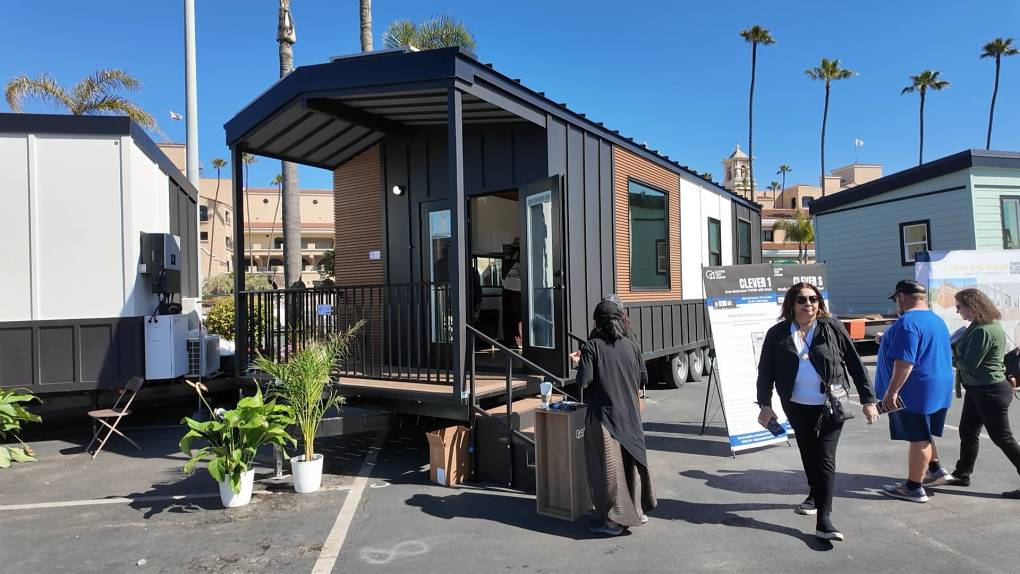
window.__INITIAL_STATE__={
"attachmentsReducer": {
"audio_0": {
"type": "attachments",
"id": "audio_0",
"imgSizes": {
"kqedFullSize": {
"file": "https://ww2.kqed.org/news/wp-content/themes/KQED-unified/img/audio_bgs/background0.jpg"
}
}
},
"audio_1": {
"type": "attachments",
"id": "audio_1",
"imgSizes": {
"kqedFullSize": {
"file": "https://ww2.kqed.org/news/wp-content/themes/KQED-unified/img/audio_bgs/background1.jpg"
}
}
},
"audio_2": {
"type": "attachments",
"id": "audio_2",
"imgSizes": {
"kqedFullSize": {
"file": "https://ww2.kqed.org/news/wp-content/themes/KQED-unified/img/audio_bgs/background2.jpg"
}
}
},
"audio_3": {
"type": "attachments",
"id": "audio_3",
"imgSizes": {
"kqedFullSize": {
"file": "https://ww2.kqed.org/news/wp-content/themes/KQED-unified/img/audio_bgs/background3.jpg"
}
}
},
"audio_4": {
"type": "attachments",
"id": "audio_4",
"imgSizes": {
"kqedFullSize": {
"file": "https://ww2.kqed.org/news/wp-content/themes/KQED-unified/img/audio_bgs/background4.jpg"
}
}
},
"placeholder": {
"type": "attachments",
"id": "placeholder",
"imgSizes": {
"thumbnail": {
"file": "https://cdn.kqed.org/wp-content/uploads/2024/12/KQED-Default-Image-816638274-2000x1333-1-160x107.jpg",
"width": 160,
"height": 107,
"mimeType": "image/jpeg"
},
"medium": {
"file": "https://cdn.kqed.org/wp-content/uploads/2024/12/KQED-Default-Image-816638274-2000x1333-1-800x533.jpg",
"width": 800,
"height": 533,
"mimeType": "image/jpeg"
},
"medium_large": {
"file": "https://cdn.kqed.org/wp-content/uploads/2024/12/KQED-Default-Image-816638274-2000x1333-1-768x512.jpg",
"width": 768,
"height": 512,
"mimeType": "image/jpeg"
},
"large": {
"file": "https://cdn.kqed.org/wp-content/uploads/2024/12/KQED-Default-Image-816638274-2000x1333-1-1020x680.jpg",
"width": 1020,
"height": 680,
"mimeType": "image/jpeg"
},
"1536x1536": {
"file": "https://cdn.kqed.org/wp-content/uploads/2024/12/KQED-Default-Image-816638274-2000x1333-1-1536x1024.jpg",
"width": 1536,
"height": 1024,
"mimeType": "image/jpeg"
},
"fd-lrg": {
"file": "https://cdn.kqed.org/wp-content/uploads/2024/12/KQED-Default-Image-816638274-2000x1333-1-1536x1024.jpg",
"width": 1536,
"height": 1024,
"mimeType": "image/jpeg"
},
"fd-med": {
"file": "https://cdn.kqed.org/wp-content/uploads/2024/12/KQED-Default-Image-816638274-2000x1333-1-1020x680.jpg",
"width": 1020,
"height": 680,
"mimeType": "image/jpeg"
},
"fd-sm": {
"file": "https://cdn.kqed.org/wp-content/uploads/2024/12/KQED-Default-Image-816638274-2000x1333-1-800x533.jpg",
"width": 800,
"height": 533,
"mimeType": "image/jpeg"
},
"post-thumbnail": {
"file": "https://cdn.kqed.org/wp-content/uploads/2024/12/KQED-Default-Image-816638274-2000x1333-1-672x372.jpg",
"width": 672,
"height": 372,
"mimeType": "image/jpeg"
},
"twentyfourteen-full-width": {
"file": "https://cdn.kqed.org/wp-content/uploads/2024/12/KQED-Default-Image-816638274-2000x1333-1-1038x576.jpg",
"width": 1038,
"height": 576,
"mimeType": "image/jpeg"
},
"xxsmall": {
"file": "https://cdn.kqed.org/wp-content/uploads/2024/12/KQED-Default-Image-816638274-2000x1333-1-160x107.jpg",
"width": 160,
"height": 107,
"mimeType": "image/jpeg"
},
"xsmall": {
"file": "https://cdn.kqed.org/wp-content/uploads/2024/12/KQED-Default-Image-816638274-2000x1333-1-672x372.jpg",
"width": 672,
"height": 372,
"mimeType": "image/jpeg"
},
"small": {
"file": "https://cdn.kqed.org/wp-content/uploads/2024/12/KQED-Default-Image-816638274-2000x1333-1-672x372.jpg",
"width": 672,
"height": 372,
"mimeType": "image/jpeg"
},
"xlarge": {
"file": "https://cdn.kqed.org/wp-content/uploads/2024/12/KQED-Default-Image-816638274-2000x1333-1-1020x680.jpg",
"width": 1020,
"height": 680,
"mimeType": "image/jpeg"
},
"full-width": {
"file": "https://cdn.kqed.org/wp-content/uploads/2024/12/KQED-Default-Image-816638274-2000x1333-1-1920x1280.jpg",
"width": 1920,
"height": 1280,
"mimeType": "image/jpeg"
},
"guest-author-32": {
"file": "https://cdn.kqed.org/wp-content/uploads/2025/01/KQED-Default-Image-816638274-1333x1333-1-160x160.jpg",
"width": 32,
"height": 32,
"mimeType": "image/jpeg"
},
"guest-author-50": {
"file": "https://cdn.kqed.org/wp-content/uploads/2025/01/KQED-Default-Image-816638274-1333x1333-1-160x160.jpg",
"width": 50,
"height": 50,
"mimeType": "image/jpeg"
},
"guest-author-64": {
"file": "https://cdn.kqed.org/wp-content/uploads/2025/01/KQED-Default-Image-816638274-1333x1333-1-160x160.jpg",
"width": 64,
"height": 64,
"mimeType": "image/jpeg"
},
"guest-author-96": {
"file": "https://cdn.kqed.org/wp-content/uploads/2025/01/KQED-Default-Image-816638274-1333x1333-1-160x160.jpg",
"width": 96,
"height": 96,
"mimeType": "image/jpeg"
},
"guest-author-128": {
"file": "https://cdn.kqed.org/wp-content/uploads/2025/01/KQED-Default-Image-816638274-1333x1333-1-160x160.jpg",
"width": 128,
"height": 128,
"mimeType": "image/jpeg"
},
"detail": {
"file": "https://cdn.kqed.org/wp-content/uploads/2025/01/KQED-Default-Image-816638274-1333x1333-1-160x160.jpg",
"width": 160,
"height": 160,
"mimeType": "image/jpeg"
},
"kqedFullSize": {
"file": "https://cdn.kqed.org/wp-content/uploads/2024/12/KQED-Default-Image-816638274-2000x1333-1.jpg",
"width": 2000,
"height": 1333
}
}
},
"news_12039289": {
"type": "attachments",
"id": "news_12039289",
"meta": {
"index": "attachments_1716263798",
"site": "news",
"id": "12039289",
"found": true
},
"title": "Tiny Home Frame",
"publishDate": 1746715719,
"status": "inherit",
"parent": 12039282,
"modified": 1746715774,
"caption": null,
"credit": null,
"altTag": null,
"description": "California residents are becoming more and more interested in purchasing tiny homes. ",
"imgSizes": {
"medium": {
"file": "https://cdn.kqed.org/wp-content/uploads/sites/10/2025/05/Tiny-Home-Frame-800x450.jpg",
"width": 800,
"height": 450,
"mimeType": "image/jpeg"
},
"large": {
"file": "https://cdn.kqed.org/wp-content/uploads/sites/10/2025/05/Tiny-Home-Frame-1020x574.jpg",
"width": 1020,
"height": 574,
"mimeType": "image/jpeg"
},
"thumbnail": {
"file": "https://cdn.kqed.org/wp-content/uploads/sites/10/2025/05/Tiny-Home-Frame-160x90.jpg",
"width": 160,
"height": 90,
"mimeType": "image/jpeg"
},
"1536x1536": {
"file": "https://cdn.kqed.org/wp-content/uploads/sites/10/2025/05/Tiny-Home-Frame-1536x864.jpg",
"width": 1536,
"height": 864,
"mimeType": "image/jpeg"
},
"post-thumbnail": {
"file": "https://cdn.kqed.org/wp-content/uploads/sites/10/2025/05/Tiny-Home-Frame-672x372.jpg",
"width": 672,
"height": 372,
"mimeType": "image/jpeg"
},
"twentyfourteen-full-width": {
"file": "https://cdn.kqed.org/wp-content/uploads/sites/10/2025/05/Tiny-Home-Frame-1038x576.jpg",
"width": 1038,
"height": 576,
"mimeType": "image/jpeg"
},
"kqedFullSize": {
"file": "https://cdn.kqed.org/wp-content/uploads/sites/10/2025/05/Tiny-Home-Frame.jpg",
"width": 1920,
"height": 1080
}
},
"isLoading": false,
"fetchFailed": false
},
"news_12011384": {
"type": "attachments",
"id": "news_12011384",
"meta": {
"index": "attachments_1716263798",
"site": "news",
"id": "12011384",
"found": true
},
"title": "241022-Prop36-07-BL_qed",
"publishDate": 1730148180,
"status": "inherit",
"parent": 12011368,
"modified": 1744239494,
"caption": "Opponents of Proposition 36 hold signs at a rally in a San Francisco bookstore on Oct. 22, 2024.",
"credit": "Beth LaBerge/KQED",
"altTag": null,
"description": null,
"imgSizes": {
"medium": {
"file": "https://cdn.kqed.org/wp-content/uploads/sites/10/2024/10/241022-Prop36-07-BL_qed-800x533.jpg",
"width": 800,
"height": 533,
"mimeType": "image/jpeg"
},
"large": {
"file": "https://cdn.kqed.org/wp-content/uploads/sites/10/2024/10/241022-Prop36-07-BL_qed-1020x680.jpg",
"width": 1020,
"height": 680,
"mimeType": "image/jpeg"
},
"thumbnail": {
"file": "https://cdn.kqed.org/wp-content/uploads/sites/10/2024/10/241022-Prop36-07-BL_qed-160x107.jpg",
"width": 160,
"height": 107,
"mimeType": "image/jpeg"
},
"1536x1536": {
"file": "https://cdn.kqed.org/wp-content/uploads/sites/10/2024/10/241022-Prop36-07-BL_qed-1536x1024.jpg",
"width": 1536,
"height": 1024,
"mimeType": "image/jpeg"
},
"post-thumbnail": {
"file": "https://cdn.kqed.org/wp-content/uploads/sites/10/2024/10/241022-Prop36-07-BL_qed-672x372.jpg",
"width": 672,
"height": 372,
"mimeType": "image/jpeg"
},
"twentyfourteen-full-width": {
"file": "https://cdn.kqed.org/wp-content/uploads/sites/10/2024/10/241022-Prop36-07-BL_qed-1038x576.jpg",
"width": 1038,
"height": 576,
"mimeType": "image/jpeg"
},
"full-width": {
"file": "https://cdn.kqed.org/wp-content/uploads/sites/10/2024/10/241022-Prop36-07-BL_qed-1920x1280.jpg",
"width": 1920,
"height": 1280,
"mimeType": "image/jpeg"
},
"kqedFullSize": {
"file": "https://cdn.kqed.org/wp-content/uploads/sites/10/2024/10/241022-Prop36-07-BL_qed.jpg",
"width": 2000,
"height": 1333
}
},
"isLoading": false,
"fetchFailed": false
},
"news_12033965": {
"type": "attachments",
"id": "news_12033965",
"meta": {
"index": "attachments_1716263798",
"site": "news",
"id": "12033965",
"found": true
},
"title": "OAKLAND A’S SEASON HOME OPENER",
"publishDate": 1743523816,
"status": "inherit",
"parent": 0,
"modified": 1743536877,
"caption": "Tyler Hogan and Chuy Vill display a poster during Oakland A’s season home opener at Sutter Health Park in West Sacramento, California, on Monday, March 31, 2025.",
"credit": "Andri Tambunan for KQED",
"altTag": null,
"description": null,
"imgSizes": {
"medium": {
"file": "https://cdn.kqed.org/wp-content/uploads/sites/10/2025/04/230331-OAKLAND_AS_SEASON_OPENER_AT_382-KQED-800x533.jpg",
"width": 800,
"height": 533,
"mimeType": "image/jpeg"
},
"large": {
"file": "https://cdn.kqed.org/wp-content/uploads/sites/10/2025/04/230331-OAKLAND_AS_SEASON_OPENER_AT_382-KQED-1020x680.jpg",
"width": 1020,
"height": 680,
"mimeType": "image/jpeg"
},
"thumbnail": {
"file": "https://cdn.kqed.org/wp-content/uploads/sites/10/2025/04/230331-OAKLAND_AS_SEASON_OPENER_AT_382-KQED-160x107.jpg",
"width": 160,
"height": 107,
"mimeType": "image/jpeg"
},
"1536x1536": {
"file": "https://cdn.kqed.org/wp-content/uploads/sites/10/2025/04/230331-OAKLAND_AS_SEASON_OPENER_AT_382-KQED-1536x1024.jpg",
"width": 1536,
"height": 1024,
"mimeType": "image/jpeg"
},
"post-thumbnail": {
"file": "https://cdn.kqed.org/wp-content/uploads/sites/10/2025/04/230331-OAKLAND_AS_SEASON_OPENER_AT_382-KQED-672x372.jpg",
"width": 672,
"height": 372,
"mimeType": "image/jpeg"
},
"twentyfourteen-full-width": {
"file": "https://cdn.kqed.org/wp-content/uploads/sites/10/2025/04/230331-OAKLAND_AS_SEASON_OPENER_AT_382-KQED-1038x576.jpg",
"width": 1038,
"height": 576,
"mimeType": "image/jpeg"
},
"full-width": {
"file": "https://cdn.kqed.org/wp-content/uploads/sites/10/2025/04/230331-OAKLAND_AS_SEASON_OPENER_AT_382-KQED-1920x1280.jpg",
"width": 1920,
"height": 1280,
"mimeType": "image/jpeg"
},
"kqedFullSize": {
"file": "https://cdn.kqed.org/wp-content/uploads/sites/10/2025/04/230331-OAKLAND_AS_SEASON_OPENER_AT_382-KQED.jpg",
"width": 2000,
"height": 1333
}
},
"isLoading": false,
"fetchFailed": false
},
"news_12029180": {
"type": "attachments",
"id": "news_12029180",
"meta": {
"index": "attachments_1716263798",
"site": "news",
"id": "12029180",
"found": true
},
"title": "Sacramento-Shove_Horiz.00_00_09_16.Still005",
"publishDate": 1740763925,
"status": "inherit",
"parent": 12029173,
"modified": 1740778881,
"caption": "A still from body camera footage from the Sacramento County Sheriff's Department of an incident on Oct. 7, 2024.",
"credit": "Courtesy Sacramento County Sheriff Department",
"altTag": null,
"description": null,
"imgSizes": {
"medium": {
"file": "https://cdn.kqed.org/wp-content/uploads/sites/10/2025/02/Sacramento-Shove_Horiz.00_00_09_16.Still005-800x450.jpg",
"width": 800,
"height": 450,
"mimeType": "image/jpeg"
},
"large": {
"file": "https://cdn.kqed.org/wp-content/uploads/sites/10/2025/02/Sacramento-Shove_Horiz.00_00_09_16.Still005-1020x574.jpg",
"width": 1020,
"height": 574,
"mimeType": "image/jpeg"
},
"thumbnail": {
"file": "https://cdn.kqed.org/wp-content/uploads/sites/10/2025/02/Sacramento-Shove_Horiz.00_00_09_16.Still005-160x90.jpg",
"width": 160,
"height": 90,
"mimeType": "image/jpeg"
},
"1536x1536": {
"file": "https://cdn.kqed.org/wp-content/uploads/sites/10/2025/02/Sacramento-Shove_Horiz.00_00_09_16.Still005-1536x864.jpg",
"width": 1536,
"height": 864,
"mimeType": "image/jpeg"
},
"post-thumbnail": {
"file": "https://cdn.kqed.org/wp-content/uploads/sites/10/2025/02/Sacramento-Shove_Horiz.00_00_09_16.Still005-672x372.jpg",
"width": 672,
"height": 372,
"mimeType": "image/jpeg"
},
"twentyfourteen-full-width": {
"file": "https://cdn.kqed.org/wp-content/uploads/sites/10/2025/02/Sacramento-Shove_Horiz.00_00_09_16.Still005-1038x576.jpg",
"width": 1038,
"height": 576,
"mimeType": "image/jpeg"
},
"kqedFullSize": {
"file": "https://cdn.kqed.org/wp-content/uploads/sites/10/2025/02/Sacramento-Shove_Horiz.00_00_09_16.Still005.jpg",
"width": 1920,
"height": 1080
}
},
"isLoading": false,
"fetchFailed": false
},
"news_12017639": {
"type": "attachments",
"id": "news_12017639",
"meta": {
"index": "attachments_1716263798",
"site": "news",
"id": "12017639",
"found": true
},
"title": "IMG_0850",
"publishDate": 1733939718,
"status": "inherit",
"parent": 0,
"modified": 1734115846,
"caption": "Sgt. Kevin Steele was a correctional officer at California State Prison, Sacramento, also known as New Folsom, from 2008 until his death in 2021.",
"credit": "Anna Vignet/KQED",
"altTag": null,
"description": null,
"imgSizes": {
"medium": {
"file": "https://cdn.kqed.org/wp-content/uploads/sites/10/2024/12/IMG_0850-800x600.jpg",
"width": 800,
"height": 600,
"mimeType": "image/jpeg"
},
"large": {
"file": "https://cdn.kqed.org/wp-content/uploads/sites/10/2024/12/IMG_0850-1020x765.jpg",
"width": 1020,
"height": 765,
"mimeType": "image/jpeg"
},
"thumbnail": {
"file": "https://cdn.kqed.org/wp-content/uploads/sites/10/2024/12/IMG_0850-160x120.jpg",
"width": 160,
"height": 120,
"mimeType": "image/jpeg"
},
"1536x1536": {
"file": "https://cdn.kqed.org/wp-content/uploads/sites/10/2024/12/IMG_0850-1536x1152.jpg",
"width": 1536,
"height": 1152,
"mimeType": "image/jpeg"
},
"2048x2048": {
"file": "https://cdn.kqed.org/wp-content/uploads/sites/10/2024/12/IMG_0850-2048x1536.jpg",
"width": 2048,
"height": 1536,
"mimeType": "image/jpeg"
},
"post-thumbnail": {
"file": "https://cdn.kqed.org/wp-content/uploads/sites/10/2024/12/IMG_0850-672x372.jpg",
"width": 672,
"height": 372,
"mimeType": "image/jpeg"
},
"twentyfourteen-full-width": {
"file": "https://cdn.kqed.org/wp-content/uploads/sites/10/2024/12/IMG_0850-1038x576.jpg",
"width": 1038,
"height": 576,
"mimeType": "image/jpeg"
},
"full-width": {
"file": "https://cdn.kqed.org/wp-content/uploads/sites/10/2024/12/IMG_0850-1920x1440.jpg",
"width": 1920,
"height": 1440,
"mimeType": "image/jpeg"
},
"kqedFullSize": {
"file": "https://cdn.kqed.org/wp-content/uploads/sites/10/2024/12/IMG_0850.jpg",
"width": 2560,
"height": 1920
}
},
"isLoading": false,
"fetchFailed": false
},
"news_12012267": {
"type": "attachments",
"id": "news_12012267",
"meta": {
"index": "attachments_1716263798",
"site": "news",
"id": "12012267",
"found": true
},
"title": "Sacramento travel",
"publishDate": 1730504002,
"status": "inherit",
"parent": 0,
"modified": 1730504057,
"caption": "The California State Capitol on March 3, 2024.",
"credit": "Nick Otto for the Washington Post via Getty",
"altTag": null,
"description": null,
"imgSizes": {
"medium": {
"file": "https://cdn.kqed.org/wp-content/uploads/sites/10/2024/11/GETTYIMAGES-1170899609-KQED-800x533.jpg",
"width": 800,
"height": 533,
"mimeType": "image/jpeg"
},
"large": {
"file": "https://cdn.kqed.org/wp-content/uploads/sites/10/2024/11/GETTYIMAGES-1170899609-KQED-1020x680.jpg",
"width": 1020,
"height": 680,
"mimeType": "image/jpeg"
},
"thumbnail": {
"file": "https://cdn.kqed.org/wp-content/uploads/sites/10/2024/11/GETTYIMAGES-1170899609-KQED-160x107.jpg",
"width": 160,
"height": 107,
"mimeType": "image/jpeg"
},
"1536x1536": {
"file": "https://cdn.kqed.org/wp-content/uploads/sites/10/2024/11/GETTYIMAGES-1170899609-KQED-1536x1024.jpg",
"width": 1536,
"height": 1024,
"mimeType": "image/jpeg"
},
"post-thumbnail": {
"file": "https://cdn.kqed.org/wp-content/uploads/sites/10/2024/11/GETTYIMAGES-1170899609-KQED-672x372.jpg",
"width": 672,
"height": 372,
"mimeType": "image/jpeg"
},
"twentyfourteen-full-width": {
"file": "https://cdn.kqed.org/wp-content/uploads/sites/10/2024/11/GETTYIMAGES-1170899609-KQED-1038x576.jpg",
"width": 1038,
"height": 576,
"mimeType": "image/jpeg"
},
"full-width": {
"file": "https://cdn.kqed.org/wp-content/uploads/sites/10/2024/11/GETTYIMAGES-1170899609-KQED-1920x1280.jpg",
"width": 1920,
"height": 1280,
"mimeType": "image/jpeg"
},
"kqedFullSize": {
"file": "https://cdn.kqed.org/wp-content/uploads/sites/10/2024/11/GETTYIMAGES-1170899609-KQED.jpg",
"width": 2000,
"height": 1333
}
},
"isLoading": false,
"fetchFailed": false
},
"news_12016583": {
"type": "attachments",
"id": "news_12016583",
"meta": {
"index": "attachments_1716263798",
"site": "news",
"id": "12016583",
"found": true
},
"title": "20241203_SewageLeak_GC-3",
"publishDate": 1733281012,
"status": "inherit",
"parent": 0,
"modified": 1733281085,
"caption": "A Vac-Con truck vacuums up sewer coming in to a pump station on Military Ocean Terminal Concord property in Bay Point on Dec. 3, 2024. Trucks with the City of Pittsburgh and Delta Diablo are rotating trucks 24/7 until the broken pipe is repaired.",
"credit": "Gina Castro/KQED",
"altTag": null,
"description": null,
"imgSizes": {
"medium": {
"file": "https://cdn.kqed.org/wp-content/uploads/sites/10/2024/12/20241203_SewageLeak_GC-3-800x533.jpg",
"width": 800,
"height": 533,
"mimeType": "image/jpeg"
},
"large": {
"file": "https://cdn.kqed.org/wp-content/uploads/sites/10/2024/12/20241203_SewageLeak_GC-3-1020x680.jpg",
"width": 1020,
"height": 680,
"mimeType": "image/jpeg"
},
"thumbnail": {
"file": "https://cdn.kqed.org/wp-content/uploads/sites/10/2024/12/20241203_SewageLeak_GC-3-160x107.jpg",
"width": 160,
"height": 107,
"mimeType": "image/jpeg"
},
"1536x1536": {
"file": "https://cdn.kqed.org/wp-content/uploads/sites/10/2024/12/20241203_SewageLeak_GC-3-1536x1024.jpg",
"width": 1536,
"height": 1024,
"mimeType": "image/jpeg"
},
"post-thumbnail": {
"file": "https://cdn.kqed.org/wp-content/uploads/sites/10/2024/12/20241203_SewageLeak_GC-3-672x372.jpg",
"width": 672,
"height": 372,
"mimeType": "image/jpeg"
},
"twentyfourteen-full-width": {
"file": "https://cdn.kqed.org/wp-content/uploads/sites/10/2024/12/20241203_SewageLeak_GC-3-1038x576.jpg",
"width": 1038,
"height": 576,
"mimeType": "image/jpeg"
},
"full-width": {
"file": "https://cdn.kqed.org/wp-content/uploads/sites/10/2024/12/20241203_SewageLeak_GC-3-1920x1280.jpg",
"width": 1920,
"height": 1280,
"mimeType": "image/jpeg"
},
"kqedFullSize": {
"file": "https://cdn.kqed.org/wp-content/uploads/sites/10/2024/12/20241203_SewageLeak_GC-3.jpg",
"width": 2000,
"height": 1333
}
},
"isLoading": false,
"fetchFailed": false
},
"news_12004888": {
"type": "attachments",
"id": "news_12004888",
"meta": {
"index": "attachments_1716263798",
"site": "news",
"id": "12004888",
"found": true
},
"title": "032723-Isaac-Bryan-MG-CM-01",
"publishDate": 1726516312,
"status": "inherit",
"parent": 12004883,
"modified": 1733172184,
"caption": "Assemblymember Isaac Bryan (D-Culver City) on the Assembly floor at the state Capitol on March 27, 2023.",
"credit": "Miguel Gutierrez Jr./CalMatters",
"altTag": "A young, bald Black man with a beard, wearing a grey suit, speaks at a formal hearing.",
"description": null,
"imgSizes": {
"medium": {
"file": "https://cdn.kqed.org/wp-content/uploads/sites/10/2024/09/032723-Isaac-Bryan-MG-CM-01-800x533.jpeg",
"width": 800,
"height": 533,
"mimeType": "image/jpeg"
},
"large": {
"file": "https://cdn.kqed.org/wp-content/uploads/sites/10/2024/09/032723-Isaac-Bryan-MG-CM-01-1020x680.jpeg",
"width": 1020,
"height": 680,
"mimeType": "image/jpeg"
},
"thumbnail": {
"file": "https://cdn.kqed.org/wp-content/uploads/sites/10/2024/09/032723-Isaac-Bryan-MG-CM-01-160x107.jpeg",
"width": 160,
"height": 107,
"mimeType": "image/jpeg"
},
"1536x1536": {
"file": "https://cdn.kqed.org/wp-content/uploads/sites/10/2024/09/032723-Isaac-Bryan-MG-CM-01-1536x1024.jpeg",
"width": 1536,
"height": 1024,
"mimeType": "image/jpeg"
},
"post-thumbnail": {
"file": "https://cdn.kqed.org/wp-content/uploads/sites/10/2024/09/032723-Isaac-Bryan-MG-CM-01-672x372.jpeg",
"width": 672,
"height": 372,
"mimeType": "image/jpeg"
},
"twentyfourteen-full-width": {
"file": "https://cdn.kqed.org/wp-content/uploads/sites/10/2024/09/032723-Isaac-Bryan-MG-CM-01-1038x576.jpeg",
"width": 1038,
"height": 576,
"mimeType": "image/jpeg"
},
"kqedFullSize": {
"file": "https://cdn.kqed.org/wp-content/uploads/sites/10/2024/09/032723-Isaac-Bryan-MG-CM-01.jpeg",
"width": 1568,
"height": 1045
}
},
"isLoading": false,
"fetchFailed": false
},
"news_12010511": {
"type": "attachments",
"id": "news_12010511",
"meta": {
"index": "attachments_1716263798",
"site": "news",
"id": "12010511",
"found": true
},
"title": "Tower Bridge in Fog West Sacramento",
"publishDate": 1729614576,
"status": "inherit",
"parent": 12010451,
"modified": 1729614680,
"caption": "The Tower Bridge that connects Sacramento and West Sacramento on Jan. 12, 2021.",
"credit": "Getty Images",
"altTag": null,
"description": null,
"imgSizes": {
"medium": {
"file": "https://cdn.kqed.org/wp-content/uploads/sites/10/2024/10/WestSacGetty-800x532.jpg",
"width": 800,
"height": 532,
"mimeType": "image/jpeg"
},
"large": {
"file": "https://cdn.kqed.org/wp-content/uploads/sites/10/2024/10/WestSacGetty-1020x678.jpg",
"width": 1020,
"height": 678,
"mimeType": "image/jpeg"
},
"thumbnail": {
"file": "https://cdn.kqed.org/wp-content/uploads/sites/10/2024/10/WestSacGetty-160x106.jpg",
"width": 160,
"height": 106,
"mimeType": "image/jpeg"
},
"1536x1536": {
"file": "https://cdn.kqed.org/wp-content/uploads/sites/10/2024/10/WestSacGetty-1536x1021.jpg",
"width": 1536,
"height": 1021,
"mimeType": "image/jpeg"
},
"post-thumbnail": {
"file": "https://cdn.kqed.org/wp-content/uploads/sites/10/2024/10/WestSacGetty-672x372.jpg",
"width": 672,
"height": 372,
"mimeType": "image/jpeg"
},
"twentyfourteen-full-width": {
"file": "https://cdn.kqed.org/wp-content/uploads/sites/10/2024/10/WestSacGetty-1038x576.jpg",
"width": 1038,
"height": 576,
"mimeType": "image/jpeg"
},
"full-width": {
"file": "https://cdn.kqed.org/wp-content/uploads/sites/10/2024/10/WestSacGetty-1920x1277.jpg",
"width": 1920,
"height": 1277,
"mimeType": "image/jpeg"
},
"kqedFullSize": {
"file": "https://cdn.kqed.org/wp-content/uploads/sites/10/2024/10/WestSacGetty.jpg",
"width": 2000,
"height": 1330
}
},
"isLoading": false,
"fetchFailed": false
},
"news_11904170": {
"type": "attachments",
"id": "news_11904170",
"meta": {
"index": "attachments_1716263798",
"site": "news",
"id": "11904170",
"found": true
},
"parent": 11904157,
"imgSizes": {
"twentyfourteen-full-width": {
"file": "https://ww2.kqed.org/app/uploads/sites/10/2022/02/004_KQED_Richmond_Kaiser_03192020_-1038x576.jpg",
"width": 1038,
"mimeType": "image/jpeg",
"height": 576
},
"thumbnail": {
"file": "https://ww2.kqed.org/app/uploads/sites/10/2022/02/004_KQED_Richmond_Kaiser_03192020_-160x107.jpg",
"width": 160,
"mimeType": "image/jpeg",
"height": 107
},
"post-thumbnail": {
"file": "https://ww2.kqed.org/app/uploads/sites/10/2022/02/004_KQED_Richmond_Kaiser_03192020_-672x372.jpg",
"width": 672,
"mimeType": "image/jpeg",
"height": 372
},
"kqedFullSize": {
"file": "https://ww2.kqed.org/app/uploads/sites/10/2022/02/004_KQED_Richmond_Kaiser_03192020_.jpg",
"width": 1920,
"height": 1280
},
"large": {
"file": "https://ww2.kqed.org/app/uploads/sites/10/2022/02/004_KQED_Richmond_Kaiser_03192020_-1020x680.jpg",
"width": 1020,
"mimeType": "image/jpeg",
"height": 680
},
"1536x1536": {
"file": "https://ww2.kqed.org/app/uploads/sites/10/2022/02/004_KQED_Richmond_Kaiser_03192020_-1536x1024.jpg",
"width": 1536,
"mimeType": "image/jpeg",
"height": 1024
},
"medium": {
"file": "https://ww2.kqed.org/app/uploads/sites/10/2022/02/004_KQED_Richmond_Kaiser_03192020_-800x533.jpg",
"width": 800,
"mimeType": "image/jpeg",
"height": 533
}
},
"publishDate": 1644015253,
"modified": 1644015386,
"caption": "A group calling itself Californians for Equitable Healthcare Access has filed a measure to classify nurses, dental hygienists, occupational therapists and other health care workers who find work online as independent contractors. ",
"description": null,
"title": "004_KQED_Richmond_Kaiser_03192020_",
"credit": "Beth LeBerge/KQED",
"status": "inherit",
"altTag": null,
"isLoading": false,
"fetchFailed": false
},
"news_12008449": {
"type": "attachments",
"id": "news_12008449",
"meta": {
"index": "attachments_1716263798",
"site": "news",
"id": "12008449",
"found": true
},
"title": "Newsom",
"publishDate": 1728408466,
"status": "inherit",
"parent": 12007818,
"modified": 1728416870,
"caption": "Gov. Gavin Newsom speaks during a press conference in Los Angeles on Wednesday, Sept. 25, 2024.",
"credit": "Eric Thayer/AP Photo",
"altTag": null,
"description": null,
"imgSizes": {
"medium": {
"file": "https://cdn.kqed.org/wp-content/uploads/sites/10/2024/10/GavinNewsomAP3-800x533.jpg",
"width": 800,
"height": 533,
"mimeType": "image/jpeg"
},
"large": {
"file": "https://cdn.kqed.org/wp-content/uploads/sites/10/2024/10/GavinNewsomAP3-1020x680.jpg",
"width": 1020,
"height": 680,
"mimeType": "image/jpeg"
},
"thumbnail": {
"file": "https://cdn.kqed.org/wp-content/uploads/sites/10/2024/10/GavinNewsomAP3-160x107.jpg",
"width": 160,
"height": 107,
"mimeType": "image/jpeg"
},
"1536x1536": {
"file": "https://cdn.kqed.org/wp-content/uploads/sites/10/2024/10/GavinNewsomAP3-1536x1024.jpg",
"width": 1536,
"height": 1024,
"mimeType": "image/jpeg"
},
"post-thumbnail": {
"file": "https://cdn.kqed.org/wp-content/uploads/sites/10/2024/10/GavinNewsomAP3-672x372.jpg",
"width": 672,
"height": 372,
"mimeType": "image/jpeg"
},
"twentyfourteen-full-width": {
"file": "https://cdn.kqed.org/wp-content/uploads/sites/10/2024/10/GavinNewsomAP3-1038x576.jpg",
"width": 1038,
"height": 576,
"mimeType": "image/jpeg"
},
"full-width": {
"file": "https://cdn.kqed.org/wp-content/uploads/sites/10/2024/10/GavinNewsomAP3-1920x1280.jpg",
"width": 1920,
"height": 1280,
"mimeType": "image/jpeg"
},
"kqedFullSize": {
"file": "https://cdn.kqed.org/wp-content/uploads/sites/10/2024/10/GavinNewsomAP3.jpg",
"width": 2000,
"height": 1333
}
},
"isLoading": false,
"fetchFailed": false
},
"news_12003703": {
"type": "attachments",
"id": "news_12003703",
"meta": {
"index": "attachments_1716263798",
"site": "news",
"id": "12003703",
"found": true
},
"title": "Matthew Olsen",
"publishDate": 1725924525,
"status": "inherit",
"parent": 12003644,
"modified": 1725924564,
"caption": "The DOJ announced the arrest of Dallas Humber, 34, of Elk Grove, one of two accused leaders of the Terrorgram group on Telegram, where they allegedly solicited hate crimes and the murder of federal officials \"in the name of violent white supremacist ideology.\"",
"credit": "Jose Luis Magana/AP Photo",
"altTag": null,
"description": null,
"imgSizes": {
"medium": {
"file": "https://cdn.kqed.org/wp-content/uploads/sites/10/2024/09/DOJAP1-800x533.jpg",
"width": 800,
"height": 533,
"mimeType": "image/jpeg"
},
"large": {
"file": "https://cdn.kqed.org/wp-content/uploads/sites/10/2024/09/DOJAP1-1020x680.jpg",
"width": 1020,
"height": 680,
"mimeType": "image/jpeg"
},
"thumbnail": {
"file": "https://cdn.kqed.org/wp-content/uploads/sites/10/2024/09/DOJAP1-160x107.jpg",
"width": 160,
"height": 107,
"mimeType": "image/jpeg"
},
"1536x1536": {
"file": "https://cdn.kqed.org/wp-content/uploads/sites/10/2024/09/DOJAP1-1536x1024.jpg",
"width": 1536,
"height": 1024,
"mimeType": "image/jpeg"
},
"post-thumbnail": {
"file": "https://cdn.kqed.org/wp-content/uploads/sites/10/2024/09/DOJAP1-672x372.jpg",
"width": 672,
"height": 372,
"mimeType": "image/jpeg"
},
"twentyfourteen-full-width": {
"file": "https://cdn.kqed.org/wp-content/uploads/sites/10/2024/09/DOJAP1-1038x576.jpg",
"width": 1038,
"height": 576,
"mimeType": "image/jpeg"
},
"full-width": {
"file": "https://cdn.kqed.org/wp-content/uploads/sites/10/2024/09/DOJAP1-1920x1280.jpg",
"width": 1920,
"height": 1280,
"mimeType": "image/jpeg"
},
"kqedFullSize": {
"file": "https://cdn.kqed.org/wp-content/uploads/sites/10/2024/09/DOJAP1.jpg",
"width": 2000,
"height": 1333
}
},
"isLoading": false,
"fetchFailed": false
}
},
"audioPlayerReducer": {
"postId": "stream_live",
"isPaused": true,
"isPlaying": false,
"pfsActive": false,
"pledgeModalIsOpen": true,
"playerDrawerIsOpen": false,
"liveAudioPlayStartedAt": 0,
"liveAudioPlayContext": ""
},
"authorsReducer": {
"byline_news_12017043": {
"type": "authors",
"id": "byline_news_12017043",
"meta": {
"override": true
},
"slug": "byline_news_12017043",
"name": "Megan Myscofski, Srishti Prabha and Gerardo Zavala | CapRadio",
"isLoading": false
},
"byline_news_12016282": {
"type": "authors",
"id": "byline_news_12016282",
"meta": {
"override": true
},
"slug": "byline_news_12016282",
"name": "Sophie Austin, Trân Nguyễn and Olga R. Rodriguez, Associated Press",
"isLoading": false
},
"mlagos": {
"type": "authors",
"id": "3239",
"meta": {
"index": "authors_1716337520",
"id": "3239",
"found": true
},
"name": "Marisa Lagos",
"firstName": "Marisa",
"lastName": "Lagos",
"slug": "mlagos",
"email": "mlagos@kqed.org",
"display_author_email": false,
"staff_mastheads": [
"news"
],
"title": "KQED Contributor",
"bio": "Marisa Lagos is a correspondent for KQED’s California Politics and Government Desk and co-hosts the award-winning show and podcast, Political Breakdown. At KQED, Lagos also conducts reporting, analysis and investigations into state, local and national politics for radio, TV, online and onstage. In 2022, she and co-host, Scott Shafer, moderated the only gubernatorial debate in California. In 2020, the \u003ci>Washington Post\u003c/i> named her one of the top political journalists in California; she was nominated for a Peabody and won several other awards for her work investigating the 2017 California wildfires. She has worked at the \u003ci>San Francisco Chronicle\u003c/i>, \u003ci>San Francisco Examiner\u003c/i> and \u003ci>Los Angeles Times\u003c/i>. A UC Santa Barbara graduate, she lives in San Francisco with her two sons and husband.",
"avatar": "https://secure.gravatar.com/avatar/a261a0d3696fc066871ef96b85b5e7d2?s=600&d=blank&r=g",
"twitter": "@mlagos",
"facebook": null,
"instagram": null,
"linkedin": null,
"sites": [
{
"site": "arts",
"roles": [
"author"
]
},
{
"site": "news",
"roles": [
"editor"
]
},
{
"site": "science",
"roles": [
"editor"
]
},
{
"site": "forum",
"roles": [
"author"
]
},
{
"site": "liveblog",
"roles": [
"author"
]
}
],
"headData": {
"title": "Marisa Lagos | KQED",
"description": "KQED Contributor",
"ogImgSrc": "https://secure.gravatar.com/avatar/a261a0d3696fc066871ef96b85b5e7d2?s=600&d=blank&r=g",
"twImgSrc": "https://secure.gravatar.com/avatar/a261a0d3696fc066871ef96b85b5e7d2?s=600&d=blank&r=g"
},
"isLoading": false,
"link": "/author/mlagos"
},
"jsmall": {
"type": "authors",
"id": "6625",
"meta": {
"index": "authors_1716337520",
"id": "6625",
"found": true
},
"name": "Julie Small",
"firstName": "Julie",
"lastName": "Small",
"slug": "jsmall",
"email": "jsmall@kqed.org",
"display_author_email": true,
"staff_mastheads": [
"news"
],
"title": "KQED Contributor",
"bio": "Julie Small reports on criminal justice and immigration.\r\n\r\nShe was part of a team at KQED awarded a regional 2019 Edward R. Murrow award for continuing coverage of the Trump Administration's family separation policy.\r\n\r\nThe Society for Professional Journalists recognized Julie's 2018 \u003ca href=\"https://www.kqed.org/news/11636262/the-officer-tased-him-31-times-the-sheriff-called-his-death-an-accident\">reporting\u003c/a> on the San Joaquin County Sheriff's \u003ca href=\"https://www.kqed.org/news/11634689/autopsy-doctors-sheriff-overrode-death-findings-to-protect-law-enforcement\">interference\u003c/a> in death investigations with an Excellence in Journalism Award for Ongoing Coverage.\r\n\r\nJulie's\u003ca href=\"https://www.kqed.org/news/11039666/two-mentally-ill-inmates-died-one-month-in-santa-clara\"> reporting\u003c/a> with Lisa Pickoff-White on the treatment of mentally ill offenders in California jails earned a 2017 regional Edward R. Murrow Award for news reporting and an investigative reporting award from the SPJ of Northern California.\r\n\r\nBefore joining KQED, Julie covered government and politics in Sacramento for Southern California Public Radio (SCPR). Her 2010 \u003ca href=\"https://www.scpr.org/specials/prisonmedical/\">series\u003c/a> on lapses in California’s prison medical care also won a regional Edward R. Murrow Award for investigative reporting and a Golden Mic Award from the RTNDA of Southern California.\r\n\r\nJulie began her career in journalism in 2000 as the deputy foreign editor for public radio's \u003cem>Marketplace, \u003c/em>while earning her master's degree in journalism from USC’s Annenberg School of Communication.",
"avatar": "https://secure.gravatar.com/avatar/4baedf201468df97be97c2a9dd7585d0?s=600&d=blank&r=g",
"twitter": "@SmallRadio2",
"facebook": null,
"instagram": null,
"linkedin": null,
"sites": [
{
"site": "news",
"roles": [
"editor"
]
},
{
"site": "stateofhealth",
"roles": [
"author"
]
},
{
"site": "science",
"roles": [
"author"
]
}
],
"headData": {
"title": "Julie Small | KQED",
"description": "KQED Contributor",
"ogImgSrc": "https://secure.gravatar.com/avatar/4baedf201468df97be97c2a9dd7585d0?s=600&d=blank&r=g",
"twImgSrc": "https://secure.gravatar.com/avatar/4baedf201468df97be97c2a9dd7585d0?s=600&d=blank&r=g"
},
"isLoading": false,
"link": "/author/jsmall"
},
"slewis": {
"type": "authors",
"id": "8676",
"meta": {
"index": "authors_1716337520",
"id": "8676",
"found": true
},
"name": "Sukey Lewis",
"firstName": "Sukey",
"lastName": "Lewis",
"slug": "slewis",
"email": "slewis@kqed.org",
"display_author_email": true,
"staff_mastheads": [
"news"
],
"title": "KQED Contributor",
"bio": "Sukey Lewis is a criminal justice reporter and host of \u003cem>On Our Watch\u003c/em>, a new podcast from NPR and KQED about the shadow world of police discipline. In 2018, she co-founded the California Reporting Project, a coalition of newsrooms across the state focused on obtaining previously sealed internal affairs records from law enforcement. In addition to her reporting on police accountability, Sukey has investigated the bail bonds industry, California's wildfires and the high cost of prison phone calls. Sukey earned a master's degree in journalism from the University of California at Berkeley. Send news tips to slewis@kqed.org.",
"avatar": "https://secure.gravatar.com/avatar/03fd6b21024f99d8b0a1966654586de7?s=600&d=blank&r=g",
"twitter": "SukeyLewis",
"facebook": null,
"instagram": null,
"linkedin": null,
"sites": [
{
"site": "news",
"roles": [
"author",
"edit_others_posts"
]
}
],
"headData": {
"title": "Sukey Lewis | KQED",
"description": "KQED Contributor",
"ogImgSrc": "https://secure.gravatar.com/avatar/03fd6b21024f99d8b0a1966654586de7?s=600&d=blank&r=g",
"twImgSrc": "https://secure.gravatar.com/avatar/03fd6b21024f99d8b0a1966654586de7?s=600&d=blank&r=g"
},
"isLoading": false,
"link": "/author/slewis"
},
"abandlamudi": {
"type": "authors",
"id": "11672",
"meta": {
"index": "authors_1716337520",
"id": "11672",
"found": true
},
"name": "Adhiti Bandlamudi",
"firstName": "Adhiti",
"lastName": "Bandlamudi",
"slug": "abandlamudi",
"email": "abandlamudi@kqed.org",
"display_author_email": false,
"staff_mastheads": [
"news"
],
"title": "KQED Housing Reporter",
"bio": "Adhiti Bandlamudi reports for KQED's Housing desk. She focuses on how housing gets built across the Bay Area. Before joining KQED in 2020, she reported for WUNC in Durham, North Carolina, WABE in Atlanta, Georgia and Capital Public Radio in Sacramento. In 2017, she was awarded a Kroc Fellowship at NPR where she reported on everything from sprinkles to the Golden State Killer's arrest. When she's not reporting, she's baking new recipes in her kitchen or watching movies with friends and family. She's originally from Georgia and has strong opinions about Great British Bake Off.",
"avatar": "https://secure.gravatar.com/avatar/868129c8b257bb99a3500e2c86a65400?s=600&d=mm&r=g",
"twitter": "oddity_adhiti",
"facebook": null,
"instagram": null,
"linkedin": null,
"sites": [
{
"site": "arts",
"roles": [
"author"
]
},
{
"site": "news",
"roles": [
"editor"
]
},
{
"site": "liveblog",
"roles": [
"author"
]
}
],
"headData": {
"title": "Adhiti Bandlamudi | KQED",
"description": "KQED Housing Reporter",
"ogImgSrc": "https://secure.gravatar.com/avatar/868129c8b257bb99a3500e2c86a65400?s=600&d=mm&r=g",
"twImgSrc": "https://secure.gravatar.com/avatar/868129c8b257bb99a3500e2c86a65400?s=600&d=mm&r=g"
},
"isLoading": false,
"link": "/author/abandlamudi"
},
"kmizuguchi": {
"type": "authors",
"id": "11739",
"meta": {
"index": "authors_1716337520",
"id": "11739",
"found": true
},
"name": "Keith Mizuguchi",
"firstName": "Keith",
"lastName": "Mizuguchi",
"slug": "kmizuguchi",
"email": "kmizuguchi@kqed.org",
"display_author_email": false,
"staff_mastheads": [],
"title": "KQED Contributor",
"bio": null,
"avatar": "https://secure.gravatar.com/avatar/64d8a7de0723d4099b9fe4e915136103febcc20809abce228ee4415bcb237023?s=600&d=blank&r=g",
"twitter": null,
"bluesky": null,
"facebook": null,
"instagram": null,
"linkedin": null,
"sites": [
{
"site": "news",
"roles": [
"editor"
]
},
{
"site": "science",
"roles": [
"editor"
]
}
],
"headData": {
"title": "Keith Mizuguchi | KQED",
"description": "KQED Contributor",
"ogImgSrc": "https://secure.gravatar.com/avatar/64d8a7de0723d4099b9fe4e915136103febcc20809abce228ee4415bcb237023?s=600&d=blank&r=g",
"twImgSrc": "https://secure.gravatar.com/avatar/64d8a7de0723d4099b9fe4e915136103febcc20809abce228ee4415bcb237023?s=600&d=blank&r=g"
},
"isLoading": false,
"link": "/author/kmizuguchi"
},
"adahlstromeckman": {
"type": "authors",
"id": "11785",
"meta": {
"index": "authors_1716337520",
"id": "11785",
"found": true
},
"name": "Azul Dahlstrom-Eckman",
"firstName": "Azul",
"lastName": "Dahlstrom-Eckman",
"slug": "adahlstromeckman",
"email": "adahlstrom-eckman@kqed.org",
"display_author_email": true,
"staff_mastheads": [],
"title": "Reporter",
"bio": "Azul is a reporter for KQED focusing on transportation and features. He joined KQED in 2021 as an alumna of KALW's Audio Academy radio journalism training program.",
"avatar": "https://secure.gravatar.com/avatar/9cb750298435add7815a777f55bf1f46845c1386bb8452555c60a7b820b5aba3?s=600&d=blank&r=g",
"twitter": "@zuliemann",
"bluesky": "@azul415.bsky.social",
"facebook": null,
"instagram": null,
"linkedin": null,
"sites": [
{
"site": "arts",
"roles": [
"editor"
]
},
{
"site": "news",
"roles": [
"editor"
]
},
{
"site": "science",
"roles": [
"editor"
]
},
{
"site": "liveblog",
"roles": [
"author"
]
}
],
"headData": {
"title": "Azul Dahlstrom-Eckman | KQED",
"description": "Reporter",
"ogImgSrc": "https://secure.gravatar.com/avatar/9cb750298435add7815a777f55bf1f46845c1386bb8452555c60a7b820b5aba3?s=600&d=blank&r=g",
"twImgSrc": "https://secure.gravatar.com/avatar/9cb750298435add7815a777f55bf1f46845c1386bb8452555c60a7b820b5aba3?s=600&d=blank&r=g"
},
"isLoading": false,
"link": "/author/adahlstromeckman"
},
"rpalmer": {
"type": "authors",
"id": "11880",
"meta": {
"index": "authors_1716337520",
"id": "11880",
"found": true
},
"name": "Riley Palmer",
"firstName": "Riley",
"lastName": "Palmer",
"slug": "rpalmer",
"email": "rpalmer@KQED.org",
"display_author_email": true,
"staff_mastheads": [],
"title": "KQED Contributor",
"bio": "Riley Palmer is a North Bay Native who stayed close in order to report on the community she calls home. She is a Santa Rosa Junior College and UC Berkeley alum. Palmer started working at KQED as a radio newscast intern in January 2023. Since then she has reported on school safety, education, and mobile home tenancy rights along with other general assignments. She lives in Oakland, CA.",
"avatar": "https://secure.gravatar.com/avatar/28824e9d4a299de4200bd003607bee3a?s=600&d=blank&r=g",
"twitter": "ReporterRileyp",
"facebook": null,
"instagram": null,
"linkedin": null,
"sites": [
{
"site": "news",
"roles": []
}
],
"headData": {
"title": "Riley Palmer | KQED",
"description": "KQED Contributor",
"ogImgSrc": "https://secure.gravatar.com/avatar/28824e9d4a299de4200bd003607bee3a?s=600&d=blank&r=g",
"twImgSrc": "https://secure.gravatar.com/avatar/28824e9d4a299de4200bd003607bee3a?s=600&d=blank&r=g"
},
"isLoading": false,
"link": "/author/rpalmer"
},
"kdebenedetti": {
"type": "authors",
"id": "11913",
"meta": {
"index": "authors_1716337520",
"id": "11913",
"found": true
},
"name": "Katie DeBenedetti",
"firstName": "Katie",
"lastName": "DeBenedetti",
"slug": "kdebenedetti",
"email": "kdebenedetti@kqed.org",
"display_author_email": false,
"staff_mastheads": [
"news",
"science"
],
"title": "KQED Contributor",
"bio": "Katie DeBenedetti is a digital reporter covering daily news for the Express Desk. Prior to joining KQED as a culture reporting intern in January 2024, she covered education and city government for the Napa Valley Register.",
"avatar": "https://secure.gravatar.com/avatar/6e31073cb8f7e4214ab03f42771d0f45?s=600&d=blank&r=g",
"twitter": null,
"facebook": null,
"instagram": null,
"linkedin": null,
"sites": [
{
"site": "news",
"roles": [
"author"
]
},
{
"site": "science",
"roles": [
"author"
]
},
{
"site": "liveblog",
"roles": [
"author"
]
}
],
"headData": {
"title": "Katie DeBenedetti | KQED",
"description": "KQED Contributor",
"ogImgSrc": "https://secure.gravatar.com/avatar/6e31073cb8f7e4214ab03f42771d0f45?s=600&d=blank&r=g",
"twImgSrc": "https://secure.gravatar.com/avatar/6e31073cb8f7e4214ab03f42771d0f45?s=600&d=blank&r=g"
},
"isLoading": false,
"link": "/author/kdebenedetti"
},
"emanoukian": {
"type": "authors",
"id": "11925",
"meta": {
"index": "authors_1716337520",
"id": "11925",
"found": true
},
"name": "Elize Manoukian",
"firstName": "Elize",
"lastName": "Manoukian",
"slug": "emanoukian",
"email": "emanoukian@KQED.org",
"display_author_email": false,
"staff_mastheads": [
"news"
],
"title": "Digital News Editor",
"bio": "Elize Manoukian is an award-winning audio producer and Senior Editor on the Express Desk, KQED's digital news platform. Her work has appeared on KPFA, Interlochen Public Radio, Oregon Public Broadcast, the New York Daily News, LA Times and the San Diego Union-Tribune.",
"avatar": "https://secure.gravatar.com/avatar/4525f1a8e46ccb30933b32653d9772064cfefe3fa655eb45b3b3a80341f6bdad?s=600&d=blank&r=g",
"twitter": null,
"bluesky": null,
"facebook": null,
"instagram": null,
"linkedin": null,
"sites": [
{
"site": "arts",
"roles": [
"editor"
]
},
{
"site": "news",
"roles": [
"editor"
]
},
{
"site": "science",
"roles": [
"editor"
]
}
],
"headData": {
"title": "Elize Manoukian | KQED",
"description": "Digital News Editor",
"ogImgSrc": "https://secure.gravatar.com/avatar/4525f1a8e46ccb30933b32653d9772064cfefe3fa655eb45b3b3a80341f6bdad?s=600&d=blank&r=g",
"twImgSrc": "https://secure.gravatar.com/avatar/4525f1a8e46ccb30933b32653d9772064cfefe3fa655eb45b3b3a80341f6bdad?s=600&d=blank&r=g"
},
"isLoading": false,
"link": "/author/emanoukian"
}
},
"pagesReducer": {
"news_tag_sacramento": {
"type": "terms",
"id": "news_95",
"meta": {
"index": "terms_1716263798",
"site": "news",
"id": "95",
"score": 8.9368305
},
"featImg": null,
"name": "Sacramento",
"description": null,
"taxonomy": "tag",
"headData": {
"twImgId": null,
"twTitle": null,
"ogTitle": null,
"ogImgId": null,
"twDescription": null,
"description": null,
"title": "Sacramento Archives | KQED News",
"ogDescription": null
},
"ttid": 411,
"slug": "sacramento",
"isLoading": false,
"title": "Sacramento",
"pageMeta": {
"site": "news",
"WpPageTemplate": "page-topic-editorial",
"currentPage": 2
},
"blocks": [
{
"blockName": "kqed/post-list",
"attrs": {
"layout": "cardArticle2",
"query": "posts/news?tag=sacramento",
"seeMore": false,
"paginated": true,
"page": 2
}
},
{
"blockName": "kqed/ad"
}
]
}
},
"pfsSessionReducer": {},
"postsReducer": {
"stream_live": {
"type": "live",
"id": "stream_live",
"audioUrl": "https://streams.kqed.org/kqedradio",
"title": "Live Stream",
"excerpt": "Live Stream information currently unavailable.",
"link": "/radio",
"featImg": "",
"label": {
"name": "KQED Live",
"link": "/"
}
},
"stream_kqedNewscast": {
"type": "posts",
"id": "stream_kqedNewscast",
"audioUrl": "https://www.kqed.org/.stream/anon/radio/RDnews/newscast.mp3?_=1",
"title": "KQED Newscast",
"featImg": "",
"label": {
"name": "88.5 FM",
"link": "/"
}
},
"news_12039282": {
"type": "posts",
"id": "news_12039282",
"meta": {
"index": "posts_1716263798",
"site": "news",
"id": "12039282",
"score": null,
"sort": [
1746715965000
]
},
"guestAuthors": [],
"slug": "californias-tiny-home-boom-signals-hope-in-housing-crisis-though-challenges-remain",
"title": "California's Tiny Home Boom Signals Hope In Housing Crisis Though Challenges Remain",
"publishDate": 1746715965,
"format": "audio",
"headTitle": "California’s Tiny Home Boom Signals Hope In Housing Crisis Though Challenges Remain | KQED",
"labelTerm": {},
"content": "\u003cp>\u003cstrong>Here are the morning’s top stories on Thursday, May 8, 2025…\u003c/strong>\u003c/p>\n\u003cul>\n\u003cli>A bill introduced in the state legislature by Sacramento Democratic Assembly member Maggy Krell aims to increase penalties for loitering to solicit minors for sex. But a provision specifically aimed at soliciting 16- and 17-year olds has divided state Democrats, and given Republicans a political opportunity to criticize their opponents.\u003c/li>\n\u003cli>\u003cspan data-slate-fragment=\"JTVCJTdCJTIydHlwZSUyMiUzQSUyMnBhcmFncmFwaCUyMiUyQyUyMmNoaWxkcmVuJTIyJTNBJTVCJTdCJTIydGV4dCUyMiUzQSUyMkNhbGlmb3JuaWEncyUyMHRpbnklMjBob21lJTIwaW5kdXN0cnklMjBpcyUyMGV4cGVyaWVuY2luZyUyMGElMjBib29tJTIwaW4lMjBwcm9kdWN0aW9uJTJDJTIwd2hpY2glMjBzaWduYWxzJTIwaG9wZSUyMGZvciUyMGElMjBuZXclMjBlcmElMjBvZiUyMGhvbWVvd25lcnNoaXAuJTIwVGhlJTIwYm9vbSUyMGFsc28lMjBjb3VsZCUyMGZhY2UlMjByb2FkJTIwYmxvY2tzJTJDJTIwc3VjaCUyMGFzJTIwc29hcmluZyUyMGNvbnN0cnVjdGlvbiUyMHByaWNlcyUyMGFuZCUyMGxvY2FsJTIwem9uaW5nJTIwY2hhbGxlbmdlcy4lMjAlMjIlN0QlNUQlN0QlNUQ=\">California’s tiny home industry is experiencing a boom in production, which signals hope for a new era of homeownership. The boom also could face road blocks, such as soaring construction prices and local zoning challenges. \u003c/span>\u003c/li>\n\u003c/ul>\n\u003ch2>\u003ca href=\"https://www.capradio.org/news/insight/2025/05/07/teen-sex-solicitation-bill-decarcerate-sacramento-music-in-the-mountains/\">Sex Solicitation Bill Garners Criticism From Both Sides of Political Aisle \u003c/a>\u003c/h2>\n\u003cp>A new bill introduced aimed at combatting underage sex solicitation has sparked controversy, \u003ca href=\"https://calmatters.org/politics/2025/05/california-democrats-teen-sex-solicitation/\">dividing Democrats and eliciting criticism from Republicans\u003c/a>.\u003c/p>\n\u003cp>This year, Democratic Assemblymember Maggy Krell of Sacramento proposed \u003ca href=\"https://calmatters.digitaldemocracy.org/bills/ca_202520260ab379\">Assembly Bill 379\u003c/a>. It seeks to enhance penalties for those who solicit sex from 16 and 17 year olds. But after that policy was taken out of the bill, Krell made an unusual move to buck her party’s leadership and side with Republicans.\u003c/p>\n\u003cp>Democrats have since reversed course and announced they would add language enhancing penalties for soliciting sex from older teens back into the bill. Under the new agreement it would remain a misdemeanor if the offender is within three years of the minor’s age.\u003c/p>\n\u003ch2>California’s Emerging Tiny Home Industry Could Make Path To Homeownership Easier, Though Challenges Loom\u003c/h2>\n\u003cp>A new boom in the tiny home industry could signal promise for a Californians who are conditioned to think of home ownership as out of reach.\u003c/p>\n\u003cp>[ad fullwidth]\u003c/p>\n\u003cp>Across the state, \u003ca href=\"https://www.sacbee.com/news/local/article305067641.html\">villages of tiny homes\u003c/a> are cropping up as solutions to the homelessness. Some counties, \u003ca href=\"https://www.cbsnews.com/sacramento/news/nevada-county-living-in-tiny-homes-legalized/\">such as Nevada County\u003c/a>, have passed ordinances earlier this year to legalize living in homes on wheels–which usually cost between $100,000 to $200,000– to make homeownership more accessible.\u003c/p>\n\u003cp>\u003c/p>\n\u003cp>That being said, external factors could present challenges to tiny home production. Despite changes to state law that have made it easier to site tiny homes in neighborhoods, there have been hostility from local zoning officials and neighborhood groups at times. On a national level, the Trump Administration’s recent tariffs have also raised the cost of modular home production.\u003c/p>\n\n",
"blocks": [],
"excerpt": "More and more California residents are turning to purchasing tiny homes, resulting in a production boom.",
"status": "publish",
"parent": 0,
"modified": 1746715965,
"stats": {
"hasAudio": false,
"hasVideo": false,
"hasChartOrMap": false,
"iframeSrcs": [],
"hasGoogleForm": false,
"hasGallery": false,
"hasHearkenModule": false,
"hasPolis": false,
"paragraphCount": 9,
"wordCount": 388
},
"headData": {
"title": "California's Tiny Home Boom Signals Hope In Housing Crisis Though Challenges Remain | KQED",
"description": "More and more California residents are turning to purchasing tiny homes, resulting in a production boom.",
"ogTitle": "",
"ogDescription": "",
"ogImgId": "",
"twTitle": "",
"twDescription": "",
"twImgId": "",
"schema": {
"@context": "https://schema.org",
"@type": "NewsArticle",
"headline": "California's Tiny Home Boom Signals Hope In Housing Crisis Though Challenges Remain",
"datePublished": "2025-05-08T07:52:45-07:00",
"dateModified": "2025-05-08T07:52:45-07:00",
"image": "https://cdn.kqed.org/wp-content/uploads/2020/02/KQED-OG-Image@1x.png",
"isAccessibleForFree": "True",
"publisher": {
"@type": "NewsMediaOrganization",
"@id": "https://www.kqed.org/#organization",
"name": "KQED",
"logo": "https://cdn.kqed.org/wp-content/uploads/2020/02/KQED-OG-Image@1x.png",
"url": "https://www.kqed.org",
"sameAs": [
"https://www.facebook.com/KQED",
"https://twitter.com/KQED",
"https://www.instagram.com/kqed/",
"https://www.tiktok.com/@kqedofficial",
"https://www.linkedin.com/company/kqed",
"https://www.youtube.com/channel/UCeC0IOo7i1P_61zVUWbJ4nw"
]
}
}
},
"source": "The California Report",
"sourceUrl": "https://www.kqed.org/news/tag/tcrarchive/",
"audioUrl": "https://www.podtrac.com/pts/redirect.mp3/chrt.fm/track/G6C7C3/traffic.megaphone.fm/KQINC2250826611.mp3?updated=1746713337",
"sticky": false,
"nprStoryId": "kqed-12039282",
"templateType": "standard",
"featuredImageType": "standard",
"excludeFromSiteSearch": "Include",
"articleAge": "0",
"path": "/news/12039282/californias-tiny-home-boom-signals-hope-in-housing-crisis-though-challenges-remain",
"audioTrackLength": null,
"parsedContent": [
{
"type": "contentString",
"content": "\u003cdiv class=\"post-body\">\u003cp>\u003cp>\u003cstrong>Here are the morning’s top stories on Thursday, May 8, 2025…\u003c/strong>\u003c/p>\n\u003cul>\n\u003cli>A bill introduced in the state legislature by Sacramento Democratic Assembly member Maggy Krell aims to increase penalties for loitering to solicit minors for sex. But a provision specifically aimed at soliciting 16- and 17-year olds has divided state Democrats, and given Republicans a political opportunity to criticize their opponents.\u003c/li>\n\u003cli>\u003cspan data-slate-fragment=\"JTVCJTdCJTIydHlwZSUyMiUzQSUyMnBhcmFncmFwaCUyMiUyQyUyMmNoaWxkcmVuJTIyJTNBJTVCJTdCJTIydGV4dCUyMiUzQSUyMkNhbGlmb3JuaWEncyUyMHRpbnklMjBob21lJTIwaW5kdXN0cnklMjBpcyUyMGV4cGVyaWVuY2luZyUyMGElMjBib29tJTIwaW4lMjBwcm9kdWN0aW9uJTJDJTIwd2hpY2glMjBzaWduYWxzJTIwaG9wZSUyMGZvciUyMGElMjBuZXclMjBlcmElMjBvZiUyMGhvbWVvd25lcnNoaXAuJTIwVGhlJTIwYm9vbSUyMGFsc28lMjBjb3VsZCUyMGZhY2UlMjByb2FkJTIwYmxvY2tzJTJDJTIwc3VjaCUyMGFzJTIwc29hcmluZyUyMGNvbnN0cnVjdGlvbiUyMHByaWNlcyUyMGFuZCUyMGxvY2FsJTIwem9uaW5nJTIwY2hhbGxlbmdlcy4lMjAlMjIlN0QlNUQlN0QlNUQ=\">California’s tiny home industry is experiencing a boom in production, which signals hope for a new era of homeownership. The boom also could face road blocks, such as soaring construction prices and local zoning challenges. \u003c/span>\u003c/li>\n\u003c/ul>\n\u003ch2>\u003ca href=\"https://www.capradio.org/news/insight/2025/05/07/teen-sex-solicitation-bill-decarcerate-sacramento-music-in-the-mountains/\">Sex Solicitation Bill Garners Criticism From Both Sides of Political Aisle \u003c/a>\u003c/h2>\n\u003cp>A new bill introduced aimed at combatting underage sex solicitation has sparked controversy, \u003ca href=\"https://calmatters.org/politics/2025/05/california-democrats-teen-sex-solicitation/\">dividing Democrats and eliciting criticism from Republicans\u003c/a>.\u003c/p>\n\u003cp>This year, Democratic Assemblymember Maggy Krell of Sacramento proposed \u003ca href=\"https://calmatters.digitaldemocracy.org/bills/ca_202520260ab379\">Assembly Bill 379\u003c/a>. It seeks to enhance penalties for those who solicit sex from 16 and 17 year olds. But after that policy was taken out of the bill, Krell made an unusual move to buck her party’s leadership and side with Republicans.\u003c/p>\n\u003cp>Democrats have since reversed course and announced they would add language enhancing penalties for soliciting sex from older teens back into the bill. Under the new agreement it would remain a misdemeanor if the offender is within three years of the minor’s age.\u003c/p>\n\u003ch2>California’s Emerging Tiny Home Industry Could Make Path To Homeownership Easier, Though Challenges Loom\u003c/h2>\n\u003cp>A new boom in the tiny home industry could signal promise for a Californians who are conditioned to think of home ownership as out of reach.\u003c/p>\n\u003cp>\u003c/p>\u003c/div>",
"attributes": {
"named": {},
"numeric": []
}
},
{
"type": "component",
"content": "",
"name": "ad",
"attributes": {
"named": {
"label": "fullwidth"
},
"numeric": [
"fullwidth"
]
}
},
{
"type": "contentString",
"content": "\u003cdiv class=\"post-body\">\u003cp>\u003c/p>\n\u003cp>Across the state, \u003ca href=\"https://www.sacbee.com/news/local/article305067641.html\">villages of tiny homes\u003c/a> are cropping up as solutions to the homelessness. Some counties, \u003ca href=\"https://www.cbsnews.com/sacramento/news/nevada-county-living-in-tiny-homes-legalized/\">such as Nevada County\u003c/a>, have passed ordinances earlier this year to legalize living in homes on wheels–which usually cost between $100,000 to $200,000– to make homeownership more accessible.\u003c/p>\n\u003cp>\u003c/p>\n\u003cp>That being said, external factors could present challenges to tiny home production. Despite changes to state law that have made it easier to site tiny homes in neighborhoods, there have been hostility from local zoning officials and neighborhood groups at times. On a national level, the Trump Administration’s recent tariffs have also raised the cost of modular home production.\u003c/p>\n\n\u003c/div>\u003c/p>",
"attributes": {
"named": {},
"numeric": []
}
}
],
"link": "/news/12039282/californias-tiny-home-boom-signals-hope-in-housing-crisis-though-challenges-remain",
"authors": [
"11880"
],
"programs": [
"news_72"
],
"categories": [
"news_33520",
"news_34018"
],
"tags": [
"news_35422",
"news_95",
"news_35423",
"news_23908",
"news_17286",
"news_21998",
"news_21268",
"news_22864"
],
"featImg": "news_12039289",
"label": "source_news_12039282"
},
"news_12035165": {
"type": "posts",
"id": "news_12035165",
"meta": {
"index": "posts_1716263798",
"site": "news",
"id": "12035165",
"score": null,
"sort": [
1744239608000
]
},
"guestAuthors": [],
"slug": "california-officials-warn-prop-36-may-drain-resources-from-successful-community-programs",
"title": "California Officials Warn Proposition 36 May Drain Resources From Successful Community Programs",
"publishDate": 1744239608,
"format": "standard",
"headTitle": "California Officials Warn Proposition 36 May Drain Resources From Successful Community Programs | KQED",
"labelTerm": {
"site": "news"
},
"content": "\u003cp>Ever since voters \u003ca href=\"https://www.kqed.org/news/12012656/proposition-36-californias-newest-tough-on-crime-measure-appears-headed-for-victory\">overwhelmingly approved Proposition 36\u003c/a> last fall, there’s been a \u003ca href=\"https://www.kqed.org/news/12030919/californias-tough-on-crime-shift-hits-roadblock-who-will-pay-for-prop-36\">hot debate in Sacramento over how to pay\u003c/a> for the new drug and mental health treatment programs outlined in the tough-on-crime ballot measure.\u003c/p>\n\u003cp>Now, officials at one state agency say they have \u003ca href=\"https://www.bscc.ca.gov/wp-content/uploads/2025/04/Agenda-Item-C-Prop-47-Cohort-5-Request-for-Proposals-4.10.25-FINAL.pdf\">a pot of money available\u003c/a> to help fund the voter-approved initiative, even as they warn that the funding will dry up in future years — because of Proposition 36.\u003c/p>\n\u003cp>At issue are grant funds handed out by the Board of State and Community Corrections to cities, counties and community groups that run mental health, substance use treatment and diversion programs. The BSCC has \u003ca href=\"https://www.kqed.org/news/11986380/prop-47-has-saved-california-millions-these-are-the-programs-its-funded\">handed out nearly $500 million in grant money over the past decade to successful programs\u003c/a>.\u003c/p>\n\u003cp>[ad fullwidth]\u003c/p>\n\u003cp>That money comes from prison savings created by a previous ballot measure known as Proposition 47, which resulted in fewer shoplifters and drug users being sent to prison because it made those crimes misdemeanors.\u003c/p>\n\u003cp>However, Proposition 36 essentially reversed that by allowing prosecutors to charge repeat thieves and drug users with felonies. The initiative also offers offenders another path: People facing felony charges under Proposition 36 can get those charges dropped if they participate in treatment.\u003c/p>\n\u003cp>It’s those court-mandated treatment programs that the BSCC is offering to fund. The agency’s board is scheduled to vote Thursday morning on whether to release $127 million in new, competitive grants.\u003c/p>\n\u003cp>BSCC Executive Director Aaron Maguire said it makes sense to open up the grants to Proposition 36 programs because they fit with the intent of the grants.\u003c/p>\n\u003cp>“It is for substance use disorder treatment and mental health treatment for people who basically have been at one time involved, or are currently involved, in the criminal justice processes,” he said.\u003c/p>\n\u003cp>[aside postID=news_11986218 hero='https://cdn.kqed.org/wp-content/uploads/sites/10/2024/05/AP24135825405021-KQED-1020x680.jpg']\u003c/p>\n\u003cp>It’s a small win for supporters of Proposition 36, who have been pressuring Gov. Gavin Newsom and Democratic legislative leaders to fund the “court-mandated treatment” outlined in Proposition 36, so far with little success.\u003c/p>\n\u003cp>“It is a positive first step, but that’s all it is — the first step,” said Orange County Democratic state Sen. Tom Umberg, who backed Proposition 36 and has written several bills aimed at implementing and funding the measure.\u003c/p>\n\u003cp>Umberg is also asking legislative leaders to include $250 million in next year’s budget to help stand up the drug treatment programs outlined in Proposition 36.\u003c/p>\n\u003cp>Newsom and Democratic leaders opposed Proposition 36, which passed with more than 60% voter support.\u003c/p>\n\u003cp>“I want to make sure that the mandate that the voters issued is fulfilled,” Umberg said.\u003c/p>\n\u003cp>However, critics of Proposition 36 say that using Proposition 47 grant money to fund these court-mandated treatment programs will hurt, not help, public safety. Opponents of the ballot measure \u003ca href=\"https://www.kqed.org/news/12012013/can-tough-on-crime-prop-36-solve-theft-drug-use-and-homelessness-despite-no-new-funding\">warned from the beginning\u003c/a> that the initiative didn’t include funding to pay for the promises it was making and say it’s short-sighted to divert money from incredibly successful Proposition 47 programs, which have been \u003ca href=\"https://www.bscc.ca.gov/wp-content/uploads/2024/02/H-2-Proposition-47-Cohort-2-Final-Evaluation-Report-FINAL-1.pdf\">shown to reduce recidivism\u003c/a>.\u003c/p>\n\u003cp>Among those critics was the governor himself.\u003c/p>\n\u003cp>“As prison costs rise under Prop. 36’s tough-on-drugs approach, it’s ironic that the money saved by Prop. 47 is being used to cover Prop. 36’s costs,” Newsom said in a statement.\u003c/p>\n\u003cp>Anthony DiMartino of Californians for Safety and Justice, which wrote Proposition 47, told lawmakers in a hearing this week that opening up the grants to Proposition 36 programs will result in “significant cuts to effective community-based programs.”\u003c/p>\n\u003cp>He warned that this would happen as Proposition 47 grant funding decreased because as more people go to prison under Proposition 36, savings would go down.\u003c/p>\n\u003cp>That will pose counties with “an impossible choice,” DiMartino said, “by pitting a wide array of successful programs against treatment-mandated felony programs fighting for resources from the same shrinking funding source.”\u003c/p>\n\u003cp>\u003c/p>\n",
"blocks": [],
"excerpt": "One California agency, the Board of State and Community Corrections, says it may draw from a prison savings fund that is drying up because of Proposition 36.",
"status": "publish",
"parent": 0,
"modified": 1744314687,
"stats": {
"hasAudio": false,
"hasVideo": false,
"hasChartOrMap": false,
"iframeSrcs": [],
"hasGoogleForm": false,
"hasGallery": false,
"hasHearkenModule": false,
"hasPolis": false,
"paragraphCount": 22,
"wordCount": 687
},
"headData": {
"title": "California Officials Warn Proposition 36 May Drain Resources From Successful Community Programs | KQED",
"description": "One California agency, the Board of State and Community Corrections, says it may draw from a prison savings fund that is drying up because of Proposition 36.",
"ogTitle": "",
"ogDescription": "",
"ogImgId": "",
"twTitle": "",
"twDescription": "",
"twImgId": "",
"schema": {
"@context": "https://schema.org",
"@type": "NewsArticle",
"headline": "California Officials Warn Proposition 36 May Drain Resources From Successful Community Programs",
"datePublished": "2025-04-09T16:00:08-07:00",
"dateModified": "2025-04-10T12:51:27-07:00",
"image": "https://cdn.kqed.org/wp-content/uploads/2020/02/KQED-OG-Image@1x.png",
"isAccessibleForFree": "True",
"publisher": {
"@type": "NewsMediaOrganization",
"@id": "https://www.kqed.org/#organization",
"name": "KQED",
"logo": "https://cdn.kqed.org/wp-content/uploads/2020/02/KQED-OG-Image@1x.png",
"url": "https://www.kqed.org",
"sameAs": [
"https://www.facebook.com/KQED",
"https://twitter.com/KQED",
"https://www.instagram.com/kqed/",
"https://www.tiktok.com/@kqedofficial",
"https://www.linkedin.com/company/kqed",
"https://www.youtube.com/channel/UCeC0IOo7i1P_61zVUWbJ4nw"
]
}
}
},
"audioUrl": "https://traffic.omny.fm/d/clips/0af137ef-751e-4b19-a055-aaef00d2d578/ffca7e9f-6831-41c5-bcaf-aaef00f5a073/342e9a9f-42b1-441e-85a8-b2bb00fe39ab/audio.mp3",
"sticky": false,
"nprStoryId": "kqed-12035165",
"templateType": "standard",
"featuredImageType": "standard",
"excludeFromSiteSearch": "Include",
"articleAge": "0",
"path": "/news/12035165/california-officials-warn-prop-36-may-drain-resources-from-successful-community-programs",
"audioTrackLength": null,
"parsedContent": [
{
"type": "contentString",
"content": "\u003cdiv class=\"post-body\">\u003cp>\u003cp>Ever since voters \u003ca href=\"https://www.kqed.org/news/12012656/proposition-36-californias-newest-tough-on-crime-measure-appears-headed-for-victory\">overwhelmingly approved Proposition 36\u003c/a> last fall, there’s been a \u003ca href=\"https://www.kqed.org/news/12030919/californias-tough-on-crime-shift-hits-roadblock-who-will-pay-for-prop-36\">hot debate in Sacramento over how to pay\u003c/a> for the new drug and mental health treatment programs outlined in the tough-on-crime ballot measure.\u003c/p>\n\u003cp>Now, officials at one state agency say they have \u003ca href=\"https://www.bscc.ca.gov/wp-content/uploads/2025/04/Agenda-Item-C-Prop-47-Cohort-5-Request-for-Proposals-4.10.25-FINAL.pdf\">a pot of money available\u003c/a> to help fund the voter-approved initiative, even as they warn that the funding will dry up in future years — because of Proposition 36.\u003c/p>\n\u003cp>At issue are grant funds handed out by the Board of State and Community Corrections to cities, counties and community groups that run mental health, substance use treatment and diversion programs. The BSCC has \u003ca href=\"https://www.kqed.org/news/11986380/prop-47-has-saved-california-millions-these-are-the-programs-its-funded\">handed out nearly $500 million in grant money over the past decade to successful programs\u003c/a>.\u003c/p>\n\u003cp>\u003c/p>\u003c/div>",
"attributes": {
"named": {},
"numeric": []
}
},
{
"type": "component",
"content": "",
"name": "ad",
"attributes": {
"named": {
"label": "fullwidth"
},
"numeric": [
"fullwidth"
]
}
},
{
"type": "contentString",
"content": "\u003cdiv class=\"post-body\">\u003cp>\u003c/p>\n\u003cp>That money comes from prison savings created by a previous ballot measure known as Proposition 47, which resulted in fewer shoplifters and drug users being sent to prison because it made those crimes misdemeanors.\u003c/p>\n\u003cp>However, Proposition 36 essentially reversed that by allowing prosecutors to charge repeat thieves and drug users with felonies. The initiative also offers offenders another path: People facing felony charges under Proposition 36 can get those charges dropped if they participate in treatment.\u003c/p>\n\u003cp>It’s those court-mandated treatment programs that the BSCC is offering to fund. The agency’s board is scheduled to vote Thursday morning on whether to release $127 million in new, competitive grants.\u003c/p>\n\u003cp>BSCC Executive Director Aaron Maguire said it makes sense to open up the grants to Proposition 36 programs because they fit with the intent of the grants.\u003c/p>\n\u003cp>“It is for substance use disorder treatment and mental health treatment for people who basically have been at one time involved, or are currently involved, in the criminal justice processes,” he said.\u003c/p>\n\u003cp>\u003c/p>\u003c/div>",
"attributes": {
"named": {},
"numeric": []
}
},
{
"type": "component",
"content": "",
"name": "aside",
"attributes": {
"named": {
"postid": "news_11986218",
"hero": "https://cdn.kqed.org/wp-content/uploads/sites/10/2024/05/AP24135825405021-KQED-1020x680.jpg",
"label": ""
},
"numeric": []
}
},
{
"type": "contentString",
"content": "\u003cdiv class=\"post-body\">\u003cp>\u003c/p>\n\u003cp>It’s a small win for supporters of Proposition 36, who have been pressuring Gov. Gavin Newsom and Democratic legislative leaders to fund the “court-mandated treatment” outlined in Proposition 36, so far with little success.\u003c/p>\n\u003cp>“It is a positive first step, but that’s all it is — the first step,” said Orange County Democratic state Sen. Tom Umberg, who backed Proposition 36 and has written several bills aimed at implementing and funding the measure.\u003c/p>\n\u003cp>Umberg is also asking legislative leaders to include $250 million in next year’s budget to help stand up the drug treatment programs outlined in Proposition 36.\u003c/p>\n\u003cp>Newsom and Democratic leaders opposed Proposition 36, which passed with more than 60% voter support.\u003c/p>\n\u003cp>“I want to make sure that the mandate that the voters issued is fulfilled,” Umberg said.\u003c/p>\n\u003cp>However, critics of Proposition 36 say that using Proposition 47 grant money to fund these court-mandated treatment programs will hurt, not help, public safety. Opponents of the ballot measure \u003ca href=\"https://www.kqed.org/news/12012013/can-tough-on-crime-prop-36-solve-theft-drug-use-and-homelessness-despite-no-new-funding\">warned from the beginning\u003c/a> that the initiative didn’t include funding to pay for the promises it was making and say it’s short-sighted to divert money from incredibly successful Proposition 47 programs, which have been \u003ca href=\"https://www.bscc.ca.gov/wp-content/uploads/2024/02/H-2-Proposition-47-Cohort-2-Final-Evaluation-Report-FINAL-1.pdf\">shown to reduce recidivism\u003c/a>.\u003c/p>\n\u003cp>Among those critics was the governor himself.\u003c/p>\n\u003cp>“As prison costs rise under Prop. 36’s tough-on-drugs approach, it’s ironic that the money saved by Prop. 47 is being used to cover Prop. 36’s costs,” Newsom said in a statement.\u003c/p>\n\u003cp>Anthony DiMartino of Californians for Safety and Justice, which wrote Proposition 47, told lawmakers in a hearing this week that opening up the grants to Proposition 36 programs will result in “significant cuts to effective community-based programs.”\u003c/p>\n\u003cp>He warned that this would happen as Proposition 47 grant funding decreased because as more people go to prison under Proposition 36, savings would go down.\u003c/p>\n\u003cp>That will pose counties with “an impossible choice,” DiMartino said, “by pitting a wide array of successful programs against treatment-mandated felony programs fighting for resources from the same shrinking funding source.”\u003c/p>\n\u003cp>\u003c/p>\n\u003c/div>\u003c/p>",
"attributes": {
"named": {},
"numeric": []
}
}
],
"link": "/news/12035165/california-officials-warn-prop-36-may-drain-resources-from-successful-community-programs",
"authors": [
"3239"
],
"categories": [
"news_34167",
"news_1758",
"news_8",
"news_13"
],
"tags": [
"news_18538",
"news_616",
"news_25959",
"news_34377",
"news_2109",
"news_17968",
"news_3611",
"news_18502",
"news_19960",
"news_95"
],
"featImg": "news_12011384",
"label": "news"
},
"news_12033785": {
"type": "posts",
"id": "news_12033785",
"meta": {
"index": "posts_1716263798",
"site": "news",
"id": "12033785",
"score": null,
"sort": [
1743535142000
]
},
"guestAuthors": [],
"slug": "surreal-as-opener-sacramento-fans-ready-hearts-broken-again",
"title": "At a Surreal A’s Opener in Sacramento, Fans Are Ready to Have Hearts Broken Again",
"publishDate": 1743535142,
"format": "standard",
"headTitle": "At a Surreal A’s Opener in Sacramento, Fans Are Ready to Have Hearts Broken Again | KQED",
"labelTerm": {
"site": "news"
},
"content": "\u003cp>\u003cem>Updated 1:56 p.m. Tuesday\u003c/em>\u003c/p>\n\u003cp>WEST SACRAMENTO — Every year, \u003ca href=\"https://www.kqed.org/news/12033938/as-welcomed-by-thousands-for-home-opener-in-west-sacramento\">opening day\u003c/a> brings baseball fans the joy of reuniting with their team after a long winter and the renewed hope of a fresh season. One like this, however, doesn’t happen very often.\u003c/p>\n\u003cp>From the capital region and beyond, fans streamed into Sutter Health Park in West Sacramento on Monday night to see the Athletics’ home opener — the first of what’s expected to be a \u003ca href=\"https://www.kqed.org/news/11982386/what-the-as-temporary-move-to-sacramento-means-for-fans\">three-season stay\u003c/a> at the minor league ballpark.\u003c/p>\n\u003cp>A line had already formed three hours before first pitch, and an audible cheer rang out as the gates opened for the sold-out matchup with the Chicago Cubs.\u003c/p>\n\u003cp>[ad fullwidth]\u003c/p>\n\u003cp>“ I grew up 20 minutes from the stadium that we’re playing at tonight, so it’s pretty surreal, and I couldn’t miss it,” said John Metz, a lifelong A’s fan who was raised in Elk Grove and Tracy.\u003c/p>\n\u003cp>This time, he flew in from his home in Seattle.\u003c/p>\n\u003cp>“ The drums, Stomper fun zones, being a little kid running the bases, Moneyball teams, all of it. I love it,” Metz said.\u003c/p>\n\u003cfigure id=\"attachment_12033964\" class=\"wp-caption aligncenter\" style=\"max-width: 2000px\">\u003cimg loading=\"lazy\" decoding=\"async\" class=\"wp-image-12033964 size-full\" src=\"https://cdn.kqed.org/wp-content/uploads/sites/10/2025/04/230331-OAKLAND_AS_SEASON_OPENER_AT_361-KQED.jpg\" alt=\"\" width=\"2000\" height=\"1333\" srcset=\"https://cdn.kqed.org/wp-content/uploads/sites/10/2025/04/230331-OAKLAND_AS_SEASON_OPENER_AT_361-KQED.jpg 2000w, https://cdn.kqed.org/wp-content/uploads/sites/10/2025/04/230331-OAKLAND_AS_SEASON_OPENER_AT_361-KQED-800x533.jpg 800w, https://cdn.kqed.org/wp-content/uploads/sites/10/2025/04/230331-OAKLAND_AS_SEASON_OPENER_AT_361-KQED-1020x680.jpg 1020w, https://cdn.kqed.org/wp-content/uploads/sites/10/2025/04/230331-OAKLAND_AS_SEASON_OPENER_AT_361-KQED-160x107.jpg 160w, https://cdn.kqed.org/wp-content/uploads/sites/10/2025/04/230331-OAKLAND_AS_SEASON_OPENER_AT_361-KQED-1536x1024.jpg 1536w, https://cdn.kqed.org/wp-content/uploads/sites/10/2025/04/230331-OAKLAND_AS_SEASON_OPENER_AT_361-KQED-1920x1280.jpg 1920w\" sizes=\"auto, (max-width: 2000px) 100vw, 2000px\">\u003cfigcaption class=\"wp-caption-text\">The Tower Bridge is illuminated in the background during the Oakland A’s season home opener at Sutter Health Park in West Sacramento on March 31, 2025. \u003ccite>(Andri Tambunan for KQED)\u003c/cite>\u003c/figcaption>\u003c/figure>\n\u003cp>Katie White said she drove from South Lake Tahoe in a snowstorm to make it to the game with her husband and 3-year-old daughter. She empathized with \u003ca href=\"https://www.kqed.org/liveblog/lastoaklandasgame\">A’s fans from the Bay Area who are upset about the team’s move\u003c/a>, but like many here, she just wanted to enjoy opening day.\u003c/p>\n\u003cp>“I think we can only really take the opportunity that we’ve been given here and try and keep supporting them wherever they’re moving through as a team,” White said.\u003c/p>\n\u003cp>The A’s are set to play in West Sacramento for at least the next three seasons, while the team builds a $1.75 billion, 33,000-seat stadium in Las Vegas.[aside postID=news_12033094 hero='https://cdn.kqed.org/wp-content/uploads/sites/10/2025/03/20250327_As-Vendor-Fund_DMB_00007-1020x680.jpg']Construction of the proposed stadium \u003ca href=\"https://www.mlb.com/news/athletics-las-vegas-ballpark-agreements-approved\">gained momentum in December\u003c/a>, after the Las Vegas Stadium Authority approved the lease, non-relocation, development and community benefits agreements for the project. The team expects to break ground this spring, with the hopes of having its new home ready for the 2028 season.\u003c/p>\n\u003cp>In the meantime, the A’s will share a home at Sutter Health Park with the Giants’ Triple-A affiliate, the Sacramento River Cats. With a maximum capacity of just above 14,000 — a far cry from the Oakland Coliseum’s 63,000 — there’s no mistaking this for a major league ballpark.\u003c/p>\n\u003cp>Instead of outfield bleachers, there’s a lawn area where people can lie out on blankets or bring their own folding chairs. Picnic tables pepper other parts of the stadium. And the smaller venue means fans are close to the action — children have a great chance of enticing a player to toss them a ball during warmups, and from the lawn, it wouldn’t be difficult to carry on a conversation with the bullpen.\u003c/p>\n\u003cp>Among the excitement of a new home opener, some of the \u003ca href=\"https://www.kqed.org/arts/13955419/oakland-as-athletics-booker-ruiz-wristbandgate\">fan protests\u003c/a> that became a hallmark of the A’s last season in Oakland continued. Chants of “Sell the team!” rang out during the game, which started badly for the A’s and only got worse in an 18-3 blowout loss.\u003c/p>\n\u003cfigure id=\"attachment_12033952\" class=\"wp-caption aligncenter\" style=\"max-width: 2000px\">\u003cimg loading=\"lazy\" decoding=\"async\" class=\"wp-image-12033952 size-full\" src=\"https://cdn.kqed.org/wp-content/uploads/sites/10/2025/04/230331-OAKLAND_AS_SEASON_OPENER_AT_135-KQED.jpg\" alt=\"\" width=\"2000\" height=\"1333\" srcset=\"https://cdn.kqed.org/wp-content/uploads/sites/10/2025/04/230331-OAKLAND_AS_SEASON_OPENER_AT_135-KQED.jpg 2000w, https://cdn.kqed.org/wp-content/uploads/sites/10/2025/04/230331-OAKLAND_AS_SEASON_OPENER_AT_135-KQED-800x533.jpg 800w, https://cdn.kqed.org/wp-content/uploads/sites/10/2025/04/230331-OAKLAND_AS_SEASON_OPENER_AT_135-KQED-1020x680.jpg 1020w, https://cdn.kqed.org/wp-content/uploads/sites/10/2025/04/230331-OAKLAND_AS_SEASON_OPENER_AT_135-KQED-160x107.jpg 160w, https://cdn.kqed.org/wp-content/uploads/sites/10/2025/04/230331-OAKLAND_AS_SEASON_OPENER_AT_135-KQED-1536x1024.jpg 1536w, https://cdn.kqed.org/wp-content/uploads/sites/10/2025/04/230331-OAKLAND_AS_SEASON_OPENER_AT_135-KQED-1920x1280.jpg 1920w\" sizes=\"auto, (max-width: 2000px) 100vw, 2000px\">\u003cfigcaption class=\"wp-caption-text\">Caty Hung poses for a portrait during the Oakland A’s season home opener at Sutter Health Park in West Sacramento on March 31, 2025. \u003ccite>(Andri Tambunan for KQED)\u003c/cite>\u003c/figcaption>\u003c/figure>\n\u003cp>Caty Hung drove up from the Bay Area to cheer on the team but wore a shirt that said, “I’d rather be at the Oakland Coliseum.”\u003c/p>\n\u003cp>“ I love the players, and I love this team, but I don’t love the ownership and the way that this club has been managed,” she said.\u003c/p>\n\u003cp>Hung was born in November 2001, and five months later, her parents brought her to opening day at the Coliseum.\u003c/p>\n\u003cp>“ I thought I was going to raise my kids at the Coliseum, too,” Hung said.\u003c/p>\n\u003cfigure id=\"attachment_12033953\" class=\"wp-caption aligncenter\" style=\"max-width: 2000px\">\u003cimg loading=\"lazy\" decoding=\"async\" class=\"size-full wp-image-12033953\" src=\"https://cdn.kqed.org/wp-content/uploads/sites/10/2025/04/230331-OAKLAND_AS_SEASON_OPENER_AT_136-KQED.jpg\" alt=\"\" width=\"2000\" height=\"1333\" srcset=\"https://cdn.kqed.org/wp-content/uploads/sites/10/2025/04/230331-OAKLAND_AS_SEASON_OPENER_AT_136-KQED.jpg 2000w, https://cdn.kqed.org/wp-content/uploads/sites/10/2025/04/230331-OAKLAND_AS_SEASON_OPENER_AT_136-KQED-800x533.jpg 800w, https://cdn.kqed.org/wp-content/uploads/sites/10/2025/04/230331-OAKLAND_AS_SEASON_OPENER_AT_136-KQED-1020x680.jpg 1020w, https://cdn.kqed.org/wp-content/uploads/sites/10/2025/04/230331-OAKLAND_AS_SEASON_OPENER_AT_136-KQED-160x107.jpg 160w, https://cdn.kqed.org/wp-content/uploads/sites/10/2025/04/230331-OAKLAND_AS_SEASON_OPENER_AT_136-KQED-1536x1024.jpg 1536w, https://cdn.kqed.org/wp-content/uploads/sites/10/2025/04/230331-OAKLAND_AS_SEASON_OPENER_AT_136-KQED-1920x1280.jpg 1920w\" sizes=\"auto, (max-width: 2000px) 100vw, 2000px\">\u003cfigcaption class=\"wp-caption-text\">Baseball fans anticipate to catch a foul ball as the Chicago Cubs warm up before the playing against the Oakland A’s at their season home opener at Sutter Health Park in West Sacramento on March 31, 2025. \u003ccite>(Andri Tambunan for KQED)\u003c/cite>\u003c/figcaption>\u003c/figure>\n\u003cp>Now, she’s wrestling with what it means to be an A’s fan when the team no longer represents her hometown. She’s preparing for \u003ca href=\"https://www.kqed.org/news/12004485/oakland-as-athletics-leaving-last-games\">another round of heartbreak\u003c/a> when the team heads to Las Vegas and feels the pain that Sacramento-area fans may soon experience.\u003c/p>\n\u003cp>“ I think it’s awesome that the Sactown people are excited about this, but they’re going to go through the same thing,” Hung said. “They’re probably going to get attached to our guys for three years, and then they’re going to be ripped out from under the rug.”\u003c/p>\n\u003cp>The move to West Sacramento — and, ultimately, Las Vegas — has been a long time in the making.\u003c/p>\n\u003cp>In 2023, the team \u003ca href=\"https://www.kqed.org/news/11947211/oakland-mayor-says-as-fans-deserve-better-after-team-announces-deal-to-buy-vegas-stadium\">signed a binding agreement to purchase land for a ballpark in Las Vegas\u003c/a>, ending its years-long search for a new stadium that saw ideas floated for Fremont, San José and the Howard Terminal site at the Port of Oakland. That year, then-Oakland Mayor Sheng Thao accused the team of “using the city of Oakland as leverage” to get a better deal on a stadium in Las Vegas.\u003c/p>\n\u003cfigure id=\"attachment_12033945\" class=\"wp-caption aligncenter\" style=\"max-width: 2000px\">\u003cimg loading=\"lazy\" decoding=\"async\" class=\"size-full wp-image-12033945\" src=\"https://cdn.kqed.org/wp-content/uploads/sites/10/2025/04/230331-OAKLAND_AS_SEASON_OPENER_AT_44-KQED.jpg\" alt=\"\" width=\"2000\" height=\"1333\" srcset=\"https://cdn.kqed.org/wp-content/uploads/sites/10/2025/04/230331-OAKLAND_AS_SEASON_OPENER_AT_44-KQED.jpg 2000w, https://cdn.kqed.org/wp-content/uploads/sites/10/2025/04/230331-OAKLAND_AS_SEASON_OPENER_AT_44-KQED-800x533.jpg 800w, https://cdn.kqed.org/wp-content/uploads/sites/10/2025/04/230331-OAKLAND_AS_SEASON_OPENER_AT_44-KQED-1020x680.jpg 1020w, https://cdn.kqed.org/wp-content/uploads/sites/10/2025/04/230331-OAKLAND_AS_SEASON_OPENER_AT_44-KQED-160x107.jpg 160w, https://cdn.kqed.org/wp-content/uploads/sites/10/2025/04/230331-OAKLAND_AS_SEASON_OPENER_AT_44-KQED-1536x1024.jpg 1536w, https://cdn.kqed.org/wp-content/uploads/sites/10/2025/04/230331-OAKLAND_AS_SEASON_OPENER_AT_44-KQED-1920x1280.jpg 1920w\" sizes=\"auto, (max-width: 2000px) 100vw, 2000px\">\u003cfigcaption class=\"wp-caption-text\">Mel Switzer poses for a portrait before the start of the Oakland A’s season home opener at Sutter Health Park in West Sacramento on March 31, 2025. \u003ccite>(Andri Tambunan for KQED)\u003c/cite>\u003c/figcaption>\u003c/figure>\n\u003cp>Lovingly dubbed “\u003ca href=\"https://www.kqed.org/news/12006567/photos-fans-flood-coliseum-to-bid-emotional-farewell-at-as-last-game-in-oakland\">Baseball’s Last Dive Bar\u003c/a>,” the no-frills, brutalist Coliseum had played home to the A’s since 1968. Despite the lack of flashy aesthetics, the team awarded its fans many memorable moments, including winning the World Series three years in a row, from 1972 to 1974, and showcasing some of the greats in baseball, including the “Man of Steal” \u003ca href=\"https://www.kqed.org/news/12006231/how-oakland-style-empowered-as-great-rickey-henderson-and-other-athletes\">Rickey Henderson\u003c/a>, the all-time record holder for most stolen bases in a career.\u003c/p>\n\u003cp>At Monday’s game, some Sacramento area fans expressed hope that, against all odds, the A’s would stay in West Sacramento to make more memories here.\u003c/p>\n\u003cp>“We’ve got to make sure that they stay here in Sacramento area because moving to Las Vegas is a bad idea,” said Mel Switzer, who was also at the A’s opening day at the Coliseum in 1968 but now lives outside Sacramento in Lincoln. “I think it’s a great fit. The only thing [A’s owner John Fisher] has to do is sell the team to the right owner. It could happen. It really could.”\u003c/p>\n\u003cp>Many Bay Area A’s fans have a less rosy outlook. After being burned by the team once, they have accepted that the team is set to leave the state.\u003c/p>\n\u003cp>“I mean, it is what it is,” said Ron Coffee Jr. of Vacaville, who said he cried when the A’s played their last game at the Coliseum. “It’s sad, but I’ll still be an A’s fan.”\u003c/p>\n\u003cp>\u003cem>A correction was made to this story at 1:56 p.m., April 1, 2025, to update the spelling of Caty Hung’s name. \u003c/em>\u003c/p>\n\u003cp>[ad floatright]\u003c/p>\n",
"blocks": [],
"excerpt": "After leaving Oakland, the Athletics kicked off a planned three-season stay at Sutter Health Park in West Sacramento, drawing mixed emotions from fans. ",
"status": "publish",
"parent": 0,
"modified": 1743541086,
"stats": {
"hasAudio": false,
"hasVideo": false,
"hasChartOrMap": false,
"iframeSrcs": [],
"hasGoogleForm": false,
"hasGallery": false,
"hasHearkenModule": false,
"hasPolis": false,
"paragraphCount": 29,
"wordCount": 1337
},
"headData": {
"title": "At a Surreal A’s Opener in Sacramento, Fans Are Ready to Have Hearts Broken Again | KQED",
"description": "After leaving Oakland, the Athletics kicked off a planned three-season stay at Sutter Health Park in West Sacramento, drawing mixed emotions from fans. ",
"ogTitle": "",
"ogDescription": "",
"ogImgId": "",
"twTitle": "",
"twDescription": "",
"twImgId": "",
"schema": {
"@context": "https://schema.org",
"@type": "NewsArticle",
"headline": "At a Surreal A’s Opener in Sacramento, Fans Are Ready to Have Hearts Broken Again",
"datePublished": "2025-04-01T12:19:02-07:00",
"dateModified": "2025-04-01T13:58:06-07:00",
"image": "https://cdn.kqed.org/wp-content/uploads/2020/02/KQED-OG-Image@1x.png",
"isAccessibleForFree": "True",
"publisher": {
"@type": "NewsMediaOrganization",
"@id": "https://www.kqed.org/#organization",
"name": "KQED",
"logo": "https://cdn.kqed.org/wp-content/uploads/2020/02/KQED-OG-Image@1x.png",
"url": "https://www.kqed.org",
"sameAs": [
"https://www.facebook.com/KQED",
"https://twitter.com/KQED",
"https://www.instagram.com/kqed/",
"https://www.tiktok.com/@kqedofficial",
"https://www.linkedin.com/company/kqed",
"https://www.youtube.com/channel/UCeC0IOo7i1P_61zVUWbJ4nw"
]
}
}
},
"audioUrl": "https://traffic.omny.fm/d/clips/0af137ef-751e-4b19-a055-aaef00d2d578/ffca7e9f-6831-41c5-bcaf-aaef00f5a073/803ec114-e262-444c-b3bd-b2b201242cdd/audio.mp3",
"sticky": false,
"nprStoryId": "kqed-12033785",
"templateType": "standard",
"featuredImageType": "standard",
"excludeFromSiteSearch": "Include",
"articleAge": "0",
"path": "/news/12033785/surreal-as-opener-sacramento-fans-ready-hearts-broken-again",
"audioTrackLength": null,
"parsedContent": [
{
"type": "contentString",
"content": "\u003cdiv class=\"post-body\">\u003cp>\u003cp>\u003cem>Updated 1:56 p.m. Tuesday\u003c/em>\u003c/p>\n\u003cp>WEST SACRAMENTO — Every year, \u003ca href=\"https://www.kqed.org/news/12033938/as-welcomed-by-thousands-for-home-opener-in-west-sacramento\">opening day\u003c/a> brings baseball fans the joy of reuniting with their team after a long winter and the renewed hope of a fresh season. One like this, however, doesn’t happen very often.\u003c/p>\n\u003cp>From the capital region and beyond, fans streamed into Sutter Health Park in West Sacramento on Monday night to see the Athletics’ home opener — the first of what’s expected to be a \u003ca href=\"https://www.kqed.org/news/11982386/what-the-as-temporary-move-to-sacramento-means-for-fans\">three-season stay\u003c/a> at the minor league ballpark.\u003c/p>\n\u003cp>A line had already formed three hours before first pitch, and an audible cheer rang out as the gates opened for the sold-out matchup with the Chicago Cubs.\u003c/p>\n\u003cp>\u003c/p>\u003c/div>",
"attributes": {
"named": {},
"numeric": []
}
},
{
"type": "component",
"content": "",
"name": "ad",
"attributes": {
"named": {
"label": "fullwidth"
},
"numeric": [
"fullwidth"
]
}
},
{
"type": "contentString",
"content": "\u003cdiv class=\"post-body\">\u003cp>\u003c/p>\n\u003cp>“ I grew up 20 minutes from the stadium that we’re playing at tonight, so it’s pretty surreal, and I couldn’t miss it,” said John Metz, a lifelong A’s fan who was raised in Elk Grove and Tracy.\u003c/p>\n\u003cp>This time, he flew in from his home in Seattle.\u003c/p>\n\u003cp>“ The drums, Stomper fun zones, being a little kid running the bases, Moneyball teams, all of it. I love it,” Metz said.\u003c/p>\n\u003cfigure id=\"attachment_12033964\" class=\"wp-caption aligncenter\" style=\"max-width: 2000px\">\u003cimg loading=\"lazy\" decoding=\"async\" class=\"wp-image-12033964 size-full\" src=\"https://cdn.kqed.org/wp-content/uploads/sites/10/2025/04/230331-OAKLAND_AS_SEASON_OPENER_AT_361-KQED.jpg\" alt=\"\" width=\"2000\" height=\"1333\" srcset=\"https://cdn.kqed.org/wp-content/uploads/sites/10/2025/04/230331-OAKLAND_AS_SEASON_OPENER_AT_361-KQED.jpg 2000w, https://cdn.kqed.org/wp-content/uploads/sites/10/2025/04/230331-OAKLAND_AS_SEASON_OPENER_AT_361-KQED-800x533.jpg 800w, https://cdn.kqed.org/wp-content/uploads/sites/10/2025/04/230331-OAKLAND_AS_SEASON_OPENER_AT_361-KQED-1020x680.jpg 1020w, https://cdn.kqed.org/wp-content/uploads/sites/10/2025/04/230331-OAKLAND_AS_SEASON_OPENER_AT_361-KQED-160x107.jpg 160w, https://cdn.kqed.org/wp-content/uploads/sites/10/2025/04/230331-OAKLAND_AS_SEASON_OPENER_AT_361-KQED-1536x1024.jpg 1536w, https://cdn.kqed.org/wp-content/uploads/sites/10/2025/04/230331-OAKLAND_AS_SEASON_OPENER_AT_361-KQED-1920x1280.jpg 1920w\" sizes=\"auto, (max-width: 2000px) 100vw, 2000px\">\u003cfigcaption class=\"wp-caption-text\">The Tower Bridge is illuminated in the background during the Oakland A’s season home opener at Sutter Health Park in West Sacramento on March 31, 2025. \u003ccite>(Andri Tambunan for KQED)\u003c/cite>\u003c/figcaption>\u003c/figure>\n\u003cp>Katie White said she drove from South Lake Tahoe in a snowstorm to make it to the game with her husband and 3-year-old daughter. She empathized with \u003ca href=\"https://www.kqed.org/liveblog/lastoaklandasgame\">A’s fans from the Bay Area who are upset about the team’s move\u003c/a>, but like many here, she just wanted to enjoy opening day.\u003c/p>\n\u003cp>“I think we can only really take the opportunity that we’ve been given here and try and keep supporting them wherever they’re moving through as a team,” White said.\u003c/p>\n\u003cp>The A’s are set to play in West Sacramento for at least the next three seasons, while the team builds a $1.75 billion, 33,000-seat stadium in Las Vegas.\u003c/p>\u003c/div>",
"attributes": {
"named": {},
"numeric": []
}
},
{
"type": "component",
"content": "",
"name": "aside",
"attributes": {
"named": {
"postid": "news_12033094",
"hero": "https://cdn.kqed.org/wp-content/uploads/sites/10/2025/03/20250327_As-Vendor-Fund_DMB_00007-1020x680.jpg",
"label": ""
},
"numeric": []
}
},
{
"type": "contentString",
"content": "\u003cdiv class=\"post-body\">\u003cp>Construction of the proposed stadium \u003ca href=\"https://www.mlb.com/news/athletics-las-vegas-ballpark-agreements-approved\">gained momentum in December\u003c/a>, after the Las Vegas Stadium Authority approved the lease, non-relocation, development and community benefits agreements for the project. The team expects to break ground this spring, with the hopes of having its new home ready for the 2028 season.\u003c/p>\n\u003cp>In the meantime, the A’s will share a home at Sutter Health Park with the Giants’ Triple-A affiliate, the Sacramento River Cats. With a maximum capacity of just above 14,000 — a far cry from the Oakland Coliseum’s 63,000 — there’s no mistaking this for a major league ballpark.\u003c/p>\n\u003cp>Instead of outfield bleachers, there’s a lawn area where people can lie out on blankets or bring their own folding chairs. Picnic tables pepper other parts of the stadium. And the smaller venue means fans are close to the action — children have a great chance of enticing a player to toss them a ball during warmups, and from the lawn, it wouldn’t be difficult to carry on a conversation with the bullpen.\u003c/p>\n\u003cp>Among the excitement of a new home opener, some of the \u003ca href=\"https://www.kqed.org/arts/13955419/oakland-as-athletics-booker-ruiz-wristbandgate\">fan protests\u003c/a> that became a hallmark of the A’s last season in Oakland continued. Chants of “Sell the team!” rang out during the game, which started badly for the A’s and only got worse in an 18-3 blowout loss.\u003c/p>\n\u003cfigure id=\"attachment_12033952\" class=\"wp-caption aligncenter\" style=\"max-width: 2000px\">\u003cimg loading=\"lazy\" decoding=\"async\" class=\"wp-image-12033952 size-full\" src=\"https://cdn.kqed.org/wp-content/uploads/sites/10/2025/04/230331-OAKLAND_AS_SEASON_OPENER_AT_135-KQED.jpg\" alt=\"\" width=\"2000\" height=\"1333\" srcset=\"https://cdn.kqed.org/wp-content/uploads/sites/10/2025/04/230331-OAKLAND_AS_SEASON_OPENER_AT_135-KQED.jpg 2000w, https://cdn.kqed.org/wp-content/uploads/sites/10/2025/04/230331-OAKLAND_AS_SEASON_OPENER_AT_135-KQED-800x533.jpg 800w, https://cdn.kqed.org/wp-content/uploads/sites/10/2025/04/230331-OAKLAND_AS_SEASON_OPENER_AT_135-KQED-1020x680.jpg 1020w, https://cdn.kqed.org/wp-content/uploads/sites/10/2025/04/230331-OAKLAND_AS_SEASON_OPENER_AT_135-KQED-160x107.jpg 160w, https://cdn.kqed.org/wp-content/uploads/sites/10/2025/04/230331-OAKLAND_AS_SEASON_OPENER_AT_135-KQED-1536x1024.jpg 1536w, https://cdn.kqed.org/wp-content/uploads/sites/10/2025/04/230331-OAKLAND_AS_SEASON_OPENER_AT_135-KQED-1920x1280.jpg 1920w\" sizes=\"auto, (max-width: 2000px) 100vw, 2000px\">\u003cfigcaption class=\"wp-caption-text\">Caty Hung poses for a portrait during the Oakland A’s season home opener at Sutter Health Park in West Sacramento on March 31, 2025. \u003ccite>(Andri Tambunan for KQED)\u003c/cite>\u003c/figcaption>\u003c/figure>\n\u003cp>Caty Hung drove up from the Bay Area to cheer on the team but wore a shirt that said, “I’d rather be at the Oakland Coliseum.”\u003c/p>\n\u003cp>“ I love the players, and I love this team, but I don’t love the ownership and the way that this club has been managed,” she said.\u003c/p>\n\u003cp>Hung was born in November 2001, and five months later, her parents brought her to opening day at the Coliseum.\u003c/p>\n\u003cp>“ I thought I was going to raise my kids at the Coliseum, too,” Hung said.\u003c/p>\n\u003cfigure id=\"attachment_12033953\" class=\"wp-caption aligncenter\" style=\"max-width: 2000px\">\u003cimg loading=\"lazy\" decoding=\"async\" class=\"size-full wp-image-12033953\" src=\"https://cdn.kqed.org/wp-content/uploads/sites/10/2025/04/230331-OAKLAND_AS_SEASON_OPENER_AT_136-KQED.jpg\" alt=\"\" width=\"2000\" height=\"1333\" srcset=\"https://cdn.kqed.org/wp-content/uploads/sites/10/2025/04/230331-OAKLAND_AS_SEASON_OPENER_AT_136-KQED.jpg 2000w, https://cdn.kqed.org/wp-content/uploads/sites/10/2025/04/230331-OAKLAND_AS_SEASON_OPENER_AT_136-KQED-800x533.jpg 800w, https://cdn.kqed.org/wp-content/uploads/sites/10/2025/04/230331-OAKLAND_AS_SEASON_OPENER_AT_136-KQED-1020x680.jpg 1020w, https://cdn.kqed.org/wp-content/uploads/sites/10/2025/04/230331-OAKLAND_AS_SEASON_OPENER_AT_136-KQED-160x107.jpg 160w, https://cdn.kqed.org/wp-content/uploads/sites/10/2025/04/230331-OAKLAND_AS_SEASON_OPENER_AT_136-KQED-1536x1024.jpg 1536w, https://cdn.kqed.org/wp-content/uploads/sites/10/2025/04/230331-OAKLAND_AS_SEASON_OPENER_AT_136-KQED-1920x1280.jpg 1920w\" sizes=\"auto, (max-width: 2000px) 100vw, 2000px\">\u003cfigcaption class=\"wp-caption-text\">Baseball fans anticipate to catch a foul ball as the Chicago Cubs warm up before the playing against the Oakland A’s at their season home opener at Sutter Health Park in West Sacramento on March 31, 2025. \u003ccite>(Andri Tambunan for KQED)\u003c/cite>\u003c/figcaption>\u003c/figure>\n\u003cp>Now, she’s wrestling with what it means to be an A’s fan when the team no longer represents her hometown. She’s preparing for \u003ca href=\"https://www.kqed.org/news/12004485/oakland-as-athletics-leaving-last-games\">another round of heartbreak\u003c/a> when the team heads to Las Vegas and feels the pain that Sacramento-area fans may soon experience.\u003c/p>\n\u003cp>“ I think it’s awesome that the Sactown people are excited about this, but they’re going to go through the same thing,” Hung said. “They’re probably going to get attached to our guys for three years, and then they’re going to be ripped out from under the rug.”\u003c/p>\n\u003cp>The move to West Sacramento — and, ultimately, Las Vegas — has been a long time in the making.\u003c/p>\n\u003cp>In 2023, the team \u003ca href=\"https://www.kqed.org/news/11947211/oakland-mayor-says-as-fans-deserve-better-after-team-announces-deal-to-buy-vegas-stadium\">signed a binding agreement to purchase land for a ballpark in Las Vegas\u003c/a>, ending its years-long search for a new stadium that saw ideas floated for Fremont, San José and the Howard Terminal site at the Port of Oakland. That year, then-Oakland Mayor Sheng Thao accused the team of “using the city of Oakland as leverage” to get a better deal on a stadium in Las Vegas.\u003c/p>\n\u003cfigure id=\"attachment_12033945\" class=\"wp-caption aligncenter\" style=\"max-width: 2000px\">\u003cimg loading=\"lazy\" decoding=\"async\" class=\"size-full wp-image-12033945\" src=\"https://cdn.kqed.org/wp-content/uploads/sites/10/2025/04/230331-OAKLAND_AS_SEASON_OPENER_AT_44-KQED.jpg\" alt=\"\" width=\"2000\" height=\"1333\" srcset=\"https://cdn.kqed.org/wp-content/uploads/sites/10/2025/04/230331-OAKLAND_AS_SEASON_OPENER_AT_44-KQED.jpg 2000w, https://cdn.kqed.org/wp-content/uploads/sites/10/2025/04/230331-OAKLAND_AS_SEASON_OPENER_AT_44-KQED-800x533.jpg 800w, https://cdn.kqed.org/wp-content/uploads/sites/10/2025/04/230331-OAKLAND_AS_SEASON_OPENER_AT_44-KQED-1020x680.jpg 1020w, https://cdn.kqed.org/wp-content/uploads/sites/10/2025/04/230331-OAKLAND_AS_SEASON_OPENER_AT_44-KQED-160x107.jpg 160w, https://cdn.kqed.org/wp-content/uploads/sites/10/2025/04/230331-OAKLAND_AS_SEASON_OPENER_AT_44-KQED-1536x1024.jpg 1536w, https://cdn.kqed.org/wp-content/uploads/sites/10/2025/04/230331-OAKLAND_AS_SEASON_OPENER_AT_44-KQED-1920x1280.jpg 1920w\" sizes=\"auto, (max-width: 2000px) 100vw, 2000px\">\u003cfigcaption class=\"wp-caption-text\">Mel Switzer poses for a portrait before the start of the Oakland A’s season home opener at Sutter Health Park in West Sacramento on March 31, 2025. \u003ccite>(Andri Tambunan for KQED)\u003c/cite>\u003c/figcaption>\u003c/figure>\n\u003cp>Lovingly dubbed “\u003ca href=\"https://www.kqed.org/news/12006567/photos-fans-flood-coliseum-to-bid-emotional-farewell-at-as-last-game-in-oakland\">Baseball’s Last Dive Bar\u003c/a>,” the no-frills, brutalist Coliseum had played home to the A’s since 1968. Despite the lack of flashy aesthetics, the team awarded its fans many memorable moments, including winning the World Series three years in a row, from 1972 to 1974, and showcasing some of the greats in baseball, including the “Man of Steal” \u003ca href=\"https://www.kqed.org/news/12006231/how-oakland-style-empowered-as-great-rickey-henderson-and-other-athletes\">Rickey Henderson\u003c/a>, the all-time record holder for most stolen bases in a career.\u003c/p>\n\u003cp>At Monday’s game, some Sacramento area fans expressed hope that, against all odds, the A’s would stay in West Sacramento to make more memories here.\u003c/p>\n\u003cp>“We’ve got to make sure that they stay here in Sacramento area because moving to Las Vegas is a bad idea,” said Mel Switzer, who was also at the A’s opening day at the Coliseum in 1968 but now lives outside Sacramento in Lincoln. “I think it’s a great fit. The only thing [A’s owner John Fisher] has to do is sell the team to the right owner. It could happen. It really could.”\u003c/p>\n\u003cp>Many Bay Area A’s fans have a less rosy outlook. After being burned by the team once, they have accepted that the team is set to leave the state.\u003c/p>\n\u003cp>“I mean, it is what it is,” said Ron Coffee Jr. of Vacaville, who said he cried when the A’s played their last game at the Coliseum. “It’s sad, but I’ll still be an A’s fan.”\u003c/p>\n\u003cp>\u003cem>A correction was made to this story at 1:56 p.m., April 1, 2025, to update the spelling of Caty Hung’s name. \u003c/em>\u003c/p>\n\u003cp>\u003c/p>\u003c/div>",
"attributes": {
"named": {},
"numeric": []
}
},
{
"type": "component",
"content": "",
"name": "ad",
"attributes": {
"named": {
"label": "floatright"
},
"numeric": [
"floatright"
]
}
},
{
"type": "contentString",
"content": "\u003cdiv class=\"post-body\">\u003cp>\u003c/p>\n\u003c/div>\u003c/p>",
"attributes": {
"named": {},
"numeric": []
}
}
],
"link": "/news/12033785/surreal-as-opener-sacramento-fans-ready-hearts-broken-again",
"authors": [
"11785"
],
"categories": [
"news_31795",
"news_8",
"news_10"
],
"tags": [
"news_18203",
"news_33130",
"news_18538",
"news_27626",
"news_34054",
"news_161",
"news_34827",
"news_2672",
"news_95",
"news_34078"
],
"featImg": "news_12033965",
"label": "news"
},
"news_12029173": {
"type": "posts",
"id": "news_12029173",
"meta": {
"index": "posts_1716263798",
"site": "news",
"id": "12029173",
"score": null,
"sort": [
1740776604000
]
},
"guestAuthors": [],
"slug": "sacramento-deputy-captured-on-video-shoving-woman-outside-jail",
"title": "Sacramento Deputy Captured on Video Shoving Woman Outside Jail",
"publishDate": 1740776604,
"format": "standard",
"headTitle": "Sacramento Deputy Captured on Video Shoving Woman Outside Jail | KQED",
"labelTerm": {
"site": "news"
},
"content": "\u003cp>Surveillance and body camera footage released on the \u003ca href=\"https://www.kqed.org/news/tag/sacramento\">Sacramento\u003c/a> County Sheriff Department’s website shows a deputy pushing a woman outside the Main Jail facility on Oct. 7, 2024.\u003c/p>\n\u003cp>Five additional uniformed deputies can be seen watching as the woman cries out and falls heavily to the ground. She remains there for a minute and a half until the footage ends.\u003c/p>\n\u003cp>The sheriff’s department did not respond to KQED’s multiple requests for comment. A department spokesperson told Sacramento-based \u003ca href=\"https://fox40.com/news/local-news/sacramento/video-shows-sacramento-county-deputy-shove-woman-out-of-main-jail/\">Fox 40\u003c/a> that the deputy had been placed on leave. The \u003ca href=\"https://www.sacsheriff.com/pages/released_cases.php\">video release\u003c/a> contains no written records, and it is unclear when they were posted.\u003c/p>\n\u003cp>[ad fullwidth]\u003c/p>\n\u003cp>Paul Curtis, chair of Sacramento’s Sheriff Community Review Commission, said he has asked the county’s inspector general to investigate.\u003c/p>\n\u003cp>The video is further evidence of troubling conditions at the Sacramento County Main Jail, where at least five people have died since May 2024, despite a \u003ca href=\"https://dce.saccounty.gov/Public-Safety-and-Justice/Documents/Reports_Resources/PSJAAC%20-%20MCD%20Overview%20and%20Milestones.pdf\">consent decree\u003c/a> that’s been in effect since 2020. A \u003ca href=\"https://www.disabilityrightsca.org/system/files/file-attachments/25.01.27%20Doc%20197-1%20Sixth%20Monitoring%20Report%20of%20Court-Appointed%20Medical%20Experts.pdf\">January report\u003c/a> from court-appointed medical experts found “serious system and individual performance issues,” including “callous deliberate indifference” toward a \u003ca href=\"https://www.nytimes.com/2025/02/07/us/california-jail-death-sacramento-county-neglect.html\">man who died of a drug overdose\u003c/a> while in custody on May 12, 2024.\u003c/p>\n\u003cp>https://youtu.be/mTyM4Bpx6uI?si=HzcUa9xA8uN0GOc1\u003c/p>\n\u003cp>“ When we watched the incident of the woman being thrown out of the jail, it had a similar feeling,” said attorney Patrick Booth of the Berkeley-based Prison Law Office, which filed a class action lawsuit alleging poor treatment, neglect and inhumane conditions at the jail in 2018, leading to the consent decree.\u003c/p>\n\u003cp>The circumstances surrounding the unnamed woman’s booking and release from the jail aren’t completely clear. In bodycam and surveillance footage posted to the agency’s transparency portal, the woman’s face is redacted, and KQED has not been able to identify her.\u003c/p>\n\u003cp>“I wish I knew her name,” said activist Kari Hamilton from Decarcerate Sacramento, a coalition working to prevent jail expansions. “I wish I could lift her up and let her know that people care.”\u003c/p>\n\u003cp>Hamilton, who spent time in the Main Jail as a pre-trial detainee between 2014 and 2017, said the video indicates a persistent culture problem at the facility that goes beyond the deputy who shoved the woman.\u003c/p>\n\u003cp>“The rest of the officers there also should have some compassion for people, and they should have said something and did something,” she said.\u003c/p>\n\u003cp>Audio from the body camera suggests that the woman was being released from custody and had an upcoming court date related to an incident at a grocery store. She speaks English with an accent, and it is sometimes difficult to follow her train of thought. She talks about people “trespassing in our backyards,” and as the deputy encourages her to sign documents related to her court appearance, she appears confused.\u003c/p>\n\u003cp>“I don’t want the court,” she says.\u003c/p>\n\u003cp>“If you don’t agree to go to court, you don’t go home,” another deputy says.\u003c/p>\n\u003cp>As an officer tries to keep her focused on signing the remaining paperwork, the woman repeatedly asks deputies to listen to her.\u003c/p>\n\u003cp>“You need to stop fucking talking and listen to us,” the officer says.\u003c/p>\n\u003cp>[aside postID=news_12017652 hero='https://cdn.kqed.org/wp-content/uploads/sites/10/2024/12/IMG_0850-672x372.jpg']\u003c/p>\n\u003cp>“Try to be civilized,” she responds.\u003c/p>\n\u003cp>About seven minutes into the video, the deputy finishes the paperwork and returns her personal items.\u003c/p>\n\u003cp>“ Start walking this way,” the officer says, putting his hand on her upper arm to move her toward the door.\u003c/p>\n\u003cp>“Don’t push me,” she says and moves her elbow to get out of his grasp.\u003c/p>\n\u003cp>“Shut the fuck up,” the officer responds, pinning her left hand behind her back.\u003c/p>\n\u003cp>Another deputy takes her right shoulder, and they forcibly march her through the facility toward the door. She repeatedly asks what they are doing.\u003c/p>\n\u003cp>“ We’re escorting you outside because you can’t go without assaulting my partner,” the other deputy says.\u003c/p>\n\u003cp>“Thank you, have a good night,” the officer says as he shoves her out the main entrance of the building at 11:16 p.m. Surveillance footage from outside the jail shows the force of the push, sending her to the ground, knocking paperwork from her hand.\u003c/p>\n\u003cp>“Oof,” a deputy can be heard saying on a body cam as they walk back into the jail.\u003c/p>\n\u003cp>“This video was a little glimpse into the kind of callousness that we think is standard operating practice in many jails across the state,” said Margot Mendelson of the Prison Law Office.\u003c/p>\n\u003cp>\u003cem>This story has been updated to remove the identity of an officer\u003c/em>.\u003c/p>\n\u003cp>\u003c/p>\n",
"blocks": [],
"excerpt": "The video adds to evidence of troubling conditions at the Sacramento County Main Jail, where at least five people have died since May 2024.",
"status": "publish",
"parent": 0,
"modified": 1740779976,
"stats": {
"hasAudio": false,
"hasVideo": false,
"hasChartOrMap": false,
"iframeSrcs": [],
"hasGoogleForm": false,
"hasGallery": false,
"hasHearkenModule": false,
"hasPolis": false,
"paragraphCount": 29,
"wordCount": 823
},
"headData": {
"title": "Sacramento Deputy Captured on Video Shoving Woman Outside Jail | KQED",
"description": "The video adds to evidence of troubling conditions at the Sacramento County Main Jail, where at least five people have died since May 2024.",
"ogTitle": "",
"ogDescription": "",
"ogImgId": "",
"twTitle": "",
"twDescription": "",
"twImgId": "",
"schema": {
"@context": "https://schema.org",
"@type": "NewsArticle",
"headline": "Sacramento Deputy Captured on Video Shoving Woman Outside Jail",
"datePublished": "2025-02-28T13:03:24-08:00",
"dateModified": "2025-02-28T13:59:36-08:00",
"image": "https://cdn.kqed.org/wp-content/uploads/2020/02/KQED-OG-Image@1x.png",
"isAccessibleForFree": "True",
"publisher": {
"@type": "NewsMediaOrganization",
"@id": "https://www.kqed.org/#organization",
"name": "KQED",
"logo": "https://cdn.kqed.org/wp-content/uploads/2020/02/KQED-OG-Image@1x.png",
"url": "https://www.kqed.org",
"sameAs": [
"https://www.facebook.com/KQED",
"https://twitter.com/KQED",
"https://www.instagram.com/kqed/",
"https://www.tiktok.com/@kqedofficial",
"https://www.linkedin.com/company/kqed",
"https://www.youtube.com/channel/UCeC0IOo7i1P_61zVUWbJ4nw"
]
}
}
},
"sticky": false,
"nprStoryId": "kqed-12029173",
"templateType": "standard",
"featuredImageType": "standard",
"excludeFromSiteSearch": "Include",
"articleAge": "0",
"path": "/news/12029173/sacramento-deputy-captured-on-video-shoving-woman-outside-jail",
"audioTrackLength": null,
"parsedContent": [
{
"type": "contentString",
"content": "\u003cdiv class=\"post-body\">\u003cp>\u003cp>Surveillance and body camera footage released on the \u003ca href=\"https://www.kqed.org/news/tag/sacramento\">Sacramento\u003c/a> County Sheriff Department’s website shows a deputy pushing a woman outside the Main Jail facility on Oct. 7, 2024.\u003c/p>\n\u003cp>Five additional uniformed deputies can be seen watching as the woman cries out and falls heavily to the ground. She remains there for a minute and a half until the footage ends.\u003c/p>\n\u003cp>The sheriff’s department did not respond to KQED’s multiple requests for comment. A department spokesperson told Sacramento-based \u003ca href=\"https://fox40.com/news/local-news/sacramento/video-shows-sacramento-county-deputy-shove-woman-out-of-main-jail/\">Fox 40\u003c/a> that the deputy had been placed on leave. The \u003ca href=\"https://www.sacsheriff.com/pages/released_cases.php\">video release\u003c/a> contains no written records, and it is unclear when they were posted.\u003c/p>\n\u003cp>\u003c/p>\u003c/div>",
"attributes": {
"named": {},
"numeric": []
}
},
{
"type": "component",
"content": "",
"name": "ad",
"attributes": {
"named": {
"label": "fullwidth"
},
"numeric": [
"fullwidth"
]
}
},
{
"type": "contentString",
"content": "\u003cdiv class=\"post-body\">\u003cp>\u003c/p>\n\u003cp>Paul Curtis, chair of Sacramento’s Sheriff Community Review Commission, said he has asked the county’s inspector general to investigate.\u003c/p>\n\u003cp>The video is further evidence of troubling conditions at the Sacramento County Main Jail, where at least five people have died since May 2024, despite a \u003ca href=\"https://dce.saccounty.gov/Public-Safety-and-Justice/Documents/Reports_Resources/PSJAAC%20-%20MCD%20Overview%20and%20Milestones.pdf\">consent decree\u003c/a> that’s been in effect since 2020. A \u003ca href=\"https://www.disabilityrightsca.org/system/files/file-attachments/25.01.27%20Doc%20197-1%20Sixth%20Monitoring%20Report%20of%20Court-Appointed%20Medical%20Experts.pdf\">January report\u003c/a> from court-appointed medical experts found “serious system and individual performance issues,” including “callous deliberate indifference” toward a \u003ca href=\"https://www.nytimes.com/2025/02/07/us/california-jail-death-sacramento-county-neglect.html\">man who died of a drug overdose\u003c/a> while in custody on May 12, 2024.\u003c/p>\u003c/p>\u003cp>\u003cspan class='utils-parseShortcode-shortcodes-__youtubeShortcode__embedYoutube'>\n \u003cspan class='utils-parseShortcode-shortcodes-__youtubeShortcode__embedYoutubeInside'>\n \u003ciframe\n loading='lazy'\n class='utils-parseShortcode-shortcodes-__youtubeShortcode__youtubePlayer'\n type='text/html'\n src='//www.youtube.com/embed/mTyM4Bpx6uI'\n title='//www.youtube.com/embed/mTyM4Bpx6uI'\n allowfullscreen='true'\n style='border:0;'>\u003c/iframe>\n \u003c/span>\n \u003c/span>\u003c/p>\u003cp>\u003cp>“ When we watched the incident of the woman being thrown out of the jail, it had a similar feeling,” said attorney Patrick Booth of the Berkeley-based Prison Law Office, which filed a class action lawsuit alleging poor treatment, neglect and inhumane conditions at the jail in 2018, leading to the consent decree.\u003c/p>\n\u003cp>The circumstances surrounding the unnamed woman’s booking and release from the jail aren’t completely clear. In bodycam and surveillance footage posted to the agency’s transparency portal, the woman’s face is redacted, and KQED has not been able to identify her.\u003c/p>\n\u003cp>“I wish I knew her name,” said activist Kari Hamilton from Decarcerate Sacramento, a coalition working to prevent jail expansions. “I wish I could lift her up and let her know that people care.”\u003c/p>\n\u003cp>Hamilton, who spent time in the Main Jail as a pre-trial detainee between 2014 and 2017, said the video indicates a persistent culture problem at the facility that goes beyond the deputy who shoved the woman.\u003c/p>\n\u003cp>“The rest of the officers there also should have some compassion for people, and they should have said something and did something,” she said.\u003c/p>\n\u003cp>Audio from the body camera suggests that the woman was being released from custody and had an upcoming court date related to an incident at a grocery store. She speaks English with an accent, and it is sometimes difficult to follow her train of thought. She talks about people “trespassing in our backyards,” and as the deputy encourages her to sign documents related to her court appearance, she appears confused.\u003c/p>\n\u003cp>“I don’t want the court,” she says.\u003c/p>\n\u003cp>“If you don’t agree to go to court, you don’t go home,” another deputy says.\u003c/p>\n\u003cp>As an officer tries to keep her focused on signing the remaining paperwork, the woman repeatedly asks deputies to listen to her.\u003c/p>\n\u003cp>“You need to stop fucking talking and listen to us,” the officer says.\u003c/p>\n\u003cp>\u003c/p>\u003c/div>",
"attributes": {
"named": {},
"numeric": []
}
},
{
"type": "component",
"content": "",
"name": "aside",
"attributes": {
"named": {
"postid": "news_12017652",
"hero": "https://cdn.kqed.org/wp-content/uploads/sites/10/2024/12/IMG_0850-672x372.jpg",
"label": ""
},
"numeric": []
}
},
{
"type": "contentString",
"content": "\u003cdiv class=\"post-body\">\u003cp>\u003c/p>\n\u003cp>“Try to be civilized,” she responds.\u003c/p>\n\u003cp>About seven minutes into the video, the deputy finishes the paperwork and returns her personal items.\u003c/p>\n\u003cp>“ Start walking this way,” the officer says, putting his hand on her upper arm to move her toward the door.\u003c/p>\n\u003cp>“Don’t push me,” she says and moves her elbow to get out of his grasp.\u003c/p>\n\u003cp>“Shut the fuck up,” the officer responds, pinning her left hand behind her back.\u003c/p>\n\u003cp>Another deputy takes her right shoulder, and they forcibly march her through the facility toward the door. She repeatedly asks what they are doing.\u003c/p>\n\u003cp>“ We’re escorting you outside because you can’t go without assaulting my partner,” the other deputy says.\u003c/p>\n\u003cp>“Thank you, have a good night,” the officer says as he shoves her out the main entrance of the building at 11:16 p.m. Surveillance footage from outside the jail shows the force of the push, sending her to the ground, knocking paperwork from her hand.\u003c/p>\n\u003cp>“Oof,” a deputy can be heard saying on a body cam as they walk back into the jail.\u003c/p>\n\u003cp>“This video was a little glimpse into the kind of callousness that we think is standard operating practice in many jails across the state,” said Margot Mendelson of the Prison Law Office.\u003c/p>\n\u003cp>\u003cem>This story has been updated to remove the identity of an officer\u003c/em>.\u003c/p>\n\u003cp>\u003c/p>\n\u003c/div>\u003c/p>",
"attributes": {
"named": {},
"numeric": []
}
}
],
"link": "/news/12029173/sacramento-deputy-captured-on-video-shoving-woman-outside-jail",
"authors": [
"8676"
],
"categories": [
"news_34167",
"news_6188",
"news_8"
],
"tags": [
"news_4750",
"news_17626",
"news_17725",
"news_27626",
"news_2687",
"news_19954",
"news_116",
"news_22050",
"news_95"
],
"featImg": "news_12029180",
"label": "news"
},
"news_12017652": {
"type": "posts",
"id": "news_12017652",
"meta": {
"index": "posts_1716263798",
"site": "news",
"id": "12017652",
"score": null,
"sort": [
1734350472000
]
},
"guestAuthors": [],
"slug": "how-to-kill-a-cop-death-despair-and-corruption-in-californias-most-violent-prison",
"title": "'How to Kill a Cop': Death, Despair and Corruption in California's Most Violent Prison",
"publishDate": 1734350472,
"format": "image",
"headTitle": "‘How to Kill a Cop’: Death, Despair and Corruption in California’s Most Violent Prison | KQED",
"labelTerm": {
"term": 33521,
"site": "news"
},
"content": "\u003cp>\u003cem>Warning: This story contains graphic language, and descriptions of violence and suicide. \u003c/em>\u003c/p>\n\u003cp>[dropcap]W[/dropcap]hen Lili Steele got home from work on that hot, humid evening in August 2021, she expected to find her husband, Sgt. Kevin Steele, sitting at his desk working on his book. The couple had moved to a rural area near Missouri’s Lake of the Ozarks after Steele had taken a leave of absence from his job as an investigator in a high-security prison in Folsom, California.\u003c/p>\n\u003cp>Writing the book, Lili said, “was his new job.” The manuscript chronicled Steele’s decade at the prison, where he had become increasingly frustrated with a system he came to see as corrupt and antithetical to his deep Christian faith. His project had an ominous working title: \u003cem>The Thin Line Blurs…How to Kill a Cop…Betrayal\u003c/em>.\u003c/p>\n\u003cp>But the 56-year-old wasn’t at his desk.\u003c/p>\n\u003cp>Lili called Steele’s phone and found it ringing on the kitchen counter. She started to panic; she knew her husband had been struggling. Months earlier, he’d told her that he was haunted by a “trailer of dead people.” Some were soldiers he’d served alongside in Iraq who hadn’t made it home. The rest were from the \u003ca href=\"https://www.cdcr.ca.gov/facility-locator/sac/\">California State Prison, Sacramento\u003c/a>, known colloquially as New Folsom.\u003c/p>\n\u003cp>There was Ronnie Price, the 65-year-old whose arms were shackled behind his back when correctional officers slammed him to the ground, fatally injuring him. There was Luis Giovanny Aguilar, the young man who’d been stabbed to death by two other incarcerated men in full view of officers. Finally, and perhaps most painfully, there was his friend, officer Valentino Rodriguez Jr., who’d died of a fentanyl overdose six days after blowing the whistle on fellow officers for alleged misconduct.\u003c/p>\n\u003cp>“Kevin, you didn’t kill those people, you tried to help,” Lili remembers telling her husband. “You followed the protocol, the chain of command. You told the people in charge. It’s up to them to carry the ball now.”\u003c/p>\n\u003cp>After searching the house, Lili walked from the open garage across their driveway to a red storage shed. That’s where she found her husband already dead. Steele had hanged himself.\u003c/p>\n\u003cp>In a recording of the 911 call, the dispatcher can be heard asking Lili if her husband had been sick.\u003c/p>\n\u003cp>“No,” she sobbed. “He’s been dealing with a lot of stuff from his work.”\u003c/p>\n\u003cp>Considered in isolation, Steele’s suicide might have been chalked up to one man’s struggle, but the timing — less than a year after the death of his friend Rodriguez, who worked in the same elite unit — points at something larger. \u003ca href=\"https://www.kqed.org/podcasts/onourwatch\">A multiyear KQED investigation and an eight-part podcast called On Our Watch\u003c/a> found a persistent code of silence among New Folsom officers that went largely unchecked by prison leadership and the California Department of Corrections and Rehabilitation (CDCR). An exclusive analysis of hundreds of internal use-of-force records, dozens of leaked documents and videos, and interviews with current and former CDCR officers revealed a culture of cover-ups that enabled the abuse of incarcerated people, officer-on-officer harassment and at least two homicides at the prison.\u003c/p>\n\u003cfigure id=\"attachment_12017610\" class=\"wp-caption aligncenter\" style=\"max-width: 2560px\">\u003cimg loading=\"lazy\" decoding=\"async\" class=\"size-full wp-image-12017610\" src=\"https://cdn.kqed.org/wp-content/uploads/sites/10/2024/12/020_KQED_NewFolsomPrisonSacramento_04132023-scaled.jpg\" alt=\"\" width=\"2560\" height=\"1707\" srcset=\"https://cdn.kqed.org/wp-content/uploads/sites/10/2024/12/020_KQED_NewFolsomPrisonSacramento_04132023-scaled.jpg 2560w, https://cdn.kqed.org/wp-content/uploads/sites/10/2024/12/020_KQED_NewFolsomPrisonSacramento_04132023-800x533.jpg 800w, https://cdn.kqed.org/wp-content/uploads/sites/10/2024/12/020_KQED_NewFolsomPrisonSacramento_04132023-1020x680.jpg 1020w, https://cdn.kqed.org/wp-content/uploads/sites/10/2024/12/020_KQED_NewFolsomPrisonSacramento_04132023-160x107.jpg 160w, https://cdn.kqed.org/wp-content/uploads/sites/10/2024/12/020_KQED_NewFolsomPrisonSacramento_04132023-1536x1024.jpg 1536w, https://cdn.kqed.org/wp-content/uploads/sites/10/2024/12/020_KQED_NewFolsomPrisonSacramento_04132023-2048x1365.jpg 2048w, https://cdn.kqed.org/wp-content/uploads/sites/10/2024/12/020_KQED_NewFolsomPrisonSacramento_04132023-1920x1280.jpg 1920w\" sizes=\"auto, (max-width: 2560px) 100vw, 2560px\">\u003cfigcaption class=\"wp-caption-text\">An armed correctional officer looks from a window of the Short Term Restricted Housing (STRH) unit entrance at California State Prison, Sacramento, also known as New Folsom, on April 13, 2023. \u003ccite>(Beth LaBerge/KQED)\u003c/cite>\u003c/figcaption>\u003c/figure>\n\u003cp>A spokesperson said in an email that CDCR “maintains a zero-tolerance policy on code of silence” and that the agency “is fundamentally reforming its approach to addressing allegations of staff misconduct to enhance staff accountability and improve transparency.”\u003c/p>\n\u003cp>Over the past year and a half the agency declined KQED’s multiple requests to interview New Folsom’s outgoing warden, Jeff Lynch, and the head of the agency, Secretary Jeff Macomber, who served as the warden there from 2013 to 2016. The agency also did not respond to a request to speak with Jason Schultz, who was appointed acting warden in November. CDCR representatives have repeatedly declined to answer questions about the high rate of use of force at New Folsom. They said they could not comment on specific allegations made by Steele and Rodriguez before their deaths.\u003c/p>\n\u003cp>But a trove of written and recorded materials left behind by the two officers and obtained by KQED details their fear of retribution and sense of despair as they tried to expose misconduct in their institution.\u003c/p>\n\u003ch2>Outlier\u003c/h2>\n\u003cp>Steele started off as a true believer. Hired by CDCR in 2001, he was initially assigned to San Quentin before transferring to New Folsom in 2008. Sprawled along the American River just outside Sacramento, the prison houses about 2,200 people, many of whom have mental health needs or have been convicted of the most serious crimes.\u003c/p>\n\u003cp>Working as a correctional officer appealed to the sense of duty and service Steele had enjoyed in his Air Force career, while also promising good benefits and opportunities for advancement. The sergeant’s brother, Michael, said he liked to claim that nobody “worked harder than a Steele.” If his shift started at five in the morning, he’d arrive at four. Each day on his way into New Folsom, Steele walked past the Gothic green tower of the adjoining old Folsom prison (made famous by Johnny Cash) carrying his lunch in a clear plastic bag through the checkpoint of the newer facility. Once he clocked in, “he didn’t stop moving,” said Steele’s colleague, retired correctional officer Annette Eichhorn.\u003c/p>\n\u003cp>Prison leadership entrusted Steele with a lot of responsibilities, from drug testing officers to leading annual trainings. In 2015, he was promoted to prosecution coordinator in the Investigative Services Unit (ISU). Known among officers and incarcerated people as the “squad,” the specialized team serves as the police force for the prison, investigating crimes committed by prisoners and complaints against staff, including for excessive use of force.\u003c/p>\n\u003cfigure id=\"attachment_12017609\" class=\"wp-caption aligncenter\" style=\"max-width: 2560px\">\u003cimg loading=\"lazy\" decoding=\"async\" class=\"size-full wp-image-12017609\" src=\"https://cdn.kqed.org/wp-content/uploads/sites/10/2024/12/258_KQED_NewFolsomPrisonSacramento_04132023-scaled.jpg\" alt=\"\" width=\"2560\" height=\"1707\" srcset=\"https://cdn.kqed.org/wp-content/uploads/sites/10/2024/12/258_KQED_NewFolsomPrisonSacramento_04132023-scaled.jpg 2560w, https://cdn.kqed.org/wp-content/uploads/sites/10/2024/12/258_KQED_NewFolsomPrisonSacramento_04132023-800x533.jpg 800w, https://cdn.kqed.org/wp-content/uploads/sites/10/2024/12/258_KQED_NewFolsomPrisonSacramento_04132023-1020x680.jpg 1020w, https://cdn.kqed.org/wp-content/uploads/sites/10/2024/12/258_KQED_NewFolsomPrisonSacramento_04132023-160x107.jpg 160w, https://cdn.kqed.org/wp-content/uploads/sites/10/2024/12/258_KQED_NewFolsomPrisonSacramento_04132023-1536x1024.jpg 1536w, https://cdn.kqed.org/wp-content/uploads/sites/10/2024/12/258_KQED_NewFolsomPrisonSacramento_04132023-2048x1365.jpg 2048w, https://cdn.kqed.org/wp-content/uploads/sites/10/2024/12/258_KQED_NewFolsomPrisonSacramento_04132023-1920x1280.jpg 1920w\" sizes=\"auto, (max-width: 2560px) 100vw, 2560px\">\u003cfigcaption class=\"wp-caption-text\">The East Gate of old Folsom Prison in Sacramento, where Johnny Cash played in 1968. New Folsom, which was initially administered by old Folsom’s warden, opened in 1986. \u003ccite>(Beth LaBerge/KQED)\u003c/cite>\u003c/figcaption>\u003c/figure>\n\u003cp>Officers can lawfully use their hands, batons and even the weight of their bodies to subdue prisoners who resist, or ignore their commands. They can deploy less lethal weapons like pepper spray and foam bullets to stop fights or break up riots. If someone’s life is in danger, officers can respond with deadly force. In general, force has to be proportional to the threat, and cannot be used after a threat has been subdued, or as retaliation or punishment.\u003c/p>\n\u003cp>Even among high-security prisons, where violent encounters with staff are most common, New Folsom stands out: It had the highest overall use-of-force rate of any California state prison from 2009 through 2023, \u003ca href=\"https://academic.oup.com/jrssig/article-abstract/21/5/16/7803753?redirectedFrom=fulltext\">according to an in-depth analysis of CDCR reports published by researchers\u003c/a> at University of California, Berkeley, in partnership with KQED. CDCR has not yet posted all the data for this year, but numbers released so far show that use-of-force rates at New Folsom remain the highest in the state.\u003c/p>\n\u003cp>\u003c!-- iframe plugin v.4.3 wordpress.org/plugins/iframe/ -->\u003cbr>\n\u003ciframe loading=\"lazy\" src=\"https://datawrapper.dwcdn.net/HT2gx/8/\" width=\"800\" height=\"580\" scrolling=\"yes\" class=\"iframe-class\" frameborder=\"0\">\u003c/iframe>\u003c/p>\n\u003cp>New Folsom has been even more of an outlier when it comes to the most serious cases — those in which officers use deadly force or badly injure incarcerated people. KQED’s exclusive analysis of investigative records from 2014 through 2019 revealed that New Folsom had three times as many of these cases as any other prison in the state.\u003c/p>\n\u003cp>\u003c!-- iframe plugin v.4.3 wordpress.org/plugins/iframe/ -->\u003cbr>\n\u003ciframe loading=\"lazy\" src=\"https://datawrapper.dwcdn.net/GLkYl/9/\" width=\"800\" height=\"900\" scrolling=\"yes\" class=\"iframe-class\" frameborder=\"0\">\u003c/iframe>\u003c/p>\n\u003cp>A CDCR spokesperson told KQED last year that she took issue with KQED’s analysis of general use-of-force data, but the agency did not respond to further detailed requests for clarification and questions regarding these findings.\u003c/p>\n\u003cp>Warden Jeff Lynch appeared unaware of an unusual level of officer violence at New Folsom. Asked about it during a media tour of the facility in April 2023, he said use-of-force rates at his prison were “probably pretty similar” to other high-security facilities in California.\u003c/p>\n\u003cp>But over the years, Steele had raised grave concerns about officer violence to prison leadership. It was part of his job to collect the statements of prisoners who’d been injured by guards, and he’d noticed a troubling pattern.\u003c/p>\n\u003cfigure id=\"attachment_12017606\" class=\"wp-caption aligncenter\" style=\"max-width: 2560px\">\u003cimg loading=\"lazy\" decoding=\"async\" class=\"size-full wp-image-12017606\" src=\"https://cdn.kqed.org/wp-content/uploads/sites/10/2024/12/187_KQED_NewFolsomPrisonSacramento_04132023-scaled.jpg\" alt=\"\" width=\"2560\" height=\"1707\" srcset=\"https://cdn.kqed.org/wp-content/uploads/sites/10/2024/12/187_KQED_NewFolsomPrisonSacramento_04132023-scaled.jpg 2560w, https://cdn.kqed.org/wp-content/uploads/sites/10/2024/12/187_KQED_NewFolsomPrisonSacramento_04132023-800x533.jpg 800w, https://cdn.kqed.org/wp-content/uploads/sites/10/2024/12/187_KQED_NewFolsomPrisonSacramento_04132023-1020x680.jpg 1020w, https://cdn.kqed.org/wp-content/uploads/sites/10/2024/12/187_KQED_NewFolsomPrisonSacramento_04132023-160x107.jpg 160w, https://cdn.kqed.org/wp-content/uploads/sites/10/2024/12/187_KQED_NewFolsomPrisonSacramento_04132023-1536x1024.jpg 1536w, https://cdn.kqed.org/wp-content/uploads/sites/10/2024/12/187_KQED_NewFolsomPrisonSacramento_04132023-2048x1365.jpg 2048w, https://cdn.kqed.org/wp-content/uploads/sites/10/2024/12/187_KQED_NewFolsomPrisonSacramento_04132023-1920x1280.jpg 1920w\" sizes=\"auto, (max-width: 2560px) 100vw, 2560px\">\u003cfigcaption class=\"wp-caption-text\">An officer escorts a prisoner to a cell in the Short Term Restricted Housing unit at California State Prison, Sacramento, also known as New Folsom, on April 13, 2023. \u003ccite>(Beth LaBerge/KQED)\u003c/cite>\u003c/figcaption>\u003c/figure>\n\u003ch2>A cover-up\u003c/h2>\n\u003cp>On Sept. 16, 2016, Steele interviewed 65-year-old Ronnie Price as he lay handcuffed on a gurney in the hallway of the UC Davis Medical Center with visible trauma to his face that included missing teeth and a broken jaw.\u003c/p>\n\u003cp>In his unfinished book, Steele wrote that he expected to find a “combative, disruptive and quarrelsome inmate,” but instead found Price “pleasant and amicable.” Steele recalled Price telling him that officers had tried to force him to move to the cell of an active gang member, which Price feared would mean trouble.\u003c/p>\n\u003cp>In a recording of the interview acquired by KQED, Price told Steele that during the escort he passively resisted officers, who then shackled his feet together. His hands were already chained behind his back. As they walked him through the rotunda of the housing unit — an area not covered by surveillance cameras — Price said an officer stepped on the chain between his ankles, causing him to fall face-first onto the cement floor. Price told Steele that as he raised his head to spit out his bloody teeth, “Somebody grabbed my head and slammed it into the ground.”\u003c/p>\n\u003cfigure id=\"attachment_12017608\" class=\"wp-caption alignleft\" style=\"max-width: 640px\">\u003cimg loading=\"lazy\" decoding=\"async\" class=\"size-large wp-image-12017608\" src=\"https://cdn.kqed.org/wp-content/uploads/sites/10/2024/12/241113-OOW-Ronnie-Price-KQED-1020x1275.jpg\" alt=\"\" width=\"640\" height=\"800\" srcset=\"https://cdn.kqed.org/wp-content/uploads/sites/10/2024/12/241113-OOW-Ronnie-Price-KQED-1020x1275.jpg 1020w, https://cdn.kqed.org/wp-content/uploads/sites/10/2024/12/241113-OOW-Ronnie-Price-KQED-800x1000.jpg 800w, https://cdn.kqed.org/wp-content/uploads/sites/10/2024/12/241113-OOW-Ronnie-Price-KQED-160x200.jpg 160w, https://cdn.kqed.org/wp-content/uploads/sites/10/2024/12/241113-OOW-Ronnie-Price-KQED-1228x1536.jpg 1228w, https://cdn.kqed.org/wp-content/uploads/sites/10/2024/12/241113-OOW-Ronnie-Price-KQED.jpg 1374w\" sizes=\"auto, (max-width: 640px) 100vw, 640px\">\u003cfigcaption class=\"wp-caption-text\">Prison portrait of Ronnie Price, who died in 2016 as a result of injuries caused by correctional staff. \u003ccite>(Courtesy of Price family)\u003c/cite>\u003c/figcaption>\u003c/figure>\n\u003cp>The next day, Price died of a pulmonary embolism related to his injuries, according to the coroner’s report. Steele attended the autopsy and then contacted his bosses. “I was very specific when I advised the administration and my supervisor that I believed that staff were responsible for the death of Inmate Price,” he writes in his book.\u003c/p>\n\u003cp>Internal documents obtained by KQED through a public records request show that officers wrote the incident up to make it look like Price posed an active threat, claiming that he’d “spun to his left, and lunged forward breaking free” of the escort and that “immediate force” was used “to overcome” resistance.\u003c/p>\n\u003cp>But after lengthy investigations by the FBI and CDCR, five officers and a sergeant would lose their jobs, and three of them would be convicted of \u003ca href=\"https://www.kqed.org/news/11929335/former-new-folsom-officer-sentenced-to-more-than-12-years-in-federal-prison-for-inmates-death\">federal charges related to excessive force and efforts to cover up the truth about Price’s death\u003c/a>.\u003c/p>\n\u003cp>It is exceedingly rare for officers to be disciplined for injuring people in California prisons, but Steele believed the Price cover-up was not an isolated incident. Over the next year, he reported at least two more incidents in which officers’ version of events failed to explain the severe injuries of the men he spoke to. Joel Uribe and Ramiro Navarro, independently made strikingly similar allegations in their use-of-force interviews with Steele: During separate escorts, officers had stopped in an area not covered by surveillance cameras and badly beat them.\u003c/p>\n\u003cp>“Please don’t think I’m exaggerating,” said Uribe, 50, who’s still in prison but no longer at New Folsom. “They really wanted to have me killed.” Uribe told KQED he was targeted because staff wrongly suspected that he had helped provoke an attack on an officer. Navarro, 56, said in a phone interview from prison that officers punched and hit him with a metal tool. He told Steele the last thing he remembered before he “passed out” was an officer kicking him in the head. Both men were in restraints for the escort, according to case documents, and denied provoking the officers’ assaults.\u003c/p>\n\u003cfigure id=\"attachment_12017607\" class=\"wp-caption alignright\" style=\"max-width: 800px\">\u003cimg loading=\"lazy\" decoding=\"async\" class=\"size-medium wp-image-12017607\" src=\"https://cdn.kqed.org/wp-content/uploads/sites/10/2024/12/241113-OOW-Ronnie-Price-7219-Form-KQED-800x1029.jpg\" alt=\"\" width=\"800\" height=\"1029\" srcset=\"https://cdn.kqed.org/wp-content/uploads/sites/10/2024/12/241113-OOW-Ronnie-Price-7219-Form-KQED-800x1029.jpg 800w, https://cdn.kqed.org/wp-content/uploads/sites/10/2024/12/241113-OOW-Ronnie-Price-7219-Form-KQED-1020x1312.jpg 1020w, https://cdn.kqed.org/wp-content/uploads/sites/10/2024/12/241113-OOW-Ronnie-Price-7219-Form-KQED-160x206.jpg 160w, https://cdn.kqed.org/wp-content/uploads/sites/10/2024/12/241113-OOW-Ronnie-Price-7219-Form-KQED-1194x1536.jpg 1194w, https://cdn.kqed.org/wp-content/uploads/sites/10/2024/12/241113-OOW-Ronnie-Price-7219-Form-KQED-1592x2048.jpg 1592w, https://cdn.kqed.org/wp-content/uploads/sites/10/2024/12/241113-OOW-Ronnie-Price-7219-Form-KQED-1920x2471.jpg 1920w, https://cdn.kqed.org/wp-content/uploads/sites/10/2024/12/241113-OOW-Ronnie-Price-7219-Form-KQED-scaled.jpg 1990w\" sizes=\"auto, (max-width: 800px) 100vw, 800px\">\u003cfigcaption class=\"wp-caption-text\">CDCR medical form indicating Ronnie Price’s injuries. Obtained from CDCR via public records request.\u003c/figcaption>\u003c/figure>\n\u003cp>But an officer claimed in his report that Uribe “spun around” and struck out with a walking cane, at which point the officer used “immediate physical force to overcome resistance, subdue an attack and effect custody.” A supervisor wrote that after Navarro “aggressively swung his head” in an attempt to headbutt them, officers used “the minimal amount of physical force needed to place Navarro in a prone position.”\u003c/p>\n\u003cp>Documents show that Uribe suffered a concussion, broken ribs, and a face laceration; he told KQED he still has hearing loss in one of his ears. Navarro’s ribs were also broken, and doctors inserted a chest tube to drain blood from around his lung, reports show.\u003c/p>\n\u003cp>Despite internal investigations and formal complaints made by Uribe and Navarro, no officers were ever disciplined. Instead, documents show that both prisoners were written up for the incidents; each said they were sent to solitary confinement for a year.\u003c/p>\n\u003cp>In all, \u003ca href=\"https://www.kqed.org/news/11977062/4-foul-play-s2-new-folsom\">a dozen men who were incarcerated at New Folsom told KQED\u003c/a> that officers had used force as retaliation for causing trouble, submitting complaints or even attempting suicide, which triggers a protocol that means extra work for officers. Many of these men had filed formal grievances, but to little effect. Internal reports documenting serious use-of-force incidents at New Folsom from 2014 through 2021 show that, aside from the case involving Price, only one other incident resulted in discipline for an officer, who CDCR fired for using a prohibited chokehold.\u003c/p>\n\u003cp>Unlike Steele, many CDCR employees chose not to speak up. Four current and former correctional officers — who asked KQED for anonymity because they feared for their job security or physical safety — said that it was well known that some officers would beat up incarcerated people. Each said they witnessed at least one of these beatings firsthand, but did not report misconduct due to fear of retaliation from their fellow officers or supervisors.\u003c/p>\n\u003cp>“I’m sorry that we were too fearful to do the right thing when we were there,” said one retired officer. “But to live under that kind of fear, I can’t explain to you.”\u003c/p>\n\u003cp>https://www.youtube.com/watch?v=d8-DcbCqgpc\u003c/p>\n\u003cp>\u003cem>Sgt. Kevin Steele conducted use-of-force interviews with incarcerated people; subjects’ faces were redacted by the agency. Edited from video footage obtained from CDCR via public records request. (Annie Fruit/KQED)\u003c/em>\u003c/p>\n\u003ch2>The rookie\u003c/h2>\n\u003cp>In late 2018, correctional officer Valentino Rodriguez walked into the ISU office for his first day on the job. Steele writes in his book that the 28-year-old was “fresh-faced and eager to overachieve.” Rodriguez had stopped by Adalberto’s Mexican Food that morning to pick up breakfast burritos for the whole team — an office tradition by which new members would gain acceptance into the squad. But as the morning wore on, the offering was ignored; to Steele this was a deliberate snub, and he’d see it as an omen of what was to come.\u003c/p>\n\u003cfigure id=\"attachment_12017605\" class=\"wp-caption alignright\" style=\"max-width: 683px\">\u003cimg loading=\"lazy\" decoding=\"async\" class=\"size-full wp-image-12017605\" src=\"https://cdn.kqed.org/wp-content/uploads/sites/10/2024/12/241113-OOW-VALENTINO-RODRIGUEZ-JR-04-KQED.jpg\" alt=\"\" width=\"683\" height=\"854\" srcset=\"https://cdn.kqed.org/wp-content/uploads/sites/10/2024/12/241113-OOW-VALENTINO-RODRIGUEZ-JR-04-KQED.jpg 683w, https://cdn.kqed.org/wp-content/uploads/sites/10/2024/12/241113-OOW-VALENTINO-RODRIGUEZ-JR-04-KQED-160x200.jpg 160w\" sizes=\"auto, (max-width: 683px) 100vw, 683px\">\u003cfigcaption class=\"wp-caption-text\">Valentino Rodriguez Jr. with his mother Erma Rodriguez at his graduation from CDCR’s officer academy in Galt, California, May 1, 2015. \u003ccite>(Courtesy of Rodriguez family)\u003c/cite>\u003c/figcaption>\u003c/figure>\n\u003cp>Officers often wait years to get tapped for the squad. Rodriguez had earned kudos as a sharp report writer and a hard worker, but he was relatively inexperienced. Some in the unit thought he’d “skipped the line,” according to officers’ later testimony in a disciplinary hearing. They began calling Rodriguez “half-patch,” suggesting he hadn’t fully earned the special black and green badge of the ISU uniform.\u003c/p>\n\u003cp>In contrast, Steele welcomed the new guy. In his book, he describes thanking Rodriguez for the food that first day and taking an extra burrito home “so as not to waste his act of kindness.”\u003c/p>\n\u003cp>The two men worked in different divisions of the squad — Steele was in Criminal Prosecution while Rodriguez had been assigned to Security and Investigations — but Steele always had a positive word for the younger officer. “You inspire me!” Steele texted him on more than one occasion. Sometimes, on the weekends, they’d carpool to law enforcement seminars where they could brush up on the latest drug interdiction tools or California’s prison gangs. And Steele became a lifeline for Rodriguez when he needed advice.\u003c/p>\n\u003cp>But the coldness from Rodriguez’s closest teammates soon turned to open hostility, according to KQED’s review of text messages in Rodriguez’s phone. One officer in particular, Daniel Garland, taunted him regularly. He called him “fag,” and told him to “sukadik” on a group chat. Garland did not agree to speak to KQED for this story, but his attorney said her client’s actions did not rise to the level of harassment.\u003c/p>\n\u003cp>Rodriguez’s direct supervisor, Sgt. David Anderson, who was on some of the text threads, did not intervene (Anderson later told investigators “I should have stepped in,” according to public documents). Rodriguez complained in a text to another officer that Anderson would bad-mouth Steele and other senior officers in front of his subordinates, and then threaten to throw Rodriguez off the squad if he said anything. Rodriguez told his fiancée, Mimy, that his supervisor once put his hands around Rodriguez’s neck and told him he could “make it look like an accident.”\u003c/p>\n\u003cp>Anderson, who was promoted to lieutenant in 2022, did not respond to multiple requests for comment. He told investigators that he treated Rodriguez the same as everyone else, and did not believe the young officer had been offended by what he characterized as “banter.”\u003c/p>\n\u003cfigure id=\"attachment_12017604\" class=\"wp-caption aligncenter\" style=\"max-width: 1005px\">\u003cimg loading=\"lazy\" decoding=\"async\" class=\"size-full wp-image-12017604\" src=\"https://cdn.kqed.org/wp-content/uploads/sites/10/2024/12/241113-OOW-VALENTINO-RODRIGUEZ-JR-02-KQED.jpg\" alt=\"\" width=\"1005\" height=\"670\" srcset=\"https://cdn.kqed.org/wp-content/uploads/sites/10/2024/12/241113-OOW-VALENTINO-RODRIGUEZ-JR-02-KQED.jpg 1005w, https://cdn.kqed.org/wp-content/uploads/sites/10/2024/12/241113-OOW-VALENTINO-RODRIGUEZ-JR-02-KQED-800x533.jpg 800w, https://cdn.kqed.org/wp-content/uploads/sites/10/2024/12/241113-OOW-VALENTINO-RODRIGUEZ-JR-02-KQED-160x107.jpg 160w\" sizes=\"auto, (max-width: 1005px) 100vw, 1005px\">\u003cfigcaption class=\"wp-caption-text\">Rodriguez in the office at his family’s business early in his career, dressed for work at San Quentin State Prison. \u003ccite>(Courtesy of Rodriguez family)\u003c/cite>\u003c/figcaption>\u003c/figure>\n\u003cp>CDCR has a “zero tolerance” policy for discriminatory language and harassment. But in reviewing 80 cases of officer discrimination going back to 2015, KQED found that misconduct rarely led to firing, even in instances that involved unwanted touching or threatening a subordinate.\u003c/p>\n\u003cp>Amid the violence and chaos of a maximum security prison, where trust is essential for officers’ safety, Rodriguez didn’t feel his team had his back. He complained to a friend over text that his colleagues refused to help him with an arrest, and that they disparaged him in front of prisoners; he said that the only person he trusted was Steele.\u003c/p>\n\u003cp>Steele was only partially aware of what was going on with Rodriguez, but he later told investigators that he noticed his friend would duck into the bathroom nearly every day before his shift. When Steele asked if he was OK, Rodriguez confided that his stress was so intense he often had to vomit before he went into the ISU. Steele recalled Rodriguez saying, “They just never stop teasing me. They don’t ever stop.”\u003c/p>\n\u003cp>Despite this, Rodriguez continued to seek his colleagues’ approval — texting the group about his efforts to lose weight or a big drug bust he pulled off. Rodriguez’s father, Valentino Rodriguez Sr., told KQED he now regrets raising his son to be so eager to please and quick to forgive.[aside postID=news_11973330 hero='https://cdn.kqed.org/wp-content/uploads/sites/10/2024/12/oow_webbanner0122.png']Much later, Rodriguez would tell prison leaders that — from small things like playing video games on duty to planting drugs and weapons on prisoners in order to claim overtime for a bust — his team had been rife with misconduct. But at the time, he said nothing of this to Steele or anyone else.\u003c/p>\n\u003cp>Rodriguez kept another secret, too. He had struggled with opioid addiction in college before successfully kicking the habit in rehab. Mimy said that sometime during his stint at New Folsom he relapsed. By late 2019, the relentless harassment by his peers and the everyday violence he witnessed inside the prison walls was starting to pile up.\u003c/p>\n\u003cp>Then, just before the Christmas holiday, a brutal murder in the prison would help tip Rodriguez past his breaking point.\u003c/p>\n\u003cp>It would also shake Steele’s faith in the institution.\u003c/p>\n\u003ch2>A killing in B8\u003c/h2>\n\u003cp>On Dec. 12, 2019, 29-year-old Luis Giovanny Aguilar sat watching television in a common area of B8, a highly restricted unit reserved for people who were considered especially violent or dangerous. Aguilar — whose prison nickname was “Raskal” — had a reputation among officers for being “mouthy.” About a week earlier, on the way out of the shower back into the unit, he had kicked an officer in the chest.\u003c/p>\n\u003cp>On surveillance footage leaked to KQED, Aguilar appeared unbothered as a group of officers brought two other men out of their cells and chained them to individual desks — Cody Taylor, a white man with a tattoo down his face, and Anthony Rodriguez, a heavyset Latino man with glasses.\u003c/p>\n\u003cfigure id=\"attachment_12017603\" class=\"wp-caption aligncenter\" style=\"max-width: 1494px\">\u003cimg loading=\"lazy\" decoding=\"async\" class=\"size-full wp-image-12017603\" src=\"https://cdn.kqed.org/wp-content/uploads/sites/10/2024/12/10_05_08.95Aguilar.jpg\" alt=\"\" width=\"1494\" height=\"753\" srcset=\"https://cdn.kqed.org/wp-content/uploads/sites/10/2024/12/10_05_08.95Aguilar.jpg 1494w, https://cdn.kqed.org/wp-content/uploads/sites/10/2024/12/10_05_08.95Aguilar-800x403.jpg 800w, https://cdn.kqed.org/wp-content/uploads/sites/10/2024/12/10_05_08.95Aguilar-1020x514.jpg 1020w, https://cdn.kqed.org/wp-content/uploads/sites/10/2024/12/10_05_08.95Aguilar-160x81.jpg 160w\" sizes=\"auto, (max-width: 1494px) 100vw, 1494px\">\u003cfigcaption class=\"wp-caption-text\">Luis Giovanny Aguilar, chained to his chair inside a high-security unit at New Folsom prison just moments before his death on Dec. 12, 2019. This still shot is from CDCR security camera footage that was leaked to KQED.\u003c/figcaption>\u003c/figure>\n\u003cp>This was supposed to be the most secure type of unit in the state. All the men had been strip-searched before stepping out of their cells. Their handcuffs were attached to a chain at their waists, and their feet were shackled together. Once seated, their ankles were also locked to the metal chairs they sat in. Overlooking the three men, a control booth officer sat behind a large window with a less lethal launcher, which fires foam rounds, and a deadly Mini-14 semi-automatic rifle.\u003c/p>\n\u003cp>As soon as the officers filed out of the room, Taylor and Anthony Rodriguez got to work on their cuffs with tiny metal tools they had smuggled past the guards. They quickly escaped their restraints, headed up the stairs and retrieved makeshift weapons from beneath a cell door. Then they ran back down the stairs and attacked Aguilar, stabbing his upper chest, torso and head.\u003c/p>\n\u003cp>The assault lasted more than a minute. The control booth officer fired a few foam rounds, one of which hit Taylor, but the projectiles did not stop the attack. By the time officers entered the unit with guns drawn, Aguilar was unresponsive on the floor. He was taken to the on-site medical unit where he was pronounced dead.\u003c/p>\n\u003cfigure id=\"attachment_12017602\" class=\"wp-caption aligncenter\" style=\"max-width: 2560px\">\u003cimg loading=\"lazy\" decoding=\"async\" class=\"size-full wp-image-12017602\" src=\"https://cdn.kqed.org/wp-content/uploads/sites/10/2024/12/IMG_3947-Tinkerbell-scaled.jpg\" alt=\"\" width=\"2560\" height=\"1789\" srcset=\"https://cdn.kqed.org/wp-content/uploads/sites/10/2024/12/IMG_3947-Tinkerbell-scaled.jpg 2560w, https://cdn.kqed.org/wp-content/uploads/sites/10/2024/12/IMG_3947-Tinkerbell-800x559.jpg 800w, https://cdn.kqed.org/wp-content/uploads/sites/10/2024/12/IMG_3947-Tinkerbell-1020x713.jpg 1020w, https://cdn.kqed.org/wp-content/uploads/sites/10/2024/12/IMG_3947-Tinkerbell-160x112.jpg 160w, https://cdn.kqed.org/wp-content/uploads/sites/10/2024/12/IMG_3947-Tinkerbell-1536x1074.jpg 1536w, https://cdn.kqed.org/wp-content/uploads/sites/10/2024/12/IMG_3947-Tinkerbell-2048x1432.jpg 2048w, https://cdn.kqed.org/wp-content/uploads/sites/10/2024/12/IMG_3947-Tinkerbell-1920x1342.jpg 1920w\" sizes=\"auto, (max-width: 2560px) 100vw, 2560px\">\u003cfigcaption class=\"wp-caption-text\">A makeshift knife that was used in the attempted murder that was carried out by Cody Taylor, Anthony Rodriguez and Dion Green two months before the murder of Luis Giovanny Aguilar. This screenshot of CDCR’s evidence photograph was leaked to KQED.\u003c/figcaption>\u003c/figure>\n\u003cp>That same day, another incarcerated man in the unit claimed responsibility for the murder. Self-described prison gang “shot-caller” Dion Green told investigators he’d ordered Anthony Rodriguez and Taylor to kill Aguilar because it was gang “business,” and passed them the weapons under the door.\u003c/p>\n\u003cp>After the incident, Steele and Officer Rodriguez both had roles to play. Steele’s job was to help facilitate the prosecution of the three men. With Green’s confession and the whole thing caught on surveillance video, it appeared to be a straightforward case.\u003c/p>\n\u003cp>But something about the murder didn’t sit right with Steele. In his book, he describes poring over the video footage “from start to finish innumerable times” to try to understand how it had happened. Given the extensive security protocols in B8, this kind of attack should not have been possible.\u003c/p>\n\u003cfigure id=\"attachment_12017600\" class=\"wp-caption aligncenter\" style=\"max-width: 2560px\">\u003cimg loading=\"lazy\" decoding=\"async\" class=\"size-full wp-image-12017600\" src=\"https://cdn.kqed.org/wp-content/uploads/sites/10/2024/12/046_KQED_NewFolsomPrisonSacramento_04132023-scaled.jpg\" alt=\"\" width=\"2560\" height=\"1707\" srcset=\"https://cdn.kqed.org/wp-content/uploads/sites/10/2024/12/046_KQED_NewFolsomPrisonSacramento_04132023-scaled.jpg 2560w, https://cdn.kqed.org/wp-content/uploads/sites/10/2024/12/046_KQED_NewFolsomPrisonSacramento_04132023-800x533.jpg 800w, https://cdn.kqed.org/wp-content/uploads/sites/10/2024/12/046_KQED_NewFolsomPrisonSacramento_04132023-1020x680.jpg 1020w, https://cdn.kqed.org/wp-content/uploads/sites/10/2024/12/046_KQED_NewFolsomPrisonSacramento_04132023-160x107.jpg 160w, https://cdn.kqed.org/wp-content/uploads/sites/10/2024/12/046_KQED_NewFolsomPrisonSacramento_04132023-1536x1024.jpg 1536w, https://cdn.kqed.org/wp-content/uploads/sites/10/2024/12/046_KQED_NewFolsomPrisonSacramento_04132023-2048x1365.jpg 2048w, https://cdn.kqed.org/wp-content/uploads/sites/10/2024/12/046_KQED_NewFolsomPrisonSacramento_04132023-1920x1280.jpg 1920w\" sizes=\"auto, (max-width: 2560px) 100vw, 2560px\">\u003cfigcaption class=\"wp-caption-text\">An incarcerated person is cuffed at his ankles to a desk during a group therapy session at California State Prison, Sacramento, also known as New Folsom, on April 13, 2023. These are similar to the ankle restraints used in the B8 unit. \u003ccite>(Beth LaBerge/KQED)\u003c/cite>\u003c/figcaption>\u003c/figure>\n\u003cp>Rodriguez, meanwhile, was assigned to write a report explaining the gang connections of the murder, and to attend the autopsy, which was gruesome. “Skull was full of blood,” he wrote in an update to Steele in which he detailed more than 50 stab wounds to Aguilar’s back, head and heart.\u003c/p>\n\u003cp>Rodriguez had seen violence and death before, but the images of dead bodies from this and other autopsies were getting harder to shake off.\u003c/p>\n\u003cfigure id=\"attachment_12017601\" class=\"wp-caption alignright\" style=\"max-width: 800px\">\u003cimg loading=\"lazy\" decoding=\"async\" class=\"size-medium wp-image-12017601\" src=\"https://cdn.kqed.org/wp-content/uploads/sites/10/2024/12/PHOTO-of-Val-Jr-reasons-to-leave-800x1067.jpg\" alt=\"\" width=\"800\" height=\"1067\">\u003cfigcaption class=\"wp-caption-text\">A picture of a redacted note saved on Valentino Rodriguez’s phone from January 2020, shortly before he took a leave of absence for work-related stress. \u003ccite>(Courtesy of Valentino Rodriguez Sr.)\u003c/cite>\u003c/figcaption>\u003c/figure>\n\u003cp>“I don’t want to take this stuff home. It will feed the ghost,” he texted his supervisor, Anderson, in early January.\u003c/p>\n\u003cp>But his work had already crept into his home and relationship. Mimy was increasingly upset about the long hours Rodriguez worked at the prison, and how even after his shift he was often withdrawn, irritable or too tired to talk.\u003c/p>\n\u003cp>“Valentino, we’re your family,” Mimy told him. “We love you. You know, if something happens to you, that job is just gonna replace you, but we can’t replace you.”\u003c/p>\n\u003cp>A few weeks after the B8 murder, Rodriguez walked into Steele’s office and announced he was resigning. In his book, Steele writes that he tried to convince the young officer to stay — he had too much talent to waste — but Rodriguez was adamant.\u003c/p>\n\u003cp>Ultimately, the chief deputy warden convinced Rodriguez to take a leave of absence for work-related stress, according to public documents.\u003c/p>\n\u003cp>Rodriguez returned home that day and sat down next to Mimy on their living room couch. Even though he hadn’t quit, he told her his career as a correctional officer was over.\u003c/p>\n\u003cp>“This is my identity,” she remembers him saying. “I feel like I’ve given up on everything.”\u003c/p>\n\u003ch2>Hints and allegations\u003c/h2>\n\u003cp>Steele had little time to ruminate on his friend’s absence. As the COVID-19 pandemic slammed into all aspects of prison life in spring of 2020, Steele was tasked with helping prisoners appear in court, which now took place over Zoom. This put him in regular contact with the three men who’d been charged with Aguilar’s murder.\u003c/p>\n\u003cp>Steele writes in his book that on separate occasions, as they waited for court to begin or some technical glitch to be resolved, both “shot-caller” Dion Green and Cody Taylor, one of the two stabbers, dropped hints that there was more to the murder than Steele knew.\u003c/p>\n\u003cp>The men’s insinuations added to some troubling evidence Steele had already come across, according to his book. Just two months before the murder, the same three men had carried out an almost identical attack on another incarcerated man, nearly killing him; yet after that incident, the suspects hadn’t been put in separate housing, as CDCR protocol dictates. Given this violent history, officers should have been on high alert, yet Taylor and his co-assailant, Anthony Rodriguez, had again slipped their cuffs when they killed Aguilar.\u003c/p>\n\u003cp>https://www.youtube.com/watch?v=9SSuhezQmsM\u003c/p>\n\u003cp>\u003cem>\u003ci data-stringify-type=\"italic\">Criminal justice reporter Sukey Lewis’ demonstration of the double-locking mechanism on the handcuffs that were generally used around the prisoners’ ankles, and how a ‘black box’ device works\u003c/i>. (Sukey Lewis and Maha Sanad/KQED)\u003c/em>\u003c/p>\n\u003cp>That was especially surprising to Steele because the men were wearing “black boxes” over their restraints — tamper-resistant hard plastic shells that cover the cuffs’ keyhole and, when applied properly, are nearly impossible to escape.\u003c/p>\n\u003cp>Steele also stumbled across an unusual incident while looking at archived surveillance footage: It showed Taylor loose in the B8 common room a week before the Aguilar murder, running up the stairs to retrieve something from beneath Green’s cell door. As Steele watched the video, he waited for officers to sound the alarm or enter the unit, but they didn’t. He notes in his book that this apparent “practice-run” wasn’t reported or documented.\u003c/p>\n\u003cp>In June, Taylor, who’d already pleaded guilty to the murder, sent a letter to the warden making a stunning claim: Officers had played a role in the killing. Steele was assigned to follow up. In a recording of that interview, which was leaked to KQED, Taylor told Steele that B8 officers had agreed not to fully lock his and Anthony Rodriguez’s cuffs, allowing the men to circumvent the tamper-proof black boxes, and to instruct the control booth officer not to use deadly force. In Taylor’s telling, officers facilitated the attack on Aguilar because he had assaulted one of their own.\u003c/p>\n\u003cp>https://www.youtube.com/watch?v=tar6yJvCMpM\u003c/p>\n\u003cp>\u003cem>Sgt. Kevin Steele interviewed Cody Taylor on July 3, 2020, about his allegations that officers enabled the murder of Luis Giovanny Aguilar. This video was edited from CDCR footage that was leaked to KQED. (Annie Fruit/KQED)\u003c/em>\u003c/p>\n\u003cp>While Anthony Rodriguez did not agree to speak to Steele, Green did. In a recorded interview that was leaked to KQED, Green echoed Taylor’s allegations.\u003c/p>\n\u003cp>“[Aguilar] would be alive today if it wasn’t for the assistance and\u003cbr>\nthe help of your staff,” Green told Steele.\u003c/p>\n\u003cp>CDCR stated that it is “working with outside law enforcement agencies on this case” and could not comment. In court filings, attorneys for CDCR staff members have denied allegations that officers were involved in the killing. An FBI agent said in a phone call last year that they were investigating the case, but a spokesperson declined to officially confirm or deny the agency’s involvement.\u003c/p>\n\u003cp>[ad fullwidth]\u003c/p>\n\u003cp>Steele shared Taylor and Green’s allegations with New Folsom’s warden, Jeff Lynch, with the chief deputy warden, and with his own supervisor, according to correspondence that was leaked to KQED and obtained through public records requests. Steele also sent the videos of his interviews and suggested giving Taylor and Green polygraph tests. The warden thanked Steele and told him New Folsom’s internal affairs lieutenant, Brandon Strohmaier, “will be chatting with you.”\u003c/p>\n\u003cp>At some point, prison administrators forwarded these allegations to CDCR’s Office of Internal Affairs in Sacramento, and to the FBI, which looks into allegations of civil rights abuses by law enforcement.\u003c/p>\n\u003cp>But months passed, and Steele saw few signs that anyone had picked up the threads of his investigation. No one else came to interview Taylor or Green, and it appears no one followed up on Steele’s suggestion to polygraph them, according to documents, interviews with the men themselves and confidential sources familiar with the investigation. Early on, a handful of officers who were on duty the day of the murder were reassigned to the mailroom, but they weren’t suspended or banned from the facility (a way to limit officers’ access to the prison while they’re under criminal suspicion).\u003c/p>\n\u003cfigure id=\"attachment_12017599\" class=\"wp-caption aligncenter\" style=\"max-width: 2560px\">\u003cimg loading=\"lazy\" decoding=\"async\" class=\"size-full wp-image-12017599\" src=\"https://cdn.kqed.org/wp-content/uploads/sites/10/2024/12/214_KQED_NewFolsomPrisonSacramento_04132023-scaled.jpg\" alt=\"\" width=\"2560\" height=\"1707\" srcset=\"https://cdn.kqed.org/wp-content/uploads/sites/10/2024/12/214_KQED_NewFolsomPrisonSacramento_04132023-scaled.jpg 2560w, https://cdn.kqed.org/wp-content/uploads/sites/10/2024/12/214_KQED_NewFolsomPrisonSacramento_04132023-800x533.jpg 800w, https://cdn.kqed.org/wp-content/uploads/sites/10/2024/12/214_KQED_NewFolsomPrisonSacramento_04132023-1020x680.jpg 1020w, https://cdn.kqed.org/wp-content/uploads/sites/10/2024/12/214_KQED_NewFolsomPrisonSacramento_04132023-160x107.jpg 160w, https://cdn.kqed.org/wp-content/uploads/sites/10/2024/12/214_KQED_NewFolsomPrisonSacramento_04132023-1536x1024.jpg 1536w, https://cdn.kqed.org/wp-content/uploads/sites/10/2024/12/214_KQED_NewFolsomPrisonSacramento_04132023-2048x1365.jpg 2048w, https://cdn.kqed.org/wp-content/uploads/sites/10/2024/12/214_KQED_NewFolsomPrisonSacramento_04132023-1920x1280.jpg 1920w\" sizes=\"auto, (max-width: 2560px) 100vw, 2560px\">\u003cfigcaption class=\"wp-caption-text\">Keys and handcuffs hang from the belt of a correctional officer in the Short Term Restricted Housing unit at California State Prison, Sacramento, also known as New Folsom prison, on April 13, 2023. \u003ccite>(Beth LaBerge/KQED)\u003c/cite>\u003c/figcaption>\u003c/figure>\n\u003cp>CDCR’s Office of Internal Affairs often moves slowly, but emails obtained by KQED show this case was uniquely delayed, and a special agent was not assigned until a year after the murder, according to a report by the inspector general of prisons.\u003c/p>\n\u003cp>Meanwhile, Steele started to feel the blowback for digging into the case. In his book, he describes being excluded from conversations in the ISU, and how, in the solitary unit where Taylor and Green were being held, officers who’d formerly been helpful began to display “agitation and unrest.”\u003c/p>\n\u003cp>Perhaps most disturbing to Steele was that Green’s and Taylor’s allegations, which he’d passed up the chain of command in confidence, began circulating among prisoners — a sign, he thought, that his fellow officers were trying to undermine his work and endanger Taylor and Green.\u003c/p>\n\u003cp>“There is a leak coming from someone,” Steele wrote in a follow-up email to the warden. This time, Lynch’s response was even more laconic: “Thank u.”\u003c/p>\n\u003ch2>Superhero\u003c/h2>\n\u003cp>While on leave, Valentino Rodriguez had been working for his dad at the family pool business, writing bids for installation and repair. Even though he was still a correctional officer on paper, he was trying to leave the world of the prison behind. But the long-term effects of his years at New Folsom persisted. He wrestled with mounting depression and anxiety. He sought help from a therapist, but had trouble sharing his struggles with those closest to him.\u003c/p>\n\u003cp>One afternoon that summer, Steele called. Rodriguez was at his dad’s house for a barbecue, and his father remembers that he disappeared for a couple of hours. He came back saying Steele had uncovered evidence that officers had a hand in the Aguilar murder, and that Steele had reported it up the chain.\u003c/p>\n\u003cp>“They’re starting to treat him like they treated me,” Rodriguez Sr. remembers his son telling him. “He’s scared.”\u003c/p>\n\u003cp>Steele had also been encouraging Rodriguez to report the misconduct he’d witnessed, according to Mimy. But Rodriguez was nervous about what would happen to him and his family if he came forward.\u003c/p>\n\u003cp>Mimy said her fiancé became increasingly fearful and reluctant to leave the house even to walk their dogs. He placed obstacles next to the front door so he could hear anyone trying to get in. He slept with his gun.\u003c/p>\n\u003cp>“Is everything okay?” Mimy remembers asking him. “Who are you nervous about coming? What is going on?” Rodriguez never said.\u003c/p>\n\u003cp>Mimy tried to distract him with planning their upcoming wedding. She felt if they could just get through this year, they’d be able to put New Folsom behind them and start a family.\u003c/p>\n\u003cp>But a few weeks before the ceremony, Rodriguez started a casual text conversation with Strohmaier, the ISU’s internal affairs lieutenant, about his upcoming marriage and other personal matters. Then Rodriguez let loose with a series of long texts describing his misery in the squad.\u003c/p>\n\u003cp>“That team is broken,” he wrote. “There is shit they do, say, or don’t do that could cause everyone from the Warden down to get the boot.”\u003c/p>\n\u003cfigure id=\"attachment_12017958\" class=\"wp-caption aligncenter\" style=\"max-width: 2560px\">\u003cimg loading=\"lazy\" decoding=\"async\" class=\"size-full wp-image-12017958\" src=\"https://cdn.kqed.org/wp-content/uploads/sites/10/2024/12/230_KQED_NewFolsomPrisonSacramento_04132023-scaled.jpg\" alt=\"\" width=\"2560\" height=\"1707\" srcset=\"https://cdn.kqed.org/wp-content/uploads/sites/10/2024/12/230_KQED_NewFolsomPrisonSacramento_04132023-scaled.jpg 2560w, https://cdn.kqed.org/wp-content/uploads/sites/10/2024/12/230_KQED_NewFolsomPrisonSacramento_04132023-800x533.jpg 800w, https://cdn.kqed.org/wp-content/uploads/sites/10/2024/12/230_KQED_NewFolsomPrisonSacramento_04132023-1020x680.jpg 1020w, https://cdn.kqed.org/wp-content/uploads/sites/10/2024/12/230_KQED_NewFolsomPrisonSacramento_04132023-160x107.jpg 160w, https://cdn.kqed.org/wp-content/uploads/sites/10/2024/12/230_KQED_NewFolsomPrisonSacramento_04132023-1536x1024.jpg 1536w, https://cdn.kqed.org/wp-content/uploads/sites/10/2024/12/230_KQED_NewFolsomPrisonSacramento_04132023-2048x1365.jpg 2048w, https://cdn.kqed.org/wp-content/uploads/sites/10/2024/12/230_KQED_NewFolsomPrisonSacramento_04132023-1920x1280.jpg 1920w\" sizes=\"auto, (max-width: 2560px) 100vw, 2560px\">\u003cfigcaption class=\"wp-caption-text\">Jeff Lynch, warden at New Folsom prison, during a press tour on April 13, 2023. He is set to retire December 2024. \u003ccite>(Beth LaBerge/KQED)\u003c/cite>\u003c/figcaption>\u003c/figure>\n\u003cp>It’s not clear why Rodriguez chose this moment to share his grievances with the person who fielded internal complaints at New Folsom, but Strohmaier eventually forwarded the messages to the warden, who asked Rodriguez to come talk to him.\u003c/p>\n\u003cp>Twelve days after his wedding, Rodriguez walked back through the gates of New Folsom to expose the brotherhood of officers he’d once protected.\u003c/p>\n\u003cp>Warden Jeff Lynch would later testify that in this meeting, Rodriguez told him the ISU was a “dysfunctional environment” that had driven him from the job and ruined his health. He also warned Lynch that he’d seen ISU officers — the institution’s police — breaking the law by planting drugs and weapons to get overtime. Lynch testified that he’d listened intently, and then asked him to write up his allegations in a formal memo. Rodriguez said he’d think about it.\u003c/p>\n\u003cp>Mimy said that when her new husband came home, he looked like a weight had been lifted. “He felt confident that the warden was going to help,” she said.\u003c/p>\n\u003cfigure id=\"attachment_12017597\" class=\"wp-caption alignright\" style=\"max-width: 800px\">\u003cimg loading=\"lazy\" decoding=\"async\" class=\"size-medium wp-image-12017597\" src=\"https://cdn.kqed.org/wp-content/uploads/sites/10/2024/12/super-hero-800x1067.jpg\" alt=\"\" width=\"800\" height=\"1067\" srcset=\"https://cdn.kqed.org/wp-content/uploads/sites/10/2024/12/super-hero-800x1067.jpg 800w, https://cdn.kqed.org/wp-content/uploads/sites/10/2024/12/super-hero-160x213.jpg 160w, https://cdn.kqed.org/wp-content/uploads/sites/10/2024/12/super-hero.jpg 931w\" sizes=\"auto, (max-width: 800px) 100vw, 800px\">\u003cfigcaption class=\"wp-caption-text\">Photograph of final messages between Rodriguez and Steele just hours before Rodriguez’s death. Rodriguez did not seek medical treatment for the health issue he describes, so it is unclear what exactly happened. \u003ccite>(Courtesy of Valentino Rodriguez Sr.)\u003c/cite>\u003c/figcaption>\u003c/figure>\n\u003cp>The following week, while Lynch was still waiting for Rodriguez’s memo, he ordered a search of the ISU for the contraband Rodriguez had mentioned. According to Lynch’s testimony, the search didn’t turn up anything concerning. But it did have an effect — now, the whole team knew someone had talked.\u003c/p>\n\u003cp>Steele texted Rodriguez the next day to show his support: “I appreciate, admire and respect you!”\u003c/p>\n\u003cp>“I just hope that i am not mentioned at all to anyone,”\u003cbr>\nRodriguez texted back. “It took a lot out of me to re-live the truth…So much pain and fear.”\u003c/p>\n\u003cp>“Dude you are my superhero,” Steele responded. “Stay strong! I got you.”\u003c/p>\n\u003cp>But Rodriguez was already spiraling. That evening, while Mimy was at dinner with friends, Rodriguez texted her to say he’d heard from two people at New Folsom who knew about his meeting with the warden.\u003c/p>\n\u003cp>“Which means it’s out now that i told on the team,” he wrote. “Tomorrow they want me to write a memo and i don’t know what ima do.”\u003c/p>\n\u003cp>When Mimy got home an hour later, she saw a light coming from the guest bathroom. There she found her husband of 19 days slumped against the wall.\u003c/p>\n\u003cp>“It’s his job,” she told a responding police officer. “This is all because of his job.”\u003c/p>\n\u003cp>The coroner’s report notes that drug paraphernalia was next to Rodriguez’s body and classifies his death as an accident. The report also describes the scene — a wedding photo of Rodriguez and Mimy on the mantle and a stack of gifts in the corner.\u003c/p>\n\u003cp>Steele found out about Rodriguez’s death through social media reports.\u003c/p>\n\u003cp>In his book, Steele compares Rodriguez to the New Testament figure Timothy, who was beaten to death by a pagan mob after speaking out against them. “In many ways,” he wrote, “young Valentino, like Timothy, would remain courageous and committed to the truth all the way till the end.”\u003c/p>\n\u003cfigure id=\"attachment_12017596\" class=\"wp-caption aligncenter\" style=\"max-width: 2560px\">\u003cimg loading=\"lazy\" decoding=\"async\" class=\"size-full wp-image-12017596\" src=\"https://cdn.kqed.org/wp-content/uploads/sites/10/2024/12/231106-OnOurWatch-30-BL-scaled.jpg\" alt=\"\" width=\"2560\" height=\"1707\" srcset=\"https://cdn.kqed.org/wp-content/uploads/sites/10/2024/12/231106-OnOurWatch-30-BL-scaled.jpg 2560w, https://cdn.kqed.org/wp-content/uploads/sites/10/2024/12/231106-OnOurWatch-30-BL-800x533.jpg 800w, https://cdn.kqed.org/wp-content/uploads/sites/10/2024/12/231106-OnOurWatch-30-BL-1020x680.jpg 1020w, https://cdn.kqed.org/wp-content/uploads/sites/10/2024/12/231106-OnOurWatch-30-BL-160x107.jpg 160w, https://cdn.kqed.org/wp-content/uploads/sites/10/2024/12/231106-OnOurWatch-30-BL-1536x1024.jpg 1536w, https://cdn.kqed.org/wp-content/uploads/sites/10/2024/12/231106-OnOurWatch-30-BL-2048x1365.jpg 2048w, https://cdn.kqed.org/wp-content/uploads/sites/10/2024/12/231106-OnOurWatch-30-BL-1920x1280.jpg 1920w\" sizes=\"auto, (max-width: 2560px) 100vw, 2560px\">\u003cfigcaption class=\"wp-caption-text\">An altar made by Mimy Rodriguez for her late husband, Officer Valentino Rodriguez, sits on a shelf at her home in Sacramento on Nov. 6, 2023. Rodriguez loved ketchup and wore Giorgio Armani cologne. \u003ccite>(Beth LaBerge/KQED)\u003c/cite>\u003c/figcaption>\u003c/figure>\n\u003ch2>Flight and fight\u003c/h2>\n\u003cp>The memorial mass was held under a large oak tree at the Catholic grammar school in West Sacramento. Valentino Rodriguez Sr., weighed down by grief, noticed a trim man with piercing blue eyes making his way forward through the receiving line. While he’d heard a lot about Steele, this was the first time they’d met in person. As Rodriguez Sr. remembers, Steele grabbed his shoulders and said, “If you need me for anything, I can help you.”\u003c/p>\n\u003cp>Back at the prison that day, Steele taped pictures of Rodriguez up in the window of his office. He wanted the officers who’d harassed his friend to know he held them responsible, Steele later told Rodriguez’s father. The squad, in turn, shunned Steele and went so far as to file a complaint against him, which didn’t go anywhere, according to public records.\u003c/p>\n\u003cp>Warden Lynch sent out an email forbidding anyone in the ISU from speaking to the Rodriguez family. Even though the move could have been preventive — in the event of an investigation into the harassment of Rodriguez, CDCR policy would not allow staff to talk about the case — Steele saw the directive as an attempt at self-protection. Adding to Steele’s disappointment, the warden never called Rodriguez’s family to offer condolences.\u003c/p>\n\u003cp>So when Rodriguez Sr., heartbroken and craving answers, reached out to Steele with texts and photos of his son as a boy, Steele wrote back. The two men began texting and talking on the phone nearly every day — discovering their shared Christian faith, their love for antique cars and their sorrow over the loss of Rodriguez.\u003c/p>\n\u003cp>Rodriguez Sr. drew a direct line between his son’s overdose and New Folsom. In one of their telephone conversations, he even asked Steele if someone at the prison could have provided the fentanyl that killed him (KQED found no evidence to substantiate his concern). Steele urged Rodriguez Sr. to file a complaint with CDCR’s Office of Internal Affairs and gave him a contact at the FBI.\u003c/p>\n\u003cfigure id=\"attachment_12017595\" class=\"wp-caption aligncenter\" style=\"max-width: 2560px\">\u003cimg loading=\"lazy\" decoding=\"async\" class=\"size-full wp-image-12017595\" src=\"https://cdn.kqed.org/wp-content/uploads/sites/10/2024/12/231130-OnOurWatch-25-BL-scaled.jpg\" alt=\"\" width=\"2560\" height=\"1707\" srcset=\"https://cdn.kqed.org/wp-content/uploads/sites/10/2024/12/231130-OnOurWatch-25-BL-scaled.jpg 2560w, https://cdn.kqed.org/wp-content/uploads/sites/10/2024/12/231130-OnOurWatch-25-BL-800x533.jpg 800w, https://cdn.kqed.org/wp-content/uploads/sites/10/2024/12/231130-OnOurWatch-25-BL-1020x680.jpg 1020w, https://cdn.kqed.org/wp-content/uploads/sites/10/2024/12/231130-OnOurWatch-25-BL-160x107.jpg 160w, https://cdn.kqed.org/wp-content/uploads/sites/10/2024/12/231130-OnOurWatch-25-BL-1536x1024.jpg 1536w, https://cdn.kqed.org/wp-content/uploads/sites/10/2024/12/231130-OnOurWatch-25-BL-2048x1365.jpg 2048w, https://cdn.kqed.org/wp-content/uploads/sites/10/2024/12/231130-OnOurWatch-25-BL-1920x1280.jpg 1920w\" sizes=\"auto, (max-width: 2560px) 100vw, 2560px\">\u003cfigcaption class=\"wp-caption-text\">Valentino Rodriguez Sr. stands in a warehouse at his West Sacramento pool business on Nov. 30, 2023, where his son Valentino Rodriguez Jr. worked while on leave from New Folsom before his untimely death. \u003ccite>(Beth LaBerge/KQED)\u003c/cite>\u003c/figcaption>\u003c/figure>\n\u003cp>While Steele told Rodriguez Sr. he could trust those agencies to do the right thing, his book reveals that he had his doubts. Years earlier, the Ronnie Price case had taught him that officers were capable of conspiracy and silence. The apathy he perceived in the wake of Aguilar’s homicide now appeared to be evidence of a dark and willful blindness. And the warden’s apparent focus on damage control rather than human suffering following a young officer’s death broke something inside him. Steele wondered if there were any limits to the corruption he felt closing in around him.\u003c/p>\n\u003cp>Lili said that, though he tried to hide it from her, her husband was afraid. “He literally would open up the door and look around the corner,” she said.\u003c/p>\n\u003cp>Steele wasn’t the first whistleblower to feel like he had a target on his back. Over the years, officers who have reported misconduct have found “rat” written on their windshield, received threatening phone calls, been left with no backup in dangerous situations and even been followed home at night.\u003c/p>\n\u003cp>Steele had come forward internally, but he’d also been in touch with the FBI, according to text messages given to KQED. He’d passed along evidence he’d gathered regarding Aguilar’s murder and shared his suspicions that officers were somehow culpable. Steele believed that without him, any potential federal investigation would have few witnesses. Steele told Rodriguez Sr. that he had no idea how far CDCR would go to keep him quiet.\u003c/p>\n\u003cp>And so, Steele crafted an exit strategy. In January, he and Lili packed up their belongings and moved across the country to Miller County, Missouri, where Steele had spent time in the Air Force. His plan was to run through his vacation and sick days and then retire.\u003c/p>\n\u003cfigure id=\"attachment_12017594\" class=\"wp-caption alignright\" style=\"max-width: 2560px\">\u003cimg loading=\"lazy\" decoding=\"async\" class=\"size-full wp-image-12017594\" src=\"https://cdn.kqed.org/wp-content/uploads/sites/10/2024/12/100605-F-1108H-322-scaled.jpg\" alt=\"\" width=\"2560\" height=\"2238\" srcset=\"https://cdn.kqed.org/wp-content/uploads/sites/10/2024/12/100605-F-1108H-322-scaled.jpg 2560w, https://cdn.kqed.org/wp-content/uploads/sites/10/2024/12/100605-F-1108H-322-800x700.jpg 800w, https://cdn.kqed.org/wp-content/uploads/sites/10/2024/12/100605-F-1108H-322-1020x892.jpg 1020w, https://cdn.kqed.org/wp-content/uploads/sites/10/2024/12/100605-F-1108H-322-160x140.jpg 160w, https://cdn.kqed.org/wp-content/uploads/sites/10/2024/12/100605-F-1108H-322-1536x1343.jpg 1536w, https://cdn.kqed.org/wp-content/uploads/sites/10/2024/12/100605-F-1108H-322-2048x1791.jpg 2048w, https://cdn.kqed.org/wp-content/uploads/sites/10/2024/12/100605-F-1108H-322-1920x1679.jpg 1920w\" sizes=\"auto, (max-width: 2560px) 100vw, 2560px\">\u003cfigcaption class=\"wp-caption-text\">Kevin Steele served in the US Air Force Reserve for 21 years before retiring as a master sergeant in April 2016. He deployed twice to Iraq and was commended for his service. \u003ccite>(US Air Force)\u003c/cite>\u003c/figcaption>\u003c/figure>\n\u003cp>But Steele couldn’t resist firing off a couple of parting shots at New Folsom’s warden and CDCR — two incendiary memos alleging in detail the mistreatment of incarcerated people and officers’ role in the Aguilar murder. He included Rodriguez’s claims about ISU misconduct, and questioned Warden Lynch’s actions as a leader.\u003c/p>\n\u003cp>Addressing Lynch directly, he wrote: “You should consider the very likely possibility that during YOUR superintendence of [New Folsom], more staff will be charged for criminal activity than any other institution within the state.”\u003c/p>\n\u003cp>A month after Steele had left the state, a notice, which was leaked to KQED, was posted at the front gate of New Folsom: Sgt. Kevin Steele was banned from prison grounds. While he had no plans to return, it stung.\u003c/p>\n\u003cp>“He was crushed,” Lili remembers. Steele told her, “I would have died for that department.”\u003c/p>\n\u003cp>Steele had trouble adapting to his new life in the Ozarks. He applied for a couple jobs and interviewed well, but didn’t get them. Lili said he suspected someone at the prison had somehow interfered, though as far as she knew, prison officials still thought they were in California.\u003c/p>\n\u003cp>Steele still woke up before 4 a.m., but now he had nowhere to go.\u003c/p>\n\u003ch2>‘My Thoughts’\u003c/h2>\n\u003cp>On March 15, 2021, Steele sent Rodriguez Sr. a link to \u003ca href=\"https://www.buzzfeed.com/albertsamaha/the-prison-guard-who-couldnt-escape-prison\">a Buzzfeed article about a correctional officer at High Desert State Prison in Northern California who had reported misconduct\u003c/a>, only to find his colleagues turning on him. The officer was found dead by apparent suicide in 2011. Among some notes with messages for his family was one that read, “I told the truth.”\u003c/p>\n\u003cp>The actual number of suicides among CDCR’s 30,000 officers is unknown; the agency said it doesn’t track those deaths out of respect for employees’ privacy. But KQED has been able to confirm that at least 30 officers who had worked for CDCR died by suicide from 2020 through 2023. Steele dealt with this firsthand; he’d counseled an officer who was struggling with thoughts of suicide and even interrupted a prison employee trying to asphyxiate themselves in a garage.\u003c/p>\n\u003cfigure id=\"attachment_12017640\" class=\"wp-caption aligncenter\" style=\"max-width: 2560px\">\u003cimg loading=\"lazy\" decoding=\"async\" class=\"size-full wp-image-12017640\" src=\"https://cdn.kqed.org/wp-content/uploads/sites/10/2024/12/IMG_0848.jpg\" alt=\"\" width=\"2560\" height=\"1920\" srcset=\"https://cdn.kqed.org/wp-content/uploads/sites/10/2024/12/IMG_0848.jpg 2560w, https://cdn.kqed.org/wp-content/uploads/sites/10/2024/12/IMG_0848-800x600.jpg 800w, https://cdn.kqed.org/wp-content/uploads/sites/10/2024/12/IMG_0848-1020x765.jpg 1020w, https://cdn.kqed.org/wp-content/uploads/sites/10/2024/12/IMG_0848-160x120.jpg 160w, https://cdn.kqed.org/wp-content/uploads/sites/10/2024/12/IMG_0848-1536x1152.jpg 1536w, https://cdn.kqed.org/wp-content/uploads/sites/10/2024/12/IMG_0848-2048x1536.jpg 2048w, https://cdn.kqed.org/wp-content/uploads/sites/10/2024/12/IMG_0848-1920x1440.jpg 1920w\" sizes=\"auto, (max-width: 2560px) 100vw, 2560px\">\u003cfigcaption class=\"wp-caption-text\">These badges represent the 30 CDCR correctional officers who took their own lives from 2020 through 2023. \u003ccite>(Anna Vignet/KQED)\u003c/cite>\u003c/figcaption>\u003c/figure>\n\u003cp>In response to \u003ca href=\"https://gspp.berkeley.edu/research-and-impact/publications/officer-health-and-wellness-results-from-the-california-correctional-office\">a 2017 UC Berkeley survey of CDCR officers\u003c/a>, 1 in 10 said they had suicidal thoughts. That’s \u003ca href=\"https://www.cdc.gov/mmwr/volumes/71/ss/ss7101a1.htm\">more than twice the national average reported by the U.S. Centers for Disease Control and Prevention\u003c/a>. A CDCR spokesperson wrote in an email that the department is “committed to promoting the mental health and wellbeing” of its employees, who have access to a number of interventions and services including chaplains and therapists.\u003c/p>\n\u003cp>Steele did speak to a chaplain, but, like a lot of officers, he was wary of mental health professionals, fearing that if he sought help the institution would use it against him. Instead, Lili said, her husband “self-medicated” with alcohol to get to sleep at night.\u003c/p>\n\u003cp>In April of 2021, Steele got some news that buoyed his spirits. Daniel Garland, one of the officers who’d mistreated Rodriguez, had been banned from the institution.\u003c/p>\n\u003cp>At the time, it seemed to Rodriguez Sr. and Steele that their efforts to hold someone accountable for Rodriguez’s death were finally starting to bear fruit. They expected to see more repercussions for everyone who’d harassed Rodriguez, or known about it and done nothing.\u003c/p>\n\u003cfigure id=\"attachment_12017593\" class=\"wp-caption alignleft\" style=\"max-width: 800px\">\u003cimg loading=\"lazy\" decoding=\"async\" class=\"size-medium wp-image-12017593\" src=\"https://cdn.kqed.org/wp-content/uploads/sites/10/2024/12/241113-OOW-KEVIN-STEELE-03-KQED-800x533.jpg\" alt=\"\" width=\"800\" height=\"533\" srcset=\"https://cdn.kqed.org/wp-content/uploads/sites/10/2024/12/241113-OOW-KEVIN-STEELE-03-KQED-800x533.jpg 800w, https://cdn.kqed.org/wp-content/uploads/sites/10/2024/12/241113-OOW-KEVIN-STEELE-03-KQED-1020x680.jpg 1020w, https://cdn.kqed.org/wp-content/uploads/sites/10/2024/12/241113-OOW-KEVIN-STEELE-03-KQED-160x107.jpg 160w, https://cdn.kqed.org/wp-content/uploads/sites/10/2024/12/241113-OOW-KEVIN-STEELE-03-KQED.jpg 1507w\" sizes=\"auto, (max-width: 800px) 100vw, 800px\">\u003cfigcaption class=\"wp-caption-text\">The red storage shed where Sgt. Kevin Steele was found deceased on August 20, 2021. Photo obtained from the Sheriff’s Dept. in Miller County, Mo., via public records request.\u003c/figcaption>\u003c/figure>\n\u003cp>“Justice is beginning to simmer!” Steele texted Rodriguez Sr.\u003c/p>\n\u003cp>But four months later, on Aug. 20, 2021, Steele called up Rodriguez Sr. in a rage. He’d just received a call from CDCR’s Office of Internal Affairs to schedule an interview about the Aguilar murder.\u003c/p>\n\u003cp>It had been 20 months since Aguilar was killed, over a year since Steele passed on evidence that officers might be involved, and eight months since Steele sent his explosive memo to the warden.\u003c/p>\n\u003cp>Rodriguez Sr. remembers Steele venting: “Why are they just wrapping this up? All of a sudden they’re in a hurry?”\u003c/p>\n\u003cp>Less than an hour later, a home security camera captured Steele walking out of his open garage. The footage, obtained by KQED through a public records request, shows him crossing the driveway toward his shed at 5:23 p.m. dressed in an orange T-shirt and shorts. He’s holding one end of a blue nylon rope in his hand. The other end of the rope is looped around his neck. He reaches the shed door and passes out of view.\u003c/p>\n\u003cfigure id=\"attachment_12017592\" class=\"wp-caption alignright\" style=\"max-width: 1246px\">\u003cimg loading=\"lazy\" decoding=\"async\" class=\"size-full wp-image-12017592\" src=\"https://cdn.kqed.org/wp-content/uploads/sites/10/2024/12/MyThoughtsRedactedScreenshot.jpg\" alt=\"\" width=\"1246\" height=\"742\" srcset=\"https://cdn.kqed.org/wp-content/uploads/sites/10/2024/12/MyThoughtsRedactedScreenshot.jpg 1246w, https://cdn.kqed.org/wp-content/uploads/sites/10/2024/12/MyThoughtsRedactedScreenshot-800x476.jpg 800w, https://cdn.kqed.org/wp-content/uploads/sites/10/2024/12/MyThoughtsRedactedScreenshot-1020x607.jpg 1020w, https://cdn.kqed.org/wp-content/uploads/sites/10/2024/12/MyThoughtsRedactedScreenshot-160x95.jpg 160w\" sizes=\"auto, (max-width: 1246px) 100vw, 1246px\">\u003cfigcaption class=\"wp-caption-text\">A screenshot of the note found on Steele’s computer. KQED redacted the names of the CDCR officials in Steele’s note to protect their privacy. Obtained from the Sheriff’s Dept. in Miller County, Mo. via public records request.\u003c/figcaption>\u003c/figure>\n\u003cp>The next day, Lili found a document on the home computer titled “My Thoughts.” It read, in part:\u003c/p>\n\u003cp>“Lili is my angel, my light and my survivor.”\u003c/p>\n\u003cp>In an apparent reference to the time of day that Jesus died on the cross, he wrote, “I know what time it is … it is the 9th hour and no one is here.”\u003c/p>\n\u003cp>“CDCR killed me, I told the truth and shielded the truth… These barbarians killed Valentino and I.”\u003c/p>\n\u003cp>The letter included a list of names of CDCR officials he held responsible for his and his friend’s deaths. Under the list were the note’s final three words: “Cowards and Bandits!”\u003c/p>\n\u003ch2>Aftermath\u003c/h2>\n\u003cp>Shortly after Steele’s death, CDCR internal affairs agents finally conducted their first interviews with the officers who had been implicated in the death of Luis Giovanny Aguilar — nearly two years after his murder. They never interviewed Green, the shot caller, or the men who stabbed Aguilar, according to a confidential source familiar with the investigation.\u003c/p>\n\u003cp>The Office of the Inspector General (OIG), a state-level prison watchdog, rated the department’s handling of the case “poor.” In a report, the OIG faulted the agency for “unnecessary” delays and poor interview techniques “that failed to elicit the details of each officers’ involvement and knowledge of events and failed to ask follow-up questions.”\u003c/p>\n\u003cp>The report shows that CDCR ultimately sustained allegations that one officer failed to respond to alarms the day Aguilar was stabbed. The officer in the control booth was disciplined for not having his Mini-14 rifle on him during the attack. Each got a temporary 5% pay cut. A third officer was given the heaviest punishment, a temporary 10% pay cut, for recording the murder footage on his phone and sharing it with a colleague.\u003c/p>\n\u003cfigure id=\"attachment_12017591\" class=\"wp-caption alignright\" style=\"max-width: 800px\">\u003cimg loading=\"lazy\" decoding=\"async\" class=\"size-medium wp-image-12017591\" src=\"https://cdn.kqed.org/wp-content/uploads/sites/10/2024/12/241113-OOW-LUIS-GIOVANNY-AGUILAR-01-KQED-800x800.jpg\" alt=\"\" width=\"800\" height=\"800\" srcset=\"https://cdn.kqed.org/wp-content/uploads/sites/10/2024/12/241113-OOW-LUIS-GIOVANNY-AGUILAR-01-KQED-800x800.jpg 800w, https://cdn.kqed.org/wp-content/uploads/sites/10/2024/12/241113-OOW-LUIS-GIOVANNY-AGUILAR-01-KQED-160x160.jpg 160w, https://cdn.kqed.org/wp-content/uploads/sites/10/2024/12/241113-OOW-LUIS-GIOVANNY-AGUILAR-01-KQED.jpg 898w\" sizes=\"auto, (max-width: 800px) 100vw, 800px\">\u003cfigcaption class=\"wp-caption-text\">The last time that Luis Giovanny Aguilar saw his mother, Ma Rosario Zaragoza, in Tijuana, Mexico, 2018. \u003ccite>(Courtesy of Aguilar family)\u003c/cite>\u003c/figcaption>\u003c/figure>\n\u003cp>An ongoing lawsuit filed by Aguilar’s mother against Warden Lynch and the officers in the B8 unit alleges staff either conspired to kill her son, or at the very least failed to protect him. In court filings, lawyers for CDCR have denied that prison staff were involved in the homicide. The FBI declined to comment.\u003c/p>\n\u003cp>Garland, along with an officer who’d used the N-word and other derogatory language in the office, was fired. Two more ISU team members were given lengthy pay cuts for calling Rodriguez half-patch and failing to report misconduct; they both work at different prisons now. (All four officers have submitted appeals to state court, which are pending.)\u003c/p>\n\u003cp>New Folsom remains a violent place; four incarcerated people were killed at the prison this year, three at the hands of other prisoners, and one after being restrained by officers.\u003c/p>\n\u003cp>Lynch is retiring this month. Jason Schultz, who worked at New Folsom from 2008 through 2020, was named acting warden in November.\u003c/p>\n\u003cp>Since Steele’s suicide in 2021, CDCR has made some important changes; last year, Governor Gavin Newsom introduced the “California Model” of prison management, which borrows its ethos of reintegration and emotional well-being from the Norwegian approach to incarceration. Officers at certain prisons, including New Folsom, now wear body cameras. And CDCR put in place a new process for reviewing grievances against staff, which the department says will “ensure complaints are properly, fairly and thoroughly reviewed.”\u003c/p>\n\u003cp>Yet, despite months of KQED’s attempts to get answers, no one from the agency would address the underlying question raised by the deaths of Steele and Rodriguez: How successful can any reforms be if officers remain afraid to report misconduct, and if the few who come forward risk being marginalized and ignored?\u003c/p>\n\u003ch2>‘Uncontestable’\u003c/h2>\n\u003cp>When a person in state custody takes their own life, an independent panel reviews the circumstances and makes a determination about how it could have been prevented. But there is no such accounting of the circumstances surrounding officer suicides. In a 2023 interview, Stephen Walker, who advocates for mental health resources on behalf of the correctional officers’ union, told KQED that if these deaths were happening in any other occupation, “there would be a mass public outcry calling for an investigation into what is happening and what is at the root of this many people losing their lives.”\u003c/p>\n\u003cfigure id=\"attachment_12017590\" class=\"wp-caption aligncenter\" style=\"max-width: 2560px\">\u003cimg loading=\"lazy\" decoding=\"async\" class=\"size-full wp-image-12017590\" src=\"https://cdn.kqed.org/wp-content/uploads/sites/10/2024/12/231106-OnOurWatch-35-BL-scaled.jpg\" alt=\"\" width=\"2560\" height=\"1707\" srcset=\"https://cdn.kqed.org/wp-content/uploads/sites/10/2024/12/231106-OnOurWatch-35-BL-scaled.jpg 2560w, https://cdn.kqed.org/wp-content/uploads/sites/10/2024/12/231106-OnOurWatch-35-BL-800x533.jpg 800w, https://cdn.kqed.org/wp-content/uploads/sites/10/2024/12/231106-OnOurWatch-35-BL-1020x680.jpg 1020w, https://cdn.kqed.org/wp-content/uploads/sites/10/2024/12/231106-OnOurWatch-35-BL-160x107.jpg 160w, https://cdn.kqed.org/wp-content/uploads/sites/10/2024/12/231106-OnOurWatch-35-BL-1536x1024.jpg 1536w, https://cdn.kqed.org/wp-content/uploads/sites/10/2024/12/231106-OnOurWatch-35-BL-2048x1365.jpg 2048w, https://cdn.kqed.org/wp-content/uploads/sites/10/2024/12/231106-OnOurWatch-35-BL-1920x1280.jpg 1920w\" sizes=\"auto, (max-width: 2560px) 100vw, 2560px\">\u003cfigcaption class=\"wp-caption-text\">Mimy Rodriguez holds a framed wedding photo of herself and her late husband, Officer Valentino Rodriguez, at her home in Sacramento, Calif., on Nov. 6, 2023. \u003ccite>(Beth LaBerge/KQED)\u003c/cite>\u003c/figcaption>\u003c/figure>\n\u003cp>After Rodriguez and Steele died, the state insurance fund sent each of their widows instructions on how to receive survivor benefits. There were two options: The simpler path was to sign a form stating that the men’s deaths were unrelated to their jobs. Neither woman could bring herself to sign.\u003c/p>\n\u003cp>The alternative was to argue that their husbands had died as a direct result of working in the prison. Initially, those claims were denied, and Lili and Mimy had to go through the painful process of documenting their husbands’ decline.\u003c/p>\n\u003cp>A doctor who reviewed Rodriguez’s medical records on behalf of the state found that his drug use was related to depression, anxiety and panic attacks stemming from his job at New Folsom. “This claim appears to be uncontestable,” he wrote.\u003c/p>\n\u003cp>Mimy Rodriguez cried when she received a letter from the state saying that her husband’s death “was the result of his employment” at New Folsom.\u003c/p>\n\u003cp>Lili Steele’s claim was also granted: A workers’ compensation review of Steele’s writings and an interview with Lili found that psychological strain from his job at the prison contributed to his suicide.\u003c/p>\n\u003cp>The claim, Lili said, was her way of saying, “I know what you people did to him.”\u003c/p>\n\u003chr>\n\u003cp>\u003cem>If you or someone you know is struggling with suicidal thoughts, you can dial 988 [U.S.] to reach the National Suicide and Crisis Lifeline.\u003c/em>\u003c/p>\n\u003cp>\u003cem>This story is a collaboration between KQED, the \u003ca href=\"https://projects.scpr.org/california-reporting-project/\">California Reporting Project\u003c/a> and the \u003ca href=\"https://www.kqed.org/californianewsroom\">California Newsroom\u003c/a>, and was made possible in part by support from \u003ca href=\"https://www.calendow.org\">The California Endowment\u003c/a>.\u003c/em>\u003c/p>\n\u003cp>\u003cem>Lead editor: \u003ca href=\"https://www.markbetancourt.com/\">Mark Betancourt\u003c/a>\u003c/em>\u003c/p>\n\u003cp>\u003cem>Data analysis: Amanda Glazer, PhD Candidate at UC Berkeley Statistics; Jeremy Sanchez Rue, Associate Professor of Practice at UC Berkeley Journalism.\u003c/em>\u003c/p>\n\u003cp>\u003cem>Additional research by students at \u003ca href=\"https://journalism.berkeley.edu/programs/mj/investigative-reporting/\">Berkeley Journalism’s Investigative Reporting Program\u003c/a>: Julietta Bisharyan, Laura Fitzgerald, William Jenkins, Cayla Mihalovich, Armon Owlia, Kathleen Quinn, Elizabeth Santos, Vera Watt and Junyao Yang. Additional support from UC Berkeley Journalism’s David Barstow.\u003c/em>\u003c/p>\n\u003cp>[ad floatright]\u003c/p>\n",
"blocks": [],
"excerpt": "Exclusive analysis of hundreds of internal use-of-force records, dozens of leaked documents and videos, and interviews with current and former corrections officers reveal a culture of cover-ups that enabled the abuse of incarcerated people, officer-on-officer harassment and at least two homicides at New Folsom.",
"status": "publish",
"parent": 0,
"modified": 1734454273,
"stats": {
"hasAudio": false,
"hasVideo": true,
"hasChartOrMap": true,
"iframeSrcs": [
"https://datawrapper.dwcdn.net/HT2gx/8/",
"https://datawrapper.dwcdn.net/GLkYl/9/"
],
"hasGoogleForm": false,
"hasGallery": false,
"hasHearkenModule": false,
"hasPolis": false,
"paragraphCount": 168,
"wordCount": 9264
},
"headData": {
"title": "'How to Kill a Cop': Death, Despair and Corruption in California's Most Violent Prison | KQED",
"description": "Exclusive analysis of hundreds of internal use-of-force records, dozens of leaked documents and videos, and interviews with current and former corrections officers reveal a culture of cover-ups that enabled the abuse of incarcerated people, officer-on-officer harassment and at least two homicides at New Folsom.",
"ogTitle": "",
"ogDescription": "",
"ogImgId": "",
"twTitle": "",
"twDescription": "",
"twImgId": "",
"schema": {
"@context": "https://schema.org",
"@type": "NewsArticle",
"headline": "'How to Kill a Cop': Death, Despair and Corruption in California's Most Violent Prison",
"datePublished": "2024-12-16T04:01:12-08:00",
"dateModified": "2024-12-17T08:51:13-08:00",
"image": "https://cdn.kqed.org/wp-content/uploads/2020/02/KQED-OG-Image@1x.png",
"isAccessibleForFree": "True",
"publisher": {
"@type": "NewsMediaOrganization",
"@id": "https://www.kqed.org/#organization",
"name": "KQED",
"logo": "https://cdn.kqed.org/wp-content/uploads/2020/02/KQED-OG-Image@1x.png",
"url": "https://www.kqed.org",
"sameAs": [
"https://www.facebook.com/KQED",
"https://twitter.com/KQED",
"https://www.instagram.com/kqed/",
"https://www.tiktok.com/@kqedofficial",
"https://www.linkedin.com/company/kqed",
"https://www.youtube.com/channel/UCeC0IOo7i1P_61zVUWbJ4nw"
]
}
}
},
"sticky": false,
"nprStoryId": "kqed-12017652",
"excludeFromSiteSearch": "Include",
"articleAge": "0",
"path": "/news/12017652/how-to-kill-a-cop-death-despair-and-corruption-in-californias-most-violent-prison",
"audioTrackLength": null,
"parsedContent": [
{
"type": "contentString",
"content": "\u003cdiv class=\"post-body\">\u003cp>\u003cp>\u003cem>Warning: This story contains graphic language, and descriptions of violence and suicide. \u003c/em>\u003c/p>\n\u003cp>\u003c/p>\u003cp>\u003cspan class=\"utils-parseShortcode-shortcodes-__dropcapShortcode__dropcap\">W\u003c/span>\u003c/p>\u003cp>hen Lili Steele got home from work on that hot, humid evening in August 2021, she expected to find her husband, Sgt. Kevin Steele, sitting at his desk working on his book. The couple had moved to a rural area near Missouri’s Lake of the Ozarks after Steele had taken a leave of absence from his job as an investigator in a high-security prison in Folsom, California.\u003c/p>\n\u003cp>Writing the book, Lili said, “was his new job.” The manuscript chronicled Steele’s decade at the prison, where he had become increasingly frustrated with a system he came to see as corrupt and antithetical to his deep Christian faith. His project had an ominous working title: \u003cem>The Thin Line Blurs…How to Kill a Cop…Betrayal\u003c/em>.\u003c/p>\n\u003cp>But the 56-year-old wasn’t at his desk.\u003c/p>\n\u003cp>Lili called Steele’s phone and found it ringing on the kitchen counter. She started to panic; she knew her husband had been struggling. Months earlier, he’d told her that he was haunted by a “trailer of dead people.” Some were soldiers he’d served alongside in Iraq who hadn’t made it home. The rest were from the \u003ca href=\"https://www.cdcr.ca.gov/facility-locator/sac/\">California State Prison, Sacramento\u003c/a>, known colloquially as New Folsom.\u003c/p>\n\u003cp>There was Ronnie Price, the 65-year-old whose arms were shackled behind his back when correctional officers slammed him to the ground, fatally injuring him. There was Luis Giovanny Aguilar, the young man who’d been stabbed to death by two other incarcerated men in full view of officers. Finally, and perhaps most painfully, there was his friend, officer Valentino Rodriguez Jr., who’d died of a fentanyl overdose six days after blowing the whistle on fellow officers for alleged misconduct.\u003c/p>\n\u003cp>“Kevin, you didn’t kill those people, you tried to help,” Lili remembers telling her husband. “You followed the protocol, the chain of command. You told the people in charge. It’s up to them to carry the ball now.”\u003c/p>\n\u003cp>After searching the house, Lili walked from the open garage across their driveway to a red storage shed. That’s where she found her husband already dead. Steele had hanged himself.\u003c/p>\n\u003cp>In a recording of the 911 call, the dispatcher can be heard asking Lili if her husband had been sick.\u003c/p>\n\u003cp>“No,” she sobbed. “He’s been dealing with a lot of stuff from his work.”\u003c/p>\n\u003cp>Considered in isolation, Steele’s suicide might have been chalked up to one man’s struggle, but the timing — less than a year after the death of his friend Rodriguez, who worked in the same elite unit — points at something larger. \u003ca href=\"https://www.kqed.org/podcasts/onourwatch\">A multiyear KQED investigation and an eight-part podcast called On Our Watch\u003c/a> found a persistent code of silence among New Folsom officers that went largely unchecked by prison leadership and the California Department of Corrections and Rehabilitation (CDCR). An exclusive analysis of hundreds of internal use-of-force records, dozens of leaked documents and videos, and interviews with current and former CDCR officers revealed a culture of cover-ups that enabled the abuse of incarcerated people, officer-on-officer harassment and at least two homicides at the prison.\u003c/p>\n\u003cfigure id=\"attachment_12017610\" class=\"wp-caption aligncenter\" style=\"max-width: 2560px\">\u003cimg loading=\"lazy\" decoding=\"async\" class=\"size-full wp-image-12017610\" src=\"https://cdn.kqed.org/wp-content/uploads/sites/10/2024/12/020_KQED_NewFolsomPrisonSacramento_04132023-scaled.jpg\" alt=\"\" width=\"2560\" height=\"1707\" srcset=\"https://cdn.kqed.org/wp-content/uploads/sites/10/2024/12/020_KQED_NewFolsomPrisonSacramento_04132023-scaled.jpg 2560w, https://cdn.kqed.org/wp-content/uploads/sites/10/2024/12/020_KQED_NewFolsomPrisonSacramento_04132023-800x533.jpg 800w, https://cdn.kqed.org/wp-content/uploads/sites/10/2024/12/020_KQED_NewFolsomPrisonSacramento_04132023-1020x680.jpg 1020w, https://cdn.kqed.org/wp-content/uploads/sites/10/2024/12/020_KQED_NewFolsomPrisonSacramento_04132023-160x107.jpg 160w, https://cdn.kqed.org/wp-content/uploads/sites/10/2024/12/020_KQED_NewFolsomPrisonSacramento_04132023-1536x1024.jpg 1536w, https://cdn.kqed.org/wp-content/uploads/sites/10/2024/12/020_KQED_NewFolsomPrisonSacramento_04132023-2048x1365.jpg 2048w, https://cdn.kqed.org/wp-content/uploads/sites/10/2024/12/020_KQED_NewFolsomPrisonSacramento_04132023-1920x1280.jpg 1920w\" sizes=\"auto, (max-width: 2560px) 100vw, 2560px\">\u003cfigcaption class=\"wp-caption-text\">An armed correctional officer looks from a window of the Short Term Restricted Housing (STRH) unit entrance at California State Prison, Sacramento, also known as New Folsom, on April 13, 2023. \u003ccite>(Beth LaBerge/KQED)\u003c/cite>\u003c/figcaption>\u003c/figure>\n\u003cp>A spokesperson said in an email that CDCR “maintains a zero-tolerance policy on code of silence” and that the agency “is fundamentally reforming its approach to addressing allegations of staff misconduct to enhance staff accountability and improve transparency.”\u003c/p>\n\u003cp>Over the past year and a half the agency declined KQED’s multiple requests to interview New Folsom’s outgoing warden, Jeff Lynch, and the head of the agency, Secretary Jeff Macomber, who served as the warden there from 2013 to 2016. The agency also did not respond to a request to speak with Jason Schultz, who was appointed acting warden in November. CDCR representatives have repeatedly declined to answer questions about the high rate of use of force at New Folsom. They said they could not comment on specific allegations made by Steele and Rodriguez before their deaths.\u003c/p>\n\u003cp>But a trove of written and recorded materials left behind by the two officers and obtained by KQED details their fear of retribution and sense of despair as they tried to expose misconduct in their institution.\u003c/p>\n\u003ch2>Outlier\u003c/h2>\n\u003cp>Steele started off as a true believer. Hired by CDCR in 2001, he was initially assigned to San Quentin before transferring to New Folsom in 2008. Sprawled along the American River just outside Sacramento, the prison houses about 2,200 people, many of whom have mental health needs or have been convicted of the most serious crimes.\u003c/p>\n\u003cp>Working as a correctional officer appealed to the sense of duty and service Steele had enjoyed in his Air Force career, while also promising good benefits and opportunities for advancement. The sergeant’s brother, Michael, said he liked to claim that nobody “worked harder than a Steele.” If his shift started at five in the morning, he’d arrive at four. Each day on his way into New Folsom, Steele walked past the Gothic green tower of the adjoining old Folsom prison (made famous by Johnny Cash) carrying his lunch in a clear plastic bag through the checkpoint of the newer facility. Once he clocked in, “he didn’t stop moving,” said Steele’s colleague, retired correctional officer Annette Eichhorn.\u003c/p>\n\u003cp>Prison leadership entrusted Steele with a lot of responsibilities, from drug testing officers to leading annual trainings. In 2015, he was promoted to prosecution coordinator in the Investigative Services Unit (ISU). Known among officers and incarcerated people as the “squad,” the specialized team serves as the police force for the prison, investigating crimes committed by prisoners and complaints against staff, including for excessive use of force.\u003c/p>\n\u003cfigure id=\"attachment_12017609\" class=\"wp-caption aligncenter\" style=\"max-width: 2560px\">\u003cimg loading=\"lazy\" decoding=\"async\" class=\"size-full wp-image-12017609\" src=\"https://cdn.kqed.org/wp-content/uploads/sites/10/2024/12/258_KQED_NewFolsomPrisonSacramento_04132023-scaled.jpg\" alt=\"\" width=\"2560\" height=\"1707\" srcset=\"https://cdn.kqed.org/wp-content/uploads/sites/10/2024/12/258_KQED_NewFolsomPrisonSacramento_04132023-scaled.jpg 2560w, https://cdn.kqed.org/wp-content/uploads/sites/10/2024/12/258_KQED_NewFolsomPrisonSacramento_04132023-800x533.jpg 800w, https://cdn.kqed.org/wp-content/uploads/sites/10/2024/12/258_KQED_NewFolsomPrisonSacramento_04132023-1020x680.jpg 1020w, https://cdn.kqed.org/wp-content/uploads/sites/10/2024/12/258_KQED_NewFolsomPrisonSacramento_04132023-160x107.jpg 160w, https://cdn.kqed.org/wp-content/uploads/sites/10/2024/12/258_KQED_NewFolsomPrisonSacramento_04132023-1536x1024.jpg 1536w, https://cdn.kqed.org/wp-content/uploads/sites/10/2024/12/258_KQED_NewFolsomPrisonSacramento_04132023-2048x1365.jpg 2048w, https://cdn.kqed.org/wp-content/uploads/sites/10/2024/12/258_KQED_NewFolsomPrisonSacramento_04132023-1920x1280.jpg 1920w\" sizes=\"auto, (max-width: 2560px) 100vw, 2560px\">\u003cfigcaption class=\"wp-caption-text\">The East Gate of old Folsom Prison in Sacramento, where Johnny Cash played in 1968. New Folsom, which was initially administered by old Folsom’s warden, opened in 1986. \u003ccite>(Beth LaBerge/KQED)\u003c/cite>\u003c/figcaption>\u003c/figure>\n\u003cp>Officers can lawfully use their hands, batons and even the weight of their bodies to subdue prisoners who resist, or ignore their commands. They can deploy less lethal weapons like pepper spray and foam bullets to stop fights or break up riots. If someone’s life is in danger, officers can respond with deadly force. In general, force has to be proportional to the threat, and cannot be used after a threat has been subdued, or as retaliation or punishment.\u003c/p>\n\u003cp>Even among high-security prisons, where violent encounters with staff are most common, New Folsom stands out: It had the highest overall use-of-force rate of any California state prison from 2009 through 2023, \u003ca href=\"https://academic.oup.com/jrssig/article-abstract/21/5/16/7803753?redirectedFrom=fulltext\">according to an in-depth analysis of CDCR reports published by researchers\u003c/a> at University of California, Berkeley, in partnership with KQED. CDCR has not yet posted all the data for this year, but numbers released so far show that use-of-force rates at New Folsom remain the highest in the state.\u003c/p>\n\u003cp>\u003c!-- iframe plugin v.4.3 wordpress.org/plugins/iframe/ -->\u003cbr>\n\u003ciframe loading=\"lazy\" src=\"https://datawrapper.dwcdn.net/HT2gx/8/\" width=\"800\" height=\"580\" scrolling=\"yes\" class=\"iframe-class\" frameborder=\"0\">\u003c/iframe>\u003c/p>\n\u003cp>New Folsom has been even more of an outlier when it comes to the most serious cases — those in which officers use deadly force or badly injure incarcerated people. KQED’s exclusive analysis of investigative records from 2014 through 2019 revealed that New Folsom had three times as many of these cases as any other prison in the state.\u003c/p>\n\u003cp>\u003c!-- iframe plugin v.4.3 wordpress.org/plugins/iframe/ -->\u003cbr>\n\u003ciframe loading=\"lazy\" src=\"https://datawrapper.dwcdn.net/GLkYl/9/\" width=\"800\" height=\"900\" scrolling=\"yes\" class=\"iframe-class\" frameborder=\"0\">\u003c/iframe>\u003c/p>\n\u003cp>A CDCR spokesperson told KQED last year that she took issue with KQED’s analysis of general use-of-force data, but the agency did not respond to further detailed requests for clarification and questions regarding these findings.\u003c/p>\n\u003cp>Warden Jeff Lynch appeared unaware of an unusual level of officer violence at New Folsom. Asked about it during a media tour of the facility in April 2023, he said use-of-force rates at his prison were “probably pretty similar” to other high-security facilities in California.\u003c/p>\n\u003cp>But over the years, Steele had raised grave concerns about officer violence to prison leadership. It was part of his job to collect the statements of prisoners who’d been injured by guards, and he’d noticed a troubling pattern.\u003c/p>\n\u003cfigure id=\"attachment_12017606\" class=\"wp-caption aligncenter\" style=\"max-width: 2560px\">\u003cimg loading=\"lazy\" decoding=\"async\" class=\"size-full wp-image-12017606\" src=\"https://cdn.kqed.org/wp-content/uploads/sites/10/2024/12/187_KQED_NewFolsomPrisonSacramento_04132023-scaled.jpg\" alt=\"\" width=\"2560\" height=\"1707\" srcset=\"https://cdn.kqed.org/wp-content/uploads/sites/10/2024/12/187_KQED_NewFolsomPrisonSacramento_04132023-scaled.jpg 2560w, https://cdn.kqed.org/wp-content/uploads/sites/10/2024/12/187_KQED_NewFolsomPrisonSacramento_04132023-800x533.jpg 800w, https://cdn.kqed.org/wp-content/uploads/sites/10/2024/12/187_KQED_NewFolsomPrisonSacramento_04132023-1020x680.jpg 1020w, https://cdn.kqed.org/wp-content/uploads/sites/10/2024/12/187_KQED_NewFolsomPrisonSacramento_04132023-160x107.jpg 160w, https://cdn.kqed.org/wp-content/uploads/sites/10/2024/12/187_KQED_NewFolsomPrisonSacramento_04132023-1536x1024.jpg 1536w, https://cdn.kqed.org/wp-content/uploads/sites/10/2024/12/187_KQED_NewFolsomPrisonSacramento_04132023-2048x1365.jpg 2048w, https://cdn.kqed.org/wp-content/uploads/sites/10/2024/12/187_KQED_NewFolsomPrisonSacramento_04132023-1920x1280.jpg 1920w\" sizes=\"auto, (max-width: 2560px) 100vw, 2560px\">\u003cfigcaption class=\"wp-caption-text\">An officer escorts a prisoner to a cell in the Short Term Restricted Housing unit at California State Prison, Sacramento, also known as New Folsom, on April 13, 2023. \u003ccite>(Beth LaBerge/KQED)\u003c/cite>\u003c/figcaption>\u003c/figure>\n\u003ch2>A cover-up\u003c/h2>\n\u003cp>On Sept. 16, 2016, Steele interviewed 65-year-old Ronnie Price as he lay handcuffed on a gurney in the hallway of the UC Davis Medical Center with visible trauma to his face that included missing teeth and a broken jaw.\u003c/p>\n\u003cp>In his unfinished book, Steele wrote that he expected to find a “combative, disruptive and quarrelsome inmate,” but instead found Price “pleasant and amicable.” Steele recalled Price telling him that officers had tried to force him to move to the cell of an active gang member, which Price feared would mean trouble.\u003c/p>\n\u003cp>In a recording of the interview acquired by KQED, Price told Steele that during the escort he passively resisted officers, who then shackled his feet together. His hands were already chained behind his back. As they walked him through the rotunda of the housing unit — an area not covered by surveillance cameras — Price said an officer stepped on the chain between his ankles, causing him to fall face-first onto the cement floor. Price told Steele that as he raised his head to spit out his bloody teeth, “Somebody grabbed my head and slammed it into the ground.”\u003c/p>\n\u003cfigure id=\"attachment_12017608\" class=\"wp-caption alignleft\" style=\"max-width: 640px\">\u003cimg loading=\"lazy\" decoding=\"async\" class=\"size-large wp-image-12017608\" src=\"https://cdn.kqed.org/wp-content/uploads/sites/10/2024/12/241113-OOW-Ronnie-Price-KQED-1020x1275.jpg\" alt=\"\" width=\"640\" height=\"800\" srcset=\"https://cdn.kqed.org/wp-content/uploads/sites/10/2024/12/241113-OOW-Ronnie-Price-KQED-1020x1275.jpg 1020w, https://cdn.kqed.org/wp-content/uploads/sites/10/2024/12/241113-OOW-Ronnie-Price-KQED-800x1000.jpg 800w, https://cdn.kqed.org/wp-content/uploads/sites/10/2024/12/241113-OOW-Ronnie-Price-KQED-160x200.jpg 160w, https://cdn.kqed.org/wp-content/uploads/sites/10/2024/12/241113-OOW-Ronnie-Price-KQED-1228x1536.jpg 1228w, https://cdn.kqed.org/wp-content/uploads/sites/10/2024/12/241113-OOW-Ronnie-Price-KQED.jpg 1374w\" sizes=\"auto, (max-width: 640px) 100vw, 640px\">\u003cfigcaption class=\"wp-caption-text\">Prison portrait of Ronnie Price, who died in 2016 as a result of injuries caused by correctional staff. \u003ccite>(Courtesy of Price family)\u003c/cite>\u003c/figcaption>\u003c/figure>\n\u003cp>The next day, Price died of a pulmonary embolism related to his injuries, according to the coroner’s report. Steele attended the autopsy and then contacted his bosses. “I was very specific when I advised the administration and my supervisor that I believed that staff were responsible for the death of Inmate Price,” he writes in his book.\u003c/p>\n\u003cp>Internal documents obtained by KQED through a public records request show that officers wrote the incident up to make it look like Price posed an active threat, claiming that he’d “spun to his left, and lunged forward breaking free” of the escort and that “immediate force” was used “to overcome” resistance.\u003c/p>\n\u003cp>But after lengthy investigations by the FBI and CDCR, five officers and a sergeant would lose their jobs, and three of them would be convicted of \u003ca href=\"https://www.kqed.org/news/11929335/former-new-folsom-officer-sentenced-to-more-than-12-years-in-federal-prison-for-inmates-death\">federal charges related to excessive force and efforts to cover up the truth about Price’s death\u003c/a>.\u003c/p>\n\u003cp>It is exceedingly rare for officers to be disciplined for injuring people in California prisons, but Steele believed the Price cover-up was not an isolated incident. Over the next year, he reported at least two more incidents in which officers’ version of events failed to explain the severe injuries of the men he spoke to. Joel Uribe and Ramiro Navarro, independently made strikingly similar allegations in their use-of-force interviews with Steele: During separate escorts, officers had stopped in an area not covered by surveillance cameras and badly beat them.\u003c/p>\n\u003cp>“Please don’t think I’m exaggerating,” said Uribe, 50, who’s still in prison but no longer at New Folsom. “They really wanted to have me killed.” Uribe told KQED he was targeted because staff wrongly suspected that he had helped provoke an attack on an officer. Navarro, 56, said in a phone interview from prison that officers punched and hit him with a metal tool. He told Steele the last thing he remembered before he “passed out” was an officer kicking him in the head. Both men were in restraints for the escort, according to case documents, and denied provoking the officers’ assaults.\u003c/p>\n\u003cfigure id=\"attachment_12017607\" class=\"wp-caption alignright\" style=\"max-width: 800px\">\u003cimg loading=\"lazy\" decoding=\"async\" class=\"size-medium wp-image-12017607\" src=\"https://cdn.kqed.org/wp-content/uploads/sites/10/2024/12/241113-OOW-Ronnie-Price-7219-Form-KQED-800x1029.jpg\" alt=\"\" width=\"800\" height=\"1029\" srcset=\"https://cdn.kqed.org/wp-content/uploads/sites/10/2024/12/241113-OOW-Ronnie-Price-7219-Form-KQED-800x1029.jpg 800w, https://cdn.kqed.org/wp-content/uploads/sites/10/2024/12/241113-OOW-Ronnie-Price-7219-Form-KQED-1020x1312.jpg 1020w, https://cdn.kqed.org/wp-content/uploads/sites/10/2024/12/241113-OOW-Ronnie-Price-7219-Form-KQED-160x206.jpg 160w, https://cdn.kqed.org/wp-content/uploads/sites/10/2024/12/241113-OOW-Ronnie-Price-7219-Form-KQED-1194x1536.jpg 1194w, https://cdn.kqed.org/wp-content/uploads/sites/10/2024/12/241113-OOW-Ronnie-Price-7219-Form-KQED-1592x2048.jpg 1592w, https://cdn.kqed.org/wp-content/uploads/sites/10/2024/12/241113-OOW-Ronnie-Price-7219-Form-KQED-1920x2471.jpg 1920w, https://cdn.kqed.org/wp-content/uploads/sites/10/2024/12/241113-OOW-Ronnie-Price-7219-Form-KQED-scaled.jpg 1990w\" sizes=\"auto, (max-width: 800px) 100vw, 800px\">\u003cfigcaption class=\"wp-caption-text\">CDCR medical form indicating Ronnie Price’s injuries. Obtained from CDCR via public records request.\u003c/figcaption>\u003c/figure>\n\u003cp>But an officer claimed in his report that Uribe “spun around” and struck out with a walking cane, at which point the officer used “immediate physical force to overcome resistance, subdue an attack and effect custody.” A supervisor wrote that after Navarro “aggressively swung his head” in an attempt to headbutt them, officers used “the minimal amount of physical force needed to place Navarro in a prone position.”\u003c/p>\n\u003cp>Documents show that Uribe suffered a concussion, broken ribs, and a face laceration; he told KQED he still has hearing loss in one of his ears. Navarro’s ribs were also broken, and doctors inserted a chest tube to drain blood from around his lung, reports show.\u003c/p>\n\u003cp>Despite internal investigations and formal complaints made by Uribe and Navarro, no officers were ever disciplined. Instead, documents show that both prisoners were written up for the incidents; each said they were sent to solitary confinement for a year.\u003c/p>\n\u003cp>In all, \u003ca href=\"https://www.kqed.org/news/11977062/4-foul-play-s2-new-folsom\">a dozen men who were incarcerated at New Folsom told KQED\u003c/a> that officers had used force as retaliation for causing trouble, submitting complaints or even attempting suicide, which triggers a protocol that means extra work for officers. Many of these men had filed formal grievances, but to little effect. Internal reports documenting serious use-of-force incidents at New Folsom from 2014 through 2021 show that, aside from the case involving Price, only one other incident resulted in discipline for an officer, who CDCR fired for using a prohibited chokehold.\u003c/p>\n\u003cp>Unlike Steele, many CDCR employees chose not to speak up. Four current and former correctional officers — who asked KQED for anonymity because they feared for their job security or physical safety — said that it was well known that some officers would beat up incarcerated people. Each said they witnessed at least one of these beatings firsthand, but did not report misconduct due to fear of retaliation from their fellow officers or supervisors.\u003c/p>\n\u003cp>“I’m sorry that we were too fearful to do the right thing when we were there,” said one retired officer. “But to live under that kind of fear, I can’t explain to you.”\u003c/p>\u003c/p>\u003cp>\u003cspan class='utils-parseShortcode-shortcodes-__youtubeShortcode__embedYoutube'>\n \u003cspan class='utils-parseShortcode-shortcodes-__youtubeShortcode__embedYoutubeInside'>\n \u003ciframe\n loading='lazy'\n class='utils-parseShortcode-shortcodes-__youtubeShortcode__youtubePlayer'\n type='text/html'\n src='//www.youtube.com/embed/d8-DcbCqgpc'\n title='//www.youtube.com/embed/d8-DcbCqgpc'\n allowfullscreen='true'\n style='border:0;'>\u003c/iframe>\n \u003c/span>\n \u003c/span>\u003c/p>\u003cp>\u003cp>\u003cem>Sgt. Kevin Steele conducted use-of-force interviews with incarcerated people; subjects’ faces were redacted by the agency. Edited from video footage obtained from CDCR via public records request. (Annie Fruit/KQED)\u003c/em>\u003c/p>\n\u003ch2>The rookie\u003c/h2>\n\u003cp>In late 2018, correctional officer Valentino Rodriguez walked into the ISU office for his first day on the job. Steele writes in his book that the 28-year-old was “fresh-faced and eager to overachieve.” Rodriguez had stopped by Adalberto’s Mexican Food that morning to pick up breakfast burritos for the whole team — an office tradition by which new members would gain acceptance into the squad. But as the morning wore on, the offering was ignored; to Steele this was a deliberate snub, and he’d see it as an omen of what was to come.\u003c/p>\n\u003cfigure id=\"attachment_12017605\" class=\"wp-caption alignright\" style=\"max-width: 683px\">\u003cimg loading=\"lazy\" decoding=\"async\" class=\"size-full wp-image-12017605\" src=\"https://cdn.kqed.org/wp-content/uploads/sites/10/2024/12/241113-OOW-VALENTINO-RODRIGUEZ-JR-04-KQED.jpg\" alt=\"\" width=\"683\" height=\"854\" srcset=\"https://cdn.kqed.org/wp-content/uploads/sites/10/2024/12/241113-OOW-VALENTINO-RODRIGUEZ-JR-04-KQED.jpg 683w, https://cdn.kqed.org/wp-content/uploads/sites/10/2024/12/241113-OOW-VALENTINO-RODRIGUEZ-JR-04-KQED-160x200.jpg 160w\" sizes=\"auto, (max-width: 683px) 100vw, 683px\">\u003cfigcaption class=\"wp-caption-text\">Valentino Rodriguez Jr. with his mother Erma Rodriguez at his graduation from CDCR’s officer academy in Galt, California, May 1, 2015. \u003ccite>(Courtesy of Rodriguez family)\u003c/cite>\u003c/figcaption>\u003c/figure>\n\u003cp>Officers often wait years to get tapped for the squad. Rodriguez had earned kudos as a sharp report writer and a hard worker, but he was relatively inexperienced. Some in the unit thought he’d “skipped the line,” according to officers’ later testimony in a disciplinary hearing. They began calling Rodriguez “half-patch,” suggesting he hadn’t fully earned the special black and green badge of the ISU uniform.\u003c/p>\n\u003cp>In contrast, Steele welcomed the new guy. In his book, he describes thanking Rodriguez for the food that first day and taking an extra burrito home “so as not to waste his act of kindness.”\u003c/p>\n\u003cp>The two men worked in different divisions of the squad — Steele was in Criminal Prosecution while Rodriguez had been assigned to Security and Investigations — but Steele always had a positive word for the younger officer. “You inspire me!” Steele texted him on more than one occasion. Sometimes, on the weekends, they’d carpool to law enforcement seminars where they could brush up on the latest drug interdiction tools or California’s prison gangs. And Steele became a lifeline for Rodriguez when he needed advice.\u003c/p>\n\u003cp>But the coldness from Rodriguez’s closest teammates soon turned to open hostility, according to KQED’s review of text messages in Rodriguez’s phone. One officer in particular, Daniel Garland, taunted him regularly. He called him “fag,” and told him to “sukadik” on a group chat. Garland did not agree to speak to KQED for this story, but his attorney said her client’s actions did not rise to the level of harassment.\u003c/p>\n\u003cp>Rodriguez’s direct supervisor, Sgt. David Anderson, who was on some of the text threads, did not intervene (Anderson later told investigators “I should have stepped in,” according to public documents). Rodriguez complained in a text to another officer that Anderson would bad-mouth Steele and other senior officers in front of his subordinates, and then threaten to throw Rodriguez off the squad if he said anything. Rodriguez told his fiancée, Mimy, that his supervisor once put his hands around Rodriguez’s neck and told him he could “make it look like an accident.”\u003c/p>\n\u003cp>Anderson, who was promoted to lieutenant in 2022, did not respond to multiple requests for comment. He told investigators that he treated Rodriguez the same as everyone else, and did not believe the young officer had been offended by what he characterized as “banter.”\u003c/p>\n\u003cfigure id=\"attachment_12017604\" class=\"wp-caption aligncenter\" style=\"max-width: 1005px\">\u003cimg loading=\"lazy\" decoding=\"async\" class=\"size-full wp-image-12017604\" src=\"https://cdn.kqed.org/wp-content/uploads/sites/10/2024/12/241113-OOW-VALENTINO-RODRIGUEZ-JR-02-KQED.jpg\" alt=\"\" width=\"1005\" height=\"670\" srcset=\"https://cdn.kqed.org/wp-content/uploads/sites/10/2024/12/241113-OOW-VALENTINO-RODRIGUEZ-JR-02-KQED.jpg 1005w, https://cdn.kqed.org/wp-content/uploads/sites/10/2024/12/241113-OOW-VALENTINO-RODRIGUEZ-JR-02-KQED-800x533.jpg 800w, https://cdn.kqed.org/wp-content/uploads/sites/10/2024/12/241113-OOW-VALENTINO-RODRIGUEZ-JR-02-KQED-160x107.jpg 160w\" sizes=\"auto, (max-width: 1005px) 100vw, 1005px\">\u003cfigcaption class=\"wp-caption-text\">Rodriguez in the office at his family’s business early in his career, dressed for work at San Quentin State Prison. \u003ccite>(Courtesy of Rodriguez family)\u003c/cite>\u003c/figcaption>\u003c/figure>\n\u003cp>CDCR has a “zero tolerance” policy for discriminatory language and harassment. But in reviewing 80 cases of officer discrimination going back to 2015, KQED found that misconduct rarely led to firing, even in instances that involved unwanted touching or threatening a subordinate.\u003c/p>\n\u003cp>Amid the violence and chaos of a maximum security prison, where trust is essential for officers’ safety, Rodriguez didn’t feel his team had his back. He complained to a friend over text that his colleagues refused to help him with an arrest, and that they disparaged him in front of prisoners; he said that the only person he trusted was Steele.\u003c/p>\n\u003cp>Steele was only partially aware of what was going on with Rodriguez, but he later told investigators that he noticed his friend would duck into the bathroom nearly every day before his shift. When Steele asked if he was OK, Rodriguez confided that his stress was so intense he often had to vomit before he went into the ISU. Steele recalled Rodriguez saying, “They just never stop teasing me. They don’t ever stop.”\u003c/p>\n\u003cp>Despite this, Rodriguez continued to seek his colleagues’ approval — texting the group about his efforts to lose weight or a big drug bust he pulled off. Rodriguez’s father, Valentino Rodriguez Sr., told KQED he now regrets raising his son to be so eager to please and quick to forgive.\u003c/p>\u003c/div>",
"attributes": {
"named": {},
"numeric": []
}
},
{
"type": "component",
"content": "",
"name": "aside",
"attributes": {
"named": {
"postid": "news_11973330",
"hero": "https://cdn.kqed.org/wp-content/uploads/sites/10/2024/12/oow_webbanner0122.png",
"label": ""
},
"numeric": []
}
},
{
"type": "contentString",
"content": "\u003cdiv class=\"post-body\">\u003cp>Much later, Rodriguez would tell prison leaders that — from small things like playing video games on duty to planting drugs and weapons on prisoners in order to claim overtime for a bust — his team had been rife with misconduct. But at the time, he said nothing of this to Steele or anyone else.\u003c/p>\n\u003cp>Rodriguez kept another secret, too. He had struggled with opioid addiction in college before successfully kicking the habit in rehab. Mimy said that sometime during his stint at New Folsom he relapsed. By late 2019, the relentless harassment by his peers and the everyday violence he witnessed inside the prison walls was starting to pile up.\u003c/p>\n\u003cp>Then, just before the Christmas holiday, a brutal murder in the prison would help tip Rodriguez past his breaking point.\u003c/p>\n\u003cp>It would also shake Steele’s faith in the institution.\u003c/p>\n\u003ch2>A killing in B8\u003c/h2>\n\u003cp>On Dec. 12, 2019, 29-year-old Luis Giovanny Aguilar sat watching television in a common area of B8, a highly restricted unit reserved for people who were considered especially violent or dangerous. Aguilar — whose prison nickname was “Raskal” — had a reputation among officers for being “mouthy.” About a week earlier, on the way out of the shower back into the unit, he had kicked an officer in the chest.\u003c/p>\n\u003cp>On surveillance footage leaked to KQED, Aguilar appeared unbothered as a group of officers brought two other men out of their cells and chained them to individual desks — Cody Taylor, a white man with a tattoo down his face, and Anthony Rodriguez, a heavyset Latino man with glasses.\u003c/p>\n\u003cfigure id=\"attachment_12017603\" class=\"wp-caption aligncenter\" style=\"max-width: 1494px\">\u003cimg loading=\"lazy\" decoding=\"async\" class=\"size-full wp-image-12017603\" src=\"https://cdn.kqed.org/wp-content/uploads/sites/10/2024/12/10_05_08.95Aguilar.jpg\" alt=\"\" width=\"1494\" height=\"753\" srcset=\"https://cdn.kqed.org/wp-content/uploads/sites/10/2024/12/10_05_08.95Aguilar.jpg 1494w, https://cdn.kqed.org/wp-content/uploads/sites/10/2024/12/10_05_08.95Aguilar-800x403.jpg 800w, https://cdn.kqed.org/wp-content/uploads/sites/10/2024/12/10_05_08.95Aguilar-1020x514.jpg 1020w, https://cdn.kqed.org/wp-content/uploads/sites/10/2024/12/10_05_08.95Aguilar-160x81.jpg 160w\" sizes=\"auto, (max-width: 1494px) 100vw, 1494px\">\u003cfigcaption class=\"wp-caption-text\">Luis Giovanny Aguilar, chained to his chair inside a high-security unit at New Folsom prison just moments before his death on Dec. 12, 2019. This still shot is from CDCR security camera footage that was leaked to KQED.\u003c/figcaption>\u003c/figure>\n\u003cp>This was supposed to be the most secure type of unit in the state. All the men had been strip-searched before stepping out of their cells. Their handcuffs were attached to a chain at their waists, and their feet were shackled together. Once seated, their ankles were also locked to the metal chairs they sat in. Overlooking the three men, a control booth officer sat behind a large window with a less lethal launcher, which fires foam rounds, and a deadly Mini-14 semi-automatic rifle.\u003c/p>\n\u003cp>As soon as the officers filed out of the room, Taylor and Anthony Rodriguez got to work on their cuffs with tiny metal tools they had smuggled past the guards. They quickly escaped their restraints, headed up the stairs and retrieved makeshift weapons from beneath a cell door. Then they ran back down the stairs and attacked Aguilar, stabbing his upper chest, torso and head.\u003c/p>\n\u003cp>The assault lasted more than a minute. The control booth officer fired a few foam rounds, one of which hit Taylor, but the projectiles did not stop the attack. By the time officers entered the unit with guns drawn, Aguilar was unresponsive on the floor. He was taken to the on-site medical unit where he was pronounced dead.\u003c/p>\n\u003cfigure id=\"attachment_12017602\" class=\"wp-caption aligncenter\" style=\"max-width: 2560px\">\u003cimg loading=\"lazy\" decoding=\"async\" class=\"size-full wp-image-12017602\" src=\"https://cdn.kqed.org/wp-content/uploads/sites/10/2024/12/IMG_3947-Tinkerbell-scaled.jpg\" alt=\"\" width=\"2560\" height=\"1789\" srcset=\"https://cdn.kqed.org/wp-content/uploads/sites/10/2024/12/IMG_3947-Tinkerbell-scaled.jpg 2560w, https://cdn.kqed.org/wp-content/uploads/sites/10/2024/12/IMG_3947-Tinkerbell-800x559.jpg 800w, https://cdn.kqed.org/wp-content/uploads/sites/10/2024/12/IMG_3947-Tinkerbell-1020x713.jpg 1020w, https://cdn.kqed.org/wp-content/uploads/sites/10/2024/12/IMG_3947-Tinkerbell-160x112.jpg 160w, https://cdn.kqed.org/wp-content/uploads/sites/10/2024/12/IMG_3947-Tinkerbell-1536x1074.jpg 1536w, https://cdn.kqed.org/wp-content/uploads/sites/10/2024/12/IMG_3947-Tinkerbell-2048x1432.jpg 2048w, https://cdn.kqed.org/wp-content/uploads/sites/10/2024/12/IMG_3947-Tinkerbell-1920x1342.jpg 1920w\" sizes=\"auto, (max-width: 2560px) 100vw, 2560px\">\u003cfigcaption class=\"wp-caption-text\">A makeshift knife that was used in the attempted murder that was carried out by Cody Taylor, Anthony Rodriguez and Dion Green two months before the murder of Luis Giovanny Aguilar. This screenshot of CDCR’s evidence photograph was leaked to KQED.\u003c/figcaption>\u003c/figure>\n\u003cp>That same day, another incarcerated man in the unit claimed responsibility for the murder. Self-described prison gang “shot-caller” Dion Green told investigators he’d ordered Anthony Rodriguez and Taylor to kill Aguilar because it was gang “business,” and passed them the weapons under the door.\u003c/p>\n\u003cp>After the incident, Steele and Officer Rodriguez both had roles to play. Steele’s job was to help facilitate the prosecution of the three men. With Green’s confession and the whole thing caught on surveillance video, it appeared to be a straightforward case.\u003c/p>\n\u003cp>But something about the murder didn’t sit right with Steele. In his book, he describes poring over the video footage “from start to finish innumerable times” to try to understand how it had happened. Given the extensive security protocols in B8, this kind of attack should not have been possible.\u003c/p>\n\u003cfigure id=\"attachment_12017600\" class=\"wp-caption aligncenter\" style=\"max-width: 2560px\">\u003cimg loading=\"lazy\" decoding=\"async\" class=\"size-full wp-image-12017600\" src=\"https://cdn.kqed.org/wp-content/uploads/sites/10/2024/12/046_KQED_NewFolsomPrisonSacramento_04132023-scaled.jpg\" alt=\"\" width=\"2560\" height=\"1707\" srcset=\"https://cdn.kqed.org/wp-content/uploads/sites/10/2024/12/046_KQED_NewFolsomPrisonSacramento_04132023-scaled.jpg 2560w, https://cdn.kqed.org/wp-content/uploads/sites/10/2024/12/046_KQED_NewFolsomPrisonSacramento_04132023-800x533.jpg 800w, https://cdn.kqed.org/wp-content/uploads/sites/10/2024/12/046_KQED_NewFolsomPrisonSacramento_04132023-1020x680.jpg 1020w, https://cdn.kqed.org/wp-content/uploads/sites/10/2024/12/046_KQED_NewFolsomPrisonSacramento_04132023-160x107.jpg 160w, https://cdn.kqed.org/wp-content/uploads/sites/10/2024/12/046_KQED_NewFolsomPrisonSacramento_04132023-1536x1024.jpg 1536w, https://cdn.kqed.org/wp-content/uploads/sites/10/2024/12/046_KQED_NewFolsomPrisonSacramento_04132023-2048x1365.jpg 2048w, https://cdn.kqed.org/wp-content/uploads/sites/10/2024/12/046_KQED_NewFolsomPrisonSacramento_04132023-1920x1280.jpg 1920w\" sizes=\"auto, (max-width: 2560px) 100vw, 2560px\">\u003cfigcaption class=\"wp-caption-text\">An incarcerated person is cuffed at his ankles to a desk during a group therapy session at California State Prison, Sacramento, also known as New Folsom, on April 13, 2023. These are similar to the ankle restraints used in the B8 unit. \u003ccite>(Beth LaBerge/KQED)\u003c/cite>\u003c/figcaption>\u003c/figure>\n\u003cp>Rodriguez, meanwhile, was assigned to write a report explaining the gang connections of the murder, and to attend the autopsy, which was gruesome. “Skull was full of blood,” he wrote in an update to Steele in which he detailed more than 50 stab wounds to Aguilar’s back, head and heart.\u003c/p>\n\u003cp>Rodriguez had seen violence and death before, but the images of dead bodies from this and other autopsies were getting harder to shake off.\u003c/p>\n\u003cfigure id=\"attachment_12017601\" class=\"wp-caption alignright\" style=\"max-width: 800px\">\u003cimg loading=\"lazy\" decoding=\"async\" class=\"size-medium wp-image-12017601\" src=\"https://cdn.kqed.org/wp-content/uploads/sites/10/2024/12/PHOTO-of-Val-Jr-reasons-to-leave-800x1067.jpg\" alt=\"\" width=\"800\" height=\"1067\">\u003cfigcaption class=\"wp-caption-text\">A picture of a redacted note saved on Valentino Rodriguez’s phone from January 2020, shortly before he took a leave of absence for work-related stress. \u003ccite>(Courtesy of Valentino Rodriguez Sr.)\u003c/cite>\u003c/figcaption>\u003c/figure>\n\u003cp>“I don’t want to take this stuff home. It will feed the ghost,” he texted his supervisor, Anderson, in early January.\u003c/p>\n\u003cp>But his work had already crept into his home and relationship. Mimy was increasingly upset about the long hours Rodriguez worked at the prison, and how even after his shift he was often withdrawn, irritable or too tired to talk.\u003c/p>\n\u003cp>“Valentino, we’re your family,” Mimy told him. “We love you. You know, if something happens to you, that job is just gonna replace you, but we can’t replace you.”\u003c/p>\n\u003cp>A few weeks after the B8 murder, Rodriguez walked into Steele’s office and announced he was resigning. In his book, Steele writes that he tried to convince the young officer to stay — he had too much talent to waste — but Rodriguez was adamant.\u003c/p>\n\u003cp>Ultimately, the chief deputy warden convinced Rodriguez to take a leave of absence for work-related stress, according to public documents.\u003c/p>\n\u003cp>Rodriguez returned home that day and sat down next to Mimy on their living room couch. Even though he hadn’t quit, he told her his career as a correctional officer was over.\u003c/p>\n\u003cp>“This is my identity,” she remembers him saying. “I feel like I’ve given up on everything.”\u003c/p>\n\u003ch2>Hints and allegations\u003c/h2>\n\u003cp>Steele had little time to ruminate on his friend’s absence. As the COVID-19 pandemic slammed into all aspects of prison life in spring of 2020, Steele was tasked with helping prisoners appear in court, which now took place over Zoom. This put him in regular contact with the three men who’d been charged with Aguilar’s murder.\u003c/p>\n\u003cp>Steele writes in his book that on separate occasions, as they waited for court to begin or some technical glitch to be resolved, both “shot-caller” Dion Green and Cody Taylor, one of the two stabbers, dropped hints that there was more to the murder than Steele knew.\u003c/p>\n\u003cp>The men’s insinuations added to some troubling evidence Steele had already come across, according to his book. Just two months before the murder, the same three men had carried out an almost identical attack on another incarcerated man, nearly killing him; yet after that incident, the suspects hadn’t been put in separate housing, as CDCR protocol dictates. Given this violent history, officers should have been on high alert, yet Taylor and his co-assailant, Anthony Rodriguez, had again slipped their cuffs when they killed Aguilar.\u003c/p>\u003c/p>\u003cp>\u003cspan class='utils-parseShortcode-shortcodes-__youtubeShortcode__embedYoutube'>\n \u003cspan class='utils-parseShortcode-shortcodes-__youtubeShortcode__embedYoutubeInside'>\n \u003ciframe\n loading='lazy'\n class='utils-parseShortcode-shortcodes-__youtubeShortcode__youtubePlayer'\n type='text/html'\n src='//www.youtube.com/embed/9SSuhezQmsM'\n title='//www.youtube.com/embed/9SSuhezQmsM'\n allowfullscreen='true'\n style='border:0;'>\u003c/iframe>\n \u003c/span>\n \u003c/span>\u003c/p>\u003cp>\u003cp>\u003cem>\u003ci data-stringify-type=\"italic\">Criminal justice reporter Sukey Lewis’ demonstration of the double-locking mechanism on the handcuffs that were generally used around the prisoners’ ankles, and how a ‘black box’ device works\u003c/i>. (Sukey Lewis and Maha Sanad/KQED)\u003c/em>\u003c/p>\n\u003cp>That was especially surprising to Steele because the men were wearing “black boxes” over their restraints — tamper-resistant hard plastic shells that cover the cuffs’ keyhole and, when applied properly, are nearly impossible to escape.\u003c/p>\n\u003cp>Steele also stumbled across an unusual incident while looking at archived surveillance footage: It showed Taylor loose in the B8 common room a week before the Aguilar murder, running up the stairs to retrieve something from beneath Green’s cell door. As Steele watched the video, he waited for officers to sound the alarm or enter the unit, but they didn’t. He notes in his book that this apparent “practice-run” wasn’t reported or documented.\u003c/p>\n\u003cp>In June, Taylor, who’d already pleaded guilty to the murder, sent a letter to the warden making a stunning claim: Officers had played a role in the killing. Steele was assigned to follow up. In a recording of that interview, which was leaked to KQED, Taylor told Steele that B8 officers had agreed not to fully lock his and Anthony Rodriguez’s cuffs, allowing the men to circumvent the tamper-proof black boxes, and to instruct the control booth officer not to use deadly force. In Taylor’s telling, officers facilitated the attack on Aguilar because he had assaulted one of their own.\u003c/p>\u003c/p>\u003cp>\u003cspan class='utils-parseShortcode-shortcodes-__youtubeShortcode__embedYoutube'>\n \u003cspan class='utils-parseShortcode-shortcodes-__youtubeShortcode__embedYoutubeInside'>\n \u003ciframe\n loading='lazy'\n class='utils-parseShortcode-shortcodes-__youtubeShortcode__youtubePlayer'\n type='text/html'\n src='//www.youtube.com/embed/tar6yJvCMpM'\n title='//www.youtube.com/embed/tar6yJvCMpM'\n allowfullscreen='true'\n style='border:0;'>\u003c/iframe>\n \u003c/span>\n \u003c/span>\u003c/p>\u003cp>\u003cp>\u003cem>Sgt. Kevin Steele interviewed Cody Taylor on July 3, 2020, about his allegations that officers enabled the murder of Luis Giovanny Aguilar. This video was edited from CDCR footage that was leaked to KQED. (Annie Fruit/KQED)\u003c/em>\u003c/p>\n\u003cp>While Anthony Rodriguez did not agree to speak to Steele, Green did. In a recorded interview that was leaked to KQED, Green echoed Taylor’s allegations.\u003c/p>\n\u003cp>“[Aguilar] would be alive today if it wasn’t for the assistance and\u003cbr>\nthe help of your staff,” Green told Steele.\u003c/p>\n\u003cp>CDCR stated that it is “working with outside law enforcement agencies on this case” and could not comment. In court filings, attorneys for CDCR staff members have denied allegations that officers were involved in the killing. An FBI agent said in a phone call last year that they were investigating the case, but a spokesperson declined to officially confirm or deny the agency’s involvement.\u003c/p>\n\u003cp>\u003c/p>\u003c/div>",
"attributes": {
"named": {},
"numeric": []
}
},
{
"type": "component",
"content": "",
"name": "ad",
"attributes": {
"named": {
"label": "fullwidth"
},
"numeric": [
"fullwidth"
]
}
},
{
"type": "contentString",
"content": "\u003cdiv class=\"post-body\">\u003cp>\u003c/p>\n\u003cp>Steele shared Taylor and Green’s allegations with New Folsom’s warden, Jeff Lynch, with the chief deputy warden, and with his own supervisor, according to correspondence that was leaked to KQED and obtained through public records requests. Steele also sent the videos of his interviews and suggested giving Taylor and Green polygraph tests. The warden thanked Steele and told him New Folsom’s internal affairs lieutenant, Brandon Strohmaier, “will be chatting with you.”\u003c/p>\n\u003cp>At some point, prison administrators forwarded these allegations to CDCR’s Office of Internal Affairs in Sacramento, and to the FBI, which looks into allegations of civil rights abuses by law enforcement.\u003c/p>\n\u003cp>But months passed, and Steele saw few signs that anyone had picked up the threads of his investigation. No one else came to interview Taylor or Green, and it appears no one followed up on Steele’s suggestion to polygraph them, according to documents, interviews with the men themselves and confidential sources familiar with the investigation. Early on, a handful of officers who were on duty the day of the murder were reassigned to the mailroom, but they weren’t suspended or banned from the facility (a way to limit officers’ access to the prison while they’re under criminal suspicion).\u003c/p>\n\u003cfigure id=\"attachment_12017599\" class=\"wp-caption aligncenter\" style=\"max-width: 2560px\">\u003cimg loading=\"lazy\" decoding=\"async\" class=\"size-full wp-image-12017599\" src=\"https://cdn.kqed.org/wp-content/uploads/sites/10/2024/12/214_KQED_NewFolsomPrisonSacramento_04132023-scaled.jpg\" alt=\"\" width=\"2560\" height=\"1707\" srcset=\"https://cdn.kqed.org/wp-content/uploads/sites/10/2024/12/214_KQED_NewFolsomPrisonSacramento_04132023-scaled.jpg 2560w, https://cdn.kqed.org/wp-content/uploads/sites/10/2024/12/214_KQED_NewFolsomPrisonSacramento_04132023-800x533.jpg 800w, https://cdn.kqed.org/wp-content/uploads/sites/10/2024/12/214_KQED_NewFolsomPrisonSacramento_04132023-1020x680.jpg 1020w, https://cdn.kqed.org/wp-content/uploads/sites/10/2024/12/214_KQED_NewFolsomPrisonSacramento_04132023-160x107.jpg 160w, https://cdn.kqed.org/wp-content/uploads/sites/10/2024/12/214_KQED_NewFolsomPrisonSacramento_04132023-1536x1024.jpg 1536w, https://cdn.kqed.org/wp-content/uploads/sites/10/2024/12/214_KQED_NewFolsomPrisonSacramento_04132023-2048x1365.jpg 2048w, https://cdn.kqed.org/wp-content/uploads/sites/10/2024/12/214_KQED_NewFolsomPrisonSacramento_04132023-1920x1280.jpg 1920w\" sizes=\"auto, (max-width: 2560px) 100vw, 2560px\">\u003cfigcaption class=\"wp-caption-text\">Keys and handcuffs hang from the belt of a correctional officer in the Short Term Restricted Housing unit at California State Prison, Sacramento, also known as New Folsom prison, on April 13, 2023. \u003ccite>(Beth LaBerge/KQED)\u003c/cite>\u003c/figcaption>\u003c/figure>\n\u003cp>CDCR’s Office of Internal Affairs often moves slowly, but emails obtained by KQED show this case was uniquely delayed, and a special agent was not assigned until a year after the murder, according to a report by the inspector general of prisons.\u003c/p>\n\u003cp>Meanwhile, Steele started to feel the blowback for digging into the case. In his book, he describes being excluded from conversations in the ISU, and how, in the solitary unit where Taylor and Green were being held, officers who’d formerly been helpful began to display “agitation and unrest.”\u003c/p>\n\u003cp>Perhaps most disturbing to Steele was that Green’s and Taylor’s allegations, which he’d passed up the chain of command in confidence, began circulating among prisoners — a sign, he thought, that his fellow officers were trying to undermine his work and endanger Taylor and Green.\u003c/p>\n\u003cp>“There is a leak coming from someone,” Steele wrote in a follow-up email to the warden. This time, Lynch’s response was even more laconic: “Thank u.”\u003c/p>\n\u003ch2>Superhero\u003c/h2>\n\u003cp>While on leave, Valentino Rodriguez had been working for his dad at the family pool business, writing bids for installation and repair. Even though he was still a correctional officer on paper, he was trying to leave the world of the prison behind. But the long-term effects of his years at New Folsom persisted. He wrestled with mounting depression and anxiety. He sought help from a therapist, but had trouble sharing his struggles with those closest to him.\u003c/p>\n\u003cp>One afternoon that summer, Steele called. Rodriguez was at his dad’s house for a barbecue, and his father remembers that he disappeared for a couple of hours. He came back saying Steele had uncovered evidence that officers had a hand in the Aguilar murder, and that Steele had reported it up the chain.\u003c/p>\n\u003cp>“They’re starting to treat him like they treated me,” Rodriguez Sr. remembers his son telling him. “He’s scared.”\u003c/p>\n\u003cp>Steele had also been encouraging Rodriguez to report the misconduct he’d witnessed, according to Mimy. But Rodriguez was nervous about what would happen to him and his family if he came forward.\u003c/p>\n\u003cp>Mimy said her fiancé became increasingly fearful and reluctant to leave the house even to walk their dogs. He placed obstacles next to the front door so he could hear anyone trying to get in. He slept with his gun.\u003c/p>\n\u003cp>“Is everything okay?” Mimy remembers asking him. “Who are you nervous about coming? What is going on?” Rodriguez never said.\u003c/p>\n\u003cp>Mimy tried to distract him with planning their upcoming wedding. She felt if they could just get through this year, they’d be able to put New Folsom behind them and start a family.\u003c/p>\n\u003cp>But a few weeks before the ceremony, Rodriguez started a casual text conversation with Strohmaier, the ISU’s internal affairs lieutenant, about his upcoming marriage and other personal matters. Then Rodriguez let loose with a series of long texts describing his misery in the squad.\u003c/p>\n\u003cp>“That team is broken,” he wrote. “There is shit they do, say, or don’t do that could cause everyone from the Warden down to get the boot.”\u003c/p>\n\u003cfigure id=\"attachment_12017958\" class=\"wp-caption aligncenter\" style=\"max-width: 2560px\">\u003cimg loading=\"lazy\" decoding=\"async\" class=\"size-full wp-image-12017958\" src=\"https://cdn.kqed.org/wp-content/uploads/sites/10/2024/12/230_KQED_NewFolsomPrisonSacramento_04132023-scaled.jpg\" alt=\"\" width=\"2560\" height=\"1707\" srcset=\"https://cdn.kqed.org/wp-content/uploads/sites/10/2024/12/230_KQED_NewFolsomPrisonSacramento_04132023-scaled.jpg 2560w, https://cdn.kqed.org/wp-content/uploads/sites/10/2024/12/230_KQED_NewFolsomPrisonSacramento_04132023-800x533.jpg 800w, https://cdn.kqed.org/wp-content/uploads/sites/10/2024/12/230_KQED_NewFolsomPrisonSacramento_04132023-1020x680.jpg 1020w, https://cdn.kqed.org/wp-content/uploads/sites/10/2024/12/230_KQED_NewFolsomPrisonSacramento_04132023-160x107.jpg 160w, https://cdn.kqed.org/wp-content/uploads/sites/10/2024/12/230_KQED_NewFolsomPrisonSacramento_04132023-1536x1024.jpg 1536w, https://cdn.kqed.org/wp-content/uploads/sites/10/2024/12/230_KQED_NewFolsomPrisonSacramento_04132023-2048x1365.jpg 2048w, https://cdn.kqed.org/wp-content/uploads/sites/10/2024/12/230_KQED_NewFolsomPrisonSacramento_04132023-1920x1280.jpg 1920w\" sizes=\"auto, (max-width: 2560px) 100vw, 2560px\">\u003cfigcaption class=\"wp-caption-text\">Jeff Lynch, warden at New Folsom prison, during a press tour on April 13, 2023. He is set to retire December 2024. \u003ccite>(Beth LaBerge/KQED)\u003c/cite>\u003c/figcaption>\u003c/figure>\n\u003cp>It’s not clear why Rodriguez chose this moment to share his grievances with the person who fielded internal complaints at New Folsom, but Strohmaier eventually forwarded the messages to the warden, who asked Rodriguez to come talk to him.\u003c/p>\n\u003cp>Twelve days after his wedding, Rodriguez walked back through the gates of New Folsom to expose the brotherhood of officers he’d once protected.\u003c/p>\n\u003cp>Warden Jeff Lynch would later testify that in this meeting, Rodriguez told him the ISU was a “dysfunctional environment” that had driven him from the job and ruined his health. He also warned Lynch that he’d seen ISU officers — the institution’s police — breaking the law by planting drugs and weapons to get overtime. Lynch testified that he’d listened intently, and then asked him to write up his allegations in a formal memo. Rodriguez said he’d think about it.\u003c/p>\n\u003cp>Mimy said that when her new husband came home, he looked like a weight had been lifted. “He felt confident that the warden was going to help,” she said.\u003c/p>\n\u003cfigure id=\"attachment_12017597\" class=\"wp-caption alignright\" style=\"max-width: 800px\">\u003cimg loading=\"lazy\" decoding=\"async\" class=\"size-medium wp-image-12017597\" src=\"https://cdn.kqed.org/wp-content/uploads/sites/10/2024/12/super-hero-800x1067.jpg\" alt=\"\" width=\"800\" height=\"1067\" srcset=\"https://cdn.kqed.org/wp-content/uploads/sites/10/2024/12/super-hero-800x1067.jpg 800w, https://cdn.kqed.org/wp-content/uploads/sites/10/2024/12/super-hero-160x213.jpg 160w, https://cdn.kqed.org/wp-content/uploads/sites/10/2024/12/super-hero.jpg 931w\" sizes=\"auto, (max-width: 800px) 100vw, 800px\">\u003cfigcaption class=\"wp-caption-text\">Photograph of final messages between Rodriguez and Steele just hours before Rodriguez’s death. Rodriguez did not seek medical treatment for the health issue he describes, so it is unclear what exactly happened. \u003ccite>(Courtesy of Valentino Rodriguez Sr.)\u003c/cite>\u003c/figcaption>\u003c/figure>\n\u003cp>The following week, while Lynch was still waiting for Rodriguez’s memo, he ordered a search of the ISU for the contraband Rodriguez had mentioned. According to Lynch’s testimony, the search didn’t turn up anything concerning. But it did have an effect — now, the whole team knew someone had talked.\u003c/p>\n\u003cp>Steele texted Rodriguez the next day to show his support: “I appreciate, admire and respect you!”\u003c/p>\n\u003cp>“I just hope that i am not mentioned at all to anyone,”\u003cbr>\nRodriguez texted back. “It took a lot out of me to re-live the truth…So much pain and fear.”\u003c/p>\n\u003cp>“Dude you are my superhero,” Steele responded. “Stay strong! I got you.”\u003c/p>\n\u003cp>But Rodriguez was already spiraling. That evening, while Mimy was at dinner with friends, Rodriguez texted her to say he’d heard from two people at New Folsom who knew about his meeting with the warden.\u003c/p>\n\u003cp>“Which means it’s out now that i told on the team,” he wrote. “Tomorrow they want me to write a memo and i don’t know what ima do.”\u003c/p>\n\u003cp>When Mimy got home an hour later, she saw a light coming from the guest bathroom. There she found her husband of 19 days slumped against the wall.\u003c/p>\n\u003cp>“It’s his job,” she told a responding police officer. “This is all because of his job.”\u003c/p>\n\u003cp>The coroner’s report notes that drug paraphernalia was next to Rodriguez’s body and classifies his death as an accident. The report also describes the scene — a wedding photo of Rodriguez and Mimy on the mantle and a stack of gifts in the corner.\u003c/p>\n\u003cp>Steele found out about Rodriguez’s death through social media reports.\u003c/p>\n\u003cp>In his book, Steele compares Rodriguez to the New Testament figure Timothy, who was beaten to death by a pagan mob after speaking out against them. “In many ways,” he wrote, “young Valentino, like Timothy, would remain courageous and committed to the truth all the way till the end.”\u003c/p>\n\u003cfigure id=\"attachment_12017596\" class=\"wp-caption aligncenter\" style=\"max-width: 2560px\">\u003cimg loading=\"lazy\" decoding=\"async\" class=\"size-full wp-image-12017596\" src=\"https://cdn.kqed.org/wp-content/uploads/sites/10/2024/12/231106-OnOurWatch-30-BL-scaled.jpg\" alt=\"\" width=\"2560\" height=\"1707\" srcset=\"https://cdn.kqed.org/wp-content/uploads/sites/10/2024/12/231106-OnOurWatch-30-BL-scaled.jpg 2560w, https://cdn.kqed.org/wp-content/uploads/sites/10/2024/12/231106-OnOurWatch-30-BL-800x533.jpg 800w, https://cdn.kqed.org/wp-content/uploads/sites/10/2024/12/231106-OnOurWatch-30-BL-1020x680.jpg 1020w, https://cdn.kqed.org/wp-content/uploads/sites/10/2024/12/231106-OnOurWatch-30-BL-160x107.jpg 160w, https://cdn.kqed.org/wp-content/uploads/sites/10/2024/12/231106-OnOurWatch-30-BL-1536x1024.jpg 1536w, https://cdn.kqed.org/wp-content/uploads/sites/10/2024/12/231106-OnOurWatch-30-BL-2048x1365.jpg 2048w, https://cdn.kqed.org/wp-content/uploads/sites/10/2024/12/231106-OnOurWatch-30-BL-1920x1280.jpg 1920w\" sizes=\"auto, (max-width: 2560px) 100vw, 2560px\">\u003cfigcaption class=\"wp-caption-text\">An altar made by Mimy Rodriguez for her late husband, Officer Valentino Rodriguez, sits on a shelf at her home in Sacramento on Nov. 6, 2023. Rodriguez loved ketchup and wore Giorgio Armani cologne. \u003ccite>(Beth LaBerge/KQED)\u003c/cite>\u003c/figcaption>\u003c/figure>\n\u003ch2>Flight and fight\u003c/h2>\n\u003cp>The memorial mass was held under a large oak tree at the Catholic grammar school in West Sacramento. Valentino Rodriguez Sr., weighed down by grief, noticed a trim man with piercing blue eyes making his way forward through the receiving line. While he’d heard a lot about Steele, this was the first time they’d met in person. As Rodriguez Sr. remembers, Steele grabbed his shoulders and said, “If you need me for anything, I can help you.”\u003c/p>\n\u003cp>Back at the prison that day, Steele taped pictures of Rodriguez up in the window of his office. He wanted the officers who’d harassed his friend to know he held them responsible, Steele later told Rodriguez’s father. The squad, in turn, shunned Steele and went so far as to file a complaint against him, which didn’t go anywhere, according to public records.\u003c/p>\n\u003cp>Warden Lynch sent out an email forbidding anyone in the ISU from speaking to the Rodriguez family. Even though the move could have been preventive — in the event of an investigation into the harassment of Rodriguez, CDCR policy would not allow staff to talk about the case — Steele saw the directive as an attempt at self-protection. Adding to Steele’s disappointment, the warden never called Rodriguez’s family to offer condolences.\u003c/p>\n\u003cp>So when Rodriguez Sr., heartbroken and craving answers, reached out to Steele with texts and photos of his son as a boy, Steele wrote back. The two men began texting and talking on the phone nearly every day — discovering their shared Christian faith, their love for antique cars and their sorrow over the loss of Rodriguez.\u003c/p>\n\u003cp>Rodriguez Sr. drew a direct line between his son’s overdose and New Folsom. In one of their telephone conversations, he even asked Steele if someone at the prison could have provided the fentanyl that killed him (KQED found no evidence to substantiate his concern). Steele urged Rodriguez Sr. to file a complaint with CDCR’s Office of Internal Affairs and gave him a contact at the FBI.\u003c/p>\n\u003cfigure id=\"attachment_12017595\" class=\"wp-caption aligncenter\" style=\"max-width: 2560px\">\u003cimg loading=\"lazy\" decoding=\"async\" class=\"size-full wp-image-12017595\" src=\"https://cdn.kqed.org/wp-content/uploads/sites/10/2024/12/231130-OnOurWatch-25-BL-scaled.jpg\" alt=\"\" width=\"2560\" height=\"1707\" srcset=\"https://cdn.kqed.org/wp-content/uploads/sites/10/2024/12/231130-OnOurWatch-25-BL-scaled.jpg 2560w, https://cdn.kqed.org/wp-content/uploads/sites/10/2024/12/231130-OnOurWatch-25-BL-800x533.jpg 800w, https://cdn.kqed.org/wp-content/uploads/sites/10/2024/12/231130-OnOurWatch-25-BL-1020x680.jpg 1020w, https://cdn.kqed.org/wp-content/uploads/sites/10/2024/12/231130-OnOurWatch-25-BL-160x107.jpg 160w, https://cdn.kqed.org/wp-content/uploads/sites/10/2024/12/231130-OnOurWatch-25-BL-1536x1024.jpg 1536w, https://cdn.kqed.org/wp-content/uploads/sites/10/2024/12/231130-OnOurWatch-25-BL-2048x1365.jpg 2048w, https://cdn.kqed.org/wp-content/uploads/sites/10/2024/12/231130-OnOurWatch-25-BL-1920x1280.jpg 1920w\" sizes=\"auto, (max-width: 2560px) 100vw, 2560px\">\u003cfigcaption class=\"wp-caption-text\">Valentino Rodriguez Sr. stands in a warehouse at his West Sacramento pool business on Nov. 30, 2023, where his son Valentino Rodriguez Jr. worked while on leave from New Folsom before his untimely death. \u003ccite>(Beth LaBerge/KQED)\u003c/cite>\u003c/figcaption>\u003c/figure>\n\u003cp>While Steele told Rodriguez Sr. he could trust those agencies to do the right thing, his book reveals that he had his doubts. Years earlier, the Ronnie Price case had taught him that officers were capable of conspiracy and silence. The apathy he perceived in the wake of Aguilar’s homicide now appeared to be evidence of a dark and willful blindness. And the warden’s apparent focus on damage control rather than human suffering following a young officer’s death broke something inside him. Steele wondered if there were any limits to the corruption he felt closing in around him.\u003c/p>\n\u003cp>Lili said that, though he tried to hide it from her, her husband was afraid. “He literally would open up the door and look around the corner,” she said.\u003c/p>\n\u003cp>Steele wasn’t the first whistleblower to feel like he had a target on his back. Over the years, officers who have reported misconduct have found “rat” written on their windshield, received threatening phone calls, been left with no backup in dangerous situations and even been followed home at night.\u003c/p>\n\u003cp>Steele had come forward internally, but he’d also been in touch with the FBI, according to text messages given to KQED. He’d passed along evidence he’d gathered regarding Aguilar’s murder and shared his suspicions that officers were somehow culpable. Steele believed that without him, any potential federal investigation would have few witnesses. Steele told Rodriguez Sr. that he had no idea how far CDCR would go to keep him quiet.\u003c/p>\n\u003cp>And so, Steele crafted an exit strategy. In January, he and Lili packed up their belongings and moved across the country to Miller County, Missouri, where Steele had spent time in the Air Force. His plan was to run through his vacation and sick days and then retire.\u003c/p>\n\u003cfigure id=\"attachment_12017594\" class=\"wp-caption alignright\" style=\"max-width: 2560px\">\u003cimg loading=\"lazy\" decoding=\"async\" class=\"size-full wp-image-12017594\" src=\"https://cdn.kqed.org/wp-content/uploads/sites/10/2024/12/100605-F-1108H-322-scaled.jpg\" alt=\"\" width=\"2560\" height=\"2238\" srcset=\"https://cdn.kqed.org/wp-content/uploads/sites/10/2024/12/100605-F-1108H-322-scaled.jpg 2560w, https://cdn.kqed.org/wp-content/uploads/sites/10/2024/12/100605-F-1108H-322-800x700.jpg 800w, https://cdn.kqed.org/wp-content/uploads/sites/10/2024/12/100605-F-1108H-322-1020x892.jpg 1020w, https://cdn.kqed.org/wp-content/uploads/sites/10/2024/12/100605-F-1108H-322-160x140.jpg 160w, https://cdn.kqed.org/wp-content/uploads/sites/10/2024/12/100605-F-1108H-322-1536x1343.jpg 1536w, https://cdn.kqed.org/wp-content/uploads/sites/10/2024/12/100605-F-1108H-322-2048x1791.jpg 2048w, https://cdn.kqed.org/wp-content/uploads/sites/10/2024/12/100605-F-1108H-322-1920x1679.jpg 1920w\" sizes=\"auto, (max-width: 2560px) 100vw, 2560px\">\u003cfigcaption class=\"wp-caption-text\">Kevin Steele served in the US Air Force Reserve for 21 years before retiring as a master sergeant in April 2016. He deployed twice to Iraq and was commended for his service. \u003ccite>(US Air Force)\u003c/cite>\u003c/figcaption>\u003c/figure>\n\u003cp>But Steele couldn’t resist firing off a couple of parting shots at New Folsom’s warden and CDCR — two incendiary memos alleging in detail the mistreatment of incarcerated people and officers’ role in the Aguilar murder. He included Rodriguez’s claims about ISU misconduct, and questioned Warden Lynch’s actions as a leader.\u003c/p>\n\u003cp>Addressing Lynch directly, he wrote: “You should consider the very likely possibility that during YOUR superintendence of [New Folsom], more staff will be charged for criminal activity than any other institution within the state.”\u003c/p>\n\u003cp>A month after Steele had left the state, a notice, which was leaked to KQED, was posted at the front gate of New Folsom: Sgt. Kevin Steele was banned from prison grounds. While he had no plans to return, it stung.\u003c/p>\n\u003cp>“He was crushed,” Lili remembers. Steele told her, “I would have died for that department.”\u003c/p>\n\u003cp>Steele had trouble adapting to his new life in the Ozarks. He applied for a couple jobs and interviewed well, but didn’t get them. Lili said he suspected someone at the prison had somehow interfered, though as far as she knew, prison officials still thought they were in California.\u003c/p>\n\u003cp>Steele still woke up before 4 a.m., but now he had nowhere to go.\u003c/p>\n\u003ch2>‘My Thoughts’\u003c/h2>\n\u003cp>On March 15, 2021, Steele sent Rodriguez Sr. a link to \u003ca href=\"https://www.buzzfeed.com/albertsamaha/the-prison-guard-who-couldnt-escape-prison\">a Buzzfeed article about a correctional officer at High Desert State Prison in Northern California who had reported misconduct\u003c/a>, only to find his colleagues turning on him. The officer was found dead by apparent suicide in 2011. Among some notes with messages for his family was one that read, “I told the truth.”\u003c/p>\n\u003cp>The actual number of suicides among CDCR’s 30,000 officers is unknown; the agency said it doesn’t track those deaths out of respect for employees’ privacy. But KQED has been able to confirm that at least 30 officers who had worked for CDCR died by suicide from 2020 through 2023. Steele dealt with this firsthand; he’d counseled an officer who was struggling with thoughts of suicide and even interrupted a prison employee trying to asphyxiate themselves in a garage.\u003c/p>\n\u003cfigure id=\"attachment_12017640\" class=\"wp-caption aligncenter\" style=\"max-width: 2560px\">\u003cimg loading=\"lazy\" decoding=\"async\" class=\"size-full wp-image-12017640\" src=\"https://cdn.kqed.org/wp-content/uploads/sites/10/2024/12/IMG_0848.jpg\" alt=\"\" width=\"2560\" height=\"1920\" srcset=\"https://cdn.kqed.org/wp-content/uploads/sites/10/2024/12/IMG_0848.jpg 2560w, https://cdn.kqed.org/wp-content/uploads/sites/10/2024/12/IMG_0848-800x600.jpg 800w, https://cdn.kqed.org/wp-content/uploads/sites/10/2024/12/IMG_0848-1020x765.jpg 1020w, https://cdn.kqed.org/wp-content/uploads/sites/10/2024/12/IMG_0848-160x120.jpg 160w, https://cdn.kqed.org/wp-content/uploads/sites/10/2024/12/IMG_0848-1536x1152.jpg 1536w, https://cdn.kqed.org/wp-content/uploads/sites/10/2024/12/IMG_0848-2048x1536.jpg 2048w, https://cdn.kqed.org/wp-content/uploads/sites/10/2024/12/IMG_0848-1920x1440.jpg 1920w\" sizes=\"auto, (max-width: 2560px) 100vw, 2560px\">\u003cfigcaption class=\"wp-caption-text\">These badges represent the 30 CDCR correctional officers who took their own lives from 2020 through 2023. \u003ccite>(Anna Vignet/KQED)\u003c/cite>\u003c/figcaption>\u003c/figure>\n\u003cp>In response to \u003ca href=\"https://gspp.berkeley.edu/research-and-impact/publications/officer-health-and-wellness-results-from-the-california-correctional-office\">a 2017 UC Berkeley survey of CDCR officers\u003c/a>, 1 in 10 said they had suicidal thoughts. That’s \u003ca href=\"https://www.cdc.gov/mmwr/volumes/71/ss/ss7101a1.htm\">more than twice the national average reported by the U.S. Centers for Disease Control and Prevention\u003c/a>. A CDCR spokesperson wrote in an email that the department is “committed to promoting the mental health and wellbeing” of its employees, who have access to a number of interventions and services including chaplains and therapists.\u003c/p>\n\u003cp>Steele did speak to a chaplain, but, like a lot of officers, he was wary of mental health professionals, fearing that if he sought help the institution would use it against him. Instead, Lili said, her husband “self-medicated” with alcohol to get to sleep at night.\u003c/p>\n\u003cp>In April of 2021, Steele got some news that buoyed his spirits. Daniel Garland, one of the officers who’d mistreated Rodriguez, had been banned from the institution.\u003c/p>\n\u003cp>At the time, it seemed to Rodriguez Sr. and Steele that their efforts to hold someone accountable for Rodriguez’s death were finally starting to bear fruit. They expected to see more repercussions for everyone who’d harassed Rodriguez, or known about it and done nothing.\u003c/p>\n\u003cfigure id=\"attachment_12017593\" class=\"wp-caption alignleft\" style=\"max-width: 800px\">\u003cimg loading=\"lazy\" decoding=\"async\" class=\"size-medium wp-image-12017593\" src=\"https://cdn.kqed.org/wp-content/uploads/sites/10/2024/12/241113-OOW-KEVIN-STEELE-03-KQED-800x533.jpg\" alt=\"\" width=\"800\" height=\"533\" srcset=\"https://cdn.kqed.org/wp-content/uploads/sites/10/2024/12/241113-OOW-KEVIN-STEELE-03-KQED-800x533.jpg 800w, https://cdn.kqed.org/wp-content/uploads/sites/10/2024/12/241113-OOW-KEVIN-STEELE-03-KQED-1020x680.jpg 1020w, https://cdn.kqed.org/wp-content/uploads/sites/10/2024/12/241113-OOW-KEVIN-STEELE-03-KQED-160x107.jpg 160w, https://cdn.kqed.org/wp-content/uploads/sites/10/2024/12/241113-OOW-KEVIN-STEELE-03-KQED.jpg 1507w\" sizes=\"auto, (max-width: 800px) 100vw, 800px\">\u003cfigcaption class=\"wp-caption-text\">The red storage shed where Sgt. Kevin Steele was found deceased on August 20, 2021. Photo obtained from the Sheriff’s Dept. in Miller County, Mo., via public records request.\u003c/figcaption>\u003c/figure>\n\u003cp>“Justice is beginning to simmer!” Steele texted Rodriguez Sr.\u003c/p>\n\u003cp>But four months later, on Aug. 20, 2021, Steele called up Rodriguez Sr. in a rage. He’d just received a call from CDCR’s Office of Internal Affairs to schedule an interview about the Aguilar murder.\u003c/p>\n\u003cp>It had been 20 months since Aguilar was killed, over a year since Steele passed on evidence that officers might be involved, and eight months since Steele sent his explosive memo to the warden.\u003c/p>\n\u003cp>Rodriguez Sr. remembers Steele venting: “Why are they just wrapping this up? All of a sudden they’re in a hurry?”\u003c/p>\n\u003cp>Less than an hour later, a home security camera captured Steele walking out of his open garage. The footage, obtained by KQED through a public records request, shows him crossing the driveway toward his shed at 5:23 p.m. dressed in an orange T-shirt and shorts. He’s holding one end of a blue nylon rope in his hand. The other end of the rope is looped around his neck. He reaches the shed door and passes out of view.\u003c/p>\n\u003cfigure id=\"attachment_12017592\" class=\"wp-caption alignright\" style=\"max-width: 1246px\">\u003cimg loading=\"lazy\" decoding=\"async\" class=\"size-full wp-image-12017592\" src=\"https://cdn.kqed.org/wp-content/uploads/sites/10/2024/12/MyThoughtsRedactedScreenshot.jpg\" alt=\"\" width=\"1246\" height=\"742\" srcset=\"https://cdn.kqed.org/wp-content/uploads/sites/10/2024/12/MyThoughtsRedactedScreenshot.jpg 1246w, https://cdn.kqed.org/wp-content/uploads/sites/10/2024/12/MyThoughtsRedactedScreenshot-800x476.jpg 800w, https://cdn.kqed.org/wp-content/uploads/sites/10/2024/12/MyThoughtsRedactedScreenshot-1020x607.jpg 1020w, https://cdn.kqed.org/wp-content/uploads/sites/10/2024/12/MyThoughtsRedactedScreenshot-160x95.jpg 160w\" sizes=\"auto, (max-width: 1246px) 100vw, 1246px\">\u003cfigcaption class=\"wp-caption-text\">A screenshot of the note found on Steele’s computer. KQED redacted the names of the CDCR officials in Steele’s note to protect their privacy. Obtained from the Sheriff’s Dept. in Miller County, Mo. via public records request.\u003c/figcaption>\u003c/figure>\n\u003cp>The next day, Lili found a document on the home computer titled “My Thoughts.” It read, in part:\u003c/p>\n\u003cp>“Lili is my angel, my light and my survivor.”\u003c/p>\n\u003cp>In an apparent reference to the time of day that Jesus died on the cross, he wrote, “I know what time it is … it is the 9th hour and no one is here.”\u003c/p>\n\u003cp>“CDCR killed me, I told the truth and shielded the truth… These barbarians killed Valentino and I.”\u003c/p>\n\u003cp>The letter included a list of names of CDCR officials he held responsible for his and his friend’s deaths. Under the list were the note’s final three words: “Cowards and Bandits!”\u003c/p>\n\u003ch2>Aftermath\u003c/h2>\n\u003cp>Shortly after Steele’s death, CDCR internal affairs agents finally conducted their first interviews with the officers who had been implicated in the death of Luis Giovanny Aguilar — nearly two years after his murder. They never interviewed Green, the shot caller, or the men who stabbed Aguilar, according to a confidential source familiar with the investigation.\u003c/p>\n\u003cp>The Office of the Inspector General (OIG), a state-level prison watchdog, rated the department’s handling of the case “poor.” In a report, the OIG faulted the agency for “unnecessary” delays and poor interview techniques “that failed to elicit the details of each officers’ involvement and knowledge of events and failed to ask follow-up questions.”\u003c/p>\n\u003cp>The report shows that CDCR ultimately sustained allegations that one officer failed to respond to alarms the day Aguilar was stabbed. The officer in the control booth was disciplined for not having his Mini-14 rifle on him during the attack. Each got a temporary 5% pay cut. A third officer was given the heaviest punishment, a temporary 10% pay cut, for recording the murder footage on his phone and sharing it with a colleague.\u003c/p>\n\u003cfigure id=\"attachment_12017591\" class=\"wp-caption alignright\" style=\"max-width: 800px\">\u003cimg loading=\"lazy\" decoding=\"async\" class=\"size-medium wp-image-12017591\" src=\"https://cdn.kqed.org/wp-content/uploads/sites/10/2024/12/241113-OOW-LUIS-GIOVANNY-AGUILAR-01-KQED-800x800.jpg\" alt=\"\" width=\"800\" height=\"800\" srcset=\"https://cdn.kqed.org/wp-content/uploads/sites/10/2024/12/241113-OOW-LUIS-GIOVANNY-AGUILAR-01-KQED-800x800.jpg 800w, https://cdn.kqed.org/wp-content/uploads/sites/10/2024/12/241113-OOW-LUIS-GIOVANNY-AGUILAR-01-KQED-160x160.jpg 160w, https://cdn.kqed.org/wp-content/uploads/sites/10/2024/12/241113-OOW-LUIS-GIOVANNY-AGUILAR-01-KQED.jpg 898w\" sizes=\"auto, (max-width: 800px) 100vw, 800px\">\u003cfigcaption class=\"wp-caption-text\">The last time that Luis Giovanny Aguilar saw his mother, Ma Rosario Zaragoza, in Tijuana, Mexico, 2018. \u003ccite>(Courtesy of Aguilar family)\u003c/cite>\u003c/figcaption>\u003c/figure>\n\u003cp>An ongoing lawsuit filed by Aguilar’s mother against Warden Lynch and the officers in the B8 unit alleges staff either conspired to kill her son, or at the very least failed to protect him. In court filings, lawyers for CDCR have denied that prison staff were involved in the homicide. The FBI declined to comment.\u003c/p>\n\u003cp>Garland, along with an officer who’d used the N-word and other derogatory language in the office, was fired. Two more ISU team members were given lengthy pay cuts for calling Rodriguez half-patch and failing to report misconduct; they both work at different prisons now. (All four officers have submitted appeals to state court, which are pending.)\u003c/p>\n\u003cp>New Folsom remains a violent place; four incarcerated people were killed at the prison this year, three at the hands of other prisoners, and one after being restrained by officers.\u003c/p>\n\u003cp>Lynch is retiring this month. Jason Schultz, who worked at New Folsom from 2008 through 2020, was named acting warden in November.\u003c/p>\n\u003cp>Since Steele’s suicide in 2021, CDCR has made some important changes; last year, Governor Gavin Newsom introduced the “California Model” of prison management, which borrows its ethos of reintegration and emotional well-being from the Norwegian approach to incarceration. Officers at certain prisons, including New Folsom, now wear body cameras. And CDCR put in place a new process for reviewing grievances against staff, which the department says will “ensure complaints are properly, fairly and thoroughly reviewed.”\u003c/p>\n\u003cp>Yet, despite months of KQED’s attempts to get answers, no one from the agency would address the underlying question raised by the deaths of Steele and Rodriguez: How successful can any reforms be if officers remain afraid to report misconduct, and if the few who come forward risk being marginalized and ignored?\u003c/p>\n\u003ch2>‘Uncontestable’\u003c/h2>\n\u003cp>When a person in state custody takes their own life, an independent panel reviews the circumstances and makes a determination about how it could have been prevented. But there is no such accounting of the circumstances surrounding officer suicides. In a 2023 interview, Stephen Walker, who advocates for mental health resources on behalf of the correctional officers’ union, told KQED that if these deaths were happening in any other occupation, “there would be a mass public outcry calling for an investigation into what is happening and what is at the root of this many people losing their lives.”\u003c/p>\n\u003cfigure id=\"attachment_12017590\" class=\"wp-caption aligncenter\" style=\"max-width: 2560px\">\u003cimg loading=\"lazy\" decoding=\"async\" class=\"size-full wp-image-12017590\" src=\"https://cdn.kqed.org/wp-content/uploads/sites/10/2024/12/231106-OnOurWatch-35-BL-scaled.jpg\" alt=\"\" width=\"2560\" height=\"1707\" srcset=\"https://cdn.kqed.org/wp-content/uploads/sites/10/2024/12/231106-OnOurWatch-35-BL-scaled.jpg 2560w, https://cdn.kqed.org/wp-content/uploads/sites/10/2024/12/231106-OnOurWatch-35-BL-800x533.jpg 800w, https://cdn.kqed.org/wp-content/uploads/sites/10/2024/12/231106-OnOurWatch-35-BL-1020x680.jpg 1020w, https://cdn.kqed.org/wp-content/uploads/sites/10/2024/12/231106-OnOurWatch-35-BL-160x107.jpg 160w, https://cdn.kqed.org/wp-content/uploads/sites/10/2024/12/231106-OnOurWatch-35-BL-1536x1024.jpg 1536w, https://cdn.kqed.org/wp-content/uploads/sites/10/2024/12/231106-OnOurWatch-35-BL-2048x1365.jpg 2048w, https://cdn.kqed.org/wp-content/uploads/sites/10/2024/12/231106-OnOurWatch-35-BL-1920x1280.jpg 1920w\" sizes=\"auto, (max-width: 2560px) 100vw, 2560px\">\u003cfigcaption class=\"wp-caption-text\">Mimy Rodriguez holds a framed wedding photo of herself and her late husband, Officer Valentino Rodriguez, at her home in Sacramento, Calif., on Nov. 6, 2023. \u003ccite>(Beth LaBerge/KQED)\u003c/cite>\u003c/figcaption>\u003c/figure>\n\u003cp>After Rodriguez and Steele died, the state insurance fund sent each of their widows instructions on how to receive survivor benefits. There were two options: The simpler path was to sign a form stating that the men’s deaths were unrelated to their jobs. Neither woman could bring herself to sign.\u003c/p>\n\u003cp>The alternative was to argue that their husbands had died as a direct result of working in the prison. Initially, those claims were denied, and Lili and Mimy had to go through the painful process of documenting their husbands’ decline.\u003c/p>\n\u003cp>A doctor who reviewed Rodriguez’s medical records on behalf of the state found that his drug use was related to depression, anxiety and panic attacks stemming from his job at New Folsom. “This claim appears to be uncontestable,” he wrote.\u003c/p>\n\u003cp>Mimy Rodriguez cried when she received a letter from the state saying that her husband’s death “was the result of his employment” at New Folsom.\u003c/p>\n\u003cp>Lili Steele’s claim was also granted: A workers’ compensation review of Steele’s writings and an interview with Lili found that psychological strain from his job at the prison contributed to his suicide.\u003c/p>\n\u003cp>The claim, Lili said, was her way of saying, “I know what you people did to him.”\u003c/p>\n\u003chr>\n\u003cp>\u003cem>If you or someone you know is struggling with suicidal thoughts, you can dial 988 [U.S.] to reach the National Suicide and Crisis Lifeline.\u003c/em>\u003c/p>\n\u003cp>\u003cem>This story is a collaboration between KQED, the \u003ca href=\"https://projects.scpr.org/california-reporting-project/\">California Reporting Project\u003c/a> and the \u003ca href=\"https://www.kqed.org/californianewsroom\">California Newsroom\u003c/a>, and was made possible in part by support from \u003ca href=\"https://www.calendow.org\">The California Endowment\u003c/a>.\u003c/em>\u003c/p>\n\u003cp>\u003cem>Lead editor: \u003ca href=\"https://www.markbetancourt.com/\">Mark Betancourt\u003c/a>\u003c/em>\u003c/p>\n\u003cp>\u003cem>Data analysis: Amanda Glazer, PhD Candidate at UC Berkeley Statistics; Jeremy Sanchez Rue, Associate Professor of Practice at UC Berkeley Journalism.\u003c/em>\u003c/p>\n\u003cp>\u003cem>Additional research by students at \u003ca href=\"https://journalism.berkeley.edu/programs/mj/investigative-reporting/\">Berkeley Journalism’s Investigative Reporting Program\u003c/a>: Julietta Bisharyan, Laura Fitzgerald, William Jenkins, Cayla Mihalovich, Armon Owlia, Kathleen Quinn, Elizabeth Santos, Vera Watt and Junyao Yang. Additional support from UC Berkeley Journalism’s David Barstow.\u003c/em>\u003c/p>\n\u003cp>\u003c/p>\u003c/div>",
"attributes": {
"named": {},
"numeric": []
}
},
{
"type": "component",
"content": "",
"name": "ad",
"attributes": {
"named": {
"label": "floatright"
},
"numeric": [
"floatright"
]
}
},
{
"type": "contentString",
"content": "\u003cdiv class=\"post-body\">\u003cp>\u003c/p>\n\u003c/div>\u003c/p>",
"attributes": {
"named": {},
"numeric": []
}
}
],
"link": "/news/12017652/how-to-kill-a-cop-death-despair-and-corruption-in-californias-most-violent-prison",
"authors": [
"8676",
"6625"
],
"programs": [
"news_33521"
],
"categories": [
"news_31795",
"news_34167",
"news_6188",
"news_8"
],
"tags": [
"news_27626",
"news_29466",
"news_95"
],
"featImg": "news_12017639",
"label": "news_33521"
},
"news_12017043": {
"type": "posts",
"id": "news_12017043",
"meta": {
"index": "posts_1716263798",
"site": "news",
"id": "12017043",
"score": null,
"sort": [
1733516342000
]
},
"guestAuthors": [],
"slug": "california-state-capitol-is-evacuated-after-emailed-threat",
"title": "California State Capitol Is Reopened After Evacuating Due to Threat",
"publishDate": 1733516342,
"format": "standard",
"headTitle": "California State Capitol Is Reopened After Evacuating Due to Threat | KQED",
"labelTerm": {
"site": "news"
},
"content": "\u003cp>\u003cstrong>Update, 2:20 p.m. Friday: \u003c/strong>California legislators and staff were allowed to return to the state Capitol on Friday several hours after an emailed threat prompted them to evacuate.\u003c/p>\n\u003cp>Law enforcement completed their sweep of the Capitol and surrounding buildings around 12:30 p.m. and determined the area was safe to return to.\u003c/p>\n\u003cp>“Staff may continue to work remotely for the rest of the day, and return to the office on Monday. Staff who need to report back to work in person today are clear to do so,” a memo from the Assembly Committee on Rules reads.\u003c/p>\n\u003cp>[ad fullwidth]\u003c/p>\n\u003cp>The same memo urged staff members to “be patient during the screening process” when they returned, and to report all suspicious activity to the California Highway Patrol.\u003c/p>\n\u003cp>\u003cstrong>Original story, 12:19 p.m. Friday: \u003c/strong>The California State Capitol was evacuated Friday morning after receiving an emailed threat.\u003c/p>\n\u003cp>The Office of the Secretary of the Senate says law enforcement is working to determine the threat’s credibility.\u003c/p>\n\u003cp>Lawmakers and staffers have been directed to leave as a precaution and work remotely until the threat is resolved.\u003c/p>\n\u003cp>California Highway Patrol officers were still on scene searching for threats around 11 a.m., according to CapRadio reporters at the Capitol.\u003c/p>\n\u003cp>https://twitter.com/EytanWallace/status/1865084291828584464\u003c/p>\n\u003cp>Vinay Lall owns a food truck, India Jones, and was stationed outside of the Capitol on Friday.\u003c/p>\n\u003cp>“I don’t know what to expect because we start at 11 o’clock,” he told CapRadio. “[Business] may be impacted if nobody comes in from there. I’m assuming that we might be pretty slow.”\u003c/p>\n\u003cp>He added that he may move his truck if business doesn’t end up picking up.\u003c/p>\n\u003cp>Fourth grade students from Theodore Judah Elementary School had come to the Capitol for a field trip on Friday, but their tour was canceled as law enforcement investigated the threat.\u003c/p>\n\u003cp>“I am a bit scared,” said 10-year-old Aayush Tankhiwale. “I really wanted to see the inside of the whole building, but after this we also get to go somewhere else, just a movie, so it’s fine.”\u003c/p>\n\u003cp>https://twitter.com/chp_capitol/status/1865101911793521046\u003c/p>\n\u003cp>Hundreds of athletes and trainers are descending upon the Sacramento region for the California International Marathon, scheduled to take place on Sunday. James Frank came from Georgia and hoped to visit the Capitol before race day.\u003c/p>\n\u003cp>“Well, there’s people on big horses that said that we can’t go in there,” he said. “My wife and I have toured a lot of different state capitols and so we just wanted to go in and see what it was like here.”\u003c/p>\n\u003cp>\u003cem>This story comes from CapRadio in Sacramento, a member of the \u003ca href=\"https://www.kqed.org/californianewsroom\">California Newsroom\u003c/a> with KQED.\u003c/em>\u003c/p>\n\u003cp>\u003c/p>\n",
"blocks": [],
"excerpt": "A memo from the Assembly Committee on Rules said law enforcement had completed its sweep of the Capitol and surrounding buildings and determined there was no active threat.",
"status": "publish",
"parent": 0,
"modified": 1733525770,
"stats": {
"hasAudio": false,
"hasVideo": false,
"hasChartOrMap": false,
"iframeSrcs": [],
"hasGoogleForm": false,
"hasGallery": false,
"hasHearkenModule": false,
"hasPolis": false,
"paragraphCount": 18,
"wordCount": 478
},
"headData": {
"title": "California State Capitol Is Reopened After Evacuating Due to Threat | KQED",
"description": "A memo from the Assembly Committee on Rules said law enforcement had completed its sweep of the Capitol and surrounding buildings and determined there was no active threat.",
"ogTitle": "",
"ogDescription": "",
"ogImgId": "",
"twTitle": "",
"twDescription": "",
"twImgId": "",
"schema": {
"@context": "https://schema.org",
"@type": "NewsArticle",
"headline": "California State Capitol Is Reopened After Evacuating Due to Threat",
"datePublished": "2024-12-06T12:19:02-08:00",
"dateModified": "2024-12-06T14:56:10-08:00",
"image": "https://cdn.kqed.org/wp-content/uploads/2020/02/KQED-OG-Image@1x.png",
"isAccessibleForFree": "True",
"publisher": {
"@type": "NewsMediaOrganization",
"@id": "https://www.kqed.org/#organization",
"name": "KQED",
"logo": "https://cdn.kqed.org/wp-content/uploads/2020/02/KQED-OG-Image@1x.png",
"url": "https://www.kqed.org",
"sameAs": [
"https://www.facebook.com/KQED",
"https://twitter.com/KQED",
"https://www.instagram.com/kqed/",
"https://www.tiktok.com/@kqedofficial",
"https://www.linkedin.com/company/kqed",
"https://www.youtube.com/channel/UCeC0IOo7i1P_61zVUWbJ4nw"
]
}
}
},
"sticky": false,
"nprByline": "Megan Myscofski, Srishti Prabha and Gerardo Zavala | CapRadio",
"nprStoryId": "kqed-12017043",
"excludeFromSiteSearch": "Include",
"showOnAuthorArchivePages": "No",
"articleAge": "0",
"path": "/news/12017043/california-state-capitol-is-evacuated-after-emailed-threat",
"audioTrackLength": null,
"parsedContent": [
{
"type": "contentString",
"content": "\u003cdiv class=\"post-body\">\u003cp>\u003cp>\u003cstrong>Update, 2:20 p.m. Friday: \u003c/strong>California legislators and staff were allowed to return to the state Capitol on Friday several hours after an emailed threat prompted them to evacuate.\u003c/p>\n\u003cp>Law enforcement completed their sweep of the Capitol and surrounding buildings around 12:30 p.m. and determined the area was safe to return to.\u003c/p>\n\u003cp>“Staff may continue to work remotely for the rest of the day, and return to the office on Monday. Staff who need to report back to work in person today are clear to do so,” a memo from the Assembly Committee on Rules reads.\u003c/p>\n\u003cp>\u003c/p>\u003c/div>",
"attributes": {
"named": {},
"numeric": []
}
},
{
"type": "component",
"content": "",
"name": "ad",
"attributes": {
"named": {
"label": "fullwidth"
},
"numeric": [
"fullwidth"
]
}
},
{
"type": "contentString",
"content": "\u003cdiv class=\"post-body\">\u003cp>\u003c/p>\n\u003cp>The same memo urged staff members to “be patient during the screening process” when they returned, and to report all suspicious activity to the California Highway Patrol.\u003c/p>\n\u003cp>\u003cstrong>Original story, 12:19 p.m. Friday: \u003c/strong>The California State Capitol was evacuated Friday morning after receiving an emailed threat.\u003c/p>\n\u003cp>The Office of the Secretary of the Senate says law enforcement is working to determine the threat’s credibility.\u003c/p>\n\u003cp>Lawmakers and staffers have been directed to leave as a precaution and work remotely until the threat is resolved.\u003c/p>\n\u003cp>California Highway Patrol officers were still on scene searching for threats around 11 a.m., according to CapRadio reporters at the Capitol.\u003c/p>\u003c/p>\u003c/div>",
"attributes": {
"named": {},
"numeric": []
}
},
{
"type": "component",
"content": "",
"name": "singleTwitterStatus",
"attributes": {
"named": {
"id": "1865084291828584464"
},
"numeric": []
}
},
{
"type": "contentString",
"content": "\u003cdiv class=\"post-body\">\u003cp>\n\u003cp>Vinay Lall owns a food truck, India Jones, and was stationed outside of the Capitol on Friday.\u003c/p>\n\u003cp>“I don’t know what to expect because we start at 11 o’clock,” he told CapRadio. “[Business] may be impacted if nobody comes in from there. I’m assuming that we might be pretty slow.”\u003c/p>\n\u003cp>He added that he may move his truck if business doesn’t end up picking up.\u003c/p>\n\u003cp>Fourth grade students from Theodore Judah Elementary School had come to the Capitol for a field trip on Friday, but their tour was canceled as law enforcement investigated the threat.\u003c/p>\n\u003cp>“I am a bit scared,” said 10-year-old Aayush Tankhiwale. “I really wanted to see the inside of the whole building, but after this we also get to go somewhere else, just a movie, so it’s fine.”\u003c/p>\u003c/p>\u003c/div>",
"attributes": {
"named": {},
"numeric": []
}
},
{
"type": "component",
"content": "",
"name": "singleTwitterStatus",
"attributes": {
"named": {
"id": "1865101911793521046"
},
"numeric": []
}
},
{
"type": "contentString",
"content": "\u003cdiv class=\"post-body\">\u003cp>\n\u003cp>Hundreds of athletes and trainers are descending upon the Sacramento region for the California International Marathon, scheduled to take place on Sunday. James Frank came from Georgia and hoped to visit the Capitol before race day.\u003c/p>\n\u003cp>“Well, there’s people on big horses that said that we can’t go in there,” he said. “My wife and I have toured a lot of different state capitols and so we just wanted to go in and see what it was like here.”\u003c/p>\n\u003cp>\u003cem>This story comes from CapRadio in Sacramento, a member of the \u003ca href=\"https://www.kqed.org/californianewsroom\">California Newsroom\u003c/a> with KQED.\u003c/em>\u003c/p>\n\u003cp>\u003c/p>\n\u003c/div>\u003c/p>",
"attributes": {
"named": {},
"numeric": []
}
}
],
"link": "/news/12017043/california-state-capitol-is-evacuated-after-emailed-threat",
"authors": [
"byline_news_12017043"
],
"categories": [
"news_31795",
"news_8"
],
"tags": [
"news_18538",
"news_2704",
"news_26650",
"news_95"
],
"featImg": "news_12012267",
"label": "news"
},
"news_12016408": {
"type": "posts",
"id": "news_12016408",
"meta": {
"index": "posts_1716263798",
"site": "news",
"id": "12016408",
"score": null,
"sort": [
1733341965000
]
},
"guestAuthors": [],
"slug": "massive-sewage-leak-spilled-20-million-gallons-waste-into-east-bay-marsh",
"title": "Massive Sewage Leak in East Bay Marsh Resumes as Crews Try to Fix Pipe",
"publishDate": 1733341965,
"format": "standard",
"headTitle": "Massive Sewage Leak in East Bay Marsh Resumes as Crews Try to Fix Pipe | KQED",
"labelTerm": {
"site": "news"
},
"content": "\u003cp>\u003cem>Updated 11:51 a.m. Wednesday\u003c/em>\u003c/p>\n\u003cp>Officials in Contra Costa County are still working on Wednesday to stop an underground wastewater leak that is believed to have spilled about 20 million gallons of sewage into a marsh near the bank of the \u003ca href=\"https://www.kqed.org/news/tag/sacramento-san-joaquin-delta\">Sacramento-San Joaquin Delta\u003c/a>.\u003c/p>\n\u003cp>Staffers with the Delta Diablo Sanitation District discovered the leak on Monday afternoon after noticing reduced inflow into their treatment plant weeks ago. The leak, coming from a pipe that carries wastewater from a storage center along its Mouse Trap-like journey to the treatment plant, has deposited nearly 1 million gallons of waste into the nearby marsh between \u003ca href=\"https://www.kqed.org/arts/13960447/port-chicago-explosion-80-year-anniversary\">Port Chicago\u003c/a> and Pittsburg every day since it started.\u003c/p>\n\u003cp>“At a location such as this one that’s subterranean, that’s in a marshland area, it was difficult to identify on a visual basis,” said Vince De Lange, the general manager of Delta Diablo Sanitation.\u003c/p>\n\u003cp>[ad fullwidth]\u003c/p>\n\u003cp>Crews temporarily stopped the leak during repair work on Tuesday by diverting wastewater into the Shore Acres pump station’s storage, which has an 800,000-gallon capacity. They also brought in multiple sewer-clearing trucks to remove wastewater through manholes located upstream to lessen the strain on that storage basin.\u003c/p>\n\u003cp>But by Wednesday morning, the pump station storage was full, and repairs were still ongoing, so “sewer overflow conditions” resumed, De Lange said in an email.\u003c/p>\n\u003cfigure id=\"attachment_12016584\" class=\"wp-caption aligncenter\" style=\"max-width: 2000px\">\u003cimg loading=\"lazy\" decoding=\"async\" class=\"size-full wp-image-12016584\" src=\"https://cdn.kqed.org/wp-content/uploads/sites/10/2024/12/20241203_SewageLeak_GC-5.jpg\" alt=\"\" width=\"2000\" height=\"1333\" srcset=\"https://cdn.kqed.org/wp-content/uploads/sites/10/2024/12/20241203_SewageLeak_GC-5.jpg 2000w, https://cdn.kqed.org/wp-content/uploads/sites/10/2024/12/20241203_SewageLeak_GC-5-800x533.jpg 800w, https://cdn.kqed.org/wp-content/uploads/sites/10/2024/12/20241203_SewageLeak_GC-5-1020x680.jpg 1020w, https://cdn.kqed.org/wp-content/uploads/sites/10/2024/12/20241203_SewageLeak_GC-5-160x107.jpg 160w, https://cdn.kqed.org/wp-content/uploads/sites/10/2024/12/20241203_SewageLeak_GC-5-1536x1024.jpg 1536w, https://cdn.kqed.org/wp-content/uploads/sites/10/2024/12/20241203_SewageLeak_GC-5-1920x1280.jpg 1920w\" sizes=\"auto, (max-width: 2000px) 100vw, 2000px\">\u003cfigcaption class=\"wp-caption-text\">A private road leading to a pump station on Military Ocean Terminal Concord property in Bay Point in Contra Costa County, where a broken pipe caused a massive sewage leak of about 20 million gallons of sewage into a marsh by the Sacramento River and Suisun Bay bank, on Dec. 3, 2024. \u003ccite>(Gina Castro/KQED)\u003c/cite>\u003c/figcaption>\u003c/figure>\n\u003cp>The trucks do not have the capacity to offset flow completely, according to De Lange, but they helped slow the rate of Wednesday’s leakage. Three additional trucks are also being brought in from neighboring water districts.\u003c/p>\n\u003cp>The pipe that’s broken is a pressurized tube that carries water from a storage station to a gravity pipe, through which water flows slightly downward thanks to gravitational force. It sits about 5 feet below the grade of the land, which means a contractor has to excavate the surrounding land to reach the pipe and then try to identify where the break occurred.\u003c/p>\n\u003cp>De Lange said the contractor spent much of Tuesday morning digging down to the pipe and hopes to find the break and begin working on a temporary repair, like installing a cap. He expects that work could be done by the end of Wednesday.\u003c/p>\n\u003cp>\u003c!-- iframe plugin v.4.3 wordpress.org/plugins/iframe/ -->\u003cbr>\n\u003ciframe loading=\"lazy\" title aria-label=\"Locator map\" id=\"datawrapper-chart-H4Xgg\" src=\"https://datawrapper.dwcdn.net/H4Xgg/1/\" scrolling=\"no\" frameborder=\"0\" style=\"border: none;\" width=\"800\" height=\"500\" data-external=\"1\" class=\"iframe-class\">\u003c/iframe>\u003c/p>\n\u003cp>The sanitation district is also setting up about a mile’s worth of above-ground pipe that can bring the water from the storage station to the next gravity pipe. Materials for this fix will begin arriving on Wednesday, and it should be functional before the weekend.\u003c/p>\n\u003cp>“If there’s a secondary failure event or there’s another location that fails, then we have the bypass pumping,” he said. “Having the bypass pumping system in place lets us better assess the overall condition of the pipe segment … and then, if we do have to do more pronounced repair work beyond the temporary start beyond just that localized repair, if we do find corrosion in other segments, it would give us that ability to take action and make additional repairs on the line.”\u003c/p>\n\u003cp>The sanitation district is also conducting water tests in the Suisun Bay, which is about a quarter-mile north of the leak and connects with the San Francisco Bay to the southwest and the Sacramento and San Joaquin rivers to the east.\u003c/p>\n\u003cfigure id=\"attachment_12016586\" class=\"wp-caption aligncenter\" style=\"max-width: 2000px\">\u003cimg loading=\"lazy\" decoding=\"async\" class=\"size-full wp-image-12016586\" src=\"https://cdn.kqed.org/wp-content/uploads/sites/10/2024/12/20241203_SewageLeak_GC-9.jpg\" alt=\"\" width=\"2000\" height=\"1333\" srcset=\"https://cdn.kqed.org/wp-content/uploads/sites/10/2024/12/20241203_SewageLeak_GC-9.jpg 2000w, https://cdn.kqed.org/wp-content/uploads/sites/10/2024/12/20241203_SewageLeak_GC-9-800x533.jpg 800w, https://cdn.kqed.org/wp-content/uploads/sites/10/2024/12/20241203_SewageLeak_GC-9-1020x680.jpg 1020w, https://cdn.kqed.org/wp-content/uploads/sites/10/2024/12/20241203_SewageLeak_GC-9-160x107.jpg 160w, https://cdn.kqed.org/wp-content/uploads/sites/10/2024/12/20241203_SewageLeak_GC-9-1536x1024.jpg 1536w, https://cdn.kqed.org/wp-content/uploads/sites/10/2024/12/20241203_SewageLeak_GC-9-1920x1280.jpg 1920w\" sizes=\"auto, (max-width: 2000px) 100vw, 2000px\">\u003cfigcaption class=\"wp-caption-text\">The leak near the Sacramento-San Joaquin Delta, which has spilled about 20 million gallons of sewage, had been temporarily halted during repair work on Dec. 3, 2024. \u003ccite>(Gina Castro/KQED)\u003c/cite>\u003c/figcaption>\u003c/figure>\n\u003cp>De Lange said it’s likely that some of the sewage has reached the Suisun Bay, especially since the Port Chicago Highway that runs to the south of the storage center acts as a kind of natural barrier to water passage, presumably pushing it up north. The water district was still waiting for test results late Wednesday morning.\u003c/p>\n\u003cp>[aside postID=news_11998887 hero='https://cdn.kqed.org/wp-content/uploads/sites/10/2024/08/ShellRefineryMartinez-1020x765.jpg']\u003c/p>\n\u003cp>The marsh is on private, Navy-owned land, but De Lange said the Delta Diablo Sanitation District still plans to post signs alerting people where the affected area is and urging them not to enter.\u003c/p>\n\u003cp>He said people should know that “there is a current ongoing release of wastewater, and also that there will be construction activity localized in that area as well.”\u003c/p>\n\u003cp>“We increased signage to warn the public of the potential for wastewater and unsafe conditions, and no body contact with that water if that’s present is advised,” added Dean Eckerson, Delta Diablo’s resource recovery services director.\u003c/p>\n\u003cp>They are both hopeful that between the bypass and temporary pipe repair, wastewater flow to the sanitation district’s treatment center will resume as usual in the next few days. The timeline for a permanent repair is not yet known and will depend on the location of the break.\u003c/p>\n\u003cp>\u003c/p>\n",
"blocks": [],
"excerpt": "The leak near the Sacramento-San Joaquin Delta, which has spilled about 20 million gallons of sewage, had been temporarily halted during repair work.",
"status": "publish",
"parent": 0,
"modified": 1733354336,
"stats": {
"hasAudio": false,
"hasVideo": false,
"hasChartOrMap": true,
"iframeSrcs": [
"https://datawrapper.dwcdn.net/H4Xgg/1/"
],
"hasGoogleForm": false,
"hasGallery": false,
"hasHearkenModule": false,
"hasPolis": false,
"paragraphCount": 21,
"wordCount": 885
},
"headData": {
"title": "Massive Sewage Leak in East Bay Marsh Resumes as Crews Try to Fix Pipe | KQED",
"description": "The leak near the Sacramento-San Joaquin Delta, which has spilled about 20 million gallons of sewage, had been temporarily halted during repair work.",
"ogTitle": "",
"ogDescription": "",
"ogImgId": "",
"twTitle": "",
"twDescription": "",
"twImgId": "",
"schema": {
"@context": "https://schema.org",
"@type": "NewsArticle",
"headline": "Massive Sewage Leak in East Bay Marsh Resumes as Crews Try to Fix Pipe",
"datePublished": "2024-12-04T11:52:45-08:00",
"dateModified": "2024-12-04T15:18:56-08:00",
"image": "https://cdn.kqed.org/wp-content/uploads/2020/02/KQED-OG-Image@1x.png",
"isAccessibleForFree": "True",
"publisher": {
"@type": "NewsMediaOrganization",
"@id": "https://www.kqed.org/#organization",
"name": "KQED",
"logo": "https://cdn.kqed.org/wp-content/uploads/2020/02/KQED-OG-Image@1x.png",
"url": "https://www.kqed.org",
"sameAs": [
"https://www.facebook.com/KQED",
"https://twitter.com/KQED",
"https://www.instagram.com/kqed/",
"https://www.tiktok.com/@kqedofficial",
"https://www.linkedin.com/company/kqed",
"https://www.youtube.com/channel/UCeC0IOo7i1P_61zVUWbJ4nw"
]
}
}
},
"sticky": false,
"nprStoryId": "kqed-12016408",
"excludeFromSiteSearch": "Include",
"articleAge": "0",
"path": "/news/12016408/massive-sewage-leak-spilled-20-million-gallons-waste-into-east-bay-marsh",
"audioTrackLength": null,
"parsedContent": [
{
"type": "contentString",
"content": "\u003cdiv class=\"post-body\">\u003cp>\u003cp>\u003cem>Updated 11:51 a.m. Wednesday\u003c/em>\u003c/p>\n\u003cp>Officials in Contra Costa County are still working on Wednesday to stop an underground wastewater leak that is believed to have spilled about 20 million gallons of sewage into a marsh near the bank of the \u003ca href=\"https://www.kqed.org/news/tag/sacramento-san-joaquin-delta\">Sacramento-San Joaquin Delta\u003c/a>.\u003c/p>\n\u003cp>Staffers with the Delta Diablo Sanitation District discovered the leak on Monday afternoon after noticing reduced inflow into their treatment plant weeks ago. The leak, coming from a pipe that carries wastewater from a storage center along its Mouse Trap-like journey to the treatment plant, has deposited nearly 1 million gallons of waste into the nearby marsh between \u003ca href=\"https://www.kqed.org/arts/13960447/port-chicago-explosion-80-year-anniversary\">Port Chicago\u003c/a> and Pittsburg every day since it started.\u003c/p>\n\u003cp>“At a location such as this one that’s subterranean, that’s in a marshland area, it was difficult to identify on a visual basis,” said Vince De Lange, the general manager of Delta Diablo Sanitation.\u003c/p>\n\u003cp>\u003c/p>\u003c/div>",
"attributes": {
"named": {},
"numeric": []
}
},
{
"type": "component",
"content": "",
"name": "ad",
"attributes": {
"named": {
"label": "fullwidth"
},
"numeric": [
"fullwidth"
]
}
},
{
"type": "contentString",
"content": "\u003cdiv class=\"post-body\">\u003cp>\u003c/p>\n\u003cp>Crews temporarily stopped the leak during repair work on Tuesday by diverting wastewater into the Shore Acres pump station’s storage, which has an 800,000-gallon capacity. They also brought in multiple sewer-clearing trucks to remove wastewater through manholes located upstream to lessen the strain on that storage basin.\u003c/p>\n\u003cp>But by Wednesday morning, the pump station storage was full, and repairs were still ongoing, so “sewer overflow conditions” resumed, De Lange said in an email.\u003c/p>\n\u003cfigure id=\"attachment_12016584\" class=\"wp-caption aligncenter\" style=\"max-width: 2000px\">\u003cimg loading=\"lazy\" decoding=\"async\" class=\"size-full wp-image-12016584\" src=\"https://cdn.kqed.org/wp-content/uploads/sites/10/2024/12/20241203_SewageLeak_GC-5.jpg\" alt=\"\" width=\"2000\" height=\"1333\" srcset=\"https://cdn.kqed.org/wp-content/uploads/sites/10/2024/12/20241203_SewageLeak_GC-5.jpg 2000w, https://cdn.kqed.org/wp-content/uploads/sites/10/2024/12/20241203_SewageLeak_GC-5-800x533.jpg 800w, https://cdn.kqed.org/wp-content/uploads/sites/10/2024/12/20241203_SewageLeak_GC-5-1020x680.jpg 1020w, https://cdn.kqed.org/wp-content/uploads/sites/10/2024/12/20241203_SewageLeak_GC-5-160x107.jpg 160w, https://cdn.kqed.org/wp-content/uploads/sites/10/2024/12/20241203_SewageLeak_GC-5-1536x1024.jpg 1536w, https://cdn.kqed.org/wp-content/uploads/sites/10/2024/12/20241203_SewageLeak_GC-5-1920x1280.jpg 1920w\" sizes=\"auto, (max-width: 2000px) 100vw, 2000px\">\u003cfigcaption class=\"wp-caption-text\">A private road leading to a pump station on Military Ocean Terminal Concord property in Bay Point in Contra Costa County, where a broken pipe caused a massive sewage leak of about 20 million gallons of sewage into a marsh by the Sacramento River and Suisun Bay bank, on Dec. 3, 2024. \u003ccite>(Gina Castro/KQED)\u003c/cite>\u003c/figcaption>\u003c/figure>\n\u003cp>The trucks do not have the capacity to offset flow completely, according to De Lange, but they helped slow the rate of Wednesday’s leakage. Three additional trucks are also being brought in from neighboring water districts.\u003c/p>\n\u003cp>The pipe that’s broken is a pressurized tube that carries water from a storage station to a gravity pipe, through which water flows slightly downward thanks to gravitational force. It sits about 5 feet below the grade of the land, which means a contractor has to excavate the surrounding land to reach the pipe and then try to identify where the break occurred.\u003c/p>\n\u003cp>De Lange said the contractor spent much of Tuesday morning digging down to the pipe and hopes to find the break and begin working on a temporary repair, like installing a cap. He expects that work could be done by the end of Wednesday.\u003c/p>\n\u003cp>\u003c!-- iframe plugin v.4.3 wordpress.org/plugins/iframe/ -->\u003cbr>\n\u003ciframe loading=\"lazy\" title aria-label=\"Locator map\" id=\"datawrapper-chart-H4Xgg\" src=\"https://datawrapper.dwcdn.net/H4Xgg/1/\" scrolling=\"no\" frameborder=\"0\" style=\"border: none;\" width=\"800\" height=\"500\" data-external=\"1\" class=\"iframe-class\">\u003c/iframe>\u003c/p>\n\u003cp>The sanitation district is also setting up about a mile’s worth of above-ground pipe that can bring the water from the storage station to the next gravity pipe. Materials for this fix will begin arriving on Wednesday, and it should be functional before the weekend.\u003c/p>\n\u003cp>“If there’s a secondary failure event or there’s another location that fails, then we have the bypass pumping,” he said. “Having the bypass pumping system in place lets us better assess the overall condition of the pipe segment … and then, if we do have to do more pronounced repair work beyond the temporary start beyond just that localized repair, if we do find corrosion in other segments, it would give us that ability to take action and make additional repairs on the line.”\u003c/p>\n\u003cp>The sanitation district is also conducting water tests in the Suisun Bay, which is about a quarter-mile north of the leak and connects with the San Francisco Bay to the southwest and the Sacramento and San Joaquin rivers to the east.\u003c/p>\n\u003cfigure id=\"attachment_12016586\" class=\"wp-caption aligncenter\" style=\"max-width: 2000px\">\u003cimg loading=\"lazy\" decoding=\"async\" class=\"size-full wp-image-12016586\" src=\"https://cdn.kqed.org/wp-content/uploads/sites/10/2024/12/20241203_SewageLeak_GC-9.jpg\" alt=\"\" width=\"2000\" height=\"1333\" srcset=\"https://cdn.kqed.org/wp-content/uploads/sites/10/2024/12/20241203_SewageLeak_GC-9.jpg 2000w, https://cdn.kqed.org/wp-content/uploads/sites/10/2024/12/20241203_SewageLeak_GC-9-800x533.jpg 800w, https://cdn.kqed.org/wp-content/uploads/sites/10/2024/12/20241203_SewageLeak_GC-9-1020x680.jpg 1020w, https://cdn.kqed.org/wp-content/uploads/sites/10/2024/12/20241203_SewageLeak_GC-9-160x107.jpg 160w, https://cdn.kqed.org/wp-content/uploads/sites/10/2024/12/20241203_SewageLeak_GC-9-1536x1024.jpg 1536w, https://cdn.kqed.org/wp-content/uploads/sites/10/2024/12/20241203_SewageLeak_GC-9-1920x1280.jpg 1920w\" sizes=\"auto, (max-width: 2000px) 100vw, 2000px\">\u003cfigcaption class=\"wp-caption-text\">The leak near the Sacramento-San Joaquin Delta, which has spilled about 20 million gallons of sewage, had been temporarily halted during repair work on Dec. 3, 2024. \u003ccite>(Gina Castro/KQED)\u003c/cite>\u003c/figcaption>\u003c/figure>\n\u003cp>De Lange said it’s likely that some of the sewage has reached the Suisun Bay, especially since the Port Chicago Highway that runs to the south of the storage center acts as a kind of natural barrier to water passage, presumably pushing it up north. The water district was still waiting for test results late Wednesday morning.\u003c/p>\n\u003cp>\u003c/p>\u003c/div>",
"attributes": {
"named": {},
"numeric": []
}
},
{
"type": "component",
"content": "",
"name": "aside",
"attributes": {
"named": {
"postid": "news_11998887",
"hero": "https://cdn.kqed.org/wp-content/uploads/sites/10/2024/08/ShellRefineryMartinez-1020x765.jpg",
"label": ""
},
"numeric": []
}
},
{
"type": "contentString",
"content": "\u003cdiv class=\"post-body\">\u003cp>\u003c/p>\n\u003cp>The marsh is on private, Navy-owned land, but De Lange said the Delta Diablo Sanitation District still plans to post signs alerting people where the affected area is and urging them not to enter.\u003c/p>\n\u003cp>He said people should know that “there is a current ongoing release of wastewater, and also that there will be construction activity localized in that area as well.”\u003c/p>\n\u003cp>“We increased signage to warn the public of the potential for wastewater and unsafe conditions, and no body contact with that water if that’s present is advised,” added Dean Eckerson, Delta Diablo’s resource recovery services director.\u003c/p>\n\u003cp>They are both hopeful that between the bypass and temporary pipe repair, wastewater flow to the sanitation district’s treatment center will resume as usual in the next few days. The timeline for a permanent repair is not yet known and will depend on the location of the break.\u003c/p>\n\u003cp>\u003c/p>\n\u003c/div>\u003c/p>",
"attributes": {
"named": {},
"numeric": []
}
}
],
"link": "/news/12016408/massive-sewage-leak-spilled-20-million-gallons-waste-into-east-bay-marsh",
"authors": [
"11913"
],
"categories": [
"news_31795",
"news_457",
"news_8",
"news_356"
],
"tags": [
"news_1467",
"news_18863",
"news_18352",
"news_27626",
"news_95",
"news_5909"
],
"featImg": "news_12016583",
"label": "news"
},
"news_12016282": {
"type": "posts",
"id": "news_12016282",
"meta": {
"index": "posts_1716263798",
"site": "news",
"id": "12016282",
"score": null,
"sort": [
1733169612000
]
},
"guestAuthors": [],
"slug": "california-bill-would-give-public-university-admission-priority-to-slaves-descendants",
"title": "California Bill Would Give Public University Admission Priority to Descendants of Slaves",
"publishDate": 1733169612,
"format": "standard",
"headTitle": "California Bill Would Give Public University Admission Priority to Descendants of Slaves | KQED",
"labelTerm": {
"site": "news"
},
"content": "\u003cp>A California lawmaker said he will introduce a bill on Monday that would give admission priority to the descendants of slaves at the University of California and California State University, the state’s two large public university systems.\u003c/p>\n\u003cp>Assemblymember Isaac Bryan, a Democrat who represents parts of Los Angeles, told \u003cem>The Associated Press\u003c/em> he will introduce the bill as lawmakers meet in the Capitol to swear in new members for a new legislative session. They also will convene a special session to consider ways to protect the state’s progressive policies ahead of another Trump administration.\u003c/p>\n\u003cp>The incoming administration of President-elect Donald Trump is expected to make dismantling diversity, equity and inclusion programs a priority. Around the U.S., a conservative movement to limit DEI initiatives has been gaining momentum in state capitals and college governing boards, with officials in many states taking action against them.\u003c/p>\n\u003cp>The movement gained momentum last year after the Supreme Court’s decision to end affirmative action at universities, which created a new legal landscape around diversity programs in the workplace and civil society.\u003c/p>\n\u003cp>But DEI’s emergence as a political rallying cry also has its roots on campus, with Republican opponents saying the programs are discriminatory and promote left-wing ideology. Trump has hinted at potential legislation to fine universities over diversity initiatives.\u003c/p>\n\u003cp>[ad fullwidth]\u003c/p>\n\u003cp>At the same time, legacy admissions, long seen as a perk for the white and wealthy at selective colleges, have come under fire in recent years following the Supreme Court’s ruling against affirmative action. By banning affirmative action but allowing legacy preferences, which favor the children of alumni and donors, critics say the court left admissions even more lopsided against students of color.\u003c/p>\n\u003cp>“For decades, universities gave preferential admission treatment to donors and their family members, while others tied to legacies of harm were ignored and at times outright excluded,” Bryan told the AP. “We have a moral responsibility to do all we can to right those wrongs.”\u003c/p>\n\u003cp>[aside label='Related Coverage' tag='reparations']\u003c/p>\n\u003cp>Bryan said he is hopeful for approval of the measure, which is in line with recommendations developed by members of California’s Black Reparations Task Force.\u003c/p>\n\u003cp>“There is a growing understanding of California’s role in perpetuating the inequalities that arose from slavery, and there’s a willingness to try to rectify that harm, to heal that harm,” he said.\u003c/p>\n\u003cp>Black students made up about 4% of the California State University’s student population and about 4.7% at the University of California in 2023, according to the university systems’ latest reports.\u003c/p>\n\u003cp>The proposal follows reparations efforts at the state level that have yielded mixed results. Democratic Gov. Gavin Newsom signed a law in September to formally apologize for the state’s legacy of racism and discrimination against Black residents.\u003c/p>\n\u003cp>But state lawmakers blocked a bill that would have created an agency to administer reparations programs, and Newsom vetoed a proposal that would have helped Black families reclaim property that was seized unjustly by the government through eminent domain.\u003c/p>\n\u003cp>Earlier this month, California voters also rejected a ballot measure that would have amended the state constitution to ban forced prison labor, squashing another proposal championed by Bryan and other members of the California Legislative Black Caucus.\u003c/p>\n\u003cfigure id=\"attachment_12002657\" class=\"wp-caption alignnone\" style=\"max-width: 2560px\">\u003ca href=\"https://cdn.kqed.org/wp-content/uploads/sites/10/2024/08/AP24244812299639-scaled.jpg\">\u003cimg loading=\"lazy\" decoding=\"async\" class=\"wp-image-12002657 size-full\" src=\"https://cdn.kqed.org/wp-content/uploads/sites/10/2024/08/AP24244812299639-scaled.jpg\" alt=\"\" width=\"2560\" height=\"1920\" srcset=\"https://cdn.kqed.org/wp-content/uploads/sites/10/2024/08/AP24244812299639-scaled.jpg 2560w, https://cdn.kqed.org/wp-content/uploads/sites/10/2024/08/AP24244812299639-800x600.jpg 800w, https://cdn.kqed.org/wp-content/uploads/sites/10/2024/08/AP24244812299639-1020x765.jpg 1020w, https://cdn.kqed.org/wp-content/uploads/sites/10/2024/08/AP24244812299639-160x120.jpg 160w, https://cdn.kqed.org/wp-content/uploads/sites/10/2024/08/AP24244812299639-1536x1152.jpg 1536w, https://cdn.kqed.org/wp-content/uploads/sites/10/2024/08/AP24244812299639-2048x1536.jpg 2048w, https://cdn.kqed.org/wp-content/uploads/sites/10/2024/08/AP24244812299639-1920x1440.jpg 1920w\" sizes=\"auto, (max-width: 2560px) 100vw, 2560px\">\u003c/a>\u003cfigcaption class=\"wp-caption-text\">Assemblymember Isaac Bryan (right) talks to members of Coalition for a Just and Equitable California about two reparations bills in the rotunda on the last day of the legislative year, Saturday, Aug. 31, 2024, in Sacramento. \u003ccite>(Tran Nguyen/AP Photo)\u003c/cite>\u003c/figcaption>\u003c/figure>\n\u003cp>The purpose of the measure is to rectify past and current discrimination at universities, Bryan said.\u003c/p>\n\u003cp>“When folks think about reparations, they think about just cash payments. But repairing the harm and the inequality that came from slavery and the policies thereafter is a much bigger process,” he said.\u003c/p>\n\u003cp>Bryan said he also proposed the measure, which will have to go through a monthslong legislative approval process, in part to respond to Trump’s recent statements about paying “reparations” to white students that he said have been affected by diversity, equity and inclusion programs.\u003c/p>\n\u003cp>States, including Kansas and Iowa, passed laws banning DEI offices and initiatives in higher education, and Republican lawmakers in about two dozen states proposed at least 50 bills to restrict DEI programs last year.\u003c/p>\n\u003cp>Trump’s incoming deputy chief of policy will be his former adviser, Stephen Miller, who leads a group called America First Legal that has aggressively challenged corporate DEI policies.\u003c/p>\n\u003cp>Trump, who has vowed to rid America’s schools of perceived “ wokeness,” also has plans to cut funding for schools that defy him on a multitude of issues on his first day in office, though even some of his supporters say he lacks the authority to make such swift and sweeping changes.\u003c/p>\n\u003cfigure id=\"attachment_11990718\" class=\"wp-caption alignnone\" style=\"max-width: 1920px\">\u003ca href=\"https://cdn.kqed.org/wp-content/uploads/sites/10/2024/06/ucberkeley20140213.jpg\">\u003cimg loading=\"lazy\" decoding=\"async\" class=\"wp-image-11990718 size-full\" src=\"https://cdn.kqed.org/wp-content/uploads/sites/10/2024/06/ucberkeley20140213.jpg\" alt=\"\" width=\"1920\" height=\"1279\" srcset=\"https://cdn.kqed.org/wp-content/uploads/sites/10/2024/06/ucberkeley20140213.jpg 1920w, https://cdn.kqed.org/wp-content/uploads/sites/10/2024/06/ucberkeley20140213-800x533.jpg 800w, https://cdn.kqed.org/wp-content/uploads/sites/10/2024/06/ucberkeley20140213-1020x679.jpg 1020w, https://cdn.kqed.org/wp-content/uploads/sites/10/2024/06/ucberkeley20140213-160x107.jpg 160w, https://cdn.kqed.org/wp-content/uploads/sites/10/2024/06/ucberkeley20140213-1536x1023.jpg 1536w\" sizes=\"auto, (max-width: 1920px) 100vw, 1920px\">\u003c/a>\u003cfigcaption class=\"wp-caption-text\">UC Berkeley students walk through Sproul Plaza on the UC Berkeley campus on April 23, 2012, in Berkeley, California. \u003ccite>(Justin Sullivan/Getty Images)\u003c/cite>\u003c/figcaption>\u003c/figure>\n\u003cp>Trump has heaped scorn on the federal Department of Education, describing it as infiltrated by “radicals, zealots and Marxists.” He has picked Linda McMahon, a former wrestling executive, to lead the department.\u003c/p>\n\u003cp>\u003c/p>\n\u003cp>But like many conservative politicians before him, Trump also has called for dismantling the department altogether, a cumbersome task that likely would require action from Congress.\u003c/p>\n\n",
"blocks": [],
"excerpt": "A California lawmaker proposed a bill to give admission priority to the descendants of slaves at the University of California and California State University.",
"status": "publish",
"parent": 0,
"modified": 1738109843,
"stats": {
"hasAudio": false,
"hasVideo": false,
"hasChartOrMap": false,
"iframeSrcs": [],
"hasGoogleForm": false,
"hasGallery": false,
"hasHearkenModule": false,
"hasPolis": false,
"paragraphCount": 24,
"wordCount": 901
},
"headData": {
"title": "California Bill Would Give Public University Admission Priority to Descendants of Slaves | KQED",
"description": "A California lawmaker proposed a bill to give admission priority to the descendants of slaves at the University of California and California State University.",
"ogTitle": "",
"ogDescription": "",
"ogImgId": "",
"twTitle": "",
"twDescription": "",
"twImgId": "",
"schema": {
"@context": "https://schema.org",
"@type": "NewsArticle",
"headline": "California Bill Would Give Public University Admission Priority to Descendants of Slaves",
"datePublished": "2024-12-02T12:00:12-08:00",
"dateModified": "2025-01-28T16:17:23-08:00",
"image": "https://cdn.kqed.org/wp-content/uploads/2020/02/KQED-OG-Image@1x.png",
"isAccessibleForFree": "True",
"publisher": {
"@type": "NewsMediaOrganization",
"@id": "https://www.kqed.org/#organization",
"name": "KQED",
"logo": "https://cdn.kqed.org/wp-content/uploads/2020/02/KQED-OG-Image@1x.png",
"url": "https://www.kqed.org",
"sameAs": [
"https://www.facebook.com/KQED",
"https://twitter.com/KQED",
"https://www.instagram.com/kqed/",
"https://www.tiktok.com/@kqedofficial",
"https://www.linkedin.com/company/kqed",
"https://www.youtube.com/channel/UCeC0IOo7i1P_61zVUWbJ4nw"
]
}
}
},
"sticky": false,
"nprByline": "Sophie Austin, Trân Nguyễn and Olga R. Rodriguez, Associated Press",
"excludeFromSiteSearch": "Include",
"showOnAuthorArchivePages": "No",
"articleAge": "0",
"path": "/news/12016282/california-bill-would-give-public-university-admission-priority-to-slaves-descendants",
"audioTrackLength": null,
"parsedContent": [
{
"type": "contentString",
"content": "\u003cdiv class=\"post-body\">\u003cp>\u003cp>A California lawmaker said he will introduce a bill on Monday that would give admission priority to the descendants of slaves at the University of California and California State University, the state’s two large public university systems.\u003c/p>\n\u003cp>Assemblymember Isaac Bryan, a Democrat who represents parts of Los Angeles, told \u003cem>The Associated Press\u003c/em> he will introduce the bill as lawmakers meet in the Capitol to swear in new members for a new legislative session. They also will convene a special session to consider ways to protect the state’s progressive policies ahead of another Trump administration.\u003c/p>\n\u003cp>The incoming administration of President-elect Donald Trump is expected to make dismantling diversity, equity and inclusion programs a priority. Around the U.S., a conservative movement to limit DEI initiatives has been gaining momentum in state capitals and college governing boards, with officials in many states taking action against them.\u003c/p>\n\u003cp>The movement gained momentum last year after the Supreme Court’s decision to end affirmative action at universities, which created a new legal landscape around diversity programs in the workplace and civil society.\u003c/p>\n\u003cp>But DEI’s emergence as a political rallying cry also has its roots on campus, with Republican opponents saying the programs are discriminatory and promote left-wing ideology. Trump has hinted at potential legislation to fine universities over diversity initiatives.\u003c/p>\n\u003cp>\u003c/p>\u003c/div>",
"attributes": {
"named": {},
"numeric": []
}
},
{
"type": "component",
"content": "",
"name": "ad",
"attributes": {
"named": {
"label": "fullwidth"
},
"numeric": [
"fullwidth"
]
}
},
{
"type": "contentString",
"content": "\u003cdiv class=\"post-body\">\u003cp>\u003c/p>\n\u003cp>At the same time, legacy admissions, long seen as a perk for the white and wealthy at selective colleges, have come under fire in recent years following the Supreme Court’s ruling against affirmative action. By banning affirmative action but allowing legacy preferences, which favor the children of alumni and donors, critics say the court left admissions even more lopsided against students of color.\u003c/p>\n\u003cp>“For decades, universities gave preferential admission treatment to donors and their family members, while others tied to legacies of harm were ignored and at times outright excluded,” Bryan told the AP. “We have a moral responsibility to do all we can to right those wrongs.”\u003c/p>\n\u003cp>\u003c/p>\u003c/div>",
"attributes": {
"named": {},
"numeric": []
}
},
{
"type": "component",
"content": "",
"name": "aside",
"attributes": {
"named": {
"label": "Related Coverage ",
"tag": "reparations"
},
"numeric": []
}
},
{
"type": "contentString",
"content": "\u003cdiv class=\"post-body\">\u003cp>\u003c/p>\n\u003cp>Bryan said he is hopeful for approval of the measure, which is in line with recommendations developed by members of California’s Black Reparations Task Force.\u003c/p>\n\u003cp>“There is a growing understanding of California’s role in perpetuating the inequalities that arose from slavery, and there’s a willingness to try to rectify that harm, to heal that harm,” he said.\u003c/p>\n\u003cp>Black students made up about 4% of the California State University’s student population and about 4.7% at the University of California in 2023, according to the university systems’ latest reports.\u003c/p>\n\u003cp>The proposal follows reparations efforts at the state level that have yielded mixed results. Democratic Gov. Gavin Newsom signed a law in September to formally apologize for the state’s legacy of racism and discrimination against Black residents.\u003c/p>\n\u003cp>But state lawmakers blocked a bill that would have created an agency to administer reparations programs, and Newsom vetoed a proposal that would have helped Black families reclaim property that was seized unjustly by the government through eminent domain.\u003c/p>\n\u003cp>Earlier this month, California voters also rejected a ballot measure that would have amended the state constitution to ban forced prison labor, squashing another proposal championed by Bryan and other members of the California Legislative Black Caucus.\u003c/p>\n\u003cfigure id=\"attachment_12002657\" class=\"wp-caption alignnone\" style=\"max-width: 2560px\">\u003ca href=\"https://cdn.kqed.org/wp-content/uploads/sites/10/2024/08/AP24244812299639-scaled.jpg\">\u003cimg loading=\"lazy\" decoding=\"async\" class=\"wp-image-12002657 size-full\" src=\"https://cdn.kqed.org/wp-content/uploads/sites/10/2024/08/AP24244812299639-scaled.jpg\" alt=\"\" width=\"2560\" height=\"1920\" srcset=\"https://cdn.kqed.org/wp-content/uploads/sites/10/2024/08/AP24244812299639-scaled.jpg 2560w, https://cdn.kqed.org/wp-content/uploads/sites/10/2024/08/AP24244812299639-800x600.jpg 800w, https://cdn.kqed.org/wp-content/uploads/sites/10/2024/08/AP24244812299639-1020x765.jpg 1020w, https://cdn.kqed.org/wp-content/uploads/sites/10/2024/08/AP24244812299639-160x120.jpg 160w, https://cdn.kqed.org/wp-content/uploads/sites/10/2024/08/AP24244812299639-1536x1152.jpg 1536w, https://cdn.kqed.org/wp-content/uploads/sites/10/2024/08/AP24244812299639-2048x1536.jpg 2048w, https://cdn.kqed.org/wp-content/uploads/sites/10/2024/08/AP24244812299639-1920x1440.jpg 1920w\" sizes=\"auto, (max-width: 2560px) 100vw, 2560px\">\u003c/a>\u003cfigcaption class=\"wp-caption-text\">Assemblymember Isaac Bryan (right) talks to members of Coalition for a Just and Equitable California about two reparations bills in the rotunda on the last day of the legislative year, Saturday, Aug. 31, 2024, in Sacramento. \u003ccite>(Tran Nguyen/AP Photo)\u003c/cite>\u003c/figcaption>\u003c/figure>\n\u003cp>The purpose of the measure is to rectify past and current discrimination at universities, Bryan said.\u003c/p>\n\u003cp>“When folks think about reparations, they think about just cash payments. But repairing the harm and the inequality that came from slavery and the policies thereafter is a much bigger process,” he said.\u003c/p>\n\u003cp>Bryan said he also proposed the measure, which will have to go through a monthslong legislative approval process, in part to respond to Trump’s recent statements about paying “reparations” to white students that he said have been affected by diversity, equity and inclusion programs.\u003c/p>\n\u003cp>States, including Kansas and Iowa, passed laws banning DEI offices and initiatives in higher education, and Republican lawmakers in about two dozen states proposed at least 50 bills to restrict DEI programs last year.\u003c/p>\n\u003cp>Trump’s incoming deputy chief of policy will be his former adviser, Stephen Miller, who leads a group called America First Legal that has aggressively challenged corporate DEI policies.\u003c/p>\n\u003cp>Trump, who has vowed to rid America’s schools of perceived “ wokeness,” also has plans to cut funding for schools that defy him on a multitude of issues on his first day in office, though even some of his supporters say he lacks the authority to make such swift and sweeping changes.\u003c/p>\n\u003cfigure id=\"attachment_11990718\" class=\"wp-caption alignnone\" style=\"max-width: 1920px\">\u003ca href=\"https://cdn.kqed.org/wp-content/uploads/sites/10/2024/06/ucberkeley20140213.jpg\">\u003cimg loading=\"lazy\" decoding=\"async\" class=\"wp-image-11990718 size-full\" src=\"https://cdn.kqed.org/wp-content/uploads/sites/10/2024/06/ucberkeley20140213.jpg\" alt=\"\" width=\"1920\" height=\"1279\" srcset=\"https://cdn.kqed.org/wp-content/uploads/sites/10/2024/06/ucberkeley20140213.jpg 1920w, https://cdn.kqed.org/wp-content/uploads/sites/10/2024/06/ucberkeley20140213-800x533.jpg 800w, https://cdn.kqed.org/wp-content/uploads/sites/10/2024/06/ucberkeley20140213-1020x679.jpg 1020w, https://cdn.kqed.org/wp-content/uploads/sites/10/2024/06/ucberkeley20140213-160x107.jpg 160w, https://cdn.kqed.org/wp-content/uploads/sites/10/2024/06/ucberkeley20140213-1536x1023.jpg 1536w\" sizes=\"auto, (max-width: 1920px) 100vw, 1920px\">\u003c/a>\u003cfigcaption class=\"wp-caption-text\">UC Berkeley students walk through Sproul Plaza on the UC Berkeley campus on April 23, 2012, in Berkeley, California. \u003ccite>(Justin Sullivan/Getty Images)\u003c/cite>\u003c/figcaption>\u003c/figure>\n\u003cp>Trump has heaped scorn on the federal Department of Education, describing it as infiltrated by “radicals, zealots and Marxists.” He has picked Linda McMahon, a former wrestling executive, to lead the department.\u003c/p>\n\u003cp>\u003c/p>\n\u003cp>But like many conservative politicians before him, Trump also has called for dismantling the department altogether, a cumbersome task that likely would require action from Congress.\u003c/p>\n\n\u003c/div>\u003c/p>",
"attributes": {
"named": {},
"numeric": []
}
}
],
"link": "/news/12016282/california-bill-would-give-public-university-admission-priority-to-slaves-descendants",
"authors": [
"byline_news_12016282"
],
"categories": [
"news_8"
],
"tags": [
"news_1895",
"news_18538",
"news_32395",
"news_20228",
"news_1323",
"news_20013",
"news_2923",
"news_95",
"news_22493",
"news_932",
"news_33765"
],
"featImg": "news_12004888",
"label": "news"
},
"news_12010451": {
"type": "posts",
"id": "news_12010451",
"meta": {
"index": "posts_1716263798",
"site": "news",
"id": "12010451",
"score": null,
"sort": [
1729615222000
]
},
"guestAuthors": [],
"slug": "west-sacramento-unhoused-man-killed-fire-engine-runs-over-2-people",
"title": "West Sacramento Unhoused Man Killed After Fire Engine Runs Over 2 People",
"publishDate": 1729615222,
"format": "standard",
"headTitle": "West Sacramento Unhoused Man Killed After Fire Engine Runs Over 2 People | KQED",
"labelTerm": {
"site": "news"
},
"content": "\u003cp>Advocates for \u003ca href=\"https://www.kqed.org/news/tag/unhoused-people\">unhoused people\u003c/a> in Yolo County have raised alarms about a housing crisis that has forced residents to seek shelter in dangerous places after a West Sacramento fire truck ran over two people sleeping outside on Friday morning, killing one.\u003c/p>\n\u003cp>The fire truck was responding to reports of a brush fire in an open area. The engine was on a dirt trail when it drove over a carpet with Glenn Stark and Katie Delgado inside.\u003c/p>\n\u003cp>The Yolo County Sheriff’s Office Coroner Section pronounced Stark dead at the scene, according to West Sacramento police spokesperson Taylor Nelson. Delgado is being treated at UC Davis Medical Center and is in stable condition. Both Stark and Delgado were unhoused.\u003c/p>\n\u003cp>[ad fullwidth]\u003c/p>\n\u003cp>This tragedy follows a string of high-profile accidents involving unhoused people. In April, an SUV crashed into a tent after jumping a \u003ca href=\"https://www.cbsnews.com/sacramento/news/video-suv-hits-pedestrians-sacramento/\">curb in Sacramento\u003c/a>, sending three people to the hospital. And last summer, a \u003ca href=\"https://kmph.com/news/local/family-wants-justice-for-woman-killed-in-lawn-mower-accident-in-modesto\">woman in Modesto\u003c/a> died after getting run over by a lawnmower while sleeping in tall grass.\u003c/p>\n\u003cp>“We’re seeing these tragedies happen because people are living on our streets and not in housing and in safe places,” said Crystal Sanchez, founder and president of the Sacramento Homeless Union.\u003c/p>\n\u003cp>Gov. Gavin Newsom has \u003ca href=\"https://www.kqed.org/news/12007934/california-homelessness-funds-come-with-a-catch-cities-must-follow-housing-laws\">increased pressure on cities\u003c/a> to clear encampments following a \u003ca href=\"https://www.kqed.org/news/11991340/supreme-court-says-laws-criminalizing-homeless-camping-do-not-violate-constitution\">Supreme Court decision\u003c/a> in June that gave them the green light to enforce camping bans by citing and arresting people, whether or not there are shelter beds available. In July, he issued an executive order directing state officials to dismantle homeless encampments from public areas, urging cities to take similar action. One month later, he \u003ca href=\"https://www.kqed.org/news/11999607/newsom-vows-to-take-away-funding-from-cities-and-counties-for-not-clearing-encampments\">vowed to take away funding\u003c/a> from cities and counties for not clearing encampments.\u003c/p>\n\u003cp>[aside postID=news_12009858 hero='https://cdn.kqed.org/wp-content/uploads/sites/10/2024/10/241017-GLIDE-COMMUNITY-AMBASSADORS-MD-09-KQED-1020x680.jpg']\u003c/p>\n\u003cp>Sanchez and other advocates said policies pushing unhoused people “out of sight” and into less conspicuous spaces have created new dangers, especially during fire and flood season.\u003c/p>\n\u003cp>“If they’re not on the sidewalks, they’re being pushed out into rivers and these secluded areas,” Sanchez said.\u003c/p>\n\u003cp>According to the 2024 Point-in-Time Count, there are roughly 1,000 homeless people experiencing homelessness in the county, a roughly 26% increase over two years.\u003c/p>\n\u003cp>Londell V. Earls Sr. is the executive director of Yolo County’s Homeless and Poverty Action Coalition, which conducted the homelessness survey. Earls attributed the increase to the rising cost of living in Yolo and Sacramento counties, as well as the end of eviction moratoriums, rent relief and other emergency benefit services that helped people straddling the poverty line cover expenses during the pandemic.\u003c/p>\n\u003cp>Earls and Sanchez also cited Newsom’s executive order directing state agencies to remove encampments. Earls said the order had created confusion for service providers in small communities with fewer resources, like Yolo County.\u003c/p>\n\u003cp>“It just gave us the steps to clear encampments versus saying, ‘Look at your own independent community and see how this is needed,’” he added.\u003c/p>\n\u003cp>According to Earls, the order accelerated a growing trend of unhoused people “camouflaging in places they feel are safe, where they won’t be interrupted or aggressively removed.” He doesn’t blame the fire department for Stark’s death.\u003c/p>\n\u003cp>“As long as people are being treated differently for being homeless, incidents like the one over the past weekend will continue to happen,” Earls said.\u003c/p>\n\u003cp>The California Highway Patrol is investigating the incident, and the personnel involved have been placed on leave, according to a West Sacramento Police Department statement.\u003c/p>\n\u003cp>“We are grieved any time that an emergency response results in a death or injury of someone we are sworn to assist,” West Sacramento Fire Chief Steve Binns said. “We will fully cooperate with the CHP to help determine exactly what happened. We provide exceptional training and resources to our firefighters and will assist each firefighter who responded through this tragic situation, including with grief counseling.”\u003c/p>\n\u003cp>\u003c/p>\n",
"blocks": [],
"excerpt": "Yolo County homeless advocates warn that the accident in West Sacramento highlights critical flaws in California’s homelessness policies.",
"status": "publish",
"parent": 0,
"modified": 1740521501,
"stats": {
"hasAudio": false,
"hasVideo": false,
"hasChartOrMap": false,
"iframeSrcs": [],
"hasGoogleForm": false,
"hasGallery": false,
"hasHearkenModule": false,
"hasPolis": false,
"paragraphCount": 19,
"wordCount": 688
},
"headData": {
"title": "West Sacramento Unhoused Man Killed After Fire Engine Runs Over 2 People | KQED",
"description": "Yolo County homeless advocates warn that the accident in West Sacramento highlights critical flaws in California’s homelessness policies.",
"ogTitle": "",
"ogDescription": "",
"ogImgId": "",
"twTitle": "",
"twDescription": "",
"twImgId": "",
"schema": {
"@context": "https://schema.org",
"@type": "NewsArticle",
"headline": "West Sacramento Unhoused Man Killed After Fire Engine Runs Over 2 People",
"datePublished": "2024-10-22T09:40:22-07:00",
"dateModified": "2025-02-25T14:11:41-08:00",
"image": "https://cdn.kqed.org/wp-content/uploads/2020/02/KQED-OG-Image@1x.png",
"isAccessibleForFree": "True",
"publisher": {
"@type": "NewsMediaOrganization",
"@id": "https://www.kqed.org/#organization",
"name": "KQED",
"logo": "https://cdn.kqed.org/wp-content/uploads/2020/02/KQED-OG-Image@1x.png",
"url": "https://www.kqed.org",
"sameAs": [
"https://www.facebook.com/KQED",
"https://twitter.com/KQED",
"https://www.instagram.com/kqed/",
"https://www.tiktok.com/@kqedofficial",
"https://www.linkedin.com/company/kqed",
"https://www.youtube.com/channel/UCeC0IOo7i1P_61zVUWbJ4nw"
]
}
}
},
"sticky": false,
"nprStoryId": "kqed-12010451",
"excludeFromSiteSearch": "Include",
"articleAge": "0",
"path": "/news/12010451/west-sacramento-unhoused-man-killed-fire-engine-runs-over-2-people",
"audioTrackLength": null,
"parsedContent": [
{
"type": "contentString",
"content": "\u003cdiv class=\"post-body\">\u003cp>\u003cp>Advocates for \u003ca href=\"https://www.kqed.org/news/tag/unhoused-people\">unhoused people\u003c/a> in Yolo County have raised alarms about a housing crisis that has forced residents to seek shelter in dangerous places after a West Sacramento fire truck ran over two people sleeping outside on Friday morning, killing one.\u003c/p>\n\u003cp>The fire truck was responding to reports of a brush fire in an open area. The engine was on a dirt trail when it drove over a carpet with Glenn Stark and Katie Delgado inside.\u003c/p>\n\u003cp>The Yolo County Sheriff’s Office Coroner Section pronounced Stark dead at the scene, according to West Sacramento police spokesperson Taylor Nelson. Delgado is being treated at UC Davis Medical Center and is in stable condition. Both Stark and Delgado were unhoused.\u003c/p>\n\u003cp>\u003c/p>\u003c/div>",
"attributes": {
"named": {},
"numeric": []
}
},
{
"type": "component",
"content": "",
"name": "ad",
"attributes": {
"named": {
"label": "fullwidth"
},
"numeric": [
"fullwidth"
]
}
},
{
"type": "contentString",
"content": "\u003cdiv class=\"post-body\">\u003cp>\u003c/p>\n\u003cp>This tragedy follows a string of high-profile accidents involving unhoused people. In April, an SUV crashed into a tent after jumping a \u003ca href=\"https://www.cbsnews.com/sacramento/news/video-suv-hits-pedestrians-sacramento/\">curb in Sacramento\u003c/a>, sending three people to the hospital. And last summer, a \u003ca href=\"https://kmph.com/news/local/family-wants-justice-for-woman-killed-in-lawn-mower-accident-in-modesto\">woman in Modesto\u003c/a> died after getting run over by a lawnmower while sleeping in tall grass.\u003c/p>\n\u003cp>“We’re seeing these tragedies happen because people are living on our streets and not in housing and in safe places,” said Crystal Sanchez, founder and president of the Sacramento Homeless Union.\u003c/p>\n\u003cp>Gov. Gavin Newsom has \u003ca href=\"https://www.kqed.org/news/12007934/california-homelessness-funds-come-with-a-catch-cities-must-follow-housing-laws\">increased pressure on cities\u003c/a> to clear encampments following a \u003ca href=\"https://www.kqed.org/news/11991340/supreme-court-says-laws-criminalizing-homeless-camping-do-not-violate-constitution\">Supreme Court decision\u003c/a> in June that gave them the green light to enforce camping bans by citing and arresting people, whether or not there are shelter beds available. In July, he issued an executive order directing state officials to dismantle homeless encampments from public areas, urging cities to take similar action. One month later, he \u003ca href=\"https://www.kqed.org/news/11999607/newsom-vows-to-take-away-funding-from-cities-and-counties-for-not-clearing-encampments\">vowed to take away funding\u003c/a> from cities and counties for not clearing encampments.\u003c/p>\n\u003cp>\u003c/p>\u003c/div>",
"attributes": {
"named": {},
"numeric": []
}
},
{
"type": "component",
"content": "",
"name": "aside",
"attributes": {
"named": {
"postid": "news_12009858",
"hero": "https://cdn.kqed.org/wp-content/uploads/sites/10/2024/10/241017-GLIDE-COMMUNITY-AMBASSADORS-MD-09-KQED-1020x680.jpg",
"label": ""
},
"numeric": []
}
},
{
"type": "contentString",
"content": "\u003cdiv class=\"post-body\">\u003cp>\u003c/p>\n\u003cp>Sanchez and other advocates said policies pushing unhoused people “out of sight” and into less conspicuous spaces have created new dangers, especially during fire and flood season.\u003c/p>\n\u003cp>“If they’re not on the sidewalks, they’re being pushed out into rivers and these secluded areas,” Sanchez said.\u003c/p>\n\u003cp>According to the 2024 Point-in-Time Count, there are roughly 1,000 homeless people experiencing homelessness in the county, a roughly 26% increase over two years.\u003c/p>\n\u003cp>Londell V. Earls Sr. is the executive director of Yolo County’s Homeless and Poverty Action Coalition, which conducted the homelessness survey. Earls attributed the increase to the rising cost of living in Yolo and Sacramento counties, as well as the end of eviction moratoriums, rent relief and other emergency benefit services that helped people straddling the poverty line cover expenses during the pandemic.\u003c/p>\n\u003cp>Earls and Sanchez also cited Newsom’s executive order directing state agencies to remove encampments. Earls said the order had created confusion for service providers in small communities with fewer resources, like Yolo County.\u003c/p>\n\u003cp>“It just gave us the steps to clear encampments versus saying, ‘Look at your own independent community and see how this is needed,’” he added.\u003c/p>\n\u003cp>According to Earls, the order accelerated a growing trend of unhoused people “camouflaging in places they feel are safe, where they won’t be interrupted or aggressively removed.” He doesn’t blame the fire department for Stark’s death.\u003c/p>\n\u003cp>“As long as people are being treated differently for being homeless, incidents like the one over the past weekend will continue to happen,” Earls said.\u003c/p>\n\u003cp>The California Highway Patrol is investigating the incident, and the personnel involved have been placed on leave, according to a West Sacramento Police Department statement.\u003c/p>\n\u003cp>“We are grieved any time that an emergency response results in a death or injury of someone we are sworn to assist,” West Sacramento Fire Chief Steve Binns said. “We will fully cooperate with the CHP to help determine exactly what happened. We provide exceptional training and resources to our firefighters and will assist each firefighter who responded through this tragic situation, including with grief counseling.”\u003c/p>\n\u003cp>\u003c/p>\n\u003c/div>\u003c/p>",
"attributes": {
"named": {},
"numeric": []
}
}
],
"link": "/news/12010451/west-sacramento-unhoused-man-killed-fire-engine-runs-over-2-people",
"authors": [
"11925"
],
"categories": [
"news_31795",
"news_6266",
"news_8"
],
"tags": [
"news_18538",
"news_17626",
"news_21214",
"news_1775",
"news_21358",
"news_95",
"news_29607",
"news_23623"
],
"featImg": "news_12010511",
"label": "news"
},
"news_12009583": {
"type": "posts",
"id": "news_12009583",
"meta": {
"index": "posts_1716263798",
"site": "news",
"id": "12009583",
"score": null,
"sort": [
1729170908000
]
},
"guestAuthors": [],
"slug": "thousands-of-healthcare-workers-see-wages-increase",
"title": "Thousands Of Healthcare Workers See Wages Increase",
"publishDate": 1729170908,
"format": "audio",
"headTitle": "Thousands Of Healthcare Workers See Wages Increase | KQED",
"labelTerm": {},
"content": "\u003cp>\u003cb>Here are the morning’s top stories on Wednesday, October 16, 2024…\u003c/b>\u003c/p>\n\u003cul>\n\u003cli style=\"font-weight: 400\">\u003cspan style=\"font-weight: 400\">Most healthcare employers in California are required to \u003c/span>\u003ca href=\"https://calmatters.org/health/2024/10/health-care-minimum-wage-date/\">\u003cspan style=\"font-weight: 400\">increase their minimum wage\u003c/span>\u003c/a>\u003cspan style=\"font-weight: 400\"> starting Wednesday. This is the first raise of its kind in the U.S. specific to healthcare.\u003c/span>\u003c/li>\n\u003cli style=\"font-weight: 400\">\u003cspan style=\"font-weight: 400\">This fall, school districts throughout the state are asking voters to approve billions of dollars in bonds to repair and renovate aging campuses. \u003c/span>\u003ca href=\"https://laist.com/news/politics/2024-election-california-general-bond-explainer-los-angeles-orange-county\">\u003cspan style=\"font-weight: 400\">But what is a bond?\u003c/span>\u003c/a>\u003cspan style=\"font-weight: 400\"> \u003c/span>\u003c/li>\n\u003cli>Sacramento’s Law and Legislation Committee \u003ca href=\"https://www.capradio.org/articles/2024/10/15/gun-owners-in-sacramento-would-pay-harm-reduction-fee-under-city-proposal/\">unanimously passed firearm regulations\u003c/a> on Tuesday that range from gun liability insurance to a yearly $25 gun harm reduction fee.\u003c/li>\n\u003c/ul>\n\u003ch2>\u003cb>Minimum Wage Increase Now In Place For Thousands of Healthcare Workers\u003c/b>\u003c/h2>\n\u003cp>\u003cspan style=\"font-weight: 400\">Starting Wednesday, more than 350,000 \u003ca href=\"https://calmatters.org/health/2024/10/health-care-minimum-wage-date/\">healthcare workers are getting raises\u003c/a>. That’s thanks to a state law finally in effect after months of delays. They include nursing assistants and pharmacy technicians, as well as janitors and receptionists. Many of these workers are women of color, often living in poverty.\u003c/span>\u003c/p>\n\u003cp>The law is expected to alleviate workforce shortages at hospitals and clinics and improve patient care in California, by helping to recruit and retain workers to often tough frontline jobs. Bianca Frogner directs the Center for Health Workforce Studies at the University of Washington. “It gives healthcare maybe a fighting chance against other industries that might be raising wages and are competing for workers,” she said.\u003c/p>\n\u003ch2>\u003ca href=\"https://laist.com/news/politics/2024-election-california-general-bond-explainer-los-angeles-orange-county\">\u003cstrong>What Is A Bond? Why Am I Always Being Asked To Vote For One?\u003c/strong>\u003c/a>\u003c/h2>\n\u003cp>This fall, dozens of school districts throughout Southern California are asking voters to approve billions of dollars in bonds to repair and renovate aging campuses.\u003c/p>\n\u003cp>In L.A. County: 27 school districts are seeking $15 billion. In Orange County: 10 school districts are seeking $2 billion.\u003c/p>\n\u003cp>[ad fullwidth]\u003c/p>\n\u003cp>The size of the bond and the resulting change in property taxes varies from district to district, but these requests all exist in the context of a school facilities funding system that’s failed to meet some schools’ needs for decades.\u003c/p>\n\u003cp>School districts rely on voters to approve statewide and local bonds to pay for repairs, renovations, and new construction. A bond is basically a loan that a school district takes out, and which property owners in that school district pay back through an increase in property taxes.\u003c/p>\n\u003ch2 class=\"page-title\">\u003ca href=\"https://www.capradio.org/articles/2024/10/15/gun-owners-in-sacramento-would-pay-harm-reduction-fee-under-city-proposal/\">\u003cstrong>Gun Owners In Sacramento Would Pay ‘Harm Reduction Fee’ Under City Proposal\u003c/strong>\u003c/a>\u003c/h2>\n\u003cp>Registered gun owners in Sacramento would be required to pay a “harm reduction fee” and face other restrictions under a \u003ca href=\"https://sacramento.granicus.com/MetaViewer.php?view_id=21&event_id=5186&meta_id=798530\">set of proposals\u003c/a> that moved forward on Tuesday during a City Council committee meeting.\u003c/p>\n\u003cp>Supporters say the measures, which surfaced after a recent spike in shootings, would reduce gun violence. But a gun rights lobbyist said they would financially burden residents who follow existing laws and won’t prevent people from illegally obtaining firearms for criminal activity.\u003c/p>\n\u003cp>\u003c/p>\n\u003cp>The city of San Jose passed a similar gun insurance and harm reduction fee policy two years ago. A federal court dismissed lawsuits from the National Association for Gun Rights and the Howard Jarvis Taxpayers Association that argued the policy violated the Second Amendment. But the court ruled they could sue again when the city begins charging harm reduction fees.\u003c/p>\n\n",
"blocks": [],
"excerpt": null,
"status": "publish",
"parent": 0,
"modified": 1738185165,
"stats": {
"hasAudio": false,
"hasVideo": false,
"hasChartOrMap": false,
"iframeSrcs": [],
"hasGoogleForm": false,
"hasGallery": false,
"hasHearkenModule": false,
"hasPolis": false,
"paragraphCount": 12,
"wordCount": 539
},
"headData": {
"title": "Thousands Of Healthcare Workers See Wages Increase | KQED",
"description": "Here are the morning’s top stories on Wednesday, October 16, 2024… Most healthcare employers in California are required to increase their minimum wage starting Wednesday. This is the first raise of its kind in the U.S. specific to healthcare. This fall, school districts throughout the state are asking voters to approve billions of dollars in bonds to repair and renovate aging campuses. But what is a bond? Sacramento’s Law and Legislation Committee unanimously passed firearm regulations on Tuesday that range from gun liability insurance to a yearly $25 gun harm reduction fee. Minimum Wage Increase Now In Place For Thousands",
"ogTitle": "",
"ogDescription": "",
"ogImgId": "",
"twTitle": "",
"twDescription": "",
"twImgId": "",
"schema": {
"@context": "https://schema.org",
"@type": "NewsArticle",
"headline": "Thousands Of Healthcare Workers See Wages Increase",
"datePublished": "2024-10-17T06:15:08-07:00",
"dateModified": "2025-01-29T13:12:45-08:00",
"image": "https://cdn.kqed.org/wp-content/uploads/2020/02/KQED-OG-Image@1x.png",
"isAccessibleForFree": "True",
"publisher": {
"@type": "NewsMediaOrganization",
"@id": "https://www.kqed.org/#organization",
"name": "KQED",
"logo": "https://cdn.kqed.org/wp-content/uploads/2020/02/KQED-OG-Image@1x.png",
"url": "https://www.kqed.org",
"sameAs": [
"https://www.facebook.com/KQED",
"https://twitter.com/KQED",
"https://www.instagram.com/kqed/",
"https://www.tiktok.com/@kqedofficial",
"https://www.linkedin.com/company/kqed",
"https://www.youtube.com/channel/UCeC0IOo7i1P_61zVUWbJ4nw"
]
}
}
},
"source": "The California Report",
"sourceUrl": "https://www.kqed.org/news/tag/tcrarchive/",
"audioUrl": "https://www.podtrac.com/pts/redirect.mp3/chrt.fm/track/G6C7C3/traffic.megaphone.fm/KQINC8482657922.mp3?updated=1729102746",
"sticky": false,
"nprStoryId": "kqed-12009583",
"excludeFromSiteSearch": "Include",
"articleAge": "0",
"path": "/news/12009583/thousands-of-healthcare-workers-see-wages-increase",
"audioTrackLength": null,
"parsedContent": [
{
"type": "contentString",
"content": "\u003cdiv class=\"post-body\">\u003cp>\u003cp>\u003cb>Here are the morning’s top stories on Wednesday, October 16, 2024…\u003c/b>\u003c/p>\n\u003cul>\n\u003cli style=\"font-weight: 400\">\u003cspan style=\"font-weight: 400\">Most healthcare employers in California are required to \u003c/span>\u003ca href=\"https://calmatters.org/health/2024/10/health-care-minimum-wage-date/\">\u003cspan style=\"font-weight: 400\">increase their minimum wage\u003c/span>\u003c/a>\u003cspan style=\"font-weight: 400\"> starting Wednesday. This is the first raise of its kind in the U.S. specific to healthcare.\u003c/span>\u003c/li>\n\u003cli style=\"font-weight: 400\">\u003cspan style=\"font-weight: 400\">This fall, school districts throughout the state are asking voters to approve billions of dollars in bonds to repair and renovate aging campuses. \u003c/span>\u003ca href=\"https://laist.com/news/politics/2024-election-california-general-bond-explainer-los-angeles-orange-county\">\u003cspan style=\"font-weight: 400\">But what is a bond?\u003c/span>\u003c/a>\u003cspan style=\"font-weight: 400\"> \u003c/span>\u003c/li>\n\u003cli>Sacramento’s Law and Legislation Committee \u003ca href=\"https://www.capradio.org/articles/2024/10/15/gun-owners-in-sacramento-would-pay-harm-reduction-fee-under-city-proposal/\">unanimously passed firearm regulations\u003c/a> on Tuesday that range from gun liability insurance to a yearly $25 gun harm reduction fee.\u003c/li>\n\u003c/ul>\n\u003ch2>\u003cb>Minimum Wage Increase Now In Place For Thousands of Healthcare Workers\u003c/b>\u003c/h2>\n\u003cp>\u003cspan style=\"font-weight: 400\">Starting Wednesday, more than 350,000 \u003ca href=\"https://calmatters.org/health/2024/10/health-care-minimum-wage-date/\">healthcare workers are getting raises\u003c/a>. That’s thanks to a state law finally in effect after months of delays. They include nursing assistants and pharmacy technicians, as well as janitors and receptionists. Many of these workers are women of color, often living in poverty.\u003c/span>\u003c/p>\n\u003cp>The law is expected to alleviate workforce shortages at hospitals and clinics and improve patient care in California, by helping to recruit and retain workers to often tough frontline jobs. Bianca Frogner directs the Center for Health Workforce Studies at the University of Washington. “It gives healthcare maybe a fighting chance against other industries that might be raising wages and are competing for workers,” she said.\u003c/p>\n\u003ch2>\u003ca href=\"https://laist.com/news/politics/2024-election-california-general-bond-explainer-los-angeles-orange-county\">\u003cstrong>What Is A Bond? Why Am I Always Being Asked To Vote For One?\u003c/strong>\u003c/a>\u003c/h2>\n\u003cp>This fall, dozens of school districts throughout Southern California are asking voters to approve billions of dollars in bonds to repair and renovate aging campuses.\u003c/p>\n\u003cp>In L.A. County: 27 school districts are seeking $15 billion. In Orange County: 10 school districts are seeking $2 billion.\u003c/p>\n\u003cp>\u003c/p>\u003c/div>",
"attributes": {
"named": {},
"numeric": []
}
},
{
"type": "component",
"content": "",
"name": "ad",
"attributes": {
"named": {
"label": "fullwidth"
},
"numeric": [
"fullwidth"
]
}
},
{
"type": "contentString",
"content": "\u003cdiv class=\"post-body\">\u003cp>\u003c/p>\n\u003cp>The size of the bond and the resulting change in property taxes varies from district to district, but these requests all exist in the context of a school facilities funding system that’s failed to meet some schools’ needs for decades.\u003c/p>\n\u003cp>School districts rely on voters to approve statewide and local bonds to pay for repairs, renovations, and new construction. A bond is basically a loan that a school district takes out, and which property owners in that school district pay back through an increase in property taxes.\u003c/p>\n\u003ch2 class=\"page-title\">\u003ca href=\"https://www.capradio.org/articles/2024/10/15/gun-owners-in-sacramento-would-pay-harm-reduction-fee-under-city-proposal/\">\u003cstrong>Gun Owners In Sacramento Would Pay ‘Harm Reduction Fee’ Under City Proposal\u003c/strong>\u003c/a>\u003c/h2>\n\u003cp>Registered gun owners in Sacramento would be required to pay a “harm reduction fee” and face other restrictions under a \u003ca href=\"https://sacramento.granicus.com/MetaViewer.php?view_id=21&event_id=5186&meta_id=798530\">set of proposals\u003c/a> that moved forward on Tuesday during a City Council committee meeting.\u003c/p>\n\u003cp>Supporters say the measures, which surfaced after a recent spike in shootings, would reduce gun violence. But a gun rights lobbyist said they would financially burden residents who follow existing laws and won’t prevent people from illegally obtaining firearms for criminal activity.\u003c/p>\n\u003cp>\u003c/p>\n\u003cp>The city of San Jose passed a similar gun insurance and harm reduction fee policy two years ago. A federal court dismissed lawsuits from the National Association for Gun Rights and the Howard Jarvis Taxpayers Association that argued the policy violated the Second Amendment. But the court ruled they could sue again when the city begins charging harm reduction fees.\u003c/p>\n\n\u003c/div>\u003c/p>",
"attributes": {
"named": {},
"numeric": []
}
}
],
"link": "/news/12009583/thousands-of-healthcare-workers-see-wages-increase",
"authors": [
"11739"
],
"programs": [
"news_72"
],
"categories": [
"news_33520",
"news_34018"
],
"tags": [
"news_22711",
"news_24939",
"news_2141",
"news_95",
"news_34663",
"news_21998",
"news_21268"
],
"featImg": "news_11904170",
"label": "source_news_12009583"
},
"news_12007818": {
"type": "posts",
"id": "news_12007818",
"meta": {
"index": "posts_1716263798",
"site": "news",
"id": "12007818",
"score": null,
"sort": [
1728415421000
]
},
"guestAuthors": [],
"slug": "newsom-vowed-to-build-housing-on-surplus-state-property-99-of-the-land-will-stay-vacant",
"title": "Newsom Vowed to Build Housing on Excess State Property. Here's How It's Going.",
"publishDate": 1728415421,
"format": "standard",
"headTitle": "Newsom Vowed to Build Housing on Excess State Property. Here’s How It’s Going. | KQED",
"labelTerm": {
"site": "news"
},
"content": "\u003cp>\u003cem>Oct. 10: An earlier version of the headline for this story incorrectly identified the percentage of state-owned excess land that would stay vacant. The actual percentage is unknown. The headline has been edited. The story was also edited to clarify that the Department of General Services analyzed 44,000 parcels, which includes all state-owned land.\u003c/em>\u003c/p>\n\u003cp>Before \u003ca href=\"https://www.kqed.org/news/tag/gavin-newsom\">Gavin Newsom\u003c/a> became governor of California, \u003ca href=\"https://www.hklaw.com/en/insights/publications/2019/09/new-california-surplus-lands-maps-and-legislation\">he campaigned\u003c/a> on a promise to make excess state-owned land available for affordable housing.\u003c/p>\n\u003cp>Shortly after he entered office, he made good on that promise, \u003ca href=\"https://www.gov.ca.gov/wp-content/uploads/2019/01/EO-N-06-19.pdf\">issuing an executive order\u003c/a> that directed state agencies to assess more than \u003ca href=\"https://www.dgs.ca.gov/RESD/Projects/Page-Content/Projects-List-Folder/Executive-Order-N-06-19-Affordable-Housing-Development#@ViewBag.JumpTo\">44,000 parcels to determine their suitability for development\u003c/a>.\u003c/p>\n\u003cp>The order reads, in part, that “state agencies own thousands of parcels of land throughout the state, some of which exceed those agencies’ foreseeable needs,” and that “state land is often located in or near urban areas where the need for new housing is acute.”\u003c/p>\n\u003cp>But as it turned out, only 46 of those 44,000 parcels, which represent all of the state’s land, were found to be both in excess of the state’s needs and suitable for housing.\u003c/p>\n\u003cp>[ad fullwidth]\u003c/p>\n\u003cp>Of those, 19\u003ca href=\"https://www.dgs.ca.gov/RESD/Projects/Page-Content/Projects-List-Folder/Executive-Order-N-06-19-Affordable-Housing-Development#@ViewBag.JumpTo\"> have concrete plans\u003c/a> for development, and one has finished construction. Last week, Newsom announced the most recent project under his executive order: a 372-unit apartment building that will be built on top of an \u003ca href=\"https://www.hcd.ca.gov/about-hcd/newsroom/outdated-san-francisco-dmv-will-soon-become-site-over-370-new-homes\">outdated San Francisco DMV office\u003c/a>. Once construction is complete, the DMV office will be renovated and will continue to operate as it did before, but with tenants living above.\u003c/p>\n\u003cp>Together, the properties propose adding an estimated 4,200 units of new housing — a not insignificant amount that is nonetheless dwarfed by the state’s goal of planning for some \u003ca href=\"https://statewide-housing-plan-cahcd.hub.arcgis.com/\">2.5 million new homes\u003c/a> by 2031.\u003c/p>\n\u003cp>\u003c!-- iframe plugin v.4.3 wordpress.org/plugins/iframe/ -->\u003cbr>\n\u003ciframe loading=\"lazy\" title=\"Affordable Housing\" aria-label=\"Interactive area chart\" id=\"datawrapper-chart-NJdtu\" src=\"https://experience.arcgis.com/experience/f9b1ccf48e864ac8af8014cbb89371b8/\" scrolling=\"no\" frameborder=\"0\" style=\"width: 2000; min-width: 100% !important; border: none;\" height=\"1000\" data-external=\"1\" width=\"100%\" class=\"iframe-class\">\u003c/iframe>\u003cbr>\n \u003cem>A map of \u003ca href=\"https://experience.arcgis.com/experience/f9b1ccf48e864ac8af8014cbb89371b8/\">California’s excess sites\u003c/a>. (California Department of General Services)\u003c/em>\u003c/p>\n\u003cp>The vast majority of the state’s excess land was disqualified for housing because it’s located in forests, on beaches or far from cities and existing infrastructure required for people to live there.\u003c/p>\n\u003cp>“Where you have ‘vacant land’ that folks refer to, that land is not [actually] available,” said Ana Lasso, director of California’s Department of General Services. “It doesn’t have the utilities or the infrastructure to accept housing.”\u003c/p>\n\u003cp>For affordable housing developers, the dearth of buildable excess land underscores a point they’ve long argued with state leaders: Quick-fix solutions to the housing crisis are usually neither quick nor a real fix.\u003c/p>\n\u003cp>JT Harechmak, policy director of the Non-Profit Housing Association of Northern California, said finding available land is only one part of the problem. The bigger issue is getting the funding to construct housing on it. While the state has invested an estimated \u003ca href=\"https://www.gov.ca.gov/2024/08/23/governor-newsom-awards-more-than-789-million-to-build-thousands-of-sustainable-homes-for-californians/#:~:text=Since%20taking%20office%2C%20Governor%20Newsom,%2427%20billion%20to%20address%20homelessness.\">$40 billion\u003c/a> in affordable housing, most of that funding represents one-time allocations as opposed to ongoing support.\u003c/p>\n\u003cp>“Many of our developers have a backlog of projects — many of them are shovel-ready and ready to go,” he said. “They just lack the final amount of funding that they need to cross the finish line.”\u003c/p>\n\u003cfigure id=\"attachment_12008493\" class=\"wp-caption aligncenter\" style=\"max-width: 1200px\">\u003cimg loading=\"lazy\" decoding=\"async\" class=\"size-full wp-image-12008493\" src=\"https://cdn.kqed.org/wp-content/uploads/sites/10/2024/10/StateSurplusLand1.jpg\" alt=\"\" width=\"1200\" height=\"800\" srcset=\"https://cdn.kqed.org/wp-content/uploads/sites/10/2024/10/StateSurplusLand1.jpg 1200w, https://cdn.kqed.org/wp-content/uploads/sites/10/2024/10/StateSurplusLand1-800x533.jpg 800w, https://cdn.kqed.org/wp-content/uploads/sites/10/2024/10/StateSurplusLand1-1020x680.jpg 1020w, https://cdn.kqed.org/wp-content/uploads/sites/10/2024/10/StateSurplusLand1-160x107.jpg 160w\" sizes=\"(max-width: 1200px) 100vw, 1200px\">\u003cfigcaption class=\"wp-caption-text\">The Sonrisa, a 58-unit building in downtown Sacramento that provides affordable housing for individuals earning up to $56,000 annually. Completed under Gov. Gavin Newsom’s 2019 executive order, the project broke ground in June 2021, with tenants moving in last year. \u003ccite>(Courtesy Sonrisa Studio Apartments)\u003c/cite>\u003c/figcaption>\u003c/figure>\n\u003cp>\u003ca href=\"https://www.sonrisadowntown.com/\">Sonrisa\u003c/a>, a 58-unit apartment building in downtown Sacramento, is the first project to be completed under Newsom’s 2019 executive order and offers housing to people earning up to $56,000 annually. The project broke ground in June 2021, and tenants moved in last year.\u003c/p>\n\u003cp>Danielle Foster, executive director of the Capitol Area Development Authority (CADA), said Newsom’s executive order helped speed construction. By allowing CADA to lease the land for practically pennies, the state helped her organization reduce construction costs.\u003c/p>\n\u003cp>“It’s a great help to have parcels that are primed for affordable housing development,” she said.\u003c/p>\n\u003cp>The property, located on just a quarter of an acre of land, also forced her organization to think more creatively about building infill housing — new homes and apartments built within an existing city — so CADA sought to maximize the number of units it could build.\u003c/p>\n\u003cfigure id=\"attachment_12008492\" class=\"wp-caption aligncenter\" style=\"max-width: 1000px\">\u003cimg loading=\"lazy\" decoding=\"async\" class=\"size-full wp-image-12008492\" src=\"https://cdn.kqed.org/wp-content/uploads/sites/10/2024/10/SonrisaInterior1.jpg\" alt=\"\" width=\"1000\" height=\"667\" srcset=\"https://cdn.kqed.org/wp-content/uploads/sites/10/2024/10/SonrisaInterior1.jpg 1000w, https://cdn.kqed.org/wp-content/uploads/sites/10/2024/10/SonrisaInterior1-800x534.jpg 800w, https://cdn.kqed.org/wp-content/uploads/sites/10/2024/10/SonrisaInterior1-160x107.jpg 160w\" sizes=\"(max-width: 1000px) 100vw, 1000px\">\u003cfigcaption class=\"wp-caption-text\">The interior of an apartment at Sonrisa, a 58-unit building in downtown Sacramento. \u003ccite>(Courtesy Sonrisa Studio Apartments)\u003c/cite>\u003c/figcaption>\u003c/figure>\n\u003cp>Sonrisa’s 58 apartments are micro-units: small studio apartments that fit within 267 square feet. Each unit has a small kitchenette with a stove and fridge and an area that doubles as both a living room and bedroom. A Murphy bed folds into the wall so tenants can prop a couch against the wall during the day. Tenants receive a free local transit pass and access to onsite bike storage.\u003c/p>\n\u003cp>“We showed how we could create livability in small spaces,” Foster said. “We have private developers also building like this now. It’s fun to see how this work contributes to the affordable housing stock.”\u003c/p>\n\u003cp>State Sen. Scott Wiener said projects like these are not a silver bullet for the housing crisis but rather one piece of the puzzle.\u003c/p>\n\u003cp>[aside postID=news_12007934 hero='https://cdn.kqed.org/wp-content/uploads/sites/10/2024/08/AP24207558088069-1020x680.jpg']\u003c/p>\n\u003cp>“Historically, we’ve not had nearly enough money, and many cities have made it impossible to zone for and approve this kind of housing, so we’ve been methodically resolving permitting and zoning issues,” he said.\u003c/p>\n\u003cp>But he reiterated affordable housing developers’ concerns that freeing up excess state land isn’t the biggest piece of that puzzle: “The funding issue remains.”\u003c/p>\n\u003cp>Some housing experts have likened the budget for an affordable housing project to a lasagna, with many layers often overlapping to hold up the project. Developers have long complained that without a permanent statewide source of funding, financing affordable housing will continue to be convoluted and inefficient.\u003c/p>\n\u003cp>Many affordable housing developers relied on two multibillion-dollar bond measures to fund their projects — a \u003ca href=\"https://www.kqed.org/news/12000157/bay-areas-20-billion-housing-bond-pulled-from-ballots-leaving-advocates-heartbroken\">$20 billion Bay Area-wide bond\u003c/a> and a \u003ca href=\"https://www.kqed.org/news/11993185/why-a-10-billion-california-housing-bond-wont-be-on-novembers-ballot\">$10 billion statewide bond\u003c/a>. Both failed to make it to the voters this November. \u003ca href=\"https://www.kqed.org/news/12007340/how-prop-5-would-impact-affordable-housing-and-property-taxes\">Proposition 5\u003c/a>, which would make it easier for local governments to pass bond measures for affordable housing and public infrastructure, is seen by some developers as the best bet to secure future funding.\u003c/p>\n\u003cp>Welton Jordan, chief real estate development officer for affordable housing developer EAH Housing, said his company has submitted a proposal for one project on an excess state-owned site. Though EAH’s proposal was not ultimately chosen, the nonprofit is interested in submitting proposals for other sites in the future.\u003c/p>\n\u003cp>But as construction costs soar and demand grows, it only becomes more expensive to build, Jordan said. He hopes the state can dedicate more subsidies to actually build affordable housing.\u003c/p>\n\u003cp>“It’s never enough,” Jordan said. “While every little bit helps, and you don’t want to sound ungrateful, you really need a permanent source at the state level for affordable housing, and that hasn’t happened quite yet.”\u003c/p>\n\u003cp>There are 26 excess sites the state identified as suitable for housing that have not yet been offered to developers. Some are in high-fire risk zones, regulatory floodways, or on steep slopes. Others are within a quarter-mile of hazardous waste sites.\u003c/p>\n\u003cp>Tara Gallegos, a spokesperson for the governor’s office, said all of those parcels are “gearing up for development.”\u003c/p>\n\u003cp>https://docs.google.com/forms/d/e/1FAIpQLSfZ-ZKtuSHdeWqxooQwfEcr-oiOpdpJcf2RLZInU7aqjjQlRQ/viewform?embedded=true\u003c/p>\n\u003cp>[ad floatright]\u003c/p>\n",
"blocks": [],
"excerpt": "A push to put affordable housing on excess land owned by California, like a project at an outdated San Francisco DMV office, faces obstacles, including infrastructure and funding issues.",
"status": "publish",
"parent": 0,
"modified": 1728605732,
"stats": {
"hasAudio": false,
"hasVideo": false,
"hasChartOrMap": true,
"iframeSrcs": [
"https://experience.arcgis.com/experience/f9b1ccf48e864ac8af8014cbb89371b8/"
],
"hasGoogleForm": true,
"hasGallery": false,
"hasHearkenModule": false,
"hasPolis": false,
"paragraphCount": 32,
"wordCount": 1309
},
"headData": {
"title": "Newsom Vowed to Build Housing on Excess State Property. Here's How It's Going. | KQED",
"description": "A push to put affordable housing on excess land owned by California, like a project at an outdated San Francisco DMV office, faces obstacles, including infrastructure and funding issues.",
"ogTitle": "",
"ogDescription": "",
"ogImgId": "",
"twTitle": "",
"twDescription": "",
"twImgId": "",
"schema": {
"@context": "https://schema.org",
"@type": "NewsArticle",
"headline": "Newsom Vowed to Build Housing on Excess State Property. Here's How It's Going.",
"datePublished": "2024-10-08T12:23:41-07:00",
"dateModified": "2024-10-10T17:15:32-07:00",
"image": "https://cdn.kqed.org/wp-content/uploads/2020/02/KQED-OG-Image@1x.png",
"isAccessibleForFree": "True",
"publisher": {
"@type": "NewsMediaOrganization",
"@id": "https://www.kqed.org/#organization",
"name": "KQED",
"logo": "https://cdn.kqed.org/wp-content/uploads/2020/02/KQED-OG-Image@1x.png",
"url": "https://www.kqed.org",
"sameAs": [
"https://www.facebook.com/KQED",
"https://twitter.com/KQED",
"https://www.instagram.com/kqed/",
"https://www.tiktok.com/@kqedofficial",
"https://www.linkedin.com/company/kqed",
"https://www.youtube.com/channel/UCeC0IOo7i1P_61zVUWbJ4nw"
]
}
}
},
"sticky": false,
"WpOldSlug": "newsom-vowed-to-build-housing-on-state-property-99-of-the-land-will-stay-vacant",
"nprStoryId": "kqed-12007818",
"excludeFromSiteSearch": "Include",
"articleAge": "0",
"path": "/news/12007818/newsom-vowed-to-build-housing-on-surplus-state-property-99-of-the-land-will-stay-vacant",
"audioTrackLength": null,
"parsedContent": [
{
"type": "contentString",
"content": "\u003cdiv class=\"post-body\">\u003cp>\u003cp>\u003cem>Oct. 10: An earlier version of the headline for this story incorrectly identified the percentage of state-owned excess land that would stay vacant. The actual percentage is unknown. The headline has been edited. The story was also edited to clarify that the Department of General Services analyzed 44,000 parcels, which includes all state-owned land.\u003c/em>\u003c/p>\n\u003cp>Before \u003ca href=\"https://www.kqed.org/news/tag/gavin-newsom\">Gavin Newsom\u003c/a> became governor of California, \u003ca href=\"https://www.hklaw.com/en/insights/publications/2019/09/new-california-surplus-lands-maps-and-legislation\">he campaigned\u003c/a> on a promise to make excess state-owned land available for affordable housing.\u003c/p>\n\u003cp>Shortly after he entered office, he made good on that promise, \u003ca href=\"https://www.gov.ca.gov/wp-content/uploads/2019/01/EO-N-06-19.pdf\">issuing an executive order\u003c/a> that directed state agencies to assess more than \u003ca href=\"https://www.dgs.ca.gov/RESD/Projects/Page-Content/Projects-List-Folder/Executive-Order-N-06-19-Affordable-Housing-Development#@ViewBag.JumpTo\">44,000 parcels to determine their suitability for development\u003c/a>.\u003c/p>\n\u003cp>The order reads, in part, that “state agencies own thousands of parcels of land throughout the state, some of which exceed those agencies’ foreseeable needs,” and that “state land is often located in or near urban areas where the need for new housing is acute.”\u003c/p>\n\u003cp>But as it turned out, only 46 of those 44,000 parcels, which represent all of the state’s land, were found to be both in excess of the state’s needs and suitable for housing.\u003c/p>\n\u003cp>\u003c/p>\u003c/div>",
"attributes": {
"named": {},
"numeric": []
}
},
{
"type": "component",
"content": "",
"name": "ad",
"attributes": {
"named": {
"label": "fullwidth"
},
"numeric": [
"fullwidth"
]
}
},
{
"type": "contentString",
"content": "\u003cdiv class=\"post-body\">\u003cp>\u003c/p>\n\u003cp>Of those, 19\u003ca href=\"https://www.dgs.ca.gov/RESD/Projects/Page-Content/Projects-List-Folder/Executive-Order-N-06-19-Affordable-Housing-Development#@ViewBag.JumpTo\"> have concrete plans\u003c/a> for development, and one has finished construction. Last week, Newsom announced the most recent project under his executive order: a 372-unit apartment building that will be built on top of an \u003ca href=\"https://www.hcd.ca.gov/about-hcd/newsroom/outdated-san-francisco-dmv-will-soon-become-site-over-370-new-homes\">outdated San Francisco DMV office\u003c/a>. Once construction is complete, the DMV office will be renovated and will continue to operate as it did before, but with tenants living above.\u003c/p>\n\u003cp>Together, the properties propose adding an estimated 4,200 units of new housing — a not insignificant amount that is nonetheless dwarfed by the state’s goal of planning for some \u003ca href=\"https://statewide-housing-plan-cahcd.hub.arcgis.com/\">2.5 million new homes\u003c/a> by 2031.\u003c/p>\n\u003cp>\u003c!-- iframe plugin v.4.3 wordpress.org/plugins/iframe/ -->\u003cbr>\n\u003ciframe loading=\"lazy\" title=\"Affordable Housing\" aria-label=\"Interactive area chart\" id=\"datawrapper-chart-NJdtu\" src=\"https://experience.arcgis.com/experience/f9b1ccf48e864ac8af8014cbb89371b8/\" scrolling=\"no\" frameborder=\"0\" style=\"width: 2000; min-width: 100% !important; border: none;\" height=\"1000\" data-external=\"1\" width=\"100%\" class=\"iframe-class\">\u003c/iframe>\u003cbr>\n \u003cem>A map of \u003ca href=\"https://experience.arcgis.com/experience/f9b1ccf48e864ac8af8014cbb89371b8/\">California’s excess sites\u003c/a>. (California Department of General Services)\u003c/em>\u003c/p>\n\u003cp>The vast majority of the state’s excess land was disqualified for housing because it’s located in forests, on beaches or far from cities and existing infrastructure required for people to live there.\u003c/p>\n\u003cp>“Where you have ‘vacant land’ that folks refer to, that land is not [actually] available,” said Ana Lasso, director of California’s Department of General Services. “It doesn’t have the utilities or the infrastructure to accept housing.”\u003c/p>\n\u003cp>For affordable housing developers, the dearth of buildable excess land underscores a point they’ve long argued with state leaders: Quick-fix solutions to the housing crisis are usually neither quick nor a real fix.\u003c/p>\n\u003cp>JT Harechmak, policy director of the Non-Profit Housing Association of Northern California, said finding available land is only one part of the problem. The bigger issue is getting the funding to construct housing on it. While the state has invested an estimated \u003ca href=\"https://www.gov.ca.gov/2024/08/23/governor-newsom-awards-more-than-789-million-to-build-thousands-of-sustainable-homes-for-californians/#:~:text=Since%20taking%20office%2C%20Governor%20Newsom,%2427%20billion%20to%20address%20homelessness.\">$40 billion\u003c/a> in affordable housing, most of that funding represents one-time allocations as opposed to ongoing support.\u003c/p>\n\u003cp>“Many of our developers have a backlog of projects — many of them are shovel-ready and ready to go,” he said. “They just lack the final amount of funding that they need to cross the finish line.”\u003c/p>\n\u003cfigure id=\"attachment_12008493\" class=\"wp-caption aligncenter\" style=\"max-width: 1200px\">\u003cimg loading=\"lazy\" decoding=\"async\" class=\"size-full wp-image-12008493\" src=\"https://cdn.kqed.org/wp-content/uploads/sites/10/2024/10/StateSurplusLand1.jpg\" alt=\"\" width=\"1200\" height=\"800\" srcset=\"https://cdn.kqed.org/wp-content/uploads/sites/10/2024/10/StateSurplusLand1.jpg 1200w, https://cdn.kqed.org/wp-content/uploads/sites/10/2024/10/StateSurplusLand1-800x533.jpg 800w, https://cdn.kqed.org/wp-content/uploads/sites/10/2024/10/StateSurplusLand1-1020x680.jpg 1020w, https://cdn.kqed.org/wp-content/uploads/sites/10/2024/10/StateSurplusLand1-160x107.jpg 160w\" sizes=\"(max-width: 1200px) 100vw, 1200px\">\u003cfigcaption class=\"wp-caption-text\">The Sonrisa, a 58-unit building in downtown Sacramento that provides affordable housing for individuals earning up to $56,000 annually. Completed under Gov. Gavin Newsom’s 2019 executive order, the project broke ground in June 2021, with tenants moving in last year. \u003ccite>(Courtesy Sonrisa Studio Apartments)\u003c/cite>\u003c/figcaption>\u003c/figure>\n\u003cp>\u003ca href=\"https://www.sonrisadowntown.com/\">Sonrisa\u003c/a>, a 58-unit apartment building in downtown Sacramento, is the first project to be completed under Newsom’s 2019 executive order and offers housing to people earning up to $56,000 annually. The project broke ground in June 2021, and tenants moved in last year.\u003c/p>\n\u003cp>Danielle Foster, executive director of the Capitol Area Development Authority (CADA), said Newsom’s executive order helped speed construction. By allowing CADA to lease the land for practically pennies, the state helped her organization reduce construction costs.\u003c/p>\n\u003cp>“It’s a great help to have parcels that are primed for affordable housing development,” she said.\u003c/p>\n\u003cp>The property, located on just a quarter of an acre of land, also forced her organization to think more creatively about building infill housing — new homes and apartments built within an existing city — so CADA sought to maximize the number of units it could build.\u003c/p>\n\u003cfigure id=\"attachment_12008492\" class=\"wp-caption aligncenter\" style=\"max-width: 1000px\">\u003cimg loading=\"lazy\" decoding=\"async\" class=\"size-full wp-image-12008492\" src=\"https://cdn.kqed.org/wp-content/uploads/sites/10/2024/10/SonrisaInterior1.jpg\" alt=\"\" width=\"1000\" height=\"667\" srcset=\"https://cdn.kqed.org/wp-content/uploads/sites/10/2024/10/SonrisaInterior1.jpg 1000w, https://cdn.kqed.org/wp-content/uploads/sites/10/2024/10/SonrisaInterior1-800x534.jpg 800w, https://cdn.kqed.org/wp-content/uploads/sites/10/2024/10/SonrisaInterior1-160x107.jpg 160w\" sizes=\"(max-width: 1000px) 100vw, 1000px\">\u003cfigcaption class=\"wp-caption-text\">The interior of an apartment at Sonrisa, a 58-unit building in downtown Sacramento. \u003ccite>(Courtesy Sonrisa Studio Apartments)\u003c/cite>\u003c/figcaption>\u003c/figure>\n\u003cp>Sonrisa’s 58 apartments are micro-units: small studio apartments that fit within 267 square feet. Each unit has a small kitchenette with a stove and fridge and an area that doubles as both a living room and bedroom. A Murphy bed folds into the wall so tenants can prop a couch against the wall during the day. Tenants receive a free local transit pass and access to onsite bike storage.\u003c/p>\n\u003cp>“We showed how we could create livability in small spaces,” Foster said. “We have private developers also building like this now. It’s fun to see how this work contributes to the affordable housing stock.”\u003c/p>\n\u003cp>State Sen. Scott Wiener said projects like these are not a silver bullet for the housing crisis but rather one piece of the puzzle.\u003c/p>\n\u003cp>\u003c/p>\u003c/div>",
"attributes": {
"named": {},
"numeric": []
}
},
{
"type": "component",
"content": "",
"name": "aside",
"attributes": {
"named": {
"postid": "news_12007934",
"hero": "https://cdn.kqed.org/wp-content/uploads/sites/10/2024/08/AP24207558088069-1020x680.jpg",
"label": ""
},
"numeric": []
}
},
{
"type": "contentString",
"content": "\u003cdiv class=\"post-body\">\u003cp>\u003c/p>\n\u003cp>“Historically, we’ve not had nearly enough money, and many cities have made it impossible to zone for and approve this kind of housing, so we’ve been methodically resolving permitting and zoning issues,” he said.\u003c/p>\n\u003cp>But he reiterated affordable housing developers’ concerns that freeing up excess state land isn’t the biggest piece of that puzzle: “The funding issue remains.”\u003c/p>\n\u003cp>Some housing experts have likened the budget for an affordable housing project to a lasagna, with many layers often overlapping to hold up the project. Developers have long complained that without a permanent statewide source of funding, financing affordable housing will continue to be convoluted and inefficient.\u003c/p>\n\u003cp>Many affordable housing developers relied on two multibillion-dollar bond measures to fund their projects — a \u003ca href=\"https://www.kqed.org/news/12000157/bay-areas-20-billion-housing-bond-pulled-from-ballots-leaving-advocates-heartbroken\">$20 billion Bay Area-wide bond\u003c/a> and a \u003ca href=\"https://www.kqed.org/news/11993185/why-a-10-billion-california-housing-bond-wont-be-on-novembers-ballot\">$10 billion statewide bond\u003c/a>. Both failed to make it to the voters this November. \u003ca href=\"https://www.kqed.org/news/12007340/how-prop-5-would-impact-affordable-housing-and-property-taxes\">Proposition 5\u003c/a>, which would make it easier for local governments to pass bond measures for affordable housing and public infrastructure, is seen by some developers as the best bet to secure future funding.\u003c/p>\n\u003cp>Welton Jordan, chief real estate development officer for affordable housing developer EAH Housing, said his company has submitted a proposal for one project on an excess state-owned site. Though EAH’s proposal was not ultimately chosen, the nonprofit is interested in submitting proposals for other sites in the future.\u003c/p>\n\u003cp>But as construction costs soar and demand grows, it only becomes more expensive to build, Jordan said. He hopes the state can dedicate more subsidies to actually build affordable housing.\u003c/p>\n\u003cp>“It’s never enough,” Jordan said. “While every little bit helps, and you don’t want to sound ungrateful, you really need a permanent source at the state level for affordable housing, and that hasn’t happened quite yet.”\u003c/p>\n\u003cp>There are 26 excess sites the state identified as suitable for housing that have not yet been offered to developers. Some are in high-fire risk zones, regulatory floodways, or on steep slopes. Others are within a quarter-mile of hazardous waste sites.\u003c/p>\n\u003cp>Tara Gallegos, a spokesperson for the governor’s office, said all of those parcels are “gearing up for development.”\u003c/p>\u003c/p>\u003cp>\u003cdiv class='utils-parseShortcode-shortcodes-__shortcodes__shortcodeWrapper'>\n \u003ciframe\n src='https://docs.google.com/forms/d/e/1FAIpQLSfZ-ZKtuSHdeWqxooQwfEcr-oiOpdpJcf2RLZInU7aqjjQlRQ/viewform?embedded=true?embedded=true'\n title='https://docs.google.com/forms/d/e/1FAIpQLSfZ-ZKtuSHdeWqxooQwfEcr-oiOpdpJcf2RLZInU7aqjjQlRQ/viewform?embedded=true'\n width='760' height='500'\n frameborder='0'\n marginheight='0' marginwidth='0'>\u003c/iframe>\u003c/div>\u003c/p>\u003cp>\u003cp>\u003c/p>\u003c/div>",
"attributes": {
"named": {},
"numeric": []
}
},
{
"type": "component",
"content": "",
"name": "ad",
"attributes": {
"named": {
"label": "floatright"
},
"numeric": [
"floatright"
]
}
},
{
"type": "contentString",
"content": "\u003cdiv class=\"post-body\">\u003cp>\u003c/p>\n\u003c/div>\u003c/p>",
"attributes": {
"named": {},
"numeric": []
}
}
],
"link": "/news/12007818/newsom-vowed-to-build-housing-on-surplus-state-property-99-of-the-land-will-stay-vacant",
"authors": [
"11672"
],
"categories": [
"news_31795",
"news_6266",
"news_8"
],
"tags": [
"news_3921",
"news_24805",
"news_18538",
"news_20472",
"news_27626",
"news_16",
"news_1775",
"news_95"
],
"featImg": "news_12008449",
"label": "news"
},
"news_12003644": {
"type": "posts",
"id": "news_12003644",
"meta": {
"index": "posts_1716263798",
"site": "news",
"id": "12003644",
"score": null,
"sort": [
1725924876000
]
},
"guestAuthors": [],
"slug": "elk-grove-woman-led-neo-nazi-terror-group-that-sought-to-spark-race-war-feds-say",
"title": "Elk Grove Woman Led Neo-Nazi Terror Group That Sought to Spark Race War, Feds Say",
"publishDate": 1725924876,
"format": "standard",
"headTitle": "Elk Grove Woman Led Neo-Nazi Terror Group That Sought to Spark Race War, Feds Say | KQED",
"labelTerm": {
"site": "news"
},
"content": "\u003cp>A Sacramento-area woman known as the “Lolita of the Far Right” and identified as one of the leaders of an online white supremacist terrorist group has been arrested and charged with soliciting murder and hate crimes around the world.\u003c/p>\n\u003cp>The Justice Department charged Dallas Humber, 34, of Elk Grove and Matthew Allison, 37, of Boise, Idaho, with 15 counts, including soliciting hate crimes, soliciting the murder of federal officials and conspiring to provide material support to terrorists as part of a group known as the Terrorgram Collective.\u003c/p>\n\u003cp>“The defendants’ goal was to ignite a race war, accelerate the collapse of what they viewed as an irreparably corrupt government, and bring about a white ethnostate,” Assistant Attorney General Kristen Clarke, who leads the department’s Civil Rights Division, said in a press conference on Monday.\u003c/p>\n\u003cp>Humber and Allison used the social media platform Telegram to celebrate white supremacist attacks around the world, provide advice for carrying out terrorist acts and solicit racially motivated violence, according to an indictment unsealed Monday in federal court in Sacramento.\u003c/p>\n\u003cp>[ad fullwidth]\u003c/p>\n\u003cp>“This indictment reflects the department’s response to the new technological face of white supremacist violence, as those seeking mass violence expand their reach online to encourage, solicit, and facilitate terrorist activities,” Clarke said.\u003c/p>\n\u003cp>“Technology evolves, and we keep up. These charges reveal that the department will come after violent white supremacists with every legitimate means at our disposal.”\u003c/p>\n\u003cp>The group also disseminated a hit list of “high-value targets,” including a sitting U.S. senator and a federal judge who were viewed as enemies of white supremacy, prosecutors alleged.\u003c/p>\n\u003cfigure id=\"attachment_12003647\" class=\"wp-caption aligncenter\" style=\"max-width: 2000px\">\u003cimg loading=\"lazy\" decoding=\"async\" class=\"size-full wp-image-12003647\" src=\"https://cdn.kqed.org/wp-content/uploads/sites/10/2024/09/ElkGroveCaliforniaGetty1.jpg\" alt=\"\" width=\"2000\" height=\"1123\" srcset=\"https://cdn.kqed.org/wp-content/uploads/sites/10/2024/09/ElkGroveCaliforniaGetty1.jpg 2000w, https://cdn.kqed.org/wp-content/uploads/sites/10/2024/09/ElkGroveCaliforniaGetty1-800x449.jpg 800w, https://cdn.kqed.org/wp-content/uploads/sites/10/2024/09/ElkGroveCaliforniaGetty1-1020x573.jpg 1020w, https://cdn.kqed.org/wp-content/uploads/sites/10/2024/09/ElkGroveCaliforniaGetty1-160x90.jpg 160w, https://cdn.kqed.org/wp-content/uploads/sites/10/2024/09/ElkGroveCaliforniaGetty1-1536x862.jpg 1536w, https://cdn.kqed.org/wp-content/uploads/sites/10/2024/09/ElkGroveCaliforniaGetty1-1920x1078.jpg 1920w\" sizes=\"(max-width: 2000px) 100vw, 2000px\">\u003cfigcaption class=\"wp-caption-text\">A neighborhood in Elk Grove, California. \u003ccite>(Matt Gush/Getty Images)\u003c/cite>\u003c/figcaption>\u003c/figure>\n\u003cp>Humber and Allison were motivated by white supremacist accelerationism, a fringe philosophy that calls for escalating violence and destruction to bring about social collapse to replace democratic government with a new white nationalist order.\u003c/p>\n\u003cp>Their social media group, the Terrorgram Collective, is a network of neo-Nazi propaganda channels that fuse the glorification of political violence with a distinctive, heavily edited visual aesthetic, according to the Southern Poverty Law Center. These channels share memes extolling the idea of race war, instructions for 3-D printing weapons, extremist literature and manifestos, and praise for white supremacist terrorists, dubbed “Saints.”\u003c/p>\n\u003cp>Many of these channels came into existence in 2019, and by 2020, they had grown their subscriber counts from tens or hundreds into the thousands, according to the SPLC, which monitors hate groups by tracking data from Telegram’s API (application programming interface).\u003c/p>\n\u003cp>By then, Humber was already well acquainted with the online far right, according to the antifascist watchdog site \u003ca href=\"https://leftcoastrightwatch.org/articles/heres-the-gore-artist-turning-terrorgram-manuals-manifestos-into-audiobooks/\">Left Coast Right Watch\u003c/a>, which outlined a “two-decade trek through the underworld of the internet” during which she primarily posted using aliases such as “Ms. Gorehound” and “pretty_dictator.”\u003c/p>\n\u003cp>Following a trail of online breadcrumbs, antifascist researchers identified and unmasked Humber’s identity in early 2023, \u003ca href=\"https://www.huffpost.com/entry/dallas-humber-terrorgram-narrator-mass-shootings_n_64010e78e4b0d14ed6a6a545\">HuffPost reported that year\u003c/a>. The researchers pieced together a story of a young woman radicalized in her adolescence by posting online in far-right corners of websites like LiveJournal and DeviantArt, developing a following as a teen for creating and sharing Nazi-inspired anime art.\u003c/p>\n\u003cp>Humber and Allison joined Terrorgram in 2019, and in the summer of 2022, they became leaders after one previous leader was arrested and another became aware that he was being investigated, according to the indictment.\u003c/p>\n\u003cp>They are also accused of disseminating instructional manuals and videos to carry out lethal and effective attacks.\u003c/p>\n\u003cp>The acts allegedly incited by Humber and Allison “are not just words,” said Assistant Attorney General Matt Olsen from the Justice Department’s National Security Division.\u003c/p>\n\u003cp>[aside postID=news_12003327 hero='https://cdn.kqed.org/wp-content/uploads/sites/10/2024/09/20240903-RACISTASSAULT_AAR_11-KQED-1020x1275.jpg']\u003c/p>\n\u003cp>In October 2022, a 19-year-old identifying as a white supremacist in Slovakia shot and killed two people and injured a third outside a popular gay bar in Bratislava. In his manifesto, he directly credited the Terrorgram Collective for their “writing, art, and political texts” and thanked them for their “practical guides,” according to the indictment.\u003c/p>\n\u003cp>The terroristic network immediately exploited the events in Bratislava and dubbed the gunman “Terrorgram’s First Saint.”\u003c/p>\n\u003cp>Immediately after the shooting, Humber recorded an audiobook of the shooter’s 65-page manifesto and stated that the gunman’s words would “resonate intensely with [the listener’s] soul,” according to Left Coast Right Watch.\u003c/p>\n\u003cp>Last year, after an attack on an energy substation in North Carolina, Humber praised Terrogram for the network’s efforts to encourage such acts, Olsen said in Monday’s press conference.\u003c/p>\n\u003cp>This summer, another active participant in the channels was arrested for planning a similar attack in New Jersey.\u003c/p>\n\u003cp>And just last month, an 18-year-old in Turkey livestreamed himself stabbing five people outside a mosque. The attacker shared multiple terrorism publications with others before committing the attack. Humber allegedly posted in a group chat after the attacks, saying: “He is 100% our guy.”\u003c/p>\n\u003cp>“It would be difficult to overstate the danger and risks that this group posed. And their reach is as far as the internet because of the platform that they’ve created,” Olsen said.\u003c/p>\n\u003cp>Humber was set to appear in federal court in Sacramento on Monday afternoon for her initial appearance on these charges. Allison will appear in federal court in Boise, Idaho, on Tuesday afternoon.\u003c/p>\n\u003cp>If convicted of all charges, they face a maximum of 220 years in prison, according to the Justice Department.\u003c/p>\n\u003cp>The charges against the Terrorgram Collective leaders were announced weeks after the arrest of Telegram CEO Pavel Durov at the Paris airport in August on charges of publishing extremist and illegal content. Durov’s arrest has sparked discussions about free speech and whether tech platforms can and should be held responsible for user-generated content.\u003c/p>\n\u003cp>\u003c/p>\n",
"blocks": [],
"excerpt": "A Sacramento-area woman is facing more than a dozen charges in connection with a white supremacist propaganda group that incited transnational terrorism and violence on Telegram, according to the Department of Justice.",
"status": "publish",
"parent": 0,
"modified": 1730493293,
"stats": {
"hasAudio": false,
"hasVideo": false,
"hasChartOrMap": false,
"iframeSrcs": [],
"hasGoogleForm": false,
"hasGallery": false,
"hasHearkenModule": false,
"hasPolis": false,
"paragraphCount": 28,
"wordCount": 1015
},
"headData": {
"title": "Elk Grove Woman Led Neo-Nazi Terror Group That Sought to Spark Race War, Feds Say | KQED",
"description": "A Sacramento-area woman is facing more than a dozen charges in connection with a white supremacist propaganda group that incited transnational terrorism and violence on Telegram, according to the Department of Justice.",
"ogTitle": "",
"ogDescription": "",
"ogImgId": "",
"twTitle": "",
"twDescription": "",
"twImgId": "",
"schema": {
"@context": "https://schema.org",
"@type": "NewsArticle",
"headline": "Elk Grove Woman Led Neo-Nazi Terror Group That Sought to Spark Race War, Feds Say",
"datePublished": "2024-09-09T16:34:36-07:00",
"dateModified": "2024-11-01T13:34:53-07:00",
"image": "https://cdn.kqed.org/wp-content/uploads/2020/02/KQED-OG-Image@1x.png",
"isAccessibleForFree": "True",
"publisher": {
"@type": "NewsMediaOrganization",
"@id": "https://www.kqed.org/#organization",
"name": "KQED",
"logo": "https://cdn.kqed.org/wp-content/uploads/2020/02/KQED-OG-Image@1x.png",
"url": "https://www.kqed.org",
"sameAs": [
"https://www.facebook.com/KQED",
"https://twitter.com/KQED",
"https://www.instagram.com/kqed/",
"https://www.tiktok.com/@kqedofficial",
"https://www.linkedin.com/company/kqed",
"https://www.youtube.com/channel/UCeC0IOo7i1P_61zVUWbJ4nw"
]
}
}
},
"sticky": false,
"nprStoryId": "kqed-12003644",
"excludeFromSiteSearch": "Include",
"articleAge": "0",
"path": "/news/12003644/elk-grove-woman-led-neo-nazi-terror-group-that-sought-to-spark-race-war-feds-say",
"audioTrackLength": null,
"parsedContent": [
{
"type": "contentString",
"content": "\u003cdiv class=\"post-body\">\u003cp>\u003cp>A Sacramento-area woman known as the “Lolita of the Far Right” and identified as one of the leaders of an online white supremacist terrorist group has been arrested and charged with soliciting murder and hate crimes around the world.\u003c/p>\n\u003cp>The Justice Department charged Dallas Humber, 34, of Elk Grove and Matthew Allison, 37, of Boise, Idaho, with 15 counts, including soliciting hate crimes, soliciting the murder of federal officials and conspiring to provide material support to terrorists as part of a group known as the Terrorgram Collective.\u003c/p>\n\u003cp>“The defendants’ goal was to ignite a race war, accelerate the collapse of what they viewed as an irreparably corrupt government, and bring about a white ethnostate,” Assistant Attorney General Kristen Clarke, who leads the department’s Civil Rights Division, said in a press conference on Monday.\u003c/p>\n\u003cp>Humber and Allison used the social media platform Telegram to celebrate white supremacist attacks around the world, provide advice for carrying out terrorist acts and solicit racially motivated violence, according to an indictment unsealed Monday in federal court in Sacramento.\u003c/p>\n\u003cp>\u003c/p>\u003c/div>",
"attributes": {
"named": {},
"numeric": []
}
},
{
"type": "component",
"content": "",
"name": "ad",
"attributes": {
"named": {
"label": "fullwidth"
},
"numeric": [
"fullwidth"
]
}
},
{
"type": "contentString",
"content": "\u003cdiv class=\"post-body\">\u003cp>\u003c/p>\n\u003cp>“This indictment reflects the department’s response to the new technological face of white supremacist violence, as those seeking mass violence expand their reach online to encourage, solicit, and facilitate terrorist activities,” Clarke said.\u003c/p>\n\u003cp>“Technology evolves, and we keep up. These charges reveal that the department will come after violent white supremacists with every legitimate means at our disposal.”\u003c/p>\n\u003cp>The group also disseminated a hit list of “high-value targets,” including a sitting U.S. senator and a federal judge who were viewed as enemies of white supremacy, prosecutors alleged.\u003c/p>\n\u003cfigure id=\"attachment_12003647\" class=\"wp-caption aligncenter\" style=\"max-width: 2000px\">\u003cimg loading=\"lazy\" decoding=\"async\" class=\"size-full wp-image-12003647\" src=\"https://cdn.kqed.org/wp-content/uploads/sites/10/2024/09/ElkGroveCaliforniaGetty1.jpg\" alt=\"\" width=\"2000\" height=\"1123\" srcset=\"https://cdn.kqed.org/wp-content/uploads/sites/10/2024/09/ElkGroveCaliforniaGetty1.jpg 2000w, https://cdn.kqed.org/wp-content/uploads/sites/10/2024/09/ElkGroveCaliforniaGetty1-800x449.jpg 800w, https://cdn.kqed.org/wp-content/uploads/sites/10/2024/09/ElkGroveCaliforniaGetty1-1020x573.jpg 1020w, https://cdn.kqed.org/wp-content/uploads/sites/10/2024/09/ElkGroveCaliforniaGetty1-160x90.jpg 160w, https://cdn.kqed.org/wp-content/uploads/sites/10/2024/09/ElkGroveCaliforniaGetty1-1536x862.jpg 1536w, https://cdn.kqed.org/wp-content/uploads/sites/10/2024/09/ElkGroveCaliforniaGetty1-1920x1078.jpg 1920w\" sizes=\"(max-width: 2000px) 100vw, 2000px\">\u003cfigcaption class=\"wp-caption-text\">A neighborhood in Elk Grove, California. \u003ccite>(Matt Gush/Getty Images)\u003c/cite>\u003c/figcaption>\u003c/figure>\n\u003cp>Humber and Allison were motivated by white supremacist accelerationism, a fringe philosophy that calls for escalating violence and destruction to bring about social collapse to replace democratic government with a new white nationalist order.\u003c/p>\n\u003cp>Their social media group, the Terrorgram Collective, is a network of neo-Nazi propaganda channels that fuse the glorification of political violence with a distinctive, heavily edited visual aesthetic, according to the Southern Poverty Law Center. These channels share memes extolling the idea of race war, instructions for 3-D printing weapons, extremist literature and manifestos, and praise for white supremacist terrorists, dubbed “Saints.”\u003c/p>\n\u003cp>Many of these channels came into existence in 2019, and by 2020, they had grown their subscriber counts from tens or hundreds into the thousands, according to the SPLC, which monitors hate groups by tracking data from Telegram’s API (application programming interface).\u003c/p>\n\u003cp>By then, Humber was already well acquainted with the online far right, according to the antifascist watchdog site \u003ca href=\"https://leftcoastrightwatch.org/articles/heres-the-gore-artist-turning-terrorgram-manuals-manifestos-into-audiobooks/\">Left Coast Right Watch\u003c/a>, which outlined a “two-decade trek through the underworld of the internet” during which she primarily posted using aliases such as “Ms. Gorehound” and “pretty_dictator.”\u003c/p>\n\u003cp>Following a trail of online breadcrumbs, antifascist researchers identified and unmasked Humber’s identity in early 2023, \u003ca href=\"https://www.huffpost.com/entry/dallas-humber-terrorgram-narrator-mass-shootings_n_64010e78e4b0d14ed6a6a545\">HuffPost reported that year\u003c/a>. The researchers pieced together a story of a young woman radicalized in her adolescence by posting online in far-right corners of websites like LiveJournal and DeviantArt, developing a following as a teen for creating and sharing Nazi-inspired anime art.\u003c/p>\n\u003cp>Humber and Allison joined Terrorgram in 2019, and in the summer of 2022, they became leaders after one previous leader was arrested and another became aware that he was being investigated, according to the indictment.\u003c/p>\n\u003cp>They are also accused of disseminating instructional manuals and videos to carry out lethal and effective attacks.\u003c/p>\n\u003cp>The acts allegedly incited by Humber and Allison “are not just words,” said Assistant Attorney General Matt Olsen from the Justice Department’s National Security Division.\u003c/p>\n\u003cp>\u003c/p>\u003c/div>",
"attributes": {
"named": {},
"numeric": []
}
},
{
"type": "component",
"content": "",
"name": "aside",
"attributes": {
"named": {
"postid": "news_12003327",
"hero": "https://cdn.kqed.org/wp-content/uploads/sites/10/2024/09/20240903-RACISTASSAULT_AAR_11-KQED-1020x1275.jpg",
"label": ""
},
"numeric": []
}
},
{
"type": "contentString",
"content": "\u003cdiv class=\"post-body\">\u003cp>\u003c/p>\n\u003cp>In October 2022, a 19-year-old identifying as a white supremacist in Slovakia shot and killed two people and injured a third outside a popular gay bar in Bratislava. In his manifesto, he directly credited the Terrorgram Collective for their “writing, art, and political texts” and thanked them for their “practical guides,” according to the indictment.\u003c/p>\n\u003cp>The terroristic network immediately exploited the events in Bratislava and dubbed the gunman “Terrorgram’s First Saint.”\u003c/p>\n\u003cp>Immediately after the shooting, Humber recorded an audiobook of the shooter’s 65-page manifesto and stated that the gunman’s words would “resonate intensely with [the listener’s] soul,” according to Left Coast Right Watch.\u003c/p>\n\u003cp>Last year, after an attack on an energy substation in North Carolina, Humber praised Terrogram for the network’s efforts to encourage such acts, Olsen said in Monday’s press conference.\u003c/p>\n\u003cp>This summer, another active participant in the channels was arrested for planning a similar attack in New Jersey.\u003c/p>\n\u003cp>And just last month, an 18-year-old in Turkey livestreamed himself stabbing five people outside a mosque. The attacker shared multiple terrorism publications with others before committing the attack. Humber allegedly posted in a group chat after the attacks, saying: “He is 100% our guy.”\u003c/p>\n\u003cp>“It would be difficult to overstate the danger and risks that this group posed. And their reach is as far as the internet because of the platform that they’ve created,” Olsen said.\u003c/p>\n\u003cp>Humber was set to appear in federal court in Sacramento on Monday afternoon for her initial appearance on these charges. Allison will appear in federal court in Boise, Idaho, on Tuesday afternoon.\u003c/p>\n\u003cp>If convicted of all charges, they face a maximum of 220 years in prison, according to the Justice Department.\u003c/p>\n\u003cp>The charges against the Terrorgram Collective leaders were announced weeks after the arrest of Telegram CEO Pavel Durov at the Paris airport in August on charges of publishing extremist and illegal content. Durov’s arrest has sparked discussions about free speech and whether tech platforms can and should be held responsible for user-generated content.\u003c/p>\n\u003cp>\u003c/p>\n\u003c/div>\u003c/p>",
"attributes": {
"named": {},
"numeric": []
}
}
],
"link": "/news/12003644/elk-grove-woman-led-neo-nazi-terror-group-that-sought-to-spark-race-war-feds-say",
"authors": [
"11925"
],
"categories": [
"news_31795",
"news_34167",
"news_8"
],
"tags": [
"news_18538",
"news_17626",
"news_17725",
"news_4016",
"news_29027",
"news_4273",
"news_19216",
"news_95",
"news_18878",
"news_21025"
],
"featImg": "news_12003703",
"label": "news"
}
},
"podcastsReducer": {
"isFetching": false,
"fetchFailed": false,
"hasFetched": false,
"podcasts": {}
},
"radioProgramsReducer": {
"isFetching": false,
"fetchFailed": false,
"hasFetched": false,
"radioPrograms": {}
},
"radioSearchSegmentsReducer": {},
"programsReducer": {
"all-things-considered": {
"id": "all-things-considered",
"title": "All Things Considered",
"info": "Every weekday, \u003cem>All Things Considered\u003c/em> hosts Robert Siegel, Audie Cornish, Ari Shapiro, and Kelly McEvers present the program's trademark mix of news, interviews, commentaries, reviews, and offbeat features. Michel Martin hosts on the weekends.",
"airtime": "MON-FRI 1pm-2pm, 4:30pm-6:30pm\u003cbr />SAT-SUN 5pm-6pm",
"imageSrc": "https://cdn.kqed.org/wp-content/uploads/2024/04/All-Things-Considered-Podcast-Tile-360x360-1.jpg",
"officialWebsiteLink": "https://www.npr.org/programs/all-things-considered/",
"meta": {
"site": "news",
"source": "npr"
},
"link": "/radio/program/all-things-considered"
},
"american-suburb-podcast": {
"id": "american-suburb-podcast",
"title": "American Suburb: The Podcast",
"tagline": "The flip side of gentrification, told through one town",
"info": "Gentrification is changing cities across America, forcing people from neighborhoods they have long called home. Call them the displaced. Now those priced out of the Bay Area are looking for a better life in an unlikely place. American Suburb follows this migration to one California town along the Delta, 45 miles from San Francisco. But is this once sleepy suburb ready for them?",
"imageSrc": "https://cdn.kqed.org/wp-content/uploads/2024/04/American-Suburb-Podcast-Tile-703x703-1.jpg",
"officialWebsiteLink": "/news/series/american-suburb-podcast",
"meta": {
"site": "news",
"source": "kqed",
"order": 19
},
"link": "/news/series/american-suburb-podcast/",
"subscribe": {
"npr": "https://rpb3r.app.goo.gl/RBrW",
"apple": "https://itunes.apple.com/WebObjects/MZStore.woa/wa/viewPodcast?mt=2&id=1287748328",
"tuneIn": "https://tunein.com/radio/American-Suburb-p1086805/",
"rss": "https://ww2.kqed.org/news/series/american-suburb-podcast/feed/podcast",
"google": "https://podcasts.google.com/feed/aHR0cHM6Ly9mZWVkcy5tZWdhcGhvbmUuZm0vS1FJTkMzMDExODgxNjA5"
}
},
"baycurious": {
"id": "baycurious",
"title": "Bay Curious",
"tagline": "Exploring the Bay Area, one question at a time",
"info": "KQED’s new podcast, Bay Curious, gets to the bottom of the mysteries — both profound and peculiar — that give the Bay Area its unique identity. And we’ll do it with your help! You ask the questions. You decide what Bay Curious investigates. And you join us on the journey to find the answers.",
"imageSrc": "https://cdn.kqed.org/wp-content/uploads/2024/04/Bay-Curious-Podcast-Tile-703x703-1.jpg",
"imageAlt": "KQED Bay Curious",
"officialWebsiteLink": "/news/series/baycurious",
"meta": {
"site": "news",
"source": "kqed",
"order": 3
},
"link": "/podcasts/baycurious",
"subscribe": {
"apple": "https://podcasts.apple.com/us/podcast/bay-curious/id1172473406",
"npr": "https://www.npr.org/podcasts/500557090/bay-curious",
"rss": "https://ww2.kqed.org/news/category/bay-curious-podcast/feed/podcast",
"amazon": "https://music.amazon.com/podcasts/9a90d476-aa04-455d-9a4c-0871ed6216d4/bay-curious",
"stitcher": "https://www.stitcher.com/podcast/kqed/bay-curious",
"spotify": "https://open.spotify.com/show/6O76IdmhixfijmhTZLIJ8k"
}
},
"bbc-world-service": {
"id": "bbc-world-service",
"title": "BBC World Service",
"info": "The day's top stories from BBC News compiled twice daily in the week, once at weekends.",
"airtime": "MON-FRI 9pm-10pm, TUE-FRI 1am-2am",
"imageSrc": "https://cdn.kqed.org/wp-content/uploads/2024/04/BBC-World-Service-Podcast-Tile-360x360-1.jpg",
"officialWebsiteLink": "https://www.bbc.co.uk/sounds/play/live:bbc_world_service",
"meta": {
"site": "news",
"source": "BBC World Service"
},
"link": "/radio/program/bbc-world-service",
"subscribe": {
"apple": "https://itunes.apple.com/us/podcast/global-news-podcast/id135067274?mt=2",
"tuneIn": "https://tunein.com/radio/BBC-World-Service-p455581/",
"rss": "https://podcasts.files.bbci.co.uk/p02nq0gn.rss"
}
},
"californiareport": {
"id": "californiareport",
"title": "The California Report",
"tagline": "California, day by day",
"info": "KQED’s statewide radio news program providing daily coverage of issues, trends and public policy decisions.",
"imageSrc": "https://cdn.kqed.org/wp-content/uploads/2024/04/The-California-Report-Podcast-Tile-703x703-1.jpg",
"imageAlt": "KQED The California Report",
"officialWebsiteLink": "/californiareport",
"meta": {
"site": "news",
"source": "kqed",
"order": 8
},
"link": "/californiareport",
"subscribe": {
"apple": "https://podcasts.apple.com/us/podcast/kqeds-the-california-report/id79681292",
"amazon": "https://music.amazon.com/podcasts/26099305-72af-4542-9dde-ac1807fe36d5/kqed-s-the-california-report",
"npr": "https://www.npr.org/podcasts/432285393/the-california-report",
"stitcher": "https://www.stitcher.com/podcast/kqedfm-kqeds-the-california-report-podcast-8838",
"rss": "https://ww2.kqed.org/news/tag/tcram/feed/podcast"
}
},
"californiareportmagazine": {
"id": "californiareportmagazine",
"title": "The California Report Magazine",
"tagline": "Your state, your stories",
"info": "Every week, The California Report Magazine takes you on a road trip for the ears: to visit the places and meet the people who make California unique. The in-depth storytelling podcast from the California Report.",
"airtime": "FRI 4:30pm-5pm, 6:30pm-7pm, 11pm-11:30pm",
"imageSrc": "https://cdn.kqed.org/wp-content/uploads/2024/04/The-California-Report-Magazine-Podcast-Tile-703x703-1.jpg",
"imageAlt": "KQED The California Report Magazine",
"officialWebsiteLink": "/californiareportmagazine",
"meta": {
"site": "news",
"source": "kqed",
"order": 10
},
"link": "/californiareportmagazine",
"subscribe": {
"apple": "https://podcasts.apple.com/us/podcast/the-california-report-magazine/id1314750545",
"google": "https://podcasts.google.com/feed/aHR0cHM6Ly9mZWVkcy5tZWdhcGhvbmUuZm0vS1FJTkM3NjkwNjk1OTAz",
"npr": "https://www.npr.org/podcasts/564733126/the-california-report-magazine",
"stitcher": "https://www.stitcher.com/podcast/kqed/the-california-report-magazine",
"rss": "https://ww2.kqed.org/news/tag/tcrmag/feed/podcast"
}
},
"city-arts": {
"id": "city-arts",
"title": "City Arts & Lectures",
"info": "A one-hour radio program to hear celebrated writers, artists and thinkers address contemporary ideas and values, often discussing the creative process. Please note: tapes or transcripts are not available",
"imageSrc": "https://ww2.kqed.org/radio/wp-content/uploads/sites/50/2018/05/cityartsandlecture-300x300.jpg",
"officialWebsiteLink": "https://www.cityarts.net/",
"airtime": "SUN 1pm-2pm, TUE 10pm, WED 1am",
"meta": {
"site": "news",
"source": "City Arts & Lectures"
},
"link": "https://www.cityarts.net",
"subscribe": {
"tuneIn": "https://tunein.com/radio/City-Arts-and-Lectures-p692/",
"rss": "https://www.cityarts.net/feed/"
}
},
"closealltabs": {
"id": "closealltabs",
"title": "Close All Tabs",
"tagline": "Your irreverent guide to the trends redefining our world",
"info": "Close All Tabs breaks down how digital culture shapes our world through thoughtful insights and irreverent humor.",
"imageSrc": "https://cdn.kqed.org/wp-content/uploads/2025/02/CAT_2_Tile-scaled.jpg",
"imageAlt": "KQED Close All Tabs",
"officialWebsiteLink": "/podcasts/closealltabs",
"meta": {
"site": "news",
"source": "kqed",
"order": 1
},
"link": "/podcasts/closealltabs",
"subscribe": {
"apple": "https://podcasts.apple.com/us/podcast/close-all-tabs/id214663465",
"rss": "https://feeds.megaphone.fm/KQINC6993880386",
"amazon": "https://music.amazon.com/podcasts/92d9d4ac-67a3-4eed-b10a-fb45d45b1ef2/close-all-tabs",
"spotify": "https://open.spotify.com/show/6LAJFHnGK1pYXYzv6SIol6?si=deb0cae19813417c"
}
},
"code-switch-life-kit": {
"id": "code-switch-life-kit",
"title": "Code Switch / Life Kit",
"info": "\u003cem>Code Switch\u003c/em>, which listeners will hear in the first part of the hour, has fearless and much-needed conversations about race. Hosted by journalists of color, the show tackles the subject of race head-on, exploring how it impacts every part of society — from politics and pop culture to history, sports and more.\u003cbr />\u003cbr />\u003cem>Life Kit\u003c/em>, which will be in the second part of the hour, guides you through spaces and feelings no one prepares you for — from finances to mental health, from workplace microaggressions to imposter syndrome, from relationships to parenting. The show features experts with real world experience and shares their knowledge. Because everyone needs a little help being human.\u003cbr />\u003cbr />\u003ca href=\"https://www.npr.org/podcasts/510312/codeswitch\">\u003cem>Code Switch\u003c/em> offical site and podcast\u003c/a>\u003cbr />\u003ca href=\"https://www.npr.org/lifekit\">\u003cem>Life Kit\u003c/em> offical site and podcast\u003c/a>\u003cbr />",
"airtime": "SUN 9pm-10pm",
"imageSrc": "https://cdn.kqed.org/wp-content/uploads/2024/04/Code-Switch-Life-Kit-Podcast-Tile-360x360-1.jpg",
"meta": {
"site": "radio",
"source": "npr"
},
"link": "/radio/program/code-switch-life-kit",
"subscribe": {
"apple": "https://podcasts.apple.com/podcast/1112190608?mt=2&at=11l79Y&ct=nprdirectory",
"google": "https://podcasts.google.com/feed/aHR0cHM6Ly93d3cubnByLm9yZy9yc3MvcG9kY2FzdC5waHA_aWQ9NTEwMzEy",
"spotify": "https://open.spotify.com/show/3bExJ9JQpkwNhoHvaIIuyV",
"rss": "https://feeds.npr.org/510312/podcast.xml"
}
},
"commonwealth-club": {
"id": "commonwealth-club",
"title": "Commonwealth Club of California Podcast",
"info": "The Commonwealth Club of California is the nation's oldest and largest public affairs forum. As a non-partisan forum, The Club brings to the public airwaves diverse viewpoints on important topics. The Club's weekly radio broadcast - the oldest in the U.S., dating back to 1924 - is carried across the nation on public radio stations and is now podcasting. Our website archive features audio of our recent programs, as well as selected speeches from our long and distinguished history. This podcast feed is usually updated twice a week and is always un-edited.",
"airtime": "THU 10pm, FRI 1am",
"imageSrc": "https://cdn.kqed.org/wp-content/uploads/2024/04/Commonwealth-Club-Podcast-Tile-360x360-1.jpg",
"officialWebsiteLink": "https://www.commonwealthclub.org/podcasts",
"meta": {
"site": "news",
"source": "Commonwealth Club of California"
},
"link": "/radio/program/commonwealth-club",
"subscribe": {
"apple": "https://itunes.apple.com/us/podcast/commonwealth-club-of-california-podcast/id976334034?mt=2",
"google": "https://podcasts.google.com/feed/aHR0cDovL3d3dy5jb21tb253ZWFsdGhjbHViLm9yZy9hdWRpby9wb2RjYXN0L3dlZWtseS54bWw",
"tuneIn": "https://tunein.com/radio/Commonwealth-Club-of-California-p1060/"
}
},
"forum": {
"id": "forum",
"title": "Forum",
"tagline": "The conversation starts here",
"info": "KQED’s live call-in program discussing local, state, national and international issues, as well as in-depth interviews.",
"airtime": "MON-FRI 9am-11am, 10pm-11pm",
"imageSrc": "https://cdn.kqed.org/wp-content/uploads/2024/04/Forum-Podcast-Tile-703x703-1.jpg",
"imageAlt": "KQED Forum with Mina Kim and Alexis Madrigal",
"officialWebsiteLink": "/forum",
"meta": {
"site": "news",
"source": "kqed",
"order": 9
},
"link": "/forum",
"subscribe": {
"apple": "https://podcasts.apple.com/us/podcast/kqeds-forum/id73329719",
"google": "https://podcasts.google.com/feed/aHR0cHM6Ly9mZWVkcy5tZWdhcGhvbmUuZm0vS1FJTkM5NTU3MzgxNjMz",
"npr": "https://www.npr.org/podcasts/432307980/forum",
"stitcher": "https://www.stitcher.com/podcast/kqedfm-kqeds-forum-podcast",
"rss": "https://feeds.megaphone.fm/KQINC9557381633"
}
},
"freakonomics-radio": {
"id": "freakonomics-radio",
"title": "Freakonomics Radio",
"info": "Freakonomics Radio is a one-hour award-winning podcast and public-radio project hosted by Stephen Dubner, with co-author Steve Levitt as a regular guest. It is produced in partnership with WNYC.",
"imageSrc": "https://ww2.kqed.org/news/wp-content/uploads/sites/10/2018/05/freakonomicsRadio.png",
"officialWebsiteLink": "http://freakonomics.com/",
"airtime": "SUN 1am-2am, SAT 3pm-4pm",
"meta": {
"site": "radio",
"source": "WNYC"
},
"link": "/radio/program/freakonomics-radio",
"subscribe": {
"npr": "https://rpb3r.app.goo.gl/4s8b",
"apple": "https://itunes.apple.com/us/podcast/freakonomics-radio/id354668519",
"tuneIn": "https://tunein.com/podcasts/WNYC-Podcasts/Freakonomics-Radio-p272293/",
"rss": "https://feeds.feedburner.com/freakonomicsradio"
}
},
"fresh-air": {
"id": "fresh-air",
"title": "Fresh Air",
"info": "Hosted by Terry Gross, \u003cem>Fresh Air from WHYY\u003c/em> is the Peabody Award-winning weekday magazine of contemporary arts and issues. One of public radio's most popular programs, Fresh Air features intimate conversations with today's biggest luminaries.",
"airtime": "MON-FRI 7pm-8pm",
"imageSrc": "https://cdn.kqed.org/wp-content/uploads/2024/04/Fresh-Air-Podcast-Tile-360x360-1.jpg",
"officialWebsiteLink": "https://www.npr.org/programs/fresh-air/",
"meta": {
"site": "radio",
"source": "npr"
},
"link": "/radio/program/fresh-air",
"subscribe": {
"npr": "https://rpb3r.app.goo.gl/4s8b",
"apple": "https://itunes.apple.com/WebObjects/MZStore.woa/wa/viewPodcast?s=143441&mt=2&id=214089682&at=11l79Y&ct=nprdirectory",
"tuneIn": "https://tunein.com/radio/Fresh-Air-p17/",
"rss": "https://feeds.npr.org/381444908/podcast.xml"
}
},
"here-and-now": {
"id": "here-and-now",
"title": "Here & Now",
"info": "A live production of NPR and WBUR Boston, in collaboration with stations across the country, Here & Now reflects the fluid world of news as it's happening in the middle of the day, with timely, in-depth news, interviews and conversation. Hosted by Robin Young, Jeremy Hobson and Tonya Mosley.",
"airtime": "MON-THU 11am-12pm",
"imageSrc": "https://cdn.kqed.org/wp-content/uploads/2024/04/Here-And-Now-Podcast-Tile-360x360-1.jpg",
"officialWebsiteLink": "http://www.wbur.org/hereandnow",
"meta": {
"site": "news",
"source": "npr"
},
"link": "/radio/program/here-and-now",
"subsdcribe": {
"apple": "https://itunes.apple.com/WebObjects/MZStore.woa/wa/viewPodcast?mt=2&id=426698661",
"tuneIn": "https://tunein.com/radio/Here--Now-p211/",
"rss": "https://feeds.npr.org/510051/podcast.xml"
}
},
"hidden-brain": {
"id": "hidden-brain",
"title": "Hidden Brain",
"info": "Shankar Vedantam uses science and storytelling to reveal the unconscious patterns that drive human behavior, shape our choices and direct our relationships.",
"imageSrc": "https://ww2.kqed.org/radio/wp-content/uploads/sites/50/2018/05/hiddenbrain.jpg",
"officialWebsiteLink": "https://www.npr.org/series/423302056/hidden-brain",
"airtime": "SUN 7pm-8pm",
"meta": {
"site": "news",
"source": "NPR"
},
"link": "/radio/program/hidden-brain",
"subscribe": {
"apple": "https://itunes.apple.com/us/podcast/hidden-brain/id1028908750?mt=2",
"tuneIn": "https://tunein.com/podcasts/Science-Podcasts/Hidden-Brain-p787503/",
"rss": "https://feeds.npr.org/510308/podcast.xml"
}
},
"how-i-built-this": {
"id": "how-i-built-this",
"title": "How I Built This with Guy Raz",
"info": "Guy Raz dives into the stories behind some of the world's best known companies. How I Built This weaves a narrative journey about innovators, entrepreneurs and idealists—and the movements they built.",
"imageSrc": "https://ww2.kqed.org/news/wp-content/uploads/sites/10/2018/05/howIBuiltThis.png",
"officialWebsiteLink": "https://www.npr.org/podcasts/510313/how-i-built-this",
"airtime": "SUN 7:30pm-8pm",
"meta": {
"site": "news",
"source": "npr"
},
"link": "/radio/program/how-i-built-this",
"subscribe": {
"npr": "https://rpb3r.app.goo.gl/3zxy",
"apple": "https://itunes.apple.com/us/podcast/how-i-built-this-with-guy-raz/id1150510297?mt=2",
"tuneIn": "https://tunein.com/podcasts/Arts--Culture-Podcasts/How-I-Built-This-p910896/",
"rss": "https://feeds.npr.org/510313/podcast.xml"
}
},
"hyphenacion": {
"id": "hyphenacion",
"title": "Hyphenación",
"tagline": "Where conversation and cultura meet",
"info": "What kind of no sabo word is Hyphenación? For us, it’s about living within a hyphenation. Like being a third-gen Mexican-American from the Texas border now living that Bay Area Chicano life. Like Xorje! Each week we bring together a couple of hyphenated Latinos to talk all about personal life choices: family, careers, relationships, belonging … everything is on the table. ",
"imageSrc": "https://cdn.kqed.org/wp-content/uploads/2025/03/Hyphenacion_FinalAssets_PodcastTile.png",
"imageAlt": "KQED Hyphenación",
"officialWebsiteLink": "/podcasts/hyphenacion",
"meta": {
"site": "news",
"source": "kqed",
"order": 15
},
"link": "/podcasts/hyphenacion",
"subscribe": {
"apple": "https://podcasts.apple.com/us/podcast/hyphenaci%C3%B3n/id1191591838",
"spotify": "https://open.spotify.com/show/2p3Fifq96nw9BPcmFdIq0o?si=39209f7b25774f38",
"youtube": "https://www.youtube.com/c/kqedarts",
"amazon": "https://music.amazon.com/podcasts/6c3dd23c-93fb-4aab-97ba-1725fa6315f1/hyphenaci%C3%B3n",
"rss": "https://feeds.megaphone.fm/KQINC2275451163"
}
},
"jerrybrown": {
"id": "jerrybrown",
"title": "The Political Mind of Jerry Brown",
"tagline": "Lessons from a lifetime in politics",
"info": "The Political Mind of Jerry Brown brings listeners the wisdom of the former Governor, Mayor, and presidential candidate. Scott Shafer interviewed Brown for more than 40 hours, covering the former governor's life and half-century in the political game – and Brown has some lessons he'd like to share. ",
"imageSrc": "https://cdn.kqed.org/wp-content/uploads/2024/04/The-Political-Mind-of-Jerry-Brown-Podcast-Tile-703x703-1.jpg",
"imageAlt": "KQED The Political Mind of Jerry Brown",
"officialWebsiteLink": "/podcasts/jerrybrown",
"meta": {
"site": "news",
"source": "kqed",
"order": 18
},
"link": "/podcasts/jerrybrown",
"subscribe": {
"npr": "https://www.npr.org/podcasts/790253322/the-political-mind-of-jerry-brown",
"apple": "https://itunes.apple.com/us/podcast/id1492194549",
"rss": "https://ww2.kqed.org/news/series/jerrybrown/feed/podcast/",
"tuneIn": "http://tun.in/pjGcK",
"stitcher": "https://www.stitcher.com/podcast/kqed/the-political-mind-of-jerry-brown",
"spotify": "https://open.spotify.com/show/54C1dmuyFyKMFttY6X2j6r?si=K8SgRCoISNK6ZbjpXrX5-w",
"amazon": "https://music.amazon.com/podcasts/44420f75-3b0e-4301-ab3b-16da6b09e543/the-political-mind-of-jerry-brown"
}
},
"latino-usa": {
"id": "latino-usa",
"title": "Latino USA",
"airtime": "MON 1am-2am, SUN 6pm-7pm",
"info": "Latino USA, the radio journal of news and culture, is the only national, English-language radio program produced from a Latino perspective.",
"imageSrc": "https://ww2.kqed.org/radio/wp-content/uploads/sites/50/2018/04/latinoUsa.jpg",
"officialWebsiteLink": "http://latinousa.org/",
"meta": {
"site": "news",
"source": "npr"
},
"link": "/radio/program/latino-usa",
"subscribe": {
"npr": "https://rpb3r.app.goo.gl/xtTd",
"apple": "https://itunes.apple.com/WebObjects/MZStore.woa/wa/viewPodcast?s=143441&mt=2&id=79681317&at=11l79Y&ct=nprdirectory",
"tuneIn": "https://tunein.com/radio/Latino-USA-p621/",
"rss": "https://feeds.npr.org/510016/podcast.xml"
}
},
"marketplace": {
"id": "marketplace",
"title": "Marketplace",
"info": "Our flagship program, helmed by Kai Ryssdal, examines what the day in money delivered, through stories, conversations, newsworthy numbers and more. Updated Monday through Friday at about 3:30 p.m. PT.",
"airtime": "MON-FRI 4pm-4:30pm, MON-WED 6:30pm-7pm",
"imageSrc": "https://cdn.kqed.org/wp-content/uploads/2024/04/Marketplace-Podcast-Tile-360x360-1.jpg",
"officialWebsiteLink": "https://www.marketplace.org/",
"meta": {
"site": "news",
"source": "American Public Media"
},
"link": "/radio/program/marketplace",
"subscribe": {
"apple": "https://itunes.apple.com/WebObjects/MZStore.woa/wa/viewPodcast?s=143441&mt=2&id=201853034&at=11l79Y&ct=nprdirectory",
"tuneIn": "https://tunein.com/radio/APM-Marketplace-p88/",
"rss": "https://feeds.publicradio.org/public_feeds/marketplace-pm/rss/rss"
}
},
"masters-of-scale": {
"id": "masters-of-scale",
"title": "Masters of Scale",
"info": "Masters of Scale is an original podcast in which LinkedIn co-founder and Greylock Partner Reid Hoffman sets out to describe and prove theories that explain how great entrepreneurs take their companies from zero to a gazillion in ingenious fashion.",
"airtime": "Every other Wednesday June 12 through October 16 at 8pm (repeats Thursdays at 2am)",
"imageSrc": "https://cdn.kqed.org/wp-content/uploads/2024/04/Masters-of-Scale-Podcast-Tile-360x360-1.jpg",
"officialWebsiteLink": "https://mastersofscale.com/",
"meta": {
"site": "radio",
"source": "WaitWhat"
},
"link": "/radio/program/masters-of-scale",
"subscribe": {
"apple": "http://mastersofscale.app.link/",
"rss": "https://rss.art19.com/masters-of-scale"
}
},
"mindshift": {
"id": "mindshift",
"title": "MindShift",
"tagline": "A podcast about the future of learning and how we raise our kids",
"info": "The MindShift podcast explores the innovations in education that are shaping how kids learn. Hosts Ki Sung and Katrina Schwartz introduce listeners to educators, researchers, parents and students who are developing effective ways to improve how kids learn. We cover topics like how fed-up administrators are developing surprising tactics to deal with classroom disruptions; how listening to podcasts are helping kids develop reading skills; the consequences of overparenting; and why interdisciplinary learning can engage students on all ends of the traditional achievement spectrum. This podcast is part of the MindShift education site, a division of KQED News. KQED is an NPR/PBS member station based in San Francisco. You can also visit the MindShift website for episodes and supplemental blog posts or tweet us \u003ca href=\"https://twitter.com/MindShiftKQED\">@MindShiftKQED\u003c/a> or visit us at \u003ca href=\"/mindshift\">MindShift.KQED.org\u003c/a>",
"imageSrc": "https://cdn.kqed.org/wp-content/uploads/2024/04/Mindshift-Podcast-Tile-703x703-1.jpg",
"imageAlt": "KQED MindShift: How We Will Learn",
"officialWebsiteLink": "/mindshift/",
"meta": {
"site": "news",
"source": "kqed",
"order": 12
},
"link": "/podcasts/mindshift",
"subscribe": {
"apple": "https://podcasts.apple.com/us/podcast/mindshift-podcast/id1078765985",
"google": "https://podcasts.google.com/feed/aHR0cHM6Ly9mZWVkcy5tZWdhcGhvbmUuZm0vS1FJTkM1NzY0NjAwNDI5",
"npr": "https://www.npr.org/podcasts/464615685/mind-shift-podcast",
"stitcher": "https://www.stitcher.com/podcast/kqed/stories-teachers-share",
"spotify": "https://open.spotify.com/show/0MxSpNYZKNprFLCl7eEtyx"
}
},
"morning-edition": {
"id": "morning-edition",
"title": "Morning Edition",
"info": "\u003cem>Morning Edition\u003c/em> takes listeners around the country and the world with multi-faceted stories and commentaries every weekday. Hosts Steve Inskeep, David Greene and Rachel Martin bring you the latest breaking news and features to prepare you for the day.",
"airtime": "MON-FRI 3am-9am",
"imageSrc": "https://cdn.kqed.org/wp-content/uploads/2024/04/Morning-Edition-Podcast-Tile-360x360-1.jpg",
"officialWebsiteLink": "https://www.npr.org/programs/morning-edition/",
"meta": {
"site": "news",
"source": "npr"
},
"link": "/radio/program/morning-edition"
},
"onourwatch": {
"id": "onourwatch",
"title": "On Our Watch",
"tagline": "Deeply-reported investigative journalism",
"info": "For decades, the process for how police police themselves has been inconsistent – if not opaque. In some states, like California, these proceedings were completely hidden. After a new police transparency law unsealed scores of internal affairs files, our reporters set out to examine these cases and the shadow world of police discipline. On Our Watch brings listeners into the rooms where officers are questioned and witnesses are interrogated to find out who this system is really protecting. Is it the officers, or the public they've sworn to serve?",
"imageSrc": "https://cdn.kqed.org/wp-content/uploads/2024/04/On-Our-Watch-Podcast-Tile-703x703-1.jpg",
"imageAlt": "On Our Watch from NPR and KQED",
"officialWebsiteLink": "/podcasts/onourwatch",
"meta": {
"site": "news",
"source": "kqed",
"order": 11
},
"link": "/podcasts/onourwatch",
"subscribe": {
"apple": "https://podcasts.apple.com/podcast/id1567098962",
"google": "https://podcasts.google.com/feed/aHR0cHM6Ly9mZWVkcy5ucHIub3JnLzUxMDM2MC9wb2RjYXN0LnhtbD9zYz1nb29nbGVwb2RjYXN0cw",
"npr": "https://rpb3r.app.goo.gl/onourwatch",
"spotify": "https://open.spotify.com/show/0OLWoyizopu6tY1XiuX70x",
"tuneIn": "https://tunein.com/radio/On-Our-Watch-p1436229/",
"stitcher": "https://www.stitcher.com/show/on-our-watch",
"rss": "https://feeds.npr.org/510360/podcast.xml"
}
},
"on-the-media": {
"id": "on-the-media",
"title": "On The Media",
"info": "Our weekly podcast explores how the media 'sausage' is made, casts an incisive eye on fluctuations in the marketplace of ideas, and examines threats to the freedom of information and expression in America and abroad. For one hour a week, the show tries to lift the veil from the process of \"making media,\" especially news media, because it's through that lens that we see the world and the world sees us",
"airtime": "SUN 2pm-3pm, MON 12am-1am",
"imageSrc": "https://ww2.kqed.org/radio/wp-content/uploads/sites/50/2018/04/onTheMedia.png",
"officialWebsiteLink": "https://www.wnycstudios.org/shows/otm",
"meta": {
"site": "news",
"source": "wnyc"
},
"link": "/radio/program/on-the-media",
"subscribe": {
"apple": "https://itunes.apple.com/us/podcast/on-the-media/id73330715?mt=2",
"tuneIn": "https://tunein.com/radio/On-the-Media-p69/",
"rss": "http://feeds.wnyc.org/onthemedia"
}
},
"pbs-newshour": {
"id": "pbs-newshour",
"title": "PBS NewsHour",
"info": "Analysis, background reports and updates from the PBS NewsHour putting today's news in context.",
"airtime": "MON-FRI 3pm-4pm",
"imageSrc": "https://cdn.kqed.org/wp-content/uploads/2024/04/PBS-News-Hour-Podcast-Tile-360x360-1.jpg",
"officialWebsiteLink": "https://www.pbs.org/newshour/",
"meta": {
"site": "news",
"source": "pbs"
},
"link": "/radio/program/pbs-newshour",
"subscribe": {
"apple": "https://itunes.apple.com/us/podcast/pbs-newshour-full-show/id394432287?mt=2",
"tuneIn": "https://tunein.com/radio/PBS-NewsHour---Full-Show-p425698/",
"rss": "https://www.pbs.org/newshour/feeds/rss/podcasts/show"
}
},
"perspectives": {
"id": "perspectives",
"title": "Perspectives",
"tagline": "KQED's series of daily listener commentaries since 1991",
"info": "KQED's series of daily listener commentaries since 1991.",
"imageSrc": "https://cdn.kqed.org/wp-content/uploads/2025/01/Perspectives_Tile_Final.jpg",
"imageAlt": "KQED Perspectives",
"officialWebsiteLink": "/perspectives/",
"meta": {
"site": "radio",
"source": "kqed",
"order": 14
},
"link": "/perspectives",
"subscribe": {
"apple": "https://podcasts.apple.com/us/podcast/id73801135",
"npr": "https://www.npr.org/podcasts/432309616/perspectives",
"rss": "https://ww2.kqed.org/perspectives/category/perspectives/feed/",
"google": "https://podcasts.google.com/feed/aHR0cHM6Ly93dzIua3FlZC5vcmcvcGVyc3BlY3RpdmVzL2NhdGVnb3J5L3BlcnNwZWN0aXZlcy9mZWVkLw"
}
},
"planet-money": {
"id": "planet-money",
"title": "Planet Money",
"info": "The economy explained. Imagine you could call up a friend and say, Meet me at the bar and tell me what's going on with the economy. Now imagine that's actually a fun evening.",
"airtime": "SUN 3pm-4pm",
"imageSrc": "https://ww2.kqed.org/radio/wp-content/uploads/sites/50/2018/04/planetmoney.jpg",
"officialWebsiteLink": "https://www.npr.org/sections/money/",
"meta": {
"site": "news",
"source": "npr"
},
"link": "/radio/program/planet-money",
"subscribe": {
"npr": "https://rpb3r.app.goo.gl/M4f5",
"apple": "https://itunes.apple.com/us/podcast/planet-money/id290783428?mt=2",
"tuneIn": "https://tunein.com/podcasts/Business--Economics-Podcasts/Planet-Money-p164680/",
"rss": "https://feeds.npr.org/510289/podcast.xml"
}
},
"politicalbreakdown": {
"id": "politicalbreakdown",
"title": "Political Breakdown",
"tagline": "Politics from a personal perspective",
"info": "Political Breakdown is a new series that explores the political intersection of California and the nation. Each week hosts Scott Shafer and Marisa Lagos are joined with a new special guest to unpack politics -- with personality — and offer an insider’s glimpse at how politics happens.",
"airtime": "THU 6:30pm-7pm",
"imageSrc": "https://cdn.kqed.org/wp-content/uploads/2024/04/Political-Breakdown-2024-Podcast-Tile-703x703-1.jpg",
"imageAlt": "KQED Political Breakdown",
"officialWebsiteLink": "/podcasts/politicalbreakdown",
"meta": {
"site": "radio",
"source": "kqed",
"order": 5
},
"link": "/podcasts/politicalbreakdown",
"subscribe": {
"apple": "https://podcasts.apple.com/us/podcast/political-breakdown/id1327641087",
"amazon": "https://music.amazon.com/podcasts/e0c2d153-ad36-4c8d-901d-f1da6a724824/political-breakdown",
"npr": "https://www.npr.org/podcasts/572155894/political-breakdown",
"stitcher": "https://www.stitcher.com/podcast/kqed/political-breakdown",
"spotify": "https://open.spotify.com/show/07RVyIjIdk2WDuVehvBMoN",
"rss": "https://ww2.kqed.org/news/tag/political-breakdown/feed/podcast"
}
},
"possible": {
"id": "possible",
"title": "Possible",
"info": "Possible is hosted by entrepreneur Reid Hoffman and writer Aria Finger. Together in Possible, Hoffman and Finger lead enlightening discussions about building a brighter collective future. The show features interviews with visionary guests like Trevor Noah, Sam Altman and Janette Sadik-Khan. Possible paints an optimistic portrait of the world we can create through science, policy, business, art and our shared humanity. It asks: What if everything goes right for once? How can we get there? Each episode also includes a short fiction story generated by advanced AI GPT-4, serving as a thought-provoking springboard to speculate how humanity could leverage technology for good.",
"airtime": "SUN 2pm",
"imageSrc": "https://cdn.kqed.org/wp-content/uploads/2024/04/Possible-Podcast-Tile-360x360-1.jpg",
"officialWebsiteLink": "https://www.possible.fm/",
"meta": {
"site": "news",
"source": "Possible"
},
"link": "/radio/program/possible",
"subscribe": {
"apple": "https://podcasts.apple.com/us/podcast/possible/id1677184070",
"spotify": "https://open.spotify.com/show/730YpdUSNlMyPQwNnyjp4k"
}
},
"pri-the-world": {
"id": "pri-the-world",
"title": "PRI's The World: Latest Edition",
"info": "Each weekday, host Marco Werman and his team of producers bring you the world's most interesting stories in an hour of radio that reminds us just how small our planet really is.",
"airtime": "MON-FRI 2pm-3pm",
"imageSrc": "https://cdn.kqed.org/wp-content/uploads/2024/04/The-World-Podcast-Tile-360x360-1.jpg",
"officialWebsiteLink": "https://www.pri.org/programs/the-world",
"meta": {
"site": "news",
"source": "PRI"
},
"link": "/radio/program/pri-the-world",
"subscribe": {
"apple": "https://itunes.apple.com/us/podcast/pris-the-world-latest-edition/id278196007?mt=2",
"tuneIn": "https://tunein.com/podcasts/News--Politics-Podcasts/PRIs-The-World-p24/",
"rss": "http://feeds.feedburner.com/pri/theworld"
}
},
"radiolab": {
"id": "radiolab",
"title": "Radiolab",
"info": "A two-time Peabody Award-winner, Radiolab is an investigation told through sounds and stories, and centered around one big idea. In the Radiolab world, information sounds like music and science and culture collide. Hosted by Jad Abumrad and Robert Krulwich, the show is designed for listeners who demand skepticism, but appreciate wonder. WNYC Studios is the producer of other leading podcasts including Freakonomics Radio, Death, Sex & Money, On the Media and many more.",
"airtime": "SUN 12am-1am, SAT 2pm-3pm",
"imageSrc": "https://ww2.kqed.org/radio/wp-content/uploads/sites/50/2018/04/radiolab1400.png",
"officialWebsiteLink": "https://www.wnycstudios.org/shows/radiolab/",
"meta": {
"site": "science",
"source": "WNYC"
},
"link": "/radio/program/radiolab",
"subscribe": {
"apple": "https://itunes.apple.com/us/podcast/radiolab/id152249110?mt=2",
"tuneIn": "https://tunein.com/radio/RadioLab-p68032/",
"rss": "https://feeds.wnyc.org/radiolab"
}
},
"reveal": {
"id": "reveal",
"title": "Reveal",
"info": "Created by The Center for Investigative Reporting and PRX, Reveal is public radios first one-hour weekly radio show and podcast dedicated to investigative reporting. Credible, fact based and without a partisan agenda, Reveal combines the power and artistry of driveway moment storytelling with data-rich reporting on critically important issues. The result is stories that inform and inspire, arming our listeners with information to right injustices, hold the powerful accountable and improve lives.Reveal is hosted by Al Letson and showcases the award-winning work of CIR and newsrooms large and small across the nation. In a radio and podcast market crowded with choices, Reveal focuses on important and often surprising stories that illuminate the world for our listeners.",
"airtime": "SAT 4pm-5pm",
"imageSrc": "https://ww2.kqed.org/radio/wp-content/uploads/sites/50/2018/04/reveal300px.png",
"officialWebsiteLink": "https://www.revealnews.org/episodes/",
"meta": {
"site": "news",
"source": "npr"
},
"link": "/radio/program/reveal",
"subscribe": {
"apple": "https://itunes.apple.com/us/podcast/reveal/id886009669",
"tuneIn": "https://tunein.com/radio/Reveal-p679597/",
"rss": "http://feeds.revealradio.org/revealpodcast"
}
},
"rightnowish": {
"id": "rightnowish",
"title": "Rightnowish",
"tagline": "Art is where you find it",
"info": "Rightnowish digs into life in the Bay Area right now… ish. Journalist Pendarvis Harshaw takes us to galleries painted on the sides of liquor stores in West Oakland. We'll dance in warehouses in the Bayview, make smoothies with kids in South Berkeley, and listen to classical music in a 1984 Cutlass Supreme in Richmond. Every week, Pen talks to movers and shakers about how the Bay Area shapes what they create, and how they shape the place we call home.",
"imageSrc": "https://cdn.kqed.org/wp-content/uploads/2024/04/Rightnowish-Podcast-Tile-500x500-1.jpg",
"imageAlt": "KQED Rightnowish with Pendarvis Harshaw",
"officialWebsiteLink": "/podcasts/rightnowish",
"meta": {
"site": "arts",
"source": "kqed",
"order": 16
},
"link": "/podcasts/rightnowish",
"subscribe": {
"npr": "https://www.npr.org/podcasts/721590300/rightnowish",
"rss": "https://ww2.kqed.org/arts/programs/rightnowish/feed/podcast",
"apple": "https://podcasts.apple.com/us/podcast/rightnowish/id1482187648",
"stitcher": "https://www.stitcher.com/podcast/kqed/rightnowish",
"google": "https://podcasts.google.com/feed/aHR0cHM6Ly9mZWVkcy5tZWdhcGhvbmUuZm0vS1FJTkMxMjU5MTY3NDc4",
"spotify": "https://open.spotify.com/show/7kEJuafTzTVan7B78ttz1I"
}
},
"science-friday": {
"id": "science-friday",
"title": "Science Friday",
"info": "Science Friday is a weekly science talk show, broadcast live over public radio stations nationwide. Each week, the show focuses on science topics that are in the news and tries to bring an educated, balanced discussion to bear on the scientific issues at hand. Panels of expert guests join host Ira Flatow, a veteran science journalist, to discuss science and to take questions from listeners during the call-in portion of the program.",
"airtime": "FRI 11am-1pm",
"imageSrc": "https://cdn.kqed.org/wp-content/uploads/2024/04/Science-Friday-Podcast-Tile-360x360-1.jpg",
"officialWebsiteLink": "https://www.wnycstudios.org/shows/science-friday",
"meta": {
"site": "news",
"source": "npr"
},
"link": "/radio/program/science-friday",
"subscribe": {
"apple": "https://itunes.apple.com/WebObjects/MZStore.woa/wa/viewPodcast?s=143441&mt=2&id=73329284&at=11l79Y&ct=nprdirectory",
"tuneIn": "https://tunein.com/radio/Science-Friday-p394/",
"rss": "http://feeds.wnyc.org/science-friday"
}
},
"snap-judgment": {
"id": "snap-judgment",
"title": "Snap Judgment",
"tagline": "Real stories with killer beats",
"info": "The Snap Judgment radio show and podcast mixes real stories with killer beats to produce cinematic, dramatic radio. Snap's musical brand of storytelling dares listeners to see the world through the eyes of another. This is storytelling... with a BEAT!! Snap first aired on public radio stations nationwide in July 2010. Today, Snap Judgment airs on over 450 public radio stations and is brought to the airwaves by KQED & PRX.",
"airtime": "SAT 1pm-2pm, 9pm-10pm",
"imageSrc": "https://cdn.kqed.org/wp-content/uploads/2024/05/Snap-Judgment-Podcast-Tile-703x703-1.jpg",
"imageAlt": "KQED Snap Judgment",
"officialWebsiteLink": "https://snapjudgment.org",
"meta": {
"site": "arts",
"source": "kqed",
"order": 4
},
"link": "https://snapjudgment.org",
"subscribe": {
"apple": "https://podcasts.apple.com/us/podcast/snap-judgment/id283657561",
"npr": "https://www.npr.org/podcasts/449018144/snap-judgment",
"stitcher": "https://www.pandora.com/podcast/snap-judgment/PC:241?source=stitcher-sunset",
"spotify": "https://open.spotify.com/show/3Cct7ZWmxHNAtLgBTqjC5v",
"rss": "https://snap.feed.snapjudgment.org/"
}
},
"soldout": {
"id": "soldout",
"title": "SOLD OUT: Rethinking Housing in America",
"tagline": "A new future for housing",
"info": "Sold Out: Rethinking Housing in America",
"imageSrc": "https://cdn.kqed.org/wp-content/uploads/2024/04/Sold-Out-Podcast-Tile-703x703-1.jpg",
"imageAlt": "KQED Sold Out: Rethinking Housing in America",
"officialWebsiteLink": "/podcasts/soldout",
"meta": {
"site": "news",
"source": "kqed",
"order": 13
},
"link": "/podcasts/soldout",
"subscribe": {
"npr": "https://www.npr.org/podcasts/911586047/s-o-l-d-o-u-t-a-new-future-for-housing",
"apple": "https://podcasts.apple.com/us/podcast/introducing-sold-out-rethinking-housing-in-america/id1531354937",
"rss": "https://feeds.megaphone.fm/soldout",
"spotify": "https://open.spotify.com/show/38dTBSk2ISFoPiyYNoKn1X",
"stitcher": "https://www.stitcher.com/podcast/kqed/sold-out-rethinking-housing-in-america",
"tunein": "https://tunein.com/radio/SOLD-OUT-Rethinking-Housing-in-America-p1365871/"
}
},
"spooked": {
"id": "spooked",
"title": "Spooked",
"tagline": "True-life supernatural stories",
"info": "",
"imageSrc": "https://cdn.kqed.org/wp-content/uploads/2024/10/Spooked-Podcast-Tile-703x703-1.jpg",
"imageAlt": "KQED Spooked",
"officialWebsiteLink": "https://spookedpodcast.org/",
"meta": {
"site": "news",
"source": "kqed",
"order": 7
},
"link": "https://spookedpodcast.org/",
"subscribe": {
"apple": "https://podcasts.apple.com/us/podcast/spooked/id1279361017",
"npr": "https://www.npr.org/podcasts/549547848/snap-judgment-presents-spooked",
"spotify": "https://open.spotify.com/show/76571Rfl3m7PLJQZKQIGCT",
"rss": "https://feeds.simplecast.com/TBotaapn"
}
},
"tech-nation": {
"id": "tech-nation",
"title": "Tech Nation Radio Podcast",
"info": "Tech Nation is a weekly public radio program, hosted by Dr. Moira Gunn. Founded in 1993, it has grown from a simple interview show to a multi-faceted production, featuring conversations with noted technology and science leaders, and a weekly science and technology-related commentary.",
"airtime": "FRI 10pm",
"imageSrc": "https://cdn.kqed.org/wp-content/uploads/2024/04/Tech-Nation-Radio-Podcast-Tile-360x360-1.jpg",
"officialWebsiteLink": "http://technation.podomatic.com/",
"meta": {
"site": "science",
"source": "Tech Nation Media"
},
"link": "/radio/program/tech-nation",
"subscribe": {
"rss": "https://technation.podomatic.com/rss2.xml"
}
},
"ted-radio-hour": {
"id": "ted-radio-hour",
"title": "TED Radio Hour",
"info": "The TED Radio Hour is a journey through fascinating ideas, astonishing inventions, fresh approaches to old problems, and new ways to think and create.",
"airtime": "SUN 3pm-4pm, SAT 10pm-11pm",
"imageSrc": "https://ww2.kqed.org/radio/wp-content/uploads/sites/50/2018/04/tedRadioHour.jpg",
"officialWebsiteLink": "https://www.npr.org/programs/ted-radio-hour/?showDate=2018-06-22",
"meta": {
"site": "news",
"source": "npr"
},
"link": "/radio/program/ted-radio-hour",
"subscribe": {
"npr": "https://rpb3r.app.goo.gl/8vsS",
"apple": "https://itunes.apple.com/WebObjects/MZStore.woa/wa/viewPodcast?s=143441&mt=2&id=523121474&at=11l79Y&ct=nprdirectory",
"tuneIn": "https://tunein.com/radio/TED-Radio-Hour-p418021/",
"rss": "https://feeds.npr.org/510298/podcast.xml"
}
},
"thebay": {
"id": "thebay",
"title": "The Bay",
"tagline": "Local news to keep you rooted",
"info": "Host Devin Katayama walks you through the biggest story of the day with reporters and newsmakers.",
"imageSrc": "https://cdn.kqed.org/wp-content/uploads/2024/04/The-Bay-Podcast-Tile-703x703-1.jpg",
"imageAlt": "KQED The Bay",
"officialWebsiteLink": "/podcasts/thebay",
"meta": {
"site": "radio",
"source": "kqed",
"order": 2
},
"link": "/podcasts/thebay",
"subscribe": {
"apple": "https://podcasts.apple.com/us/podcast/the-bay/id1350043452",
"amazon": "https://music.amazon.com/podcasts/d800ea4c-7a2c-42f2-b861-edaf78a5db0b/the-bay",
"npr": "https://www.npr.org/podcasts/586725995/the-bay",
"stitcher": "https://www.stitcher.com/podcast/kqed/the-bay",
"spotify": "https://open.spotify.com/show/4BIKBKIujizLHlIlBNaAqQ",
"rss": "https://feeds.megaphone.fm/KQINC8259786327"
}
},
"thelatest": {
"id": "thelatest",
"title": "The Latest",
"tagline": "Trusted local news in real time",
"info": "",
"imageSrc": "https://cdn.kqed.org/wp-content/uploads/2025/05/The-Latest-2025-Podcast-Tile-703x703-1.jpg",
"imageAlt": "KQED The Latest",
"officialWebsiteLink": "/thelatest",
"meta": {
"site": "news",
"source": "kqed",
"order": 6
},
"link": "/thelatest",
"subscribe": {
"apple": "https://podcasts.apple.com/us/podcast/the-latest-from-kqed/id1197721799",
"npr": "https://www.npr.org/podcasts/1257949365/the-latest-from-k-q-e-d",
"spotify": "https://open.spotify.com/show/5KIIXMgM9GTi5AepwOYvIZ?si=bd3053fec7244dba",
"rss": "https://feeds.megaphone.fm/KQINC9137121918"
}
},
"theleap": {
"id": "theleap",
"title": "The Leap",
"tagline": "What if you closed your eyes, and jumped?",
"info": "Stories about people making dramatic, risky changes, told by award-winning public radio reporter Judy Campbell.",
"imageSrc": "https://cdn.kqed.org/wp-content/uploads/2024/04/The-Leap-Podcast-Tile-703x703-1.jpg",
"imageAlt": "KQED The Leap",
"officialWebsiteLink": "/podcasts/theleap",
"meta": {
"site": "news",
"source": "kqed",
"order": 17
},
"link": "/podcasts/theleap",
"subscribe": {
"apple": "https://podcasts.apple.com/us/podcast/the-leap/id1046668171",
"npr": "https://www.npr.org/podcasts/447248267/the-leap",
"stitcher": "https://www.stitcher.com/podcast/kqed/the-leap",
"spotify": "https://open.spotify.com/show/3sSlVHHzU0ytLwuGs1SD1U",
"rss": "https://ww2.kqed.org/news/programs/the-leap/feed/podcast"
}
},
"the-moth-radio-hour": {
"id": "the-moth-radio-hour",
"title": "The Moth Radio Hour",
"info": "Since its launch in 1997, The Moth has presented thousands of true stories, told live and without notes, to standing-room-only crowds worldwide. Moth storytellers stand alone, under a spotlight, with only a microphone and a roomful of strangers. The storyteller and the audience embark on a high-wire act of shared experience which is both terrifying and exhilarating. Since 2008, The Moth podcast has featured many of our favorite stories told live on Moth stages around the country. For information on all of our programs and live events, visit themoth.org.",
"airtime": "SAT 8pm-9pm and SUN 11am-12pm",
"imageSrc": "https://ww2.kqed.org/radio/wp-content/uploads/sites/50/2018/04/theMoth.jpg",
"officialWebsiteLink": "https://themoth.org/",
"meta": {
"site": "arts",
"source": "prx"
},
"link": "/radio/program/the-moth-radio-hour",
"subscribe": {
"apple": "https://itunes.apple.com/us/podcast/the-moth-podcast/id275699983?mt=2",
"tuneIn": "https://tunein.com/radio/The-Moth-p273888/",
"rss": "http://feeds.themoth.org/themothpodcast"
}
},
"the-new-yorker-radio-hour": {
"id": "the-new-yorker-radio-hour",
"title": "The New Yorker Radio Hour",
"info": "The New Yorker Radio Hour is a weekly program presented by the magazine's editor, David Remnick, and produced by WNYC Studios and The New Yorker. Each episode features a diverse mix of interviews, profiles, storytelling, and an occasional burst of humor inspired by the magazine, and shaped by its writers, artists, and editors. This isn't a radio version of a magazine, but something all its own, reflecting the rich possibilities of audio storytelling and conversation. Theme music for the show was composed and performed by Merrill Garbus of tUnE-YArDs.",
"airtime": "SAT 10am-11am",
"imageSrc": "https://cdn.kqed.org/wp-content/uploads/2024/04/The-New-Yorker-Podcast-Tile-360x360-1.jpg",
"officialWebsiteLink": "https://www.wnycstudios.org/shows/tnyradiohour",
"meta": {
"site": "arts",
"source": "WNYC"
},
"link": "/radio/program/the-new-yorker-radio-hour",
"subscribe": {
"apple": "https://itunes.apple.com/us/podcast/id1050430296",
"tuneIn": "https://tunein.com/podcasts/WNYC-Podcasts/New-Yorker-Radio-Hour-p803804/",
"rss": "https://feeds.feedburner.com/newyorkerradiohour"
}
},
"the-sam-sanders-show": {
"id": "the-sam-sanders-show",
"title": "The Sam Sanders Show",
"info": "One of public radio's most dynamic voices, Sam Sanders helped launch The NPR Politics Podcast and hosted NPR's hit show It's Been A Minute. Now, the award-winning host returns with something brand new, The Sam Sanders Show. Every week, Sam Sanders and friends dig into the culture that shapes our lives: what's driving the biggest trends, how artists really think, and even the memes you can't stop scrolling past. Sam is beloved for his way of unpacking the world and bringing you up close to fresh currents and engaging conversations. The Sam Sanders Show is smart, funny and always a good time.",
"airtime": "FRI 12-1pm AND SAT 11am-12pm",
"imageSrc": "https://cdn.kqed.org/wp-content/uploads/2025/11/The-Sam-Sanders-Show-Podcast-Tile-400x400-1.jpg",
"officialWebsiteLink": "https://www.kcrw.com/shows/the-sam-sanders-show/latest",
"meta": {
"site": "arts",
"source": "KCRW"
},
"link": "https://www.kcrw.com/shows/the-sam-sanders-show/latest",
"subscribe": {
"rss": "https://feed.cdnstream1.com/zjb/feed/download/ac/28/59/ac28594c-e1d0-4231-8728-61865cdc80e8.xml"
}
},
"the-splendid-table": {
"id": "the-splendid-table",
"title": "The Splendid Table",
"info": "\u003cem>The Splendid Table\u003c/em> hosts our nation's conversations about cooking, sustainability and food culture.",
"imageSrc": "https://cdn.kqed.org/wp-content/uploads/2024/04/The-Splendid-Table-Podcast-Tile-360x360-1.jpg",
"officialWebsiteLink": "https://www.splendidtable.org/",
"airtime": "SUN 10-11 pm",
"meta": {
"site": "radio",
"source": "npr"
},
"link": "/radio/program/the-splendid-table"
},
"this-american-life": {
"id": "this-american-life",
"title": "This American Life",
"info": "This American Life is a weekly public radio show, heard by 2.2 million people on more than 500 stations. Another 2.5 million people download the weekly podcast. It is hosted by Ira Glass, produced in collaboration with Chicago Public Media, delivered to stations by PRX The Public Radio Exchange, and has won all of the major broadcasting awards.",
"airtime": "SAT 12pm-1pm, 7pm-8pm",
"imageSrc": "https://ww2.kqed.org/radio/wp-content/uploads/sites/50/2018/04/thisAmericanLife.png",
"officialWebsiteLink": "https://www.thisamericanlife.org/",
"meta": {
"site": "news",
"source": "wbez"
},
"link": "/radio/program/this-american-life",
"subscribe": {
"apple": "https://itunes.apple.com/WebObjects/MZStore.woa/wa/viewPodcast?s=143441&mt=2&id=201671138&at=11l79Y&ct=nprdirectory",
"rss": "https://www.thisamericanlife.org/podcast/rss.xml"
}
},
"tinydeskradio": {
"id": "tinydeskradio",
"title": "Tiny Desk Radio",
"info": "We're bringing the best of Tiny Desk to the airwaves, only on public radio.",
"airtime": "SUN 8pm and SAT 9pm",
"imageSrc": "https://cdn.kqed.org/wp-content/uploads/2025/04/300x300-For-Member-Station-Logo-Tiny-Desk-Radio-@2x.png",
"officialWebsiteLink": "https://www.npr.org/series/g-s1-52030/tiny-desk-radio",
"meta": {
"site": "news",
"source": "npr"
},
"link": "/radio/program/tinydeskradio",
"subscribe": {
"rss": "https://feeds.npr.org/g-s1-52030/rss.xml"
}
},
"wait-wait-dont-tell-me": {
"id": "wait-wait-dont-tell-me",
"title": "Wait Wait... Don't Tell Me!",
"info": "Peter Sagal and Bill Kurtis host the weekly NPR News quiz show alongside some of the best and brightest news and entertainment personalities.",
"airtime": "SUN 10am-11am, SAT 11am-12pm, SAT 6pm-7pm",
"imageSrc": "https://cdn.kqed.org/wp-content/uploads/2024/04/Wait-Wait-Podcast-Tile-300x300-1.jpg",
"officialWebsiteLink": "https://www.npr.org/programs/wait-wait-dont-tell-me/",
"meta": {
"site": "news",
"source": "npr"
},
"link": "/radio/program/wait-wait-dont-tell-me",
"subscribe": {
"npr": "https://rpb3r.app.goo.gl/Xogv",
"apple": "https://itunes.apple.com/WebObjects/MZStore.woa/wa/viewPodcast?s=143441&mt=2&id=121493804&at=11l79Y&ct=nprdirectory",
"tuneIn": "https://tunein.com/radio/Wait-Wait-Dont-Tell-Me-p46/",
"rss": "https://feeds.npr.org/344098539/podcast.xml"
}
},
"weekend-edition-saturday": {
"id": "weekend-edition-saturday",
"title": "Weekend Edition Saturday",
"info": "Weekend Edition Saturday wraps up the week's news and offers a mix of analysis and features on a wide range of topics, including arts, sports, entertainment, and human interest stories. The two-hour program is hosted by NPR's Peabody Award-winning Scott Simon.",
"airtime": "SAT 5am-10am",
"imageSrc": "https://cdn.kqed.org/wp-content/uploads/2024/04/Weekend-Edition-Podcast-Tile-360x360-1.jpg",
"officialWebsiteLink": "https://www.npr.org/programs/weekend-edition-saturday/",
"meta": {
"site": "news",
"source": "npr"
},
"link": "/radio/program/weekend-edition-saturday"
},
"weekend-edition-sunday": {
"id": "weekend-edition-sunday",
"title": "Weekend Edition Sunday",
"info": "Weekend Edition Sunday features interviews with newsmakers, artists, scientists, politicians, musicians, writers, theologians and historians. The program has covered news events from Nelson Mandela's 1990 release from a South African prison to the capture of Saddam Hussein.",
"airtime": "SUN 5am-10am",
"imageSrc": "https://cdn.kqed.org/wp-content/uploads/2024/04/Weekend-Edition-Podcast-Tile-360x360-1.jpg",
"officialWebsiteLink": "https://www.npr.org/programs/weekend-edition-sunday/",
"meta": {
"site": "news",
"source": "npr"
},
"link": "/radio/program/weekend-edition-sunday"
}
},
"racesReducer": {},
"racesGenElectionReducer": {},
"racesGenElection2026Reducer": {},
"radioSchedulesReducer": {},
"listsReducer": {
"posts/news?tag=sacramento": {
"isFetching": false,
"latestQuery": {
"from": 12,
"size": 12
},
"vitalsOnly": false,
"totalRequested": 12,
"isLoading": false,
"isLoadingMore": true,
"total": {
"value": 213,
"relation": "eq"
},
"items": [
"news_12039282",
"news_12035165",
"news_12033785",
"news_12029173",
"news_12017652",
"news_12017043",
"news_12016408",
"news_12016282",
"news_12010451",
"news_12009583",
"news_12007818",
"news_12003644"
],
"complete": true
}
},
"recallGuideReducer": {
"intros": {},
"policy": {},
"candidates": {}
},
"savedArticleReducer": {
"articles": [],
"status": {}
},
"newslettersReducer": {
"isFetching": false,
"fetchFailed": false,
"hasFetched": false,
"newsletters": {},
"isSubscribing": false,
"isUnsubscribing": false,
"subscribedNewsletters": {}
},
"termsReducer": {
"about": {
"name": "About",
"type": "terms",
"id": "about",
"slug": "about",
"link": "/about",
"taxonomy": "site"
},
"arts": {
"name": "Arts & Culture",
"grouping": [
"arts",
"pop",
"trulyca"
],
"description": "KQED Arts provides daily in-depth coverage of the Bay Area's music, art, film, performing arts, literature and arts news, as well as cultural commentary and criticism.",
"type": "terms",
"id": "arts",
"slug": "arts",
"link": "/arts",
"taxonomy": "site"
},
"artschool": {
"name": "Art School",
"parent": "arts",
"type": "terms",
"id": "artschool",
"slug": "artschool",
"link": "/artschool",
"taxonomy": "site"
},
"bayareabites": {
"name": "KQED food",
"grouping": [
"food",
"bayareabites",
"checkplease"
],
"parent": "food",
"type": "terms",
"id": "bayareabites",
"slug": "bayareabites",
"link": "/food",
"taxonomy": "site"
},
"bayareahiphop": {
"name": "Bay Area Hiphop",
"type": "terms",
"id": "bayareahiphop",
"slug": "bayareahiphop",
"link": "/bayareahiphop",
"taxonomy": "site"
},
"campaign21": {
"name": "Campaign 21",
"type": "terms",
"id": "campaign21",
"slug": "campaign21",
"link": "/campaign21",
"taxonomy": "site"
},
"careers": {
"name": "Careers",
"type": "terms",
"id": "careers",
"slug": "careers",
"link": "/careers",
"taxonomy": "site"
},
"checkplease": {
"name": "KQED food",
"grouping": [
"food",
"bayareabites",
"checkplease"
],
"parent": "food",
"type": "terms",
"id": "checkplease",
"slug": "checkplease",
"link": "/food",
"taxonomy": "site"
},
"education": {
"name": "Education",
"grouping": [
"education"
],
"type": "terms",
"id": "education",
"slug": "education",
"link": "/education",
"taxonomy": "site"
},
"elections": {
"name": "Elections",
"type": "terms",
"id": "elections",
"slug": "elections",
"link": "/elections",
"taxonomy": "site"
},
"events": {
"name": "Events",
"type": "terms",
"id": "events",
"slug": "events",
"link": "/events",
"taxonomy": "site"
},
"event": {
"name": "Event",
"alias": "events",
"type": "terms",
"id": "event",
"slug": "event",
"link": "/event",
"taxonomy": "site"
},
"filmschoolshorts": {
"name": "Film School Shorts",
"type": "terms",
"id": "filmschoolshorts",
"slug": "filmschoolshorts",
"link": "/filmschoolshorts",
"taxonomy": "site"
},
"food": {
"name": "KQED food",
"grouping": [
"food",
"bayareabites",
"checkplease"
],
"type": "terms",
"id": "food",
"slug": "food",
"link": "/food",
"taxonomy": "site"
},
"forum": {
"name": "Forum",
"relatedContentQuery": "posts/forum?",
"parent": "news",
"type": "terms",
"id": "forum",
"slug": "forum",
"link": "/forum",
"taxonomy": "site"
},
"futureofyou": {
"name": "Future of You",
"grouping": [
"science",
"futureofyou"
],
"parent": "science",
"type": "terms",
"id": "futureofyou",
"slug": "futureofyou",
"link": "/futureofyou",
"taxonomy": "site"
},
"jpepinheart": {
"name": "KQED food",
"relatedContentQuery": "posts/food,bayareabites,checkplease",
"parent": "food",
"type": "terms",
"id": "jpepinheart",
"slug": "jpepinheart",
"link": "/food",
"taxonomy": "site"
},
"liveblog": {
"name": "Live Blog",
"type": "terms",
"id": "liveblog",
"slug": "liveblog",
"link": "/liveblog",
"taxonomy": "site"
},
"livetv": {
"name": "Live TV",
"parent": "tv",
"type": "terms",
"id": "livetv",
"slug": "livetv",
"link": "/livetv",
"taxonomy": "site"
},
"lowdown": {
"name": "The Lowdown",
"relatedContentQuery": "posts/lowdown?",
"parent": "news",
"type": "terms",
"id": "lowdown",
"slug": "lowdown",
"link": "/lowdown",
"taxonomy": "site"
},
"mindshift": {
"name": "Mindshift",
"parent": "news",
"description": "MindShift explores the future of education by highlighting the innovative – and sometimes counterintuitive – ways educators and parents are helping all children succeed.",
"type": "terms",
"id": "mindshift",
"slug": "mindshift",
"link": "/mindshift",
"taxonomy": "site"
},
"news": {
"name": "News",
"grouping": [
"news",
"forum"
],
"type": "terms",
"id": "news",
"slug": "news",
"link": "/news",
"taxonomy": "site"
},
"newsletters": {
"name": "newsletters",
"type": "terms",
"id": "newsletters",
"slug": "newsletters",
"link": "/newsletters",
"taxonomy": "site"
},
"perspectives": {
"name": "Perspectives",
"parent": "radio",
"type": "terms",
"id": "perspectives",
"slug": "perspectives",
"link": "/perspectives",
"taxonomy": "site"
},
"podcasts": {
"name": "Podcasts",
"type": "terms",
"id": "podcasts",
"slug": "podcasts",
"link": "/podcasts",
"taxonomy": "site"
},
"pop": {
"name": "Pop",
"parent": "arts",
"type": "terms",
"id": "pop",
"slug": "pop",
"link": "/pop",
"taxonomy": "site"
},
"pressroom": {
"name": "Pressroom",
"type": "terms",
"id": "pressroom",
"slug": "pressroom",
"link": "/pressroom",
"taxonomy": "site"
},
"quest": {
"name": "Quest",
"parent": "science",
"type": "terms",
"id": "quest",
"slug": "quest",
"link": "/quest",
"taxonomy": "site"
},
"radio": {
"name": "Radio",
"grouping": [
"forum",
"perspectives"
],
"description": "Listen to KQED Public Radio – home of Forum and The California Report – on 88.5 FM in San Francisco, 89.3 FM in Sacramento, 88.3 FM in Santa Rosa and 88.1 FM in Martinez.",
"type": "terms",
"id": "radio",
"slug": "radio",
"link": "/radio",
"taxonomy": "site"
},
"root": {
"name": "KQED",
"image": "https://ww2.kqed.org/app/uploads/2020/02/KQED-OG-Image@1x.png",
"imageWidth": 1200,
"imageHeight": 630,
"headData": {
"title": "KQED | News, Radio, Podcasts, TV | Public Media for Northern California",
"description": "KQED provides public radio, television, and independent reporting on issues that matter to the Bay Area. We’re the NPR and PBS member station for Northern California."
},
"type": "terms",
"id": "root",
"slug": "root",
"link": "/root",
"taxonomy": "site"
},
"science": {
"name": "Science",
"grouping": [
"science",
"futureofyou"
],
"description": "KQED Science brings you award-winning science and environment coverage from the Bay Area and beyond.",
"type": "terms",
"id": "science",
"slug": "science",
"link": "/science",
"taxonomy": "site"
},
"stateofhealth": {
"name": "State of Health",
"parent": "science",
"type": "terms",
"id": "stateofhealth",
"slug": "stateofhealth",
"link": "/stateofhealth",
"taxonomy": "site"
},
"support": {
"name": "Support",
"type": "terms",
"id": "support",
"slug": "support",
"link": "/support",
"taxonomy": "site"
},
"thedolist": {
"name": "The Do List",
"parent": "arts",
"type": "terms",
"id": "thedolist",
"slug": "thedolist",
"link": "/thedolist",
"taxonomy": "site"
},
"trulyca": {
"name": "Truly CA",
"grouping": [
"arts",
"pop",
"trulyca"
],
"parent": "arts",
"type": "terms",
"id": "trulyca",
"slug": "trulyca",
"link": "/trulyca",
"taxonomy": "site"
},
"tv": {
"name": "TV",
"type": "terms",
"id": "tv",
"slug": "tv",
"link": "/tv",
"taxonomy": "site"
},
"voterguide": {
"name": "Voter Guide",
"parent": "elections",
"alias": "elections",
"type": "terms",
"id": "voterguide",
"slug": "voterguide",
"link": "/voterguide",
"taxonomy": "site"
},
"guiaelectoral": {
"name": "Guia Electoral",
"parent": "elections",
"alias": "elections",
"type": "terms",
"id": "guiaelectoral",
"slug": "guiaelectoral",
"link": "/guiaelectoral",
"taxonomy": "site"
},
"news_tag_sacramento": {
"isLoading": true
},
"news_95": {
"type": "terms",
"id": "news_95",
"meta": {
"index": "terms_1716263798",
"site": "news",
"id": "95",
"found": true
},
"relationships": {},
"featImg": null,
"name": "Sacramento",
"description": null,
"taxonomy": "tag",
"headData": {
"twImgId": null,
"twTitle": null,
"ogTitle": null,
"ogImgId": null,
"twDescription": null,
"description": null,
"title": "Sacramento Archives | KQED News",
"ogDescription": null
},
"ttid": 411,
"slug": "sacramento",
"isLoading": false,
"link": "/news/tag/sacramento"
},
"source_news_12039282": {
"type": "terms",
"id": "source_news_12039282",
"meta": {
"override": true
},
"name": "The California Report",
"link": "https://www.kqed.org/news/tag/tcrarchive/",
"isLoading": false
},
"source_news_12009583": {
"type": "terms",
"id": "source_news_12009583",
"meta": {
"override": true
},
"name": "The California Report",
"link": "https://www.kqed.org/news/tag/tcrarchive/",
"isLoading": false
},
"news_72": {
"type": "terms",
"id": "news_72",
"meta": {
"index": "terms_1716263798",
"site": "news",
"id": "72",
"found": true
},
"relationships": {},
"featImg": "https://ww2.kqed.org/app/uploads/sites/10/2014/10/TCR-2-Logo-Web-Banners-03.png",
"name": "The California Report",
"description": null,
"taxonomy": "program",
"headData": {
"twImgId": null,
"twTitle": null,
"ogTitle": null,
"ogImgId": null,
"twDescription": null,
"description": null,
"title": "The California Report Archives | KQED News",
"ogDescription": null
},
"ttid": 6969,
"slug": "the-california-report",
"isLoading": false,
"link": "/news/program/the-california-report"
},
"news_33520": {
"type": "terms",
"id": "news_33520",
"meta": {
"index": "terms_1716263798",
"site": "news",
"id": "33520",
"found": true
},
"relationships": {},
"featImg": null,
"name": "Podcast",
"description": null,
"taxonomy": "category",
"headData": {
"twImgId": null,
"twTitle": null,
"ogTitle": null,
"ogImgId": null,
"twDescription": null,
"description": null,
"title": "Podcast Archives | KQED News",
"ogDescription": null
},
"ttid": 33537,
"slug": "podcast",
"isLoading": false,
"link": "/news/category/podcast"
},
"news_34018": {
"type": "terms",
"id": "news_34018",
"meta": {
"index": "terms_1716263798",
"site": "news",
"id": "34018",
"found": true
},
"relationships": {},
"featImg": null,
"name": "tcr",
"description": null,
"taxonomy": "category",
"headData": {
"twImgId": null,
"twTitle": null,
"ogTitle": null,
"ogImgId": null,
"twDescription": null,
"description": null,
"title": "tcr Archives | KQED News",
"ogDescription": null
},
"ttid": 34035,
"slug": "tcr",
"isLoading": false,
"link": "/news/category/tcr"
},
"news_35422": {
"type": "terms",
"id": "news_35422",
"meta": {
"index": "terms_1716263798",
"site": "news",
"id": "35422",
"found": true
},
"relationships": {},
"name": "accessory dwelling units",
"slug": "accessory-dwelling-units",
"taxonomy": "tag",
"description": null,
"featImg": null,
"headData": {
"title": "accessory dwelling units | KQED News",
"description": null,
"ogTitle": null,
"ogDescription": null,
"ogImgId": null,
"twTitle": null,
"twDescription": null,
"twImgId": null
},
"ttid": 35439,
"isLoading": false,
"link": "/news/tag/accessory-dwelling-units"
},
"news_35423": {
"type": "terms",
"id": "news_35423",
"meta": {
"index": "terms_1716263798",
"site": "news",
"id": "35423",
"found": true
},
"relationships": {},
"name": "sex solicitation",
"slug": "sex-solicitation",
"taxonomy": "tag",
"description": null,
"featImg": null,
"headData": {
"title": "sex solicitation | KQED News",
"description": null,
"ogTitle": null,
"ogDescription": null,
"ogImgId": null,
"twTitle": null,
"twDescription": null,
"twImgId": null
},
"ttid": 35440,
"isLoading": false,
"link": "/news/tag/sex-solicitation"
},
"news_23908": {
"type": "terms",
"id": "news_23908",
"meta": {
"index": "terms_1716263798",
"site": "news",
"id": "23908",
"found": true
},
"relationships": {},
"featImg": null,
"name": "tariffs",
"description": null,
"taxonomy": "tag",
"headData": {
"twImgId": null,
"twTitle": null,
"ogTitle": null,
"ogImgId": null,
"twDescription": null,
"description": null,
"title": "tariffs Archives | KQED News",
"ogDescription": null
},
"ttid": 23925,
"slug": "tariffs",
"isLoading": false,
"link": "/news/tag/tariffs"
},
"news_17286": {
"type": "terms",
"id": "news_17286",
"meta": {
"index": "terms_1716263798",
"site": "news",
"id": "17286",
"found": true
},
"relationships": {},
"featImg": null,
"name": "tcr",
"description": null,
"taxonomy": "tag",
"headData": {
"twImgId": null,
"twTitle": null,
"ogTitle": null,
"ogImgId": null,
"twDescription": null,
"description": null,
"title": "tcr Archives | KQED News",
"ogDescription": null
},
"ttid": 17318,
"slug": "tcr",
"isLoading": false,
"link": "/news/tag/tcr"
},
"news_21998": {
"type": "terms",
"id": "news_21998",
"meta": {
"index": "terms_1716263798",
"site": "news",
"id": "21998",
"found": true
},
"relationships": {},
"featImg": null,
"name": "TCRAM",
"description": null,
"taxonomy": "tag",
"headData": {
"twImgId": null,
"twTitle": null,
"ogTitle": null,
"ogImgId": null,
"twDescription": null,
"description": null,
"title": "TCRAM Archives | KQED News",
"ogDescription": null
},
"ttid": 22015,
"slug": "tcram",
"isLoading": false,
"link": "/news/tag/tcram"
},
"news_21268": {
"type": "terms",
"id": "news_21268",
"meta": {
"index": "terms_1716263798",
"site": "news",
"id": "21268",
"found": true
},
"relationships": {},
"featImg": null,
"name": "tcrarchive",
"description": null,
"taxonomy": "tag",
"headData": {
"twImgId": null,
"twTitle": null,
"ogTitle": null,
"ogImgId": null,
"twDescription": null,
"description": null,
"title": "tcrarchive Archives | KQED News",
"ogDescription": null
},
"ttid": 21285,
"slug": "tcrarchive",
"isLoading": false,
"link": "/news/tag/tcrarchive"
},
"news_22864": {
"type": "terms",
"id": "news_22864",
"meta": {
"index": "terms_1716263798",
"site": "news",
"id": "22864",
"found": true
},
"relationships": {},
"featImg": null,
"name": "Tiny Homes",
"description": null,
"taxonomy": "tag",
"headData": {
"twImgId": null,
"twTitle": null,
"ogTitle": null,
"ogImgId": null,
"twDescription": null,
"description": null,
"title": "Tiny Homes Archives | KQED News",
"ogDescription": null
},
"ttid": 22881,
"slug": "tiny-homes",
"isLoading": false,
"link": "/news/tag/tiny-homes"
},
"news_34167": {
"type": "terms",
"id": "news_34167",
"meta": {
"index": "terms_1716263798",
"site": "news",
"id": "34167",
"found": true
},
"relationships": {},
"name": "Criminal Justice",
"slug": "criminal-justice",
"taxonomy": "category",
"description": null,
"featImg": null,
"headData": {
"title": "Criminal Justice Archives | KQED News",
"description": null,
"ogTitle": null,
"ogDescription": null,
"ogImgId": null,
"twTitle": null,
"twDescription": null,
"twImgId": null
},
"ttid": 34184,
"isLoading": false,
"link": "/news/category/criminal-justice"
},
"news_1758": {
"type": "terms",
"id": "news_1758",
"meta": {
"index": "terms_1716263798",
"site": "news",
"id": "1758",
"found": true
},
"relationships": {},
"featImg": null,
"name": "Economy",
"description": null,
"taxonomy": "category",
"headData": {
"twImgId": null,
"twTitle": null,
"ogTitle": null,
"ogImgId": null,
"twDescription": null,
"description": "Full coverage of the economy",
"title": "Economy Archives | KQED News",
"ogDescription": null
},
"ttid": 2648,
"slug": "economy",
"isLoading": false,
"link": "/news/category/economy"
},
"news_8": {
"type": "terms",
"id": "news_8",
"meta": {
"index": "terms_1716263798",
"site": "news",
"id": "8",
"found": true
},
"relationships": {},
"featImg": null,
"name": "News",
"description": null,
"taxonomy": "category",
"headData": {
"twImgId": null,
"twTitle": null,
"ogTitle": null,
"ogImgId": null,
"twDescription": null,
"description": null,
"title": "News Archives | KQED News",
"ogDescription": null
},
"ttid": 8,
"slug": "news",
"isLoading": false,
"link": "/news/category/news"
},
"news_13": {
"type": "terms",
"id": "news_13",
"meta": {
"index": "terms_1716263798",
"site": "news",
"id": "13",
"found": true
},
"relationships": {},
"name": "Politics",
"slug": "politics",
"taxonomy": "category",
"description": null,
"featImg": null,
"headData": {
"title": "Politics | KQED News",
"description": null,
"ogTitle": null,
"ogDescription": null,
"ogImgId": null,
"twTitle": null,
"twDescription": null,
"twImgId": null
},
"ttid": 13,
"isLoading": false,
"link": "/news/category/politics"
},
"news_18538": {
"type": "terms",
"id": "news_18538",
"meta": {
"index": "terms_1716263798",
"site": "news",
"id": "18538",
"found": true
},
"relationships": {},
"featImg": null,
"name": "California",
"description": null,
"taxonomy": "tag",
"headData": {
"twImgId": null,
"twTitle": null,
"ogTitle": null,
"ogImgId": null,
"twDescription": null,
"description": null,
"title": "California Archives | KQED News",
"ogDescription": null
},
"ttid": 31,
"slug": "california",
"isLoading": false,
"link": "/news/tag/california"
},
"news_616": {
"type": "terms",
"id": "news_616",
"meta": {
"index": "terms_1716263798",
"site": "news",
"id": "616",
"found": true
},
"relationships": {},
"featImg": null,
"name": "California prisons",
"description": null,
"taxonomy": "tag",
"headData": {
"twImgId": null,
"twTitle": null,
"ogTitle": null,
"ogImgId": null,
"twDescription": null,
"description": null,
"title": "California prisons Archives | KQED News",
"ogDescription": null
},
"ttid": 625,
"slug": "california-prisons",
"isLoading": false,
"link": "/news/tag/california-prisons"
},
"news_25959": {
"type": "terms",
"id": "news_25959",
"meta": {
"index": "terms_1716263798",
"site": "news",
"id": "25959",
"found": true
},
"relationships": {},
"featImg": null,
"name": "drug treatment",
"description": null,
"taxonomy": "tag",
"headData": {
"twImgId": null,
"twTitle": null,
"ogTitle": null,
"ogImgId": null,
"twDescription": null,
"description": null,
"title": "drug treatment Archives | KQED News",
"ogDescription": null
},
"ttid": 25976,
"slug": "drug-treatment",
"isLoading": false,
"link": "/news/tag/drug-treatment"
},
"news_34377": {
"type": "terms",
"id": "news_34377",
"meta": {
"index": "terms_1716263798",
"site": "news",
"id": "34377",
"found": true
},
"relationships": {},
"name": "featured-politics",
"slug": "featured-politics",
"taxonomy": "tag",
"description": null,
"featImg": null,
"headData": {
"title": "featured-politics Archives | KQED News",
"description": null,
"ogTitle": null,
"ogDescription": null,
"ogImgId": null,
"twTitle": null,
"twDescription": null,
"twImgId": null
},
"ttid": 34394,
"isLoading": false,
"link": "/news/tag/featured-politics"
},
"news_2109": {
"type": "terms",
"id": "news_2109",
"meta": {
"index": "terms_1716263798",
"site": "news",
"id": "2109",
"found": true
},
"relationships": {},
"featImg": null,
"name": "mental health",
"description": null,
"taxonomy": "tag",
"headData": {
"twImgId": null,
"twTitle": null,
"ogTitle": null,
"ogImgId": null,
"twDescription": null,
"description": null,
"title": "mental health Archives | KQED News",
"ogDescription": null
},
"ttid": 2124,
"slug": "mental-health",
"isLoading": false,
"link": "/news/tag/mental-health"
},
"news_17968": {
"type": "terms",
"id": "news_17968",
"meta": {
"index": "terms_1716263798",
"site": "news",
"id": "17968",
"found": true
},
"relationships": {},
"name": "Politics",
"slug": "politics",
"taxonomy": "tag",
"description": null,
"featImg": null,
"headData": {
"title": "Politics | KQED News",
"description": null,
"ogTitle": null,
"ogDescription": null,
"ogImgId": null,
"twTitle": null,
"twDescription": null,
"twImgId": null
},
"ttid": 18002,
"isLoading": false,
"link": "/news/tag/politics"
},
"news_3611": {
"type": "terms",
"id": "news_3611",
"meta": {
"index": "terms_1716263798",
"site": "news",
"id": "3611",
"found": true
},
"relationships": {},
"featImg": null,
"name": "Proposition 36",
"description": null,
"taxonomy": "tag",
"headData": {
"twImgId": null,
"twTitle": null,
"ogTitle": null,
"ogImgId": null,
"twDescription": null,
"description": null,
"title": "Proposition 36 Archives | KQED News",
"ogDescription": null
},
"ttid": 3629,
"slug": "proposition-36",
"isLoading": false,
"link": "/news/tag/proposition-36"
},
"news_18502": {
"type": "terms",
"id": "news_18502",
"meta": {
"index": "terms_1716263798",
"site": "news",
"id": "18502",
"found": true
},
"relationships": {},
"featImg": null,
"name": "Proposition 47",
"description": null,
"taxonomy": "tag",
"headData": {
"twImgId": null,
"twTitle": null,
"ogTitle": null,
"ogImgId": null,
"twDescription": null,
"description": null,
"title": "Proposition 47 Archives | KQED News",
"ogDescription": null
},
"ttid": 18536,
"slug": "proposition-47",
"isLoading": false,
"link": "/news/tag/proposition-47"
},
"news_19960": {
"type": "terms",
"id": "news_19960",
"meta": {
"index": "terms_1716263798",
"site": "news",
"id": "19960",
"found": true
},
"relationships": {},
"featImg": null,
"name": "public health",
"description": null,
"taxonomy": "tag",
"headData": {
"twImgId": null,
"twTitle": null,
"ogTitle": null,
"ogImgId": null,
"twDescription": null,
"description": null,
"title": "public health Archives | KQED News",
"ogDescription": null
},
"ttid": 19977,
"slug": "public-health",
"isLoading": false,
"link": "/news/tag/public-health"
},
"news_33734": {
"type": "terms",
"id": "news_33734",
"meta": {
"index": "terms_1716263798",
"site": "news",
"id": "33734",
"found": true
},
"relationships": {},
"featImg": null,
"name": "Local Politics",
"description": null,
"taxonomy": "interest",
"headData": {
"twImgId": null,
"twTitle": null,
"ogTitle": null,
"ogImgId": null,
"twDescription": null,
"description": null,
"title": "Local Politics Archives | KQED News",
"ogDescription": null
},
"ttid": 33751,
"slug": "local-politics",
"isLoading": false,
"link": "/news/interest/local-politics"
},
"news_33733": {
"type": "terms",
"id": "news_33733",
"meta": {
"index": "terms_1716263798",
"site": "news",
"id": "33733",
"found": true
},
"relationships": {},
"featImg": null,
"name": "News",
"description": null,
"taxonomy": "interest",
"headData": {
"twImgId": null,
"twTitle": null,
"ogTitle": null,
"ogImgId": null,
"twDescription": null,
"description": null,
"title": "News Archives | KQED News",
"ogDescription": null
},
"ttid": 33750,
"slug": "news",
"isLoading": false,
"link": "/news/interest/news"
},
"news_31795": {
"type": "terms",
"id": "news_31795",
"meta": {
"index": "terms_1716263798",
"site": "news",
"id": "31795",
"found": true
},
"relationships": {},
"featImg": null,
"name": "California",
"description": null,
"taxonomy": "category",
"headData": {
"twImgId": null,
"twTitle": null,
"ogTitle": null,
"ogImgId": null,
"twDescription": null,
"description": null,
"title": "California Archives | KQED News",
"ogDescription": null
},
"ttid": 31812,
"slug": "california",
"isLoading": false,
"link": "/news/category/california"
},
"news_10": {
"type": "terms",
"id": "news_10",
"meta": {
"index": "terms_1716263798",
"site": "news",
"id": "10",
"found": true
},
"relationships": {},
"featImg": null,
"name": "Sports",
"description": null,
"taxonomy": "category",
"headData": {
"twImgId": null,
"twTitle": null,
"ogTitle": null,
"ogImgId": null,
"twDescription": null,
"description": null,
"title": "Sports Archives | KQED News",
"ogDescription": null
},
"ttid": 10,
"slug": "sports",
"isLoading": false,
"link": "/news/category/sports"
},
"news_18203": {
"type": "terms",
"id": "news_18203",
"meta": {
"index": "terms_1716263798",
"site": "news",
"id": "18203",
"found": true
},
"relationships": {},
"featImg": null,
"name": "baseball",
"description": null,
"taxonomy": "tag",
"headData": {
"twImgId": null,
"twTitle": null,
"ogTitle": null,
"ogImgId": null,
"twDescription": null,
"description": null,
"title": "baseball Archives | KQED News",
"ogDescription": null
},
"ttid": 18237,
"slug": "baseball",
"isLoading": false,
"link": "/news/tag/baseball"
},
"news_33130": {
"type": "terms",
"id": "news_33130",
"meta": {
"index": "terms_1716263798",
"site": "news",
"id": "33130",
"found": true
},
"relationships": {},
"featImg": null,
"name": "Bay Area sports",
"description": null,
"taxonomy": "tag",
"headData": {
"twImgId": null,
"twTitle": null,
"ogTitle": null,
"ogImgId": null,
"twDescription": null,
"description": null,
"title": "Bay Area sports Archives | KQED News",
"ogDescription": null
},
"ttid": 33147,
"slug": "bay-area-sports",
"isLoading": false,
"link": "/news/tag/bay-area-sports"
},
"news_27626": {
"type": "terms",
"id": "news_27626",
"meta": {
"index": "terms_1716263798",
"site": "news",
"id": "27626",
"found": true
},
"relationships": {},
"featImg": null,
"name": "featured-news",
"description": null,
"taxonomy": "tag",
"headData": {
"twImgId": null,
"twTitle": null,
"ogTitle": null,
"ogImgId": null,
"twDescription": null,
"description": null,
"title": "featured-news Archives | KQED News",
"ogDescription": null
},
"ttid": 27643,
"slug": "featured-news",
"isLoading": false,
"link": "/news/tag/featured-news"
},
"news_34054": {
"type": "terms",
"id": "news_34054",
"meta": {
"index": "terms_1716263798",
"site": "news",
"id": "34054",
"found": true
},
"relationships": {},
"featImg": null,
"name": "oakland",
"description": null,
"taxonomy": "tag",
"headData": {
"twImgId": null,
"twTitle": null,
"ogTitle": null,
"ogImgId": null,
"twDescription": null,
"description": null,
"title": "oakland Archives | KQED News",
"ogDescription": null
},
"ttid": 34071,
"slug": "oakland",
"isLoading": false,
"link": "/news/tag/oakland"
},
"news_161": {
"type": "terms",
"id": "news_161",
"meta": {
"index": "terms_1716263798",
"site": "news",
"id": "161",
"found": true
},
"relationships": {},
"name": "Oakland As",
"slug": "oakland-as",
"taxonomy": "tag",
"description": null,
"featImg": null,
"headData": {
"title": "Oakland As | KQED News",
"description": null,
"ogTitle": null,
"ogDescription": null,
"ogImgId": null,
"twTitle": null,
"twDescription": null,
"twImgId": null
},
"ttid": 168,
"isLoading": false,
"link": "/news/tag/oakland-as"
},
"news_34827": {
"type": "terms",
"id": "news_34827",
"meta": {
"index": "terms_1716263798",
"site": "news",
"id": "34827",
"found": true
},
"relationships": {},
"name": "oakland athletics",
"slug": "oakland-athletics",
"taxonomy": "tag",
"description": null,
"featImg": null,
"headData": {
"title": "oakland athletics | KQED News",
"description": null,
"ogTitle": null,
"ogDescription": null,
"ogImgId": null,
"twTitle": null,
"twDescription": null,
"twImgId": null
},
"ttid": 34844,
"isLoading": false,
"link": "/news/tag/oakland-athletics"
},
"news_2672": {
"type": "terms",
"id": "news_2672",
"meta": {
"index": "terms_1716263798",
"site": "news",
"id": "2672",
"found": true
},
"relationships": {},
"featImg": null,
"name": "Photography",
"description": "Witness the Bay Area through captivating images and compelling narratives. Explore the latest visually-driven storytelling by KQED and immerse yourself in the heart of our community.",
"taxonomy": "tag",
"headData": {
"twImgId": null,
"twTitle": null,
"ogTitle": null,
"ogImgId": null,
"twDescription": null,
"description": "Witness the Bay Area through captivating images and compelling narratives. Explore the latest visually-driven storytelling by KQED and immerse yourself in the heart of our community.",
"title": "Photography Archives | KQED News",
"ogDescription": null
},
"ttid": 2689,
"slug": "photography",
"isLoading": false,
"link": "/news/tag/photography"
},
"news_34078": {
"type": "terms",
"id": "news_34078",
"meta": {
"index": "terms_1716263798",
"site": "news",
"id": "34078",
"found": true
},
"relationships": {},
"featImg": null,
"name": "sports",
"description": null,
"taxonomy": "tag",
"headData": {
"twImgId": null,
"twTitle": null,
"ogTitle": null,
"ogImgId": null,
"twDescription": null,
"description": null,
"title": "sports Archives | KQED News",
"ogDescription": null
},
"ttid": 34095,
"slug": "sports",
"isLoading": false,
"link": "/news/tag/sports"
},
"news_33738": {
"type": "terms",
"id": "news_33738",
"meta": {
"index": "terms_1716263798",
"site": "news",
"id": "33738",
"found": true
},
"relationships": {},
"featImg": null,
"name": "California",
"description": null,
"taxonomy": "interest",
"headData": {
"twImgId": null,
"twTitle": null,
"ogTitle": null,
"ogImgId": null,
"twDescription": null,
"description": null,
"title": "California Archives | KQED News",
"ogDescription": null
},
"ttid": 33755,
"slug": "california",
"isLoading": false,
"link": "/news/interest/california"
},
"news_33749": {
"type": "terms",
"id": "news_33749",
"meta": {
"index": "terms_1716263798",
"site": "news",
"id": "33749",
"found": true
},
"relationships": {},
"featImg": null,
"name": "Entertainment",
"description": null,
"taxonomy": "interest",
"headData": {
"twImgId": null,
"twTitle": null,
"ogTitle": null,
"ogImgId": null,
"twDescription": null,
"description": null,
"title": "Entertainment Archives | KQED News",
"ogDescription": null
},
"ttid": 33766,
"slug": "entertainment",
"isLoading": false,
"link": "/news/interest/entertainment"
},
"news_6188": {
"type": "terms",
"id": "news_6188",
"meta": {
"index": "terms_1716263798",
"site": "news",
"id": "6188",
"found": true
},
"relationships": {},
"featImg": null,
"name": "Law and Justice",
"description": null,
"taxonomy": "category",
"headData": {
"twImgId": null,
"twTitle": null,
"ogTitle": null,
"ogImgId": null,
"twDescription": null,
"description": null,
"title": "Law and Justice Archives | KQED News",
"ogDescription": null
},
"ttid": 6212,
"slug": "law-and-justice",
"isLoading": false,
"link": "/news/category/law-and-justice"
},
"news_4750": {
"type": "terms",
"id": "news_4750",
"meta": {
"index": "terms_1716263798",
"site": "news",
"id": "4750",
"found": true
},
"relationships": {},
"featImg": null,
"name": "civil rights",
"description": null,
"taxonomy": "tag",
"headData": {
"twImgId": null,
"twTitle": null,
"ogTitle": null,
"ogImgId": null,
"twDescription": null,
"description": null,
"title": "civil rights Archives | KQED News",
"ogDescription": null
},
"ttid": 4769,
"slug": "civil-rights",
"isLoading": false,
"link": "/news/tag/civil-rights"
},
"news_17626": {
"type": "terms",
"id": "news_17626",
"meta": {
"index": "terms_1716263798",
"site": "news",
"id": "17626",
"found": true
},
"relationships": {},
"featImg": null,
"name": "crime",
"description": null,
"taxonomy": "tag",
"headData": {
"twImgId": null,
"twTitle": null,
"ogTitle": null,
"ogImgId": null,
"twDescription": null,
"description": null,
"title": "crime Archives | KQED News",
"ogDescription": null
},
"ttid": 17660,
"slug": "crime",
"isLoading": false,
"link": "/news/tag/crime"
},
"news_17725": {
"type": "terms",
"id": "news_17725",
"meta": {
"index": "terms_1716263798",
"site": "news",
"id": "17725",
"found": true
},
"relationships": {},
"featImg": null,
"name": "criminal justice",
"description": null,
"taxonomy": "tag",
"headData": {
"twImgId": null,
"twTitle": null,
"ogTitle": null,
"ogImgId": null,
"twDescription": null,
"description": null,
"title": "criminal justice Archives | KQED News",
"ogDescription": null
},
"ttid": 17759,
"slug": "criminal-justice",
"isLoading": false,
"link": "/news/tag/criminal-justice"
},
"news_2687": {
"type": "terms",
"id": "news_2687",
"meta": {
"index": "terms_1716263798",
"site": "news",
"id": "2687",
"found": true
},
"relationships": {},
"featImg": null,
"name": "jail",
"description": null,
"taxonomy": "tag",
"headData": {
"twImgId": null,
"twTitle": null,
"ogTitle": null,
"ogImgId": null,
"twDescription": null,
"description": null,
"title": "jail Archives | KQED News",
"ogDescription": null
},
"ttid": 2704,
"slug": "jail",
"isLoading": false,
"link": "/news/tag/jail"
},
"news_19954": {
"type": "terms",
"id": "news_19954",
"meta": {
"index": "terms_1716263798",
"site": "news",
"id": "19954",
"found": true
},
"relationships": {},
"featImg": null,
"name": "Law and Justice",
"description": null,
"taxonomy": "tag",
"headData": {
"twImgId": null,
"twTitle": null,
"ogTitle": null,
"ogImgId": null,
"twDescription": null,
"description": null,
"title": "Law and Justice Archives | KQED News",
"ogDescription": null
},
"ttid": 19971,
"slug": "law-and-justice",
"isLoading": false,
"link": "/news/tag/law-and-justice"
},
"news_116": {
"type": "terms",
"id": "news_116",
"meta": {
"index": "terms_1716263798",
"site": "news",
"id": "116",
"found": true
},
"relationships": {},
"featImg": null,
"name": "police",
"description": null,
"taxonomy": "tag",
"headData": {
"twImgId": null,
"twTitle": null,
"ogTitle": null,
"ogImgId": null,
"twDescription": null,
"description": null,
"title": "police Archives | KQED News",
"ogDescription": null
},
"ttid": 120,
"slug": "police",
"isLoading": false,
"link": "/news/tag/police"
},
"news_22050": {
"type": "terms",
"id": "news_22050",
"meta": {
"index": "terms_1716263798",
"site": "news",
"id": "22050",
"found": true
},
"relationships": {},
"featImg": null,
"name": "police brutality",
"description": null,
"taxonomy": "tag",
"headData": {
"twImgId": null,
"twTitle": null,
"ogTitle": null,
"ogImgId": null,
"twDescription": null,
"description": null,
"title": "police brutality Archives | KQED News",
"ogDescription": null
},
"ttid": 22067,
"slug": "police-brutality",
"isLoading": false,
"link": "/news/tag/police-brutality"
},
"news_33745": {
"type": "terms",
"id": "news_33745",
"meta": {
"index": "terms_1716263798",
"site": "news",
"id": "33745",
"found": true
},
"relationships": {},
"featImg": null,
"name": "Criminal Justice",
"description": null,
"taxonomy": "interest",
"headData": {
"twImgId": null,
"twTitle": null,
"ogTitle": null,
"ogImgId": null,
"twDescription": null,
"description": null,
"title": "Criminal Justice Archives | KQED News",
"ogDescription": null
},
"ttid": 33762,
"slug": "criminal-justice",
"isLoading": false,
"link": "/news/interest/criminal-justice"
},
"news_33521": {
"type": "terms",
"id": "news_33521",
"meta": {
"index": "terms_1716263798",
"site": "news",
"id": "33521",
"found": true
},
"relationships": {},
"featImg": null,
"name": "On Our Watch",
"description": null,
"taxonomy": "program",
"headData": {
"twImgId": null,
"twTitle": null,
"ogTitle": null,
"ogImgId": null,
"twDescription": null,
"description": null,
"title": "On Our Watch Archives | KQED News",
"ogDescription": null
},
"ttid": 33538,
"slug": "on-our-watch",
"isLoading": false,
"link": "/news/program/on-our-watch"
},
"news_29466": {
"type": "terms",
"id": "news_29466",
"meta": {
"index": "terms_1716263798",
"site": "news",
"id": "29466",
"found": true
},
"relationships": {},
"featImg": null,
"name": "onourwatch",
"description": null,
"taxonomy": "tag",
"headData": {
"twImgId": null,
"twTitle": null,
"ogTitle": null,
"ogImgId": null,
"twDescription": null,
"description": null,
"title": "onourwatch Archives | KQED News",
"ogDescription": null
},
"ttid": 29483,
"slug": "onourwatch",
"isLoading": false,
"link": "/news/tag/onourwatch"
},
"news_2704": {
"type": "terms",
"id": "news_2704",
"meta": {
"index": "terms_1716263798",
"site": "news",
"id": "2704",
"found": true
},
"relationships": {},
"featImg": null,
"name": "California Legislature",
"description": null,
"taxonomy": "tag",
"headData": {
"twImgId": null,
"twTitle": null,
"ogTitle": null,
"ogImgId": null,
"twDescription": null,
"description": null,
"title": "California Legislature Archives | KQED News",
"ogDescription": null
},
"ttid": 2722,
"slug": "california-legislature",
"isLoading": false,
"link": "/news/tag/california-legislature"
},
"news_26650": {
"type": "terms",
"id": "news_26650",
"meta": {
"index": "terms_1716263798",
"site": "news",
"id": "26650",
"found": true
},
"relationships": {},
"featImg": null,
"name": "California State Legislature",
"description": null,
"taxonomy": "tag",
"headData": {
"twImgId": null,
"twTitle": null,
"ogTitle": null,
"ogImgId": null,
"twDescription": null,
"description": null,
"title": "California State Legislature Archives | KQED News",
"ogDescription": null
},
"ttid": 26667,
"slug": "california-state-legislature",
"isLoading": false,
"link": "/news/tag/california-state-legislature"
},
"news_457": {
"type": "terms",
"id": "news_457",
"meta": {
"index": "terms_1716263798",
"site": "news",
"id": "457",
"found": true
},
"relationships": {},
"featImg": null,
"name": "Health",
"description": null,
"taxonomy": "category",
"headData": {
"twImgId": null,
"twTitle": null,
"ogTitle": null,
"ogImgId": null,
"twDescription": null,
"description": null,
"title": "Health Archives | KQED News",
"ogDescription": null
},
"ttid": 16998,
"slug": "health",
"isLoading": false,
"link": "/news/category/health"
},
"news_356": {
"type": "terms",
"id": "news_356",
"meta": {
"index": "terms_1716263798",
"site": "news",
"id": "356",
"found": true
},
"relationships": {},
"featImg": null,
"name": "Science",
"description": null,
"taxonomy": "category",
"headData": {
"twImgId": null,
"twTitle": null,
"ogTitle": null,
"ogImgId": null,
"twDescription": null,
"description": null,
"title": "Science Archives | KQED News",
"ogDescription": null
},
"ttid": 364,
"slug": "science",
"isLoading": false,
"link": "/news/category/science"
},
"news_1467": {
"type": "terms",
"id": "news_1467",
"meta": {
"index": "terms_1716263798",
"site": "news",
"id": "1467",
"found": true
},
"relationships": {},
"featImg": null,
"name": "Contra Costa County",
"description": null,
"taxonomy": "tag",
"headData": {
"twImgId": null,
"twTitle": null,
"ogTitle": null,
"ogImgId": null,
"twDescription": null,
"description": null,
"title": "Contra Costa County Archives | KQED News",
"ogDescription": null
},
"ttid": 1479,
"slug": "contra-costa-county",
"isLoading": false,
"link": "/news/tag/contra-costa-county"
},
"news_18863": {
"type": "terms",
"id": "news_18863",
"meta": {
"index": "terms_1716263798",
"site": "news",
"id": "18863",
"found": true
},
"relationships": {},
"featImg": null,
"name": "Delta",
"description": null,
"taxonomy": "tag",
"headData": {
"twImgId": null,
"twTitle": null,
"ogTitle": null,
"ogImgId": null,
"twDescription": null,
"description": null,
"title": "Delta Archives | KQED News",
"ogDescription": null
},
"ttid": 18880,
"slug": "delta",
"isLoading": false,
"link": "/news/tag/delta"
},
"news_18352": {
"type": "terms",
"id": "news_18352",
"meta": {
"index": "terms_1716263798",
"site": "news",
"id": "18352",
"found": true
},
"relationships": {},
"featImg": null,
"name": "East Bay",
"description": null,
"taxonomy": "tag",
"headData": {
"twImgId": null,
"twTitle": null,
"ogTitle": null,
"ogImgId": null,
"twDescription": null,
"description": null,
"title": "East Bay Archives | KQED News",
"ogDescription": null
},
"ttid": 18386,
"slug": "east-bay",
"isLoading": false,
"link": "/news/tag/east-bay"
},
"news_5909": {
"type": "terms",
"id": "news_5909",
"meta": {
"index": "terms_1716263798",
"site": "news",
"id": "5909",
"found": true
},
"relationships": {},
"featImg": null,
"name": "sewage",
"description": null,
"taxonomy": "tag",
"headData": {
"twImgId": null,
"twTitle": null,
"ogTitle": null,
"ogImgId": null,
"twDescription": null,
"description": null,
"title": "sewage Archives | KQED News",
"ogDescription": null
},
"ttid": 5933,
"slug": "sewage",
"isLoading": false,
"link": "/news/tag/sewage"
},
"news_33741": {
"type": "terms",
"id": "news_33741",
"meta": {
"index": "terms_1716263798",
"site": "news",
"id": "33741",
"found": true
},
"relationships": {},
"featImg": null,
"name": "East Bay",
"description": null,
"taxonomy": "interest",
"headData": {
"twImgId": null,
"twTitle": null,
"ogTitle": null,
"ogImgId": null,
"twDescription": null,
"description": null,
"title": "East Bay Archives | KQED News",
"ogDescription": null
},
"ttid": 33758,
"slug": "east-bay",
"isLoading": false,
"link": "/news/interest/east-bay"
},
"news_33747": {
"type": "terms",
"id": "news_33747",
"meta": {
"index": "terms_1716263798",
"site": "news",
"id": "33747",
"found": true
},
"relationships": {},
"featImg": null,
"name": "Health",
"description": null,
"taxonomy": "interest",
"headData": {
"twImgId": null,
"twTitle": null,
"ogTitle": null,
"ogImgId": null,
"twDescription": null,
"description": null,
"title": "Health Archives | KQED News",
"ogDescription": null
},
"ttid": 33764,
"slug": "health",
"isLoading": false,
"link": "/news/interest/health"
},
"news_1895": {
"type": "terms",
"id": "news_1895",
"meta": {
"index": "terms_1716263798",
"site": "news",
"id": "1895",
"found": true
},
"relationships": {},
"featImg": null,
"name": "affirmative action",
"description": null,
"taxonomy": "tag",
"headData": {
"twImgId": null,
"twTitle": null,
"ogTitle": null,
"ogImgId": null,
"twDescription": null,
"description": null,
"title": "affirmative action Archives | KQED News",
"ogDescription": null
},
"ttid": 1910,
"slug": "affirmative-action",
"isLoading": false,
"link": "/news/tag/affirmative-action"
},
"news_32395": {
"type": "terms",
"id": "news_32395",
"meta": {
"index": "terms_1716263798",
"site": "news",
"id": "32395",
"found": true
},
"relationships": {},
"featImg": null,
"name": "DEI",
"description": null,
"taxonomy": "tag",
"headData": {
"twImgId": null,
"twTitle": null,
"ogTitle": null,
"ogImgId": null,
"twDescription": null,
"description": null,
"title": "DEI Archives | KQED News",
"ogDescription": null
},
"ttid": 32412,
"slug": "dei",
"isLoading": false,
"link": "/news/tag/dei"
},
"news_20228": {
"type": "terms",
"id": "news_20228",
"meta": {
"index": "terms_1716263798",
"site": "news",
"id": "20228",
"found": true
},
"relationships": {},
"featImg": null,
"name": "discrimination",
"description": null,
"taxonomy": "tag",
"headData": {
"twImgId": null,
"twTitle": null,
"ogTitle": null,
"ogImgId": null,
"twDescription": null,
"description": null,
"title": "discrimination Archives | KQED News",
"ogDescription": null
},
"ttid": 20245,
"slug": "discrimination",
"isLoading": false,
"link": "/news/tag/discrimination"
},
"news_1323": {
"type": "terms",
"id": "news_1323",
"meta": {
"index": "terms_1716263798",
"site": "news",
"id": "1323",
"found": true
},
"relationships": {},
"featImg": null,
"name": "Donald Trump",
"description": null,
"taxonomy": "tag",
"headData": {
"twImgId": null,
"twTitle": null,
"ogTitle": null,
"ogImgId": null,
"twDescription": null,
"description": null,
"title": "Donald Trump Archives | KQED News",
"ogDescription": null
},
"ttid": 1335,
"slug": "donald-trump",
"isLoading": false,
"link": "/news/tag/donald-trump"
},
"news_20013": {
"type": "terms",
"id": "news_20013",
"meta": {
"index": "terms_1716263798",
"site": "news",
"id": "20013",
"found": true
},
"relationships": {},
"featImg": null,
"name": "education",
"description": null,
"taxonomy": "tag",
"headData": {
"twImgId": null,
"twTitle": null,
"ogTitle": null,
"ogImgId": null,
"twDescription": null,
"description": null,
"title": "education Archives | KQED News",
"ogDescription": null
},
"ttid": 20030,
"slug": "education",
"isLoading": false,
"link": "/news/tag/education"
},
"news_2923": {
"type": "terms",
"id": "news_2923",
"meta": {
"index": "terms_1716263798",
"site": "news",
"id": "2923",
"found": true
},
"relationships": {},
"featImg": null,
"name": "reparations",
"description": null,
"taxonomy": "tag",
"headData": {
"twImgId": null,
"twTitle": null,
"ogTitle": null,
"ogImgId": null,
"twDescription": null,
"description": null,
"title": "reparations Archives | KQED News",
"ogDescription": null
},
"ttid": 2941,
"slug": "reparations",
"isLoading": false,
"link": "/news/tag/reparations"
},
"news_22493": {
"type": "terms",
"id": "news_22493",
"meta": {
"index": "terms_1716263798",
"site": "news",
"id": "22493",
"found": true
},
"relationships": {},
"featImg": null,
"name": "Slavery",
"description": null,
"taxonomy": "tag",
"headData": {
"twImgId": null,
"twTitle": null,
"ogTitle": null,
"ogImgId": null,
"twDescription": null,
"description": null,
"title": "Slavery Archives | KQED News",
"ogDescription": null
},
"ttid": 22510,
"slug": "slavery",
"isLoading": false,
"link": "/news/tag/slavery"
},
"news_932": {
"type": "terms",
"id": "news_932",
"meta": {
"index": "terms_1716263798",
"site": "news",
"id": "932",
"found": true
},
"relationships": {},
"featImg": null,
"name": "supreme court",
"description": null,
"taxonomy": "tag",
"headData": {
"twImgId": null,
"twTitle": null,
"ogTitle": null,
"ogImgId": null,
"twDescription": null,
"description": null,
"title": "supreme court Archives | KQED News",
"ogDescription": null
},
"ttid": 942,
"slug": "supreme-court",
"isLoading": false,
"link": "/news/tag/supreme-court"
},
"news_33765": {
"type": "terms",
"id": "news_33765",
"meta": {
"index": "terms_1716263798",
"site": "news",
"id": "33765",
"found": true
},
"relationships": {},
"featImg": null,
"name": "universities",
"description": null,
"taxonomy": "tag",
"headData": {
"twImgId": null,
"twTitle": null,
"ogTitle": null,
"ogImgId": null,
"twDescription": null,
"description": null,
"title": "universities Archives | KQED News",
"ogDescription": null
},
"ttid": 33782,
"slug": "universities",
"isLoading": false,
"link": "/news/tag/universities"
},
"news_33746": {
"type": "terms",
"id": "news_33746",
"meta": {
"index": "terms_1716263798",
"site": "news",
"id": "33746",
"found": true
},
"relationships": {},
"featImg": null,
"name": "Education",
"description": null,
"taxonomy": "interest",
"headData": {
"twImgId": null,
"twTitle": null,
"ogTitle": null,
"ogImgId": null,
"twDescription": null,
"description": null,
"title": "Education Archives | KQED News",
"ogDescription": null
},
"ttid": 33763,
"slug": "education",
"isLoading": false,
"link": "/news/interest/education"
},
"news_6266": {
"type": "terms",
"id": "news_6266",
"meta": {
"index": "terms_1716263798",
"site": "news",
"id": "6266",
"found": true
},
"relationships": {},
"featImg": null,
"name": "Housing",
"description": null,
"taxonomy": "category",
"headData": {
"twImgId": null,
"twTitle": null,
"ogTitle": null,
"ogImgId": null,
"twDescription": null,
"description": null,
"title": "Housing Archives | KQED News",
"ogDescription": null
},
"ttid": 6290,
"slug": "housing",
"isLoading": false,
"link": "/news/category/housing"
},
"news_21214": {
"type": "terms",
"id": "news_21214",
"meta": {
"index": "terms_1716263798",
"site": "news",
"id": "21214",
"found": true
},
"relationships": {},
"featImg": null,
"name": "homeless encampments",
"description": null,
"taxonomy": "tag",
"headData": {
"twImgId": null,
"twTitle": null,
"ogTitle": null,
"ogImgId": null,
"twDescription": null,
"description": null,
"title": "homeless encampments Archives | KQED News",
"ogDescription": null
},
"ttid": 21231,
"slug": "homeless-encampments",
"isLoading": false,
"link": "/news/tag/homeless-encampments"
},
"news_1775": {
"type": "terms",
"id": "news_1775",
"meta": {
"index": "terms_1716263798",
"site": "news",
"id": "1775",
"found": true
},
"relationships": {},
"featImg": null,
"name": "housing",
"description": null,
"taxonomy": "tag",
"headData": {
"twImgId": null,
"twTitle": null,
"ogTitle": null,
"ogImgId": null,
"twDescription": null,
"description": null,
"title": "housing Archives | KQED News",
"ogDescription": null
},
"ttid": 1790,
"slug": "housing",
"isLoading": false,
"link": "/news/tag/housing"
},
"news_21358": {
"type": "terms",
"id": "news_21358",
"meta": {
"index": "terms_1716263798",
"site": "news",
"id": "21358",
"found": true
},
"relationships": {},
"featImg": null,
"name": "housing crisis",
"description": null,
"taxonomy": "tag",
"headData": {
"twImgId": null,
"twTitle": null,
"ogTitle": null,
"ogImgId": null,
"twDescription": null,
"description": null,
"title": "housing crisis Archives | KQED News",
"ogDescription": null
},
"ttid": 21375,
"slug": "housing-crisis",
"isLoading": false,
"link": "/news/tag/housing-crisis"
},
"news_29607": {
"type": "terms",
"id": "news_29607",
"meta": {
"index": "terms_1716263798",
"site": "news",
"id": "29607",
"found": true
},
"relationships": {},
"featImg": null,
"name": "unhoused",
"description": null,
"taxonomy": "tag",
"headData": {
"twImgId": null,
"twTitle": null,
"ogTitle": null,
"ogImgId": null,
"twDescription": null,
"description": null,
"title": "unhoused Archives | KQED News",
"ogDescription": null
},
"ttid": 29624,
"slug": "unhoused",
"isLoading": false,
"link": "/news/tag/unhoused"
},
"news_23623": {
"type": "terms",
"id": "news_23623",
"meta": {
"index": "terms_1716263798",
"site": "news",
"id": "23623",
"found": true
},
"relationships": {},
"featImg": null,
"name": "yolo county",
"description": null,
"taxonomy": "tag",
"headData": {
"twImgId": null,
"twTitle": null,
"ogTitle": null,
"ogImgId": null,
"twDescription": null,
"description": null,
"title": "yolo county Archives | KQED News",
"ogDescription": null
},
"ttid": 23640,
"slug": "yolo-county",
"isLoading": false,
"link": "/news/tag/yolo-county"
},
"news_33739": {
"type": "terms",
"id": "news_33739",
"meta": {
"index": "terms_1716263798",
"site": "news",
"id": "33739",
"found": true
},
"relationships": {},
"featImg": null,
"name": "Housing",
"description": null,
"taxonomy": "interest",
"headData": {
"twImgId": null,
"twTitle": null,
"ogTitle": null,
"ogImgId": null,
"twDescription": null,
"description": null,
"title": "Housing Archives | KQED News",
"ogDescription": null
},
"ttid": 33756,
"slug": "housing",
"isLoading": false,
"link": "/news/interest/housing"
},
"news_22711": {
"type": "terms",
"id": "news_22711",
"meta": {
"index": "terms_1716263798",
"site": "news",
"id": "22711",
"found": true
},
"relationships": {},
"featImg": null,
"name": "gun laws",
"description": null,
"taxonomy": "tag",
"headData": {
"twImgId": null,
"twTitle": null,
"ogTitle": null,
"ogImgId": null,
"twDescription": null,
"description": null,
"title": "gun laws Archives | KQED News",
"ogDescription": null
},
"ttid": 22728,
"slug": "gun-laws",
"isLoading": false,
"link": "/news/tag/gun-laws"
},
"news_24939": {
"type": "terms",
"id": "news_24939",
"meta": {
"index": "terms_1716263798",
"site": "news",
"id": "24939",
"found": true
},
"relationships": {},
"featImg": null,
"name": "health care workers",
"description": null,
"taxonomy": "tag",
"headData": {
"twImgId": null,
"twTitle": null,
"ogTitle": null,
"ogImgId": null,
"twDescription": null,
"description": null,
"title": "health care workers Archives | KQED News",
"ogDescription": null
},
"ttid": 24956,
"slug": "health-care-workers",
"isLoading": false,
"link": "/news/tag/health-care-workers"
},
"news_2141": {
"type": "terms",
"id": "news_2141",
"meta": {
"index": "terms_1716263798",
"site": "news",
"id": "2141",
"found": true
},
"relationships": {},
"featImg": null,
"name": "minimum wage",
"description": null,
"taxonomy": "tag",
"headData": {
"twImgId": null,
"twTitle": null,
"ogTitle": null,
"ogImgId": null,
"twDescription": null,
"description": null,
"title": "minimum wage Archives | KQED News",
"ogDescription": null
},
"ttid": 2156,
"slug": "minimum-wage",
"isLoading": false,
"link": "/news/tag/minimum-wage"
},
"news_34663": {
"type": "terms",
"id": "news_34663",
"meta": {
"index": "terms_1716263798",
"site": "news",
"id": "34663",
"found": true
},
"relationships": {},
"name": "school bonds",
"slug": "school-bonds",
"taxonomy": "tag",
"description": null,
"featImg": null,
"headData": {
"title": "school bonds | KQED News",
"description": null,
"ogTitle": null,
"ogDescription": null,
"ogImgId": null,
"twTitle": null,
"twDescription": null,
"twImgId": null,
"metaRobotsNoIndex": "noindex"
},
"ttid": 34680,
"isLoading": false,
"link": "/news/tag/school-bonds"
},
"news_3921": {
"type": "terms",
"id": "news_3921",
"meta": {
"index": "terms_1716263798",
"site": "news",
"id": "3921",
"found": true
},
"relationships": {},
"featImg": null,
"name": "affordable housing",
"description": null,
"taxonomy": "tag",
"headData": {
"twImgId": null,
"twTitle": null,
"ogTitle": null,
"ogImgId": null,
"twDescription": null,
"description": null,
"title": "affordable housing Archives | KQED News",
"ogDescription": null
},
"ttid": 3940,
"slug": "affordable-housing",
"isLoading": false,
"link": "/news/tag/affordable-housing"
},
"news_24805": {
"type": "terms",
"id": "news_24805",
"meta": {
"index": "terms_1716263798",
"site": "news",
"id": "24805",
"found": true
},
"relationships": {},
"featImg": null,
"name": "affordable housing crisis",
"description": null,
"taxonomy": "tag",
"headData": {
"twImgId": null,
"twTitle": null,
"ogTitle": null,
"ogImgId": null,
"twDescription": null,
"description": null,
"title": "affordable housing crisis Archives | KQED News",
"ogDescription": null
},
"ttid": 24822,
"slug": "affordable-housing-crisis",
"isLoading": false,
"link": "/news/tag/affordable-housing-crisis"
},
"news_20472": {
"type": "terms",
"id": "news_20472",
"meta": {
"index": "terms_1716263798",
"site": "news",
"id": "20472",
"found": true
},
"relationships": {},
"featImg": null,
"name": "california housing",
"description": null,
"taxonomy": "tag",
"headData": {
"twImgId": null,
"twTitle": null,
"ogTitle": null,
"ogImgId": null,
"twDescription": null,
"description": null,
"title": "california housing Archives | KQED News",
"ogDescription": null
},
"ttid": 20489,
"slug": "california-housing",
"isLoading": false,
"link": "/news/tag/california-housing"
},
"news_16": {
"type": "terms",
"id": "news_16",
"meta": {
"index": "terms_1716263798",
"site": "news",
"id": "16",
"found": true
},
"relationships": {},
"featImg": null,
"name": "Gavin Newsom",
"description": null,
"taxonomy": "tag",
"headData": {
"twImgId": null,
"twTitle": null,
"ogTitle": null,
"ogImgId": null,
"twDescription": null,
"description": null,
"title": "Gavin Newsom Archives | KQED News",
"ogDescription": null
},
"ttid": 16,
"slug": "gavin-newsom",
"isLoading": false,
"link": "/news/tag/gavin-newsom"
},
"news_4016": {
"type": "terms",
"id": "news_4016",
"meta": {
"index": "terms_1716263798",
"site": "news",
"id": "4016",
"found": true
},
"relationships": {},
"featImg": null,
"name": "Department of Justice",
"description": null,
"taxonomy": "tag",
"headData": {
"twImgId": null,
"twTitle": null,
"ogTitle": null,
"ogImgId": null,
"twDescription": null,
"description": null,
"title": "Department of Justice Archives | KQED News",
"ogDescription": null
},
"ttid": 4035,
"slug": "department-of-justice",
"isLoading": false,
"link": "/news/tag/department-of-justice"
},
"news_29027": {
"type": "terms",
"id": "news_29027",
"meta": {
"index": "terms_1716263798",
"site": "news",
"id": "29027",
"found": true
},
"relationships": {},
"featImg": null,
"name": "domestic terrorism",
"description": null,
"taxonomy": "tag",
"headData": {
"twImgId": null,
"twTitle": null,
"ogTitle": null,
"ogImgId": null,
"twDescription": null,
"description": null,
"title": "domestic terrorism Archives | KQED News",
"ogDescription": null
},
"ttid": 29044,
"slug": "domestic-terrorism",
"isLoading": false,
"link": "/news/tag/domestic-terrorism"
},
"news_4273": {
"type": "terms",
"id": "news_4273",
"meta": {
"index": "terms_1716263798",
"site": "news",
"id": "4273",
"found": true
},
"relationships": {},
"featImg": null,
"name": "hate crimes",
"description": null,
"taxonomy": "tag",
"headData": {
"twImgId": null,
"twTitle": null,
"ogTitle": null,
"ogImgId": null,
"twDescription": null,
"description": null,
"title": "hate crimes Archives | KQED News",
"ogDescription": null
},
"ttid": 4292,
"slug": "hate-crimes",
"isLoading": false,
"link": "/news/tag/hate-crimes"
},
"news_19216": {
"type": "terms",
"id": "news_19216",
"meta": {
"index": "terms_1716263798",
"site": "news",
"id": "19216",
"found": true
},
"relationships": {},
"featImg": null,
"name": "racism",
"description": null,
"taxonomy": "tag",
"headData": {
"twImgId": null,
"twTitle": null,
"ogTitle": null,
"ogImgId": null,
"twDescription": null,
"description": null,
"title": "racism Archives | KQED News",
"ogDescription": null
},
"ttid": 19233,
"slug": "racism",
"isLoading": false,
"link": "/news/tag/racism"
},
"news_18878": {
"type": "terms",
"id": "news_18878",
"meta": {
"index": "terms_1716263798",
"site": "news",
"id": "18878",
"found": true
},
"relationships": {},
"featImg": null,
"name": "terrorism",
"description": null,
"taxonomy": "tag",
"headData": {
"twImgId": null,
"twTitle": null,
"ogTitle": null,
"ogImgId": null,
"twDescription": null,
"description": null,
"title": "terrorism Archives | KQED News",
"ogDescription": null
},
"ttid": 18895,
"slug": "terrorism",
"isLoading": false,
"link": "/news/tag/terrorism"
},
"news_21025": {
"type": "terms",
"id": "news_21025",
"meta": {
"index": "terms_1716263798",
"site": "news",
"id": "21025",
"found": true
},
"relationships": {},
"featImg": null,
"name": "white supremacy",
"description": null,
"taxonomy": "tag",
"headData": {
"twImgId": null,
"twTitle": null,
"ogTitle": null,
"ogImgId": null,
"twDescription": null,
"description": null,
"title": "white supremacy Archives | KQED News",
"ogDescription": null
},
"ttid": 21042,
"slug": "white-supremacy",
"isLoading": false,
"link": "/news/tag/white-supremacy"
}
},
"userPermissionsReducer": {
"wpLoggedIn": false
},
"eventsReducer": {},
"fssReducer": {},
"tvDailyScheduleReducer": {},
"tvWeeklyScheduleReducer": {},
"tvPrimetimeScheduleReducer": {},
"tvMonthlyScheduleReducer": {},
"userAccountReducer": {
"user": {
"email": null,
"emailStatus": "EMAIL_UNVALIDATED",
"loggedStatus": "LOGGED_OUT",
"loggingChecked": false,
"articles": [],
"firstName": null,
"lastName": null,
"phoneNumber": null,
"fetchingMembership": false,
"membershipError": false,
"memberships": [
{
"id": null,
"startDate": null,
"firstName": null,
"lastName": null,
"familyNumber": null,
"memberNumber": null,
"memberSince": null,
"expirationDate": null,
"pfsEligible": false,
"isSustaining": false,
"membershipLevel": "Prospect",
"membershipStatus": "Non Member",
"lastGiftDate": null,
"renewalDate": null,
"lastDonationAmount": null
}
]
},
"authModal": {
"isOpen": false,
"view": "LANDING_VIEW"
},
"error": null
},
"youthMediaReducer": {},
"checkPleaseReducer": {
"filterData": {
"region": {
"key": "Restaurant Region",
"filters": [
"Any Region"
]
},
"cuisine": {
"key": "Restaurant Cuisine",
"filters": [
"Any Cuisine"
]
}
},
"restaurantDataById": {},
"restaurantIdsSorted": [],
"error": null
},
"userAgentReducer": {
"userAgent": "Mozilla/5.0 AppleWebKit/537.36 (KHTML, like Gecko; compatible; ClaudeBot/1.0; +claudebot@anthropic.com)",
"isBot": true
},
"requestOutcomesReducer": {
"notFound": []
}
}