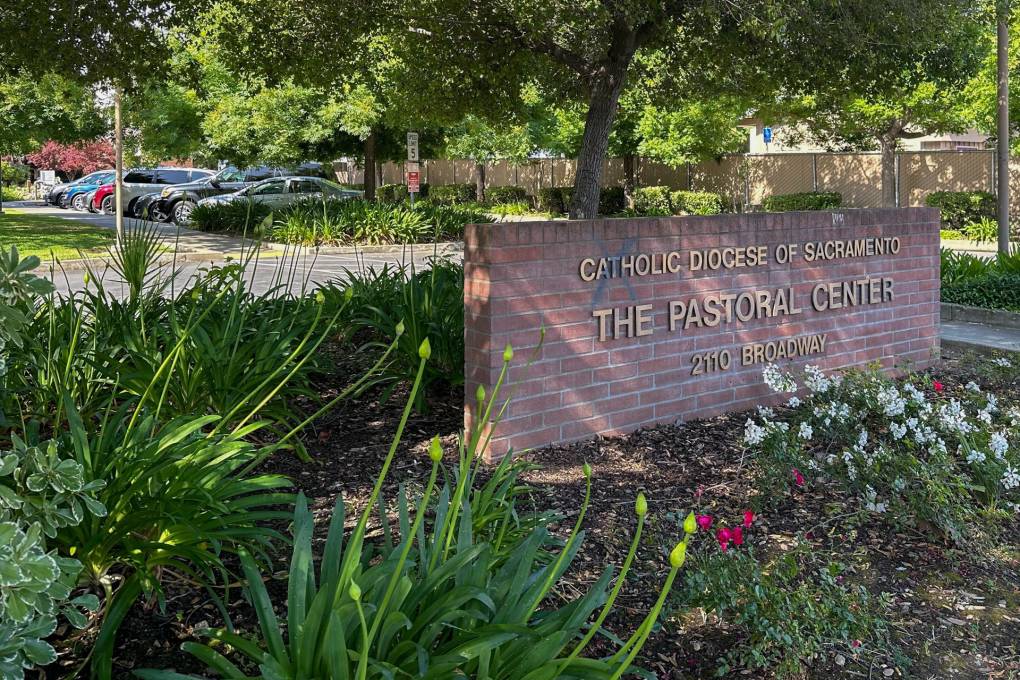
window.__IS_SSR__=true
window.__INITIAL_STATE__={
"attachmentsReducer": {
"audio_0": {
"type": "attachments",
"id": "audio_0",
"imgSizes": {
"kqedFullSize": {
"file": "https://ww2.kqed.org/news/wp-content/themes/KQED-unified/img/audio_bgs/background0.jpg"
}
}
},
"audio_1": {
"type": "attachments",
"id": "audio_1",
"imgSizes": {
"kqedFullSize": {
"file": "https://ww2.kqed.org/news/wp-content/themes/KQED-unified/img/audio_bgs/background1.jpg"
}
}
},
"audio_2": {
"type": "attachments",
"id": "audio_2",
"imgSizes": {
"kqedFullSize": {
"file": "https://ww2.kqed.org/news/wp-content/themes/KQED-unified/img/audio_bgs/background2.jpg"
}
}
},
"audio_3": {
"type": "attachments",
"id": "audio_3",
"imgSizes": {
"kqedFullSize": {
"file": "https://ww2.kqed.org/news/wp-content/themes/KQED-unified/img/audio_bgs/background3.jpg"
}
}
},
"audio_4": {
"type": "attachments",
"id": "audio_4",
"imgSizes": {
"kqedFullSize": {
"file": "https://ww2.kqed.org/news/wp-content/themes/KQED-unified/img/audio_bgs/background4.jpg"
}
}
},
"placeholder": {
"type": "attachments",
"id": "placeholder",
"imgSizes": {
"thumbnail": {
"file": "https://cdn.kqed.org/wp-content/uploads/2024/12/KQED-Default-Image-816638274-2000x1333-1-160x107.jpg",
"width": 160,
"height": 107,
"mimeType": "image/jpeg"
},
"medium": {
"file": "https://cdn.kqed.org/wp-content/uploads/2024/12/KQED-Default-Image-816638274-2000x1333-1-800x533.jpg",
"width": 800,
"height": 533,
"mimeType": "image/jpeg"
},
"medium_large": {
"file": "https://cdn.kqed.org/wp-content/uploads/2024/12/KQED-Default-Image-816638274-2000x1333-1-768x512.jpg",
"width": 768,
"height": 512,
"mimeType": "image/jpeg"
},
"large": {
"file": "https://cdn.kqed.org/wp-content/uploads/2024/12/KQED-Default-Image-816638274-2000x1333-1-1020x680.jpg",
"width": 1020,
"height": 680,
"mimeType": "image/jpeg"
},
"1536x1536": {
"file": "https://cdn.kqed.org/wp-content/uploads/2024/12/KQED-Default-Image-816638274-2000x1333-1-1536x1024.jpg",
"width": 1536,
"height": 1024,
"mimeType": "image/jpeg"
},
"fd-lrg": {
"file": "https://cdn.kqed.org/wp-content/uploads/2024/12/KQED-Default-Image-816638274-2000x1333-1-1536x1024.jpg",
"width": 1536,
"height": 1024,
"mimeType": "image/jpeg"
},
"fd-med": {
"file": "https://cdn.kqed.org/wp-content/uploads/2024/12/KQED-Default-Image-816638274-2000x1333-1-1020x680.jpg",
"width": 1020,
"height": 680,
"mimeType": "image/jpeg"
},
"fd-sm": {
"file": "https://cdn.kqed.org/wp-content/uploads/2024/12/KQED-Default-Image-816638274-2000x1333-1-800x533.jpg",
"width": 800,
"height": 533,
"mimeType": "image/jpeg"
},
"post-thumbnail": {
"file": "https://cdn.kqed.org/wp-content/uploads/2024/12/KQED-Default-Image-816638274-2000x1333-1-672x372.jpg",
"width": 672,
"height": 372,
"mimeType": "image/jpeg"
},
"twentyfourteen-full-width": {
"file": "https://cdn.kqed.org/wp-content/uploads/2024/12/KQED-Default-Image-816638274-2000x1333-1-1038x576.jpg",
"width": 1038,
"height": 576,
"mimeType": "image/jpeg"
},
"xxsmall": {
"file": "https://cdn.kqed.org/wp-content/uploads/2024/12/KQED-Default-Image-816638274-2000x1333-1-160x107.jpg",
"width": 160,
"height": 107,
"mimeType": "image/jpeg"
},
"xsmall": {
"file": "https://cdn.kqed.org/wp-content/uploads/2024/12/KQED-Default-Image-816638274-2000x1333-1-672x372.jpg",
"width": 672,
"height": 372,
"mimeType": "image/jpeg"
},
"small": {
"file": "https://cdn.kqed.org/wp-content/uploads/2024/12/KQED-Default-Image-816638274-2000x1333-1-672x372.jpg",
"width": 672,
"height": 372,
"mimeType": "image/jpeg"
},
"xlarge": {
"file": "https://cdn.kqed.org/wp-content/uploads/2024/12/KQED-Default-Image-816638274-2000x1333-1-1020x680.jpg",
"width": 1020,
"height": 680,
"mimeType": "image/jpeg"
},
"full-width": {
"file": "https://cdn.kqed.org/wp-content/uploads/2024/12/KQED-Default-Image-816638274-2000x1333-1-1920x1280.jpg",
"width": 1920,
"height": 1280,
"mimeType": "image/jpeg"
},
"guest-author-32": {
"file": "https://cdn.kqed.org/wp-content/uploads/2025/01/KQED-Default-Image-816638274-1333x1333-1-160x160.jpg",
"width": 32,
"height": 32,
"mimeType": "image/jpeg"
},
"guest-author-50": {
"file": "https://cdn.kqed.org/wp-content/uploads/2025/01/KQED-Default-Image-816638274-1333x1333-1-160x160.jpg",
"width": 50,
"height": 50,
"mimeType": "image/jpeg"
},
"guest-author-64": {
"file": "https://cdn.kqed.org/wp-content/uploads/2025/01/KQED-Default-Image-816638274-1333x1333-1-160x160.jpg",
"width": 64,
"height": 64,
"mimeType": "image/jpeg"
},
"guest-author-96": {
"file": "https://cdn.kqed.org/wp-content/uploads/2025/01/KQED-Default-Image-816638274-1333x1333-1-160x160.jpg",
"width": 96,
"height": 96,
"mimeType": "image/jpeg"
},
"guest-author-128": {
"file": "https://cdn.kqed.org/wp-content/uploads/2025/01/KQED-Default-Image-816638274-1333x1333-1-160x160.jpg",
"width": 128,
"height": 128,
"mimeType": "image/jpeg"
},
"detail": {
"file": "https://cdn.kqed.org/wp-content/uploads/2025/01/KQED-Default-Image-816638274-1333x1333-1-160x160.jpg",
"width": 160,
"height": 160,
"mimeType": "image/jpeg"
},
"kqedFullSize": {
"file": "https://cdn.kqed.org/wp-content/uploads/2024/12/KQED-Default-Image-816638274-2000x1333-1.jpg",
"width": 2000,
"height": 1333
}
}
},
"news_12002788": {
"type": "attachments",
"id": "news_12002788",
"meta": {
"index": "attachments_1716263798",
"site": "news",
"id": "12002788",
"found": true
},
"title": "082924_StateCapitolSession_FM_CM-30",
"publishDate": 1725381663,
"status": "inherit",
"parent": 12002780,
"modified": 1725381845,
"caption": "The state Assembly during a floor session at the state Capitol in Sacramento on Aug. 29, 2024.",
"credit": "Florence Middleton/CalMatters",
"altTag": "Several people seated in an assembly room with chairs, desks, small flags and microphones.",
"description": null,
"imgSizes": {
"medium": {
"file": "https://cdn.kqed.org/wp-content/uploads/sites/10/2024/09/082924_StateCapitolSession_FM_CM-30-800x534.jpg",
"width": 800,
"height": 534,
"mimeType": "image/jpeg"
},
"large": {
"file": "https://cdn.kqed.org/wp-content/uploads/sites/10/2024/09/082924_StateCapitolSession_FM_CM-30-1020x680.jpg",
"width": 1020,
"height": 680,
"mimeType": "image/jpeg"
},
"thumbnail": {
"file": "https://cdn.kqed.org/wp-content/uploads/sites/10/2024/09/082924_StateCapitolSession_FM_CM-30-160x107.jpg",
"width": 160,
"height": 107,
"mimeType": "image/jpeg"
},
"1536x1536": {
"file": "https://cdn.kqed.org/wp-content/uploads/sites/10/2024/09/082924_StateCapitolSession_FM_CM-30-1536x1025.jpg",
"width": 1536,
"height": 1025,
"mimeType": "image/jpeg"
},
"post-thumbnail": {
"file": "https://cdn.kqed.org/wp-content/uploads/sites/10/2024/09/082924_StateCapitolSession_FM_CM-30-672x372.jpg",
"width": 672,
"height": 372,
"mimeType": "image/jpeg"
},
"twentyfourteen-full-width": {
"file": "https://cdn.kqed.org/wp-content/uploads/sites/10/2024/09/082924_StateCapitolSession_FM_CM-30-1038x576.jpg",
"width": 1038,
"height": 576,
"mimeType": "image/jpeg"
},
"full-width": {
"file": "https://cdn.kqed.org/wp-content/uploads/sites/10/2024/09/082924_StateCapitolSession_FM_CM-30-1920x1281.jpg",
"width": 1920,
"height": 1281,
"mimeType": "image/jpeg"
},
"kqedFullSize": {
"file": "https://cdn.kqed.org/wp-content/uploads/sites/10/2024/09/082924_StateCapitolSession_FM_CM-30.jpg",
"width": 2000,
"height": 1334
}
},
"isLoading": false,
"fetchFailed": false
},
"news_12001397": {
"type": "attachments",
"id": "news_12001397",
"meta": {
"index": "attachments_1716263798",
"site": "news",
"id": "12001397",
"found": true
},
"title": "A California Highway Patrol sign in Dublin on April 8, 2024.",
"publishDate": 1724350114,
"status": "inherit",
"parent": 12001384,
"modified": 1724350152,
"caption": "A California Highway Patrol sign in Dublin on April 8, 2024.",
"credit": "Beth LaBerge/KQED",
"altTag": null,
"description": null,
"imgSizes": {
"medium": {
"file": "https://cdn.kqed.org/wp-content/uploads/sites/10/2024/08/240408-FCIDublin-026-BL_qed-800x533.jpg",
"width": 800,
"height": 533,
"mimeType": "image/jpeg"
},
"large": {
"file": "https://cdn.kqed.org/wp-content/uploads/sites/10/2024/08/240408-FCIDublin-026-BL_qed-1020x680.jpg",
"width": 1020,
"height": 680,
"mimeType": "image/jpeg"
},
"thumbnail": {
"file": "https://cdn.kqed.org/wp-content/uploads/sites/10/2024/08/240408-FCIDublin-026-BL_qed-160x107.jpg",
"width": 160,
"height": 107,
"mimeType": "image/jpeg"
},
"1536x1536": {
"file": "https://cdn.kqed.org/wp-content/uploads/sites/10/2024/08/240408-FCIDublin-026-BL_qed-1536x1024.jpg",
"width": 1536,
"height": 1024,
"mimeType": "image/jpeg"
},
"post-thumbnail": {
"file": "https://cdn.kqed.org/wp-content/uploads/sites/10/2024/08/240408-FCIDublin-026-BL_qed-672x372.jpg",
"width": 672,
"height": 372,
"mimeType": "image/jpeg"
},
"twentyfourteen-full-width": {
"file": "https://cdn.kqed.org/wp-content/uploads/sites/10/2024/08/240408-FCIDublin-026-BL_qed-1038x576.jpg",
"width": 1038,
"height": 576,
"mimeType": "image/jpeg"
},
"full-width": {
"file": "https://cdn.kqed.org/wp-content/uploads/sites/10/2024/08/240408-FCIDublin-026-BL_qed-1920x1280.jpg",
"width": 1920,
"height": 1280,
"mimeType": "image/jpeg"
},
"kqedFullSize": {
"file": "https://cdn.kqed.org/wp-content/uploads/sites/10/2024/08/240408-FCIDublin-026-BL_qed.jpg",
"width": 2000,
"height": 1333
}
},
"isLoading": false,
"fetchFailed": false
},
"news_11981374": {
"type": "attachments",
"id": "news_11981374",
"meta": {
"index": "attachments_1716263798",
"site": "news",
"id": "11981374",
"found": true
},
"parent": 11981358,
"imgSizes": {
"twentyfourteen-full-width": {
"file": "https://cdn.kqed.org/wp-content/uploads/sites/10/2024/03/036_Berkeley_PeoplesPark_02192021_qut-1038x576.jpg",
"width": 1038,
"mimeType": "image/jpeg",
"height": 576
},
"thumbnail": {
"file": "https://cdn.kqed.org/wp-content/uploads/sites/10/2024/03/036_Berkeley_PeoplesPark_02192021_qut-160x107.jpg",
"width": 160,
"mimeType": "image/jpeg",
"height": 107
},
"post-thumbnail": {
"file": "https://cdn.kqed.org/wp-content/uploads/sites/10/2024/03/036_Berkeley_PeoplesPark_02192021_qut-672x372.jpg",
"width": 672,
"mimeType": "image/jpeg",
"height": 372
},
"kqedFullSize": {
"file": "https://cdn.kqed.org/wp-content/uploads/sites/10/2024/03/036_Berkeley_PeoplesPark_02192021_qut.jpg",
"width": 1920,
"height": 1280
},
"large": {
"file": "https://cdn.kqed.org/wp-content/uploads/sites/10/2024/03/036_Berkeley_PeoplesPark_02192021_qut-1020x680.jpg",
"width": 1020,
"mimeType": "image/jpeg",
"height": 680
},
"1536x1536": {
"file": "https://cdn.kqed.org/wp-content/uploads/sites/10/2024/03/036_Berkeley_PeoplesPark_02192021_qut-1536x1024.jpg",
"width": 1536,
"mimeType": "image/jpeg",
"height": 1024
},
"medium": {
"file": "https://cdn.kqed.org/wp-content/uploads/sites/10/2024/03/036_Berkeley_PeoplesPark_02192021_qut-800x533.jpg",
"width": 800,
"mimeType": "image/jpeg",
"height": 533
}
},
"publishDate": 1711757778,
"modified": 1711759263,
"caption": "A sign says, 'Save Peoples Park, No More Buildings' at People's Park in Berkeley in 2021.",
"description": null,
"title": "036_Berkeley_PeoplesPark_02192021_qut",
"credit": "Beth LaBerge/KQED",
"status": "inherit",
"altTag": "A sign that says 'Save people's park' is hung between trees, next to a tent, in a park.",
"isLoading": false,
"fetchFailed": false
},
"news_11988198": {
"type": "attachments",
"id": "news_11988198",
"meta": {
"index": "attachments_1716263798",
"site": "news",
"id": "11988198",
"found": true
},
"title": "tiny homes",
"publishDate": 1717075952,
"status": "inherit",
"parent": 11988197,
"modified": 1717076435,
"caption": "A view of a future state-funded tiny home site on Stockton Blvd. in Sacramento , CA on May 20, 2024.",
"credit": "Kate Wolffe/CapRadio",
"altTag": "tiny homes Sacramento",
"description": null,
"imgSizes": {
"medium": {
"file": "https://cdn.kqed.org/wp-content/uploads/sites/10/2024/05/tiny-homes-800x600.jpg",
"width": 800,
"height": 600,
"mimeType": "image/jpeg"
},
"large": {
"file": "https://cdn.kqed.org/wp-content/uploads/sites/10/2024/05/tiny-homes-1020x765.jpg",
"width": 1020,
"height": 765,
"mimeType": "image/jpeg"
},
"thumbnail": {
"file": "https://cdn.kqed.org/wp-content/uploads/sites/10/2024/05/tiny-homes-160x120.jpg",
"width": 160,
"height": 120,
"mimeType": "image/jpeg"
},
"post-thumbnail": {
"file": "https://cdn.kqed.org/wp-content/uploads/sites/10/2024/05/tiny-homes-672x372.jpg",
"width": 672,
"height": 372,
"mimeType": "image/jpeg"
},
"twentyfourteen-full-width": {
"file": "https://cdn.kqed.org/wp-content/uploads/sites/10/2024/05/tiny-homes-1038x576.jpg",
"width": 1038,
"height": 576,
"mimeType": "image/jpeg"
},
"kqedFullSize": {
"file": "https://cdn.kqed.org/wp-content/uploads/sites/10/2024/05/tiny-homes.jpg",
"width": 1200,
"height": 900
}
},
"isLoading": false,
"fetchFailed": false
},
"news_11986713": {
"type": "attachments",
"id": "news_11986713",
"meta": {
"index": "attachments_1716263798",
"site": "news",
"id": "11986713",
"found": true
},
"parent": 11986702,
"imgSizes": {
"twentyfourteen-full-width": {
"file": "https://cdn.kqed.org/wp-content/uploads/sites/10/2024/05/pelicans-monterey-county-1038x576.jpg",
"width": 1038,
"mimeType": "image/jpeg",
"height": 576
},
"thumbnail": {
"file": "https://cdn.kqed.org/wp-content/uploads/sites/10/2024/05/pelicans-monterey-county-160x120.jpg",
"width": 160,
"mimeType": "image/jpeg",
"height": 120
},
"post-thumbnail": {
"file": "https://cdn.kqed.org/wp-content/uploads/sites/10/2024/05/pelicans-monterey-county-672x372.jpg",
"width": 672,
"mimeType": "image/jpeg",
"height": 372
},
"kqedFullSize": {
"file": "https://cdn.kqed.org/wp-content/uploads/sites/10/2024/05/pelicans-monterey-county.jpg",
"width": 1599,
"height": 1204
},
"large": {
"file": "https://cdn.kqed.org/wp-content/uploads/sites/10/2024/05/pelicans-monterey-county-1020x768.jpg",
"width": 1020,
"mimeType": "image/jpeg",
"height": 768
},
"1536x1536": {
"file": "https://cdn.kqed.org/wp-content/uploads/sites/10/2024/05/pelicans-monterey-county-1536x1157.jpg",
"width": 1536,
"mimeType": "image/jpeg",
"height": 1157
},
"medium": {
"file": "https://cdn.kqed.org/wp-content/uploads/sites/10/2024/05/pelicans-monterey-county-800x602.jpg",
"width": 800,
"mimeType": "image/jpeg",
"height": 602
}
},
"publishDate": 1715968073,
"modified": 1715968349,
"caption": "Workers at SPCA Monterey County provide exams for brown pelicans that they have rescued.",
"description": null,
"title": "pelicans monterey county",
"credit": "Photo courtesy of SPCA Monterey County",
"status": "inherit",
"altTag": "brown pelicans in monterey county",
"isLoading": false,
"fetchFailed": false
},
"news_11952917": {
"type": "attachments",
"id": "news_11952917",
"meta": {
"index": "attachments_1716263798",
"site": "news",
"id": "11952917",
"found": true
},
"parent": 11952845,
"imgSizes": {
"twentyfourteen-full-width": {
"file": "https://ww2.kqed.org/app/uploads/sites/10/2023/06/20230614-AS-REVERSE-BOYCOTT-04-AC-KQED-1038x576.jpg",
"width": 1038,
"mimeType": "image/jpeg",
"height": 576
},
"thumbnail": {
"file": "https://ww2.kqed.org/app/uploads/sites/10/2023/06/20230614-AS-REVERSE-BOYCOTT-04-AC-KQED-160x107.jpg",
"width": 160,
"mimeType": "image/jpeg",
"height": 107
},
"post-thumbnail": {
"file": "https://ww2.kqed.org/app/uploads/sites/10/2023/06/20230614-AS-REVERSE-BOYCOTT-04-AC-KQED-672x372.jpg",
"width": 672,
"mimeType": "image/jpeg",
"height": 372
},
"kqedFullSize": {
"file": "https://ww2.kqed.org/app/uploads/sites/10/2023/06/20230614-AS-REVERSE-BOYCOTT-04-AC-KQED.jpg",
"width": 2000,
"height": 1333
},
"large": {
"file": "https://ww2.kqed.org/app/uploads/sites/10/2023/06/20230614-AS-REVERSE-BOYCOTT-04-AC-KQED-1020x680.jpg",
"width": 1020,
"mimeType": "image/jpeg",
"height": 680
},
"1536x1536": {
"file": "https://ww2.kqed.org/app/uploads/sites/10/2023/06/20230614-AS-REVERSE-BOYCOTT-04-AC-KQED-1536x1024.jpg",
"width": 1536,
"mimeType": "image/jpeg",
"height": 1024
},
"full-width": {
"file": "https://ww2.kqed.org/app/uploads/sites/10/2023/06/20230614-AS-REVERSE-BOYCOTT-04-AC-KQED-1920x1280.jpg",
"width": 1920,
"mimeType": "image/jpeg",
"height": 1280
},
"medium": {
"file": "https://ww2.kqed.org/app/uploads/sites/10/2023/06/20230614-AS-REVERSE-BOYCOTT-04-AC-KQED-800x533.jpg",
"width": 800,
"mimeType": "image/jpeg",
"height": 533
}
},
"publishDate": 1686762748,
"modified": 1686779592,
"caption": "Fans of the Oakland A's gather during a reverse boycott at the Oakland Coliseum to protest the ownership of the baseball team on June 13, 2023.",
"description": null,
"title": "20230614-AS-REVERSE-BOYCOTT-04-AC-KQED",
"credit": "Aryk Copley/KQED",
"status": "inherit",
"altTag": "A crowd of people wearing Oakland A's clothing stand together in a parking lot. The person in the middle wears a plastic fish mask and holds a sign reading \"A's Fish(er) rots from the head down!\"",
"isLoading": false,
"fetchFailed": false
},
"news_11954906": {
"type": "attachments",
"id": "news_11954906",
"meta": {
"index": "attachments_1716263798",
"site": "news",
"id": "11954906",
"found": true
},
"parent": 11970332,
"imgSizes": {
"twentyfourteen-full-width": {
"file": "https://cdn.kqed.org/wp-content/uploads/sites/10/2023/07/230701-FRESNO-UNHOUSED-HEAT-MHN-01-KQED-1038x576.jpg",
"width": 1038,
"mimeType": "image/jpeg",
"height": 576
},
"thumbnail": {
"file": "https://cdn.kqed.org/wp-content/uploads/sites/10/2023/07/230701-FRESNO-UNHOUSED-HEAT-MHN-01-KQED-160x107.jpg",
"width": 160,
"mimeType": "image/jpeg",
"height": 107
},
"post-thumbnail": {
"file": "https://cdn.kqed.org/wp-content/uploads/sites/10/2023/07/230701-FRESNO-UNHOUSED-HEAT-MHN-01-KQED-672x372.jpg",
"width": 672,
"mimeType": "image/jpeg",
"height": 372
},
"kqedFullSize": {
"file": "https://cdn.kqed.org/wp-content/uploads/sites/10/2023/07/230701-FRESNO-UNHOUSED-HEAT-MHN-01-KQED.jpg",
"width": 2000,
"height": 1333
},
"large": {
"file": "https://cdn.kqed.org/wp-content/uploads/sites/10/2023/07/230701-FRESNO-UNHOUSED-HEAT-MHN-01-KQED-1020x680.jpg",
"width": 1020,
"mimeType": "image/jpeg",
"height": 680
},
"1536x1536": {
"file": "https://cdn.kqed.org/wp-content/uploads/sites/10/2023/07/230701-FRESNO-UNHOUSED-HEAT-MHN-01-KQED-1536x1024.jpg",
"width": 1536,
"mimeType": "image/jpeg",
"height": 1024
},
"full-width": {
"file": "https://cdn.kqed.org/wp-content/uploads/sites/10/2023/07/230701-FRESNO-UNHOUSED-HEAT-MHN-01-KQED-1920x1280.jpg",
"width": 1920,
"mimeType": "image/jpeg",
"height": 1280
},
"medium": {
"file": "https://cdn.kqed.org/wp-content/uploads/sites/10/2023/07/230701-FRESNO-UNHOUSED-HEAT-MHN-01-KQED-800x533.jpg",
"width": 800,
"mimeType": "image/jpeg",
"height": 533
}
},
"publishDate": 1688399236,
"modified": 1702936552,
"caption": "A man pushes a cart near downtown Fresno on a 108-degree day. Officials estimate about 1,700 people are currently living on Fresno’s streets. ",
"description": null,
"title": "The Tower District in Fresno on July 1, 2023.",
"credit": "Martin do Nascimento/KQED",
"status": "inherit",
"altTag": "A man in a baseball cap pulls a shopping cart up a sidewalk.",
"isLoading": false,
"fetchFailed": false
},
"news_11964113": {
"type": "attachments",
"id": "news_11964113",
"meta": {
"index": "attachments_1716263798",
"site": "news",
"id": "11964113",
"found": true
},
"parent": 11964105,
"imgSizes": {
"twentyfourteen-full-width": {
"file": "https://ww2.kqed.org/app/uploads/sites/10/2023/10/100123_Aura-Silva-Vergara_AM_CM_01-1038x576.jpg",
"width": 1038,
"mimeType": "image/jpeg",
"height": 576
},
"thumbnail": {
"file": "https://ww2.kqed.org/app/uploads/sites/10/2023/10/100123_Aura-Silva-Vergara_AM_CM_01-160x107.jpg",
"width": 160,
"mimeType": "image/jpeg",
"height": 107
},
"post-thumbnail": {
"file": "https://ww2.kqed.org/app/uploads/sites/10/2023/10/100123_Aura-Silva-Vergara_AM_CM_01-672x372.jpg",
"width": 672,
"mimeType": "image/jpeg",
"height": 372
},
"kqedFullSize": {
"file": "https://ww2.kqed.org/app/uploads/sites/10/2023/10/100123_Aura-Silva-Vergara_AM_CM_01.jpg",
"width": 2000,
"height": 1333
},
"large": {
"file": "https://ww2.kqed.org/app/uploads/sites/10/2023/10/100123_Aura-Silva-Vergara_AM_CM_01-1020x680.jpg",
"width": 1020,
"mimeType": "image/jpeg",
"height": 680
},
"1536x1536": {
"file": "https://ww2.kqed.org/app/uploads/sites/10/2023/10/100123_Aura-Silva-Vergara_AM_CM_01-1536x1024.jpg",
"width": 1536,
"mimeType": "image/jpeg",
"height": 1024
},
"full-width": {
"file": "https://ww2.kqed.org/app/uploads/sites/10/2023/10/100123_Aura-Silva-Vergara_AM_CM_01-1920x1280.jpg",
"width": 1920,
"mimeType": "image/jpeg",
"height": 1280
},
"medium": {
"file": "https://ww2.kqed.org/app/uploads/sites/10/2023/10/100123_Aura-Silva-Vergara_AM_CM_01-800x533.jpg",
"width": 800,
"mimeType": "image/jpeg",
"height": 533
}
},
"publishDate": 1697052473,
"modified": 1697062586,
"caption": "Aura Silva Vergara stands for a portrait at the home where she stays in Memphis, Tenn. Silva Vergara is an asylum seeker from Colombia who entered the country via the southern border and was sent to California first before arriving in Tennessee.",
"description": null,
"title": "100123_Aura-Silva-Vergara_AM_CM_01",
"credit": "Andrea Morales/CalMatters",
"status": "inherit",
"altTag": "A woman with a black floral-printed dress stands outside.",
"isLoading": false,
"fetchFailed": false
},
"news_11962623": {
"type": "attachments",
"id": "news_11962623",
"meta": {
"index": "attachments_1716263798",
"site": "news",
"id": "11962623",
"found": true
},
"parent": 0,
"imgSizes": {
"twentyfourteen-full-width": {
"file": "https://ww2.kqed.org/app/uploads/sites/10/2023/09/230927-CHINO-TRANSGENDER-SCHOOL-BOARD-Getty-DM-KQED-1038x576.jpg",
"width": 1038,
"mimeType": "image/jpeg",
"height": 576
},
"thumbnail": {
"file": "https://ww2.kqed.org/app/uploads/sites/10/2023/09/230927-CHINO-TRANSGENDER-SCHOOL-BOARD-Getty-DM-KQED-160x107.jpg",
"width": 160,
"mimeType": "image/jpeg",
"height": 107
},
"post-thumbnail": {
"file": "https://ww2.kqed.org/app/uploads/sites/10/2023/09/230927-CHINO-TRANSGENDER-SCHOOL-BOARD-Getty-DM-KQED-672x372.jpg",
"width": 672,
"mimeType": "image/jpeg",
"height": 372
},
"kqedFullSize": {
"file": "https://ww2.kqed.org/app/uploads/sites/10/2023/09/230927-CHINO-TRANSGENDER-SCHOOL-BOARD-Getty-DM-KQED.jpg",
"width": 2000,
"height": 1334
},
"large": {
"file": "https://ww2.kqed.org/app/uploads/sites/10/2023/09/230927-CHINO-TRANSGENDER-SCHOOL-BOARD-Getty-DM-KQED-1020x680.jpg",
"width": 1020,
"mimeType": "image/jpeg",
"height": 680
},
"1536x1536": {
"file": "https://ww2.kqed.org/app/uploads/sites/10/2023/09/230927-CHINO-TRANSGENDER-SCHOOL-BOARD-Getty-DM-KQED-1536x1025.jpg",
"width": 1536,
"mimeType": "image/jpeg",
"height": 1025
},
"full-width": {
"file": "https://ww2.kqed.org/app/uploads/sites/10/2023/09/230927-CHINO-TRANSGENDER-SCHOOL-BOARD-Getty-DM-KQED-1920x1281.jpg",
"width": 1920,
"mimeType": "image/jpeg",
"height": 1281
},
"medium": {
"file": "https://ww2.kqed.org/app/uploads/sites/10/2023/09/230927-CHINO-TRANSGENDER-SCHOOL-BOARD-Getty-DM-KQED-800x534.jpg",
"width": 800,
"mimeType": "image/jpeg",
"height": 534
}
},
"publishDate": 1695850696,
"modified": 1695853730,
"caption": "A person holds a sign in opposition to a policy that the Chino Valley school board is meeting to vote on which would require school staff to 'out' students to their parents if they ask to be identified by a gender that is not listed on their birth certificate, in Chino, San Bernardino County, on July 20, 2023.",
"description": null,
"title": "Chino Valley School Board Votes On Student Transgender Policy",
"credit": "David McNew/Getty Images",
"status": "inherit",
"altTag": "A person holds a sign above their head that reads \"protect all kids\" in a crowded indoor space.",
"isLoading": false,
"fetchFailed": false
},
"news_11961810": {
"type": "attachments",
"id": "news_11961810",
"meta": {
"index": "attachments_1716263798",
"site": "news",
"id": "11961810",
"found": true
},
"parent": 0,
"imgSizes": {
"twentyfourteen-full-width": {
"file": "https://ww2.kqed.org/app/uploads/sites/10/2023/09/IMG_1902-1038x576.jpg",
"width": 1038,
"mimeType": "image/jpeg",
"height": 576
},
"thumbnail": {
"file": "https://ww2.kqed.org/app/uploads/sites/10/2023/09/IMG_1902-160x120.jpg",
"width": 160,
"mimeType": "image/jpeg",
"height": 120
},
"post-thumbnail": {
"file": "https://ww2.kqed.org/app/uploads/sites/10/2023/09/IMG_1902-672x372.jpg",
"width": 672,
"mimeType": "image/jpeg",
"height": 372
},
"kqedFullSize": {
"file": "https://ww2.kqed.org/app/uploads/sites/10/2023/09/IMG_1902.jpg",
"width": 2272,
"height": 1704
},
"2048x2048": {
"file": "https://ww2.kqed.org/app/uploads/sites/10/2023/09/IMG_1902-2048x1536.jpg",
"width": 2048,
"mimeType": "image/jpeg",
"height": 1536
},
"large": {
"file": "https://ww2.kqed.org/app/uploads/sites/10/2023/09/IMG_1902-1020x765.jpg",
"width": 1020,
"mimeType": "image/jpeg",
"height": 765
},
"1536x1536": {
"file": "https://ww2.kqed.org/app/uploads/sites/10/2023/09/IMG_1902-1536x1152.jpg",
"width": 1536,
"mimeType": "image/jpeg",
"height": 1152
},
"full-width": {
"file": "https://ww2.kqed.org/app/uploads/sites/10/2023/09/IMG_1902-1920x1440.jpg",
"width": 1920,
"mimeType": "image/jpeg",
"height": 1440
},
"medium": {
"file": "https://ww2.kqed.org/app/uploads/sites/10/2023/09/IMG_1902-800x600.jpg",
"width": 800,
"mimeType": "image/jpeg",
"height": 600
}
},
"publishDate": 1695164183,
"modified": 1695167754,
"caption": "Sacramento’s top prosecutor is suing the city’s leaders over failure to cleanup homeless encampments, escalating a monthslong dispute with leaders in the state capital.",
"description": null,
"title": "IMG_1902",
"credit": "Craig Miller/KQED",
"status": "inherit",
"altTag": "A tall, white, capital building is seen with an American flag raised on a pole.",
"isLoading": false,
"fetchFailed": false
},
"news_11953900": {
"type": "attachments",
"id": "news_11953900",
"meta": {
"index": "attachments_1716263798",
"site": "news",
"id": "11953900",
"found": true
},
"parent": 0,
"imgSizes": {
"twentyfourteen-full-width": {
"file": "https://ww2.kqed.org/app/uploads/sites/10/2023/06/ChildBridesCM01-1038x576.jpg",
"width": 1038,
"mimeType": "image/jpeg",
"height": 576
},
"thumbnail": {
"file": "https://ww2.kqed.org/app/uploads/sites/10/2023/06/ChildBridesCM01-160x107.jpg",
"width": 160,
"mimeType": "image/jpeg",
"height": 107
},
"post-thumbnail": {
"file": "https://ww2.kqed.org/app/uploads/sites/10/2023/06/ChildBridesCM01-672x372.jpg",
"width": 672,
"mimeType": "image/jpeg",
"height": 372
},
"kqedFullSize": {
"file": "https://ww2.kqed.org/app/uploads/sites/10/2023/06/ChildBridesCM01.jpg",
"width": 1920,
"height": 1279
},
"large": {
"file": "https://ww2.kqed.org/app/uploads/sites/10/2023/06/ChildBridesCM01-1020x679.jpg",
"width": 1020,
"mimeType": "image/jpeg",
"height": 679
},
"1536x1536": {
"file": "https://ww2.kqed.org/app/uploads/sites/10/2023/06/ChildBridesCM01-1536x1023.jpg",
"width": 1536,
"mimeType": "image/jpeg",
"height": 1023
},
"medium": {
"file": "https://ww2.kqed.org/app/uploads/sites/10/2023/06/ChildBridesCM01-800x533.jpg",
"width": 800,
"mimeType": "image/jpeg",
"height": 533
}
},
"publishDate": 1687548447,
"modified": 1687548697,
"caption": "Forced and child marriage survivors arrive at a protest, organized to support a ban on child marriage, at the state Capitol in Sacramento on June 22, 2023.",
"description": null,
"title": "ChildBridesCM01",
"credit": "Rahul Lal/CalMatters",
"status": "inherit",
"altTag": "Protestors in white wedding gowns and lacey veils walk toward California's Capitol Building. Some have black tape over their mouths in an X shape. Each individual also wears a red stop sign on their chest that reads, \"Stop Child Marriage in CA.\"",
"isLoading": false,
"fetchFailed": false
},
"news_11952234": {
"type": "attachments",
"id": "news_11952234",
"meta": {
"index": "attachments_1716263798",
"site": "news",
"id": "11952234",
"found": true
},
"parent": 0,
"imgSizes": {
"twentyfourteen-full-width": {
"file": "https://ww2.kqed.org/app/uploads/sites/10/2023/06/060523-SACRAMENTO-DIOCESE-MIGRANTS-AP-TN-KQED-1038x576.jpg",
"width": 1038,
"mimeType": "image/jpeg",
"height": 576
},
"thumbnail": {
"file": "https://ww2.kqed.org/app/uploads/sites/10/2023/06/060523-SACRAMENTO-DIOCESE-MIGRANTS-AP-TN-KQED-160x107.jpg",
"width": 160,
"mimeType": "image/jpeg",
"height": 107
},
"post-thumbnail": {
"file": "https://ww2.kqed.org/app/uploads/sites/10/2023/06/060523-SACRAMENTO-DIOCESE-MIGRANTS-AP-TN-KQED-672x372.jpg",
"width": 672,
"mimeType": "image/jpeg",
"height": 372
},
"kqedFullSize": {
"file": "https://ww2.kqed.org/app/uploads/sites/10/2023/06/060523-SACRAMENTO-DIOCESE-MIGRANTS-AP-TN-KQED.jpg",
"width": 1920,
"height": 1280
},
"large": {
"file": "https://ww2.kqed.org/app/uploads/sites/10/2023/06/060523-SACRAMENTO-DIOCESE-MIGRANTS-AP-TN-KQED-1020x680.jpg",
"width": 1020,
"mimeType": "image/jpeg",
"height": 680
},
"1536x1536": {
"file": "https://ww2.kqed.org/app/uploads/sites/10/2023/06/060523-SACRAMENTO-DIOCESE-MIGRANTS-AP-TN-KQED-1536x1024.jpg",
"width": 1536,
"mimeType": "image/jpeg",
"height": 1024
},
"medium": {
"file": "https://ww2.kqed.org/app/uploads/sites/10/2023/06/060523-SACRAMENTO-DIOCESE-MIGRANTS-AP-TN-KQED-800x533.jpg",
"width": 800,
"mimeType": "image/jpeg",
"height": 533
}
},
"publishDate": 1686000094,
"modified": 1686010550,
"caption": "The Roman Catholic Diocese of Sacramento, in Sacramento on June 5, 2023. Migrants from Venezuela and Colombia were brought to the diocese's offices on Friday, June 2, 2023, after being flown from New Mexico, by way of Texas, to Sacramento.",
"description": null,
"title": "Immigration Migrant Flights",
"credit": "Tran Nguyen/AP Photo",
"status": "inherit",
"altTag": "A brick, rectangular sign with gold letters surrounded by brown bark, white and red flowers and green bushes reads, \"Catholic Diocese of Sacramento: The Pastoral Center 2110 Broadway.\" It's daytime and a parking lot full of vehicles is seen in the background.",
"isLoading": false,
"fetchFailed": false
}
},
"audioPlayerReducer": {
"postId": "stream_live",
"isPaused": true,
"isPlaying": false,
"pfsActive": false,
"pledgeModalIsOpen": true,
"playerDrawerIsOpen": false,
"liveAudioPlayStartedAt": 0,
"liveAudioPlayContext": ""
},
"authorsReducer": {
"byline_news_11964105": {
"type": "authors",
"id": "byline_news_11964105",
"meta": {
"override": true
},
"slug": "byline_news_11964105",
"name": "\u003ca href=\"https://calmatters.org/author/kervy-robles/\">Justo Robles\u003c/a> and \u003ca href=\"https://calmatters.org/author/alejandra-reyesvelarde/\">Alejandra Reyes-Velarde\u003c/a>",
"isLoading": false
},
"byline_news_11961802": {
"type": "authors",
"id": "byline_news_11961802",
"meta": {
"override": true
},
"slug": "byline_news_11961802",
"name": "\u003ca href=\"https://twitter.com/nguyenntrann\">Trân Nguyễn\u003c/a>\u003cbr>The Associated Press",
"isLoading": false
},
"byline_news_11953897": {
"type": "authors",
"id": "byline_news_11953897",
"meta": {
"override": true
},
"slug": "byline_news_11953897",
"name": "\u003ca href=\"https://calmatters.org/author/ryajetha/\">Rya Jetha\u003c/a>",
"isLoading": false
},
"byline_news_11952227": {
"type": "authors",
"id": "byline_news_11952227",
"meta": {
"override": true
},
"slug": "byline_news_11952227",
"name": "\u003ca href=\"https://apnews.com/\">Trân Nguyen and Olga R. Rodriguez\u003c/a>\u003cbr>The Associated Press",
"isLoading": false
},
"gmarzorati": {
"type": "authors",
"id": "227",
"meta": {
"index": "authors_1716337520",
"id": "227",
"found": true
},
"name": "Guy Marzorati",
"firstName": "Guy",
"lastName": "Marzorati",
"slug": "gmarzorati",
"email": "gmarzorati@KQED.org",
"display_author_email": true,
"staff_mastheads": [
"news"
],
"title": "Correspondent",
"bio": "Guy Marzorati is a correspondent on KQED's California Politics and Government Desk, based in San Jose. A graduate of Santa Clara University, Guy joined KQED in 2013. He reports on state and local politics and produces KQED's digital voter guide.",
"avatar": "https://secure.gravatar.com/avatar/e7038b8dbfd55b104369b76b1cd0b9de?s=600&d=blank&r=g",
"twitter": "guymarzorati",
"facebook": null,
"instagram": null,
"linkedin": null,
"sites": [
{
"site": "",
"roles": [
"editor"
]
},
{
"site": "news",
"roles": [
"editor"
]
},
{
"site": "science",
"roles": [
"editor"
]
},
{
"site": "forum",
"roles": [
"editor"
]
},
{
"site": "elections",
"roles": [
"editor"
]
},
{
"site": "liveblog",
"roles": [
"editor"
]
}
],
"headData": {
"title": "Guy Marzorati | KQED",
"description": "Correspondent",
"ogImgSrc": "https://secure.gravatar.com/avatar/e7038b8dbfd55b104369b76b1cd0b9de?s=600&d=blank&r=g",
"twImgSrc": "https://secure.gravatar.com/avatar/e7038b8dbfd55b104369b76b1cd0b9de?s=600&d=blank&r=g"
},
"isLoading": false,
"link": "/author/gmarzorati"
},
"ninathorsen": {
"type": "authors",
"id": "246",
"meta": {
"index": "authors_1716337520",
"id": "246",
"found": true
},
"name": "Nina Thorsen",
"firstName": "Nina",
"lastName": "Thorsen",
"slug": "ninathorsen",
"email": "nthorsen@kqed.org",
"display_author_email": false,
"staff_mastheads": [
"news"
],
"title": "Producer, Radio",
"bio": "\u003cspan style=\"color: #000000;\">Nina Thorsen is a KQED radio producer, and frequently reports on sports and culture. \u003c/span>\u003cspan style=\"color: #000000;\">She co-created and produced KQED's \u003cem>Pacific Time, \u003c/em> a weekly radio program on Asian and Asian American issues that aired from 2000 to 2007. Before coming to KQED, Thorsen was the deputy foreign editor for \u003cem>Marketplace, \u003c/em>and in her home state of Minnesota, worked for \u003cem>A Prairie Home Companion\u003c/em> and for Public Radio International. \u003c/span>",
"avatar": "https://secure.gravatar.com/avatar/e13dc7282cec33c15d973ebb56d57ead?s=600&d=blank&r=g",
"twitter": "NinaKQED",
"facebook": null,
"instagram": null,
"linkedin": null,
"sites": [
{
"site": "news",
"roles": [
"editor"
]
},
{
"site": "podcasts",
"roles": [
"editor"
]
}
],
"headData": {
"title": "Nina Thorsen | KQED",
"description": "Producer, Radio",
"ogImgSrc": "https://secure.gravatar.com/avatar/e13dc7282cec33c15d973ebb56d57ead?s=600&d=blank&r=g",
"twImgSrc": "https://secure.gravatar.com/avatar/e13dc7282cec33c15d973ebb56d57ead?s=600&d=blank&r=g"
},
"isLoading": false,
"link": "/author/ninathorsen"
},
"scottshafer": {
"type": "authors",
"id": "255",
"meta": {
"index": "authors_1716337520",
"id": "255",
"found": true
},
"name": "Scott Shafer",
"firstName": "Scott",
"lastName": "Shafer",
"slug": "scottshafer",
"email": "sshafer@kqed.org",
"display_author_email": false,
"staff_mastheads": [
"news"
],
"title": "KQED Contributor",
"bio": "Scott Shafer is a senior editor with the KQED Politics and Government desk. He is co-host of Political Breakdown, the award-winning radio show and podcast with a personal take on the world of politics. Scott came to KQED in 1998 to host the statewide\u003cem> California Report\u003c/em>. Prior to that he had extended stints in politics and government\u003cem>.\u003c/em> He uses that inside experience at KQED in his, reporting, hosting and analysis for the politics desk. Scott collaborated \u003cem>Political Breakdown a\u003c/em>nd on \u003cem>The Political Mind of Jerry Brown, \u003c/em>an eight-part series about the life and extraordinary political career of the former governor. For fun, he plays water polo with the San Francisco Tsunami.",
"avatar": "https://secure.gravatar.com/avatar/a62ebae45b79d7aed1a39a0e3bf68104?s=600&d=blank&r=g",
"twitter": "scottshafer",
"bluesky": null,
"facebook": null,
"instagram": null,
"linkedin": null,
"sites": [
{
"site": "news",
"roles": [
"editor"
]
},
{
"site": "stateofhealth",
"roles": [
"author"
]
},
{
"site": "science",
"roles": [
"author"
]
},
{
"site": "forum",
"roles": [
"subscriber"
]
},
{
"site": "liveblog",
"roles": [
"author"
]
}
],
"headData": {
"title": "Scott Shafer | KQED",
"description": "KQED Contributor",
"ogImgSrc": "https://secure.gravatar.com/avatar/a62ebae45b79d7aed1a39a0e3bf68104?s=600&d=blank&r=g",
"twImgSrc": "https://secure.gravatar.com/avatar/a62ebae45b79d7aed1a39a0e3bf68104?s=600&d=blank&r=g"
},
"isLoading": false,
"link": "/author/scottshafer"
},
"mlagos": {
"type": "authors",
"id": "3239",
"meta": {
"index": "authors_1716337520",
"id": "3239",
"found": true
},
"name": "Marisa Lagos",
"firstName": "Marisa",
"lastName": "Lagos",
"slug": "mlagos",
"email": "mlagos@kqed.org",
"display_author_email": false,
"staff_mastheads": [
"news"
],
"title": "KQED Contributor",
"bio": "Marisa Lagos is a correspondent for KQED’s California Politics and Government Desk and co-hosts the award-winning show and podcast, Political Breakdown. At KQED, Lagos also conducts reporting, analysis and investigations into state, local and national politics for radio, TV, online and onstage. In 2022, she and co-host, Scott Shafer, moderated the only gubernatorial debate in California. In 2020, the \u003ci>Washington Post\u003c/i> named her one of the top political journalists in California; she was nominated for a Peabody and won several other awards for her work investigating the 2017 California wildfires. She has worked at the \u003ci>San Francisco Chronicle\u003c/i>, \u003ci>San Francisco Examiner\u003c/i> and \u003ci>Los Angeles Times\u003c/i>. A UC Santa Barbara graduate, she lives in San Francisco with her two sons and husband.",
"avatar": "https://secure.gravatar.com/avatar/a261a0d3696fc066871ef96b85b5e7d2?s=600&d=blank&r=g",
"twitter": "@mlagos",
"facebook": null,
"instagram": null,
"linkedin": null,
"sites": [
{
"site": "arts",
"roles": [
"author"
]
},
{
"site": "news",
"roles": [
"editor"
]
},
{
"site": "science",
"roles": [
"editor"
]
},
{
"site": "forum",
"roles": [
"author"
]
},
{
"site": "liveblog",
"roles": [
"author"
]
}
],
"headData": {
"title": "Marisa Lagos | KQED",
"description": "KQED Contributor",
"ogImgSrc": "https://secure.gravatar.com/avatar/a261a0d3696fc066871ef96b85b5e7d2?s=600&d=blank&r=g",
"twImgSrc": "https://secure.gravatar.com/avatar/a261a0d3696fc066871ef96b85b5e7d2?s=600&d=blank&r=g"
},
"isLoading": false,
"link": "/author/mlagos"
},
"ecruzguevarra": {
"type": "authors",
"id": "8654",
"meta": {
"index": "authors_1716337520",
"id": "8654",
"found": true
},
"name": "Ericka Cruz Guevarra",
"firstName": "Ericka",
"lastName": "Cruz Guevarra",
"slug": "ecruzguevarra",
"email": "ecruzguevarra@kqed.org",
"display_author_email": true,
"staff_mastheads": [
"news"
],
"title": "Producer, The Bay Podcast",
"bio": "Ericka Cruz Guevarra is host of \u003ca href=\"https://www.kqed.org/podcasts/thebay\">\u003cem>The Bay\u003c/em>\u003c/a> podcast at KQED. Before host, she was the show’s producer. Her work in that capacity includes a three-part reported series on policing in Vallejo, which won a 2020 excellence in journalism award from the Society of Professional Journalists. Ericka has worked as a breaking news reporter at Oregon Public Broadcasting, helped produce the Code Switch podcast, and was KQED’s inaugural Raul Ramirez Diversity Fund intern. She’s also an alumna of NPR’s Next Generation Radio program. Send her an email if you have strong feelings about whether Fairfield and Suisun City are the Bay. Ericka is represented by SAG-AFTRA.",
"avatar": "https://secure.gravatar.com/avatar/accefc1de4bafc7e234b69bcb9b6f6536c130fd84709bc3069ef11a78787e1bb?s=600&d=blank&r=g",
"twitter": "NotoriousECG",
"bluesky": null,
"facebook": null,
"instagram": null,
"linkedin": null,
"sites": [
{
"site": "arts",
"roles": [
"subscriber"
]
},
{
"site": "news",
"roles": [
"editor",
"manage_categories"
]
},
{
"site": "futureofyou",
"roles": [
"subscriber"
]
},
{
"site": "stateofhealth",
"roles": [
"subscriber"
]
},
{
"site": "science",
"roles": [
"editor"
]
},
{
"site": "forum",
"roles": [
"subscriber"
]
}
],
"headData": {
"title": "Ericka Cruz Guevarra | KQED",
"description": "Producer, The Bay Podcast",
"ogImgSrc": "https://secure.gravatar.com/avatar/accefc1de4bafc7e234b69bcb9b6f6536c130fd84709bc3069ef11a78787e1bb?s=600&d=blank&r=g",
"twImgSrc": "https://secure.gravatar.com/avatar/accefc1de4bafc7e234b69bcb9b6f6536c130fd84709bc3069ef11a78787e1bb?s=600&d=blank&r=g"
},
"isLoading": false,
"link": "/author/ecruzguevarra"
},
"vrancano": {
"type": "authors",
"id": "11276",
"meta": {
"index": "authors_1716337520",
"id": "11276",
"found": true
},
"name": "Vanessa Rancaño",
"firstName": "Vanessa",
"lastName": "Rancaño",
"slug": "vrancano",
"email": "vrancano@kqed.org",
"display_author_email": false,
"staff_mastheads": [
"news"
],
"title": "Reporter",
"bio": "Vanessa Rancaño is a features reporter for KQED. She’s also covered homelessness and education for the station and reported from the Central Valley. Her work has aired across public radio, from flagship national news shows to longform narrative podcasts. Before taking up a mic, she worked as a freelance print journalist. She’s been recognized with a number of national and regional awards. Vanessa grew up in California's Central Valley. She's a former NPR Kroc Fellow, and a graduate of the UC Berkeley Graduate School of Journalism.",
"avatar": "https://secure.gravatar.com/avatar/b3a383dfb0e7ee1c17568f2cf067904ab654d6e3de9743fc661f3c788ade1bed?s=600&d=blank&r=g",
"twitter": "vanessarancano",
"bluesky": null,
"facebook": null,
"instagram": null,
"linkedin": null,
"sites": [
{
"site": "arts",
"roles": [
"editor"
]
},
{
"site": "news",
"roles": [
"editor"
]
},
{
"site": "liveblog",
"roles": [
"contributor"
]
}
],
"headData": {
"title": "Vanessa Rancaño | KQED",
"description": "Reporter",
"ogImgSrc": "https://secure.gravatar.com/avatar/b3a383dfb0e7ee1c17568f2cf067904ab654d6e3de9743fc661f3c788ade1bed?s=600&d=blank&r=g",
"twImgSrc": "https://secure.gravatar.com/avatar/b3a383dfb0e7ee1c17568f2cf067904ab654d6e3de9743fc661f3c788ade1bed?s=600&d=blank&r=g"
},
"isLoading": false,
"link": "/author/vrancano"
},
"ahall": {
"type": "authors",
"id": "11490",
"meta": {
"index": "authors_1716337520",
"id": "11490",
"found": true
},
"name": "Alex Hall",
"firstName": "Alex",
"lastName": "Hall",
"slug": "ahall",
"email": "ahall@kqed.org",
"display_author_email": false,
"staff_mastheads": [
"news"
],
"title": "KQED Enterprise & Accountability Reporter",
"bio": "Alex Hall is KQED's Enterprise and Accountability Reporter. She previously covered the Central Valley for five years from KQED's bureau in Fresno. Before joining KQED, Alex was an investigative reporting fellow at Wisconsin Public Radio and the Wisconsin Center for Investigative Journalism. She has also worked as a bilingual producer for NPR's investigative unit and freelance video producer for Reuters TV on the Latin America desk. She got her start in journalism in South America, where she worked as a radio producer and Spanish-English translator for CNN Chile. Her documentary and investigation into the series of deadly COVID-19 outbreaks at Foster Farms won a national Edward R. Murrow award and was named an Investigative Reporters & Editors award finalist. Alex's reporting for Reveal on the Wisconsin dairy industry's reliance on undocumented immigrant labor was made into a film, Los Lecheros, which won a regional Edward R. Murrow award for best news documentary.",
"avatar": "https://secure.gravatar.com/avatar/defcbeb88b0bf591ff9af41f22644051?s=600&d=blank&r=g",
"twitter": "@chalexhall",
"facebook": null,
"instagram": null,
"linkedin": null,
"sites": [
{
"site": "news",
"roles": [
"editor"
]
},
{
"site": "liveblog",
"roles": [
"author"
]
}
],
"headData": {
"title": "Alex Hall | KQED",
"description": "KQED Enterprise & Accountability Reporter",
"ogImgSrc": "https://secure.gravatar.com/avatar/defcbeb88b0bf591ff9af41f22644051?s=600&d=blank&r=g",
"twImgSrc": "https://secure.gravatar.com/avatar/defcbeb88b0bf591ff9af41f22644051?s=600&d=blank&r=g"
},
"isLoading": false,
"link": "/author/ahall"
},
"kmizuguchi": {
"type": "authors",
"id": "11739",
"meta": {
"index": "authors_1716337520",
"id": "11739",
"found": true
},
"name": "Keith Mizuguchi",
"firstName": "Keith",
"lastName": "Mizuguchi",
"slug": "kmizuguchi",
"email": "kmizuguchi@kqed.org",
"display_author_email": false,
"staff_mastheads": [],
"title": "KQED Contributor",
"bio": null,
"avatar": "https://secure.gravatar.com/avatar/64d8a7de0723d4099b9fe4e915136103febcc20809abce228ee4415bcb237023?s=600&d=blank&r=g",
"twitter": null,
"bluesky": null,
"facebook": null,
"instagram": null,
"linkedin": null,
"sites": [
{
"site": "news",
"roles": [
"editor"
]
},
{
"site": "science",
"roles": [
"editor"
]
}
],
"headData": {
"title": "Keith Mizuguchi | KQED",
"description": "KQED Contributor",
"ogImgSrc": "https://secure.gravatar.com/avatar/64d8a7de0723d4099b9fe4e915136103febcc20809abce228ee4415bcb237023?s=600&d=blank&r=g",
"twImgSrc": "https://secure.gravatar.com/avatar/64d8a7de0723d4099b9fe4e915136103febcc20809abce228ee4415bcb237023?s=600&d=blank&r=g"
},
"isLoading": false,
"link": "/author/kmizuguchi"
},
"mesquinca": {
"type": "authors",
"id": "11802",
"meta": {
"index": "authors_1716337520",
"id": "11802",
"found": true
},
"name": "Maria Esquinca",
"firstName": "Maria",
"lastName": "Esquinca",
"slug": "mesquinca",
"email": "mesquinca@kqed.org",
"display_author_email": false,
"staff_mastheads": [],
"title": "Producer, The Bay",
"bio": "María Esquinca is a producer of The Bay. Before that, she was a New York Women’s Foundation IGNITE Fellow at Latino USA. She worked at Radio Bilingue where she covered the San Joaquin Valley. Maria has interned at WLRN, News 21, The New York Times Student Journalism Institute and at Crain’s Detroit Business as a Dow Jones News Fund Business Reporting Intern. She is an MFA graduate from the University of Miami. In 2017, she graduated from the Walter Cronkite School of Journalism and Mass Communication with a Master of Mass Communication. A fronteriza, she was born in Ciudad Juárez, Chihuahua, Mexico and grew up in El Paso, Texas.",
"avatar": "https://secure.gravatar.com/avatar/77cedba18aae91da775038ba06dcd8d0?s=600&d=blank&r=g",
"twitter": "@m_esquinca",
"facebook": null,
"instagram": null,
"linkedin": null,
"sites": [
{
"site": "news",
"roles": []
}
],
"headData": {
"title": "Maria Esquinca | KQED",
"description": "Producer, The Bay",
"ogImgSrc": "https://secure.gravatar.com/avatar/77cedba18aae91da775038ba06dcd8d0?s=600&d=blank&r=g",
"twImgSrc": "https://secure.gravatar.com/avatar/77cedba18aae91da775038ba06dcd8d0?s=600&d=blank&r=g"
},
"isLoading": false,
"link": "/author/mesquinca"
},
"eprickettmorgan": {
"type": "authors",
"id": "11898",
"meta": {
"index": "authors_1716337520",
"id": "11898",
"found": true
},
"name": "Ellie Prickett-Morgan",
"firstName": "Ellie",
"lastName": "Prickett-Morgan",
"slug": "eprickettmorgan",
"email": "eprickettmorgan@kqed.org",
"display_author_email": false,
"staff_mastheads": [],
"title": "KQED Contributor",
"bio": null,
"avatar": "https://secure.gravatar.com/avatar/fb236cba85704b1a64dc213889cd2886?s=600&d=blank&r=g",
"twitter": null,
"facebook": null,
"instagram": null,
"linkedin": null,
"sites": [
{
"site": "news",
"roles": []
}
],
"headData": {
"title": "Ellie Prickett-Morgan | KQED",
"description": "KQED Contributor",
"ogImgSrc": "https://secure.gravatar.com/avatar/fb236cba85704b1a64dc213889cd2886?s=600&d=blank&r=g",
"twImgSrc": "https://secure.gravatar.com/avatar/fb236cba85704b1a64dc213889cd2886?s=600&d=blank&r=g"
},
"isLoading": false,
"link": "/author/eprickettmorgan"
}
},
"pagesReducer": {
"news_tag_sacramento": {
"type": "terms",
"id": "news_95",
"meta": {
"index": "terms_1716263798",
"site": "news",
"id": "95",
"score": 8.9368305
},
"featImg": null,
"name": "Sacramento",
"description": null,
"taxonomy": "tag",
"headData": {
"twImgId": null,
"twTitle": null,
"ogTitle": null,
"ogImgId": null,
"twDescription": null,
"description": null,
"title": "Sacramento Archives | KQED News",
"ogDescription": null
},
"ttid": 411,
"slug": "sacramento",
"isLoading": false,
"title": "Sacramento",
"pageMeta": {
"site": "news",
"WpPageTemplate": "page-topic-editorial",
"currentPage": 3
},
"blocks": [
{
"blockName": "kqed/post-list",
"attrs": {
"layout": "cardArticle2",
"query": "posts/news?tag=sacramento",
"seeMore": false,
"paginated": true,
"page": 3
}
},
{
"blockName": "kqed/ad"
}
]
}
},
"pfsSessionReducer": {},
"postsReducer": {
"stream_live": {
"type": "live",
"id": "stream_live",
"audioUrl": "https://streams.kqed.org/kqedradio",
"title": "Live Stream",
"excerpt": "Live Stream information currently unavailable.",
"link": "/radio",
"featImg": "",
"label": {
"name": "KQED Live",
"link": "/"
}
},
"stream_kqedNewscast": {
"type": "posts",
"id": "stream_kqedNewscast",
"audioUrl": "https://www.kqed.org/.stream/anon/radio/RDnews/newscast.mp3?_=1",
"title": "KQED Newscast",
"featImg": "",
"label": {
"name": "88.5 FM",
"link": "/"
}
},
"news_12003090": {
"type": "posts",
"id": "news_12003090",
"meta": {
"index": "posts_1716263798",
"site": "news",
"id": "12003090",
"score": null,
"sort": [
1725495321000
]
},
"guestAuthors": [],
"slug": "why-are-the-governor-and-legislative-leaders-fighting-over-gas-prices",
"title": "Why are the Governor and Legislative Leaders Fighting Over Gas Prices?",
"publishDate": 1725495321,
"format": "audio",
"headTitle": "Why are the Governor and Legislative Leaders Fighting Over Gas Prices? | KQED",
"labelTerm": {},
"content": "\u003cp>\u003cspan style=\"font-weight: 400\">California legislative leaders are in a rare public standoff in Sacramento after Governor Gavin Newsom on Saturday called for a special session of the legislature to address gas prices. Why is Newsom pushing this now, two months out from the election? And why is the Democratic leader of the Senate unwilling to go along? Scott and Marisa talk about the political drama unfolding with The Sacramento Bee’s Nicole Nixon. \u003c/span>\u003c/p>\n\u003cp>[ad fullwidth]\u003c/p>\u003cp>\u003c/p>\n",
"blocks": [],
"excerpt": null,
"status": "publish",
"parent": 0,
"modified": 1728427160,
"stats": {
"hasAudio": false,
"hasVideo": false,
"hasChartOrMap": false,
"iframeSrcs": [],
"hasGoogleForm": false,
"hasGallery": false,
"hasHearkenModule": false,
"hasPolis": false,
"paragraphCount": 3,
"wordCount": 74
},
"headData": {
"title": "Why are the Governor and Legislative Leaders Fighting Over Gas Prices? | KQED",
"description": "California legislative leaders are in a rare public standoff in Sacramento after Governor Gavin Newsom on Saturday called for a special session of the legislature to address gas prices. Why is Newsom pushing this now, two months out from the election? And why is the Democratic leader of the Senate unwilling to go along? Scott and Marisa talk about the political drama unfolding with The Sacramento Bee’s Nicole Nixon. ",
"ogTitle": "",
"ogDescription": "",
"ogImgId": "",
"twTitle": "",
"twDescription": "",
"twImgId": "",
"schema": {
"@context": "https://schema.org",
"@type": "NewsArticle",
"headline": "Why are the Governor and Legislative Leaders Fighting Over Gas Prices?",
"datePublished": "2024-09-04T17:15:21-07:00",
"dateModified": "2024-10-08T15:39:20-07:00",
"image": "https://cdn.kqed.org/wp-content/uploads/2020/02/KQED-OG-Image@1x.png",
"isAccessibleForFree": "True",
"publisher": {
"@type": "NewsMediaOrganization",
"@id": "https://www.kqed.org/#organization",
"name": "KQED",
"logo": "https://cdn.kqed.org/wp-content/uploads/2020/02/KQED-OG-Image@1x.png",
"url": "https://www.kqed.org",
"sameAs": [
"https://www.facebook.com/KQED",
"https://twitter.com/KQED",
"https://www.instagram.com/kqed/",
"https://www.tiktok.com/@kqedofficial",
"https://www.linkedin.com/company/kqed",
"https://www.youtube.com/channel/UCeC0IOo7i1P_61zVUWbJ4nw"
]
}
}
},
"source": "Political Breakdown",
"audioUrl": "https://www.podtrac.com/pts/redirect.mp3/chrt.fm/track/G6C7C3/traffic.megaphone.fm/KQINC5919221051.mp3?updated=1725489257",
"sticky": false,
"excludeFromSiteSearch": "Include",
"articleAge": "0",
"path": "/news/12003090/why-are-the-governor-and-legislative-leaders-fighting-over-gas-prices",
"audioTrackLength": null,
"parsedContent": [
{
"type": "contentString",
"content": "\u003cdiv class=\"post-body\">\u003cp>\u003cp>\u003cspan style=\"font-weight: 400\">California legislative leaders are in a rare public standoff in Sacramento after Governor Gavin Newsom on Saturday called for a special session of the legislature to address gas prices. Why is Newsom pushing this now, two months out from the election? And why is the Democratic leader of the Senate unwilling to go along? Scott and Marisa talk about the political drama unfolding with The Sacramento Bee’s Nicole Nixon. \u003c/span>\u003c/p>\n\u003cp>\u003c/p>\u003c/div>",
"attributes": {
"named": {},
"numeric": []
}
},
{
"type": "component",
"content": "",
"name": "ad",
"attributes": {
"named": {
"label": "fullwidth"
},
"numeric": [
"fullwidth"
]
}
},
{
"type": "contentString",
"content": "\u003cdiv class=\"post-body\">\u003cp>\u003c/p>\u003cp>\u003c/p>\n\u003c/div>\u003c/p>",
"attributes": {
"named": {},
"numeric": []
}
}
],
"link": "/news/12003090/why-are-the-governor-and-legislative-leaders-fighting-over-gas-prices",
"authors": [
"255",
"3239"
],
"programs": [
"news_33544"
],
"categories": [
"news_8",
"news_33520"
],
"tags": [
"news_2704",
"news_32839",
"news_34377",
"news_641",
"news_22235",
"news_17968",
"news_95"
],
"featImg": "news_12002788",
"label": "source_news_12003090"
},
"news_12001384": {
"type": "posts",
"id": "news_12001384",
"meta": {
"index": "posts_1716263798",
"site": "news",
"id": "12001384",
"score": null,
"sort": [
1724365221000
]
},
"guestAuthors": [],
"slug": "sikh-activists-see-signs-of-assassination-attempt-in-northern-california-freeway-shooting",
"title": "Sikh Activists See Signs of Assassination Attempt in Northern California Freeway Shooting",
"publishDate": 1724365221,
"format": "standard",
"headTitle": "Sikh Activists See Signs of Assassination Attempt in Northern California Freeway Shooting | KQED",
"labelTerm": {
"site": "news"
},
"content": "\u003cp>\u003cem>Updated 5 p.m. Thursday\u003c/em>\u003c/p>\n\u003cp>A shooting this month on a rural Yolo County highway may have been an assassination attempt on a prominent California Sikh organizer, activists say. If true, it would be the latest in a string of attacks on Sikh political leaders on North American soil.\u003c/p>\n\u003cp>Satinder Pal Singh Raju, a leader in the Khalistan movement to establish an independent homeland for Sikhs in northern India, was a passenger in a vehicle that was shot at on Interstate 505 near County Road 27, roughly 30 miles west of Sacramento, shortly before midnight on Aug. 11. The California Highway Patrol and the Yolo County Sheriff’s Office responded to reports of the shooting.\u003c/p>\n\u003cp>In a text message sent through Gurpatwant Singh Pannun, legal counsel for the pro-Khalistan group Sikhs for Justice, who translated, Raju said he believes the shooting was an assassination attempt.\u003c/p>\n\u003cp>[ad fullwidth]\u003c/p>\n\u003cp>The United States, he said, “must hold [the] Modi Indian government accountable for assassinations attempts on Khalistan activists,” referring to Prime Minister Narendra Modi, whose party is \u003ca href=\"https://apnews.com/article/india-election-narendra-modi-hindu-nationalism-rss-79c30c8ae750a9c037d86b9e2c1b640c\">backed by the country’s Hindu majority\u003c/a>.\u003c/p>\n\u003cp>According to Pannun, Raju and two other activists were riding in a truck on their way to get food when a white car sped up behind their vehicle. The car moved into the left lane, returned to its initial position and then moved back into the left lane alongside the truck when someone in the car began shooting.\u003c/p>\n\u003cfigure id=\"attachment_12001433\" class=\"wp-caption alignright\" style=\"max-width: 800px\">\u003cimg loading=\"lazy\" decoding=\"async\" class=\"wp-image-12001433 size-full\" src=\"https://cdn.kqed.org/wp-content/uploads/sites/10/2024/08/240822-Sikh-Assassination-Attempt-KQED.jpg\" alt=\"\" width=\"800\" height=\"533\" srcset=\"https://cdn.kqed.org/wp-content/uploads/sites/10/2024/08/240822-Sikh-Assassination-Attempt-KQED.jpg 800w, https://cdn.kqed.org/wp-content/uploads/sites/10/2024/08/240822-Sikh-Assassination-Attempt-KQED-160x107.jpg 160w\" sizes=\"(max-width: 800px) 100vw, 800px\">\u003cfigcaption class=\"wp-caption-text\">A photo appears to show four bullet holes in the driver’s window of a car that Satinder Pal Singh Raju, a Sikh organizer, was riding in when someone shot at it on Interstate 505 on Aug. 11, 2024. \u003ccite>(Courtesy of Satinder Pal Singh Raju)\u003c/cite>\u003c/figcaption>\u003c/figure>\n\u003cp>The driver lost control of the truck, which veered off the highway toward the exit. Raju and the other activists ran toward a field, where they hid behind a haystack.\u003c/p>\n\u003cp>Deputies responding to a report of shots being fired from one vehicle to another found several spent casings on the ground, and one person involved appeared to have a minor injury to his hand, Yolo County Sheriff’s Office Lt. Don Harmon told KQED in an email.\u003c/p>\n\u003cp>A photo provided by Pannun appears to show four bullet holes in the driver’s side window of a car. A video \u003ca href=\"https://www.instagram.com/p/C-3fj6rxcQ-/\">posted to the Sikhs for Justice Instagram account\u003c/a> shows the same image.\u003c/p>\n\u003cp>The CHP’s Valley Division Investigative Services Unit is leading the probe. A spokesperson for the FBI’s Sacramento field office said it continues to collaborate with CHP in support of the investigation. No arrests have been made.\u003c/p>\n\u003cp>“Each and every circumstantial evidence leads to [the conclusion] that this is an assassination attempt,” Pannun told KQED in an interview. “But ultimately, it is for the investigating agencies to investigate and see who is behind this attempt on the life of Raju.”\u003c/p>\n\u003cp>Pannun noted that Raju was a close associate of Hardeep Singh Nijjar, a Khalistan movement activist who was shot to death in Canada last year.\u003c/p>\n\u003cp>[aside postID=news_11981407 hero='https://cdn.kqed.org/wp-content/uploads/sites/10/2024/03/khalistan-referendum-rally-e63968edd3a1e9da64fe817f9e76d58efdbcfa14-s1600-c85-copy-1020x765.jpg']\u003c/p>\n\u003cp>Canadian police \u003ca href=\"https://apnews.com/article/sikh-leader-killed-canada-india-court-nijjar-7611e393e50324e1337637ec986fdec3\">arrested three men\u003c/a> in May on suspicion of killing Nijjar. Canadian Prime Minister Justin Trudeau said last year there were \u003ca href=\"https://apnews.com/article/canada-india-sikh-killing-allies-8db67791c0d647c6051bb65f9283e45f\">“credible allegations” of Indian involvement\u003c/a>.\u003c/p>\n\u003cp>Activists have received threats since global non-binding referendum votes on whether to create the state of Khalistan in the Sikh-majority Punjab region began in the U.K. in 2021, Pannun said. Raju was a key organizer in the Khalistan referendum votes that took place in San Francisco and Sacramento this year.\u003c/p>\n\u003cp>Last year, U.S. authorities thwarted a murder-for-hire plot to kill Pannun. The U.S. Attorney’s Office for the Southern District of New York \u003ca href=\"https://www.justice.gov/opa/pr/justice-department-announces-charges-connection-foiled-plot-assassinate-us-citizen-new-york\">indicted Nikhil Gupta\u003c/a> in November, alleging an Indian government employee recruited him to orchestrate the assassination attempt. Gupta has pleaded not guilty.\u003c/p>\n\u003cp>“If being dead is the price we have to pay to liberate Punjab from Indian occupation, we are ready,” Pannun said. “These assassination attempts and the death threats cannot and will not deter us from moving ahead with our global Khalistan referendum.”\u003c/p>\n\u003cp>\u003c/p>\n",
"blocks": [],
"excerpt": "A leader in the Khalistan movement to establish an independent homeland for Sikhs in India was shot at on Interstate 505 outside Sacramento, his group says.",
"status": "publish",
"parent": 0,
"modified": 1724371334,
"stats": {
"hasAudio": false,
"hasVideo": false,
"hasChartOrMap": false,
"iframeSrcs": [],
"hasGoogleForm": false,
"hasGallery": false,
"hasHearkenModule": false,
"hasPolis": false,
"paragraphCount": 19,
"wordCount": 717
},
"headData": {
"title": "Sikh Activists See Signs of Assassination Attempt in Northern California Freeway Shooting | KQED",
"description": "A leader in the Khalistan movement to establish an independent homeland for Sikhs in India was shot at on Interstate 505 outside Sacramento, his group says.",
"ogTitle": "",
"ogDescription": "",
"ogImgId": "",
"twTitle": "",
"twDescription": "",
"twImgId": "",
"schema": {
"@context": "https://schema.org",
"@type": "NewsArticle",
"headline": "Sikh Activists See Signs of Assassination Attempt in Northern California Freeway Shooting",
"datePublished": "2024-08-22T15:20:21-07:00",
"dateModified": "2024-08-22T17:02:14-07:00",
"image": "https://cdn.kqed.org/wp-content/uploads/2020/02/KQED-OG-Image@1x.png",
"isAccessibleForFree": "True",
"publisher": {
"@type": "NewsMediaOrganization",
"@id": "https://www.kqed.org/#organization",
"name": "KQED",
"logo": "https://cdn.kqed.org/wp-content/uploads/2020/02/KQED-OG-Image@1x.png",
"url": "https://www.kqed.org",
"sameAs": [
"https://www.facebook.com/KQED",
"https://twitter.com/KQED",
"https://www.instagram.com/kqed/",
"https://www.tiktok.com/@kqedofficial",
"https://www.linkedin.com/company/kqed",
"https://www.youtube.com/channel/UCeC0IOo7i1P_61zVUWbJ4nw"
]
}
}
},
"sticky": false,
"nprStoryId": "kqed-12001384",
"excludeFromSiteSearch": "Include",
"articleAge": "0",
"path": "/news/12001384/sikh-activists-see-signs-of-assassination-attempt-in-northern-california-freeway-shooting",
"audioTrackLength": null,
"parsedContent": [
{
"type": "contentString",
"content": "\u003cdiv class=\"post-body\">\u003cp>\u003cp>\u003cem>Updated 5 p.m. Thursday\u003c/em>\u003c/p>\n\u003cp>A shooting this month on a rural Yolo County highway may have been an assassination attempt on a prominent California Sikh organizer, activists say. If true, it would be the latest in a string of attacks on Sikh political leaders on North American soil.\u003c/p>\n\u003cp>Satinder Pal Singh Raju, a leader in the Khalistan movement to establish an independent homeland for Sikhs in northern India, was a passenger in a vehicle that was shot at on Interstate 505 near County Road 27, roughly 30 miles west of Sacramento, shortly before midnight on Aug. 11. The California Highway Patrol and the Yolo County Sheriff’s Office responded to reports of the shooting.\u003c/p>\n\u003cp>In a text message sent through Gurpatwant Singh Pannun, legal counsel for the pro-Khalistan group Sikhs for Justice, who translated, Raju said he believes the shooting was an assassination attempt.\u003c/p>\n\u003cp>\u003c/p>\u003c/div>",
"attributes": {
"named": {},
"numeric": []
}
},
{
"type": "component",
"content": "",
"name": "ad",
"attributes": {
"named": {
"label": "fullwidth"
},
"numeric": [
"fullwidth"
]
}
},
{
"type": "contentString",
"content": "\u003cdiv class=\"post-body\">\u003cp>\u003c/p>\n\u003cp>The United States, he said, “must hold [the] Modi Indian government accountable for assassinations attempts on Khalistan activists,” referring to Prime Minister Narendra Modi, whose party is \u003ca href=\"https://apnews.com/article/india-election-narendra-modi-hindu-nationalism-rss-79c30c8ae750a9c037d86b9e2c1b640c\">backed by the country’s Hindu majority\u003c/a>.\u003c/p>\n\u003cp>According to Pannun, Raju and two other activists were riding in a truck on their way to get food when a white car sped up behind their vehicle. The car moved into the left lane, returned to its initial position and then moved back into the left lane alongside the truck when someone in the car began shooting.\u003c/p>\n\u003cfigure id=\"attachment_12001433\" class=\"wp-caption alignright\" style=\"max-width: 800px\">\u003cimg loading=\"lazy\" decoding=\"async\" class=\"wp-image-12001433 size-full\" src=\"https://cdn.kqed.org/wp-content/uploads/sites/10/2024/08/240822-Sikh-Assassination-Attempt-KQED.jpg\" alt=\"\" width=\"800\" height=\"533\" srcset=\"https://cdn.kqed.org/wp-content/uploads/sites/10/2024/08/240822-Sikh-Assassination-Attempt-KQED.jpg 800w, https://cdn.kqed.org/wp-content/uploads/sites/10/2024/08/240822-Sikh-Assassination-Attempt-KQED-160x107.jpg 160w\" sizes=\"(max-width: 800px) 100vw, 800px\">\u003cfigcaption class=\"wp-caption-text\">A photo appears to show four bullet holes in the driver’s window of a car that Satinder Pal Singh Raju, a Sikh organizer, was riding in when someone shot at it on Interstate 505 on Aug. 11, 2024. \u003ccite>(Courtesy of Satinder Pal Singh Raju)\u003c/cite>\u003c/figcaption>\u003c/figure>\n\u003cp>The driver lost control of the truck, which veered off the highway toward the exit. Raju and the other activists ran toward a field, where they hid behind a haystack.\u003c/p>\n\u003cp>Deputies responding to a report of shots being fired from one vehicle to another found several spent casings on the ground, and one person involved appeared to have a minor injury to his hand, Yolo County Sheriff’s Office Lt. Don Harmon told KQED in an email.\u003c/p>\n\u003cp>A photo provided by Pannun appears to show four bullet holes in the driver’s side window of a car. A video \u003ca href=\"https://www.instagram.com/p/C-3fj6rxcQ-/\">posted to the Sikhs for Justice Instagram account\u003c/a> shows the same image.\u003c/p>\n\u003cp>The CHP’s Valley Division Investigative Services Unit is leading the probe. A spokesperson for the FBI’s Sacramento field office said it continues to collaborate with CHP in support of the investigation. No arrests have been made.\u003c/p>\n\u003cp>“Each and every circumstantial evidence leads to [the conclusion] that this is an assassination attempt,” Pannun told KQED in an interview. “But ultimately, it is for the investigating agencies to investigate and see who is behind this attempt on the life of Raju.”\u003c/p>\n\u003cp>Pannun noted that Raju was a close associate of Hardeep Singh Nijjar, a Khalistan movement activist who was shot to death in Canada last year.\u003c/p>\n\u003cp>\u003c/p>\u003c/div>",
"attributes": {
"named": {},
"numeric": []
}
},
{
"type": "component",
"content": "",
"name": "aside",
"attributes": {
"named": {
"postid": "news_11981407",
"hero": "https://cdn.kqed.org/wp-content/uploads/sites/10/2024/03/khalistan-referendum-rally-e63968edd3a1e9da64fe817f9e76d58efdbcfa14-s1600-c85-copy-1020x765.jpg",
"label": ""
},
"numeric": []
}
},
{
"type": "contentString",
"content": "\u003cdiv class=\"post-body\">\u003cp>\u003c/p>\n\u003cp>Canadian police \u003ca href=\"https://apnews.com/article/sikh-leader-killed-canada-india-court-nijjar-7611e393e50324e1337637ec986fdec3\">arrested three men\u003c/a> in May on suspicion of killing Nijjar. Canadian Prime Minister Justin Trudeau said last year there were \u003ca href=\"https://apnews.com/article/canada-india-sikh-killing-allies-8db67791c0d647c6051bb65f9283e45f\">“credible allegations” of Indian involvement\u003c/a>.\u003c/p>\n\u003cp>Activists have received threats since global non-binding referendum votes on whether to create the state of Khalistan in the Sikh-majority Punjab region began in the U.K. in 2021, Pannun said. Raju was a key organizer in the Khalistan referendum votes that took place in San Francisco and Sacramento this year.\u003c/p>\n\u003cp>Last year, U.S. authorities thwarted a murder-for-hire plot to kill Pannun. The U.S. Attorney’s Office for the Southern District of New York \u003ca href=\"https://www.justice.gov/opa/pr/justice-department-announces-charges-connection-foiled-plot-assassinate-us-citizen-new-york\">indicted Nikhil Gupta\u003c/a> in November, alleging an Indian government employee recruited him to orchestrate the assassination attempt. Gupta has pleaded not guilty.\u003c/p>\n\u003cp>“If being dead is the price we have to pay to liberate Punjab from Indian occupation, we are ready,” Pannun said. “These assassination attempts and the death threats cannot and will not deter us from moving ahead with our global Khalistan referendum.”\u003c/p>\n\u003cp>\u003c/p>\n\u003c/div>\u003c/p>",
"attributes": {
"named": {},
"numeric": []
}
}
],
"link": "/news/12001384/sikh-activists-see-signs-of-assassination-attempt-in-northern-california-freeway-shooting",
"authors": [
"11490"
],
"categories": [
"news_34167",
"news_8"
],
"tags": [
"news_1386",
"news_17626",
"news_17725",
"news_95",
"news_20242",
"news_20056",
"news_23623"
],
"featImg": "news_12001397",
"label": "news"
},
"news_11989408": {
"type": "posts",
"id": "news_11989408",
"meta": {
"index": "posts_1716263798",
"site": "news",
"id": "11989408",
"score": null,
"sort": [
1717779944000
]
},
"guestAuthors": [],
"slug": "state-supreme-court-ruling-allows-housing-plan-to-move-forward-at-peoples-park",
"title": "State Supreme Court Ruling Allows Housing Plan To Move Forward At People's Park",
"publishDate": 1717779944,
"format": "audio",
"headTitle": "State Supreme Court Ruling Allows Housing Plan To Move Forward At People’s Park | KQED",
"labelTerm": {},
"content": "\u003cp>\u003cb>Here are the morning’s top stories on Friday, June 7, 2024… \u003c/b>\u003c/p>\n\u003cul>\n\u003cli style=\"font-weight: 400\">\u003cspan style=\"font-weight: 400\">The California Supreme Court \u003c/span>\u003ca href=\"https://www.kqed.org/news/11989237/uc-berkeley-can-start-building-on-peoples-park-california-supreme-court-rules\">\u003cspan style=\"font-weight: 400\">has ruled\u003c/span>\u003c/a>\u003cspan style=\"font-weight: 400\"> that UC Berkeley can start construction on student and supportive housing in People’s Park — and also gave the green light to a much larger campus expansion project. Opponents \u003c/span>\u003ca href=\"https://www.kqed.org/news/11971915/peoples-park-fight-pits-housing-against-history\">\u003cspan style=\"font-weight: 400\">have argued\u003c/span>\u003c/a>\u003cspan style=\"font-weight: 400\"> the university should have studied alternative sites for construction and considered the amount of noise that students living in that new housing would generate. \u003c/span>\u003c/li>\n\u003cli style=\"font-weight: 400\">\u003cspan style=\"font-weight: 400\">Sacramento County’s homeless population \u003c/span>\u003ca href=\"https://www.capradio.org/articles/2024/06/05/sacramento-countys-unhoused-population-drops-29-bucking-recent-trends/\">\u003cspan style=\"font-weight: 400\">dropped 29% \u003c/span>\u003c/a>\u003cspan style=\"font-weight: 400\">compared with two years ago. That’s \u003c/span>\u003cspan style=\"font-weight: 400\">according to the \u003c/span>\u003ca href=\"https://sacramentostepsforward.org/continuum-of-care-point-in-time-pit-count/2024-point-in-time-count/\">\u003cspan style=\"font-weight: 400\">2024 Point In Time Count\u003c/span>\u003c/a>\u003cspan style=\"font-weight: 400\">. It’s one of the largest reductions in homelessness statewide.\u003c/span>\u003c/li>\n\u003cli>California has funded over 4 million tax-free savings accounts for students to pay for college, but many families \u003ca href=\"https://calmatters.org/education/higher-education/2024/05/calkids-unclaimed-accounts-money-for-college/\">don’t seem to know the money’s there.\u003c/a> The California Kids Investment and Development Savings Program launched in 2022, but as of early May, families have claimed just over 313,000 of the accounts.\u003c/li>\n\u003c/ul>\n\u003ch2>\u003ca href=\"https://www.kqed.org/news/11989237/uc-berkeley-can-start-building-on-peoples-park-california-supreme-court-rules\">\u003cb>UC Berkeley Can Start Building On People’s Park, California Supreme Court Rules\u003c/b>\u003c/a>\u003c/h2>\n\u003cp>\u003cspan style=\"font-weight: 400\">Capping a decades-long \u003c/span>\u003ca href=\"https://www.kqed.org/news/11971915/peoples-park-fight-pits-housing-against-history\">\u003cspan style=\"font-weight: 400\">battle over the fate of People’s Park\u003c/span>\u003c/a>\u003cspan style=\"font-weight: 400\">, the California Supreme Court ruled Thursday that UC Berkeley can start constructing a student dormitory and supportive housing facility on the property.\u003c/span>\u003c/p>\n\u003cp>\u003cspan style=\"font-weight: 400\">The case stemmed from a 2021 lawsuit against UC Berkeley’s \u003c/span>\u003ca href=\"https://capitalstrategies.berkeley.edu/planning-documents\">\u003cspan style=\"font-weight: 400\">Long Range Development Plan\u003c/span>\u003c/a>\u003cspan style=\"font-weight: 400\">, which aims to add nearly 12,000 new student beds and 8 million square feet of new classrooms, research labs, libraries and other amenities.\u003c/span>\u003c/p>\n\u003cp>\u003cspan style=\"font-weight: 400\">Neighborhood groups, Make UC A Good Neighbor and the People’s Park Historic District Advocacy Group, brought the initial lawsuit, arguing that the park should be protected as a historic landmark.\u003c/span>\u003c/p>\n\u003cp>\u003cspan style=\"font-weight: 400\">The groups also sought to make a novel case under state environmental law, arguing that noise generated by the future student residents would be a form of pollution, requiring UC Berkeley to study the impacts on neighbors. Although noise is considered pollution under the California Environmental Quality Act (CEQA), it had previously been used exclusively in arguments against concert venues or industrial sites.\u003c/span>\u003c/p>\n\u003ch2>\u003ca href=\"https://www.capradio.org/articles/2024/06/05/sacramento-countys-unhoused-population-drops-29-bucking-recent-trends/\">\u003cb>Sacramento County’s Unhoused Population Drops 29%, Bucking Recent Trends\u003c/b>\u003c/a>\u003c/h2>\n\u003cp>Rows of RVs, tent encampments and other make-shift homes still line Sacramento County’s streets and sidewalks, as they have for years. But progress on the region’s homelessness crisis is underway, according to a closely-watched report released on Wednesday.\u003c/p>\n\u003cp>[ad fullwidth]\u003c/p>\n\u003cp>The county’s unhoused population dropped 29% over the past two years — to an estimated 6,615 people, breaking a trend of surging homelessness numbers, according to the \u003ca href=\"https://sacramentostepsforward.org/continuum-of-care-point-in-time-pit-count/2024-point-in-time-count/\">2024 Point In Time Count\u003c/a>.\u003c/p>\n\u003cp>It’s one of the largest reductions in homelessness statewide after Sacramento County made headlines two years ago for one of the biggest increases, \u003ca href=\"https://www.capradio.org/articles/2022/06/28/sacramentos-homeless-population-spikes-67-to-nearly-9300-since-2019/\">a 67% spike compared with its 2019 survey\u003c/a>.\u003c/p>\n\u003ch2>\u003ca href=\"https://calmatters.org/education/higher-education/2024/05/calkids-unclaimed-accounts-money-for-college/\">\u003cb>Raising Kids In California? They May Have College Savings Accounts You Don’t Know About\u003c/b>\u003c/a>\u003c/h2>\n\u003cp>\u003cspan style=\"font-weight: 400\">Nearly 3.7 million students and 667,000 newborns in California have money invested in a savings account to help pay for college. But most families don’t know the money is there. \u003c/span>\u003c/p>\n\u003cp>\u003cspan style=\"font-weight: 400\">Under CalKIDS, all babies born in California receive a sum. Babies born between July 1, 2022 and June 30, 2023 received $25 deposits, and all babies born after July 1, 2023 receive $100 deposits. \u003c/span>\u003c/p>\n\u003cp>\u003cspan style=\"font-weight: 400\">As part of the program, all low-income first grade students receive a one-time deposit of $500. First-graders who are in foster care receive an extra $500 and homeless first-graders receive $500 more, totalling $1500 for some students. All the accounts are tax-free, and the money is invested whether or not families claim their accounts. \u003c/span>\u003c/p>\n\u003cp>\u003c/p>\n\u003cp>\u003cspan style=\"font-weight: 400\">Yet, of the 4.3 million student accounts created, only 313,445 accounts have been claimed by families, meaning they have \u003c/span>\u003ca href=\"https://calkids.org/get-started/\">\u003cspan style=\"font-weight: 400\">registered online\u003c/span>\u003c/a>\u003cspan style=\"font-weight: 400\"> and seen the amount in their accounts. \u003c/span>\u003c/p>\n\n",
"blocks": [],
"excerpt": null,
"status": "publish",
"parent": 0,
"modified": 1740517021,
"stats": {
"hasAudio": false,
"hasVideo": false,
"hasChartOrMap": false,
"iframeSrcs": [],
"hasGoogleForm": false,
"hasGallery": false,
"hasHearkenModule": false,
"hasPolis": false,
"paragraphCount": 14,
"wordCount": 659
},
"headData": {
"title": "State Supreme Court Ruling Allows Housing Plan To Move Forward At People's Park | KQED",
"description": "Here are the morning’s top stories on Friday, June 7, 2024… The California Supreme Court has ruled that UC Berkeley can start construction on student and supportive housing in People’s Park -- and also gave the green light to a much larger campus expansion project. Opponents have argued the university should have studied alternative sites for construction and considered the amount of noise that students living in that new housing would generate. Sacramento County’s homeless population dropped 29% compared with two years ago. That’s according to the 2024 Point In Time Count. It’s one of the largest reductions in homelessness",
"ogTitle": "",
"ogDescription": "",
"ogImgId": "",
"twTitle": "",
"twDescription": "",
"twImgId": "",
"schema": {
"@context": "https://schema.org",
"@type": "NewsArticle",
"headline": "State Supreme Court Ruling Allows Housing Plan To Move Forward At People's Park",
"datePublished": "2024-06-07T10:05:44-07:00",
"dateModified": "2025-02-25T12:57:01-08:00",
"image": "https://cdn.kqed.org/wp-content/uploads/2020/02/KQED-OG-Image@1x.png",
"isAccessibleForFree": "True",
"publisher": {
"@type": "NewsMediaOrganization",
"@id": "https://www.kqed.org/#organization",
"name": "KQED",
"logo": "https://cdn.kqed.org/wp-content/uploads/2020/02/KQED-OG-Image@1x.png",
"url": "https://www.kqed.org",
"sameAs": [
"https://www.facebook.com/KQED",
"https://twitter.com/KQED",
"https://www.instagram.com/kqed/",
"https://www.tiktok.com/@kqedofficial",
"https://www.linkedin.com/company/kqed",
"https://www.youtube.com/channel/UCeC0IOo7i1P_61zVUWbJ4nw"
]
}
}
},
"source": "Morning Report",
"sourceUrl": "https://www.kqed.org/news/tag/tcrarchive/",
"audioUrl": "https://www.podtrac.com/pts/redirect.mp3/chrt.fm/track/G6C7C3/traffic.megaphone.fm/KQINC2035782556.mp3?updated=1717769305",
"sticky": false,
"nprStoryId": "kqed-11989408",
"excludeFromSiteSearch": "Include",
"articleAge": "0",
"path": "/news/11989408/state-supreme-court-ruling-allows-housing-plan-to-move-forward-at-peoples-park",
"audioTrackLength": null,
"parsedContent": [
{
"type": "contentString",
"content": "\u003cdiv class=\"post-body\">\u003cp>\u003cp>\u003cb>Here are the morning’s top stories on Friday, June 7, 2024… \u003c/b>\u003c/p>\n\u003cul>\n\u003cli style=\"font-weight: 400\">\u003cspan style=\"font-weight: 400\">The California Supreme Court \u003c/span>\u003ca href=\"https://www.kqed.org/news/11989237/uc-berkeley-can-start-building-on-peoples-park-california-supreme-court-rules\">\u003cspan style=\"font-weight: 400\">has ruled\u003c/span>\u003c/a>\u003cspan style=\"font-weight: 400\"> that UC Berkeley can start construction on student and supportive housing in People’s Park — and also gave the green light to a much larger campus expansion project. Opponents \u003c/span>\u003ca href=\"https://www.kqed.org/news/11971915/peoples-park-fight-pits-housing-against-history\">\u003cspan style=\"font-weight: 400\">have argued\u003c/span>\u003c/a>\u003cspan style=\"font-weight: 400\"> the university should have studied alternative sites for construction and considered the amount of noise that students living in that new housing would generate. \u003c/span>\u003c/li>\n\u003cli style=\"font-weight: 400\">\u003cspan style=\"font-weight: 400\">Sacramento County’s homeless population \u003c/span>\u003ca href=\"https://www.capradio.org/articles/2024/06/05/sacramento-countys-unhoused-population-drops-29-bucking-recent-trends/\">\u003cspan style=\"font-weight: 400\">dropped 29% \u003c/span>\u003c/a>\u003cspan style=\"font-weight: 400\">compared with two years ago. That’s \u003c/span>\u003cspan style=\"font-weight: 400\">according to the \u003c/span>\u003ca href=\"https://sacramentostepsforward.org/continuum-of-care-point-in-time-pit-count/2024-point-in-time-count/\">\u003cspan style=\"font-weight: 400\">2024 Point In Time Count\u003c/span>\u003c/a>\u003cspan style=\"font-weight: 400\">. It’s one of the largest reductions in homelessness statewide.\u003c/span>\u003c/li>\n\u003cli>California has funded over 4 million tax-free savings accounts for students to pay for college, but many families \u003ca href=\"https://calmatters.org/education/higher-education/2024/05/calkids-unclaimed-accounts-money-for-college/\">don’t seem to know the money’s there.\u003c/a> The California Kids Investment and Development Savings Program launched in 2022, but as of early May, families have claimed just over 313,000 of the accounts.\u003c/li>\n\u003c/ul>\n\u003ch2>\u003ca href=\"https://www.kqed.org/news/11989237/uc-berkeley-can-start-building-on-peoples-park-california-supreme-court-rules\">\u003cb>UC Berkeley Can Start Building On People’s Park, California Supreme Court Rules\u003c/b>\u003c/a>\u003c/h2>\n\u003cp>\u003cspan style=\"font-weight: 400\">Capping a decades-long \u003c/span>\u003ca href=\"https://www.kqed.org/news/11971915/peoples-park-fight-pits-housing-against-history\">\u003cspan style=\"font-weight: 400\">battle over the fate of People’s Park\u003c/span>\u003c/a>\u003cspan style=\"font-weight: 400\">, the California Supreme Court ruled Thursday that UC Berkeley can start constructing a student dormitory and supportive housing facility on the property.\u003c/span>\u003c/p>\n\u003cp>\u003cspan style=\"font-weight: 400\">The case stemmed from a 2021 lawsuit against UC Berkeley’s \u003c/span>\u003ca href=\"https://capitalstrategies.berkeley.edu/planning-documents\">\u003cspan style=\"font-weight: 400\">Long Range Development Plan\u003c/span>\u003c/a>\u003cspan style=\"font-weight: 400\">, which aims to add nearly 12,000 new student beds and 8 million square feet of new classrooms, research labs, libraries and other amenities.\u003c/span>\u003c/p>\n\u003cp>\u003cspan style=\"font-weight: 400\">Neighborhood groups, Make UC A Good Neighbor and the People’s Park Historic District Advocacy Group, brought the initial lawsuit, arguing that the park should be protected as a historic landmark.\u003c/span>\u003c/p>\n\u003cp>\u003cspan style=\"font-weight: 400\">The groups also sought to make a novel case under state environmental law, arguing that noise generated by the future student residents would be a form of pollution, requiring UC Berkeley to study the impacts on neighbors. Although noise is considered pollution under the California Environmental Quality Act (CEQA), it had previously been used exclusively in arguments against concert venues or industrial sites.\u003c/span>\u003c/p>\n\u003ch2>\u003ca href=\"https://www.capradio.org/articles/2024/06/05/sacramento-countys-unhoused-population-drops-29-bucking-recent-trends/\">\u003cb>Sacramento County’s Unhoused Population Drops 29%, Bucking Recent Trends\u003c/b>\u003c/a>\u003c/h2>\n\u003cp>Rows of RVs, tent encampments and other make-shift homes still line Sacramento County’s streets and sidewalks, as they have for years. But progress on the region’s homelessness crisis is underway, according to a closely-watched report released on Wednesday.\u003c/p>\n\u003cp>\u003c/p>\u003c/div>",
"attributes": {
"named": {},
"numeric": []
}
},
{
"type": "component",
"content": "",
"name": "ad",
"attributes": {
"named": {
"label": "fullwidth"
},
"numeric": [
"fullwidth"
]
}
},
{
"type": "contentString",
"content": "\u003cdiv class=\"post-body\">\u003cp>\u003c/p>\n\u003cp>The county’s unhoused population dropped 29% over the past two years — to an estimated 6,615 people, breaking a trend of surging homelessness numbers, according to the \u003ca href=\"https://sacramentostepsforward.org/continuum-of-care-point-in-time-pit-count/2024-point-in-time-count/\">2024 Point In Time Count\u003c/a>.\u003c/p>\n\u003cp>It’s one of the largest reductions in homelessness statewide after Sacramento County made headlines two years ago for one of the biggest increases, \u003ca href=\"https://www.capradio.org/articles/2022/06/28/sacramentos-homeless-population-spikes-67-to-nearly-9300-since-2019/\">a 67% spike compared with its 2019 survey\u003c/a>.\u003c/p>\n\u003ch2>\u003ca href=\"https://calmatters.org/education/higher-education/2024/05/calkids-unclaimed-accounts-money-for-college/\">\u003cb>Raising Kids In California? They May Have College Savings Accounts You Don’t Know About\u003c/b>\u003c/a>\u003c/h2>\n\u003cp>\u003cspan style=\"font-weight: 400\">Nearly 3.7 million students and 667,000 newborns in California have money invested in a savings account to help pay for college. But most families don’t know the money is there. \u003c/span>\u003c/p>\n\u003cp>\u003cspan style=\"font-weight: 400\">Under CalKIDS, all babies born in California receive a sum. Babies born between July 1, 2022 and June 30, 2023 received $25 deposits, and all babies born after July 1, 2023 receive $100 deposits. \u003c/span>\u003c/p>\n\u003cp>\u003cspan style=\"font-weight: 400\">As part of the program, all low-income first grade students receive a one-time deposit of $500. First-graders who are in foster care receive an extra $500 and homeless first-graders receive $500 more, totalling $1500 for some students. All the accounts are tax-free, and the money is invested whether or not families claim their accounts. \u003c/span>\u003c/p>\n\u003cp>\u003c/p>\n\u003cp>\u003cspan style=\"font-weight: 400\">Yet, of the 4.3 million student accounts created, only 313,445 accounts have been claimed by families, meaning they have \u003c/span>\u003ca href=\"https://calkids.org/get-started/\">\u003cspan style=\"font-weight: 400\">registered online\u003c/span>\u003c/a>\u003cspan style=\"font-weight: 400\"> and seen the amount in their accounts. \u003c/span>\u003c/p>\n\n\u003c/div>\u003c/p>",
"attributes": {
"named": {},
"numeric": []
}
}
],
"link": "/news/11989408/state-supreme-court-ruling-allows-housing-plan-to-move-forward-at-peoples-park",
"authors": [
"11739"
],
"programs": [
"news_72"
],
"categories": [
"news_6266",
"news_33520",
"news_34018"
],
"tags": [
"news_129",
"news_34159",
"news_18085",
"news_4020",
"news_1775",
"news_29198",
"news_95",
"news_21998",
"news_21268"
],
"featImg": "news_11981374",
"label": "source_news_11989408"
},
"news_11988197": {
"type": "posts",
"id": "news_11988197",
"meta": {
"index": "posts_1716263798",
"site": "news",
"id": "11988197",
"score": null,
"sort": [
1717091331000
]
},
"guestAuthors": [],
"slug": "governor-newsoms-tiny-home-plan-falls-short-of-what-was-promised",
"title": "Governor Newsom's Tiny Home Plan Falls Short Of What Was Promised",
"publishDate": 1717091331,
"format": "standard",
"headTitle": "Governor Newsom’s Tiny Home Plan Falls Short Of What Was Promised | KQED",
"labelTerm": {},
"content": "\u003cp>\u003cb>Here are the morning’s top stories on Thursday, May 30, 2024: \u003c/b>\u003cb>\u003cbr>\n\u003c/b>\u003c/p>\n\u003cul>\n\u003cli style=\"font-weight: 400\">\u003cspan style=\"font-weight: 400\">175 tiny homes for the unhoused are expected to be unveiled in South Sacramento this fall. \u003c/span>\u003ca href=\"https://www.capradio.org/articles/2024/05/23/plans-change-on-newsoms-tiny-home-promise/\">\u003cspan style=\"font-weight: 400\">That’s a year past Governor Gavin Newsom’s projected launch\u003c/span>\u003c/a>\u003cspan style=\"font-weight: 400\">. But it turns out, it’s the only project delivering on the original promise. \u003c/span>\u003c/li>\n\u003cli style=\"font-weight: 400\">\u003cspan style=\"font-weight: 400\">Classes will once again be held online at UC Santa Cruz on Thursday as a group of pro-Palestinian protesters say they plan to continue to\u003c/span>\u003ca href=\"https://www.kqed.org/news/11988039/pro-palestinian-protests-block-uc-santa-cruz-entrances-pushing-classes-back-online\">\u003cspan style=\"font-weight: 400\"> block the main entrance\u003c/span>\u003c/a>\u003cspan style=\"font-weight: 400\"> to the campus. On Tuesday, both roads leading into campus were blocked, leaving many drivers stranded for hours. The university has denounced the blockade, calling it an extremely dangerous situation. \u003c/span>\u003c/li>\n\u003cli style=\"font-weight: 400\">\u003cspan style=\"font-weight: 400\">At UC Davis on Wednesday, a dozen students held a peaceful demonstration on campus in support of the 125 Israeli hostages that remain in Gaza. The student group Aggies for Israel organized the event to show a different perspective from those in the \u003c/span>\u003ca href=\"https://www.capradio.org/articles/2024/05/10/uc-davis-pro-palestinian-encampment-continues-demonstrators-call-for-specific-changes-from-chancellor/\">\u003cspan style=\"font-weight: 400\">pro-Palestinian encampment\u003c/span>\u003c/a>\u003cspan style=\"font-weight: 400\"> on campus.\u003c/span>\u003c/li>\n\u003cli style=\"font-weight: 400\">Democratic legislative leaders in both the state Assembly and Senate have released their \u003ca href=\"https://calmatters.org/politics/capitol/2024/05/california-budget-deficit-legislature-democrats/\">counter proposal \u003c/a>to Governor Newsom’s revised budget. It would restore some funding to a variety of social service programs, while focusing more on a reduction in prison funding.\u003c/li>\n\u003c/ul>\n\u003ch2>\u003ca href=\"https://www.capradio.org/articles/2024/05/23/plans-change-on-newsoms-tiny-home-promise/\">\u003cb>Governor Newsom’s Tiny Home Plan Faces Challenges \u003c/b>\u003c/a>\u003c/h2>\n\u003cp>\u003cspan style=\"font-weight: 400\">In March 2023, Governor Gavin Newsom told a crowd assembled at Cal Expo in Sacramento that the state would help local governments address the homelessness crisis. \u003c/span>\u003ca href=\"https://www.gov.ca.gov/2023/03/16/governor-newsom-announces-1-billion-in-homelessness-funding-launches-states-largest-mobilization-of-small-homes/\">\u003cspan style=\"font-weight: 400\">He announced that the California National Guard would deliver 1,200 tiny homes\u003c/span>\u003c/a>\u003cspan style=\"font-weight: 400\"> to four jurisdictions: Sacramento would receive 350 homes, Los Angeles would get 500, San Jose would receive 200 and San Diego County would get 150.\u003c/span>\u003c/p>\n\u003cp>\u003cspan style=\"font-weight: 400\">In October, Sacramento officials announced it had identified a site for half of the tiny homes in the city, an empty lot next to a never-occupied strip mall in South Sacramento. Construction on that site started this March, and is expected to be completed in the fall of this year. \u003c/span>\u003c/p>\n\u003cp>\u003cspan style=\"font-weight: 400\">It turns out, that site is the only one the state will actually deliver. The state Department of General Services told jurisdictions \u003c/span>\u003ca href=\"https://www.kqed.org/news/11975319/newsom-reneges-on-sending-san-jose-tiny-homes-for-the-unhoused\">\u003cspan style=\"font-weight: 400\">late last year\u003c/span>\u003c/a>\u003cspan style=\"font-weight: 400\"> it would not be providing them tiny homes — it would cut them a check, and they could buy the units at a reduced rate.\u003c/span>\u003c/p>\n\u003ch2>\u003ca href=\"https://www.kqed.org/news/11988039/pro-palestinian-protests-block-uc-santa-cruz-entrances-pushing-classes-back-online\">\u003cb>Protesters Block Main Entrance To UC Santa Cruz Campus \u003c/b>\u003c/a>\u003c/h2>\n\u003cp>\u003cspan style=\"font-weight: 400\">UC Santa Cruz moved classes online through Thursday after pro-Palestinian protesters\u003c/span>\u003ca href=\"https://www.kazu.org/kazu-news/2024-05-29/ucsc-protesters-blocked-campus-entrances-for-hours-on-tuesday-they-say-theyre-not-going-anywhere\">\u003cspan style=\"font-weight: 400\"> blocked the campus’ two entrances \u003c/span>\u003c/a>\u003cspan style=\"font-weight: 400\">on Tuesday.\u003c/span>\u003c/p>\n\u003cp>[ad fullwidth]\u003c/p>\n\u003cp>\u003cspan style=\"font-weight: 400\">The protests came the same day the university resumed in-person instruction after a week of remote instruction prompted by the \u003c/span>\u003ca href=\"https://www.kqed.org/news/11987173/uc-academic-workers-strike-is-limited-to-santa-cruz-so-far-heres-why\">\u003cspan style=\"font-weight: 400\">academic workers’ strike\u003c/span>\u003c/a>\u003cspan style=\"font-weight: 400\"> that began May 20.\u003c/span>\u003c/p>\n\u003cp>\u003cspan style=\"font-weight: 400\">At about 1 p.m., access to the campus via its two entrances was blocked by several hundred pro-Palestinian protesters. The blockades prevented some people from coming and going until about 5 p.m., according to \u003c/span>\u003ca href=\"https://news.ucsc.edu/2024/05/on-blocking-access.html\">\u003cspan style=\"font-weight: 400\">a statement\u003c/span>\u003c/a>\u003cspan style=\"font-weight: 400\"> from Chancellor Cynthia Larive sent to the campus community on Tuesday evening. Larive called the blockades “an extremely dangerous effort to cause intentional harm.”\u003c/span>\u003c/p>\n\u003ch2>\u003cstrong>Demonstration Held At UC Davis In Support Of Israeli Hostages\u003c/strong>\u003c/h2>\n\u003cp>\u003cspan style=\"font-weight: 400\">On Wednesday, students held a peaceful demonstration on campus in support of the 125 Israeli hostages that remain in Gaza.\u003c/span>\u003c/p>\n\u003cp>\u003cspan style=\"font-weight: 400\">It was organized by the student group Aggies for Israel. The group taped photos of Israeli hostages to a table about 50 yards from the campus’ \u003c/span>\u003ca href=\"https://www.capradio.org/articles/2024/05/10/uc-davis-pro-palestinian-encampment-continues-demonstrators-call-for-specific-changes-from-chancellor/\">\u003cspan style=\"font-weight: 400\">pro-Palestinian encampment\u003c/span>\u003c/a>\u003cspan style=\"font-weight: 400\"> this week. While the encampment has gained more attention, organizers say they don’t want people to forget the hostages, who have yet to come home.\u003c/span>\u003c/p>\n\u003ch2>\u003ca href=\"https://calmatters.org/politics/capitol/2024/05/california-budget-deficit-legislature-democrats/\">\u003cb>Lawmakers Introduce Counter Proposal To Gov. Newsom’s Spending Plan \u003c/b>\u003c/a>\u003c/h2>\n\u003cp>\u003cspan style=\"font-weight: 400\">Amid ongoing budget negotiations, legislative leaders on Wednesday released their counter proposal to a \u003c/span>\u003ca href=\"https://calmatters.org/politics/2024/05/california-budget-deficit-newsom-may-proposal/\">\u003cspan style=\"font-weight: 400\">recent plan by Gov. Gavin Newsom\u003c/span>\u003c/a>\u003cspan style=\"font-weight: 400\"> to close California’s projected multibillion-dollar deficit.\u003c/span>\u003c/p>\n\u003cp>\u003cspan style=\"font-weight: 400\">The proposal rejects some of the major spending cuts Newsom is seeking, including to college scholarships for middle-income students, public health programs, subsidized child care slots and housing development, while pushing for more substantial reductions to prison funding.\u003c/span>\u003c/p>\n\u003cp>\u003cspan style=\"font-weight: 400\">The Legislature has until June 15 to pass a balanced budget or lose its pay. The start of the fiscal year is July 1. \u003c/span>\u003c/p>\n\u003cp>\u003c/p>\n\u003cp>\u003cspan style=\"font-weight: 400\"> \u003c/span>\u003c/p>\n\n",
"blocks": [],
"excerpt": null,
"status": "publish",
"parent": 0,
"modified": 1723498175,
"stats": {
"hasAudio": false,
"hasVideo": false,
"hasChartOrMap": false,
"iframeSrcs": [],
"hasGoogleForm": false,
"hasGallery": false,
"hasHearkenModule": false,
"hasPolis": false,
"paragraphCount": 14,
"wordCount": 705
},
"headData": {
"title": "Governor Newsom's Tiny Home Plan Falls Short Of What Was Promised | KQED",
"description": "Here are the morning’s top stories on Thursday, May 30, 2024: 175 tiny homes for the unhoused are expected to be unveiled in South Sacramento this fall. That’s a year past Governor Gavin Newsom’s projected launch. But it turns out, it’s the only project delivering on the original promise. Classes will once again be held online at UC Santa Cruz on Thursday as a group of pro-Palestinian protesters say they plan to continue to block the main entrance to the campus. On Tuesday, both roads leading into campus were blocked, leaving many drivers stranded for hours. The university has denounced",
"ogTitle": "",
"ogDescription": "",
"ogImgId": "",
"twTitle": "",
"twDescription": "",
"twImgId": "",
"schema": {
"@context": "https://schema.org",
"@type": "NewsArticle",
"headline": "Governor Newsom's Tiny Home Plan Falls Short Of What Was Promised",
"datePublished": "2024-05-30T10:48:51-07:00",
"dateModified": "2024-08-12T14:29:35-07:00",
"image": "https://cdn.kqed.org/wp-content/uploads/2020/02/KQED-OG-Image@1x.png",
"isAccessibleForFree": "True",
"publisher": {
"@type": "NewsMediaOrganization",
"@id": "https://www.kqed.org/#organization",
"name": "KQED",
"logo": "https://cdn.kqed.org/wp-content/uploads/2020/02/KQED-OG-Image@1x.png",
"url": "https://www.kqed.org",
"sameAs": [
"https://www.facebook.com/KQED",
"https://twitter.com/KQED",
"https://www.instagram.com/kqed/",
"https://www.tiktok.com/@kqedofficial",
"https://www.linkedin.com/company/kqed",
"https://www.youtube.com/channel/UCeC0IOo7i1P_61zVUWbJ4nw"
]
}
}
},
"source": "Morning Report",
"sourceUrl": "https://www.kqed.org/news/tag/tcrarchive/",
"audioUrl": "https://www.podtrac.com/pts/redirect.mp3/chrt.fm/track/G6C7C3/traffic.megaphone.fm/KQINC5299681698.mp3?updated=1717077964",
"sticky": false,
"nprStoryId": "kqed-11988197",
"excludeFromSiteSearch": "Include",
"articleAge": "0",
"path": "/news/11988197/governor-newsoms-tiny-home-plan-falls-short-of-what-was-promised",
"audioTrackLength": null,
"parsedContent": [
{
"type": "contentString",
"content": "\u003cdiv class=\"post-body\">\u003cp>\u003cp>\u003cb>Here are the morning’s top stories on Thursday, May 30, 2024: \u003c/b>\u003cb>\u003cbr>\n\u003c/b>\u003c/p>\n\u003cul>\n\u003cli style=\"font-weight: 400\">\u003cspan style=\"font-weight: 400\">175 tiny homes for the unhoused are expected to be unveiled in South Sacramento this fall. \u003c/span>\u003ca href=\"https://www.capradio.org/articles/2024/05/23/plans-change-on-newsoms-tiny-home-promise/\">\u003cspan style=\"font-weight: 400\">That’s a year past Governor Gavin Newsom’s projected launch\u003c/span>\u003c/a>\u003cspan style=\"font-weight: 400\">. But it turns out, it’s the only project delivering on the original promise. \u003c/span>\u003c/li>\n\u003cli style=\"font-weight: 400\">\u003cspan style=\"font-weight: 400\">Classes will once again be held online at UC Santa Cruz on Thursday as a group of pro-Palestinian protesters say they plan to continue to\u003c/span>\u003ca href=\"https://www.kqed.org/news/11988039/pro-palestinian-protests-block-uc-santa-cruz-entrances-pushing-classes-back-online\">\u003cspan style=\"font-weight: 400\"> block the main entrance\u003c/span>\u003c/a>\u003cspan style=\"font-weight: 400\"> to the campus. On Tuesday, both roads leading into campus were blocked, leaving many drivers stranded for hours. The university has denounced the blockade, calling it an extremely dangerous situation. \u003c/span>\u003c/li>\n\u003cli style=\"font-weight: 400\">\u003cspan style=\"font-weight: 400\">At UC Davis on Wednesday, a dozen students held a peaceful demonstration on campus in support of the 125 Israeli hostages that remain in Gaza. The student group Aggies for Israel organized the event to show a different perspective from those in the \u003c/span>\u003ca href=\"https://www.capradio.org/articles/2024/05/10/uc-davis-pro-palestinian-encampment-continues-demonstrators-call-for-specific-changes-from-chancellor/\">\u003cspan style=\"font-weight: 400\">pro-Palestinian encampment\u003c/span>\u003c/a>\u003cspan style=\"font-weight: 400\"> on campus.\u003c/span>\u003c/li>\n\u003cli style=\"font-weight: 400\">Democratic legislative leaders in both the state Assembly and Senate have released their \u003ca href=\"https://calmatters.org/politics/capitol/2024/05/california-budget-deficit-legislature-democrats/\">counter proposal \u003c/a>to Governor Newsom’s revised budget. It would restore some funding to a variety of social service programs, while focusing more on a reduction in prison funding.\u003c/li>\n\u003c/ul>\n\u003ch2>\u003ca href=\"https://www.capradio.org/articles/2024/05/23/plans-change-on-newsoms-tiny-home-promise/\">\u003cb>Governor Newsom’s Tiny Home Plan Faces Challenges \u003c/b>\u003c/a>\u003c/h2>\n\u003cp>\u003cspan style=\"font-weight: 400\">In March 2023, Governor Gavin Newsom told a crowd assembled at Cal Expo in Sacramento that the state would help local governments address the homelessness crisis. \u003c/span>\u003ca href=\"https://www.gov.ca.gov/2023/03/16/governor-newsom-announces-1-billion-in-homelessness-funding-launches-states-largest-mobilization-of-small-homes/\">\u003cspan style=\"font-weight: 400\">He announced that the California National Guard would deliver 1,200 tiny homes\u003c/span>\u003c/a>\u003cspan style=\"font-weight: 400\"> to four jurisdictions: Sacramento would receive 350 homes, Los Angeles would get 500, San Jose would receive 200 and San Diego County would get 150.\u003c/span>\u003c/p>\n\u003cp>\u003cspan style=\"font-weight: 400\">In October, Sacramento officials announced it had identified a site for half of the tiny homes in the city, an empty lot next to a never-occupied strip mall in South Sacramento. Construction on that site started this March, and is expected to be completed in the fall of this year. \u003c/span>\u003c/p>\n\u003cp>\u003cspan style=\"font-weight: 400\">It turns out, that site is the only one the state will actually deliver. The state Department of General Services told jurisdictions \u003c/span>\u003ca href=\"https://www.kqed.org/news/11975319/newsom-reneges-on-sending-san-jose-tiny-homes-for-the-unhoused\">\u003cspan style=\"font-weight: 400\">late last year\u003c/span>\u003c/a>\u003cspan style=\"font-weight: 400\"> it would not be providing them tiny homes — it would cut them a check, and they could buy the units at a reduced rate.\u003c/span>\u003c/p>\n\u003ch2>\u003ca href=\"https://www.kqed.org/news/11988039/pro-palestinian-protests-block-uc-santa-cruz-entrances-pushing-classes-back-online\">\u003cb>Protesters Block Main Entrance To UC Santa Cruz Campus \u003c/b>\u003c/a>\u003c/h2>\n\u003cp>\u003cspan style=\"font-weight: 400\">UC Santa Cruz moved classes online through Thursday after pro-Palestinian protesters\u003c/span>\u003ca href=\"https://www.kazu.org/kazu-news/2024-05-29/ucsc-protesters-blocked-campus-entrances-for-hours-on-tuesday-they-say-theyre-not-going-anywhere\">\u003cspan style=\"font-weight: 400\"> blocked the campus’ two entrances \u003c/span>\u003c/a>\u003cspan style=\"font-weight: 400\">on Tuesday.\u003c/span>\u003c/p>\n\u003cp>\u003c/p>\u003c/div>",
"attributes": {
"named": {},
"numeric": []
}
},
{
"type": "component",
"content": "",
"name": "ad",
"attributes": {
"named": {
"label": "fullwidth"
},
"numeric": [
"fullwidth"
]
}
},
{
"type": "contentString",
"content": "\u003cdiv class=\"post-body\">\u003cp>\u003c/p>\n\u003cp>\u003cspan style=\"font-weight: 400\">The protests came the same day the university resumed in-person instruction after a week of remote instruction prompted by the \u003c/span>\u003ca href=\"https://www.kqed.org/news/11987173/uc-academic-workers-strike-is-limited-to-santa-cruz-so-far-heres-why\">\u003cspan style=\"font-weight: 400\">academic workers’ strike\u003c/span>\u003c/a>\u003cspan style=\"font-weight: 400\"> that began May 20.\u003c/span>\u003c/p>\n\u003cp>\u003cspan style=\"font-weight: 400\">At about 1 p.m., access to the campus via its two entrances was blocked by several hundred pro-Palestinian protesters. The blockades prevented some people from coming and going until about 5 p.m., according to \u003c/span>\u003ca href=\"https://news.ucsc.edu/2024/05/on-blocking-access.html\">\u003cspan style=\"font-weight: 400\">a statement\u003c/span>\u003c/a>\u003cspan style=\"font-weight: 400\"> from Chancellor Cynthia Larive sent to the campus community on Tuesday evening. Larive called the blockades “an extremely dangerous effort to cause intentional harm.”\u003c/span>\u003c/p>\n\u003ch2>\u003cstrong>Demonstration Held At UC Davis In Support Of Israeli Hostages\u003c/strong>\u003c/h2>\n\u003cp>\u003cspan style=\"font-weight: 400\">On Wednesday, students held a peaceful demonstration on campus in support of the 125 Israeli hostages that remain in Gaza.\u003c/span>\u003c/p>\n\u003cp>\u003cspan style=\"font-weight: 400\">It was organized by the student group Aggies for Israel. The group taped photos of Israeli hostages to a table about 50 yards from the campus’ \u003c/span>\u003ca href=\"https://www.capradio.org/articles/2024/05/10/uc-davis-pro-palestinian-encampment-continues-demonstrators-call-for-specific-changes-from-chancellor/\">\u003cspan style=\"font-weight: 400\">pro-Palestinian encampment\u003c/span>\u003c/a>\u003cspan style=\"font-weight: 400\"> this week. While the encampment has gained more attention, organizers say they don’t want people to forget the hostages, who have yet to come home.\u003c/span>\u003c/p>\n\u003ch2>\u003ca href=\"https://calmatters.org/politics/capitol/2024/05/california-budget-deficit-legislature-democrats/\">\u003cb>Lawmakers Introduce Counter Proposal To Gov. Newsom’s Spending Plan \u003c/b>\u003c/a>\u003c/h2>\n\u003cp>\u003cspan style=\"font-weight: 400\">Amid ongoing budget negotiations, legislative leaders on Wednesday released their counter proposal to a \u003c/span>\u003ca href=\"https://calmatters.org/politics/2024/05/california-budget-deficit-newsom-may-proposal/\">\u003cspan style=\"font-weight: 400\">recent plan by Gov. Gavin Newsom\u003c/span>\u003c/a>\u003cspan style=\"font-weight: 400\"> to close California’s projected multibillion-dollar deficit.\u003c/span>\u003c/p>\n\u003cp>\u003cspan style=\"font-weight: 400\">The proposal rejects some of the major spending cuts Newsom is seeking, including to college scholarships for middle-income students, public health programs, subsidized child care slots and housing development, while pushing for more substantial reductions to prison funding.\u003c/span>\u003c/p>\n\u003cp>\u003cspan style=\"font-weight: 400\">The Legislature has until June 15 to pass a balanced budget or lose its pay. The start of the fiscal year is July 1. \u003c/span>\u003c/p>\n\u003cp>\u003c/p>\n\u003cp>\u003cspan style=\"font-weight: 400\"> \u003c/span>\u003c/p>\n\n\u003c/div>\u003c/p>",
"attributes": {
"named": {},
"numeric": []
}
}
],
"link": "/news/11988197/governor-newsoms-tiny-home-plan-falls-short-of-what-was-promised",
"authors": [
"11739"
],
"programs": [
"news_72"
],
"categories": [
"news_34018"
],
"tags": [
"news_1759",
"news_16",
"news_33647",
"news_95",
"news_21998",
"news_21268",
"news_22864",
"news_25682"
],
"featImg": "news_11988198",
"label": "source_news_11988197"
},
"news_11986702": {
"type": "posts",
"id": "news_11986702",
"meta": {
"index": "posts_1716263798",
"site": "news",
"id": "11986702",
"score": null,
"sort": [
1715971451000
]
},
"guestAuthors": [],
"slug": "monterey-county-rescues-scores-of-emaciated-brown-pelicans",
"title": "Monterey County Rescues Scores Of Emaciated Brown Pelicans",
"publishDate": 1715971451,
"format": "standard",
"headTitle": "Monterey County Rescues Scores Of Emaciated Brown Pelicans | KQED",
"labelTerm": {
"term": 72,
"site": "news"
},
"content": "\u003cp>\u003cb>Here are the morning’s top stories on Friday, May 17, 2024:\u003c/b>\u003c/p>\n\u003cul>\n\u003cli>\u003ca href=\"https://www.kqed.org/science/1992713/sick-brown-pelicans-are-turning-up-along-the-coast-and-we-dont-know-why\">\u003cspan style=\"font-weight: 400\">Brown pelicans are starving\u003c/span>\u003c/a>\u003cspan style=\"font-weight: 400\"> up and down the coast of California. Monterey County has proven to be a hot spot. A wildlife rescue center there has taken in more than 100 emaciated birds over the past month. \u003c/span>\u003c/li>\n\u003cli>\u003cspan style=\"font-weight: 400\">Sonoma State’s President Mike Lee \u003c/span>\u003ca href=\"https://www.kqed.org/news/11986574/sonoma-state-universitys-deal-with-student-protesters-in-limbo-after-presidents-removal\">\u003cspan style=\"font-weight: 400\">is retiring\u003c/span>\u003c/a>\u003cspan style=\"font-weight: 400\">. The announcement comes a day after he was placed on leave by California State University Chancellor \u003c/span>\u003cspan style=\"font-weight: 400\">Mildred García for insubordination. Lee had reached a divestment agreement with pro-Palestinian protesters, but the CSU system said the memo he sent to the campus community announcing the agreement was sent without the appropriate approvals. \u003c/span>\u003c/li>\n\u003cli>\u003cspan style=\"font-weight: 400\">A bill requiring \u003c/span>\u003ca href=\"https://www.kqed.org/news/11986615/state-assembly-passes-bill-apologizing-for-californias-role-in-supporting-slavery\">\u003cspan style=\"font-weight: 400\">an official apology\u003c/span>\u003c/a>\u003cspan style=\"font-weight: 400\"> for California’s role in advancing slavery is moving closer to passage. The bill passed the state Assembly on Thursday. An apology was a key recommendation from a task force that spent years studying ideas for \u003c/span>\u003ca href=\"https://www.kqed.org/reparations\">\u003cspan style=\"font-weight: 400\">reparations for Black Californians\u003c/span>\u003c/a>\u003cspan style=\"font-weight: 400\">.\u003c/span>\u003c/li>\n\u003cli>\u003cspan style=\"font-weight: 400\">Advocates in Sacramento are pushing back against the city’s plans to \u003c/span>\u003ca href=\"https://www.capradio.org/articles/2024/05/15/advocates-push-back-against-sacramentos-plans-to-close-self-governed-homeless-camp/\">\u003cspan style=\"font-weight: 400\">close a self-governed homeless encampment\u003c/span>\u003c/a>\u003cspan style=\"font-weight: 400\">. The encampment, known as “Camp Resolution,” was formally recognized by the city last year. A first-of-its-kind lease provided 33 city-owned trailers for residents and allowed the camp to become a self-governing site. \u003c/span>\u003c/li>\n\u003c/ul>\n\u003ch2>\u003cb>More Than A Hundred Brown Pelicans Rescued In Monterey County \u003c/b>\u003c/h2>\n\u003cp>\u003ca href=\"https://www.kqed.org/science/1992713/sick-brown-pelicans-are-turning-up-along-the-coast-and-we-dont-know-why\">\u003cspan style=\"font-weight: 400\">Hundreds of brown pelicans have been found\u003c/span>\u003c/a>\u003cspan style=\"font-weight: 400\"> starving along the California coast in recent months. In Monterey County, the local SPCA has taken in more than 100 birds over the past month.\u003c/span>\u003c/p>\n\u003cp>\u003cspan style=\"font-weight: 400\">So far, the California Department of Fish and Wildlife isn’t totally sure why the sick birds are washing ashore. But the agency’s Tim Daly said the state’s working hypothesis is that this situation, and a similar one that happened in 2022, were likely caused by late spring storms. \u003c/span>\u003c/p>\n\u003cp>\u003cspan style=\"font-weight: 400\">That’s led to murky waters and pelicans not being able to see food, like anchovies and other fish.\u003c/span>\u003c/p>\n\u003ch2>\u003ca href=\"https://www.kqed.org/news/11986574/sonoma-state-universitys-deal-with-student-protesters-in-limbo-after-presidents-removal\">\u003cb>Sonoma State President Announces Retirement \u003c/b>\u003c/a>\u003c/h2>\n\u003cp>\u003cspan style=\"font-weight: 400\">A deal reached between Sonoma State University and pro-Palestinian student protesters is in limbo after the campus president was placed on administrative leave over his letter announcing the agreement, \u003c/span>\u003ca href=\"https://www.calstate.edu/csu-system/news/Pages/chancellor-statement-sonoma-update-may-2024.aspx\">\u003cspan style=\"font-weight: 400\">then retired\u003c/span>\u003c/a>\u003cspan style=\"font-weight: 400\">.\u003c/span>\u003c/p>\n\u003cp>[ad fullwidth]\u003c/p>\n\u003cp>\u003cspan style=\"font-weight: 400\">In his Tuesday letter, President Mike Lee agreed to disclose where the university foundation invests its money and to review all investments and vendor contracts for possible areas of divestment – concessions in line with deals also reached this week at San Francisco State University and UC Berkeley, reflecting two of the largest demands made by student protesters across the country.\u003c/span>\u003c/p>\n\u003cp>\u003cspan style=\"font-weight: 400\">However, Lee went further, agreeing not to pursue formal collaborations with Israeli state-affiliated academic and research institutions, including study abroad programs or faculty exchanges. That led to Lee being put on administrative leave by California State University Chancellor Mildred García, who said the letter was sent without the appropriate approvals. \u003c/span>\u003c/p>\n\u003ch2>\u003ca href=\"https://www.kqed.org/news/11986615/state-assembly-passes-bill-apologizing-for-californias-role-in-supporting-slavery\">\u003cb>State Assembly Passes Bill Apologizing for California’s Role in Supporting Slavery\u003c/b>\u003c/a>\u003c/h2>\n\u003cp>\u003cspan style=\"font-weight: 400\">California’s state Assembly voted Thursday to offer a formal apology for the state’s role in supporting chattel slavery, \u003c/span>\u003ca href=\"https://www.kqed.org/reparations\">\u003cspan style=\"font-weight: 400\">marking a key milestone in the first-in-the-nation effort to provide state-level reparations\u003c/span>\u003c/a>\u003cspan style=\"font-weight: 400\"> to Black Californians.\u003c/span>\u003c/p>\n\u003cp>\u003cspan style=\"font-weight: 400\">The idea for an apology was born from the state’s Reparations Task Force, which studied the harms committed by the state government against Black residents and \u003c/span>\u003ca href=\"https://www.kqed.org/news/11981271/track-the-success-of-californias-14-reparations-bills-for-black-residents\">\u003cspan style=\"font-weight: 400\">published dozens of policy recommendations for the Legislature\u003c/span>\u003c/a>\u003cspan style=\"font-weight: 400\">. The apology bill, Assembly Bill 3089, requires an acknowledgement of the actions of members of the state’s government in advancing slavery and decades of discriminatory policies — and requires a plaque memorializing the apology be installed at the state Capitol.\u003c/span>\u003c/p>\n\u003ch2>\u003ca href=\"https://www.capradio.org/articles/2024/05/15/advocates-push-back-against-sacramentos-plans-to-close-self-governed-homeless-camp/\">\u003cb>Advocates Push Back Against Sacramento’s Plans To Close Self-Governed Homeless Camp\u003c/b>\u003c/a>\u003c/h2>\n\u003cp>\u003cspan style=\"font-weight: 400\">Advocates for a large, self-governed homeless encampment in Sacramento called “Camp Resolution” are trying to stop the city from closing it.\u003c/span>\u003c/p>\n\u003cp>\u003cspan style=\"font-weight: 400\">Camp residents and supporters marched through the streets of downtown Sacramento on Wednesday, eventually making their way to City Hall. They demanded that the city drop its plans to evict people from the tight-knit community.\u003c/span>\u003c/p>\n\u003cp>\u003cspan style=\"font-weight: 400\">One year ago, the city \u003c/span>\u003ca href=\"https://www.capradio.org/articles/2023/04/10/unhoused-residents-at-sacramentos-camp-resolution-reach-first-of-its-kind-lease-to-remain-on-city-owned-property/\">\u003cspan style=\"font-weight: 400\">formally recognized the camp\u003c/span>\u003c/a>\u003cspan style=\"font-weight: 400\">. It signed a first-of-its-kind lease providing 33 city-owned trailers for residents and allowed the camp to become a self-governing site.\u003c/span>\u003c/p>\n\u003cp>\u003cspan style=\"font-weight: 400\">But in late March, the city sent a letter ordering the approximately 50 camp residents to leave the property by May 16 due to its contaminated soil. \u003c/span>\u003c/p>\n\u003cp>\u003c/p>\n\u003cp> \u003c/p>\n\n",
"blocks": [],
"excerpt": null,
"status": "publish",
"parent": 0,
"modified": 1740517031,
"stats": {
"hasAudio": false,
"hasVideo": false,
"hasChartOrMap": false,
"iframeSrcs": [],
"hasGoogleForm": false,
"hasGallery": false,
"hasHearkenModule": false,
"hasPolis": false,
"paragraphCount": 15,
"wordCount": 763
},
"headData": {
"title": "Monterey County Rescues Scores Of Emaciated Brown Pelicans | KQED",
"description": "Here are the morning’s top stories on Friday, May 17, 2024: Brown pelicans are starving up and down the coast of California. Monterey County has proven to be a hot spot. A wildlife rescue center there has taken in more than 100 emaciated birds over the past month. Sonoma State’s President Mike Lee is retiring. The announcement comes a day after he was placed on leave by California State University Chancellor Mildred García for insubordination. Lee had reached a divestment agreement with pro-Palestinian protesters, but the CSU system said the memo he sent to the campus community announcing the agreement",
"ogTitle": "",
"ogDescription": "",
"ogImgId": "",
"twTitle": "",
"twDescription": "",
"twImgId": "",
"schema": {
"@context": "https://schema.org",
"@type": "NewsArticle",
"headline": "Monterey County Rescues Scores Of Emaciated Brown Pelicans",
"datePublished": "2024-05-17T11:44:11-07:00",
"dateModified": "2025-02-25T12:57:11-08:00",
"image": "https://cdn.kqed.org/wp-content/uploads/2020/02/KQED-OG-Image@1x.png",
"isAccessibleForFree": "True",
"publisher": {
"@type": "NewsMediaOrganization",
"@id": "https://www.kqed.org/#organization",
"name": "KQED",
"logo": "https://cdn.kqed.org/wp-content/uploads/2020/02/KQED-OG-Image@1x.png",
"url": "https://www.kqed.org",
"sameAs": [
"https://www.facebook.com/KQED",
"https://twitter.com/KQED",
"https://www.instagram.com/kqed/",
"https://www.tiktok.com/@kqedofficial",
"https://www.linkedin.com/company/kqed",
"https://www.youtube.com/channel/UCeC0IOo7i1P_61zVUWbJ4nw"
]
}
}
},
"audioUrl": "https://www.podtrac.com/pts/redirect.mp3/chrt.fm/track/G6C7C3/traffic.megaphone.fm/KQINC2942161978.mp3?updated=1715955834",
"sticky": false,
"nprStoryId": "kqed-11986702",
"excludeFromSiteSearch": "Include",
"articleAge": "0",
"path": "/news/11986702/monterey-county-rescues-scores-of-emaciated-brown-pelicans",
"audioTrackLength": null,
"parsedContent": [
{
"type": "contentString",
"content": "\u003cdiv class=\"post-body\">\u003cp>\u003cp>\u003cb>Here are the morning’s top stories on Friday, May 17, 2024:\u003c/b>\u003c/p>\n\u003cul>\n\u003cli>\u003ca href=\"https://www.kqed.org/science/1992713/sick-brown-pelicans-are-turning-up-along-the-coast-and-we-dont-know-why\">\u003cspan style=\"font-weight: 400\">Brown pelicans are starving\u003c/span>\u003c/a>\u003cspan style=\"font-weight: 400\"> up and down the coast of California. Monterey County has proven to be a hot spot. A wildlife rescue center there has taken in more than 100 emaciated birds over the past month. \u003c/span>\u003c/li>\n\u003cli>\u003cspan style=\"font-weight: 400\">Sonoma State’s President Mike Lee \u003c/span>\u003ca href=\"https://www.kqed.org/news/11986574/sonoma-state-universitys-deal-with-student-protesters-in-limbo-after-presidents-removal\">\u003cspan style=\"font-weight: 400\">is retiring\u003c/span>\u003c/a>\u003cspan style=\"font-weight: 400\">. The announcement comes a day after he was placed on leave by California State University Chancellor \u003c/span>\u003cspan style=\"font-weight: 400\">Mildred García for insubordination. Lee had reached a divestment agreement with pro-Palestinian protesters, but the CSU system said the memo he sent to the campus community announcing the agreement was sent without the appropriate approvals. \u003c/span>\u003c/li>\n\u003cli>\u003cspan style=\"font-weight: 400\">A bill requiring \u003c/span>\u003ca href=\"https://www.kqed.org/news/11986615/state-assembly-passes-bill-apologizing-for-californias-role-in-supporting-slavery\">\u003cspan style=\"font-weight: 400\">an official apology\u003c/span>\u003c/a>\u003cspan style=\"font-weight: 400\"> for California’s role in advancing slavery is moving closer to passage. The bill passed the state Assembly on Thursday. An apology was a key recommendation from a task force that spent years studying ideas for \u003c/span>\u003ca href=\"https://www.kqed.org/reparations\">\u003cspan style=\"font-weight: 400\">reparations for Black Californians\u003c/span>\u003c/a>\u003cspan style=\"font-weight: 400\">.\u003c/span>\u003c/li>\n\u003cli>\u003cspan style=\"font-weight: 400\">Advocates in Sacramento are pushing back against the city’s plans to \u003c/span>\u003ca href=\"https://www.capradio.org/articles/2024/05/15/advocates-push-back-against-sacramentos-plans-to-close-self-governed-homeless-camp/\">\u003cspan style=\"font-weight: 400\">close a self-governed homeless encampment\u003c/span>\u003c/a>\u003cspan style=\"font-weight: 400\">. The encampment, known as “Camp Resolution,” was formally recognized by the city last year. A first-of-its-kind lease provided 33 city-owned trailers for residents and allowed the camp to become a self-governing site. \u003c/span>\u003c/li>\n\u003c/ul>\n\u003ch2>\u003cb>More Than A Hundred Brown Pelicans Rescued In Monterey County \u003c/b>\u003c/h2>\n\u003cp>\u003ca href=\"https://www.kqed.org/science/1992713/sick-brown-pelicans-are-turning-up-along-the-coast-and-we-dont-know-why\">\u003cspan style=\"font-weight: 400\">Hundreds of brown pelicans have been found\u003c/span>\u003c/a>\u003cspan style=\"font-weight: 400\"> starving along the California coast in recent months. In Monterey County, the local SPCA has taken in more than 100 birds over the past month.\u003c/span>\u003c/p>\n\u003cp>\u003cspan style=\"font-weight: 400\">So far, the California Department of Fish and Wildlife isn’t totally sure why the sick birds are washing ashore. But the agency’s Tim Daly said the state’s working hypothesis is that this situation, and a similar one that happened in 2022, were likely caused by late spring storms. \u003c/span>\u003c/p>\n\u003cp>\u003cspan style=\"font-weight: 400\">That’s led to murky waters and pelicans not being able to see food, like anchovies and other fish.\u003c/span>\u003c/p>\n\u003ch2>\u003ca href=\"https://www.kqed.org/news/11986574/sonoma-state-universitys-deal-with-student-protesters-in-limbo-after-presidents-removal\">\u003cb>Sonoma State President Announces Retirement \u003c/b>\u003c/a>\u003c/h2>\n\u003cp>\u003cspan style=\"font-weight: 400\">A deal reached between Sonoma State University and pro-Palestinian student protesters is in limbo after the campus president was placed on administrative leave over his letter announcing the agreement, \u003c/span>\u003ca href=\"https://www.calstate.edu/csu-system/news/Pages/chancellor-statement-sonoma-update-may-2024.aspx\">\u003cspan style=\"font-weight: 400\">then retired\u003c/span>\u003c/a>\u003cspan style=\"font-weight: 400\">.\u003c/span>\u003c/p>\n\u003cp>\u003c/p>\u003c/div>",
"attributes": {
"named": {},
"numeric": []
}
},
{
"type": "component",
"content": "",
"name": "ad",
"attributes": {
"named": {
"label": "fullwidth"
},
"numeric": [
"fullwidth"
]
}
},
{
"type": "contentString",
"content": "\u003cdiv class=\"post-body\">\u003cp>\u003c/p>\n\u003cp>\u003cspan style=\"font-weight: 400\">In his Tuesday letter, President Mike Lee agreed to disclose where the university foundation invests its money and to review all investments and vendor contracts for possible areas of divestment – concessions in line with deals also reached this week at San Francisco State University and UC Berkeley, reflecting two of the largest demands made by student protesters across the country.\u003c/span>\u003c/p>\n\u003cp>\u003cspan style=\"font-weight: 400\">However, Lee went further, agreeing not to pursue formal collaborations with Israeli state-affiliated academic and research institutions, including study abroad programs or faculty exchanges. That led to Lee being put on administrative leave by California State University Chancellor Mildred García, who said the letter was sent without the appropriate approvals. \u003c/span>\u003c/p>\n\u003ch2>\u003ca href=\"https://www.kqed.org/news/11986615/state-assembly-passes-bill-apologizing-for-californias-role-in-supporting-slavery\">\u003cb>State Assembly Passes Bill Apologizing for California’s Role in Supporting Slavery\u003c/b>\u003c/a>\u003c/h2>\n\u003cp>\u003cspan style=\"font-weight: 400\">California’s state Assembly voted Thursday to offer a formal apology for the state’s role in supporting chattel slavery, \u003c/span>\u003ca href=\"https://www.kqed.org/reparations\">\u003cspan style=\"font-weight: 400\">marking a key milestone in the first-in-the-nation effort to provide state-level reparations\u003c/span>\u003c/a>\u003cspan style=\"font-weight: 400\"> to Black Californians.\u003c/span>\u003c/p>\n\u003cp>\u003cspan style=\"font-weight: 400\">The idea for an apology was born from the state’s Reparations Task Force, which studied the harms committed by the state government against Black residents and \u003c/span>\u003ca href=\"https://www.kqed.org/news/11981271/track-the-success-of-californias-14-reparations-bills-for-black-residents\">\u003cspan style=\"font-weight: 400\">published dozens of policy recommendations for the Legislature\u003c/span>\u003c/a>\u003cspan style=\"font-weight: 400\">. The apology bill, Assembly Bill 3089, requires an acknowledgement of the actions of members of the state’s government in advancing slavery and decades of discriminatory policies — and requires a plaque memorializing the apology be installed at the state Capitol.\u003c/span>\u003c/p>\n\u003ch2>\u003ca href=\"https://www.capradio.org/articles/2024/05/15/advocates-push-back-against-sacramentos-plans-to-close-self-governed-homeless-camp/\">\u003cb>Advocates Push Back Against Sacramento’s Plans To Close Self-Governed Homeless Camp\u003c/b>\u003c/a>\u003c/h2>\n\u003cp>\u003cspan style=\"font-weight: 400\">Advocates for a large, self-governed homeless encampment in Sacramento called “Camp Resolution” are trying to stop the city from closing it.\u003c/span>\u003c/p>\n\u003cp>\u003cspan style=\"font-weight: 400\">Camp residents and supporters marched through the streets of downtown Sacramento on Wednesday, eventually making their way to City Hall. They demanded that the city drop its plans to evict people from the tight-knit community.\u003c/span>\u003c/p>\n\u003cp>\u003cspan style=\"font-weight: 400\">One year ago, the city \u003c/span>\u003ca href=\"https://www.capradio.org/articles/2023/04/10/unhoused-residents-at-sacramentos-camp-resolution-reach-first-of-its-kind-lease-to-remain-on-city-owned-property/\">\u003cspan style=\"font-weight: 400\">formally recognized the camp\u003c/span>\u003c/a>\u003cspan style=\"font-weight: 400\">. It signed a first-of-its-kind lease providing 33 city-owned trailers for residents and allowed the camp to become a self-governing site.\u003c/span>\u003c/p>\n\u003cp>\u003cspan style=\"font-weight: 400\">But in late March, the city sent a letter ordering the approximately 50 camp residents to leave the property by May 16 due to its contaminated soil. \u003c/span>\u003c/p>\n\u003cp>\u003c/p>\n\u003cp> \u003c/p>\n\n\u003c/div>\u003c/p>",
"attributes": {
"named": {},
"numeric": []
}
}
],
"link": "/news/11986702/monterey-county-rescues-scores-of-emaciated-brown-pelicans",
"authors": [
"11739"
],
"programs": [
"news_72"
],
"categories": [
"news_33520",
"news_34018"
],
"tags": [
"news_34065",
"news_4020",
"news_34066",
"news_2923",
"news_95",
"news_22493",
"news_34058"
],
"featImg": "news_11986713",
"label": "news_72"
},
"news_11982386": {
"type": "posts",
"id": "news_11982386",
"meta": {
"index": "posts_1716263798",
"site": "news",
"id": "11982386",
"score": null,
"sort": [
1712743206000
]
},
"parent": 0,
"labelTerm": {},
"blocks": [],
"publishDate": 1712743206,
"format": "standard",
"title": "A’s to Play Their Next Season in Sacramento",
"headTitle": "A’s to Play Their Next Season in Sacramento | KQED",
"content": "\u003cp class=\"p1\">\u003ca href=\"#episode-transcript\">\u003ci>View the full episode transcript.\u003c/i>\u003c/a>\u003c/p>\n\u003cp>\u003cspan style=\"font-weight: 400\">It’s official: The A’s have a plan to leave Oakland. The Athletics announced last week that they’ll play their home games at Sutter Health Park in Sacramento starting next year, as part of bigger plans to relocate to Las Vegas for the 2028 season. But A’s fans vow to continue speaking out about the move and how its long goodbye to Oakland has been handled.\u003c/span>\u003c/p>\n\u003cp id=\"embed-code\" class=\"inconsolata\">\n\u003c!-- iframe plugin v.4.3 wordpress.org/plugins/iframe/ -->\u003cbr>\n\u003ciframe loading=\"lazy\" frameborder=\"0\" height=\"200\" scrolling=\"no\" src=\"https://playlist.megaphone.fm/?e=KQINC7404077838&light=true\" width=\"100%\" class=\"iframe-class\">\u003c/iframe>\n\u003c/p>\n\u003ch2 id=\"episode-transcript\">Episode Transcript\u003c/h2>\n\u003cp>\u003ci>This is a computer-generated transcript. While our team has reviewed it, there may be errors.\u003c/i>\u003c/p>\n\u003cp>\u003cstrong>Ericka Cruz Guevarra: \u003c/strong>I’m Ericka Cruz Guevarra and welcome to the Bay. Local news to keep you rooted. Okay for real this time. The A’s actually have a plan to leave Oakland. Last week, the team announced it’ll play the rest of its home games in Sacramento starting next year as it prepares for a bigger move to Las Vegas. And fans who’ve been protesting A’s management since last year are, as you guessed it, not happy about it.\u003c/p>\n\u003cp>[ad fullwidth]\u003c/p>\n\u003cp>\u003cstrong>Jorge Leon: \u003c/strong>I’ve never been able to relax before 1998, knowing that they could just leave any given day. And so here we are now, and still the same old shit.\u003c/p>\n\u003cp>\u003cstrong>Ericka Cruz Guevarra: \u003c/strong>Today, I talk with A’s superfan and KQED producer Nina Thorsen about the latest.\u003c/p>\n\u003cp>\u003cstrong>Ericka Cruz Guevarra: \u003c/strong>So, Nina, the A’s are leaving Oakland, but not to Las Vegas yet. Can you remind us where are the A’s at right now in their planned move to Las Vegas? It’s still a few years out, it sounds like.\u003c/p>\n\u003cp>\u003cstrong>Nina Thorsen: \u003c/strong>Right, right. The A’s have approval from Major League Baseball to relocate. They have a site. They’ve unveiled a design for a domed stadium with a big window. The architect called it a spherical armadillo. The A’s don’t have the funding for this ballpark completely worked out. In fact, we really don’t know very much about where the funding is, except that we know they don’t have either a loan or a outside funder that we know of.\u003c/p>\n\u003cp>\u003cstrong>Nina Thorsen: \u003c/strong>A’s owner, John Fisher, says he and his family are going to put up as much of the funding as they have to. If everything goes the way they’ve planned. The new ballpark will open in 2028. But you know, in projects of this magnitude, things often don’t go as they plan.\u003c/p>\n\u003cp>\u003cstrong>Ericka Cruz Guevarra: \u003c/strong>Right right. So still a few years out and we’re kind of in this interim period with the A’s, right, where we know that they have this plan. But there’s still a lot that needs to be done. But they recently announced a plan to temporarily move to a minor league park in Sacramento until their new stadium in Vegas is built. Why did they have to leave the Coliseum in the first place?\u003c/p>\n\u003cp>\u003cstrong>Nina Thorsen: \u003c/strong>They’re actually in the last year of a ten year lease agreement that they signed, and it was very much a, you know, most favored tenant kind of lease. So it was a very low rate. They had the option of renewing it, and they were discussing with the city of Oakland and with Alameda County and the Joint Powers Authority, which manages the Coliseum.\u003c/p>\n\u003cp>\u003cstrong>Nina Thorsen: \u003c/strong>They were discussing renewals, but the city of Oakland, understandably, nobody wanted to give them the same great deal that they had before because they were no longer committed to the city. And in fact, the city and county had a bit of a disincentive in that on a per event basis, they could make more money with other tenants. They couldn’t come to a number. That was enough of a step up to satisfy the city and county, and enough of a discount to satisfy the A’s.\u003c/p>\n\u003cp>\u003cstrong>Ericka Cruz Guevarra: \u003c/strong>What were their options exactly? And why did the team’s owner ultimately pick Sacramento?\u003c/p>\n\u003cp>\u003cstrong>Nina Thorsen: \u003c/strong>So the options that we knew about that they were talking about publicly were staying at the Coliseum for the interim period or moving to minor league ballparks in Las Vegas, in Sacramento, or in Salt Lake City. Staying at the Colosseum would be their easiest option, and the team could keep all of its lucrative cable TV contract, which is based on their being in the Bay area, which is a very large market compared to any of these other places.\u003c/p>\n\u003cp>\u003cstrong>Nina Thorsen: \u003c/strong>But the Coliseum holds about five times as many people as the minor league parks, so there’d be a lot of empty seats. And also, the fans who have been protesting would continue to be very visible if they play at the Coliseum. It still seemed like Oakland had the edge. And then the owner of the Sacramento minor league team, the River cats, offered the A’s free rent, and that seems to have been too good a deal for them to pass up.\u003c/p>\n\u003cp>\u003cstrong>Dave Kaval: \u003c/strong>And we felt that this was just a great interim home for the A’s. We have a lot of fans.\u003c/p>\n\u003cp>\u003cstrong>Nina Thorsen: \u003c/strong>So Dave Kaval is the president of the A’s, and he has said that this is a very attractive deal for them. They’re very excited about moving to Sacramento. And they think that the intimacy of the park, because it’s only 10,000 plus seats. It’ll be an interesting change from being at the Coliseum, which is 56,000.\u003c/p>\n\u003cp>\u003cstrong>Dave Kaval: \u003c/strong>Seats in a minute. It’s like the spring training experience, but the games matter. And so I think people are going to have a fun time. People are going to travel in to see these games. It’s going to be a great location for baseball. And as someone who’s traveled to all 30 ballparks, seeing a baseball game, a major League Baseball game, in this type of setting, it’s going to be world class and it’s going to be a lot of fun.\u003c/p>\n\u003cp>\u003cstrong>Ericka Cruz Guevarra: \u003c/strong>Nina, you are a huge A’s fan as we’ve talked with you on this show plenty of times before. For those who don’t know, Nina is one of the iconic drummers in remind me which section?\u003c/p>\n\u003cp>\u003cstrong>Nina Thorsen: \u003c/strong>Right field section 149.\u003c/p>\n\u003cp>\u003cstrong>Ericka Cruz Guevarra: \u003c/strong>I mean, how are fans like you, I guess, responding to this news?\u003c/p>\n\u003cp>\u003cstrong>Nina Thorsen: \u003c/strong>Yeah, I was going to say something about it’s, you know, is it adding insult to injury? There have been so many insults and so many injuries to this fan base in the last few years. For me personally, this is the first year since 2009, except for the pandemic year, that I haven’t had at least a partial season ticket plan or a full season ticket plan this year.\u003c/p>\n\u003cp>\u003cstrong>Jorge Leon: \u003c/strong>So, I mean, to me, it’s a disappointment.\u003c/p>\n\u003cp>\u003cstrong>Nina Thorsen: \u003c/strong>Jorge Leon is the president of the Oakland 68, which is a fan group that got its start in the right field bleachers. And full disclosure, I’m a member of the Oakland 68.\u003c/p>\n\u003cp>\u003cstrong>Jorge Leon: \u003c/strong>You know, I wrote an essay in 1998 to try and keep Dave in Oakland. That was in 1998. So them staying in Oakland had always been in the back of my head, though in a way I’ve never been able to relax since 1998, knowing that they could just leave any given day.\u003c/p>\n\u003cp>\u003cstrong>Nina Thorsen: \u003c/strong>The idea that the A’s would be leaving the Coliseum is something that fans have been hearing for so many years, that it almost seemed like it was never going to happen. And Jorje Leon talked to one of our KQED reporters about what it feels like to be told, you know, not just that they are leaving eventually, but that there there is a day when there is the last game coming up.\u003c/p>\n\u003cp>\u003cstrong>Jorge Leon: \u003c/strong>We’re not supporting the team at all. Not in Sacramento, not in Vegas, not in a thousand. Not in Fremont. Not anywhere. We support the team in Oakland.\u003c/p>\n\u003cp>\u003cstrong>Ericka Cruz Guevarra: \u003c/strong>Is fans have been very active and very loud about their feelings about the team and plans to leave Oakland, organizing and staging protests, really rallying around this call to force the owner, John Fisher, to sell the team. Can you talk a little bit more about how fans have been organizing and protesting in the months leading up to this announcement?\u003c/p>\n\u003cp>\u003cstrong>Nina Thorsen: \u003c/strong>So last year was the summer of sell. This year it’s going to be more of a boycott situation for the home opener this year, which was, you know, just a couple of weeks ago at the end of March. These two HS fan groups that have been leading the protests organized a boycott where people did not buy tickets to the game.\u003c/p>\n\u003cp>\u003cstrong>Nina Thorsen: \u003c/strong>But we all went into the Coliseum parking lots and set up a big party and partied throughout the game. Okay, this is the parking lot about 6 p.m. you know, Oakland has always been known for its tailgating experience. The Coliseum parking lots of a magical place of celebration, both for the A’s and for the Raiders. But this was really next level opening.\u003c/p>\n\u003cp>\u003cstrong>Nina Thorsen: \u003c/strong>And there were live bands and there were free tacos. And the first 5000 people got free flags that set sail on them. And it was just a surreal experience to be standing in the parking lot, looking through the little gap in the Colosseum upper deck so that we could see the scoreboard. There were more fans outside the stadium than there were fans inside, that’s for sure.\u003c/p>\n\u003cp>\u003cstrong>Ericka Cruz Guevarra: \u003c/strong>The actions you are describing, it’s like fans saying, we’re here, we exist in the thousands, but we’re not going to give you our money.\u003c/p>\n\u003cp>\u003cstrong>Nina Thorsen: \u003c/strong>Yes, it’s definitely that. It’s definitely the idea that nobody wants to give John Fisher any more money than is absolutely necessary if you want to go to a couple of games. A lot of people are trying to only buy tickets on the secondary market, so they’ve already been sold. I think the other thing about the protests is that they are not negative. Yes, the message is sell the team and get John Fisher out, change the ownership. But there’s also a tremendous amount of positivity, a tremendous amount of festivity.\u003c/p>\n\u003cp>\u003cstrong>Ericka Cruz Guevarra: \u003c/strong>As fans have also been pretty active around what’s happening in Nevada, right where they’ve been preparing for in a move. How have fans been getting involved in that front?\u003c/p>\n\u003cp>\u003cstrong>Nina Thorsen: \u003c/strong>Another way that A’s fans have been active in the last year is by supporting efforts in Nevada, specifically by the Nevada Teachers Union, to organize opposition to the public funding that the state voted for. The A’s ballpark and the Nevada Teachers Union has two different legal strategies going on. One of them involves a referendum that they want to put on the ballot in November.\u003c/p>\n\u003cp>\u003cstrong>Nina Thorsen: \u003c/strong>That would essentially allow the voters of Nevada to weigh in on whether they want to give the A’s money for their stadium. And A’s fans have been very instrumental in donating a lot of money to that effort. And there’s a lot of A’s fans who are planning to go to Nevada to go to Reno in Vegas and other parts of Nevada and, you know, be the ones who will go around collecting signatures to put this thing on the ballot.\u003c/p>\n\u003cp>\u003cstrong>Ericka Cruz Guevarra: \u003c/strong>Oakland is, of course, preparing to contend with an empty stadium. And this is a real solid plan for the A’s to officially leave Oakland. What is this going to mean for the Coliseum?\u003c/p>\n\u003cp>\u003cstrong>Nina Thorsen: \u003c/strong>Well, in the short term, say, next season, 2025, the plan is that the Coliseum is going to be the home field for the Oakland Roots and the Oakland Soul soccer clubs. There may be a few games for the Oakland Ballers. They wanted to do an exhibition game this year, but the A’s said no. There could be outdoor concerts, which used to happen a lot at the Coliseum in the old days on the green. In the longer term, I mean, the Coliseum is a it’s an old stadium. It’s been there since 1968. It will probably be demolished. And what happens next in that site is something that has been the subject of discussions for years and years.\u003c/p>\n\u003cp>\u003cstrong>Ericka Cruz Guevarra: \u003c/strong>And in, in the short term as well. Nina, what’ll happen to the workers at the Coliseum?\u003c/p>\n\u003cp>\u003cstrong>Nina Thorsen: \u003c/strong>I think it’s going to be really tough for a lot of the Coliseum workers who are game day workers. A lot of those folks live in East Oakland. They live or they live, you know, within easy commuting distance of the Coliseum. And it it may be really tough for them. It’ll be a big change for them. Now, a lot of those folks will probably end up working at whatever else goes on at the Coliseum, the roots and whatever else happens there.\u003c/p>\n\u003cp>\u003cstrong>Nina Thorsen: \u003c/strong>It just may not be as many games, so it won’t be as much money for people who are paid on a game by game basis. And then because of the way that the A’s are relocating to Sacramento temporarily, they are moving into a stadium in Sacramento that already has a team that’s there, the River cats.\u003c/p>\n\u003cp>\u003cstrong>Nina Thorsen: \u003c/strong>And that team has ticket takers and ticket sellers and grounds crew and all of the rest of the of the people who work at a ballpark. So the A’s are planning to to lay off most of those people. Only a very few people in the front office will relocate to Sacramento and then ultimately to Las Vegas, assuming that that all goes forward.\u003c/p>\n\u003cp>\u003cstrong>Ericka Cruz Guevarra: \u003c/strong>What about the fans, Nina, who’ve been, as we’ve been talking about, really making big statements on where they stand on how the A’s owner, John Fisher, has been handling things. How could the move to Sacramento change fans ability to protest or gather in the ways that they have been?\u003c/p>\n\u003cp>\u003cstrong>Nina Thorsen: \u003c/strong>It’s going to change. It’s not going to be the same. It is as it is at the Coliseum. But I don’t think that his fans are going to be quiet. I think there is a change in feeling at some levels of Major League Baseball, whether it’s really an official policy or not. I think there is a change in feeling about the fan relationship and what it means to be a fan of Major League Baseball. The ideal were fans who were loyal to one team and were maybe loyal to one team over generations.\u003c/p>\n\u003cp>\u003cstrong>Nina Thorsen: \u003c/strong>You know, your parents took you to games and then you took your children’s games. And the feeling that the sports team represented the city and represented the region and had some meaningful connections to that community. And in the past few years in the A’s are the most extreme example. But they’re not. They’re far from the only one. There seems to be a new philosophy that you buy a ticket to a ballgame, and that’s all you’re buying.\u003c/p>\n\u003cp>\u003cstrong>Nina Thorsen: \u003c/strong>You’re not making a commitment to the team, and the team’s not making a commitment to you. Major League Baseball seems to perhaps want to move away from the idea that you’re a fan of a team so much is that you’re a fan of MLB The Brand. This is not an Oakland phenomenon. This is not something to do with the particular situation at the Oakland Coliseum.\u003c/p>\n\u003cp>\u003cstrong>Nina Thorsen: \u003c/strong>This is something that other teams are going to do. It has much more to do with. Baseball teams and sports teams in general, wanting public funding for their facilities, and. Being willing to use the threat of relocation as leverage to get more money.\u003c/p>\n\u003cp>\u003cstrong>Ericka Cruz Guevarra: \u003c/strong>Well, Nina, our unofficial ace correspondent. Thank you so much again for joining us. I really appreciate it.\u003c/p>\n\u003cp>\u003cstrong>Nina Thorsen: \u003c/strong>Well, it’s always great to talk to you and, let’s go Oakland. As long as we can say that, we will be saying that. Let’s go Oakland.\u003c/p>\n\u003cp>\u003cstrong>Ericka Cruz Guevarra: \u003c/strong>That was Nina Thorsen, a producer for KQED. Thanks as well to KQED intern Daniel Eduardo Hernandez, who did the interview that you heard in this episode with Jorge Leon. This hourlong conversation with Nina was cut down and edited by our intern, Ellie Prickett-Morgan. Maria Esquinca is our producer. She scored this episode and edited the tape. Music courtesy of the Audio Network. Additional production support by me.\u003c/p>\n\u003cp>[ad floatright]\u003c/p>\n\u003cp>\u003cstrong>Ericka Cruz Guevarra: \u003c/strong>The Bay is a production of member supported KQED in San Francisco. If you’re interested in supporting our show, consider becoming a member yourself. Just go to KQED.org/Donate. I’m Ericka Cruz Guevarra. Thanks for listening. Talk to you next time.\u003c/p>\n\n",
"stats": {
"hasVideo": false,
"hasChartOrMap": false,
"hasAudio": true,
"hasPolis": false,
"wordCount": 3024,
"hasGoogleForm": false,
"hasGallery": false,
"hasHearkenModule": false,
"iframeSrcs": [],
"paragraphCount": 52
},
"modified": 1713214366,
"excerpt": "The A’s are leaving Oakland but A’s fans vow to continue speaking out about the move and how its long goodbye to Oakland has been handled.",
"headData": {
"twImgId": "",
"twTitle": "",
"ogTitle": "",
"ogImgId": "",
"twDescription": "",
"description": "The A’s are leaving Oakland but A’s fans vow to continue speaking out about the move and how its long goodbye to Oakland has been handled.",
"title": "A’s to Play Their Next Season in Sacramento | KQED",
"ogDescription": "",
"schema": {
"@context": "https://schema.org",
"@type": "NewsArticle",
"headline": "A’s to Play Their Next Season in Sacramento",
"datePublished": "2024-04-10T03:00:06-07:00",
"dateModified": "2024-04-15T13:52:46-07:00",
"image": "https://cdn.kqed.org/wp-content/uploads/2020/02/KQED-OG-Image@1x.png",
"isAccessibleForFree": "True",
"publisher": {
"@type": "NewsMediaOrganization",
"@id": "https://www.kqed.org/#organization",
"name": "KQED",
"logo": "https://cdn.kqed.org/wp-content/uploads/2020/02/KQED-OG-Image@1x.png",
"url": "https://www.kqed.org",
"sameAs": [
"https://www.facebook.com/KQED",
"https://twitter.com/KQED",
"https://www.instagram.com/kqed/",
"https://www.tiktok.com/@kqedofficial",
"https://www.linkedin.com/company/kqed",
"https://www.youtube.com/channel/UCeC0IOo7i1P_61zVUWbJ4nw"
]
}
}
},
"guestAuthors": [],
"slug": "what-the-as-temporary-move-to-sacramento-means-for-fans",
"status": "publish",
"sourceUrl": "https://www.kqed.org/podcasts/thebay",
"audioUrl": "https://www.podtrac.com/pts/redirect.mp3/chrt.fm/track/G6C7C3/traffic.megaphone.fm/KQINC7404077838.mp3?updated=1712694470",
"excludeFromSiteSearch": "Include",
"sticky": false,
"source": "The Bay",
"articleAge": "0",
"path": "/news/11982386/what-the-as-temporary-move-to-sacramento-means-for-fans",
"audioTrackLength": null,
"parsedContent": [
{
"type": "contentString",
"content": "\u003cdiv class=\"post-body\">\u003cp>\u003cp class=\"p1\">\u003ca href=\"#episode-transcript\">\u003ci>View the full episode transcript.\u003c/i>\u003c/a>\u003c/p>\n\u003cp>\u003cspan style=\"font-weight: 400\">It’s official: The A’s have a plan to leave Oakland. The Athletics announced last week that they’ll play their home games at Sutter Health Park in Sacramento starting next year, as part of bigger plans to relocate to Las Vegas for the 2028 season. But A’s fans vow to continue speaking out about the move and how its long goodbye to Oakland has been handled.\u003c/span>\u003c/p>\n\u003cp id=\"embed-code\" class=\"inconsolata\">\n\u003c!-- iframe plugin v.4.3 wordpress.org/plugins/iframe/ -->\u003cbr>\n\u003ciframe loading=\"lazy\" frameborder=\"0\" height=\"200\" scrolling=\"no\" src=\"https://playlist.megaphone.fm/?e=KQINC7404077838&light=true\" width=\"100%\" class=\"iframe-class\">\u003c/iframe>\u003c/div>",
"attributes": {
"named": {},
"numeric": []
}
},
{
"type": "contentString",
"content": "\u003cdiv class=\"post-content post-body\">\u003ch2 id=\"episode-transcript\">Episode Transcript\u003c/h2>\n\u003cp>\u003ci>This is a computer-generated transcript. While our team has reviewed it, there may be errors.\u003c/i>\u003c/p>\n\u003cp>\u003cstrong>Ericka Cruz Guevarra: \u003c/strong>I’m Ericka Cruz Guevarra and welcome to the Bay. Local news to keep you rooted. Okay for real this time. The A’s actually have a plan to leave Oakland. Last week, the team announced it’ll play the rest of its home games in Sacramento starting next year as it prepares for a bigger move to Las Vegas. And fans who’ve been protesting A’s management since last year are, as you guessed it, not happy about it.\u003c/p>\n\u003cp>\u003c/p>\n\u003cp>\u003cstrong>Jorge Leon: \u003c/strong>I’ve never been able to relax before 1998, knowing that they could just leave any given day. And so here we are now, and still the same old shit.\u003c/p>\n\u003cp>\u003cstrong>Ericka Cruz Guevarra: \u003c/strong>Today, I talk with A’s superfan and KQED producer Nina Thorsen about the latest.\u003c/p>\n\u003cp>\u003cstrong>Ericka Cruz Guevarra: \u003c/strong>So, Nina, the A’s are leaving Oakland, but not to Las Vegas yet. Can you remind us where are the A’s at right now in their planned move to Las Vegas? It’s still a few years out, it sounds like.\u003c/p>\n\u003cp>\u003cstrong>Nina Thorsen: \u003c/strong>Right, right. The A’s have approval from Major League Baseball to relocate. They have a site. They’ve unveiled a design for a domed stadium with a big window. The architect called it a spherical armadillo. The A’s don’t have the funding for this ballpark completely worked out. In fact, we really don’t know very much about where the funding is, except that we know they don’t have either a loan or a outside funder that we know of.\u003c/p>\n\u003cp>\u003cstrong>Nina Thorsen: \u003c/strong>A’s owner, John Fisher, says he and his family are going to put up as much of the funding as they have to. If everything goes the way they’ve planned. The new ballpark will open in 2028. But you know, in projects of this magnitude, things often don’t go as they plan.\u003c/p>\n\u003cp>\u003cstrong>Ericka Cruz Guevarra: \u003c/strong>Right right. So still a few years out and we’re kind of in this interim period with the A’s, right, where we know that they have this plan. But there’s still a lot that needs to be done. But they recently announced a plan to temporarily move to a minor league park in Sacramento until their new stadium in Vegas is built. Why did they have to leave the Coliseum in the first place?\u003c/p>\n\u003cp>\u003cstrong>Nina Thorsen: \u003c/strong>They’re actually in the last year of a ten year lease agreement that they signed, and it was very much a, you know, most favored tenant kind of lease. So it was a very low rate. They had the option of renewing it, and they were discussing with the city of Oakland and with Alameda County and the Joint Powers Authority, which manages the Coliseum.\u003c/p>\n\u003cp>\u003cstrong>Nina Thorsen: \u003c/strong>They were discussing renewals, but the city of Oakland, understandably, nobody wanted to give them the same great deal that they had before because they were no longer committed to the city. And in fact, the city and county had a bit of a disincentive in that on a per event basis, they could make more money with other tenants. They couldn’t come to a number. That was enough of a step up to satisfy the city and county, and enough of a discount to satisfy the A’s.\u003c/p>\n\u003cp>\u003cstrong>Ericka Cruz Guevarra: \u003c/strong>What were their options exactly? And why did the team’s owner ultimately pick Sacramento?\u003c/p>\n\u003cp>\u003cstrong>Nina Thorsen: \u003c/strong>So the options that we knew about that they were talking about publicly were staying at the Coliseum for the interim period or moving to minor league ballparks in Las Vegas, in Sacramento, or in Salt Lake City. Staying at the Colosseum would be their easiest option, and the team could keep all of its lucrative cable TV contract, which is based on their being in the Bay area, which is a very large market compared to any of these other places.\u003c/p>\n\u003cp>\u003cstrong>Nina Thorsen: \u003c/strong>But the Coliseum holds about five times as many people as the minor league parks, so there’d be a lot of empty seats. And also, the fans who have been protesting would continue to be very visible if they play at the Coliseum. It still seemed like Oakland had the edge. And then the owner of the Sacramento minor league team, the River cats, offered the A’s free rent, and that seems to have been too good a deal for them to pass up.\u003c/p>\n\u003cp>\u003cstrong>Dave Kaval: \u003c/strong>And we felt that this was just a great interim home for the A’s. We have a lot of fans.\u003c/p>\n\u003cp>\u003cstrong>Nina Thorsen: \u003c/strong>So Dave Kaval is the president of the A’s, and he has said that this is a very attractive deal for them. They’re very excited about moving to Sacramento. And they think that the intimacy of the park, because it’s only 10,000 plus seats. It’ll be an interesting change from being at the Coliseum, which is 56,000.\u003c/p>\n\u003cp>\u003cstrong>Dave Kaval: \u003c/strong>Seats in a minute. It’s like the spring training experience, but the games matter. And so I think people are going to have a fun time. People are going to travel in to see these games. It’s going to be a great location for baseball. And as someone who’s traveled to all 30 ballparks, seeing a baseball game, a major League Baseball game, in this type of setting, it’s going to be world class and it’s going to be a lot of fun.\u003c/p>\n\u003cp>\u003cstrong>Ericka Cruz Guevarra: \u003c/strong>Nina, you are a huge A’s fan as we’ve talked with you on this show plenty of times before. For those who don’t know, Nina is one of the iconic drummers in remind me which section?\u003c/p>\n\u003cp>\u003cstrong>Nina Thorsen: \u003c/strong>Right field section 149.\u003c/p>\n\u003cp>\u003cstrong>Ericka Cruz Guevarra: \u003c/strong>I mean, how are fans like you, I guess, responding to this news?\u003c/p>\n\u003cp>\u003cstrong>Nina Thorsen: \u003c/strong>Yeah, I was going to say something about it’s, you know, is it adding insult to injury? There have been so many insults and so many injuries to this fan base in the last few years. For me personally, this is the first year since 2009, except for the pandemic year, that I haven’t had at least a partial season ticket plan or a full season ticket plan this year.\u003c/p>\n\u003cp>\u003cstrong>Jorge Leon: \u003c/strong>So, I mean, to me, it’s a disappointment.\u003c/p>\n\u003cp>\u003cstrong>Nina Thorsen: \u003c/strong>Jorge Leon is the president of the Oakland 68, which is a fan group that got its start in the right field bleachers. And full disclosure, I’m a member of the Oakland 68.\u003c/p>\n\u003cp>\u003cstrong>Jorge Leon: \u003c/strong>You know, I wrote an essay in 1998 to try and keep Dave in Oakland. That was in 1998. So them staying in Oakland had always been in the back of my head, though in a way I’ve never been able to relax since 1998, knowing that they could just leave any given day.\u003c/p>\n\u003cp>\u003cstrong>Nina Thorsen: \u003c/strong>The idea that the A’s would be leaving the Coliseum is something that fans have been hearing for so many years, that it almost seemed like it was never going to happen. And Jorje Leon talked to one of our KQED reporters about what it feels like to be told, you know, not just that they are leaving eventually, but that there there is a day when there is the last game coming up.\u003c/p>\n\u003cp>\u003cstrong>Jorge Leon: \u003c/strong>We’re not supporting the team at all. Not in Sacramento, not in Vegas, not in a thousand. Not in Fremont. Not anywhere. We support the team in Oakland.\u003c/p>\n\u003cp>\u003cstrong>Ericka Cruz Guevarra: \u003c/strong>Is fans have been very active and very loud about their feelings about the team and plans to leave Oakland, organizing and staging protests, really rallying around this call to force the owner, John Fisher, to sell the team. Can you talk a little bit more about how fans have been organizing and protesting in the months leading up to this announcement?\u003c/p>\n\u003cp>\u003cstrong>Nina Thorsen: \u003c/strong>So last year was the summer of sell. This year it’s going to be more of a boycott situation for the home opener this year, which was, you know, just a couple of weeks ago at the end of March. These two HS fan groups that have been leading the protests organized a boycott where people did not buy tickets to the game.\u003c/p>\n\u003cp>\u003cstrong>Nina Thorsen: \u003c/strong>But we all went into the Coliseum parking lots and set up a big party and partied throughout the game. Okay, this is the parking lot about 6 p.m. you know, Oakland has always been known for its tailgating experience. The Coliseum parking lots of a magical place of celebration, both for the A’s and for the Raiders. But this was really next level opening.\u003c/p>\n\u003cp>\u003cstrong>Nina Thorsen: \u003c/strong>And there were live bands and there were free tacos. And the first 5000 people got free flags that set sail on them. And it was just a surreal experience to be standing in the parking lot, looking through the little gap in the Colosseum upper deck so that we could see the scoreboard. There were more fans outside the stadium than there were fans inside, that’s for sure.\u003c/p>\n\u003cp>\u003cstrong>Ericka Cruz Guevarra: \u003c/strong>The actions you are describing, it’s like fans saying, we’re here, we exist in the thousands, but we’re not going to give you our money.\u003c/p>\n\u003cp>\u003cstrong>Nina Thorsen: \u003c/strong>Yes, it’s definitely that. It’s definitely the idea that nobody wants to give John Fisher any more money than is absolutely necessary if you want to go to a couple of games. A lot of people are trying to only buy tickets on the secondary market, so they’ve already been sold. I think the other thing about the protests is that they are not negative. Yes, the message is sell the team and get John Fisher out, change the ownership. But there’s also a tremendous amount of positivity, a tremendous amount of festivity.\u003c/p>\n\u003cp>\u003cstrong>Ericka Cruz Guevarra: \u003c/strong>As fans have also been pretty active around what’s happening in Nevada, right where they’ve been preparing for in a move. How have fans been getting involved in that front?\u003c/p>\n\u003cp>\u003cstrong>Nina Thorsen: \u003c/strong>Another way that A’s fans have been active in the last year is by supporting efforts in Nevada, specifically by the Nevada Teachers Union, to organize opposition to the public funding that the state voted for. The A’s ballpark and the Nevada Teachers Union has two different legal strategies going on. One of them involves a referendum that they want to put on the ballot in November.\u003c/p>\n\u003cp>\u003cstrong>Nina Thorsen: \u003c/strong>That would essentially allow the voters of Nevada to weigh in on whether they want to give the A’s money for their stadium. And A’s fans have been very instrumental in donating a lot of money to that effort. And there’s a lot of A’s fans who are planning to go to Nevada to go to Reno in Vegas and other parts of Nevada and, you know, be the ones who will go around collecting signatures to put this thing on the ballot.\u003c/p>\n\u003cp>\u003cstrong>Ericka Cruz Guevarra: \u003c/strong>Oakland is, of course, preparing to contend with an empty stadium. And this is a real solid plan for the A’s to officially leave Oakland. What is this going to mean for the Coliseum?\u003c/p>\n\u003cp>\u003cstrong>Nina Thorsen: \u003c/strong>Well, in the short term, say, next season, 2025, the plan is that the Coliseum is going to be the home field for the Oakland Roots and the Oakland Soul soccer clubs. There may be a few games for the Oakland Ballers. They wanted to do an exhibition game this year, but the A’s said no. There could be outdoor concerts, which used to happen a lot at the Coliseum in the old days on the green. In the longer term, I mean, the Coliseum is a it’s an old stadium. It’s been there since 1968. It will probably be demolished. And what happens next in that site is something that has been the subject of discussions for years and years.\u003c/p>\n\u003cp>\u003cstrong>Ericka Cruz Guevarra: \u003c/strong>And in, in the short term as well. Nina, what’ll happen to the workers at the Coliseum?\u003c/p>\n\u003cp>\u003cstrong>Nina Thorsen: \u003c/strong>I think it’s going to be really tough for a lot of the Coliseum workers who are game day workers. A lot of those folks live in East Oakland. They live or they live, you know, within easy commuting distance of the Coliseum. And it it may be really tough for them. It’ll be a big change for them. Now, a lot of those folks will probably end up working at whatever else goes on at the Coliseum, the roots and whatever else happens there.\u003c/p>\n\u003cp>\u003cstrong>Nina Thorsen: \u003c/strong>It just may not be as many games, so it won’t be as much money for people who are paid on a game by game basis. And then because of the way that the A’s are relocating to Sacramento temporarily, they are moving into a stadium in Sacramento that already has a team that’s there, the River cats.\u003c/p>\n\u003cp>\u003cstrong>Nina Thorsen: \u003c/strong>And that team has ticket takers and ticket sellers and grounds crew and all of the rest of the of the people who work at a ballpark. So the A’s are planning to to lay off most of those people. Only a very few people in the front office will relocate to Sacramento and then ultimately to Las Vegas, assuming that that all goes forward.\u003c/p>\n\u003cp>\u003cstrong>Ericka Cruz Guevarra: \u003c/strong>What about the fans, Nina, who’ve been, as we’ve been talking about, really making big statements on where they stand on how the A’s owner, John Fisher, has been handling things. How could the move to Sacramento change fans ability to protest or gather in the ways that they have been?\u003c/p>\n\u003cp>\u003cstrong>Nina Thorsen: \u003c/strong>It’s going to change. It’s not going to be the same. It is as it is at the Coliseum. But I don’t think that his fans are going to be quiet. I think there is a change in feeling at some levels of Major League Baseball, whether it’s really an official policy or not. I think there is a change in feeling about the fan relationship and what it means to be a fan of Major League Baseball. The ideal were fans who were loyal to one team and were maybe loyal to one team over generations.\u003c/p>\n\u003cp>\u003cstrong>Nina Thorsen: \u003c/strong>You know, your parents took you to games and then you took your children’s games. And the feeling that the sports team represented the city and represented the region and had some meaningful connections to that community. And in the past few years in the A’s are the most extreme example. But they’re not. They’re far from the only one. There seems to be a new philosophy that you buy a ticket to a ballgame, and that’s all you’re buying.\u003c/p>\n\u003cp>\u003cstrong>Nina Thorsen: \u003c/strong>You’re not making a commitment to the team, and the team’s not making a commitment to you. Major League Baseball seems to perhaps want to move away from the idea that you’re a fan of a team so much is that you’re a fan of MLB The Brand. This is not an Oakland phenomenon. This is not something to do with the particular situation at the Oakland Coliseum.\u003c/p>\n\u003cp>\u003cstrong>Nina Thorsen: \u003c/strong>This is something that other teams are going to do. It has much more to do with. Baseball teams and sports teams in general, wanting public funding for their facilities, and. Being willing to use the threat of relocation as leverage to get more money.\u003c/p>\n\u003cp>\u003cstrong>Ericka Cruz Guevarra: \u003c/strong>Well, Nina, our unofficial ace correspondent. Thank you so much again for joining us. I really appreciate it.\u003c/p>\n\u003cp>\u003cstrong>Nina Thorsen: \u003c/strong>Well, it’s always great to talk to you and, let’s go Oakland. As long as we can say that, we will be saying that. Let’s go Oakland.\u003c/p>\n\u003cp>\u003cstrong>Ericka Cruz Guevarra: \u003c/strong>That was Nina Thorsen, a producer for KQED. Thanks as well to KQED intern Daniel Eduardo Hernandez, who did the interview that you heard in this episode with Jorge Leon. This hourlong conversation with Nina was cut down and edited by our intern, Ellie Prickett-Morgan. Maria Esquinca is our producer. She scored this episode and edited the tape. Music courtesy of the Audio Network. Additional production support by me.\u003c/p>\n\u003cp>\u003c/p>\n\u003cp>\u003cstrong>Ericka Cruz Guevarra: \u003c/strong>The Bay is a production of member supported KQED in San Francisco. If you’re interested in supporting our show, consider becoming a member yourself. Just go to KQED.org/Donate. I’m Ericka Cruz Guevarra. Thanks for listening. Talk to you next time.\u003c/p>\n\n\u003c/div>"
}
],
"link": "/news/11982386/what-the-as-temporary-move-to-sacramento-means-for-fans",
"authors": [
"8654",
"246",
"11802",
"11898"
],
"categories": [
"news_8"
],
"tags": [
"news_33130",
"news_161",
"news_95",
"news_22598"
],
"featImg": "news_11952917",
"label": "source_news_11982386"
},
"news_11965063": {
"type": "posts",
"id": "news_11965063",
"meta": {
"index": "posts_1716263798",
"site": "news",
"id": "11965063",
"score": null,
"sort": [
1698058845000
]
},
"guestAuthors": [],
"slug": "unhoused-californians-are-living-on-the-bleeding-edge-of-climate-change",
"title": "Unhoused Californians Are Living on the 'Bleeding Edge' of Climate Change",
"publishDate": 1698058845,
"format": "standard",
"headTitle": "Unhoused Californians Are Living on the ‘Bleeding Edge’ of Climate Change | KQED",
"labelTerm": {
"term": 33522,
"site": "news"
},
"content": "\u003cp>\u003cem>This story is part of the third season of KQED’s podcast Sold Out: Rethinking Housing in America. You can \u003ca href=\"https://www.kqed.org/podcasts/soldout\">find that series here\u003c/a> and read about why \u003ca href=\"https://www.kqed.org/science/1984697/why-kqed-focused-a-season-of-its-housing-podcast-on-climate-change#:~:text=Sold%20Out%20Is%20Back%20With%20Season%203&text=Host%20Erin%20Baldassari%20leads%20a,an%20affordable%20place%20to%20live.\">KQED chose to focus a season of its housing podcast on climate change\u003c/a>.\u003c/em>\u003c/p>\n\u003cp>[dropcap]W[/dropcap]hen summer temperatures in Fresno break 100 degrees, Deana Everhart cooks. It’s a rare privilege for a woman without a kitchen or a house.\u003c/p>\n\u003cp>Marie Callender’s TV dinners are her favorite, and she puts them on the sidewalk to let the sun do an oven’s work.\u003c/p>\n\u003cp>“They will cook as if they were in a microwave,” she said on a 108-degree day in July. “In about 30 minutes, they’re hot and ready.”\u003c/p>\n\u003cp>It might be the only perk that’s come with the increasingly hellish summers plaguing her hometown.\u003c/p>\n\u003cp>At 61, Everhart has lived about 20 years cycling on and off Fresno’s streets. But as she gets older, and the \u003ca href=\"https://experience.arcgis.com/experience/bdd9567a847a4b52abd20253539143df/page/Weather-and-Climate/?views=All-Climate-Indicators%2CHeat-Waves\">heat waves become more frequent\u003c/a>, it’s harder to survive outside.\u003c/p>\n\u003cp>[ad fullwidth]\u003c/p>\n\u003cp>This past year has been especially challenging as \u003ca href=\"https://www.nesdis.noaa.gov/news/atmospheric-rivers-hit-west-coast\">historic winter storms\u003c/a> gave way to a blistering summer. Now, she’s bracing for yet another potentially drenching winter, thanks to El Niño.\u003c/p>\n\u003cp>Meanwhile, Everhart is caught in the middle of an ever-changing web of policies, put in place by Fresno city leaders who face pressures to reduce street homelessness while mitigating the harm unhoused residents face from deadly weather.\u003c/p>\n\u003cp>It’s a story playing out across California as our climate and housing crises collide. \u003ca href=\"https://www.hudexchange.info/programs/coc/coc-homeless-populations-and-subpopulations-reports/?filter_Year=2019&filter_Scope=State&filter_State=CA&filter_CoC=&program=CoC&group=PopSub\">The number of unsheltered people in California rose 6.5%\u003c/a> from 2019 to 2022. The increase is much steeper in Fresno, where unsheltered homelessness has spiked 48% since 2019, the vast majority of that increase during the first year of the pandemic, according to the city.\u003c/p>\n\u003cp>\u003c!-- iframe plugin v.4.3 wordpress.org/plugins/iframe/ -->\u003cbr>\n\u003ciframe loading=\"lazy\" title=\"Dangerously Hot Days Are on the Rise in Fresno\" aria-label=\"Interactive line chart\" id=\"datawrapper-chart-EbsnW\" src=\"https://datawrapper.dwcdn.net/EbsnW/6/\" scrolling=\"no\" frameborder=\"0\" style=\"border: none;\" width=\"1000\" height=\"600\" data-external=\"1\" class=\"iframe-class\">\u003c/iframe>\u003c/p>\n\u003cp>\u003cem>The heat index is what the temperature feels like to the human body when relative humidity is combined with the air temperature. As the heat index rises, so does the risk of heat-related illness.\u003c/em>\u003c/p>\n\u003cp>At the same time, the number of dangerously hot days in Fresno has \u003ca href=\"https://www.climatecentral.org/graphic/high-heat-index-days-2023?graphicSet=High+Heat+Index+Days&location=Fresno&lang=en\">gone up by 17 days a year\u003c/a> since 1979. The state is \u003ca href=\"https://oehha.ca.gov/climate-change/epic-2022/changes-climate/precipitation\">increasingly yo-yoing between periods of drought and heavy rain\u003c/a>, \u003ca href=\"https://blog.ucsusa.org/pablo-ortiz/climate-change-impacts-on-california-central-valley-the-warning-shot-the-us-is-ignoring/\">a trend that’s particularly pronounced in the Central Valley\u003c/a>, where bursts of heavy precipitation easily lead to flooding.\u003c/p>\n\u003cp>Seniors like Everhart are \u003ca href=\"https://www.cdc.gov/disasters/extremeheat/older-adults-heat.html\">especially vulnerable\u003c/a> to the elements, and \u003ca href=\"https://www.ncbi.nlm.nih.gov/pmc/articles/PMC10061143/#:~:text=The%20cumulative%20disadvantage%20experienced%20by,functional%20and%20cognitive%20impairment%2C%20incontinence\">living on the streets hastens aging\u003c/a>. Dr. Margot Kushel, director of the UCSF Benioff Homelessness and Housing Initiative, compared the physical condition of a 50-year-old living outside to that of a person two to three decades older in the general population.\u003c/p>\n\u003cp>“Folks experiencing homelessness are on the bleeding edge of the health crises that are happening with extremes of temperature,” said Kushel, the lead investigator on a \u003ca href=\"https://homelessness.ucsf.edu/our-impact/our-studies/california-statewide-study-people-experiencing-homelessness\">landmark survey\u003c/a> of houseless Californians released this year.\u003c/p>\n\u003cp>It found that people 50 years and older now represent nearly half of single adults experiencing homelessness.\u003c/p>\n\u003cp>“It’s just hard,” Everhart said. “At my age, everything combined is hard on me.”\u003c/p>\n\u003ch2>‘The most-best shade in all of Fresno’\u003c/h2>\n\u003cp>It was sometime in late spring when Everhart rolled her belongings onto a patch of dirt under an overpass near downtown Fresno. She was thinking about the oncoming heat when she chose the spot, shielded by hundreds of tons of concrete.\u003c/p>\n\u003cp>“This is the most-best shade, I bet, in all of Fresno, right here,” Everhart said.\u003c/p>\n\u003cp>\u003c!-- iframe plugin v.4.3 wordpress.org/plugins/iframe/ -->\u003cbr>\n\u003ciframe loading=\"lazy\" frameborder=\"0\" height=\"200\" scrolling=\"no\" src=\"https://playlist.megaphone.fm/?e=KQINC5564168870&light=true\" width=\"100%\" class=\"iframe-class\">\u003c/iframe>\u003c/p>\n\u003cp>The camp she made there with a longtime friend, Shannon Thom, was a jumble of carts and strollers piled with dozens of bulging plastic bags, chairs in various states of disrepair, empty food containers and a molding sheet cake.\u003c/p>\n\u003cp>“Somebody gave it to us, but it’s already old,” Everhart said. “Out here, you learn to accept stuff.”\u003c/p>\n\u003cfigure id=\"attachment_11954896\" class=\"wp-caption aligncenter\" style=\"max-width: 2000px\">\u003cimg loading=\"lazy\" decoding=\"async\" class=\"wp-image-11954896 size-full\" src=\"https://cdn.kqed.org/wp-content/uploads/sites/10/2023/07/230701-FRESNO-UNHOUSED-HEAT-MHN-06-KQED.jpg\" alt=\"A woman in a pink hat leans on a chainlink fence under a freeway overpass.\" width=\"2000\" height=\"1333\" srcset=\"https://cdn.kqed.org/wp-content/uploads/sites/10/2023/07/230701-FRESNO-UNHOUSED-HEAT-MHN-06-KQED.jpg 2000w, https://cdn.kqed.org/wp-content/uploads/sites/10/2023/07/230701-FRESNO-UNHOUSED-HEAT-MHN-06-KQED-800x533.jpg 800w, https://cdn.kqed.org/wp-content/uploads/sites/10/2023/07/230701-FRESNO-UNHOUSED-HEAT-MHN-06-KQED-1020x680.jpg 1020w, https://cdn.kqed.org/wp-content/uploads/sites/10/2023/07/230701-FRESNO-UNHOUSED-HEAT-MHN-06-KQED-160x107.jpg 160w, https://cdn.kqed.org/wp-content/uploads/sites/10/2023/07/230701-FRESNO-UNHOUSED-HEAT-MHN-06-KQED-1536x1024.jpg 1536w, https://cdn.kqed.org/wp-content/uploads/sites/10/2023/07/230701-FRESNO-UNHOUSED-HEAT-MHN-06-KQED-1920x1280.jpg 1920w\" sizes=\"auto, (max-width: 2000px) 100vw, 2000px\">\u003cfigcaption class=\"wp-caption-text\">Deana Everhart, 61, spent the hottest part of the summer sheltering under an overpass near downtown Fresno. She’s been unhoused on and off for about 20 years. “I remember how scared I was the first time sleeping by myself,” she said of her early days on the streets. Today, it’s hard for her to imagine another way of life. While she said she wants housing, the responsibility that comes with it feels daunting. \u003ccite>(Martin do Nascimento/KQED)\u003c/cite>\u003c/figcaption>\u003c/figure>\n\u003cp>The living arrangement was chaotic but reflected their years of combined street savvy: cell phones, documents, food and clothes concealed by junky-looking bags were less likely to entice thieves. Allowing trash to build up around them was less likely to draw complaints than throwing it into the dumpster outside a nearby apartment complex.\u003c/p>\n\u003cp>Over the years, they’ve camped together and developed a system to keep each other and their things safe.\u003c/p>\n\u003cp>“We take shifts on sleeping because we have to watch the stuff 24/7,” Everhart said.\u003c/p>\n\u003cp>Her skin is tanned and freckled from years of sun, but there’s something girlish about her. She wears her long, dark hair in low pigtails. In her 20s, Everhart played guitar in an all-girl metal band called Sweet Lies — “Like sweet, but not so sweet,” she said. “We were rocker girls.”\u003c/p>\n\u003cp>She still seems to relish the spotlight, but these days, she tends to hold her hand in front of her mouth while she talks because she’s shy about her teeth. She can’t always brush them outside.\u003c/p>\n\u003cp>Everhart’s path to homelessness is entwined with her mental illness. As her obsessive-compulsive disorder became increasingly debilitating, she struggled to hold on to housing. Court records show she has been evicted twice.\u003c/p>\n\u003cp>Everhart now lives on $1,252 a month in Social Security disability benefits, plus food stamps — less than the median rent in Fresno, which spiked in recent years. Between 2017 and 2021, \u003ca href=\"https://www.latimes.com/homeless-housing/story/2021-03-31/fresno-rent-spike-taps-into-california-covid-housing-trends\">rents rose almost 40\u003c/a>%, the biggest increase of any large city in the country. [aside postID=news_11964791 hero='https://ww2.kqed.org/app/uploads/sites/10/2023/10/CalMatters01-1020x680.jpg']Despite her situation, she is less worried about herself than her son, Travis Everhart. He’s 39, has schizophrenia and lives on Fresno’s streets, too.\u003c/p>\n\u003cp>At the camp, she pointed out a box full of his things and the mat where he sleeps beside her when he’s not wandering the city alone.\u003c/p>\n\u003cp>The last time she and Thom, 41, shared a room, they said her son was banned from visiting because his psychosis caused him to yell out. Early last summer, after a string of hot days gave him a nasty sunburn that turned his nose the mottled blue-red of raw hamburger meat, Everhart gave up her housing to be closer to him.\u003c/p>\n\u003cp>“I thought, I’ll go to him,” she said. “I’m trying to keep my son alive.”\u003c/p>\n\u003cp>A few months later, her anxiety about his well-being reached a new level after the death of his friend, Patrick Weaver, who was also unhoused.\u003c/p>\n\u003cp>The two were close in age, shared a love of comic books and a diagnosis of schizophrenia, Everhart said, adding, “It’s hard for my son to find a good friend like that.”\u003c/p>\n\u003cp>Weaver was found dead in a parking lot, according to a city official, at the tail end of a solid month of triple-digit temperatures.\u003c/p>\n\u003cp>“Devastating is the only word I could think of to describe that,” Everhart said.\u003c/p>\n\u003cp>She believes heat played a role in Weaver’s death. He died four days after Fresno reached its second hottest temperature on record: 114 degrees.\u003c/p>\n\u003cp>The Fresno County Sheriff-Coroner’s Office has yet to release his death report to KQED but did confirm the official cause was an overdose. Weaver had methamphetamine and fentanyl in his system. Meth raises a person’s body temperature and contributes \u003ca href=\"https://www.latimes.com/california/story/2023-08-31/california-heat-related-deaths-climate-change-homelessness-methamphetamine\">to heat-related illness and death\u003c/a> across California. \u003ca href=\"https://homelessness.ucsf.edu/our-impact/our-studies/california-statewide-study-people-experiencing-homelessness\">Almost one-third\u003c/a> of unhoused Californians reported using it, according to the UCSF survey Kushel led.\u003c/p>\n\u003cp>Schizophrenia, which is \u003ca href=\"https://bmcpsychiatry.biomedcentral.com/articles/10.1186/s12888-019-2361-7\">vastly more common\u003c/a> among unhoused people than the general population, affects the brain’s ability to regulate body temperature and make reasoned decisions, potentially putting people at a \u003ca href=\"https://www.science.org/content/article/schizophrenia-pinpointed-key-factor-heat-deaths#:~:text=Epidemiologists%20combing%20through%20provincial%20health,increase%20compared%20with%20typical%20summers.\">higher risk of heat-related death\u003c/a>.\u003c/p>\n\u003cp>The number of unhoused people who die due to extreme weather in Fresno, and around California, is hard to know. Historically, most coroners haven’t tracked housing status. KQED public records requests to coroners and medical examiners across the state yielded few results.\u003c/p>\n\u003cp>But people experiencing homelessness are \u003ca href=\"https://bfi.uchicago.edu/wp-content/uploads/2023/03/BFI_WP_2023-41.pdf\">already far more likely to die than their housed counterparts\u003c/a>. Depending on age, studies found that \u003ca href=\"https://jamanetwork.com/journals/jamainternalmedicine/fullarticle/2795475?guestAccessKey=7ac6269d-6dbd-4288-a405-b1ecca6e082e&utm_source=For_The_Media&utm_medium=referral&utm_campaign=ftm_links&utm_content=tfl&utm_term=082922\">death is three\u003c/a> to \u003ca href=\"https://jamanetwork.com/journals/jamainternalmedicine/fullarticle/1556797\">nine times\u003c/a> more common on the streets. And there is some evidence extreme weather worsens those odds.\u003c/p>\n\u003cp>Unhoused people made up almost \u003ca href=\"https://www.latimes.com/california/story/2023-02-19/la-me-homeless-heat-deaths#:~:text=Although%20the%20unhoused%20population%20represents,data%20from%20the%20coroner's%20office.\">half of heat-related deaths in Los Angeles County last year, though they represent less than 1% of the population\u003c/a>. In Sacramento County, the \u003ca href=\"https://www.srceh.org/_files/ugd/ee52bb_c3a8312b492b4ded8980857803c67708.pdf\">death rate among people experiencing homelessness in 2021 from hypothermia was 215.5 times higher than the county rate overall\u003c/a>.\u003c/p>\n\u003ch2>A ‘complete disaster’ or a lifesaver?\u003c/h2>\n\u003cp>Faced with the confluence of increasingly deadly weather and a growing homeless population that’s especially vulnerable to it, Fresno city leaders are being forced to respond. Last year, under pressure from advocates, they \u003ca href=\"https://fresno.legistar.com/View.ashx?M=F&ID=11257222&GUID=51A17E03-0CE8-412D-BA38-6CB5A21A72C1\">expanded the city’s warming and cooling centers\u003c/a>, the primary resource for unhoused people during extreme weather events.\u003c/p>\n\u003cp>Cooling centers now open when temperatures reach 100 degrees, instead of 105, and stay open longer.\u003c/p>\n\u003cp>The bigger change was to warming centers last winter. Because of the heavy rain, city officials \u003ca href=\"https://fresno.legistar.com/View.ashx?M=F&ID=11534615&GUID=D8ADCBC2-BA69-4C93-B820-E5B00A3589CB\">voted to keep certain centers open\u003c/a> for more than three months straight.\u003c/p>\n\u003cp>People crowded in, filling them beyond capacity. The community centers, once home to after-school programs, services for the elderly and adult recreational activities, became de facto homeless shelters.\u003c/p>\n\u003cp>“In response to climate change, we’re having to fundamentally change the use of community centers in neighborhoods,” said City Councilmember Miguel Arias, who represents the district where Everhart and most of the city’s unhoused residents live.\u003c/p>\n\u003cp>The backlash came fast and loud.\u003c/p>\n\u003cfigure id=\"attachment_11954903\" class=\"wp-caption aligncenter\" style=\"max-width: 2000px\">\u003cimg loading=\"lazy\" decoding=\"async\" class=\"wp-image-11954903 size-full\" src=\"https://cdn.kqed.org/wp-content/uploads/sites/10/2023/07/230701-FRESNO-UNHOUSED-HEAT-MHN-11-KQED.jpg\" alt='The doors of a large community center are seen beyond a gate with a sign reading \"cooling center.\"' width=\"2000\" height=\"1333\" srcset=\"https://cdn.kqed.org/wp-content/uploads/sites/10/2023/07/230701-FRESNO-UNHOUSED-HEAT-MHN-11-KQED.jpg 2000w, https://cdn.kqed.org/wp-content/uploads/sites/10/2023/07/230701-FRESNO-UNHOUSED-HEAT-MHN-11-KQED-800x533.jpg 800w, https://cdn.kqed.org/wp-content/uploads/sites/10/2023/07/230701-FRESNO-UNHOUSED-HEAT-MHN-11-KQED-1020x680.jpg 1020w, https://cdn.kqed.org/wp-content/uploads/sites/10/2023/07/230701-FRESNO-UNHOUSED-HEAT-MHN-11-KQED-160x107.jpg 160w, https://cdn.kqed.org/wp-content/uploads/sites/10/2023/07/230701-FRESNO-UNHOUSED-HEAT-MHN-11-KQED-1536x1024.jpg 1536w, https://cdn.kqed.org/wp-content/uploads/sites/10/2023/07/230701-FRESNO-UNHOUSED-HEAT-MHN-11-KQED-1920x1280.jpg 1920w\" sizes=\"auto, (max-width: 2000px) 100vw, 2000px\">\u003cfigcaption class=\"wp-caption-text\">The Ted C. Wills Community Center in Fresno hosts a temporary reprieve during triple-digit heat. In Fresno, like in many cities, warming and cooling centers are the main resource for unhoused people in extreme weather. Changes to Fresno’s centers have generated a backlash from residents in surrounding neighborhoods. \u003ccite>(Martin do Nascimento/KQED)\u003c/cite>\u003c/figcaption>\u003c/figure>\n\u003cp>“It was a complete disaster for our neighborhood,” said Chris Collins, who lives with his family directly next to the Ted C. Wills Community Center, one of four recreation centers that became a warming center last winter.\u003c/p>\n\u003cp>He said someone was living in a tent in the alley behind their house, and more tents lined the sidewalk around the corner. Another person dumped a stroller full of belongings in their front yard, and in the middle of the night, a man pounded on his neighbor’s door and refused to leave until the owner pulled out a gun.\u003c/p>\n\u003cp>Meanwhile, staff at the center were completely overwhelmed, according to one parks department employee who declined to be identified because they aren’t authorized to speak to the media.\u003c/p>\n\u003cp>People brought alcohol and weapons into the sleeping area, used drugs in the bathroom and left huge messes, according to the staffer. They said before the community center’s preschool program was put on pause, a little girl stepped in human waste and ended up smearing it on her clothes.\u003c/p>\n\u003cp>Arias acknowledged the challenges. Almost overnight, he said, employees accustomed to running rec rooms were disinfecting cots and triaging ailments ranging from gangrene to diabetic seizures.\u003c/p>\n\u003cp>“There’s got to be a better solution,” Collins said, adding that neighbors never had a problem with the center operating as it had in the past, a few days at a time. [aside postID=news_11956715 hero='https://ww2.kqed.org/app/uploads/sites/10/2023/07/GettyImages-1557929497-KQED-1020x661.jpg']But as the stretches of wild weather get longer and city leaders are forced to step in, Arias expects this kind of conflict isn’t going away.\u003c/p>\n\u003cp>“This is one of the many unintended consequences of climate change at the local level,” he said. “And residents will continue to push back on local government as we try to adjust and expand services to save lives.”\u003c/p>\n\u003cp>The changes that made Collins and his neighbors miserable made the center lifesaving for Everhart, who stayed there nearly the whole time it was open.\u003c/p>\n\u003cp>“Everybody loved it and most of the people in there were seniors,” she said.\u003c/p>\n\u003cp>In the past, she rarely used the warming centers because the sporadic schedules made them impractical and people weren’t allowed to bring their belongings inside.\u003c/p>\n\u003cp>Last winter, she’s not sure how she would have survived without it. “I was truly scared,” she said.\u003c/p>\n\u003cp>Managing the centers now requires a full-time city employee, and Fresno has already more than doubled what it spends on them, from $300,000 to $800,000, Arias said. By next year, he expects that will rise to $1 million annually.\u003c/p>\n\u003cp>After the controversy last winter, the city is looking for ways to minimize the impact on neighbors and center staff. The plan is to \u003ca href=\"https://www.planetbids.com/Fresno/BMfiles/20230707105523093%20PUBLIC%20NOTICE%2012400023.pdf\">turn over management to nonprofits and churches\u003c/a>, who would run the programs out of the community centers for now, and eventually find alternative facilities, Arias hopes.\u003c/p>\n\u003ch2>A painful family history\u003c/h2>\n\u003cp>Everhart once held jobs, went to community college and had an apartment and a car. There were always signs of her mental illness, but as she grew older, it progressed into a severe case of obsessive-compulsive disorder.\u003c/p>\n\u003cp>By her early 30s, she had four children, no income except what welfare programs supplied and couldn’t manage the responsibilities of parenting or maintaining a home. All of her kids ended up with their grandparents.\u003c/p>\n\u003cp>“She was not capable of raising children because of how her mental illness affected her way to function,” her daughter Carolyn Mercer, 30, wrote in an email.\u003c/p>\n\u003cp>Mercer, who was out of her mother’s care by the time she was 2 years old, described her as neglectful.\u003c/p>\n\u003cfigure id=\"attachment_11954907\" class=\"wp-caption aligncenter\" style=\"max-width: 2000px\">\u003cimg loading=\"lazy\" decoding=\"async\" class=\"wp-image-11954907 size-full\" src=\"https://cdn.kqed.org/wp-content/uploads/sites/10/2023/07/230701-FRESNO-UNHOUSED-HEAT-MHN-04-02-KQED.jpg\" alt=\"A car drives up a street set below a freeway overpass.\" width=\"2000\" height=\"1333\" srcset=\"https://cdn.kqed.org/wp-content/uploads/sites/10/2023/07/230701-FRESNO-UNHOUSED-HEAT-MHN-04-02-KQED.jpg 2000w, https://cdn.kqed.org/wp-content/uploads/sites/10/2023/07/230701-FRESNO-UNHOUSED-HEAT-MHN-04-02-KQED-800x533.jpg 800w, https://cdn.kqed.org/wp-content/uploads/sites/10/2023/07/230701-FRESNO-UNHOUSED-HEAT-MHN-04-02-KQED-1020x680.jpg 1020w, https://cdn.kqed.org/wp-content/uploads/sites/10/2023/07/230701-FRESNO-UNHOUSED-HEAT-MHN-04-02-KQED-160x107.jpg 160w, https://cdn.kqed.org/wp-content/uploads/sites/10/2023/07/230701-FRESNO-UNHOUSED-HEAT-MHN-04-02-KQED-1536x1024.jpg 1536w, https://cdn.kqed.org/wp-content/uploads/sites/10/2023/07/230701-FRESNO-UNHOUSED-HEAT-MHN-04-02-KQED-1920x1280.jpg 1920w\" sizes=\"auto, (max-width: 2000px) 100vw, 2000px\">\u003cfigcaption class=\"wp-caption-text\">An overpass along State Route 180, near the place Deana and Shannon camped during the summer. \u003ccite>(Martin do Nascimento/KQED)\u003c/cite>\u003c/figcaption>\u003c/figure>\n\u003cp>“I know I wasn’t taking as good of care of the kids as I felt I should,” Everhart said, acknowledging she was struggling with her mental health at the time.\u003c/p>\n\u003cp>“Having OCD is like working two or three jobs — it’s mentally exhausting,” she said. “I did the best I could. I needed help.”\u003c/p>\n\u003cp>Since she became homeless, Everhart has only lived indoors for short stretches. She said she lost a room in an SRO because she spent four hours in the shower, convinced she was still covered in soap, and got kicked out of a women’s shelter because she couldn’t keep up with their schedule.\u003c/p>\n\u003cp>She and Thom said they’re on waiting lists for housing, but Everhart finds the obligations that come with being housed daunting. She was hesitant when asked if she’d take what the city might eventually be able to offer: a converted motel room.\u003c/p>\n\u003cp>“I’m not opposed to it, but if I have to be out here I’m OK,” she said, adding that she feels a sense of duty to help care for more severely incapacitated people living on the streets. “Maybe I just feel like I need to be out here to help them.”\u003c/p>\n\u003cp>It’s one responsibility, perhaps the only one, she feels equal to.\u003c/p>\n\u003cfigure id=\"attachment_11954897\" class=\"wp-caption aligncenter\" style=\"max-width: 2000px\">\u003cimg loading=\"lazy\" decoding=\"async\" class=\"wp-image-11954897 size-full\" src=\"https://cdn.kqed.org/wp-content/uploads/sites/10/2023/07/230701-FRESNO-UNHOUSED-HEAT-MHN-07-KQED.jpg\" alt=\"A woman stands in the shade under a freeway overpass grasping the post of a street sign.\" width=\"2000\" height=\"1333\" srcset=\"https://cdn.kqed.org/wp-content/uploads/sites/10/2023/07/230701-FRESNO-UNHOUSED-HEAT-MHN-07-KQED.jpg 2000w, https://cdn.kqed.org/wp-content/uploads/sites/10/2023/07/230701-FRESNO-UNHOUSED-HEAT-MHN-07-KQED-800x533.jpg 800w, https://cdn.kqed.org/wp-content/uploads/sites/10/2023/07/230701-FRESNO-UNHOUSED-HEAT-MHN-07-KQED-1020x680.jpg 1020w, https://cdn.kqed.org/wp-content/uploads/sites/10/2023/07/230701-FRESNO-UNHOUSED-HEAT-MHN-07-KQED-160x107.jpg 160w, https://cdn.kqed.org/wp-content/uploads/sites/10/2023/07/230701-FRESNO-UNHOUSED-HEAT-MHN-07-KQED-1536x1024.jpg 1536w, https://cdn.kqed.org/wp-content/uploads/sites/10/2023/07/230701-FRESNO-UNHOUSED-HEAT-MHN-07-KQED-1920x1280.jpg 1920w\" sizes=\"auto, (max-width: 2000px) 100vw, 2000px\">\u003cfigcaption class=\"wp-caption-text\">Shannon Thom, 41, has camped with Deana for the past several years. Living together allows them to sleep in shifts to keep watch over each other and their things. They take turns using the bathroom at a liquor store, or take short breaks from the heat at a nearby cooling center. Shannon grew up in Fresno, bouncing around apartments with her mother and sister. At one point, she ended up homeless with her mother on L.A.’s Skid Row, she said. After her mother and sister died, she was left without any close relatives. \u003ccite>(Martin do Nascimento/KQED)\u003c/cite>\u003c/figcaption>\u003c/figure>\n\u003cp>In the winter, she and Thom keep extra blankets and jackets from thrift stores to hand out. She found one man’s family on Facebook and reconnected them, and when another young man wandered over to their camp confused and hungry one afternoon, Everhart was eager to help.\u003c/p>\n\u003cp>“Honey, if you wait a minute we’ll go to the store over there and get you a cup o’ noodle and we’ll heat it in the microwave and get you a little soda,” she said. “Do you want that?”\u003c/p>\n\u003cp>All I see in her is a little girl that never got the love and affection she truly deserved from her parents. I wish she would see the little girl in me that needed that same love, but she never will.’[/pullquote]She finds purpose in caring for people on the streets, trying in her way to “mother” them — most of all, her own son.\u003c/p>\n\u003cp>But Everhart’s daughter said she never benefited from this tenderness.\u003c/p>\n\u003cp>“I finally came to the realization that I will never get the mother I always wanted and needed,” she said. Mercer is no longer in contact with her mother.\u003c/p>\n\u003cp>She’s come to understand the pain her mother caused her as a legacy of Everhart’s own abuse and neglect.\u003c/p>\n\u003cp>“All I see in her is a little girl that never got the love and affection she truly deserved from her parents,” she said, speculating that this played a role in the development of Everhart’s mental illness. “I wish she would see the little girl in me that needed that same love, but she never will.”\u003c/p>\n\u003cp>Still, Mercer can’t help but worry about her mother, aging on the streets.\u003c/p>\n\u003cp>“It always keeps me up at night when I’m able to keep warm in my home with a heater in the winter or be comfortable with AC in the summer,” she said. “I always feel a sense of guilt that I never know if she’s ‘comfortable’ and safe from the elements outdoors while I’m able to live comfortably.”\u003c/p>\n\u003ch2>Business as usual\u003c/h2>\n\u003cp>Early this past summer, even as Fresno was expanding cooling centers, city leaders were taking aim at unhoused residents with a \u003ca href=\"https://fresno.legistar.com/View.ashx?M=F&ID=12032871&GUID=50F7141B-5564-4058-A28C-71BC9843868A\">new law restricting access to any place designated a “sensitive area.\u003c/a>”\u003c/p>\n\u003cp>Among the many sites listed as possible targets are overpasses, underpasses and bridges — places where Everhart often finds refuge from heat and rain.\u003c/p>\n\u003cp>Everhart and Thom fretted about where they would go to avoid the new law.\u003c/p>\n\u003cp>“We can’t be under here. We thought they were bad — they went from bad to worse,” Everhart said, referring to the city’s Homeless Assistance Response Team. “We’re very scared now.”\u003c/p>\n\u003cfigure id=\"attachment_11954898\" class=\"wp-caption aligncenter\" style=\"max-width: 2000px\">\u003cimg loading=\"lazy\" decoding=\"async\" class=\"wp-image-11954898 size-full\" src=\"https://cdn.kqed.org/wp-content/uploads/sites/10/2023/07/230701-FRESNO-UNHOUSED-HEAT-MHN-14-KQED.jpg\" alt=\"A man in a light pink button down shirt stands in front of large brown doors.\" width=\"2000\" height=\"1333\" srcset=\"https://cdn.kqed.org/wp-content/uploads/sites/10/2023/07/230701-FRESNO-UNHOUSED-HEAT-MHN-14-KQED.jpg 2000w, https://cdn.kqed.org/wp-content/uploads/sites/10/2023/07/230701-FRESNO-UNHOUSED-HEAT-MHN-14-KQED-800x533.jpg 800w, https://cdn.kqed.org/wp-content/uploads/sites/10/2023/07/230701-FRESNO-UNHOUSED-HEAT-MHN-14-KQED-1020x680.jpg 1020w, https://cdn.kqed.org/wp-content/uploads/sites/10/2023/07/230701-FRESNO-UNHOUSED-HEAT-MHN-14-KQED-160x107.jpg 160w, https://cdn.kqed.org/wp-content/uploads/sites/10/2023/07/230701-FRESNO-UNHOUSED-HEAT-MHN-14-KQED-1536x1024.jpg 1536w, https://cdn.kqed.org/wp-content/uploads/sites/10/2023/07/230701-FRESNO-UNHOUSED-HEAT-MHN-14-KQED-1920x1280.jpg 1920w\" sizes=\"auto, (max-width: 2000px) 100vw, 2000px\">\u003cfigcaption class=\"wp-caption-text\">Fresno City Councilmember Miguel Arias outside the entrance to the cooling center at the Ted C Wills community center. He and other city officials are facing pressure from homeowners and businesses to clean up homelessness while advocates simultaneously demand urgent action to protect unhoused people from increasingly extreme weather. \u003ccite>(Martin do Nascimento/KQED)\u003c/cite>\u003c/figcaption>\u003c/figure>\n\u003cp>Before they could figure out a plan, the Response Team showed up — a visit that had nothing to do with the new law, as far as Everhart could tell. It was just business as usual.\u003c/p>\n\u003cp>It was forecast to hit 110 degrees in Fresno that day, and the National Weather Service was \u003ca href=\"https://x.com/NWSHanford/status/1680213678715723776?s=20\">warning of a “major to extreme risk” for heat-related illnesses\u003c/a>, especially for people with no escape from the elements.\u003c/p>\n\u003cp>Undeterred, city workers cleared the trash surrounding the camp, then told Everhart and Thom to leave the area.\u003c/p>\n\u003cp>“You know, it’s real hot,” Everhart recalled telling one of the police officers with the team that responds to complaints about encampments. “Where can we go? I’m 61 years old. You want me to roll my stuff in the 110-degree [heat] and die?”\u003c/p>\n\u003cp>Sweeps like this one have become routine, but advocates worry the new law, with its heightened restrictions, will make them even more frequent. Fresno city leaders approved the plan despite warnings that the consequences could be dire.\u003c/p>\n\u003cp>“It’s as though the city council looked for places where people go, where they can find shelter, and singled out those places,” said ACLU attorney William Freeman, who \u003ca href=\"https://www.fresnobee.com/news/local/article276239381.html\">urged the city council not to pass the plan\u003c/a>, arguing it violates the constitutions of the United States and California. “Ordinances that essentially require people to constantly be moving and prohibit them from having any fixed place to be just puts tremendous stress on them.”\u003c/p>\n\u003cp>Arias, one of the council members who put the new rule forward, said it was about ensuring unhoused people and their things don’t block public rights of way, a goal another official chalked up to an attempt to avoid a lawsuit similar to the one \u003ca href=\"https://www.sacbee.com/news/local/article272274053.html\">Sacramento is facing\u003c/a> from residents with disabilities who say homeless camps have taken over sidewalks, making it impossible for them to get around the city.\u003c/p>\n\u003cp>And, Arias said, clearing encampments is a public health requirement.\u003c/p>\n\u003cfigure id=\"attachment_11954904\" class=\"wp-caption aligncenter\" style=\"max-width: 2000px\">\u003cimg loading=\"lazy\" decoding=\"async\" class=\"wp-image-11954904 size-full\" src=\"https://cdn.kqed.org/wp-content/uploads/sites/10/2023/07/230701-FRESNO-UNHOUSED-HEAT-MHN-17-KQED.jpg\" alt=\"A hand holds two bottles of cold water.\" width=\"2000\" height=\"1333\" srcset=\"https://cdn.kqed.org/wp-content/uploads/sites/10/2023/07/230701-FRESNO-UNHOUSED-HEAT-MHN-17-KQED.jpg 2000w, https://cdn.kqed.org/wp-content/uploads/sites/10/2023/07/230701-FRESNO-UNHOUSED-HEAT-MHN-17-KQED-800x533.jpg 800w, https://cdn.kqed.org/wp-content/uploads/sites/10/2023/07/230701-FRESNO-UNHOUSED-HEAT-MHN-17-KQED-1020x680.jpg 1020w, https://cdn.kqed.org/wp-content/uploads/sites/10/2023/07/230701-FRESNO-UNHOUSED-HEAT-MHN-17-KQED-160x107.jpg 160w, https://cdn.kqed.org/wp-content/uploads/sites/10/2023/07/230701-FRESNO-UNHOUSED-HEAT-MHN-17-KQED-1536x1024.jpg 1536w, https://cdn.kqed.org/wp-content/uploads/sites/10/2023/07/230701-FRESNO-UNHOUSED-HEAT-MHN-17-KQED-1920x1280.jpg 1920w\" sizes=\"auto, (max-width: 2000px) 100vw, 2000px\">\u003cfigcaption class=\"wp-caption-text\">Nas, an unhoused man in the Tower District in Fresno, holds cold water bottles given to him by\u003cbr>local advocates with the Fresno Homeless Union, Bob and Linda McCloskey, on July 1, 2023. \u003ccite>(Martin do Nascimento/KQED)\u003c/cite>\u003c/figcaption>\u003c/figure>\n\u003cp>“When you have the amount of feces, the amount of drug paraphernalia, the amount of rotting food, all in one location, you get outbreaks of disease,” he said. “That’s why we have to respond.”\u003c/p>\n\u003cp>After city workers left, Everhart and Thom set up their camp again — this time, about 200 feet from where they’d been, still under the same overpass.\u003c/p>\n\u003cp>The city formed the response team last year, \u003ca href=\"https://www.fresnobee.com/news/local/article257698758.html\">pitching it as a more compassionate alternative\u003c/a> to the police department’s former homeless task force. The team includes outreach workers from a local nonprofit, staff from the code enforcement department and police officers. The city rolled it out along with a new 311 line to field complaints about unhoused people.\u003c/p>\n\u003cp>“Everything we do, everything, revolves around them — trying to evade them,” Everhart said.\u003c/p>\n\u003cp>She and Thom said the team has thrown away nearly all their possessions several times, a mental and financial blow that can be especially grave in extreme weather. They’ve lost things they need to survive in the heat and the cold, like blankets, clothes, food and water. By Everhart’s count, the response team has shuffled them around the city seven times in less than a year.\u003c/p>\n\u003cp>Activists here have tried — without success — to get the city to stop sweeps during extreme weather. This past summer, the Sacramento Homeless Union won a \u003ca href=\"https://www.sacbee.com/news/local/article277931013.html\" target=\"_blank\" rel=\"noopener\">temporary injunction\u003c/a> banning the city from cleaning encampments during a heat wave, a case Everhart followed closely when she could charge her phone. [aside label='More Stories on Housing' tag='housing']Advocates are pushing for sanctioned encampments where people can set up tents or RVs with the city’s permission and tiny home villages with air conditioning. Everhart has helped them lobby for dumpsters and porta-potties to solve some of the sanitation concerns about camps. Long term, they are fighting for rent control and more affordable housing.\u003c/p>\n\u003cp>Since 2019, Fresno has spent over $100 million to address homelessness, more than 90% of it on housing, according to the city. It’s permanently housed nearly 1,900 people while sheltering or temporarily putting up more than 3,000.\u003c/p>\n\u003cp>But the city estimates there are still 1,700 people living on its streets. “And that’s because the unhoused numbers continue to grow,” Arias said.\u003c/p>\n\u003ch2>A welcome ‘vacation’\u003c/h2>\n\u003cp>In early September, an infected spider bite sent Everhart to the hospital.\u003c/p>\n\u003cp>She suspects a black widow because she spotted one near where she was sleeping. She had surgery to remove the necrotic flesh on her thumb, and the doctor put in a drain she described as a McDonald’s straw.\u003c/p>\n\u003cp>“My thumb looks like the zombie apocalypse,” she joked from her hospital bed. “I am not exaggerating either. It looks terrible.”\u003c/p>\n\u003cp>A couple of weeks earlier, her son, Travis Everhart, went to jail for property damage and resisting arrest. Everhart’s understanding is that he threw some rocks at a car, “because the car was loud,” she said.\u003c/p>\n\u003cp>She’s glad he’s set to be released in November, but in a way, she’s relieved he’s in jail. At least she knows where he is and that he has food and shelter.\u003c/p>\n\u003cp>Amid of all this, the hospital, with its air conditioning and bed, is almost a welcome vacation.\u003c/p>\n\u003cp>“It’s been nice, I’ll tell you that,” she said. “They bring your food, you lay in this comfortable bed that has lots of pillows.”\u003c/p>\n\u003cp>She met with a social worker there, but when she explained she was already on a waiting list for housing, Everhart said the woman told her there wasn’t much else to do but wait.\u003c/p>\n\u003cp>When she gets released from the hospital, the plan is to have Thom help her tie a plastic bag around her bandaged hand to keep out the dirt. Their camp is alongside a different stretch of freeway now, where they’ll wait for her son to get out of jail. There, under a tarp and umbrella, they’ll try to shelter from the waning heat and the coming rains.\u003c/p>\n\u003cp>[ad floatright]\u003c/p>\n",
"blocks": [],
"excerpt": "KQED follows one woman struggling to survive on the streets of Fresno during a summer of blisteringly hot temperatures.",
"status": "publish",
"parent": 0,
"modified": 1781733790,
"stats": {
"hasAudio": true,
"hasVideo": false,
"hasChartOrMap": true,
"iframeSrcs": [
"https://datawrapper.dwcdn.net/EbsnW/6/"
],
"hasGoogleForm": false,
"hasGallery": false,
"hasHearkenModule": false,
"hasPolis": false,
"paragraphCount": 110,
"wordCount": 4443
},
"headData": {
"title": "Unhoused Californians Are Living on the 'Bleeding Edge' of Climate Change | KQED",
"description": "KQED follows one woman struggling to survive on the streets of Fresno during a summer of blisteringly hot temperatures.",
"ogTitle": "",
"ogDescription": "",
"ogImgId": "",
"twTitle": "",
"twDescription": "",
"twImgId": "",
"schema": {
"@context": "https://schema.org",
"@type": "NewsArticle",
"headline": "Unhoused Californians Are Living on the 'Bleeding Edge' of Climate Change",
"datePublished": "2023-10-23T04:00:45-07:00",
"dateModified": "2026-06-17T15:03:10-07:00",
"image": "https://cdn.kqed.org/wp-content/uploads/2020/02/KQED-OG-Image@1x.png",
"isAccessibleForFree": "True",
"publisher": {
"@type": "NewsMediaOrganization",
"@id": "https://www.kqed.org/#organization",
"name": "KQED",
"logo": "https://cdn.kqed.org/wp-content/uploads/2020/02/KQED-OG-Image@1x.png",
"url": "https://www.kqed.org",
"sameAs": [
"https://www.facebook.com/KQED",
"https://twitter.com/KQED",
"https://www.instagram.com/kqed/",
"https://www.tiktok.com/@kqedofficial",
"https://www.linkedin.com/company/kqed",
"https://www.youtube.com/channel/UCeC0IOo7i1P_61zVUWbJ4nw"
]
}
}
},
"primaryCategory": {
"termId": 8,
"slug": "news",
"name": "News"
},
"sticky": false,
"nprStoryId": "kqed-11965063",
"templateType": "standard",
"featuredImageType": "standard",
"excludeFromSiteSearch": "Include",
"articleAge": "0",
"path": "/news/11965063/unhoused-californians-are-living-on-the-bleeding-edge-of-climate-change",
"audioTrackLength": null,
"parsedContent": [
{
"type": "contentString",
"content": "\u003cdiv class=\"post-body\">\u003cp>\u003cp>\u003cem>This story is part of the third season of KQED’s podcast Sold Out: Rethinking Housing in America. You can \u003ca href=\"https://www.kqed.org/podcasts/soldout\">find that series here\u003c/a> and read about why \u003ca href=\"https://www.kqed.org/science/1984697/why-kqed-focused-a-season-of-its-housing-podcast-on-climate-change#:~:text=Sold%20Out%20Is%20Back%20With%20Season%203&text=Host%20Erin%20Baldassari%20leads%20a,an%20affordable%20place%20to%20live.\">KQED chose to focus a season of its housing podcast on climate change\u003c/a>.\u003c/em>\u003c/p>\n\u003cp>\u003c/p>\u003cp>\u003cspan class=\"utils-parseShortcode-shortcodes-__dropcapShortcode__dropcap\">W\u003c/span>\u003c/p>\u003cp>hen summer temperatures in Fresno break 100 degrees, Deana Everhart cooks. It’s a rare privilege for a woman without a kitchen or a house.\u003c/p>\n\u003cp>Marie Callender’s TV dinners are her favorite, and she puts them on the sidewalk to let the sun do an oven’s work.\u003c/p>\n\u003cp>“They will cook as if they were in a microwave,” she said on a 108-degree day in July. “In about 30 minutes, they’re hot and ready.”\u003c/p>\n\u003cp>It might be the only perk that’s come with the increasingly hellish summers plaguing her hometown.\u003c/p>\n\u003cp>At 61, Everhart has lived about 20 years cycling on and off Fresno’s streets. But as she gets older, and the \u003ca href=\"https://experience.arcgis.com/experience/bdd9567a847a4b52abd20253539143df/page/Weather-and-Climate/?views=All-Climate-Indicators%2CHeat-Waves\">heat waves become more frequent\u003c/a>, it’s harder to survive outside.\u003c/p>\n\u003cp>\u003c/p>\u003c/div>",
"attributes": {
"named": {},
"numeric": []
}
},
{
"type": "component",
"content": "",
"name": "ad",
"attributes": {
"named": {
"label": "fullwidth"
},
"numeric": [
"fullwidth"
]
}
},
{
"type": "contentString",
"content": "\u003cdiv class=\"post-body\">\u003cp>\u003c/p>\n\u003cp>This past year has been especially challenging as \u003ca href=\"https://www.nesdis.noaa.gov/news/atmospheric-rivers-hit-west-coast\">historic winter storms\u003c/a> gave way to a blistering summer. Now, she’s bracing for yet another potentially drenching winter, thanks to El Niño.\u003c/p>\n\u003cp>Meanwhile, Everhart is caught in the middle of an ever-changing web of policies, put in place by Fresno city leaders who face pressures to reduce street homelessness while mitigating the harm unhoused residents face from deadly weather.\u003c/p>\n\u003cp>It’s a story playing out across California as our climate and housing crises collide. \u003ca href=\"https://www.hudexchange.info/programs/coc/coc-homeless-populations-and-subpopulations-reports/?filter_Year=2019&filter_Scope=State&filter_State=CA&filter_CoC=&program=CoC&group=PopSub\">The number of unsheltered people in California rose 6.5%\u003c/a> from 2019 to 2022. The increase is much steeper in Fresno, where unsheltered homelessness has spiked 48% since 2019, the vast majority of that increase during the first year of the pandemic, according to the city.\u003c/p>\n\u003cp>\u003c!-- iframe plugin v.4.3 wordpress.org/plugins/iframe/ -->\u003cbr>\n\u003ciframe loading=\"lazy\" title=\"Dangerously Hot Days Are on the Rise in Fresno\" aria-label=\"Interactive line chart\" id=\"datawrapper-chart-EbsnW\" src=\"https://datawrapper.dwcdn.net/EbsnW/6/\" scrolling=\"no\" frameborder=\"0\" style=\"border: none;\" width=\"1000\" height=\"600\" data-external=\"1\" class=\"iframe-class\">\u003c/iframe>\u003c/p>\n\u003cp>\u003cem>The heat index is what the temperature feels like to the human body when relative humidity is combined with the air temperature. As the heat index rises, so does the risk of heat-related illness.\u003c/em>\u003c/p>\n\u003cp>At the same time, the number of dangerously hot days in Fresno has \u003ca href=\"https://www.climatecentral.org/graphic/high-heat-index-days-2023?graphicSet=High+Heat+Index+Days&location=Fresno&lang=en\">gone up by 17 days a year\u003c/a> since 1979. The state is \u003ca href=\"https://oehha.ca.gov/climate-change/epic-2022/changes-climate/precipitation\">increasingly yo-yoing between periods of drought and heavy rain\u003c/a>, \u003ca href=\"https://blog.ucsusa.org/pablo-ortiz/climate-change-impacts-on-california-central-valley-the-warning-shot-the-us-is-ignoring/\">a trend that’s particularly pronounced in the Central Valley\u003c/a>, where bursts of heavy precipitation easily lead to flooding.\u003c/p>\n\u003cp>Seniors like Everhart are \u003ca href=\"https://www.cdc.gov/disasters/extremeheat/older-adults-heat.html\">especially vulnerable\u003c/a> to the elements, and \u003ca href=\"https://www.ncbi.nlm.nih.gov/pmc/articles/PMC10061143/#:~:text=The%20cumulative%20disadvantage%20experienced%20by,functional%20and%20cognitive%20impairment%2C%20incontinence\">living on the streets hastens aging\u003c/a>. Dr. Margot Kushel, director of the UCSF Benioff Homelessness and Housing Initiative, compared the physical condition of a 50-year-old living outside to that of a person two to three decades older in the general population.\u003c/p>\n\u003cp>“Folks experiencing homelessness are on the bleeding edge of the health crises that are happening with extremes of temperature,” said Kushel, the lead investigator on a \u003ca href=\"https://homelessness.ucsf.edu/our-impact/our-studies/california-statewide-study-people-experiencing-homelessness\">landmark survey\u003c/a> of houseless Californians released this year.\u003c/p>\n\u003cp>It found that people 50 years and older now represent nearly half of single adults experiencing homelessness.\u003c/p>\n\u003cp>“It’s just hard,” Everhart said. “At my age, everything combined is hard on me.”\u003c/p>\n\u003ch2>‘The most-best shade in all of Fresno’\u003c/h2>\n\u003cp>It was sometime in late spring when Everhart rolled her belongings onto a patch of dirt under an overpass near downtown Fresno. She was thinking about the oncoming heat when she chose the spot, shielded by hundreds of tons of concrete.\u003c/p>\n\u003cp>“This is the most-best shade, I bet, in all of Fresno, right here,” Everhart said.\u003c/p>\n\u003cp>\u003c!-- iframe plugin v.4.3 wordpress.org/plugins/iframe/ -->\u003cbr>\n\u003ciframe loading=\"lazy\" frameborder=\"0\" height=\"200\" scrolling=\"no\" src=\"https://playlist.megaphone.fm/?e=KQINC5564168870&light=true\" width=\"100%\" class=\"iframe-class\">\u003c/iframe>\u003c/p>\n\u003cp>The camp she made there with a longtime friend, Shannon Thom, was a jumble of carts and strollers piled with dozens of bulging plastic bags, chairs in various states of disrepair, empty food containers and a molding sheet cake.\u003c/p>\n\u003cp>“Somebody gave it to us, but it’s already old,” Everhart said. “Out here, you learn to accept stuff.”\u003c/p>\n\u003cfigure id=\"attachment_11954896\" class=\"wp-caption aligncenter\" style=\"max-width: 2000px\">\u003cimg loading=\"lazy\" decoding=\"async\" class=\"wp-image-11954896 size-full\" src=\"https://cdn.kqed.org/wp-content/uploads/sites/10/2023/07/230701-FRESNO-UNHOUSED-HEAT-MHN-06-KQED.jpg\" alt=\"A woman in a pink hat leans on a chainlink fence under a freeway overpass.\" width=\"2000\" height=\"1333\" srcset=\"https://cdn.kqed.org/wp-content/uploads/sites/10/2023/07/230701-FRESNO-UNHOUSED-HEAT-MHN-06-KQED.jpg 2000w, https://cdn.kqed.org/wp-content/uploads/sites/10/2023/07/230701-FRESNO-UNHOUSED-HEAT-MHN-06-KQED-800x533.jpg 800w, https://cdn.kqed.org/wp-content/uploads/sites/10/2023/07/230701-FRESNO-UNHOUSED-HEAT-MHN-06-KQED-1020x680.jpg 1020w, https://cdn.kqed.org/wp-content/uploads/sites/10/2023/07/230701-FRESNO-UNHOUSED-HEAT-MHN-06-KQED-160x107.jpg 160w, https://cdn.kqed.org/wp-content/uploads/sites/10/2023/07/230701-FRESNO-UNHOUSED-HEAT-MHN-06-KQED-1536x1024.jpg 1536w, https://cdn.kqed.org/wp-content/uploads/sites/10/2023/07/230701-FRESNO-UNHOUSED-HEAT-MHN-06-KQED-1920x1280.jpg 1920w\" sizes=\"auto, (max-width: 2000px) 100vw, 2000px\">\u003cfigcaption class=\"wp-caption-text\">Deana Everhart, 61, spent the hottest part of the summer sheltering under an overpass near downtown Fresno. She’s been unhoused on and off for about 20 years. “I remember how scared I was the first time sleeping by myself,” she said of her early days on the streets. Today, it’s hard for her to imagine another way of life. While she said she wants housing, the responsibility that comes with it feels daunting. \u003ccite>(Martin do Nascimento/KQED)\u003c/cite>\u003c/figcaption>\u003c/figure>\n\u003cp>The living arrangement was chaotic but reflected their years of combined street savvy: cell phones, documents, food and clothes concealed by junky-looking bags were less likely to entice thieves. Allowing trash to build up around them was less likely to draw complaints than throwing it into the dumpster outside a nearby apartment complex.\u003c/p>\n\u003cp>Over the years, they’ve camped together and developed a system to keep each other and their things safe.\u003c/p>\n\u003cp>“We take shifts on sleeping because we have to watch the stuff 24/7,” Everhart said.\u003c/p>\n\u003cp>Her skin is tanned and freckled from years of sun, but there’s something girlish about her. She wears her long, dark hair in low pigtails. In her 20s, Everhart played guitar in an all-girl metal band called Sweet Lies — “Like sweet, but not so sweet,” she said. “We were rocker girls.”\u003c/p>\n\u003cp>She still seems to relish the spotlight, but these days, she tends to hold her hand in front of her mouth while she talks because she’s shy about her teeth. She can’t always brush them outside.\u003c/p>\n\u003cp>Everhart’s path to homelessness is entwined with her mental illness. As her obsessive-compulsive disorder became increasingly debilitating, she struggled to hold on to housing. Court records show she has been evicted twice.\u003c/p>\n\u003cp>Everhart now lives on $1,252 a month in Social Security disability benefits, plus food stamps — less than the median rent in Fresno, which spiked in recent years. Between 2017 and 2021, \u003ca href=\"https://www.latimes.com/homeless-housing/story/2021-03-31/fresno-rent-spike-taps-into-california-covid-housing-trends\">rents rose almost 40\u003c/a>%, the biggest increase of any large city in the country. \u003c/p>\u003c/div>",
"attributes": {
"named": {},
"numeric": []
}
},
{
"type": "component",
"content": "",
"name": "aside",
"attributes": {
"named": {
"postid": "news_11964791",
"hero": "https://ww2.kqed.org/app/uploads/sites/10/2023/10/CalMatters01-1020x680.jpg",
"label": ""
},
"numeric": []
}
},
{
"type": "contentString",
"content": "\u003cdiv class=\"post-body\">\u003cp>Despite her situation, she is less worried about herself than her son, Travis Everhart. He’s 39, has schizophrenia and lives on Fresno’s streets, too.\u003c/p>\n\u003cp>At the camp, she pointed out a box full of his things and the mat where he sleeps beside her when he’s not wandering the city alone.\u003c/p>\n\u003cp>The last time she and Thom, 41, shared a room, they said her son was banned from visiting because his psychosis caused him to yell out. Early last summer, after a string of hot days gave him a nasty sunburn that turned his nose the mottled blue-red of raw hamburger meat, Everhart gave up her housing to be closer to him.\u003c/p>\n\u003cp>“I thought, I’ll go to him,” she said. “I’m trying to keep my son alive.”\u003c/p>\n\u003cp>A few months later, her anxiety about his well-being reached a new level after the death of his friend, Patrick Weaver, who was also unhoused.\u003c/p>\n\u003cp>The two were close in age, shared a love of comic books and a diagnosis of schizophrenia, Everhart said, adding, “It’s hard for my son to find a good friend like that.”\u003c/p>\n\u003cp>Weaver was found dead in a parking lot, according to a city official, at the tail end of a solid month of triple-digit temperatures.\u003c/p>\n\u003cp>“Devastating is the only word I could think of to describe that,” Everhart said.\u003c/p>\n\u003cp>She believes heat played a role in Weaver’s death. He died four days after Fresno reached its second hottest temperature on record: 114 degrees.\u003c/p>\n\u003cp>The Fresno County Sheriff-Coroner’s Office has yet to release his death report to KQED but did confirm the official cause was an overdose. Weaver had methamphetamine and fentanyl in his system. Meth raises a person’s body temperature and contributes \u003ca href=\"https://www.latimes.com/california/story/2023-08-31/california-heat-related-deaths-climate-change-homelessness-methamphetamine\">to heat-related illness and death\u003c/a> across California. \u003ca href=\"https://homelessness.ucsf.edu/our-impact/our-studies/california-statewide-study-people-experiencing-homelessness\">Almost one-third\u003c/a> of unhoused Californians reported using it, according to the UCSF survey Kushel led.\u003c/p>\n\u003cp>Schizophrenia, which is \u003ca href=\"https://bmcpsychiatry.biomedcentral.com/articles/10.1186/s12888-019-2361-7\">vastly more common\u003c/a> among unhoused people than the general population, affects the brain’s ability to regulate body temperature and make reasoned decisions, potentially putting people at a \u003ca href=\"https://www.science.org/content/article/schizophrenia-pinpointed-key-factor-heat-deaths#:~:text=Epidemiologists%20combing%20through%20provincial%20health,increase%20compared%20with%20typical%20summers.\">higher risk of heat-related death\u003c/a>.\u003c/p>\n\u003cp>The number of unhoused people who die due to extreme weather in Fresno, and around California, is hard to know. Historically, most coroners haven’t tracked housing status. KQED public records requests to coroners and medical examiners across the state yielded few results.\u003c/p>\n\u003cp>But people experiencing homelessness are \u003ca href=\"https://bfi.uchicago.edu/wp-content/uploads/2023/03/BFI_WP_2023-41.pdf\">already far more likely to die than their housed counterparts\u003c/a>. Depending on age, studies found that \u003ca href=\"https://jamanetwork.com/journals/jamainternalmedicine/fullarticle/2795475?guestAccessKey=7ac6269d-6dbd-4288-a405-b1ecca6e082e&utm_source=For_The_Media&utm_medium=referral&utm_campaign=ftm_links&utm_content=tfl&utm_term=082922\">death is three\u003c/a> to \u003ca href=\"https://jamanetwork.com/journals/jamainternalmedicine/fullarticle/1556797\">nine times\u003c/a> more common on the streets. And there is some evidence extreme weather worsens those odds.\u003c/p>\n\u003cp>Unhoused people made up almost \u003ca href=\"https://www.latimes.com/california/story/2023-02-19/la-me-homeless-heat-deaths#:~:text=Although%20the%20unhoused%20population%20represents,data%20from%20the%20coroner's%20office.\">half of heat-related deaths in Los Angeles County last year, though they represent less than 1% of the population\u003c/a>. In Sacramento County, the \u003ca href=\"https://www.srceh.org/_files/ugd/ee52bb_c3a8312b492b4ded8980857803c67708.pdf\">death rate among people experiencing homelessness in 2021 from hypothermia was 215.5 times higher than the county rate overall\u003c/a>.\u003c/p>\n\u003ch2>A ‘complete disaster’ or a lifesaver?\u003c/h2>\n\u003cp>Faced with the confluence of increasingly deadly weather and a growing homeless population that’s especially vulnerable to it, Fresno city leaders are being forced to respond. Last year, under pressure from advocates, they \u003ca href=\"https://fresno.legistar.com/View.ashx?M=F&ID=11257222&GUID=51A17E03-0CE8-412D-BA38-6CB5A21A72C1\">expanded the city’s warming and cooling centers\u003c/a>, the primary resource for unhoused people during extreme weather events.\u003c/p>\n\u003cp>Cooling centers now open when temperatures reach 100 degrees, instead of 105, and stay open longer.\u003c/p>\n\u003cp>The bigger change was to warming centers last winter. Because of the heavy rain, city officials \u003ca href=\"https://fresno.legistar.com/View.ashx?M=F&ID=11534615&GUID=D8ADCBC2-BA69-4C93-B820-E5B00A3589CB\">voted to keep certain centers open\u003c/a> for more than three months straight.\u003c/p>\n\u003cp>People crowded in, filling them beyond capacity. The community centers, once home to after-school programs, services for the elderly and adult recreational activities, became de facto homeless shelters.\u003c/p>\n\u003cp>“In response to climate change, we’re having to fundamentally change the use of community centers in neighborhoods,” said City Councilmember Miguel Arias, who represents the district where Everhart and most of the city’s unhoused residents live.\u003c/p>\n\u003cp>The backlash came fast and loud.\u003c/p>\n\u003cfigure id=\"attachment_11954903\" class=\"wp-caption aligncenter\" style=\"max-width: 2000px\">\u003cimg loading=\"lazy\" decoding=\"async\" class=\"wp-image-11954903 size-full\" src=\"https://cdn.kqed.org/wp-content/uploads/sites/10/2023/07/230701-FRESNO-UNHOUSED-HEAT-MHN-11-KQED.jpg\" alt='The doors of a large community center are seen beyond a gate with a sign reading \"cooling center.\"' width=\"2000\" height=\"1333\" srcset=\"https://cdn.kqed.org/wp-content/uploads/sites/10/2023/07/230701-FRESNO-UNHOUSED-HEAT-MHN-11-KQED.jpg 2000w, https://cdn.kqed.org/wp-content/uploads/sites/10/2023/07/230701-FRESNO-UNHOUSED-HEAT-MHN-11-KQED-800x533.jpg 800w, https://cdn.kqed.org/wp-content/uploads/sites/10/2023/07/230701-FRESNO-UNHOUSED-HEAT-MHN-11-KQED-1020x680.jpg 1020w, https://cdn.kqed.org/wp-content/uploads/sites/10/2023/07/230701-FRESNO-UNHOUSED-HEAT-MHN-11-KQED-160x107.jpg 160w, https://cdn.kqed.org/wp-content/uploads/sites/10/2023/07/230701-FRESNO-UNHOUSED-HEAT-MHN-11-KQED-1536x1024.jpg 1536w, https://cdn.kqed.org/wp-content/uploads/sites/10/2023/07/230701-FRESNO-UNHOUSED-HEAT-MHN-11-KQED-1920x1280.jpg 1920w\" sizes=\"auto, (max-width: 2000px) 100vw, 2000px\">\u003cfigcaption class=\"wp-caption-text\">The Ted C. Wills Community Center in Fresno hosts a temporary reprieve during triple-digit heat. In Fresno, like in many cities, warming and cooling centers are the main resource for unhoused people in extreme weather. Changes to Fresno’s centers have generated a backlash from residents in surrounding neighborhoods. \u003ccite>(Martin do Nascimento/KQED)\u003c/cite>\u003c/figcaption>\u003c/figure>\n\u003cp>“It was a complete disaster for our neighborhood,” said Chris Collins, who lives with his family directly next to the Ted C. Wills Community Center, one of four recreation centers that became a warming center last winter.\u003c/p>\n\u003cp>He said someone was living in a tent in the alley behind their house, and more tents lined the sidewalk around the corner. Another person dumped a stroller full of belongings in their front yard, and in the middle of the night, a man pounded on his neighbor’s door and refused to leave until the owner pulled out a gun.\u003c/p>\n\u003cp>Meanwhile, staff at the center were completely overwhelmed, according to one parks department employee who declined to be identified because they aren’t authorized to speak to the media.\u003c/p>\n\u003cp>People brought alcohol and weapons into the sleeping area, used drugs in the bathroom and left huge messes, according to the staffer. They said before the community center’s preschool program was put on pause, a little girl stepped in human waste and ended up smearing it on her clothes.\u003c/p>\n\u003cp>Arias acknowledged the challenges. Almost overnight, he said, employees accustomed to running rec rooms were disinfecting cots and triaging ailments ranging from gangrene to diabetic seizures.\u003c/p>\n\u003cp>“There’s got to be a better solution,” Collins said, adding that neighbors never had a problem with the center operating as it had in the past, a few days at a time. \u003c/p>\u003c/div>",
"attributes": {
"named": {},
"numeric": []
}
},
{
"type": "component",
"content": "",
"name": "aside",
"attributes": {
"named": {
"postid": "news_11956715",
"hero": "https://ww2.kqed.org/app/uploads/sites/10/2023/07/GettyImages-1557929497-KQED-1020x661.jpg",
"label": ""
},
"numeric": []
}
},
{
"type": "contentString",
"content": "\u003cdiv class=\"post-body\">\u003cp>But as the stretches of wild weather get longer and city leaders are forced to step in, Arias expects this kind of conflict isn’t going away.\u003c/p>\n\u003cp>“This is one of the many unintended consequences of climate change at the local level,” he said. “And residents will continue to push back on local government as we try to adjust and expand services to save lives.”\u003c/p>\n\u003cp>The changes that made Collins and his neighbors miserable made the center lifesaving for Everhart, who stayed there nearly the whole time it was open.\u003c/p>\n\u003cp>“Everybody loved it and most of the people in there were seniors,” she said.\u003c/p>\n\u003cp>In the past, she rarely used the warming centers because the sporadic schedules made them impractical and people weren’t allowed to bring their belongings inside.\u003c/p>\n\u003cp>Last winter, she’s not sure how she would have survived without it. “I was truly scared,” she said.\u003c/p>\n\u003cp>Managing the centers now requires a full-time city employee, and Fresno has already more than doubled what it spends on them, from $300,000 to $800,000, Arias said. By next year, he expects that will rise to $1 million annually.\u003c/p>\n\u003cp>After the controversy last winter, the city is looking for ways to minimize the impact on neighbors and center staff. The plan is to \u003ca href=\"https://www.planetbids.com/Fresno/BMfiles/20230707105523093%20PUBLIC%20NOTICE%2012400023.pdf\">turn over management to nonprofits and churches\u003c/a>, who would run the programs out of the community centers for now, and eventually find alternative facilities, Arias hopes.\u003c/p>\n\u003ch2>A painful family history\u003c/h2>\n\u003cp>Everhart once held jobs, went to community college and had an apartment and a car. There were always signs of her mental illness, but as she grew older, it progressed into a severe case of obsessive-compulsive disorder.\u003c/p>\n\u003cp>By her early 30s, she had four children, no income except what welfare programs supplied and couldn’t manage the responsibilities of parenting or maintaining a home. All of her kids ended up with their grandparents.\u003c/p>\n\u003cp>“She was not capable of raising children because of how her mental illness affected her way to function,” her daughter Carolyn Mercer, 30, wrote in an email.\u003c/p>\n\u003cp>Mercer, who was out of her mother’s care by the time she was 2 years old, described her as neglectful.\u003c/p>\n\u003cfigure id=\"attachment_11954907\" class=\"wp-caption aligncenter\" style=\"max-width: 2000px\">\u003cimg loading=\"lazy\" decoding=\"async\" class=\"wp-image-11954907 size-full\" src=\"https://cdn.kqed.org/wp-content/uploads/sites/10/2023/07/230701-FRESNO-UNHOUSED-HEAT-MHN-04-02-KQED.jpg\" alt=\"A car drives up a street set below a freeway overpass.\" width=\"2000\" height=\"1333\" srcset=\"https://cdn.kqed.org/wp-content/uploads/sites/10/2023/07/230701-FRESNO-UNHOUSED-HEAT-MHN-04-02-KQED.jpg 2000w, https://cdn.kqed.org/wp-content/uploads/sites/10/2023/07/230701-FRESNO-UNHOUSED-HEAT-MHN-04-02-KQED-800x533.jpg 800w, https://cdn.kqed.org/wp-content/uploads/sites/10/2023/07/230701-FRESNO-UNHOUSED-HEAT-MHN-04-02-KQED-1020x680.jpg 1020w, https://cdn.kqed.org/wp-content/uploads/sites/10/2023/07/230701-FRESNO-UNHOUSED-HEAT-MHN-04-02-KQED-160x107.jpg 160w, https://cdn.kqed.org/wp-content/uploads/sites/10/2023/07/230701-FRESNO-UNHOUSED-HEAT-MHN-04-02-KQED-1536x1024.jpg 1536w, https://cdn.kqed.org/wp-content/uploads/sites/10/2023/07/230701-FRESNO-UNHOUSED-HEAT-MHN-04-02-KQED-1920x1280.jpg 1920w\" sizes=\"auto, (max-width: 2000px) 100vw, 2000px\">\u003cfigcaption class=\"wp-caption-text\">An overpass along State Route 180, near the place Deana and Shannon camped during the summer. \u003ccite>(Martin do Nascimento/KQED)\u003c/cite>\u003c/figcaption>\u003c/figure>\n\u003cp>“I know I wasn’t taking as good of care of the kids as I felt I should,” Everhart said, acknowledging she was struggling with her mental health at the time.\u003c/p>\n\u003cp>“Having OCD is like working two or three jobs — it’s mentally exhausting,” she said. “I did the best I could. I needed help.”\u003c/p>\n\u003cp>Since she became homeless, Everhart has only lived indoors for short stretches. She said she lost a room in an SRO because she spent four hours in the shower, convinced she was still covered in soap, and got kicked out of a women’s shelter because she couldn’t keep up with their schedule.\u003c/p>\n\u003cp>She and Thom said they’re on waiting lists for housing, but Everhart finds the obligations that come with being housed daunting. She was hesitant when asked if she’d take what the city might eventually be able to offer: a converted motel room.\u003c/p>\n\u003cp>“I’m not opposed to it, but if I have to be out here I’m OK,” she said, adding that she feels a sense of duty to help care for more severely incapacitated people living on the streets. “Maybe I just feel like I need to be out here to help them.”\u003c/p>\n\u003cp>It’s one responsibility, perhaps the only one, she feels equal to.\u003c/p>\n\u003cfigure id=\"attachment_11954897\" class=\"wp-caption aligncenter\" style=\"max-width: 2000px\">\u003cimg loading=\"lazy\" decoding=\"async\" class=\"wp-image-11954897 size-full\" src=\"https://cdn.kqed.org/wp-content/uploads/sites/10/2023/07/230701-FRESNO-UNHOUSED-HEAT-MHN-07-KQED.jpg\" alt=\"A woman stands in the shade under a freeway overpass grasping the post of a street sign.\" width=\"2000\" height=\"1333\" srcset=\"https://cdn.kqed.org/wp-content/uploads/sites/10/2023/07/230701-FRESNO-UNHOUSED-HEAT-MHN-07-KQED.jpg 2000w, https://cdn.kqed.org/wp-content/uploads/sites/10/2023/07/230701-FRESNO-UNHOUSED-HEAT-MHN-07-KQED-800x533.jpg 800w, https://cdn.kqed.org/wp-content/uploads/sites/10/2023/07/230701-FRESNO-UNHOUSED-HEAT-MHN-07-KQED-1020x680.jpg 1020w, https://cdn.kqed.org/wp-content/uploads/sites/10/2023/07/230701-FRESNO-UNHOUSED-HEAT-MHN-07-KQED-160x107.jpg 160w, https://cdn.kqed.org/wp-content/uploads/sites/10/2023/07/230701-FRESNO-UNHOUSED-HEAT-MHN-07-KQED-1536x1024.jpg 1536w, https://cdn.kqed.org/wp-content/uploads/sites/10/2023/07/230701-FRESNO-UNHOUSED-HEAT-MHN-07-KQED-1920x1280.jpg 1920w\" sizes=\"auto, (max-width: 2000px) 100vw, 2000px\">\u003cfigcaption class=\"wp-caption-text\">Shannon Thom, 41, has camped with Deana for the past several years. Living together allows them to sleep in shifts to keep watch over each other and their things. They take turns using the bathroom at a liquor store, or take short breaks from the heat at a nearby cooling center. Shannon grew up in Fresno, bouncing around apartments with her mother and sister. At one point, she ended up homeless with her mother on L.A.’s Skid Row, she said. After her mother and sister died, she was left without any close relatives. \u003ccite>(Martin do Nascimento/KQED)\u003c/cite>\u003c/figcaption>\u003c/figure>\n\u003cp>In the winter, she and Thom keep extra blankets and jackets from thrift stores to hand out. She found one man’s family on Facebook and reconnected them, and when another young man wandered over to their camp confused and hungry one afternoon, Everhart was eager to help.\u003c/p>\n\u003cp>“Honey, if you wait a minute we’ll go to the store over there and get you a cup o’ noodle and we’ll heat it in the microwave and get you a little soda,” she said. “Do you want that?”\u003c/p>\n\u003cp>All I see in her is a little girl that never got the love and affection she truly deserved from her parents. I wish she would see the little girl in me that needed that same love, but she never will.’[/pullquote]She finds purpose in caring for people on the streets, trying in her way to “mother” them — most of all, her own son.\u003c/p>\n\u003cp>But Everhart’s daughter said she never benefited from this tenderness.\u003c/p>\n\u003cp>“I finally came to the realization that I will never get the mother I always wanted and needed,” she said. Mercer is no longer in contact with her mother.\u003c/p>\n\u003cp>She’s come to understand the pain her mother caused her as a legacy of Everhart’s own abuse and neglect.\u003c/p>\n\u003cp>“All I see in her is a little girl that never got the love and affection she truly deserved from her parents,” she said, speculating that this played a role in the development of Everhart’s mental illness. “I wish she would see the little girl in me that needed that same love, but she never will.”\u003c/p>\n\u003cp>Still, Mercer can’t help but worry about her mother, aging on the streets.\u003c/p>\n\u003cp>“It always keeps me up at night when I’m able to keep warm in my home with a heater in the winter or be comfortable with AC in the summer,” she said. “I always feel a sense of guilt that I never know if she’s ‘comfortable’ and safe from the elements outdoors while I’m able to live comfortably.”\u003c/p>\n\u003ch2>Business as usual\u003c/h2>\n\u003cp>Early this past summer, even as Fresno was expanding cooling centers, city leaders were taking aim at unhoused residents with a \u003ca href=\"https://fresno.legistar.com/View.ashx?M=F&ID=12032871&GUID=50F7141B-5564-4058-A28C-71BC9843868A\">new law restricting access to any place designated a “sensitive area.\u003c/a>”\u003c/p>\n\u003cp>Among the many sites listed as possible targets are overpasses, underpasses and bridges — places where Everhart often finds refuge from heat and rain.\u003c/p>\n\u003cp>Everhart and Thom fretted about where they would go to avoid the new law.\u003c/p>\n\u003cp>“We can’t be under here. We thought they were bad — they went from bad to worse,” Everhart said, referring to the city’s Homeless Assistance Response Team. “We’re very scared now.”\u003c/p>\n\u003cfigure id=\"attachment_11954898\" class=\"wp-caption aligncenter\" style=\"max-width: 2000px\">\u003cimg loading=\"lazy\" decoding=\"async\" class=\"wp-image-11954898 size-full\" src=\"https://cdn.kqed.org/wp-content/uploads/sites/10/2023/07/230701-FRESNO-UNHOUSED-HEAT-MHN-14-KQED.jpg\" alt=\"A man in a light pink button down shirt stands in front of large brown doors.\" width=\"2000\" height=\"1333\" srcset=\"https://cdn.kqed.org/wp-content/uploads/sites/10/2023/07/230701-FRESNO-UNHOUSED-HEAT-MHN-14-KQED.jpg 2000w, https://cdn.kqed.org/wp-content/uploads/sites/10/2023/07/230701-FRESNO-UNHOUSED-HEAT-MHN-14-KQED-800x533.jpg 800w, https://cdn.kqed.org/wp-content/uploads/sites/10/2023/07/230701-FRESNO-UNHOUSED-HEAT-MHN-14-KQED-1020x680.jpg 1020w, https://cdn.kqed.org/wp-content/uploads/sites/10/2023/07/230701-FRESNO-UNHOUSED-HEAT-MHN-14-KQED-160x107.jpg 160w, https://cdn.kqed.org/wp-content/uploads/sites/10/2023/07/230701-FRESNO-UNHOUSED-HEAT-MHN-14-KQED-1536x1024.jpg 1536w, https://cdn.kqed.org/wp-content/uploads/sites/10/2023/07/230701-FRESNO-UNHOUSED-HEAT-MHN-14-KQED-1920x1280.jpg 1920w\" sizes=\"auto, (max-width: 2000px) 100vw, 2000px\">\u003cfigcaption class=\"wp-caption-text\">Fresno City Councilmember Miguel Arias outside the entrance to the cooling center at the Ted C Wills community center. He and other city officials are facing pressure from homeowners and businesses to clean up homelessness while advocates simultaneously demand urgent action to protect unhoused people from increasingly extreme weather. \u003ccite>(Martin do Nascimento/KQED)\u003c/cite>\u003c/figcaption>\u003c/figure>\n\u003cp>Before they could figure out a plan, the Response Team showed up — a visit that had nothing to do with the new law, as far as Everhart could tell. It was just business as usual.\u003c/p>\n\u003cp>It was forecast to hit 110 degrees in Fresno that day, and the National Weather Service was \u003ca href=\"https://x.com/NWSHanford/status/1680213678715723776?s=20\">warning of a “major to extreme risk” for heat-related illnesses\u003c/a>, especially for people with no escape from the elements.\u003c/p>\n\u003cp>Undeterred, city workers cleared the trash surrounding the camp, then told Everhart and Thom to leave the area.\u003c/p>\n\u003cp>“You know, it’s real hot,” Everhart recalled telling one of the police officers with the team that responds to complaints about encampments. “Where can we go? I’m 61 years old. You want me to roll my stuff in the 110-degree [heat] and die?”\u003c/p>\n\u003cp>Sweeps like this one have become routine, but advocates worry the new law, with its heightened restrictions, will make them even more frequent. Fresno city leaders approved the plan despite warnings that the consequences could be dire.\u003c/p>\n\u003cp>“It’s as though the city council looked for places where people go, where they can find shelter, and singled out those places,” said ACLU attorney William Freeman, who \u003ca href=\"https://www.fresnobee.com/news/local/article276239381.html\">urged the city council not to pass the plan\u003c/a>, arguing it violates the constitutions of the United States and California. “Ordinances that essentially require people to constantly be moving and prohibit them from having any fixed place to be just puts tremendous stress on them.”\u003c/p>\n\u003cp>Arias, one of the council members who put the new rule forward, said it was about ensuring unhoused people and their things don’t block public rights of way, a goal another official chalked up to an attempt to avoid a lawsuit similar to the one \u003ca href=\"https://www.sacbee.com/news/local/article272274053.html\">Sacramento is facing\u003c/a> from residents with disabilities who say homeless camps have taken over sidewalks, making it impossible for them to get around the city.\u003c/p>\n\u003cp>And, Arias said, clearing encampments is a public health requirement.\u003c/p>\n\u003cfigure id=\"attachment_11954904\" class=\"wp-caption aligncenter\" style=\"max-width: 2000px\">\u003cimg loading=\"lazy\" decoding=\"async\" class=\"wp-image-11954904 size-full\" src=\"https://cdn.kqed.org/wp-content/uploads/sites/10/2023/07/230701-FRESNO-UNHOUSED-HEAT-MHN-17-KQED.jpg\" alt=\"A hand holds two bottles of cold water.\" width=\"2000\" height=\"1333\" srcset=\"https://cdn.kqed.org/wp-content/uploads/sites/10/2023/07/230701-FRESNO-UNHOUSED-HEAT-MHN-17-KQED.jpg 2000w, https://cdn.kqed.org/wp-content/uploads/sites/10/2023/07/230701-FRESNO-UNHOUSED-HEAT-MHN-17-KQED-800x533.jpg 800w, https://cdn.kqed.org/wp-content/uploads/sites/10/2023/07/230701-FRESNO-UNHOUSED-HEAT-MHN-17-KQED-1020x680.jpg 1020w, https://cdn.kqed.org/wp-content/uploads/sites/10/2023/07/230701-FRESNO-UNHOUSED-HEAT-MHN-17-KQED-160x107.jpg 160w, https://cdn.kqed.org/wp-content/uploads/sites/10/2023/07/230701-FRESNO-UNHOUSED-HEAT-MHN-17-KQED-1536x1024.jpg 1536w, https://cdn.kqed.org/wp-content/uploads/sites/10/2023/07/230701-FRESNO-UNHOUSED-HEAT-MHN-17-KQED-1920x1280.jpg 1920w\" sizes=\"auto, (max-width: 2000px) 100vw, 2000px\">\u003cfigcaption class=\"wp-caption-text\">Nas, an unhoused man in the Tower District in Fresno, holds cold water bottles given to him by\u003cbr>local advocates with the Fresno Homeless Union, Bob and Linda McCloskey, on July 1, 2023. \u003ccite>(Martin do Nascimento/KQED)\u003c/cite>\u003c/figcaption>\u003c/figure>\n\u003cp>“When you have the amount of feces, the amount of drug paraphernalia, the amount of rotting food, all in one location, you get outbreaks of disease,” he said. “That’s why we have to respond.”\u003c/p>\n\u003cp>After city workers left, Everhart and Thom set up their camp again — this time, about 200 feet from where they’d been, still under the same overpass.\u003c/p>\n\u003cp>The city formed the response team last year, \u003ca href=\"https://www.fresnobee.com/news/local/article257698758.html\">pitching it as a more compassionate alternative\u003c/a> to the police department’s former homeless task force. The team includes outreach workers from a local nonprofit, staff from the code enforcement department and police officers. The city rolled it out along with a new 311 line to field complaints about unhoused people.\u003c/p>\n\u003cp>“Everything we do, everything, revolves around them — trying to evade them,” Everhart said.\u003c/p>\n\u003cp>She and Thom said the team has thrown away nearly all their possessions several times, a mental and financial blow that can be especially grave in extreme weather. They’ve lost things they need to survive in the heat and the cold, like blankets, clothes, food and water. By Everhart’s count, the response team has shuffled them around the city seven times in less than a year.\u003c/p>\n\u003cp>Activists here have tried — without success — to get the city to stop sweeps during extreme weather. This past summer, the Sacramento Homeless Union won a \u003ca href=\"https://www.sacbee.com/news/local/article277931013.html\" target=\"_blank\" rel=\"noopener\">temporary injunction\u003c/a> banning the city from cleaning encampments during a heat wave, a case Everhart followed closely when she could charge her phone. \u003c/p>\u003c/div>",
"attributes": {
"named": {},
"numeric": []
}
},
{
"type": "component",
"content": "",
"name": "aside",
"attributes": {
"named": {
"label": "More Stories on Housing ",
"tag": "housing"
},
"numeric": []
}
},
{
"type": "contentString",
"content": "\u003cdiv class=\"post-body\">\u003cp>Advocates are pushing for sanctioned encampments where people can set up tents or RVs with the city’s permission and tiny home villages with air conditioning. Everhart has helped them lobby for dumpsters and porta-potties to solve some of the sanitation concerns about camps. Long term, they are fighting for rent control and more affordable housing.\u003c/p>\n\u003cp>Since 2019, Fresno has spent over $100 million to address homelessness, more than 90% of it on housing, according to the city. It’s permanently housed nearly 1,900 people while sheltering or temporarily putting up more than 3,000.\u003c/p>\n\u003cp>But the city estimates there are still 1,700 people living on its streets. “And that’s because the unhoused numbers continue to grow,” Arias said.\u003c/p>\n\u003ch2>A welcome ‘vacation’\u003c/h2>\n\u003cp>In early September, an infected spider bite sent Everhart to the hospital.\u003c/p>\n\u003cp>She suspects a black widow because she spotted one near where she was sleeping. She had surgery to remove the necrotic flesh on her thumb, and the doctor put in a drain she described as a McDonald’s straw.\u003c/p>\n\u003cp>“My thumb looks like the zombie apocalypse,” she joked from her hospital bed. “I am not exaggerating either. It looks terrible.”\u003c/p>\n\u003cp>A couple of weeks earlier, her son, Travis Everhart, went to jail for property damage and resisting arrest. Everhart’s understanding is that he threw some rocks at a car, “because the car was loud,” she said.\u003c/p>\n\u003cp>She’s glad he’s set to be released in November, but in a way, she’s relieved he’s in jail. At least she knows where he is and that he has food and shelter.\u003c/p>\n\u003cp>Amid of all this, the hospital, with its air conditioning and bed, is almost a welcome vacation.\u003c/p>\n\u003cp>“It’s been nice, I’ll tell you that,” she said. “They bring your food, you lay in this comfortable bed that has lots of pillows.”\u003c/p>\n\u003cp>She met with a social worker there, but when she explained she was already on a waiting list for housing, Everhart said the woman told her there wasn’t much else to do but wait.\u003c/p>\n\u003cp>When she gets released from the hospital, the plan is to have Thom help her tie a plastic bag around her bandaged hand to keep out the dirt. Their camp is alongside a different stretch of freeway now, where they’ll wait for her son to get out of jail. There, under a tarp and umbrella, they’ll try to shelter from the waning heat and the coming rains.\u003c/p>\n\u003cp>\u003c/p>\u003c/div>",
"attributes": {
"named": {},
"numeric": []
}
},
{
"type": "component",
"content": "",
"name": "ad",
"attributes": {
"named": {
"label": "floatright"
},
"numeric": [
"floatright"
]
}
},
{
"type": "contentString",
"content": "\u003cdiv class=\"post-body\">\u003cp>\u003c/p>\n\u003c/div>\u003c/p>",
"attributes": {
"named": {},
"numeric": []
}
}
],
"link": "/news/11965063/unhoused-californians-are-living-on-the-bleeding-edge-of-climate-change",
"authors": [
"11276"
],
"programs": [
"news_33522"
],
"categories": [
"news_6266",
"news_8",
"news_33520",
"news_30302"
],
"tags": [
"news_18538",
"news_27017",
"news_27626",
"news_37",
"news_21216",
"news_21214",
"news_4020",
"news_1775",
"news_2109",
"news_95",
"news_28541",
"news_29607"
],
"featImg": "news_11954906",
"label": "news_33522"
},
"news_11964105": {
"type": "posts",
"id": "news_11964105",
"meta": {
"index": "posts_1716263798",
"site": "news",
"id": "11964105",
"score": null,
"sort": [
1697063676000
]
},
"parent": 0,
"labelTerm": {
"site": "news",
"term": 18481
},
"blocks": [],
"publishDate": 1697063676,
"format": "standard",
"title": "A Tale of Two California Cities: Contrasting Responses to Unexpected Migrant Arrivals",
"headTitle": "A Tale of Two California Cities: Contrasting Responses to Unexpected Migrant Arrivals | KQED",
"content": "\u003cp>Aura Silva was among 36 migrants who in early June were driven from Texas’ border to New Mexico and then flown to Sacramento. She had no family there to take her in and no knowledge of how to find shelter. She had just learned about the capital city several days before, after crossing the U.S. border.\u003c/p>\n\u003cp>The Diocese of Sacramento and partner organizations stepped in to help, offering clothes and food to the 31-year-old Colombian mother and her fellow travelers. The next few days, the migrants slept at a synagogue before being placed in a hotel.\u003c/p>\n\u003cp>[pullquote size=\"medium\" align=\"right\" citation=\"Angelica Salas, director, The Coalition for Humane Immigrant Rights\"]‘We have to be responsive to these major emergencies, sometimes not created from a natural flow of migration but by the politics in the nation.’[/pullquote]While grateful for that support, Silva soon began to feel frustrated because she couldn’t find a job. Without guidance on the convoluted U.S. asylum process, Silva didn’t know how to apply for a work permit, which can take six months or more to get.\u003c/p>\n\u003cp>After three months of waiting, Silva decided to leave Sacramento.\u003c/p>\n\u003cp>“A friend of mine told me I could find a job at a Mexican restaurant in Memphis. I thought about it for days until I left,” Silva said during a phone interview from the apartment she shares with three other migrants in Tennessee’s second largest city.\u003c/p>\n\u003cfigure id=\"attachment_11964108\" class=\"wp-caption aligncenter\" style=\"max-width: 800px\">\u003ca href=\"https://ww2.kqed.org/app/uploads/sites/10/2023/10/091923_Migrants-Los-Angeles_LJ_CM_01.jpg\">\u003cimg decoding=\"async\" loading=\"lazy\" class=\"size-medium wp-image-11964108\" src=\"https://ww2.kqed.org/app/uploads/sites/10/2023/10/091923_Migrants-Los-Angeles_LJ_CM_01-800x533.jpg\" alt=\"People exit the bus wearing face masks and blue clothing holding bags.\" width=\"800\" height=\"533\" srcset=\"https://ww2.kqed.org/app/uploads/sites/10/2023/10/091923_Migrants-Los-Angeles_LJ_CM_01-800x533.jpg 800w, https://ww2.kqed.org/app/uploads/sites/10/2023/10/091923_Migrants-Los-Angeles_LJ_CM_01-1020x680.jpg 1020w, https://ww2.kqed.org/app/uploads/sites/10/2023/10/091923_Migrants-Los-Angeles_LJ_CM_01-160x107.jpg 160w, https://ww2.kqed.org/app/uploads/sites/10/2023/10/091923_Migrants-Los-Angeles_LJ_CM_01-1536x1024.jpg 1536w, https://ww2.kqed.org/app/uploads/sites/10/2023/10/091923_Migrants-Los-Angeles_LJ_CM_01-1920x1280.jpg 1920w, https://ww2.kqed.org/app/uploads/sites/10/2023/10/091923_Migrants-Los-Angeles_LJ_CM_01.jpg 2000w\" sizes=\"(max-width: 800px) 100vw, 800px\">\u003c/a>\u003cfigcaption class=\"wp-caption-text\">Migrants arrive to St. Anthony’s Croatian Catholic Church in Los Angeles on 2 buses traveling from Texas on Sept. 19, 2023. \u003ccite>(Lauren Justice/CalMatters)\u003c/cite>\u003c/figcaption>\u003c/figure>\n\u003cp>Silva and her fellow new arrivals in Sacramento found an under-resourced local support system, community leaders said. Some, like Silva, already are considering moving on to other destinations.\u003c/p>\n\u003cp>By contrast, other migrants are finding better support in Los Angeles. Since June, more than 900 migrants have arrived there, most on buses from Texas. Advocates say they are being quickly integrated into the L.A. community.\u003c/p>\n\u003cfigure id=\"attachment_11964109\" class=\"wp-caption aligncenter\" style=\"max-width: 800px\">\u003ca href=\"https://ww2.kqed.org/app/uploads/sites/10/2023/10/091923_Migrants-Los-Angeles_LJ_CM_02.jpg\">\u003cimg decoding=\"async\" loading=\"lazy\" class=\"size-medium wp-image-11964109\" src=\"https://ww2.kqed.org/app/uploads/sites/10/2023/10/091923_Migrants-Los-Angeles_LJ_CM_02-800x533.jpg\" alt=\"People exit the bus wearing face masks and blue clothing.\" width=\"800\" height=\"533\" srcset=\"https://ww2.kqed.org/app/uploads/sites/10/2023/10/091923_Migrants-Los-Angeles_LJ_CM_02-800x533.jpg 800w, https://ww2.kqed.org/app/uploads/sites/10/2023/10/091923_Migrants-Los-Angeles_LJ_CM_02-1020x680.jpg 1020w, https://ww2.kqed.org/app/uploads/sites/10/2023/10/091923_Migrants-Los-Angeles_LJ_CM_02-160x107.jpg 160w, https://ww2.kqed.org/app/uploads/sites/10/2023/10/091923_Migrants-Los-Angeles_LJ_CM_02-1536x1024.jpg 1536w, https://ww2.kqed.org/app/uploads/sites/10/2023/10/091923_Migrants-Los-Angeles_LJ_CM_02-1920x1280.jpg 1920w, https://ww2.kqed.org/app/uploads/sites/10/2023/10/091923_Migrants-Los-Angeles_LJ_CM_02.jpg 2000w\" sizes=\"(max-width: 800px) 100vw, 800px\">\u003c/a>\u003cfigcaption class=\"wp-caption-text\">Migrants arrive to St. Anthony’s Croatian Catholic Church in Los Angeles. \u003ccite>(Lauren Justice/CalMatters)\u003c/cite>\u003c/figcaption>\u003c/figure>\n\u003ch2>Texas ‘theatrics’ or California hospitality\u003c/h2>\n\u003cp>Los Angeles has received millions of dollars from the state to help newly arrived migrants. Sacramento has received no such help from the state. State officials said that’s because of the significantly larger number of migrant arrivals in L.A. than in Sacramento.\u003c/p>\n\u003cp>Some lawmakers applaud California’s response.\u003c/p>\n\u003cp>“While the governors of Florida and Texas have decided to play politics with human lives, our state has decided to take a compassionate approach towards individuals who are in need of care,” said Assembly member Wendy Carrillo, a Democrat from Los Angeles. “For me, it’s about coming together as a state to recognize the humanity of people, and treating them with dignity, rather than engaging in political theatrics.”\u003c/p>\n\u003cp>Beyond \u003ca href=\"https://calmatters.org/justice/2023/06/gavin-newsom-migrant-flights/\">the political controversy\u003c/a> over the unexpected migrant arrivals, Silva’s experience raises a question: Does the capital city have sufficient resources to help migrants, especially compared to Los Angeles?\u003c/p>\n\u003cfigure id=\"attachment_11964110\" class=\"wp-caption aligncenter\" style=\"max-width: 800px\">\u003ca href=\"https://ww2.kqed.org/app/uploads/sites/10/2023/10/091923_Migrants-Los-Angeles_LJ_CM_03.jpg\">\u003cimg decoding=\"async\" loading=\"lazy\" class=\"size-medium wp-image-11964110\" src=\"https://ww2.kqed.org/app/uploads/sites/10/2023/10/091923_Migrants-Los-Angeles_LJ_CM_03-800x533.jpg\" alt=\"A family with a young girl on the left, a woman holding a baby in the center and a man on the right.\" width=\"800\" height=\"533\" srcset=\"https://ww2.kqed.org/app/uploads/sites/10/2023/10/091923_Migrants-Los-Angeles_LJ_CM_03-800x533.jpg 800w, https://ww2.kqed.org/app/uploads/sites/10/2023/10/091923_Migrants-Los-Angeles_LJ_CM_03-1020x680.jpg 1020w, https://ww2.kqed.org/app/uploads/sites/10/2023/10/091923_Migrants-Los-Angeles_LJ_CM_03-160x107.jpg 160w, https://ww2.kqed.org/app/uploads/sites/10/2023/10/091923_Migrants-Los-Angeles_LJ_CM_03-1536x1024.jpg 1536w, https://ww2.kqed.org/app/uploads/sites/10/2023/10/091923_Migrants-Los-Angeles_LJ_CM_03-1920x1280.jpg 1920w, https://ww2.kqed.org/app/uploads/sites/10/2023/10/091923_Migrants-Los-Angeles_LJ_CM_03.jpg 2000w\" sizes=\"(max-width: 800px) 100vw, 800px\">\u003c/a>\u003cfigcaption class=\"wp-caption-text\">(left to right) Daughter Sheryl Paz, 11, Dena Arenas, 31, mother, 5-month-old daughter Hanna Paiz, and Hember Paiz, 30, father, stand for a portrait at the Immigrant Defenders Law Center in Los Angeles Sept. 19, 2023. The family immigrated to the US from Guatemala in June 2023. \u003ccite>(Lauren Justice/CalMatters)\u003c/cite>\u003c/figcaption>\u003c/figure>\n\u003cp>A few days after Silva landed in Sacramento, Hember Paiz and Dena Arenas arrived in L.A.’s Union Station. They were part of Texas Gov. Greg Abbott’s plans to bus thousands of migrants to Democratic-led cities.\u003c/p>\n\u003cp>The Guatemalan couple received a paper listing local resources and phone numbers. They knew who to call for legal advice, for instance. A relative picked them up.\u003c/p>\n\u003cp>Three months later Paiz and Arenas were sitting in a downtown Los Angeles law office, ready to apply for a government work permit.\u003c/p>\n\u003cp>“The city is beautiful, honestly,” Paiz said in September. “We don’t yet have jobs to be able to become more independent.”\u003c/p>\n\u003cp>With help from the local nonprofit Immigrant Defenders Law Center, Paiz and Arenas applied for work permits, received health care coverage for their family through Medi-Cal and enrolled in the state’s Supplemental Nutrition Program for Women, Infants and Children.\u003c/p>\n\u003ch2>No funds available\u003c/h2>\n\u003cp>Meanwhile in Sacramento, some community leaders were criticizing how California’s capital city responded to the arrival of the 36 migrants in June.\u003c/p>\n\u003cp>“What we saw in the experience of these particular migrants is that integration into this community has been slower,” said Jessie Tientcheu, CEO of Opening Doors, a resettlement organization in Sacramento.\u003c/p>\n\u003cfigure id=\"attachment_11964114\" class=\"wp-caption aligncenter\" style=\"max-width: 800px\">\u003ca href=\"https://ww2.kqed.org/app/uploads/sites/10/2023/10/100123_Aura-Silva-Vergara_AM_CM_02.jpg\">\u003cimg decoding=\"async\" loading=\"lazy\" class=\"size-medium wp-image-11964114\" src=\"https://ww2.kqed.org/app/uploads/sites/10/2023/10/100123_Aura-Silva-Vergara_AM_CM_02-800x533.jpg\" alt=\"A woman wearing a black floral-printed dress stairs out a window.\" width=\"800\" height=\"533\" srcset=\"https://ww2.kqed.org/app/uploads/sites/10/2023/10/100123_Aura-Silva-Vergara_AM_CM_02-800x533.jpg 800w, https://ww2.kqed.org/app/uploads/sites/10/2023/10/100123_Aura-Silva-Vergara_AM_CM_02-1020x680.jpg 1020w, https://ww2.kqed.org/app/uploads/sites/10/2023/10/100123_Aura-Silva-Vergara_AM_CM_02-160x107.jpg 160w, https://ww2.kqed.org/app/uploads/sites/10/2023/10/100123_Aura-Silva-Vergara_AM_CM_02-1536x1024.jpg 1536w, https://ww2.kqed.org/app/uploads/sites/10/2023/10/100123_Aura-Silva-Vergara_AM_CM_02-1920x1280.jpg 1920w, https://ww2.kqed.org/app/uploads/sites/10/2023/10/100123_Aura-Silva-Vergara_AM_CM_02.jpg 2000w\" sizes=\"(max-width: 800px) 100vw, 800px\">\u003c/a>\u003cfigcaption class=\"wp-caption-text\">Aura Silva Vergara stands for a portrait at the home where she stays in Memphis, Tenn. \u003ccite>(Andrea Morales/CalMatters)\u003c/cite>\u003c/figcaption>\u003c/figure>\n\u003cp>“I think we need a more coordinated approach. And that is going to include both the city and the county governments, as well as the state, frankly.”\u003c/p>\n\u003cp>For 32 years the mission of Sacramento Area Congregations Together (ACT) has been to organize and work with the faith community to further social justice causes. On June 2 the organization’s executive director, Gabby Trejo, received a phone call, informing her that a group of 16 migrants had been abruptly dropped off at the offices of the Sacramento diocese and needed immediate assistance.\u003c/p>\n\u003cp>[aside postID=\"news_11958372,news_11957568\" label=\"Related Stories\"]Though Sacramento ACT had never provided direct services in a situation like this, Trejo said, the organization decided to respond to what seemed to be a temporary emergency.\u003c/p>\n\u003cp>But it wasn’t temporary. Three days later, a second flight with 15 Latin American asylum seekers, including Silva, arrived in Sacramento similarly unprepared.\u003c/p>\n\u003cp>“At the beginning this incident was considered a crisis, but it quickly escalated,” Trejo said.\u003c/p>\n\u003cp>“We got a sense of how much the hotels cost per day, but we realized we would need help, so we pulled someone out of retirement to help us with folks going to ER, dental appointments, and a lot of coordination. We normally don’t do that.”\u003c/p>\n\u003cp>Anticipating the logistical and economic challenges of helping a growing number of asylum seekers in Sacramento, Trejo sent a funding request to Sacramento County on July 12, more than a month after the migrants’ unexpected arrivals.\u003c/p>\n\u003cp>Trejo asked for nearly $194,000, to cover 17 hotel rooms for four months and to pay the salaries of a case manager and staff. Trejo said at first Sacramento County officials said they would explore available resources to assist the migrants, though spending the funds would require approval by the county Board of Supervisors.\u003c/p>\n\u003cp>Sacramento County ultimately did not release the money, saying in a written statement that officials had not identified funds they could allocate for the immigrants.\u003c/p>\n\u003ch2>Fears of sleeping on streets\u003c/h2>\n\u003cp>As Sacramento ACT waited for an official answer from Sacramento County, Silva feared having to sleep on the streets again.\u003c/p>\n\u003cp>She’d experienced homelessness during her journey to the United States, she said. She had walked across mountains in the notorious Darién Gap rainforest in Panama and traversed several Central American countries to reach Mexico. She settled in Ciudad Juárez, near the U.S. border, for about a month.\u003c/p>\n\u003cp>In May Silva surrendered to U.S. border officials in El Paso, Texas. Once Silva was released and placed into a shelter two men approached her, promising her housing and a job in California. Feeling hopeful, she accepted the ticket on a chartered flight, which was later revealed to have been paid for by Florida’s migrant relocation program.\u003c/p>\n\u003cp>[ad fullwidth]\u003c/p>\n\u003cp>Silva thought Sacramento might be where she could start over and, little by little, fulfill the promise she had made to the 15-year-old daughter she left back in Colombia: to make enough money to help her daughter continue and improve on her education.\u003c/p>\n\u003cp>Some time before Sacramento County rejected Trejo’s funding request, the Governor’s Office of Business and Economic Development (GO-Biz) \u003ca href=\"https://business.ca.gov/go-biz-announces-first-ever-grants-to-help-immigrants-succeed-in-their-communities/\">announced\u003c/a> the state’s first Local Immigrant Integration and Inclusion Grants, more than $6 million going to 12 local governments across California.\u003c/p>\n\u003cp>Sacramento County was awarded $910,210 to “establish an interagency task force to promote cross-jurisdictional coordination to create a rapid response plan and system of care for newly arriving migrants,” according to the state agency. But the county would not be able to disburse the funds until January.\u003c/p>\n\u003cp>Like Silva, some asylum seekers have left Sacramento. Ones who stayed were told Sacramento ACT could no longer help them financially.\u003c/p>\n\u003ch2>State aid for Los Angeles\u003c/h2>\n\u003cp>California officials began planning last spring for a potential increase in migrant arrivals linked to the impending end of Title 42, a federal emergency health rule that had allowed border officials to turn away migrants at the U.S.-Mexico border, to prevent the spread of COVID-19.\u003c/p>\n\u003cp>From April 2021 to September 30, 2023, the state helped more than 472,000 migrants who were processed and released at the border, said Scott Murray, a social services department spokesperson. That includes more than 98,000 who came to the state since Title 42 ended on May 12.\u003c/p>\n\u003cfigure id=\"attachment_11964111\" class=\"wp-caption aligncenter\" style=\"max-width: 800px\">\u003ca href=\"https://ww2.kqed.org/app/uploads/sites/10/2023/10/091923_Migrants-Los-Angeles_LJ_CM_04.jpg\">\u003cimg decoding=\"async\" loading=\"lazy\" class=\"size-medium wp-image-11964111\" src=\"https://ww2.kqed.org/app/uploads/sites/10/2023/10/091923_Migrants-Los-Angeles_LJ_CM_04-800x533.jpg\" alt=\"A white, blue and green colored bus on the street.\" width=\"800\" height=\"533\" srcset=\"https://ww2.kqed.org/app/uploads/sites/10/2023/10/091923_Migrants-Los-Angeles_LJ_CM_04-800x533.jpg 800w, https://ww2.kqed.org/app/uploads/sites/10/2023/10/091923_Migrants-Los-Angeles_LJ_CM_04-1020x680.jpg 1020w, https://ww2.kqed.org/app/uploads/sites/10/2023/10/091923_Migrants-Los-Angeles_LJ_CM_04-160x107.jpg 160w, https://ww2.kqed.org/app/uploads/sites/10/2023/10/091923_Migrants-Los-Angeles_LJ_CM_04-1536x1024.jpg 1536w, https://ww2.kqed.org/app/uploads/sites/10/2023/10/091923_Migrants-Los-Angeles_LJ_CM_04-1920x1280.jpg 1920w, https://ww2.kqed.org/app/uploads/sites/10/2023/10/091923_Migrants-Los-Angeles_LJ_CM_04.jpg 2000w\" sizes=\"(max-width: 800px) 100vw, 800px\">\u003c/a>\u003cfigcaption class=\"wp-caption-text\">Migrants arrive to St. Anthony’s Croatian Catholic Church in Los Angeles on 2 buses traveling from Texas on Sept. 19, 2023. \u003ccite>(Lauren Justice/CalMatters)\u003c/cite>\u003c/figcaption>\u003c/figure>\n\u003cp>The state’s preparation included a $1.3 million contract with the Coalition for Humane Immigrant Rights in Los Angeles, the lead organization of the L.A. Welcomes Collective of nonprofits. Officials allowed that contract to stay in place, to provide humanitarian aid for migrants arriving to the L.A. area from Texas, Murray said. It expires in December.\u003c/p>\n\u003cp>As part of the state’s 2023 budget, the L.A. County government also received $2 million from the state’s social services department, to work with nonprofits providing aid to newly arriving migrants.\u003c/p>\n\u003cp>Lyndsay Toczylowski, executive director at the Immigrant Defenders Law Center, said her firm is providing legal guidance and support to migrants seeking asylum. The L.A. Welcomes Collective organizations also work with each other and with state and local officials to provide services to arriving migrants. That includes medical attention and a warm meal at arrival, and legal services and transportation to new destinations if migrants choose to leave L.A., said Jorge-Mario Cabrera, a spokesperson for the Coalition for Humane Immigrant Rights, more commonly known as CHIRLA.\u003c/p>\n\u003cp>This is nothing new for the organization, said Executive Director Angelica Salas. “We feel like this is the nature of the work we do, which is that we have to be responsive to these major emergencies, sometimes not created from a natural flow of migration but by the politics in the nation.”\u003c/p>\n\u003ch2>A family’s flight\u003c/h2>\n\u003cp>Since June, Texas has sent dozens of buses of migrants to Los Angeles. The City Council in August \u003ca href=\"https://clkrep.lacity.org/onlinedocs/2023/23-0655_misc_6-16-23.pdf\">voted to (PDF)\u003c/a> investigate whether human trafficking, kidnapping, or any other crime was committed when the first bus arrived from Texas on June 14.\u003c/p>\n\u003cfigure id=\"attachment_11964112\" class=\"wp-caption aligncenter\" style=\"max-width: 800px\">\u003ca href=\"https://ww2.kqed.org/app/uploads/sites/10/2023/10/091923_Migrants-Los-Angeles_LJ_CM_05.jpg\">\u003cimg decoding=\"async\" loading=\"lazy\" class=\"size-medium wp-image-11964112\" src=\"https://ww2.kqed.org/app/uploads/sites/10/2023/10/091923_Migrants-Los-Angeles_LJ_CM_05-800x533.jpg\" alt=\"A young girl wearing a white floral-printed shirt holds a baby to her face.\" width=\"800\" height=\"533\" srcset=\"https://ww2.kqed.org/app/uploads/sites/10/2023/10/091923_Migrants-Los-Angeles_LJ_CM_05-800x533.jpg 800w, https://ww2.kqed.org/app/uploads/sites/10/2023/10/091923_Migrants-Los-Angeles_LJ_CM_05-1020x680.jpg 1020w, https://ww2.kqed.org/app/uploads/sites/10/2023/10/091923_Migrants-Los-Angeles_LJ_CM_05-160x107.jpg 160w, https://ww2.kqed.org/app/uploads/sites/10/2023/10/091923_Migrants-Los-Angeles_LJ_CM_05-1536x1024.jpg 1536w, https://ww2.kqed.org/app/uploads/sites/10/2023/10/091923_Migrants-Los-Angeles_LJ_CM_05-1920x1280.jpg 1920w, https://ww2.kqed.org/app/uploads/sites/10/2023/10/091923_Migrants-Los-Angeles_LJ_CM_05.jpg 2000w\" sizes=\"(max-width: 800px) 100vw, 800px\">\u003c/a>\u003cfigcaption class=\"wp-caption-text\">Sheryl Paiz, 11, holds her baby sister Hanna at the Immigrant Defenders Law Center in Los Angeles on Sept. 19, 2023. \u003ccite>(Lauren Justice/CalMatters)\u003c/cite>\u003c/figcaption>\u003c/figure>\n\u003cp>Paiz, Arenas and their two daughters were on one of those buses. The Guatemalan family had escaped gang violence in their hometown, they said, then endured a long journey hoping for a more stable life.\u003c/p>\n\u003cp>“The gang activity was growing and we were getting threats; we were being extorted and abused,” Paiz said. “It was a difficult situation. More than anything, that’s why I needed to look for some security and protection for my family.”\u003c/p>\n\u003cp>Paiz, 30, had been a propane gas salesman, and his daily routine involved driving a truck through various neighborhoods. Gang violence was growing in Guatemala, Paiz said, and gang members harassed him on his work routes. They stole money and, when he stopped carrying cash, they stole tanks of gas, which his employer deducted from his earnings, he said.\u003c/p>\n\u003cp>In early 2023, two gang members approached him at work with a proposition, Paiz said: Would he join the gang as an informant? They asked that he give them information about his clients and in exchange, gang members would leave him alone and supplement his earnings.\u003c/p>\n\u003cp>Paiz said no and the gang assaulted him. He arrived home that day with his nose and mouth bloodied and his chest covered in bruises. Soon after the family left Guatemala and made the journey to the U.S.-Mexico border by car, bus and foot.\u003c/p>\n\u003ch2>Claiming asylum\u003c/h2>\n\u003cp>By the time Paiz, Arenas and their oldest daughter made it to the U.S.-Mexico border, Arenas, 31, was near the end of her pregnancy. Hanna was born in April in Tamaulipas, Mexico where they waited two months before crossing the border to Laredo, Texas.\u003c/p>\n\u003cp>There they claimed asylum, saying they had fled violence in Guatemala. The family was transported to a Laredo church where they waited two weeks for the bus that would take them to Los Angeles.\u003c/p>\n\u003cp>Hanna, barely a month old, cried the whole way. She had wanted warm milk but there was no way to heat up her formula on the bus, Arenas said.\u003c/p>\n\u003cp>The only consolation, Arenas said, was the view out the window of a beautiful new country she had never seen before, as the bus made its way through the Arizona desert.\u003c/p>\n\u003cp>Three months later the family sat in a Los Angeles legal office. Arenas bounced Hanna on her lap as the infant babbled. Occasionally croons would begin to turn into cries, and Arenas would stand and rock Hanna to quiet her. Arenas handed Hanna to 11-year-old Sheryl, who rubbed noses with her baby sister.\u003c/p>\n\u003cp>Paiz said the family is living in central Los Angeles with his uncle, and he’s looking for jobs while he waits for his permit.\u003c/p>\n\u003cp>“We want stability, emotionally and economically,” Paiz said. “My family wants to have a home free of everything we went through in Guatemala. To forget about all of that and build a new home.”\u003c/p>\n\u003ch2>A promise to keep\u003c/h2>\n\u003cp>In total, California has spent more than $1.3 billion since 2019, to assist the federal government in providing humanitarian services and help for newly arriving migrants, said Murray, of the California Department of Social Services. The Coalition for Humane Immigrant Rights’ contract is part of that investment.\u003c/p>\n\u003cp>California does not have a contract with Sacramento ACT, or any other organization in Sacramento, for providing services to migrants sent there, Murray said.\u003c/p>\n\u003cp>Because Sacramento ACT couldn’t provide long-term assistance to asylum seekers, at least two other organizations stepped in. NorCal Resist has daily supplied food and basic necessities and Opening Doors, which has worked with Afghan and Ukrainian refugees, will pay for housing the asylum seekers for six months.\u003c/p>\n\u003cp>Tientcheu, of Opening Doors, said welcoming migrants is a good investment for the city and county of Sacramento — and for the state.\u003c/p>\n\u003cp>“Immigrants and refugees are incredibly entrepreneurial,” she said. “Over time, they pay more in taxes than they use in public benefits.”\u003c/p>\n\u003cfigure id=\"attachment_11964115\" class=\"wp-caption aligncenter\" style=\"max-width: 800px\">\u003ca href=\"https://ww2.kqed.org/app/uploads/sites/10/2023/10/100223_Aura-Silva_AM_CM_03.jpg\">\u003cimg decoding=\"async\" loading=\"lazy\" class=\"size-medium wp-image-11964115\" src=\"https://ww2.kqed.org/app/uploads/sites/10/2023/10/100223_Aura-Silva_AM_CM_03-800x533.jpg\" alt=\"A woman standing for a portrait with a view from her side. \" width=\"800\" height=\"533\" srcset=\"https://ww2.kqed.org/app/uploads/sites/10/2023/10/100223_Aura-Silva_AM_CM_03-800x533.jpg 800w, https://ww2.kqed.org/app/uploads/sites/10/2023/10/100223_Aura-Silva_AM_CM_03-1020x680.jpg 1020w, https://ww2.kqed.org/app/uploads/sites/10/2023/10/100223_Aura-Silva_AM_CM_03-160x107.jpg 160w, https://ww2.kqed.org/app/uploads/sites/10/2023/10/100223_Aura-Silva_AM_CM_03-1536x1024.jpg 1536w, https://ww2.kqed.org/app/uploads/sites/10/2023/10/100223_Aura-Silva_AM_CM_03-1920x1280.jpg 1920w, https://ww2.kqed.org/app/uploads/sites/10/2023/10/100223_Aura-Silva_AM_CM_03.jpg 2000w\" sizes=\"(max-width: 800px) 100vw, 800px\">\u003c/a>\u003cfigcaption class=\"wp-caption-text\">Aura Silva Vergara stands for a portrait at the home where she stays in Memphis, Tenn. \u003ccite>(Andrea Morales/CalMatters)\u003c/cite>\u003c/figcaption>\u003c/figure>\n\u003cp>Days before Silva left Sacramento, she was able to start working on her declaration for asylum application, detailing her experiences in Colombia and her reasons for fleeing and fearing going back. But Silva wasn’t able to file her asylum application while in Sacramento, she said, because she wasn’t given proper information about the asylum process.\u003c/p>\n\u003cp>In her paperwork, Silva recounted that her former partner, a police officer in Colombia, psychically abused her. Before she could report it to authorities, he threatened to kill her, she said.\u003c/p>\n\u003cp>Now, seven months after she fled Colombia, Silva works as a waitress in Memphis. Her tips are best on weekends, she said, though her earnings aren’t enough to pay for her own apartment.\u003c/p>\n\u003cp>Still, Silva is able to send money to Colombia, to build a better future for her daughter.\u003c/p>\n\u003cp>“I didn’t want to leave Sacramento. I loved it,” Silva said. “But I came to this country to work and give my daughter a better education. That was a promise I will keep.”\u003c/p>\n\u003cp>[ad floatright]\u003c/p>\n",
"stats": {
"hasVideo": false,
"hasChartOrMap": false,
"hasAudio": false,
"hasPolis": false,
"wordCount": 2765,
"hasGoogleForm": false,
"hasGallery": false,
"hasHearkenModule": false,
"iframeSrcs": [],
"paragraphCount": 65
},
"modified": 1697066449,
"excerpt": "While many of the 900-plus migrants who arrived in Los Angeles from Republican states quickly integrated into the community, the few dozen who went to Sacramento found an under-resourced support system.",
"headData": {
"twImgId": "",
"twTitle": "",
"ogTitle": "",
"ogImgId": "",
"twDescription": "",
"description": "While many of the 900-plus migrants who arrived in Los Angeles from Republican states quickly integrated into the community, the few dozen who went to Sacramento found an under-resourced support system.",
"title": "A Tale of Two California Cities: Contrasting Responses to Unexpected Migrant Arrivals | KQED",
"ogDescription": "",
"schema": {
"@context": "https://schema.org",
"@type": "NewsArticle",
"headline": "A Tale of Two California Cities: Contrasting Responses to Unexpected Migrant Arrivals",
"datePublished": "2023-10-11T15:34:36-07:00",
"dateModified": "2023-10-11T16:20:49-07:00",
"image": "https://cdn.kqed.org/wp-content/uploads/2020/02/KQED-OG-Image@1x.png",
"isAccessibleForFree": "True",
"publisher": {
"@type": "NewsMediaOrganization",
"@id": "https://www.kqed.org/#organization",
"name": "KQED",
"logo": "https://cdn.kqed.org/wp-content/uploads/2020/02/KQED-OG-Image@1x.png",
"url": "https://www.kqed.org",
"sameAs": [
"https://www.facebook.com/KQED",
"https://twitter.com/KQED",
"https://www.instagram.com/kqed/",
"https://www.tiktok.com/@kqedofficial",
"https://www.linkedin.com/company/kqed",
"https://www.youtube.com/channel/UCeC0IOo7i1P_61zVUWbJ4nw"
]
}
}
},
"guestAuthors": [],
"slug": "a-tale-of-two-california-cities-contrasting-responses-to-unexpected-migrant-arrivals",
"status": "publish",
"nprByline": "\u003ca href=\"https://calmatters.org/author/kervy-robles/\">Justo Robles\u003c/a> and \u003ca href=\"https://calmatters.org/author/alejandra-reyesvelarde/\">Alejandra Reyes-Velarde\u003c/a>",
"excludeFromSiteSearch": "Include",
"showOnAuthorArchivePages": "No",
"articleAge": "0",
"path": "/news/11964105/a-tale-of-two-california-cities-contrasting-responses-to-unexpected-migrant-arrivals",
"audioTrackLength": null,
"parsedContent": [
{
"type": "contentString",
"content": "\u003cdiv class=\"post-body\">\u003cp>\u003cp>Aura Silva was among 36 migrants who in early June were driven from Texas’ border to New Mexico and then flown to Sacramento. She had no family there to take her in and no knowledge of how to find shelter. She had just learned about the capital city several days before, after crossing the U.S. border.\u003c/p>\n\u003cp>The Diocese of Sacramento and partner organizations stepped in to help, offering clothes and food to the 31-year-old Colombian mother and her fellow travelers. The next few days, the migrants slept at a synagogue before being placed in a hotel.\u003c/p>\n\u003cp>\u003c/p>\u003c/div>",
"attributes": {
"named": {},
"numeric": []
}
},
{
"type": "component",
"content": "‘We have to be responsive to these major emergencies, sometimes not created from a natural flow of migration but by the politics in the nation.’",
"name": "pullquote",
"attributes": {
"named": {
"size": "medium",
"align": "right",
"citation": "Angelica Salas, director, The Coalition for Humane Immigrant Rights",
"label": ""
},
"numeric": []
}
},
{
"type": "contentString",
"content": "\u003cdiv class=\"post-body\">\u003cp>While grateful for that support, Silva soon began to feel frustrated because she couldn’t find a job. Without guidance on the convoluted U.S. asylum process, Silva didn’t know how to apply for a work permit, which can take six months or more to get.\u003c/p>\n\u003cp>After three months of waiting, Silva decided to leave Sacramento.\u003c/p>\n\u003cp>“A friend of mine told me I could find a job at a Mexican restaurant in Memphis. I thought about it for days until I left,” Silva said during a phone interview from the apartment she shares with three other migrants in Tennessee’s second largest city.\u003c/p>\n\u003cfigure id=\"attachment_11964108\" class=\"wp-caption aligncenter\" style=\"max-width: 800px\">\u003ca href=\"https://ww2.kqed.org/app/uploads/sites/10/2023/10/091923_Migrants-Los-Angeles_LJ_CM_01.jpg\">\u003cimg decoding=\"async\" loading=\"lazy\" class=\"size-medium wp-image-11964108\" src=\"https://ww2.kqed.org/app/uploads/sites/10/2023/10/091923_Migrants-Los-Angeles_LJ_CM_01-800x533.jpg\" alt=\"People exit the bus wearing face masks and blue clothing holding bags.\" width=\"800\" height=\"533\" srcset=\"https://ww2.kqed.org/app/uploads/sites/10/2023/10/091923_Migrants-Los-Angeles_LJ_CM_01-800x533.jpg 800w, https://ww2.kqed.org/app/uploads/sites/10/2023/10/091923_Migrants-Los-Angeles_LJ_CM_01-1020x680.jpg 1020w, https://ww2.kqed.org/app/uploads/sites/10/2023/10/091923_Migrants-Los-Angeles_LJ_CM_01-160x107.jpg 160w, https://ww2.kqed.org/app/uploads/sites/10/2023/10/091923_Migrants-Los-Angeles_LJ_CM_01-1536x1024.jpg 1536w, https://ww2.kqed.org/app/uploads/sites/10/2023/10/091923_Migrants-Los-Angeles_LJ_CM_01-1920x1280.jpg 1920w, https://ww2.kqed.org/app/uploads/sites/10/2023/10/091923_Migrants-Los-Angeles_LJ_CM_01.jpg 2000w\" sizes=\"(max-width: 800px) 100vw, 800px\">\u003c/a>\u003cfigcaption class=\"wp-caption-text\">Migrants arrive to St. Anthony’s Croatian Catholic Church in Los Angeles on 2 buses traveling from Texas on Sept. 19, 2023. \u003ccite>(Lauren Justice/CalMatters)\u003c/cite>\u003c/figcaption>\u003c/figure>\n\u003cp>Silva and her fellow new arrivals in Sacramento found an under-resourced local support system, community leaders said. Some, like Silva, already are considering moving on to other destinations.\u003c/p>\n\u003cp>By contrast, other migrants are finding better support in Los Angeles. Since June, more than 900 migrants have arrived there, most on buses from Texas. Advocates say they are being quickly integrated into the L.A. community.\u003c/p>\n\u003cfigure id=\"attachment_11964109\" class=\"wp-caption aligncenter\" style=\"max-width: 800px\">\u003ca href=\"https://ww2.kqed.org/app/uploads/sites/10/2023/10/091923_Migrants-Los-Angeles_LJ_CM_02.jpg\">\u003cimg decoding=\"async\" loading=\"lazy\" class=\"size-medium wp-image-11964109\" src=\"https://ww2.kqed.org/app/uploads/sites/10/2023/10/091923_Migrants-Los-Angeles_LJ_CM_02-800x533.jpg\" alt=\"People exit the bus wearing face masks and blue clothing.\" width=\"800\" height=\"533\" srcset=\"https://ww2.kqed.org/app/uploads/sites/10/2023/10/091923_Migrants-Los-Angeles_LJ_CM_02-800x533.jpg 800w, https://ww2.kqed.org/app/uploads/sites/10/2023/10/091923_Migrants-Los-Angeles_LJ_CM_02-1020x680.jpg 1020w, https://ww2.kqed.org/app/uploads/sites/10/2023/10/091923_Migrants-Los-Angeles_LJ_CM_02-160x107.jpg 160w, https://ww2.kqed.org/app/uploads/sites/10/2023/10/091923_Migrants-Los-Angeles_LJ_CM_02-1536x1024.jpg 1536w, https://ww2.kqed.org/app/uploads/sites/10/2023/10/091923_Migrants-Los-Angeles_LJ_CM_02-1920x1280.jpg 1920w, https://ww2.kqed.org/app/uploads/sites/10/2023/10/091923_Migrants-Los-Angeles_LJ_CM_02.jpg 2000w\" sizes=\"(max-width: 800px) 100vw, 800px\">\u003c/a>\u003cfigcaption class=\"wp-caption-text\">Migrants arrive to St. Anthony’s Croatian Catholic Church in Los Angeles. \u003ccite>(Lauren Justice/CalMatters)\u003c/cite>\u003c/figcaption>\u003c/figure>\n\u003ch2>Texas ‘theatrics’ or California hospitality\u003c/h2>\n\u003cp>Los Angeles has received millions of dollars from the state to help newly arrived migrants. Sacramento has received no such help from the state. State officials said that’s because of the significantly larger number of migrant arrivals in L.A. than in Sacramento.\u003c/p>\n\u003cp>Some lawmakers applaud California’s response.\u003c/p>\n\u003cp>“While the governors of Florida and Texas have decided to play politics with human lives, our state has decided to take a compassionate approach towards individuals who are in need of care,” said Assembly member Wendy Carrillo, a Democrat from Los Angeles. “For me, it’s about coming together as a state to recognize the humanity of people, and treating them with dignity, rather than engaging in political theatrics.”\u003c/p>\n\u003cp>Beyond \u003ca href=\"https://calmatters.org/justice/2023/06/gavin-newsom-migrant-flights/\">the political controversy\u003c/a> over the unexpected migrant arrivals, Silva’s experience raises a question: Does the capital city have sufficient resources to help migrants, especially compared to Los Angeles?\u003c/p>\n\u003cfigure id=\"attachment_11964110\" class=\"wp-caption aligncenter\" style=\"max-width: 800px\">\u003ca href=\"https://ww2.kqed.org/app/uploads/sites/10/2023/10/091923_Migrants-Los-Angeles_LJ_CM_03.jpg\">\u003cimg decoding=\"async\" loading=\"lazy\" class=\"size-medium wp-image-11964110\" src=\"https://ww2.kqed.org/app/uploads/sites/10/2023/10/091923_Migrants-Los-Angeles_LJ_CM_03-800x533.jpg\" alt=\"A family with a young girl on the left, a woman holding a baby in the center and a man on the right.\" width=\"800\" height=\"533\" srcset=\"https://ww2.kqed.org/app/uploads/sites/10/2023/10/091923_Migrants-Los-Angeles_LJ_CM_03-800x533.jpg 800w, https://ww2.kqed.org/app/uploads/sites/10/2023/10/091923_Migrants-Los-Angeles_LJ_CM_03-1020x680.jpg 1020w, https://ww2.kqed.org/app/uploads/sites/10/2023/10/091923_Migrants-Los-Angeles_LJ_CM_03-160x107.jpg 160w, https://ww2.kqed.org/app/uploads/sites/10/2023/10/091923_Migrants-Los-Angeles_LJ_CM_03-1536x1024.jpg 1536w, https://ww2.kqed.org/app/uploads/sites/10/2023/10/091923_Migrants-Los-Angeles_LJ_CM_03-1920x1280.jpg 1920w, https://ww2.kqed.org/app/uploads/sites/10/2023/10/091923_Migrants-Los-Angeles_LJ_CM_03.jpg 2000w\" sizes=\"(max-width: 800px) 100vw, 800px\">\u003c/a>\u003cfigcaption class=\"wp-caption-text\">(left to right) Daughter Sheryl Paz, 11, Dena Arenas, 31, mother, 5-month-old daughter Hanna Paiz, and Hember Paiz, 30, father, stand for a portrait at the Immigrant Defenders Law Center in Los Angeles Sept. 19, 2023. The family immigrated to the US from Guatemala in June 2023. \u003ccite>(Lauren Justice/CalMatters)\u003c/cite>\u003c/figcaption>\u003c/figure>\n\u003cp>A few days after Silva landed in Sacramento, Hember Paiz and Dena Arenas arrived in L.A.’s Union Station. They were part of Texas Gov. Greg Abbott’s plans to bus thousands of migrants to Democratic-led cities.\u003c/p>\n\u003cp>The Guatemalan couple received a paper listing local resources and phone numbers. They knew who to call for legal advice, for instance. A relative picked them up.\u003c/p>\n\u003cp>Three months later Paiz and Arenas were sitting in a downtown Los Angeles law office, ready to apply for a government work permit.\u003c/p>\n\u003cp>“The city is beautiful, honestly,” Paiz said in September. “We don’t yet have jobs to be able to become more independent.”\u003c/p>\n\u003cp>With help from the local nonprofit Immigrant Defenders Law Center, Paiz and Arenas applied for work permits, received health care coverage for their family through Medi-Cal and enrolled in the state’s Supplemental Nutrition Program for Women, Infants and Children.\u003c/p>\n\u003ch2>No funds available\u003c/h2>\n\u003cp>Meanwhile in Sacramento, some community leaders were criticizing how California’s capital city responded to the arrival of the 36 migrants in June.\u003c/p>\n\u003cp>“What we saw in the experience of these particular migrants is that integration into this community has been slower,” said Jessie Tientcheu, CEO of Opening Doors, a resettlement organization in Sacramento.\u003c/p>\n\u003cfigure id=\"attachment_11964114\" class=\"wp-caption aligncenter\" style=\"max-width: 800px\">\u003ca href=\"https://ww2.kqed.org/app/uploads/sites/10/2023/10/100123_Aura-Silva-Vergara_AM_CM_02.jpg\">\u003cimg decoding=\"async\" loading=\"lazy\" class=\"size-medium wp-image-11964114\" src=\"https://ww2.kqed.org/app/uploads/sites/10/2023/10/100123_Aura-Silva-Vergara_AM_CM_02-800x533.jpg\" alt=\"A woman wearing a black floral-printed dress stairs out a window.\" width=\"800\" height=\"533\" srcset=\"https://ww2.kqed.org/app/uploads/sites/10/2023/10/100123_Aura-Silva-Vergara_AM_CM_02-800x533.jpg 800w, https://ww2.kqed.org/app/uploads/sites/10/2023/10/100123_Aura-Silva-Vergara_AM_CM_02-1020x680.jpg 1020w, https://ww2.kqed.org/app/uploads/sites/10/2023/10/100123_Aura-Silva-Vergara_AM_CM_02-160x107.jpg 160w, https://ww2.kqed.org/app/uploads/sites/10/2023/10/100123_Aura-Silva-Vergara_AM_CM_02-1536x1024.jpg 1536w, https://ww2.kqed.org/app/uploads/sites/10/2023/10/100123_Aura-Silva-Vergara_AM_CM_02-1920x1280.jpg 1920w, https://ww2.kqed.org/app/uploads/sites/10/2023/10/100123_Aura-Silva-Vergara_AM_CM_02.jpg 2000w\" sizes=\"(max-width: 800px) 100vw, 800px\">\u003c/a>\u003cfigcaption class=\"wp-caption-text\">Aura Silva Vergara stands for a portrait at the home where she stays in Memphis, Tenn. \u003ccite>(Andrea Morales/CalMatters)\u003c/cite>\u003c/figcaption>\u003c/figure>\n\u003cp>“I think we need a more coordinated approach. And that is going to include both the city and the county governments, as well as the state, frankly.”\u003c/p>\n\u003cp>For 32 years the mission of Sacramento Area Congregations Together (ACT) has been to organize and work with the faith community to further social justice causes. On June 2 the organization’s executive director, Gabby Trejo, received a phone call, informing her that a group of 16 migrants had been abruptly dropped off at the offices of the Sacramento diocese and needed immediate assistance.\u003c/p>\n\u003cp>\u003c/p>\u003c/div>",
"attributes": {
"named": {},
"numeric": []
}
},
{
"type": "component",
"content": "",
"name": "aside",
"attributes": {
"named": {
"postid": "news_11958372,news_11957568",
"label": "Related Stories "
},
"numeric": []
}
},
{
"type": "contentString",
"content": "\u003cdiv class=\"post-body\">\u003cp>Though Sacramento ACT had never provided direct services in a situation like this, Trejo said, the organization decided to respond to what seemed to be a temporary emergency.\u003c/p>\n\u003cp>But it wasn’t temporary. Three days later, a second flight with 15 Latin American asylum seekers, including Silva, arrived in Sacramento similarly unprepared.\u003c/p>\n\u003cp>“At the beginning this incident was considered a crisis, but it quickly escalated,” Trejo said.\u003c/p>\n\u003cp>“We got a sense of how much the hotels cost per day, but we realized we would need help, so we pulled someone out of retirement to help us with folks going to ER, dental appointments, and a lot of coordination. We normally don’t do that.”\u003c/p>\n\u003cp>Anticipating the logistical and economic challenges of helping a growing number of asylum seekers in Sacramento, Trejo sent a funding request to Sacramento County on July 12, more than a month after the migrants’ unexpected arrivals.\u003c/p>\n\u003cp>Trejo asked for nearly $194,000, to cover 17 hotel rooms for four months and to pay the salaries of a case manager and staff. Trejo said at first Sacramento County officials said they would explore available resources to assist the migrants, though spending the funds would require approval by the county Board of Supervisors.\u003c/p>\n\u003cp>Sacramento County ultimately did not release the money, saying in a written statement that officials had not identified funds they could allocate for the immigrants.\u003c/p>\n\u003ch2>Fears of sleeping on streets\u003c/h2>\n\u003cp>As Sacramento ACT waited for an official answer from Sacramento County, Silva feared having to sleep on the streets again.\u003c/p>\n\u003cp>She’d experienced homelessness during her journey to the United States, she said. She had walked across mountains in the notorious Darién Gap rainforest in Panama and traversed several Central American countries to reach Mexico. She settled in Ciudad Juárez, near the U.S. border, for about a month.\u003c/p>\n\u003cp>In May Silva surrendered to U.S. border officials in El Paso, Texas. Once Silva was released and placed into a shelter two men approached her, promising her housing and a job in California. Feeling hopeful, she accepted the ticket on a chartered flight, which was later revealed to have been paid for by Florida’s migrant relocation program.\u003c/p>\n\u003cp>\u003c/p>\u003c/div>",
"attributes": {
"named": {},
"numeric": []
}
},
{
"type": "component",
"content": "",
"name": "ad",
"attributes": {
"named": {
"label": "fullwidth"
},
"numeric": [
"fullwidth"
]
}
},
{
"type": "contentString",
"content": "\u003cdiv class=\"post-body\">\u003cp>\u003c/p>\n\u003cp>Silva thought Sacramento might be where she could start over and, little by little, fulfill the promise she had made to the 15-year-old daughter she left back in Colombia: to make enough money to help her daughter continue and improve on her education.\u003c/p>\n\u003cp>Some time before Sacramento County rejected Trejo’s funding request, the Governor’s Office of Business and Economic Development (GO-Biz) \u003ca href=\"https://business.ca.gov/go-biz-announces-first-ever-grants-to-help-immigrants-succeed-in-their-communities/\">announced\u003c/a> the state’s first Local Immigrant Integration and Inclusion Grants, more than $6 million going to 12 local governments across California.\u003c/p>\n\u003cp>Sacramento County was awarded $910,210 to “establish an interagency task force to promote cross-jurisdictional coordination to create a rapid response plan and system of care for newly arriving migrants,” according to the state agency. But the county would not be able to disburse the funds until January.\u003c/p>\n\u003cp>Like Silva, some asylum seekers have left Sacramento. Ones who stayed were told Sacramento ACT could no longer help them financially.\u003c/p>\n\u003ch2>State aid for Los Angeles\u003c/h2>\n\u003cp>California officials began planning last spring for a potential increase in migrant arrivals linked to the impending end of Title 42, a federal emergency health rule that had allowed border officials to turn away migrants at the U.S.-Mexico border, to prevent the spread of COVID-19.\u003c/p>\n\u003cp>From April 2021 to September 30, 2023, the state helped more than 472,000 migrants who were processed and released at the border, said Scott Murray, a social services department spokesperson. That includes more than 98,000 who came to the state since Title 42 ended on May 12.\u003c/p>\n\u003cfigure id=\"attachment_11964111\" class=\"wp-caption aligncenter\" style=\"max-width: 800px\">\u003ca href=\"https://ww2.kqed.org/app/uploads/sites/10/2023/10/091923_Migrants-Los-Angeles_LJ_CM_04.jpg\">\u003cimg decoding=\"async\" loading=\"lazy\" class=\"size-medium wp-image-11964111\" src=\"https://ww2.kqed.org/app/uploads/sites/10/2023/10/091923_Migrants-Los-Angeles_LJ_CM_04-800x533.jpg\" alt=\"A white, blue and green colored bus on the street.\" width=\"800\" height=\"533\" srcset=\"https://ww2.kqed.org/app/uploads/sites/10/2023/10/091923_Migrants-Los-Angeles_LJ_CM_04-800x533.jpg 800w, https://ww2.kqed.org/app/uploads/sites/10/2023/10/091923_Migrants-Los-Angeles_LJ_CM_04-1020x680.jpg 1020w, https://ww2.kqed.org/app/uploads/sites/10/2023/10/091923_Migrants-Los-Angeles_LJ_CM_04-160x107.jpg 160w, https://ww2.kqed.org/app/uploads/sites/10/2023/10/091923_Migrants-Los-Angeles_LJ_CM_04-1536x1024.jpg 1536w, https://ww2.kqed.org/app/uploads/sites/10/2023/10/091923_Migrants-Los-Angeles_LJ_CM_04-1920x1280.jpg 1920w, https://ww2.kqed.org/app/uploads/sites/10/2023/10/091923_Migrants-Los-Angeles_LJ_CM_04.jpg 2000w\" sizes=\"(max-width: 800px) 100vw, 800px\">\u003c/a>\u003cfigcaption class=\"wp-caption-text\">Migrants arrive to St. Anthony’s Croatian Catholic Church in Los Angeles on 2 buses traveling from Texas on Sept. 19, 2023. \u003ccite>(Lauren Justice/CalMatters)\u003c/cite>\u003c/figcaption>\u003c/figure>\n\u003cp>The state’s preparation included a $1.3 million contract with the Coalition for Humane Immigrant Rights in Los Angeles, the lead organization of the L.A. Welcomes Collective of nonprofits. Officials allowed that contract to stay in place, to provide humanitarian aid for migrants arriving to the L.A. area from Texas, Murray said. It expires in December.\u003c/p>\n\u003cp>As part of the state’s 2023 budget, the L.A. County government also received $2 million from the state’s social services department, to work with nonprofits providing aid to newly arriving migrants.\u003c/p>\n\u003cp>Lyndsay Toczylowski, executive director at the Immigrant Defenders Law Center, said her firm is providing legal guidance and support to migrants seeking asylum. The L.A. Welcomes Collective organizations also work with each other and with state and local officials to provide services to arriving migrants. That includes medical attention and a warm meal at arrival, and legal services and transportation to new destinations if migrants choose to leave L.A., said Jorge-Mario Cabrera, a spokesperson for the Coalition for Humane Immigrant Rights, more commonly known as CHIRLA.\u003c/p>\n\u003cp>This is nothing new for the organization, said Executive Director Angelica Salas. “We feel like this is the nature of the work we do, which is that we have to be responsive to these major emergencies, sometimes not created from a natural flow of migration but by the politics in the nation.”\u003c/p>\n\u003ch2>A family’s flight\u003c/h2>\n\u003cp>Since June, Texas has sent dozens of buses of migrants to Los Angeles. The City Council in August \u003ca href=\"https://clkrep.lacity.org/onlinedocs/2023/23-0655_misc_6-16-23.pdf\">voted to (PDF)\u003c/a> investigate whether human trafficking, kidnapping, or any other crime was committed when the first bus arrived from Texas on June 14.\u003c/p>\n\u003cfigure id=\"attachment_11964112\" class=\"wp-caption aligncenter\" style=\"max-width: 800px\">\u003ca href=\"https://ww2.kqed.org/app/uploads/sites/10/2023/10/091923_Migrants-Los-Angeles_LJ_CM_05.jpg\">\u003cimg decoding=\"async\" loading=\"lazy\" class=\"size-medium wp-image-11964112\" src=\"https://ww2.kqed.org/app/uploads/sites/10/2023/10/091923_Migrants-Los-Angeles_LJ_CM_05-800x533.jpg\" alt=\"A young girl wearing a white floral-printed shirt holds a baby to her face.\" width=\"800\" height=\"533\" srcset=\"https://ww2.kqed.org/app/uploads/sites/10/2023/10/091923_Migrants-Los-Angeles_LJ_CM_05-800x533.jpg 800w, https://ww2.kqed.org/app/uploads/sites/10/2023/10/091923_Migrants-Los-Angeles_LJ_CM_05-1020x680.jpg 1020w, https://ww2.kqed.org/app/uploads/sites/10/2023/10/091923_Migrants-Los-Angeles_LJ_CM_05-160x107.jpg 160w, https://ww2.kqed.org/app/uploads/sites/10/2023/10/091923_Migrants-Los-Angeles_LJ_CM_05-1536x1024.jpg 1536w, https://ww2.kqed.org/app/uploads/sites/10/2023/10/091923_Migrants-Los-Angeles_LJ_CM_05-1920x1280.jpg 1920w, https://ww2.kqed.org/app/uploads/sites/10/2023/10/091923_Migrants-Los-Angeles_LJ_CM_05.jpg 2000w\" sizes=\"(max-width: 800px) 100vw, 800px\">\u003c/a>\u003cfigcaption class=\"wp-caption-text\">Sheryl Paiz, 11, holds her baby sister Hanna at the Immigrant Defenders Law Center in Los Angeles on Sept. 19, 2023. \u003ccite>(Lauren Justice/CalMatters)\u003c/cite>\u003c/figcaption>\u003c/figure>\n\u003cp>Paiz, Arenas and their two daughters were on one of those buses. The Guatemalan family had escaped gang violence in their hometown, they said, then endured a long journey hoping for a more stable life.\u003c/p>\n\u003cp>“The gang activity was growing and we were getting threats; we were being extorted and abused,” Paiz said. “It was a difficult situation. More than anything, that’s why I needed to look for some security and protection for my family.”\u003c/p>\n\u003cp>Paiz, 30, had been a propane gas salesman, and his daily routine involved driving a truck through various neighborhoods. Gang violence was growing in Guatemala, Paiz said, and gang members harassed him on his work routes. They stole money and, when he stopped carrying cash, they stole tanks of gas, which his employer deducted from his earnings, he said.\u003c/p>\n\u003cp>In early 2023, two gang members approached him at work with a proposition, Paiz said: Would he join the gang as an informant? They asked that he give them information about his clients and in exchange, gang members would leave him alone and supplement his earnings.\u003c/p>\n\u003cp>Paiz said no and the gang assaulted him. He arrived home that day with his nose and mouth bloodied and his chest covered in bruises. Soon after the family left Guatemala and made the journey to the U.S.-Mexico border by car, bus and foot.\u003c/p>\n\u003ch2>Claiming asylum\u003c/h2>\n\u003cp>By the time Paiz, Arenas and their oldest daughter made it to the U.S.-Mexico border, Arenas, 31, was near the end of her pregnancy. Hanna was born in April in Tamaulipas, Mexico where they waited two months before crossing the border to Laredo, Texas.\u003c/p>\n\u003cp>There they claimed asylum, saying they had fled violence in Guatemala. The family was transported to a Laredo church where they waited two weeks for the bus that would take them to Los Angeles.\u003c/p>\n\u003cp>Hanna, barely a month old, cried the whole way. She had wanted warm milk but there was no way to heat up her formula on the bus, Arenas said.\u003c/p>\n\u003cp>The only consolation, Arenas said, was the view out the window of a beautiful new country she had never seen before, as the bus made its way through the Arizona desert.\u003c/p>\n\u003cp>Three months later the family sat in a Los Angeles legal office. Arenas bounced Hanna on her lap as the infant babbled. Occasionally croons would begin to turn into cries, and Arenas would stand and rock Hanna to quiet her. Arenas handed Hanna to 11-year-old Sheryl, who rubbed noses with her baby sister.\u003c/p>\n\u003cp>Paiz said the family is living in central Los Angeles with his uncle, and he’s looking for jobs while he waits for his permit.\u003c/p>\n\u003cp>“We want stability, emotionally and economically,” Paiz said. “My family wants to have a home free of everything we went through in Guatemala. To forget about all of that and build a new home.”\u003c/p>\n\u003ch2>A promise to keep\u003c/h2>\n\u003cp>In total, California has spent more than $1.3 billion since 2019, to assist the federal government in providing humanitarian services and help for newly arriving migrants, said Murray, of the California Department of Social Services. The Coalition for Humane Immigrant Rights’ contract is part of that investment.\u003c/p>\n\u003cp>California does not have a contract with Sacramento ACT, or any other organization in Sacramento, for providing services to migrants sent there, Murray said.\u003c/p>\n\u003cp>Because Sacramento ACT couldn’t provide long-term assistance to asylum seekers, at least two other organizations stepped in. NorCal Resist has daily supplied food and basic necessities and Opening Doors, which has worked with Afghan and Ukrainian refugees, will pay for housing the asylum seekers for six months.\u003c/p>\n\u003cp>Tientcheu, of Opening Doors, said welcoming migrants is a good investment for the city and county of Sacramento — and for the state.\u003c/p>\n\u003cp>“Immigrants and refugees are incredibly entrepreneurial,” she said. “Over time, they pay more in taxes than they use in public benefits.”\u003c/p>\n\u003cfigure id=\"attachment_11964115\" class=\"wp-caption aligncenter\" style=\"max-width: 800px\">\u003ca href=\"https://ww2.kqed.org/app/uploads/sites/10/2023/10/100223_Aura-Silva_AM_CM_03.jpg\">\u003cimg decoding=\"async\" loading=\"lazy\" class=\"size-medium wp-image-11964115\" src=\"https://ww2.kqed.org/app/uploads/sites/10/2023/10/100223_Aura-Silva_AM_CM_03-800x533.jpg\" alt=\"A woman standing for a portrait with a view from her side. \" width=\"800\" height=\"533\" srcset=\"https://ww2.kqed.org/app/uploads/sites/10/2023/10/100223_Aura-Silva_AM_CM_03-800x533.jpg 800w, https://ww2.kqed.org/app/uploads/sites/10/2023/10/100223_Aura-Silva_AM_CM_03-1020x680.jpg 1020w, https://ww2.kqed.org/app/uploads/sites/10/2023/10/100223_Aura-Silva_AM_CM_03-160x107.jpg 160w, https://ww2.kqed.org/app/uploads/sites/10/2023/10/100223_Aura-Silva_AM_CM_03-1536x1024.jpg 1536w, https://ww2.kqed.org/app/uploads/sites/10/2023/10/100223_Aura-Silva_AM_CM_03-1920x1280.jpg 1920w, https://ww2.kqed.org/app/uploads/sites/10/2023/10/100223_Aura-Silva_AM_CM_03.jpg 2000w\" sizes=\"(max-width: 800px) 100vw, 800px\">\u003c/a>\u003cfigcaption class=\"wp-caption-text\">Aura Silva Vergara stands for a portrait at the home where she stays in Memphis, Tenn. \u003ccite>(Andrea Morales/CalMatters)\u003c/cite>\u003c/figcaption>\u003c/figure>\n\u003cp>Days before Silva left Sacramento, she was able to start working on her declaration for asylum application, detailing her experiences in Colombia and her reasons for fleeing and fearing going back. But Silva wasn’t able to file her asylum application while in Sacramento, she said, because she wasn’t given proper information about the asylum process.\u003c/p>\n\u003cp>In her paperwork, Silva recounted that her former partner, a police officer in Colombia, psychically abused her. Before she could report it to authorities, he threatened to kill her, she said.\u003c/p>\n\u003cp>Now, seven months after she fled Colombia, Silva works as a waitress in Memphis. Her tips are best on weekends, she said, though her earnings aren’t enough to pay for her own apartment.\u003c/p>\n\u003cp>Still, Silva is able to send money to Colombia, to build a better future for her daughter.\u003c/p>\n\u003cp>“I didn’t want to leave Sacramento. I loved it,” Silva said. “But I came to this country to work and give my daughter a better education. That was a promise I will keep.”\u003c/p>\n\u003cp>\u003c/p>\u003c/div>",
"attributes": {
"named": {},
"numeric": []
}
},
{
"type": "component",
"content": "",
"name": "ad",
"attributes": {
"named": {
"label": "floatright"
},
"numeric": [
"floatright"
]
}
},
{
"type": "contentString",
"content": "\u003cdiv class=\"post-body\">\u003cp>\u003c/p>\n\u003c/div>\u003c/p>",
"attributes": {
"named": {},
"numeric": []
}
}
],
"link": "/news/11964105/a-tale-of-two-california-cities-contrasting-responses-to-unexpected-migrant-arrivals",
"authors": [
"byline_news_11964105"
],
"categories": [
"news_1169",
"news_8"
],
"tags": [
"news_25969",
"news_17708",
"news_4",
"news_95"
],
"affiliates": [
"news_18481"
],
"featImg": "news_11964113",
"label": "news_18481"
},
"news_11962571": {
"type": "posts",
"id": "news_11962571",
"meta": {
"index": "posts_1716263798",
"site": "news",
"id": "11962571",
"score": null,
"sort": [
1695898802000
]
},
"guestAuthors": [],
"slug": "california-democrats-search-for-counter-to-transgender-reporting-policies",
"title": "California Democrats Search for 'Counter' to Transgender Reporting Policies",
"publishDate": 1695898802,
"format": "standard",
"headTitle": "California Democrats Search for ‘Counter’ to Transgender Reporting Policies | KQED",
"labelTerm": {
"site": "news"
},
"content": "\u003cp>When California’s top education official, Tony Thurmond, \u003ca href=\"https://www.kqed.org/news/11959851/tony-thurmond-on-culture-wars-in-california-schools\">showed up at a local school board meeting in Chino\u003c/a> this summer, he was ready for a fight.\u003c/p>\n\u003cp>But this conservative school board was ready, too.\u003c/p>\n\u003cp>Like dozens of local school board candidates across the state, their president and other members were backed by both local religious leaders and national far-right groups. Frustrated by the domination of California Democrats in Sacramento and around the state, those groups have focused not on electing state lawmakers or even local city leaders, but instead on \u003ca href=\"https://www.latimes.com/california/story/2022-11-29/despite-statewide-losses-california-conservatives-say-school-board-wars-arent-over\">putting conservative majorities\u003c/a> on local school boards.\u003c/p>\n\u003cp>In Chino, that resulted in a ban on the pride flag and then, this summer, a policy to require teachers and school staff to alert parents if a student requests to be “identified or treated” as a gender other than the one listed on their birth certificate.\u003c/p>\n\u003cp>Some supporters argue the policy is necessary to keep parents abreast of what their kids are doing at school, while others have gone further to suggest that teachers are pushing students to change their gender identities.\u003c/p>\n\u003cp>[ad fullwidth]\u003c/p>\n\u003cp>When Thurmond, who this week \u003ca href=\"https://www.kqed.org/news/11962489/california-education-chief-tony-thurmond-announces-run-for-governor-in-2026-race\">announced his bid for governor\u003c/a> in the 2026 race, showed up to the board meeting in San Bernardino County to voice his opposition to the notification proposal, he was berated by board president Sonja Shaw. That evening, Chino Valley Unified School District passed the transgender reporting policy, which has now been adopted by a half-dozen districts across California.\u003c/p>\n\u003cp>Now, Democrats are grappling with how to respond. While party leaders like Thurmond have spoken out strongly against the transgender notification policies — and the state attorney general is suing the district over its policy — the state Legislature recently ended its annual session without any concrete action on the parental notification issue. Lawmakers have also acknowledged the challenge of crafting responses on a fast-moving issue largely playing out on the local level. When recently asked if he thinks Democrats were caught off guard by the push, Thurmond was blunt.\u003c/p>\n\u003cfigure id=\"attachment_11962595\" class=\"wp-caption aligncenter\" style=\"max-width: 1920px\">\u003cimg loading=\"lazy\" decoding=\"async\" class=\"size-full wp-image-11962595\" src=\"https://ww2.kqed.org/app/uploads/sites/10/2023/09/022_ElSobrante_BettyReidSoskinMiddleSchool_09222021-qut.jpg\" alt=\"California Superintendent Tony Thurmond is pictured speaking from a wooden podium. He has a business suit and black face mask on. It's daytime.\" width=\"1920\" height=\"1278\" srcset=\"https://cdn.kqed.org/wp-content/uploads/sites/10/2023/09/022_ElSobrante_BettyReidSoskinMiddleSchool_09222021-qut.jpg 1920w, https://cdn.kqed.org/wp-content/uploads/sites/10/2023/09/022_ElSobrante_BettyReidSoskinMiddleSchool_09222021-qut-800x533.jpg 800w, https://cdn.kqed.org/wp-content/uploads/sites/10/2023/09/022_ElSobrante_BettyReidSoskinMiddleSchool_09222021-qut-1020x679.jpg 1020w, https://cdn.kqed.org/wp-content/uploads/sites/10/2023/09/022_ElSobrante_BettyReidSoskinMiddleSchool_09222021-qut-160x107.jpg 160w, https://cdn.kqed.org/wp-content/uploads/sites/10/2023/09/022_ElSobrante_BettyReidSoskinMiddleSchool_09222021-qut-1536x1022.jpg 1536w\" sizes=\"auto, (max-width: 1920px) 100vw, 1920px\">\u003cfigcaption class=\"wp-caption-text\">California Superintendent Tony Thurmond told KQED that Democrats and progressives need to come up with ways to counter what some are calling anti-trans policies throughout California that focus on LGBTQ students. Thurmond recently showed up to a school board meeting in San Bernardino County to voice his opposition to a transgender reporting policy, which has now been adopted by a half-dozen districts across California. \u003ccite>(Beth LaBerge/KQED)\u003c/cite>\u003c/figcaption>\u003c/figure>\n\u003cp>“I think the short answer is yes,” he \u003ca href=\"https://www.kqed.org/news/11959851/tony-thurmond-on-culture-wars-in-california-schools\">said on KQED’s Political Breakdown\u003c/a>. “This is a scripted playbook. It is a nationally driven playbook by groups that have been losing at the ballot box in congressional races, and [for] the White House and in state legislatures. And they’ve made a decision that they’re going to wage war at the local level, at the school district level and the school board. And so, Democrats and progressives and others need to come back with ways to counter this.”\u003c/p>\n\u003cp>But countering what backers frame not as anti-trans policies, but simply “parental rights” is proving to be a more politically fraught conversation for Democrats than other conservative culture crusades, such as banning books or restricting abortion.\u003c/p>\n\u003cp>[pullquote size=\"medium\" align=\"right\" citation=\"State Superintendent of Public Instruction Tony Thurmond\"]‘It is a nationally driven playbook by groups that have been losing at the ballot box. … They’re going to wage war at the local level, at the school district level and the school board. And so, Democrats and progressives and others need to come back with ways to counter this.’[/pullquote]And Gov. Gavin Newsom — who normally relishes his role publicly baiting Republicans for issues he sees as politically expedient for the left — has acknowledged the political minefield that issues involving transgender students present for Democrats.\u003c/p>\n\u003cp>While broadly defending transgender kids, the governor has also, at times, acknowledged the nuance of an issue that intersects with not one, but two, thorny political questions: One, the public’s general uneasiness with transgender issues, which were not even part of the broader political debate a few years ago. And two, the public support for including parents in conversations about their kids.\u003c/p>\n\u003cp>Late last week, Newsom signed a bill requiring all public schools to have at least one gender-neutral bathroom, but vetoed legislation requiring courts to consider a parent’s affirmation of their child’s gender identity in custody and visitation decisions.\u003c/p>\n\u003cp>At a recent onstage interview with Politico, Newsom mocked Republican leaders for focusing on transgender kids over issues like academics and for obsessively talking about a group that makes up just a tiny fraction of the population. But he also said, that after talking to parents, he gets why they’re angry.\u003c/p>\n\u003cp>“I totally understand why you were out there. If I were told those things, I would’ve been out there too,” he said. “People are being ginned up. And so, I’m not here to criticize them, but there’s a lot of misunderstanding, misrepresentation out there because people are weaponizing these grievances against vulnerable communities.”\u003c/p>\n\u003cfigure id=\"attachment_11962596\" class=\"wp-caption aligncenter\" style=\"max-width: 1920px\">\u003cimg loading=\"lazy\" decoding=\"async\" class=\"size-full wp-image-11962596\" src=\"https://ww2.kqed.org/app/uploads/sites/10/2023/09/003_SanFrancisco_NewsomRecallEvent_09142021-qut.jpg\" alt=\"California Gov. Gavin Newsom is pictured speaking from a podium inside a conference room.\" width=\"1920\" height=\"1280\" srcset=\"https://cdn.kqed.org/wp-content/uploads/sites/10/2023/09/003_SanFrancisco_NewsomRecallEvent_09142021-qut.jpg 1920w, https://cdn.kqed.org/wp-content/uploads/sites/10/2023/09/003_SanFrancisco_NewsomRecallEvent_09142021-qut-800x533.jpg 800w, https://cdn.kqed.org/wp-content/uploads/sites/10/2023/09/003_SanFrancisco_NewsomRecallEvent_09142021-qut-1020x680.jpg 1020w, https://cdn.kqed.org/wp-content/uploads/sites/10/2023/09/003_SanFrancisco_NewsomRecallEvent_09142021-qut-160x107.jpg 160w, https://cdn.kqed.org/wp-content/uploads/sites/10/2023/09/003_SanFrancisco_NewsomRecallEvent_09142021-qut-1536x1024.jpg 1536w\" sizes=\"auto, (max-width: 1920px) 100vw, 1920px\">\u003cfigcaption class=\"wp-caption-text\">Gov. Newsom signed Senate Bill 760 on Saturday, Sept. 23, that requires all public schools to have at least 1 gender-neutral bathroom. Newsom later vetoed legislation requiring courts to consider a parent’s affirmation of their child’s gender identity in custody and visitation decisions. \u003ccite>(Beth LaBerge/KQED)\u003c/cite>\u003c/figcaption>\u003c/figure>\n\u003cp>At the state Capitol, Democrats lambasted the transgender reporting policies as an affront to student privacy that will potentially endanger kids and thrust teachers into the middle of delicate family conversations. A direct legislative response, however, was constrained by both the Capitol calendar and the power local governments have over decision-making in California schools.\u003c/p>\n\u003cp>When the Temecula Valley Unified School District in Riverside County voted earlier this year to ban curriculum materials that referenced gay rights leader Harvey Milk, the state Legislature fired back, passing a bill to prevent book banning in the state. Newsom signed that bill Monday.\u003c/p>\n\u003cp>[pullquote size=\"medium\" align=\"right\" citation=\"Gov. Gavin Newsom\"]‘People are being ginned up. And so, I’m not here to criticize them, but there’s a lot of misunderstanding, misrepresentation out there because people are weaponizing these grievances against vulnerable communities.’[/pullquote]But that legislation was the product of months of compromise — which led to the removal of language placing tougher restrictions on districts, in the face of opposition from the group representing California school boards.\u003c/p>\n\u003cp>When the transgender reporting policies began to proliferate this summer, Assemblymember Alex Lee (D-San José) said his colleagues in the Legislative LGBTQ caucus had conversations with fellow Democrats and the Newsom administration about a legislative response, but decided that more time was needed to craft a bill that could pass legal muster.\u003c/p>\n\u003cp>“We’re really playing kind of a whack-a-mole approach to it — when they come up with new ways to hurt LGBTQ families and kids, we have to make sure we are approaching it with much more sensitivity and much more nuance,” Lee said. “So, there is more time and delay when we’re coming up with [a] new policy.”\u003c/p>\n\u003cp>Lee vowed “quick, decisive action” on the issue when the Legislature reconvenes in January, though he acknowledged a political response on the local level will be critical as LGBTQ rights debates continue to serve as flashpoints in districts up and down the state.\u003c/p>\n\u003cp>[aside label='More on LGBTQ Students’ Rights' tag='lgbtq-students']“I really hope that folks will take that to heart and really get involved in local school districts,” Lee added. “Local control does matter, so it really matters who actually runs for school board, who’s involved in that process.”\u003c/p>\n\u003cp>In Chino, the board was swung toward a conservative majority in last year’s election \u003ca href=\"https://www.kqed.org/news/11922860/california-republicans-are-betting-big-on-local-school-board-races\">through the organizing work of the California Republican Party\u003c/a> and Real Impact, a political group run by local pastor Jack Hibbs.\u003c/p>\n\u003cp>Chino’s transgender reporting policy followed a ban on the display of certain flags, including the LGBTQ pride flag. The moves came after a series of tense meetings marked by personal attacks and heightened rhetoric. On both issues, the lone dissenting vote on the five-member board was cast by Donald Bridge, the former president of the local teachers union.\u003c/p>\n\u003cp>Opponents of the policies pushed by the board majority worry this year’s raucous debates could stymie efforts to reverse the political balance of the board in the future.\u003c/p>\n\u003cp>“When potential candidates look at what he’s going through, are they going to jump in? I wouldn’t,” said Brenda Walker, current president of the Associated Chino Teachers union. “So, yes, it’s going to be difficult to find candidates.”\u003c/p>\n\u003cp>Walker said her members have already noticed a chilling effect on both students and teachers compared to last school year.\u003c/p>\n\u003cp>For now, the concerns are moot: A superior court judge in San Bernardino County has put Chino’s transgender notification policy on hold after California Attorney General Rob Bonta filed a lawsuit arguing the policy violates the privacy rights of students.\u003c/p>\n\u003cp>But supporters of similar policies are hoping to expand their campaign beyond this initial series of local skirmishes.\u003c/p>\n\u003cp>Nearly two dozen conservative and religious groups, including Real Impact, have formed the Coalition for Parental Rights, to encourage more California school districts to adopt transgender reporting policies.\u003c/p>\n\u003cp>Some members of that group are also attempting to qualify three statewide initiatives for the November ballot: a transgender notification law, a ban on transgender students from competing on sports teams consistent with their gender identity, and a ban on puberty blockers and sexual reassignment surgery for minors.\u003c/p>\n\u003cp>Erin Friday, who heads the group Our Duty, and who is sponsoring the notification ballot measure, said she’s turning to California voters after a similar policy was blocked by the state Legislature.\u003c/p>\n\u003cp>“They’re ignoring [us] and saying that we’re right-wing bigots,” Friday said. “And that’s just not true. We’re parents who are safeguarding the bodily integrity of our children.”\u003c/p>\n\u003cp>[pullquote size=\"medium\" align=\"right\" citation=\"Rob Stutzman, GOP consultant\"]‘If voters are presented with a specific question about, you know, ‘Should parents be notified if their minor child identifies as transgender?’ I think that’s likely to pass.’[/pullquote]If the transgender reporting law qualifies for the ballot, progressives would be wise to define the effort as an attack on LGBTQ children, said GOP consultant Rob Stutzman.\u003c/p>\n\u003cp>“To the extent that it starts to become a backlash to LGBTQ citizens, that’s not going to fly in California,” Stutzman said. “But if voters are presented with a specific question about, you know, ‘Should parents be notified if their minor child identifies as transgender?’ I think that’s likely to pass. Now, the people running the campaign could be distasteful enough that it clouds out the actual policy question before them.”\u003c/p>\n\u003cp>Those who have been involved in education leadership say that while the details of the current dustup are new, the broad contours are not.\u003c/p>\n\u003cp>[aside postID=news_11936552 hero='https://ww2.kqed.org/app/uploads/sites/10/2023/01/122622-Eli-Erlick-TH-01-CM-1020x680.jpg']Camille Maben served on the Rocklin School Board for nearly 30 years, starting in the early 1990s. She recalled a debate 20 years ago over sex education curriculum at the board that also made national headlines. The conservative majority at the time, she said, voted to institute an “abstinence only” curriculum — and were promptly voted out of power in the next election. The new board repealed the abstinence-only class in lieu of a more “well-rounded” approach.\u003c/p>\n\u003cp>“What it did really was kind of reset our community’s look at education … and work to have a board that was balanced, that put students first always,” she said. “When an issue takes off and becomes part of a bigger conversation or agenda … it’s easy to lose sight of … you’re locally elected to serve the people within your community and do your best for those people.”\u003c/p>\n\u003cp>Maben said the current debate seems strikingly similar. Rocklin’s new conservative majority recently passed a policy nearly identical to the Chino Hills one, also requiring school staff to notify parents of a change to a kid’s gender status. Teachers and others are already planning to sue.\u003c/p>\n\u003cp>Mabel said in any community, school board members would do well to listen to the entire community — not just their allies. If they don’t, she said, each community has recourse.\u003c/p>\n\u003cp>\u003cem>“\u003c/em>The process we have in place, not only locally, but as a country, is if you really don’t like it, no matter what side you’re on, then when it comes time for election, you change that. And you elect someone else. That’s the process we have. That’s how democracy works,” she said.\u003c/p>\n\u003cp>[ad floatright]\u003c/p>\n",
"blocks": [],
"excerpt": "With some school districts passing anti-LGBTQ policies and conservative groups threatening ballot measures, KQED looks at how Democrats are responding and the political dilemma it presents.",
"status": "publish",
"parent": 0,
"modified": 1738777716,
"stats": {
"hasAudio": false,
"hasVideo": false,
"hasChartOrMap": false,
"iframeSrcs": [],
"hasGoogleForm": false,
"hasGallery": false,
"hasHearkenModule": false,
"hasPolis": false,
"paragraphCount": 42,
"wordCount": 2245
},
"headData": {
"title": "California Democrats Search for 'Counter' to Transgender Reporting Policies | KQED",
"description": "With some school districts passing anti-LGBTQ policies and conservative groups threatening ballot measures, KQED looks at how Democrats are responding and the political dilemma it presents.",
"ogTitle": "",
"ogDescription": "",
"ogImgId": "",
"twTitle": "",
"twDescription": "",
"twImgId": "",
"schema": {
"@context": "https://schema.org",
"@type": "NewsArticle",
"headline": "California Democrats Search for 'Counter' to Transgender Reporting Policies",
"datePublished": "2023-09-28T04:00:02-07:00",
"dateModified": "2025-02-05T09:48:36-08:00",
"image": "https://cdn.kqed.org/wp-content/uploads/2020/02/KQED-OG-Image@1x.png",
"isAccessibleForFree": "True",
"publisher": {
"@type": "NewsMediaOrganization",
"@id": "https://www.kqed.org/#organization",
"name": "KQED",
"logo": "https://cdn.kqed.org/wp-content/uploads/2020/02/KQED-OG-Image@1x.png",
"url": "https://www.kqed.org",
"sameAs": [
"https://www.facebook.com/KQED",
"https://twitter.com/KQED",
"https://www.instagram.com/kqed/",
"https://www.tiktok.com/@kqedofficial",
"https://www.linkedin.com/company/kqed",
"https://www.youtube.com/channel/UCeC0IOo7i1P_61zVUWbJ4nw"
]
}
}
},
"sticky": false,
"excludeFromSiteSearch": "Include",
"articleAge": "0",
"path": "/news/11962571/california-democrats-search-for-counter-to-transgender-reporting-policies",
"audioTrackLength": null,
"parsedContent": [
{
"type": "contentString",
"content": "\u003cdiv class=\"post-body\">\u003cp>\u003cp>When California’s top education official, Tony Thurmond, \u003ca href=\"https://www.kqed.org/news/11959851/tony-thurmond-on-culture-wars-in-california-schools\">showed up at a local school board meeting in Chino\u003c/a> this summer, he was ready for a fight.\u003c/p>\n\u003cp>But this conservative school board was ready, too.\u003c/p>\n\u003cp>Like dozens of local school board candidates across the state, their president and other members were backed by both local religious leaders and national far-right groups. Frustrated by the domination of California Democrats in Sacramento and around the state, those groups have focused not on electing state lawmakers or even local city leaders, but instead on \u003ca href=\"https://www.latimes.com/california/story/2022-11-29/despite-statewide-losses-california-conservatives-say-school-board-wars-arent-over\">putting conservative majorities\u003c/a> on local school boards.\u003c/p>\n\u003cp>In Chino, that resulted in a ban on the pride flag and then, this summer, a policy to require teachers and school staff to alert parents if a student requests to be “identified or treated” as a gender other than the one listed on their birth certificate.\u003c/p>\n\u003cp>Some supporters argue the policy is necessary to keep parents abreast of what their kids are doing at school, while others have gone further to suggest that teachers are pushing students to change their gender identities.\u003c/p>\n\u003cp>\u003c/p>\u003c/div>",
"attributes": {
"named": {},
"numeric": []
}
},
{
"type": "component",
"content": "",
"name": "ad",
"attributes": {
"named": {
"label": "fullwidth"
},
"numeric": [
"fullwidth"
]
}
},
{
"type": "contentString",
"content": "\u003cdiv class=\"post-body\">\u003cp>\u003c/p>\n\u003cp>When Thurmond, who this week \u003ca href=\"https://www.kqed.org/news/11962489/california-education-chief-tony-thurmond-announces-run-for-governor-in-2026-race\">announced his bid for governor\u003c/a> in the 2026 race, showed up to the board meeting in San Bernardino County to voice his opposition to the notification proposal, he was berated by board president Sonja Shaw. That evening, Chino Valley Unified School District passed the transgender reporting policy, which has now been adopted by a half-dozen districts across California.\u003c/p>\n\u003cp>Now, Democrats are grappling with how to respond. While party leaders like Thurmond have spoken out strongly against the transgender notification policies — and the state attorney general is suing the district over its policy — the state Legislature recently ended its annual session without any concrete action on the parental notification issue. Lawmakers have also acknowledged the challenge of crafting responses on a fast-moving issue largely playing out on the local level. When recently asked if he thinks Democrats were caught off guard by the push, Thurmond was blunt.\u003c/p>\n\u003cfigure id=\"attachment_11962595\" class=\"wp-caption aligncenter\" style=\"max-width: 1920px\">\u003cimg loading=\"lazy\" decoding=\"async\" class=\"size-full wp-image-11962595\" src=\"https://ww2.kqed.org/app/uploads/sites/10/2023/09/022_ElSobrante_BettyReidSoskinMiddleSchool_09222021-qut.jpg\" alt=\"California Superintendent Tony Thurmond is pictured speaking from a wooden podium. He has a business suit and black face mask on. It's daytime.\" width=\"1920\" height=\"1278\" srcset=\"https://cdn.kqed.org/wp-content/uploads/sites/10/2023/09/022_ElSobrante_BettyReidSoskinMiddleSchool_09222021-qut.jpg 1920w, https://cdn.kqed.org/wp-content/uploads/sites/10/2023/09/022_ElSobrante_BettyReidSoskinMiddleSchool_09222021-qut-800x533.jpg 800w, https://cdn.kqed.org/wp-content/uploads/sites/10/2023/09/022_ElSobrante_BettyReidSoskinMiddleSchool_09222021-qut-1020x679.jpg 1020w, https://cdn.kqed.org/wp-content/uploads/sites/10/2023/09/022_ElSobrante_BettyReidSoskinMiddleSchool_09222021-qut-160x107.jpg 160w, https://cdn.kqed.org/wp-content/uploads/sites/10/2023/09/022_ElSobrante_BettyReidSoskinMiddleSchool_09222021-qut-1536x1022.jpg 1536w\" sizes=\"auto, (max-width: 1920px) 100vw, 1920px\">\u003cfigcaption class=\"wp-caption-text\">California Superintendent Tony Thurmond told KQED that Democrats and progressives need to come up with ways to counter what some are calling anti-trans policies throughout California that focus on LGBTQ students. Thurmond recently showed up to a school board meeting in San Bernardino County to voice his opposition to a transgender reporting policy, which has now been adopted by a half-dozen districts across California. \u003ccite>(Beth LaBerge/KQED)\u003c/cite>\u003c/figcaption>\u003c/figure>\n\u003cp>“I think the short answer is yes,” he \u003ca href=\"https://www.kqed.org/news/11959851/tony-thurmond-on-culture-wars-in-california-schools\">said on KQED’s Political Breakdown\u003c/a>. “This is a scripted playbook. It is a nationally driven playbook by groups that have been losing at the ballot box in congressional races, and [for] the White House and in state legislatures. And they’ve made a decision that they’re going to wage war at the local level, at the school district level and the school board. And so, Democrats and progressives and others need to come back with ways to counter this.”\u003c/p>\n\u003cp>But countering what backers frame not as anti-trans policies, but simply “parental rights” is proving to be a more politically fraught conversation for Democrats than other conservative culture crusades, such as banning books or restricting abortion.\u003c/p>\n\u003cp>\u003c/p>\u003c/div>",
"attributes": {
"named": {},
"numeric": []
}
},
{
"type": "component",
"content": "‘It is a nationally driven playbook by groups that have been losing at the ballot box. … They’re going to wage war at the local level, at the school district level and the school board. And so, Democrats and progressives and others need to come back with ways to counter this.’",
"name": "pullquote",
"attributes": {
"named": {
"size": "medium",
"align": "right",
"citation": "State Superintendent of Public Instruction Tony Thurmond",
"label": ""
},
"numeric": []
}
},
{
"type": "contentString",
"content": "\u003cdiv class=\"post-body\">\u003cp>And Gov. Gavin Newsom — who normally relishes his role publicly baiting Republicans for issues he sees as politically expedient for the left — has acknowledged the political minefield that issues involving transgender students present for Democrats.\u003c/p>\n\u003cp>While broadly defending transgender kids, the governor has also, at times, acknowledged the nuance of an issue that intersects with not one, but two, thorny political questions: One, the public’s general uneasiness with transgender issues, which were not even part of the broader political debate a few years ago. And two, the public support for including parents in conversations about their kids.\u003c/p>\n\u003cp>Late last week, Newsom signed a bill requiring all public schools to have at least one gender-neutral bathroom, but vetoed legislation requiring courts to consider a parent’s affirmation of their child’s gender identity in custody and visitation decisions.\u003c/p>\n\u003cp>At a recent onstage interview with Politico, Newsom mocked Republican leaders for focusing on transgender kids over issues like academics and for obsessively talking about a group that makes up just a tiny fraction of the population. But he also said, that after talking to parents, he gets why they’re angry.\u003c/p>\n\u003cp>“I totally understand why you were out there. If I were told those things, I would’ve been out there too,” he said. “People are being ginned up. And so, I’m not here to criticize them, but there’s a lot of misunderstanding, misrepresentation out there because people are weaponizing these grievances against vulnerable communities.”\u003c/p>\n\u003cfigure id=\"attachment_11962596\" class=\"wp-caption aligncenter\" style=\"max-width: 1920px\">\u003cimg loading=\"lazy\" decoding=\"async\" class=\"size-full wp-image-11962596\" src=\"https://ww2.kqed.org/app/uploads/sites/10/2023/09/003_SanFrancisco_NewsomRecallEvent_09142021-qut.jpg\" alt=\"California Gov. Gavin Newsom is pictured speaking from a podium inside a conference room.\" width=\"1920\" height=\"1280\" srcset=\"https://cdn.kqed.org/wp-content/uploads/sites/10/2023/09/003_SanFrancisco_NewsomRecallEvent_09142021-qut.jpg 1920w, https://cdn.kqed.org/wp-content/uploads/sites/10/2023/09/003_SanFrancisco_NewsomRecallEvent_09142021-qut-800x533.jpg 800w, https://cdn.kqed.org/wp-content/uploads/sites/10/2023/09/003_SanFrancisco_NewsomRecallEvent_09142021-qut-1020x680.jpg 1020w, https://cdn.kqed.org/wp-content/uploads/sites/10/2023/09/003_SanFrancisco_NewsomRecallEvent_09142021-qut-160x107.jpg 160w, https://cdn.kqed.org/wp-content/uploads/sites/10/2023/09/003_SanFrancisco_NewsomRecallEvent_09142021-qut-1536x1024.jpg 1536w\" sizes=\"auto, (max-width: 1920px) 100vw, 1920px\">\u003cfigcaption class=\"wp-caption-text\">Gov. Newsom signed Senate Bill 760 on Saturday, Sept. 23, that requires all public schools to have at least 1 gender-neutral bathroom. Newsom later vetoed legislation requiring courts to consider a parent’s affirmation of their child’s gender identity in custody and visitation decisions. \u003ccite>(Beth LaBerge/KQED)\u003c/cite>\u003c/figcaption>\u003c/figure>\n\u003cp>At the state Capitol, Democrats lambasted the transgender reporting policies as an affront to student privacy that will potentially endanger kids and thrust teachers into the middle of delicate family conversations. A direct legislative response, however, was constrained by both the Capitol calendar and the power local governments have over decision-making in California schools.\u003c/p>\n\u003cp>When the Temecula Valley Unified School District in Riverside County voted earlier this year to ban curriculum materials that referenced gay rights leader Harvey Milk, the state Legislature fired back, passing a bill to prevent book banning in the state. Newsom signed that bill Monday.\u003c/p>\n\u003cp>\u003c/p>\u003c/div>",
"attributes": {
"named": {},
"numeric": []
}
},
{
"type": "component",
"content": "‘People are being ginned up. And so, I’m not here to criticize them, but there’s a lot of misunderstanding, misrepresentation out there because people are weaponizing these grievances against vulnerable communities.’",
"name": "pullquote",
"attributes": {
"named": {
"size": "medium",
"align": "right",
"citation": "Gov. Gavin Newsom",
"label": ""
},
"numeric": []
}
},
{
"type": "contentString",
"content": "\u003cdiv class=\"post-body\">\u003cp>But that legislation was the product of months of compromise — which led to the removal of language placing tougher restrictions on districts, in the face of opposition from the group representing California school boards.\u003c/p>\n\u003cp>When the transgender reporting policies began to proliferate this summer, Assemblymember Alex Lee (D-San José) said his colleagues in the Legislative LGBTQ caucus had conversations with fellow Democrats and the Newsom administration about a legislative response, but decided that more time was needed to craft a bill that could pass legal muster.\u003c/p>\n\u003cp>“We’re really playing kind of a whack-a-mole approach to it — when they come up with new ways to hurt LGBTQ families and kids, we have to make sure we are approaching it with much more sensitivity and much more nuance,” Lee said. “So, there is more time and delay when we’re coming up with [a] new policy.”\u003c/p>\n\u003cp>Lee vowed “quick, decisive action” on the issue when the Legislature reconvenes in January, though he acknowledged a political response on the local level will be critical as LGBTQ rights debates continue to serve as flashpoints in districts up and down the state.\u003c/p>\n\u003cp>\u003c/p>\u003c/div>",
"attributes": {
"named": {},
"numeric": []
}
},
{
"type": "component",
"content": "",
"name": "aside",
"attributes": {
"named": {
"label": "More on LGBTQ Students Rights ",
"tag": "lgbtq-students"
},
"numeric": []
}
},
{
"type": "contentString",
"content": "\u003cdiv class=\"post-body\">\u003cp>“I really hope that folks will take that to heart and really get involved in local school districts,” Lee added. “Local control does matter, so it really matters who actually runs for school board, who’s involved in that process.”\u003c/p>\n\u003cp>In Chino, the board was swung toward a conservative majority in last year’s election \u003ca href=\"https://www.kqed.org/news/11922860/california-republicans-are-betting-big-on-local-school-board-races\">through the organizing work of the California Republican Party\u003c/a> and Real Impact, a political group run by local pastor Jack Hibbs.\u003c/p>\n\u003cp>Chino’s transgender reporting policy followed a ban on the display of certain flags, including the LGBTQ pride flag. The moves came after a series of tense meetings marked by personal attacks and heightened rhetoric. On both issues, the lone dissenting vote on the five-member board was cast by Donald Bridge, the former president of the local teachers union.\u003c/p>\n\u003cp>Opponents of the policies pushed by the board majority worry this year’s raucous debates could stymie efforts to reverse the political balance of the board in the future.\u003c/p>\n\u003cp>“When potential candidates look at what he’s going through, are they going to jump in? I wouldn’t,” said Brenda Walker, current president of the Associated Chino Teachers union. “So, yes, it’s going to be difficult to find candidates.”\u003c/p>\n\u003cp>Walker said her members have already noticed a chilling effect on both students and teachers compared to last school year.\u003c/p>\n\u003cp>For now, the concerns are moot: A superior court judge in San Bernardino County has put Chino’s transgender notification policy on hold after California Attorney General Rob Bonta filed a lawsuit arguing the policy violates the privacy rights of students.\u003c/p>\n\u003cp>But supporters of similar policies are hoping to expand their campaign beyond this initial series of local skirmishes.\u003c/p>\n\u003cp>Nearly two dozen conservative and religious groups, including Real Impact, have formed the Coalition for Parental Rights, to encourage more California school districts to adopt transgender reporting policies.\u003c/p>\n\u003cp>Some members of that group are also attempting to qualify three statewide initiatives for the November ballot: a transgender notification law, a ban on transgender students from competing on sports teams consistent with their gender identity, and a ban on puberty blockers and sexual reassignment surgery for minors.\u003c/p>\n\u003cp>Erin Friday, who heads the group Our Duty, and who is sponsoring the notification ballot measure, said she’s turning to California voters after a similar policy was blocked by the state Legislature.\u003c/p>\n\u003cp>“They’re ignoring [us] and saying that we’re right-wing bigots,” Friday said. “And that’s just not true. We’re parents who are safeguarding the bodily integrity of our children.”\u003c/p>\n\u003cp>\u003c/p>\u003c/div>",
"attributes": {
"named": {},
"numeric": []
}
},
{
"type": "component",
"content": "‘If voters are presented with a specific question about, you know, ‘Should parents be notified if their minor child identifies as transgender?’ I think that’s likely to pass.’",
"name": "pullquote",
"attributes": {
"named": {
"size": "medium",
"align": "right",
"citation": "Rob Stutzman, GOP consultant",
"label": ""
},
"numeric": []
}
},
{
"type": "contentString",
"content": "\u003cdiv class=\"post-body\">\u003cp>If the transgender reporting law qualifies for the ballot, progressives would be wise to define the effort as an attack on LGBTQ children, said GOP consultant Rob Stutzman.\u003c/p>\n\u003cp>“To the extent that it starts to become a backlash to LGBTQ citizens, that’s not going to fly in California,” Stutzman said. “But if voters are presented with a specific question about, you know, ‘Should parents be notified if their minor child identifies as transgender?’ I think that’s likely to pass. Now, the people running the campaign could be distasteful enough that it clouds out the actual policy question before them.”\u003c/p>\n\u003cp>Those who have been involved in education leadership say that while the details of the current dustup are new, the broad contours are not.\u003c/p>\n\u003cp>\u003c/p>\u003c/div>",
"attributes": {
"named": {},
"numeric": []
}
},
{
"type": "component",
"content": "",
"name": "aside",
"attributes": {
"named": {
"postid": "news_11936552",
"hero": "https://ww2.kqed.org/app/uploads/sites/10/2023/01/122622-Eli-Erlick-TH-01-CM-1020x680.jpg",
"label": ""
},
"numeric": []
}
},
{
"type": "contentString",
"content": "\u003cdiv class=\"post-body\">\u003cp>Camille Maben served on the Rocklin School Board for nearly 30 years, starting in the early 1990s. She recalled a debate 20 years ago over sex education curriculum at the board that also made national headlines. The conservative majority at the time, she said, voted to institute an “abstinence only” curriculum — and were promptly voted out of power in the next election. The new board repealed the abstinence-only class in lieu of a more “well-rounded” approach.\u003c/p>\n\u003cp>“What it did really was kind of reset our community’s look at education … and work to have a board that was balanced, that put students first always,” she said. “When an issue takes off and becomes part of a bigger conversation or agenda … it’s easy to lose sight of … you’re locally elected to serve the people within your community and do your best for those people.”\u003c/p>\n\u003cp>Maben said the current debate seems strikingly similar. Rocklin’s new conservative majority recently passed a policy nearly identical to the Chino Hills one, also requiring school staff to notify parents of a change to a kid’s gender status. Teachers and others are already planning to sue.\u003c/p>\n\u003cp>Mabel said in any community, school board members would do well to listen to the entire community — not just their allies. If they don’t, she said, each community has recourse.\u003c/p>\n\u003cp>\u003cem>“\u003c/em>The process we have in place, not only locally, but as a country, is if you really don’t like it, no matter what side you’re on, then when it comes time for election, you change that. And you elect someone else. That’s the process we have. That’s how democracy works,” she said.\u003c/p>\n\u003cp>\u003c/p>\u003c/div>",
"attributes": {
"named": {},
"numeric": []
}
},
{
"type": "component",
"content": "",
"name": "ad",
"attributes": {
"named": {
"label": "floatright"
},
"numeric": [
"floatright"
]
}
},
{
"type": "contentString",
"content": "\u003cdiv class=\"post-body\">\u003cp>\u003c/p>\n\u003c/div>\u003c/p>",
"attributes": {
"named": {},
"numeric": []
}
}
],
"link": "/news/11962571/california-democrats-search-for-counter-to-transgender-reporting-policies",
"authors": [
"227",
"3239"
],
"categories": [
"news_8",
"news_13"
],
"tags": [
"news_18538",
"news_23177",
"news_33094",
"news_27626",
"news_16",
"news_20004",
"news_19345",
"news_17968",
"news_33256",
"news_20859",
"news_3674",
"news_95",
"news_2717",
"news_2486"
],
"featImg": "news_11962623",
"label": "news"
},
"news_11961802": {
"type": "posts",
"id": "news_11961802",
"meta": {
"index": "posts_1716263798",
"site": "news",
"id": "11961802",
"score": null,
"sort": [
1695167892000
]
},
"guestAuthors": [],
"slug": "sacramento-da-sues-city-over-failure-to-sweep-homeless-encampments",
"title": "Sacramento DA Sues City Over Failure to Sweep Homeless Encampments",
"publishDate": 1695167892,
"format": "standard",
"headTitle": "Sacramento DA Sues City Over Failure to Sweep Homeless Encampments | KQED",
"labelTerm": {
"site": "news"
},
"content": "\u003cp>Sacramento’s top prosecutor is suing the city’s leaders over failure to clean up homeless encampments, escalating a monthslong dispute with leaders in the state capital.\u003c/p>\n\u003cp>County District Attorney Thien Ho announced the lawsuit Tuesday during a news conference in Sacramento, noting the homeless population in the city has jumped 250% in the last seven years. A group of residents and business owners also filed a companion lawsuit against the city.\u003c/p>\n\u003cp>Ho said his office had asked the city to enforce local laws around sidewalk obstruction and to create additional professionally operated camping sites, but that the city did not.\u003c/p>\n\u003cp>Ho said the city is seeing a “collapse into chaos” and an “erosion of everyday life.” Courthouse workers have been harassed and assaulted downtown, and residents and businesses have to deal with drug users and property break-ins, while calls for help to city officials went unanswered, the lawsuit said.\u003c/p>\n\u003cp>[ad fullwidth]\u003c/p>\n\u003cp>“It’s not compassionate to allow unsafe conditions to fester so badly that a 14-year-old boy cannot ride his bike to school or a group of little girls can’t play soccer on a field littered with needles,” the lawsuit said. “It’s not compassionate when someone in a wheelchair cannot use a sidewalk blocked by tents or a small business is forced to close forever due to repeated broken windows and vandalism.”\u003c/p>\n\u003cp>Sacramento County had nearly 9,300 homeless people in 2022, based on data from the annual Point-in-Time count. That was up 67% from 2019. Roughly three-quarters of the county’s homeless population is unsheltered, and the majority of that group is living on Sacramento streets.\u003c/p>\n\u003cp>Homeless tent encampments have grown visibly in cities across the U.S. but especially in California, which is home to \u003ca href=\"https://apnews.com/article/homeless-california-study-poverty-high-rent-a2a4bfc9b386cb70fdd14d593f31b68c\">nearly one-third of unhoused people\u003c/a> in the country. [pullquote size=\"medium\" align=\"right\" citation=\"Sacramento Mayor Darrell Steinberg\"]‘The city needs real partnership from the region’s leaders, not politics and lawsuits.’[/pullquote] Ho \u003ca href=\"https://apnews.com/article/homelessness-sacramento-district-attorney-mayor-lawsuit-b01d68283afea8a3010fc959180a5a5f\">had threatened in August\u003c/a> to file charges against city officials if they didn’t implement changes within 30 days. In a letter to the city, Ho demanded that Sacramento implement a daytime camping ban where homeless people have to put their belongings in storage between 6 a.m. and 9 p.m.\u003c/p>\n\u003cp>Sacramento Mayor Darrell Steinberg said Ho was politicizing the issue. The city has added 1,200 emergency shelter beds, passed ordinances to protect sidewalks and schools and has created more affordable housing, Steinberg said in a statement.\u003c/p>\n\u003cp>The city is trying to avoid “the futile trap of just moving people endlessly from one block to the next,” Steinberg said. People’s frustrations are “absolutely justified” but Ho’s actions are a “performative distraction,” he said.\u003c/p>\n\u003cp>“The city needs real partnership from the region’s leaders, not politics and lawsuits,” he said.\u003c/p>\n\u003cp>City Attorney Susana Alcala Wood’s office has also repeatedly urged Ho to work with the city to address the issue, she said.\u003c/p>\n\u003cp>“It sadly appears the DA would rather point fingers and cast blame than partner to achieve meaningful solutions for our community,” Alcala Wood said in a statement.\u003c/p>\n\u003cp>Ho, elected in 2022 after vowing on the campaign trail to address the city’s homelessness crisis, said he’s asked the city to share real-time data about available shelter beds with law enforcement.\u003c/p>\n\u003cp>“This is a rare opportunity — a rare opportunity — for us to effectuate meaningful, efficient means of getting the critically, chronically unhoused off the streets,” Ho said.\u003c/p>\n\u003cp>Ho said he supports a variety of solutions including enforcing laws and establishing new programs to provide services to people facing addiction or mental health issues. He said he supports a \u003ca href=\"https://apnews.com/article/mental-health-reform-investment-ballot-measure-eaed6702d5dd8e9a7d611029fdb0667c\">statewide bond measure\u003c/a> that would go toward building more treatment facilities. Voters will weigh in on that measure next year.\u003c/p>\n\u003cp>The dispute between the district attorney and the city was further complicated by a lawsuit filed by a homeless advocacy group earlier this year that resulted in an order from a federal judge \u003ca href=\"https://apnews.com/article/heat-wave-homeless-sweeps-judge-order-58173a538f07b113557bf89ed8017309\">temporarily banning the city from clearing homeless encampments\u003c/a> during extreme heat. That order is now lifted but the group wants to see it extended.\u003c/p>\n\u003cp>The attorney for the homeless coalition also filed a complaint with the state bar this month, saying Ho abused his power by pushing the city to clear encampments when the order was in place. [aside label='More Stories on California’s Unhoused Community' tag='homelessness'] Ho’s news conference included testimony from residents who say the city is not providing resources to deal with homelessness. Emily Webb said people living in an encampment near her home have trespassed on her property, blocked her driveway and threatened her family, but city officials have done little to clear the camp.\u003c/p>\n\u003cp>“We’re losing sleep and exhausted from this stress,” she said Tuesday. “We are beyond frustrated and no longer feel comfortable or safe in our home.”\u003c/p>\n\u003cp>Critics have said encampments are unsanitary and lawless, and block children, older residents and disabled people from using public space such as sidewalks. They say allowing people to deteriorate outdoors is neither humane nor compassionate.\u003c/p>\n\u003cp>But advocates for homeless people say they can’t alleviate the crisis without more investment in affordable housing and services, and that camping bans and encampment sweeps unnecessarily traumatize homeless people.\u003c/p>\n\u003cp>\u003c/p>\n",
"blocks": [],
"excerpt": "Sacramento District Attorney Thien Ho announced the lawsuit Tuesday during a news conference in Sacramento.",
"status": "publish",
"parent": 0,
"modified": 1725922168,
"stats": {
"hasAudio": false,
"hasVideo": false,
"hasChartOrMap": false,
"iframeSrcs": [],
"hasGoogleForm": false,
"hasGallery": false,
"hasHearkenModule": false,
"hasPolis": false,
"paragraphCount": 22,
"wordCount": 936
},
"headData": {
"title": "Sacramento DA Sues City Over Failure to Sweep Homeless Encampments | KQED",
"description": "Sacramento District Attorney Thien Ho announced the lawsuit Tuesday during a news conference in Sacramento.",
"ogTitle": "",
"ogDescription": "",
"ogImgId": "",
"twTitle": "",
"twDescription": "",
"twImgId": "",
"schema": {
"@context": "https://schema.org",
"@type": "NewsArticle",
"headline": "Sacramento DA Sues City Over Failure to Sweep Homeless Encampments",
"datePublished": "2023-09-19T16:58:12-07:00",
"dateModified": "2024-09-09T15:49:28-07:00",
"image": "https://cdn.kqed.org/wp-content/uploads/2020/02/KQED-OG-Image@1x.png",
"isAccessibleForFree": "True",
"publisher": {
"@type": "NewsMediaOrganization",
"@id": "https://www.kqed.org/#organization",
"name": "KQED",
"logo": "https://cdn.kqed.org/wp-content/uploads/2020/02/KQED-OG-Image@1x.png",
"url": "https://www.kqed.org",
"sameAs": [
"https://www.facebook.com/KQED",
"https://twitter.com/KQED",
"https://www.instagram.com/kqed/",
"https://www.tiktok.com/@kqedofficial",
"https://www.linkedin.com/company/kqed",
"https://www.youtube.com/channel/UCeC0IOo7i1P_61zVUWbJ4nw"
]
}
}
},
"sticky": false,
"nprByline": "\u003ca href=\"https://twitter.com/nguyenntrann\">Trân Nguyễn\u003c/a>\u003cbr>The Associated Press",
"excludeFromSiteSearch": "Include",
"showOnAuthorArchivePages": "No",
"articleAge": "0",
"path": "/news/11961802/sacramento-da-sues-city-over-failure-to-sweep-homeless-encampments",
"audioTrackLength": null,
"parsedContent": [
{
"type": "contentString",
"content": "\u003cdiv class=\"post-body\">\u003cp>\u003cp>Sacramento’s top prosecutor is suing the city’s leaders over failure to clean up homeless encampments, escalating a monthslong dispute with leaders in the state capital.\u003c/p>\n\u003cp>County District Attorney Thien Ho announced the lawsuit Tuesday during a news conference in Sacramento, noting the homeless population in the city has jumped 250% in the last seven years. A group of residents and business owners also filed a companion lawsuit against the city.\u003c/p>\n\u003cp>Ho said his office had asked the city to enforce local laws around sidewalk obstruction and to create additional professionally operated camping sites, but that the city did not.\u003c/p>\n\u003cp>Ho said the city is seeing a “collapse into chaos” and an “erosion of everyday life.” Courthouse workers have been harassed and assaulted downtown, and residents and businesses have to deal with drug users and property break-ins, while calls for help to city officials went unanswered, the lawsuit said.\u003c/p>\n\u003cp>\u003c/p>\u003c/div>",
"attributes": {
"named": {},
"numeric": []
}
},
{
"type": "component",
"content": "",
"name": "ad",
"attributes": {
"named": {
"label": "fullwidth"
},
"numeric": [
"fullwidth"
]
}
},
{
"type": "contentString",
"content": "\u003cdiv class=\"post-body\">\u003cp>\u003c/p>\n\u003cp>“It’s not compassionate to allow unsafe conditions to fester so badly that a 14-year-old boy cannot ride his bike to school or a group of little girls can’t play soccer on a field littered with needles,” the lawsuit said. “It’s not compassionate when someone in a wheelchair cannot use a sidewalk blocked by tents or a small business is forced to close forever due to repeated broken windows and vandalism.”\u003c/p>\n\u003cp>Sacramento County had nearly 9,300 homeless people in 2022, based on data from the annual Point-in-Time count. That was up 67% from 2019. Roughly three-quarters of the county’s homeless population is unsheltered, and the majority of that group is living on Sacramento streets.\u003c/p>\n\u003cp>Homeless tent encampments have grown visibly in cities across the U.S. but especially in California, which is home to \u003ca href=\"https://apnews.com/article/homeless-california-study-poverty-high-rent-a2a4bfc9b386cb70fdd14d593f31b68c\">nearly one-third of unhoused people\u003c/a> in the country. \u003c/p>\u003c/div>",
"attributes": {
"named": {},
"numeric": []
}
},
{
"type": "component",
"content": "‘The city needs real partnership from the region’s leaders, not politics and lawsuits.’",
"name": "pullquote",
"attributes": {
"named": {
"size": "medium",
"align": "right",
"citation": "Sacramento Mayor Darrell Steinberg",
"label": ""
},
"numeric": []
}
},
{
"type": "contentString",
"content": "\u003cdiv class=\"post-body\">\u003cp> Ho \u003ca href=\"https://apnews.com/article/homelessness-sacramento-district-attorney-mayor-lawsuit-b01d68283afea8a3010fc959180a5a5f\">had threatened in August\u003c/a> to file charges against city officials if they didn’t implement changes within 30 days. In a letter to the city, Ho demanded that Sacramento implement a daytime camping ban where homeless people have to put their belongings in storage between 6 a.m. and 9 p.m.\u003c/p>\n\u003cp>Sacramento Mayor Darrell Steinberg said Ho was politicizing the issue. The city has added 1,200 emergency shelter beds, passed ordinances to protect sidewalks and schools and has created more affordable housing, Steinberg said in a statement.\u003c/p>\n\u003cp>The city is trying to avoid “the futile trap of just moving people endlessly from one block to the next,” Steinberg said. People’s frustrations are “absolutely justified” but Ho’s actions are a “performative distraction,” he said.\u003c/p>\n\u003cp>“The city needs real partnership from the region’s leaders, not politics and lawsuits,” he said.\u003c/p>\n\u003cp>City Attorney Susana Alcala Wood’s office has also repeatedly urged Ho to work with the city to address the issue, she said.\u003c/p>\n\u003cp>“It sadly appears the DA would rather point fingers and cast blame than partner to achieve meaningful solutions for our community,” Alcala Wood said in a statement.\u003c/p>\n\u003cp>Ho, elected in 2022 after vowing on the campaign trail to address the city’s homelessness crisis, said he’s asked the city to share real-time data about available shelter beds with law enforcement.\u003c/p>\n\u003cp>“This is a rare opportunity — a rare opportunity — for us to effectuate meaningful, efficient means of getting the critically, chronically unhoused off the streets,” Ho said.\u003c/p>\n\u003cp>Ho said he supports a variety of solutions including enforcing laws and establishing new programs to provide services to people facing addiction or mental health issues. He said he supports a \u003ca href=\"https://apnews.com/article/mental-health-reform-investment-ballot-measure-eaed6702d5dd8e9a7d611029fdb0667c\">statewide bond measure\u003c/a> that would go toward building more treatment facilities. Voters will weigh in on that measure next year.\u003c/p>\n\u003cp>The dispute between the district attorney and the city was further complicated by a lawsuit filed by a homeless advocacy group earlier this year that resulted in an order from a federal judge \u003ca href=\"https://apnews.com/article/heat-wave-homeless-sweeps-judge-order-58173a538f07b113557bf89ed8017309\">temporarily banning the city from clearing homeless encampments\u003c/a> during extreme heat. That order is now lifted but the group wants to see it extended.\u003c/p>\n\u003cp>The attorney for the homeless coalition also filed a complaint with the state bar this month, saying Ho abused his power by pushing the city to clear encampments when the order was in place. \u003c/p>\u003c/div>",
"attributes": {
"named": {},
"numeric": []
}
},
{
"type": "component",
"content": "",
"name": "aside",
"attributes": {
"named": {
"label": "More Stories on Californias Unhoused Community ",
"tag": "homelessness"
},
"numeric": []
}
},
{
"type": "contentString",
"content": "\u003cdiv class=\"post-body\">\u003cp> Ho’s news conference included testimony from residents who say the city is not providing resources to deal with homelessness. Emily Webb said people living in an encampment near her home have trespassed on her property, blocked her driveway and threatened her family, but city officials have done little to clear the camp.\u003c/p>\n\u003cp>“We’re losing sleep and exhausted from this stress,” she said Tuesday. “We are beyond frustrated and no longer feel comfortable or safe in our home.”\u003c/p>\n\u003cp>Critics have said encampments are unsanitary and lawless, and block children, older residents and disabled people from using public space such as sidewalks. They say allowing people to deteriorate outdoors is neither humane nor compassionate.\u003c/p>\n\u003cp>But advocates for homeless people say they can’t alleviate the crisis without more investment in affordable housing and services, and that camping bans and encampment sweeps unnecessarily traumatize homeless people.\u003c/p>\n\u003cp>\u003c/p>\n\u003c/div>\u003c/p>",
"attributes": {
"named": {},
"numeric": []
}
}
],
"link": "/news/11961802/sacramento-da-sues-city-over-failure-to-sweep-homeless-encampments",
"authors": [
"byline_news_11961802"
],
"categories": [
"news_31795",
"news_6266",
"news_8"
],
"tags": [
"news_18538",
"news_596",
"news_21214",
"news_4020",
"news_1775",
"news_95"
],
"featImg": "news_11961810",
"label": "news"
},
"news_11953897": {
"type": "posts",
"id": "news_11953897",
"meta": {
"index": "posts_1716263798",
"site": "news",
"id": "11953897",
"score": null,
"sort": [
1687559103000
]
},
"guestAuthors": [],
"slug": "california-child-marriage-survivors-protest-controversial-law",
"title": "California Child Bride Survivors Protest to Outlaw Underage Marriage",
"publishDate": 1687559103,
"format": "standard",
"headTitle": "California Child Bride Survivors Protest to Outlaw Underage Marriage | KQED",
"labelTerm": {},
"content": "\u003cp>They stood on the steps of the state Capitol, in white bridal gowns and veils, their wrists chained together and their mouths taped shut.\u003c/p>\n\u003cp>They are survivors of forced and child marriages — and they want California to finally outlaw child brides.\u003c/p>\n\u003cp>“When I was 14 years old, my parents coerced me into marrying the 27-year-old pedophile who had been abusing me for two years because I became pregnant and it brought ‘shame’ to the family,” said Pat Abatemarco, who said she eventually escaped the marriage, with her daughter, with the help of a social worker.\u003c/p>\n\u003cp>Thursday, she and others shared their stories of enduring gender-based violence, being forced to abandon their education, and becoming estranged from their families during the “chain-in” protest organized by \u003ca href=\"https://www.unchainedatlast.org/\">Unchained At Last\u003c/a>, a national advocacy nonprofit, to launch a campaign for the law.\u003c/p>\n\u003cp>[ad fullwidth]\u003c/p>\n\u003cp>“We are here in gowns and chains to demand an end to a human rights abuse and nightmarish legal trap that gives get-out-of-jail-free cards to child rapists,” said Fraidy Reiss, a forced marriage survivor who founded Unchained At Last. “What better way to urge legislators to take action than to show them what life looks like for those who are forced into marriage?”\u003c/p>\n\u003cp>[pullquote size=\"medium\" align=\"right\" citation=\"Assemblymember Cottie Petrie-Norris (D-Irvine)\"]‘We like to think that here in California … we are ahead of the curve. But when it comes to child marriage, we aren’t leading, we aren’t even following. We are failing.’[/pullquote]\u003c/p>\n\u003cp>In California, you must be 18 to get a divorce. But there is no minimum age to get married, as long as a parent or guardian consent and a court gives permission. \u003ca href=\"https://www.unchainedatlast.org/child-marriage-progress/\">California is among just seven states, including New Mexico and Oklahoma, that does not have a minimum age for marriage.\u003c/a>\u003c/p>\n\u003cp>Assemblymember \u003ca href=\"https://calmatters.org/legislator-tracker/cottie-petrie-norris-1975/\">Cottie Petrie-Norris\u003c/a>, an Irvine Democrat, plans to introduce legislation next year to end child marriage.\u003c/p>\n\u003cp>“We like to think that here in California … we are ahead of the curve,” she said. “But when it comes to child marriage, we aren’t leading, we aren’t even following. We are failing.”\u003c/p>\n\u003ch2>A false start\u003c/h2>\n\u003cp>In 2017, California was on track to be the first state to pass an absolute ban on marriages for those younger than 18. However, due to opposition from the American Civil Liberties Union, the Children’s Law Center and Planned Parenthood, the bill proposed by then-Sen. Jerry Hill was watered down to add some safeguards\u003cstrong> \u003c/strong>for child marriage.\u003c/p>\n\u003cp>In an opposition letter, the ACLU said that the bill “unnecessarily and unduly intrudes on the fundamental rights of marriage without sufficient cause,” while the Children’s Law Center said that “ … for some minors, the decision to marry is based on positive, pro-social factors and the marriage furthers their personal, short and long-term goals.”\u003c/p>\n\u003cfigure id=\"attachment_11953901\" class=\"wp-caption aligncenter\" style=\"max-width: 1200px\">\u003cimg loading=\"lazy\" decoding=\"async\" class=\"size-full wp-image-11953901\" src=\"https://ww2.kqed.org/app/uploads/sites/10/2023/06/ChildBridesCM02.jpg\" alt=\"Many women wearing wedding dresses and veils are seen on the steps of California's Capitol Building. One older woman with gray hair and glasses, is speaking from a podium. All the individuals in the photo wear a red stop sign on their chest that reads, "Stop Child Marriage in CA."\" width=\"1200\" height=\"800\" srcset=\"https://cdn.kqed.org/wp-content/uploads/sites/10/2023/06/ChildBridesCM02.jpg 1200w, https://cdn.kqed.org/wp-content/uploads/sites/10/2023/06/ChildBridesCM02-800x533.jpg 800w, https://cdn.kqed.org/wp-content/uploads/sites/10/2023/06/ChildBridesCM02-1020x680.jpg 1020w, https://cdn.kqed.org/wp-content/uploads/sites/10/2023/06/ChildBridesCM02-160x107.jpg 160w\" sizes=\"(max-width: 1200px) 100vw, 1200px\">\u003cfigcaption class=\"wp-caption-text\">Pat Abatemarco, a child marriage survivor, speaks during a press conference at the state Capitol in Sacramento on June 22, 2023. \u003ccite>(Rahul Lal/CalMatters)\u003c/cite>\u003c/figcaption>\u003c/figure>\n\u003cp>Most research disputes the claims made by the Children’s Law Center. A review by the International Center for Research on Women found that \u003ca href=\"https://www.icrw.org/wp-content/uploads/2020/08/child-marriage-in-the-US-prevalence-impact_8-2020_ICRW.pdf\">married girls are more likely to drop out of school (PDF)\u003c/a> and less likely to complete college, more likely to live in poverty, and at greater risk of diabetes and cancer.\u003c/p>\n\u003cp>“It’s not at all about maturity,” Reiss said. “But what you wake up with on your 18th birthday, which is crucial, is the rights of adulthood,” she continued, including leaving home, renting an apartment, getting into a domestic violence shelter, or taking legal action.[pullquote size=\"medium\" align=\"right\" citation=\"Assemblymember Cottie Petrie-Norris (D-Irvine)\"]‘I am committed to ending this human rights abuse in California. One child forced into marriage is one too many.’[/pullquote]The U.S. State Department classifies forced marriage \u003ca href=\"https://travel.state.gov/content/travel/en/international-travel/emergencies/forced-marriage.html\">as a human rights abuse\u003c/a>, while the International Labor Organization has called it \u003ca href=\"https://www.ilo.org/wcmsp5/groups/public/---dgreports/---dcomm/documents/publication/wcms_575479.pdf\">a form of modern slavery (PDF)\u003c/a>.\u003c/p>\n\u003cp>“The federal government considers marriage under the age of 18 in foreign countries a human rights abuse, yet it still remains legal right here in our own backyards,” Petrie-Norris said at the protest. “I am committed to ending this human rights abuse in California. One child forced into marriage is one too many.”\u003c/p>\n\u003cp>Under California law, it’s statutory rape when an adult has sex with someone younger than 18 if they are not married. The crime is a misdemeanor or a felony, depending on the age difference.\u003c/p>\n\u003cp>\u003ca href=\"https://leginfo.legislature.ca.gov/faces/billTextClient.xhtml?bill_id=201720180SB273\">The law that eventually passed\u003c/a> in 2018 required a judge and Family Court Services to interview both parties to the marriage and a guardian to determine that coercion, child abuse and trafficking were not taking place.\u003c/p>\n\u003cp>\u003c!-- iframe plugin v.4.3 wordpress.org/plugins/iframe/ -->\u003cbr>\n\u003ciframe loading=\"lazy\" src=\"https://flo.uri.sh/visualisation/14225893/embed\" title=\"Interactive or visual content\" class=\"flourish-embed-iframe\" frameborder=\"0\" scrolling=\"no\" style=\"width:100%;height:600px;\" sandbox=\"allow-same-origin allow-forms allow-scripts allow-downloads allow-popups allow-popups-to-escape-sandbox allow-top-navigation-by-user-activation\" width=\"100%\" height=\"500\">\u003c/iframe>\u003c/p>\n\u003cp>The law also required local registrars to begin reporting the number of marriage certificates issued to minors. Since 2019, the state has reported fewer than 20 child marriages.\u003c/p>\n\u003cp>But in 2021, about 8,800 15- to 17-year-olds in California reported being married in the previous 12 months to the U.S. Census, according to an analysis by Unchained At Last. The vast majority, but not all, are girls.\u003c/p>\n\u003cp>The group says that the huge difference in the numbers is because many registrars are not keeping track of child marriages.\u003c/p>\n\u003ch2>What other states are doing\u003c/h2>\n\u003cp>Since the limited 2018 law took effect in California, nine states have made the marriage age 18 with no exceptions: Connecticut, Delaware, Massachusetts, Minnesota, New Jersey, New York, Pennsylvania, Rhode Island and Vermont. This week, Michigan’s Legislature \u003ca href=\"https://wwmt.com/news/local/michigan-child-marriage-ban-laws-legislation-house-senate-vote-approval-consent-18-age-minimum-license-bills-government-governor-gretchen-whitmer-policy-lansing-ingham-county\">voted to ban child marriage\u003c/a>.\u003c/p>\n\u003cp>Protestors and advocates hope that California will be the eleventh state to ban child marriage with no exceptions. But a bill to do that has already been \u003ca href=\"https://leginfo.legislature.ca.gov/faces/billVersionsCompareClient.xhtml?bill_id=202320240SB404&cversion=20230SB40499INT\">weakened in the current session\u003c/a>.\u003c/p>\n\u003cp>Instead of setting a minimum marriage age, the bill now addresses some underage marriages that are done through spiritual ceremonies that are not legally recognized.\u003c/p>\n\u003cp>“While some — myself included — have concerns with minors getting married under any circumstances, California does have some guardrails to protect children,” the bill’s author, Sen. \u003ca href=\"https://calmatters.org/legislator-tracker/aisha-wahab-1987/\">Aisha Wahab\u003c/a>, a Fremont Democrat, said in a statement to CalMatters. “However, current law does not account for instances in which a third party arranges or officiates an underground marriage between a minor and another person, and that is what we are targeting with this bill.”[aside label='More Stories on California Law' tag='california-law']In May, the state Senate unanimously passed the amended \u003ca href=\"https://leginfo.legislature.ca.gov/faces/billVotesClient.xhtml?bill_id=202320240SB404\">Senate Bill 404\u003c/a>, which would make it a misdemeanor for any person to knowingly sanction a religious union or unauthorized secular union between a minor and another person.\u003c/p>\n\u003cp>While supporters say this proposal would strengthen California’s ability to protect children, some backers of the original bill said the current version could further harm children by criminalizing their families and communities.\u003c/p>\n\u003cp>“The survivors of forced marriage that we serve often have complicated relationships with the parents or communities who pressure them to marry,” the Tahirih Justice Center says in the bill analysis. “In many cases, even after facing significant abuse, they still love and value these social bonds and hope for reconciliation.”\u003c/p>\n\u003cp>Unchained At Last also says the amended bill doesn’t address the real problem; it wants a minimum marriage age of 18. Thursday’s protest, similar to those held in other states, is the beginning of building a coalition in California, said Reiss. The group plans to sit down individually with legislators, to make the case for a law.\u003c/p>\n\u003cp>“There are some human rights abuses we all agree are terrible, but we might not be able to eliminate them in our lifetime,” Reiss said. “But child marriage in California, we can end it, not only in our lifetime … [but] this year.”\u003c/p>\n\u003cp>[ad floatright]\u003c/p>\n",
"blocks": [],
"excerpt": "Californians must be 18 to divorce, yet there's no minimum age for marriage. Child bride survivors protested in Sacramento, but the Legislature won't act until 2024.",
"status": "publish",
"parent": 0,
"modified": 1721122806,
"stats": {
"hasAudio": false,
"hasVideo": false,
"hasChartOrMap": true,
"iframeSrcs": [
"https://flo.uri.sh/visualisation/14225893/embed"
],
"hasGoogleForm": false,
"hasGallery": false,
"hasHearkenModule": false,
"hasPolis": false,
"paragraphCount": 30,
"wordCount": 1367
},
"headData": {
"title": "California Child Bride Survivors Protest to Outlaw Underage Marriage | KQED",
"description": "Californians must be 18 to divorce, yet there's no minimum age for marriage. Child bride survivors protested in Sacramento, but the Legislature won't act until 2024.",
"ogTitle": "",
"ogDescription": "",
"ogImgId": "",
"twTitle": "",
"twDescription": "",
"twImgId": "",
"schema": {
"@context": "https://schema.org",
"@type": "NewsArticle",
"headline": "California Child Bride Survivors Protest to Outlaw Underage Marriage",
"datePublished": "2023-06-23T15:25:03-07:00",
"dateModified": "2024-07-16T02:40:06-07:00",
"image": "https://cdn.kqed.org/wp-content/uploads/2020/02/KQED-OG-Image@1x.png",
"isAccessibleForFree": "True",
"publisher": {
"@type": "NewsMediaOrganization",
"@id": "https://www.kqed.org/#organization",
"name": "KQED",
"logo": "https://cdn.kqed.org/wp-content/uploads/2020/02/KQED-OG-Image@1x.png",
"url": "https://www.kqed.org",
"sameAs": [
"https://www.facebook.com/KQED",
"https://twitter.com/KQED",
"https://www.instagram.com/kqed/",
"https://www.tiktok.com/@kqedofficial",
"https://www.linkedin.com/company/kqed",
"https://www.youtube.com/channel/UCeC0IOo7i1P_61zVUWbJ4nw"
]
}
}
},
"source": "CalMatters",
"sourceUrl": "https://calmatters.org/",
"sticky": false,
"nprByline": "\u003ca href=\"https://calmatters.org/author/ryajetha/\">Rya Jetha\u003c/a>",
"excludeFromSiteSearch": "Include",
"showOnAuthorArchivePages": "No",
"articleAge": "0",
"path": "/news/11953897/california-child-marriage-survivors-protest-controversial-law",
"audioTrackLength": null,
"parsedContent": [
{
"type": "contentString",
"content": "\u003cdiv class=\"post-body\">\u003cp>\u003cp>They stood on the steps of the state Capitol, in white bridal gowns and veils, their wrists chained together and their mouths taped shut.\u003c/p>\n\u003cp>They are survivors of forced and child marriages — and they want California to finally outlaw child brides.\u003c/p>\n\u003cp>“When I was 14 years old, my parents coerced me into marrying the 27-year-old pedophile who had been abusing me for two years because I became pregnant and it brought ‘shame’ to the family,” said Pat Abatemarco, who said she eventually escaped the marriage, with her daughter, with the help of a social worker.\u003c/p>\n\u003cp>Thursday, she and others shared their stories of enduring gender-based violence, being forced to abandon their education, and becoming estranged from their families during the “chain-in” protest organized by \u003ca href=\"https://www.unchainedatlast.org/\">Unchained At Last\u003c/a>, a national advocacy nonprofit, to launch a campaign for the law.\u003c/p>\n\u003cp>\u003c/p>\u003c/div>",
"attributes": {
"named": {},
"numeric": []
}
},
{
"type": "component",
"content": "",
"name": "ad",
"attributes": {
"named": {
"label": "fullwidth"
},
"numeric": [
"fullwidth"
]
}
},
{
"type": "contentString",
"content": "\u003cdiv class=\"post-body\">\u003cp>\u003c/p>\n\u003cp>“We are here in gowns and chains to demand an end to a human rights abuse and nightmarish legal trap that gives get-out-of-jail-free cards to child rapists,” said Fraidy Reiss, a forced marriage survivor who founded Unchained At Last. “What better way to urge legislators to take action than to show them what life looks like for those who are forced into marriage?”\u003c/p>\n\u003cp>\u003c/p>\u003c/div>",
"attributes": {
"named": {},
"numeric": []
}
},
{
"type": "component",
"content": "‘We like to think that here in California … we are ahead of the curve. But when it comes to child marriage, we aren’t leading, we aren’t even following. We are failing.’",
"name": "pullquote",
"attributes": {
"named": {
"size": "medium",
"align": "right",
"citation": "Assemblymember Cottie Petrie-Norris (D-Irvine)",
"label": ""
},
"numeric": []
}
},
{
"type": "contentString",
"content": "\u003cdiv class=\"post-body\">\u003cp>\u003c/p>\n\u003cp>In California, you must be 18 to get a divorce. But there is no minimum age to get married, as long as a parent or guardian consent and a court gives permission. \u003ca href=\"https://www.unchainedatlast.org/child-marriage-progress/\">California is among just seven states, including New Mexico and Oklahoma, that does not have a minimum age for marriage.\u003c/a>\u003c/p>\n\u003cp>Assemblymember \u003ca href=\"https://calmatters.org/legislator-tracker/cottie-petrie-norris-1975/\">Cottie Petrie-Norris\u003c/a>, an Irvine Democrat, plans to introduce legislation next year to end child marriage.\u003c/p>\n\u003cp>“We like to think that here in California … we are ahead of the curve,” she said. “But when it comes to child marriage, we aren’t leading, we aren’t even following. We are failing.”\u003c/p>\n\u003ch2>A false start\u003c/h2>\n\u003cp>In 2017, California was on track to be the first state to pass an absolute ban on marriages for those younger than 18. However, due to opposition from the American Civil Liberties Union, the Children’s Law Center and Planned Parenthood, the bill proposed by then-Sen. Jerry Hill was watered down to add some safeguards\u003cstrong> \u003c/strong>for child marriage.\u003c/p>\n\u003cp>In an opposition letter, the ACLU said that the bill “unnecessarily and unduly intrudes on the fundamental rights of marriage without sufficient cause,” while the Children’s Law Center said that “ … for some minors, the decision to marry is based on positive, pro-social factors and the marriage furthers their personal, short and long-term goals.”\u003c/p>\n\u003cfigure id=\"attachment_11953901\" class=\"wp-caption aligncenter\" style=\"max-width: 1200px\">\u003cimg loading=\"lazy\" decoding=\"async\" class=\"size-full wp-image-11953901\" src=\"https://ww2.kqed.org/app/uploads/sites/10/2023/06/ChildBridesCM02.jpg\" alt=\"Many women wearing wedding dresses and veils are seen on the steps of California's Capitol Building. One older woman with gray hair and glasses, is speaking from a podium. All the individuals in the photo wear a red stop sign on their chest that reads, "Stop Child Marriage in CA."\" width=\"1200\" height=\"800\" srcset=\"https://cdn.kqed.org/wp-content/uploads/sites/10/2023/06/ChildBridesCM02.jpg 1200w, https://cdn.kqed.org/wp-content/uploads/sites/10/2023/06/ChildBridesCM02-800x533.jpg 800w, https://cdn.kqed.org/wp-content/uploads/sites/10/2023/06/ChildBridesCM02-1020x680.jpg 1020w, https://cdn.kqed.org/wp-content/uploads/sites/10/2023/06/ChildBridesCM02-160x107.jpg 160w\" sizes=\"(max-width: 1200px) 100vw, 1200px\">\u003cfigcaption class=\"wp-caption-text\">Pat Abatemarco, a child marriage survivor, speaks during a press conference at the state Capitol in Sacramento on June 22, 2023. \u003ccite>(Rahul Lal/CalMatters)\u003c/cite>\u003c/figcaption>\u003c/figure>\n\u003cp>Most research disputes the claims made by the Children’s Law Center. A review by the International Center for Research on Women found that \u003ca href=\"https://www.icrw.org/wp-content/uploads/2020/08/child-marriage-in-the-US-prevalence-impact_8-2020_ICRW.pdf\">married girls are more likely to drop out of school (PDF)\u003c/a> and less likely to complete college, more likely to live in poverty, and at greater risk of diabetes and cancer.\u003c/p>\n\u003cp>“It’s not at all about maturity,” Reiss said. “But what you wake up with on your 18th birthday, which is crucial, is the rights of adulthood,” she continued, including leaving home, renting an apartment, getting into a domestic violence shelter, or taking legal action.\u003c/p>\u003c/div>",
"attributes": {
"named": {},
"numeric": []
}
},
{
"type": "component",
"content": "‘I am committed to ending this human rights abuse in California. One child forced into marriage is one too many.’",
"name": "pullquote",
"attributes": {
"named": {
"size": "medium",
"align": "right",
"citation": "Assemblymember Cottie Petrie-Norris (D-Irvine)",
"label": ""
},
"numeric": []
}
},
{
"type": "contentString",
"content": "\u003cdiv class=\"post-body\">\u003cp>The U.S. State Department classifies forced marriage \u003ca href=\"https://travel.state.gov/content/travel/en/international-travel/emergencies/forced-marriage.html\">as a human rights abuse\u003c/a>, while the International Labor Organization has called it \u003ca href=\"https://www.ilo.org/wcmsp5/groups/public/---dgreports/---dcomm/documents/publication/wcms_575479.pdf\">a form of modern slavery (PDF)\u003c/a>.\u003c/p>\n\u003cp>“The federal government considers marriage under the age of 18 in foreign countries a human rights abuse, yet it still remains legal right here in our own backyards,” Petrie-Norris said at the protest. “I am committed to ending this human rights abuse in California. One child forced into marriage is one too many.”\u003c/p>\n\u003cp>Under California law, it’s statutory rape when an adult has sex with someone younger than 18 if they are not married. The crime is a misdemeanor or a felony, depending on the age difference.\u003c/p>\n\u003cp>\u003ca href=\"https://leginfo.legislature.ca.gov/faces/billTextClient.xhtml?bill_id=201720180SB273\">The law that eventually passed\u003c/a> in 2018 required a judge and Family Court Services to interview both parties to the marriage and a guardian to determine that coercion, child abuse and trafficking were not taking place.\u003c/p>\n\u003cp>\u003c!-- iframe plugin v.4.3 wordpress.org/plugins/iframe/ -->\u003cbr>\n\u003ciframe loading=\"lazy\" src=\"https://flo.uri.sh/visualisation/14225893/embed\" title=\"Interactive or visual content\" class=\"flourish-embed-iframe\" frameborder=\"0\" scrolling=\"no\" style=\"width:100%;height:600px;\" sandbox=\"allow-same-origin allow-forms allow-scripts allow-downloads allow-popups allow-popups-to-escape-sandbox allow-top-navigation-by-user-activation\" width=\"100%\" height=\"500\">\u003c/iframe>\u003c/p>\n\u003cp>The law also required local registrars to begin reporting the number of marriage certificates issued to minors. Since 2019, the state has reported fewer than 20 child marriages.\u003c/p>\n\u003cp>But in 2021, about 8,800 15- to 17-year-olds in California reported being married in the previous 12 months to the U.S. Census, according to an analysis by Unchained At Last. The vast majority, but not all, are girls.\u003c/p>\n\u003cp>The group says that the huge difference in the numbers is because many registrars are not keeping track of child marriages.\u003c/p>\n\u003ch2>What other states are doing\u003c/h2>\n\u003cp>Since the limited 2018 law took effect in California, nine states have made the marriage age 18 with no exceptions: Connecticut, Delaware, Massachusetts, Minnesota, New Jersey, New York, Pennsylvania, Rhode Island and Vermont. This week, Michigan’s Legislature \u003ca href=\"https://wwmt.com/news/local/michigan-child-marriage-ban-laws-legislation-house-senate-vote-approval-consent-18-age-minimum-license-bills-government-governor-gretchen-whitmer-policy-lansing-ingham-county\">voted to ban child marriage\u003c/a>.\u003c/p>\n\u003cp>Protestors and advocates hope that California will be the eleventh state to ban child marriage with no exceptions. But a bill to do that has already been \u003ca href=\"https://leginfo.legislature.ca.gov/faces/billVersionsCompareClient.xhtml?bill_id=202320240SB404&cversion=20230SB40499INT\">weakened in the current session\u003c/a>.\u003c/p>\n\u003cp>Instead of setting a minimum marriage age, the bill now addresses some underage marriages that are done through spiritual ceremonies that are not legally recognized.\u003c/p>\n\u003cp>“While some — myself included — have concerns with minors getting married under any circumstances, California does have some guardrails to protect children,” the bill’s author, Sen. \u003ca href=\"https://calmatters.org/legislator-tracker/aisha-wahab-1987/\">Aisha Wahab\u003c/a>, a Fremont Democrat, said in a statement to CalMatters. “However, current law does not account for instances in which a third party arranges or officiates an underground marriage between a minor and another person, and that is what we are targeting with this bill.”\u003c/p>\u003c/div>",
"attributes": {
"named": {},
"numeric": []
}
},
{
"type": "component",
"content": "",
"name": "aside",
"attributes": {
"named": {
"label": "More Stories on California Law ",
"tag": "california-law"
},
"numeric": []
}
},
{
"type": "contentString",
"content": "\u003cdiv class=\"post-body\">\u003cp>In May, the state Senate unanimously passed the amended \u003ca href=\"https://leginfo.legislature.ca.gov/faces/billVotesClient.xhtml?bill_id=202320240SB404\">Senate Bill 404\u003c/a>, which would make it a misdemeanor for any person to knowingly sanction a religious union or unauthorized secular union between a minor and another person.\u003c/p>\n\u003cp>While supporters say this proposal would strengthen California’s ability to protect children, some backers of the original bill said the current version could further harm children by criminalizing their families and communities.\u003c/p>\n\u003cp>“The survivors of forced marriage that we serve often have complicated relationships with the parents or communities who pressure them to marry,” the Tahirih Justice Center says in the bill analysis. “In many cases, even after facing significant abuse, they still love and value these social bonds and hope for reconciliation.”\u003c/p>\n\u003cp>Unchained At Last also says the amended bill doesn’t address the real problem; it wants a minimum marriage age of 18. Thursday’s protest, similar to those held in other states, is the beginning of building a coalition in California, said Reiss. The group plans to sit down individually with legislators, to make the case for a law.\u003c/p>\n\u003cp>“There are some human rights abuses we all agree are terrible, but we might not be able to eliminate them in our lifetime,” Reiss said. “But child marriage in California, we can end it, not only in our lifetime … [but] this year.”\u003c/p>\n\u003cp>\u003c/p>\u003c/div>",
"attributes": {
"named": {},
"numeric": []
}
},
{
"type": "component",
"content": "",
"name": "ad",
"attributes": {
"named": {
"label": "floatright"
},
"numeric": [
"floatright"
]
}
},
{
"type": "contentString",
"content": "\u003cdiv class=\"post-body\">\u003cp>\u003c/p>\n\u003c/div>\u003c/p>",
"attributes": {
"named": {},
"numeric": []
}
}
],
"link": "/news/11953897/california-child-marriage-survivors-protest-controversial-law",
"authors": [
"byline_news_11953897"
],
"categories": [
"news_6188",
"news_8"
],
"tags": [
"news_18538",
"news_30069",
"news_2947",
"news_95"
],
"affiliates": [
"news_18481"
],
"featImg": "news_11953900",
"label": "source_news_11953897"
},
"news_11952227": {
"type": "posts",
"id": "news_11952227",
"meta": {
"index": "posts_1716263798",
"site": "news",
"id": "11952227",
"score": null,
"sort": [
1686011424000
]
},
"guestAuthors": [],
"slug": "migrants-flown-to-california-were-intentionally-deceived",
"title": "Migrants Flown to California Were 'Intentionally Deceived'",
"publishDate": 1686011424,
"format": "standard",
"headTitle": "Migrants Flown to California Were ‘Intentionally Deceived’ | KQED",
"labelTerm": {
"site": "news"
},
"content": "\u003cp>The state of Florida picked up \u003ca href=\"https://www.kqed.org/news/11901984/for-asylum-seekers-finding-a-lawyer\">asylum seekers\u003c/a> on the Texas border Monday and took them by private jet to California’s capital city at taxpayer expense for the second time in four days, California officials said, prompting allegations that migrants were misled and catching shelters and aid workers by surprise.\u003c/p>\n\u003cp>Florida Gov. \u003ca href=\"https://www.kqed.org/mindshift/tag/ron-desantis\">Ron DeSantis\u003c/a> and other state officials were mum, as they were initially last year when they flew 49 Venezuelan migrants to the upscale Massachusetts enclave of Martha’s Vineyard, luring them onto private jets from a shelter in San Antonio.\u003c/p>\n\u003cp>As California Attorney General Rob Bonta investigated the migrants’ transportation, local officials and faith-based groups sought to provide housing, food and other resources to the more than three dozen new arrivals. Many were from Colombia and Venezuela, and California had not been their intended destination.\u003c/p>\n\u003cp>[ad fullwidth]\u003c/p>\n\u003cp>California Gov. Gavin Newsom, meanwhile, lashed out at DeSantis as a “small, pathetic man” and suggested the state could pursue kidnapping charges.\u003c/p>\n\u003cp>And as the migrants arrived in California, a Texas sheriff’s office announced Monday it has recommended criminal charges over the two flights to Martha’s Vineyard last year.\u003c/p>\n\u003cp>Johnny Garcia, spokesperson for the Bexar County Sheriff’s Office, said that at this time they are not naming suspects. It’s not clear whether the district attorney will pursue the charges, which include misdemeanor and felony counts of unlawful restraint, according to the sheriff’s office.\u003c/p>\n\u003cfigure id=\"attachment_11952238\" class=\"wp-caption aligncenter\" style=\"max-width: 1920px\">\u003cimg loading=\"lazy\" decoding=\"async\" class=\"wp-image-11952238 size-full\" src=\"https://ww2.kqed.org/app/uploads/sites/10/2023/06/RS48059_003_SanFrancisco_NewsomBontaPressConference_03242021-qut.jpg\" alt=\"A middle-aged white man is looking off to his right shoulder in a room full of large paintings that hang on white walls. He wears a navy suit and tie with his salt and pepper hair slicked back.\" width=\"1920\" height=\"1278\" srcset=\"https://cdn.kqed.org/wp-content/uploads/sites/10/2023/06/RS48059_003_SanFrancisco_NewsomBontaPressConference_03242021-qut.jpg 1920w, https://cdn.kqed.org/wp-content/uploads/sites/10/2023/06/RS48059_003_SanFrancisco_NewsomBontaPressConference_03242021-qut-800x533.jpg 800w, https://cdn.kqed.org/wp-content/uploads/sites/10/2023/06/RS48059_003_SanFrancisco_NewsomBontaPressConference_03242021-qut-1020x679.jpg 1020w, https://cdn.kqed.org/wp-content/uploads/sites/10/2023/06/RS48059_003_SanFrancisco_NewsomBontaPressConference_03242021-qut-160x107.jpg 160w, https://cdn.kqed.org/wp-content/uploads/sites/10/2023/06/RS48059_003_SanFrancisco_NewsomBontaPressConference_03242021-qut-1536x1022.jpg 1536w\" sizes=\"(max-width: 1920px) 100vw, 1920px\">\u003cfigcaption class=\"wp-caption-text\">Gov. Gavin Newsom said in a statement that he met with the newly arrived migrants and officials were working to ensure that they are ‘treated with respect and dignity.’ \u003ccite>(Beth LaBerge/KQED)\u003c/cite>\u003c/figcaption>\u003c/figure>\n\u003cp>The Republican governors of Texas and Arizona have previously sent thousands of migrants on buses to New York, Chicago and Washington, D.C., but the rare charter flights by DeSantis mark an escalation in tactics.\u003c/p>\n\u003cp>The two groups of people sent to Sacramento never went through Florida. Instead, they were approached in El Paso by people with Florida-linked paperwork, sent to New Mexico, then put on private flights to California’s capital, California officials and advocates said.\u003c/p>\n\u003cp>DeSantis, who is seeking the Republican nomination to run for president, has been a fierce critic of federal immigration policy under President Joe Biden and has heavily publicized Florida’s role in past instances in which migrants were transported to Democratic-led states.\u003c/p>\n\u003cp>[aside label='More Stories on Immigration' tag='immigration']\u003c/p>\n\u003cp>He has made the migrant relocation program one of his signature political priorities, using the state legislative process to direct millions of dollars to it and working with multiple contractors to carry out the flights. \u003ca class=\"paragraph-link\" href=\"https://apnews.com/article/texas-florida-immigration-massachusetts-san-antonio-e88805be61d7a1a7cf71581d1c20c19f\">Vertol Systems\u003c/a>, which was paid by Florida to fly migrants to Martha’s Vineyard, appears to be behind the flights to Sacramento, California officials said. The company didn’t respond to an email seeking comment.\u003c/p>\n\u003cp>In Sacramento, the flight that arrived Monday carried about 20 migrants and followed the arrival Friday of 16 others from Colombia and Venezuela. The newest arrivals remained at the airport for a couple of hours and were fed before being transported to a “religious institution,” said Kim Nava, a Sacramento County spokesperson. Nava said she didn’t know the nationalities of the new arrivals or where they had intended to go in the U.S.\u003c/p>\n\u003cp>“Our county social workers are en route and are going to assess all those folks, make sure they have the services and support that they need,” Nava said.\u003c/p>\n\u003cp>The first group of migrants was dropped off at the Roman Catholic Church diocese’s headquarters in Sacramento.\u003c/p>\n\u003cp>Speaking over the weekend about the first group to arrive in Sacramento, Eddie Carmona, campaign director at PICO California, a faith-based group that helps migrants, said U.S. immigration officials had already processed the young women and men and given them court dates for their asylum cases when “individuals representing a private contractor” approached them outside a migrant center in El Paso, Texas, and offered to help them get jobs and get them to their final destinations.[pullquote size=\"medium\" align=\"right\" citation=\"Kim Nava, Sacramento County spokesperson\"]‘Our county social workers are en route and are going to assess all those folks, make sure they have the services and support that they need.’[/pullquote]“They were lied to and intentionally deceived,” Carmona said, adding that the migrants had no idea where they were after being dropped off in Sacramento. He said they have court dates in cities throughout the country and that none of them meant to end up in California.\u003c/p>\n\u003cp>Asylum seekers can change the location of their court appearances, but many are reluctant to try and instead prefer sticking with a firm date, at least for their initial appearances. They figure it is a guarantee, even if horribly inconvenient.\u003c/p>\n\u003cp>The office of New Mexico Democratic Gov. Michelle Lujan Grisham had no specifics as to why the immigrants were taken from Texas to New Mexico before being flown to California.\u003c/p>\n\u003cp>“Gov. Lujan Grisham stresses, yet again, the urgent need for comprehensive, thoughtful federal immigration reform, which is rooted in a humanitarian response that keeps border communities in mind,” the governor’s spokesperson, Caroline Sweeney, said Monday.\u003c/p>\n\u003cp>Last year, DeSantis directed Republican lawmakers in Florida to create a program in his office dedicated to migrant relocations. It specified that the state could transport migrants from locations anywhere in the country. The law was designed to get around questions about the legality of transporting people on a flight that originated in Texas.\u003c/p>\n\u003cp>Florida’s alleged role in the arrival of the two groups in Sacramento is sure to escalate the political feud between DeSantis and Newsom, who have offered conflicting visions on immigration, abortion and a host of other issues.\u003c/p>\n\u003cp>\u003cem>Olga Rodriguez reported from San Francisco. Associated Press writers Anthony Izaguirre in Tallahassee, Fla., Paul J. Weber in Austin, Texas, Susan Montoya Bryan in Albuquerque, New Mexico, and Elliot Spagat in San Diego contributed.\u003c/em>\u003c/p>\n\u003cp>\u003c/p>\n",
"blocks": [],
"excerpt": "Asylum seekers in El Paso, Texas, were approached by people with Florida-linked paperwork, sent to New Mexico, then flown to Sacramento.",
"status": "publish",
"parent": 0,
"modified": 1721118202,
"stats": {
"hasAudio": false,
"hasVideo": false,
"hasChartOrMap": false,
"iframeSrcs": [],
"hasGoogleForm": false,
"hasGallery": false,
"hasHearkenModule": false,
"hasPolis": false,
"paragraphCount": 23,
"wordCount": 1019
},
"headData": {
"title": "Migrants Flown to California Were 'Intentionally Deceived' | KQED",
"description": "Asylum seekers in El Paso, Texas, were approached by people with Florida-linked paperwork, sent to New Mexico, then flown to Sacramento.",
"ogTitle": "",
"ogDescription": "",
"ogImgId": "",
"twTitle": "",
"twDescription": "",
"twImgId": "",
"schema": {
"@context": "https://schema.org",
"@type": "NewsArticle",
"headline": "Migrants Flown to California Were 'Intentionally Deceived'",
"datePublished": "2023-06-05T17:30:24-07:00",
"dateModified": "2024-07-16T01:23:22-07:00",
"image": "https://cdn.kqed.org/wp-content/uploads/2020/02/KQED-OG-Image@1x.png",
"isAccessibleForFree": "True",
"publisher": {
"@type": "NewsMediaOrganization",
"@id": "https://www.kqed.org/#organization",
"name": "KQED",
"logo": "https://cdn.kqed.org/wp-content/uploads/2020/02/KQED-OG-Image@1x.png",
"url": "https://www.kqed.org",
"sameAs": [
"https://www.facebook.com/KQED",
"https://twitter.com/KQED",
"https://www.instagram.com/kqed/",
"https://www.tiktok.com/@kqedofficial",
"https://www.linkedin.com/company/kqed",
"https://www.youtube.com/channel/UCeC0IOo7i1P_61zVUWbJ4nw"
]
}
}
},
"sticky": false,
"nprByline": "\u003ca href=\"https://apnews.com/\">Trân Nguyen and Olga R. Rodriguez\u003c/a>\u003cbr>The Associated Press",
"excludeFromSiteSearch": "Include",
"showOnAuthorArchivePages": "No",
"articleAge": "0",
"path": "/news/11952227/migrants-flown-to-california-were-intentionally-deceived",
"audioTrackLength": null,
"parsedContent": [
{
"type": "contentString",
"content": "\u003cdiv class=\"post-body\">\u003cp>\u003cp>The state of Florida picked up \u003ca href=\"https://www.kqed.org/news/11901984/for-asylum-seekers-finding-a-lawyer\">asylum seekers\u003c/a> on the Texas border Monday and took them by private jet to California’s capital city at taxpayer expense for the second time in four days, California officials said, prompting allegations that migrants were misled and catching shelters and aid workers by surprise.\u003c/p>\n\u003cp>Florida Gov. \u003ca href=\"https://www.kqed.org/mindshift/tag/ron-desantis\">Ron DeSantis\u003c/a> and other state officials were mum, as they were initially last year when they flew 49 Venezuelan migrants to the upscale Massachusetts enclave of Martha’s Vineyard, luring them onto private jets from a shelter in San Antonio.\u003c/p>\n\u003cp>As California Attorney General Rob Bonta investigated the migrants’ transportation, local officials and faith-based groups sought to provide housing, food and other resources to the more than three dozen new arrivals. Many were from Colombia and Venezuela, and California had not been their intended destination.\u003c/p>\n\u003cp>\u003c/p>\u003c/div>",
"attributes": {
"named": {},
"numeric": []
}
},
{
"type": "component",
"content": "",
"name": "ad",
"attributes": {
"named": {
"label": "fullwidth"
},
"numeric": [
"fullwidth"
]
}
},
{
"type": "contentString",
"content": "\u003cdiv class=\"post-body\">\u003cp>\u003c/p>\n\u003cp>California Gov. Gavin Newsom, meanwhile, lashed out at DeSantis as a “small, pathetic man” and suggested the state could pursue kidnapping charges.\u003c/p>\n\u003cp>And as the migrants arrived in California, a Texas sheriff’s office announced Monday it has recommended criminal charges over the two flights to Martha’s Vineyard last year.\u003c/p>\n\u003cp>Johnny Garcia, spokesperson for the Bexar County Sheriff’s Office, said that at this time they are not naming suspects. It’s not clear whether the district attorney will pursue the charges, which include misdemeanor and felony counts of unlawful restraint, according to the sheriff’s office.\u003c/p>\n\u003cfigure id=\"attachment_11952238\" class=\"wp-caption aligncenter\" style=\"max-width: 1920px\">\u003cimg loading=\"lazy\" decoding=\"async\" class=\"wp-image-11952238 size-full\" src=\"https://ww2.kqed.org/app/uploads/sites/10/2023/06/RS48059_003_SanFrancisco_NewsomBontaPressConference_03242021-qut.jpg\" alt=\"A middle-aged white man is looking off to his right shoulder in a room full of large paintings that hang on white walls. He wears a navy suit and tie with his salt and pepper hair slicked back.\" width=\"1920\" height=\"1278\" srcset=\"https://cdn.kqed.org/wp-content/uploads/sites/10/2023/06/RS48059_003_SanFrancisco_NewsomBontaPressConference_03242021-qut.jpg 1920w, https://cdn.kqed.org/wp-content/uploads/sites/10/2023/06/RS48059_003_SanFrancisco_NewsomBontaPressConference_03242021-qut-800x533.jpg 800w, https://cdn.kqed.org/wp-content/uploads/sites/10/2023/06/RS48059_003_SanFrancisco_NewsomBontaPressConference_03242021-qut-1020x679.jpg 1020w, https://cdn.kqed.org/wp-content/uploads/sites/10/2023/06/RS48059_003_SanFrancisco_NewsomBontaPressConference_03242021-qut-160x107.jpg 160w, https://cdn.kqed.org/wp-content/uploads/sites/10/2023/06/RS48059_003_SanFrancisco_NewsomBontaPressConference_03242021-qut-1536x1022.jpg 1536w\" sizes=\"(max-width: 1920px) 100vw, 1920px\">\u003cfigcaption class=\"wp-caption-text\">Gov. Gavin Newsom said in a statement that he met with the newly arrived migrants and officials were working to ensure that they are ‘treated with respect and dignity.’ \u003ccite>(Beth LaBerge/KQED)\u003c/cite>\u003c/figcaption>\u003c/figure>\n\u003cp>The Republican governors of Texas and Arizona have previously sent thousands of migrants on buses to New York, Chicago and Washington, D.C., but the rare charter flights by DeSantis mark an escalation in tactics.\u003c/p>\n\u003cp>The two groups of people sent to Sacramento never went through Florida. Instead, they were approached in El Paso by people with Florida-linked paperwork, sent to New Mexico, then put on private flights to California’s capital, California officials and advocates said.\u003c/p>\n\u003cp>DeSantis, who is seeking the Republican nomination to run for president, has been a fierce critic of federal immigration policy under President Joe Biden and has heavily publicized Florida’s role in past instances in which migrants were transported to Democratic-led states.\u003c/p>\n\u003cp>\u003c/p>\u003c/div>",
"attributes": {
"named": {},
"numeric": []
}
},
{
"type": "component",
"content": "",
"name": "aside",
"attributes": {
"named": {
"label": "More Stories on Immigration ",
"tag": "immigration"
},
"numeric": []
}
},
{
"type": "contentString",
"content": "\u003cdiv class=\"post-body\">\u003cp>\u003c/p>\n\u003cp>He has made the migrant relocation program one of his signature political priorities, using the state legislative process to direct millions of dollars to it and working with multiple contractors to carry out the flights. \u003ca class=\"paragraph-link\" href=\"https://apnews.com/article/texas-florida-immigration-massachusetts-san-antonio-e88805be61d7a1a7cf71581d1c20c19f\">Vertol Systems\u003c/a>, which was paid by Florida to fly migrants to Martha’s Vineyard, appears to be behind the flights to Sacramento, California officials said. The company didn’t respond to an email seeking comment.\u003c/p>\n\u003cp>In Sacramento, the flight that arrived Monday carried about 20 migrants and followed the arrival Friday of 16 others from Colombia and Venezuela. The newest arrivals remained at the airport for a couple of hours and were fed before being transported to a “religious institution,” said Kim Nava, a Sacramento County spokesperson. Nava said she didn’t know the nationalities of the new arrivals or where they had intended to go in the U.S.\u003c/p>\n\u003cp>“Our county social workers are en route and are going to assess all those folks, make sure they have the services and support that they need,” Nava said.\u003c/p>\n\u003cp>The first group of migrants was dropped off at the Roman Catholic Church diocese’s headquarters in Sacramento.\u003c/p>\n\u003cp>Speaking over the weekend about the first group to arrive in Sacramento, Eddie Carmona, campaign director at PICO California, a faith-based group that helps migrants, said U.S. immigration officials had already processed the young women and men and given them court dates for their asylum cases when “individuals representing a private contractor” approached them outside a migrant center in El Paso, Texas, and offered to help them get jobs and get them to their final destinations.\u003c/p>\u003c/div>",
"attributes": {
"named": {},
"numeric": []
}
},
{
"type": "component",
"content": "‘Our county social workers are en route and are going to assess all those folks, make sure they have the services and support that they need.’",
"name": "pullquote",
"attributes": {
"named": {
"size": "medium",
"align": "right",
"citation": "Kim Nava, Sacramento County spokesperson",
"label": ""
},
"numeric": []
}
},
{
"type": "contentString",
"content": "\u003cdiv class=\"post-body\">\u003cp>“They were lied to and intentionally deceived,” Carmona said, adding that the migrants had no idea where they were after being dropped off in Sacramento. He said they have court dates in cities throughout the country and that none of them meant to end up in California.\u003c/p>\n\u003cp>Asylum seekers can change the location of their court appearances, but many are reluctant to try and instead prefer sticking with a firm date, at least for their initial appearances. They figure it is a guarantee, even if horribly inconvenient.\u003c/p>\n\u003cp>The office of New Mexico Democratic Gov. Michelle Lujan Grisham had no specifics as to why the immigrants were taken from Texas to New Mexico before being flown to California.\u003c/p>\n\u003cp>“Gov. Lujan Grisham stresses, yet again, the urgent need for comprehensive, thoughtful federal immigration reform, which is rooted in a humanitarian response that keeps border communities in mind,” the governor’s spokesperson, Caroline Sweeney, said Monday.\u003c/p>\n\u003cp>Last year, DeSantis directed Republican lawmakers in Florida to create a program in his office dedicated to migrant relocations. It specified that the state could transport migrants from locations anywhere in the country. The law was designed to get around questions about the legality of transporting people on a flight that originated in Texas.\u003c/p>\n\u003cp>Florida’s alleged role in the arrival of the two groups in Sacramento is sure to escalate the political feud between DeSantis and Newsom, who have offered conflicting visions on immigration, abortion and a host of other issues.\u003c/p>\n\u003cp>\u003cem>Olga Rodriguez reported from San Francisco. Associated Press writers Anthony Izaguirre in Tallahassee, Fla., Paul J. Weber in Austin, Texas, Susan Montoya Bryan in Albuquerque, New Mexico, and Elliot Spagat in San Diego contributed.\u003c/em>\u003c/p>\n\u003cp>\u003c/p>\n\u003c/div>\u003c/p>",
"attributes": {
"named": {},
"numeric": []
}
}
],
"link": "/news/11952227/migrants-flown-to-california-were-intentionally-deceived",
"authors": [
"byline_news_11952227"
],
"categories": [
"news_1169",
"news_8"
],
"tags": [
"news_18538",
"news_596",
"news_22608",
"news_16",
"news_20202",
"news_23978",
"news_856",
"news_3674",
"news_29586",
"news_95",
"news_21540"
],
"featImg": "news_11952234",
"label": "news"
}
},
"podcastsReducer": {
"isFetching": false,
"fetchFailed": false,
"hasFetched": false,
"podcasts": {}
},
"radioProgramsReducer": {
"isFetching": false,
"fetchFailed": false,
"hasFetched": false,
"radioPrograms": {}
},
"radioSearchSegmentsReducer": {},
"programsReducer": {
"all-things-considered": {
"id": "all-things-considered",
"title": "All Things Considered",
"info": "Every weekday, \u003cem>All Things Considered\u003c/em> hosts Robert Siegel, Audie Cornish, Ari Shapiro, and Kelly McEvers present the program's trademark mix of news, interviews, commentaries, reviews, and offbeat features. Michel Martin hosts on the weekends.",
"airtime": "MON-FRI 1pm-2pm, 4:30pm-6:30pm\u003cbr />SAT-SUN 5pm-6pm",
"imageSrc": "https://cdn.kqed.org/wp-content/uploads/2024/04/All-Things-Considered-Podcast-Tile-360x360-1.jpg",
"officialWebsiteLink": "https://www.npr.org/programs/all-things-considered/",
"meta": {
"site": "news",
"source": "npr"
},
"link": "/radio/program/all-things-considered"
},
"american-suburb-podcast": {
"id": "american-suburb-podcast",
"title": "American Suburb: The Podcast",
"tagline": "The flip side of gentrification, told through one town",
"info": "Gentrification is changing cities across America, forcing people from neighborhoods they have long called home. Call them the displaced. Now those priced out of the Bay Area are looking for a better life in an unlikely place. American Suburb follows this migration to one California town along the Delta, 45 miles from San Francisco. But is this once sleepy suburb ready for them?",
"imageSrc": "https://cdn.kqed.org/wp-content/uploads/2024/04/American-Suburb-Podcast-Tile-703x703-1.jpg",
"officialWebsiteLink": "/news/series/american-suburb-podcast",
"meta": {
"site": "news",
"source": "kqed",
"order": 19
},
"link": "/news/series/american-suburb-podcast/",
"subscribe": {
"npr": "https://rpb3r.app.goo.gl/RBrW",
"apple": "https://itunes.apple.com/WebObjects/MZStore.woa/wa/viewPodcast?mt=2&id=1287748328",
"tuneIn": "https://tunein.com/radio/American-Suburb-p1086805/",
"rss": "https://ww2.kqed.org/news/series/american-suburb-podcast/feed/podcast",
"google": "https://podcasts.google.com/feed/aHR0cHM6Ly9mZWVkcy5tZWdhcGhvbmUuZm0vS1FJTkMzMDExODgxNjA5"
}
},
"baycurious": {
"id": "baycurious",
"title": "Bay Curious",
"tagline": "Exploring the Bay Area, one question at a time",
"info": "KQED’s new podcast, Bay Curious, gets to the bottom of the mysteries — both profound and peculiar — that give the Bay Area its unique identity. And we’ll do it with your help! You ask the questions. You decide what Bay Curious investigates. And you join us on the journey to find the answers.",
"imageSrc": "https://cdn.kqed.org/wp-content/uploads/2024/04/Bay-Curious-Podcast-Tile-703x703-1.jpg",
"imageAlt": "KQED Bay Curious",
"officialWebsiteLink": "/news/series/baycurious",
"meta": {
"site": "news",
"source": "kqed",
"order": 3
},
"link": "/podcasts/baycurious",
"subscribe": {
"apple": "https://podcasts.apple.com/us/podcast/bay-curious/id1172473406",
"npr": "https://www.npr.org/podcasts/500557090/bay-curious",
"rss": "https://ww2.kqed.org/news/category/bay-curious-podcast/feed/podcast",
"amazon": "https://music.amazon.com/podcasts/9a90d476-aa04-455d-9a4c-0871ed6216d4/bay-curious",
"stitcher": "https://www.stitcher.com/podcast/kqed/bay-curious",
"spotify": "https://open.spotify.com/show/6O76IdmhixfijmhTZLIJ8k"
}
},
"bbc-world-service": {
"id": "bbc-world-service",
"title": "BBC World Service",
"info": "The day's top stories from BBC News compiled twice daily in the week, once at weekends.",
"airtime": "MON-FRI 9pm-10pm, TUE-FRI 1am-2am",
"imageSrc": "https://cdn.kqed.org/wp-content/uploads/2024/04/BBC-World-Service-Podcast-Tile-360x360-1.jpg",
"officialWebsiteLink": "https://www.bbc.co.uk/sounds/play/live:bbc_world_service",
"meta": {
"site": "news",
"source": "BBC World Service"
},
"link": "/radio/program/bbc-world-service",
"subscribe": {
"apple": "https://itunes.apple.com/us/podcast/global-news-podcast/id135067274?mt=2",
"tuneIn": "https://tunein.com/radio/BBC-World-Service-p455581/",
"rss": "https://podcasts.files.bbci.co.uk/p02nq0gn.rss"
}
},
"californiareport": {
"id": "californiareport",
"title": "The California Report",
"tagline": "California, day by day",
"info": "KQED’s statewide radio news program providing daily coverage of issues, trends and public policy decisions.",
"imageSrc": "https://cdn.kqed.org/wp-content/uploads/2024/04/The-California-Report-Podcast-Tile-703x703-1.jpg",
"imageAlt": "KQED The California Report",
"officialWebsiteLink": "/californiareport",
"meta": {
"site": "news",
"source": "kqed",
"order": 8
},
"link": "/californiareport",
"subscribe": {
"apple": "https://podcasts.apple.com/us/podcast/kqeds-the-california-report/id79681292",
"amazon": "https://music.amazon.com/podcasts/26099305-72af-4542-9dde-ac1807fe36d5/kqed-s-the-california-report",
"npr": "https://www.npr.org/podcasts/432285393/the-california-report",
"stitcher": "https://www.stitcher.com/podcast/kqedfm-kqeds-the-california-report-podcast-8838",
"rss": "https://ww2.kqed.org/news/tag/tcram/feed/podcast"
}
},
"californiareportmagazine": {
"id": "californiareportmagazine",
"title": "The California Report Magazine",
"tagline": "Your state, your stories",
"info": "Every week, The California Report Magazine takes you on a road trip for the ears: to visit the places and meet the people who make California unique. The in-depth storytelling podcast from the California Report.",
"airtime": "FRI 4:30pm-5pm, 6:30pm-7pm, 11pm-11:30pm",
"imageSrc": "https://cdn.kqed.org/wp-content/uploads/2024/04/The-California-Report-Magazine-Podcast-Tile-703x703-1.jpg",
"imageAlt": "KQED The California Report Magazine",
"officialWebsiteLink": "/californiareportmagazine",
"meta": {
"site": "news",
"source": "kqed",
"order": 10
},
"link": "/californiareportmagazine",
"subscribe": {
"apple": "https://podcasts.apple.com/us/podcast/the-california-report-magazine/id1314750545",
"google": "https://podcasts.google.com/feed/aHR0cHM6Ly9mZWVkcy5tZWdhcGhvbmUuZm0vS1FJTkM3NjkwNjk1OTAz",
"npr": "https://www.npr.org/podcasts/564733126/the-california-report-magazine",
"stitcher": "https://www.stitcher.com/podcast/kqed/the-california-report-magazine",
"rss": "https://ww2.kqed.org/news/tag/tcrmag/feed/podcast"
}
},
"city-arts": {
"id": "city-arts",
"title": "City Arts & Lectures",
"info": "A one-hour radio program to hear celebrated writers, artists and thinkers address contemporary ideas and values, often discussing the creative process. Please note: tapes or transcripts are not available",
"imageSrc": "https://ww2.kqed.org/radio/wp-content/uploads/sites/50/2018/05/cityartsandlecture-300x300.jpg",
"officialWebsiteLink": "https://www.cityarts.net/",
"airtime": "SUN 1pm-2pm, TUE 10pm, WED 1am",
"meta": {
"site": "news",
"source": "City Arts & Lectures"
},
"link": "https://www.cityarts.net",
"subscribe": {
"tuneIn": "https://tunein.com/radio/City-Arts-and-Lectures-p692/",
"rss": "https://www.cityarts.net/feed/"
}
},
"closealltabs": {
"id": "closealltabs",
"title": "Close All Tabs",
"tagline": "Your irreverent guide to the trends redefining our world",
"info": "Close All Tabs breaks down how digital culture shapes our world through thoughtful insights and irreverent humor.",
"imageSrc": "https://cdn.kqed.org/wp-content/uploads/2025/02/CAT_2_Tile-scaled.jpg",
"imageAlt": "KQED Close All Tabs",
"officialWebsiteLink": "/podcasts/closealltabs",
"meta": {
"site": "news",
"source": "kqed",
"order": 1
},
"link": "/podcasts/closealltabs",
"subscribe": {
"apple": "https://podcasts.apple.com/us/podcast/close-all-tabs/id214663465",
"rss": "https://feeds.megaphone.fm/KQINC6993880386",
"amazon": "https://music.amazon.com/podcasts/92d9d4ac-67a3-4eed-b10a-fb45d45b1ef2/close-all-tabs",
"spotify": "https://open.spotify.com/show/6LAJFHnGK1pYXYzv6SIol6?si=deb0cae19813417c"
}
},
"code-switch-life-kit": {
"id": "code-switch-life-kit",
"title": "Code Switch / Life Kit",
"info": "\u003cem>Code Switch\u003c/em>, which listeners will hear in the first part of the hour, has fearless and much-needed conversations about race. Hosted by journalists of color, the show tackles the subject of race head-on, exploring how it impacts every part of society — from politics and pop culture to history, sports and more.\u003cbr />\u003cbr />\u003cem>Life Kit\u003c/em>, which will be in the second part of the hour, guides you through spaces and feelings no one prepares you for — from finances to mental health, from workplace microaggressions to imposter syndrome, from relationships to parenting. The show features experts with real world experience and shares their knowledge. Because everyone needs a little help being human.\u003cbr />\u003cbr />\u003ca href=\"https://www.npr.org/podcasts/510312/codeswitch\">\u003cem>Code Switch\u003c/em> offical site and podcast\u003c/a>\u003cbr />\u003ca href=\"https://www.npr.org/lifekit\">\u003cem>Life Kit\u003c/em> offical site and podcast\u003c/a>\u003cbr />",
"airtime": "SUN 9pm-10pm",
"imageSrc": "https://cdn.kqed.org/wp-content/uploads/2024/04/Code-Switch-Life-Kit-Podcast-Tile-360x360-1.jpg",
"meta": {
"site": "radio",
"source": "npr"
},
"link": "/radio/program/code-switch-life-kit",
"subscribe": {
"apple": "https://podcasts.apple.com/podcast/1112190608?mt=2&at=11l79Y&ct=nprdirectory",
"google": "https://podcasts.google.com/feed/aHR0cHM6Ly93d3cubnByLm9yZy9yc3MvcG9kY2FzdC5waHA_aWQ9NTEwMzEy",
"spotify": "https://open.spotify.com/show/3bExJ9JQpkwNhoHvaIIuyV",
"rss": "https://feeds.npr.org/510312/podcast.xml"
}
},
"commonwealth-club": {
"id": "commonwealth-club",
"title": "Commonwealth Club of California Podcast",
"info": "The Commonwealth Club of California is the nation's oldest and largest public affairs forum. As a non-partisan forum, The Club brings to the public airwaves diverse viewpoints on important topics. The Club's weekly radio broadcast - the oldest in the U.S., dating back to 1924 - is carried across the nation on public radio stations and is now podcasting. Our website archive features audio of our recent programs, as well as selected speeches from our long and distinguished history. This podcast feed is usually updated twice a week and is always un-edited.",
"airtime": "THU 10pm, FRI 1am",
"imageSrc": "https://cdn.kqed.org/wp-content/uploads/2024/04/Commonwealth-Club-Podcast-Tile-360x360-1.jpg",
"officialWebsiteLink": "https://www.commonwealthclub.org/podcasts",
"meta": {
"site": "news",
"source": "Commonwealth Club of California"
},
"link": "/radio/program/commonwealth-club",
"subscribe": {
"apple": "https://itunes.apple.com/us/podcast/commonwealth-club-of-california-podcast/id976334034?mt=2",
"google": "https://podcasts.google.com/feed/aHR0cDovL3d3dy5jb21tb253ZWFsdGhjbHViLm9yZy9hdWRpby9wb2RjYXN0L3dlZWtseS54bWw",
"tuneIn": "https://tunein.com/radio/Commonwealth-Club-of-California-p1060/"
}
},
"forum": {
"id": "forum",
"title": "Forum",
"tagline": "The conversation starts here",
"info": "KQED’s live call-in program discussing local, state, national and international issues, as well as in-depth interviews.",
"airtime": "MON-FRI 9am-11am, 10pm-11pm",
"imageSrc": "https://cdn.kqed.org/wp-content/uploads/2024/04/Forum-Podcast-Tile-703x703-1.jpg",
"imageAlt": "KQED Forum with Mina Kim and Alexis Madrigal",
"officialWebsiteLink": "/forum",
"meta": {
"site": "news",
"source": "kqed",
"order": 9
},
"link": "/forum",
"subscribe": {
"apple": "https://podcasts.apple.com/us/podcast/kqeds-forum/id73329719",
"google": "https://podcasts.google.com/feed/aHR0cHM6Ly9mZWVkcy5tZWdhcGhvbmUuZm0vS1FJTkM5NTU3MzgxNjMz",
"npr": "https://www.npr.org/podcasts/432307980/forum",
"stitcher": "https://www.stitcher.com/podcast/kqedfm-kqeds-forum-podcast",
"rss": "https://feeds.megaphone.fm/KQINC9557381633"
}
},
"freakonomics-radio": {
"id": "freakonomics-radio",
"title": "Freakonomics Radio",
"info": "Freakonomics Radio is a one-hour award-winning podcast and public-radio project hosted by Stephen Dubner, with co-author Steve Levitt as a regular guest. It is produced in partnership with WNYC.",
"imageSrc": "https://ww2.kqed.org/news/wp-content/uploads/sites/10/2018/05/freakonomicsRadio.png",
"officialWebsiteLink": "http://freakonomics.com/",
"airtime": "SUN 1am-2am, SAT 3pm-4pm",
"meta": {
"site": "radio",
"source": "WNYC"
},
"link": "/radio/program/freakonomics-radio",
"subscribe": {
"npr": "https://rpb3r.app.goo.gl/4s8b",
"apple": "https://itunes.apple.com/us/podcast/freakonomics-radio/id354668519",
"tuneIn": "https://tunein.com/podcasts/WNYC-Podcasts/Freakonomics-Radio-p272293/",
"rss": "https://feeds.feedburner.com/freakonomicsradio"
}
},
"fresh-air": {
"id": "fresh-air",
"title": "Fresh Air",
"info": "Hosted by Terry Gross, \u003cem>Fresh Air from WHYY\u003c/em> is the Peabody Award-winning weekday magazine of contemporary arts and issues. One of public radio's most popular programs, Fresh Air features intimate conversations with today's biggest luminaries.",
"airtime": "MON-FRI 7pm-8pm",
"imageSrc": "https://cdn.kqed.org/wp-content/uploads/2024/04/Fresh-Air-Podcast-Tile-360x360-1.jpg",
"officialWebsiteLink": "https://www.npr.org/programs/fresh-air/",
"meta": {
"site": "radio",
"source": "npr"
},
"link": "/radio/program/fresh-air",
"subscribe": {
"npr": "https://rpb3r.app.goo.gl/4s8b",
"apple": "https://itunes.apple.com/WebObjects/MZStore.woa/wa/viewPodcast?s=143441&mt=2&id=214089682&at=11l79Y&ct=nprdirectory",
"tuneIn": "https://tunein.com/radio/Fresh-Air-p17/",
"rss": "https://feeds.npr.org/381444908/podcast.xml"
}
},
"here-and-now": {
"id": "here-and-now",
"title": "Here & Now",
"info": "A live production of NPR and WBUR Boston, in collaboration with stations across the country, Here & Now reflects the fluid world of news as it's happening in the middle of the day, with timely, in-depth news, interviews and conversation. Hosted by Robin Young, Jeremy Hobson and Tonya Mosley.",
"airtime": "MON-THU 11am-12pm",
"imageSrc": "https://cdn.kqed.org/wp-content/uploads/2024/04/Here-And-Now-Podcast-Tile-360x360-1.jpg",
"officialWebsiteLink": "http://www.wbur.org/hereandnow",
"meta": {
"site": "news",
"source": "npr"
},
"link": "/radio/program/here-and-now",
"subsdcribe": {
"apple": "https://itunes.apple.com/WebObjects/MZStore.woa/wa/viewPodcast?mt=2&id=426698661",
"tuneIn": "https://tunein.com/radio/Here--Now-p211/",
"rss": "https://feeds.npr.org/510051/podcast.xml"
}
},
"hidden-brain": {
"id": "hidden-brain",
"title": "Hidden Brain",
"info": "Shankar Vedantam uses science and storytelling to reveal the unconscious patterns that drive human behavior, shape our choices and direct our relationships.",
"imageSrc": "https://ww2.kqed.org/radio/wp-content/uploads/sites/50/2018/05/hiddenbrain.jpg",
"officialWebsiteLink": "https://www.npr.org/series/423302056/hidden-brain",
"airtime": "SUN 7pm-8pm",
"meta": {
"site": "news",
"source": "NPR"
},
"link": "/radio/program/hidden-brain",
"subscribe": {
"apple": "https://itunes.apple.com/us/podcast/hidden-brain/id1028908750?mt=2",
"tuneIn": "https://tunein.com/podcasts/Science-Podcasts/Hidden-Brain-p787503/",
"rss": "https://feeds.npr.org/510308/podcast.xml"
}
},
"how-i-built-this": {
"id": "how-i-built-this",
"title": "How I Built This with Guy Raz",
"info": "Guy Raz dives into the stories behind some of the world's best known companies. How I Built This weaves a narrative journey about innovators, entrepreneurs and idealists—and the movements they built.",
"imageSrc": "https://ww2.kqed.org/news/wp-content/uploads/sites/10/2018/05/howIBuiltThis.png",
"officialWebsiteLink": "https://www.npr.org/podcasts/510313/how-i-built-this",
"airtime": "SUN 7:30pm-8pm",
"meta": {
"site": "news",
"source": "npr"
},
"link": "/radio/program/how-i-built-this",
"subscribe": {
"npr": "https://rpb3r.app.goo.gl/3zxy",
"apple": "https://itunes.apple.com/us/podcast/how-i-built-this-with-guy-raz/id1150510297?mt=2",
"tuneIn": "https://tunein.com/podcasts/Arts--Culture-Podcasts/How-I-Built-This-p910896/",
"rss": "https://feeds.npr.org/510313/podcast.xml"
}
},
"hyphenacion": {
"id": "hyphenacion",
"title": "Hyphenación",
"tagline": "Where conversation and cultura meet",
"info": "What kind of no sabo word is Hyphenación? For us, it’s about living within a hyphenation. Like being a third-gen Mexican-American from the Texas border now living that Bay Area Chicano life. Like Xorje! Each week we bring together a couple of hyphenated Latinos to talk all about personal life choices: family, careers, relationships, belonging … everything is on the table. ",
"imageSrc": "https://cdn.kqed.org/wp-content/uploads/2025/03/Hyphenacion_FinalAssets_PodcastTile.png",
"imageAlt": "KQED Hyphenación",
"officialWebsiteLink": "/podcasts/hyphenacion",
"meta": {
"site": "news",
"source": "kqed",
"order": 15
},
"link": "/podcasts/hyphenacion",
"subscribe": {
"apple": "https://podcasts.apple.com/us/podcast/hyphenaci%C3%B3n/id1191591838",
"spotify": "https://open.spotify.com/show/2p3Fifq96nw9BPcmFdIq0o?si=39209f7b25774f38",
"youtube": "https://www.youtube.com/c/kqedarts",
"amazon": "https://music.amazon.com/podcasts/6c3dd23c-93fb-4aab-97ba-1725fa6315f1/hyphenaci%C3%B3n",
"rss": "https://feeds.megaphone.fm/KQINC2275451163"
}
},
"jerrybrown": {
"id": "jerrybrown",
"title": "The Political Mind of Jerry Brown",
"tagline": "Lessons from a lifetime in politics",
"info": "The Political Mind of Jerry Brown brings listeners the wisdom of the former Governor, Mayor, and presidential candidate. Scott Shafer interviewed Brown for more than 40 hours, covering the former governor's life and half-century in the political game – and Brown has some lessons he'd like to share. ",
"imageSrc": "https://cdn.kqed.org/wp-content/uploads/2024/04/The-Political-Mind-of-Jerry-Brown-Podcast-Tile-703x703-1.jpg",
"imageAlt": "KQED The Political Mind of Jerry Brown",
"officialWebsiteLink": "/podcasts/jerrybrown",
"meta": {
"site": "news",
"source": "kqed",
"order": 18
},
"link": "/podcasts/jerrybrown",
"subscribe": {
"npr": "https://www.npr.org/podcasts/790253322/the-political-mind-of-jerry-brown",
"apple": "https://itunes.apple.com/us/podcast/id1492194549",
"rss": "https://ww2.kqed.org/news/series/jerrybrown/feed/podcast/",
"tuneIn": "http://tun.in/pjGcK",
"stitcher": "https://www.stitcher.com/podcast/kqed/the-political-mind-of-jerry-brown",
"spotify": "https://open.spotify.com/show/54C1dmuyFyKMFttY6X2j6r?si=K8SgRCoISNK6ZbjpXrX5-w",
"amazon": "https://music.amazon.com/podcasts/44420f75-3b0e-4301-ab3b-16da6b09e543/the-political-mind-of-jerry-brown"
}
},
"latino-usa": {
"id": "latino-usa",
"title": "Latino USA",
"airtime": "MON 1am-2am, SUN 6pm-7pm",
"info": "Latino USA, the radio journal of news and culture, is the only national, English-language radio program produced from a Latino perspective.",
"imageSrc": "https://ww2.kqed.org/radio/wp-content/uploads/sites/50/2018/04/latinoUsa.jpg",
"officialWebsiteLink": "http://latinousa.org/",
"meta": {
"site": "news",
"source": "npr"
},
"link": "/radio/program/latino-usa",
"subscribe": {
"npr": "https://rpb3r.app.goo.gl/xtTd",
"apple": "https://itunes.apple.com/WebObjects/MZStore.woa/wa/viewPodcast?s=143441&mt=2&id=79681317&at=11l79Y&ct=nprdirectory",
"tuneIn": "https://tunein.com/radio/Latino-USA-p621/",
"rss": "https://feeds.npr.org/510016/podcast.xml"
}
},
"marketplace": {
"id": "marketplace",
"title": "Marketplace",
"info": "Our flagship program, helmed by Kai Ryssdal, examines what the day in money delivered, through stories, conversations, newsworthy numbers and more. Updated Monday through Friday at about 3:30 p.m. PT.",
"airtime": "MON-FRI 4pm-4:30pm, MON-WED 6:30pm-7pm",
"imageSrc": "https://cdn.kqed.org/wp-content/uploads/2024/04/Marketplace-Podcast-Tile-360x360-1.jpg",
"officialWebsiteLink": "https://www.marketplace.org/",
"meta": {
"site": "news",
"source": "American Public Media"
},
"link": "/radio/program/marketplace",
"subscribe": {
"apple": "https://itunes.apple.com/WebObjects/MZStore.woa/wa/viewPodcast?s=143441&mt=2&id=201853034&at=11l79Y&ct=nprdirectory",
"tuneIn": "https://tunein.com/radio/APM-Marketplace-p88/",
"rss": "https://feeds.publicradio.org/public_feeds/marketplace-pm/rss/rss"
}
},
"masters-of-scale": {
"id": "masters-of-scale",
"title": "Masters of Scale",
"info": "Masters of Scale is an original podcast in which LinkedIn co-founder and Greylock Partner Reid Hoffman sets out to describe and prove theories that explain how great entrepreneurs take their companies from zero to a gazillion in ingenious fashion.",
"airtime": "Every other Wednesday June 12 through October 16 at 8pm (repeats Thursdays at 2am)",
"imageSrc": "https://cdn.kqed.org/wp-content/uploads/2024/04/Masters-of-Scale-Podcast-Tile-360x360-1.jpg",
"officialWebsiteLink": "https://mastersofscale.com/",
"meta": {
"site": "radio",
"source": "WaitWhat"
},
"link": "/radio/program/masters-of-scale",
"subscribe": {
"apple": "http://mastersofscale.app.link/",
"rss": "https://rss.art19.com/masters-of-scale"
}
},
"mindshift": {
"id": "mindshift",
"title": "MindShift",
"tagline": "A podcast about the future of learning and how we raise our kids",
"info": "The MindShift podcast explores the innovations in education that are shaping how kids learn. Hosts Ki Sung and Katrina Schwartz introduce listeners to educators, researchers, parents and students who are developing effective ways to improve how kids learn. We cover topics like how fed-up administrators are developing surprising tactics to deal with classroom disruptions; how listening to podcasts are helping kids develop reading skills; the consequences of overparenting; and why interdisciplinary learning can engage students on all ends of the traditional achievement spectrum. This podcast is part of the MindShift education site, a division of KQED News. KQED is an NPR/PBS member station based in San Francisco. You can also visit the MindShift website for episodes and supplemental blog posts or tweet us \u003ca href=\"https://twitter.com/MindShiftKQED\">@MindShiftKQED\u003c/a> or visit us at \u003ca href=\"/mindshift\">MindShift.KQED.org\u003c/a>",
"imageSrc": "https://cdn.kqed.org/wp-content/uploads/2024/04/Mindshift-Podcast-Tile-703x703-1.jpg",
"imageAlt": "KQED MindShift: How We Will Learn",
"officialWebsiteLink": "/mindshift/",
"meta": {
"site": "news",
"source": "kqed",
"order": 12
},
"link": "/podcasts/mindshift",
"subscribe": {
"apple": "https://podcasts.apple.com/us/podcast/mindshift-podcast/id1078765985",
"google": "https://podcasts.google.com/feed/aHR0cHM6Ly9mZWVkcy5tZWdhcGhvbmUuZm0vS1FJTkM1NzY0NjAwNDI5",
"npr": "https://www.npr.org/podcasts/464615685/mind-shift-podcast",
"stitcher": "https://www.stitcher.com/podcast/kqed/stories-teachers-share",
"spotify": "https://open.spotify.com/show/0MxSpNYZKNprFLCl7eEtyx"
}
},
"morning-edition": {
"id": "morning-edition",
"title": "Morning Edition",
"info": "\u003cem>Morning Edition\u003c/em> takes listeners around the country and the world with multi-faceted stories and commentaries every weekday. Hosts Steve Inskeep, David Greene and Rachel Martin bring you the latest breaking news and features to prepare you for the day.",
"airtime": "MON-FRI 3am-9am",
"imageSrc": "https://cdn.kqed.org/wp-content/uploads/2024/04/Morning-Edition-Podcast-Tile-360x360-1.jpg",
"officialWebsiteLink": "https://www.npr.org/programs/morning-edition/",
"meta": {
"site": "news",
"source": "npr"
},
"link": "/radio/program/morning-edition"
},
"onourwatch": {
"id": "onourwatch",
"title": "On Our Watch",
"tagline": "Deeply-reported investigative journalism",
"info": "For decades, the process for how police police themselves has been inconsistent – if not opaque. In some states, like California, these proceedings were completely hidden. After a new police transparency law unsealed scores of internal affairs files, our reporters set out to examine these cases and the shadow world of police discipline. On Our Watch brings listeners into the rooms where officers are questioned and witnesses are interrogated to find out who this system is really protecting. Is it the officers, or the public they've sworn to serve?",
"imageSrc": "https://cdn.kqed.org/wp-content/uploads/2024/04/On-Our-Watch-Podcast-Tile-703x703-1.jpg",
"imageAlt": "On Our Watch from NPR and KQED",
"officialWebsiteLink": "/podcasts/onourwatch",
"meta": {
"site": "news",
"source": "kqed",
"order": 11
},
"link": "/podcasts/onourwatch",
"subscribe": {
"apple": "https://podcasts.apple.com/podcast/id1567098962",
"google": "https://podcasts.google.com/feed/aHR0cHM6Ly9mZWVkcy5ucHIub3JnLzUxMDM2MC9wb2RjYXN0LnhtbD9zYz1nb29nbGVwb2RjYXN0cw",
"npr": "https://rpb3r.app.goo.gl/onourwatch",
"spotify": "https://open.spotify.com/show/0OLWoyizopu6tY1XiuX70x",
"tuneIn": "https://tunein.com/radio/On-Our-Watch-p1436229/",
"stitcher": "https://www.stitcher.com/show/on-our-watch",
"rss": "https://feeds.npr.org/510360/podcast.xml"
}
},
"on-the-media": {
"id": "on-the-media",
"title": "On The Media",
"info": "Our weekly podcast explores how the media 'sausage' is made, casts an incisive eye on fluctuations in the marketplace of ideas, and examines threats to the freedom of information and expression in America and abroad. For one hour a week, the show tries to lift the veil from the process of \"making media,\" especially news media, because it's through that lens that we see the world and the world sees us",
"airtime": "SUN 2pm-3pm, MON 12am-1am",
"imageSrc": "https://ww2.kqed.org/radio/wp-content/uploads/sites/50/2018/04/onTheMedia.png",
"officialWebsiteLink": "https://www.wnycstudios.org/shows/otm",
"meta": {
"site": "news",
"source": "wnyc"
},
"link": "/radio/program/on-the-media",
"subscribe": {
"apple": "https://itunes.apple.com/us/podcast/on-the-media/id73330715?mt=2",
"tuneIn": "https://tunein.com/radio/On-the-Media-p69/",
"rss": "http://feeds.wnyc.org/onthemedia"
}
},
"pbs-newshour": {
"id": "pbs-newshour",
"title": "PBS NewsHour",
"info": "Analysis, background reports and updates from the PBS NewsHour putting today's news in context.",
"airtime": "MON-FRI 3pm-4pm",
"imageSrc": "https://cdn.kqed.org/wp-content/uploads/2024/04/PBS-News-Hour-Podcast-Tile-360x360-1.jpg",
"officialWebsiteLink": "https://www.pbs.org/newshour/",
"meta": {
"site": "news",
"source": "pbs"
},
"link": "/radio/program/pbs-newshour",
"subscribe": {
"apple": "https://itunes.apple.com/us/podcast/pbs-newshour-full-show/id394432287?mt=2",
"tuneIn": "https://tunein.com/radio/PBS-NewsHour---Full-Show-p425698/",
"rss": "https://www.pbs.org/newshour/feeds/rss/podcasts/show"
}
},
"perspectives": {
"id": "perspectives",
"title": "Perspectives",
"tagline": "KQED's series of daily listener commentaries since 1991",
"info": "KQED's series of daily listener commentaries since 1991.",
"imageSrc": "https://cdn.kqed.org/wp-content/uploads/2025/01/Perspectives_Tile_Final.jpg",
"imageAlt": "KQED Perspectives",
"officialWebsiteLink": "/perspectives/",
"meta": {
"site": "radio",
"source": "kqed",
"order": 14
},
"link": "/perspectives",
"subscribe": {
"apple": "https://podcasts.apple.com/us/podcast/id73801135",
"npr": "https://www.npr.org/podcasts/432309616/perspectives",
"rss": "https://ww2.kqed.org/perspectives/category/perspectives/feed/",
"google": "https://podcasts.google.com/feed/aHR0cHM6Ly93dzIua3FlZC5vcmcvcGVyc3BlY3RpdmVzL2NhdGVnb3J5L3BlcnNwZWN0aXZlcy9mZWVkLw"
}
},
"planet-money": {
"id": "planet-money",
"title": "Planet Money",
"info": "The economy explained. Imagine you could call up a friend and say, Meet me at the bar and tell me what's going on with the economy. Now imagine that's actually a fun evening.",
"airtime": "SUN 3pm-4pm",
"imageSrc": "https://ww2.kqed.org/radio/wp-content/uploads/sites/50/2018/04/planetmoney.jpg",
"officialWebsiteLink": "https://www.npr.org/sections/money/",
"meta": {
"site": "news",
"source": "npr"
},
"link": "/radio/program/planet-money",
"subscribe": {
"npr": "https://rpb3r.app.goo.gl/M4f5",
"apple": "https://itunes.apple.com/us/podcast/planet-money/id290783428?mt=2",
"tuneIn": "https://tunein.com/podcasts/Business--Economics-Podcasts/Planet-Money-p164680/",
"rss": "https://feeds.npr.org/510289/podcast.xml"
}
},
"politicalbreakdown": {
"id": "politicalbreakdown",
"title": "Political Breakdown",
"tagline": "Politics from a personal perspective",
"info": "Political Breakdown is a new series that explores the political intersection of California and the nation. Each week hosts Scott Shafer and Marisa Lagos are joined with a new special guest to unpack politics -- with personality — and offer an insider’s glimpse at how politics happens.",
"airtime": "THU 6:30pm-7pm",
"imageSrc": "https://cdn.kqed.org/wp-content/uploads/2024/04/Political-Breakdown-2024-Podcast-Tile-703x703-1.jpg",
"imageAlt": "KQED Political Breakdown",
"officialWebsiteLink": "/podcasts/politicalbreakdown",
"meta": {
"site": "radio",
"source": "kqed",
"order": 5
},
"link": "/podcasts/politicalbreakdown",
"subscribe": {
"apple": "https://podcasts.apple.com/us/podcast/political-breakdown/id1327641087",
"amazon": "https://music.amazon.com/podcasts/e0c2d153-ad36-4c8d-901d-f1da6a724824/political-breakdown",
"npr": "https://www.npr.org/podcasts/572155894/political-breakdown",
"stitcher": "https://www.stitcher.com/podcast/kqed/political-breakdown",
"spotify": "https://open.spotify.com/show/07RVyIjIdk2WDuVehvBMoN",
"rss": "https://ww2.kqed.org/news/tag/political-breakdown/feed/podcast"
}
},
"possible": {
"id": "possible",
"title": "Possible",
"info": "Possible is hosted by entrepreneur Reid Hoffman and writer Aria Finger. Together in Possible, Hoffman and Finger lead enlightening discussions about building a brighter collective future. The show features interviews with visionary guests like Trevor Noah, Sam Altman and Janette Sadik-Khan. Possible paints an optimistic portrait of the world we can create through science, policy, business, art and our shared humanity. It asks: What if everything goes right for once? How can we get there? Each episode also includes a short fiction story generated by advanced AI GPT-4, serving as a thought-provoking springboard to speculate how humanity could leverage technology for good.",
"airtime": "SUN 2pm",
"imageSrc": "https://cdn.kqed.org/wp-content/uploads/2024/04/Possible-Podcast-Tile-360x360-1.jpg",
"officialWebsiteLink": "https://www.possible.fm/",
"meta": {
"site": "news",
"source": "Possible"
},
"link": "/radio/program/possible",
"subscribe": {
"apple": "https://podcasts.apple.com/us/podcast/possible/id1677184070",
"spotify": "https://open.spotify.com/show/730YpdUSNlMyPQwNnyjp4k"
}
},
"pri-the-world": {
"id": "pri-the-world",
"title": "PRI's The World: Latest Edition",
"info": "Each weekday, host Marco Werman and his team of producers bring you the world's most interesting stories in an hour of radio that reminds us just how small our planet really is.",
"airtime": "MON-FRI 2pm-3pm",
"imageSrc": "https://cdn.kqed.org/wp-content/uploads/2024/04/The-World-Podcast-Tile-360x360-1.jpg",
"officialWebsiteLink": "https://www.pri.org/programs/the-world",
"meta": {
"site": "news",
"source": "PRI"
},
"link": "/radio/program/pri-the-world",
"subscribe": {
"apple": "https://itunes.apple.com/us/podcast/pris-the-world-latest-edition/id278196007?mt=2",
"tuneIn": "https://tunein.com/podcasts/News--Politics-Podcasts/PRIs-The-World-p24/",
"rss": "http://feeds.feedburner.com/pri/theworld"
}
},
"radiolab": {
"id": "radiolab",
"title": "Radiolab",
"info": "A two-time Peabody Award-winner, Radiolab is an investigation told through sounds and stories, and centered around one big idea. In the Radiolab world, information sounds like music and science and culture collide. Hosted by Jad Abumrad and Robert Krulwich, the show is designed for listeners who demand skepticism, but appreciate wonder. WNYC Studios is the producer of other leading podcasts including Freakonomics Radio, Death, Sex & Money, On the Media and many more.",
"airtime": "SUN 12am-1am, SAT 2pm-3pm",
"imageSrc": "https://ww2.kqed.org/radio/wp-content/uploads/sites/50/2018/04/radiolab1400.png",
"officialWebsiteLink": "https://www.wnycstudios.org/shows/radiolab/",
"meta": {
"site": "science",
"source": "WNYC"
},
"link": "/radio/program/radiolab",
"subscribe": {
"apple": "https://itunes.apple.com/us/podcast/radiolab/id152249110?mt=2",
"tuneIn": "https://tunein.com/radio/RadioLab-p68032/",
"rss": "https://feeds.wnyc.org/radiolab"
}
},
"reveal": {
"id": "reveal",
"title": "Reveal",
"info": "Created by The Center for Investigative Reporting and PRX, Reveal is public radios first one-hour weekly radio show and podcast dedicated to investigative reporting. Credible, fact based and without a partisan agenda, Reveal combines the power and artistry of driveway moment storytelling with data-rich reporting on critically important issues. The result is stories that inform and inspire, arming our listeners with information to right injustices, hold the powerful accountable and improve lives.Reveal is hosted by Al Letson and showcases the award-winning work of CIR and newsrooms large and small across the nation. In a radio and podcast market crowded with choices, Reveal focuses on important and often surprising stories that illuminate the world for our listeners.",
"airtime": "SAT 4pm-5pm",
"imageSrc": "https://ww2.kqed.org/radio/wp-content/uploads/sites/50/2018/04/reveal300px.png",
"officialWebsiteLink": "https://www.revealnews.org/episodes/",
"meta": {
"site": "news",
"source": "npr"
},
"link": "/radio/program/reveal",
"subscribe": {
"apple": "https://itunes.apple.com/us/podcast/reveal/id886009669",
"tuneIn": "https://tunein.com/radio/Reveal-p679597/",
"rss": "http://feeds.revealradio.org/revealpodcast"
}
},
"rightnowish": {
"id": "rightnowish",
"title": "Rightnowish",
"tagline": "Art is where you find it",
"info": "Rightnowish digs into life in the Bay Area right now… ish. Journalist Pendarvis Harshaw takes us to galleries painted on the sides of liquor stores in West Oakland. We'll dance in warehouses in the Bayview, make smoothies with kids in South Berkeley, and listen to classical music in a 1984 Cutlass Supreme in Richmond. Every week, Pen talks to movers and shakers about how the Bay Area shapes what they create, and how they shape the place we call home.",
"imageSrc": "https://cdn.kqed.org/wp-content/uploads/2024/04/Rightnowish-Podcast-Tile-500x500-1.jpg",
"imageAlt": "KQED Rightnowish with Pendarvis Harshaw",
"officialWebsiteLink": "/podcasts/rightnowish",
"meta": {
"site": "arts",
"source": "kqed",
"order": 16
},
"link": "/podcasts/rightnowish",
"subscribe": {
"npr": "https://www.npr.org/podcasts/721590300/rightnowish",
"rss": "https://ww2.kqed.org/arts/programs/rightnowish/feed/podcast",
"apple": "https://podcasts.apple.com/us/podcast/rightnowish/id1482187648",
"stitcher": "https://www.stitcher.com/podcast/kqed/rightnowish",
"google": "https://podcasts.google.com/feed/aHR0cHM6Ly9mZWVkcy5tZWdhcGhvbmUuZm0vS1FJTkMxMjU5MTY3NDc4",
"spotify": "https://open.spotify.com/show/7kEJuafTzTVan7B78ttz1I"
}
},
"science-friday": {
"id": "science-friday",
"title": "Science Friday",
"info": "Science Friday is a weekly science talk show, broadcast live over public radio stations nationwide. Each week, the show focuses on science topics that are in the news and tries to bring an educated, balanced discussion to bear on the scientific issues at hand. Panels of expert guests join host Ira Flatow, a veteran science journalist, to discuss science and to take questions from listeners during the call-in portion of the program.",
"airtime": "FRI 11am-1pm",
"imageSrc": "https://cdn.kqed.org/wp-content/uploads/2024/04/Science-Friday-Podcast-Tile-360x360-1.jpg",
"officialWebsiteLink": "https://www.wnycstudios.org/shows/science-friday",
"meta": {
"site": "news",
"source": "npr"
},
"link": "/radio/program/science-friday",
"subscribe": {
"apple": "https://itunes.apple.com/WebObjects/MZStore.woa/wa/viewPodcast?s=143441&mt=2&id=73329284&at=11l79Y&ct=nprdirectory",
"tuneIn": "https://tunein.com/radio/Science-Friday-p394/",
"rss": "http://feeds.wnyc.org/science-friday"
}
},
"snap-judgment": {
"id": "snap-judgment",
"title": "Snap Judgment",
"tagline": "Real stories with killer beats",
"info": "The Snap Judgment radio show and podcast mixes real stories with killer beats to produce cinematic, dramatic radio. Snap's musical brand of storytelling dares listeners to see the world through the eyes of another. This is storytelling... with a BEAT!! Snap first aired on public radio stations nationwide in July 2010. Today, Snap Judgment airs on over 450 public radio stations and is brought to the airwaves by KQED & PRX.",
"airtime": "SAT 1pm-2pm, 9pm-10pm",
"imageSrc": "https://cdn.kqed.org/wp-content/uploads/2024/05/Snap-Judgment-Podcast-Tile-703x703-1.jpg",
"imageAlt": "KQED Snap Judgment",
"officialWebsiteLink": "https://snapjudgment.org",
"meta": {
"site": "arts",
"source": "kqed",
"order": 4
},
"link": "https://snapjudgment.org",
"subscribe": {
"apple": "https://podcasts.apple.com/us/podcast/snap-judgment/id283657561",
"npr": "https://www.npr.org/podcasts/449018144/snap-judgment",
"stitcher": "https://www.pandora.com/podcast/snap-judgment/PC:241?source=stitcher-sunset",
"spotify": "https://open.spotify.com/show/3Cct7ZWmxHNAtLgBTqjC5v",
"rss": "https://snap.feed.snapjudgment.org/"
}
},
"soldout": {
"id": "soldout",
"title": "SOLD OUT: Rethinking Housing in America",
"tagline": "A new future for housing",
"info": "Sold Out: Rethinking Housing in America",
"imageSrc": "https://cdn.kqed.org/wp-content/uploads/2024/04/Sold-Out-Podcast-Tile-703x703-1.jpg",
"imageAlt": "KQED Sold Out: Rethinking Housing in America",
"officialWebsiteLink": "/podcasts/soldout",
"meta": {
"site": "news",
"source": "kqed",
"order": 13
},
"link": "/podcasts/soldout",
"subscribe": {
"npr": "https://www.npr.org/podcasts/911586047/s-o-l-d-o-u-t-a-new-future-for-housing",
"apple": "https://podcasts.apple.com/us/podcast/introducing-sold-out-rethinking-housing-in-america/id1531354937",
"rss": "https://feeds.megaphone.fm/soldout",
"spotify": "https://open.spotify.com/show/38dTBSk2ISFoPiyYNoKn1X",
"stitcher": "https://www.stitcher.com/podcast/kqed/sold-out-rethinking-housing-in-america",
"tunein": "https://tunein.com/radio/SOLD-OUT-Rethinking-Housing-in-America-p1365871/"
}
},
"spooked": {
"id": "spooked",
"title": "Spooked",
"tagline": "True-life supernatural stories",
"info": "",
"imageSrc": "https://cdn.kqed.org/wp-content/uploads/2024/10/Spooked-Podcast-Tile-703x703-1.jpg",
"imageAlt": "KQED Spooked",
"officialWebsiteLink": "https://spookedpodcast.org/",
"meta": {
"site": "news",
"source": "kqed",
"order": 7
},
"link": "https://spookedpodcast.org/",
"subscribe": {
"apple": "https://podcasts.apple.com/us/podcast/spooked/id1279361017",
"npr": "https://www.npr.org/podcasts/549547848/snap-judgment-presents-spooked",
"spotify": "https://open.spotify.com/show/76571Rfl3m7PLJQZKQIGCT",
"rss": "https://feeds.simplecast.com/TBotaapn"
}
},
"tech-nation": {
"id": "tech-nation",
"title": "Tech Nation Radio Podcast",
"info": "Tech Nation is a weekly public radio program, hosted by Dr. Moira Gunn. Founded in 1993, it has grown from a simple interview show to a multi-faceted production, featuring conversations with noted technology and science leaders, and a weekly science and technology-related commentary.",
"airtime": "FRI 10pm",
"imageSrc": "https://cdn.kqed.org/wp-content/uploads/2024/04/Tech-Nation-Radio-Podcast-Tile-360x360-1.jpg",
"officialWebsiteLink": "http://technation.podomatic.com/",
"meta": {
"site": "science",
"source": "Tech Nation Media"
},
"link": "/radio/program/tech-nation",
"subscribe": {
"rss": "https://technation.podomatic.com/rss2.xml"
}
},
"ted-radio-hour": {
"id": "ted-radio-hour",
"title": "TED Radio Hour",
"info": "The TED Radio Hour is a journey through fascinating ideas, astonishing inventions, fresh approaches to old problems, and new ways to think and create.",
"airtime": "SUN 3pm-4pm, SAT 10pm-11pm",
"imageSrc": "https://ww2.kqed.org/radio/wp-content/uploads/sites/50/2018/04/tedRadioHour.jpg",
"officialWebsiteLink": "https://www.npr.org/programs/ted-radio-hour/?showDate=2018-06-22",
"meta": {
"site": "news",
"source": "npr"
},
"link": "/radio/program/ted-radio-hour",
"subscribe": {
"npr": "https://rpb3r.app.goo.gl/8vsS",
"apple": "https://itunes.apple.com/WebObjects/MZStore.woa/wa/viewPodcast?s=143441&mt=2&id=523121474&at=11l79Y&ct=nprdirectory",
"tuneIn": "https://tunein.com/radio/TED-Radio-Hour-p418021/",
"rss": "https://feeds.npr.org/510298/podcast.xml"
}
},
"thebay": {
"id": "thebay",
"title": "The Bay",
"tagline": "Local news to keep you rooted",
"info": "Host Devin Katayama walks you through the biggest story of the day with reporters and newsmakers.",
"imageSrc": "https://cdn.kqed.org/wp-content/uploads/2024/04/The-Bay-Podcast-Tile-703x703-1.jpg",
"imageAlt": "KQED The Bay",
"officialWebsiteLink": "/podcasts/thebay",
"meta": {
"site": "radio",
"source": "kqed",
"order": 2
},
"link": "/podcasts/thebay",
"subscribe": {
"apple": "https://podcasts.apple.com/us/podcast/the-bay/id1350043452",
"amazon": "https://music.amazon.com/podcasts/d800ea4c-7a2c-42f2-b861-edaf78a5db0b/the-bay",
"npr": "https://www.npr.org/podcasts/586725995/the-bay",
"stitcher": "https://www.stitcher.com/podcast/kqed/the-bay",
"spotify": "https://open.spotify.com/show/4BIKBKIujizLHlIlBNaAqQ",
"rss": "https://feeds.megaphone.fm/KQINC8259786327"
}
},
"thelatest": {
"id": "thelatest",
"title": "The Latest",
"tagline": "Trusted local news in real time",
"info": "",
"imageSrc": "https://cdn.kqed.org/wp-content/uploads/2025/05/The-Latest-2025-Podcast-Tile-703x703-1.jpg",
"imageAlt": "KQED The Latest",
"officialWebsiteLink": "/thelatest",
"meta": {
"site": "news",
"source": "kqed",
"order": 6
},
"link": "/thelatest",
"subscribe": {
"apple": "https://podcasts.apple.com/us/podcast/the-latest-from-kqed/id1197721799",
"npr": "https://www.npr.org/podcasts/1257949365/the-latest-from-k-q-e-d",
"spotify": "https://open.spotify.com/show/5KIIXMgM9GTi5AepwOYvIZ?si=bd3053fec7244dba",
"rss": "https://feeds.megaphone.fm/KQINC9137121918"
}
},
"theleap": {
"id": "theleap",
"title": "The Leap",
"tagline": "What if you closed your eyes, and jumped?",
"info": "Stories about people making dramatic, risky changes, told by award-winning public radio reporter Judy Campbell.",
"imageSrc": "https://cdn.kqed.org/wp-content/uploads/2024/04/The-Leap-Podcast-Tile-703x703-1.jpg",
"imageAlt": "KQED The Leap",
"officialWebsiteLink": "/podcasts/theleap",
"meta": {
"site": "news",
"source": "kqed",
"order": 17
},
"link": "/podcasts/theleap",
"subscribe": {
"apple": "https://podcasts.apple.com/us/podcast/the-leap/id1046668171",
"npr": "https://www.npr.org/podcasts/447248267/the-leap",
"stitcher": "https://www.stitcher.com/podcast/kqed/the-leap",
"spotify": "https://open.spotify.com/show/3sSlVHHzU0ytLwuGs1SD1U",
"rss": "https://ww2.kqed.org/news/programs/the-leap/feed/podcast"
}
},
"the-moth-radio-hour": {
"id": "the-moth-radio-hour",
"title": "The Moth Radio Hour",
"info": "Since its launch in 1997, The Moth has presented thousands of true stories, told live and without notes, to standing-room-only crowds worldwide. Moth storytellers stand alone, under a spotlight, with only a microphone and a roomful of strangers. The storyteller and the audience embark on a high-wire act of shared experience which is both terrifying and exhilarating. Since 2008, The Moth podcast has featured many of our favorite stories told live on Moth stages around the country. For information on all of our programs and live events, visit themoth.org.",
"airtime": "SAT 8pm-9pm and SUN 11am-12pm",
"imageSrc": "https://ww2.kqed.org/radio/wp-content/uploads/sites/50/2018/04/theMoth.jpg",
"officialWebsiteLink": "https://themoth.org/",
"meta": {
"site": "arts",
"source": "prx"
},
"link": "/radio/program/the-moth-radio-hour",
"subscribe": {
"apple": "https://itunes.apple.com/us/podcast/the-moth-podcast/id275699983?mt=2",
"tuneIn": "https://tunein.com/radio/The-Moth-p273888/",
"rss": "http://feeds.themoth.org/themothpodcast"
}
},
"the-new-yorker-radio-hour": {
"id": "the-new-yorker-radio-hour",
"title": "The New Yorker Radio Hour",
"info": "The New Yorker Radio Hour is a weekly program presented by the magazine's editor, David Remnick, and produced by WNYC Studios and The New Yorker. Each episode features a diverse mix of interviews, profiles, storytelling, and an occasional burst of humor inspired by the magazine, and shaped by its writers, artists, and editors. This isn't a radio version of a magazine, but something all its own, reflecting the rich possibilities of audio storytelling and conversation. Theme music for the show was composed and performed by Merrill Garbus of tUnE-YArDs.",
"airtime": "SAT 10am-11am",
"imageSrc": "https://cdn.kqed.org/wp-content/uploads/2024/04/The-New-Yorker-Podcast-Tile-360x360-1.jpg",
"officialWebsiteLink": "https://www.wnycstudios.org/shows/tnyradiohour",
"meta": {
"site": "arts",
"source": "WNYC"
},
"link": "/radio/program/the-new-yorker-radio-hour",
"subscribe": {
"apple": "https://itunes.apple.com/us/podcast/id1050430296",
"tuneIn": "https://tunein.com/podcasts/WNYC-Podcasts/New-Yorker-Radio-Hour-p803804/",
"rss": "https://feeds.feedburner.com/newyorkerradiohour"
}
},
"the-sam-sanders-show": {
"id": "the-sam-sanders-show",
"title": "The Sam Sanders Show",
"info": "One of public radio's most dynamic voices, Sam Sanders helped launch The NPR Politics Podcast and hosted NPR's hit show It's Been A Minute. Now, the award-winning host returns with something brand new, The Sam Sanders Show. Every week, Sam Sanders and friends dig into the culture that shapes our lives: what's driving the biggest trends, how artists really think, and even the memes you can't stop scrolling past. Sam is beloved for his way of unpacking the world and bringing you up close to fresh currents and engaging conversations. The Sam Sanders Show is smart, funny and always a good time.",
"airtime": "FRI 12-1pm AND SAT 11am-12pm",
"imageSrc": "https://cdn.kqed.org/wp-content/uploads/2025/11/The-Sam-Sanders-Show-Podcast-Tile-400x400-1.jpg",
"officialWebsiteLink": "https://www.kcrw.com/shows/the-sam-sanders-show/latest",
"meta": {
"site": "arts",
"source": "KCRW"
},
"link": "https://www.kcrw.com/shows/the-sam-sanders-show/latest",
"subscribe": {
"rss": "https://feed.cdnstream1.com/zjb/feed/download/ac/28/59/ac28594c-e1d0-4231-8728-61865cdc80e8.xml"
}
},
"the-splendid-table": {
"id": "the-splendid-table",
"title": "The Splendid Table",
"info": "\u003cem>The Splendid Table\u003c/em> hosts our nation's conversations about cooking, sustainability and food culture.",
"imageSrc": "https://cdn.kqed.org/wp-content/uploads/2024/04/The-Splendid-Table-Podcast-Tile-360x360-1.jpg",
"officialWebsiteLink": "https://www.splendidtable.org/",
"airtime": "SUN 10-11 pm",
"meta": {
"site": "radio",
"source": "npr"
},
"link": "/radio/program/the-splendid-table"
},
"this-american-life": {
"id": "this-american-life",
"title": "This American Life",
"info": "This American Life is a weekly public radio show, heard by 2.2 million people on more than 500 stations. Another 2.5 million people download the weekly podcast. It is hosted by Ira Glass, produced in collaboration with Chicago Public Media, delivered to stations by PRX The Public Radio Exchange, and has won all of the major broadcasting awards.",
"airtime": "SAT 12pm-1pm, 7pm-8pm",
"imageSrc": "https://ww2.kqed.org/radio/wp-content/uploads/sites/50/2018/04/thisAmericanLife.png",
"officialWebsiteLink": "https://www.thisamericanlife.org/",
"meta": {
"site": "news",
"source": "wbez"
},
"link": "/radio/program/this-american-life",
"subscribe": {
"apple": "https://itunes.apple.com/WebObjects/MZStore.woa/wa/viewPodcast?s=143441&mt=2&id=201671138&at=11l79Y&ct=nprdirectory",
"rss": "https://www.thisamericanlife.org/podcast/rss.xml"
}
},
"tinydeskradio": {
"id": "tinydeskradio",
"title": "Tiny Desk Radio",
"info": "We're bringing the best of Tiny Desk to the airwaves, only on public radio.",
"airtime": "SUN 8pm and SAT 9pm",
"imageSrc": "https://cdn.kqed.org/wp-content/uploads/2025/04/300x300-For-Member-Station-Logo-Tiny-Desk-Radio-@2x.png",
"officialWebsiteLink": "https://www.npr.org/series/g-s1-52030/tiny-desk-radio",
"meta": {
"site": "news",
"source": "npr"
},
"link": "/radio/program/tinydeskradio",
"subscribe": {
"rss": "https://feeds.npr.org/g-s1-52030/rss.xml"
}
},
"wait-wait-dont-tell-me": {
"id": "wait-wait-dont-tell-me",
"title": "Wait Wait... Don't Tell Me!",
"info": "Peter Sagal and Bill Kurtis host the weekly NPR News quiz show alongside some of the best and brightest news and entertainment personalities.",
"airtime": "SUN 10am-11am, SAT 11am-12pm, SAT 6pm-7pm",
"imageSrc": "https://cdn.kqed.org/wp-content/uploads/2024/04/Wait-Wait-Podcast-Tile-300x300-1.jpg",
"officialWebsiteLink": "https://www.npr.org/programs/wait-wait-dont-tell-me/",
"meta": {
"site": "news",
"source": "npr"
},
"link": "/radio/program/wait-wait-dont-tell-me",
"subscribe": {
"npr": "https://rpb3r.app.goo.gl/Xogv",
"apple": "https://itunes.apple.com/WebObjects/MZStore.woa/wa/viewPodcast?s=143441&mt=2&id=121493804&at=11l79Y&ct=nprdirectory",
"tuneIn": "https://tunein.com/radio/Wait-Wait-Dont-Tell-Me-p46/",
"rss": "https://feeds.npr.org/344098539/podcast.xml"
}
},
"weekend-edition-saturday": {
"id": "weekend-edition-saturday",
"title": "Weekend Edition Saturday",
"info": "Weekend Edition Saturday wraps up the week's news and offers a mix of analysis and features on a wide range of topics, including arts, sports, entertainment, and human interest stories. The two-hour program is hosted by NPR's Peabody Award-winning Scott Simon.",
"airtime": "SAT 5am-10am",
"imageSrc": "https://cdn.kqed.org/wp-content/uploads/2024/04/Weekend-Edition-Podcast-Tile-360x360-1.jpg",
"officialWebsiteLink": "https://www.npr.org/programs/weekend-edition-saturday/",
"meta": {
"site": "news",
"source": "npr"
},
"link": "/radio/program/weekend-edition-saturday"
},
"weekend-edition-sunday": {
"id": "weekend-edition-sunday",
"title": "Weekend Edition Sunday",
"info": "Weekend Edition Sunday features interviews with newsmakers, artists, scientists, politicians, musicians, writers, theologians and historians. The program has covered news events from Nelson Mandela's 1990 release from a South African prison to the capture of Saddam Hussein.",
"airtime": "SUN 5am-10am",
"imageSrc": "https://cdn.kqed.org/wp-content/uploads/2024/04/Weekend-Edition-Podcast-Tile-360x360-1.jpg",
"officialWebsiteLink": "https://www.npr.org/programs/weekend-edition-sunday/",
"meta": {
"site": "news",
"source": "npr"
},
"link": "/radio/program/weekend-edition-sunday"
}
},
"racesReducer": {},
"racesGenElectionReducer": {},
"racesGenElection2026Reducer": {},
"radioSchedulesReducer": {},
"listsReducer": {
"posts/news?tag=sacramento": {
"isFetching": false,
"latestQuery": {
"from": 24,
"size": 12
},
"vitalsOnly": false,
"totalRequested": 12,
"isLoading": false,
"isLoadingMore": true,
"total": {
"value": 213,
"relation": "eq"
},
"items": [
"news_12003090",
"news_12001384",
"news_11989408",
"news_11988197",
"news_11986702",
"news_11982386",
"news_11965063",
"news_11964105",
"news_11962571",
"news_11961802",
"news_11953897",
"news_11952227"
],
"complete": true
}
},
"recallGuideReducer": {
"intros": {},
"policy": {},
"candidates": {}
},
"savedArticleReducer": {
"articles": [],
"status": {}
},
"newslettersReducer": {
"isFetching": false,
"fetchFailed": false,
"hasFetched": false,
"newsletters": {},
"isSubscribing": false,
"isUnsubscribing": false,
"subscribedNewsletters": {}
},
"termsReducer": {
"about": {
"name": "About",
"type": "terms",
"id": "about",
"slug": "about",
"link": "/about",
"taxonomy": "site"
},
"arts": {
"name": "Arts & Culture",
"grouping": [
"arts",
"pop",
"trulyca"
],
"description": "KQED Arts provides daily in-depth coverage of the Bay Area's music, art, film, performing arts, literature and arts news, as well as cultural commentary and criticism.",
"type": "terms",
"id": "arts",
"slug": "arts",
"link": "/arts",
"taxonomy": "site"
},
"artschool": {
"name": "Art School",
"parent": "arts",
"type": "terms",
"id": "artschool",
"slug": "artschool",
"link": "/artschool",
"taxonomy": "site"
},
"bayareabites": {
"name": "KQED food",
"grouping": [
"food",
"bayareabites",
"checkplease"
],
"parent": "food",
"type": "terms",
"id": "bayareabites",
"slug": "bayareabites",
"link": "/food",
"taxonomy": "site"
},
"bayareahiphop": {
"name": "Bay Area Hiphop",
"type": "terms",
"id": "bayareahiphop",
"slug": "bayareahiphop",
"link": "/bayareahiphop",
"taxonomy": "site"
},
"campaign21": {
"name": "Campaign 21",
"type": "terms",
"id": "campaign21",
"slug": "campaign21",
"link": "/campaign21",
"taxonomy": "site"
},
"careers": {
"name": "Careers",
"type": "terms",
"id": "careers",
"slug": "careers",
"link": "/careers",
"taxonomy": "site"
},
"checkplease": {
"name": "KQED food",
"grouping": [
"food",
"bayareabites",
"checkplease"
],
"parent": "food",
"type": "terms",
"id": "checkplease",
"slug": "checkplease",
"link": "/food",
"taxonomy": "site"
},
"education": {
"name": "Education",
"grouping": [
"education"
],
"type": "terms",
"id": "education",
"slug": "education",
"link": "/education",
"taxonomy": "site"
},
"elections": {
"name": "Elections",
"type": "terms",
"id": "elections",
"slug": "elections",
"link": "/elections",
"taxonomy": "site"
},
"events": {
"name": "Events",
"type": "terms",
"id": "events",
"slug": "events",
"link": "/events",
"taxonomy": "site"
},
"event": {
"name": "Event",
"alias": "events",
"type": "terms",
"id": "event",
"slug": "event",
"link": "/event",
"taxonomy": "site"
},
"filmschoolshorts": {
"name": "Film School Shorts",
"type": "terms",
"id": "filmschoolshorts",
"slug": "filmschoolshorts",
"link": "/filmschoolshorts",
"taxonomy": "site"
},
"food": {
"name": "KQED food",
"grouping": [
"food",
"bayareabites",
"checkplease"
],
"type": "terms",
"id": "food",
"slug": "food",
"link": "/food",
"taxonomy": "site"
},
"forum": {
"name": "Forum",
"relatedContentQuery": "posts/forum?",
"parent": "news",
"type": "terms",
"id": "forum",
"slug": "forum",
"link": "/forum",
"taxonomy": "site"
},
"futureofyou": {
"name": "Future of You",
"grouping": [
"science",
"futureofyou"
],
"parent": "science",
"type": "terms",
"id": "futureofyou",
"slug": "futureofyou",
"link": "/futureofyou",
"taxonomy": "site"
},
"jpepinheart": {
"name": "KQED food",
"relatedContentQuery": "posts/food,bayareabites,checkplease",
"parent": "food",
"type": "terms",
"id": "jpepinheart",
"slug": "jpepinheart",
"link": "/food",
"taxonomy": "site"
},
"liveblog": {
"name": "Live Blog",
"type": "terms",
"id": "liveblog",
"slug": "liveblog",
"link": "/liveblog",
"taxonomy": "site"
},
"livetv": {
"name": "Live TV",
"parent": "tv",
"type": "terms",
"id": "livetv",
"slug": "livetv",
"link": "/livetv",
"taxonomy": "site"
},
"lowdown": {
"name": "The Lowdown",
"relatedContentQuery": "posts/lowdown?",
"parent": "news",
"type": "terms",
"id": "lowdown",
"slug": "lowdown",
"link": "/lowdown",
"taxonomy": "site"
},
"mindshift": {
"name": "Mindshift",
"parent": "news",
"description": "MindShift explores the future of education by highlighting the innovative – and sometimes counterintuitive – ways educators and parents are helping all children succeed.",
"type": "terms",
"id": "mindshift",
"slug": "mindshift",
"link": "/mindshift",
"taxonomy": "site"
},
"news": {
"name": "News",
"grouping": [
"news",
"forum"
],
"type": "terms",
"id": "news",
"slug": "news",
"link": "/news",
"taxonomy": "site"
},
"newsletters": {
"name": "newsletters",
"type": "terms",
"id": "newsletters",
"slug": "newsletters",
"link": "/newsletters",
"taxonomy": "site"
},
"perspectives": {
"name": "Perspectives",
"parent": "radio",
"type": "terms",
"id": "perspectives",
"slug": "perspectives",
"link": "/perspectives",
"taxonomy": "site"
},
"podcasts": {
"name": "Podcasts",
"type": "terms",
"id": "podcasts",
"slug": "podcasts",
"link": "/podcasts",
"taxonomy": "site"
},
"pop": {
"name": "Pop",
"parent": "arts",
"type": "terms",
"id": "pop",
"slug": "pop",
"link": "/pop",
"taxonomy": "site"
},
"pressroom": {
"name": "Pressroom",
"type": "terms",
"id": "pressroom",
"slug": "pressroom",
"link": "/pressroom",
"taxonomy": "site"
},
"quest": {
"name": "Quest",
"parent": "science",
"type": "terms",
"id": "quest",
"slug": "quest",
"link": "/quest",
"taxonomy": "site"
},
"radio": {
"name": "Radio",
"grouping": [
"forum",
"perspectives"
],
"description": "Listen to KQED Public Radio – home of Forum and The California Report – on 88.5 FM in San Francisco, 89.3 FM in Sacramento, 88.3 FM in Santa Rosa and 88.1 FM in Martinez.",
"type": "terms",
"id": "radio",
"slug": "radio",
"link": "/radio",
"taxonomy": "site"
},
"root": {
"name": "KQED",
"image": "https://ww2.kqed.org/app/uploads/2020/02/KQED-OG-Image@1x.png",
"imageWidth": 1200,
"imageHeight": 630,
"headData": {
"title": "KQED | News, Radio, Podcasts, TV | Public Media for Northern California",
"description": "KQED provides public radio, television, and independent reporting on issues that matter to the Bay Area. We’re the NPR and PBS member station for Northern California."
},
"type": "terms",
"id": "root",
"slug": "root",
"link": "/root",
"taxonomy": "site"
},
"science": {
"name": "Science",
"grouping": [
"science",
"futureofyou"
],
"description": "KQED Science brings you award-winning science and environment coverage from the Bay Area and beyond.",
"type": "terms",
"id": "science",
"slug": "science",
"link": "/science",
"taxonomy": "site"
},
"stateofhealth": {
"name": "State of Health",
"parent": "science",
"type": "terms",
"id": "stateofhealth",
"slug": "stateofhealth",
"link": "/stateofhealth",
"taxonomy": "site"
},
"support": {
"name": "Support",
"type": "terms",
"id": "support",
"slug": "support",
"link": "/support",
"taxonomy": "site"
},
"thedolist": {
"name": "The Do List",
"parent": "arts",
"type": "terms",
"id": "thedolist",
"slug": "thedolist",
"link": "/thedolist",
"taxonomy": "site"
},
"trulyca": {
"name": "Truly CA",
"grouping": [
"arts",
"pop",
"trulyca"
],
"parent": "arts",
"type": "terms",
"id": "trulyca",
"slug": "trulyca",
"link": "/trulyca",
"taxonomy": "site"
},
"tv": {
"name": "TV",
"type": "terms",
"id": "tv",
"slug": "tv",
"link": "/tv",
"taxonomy": "site"
},
"voterguide": {
"name": "Voter Guide",
"parent": "elections",
"alias": "elections",
"type": "terms",
"id": "voterguide",
"slug": "voterguide",
"link": "/voterguide",
"taxonomy": "site"
},
"guiaelectoral": {
"name": "Guia Electoral",
"parent": "elections",
"alias": "elections",
"type": "terms",
"id": "guiaelectoral",
"slug": "guiaelectoral",
"link": "/guiaelectoral",
"taxonomy": "site"
},
"news_tag_sacramento": {
"isLoading": true
},
"news_95": {
"type": "terms",
"id": "news_95",
"meta": {
"index": "terms_1716263798",
"site": "news",
"id": "95",
"found": true
},
"relationships": {},
"featImg": null,
"name": "Sacramento",
"description": null,
"taxonomy": "tag",
"headData": {
"twImgId": null,
"twTitle": null,
"ogTitle": null,
"ogImgId": null,
"twDescription": null,
"description": null,
"title": "Sacramento Archives | KQED News",
"ogDescription": null
},
"ttid": 411,
"slug": "sacramento",
"isLoading": false,
"link": "/news/tag/sacramento"
},
"source_news_12003090": {
"type": "terms",
"id": "source_news_12003090",
"meta": {
"override": true
},
"name": "Political Breakdown",
"isLoading": false
},
"source_news_11989408": {
"type": "terms",
"id": "source_news_11989408",
"meta": {
"override": true
},
"name": "Morning Report",
"link": "https://www.kqed.org/news/tag/tcrarchive/",
"isLoading": false
},
"source_news_11988197": {
"type": "terms",
"id": "source_news_11988197",
"meta": {
"override": true
},
"name": "Morning Report",
"link": "https://www.kqed.org/news/tag/tcrarchive/",
"isLoading": false
},
"source_news_11982386": {
"type": "terms",
"id": "source_news_11982386",
"meta": {
"override": true
},
"name": "The Bay",
"link": "https://www.kqed.org/podcasts/thebay",
"isLoading": false
},
"source_news_11953897": {
"type": "terms",
"id": "source_news_11953897",
"meta": {
"override": true
},
"name": "CalMatters",
"link": "https://calmatters.org/",
"isLoading": false
},
"news_33544": {
"type": "terms",
"id": "news_33544",
"meta": {
"index": "terms_1716263798",
"site": "news",
"id": "33544",
"found": true
},
"relationships": {},
"featImg": null,
"name": "Political Breakdown",
"description": null,
"taxonomy": "program",
"headData": {
"twImgId": null,
"twTitle": null,
"ogTitle": null,
"ogImgId": null,
"twDescription": null,
"description": null,
"title": "Political Breakdown Archives | KQED News",
"ogDescription": null
},
"ttid": 33561,
"slug": "political-breakdown",
"isLoading": false,
"link": "/news/program/political-breakdown"
},
"news_8": {
"type": "terms",
"id": "news_8",
"meta": {
"index": "terms_1716263798",
"site": "news",
"id": "8",
"found": true
},
"relationships": {},
"featImg": null,
"name": "News",
"description": null,
"taxonomy": "category",
"headData": {
"twImgId": null,
"twTitle": null,
"ogTitle": null,
"ogImgId": null,
"twDescription": null,
"description": null,
"title": "News Archives | KQED News",
"ogDescription": null
},
"ttid": 8,
"slug": "news",
"isLoading": false,
"link": "/news/category/news"
},
"news_33520": {
"type": "terms",
"id": "news_33520",
"meta": {
"index": "terms_1716263798",
"site": "news",
"id": "33520",
"found": true
},
"relationships": {},
"featImg": null,
"name": "Podcast",
"description": null,
"taxonomy": "category",
"headData": {
"twImgId": null,
"twTitle": null,
"ogTitle": null,
"ogImgId": null,
"twDescription": null,
"description": null,
"title": "Podcast Archives | KQED News",
"ogDescription": null
},
"ttid": 33537,
"slug": "podcast",
"isLoading": false,
"link": "/news/category/podcast"
},
"news_2704": {
"type": "terms",
"id": "news_2704",
"meta": {
"index": "terms_1716263798",
"site": "news",
"id": "2704",
"found": true
},
"relationships": {},
"featImg": null,
"name": "California Legislature",
"description": null,
"taxonomy": "tag",
"headData": {
"twImgId": null,
"twTitle": null,
"ogTitle": null,
"ogImgId": null,
"twDescription": null,
"description": null,
"title": "California Legislature Archives | KQED News",
"ogDescription": null
},
"ttid": 2722,
"slug": "california-legislature",
"isLoading": false,
"link": "/news/tag/california-legislature"
},
"news_32839": {
"type": "terms",
"id": "news_32839",
"meta": {
"index": "terms_1716263798",
"site": "news",
"id": "32839",
"found": true
},
"relationships": {},
"featImg": null,
"name": "Election 2024",
"description": null,
"taxonomy": "tag",
"headData": {
"twImgId": null,
"twTitle": null,
"ogTitle": null,
"ogImgId": null,
"twDescription": null,
"description": null,
"title": "Election 2024 Archives | KQED News",
"ogDescription": null
},
"ttid": 32856,
"slug": "election-2024",
"isLoading": false,
"link": "/news/tag/election-2024"
},
"news_34377": {
"type": "terms",
"id": "news_34377",
"meta": {
"index": "terms_1716263798",
"site": "news",
"id": "34377",
"found": true
},
"relationships": {},
"name": "featured-politics",
"slug": "featured-politics",
"taxonomy": "tag",
"description": null,
"featImg": null,
"headData": {
"title": "featured-politics Archives | KQED News",
"description": null,
"ogTitle": null,
"ogDescription": null,
"ogImgId": null,
"twTitle": null,
"twDescription": null,
"twImgId": null
},
"ttid": 34394,
"isLoading": false,
"link": "/news/tag/featured-politics"
},
"news_641": {
"type": "terms",
"id": "news_641",
"meta": {
"index": "terms_1716263798",
"site": "news",
"id": "641",
"found": true
},
"relationships": {},
"featImg": null,
"name": "gas prices",
"description": null,
"taxonomy": "tag",
"headData": {
"twImgId": null,
"twTitle": null,
"ogTitle": null,
"ogImgId": null,
"twDescription": null,
"description": null,
"title": "gas prices Archives | KQED News",
"ogDescription": null
},
"ttid": 650,
"slug": "gas-prices",
"isLoading": false,
"link": "/news/tag/gas-prices"
},
"news_22235": {
"type": "terms",
"id": "news_22235",
"meta": {
"index": "terms_1716263798",
"site": "news",
"id": "22235",
"found": true
},
"relationships": {},
"featImg": null,
"name": "Political Breakdown",
"description": "\u003cimg class=\"alignnone size-medium wp-image-11638190\" src=\"https://ww2.kqed.org/news/wp-content/uploads/sites/10/2018/01/PB-for-FB-links.png\" alt=\"\" />\r\n\r\nJoin hosts\u003cstrong> Scott Shafer\u003c/strong> and \u003cstrong>Marisa Lagos\u003c/strong> as they unpack the week in politics with a California perspective. Featuring interviews with reporters and other insiders involved in the craft of politics—including elected officials, candidates, pollsters, campaign managers, fundraisers, and other political players—\u003ci>Political Breakdown \u003c/i>pulls back the curtain to offer an insider’s glimpse at how politics works today.\r\n\r\n\u003ca href=\"https://itunes.apple.com/us/podcast/political-breakdown/id1327641087?mt=2\">\u003cimg src=\"https://ww2.kqed.org/news/wp-content/uploads/sites/10/2018/01/Listen_on_Apple_Podcasts_sRGB_US-e1515635079510.png\" />\u003c/a>",
"taxonomy": "tag",
"headData": {
"twImgId": null,
"twTitle": null,
"ogTitle": null,
"ogImgId": null,
"twDescription": null,
"description": "Join hosts Scott Shafer and Marisa Lagos as they unpack the week in politics with a California perspective. Featuring interviews with reporters and other insiders involved in the craft of politics—including elected officials, candidates, pollsters, campaign managers, fundraisers, and other political players—Political Breakdown pulls back the curtain to offer an insider’s glimpse at how politics works today.",
"title": "Political Breakdown Archives | KQED News",
"ogDescription": null
},
"ttid": 22252,
"slug": "political-breakdown",
"isLoading": false,
"link": "/news/tag/political-breakdown"
},
"news_17968": {
"type": "terms",
"id": "news_17968",
"meta": {
"index": "terms_1716263798",
"site": "news",
"id": "17968",
"found": true
},
"relationships": {},
"name": "Politics",
"slug": "politics",
"taxonomy": "tag",
"description": null,
"featImg": null,
"headData": {
"title": "Politics | KQED News",
"description": null,
"ogTitle": null,
"ogDescription": null,
"ogImgId": null,
"twTitle": null,
"twDescription": null,
"twImgId": null
},
"ttid": 18002,
"isLoading": false,
"link": "/news/tag/politics"
},
"news_34167": {
"type": "terms",
"id": "news_34167",
"meta": {
"index": "terms_1716263798",
"site": "news",
"id": "34167",
"found": true
},
"relationships": {},
"name": "Criminal Justice",
"slug": "criminal-justice",
"taxonomy": "category",
"description": null,
"featImg": null,
"headData": {
"title": "Criminal Justice Archives | KQED News",
"description": null,
"ogTitle": null,
"ogDescription": null,
"ogImgId": null,
"twTitle": null,
"twDescription": null,
"twImgId": null
},
"ttid": 34184,
"isLoading": false,
"link": "/news/category/criminal-justice"
},
"news_1386": {
"type": "terms",
"id": "news_1386",
"meta": {
"index": "terms_1716263798",
"site": "news",
"id": "1386",
"found": true
},
"relationships": {},
"featImg": null,
"name": "Bay Area",
"description": null,
"taxonomy": "tag",
"headData": {
"twImgId": null,
"twTitle": null,
"ogTitle": null,
"ogImgId": null,
"twDescription": null,
"description": null,
"title": "Bay Area Archives | KQED News",
"ogDescription": null
},
"ttid": 1398,
"slug": "bay-area",
"isLoading": false,
"link": "/news/tag/bay-area"
},
"news_17626": {
"type": "terms",
"id": "news_17626",
"meta": {
"index": "terms_1716263798",
"site": "news",
"id": "17626",
"found": true
},
"relationships": {},
"featImg": null,
"name": "crime",
"description": null,
"taxonomy": "tag",
"headData": {
"twImgId": null,
"twTitle": null,
"ogTitle": null,
"ogImgId": null,
"twDescription": null,
"description": null,
"title": "crime Archives | KQED News",
"ogDescription": null
},
"ttid": 17660,
"slug": "crime",
"isLoading": false,
"link": "/news/tag/crime"
},
"news_17725": {
"type": "terms",
"id": "news_17725",
"meta": {
"index": "terms_1716263798",
"site": "news",
"id": "17725",
"found": true
},
"relationships": {},
"featImg": null,
"name": "criminal justice",
"description": null,
"taxonomy": "tag",
"headData": {
"twImgId": null,
"twTitle": null,
"ogTitle": null,
"ogImgId": null,
"twDescription": null,
"description": null,
"title": "criminal justice Archives | KQED News",
"ogDescription": null
},
"ttid": 17759,
"slug": "criminal-justice",
"isLoading": false,
"link": "/news/tag/criminal-justice"
},
"news_20242": {
"type": "terms",
"id": "news_20242",
"meta": {
"index": "terms_1716263798",
"site": "news",
"id": "20242",
"found": true
},
"relationships": {},
"featImg": null,
"name": "Sikh",
"description": null,
"taxonomy": "tag",
"headData": {
"twImgId": null,
"twTitle": null,
"ogTitle": null,
"ogImgId": null,
"twDescription": null,
"description": null,
"title": "Sikh Archives | KQED News",
"ogDescription": null
},
"ttid": 20259,
"slug": "sikh",
"isLoading": false,
"link": "/news/tag/sikh"
},
"news_20056": {
"type": "terms",
"id": "news_20056",
"meta": {
"index": "terms_1716263798",
"site": "news",
"id": "20056",
"found": true
},
"relationships": {},
"featImg": null,
"name": "Sikh Community",
"description": null,
"taxonomy": "tag",
"headData": {
"twImgId": null,
"twTitle": null,
"ogTitle": null,
"ogImgId": null,
"twDescription": null,
"description": null,
"title": "Sikh Community Archives | KQED News",
"ogDescription": null
},
"ttid": 20073,
"slug": "sikh-community",
"isLoading": false,
"link": "/news/tag/sikh-community"
},
"news_23623": {
"type": "terms",
"id": "news_23623",
"meta": {
"index": "terms_1716263798",
"site": "news",
"id": "23623",
"found": true
},
"relationships": {},
"featImg": null,
"name": "yolo county",
"description": null,
"taxonomy": "tag",
"headData": {
"twImgId": null,
"twTitle": null,
"ogTitle": null,
"ogImgId": null,
"twDescription": null,
"description": null,
"title": "yolo county Archives | KQED News",
"ogDescription": null
},
"ttid": 23640,
"slug": "yolo-county",
"isLoading": false,
"link": "/news/tag/yolo-county"
},
"news_33738": {
"type": "terms",
"id": "news_33738",
"meta": {
"index": "terms_1716263798",
"site": "news",
"id": "33738",
"found": true
},
"relationships": {},
"featImg": null,
"name": "California",
"description": null,
"taxonomy": "interest",
"headData": {
"twImgId": null,
"twTitle": null,
"ogTitle": null,
"ogImgId": null,
"twDescription": null,
"description": null,
"title": "California Archives | KQED News",
"ogDescription": null
},
"ttid": 33755,
"slug": "california",
"isLoading": false,
"link": "/news/interest/california"
},
"news_33745": {
"type": "terms",
"id": "news_33745",
"meta": {
"index": "terms_1716263798",
"site": "news",
"id": "33745",
"found": true
},
"relationships": {},
"featImg": null,
"name": "Criminal Justice",
"description": null,
"taxonomy": "interest",
"headData": {
"twImgId": null,
"twTitle": null,
"ogTitle": null,
"ogImgId": null,
"twDescription": null,
"description": null,
"title": "Criminal Justice Archives | KQED News",
"ogDescription": null
},
"ttid": 33762,
"slug": "criminal-justice",
"isLoading": false,
"link": "/news/interest/criminal-justice"
},
"news_33733": {
"type": "terms",
"id": "news_33733",
"meta": {
"index": "terms_1716263798",
"site": "news",
"id": "33733",
"found": true
},
"relationships": {},
"featImg": null,
"name": "News",
"description": null,
"taxonomy": "interest",
"headData": {
"twImgId": null,
"twTitle": null,
"ogTitle": null,
"ogImgId": null,
"twDescription": null,
"description": null,
"title": "News Archives | KQED News",
"ogDescription": null
},
"ttid": 33750,
"slug": "news",
"isLoading": false,
"link": "/news/interest/news"
},
"news_72": {
"type": "terms",
"id": "news_72",
"meta": {
"index": "terms_1716263798",
"site": "news",
"id": "72",
"found": true
},
"relationships": {},
"featImg": "https://ww2.kqed.org/app/uploads/sites/10/2014/10/TCR-2-Logo-Web-Banners-03.png",
"name": "The California Report",
"description": null,
"taxonomy": "program",
"headData": {
"twImgId": null,
"twTitle": null,
"ogTitle": null,
"ogImgId": null,
"twDescription": null,
"description": null,
"title": "The California Report Archives | KQED News",
"ogDescription": null
},
"ttid": 6969,
"slug": "the-california-report",
"isLoading": false,
"link": "/news/program/the-california-report"
},
"news_6266": {
"type": "terms",
"id": "news_6266",
"meta": {
"index": "terms_1716263798",
"site": "news",
"id": "6266",
"found": true
},
"relationships": {},
"featImg": null,
"name": "Housing",
"description": null,
"taxonomy": "category",
"headData": {
"twImgId": null,
"twTitle": null,
"ogTitle": null,
"ogImgId": null,
"twDescription": null,
"description": null,
"title": "Housing Archives | KQED News",
"ogDescription": null
},
"ttid": 6290,
"slug": "housing",
"isLoading": false,
"link": "/news/category/housing"
},
"news_34018": {
"type": "terms",
"id": "news_34018",
"meta": {
"index": "terms_1716263798",
"site": "news",
"id": "34018",
"found": true
},
"relationships": {},
"featImg": null,
"name": "tcr",
"description": null,
"taxonomy": "category",
"headData": {
"twImgId": null,
"twTitle": null,
"ogTitle": null,
"ogImgId": null,
"twDescription": null,
"description": null,
"title": "tcr Archives | KQED News",
"ogDescription": null
},
"ttid": 34035,
"slug": "tcr",
"isLoading": false,
"link": "/news/category/tcr"
},
"news_129": {
"type": "terms",
"id": "news_129",
"meta": {
"index": "terms_1716263798",
"site": "news",
"id": "129",
"found": true
},
"relationships": {},
"featImg": null,
"name": "Berkeley",
"description": null,
"taxonomy": "tag",
"headData": {
"twImgId": null,
"twTitle": null,
"ogTitle": null,
"ogImgId": null,
"twDescription": null,
"description": null,
"title": "Berkeley Archives | KQED News",
"ogDescription": null
},
"ttid": 133,
"slug": "berkeley",
"isLoading": false,
"link": "/news/tag/berkeley"
},
"news_34159": {
"type": "terms",
"id": "news_34159",
"meta": {
"index": "terms_1716263798",
"site": "news",
"id": "34159",
"found": true
},
"relationships": {},
"name": "CalKIDS",
"slug": "calkids",
"taxonomy": "tag",
"description": null,
"featImg": null,
"headData": {
"title": "CalKIDS | KQED News",
"description": null,
"ogTitle": null,
"ogDescription": null,
"ogImgId": null,
"twTitle": null,
"twDescription": null,
"twImgId": null,
"metaRobotsNoIndex": "noindex"
},
"ttid": 34176,
"isLoading": false,
"link": "/news/tag/calkids"
},
"news_18085": {
"type": "terms",
"id": "news_18085",
"meta": {
"index": "terms_1716263798",
"site": "news",
"id": "18085",
"found": true
},
"relationships": {},
"name": "College",
"slug": "college",
"taxonomy": "tag",
"description": null,
"featImg": null,
"headData": {
"title": "College | KQED News",
"description": null,
"ogTitle": null,
"ogDescription": null,
"ogImgId": null,
"twTitle": null,
"twDescription": null,
"twImgId": null
},
"ttid": 18119,
"isLoading": false,
"link": "/news/tag/college"
},
"news_4020": {
"type": "terms",
"id": "news_4020",
"meta": {
"index": "terms_1716263798",
"site": "news",
"id": "4020",
"found": true
},
"relationships": {},
"name": "Homelessness",
"slug": "homelessness",
"taxonomy": "tag",
"description": null,
"featImg": null,
"headData": {
"title": "Homelessness | KQED News",
"description": null,
"ogTitle": null,
"ogDescription": null,
"ogImgId": null,
"twTitle": null,
"twDescription": null,
"twImgId": null,
"metaRobotsNoIndex": "index"
},
"ttid": 4039,
"isLoading": false,
"link": "/news/tag/homelessness"
},
"news_1775": {
"type": "terms",
"id": "news_1775",
"meta": {
"index": "terms_1716263798",
"site": "news",
"id": "1775",
"found": true
},
"relationships": {},
"featImg": null,
"name": "housing",
"description": null,
"taxonomy": "tag",
"headData": {
"twImgId": null,
"twTitle": null,
"ogTitle": null,
"ogImgId": null,
"twDescription": null,
"description": null,
"title": "housing Archives | KQED News",
"ogDescription": null
},
"ttid": 1790,
"slug": "housing",
"isLoading": false,
"link": "/news/tag/housing"
},
"news_29198": {
"type": "terms",
"id": "news_29198",
"meta": {
"index": "terms_1716263798",
"site": "news",
"id": "29198",
"found": true
},
"relationships": {},
"featImg": null,
"name": "people's park",
"description": null,
"taxonomy": "tag",
"headData": {
"twImgId": null,
"twTitle": null,
"ogTitle": null,
"ogImgId": null,
"twDescription": null,
"description": null,
"title": "people's park Archives | KQED News",
"ogDescription": null
},
"ttid": 29215,
"slug": "peoples-park",
"isLoading": false,
"link": "/news/tag/peoples-park"
},
"news_21998": {
"type": "terms",
"id": "news_21998",
"meta": {
"index": "terms_1716263798",
"site": "news",
"id": "21998",
"found": true
},
"relationships": {},
"featImg": null,
"name": "TCRAM",
"description": null,
"taxonomy": "tag",
"headData": {
"twImgId": null,
"twTitle": null,
"ogTitle": null,
"ogImgId": null,
"twDescription": null,
"description": null,
"title": "TCRAM Archives | KQED News",
"ogDescription": null
},
"ttid": 22015,
"slug": "tcram",
"isLoading": false,
"link": "/news/tag/tcram"
},
"news_21268": {
"type": "terms",
"id": "news_21268",
"meta": {
"index": "terms_1716263798",
"site": "news",
"id": "21268",
"found": true
},
"relationships": {},
"featImg": null,
"name": "tcrarchive",
"description": null,
"taxonomy": "tag",
"headData": {
"twImgId": null,
"twTitle": null,
"ogTitle": null,
"ogImgId": null,
"twDescription": null,
"description": null,
"title": "tcrarchive Archives | KQED News",
"ogDescription": null
},
"ttid": 21285,
"slug": "tcrarchive",
"isLoading": false,
"link": "/news/tag/tcrarchive"
},
"news_1759": {
"type": "terms",
"id": "news_1759",
"meta": {
"index": "terms_1716263798",
"site": "news",
"id": "1759",
"found": true
},
"relationships": {},
"featImg": null,
"name": "budget",
"description": null,
"taxonomy": "tag",
"headData": {
"twImgId": null,
"twTitle": null,
"ogTitle": null,
"ogImgId": null,
"twDescription": null,
"description": null,
"title": "budget Archives | KQED News",
"ogDescription": null
},
"ttid": 1772,
"slug": "budget",
"isLoading": false,
"link": "/news/tag/budget"
},
"news_16": {
"type": "terms",
"id": "news_16",
"meta": {
"index": "terms_1716263798",
"site": "news",
"id": "16",
"found": true
},
"relationships": {},
"featImg": null,
"name": "Gavin Newsom",
"description": null,
"taxonomy": "tag",
"headData": {
"twImgId": null,
"twTitle": null,
"ogTitle": null,
"ogImgId": null,
"twDescription": null,
"description": null,
"title": "Gavin Newsom Archives | KQED News",
"ogDescription": null
},
"ttid": 16,
"slug": "gavin-newsom",
"isLoading": false,
"link": "/news/tag/gavin-newsom"
},
"news_33647": {
"type": "terms",
"id": "news_33647",
"meta": {
"index": "terms_1716263798",
"site": "news",
"id": "33647",
"found": true
},
"relationships": {},
"featImg": null,
"name": "pro-palestinian protest",
"description": null,
"taxonomy": "tag",
"headData": {
"twImgId": null,
"twTitle": null,
"ogTitle": null,
"ogImgId": null,
"twDescription": null,
"description": null,
"title": "pro-palestinian protest Archives | KQED News",
"ogDescription": null
},
"ttid": 33664,
"slug": "pro-palestinian-protest",
"isLoading": false,
"link": "/news/tag/pro-palestinian-protest"
},
"news_22864": {
"type": "terms",
"id": "news_22864",
"meta": {
"index": "terms_1716263798",
"site": "news",
"id": "22864",
"found": true
},
"relationships": {},
"featImg": null,
"name": "Tiny Homes",
"description": null,
"taxonomy": "tag",
"headData": {
"twImgId": null,
"twTitle": null,
"ogTitle": null,
"ogImgId": null,
"twDescription": null,
"description": null,
"title": "Tiny Homes Archives | KQED News",
"ogDescription": null
},
"ttid": 22881,
"slug": "tiny-homes",
"isLoading": false,
"link": "/news/tag/tiny-homes"
},
"news_25682": {
"type": "terms",
"id": "news_25682",
"meta": {
"index": "terms_1716263798",
"site": "news",
"id": "25682",
"found": true
},
"relationships": {},
"featImg": null,
"name": "UC Santa Cruz",
"description": null,
"taxonomy": "tag",
"headData": {
"twImgId": null,
"twTitle": null,
"ogTitle": null,
"ogImgId": null,
"twDescription": null,
"description": null,
"title": "UC Santa Cruz Archives | KQED News",
"ogDescription": null
},
"ttid": 25699,
"slug": "uc-santa-cruz",
"isLoading": false,
"link": "/news/tag/uc-santa-cruz"
},
"news_34065": {
"type": "terms",
"id": "news_34065",
"meta": {
"index": "terms_1716263798",
"site": "news",
"id": "34065",
"found": true
},
"relationships": {},
"featImg": null,
"name": "Brown Pelicans",
"description": null,
"taxonomy": "tag",
"headData": {
"twImgId": null,
"twTitle": null,
"ogTitle": null,
"ogImgId": null,
"twDescription": null,
"description": null,
"title": "Brown Pelicans Archives | KQED News",
"ogDescription": null
},
"ttid": 34082,
"slug": "brown-pelicans",
"isLoading": false,
"link": "/news/tag/brown-pelicans"
},
"news_34066": {
"type": "terms",
"id": "news_34066",
"meta": {
"index": "terms_1716263798",
"site": "news",
"id": "34066",
"found": true
},
"relationships": {},
"name": "Mike Lee",
"slug": "mike-lee",
"taxonomy": "tag",
"description": null,
"featImg": null,
"headData": {
"title": "Mike Lee | KQED News",
"description": null,
"ogTitle": null,
"ogDescription": null,
"ogImgId": null,
"twTitle": null,
"twDescription": null,
"twImgId": null,
"metaRobotsNoIndex": "noindex"
},
"ttid": 34083,
"isLoading": false,
"link": "/news/tag/mike-lee"
},
"news_2923": {
"type": "terms",
"id": "news_2923",
"meta": {
"index": "terms_1716263798",
"site": "news",
"id": "2923",
"found": true
},
"relationships": {},
"featImg": null,
"name": "reparations",
"description": null,
"taxonomy": "tag",
"headData": {
"twImgId": null,
"twTitle": null,
"ogTitle": null,
"ogImgId": null,
"twDescription": null,
"description": null,
"title": "reparations Archives | KQED News",
"ogDescription": null
},
"ttid": 2941,
"slug": "reparations",
"isLoading": false,
"link": "/news/tag/reparations"
},
"news_22493": {
"type": "terms",
"id": "news_22493",
"meta": {
"index": "terms_1716263798",
"site": "news",
"id": "22493",
"found": true
},
"relationships": {},
"featImg": null,
"name": "Slavery",
"description": null,
"taxonomy": "tag",
"headData": {
"twImgId": null,
"twTitle": null,
"ogTitle": null,
"ogImgId": null,
"twDescription": null,
"description": null,
"title": "Slavery Archives | KQED News",
"ogDescription": null
},
"ttid": 22510,
"slug": "slavery",
"isLoading": false,
"link": "/news/tag/slavery"
},
"news_34058": {
"type": "terms",
"id": "news_34058",
"meta": {
"index": "terms_1716263798",
"site": "news",
"id": "34058",
"found": true
},
"relationships": {},
"featImg": null,
"name": "Sonoma State",
"description": null,
"taxonomy": "tag",
"headData": {
"twImgId": null,
"twTitle": null,
"ogTitle": null,
"ogImgId": null,
"twDescription": null,
"description": null,
"title": "Sonoma State Archives | KQED News",
"ogDescription": null
},
"ttid": 34075,
"slug": "sonoma-state",
"isLoading": false,
"link": "/news/tag/sonoma-state"
},
"news_33130": {
"type": "terms",
"id": "news_33130",
"meta": {
"index": "terms_1716263798",
"site": "news",
"id": "33130",
"found": true
},
"relationships": {},
"featImg": null,
"name": "Bay Area sports",
"description": null,
"taxonomy": "tag",
"headData": {
"twImgId": null,
"twTitle": null,
"ogTitle": null,
"ogImgId": null,
"twDescription": null,
"description": null,
"title": "Bay Area sports Archives | KQED News",
"ogDescription": null
},
"ttid": 33147,
"slug": "bay-area-sports",
"isLoading": false,
"link": "/news/tag/bay-area-sports"
},
"news_161": {
"type": "terms",
"id": "news_161",
"meta": {
"index": "terms_1716263798",
"site": "news",
"id": "161",
"found": true
},
"relationships": {},
"name": "Oakland As",
"slug": "oakland-as",
"taxonomy": "tag",
"description": null,
"featImg": null,
"headData": {
"title": "Oakland As | KQED News",
"description": null,
"ogTitle": null,
"ogDescription": null,
"ogImgId": null,
"twTitle": null,
"twDescription": null,
"twImgId": null
},
"ttid": 168,
"isLoading": false,
"link": "/news/tag/oakland-as"
},
"news_22598": {
"type": "terms",
"id": "news_22598",
"meta": {
"index": "terms_1716263798",
"site": "news",
"id": "22598",
"found": true
},
"relationships": {},
"featImg": null,
"name": "The Bay",
"description": "\u003cimg class=\"alignnone size-medium wp-image-11638190\" src=\"https://ww2.kqed.org/news/wp-content/uploads/sites/10/2018/02/TheBay_1200x6301.png\" alt=\"\" />\r\n\u003cbr/>\r\n\r\nEvery good story starts local. So that’s where we start. \u003ci>The Bay\u003c/i> is storytelling for daily news. KQED host Devin Katayama talks with reporters to help us make sense of what’s happening in the Bay Area. One story. One conversation. One idea.\r\n\r\n\u003cstrong>Subscribe to The Bay:\u003c/strong>\r\n\r\n\u003ca href=\"https://itunes.apple.com/us/podcast/the-bay/id1350043452?mt=2\">\u003cimg src=\"https://ww2.kqed.org/news/wp-content/uploads/sites/10/2018/01/Listen_on_Apple_Podcasts_sRGB_US-e1515635079510.png\" />\u003c/a>",
"taxonomy": "tag",
"headData": {
"twImgId": null,
"twTitle": null,
"ogTitle": null,
"ogImgId": null,
"twDescription": null,
"description": "Every good story starts local. So that’s where we start. The Bay is storytelling for daily news. KQED host Devin Katayama talks with reporters to help us make sense of what’s happening in the Bay Area. One story. One conversation. One idea. Subscribe to The Bay:",
"title": "The Bay Archives | KQED News",
"ogDescription": null
},
"ttid": 22615,
"slug": "the-bay",
"isLoading": false,
"link": "/news/tag/the-bay"
},
"news_33522": {
"type": "terms",
"id": "news_33522",
"meta": {
"index": "terms_1716263798",
"site": "news",
"id": "33522",
"found": true
},
"relationships": {},
"featImg": null,
"name": "SOLD OUT",
"description": null,
"taxonomy": "program",
"headData": {
"twImgId": null,
"twTitle": null,
"ogTitle": null,
"ogImgId": null,
"twDescription": null,
"description": null,
"title": "SOLD OUT Archives | KQED News",
"ogDescription": null
},
"ttid": 33539,
"slug": "sold-out",
"isLoading": false,
"link": "/news/program/sold-out"
},
"news_30302": {
"type": "terms",
"id": "news_30302",
"meta": {
"index": "terms_1716263798",
"site": "news",
"id": "30302",
"found": true
},
"relationships": {},
"featImg": null,
"name": "Sold Out",
"description": null,
"taxonomy": "category",
"headData": {
"twImgId": null,
"twTitle": null,
"ogTitle": null,
"ogImgId": null,
"twDescription": null,
"description": null,
"title": "Sold Out Archives | KQED News",
"ogDescription": null
},
"ttid": 30319,
"slug": "sold-out",
"isLoading": false,
"link": "/news/category/sold-out"
},
"news_18538": {
"type": "terms",
"id": "news_18538",
"meta": {
"index": "terms_1716263798",
"site": "news",
"id": "18538",
"found": true
},
"relationships": {},
"featImg": null,
"name": "California",
"description": null,
"taxonomy": "tag",
"headData": {
"twImgId": null,
"twTitle": null,
"ogTitle": null,
"ogImgId": null,
"twDescription": null,
"description": null,
"title": "California Archives | KQED News",
"ogDescription": null
},
"ttid": 31,
"slug": "california",
"isLoading": false,
"link": "/news/tag/california"
},
"news_27017": {
"type": "terms",
"id": "news_27017",
"meta": {
"index": "terms_1716263798",
"site": "news",
"id": "27017",
"found": true
},
"relationships": {},
"featImg": null,
"name": "emergency preparedness",
"description": null,
"taxonomy": "tag",
"headData": {
"twImgId": null,
"twTitle": null,
"ogTitle": null,
"ogImgId": null,
"twDescription": null,
"description": null,
"title": "emergency preparedness Archives | KQED News",
"ogDescription": null
},
"ttid": 27034,
"slug": "emergency-preparedness",
"isLoading": false,
"link": "/news/tag/emergency-preparedness"
},
"news_27626": {
"type": "terms",
"id": "news_27626",
"meta": {
"index": "terms_1716263798",
"site": "news",
"id": "27626",
"found": true
},
"relationships": {},
"featImg": null,
"name": "featured-news",
"description": null,
"taxonomy": "tag",
"headData": {
"twImgId": null,
"twTitle": null,
"ogTitle": null,
"ogImgId": null,
"twDescription": null,
"description": null,
"title": "featured-news Archives | KQED News",
"ogDescription": null
},
"ttid": 27643,
"slug": "featured-news",
"isLoading": false,
"link": "/news/tag/featured-news"
},
"news_37": {
"type": "terms",
"id": "news_37",
"meta": {
"index": "terms_1716263798",
"site": "news",
"id": "37",
"found": true
},
"relationships": {},
"featImg": null,
"name": "Fresno",
"description": null,
"taxonomy": "tag",
"headData": {
"twImgId": null,
"twTitle": null,
"ogTitle": null,
"ogImgId": null,
"twDescription": null,
"description": null,
"title": "Fresno Archives | KQED News",
"ogDescription": null
},
"ttid": 37,
"slug": "fresno",
"isLoading": false,
"link": "/news/tag/fresno"
},
"news_21216": {
"type": "terms",
"id": "news_21216",
"meta": {
"index": "terms_1716263798",
"site": "news",
"id": "21216",
"found": true
},
"relationships": {},
"featImg": null,
"name": "Fresno County",
"description": null,
"taxonomy": "tag",
"headData": {
"twImgId": null,
"twTitle": null,
"ogTitle": null,
"ogImgId": null,
"twDescription": null,
"description": null,
"title": "Fresno County Archives | KQED News",
"ogDescription": null
},
"ttid": 21233,
"slug": "fresno-county",
"isLoading": false,
"link": "/news/tag/fresno-county"
},
"news_21214": {
"type": "terms",
"id": "news_21214",
"meta": {
"index": "terms_1716263798",
"site": "news",
"id": "21214",
"found": true
},
"relationships": {},
"featImg": null,
"name": "homeless encampments",
"description": null,
"taxonomy": "tag",
"headData": {
"twImgId": null,
"twTitle": null,
"ogTitle": null,
"ogImgId": null,
"twDescription": null,
"description": null,
"title": "homeless encampments Archives | KQED News",
"ogDescription": null
},
"ttid": 21231,
"slug": "homeless-encampments",
"isLoading": false,
"link": "/news/tag/homeless-encampments"
},
"news_2109": {
"type": "terms",
"id": "news_2109",
"meta": {
"index": "terms_1716263798",
"site": "news",
"id": "2109",
"found": true
},
"relationships": {},
"featImg": null,
"name": "mental health",
"description": null,
"taxonomy": "tag",
"headData": {
"twImgId": null,
"twTitle": null,
"ogTitle": null,
"ogImgId": null,
"twDescription": null,
"description": null,
"title": "mental health Archives | KQED News",
"ogDescription": null
},
"ttid": 2124,
"slug": "mental-health",
"isLoading": false,
"link": "/news/tag/mental-health"
},
"news_28541": {
"type": "terms",
"id": "news_28541",
"meta": {
"index": "terms_1716263798",
"site": "news",
"id": "28541",
"found": true
},
"relationships": {},
"featImg": null,
"name": "sold out",
"description": null,
"taxonomy": "tag",
"headData": {
"twImgId": null,
"twTitle": null,
"ogTitle": null,
"ogImgId": null,
"twDescription": null,
"description": null,
"title": "sold out Archives | KQED News",
"ogDescription": null
},
"ttid": 28558,
"slug": "sold-out",
"isLoading": false,
"link": "/news/tag/sold-out"
},
"news_29607": {
"type": "terms",
"id": "news_29607",
"meta": {
"index": "terms_1716263798",
"site": "news",
"id": "29607",
"found": true
},
"relationships": {},
"featImg": null,
"name": "unhoused",
"description": null,
"taxonomy": "tag",
"headData": {
"twImgId": null,
"twTitle": null,
"ogTitle": null,
"ogImgId": null,
"twDescription": null,
"description": null,
"title": "unhoused Archives | KQED News",
"ogDescription": null
},
"ttid": 29624,
"slug": "unhoused",
"isLoading": false,
"link": "/news/tag/unhoused"
},
"news_1169": {
"type": "terms",
"id": "news_1169",
"meta": {
"index": "terms_1716263798",
"site": "news",
"id": "1169",
"found": true
},
"relationships": {},
"featImg": null,
"name": "Immigration",
"description": null,
"taxonomy": "category",
"headData": {
"twImgId": null,
"twTitle": null,
"ogTitle": null,
"ogImgId": null,
"twDescription": null,
"description": null,
"title": "Immigration Archives | KQED News",
"ogDescription": null
},
"ttid": 1180,
"slug": "immigration",
"isLoading": false,
"link": "/news/category/immigration"
},
"news_25969": {
"type": "terms",
"id": "news_25969",
"meta": {
"index": "terms_1716263798",
"site": "news",
"id": "25969",
"found": true
},
"relationships": {},
"featImg": null,
"name": "border crisis",
"description": null,
"taxonomy": "tag",
"headData": {
"twImgId": null,
"twTitle": null,
"ogTitle": null,
"ogImgId": null,
"twDescription": null,
"description": null,
"title": "border crisis Archives | KQED News",
"ogDescription": null
},
"ttid": 25986,
"slug": "border-crisis",
"isLoading": false,
"link": "/news/tag/border-crisis"
},
"news_17708": {
"type": "terms",
"id": "news_17708",
"meta": {
"index": "terms_1716263798",
"site": "news",
"id": "17708",
"found": true
},
"relationships": {},
"featImg": null,
"name": "immigrants",
"description": null,
"taxonomy": "tag",
"headData": {
"twImgId": null,
"twTitle": null,
"ogTitle": null,
"ogImgId": null,
"twDescription": null,
"description": null,
"title": "immigrants Archives | KQED News",
"ogDescription": null
},
"ttid": 17742,
"slug": "immigrants",
"isLoading": false,
"link": "/news/tag/immigrants"
},
"news_4": {
"type": "terms",
"id": "news_4",
"meta": {
"index": "terms_1716263798",
"site": "news",
"id": "4",
"found": true
},
"relationships": {},
"featImg": null,
"name": "los angeles",
"description": null,
"taxonomy": "tag",
"headData": {
"twImgId": null,
"twTitle": null,
"ogTitle": null,
"ogImgId": null,
"twDescription": null,
"description": null,
"title": "los angeles Archives | KQED News",
"ogDescription": null
},
"ttid": 4,
"slug": "los-angeles",
"isLoading": false,
"link": "/news/tag/los-angeles"
},
"news_18481": {
"type": "terms",
"id": "news_18481",
"meta": {
"index": "terms_1716263798",
"site": "news",
"id": "18481",
"found": true
},
"relationships": {},
"featImg": null,
"name": "CALmatters",
"description": null,
"taxonomy": "affiliate",
"headData": {
"twImgId": null,
"twTitle": null,
"ogTitle": null,
"ogImgId": null,
"twDescription": null,
"description": null,
"title": "CALmatters Archives | KQED Arts",
"ogDescription": null
},
"ttid": 18515,
"slug": "calmatters",
"isLoading": false,
"link": "/news/affiliate/calmatters"
},
"news_13": {
"type": "terms",
"id": "news_13",
"meta": {
"index": "terms_1716263798",
"site": "news",
"id": "13",
"found": true
},
"relationships": {},
"name": "Politics",
"slug": "politics",
"taxonomy": "category",
"description": null,
"featImg": null,
"headData": {
"title": "Politics | KQED News",
"description": null,
"ogTitle": null,
"ogDescription": null,
"ogImgId": null,
"twTitle": null,
"twDescription": null,
"twImgId": null
},
"ttid": 13,
"isLoading": false,
"link": "/news/category/politics"
},
"news_23177": {
"type": "terms",
"id": "news_23177",
"meta": {
"index": "terms_1716263798",
"site": "news",
"id": "23177",
"found": true
},
"relationships": {},
"featImg": null,
"name": "California Republican Party",
"description": null,
"taxonomy": "tag",
"headData": {
"twImgId": null,
"twTitle": null,
"ogTitle": null,
"ogImgId": null,
"twDescription": null,
"description": null,
"title": "California Republican Party Archives | KQED News",
"ogDescription": null
},
"ttid": 23194,
"slug": "california-republican-party",
"isLoading": false,
"link": "/news/tag/california-republican-party"
},
"news_33094": {
"type": "terms",
"id": "news_33094",
"meta": {
"index": "terms_1716263798",
"site": "news",
"id": "33094",
"found": true
},
"relationships": {},
"name": "Chino Valley Unified School District",
"slug": "chino-valley-unified-school-district",
"taxonomy": "tag",
"description": null,
"featImg": null,
"headData": {
"title": "Chino Valley Unified School District | KQED News",
"description": null,
"ogTitle": null,
"ogDescription": null,
"ogImgId": null,
"twTitle": null,
"twDescription": null,
"twImgId": null,
"metaRobotsNoIndex": "noindex"
},
"ttid": 33111,
"isLoading": false,
"link": "/news/tag/chino-valley-unified-school-district"
},
"news_20004": {
"type": "terms",
"id": "news_20004",
"meta": {
"index": "terms_1716263798",
"site": "news",
"id": "20004",
"found": true
},
"relationships": {},
"featImg": null,
"name": "LGBTQ",
"description": null,
"taxonomy": "tag",
"headData": {
"twImgId": null,
"twTitle": null,
"ogTitle": null,
"ogImgId": null,
"twDescription": null,
"description": null,
"title": "LGBTQ Archives | KQED News",
"ogDescription": null
},
"ttid": 20021,
"slug": "lgbtq",
"isLoading": false,
"link": "/news/tag/lgbtq"
},
"news_19345": {
"type": "terms",
"id": "news_19345",
"meta": {
"index": "terms_1716263798",
"site": "news",
"id": "19345",
"found": true
},
"relationships": {},
"featImg": null,
"name": "LGBTQ rights",
"description": null,
"taxonomy": "tag",
"headData": {
"twImgId": null,
"twTitle": null,
"ogTitle": null,
"ogImgId": null,
"twDescription": null,
"description": null,
"title": "LGBTQ rights Archives | KQED News",
"ogDescription": null
},
"ttid": 19362,
"slug": "lgbtq-rights",
"isLoading": false,
"link": "/news/tag/lgbtq-rights"
},
"news_33256": {
"type": "terms",
"id": "news_33256",
"meta": {
"index": "terms_1716263798",
"site": "news",
"id": "33256",
"found": true
},
"relationships": {},
"name": "pride flag",
"slug": "pride-flag",
"taxonomy": "tag",
"description": null,
"featImg": null,
"headData": {
"title": "pride flag | KQED News",
"description": null,
"ogTitle": null,
"ogDescription": null,
"ogImgId": null,
"twTitle": null,
"twDescription": null,
"twImgId": null,
"metaRobotsNoIndex": "noindex"
},
"ttid": 33273,
"isLoading": false,
"link": "/news/tag/pride-flag"
},
"news_20859": {
"type": "terms",
"id": "news_20859",
"meta": {
"index": "terms_1716263798",
"site": "news",
"id": "20859",
"found": true
},
"relationships": {},
"featImg": null,
"name": "Riverside County",
"description": null,
"taxonomy": "tag",
"headData": {
"twImgId": null,
"twTitle": null,
"ogTitle": null,
"ogImgId": null,
"twDescription": null,
"description": null,
"title": "Riverside County Archives | KQED News",
"ogDescription": null
},
"ttid": 20876,
"slug": "riverside-county",
"isLoading": false,
"link": "/news/tag/riverside-county"
},
"news_3674": {
"type": "terms",
"id": "news_3674",
"meta": {
"index": "terms_1716263798",
"site": "news",
"id": "3674",
"found": true
},
"relationships": {},
"featImg": null,
"name": "Rob Bonta",
"description": null,
"taxonomy": "tag",
"headData": {
"twImgId": null,
"twTitle": null,
"ogTitle": null,
"ogImgId": null,
"twDescription": null,
"description": null,
"title": "Rob Bonta Archives | KQED News",
"ogDescription": null
},
"ttid": 3692,
"slug": "rob-bonta",
"isLoading": false,
"link": "/news/tag/rob-bonta"
},
"news_2717": {
"type": "terms",
"id": "news_2717",
"meta": {
"index": "terms_1716263798",
"site": "news",
"id": "2717",
"found": true
},
"relationships": {},
"featImg": null,
"name": "San Bernardino",
"description": null,
"taxonomy": "tag",
"headData": {
"twImgId": null,
"twTitle": null,
"ogTitle": null,
"ogImgId": null,
"twDescription": null,
"description": null,
"title": "San Bernardino Archives | KQED News",
"ogDescription": null
},
"ttid": 2735,
"slug": "san-bernardino",
"isLoading": false,
"link": "/news/tag/san-bernardino"
},
"news_2486": {
"type": "terms",
"id": "news_2486",
"meta": {
"index": "terms_1716263798",
"site": "news",
"id": "2486",
"found": true
},
"relationships": {},
"featImg": null,
"name": "transgender",
"description": null,
"taxonomy": "tag",
"headData": {
"twImgId": null,
"twTitle": null,
"ogTitle": null,
"ogImgId": null,
"twDescription": null,
"description": null,
"title": "transgender Archives | KQED News",
"ogDescription": null
},
"ttid": 2501,
"slug": "transgender",
"isLoading": false,
"link": "/news/tag/transgender"
},
"news_31795": {
"type": "terms",
"id": "news_31795",
"meta": {
"index": "terms_1716263798",
"site": "news",
"id": "31795",
"found": true
},
"relationships": {},
"featImg": null,
"name": "California",
"description": null,
"taxonomy": "category",
"headData": {
"twImgId": null,
"twTitle": null,
"ogTitle": null,
"ogImgId": null,
"twDescription": null,
"description": null,
"title": "California Archives | KQED News",
"ogDescription": null
},
"ttid": 31812,
"slug": "california",
"isLoading": false,
"link": "/news/category/california"
},
"news_596": {
"type": "terms",
"id": "news_596",
"meta": {
"index": "terms_1716263798",
"site": "news",
"id": "596",
"found": true
},
"relationships": {},
"featImg": null,
"name": "Darrell Steinberg",
"description": null,
"taxonomy": "tag",
"headData": {
"twImgId": null,
"twTitle": null,
"ogTitle": null,
"ogImgId": null,
"twDescription": null,
"description": null,
"title": "Darrell Steinberg Archives | KQED News",
"ogDescription": null
},
"ttid": 605,
"slug": "darrell-steinberg",
"isLoading": false,
"link": "/news/tag/darrell-steinberg"
},
"news_6188": {
"type": "terms",
"id": "news_6188",
"meta": {
"index": "terms_1716263798",
"site": "news",
"id": "6188",
"found": true
},
"relationships": {},
"featImg": null,
"name": "Law and Justice",
"description": null,
"taxonomy": "category",
"headData": {
"twImgId": null,
"twTitle": null,
"ogTitle": null,
"ogImgId": null,
"twDescription": null,
"description": null,
"title": "Law and Justice Archives | KQED News",
"ogDescription": null
},
"ttid": 6212,
"slug": "law-and-justice",
"isLoading": false,
"link": "/news/category/law-and-justice"
},
"news_30069": {
"type": "terms",
"id": "news_30069",
"meta": {
"index": "terms_1716263798",
"site": "news",
"id": "30069",
"found": true
},
"relationships": {},
"featImg": null,
"name": "california law",
"description": null,
"taxonomy": "tag",
"headData": {
"twImgId": null,
"twTitle": null,
"ogTitle": null,
"ogImgId": null,
"twDescription": null,
"description": null,
"title": "california law Archives | KQED News",
"ogDescription": null
},
"ttid": 30086,
"slug": "california-law",
"isLoading": false,
"link": "/news/tag/california-law"
},
"news_2947": {
"type": "terms",
"id": "news_2947",
"meta": {
"index": "terms_1716263798",
"site": "news",
"id": "2947",
"found": true
},
"relationships": {},
"featImg": null,
"name": "marriage",
"description": null,
"taxonomy": "tag",
"headData": {
"twImgId": null,
"twTitle": null,
"ogTitle": null,
"ogImgId": null,
"twDescription": null,
"description": null,
"title": "marriage Archives | KQED News",
"ogDescription": null
},
"ttid": 2965,
"slug": "marriage",
"isLoading": false,
"link": "/news/tag/marriage"
},
"news_22608": {
"type": "terms",
"id": "news_22608",
"meta": {
"index": "terms_1716263798",
"site": "news",
"id": "22608",
"found": true
},
"relationships": {},
"featImg": null,
"name": "Florida",
"description": null,
"taxonomy": "tag",
"headData": {
"twImgId": null,
"twTitle": null,
"ogTitle": null,
"ogImgId": null,
"twDescription": null,
"description": null,
"title": "Florida Archives | KQED News",
"ogDescription": null
},
"ttid": 22625,
"slug": "florida",
"isLoading": false,
"link": "/news/tag/florida"
},
"news_20202": {
"type": "terms",
"id": "news_20202",
"meta": {
"index": "terms_1716263798",
"site": "news",
"id": "20202",
"found": true
},
"relationships": {},
"featImg": null,
"name": "immigration",
"description": null,
"taxonomy": "tag",
"headData": {
"twImgId": null,
"twTitle": null,
"ogTitle": null,
"ogImgId": null,
"twDescription": null,
"description": null,
"title": "immigration Archives | KQED News",
"ogDescription": null
},
"ttid": 20219,
"slug": "immigration",
"isLoading": false,
"link": "/news/tag/immigration"
},
"news_23978": {
"type": "terms",
"id": "news_23978",
"meta": {
"index": "terms_1716263798",
"site": "news",
"id": "23978",
"found": true
},
"relationships": {},
"featImg": null,
"name": "migrants",
"description": null,
"taxonomy": "tag",
"headData": {
"twImgId": null,
"twTitle": null,
"ogTitle": null,
"ogImgId": null,
"twDescription": null,
"description": null,
"title": "migrants Archives | KQED News",
"ogDescription": null
},
"ttid": 23995,
"slug": "migrants",
"isLoading": false,
"link": "/news/tag/migrants"
},
"news_856": {
"type": "terms",
"id": "news_856",
"meta": {
"index": "terms_1716263798",
"site": "news",
"id": "856",
"found": true
},
"relationships": {},
"featImg": null,
"name": "Religion",
"description": null,
"taxonomy": "tag",
"headData": {
"twImgId": null,
"twTitle": null,
"ogTitle": null,
"ogImgId": null,
"twDescription": null,
"description": null,
"title": "Religion Archives | KQED News",
"ogDescription": null
},
"ttid": 866,
"slug": "religion",
"isLoading": false,
"link": "/news/tag/religion"
},
"news_29586": {
"type": "terms",
"id": "news_29586",
"meta": {
"index": "terms_1716263798",
"site": "news",
"id": "29586",
"found": true
},
"relationships": {},
"featImg": null,
"name": "ron desantis",
"description": null,
"taxonomy": "tag",
"headData": {
"twImgId": null,
"twTitle": null,
"ogTitle": null,
"ogImgId": null,
"twDescription": null,
"description": null,
"title": "ron desantis Archives | KQED News",
"ogDescription": null
},
"ttid": 29603,
"slug": "ron-desantis",
"isLoading": false,
"link": "/news/tag/ron-desantis"
},
"news_21540": {
"type": "terms",
"id": "news_21540",
"meta": {
"index": "terms_1716263798",
"site": "news",
"id": "21540",
"found": true
},
"relationships": {},
"featImg": null,
"name": "Texas",
"description": null,
"taxonomy": "tag",
"headData": {
"twImgId": null,
"twTitle": null,
"ogTitle": null,
"ogImgId": null,
"twDescription": null,
"description": null,
"title": "Texas Archives | KQED News",
"ogDescription": null
},
"ttid": 21557,
"slug": "texas",
"isLoading": false,
"link": "/news/tag/texas"
}
},
"userPermissionsReducer": {
"wpLoggedIn": false
},
"eventsReducer": {},
"fssReducer": {},
"tvDailyScheduleReducer": {},
"tvWeeklyScheduleReducer": {},
"tvPrimetimeScheduleReducer": {},
"tvMonthlyScheduleReducer": {},
"userAccountReducer": {
"user": {
"email": null,
"emailStatus": "EMAIL_UNVALIDATED",
"loggedStatus": "LOGGED_OUT",
"loggingChecked": false,
"articles": [],
"firstName": null,
"lastName": null,
"phoneNumber": null,
"fetchingMembership": false,
"membershipError": false,
"memberships": [
{
"id": null,
"startDate": null,
"firstName": null,
"lastName": null,
"familyNumber": null,
"memberNumber": null,
"memberSince": null,
"expirationDate": null,
"pfsEligible": false,
"isSustaining": false,
"membershipLevel": "Prospect",
"membershipStatus": "Non Member",
"lastGiftDate": null,
"renewalDate": null,
"lastDonationAmount": null
}
]
},
"authModal": {
"isOpen": false,
"view": "LANDING_VIEW"
},
"error": null
},
"youthMediaReducer": {},
"checkPleaseReducer": {
"filterData": {
"region": {
"key": "Restaurant Region",
"filters": [
"Any Region"
]
},
"cuisine": {
"key": "Restaurant Cuisine",
"filters": [
"Any Cuisine"
]
}
},
"restaurantDataById": {},
"restaurantIdsSorted": [],
"error": null
},
"userAgentReducer": {
"userAgent": "Mozilla/5.0 AppleWebKit/537.36 (KHTML, like Gecko; compatible; ClaudeBot/1.0; +claudebot@anthropic.com)",
"isBot": true
},
"requestOutcomesReducer": {
"notFound": []
}
}