window.__IS_SSR__=true
window.__INITIAL_STATE__={
"attachmentsReducer": {
"audio_0": {
"type": "attachments",
"id": "audio_0",
"imgSizes": {
"kqedFullSize": {
"file": "https://ww2.kqed.org/news/wp-content/themes/KQED-unified/img/audio_bgs/background0.jpg"
}
}
},
"audio_1": {
"type": "attachments",
"id": "audio_1",
"imgSizes": {
"kqedFullSize": {
"file": "https://ww2.kqed.org/news/wp-content/themes/KQED-unified/img/audio_bgs/background1.jpg"
}
}
},
"audio_2": {
"type": "attachments",
"id": "audio_2",
"imgSizes": {
"kqedFullSize": {
"file": "https://ww2.kqed.org/news/wp-content/themes/KQED-unified/img/audio_bgs/background2.jpg"
}
}
},
"audio_3": {
"type": "attachments",
"id": "audio_3",
"imgSizes": {
"kqedFullSize": {
"file": "https://ww2.kqed.org/news/wp-content/themes/KQED-unified/img/audio_bgs/background3.jpg"
}
}
},
"audio_4": {
"type": "attachments",
"id": "audio_4",
"imgSizes": {
"kqedFullSize": {
"file": "https://ww2.kqed.org/news/wp-content/themes/KQED-unified/img/audio_bgs/background4.jpg"
}
}
},
"placeholder": {
"type": "attachments",
"id": "placeholder",
"imgSizes": {
"thumbnail": {
"file": "https://cdn.kqed.org/wp-content/uploads/2024/12/KQED-Default-Image-816638274-2000x1333-1-160x107.jpg",
"width": 160,
"height": 107,
"mimeType": "image/jpeg"
},
"medium": {
"file": "https://cdn.kqed.org/wp-content/uploads/2024/12/KQED-Default-Image-816638274-2000x1333-1-800x533.jpg",
"width": 800,
"height": 533,
"mimeType": "image/jpeg"
},
"medium_large": {
"file": "https://cdn.kqed.org/wp-content/uploads/2024/12/KQED-Default-Image-816638274-2000x1333-1-768x512.jpg",
"width": 768,
"height": 512,
"mimeType": "image/jpeg"
},
"large": {
"file": "https://cdn.kqed.org/wp-content/uploads/2024/12/KQED-Default-Image-816638274-2000x1333-1-1020x680.jpg",
"width": 1020,
"height": 680,
"mimeType": "image/jpeg"
},
"1536x1536": {
"file": "https://cdn.kqed.org/wp-content/uploads/2024/12/KQED-Default-Image-816638274-2000x1333-1-1536x1024.jpg",
"width": 1536,
"height": 1024,
"mimeType": "image/jpeg"
},
"fd-lrg": {
"file": "https://cdn.kqed.org/wp-content/uploads/2024/12/KQED-Default-Image-816638274-2000x1333-1-1536x1024.jpg",
"width": 1536,
"height": 1024,
"mimeType": "image/jpeg"
},
"fd-med": {
"file": "https://cdn.kqed.org/wp-content/uploads/2024/12/KQED-Default-Image-816638274-2000x1333-1-1020x680.jpg",
"width": 1020,
"height": 680,
"mimeType": "image/jpeg"
},
"fd-sm": {
"file": "https://cdn.kqed.org/wp-content/uploads/2024/12/KQED-Default-Image-816638274-2000x1333-1-800x533.jpg",
"width": 800,
"height": 533,
"mimeType": "image/jpeg"
},
"post-thumbnail": {
"file": "https://cdn.kqed.org/wp-content/uploads/2024/12/KQED-Default-Image-816638274-2000x1333-1-672x372.jpg",
"width": 672,
"height": 372,
"mimeType": "image/jpeg"
},
"twentyfourteen-full-width": {
"file": "https://cdn.kqed.org/wp-content/uploads/2024/12/KQED-Default-Image-816638274-2000x1333-1-1038x576.jpg",
"width": 1038,
"height": 576,
"mimeType": "image/jpeg"
},
"xxsmall": {
"file": "https://cdn.kqed.org/wp-content/uploads/2024/12/KQED-Default-Image-816638274-2000x1333-1-160x107.jpg",
"width": 160,
"height": 107,
"mimeType": "image/jpeg"
},
"xsmall": {
"file": "https://cdn.kqed.org/wp-content/uploads/2024/12/KQED-Default-Image-816638274-2000x1333-1-672x372.jpg",
"width": 672,
"height": 372,
"mimeType": "image/jpeg"
},
"small": {
"file": "https://cdn.kqed.org/wp-content/uploads/2024/12/KQED-Default-Image-816638274-2000x1333-1-672x372.jpg",
"width": 672,
"height": 372,
"mimeType": "image/jpeg"
},
"xlarge": {
"file": "https://cdn.kqed.org/wp-content/uploads/2024/12/KQED-Default-Image-816638274-2000x1333-1-1020x680.jpg",
"width": 1020,
"height": 680,
"mimeType": "image/jpeg"
},
"full-width": {
"file": "https://cdn.kqed.org/wp-content/uploads/2024/12/KQED-Default-Image-816638274-2000x1333-1-1920x1280.jpg",
"width": 1920,
"height": 1280,
"mimeType": "image/jpeg"
},
"guest-author-32": {
"file": "https://cdn.kqed.org/wp-content/uploads/2025/01/KQED-Default-Image-816638274-1333x1333-1-160x160.jpg",
"width": 32,
"height": 32,
"mimeType": "image/jpeg"
},
"guest-author-50": {
"file": "https://cdn.kqed.org/wp-content/uploads/2025/01/KQED-Default-Image-816638274-1333x1333-1-160x160.jpg",
"width": 50,
"height": 50,
"mimeType": "image/jpeg"
},
"guest-author-64": {
"file": "https://cdn.kqed.org/wp-content/uploads/2025/01/KQED-Default-Image-816638274-1333x1333-1-160x160.jpg",
"width": 64,
"height": 64,
"mimeType": "image/jpeg"
},
"guest-author-96": {
"file": "https://cdn.kqed.org/wp-content/uploads/2025/01/KQED-Default-Image-816638274-1333x1333-1-160x160.jpg",
"width": 96,
"height": 96,
"mimeType": "image/jpeg"
},
"guest-author-128": {
"file": "https://cdn.kqed.org/wp-content/uploads/2025/01/KQED-Default-Image-816638274-1333x1333-1-160x160.jpg",
"width": 128,
"height": 128,
"mimeType": "image/jpeg"
},
"detail": {
"file": "https://cdn.kqed.org/wp-content/uploads/2025/01/KQED-Default-Image-816638274-1333x1333-1-160x160.jpg",
"width": 160,
"height": 160,
"mimeType": "image/jpeg"
},
"kqedFullSize": {
"file": "https://cdn.kqed.org/wp-content/uploads/2024/12/KQED-Default-Image-816638274-2000x1333-1.jpg",
"width": 2000,
"height": 1333
}
}
},
"news_12034319": {
"type": "attachments",
"id": "news_12034319",
"meta": {
"index": "attachments_1716263798",
"site": "news",
"id": "12034319",
"found": true
},
"title": "024_SanFrancisco_Housing_07292021_qed",
"publishDate": 1743629527,
"status": "inherit",
"parent": 12034212,
"modified": 1749763097,
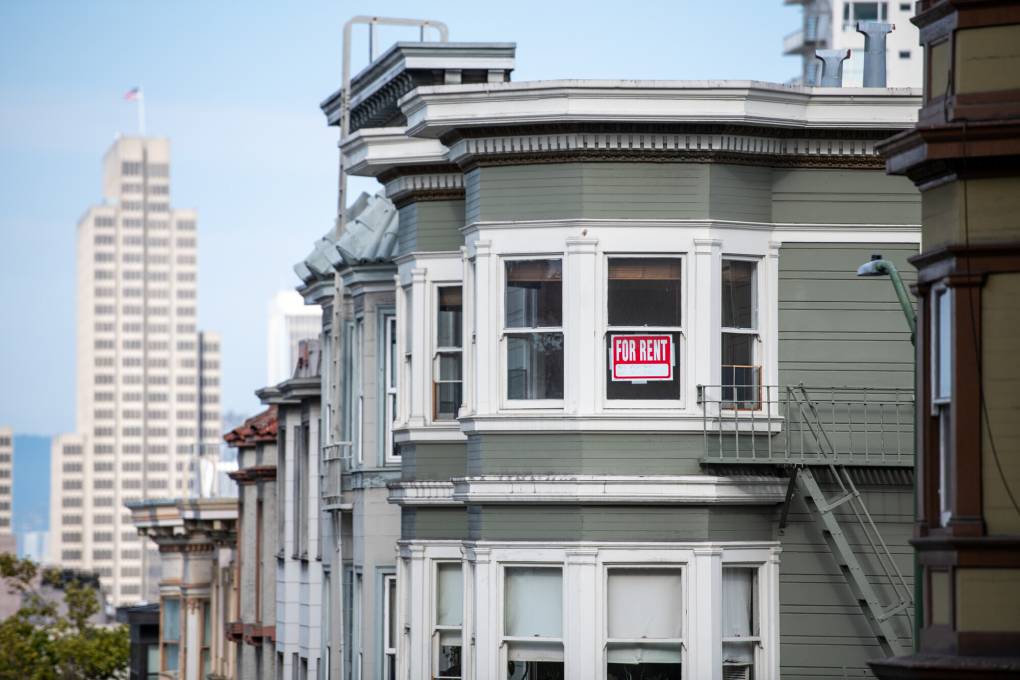
"caption": "A \"For Rent\" sign hangs in the window of an apartment building in Nob Hill in San Francisco on July 29, 2021. Tenants’ rights groups say a new bill could help renters hold onto an affordable unit, but property owner groups argue it could discourage landlords from staying in the market.",
"credit": "Beth LaBerge/KQED",
"altTag": null,
"description": null,
"imgSizes": {
"medium": {
"file": "https://cdn.kqed.org/wp-content/uploads/sites/10/2025/04/024_SanFrancisco_Housing_07292021_qed-800x533.jpg",
"width": 800,
"height": 533,
"mimeType": "image/jpeg"
},
"large": {
"file": "https://cdn.kqed.org/wp-content/uploads/sites/10/2025/04/024_SanFrancisco_Housing_07292021_qed-1020x680.jpg",
"width": 1020,
"height": 680,
"mimeType": "image/jpeg"
},
"thumbnail": {
"file": "https://cdn.kqed.org/wp-content/uploads/sites/10/2025/04/024_SanFrancisco_Housing_07292021_qed-160x107.jpg",
"width": 160,
"height": 107,
"mimeType": "image/jpeg"
},
"1536x1536": {
"file": "https://cdn.kqed.org/wp-content/uploads/sites/10/2025/04/024_SanFrancisco_Housing_07292021_qed-1536x1024.jpg",
"width": 1536,
"height": 1024,
"mimeType": "image/jpeg"
},
"post-thumbnail": {
"file": "https://cdn.kqed.org/wp-content/uploads/sites/10/2025/04/024_SanFrancisco_Housing_07292021_qed-672x372.jpg",
"width": 672,
"height": 372,
"mimeType": "image/jpeg"
},
"twentyfourteen-full-width": {
"file": "https://cdn.kqed.org/wp-content/uploads/sites/10/2025/04/024_SanFrancisco_Housing_07292021_qed-1038x576.jpg",
"width": 1038,
"height": 576,
"mimeType": "image/jpeg"
},
"full-width": {
"file": "https://cdn.kqed.org/wp-content/uploads/sites/10/2025/04/024_SanFrancisco_Housing_07292021_qed-1920x1280.jpg",
"width": 1920,
"height": 1280,
"mimeType": "image/jpeg"
},
"kqedFullSize": {
"file": "https://cdn.kqed.org/wp-content/uploads/sites/10/2025/04/024_SanFrancisco_Housing_07292021_qed.jpg",
"width": 2000,
"height": 1333
}
},
"isLoading": false,
"fetchFailed": false
},
"news_12040030": {
"type": "attachments",
"id": "news_12040030",
"meta": {
"index": "attachments_1716263798",
"site": "news",
"id": "12040030",
"found": true
},
"title": "031_KQED_SanFrancisco_COVIDShutdown_12062020_qed",
"publishDate": 1747241123,
"status": "inherit",
"parent": 12040028,
"modified": 1747241147,
"caption": "A \"Now Renting\" sign on an apartment building on Market Street in San Francisco on Dec. 6, 2020.",
"credit": "Beth LaBerge/KQED",
"altTag": null,
"description": null,
"imgSizes": {
"medium": {
"file": "https://cdn.kqed.org/wp-content/uploads/sites/10/2025/05/031_KQED_SanFrancisco_COVIDShutdown_12062020_qed-800x533.jpg",
"width": 800,
"height": 533,
"mimeType": "image/jpeg"
},
"large": {
"file": "https://cdn.kqed.org/wp-content/uploads/sites/10/2025/05/031_KQED_SanFrancisco_COVIDShutdown_12062020_qed-1020x680.jpg",
"width": 1020,
"height": 680,
"mimeType": "image/jpeg"
},
"thumbnail": {
"file": "https://cdn.kqed.org/wp-content/uploads/sites/10/2025/05/031_KQED_SanFrancisco_COVIDShutdown_12062020_qed-160x107.jpg",
"width": 160,
"height": 107,
"mimeType": "image/jpeg"
},
"1536x1536": {
"file": "https://cdn.kqed.org/wp-content/uploads/sites/10/2025/05/031_KQED_SanFrancisco_COVIDShutdown_12062020_qed-1536x1024.jpg",
"width": 1536,
"height": 1024,
"mimeType": "image/jpeg"
},
"post-thumbnail": {
"file": "https://cdn.kqed.org/wp-content/uploads/sites/10/2025/05/031_KQED_SanFrancisco_COVIDShutdown_12062020_qed-672x372.jpg",
"width": 672,
"height": 372,
"mimeType": "image/jpeg"
},
"twentyfourteen-full-width": {
"file": "https://cdn.kqed.org/wp-content/uploads/sites/10/2025/05/031_KQED_SanFrancisco_COVIDShutdown_12062020_qed-1038x576.jpg",
"width": 1038,
"height": 576,
"mimeType": "image/jpeg"
},
"full-width": {
"file": "https://cdn.kqed.org/wp-content/uploads/sites/10/2025/05/031_KQED_SanFrancisco_COVIDShutdown_12062020_qed-1920x1280.jpg",
"width": 1920,
"height": 1280,
"mimeType": "image/jpeg"
},
"kqedFullSize": {
"file": "https://cdn.kqed.org/wp-content/uploads/sites/10/2025/05/031_KQED_SanFrancisco_COVIDShutdown_12062020_qed.jpg",
"width": 1999,
"height": 1333
}
},
"isLoading": false,
"fetchFailed": false
},
"news_12038226": {
"type": "attachments",
"id": "news_12038226",
"meta": {
"index": "attachments_1716263798",
"site": "news",
"id": "12038226",
"found": true
},
"title": "KQED_Tenant_Organizing",
"publishDate": 1746037381,
"status": "inherit",
"parent": 12038224,
"modified": 1746037420,
"caption": "Apartments at Heritage Park at Hilltop in Richmond on Sept. 28, 2022. Tenants at Heritage Park have successfully organized against rent increases in the past at the affordable housing community for seniors. ",
"credit": "Marlena Sloss/KQED",
"altTag": null,
"description": null,
"imgSizes": {
"medium": {
"file": "https://cdn.kqed.org/wp-content/uploads/sites/10/2025/04/2022-9-28-KQED-News_Tenant-Organizing_006_qed-800x534.jpg",
"width": 800,
"height": 534,
"mimeType": "image/jpeg"
},
"large": {
"file": "https://cdn.kqed.org/wp-content/uploads/sites/10/2025/04/2022-9-28-KQED-News_Tenant-Organizing_006_qed-1020x681.jpg",
"width": 1020,
"height": 681,
"mimeType": "image/jpeg"
},
"thumbnail": {
"file": "https://cdn.kqed.org/wp-content/uploads/sites/10/2025/04/2022-9-28-KQED-News_Tenant-Organizing_006_qed-160x107.jpg",
"width": 160,
"height": 107,
"mimeType": "image/jpeg"
},
"1536x1536": {
"file": "https://cdn.kqed.org/wp-content/uploads/sites/10/2025/04/2022-9-28-KQED-News_Tenant-Organizing_006_qed-1536x1025.jpg",
"width": 1536,
"height": 1025,
"mimeType": "image/jpeg"
},
"post-thumbnail": {
"file": "https://cdn.kqed.org/wp-content/uploads/sites/10/2025/04/2022-9-28-KQED-News_Tenant-Organizing_006_qed-672x372.jpg",
"width": 672,
"height": 372,
"mimeType": "image/jpeg"
},
"twentyfourteen-full-width": {
"file": "https://cdn.kqed.org/wp-content/uploads/sites/10/2025/04/2022-9-28-KQED-News_Tenant-Organizing_006_qed-1038x576.jpg",
"width": 1038,
"height": 576,
"mimeType": "image/jpeg"
},
"full-width": {
"file": "https://cdn.kqed.org/wp-content/uploads/sites/10/2025/04/2022-9-28-KQED-News_Tenant-Organizing_006_qed-1920x1281.jpg",
"width": 1920,
"height": 1281,
"mimeType": "image/jpeg"
},
"kqedFullSize": {
"file": "https://cdn.kqed.org/wp-content/uploads/sites/10/2025/04/2022-9-28-KQED-News_Tenant-Organizing_006_qed.jpg",
"width": 1998,
"height": 1333
}
},
"isLoading": false,
"fetchFailed": false
},
"news_12024374": {
"type": "attachments",
"id": "news_12024374",
"meta": {
"index": "attachments_1716263798",
"site": "news",
"id": "12024374",
"found": true
},
"title": "20250128_RichmondInspections_GC-42",
"publishDate": 1738094110,
"status": "inherit",
"parent": 0,
"modified": 1738786500,
"caption": "Zenaida Gomez poses for a photo at her home in Richmond on Jan. 28, 2025. Gomez has been living with mold since she moved into the unit 20 years ago. A new city program requires nearly all rental properties to undergo inspection every three years.",
"credit": "Gina Castro/KQED",
"altTag": null,
"description": null,
"imgSizes": {
"medium": {
"file": "https://cdn.kqed.org/wp-content/uploads/sites/10/2025/01/20250128_RichmondInspections_GC-42-800x533.jpg",
"width": 800,
"height": 533,
"mimeType": "image/jpeg"
},
"large": {
"file": "https://cdn.kqed.org/wp-content/uploads/sites/10/2025/01/20250128_RichmondInspections_GC-42-1020x680.jpg",
"width": 1020,
"height": 680,
"mimeType": "image/jpeg"
},
"thumbnail": {
"file": "https://cdn.kqed.org/wp-content/uploads/sites/10/2025/01/20250128_RichmondInspections_GC-42-160x107.jpg",
"width": 160,
"height": 107,
"mimeType": "image/jpeg"
},
"1536x1536": {
"file": "https://cdn.kqed.org/wp-content/uploads/sites/10/2025/01/20250128_RichmondInspections_GC-42-1536x1024.jpg",
"width": 1536,
"height": 1024,
"mimeType": "image/jpeg"
},
"post-thumbnail": {
"file": "https://cdn.kqed.org/wp-content/uploads/sites/10/2025/01/20250128_RichmondInspections_GC-42-672x372.jpg",
"width": 672,
"height": 372,
"mimeType": "image/jpeg"
},
"twentyfourteen-full-width": {
"file": "https://cdn.kqed.org/wp-content/uploads/sites/10/2025/01/20250128_RichmondInspections_GC-42-1038x576.jpg",
"width": 1038,
"height": 576,
"mimeType": "image/jpeg"
},
"full-width": {
"file": "https://cdn.kqed.org/wp-content/uploads/sites/10/2025/01/20250128_RichmondInspections_GC-42-1920x1280.jpg",
"width": 1920,
"height": 1280,
"mimeType": "image/jpeg"
},
"kqedFullSize": {
"file": "https://cdn.kqed.org/wp-content/uploads/sites/10/2025/01/20250128_RichmondInspections_GC-42.jpg",
"width": 2000,
"height": 1333
}
},
"isLoading": false,
"fetchFailed": false
},
"news_11850681": {
"type": "attachments",
"id": "news_11850681",
"meta": {
"index": "attachments_1716263798",
"site": "news",
"id": "11850681",
"found": true
},
"parent": 11850646,
"imgSizes": {
"apple_news_ca_landscape_5_5": {
"file": "https://ww2.kqed.org/app/uploads/sites/10/2020/12/RS46311_031_KQED_SanFrancisco_COVIDShutdown_12062020-qut-1044x783.jpg",
"width": 1044,
"mimeType": "image/jpeg",
"height": 783
},
"apple_news_ca_square_4_0": {
"file": "https://ww2.kqed.org/app/uploads/sites/10/2020/12/RS46311_031_KQED_SanFrancisco_COVIDShutdown_12062020-qut-470x470.jpg",
"width": 470,
"mimeType": "image/jpeg",
"height": 470
},
"twentyfourteen-full-width": {
"file": "https://ww2.kqed.org/app/uploads/sites/10/2020/12/RS46311_031_KQED_SanFrancisco_COVIDShutdown_12062020-qut-1038x576.jpg",
"width": 1038,
"mimeType": "image/jpeg",
"height": 576
},
"thumbnail": {
"file": "https://ww2.kqed.org/app/uploads/sites/10/2020/12/RS46311_031_KQED_SanFrancisco_COVIDShutdown_12062020-qut-160x107.jpg",
"width": 160,
"mimeType": "image/jpeg",
"height": 107
},
"post-thumbnail": {
"file": "https://ww2.kqed.org/app/uploads/sites/10/2020/12/RS46311_031_KQED_SanFrancisco_COVIDShutdown_12062020-qut-672x372.jpg",
"width": 672,
"mimeType": "image/jpeg",
"height": 372
},
"kqedFullSize": {
"file": "https://ww2.kqed.org/app/uploads/sites/10/2020/12/RS46311_031_KQED_SanFrancisco_COVIDShutdown_12062020-qut.jpg",
"width": 1920,
"height": 1280
},
"apple_news_ca_landscape_4_7": {
"file": "https://ww2.kqed.org/app/uploads/sites/10/2020/12/RS46311_031_KQED_SanFrancisco_COVIDShutdown_12062020-qut-632x474.jpg",
"width": 632,
"mimeType": "image/jpeg",
"height": 474
},
"large": {
"file": "https://ww2.kqed.org/app/uploads/sites/10/2020/12/RS46311_031_KQED_SanFrancisco_COVIDShutdown_12062020-qut-1020x680.jpg",
"width": 1020,
"mimeType": "image/jpeg",
"height": 680
},
"apple_news_ca_landscape_4_0": {
"file": "https://ww2.kqed.org/app/uploads/sites/10/2020/12/RS46311_031_KQED_SanFrancisco_COVIDShutdown_12062020-qut-536x402.jpg",
"width": 536,
"mimeType": "image/jpeg",
"height": 402
},
"apple_news_ca_portrait_12_9": {
"file": "https://ww2.kqed.org/app/uploads/sites/10/2020/12/RS46311_031_KQED_SanFrancisco_COVIDShutdown_12062020-qut-1122x1280.jpg",
"width": 1122,
"mimeType": "image/jpeg",
"height": 1280
},
"medium": {
"file": "https://ww2.kqed.org/app/uploads/sites/10/2020/12/RS46311_031_KQED_SanFrancisco_COVIDShutdown_12062020-qut-800x533.jpg",
"width": 800,
"mimeType": "image/jpeg",
"height": 533
},
"apple_news_ca_portrait_4_0": {
"file": "https://ww2.kqed.org/app/uploads/sites/10/2020/12/RS46311_031_KQED_SanFrancisco_COVIDShutdown_12062020-qut-354x472.jpg",
"width": 354,
"mimeType": "image/jpeg",
"height": 472
},
"apple_news_ca_portrait_9_7": {
"file": "https://ww2.kqed.org/app/uploads/sites/10/2020/12/RS46311_031_KQED_SanFrancisco_COVIDShutdown_12062020-qut-840x1120.jpg",
"width": 840,
"mimeType": "image/jpeg",
"height": 1120
},
"apple_news_ca_landscape_12_9": {
"file": "https://ww2.kqed.org/app/uploads/sites/10/2020/12/RS46311_031_KQED_SanFrancisco_COVIDShutdown_12062020-qut-1832x1280.jpg",
"width": 1832,
"mimeType": "image/jpeg",
"height": 1280
},
"apple_news_ca_square_9_7": {
"file": "https://ww2.kqed.org/app/uploads/sites/10/2020/12/RS46311_031_KQED_SanFrancisco_COVIDShutdown_12062020-qut-1104x1104.jpg",
"width": 1104,
"mimeType": "image/jpeg",
"height": 1104
},
"1536x1536": {
"file": "https://ww2.kqed.org/app/uploads/sites/10/2020/12/RS46311_031_KQED_SanFrancisco_COVIDShutdown_12062020-qut-1536x1024.jpg",
"width": 1536,
"mimeType": "image/jpeg",
"height": 1024
},
"apple_news_ca_portrait_4_7": {
"file": "https://ww2.kqed.org/app/uploads/sites/10/2020/12/RS46311_031_KQED_SanFrancisco_COVIDShutdown_12062020-qut-414x552.jpg",
"width": 414,
"mimeType": "image/jpeg",
"height": 552
},
"apple_news_ca_square_12_9": {
"file": "https://ww2.kqed.org/app/uploads/sites/10/2020/12/RS46311_031_KQED_SanFrancisco_COVIDShutdown_12062020-qut-1472x1280.jpg",
"width": 1472,
"mimeType": "image/jpeg",
"height": 1280
},
"apple_news_ca_portrait_5_5": {
"file": "https://ww2.kqed.org/app/uploads/sites/10/2020/12/RS46311_031_KQED_SanFrancisco_COVIDShutdown_12062020-qut-687x916.jpg",
"width": 687,
"mimeType": "image/jpeg",
"height": 916
},
"apple_news_ca_square_4_7": {
"file": "https://ww2.kqed.org/app/uploads/sites/10/2020/12/RS46311_031_KQED_SanFrancisco_COVIDShutdown_12062020-qut-550x550.jpg",
"width": 550,
"mimeType": "image/jpeg",
"height": 550
},
"apple_news_ca_landscape_9_7": {
"file": "https://ww2.kqed.org/app/uploads/sites/10/2020/12/RS46311_031_KQED_SanFrancisco_COVIDShutdown_12062020-qut-1376x1032.jpg",
"width": 1376,
"mimeType": "image/jpeg",
"height": 1032
},
"apple_news_ca_square_5_5": {
"file": "https://ww2.kqed.org/app/uploads/sites/10/2020/12/RS46311_031_KQED_SanFrancisco_COVIDShutdown_12062020-qut-912x912.jpg",
"width": 912,
"mimeType": "image/jpeg",
"height": 912
}
},
"publishDate": 1607644424,
"modified": 1607994322,
"caption": "A 'Now Renting' sign on an apartment building on Market Street in San Francisco on Dec. 6, 2020.",
"description": null,
"title": "RS46311_031_KQED_SanFrancisco_COVIDShutdown_12062020-qut",
"credit": "Beth LaBerge/KQED",
"status": "inherit",
"altTag": null,
"isLoading": false,
"fetchFailed": false
},
"news_11938286": {
"type": "attachments",
"id": "news_11938286",
"meta": {
"index": "attachments_1716263798",
"site": "news",
"id": "11938286",
"found": true
},
"parent": 11938251,
"imgSizes": {
"twentyfourteen-full-width": {
"file": "https://ww2.kqed.org/app/uploads/sites/10/2023/01/RS62026_GettyImages-1455813510-qut-1038x576.jpg",
"width": 1038,
"mimeType": "image/jpeg",
"height": 576
},
"thumbnail": {
"file": "https://ww2.kqed.org/app/uploads/sites/10/2023/01/RS62026_GettyImages-1455813510-qut-160x107.jpg",
"width": 160,
"mimeType": "image/jpeg",
"height": 107
},
"post-thumbnail": {
"file": "https://ww2.kqed.org/app/uploads/sites/10/2023/01/RS62026_GettyImages-1455813510-qut-672x372.jpg",
"width": 672,
"mimeType": "image/jpeg",
"height": 372
},
"kqedFullSize": {
"file": "https://ww2.kqed.org/app/uploads/sites/10/2023/01/RS62026_GettyImages-1455813510-qut.jpg",
"width": 1920,
"height": 1280
},
"large": {
"file": "https://ww2.kqed.org/app/uploads/sites/10/2023/01/RS62026_GettyImages-1455813510-qut-1020x680.jpg",
"width": 1020,
"mimeType": "image/jpeg",
"height": 680
},
"1536x1536": {
"file": "https://ww2.kqed.org/app/uploads/sites/10/2023/01/RS62026_GettyImages-1455813510-qut-1536x1024.jpg",
"width": 1536,
"mimeType": "image/jpeg",
"height": 1024
},
"medium": {
"file": "https://ww2.kqed.org/app/uploads/sites/10/2023/01/RS62026_GettyImages-1455813510-qut-800x533.jpg",
"width": 800,
"mimeType": "image/jpeg",
"height": 533
}
},
"publishDate": 1673984678,
"modified": 1673992229,
"caption": "Donnie Young (right) and Alex Munoz (left) inspect their flooded home on Jan. 11, 2023, in Planada. The Central Valley town was devastated by widespread flooding after a severe atmospheric river event moved through the area earlier in the week.",
"description": null,
"title": "Multiple Storms Batter California With Flooding Rains",
"credit": "Justin Sullivan/Getty Images",
"status": "inherit",
"altTag": "A photograph showing the interior of a home, probably a living room, that has been damaged by flooding. Two people are in the back of the photo, examining the damage.",
"isLoading": false,
"fetchFailed": false
},
"news_12005302": {
"type": "attachments",
"id": "news_12005302",
"meta": {
"index": "attachments_1716263798",
"site": "news",
"id": "12005302",
"found": true
},
"title": "can-my-landlord-keep-my-security-deposit",
"publishDate": 1726692566,
"status": "inherit",
"parent": 12005287,
"modified": 1726693688,
"caption": "What can you do if your landlord wants to keep your security deposit?",
"credit": "Oscar Wong via Getty Images",
"altTag": "Stacking of cardboard boxes and a potted plant in the living room of a house.",
"description": null,
"imgSizes": {
"medium": {
"file": "https://cdn.kqed.org/wp-content/uploads/sites/10/2024/09/GettyImages-1454882740-800x533.jpg",
"width": 800,
"height": 533,
"mimeType": "image/jpeg"
},
"large": {
"file": "https://cdn.kqed.org/wp-content/uploads/sites/10/2024/09/GettyImages-1454882740-1020x680.jpg",
"width": 1020,
"height": 680,
"mimeType": "image/jpeg"
},
"thumbnail": {
"file": "https://cdn.kqed.org/wp-content/uploads/sites/10/2024/09/GettyImages-1454882740-160x107.jpg",
"width": 160,
"height": 107,
"mimeType": "image/jpeg"
},
"1536x1536": {
"file": "https://cdn.kqed.org/wp-content/uploads/sites/10/2024/09/GettyImages-1454882740-1536x1024.jpg",
"width": 1536,
"height": 1024,
"mimeType": "image/jpeg"
},
"2048x2048": {
"file": "https://cdn.kqed.org/wp-content/uploads/sites/10/2024/09/GettyImages-1454882740-2048x1365.jpg",
"width": 2048,
"height": 1365,
"mimeType": "image/jpeg"
},
"post-thumbnail": {
"file": "https://cdn.kqed.org/wp-content/uploads/sites/10/2024/09/GettyImages-1454882740-672x372.jpg",
"width": 672,
"height": 372,
"mimeType": "image/jpeg"
},
"twentyfourteen-full-width": {
"file": "https://cdn.kqed.org/wp-content/uploads/sites/10/2024/09/GettyImages-1454882740-1038x576.jpg",
"width": 1038,
"height": 576,
"mimeType": "image/jpeg"
},
"full-width": {
"file": "https://cdn.kqed.org/wp-content/uploads/sites/10/2024/09/GettyImages-1454882740-1920x1280.jpg",
"width": 1920,
"height": 1280,
"mimeType": "image/jpeg"
},
"kqedFullSize": {
"file": "https://cdn.kqed.org/wp-content/uploads/sites/10/2024/09/GettyImages-1454882740.jpg",
"width": 2121,
"height": 1414
}
},
"isLoading": false,
"fetchFailed": false
},
"news_12003058": {
"type": "attachments",
"id": "news_12003058",
"meta": {
"index": "attachments_1716263798",
"site": "news",
"id": "12003058",
"found": true
},
"title": "240404-District5BOSRedistricting-001-BL_qed",
"publishDate": 1725480512,
"status": "inherit",
"parent": 12003056,
"modified": 1725581147,
"caption": "A moving van is parked outside a home on Haight Street in San Francisco on April 4, 2024.",
"credit": "Beth LaBerge/KQED",
"altTag": null,
"description": null,
"imgSizes": {
"medium": {
"file": "https://cdn.kqed.org/wp-content/uploads/sites/10/2024/09/240404-District5BOSRedistricting-001-BL_qed-800x533.jpg",
"width": 800,
"height": 533,
"mimeType": "image/jpeg"
},
"large": {
"file": "https://cdn.kqed.org/wp-content/uploads/sites/10/2024/09/240404-District5BOSRedistricting-001-BL_qed-1020x680.jpg",
"width": 1020,
"height": 680,
"mimeType": "image/jpeg"
},
"thumbnail": {
"file": "https://cdn.kqed.org/wp-content/uploads/sites/10/2024/09/240404-District5BOSRedistricting-001-BL_qed-160x107.jpg",
"width": 160,
"height": 107,
"mimeType": "image/jpeg"
},
"1536x1536": {
"file": "https://cdn.kqed.org/wp-content/uploads/sites/10/2024/09/240404-District5BOSRedistricting-001-BL_qed-1536x1024.jpg",
"width": 1536,
"height": 1024,
"mimeType": "image/jpeg"
},
"post-thumbnail": {
"file": "https://cdn.kqed.org/wp-content/uploads/sites/10/2024/09/240404-District5BOSRedistricting-001-BL_qed-672x372.jpg",
"width": 672,
"height": 372,
"mimeType": "image/jpeg"
},
"twentyfourteen-full-width": {
"file": "https://cdn.kqed.org/wp-content/uploads/sites/10/2024/09/240404-District5BOSRedistricting-001-BL_qed-1038x576.jpg",
"width": 1038,
"height": 576,
"mimeType": "image/jpeg"
},
"full-width": {
"file": "https://cdn.kqed.org/wp-content/uploads/sites/10/2024/09/240404-District5BOSRedistricting-001-BL_qed-1920x1280.jpg",
"width": 1920,
"height": 1280,
"mimeType": "image/jpeg"
},
"kqedFullSize": {
"file": "https://cdn.kqed.org/wp-content/uploads/sites/10/2024/09/240404-District5BOSRedistricting-001-BL_qed.jpg",
"width": 1999,
"height": 1333
}
},
"isLoading": false,
"fetchFailed": false
},
"news_12001694": {
"type": "attachments",
"id": "news_12001694",
"meta": {
"index": "attachments_1716263798",
"site": "news",
"id": "12001694",
"found": true
},
"title": "Merrick Garland",
"publishDate": 1724447235,
"status": "inherit",
"parent": 12001652,
"modified": 1724452577,
"caption": "Attorney General Merrick Garland, center, speaks with reporters about an antitrust lawsuit against real estate software company RealPage during a news conference at the Department of Justice, Friday, Aug. 23, 2024, in Washington, D.C.",
"credit": "Mark Schiefelbein/AP Photo",
"altTag": null,
"description": null,
"imgSizes": {
"medium": {
"file": "https://cdn.kqed.org/wp-content/uploads/sites/10/2024/08/MerrickGarlandAntiTrustLawsuitAP-800x533.jpg",
"width": 800,
"height": 533,
"mimeType": "image/jpeg"
},
"large": {
"file": "https://cdn.kqed.org/wp-content/uploads/sites/10/2024/08/MerrickGarlandAntiTrustLawsuitAP-1020x680.jpg",
"width": 1020,
"height": 680,
"mimeType": "image/jpeg"
},
"thumbnail": {
"file": "https://cdn.kqed.org/wp-content/uploads/sites/10/2024/08/MerrickGarlandAntiTrustLawsuitAP-160x107.jpg",
"width": 160,
"height": 107,
"mimeType": "image/jpeg"
},
"1536x1536": {
"file": "https://cdn.kqed.org/wp-content/uploads/sites/10/2024/08/MerrickGarlandAntiTrustLawsuitAP-1536x1024.jpg",
"width": 1536,
"height": 1024,
"mimeType": "image/jpeg"
},
"post-thumbnail": {
"file": "https://cdn.kqed.org/wp-content/uploads/sites/10/2024/08/MerrickGarlandAntiTrustLawsuitAP-672x372.jpg",
"width": 672,
"height": 372,
"mimeType": "image/jpeg"
},
"twentyfourteen-full-width": {
"file": "https://cdn.kqed.org/wp-content/uploads/sites/10/2024/08/MerrickGarlandAntiTrustLawsuitAP-1038x576.jpg",
"width": 1038,
"height": 576,
"mimeType": "image/jpeg"
},
"full-width": {
"file": "https://cdn.kqed.org/wp-content/uploads/sites/10/2024/08/MerrickGarlandAntiTrustLawsuitAP-1920x1280.jpg",
"width": 1920,
"height": 1280,
"mimeType": "image/jpeg"
},
"kqedFullSize": {
"file": "https://cdn.kqed.org/wp-content/uploads/sites/10/2024/08/MerrickGarlandAntiTrustLawsuitAP.jpg",
"width": 2000,
"height": 1333
}
},
"isLoading": false,
"fetchFailed": false
},
"news_12001169": {
"type": "attachments",
"id": "news_12001169",
"meta": {
"index": "attachments_1716263798",
"site": "news",
"id": "12001169",
"found": true
},
"title": "Salinas, CA city sign",
"publishDate": 1724268377,
"status": "inherit",
"parent": 12001167,
"modified": 1724268558,
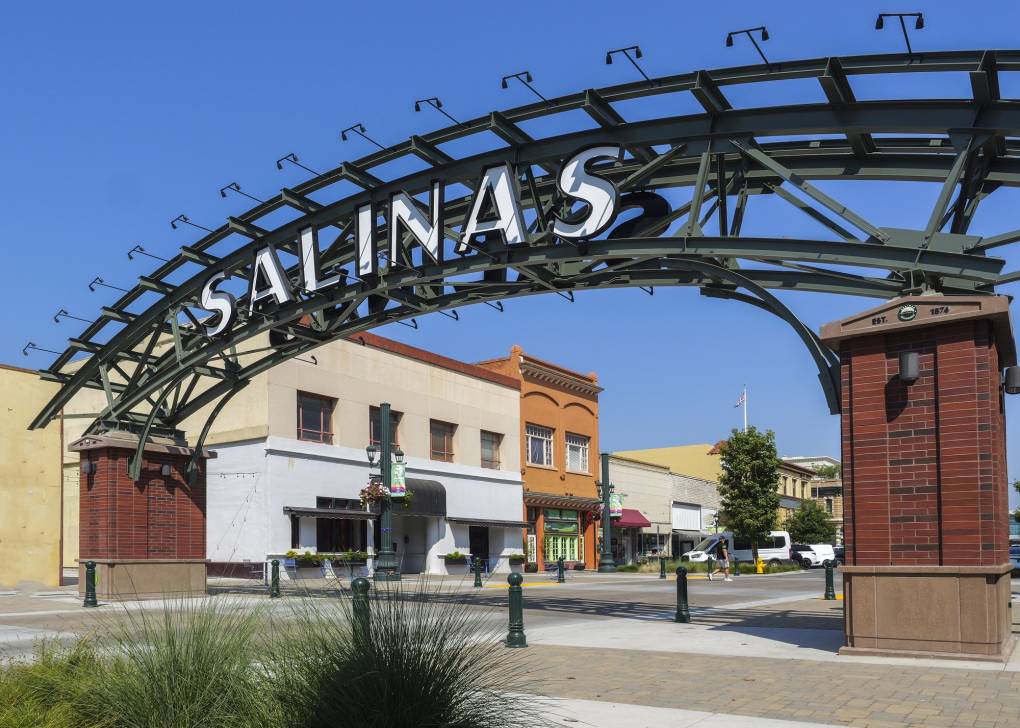
"caption": "As rental costs surge nationwide, few communities have been hit harder than Salinas, a small farmworker town near the Bay Area. Since 2000, rents there have increased sevenfold compared to incomes. On Tuesday, the Salinas City Council advanced a set of tenant protection policies, including rent control.",
"credit": "4kodiak/iStock via Getty Images",
"altTag": null,
"description": null,
"imgSizes": {
"medium": {
"file": "https://cdn.kqed.org/wp-content/uploads/sites/10/2024/08/SalinasCaliforniaGetty1-800x571.jpg",
"width": 800,
"height": 571,
"mimeType": "image/jpeg"
},
"large": {
"file": "https://cdn.kqed.org/wp-content/uploads/sites/10/2024/08/SalinasCaliforniaGetty1-1020x728.jpg",
"width": 1020,
"height": 728,
"mimeType": "image/jpeg"
},
"thumbnail": {
"file": "https://cdn.kqed.org/wp-content/uploads/sites/10/2024/08/SalinasCaliforniaGetty1-160x114.jpg",
"width": 160,
"height": 114,
"mimeType": "image/jpeg"
},
"1536x1536": {
"file": "https://cdn.kqed.org/wp-content/uploads/sites/10/2024/08/SalinasCaliforniaGetty1-1536x1096.jpg",
"width": 1536,
"height": 1096,
"mimeType": "image/jpeg"
},
"post-thumbnail": {
"file": "https://cdn.kqed.org/wp-content/uploads/sites/10/2024/08/SalinasCaliforniaGetty1-672x372.jpg",
"width": 672,
"height": 372,
"mimeType": "image/jpeg"
},
"twentyfourteen-full-width": {
"file": "https://cdn.kqed.org/wp-content/uploads/sites/10/2024/08/SalinasCaliforniaGetty1-1038x576.jpg",
"width": 1038,
"height": 576,
"mimeType": "image/jpeg"
},
"full-width": {
"file": "https://cdn.kqed.org/wp-content/uploads/sites/10/2024/08/SalinasCaliforniaGetty1-1920x1370.jpg",
"width": 1920,
"height": 1370,
"mimeType": "image/jpeg"
},
"kqedFullSize": {
"file": "https://cdn.kqed.org/wp-content/uploads/sites/10/2024/08/SalinasCaliforniaGetty1.jpg",
"width": 2000,
"height": 1427
}
},
"isLoading": false,
"fetchFailed": false
},
"news_11995891": {
"type": "attachments",
"id": "news_11995891",
"meta": {
"index": "attachments_1716263798",
"site": "news",
"id": "11995891",
"found": true
},
"title": "008_SanFrancisco_Housing_07292021_qed",
"publishDate": 1721162333,
"status": "inherit",
"parent": 11995878,
"modified": 1721162472,
"caption": "A 'For Rent' sign hangs in the window of an apartment building in Nob Hill in San Francisco on July 29, 2021.",
"credit": "Beth LaBerge/KQED",
"altTag": null,
"description": null,
"imgSizes": {
"medium": {
"file": "https://cdn.kqed.org/wp-content/uploads/sites/10/2024/07/008_SanFrancisco_Housing_07292021_qed-800x533.jpg",
"width": 800,
"height": 533,
"mimeType": "image/jpeg"
},
"large": {
"file": "https://cdn.kqed.org/wp-content/uploads/sites/10/2024/07/008_SanFrancisco_Housing_07292021_qed-1020x680.jpg",
"width": 1020,
"height": 680,
"mimeType": "image/jpeg"
},
"thumbnail": {
"file": "https://cdn.kqed.org/wp-content/uploads/sites/10/2024/07/008_SanFrancisco_Housing_07292021_qed-160x107.jpg",
"width": 160,
"height": 107,
"mimeType": "image/jpeg"
},
"1536x1536": {
"file": "https://cdn.kqed.org/wp-content/uploads/sites/10/2024/07/008_SanFrancisco_Housing_07292021_qed-1536x1024.jpg",
"width": 1536,
"height": 1024,
"mimeType": "image/jpeg"
},
"post-thumbnail": {
"file": "https://cdn.kqed.org/wp-content/uploads/sites/10/2024/07/008_SanFrancisco_Housing_07292021_qed-672x372.jpg",
"width": 672,
"height": 372,
"mimeType": "image/jpeg"
},
"twentyfourteen-full-width": {
"file": "https://cdn.kqed.org/wp-content/uploads/sites/10/2024/07/008_SanFrancisco_Housing_07292021_qed-1038x576.jpg",
"width": 1038,
"height": 576,
"mimeType": "image/jpeg"
},
"full-width": {
"file": "https://cdn.kqed.org/wp-content/uploads/sites/10/2024/07/008_SanFrancisco_Housing_07292021_qed-1920x1280.jpg",
"width": 1920,
"height": 1280,
"mimeType": "image/jpeg"
},
"kqedFullSize": {
"file": "https://cdn.kqed.org/wp-content/uploads/sites/10/2024/07/008_SanFrancisco_Housing_07292021_qed.jpg",
"width": 2000,
"height": 1333
}
},
"isLoading": false,
"fetchFailed": false
}
},
"audioPlayerReducer": {
"postId": "stream_live",
"isPaused": true,
"isPlaying": false,
"pfsActive": false,
"pledgeModalIsOpen": true,
"playerDrawerIsOpen": false,
"liveAudioPlayStartedAt": 0,
"liveAudioPlayContext": ""
},
"authorsReducer": {
"shossaini": {
"type": "authors",
"id": "3214",
"meta": {
"index": "authors_1716337520",
"id": "3214",
"found": true
},
"name": "Sara Hossaini",
"firstName": "Sara",
"lastName": "Hossaini",
"slug": "shossaini",
"email": "shossaini@kqed.org",
"display_author_email": true,
"staff_mastheads": [
"news"
],
"title": "KQED Reporter",
"bio": "Sara Hossaini came to general assignment reporting at KQED in 2013 after two winters reporting at Wyoming Public Radio. She holds a bachelor's degree in broadcast journalism from the University of Nebraska-Lincoln. Her radio romance began after a bitter breakup with documentary film (Ok, maybe it's still complicated). Her first simultaneous jobs in San Francisco were as Associate Producer on a PBS film series through the Center for Asian American Media and as a butler. She likes to trot, plot and make things with her hands.",
"avatar": "https://secure.gravatar.com/avatar/060e9f56b9554e17942e89f413242774?s=600&d=blank&r=g",
"twitter": "mshossaini",
"facebook": null,
"instagram": null,
"linkedin": null,
"sites": [
{
"site": "news",
"roles": [
"author"
]
},
{
"site": "stateofhealth",
"roles": [
"author"
]
}
],
"headData": {
"title": "Sara Hossaini | KQED",
"description": "KQED Reporter",
"ogImgSrc": "https://secure.gravatar.com/avatar/060e9f56b9554e17942e89f413242774?s=600&d=blank&r=g",
"twImgSrc": "https://secure.gravatar.com/avatar/060e9f56b9554e17942e89f413242774?s=600&d=blank&r=g"
},
"isLoading": false,
"link": "/author/shossaini"
},
"vrancano": {
"type": "authors",
"id": "11276",
"meta": {
"index": "authors_1716337520",
"id": "11276",
"found": true
},
"name": "Vanessa Rancaño",
"firstName": "Vanessa",
"lastName": "Rancaño",
"slug": "vrancano",
"email": "vrancano@kqed.org",
"display_author_email": false,
"staff_mastheads": [
"news"
],
"title": "Reporter",
"bio": "Vanessa Rancaño is a features reporter for KQED. She’s also covered homelessness and education for the station and reported from the Central Valley. Her work has aired across public radio, from flagship national news shows to longform narrative podcasts. Before taking up a mic, she worked as a freelance print journalist. She’s been recognized with a number of national and regional awards. Vanessa grew up in California's Central Valley. She's a former NPR Kroc Fellow, and a graduate of the UC Berkeley Graduate School of Journalism.",
"avatar": "https://secure.gravatar.com/avatar/b3a383dfb0e7ee1c17568f2cf067904ab654d6e3de9743fc661f3c788ade1bed?s=600&d=blank&r=g",
"twitter": "vanessarancano",
"bluesky": null,
"facebook": null,
"instagram": null,
"linkedin": null,
"sites": [
{
"site": "arts",
"roles": [
"editor"
]
},
{
"site": "news",
"roles": [
"editor"
]
},
{
"site": "liveblog",
"roles": [
"contributor"
]
}
],
"headData": {
"title": "Vanessa Rancaño | KQED",
"description": "Reporter",
"ogImgSrc": "https://secure.gravatar.com/avatar/b3a383dfb0e7ee1c17568f2cf067904ab654d6e3de9743fc661f3c788ade1bed?s=600&d=blank&r=g",
"twImgSrc": "https://secure.gravatar.com/avatar/b3a383dfb0e7ee1c17568f2cf067904ab654d6e3de9743fc661f3c788ade1bed?s=600&d=blank&r=g"
},
"isLoading": false,
"link": "/author/vrancano"
},
"ebaldassari": {
"type": "authors",
"id": "11652",
"meta": {
"index": "authors_1716337520",
"id": "11652",
"found": true
},
"name": "Erin Baldassari",
"firstName": "Erin",
"lastName": "Baldassari",
"slug": "ebaldassari",
"email": "ebaldassari@KQED.org",
"display_author_email": true,
"staff_mastheads": [
"news"
],
"title": "Staff Writer",
"bio": "Erin Baldassari covers housing for KQED. She's a former print journalist and most recently worked as the transportation reporter for the \u003cem>Mercury News\u003c/em> and \u003cem>East Bay Times. \u003c/em>There, she focused on how the Bay Area’s housing shortage has changed the way people move around the region. She also served on the \u003cem>East Bay Times\u003c/em>’ 2017 Pulitzer Prize-winning team for coverage of the Ghost Ship Fire in Oakland. Prior to that, Erin worked as a breaking news and general assignment reporter for a variety of outlets in the Bay Area and the greater Boston area. A Tufts University alumna, Erin grew up in the foothills of the Sierra Nevada mountains and in Sonoma County. She is a life-long KQED listener.",
"avatar": "https://secure.gravatar.com/avatar/5e95cad64a8ca08288082212e199d2b0cbeb4fd8e8ef5339395f361032bbe005?s=600&d=blank&r=g",
"twitter": "e_baldi",
"bluesky": null,
"facebook": null,
"instagram": null,
"linkedin": null,
"sites": [
{
"site": "news",
"roles": [
"edit_others_posts",
"editor"
]
},
{
"site": "science",
"roles": [
"editor"
]
},
{
"site": "liveblog",
"roles": [
"editor"
]
}
],
"headData": {
"title": "Erin Baldassari | KQED",
"description": "Staff Writer",
"ogImgSrc": "https://secure.gravatar.com/avatar/5e95cad64a8ca08288082212e199d2b0cbeb4fd8e8ef5339395f361032bbe005?s=600&d=blank&r=g",
"twImgSrc": "https://secure.gravatar.com/avatar/5e95cad64a8ca08288082212e199d2b0cbeb4fd8e8ef5339395f361032bbe005?s=600&d=blank&r=g"
},
"isLoading": false,
"link": "/author/ebaldassari"
},
"abandlamudi": {
"type": "authors",
"id": "11672",
"meta": {
"index": "authors_1716337520",
"id": "11672",
"found": true
},
"name": "Adhiti Bandlamudi",
"firstName": "Adhiti",
"lastName": "Bandlamudi",
"slug": "abandlamudi",
"email": "abandlamudi@kqed.org",
"display_author_email": false,
"staff_mastheads": [
"news"
],
"title": "KQED Housing Reporter",
"bio": "Adhiti Bandlamudi reports for KQED's Housing desk. She focuses on how housing gets built across the Bay Area. Before joining KQED in 2020, she reported for WUNC in Durham, North Carolina, WABE in Atlanta, Georgia and Capital Public Radio in Sacramento. In 2017, she was awarded a Kroc Fellowship at NPR where she reported on everything from sprinkles to the Golden State Killer's arrest. When she's not reporting, she's baking new recipes in her kitchen or watching movies with friends and family. She's originally from Georgia and has strong opinions about Great British Bake Off.",
"avatar": "https://secure.gravatar.com/avatar/868129c8b257bb99a3500e2c86a65400?s=600&d=mm&r=g",
"twitter": "oddity_adhiti",
"facebook": null,
"instagram": null,
"linkedin": null,
"sites": [
{
"site": "arts",
"roles": [
"author"
]
},
{
"site": "news",
"roles": [
"editor"
]
},
{
"site": "liveblog",
"roles": [
"author"
]
}
],
"headData": {
"title": "Adhiti Bandlamudi | KQED",
"description": "KQED Housing Reporter",
"ogImgSrc": "https://secure.gravatar.com/avatar/868129c8b257bb99a3500e2c86a65400?s=600&d=mm&r=g",
"twImgSrc": "https://secure.gravatar.com/avatar/868129c8b257bb99a3500e2c86a65400?s=600&d=mm&r=g"
},
"isLoading": false,
"link": "/author/abandlamudi"
},
"ccabreralomeli": {
"type": "authors",
"id": "11708",
"meta": {
"index": "authors_1716337520",
"id": "11708",
"found": true
},
"name": "Carlos Cabrera-Lomelí",
"firstName": "Carlos",
"lastName": "Cabrera-Lomelí",
"slug": "ccabreralomeli",
"email": "ccabreralomeli@KQED.org",
"display_author_email": true,
"staff_mastheads": [
"news"
],
"title": "Community Reporter",
"bio": "Carlos Cabrera-Lomelí is a community reporter with KQED's digital engagement team. He also reports and co-produces for KQED's bilingual news hub KQED en Español. He grew up in San Francisco's Mission District and has previously worked with Univision, 48 Hills and REFORMA in Mexico City.",
"avatar": "https://secure.gravatar.com/avatar/c309be9665e484f887b818c89e273ecc673004f426f36b24d00a4d813a2e0518?s=600&d=blank&r=g",
"twitter": "@LomeliCabrera",
"bluesky": null,
"facebook": null,
"instagram": null,
"linkedin": null,
"sites": [
{
"site": "arts",
"roles": [
"editor"
]
},
{
"site": "news",
"roles": [
"editor"
]
},
{
"site": "about",
"roles": [
"editor"
]
},
{
"site": "science",
"roles": [
"editor"
]
},
{
"site": "perspectives",
"roles": [
"editor"
]
},
{
"site": "elections",
"roles": [
"editor"
]
},
{
"site": "liveblog",
"roles": [
"contributor"
]
}
],
"headData": {
"title": "Carlos Cabrera-Lomelí | KQED",
"description": "Community Reporter",
"ogImgSrc": "https://secure.gravatar.com/avatar/c309be9665e484f887b818c89e273ecc673004f426f36b24d00a4d813a2e0518?s=600&d=blank&r=g",
"twImgSrc": "https://secure.gravatar.com/avatar/c309be9665e484f887b818c89e273ecc673004f426f36b24d00a4d813a2e0518?s=600&d=blank&r=g"
},
"isLoading": false,
"link": "/author/ccabreralomeli"
},
"sjohnson": {
"type": "authors",
"id": "11840",
"meta": {
"index": "authors_1716337520",
"id": "11840",
"found": true
},
"name": "Sydney Johnson",
"firstName": "Sydney",
"lastName": "Johnson",
"slug": "sjohnson",
"email": "sjohnson@kqed.org",
"display_author_email": false,
"staff_mastheads": [
"news"
],
"title": "KQED Reporter",
"bio": "Sydney Johnson is a general assignment reporter at KQED. She previously reported on public health and city government at the San Francisco Examiner, and before that, she covered statewide education policy for EdSource. Her reporting has won multiple local, state and national awards. Sydney is a graduate of the University of California, Berkeley and lives in San Francisco.",
"avatar": "https://secure.gravatar.com/avatar/97855f2719b72ad6190b7c535fe642c8?s=600&d=blank&r=g",
"twitter": "sydneyfjohnson",
"facebook": null,
"instagram": null,
"linkedin": null,
"sites": [
{
"site": "news",
"roles": [
"editor"
]
}
],
"headData": {
"title": "Sydney Johnson | KQED",
"description": "KQED Reporter",
"ogImgSrc": "https://secure.gravatar.com/avatar/97855f2719b72ad6190b7c535fe642c8?s=600&d=blank&r=g",
"twImgSrc": "https://secure.gravatar.com/avatar/97855f2719b72ad6190b7c535fe642c8?s=600&d=blank&r=g"
},
"isLoading": false,
"link": "/author/sjohnson"
},
"nkhan": {
"type": "authors",
"id": "11867",
"meta": {
"index": "authors_1716337520",
"id": "11867",
"found": true
},
"name": "Nisa Khan",
"firstName": "Nisa",
"lastName": "Khan",
"slug": "nkhan",
"email": "nkhan@kqed.org",
"display_author_email": false,
"staff_mastheads": [],
"title": "KQED Contributor",
"bio": "Nisa Khan is a reporter for KQED's Audience News Desk. She was formerly a data reporter at Michigan Radio. She earned a Bachelor of Science in Information from the University of Michigan and a Master of Arts in Communication from Stanford University.",
"avatar": "https://secure.gravatar.com/avatar/8720459eef081ff64582b3506b124d58523e80e120704a0cbd9892533c914991?s=600&d=blank&r=g",
"twitter": "mnisakhan",
"bluesky": null,
"facebook": null,
"instagram": null,
"linkedin": null,
"sites": [
{
"site": "arts",
"roles": [
"editor"
]
},
{
"site": "news",
"roles": [
"editor"
]
},
{
"site": "science",
"roles": [
"editor",
"author"
]
},
{
"site": "forum",
"roles": [
"editor"
]
},
{
"site": "liveblog",
"roles": [
"contributor"
]
}
],
"headData": {
"title": "Nisa Khan | KQED",
"description": "KQED Contributor",
"ogImgSrc": "https://secure.gravatar.com/avatar/8720459eef081ff64582b3506b124d58523e80e120704a0cbd9892533c914991?s=600&d=blank&r=g",
"twImgSrc": "https://secure.gravatar.com/avatar/8720459eef081ff64582b3506b124d58523e80e120704a0cbd9892533c914991?s=600&d=blank&r=g"
},
"isLoading": false,
"link": "/author/nkhan"
},
"kdebenedetti": {
"type": "authors",
"id": "11913",
"meta": {
"index": "authors_1716337520",
"id": "11913",
"found": true
},
"name": "Katie DeBenedetti",
"firstName": "Katie",
"lastName": "DeBenedetti",
"slug": "kdebenedetti",
"email": "kdebenedetti@kqed.org",
"display_author_email": false,
"staff_mastheads": [
"news",
"science"
],
"title": "KQED Contributor",
"bio": "Katie DeBenedetti is a digital reporter covering daily news for the Express Desk. Prior to joining KQED as a culture reporting intern in January 2024, she covered education and city government for the Napa Valley Register.",
"avatar": "https://secure.gravatar.com/avatar/6e31073cb8f7e4214ab03f42771d0f45?s=600&d=blank&r=g",
"twitter": null,
"facebook": null,
"instagram": null,
"linkedin": null,
"sites": [
{
"site": "news",
"roles": [
"author"
]
},
{
"site": "science",
"roles": [
"author"
]
},
{
"site": "liveblog",
"roles": [
"author"
]
}
],
"headData": {
"title": "Katie DeBenedetti | KQED",
"description": "KQED Contributor",
"ogImgSrc": "https://secure.gravatar.com/avatar/6e31073cb8f7e4214ab03f42771d0f45?s=600&d=blank&r=g",
"twImgSrc": "https://secure.gravatar.com/avatar/6e31073cb8f7e4214ab03f42771d0f45?s=600&d=blank&r=g"
},
"isLoading": false,
"link": "/author/kdebenedetti"
}
},
"pagesReducer": {
"news_tag_rent": {
"type": "terms",
"id": "news_20967",
"meta": {
"index": "terms_1716263798",
"site": "news",
"id": "20967",
"score": 9.105365
},
"featImg": null,
"name": "Rent",
"description": null,
"taxonomy": "tag",
"headData": {
"twImgId": null,
"twTitle": null,
"ogTitle": null,
"ogImgId": null,
"twDescription": null,
"description": null,
"title": "Rent Archives | KQED News",
"ogDescription": null
},
"ttid": 20984,
"slug": "rent",
"isLoading": false,
"title": "Rent",
"pageMeta": {
"site": "news",
"WpPageTemplate": "page-topic-editorial",
"currentPage": 2
},
"blocks": [
{
"blockName": "kqed/post-list",
"attrs": {
"layout": "cardArticle2",
"query": "posts/news?tag=rent",
"seeMore": false,
"paginated": true,
"page": 2
}
},
{
"blockName": "kqed/ad"
}
]
}
},
"pfsSessionReducer": {},
"postsReducer": {
"stream_live": {
"type": "live",
"id": "stream_live",
"audioUrl": "https://streams.kqed.org/kqedradio",
"title": "Live Stream",
"excerpt": "Live Stream information currently unavailable.",
"link": "/radio",
"featImg": "",
"label": {
"name": "KQED Live",
"link": "/"
}
},
"stream_kqedNewscast": {
"type": "posts",
"id": "stream_kqedNewscast",
"audioUrl": "https://www.kqed.org/.stream/anon/radio/RDnews/newscast.mp3?_=1",
"title": "KQED Newscast",
"featImg": "",
"label": {
"name": "88.5 FM",
"link": "/"
}
},
"news_12044014": {
"type": "posts",
"id": "news_12044014",
"meta": {
"index": "posts_1716263798",
"site": "news",
"id": "12044014",
"score": null,
"sort": [
1749992405000
]
},
"guestAuthors": [],
"slug": "renter-tenant-protections-without-lease-california-contract-renting-law",
"title": "Renting Your Home Without a Lease? In California, You Still Have Tenant Protections",
"publishDate": 1749992405,
"format": "standard",
"headTitle": "Renting Your Home Without a Lease? In California, You Still Have Tenant Protections | KQED",
"labelTerm": {
"site": "news"
},
"content": "\u003cp>\u003ca href=\"https://www.kqed.org/news/12046933/renta-sin-contrato-tiene-derechos-california\">\u003cem>Leer en español\u003c/em>\u003c/a>\u003c/p>\n\u003cp>In California, almost 17 million people \u003ca href=\"https://www.kqed.org/news/12040028/paying-rent-in-california-it-could-now-help-your-credit-score\">rent their homes\u003c/a>. And while many sign a contract at the start of their lease, others rent without a written agreement.\u003c/p>\n\u003cp>It’s hard to calculate exactly how many people rent without a contract, but \u003ca href=\"https://www.bls.gov/spotlight/2022/housing-leases-in-the-u-s-rental-market/home.htm\">according to federal data\u003c/a>, California is the state with the highest proportion of leases that are month-to-month, something usually seen when there’s no written lease.\u003c/p>\n\u003cp>For many tenants, renting without a contract provides a certain flexibility that works well when living with family or friends, and it’s also an option \u003ca href=\"https://www.law.georgetown.edu/poverty-journal/wp-content/uploads/sites/25/2021/07/159-Ayano-Tenants-Without-Rights.pdf\">used by folks who have migrated to the United States\u003c/a> and are adapting to a new life. But this arrangement can also lead to issues between the tenant and landlord, said Ora Prochovnick, director of litigation for the San Francisco tenants’ rights group, Eviction Defense Collaborative (EDC).\u003c/p>\n\u003cp>[ad fullwidth]\u003c/p>\n\u003cp>“If you have a written agreement that has been signed, you know exactly what the rules are in terms of how much the rent is, when it’s due, who’s going to pay the utilities. … All that’s very clear,” she said. “If it’s verbal, it’s not as clear what the agreement is.”\u003c/p>\n\u003ch2>\u003cstrong>The power of a verbal contract\u003c/strong>\u003c/h2>\n\u003cp>Tenants in these “informal” agreements can \u003ca href=\"https://www.law.georgetown.edu/poverty-journal/wp-content/uploads/sites/25/2021/07/159-Ayano-Tenants-Without-Rights.pdf\">experience abuse or neglect\u003c/a> from their landlords, who may think that, because there is no written contract, housing laws do not apply. But tenants without a written lease have the same rights as those with one, Prochovnick said.\u003c/p>\n\u003cp>[aside postID=news_12038224 hero='https://cdn.kqed.org/wp-content/uploads/sites/10/2025/04/2022-9-28-KQED-News_Tenant-Organizing_006_qed-1020x681.jpg']\u003c/p>\n\u003cp>“There \u003cem>is\u003c/em> a contract — it’s just not in writing,” she said. “The contract is a verbal contract, and you could prove it because the tenant’s been paying rent.”\u003c/p>\n\u003cp>According to state law, leases established verbally are legally binding agreements — as long as the lease \u003ca href=\"https://leginfo.legislature.ca.gov/faces/codes_displaySection.xhtml?lawCode=CIV§ionNum=1624.\">is one year or less\u003c/a>. If, for example, you are renting a room in your cousin’s home month-to-month and coordinated the lease through a phone call, that is an agreement recognized by law.\u003c/p>\n\u003cp>KQED spoke to legal experts to understand what protections tenants have when there’s no written lease agreement, along with the responsibilities of landlords. For some tenants, it may be difficult to speak openly with their landlord, especially if they’re renting from a family member or someone who is threatening to evict them. Keep reading for advice on how to handle these important conversations.\u003c/p>\n\u003cp>\u003cstrong>Skip ahead to:\u003c/strong>\u003c/p>\n\u003cul>\n\u003cli>\u003cstrong>\u003ca href=\"#A\">How much can my landlord increase my rent?\u003c/a>\u003c/strong>\u003c/li>\n\u003cli>\u003cstrong>\u003ca href=\"#B\">What are my privacy rights when I rent a room in someone’s house?\u003c/a>\u003c/strong>\u003c/li>\n\u003cli>\u003cstrong>\u003ca href=\"#C\">What can I do if my home needs repairs?\u003c/a>\u003c/strong>\u003c/li>\n\u003cli>\u003cstrong>\u003ca href=\"#D\">When can my landlord actually evict me?\u003c/a>\u003c/strong>\u003c/li>\n\u003cli>\u003cstrong>\u003ca href=\"#E\">I am undocumented and my landlord is threatening me based on my immigration status.\u003c/a>\u003c/strong>\u003c/li>\n\u003c/ul>\n\u003ch2>\u003cstrong>Protecting your lease\u003c/strong>\u003c/h2>\n\u003cp>The most dangerous thing a tenant without a written lease can do is pay their rent in cash, said Leah Simon-Weisberg, executive director of California Center for Movement Legal Services. “It’s really difficult to prove that you paid,” she said.\u003c/p>\n\u003cp>But if — for whatever reason — you do pay rent in cash, make sure to ask your landlord for a receipt, which could be an email or text message that includes confirmation you paid rent, how much you paid and for what (if the lease comes with a parking spot, for example). Having receipts will also protect you in the future, as you will have some form of documentation that proves your lease exists.\u003c/p>\n\u003cp>If you’re paying with a check or a money order, make sure to add your address, Simon-Weisberg said. “So when they’re cashed, it’s proof that the landlord acknowledges that you live there.”\u003c/p>\n\u003cp>There’s other things you can do to document your lease, including getting \u003ca href=\"https://www.kqed.org/news/12027050/apply-for-real-id-deadline-may-7-can-i-fly-without\">a driver’s license or state ID\u003c/a> with your address or saving bills from utilities. If you have kids, make sure they are enrolled in school with your current address, as you can then ask the school in the future for official documentation that includes that information.”Or you can even mail yourself a letter,” Simon-Weisberg said.\u003c/p>\n\u003ch2>\u003cstrong>\u003ca id=\"A\">\u003c/a>How much can my rent go up when I don’t have a written lease?\u003c/strong>\u003c/h2>\n\u003cp>“One of the protections tenants have, whether the lease is verbal or written, is rent control,” Prochovnick said.[aside postID=news_12021928 hero='https://ww2.kqed.org/app/uploads/sites/10/2020/12/RS46311_031_KQED_SanFrancisco_COVIDShutdown_12062020-qut-1020x680.jpg']If you are paying $1,000 per month for a room, your landlord cannot raise the rent to $2,000 from one month to the next — as that would exceed the limits allowed by the state’s rent cap.\u003c/p>\n\u003cp>That rent cap \u003ca href=\"https://leginfo.legislature.ca.gov/faces/codes_displaySection.xhtml?sectionNum=1947.12.&lawCode=CIV\">blocks landlords from raising the rent by more than 10%\u003c/a> over a 12-month period — unless you live in a newer property that was built within the past 15 years. \u003ca href=\"https://oag.ca.gov/consumers/general/landlord-tenant-issues#:~:text=Eviction%20Process%20guide.-,Who%20These%20Protections%20Apply%20To,Section%208%20Housing%20Choice%20Vouchers.\">Other exceptions\u003c/a> include certain single-family homes, most mobile homes and duplexes where the landlord lives in one of the units.\u003c/p>\n\u003cp>Some counties — including Alameda, Contra Costa, Marin, San Francisco and San Mateo in the Bay Area — have \u003ca href=\"https://oag.ca.gov/system/files/media/Know-Your-Rights-Tenants-English.pdf\">additional rent control rules\u003c/a>, which may further limit how much landlords can raise the rent each year.\u003c/p>\n\u003cp>Rent control also applies if you are leasing month-to-month. Any rent increase has to be done through a formal written notice \u003ca href=\"https://oag.ca.gov/system/files/media/Know-Your-Rights-Tenants-English.pdf\">at least 30 days in advance\u003c/a>.\u003c/p>\n\u003ch2>\u003cstrong>\u003ca id=\"B\">\u003c/a>Living in someone else’s home? You have the right to privacy\u003c/strong>\u003c/h2>\n\u003cp>One situation that EDC’s Prochovnick has seen before is when tenants rent a room at a family member’s home and arguments come up when the tenant’s privacy is not respected. “Even if your landlord is your cousin or your parent, they cannot enter your bedroom without a proper reason and proper notice,” she said.\u003c/p>\n\u003cp>One of those reasons could be that you have invited your landlord to enter your room, or there’s an emergency. Otherwise, your landlord \u003ca href=\"https://leginfo.legislature.ca.gov/faces/codes_displaySection.xhtml?sectionNum=1954.&lawCode=CIV\">can only come in\u003c/a> to:\u003c/p>\n\u003cul>\n\u003cli>Make necessary or agreed-upon repairs.\u003c/li>\n\u003cli>Inspect the room’s condition at the start or end of your lease.\u003c/li>\n\u003cli>Show the space to a potential tenant.\u003c/li>\n\u003c/ul>\n\u003cp>If any of these conditions apply, your landlord still needs to let you know — in writing — at least 24 hours in advance.\u003c/p>\n\u003cp>“Their reason can’t just be because they want to see what’s going on and look in your drawers,” Prochovnick said. And one way to avoid misunderstandings could be for the tenant and landlord to clearly establish which spaces the tenant is renting, she suggested.\u003c/p>\n\u003cp>“Are they renting the whole apartment? Are they just renting one bedroom?” she said. “What is their space that they’re getting in exchange for their rent?”\u003c/p>\n\u003ch2>\u003cstrong>\u003ca id=\"C\">\u003c/a>My home needs repairs. Who’s responsible?\u003c/strong>\u003c/h2>\n\u003cp>Your landlord must follow \u003ca href=\"https://nchh.org/resource-library/HH_Codes_CA_9-9-07.pdf\">the state’s health and safety code\u003c/a>, which requires that a home have a working bathroom, functional plumbing, heating equipment that \u003ca href=\"https://www.kqed.org/news/11970546/rental-home-getting-cold-this-winter-what-you-can-legally-ask-of-your-landlord\">can keep the indoor temperature at a minimum of 70 degrees\u003c/a> and be free of insects and rodents, among other rules.\u003c/p>\n\u003cp>“Whether the lease is written or not, the landlord has the responsibility of maintaining the property,” Simon-Weisberg said. “That’s just state law; it has nothing to do with the contract.”\u003c/p>\n\u003cp>[aside postID=\"news_11970546\" hero=\"https://ww2.kqed.org/app/uploads/sites/10/2023/12/GettyImages-1457400106-1020x680.jpg\"]\u003c/p>\n\u003cp>If you are a subtenant and the master tenant is leasing from someone else, it’s the owner of the property who is liable.\u003c/p>\n\u003ch2>\u003cstrong>\u003ca id=\"D\">\u003c/a>Eviction: What changes when there’s no written lease?\u003c/strong>\u003c/h2>\n\u003cp>Although California has some of the \u003ca href=\"https://calmatters.org/housing/2024/09/california-eviction-law/\">strongest protections against evictions\u003c/a> in the country, some landlords still push out their tenants through threats, disinformation or even changing the locks on the door. These “shadow evictions” were e\u003ca href=\"https://www.kqed.org/news/11890298/the-unofficial-evictions-affecting-latino-immigrants\">specially seen during the COVID-19 pandemic\u003c/a> as landlords sought to get around the state’s eviction moratorium.\u003c/p>\n\u003cp>“Landlords can’t just put your things out on the street and change the locks,” Prochovnick said. “They have to go through a proper court procedure to evict the tenant.”\u003c/p>\n\u003cp>The state’s \u003ca href=\"https://oag.ca.gov/system/files/media/Tenant-Protection-Act-Landlords-and-Property-Managers-English.pdf\">Tenant Protection Act\u003c/a> requires a landlord to have a “just cause” in order to evict a tenant, which can include:\u003c/p>\n\u003cul>\n\u003cli>The tenant has not paid their rent.\u003c/li>\n\u003cli>The tenant has violated the terms of the lease.\u003c/li>\n\u003cli>The landlord no longer wants to rent out the space.\u003c/li>\n\u003cli>The landlord wants to use the home for themselves or a family member.\u003c/li>\n\u003cli>The landlord plans to demolish the home or substantially remodel it, which could include removing lead paint, mold or asbestos.\u003c/li>\n\u003cli>The landlord has received a government order for the home to be vacated.\u003c/li>\n\u003c/ul>\n\u003cp>A landlord then has to \u003ca href=\"https://selfhelp.courts.ca.gov/eviction-landlord/notice-deliver\">give you a written notice\u003c/a>, either in person or through the mail, explaining why they are evicting you, along with a deadline for when you need to move out. How much time you get \u003ca href=\"https://selfhelp.courts.ca.gov/eviction-tenant/notice-types\">depends on the circumstances of the eviction\u003c/a>. “Even if the lease is verbal, the notice to terminate has to be in writing,” Prochovnick said.[aside postID=news_12008424 hero='https://cdn.kqed.org/wp-content/uploads/sites/10/2024/10/018_SanJose_AntiEvictionProtest_01272021_qed-1020x680.jpg']You have the ability to challenge the eviction order in court: After receiving the eviction notice from your landlord, you have 10 days to file a response with your county’s court. With this form, you can explain the circumstances of your lease and any issues that have come up with your landlord in the past, and a judge will then \u003ca href=\"https://selfhelp.courts.ca.gov/eviction-tenant/trial\">hold an eviction trial\u003c/a> to decide whether you have to leave your home. \u003ca href=\"https://selfhelp.courts.ca.gov/eviction-tenant/respond\">\u003cstrong>Learn more about how to respond to an eviction notice.\u003c/strong>\u003c/a>\u003c/p>\n\u003cp>If you do decide to go to court, legal experts recommend having receipts and documentation ready to prove that you have been paying rent to live in your home and for how long.\u003c/p>\n\u003ch2>\u003cstrong>\u003ca id=\"E\">\u003c/a>I am undocumented. Is my immigration status a problem when renting?\u003c/strong>\u003c/h2>\n\u003cp>In 2017, California lawmakers approved\u003ca href=\"https://leginfo.legislature.ca.gov/faces/billTextClient.xhtml?bill_id=201720180AB291\"> AB 291\u003c/a>, which makes it illegal for a landlord to threaten undocumented tenants with reporting them to immigration authorities. Immigration advocates \u003ca href=\"https://www.sanpabloca.gov/DocumentCenter/View/17573/AB-291-Immigration-Tenant-Protection-Fact-Sheet\">have pointed out for years\u003c/a> that undocumented immigrants are especially vulnerable to neglect and abuse from their landlords, who may threaten them with contacting law enforcement if they speak up about needed repairs or an unlawful eviction.\u003c/p>\n\u003cp>“Regardless of whether you’re documented or not, there’s no difference: We all have the same housing rights,” Simon-Weisberg said. “If a landlord is discriminating against you based on your immigration status, that’s illegal.”\u003c/p>\n\u003cp>A court could fine a landlord up to $2,000 for violating this law.\u003c/p>\n\u003ch2>\u003cstrong>How can I effectively talk to my landlord about this stuff — particularly if they’re family?\u003c/strong>\u003c/h2>\n\u003cp>Yes, it could feel strange or even uncomfortable bringing up all this legal talk, especially if your landlord is a friend or family member.\u003c/p>\n\u003cp>But it’s important to find a balance between seeing this person as someone you know and someone you have a business relationship with, Simon-Weisberg said. “Whether you’re related to the person or not, one person owns it, and one person’s renting,” she said.\u003c/p>\n\u003cp>One issue she’s seen over the years is tenants disagreeing with their landlord over what’s actually included in the lease. She recommends sending your landlord an email or a text message after an important conversation that summarizes what the two of you agreed on.\u003c/p>\n\u003cp>“Don’t take it for granted that you are renting from somebody you know,” she said. “If you are working for a friend, you still want to do all the things that you normally would do because it doesn’t protect you that they’re a friend, necessarily.”\u003c/p>\n\u003cp>While you have the right to ask your landlord to stay out of your bedroom or provide necessary repairs, “it’s understandable that tenants feel nervous,” Prochovnick said. “There’s a power dynamic between landlords and tenants.”\u003c/p>\n\u003cp>“We all need shelter, and we don’t want to put that at risk by pushing back,” she said, but “our legal rights are only as strong as we’re willing to argue for them.”\u003c/p>\n\u003cp>These conversations don’t have to be \u003cem>arguments \u003c/em>either, she said, pointing out that many community groups in California offer mediation services between landlords and tenants. “That might be something for people in these situations to try instead of ending up in court fighting each other, especially if they’re family members, and they want to preserve what was once a good relationship,” she said.\u003c/p>\n\u003cp>[ad floatright]\u003c/p>\n",
"blocks": [],
"excerpt": "The moment you pay rent to your landlord, that establishes a lease agreement that the state of California recognizes. Here are the rights that these tenants have.",
"status": "publish",
"parent": 0,
"modified": 1751574093,
"stats": {
"hasAudio": false,
"hasVideo": false,
"hasChartOrMap": false,
"iframeSrcs": [],
"hasGoogleForm": false,
"hasGallery": false,
"hasHearkenModule": false,
"hasPolis": false,
"paragraphCount": 45,
"wordCount": 2219
},
"headData": {
"title": "Renting Your Home Without a Lease? In California, You Still Have Tenant Protections | KQED",
"description": "The moment you pay rent to your landlord, that establishes a lease agreement that the state of California recognizes. Here are the rights that these tenants have.",
"ogTitle": "",
"ogDescription": "",
"ogImgId": "",
"twTitle": "",
"twDescription": "",
"twImgId": "",
"schema": {
"@context": "https://schema.org",
"@type": "NewsArticle",
"headline": "Renting Your Home Without a Lease? In California, You Still Have Tenant Protections",
"datePublished": "2025-06-15T06:00:05-07:00",
"dateModified": "2025-07-03T13:21:33-07:00",
"image": "https://cdn.kqed.org/wp-content/uploads/2020/02/KQED-OG-Image@1x.png",
"isAccessibleForFree": "True",
"publisher": {
"@type": "NewsMediaOrganization",
"@id": "https://www.kqed.org/#organization",
"name": "KQED",
"logo": "https://cdn.kqed.org/wp-content/uploads/2020/02/KQED-OG-Image@1x.png",
"url": "https://www.kqed.org",
"sameAs": [
"https://www.facebook.com/KQED",
"https://twitter.com/KQED",
"https://www.instagram.com/kqed/",
"https://www.tiktok.com/@kqedofficial",
"https://www.linkedin.com/company/kqed",
"https://www.youtube.com/channel/UCeC0IOo7i1P_61zVUWbJ4nw"
]
}
}
},
"primaryCategory": {
"termId": 34168,
"slug": "guides-and-explainers",
"name": "Guides and Explainers"
},
"sticky": false,
"nprStoryId": "kqed-12044014",
"templateType": "standard",
"featuredImageType": "standard",
"excludeFromSiteSearch": "Include",
"articleAge": "0",
"path": "/news/12044014/renter-tenant-protections-without-lease-california-contract-renting-law",
"audioTrackLength": null,
"parsedContent": [
{
"type": "contentString",
"content": "\u003cdiv class=\"post-body\">\u003cp>\u003cp>\u003ca href=\"https://www.kqed.org/news/12046933/renta-sin-contrato-tiene-derechos-california\">\u003cem>Leer en español\u003c/em>\u003c/a>\u003c/p>\n\u003cp>In California, almost 17 million people \u003ca href=\"https://www.kqed.org/news/12040028/paying-rent-in-california-it-could-now-help-your-credit-score\">rent their homes\u003c/a>. And while many sign a contract at the start of their lease, others rent without a written agreement.\u003c/p>\n\u003cp>It’s hard to calculate exactly how many people rent without a contract, but \u003ca href=\"https://www.bls.gov/spotlight/2022/housing-leases-in-the-u-s-rental-market/home.htm\">according to federal data\u003c/a>, California is the state with the highest proportion of leases that are month-to-month, something usually seen when there’s no written lease.\u003c/p>\n\u003cp>For many tenants, renting without a contract provides a certain flexibility that works well when living with family or friends, and it’s also an option \u003ca href=\"https://www.law.georgetown.edu/poverty-journal/wp-content/uploads/sites/25/2021/07/159-Ayano-Tenants-Without-Rights.pdf\">used by folks who have migrated to the United States\u003c/a> and are adapting to a new life. But this arrangement can also lead to issues between the tenant and landlord, said Ora Prochovnick, director of litigation for the San Francisco tenants’ rights group, Eviction Defense Collaborative (EDC).\u003c/p>\n\u003cp>\u003c/p>\u003c/div>",
"attributes": {
"named": {},
"numeric": []
}
},
{
"type": "component",
"content": "",
"name": "ad",
"attributes": {
"named": {
"label": "fullwidth"
},
"numeric": [
"fullwidth"
]
}
},
{
"type": "contentString",
"content": "\u003cdiv class=\"post-body\">\u003cp>\u003c/p>\n\u003cp>“If you have a written agreement that has been signed, you know exactly what the rules are in terms of how much the rent is, when it’s due, who’s going to pay the utilities. … All that’s very clear,” she said. “If it’s verbal, it’s not as clear what the agreement is.”\u003c/p>\n\u003ch2>\u003cstrong>The power of a verbal contract\u003c/strong>\u003c/h2>\n\u003cp>Tenants in these “informal” agreements can \u003ca href=\"https://www.law.georgetown.edu/poverty-journal/wp-content/uploads/sites/25/2021/07/159-Ayano-Tenants-Without-Rights.pdf\">experience abuse or neglect\u003c/a> from their landlords, who may think that, because there is no written contract, housing laws do not apply. But tenants without a written lease have the same rights as those with one, Prochovnick said.\u003c/p>\n\u003cp>\u003c/p>\u003c/div>",
"attributes": {
"named": {},
"numeric": []
}
},
{
"type": "component",
"content": "",
"name": "aside",
"attributes": {
"named": {
"postid": "news_12038224",
"hero": "https://cdn.kqed.org/wp-content/uploads/sites/10/2025/04/2022-9-28-KQED-News_Tenant-Organizing_006_qed-1020x681.jpg",
"label": ""
},
"numeric": []
}
},
{
"type": "contentString",
"content": "\u003cdiv class=\"post-body\">\u003cp>\u003c/p>\n\u003cp>“There \u003cem>is\u003c/em> a contract — it’s just not in writing,” she said. “The contract is a verbal contract, and you could prove it because the tenant’s been paying rent.”\u003c/p>\n\u003cp>According to state law, leases established verbally are legally binding agreements — as long as the lease \u003ca href=\"https://leginfo.legislature.ca.gov/faces/codes_displaySection.xhtml?lawCode=CIV§ionNum=1624.\">is one year or less\u003c/a>. If, for example, you are renting a room in your cousin’s home month-to-month and coordinated the lease through a phone call, that is an agreement recognized by law.\u003c/p>\n\u003cp>KQED spoke to legal experts to understand what protections tenants have when there’s no written lease agreement, along with the responsibilities of landlords. For some tenants, it may be difficult to speak openly with their landlord, especially if they’re renting from a family member or someone who is threatening to evict them. Keep reading for advice on how to handle these important conversations.\u003c/p>\n\u003cp>\u003cstrong>Skip ahead to:\u003c/strong>\u003c/p>\n\u003cul>\n\u003cli>\u003cstrong>\u003ca href=\"#A\">How much can my landlord increase my rent?\u003c/a>\u003c/strong>\u003c/li>\n\u003cli>\u003cstrong>\u003ca href=\"#B\">What are my privacy rights when I rent a room in someone’s house?\u003c/a>\u003c/strong>\u003c/li>\n\u003cli>\u003cstrong>\u003ca href=\"#C\">What can I do if my home needs repairs?\u003c/a>\u003c/strong>\u003c/li>\n\u003cli>\u003cstrong>\u003ca href=\"#D\">When can my landlord actually evict me?\u003c/a>\u003c/strong>\u003c/li>\n\u003cli>\u003cstrong>\u003ca href=\"#E\">I am undocumented and my landlord is threatening me based on my immigration status.\u003c/a>\u003c/strong>\u003c/li>\n\u003c/ul>\n\u003ch2>\u003cstrong>Protecting your lease\u003c/strong>\u003c/h2>\n\u003cp>The most dangerous thing a tenant without a written lease can do is pay their rent in cash, said Leah Simon-Weisberg, executive director of California Center for Movement Legal Services. “It’s really difficult to prove that you paid,” she said.\u003c/p>\n\u003cp>But if — for whatever reason — you do pay rent in cash, make sure to ask your landlord for a receipt, which could be an email or text message that includes confirmation you paid rent, how much you paid and for what (if the lease comes with a parking spot, for example). Having receipts will also protect you in the future, as you will have some form of documentation that proves your lease exists.\u003c/p>\n\u003cp>If you’re paying with a check or a money order, make sure to add your address, Simon-Weisberg said. “So when they’re cashed, it’s proof that the landlord acknowledges that you live there.”\u003c/p>\n\u003cp>There’s other things you can do to document your lease, including getting \u003ca href=\"https://www.kqed.org/news/12027050/apply-for-real-id-deadline-may-7-can-i-fly-without\">a driver’s license or state ID\u003c/a> with your address or saving bills from utilities. If you have kids, make sure they are enrolled in school with your current address, as you can then ask the school in the future for official documentation that includes that information.”Or you can even mail yourself a letter,” Simon-Weisberg said.\u003c/p>\n\u003ch2>\u003cstrong>\u003ca id=\"A\">\u003c/a>How much can my rent go up when I don’t have a written lease?\u003c/strong>\u003c/h2>\n\u003cp>“One of the protections tenants have, whether the lease is verbal or written, is rent control,” Prochovnick said.\u003c/p>\u003c/div>",
"attributes": {
"named": {},
"numeric": []
}
},
{
"type": "component",
"content": "",
"name": "aside",
"attributes": {
"named": {
"postid": "news_12021928",
"hero": "https://ww2.kqed.org/app/uploads/sites/10/2020/12/RS46311_031_KQED_SanFrancisco_COVIDShutdown_12062020-qut-1020x680.jpg",
"label": ""
},
"numeric": []
}
},
{
"type": "contentString",
"content": "\u003cdiv class=\"post-body\">\u003cp>If you are paying $1,000 per month for a room, your landlord cannot raise the rent to $2,000 from one month to the next — as that would exceed the limits allowed by the state’s rent cap.\u003c/p>\n\u003cp>That rent cap \u003ca href=\"https://leginfo.legislature.ca.gov/faces/codes_displaySection.xhtml?sectionNum=1947.12.&lawCode=CIV\">blocks landlords from raising the rent by more than 10%\u003c/a> over a 12-month period — unless you live in a newer property that was built within the past 15 years. \u003ca href=\"https://oag.ca.gov/consumers/general/landlord-tenant-issues#:~:text=Eviction%20Process%20guide.-,Who%20These%20Protections%20Apply%20To,Section%208%20Housing%20Choice%20Vouchers.\">Other exceptions\u003c/a> include certain single-family homes, most mobile homes and duplexes where the landlord lives in one of the units.\u003c/p>\n\u003cp>Some counties — including Alameda, Contra Costa, Marin, San Francisco and San Mateo in the Bay Area — have \u003ca href=\"https://oag.ca.gov/system/files/media/Know-Your-Rights-Tenants-English.pdf\">additional rent control rules\u003c/a>, which may further limit how much landlords can raise the rent each year.\u003c/p>\n\u003cp>Rent control also applies if you are leasing month-to-month. Any rent increase has to be done through a formal written notice \u003ca href=\"https://oag.ca.gov/system/files/media/Know-Your-Rights-Tenants-English.pdf\">at least 30 days in advance\u003c/a>.\u003c/p>\n\u003ch2>\u003cstrong>\u003ca id=\"B\">\u003c/a>Living in someone else’s home? You have the right to privacy\u003c/strong>\u003c/h2>\n\u003cp>One situation that EDC’s Prochovnick has seen before is when tenants rent a room at a family member’s home and arguments come up when the tenant’s privacy is not respected. “Even if your landlord is your cousin or your parent, they cannot enter your bedroom without a proper reason and proper notice,” she said.\u003c/p>\n\u003cp>One of those reasons could be that you have invited your landlord to enter your room, or there’s an emergency. Otherwise, your landlord \u003ca href=\"https://leginfo.legislature.ca.gov/faces/codes_displaySection.xhtml?sectionNum=1954.&lawCode=CIV\">can only come in\u003c/a> to:\u003c/p>\n\u003cul>\n\u003cli>Make necessary or agreed-upon repairs.\u003c/li>\n\u003cli>Inspect the room’s condition at the start or end of your lease.\u003c/li>\n\u003cli>Show the space to a potential tenant.\u003c/li>\n\u003c/ul>\n\u003cp>If any of these conditions apply, your landlord still needs to let you know — in writing — at least 24 hours in advance.\u003c/p>\n\u003cp>“Their reason can’t just be because they want to see what’s going on and look in your drawers,” Prochovnick said. And one way to avoid misunderstandings could be for the tenant and landlord to clearly establish which spaces the tenant is renting, she suggested.\u003c/p>\n\u003cp>“Are they renting the whole apartment? Are they just renting one bedroom?” she said. “What is their space that they’re getting in exchange for their rent?”\u003c/p>\n\u003ch2>\u003cstrong>\u003ca id=\"C\">\u003c/a>My home needs repairs. Who’s responsible?\u003c/strong>\u003c/h2>\n\u003cp>Your landlord must follow \u003ca href=\"https://nchh.org/resource-library/HH_Codes_CA_9-9-07.pdf\">the state’s health and safety code\u003c/a>, which requires that a home have a working bathroom, functional plumbing, heating equipment that \u003ca href=\"https://www.kqed.org/news/11970546/rental-home-getting-cold-this-winter-what-you-can-legally-ask-of-your-landlord\">can keep the indoor temperature at a minimum of 70 degrees\u003c/a> and be free of insects and rodents, among other rules.\u003c/p>\n\u003cp>“Whether the lease is written or not, the landlord has the responsibility of maintaining the property,” Simon-Weisberg said. “That’s just state law; it has nothing to do with the contract.”\u003c/p>\n\u003cp>\u003c/p>\u003c/div>",
"attributes": {
"named": {},
"numeric": []
}
},
{
"type": "component",
"content": "",
"name": "aside",
"attributes": {
"named": {
"postid": "news_11970546",
"hero": "https://ww2.kqed.org/app/uploads/sites/10/2023/12/GettyImages-1457400106-1020x680.jpg",
"label": ""
},
"numeric": []
}
},
{
"type": "contentString",
"content": "\u003cdiv class=\"post-body\">\u003cp>\u003c/p>\n\u003cp>If you are a subtenant and the master tenant is leasing from someone else, it’s the owner of the property who is liable.\u003c/p>\n\u003ch2>\u003cstrong>\u003ca id=\"D\">\u003c/a>Eviction: What changes when there’s no written lease?\u003c/strong>\u003c/h2>\n\u003cp>Although California has some of the \u003ca href=\"https://calmatters.org/housing/2024/09/california-eviction-law/\">strongest protections against evictions\u003c/a> in the country, some landlords still push out their tenants through threats, disinformation or even changing the locks on the door. These “shadow evictions” were e\u003ca href=\"https://www.kqed.org/news/11890298/the-unofficial-evictions-affecting-latino-immigrants\">specially seen during the COVID-19 pandemic\u003c/a> as landlords sought to get around the state’s eviction moratorium.\u003c/p>\n\u003cp>“Landlords can’t just put your things out on the street and change the locks,” Prochovnick said. “They have to go through a proper court procedure to evict the tenant.”\u003c/p>\n\u003cp>The state’s \u003ca href=\"https://oag.ca.gov/system/files/media/Tenant-Protection-Act-Landlords-and-Property-Managers-English.pdf\">Tenant Protection Act\u003c/a> requires a landlord to have a “just cause” in order to evict a tenant, which can include:\u003c/p>\n\u003cul>\n\u003cli>The tenant has not paid their rent.\u003c/li>\n\u003cli>The tenant has violated the terms of the lease.\u003c/li>\n\u003cli>The landlord no longer wants to rent out the space.\u003c/li>\n\u003cli>The landlord wants to use the home for themselves or a family member.\u003c/li>\n\u003cli>The landlord plans to demolish the home or substantially remodel it, which could include removing lead paint, mold or asbestos.\u003c/li>\n\u003cli>The landlord has received a government order for the home to be vacated.\u003c/li>\n\u003c/ul>\n\u003cp>A landlord then has to \u003ca href=\"https://selfhelp.courts.ca.gov/eviction-landlord/notice-deliver\">give you a written notice\u003c/a>, either in person or through the mail, explaining why they are evicting you, along with a deadline for when you need to move out. How much time you get \u003ca href=\"https://selfhelp.courts.ca.gov/eviction-tenant/notice-types\">depends on the circumstances of the eviction\u003c/a>. “Even if the lease is verbal, the notice to terminate has to be in writing,” Prochovnick said.\u003c/p>\u003c/div>",
"attributes": {
"named": {},
"numeric": []
}
},
{
"type": "component",
"content": "",
"name": "aside",
"attributes": {
"named": {
"postid": "news_12008424",
"hero": "https://cdn.kqed.org/wp-content/uploads/sites/10/2024/10/018_SanJose_AntiEvictionProtest_01272021_qed-1020x680.jpg",
"label": ""
},
"numeric": []
}
},
{
"type": "contentString",
"content": "\u003cdiv class=\"post-body\">\u003cp>You have the ability to challenge the eviction order in court: After receiving the eviction notice from your landlord, you have 10 days to file a response with your county’s court. With this form, you can explain the circumstances of your lease and any issues that have come up with your landlord in the past, and a judge will then \u003ca href=\"https://selfhelp.courts.ca.gov/eviction-tenant/trial\">hold an eviction trial\u003c/a> to decide whether you have to leave your home. \u003ca href=\"https://selfhelp.courts.ca.gov/eviction-tenant/respond\">\u003cstrong>Learn more about how to respond to an eviction notice.\u003c/strong>\u003c/a>\u003c/p>\n\u003cp>If you do decide to go to court, legal experts recommend having receipts and documentation ready to prove that you have been paying rent to live in your home and for how long.\u003c/p>\n\u003ch2>\u003cstrong>\u003ca id=\"E\">\u003c/a>I am undocumented. Is my immigration status a problem when renting?\u003c/strong>\u003c/h2>\n\u003cp>In 2017, California lawmakers approved\u003ca href=\"https://leginfo.legislature.ca.gov/faces/billTextClient.xhtml?bill_id=201720180AB291\"> AB 291\u003c/a>, which makes it illegal for a landlord to threaten undocumented tenants with reporting them to immigration authorities. Immigration advocates \u003ca href=\"https://www.sanpabloca.gov/DocumentCenter/View/17573/AB-291-Immigration-Tenant-Protection-Fact-Sheet\">have pointed out for years\u003c/a> that undocumented immigrants are especially vulnerable to neglect and abuse from their landlords, who may threaten them with contacting law enforcement if they speak up about needed repairs or an unlawful eviction.\u003c/p>\n\u003cp>“Regardless of whether you’re documented or not, there’s no difference: We all have the same housing rights,” Simon-Weisberg said. “If a landlord is discriminating against you based on your immigration status, that’s illegal.”\u003c/p>\n\u003cp>A court could fine a landlord up to $2,000 for violating this law.\u003c/p>\n\u003ch2>\u003cstrong>How can I effectively talk to my landlord about this stuff — particularly if they’re family?\u003c/strong>\u003c/h2>\n\u003cp>Yes, it could feel strange or even uncomfortable bringing up all this legal talk, especially if your landlord is a friend or family member.\u003c/p>\n\u003cp>But it’s important to find a balance between seeing this person as someone you know and someone you have a business relationship with, Simon-Weisberg said. “Whether you’re related to the person or not, one person owns it, and one person’s renting,” she said.\u003c/p>\n\u003cp>One issue she’s seen over the years is tenants disagreeing with their landlord over what’s actually included in the lease. She recommends sending your landlord an email or a text message after an important conversation that summarizes what the two of you agreed on.\u003c/p>\n\u003cp>“Don’t take it for granted that you are renting from somebody you know,” she said. “If you are working for a friend, you still want to do all the things that you normally would do because it doesn’t protect you that they’re a friend, necessarily.”\u003c/p>\n\u003cp>While you have the right to ask your landlord to stay out of your bedroom or provide necessary repairs, “it’s understandable that tenants feel nervous,” Prochovnick said. “There’s a power dynamic between landlords and tenants.”\u003c/p>\n\u003cp>“We all need shelter, and we don’t want to put that at risk by pushing back,” she said, but “our legal rights are only as strong as we’re willing to argue for them.”\u003c/p>\n\u003cp>These conversations don’t have to be \u003cem>arguments \u003c/em>either, she said, pointing out that many community groups in California offer mediation services between landlords and tenants. “That might be something for people in these situations to try instead of ending up in court fighting each other, especially if they’re family members, and they want to preserve what was once a good relationship,” she said.\u003c/p>\n\u003cp>\u003c/p>\u003c/div>",
"attributes": {
"named": {},
"numeric": []
}
},
{
"type": "component",
"content": "",
"name": "ad",
"attributes": {
"named": {
"label": "floatright"
},
"numeric": [
"floatright"
]
}
},
{
"type": "contentString",
"content": "\u003cdiv class=\"post-body\">\u003cp>\u003c/p>\n\u003c/div>\u003c/p>",
"attributes": {
"named": {},
"numeric": []
}
}
],
"link": "/news/12044014/renter-tenant-protections-without-lease-california-contract-renting-law",
"authors": [
"11708"
],
"categories": [
"news_31795",
"news_34168",
"news_6266",
"news_8"
],
"tags": [
"news_32707",
"news_1775",
"news_26702",
"news_28082",
"news_20967",
"news_27707",
"news_34973"
],
"featImg": "news_12034319",
"label": "news"
},
"news_12040028": {
"type": "posts",
"id": "news_12040028",
"meta": {
"index": "posts_1716263798",
"site": "news",
"id": "12040028",
"score": null,
"sort": [
1747306810000
]
},
"guestAuthors": [],
"slug": "paying-rent-in-california-it-could-now-help-your-credit-score",
"title": "Paying Rent in California? It Could Now Help Your Credit Score",
"publishDate": 1747306810,
"format": "standard",
"headTitle": "Paying Rent in California? It Could Now Help Your Credit Score | KQED",
"labelTerm": {
"site": "news"
},
"content": "\u003cp>As buying a home becomes \u003ca href=\"https://lao.ca.gov/LAOEconTax/Article/Detail/793\">more expensive each year\u003c/a>, families in California are renting for longer periods of time. According to the most recently available data, more than 40% of Californians are \u003ca href=\"https://www.kqed.org/news/tag/housing\">renters\u003c/a> — a higher proportion \u003ca href=\"https://www.ppic.org/blog/californias-renters/#:~:text=Renters%20make%20up%20a%20much%20larger%20share,remarkably%20consistent%20over%20the%20last%20six%20decades\">than any other state in the country\u003c/a> except New York.\u003c/p>\n\u003cp>One of the many economic benefits of owning your own home, in addition to boosting your family’s wealth and long-term stability, is building credit through mortgage payments. Now, a recently enacted California law also offers renters a way to use their \u003cem>rent \u003c/em>payments to do the same thing — as long as they pay on time.\u003c/p>\n\u003cp>With the passage of \u003ca href=\"https://leginfo.legislature.ca.gov/faces/billTextClient.xhtml?bill_id=202320240AB2747\">Assembly Bill 2747\u003c/a>, tenants can ask their landlord to share rent payments made on time — however, their lease defines that timeframe — to at least one credit bureau. Assemblymember Matt Haney, D-San Francisco, authored AB 2747 to give tenants an additional tool to boost their credit score, said Nate Allbee, Haney’s communications director.\u003c/p>\n\u003cp>[ad fullwidth]\u003c/p>\n\u003cp>“People take paying rent seriously,” Allbee said. “What we’re hoping is that people who are making this financial commitment and doing the right thing, see their credit increase.”\u003c/p>\n\u003cp>So, how does sharing your rent payments with credit bureaus work if you choose to take advantage of this new law? Keep reading to learn what’s expected of landlords and what tenants should know before they make a decision about sharing this information.\u003c/p>\n\u003ch2>How does reporting rent payments to credit bureaus work?\u003c/h2>\n\u003cp>In the United States, three major credit bureaus — Equifax, TransUnion and Experian — \u003ca href=\"https://www.consumerfinance.gov/consumer-tools/credit-reports-and-scores/consumer-reporting-companies/companies-list/\">collect data on individual consumers\u003c/a> who take out loans or use credit cards. These companies then use that information to calculate a person’s credit score: a number that impacts their ability to take out a major loan, like a mortgage, or even to secure their next apartment.\u003c/p>\n\u003cp>Each credit bureau \u003ca href=\"https://www.consumerfinance.gov/ask-cfpb/what-is-a-credit-score-en-315/\">has different ways of calculating somebody’s credit score\u003c/a> and may prioritize payments for certain loans — like a mortgage or car payment — more than others. But generally, the better you are at paying back your loans and other financial obligations on time, the easier it will be for you \u003ca href=\"https://www.consumerfinance.gov/ask-cfpb/how-do-i-get-and-keep-a-good-credit-score-en-318/\">to increase your credit score\u003c/a> and have access to more credit — and larger loans — in the future.\u003c/p>\n\u003cfigure id=\"attachment_12040032\" class=\"wp-caption aligncenter\" style=\"max-width: 2000px\">\u003cimg loading=\"lazy\" decoding=\"async\" class=\"size-full wp-image-12040032\" src=\"https://cdn.kqed.org/wp-content/uploads/sites/10/2025/05/88900824_qed.jpg\" alt=\"\" width=\"2000\" height=\"1305\" srcset=\"https://cdn.kqed.org/wp-content/uploads/sites/10/2025/05/88900824_qed.jpg 2000w, https://cdn.kqed.org/wp-content/uploads/sites/10/2025/05/88900824_qed-800x522.jpg 800w, https://cdn.kqed.org/wp-content/uploads/sites/10/2025/05/88900824_qed-1020x666.jpg 1020w, https://cdn.kqed.org/wp-content/uploads/sites/10/2025/05/88900824_qed-160x104.jpg 160w, https://cdn.kqed.org/wp-content/uploads/sites/10/2025/05/88900824_qed-1536x1002.jpg 1536w, https://cdn.kqed.org/wp-content/uploads/sites/10/2025/05/88900824_qed-1920x1253.jpg 1920w\" sizes=\"auto, (max-width: 2000px) 100vw, 2000px\">\u003cfigcaption class=\"wp-caption-text\">A sign advertising an apartment for rent hangs from a fire escape in front of an apartment building on July 8, 2009, in San Francisco, California. \u003ccite>(Justin Sullivan/Getty Images)\u003c/cite>\u003c/figcaption>\u003c/figure>\n\u003cp>Landlords can already share \u003cem>late \u003c/em>rent payments with credit bureaus, which ends up hurting tenants’ credit scores. However, under AB 2747, a tenant can choose for at least one of these credit bureaus to be notified when they make an on-time rent payment. However, it’s the responsibility of the landlord — not the tenant — to make sure that credit bureaus receive this information.\u003c/p>\n\u003cp>As of April 1, the law said California landlords must offer their tenants the option to share on-time payments with credit bureaus at the time of signing the lease. And even if the tenant declines at the time, the landlord is expected to then offer this option again at least once a year.\u003c/p>\n\u003cp>If you’re a tenant on an existing lease, according to the law, your landlord should have spoken to you by now about this option — specifically, at least once between the time span of Jan. 1 and April 1.\u003c/p>\n\u003cp>If your landlord didn’t do this, the law doesn’t specify any penalties for landlords that failed to have these conversations during that time period — but as a tenant, you can still bring them up now.\u003c/p>\n\u003cp>“We want people to feel empowered and strong — the law is on your side here,” said Allbee, adding that landlords have “a responsibility to be updated with the laws of the state of California.”\u003c/p>\n\u003ch2>Tenants: Before you make a decision …\u003c/h2>\n\u003cp>The goal behind AB 2747 is to help tenants improve their credit scores. But just how a credit score is calculated \u003ca href=\"https://www.consumerfinance.gov/ask-cfpb/what-is-a-credit-score-en-315/\">is pretty complicated\u003c/a> — and can change depending on the credit bureau you’re looking at.\u003c/p>\n\u003cp>“There are so many different factors that go into your credit score,” said Lily Liu, CEO of Piñata, which has \u003ca href=\"https://www.pinata.ai/california-rent-reporting-ab2747/\">an online system where California landlords can share on-time rent payment history\u003c/a> with all three credit bureaus at once. These factors include “consistency of payments and history of \u003ca href=\"https://www.americanexpress.com/en-us/credit-cards/credit-intel/credit-tradelines/\">tradelines,\u003c/a>” she said.\u003c/p>\n\u003cp>[aside postID=news_12039595 hero='https://cdn.kqed.org/wp-content/uploads/sites/10/2025/05/GettyImages-1778666769-1020x765.jpg']\u003c/p>\n\u003cp>If you’re concerned about your ability to keep up these consistent, on-time payments over a longer period of time, you should factor this in before making a decision regarding AB 2747, said Leah Simon-Weisberg, legal director for the tenants rights group \u003ca href=\"https://www.acceaction.org/renterhelp\">Alliance of Californians for Community Empowerment (ACCE)\u003c/a>.\u003c/p>\n\u003cp>“Are you ready to make a long-term commitment to not only paying on time, but also paying for this reporting?” she said. Simon-Weisberg has joined other housing advocates in criticizing AB 2747 for having tenants themselves cover the costs of sharing payment information with credit bureaus.\u003c/p>\n\u003cp>“Tenants shouldn’t have to pay for credit reporting, because you don’t pay your credit card company to do the same,” she said.\u003c/p>\n\u003cp>It’s still unclear how credit bureaus will process on-time rent payment data from tenants, she said. But she urged those who \u003cem>do\u003c/em> decide to move forward with sharing their information to take the long view.\u003c/p>\n\u003cp>“Make a long-term commitment in doing it,” she said. “Because if you’re only reporting positive payments, and then there’s nothing, [credit bureaus] are going to assume that it’s negative.”\u003c/p>\n\u003ch2>Who is exempt from this new law?\u003c/h2>\n\u003cp>Individual landlords who own a property with 15 or fewer units are excluded from this new requirement.\u003c/p>\n\u003cp>But if your landlord owns 15 or less units as either a corporation, an LLC or real estate investment trust — rather than as an individual — they \u003cem>will\u003c/em> have to offer tenants the option to share on-time payments with credit bureaus.\u003c/p>\n\u003cfigure id=\"attachment_12011966\" class=\"wp-caption aligncenter\" style=\"max-width: 2000px\">\u003cimg loading=\"lazy\" decoding=\"async\" class=\"size-full wp-image-12011966\" src=\"https://cdn.kqed.org/wp-content/uploads/sites/10/2024/10/GETTYIMAGES-1244095544-KQED.jpg\" alt=\"\" width=\"2000\" height=\"1333\" srcset=\"https://cdn.kqed.org/wp-content/uploads/sites/10/2024/10/GETTYIMAGES-1244095544-KQED.jpg 2000w, https://cdn.kqed.org/wp-content/uploads/sites/10/2024/10/GETTYIMAGES-1244095544-KQED-800x533.jpg 800w, https://cdn.kqed.org/wp-content/uploads/sites/10/2024/10/GETTYIMAGES-1244095544-KQED-1020x680.jpg 1020w, https://cdn.kqed.org/wp-content/uploads/sites/10/2024/10/GETTYIMAGES-1244095544-KQED-160x107.jpg 160w, https://cdn.kqed.org/wp-content/uploads/sites/10/2024/10/GETTYIMAGES-1244095544-KQED-1536x1024.jpg 1536w, https://cdn.kqed.org/wp-content/uploads/sites/10/2024/10/GETTYIMAGES-1244095544-KQED-1920x1280.jpg 1920w\" sizes=\"auto, (max-width: 2000px) 100vw, 2000px\">\u003cfigcaption class=\"wp-caption-text\">An apartment for rent sign is posted in South Pasadena, California, on Oct. 19, 2022. \u003ccite>(Frederic J. Brown/AFP via Getty Images)\u003c/cite>\u003c/figcaption>\u003c/figure>\n\u003cp>So, to give real-world examples, if you’re renting a room at a friend or family member’s house and that’s the only home they own, this law does not apply to your situation. However, if your landlord is a corporation that owns three different apartment buildings throughout the city, they must follow AB 2747.\u003c/p>\n\u003ch2>What should tenants and landlords know about complying with AB 2747?\u003c/h2>\n\u003cp>\u003cstrong>If you’re a tenant …\u003c/strong>\u003c/p>\n\u003cp>If you decide that you \u003cem>do\u003c/em> want your landlord to share your on-time rent payments to a credit bureau, you are expected to pay your landlord an additional $10 \u003cem>each time\u003c/em> you want your information shared.\u003c/p>\n\u003cp>This fee is meant to cover the costs for the landlord to pass this information on to a credit bureau, and is intended to cover the costs of their time and any fees charged by the company itself. However, the fee cannot be greater than $10 each month.\u003c/p>\n\u003cp>The tenant gets to choose when they want their on-time rent payments shared, and how frequently. For example, even if you pay your rent on time every month, you could tell your landlord to report only your payments during the first six months of the year — and you’d only have to pay your landlord the $10 fee for those six months.\u003c/p>\n\u003cp>Your landlord also cannot penalize you for not paying the $10 fee, and they can’t take it from your deposit or add it to your rent payment. Conversely, if a tenant fails to pay the $10 fee, the landlord is not obligated to report their payment information that month — even if it’s on time.\u003c/p>\n\u003cp>What if you want to stop having your landlord share your rent payments with credit bureaus? You can opt out at any time, but the law requires you to wait at least six months before you request to have your on-time payments shared once again.\u003c/p>\n\u003cp>\u003cstrong>If you’re a landlord …\u003c/strong>\u003c/p>\n\u003cp>If your tenant wants you to report their on-time payments to a credit bureau, you’ll have to provide them with a contract that specifies:\u003c/p>\n\u003cul>\n\u003cli>Which credit bureau you’ll be sharing their information with\u003c/li>\n\u003cli>The monthly fee you’ll charge them for doing so (which cannot exceed $10)\u003c/li>\n\u003cli>Instructions on how to opt out in the future.\u003c/li>\n\u003c/ul>\n\u003cp>The California Apartment Association (CAA) offers its members sample versions of these contracts for both \u003ca href=\"https://caanet.org/kb/notice-of-offer-of-positive-rental-payment-information-reporting/\">new tenants\u003c/a> and \u003ca href=\"https://caanet.org/kb/offer-of-positive-rental-payment-information-reporting-addendum/\">existing tenants\u003c/a>. [aside postID=news_12039317 hero='https://cdn.kqed.org/wp-content/uploads/sites/10/2021/10/IMG_1625-1020x765.jpg']CAA has \u003ca href=\"https://caanet.org/april-1-is-fast-approaching-get-ready-for-new-rent-reporting-and-security-deposit-photo-requirements/\">additional guidance for landlords on complying with AB 2747\u003c/a>.\u003c/p>\n\u003cp>As for passing on your tenants’ information to a credit bureau, each credit bureau \u003ca href=\"https://osbornehomes.com/how-to-report-tenants-to-credit-agencies-in-california/\">has different rules on submitting this type of data\u003c/a>. Landlords can also use a paid platform like Piñata, which helps landlords comply with this part of the law.\u003c/p>\n\u003cp>“Typically, we’re plugging straight into their rent payment processing system or property management software,” said Liu.\u003c/p>\n\u003ch2>What other questions do you have about housing?\u003c/h2>\n\u003cp>Housing is one of the most crucial — and contentious — issues in the Bay Area, and here at KQED, we have \u003ca href=\"https://www.kqed.org/housing\">a whole team dedicated to exploring stories about housing affordability\u003c/a>.\u003c/p>\n\u003cp>As part of our work, we also want to bring you explainers and guides about housing in the region, offering practical advice and insight for renters, homeowners and unhoused folks on a wide range of housing situations. We also want you to send us your story ideas and tips, share your personal experience with housing in the Bay Area or volunteer to be one of the KQED readers and listeners we consult about housing stories.\u003c/p>\n\u003cp>You can use the comment box below to submit your question about housing in the Bay Area or California more widely. The information you provide here will be shared with the folks who work on KQED’s housing coverage, and we may follow up with you directly through the contact details you provide. (We’ll never share your information outside of KQED without your permission.) We won’t be able to reply to everyone who submits a question, but what you tell us will make our reporting stronger on KQED.org, KQED Public Radio and our social media channels.\u003c/p>\n\u003cp>https://docs.google.com/forms/d/e/1FAIpQLSfZ-ZKtuSHdeWqxooQwfEcr-oiOpdpJcf2RLZInU7aqjjQlRQ/viewform?embedded=true\u003c/p>\n\u003cp>[ad floatright]\u003c/p>\n",
"blocks": [],
"excerpt": "In California, AB 2747 now requires landlords to give tenants the option to share on-time rent payments with credit bureaus.\r\n",
"status": "publish",
"parent": 0,
"modified": 1747418460,
"stats": {
"hasAudio": false,
"hasVideo": false,
"hasChartOrMap": false,
"iframeSrcs": [],
"hasGoogleForm": true,
"hasGallery": false,
"hasHearkenModule": false,
"hasPolis": false,
"paragraphCount": 39,
"wordCount": 1834
},
"headData": {
"title": "Paying Rent in California? It Could Now Help Your Credit Score | KQED",
"description": "In California, AB 2747 now requires landlords to give tenants the option to share on-time rent payments with credit bureaus.\r\n",
"ogTitle": "",
"ogDescription": "",
"ogImgId": "",
"twTitle": "",
"twDescription": "",
"twImgId": "",
"schema": {
"@context": "https://schema.org",
"@type": "NewsArticle",
"headline": "Paying Rent in California? It Could Now Help Your Credit Score",
"datePublished": "2025-05-15T04:00:10-07:00",
"dateModified": "2025-05-16T11:01:00-07:00",
"image": "https://cdn.kqed.org/wp-content/uploads/2020/02/KQED-OG-Image@1x.png",
"isAccessibleForFree": "True",
"publisher": {
"@type": "NewsMediaOrganization",
"@id": "https://www.kqed.org/#organization",
"name": "KQED",
"logo": "https://cdn.kqed.org/wp-content/uploads/2020/02/KQED-OG-Image@1x.png",
"url": "https://www.kqed.org",
"sameAs": [
"https://www.facebook.com/KQED",
"https://twitter.com/KQED",
"https://www.instagram.com/kqed/",
"https://www.tiktok.com/@kqedofficial",
"https://www.linkedin.com/company/kqed",
"https://www.youtube.com/channel/UCeC0IOo7i1P_61zVUWbJ4nw"
]
}
}
},
"sticky": false,
"nprStoryId": "kqed-12040028",
"templateType": "standard",
"featuredImageType": "standard",
"excludeFromSiteSearch": "Include",
"articleAge": "0",
"path": "/news/12040028/paying-rent-in-california-it-could-now-help-your-credit-score",
"audioTrackLength": null,
"parsedContent": [
{
"type": "contentString",
"content": "\u003cdiv class=\"post-body\">\u003cp>\u003cp>As buying a home becomes \u003ca href=\"https://lao.ca.gov/LAOEconTax/Article/Detail/793\">more expensive each year\u003c/a>, families in California are renting for longer periods of time. According to the most recently available data, more than 40% of Californians are \u003ca href=\"https://www.kqed.org/news/tag/housing\">renters\u003c/a> — a higher proportion \u003ca href=\"https://www.ppic.org/blog/californias-renters/#:~:text=Renters%20make%20up%20a%20much%20larger%20share,remarkably%20consistent%20over%20the%20last%20six%20decades\">than any other state in the country\u003c/a> except New York.\u003c/p>\n\u003cp>One of the many economic benefits of owning your own home, in addition to boosting your family’s wealth and long-term stability, is building credit through mortgage payments. Now, a recently enacted California law also offers renters a way to use their \u003cem>rent \u003c/em>payments to do the same thing — as long as they pay on time.\u003c/p>\n\u003cp>With the passage of \u003ca href=\"https://leginfo.legislature.ca.gov/faces/billTextClient.xhtml?bill_id=202320240AB2747\">Assembly Bill 2747\u003c/a>, tenants can ask their landlord to share rent payments made on time — however, their lease defines that timeframe — to at least one credit bureau. Assemblymember Matt Haney, D-San Francisco, authored AB 2747 to give tenants an additional tool to boost their credit score, said Nate Allbee, Haney’s communications director.\u003c/p>\n\u003cp>\u003c/p>\u003c/div>",
"attributes": {
"named": {},
"numeric": []
}
},
{
"type": "component",
"content": "",
"name": "ad",
"attributes": {
"named": {
"label": "fullwidth"
},
"numeric": [
"fullwidth"
]
}
},
{
"type": "contentString",
"content": "\u003cdiv class=\"post-body\">\u003cp>\u003c/p>\n\u003cp>“People take paying rent seriously,” Allbee said. “What we’re hoping is that people who are making this financial commitment and doing the right thing, see their credit increase.”\u003c/p>\n\u003cp>So, how does sharing your rent payments with credit bureaus work if you choose to take advantage of this new law? Keep reading to learn what’s expected of landlords and what tenants should know before they make a decision about sharing this information.\u003c/p>\n\u003ch2>How does reporting rent payments to credit bureaus work?\u003c/h2>\n\u003cp>In the United States, three major credit bureaus — Equifax, TransUnion and Experian — \u003ca href=\"https://www.consumerfinance.gov/consumer-tools/credit-reports-and-scores/consumer-reporting-companies/companies-list/\">collect data on individual consumers\u003c/a> who take out loans or use credit cards. These companies then use that information to calculate a person’s credit score: a number that impacts their ability to take out a major loan, like a mortgage, or even to secure their next apartment.\u003c/p>\n\u003cp>Each credit bureau \u003ca href=\"https://www.consumerfinance.gov/ask-cfpb/what-is-a-credit-score-en-315/\">has different ways of calculating somebody’s credit score\u003c/a> and may prioritize payments for certain loans — like a mortgage or car payment — more than others. But generally, the better you are at paying back your loans and other financial obligations on time, the easier it will be for you \u003ca href=\"https://www.consumerfinance.gov/ask-cfpb/how-do-i-get-and-keep-a-good-credit-score-en-318/\">to increase your credit score\u003c/a> and have access to more credit — and larger loans — in the future.\u003c/p>\n\u003cfigure id=\"attachment_12040032\" class=\"wp-caption aligncenter\" style=\"max-width: 2000px\">\u003cimg loading=\"lazy\" decoding=\"async\" class=\"size-full wp-image-12040032\" src=\"https://cdn.kqed.org/wp-content/uploads/sites/10/2025/05/88900824_qed.jpg\" alt=\"\" width=\"2000\" height=\"1305\" srcset=\"https://cdn.kqed.org/wp-content/uploads/sites/10/2025/05/88900824_qed.jpg 2000w, https://cdn.kqed.org/wp-content/uploads/sites/10/2025/05/88900824_qed-800x522.jpg 800w, https://cdn.kqed.org/wp-content/uploads/sites/10/2025/05/88900824_qed-1020x666.jpg 1020w, https://cdn.kqed.org/wp-content/uploads/sites/10/2025/05/88900824_qed-160x104.jpg 160w, https://cdn.kqed.org/wp-content/uploads/sites/10/2025/05/88900824_qed-1536x1002.jpg 1536w, https://cdn.kqed.org/wp-content/uploads/sites/10/2025/05/88900824_qed-1920x1253.jpg 1920w\" sizes=\"auto, (max-width: 2000px) 100vw, 2000px\">\u003cfigcaption class=\"wp-caption-text\">A sign advertising an apartment for rent hangs from a fire escape in front of an apartment building on July 8, 2009, in San Francisco, California. \u003ccite>(Justin Sullivan/Getty Images)\u003c/cite>\u003c/figcaption>\u003c/figure>\n\u003cp>Landlords can already share \u003cem>late \u003c/em>rent payments with credit bureaus, which ends up hurting tenants’ credit scores. However, under AB 2747, a tenant can choose for at least one of these credit bureaus to be notified when they make an on-time rent payment. However, it’s the responsibility of the landlord — not the tenant — to make sure that credit bureaus receive this information.\u003c/p>\n\u003cp>As of April 1, the law said California landlords must offer their tenants the option to share on-time payments with credit bureaus at the time of signing the lease. And even if the tenant declines at the time, the landlord is expected to then offer this option again at least once a year.\u003c/p>\n\u003cp>If you’re a tenant on an existing lease, according to the law, your landlord should have spoken to you by now about this option — specifically, at least once between the time span of Jan. 1 and April 1.\u003c/p>\n\u003cp>If your landlord didn’t do this, the law doesn’t specify any penalties for landlords that failed to have these conversations during that time period — but as a tenant, you can still bring them up now.\u003c/p>\n\u003cp>“We want people to feel empowered and strong — the law is on your side here,” said Allbee, adding that landlords have “a responsibility to be updated with the laws of the state of California.”\u003c/p>\n\u003ch2>Tenants: Before you make a decision …\u003c/h2>\n\u003cp>The goal behind AB 2747 is to help tenants improve their credit scores. But just how a credit score is calculated \u003ca href=\"https://www.consumerfinance.gov/ask-cfpb/what-is-a-credit-score-en-315/\">is pretty complicated\u003c/a> — and can change depending on the credit bureau you’re looking at.\u003c/p>\n\u003cp>“There are so many different factors that go into your credit score,” said Lily Liu, CEO of Piñata, which has \u003ca href=\"https://www.pinata.ai/california-rent-reporting-ab2747/\">an online system where California landlords can share on-time rent payment history\u003c/a> with all three credit bureaus at once. These factors include “consistency of payments and history of \u003ca href=\"https://www.americanexpress.com/en-us/credit-cards/credit-intel/credit-tradelines/\">tradelines,\u003c/a>” she said.\u003c/p>\n\u003cp>\u003c/p>\u003c/div>",
"attributes": {
"named": {},
"numeric": []
}
},
{
"type": "component",
"content": "",
"name": "aside",
"attributes": {
"named": {
"postid": "news_12039595",
"hero": "https://cdn.kqed.org/wp-content/uploads/sites/10/2025/05/GettyImages-1778666769-1020x765.jpg",
"label": ""
},
"numeric": []
}
},
{
"type": "contentString",
"content": "\u003cdiv class=\"post-body\">\u003cp>\u003c/p>\n\u003cp>If you’re concerned about your ability to keep up these consistent, on-time payments over a longer period of time, you should factor this in before making a decision regarding AB 2747, said Leah Simon-Weisberg, legal director for the tenants rights group \u003ca href=\"https://www.acceaction.org/renterhelp\">Alliance of Californians for Community Empowerment (ACCE)\u003c/a>.\u003c/p>\n\u003cp>“Are you ready to make a long-term commitment to not only paying on time, but also paying for this reporting?” she said. Simon-Weisberg has joined other housing advocates in criticizing AB 2747 for having tenants themselves cover the costs of sharing payment information with credit bureaus.\u003c/p>\n\u003cp>“Tenants shouldn’t have to pay for credit reporting, because you don’t pay your credit card company to do the same,” she said.\u003c/p>\n\u003cp>It’s still unclear how credit bureaus will process on-time rent payment data from tenants, she said. But she urged those who \u003cem>do\u003c/em> decide to move forward with sharing their information to take the long view.\u003c/p>\n\u003cp>“Make a long-term commitment in doing it,” she said. “Because if you’re only reporting positive payments, and then there’s nothing, [credit bureaus] are going to assume that it’s negative.”\u003c/p>\n\u003ch2>Who is exempt from this new law?\u003c/h2>\n\u003cp>Individual landlords who own a property with 15 or fewer units are excluded from this new requirement.\u003c/p>\n\u003cp>But if your landlord owns 15 or less units as either a corporation, an LLC or real estate investment trust — rather than as an individual — they \u003cem>will\u003c/em> have to offer tenants the option to share on-time payments with credit bureaus.\u003c/p>\n\u003cfigure id=\"attachment_12011966\" class=\"wp-caption aligncenter\" style=\"max-width: 2000px\">\u003cimg loading=\"lazy\" decoding=\"async\" class=\"size-full wp-image-12011966\" src=\"https://cdn.kqed.org/wp-content/uploads/sites/10/2024/10/GETTYIMAGES-1244095544-KQED.jpg\" alt=\"\" width=\"2000\" height=\"1333\" srcset=\"https://cdn.kqed.org/wp-content/uploads/sites/10/2024/10/GETTYIMAGES-1244095544-KQED.jpg 2000w, https://cdn.kqed.org/wp-content/uploads/sites/10/2024/10/GETTYIMAGES-1244095544-KQED-800x533.jpg 800w, https://cdn.kqed.org/wp-content/uploads/sites/10/2024/10/GETTYIMAGES-1244095544-KQED-1020x680.jpg 1020w, https://cdn.kqed.org/wp-content/uploads/sites/10/2024/10/GETTYIMAGES-1244095544-KQED-160x107.jpg 160w, https://cdn.kqed.org/wp-content/uploads/sites/10/2024/10/GETTYIMAGES-1244095544-KQED-1536x1024.jpg 1536w, https://cdn.kqed.org/wp-content/uploads/sites/10/2024/10/GETTYIMAGES-1244095544-KQED-1920x1280.jpg 1920w\" sizes=\"auto, (max-width: 2000px) 100vw, 2000px\">\u003cfigcaption class=\"wp-caption-text\">An apartment for rent sign is posted in South Pasadena, California, on Oct. 19, 2022. \u003ccite>(Frederic J. Brown/AFP via Getty Images)\u003c/cite>\u003c/figcaption>\u003c/figure>\n\u003cp>So, to give real-world examples, if you’re renting a room at a friend or family member’s house and that’s the only home they own, this law does not apply to your situation. However, if your landlord is a corporation that owns three different apartment buildings throughout the city, they must follow AB 2747.\u003c/p>\n\u003ch2>What should tenants and landlords know about complying with AB 2747?\u003c/h2>\n\u003cp>\u003cstrong>If you’re a tenant …\u003c/strong>\u003c/p>\n\u003cp>If you decide that you \u003cem>do\u003c/em> want your landlord to share your on-time rent payments to a credit bureau, you are expected to pay your landlord an additional $10 \u003cem>each time\u003c/em> you want your information shared.\u003c/p>\n\u003cp>This fee is meant to cover the costs for the landlord to pass this information on to a credit bureau, and is intended to cover the costs of their time and any fees charged by the company itself. However, the fee cannot be greater than $10 each month.\u003c/p>\n\u003cp>The tenant gets to choose when they want their on-time rent payments shared, and how frequently. For example, even if you pay your rent on time every month, you could tell your landlord to report only your payments during the first six months of the year — and you’d only have to pay your landlord the $10 fee for those six months.\u003c/p>\n\u003cp>Your landlord also cannot penalize you for not paying the $10 fee, and they can’t take it from your deposit or add it to your rent payment. Conversely, if a tenant fails to pay the $10 fee, the landlord is not obligated to report their payment information that month — even if it’s on time.\u003c/p>\n\u003cp>What if you want to stop having your landlord share your rent payments with credit bureaus? You can opt out at any time, but the law requires you to wait at least six months before you request to have your on-time payments shared once again.\u003c/p>\n\u003cp>\u003cstrong>If you’re a landlord …\u003c/strong>\u003c/p>\n\u003cp>If your tenant wants you to report their on-time payments to a credit bureau, you’ll have to provide them with a contract that specifies:\u003c/p>\n\u003cul>\n\u003cli>Which credit bureau you’ll be sharing their information with\u003c/li>\n\u003cli>The monthly fee you’ll charge them for doing so (which cannot exceed $10)\u003c/li>\n\u003cli>Instructions on how to opt out in the future.\u003c/li>\n\u003c/ul>\n\u003cp>The California Apartment Association (CAA) offers its members sample versions of these contracts for both \u003ca href=\"https://caanet.org/kb/notice-of-offer-of-positive-rental-payment-information-reporting/\">new tenants\u003c/a> and \u003ca href=\"https://caanet.org/kb/offer-of-positive-rental-payment-information-reporting-addendum/\">existing tenants\u003c/a>. \u003c/p>\u003c/div>",
"attributes": {
"named": {},
"numeric": []
}
},
{
"type": "component",
"content": "",
"name": "aside",
"attributes": {
"named": {
"postid": "news_12039317",
"hero": "https://cdn.kqed.org/wp-content/uploads/sites/10/2021/10/IMG_1625-1020x765.jpg",
"label": ""
},
"numeric": []
}
},
{
"type": "contentString",
"content": "\u003cdiv class=\"post-body\">\u003cp>CAA has \u003ca href=\"https://caanet.org/april-1-is-fast-approaching-get-ready-for-new-rent-reporting-and-security-deposit-photo-requirements/\">additional guidance for landlords on complying with AB 2747\u003c/a>.\u003c/p>\n\u003cp>As for passing on your tenants’ information to a credit bureau, each credit bureau \u003ca href=\"https://osbornehomes.com/how-to-report-tenants-to-credit-agencies-in-california/\">has different rules on submitting this type of data\u003c/a>. Landlords can also use a paid platform like Piñata, which helps landlords comply with this part of the law.\u003c/p>\n\u003cp>“Typically, we’re plugging straight into their rent payment processing system or property management software,” said Liu.\u003c/p>\n\u003ch2>What other questions do you have about housing?\u003c/h2>\n\u003cp>Housing is one of the most crucial — and contentious — issues in the Bay Area, and here at KQED, we have \u003ca href=\"https://www.kqed.org/housing\">a whole team dedicated to exploring stories about housing affordability\u003c/a>.\u003c/p>\n\u003cp>As part of our work, we also want to bring you explainers and guides about housing in the region, offering practical advice and insight for renters, homeowners and unhoused folks on a wide range of housing situations. We also want you to send us your story ideas and tips, share your personal experience with housing in the Bay Area or volunteer to be one of the KQED readers and listeners we consult about housing stories.\u003c/p>\n\u003cp>You can use the comment box below to submit your question about housing in the Bay Area or California more widely. The information you provide here will be shared with the folks who work on KQED’s housing coverage, and we may follow up with you directly through the contact details you provide. (We’ll never share your information outside of KQED without your permission.) We won’t be able to reply to everyone who submits a question, but what you tell us will make our reporting stronger on KQED.org, KQED Public Radio and our social media channels.\u003c/p>\u003c/p>\u003cp>\u003cdiv class='utils-parseShortcode-shortcodes-__shortcodes__shortcodeWrapper'>\n \u003ciframe\n src='https://docs.google.com/forms/d/e/1FAIpQLSfZ-ZKtuSHdeWqxooQwfEcr-oiOpdpJcf2RLZInU7aqjjQlRQ/viewform?embedded=true?embedded=true'\n title='https://docs.google.com/forms/d/e/1FAIpQLSfZ-ZKtuSHdeWqxooQwfEcr-oiOpdpJcf2RLZInU7aqjjQlRQ/viewform?embedded=true'\n width='760' height='500'\n frameborder='0'\n marginheight='0' marginwidth='0'>\u003c/iframe>\u003c/div>\u003c/p>\u003cp>\u003cp>\u003c/p>\u003c/div>",
"attributes": {
"named": {},
"numeric": []
}
},
{
"type": "component",
"content": "",
"name": "ad",
"attributes": {
"named": {
"label": "floatright"
},
"numeric": [
"floatright"
]
}
},
{
"type": "contentString",
"content": "\u003cdiv class=\"post-body\">\u003cp>\u003c/p>\n\u003c/div>\u003c/p>",
"attributes": {
"named": {},
"numeric": []
}
}
],
"link": "/news/12040028/paying-rent-in-california-it-could-now-help-your-credit-score",
"authors": [
"11708"
],
"categories": [
"news_31795",
"news_6266",
"news_8"
],
"tags": [
"news_3921",
"news_32707",
"news_1386",
"news_18538",
"news_34571",
"news_27626",
"news_1775",
"news_20967"
],
"featImg": "news_12040030",
"label": "news"
},
"news_12038224": {
"type": "posts",
"id": "news_12038224",
"meta": {
"index": "posts_1716263798",
"site": "news",
"id": "12038224",
"score": null,
"sort": [
1746044573000
]
},
"guestAuthors": [],
"slug": "california-bill-expand-rent-control-pulled-for-year-bay-area-lawmaker",
"title": "California Bill to Expand Rent Control Is Pulled for the Year by Bay Area Lawmaker",
"publishDate": 1746044573,
"format": "standard",
"headTitle": "California Bill to Expand Rent Control Is Pulled for the Year by Bay Area Lawmaker | KQED",
"labelTerm": {
"site": "news"
},
"content": "\u003cp>A bill that would have lowered the statewide cap on rent increases won’t move forward in the \u003ca href=\"https://www.kqed.org/news/tag/california-assembly\">California Assembly\u003c/a> this year, but the effort isn’t over.\u003c/p>\n\u003cp>Assemblymember Ash Kalra, D–San José, who authored the bill \u003ca href=\"https://www.kqed.org/news/12034212/california-lawmakers-push-lower-rent-cap-expand-protections-property-owners-worried\">dubbed the Affordable Rent Act\u003c/a>, said the push to further restrict how much landlords can raise the rent for long-term tenants and expand protections to more renters would become a two-year endeavor.\u003c/p>\n\u003cp>“As we enter an economic downturn and vulnerable Californians enter more dire financial situations, we must guide our policies with empathy for one another, especially as it pertains to keeping families in their homes,” he said in a statement after pulling the bill on Tuesday. “We must keep up the fight — housing is a human right!”\u003c/p>\n\u003cp>[ad fullwidth]\u003c/p>\n\u003cp>Despite support from a swath of California Democrats, the bill faced strong opposition from state real estate agents and landlord associations, who argued that it would hamper development at a time when \u003ca href=\"https://www.kqed.org/news/12036934/california-lawmakers-push-housing-laws-to-boost-affordability\">California sorely needs new builds\u003c/a>.\u003c/p>\n\u003cp>The bill would have amended the Tenant Protection Act of 2019, lowering the maximum annual rent increase from 10% to 5% for most multifamily rental properties in the state that are more than 15 years old. It would not have affected existing rent control ordinances in Bay Area cities, including San Francisco and San José.\u003c/p>\n\u003cp>The existing Tenant Protection Act includes other safeguards, such as requiring \u003ca href=\"https://www.kqed.org/news/11945257/california-landlords-can-evict-renters-for-repairs-a-new-bill-could-limit-that\">just cause for evictions\u003c/a>, and will sunset in 2030. Kalra’s bill would have extended those protections to renters of single-family homes, whose properties are currently exempt, and made the legislation permanent.\u003c/p>\n\u003cfigure id=\"attachment_12034319\" class=\"wp-caption aligncenter\" style=\"max-width: 2000px\">\u003cimg loading=\"lazy\" decoding=\"async\" class=\"size-full wp-image-12034319\" src=\"https://cdn.kqed.org/wp-content/uploads/sites/10/2025/04/024_SanFrancisco_Housing_07292021_qed.jpg\" alt=\"\" width=\"2000\" height=\"1333\" srcset=\"https://cdn.kqed.org/wp-content/uploads/sites/10/2025/04/024_SanFrancisco_Housing_07292021_qed.jpg 2000w, https://cdn.kqed.org/wp-content/uploads/sites/10/2025/04/024_SanFrancisco_Housing_07292021_qed-800x533.jpg 800w, https://cdn.kqed.org/wp-content/uploads/sites/10/2025/04/024_SanFrancisco_Housing_07292021_qed-1020x680.jpg 1020w, https://cdn.kqed.org/wp-content/uploads/sites/10/2025/04/024_SanFrancisco_Housing_07292021_qed-160x107.jpg 160w, https://cdn.kqed.org/wp-content/uploads/sites/10/2025/04/024_SanFrancisco_Housing_07292021_qed-1536x1024.jpg 1536w, https://cdn.kqed.org/wp-content/uploads/sites/10/2025/04/024_SanFrancisco_Housing_07292021_qed-1920x1280.jpg 1920w\" sizes=\"auto, (max-width: 2000px) 100vw, 2000px\">\u003cfigcaption class=\"wp-caption-text\">A “For Rent” sign hangs in the window of an apartment building in Nob Hill in San Francisco on July 29, 2021. \u003ccite>(Beth LaBerge/KQED)\u003c/cite>\u003c/figcaption>\u003c/figure>\n\u003cp>The California Apartment Association, which represents owners, developers and landlords and has been a \u003ca href=\"https://www.kqed.org/news/12012553/californians-appear-to-reject-many-rent-control-measures\">staunch opponent of rent control efforts\u003c/a>, said in a statement that the Affordable Rent Act would “make it harder for housing construction to pencil out, target mom and pop landlords, and put government price controls on renting out your extra bedroom.”\u003c/p>\n\u003cp>The contingent appears to have swayed — or at least given pause to — enough members of the Assembly Judiciary Committee to halt the legislation. Kalra said discussions with its members and debate in the Housing and Community Development Committee, which passed the bill by a slim majority, both signaled that more time was needed to revise the legislation.\u003c/p>\n\u003cp>“I’m concerned that elements of this bill could exacerbate our housing production concerns and have some potential unintended consequences in that vein,” Assemblymember Buffy Wicks, D-Oakland, said during the Housing and Community Development hearing on the bill last week. She ultimately voted to forward the legislation, but Democrats Anamarie Avila Farias and Lori Wilson joined three Republicans who voted against it.\u003c/p>\n\u003cp>California YIMBY, a pro-development lobbying organization, raised similar concerns after the hearing.\u003c/p>\n\u003cp>“Imposing increasingly strict price controls every few years could dissuade the housing production our state needs — addressing a symptom of the crisis while making the underlying disease worse,” the group said in a statement.[aside postID=news_12037474 hero='https://cdn.kqed.org/wp-content/uploads/sites/10/2025/04/250425-SFSUStudentHousing-10-BL_qed-1020x680.jpg']Shanti Singh, an advocate for Tenants Together, told KQED that the fear of slowing development is a common argument against tenant protections in Sacramento, but it isn’t realistic.\u003c/p>\n\u003cp>“We see that argument trotted out over and over and over again to the point where everything apparently blocks new housing,” she said. “Not just rent control, but just cause blocks new housing, changing the eviction process blocks new housing, giving tenants protection for retaliation for organizing blocks new housing.\u003c/p>\n\u003cp>“We really need to break out of that dichotomy. It’s a false one.”\u003c/p>\n\u003cp>She said tenants’ advocates are disappointed but plan to bring the legislation back next session.\u003c/p>\n\u003cp>“We are going to come back every single year until there is a resolution to this, because the rent cap, as it exists, expires in 2030, and we don’t want to wait for that,” she said. “There’s also issues that we’ve been trying to fix.”\u003c/p>\n\u003cp>At the current 10% cap, a tenant’s rent could double in just seven years, according to Singh. It also excludes renters of single-family homes. In 2022, 23% of single-family homes were rentals, according to census data \u003ca href=\"https://www.ocregister.com/2023/12/04/california-investors-are-shedding-rental-houses-its-a-national-trend-too/\">tracked by the \u003cem>Orange County Register\u003c/em>\u003c/a>\u003cem>.\u003c/em>\u003c/p>\n\u003cp>“People always rank [housing affordability] like the highest priority on the ground — to fix that — so we’re going to keep trying,” Singh said. “Still, it’s disappointing that the Legislature isn’t really taking this cost-of-living crisis seriously.”\u003c/p>\n\u003cp>\u003cem>KQED’s \u003c/em>\u003ca href=\"https://www.kqed.org/author/vrancano\">\u003cem>Vanessa Rancaño\u003c/em>\u003c/a>\u003cem> contributed to this report.\u003c/em>\u003c/p>\n\u003cp>\u003c/p>\n",
"blocks": [],
"excerpt": "The bill to lower California’s cap on rent increases and expand tenant protections drew strong opposition from landlord groups and others who argued it would hamper development.",
"status": "publish",
"parent": 0,
"modified": 1746046273,
"stats": {
"hasAudio": false,
"hasVideo": false,
"hasChartOrMap": false,
"iframeSrcs": [],
"hasGoogleForm": false,
"hasGallery": false,
"hasHearkenModule": false,
"hasPolis": false,
"paragraphCount": 20,
"wordCount": 835
},
"headData": {
"title": "California Bill to Expand Rent Control Is Pulled for the Year by Bay Area Lawmaker | KQED",
"description": "The bill to lower California’s cap on rent increases and expand tenant protections drew strong opposition from landlord groups and others who argued it would hamper development.",
"ogTitle": "",
"ogDescription": "",
"ogImgId": "",
"twTitle": "",
"twDescription": "",
"twImgId": "",
"schema": {
"@context": "https://schema.org",
"@type": "NewsArticle",
"headline": "California Bill to Expand Rent Control Is Pulled for the Year by Bay Area Lawmaker",
"datePublished": "2025-04-30T13:22:53-07:00",
"dateModified": "2025-04-30T13:51:13-07:00",
"image": "https://cdn.kqed.org/wp-content/uploads/2020/02/KQED-OG-Image@1x.png",
"isAccessibleForFree": "True",
"publisher": {
"@type": "NewsMediaOrganization",
"@id": "https://www.kqed.org/#organization",
"name": "KQED",
"logo": "https://cdn.kqed.org/wp-content/uploads/2020/02/KQED-OG-Image@1x.png",
"url": "https://www.kqed.org",
"sameAs": [
"https://www.facebook.com/KQED",
"https://twitter.com/KQED",
"https://www.instagram.com/kqed/",
"https://www.tiktok.com/@kqedofficial",
"https://www.linkedin.com/company/kqed",
"https://www.youtube.com/channel/UCeC0IOo7i1P_61zVUWbJ4nw"
]
}
}
},
"sticky": false,
"nprStoryId": "kqed-12038224",
"templateType": "standard",
"featuredImageType": "standard",
"excludeFromSiteSearch": "Include",
"articleAge": "0",
"path": "/news/12038224/california-bill-expand-rent-control-pulled-for-year-bay-area-lawmaker",
"audioTrackLength": null,
"parsedContent": [
{
"type": "contentString",
"content": "\u003cdiv class=\"post-body\">\u003cp>\u003cp>A bill that would have lowered the statewide cap on rent increases won’t move forward in the \u003ca href=\"https://www.kqed.org/news/tag/california-assembly\">California Assembly\u003c/a> this year, but the effort isn’t over.\u003c/p>\n\u003cp>Assemblymember Ash Kalra, D–San José, who authored the bill \u003ca href=\"https://www.kqed.org/news/12034212/california-lawmakers-push-lower-rent-cap-expand-protections-property-owners-worried\">dubbed the Affordable Rent Act\u003c/a>, said the push to further restrict how much landlords can raise the rent for long-term tenants and expand protections to more renters would become a two-year endeavor.\u003c/p>\n\u003cp>“As we enter an economic downturn and vulnerable Californians enter more dire financial situations, we must guide our policies with empathy for one another, especially as it pertains to keeping families in their homes,” he said in a statement after pulling the bill on Tuesday. “We must keep up the fight — housing is a human right!”\u003c/p>\n\u003cp>\u003c/p>\u003c/div>",
"attributes": {
"named": {},
"numeric": []
}
},
{
"type": "component",
"content": "",
"name": "ad",
"attributes": {
"named": {
"label": "fullwidth"
},
"numeric": [
"fullwidth"
]
}
},
{
"type": "contentString",
"content": "\u003cdiv class=\"post-body\">\u003cp>\u003c/p>\n\u003cp>Despite support from a swath of California Democrats, the bill faced strong opposition from state real estate agents and landlord associations, who argued that it would hamper development at a time when \u003ca href=\"https://www.kqed.org/news/12036934/california-lawmakers-push-housing-laws-to-boost-affordability\">California sorely needs new builds\u003c/a>.\u003c/p>\n\u003cp>The bill would have amended the Tenant Protection Act of 2019, lowering the maximum annual rent increase from 10% to 5% for most multifamily rental properties in the state that are more than 15 years old. It would not have affected existing rent control ordinances in Bay Area cities, including San Francisco and San José.\u003c/p>\n\u003cp>The existing Tenant Protection Act includes other safeguards, such as requiring \u003ca href=\"https://www.kqed.org/news/11945257/california-landlords-can-evict-renters-for-repairs-a-new-bill-could-limit-that\">just cause for evictions\u003c/a>, and will sunset in 2030. Kalra’s bill would have extended those protections to renters of single-family homes, whose properties are currently exempt, and made the legislation permanent.\u003c/p>\n\u003cfigure id=\"attachment_12034319\" class=\"wp-caption aligncenter\" style=\"max-width: 2000px\">\u003cimg loading=\"lazy\" decoding=\"async\" class=\"size-full wp-image-12034319\" src=\"https://cdn.kqed.org/wp-content/uploads/sites/10/2025/04/024_SanFrancisco_Housing_07292021_qed.jpg\" alt=\"\" width=\"2000\" height=\"1333\" srcset=\"https://cdn.kqed.org/wp-content/uploads/sites/10/2025/04/024_SanFrancisco_Housing_07292021_qed.jpg 2000w, https://cdn.kqed.org/wp-content/uploads/sites/10/2025/04/024_SanFrancisco_Housing_07292021_qed-800x533.jpg 800w, https://cdn.kqed.org/wp-content/uploads/sites/10/2025/04/024_SanFrancisco_Housing_07292021_qed-1020x680.jpg 1020w, https://cdn.kqed.org/wp-content/uploads/sites/10/2025/04/024_SanFrancisco_Housing_07292021_qed-160x107.jpg 160w, https://cdn.kqed.org/wp-content/uploads/sites/10/2025/04/024_SanFrancisco_Housing_07292021_qed-1536x1024.jpg 1536w, https://cdn.kqed.org/wp-content/uploads/sites/10/2025/04/024_SanFrancisco_Housing_07292021_qed-1920x1280.jpg 1920w\" sizes=\"auto, (max-width: 2000px) 100vw, 2000px\">\u003cfigcaption class=\"wp-caption-text\">A “For Rent” sign hangs in the window of an apartment building in Nob Hill in San Francisco on July 29, 2021. \u003ccite>(Beth LaBerge/KQED)\u003c/cite>\u003c/figcaption>\u003c/figure>\n\u003cp>The California Apartment Association, which represents owners, developers and landlords and has been a \u003ca href=\"https://www.kqed.org/news/12012553/californians-appear-to-reject-many-rent-control-measures\">staunch opponent of rent control efforts\u003c/a>, said in a statement that the Affordable Rent Act would “make it harder for housing construction to pencil out, target mom and pop landlords, and put government price controls on renting out your extra bedroom.”\u003c/p>\n\u003cp>The contingent appears to have swayed — or at least given pause to — enough members of the Assembly Judiciary Committee to halt the legislation. Kalra said discussions with its members and debate in the Housing and Community Development Committee, which passed the bill by a slim majority, both signaled that more time was needed to revise the legislation.\u003c/p>\n\u003cp>“I’m concerned that elements of this bill could exacerbate our housing production concerns and have some potential unintended consequences in that vein,” Assemblymember Buffy Wicks, D-Oakland, said during the Housing and Community Development hearing on the bill last week. She ultimately voted to forward the legislation, but Democrats Anamarie Avila Farias and Lori Wilson joined three Republicans who voted against it.\u003c/p>\n\u003cp>California YIMBY, a pro-development lobbying organization, raised similar concerns after the hearing.\u003c/p>\n\u003cp>“Imposing increasingly strict price controls every few years could dissuade the housing production our state needs — addressing a symptom of the crisis while making the underlying disease worse,” the group said in a statement.\u003c/p>\u003c/div>",
"attributes": {
"named": {},
"numeric": []
}
},
{
"type": "component",
"content": "",
"name": "aside",
"attributes": {
"named": {
"postid": "news_12037474",
"hero": "https://cdn.kqed.org/wp-content/uploads/sites/10/2025/04/250425-SFSUStudentHousing-10-BL_qed-1020x680.jpg",
"label": ""
},
"numeric": []
}
},
{
"type": "contentString",
"content": "\u003cdiv class=\"post-body\">\u003cp>Shanti Singh, an advocate for Tenants Together, told KQED that the fear of slowing development is a common argument against tenant protections in Sacramento, but it isn’t realistic.\u003c/p>\n\u003cp>“We see that argument trotted out over and over and over again to the point where everything apparently blocks new housing,” she said. “Not just rent control, but just cause blocks new housing, changing the eviction process blocks new housing, giving tenants protection for retaliation for organizing blocks new housing.\u003c/p>\n\u003cp>“We really need to break out of that dichotomy. It’s a false one.”\u003c/p>\n\u003cp>She said tenants’ advocates are disappointed but plan to bring the legislation back next session.\u003c/p>\n\u003cp>“We are going to come back every single year until there is a resolution to this, because the rent cap, as it exists, expires in 2030, and we don’t want to wait for that,” she said. “There’s also issues that we’ve been trying to fix.”\u003c/p>\n\u003cp>At the current 10% cap, a tenant’s rent could double in just seven years, according to Singh. It also excludes renters of single-family homes. In 2022, 23% of single-family homes were rentals, according to census data \u003ca href=\"https://www.ocregister.com/2023/12/04/california-investors-are-shedding-rental-houses-its-a-national-trend-too/\">tracked by the \u003cem>Orange County Register\u003c/em>\u003c/a>\u003cem>.\u003c/em>\u003c/p>\n\u003cp>“People always rank [housing affordability] like the highest priority on the ground — to fix that — so we’re going to keep trying,” Singh said. “Still, it’s disappointing that the Legislature isn’t really taking this cost-of-living crisis seriously.”\u003c/p>\n\u003cp>\u003cem>KQED’s \u003c/em>\u003ca href=\"https://www.kqed.org/author/vrancano\">\u003cem>Vanessa Rancaño\u003c/em>\u003c/a>\u003cem> contributed to this report.\u003c/em>\u003c/p>\n\u003cp>\u003c/p>\n\u003c/div>\u003c/p>",
"attributes": {
"named": {},
"numeric": []
}
}
],
"link": "/news/12038224/california-bill-expand-rent-control-pulled-for-year-bay-area-lawmaker",
"authors": [
"11913"
],
"categories": [
"news_31795",
"news_6266",
"news_8"
],
"tags": [
"news_3921",
"news_18538",
"news_1775",
"news_20967",
"news_3924",
"news_27707",
"news_34973"
],
"featImg": "news_12038226",
"label": "news"
},
"news_12034212": {
"type": "posts",
"id": "news_12034212",
"meta": {
"index": "posts_1716263798",
"site": "news",
"id": "12034212",
"score": null,
"sort": [
1743630243000
]
},
"guestAuthors": [],
"slug": "california-lawmakers-push-lower-rent-cap-expand-protections-property-owners-worried",
"title": "California Lawmakers Push to Lower Rent Cap, Expand Protections. Property Owners Are Worried",
"publishDate": 1743630243,
"format": "standard",
"headTitle": "California Lawmakers Push to Lower Rent Cap, Expand Protections. Property Owners Are Worried | KQED",
"labelTerm": {
"site": "news"
},
"content": "\u003cp>A few months before the 2020 pandemic hit, lawmakers approved \u003ca href=\"https://www.kqed.org/news/11934624/how-much-can-your-landlord-legally-raise-your-rent-this-tool-will-tell-you\">sweeping statewide protections\u003c/a> against evictions and rent increases. Now, a group of legislators wants that law to go further.\u003c/p>\n\u003cp>On Wednesday, Assemblymember Ash Kalra, D-San José, \u003ca href=\"https://a25.asmdc.org/video/20250402-assemblymember-kalra-unveils-bill-permanently-lower-state-rent-cap-affordable-rent\">announced\u003c/a> a new bill, AB 1157, dubbed the “Affordable Rent Act,” that would expand the \u003ca href=\"https://leginfo.legislature.ca.gov/faces/billTextClient.xhtml?bill_id=201920200AB1482\">2019 Tenant Protection Act\u003c/a> to more renters, lower the amount rent can increase each year and make those changes permanent by removing a 2030 sunset date.\u003c/p>\n\u003cp>“For many, the rent just keeps rising by the maximum allowed by state law,” Kalra said at a press conference unveiling the bill. “Areas that were once considered affordable are no longer affordable to the average working-class tenant. Rent is an issue in every corner of this state.”\u003c/p>\n\u003cp>[ad fullwidth]\u003c/p>\n\u003cp>The bill is one of a \u003ca href=\"https://leginfo.legislature.ca.gov/faces/billNavClient.xhtml?bill_id=202520260AB1248\">handful\u003c/a> \u003ca href=\"https://leginfo.legislature.ca.gov/faces/billNavClient.xhtml?bill_id=202520260SB436\">of\u003c/a> \u003ca href=\"https://leginfo.legislature.ca.gov/faces/billTextClient.xhtml?bill_id=202520260SB52\">proposed\u003c/a> \u003ca href=\"https://leginfo.legislature.ca.gov/faces/billNavClient.xhtml?bill_id=202520260SB522\">legislation\u003c/a> aimed at strengthening tenants’ rights. As renters \u003ca href=\"https://www.ppic.org/blog/homeownership-trends-in-california/\">continue\u003c/a> to make up \u003ca href=\"https://www.ppic.org/blog/californias-renters/\">almost half \u003c/a>of the state’s population and are more likely than residents of most other states to spend almost a third of their income on housing costs, tenants’ rights groups say the Affordable Rent Act could help protect millions of renters from displacement.\u003c/p>\n\u003cp>“As a renter in a non-Tenant Protection Act-protected home — a single-family home — I really need this thing to pass,” said Democratic Assemblymember Alex Lee of Milpitas, a co-author of the bill. “We’re in a deficit, and I don’t want to ask for a raise, so I need to pay my rent too.”\u003c/p>\n\u003cfigure id=\"attachment_12034321\" class=\"wp-caption aligncenter\" style=\"max-width: 1999px\">\u003cimg loading=\"lazy\" decoding=\"async\" class=\"size-full wp-image-12034321\" src=\"https://cdn.kqed.org/wp-content/uploads/sites/10/2025/04/003_KQED_SanFrancisco_RentStrike_03312020_qed.jpg\" alt=\"\" width=\"1999\" height=\"1333\" srcset=\"https://cdn.kqed.org/wp-content/uploads/sites/10/2025/04/003_KQED_SanFrancisco_RentStrike_03312020_qed.jpg 1999w, https://cdn.kqed.org/wp-content/uploads/sites/10/2025/04/003_KQED_SanFrancisco_RentStrike_03312020_qed-800x533.jpg 800w, https://cdn.kqed.org/wp-content/uploads/sites/10/2025/04/003_KQED_SanFrancisco_RentStrike_03312020_qed-1020x680.jpg 1020w, https://cdn.kqed.org/wp-content/uploads/sites/10/2025/04/003_KQED_SanFrancisco_RentStrike_03312020_qed-160x107.jpg 160w, https://cdn.kqed.org/wp-content/uploads/sites/10/2025/04/003_KQED_SanFrancisco_RentStrike_03312020_qed-1536x1024.jpg 1536w, https://cdn.kqed.org/wp-content/uploads/sites/10/2025/04/003_KQED_SanFrancisco_RentStrike_03312020_qed-1920x1280.jpg 1920w\" sizes=\"auto, (max-width: 1999px) 100vw, 1999px\">\u003cfigcaption class=\"wp-caption-text\">A “For Rent” sign on a house in the Mission District of San Francisco on Tuesday, March 31, 2020. \u003ccite>(Beth LaBerge/KQED)\u003c/cite>\u003c/figcaption>\u003c/figure>\n\u003cp>But several real estate and property owner groups are concerned it could make the rental market less attractive for a landlord to enter or stay in and they say it undermines the compromise they struck with tenants’ groups in AB 1482, the Tenant Protection Act.\u003c/p>\n\u003cp>The California Apartment Association, the California Building Industry Association, California Association of Realtors and other groups \u003ca href=\"https://cdn.kqed.org/wp-content/uploads/sites/10/2025/04/AB-1157-Kalra-Coalition-Oppose-Lettter.pdf\">sent a letter (PDF)\u003c/a> to Kalra on Tuesday voicing their opposition.\u003c/p>\n\u003cp>“The law struck a careful balance, aiming to prevent rent gouging while protecting California’s efforts to increase housing production,” said Debra Carlton, executive vice president for state and government affairs for the California Apartment Association. “AB 1482 was intended as a temporary, 10-year measure, allowing time for the Legislature to focus on enacting long-term, pro-housing policies.”[aside postID=news_12021928 hero='https://ww2.kqed.org/app/uploads/sites/10/2020/12/RS46311_031_KQED_SanFrancisco_COVIDShutdown_12062020-qut-1020x680.jpg']\u003ca href=\"https://leginfo.legislature.ca.gov/faces/billTextClient.xhtml?bill_id=202520260AB1157\">AB 1157\u003c/a> builds off the 2019 law by lowering the annual rent increase from a maximum of 10% to a maximum of 5%. In the years since the law has been in effect, \u003ca href=\"https://data.bls.gov/timeseries/CUUR0000SA0L1E?output_view=pct_12mths\">inflation has increased\u003c/a> and the amount landlords can raise rents \u003ca href=\"https://caanet.org/all-cpi-figures-for-2024-ab-1482-rent-increases-now-available/\">has crept closer to 10%\u003c/a>.\u003c/p>\n\u003cp>The \u003ca href=\"https://leginfo.legislature.ca.gov/faces/billTextClient.xhtml?bill_id=201920200AB1482\">2019 law \u003c/a>also requires landlords removing a unit from the rental market to pay relocation assistance to evicted tenants and to have a \u003ca href=\"https://leginfo.legislature.ca.gov/faces/codes_displaySection.xhtml?lawCode=CIV§ionNum=1946.2.\">“just cause”\u003c/a> to evict a tenant. While it covers most renters living in multi-family units, it includes exemptions for those living in single-family homes, duplexes and granny flats, among other housing types and living situations.\u003c/p>\n\u003cp>The new bill would remove most of those exemptions.\u003c/p>\n\u003cp>“Stable rents keep communities whole — when people can stay, they build roots, sustain lasting connections and contribute to local economies,” said Rae Huang, a senior organizer with tenants’ rights coalition Housing Now! “Our elected leaders must step up and act now to protect tenants and ensure that all Californians have a place to call home.”\u003c/p>\n\u003cp>Rent control has been a \u003ca href=\"https://www.kqed.org/news/11677380/is-rent-control-working-and-should-we-have-more-or-less-of-it\">recurring point\u003c/a> of debate \u003ca href=\"https://www.kqed.org/news/12008424/prop-33-rent-control-is-on-the-ballot-again-election-2024-california\">across California\u003c/a>, as it has repeatedly appeared on \u003ca href=\"https://www.kqed.org/news/12011500/if-proposition-33-passes-these-bay-area-cities-would-see-big-rent-control-changes\">local \u003c/a>and \u003ca href=\"https://www.kqed.org/elections/results/california/proposition-33\">statewide ballots\u003c/a>. Last November, voters \u003ca href=\"https://www.kqed.org/news/12012553/californians-appear-to-reject-many-rent-control-measures\">shot down Prop 33\u003c/a>, which attempted to repeal the \u003ca href=\"https://leginfo.legislature.ca.gov/faces/codes_displayText.xhtml?article&chapter=2.7.&division=3.&lawCode=CIV&part=4.&title=5.\">Costa-Hawkins Rental Housing Act\u003c/a>. The 1995 law limits how local governments can impose rent control laws. In her letter to Kalra, Carlton pointed to \u003ca href=\"https://pubs.aeaweb.org/doi/pdfplus/10.1257/aer.20181289\">multiple\u003c/a> \u003ca href=\"https://lao.ca.gov/publications/report/3345\">studies\u003c/a> showing that rent control can discourage landlords from placing units on the market and stymie \u003ca href=\"https://www3.mydocsonline.com/pub/hbancstaff/Low-Income-Housing-020816.pdf\">housing construction\u003c/a>.\u003c/p>\n\u003cp>At the press conference, Karla acknowledged that argument but said immediate action is needed while affordable housing is built.\u003c/p>\n\u003cp>“I agree that we do need to build more housing, but we also need to focus on how we keep families from being displaced,” Kalra said. “The number one thing we can do to prevent homelessness is not building housing — it’s keeping people in their homes so they don’t become homeless.”\u003c/p>\n\u003cp>https://docs.google.com/forms/d/e/1FAIpQLSfZ-ZKtuSHdeWqxooQwfEcr-oiOpdpJcf2RLZInU7aqjjQlRQ/viewform?embedded=true\u003c/p>\n\u003cp>\u003c/p>\n",
"blocks": [],
"excerpt": "Tenants’ rights groups say the bill could help renters hold onto an affordable unit, but property owner groups argue it could discourage landlords from staying in the market.",
"status": "publish",
"parent": 0,
"modified": 1744148079,
"stats": {
"hasAudio": false,
"hasVideo": false,
"hasChartOrMap": false,
"iframeSrcs": [],
"hasGoogleForm": true,
"hasGallery": false,
"hasHearkenModule": false,
"hasPolis": false,
"paragraphCount": 16,
"wordCount": 800
},
"headData": {
"title": "California Lawmakers Push to Lower Rent Cap, Expand Protections. Property Owners Are Worried | KQED",
"description": "Tenants’ rights groups say the bill could help renters hold onto an affordable unit, but property owner groups argue it could discourage landlords from staying in the market.",
"ogTitle": "",
"ogDescription": "",
"ogImgId": "",
"twTitle": "",
"twDescription": "",
"twImgId": "",
"schema": {
"@context": "https://schema.org",
"@type": "NewsArticle",
"headline": "California Lawmakers Push to Lower Rent Cap, Expand Protections. Property Owners Are Worried",
"datePublished": "2025-04-02T14:44:03-07:00",
"dateModified": "2025-04-08T14:34:39-07:00",
"image": "https://cdn.kqed.org/wp-content/uploads/2020/02/KQED-OG-Image@1x.png",
"isAccessibleForFree": "True",
"publisher": {
"@type": "NewsMediaOrganization",
"@id": "https://www.kqed.org/#organization",
"name": "KQED",
"logo": "https://cdn.kqed.org/wp-content/uploads/2020/02/KQED-OG-Image@1x.png",
"url": "https://www.kqed.org",
"sameAs": [
"https://www.facebook.com/KQED",
"https://twitter.com/KQED",
"https://www.instagram.com/kqed/",
"https://www.tiktok.com/@kqedofficial",
"https://www.linkedin.com/company/kqed",
"https://www.youtube.com/channel/UCeC0IOo7i1P_61zVUWbJ4nw"
]
}
}
},
"sticky": false,
"nprStoryId": "kqed-12034212",
"templateType": "standard",
"featuredImageType": "standard",
"excludeFromSiteSearch": "Include",
"articleAge": "0",
"path": "/news/12034212/california-lawmakers-push-lower-rent-cap-expand-protections-property-owners-worried",
"audioTrackLength": null,
"parsedContent": [
{
"type": "contentString",
"content": "\u003cdiv class=\"post-body\">\u003cp>\u003cp>A few months before the 2020 pandemic hit, lawmakers approved \u003ca href=\"https://www.kqed.org/news/11934624/how-much-can-your-landlord-legally-raise-your-rent-this-tool-will-tell-you\">sweeping statewide protections\u003c/a> against evictions and rent increases. Now, a group of legislators wants that law to go further.\u003c/p>\n\u003cp>On Wednesday, Assemblymember Ash Kalra, D-San José, \u003ca href=\"https://a25.asmdc.org/video/20250402-assemblymember-kalra-unveils-bill-permanently-lower-state-rent-cap-affordable-rent\">announced\u003c/a> a new bill, AB 1157, dubbed the “Affordable Rent Act,” that would expand the \u003ca href=\"https://leginfo.legislature.ca.gov/faces/billTextClient.xhtml?bill_id=201920200AB1482\">2019 Tenant Protection Act\u003c/a> to more renters, lower the amount rent can increase each year and make those changes permanent by removing a 2030 sunset date.\u003c/p>\n\u003cp>“For many, the rent just keeps rising by the maximum allowed by state law,” Kalra said at a press conference unveiling the bill. “Areas that were once considered affordable are no longer affordable to the average working-class tenant. Rent is an issue in every corner of this state.”\u003c/p>\n\u003cp>\u003c/p>\u003c/div>",
"attributes": {
"named": {},
"numeric": []
}
},
{
"type": "component",
"content": "",
"name": "ad",
"attributes": {
"named": {
"label": "fullwidth"
},
"numeric": [
"fullwidth"
]
}
},
{
"type": "contentString",
"content": "\u003cdiv class=\"post-body\">\u003cp>\u003c/p>\n\u003cp>The bill is one of a \u003ca href=\"https://leginfo.legislature.ca.gov/faces/billNavClient.xhtml?bill_id=202520260AB1248\">handful\u003c/a> \u003ca href=\"https://leginfo.legislature.ca.gov/faces/billNavClient.xhtml?bill_id=202520260SB436\">of\u003c/a> \u003ca href=\"https://leginfo.legislature.ca.gov/faces/billTextClient.xhtml?bill_id=202520260SB52\">proposed\u003c/a> \u003ca href=\"https://leginfo.legislature.ca.gov/faces/billNavClient.xhtml?bill_id=202520260SB522\">legislation\u003c/a> aimed at strengthening tenants’ rights. As renters \u003ca href=\"https://www.ppic.org/blog/homeownership-trends-in-california/\">continue\u003c/a> to make up \u003ca href=\"https://www.ppic.org/blog/californias-renters/\">almost half \u003c/a>of the state’s population and are more likely than residents of most other states to spend almost a third of their income on housing costs, tenants’ rights groups say the Affordable Rent Act could help protect millions of renters from displacement.\u003c/p>\n\u003cp>“As a renter in a non-Tenant Protection Act-protected home — a single-family home — I really need this thing to pass,” said Democratic Assemblymember Alex Lee of Milpitas, a co-author of the bill. “We’re in a deficit, and I don’t want to ask for a raise, so I need to pay my rent too.”\u003c/p>\n\u003cfigure id=\"attachment_12034321\" class=\"wp-caption aligncenter\" style=\"max-width: 1999px\">\u003cimg loading=\"lazy\" decoding=\"async\" class=\"size-full wp-image-12034321\" src=\"https://cdn.kqed.org/wp-content/uploads/sites/10/2025/04/003_KQED_SanFrancisco_RentStrike_03312020_qed.jpg\" alt=\"\" width=\"1999\" height=\"1333\" srcset=\"https://cdn.kqed.org/wp-content/uploads/sites/10/2025/04/003_KQED_SanFrancisco_RentStrike_03312020_qed.jpg 1999w, https://cdn.kqed.org/wp-content/uploads/sites/10/2025/04/003_KQED_SanFrancisco_RentStrike_03312020_qed-800x533.jpg 800w, https://cdn.kqed.org/wp-content/uploads/sites/10/2025/04/003_KQED_SanFrancisco_RentStrike_03312020_qed-1020x680.jpg 1020w, https://cdn.kqed.org/wp-content/uploads/sites/10/2025/04/003_KQED_SanFrancisco_RentStrike_03312020_qed-160x107.jpg 160w, https://cdn.kqed.org/wp-content/uploads/sites/10/2025/04/003_KQED_SanFrancisco_RentStrike_03312020_qed-1536x1024.jpg 1536w, https://cdn.kqed.org/wp-content/uploads/sites/10/2025/04/003_KQED_SanFrancisco_RentStrike_03312020_qed-1920x1280.jpg 1920w\" sizes=\"auto, (max-width: 1999px) 100vw, 1999px\">\u003cfigcaption class=\"wp-caption-text\">A “For Rent” sign on a house in the Mission District of San Francisco on Tuesday, March 31, 2020. \u003ccite>(Beth LaBerge/KQED)\u003c/cite>\u003c/figcaption>\u003c/figure>\n\u003cp>But several real estate and property owner groups are concerned it could make the rental market less attractive for a landlord to enter or stay in and they say it undermines the compromise they struck with tenants’ groups in AB 1482, the Tenant Protection Act.\u003c/p>\n\u003cp>The California Apartment Association, the California Building Industry Association, California Association of Realtors and other groups \u003ca href=\"https://cdn.kqed.org/wp-content/uploads/sites/10/2025/04/AB-1157-Kalra-Coalition-Oppose-Lettter.pdf\">sent a letter (PDF)\u003c/a> to Kalra on Tuesday voicing their opposition.\u003c/p>\n\u003cp>“The law struck a careful balance, aiming to prevent rent gouging while protecting California’s efforts to increase housing production,” said Debra Carlton, executive vice president for state and government affairs for the California Apartment Association. “AB 1482 was intended as a temporary, 10-year measure, allowing time for the Legislature to focus on enacting long-term, pro-housing policies.”\u003c/p>\u003c/div>",
"attributes": {
"named": {},
"numeric": []
}
},
{
"type": "component",
"content": "",
"name": "aside",
"attributes": {
"named": {
"postid": "news_12021928",
"hero": "https://ww2.kqed.org/app/uploads/sites/10/2020/12/RS46311_031_KQED_SanFrancisco_COVIDShutdown_12062020-qut-1020x680.jpg",
"label": ""
},
"numeric": []
}
},
{
"type": "contentString",
"content": "\u003cdiv class=\"post-body\">\u003cp>\u003ca href=\"https://leginfo.legislature.ca.gov/faces/billTextClient.xhtml?bill_id=202520260AB1157\">AB 1157\u003c/a> builds off the 2019 law by lowering the annual rent increase from a maximum of 10% to a maximum of 5%. In the years since the law has been in effect, \u003ca href=\"https://data.bls.gov/timeseries/CUUR0000SA0L1E?output_view=pct_12mths\">inflation has increased\u003c/a> and the amount landlords can raise rents \u003ca href=\"https://caanet.org/all-cpi-figures-for-2024-ab-1482-rent-increases-now-available/\">has crept closer to 10%\u003c/a>.\u003c/p>\n\u003cp>The \u003ca href=\"https://leginfo.legislature.ca.gov/faces/billTextClient.xhtml?bill_id=201920200AB1482\">2019 law \u003c/a>also requires landlords removing a unit from the rental market to pay relocation assistance to evicted tenants and to have a \u003ca href=\"https://leginfo.legislature.ca.gov/faces/codes_displaySection.xhtml?lawCode=CIV§ionNum=1946.2.\">“just cause”\u003c/a> to evict a tenant. While it covers most renters living in multi-family units, it includes exemptions for those living in single-family homes, duplexes and granny flats, among other housing types and living situations.\u003c/p>\n\u003cp>The new bill would remove most of those exemptions.\u003c/p>\n\u003cp>“Stable rents keep communities whole — when people can stay, they build roots, sustain lasting connections and contribute to local economies,” said Rae Huang, a senior organizer with tenants’ rights coalition Housing Now! “Our elected leaders must step up and act now to protect tenants and ensure that all Californians have a place to call home.”\u003c/p>\n\u003cp>Rent control has been a \u003ca href=\"https://www.kqed.org/news/11677380/is-rent-control-working-and-should-we-have-more-or-less-of-it\">recurring point\u003c/a> of debate \u003ca href=\"https://www.kqed.org/news/12008424/prop-33-rent-control-is-on-the-ballot-again-election-2024-california\">across California\u003c/a>, as it has repeatedly appeared on \u003ca href=\"https://www.kqed.org/news/12011500/if-proposition-33-passes-these-bay-area-cities-would-see-big-rent-control-changes\">local \u003c/a>and \u003ca href=\"https://www.kqed.org/elections/results/california/proposition-33\">statewide ballots\u003c/a>. Last November, voters \u003ca href=\"https://www.kqed.org/news/12012553/californians-appear-to-reject-many-rent-control-measures\">shot down Prop 33\u003c/a>, which attempted to repeal the \u003ca href=\"https://leginfo.legislature.ca.gov/faces/codes_displayText.xhtml?article&chapter=2.7.&division=3.&lawCode=CIV&part=4.&title=5.\">Costa-Hawkins Rental Housing Act\u003c/a>. The 1995 law limits how local governments can impose rent control laws. In her letter to Kalra, Carlton pointed to \u003ca href=\"https://pubs.aeaweb.org/doi/pdfplus/10.1257/aer.20181289\">multiple\u003c/a> \u003ca href=\"https://lao.ca.gov/publications/report/3345\">studies\u003c/a> showing that rent control can discourage landlords from placing units on the market and stymie \u003ca href=\"https://www3.mydocsonline.com/pub/hbancstaff/Low-Income-Housing-020816.pdf\">housing construction\u003c/a>.\u003c/p>\n\u003cp>At the press conference, Karla acknowledged that argument but said immediate action is needed while affordable housing is built.\u003c/p>\n\u003cp>“I agree that we do need to build more housing, but we also need to focus on how we keep families from being displaced,” Kalra said. “The number one thing we can do to prevent homelessness is not building housing — it’s keeping people in their homes so they don’t become homeless.”\u003c/p>\u003c/p>\u003cp>\u003cdiv class='utils-parseShortcode-shortcodes-__shortcodes__shortcodeWrapper'>\n \u003ciframe\n src='https://docs.google.com/forms/d/e/1FAIpQLSfZ-ZKtuSHdeWqxooQwfEcr-oiOpdpJcf2RLZInU7aqjjQlRQ/viewform?embedded=true?embedded=true'\n title='https://docs.google.com/forms/d/e/1FAIpQLSfZ-ZKtuSHdeWqxooQwfEcr-oiOpdpJcf2RLZInU7aqjjQlRQ/viewform?embedded=true'\n width='760' height='500'\n frameborder='0'\n marginheight='0' marginwidth='0'>\u003c/iframe>\u003c/div>\u003c/p>\u003cp>\u003cp>\u003c/p>\n\u003c/div>\u003c/p>",
"attributes": {
"named": {},
"numeric": []
}
}
],
"link": "/news/12034212/california-lawmakers-push-lower-rent-cap-expand-protections-property-owners-worried",
"authors": [
"11672"
],
"categories": [
"news_31795",
"news_6266",
"news_8"
],
"tags": [
"news_3921",
"news_1386",
"news_18538",
"news_1775",
"news_20967",
"news_3924",
"news_18541",
"news_27707",
"news_34973"
],
"featImg": "news_12034319",
"label": "news"
},
"news_12025792": {
"type": "posts",
"id": "news_12025792",
"meta": {
"index": "posts_1716263798",
"site": "news",
"id": "12025792",
"score": null,
"sort": [
1738843259000
]
},
"guestAuthors": [],
"slug": "this-bay-area-city-is-cracking-down-on-landlord-neglect",
"title": "This Bay Area City Is Cracking Down on Landlord Neglect",
"publishDate": 1738843259,
"format": "standard",
"headTitle": "This Bay Area City Is Cracking Down on Landlord Neglect | KQED",
"labelTerm": {
"site": "news"
},
"content": "\u003cp>No matter how many times she scrubs and paints, the black mold on Zenaida Gomez’s apartment walls always comes back.\u003c/p>\n\u003cp>Equally as stubborn, however, is the Richmond tenant herself, who’s determined to make her two-bedroom apartment of 20 years safe for her and her children.\u003c/p>\n\u003cp>“I’m worried because I have my three youngest children,” Gomez said in Spanish. Her five children have grown up in the apartment. “They have allergies, and one of my sons suffers from asthma because of the damp walls.”\u003c/p>\n\u003cp>Previously, landlords were allowed to self-certify that their buildings were up-to-code. The onus had largely been on renters like Gomez to drive such improvements by filing complaints with the city. However, a new city ordinance, which takes effect Thursday, alleviates some of that burden by making city inspections routine every three years.\u003c/p>\n\u003cp>\u003ca href=\"https://ci.richmond.ca.us/2101/Rental-Inspection-Program\">Richmond’s new rule\u003c/a>, which garnered unanimous City Council support last month, is just the latest win for housing advocates in the city, which already boasts some of the \u003ca href=\"https://www.kqed.org/forum/201507240900/richmond-approves-californias-first-rent-control-ordinance-in-30-years\">strongest tenant protections in California\u003c/a>, including rent control, eviction protections and an ordinance prohibiting tenant-harassment.\u003c/p>\n\u003cp>[ad fullwidth]\u003c/p>\n\u003cp>“We’re just really excited because [the inspections were] kind of one of the last important pieces to making Richmond really have some of the best tenant protections,” said Leah Simon-Weisberg, a longtime tenants rights attorney and director of the California Center for Movement Legal Services.\u003c/p>\n\u003cp>Simon-Weisberg, who helped spearhead the new legislation, said inspections are expected to begin later this year.\u003c/p>\n\u003cp>“Hopefully, what changes for many landlords [is] that they can’t just ignore their buildings,” Simon-Weisberg said. “That when they’re making repairs, they’re a little bit more long-term repairs because they’re going to have the city come in and check.”\u003c/p>\n\u003cfigure id=\"attachment_12024375\" class=\"wp-caption aligncenter\" style=\"max-width: 2000px\">\u003cimg loading=\"lazy\" decoding=\"async\" class=\"size-full wp-image-12024375\" src=\"https://cdn.kqed.org/wp-content/uploads/sites/10/2025/01/20250128_RichmondInspections_GC-51.jpg\" alt=\"\" width=\"2000\" height=\"1333\" srcset=\"https://cdn.kqed.org/wp-content/uploads/sites/10/2025/01/20250128_RichmondInspections_GC-51.jpg 2000w, https://cdn.kqed.org/wp-content/uploads/sites/10/2025/01/20250128_RichmondInspections_GC-51-800x533.jpg 800w, https://cdn.kqed.org/wp-content/uploads/sites/10/2025/01/20250128_RichmondInspections_GC-51-1020x680.jpg 1020w, https://cdn.kqed.org/wp-content/uploads/sites/10/2025/01/20250128_RichmondInspections_GC-51-160x107.jpg 160w, https://cdn.kqed.org/wp-content/uploads/sites/10/2025/01/20250128_RichmondInspections_GC-51-1536x1024.jpg 1536w, https://cdn.kqed.org/wp-content/uploads/sites/10/2025/01/20250128_RichmondInspections_GC-51-1920x1280.jpg 1920w\" sizes=\"auto, (max-width: 2000px) 100vw, 2000px\">\u003cfigcaption class=\"wp-caption-text\">Family photos hang on a wall in Zenaida Gomez’s home in Richmond. Gomez lives with her three sons, one who has asthma. \u003ccite>(Gina Castro/KQED)\u003c/cite>\u003c/figcaption>\u003c/figure>\n\u003cp>Representatives from the East Bay Housing Association and California Apartment Association did not respond to requests for comment. The California Rental Housing Association declined. But Simon-Weisberg said that in earlier conversations with city officials, several landlords, who are responsible for funding inspections, raised concerns that more regular reviews would increase their costs.\u003c/p>\n\u003cp>Landlords must pay a $102 annual registration fee in addition to a $204 per-unit inspection fee at the beginning of each three-year cycle. If inspectors find a violation and need to return, the reinspection fees cost $87.\u003c/p>\n\u003cp>Landlords are on the hook to pay for repairs, but if they need help defraying that cost, they can \u003ca href=\"https://www.ci.richmond.ca.us/3631/Petition-Forms\">petition to raise rents\u003c/a> beyond what is normally allowed under Richmond’s rent control ordinance.\u003c/p>\n\u003cfigure id=\"attachment_12024373\" class=\"wp-caption aligncenter\" style=\"max-width: 2000px\">\u003cimg loading=\"lazy\" decoding=\"async\" class=\"size-full wp-image-12024373\" src=\"https://cdn.kqed.org/wp-content/uploads/sites/10/2025/01/20250128_RichmondInspections_GC-33.jpg\" alt=\"\" width=\"2000\" height=\"1333\" srcset=\"https://cdn.kqed.org/wp-content/uploads/sites/10/2025/01/20250128_RichmondInspections_GC-33.jpg 2000w, https://cdn.kqed.org/wp-content/uploads/sites/10/2025/01/20250128_RichmondInspections_GC-33-800x533.jpg 800w, https://cdn.kqed.org/wp-content/uploads/sites/10/2025/01/20250128_RichmondInspections_GC-33-1020x680.jpg 1020w, https://cdn.kqed.org/wp-content/uploads/sites/10/2025/01/20250128_RichmondInspections_GC-33-160x107.jpg 160w, https://cdn.kqed.org/wp-content/uploads/sites/10/2025/01/20250128_RichmondInspections_GC-33-1536x1024.jpg 1536w, https://cdn.kqed.org/wp-content/uploads/sites/10/2025/01/20250128_RichmondInspections_GC-33-1920x1280.jpg 1920w\" sizes=\"auto, (max-width: 2000px) 100vw, 2000px\">\u003cfigcaption class=\"wp-caption-text\">Mold on the bathroom walls of Zenaida Gomez’s home in Richmond. \u003ccite>(Gina Castro/KQED)\u003c/cite>\u003c/figcaption>\u003c/figure>\n\u003cp>Simon-Weisberg said the city also plans to help connect landlords with available federal funds, if they choose to make repairs with more environmentally friendly alternatives. She said that could include replacing gas with electric appliances or the installation of double-paned windows.\u003c/p>\n\u003cp>A spokesperson from the California Energy Commission confirmed the state has already received the first $80 million of $290 million in federal funding through the Inflation Reduction Act and has begun distributing the money to \u003ca href=\"https://techcleanca.com/incentives/heehrarebates/\">eligible property owners\u003c/a>. However, future funds could be imperiled by President Donald Trump’s attempts to rescind funding for climate and clean energy projects through \u003ca href=\"https://www.whitehouse.gov/presidential-actions/2025/01/unleashing-american-energy/\">a recent executive order\u003c/a>.\u003c/p>\n\u003cp>[aside label='Related Coverage' tag='tenants']\u003c/p>\n\u003cp>Gomez said the city has stepped in at her behest over the years, ordering repairs — such as a bathroom fan or stove hood — but with no regular oversight, the work has been slow going and inadequate, if it’s done at all.\u003c/p>\n\u003cp>“They came and put in a range hood, but it wasn’t in line with what the city was requesting,” Gomez said. “They put in a [bathroom] fan, which isn’t what the city requires, and then tell me they’ll change it out… They were going to send me a dehumidifier, but after all these months, they haven’t sent one.”\u003c/p>\n\u003cp>Attempts to reach Gomez’s landlords, Michael and Elaine Lau, were unsuccessful.\u003c/p>\n\u003cp>While Gomez has been vocal about her unit’s problems, she said others might not speak up for fear they’ll be targeted and displaced — something she hopes the new program will help circumvent. The goal for Gomez, who has worked for years alongside many of her neighbors and the nonprofit Alliance of Californians for Community Empowerment (\u003ca href=\"https://www.acceaction.org/\">ACCE\u003c/a>) on such initiatives, is a cleaner Richmond for all.\u003c/p>\n\u003cp>“We know our outside air is already contaminated by Chevron, right? And we know that our inside air is also contaminated. That’s why I joined the organization to fight for a better environment inside and out,” Gomez said.\u003c/p>\n\u003cp>Simon-Weisberg said inspections are expected to begin later this year.\u003c/p>\n\u003cp>\u003c/p>\n\u003cp>https://docs.google.com/forms/d/e/1FAIpQLSfZ-ZKtuSHdeWqxooQwfEcr-oiOpdpJcf2RLZInU7aqjjQlRQ/viewform?embedded=true\u003c/p>\n\n",
"blocks": [],
"excerpt": "A new program in Richmond requires nearly all rental properties to undergo inspection every three years.",
"status": "publish",
"parent": 0,
"modified": 1738871705,
"stats": {
"hasAudio": false,
"hasVideo": false,
"hasChartOrMap": false,
"iframeSrcs": [],
"hasGoogleForm": true,
"hasGallery": false,
"hasHearkenModule": false,
"hasPolis": false,
"paragraphCount": 22,
"wordCount": 866
},
"headData": {
"title": "This Bay Area City Is Cracking Down on Landlord Neglect | KQED",
"description": "A new program in Richmond requires nearly all rental properties to undergo inspection every three years.",
"ogTitle": "",
"ogDescription": "",
"ogImgId": "",
"twTitle": "",
"twDescription": "",
"twImgId": "",
"schema": {
"@context": "https://schema.org",
"@type": "NewsArticle",
"headline": "This Bay Area City Is Cracking Down on Landlord Neglect",
"datePublished": "2025-02-06T04:00:59-08:00",
"dateModified": "2025-02-06T11:55:05-08:00",
"image": "https://cdn.kqed.org/wp-content/uploads/2020/02/KQED-OG-Image@1x.png",
"isAccessibleForFree": "True",
"publisher": {
"@type": "NewsMediaOrganization",
"@id": "https://www.kqed.org/#organization",
"name": "KQED",
"logo": "https://cdn.kqed.org/wp-content/uploads/2020/02/KQED-OG-Image@1x.png",
"url": "https://www.kqed.org",
"sameAs": [
"https://www.facebook.com/KQED",
"https://twitter.com/KQED",
"https://www.instagram.com/kqed/",
"https://www.tiktok.com/@kqedofficial",
"https://www.linkedin.com/company/kqed",
"https://www.youtube.com/channel/UCeC0IOo7i1P_61zVUWbJ4nw"
]
}
}
},
"audioUrl": "https://traffic.omny.fm/d/clips/0af137ef-751e-4b19-a055-aaef00d2d578/ffca7e9f-6831-41c5-bcaf-aaef00f5a073/ce51aa88-c9b9-4495-b47c-b266011a79f1/audio.mp3",
"sticky": false,
"nprStoryId": "kqed-12025792",
"excludeFromSiteSearch": "Include",
"articleAge": "0",
"path": "/news/12025792/this-bay-area-city-is-cracking-down-on-landlord-neglect",
"audioTrackLength": null,
"parsedContent": [
{
"type": "contentString",
"content": "\u003cdiv class=\"post-body\">\u003cp>\u003cp>No matter how many times she scrubs and paints, the black mold on Zenaida Gomez’s apartment walls always comes back.\u003c/p>\n\u003cp>Equally as stubborn, however, is the Richmond tenant herself, who’s determined to make her two-bedroom apartment of 20 years safe for her and her children.\u003c/p>\n\u003cp>“I’m worried because I have my three youngest children,” Gomez said in Spanish. Her five children have grown up in the apartment. “They have allergies, and one of my sons suffers from asthma because of the damp walls.”\u003c/p>\n\u003cp>Previously, landlords were allowed to self-certify that their buildings were up-to-code. The onus had largely been on renters like Gomez to drive such improvements by filing complaints with the city. However, a new city ordinance, which takes effect Thursday, alleviates some of that burden by making city inspections routine every three years.\u003c/p>\n\u003cp>\u003ca href=\"https://ci.richmond.ca.us/2101/Rental-Inspection-Program\">Richmond’s new rule\u003c/a>, which garnered unanimous City Council support last month, is just the latest win for housing advocates in the city, which already boasts some of the \u003ca href=\"https://www.kqed.org/forum/201507240900/richmond-approves-californias-first-rent-control-ordinance-in-30-years\">strongest tenant protections in California\u003c/a>, including rent control, eviction protections and an ordinance prohibiting tenant-harassment.\u003c/p>\n\u003cp>\u003c/p>\u003c/div>",
"attributes": {
"named": {},
"numeric": []
}
},
{
"type": "component",
"content": "",
"name": "ad",
"attributes": {
"named": {
"label": "fullwidth"
},
"numeric": [
"fullwidth"
]
}
},
{
"type": "contentString",
"content": "\u003cdiv class=\"post-body\">\u003cp>\u003c/p>\n\u003cp>“We’re just really excited because [the inspections were] kind of one of the last important pieces to making Richmond really have some of the best tenant protections,” said Leah Simon-Weisberg, a longtime tenants rights attorney and director of the California Center for Movement Legal Services.\u003c/p>\n\u003cp>Simon-Weisberg, who helped spearhead the new legislation, said inspections are expected to begin later this year.\u003c/p>\n\u003cp>“Hopefully, what changes for many landlords [is] that they can’t just ignore their buildings,” Simon-Weisberg said. “That when they’re making repairs, they’re a little bit more long-term repairs because they’re going to have the city come in and check.”\u003c/p>\n\u003cfigure id=\"attachment_12024375\" class=\"wp-caption aligncenter\" style=\"max-width: 2000px\">\u003cimg loading=\"lazy\" decoding=\"async\" class=\"size-full wp-image-12024375\" src=\"https://cdn.kqed.org/wp-content/uploads/sites/10/2025/01/20250128_RichmondInspections_GC-51.jpg\" alt=\"\" width=\"2000\" height=\"1333\" srcset=\"https://cdn.kqed.org/wp-content/uploads/sites/10/2025/01/20250128_RichmondInspections_GC-51.jpg 2000w, https://cdn.kqed.org/wp-content/uploads/sites/10/2025/01/20250128_RichmondInspections_GC-51-800x533.jpg 800w, https://cdn.kqed.org/wp-content/uploads/sites/10/2025/01/20250128_RichmondInspections_GC-51-1020x680.jpg 1020w, https://cdn.kqed.org/wp-content/uploads/sites/10/2025/01/20250128_RichmondInspections_GC-51-160x107.jpg 160w, https://cdn.kqed.org/wp-content/uploads/sites/10/2025/01/20250128_RichmondInspections_GC-51-1536x1024.jpg 1536w, https://cdn.kqed.org/wp-content/uploads/sites/10/2025/01/20250128_RichmondInspections_GC-51-1920x1280.jpg 1920w\" sizes=\"auto, (max-width: 2000px) 100vw, 2000px\">\u003cfigcaption class=\"wp-caption-text\">Family photos hang on a wall in Zenaida Gomez’s home in Richmond. Gomez lives with her three sons, one who has asthma. \u003ccite>(Gina Castro/KQED)\u003c/cite>\u003c/figcaption>\u003c/figure>\n\u003cp>Representatives from the East Bay Housing Association and California Apartment Association did not respond to requests for comment. The California Rental Housing Association declined. But Simon-Weisberg said that in earlier conversations with city officials, several landlords, who are responsible for funding inspections, raised concerns that more regular reviews would increase their costs.\u003c/p>\n\u003cp>Landlords must pay a $102 annual registration fee in addition to a $204 per-unit inspection fee at the beginning of each three-year cycle. If inspectors find a violation and need to return, the reinspection fees cost $87.\u003c/p>\n\u003cp>Landlords are on the hook to pay for repairs, but if they need help defraying that cost, they can \u003ca href=\"https://www.ci.richmond.ca.us/3631/Petition-Forms\">petition to raise rents\u003c/a> beyond what is normally allowed under Richmond’s rent control ordinance.\u003c/p>\n\u003cfigure id=\"attachment_12024373\" class=\"wp-caption aligncenter\" style=\"max-width: 2000px\">\u003cimg loading=\"lazy\" decoding=\"async\" class=\"size-full wp-image-12024373\" src=\"https://cdn.kqed.org/wp-content/uploads/sites/10/2025/01/20250128_RichmondInspections_GC-33.jpg\" alt=\"\" width=\"2000\" height=\"1333\" srcset=\"https://cdn.kqed.org/wp-content/uploads/sites/10/2025/01/20250128_RichmondInspections_GC-33.jpg 2000w, https://cdn.kqed.org/wp-content/uploads/sites/10/2025/01/20250128_RichmondInspections_GC-33-800x533.jpg 800w, https://cdn.kqed.org/wp-content/uploads/sites/10/2025/01/20250128_RichmondInspections_GC-33-1020x680.jpg 1020w, https://cdn.kqed.org/wp-content/uploads/sites/10/2025/01/20250128_RichmondInspections_GC-33-160x107.jpg 160w, https://cdn.kqed.org/wp-content/uploads/sites/10/2025/01/20250128_RichmondInspections_GC-33-1536x1024.jpg 1536w, https://cdn.kqed.org/wp-content/uploads/sites/10/2025/01/20250128_RichmondInspections_GC-33-1920x1280.jpg 1920w\" sizes=\"auto, (max-width: 2000px) 100vw, 2000px\">\u003cfigcaption class=\"wp-caption-text\">Mold on the bathroom walls of Zenaida Gomez’s home in Richmond. \u003ccite>(Gina Castro/KQED)\u003c/cite>\u003c/figcaption>\u003c/figure>\n\u003cp>Simon-Weisberg said the city also plans to help connect landlords with available federal funds, if they choose to make repairs with more environmentally friendly alternatives. She said that could include replacing gas with electric appliances or the installation of double-paned windows.\u003c/p>\n\u003cp>A spokesperson from the California Energy Commission confirmed the state has already received the first $80 million of $290 million in federal funding through the Inflation Reduction Act and has begun distributing the money to \u003ca href=\"https://techcleanca.com/incentives/heehrarebates/\">eligible property owners\u003c/a>. However, future funds could be imperiled by President Donald Trump’s attempts to rescind funding for climate and clean energy projects through \u003ca href=\"https://www.whitehouse.gov/presidential-actions/2025/01/unleashing-american-energy/\">a recent executive order\u003c/a>.\u003c/p>\n\u003cp>\u003c/p>\u003c/div>",
"attributes": {
"named": {},
"numeric": []
}
},
{
"type": "component",
"content": "",
"name": "aside",
"attributes": {
"named": {
"label": "Related Coverage ",
"tag": "tenants"
},
"numeric": []
}
},
{
"type": "contentString",
"content": "\u003cdiv class=\"post-body\">\u003cp>\u003c/p>\n\u003cp>Gomez said the city has stepped in at her behest over the years, ordering repairs — such as a bathroom fan or stove hood — but with no regular oversight, the work has been slow going and inadequate, if it’s done at all.\u003c/p>\n\u003cp>“They came and put in a range hood, but it wasn’t in line with what the city was requesting,” Gomez said. “They put in a [bathroom] fan, which isn’t what the city requires, and then tell me they’ll change it out… They were going to send me a dehumidifier, but after all these months, they haven’t sent one.”\u003c/p>\n\u003cp>Attempts to reach Gomez’s landlords, Michael and Elaine Lau, were unsuccessful.\u003c/p>\n\u003cp>While Gomez has been vocal about her unit’s problems, she said others might not speak up for fear they’ll be targeted and displaced — something she hopes the new program will help circumvent. The goal for Gomez, who has worked for years alongside many of her neighbors and the nonprofit Alliance of Californians for Community Empowerment (\u003ca href=\"https://www.acceaction.org/\">ACCE\u003c/a>) on such initiatives, is a cleaner Richmond for all.\u003c/p>\n\u003cp>“We know our outside air is already contaminated by Chevron, right? And we know that our inside air is also contaminated. That’s why I joined the organization to fight for a better environment inside and out,” Gomez said.\u003c/p>\n\u003cp>Simon-Weisberg said inspections are expected to begin later this year.\u003c/p>\n\u003cp>\u003c/p>\u003c/p>\u003cp>\u003cdiv class='utils-parseShortcode-shortcodes-__shortcodes__shortcodeWrapper'>\n \u003ciframe\n src='https://docs.google.com/forms/d/e/1FAIpQLSfZ-ZKtuSHdeWqxooQwfEcr-oiOpdpJcf2RLZInU7aqjjQlRQ/viewform?embedded=true?embedded=true'\n title='https://docs.google.com/forms/d/e/1FAIpQLSfZ-ZKtuSHdeWqxooQwfEcr-oiOpdpJcf2RLZInU7aqjjQlRQ/viewform?embedded=true'\n width='760' height='500'\n frameborder='0'\n marginheight='0' marginwidth='0'>\u003c/iframe>\u003c/div>\u003c/p>\u003cp>\n\u003c/div>\u003c/p>",
"attributes": {
"named": {},
"numeric": []
}
}
],
"link": "/news/12025792/this-bay-area-city-is-cracking-down-on-landlord-neglect",
"authors": [
"3214"
],
"categories": [
"news_6266",
"news_8"
],
"tags": [
"news_27626",
"news_1775",
"news_28957",
"news_20967",
"news_579",
"news_27707",
"news_34973"
],
"featImg": "news_12024374",
"label": "news"
},
"news_12021928": {
"type": "posts",
"id": "news_12021928",
"meta": {
"index": "posts_1716263798",
"site": "news",
"id": "12021928",
"score": null,
"sort": [
1736856056000
]
},
"guestAuthors": [],
"slug": "new-laws-california-renters-and-landlords-need-to-know-in-2025",
"title": "New Laws California Renters and Landlords Need to Know in 2025",
"publishDate": 1736856056,
"format": "standard",
"headTitle": "New Laws California Renters and Landlords Need to Know in 2025 | KQED",
"labelTerm": {
"site": "news"
},
"content": "\u003cp>\u003ca href=\"https://ternercenter.berkeley.edu/blog/california-housing-laws-that-go-into-effect-in-2025/\">Sixty new housing laws\u003c/a> will go into effect in California this year, including several that apply to renters and landlords, placing new rules on evictions, security deposits and “junk fees.”\u003c/p>\n\u003cp>And while tenant advocates welcome the changes, they’re warning that renters need to be aware of their rights in order for the laws to be truly effective.\u003c/p>\n\u003cp>“There is a huge power imbalance between landlords and tenants statewide,” said Sam Beckett, directing attorney for tenants’ rights at Centro Legal de la Raza, an East Bay nonprofit. “These laws represent important, significant developments toward counteracting that imbalance and preventing the exploitation of tenants.”\u003c/p>\n\u003cp>In an effort to protect tenants while also sparing small landlords from extra costs, many of the laws target landlords who own multiple properties and include exceptions for those who own fewer than 15 units. But Debra Carlton, executive vice president for state and government affairs for the California Apartment Association, said more regulations often mean more expenses for landlords.\u003c/p>\n\u003cp>“The more regulations you place on the rental housing industry,” she said, “the more landlords exit.”\u003c/p>\n\u003cp>Keep reading for some of the 2025 laws that impact renters and landlords:\u003c/p>\n\u003ch2>\u003ca href=\"https://leginfo.legislature.ca.gov/faces/billTextClient.xhtml?bill_id=202320240AB2747\">Credit reporting\u003c/a>\u003c/h2>\n\u003cp>Credit scores can play a big role in whether a prospective tenant gets accepted for an apartment. However, it can be hard to build good credit without a long credit history and consistent payment of debts, \u003ca href=\"https://www.consumerfinance.gov/ask-cfpb/how-do-i-get-and-keep-a-good-credit-score-en-318/\">among other factors\u003c/a>.\u003c/p>\n\u003cp>AB 2724, which goes into effect in April, aims to give tenants the \u003ca href=\"https://leginfo.legislature.ca.gov/faces/billTextClient.xhtml?bill_id=202320240AB2747\">opportunity to build their credit scores\u003c/a> by allowing them the option of reporting their rent payments to a credit reporting agency. Landlords are now required to report the payments for tenants who opt in but are also allowed to pass on any related costs to the tenant. The law only applies to landlords who rent out more than 15 units.\u003c/p>\n\u003cp>“We always work to exempt small landlords, and we were successful with that one,” Carlton said. “We try, number one, to make it so that it’s at least beneficial by way of the tenant and doesn’t cost the owner any more money.”\u003c/p>\n\u003cp>\u003cspan style=\"font-weight: 400\">[ad fullwidth]\u003c/span>\u003c/p>\n\u003ch2>\u003ca href=\"https://leginfo.legislature.ca.gov/faces/billNavClient.xhtml?bill_id=202320240AB2347\">Eviction notices\u003c/a>\u003c/h2>\n\u003cp>Starting this month, if a tenant receives an eviction notice, they \u003ca href=\"https://leginfo.legislature.ca.gov/faces/billNavClient.xhtml?bill_id=202320240AB2347\">now have 10 days to respond\u003c/a>, as opposed to five days, thanks to AB 2347.\u003c/p>\n\u003cp>In an effort to protect landlords from lengthy and costly court proceedings, the new law also requires the tenant’s lawyer to file certain motions by the day before the court hearing.\u003c/p>\n\u003ch2>\u003ca href=\"https://leginfo.legislature.ca.gov/faces/billNavClient.xhtml?bill_id=202320240AB2801\">Security deposits\u003c/a>\u003c/h2>\n\u003cp>Sometimes, when a tenant moves out of their apartment, \u003ca href=\"https://www.kqed.org/news/12005287/landlord-security-deposit-california-renters-law-notice\">their landlord will hold onto a security deposit\u003c/a> to pay for professional cleaning services and even to cover normal wear-and-tear. AB 2801, which goes into effect in April, \u003ca href=\"https://leginfo.legislature.ca.gov/faces/billNavClient.xhtml?bill_id=202320240AB2801\">prohibits landlords from keeping security deposits\u003c/a> to pay for professional cleaning or other maintenance services, unless it’s necessary to repair significant damage to the unit.\u003c/p>\n\u003cp>Betty Gabaldon, an organizer with tenants’ rights group East Bay Alliance for a Sustainable Economy, welcomes the change. When she recently left an apartment after five years, she said her landlord refused to return her security deposit and told her she would also have to pay for professional carpet cleaning and new paint for the walls.\u003c/p>\n\u003cp>Gabaldon protested and eventually got her deposit back. AB 2801 would tighten the rules around when landlords can keep security deposits and could prevent renters like Gabaldon from having to protest these kinds of charges after moving out. However, she warns, tenants still need to be aware of their rights and ready to hold their landlords accountable. She noted some renters might hesitate out of fear of retaliation or dealing with the sometimes laborious process of contesting a charge.\u003c/p>\n\u003cp>“I was lucky that I sent the letter, and I was able to exercise my rights, but not a lot of people are lucky,” Gabaldon said. “These laws are there, but people need to start exercising them for [the laws] to work.”\u003c/p>\n\u003cp>When the California Apartment Association first learned about this bill, Carlton said her organization was concerned that landlords would have little recourse if a tenant did destroy an apartment. The law specifies that property owners must take photographs and send an itemized statement along with a written explanation of the cost of repairs and cleaning.\u003c/p>\n\u003cp>“Take pictures of the unit, then take pictures when the tenant takes possession, and then take pictures of the unit when the tenant exits and when you’ve done [repair and cleaning] work,” she said — adding that such photos would be necessary if a landlord has to go to small claims court. “If [landlords] have to go to small claims court, they’re going to have to show them to the judge.”\u003c/p>\n\u003ch2>\u003ca href=\"https://leginfo.legislature.ca.gov/faces/billTextClient.xhtml?bill_id=202320240AB2493\">Junk fees and application fees\u003c/a>\u003c/h2>\n\u003cp>Two new California laws follow promises from \u003ca href=\"https://www.whitehouse.gov/briefing-room/statements-releases/2023/10/11/biden-harris-administration-announces-broad-new-actions-to-protect-consumers-from-billions-in-junk-fees/\">federal\u003c/a> and \u003ca href=\"https://calmatters.org/economy/2024/12/california-banking-new-laws-2025/\">state\u003c/a> governments to crack down on junk fees — \u003ca href=\"https://www.whitehouse.gov/cea/written-materials/2024/03/05/the-price-isnt-right-how-junk-fees-cost-consumers-and-undermine-competition/\">costs “that are mandatory but not transparently disclosed to consumers\u003c/a>,” according to the White House. Last year, the \u003ca href=\"https://www.kqed.org/news/12006174/the-feds-sued-a-major-corporate-landlord-heres-what-it-means-for-renters\">Federal Trade Commission sued Invitation Homes\u003c/a>, the country’s largest corporate landlord of single-family homes, for illegally charging tenants such fees.\u003c/p>\n\u003cp>[aside postID='news_12019437']\u003c/p>\n\u003cp>SB 611 goes after “convenience” fees, pet fees, guest-related fees and others that landlords might charge, which are sometimes hidden from tenants until they look closely at their monthly bill. Starting in April, landlords now have to be transparent about the maximum amount of money a tenant could be charged for certain services.\u003c/p>\n\u003cp>AB 2493 regulates application or screening fees that landlords charge prospective tenants to cover the cost of background checks and other data collection.\u003c/p>\n\u003cp>The new law, already in effect, makes it clear that landlords can only charge screening fees to applicants who are being seriously considered, and they must refund the screening fee to anyone who didn’t get accepted. In an effort to prevent discrimination against applicants, landlords also have to accept the first qualified applicant who applies.\u003c/p>\n\u003cp>Carlton said she understands why tenants want to fight for their rights and why landlords want to fight against more regulation but that this tension might not exist if there was enough housing to match demand. Until that need is met, she said both tenants and landlords will make sure they are being treated fairly.\u003c/p>\n\u003cp>“I don’t think we’d see as many of these bills if we had enough housing for everybody,” she said. “I think that’s our biggest challenge.”\u003c/p>\n\u003ch2>What other housing questions do you have for KQED?\u003c/h2>\n\u003cp>Housing is one of the most crucial — and contentious — issues in the Bay Area, and here at KQED, we have a whole team dedicated to exploring \u003ca href=\"https://www.kqed.org/housing\">stories about housing affordability\u003c/a>.\u003c/p>\n\u003cp>As part of our work, we also want to bring you explainers and guides about housing in the region, offering practical advice and insight for renters, homeowners and unhoused folks on a wide range of housing situations. We also want you to send us your story ideas and tips, share your personal experience with housing in the Bay Area or volunteer to be one of the KQED readers and listeners we consult about housing stories.\u003c/p>\n\u003cp>\u003cstrong>So tell us: What housing question should we answer next?\u003c/strong>\u003cbr>\nYou can use the comment box below to submit your question about housing in the Bay Area or California more widely. Or, maybe there’s a housing program you want explained or investigated. Whatever’s on your mind, use the Google Form below to talk to us. The information you provide here will be shared with the folks who work on KQED’s housing coverage, and we may follow up with you directly through the contact details you provide. (We’ll never share your information outside of KQED without your permission.) We won’t be able to reply to everyone who submits a question, but what you tell us will make our reporting stronger on KQED.org, KQED Public Radio and our social media channels.\u003cbr>\nhttps://docs.google.com/forms/d/e/1FAIpQLSfZ-ZKtuSHdeWqxooQwfEcr-oiOpdpJcf2RLZInU7aqjjQlRQ/viewform?embedded=true\u003c/p>\n\u003cp>[ad floatright]\u003c/p>\n",
"blocks": [],
"excerpt": "Evictions, security deposits and so-called “junk fees” are the targets of some of the new regulations.",
"status": "publish",
"parent": 0,
"modified": 1738787385,
"stats": {
"hasAudio": false,
"hasVideo": false,
"hasChartOrMap": false,
"iframeSrcs": [],
"hasGoogleForm": false,
"hasGallery": false,
"hasHearkenModule": false,
"hasPolis": false,
"paragraphCount": 29,
"wordCount": 1381
},
"headData": {
"title": "New Laws California Renters and Landlords Need to Know in 2025 | KQED",
"description": "Evictions, security deposits and so-called “junk fees” are the targets of some of the new regulations.",
"ogTitle": "",
"ogDescription": "",
"ogImgId": "",
"twTitle": "",
"twDescription": "",
"twImgId": "",
"schema": {
"@context": "https://schema.org",
"@type": "NewsArticle",
"headline": "New Laws California Renters and Landlords Need to Know in 2025",
"datePublished": "2025-01-14T04:00:56-08:00",
"dateModified": "2025-02-05T12:29:45-08:00",
"image": "https://cdn.kqed.org/wp-content/uploads/2020/02/KQED-OG-Image@1x.png",
"isAccessibleForFree": "True",
"publisher": {
"@type": "NewsMediaOrganization",
"@id": "https://www.kqed.org/#organization",
"name": "KQED",
"logo": "https://cdn.kqed.org/wp-content/uploads/2020/02/KQED-OG-Image@1x.png",
"url": "https://www.kqed.org",
"sameAs": [
"https://www.facebook.com/KQED",
"https://twitter.com/KQED",
"https://www.instagram.com/kqed/",
"https://www.tiktok.com/@kqedofficial",
"https://www.linkedin.com/company/kqed",
"https://www.youtube.com/channel/UCeC0IOo7i1P_61zVUWbJ4nw"
]
}
}
},
"sticky": false,
"nprStoryId": "kqed-12021928",
"excludeFromSiteSearch": "Include",
"articleAge": "0",
"path": "/news/12021928/new-laws-california-renters-and-landlords-need-to-know-in-2025",
"audioTrackLength": null,
"parsedContent": [
{
"type": "contentString",
"content": "\u003cdiv class=\"post-body\">\u003cp>\u003cp>\u003ca href=\"https://ternercenter.berkeley.edu/blog/california-housing-laws-that-go-into-effect-in-2025/\">Sixty new housing laws\u003c/a> will go into effect in California this year, including several that apply to renters and landlords, placing new rules on evictions, security deposits and “junk fees.”\u003c/p>\n\u003cp>And while tenant advocates welcome the changes, they’re warning that renters need to be aware of their rights in order for the laws to be truly effective.\u003c/p>\n\u003cp>“There is a huge power imbalance between landlords and tenants statewide,” said Sam Beckett, directing attorney for tenants’ rights at Centro Legal de la Raza, an East Bay nonprofit. “These laws represent important, significant developments toward counteracting that imbalance and preventing the exploitation of tenants.”\u003c/p>\n\u003cp>In an effort to protect tenants while also sparing small landlords from extra costs, many of the laws target landlords who own multiple properties and include exceptions for those who own fewer than 15 units. But Debra Carlton, executive vice president for state and government affairs for the California Apartment Association, said more regulations often mean more expenses for landlords.\u003c/p>\n\u003cp>“The more regulations you place on the rental housing industry,” she said, “the more landlords exit.”\u003c/p>\n\u003cp>Keep reading for some of the 2025 laws that impact renters and landlords:\u003c/p>\n\u003ch2>\u003ca href=\"https://leginfo.legislature.ca.gov/faces/billTextClient.xhtml?bill_id=202320240AB2747\">Credit reporting\u003c/a>\u003c/h2>\n\u003cp>Credit scores can play a big role in whether a prospective tenant gets accepted for an apartment. However, it can be hard to build good credit without a long credit history and consistent payment of debts, \u003ca href=\"https://www.consumerfinance.gov/ask-cfpb/how-do-i-get-and-keep-a-good-credit-score-en-318/\">among other factors\u003c/a>.\u003c/p>\n\u003cp>AB 2724, which goes into effect in April, aims to give tenants the \u003ca href=\"https://leginfo.legislature.ca.gov/faces/billTextClient.xhtml?bill_id=202320240AB2747\">opportunity to build their credit scores\u003c/a> by allowing them the option of reporting their rent payments to a credit reporting agency. Landlords are now required to report the payments for tenants who opt in but are also allowed to pass on any related costs to the tenant. The law only applies to landlords who rent out more than 15 units.\u003c/p>\n\u003cp>“We always work to exempt small landlords, and we were successful with that one,” Carlton said. “We try, number one, to make it so that it’s at least beneficial by way of the tenant and doesn’t cost the owner any more money.”\u003c/p>\n\u003cp>\u003cspan style=\"font-weight: 400\">\u003c/p>\u003c/div>",
"attributes": {
"named": {},
"numeric": []
}
},
{
"type": "component",
"content": "",
"name": "ad",
"attributes": {
"named": {
"label": "fullwidth"
},
"numeric": [
"fullwidth"
]
}
},
{
"type": "contentString",
"content": "\u003cdiv class=\"post-body\">\u003cp>\u003c/span>\u003c/p>\n\u003ch2>\u003ca href=\"https://leginfo.legislature.ca.gov/faces/billNavClient.xhtml?bill_id=202320240AB2347\">Eviction notices\u003c/a>\u003c/h2>\n\u003cp>Starting this month, if a tenant receives an eviction notice, they \u003ca href=\"https://leginfo.legislature.ca.gov/faces/billNavClient.xhtml?bill_id=202320240AB2347\">now have 10 days to respond\u003c/a>, as opposed to five days, thanks to AB 2347.\u003c/p>\n\u003cp>In an effort to protect landlords from lengthy and costly court proceedings, the new law also requires the tenant’s lawyer to file certain motions by the day before the court hearing.\u003c/p>\n\u003ch2>\u003ca href=\"https://leginfo.legislature.ca.gov/faces/billNavClient.xhtml?bill_id=202320240AB2801\">Security deposits\u003c/a>\u003c/h2>\n\u003cp>Sometimes, when a tenant moves out of their apartment, \u003ca href=\"https://www.kqed.org/news/12005287/landlord-security-deposit-california-renters-law-notice\">their landlord will hold onto a security deposit\u003c/a> to pay for professional cleaning services and even to cover normal wear-and-tear. AB 2801, which goes into effect in April, \u003ca href=\"https://leginfo.legislature.ca.gov/faces/billNavClient.xhtml?bill_id=202320240AB2801\">prohibits landlords from keeping security deposits\u003c/a> to pay for professional cleaning or other maintenance services, unless it’s necessary to repair significant damage to the unit.\u003c/p>\n\u003cp>Betty Gabaldon, an organizer with tenants’ rights group East Bay Alliance for a Sustainable Economy, welcomes the change. When she recently left an apartment after five years, she said her landlord refused to return her security deposit and told her she would also have to pay for professional carpet cleaning and new paint for the walls.\u003c/p>\n\u003cp>Gabaldon protested and eventually got her deposit back. AB 2801 would tighten the rules around when landlords can keep security deposits and could prevent renters like Gabaldon from having to protest these kinds of charges after moving out. However, she warns, tenants still need to be aware of their rights and ready to hold their landlords accountable. She noted some renters might hesitate out of fear of retaliation or dealing with the sometimes laborious process of contesting a charge.\u003c/p>\n\u003cp>“I was lucky that I sent the letter, and I was able to exercise my rights, but not a lot of people are lucky,” Gabaldon said. “These laws are there, but people need to start exercising them for [the laws] to work.”\u003c/p>\n\u003cp>When the California Apartment Association first learned about this bill, Carlton said her organization was concerned that landlords would have little recourse if a tenant did destroy an apartment. The law specifies that property owners must take photographs and send an itemized statement along with a written explanation of the cost of repairs and cleaning.\u003c/p>\n\u003cp>“Take pictures of the unit, then take pictures when the tenant takes possession, and then take pictures of the unit when the tenant exits and when you’ve done [repair and cleaning] work,” she said — adding that such photos would be necessary if a landlord has to go to small claims court. “If [landlords] have to go to small claims court, they’re going to have to show them to the judge.”\u003c/p>\n\u003ch2>\u003ca href=\"https://leginfo.legislature.ca.gov/faces/billTextClient.xhtml?bill_id=202320240AB2493\">Junk fees and application fees\u003c/a>\u003c/h2>\n\u003cp>Two new California laws follow promises from \u003ca href=\"https://www.whitehouse.gov/briefing-room/statements-releases/2023/10/11/biden-harris-administration-announces-broad-new-actions-to-protect-consumers-from-billions-in-junk-fees/\">federal\u003c/a> and \u003ca href=\"https://calmatters.org/economy/2024/12/california-banking-new-laws-2025/\">state\u003c/a> governments to crack down on junk fees — \u003ca href=\"https://www.whitehouse.gov/cea/written-materials/2024/03/05/the-price-isnt-right-how-junk-fees-cost-consumers-and-undermine-competition/\">costs “that are mandatory but not transparently disclosed to consumers\u003c/a>,” according to the White House. Last year, the \u003ca href=\"https://www.kqed.org/news/12006174/the-feds-sued-a-major-corporate-landlord-heres-what-it-means-for-renters\">Federal Trade Commission sued Invitation Homes\u003c/a>, the country’s largest corporate landlord of single-family homes, for illegally charging tenants such fees.\u003c/p>\n\u003cp>\u003c/p>\u003c/div>",
"attributes": {
"named": {},
"numeric": []
}
},
{
"type": "component",
"content": "",
"name": "aside",
"attributes": {
"named": {
"postid": "news_12019437",
"label": ""
},
"numeric": []
}
},
{
"type": "contentString",
"content": "\u003cdiv class=\"post-body\">\u003cp>\u003c/p>\n\u003cp>SB 611 goes after “convenience” fees, pet fees, guest-related fees and others that landlords might charge, which are sometimes hidden from tenants until they look closely at their monthly bill. Starting in April, landlords now have to be transparent about the maximum amount of money a tenant could be charged for certain services.\u003c/p>\n\u003cp>AB 2493 regulates application or screening fees that landlords charge prospective tenants to cover the cost of background checks and other data collection.\u003c/p>\n\u003cp>The new law, already in effect, makes it clear that landlords can only charge screening fees to applicants who are being seriously considered, and they must refund the screening fee to anyone who didn’t get accepted. In an effort to prevent discrimination against applicants, landlords also have to accept the first qualified applicant who applies.\u003c/p>\n\u003cp>Carlton said she understands why tenants want to fight for their rights and why landlords want to fight against more regulation but that this tension might not exist if there was enough housing to match demand. Until that need is met, she said both tenants and landlords will make sure they are being treated fairly.\u003c/p>\n\u003cp>“I don’t think we’d see as many of these bills if we had enough housing for everybody,” she said. “I think that’s our biggest challenge.”\u003c/p>\n\u003ch2>What other housing questions do you have for KQED?\u003c/h2>\n\u003cp>Housing is one of the most crucial — and contentious — issues in the Bay Area, and here at KQED, we have a whole team dedicated to exploring \u003ca href=\"https://www.kqed.org/housing\">stories about housing affordability\u003c/a>.\u003c/p>\n\u003cp>As part of our work, we also want to bring you explainers and guides about housing in the region, offering practical advice and insight for renters, homeowners and unhoused folks on a wide range of housing situations. We also want you to send us your story ideas and tips, share your personal experience with housing in the Bay Area or volunteer to be one of the KQED readers and listeners we consult about housing stories.\u003c/p>\n\u003cp>\u003cstrong>So tell us: What housing question should we answer next?\u003c/strong>\u003cbr>\nYou can use the comment box below to submit your question about housing in the Bay Area or California more widely. Or, maybe there’s a housing program you want explained or investigated. Whatever’s on your mind, use the Google Form below to talk to us. The information you provide here will be shared with the folks who work on KQED’s housing coverage, and we may follow up with you directly through the contact details you provide. (We’ll never share your information outside of KQED without your permission.) We won’t be able to reply to everyone who submits a question, but what you tell us will make our reporting stronger on KQED.org, KQED Public Radio and our social media channels.\u003cbr>\u003c/p>\u003cp>\u003cdiv class='utils-parseShortcode-shortcodes-__shortcodes__shortcodeWrapper'>\n \u003ciframe\n src='https://docs.google.com/forms/d/e/1FAIpQLSfZ-ZKtuSHdeWqxooQwfEcr-oiOpdpJcf2RLZInU7aqjjQlRQ/viewform?embedded=true?embedded=true'\n title='https://docs.google.com/forms/d/e/1FAIpQLSfZ-ZKtuSHdeWqxooQwfEcr-oiOpdpJcf2RLZInU7aqjjQlRQ/viewform?embedded=true'\n width='760' height='500'\n frameborder='0'\n marginheight='0' marginwidth='0'>\u003c/iframe>\u003c/div>\u003c/p>\u003cp>\u003cp>\u003c/p>\u003c/div>",
"attributes": {
"named": {},
"numeric": []
}
},
{
"type": "component",
"content": "",
"name": "ad",
"attributes": {
"named": {
"label": "floatright"
},
"numeric": [
"floatright"
]
}
},
{
"type": "contentString",
"content": "\u003cdiv class=\"post-body\">\u003cp>\u003c/p>\n\u003c/div>\u003c/p>",
"attributes": {
"named": {},
"numeric": []
}
}
],
"link": "/news/12021928/new-laws-california-renters-and-landlords-need-to-know-in-2025",
"authors": [
"11672"
],
"categories": [
"news_31795",
"news_6266",
"news_28250",
"news_8",
"news_13"
],
"tags": [
"news_3921",
"news_24805",
"news_32707",
"news_32945",
"news_2960",
"news_20967"
],
"featImg": "news_11850681",
"label": "news"
},
"news_11938251": {
"type": "posts",
"id": "news_11938251",
"meta": {
"index": "posts_1716263798",
"site": "news",
"id": "11938251",
"score": null,
"sort": [
1732572049000
]
},
"guestAuthors": [],
"slug": "renters-was-your-home-damaged-by-rain-or-floods-heres-what-to-do",
"title": "Renters’ Guide: What to Do If Your Home Is Damaged by Floods",
"publishDate": 1732572049,
"format": "image",
"headTitle": "Renters’ Guide: What to Do If Your Home Is Damaged by Floods | KQED",
"labelTerm": {
"site": "news"
},
"content": "\u003cp>\u003ca href=\"https://www.kqed.org/news/11943887/que-hacer-si-su-hogar-sufrio-danos-por-las-tormentas-de-california\">\u003cem>Leer en español.\u003c/em>\u003c/a>\u003c/p>\n\u003cp>\u003ca href=\"https://www.kqed.org/news/12015754/more-bay-area-rain-could-spell-a-wet-thanksgiving-after-record-breaking-storm\">Yet another atmospheric river is set to hit California,\u003c/a> lasting into Thanksgiving.\u003c/p>\n\u003cp>It’s coming on the heels of last week’s \u003ca href=\"https://www.kqed.org/news/12015534/bay-area-record-breaking-rainfall-deluge-surprises-forecasters\">record-breaking rain\u003c/a>, which hit the North Bay the hardest, where mountain areas saw more than 20 inches. The foot of rain that fell in downtown Santa Rosa was \u003ca href=\"https://x.com/nwsbayarea/status/1860380861675503931?s=46&t=8L9OHVE58oUXKjH2wCBDtA\">a 1,000-year event\u003c/a>, according to the National Weather Service\u003c/p>\n\u003cdiv class=\"post-body\">\u003c/div>\n\u003cp>Local officials are getting ready for strong winds to bring down trees and power lines and are recommending residents to \u003ca href=\"https://www.kqed.org/news/11936674/how-to-prepare-for-this-weeks-atmospheric-river-storm-sandbags-emergency-kits-and-more\">prepare their homes\u003c/a> as well. \u003ca href=\"https://www.kqed.org/news/11936674/how-to-prepare-for-this-weeks-atmospheric-river-storm-sandbags-emergency-kits-and-more\">Read our guide on how protect yourself and your home against winter storms.\u003c/a>\u003c/p>\n\u003cp>Some good news: If you are a tenant and your home has experienced damages, California requires that your landlord provides repairs as soon as possible, regardless of whether you have a formal lease contract or not.\u003c/p>\n\u003cp>The bad news: For some tenants, it could be difficult to contact your landlord or make sure they move quickly to make the repairs your home needs.\u003c/p>\n\u003cp>KQED spoke to Leah Simon-Weisberg, legal director for tenants rights group \u003ca href=\"https://www.acceaction.org/renterhelp\">Alliance of Californians for Community Empowerment (ACCE)\u003c/a>, to better understand what rights tenants have during and after winter storms and how best to communicate with your landlord.\u003c/p>\n\u003cp>\u003cstrong>Jump straight to:\u003c/strong>\u003c/p>\n\u003cul>\n\u003cli>\u003cstrong>\u003ca href=\"#landlorddamage\">What do I do if my landlord isn’t responding?\u003c/a>\u003c/strong>\u003c/li>\n\u003cli>\u003cstrong>\u003ca href=\"#flooddamage\">The damage is very serious and I don’t think we can keep living here (at least for now). What can we do?\u003c/a>\u003c/strong>\u003c/li>\n\u003cli>\u003cstrong>\u003ca href=\"#nolease\">How does my situation change if I don’t have a lease?\u003c/a>\u003c/strong>\u003c/li>\n\u003cli>\u003cstrong>\u003ca href=\"#belongingsdamage\">What about my belongings — and what does renters insurance even cover?\u003c/a>\u003c/strong>\u003c/li>\n\u003cli>\u003cstrong>\u003ca href=\"#FEMA\">Can I apply for FEMA aid?\u003c/a>\u003c/strong>\u003c/li>\n\u003c/ul>\n\u003ch2>Storm damage: When and how should I report it?\u003c/h2>\n\u003cp>Regardless of where you live in California, \u003ca href=\"https://nchh.org/resource-library/HH_Codes_CA_9-9-07.pdf\">tenants are protected by a health and safety code (PDF)\u003c/a> in the state’s housing law that lays out how a home should be maintained.[pullquote size='medium' align='right' citation=\"Leah Simon-Weisberg, legal director, Alliance of Californians for Community Empowerment\"]‘A landlord is always responsible for maintaining a unit so that it is healthy and safe for the tenant.’[/pullquote]This regulation requires landlords to ensure their properties have things like working toilets and sinks, but it also prohibits homes from having walls, ceilings and floors that are deteriorating or damaged, along with leaks, mold and lack of heating. “Those are all things that have impacts on people’s health and are not considered lawful in California,” said Simon-Weisberg.\u003c/p>\n\u003cp>If you believe the conditions in your home have become unsafe after the storms and your life could be in danger, leave the house immediately and call 911, said Simon-Weisberg.\u003c/p>\n\u003cp>After that, call your landlord and explain the situation. She specifies you should only call 911 in extreme circumstances — your roof has fallen in, for example — echoing \u003ca href=\"https://www.kqed.org/news/11936674/how-to-prepare-for-this-weeks-atmospheric-river-storm-sandbags-emergency-kits-and-more\">what San Francisco officials have advised the public about when to call 911\u003c/a>: during 2023’s storms, Fire Chief Jeanine Nicholson asked city residents to only call 911 when there are life-threatening emergencies. “So if you have a little bit of flooding in your home, call 311. If someone is having a heart attack or if someone is being swept by water, call 911,” she said.\u003c/p>\n\u003cp>But if it’s something smaller, Simon-Weisberg said, “something you can contain with towels or a pot, call your landlord” — not 911.\u003c/p>\n\u003ch2>\u003ca id=\"nolease\">\u003c/a>How should I talk to my landlord about flood damage?\u003c/h2>\n\u003cp>“I really want to encourage people to have the courage to call their landlords,” Simon-Weisberg said, adding that it’s understandable that some tenants may feel nervous about these conversations, especially if they do not have a lease contract — or are afraid of some sort of ramification for speaking up.\u003c/p>\n\u003cp>“First off, \u003ca href=\"https://leginfo.legislature.ca.gov/faces/codes_displaySection.xhtml?sectionNum=1942.5.&lawCode=CIV\">it’s against the law to retaliate against a tenant\u003c/a> for speaking about repairs,” she said. “A landlord is always responsible for maintaining a unit so that it is healthy and safe for the tenant.”\u003c/p>\n\u003cp>These tenant protections apply even if you currently do not have a written lease contract. \u003ca href=\"https://www.dre.ca.gov/files/pdf/refbook/ref09.pdf\">California recognizes verbal agreements (PDF)\u003c/a>, and property owners cannot use damages caused by the storm as an excuse to evict tenants. “Once the landlord has accepted a dollar for rent, then you have a tenancy and [tenants] can’t be evicted without using the legal process,” Simon-Weisberg said.\u003c/p>\n\u003cp>Once you are ready to contact your landlord, keep in mind that a phone call works — but it’s best to accompany such a call with written communication, like email or text message, to have a record of what you talked about. In that written correspondence, make sure to include photos of the damage, the time it occurred and details on your personal belongings that may also have been damaged. \u003ca href=\"https://www.acceaction.org/flooding\">ACCE has created a sample email\u003c/a> that shows one way to document when you contacted your landlord.\u003c/p>\n\u003cp>As these storms have shown us, water can do an incredible amount of damage very quickly — so make it clear to your landlord that repairs are urgently needed.\u003c/p>\n\u003cp>“The sooner someone is in there to make repairs,” Simon-Weisberg said, “the safer you are and the less damage that’s going to happen both to where you’re living, but also to your belongings.”\u003c/p>\n\u003cfigure id=\"attachment_11974720\" class=\"wp-caption aligncenter\" style=\"max-width: 2560px\">\u003cimg loading=\"lazy\" decoding=\"async\" class=\"wp-image-11974720 size-full\" src=\"https://cdn.kqed.org/wp-content/uploads/sites/10/2024/02/AP24035841785066-scaled.jpg\" alt=\"Search and rescue workers investigate a car surrounded by floodwater\" width=\"2560\" height=\"1707\" srcset=\"https://cdn.kqed.org/wp-content/uploads/sites/10/2024/02/AP24035841785066-scaled.jpg 2560w, https://cdn.kqed.org/wp-content/uploads/sites/10/2024/02/AP24035841785066-800x533.jpg 800w, https://cdn.kqed.org/wp-content/uploads/sites/10/2024/02/AP24035841785066-1020x680.jpg 1020w, https://cdn.kqed.org/wp-content/uploads/sites/10/2024/02/AP24035841785066-160x107.jpg 160w, https://cdn.kqed.org/wp-content/uploads/sites/10/2024/02/AP24035841785066-1536x1024.jpg 1536w, https://cdn.kqed.org/wp-content/uploads/sites/10/2024/02/AP24035841785066-2048x1365.jpg 2048w, https://cdn.kqed.org/wp-content/uploads/sites/10/2024/02/AP24035841785066-1920x1280.jpg 1920w\" sizes=\"auto, (max-width: 2560px) 100vw, 2560px\">\u003cfigcaption class=\"wp-caption-text\">Search and rescue workers investigate a car surrounded by floodwater as heavy rains caused the Guadalupe River to swell, Sunday, Feb. 4, 2024, in San Jose, Calif. The vehicle was uninhabited. \u003ccite>(Noah Berger/AP Photo)\u003c/cite>\u003c/figcaption>\u003c/figure>\n\u003ch2>\u003ca id=\"landlorddamage\">\u003c/a>I’m having problems getting my landlord to make repairs\u003c/h2>\n\u003cp>What to do if your landlord pushes back and refuses to fix the damage caused by a storm?\u003c/p>\n\u003cp>In some instances, Simon-Weisberg said, landlords do push back and argue that it is not their responsibility to make repairs, claiming a natural disaster exemption. She rejects this argument and affirms that “what we’re experiencing right now is \u003cem>not\u003c/em> a natural disaster.” The natural disaster exemption can only be used when a natural phenomenon, like an earthquake or a tsunami, affects all houses in a city or region.[pullquote size='medium' align='right' citation=\"Leah Simon-Weisberg, legal director, ACCE\"]‘If people’s houses are flooding, it’s because they’re not being properly maintained.’[/pullquote]“If people’s houses are flooding, it’s because they’re not being properly maintained,” she said.\u003c/p>\n\u003cp>A landlord should let you know what repairs will be made and give you a time frame. If you’re still being rejected or not hearing back at all, that’s when you call the government, Simon-Weisberg said.\u003c/p>\n\u003cp>\u003cstrong>Option: Call your city’s code enforcement agency\u003c/strong>\u003c/p>\n\u003cp>Your city’s code enforcement agency is the office responsible for making sure all homes follow the state’s housing law. You can let them know about your situation and that your landlord has failed to resolve it.\u003c/p>\n\u003cp>A code enforcement team should visit your home and then contact the landlord if they find a safety code violation. Simon-Weisberg adds that this will put pressure on your landlord to make the repairs as soon as possible.\u003c/p>\n\u003cp>Below is the contact information for code enforcement agencies for several Bay Area cities. We’ll be constantly updating this list to add the contact information for more cities in the region. If the situation in your home has worsened and your life is in immediate danger, call 911.\u003c/p>\n\u003cul>\n\u003cli>San Francisco: Call 311 or \u003ca href=\"https://dbiweb02.sfgov.org/dbi_complaints/default.aspx?page=AddressQuery\">file a complaint about a San Francisco rental online\u003c/a>.\u003c/li>\n\u003cli>San José: Call (408) 535-7770 or \u003ca href=\"https://www.sanjoseca.gov/your-government/departments-offices/planning-building-code-enforcement/code-enforcement/request-service-check-status/code-service-request-form\">file a complaint about a San José rental online\u003c/a>.\u003c/li>\n\u003cli>Oakland: Call (510) 238-3444 or \u003ca href=\"https://aca-prod.accela.com/OAKLAND/Cap/CapApplyDisclaimer.aspx?module=Enforcement&TabName=Enforcement\">file a complaint about an Oakland rental online\u003c/a>.\u003c/li>\n\u003cli>Redwood City: Call (650) 780-7577\u003c/li>\n\u003cli>Santa Rosa: Email code@srcity.org or \u003ca href=\"https://www.srcity.org/DocumentCenter/View/21358\">file a complaint about a Santa Rosa rental online\u003c/a>.\u003c/li>\n\u003cli>Richmond: Call 311 or (804) 646-6398.\u003c/li>\n\u003cli>Vallejo: Call the city’s Building Division at (707) 648-4374.\u003c/li>\n\u003c/ul>\n\u003cp>\u003cstrong>Option: Take legal action\u003c/strong>\u003c/p>\n\u003cp>If code enforcement has already come over but your landlord is still not getting back to you, Simon-Weisberg said the next step is to take legal action. If you live in the Bay Area, there are several tenants rights groups that can help you in these situations:\u003c/p>\n\u003cul>\n\u003cli>ACCE hosts \u003ca href=\"https://www.acceaction.org/dyh\">bilingual English/Spanish statewide tenant clinics\u003c/a> every Thursday at 6:30 p.m. (\u003ca href=\"https://www.acceaction.org/dyh\">here’s how to register\u003c/a>).\u003c/li>\n\u003cli>There’s also an additional \u003ca href=\"https://calorganize-org.zoom.us/meeting/register/tZAtcuuppjstGd1rkLGgBX1wgoiyMLpX5ADj\">tenant clinic for Contra Costa County residents\u003c/a> every third Wednesday of the month at 6 p.m. (\u003ca href=\"https://calorganize-org.zoom.us/meeting/register/tZAtcuuppjstGd1rkLGgBX1wgoiyMLpX5ADj\">here’s how to register\u003c/a>).\u003c/li>\n\u003cli>In Oakland, \u003ca href=\"https://cjjc.org/\">Causa Justa/Just Cause\u003c/a> offers a website that \u003ca href=\"https://oaklandtenantrights.org/tenant-rights/repairs/\">walks you step-by-step on how to talk to your landlord\u003c/a>, how to file a complaint with city code enforcement and how to take legal action if needed.\u003c/li>\n\u003cli>\u003ca href=\"https://legalaidsc.org/\">Legal Aid of Sonoma County\u003c/a> has a housing hotline for tenants seeking legal assistance. Call them directly at (707) 843-4432.\u003c/li>\n\u003c/ul>\n\u003cp>[ad fullwidth]\u003c/p>\n\u003ch2>\u003ca id=\"flooddamage\">\u003c/a>I can no longer live in my home because of the damages. What can I do?\u003c/h2>\n\u003cp>If your landlord has scheduled repairs that require you to live somewhere else in the meantime, they are required to pay for your housing, which could be a hotel or another property.\u003c/p>\n\u003cp>“That being said,” Simon-Weisberg added, “you will probably need to be paying rent while they pay for those other things. You can’t both withhold rent \u003cem>and\u003c/em> have your hotel paid.”\u003c/p>\n\u003cp>However, cities and counties can differ on how long a landlord has to pay for this temporary accommodation. ACCE has partnered with the group TechEquity Collaborative to create \u003ca href=\"https://tenantprotections.org/eligibility\">TenantProtections.org\u003c/a>, a website where you can input your ZIP code and learn which additional local- and county-wide protections you have available.\u003c/p>\n\u003cp>Simon-Weisberg does note that there’s a loophole in many California cities that allows landlords to evict tenants if they have to make substantial repairs and the tenant cannot live on the property while these repairs are being made. In these instances, \u003ca href=\"https://www.kqed.org/news/11790591/new-sf-eviction-law-extends-protections-to-nearly-all-privately-owned-rental-units\">many Bay Area cities with protections against no-fault evictions, like San Francisco\u003c/a> and \u003ca href=\"http://www.oaklandtenantsunion.org/just-cause-for-eviction.html\">Oakland\u003c/a>, require landlords to offer tenants relocation payments.\u003c/p>\n\u003cp>If you are afraid this could happen to you, reach out to a tenants group for legal advice.\u003c/p>\n\u003ch2>\u003ca id=\"belongingsdamage\">\u003c/a>What if my belongings also were damaged by water?\u003c/h2>\n\u003cp>Is your landlord responsible for damage to your belongings if you’re a tenant? The answer is not always cut and dried.\u003c/p>\n\u003cp>Janet Ruiz, director of strategic communication for the \u003ca href=\"https://www.iii.org/\">Insurance Information Institute\u003c/a>, an industry group, told KQED that “\u003ca href=\"https://www.kqed.org/news/11937459/does-your-insurance-plan-cover-flood-and-storm-damage\">your landlord is not responsible for your belongings\u003c/a>” and that instead, “renters insurance or flood-renters insurance … would cover your belongings.”\u003c/p>\n\u003cp>But Simon-Weisberg says that property owners can be held responsible for damages of tenants’ belongings — and that your landlord may push back on this depending on the situation.\u003c/p>\n\u003cp>So what should you do? First of all, if water damage has destroyed your belongings, like a computer or furniture, make sure to document this and include the information when communicating with your landlord.\u003c/p>\n\u003cp>\u003cb>If you have renters insurance\u003c/b>\u003c/p>\n\u003cp>Check in with your agent to understand what your policy covers and what costs you (or your landlord) may have to cover.\u003c/p>\n\u003cp>\u003cb>If you don’t have renters insurance\u003c/b>\u003c/p>\n\u003cp>If you believe that your belongings were damaged due to your home not receiving necessary repairs prior to the storms, whether or not you have renters insurance, this may be something you bring up when talking to a renters rights group or legal aid clinic.\u003c/p>\n\u003cp>(If your heating, electricity or plumbing broke down and your rent payment includes any of these utilities, let them know this as well, including how long this happened for. You may be able to negotiate a temporary discount on your utilities payment.)\u003c/p>\n\u003cp>If you don’t have renters insurance and you are considering getting it after the storms, it’s important to mention that most policies come with a 30-day wait period for the benefits to begin — so a policy would not cover damages caused by past storms. Additionally, \u003ca href=\"https://www.fema.gov/press-release/20210318/yes-renters-can-buy-flood-insurance\">some tenants may have to pay higher premiums\u003c/a> due to where they live, how old their home is and even how many floors there are in their building.\u003c/p>\n\u003ch2>What if I lost food during a blackout?\u003c/h2>\n\u003cp>For families who receive CalFresh benefits, you can \u003ca href=\"https://www.cdss.ca.gov/Portals/9/Additional-Resources/Letters-and-Notices/ACLs/2019/19-95_ES.pdf\">receive replacement funds on your EBT card (PDF)\u003c/a> if you lost food due to flooding or a blackout.\u003c/p>\n\u003cp>To do this, contact the case manager or social worker who’s managing your CalFresh benefits within 10 days of losing your food to let them know.\u003c/p>\n\u003cp>KQED has confirmed with California’s Department of Social Services that this \u003cem>does\u003c/em> include having food spoiled or destroyed due to the winter storms.\u003c/p>\n\u003cp>\u003cem>A version of this story was originally published on March 10, 2023\u003c/em>.\u003c/p>\n\u003cp>[ad floatright]\u003c/p>\n",
"blocks": [],
"excerpt": "After the recent winter storms, what can tenants do if their rental home or belongings have been damaged? Here's our guide to communicating about your rights with your landlord.",
"status": "publish",
"parent": 0,
"modified": 1746516237,
"stats": {
"hasAudio": false,
"hasVideo": false,
"hasChartOrMap": false,
"iframeSrcs": [],
"hasGoogleForm": false,
"hasGallery": false,
"hasHearkenModule": false,
"hasPolis": false,
"paragraphCount": 48,
"wordCount": 2198
},
"headData": {
"title": "Flood Damage in Rentals: Essential Steps for Renters | KQED",
"description": "Identify crucial steps renters should take if their home is damaged by rain or floods. Protect your rights and manage repairs effectively.",
"ogTitle": "",
"ogDescription": "",
"ogImgId": "",
"twTitle": "",
"twDescription": "",
"twImgId": "",
"socialTitle": "Flood Damage in Rentals: Essential Steps for Renters | KQED",
"socialDescription": "Identify crucial steps renters should take if their home is damaged by rain or floods. Protect your rights and manage repairs effectively.",
"schema": {
"@context": "https://schema.org",
"@type": "NewsArticle",
"headline": "Renters’ Guide: What to Do If Your Home Is Damaged by Floods",
"datePublished": "2024-11-25T14:00:49-08:00",
"dateModified": "2025-05-06T00:23:57-07:00",
"image": "https://cdn.kqed.org/wp-content/uploads/2020/02/KQED-OG-Image@1x.png",
"isAccessibleForFree": "True",
"publisher": {
"@type": "NewsMediaOrganization",
"@id": "https://www.kqed.org/#organization",
"name": "KQED",
"logo": "https://cdn.kqed.org/wp-content/uploads/2020/02/KQED-OG-Image@1x.png",
"url": "https://www.kqed.org",
"sameAs": [
"https://www.facebook.com/KQED",
"https://twitter.com/KQED",
"https://www.instagram.com/kqed/",
"https://www.tiktok.com/@kqedofficial",
"https://www.linkedin.com/company/kqed",
"https://www.youtube.com/channel/UCeC0IOo7i1P_61zVUWbJ4nw"
]
}
}
},
"sticky": false,
"templateType": "standard",
"featuredImageType": "standard",
"excludeFromSiteSearch": "Include",
"articleAge": "0",
"path": "/news/11938251/renters-was-your-home-damaged-by-rain-or-floods-heres-what-to-do",
"audioTrackLength": null,
"parsedContent": [
{
"type": "contentString",
"content": "\u003cdiv class=\"post-body\">\u003cp>\u003cp>\u003ca href=\"https://www.kqed.org/news/11943887/que-hacer-si-su-hogar-sufrio-danos-por-las-tormentas-de-california\">\u003cem>Leer en español.\u003c/em>\u003c/a>\u003c/p>\n\u003cp>\u003ca href=\"https://www.kqed.org/news/12015754/more-bay-area-rain-could-spell-a-wet-thanksgiving-after-record-breaking-storm\">Yet another atmospheric river is set to hit California,\u003c/a> lasting into Thanksgiving.\u003c/p>\n\u003cp>It’s coming on the heels of last week’s \u003ca href=\"https://www.kqed.org/news/12015534/bay-area-record-breaking-rainfall-deluge-surprises-forecasters\">record-breaking rain\u003c/a>, which hit the North Bay the hardest, where mountain areas saw more than 20 inches. The foot of rain that fell in downtown Santa Rosa was \u003ca href=\"https://x.com/nwsbayarea/status/1860380861675503931?s=46&t=8L9OHVE58oUXKjH2wCBDtA\">a 1,000-year event\u003c/a>, according to the National Weather Service\u003c/p>\n\u003cdiv class=\"post-body\">\u003c/div>\n\u003cp>Local officials are getting ready for strong winds to bring down trees and power lines and are recommending residents to \u003ca href=\"https://www.kqed.org/news/11936674/how-to-prepare-for-this-weeks-atmospheric-river-storm-sandbags-emergency-kits-and-more\">prepare their homes\u003c/a> as well. \u003ca href=\"https://www.kqed.org/news/11936674/how-to-prepare-for-this-weeks-atmospheric-river-storm-sandbags-emergency-kits-and-more\">Read our guide on how protect yourself and your home against winter storms.\u003c/a>\u003c/p>\n\u003cp>Some good news: If you are a tenant and your home has experienced damages, California requires that your landlord provides repairs as soon as possible, regardless of whether you have a formal lease contract or not.\u003c/p>\n\u003cp>The bad news: For some tenants, it could be difficult to contact your landlord or make sure they move quickly to make the repairs your home needs.\u003c/p>\n\u003cp>KQED spoke to Leah Simon-Weisberg, legal director for tenants rights group \u003ca href=\"https://www.acceaction.org/renterhelp\">Alliance of Californians for Community Empowerment (ACCE)\u003c/a>, to better understand what rights tenants have during and after winter storms and how best to communicate with your landlord.\u003c/p>\n\u003cp>\u003cstrong>Jump straight to:\u003c/strong>\u003c/p>\n\u003cul>\n\u003cli>\u003cstrong>\u003ca href=\"#landlorddamage\">What do I do if my landlord isn’t responding?\u003c/a>\u003c/strong>\u003c/li>\n\u003cli>\u003cstrong>\u003ca href=\"#flooddamage\">The damage is very serious and I don’t think we can keep living here (at least for now). What can we do?\u003c/a>\u003c/strong>\u003c/li>\n\u003cli>\u003cstrong>\u003ca href=\"#nolease\">How does my situation change if I don’t have a lease?\u003c/a>\u003c/strong>\u003c/li>\n\u003cli>\u003cstrong>\u003ca href=\"#belongingsdamage\">What about my belongings — and what does renters insurance even cover?\u003c/a>\u003c/strong>\u003c/li>\n\u003cli>\u003cstrong>\u003ca href=\"#FEMA\">Can I apply for FEMA aid?\u003c/a>\u003c/strong>\u003c/li>\n\u003c/ul>\n\u003ch2>Storm damage: When and how should I report it?\u003c/h2>\n\u003cp>Regardless of where you live in California, \u003ca href=\"https://nchh.org/resource-library/HH_Codes_CA_9-9-07.pdf\">tenants are protected by a health and safety code (PDF)\u003c/a> in the state’s housing law that lays out how a home should be maintained.\u003c/p>\u003c/div>",
"attributes": {
"named": {},
"numeric": []
}
},
{
"type": "component",
"content": "‘A landlord is always responsible for maintaining a unit so that it is healthy and safe for the tenant.’",
"name": "pullquote",
"attributes": {
"named": {
"size": "medium",
"align": "right",
"citation": "Leah Simon-Weisberg, legal director, Alliance of Californians for Community Empowerment",
"label": ""
},
"numeric": []
}
},
{
"type": "contentString",
"content": "\u003cdiv class=\"post-body\">\u003cp>This regulation requires landlords to ensure their properties have things like working toilets and sinks, but it also prohibits homes from having walls, ceilings and floors that are deteriorating or damaged, along with leaks, mold and lack of heating. “Those are all things that have impacts on people’s health and are not considered lawful in California,” said Simon-Weisberg.\u003c/p>\n\u003cp>If you believe the conditions in your home have become unsafe after the storms and your life could be in danger, leave the house immediately and call 911, said Simon-Weisberg.\u003c/p>\n\u003cp>After that, call your landlord and explain the situation. She specifies you should only call 911 in extreme circumstances — your roof has fallen in, for example — echoing \u003ca href=\"https://www.kqed.org/news/11936674/how-to-prepare-for-this-weeks-atmospheric-river-storm-sandbags-emergency-kits-and-more\">what San Francisco officials have advised the public about when to call 911\u003c/a>: during 2023’s storms, Fire Chief Jeanine Nicholson asked city residents to only call 911 when there are life-threatening emergencies. “So if you have a little bit of flooding in your home, call 311. If someone is having a heart attack or if someone is being swept by water, call 911,” she said.\u003c/p>\n\u003cp>But if it’s something smaller, Simon-Weisberg said, “something you can contain with towels or a pot, call your landlord” — not 911.\u003c/p>\n\u003ch2>\u003ca id=\"nolease\">\u003c/a>How should I talk to my landlord about flood damage?\u003c/h2>\n\u003cp>“I really want to encourage people to have the courage to call their landlords,” Simon-Weisberg said, adding that it’s understandable that some tenants may feel nervous about these conversations, especially if they do not have a lease contract — or are afraid of some sort of ramification for speaking up.\u003c/p>\n\u003cp>“First off, \u003ca href=\"https://leginfo.legislature.ca.gov/faces/codes_displaySection.xhtml?sectionNum=1942.5.&lawCode=CIV\">it’s against the law to retaliate against a tenant\u003c/a> for speaking about repairs,” she said. “A landlord is always responsible for maintaining a unit so that it is healthy and safe for the tenant.”\u003c/p>\n\u003cp>These tenant protections apply even if you currently do not have a written lease contract. \u003ca href=\"https://www.dre.ca.gov/files/pdf/refbook/ref09.pdf\">California recognizes verbal agreements (PDF)\u003c/a>, and property owners cannot use damages caused by the storm as an excuse to evict tenants. “Once the landlord has accepted a dollar for rent, then you have a tenancy and [tenants] can’t be evicted without using the legal process,” Simon-Weisberg said.\u003c/p>\n\u003cp>Once you are ready to contact your landlord, keep in mind that a phone call works — but it’s best to accompany such a call with written communication, like email or text message, to have a record of what you talked about. In that written correspondence, make sure to include photos of the damage, the time it occurred and details on your personal belongings that may also have been damaged. \u003ca href=\"https://www.acceaction.org/flooding\">ACCE has created a sample email\u003c/a> that shows one way to document when you contacted your landlord.\u003c/p>\n\u003cp>As these storms have shown us, water can do an incredible amount of damage very quickly — so make it clear to your landlord that repairs are urgently needed.\u003c/p>\n\u003cp>“The sooner someone is in there to make repairs,” Simon-Weisberg said, “the safer you are and the less damage that’s going to happen both to where you’re living, but also to your belongings.”\u003c/p>\n\u003cfigure id=\"attachment_11974720\" class=\"wp-caption aligncenter\" style=\"max-width: 2560px\">\u003cimg loading=\"lazy\" decoding=\"async\" class=\"wp-image-11974720 size-full\" src=\"https://cdn.kqed.org/wp-content/uploads/sites/10/2024/02/AP24035841785066-scaled.jpg\" alt=\"Search and rescue workers investigate a car surrounded by floodwater\" width=\"2560\" height=\"1707\" srcset=\"https://cdn.kqed.org/wp-content/uploads/sites/10/2024/02/AP24035841785066-scaled.jpg 2560w, https://cdn.kqed.org/wp-content/uploads/sites/10/2024/02/AP24035841785066-800x533.jpg 800w, https://cdn.kqed.org/wp-content/uploads/sites/10/2024/02/AP24035841785066-1020x680.jpg 1020w, https://cdn.kqed.org/wp-content/uploads/sites/10/2024/02/AP24035841785066-160x107.jpg 160w, https://cdn.kqed.org/wp-content/uploads/sites/10/2024/02/AP24035841785066-1536x1024.jpg 1536w, https://cdn.kqed.org/wp-content/uploads/sites/10/2024/02/AP24035841785066-2048x1365.jpg 2048w, https://cdn.kqed.org/wp-content/uploads/sites/10/2024/02/AP24035841785066-1920x1280.jpg 1920w\" sizes=\"auto, (max-width: 2560px) 100vw, 2560px\">\u003cfigcaption class=\"wp-caption-text\">Search and rescue workers investigate a car surrounded by floodwater as heavy rains caused the Guadalupe River to swell, Sunday, Feb. 4, 2024, in San Jose, Calif. The vehicle was uninhabited. \u003ccite>(Noah Berger/AP Photo)\u003c/cite>\u003c/figcaption>\u003c/figure>\n\u003ch2>\u003ca id=\"landlorddamage\">\u003c/a>I’m having problems getting my landlord to make repairs\u003c/h2>\n\u003cp>What to do if your landlord pushes back and refuses to fix the damage caused by a storm?\u003c/p>\n\u003cp>In some instances, Simon-Weisberg said, landlords do push back and argue that it is not their responsibility to make repairs, claiming a natural disaster exemption. She rejects this argument and affirms that “what we’re experiencing right now is \u003cem>not\u003c/em> a natural disaster.” The natural disaster exemption can only be used when a natural phenomenon, like an earthquake or a tsunami, affects all houses in a city or region.\u003c/p>\u003c/div>",
"attributes": {
"named": {},
"numeric": []
}
},
{
"type": "component",
"content": "‘If people’s houses are flooding, it’s because they’re not being properly maintained.’",
"name": "pullquote",
"attributes": {
"named": {
"size": "medium",
"align": "right",
"citation": "Leah Simon-Weisberg, legal director, ACCE",
"label": ""
},
"numeric": []
}
},
{
"type": "contentString",
"content": "\u003cdiv class=\"post-body\">\u003cp>“If people’s houses are flooding, it’s because they’re not being properly maintained,” she said.\u003c/p>\n\u003cp>A landlord should let you know what repairs will be made and give you a time frame. If you’re still being rejected or not hearing back at all, that’s when you call the government, Simon-Weisberg said.\u003c/p>\n\u003cp>\u003cstrong>Option: Call your city’s code enforcement agency\u003c/strong>\u003c/p>\n\u003cp>Your city’s code enforcement agency is the office responsible for making sure all homes follow the state’s housing law. You can let them know about your situation and that your landlord has failed to resolve it.\u003c/p>\n\u003cp>A code enforcement team should visit your home and then contact the landlord if they find a safety code violation. Simon-Weisberg adds that this will put pressure on your landlord to make the repairs as soon as possible.\u003c/p>\n\u003cp>Below is the contact information for code enforcement agencies for several Bay Area cities. We’ll be constantly updating this list to add the contact information for more cities in the region. If the situation in your home has worsened and your life is in immediate danger, call 911.\u003c/p>\n\u003cul>\n\u003cli>San Francisco: Call 311 or \u003ca href=\"https://dbiweb02.sfgov.org/dbi_complaints/default.aspx?page=AddressQuery\">file a complaint about a San Francisco rental online\u003c/a>.\u003c/li>\n\u003cli>San José: Call (408) 535-7770 or \u003ca href=\"https://www.sanjoseca.gov/your-government/departments-offices/planning-building-code-enforcement/code-enforcement/request-service-check-status/code-service-request-form\">file a complaint about a San José rental online\u003c/a>.\u003c/li>\n\u003cli>Oakland: Call (510) 238-3444 or \u003ca href=\"https://aca-prod.accela.com/OAKLAND/Cap/CapApplyDisclaimer.aspx?module=Enforcement&TabName=Enforcement\">file a complaint about an Oakland rental online\u003c/a>.\u003c/li>\n\u003cli>Redwood City: Call (650) 780-7577\u003c/li>\n\u003cli>Santa Rosa: Email code@srcity.org or \u003ca href=\"https://www.srcity.org/DocumentCenter/View/21358\">file a complaint about a Santa Rosa rental online\u003c/a>.\u003c/li>\n\u003cli>Richmond: Call 311 or (804) 646-6398.\u003c/li>\n\u003cli>Vallejo: Call the city’s Building Division at (707) 648-4374.\u003c/li>\n\u003c/ul>\n\u003cp>\u003cstrong>Option: Take legal action\u003c/strong>\u003c/p>\n\u003cp>If code enforcement has already come over but your landlord is still not getting back to you, Simon-Weisberg said the next step is to take legal action. If you live in the Bay Area, there are several tenants rights groups that can help you in these situations:\u003c/p>\n\u003cul>\n\u003cli>ACCE hosts \u003ca href=\"https://www.acceaction.org/dyh\">bilingual English/Spanish statewide tenant clinics\u003c/a> every Thursday at 6:30 p.m. (\u003ca href=\"https://www.acceaction.org/dyh\">here’s how to register\u003c/a>).\u003c/li>\n\u003cli>There’s also an additional \u003ca href=\"https://calorganize-org.zoom.us/meeting/register/tZAtcuuppjstGd1rkLGgBX1wgoiyMLpX5ADj\">tenant clinic for Contra Costa County residents\u003c/a> every third Wednesday of the month at 6 p.m. (\u003ca href=\"https://calorganize-org.zoom.us/meeting/register/tZAtcuuppjstGd1rkLGgBX1wgoiyMLpX5ADj\">here’s how to register\u003c/a>).\u003c/li>\n\u003cli>In Oakland, \u003ca href=\"https://cjjc.org/\">Causa Justa/Just Cause\u003c/a> offers a website that \u003ca href=\"https://oaklandtenantrights.org/tenant-rights/repairs/\">walks you step-by-step on how to talk to your landlord\u003c/a>, how to file a complaint with city code enforcement and how to take legal action if needed.\u003c/li>\n\u003cli>\u003ca href=\"https://legalaidsc.org/\">Legal Aid of Sonoma County\u003c/a> has a housing hotline for tenants seeking legal assistance. Call them directly at (707) 843-4432.\u003c/li>\n\u003c/ul>\n\u003cp>\u003c/p>\u003c/div>",
"attributes": {
"named": {},
"numeric": []
}
},
{
"type": "component",
"content": "",
"name": "ad",
"attributes": {
"named": {
"label": "fullwidth"
},
"numeric": [
"fullwidth"
]
}
},
{
"type": "contentString",
"content": "\u003cdiv class=\"post-body\">\u003cp>\u003c/p>\n\u003ch2>\u003ca id=\"flooddamage\">\u003c/a>I can no longer live in my home because of the damages. What can I do?\u003c/h2>\n\u003cp>If your landlord has scheduled repairs that require you to live somewhere else in the meantime, they are required to pay for your housing, which could be a hotel or another property.\u003c/p>\n\u003cp>“That being said,” Simon-Weisberg added, “you will probably need to be paying rent while they pay for those other things. You can’t both withhold rent \u003cem>and\u003c/em> have your hotel paid.”\u003c/p>\n\u003cp>However, cities and counties can differ on how long a landlord has to pay for this temporary accommodation. ACCE has partnered with the group TechEquity Collaborative to create \u003ca href=\"https://tenantprotections.org/eligibility\">TenantProtections.org\u003c/a>, a website where you can input your ZIP code and learn which additional local- and county-wide protections you have available.\u003c/p>\n\u003cp>Simon-Weisberg does note that there’s a loophole in many California cities that allows landlords to evict tenants if they have to make substantial repairs and the tenant cannot live on the property while these repairs are being made. In these instances, \u003ca href=\"https://www.kqed.org/news/11790591/new-sf-eviction-law-extends-protections-to-nearly-all-privately-owned-rental-units\">many Bay Area cities with protections against no-fault evictions, like San Francisco\u003c/a> and \u003ca href=\"http://www.oaklandtenantsunion.org/just-cause-for-eviction.html\">Oakland\u003c/a>, require landlords to offer tenants relocation payments.\u003c/p>\n\u003cp>If you are afraid this could happen to you, reach out to a tenants group for legal advice.\u003c/p>\n\u003ch2>\u003ca id=\"belongingsdamage\">\u003c/a>What if my belongings also were damaged by water?\u003c/h2>\n\u003cp>Is your landlord responsible for damage to your belongings if you’re a tenant? The answer is not always cut and dried.\u003c/p>\n\u003cp>Janet Ruiz, director of strategic communication for the \u003ca href=\"https://www.iii.org/\">Insurance Information Institute\u003c/a>, an industry group, told KQED that “\u003ca href=\"https://www.kqed.org/news/11937459/does-your-insurance-plan-cover-flood-and-storm-damage\">your landlord is not responsible for your belongings\u003c/a>” and that instead, “renters insurance or flood-renters insurance … would cover your belongings.”\u003c/p>\n\u003cp>But Simon-Weisberg says that property owners can be held responsible for damages of tenants’ belongings — and that your landlord may push back on this depending on the situation.\u003c/p>\n\u003cp>So what should you do? First of all, if water damage has destroyed your belongings, like a computer or furniture, make sure to document this and include the information when communicating with your landlord.\u003c/p>\n\u003cp>\u003cb>If you have renters insurance\u003c/b>\u003c/p>\n\u003cp>Check in with your agent to understand what your policy covers and what costs you (or your landlord) may have to cover.\u003c/p>\n\u003cp>\u003cb>If you don’t have renters insurance\u003c/b>\u003c/p>\n\u003cp>If you believe that your belongings were damaged due to your home not receiving necessary repairs prior to the storms, whether or not you have renters insurance, this may be something you bring up when talking to a renters rights group or legal aid clinic.\u003c/p>\n\u003cp>(If your heating, electricity or plumbing broke down and your rent payment includes any of these utilities, let them know this as well, including how long this happened for. You may be able to negotiate a temporary discount on your utilities payment.)\u003c/p>\n\u003cp>If you don’t have renters insurance and you are considering getting it after the storms, it’s important to mention that most policies come with a 30-day wait period for the benefits to begin — so a policy would not cover damages caused by past storms. Additionally, \u003ca href=\"https://www.fema.gov/press-release/20210318/yes-renters-can-buy-flood-insurance\">some tenants may have to pay higher premiums\u003c/a> due to where they live, how old their home is and even how many floors there are in their building.\u003c/p>\n\u003ch2>What if I lost food during a blackout?\u003c/h2>\n\u003cp>For families who receive CalFresh benefits, you can \u003ca href=\"https://www.cdss.ca.gov/Portals/9/Additional-Resources/Letters-and-Notices/ACLs/2019/19-95_ES.pdf\">receive replacement funds on your EBT card (PDF)\u003c/a> if you lost food due to flooding or a blackout.\u003c/p>\n\u003cp>To do this, contact the case manager or social worker who’s managing your CalFresh benefits within 10 days of losing your food to let them know.\u003c/p>\n\u003cp>KQED has confirmed with California’s Department of Social Services that this \u003cem>does\u003c/em> include having food spoiled or destroyed due to the winter storms.\u003c/p>\n\u003cp>\u003cem>A version of this story was originally published on March 10, 2023\u003c/em>.\u003c/p>\n\u003cp>\u003c/p>\u003c/div>",
"attributes": {
"named": {},
"numeric": []
}
},
{
"type": "component",
"content": "",
"name": "ad",
"attributes": {
"named": {
"label": "floatright"
},
"numeric": [
"floatright"
]
}
},
{
"type": "contentString",
"content": "\u003cdiv class=\"post-body\">\u003cp>\u003c/p>\n\u003c/div>\u003c/p>",
"attributes": {
"named": {},
"numeric": []
}
}
],
"link": "/news/11938251/renters-was-your-home-damaged-by-rain-or-floods-heres-what-to-do",
"authors": [
"11708"
],
"categories": [
"news_19906",
"news_6266",
"news_8"
],
"tags": [
"news_20061",
"news_32707",
"news_30126",
"news_31961",
"news_27626",
"news_3431",
"news_18159",
"news_26702",
"news_20967",
"news_27707"
],
"featImg": "news_11938286",
"label": "news"
},
"news_12005287": {
"type": "posts",
"id": "news_12005287",
"meta": {
"index": "posts_1716263798",
"site": "news",
"id": "12005287",
"score": null,
"sort": [
1726743625000
]
},
"guestAuthors": [],
"slug": "landlord-security-deposit-california-renters-law-notice",
"title": "Landlord Trying to Keep Your Security Deposit? What Renters Can Do",
"publishDate": 1726743625,
"format": "standard",
"headTitle": "Landlord Trying to Keep Your Security Deposit? What Renters Can Do | KQED",
"labelTerm": {
"site": "news"
},
"content": "\u003cp>\u003cem>Updated 1:30 p.m. Friday: \u003c/em>\u003cem>The bill AB 2801 has been \u003ca href=\"https://trackbill.com/bill/california-assembly-bill-2801-tenancy-security-deposits/2519336/\">signed into law\u003c/a>. It allows tenants to receive all of their security deposit back if they leave their apartment as clean as it was when they moved in.\u003c/em>\u003c/p>\n\u003cp>I’m not a fan of my old landlord. But this isn’t unique to me — or even California, as\u003ca href=\"https://www.irishtimes.com/life-style/2023/03/18/sally-rooney-renters-are-being-exploited-and-evictions-must-be-stopped/\"> people throughout the world grapple with the often uneven relationship\u003c/a> between tenant and property owner.\u003c/p>\n\u003cp>A March survey by a U.S. lending company found that \u003ca href=\"https://www.lendingtree.com/home/mortgage/landlord-survey/\">more than half of the over 2,000 respondents disliked a landlord\u003c/a>. One in four disliked their \u003ci>current \u003c/i>landlord.\u003c/p>\n\u003cp>My own story might be familiar to those who’ve lived San Francisco’s rental market — in this case, the specific and brutal “20/30-something young professionals” circuit, which is often not unlike Tinder dating in how it demands talking to multiple people at once and jumping on whatever seems like the best at the moment. And for many, \u003ci>many\u003c/i> reasons, I was ready to leave this particular property the minute my lease was up.\u003c/p>\n\u003cp>But the instant I moved out, my landlord texted me that he allegedly found scratches on the floor — and wanted to keep a sizable chunk of my security deposit.\u003c/p>\n\u003cul>\n\u003cli>\u003cstrong>Jump straight to: \u003ca href=\"#landlord-security-deposit-help\">Where can I find assistance if my landlord wants to keep my security deposit?\u003c/a>\u003c/strong>\u003c/li>\n\u003c/ul>\n\u003ch2>My experience with a security deposit disagreement\u003c/h2>\n\u003cp>I felt like a kid who got a failing grade on their report card. However, I’m also a reporter, so I did some research and found that I could visit the \u003ca href=\"https://sftu.org/\">SF Tenants Union\u003c/a> for some guidance. Even getting there well before they opened, I was already at the end of a long line in a crowded room — feeling a bit sheepish about my situation that felt a lot less dangerous as I overheard people detail their stories of eviction, mold and more.\u003c/p>\n\u003cp>[ad fullwidth]\u003c/p>\n\u003cp>The advising lawyer — who earlier had announced to the room that he was willing to stay after hours to help until he felt like his brain was fried — took one look at my landlord’s pictures and said I should argue for “normal wear and tear” (more on this below). The lawyer then even helped me draft a text to my landlord to clarify that his attempts at getting my money wouldn’t be so simple.\u003c/p>\n\u003cp>After a back and forth with my landlord, however, he ultimately offered to pay for half of the (pricey) fixes while I paid for the other half. And while I wasn’t exactly happy with this — I didn’t think it was right or fair — the experience and the apartment had worn me down, and I wanted him out of my life\u003ci>. \u003c/i>\u003c/p>\n\u003cp>Sadly, my experience is a common one. So, what should you do if it happens to you and a landlord attempts to keep part or all of your security deposit in a way you don’t think is justified? Below, you’ll find my conversations with experts to break down the deposit process, what to do when moving out, and how you can try to keep your money. (Basically, everything I wish I knew and did when it happened to me.)\u003c/p>\n\u003ch2>How is a security deposit meant to work?\u003c/h2>\n\u003cp>Along with the monthly rent money, most landlords ask a potential tenant to submit a one-time security deposit before moving in.\u003c/p>\n\u003cp>This is a certain amount of money the tenant can get back after moving out. However, the landlord can also dip into it if the tenant doesn’t pay rent for a month or there are damages to the unit after the tenant leaves. Remember, there is no such thing as \u003ca href=\"https://www.sf.gov/reports/march-2024/security-deposits\">a nonrefundable security deposit\u003c/a>, which means there should \u003ci>always \u003c/i>be a chance you will get this money back.\u003c/p>\n\u003cp>Security deposits in California used to be much more expensive — up to three months of rent for furnished apartments. However, as of July, all security deposits in the state must just cost\u003ca href=\"https://www.sf.gov/news/security-deposit-laws-are-changing-july-1-2024\"> one month’s worth of rent\u003c/a>. The exception to this is smaller landlords, who have \u003ca href=\"https://caanet.org/new-law-limiting-security-deposits-now-in-effect/\">less property to lease\u003c/a> and who can still ask you for two months’ rent as a deposit.\u003c/p>\n\u003cp>Amid the \u003ca href=\"https://www.kqed.org/housing\">housing affordability crisis\u003c/a> in the Bay Area, almost \u003ca href=\"https://www.ppic.org/blog/californias-renters/\">half of Californians\u003c/a> are renting. The average cost of renting in the San Francisco area is $3,100 per month while, for the average American resident, it’s $1,700, according to \u003ca href=\"https://www.axios.com/local/san-francisco/2024/09/10/rent-s-just-too-high\">CoStar Group data\u003c/a>. In addition to the cost of rent, security deposits can be another of the many barriers people face when trying to find somewhere to live — especially when the security deposit costs more than the rent advertised.\u003c/p>\n\u003cp>There can be consequences for landlords who withhold security deposits. In April, after being sued by the state’s Attorney General, Arnel Management Co. in Southern California \u003ca href=\"https://www.latimes.com/california/story/2024-04-01/southern-california-landlord-arnel-management-illegally-withheld-security-deposits-attorney-general-alleges\">agreed to pay $1.15 million\u003c/a> to its renters and their advocates for illegally withholding their security deposits for unnecessary cleaning and repairs.\u003c/p>\n\u003ch2>What should I do before I move in to increase my chances of keeping my security deposit?\u003c/h2>\n\u003cp>Dan Beaver, who leads the \u003ca href=\"https://www.sfbar.org/jdc/jdc-legal-services-programs/tap/\">Tenants Advocacy Project\u003c/a> at the \u003ca href=\"https://www.sfbar.org/jdc/\">Justice and Diversity Center of the Bar Association of San Francisco\u003c/a>, said tenants should familiarize themselves with their rights by reading California’s \u003ca href=\"https://leginfo.legislature.ca.gov/faces/codes_displaySection.xhtml?lawCode=CIV§ionNum=1950.5\">statute on renting units\u003c/a> and printing out a checklist (\u003ca href=\"https://www.apartments.com/blog/the-ultimate-walk-through-checklist-what-to-look-for-before-moving-in\">like this one from apartments.com\u003c/a>) that walks tenants through each stage of the move-in and move-out process.\u003c/p>\n\u003cp>Tenants also should take pictures of \u003ci>everything \u003c/i>when they move in, including walls, stoves, floors and more. These pictures, Beaver said, will be your best evidence should the landlord retain too much of the deposit and you have to go to small claims court (more on this below.)\u003c/p>\n\u003cp>“One thing I would tell tenants is to be proactive during their tenancy,” Beaver said. “A lot of tenants just find that it’s not worth the trouble, and then [they don’t] complain to the landlord about a problem at the unit.” And if a tenant doesn’t complain, it’s “going to make it harder for them to contest a withholding of a security deposit later,” he said.\u003c/p>\n\u003cp>Beaver said tenants should keep up communications with their landlords about the unit through text or email and keep the tone polite — but firm.\u003c/p>\n\u003cp>Former Bay Area property manager Lian Ng also emphasized the importance of the conditions checklist when you move in. She said she’s “seen people get charged $3,000, $4,000 to repaint because there were stains on the wall or cracks that were preexisting, only because they didn’t do their condition checklist.”\u003c/p>\n\u003cp>“Be very detailed because if you are, you’ll get your whole deposit back,” she said. In particular, “Make sure you’re notating the carpet because that’s probably the most expensive thing you pay for when you’re moving out of the apartment.”\u003c/p>\n\u003ch2>What should I do right \u003cem>before\u003c/em> moving out?\u003c/h2>\n\u003cp>After telling the landlord you wish to move out in 30 days, you can ask for them to do a walk-through of the unit. It’s something a lot of tenants don’t do, Beaver said, but it’s important because this is the time to ask questions about what the landlord might deduct. Tenants can then even \u003ca href=\"https://www.nolo.com/legal-encyclopedia/california-tenant-rights-withhold-rent-repair-deduct.html\">try to make those repairs\u003c/a> themselves.\u003c/p>\n\u003cp>Landlords are supposed to detail their notes in a checklist and hand them to the tenant when the tenant is still living in the unit.\u003c/p>\n\u003cp>“It can get a little weird because sometimes the landlord doesn’t like those repairs, or the landlord doesn’t want the tenant to make those repairs, but the tenant does have that right,” Beaver said.\u003c/p>\n\u003cp>After the tenant moves out, the landlord will still likely do another walk-through.\u003c/p>\n\u003ch2>What should I do after I move out?\u003c/h2>\n\u003cp>How long does a landlord have to return your deposit?” The short answer is: three weeks.\u003c/p>\n\u003cp>The landlord has 21 days after the move-out to make an accounting of the unit, including creating an itemized list of what needs to be repaired or deducted from the security deposit. This list should include the specific items the landlord actually has to buy to make these repairs, along with good faith estimates.\u003c/p>\n\u003cp>A landlord cannot just decide “‘I’m withholding $1,000 because the place was a mess,’ Beaver said. “They can’t do that.”\u003c/p>\n\u003cp>“At that point, the tenant should contest anything that the tenant believes was improperly deducted and send a letter or text or email back to the landlord disputing those charges,” Beaver said. “In a perfect world, they work it out.”\u003c/p>\n\u003cp>The big thing here: Tenants can argue for normal wear and tear — which the landlord cannot deduct for. “\u003ca href=\"https://www.sandiegopropertymanagement.com/blog/security-deposits-deductions-and-wear-and-tear-in-california\">Normal wear and tear\u003c/a>” includes things like faded paint, carpets worn down in places with a lot of walking, like an entranceway, and minor scratches on floors and walls. It wouldn’t include something like a floor stain caused by a pet.\u003c/p>\n\u003cp>“If the landlord does not provide that itemized list within 21 days, it subjects them to potential \u003ca href=\"https://www.law.cornell.edu/wex/treble_damages\">treble damages\u003c/a> in small claims court for a bad faith retention of the deposit or a bad faith failure to provide the accounting within 21 days,” he said.\u003c/p>\n\u003cp>But keep in mind — the 21 days is a landlord’s deadline, not a \u003ci>tenant’s \u003c/i>deadline. As the tenant, you can still challenge your old landlord up to \u003ca href=\"https://martinezlawcenter.com/statutes-of-limitations-on-tenant-claims/#:~:text=%F0%9F%91%89Two%20years%20for%20renters,be%20extended%20in%20certain%20instances.\">two years\u003c/a> after moving out.\u003c/p>\n\u003cp>This means you can change their mind about how you want to push back on a landlord, even months later.\u003c/p>\n\u003cp>“You could write to a landlord and say, ‘Hey, I contest these items, or you did not give me sufficient documentation for the things that you claimed on your deposit accounting. Please provide me with those, or I will take you to court,’” Beaver said.\u003c/p>\n\u003cp>“People have different reactions when you threaten to report them to authority. Some people don’t react well, but others just say, ‘Hey, I don’t want to get in trouble,’ and they do the right thing.”\u003c/p>\n\u003ch2>\u003ca id=\"landlord-security-deposit-help\">\u003c/a>My landlord wants to keep my security deposit. What should I do?\u003c/h2>\n\u003cp>If you feel like the situation with your landlord is not improving, go to a tenant advocacy group in your city to get help navigating it. Resources include:\u003c/p>\n\u003cul>\n\u003cli style=\"font-weight: 400\">\u003ca href=\"https://sftu.org/\">San Francisco Tenants Union\u003c/a>\u003c/li>\n\u003cli style=\"font-weight: 400\">\u003ca href=\"https://www.sfbar.org/jdc/jdc-legal-services-programs/tap/\">Tenant Advocacy Project\u003c/a>\u003c/li>\n\u003cli style=\"font-weight: 400\">\u003ca href=\"https://www.tenantstogether.org/\">Tenants Together\u003c/a>\u003c/li>\n\u003cli style=\"font-weight: 400\">\u003ca href=\"https://hrcsf.org/know-your-rights-as-a-tenant-in-sf/\">Housing Rights Committee\u003c/a>\u003c/li>\n\u003cli style=\"font-weight: 400\">Your city’s \u003ca href=\"https://www.sf.gov/departments/rent-board\">rent board\u003c/a>\u003c/li>\n\u003cli style=\"font-weight: 400\">\u003ca href=\"https://baytanc.com/tanc-locals/\">Tenant and Neighborhood Councils\u003c/a>\u003c/li>\n\u003cli style=\"font-weight: 400\">\u003ca href=\"https://www.centrolegal.org/\">Centro Legal de la Raza\u003c/a>\u003c/li>\n\u003cli style=\"font-weight: 400\">\u003ca href=\"https://evictorbook.com/tenant-resources/\">The Oakland Tenants’ Union \u003c/a>\u003c/li>\n\u003c/ul>\n\u003cp>After my visit to the San Francisco Tenants Union, I would recommend bringing a notepad and paper to take down any suggestions the legal expert has. I noticed a lot of tenants recording their meeting with the lawyer, with plans to transcribe it late and have the lawyer’s exact words on hand.\u003c/p>\n\u003cp>I’d also say to have a fully charged phone or a book with you to pass the time. After filling out the paperwork, I waited for the long line of people ahead of me.\u003c/p>\n\u003cp>However, there is a chance that a small claims court might be your last resort.\u003c/p>\n\u003cp>“It’s not fun,” Beaver said. “It doesn’t happen immediately. It can be hard to collect if the tenant does win, but it is really the only remedy that the tenant has if the landlord doesn’t act in good faith and comply with the law.”\u003c/p>\n\u003cp>Lawyers are \u003ci>not\u003c/i> allowed to represent clients in small claims court, which means you’d be representing yourself, as would your landlord — something Beaver acknowledges can be intimidating for tenants. He recommended bringing a friend or someone to support you during the hearing so they could remind you of certain parts of your case if you forget anything under pressure.\u003c/p>\n\u003cp>Small claims courts are also not presided over by full-time judges. They are run by people called \u003ca href=\"https://dictionary.law.com/Default.aspx?selected=1663#:~:text=short%20for%20the%20Latin%20pro,substitute%20for%20a%20regular%20judge.\">Judge Pro Tems\u003c/a> — usually attorneys like Beaver — and they can hear around 10 to 30 cases in a shift.\u003c/p>\n\u003cp>Beaver emphasized that tenants should expect a crowded room — and very little time to present their case. So, tenants should come organized and prepared to be as concise as possible.\u003c/p>\n\u003cp>“The biggest mistake I see people making in small claims court is that they want to tell the entire story,” he said, adding that tenants should just aim to describe what the landlord did and why they are wrong. “Your goal is to get in and out in probably five minutes or less, if possible.”\u003c/p>\n\u003cp>The small claims court process could take longer if the judge has questions or wants to look at any photos, emails or texts you have. However, judges will usually require that the landlord and the tenant talk it out in the courtroom’s hallway before the hearing to try to settle the case.[aside postID=\"news_1195500,news_11970546,news_11955006\" label=\"Related Stories\"]\u003c/p>\n\u003cp>“Sometimes you’ll be lucky enough to have some mediators out there who can help facilitate it,” he said. “If that doesn’t happen, you’re going to be waiting a long time … and sometimes the morning sessions don’t finish the calendar.”\u003c/p>\n\u003cp>If a landlord loses, they risk paying triple the costs of the amount of the security deposit they wanted to withhold. (Although judges often won’t triple it except in egregious cases, Beaver said.) However, a tenant would not be asked to pay anything more if they lost.\u003c/p>\n\u003cp>“There’s very little downside except the loss of time on a work day for the tenant to bring that case,” he said.\u003c/p>\n\u003ch3>What’s the future of security deposit law in California?\u003c/h3>\n\u003cp>There is currently a bill — \u003ca href=\"https://legiscan.com/CA/text/AB2801/id/2988034\">AB 2801\u003c/a> — on California Gov. Gavin Newsom’s desk that would allow a tenant to get their deposit back \u003ci>in full\u003c/i> as long as the unit is as clean as it was when the tenant moved in.\u003c/p>\n\u003cp>“Whether or not you get your security deposit back, or how little or how much of it will be returned, shouldn’t be one of the great mysteries of the universe,” said Assemblymember Laura Friedman (D-Burbank), who \u003ca href=\"https://a44.asmdc.org/press-releases/20240828-california-will-not-turn-blind-eye-illegally-withholding-security-deposits\">proposed the bill\u003c/a>. “Mortgage and rent prices are high enough in California. Unfairly retained security deposits cannot be one more financial hurdle we expect Californians just trying to keep a roof over their heads to jump over successfully.”\u003c/p>\n\u003cp>The bill also would no longer allow deposits to be retained to pay for cleaning after a tenant moves out and they \u003ci>did\u003c/i> clean the place. If a landlord wants to keep a portion of the security deposit, they would have to present photographic evidence.\u003c/p>\n\u003cp>[ad floatright]\u003c/p>\n\u003cp>Newsom has until Sept. 30 to sign the bill into law.\u003c/p>\n\n",
"blocks": [],
"excerpt": "Renters: If your landlord claims you've caused damage, that means they should keep part or all of your security deposit; what can you do if you disagree? Here's where to find help and what actually happens in small claims court.",
"status": "publish",
"parent": 0,
"modified": 1738784514,
"stats": {
"hasAudio": false,
"hasVideo": false,
"hasChartOrMap": false,
"iframeSrcs": [],
"hasGoogleForm": false,
"hasGallery": false,
"hasHearkenModule": false,
"hasPolis": false,
"paragraphCount": 53,
"wordCount": 2582
},
"headData": {
"title": "Landlord Trying to Keep Your Security Deposit? What Renters Can Do | KQED",
"description": "Renters: If your landlord claims you've caused damage, that means they should keep part or all of your security deposit; what can you do if you disagree? Here's where to find help and what actually happens in small claims court.",
"ogTitle": "",
"ogDescription": "",
"ogImgId": "",
"twTitle": "",
"twDescription": "",
"twImgId": "",
"schema": {
"@context": "https://schema.org",
"@type": "NewsArticle",
"headline": "Landlord Trying to Keep Your Security Deposit? What Renters Can Do",
"datePublished": "2024-09-19T04:00:25-07:00",
"dateModified": "2025-02-05T11:41:54-08:00",
"image": "https://cdn.kqed.org/wp-content/uploads/2020/02/KQED-OG-Image@1x.png",
"isAccessibleForFree": "True",
"publisher": {
"@type": "NewsMediaOrganization",
"@id": "https://www.kqed.org/#organization",
"name": "KQED",
"logo": "https://cdn.kqed.org/wp-content/uploads/2020/02/KQED-OG-Image@1x.png",
"url": "https://www.kqed.org",
"sameAs": [
"https://www.facebook.com/KQED",
"https://twitter.com/KQED",
"https://www.instagram.com/kqed/",
"https://www.tiktok.com/@kqedofficial",
"https://www.linkedin.com/company/kqed",
"https://www.youtube.com/channel/UCeC0IOo7i1P_61zVUWbJ4nw"
]
}
}
},
"sticky": false,
"nprStoryId": "kqed-12005287",
"excludeFromSiteSearch": "Include",
"articleAge": "0",
"path": "/news/12005287/landlord-security-deposit-california-renters-law-notice",
"audioTrackLength": null,
"parsedContent": [
{
"type": "contentString",
"content": "\u003cdiv class=\"post-body\">\u003cp>\u003cp>\u003cem>Updated 1:30 p.m. Friday: \u003c/em>\u003cem>The bill AB 2801 has been \u003ca href=\"https://trackbill.com/bill/california-assembly-bill-2801-tenancy-security-deposits/2519336/\">signed into law\u003c/a>. It allows tenants to receive all of their security deposit back if they leave their apartment as clean as it was when they moved in.\u003c/em>\u003c/p>\n\u003cp>I’m not a fan of my old landlord. But this isn’t unique to me — or even California, as\u003ca href=\"https://www.irishtimes.com/life-style/2023/03/18/sally-rooney-renters-are-being-exploited-and-evictions-must-be-stopped/\"> people throughout the world grapple with the often uneven relationship\u003c/a> between tenant and property owner.\u003c/p>\n\u003cp>A March survey by a U.S. lending company found that \u003ca href=\"https://www.lendingtree.com/home/mortgage/landlord-survey/\">more than half of the over 2,000 respondents disliked a landlord\u003c/a>. One in four disliked their \u003ci>current \u003c/i>landlord.\u003c/p>\n\u003cp>My own story might be familiar to those who’ve lived San Francisco’s rental market — in this case, the specific and brutal “20/30-something young professionals” circuit, which is often not unlike Tinder dating in how it demands talking to multiple people at once and jumping on whatever seems like the best at the moment. And for many, \u003ci>many\u003c/i> reasons, I was ready to leave this particular property the minute my lease was up.\u003c/p>\n\u003cp>But the instant I moved out, my landlord texted me that he allegedly found scratches on the floor — and wanted to keep a sizable chunk of my security deposit.\u003c/p>\n\u003cul>\n\u003cli>\u003cstrong>Jump straight to: \u003ca href=\"#landlord-security-deposit-help\">Where can I find assistance if my landlord wants to keep my security deposit?\u003c/a>\u003c/strong>\u003c/li>\n\u003c/ul>\n\u003ch2>My experience with a security deposit disagreement\u003c/h2>\n\u003cp>I felt like a kid who got a failing grade on their report card. However, I’m also a reporter, so I did some research and found that I could visit the \u003ca href=\"https://sftu.org/\">SF Tenants Union\u003c/a> for some guidance. Even getting there well before they opened, I was already at the end of a long line in a crowded room — feeling a bit sheepish about my situation that felt a lot less dangerous as I overheard people detail their stories of eviction, mold and more.\u003c/p>\n\u003cp>\u003c/p>\u003c/div>",
"attributes": {
"named": {},
"numeric": []
}
},
{
"type": "component",
"content": "",
"name": "ad",
"attributes": {
"named": {
"label": "fullwidth"
},
"numeric": [
"fullwidth"
]
}
},
{
"type": "contentString",
"content": "\u003cdiv class=\"post-body\">\u003cp>\u003c/p>\n\u003cp>The advising lawyer — who earlier had announced to the room that he was willing to stay after hours to help until he felt like his brain was fried — took one look at my landlord’s pictures and said I should argue for “normal wear and tear” (more on this below). The lawyer then even helped me draft a text to my landlord to clarify that his attempts at getting my money wouldn’t be so simple.\u003c/p>\n\u003cp>After a back and forth with my landlord, however, he ultimately offered to pay for half of the (pricey) fixes while I paid for the other half. And while I wasn’t exactly happy with this — I didn’t think it was right or fair — the experience and the apartment had worn me down, and I wanted him out of my life\u003ci>. \u003c/i>\u003c/p>\n\u003cp>Sadly, my experience is a common one. So, what should you do if it happens to you and a landlord attempts to keep part or all of your security deposit in a way you don’t think is justified? Below, you’ll find my conversations with experts to break down the deposit process, what to do when moving out, and how you can try to keep your money. (Basically, everything I wish I knew and did when it happened to me.)\u003c/p>\n\u003ch2>How is a security deposit meant to work?\u003c/h2>\n\u003cp>Along with the monthly rent money, most landlords ask a potential tenant to submit a one-time security deposit before moving in.\u003c/p>\n\u003cp>This is a certain amount of money the tenant can get back after moving out. However, the landlord can also dip into it if the tenant doesn’t pay rent for a month or there are damages to the unit after the tenant leaves. Remember, there is no such thing as \u003ca href=\"https://www.sf.gov/reports/march-2024/security-deposits\">a nonrefundable security deposit\u003c/a>, which means there should \u003ci>always \u003c/i>be a chance you will get this money back.\u003c/p>\n\u003cp>Security deposits in California used to be much more expensive — up to three months of rent for furnished apartments. However, as of July, all security deposits in the state must just cost\u003ca href=\"https://www.sf.gov/news/security-deposit-laws-are-changing-july-1-2024\"> one month’s worth of rent\u003c/a>. The exception to this is smaller landlords, who have \u003ca href=\"https://caanet.org/new-law-limiting-security-deposits-now-in-effect/\">less property to lease\u003c/a> and who can still ask you for two months’ rent as a deposit.\u003c/p>\n\u003cp>Amid the \u003ca href=\"https://www.kqed.org/housing\">housing affordability crisis\u003c/a> in the Bay Area, almost \u003ca href=\"https://www.ppic.org/blog/californias-renters/\">half of Californians\u003c/a> are renting. The average cost of renting in the San Francisco area is $3,100 per month while, for the average American resident, it’s $1,700, according to \u003ca href=\"https://www.axios.com/local/san-francisco/2024/09/10/rent-s-just-too-high\">CoStar Group data\u003c/a>. In addition to the cost of rent, security deposits can be another of the many barriers people face when trying to find somewhere to live — especially when the security deposit costs more than the rent advertised.\u003c/p>\n\u003cp>There can be consequences for landlords who withhold security deposits. In April, after being sued by the state’s Attorney General, Arnel Management Co. in Southern California \u003ca href=\"https://www.latimes.com/california/story/2024-04-01/southern-california-landlord-arnel-management-illegally-withheld-security-deposits-attorney-general-alleges\">agreed to pay $1.15 million\u003c/a> to its renters and their advocates for illegally withholding their security deposits for unnecessary cleaning and repairs.\u003c/p>\n\u003ch2>What should I do before I move in to increase my chances of keeping my security deposit?\u003c/h2>\n\u003cp>Dan Beaver, who leads the \u003ca href=\"https://www.sfbar.org/jdc/jdc-legal-services-programs/tap/\">Tenants Advocacy Project\u003c/a> at the \u003ca href=\"https://www.sfbar.org/jdc/\">Justice and Diversity Center of the Bar Association of San Francisco\u003c/a>, said tenants should familiarize themselves with their rights by reading California’s \u003ca href=\"https://leginfo.legislature.ca.gov/faces/codes_displaySection.xhtml?lawCode=CIV§ionNum=1950.5\">statute on renting units\u003c/a> and printing out a checklist (\u003ca href=\"https://www.apartments.com/blog/the-ultimate-walk-through-checklist-what-to-look-for-before-moving-in\">like this one from apartments.com\u003c/a>) that walks tenants through each stage of the move-in and move-out process.\u003c/p>\n\u003cp>Tenants also should take pictures of \u003ci>everything \u003c/i>when they move in, including walls, stoves, floors and more. These pictures, Beaver said, will be your best evidence should the landlord retain too much of the deposit and you have to go to small claims court (more on this below.)\u003c/p>\n\u003cp>“One thing I would tell tenants is to be proactive during their tenancy,” Beaver said. “A lot of tenants just find that it’s not worth the trouble, and then [they don’t] complain to the landlord about a problem at the unit.” And if a tenant doesn’t complain, it’s “going to make it harder for them to contest a withholding of a security deposit later,” he said.\u003c/p>\n\u003cp>Beaver said tenants should keep up communications with their landlords about the unit through text or email and keep the tone polite — but firm.\u003c/p>\n\u003cp>Former Bay Area property manager Lian Ng also emphasized the importance of the conditions checklist when you move in. She said she’s “seen people get charged $3,000, $4,000 to repaint because there were stains on the wall or cracks that were preexisting, only because they didn’t do their condition checklist.”\u003c/p>\n\u003cp>“Be very detailed because if you are, you’ll get your whole deposit back,” she said. In particular, “Make sure you’re notating the carpet because that’s probably the most expensive thing you pay for when you’re moving out of the apartment.”\u003c/p>\n\u003ch2>What should I do right \u003cem>before\u003c/em> moving out?\u003c/h2>\n\u003cp>After telling the landlord you wish to move out in 30 days, you can ask for them to do a walk-through of the unit. It’s something a lot of tenants don’t do, Beaver said, but it’s important because this is the time to ask questions about what the landlord might deduct. Tenants can then even \u003ca href=\"https://www.nolo.com/legal-encyclopedia/california-tenant-rights-withhold-rent-repair-deduct.html\">try to make those repairs\u003c/a> themselves.\u003c/p>\n\u003cp>Landlords are supposed to detail their notes in a checklist and hand them to the tenant when the tenant is still living in the unit.\u003c/p>\n\u003cp>“It can get a little weird because sometimes the landlord doesn’t like those repairs, or the landlord doesn’t want the tenant to make those repairs, but the tenant does have that right,” Beaver said.\u003c/p>\n\u003cp>After the tenant moves out, the landlord will still likely do another walk-through.\u003c/p>\n\u003ch2>What should I do after I move out?\u003c/h2>\n\u003cp>How long does a landlord have to return your deposit?” The short answer is: three weeks.\u003c/p>\n\u003cp>The landlord has 21 days after the move-out to make an accounting of the unit, including creating an itemized list of what needs to be repaired or deducted from the security deposit. This list should include the specific items the landlord actually has to buy to make these repairs, along with good faith estimates.\u003c/p>\n\u003cp>A landlord cannot just decide “‘I’m withholding $1,000 because the place was a mess,’ Beaver said. “They can’t do that.”\u003c/p>\n\u003cp>“At that point, the tenant should contest anything that the tenant believes was improperly deducted and send a letter or text or email back to the landlord disputing those charges,” Beaver said. “In a perfect world, they work it out.”\u003c/p>\n\u003cp>The big thing here: Tenants can argue for normal wear and tear — which the landlord cannot deduct for. “\u003ca href=\"https://www.sandiegopropertymanagement.com/blog/security-deposits-deductions-and-wear-and-tear-in-california\">Normal wear and tear\u003c/a>” includes things like faded paint, carpets worn down in places with a lot of walking, like an entranceway, and minor scratches on floors and walls. It wouldn’t include something like a floor stain caused by a pet.\u003c/p>\n\u003cp>“If the landlord does not provide that itemized list within 21 days, it subjects them to potential \u003ca href=\"https://www.law.cornell.edu/wex/treble_damages\">treble damages\u003c/a> in small claims court for a bad faith retention of the deposit or a bad faith failure to provide the accounting within 21 days,” he said.\u003c/p>\n\u003cp>But keep in mind — the 21 days is a landlord’s deadline, not a \u003ci>tenant’s \u003c/i>deadline. As the tenant, you can still challenge your old landlord up to \u003ca href=\"https://martinezlawcenter.com/statutes-of-limitations-on-tenant-claims/#:~:text=%F0%9F%91%89Two%20years%20for%20renters,be%20extended%20in%20certain%20instances.\">two years\u003c/a> after moving out.\u003c/p>\n\u003cp>This means you can change their mind about how you want to push back on a landlord, even months later.\u003c/p>\n\u003cp>“You could write to a landlord and say, ‘Hey, I contest these items, or you did not give me sufficient documentation for the things that you claimed on your deposit accounting. Please provide me with those, or I will take you to court,’” Beaver said.\u003c/p>\n\u003cp>“People have different reactions when you threaten to report them to authority. Some people don’t react well, but others just say, ‘Hey, I don’t want to get in trouble,’ and they do the right thing.”\u003c/p>\n\u003ch2>\u003ca id=\"landlord-security-deposit-help\">\u003c/a>My landlord wants to keep my security deposit. What should I do?\u003c/h2>\n\u003cp>If you feel like the situation with your landlord is not improving, go to a tenant advocacy group in your city to get help navigating it. Resources include:\u003c/p>\n\u003cul>\n\u003cli style=\"font-weight: 400\">\u003ca href=\"https://sftu.org/\">San Francisco Tenants Union\u003c/a>\u003c/li>\n\u003cli style=\"font-weight: 400\">\u003ca href=\"https://www.sfbar.org/jdc/jdc-legal-services-programs/tap/\">Tenant Advocacy Project\u003c/a>\u003c/li>\n\u003cli style=\"font-weight: 400\">\u003ca href=\"https://www.tenantstogether.org/\">Tenants Together\u003c/a>\u003c/li>\n\u003cli style=\"font-weight: 400\">\u003ca href=\"https://hrcsf.org/know-your-rights-as-a-tenant-in-sf/\">Housing Rights Committee\u003c/a>\u003c/li>\n\u003cli style=\"font-weight: 400\">Your city’s \u003ca href=\"https://www.sf.gov/departments/rent-board\">rent board\u003c/a>\u003c/li>\n\u003cli style=\"font-weight: 400\">\u003ca href=\"https://baytanc.com/tanc-locals/\">Tenant and Neighborhood Councils\u003c/a>\u003c/li>\n\u003cli style=\"font-weight: 400\">\u003ca href=\"https://www.centrolegal.org/\">Centro Legal de la Raza\u003c/a>\u003c/li>\n\u003cli style=\"font-weight: 400\">\u003ca href=\"https://evictorbook.com/tenant-resources/\">The Oakland Tenants’ Union \u003c/a>\u003c/li>\n\u003c/ul>\n\u003cp>After my visit to the San Francisco Tenants Union, I would recommend bringing a notepad and paper to take down any suggestions the legal expert has. I noticed a lot of tenants recording their meeting with the lawyer, with plans to transcribe it late and have the lawyer’s exact words on hand.\u003c/p>\n\u003cp>I’d also say to have a fully charged phone or a book with you to pass the time. After filling out the paperwork, I waited for the long line of people ahead of me.\u003c/p>\n\u003cp>However, there is a chance that a small claims court might be your last resort.\u003c/p>\n\u003cp>“It’s not fun,” Beaver said. “It doesn’t happen immediately. It can be hard to collect if the tenant does win, but it is really the only remedy that the tenant has if the landlord doesn’t act in good faith and comply with the law.”\u003c/p>\n\u003cp>Lawyers are \u003ci>not\u003c/i> allowed to represent clients in small claims court, which means you’d be representing yourself, as would your landlord — something Beaver acknowledges can be intimidating for tenants. He recommended bringing a friend or someone to support you during the hearing so they could remind you of certain parts of your case if you forget anything under pressure.\u003c/p>\n\u003cp>Small claims courts are also not presided over by full-time judges. They are run by people called \u003ca href=\"https://dictionary.law.com/Default.aspx?selected=1663#:~:text=short%20for%20the%20Latin%20pro,substitute%20for%20a%20regular%20judge.\">Judge Pro Tems\u003c/a> — usually attorneys like Beaver — and they can hear around 10 to 30 cases in a shift.\u003c/p>\n\u003cp>Beaver emphasized that tenants should expect a crowded room — and very little time to present their case. So, tenants should come organized and prepared to be as concise as possible.\u003c/p>\n\u003cp>“The biggest mistake I see people making in small claims court is that they want to tell the entire story,” he said, adding that tenants should just aim to describe what the landlord did and why they are wrong. “Your goal is to get in and out in probably five minutes or less, if possible.”\u003c/p>\n\u003cp>The small claims court process could take longer if the judge has questions or wants to look at any photos, emails or texts you have. However, judges will usually require that the landlord and the tenant talk it out in the courtroom’s hallway before the hearing to try to settle the case.\u003c/p>\u003c/div>",
"attributes": {
"named": {},
"numeric": []
}
},
{
"type": "component",
"content": "",
"name": "aside",
"attributes": {
"named": {
"postid": "news_1195500,news_11970546,news_11955006",
"label": "Related Stories "
},
"numeric": []
}
},
{
"type": "contentString",
"content": "\u003cdiv class=\"post-body\">\u003cp>\u003c/p>\n\u003cp>“Sometimes you’ll be lucky enough to have some mediators out there who can help facilitate it,” he said. “If that doesn’t happen, you’re going to be waiting a long time … and sometimes the morning sessions don’t finish the calendar.”\u003c/p>\n\u003cp>If a landlord loses, they risk paying triple the costs of the amount of the security deposit they wanted to withhold. (Although judges often won’t triple it except in egregious cases, Beaver said.) However, a tenant would not be asked to pay anything more if they lost.\u003c/p>\n\u003cp>“There’s very little downside except the loss of time on a work day for the tenant to bring that case,” he said.\u003c/p>\n\u003ch3>What’s the future of security deposit law in California?\u003c/h3>\n\u003cp>There is currently a bill — \u003ca href=\"https://legiscan.com/CA/text/AB2801/id/2988034\">AB 2801\u003c/a> — on California Gov. Gavin Newsom’s desk that would allow a tenant to get their deposit back \u003ci>in full\u003c/i> as long as the unit is as clean as it was when the tenant moved in.\u003c/p>\n\u003cp>“Whether or not you get your security deposit back, or how little or how much of it will be returned, shouldn’t be one of the great mysteries of the universe,” said Assemblymember Laura Friedman (D-Burbank), who \u003ca href=\"https://a44.asmdc.org/press-releases/20240828-california-will-not-turn-blind-eye-illegally-withholding-security-deposits\">proposed the bill\u003c/a>. “Mortgage and rent prices are high enough in California. Unfairly retained security deposits cannot be one more financial hurdle we expect Californians just trying to keep a roof over their heads to jump over successfully.”\u003c/p>\n\u003cp>The bill also would no longer allow deposits to be retained to pay for cleaning after a tenant moves out and they \u003ci>did\u003c/i> clean the place. If a landlord wants to keep a portion of the security deposit, they would have to present photographic evidence.\u003c/p>\n\u003cp>\u003c/p>\u003c/div>",
"attributes": {
"named": {},
"numeric": []
}
},
{
"type": "component",
"content": "",
"name": "ad",
"attributes": {
"named": {
"label": "floatright"
},
"numeric": [
"floatright"
]
}
},
{
"type": "contentString",
"content": "\u003cdiv class=\"post-body\">\u003cp>\u003c/p>\n\u003cp>Newsom has until Sept. 30 to sign the bill into law.\u003c/p>\n\n\u003c/div>\u003c/p>",
"attributes": {
"named": {},
"numeric": []
}
}
],
"link": "/news/12005287/landlord-security-deposit-california-renters-law-notice",
"authors": [
"11867"
],
"categories": [
"news_34168",
"news_6266",
"news_8"
],
"tags": [
"news_32707",
"news_1775",
"news_28957",
"news_20967",
"news_38",
"news_27707"
],
"featImg": "news_12005302",
"label": "news"
},
"news_12003056": {
"type": "posts",
"id": "news_12003056",
"meta": {
"index": "posts_1716263798",
"site": "news",
"id": "12003056",
"score": null,
"sort": [
1725579596000
]
},
"guestAuthors": [],
"slug": "bay-area-rents-are-cooling-that-might-help-college-grads",
"title": "Bay Area Rents Are Cooling. That Might Help College Grads",
"publishDate": 1725579596,
"format": "standard",
"headTitle": "Bay Area Rents Are Cooling. That Might Help College Grads | KQED",
"labelTerm": {
"site": "news"
},
"content": "\u003cp>Thanks to a cooling rental market, recent college grads are finding \u003ca href=\"https://www.kqed.org/news/tag/bay-area\">Bay Area\u003c/a> rents a little more affordable, according to a \u003ca href=\"https://www.redfin.com/news/college-grad-rent-burden-2024/\">report\u003c/a> published Thursday by real estate firm Redfin.\u003c/p>\n\u003cp>Around San Jose, Redfin found the median rent in July for a two-bedroom apartment fell nearly 2% compared to last year. In San Francisco, the drop was even more dramatic, with rents declining nearly 7%. However, housing experts and advocates say that the report’s findings do not mean housing is becoming affordable for everyone.\u003c/p>\n\u003cp>“I don’t think we’re even close to that in the Bay Area,” said Jonas Bordo, CEO of rental listing company Dwellsy. “Rents are very expensive, and it’s a huge challenge for folks to be able to afford rent.”\u003c/p>\n\u003cp>[ad fullwidth]\u003c/p>\n\u003cp>Redfin’s report shows that last year, a recent college graduate in the San Jose metro area, which includes San Jose, Sunnyvale and Santa Clara, would have to spend nearly 31% of their income on rent for a two-bedroom apartment they might share with a roommate. For a studio or one-bedroom apartment, they might spend almost half of their income on rent.\u003c/p>\n\u003cp>Because the rental market has cooled, that same person today might only spend about 28% of their income for a shared two-bedroom apartment and would no longer be considered “rent-burdened” — or spending more than a third of their income on housing.\u003c/p>\n\u003cp>\u003c!-- iframe plugin v.4.3 wordpress.org/plugins/iframe/ -->\u003cbr>\n\u003ciframe loading=\"lazy\" title=\"Share of income a typical recent college grad would need to spend on a studio or 1-bedroom apartment\" aria-label=\"Grouped Bars\" id=\"datawrapper-chart-ADgCr\" src=\"https://datawrapper.dwcdn.net/ADgCr/3/\" scrolling=\"no\" frameborder=\"0\" style=\"width: 0; min-width: 100% !important; border: none;\" height=\"622\" data-external=\"1\" width=\"100%\" class=\"iframe-class\">\u003c/iframe>\u003c/p>\n\u003cp>The findings are slightly different in the San Francisco metropolitan area, which includes San Francisco, Oakland and Berkeley: A recent graduate, who might have paid just over 31% of their income on a two-bedroom apartment last year, would now spend about 27%. For a one-bedroom apartment or studio, that graduate last year would have spent more than half their income on housing. Today, they might spend just over 43%.\u003c/p>\n\u003cp>The report uses an estimated median salary of nearly $109,000 in the San Jose metro area and just over $84,000 for the San Francisco metro. Those salary figures are somewhat higher than the national average, Redfin chief economist Daryl Fairweather said, because the Bay Area leads the country in salaries for recent college graduates.\u003c/p>\n\u003cp>“If you are graduating with a degree that doesn’t bring you a high-tech income, then it will be even more difficult for you to be able to afford rent,” she said.\u003c/p>\n\u003cp>\u003c!-- iframe plugin v.4.3 wordpress.org/plugins/iframe/ -->\u003cbr>\n\u003ciframe loading=\"lazy\" title=\"Share of income a typical recent college grad would need to spend on a 2-bedroom apartment (with a roommate)\" aria-label=\"Grouped Bars\" id=\"datawrapper-chart-DXhNA\" src=\"https://datawrapper.dwcdn.net/DXhNA/6/\" scrolling=\"no\" frameborder=\"0\" style=\"width: 0; min-width: 100% !important; border: none;\" height=\"622\" data-external=\"1\" width=\"100%\" class=\"iframe-class\">\u003c/iframe>\u003c/p>\n\u003cp>UC Berkeley Labor Center organizer Brad Hirn said because rent prices increased at record rates before and during the pandemic, softening rents should not be viewed as a move toward affordability. Nationwide, rents increased nearly 21% over the past five years, according to a \u003ca href=\"https://www.jchs.harvard.edu/blog/rental-markets-are-cooling-rents-still-far-exceed-pre-pandemic-levels\">recent report\u003c/a> from Harvard’s Joint Center for Housing Studies. The same report found that rents increased only 0.2% nationwide last year, a much more modest increase than the 15% increase in early 2022.\u003c/p>\n\u003cp>“They start to argue that the market has cooled, and it’s like okay, you set it on fire and then decided to drop a few drops of water on it,” Hirn said. “It’s just kind of detached from reality.”\u003c/p>\n\u003cp>[aside postID=news_12002905 hero='https://cdn.kqed.org/wp-content/uploads/sites/10/2024/09/003_KQED_HousingSanFrancisco_02102020_qed-1020x680.jpg']\u003c/p>\n\u003cp>According to Harvard’s report, new apartment construction has helped soften rent prices. The report found that 22% more apartments were built last year compared to the year before.\u003c/p>\n\u003cp>Meanwhile, Bordo said as people are under financial pressure and delaying decisions about moving out of their parents’ homes or getting married, fewer renters are forming their own households. Coupled with new homes coming onto the market, that can also soften rent prices.\u003c/p>\n\u003cp>In the Bay Area, demand for rental apartments and homes also took a hit as \u003ca href=\"https://www.realpage.com/analytics/apartment-market-comparison-the-bay-area-trio/\">people moved out\u003c/a> of the region in favor of more affordable areas.\u003c/p>\n\u003cp>Bordo said the trends shown in Redfin’s report might help some renters, but that doesn’t necessarily equate to meaningful affordability.\u003c/p>\n\u003cp>“We’ll see some more people come into the market as a result of being able to afford things that they wouldn’t have been able to before,” he said. “But it’s not like housing is going to be regarded by any of us as inexpensive anytime soon unless something significant changes.”\u003c/p>\n\u003ch2>What other housing questions do you have for KQED?\u003c/h2>\n\u003cp>Housing is one of the most crucial — and contentious — issues in the Bay Area, and here at KQED, we have a whole team dedicated to exploring \u003ca href=\"https://www.kqed.org/housing\">stories about housing affordability\u003c/a>.\u003c/p>\n\u003cp>As part of our work, we also want to bring you explainers and guides about housing in the region, offering practical advice and insight for renters, homeowners and unhoused people on a wide range of housing situations. We also want you to send us your story ideas and tips, share your personal experience with housing in the Bay Area or volunteer to be one of the KQED readers and listeners we consult about housing stories.\u003c/p>\n\u003cp>\u003cstrong>So tell us: What housing question should we answer next?\u003c/strong>\u003c/p>\n\u003cp>You can use the comment box below to submit your question about housing in the Bay Area or California more widely. Or, maybe there’s a housing program you want to be explained or investigated. Whatever’s on your mind, use the Google Form below to talk to us. The information you provide here will be shared with the people working on KQED’s housing coverage, and we may follow up with you directly through the contact details you provide. (We’ll never share your information outside of KQED without your permission.) We won’t be able to reply to everyone who submits a question, but what you tell us will make our reporting stronger on KQED.org, KQED Public Radio and our social media channels.\u003c/p>\n\u003cp>https://docs.google.com/forms/d/e/1FAIpQLSfZ-ZKtuSHdeWqxooQwfEcr-oiOpdpJcf2RLZInU7aqjjQlRQ/viewform?embedded=true\u003c/p>\n\u003cp>\u003c/p>\n",
"blocks": [],
"excerpt": "Compared to a year ago, Bay Area college graduates might not need to spend as much of their income on rent, but prices are still unaffordable for many.",
"status": "publish",
"parent": 0,
"modified": 1740612816,
"stats": {
"hasAudio": false,
"hasVideo": false,
"hasChartOrMap": true,
"iframeSrcs": [
"https://datawrapper.dwcdn.net/ADgCr/3/",
"https://datawrapper.dwcdn.net/DXhNA/6/"
],
"hasGoogleForm": true,
"hasGallery": false,
"hasHearkenModule": false,
"hasPolis": false,
"paragraphCount": 24,
"wordCount": 1009
},
"headData": {
"title": "Bay Area Rents Are Cooling. That Might Help College Grads | KQED",
"description": "Compared to a year ago, Bay Area college graduates might not need to spend as much of their income on rent, but prices are still unaffordable for many.",
"ogTitle": "",
"ogDescription": "",
"ogImgId": "",
"twTitle": "",
"twDescription": "",
"twImgId": "",
"schema": {
"@context": "https://schema.org",
"@type": "NewsArticle",
"headline": "Bay Area Rents Are Cooling. That Might Help College Grads",
"datePublished": "2024-09-05T16:39:56-07:00",
"dateModified": "2025-02-26T15:33:36-08:00",
"image": "https://cdn.kqed.org/wp-content/uploads/2020/02/KQED-OG-Image@1x.png",
"isAccessibleForFree": "True",
"publisher": {
"@type": "NewsMediaOrganization",
"@id": "https://www.kqed.org/#organization",
"name": "KQED",
"logo": "https://cdn.kqed.org/wp-content/uploads/2020/02/KQED-OG-Image@1x.png",
"url": "https://www.kqed.org",
"sameAs": [
"https://www.facebook.com/KQED",
"https://twitter.com/KQED",
"https://www.instagram.com/kqed/",
"https://www.tiktok.com/@kqedofficial",
"https://www.linkedin.com/company/kqed",
"https://www.youtube.com/channel/UCeC0IOo7i1P_61zVUWbJ4nw"
]
}
}
},
"audioUrl": "https://traffic.omny.fm/d/clips/0af137ef-751e-4b19-a055-aaef00d2d578/ffca7e9f-6831-41c5-bcaf-aaef00f5a073/6fcf82ca-72a5-4560-b613-b1e2010574b6/audio.mp3",
"sticky": false,
"nprStoryId": "kqed-12003056",
"excludeFromSiteSearch": "Include",
"articleAge": "0",
"path": "/news/12003056/bay-area-rents-are-cooling-that-might-help-college-grads",
"audioTrackLength": null,
"parsedContent": [
{
"type": "contentString",
"content": "\u003cdiv class=\"post-body\">\u003cp>\u003cp>Thanks to a cooling rental market, recent college grads are finding \u003ca href=\"https://www.kqed.org/news/tag/bay-area\">Bay Area\u003c/a> rents a little more affordable, according to a \u003ca href=\"https://www.redfin.com/news/college-grad-rent-burden-2024/\">report\u003c/a> published Thursday by real estate firm Redfin.\u003c/p>\n\u003cp>Around San Jose, Redfin found the median rent in July for a two-bedroom apartment fell nearly 2% compared to last year. In San Francisco, the drop was even more dramatic, with rents declining nearly 7%. However, housing experts and advocates say that the report’s findings do not mean housing is becoming affordable for everyone.\u003c/p>\n\u003cp>“I don’t think we’re even close to that in the Bay Area,” said Jonas Bordo, CEO of rental listing company Dwellsy. “Rents are very expensive, and it’s a huge challenge for folks to be able to afford rent.”\u003c/p>\n\u003cp>\u003c/p>\u003c/div>",
"attributes": {
"named": {},
"numeric": []
}
},
{
"type": "component",
"content": "",
"name": "ad",
"attributes": {
"named": {
"label": "fullwidth"
},
"numeric": [
"fullwidth"
]
}
},
{
"type": "contentString",
"content": "\u003cdiv class=\"post-body\">\u003cp>\u003c/p>\n\u003cp>Redfin’s report shows that last year, a recent college graduate in the San Jose metro area, which includes San Jose, Sunnyvale and Santa Clara, would have to spend nearly 31% of their income on rent for a two-bedroom apartment they might share with a roommate. For a studio or one-bedroom apartment, they might spend almost half of their income on rent.\u003c/p>\n\u003cp>Because the rental market has cooled, that same person today might only spend about 28% of their income for a shared two-bedroom apartment and would no longer be considered “rent-burdened” — or spending more than a third of their income on housing.\u003c/p>\n\u003cp>\u003c!-- iframe plugin v.4.3 wordpress.org/plugins/iframe/ -->\u003cbr>\n\u003ciframe loading=\"lazy\" title=\"Share of income a typical recent college grad would need to spend on a studio or 1-bedroom apartment\" aria-label=\"Grouped Bars\" id=\"datawrapper-chart-ADgCr\" src=\"https://datawrapper.dwcdn.net/ADgCr/3/\" scrolling=\"no\" frameborder=\"0\" style=\"width: 0; min-width: 100% !important; border: none;\" height=\"622\" data-external=\"1\" width=\"100%\" class=\"iframe-class\">\u003c/iframe>\u003c/p>\n\u003cp>The findings are slightly different in the San Francisco metropolitan area, which includes San Francisco, Oakland and Berkeley: A recent graduate, who might have paid just over 31% of their income on a two-bedroom apartment last year, would now spend about 27%. For a one-bedroom apartment or studio, that graduate last year would have spent more than half their income on housing. Today, they might spend just over 43%.\u003c/p>\n\u003cp>The report uses an estimated median salary of nearly $109,000 in the San Jose metro area and just over $84,000 for the San Francisco metro. Those salary figures are somewhat higher than the national average, Redfin chief economist Daryl Fairweather said, because the Bay Area leads the country in salaries for recent college graduates.\u003c/p>\n\u003cp>“If you are graduating with a degree that doesn’t bring you a high-tech income, then it will be even more difficult for you to be able to afford rent,” she said.\u003c/p>\n\u003cp>\u003c!-- iframe plugin v.4.3 wordpress.org/plugins/iframe/ -->\u003cbr>\n\u003ciframe loading=\"lazy\" title=\"Share of income a typical recent college grad would need to spend on a 2-bedroom apartment (with a roommate)\" aria-label=\"Grouped Bars\" id=\"datawrapper-chart-DXhNA\" src=\"https://datawrapper.dwcdn.net/DXhNA/6/\" scrolling=\"no\" frameborder=\"0\" style=\"width: 0; min-width: 100% !important; border: none;\" height=\"622\" data-external=\"1\" width=\"100%\" class=\"iframe-class\">\u003c/iframe>\u003c/p>\n\u003cp>UC Berkeley Labor Center organizer Brad Hirn said because rent prices increased at record rates before and during the pandemic, softening rents should not be viewed as a move toward affordability. Nationwide, rents increased nearly 21% over the past five years, according to a \u003ca href=\"https://www.jchs.harvard.edu/blog/rental-markets-are-cooling-rents-still-far-exceed-pre-pandemic-levels\">recent report\u003c/a> from Harvard’s Joint Center for Housing Studies. The same report found that rents increased only 0.2% nationwide last year, a much more modest increase than the 15% increase in early 2022.\u003c/p>\n\u003cp>“They start to argue that the market has cooled, and it’s like okay, you set it on fire and then decided to drop a few drops of water on it,” Hirn said. “It’s just kind of detached from reality.”\u003c/p>\n\u003cp>\u003c/p>\u003c/div>",
"attributes": {
"named": {},
"numeric": []
}
},
{
"type": "component",
"content": "",
"name": "aside",
"attributes": {
"named": {
"postid": "news_12002905",
"hero": "https://cdn.kqed.org/wp-content/uploads/sites/10/2024/09/003_KQED_HousingSanFrancisco_02102020_qed-1020x680.jpg",
"label": ""
},
"numeric": []
}
},
{
"type": "contentString",
"content": "\u003cdiv class=\"post-body\">\u003cp>\u003c/p>\n\u003cp>According to Harvard’s report, new apartment construction has helped soften rent prices. The report found that 22% more apartments were built last year compared to the year before.\u003c/p>\n\u003cp>Meanwhile, Bordo said as people are under financial pressure and delaying decisions about moving out of their parents’ homes or getting married, fewer renters are forming their own households. Coupled with new homes coming onto the market, that can also soften rent prices.\u003c/p>\n\u003cp>In the Bay Area, demand for rental apartments and homes also took a hit as \u003ca href=\"https://www.realpage.com/analytics/apartment-market-comparison-the-bay-area-trio/\">people moved out\u003c/a> of the region in favor of more affordable areas.\u003c/p>\n\u003cp>Bordo said the trends shown in Redfin’s report might help some renters, but that doesn’t necessarily equate to meaningful affordability.\u003c/p>\n\u003cp>“We’ll see some more people come into the market as a result of being able to afford things that they wouldn’t have been able to before,” he said. “But it’s not like housing is going to be regarded by any of us as inexpensive anytime soon unless something significant changes.”\u003c/p>\n\u003ch2>What other housing questions do you have for KQED?\u003c/h2>\n\u003cp>Housing is one of the most crucial — and contentious — issues in the Bay Area, and here at KQED, we have a whole team dedicated to exploring \u003ca href=\"https://www.kqed.org/housing\">stories about housing affordability\u003c/a>.\u003c/p>\n\u003cp>As part of our work, we also want to bring you explainers and guides about housing in the region, offering practical advice and insight for renters, homeowners and unhoused people on a wide range of housing situations. We also want you to send us your story ideas and tips, share your personal experience with housing in the Bay Area or volunteer to be one of the KQED readers and listeners we consult about housing stories.\u003c/p>\n\u003cp>\u003cstrong>So tell us: What housing question should we answer next?\u003c/strong>\u003c/p>\n\u003cp>You can use the comment box below to submit your question about housing in the Bay Area or California more widely. Or, maybe there’s a housing program you want to be explained or investigated. Whatever’s on your mind, use the Google Form below to talk to us. The information you provide here will be shared with the people working on KQED’s housing coverage, and we may follow up with you directly through the contact details you provide. (We’ll never share your information outside of KQED without your permission.) We won’t be able to reply to everyone who submits a question, but what you tell us will make our reporting stronger on KQED.org, KQED Public Radio and our social media channels.\u003c/p>\u003c/p>\u003cp>\u003cdiv class='utils-parseShortcode-shortcodes-__shortcodes__shortcodeWrapper'>\n \u003ciframe\n src='https://docs.google.com/forms/d/e/1FAIpQLSfZ-ZKtuSHdeWqxooQwfEcr-oiOpdpJcf2RLZInU7aqjjQlRQ/viewform?embedded=true?embedded=true'\n title='https://docs.google.com/forms/d/e/1FAIpQLSfZ-ZKtuSHdeWqxooQwfEcr-oiOpdpJcf2RLZInU7aqjjQlRQ/viewform?embedded=true'\n width='760' height='500'\n frameborder='0'\n marginheight='0' marginwidth='0'>\u003c/iframe>\u003c/div>\u003c/p>\u003cp>\u003cp>\u003c/p>\n\u003c/div>\u003c/p>",
"attributes": {
"named": {},
"numeric": []
}
}
],
"link": "/news/12003056/bay-area-rents-are-cooling-that-might-help-college-grads",
"authors": [
"11672"
],
"categories": [
"news_31795",
"news_6266",
"news_8"
],
"tags": [
"news_3921",
"news_1386",
"news_27626",
"news_1775",
"news_20967",
"news_38",
"news_3457",
"news_27707"
],
"featImg": "news_12003058",
"label": "news"
},
"news_12001652": {
"type": "posts",
"id": "news_12001652",
"meta": {
"index": "posts_1716263798",
"site": "news",
"id": "12001652",
"score": null,
"sort": [
1724447499000
]
},
"guestAuthors": [],
"slug": "california-joins-doj-antitrust-lawsuit-alleges-price-fixing-software-drives-up-rent",
"title": "California Joins DOJ Antitrust Lawsuit, Alleges Price-Fixing Software Drives Up Rent",
"publishDate": 1724447499,
"format": "standard",
"headTitle": "California Joins DOJ Antitrust Lawsuit, Alleges Price-Fixing Software Drives Up Rent | KQED",
"labelTerm": {
"site": "news"
},
"content": "\u003cp>California joined seven other states and the U.S. Department of Justice on Friday in a federal antitrust lawsuit against the real estate software company, RealPage Inc., accusing it of enabling landlords to illegally drive up rents.\u003c/p>\n\u003cp>The software lets property management companies and landlords voluntarily input rent prices and other lease terms and then provides “recommendations” for how much to charge tenants, \u003ca href=\"https://www.justice.gov/opa/media/1364976/dl?inline\">according to the complaint\u003c/a>. That allows landlords to “move in unison versus against each other,” as RealPage’s vice president of Revenue Management Advisory Services allegedly described it, according to the suit, which stifles competition and artificially inflates prices.\u003c/p>\n\u003cp>“Americans should not have to pay more in rent because a company has found a new way to scheme with landlords to break the law,” Attorney General Merrick Garland \u003ca href=\"https://www.justice.gov/opa/pr/justice-department-sues-realpage-algorithmic-pricing-scheme-harms-millions-american-renters\">said in a statement\u003c/a> on Friday.\u003c/p>\n\u003cp>[ad fullwidth]\u003c/p>\n\u003cp>RealPage did not respond to KQED’s request for comment, but it has \u003ca href=\"https://www.reuters.com/legal/litigation/first-settlements-reached-realpage-rental-price-fixing-lawsuits-2024-02-05/\">denied wrongdoing\u003c/a> in other class action suits.\u003c/p>\n\u003cp>Nationally, some 16 million renters live in properties controlled by companies that use RealPage’s software, according to RealPage’s own estimates, as detailed in the lawsuit. The suit comes as shelter costs have continued to drive up total household costs, contributing to nearly \u003ca href=\"https://www.bls.gov/news.release/cpi.nr0.htm\">90% of the increase\u003c/a> last month, even as \u003ca href=\"https://ycharts.com/indicators/us_inflation_rate#:~:text=US%20Inflation%20Rate%20(I%3AUSIR)&text=US%20Inflation%20Rate%20is%20at,in%20price%20over%20a%20year.\">inflation overall has ebbed\u003c/a>, according to the U.S. Bureau of Labor Statistics.\u003c/p>\n\u003cp>[aside postID=news_11999481 hero='https://cdn.kqed.org/wp-content/uploads/sites/10/2024/08/020_KQED_OneLoveBlackCommunity_11132022_qed-1020x680.jpg']\u003c/p>\n\u003cp>Meanwhile, corporate landlords are under pressure to lower rents nationally. Last month, President Joe Biden called on Congress to pass new legislation to force landlords with 50 or more units to \u003ca href=\"https://www.whitehouse.gov/briefing-room/statements-releases/2024/07/16/fact-sheet-president-biden-announces-major-new-actions-to-lower-housing-costs-by-limiting-rent-increases-and-building-more-homes/\">cap annual rent increases at 5%\u003c/a> or risk losing certain federal tax breaks. In her first major campaign event, Vice President and Democratic presidential nominee Kamala Harris \u003ca href=\"https://x.com/KamalaHQ/status/1818428966559944924\">pledged\u003c/a> to “take on corporate landlords and cap unfair rent increases.”\u003c/p>\n\u003cp>Liz Zelnick, director of the Economic Security & Corporate Power Program at the consumer watchdog group, Accountable.us, said her organization \u003ca href=\"https://accountable.us/report-top-corporate-landlords-see-profits-soar-amid-rent-hikes-and-fees/\">has been investigating\u003c/a> RealPage for years after it began noticing a pattern: Corporate landlords were posting record profits while raising rents, not just in high-priced cities like Boston and San Francisco, but across the country.\u003c/p>\n\u003cp>“We recognized that it wasn’t just plain corporate greed; it was corporate greed meets price fixing,” she said. “This is really artificially raising rates across the country in different cities and towns and making it nearly impossible for tenants to find a cheaper building in the city in which they were looking because a lot of these landlords were colluding with one another, within those same cities.”\u003c/p>\n\u003cp>In California, Attorney General Rob Bonta said in a statement on Friday that renters in Southern California are particularly impacted by companies that use RealPage. As home prices and rents rise, he said, renters have “no other choice” but to pay.\u003c/p>\n\u003cp>“This means that even if rental home supply was high, rent prices stayed the same, and in some cases, rents went up,” Bonta said. “This conduct is unacceptable and illegal.”\u003c/p>\n\u003cp>The National Apartment Association declined to comment on the case, citing the pending litigation. For its part, the California Apartment Association said it remains committed to educating its members “about compliance with all relevant laws and regulations.”\u003c/p>\n\u003cp>[aside postID=news_11998121 hero='https://cdn.kqed.org/wp-content/uploads/sites/10/2024/04/240403-AARONPESKIN-003-BL-KQED-1020x680.jpg']\u003c/p>\n\u003cp>“We believe in fair competition and responsible practices in the rental market,” Mike Nemeth, a spokesperson for the association, said in an email to KQED. “We’re aware of the lawsuit filed by the DOJ and Attorney General Bonta against RealPage, and we’ll be monitoring the case closely to assess its impact on California’s housing providers and renters.”\u003c/p>\n\u003cp>In the Bay Area, a \u003ca href=\"https://accountable.us/report-top-corporate-landlords-see-profits-soar-amid-rent-hikes-and-fees/\">study\u003c/a> by Accountable.us \u003ca href=\"https://accountable.us/wp-content/uploads/2024/06/2024-06-13-Housing-Location-Tracking-Spreadsheet-Sheet1.pdf\">found\u003c/a> that six real estate companies that use RealPage’s software controlled more than 18,300 units in San Francisco; over 8,600 units in Santa Clara County; nearly 4,000 units in Alameda County; and more than 2,600 units in Contra Costa County.\u003c/p>\n\u003cp>San Francisco Board of Supervisors President and mayoral candidate Aaron Peskin \u003ca href=\"https://www.kqed.org/news/11995878/ai-raising-the-rent-san-francisco-could-be-the-first-city-to-ban-the-practice\">recently introduced legislation\u003c/a> prohibiting property owners and managers from using algorithm-based tools. In a statement Friday to KQED, he lauded the federal antitrust lawsuit.\u003c/p>\n\u003cp>“Once again, San Francisco is a model for the nation,” he said. “The rent’s too high, and that’s why I’m banning the corporate software that enables tenant price gouging here in San Francisco.”\u003c/p>\n\u003cp>While California has its \u003ca href=\"https://www.kqed.org/news/11773508/california-senate-approves-bill-to-cap-rent-increases\">own laws\u003c/a> prohibiting rental increases of more than 10% annually, Leah Simon-Weisberg, an attorney with the nonprofit California Center for Movement Legal Services, said this suit is evidence more regulation is needed. Her organization is advocating for a measure on the Berkeley ballot that would \u003ca href=\"https://www.kqed.org/news/11980492/berkeley-voters-could-face-competing-tenant-protection-measures-in-november\">strengthen tenant protections\u003c/a>.\u003c/p>\n\u003cp>“We need to stop pretending that there is a free market and stop pretending that a free market is going to solve anything,” she said. “We need regulation.”\u003c/p>\n\u003cp>\u003c/p>\n",
"blocks": [],
"excerpt": "In a federal antitrust lawsuit filed Friday, attorneys from the U.S. Department of Justice allege RealPage and its software, YieldStar, allow landlords to indirectly cooperate to maintain high rents and maximize profits.",
"status": "publish",
"parent": 0,
"modified": 1738787233,
"stats": {
"hasAudio": false,
"hasVideo": false,
"hasChartOrMap": false,
"iframeSrcs": [],
"hasGoogleForm": false,
"hasGallery": false,
"hasHearkenModule": false,
"hasPolis": false,
"paragraphCount": 21,
"wordCount": 877
},
"headData": {
"title": "California Joins DOJ Antitrust Lawsuit, Alleges Price-Fixing Software Drives Up Rent | KQED",
"description": "In a federal antitrust lawsuit filed Friday, attorneys from the U.S. Department of Justice allege RealPage and its software, YieldStar, allow landlords to indirectly cooperate to maintain high rents and maximize profits.",
"ogTitle": "",
"ogDescription": "",
"ogImgId": "",
"twTitle": "",
"twDescription": "",
"twImgId": "",
"schema": {
"@context": "https://schema.org",
"@type": "NewsArticle",
"headline": "California Joins DOJ Antitrust Lawsuit, Alleges Price-Fixing Software Drives Up Rent",
"datePublished": "2024-08-23T14:11:39-07:00",
"dateModified": "2025-02-05T12:27:13-08:00",
"image": "https://cdn.kqed.org/wp-content/uploads/2020/02/KQED-OG-Image@1x.png",
"isAccessibleForFree": "True",
"publisher": {
"@type": "NewsMediaOrganization",
"@id": "https://www.kqed.org/#organization",
"name": "KQED",
"logo": "https://cdn.kqed.org/wp-content/uploads/2020/02/KQED-OG-Image@1x.png",
"url": "https://www.kqed.org",
"sameAs": [
"https://www.facebook.com/KQED",
"https://twitter.com/KQED",
"https://www.instagram.com/kqed/",
"https://www.tiktok.com/@kqedofficial",
"https://www.linkedin.com/company/kqed",
"https://www.youtube.com/channel/UCeC0IOo7i1P_61zVUWbJ4nw"
]
}
}
},
"sticky": false,
"nprStoryId": "kqed-12001652",
"excludeFromSiteSearch": "Include",
"articleAge": "0",
"path": "/news/12001652/california-joins-doj-antitrust-lawsuit-alleges-price-fixing-software-drives-up-rent",
"audioTrackLength": null,
"parsedContent": [
{
"type": "contentString",
"content": "\u003cdiv class=\"post-body\">\u003cp>\u003cp>California joined seven other states and the U.S. Department of Justice on Friday in a federal antitrust lawsuit against the real estate software company, RealPage Inc., accusing it of enabling landlords to illegally drive up rents.\u003c/p>\n\u003cp>The software lets property management companies and landlords voluntarily input rent prices and other lease terms and then provides “recommendations” for how much to charge tenants, \u003ca href=\"https://www.justice.gov/opa/media/1364976/dl?inline\">according to the complaint\u003c/a>. That allows landlords to “move in unison versus against each other,” as RealPage’s vice president of Revenue Management Advisory Services allegedly described it, according to the suit, which stifles competition and artificially inflates prices.\u003c/p>\n\u003cp>“Americans should not have to pay more in rent because a company has found a new way to scheme with landlords to break the law,” Attorney General Merrick Garland \u003ca href=\"https://www.justice.gov/opa/pr/justice-department-sues-realpage-algorithmic-pricing-scheme-harms-millions-american-renters\">said in a statement\u003c/a> on Friday.\u003c/p>\n\u003cp>\u003c/p>\u003c/div>",
"attributes": {
"named": {},
"numeric": []
}
},
{
"type": "component",
"content": "",
"name": "ad",
"attributes": {
"named": {
"label": "fullwidth"
},
"numeric": [
"fullwidth"
]
}
},
{
"type": "contentString",
"content": "\u003cdiv class=\"post-body\">\u003cp>\u003c/p>\n\u003cp>RealPage did not respond to KQED’s request for comment, but it has \u003ca href=\"https://www.reuters.com/legal/litigation/first-settlements-reached-realpage-rental-price-fixing-lawsuits-2024-02-05/\">denied wrongdoing\u003c/a> in other class action suits.\u003c/p>\n\u003cp>Nationally, some 16 million renters live in properties controlled by companies that use RealPage’s software, according to RealPage’s own estimates, as detailed in the lawsuit. The suit comes as shelter costs have continued to drive up total household costs, contributing to nearly \u003ca href=\"https://www.bls.gov/news.release/cpi.nr0.htm\">90% of the increase\u003c/a> last month, even as \u003ca href=\"https://ycharts.com/indicators/us_inflation_rate#:~:text=US%20Inflation%20Rate%20(I%3AUSIR)&text=US%20Inflation%20Rate%20is%20at,in%20price%20over%20a%20year.\">inflation overall has ebbed\u003c/a>, according to the U.S. Bureau of Labor Statistics.\u003c/p>\n\u003cp>\u003c/p>\u003c/div>",
"attributes": {
"named": {},
"numeric": []
}
},
{
"type": "component",
"content": "",
"name": "aside",
"attributes": {
"named": {
"postid": "news_11999481",
"hero": "https://cdn.kqed.org/wp-content/uploads/sites/10/2024/08/020_KQED_OneLoveBlackCommunity_11132022_qed-1020x680.jpg",
"label": ""
},
"numeric": []
}
},
{
"type": "contentString",
"content": "\u003cdiv class=\"post-body\">\u003cp>\u003c/p>\n\u003cp>Meanwhile, corporate landlords are under pressure to lower rents nationally. Last month, President Joe Biden called on Congress to pass new legislation to force landlords with 50 or more units to \u003ca href=\"https://www.whitehouse.gov/briefing-room/statements-releases/2024/07/16/fact-sheet-president-biden-announces-major-new-actions-to-lower-housing-costs-by-limiting-rent-increases-and-building-more-homes/\">cap annual rent increases at 5%\u003c/a> or risk losing certain federal tax breaks. In her first major campaign event, Vice President and Democratic presidential nominee Kamala Harris \u003ca href=\"https://x.com/KamalaHQ/status/1818428966559944924\">pledged\u003c/a> to “take on corporate landlords and cap unfair rent increases.”\u003c/p>\n\u003cp>Liz Zelnick, director of the Economic Security & Corporate Power Program at the consumer watchdog group, Accountable.us, said her organization \u003ca href=\"https://accountable.us/report-top-corporate-landlords-see-profits-soar-amid-rent-hikes-and-fees/\">has been investigating\u003c/a> RealPage for years after it began noticing a pattern: Corporate landlords were posting record profits while raising rents, not just in high-priced cities like Boston and San Francisco, but across the country.\u003c/p>\n\u003cp>“We recognized that it wasn’t just plain corporate greed; it was corporate greed meets price fixing,” she said. “This is really artificially raising rates across the country in different cities and towns and making it nearly impossible for tenants to find a cheaper building in the city in which they were looking because a lot of these landlords were colluding with one another, within those same cities.”\u003c/p>\n\u003cp>In California, Attorney General Rob Bonta said in a statement on Friday that renters in Southern California are particularly impacted by companies that use RealPage. As home prices and rents rise, he said, renters have “no other choice” but to pay.\u003c/p>\n\u003cp>“This means that even if rental home supply was high, rent prices stayed the same, and in some cases, rents went up,” Bonta said. “This conduct is unacceptable and illegal.”\u003c/p>\n\u003cp>The National Apartment Association declined to comment on the case, citing the pending litigation. For its part, the California Apartment Association said it remains committed to educating its members “about compliance with all relevant laws and regulations.”\u003c/p>\n\u003cp>\u003c/p>\u003c/div>",
"attributes": {
"named": {},
"numeric": []
}
},
{
"type": "component",
"content": "",
"name": "aside",
"attributes": {
"named": {
"postid": "news_11998121",
"hero": "https://cdn.kqed.org/wp-content/uploads/sites/10/2024/04/240403-AARONPESKIN-003-BL-KQED-1020x680.jpg",
"label": ""
},
"numeric": []
}
},
{
"type": "contentString",
"content": "\u003cdiv class=\"post-body\">\u003cp>\u003c/p>\n\u003cp>“We believe in fair competition and responsible practices in the rental market,” Mike Nemeth, a spokesperson for the association, said in an email to KQED. “We’re aware of the lawsuit filed by the DOJ and Attorney General Bonta against RealPage, and we’ll be monitoring the case closely to assess its impact on California’s housing providers and renters.”\u003c/p>\n\u003cp>In the Bay Area, a \u003ca href=\"https://accountable.us/report-top-corporate-landlords-see-profits-soar-amid-rent-hikes-and-fees/\">study\u003c/a> by Accountable.us \u003ca href=\"https://accountable.us/wp-content/uploads/2024/06/2024-06-13-Housing-Location-Tracking-Spreadsheet-Sheet1.pdf\">found\u003c/a> that six real estate companies that use RealPage’s software controlled more than 18,300 units in San Francisco; over 8,600 units in Santa Clara County; nearly 4,000 units in Alameda County; and more than 2,600 units in Contra Costa County.\u003c/p>\n\u003cp>San Francisco Board of Supervisors President and mayoral candidate Aaron Peskin \u003ca href=\"https://www.kqed.org/news/11995878/ai-raising-the-rent-san-francisco-could-be-the-first-city-to-ban-the-practice\">recently introduced legislation\u003c/a> prohibiting property owners and managers from using algorithm-based tools. In a statement Friday to KQED, he lauded the federal antitrust lawsuit.\u003c/p>\n\u003cp>“Once again, San Francisco is a model for the nation,” he said. “The rent’s too high, and that’s why I’m banning the corporate software that enables tenant price gouging here in San Francisco.”\u003c/p>\n\u003cp>While California has its \u003ca href=\"https://www.kqed.org/news/11773508/california-senate-approves-bill-to-cap-rent-increases\">own laws\u003c/a> prohibiting rental increases of more than 10% annually, Leah Simon-Weisberg, an attorney with the nonprofit California Center for Movement Legal Services, said this suit is evidence more regulation is needed. Her organization is advocating for a measure on the Berkeley ballot that would \u003ca href=\"https://www.kqed.org/news/11980492/berkeley-voters-could-face-competing-tenant-protection-measures-in-november\">strengthen tenant protections\u003c/a>.\u003c/p>\n\u003cp>“We need to stop pretending that there is a free market and stop pretending that a free market is going to solve anything,” she said. “We need regulation.”\u003c/p>\n\u003cp>\u003c/p>\n\u003c/div>\u003c/p>",
"attributes": {
"named": {},
"numeric": []
}
}
],
"link": "/news/12001652/california-joins-doj-antitrust-lawsuit-alleges-price-fixing-software-drives-up-rent",
"authors": [
"11652"
],
"categories": [
"news_6266",
"news_8"
],
"tags": [
"news_3921",
"news_25184",
"news_32664",
"news_1386",
"news_18538",
"news_1775",
"news_20967",
"news_3924",
"news_38",
"news_1631"
],
"featImg": "news_12001694",
"label": "news"
},
"news_12001167": {
"type": "posts",
"id": "news_12001167",
"meta": {
"index": "posts_1716263798",
"site": "news",
"id": "12001167",
"score": null,
"sort": [
1724276760000
]
},
"guestAuthors": [],
"slug": "salinas-is-set-to-cap-rent-hikes-a-historic-step-for-monterey-county-and-farmworker-towns",
"title": "Salinas Is Set to Cap Rent Hikes, a Historic Step for Monterey County and Farmworker Towns",
"publishDate": 1724276760,
"format": "standard",
"headTitle": "Salinas Is Set to Cap Rent Hikes, a Historic Step for Monterey County and Farmworker Towns | KQED",
"labelTerm": {
"site": "news"
},
"content": "\u003cp>In a first for Monterey County, the farmworker community of \u003ca href=\"https://www.kqed.org/news/tag/salinas\">Salinas\u003c/a> is poised to cap rent increases and adopt additional renter protections.\u003c/p>\n\u003cp>On Tuesday night, the Salinas City Council voted to move forward with three measures: rent stabilization, just cause for eviction, and tenant anti-harassment ordinances.\u003c/p>\n\u003cp>The movement comes after over a year of organizing by residents in the majority-renter, majority-Latinx city, and it reflects a growing momentum behind tenant-friendly policies both locally and nationally. Vice President Kamala Harris has embraced the cause, vowing at a rally for her presidential campaign to “take on corporate landlords and cap unfair rent increases.”\u003c/p>\n\u003cp>Even as the list of California cities with rent control gets longer, Salinas stands out for its rural nature and heavily immigrant population.\u003c/p>\n\u003cp>[ad fullwidth]\u003c/p>\n\u003cp>“It’s really historic for a city like Salinas to move forward with these protections,” said Suzanne Dershowitz, senior staff attorney with Public Advocates, a legal advocacy organization that’s supporting the effort.\u003c/p>\n\u003cp>Historically, large cities have borne the brunt of the housing crisis, but as it worsens, it’s spread to rural communities.\u003c/p>\n\u003cp>“The struggle for housing has been evident since before the pandemic, the pandemic just intensified that tenfold,” said “xago” Juarez, an organizer with Building Healthy Communities Monterey County who’s been campaigning for renter protections in Salinas. “This is beyond crisis.”\u003c/p>\n\u003cp>Advocates argue the policies would help prevent homelessness and displacement in a city where rents increased more than seven times as much as renter incomes between 2000 and 2022 and where the number of rent-burdened households spiked by nearly 60% over the same period.\u003c/p>\n\u003cp>Over half of households in Salinas rent, and half of those renters spend more than 30% of their income on housing costs. The median rent in Salinas is $2,400, according to Zillow.\u003c/p>\n\u003cp>\u003cspan style=\"font-weight: 400\">[aside postID=news_12000938 hero='https://cdn.kqed.org/wp-content/uploads/sites/10/2024/08/240406-PeskinCampaignKickoff-038-BL_qed-1020x680.jpg']\u003c/span>\u003c/p>\n\u003cp>As cities struggle to rein in housing costs, they increasingly turn to rent caps and other tenant protections. At least 29 cities in California have rent control measures in place, according to a tally by Tenants Together. Only one of those — Oxnard — is a farmworker community.\u003c/p>\n\u003cp>In the Bay Area, measures that would enact rent control or strengthen existing policies are on the ballot in San Anselmo, Larkspur and Berkeley in November. \u003ca href=\"https://www.kqed.org/news/11975969/concord-tenants-claim-victory-with-passage-of-new-renter-protections\">Concord\u003c/a>, Antioch and Fairfax recently adopted rent caps, while efforts to put them on the ballot in Redwood City, Pittsburg and San Pablo failed.\u003c/p>\n\u003cp>\u003ca href=\"https://dornsife.usc.edu/eri/publications/rent-matters/\">Researchers have reached\u003c/a> mixed \u003ca href=\"https://www.urban.org/sites/default/files/publication/99646/rent_control._what_does_the_research_tell_us_about_the_effectiveness_of_local_action_1.pdf\">conclusions on the subject (PDF)\u003c/a>. \u003ca href=\"https://www.gsb.stanford.edu/faculty-research/publications/effects-rent-control-expansion-tenants-landlords-inequality-evidence\">Some studies\u003c/a> find rent control reduces tenant displacement in the short run but deters\u003ca href=\"https://www.sciencedirect.com/science/article/abs/pii/S0166046213000641\"> landlords from investing in maintenance\u003c/a> and drives up rents in the long term; others find \u003ca href=\"https://www.sciencedirect.com/science/article/abs/pii/S0264275115001122\">no impact on housing markets\u003c/a>; some \u003ca href=\"https://www.gsb.stanford.edu/faculty-research/publications/effects-rent-control-expansion-tenants-landlords-inequality-evidence\">find people of color are more likely to benefit\u003c/a>, while others conclude \u003ca href=\"https://ideas.repec.org/a/bpj/bejeap/v11y2011i1n27.html\">white, wealthier people are\u003c/a>.\u003c/p>\n\u003cp>While California cities and counties have the authority to enact rent control laws, the Costa-Hawkins Rental Housing Act prohibits them from imposing rent control on single-family homes, condominiums, properties built after 1995, and new tenants. In November, voters will weigh in on Proposition 33, which would repeal that law and prevent the state from taking actions to limit local rent control in the future.\u003c/p>\n\u003cp>In Salinas, the sustained pressure from residents on city leaders to enact renter protections is especially striking given it’s a largely immigrant community where language barriers, legal and economic status present hurdles to influencing policy.\u003c/p>\n\u003cp>“There’s all these barriers, things that work against them,” Juarez said. “They don’t have the privilege of having their complaints heard.”\u003c/p>\n\u003cp>For two years, Juarez has been helping to teach farmworker families about city government and how to participate in public meetings. “A focus of that work is them recognizing their power as residents, regardless of documentation, citizenship status, education,” he said. “If they live in Salinas, then they belong in Salinas.”\u003c/p>\n\u003cp>The Salinas rent control plan would cap annual rent increases at 2.75% or 75% of the Consumer Price Index, whichever is lower. It would apply to multi-family residences built before Feb. 1, 1995, per state law.\u003c/p>\n\u003cp>The eviction ordinance would strengthen protections for renters who are kicked out for no fault of their own, including if the owner wants to move in, take the unit off the market or remodel it. In the case of fault evictions, the policy would require landlords to provide the equivalent of three months’ rent as relocation assistance, and if they put the property back on the market within five years, they would have to offer it to the evicted tenant first.\u003c/p>\n\u003cp>The third ordinance would expand renters’ protections against harassment by landlords, adding prohibitions against actions like failing to provide maintenance.\u003c/p>\n\u003cp>The Salinas City Council is set to vote on adopting the policies by the end of September.\u003c/p>\n\u003cp>\u003c/p>\n",
"blocks": [],
"excerpt": "Leaders in the majority-renter, majority-Latinx community voted to advance rent stabilization, just cause for eviction and tenant anti-harassment ordinances.",
"status": "publish",
"parent": 0,
"modified": 1738787240,
"stats": {
"hasAudio": false,
"hasVideo": false,
"hasChartOrMap": false,
"iframeSrcs": [],
"hasGoogleForm": false,
"hasGallery": false,
"hasHearkenModule": false,
"hasPolis": false,
"paragraphCount": 23,
"wordCount": 841
},
"headData": {
"title": "Salinas Is Set to Cap Rent Hikes, a Historic Step for Monterey County and Farmworker Towns | KQED",
"description": "Leaders in the majority-renter, majority-Latinx community voted to advance rent stabilization, just cause for eviction and tenant anti-harassment ordinances.",
"ogTitle": "",
"ogDescription": "",
"ogImgId": "",
"twTitle": "",
"twDescription": "",
"twImgId": "",
"schema": {
"@context": "https://schema.org",
"@type": "NewsArticle",
"headline": "Salinas Is Set to Cap Rent Hikes, a Historic Step for Monterey County and Farmworker Towns",
"datePublished": "2024-08-21T14:46:00-07:00",
"dateModified": "2025-02-05T12:27:20-08:00",
"image": "https://cdn.kqed.org/wp-content/uploads/2020/02/KQED-OG-Image@1x.png",
"isAccessibleForFree": "True",
"publisher": {
"@type": "NewsMediaOrganization",
"@id": "https://www.kqed.org/#organization",
"name": "KQED",
"logo": "https://cdn.kqed.org/wp-content/uploads/2020/02/KQED-OG-Image@1x.png",
"url": "https://www.kqed.org",
"sameAs": [
"https://www.facebook.com/KQED",
"https://twitter.com/KQED",
"https://www.instagram.com/kqed/",
"https://www.tiktok.com/@kqedofficial",
"https://www.linkedin.com/company/kqed",
"https://www.youtube.com/channel/UCeC0IOo7i1P_61zVUWbJ4nw"
]
}
}
},
"sticky": false,
"nprStoryId": "kqed-12001167",
"excludeFromSiteSearch": "Include",
"articleAge": "0",
"path": "/news/12001167/salinas-is-set-to-cap-rent-hikes-a-historic-step-for-monterey-county-and-farmworker-towns",
"audioTrackLength": null,
"parsedContent": [
{
"type": "contentString",
"content": "\u003cdiv class=\"post-body\">\u003cp>\u003cp>In a first for Monterey County, the farmworker community of \u003ca href=\"https://www.kqed.org/news/tag/salinas\">Salinas\u003c/a> is poised to cap rent increases and adopt additional renter protections.\u003c/p>\n\u003cp>On Tuesday night, the Salinas City Council voted to move forward with three measures: rent stabilization, just cause for eviction, and tenant anti-harassment ordinances.\u003c/p>\n\u003cp>The movement comes after over a year of organizing by residents in the majority-renter, majority-Latinx city, and it reflects a growing momentum behind tenant-friendly policies both locally and nationally. Vice President Kamala Harris has embraced the cause, vowing at a rally for her presidential campaign to “take on corporate landlords and cap unfair rent increases.”\u003c/p>\n\u003cp>Even as the list of California cities with rent control gets longer, Salinas stands out for its rural nature and heavily immigrant population.\u003c/p>\n\u003cp>\u003c/p>\u003c/div>",
"attributes": {
"named": {},
"numeric": []
}
},
{
"type": "component",
"content": "",
"name": "ad",
"attributes": {
"named": {
"label": "fullwidth"
},
"numeric": [
"fullwidth"
]
}
},
{
"type": "contentString",
"content": "\u003cdiv class=\"post-body\">\u003cp>\u003c/p>\n\u003cp>“It’s really historic for a city like Salinas to move forward with these protections,” said Suzanne Dershowitz, senior staff attorney with Public Advocates, a legal advocacy organization that’s supporting the effort.\u003c/p>\n\u003cp>Historically, large cities have borne the brunt of the housing crisis, but as it worsens, it’s spread to rural communities.\u003c/p>\n\u003cp>“The struggle for housing has been evident since before the pandemic, the pandemic just intensified that tenfold,” said “xago” Juarez, an organizer with Building Healthy Communities Monterey County who’s been campaigning for renter protections in Salinas. “This is beyond crisis.”\u003c/p>\n\u003cp>Advocates argue the policies would help prevent homelessness and displacement in a city where rents increased more than seven times as much as renter incomes between 2000 and 2022 and where the number of rent-burdened households spiked by nearly 60% over the same period.\u003c/p>\n\u003cp>Over half of households in Salinas rent, and half of those renters spend more than 30% of their income on housing costs. The median rent in Salinas is $2,400, according to Zillow.\u003c/p>\n\u003cp>\u003cspan style=\"font-weight: 400\">\u003c/p>\u003c/div>",
"attributes": {
"named": {},
"numeric": []
}
},
{
"type": "component",
"content": "",
"name": "aside",
"attributes": {
"named": {
"postid": "news_12000938",
"hero": "https://cdn.kqed.org/wp-content/uploads/sites/10/2024/08/240406-PeskinCampaignKickoff-038-BL_qed-1020x680.jpg",
"label": ""
},
"numeric": []
}
},
{
"type": "contentString",
"content": "\u003cdiv class=\"post-body\">\u003cp>\u003c/span>\u003c/p>\n\u003cp>As cities struggle to rein in housing costs, they increasingly turn to rent caps and other tenant protections. At least 29 cities in California have rent control measures in place, according to a tally by Tenants Together. Only one of those — Oxnard — is a farmworker community.\u003c/p>\n\u003cp>In the Bay Area, measures that would enact rent control or strengthen existing policies are on the ballot in San Anselmo, Larkspur and Berkeley in November. \u003ca href=\"https://www.kqed.org/news/11975969/concord-tenants-claim-victory-with-passage-of-new-renter-protections\">Concord\u003c/a>, Antioch and Fairfax recently adopted rent caps, while efforts to put them on the ballot in Redwood City, Pittsburg and San Pablo failed.\u003c/p>\n\u003cp>\u003ca href=\"https://dornsife.usc.edu/eri/publications/rent-matters/\">Researchers have reached\u003c/a> mixed \u003ca href=\"https://www.urban.org/sites/default/files/publication/99646/rent_control._what_does_the_research_tell_us_about_the_effectiveness_of_local_action_1.pdf\">conclusions on the subject (PDF)\u003c/a>. \u003ca href=\"https://www.gsb.stanford.edu/faculty-research/publications/effects-rent-control-expansion-tenants-landlords-inequality-evidence\">Some studies\u003c/a> find rent control reduces tenant displacement in the short run but deters\u003ca href=\"https://www.sciencedirect.com/science/article/abs/pii/S0166046213000641\"> landlords from investing in maintenance\u003c/a> and drives up rents in the long term; others find \u003ca href=\"https://www.sciencedirect.com/science/article/abs/pii/S0264275115001122\">no impact on housing markets\u003c/a>; some \u003ca href=\"https://www.gsb.stanford.edu/faculty-research/publications/effects-rent-control-expansion-tenants-landlords-inequality-evidence\">find people of color are more likely to benefit\u003c/a>, while others conclude \u003ca href=\"https://ideas.repec.org/a/bpj/bejeap/v11y2011i1n27.html\">white, wealthier people are\u003c/a>.\u003c/p>\n\u003cp>While California cities and counties have the authority to enact rent control laws, the Costa-Hawkins Rental Housing Act prohibits them from imposing rent control on single-family homes, condominiums, properties built after 1995, and new tenants. In November, voters will weigh in on Proposition 33, which would repeal that law and prevent the state from taking actions to limit local rent control in the future.\u003c/p>\n\u003cp>In Salinas, the sustained pressure from residents on city leaders to enact renter protections is especially striking given it’s a largely immigrant community where language barriers, legal and economic status present hurdles to influencing policy.\u003c/p>\n\u003cp>“There’s all these barriers, things that work against them,” Juarez said. “They don’t have the privilege of having their complaints heard.”\u003c/p>\n\u003cp>For two years, Juarez has been helping to teach farmworker families about city government and how to participate in public meetings. “A focus of that work is them recognizing their power as residents, regardless of documentation, citizenship status, education,” he said. “If they live in Salinas, then they belong in Salinas.”\u003c/p>\n\u003cp>The Salinas rent control plan would cap annual rent increases at 2.75% or 75% of the Consumer Price Index, whichever is lower. It would apply to multi-family residences built before Feb. 1, 1995, per state law.\u003c/p>\n\u003cp>The eviction ordinance would strengthen protections for renters who are kicked out for no fault of their own, including if the owner wants to move in, take the unit off the market or remodel it. In the case of fault evictions, the policy would require landlords to provide the equivalent of three months’ rent as relocation assistance, and if they put the property back on the market within five years, they would have to offer it to the evicted tenant first.\u003c/p>\n\u003cp>The third ordinance would expand renters’ protections against harassment by landlords, adding prohibitions against actions like failing to provide maintenance.\u003c/p>\n\u003cp>The Salinas City Council is set to vote on adopting the policies by the end of September.\u003c/p>\n\u003cp>\u003c/p>\n\u003c/div>\u003c/p>",
"attributes": {
"named": {},
"numeric": []
}
}
],
"link": "/news/12001167/salinas-is-set-to-cap-rent-hikes-a-historic-step-for-monterey-county-and-farmworker-towns",
"authors": [
"11276"
],
"categories": [
"news_6266",
"news_8"
],
"tags": [
"news_3921",
"news_18538",
"news_1775",
"news_20967",
"news_3924",
"news_4889"
],
"featImg": "news_12001169",
"label": "news"
},
"news_11995878": {
"type": "posts",
"id": "news_11995878",
"meta": {
"index": "posts_1716263798",
"site": "news",
"id": "11995878",
"score": null,
"sort": [
1721167201000
]
},
"guestAuthors": [],
"slug": "ai-raising-the-rent-san-francisco-could-be-the-first-city-to-ban-the-practice",
"title": "AI Raising the Rent? San Francisco Could Be the First City to Ban the Practice",
"publishDate": 1721167201,
"format": "standard",
"headTitle": "AI Raising the Rent? San Francisco Could Be the First City to Ban the Practice | KQED",
"labelTerm": {
"site": "news"
},
"content": "\u003cp>San Francisco could soon be the first U.S. city to pull the plug on software designed to automate rent hikes.\u003c/p>\n\u003cp>Supervisor and mayoral candidate Aaron Peskin introduced \u003ca href=\"https://docs.google.com/document/d/1jc-g_SefmZ0alC1ZelhpmLgYCM081Ig8/edit#heading=h.gjdgxs\">legislation\u003c/a> on Tuesday that would ban property owners and managers from using algorithm-based tools that recommend or set rental prices.\u003c/p>\n\u003cp>“It’s been demonstrated to increase eviction rates, bogus fees and other pressure tactics on tenants,” Peskin told KQED of the software. “Indeed, there are large corporate real estate landlords in San Francisco who are using it and holding units vacant and using it to artificially increase rents beyond what the market demands.”\u003c/p>\n\u003cp>The legislation comes as attorneys general nationwide have filed multiple lawsuits against corporate landlords for alleged collusion by inflating rents. The Department of Justice is also \u003ca href=\"https://www.politico.com/news/2024/03/20/rental-housing-market-doj-investigation-00147333\">investigating RealPage\u003c/a>, which produces real estate management software that uses algorithms to suggest rental prices. The probe is looking into whether RealPage enables price-fixing among large residential landlords and property owners who use the product.\u003c/p>\n\u003cp>[ad fullwidth]\u003c/p>\n\u003cp>Tens of thousands of units in San Francisco are estimated to be owned by companies that use RealPage, including Brookfield, Greystar, and AvalonBay, according to Lee Hepner, a San Francisco-based antitrust lawyer and senior legal counsel for the American Economic Liberties Project, who has been following the RealPage investigation and similar lawsuits closely.\u003c/p>\n\u003cp>“This price-fixing scheme is being facilitated by a third-party algorithm, and the advent of this software means that it can facilitate those schemes across very large markets,” Hepner said.\u003c/p>\n\u003cp>A recent report from progressive research and advocacy organization, \u003ca href=\"http://accountable.us\">Accountable.US\u003c/a>, found that the six largest publicly traded apartment companies — all of which have been sued for their use of RealPage — made a combined $300 million in profits in the first quarter of the fiscal year, in many cases due to rent increases.\u003c/p>\n\u003cp>The San Francisco Apartment Association declined to comment before the legislation was presented on Tuesday at the Board of Supervisors.\u003c/p>\n\u003cp>Peskin’s proposal comes as President Joe Biden is \u003ca href=\"https://www.whitehouse.gov/briefing-room/statements-releases/2024/07/16/fact-sheet-president-biden-announces-major-new-actions-to-lower-housing-costs-by-limiting-rent-increases-and-building-more-homes/\">considering rent caps\u003c/a> on corporate landlords in a bid to slow rising rent prices and eviction rates nationwide. That plan, announced Tuesday, would require corporate landlords to cap rent increases on existing units at 5% — or risk missing out on federal tax breaks.\u003c/p>\n\u003cp>“A federal rent cap reflects what we’re seeing across the country: increasingly, cities, counties and states are turning to rent stabilization — recognizing its centrality to addressing the housing crisis and keeping people in their homes,” Tram Hoang, senior housing associate at the Oakland-based national research institute, PolicyLink, said in a statement. “Communities are grappling with record-high rent gouging and urgently need more elected leaders to step up and make it right.”\u003c/p>\n\u003cp>Nearly half of renters nationwide in 2022 spent more than a third of their income on rent, according to data from the Harvard Joint Center for Housing Studies. However, the lack of affordable rental units has simultaneously worsened across the country. The shortage of affordable and available homes for renters with extremely low incomes increased from approximately 6.8 million units needed in 2019 to 7.3 million in 2021, \u003ca href=\"https://housingmatters.urban.org/research-summary/addressing-americas-affordable-housing-crisis\">data from the nonprofit research organization Urban Institute show\u003c/a>. Many households feel the pinch caused by a combination of inflation and the end of much pandemic-era rental relief.\u003c/p>\n\u003cp>East Oakland renter Merika Goolsby has experienced the destabilizing effects of major rent hikes. When her two-year lease expired, she was given the choice of signing a one-year lease with an increase of $350 per month or paying month-to-month for an increase of $1,200.\u003c/p>\n\u003cp>“I couldn’t work any more hours. I was panicking. I called the office and said there’s no way I can afford an additional $350,” said Goolsby, who is a member of the Alliance of Californians for Community Empowerment Action, a statewide community organization that supports Peskin’s proposal. “I was told, ‘Maybe this isn’t the place for you; you should downsize.’ They weren’t willing to work with me at all.”\u003c/p>\n\u003cp>Biden’s plan is already being met with pushback from groups including the National Housing Conference — a coalition representing a broad range of interest groups including realtors, land trusts and banks — who argue that mandatory rent caps could limit capital needed to build new units, discourage investment in multifamily rental housing, and hinder the market.\u003c/p>\n\u003cp>“Our nation’s housing supply has not kept pace with the needs of our growing population,” said David M. Dworkin, president and CEO of the National Housing Conference. “The only way to address our affordable housing shortage is by building more affordable housing.”\u003c/p>\n\u003cp>He added: “Rent caps don’t work and will have a chilling effect on housing supply.”\u003c/p>\n\u003cp>Biden’s plan still requires congressional approval, which will almost certainly be a battle getting through the Republican-controlled House of Representatives.\u003c/p>\n\u003cp>Meanwhile, experts say it will take a combination of approaches to dig out of the housing affordability crisis.\u003c/p>\n\u003cp>In San Francisco, Hepner believes Peskin’s legislation aiming to control rents complements efforts to add more housing units across the city.\u003c/p>\n\u003cp>“Housing markets are very localized, and that’s why we think there is a significant role for not just state but even municipal lawmakers to take action,” Hepner said. “Hopefully, what San Francisco is doing joins momentum that’s been building for the better part of a year to tell the housing market across the country that this type of price-fixing scheme is not going to be tolerated.”\u003c/p>\n\u003cp>\u003c/p>\n",
"blocks": [],
"excerpt": "The legislation comes as President Biden is looking to curb rental increases at 5% for corporate landlords. ",
"status": "publish",
"parent": 0,
"modified": 1729027124,
"stats": {
"hasAudio": false,
"hasVideo": false,
"hasChartOrMap": false,
"iframeSrcs": [],
"hasGoogleForm": false,
"hasGallery": false,
"hasHearkenModule": false,
"hasPolis": false,
"paragraphCount": 22,
"wordCount": 965
},
"headData": {
"title": "AI Raising the Rent? San Francisco Could Be the First City to Ban the Practice | KQED",
"description": "The legislation comes as President Biden is looking to curb rental increases at 5% for corporate landlords. ",
"ogTitle": "",
"ogDescription": "",
"ogImgId": "",
"twTitle": "",
"twDescription": "",
"twImgId": "",
"schema": {
"@context": "https://schema.org",
"@type": "NewsArticle",
"headline": "AI Raising the Rent? San Francisco Could Be the First City to Ban the Practice",
"datePublished": "2024-07-16T15:00:01-07:00",
"dateModified": "2024-10-15T14:18:44-07:00",
"image": "https://cdn.kqed.org/wp-content/uploads/2020/02/KQED-OG-Image@1x.png",
"isAccessibleForFree": "True",
"publisher": {
"@type": "NewsMediaOrganization",
"@id": "https://www.kqed.org/#organization",
"name": "KQED",
"logo": "https://cdn.kqed.org/wp-content/uploads/2020/02/KQED-OG-Image@1x.png",
"url": "https://www.kqed.org",
"sameAs": [
"https://www.facebook.com/KQED",
"https://twitter.com/KQED",
"https://www.instagram.com/kqed/",
"https://www.tiktok.com/@kqedofficial",
"https://www.linkedin.com/company/kqed",
"https://www.youtube.com/channel/UCeC0IOo7i1P_61zVUWbJ4nw"
]
}
}
},
"sticky": false,
"nprStoryId": "kqed-11995878",
"excludeFromSiteSearch": "Include",
"articleAge": "0",
"path": "/news/11995878/ai-raising-the-rent-san-francisco-could-be-the-first-city-to-ban-the-practice",
"audioTrackLength": null,
"parsedContent": [
{
"type": "contentString",
"content": "\u003cdiv class=\"post-body\">\u003cp>\u003cp>San Francisco could soon be the first U.S. city to pull the plug on software designed to automate rent hikes.\u003c/p>\n\u003cp>Supervisor and mayoral candidate Aaron Peskin introduced \u003ca href=\"https://docs.google.com/document/d/1jc-g_SefmZ0alC1ZelhpmLgYCM081Ig8/edit#heading=h.gjdgxs\">legislation\u003c/a> on Tuesday that would ban property owners and managers from using algorithm-based tools that recommend or set rental prices.\u003c/p>\n\u003cp>“It’s been demonstrated to increase eviction rates, bogus fees and other pressure tactics on tenants,” Peskin told KQED of the software. “Indeed, there are large corporate real estate landlords in San Francisco who are using it and holding units vacant and using it to artificially increase rents beyond what the market demands.”\u003c/p>\n\u003cp>The legislation comes as attorneys general nationwide have filed multiple lawsuits against corporate landlords for alleged collusion by inflating rents. The Department of Justice is also \u003ca href=\"https://www.politico.com/news/2024/03/20/rental-housing-market-doj-investigation-00147333\">investigating RealPage\u003c/a>, which produces real estate management software that uses algorithms to suggest rental prices. The probe is looking into whether RealPage enables price-fixing among large residential landlords and property owners who use the product.\u003c/p>\n\u003cp>\u003c/p>\u003c/div>",
"attributes": {
"named": {},
"numeric": []
}
},
{
"type": "component",
"content": "",
"name": "ad",
"attributes": {
"named": {
"label": "fullwidth"
},
"numeric": [
"fullwidth"
]
}
},
{
"type": "contentString",
"content": "\u003cdiv class=\"post-body\">\u003cp>\u003c/p>\n\u003cp>Tens of thousands of units in San Francisco are estimated to be owned by companies that use RealPage, including Brookfield, Greystar, and AvalonBay, according to Lee Hepner, a San Francisco-based antitrust lawyer and senior legal counsel for the American Economic Liberties Project, who has been following the RealPage investigation and similar lawsuits closely.\u003c/p>\n\u003cp>“This price-fixing scheme is being facilitated by a third-party algorithm, and the advent of this software means that it can facilitate those schemes across very large markets,” Hepner said.\u003c/p>\n\u003cp>A recent report from progressive research and advocacy organization, \u003ca href=\"http://accountable.us\">Accountable.US\u003c/a>, found that the six largest publicly traded apartment companies — all of which have been sued for their use of RealPage — made a combined $300 million in profits in the first quarter of the fiscal year, in many cases due to rent increases.\u003c/p>\n\u003cp>The San Francisco Apartment Association declined to comment before the legislation was presented on Tuesday at the Board of Supervisors.\u003c/p>\n\u003cp>Peskin’s proposal comes as President Joe Biden is \u003ca href=\"https://www.whitehouse.gov/briefing-room/statements-releases/2024/07/16/fact-sheet-president-biden-announces-major-new-actions-to-lower-housing-costs-by-limiting-rent-increases-and-building-more-homes/\">considering rent caps\u003c/a> on corporate landlords in a bid to slow rising rent prices and eviction rates nationwide. That plan, announced Tuesday, would require corporate landlords to cap rent increases on existing units at 5% — or risk missing out on federal tax breaks.\u003c/p>\n\u003cp>“A federal rent cap reflects what we’re seeing across the country: increasingly, cities, counties and states are turning to rent stabilization — recognizing its centrality to addressing the housing crisis and keeping people in their homes,” Tram Hoang, senior housing associate at the Oakland-based national research institute, PolicyLink, said in a statement. “Communities are grappling with record-high rent gouging and urgently need more elected leaders to step up and make it right.”\u003c/p>\n\u003cp>Nearly half of renters nationwide in 2022 spent more than a third of their income on rent, according to data from the Harvard Joint Center for Housing Studies. However, the lack of affordable rental units has simultaneously worsened across the country. The shortage of affordable and available homes for renters with extremely low incomes increased from approximately 6.8 million units needed in 2019 to 7.3 million in 2021, \u003ca href=\"https://housingmatters.urban.org/research-summary/addressing-americas-affordable-housing-crisis\">data from the nonprofit research organization Urban Institute show\u003c/a>. Many households feel the pinch caused by a combination of inflation and the end of much pandemic-era rental relief.\u003c/p>\n\u003cp>East Oakland renter Merika Goolsby has experienced the destabilizing effects of major rent hikes. When her two-year lease expired, she was given the choice of signing a one-year lease with an increase of $350 per month or paying month-to-month for an increase of $1,200.\u003c/p>\n\u003cp>“I couldn’t work any more hours. I was panicking. I called the office and said there’s no way I can afford an additional $350,” said Goolsby, who is a member of the Alliance of Californians for Community Empowerment Action, a statewide community organization that supports Peskin’s proposal. “I was told, ‘Maybe this isn’t the place for you; you should downsize.’ They weren’t willing to work with me at all.”\u003c/p>\n\u003cp>Biden’s plan is already being met with pushback from groups including the National Housing Conference — a coalition representing a broad range of interest groups including realtors, land trusts and banks — who argue that mandatory rent caps could limit capital needed to build new units, discourage investment in multifamily rental housing, and hinder the market.\u003c/p>\n\u003cp>“Our nation’s housing supply has not kept pace with the needs of our growing population,” said David M. Dworkin, president and CEO of the National Housing Conference. “The only way to address our affordable housing shortage is by building more affordable housing.”\u003c/p>\n\u003cp>He added: “Rent caps don’t work and will have a chilling effect on housing supply.”\u003c/p>\n\u003cp>Biden’s plan still requires congressional approval, which will almost certainly be a battle getting through the Republican-controlled House of Representatives.\u003c/p>\n\u003cp>Meanwhile, experts say it will take a combination of approaches to dig out of the housing affordability crisis.\u003c/p>\n\u003cp>In San Francisco, Hepner believes Peskin’s legislation aiming to control rents complements efforts to add more housing units across the city.\u003c/p>\n\u003cp>“Housing markets are very localized, and that’s why we think there is a significant role for not just state but even municipal lawmakers to take action,” Hepner said. “Hopefully, what San Francisco is doing joins momentum that’s been building for the better part of a year to tell the housing market across the country that this type of price-fixing scheme is not going to be tolerated.”\u003c/p>\n\u003cp>\u003c/p>\n\u003c/div>\u003c/p>",
"attributes": {
"named": {},
"numeric": []
}
}
],
"link": "/news/11995878/ai-raising-the-rent-san-francisco-could-be-the-first-city-to-ban-the-practice",
"authors": [
"11840"
],
"categories": [
"news_6266",
"news_8",
"news_13",
"news_248"
],
"tags": [
"news_195",
"news_3921",
"news_25184",
"news_27626",
"news_20967",
"news_38"
],
"featImg": "news_11995891",
"label": "news"
}
},
"podcastsReducer": {
"isFetching": false,
"fetchFailed": false,
"hasFetched": false,
"podcasts": {}
},
"radioProgramsReducer": {
"isFetching": false,
"fetchFailed": false,
"hasFetched": false,
"radioPrograms": {}
},
"radioSearchSegmentsReducer": {},
"programsReducer": {
"all-things-considered": {
"id": "all-things-considered",
"title": "All Things Considered",
"info": "Every weekday, \u003cem>All Things Considered\u003c/em> hosts Robert Siegel, Audie Cornish, Ari Shapiro, and Kelly McEvers present the program's trademark mix of news, interviews, commentaries, reviews, and offbeat features. Michel Martin hosts on the weekends.",
"airtime": "MON-FRI 1pm-2pm, 4:30pm-6:30pm\u003cbr />SAT-SUN 5pm-6pm",
"imageSrc": "https://cdn.kqed.org/wp-content/uploads/2024/04/All-Things-Considered-Podcast-Tile-360x360-1.jpg",
"officialWebsiteLink": "https://www.npr.org/programs/all-things-considered/",
"meta": {
"site": "news",
"source": "npr"
},
"link": "/radio/program/all-things-considered"
},
"american-suburb-podcast": {
"id": "american-suburb-podcast",
"title": "American Suburb: The Podcast",
"tagline": "The flip side of gentrification, told through one town",
"info": "Gentrification is changing cities across America, forcing people from neighborhoods they have long called home. Call them the displaced. Now those priced out of the Bay Area are looking for a better life in an unlikely place. American Suburb follows this migration to one California town along the Delta, 45 miles from San Francisco. But is this once sleepy suburb ready for them?",
"imageSrc": "https://cdn.kqed.org/wp-content/uploads/2024/04/American-Suburb-Podcast-Tile-703x703-1.jpg",
"officialWebsiteLink": "/news/series/american-suburb-podcast",
"meta": {
"site": "news",
"source": "kqed",
"order": 19
},
"link": "/news/series/american-suburb-podcast/",
"subscribe": {
"npr": "https://rpb3r.app.goo.gl/RBrW",
"apple": "https://itunes.apple.com/WebObjects/MZStore.woa/wa/viewPodcast?mt=2&id=1287748328",
"tuneIn": "https://tunein.com/radio/American-Suburb-p1086805/",
"rss": "https://ww2.kqed.org/news/series/american-suburb-podcast/feed/podcast",
"google": "https://podcasts.google.com/feed/aHR0cHM6Ly9mZWVkcy5tZWdhcGhvbmUuZm0vS1FJTkMzMDExODgxNjA5"
}
},
"baycurious": {
"id": "baycurious",
"title": "Bay Curious",
"tagline": "Exploring the Bay Area, one question at a time",
"info": "KQED’s new podcast, Bay Curious, gets to the bottom of the mysteries — both profound and peculiar — that give the Bay Area its unique identity. And we’ll do it with your help! You ask the questions. You decide what Bay Curious investigates. And you join us on the journey to find the answers.",
"imageSrc": "https://cdn.kqed.org/wp-content/uploads/2024/04/Bay-Curious-Podcast-Tile-703x703-1.jpg",
"imageAlt": "KQED Bay Curious",
"officialWebsiteLink": "/news/series/baycurious",
"meta": {
"site": "news",
"source": "kqed",
"order": 3
},
"link": "/podcasts/baycurious",
"subscribe": {
"apple": "https://podcasts.apple.com/us/podcast/bay-curious/id1172473406",
"npr": "https://www.npr.org/podcasts/500557090/bay-curious",
"rss": "https://ww2.kqed.org/news/category/bay-curious-podcast/feed/podcast",
"amazon": "https://music.amazon.com/podcasts/9a90d476-aa04-455d-9a4c-0871ed6216d4/bay-curious",
"stitcher": "https://www.stitcher.com/podcast/kqed/bay-curious",
"spotify": "https://open.spotify.com/show/6O76IdmhixfijmhTZLIJ8k"
}
},
"bbc-world-service": {
"id": "bbc-world-service",
"title": "BBC World Service",
"info": "The day's top stories from BBC News compiled twice daily in the week, once at weekends.",
"airtime": "MON-FRI 9pm-10pm, TUE-FRI 1am-2am",
"imageSrc": "https://cdn.kqed.org/wp-content/uploads/2024/04/BBC-World-Service-Podcast-Tile-360x360-1.jpg",
"officialWebsiteLink": "https://www.bbc.co.uk/sounds/play/live:bbc_world_service",
"meta": {
"site": "news",
"source": "BBC World Service"
},
"link": "/radio/program/bbc-world-service",
"subscribe": {
"apple": "https://itunes.apple.com/us/podcast/global-news-podcast/id135067274?mt=2",
"tuneIn": "https://tunein.com/radio/BBC-World-Service-p455581/",
"rss": "https://podcasts.files.bbci.co.uk/p02nq0gn.rss"
}
},
"californiareport": {
"id": "californiareport",
"title": "The California Report",
"tagline": "California, day by day",
"info": "KQED’s statewide radio news program providing daily coverage of issues, trends and public policy decisions.",
"imageSrc": "https://cdn.kqed.org/wp-content/uploads/2024/04/The-California-Report-Podcast-Tile-703x703-1.jpg",
"imageAlt": "KQED The California Report",
"officialWebsiteLink": "/californiareport",
"meta": {
"site": "news",
"source": "kqed",
"order": 8
},
"link": "/californiareport",
"subscribe": {
"apple": "https://podcasts.apple.com/us/podcast/kqeds-the-california-report/id79681292",
"amazon": "https://music.amazon.com/podcasts/26099305-72af-4542-9dde-ac1807fe36d5/kqed-s-the-california-report",
"npr": "https://www.npr.org/podcasts/432285393/the-california-report",
"stitcher": "https://www.stitcher.com/podcast/kqedfm-kqeds-the-california-report-podcast-8838",
"rss": "https://ww2.kqed.org/news/tag/tcram/feed/podcast"
}
},
"californiareportmagazine": {
"id": "californiareportmagazine",
"title": "The California Report Magazine",
"tagline": "Your state, your stories",
"info": "Every week, The California Report Magazine takes you on a road trip for the ears: to visit the places and meet the people who make California unique. The in-depth storytelling podcast from the California Report.",
"airtime": "FRI 4:30pm-5pm, 6:30pm-7pm, 11pm-11:30pm",
"imageSrc": "https://cdn.kqed.org/wp-content/uploads/2024/04/The-California-Report-Magazine-Podcast-Tile-703x703-1.jpg",
"imageAlt": "KQED The California Report Magazine",
"officialWebsiteLink": "/californiareportmagazine",
"meta": {
"site": "news",
"source": "kqed",
"order": 10
},
"link": "/californiareportmagazine",
"subscribe": {
"apple": "https://podcasts.apple.com/us/podcast/the-california-report-magazine/id1314750545",
"google": "https://podcasts.google.com/feed/aHR0cHM6Ly9mZWVkcy5tZWdhcGhvbmUuZm0vS1FJTkM3NjkwNjk1OTAz",
"npr": "https://www.npr.org/podcasts/564733126/the-california-report-magazine",
"stitcher": "https://www.stitcher.com/podcast/kqed/the-california-report-magazine",
"rss": "https://ww2.kqed.org/news/tag/tcrmag/feed/podcast"
}
},
"city-arts": {
"id": "city-arts",
"title": "City Arts & Lectures",
"info": "A one-hour radio program to hear celebrated writers, artists and thinkers address contemporary ideas and values, often discussing the creative process. Please note: tapes or transcripts are not available",
"imageSrc": "https://ww2.kqed.org/radio/wp-content/uploads/sites/50/2018/05/cityartsandlecture-300x300.jpg",
"officialWebsiteLink": "https://www.cityarts.net/",
"airtime": "SUN 1pm-2pm, TUE 10pm, WED 1am",
"meta": {
"site": "news",
"source": "City Arts & Lectures"
},
"link": "https://www.cityarts.net",
"subscribe": {
"tuneIn": "https://tunein.com/radio/City-Arts-and-Lectures-p692/",
"rss": "https://www.cityarts.net/feed/"
}
},
"closealltabs": {
"id": "closealltabs",
"title": "Close All Tabs",
"tagline": "Your irreverent guide to the trends redefining our world",
"info": "Close All Tabs breaks down how digital culture shapes our world through thoughtful insights and irreverent humor.",
"imageSrc": "https://cdn.kqed.org/wp-content/uploads/2025/02/CAT_2_Tile-scaled.jpg",
"imageAlt": "KQED Close All Tabs",
"officialWebsiteLink": "/podcasts/closealltabs",
"meta": {
"site": "news",
"source": "kqed",
"order": 1
},
"link": "/podcasts/closealltabs",
"subscribe": {
"apple": "https://podcasts.apple.com/us/podcast/close-all-tabs/id214663465",
"rss": "https://feeds.megaphone.fm/KQINC6993880386",
"amazon": "https://music.amazon.com/podcasts/92d9d4ac-67a3-4eed-b10a-fb45d45b1ef2/close-all-tabs",
"spotify": "https://open.spotify.com/show/6LAJFHnGK1pYXYzv6SIol6?si=deb0cae19813417c"
}
},
"code-switch-life-kit": {
"id": "code-switch-life-kit",
"title": "Code Switch / Life Kit",
"info": "\u003cem>Code Switch\u003c/em>, which listeners will hear in the first part of the hour, has fearless and much-needed conversations about race. Hosted by journalists of color, the show tackles the subject of race head-on, exploring how it impacts every part of society — from politics and pop culture to history, sports and more.\u003cbr />\u003cbr />\u003cem>Life Kit\u003c/em>, which will be in the second part of the hour, guides you through spaces and feelings no one prepares you for — from finances to mental health, from workplace microaggressions to imposter syndrome, from relationships to parenting. The show features experts with real world experience and shares their knowledge. Because everyone needs a little help being human.\u003cbr />\u003cbr />\u003ca href=\"https://www.npr.org/podcasts/510312/codeswitch\">\u003cem>Code Switch\u003c/em> offical site and podcast\u003c/a>\u003cbr />\u003ca href=\"https://www.npr.org/lifekit\">\u003cem>Life Kit\u003c/em> offical site and podcast\u003c/a>\u003cbr />",
"airtime": "SUN 9pm-10pm",
"imageSrc": "https://cdn.kqed.org/wp-content/uploads/2024/04/Code-Switch-Life-Kit-Podcast-Tile-360x360-1.jpg",
"meta": {
"site": "radio",
"source": "npr"
},
"link": "/radio/program/code-switch-life-kit",
"subscribe": {
"apple": "https://podcasts.apple.com/podcast/1112190608?mt=2&at=11l79Y&ct=nprdirectory",
"google": "https://podcasts.google.com/feed/aHR0cHM6Ly93d3cubnByLm9yZy9yc3MvcG9kY2FzdC5waHA_aWQ9NTEwMzEy",
"spotify": "https://open.spotify.com/show/3bExJ9JQpkwNhoHvaIIuyV",
"rss": "https://feeds.npr.org/510312/podcast.xml"
}
},
"commonwealth-club": {
"id": "commonwealth-club",
"title": "Commonwealth Club of California Podcast",
"info": "The Commonwealth Club of California is the nation's oldest and largest public affairs forum. As a non-partisan forum, The Club brings to the public airwaves diverse viewpoints on important topics. The Club's weekly radio broadcast - the oldest in the U.S., dating back to 1924 - is carried across the nation on public radio stations and is now podcasting. Our website archive features audio of our recent programs, as well as selected speeches from our long and distinguished history. This podcast feed is usually updated twice a week and is always un-edited.",
"airtime": "THU 10pm, FRI 1am",
"imageSrc": "https://cdn.kqed.org/wp-content/uploads/2024/04/Commonwealth-Club-Podcast-Tile-360x360-1.jpg",
"officialWebsiteLink": "https://www.commonwealthclub.org/podcasts",
"meta": {
"site": "news",
"source": "Commonwealth Club of California"
},
"link": "/radio/program/commonwealth-club",
"subscribe": {
"apple": "https://itunes.apple.com/us/podcast/commonwealth-club-of-california-podcast/id976334034?mt=2",
"google": "https://podcasts.google.com/feed/aHR0cDovL3d3dy5jb21tb253ZWFsdGhjbHViLm9yZy9hdWRpby9wb2RjYXN0L3dlZWtseS54bWw",
"tuneIn": "https://tunein.com/radio/Commonwealth-Club-of-California-p1060/"
}
},
"forum": {
"id": "forum",
"title": "Forum",
"tagline": "The conversation starts here",
"info": "KQED’s live call-in program discussing local, state, national and international issues, as well as in-depth interviews.",
"airtime": "MON-FRI 9am-11am, 10pm-11pm",
"imageSrc": "https://cdn.kqed.org/wp-content/uploads/2024/04/Forum-Podcast-Tile-703x703-1.jpg",
"imageAlt": "KQED Forum with Mina Kim and Alexis Madrigal",
"officialWebsiteLink": "/forum",
"meta": {
"site": "news",
"source": "kqed",
"order": 9
},
"link": "/forum",
"subscribe": {
"apple": "https://podcasts.apple.com/us/podcast/kqeds-forum/id73329719",
"google": "https://podcasts.google.com/feed/aHR0cHM6Ly9mZWVkcy5tZWdhcGhvbmUuZm0vS1FJTkM5NTU3MzgxNjMz",
"npr": "https://www.npr.org/podcasts/432307980/forum",
"stitcher": "https://www.stitcher.com/podcast/kqedfm-kqeds-forum-podcast",
"rss": "https://feeds.megaphone.fm/KQINC9557381633"
}
},
"freakonomics-radio": {
"id": "freakonomics-radio",
"title": "Freakonomics Radio",
"info": "Freakonomics Radio is a one-hour award-winning podcast and public-radio project hosted by Stephen Dubner, with co-author Steve Levitt as a regular guest. It is produced in partnership with WNYC.",
"imageSrc": "https://ww2.kqed.org/news/wp-content/uploads/sites/10/2018/05/freakonomicsRadio.png",
"officialWebsiteLink": "http://freakonomics.com/",
"airtime": "SUN 1am-2am, SAT 3pm-4pm",
"meta": {
"site": "radio",
"source": "WNYC"
},
"link": "/radio/program/freakonomics-radio",
"subscribe": {
"npr": "https://rpb3r.app.goo.gl/4s8b",
"apple": "https://itunes.apple.com/us/podcast/freakonomics-radio/id354668519",
"tuneIn": "https://tunein.com/podcasts/WNYC-Podcasts/Freakonomics-Radio-p272293/",
"rss": "https://feeds.feedburner.com/freakonomicsradio"
}
},
"fresh-air": {
"id": "fresh-air",
"title": "Fresh Air",
"info": "Hosted by Terry Gross, \u003cem>Fresh Air from WHYY\u003c/em> is the Peabody Award-winning weekday magazine of contemporary arts and issues. One of public radio's most popular programs, Fresh Air features intimate conversations with today's biggest luminaries.",
"airtime": "MON-FRI 7pm-8pm",
"imageSrc": "https://cdn.kqed.org/wp-content/uploads/2024/04/Fresh-Air-Podcast-Tile-360x360-1.jpg",
"officialWebsiteLink": "https://www.npr.org/programs/fresh-air/",
"meta": {
"site": "radio",
"source": "npr"
},
"link": "/radio/program/fresh-air",
"subscribe": {
"npr": "https://rpb3r.app.goo.gl/4s8b",
"apple": "https://itunes.apple.com/WebObjects/MZStore.woa/wa/viewPodcast?s=143441&mt=2&id=214089682&at=11l79Y&ct=nprdirectory",
"tuneIn": "https://tunein.com/radio/Fresh-Air-p17/",
"rss": "https://feeds.npr.org/381444908/podcast.xml"
}
},
"here-and-now": {
"id": "here-and-now",
"title": "Here & Now",
"info": "A live production of NPR and WBUR Boston, in collaboration with stations across the country, Here & Now reflects the fluid world of news as it's happening in the middle of the day, with timely, in-depth news, interviews and conversation. Hosted by Robin Young, Jeremy Hobson and Tonya Mosley.",
"airtime": "MON-THU 11am-12pm",
"imageSrc": "https://cdn.kqed.org/wp-content/uploads/2024/04/Here-And-Now-Podcast-Tile-360x360-1.jpg",
"officialWebsiteLink": "http://www.wbur.org/hereandnow",
"meta": {
"site": "news",
"source": "npr"
},
"link": "/radio/program/here-and-now",
"subsdcribe": {
"apple": "https://itunes.apple.com/WebObjects/MZStore.woa/wa/viewPodcast?mt=2&id=426698661",
"tuneIn": "https://tunein.com/radio/Here--Now-p211/",
"rss": "https://feeds.npr.org/510051/podcast.xml"
}
},
"hidden-brain": {
"id": "hidden-brain",
"title": "Hidden Brain",
"info": "Shankar Vedantam uses science and storytelling to reveal the unconscious patterns that drive human behavior, shape our choices and direct our relationships.",
"imageSrc": "https://ww2.kqed.org/radio/wp-content/uploads/sites/50/2018/05/hiddenbrain.jpg",
"officialWebsiteLink": "https://www.npr.org/series/423302056/hidden-brain",
"airtime": "SUN 7pm-8pm",
"meta": {
"site": "news",
"source": "NPR"
},
"link": "/radio/program/hidden-brain",
"subscribe": {
"apple": "https://itunes.apple.com/us/podcast/hidden-brain/id1028908750?mt=2",
"tuneIn": "https://tunein.com/podcasts/Science-Podcasts/Hidden-Brain-p787503/",
"rss": "https://feeds.npr.org/510308/podcast.xml"
}
},
"how-i-built-this": {
"id": "how-i-built-this",
"title": "How I Built This with Guy Raz",
"info": "Guy Raz dives into the stories behind some of the world's best known companies. How I Built This weaves a narrative journey about innovators, entrepreneurs and idealists—and the movements they built.",
"imageSrc": "https://ww2.kqed.org/news/wp-content/uploads/sites/10/2018/05/howIBuiltThis.png",
"officialWebsiteLink": "https://www.npr.org/podcasts/510313/how-i-built-this",
"airtime": "SUN 7:30pm-8pm",
"meta": {
"site": "news",
"source": "npr"
},
"link": "/radio/program/how-i-built-this",
"subscribe": {
"npr": "https://rpb3r.app.goo.gl/3zxy",
"apple": "https://itunes.apple.com/us/podcast/how-i-built-this-with-guy-raz/id1150510297?mt=2",
"tuneIn": "https://tunein.com/podcasts/Arts--Culture-Podcasts/How-I-Built-This-p910896/",
"rss": "https://feeds.npr.org/510313/podcast.xml"
}
},
"hyphenacion": {
"id": "hyphenacion",
"title": "Hyphenación",
"tagline": "Where conversation and cultura meet",
"info": "What kind of no sabo word is Hyphenación? For us, it’s about living within a hyphenation. Like being a third-gen Mexican-American from the Texas border now living that Bay Area Chicano life. Like Xorje! Each week we bring together a couple of hyphenated Latinos to talk all about personal life choices: family, careers, relationships, belonging … everything is on the table. ",
"imageSrc": "https://cdn.kqed.org/wp-content/uploads/2025/03/Hyphenacion_FinalAssets_PodcastTile.png",
"imageAlt": "KQED Hyphenación",
"officialWebsiteLink": "/podcasts/hyphenacion",
"meta": {
"site": "news",
"source": "kqed",
"order": 15
},
"link": "/podcasts/hyphenacion",
"subscribe": {
"apple": "https://podcasts.apple.com/us/podcast/hyphenaci%C3%B3n/id1191591838",
"spotify": "https://open.spotify.com/show/2p3Fifq96nw9BPcmFdIq0o?si=39209f7b25774f38",
"youtube": "https://www.youtube.com/c/kqedarts",
"amazon": "https://music.amazon.com/podcasts/6c3dd23c-93fb-4aab-97ba-1725fa6315f1/hyphenaci%C3%B3n",
"rss": "https://feeds.megaphone.fm/KQINC2275451163"
}
},
"jerrybrown": {
"id": "jerrybrown",
"title": "The Political Mind of Jerry Brown",
"tagline": "Lessons from a lifetime in politics",
"info": "The Political Mind of Jerry Brown brings listeners the wisdom of the former Governor, Mayor, and presidential candidate. Scott Shafer interviewed Brown for more than 40 hours, covering the former governor's life and half-century in the political game – and Brown has some lessons he'd like to share. ",
"imageSrc": "https://cdn.kqed.org/wp-content/uploads/2024/04/The-Political-Mind-of-Jerry-Brown-Podcast-Tile-703x703-1.jpg",
"imageAlt": "KQED The Political Mind of Jerry Brown",
"officialWebsiteLink": "/podcasts/jerrybrown",
"meta": {
"site": "news",
"source": "kqed",
"order": 18
},
"link": "/podcasts/jerrybrown",
"subscribe": {
"npr": "https://www.npr.org/podcasts/790253322/the-political-mind-of-jerry-brown",
"apple": "https://itunes.apple.com/us/podcast/id1492194549",
"rss": "https://ww2.kqed.org/news/series/jerrybrown/feed/podcast/",
"tuneIn": "http://tun.in/pjGcK",
"stitcher": "https://www.stitcher.com/podcast/kqed/the-political-mind-of-jerry-brown",
"spotify": "https://open.spotify.com/show/54C1dmuyFyKMFttY6X2j6r?si=K8SgRCoISNK6ZbjpXrX5-w",
"amazon": "https://music.amazon.com/podcasts/44420f75-3b0e-4301-ab3b-16da6b09e543/the-political-mind-of-jerry-brown"
}
},
"latino-usa": {
"id": "latino-usa",
"title": "Latino USA",
"airtime": "MON 1am-2am, SUN 6pm-7pm",
"info": "Latino USA, the radio journal of news and culture, is the only national, English-language radio program produced from a Latino perspective.",
"imageSrc": "https://ww2.kqed.org/radio/wp-content/uploads/sites/50/2018/04/latinoUsa.jpg",
"officialWebsiteLink": "http://latinousa.org/",
"meta": {
"site": "news",
"source": "npr"
},
"link": "/radio/program/latino-usa",
"subscribe": {
"npr": "https://rpb3r.app.goo.gl/xtTd",
"apple": "https://itunes.apple.com/WebObjects/MZStore.woa/wa/viewPodcast?s=143441&mt=2&id=79681317&at=11l79Y&ct=nprdirectory",
"tuneIn": "https://tunein.com/radio/Latino-USA-p621/",
"rss": "https://feeds.npr.org/510016/podcast.xml"
}
},
"marketplace": {
"id": "marketplace",
"title": "Marketplace",
"info": "Our flagship program, helmed by Kai Ryssdal, examines what the day in money delivered, through stories, conversations, newsworthy numbers and more. Updated Monday through Friday at about 3:30 p.m. PT.",
"airtime": "MON-FRI 4pm-4:30pm, MON-WED 6:30pm-7pm",
"imageSrc": "https://cdn.kqed.org/wp-content/uploads/2024/04/Marketplace-Podcast-Tile-360x360-1.jpg",
"officialWebsiteLink": "https://www.marketplace.org/",
"meta": {
"site": "news",
"source": "American Public Media"
},
"link": "/radio/program/marketplace",
"subscribe": {
"apple": "https://itunes.apple.com/WebObjects/MZStore.woa/wa/viewPodcast?s=143441&mt=2&id=201853034&at=11l79Y&ct=nprdirectory",
"tuneIn": "https://tunein.com/radio/APM-Marketplace-p88/",
"rss": "https://feeds.publicradio.org/public_feeds/marketplace-pm/rss/rss"
}
},
"masters-of-scale": {
"id": "masters-of-scale",
"title": "Masters of Scale",
"info": "Masters of Scale is an original podcast in which LinkedIn co-founder and Greylock Partner Reid Hoffman sets out to describe and prove theories that explain how great entrepreneurs take their companies from zero to a gazillion in ingenious fashion.",
"airtime": "Every other Wednesday June 12 through October 16 at 8pm (repeats Thursdays at 2am)",
"imageSrc": "https://cdn.kqed.org/wp-content/uploads/2024/04/Masters-of-Scale-Podcast-Tile-360x360-1.jpg",
"officialWebsiteLink": "https://mastersofscale.com/",
"meta": {
"site": "radio",
"source": "WaitWhat"
},
"link": "/radio/program/masters-of-scale",
"subscribe": {
"apple": "http://mastersofscale.app.link/",
"rss": "https://rss.art19.com/masters-of-scale"
}
},
"mindshift": {
"id": "mindshift",
"title": "MindShift",
"tagline": "A podcast about the future of learning and how we raise our kids",
"info": "The MindShift podcast explores the innovations in education that are shaping how kids learn. Hosts Ki Sung and Katrina Schwartz introduce listeners to educators, researchers, parents and students who are developing effective ways to improve how kids learn. We cover topics like how fed-up administrators are developing surprising tactics to deal with classroom disruptions; how listening to podcasts are helping kids develop reading skills; the consequences of overparenting; and why interdisciplinary learning can engage students on all ends of the traditional achievement spectrum. This podcast is part of the MindShift education site, a division of KQED News. KQED is an NPR/PBS member station based in San Francisco. You can also visit the MindShift website for episodes and supplemental blog posts or tweet us \u003ca href=\"https://twitter.com/MindShiftKQED\">@MindShiftKQED\u003c/a> or visit us at \u003ca href=\"/mindshift\">MindShift.KQED.org\u003c/a>",
"imageSrc": "https://cdn.kqed.org/wp-content/uploads/2024/04/Mindshift-Podcast-Tile-703x703-1.jpg",
"imageAlt": "KQED MindShift: How We Will Learn",
"officialWebsiteLink": "/mindshift/",
"meta": {
"site": "news",
"source": "kqed",
"order": 12
},
"link": "/podcasts/mindshift",
"subscribe": {
"apple": "https://podcasts.apple.com/us/podcast/mindshift-podcast/id1078765985",
"google": "https://podcasts.google.com/feed/aHR0cHM6Ly9mZWVkcy5tZWdhcGhvbmUuZm0vS1FJTkM1NzY0NjAwNDI5",
"npr": "https://www.npr.org/podcasts/464615685/mind-shift-podcast",
"stitcher": "https://www.stitcher.com/podcast/kqed/stories-teachers-share",
"spotify": "https://open.spotify.com/show/0MxSpNYZKNprFLCl7eEtyx"
}
},
"morning-edition": {
"id": "morning-edition",
"title": "Morning Edition",
"info": "\u003cem>Morning Edition\u003c/em> takes listeners around the country and the world with multi-faceted stories and commentaries every weekday. Hosts Steve Inskeep, David Greene and Rachel Martin bring you the latest breaking news and features to prepare you for the day.",
"airtime": "MON-FRI 3am-9am",
"imageSrc": "https://cdn.kqed.org/wp-content/uploads/2024/04/Morning-Edition-Podcast-Tile-360x360-1.jpg",
"officialWebsiteLink": "https://www.npr.org/programs/morning-edition/",
"meta": {
"site": "news",
"source": "npr"
},
"link": "/radio/program/morning-edition"
},
"onourwatch": {
"id": "onourwatch",
"title": "On Our Watch",
"tagline": "Deeply-reported investigative journalism",
"info": "For decades, the process for how police police themselves has been inconsistent – if not opaque. In some states, like California, these proceedings were completely hidden. After a new police transparency law unsealed scores of internal affairs files, our reporters set out to examine these cases and the shadow world of police discipline. On Our Watch brings listeners into the rooms where officers are questioned and witnesses are interrogated to find out who this system is really protecting. Is it the officers, or the public they've sworn to serve?",
"imageSrc": "https://cdn.kqed.org/wp-content/uploads/2024/04/On-Our-Watch-Podcast-Tile-703x703-1.jpg",
"imageAlt": "On Our Watch from NPR and KQED",
"officialWebsiteLink": "/podcasts/onourwatch",
"meta": {
"site": "news",
"source": "kqed",
"order": 11
},
"link": "/podcasts/onourwatch",
"subscribe": {
"apple": "https://podcasts.apple.com/podcast/id1567098962",
"google": "https://podcasts.google.com/feed/aHR0cHM6Ly9mZWVkcy5ucHIub3JnLzUxMDM2MC9wb2RjYXN0LnhtbD9zYz1nb29nbGVwb2RjYXN0cw",
"npr": "https://rpb3r.app.goo.gl/onourwatch",
"spotify": "https://open.spotify.com/show/0OLWoyizopu6tY1XiuX70x",
"tuneIn": "https://tunein.com/radio/On-Our-Watch-p1436229/",
"stitcher": "https://www.stitcher.com/show/on-our-watch",
"rss": "https://feeds.npr.org/510360/podcast.xml"
}
},
"on-the-media": {
"id": "on-the-media",
"title": "On The Media",
"info": "Our weekly podcast explores how the media 'sausage' is made, casts an incisive eye on fluctuations in the marketplace of ideas, and examines threats to the freedom of information and expression in America and abroad. For one hour a week, the show tries to lift the veil from the process of \"making media,\" especially news media, because it's through that lens that we see the world and the world sees us",
"airtime": "SUN 2pm-3pm, MON 12am-1am",
"imageSrc": "https://ww2.kqed.org/radio/wp-content/uploads/sites/50/2018/04/onTheMedia.png",
"officialWebsiteLink": "https://www.wnycstudios.org/shows/otm",
"meta": {
"site": "news",
"source": "wnyc"
},
"link": "/radio/program/on-the-media",
"subscribe": {
"apple": "https://itunes.apple.com/us/podcast/on-the-media/id73330715?mt=2",
"tuneIn": "https://tunein.com/radio/On-the-Media-p69/",
"rss": "http://feeds.wnyc.org/onthemedia"
}
},
"pbs-newshour": {
"id": "pbs-newshour",
"title": "PBS NewsHour",
"info": "Analysis, background reports and updates from the PBS NewsHour putting today's news in context.",
"airtime": "MON-FRI 3pm-4pm",
"imageSrc": "https://cdn.kqed.org/wp-content/uploads/2024/04/PBS-News-Hour-Podcast-Tile-360x360-1.jpg",
"officialWebsiteLink": "https://www.pbs.org/newshour/",
"meta": {
"site": "news",
"source": "pbs"
},
"link": "/radio/program/pbs-newshour",
"subscribe": {
"apple": "https://itunes.apple.com/us/podcast/pbs-newshour-full-show/id394432287?mt=2",
"tuneIn": "https://tunein.com/radio/PBS-NewsHour---Full-Show-p425698/",
"rss": "https://www.pbs.org/newshour/feeds/rss/podcasts/show"
}
},
"perspectives": {
"id": "perspectives",
"title": "Perspectives",
"tagline": "KQED's series of daily listener commentaries since 1991",
"info": "KQED's series of daily listener commentaries since 1991.",
"imageSrc": "https://cdn.kqed.org/wp-content/uploads/2025/01/Perspectives_Tile_Final.jpg",
"imageAlt": "KQED Perspectives",
"officialWebsiteLink": "/perspectives/",
"meta": {
"site": "radio",
"source": "kqed",
"order": 14
},
"link": "/perspectives",
"subscribe": {
"apple": "https://podcasts.apple.com/us/podcast/id73801135",
"npr": "https://www.npr.org/podcasts/432309616/perspectives",
"rss": "https://ww2.kqed.org/perspectives/category/perspectives/feed/",
"google": "https://podcasts.google.com/feed/aHR0cHM6Ly93dzIua3FlZC5vcmcvcGVyc3BlY3RpdmVzL2NhdGVnb3J5L3BlcnNwZWN0aXZlcy9mZWVkLw"
}
},
"planet-money": {
"id": "planet-money",
"title": "Planet Money",
"info": "The economy explained. Imagine you could call up a friend and say, Meet me at the bar and tell me what's going on with the economy. Now imagine that's actually a fun evening.",
"airtime": "SUN 3pm-4pm",
"imageSrc": "https://ww2.kqed.org/radio/wp-content/uploads/sites/50/2018/04/planetmoney.jpg",
"officialWebsiteLink": "https://www.npr.org/sections/money/",
"meta": {
"site": "news",
"source": "npr"
},
"link": "/radio/program/planet-money",
"subscribe": {
"npr": "https://rpb3r.app.goo.gl/M4f5",
"apple": "https://itunes.apple.com/us/podcast/planet-money/id290783428?mt=2",
"tuneIn": "https://tunein.com/podcasts/Business--Economics-Podcasts/Planet-Money-p164680/",
"rss": "https://feeds.npr.org/510289/podcast.xml"
}
},
"politicalbreakdown": {
"id": "politicalbreakdown",
"title": "Political Breakdown",
"tagline": "Politics from a personal perspective",
"info": "Political Breakdown is a new series that explores the political intersection of California and the nation. Each week hosts Scott Shafer and Marisa Lagos are joined with a new special guest to unpack politics -- with personality — and offer an insider’s glimpse at how politics happens.",
"airtime": "THU 6:30pm-7pm",
"imageSrc": "https://cdn.kqed.org/wp-content/uploads/2024/04/Political-Breakdown-2024-Podcast-Tile-703x703-1.jpg",
"imageAlt": "KQED Political Breakdown",
"officialWebsiteLink": "/podcasts/politicalbreakdown",
"meta": {
"site": "radio",
"source": "kqed",
"order": 5
},
"link": "/podcasts/politicalbreakdown",
"subscribe": {
"apple": "https://podcasts.apple.com/us/podcast/political-breakdown/id1327641087",
"amazon": "https://music.amazon.com/podcasts/e0c2d153-ad36-4c8d-901d-f1da6a724824/political-breakdown",
"npr": "https://www.npr.org/podcasts/572155894/political-breakdown",
"stitcher": "https://www.stitcher.com/podcast/kqed/political-breakdown",
"spotify": "https://open.spotify.com/show/07RVyIjIdk2WDuVehvBMoN",
"rss": "https://ww2.kqed.org/news/tag/political-breakdown/feed/podcast"
}
},
"possible": {
"id": "possible",
"title": "Possible",
"info": "Possible is hosted by entrepreneur Reid Hoffman and writer Aria Finger. Together in Possible, Hoffman and Finger lead enlightening discussions about building a brighter collective future. The show features interviews with visionary guests like Trevor Noah, Sam Altman and Janette Sadik-Khan. Possible paints an optimistic portrait of the world we can create through science, policy, business, art and our shared humanity. It asks: What if everything goes right for once? How can we get there? Each episode also includes a short fiction story generated by advanced AI GPT-4, serving as a thought-provoking springboard to speculate how humanity could leverage technology for good.",
"airtime": "SUN 2pm",
"imageSrc": "https://cdn.kqed.org/wp-content/uploads/2024/04/Possible-Podcast-Tile-360x360-1.jpg",
"officialWebsiteLink": "https://www.possible.fm/",
"meta": {
"site": "news",
"source": "Possible"
},
"link": "/radio/program/possible",
"subscribe": {
"apple": "https://podcasts.apple.com/us/podcast/possible/id1677184070",
"spotify": "https://open.spotify.com/show/730YpdUSNlMyPQwNnyjp4k"
}
},
"pri-the-world": {
"id": "pri-the-world",
"title": "PRI's The World: Latest Edition",
"info": "Each weekday, host Marco Werman and his team of producers bring you the world's most interesting stories in an hour of radio that reminds us just how small our planet really is.",
"airtime": "MON-FRI 2pm-3pm",
"imageSrc": "https://cdn.kqed.org/wp-content/uploads/2024/04/The-World-Podcast-Tile-360x360-1.jpg",
"officialWebsiteLink": "https://www.pri.org/programs/the-world",
"meta": {
"site": "news",
"source": "PRI"
},
"link": "/radio/program/pri-the-world",
"subscribe": {
"apple": "https://itunes.apple.com/us/podcast/pris-the-world-latest-edition/id278196007?mt=2",
"tuneIn": "https://tunein.com/podcasts/News--Politics-Podcasts/PRIs-The-World-p24/",
"rss": "http://feeds.feedburner.com/pri/theworld"
}
},
"radiolab": {
"id": "radiolab",
"title": "Radiolab",
"info": "A two-time Peabody Award-winner, Radiolab is an investigation told through sounds and stories, and centered around one big idea. In the Radiolab world, information sounds like music and science and culture collide. Hosted by Jad Abumrad and Robert Krulwich, the show is designed for listeners who demand skepticism, but appreciate wonder. WNYC Studios is the producer of other leading podcasts including Freakonomics Radio, Death, Sex & Money, On the Media and many more.",
"airtime": "SUN 12am-1am, SAT 2pm-3pm",
"imageSrc": "https://ww2.kqed.org/radio/wp-content/uploads/sites/50/2018/04/radiolab1400.png",
"officialWebsiteLink": "https://www.wnycstudios.org/shows/radiolab/",
"meta": {
"site": "science",
"source": "WNYC"
},
"link": "/radio/program/radiolab",
"subscribe": {
"apple": "https://itunes.apple.com/us/podcast/radiolab/id152249110?mt=2",
"tuneIn": "https://tunein.com/radio/RadioLab-p68032/",
"rss": "https://feeds.wnyc.org/radiolab"
}
},
"reveal": {
"id": "reveal",
"title": "Reveal",
"info": "Created by The Center for Investigative Reporting and PRX, Reveal is public radios first one-hour weekly radio show and podcast dedicated to investigative reporting. Credible, fact based and without a partisan agenda, Reveal combines the power and artistry of driveway moment storytelling with data-rich reporting on critically important issues. The result is stories that inform and inspire, arming our listeners with information to right injustices, hold the powerful accountable and improve lives.Reveal is hosted by Al Letson and showcases the award-winning work of CIR and newsrooms large and small across the nation. In a radio and podcast market crowded with choices, Reveal focuses on important and often surprising stories that illuminate the world for our listeners.",
"airtime": "SAT 4pm-5pm",
"imageSrc": "https://ww2.kqed.org/radio/wp-content/uploads/sites/50/2018/04/reveal300px.png",
"officialWebsiteLink": "https://www.revealnews.org/episodes/",
"meta": {
"site": "news",
"source": "npr"
},
"link": "/radio/program/reveal",
"subscribe": {
"apple": "https://itunes.apple.com/us/podcast/reveal/id886009669",
"tuneIn": "https://tunein.com/radio/Reveal-p679597/",
"rss": "http://feeds.revealradio.org/revealpodcast"
}
},
"rightnowish": {
"id": "rightnowish",
"title": "Rightnowish",
"tagline": "Art is where you find it",
"info": "Rightnowish digs into life in the Bay Area right now… ish. Journalist Pendarvis Harshaw takes us to galleries painted on the sides of liquor stores in West Oakland. We'll dance in warehouses in the Bayview, make smoothies with kids in South Berkeley, and listen to classical music in a 1984 Cutlass Supreme in Richmond. Every week, Pen talks to movers and shakers about how the Bay Area shapes what they create, and how they shape the place we call home.",
"imageSrc": "https://cdn.kqed.org/wp-content/uploads/2024/04/Rightnowish-Podcast-Tile-500x500-1.jpg",
"imageAlt": "KQED Rightnowish with Pendarvis Harshaw",
"officialWebsiteLink": "/podcasts/rightnowish",
"meta": {
"site": "arts",
"source": "kqed",
"order": 16
},
"link": "/podcasts/rightnowish",
"subscribe": {
"npr": "https://www.npr.org/podcasts/721590300/rightnowish",
"rss": "https://ww2.kqed.org/arts/programs/rightnowish/feed/podcast",
"apple": "https://podcasts.apple.com/us/podcast/rightnowish/id1482187648",
"stitcher": "https://www.stitcher.com/podcast/kqed/rightnowish",
"google": "https://podcasts.google.com/feed/aHR0cHM6Ly9mZWVkcy5tZWdhcGhvbmUuZm0vS1FJTkMxMjU5MTY3NDc4",
"spotify": "https://open.spotify.com/show/7kEJuafTzTVan7B78ttz1I"
}
},
"science-friday": {
"id": "science-friday",
"title": "Science Friday",
"info": "Science Friday is a weekly science talk show, broadcast live over public radio stations nationwide. Each week, the show focuses on science topics that are in the news and tries to bring an educated, balanced discussion to bear on the scientific issues at hand. Panels of expert guests join host Ira Flatow, a veteran science journalist, to discuss science and to take questions from listeners during the call-in portion of the program.",
"airtime": "FRI 11am-1pm",
"imageSrc": "https://cdn.kqed.org/wp-content/uploads/2024/04/Science-Friday-Podcast-Tile-360x360-1.jpg",
"officialWebsiteLink": "https://www.wnycstudios.org/shows/science-friday",
"meta": {
"site": "news",
"source": "npr"
},
"link": "/radio/program/science-friday",
"subscribe": {
"apple": "https://itunes.apple.com/WebObjects/MZStore.woa/wa/viewPodcast?s=143441&mt=2&id=73329284&at=11l79Y&ct=nprdirectory",
"tuneIn": "https://tunein.com/radio/Science-Friday-p394/",
"rss": "http://feeds.wnyc.org/science-friday"
}
},
"snap-judgment": {
"id": "snap-judgment",
"title": "Snap Judgment",
"tagline": "Real stories with killer beats",
"info": "The Snap Judgment radio show and podcast mixes real stories with killer beats to produce cinematic, dramatic radio. Snap's musical brand of storytelling dares listeners to see the world through the eyes of another. This is storytelling... with a BEAT!! Snap first aired on public radio stations nationwide in July 2010. Today, Snap Judgment airs on over 450 public radio stations and is brought to the airwaves by KQED & PRX.",
"airtime": "SAT 1pm-2pm, 9pm-10pm",
"imageSrc": "https://cdn.kqed.org/wp-content/uploads/2024/05/Snap-Judgment-Podcast-Tile-703x703-1.jpg",
"imageAlt": "KQED Snap Judgment",
"officialWebsiteLink": "https://snapjudgment.org",
"meta": {
"site": "arts",
"source": "kqed",
"order": 4
},
"link": "https://snapjudgment.org",
"subscribe": {
"apple": "https://podcasts.apple.com/us/podcast/snap-judgment/id283657561",
"npr": "https://www.npr.org/podcasts/449018144/snap-judgment",
"stitcher": "https://www.pandora.com/podcast/snap-judgment/PC:241?source=stitcher-sunset",
"spotify": "https://open.spotify.com/show/3Cct7ZWmxHNAtLgBTqjC5v",
"rss": "https://snap.feed.snapjudgment.org/"
}
},
"soldout": {
"id": "soldout",
"title": "SOLD OUT: Rethinking Housing in America",
"tagline": "A new future for housing",
"info": "Sold Out: Rethinking Housing in America",
"imageSrc": "https://cdn.kqed.org/wp-content/uploads/2024/04/Sold-Out-Podcast-Tile-703x703-1.jpg",
"imageAlt": "KQED Sold Out: Rethinking Housing in America",
"officialWebsiteLink": "/podcasts/soldout",
"meta": {
"site": "news",
"source": "kqed",
"order": 13
},
"link": "/podcasts/soldout",
"subscribe": {
"npr": "https://www.npr.org/podcasts/911586047/s-o-l-d-o-u-t-a-new-future-for-housing",
"apple": "https://podcasts.apple.com/us/podcast/introducing-sold-out-rethinking-housing-in-america/id1531354937",
"rss": "https://feeds.megaphone.fm/soldout",
"spotify": "https://open.spotify.com/show/38dTBSk2ISFoPiyYNoKn1X",
"stitcher": "https://www.stitcher.com/podcast/kqed/sold-out-rethinking-housing-in-america",
"tunein": "https://tunein.com/radio/SOLD-OUT-Rethinking-Housing-in-America-p1365871/"
}
},
"spooked": {
"id": "spooked",
"title": "Spooked",
"tagline": "True-life supernatural stories",
"info": "",
"imageSrc": "https://cdn.kqed.org/wp-content/uploads/2024/10/Spooked-Podcast-Tile-703x703-1.jpg",
"imageAlt": "KQED Spooked",
"officialWebsiteLink": "https://spookedpodcast.org/",
"meta": {
"site": "news",
"source": "kqed",
"order": 7
},
"link": "https://spookedpodcast.org/",
"subscribe": {
"apple": "https://podcasts.apple.com/us/podcast/spooked/id1279361017",
"npr": "https://www.npr.org/podcasts/549547848/snap-judgment-presents-spooked",
"spotify": "https://open.spotify.com/show/76571Rfl3m7PLJQZKQIGCT",
"rss": "https://feeds.simplecast.com/TBotaapn"
}
},
"tech-nation": {
"id": "tech-nation",
"title": "Tech Nation Radio Podcast",
"info": "Tech Nation is a weekly public radio program, hosted by Dr. Moira Gunn. Founded in 1993, it has grown from a simple interview show to a multi-faceted production, featuring conversations with noted technology and science leaders, and a weekly science and technology-related commentary.",
"airtime": "FRI 10pm",
"imageSrc": "https://cdn.kqed.org/wp-content/uploads/2024/04/Tech-Nation-Radio-Podcast-Tile-360x360-1.jpg",
"officialWebsiteLink": "http://technation.podomatic.com/",
"meta": {
"site": "science",
"source": "Tech Nation Media"
},
"link": "/radio/program/tech-nation",
"subscribe": {
"rss": "https://technation.podomatic.com/rss2.xml"
}
},
"ted-radio-hour": {
"id": "ted-radio-hour",
"title": "TED Radio Hour",
"info": "The TED Radio Hour is a journey through fascinating ideas, astonishing inventions, fresh approaches to old problems, and new ways to think and create.",
"airtime": "SUN 3pm-4pm, SAT 10pm-11pm",
"imageSrc": "https://ww2.kqed.org/radio/wp-content/uploads/sites/50/2018/04/tedRadioHour.jpg",
"officialWebsiteLink": "https://www.npr.org/programs/ted-radio-hour/?showDate=2018-06-22",
"meta": {
"site": "news",
"source": "npr"
},
"link": "/radio/program/ted-radio-hour",
"subscribe": {
"npr": "https://rpb3r.app.goo.gl/8vsS",
"apple": "https://itunes.apple.com/WebObjects/MZStore.woa/wa/viewPodcast?s=143441&mt=2&id=523121474&at=11l79Y&ct=nprdirectory",
"tuneIn": "https://tunein.com/radio/TED-Radio-Hour-p418021/",
"rss": "https://feeds.npr.org/510298/podcast.xml"
}
},
"thebay": {
"id": "thebay",
"title": "The Bay",
"tagline": "Local news to keep you rooted",
"info": "Host Devin Katayama walks you through the biggest story of the day with reporters and newsmakers.",
"imageSrc": "https://cdn.kqed.org/wp-content/uploads/2024/04/The-Bay-Podcast-Tile-703x703-1.jpg",
"imageAlt": "KQED The Bay",
"officialWebsiteLink": "/podcasts/thebay",
"meta": {
"site": "radio",
"source": "kqed",
"order": 2
},
"link": "/podcasts/thebay",
"subscribe": {
"apple": "https://podcasts.apple.com/us/podcast/the-bay/id1350043452",
"amazon": "https://music.amazon.com/podcasts/d800ea4c-7a2c-42f2-b861-edaf78a5db0b/the-bay",
"npr": "https://www.npr.org/podcasts/586725995/the-bay",
"stitcher": "https://www.stitcher.com/podcast/kqed/the-bay",
"spotify": "https://open.spotify.com/show/4BIKBKIujizLHlIlBNaAqQ",
"rss": "https://feeds.megaphone.fm/KQINC8259786327"
}
},
"thelatest": {
"id": "thelatest",
"title": "The Latest",
"tagline": "Trusted local news in real time",
"info": "",
"imageSrc": "https://cdn.kqed.org/wp-content/uploads/2025/05/The-Latest-2025-Podcast-Tile-703x703-1.jpg",
"imageAlt": "KQED The Latest",
"officialWebsiteLink": "/thelatest",
"meta": {
"site": "news",
"source": "kqed",
"order": 6
},
"link": "/thelatest",
"subscribe": {
"apple": "https://podcasts.apple.com/us/podcast/the-latest-from-kqed/id1197721799",
"npr": "https://www.npr.org/podcasts/1257949365/the-latest-from-k-q-e-d",
"spotify": "https://open.spotify.com/show/5KIIXMgM9GTi5AepwOYvIZ?si=bd3053fec7244dba",
"rss": "https://feeds.megaphone.fm/KQINC9137121918"
}
},
"theleap": {
"id": "theleap",
"title": "The Leap",
"tagline": "What if you closed your eyes, and jumped?",
"info": "Stories about people making dramatic, risky changes, told by award-winning public radio reporter Judy Campbell.",
"imageSrc": "https://cdn.kqed.org/wp-content/uploads/2024/04/The-Leap-Podcast-Tile-703x703-1.jpg",
"imageAlt": "KQED The Leap",
"officialWebsiteLink": "/podcasts/theleap",
"meta": {
"site": "news",
"source": "kqed",
"order": 17
},
"link": "/podcasts/theleap",
"subscribe": {
"apple": "https://podcasts.apple.com/us/podcast/the-leap/id1046668171",
"npr": "https://www.npr.org/podcasts/447248267/the-leap",
"stitcher": "https://www.stitcher.com/podcast/kqed/the-leap",
"spotify": "https://open.spotify.com/show/3sSlVHHzU0ytLwuGs1SD1U",
"rss": "https://ww2.kqed.org/news/programs/the-leap/feed/podcast"
}
},
"the-moth-radio-hour": {
"id": "the-moth-radio-hour",
"title": "The Moth Radio Hour",
"info": "Since its launch in 1997, The Moth has presented thousands of true stories, told live and without notes, to standing-room-only crowds worldwide. Moth storytellers stand alone, under a spotlight, with only a microphone and a roomful of strangers. The storyteller and the audience embark on a high-wire act of shared experience which is both terrifying and exhilarating. Since 2008, The Moth podcast has featured many of our favorite stories told live on Moth stages around the country. For information on all of our programs and live events, visit themoth.org.",
"airtime": "SAT 8pm-9pm and SUN 11am-12pm",
"imageSrc": "https://ww2.kqed.org/radio/wp-content/uploads/sites/50/2018/04/theMoth.jpg",
"officialWebsiteLink": "https://themoth.org/",
"meta": {
"site": "arts",
"source": "prx"
},
"link": "/radio/program/the-moth-radio-hour",
"subscribe": {
"apple": "https://itunes.apple.com/us/podcast/the-moth-podcast/id275699983?mt=2",
"tuneIn": "https://tunein.com/radio/The-Moth-p273888/",
"rss": "http://feeds.themoth.org/themothpodcast"
}
},
"the-new-yorker-radio-hour": {
"id": "the-new-yorker-radio-hour",
"title": "The New Yorker Radio Hour",
"info": "The New Yorker Radio Hour is a weekly program presented by the magazine's editor, David Remnick, and produced by WNYC Studios and The New Yorker. Each episode features a diverse mix of interviews, profiles, storytelling, and an occasional burst of humor inspired by the magazine, and shaped by its writers, artists, and editors. This isn't a radio version of a magazine, but something all its own, reflecting the rich possibilities of audio storytelling and conversation. Theme music for the show was composed and performed by Merrill Garbus of tUnE-YArDs.",
"airtime": "SAT 10am-11am",
"imageSrc": "https://cdn.kqed.org/wp-content/uploads/2024/04/The-New-Yorker-Podcast-Tile-360x360-1.jpg",
"officialWebsiteLink": "https://www.wnycstudios.org/shows/tnyradiohour",
"meta": {
"site": "arts",
"source": "WNYC"
},
"link": "/radio/program/the-new-yorker-radio-hour",
"subscribe": {
"apple": "https://itunes.apple.com/us/podcast/id1050430296",
"tuneIn": "https://tunein.com/podcasts/WNYC-Podcasts/New-Yorker-Radio-Hour-p803804/",
"rss": "https://feeds.feedburner.com/newyorkerradiohour"
}
},
"the-sam-sanders-show": {
"id": "the-sam-sanders-show",
"title": "The Sam Sanders Show",
"info": "One of public radio's most dynamic voices, Sam Sanders helped launch The NPR Politics Podcast and hosted NPR's hit show It's Been A Minute. Now, the award-winning host returns with something brand new, The Sam Sanders Show. Every week, Sam Sanders and friends dig into the culture that shapes our lives: what's driving the biggest trends, how artists really think, and even the memes you can't stop scrolling past. Sam is beloved for his way of unpacking the world and bringing you up close to fresh currents and engaging conversations. The Sam Sanders Show is smart, funny and always a good time.",
"airtime": "FRI 12-1pm AND SAT 11am-12pm",
"imageSrc": "https://cdn.kqed.org/wp-content/uploads/2025/11/The-Sam-Sanders-Show-Podcast-Tile-400x400-1.jpg",
"officialWebsiteLink": "https://www.kcrw.com/shows/the-sam-sanders-show/latest",
"meta": {
"site": "arts",
"source": "KCRW"
},
"link": "https://www.kcrw.com/shows/the-sam-sanders-show/latest",
"subscribe": {
"rss": "https://feed.cdnstream1.com/zjb/feed/download/ac/28/59/ac28594c-e1d0-4231-8728-61865cdc80e8.xml"
}
},
"the-splendid-table": {
"id": "the-splendid-table",
"title": "The Splendid Table",
"info": "\u003cem>The Splendid Table\u003c/em> hosts our nation's conversations about cooking, sustainability and food culture.",
"imageSrc": "https://cdn.kqed.org/wp-content/uploads/2024/04/The-Splendid-Table-Podcast-Tile-360x360-1.jpg",
"officialWebsiteLink": "https://www.splendidtable.org/",
"airtime": "SUN 10-11 pm",
"meta": {
"site": "radio",
"source": "npr"
},
"link": "/radio/program/the-splendid-table"
},
"this-american-life": {
"id": "this-american-life",
"title": "This American Life",
"info": "This American Life is a weekly public radio show, heard by 2.2 million people on more than 500 stations. Another 2.5 million people download the weekly podcast. It is hosted by Ira Glass, produced in collaboration with Chicago Public Media, delivered to stations by PRX The Public Radio Exchange, and has won all of the major broadcasting awards.",
"airtime": "SAT 12pm-1pm, 7pm-8pm",
"imageSrc": "https://ww2.kqed.org/radio/wp-content/uploads/sites/50/2018/04/thisAmericanLife.png",
"officialWebsiteLink": "https://www.thisamericanlife.org/",
"meta": {
"site": "news",
"source": "wbez"
},
"link": "/radio/program/this-american-life",
"subscribe": {
"apple": "https://itunes.apple.com/WebObjects/MZStore.woa/wa/viewPodcast?s=143441&mt=2&id=201671138&at=11l79Y&ct=nprdirectory",
"rss": "https://www.thisamericanlife.org/podcast/rss.xml"
}
},
"tinydeskradio": {
"id": "tinydeskradio",
"title": "Tiny Desk Radio",
"info": "We're bringing the best of Tiny Desk to the airwaves, only on public radio.",
"airtime": "SUN 8pm and SAT 9pm",
"imageSrc": "https://cdn.kqed.org/wp-content/uploads/2025/04/300x300-For-Member-Station-Logo-Tiny-Desk-Radio-@2x.png",
"officialWebsiteLink": "https://www.npr.org/series/g-s1-52030/tiny-desk-radio",
"meta": {
"site": "news",
"source": "npr"
},
"link": "/radio/program/tinydeskradio",
"subscribe": {
"rss": "https://feeds.npr.org/g-s1-52030/rss.xml"
}
},
"wait-wait-dont-tell-me": {
"id": "wait-wait-dont-tell-me",
"title": "Wait Wait... Don't Tell Me!",
"info": "Peter Sagal and Bill Kurtis host the weekly NPR News quiz show alongside some of the best and brightest news and entertainment personalities.",
"airtime": "SUN 10am-11am, SAT 11am-12pm, SAT 6pm-7pm",
"imageSrc": "https://cdn.kqed.org/wp-content/uploads/2024/04/Wait-Wait-Podcast-Tile-300x300-1.jpg",
"officialWebsiteLink": "https://www.npr.org/programs/wait-wait-dont-tell-me/",
"meta": {
"site": "news",
"source": "npr"
},
"link": "/radio/program/wait-wait-dont-tell-me",
"subscribe": {
"npr": "https://rpb3r.app.goo.gl/Xogv",
"apple": "https://itunes.apple.com/WebObjects/MZStore.woa/wa/viewPodcast?s=143441&mt=2&id=121493804&at=11l79Y&ct=nprdirectory",
"tuneIn": "https://tunein.com/radio/Wait-Wait-Dont-Tell-Me-p46/",
"rss": "https://feeds.npr.org/344098539/podcast.xml"
}
},
"weekend-edition-saturday": {
"id": "weekend-edition-saturday",
"title": "Weekend Edition Saturday",
"info": "Weekend Edition Saturday wraps up the week's news and offers a mix of analysis and features on a wide range of topics, including arts, sports, entertainment, and human interest stories. The two-hour program is hosted by NPR's Peabody Award-winning Scott Simon.",
"airtime": "SAT 5am-10am",
"imageSrc": "https://cdn.kqed.org/wp-content/uploads/2024/04/Weekend-Edition-Podcast-Tile-360x360-1.jpg",
"officialWebsiteLink": "https://www.npr.org/programs/weekend-edition-saturday/",
"meta": {
"site": "news",
"source": "npr"
},
"link": "/radio/program/weekend-edition-saturday"
},
"weekend-edition-sunday": {
"id": "weekend-edition-sunday",
"title": "Weekend Edition Sunday",
"info": "Weekend Edition Sunday features interviews with newsmakers, artists, scientists, politicians, musicians, writers, theologians and historians. The program has covered news events from Nelson Mandela's 1990 release from a South African prison to the capture of Saddam Hussein.",
"airtime": "SUN 5am-10am",
"imageSrc": "https://cdn.kqed.org/wp-content/uploads/2024/04/Weekend-Edition-Podcast-Tile-360x360-1.jpg",
"officialWebsiteLink": "https://www.npr.org/programs/weekend-edition-sunday/",
"meta": {
"site": "news",
"source": "npr"
},
"link": "/radio/program/weekend-edition-sunday"
}
},
"racesReducer": {},
"racesGenElectionReducer": {},
"racesGenElection2026Reducer": {},
"racesGenElection2026PresidentialReducer": {},
"radioSchedulesReducer": {},
"listsReducer": {
"posts/news?tag=rent": {
"isFetching": false,
"latestQuery": {
"from": 12,
"size": 12
},
"vitalsOnly": false,
"totalRequested": 12,
"isLoading": false,
"isLoadingMore": true,
"total": {
"value": 88,
"relation": "eq"
},
"items": [
"news_12044014",
"news_12040028",
"news_12038224",
"news_12034212",
"news_12025792",
"news_12021928",
"news_11938251",
"news_12005287",
"news_12003056",
"news_12001652",
"news_12001167",
"news_11995878"
],
"complete": true
}
},
"recallGuideReducer": {
"intros": {},
"policy": {},
"candidates": {}
},
"savedArticleReducer": {
"articles": [],
"status": {}
},
"newslettersReducer": {
"isFetching": false,
"fetchFailed": false,
"hasFetched": false,
"newsletters": {},
"isSubscribing": false,
"isUnsubscribing": false,
"subscribedNewsletters": {}
},
"termsReducer": {
"about": {
"name": "About",
"type": "terms",
"id": "about",
"slug": "about",
"link": "/about",
"taxonomy": "site"
},
"arts": {
"name": "Arts & Culture",
"grouping": [
"arts",
"pop",
"trulyca"
],
"description": "KQED Arts provides daily in-depth coverage of the Bay Area's music, art, film, performing arts, literature and arts news, as well as cultural commentary and criticism.",
"type": "terms",
"id": "arts",
"slug": "arts",
"link": "/arts",
"taxonomy": "site"
},
"artschool": {
"name": "Art School",
"parent": "arts",
"type": "terms",
"id": "artschool",
"slug": "artschool",
"link": "/artschool",
"taxonomy": "site"
},
"bayareabites": {
"name": "KQED food",
"grouping": [
"food",
"bayareabites",
"checkplease"
],
"parent": "food",
"type": "terms",
"id": "bayareabites",
"slug": "bayareabites",
"link": "/food",
"taxonomy": "site"
},
"bayareahiphop": {
"name": "Bay Area Hiphop",
"type": "terms",
"id": "bayareahiphop",
"slug": "bayareahiphop",
"link": "/bayareahiphop",
"taxonomy": "site"
},
"campaign21": {
"name": "Campaign 21",
"type": "terms",
"id": "campaign21",
"slug": "campaign21",
"link": "/campaign21",
"taxonomy": "site"
},
"careers": {
"name": "Careers",
"type": "terms",
"id": "careers",
"slug": "careers",
"link": "/careers",
"taxonomy": "site"
},
"checkplease": {
"name": "KQED food",
"grouping": [
"food",
"bayareabites",
"checkplease"
],
"parent": "food",
"type": "terms",
"id": "checkplease",
"slug": "checkplease",
"link": "/food",
"taxonomy": "site"
},
"education": {
"name": "Education",
"grouping": [
"education"
],
"type": "terms",
"id": "education",
"slug": "education",
"link": "/education",
"taxonomy": "site"
},
"elections": {
"name": "Elections",
"type": "terms",
"id": "elections",
"slug": "elections",
"link": "/elections",
"taxonomy": "site"
},
"events": {
"name": "Events",
"type": "terms",
"id": "events",
"slug": "events",
"link": "/events",
"taxonomy": "site"
},
"event": {
"name": "Event",
"alias": "events",
"type": "terms",
"id": "event",
"slug": "event",
"link": "/event",
"taxonomy": "site"
},
"filmschoolshorts": {
"name": "Film School Shorts",
"type": "terms",
"id": "filmschoolshorts",
"slug": "filmschoolshorts",
"link": "/filmschoolshorts",
"taxonomy": "site"
},
"food": {
"name": "KQED food",
"grouping": [
"food",
"bayareabites",
"checkplease"
],
"type": "terms",
"id": "food",
"slug": "food",
"link": "/food",
"taxonomy": "site"
},
"forum": {
"name": "Forum",
"relatedContentQuery": "posts/forum?",
"parent": "news",
"type": "terms",
"id": "forum",
"slug": "forum",
"link": "/forum",
"taxonomy": "site"
},
"futureofyou": {
"name": "Future of You",
"grouping": [
"science",
"futureofyou"
],
"parent": "science",
"type": "terms",
"id": "futureofyou",
"slug": "futureofyou",
"link": "/futureofyou",
"taxonomy": "site"
},
"jpepinheart": {
"name": "KQED food",
"relatedContentQuery": "posts/food,bayareabites,checkplease",
"parent": "food",
"type": "terms",
"id": "jpepinheart",
"slug": "jpepinheart",
"link": "/food",
"taxonomy": "site"
},
"liveblog": {
"name": "Live Blog",
"type": "terms",
"id": "liveblog",
"slug": "liveblog",
"link": "/liveblog",
"taxonomy": "site"
},
"livetv": {
"name": "Live TV",
"parent": "tv",
"type": "terms",
"id": "livetv",
"slug": "livetv",
"link": "/livetv",
"taxonomy": "site"
},
"lowdown": {
"name": "The Lowdown",
"relatedContentQuery": "posts/lowdown?",
"parent": "news",
"type": "terms",
"id": "lowdown",
"slug": "lowdown",
"link": "/lowdown",
"taxonomy": "site"
},
"mindshift": {
"name": "Mindshift",
"parent": "news",
"description": "MindShift explores the future of education by highlighting the innovative – and sometimes counterintuitive – ways educators and parents are helping all children succeed.",
"type": "terms",
"id": "mindshift",
"slug": "mindshift",
"link": "/mindshift",
"taxonomy": "site"
},
"news": {
"name": "News",
"grouping": [
"news",
"forum"
],
"type": "terms",
"id": "news",
"slug": "news",
"link": "/news",
"taxonomy": "site"
},
"newsletters": {
"name": "newsletters",
"type": "terms",
"id": "newsletters",
"slug": "newsletters",
"link": "/newsletters",
"taxonomy": "site"
},
"perspectives": {
"name": "Perspectives",
"parent": "radio",
"type": "terms",
"id": "perspectives",
"slug": "perspectives",
"link": "/perspectives",
"taxonomy": "site"
},
"podcasts": {
"name": "Podcasts",
"type": "terms",
"id": "podcasts",
"slug": "podcasts",
"link": "/podcasts",
"taxonomy": "site"
},
"pop": {
"name": "Pop",
"parent": "arts",
"type": "terms",
"id": "pop",
"slug": "pop",
"link": "/pop",
"taxonomy": "site"
},
"pressroom": {
"name": "Pressroom",
"type": "terms",
"id": "pressroom",
"slug": "pressroom",
"link": "/pressroom",
"taxonomy": "site"
},
"quest": {
"name": "Quest",
"parent": "science",
"type": "terms",
"id": "quest",
"slug": "quest",
"link": "/quest",
"taxonomy": "site"
},
"radio": {
"name": "Radio",
"grouping": [
"forum",
"perspectives"
],
"description": "Listen to KQED Public Radio – home of Forum and The California Report – on 88.5 FM in San Francisco, 89.3 FM in Sacramento, 88.3 FM in Santa Rosa and 88.1 FM in Martinez.",
"type": "terms",
"id": "radio",
"slug": "radio",
"link": "/radio",
"taxonomy": "site"
},
"root": {
"name": "KQED",
"image": "https://ww2.kqed.org/app/uploads/2020/02/KQED-OG-Image@1x.png",
"imageWidth": 1200,
"imageHeight": 630,
"headData": {
"title": "KQED | News, Radio, Podcasts, TV | Public Media for Northern California",
"description": "KQED provides public radio, television, and independent reporting on issues that matter to the Bay Area. We’re the NPR and PBS member station for Northern California."
},
"type": "terms",
"id": "root",
"slug": "root",
"link": "/root",
"taxonomy": "site"
},
"science": {
"name": "Science",
"grouping": [
"science",
"futureofyou"
],
"description": "KQED Science brings you award-winning science and environment coverage from the Bay Area and beyond.",
"type": "terms",
"id": "science",
"slug": "science",
"link": "/science",
"taxonomy": "site"
},
"stateofhealth": {
"name": "State of Health",
"parent": "science",
"type": "terms",
"id": "stateofhealth",
"slug": "stateofhealth",
"link": "/stateofhealth",
"taxonomy": "site"
},
"support": {
"name": "Support",
"type": "terms",
"id": "support",
"slug": "support",
"link": "/support",
"taxonomy": "site"
},
"thedolist": {
"name": "The Do List",
"parent": "arts",
"type": "terms",
"id": "thedolist",
"slug": "thedolist",
"link": "/thedolist",
"taxonomy": "site"
},
"trulyca": {
"name": "Truly CA",
"grouping": [
"arts",
"pop",
"trulyca"
],
"parent": "arts",
"type": "terms",
"id": "trulyca",
"slug": "trulyca",
"link": "/trulyca",
"taxonomy": "site"
},
"tv": {
"name": "TV",
"type": "terms",
"id": "tv",
"slug": "tv",
"link": "/tv",
"taxonomy": "site"
},
"voterguide": {
"name": "Voter Guide",
"parent": "elections",
"alias": "elections",
"type": "terms",
"id": "voterguide",
"slug": "voterguide",
"link": "/voterguide",
"taxonomy": "site"
},
"guiaelectoral": {
"name": "Guia Electoral",
"parent": "elections",
"alias": "elections",
"type": "terms",
"id": "guiaelectoral",
"slug": "guiaelectoral",
"link": "/guiaelectoral",
"taxonomy": "site"
},
"news_tag_rent": {
"isLoading": true
},
"news_20967": {
"type": "terms",
"id": "news_20967",
"meta": {
"index": "terms_1716263798",
"site": "news",
"id": "20967",
"found": true
},
"relationships": {},
"featImg": null,
"name": "Rent",
"description": null,
"taxonomy": "tag",
"headData": {
"twImgId": null,
"twTitle": null,
"ogTitle": null,
"ogImgId": null,
"twDescription": null,
"description": null,
"title": "Rent Archives | KQED News",
"ogDescription": null
},
"ttid": 20984,
"slug": "rent",
"isLoading": false,
"link": "/news/tag/rent"
},
"news_31795": {
"type": "terms",
"id": "news_31795",
"meta": {
"index": "terms_1716263798",
"site": "news",
"id": "31795",
"found": true
},
"relationships": {},
"featImg": null,
"name": "California",
"description": null,
"taxonomy": "category",
"headData": {
"twImgId": null,
"twTitle": null,
"ogTitle": null,
"ogImgId": null,
"twDescription": null,
"description": null,
"title": "California Archives | KQED News",
"ogDescription": null
},
"ttid": 31812,
"slug": "california",
"isLoading": false,
"link": "/news/category/california"
},
"news_34168": {
"type": "terms",
"id": "news_34168",
"meta": {
"index": "terms_1716263798",
"site": "news",
"id": "34168",
"found": true
},
"relationships": {},
"name": "Guides and Explainers",
"slug": "guides-and-explainers",
"taxonomy": "category",
"description": null,
"featImg": null,
"headData": {
"title": "Guides and Explainers Archives | KQED News",
"description": null,
"ogTitle": null,
"ogDescription": null,
"ogImgId": null,
"twTitle": null,
"twDescription": null,
"twImgId": null
},
"ttid": 34185,
"isLoading": false,
"link": "/news/category/guides-and-explainers"
},
"news_6266": {
"type": "terms",
"id": "news_6266",
"meta": {
"index": "terms_1716263798",
"site": "news",
"id": "6266",
"found": true
},
"relationships": {},
"featImg": null,
"name": "Housing",
"description": null,
"taxonomy": "category",
"headData": {
"twImgId": null,
"twTitle": null,
"ogTitle": null,
"ogImgId": null,
"twDescription": null,
"description": null,
"title": "Housing Archives | KQED News",
"ogDescription": null
},
"ttid": 6290,
"slug": "housing",
"isLoading": false,
"link": "/news/category/housing"
},
"news_8": {
"type": "terms",
"id": "news_8",
"meta": {
"index": "terms_1716263798",
"site": "news",
"id": "8",
"found": true
},
"relationships": {},
"featImg": null,
"name": "News",
"description": null,
"taxonomy": "category",
"headData": {
"twImgId": null,
"twTitle": null,
"ogTitle": null,
"ogImgId": null,
"twDescription": null,
"description": null,
"title": "News Archives | KQED News",
"ogDescription": null
},
"ttid": 8,
"slug": "news",
"isLoading": false,
"link": "/news/category/news"
},
"news_32707": {
"type": "terms",
"id": "news_32707",
"meta": {
"index": "terms_1716263798",
"site": "news",
"id": "32707",
"found": true
},
"relationships": {},
"featImg": null,
"name": "audience-news",
"description": null,
"taxonomy": "tag",
"headData": {
"twImgId": null,
"twTitle": null,
"ogTitle": null,
"ogImgId": null,
"twDescription": null,
"description": null,
"title": "audience-news Archives | KQED News",
"ogDescription": null
},
"ttid": 32724,
"slug": "audience-news",
"isLoading": false,
"link": "/news/tag/audience-news"
},
"news_1775": {
"type": "terms",
"id": "news_1775",
"meta": {
"index": "terms_1716263798",
"site": "news",
"id": "1775",
"found": true
},
"relationships": {},
"featImg": null,
"name": "housing",
"description": null,
"taxonomy": "tag",
"headData": {
"twImgId": null,
"twTitle": null,
"ogTitle": null,
"ogImgId": null,
"twDescription": null,
"description": null,
"title": "housing Archives | KQED News",
"ogDescription": null
},
"ttid": 1790,
"slug": "housing",
"isLoading": false,
"link": "/news/tag/housing"
},
"news_26702": {
"type": "terms",
"id": "news_26702",
"meta": {
"index": "terms_1716263798",
"site": "news",
"id": "26702",
"found": true
},
"relationships": {},
"featImg": null,
"name": "KQED guides",
"description": null,
"taxonomy": "tag",
"headData": {
"twImgId": null,
"twTitle": null,
"ogTitle": null,
"ogImgId": null,
"twDescription": null,
"description": null,
"title": "KQED guides Archives | KQED News",
"ogDescription": null
},
"ttid": 26719,
"slug": "kqed-guides",
"isLoading": false,
"link": "/news/tag/kqed-guides"
},
"news_28082": {
"type": "terms",
"id": "news_28082",
"meta": {
"index": "terms_1716263798",
"site": "news",
"id": "28082",
"found": true
},
"relationships": {},
"featImg": null,
"name": "landlord",
"description": null,
"taxonomy": "tag",
"headData": {
"twImgId": null,
"twTitle": null,
"ogTitle": null,
"ogImgId": null,
"twDescription": null,
"description": null,
"title": "landlord Archives | KQED News",
"ogDescription": null
},
"ttid": 28099,
"slug": "landlord",
"isLoading": false,
"link": "/news/tag/landlord"
},
"news_27707": {
"type": "terms",
"id": "news_27707",
"meta": {
"index": "terms_1716263798",
"site": "news",
"id": "27707",
"found": true
},
"relationships": {},
"featImg": null,
"name": "tenants",
"description": null,
"taxonomy": "tag",
"headData": {
"twImgId": null,
"twTitle": null,
"ogTitle": null,
"ogImgId": null,
"twDescription": null,
"description": null,
"title": "tenants Archives | KQED News",
"ogDescription": null
},
"ttid": 27724,
"slug": "tenants",
"isLoading": false,
"link": "/news/tag/tenants"
},
"news_34973": {
"type": "terms",
"id": "news_34973",
"meta": {
"index": "terms_1716263798",
"site": "news",
"id": "34973",
"found": true
},
"relationships": {},
"name": "tenants rights",
"slug": "tenants-rights",
"taxonomy": "tag",
"description": null,
"featImg": null,
"headData": {
"title": "tenants rights | KQED News",
"description": null,
"ogTitle": null,
"ogDescription": null,
"ogImgId": null,
"twTitle": null,
"twDescription": null,
"twImgId": null
},
"ttid": 34990,
"isLoading": false,
"link": "/news/tag/tenants-rights"
},
"news_33738": {
"type": "terms",
"id": "news_33738",
"meta": {
"index": "terms_1716263798",
"site": "news",
"id": "33738",
"found": true
},
"relationships": {},
"featImg": null,
"name": "California",
"description": null,
"taxonomy": "interest",
"headData": {
"twImgId": null,
"twTitle": null,
"ogTitle": null,
"ogImgId": null,
"twDescription": null,
"description": null,
"title": "California Archives | KQED News",
"ogDescription": null
},
"ttid": 33755,
"slug": "california",
"isLoading": false,
"link": "/news/interest/california"
},
"news_33739": {
"type": "terms",
"id": "news_33739",
"meta": {
"index": "terms_1716263798",
"site": "news",
"id": "33739",
"found": true
},
"relationships": {},
"featImg": null,
"name": "Housing",
"description": null,
"taxonomy": "interest",
"headData": {
"twImgId": null,
"twTitle": null,
"ogTitle": null,
"ogImgId": null,
"twDescription": null,
"description": null,
"title": "Housing Archives | KQED News",
"ogDescription": null
},
"ttid": 33756,
"slug": "housing",
"isLoading": false,
"link": "/news/interest/housing"
},
"news_33733": {
"type": "terms",
"id": "news_33733",
"meta": {
"index": "terms_1716263798",
"site": "news",
"id": "33733",
"found": true
},
"relationships": {},
"featImg": null,
"name": "News",
"description": null,
"taxonomy": "interest",
"headData": {
"twImgId": null,
"twTitle": null,
"ogTitle": null,
"ogImgId": null,
"twDescription": null,
"description": null,
"title": "News Archives | KQED News",
"ogDescription": null
},
"ttid": 33750,
"slug": "news",
"isLoading": false,
"link": "/news/interest/news"
},
"news_3921": {
"type": "terms",
"id": "news_3921",
"meta": {
"index": "terms_1716263798",
"site": "news",
"id": "3921",
"found": true
},
"relationships": {},
"featImg": null,
"name": "affordable housing",
"description": null,
"taxonomy": "tag",
"headData": {
"twImgId": null,
"twTitle": null,
"ogTitle": null,
"ogImgId": null,
"twDescription": null,
"description": null,
"title": "affordable housing Archives | KQED News",
"ogDescription": null
},
"ttid": 3940,
"slug": "affordable-housing",
"isLoading": false,
"link": "/news/tag/affordable-housing"
},
"news_1386": {
"type": "terms",
"id": "news_1386",
"meta": {
"index": "terms_1716263798",
"site": "news",
"id": "1386",
"found": true
},
"relationships": {},
"featImg": null,
"name": "Bay Area",
"description": null,
"taxonomy": "tag",
"headData": {
"twImgId": null,
"twTitle": null,
"ogTitle": null,
"ogImgId": null,
"twDescription": null,
"description": null,
"title": "Bay Area Archives | KQED News",
"ogDescription": null
},
"ttid": 1398,
"slug": "bay-area",
"isLoading": false,
"link": "/news/tag/bay-area"
},
"news_18538": {
"type": "terms",
"id": "news_18538",
"meta": {
"index": "terms_1716263798",
"site": "news",
"id": "18538",
"found": true
},
"relationships": {},
"featImg": null,
"name": "California",
"description": null,
"taxonomy": "tag",
"headData": {
"twImgId": null,
"twTitle": null,
"ogTitle": null,
"ogImgId": null,
"twDescription": null,
"description": null,
"title": "California Archives | KQED News",
"ogDescription": null
},
"ttid": 31,
"slug": "california",
"isLoading": false,
"link": "/news/tag/california"
},
"news_34571": {
"type": "terms",
"id": "news_34571",
"meta": {
"index": "terms_1716263798",
"site": "news",
"id": "34571",
"found": true
},
"relationships": {},
"name": "credit",
"slug": "credit",
"taxonomy": "tag",
"description": null,
"featImg": null,
"headData": {
"title": "credit | KQED News",
"description": null,
"ogTitle": null,
"ogDescription": null,
"ogImgId": null,
"twTitle": null,
"twDescription": null,
"twImgId": null
},
"ttid": 34588,
"isLoading": false,
"link": "/news/tag/credit"
},
"news_27626": {
"type": "terms",
"id": "news_27626",
"meta": {
"index": "terms_1716263798",
"site": "news",
"id": "27626",
"found": true
},
"relationships": {},
"featImg": null,
"name": "featured-news",
"description": null,
"taxonomy": "tag",
"headData": {
"twImgId": null,
"twTitle": null,
"ogTitle": null,
"ogImgId": null,
"twDescription": null,
"description": null,
"title": "featured-news Archives | KQED News",
"ogDescription": null
},
"ttid": 27643,
"slug": "featured-news",
"isLoading": false,
"link": "/news/tag/featured-news"
},
"news_3924": {
"type": "terms",
"id": "news_3924",
"meta": {
"index": "terms_1716263798",
"site": "news",
"id": "3924",
"found": true
},
"relationships": {},
"name": "Rent Control",
"slug": "rent-control",
"taxonomy": "tag",
"description": null,
"featImg": null,
"headData": {
"title": "Rent Control | KQED News",
"description": null,
"ogTitle": null,
"ogDescription": null,
"ogImgId": null,
"twTitle": null,
"twDescription": null,
"twImgId": null
},
"ttid": 3943,
"isLoading": false,
"link": "/news/tag/rent-control"
},
"news_18541": {
"type": "terms",
"id": "news_18541",
"meta": {
"index": "terms_1716263798",
"site": "news",
"id": "18541",
"found": true
},
"relationships": {},
"featImg": null,
"name": "San Jose",
"description": null,
"taxonomy": "tag",
"headData": {
"twImgId": null,
"twTitle": null,
"ogTitle": null,
"ogImgId": null,
"twDescription": null,
"description": null,
"title": "San Jose Archives | KQED News",
"ogDescription": null
},
"ttid": 91,
"slug": "san-jose",
"isLoading": false,
"link": "/news/tag/san-jose"
},
"news_28957": {
"type": "terms",
"id": "news_28957",
"meta": {
"index": "terms_1716263798",
"site": "news",
"id": "28957",
"found": true
},
"relationships": {},
"featImg": null,
"name": "landlords",
"description": null,
"taxonomy": "tag",
"headData": {
"twImgId": null,
"twTitle": null,
"ogTitle": null,
"ogImgId": null,
"twDescription": null,
"description": null,
"title": "landlords Archives | KQED News",
"ogDescription": null
},
"ttid": 28974,
"slug": "landlords",
"isLoading": false,
"link": "/news/tag/landlords"
},
"news_579": {
"type": "terms",
"id": "news_579",
"meta": {
"index": "terms_1716263798",
"site": "news",
"id": "579",
"found": true
},
"relationships": {},
"featImg": null,
"name": "Richmond",
"description": null,
"taxonomy": "tag",
"headData": {
"twImgId": null,
"twTitle": null,
"ogTitle": null,
"ogImgId": null,
"twDescription": null,
"description": null,
"title": "Richmond Archives | KQED News",
"ogDescription": null
},
"ttid": 2717,
"slug": "richmond",
"isLoading": false,
"link": "/news/tag/richmond"
},
"news_33741": {
"type": "terms",
"id": "news_33741",
"meta": {
"index": "terms_1716263798",
"site": "news",
"id": "33741",
"found": true
},
"relationships": {},
"featImg": null,
"name": "East Bay",
"description": null,
"taxonomy": "interest",
"headData": {
"twImgId": null,
"twTitle": null,
"ogTitle": null,
"ogImgId": null,
"twDescription": null,
"description": null,
"title": "East Bay Archives | KQED News",
"ogDescription": null
},
"ttid": 33758,
"slug": "east-bay",
"isLoading": false,
"link": "/news/interest/east-bay"
},
"news_28250": {
"type": "terms",
"id": "news_28250",
"meta": {
"index": "terms_1716263798",
"site": "news",
"id": "28250",
"found": true
},
"relationships": {},
"featImg": null,
"name": "Local",
"description": null,
"taxonomy": "category",
"headData": {
"twImgId": null,
"twTitle": null,
"ogTitle": null,
"ogImgId": null,
"twDescription": null,
"description": null,
"title": "Local Archives | KQED News",
"ogDescription": null
},
"ttid": 28267,
"slug": "local",
"isLoading": false,
"link": "/news/category/local"
},
"news_13": {
"type": "terms",
"id": "news_13",
"meta": {
"index": "terms_1716263798",
"site": "news",
"id": "13",
"found": true
},
"relationships": {},
"name": "Politics",
"slug": "politics",
"taxonomy": "category",
"description": null,
"featImg": null,
"headData": {
"title": "Politics | KQED News",
"description": null,
"ogTitle": null,
"ogDescription": null,
"ogImgId": null,
"twTitle": null,
"twDescription": null,
"twImgId": null
},
"ttid": 13,
"isLoading": false,
"link": "/news/category/politics"
},
"news_24805": {
"type": "terms",
"id": "news_24805",
"meta": {
"index": "terms_1716263798",
"site": "news",
"id": "24805",
"found": true
},
"relationships": {},
"featImg": null,
"name": "affordable housing crisis",
"description": null,
"taxonomy": "tag",
"headData": {
"twImgId": null,
"twTitle": null,
"ogTitle": null,
"ogImgId": null,
"twDescription": null,
"description": null,
"title": "affordable housing crisis Archives | KQED News",
"ogDescription": null
},
"ttid": 24822,
"slug": "affordable-housing-crisis",
"isLoading": false,
"link": "/news/tag/affordable-housing-crisis"
},
"news_32945": {
"type": "terms",
"id": "news_32945",
"meta": {
"index": "terms_1716263798",
"site": "news",
"id": "32945",
"found": true
},
"relationships": {},
"featImg": null,
"name": "bay area housing",
"description": null,
"taxonomy": "tag",
"headData": {
"twImgId": null,
"twTitle": null,
"ogTitle": null,
"ogImgId": null,
"twDescription": null,
"description": null,
"title": "bay area housing Archives | KQED News",
"ogDescription": null
},
"ttid": 32962,
"slug": "bay-area-housing",
"isLoading": false,
"link": "/news/tag/bay-area-housing"
},
"news_2960": {
"type": "terms",
"id": "news_2960",
"meta": {
"index": "terms_1716263798",
"site": "news",
"id": "2960",
"found": true
},
"relationships": {},
"featImg": null,
"name": "legislation",
"description": null,
"taxonomy": "tag",
"headData": {
"twImgId": null,
"twTitle": null,
"ogTitle": null,
"ogImgId": null,
"twDescription": null,
"description": null,
"title": "legislation Archives | KQED News",
"ogDescription": null
},
"ttid": 2978,
"slug": "legislation",
"isLoading": false,
"link": "/news/tag/legislation"
},
"news_33742": {
"type": "terms",
"id": "news_33742",
"meta": {
"index": "terms_1716263798",
"site": "news",
"id": "33742",
"found": true
},
"relationships": {},
"featImg": null,
"name": "Berkeley",
"description": null,
"taxonomy": "interest",
"headData": {
"twImgId": null,
"twTitle": null,
"ogTitle": null,
"ogImgId": null,
"twDescription": null,
"description": null,
"title": "Berkeley Archives | KQED News",
"ogDescription": null
},
"ttid": 33759,
"slug": "berkeley",
"isLoading": false,
"link": "/news/interest/berkeley"
},
"news_33730": {
"type": "terms",
"id": "news_33730",
"meta": {
"index": "terms_1716263798",
"site": "news",
"id": "33730",
"found": true
},
"relationships": {},
"featImg": null,
"name": "Oakland",
"description": null,
"taxonomy": "interest",
"headData": {
"twImgId": null,
"twTitle": null,
"ogTitle": null,
"ogImgId": null,
"twDescription": null,
"description": null,
"title": "Oakland Archives | KQED News",
"ogDescription": null
},
"ttid": 33747,
"slug": "oakland",
"isLoading": false,
"link": "/news/interest/oakland"
},
"news_33744": {
"type": "terms",
"id": "news_33744",
"meta": {
"index": "terms_1716263798",
"site": "news",
"id": "33744",
"found": true
},
"relationships": {},
"featImg": null,
"name": "Peninsula",
"description": null,
"taxonomy": "interest",
"headData": {
"twImgId": null,
"twTitle": null,
"ogTitle": null,
"ogImgId": null,
"twDescription": null,
"description": null,
"title": "Peninsula Archives | KQED News",
"ogDescription": null
},
"ttid": 33761,
"slug": "peninsula",
"isLoading": false,
"link": "/news/interest/peninsula"
},
"news_33729": {
"type": "terms",
"id": "news_33729",
"meta": {
"index": "terms_1716263798",
"site": "news",
"id": "33729",
"found": true
},
"relationships": {},
"featImg": null,
"name": "San Francisco",
"description": null,
"taxonomy": "interest",
"headData": {
"twImgId": null,
"twTitle": null,
"ogTitle": null,
"ogImgId": null,
"twDescription": null,
"description": null,
"title": "San Francisco Archives | KQED News",
"ogDescription": null
},
"ttid": 33746,
"slug": "san-francisco",
"isLoading": false,
"link": "/news/interest/san-francisco"
},
"news_33731": {
"type": "terms",
"id": "news_33731",
"meta": {
"index": "terms_1716263798",
"site": "news",
"id": "33731",
"found": true
},
"relationships": {},
"featImg": null,
"name": "South Bay",
"description": null,
"taxonomy": "interest",
"headData": {
"twImgId": null,
"twTitle": null,
"ogTitle": null,
"ogImgId": null,
"twDescription": null,
"description": null,
"title": "South Bay Archives | KQED News",
"ogDescription": null
},
"ttid": 33748,
"slug": "south-bay",
"isLoading": false,
"link": "/news/interest/south-bay"
},
"news_19906": {
"type": "terms",
"id": "news_19906",
"meta": {
"index": "terms_1716263798",
"site": "news",
"id": "19906",
"found": true
},
"relationships": {},
"featImg": null,
"name": "Environment",
"description": null,
"taxonomy": "category",
"headData": {
"twImgId": null,
"twTitle": null,
"ogTitle": null,
"ogImgId": null,
"twDescription": null,
"description": null,
"title": "Environment Archives | KQED News",
"ogDescription": null
},
"ttid": 19923,
"slug": "environment",
"isLoading": false,
"link": "/news/category/environment"
},
"news_20061": {
"type": "terms",
"id": "news_20061",
"meta": {
"index": "terms_1716263798",
"site": "news",
"id": "20061",
"found": true
},
"relationships": {},
"featImg": null,
"name": "Atmospheric River",
"description": null,
"taxonomy": "tag",
"headData": {
"twImgId": null,
"twTitle": null,
"ogTitle": null,
"ogImgId": null,
"twDescription": null,
"description": null,
"title": "Atmospheric River Archives | KQED News",
"ogDescription": null
},
"ttid": 20078,
"slug": "atmospheric-river",
"isLoading": false,
"link": "/news/tag/atmospheric-river"
},
"news_30126": {
"type": "terms",
"id": "news_30126",
"meta": {
"index": "terms_1716263798",
"site": "news",
"id": "30126",
"found": true
},
"relationships": {},
"featImg": null,
"name": "bomb cyclone",
"description": null,
"taxonomy": "tag",
"headData": {
"twImgId": null,
"twTitle": null,
"ogTitle": null,
"ogImgId": null,
"twDescription": null,
"description": null,
"title": "bomb cyclone Archives | KQED News",
"ogDescription": null
},
"ttid": 30143,
"slug": "bomb-cyclone",
"isLoading": false,
"link": "/news/tag/bomb-cyclone"
},
"news_31961": {
"type": "terms",
"id": "news_31961",
"meta": {
"index": "terms_1716263798",
"site": "news",
"id": "31961",
"found": true
},
"relationships": {},
"featImg": null,
"name": "California storm",
"description": null,
"taxonomy": "tag",
"headData": {
"twImgId": null,
"twTitle": null,
"ogTitle": null,
"ogImgId": null,
"twDescription": null,
"description": null,
"title": "California storm Archives | KQED News",
"ogDescription": null
},
"ttid": 31978,
"slug": "california-storm",
"isLoading": false,
"link": "/news/tag/california-storm"
},
"news_3431": {
"type": "terms",
"id": "news_3431",
"meta": {
"index": "terms_1716263798",
"site": "news",
"id": "3431",
"found": true
},
"relationships": {},
"name": "Flooding",
"slug": "flooding",
"taxonomy": "tag",
"description": null,
"featImg": null,
"headData": {
"title": "Flooding | KQED News",
"description": null,
"ogTitle": null,
"ogDescription": null,
"ogImgId": null,
"twTitle": null,
"twDescription": null,
"twImgId": null
},
"ttid": 3449,
"isLoading": false,
"link": "/news/tag/flooding"
},
"news_18159": {
"type": "terms",
"id": "news_18159",
"meta": {
"index": "terms_1716263798",
"site": "news",
"id": "18159",
"found": true
},
"relationships": {},
"featImg": null,
"name": "insurance",
"description": null,
"taxonomy": "tag",
"headData": {
"twImgId": null,
"twTitle": null,
"ogTitle": null,
"ogImgId": null,
"twDescription": null,
"description": null,
"title": "insurance Archives | KQED News",
"ogDescription": null
},
"ttid": 18193,
"slug": "insurance",
"isLoading": false,
"link": "/news/tag/insurance"
},
"news_38": {
"type": "terms",
"id": "news_38",
"meta": {
"index": "terms_1716263798",
"site": "news",
"id": "38",
"found": true
},
"relationships": {},
"featImg": null,
"name": "San Francisco",
"description": null,
"taxonomy": "tag",
"headData": {
"twImgId": null,
"twTitle": null,
"ogTitle": null,
"ogImgId": null,
"twDescription": null,
"description": null,
"title": "San Francisco Archives | KQED News",
"ogDescription": null
},
"ttid": 58,
"slug": "san-francisco",
"isLoading": false,
"link": "/news/tag/san-francisco"
},
"news_3457": {
"type": "terms",
"id": "news_3457",
"meta": {
"index": "terms_1716263798",
"site": "news",
"id": "3457",
"found": true
},
"relationships": {},
"name": "Students",
"slug": "students",
"taxonomy": "tag",
"description": null,
"featImg": null,
"headData": {
"title": "Students | KQED News",
"description": null,
"ogTitle": null,
"ogDescription": null,
"ogImgId": null,
"twTitle": null,
"twDescription": null,
"twImgId": null
},
"ttid": 3475,
"isLoading": false,
"link": "/news/tag/students"
},
"news_25184": {
"type": "terms",
"id": "news_25184",
"meta": {
"index": "terms_1716263798",
"site": "news",
"id": "25184",
"found": true
},
"relationships": {},
"featImg": null,
"name": "AI",
"description": null,
"taxonomy": "tag",
"headData": {
"twImgId": null,
"twTitle": null,
"ogTitle": null,
"ogImgId": null,
"twDescription": null,
"description": null,
"title": "AI Archives | KQED News",
"ogDescription": null
},
"ttid": 25201,
"slug": "ai",
"isLoading": false,
"link": "/news/tag/ai"
},
"news_32664": {
"type": "terms",
"id": "news_32664",
"meta": {
"index": "terms_1716263798",
"site": "news",
"id": "32664",
"found": true
},
"relationships": {},
"name": "AI software",
"slug": "ai-software",
"taxonomy": "tag",
"description": null,
"featImg": null,
"headData": {
"title": "AI software | KQED News",
"description": null,
"ogTitle": null,
"ogDescription": null,
"ogImgId": null,
"twTitle": null,
"twDescription": null,
"twImgId": null
},
"ttid": 32681,
"isLoading": false,
"link": "/news/tag/ai-software"
},
"news_1631": {
"type": "terms",
"id": "news_1631",
"meta": {
"index": "terms_1716263798",
"site": "news",
"id": "1631",
"found": true
},
"relationships": {},
"name": "Technology",
"slug": "technology",
"taxonomy": "tag",
"description": null,
"featImg": null,
"headData": {
"title": "Technology | KQED News",
"description": null,
"ogTitle": null,
"ogDescription": null,
"ogImgId": null,
"twTitle": null,
"twDescription": null,
"twImgId": null
},
"ttid": 1643,
"isLoading": false,
"link": "/news/tag/technology"
},
"news_4889": {
"type": "terms",
"id": "news_4889",
"meta": {
"index": "terms_1716263798",
"site": "news",
"id": "4889",
"found": true
},
"relationships": {},
"featImg": null,
"name": "Salinas",
"description": null,
"taxonomy": "tag",
"headData": {
"twImgId": null,
"twTitle": null,
"ogTitle": null,
"ogImgId": null,
"twDescription": null,
"description": null,
"title": "Salinas Archives | KQED News",
"ogDescription": null
},
"ttid": 4908,
"slug": "salinas",
"isLoading": false,
"link": "/news/tag/salinas"
},
"news_248": {
"type": "terms",
"id": "news_248",
"meta": {
"index": "terms_1716263798",
"site": "news",
"id": "248",
"found": true
},
"relationships": {},
"featImg": null,
"name": "Technology",
"description": null,
"taxonomy": "category",
"headData": {
"twImgId": null,
"twTitle": null,
"ogTitle": null,
"ogImgId": null,
"twDescription": null,
"description": null,
"title": "Technology Archives | KQED News",
"ogDescription": null
},
"ttid": 256,
"slug": "technology",
"isLoading": false,
"link": "/news/category/technology"
},
"news_195": {
"type": "terms",
"id": "news_195",
"meta": {
"index": "terms_1716263798",
"site": "news",
"id": "195",
"found": true
},
"relationships": {},
"featImg": null,
"name": "Aaron Peskin",
"description": null,
"taxonomy": "tag",
"headData": {
"twImgId": null,
"twTitle": null,
"ogTitle": null,
"ogImgId": null,
"twDescription": null,
"description": null,
"title": "Aaron Peskin Archives | KQED News",
"ogDescription": null
},
"ttid": 203,
"slug": "aaron-peskin",
"isLoading": false,
"link": "/news/tag/aaron-peskin"
},
"news_33732": {
"type": "terms",
"id": "news_33732",
"meta": {
"index": "terms_1716263798",
"site": "news",
"id": "33732",
"found": true
},
"relationships": {},
"featImg": null,
"name": "Technology",
"description": null,
"taxonomy": "interest",
"headData": {
"twImgId": null,
"twTitle": null,
"ogTitle": null,
"ogImgId": null,
"twDescription": null,
"description": null,
"title": "Technology Archives | KQED News",
"ogDescription": null
},
"ttid": 33749,
"slug": "technology",
"isLoading": false,
"link": "/news/interest/technology"
}
},
"userPermissionsReducer": {
"wpLoggedIn": false
},
"eventsReducer": {},
"fssReducer": {},
"tvDailyScheduleReducer": {},
"tvWeeklyScheduleReducer": {},
"tvPrimetimeScheduleReducer": {},
"tvMonthlyScheduleReducer": {},
"userAccountReducer": {
"user": {
"email": null,
"emailStatus": "EMAIL_UNVALIDATED",
"loggedStatus": "LOGGED_OUT",
"loggingChecked": false,
"articles": [],
"firstName": null,
"lastName": null,
"phoneNumber": null,
"fetchingMembership": false,
"membershipError": false,
"memberships": [
{
"id": null,
"startDate": null,
"firstName": null,
"lastName": null,
"familyNumber": null,
"memberNumber": null,
"memberSince": null,
"expirationDate": null,
"pfsEligible": false,
"isSustaining": false,
"membershipLevel": "Prospect",
"membershipStatus": "Non Member",
"lastGiftDate": null,
"renewalDate": null,
"lastDonationAmount": null
}
]
},
"authModal": {
"isOpen": false,
"view": "LANDING_VIEW"
},
"error": null
},
"youthMediaReducer": {},
"checkPleaseReducer": {
"filterData": {
"region": {
"key": "Restaurant Region",
"filters": [
"Any Region"
]
},
"cuisine": {
"key": "Restaurant Cuisine",
"filters": [
"Any Cuisine"
]
}
},
"restaurantDataById": {},
"restaurantIdsSorted": [],
"error": null
},
"userAgentReducer": {
"userAgent": "Mozilla/5.0 AppleWebKit/537.36 (KHTML, like Gecko; compatible; ClaudeBot/1.0; +claudebot@anthropic.com)",
"isBot": true
},
"requestOutcomesReducer": {
"notFound": []
}
}