window.__IS_SSR__=true
window.__INITIAL_STATE__={
"attachmentsReducer": {
"audio_0": {
"type": "attachments",
"id": "audio_0",
"imgSizes": {
"kqedFullSize": {
"file": "https://ww2.kqed.org/news/wp-content/themes/KQED-unified/img/audio_bgs/background0.jpg"
}
}
},
"audio_1": {
"type": "attachments",
"id": "audio_1",
"imgSizes": {
"kqedFullSize": {
"file": "https://ww2.kqed.org/news/wp-content/themes/KQED-unified/img/audio_bgs/background1.jpg"
}
}
},
"audio_2": {
"type": "attachments",
"id": "audio_2",
"imgSizes": {
"kqedFullSize": {
"file": "https://ww2.kqed.org/news/wp-content/themes/KQED-unified/img/audio_bgs/background2.jpg"
}
}
},
"audio_3": {
"type": "attachments",
"id": "audio_3",
"imgSizes": {
"kqedFullSize": {
"file": "https://ww2.kqed.org/news/wp-content/themes/KQED-unified/img/audio_bgs/background3.jpg"
}
}
},
"audio_4": {
"type": "attachments",
"id": "audio_4",
"imgSizes": {
"kqedFullSize": {
"file": "https://ww2.kqed.org/news/wp-content/themes/KQED-unified/img/audio_bgs/background4.jpg"
}
}
},
"placeholder": {
"type": "attachments",
"id": "placeholder",
"imgSizes": {
"thumbnail": {
"file": "https://cdn.kqed.org/wp-content/uploads/2024/12/KQED-Default-Image-816638274-2000x1333-1-160x107.jpg",
"width": 160,
"height": 107,
"mimeType": "image/jpeg"
},
"medium": {
"file": "https://cdn.kqed.org/wp-content/uploads/2024/12/KQED-Default-Image-816638274-2000x1333-1-800x533.jpg",
"width": 800,
"height": 533,
"mimeType": "image/jpeg"
},
"medium_large": {
"file": "https://cdn.kqed.org/wp-content/uploads/2024/12/KQED-Default-Image-816638274-2000x1333-1-768x512.jpg",
"width": 768,
"height": 512,
"mimeType": "image/jpeg"
},
"large": {
"file": "https://cdn.kqed.org/wp-content/uploads/2024/12/KQED-Default-Image-816638274-2000x1333-1-1020x680.jpg",
"width": 1020,
"height": 680,
"mimeType": "image/jpeg"
},
"1536x1536": {
"file": "https://cdn.kqed.org/wp-content/uploads/2024/12/KQED-Default-Image-816638274-2000x1333-1-1536x1024.jpg",
"width": 1536,
"height": 1024,
"mimeType": "image/jpeg"
},
"fd-lrg": {
"file": "https://cdn.kqed.org/wp-content/uploads/2024/12/KQED-Default-Image-816638274-2000x1333-1-1536x1024.jpg",
"width": 1536,
"height": 1024,
"mimeType": "image/jpeg"
},
"fd-med": {
"file": "https://cdn.kqed.org/wp-content/uploads/2024/12/KQED-Default-Image-816638274-2000x1333-1-1020x680.jpg",
"width": 1020,
"height": 680,
"mimeType": "image/jpeg"
},
"fd-sm": {
"file": "https://cdn.kqed.org/wp-content/uploads/2024/12/KQED-Default-Image-816638274-2000x1333-1-800x533.jpg",
"width": 800,
"height": 533,
"mimeType": "image/jpeg"
},
"post-thumbnail": {
"file": "https://cdn.kqed.org/wp-content/uploads/2024/12/KQED-Default-Image-816638274-2000x1333-1-672x372.jpg",
"width": 672,
"height": 372,
"mimeType": "image/jpeg"
},
"twentyfourteen-full-width": {
"file": "https://cdn.kqed.org/wp-content/uploads/2024/12/KQED-Default-Image-816638274-2000x1333-1-1038x576.jpg",
"width": 1038,
"height": 576,
"mimeType": "image/jpeg"
},
"xxsmall": {
"file": "https://cdn.kqed.org/wp-content/uploads/2024/12/KQED-Default-Image-816638274-2000x1333-1-160x107.jpg",
"width": 160,
"height": 107,
"mimeType": "image/jpeg"
},
"xsmall": {
"file": "https://cdn.kqed.org/wp-content/uploads/2024/12/KQED-Default-Image-816638274-2000x1333-1-672x372.jpg",
"width": 672,
"height": 372,
"mimeType": "image/jpeg"
},
"small": {
"file": "https://cdn.kqed.org/wp-content/uploads/2024/12/KQED-Default-Image-816638274-2000x1333-1-672x372.jpg",
"width": 672,
"height": 372,
"mimeType": "image/jpeg"
},
"xlarge": {
"file": "https://cdn.kqed.org/wp-content/uploads/2024/12/KQED-Default-Image-816638274-2000x1333-1-1020x680.jpg",
"width": 1020,
"height": 680,
"mimeType": "image/jpeg"
},
"full-width": {
"file": "https://cdn.kqed.org/wp-content/uploads/2024/12/KQED-Default-Image-816638274-2000x1333-1-1920x1280.jpg",
"width": 1920,
"height": 1280,
"mimeType": "image/jpeg"
},
"guest-author-32": {
"file": "https://cdn.kqed.org/wp-content/uploads/2025/01/KQED-Default-Image-816638274-1333x1333-1-160x160.jpg",
"width": 32,
"height": 32,
"mimeType": "image/jpeg"
},
"guest-author-50": {
"file": "https://cdn.kqed.org/wp-content/uploads/2025/01/KQED-Default-Image-816638274-1333x1333-1-160x160.jpg",
"width": 50,
"height": 50,
"mimeType": "image/jpeg"
},
"guest-author-64": {
"file": "https://cdn.kqed.org/wp-content/uploads/2025/01/KQED-Default-Image-816638274-1333x1333-1-160x160.jpg",
"width": 64,
"height": 64,
"mimeType": "image/jpeg"
},
"guest-author-96": {
"file": "https://cdn.kqed.org/wp-content/uploads/2025/01/KQED-Default-Image-816638274-1333x1333-1-160x160.jpg",
"width": 96,
"height": 96,
"mimeType": "image/jpeg"
},
"guest-author-128": {
"file": "https://cdn.kqed.org/wp-content/uploads/2025/01/KQED-Default-Image-816638274-1333x1333-1-160x160.jpg",
"width": 128,
"height": 128,
"mimeType": "image/jpeg"
},
"detail": {
"file": "https://cdn.kqed.org/wp-content/uploads/2025/01/KQED-Default-Image-816638274-1333x1333-1-160x160.jpg",
"width": 160,
"height": 160,
"mimeType": "image/jpeg"
},
"kqedFullSize": {
"file": "https://cdn.kqed.org/wp-content/uploads/2024/12/KQED-Default-Image-816638274-2000x1333-1.jpg",
"width": 2000,
"height": 1333
}
}
},
"news_11979743": {
"type": "attachments",
"id": "news_11979743",
"meta": {
"index": "attachments_1716263798",
"site": "news",
"id": "11979743",
"found": true
},
"parent": 11979736,
"imgSizes": {
"twentyfourteen-full-width": {
"file": "https://cdn.kqed.org/wp-content/uploads/sites/10/2024/03/AP24074611449443-1038x576.jpg",
"width": 1038,
"mimeType": "image/jpeg",
"height": 576
},
"thumbnail": {
"file": "https://cdn.kqed.org/wp-content/uploads/sites/10/2024/03/AP24074611449443-160x107.jpg",
"width": 160,
"mimeType": "image/jpeg",
"height": 107
},
"post-thumbnail": {
"file": "https://cdn.kqed.org/wp-content/uploads/sites/10/2024/03/AP24074611449443-672x372.jpg",
"width": 672,
"mimeType": "image/jpeg",
"height": 372
},
"kqedFullSize": {
"file": "https://cdn.kqed.org/wp-content/uploads/sites/10/2024/03/AP24074611449443-scaled.jpg",
"width": 2560,
"height": 1706
},
"2048x2048": {
"file": "https://cdn.kqed.org/wp-content/uploads/sites/10/2024/03/AP24074611449443-2048x1365.jpg",
"width": 2048,
"mimeType": "image/jpeg",
"height": 1365
},
"large": {
"file": "https://cdn.kqed.org/wp-content/uploads/sites/10/2024/03/AP24074611449443-1020x680.jpg",
"width": 1020,
"mimeType": "image/jpeg",
"height": 680
},
"1536x1536": {
"file": "https://cdn.kqed.org/wp-content/uploads/sites/10/2024/03/AP24074611449443-1536x1023.jpg",
"width": 1536,
"mimeType": "image/jpeg",
"height": 1023
},
"full-width": {
"file": "https://cdn.kqed.org/wp-content/uploads/sites/10/2024/03/AP24074611449443-1920x1279.jpg",
"width": 1920,
"mimeType": "image/jpeg",
"height": 1279
},
"medium": {
"file": "https://cdn.kqed.org/wp-content/uploads/sites/10/2024/03/AP24074611449443-800x533.jpg",
"width": 800,
"mimeType": "image/jpeg",
"height": 533
}
},
"publishDate": 1710617762,
"modified": 1710618920,
"caption": "Adam Alcodray stands outside Dearborn High School on Wednesday, March 13, 2024 in Dearborn, Michigan. Alcodray, 14, is a 9th grader at the school which makes certain allowances for students observing Ramadan. Alcodray says Ramadan carries more significance this year given the plight of people in Gaza. 'When you look at what the children are eating in Gaza, you appreciate what your mom makes,' he said. 'When you’re having a bad day, realize what they are going through.'",
"description": null,
"title": "Ramadan-Public Schools",
"credit": "AP Photo",
"status": "inherit",
"altTag": "A 9th grade student, male, wearing gray shirt, smiles at the camera with a school building and lawn with trees behind him.",
"isLoading": false,
"fetchFailed": false
},
"news_11979294": {
"type": "attachments",
"id": "news_11979294",
"meta": {
"index": "attachments_1716263798",
"site": "news",
"id": "11979294",
"found": true
},
"parent": 11979258,
"imgSizes": {
"twentyfourteen-full-width": {
"file": "https://cdn.kqed.org/wp-content/uploads/sites/10/2024/03/iStock-1305451864-1038x576.jpg",
"width": 1038,
"mimeType": "image/jpeg",
"height": 576
},
"thumbnail": {
"file": "https://cdn.kqed.org/wp-content/uploads/sites/10/2024/03/iStock-1305451864-160x107.jpg",
"width": 160,
"mimeType": "image/jpeg",
"height": 107
},
"post-thumbnail": {
"file": "https://cdn.kqed.org/wp-content/uploads/sites/10/2024/03/iStock-1305451864-672x372.jpg",
"width": 672,
"mimeType": "image/jpeg",
"height": 372
},
"kqedFullSize": {
"file": "https://cdn.kqed.org/wp-content/uploads/sites/10/2024/03/iStock-1305451864.jpg",
"width": 1254,
"height": 836
},
"large": {
"file": "https://cdn.kqed.org/wp-content/uploads/sites/10/2024/03/iStock-1305451864-1020x680.jpg",
"width": 1020,
"mimeType": "image/jpeg",
"height": 680
},
"medium": {
"file": "https://cdn.kqed.org/wp-content/uploads/sites/10/2024/03/iStock-1305451864-800x533.jpg",
"width": 800,
"mimeType": "image/jpeg",
"height": 533
}
},
"publishDate": 1710359596,
"modified": 1710360041,
"caption": "A dish of biryani from Andhra Pradesh, India.",
"description": null,
"title": "Biryani",
"credit": "Ravi Chauhan/iStock ",
"status": "inherit",
"altTag": "A food dish filled with rice and meat.",
"isLoading": false,
"fetchFailed": false
},
"news_11978755": {
"type": "attachments",
"id": "news_11978755",
"meta": {
"index": "attachments_1716263798",
"site": "news",
"id": "11978755",
"found": true
},
"parent": 11978744,
"imgSizes": {
"twentyfourteen-full-width": {
"file": "https://cdn.kqed.org/wp-content/uploads/sites/10/2024/03/20231017-Gaza-Vigil-030-JY_qut-1038x576.jpg",
"width": 1038,
"mimeType": "image/jpeg",
"height": 576
},
"thumbnail": {
"file": "https://cdn.kqed.org/wp-content/uploads/sites/10/2024/03/20231017-Gaza-Vigil-030-JY_qut-160x107.jpg",
"width": 160,
"mimeType": "image/jpeg",
"height": 107
},
"post-thumbnail": {
"file": "https://cdn.kqed.org/wp-content/uploads/sites/10/2024/03/20231017-Gaza-Vigil-030-JY_qut-672x372.jpg",
"width": 672,
"mimeType": "image/jpeg",
"height": 372
},
"kqedFullSize": {
"file": "https://cdn.kqed.org/wp-content/uploads/sites/10/2024/03/20231017-Gaza-Vigil-030-JY_qut.jpg",
"width": 1920,
"height": 1280
},
"large": {
"file": "https://cdn.kqed.org/wp-content/uploads/sites/10/2024/03/20231017-Gaza-Vigil-030-JY_qut-1020x680.jpg",
"width": 1020,
"mimeType": "image/jpeg",
"height": 680
},
"1536x1536": {
"file": "https://cdn.kqed.org/wp-content/uploads/sites/10/2024/03/20231017-Gaza-Vigil-030-JY_qut-1536x1024.jpg",
"width": 1536,
"mimeType": "image/jpeg",
"height": 1024
},
"medium": {
"file": "https://cdn.kqed.org/wp-content/uploads/sites/10/2024/03/20231017-Gaza-Vigil-030-JY_qut-800x533.jpg",
"width": 800,
"mimeType": "image/jpeg",
"height": 533
}
},
"publishDate": 1709941897,
"modified": 1710182434,
"caption": "An altar covered by a kufiyah, a Palestinian scarf, is seen at a candlelight vigil to honor lives lost in Gaza at Dolores Park in San Francisco on Tuesday, Oct. 17, 2023. ",
"description": null,
"title": "Gaza Vigil",
"credit": "Juliana Yamada/KQED",
"status": "inherit",
"altTag": null,
"isLoading": false,
"fetchFailed": false
},
"news_11944170": {
"type": "attachments",
"id": "news_11944170",
"meta": {
"index": "attachments_1716263798",
"site": "news",
"id": "11944170",
"found": true
},
"parent": 11944136,
"imgSizes": {
"twentyfourteen-full-width": {
"file": "https://ww2.kqed.org/app/uploads/sites/10/2023/03/RS63751_GettyImages-1248590175-qut-1038x576.jpg",
"width": 1038,
"mimeType": "image/jpeg",
"height": 576
},
"thumbnail": {
"file": "https://ww2.kqed.org/app/uploads/sites/10/2023/03/RS63751_GettyImages-1248590175-qut-160x131.jpg",
"width": 160,
"mimeType": "image/jpeg",
"height": 131
},
"post-thumbnail": {
"file": "https://ww2.kqed.org/app/uploads/sites/10/2023/03/RS63751_GettyImages-1248590175-qut-672x372.jpg",
"width": 672,
"mimeType": "image/jpeg",
"height": 372
},
"kqedFullSize": {
"file": "https://ww2.kqed.org/app/uploads/sites/10/2023/03/RS63751_GettyImages-1248590175-qut.jpg",
"width": 1920,
"height": 1568
},
"large": {
"file": "https://ww2.kqed.org/app/uploads/sites/10/2023/03/RS63751_GettyImages-1248590175-qut-1020x833.jpg",
"width": 1020,
"mimeType": "image/jpeg",
"height": 833
},
"1536x1536": {
"file": "https://ww2.kqed.org/app/uploads/sites/10/2023/03/RS63751_GettyImages-1248590175-qut-1536x1254.jpg",
"width": 1536,
"mimeType": "image/jpeg",
"height": 1254
},
"medium": {
"file": "https://ww2.kqed.org/app/uploads/sites/10/2023/03/RS63751_GettyImages-1248590175-qut-800x653.jpg",
"width": 800,
"mimeType": "image/jpeg",
"height": 653
}
},
"publishDate": 1679351116,
"modified": 1679352305,
"caption": "A crescent-shaped lantern is lit up to mark the celebration of the Muslim holy month of Ramadan, which starts on Wednesday, in South Paterson, New Jersey, on March 18, 2023.",
"description": null,
"title": "South Paterson Lights Up for Ramadan",
"credit": "Fatih Aktas/Anadolu Agency via Getty Images",
"status": "inherit",
"altTag": "A large multicolored crescent shaped lantern stands on a street, as dusk falls behind it",
"isLoading": false,
"fetchFailed": false
},
"news_11912152": {
"type": "attachments",
"id": "news_11912152",
"meta": {
"index": "attachments_1716263798",
"site": "news",
"id": "11912152",
"found": true
},
"title": "ramadan-2022",
"publishDate": 1650917321,
"status": "inherit",
"parent": 11911947,
"modified": 1743021313,
"caption": "A Muslim family prays together before a meal at their dining table.",
"credit": "Drazen Zigic/iStock/Getty Images",
"altTag": "A Muslim family sits around a dining table, eyes closed, palms lifted, face-up. On the left, at the head of the table, sits a woman wearing a black hijab and a patterned dress. Two children sit on either side of her with their hands in the same position; we see the back of a small, close-cropped head to her right, and to her left sits a young girl with shoulder-length dark hair, smiling with her eyes closed. Beside the girl sits a man wearing a white button-up shirt. The table is set neatly with white bowls and plates and clear glasses. The wall behind the table is white-painted brick, inset with a wall-size mirror. The overall tones in the photos are cream and sepia.",
"description": null,
"imgSizes": {
"medium": {
"file": "https://cdn.kqed.org/wp-content/uploads/sites/10/2022/04/RS55580_iStock-1376087562-qut-800x533.jpg",
"width": 800,
"height": 533,
"mimeType": "image/jpeg"
},
"large": {
"file": "https://cdn.kqed.org/wp-content/uploads/sites/10/2022/04/RS55580_iStock-1376087562-qut-1020x680.jpg",
"width": 1020,
"height": 680,
"mimeType": "image/jpeg"
},
"thumbnail": {
"file": "https://cdn.kqed.org/wp-content/uploads/sites/10/2022/04/RS55580_iStock-1376087562-qut-160x107.jpg",
"width": 160,
"height": 107,
"mimeType": "image/jpeg"
},
"1536x1536": {
"file": "https://cdn.kqed.org/wp-content/uploads/sites/10/2022/04/RS55580_iStock-1376087562-qut-1536x1024.jpg",
"width": 1536,
"height": 1024,
"mimeType": "image/jpeg"
},
"post-thumbnail": {
"file": "https://cdn.kqed.org/wp-content/uploads/sites/10/2022/04/RS55580_iStock-1376087562-qut-672x372.jpg",
"width": 672,
"height": 372,
"mimeType": "image/jpeg"
},
"twentyfourteen-full-width": {
"file": "https://cdn.kqed.org/wp-content/uploads/sites/10/2022/04/RS55580_iStock-1376087562-qut-1038x576.jpg",
"width": 1038,
"height": 576,
"mimeType": "image/jpeg"
},
"kqedFullSize": {
"file": "https://cdn.kqed.org/wp-content/uploads/sites/10/2022/04/RS55580_iStock-1376087562-qut.jpg",
"width": 1920,
"height": 1280
}
},
"isLoading": false,
"fetchFailed": false
},
"news_11910487": {
"type": "attachments",
"id": "news_11910487",
"meta": {
"index": "attachments_1716263798",
"site": "news",
"id": "11910487",
"found": true
},
"title": "iftar-suhoor-near-me",
"publishDate": 1649356487,
"status": "inherit",
"parent": 11910408,
"modified": 1741112246,
"caption": "A waxing crescent moon is shown on Dec. 18, 2020, in New Jersey. In 2020, Ramadan began on Thursday, April 23, and ended on Saturday, May 23. ",
"credit": "Corey Perrine/Getty Images",
"altTag": "A pale white and grey crescent moon hangs against a black background. There are craters and pock marks on the sliver of moon.",
"description": "A waxing crescent moon is shown on December 18, 2020 in New Jersey. In 2020, Ramadan began on Thursday, April 23 and ended on Saturday, May 23. ",
"imgSizes": {
"medium": {
"file": "https://cdn.kqed.org/wp-content/uploads/sites/10/2022/04/waxing-crescent-moon-1-800x533.jpg",
"width": 800,
"height": 533,
"mimeType": "image/jpeg"
},
"large": {
"file": "https://cdn.kqed.org/wp-content/uploads/sites/10/2022/04/waxing-crescent-moon-1-1020x680.jpg",
"width": 1020,
"height": 680,
"mimeType": "image/jpeg"
},
"thumbnail": {
"file": "https://cdn.kqed.org/wp-content/uploads/sites/10/2022/04/waxing-crescent-moon-1-160x107.jpg",
"width": 160,
"height": 107,
"mimeType": "image/jpeg"
},
"1536x1536": {
"file": "https://cdn.kqed.org/wp-content/uploads/sites/10/2022/04/waxing-crescent-moon-1-1536x1024.jpg",
"width": 1536,
"height": 1024,
"mimeType": "image/jpeg"
},
"post-thumbnail": {
"file": "https://cdn.kqed.org/wp-content/uploads/sites/10/2022/04/waxing-crescent-moon-1-672x372.jpg",
"width": 672,
"height": 372,
"mimeType": "image/jpeg"
},
"twentyfourteen-full-width": {
"file": "https://cdn.kqed.org/wp-content/uploads/sites/10/2022/04/waxing-crescent-moon-1-1038x576.jpg",
"width": 1038,
"height": 576,
"mimeType": "image/jpeg"
},
"kqedFullSize": {
"file": "https://cdn.kqed.org/wp-content/uploads/sites/10/2022/04/waxing-crescent-moon-1.jpg",
"width": 1920,
"height": 1280
}
},
"isLoading": false,
"fetchFailed": false
},
"news_11819852": {
"type": "attachments",
"id": "news_11819852",
"meta": {
"index": "attachments_1716263798",
"site": "news",
"id": "11819852",
"found": true
},
"parent": 11819264,
"imgSizes": {
"apple_news_ca_landscape_5_5": {
"file": "https://ww2.kqed.org/app/uploads/sites/10/2020/05/1920_mosque-1044x783.jpg",
"width": 1044,
"mimeType": "image/jpeg",
"height": 783
},
"apple_news_ca_square_4_0": {
"file": "https://ww2.kqed.org/app/uploads/sites/10/2020/05/1920_mosque-470x470.jpg",
"width": 470,
"mimeType": "image/jpeg",
"height": 470
},
"twentyfourteen-full-width": {
"file": "https://ww2.kqed.org/app/uploads/sites/10/2020/05/1920_mosque-1038x576.jpg",
"width": 1038,
"mimeType": "image/jpeg",
"height": 576
},
"thumbnail": {
"file": "https://ww2.kqed.org/app/uploads/sites/10/2020/05/1920_mosque-160x124.jpg",
"width": 160,
"mimeType": "image/jpeg",
"height": 124
},
"post-thumbnail": {
"file": "https://ww2.kqed.org/app/uploads/sites/10/2020/05/1920_mosque-672x372.jpg",
"width": 672,
"mimeType": "image/jpeg",
"height": 372
},
"kqedFullSize": {
"file": "https://ww2.kqed.org/app/uploads/sites/10/2020/05/1920_mosque-e1590031667198.jpg",
"width": 1920,
"height": 1486
},
"apple_news_ca_landscape_4_7": {
"file": "https://ww2.kqed.org/app/uploads/sites/10/2020/05/1920_mosque-632x474.jpg",
"width": 632,
"mimeType": "image/jpeg",
"height": 474
},
"large": {
"file": "https://ww2.kqed.org/app/uploads/sites/10/2020/05/1920_mosque-1020x789.jpg",
"width": 1020,
"mimeType": "image/jpeg",
"height": 789
},
"apple_news_ca_landscape_4_0": {
"file": "https://ww2.kqed.org/app/uploads/sites/10/2020/05/1920_mosque-536x402.jpg",
"width": 536,
"mimeType": "image/jpeg",
"height": 402
},
"apple_news_ca_portrait_12_9": {
"file": "https://ww2.kqed.org/app/uploads/sites/10/2020/05/1920_mosque-1122x1496.jpg",
"width": 1122,
"mimeType": "image/jpeg",
"height": 1496
},
"medium": {
"file": "https://ww2.kqed.org/app/uploads/sites/10/2020/05/1920_mosque-800x619.jpg",
"width": 800,
"mimeType": "image/jpeg",
"height": 619
},
"apple_news_ca_portrait_4_0": {
"file": "https://ww2.kqed.org/app/uploads/sites/10/2020/05/1920_mosque-354x472.jpg",
"width": 354,
"mimeType": "image/jpeg",
"height": 472
},
"apple_news_ca_portrait_9_7": {
"file": "https://ww2.kqed.org/app/uploads/sites/10/2020/05/1920_mosque-840x1120.jpg",
"width": 840,
"mimeType": "image/jpeg",
"height": 1120
},
"apple_news_ca_landscape_12_9": {
"file": "https://ww2.kqed.org/app/uploads/sites/10/2020/05/1920_mosque-1832x1374.jpg",
"width": 1832,
"mimeType": "image/jpeg",
"height": 1374
},
"apple_news_ca_square_9_7": {
"file": "https://ww2.kqed.org/app/uploads/sites/10/2020/05/1920_mosque-1104x1104.jpg",
"width": 1104,
"mimeType": "image/jpeg",
"height": 1104
},
"apple_news_ca_portrait_4_7": {
"file": "https://ww2.kqed.org/app/uploads/sites/10/2020/05/1920_mosque-414x552.jpg",
"width": 414,
"mimeType": "image/jpeg",
"height": 552
},
"apple_news_ca_square_12_9": {
"file": "https://ww2.kqed.org/app/uploads/sites/10/2020/05/1920_mosque-1472x1472.jpg",
"width": 1472,
"mimeType": "image/jpeg",
"height": 1472
},
"apple_news_ca_portrait_5_5": {
"file": "https://ww2.kqed.org/app/uploads/sites/10/2020/05/1920_mosque-687x916.jpg",
"width": 687,
"mimeType": "image/jpeg",
"height": 916
},
"full-width": {
"file": "https://ww2.kqed.org/app/uploads/sites/10/2020/05/1920_mosque-1920x1486.jpg",
"width": 1920,
"mimeType": "image/jpeg",
"height": 1486
},
"apple_news_ca_square_4_7": {
"file": "https://ww2.kqed.org/app/uploads/sites/10/2020/05/1920_mosque-550x550.jpg",
"width": 550,
"mimeType": "image/jpeg",
"height": 550
},
"apple_news_ca_landscape_9_7": {
"file": "https://ww2.kqed.org/app/uploads/sites/10/2020/05/1920_mosque-1376x1032.jpg",
"width": 1376,
"mimeType": "image/jpeg",
"height": 1032
},
"apple_news_ca_square_5_5": {
"file": "https://ww2.kqed.org/app/uploads/sites/10/2020/05/1920_mosque-912x912.jpg",
"width": 912,
"mimeType": "image/jpeg",
"height": 912
}
},
"publishDate": 1590031620,
"modified": 1590031702,
"caption": "Muslim Community Association (MCA) is one of the largest mosques in the Bay Area with more than two thousand worshippers. But without people coming into the mosque to donate money, fundraising during the month of Ramadan is at an all-time low.",
"description": null,
"title": "1920_mosque",
"credit": "Adhiti Bandlamudi/KQED",
"status": "inherit",
"isLoading": false,
"fetchFailed": false
},
"news_11819370": {
"type": "attachments",
"id": "news_11819370",
"meta": {
"index": "attachments_1716263798",
"site": "news",
"id": "11819370",
"found": true
},
"parent": 11819319,
"imgSizes": {
"apple_news_ca_landscape_5_5": {
"file": "https://ww2.kqed.org/app/uploads/sites/10/2020/05/Image-from-iOS-1044x783.jpg",
"width": 1044,
"mimeType": "image/jpeg",
"height": 783
},
"apple_news_ca_square_4_0": {
"file": "https://ww2.kqed.org/app/uploads/sites/10/2020/05/Image-from-iOS-470x470.jpg",
"width": 470,
"mimeType": "image/jpeg",
"height": 470
},
"twentyfourteen-full-width": {
"file": "https://ww2.kqed.org/app/uploads/sites/10/2020/05/Image-from-iOS-1038x576.jpg",
"width": 1038,
"mimeType": "image/jpeg",
"height": 576
},
"thumbnail": {
"file": "https://ww2.kqed.org/app/uploads/sites/10/2020/05/Image-from-iOS-160x120.jpg",
"width": 160,
"mimeType": "image/jpeg",
"height": 120
},
"post-thumbnail": {
"file": "https://ww2.kqed.org/app/uploads/sites/10/2020/05/Image-from-iOS-672x372.jpg",
"width": 672,
"mimeType": "image/jpeg",
"height": 372
},
"kqedFullSize": {
"file": "https://ww2.kqed.org/app/uploads/sites/10/2020/05/Image-from-iOS.jpg",
"width": 4032,
"height": 3024
},
"apple_news_ca_landscape_4_7": {
"file": "https://ww2.kqed.org/app/uploads/sites/10/2020/05/Image-from-iOS-632x474.jpg",
"width": 632,
"mimeType": "image/jpeg",
"height": 474
},
"large": {
"file": "https://ww2.kqed.org/app/uploads/sites/10/2020/05/Image-from-iOS-1020x765.jpg",
"width": 1020,
"mimeType": "image/jpeg",
"height": 765
},
"apple_news_ca_landscape_4_0": {
"file": "https://ww2.kqed.org/app/uploads/sites/10/2020/05/Image-from-iOS-536x402.jpg",
"width": 536,
"mimeType": "image/jpeg",
"height": 402
},
"apple_news_ca_portrait_12_9": {
"file": "https://ww2.kqed.org/app/uploads/sites/10/2020/05/Image-from-iOS-1122x1496.jpg",
"width": 1122,
"mimeType": "image/jpeg",
"height": 1496
},
"medium": {
"file": "https://ww2.kqed.org/app/uploads/sites/10/2020/05/Image-from-iOS-800x600.jpg",
"width": 800,
"mimeType": "image/jpeg",
"height": 600
},
"apple_news_ca_portrait_4_0": {
"file": "https://ww2.kqed.org/app/uploads/sites/10/2020/05/Image-from-iOS-354x472.jpg",
"width": 354,
"mimeType": "image/jpeg",
"height": 472
},
"apple_news_ca_portrait_9_7": {
"file": "https://ww2.kqed.org/app/uploads/sites/10/2020/05/Image-from-iOS-840x1120.jpg",
"width": 840,
"mimeType": "image/jpeg",
"height": 1120
},
"apple_news_ca_landscape_12_9": {
"file": "https://ww2.kqed.org/app/uploads/sites/10/2020/05/Image-from-iOS-1832x1374.jpg",
"width": 1832,
"mimeType": "image/jpeg",
"height": 1374
},
"apple_news_ca_square_9_7": {
"file": "https://ww2.kqed.org/app/uploads/sites/10/2020/05/Image-from-iOS-1104x1104.jpg",
"width": 1104,
"mimeType": "image/jpeg",
"height": 1104
},
"apple_news_ca_portrait_4_7": {
"file": "https://ww2.kqed.org/app/uploads/sites/10/2020/05/Image-from-iOS-414x552.jpg",
"width": 414,
"mimeType": "image/jpeg",
"height": 552
},
"apple_news_ca_square_12_9": {
"file": "https://ww2.kqed.org/app/uploads/sites/10/2020/05/Image-from-iOS-1472x1472.jpg",
"width": 1472,
"mimeType": "image/jpeg",
"height": 1472
},
"apple_news_ca_portrait_5_5": {
"file": "https://ww2.kqed.org/app/uploads/sites/10/2020/05/Image-from-iOS-687x916.jpg",
"width": 687,
"mimeType": "image/jpeg",
"height": 916
},
"full-width": {
"file": "https://ww2.kqed.org/app/uploads/sites/10/2020/05/Image-from-iOS-1920x1440.jpg",
"width": 1920,
"mimeType": "image/jpeg",
"height": 1440
},
"apple_news_ca_square_4_7": {
"file": "https://ww2.kqed.org/app/uploads/sites/10/2020/05/Image-from-iOS-550x550.jpg",
"width": 550,
"mimeType": "image/jpeg",
"height": 550
},
"apple_news_ca_landscape_9_7": {
"file": "https://ww2.kqed.org/app/uploads/sites/10/2020/05/Image-from-iOS-1376x1032.jpg",
"width": 1376,
"mimeType": "image/jpeg",
"height": 1032
},
"apple_news_ca_square_5_5": {
"file": "https://ww2.kqed.org/app/uploads/sites/10/2020/05/Image-from-iOS-912x912.jpg",
"width": 912,
"mimeType": "image/jpeg",
"height": 912
}
},
"publishDate": 1589933093,
"modified": 1589933206,
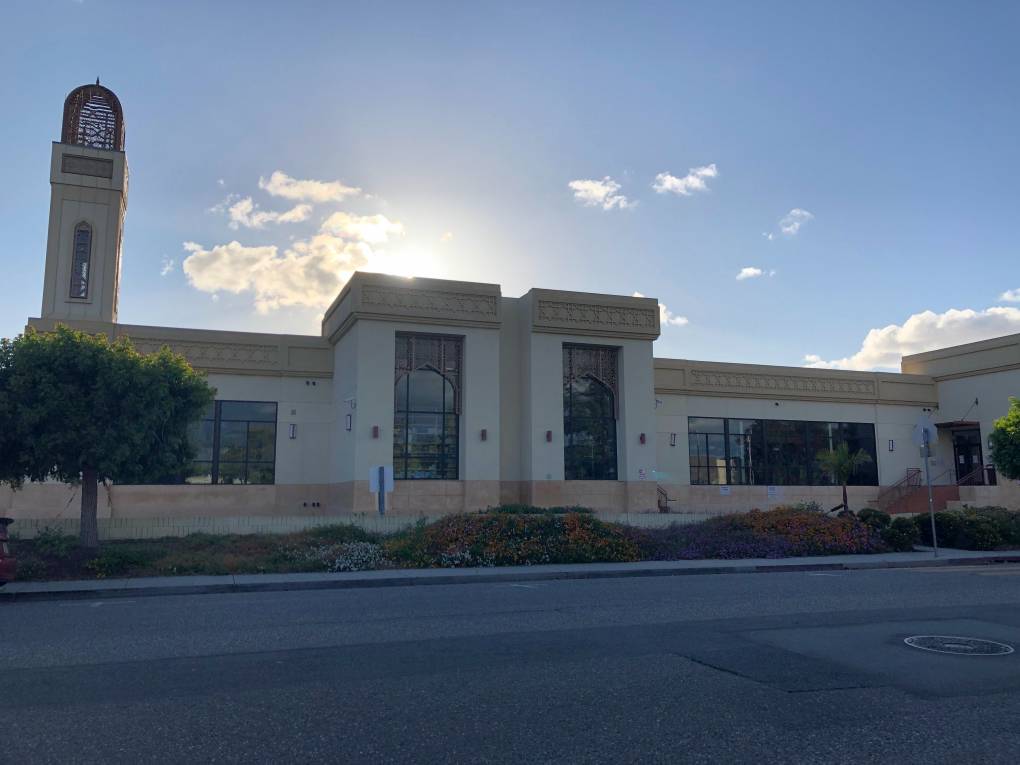
"caption": "The Muslim Community Association building in Santa Clara, Calif.",
"description": null,
"title": "Image from iOS",
"credit": "Adhiti Bandlamudi",
"status": "inherit",
"isLoading": false,
"fetchFailed": false
},
"news_11814379": {
"type": "attachments",
"id": "news_11814379",
"meta": {
"index": "attachments_1716263798",
"site": "news",
"id": "11814379",
"found": true
},
"parent": 11814298,
"imgSizes": {
"apple_news_ca_landscape_5_5": {
"file": "https://ww2.kqed.org/app/uploads/sites/10/2020/04/Ramadan-1044x783.jpg",
"width": 1044,
"mimeType": "image/jpeg",
"height": 783
},
"apple_news_ca_square_4_0": {
"file": "https://ww2.kqed.org/app/uploads/sites/10/2020/04/Ramadan-470x470.jpg",
"width": 470,
"mimeType": "image/jpeg",
"height": 470
},
"twentyfourteen-full-width": {
"file": "https://ww2.kqed.org/app/uploads/sites/10/2020/04/Ramadan-1038x576.jpg",
"width": 1038,
"mimeType": "image/jpeg",
"height": 576
},
"thumbnail": {
"file": "https://ww2.kqed.org/app/uploads/sites/10/2020/04/Ramadan-160x90.jpg",
"width": 160,
"mimeType": "image/jpeg",
"height": 90
},
"post-thumbnail": {
"file": "https://ww2.kqed.org/app/uploads/sites/10/2020/04/Ramadan-672x372.jpg",
"width": 672,
"mimeType": "image/jpeg",
"height": 372
},
"kqedFullSize": {
"file": "https://ww2.kqed.org/app/uploads/sites/10/2020/04/Ramadan.jpg",
"width": 2162,
"height": 1216
},
"apple_news_ca_landscape_4_7": {
"file": "https://ww2.kqed.org/app/uploads/sites/10/2020/04/Ramadan-632x474.jpg",
"width": 632,
"mimeType": "image/jpeg",
"height": 474
},
"large": {
"file": "https://ww2.kqed.org/app/uploads/sites/10/2020/04/Ramadan-1020x574.jpg",
"width": 1020,
"mimeType": "image/jpeg",
"height": 574
},
"apple_news_ca_landscape_4_0": {
"file": "https://ww2.kqed.org/app/uploads/sites/10/2020/04/Ramadan-536x402.jpg",
"width": 536,
"mimeType": "image/jpeg",
"height": 402
},
"apple_news_ca_portrait_12_9": {
"file": "https://ww2.kqed.org/app/uploads/sites/10/2020/04/Ramadan-1122x1216.jpg",
"width": 1122,
"mimeType": "image/jpeg",
"height": 1216
},
"medium": {
"file": "https://ww2.kqed.org/app/uploads/sites/10/2020/04/Ramadan-800x450.jpg",
"width": 800,
"mimeType": "image/jpeg",
"height": 450
},
"apple_news_ca_portrait_4_0": {
"file": "https://ww2.kqed.org/app/uploads/sites/10/2020/04/Ramadan-354x472.jpg",
"width": 354,
"mimeType": "image/jpeg",
"height": 472
},
"apple_news_ca_portrait_9_7": {
"file": "https://ww2.kqed.org/app/uploads/sites/10/2020/04/Ramadan-840x1120.jpg",
"width": 840,
"mimeType": "image/jpeg",
"height": 1120
},
"apple_news_ca_landscape_12_9": {
"file": "https://ww2.kqed.org/app/uploads/sites/10/2020/04/Ramadan-1832x1216.jpg",
"width": 1832,
"mimeType": "image/jpeg",
"height": 1216
},
"apple_news_ca_square_9_7": {
"file": "https://ww2.kqed.org/app/uploads/sites/10/2020/04/Ramadan-1104x1104.jpg",
"width": 1104,
"mimeType": "image/jpeg",
"height": 1104
},
"apple_news_ca_portrait_4_7": {
"file": "https://ww2.kqed.org/app/uploads/sites/10/2020/04/Ramadan-414x552.jpg",
"width": 414,
"mimeType": "image/jpeg",
"height": 552
},
"apple_news_ca_square_12_9": {
"file": "https://ww2.kqed.org/app/uploads/sites/10/2020/04/Ramadan-1472x1216.jpg",
"width": 1472,
"mimeType": "image/jpeg",
"height": 1216
},
"apple_news_ca_portrait_5_5": {
"file": "https://ww2.kqed.org/app/uploads/sites/10/2020/04/Ramadan-687x916.jpg",
"width": 687,
"mimeType": "image/jpeg",
"height": 916
},
"full-width": {
"file": "https://ww2.kqed.org/app/uploads/sites/10/2020/04/Ramadan-1920x1080.jpg",
"width": 1920,
"mimeType": "image/jpeg",
"height": 1080
},
"apple_news_ca_square_4_7": {
"file": "https://ww2.kqed.org/app/uploads/sites/10/2020/04/Ramadan-550x550.jpg",
"width": 550,
"mimeType": "image/jpeg",
"height": 550
},
"apple_news_ca_landscape_9_7": {
"file": "https://ww2.kqed.org/app/uploads/sites/10/2020/04/Ramadan-1376x1032.jpg",
"width": 1376,
"mimeType": "image/jpeg",
"height": 1032
},
"apple_news_ca_square_5_5": {
"file": "https://ww2.kqed.org/app/uploads/sites/10/2020/04/Ramadan-912x912.jpg",
"width": 912,
"mimeType": "image/jpeg",
"height": 912
}
},
"publishDate": 1587843262,
"modified": 1588013273,
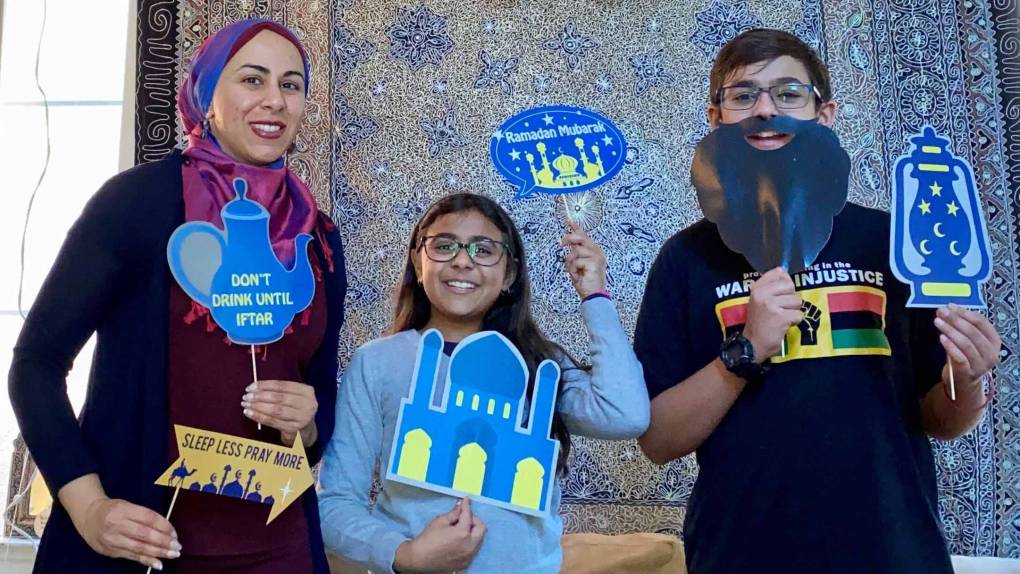
"caption": "Sameena Usman's two children, 13-year-old Saleh (right) and 10-year-old Serene, are decorating their house in preparation for Ramadan while sheltering in place this year.",
"description": "Sameena Usman's two children, Saleh Khan, 13, (left) and Serene, 10, (right) are decorating their house in preparation for Ramadan while sheltering in place this year.",
"title": "Ramadan",
"credit": "Photo courtesy of Sameena Usman",
"status": "inherit",
"isLoading": false,
"fetchFailed": false
},
"news_11673984": {
"type": "attachments",
"id": "news_11673984",
"meta": {
"index": "attachments_1716263798",
"site": "news",
"id": "11673984",
"found": true
},
"parent": 0,
"imgSizes": {
"small": {
"file": "https://ww2.kqed.org/app/uploads/sites/10/2018/06/MCA4-520x390.jpg",
"width": 520,
"mimeType": "image/jpeg",
"height": 390
},
"twentyfourteen-full-width": {
"file": "https://ww2.kqed.org/app/uploads/sites/10/2018/06/MCA4-1024x576.jpg",
"width": 1024,
"mimeType": "image/jpeg",
"height": 576
},
"thumbnail": {
"file": "https://ww2.kqed.org/app/uploads/sites/10/2018/06/MCA4-160x120.jpg",
"width": 160,
"mimeType": "image/jpeg",
"height": 120
},
"fd-sm": {
"file": "https://ww2.kqed.org/app/uploads/sites/10/2018/06/MCA4-960x720.jpg",
"width": 960,
"mimeType": "image/jpeg",
"height": 720
},
"post-thumbnail": {
"file": "https://ww2.kqed.org/app/uploads/sites/10/2018/06/MCA4-672x372.jpg",
"width": 672,
"mimeType": "image/jpeg",
"height": 372
},
"xsmall": {
"file": "https://ww2.kqed.org/app/uploads/sites/10/2018/06/MCA4-375x281.jpg",
"width": 375,
"mimeType": "image/jpeg",
"height": 281
},
"kqedFullSize": {
"file": "https://ww2.kqed.org/app/uploads/sites/10/2018/06/MCA4.jpg",
"width": 1024,
"height": 768
},
"large": {
"file": "https://ww2.kqed.org/app/uploads/sites/10/2018/06/MCA4-1020x765.jpg",
"width": 1020,
"mimeType": "image/jpeg",
"height": 765
},
"guest-author-50": {
"file": "https://ww2.kqed.org/app/uploads/sites/10/2018/06/MCA4-50x50.jpg",
"width": 50,
"mimeType": "image/jpeg",
"height": 50
},
"guest-author-96": {
"file": "https://ww2.kqed.org/app/uploads/sites/10/2018/06/MCA4-96x96.jpg",
"width": 96,
"mimeType": "image/jpeg",
"height": 96
},
"medium": {
"file": "https://ww2.kqed.org/app/uploads/sites/10/2018/06/MCA4-800x600.jpg",
"width": 800,
"mimeType": "image/jpeg",
"height": 600
},
"guest-author-64": {
"file": "https://ww2.kqed.org/app/uploads/sites/10/2018/06/MCA4-64x64.jpg",
"width": 64,
"mimeType": "image/jpeg",
"height": 64
},
"guest-author-32": {
"file": "https://ww2.kqed.org/app/uploads/sites/10/2018/06/MCA4-32x32.jpg",
"width": 32,
"mimeType": "image/jpeg",
"height": 32
},
"detail": {
"file": "https://ww2.kqed.org/app/uploads/sites/10/2018/06/MCA4-150x150.jpg",
"width": 150,
"mimeType": "image/jpeg",
"height": 150
},
"guest-author-128": {
"file": "https://ww2.kqed.org/app/uploads/sites/10/2018/06/MCA4-128x128.jpg",
"width": 128,
"mimeType": "image/jpeg",
"height": 128
},
"xxsmall": {
"file": "https://ww2.kqed.org/app/uploads/sites/10/2018/06/MCA4-240x180.jpg",
"width": 240,
"mimeType": "image/jpeg",
"height": 180
}
},
"publishDate": 1528635981,
"modified": 1528657392,
"caption": "Mohammad Chowdhury (left) and his family speaks with Erika Warrick at the Muslim Community Association Ramadan Open House on June 2, 2018. Warrick says she and Chowdhury are co-workers, and she accepted his invitation to the event.",
"description": "Mohammad Chowdhury (left) and his family speaks with Erika Warrick at the Muslim Community Association Ramadan Open House on June 2, 2018. Warrick says she and Chowdhury are co-workers, and she accepted his invitation to the event.",
"title": "MCA4",
"credit": "Marnette Federis/KQED",
"status": "inherit",
"isLoading": false,
"fetchFailed": false
},
"news_142414": {
"type": "attachments",
"id": "news_142414",
"meta": {
"index": "attachments_1716263798",
"site": "news",
"id": "142414",
"found": true
},
"parent": 142322,
"imgSizes": {
"kqedFullSize": {
"file": "https://ww2.kqed.org/app/uploads/sites/10/2014/07/protest.jpg",
"width": 2592,
"height": 1936
}
},
"publishDate": 1405979337,
"modified": 1405979337,
"caption": "The corner of 3rd and Market during the protest. (Photo by Reddit user editlabtechnician)",
"description": "The corner of 3rd and Market during the protest. (Photo by Reddit user editlabtechnician)",
"title": "protest",
"credit": null,
"status": "inherit",
"isLoading": false,
"fetchFailed": false
}
},
"audioPlayerReducer": {
"postId": "stream_live",
"isPaused": true,
"isPlaying": false,
"pfsActive": false,
"pledgeModalIsOpen": true,
"playerDrawerIsOpen": false,
"liveAudioPlayStartedAt": 0,
"liveAudioPlayContext": ""
},
"authorsReducer": {
"byline_news_11979736": {
"type": "authors",
"id": "byline_news_11979736",
"meta": {
"override": true
},
"slug": "byline_news_11979736",
"name": "Corey Williams, Giovanna Dell'Orto, Marian Fam, Darren Sands\u003cbr>Associated Press",
"isLoading": false
},
"kqednewsstaffandwires": {
"type": "authors",
"id": "237",
"meta": {
"index": "authors_1716337520",
"id": "237",
"found": true
},
"name": "KQED News Staff and Wires",
"firstName": "KQED News Staff and Wires",
"lastName": null,
"slug": "kqednewsstaffandwires",
"email": "onlinenewsstaff@kqed.org",
"display_author_email": false,
"staff_mastheads": [],
"title": null,
"bio": null,
"avatar": "https://secure.gravatar.com/avatar/72295af8ebbfbd19a4948f5271285664?s=600&d=blank&r=g",
"twitter": null,
"facebook": null,
"instagram": null,
"linkedin": null,
"sites": [
{
"site": "arts",
"roles": [
"contributor"
]
},
{
"site": "news",
"roles": [
"contributor"
]
},
{
"site": "lowdown",
"roles": [
"author"
]
},
{
"site": "stateofhealth",
"roles": [
"contributor"
]
},
{
"site": "food",
"roles": [
"author"
]
}
],
"headData": {
"title": "KQED News Staff and Wires | KQED",
"description": null,
"ogImgSrc": "https://secure.gravatar.com/avatar/72295af8ebbfbd19a4948f5271285664?s=600&d=blank&r=g",
"twImgSrc": "https://secure.gravatar.com/avatar/72295af8ebbfbd19a4948f5271285664?s=600&d=blank&r=g"
},
"isLoading": false,
"link": "/author/kqednewsstaffandwires"
},
"racheldornhelm": {
"type": "authors",
"id": "252",
"meta": {
"index": "authors_1716337520",
"id": "252",
"found": true
},
"name": "Rachel Dornhelm",
"firstName": "Rachel",
"lastName": "Dornhelm",
"slug": "racheldornhelm",
"email": "rdornhelm@kqed.org",
"display_author_email": false,
"staff_mastheads": [],
"title": null,
"bio": "\u003cp dir=\"ltr\">Rachel Dornhelm has worked as a reporter, editor and producer in public radio for the last twelve years. She got her start in New York City at WNYC and went on to work with the national business program Marketplace, WBUR’s “On Point” and KQED News in San Francisco. Her work has been honored by the LA Press Club and the SF-Peninsula Press Club.\u003c/p>\r\n\r\nRachel has a BA with honors in anthropology from Rice University and did graduate work at NYU.",
"avatar": "https://secure.gravatar.com/avatar/7eee8d9bf9f919dcc4573841641db363?s=600&d=blank&r=g",
"twitter": null,
"facebook": null,
"instagram": null,
"linkedin": null,
"sites": [
{
"site": "news",
"roles": [
"author"
]
},
{
"site": "stateofhealth",
"roles": [
"author"
]
},
{
"site": "quest",
"roles": [
"subscriber"
]
}
],
"headData": {
"title": "Rachel Dornhelm | KQED",
"description": null,
"ogImgSrc": "https://secure.gravatar.com/avatar/7eee8d9bf9f919dcc4573841641db363?s=600&d=blank&r=g",
"twImgSrc": "https://secure.gravatar.com/avatar/7eee8d9bf9f919dcc4573841641db363?s=600&d=blank&r=g"
},
"isLoading": false,
"link": "/author/racheldornhelm"
},
"dkatayama": {
"type": "authors",
"id": "7240",
"meta": {
"index": "authors_1716337520",
"id": "7240",
"found": true
},
"name": "Devin Katayama",
"firstName": "Devin",
"lastName": "Katayama",
"slug": "dkatayama",
"email": "dkatayama@kqed.org",
"display_author_email": true,
"staff_mastheads": [
"news"
],
"title": "Editor of Talent and Development",
"bio": "Devin Katayama is former Editor of Talent and Development for KQED. He supported our internship program and on-call staff by looking for equitable opportunities to improve the newsroom.\r\n\r\nHe previously hosted The Bay and American Suburb podcasts from KQED News. Prior to returning to the Bay Area in 2015, Devin was the education reporter for WFPL in Louisville and worked as a producer with radio stations in Chicago and Portland, OR. His work has appeared on NPR’s \u003cem>Morning Edition, All Things Considered, The Takeaway\u003c/em> and \u003cem>Here and Now.\u003c/em>\r\n\r\nDevin earned his MA in Journalism from Columbia College Chicago, where he was a Follett Fellow and the recipient of the 2011 Studs Terkel Community Media Workshop Scholarship for his story on Chicago's homeless youth. He won WBUR's 2014 Daniel Schorr award and a regional RTNDA Edward R. Murrow Award for his documentary \"At Risk\" that looked at issues facing some of Louisville's students. Devin has also received numerous local awards from the Associated Press and the Society of Professional Journalists.",
"avatar": "https://secure.gravatar.com/avatar/d0d2978a31002fb2de107921a8e18405?s=600&d=blank&r=g",
"twitter": "RadioDevin",
"facebook": null,
"instagram": null,
"linkedin": null,
"sites": [
{
"site": "arts",
"roles": []
},
{
"site": "news",
"roles": [
"author"
]
},
{
"site": "stateofhealth",
"roles": [
"author"
]
},
{
"site": "forum",
"roles": [
"editor"
]
},
{
"site": "perspectives",
"roles": [
"editor"
]
}
],
"headData": {
"title": "Devin Katayama | KQED",
"description": "Editor of Talent and Development",
"ogImgSrc": "https://secure.gravatar.com/avatar/d0d2978a31002fb2de107921a8e18405?s=600&d=blank&r=g",
"twImgSrc": "https://secure.gravatar.com/avatar/d0d2978a31002fb2de107921a8e18405?s=600&d=blank&r=g"
},
"isLoading": false,
"link": "/author/dkatayama"
},
"ecruzguevarra": {
"type": "authors",
"id": "8654",
"meta": {
"index": "authors_1716337520",
"id": "8654",
"found": true
},
"name": "Ericka Cruz Guevarra",
"firstName": "Ericka",
"lastName": "Cruz Guevarra",
"slug": "ecruzguevarra",
"email": "ecruzguevarra@kqed.org",
"display_author_email": true,
"staff_mastheads": [
"news"
],
"title": "Producer, The Bay Podcast",
"bio": "Ericka Cruz Guevarra is host of \u003ca href=\"https://www.kqed.org/podcasts/thebay\">\u003cem>The Bay\u003c/em>\u003c/a> podcast at KQED. Before host, she was the show’s producer. Her work in that capacity includes a three-part reported series on policing in Vallejo, which won a 2020 excellence in journalism award from the Society of Professional Journalists. Ericka has worked as a breaking news reporter at Oregon Public Broadcasting, helped produce the Code Switch podcast, and was KQED’s inaugural Raul Ramirez Diversity Fund intern. She’s also an alumna of NPR’s Next Generation Radio program. Send her an email if you have strong feelings about whether Fairfield and Suisun City are the Bay. Ericka is represented by SAG-AFTRA.",
"avatar": "https://secure.gravatar.com/avatar/accefc1de4bafc7e234b69bcb9b6f6536c130fd84709bc3069ef11a78787e1bb?s=600&d=blank&r=g",
"twitter": "NotoriousECG",
"bluesky": null,
"facebook": null,
"instagram": null,
"linkedin": null,
"sites": [
{
"site": "arts",
"roles": [
"subscriber"
]
},
{
"site": "news",
"roles": [
"editor",
"manage_categories"
]
},
{
"site": "futureofyou",
"roles": [
"subscriber"
]
},
{
"site": "stateofhealth",
"roles": [
"subscriber"
]
},
{
"site": "science",
"roles": [
"editor"
]
},
{
"site": "forum",
"roles": [
"subscriber"
]
}
],
"headData": {
"title": "Ericka Cruz Guevarra | KQED",
"description": "Producer, The Bay Podcast",
"ogImgSrc": "https://secure.gravatar.com/avatar/accefc1de4bafc7e234b69bcb9b6f6536c130fd84709bc3069ef11a78787e1bb?s=600&d=blank&r=g",
"twImgSrc": "https://secure.gravatar.com/avatar/accefc1de4bafc7e234b69bcb9b6f6536c130fd84709bc3069ef11a78787e1bb?s=600&d=blank&r=g"
},
"isLoading": false,
"link": "/author/ecruzguevarra"
},
"mfederis": {
"type": "authors",
"id": "11509",
"meta": {
"index": "authors_1716337520",
"id": "11509",
"found": true
},
"name": "Marnette Federis",
"firstName": "Marnette",
"lastName": "Federis",
"slug": "mfederis",
"email": "mfederis@kqed.org",
"display_author_email": false,
"staff_mastheads": [],
"title": "KQED Contributor",
"bio": null,
"avatar": "https://secure.gravatar.com/avatar/4e22db56276fd54eaeb4ec94c12662c6c695a321a263331af03448665369ad7f?s=600&d=mm&r=g",
"twitter": null,
"bluesky": null,
"facebook": null,
"instagram": null,
"linkedin": null,
"sites": [
{
"site": "arts",
"roles": [
"editor"
]
},
{
"site": "news",
"roles": [
"editor"
]
},
{
"site": "mindshift",
"roles": [
"editor"
]
},
{
"site": "science",
"roles": [
"editor"
]
},
{
"site": "forum",
"roles": [
"editor"
]
},
{
"site": "podcasts",
"roles": [
"editor"
]
},
{
"site": "elections",
"roles": [
"editor"
]
}
],
"headData": {
"title": "Marnette Federis | KQED",
"description": "KQED Contributor",
"ogImgSrc": "https://secure.gravatar.com/avatar/4e22db56276fd54eaeb4ec94c12662c6c695a321a263331af03448665369ad7f?s=600&d=mm&r=g",
"twImgSrc": "https://secure.gravatar.com/avatar/4e22db56276fd54eaeb4ec94c12662c6c695a321a263331af03448665369ad7f?s=600&d=mm&r=g"
},
"isLoading": false,
"link": "/author/mfederis"
},
"smohamad": {
"type": "authors",
"id": "11631",
"meta": {
"index": "authors_1716337520",
"id": "11631",
"found": true
},
"name": "Sarah Mohamad",
"firstName": "Sarah",
"lastName": "Mohamad",
"slug": "smohamad",
"email": "smohamad@KQED.org",
"display_author_email": true,
"staff_mastheads": [],
"title": "Engagement Producer and Reporter, KQED Science",
"bio": "Sarah Mohamad is an audience engagement reporter and producer for KQED Science. She reports on audience-focused science and environment stories and manages the team's social media, newsletter, and engagement efforts. Prior to this role, she played a key role as project manager for NSF's \u003ca href=\"https://www.kqed.org/crackingthecode\">\u003cem>Cracking the Code: Influencing Millennial Science Engagement\u003c/em> \u003c/a>audience research.",
"avatar": "https://secure.gravatar.com/avatar/e6224957cd82d015183756ddde1f928013a563d7ca2e4565f8c4de1ec64886c5?s=600&d=blank&r=g",
"twitter": "sarahkmohamad",
"bluesky": null,
"facebook": null,
"instagram": null,
"linkedin": null,
"sites": [
{
"site": "",
"roles": [
"editor"
]
},
{
"site": "arts",
"roles": [
"editor"
]
},
{
"site": "news",
"roles": [
"editor"
]
},
{
"site": "about",
"roles": [
"editor"
]
},
{
"site": "science",
"roles": [
"editor"
]
}
],
"headData": {
"title": "Sarah Mohamad | KQED",
"description": "Engagement Producer and Reporter, KQED Science",
"ogImgSrc": "https://secure.gravatar.com/avatar/e6224957cd82d015183756ddde1f928013a563d7ca2e4565f8c4de1ec64886c5?s=600&d=blank&r=g",
"twImgSrc": "https://secure.gravatar.com/avatar/e6224957cd82d015183756ddde1f928013a563d7ca2e4565f8c4de1ec64886c5?s=600&d=blank&r=g"
},
"isLoading": false,
"link": "/author/smohamad"
},
"amontecillo": {
"type": "authors",
"id": "11649",
"meta": {
"index": "authors_1716337520",
"id": "11649",
"found": true
},
"name": "Alan Montecillo",
"firstName": "Alan",
"lastName": "Montecillo",
"slug": "amontecillo",
"email": "amontecillo@kqed.org",
"display_author_email": false,
"staff_mastheads": [
"news"
],
"title": "KQED Contributor",
"bio": "Alan Montecillo is the senior editor of \u003cem>\u003ca href=\"http://kqed.org/thebay\">The Bay\u003c/a>, \u003c/em> KQED's local news podcast. Before moving to the Bay Area, he worked as a senior talk show producer for WILL in Champaign-Urbana, Illinois and at Oregon Public Broadcasting in Portland, Oregon. He has won journalism awards from the Society of Professional Journalists Northern California, the Public Media Journalists Association, The Signal Awards, and has also received a regional Edward R. Murrow award. Alan is a Filipino American from Hong Kong and a graduate of Reed College.",
"avatar": "https://secure.gravatar.com/avatar/268f53a2066899ea9efdd8a5900218b17c822d9862cbc9326cccec53ef41d349?s=600&d=blank&r=g",
"twitter": "alanmontecillo",
"bluesky": null,
"facebook": null,
"instagram": null,
"linkedin": null,
"sites": [
{
"site": "",
"roles": [
"editor"
]
},
{
"site": "news",
"roles": [
"editor",
"manage_categories"
]
}
],
"headData": {
"title": "Alan Montecillo | KQED",
"description": "KQED Contributor",
"ogImgSrc": "https://secure.gravatar.com/avatar/268f53a2066899ea9efdd8a5900218b17c822d9862cbc9326cccec53ef41d349?s=600&d=blank&r=g",
"twImgSrc": "https://secure.gravatar.com/avatar/268f53a2066899ea9efdd8a5900218b17c822d9862cbc9326cccec53ef41d349?s=600&d=blank&r=g"
},
"isLoading": false,
"link": "/author/amontecillo"
},
"abandlamudi": {
"type": "authors",
"id": "11672",
"meta": {
"index": "authors_1716337520",
"id": "11672",
"found": true
},
"name": "Adhiti Bandlamudi",
"firstName": "Adhiti",
"lastName": "Bandlamudi",
"slug": "abandlamudi",
"email": "abandlamudi@kqed.org",
"display_author_email": false,
"staff_mastheads": [
"news"
],
"title": "KQED Housing Reporter",
"bio": "Adhiti Bandlamudi reports for KQED's Housing desk. She focuses on how housing gets built across the Bay Area. Before joining KQED in 2020, she reported for WUNC in Durham, North Carolina, WABE in Atlanta, Georgia and Capital Public Radio in Sacramento. In 2017, she was awarded a Kroc Fellowship at NPR where she reported on everything from sprinkles to the Golden State Killer's arrest. When she's not reporting, she's baking new recipes in her kitchen or watching movies with friends and family. She's originally from Georgia and has strong opinions about Great British Bake Off.",
"avatar": "https://secure.gravatar.com/avatar/868129c8b257bb99a3500e2c86a65400?s=600&d=mm&r=g",
"twitter": "oddity_adhiti",
"facebook": null,
"instagram": null,
"linkedin": null,
"sites": [
{
"site": "arts",
"roles": [
"author"
]
},
{
"site": "news",
"roles": [
"editor"
]
},
{
"site": "liveblog",
"roles": [
"author"
]
}
],
"headData": {
"title": "Adhiti Bandlamudi | KQED",
"description": "KQED Housing Reporter",
"ogImgSrc": "https://secure.gravatar.com/avatar/868129c8b257bb99a3500e2c86a65400?s=600&d=mm&r=g",
"twImgSrc": "https://secure.gravatar.com/avatar/868129c8b257bb99a3500e2c86a65400?s=600&d=mm&r=g"
},
"isLoading": false,
"link": "/author/abandlamudi"
}
},
"pagesReducer": {
"news_tag_ramadan": {
"type": "terms",
"id": "news_1767",
"meta": {
"index": "terms_1716263798",
"site": "news",
"id": "1767",
"score": 9.557551
},
"featImg": null,
"name": "Ramadan",
"description": null,
"taxonomy": "tag",
"headData": {
"twImgId": null,
"twTitle": null,
"ogTitle": null,
"ogImgId": null,
"twDescription": null,
"description": null,
"title": "Ramadan Archives | KQED News",
"ogDescription": null
},
"ttid": 1781,
"slug": "ramadan",
"isLoading": false,
"title": "Ramadan",
"pageMeta": {
"site": "news",
"WpPageTemplate": "page-topic-editorial",
"currentPage": 2
},
"blocks": [
{
"blockName": "kqed/post-list",
"attrs": {
"layout": "cardArticle2",
"query": "posts/news?tag=ramadan",
"seeMore": false,
"paginated": true,
"page": 2
}
},
{
"blockName": "kqed/ad"
}
]
}
},
"pfsSessionReducer": {},
"postsReducer": {
"stream_live": {
"type": "live",
"id": "stream_live",
"audioUrl": "https://streams.kqed.org/kqedradio",
"title": "Live Stream",
"excerpt": "Live Stream information currently unavailable.",
"link": "/radio",
"featImg": "",
"label": {
"name": "KQED Live",
"link": "/"
}
},
"stream_kqedNewscast": {
"type": "posts",
"id": "stream_kqedNewscast",
"audioUrl": "https://www.kqed.org/.stream/anon/radio/RDnews/newscast.mp3?_=1",
"title": "KQED Newscast",
"featImg": "",
"label": {
"name": "88.5 FM",
"link": "/"
}
},
"news_11979736": {
"type": "posts",
"id": "news_11979736",
"meta": {
"index": "posts_1716263798",
"site": "news",
"id": "11979736",
"score": null,
"sort": [
1710680401000
]
},
"parent": 0,
"labelTerm": {
"site": "news"
},
"blocks": [],
"publishDate": 1710680401,
"format": "standard",
"title": "More Muslim Students Are Getting Support at School During Ramadan Fasting",
"headTitle": "More Muslim Students Are Getting Support at School During Ramadan Fasting | KQED",
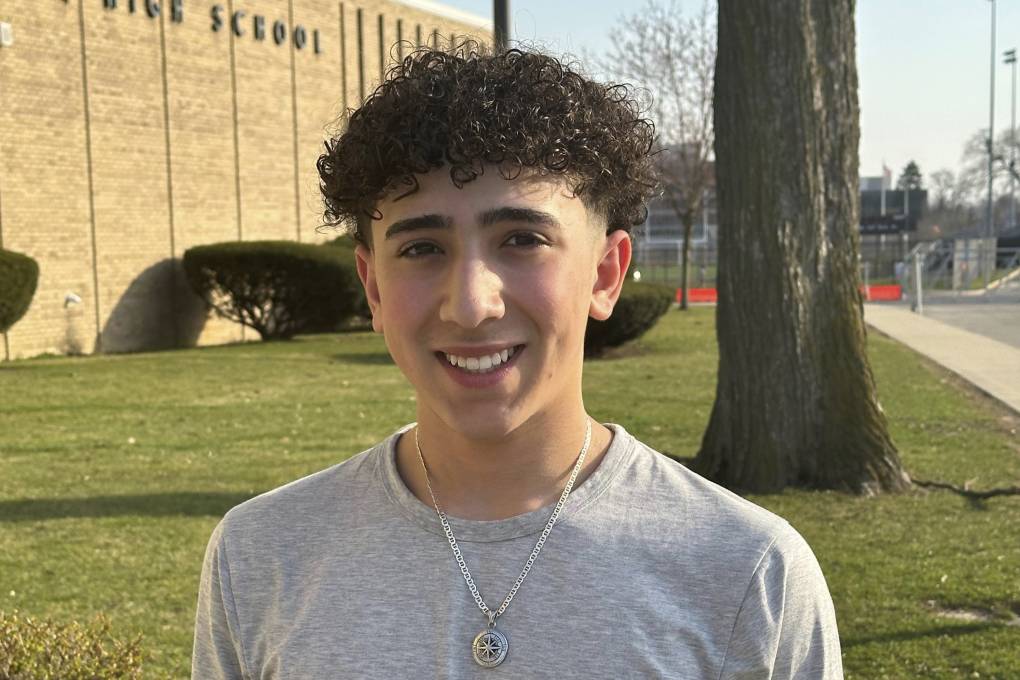
"content": "\u003cp>While Muslim students remain a rarity in many U.S. school districts, they are a major presence in some communities, prompting public schools to be more attentive to their needs during the holy month of \u003ca href=\"https://apnews.com/article/ramadan-islam-fasting-islamic-holy-month-d8c9e002e4904c5d8e0ccee2b77f9ad4\">Ramadan\u003c/a> when dawn-to-sundown fasting is a duty of Islam.\u003c/p>\n\u003cp>For example, in \u003ca href=\"https://apnews.com/article/michigan-primary-uncommitted-dearborn-arab-muslim-05f6a1099c00fe75823f77aaadbacf25\">Dearborn, Michigan\u003c/a> — where nearly half the 110,000 residents are of Arab descent — public school teachers and staff strive to make things easier for students observing Ramadan.\u003c/p>\n\u003cp>“We allow students on their own to practice their faith as long as it’s not a disruption to the school day,” said Dearborn Schools spokesperson David Mustonen. “We also try to find other spaces or activities in the school during lunch for those students who may be fasting.”\u003c/p>\n\u003cp>[pullquote align=\"right\" size=\"medium\" citation=\"David Mustonen, spokesperson, Dearborn Schools in Michigan\"]‘We allow students on their own to practice their faith as long as it’s not a disruption to the school day. We also try to find other spaces or activities in the school during lunch for those students who may be fasting.’[/pullquote]But he stressed that these students are still required to complete all assignments.\u003c/p>\n\u003cp>In St. Paul, Minnesota, East African Elementary Magnet School has set aside space in the library where students who are fasting and don’t want to be in the cafeteria can spend the break doing other supervised activities like reading, said principal Abdisalam Adam.\u003c/p>\n\u003cp>The 220-student school opened last fall as part of St. Paul’s public schools system, and shares that curriculum, but it also aims to reinforce cultural and linguistic connections with Somalia and other East African countries. Adam said about 90% of the students are Somali Muslims.\u003c/p>\n\u003cp>Adam, who has worked with the district for nearly 30 years, said he tells his staff that accommodating observance of Ramadan fits in with an overall goal of caring for students.\u003c/p>\n\u003cp>“All needs are connected,” he said.\u003c/p>\n\u003cp>For school districts less familiar with Muslim traditions, resources are available. For example, Islamic Networks Group, a California-based nonprofit, provides, among other things, online information for educators about Ramadan and its significance to Muslims.\u003c/p>\n\u003cp>Many districts “don’t know very much about Islam or any of our holidays,” said Maha Elgenaidi, the group’s executive director. “If they don’t know very much about it, there’s not much they can provide to students in terms of accommodation” until they learn more and the parents are actively involved in asking for accommodations.\u003c/p>\n\u003cp>She says fasting students may need to be excused from strenuous activities in gym class, and should be allowed to make up for tests missed due to absence to celebrate the Eid al-Fitr holiday that follows Ramadan.\u003c/p>\n\u003cp>[ad fullwidth]\u003c/p>\n\u003cp>“If they’re not accommodated at school or the school doesn’t know anything about this, they’re kind of living dual lives there.”\u003c/p>\n\u003cp>Fasting is not required of young children, but many Muslim children like to fast to share in the month’s rituals and emulate parents and older siblings, according to ING. Educators also need to know of the typical changes to Muslim families’ routines during Ramadan, such as waking up for the pre-dawn “suhoor” meal and staying up late to possibly attend prayers in the mosque, Elgenaidi said.\u003c/p>\n\u003cp>When Dr. Aifra Ahmed’s children were younger, the Pakistani American physician and her husband would share insight about Ramadan with their classmates, reading to them a Ramadan story and distributing goodie bags with such things as dates.\u003c/p>\n\u003cp>“I realized that the Muslim families in school have to do a lot of education,” said Ahmed, who lives in Los Altos, California.\u003c/p>\n\u003cp>Ahmed’s husband, Moazzam Chaudry, said goodwill gestures, such as when educators offer a Ramadan greeting, send a message of inclusivity.\u003c/p>\n\u003cp>[pullquote align=\"right\" size=\"medium\" citation=\"Moazzam Chaudry, Los Altos resident\"]‘[T]hat’s the first thing that … naturally comes to your mind, ‘Are we integrated into this society? Does this society even accept us?’ These little, little things make such a huge impact.’[/pullquote]For immigrant families, “that’s the first thing that … naturally comes to your mind, ‘Are we integrated into this society? Does this society even accept us?’” he said. “These little, little things make such a huge impact.”\u003c/p>\n\u003cp>Punhal, the couple’s daughter who attends a charter middle school, said she takes part in physical education during Ramadan but skips running when fasting because she would need water afterward.\u003c/p>\n\u003cp>She said a few non-Muslim friends told her they would like to fast with her in companionship.\u003c/p>\n\u003cp>Naiel, her brother who’s in a public high school, said he was pleased when a teacher talked to the class about Ramadan and told him that, if he needed, he could take a nap.\u003c/p>\n\u003cp>He wants others to better understand why he fasts.\u003c/p>\n\u003cp>“A lot of kids and teachers think … I’m torturing myself or like it’s a diet,” he said. “When I’m fasting, I just feel a lot more gratitude towards everyone around me and towards people who don’t have as much.”\u003c/p>\n\u003cp>In Dearborn, 14-year-old Adam Alcodray praised the faculty at Dearborn High for their understanding during Ramadan.\u003c/p>\n\u003cp>“A lot of the teachers are just like more lenient, allowing us to do less,” said Alcodray, a 9th grader. “They don’t get mad because they realize we are hungry.”\u003c/p>\n\u003cp>[aside label=\"Related Stories\" postID=\"news_11978744,news_11979258,news_11911947,mindshift_62718\"]Alcodray says he fasts from 6:20 a.m. until around 8 p.m.\u003c/p>\n\u003cp>“It’s not that bad to be honest,” he said. “When you know you can’t eat, something in your brain clicks.”\u003c/p>\n\u003cp>Hussein Mortada, a 17-year-old senior at Dearborn High, said family solidarity is invaluable during Ramadan.\u003c/p>\n\u003cp>“In my family, everybody’s fasting,” Mortada said. “Everybody’s going through the same thing. The whole month is meant for you to get closer to God and make your religion stronger.”\u003c/p>\n\u003cp>This year, Ramadan carries extra significance due to the hardships being suffered by people in Gaza amid the \u003ca href=\"https://apnews.com/hub/israel-hamas-war\">Israel-Hamas war\u003c/a>, Mortada said.\u003c/p>\n\u003cp>“I feel helpless just sitting here on my phone, looking at everything that’s happening,” he said. “All you can do is feel for them and pray for them.”\u003c/p>\n\u003cp>Alcodray shared similar sentiments.\u003c/p>\n\u003cp>“When you look at what the children are eating in Gaza, you appreciate what your mom makes,” he said. “When you’re having a bad day, realize what they are going through.”\u003c/p>\n\u003cp>At the East African magnet school in St. Paul, Marian Aden — who trains other teachers there — makes it a priority to encourage Ramadan-related accommodations for fasting students.\u003c/p>\n\u003cp>Aden said her youngest daughter, 4-year-old Nora, woke up excited about Ramadan’s start on March 11 — but her teachers in the suburb where they live weren’t familiar with the occasion. Aden said she’ll be relieved when Nora starts attending the magnet school next year.\u003c/p>\n\u003cp>“She’ll be celebrated for who she is,” Aden said.\u003c/p>\n\u003cp>[pullquote align=\"right\" size=\"medium\" citation=\"Adam Alcodray, student, Dearborn High School in Michigan\"]‘When you look at what the children are eating in Gaza, you appreciate what your mom makes. When you’re having a bad day, realize what they are going through.’[/pullquote]Minnesota has been home to growing numbers of \u003ca href=\"https://apnews.com/article/politics-religion-minneapolis-united-states-ded19bdda3065dea259a8c25842956d4\">refugees from war-torn Somalia\u003c/a> since the late 1990s. Several school districts have recently made Eid a holiday.\u003c/p>\n\u003cp>In Washington, D.C., Abdul Fouzi has two daughters, ages 8 and 12, who have gradually learned the meaning and rituals of Ramadan.\u003c/p>\n\u003cp>Growing up in Sierra Leone in the 1980s, Fouzi said he was fasting for a full day as early as age 11. But he has not pushed his elder daughter to do likewise.\u003c/p>\n\u003cp>“They’re still pretty young so they’re not ready to go the whole day without food or water,” he said. “They’re not built like that.”\u003c/p>\n\u003cp>Still, he wants them to get used to the idea; this year he’d like them to experiment with fasting for a half day.\u003c/p>\n\u003cp>To Fouzi, more important than strict adherence to the rules at their age is their understanding of Ramadan’s meaning and the importance of praying for peace.\u003c/p>\n\u003cp>“They make up their own little rules and find loopholes figuring out how they want to participate in and practice Ramadan in different ways, and I’m okay with that,” he said.\u003c/p>\n\u003cp>\u003cem>Dell’Orto reported from Miami, Fam from Cairo and Sands from Washington.\u003c/em>\u003c/p>\n\u003cp>\u003cem>Associated Press religion coverage receives support through the AP’s \u003ca href=\"https://bit.ly/ap-twir\">collaboration\u003c/a> with The Conversation US, with funding from Lilly Endowment Inc. The AP is solely responsible for this content.\u003c/em>\u003c/p>\n\u003cp>[ad floatright]\u003c/p>\n",
"stats": {
"hasVideo": false,
"hasChartOrMap": false,
"hasAudio": false,
"hasPolis": false,
"wordCount": 1567,
"hasGoogleForm": false,
"hasGallery": false,
"hasHearkenModule": false,
"iframeSrcs": [],
"paragraphCount": 46
},
"modified": 1710619351,
"excerpt": "Muslim students are a major presence in some communities, prompting some public schools to be more attentive to their needs during the holy month of Ramadan when dawn-to-sundown fasting is a duty of Islam. ",
"headData": {
"twImgId": "",
"twTitle": "",
"ogTitle": "",
"ogImgId": "",
"twDescription": "",
"description": "Muslim students are a major presence in some communities, prompting some public schools to be more attentive to their needs during the holy month of Ramadan when dawn-to-sundown fasting is a duty of Islam. ",
"title": "More Muslim Students Are Getting Support at School During Ramadan Fasting | KQED",
"ogDescription": "",
"schema": {
"@context": "https://schema.org",
"@type": "NewsArticle",
"headline": "More Muslim Students Are Getting Support at School During Ramadan Fasting",
"datePublished": "2024-03-17T06:00:01-07:00",
"dateModified": "2024-03-16T13:02:31-07:00",
"image": "https://cdn.kqed.org/wp-content/uploads/2020/02/KQED-OG-Image@1x.png",
"isAccessibleForFree": "True",
"publisher": {
"@type": "NewsMediaOrganization",
"@id": "https://www.kqed.org/#organization",
"name": "KQED",
"logo": "https://cdn.kqed.org/wp-content/uploads/2020/02/KQED-OG-Image@1x.png",
"url": "https://www.kqed.org",
"sameAs": [
"https://www.facebook.com/KQED",
"https://twitter.com/KQED",
"https://www.instagram.com/kqed/",
"https://www.tiktok.com/@kqedofficial",
"https://www.linkedin.com/company/kqed",
"https://www.youtube.com/channel/UCeC0IOo7i1P_61zVUWbJ4nw"
]
}
}
},
"guestAuthors": [],
"slug": "more-muslim-students-are-getting-support-in-public-schools-during-ramadan-fasting",
"status": "publish",
"nprByline": "Corey Williams, Giovanna Dell'Orto, Marian Fam, Darren Sands\u003cbr>Associated Press",
"excludeFromSiteSearch": "Include",
"sticky": false,
"showOnAuthorArchivePages": "No",
"articleAge": "0",
"path": "/news/11979736/more-muslim-students-are-getting-support-in-public-schools-during-ramadan-fasting",
"audioTrackLength": null,
"parsedContent": [
{
"type": "contentString",
"content": "\u003cdiv class=\"post-body\">\u003cp>\u003cp>While Muslim students remain a rarity in many U.S. school districts, they are a major presence in some communities, prompting public schools to be more attentive to their needs during the holy month of \u003ca href=\"https://apnews.com/article/ramadan-islam-fasting-islamic-holy-month-d8c9e002e4904c5d8e0ccee2b77f9ad4\">Ramadan\u003c/a> when dawn-to-sundown fasting is a duty of Islam.\u003c/p>\n\u003cp>For example, in \u003ca href=\"https://apnews.com/article/michigan-primary-uncommitted-dearborn-arab-muslim-05f6a1099c00fe75823f77aaadbacf25\">Dearborn, Michigan\u003c/a> — where nearly half the 110,000 residents are of Arab descent — public school teachers and staff strive to make things easier for students observing Ramadan.\u003c/p>\n\u003cp>“We allow students on their own to practice their faith as long as it’s not a disruption to the school day,” said Dearborn Schools spokesperson David Mustonen. “We also try to find other spaces or activities in the school during lunch for those students who may be fasting.”\u003c/p>\n\u003cp>\u003c/p>\u003c/div>",
"attributes": {
"named": {},
"numeric": []
}
},
{
"type": "component",
"content": "‘We allow students on their own to practice their faith as long as it’s not a disruption to the school day. We also try to find other spaces or activities in the school during lunch for those students who may be fasting.’",
"name": "pullquote",
"attributes": {
"named": {
"align": "right",
"size": "medium",
"citation": "David Mustonen, spokesperson, Dearborn Schools in Michigan",
"label": ""
},
"numeric": []
}
},
{
"type": "contentString",
"content": "\u003cdiv class=\"post-body\">\u003cp>But he stressed that these students are still required to complete all assignments.\u003c/p>\n\u003cp>In St. Paul, Minnesota, East African Elementary Magnet School has set aside space in the library where students who are fasting and don’t want to be in the cafeteria can spend the break doing other supervised activities like reading, said principal Abdisalam Adam.\u003c/p>\n\u003cp>The 220-student school opened last fall as part of St. Paul’s public schools system, and shares that curriculum, but it also aims to reinforce cultural and linguistic connections with Somalia and other East African countries. Adam said about 90% of the students are Somali Muslims.\u003c/p>\n\u003cp>Adam, who has worked with the district for nearly 30 years, said he tells his staff that accommodating observance of Ramadan fits in with an overall goal of caring for students.\u003c/p>\n\u003cp>“All needs are connected,” he said.\u003c/p>\n\u003cp>For school districts less familiar with Muslim traditions, resources are available. For example, Islamic Networks Group, a California-based nonprofit, provides, among other things, online information for educators about Ramadan and its significance to Muslims.\u003c/p>\n\u003cp>Many districts “don’t know very much about Islam or any of our holidays,” said Maha Elgenaidi, the group’s executive director. “If they don’t know very much about it, there’s not much they can provide to students in terms of accommodation” until they learn more and the parents are actively involved in asking for accommodations.\u003c/p>\n\u003cp>She says fasting students may need to be excused from strenuous activities in gym class, and should be allowed to make up for tests missed due to absence to celebrate the Eid al-Fitr holiday that follows Ramadan.\u003c/p>\n\u003cp>\u003c/p>\u003c/div>",
"attributes": {
"named": {},
"numeric": []
}
},
{
"type": "component",
"content": "",
"name": "ad",
"attributes": {
"named": {
"label": "fullwidth"
},
"numeric": [
"fullwidth"
]
}
},
{
"type": "contentString",
"content": "\u003cdiv class=\"post-body\">\u003cp>\u003c/p>\n\u003cp>“If they’re not accommodated at school or the school doesn’t know anything about this, they’re kind of living dual lives there.”\u003c/p>\n\u003cp>Fasting is not required of young children, but many Muslim children like to fast to share in the month’s rituals and emulate parents and older siblings, according to ING. Educators also need to know of the typical changes to Muslim families’ routines during Ramadan, such as waking up for the pre-dawn “suhoor” meal and staying up late to possibly attend prayers in the mosque, Elgenaidi said.\u003c/p>\n\u003cp>When Dr. Aifra Ahmed’s children were younger, the Pakistani American physician and her husband would share insight about Ramadan with their classmates, reading to them a Ramadan story and distributing goodie bags with such things as dates.\u003c/p>\n\u003cp>“I realized that the Muslim families in school have to do a lot of education,” said Ahmed, who lives in Los Altos, California.\u003c/p>\n\u003cp>Ahmed’s husband, Moazzam Chaudry, said goodwill gestures, such as when educators offer a Ramadan greeting, send a message of inclusivity.\u003c/p>\n\u003cp>\u003c/p>\u003c/div>",
"attributes": {
"named": {},
"numeric": []
}
},
{
"type": "component",
"content": "‘[T]hat’s the first thing that … naturally comes to your mind, ‘Are we integrated into this society? Does this society even accept us?’ These little, little things make such a huge impact.’",
"name": "pullquote",
"attributes": {
"named": {
"align": "right",
"size": "medium",
"citation": "Moazzam Chaudry, Los Altos resident",
"label": ""
},
"numeric": []
}
},
{
"type": "contentString",
"content": "\u003cdiv class=\"post-body\">\u003cp>For immigrant families, “that’s the first thing that … naturally comes to your mind, ‘Are we integrated into this society? Does this society even accept us?’” he said. “These little, little things make such a huge impact.”\u003c/p>\n\u003cp>Punhal, the couple’s daughter who attends a charter middle school, said she takes part in physical education during Ramadan but skips running when fasting because she would need water afterward.\u003c/p>\n\u003cp>She said a few non-Muslim friends told her they would like to fast with her in companionship.\u003c/p>\n\u003cp>Naiel, her brother who’s in a public high school, said he was pleased when a teacher talked to the class about Ramadan and told him that, if he needed, he could take a nap.\u003c/p>\n\u003cp>He wants others to better understand why he fasts.\u003c/p>\n\u003cp>“A lot of kids and teachers think … I’m torturing myself or like it’s a diet,” he said. “When I’m fasting, I just feel a lot more gratitude towards everyone around me and towards people who don’t have as much.”\u003c/p>\n\u003cp>In Dearborn, 14-year-old Adam Alcodray praised the faculty at Dearborn High for their understanding during Ramadan.\u003c/p>\n\u003cp>“A lot of the teachers are just like more lenient, allowing us to do less,” said Alcodray, a 9th grader. “They don’t get mad because they realize we are hungry.”\u003c/p>\n\u003cp>\u003c/p>\u003c/div>",
"attributes": {
"named": {},
"numeric": []
}
},
{
"type": "component",
"content": "",
"name": "aside",
"attributes": {
"named": {
"label": "Related Stories ",
"postid": "news_11978744,news_11979258,news_11911947,mindshift_62718"
},
"numeric": []
}
},
{
"type": "contentString",
"content": "\u003cdiv class=\"post-body\">\u003cp>Alcodray says he fasts from 6:20 a.m. until around 8 p.m.\u003c/p>\n\u003cp>“It’s not that bad to be honest,” he said. “When you know you can’t eat, something in your brain clicks.”\u003c/p>\n\u003cp>Hussein Mortada, a 17-year-old senior at Dearborn High, said family solidarity is invaluable during Ramadan.\u003c/p>\n\u003cp>“In my family, everybody’s fasting,” Mortada said. “Everybody’s going through the same thing. The whole month is meant for you to get closer to God and make your religion stronger.”\u003c/p>\n\u003cp>This year, Ramadan carries extra significance due to the hardships being suffered by people in Gaza amid the \u003ca href=\"https://apnews.com/hub/israel-hamas-war\">Israel-Hamas war\u003c/a>, Mortada said.\u003c/p>\n\u003cp>“I feel helpless just sitting here on my phone, looking at everything that’s happening,” he said. “All you can do is feel for them and pray for them.”\u003c/p>\n\u003cp>Alcodray shared similar sentiments.\u003c/p>\n\u003cp>“When you look at what the children are eating in Gaza, you appreciate what your mom makes,” he said. “When you’re having a bad day, realize what they are going through.”\u003c/p>\n\u003cp>At the East African magnet school in St. Paul, Marian Aden — who trains other teachers there — makes it a priority to encourage Ramadan-related accommodations for fasting students.\u003c/p>\n\u003cp>Aden said her youngest daughter, 4-year-old Nora, woke up excited about Ramadan’s start on March 11 — but her teachers in the suburb where they live weren’t familiar with the occasion. Aden said she’ll be relieved when Nora starts attending the magnet school next year.\u003c/p>\n\u003cp>“She’ll be celebrated for who she is,” Aden said.\u003c/p>\n\u003cp>\u003c/p>\u003c/div>",
"attributes": {
"named": {},
"numeric": []
}
},
{
"type": "component",
"content": "‘When you look at what the children are eating in Gaza, you appreciate what your mom makes. When you’re having a bad day, realize what they are going through.’",
"name": "pullquote",
"attributes": {
"named": {
"align": "right",
"size": "medium",
"citation": "Adam Alcodray, student, Dearborn High School in Michigan",
"label": ""
},
"numeric": []
}
},
{
"type": "contentString",
"content": "\u003cdiv class=\"post-body\">\u003cp>Minnesota has been home to growing numbers of \u003ca href=\"https://apnews.com/article/politics-religion-minneapolis-united-states-ded19bdda3065dea259a8c25842956d4\">refugees from war-torn Somalia\u003c/a> since the late 1990s. Several school districts have recently made Eid a holiday.\u003c/p>\n\u003cp>In Washington, D.C., Abdul Fouzi has two daughters, ages 8 and 12, who have gradually learned the meaning and rituals of Ramadan.\u003c/p>\n\u003cp>Growing up in Sierra Leone in the 1980s, Fouzi said he was fasting for a full day as early as age 11. But he has not pushed his elder daughter to do likewise.\u003c/p>\n\u003cp>“They’re still pretty young so they’re not ready to go the whole day without food or water,” he said. “They’re not built like that.”\u003c/p>\n\u003cp>Still, he wants them to get used to the idea; this year he’d like them to experiment with fasting for a half day.\u003c/p>\n\u003cp>To Fouzi, more important than strict adherence to the rules at their age is their understanding of Ramadan’s meaning and the importance of praying for peace.\u003c/p>\n\u003cp>“They make up their own little rules and find loopholes figuring out how they want to participate in and practice Ramadan in different ways, and I’m okay with that,” he said.\u003c/p>\n\u003cp>\u003cem>Dell’Orto reported from Miami, Fam from Cairo and Sands from Washington.\u003c/em>\u003c/p>\n\u003cp>\u003cem>Associated Press religion coverage receives support through the AP’s \u003ca href=\"https://bit.ly/ap-twir\">collaboration\u003c/a> with The Conversation US, with funding from Lilly Endowment Inc. The AP is solely responsible for this content.\u003c/em>\u003c/p>\n\u003cp>\u003c/p>\u003c/div>",
"attributes": {
"named": {},
"numeric": []
}
},
{
"type": "component",
"content": "",
"name": "ad",
"attributes": {
"named": {
"label": "floatright"
},
"numeric": [
"floatright"
]
}
},
{
"type": "contentString",
"content": "\u003cdiv class=\"post-body\">\u003cp>\u003c/p>\n\u003c/div>\u003c/p>",
"attributes": {
"named": {},
"numeric": []
}
}
],
"link": "/news/11979736/more-muslim-students-are-getting-support-in-public-schools-during-ramadan-fasting",
"authors": [
"byline_news_11979736"
],
"categories": [
"news_223",
"news_18540",
"news_8"
],
"tags": [
"news_1006",
"news_20013",
"news_1767",
"news_2998"
],
"featImg": "news_11979743",
"label": "news"
},
"news_11979258": {
"type": "posts",
"id": "news_11979258",
"meta": {
"index": "posts_1716263798",
"site": "news",
"id": "11979258",
"score": null,
"sort": [
1710363909000
]
},
"parent": 0,
"labelTerm": {
"site": "news"
},
"blocks": [],
"publishDate": 1710363909,
"format": "standard",
"title": "Ramadan 2024: Where to Join Iftars and Suhoors in the Bay Area",
"headTitle": "Ramadan 2024: Where to Join Iftars and Suhoors in the Bay Area | KQED",
"content": "\u003cp>For the many Muslims in the Bay Area, Ramadan is all about spiritual reflection, being with the community to pray, as well as partaking in charitable activities. And one of the most important aspects is enjoying delicious food and delicacies during Iftar — the breaking of the fast at dusk — and Suhoor, the morning meal before dawn.\u003c/p>\n\u003cp>But as followers abstain from food and drink this holy month, many will also be thinking about the suffering of Palestinians in Gaza, who are \u003ca href=\"https://www.wfp.org/news/gaza-grapples-catastrophic-hunger-new-report-predicts-famine-if-conflict-continues\">grappling with catastrophic hunger\u003c/a> due to\u003ca href=\"https://www.kqed.org/news/tag/gaza\"> the war in the region.\u003c/a>\u003c/p>\n\u003cp>These Bay Area halal foodies share why they think it’s more important than ever to show up for the community during Ramadan 2024 — and their own recommendations on where you can join Iftars and Suhoors in the Bay Area.\u003cb>\u003c/b>\u003c/p>\n\u003cul>\n\u003cli>\u003cb>Jump straight to:\u003c/b>\u003cstrong> \u003ca href=\"#wheretojoin\">Places to find Iftars and Suhoors this Ramadan\u003c/a>\u003c/strong>\u003c/li>\n\u003c/ul>\n\u003ch2>‘Help bring that joy’\u003c/h2>\n\u003cp>Irfan Rydhan is a founder of \u003ca href=\"https://www.halalfest.com/home\">HalalFest\u003c/a> — an organization that focuses on cultural events and festivals around the halal food scene in the Bay Area and beyond. Rydhan is also the co-host of the halal food podcast \u003ca href=\"https://www.youtube.com/channel/UCbWClSGJBcLwghDhVt68h6A\">Artistic Foodies\u003c/a>.\u003c/p>\n\u003cp>HalalFest is best known for organizing the first of its kind and the \u003ca href=\"https://www.nbcbayarea.com/news/local/californias-halal-food-fest-victim-of-success/1952138/\">largest halal food festival on the West Coast back in 2013\u003c/a>, which had over 10,000 attendees. The motivation behind HalalFest, Rydhan says, was to create more ways to bring community members together to enjoy halal cuisine — even more so during Ramadan.\u003c/p>\n\u003cp>[ad fullwidth]\u003c/p>\n\u003cp>“The best thing about HalalFest is the feeling of community,” Rydhan says, “when people from all backgrounds and religions can come together and put aside their differences for a few hours while partaking in delicious halal food and good vibes.”\u003c/p>\n\u003cp>[aside postID=\"news_11978744\" label=\"Related Story\"]Every Ramadan since 2021, Rydhan and his team at HalalFest have created \u003ca href=\"https://www.halalfest.com/home\">an official schedule of restaurants in the Bay Area\u003c/a> that offer special meals during Iftar and ones that are open during Suhoor. HalalFest will also be hosting its third annual \u003ca href=\"https://www.halalfest.com/events\">Suhoor Fest \u003c/a>on March 23 at SABA Center in San José.\u003c/p>\n\u003cp>Back in November, Rydhan and his team at HalalFest also partnered with over 60 restaurants across the Bay Area — as well as in Austin, Texas — to help raise funds for people in Gaza. Some of the Bay Area \u003ca href=\"https://www.ktvu.com/news/bay-area-restaurants-raising-money-to-support-children-in-gaza-amid-war-between-israel-hamas\">halal restaurants involved in that fundraising effort last November\u003c/a> included Cracked and Battered in San Francisco, Mirchi Cafe in Fremont and Wakatobi Japanese in Newark.\u003c/p>\n\u003cp>“Almost every day for that whole month, we had different restaurants donating a certain percentage of their sales for the children of Gaza relief efforts,” Rydhan says. Within a month, they’d already raised over $125,000 in donations to relief funds.\u003c/p>\n\u003cp>This Ramadan, Rydhan is looking forward to spending time with his family and the community and bringing people together to enjoy some good halal food through events like Suhoor Fest.\u003c/p>\n\u003cp>“When you see the young and the old together with smiles on their faces, that is one of the best feelings in the world,” he says, “to be able to help bring that joy to people in the community.”\u003c/p>\n\u003cul>\n\u003cli>\u003cstrong>\u003ca href=\"#tellus\">Tell us: What else do you need information about right now?\u003c/a>\u003c/strong>\u003c/li>\n\u003c/ul>\n\u003ch2>‘The best way for us to strengthen our community’\u003c/h2>\n\u003cp>Samiha Shaheed is the face behind California’s \u003ca href=\"https://www.instagram.com/hungry.and.halal/\">Hungry and Halal\u003c/a> — a food vlog that talks about halal food and restaurants across California.\u003c/p>\n\u003cp>Shaheed says she initially started Hungry and Halal in 2023 as a “fun food vlog” to introduce people to halal food. But for her, it’s now become “more about educating people, on how they can move away from these big brands that don’t care about their customers,” she says.\u003c/p>\n\u003cp>On Hungry and Halal, Shaheed shared videos on \u003ca href=\"https://www.instagram.com/p/CzhAsf5pteT/\">how to support Palestinian-owned restaurants in the Bay Area\u003c/a> and \u003ca href=\"https://www.instagram.com/p/CzLDYZBOAyT/\">halal restaurants participating in the November fundraiser\u003c/a> organized by HalalFest. Additionally, Shaheed says she particularly wants to move away from companies and brands that have issued public statements in support of Israel’s military.\u003c/p>\n\u003cp>“You have to support businesses that share the same values as you,” she says.\u003c/p>\n\u003cp>This Ramadan, Shaheed says she’s particularly looking forward to the community: Getting together with new and old friends and experiencing the month with them. “Everyone is going through the same struggle,” she says. “Everyone is hungry and thirsty during the day, and rejoicing and having dinner at the same time.”\u003c/p>\n\u003cp>“Ramadan is the best time to go to the mosque, meet new people and make new connections,” Shaheed says. “It’s the best way for us to strengthen our community.”\u003c/p>\n\u003ch2>‘More connected to our spiritual self’\u003c/h2>\n\u003cp>For Shazad Shafi, the creator behind \u003ca href=\"https://www.instagram.com/the_halalfood_reviewer/?igsh=ZWMyNDBlOTQyNg%3D%3D\">\u003cem>The Halal Food Reviewer\u003c/em>\u003c/a>, food vlogging was a way to broadcast his own learnings about the wealth of halal food joints available in the Bay Area.\u003c/p>\n\u003cp>“Some creators, they just want to get new stuff out there. For me, it’s more about just showing my journey as a foodie,” Shafi says.\u003c/p>\n\u003cp>The son of a Cupertino grocery store owner, Shafi says he was introduced to halal food and meat at a very young age — but that where he’s lived throughout his life, from Pakistan to Houston, Texas, has also played a crucial role in developing his passion for scouting the best halal food options.\u003c/p>\n\u003cp>To Shafi, Ramadan is more than just about food: “It’s more about being more connected to our spiritual self,” he says. And during the holy month, Shafi is looking forward to doing special prayers at mosques and spending time with his family. “It’s just an amazing community,” he says.\u003c/p>\n\u003cp>Shafi also praised the community response to the November fundraising efforts organized by HalalFest and Bay Area halal restaurants in support of people in Gaza. “Those restaurants were packed,” he noted. “It was really great to see.”\u003c/p>\n\u003ch2>\u003ca id=\"wheretojoin\">\u003c/a>Where to join Iftars and Suhoors in the Bay Area\u003c/h2>\n\u003cp>If you’re looking to experience Iftars and Suhoors in the Bay Area, keep reading for recommendations from the Bay Area halal foodies profiled above.\u003c/p>\n\u003cp>You’ll find that the majority of mosques in the Bay Area host iftars daily (some host on limited days). Some require a small donation and others may require registration in advance, so be sure to check your local mosque’s website for the latest information.\u003c/p>\n\u003cp>While most of the halal restaurants listed below are open during Iftar hours starting at dusk, for those looking to join Suhoors at the many halal restaurants in the Bay Area, here’s a list of some of the ones opening late into the night.\u003c/p>\n\u003cp>\u003cb>San Francisco:\u003c/b>\u003c/p>\n\u003cul>\n\u003cli style=\"font-weight: 400\">\u003ca href=\"https://www.cafedafonk.com/\">Cafe Da Fonk!\u003c/a>: Open regular hours with additional Suhoor hours on Friday and Saturday, midnight until 3 a.m.\u003c/li>\n\u003cli style=\"font-weight: 400\">\u003ca href=\"https://www.instagram.com/kinarafusionsf/?hl=en\">Kinara Fusion\u003c/a>: Open regular hours with additional Suhoor hours on Friday and Saturday, 11 p.m. until 1:30 a.m.\u003c/li>\n\u003cli style=\"font-weight: 400\">\u003ca href=\"https://www.instagram.com/harazcoffeehouse/\">Haraz Coffee\u003c/a>: Open regular hours with additional Suhoor hours every day until midnight for the first week of Ramadan. (\u003ca href=\"https://www.instagram.com/harazcoffeehouse/\">Check their Instagram page for the latest updates\u003c/a>).\u003c/li>\n\u003cli style=\"font-weight: 400\">\u003ca href=\"https://www.instagram.com/delahcoffeehouse/\">Delah Coffee\u003c/a>: Open until midnight during Ramadan.\u003c/li>\n\u003c/ul>\n\u003cp>\u003cb>Peninsula\u003c/b>\u003c/p>\n\u003cul>\n\u003cli style=\"font-weight: 400\">\u003ca href=\"https://dahabcafe.com/\">Dahab Restaurant and Cafe\u003c/a>: Open regular hours with additional Suhoor hours every weekday until midnight and weekend until 2 a.m.\u003c/li>\n\u003c/ul>\n\u003cp>\u003cb>South Bay:\u003c/b>\u003c/p>\n\u003cul>\n\u003cli>\u003ca href=\"https://www.instagram.com/elhalalamigos/\">El Halal Amigos\u003c/a>, San Jose: Open regular hours with additional Suhoor hours on March 23, March 30 and April 6 until 3 a.m.\u003c/li>\n\u003c/ul>\n\u003cul>\n\u003cli>\u003ca href=\"https://www.instagram.com/theangryhotchicken/\">Angry Hot Chicken\u003c/a>, San Jose: Open regular hours with additional Suhoor hours on Friday and Saturday until 3 a.m. and Sunday until 1 a.m.\u003c/li>\n\u003cli style=\"font-weight: 400\">\u003ca href=\"https://www.instagram.com/zareensrestaurant/\">Zareen’s\u003c/a>, Palo Alto: Open regular hours with additional Suhoor hours on March 16 and April 6 until 3:30 a.m. Special menu items are available for Iftar and Suhoor.\u003c/li>\n\u003cli style=\"font-weight: 400\">\u003ca href=\"https://www.instagram.com/bibznribz/\">Bibz and Ribz\u003c/a>, San Jose: Food cart opens regular hours with additional Suhoor hours on Friday, March 15, from 7 p.m. to 2 a.m.\u003c/li>\n\u003cli style=\"font-weight: 400\">\u003ca href=\"https://maps.app.goo.gl/Wbokmgfst35MprTc9\">Falafel Flame\u003c/a>, San Jose: Open regular hours with additional Suhoor hours on Friday and Saturday until 4 a.m.\u003c/li>\n\u003cli style=\"font-weight: 400\">\u003ca href=\"https://www.instagram.com/chikindrip/?hl=en\">Chikin Drip\u003c/a>, San Jose: Open regular hours with additional Suhoor hours on weekdays until 1 a.m. and weekends until 1:20 a.m.\u003c/li>\n\u003cli style=\"font-weight: 400\">\u003ca href=\"https://chickengs.com/\">Chicken G’s\u003c/a>, Mountain View: Open special Ramadan hours from Tuesday until Saturday, 5:30 p.m. until 1:00 a.m.\u003c/li>\n\u003cli style=\"font-weight: 400\">\u003ca href=\"https://www.instagram.com/oklavacafe/\">Oklava Cafe\u003c/a>, Palo Alto: Open regular hours with additional Suhoor hours on Friday and Saturday until 2 a.m.\u003c/li>\n\u003c/ul>\n\u003cp>\u003cb>East Bay:\u003c/b>\u003c/p>\n\u003cul>\n\u003cli style=\"font-weight: 400\">\u003ca href=\"https://www.instagram.com/theportofperiperifremont/?hl=en\">Port of Peri Peri\u003c/a>, Fremont: Special Suhoor hours on March 15 from 11:45 p.m. until 3 a.m.\u003c/li>\n\u003cli style=\"font-weight: 400\">\u003ca href=\"https://www.instagram.com/kabobfusionfremont/?hl=en\">Kabob Fusion\u003c/a>, Fremont: Open regular hours with additional Suhoor hours on Friday and Saturday nights until 4 a.m.\u003c/li>\n\u003cli style=\"font-weight: 400\">\u003ca href=\"https://www.instagram.com/yeeshaansgrubb/?hl=en\">Yeeshaans Grubb\u003c/a>, Fremont: Open special Ramadan hours from Tuesday until Sunday from 5:30 p.m. to 2:30 a.m.\u003c/li>\n\u003cli style=\"font-weight: 400\">\u003ca href=\"https://www.falafelfremont.com/\">Falafel Fremont\u003c/a>, Fremont: Open special Ramadan hours daily until 2 a.m.\u003c/li>\n\u003cli style=\"font-weight: 400\">\u003ca href=\"https://waybackburgers.com/locations/us/california/milpitas/\">Wayback Burgers\u003c/a>, Milpitas: Open daily from 10:30 a.m. until midnight. Additional Suhoor hours on Fridays and Saturdays until 3 a.m. (10% discount on Iftars and Suhoors).\u003c/li>\n\u003cli style=\"font-weight: 400\">\u003ca href=\"https://www.instagram.com/mirchicafe/?hl=en\">Mirchi\u003c/a>, Fremont: Open regular hours with additional Suhoor hours on Friday and Saturday until 3 a.m.\u003c/li>\n\u003cli style=\"font-weight: 400\">\u003ca href=\"https://www.instagram.com/_mayahalaltaqueria_/?hl=en\">Maya Halal Taqueria\u003c/a>, Oakland: Open regular hours with special additional Suhoor hours on Friday and Saturday until 3 a.m.\u003c/li>\n\u003cli style=\"font-weight: 400\">\u003ca href=\"https://www.instagram.com/__theburgershop__/?hl=en\">The Burger Shop\u003c/a>, Fremont: Open regular hours with special additional Suhoor hours on Friday and Saturday from midnight until 3 a.m.\u003c/li>\n\u003cli style=\"font-weight: 400\">\u003ca href=\"https://www.instagram.com/lahoredikhushboo/?hl=en\">Lahore Di Khushboo\u003c/a>, Fremont: Special Suhoor hours on March 15 from 11:30 p.m. until 3 a.m. (Food truck will be parked at Port of Peri Peri, Fremont)\u003c/li>\n\u003cli style=\"font-weight: 400\">\u003ca href=\"https://www.instagram.com/bismillahfremont/?hl=en\">Bismillah Restaurant\u003c/a>, Fremont: Special Suhoor hours on March 22 from 11:30 p.m. until 3:30 a.m.\u003c/li>\n\u003cli style=\"font-weight: 400\">\u003ca href=\"https://chickengs.com/\">Chicken G’s\u003c/a>, Fremont: Open special Ramadan hours from Tuesday until Saturday from 5:30 p.m. until 1:00 a.m.\u003c/li>\n\u003cli style=\"font-weight: 400\">\u003ca href=\"https://www.instagram.com/bundookhanusa/?hl=en\">Bundoo Khan\u003c/a>, Fremont: Open regular hours with special Ramadan hours on Friday and Saturday until 1 a.m.\u003c/li>\n\u003c/ul>\n\u003cp>\u003ci>KQED’s Nisa Khan contributed to this story.\u003c/i>\u003c/p>\n\u003ch2>\u003ca id=\"tellus\">\u003c/a>Tell us: What else do you need information about?\u003c/h2>\n\u003cp>At KQED News, we know that it can sometimes be hard to track down the answers to navigate life in the Bay Area in 2024. We’ve published \u003ca href=\"https://www.kqed.org/news/tag/coronavirus-resources-and-explainers\">clear, practical explainers and guides about COVID\u003c/a>, \u003ca href=\"https://www.kqed.org/news/11936674/how-to-prepare-for-this-weeks-atmospheric-river-storm-sandbags-emergency-kits-and-more\">how to cope with intense winter weather\u003c/a> and \u003ca href=\"https://www.kqed.org/news/11821950/how-to-safely-attend-a-protest-in-the-bay-area\">how to exercise your right to protest safely\u003c/a>.\u003c/p>\n\u003cp>So tell us: What do you need to know more about? Tell us, and you could see your question answered online or on social media. What you submit will make our reporting stronger and help us decide what to cover here on our site and on KQED Public Radio, too.\u003c/p>\n\u003cp>[ad floatright]\u003c/p>\n\u003cp>[hearken id=\"10483\" src=\"https://modules.wearehearken.com/kqed/embed/10483.js\"]\u003c/p>\n\n",
"stats": {
"hasVideo": false,
"hasChartOrMap": false,
"hasAudio": false,
"hasPolis": false,
"wordCount": 1837,
"hasGoogleForm": false,
"hasGallery": false,
"hasHearkenModule": true,
"iframeSrcs": [],
"paragraphCount": 35
},
"modified": 1710697851,
"excerpt": "Bay Area halal foodies share why it’s important to show up for the Muslim community during Ramadan 2024 — and their recommendations on where you can join Iftars and Suhoors in the Bay Area.",
"headData": {
"twImgId": "",
"twTitle": "",
"ogTitle": "",
"ogImgId": "",
"twDescription": "",
"description": "Bay Area halal foodies share why it’s important to show up for the Muslim community during Ramadan 2024 — and their recommendations on where you can join Iftars and Suhoors in the Bay Area.",
"title": "Ramadan 2024: Where to Join Iftars and Suhoors in the Bay Area | KQED",
"ogDescription": "",
"schema": {
"@context": "https://schema.org",
"@type": "NewsArticle",
"headline": "Ramadan 2024: Where to Join Iftars and Suhoors in the Bay Area",
"datePublished": "2024-03-13T14:05:09-07:00",
"dateModified": "2024-03-17T10:50:51-07:00",
"image": "https://cdn.kqed.org/wp-content/uploads/2020/02/KQED-OG-Image@1x.png",
"isAccessibleForFree": "True",
"publisher": {
"@type": "NewsMediaOrganization",
"@id": "https://www.kqed.org/#organization",
"name": "KQED",
"logo": "https://cdn.kqed.org/wp-content/uploads/2020/02/KQED-OG-Image@1x.png",
"url": "https://www.kqed.org",
"sameAs": [
"https://www.facebook.com/KQED",
"https://twitter.com/KQED",
"https://www.instagram.com/kqed/",
"https://www.tiktok.com/@kqedofficial",
"https://www.linkedin.com/company/kqed",
"https://www.youtube.com/channel/UCeC0IOo7i1P_61zVUWbJ4nw"
]
}
}
},
"guestAuthors": [],
"slug": "ramadan-2024-where-to-join-iftars-and-suhoors-in-the-bay-area",
"status": "publish",
"excludeFromSiteSearch": "Include",
"sticky": false,
"articleAge": "0",
"path": "/news/11979258/ramadan-2024-where-to-join-iftars-and-suhoors-in-the-bay-area",
"audioTrackLength": null,
"parsedContent": [
{
"type": "contentString",
"content": "\u003cdiv class=\"post-body\">\u003cp>\u003cp>For the many Muslims in the Bay Area, Ramadan is all about spiritual reflection, being with the community to pray, as well as partaking in charitable activities. And one of the most important aspects is enjoying delicious food and delicacies during Iftar — the breaking of the fast at dusk — and Suhoor, the morning meal before dawn.\u003c/p>\n\u003cp>But as followers abstain from food and drink this holy month, many will also be thinking about the suffering of Palestinians in Gaza, who are \u003ca href=\"https://www.wfp.org/news/gaza-grapples-catastrophic-hunger-new-report-predicts-famine-if-conflict-continues\">grappling with catastrophic hunger\u003c/a> due to\u003ca href=\"https://www.kqed.org/news/tag/gaza\"> the war in the region.\u003c/a>\u003c/p>\n\u003cp>These Bay Area halal foodies share why they think it’s more important than ever to show up for the community during Ramadan 2024 — and their own recommendations on where you can join Iftars and Suhoors in the Bay Area.\u003cb>\u003c/b>\u003c/p>\n\u003cul>\n\u003cli>\u003cb>Jump straight to:\u003c/b>\u003cstrong> \u003ca href=\"#wheretojoin\">Places to find Iftars and Suhoors this Ramadan\u003c/a>\u003c/strong>\u003c/li>\n\u003c/ul>\n\u003ch2>‘Help bring that joy’\u003c/h2>\n\u003cp>Irfan Rydhan is a founder of \u003ca href=\"https://www.halalfest.com/home\">HalalFest\u003c/a> — an organization that focuses on cultural events and festivals around the halal food scene in the Bay Area and beyond. Rydhan is also the co-host of the halal food podcast \u003ca href=\"https://www.youtube.com/channel/UCbWClSGJBcLwghDhVt68h6A\">Artistic Foodies\u003c/a>.\u003c/p>\n\u003cp>HalalFest is best known for organizing the first of its kind and the \u003ca href=\"https://www.nbcbayarea.com/news/local/californias-halal-food-fest-victim-of-success/1952138/\">largest halal food festival on the West Coast back in 2013\u003c/a>, which had over 10,000 attendees. The motivation behind HalalFest, Rydhan says, was to create more ways to bring community members together to enjoy halal cuisine — even more so during Ramadan.\u003c/p>\n\u003cp>\u003c/p>\u003c/div>",
"attributes": {
"named": {},
"numeric": []
}
},
{
"type": "component",
"content": "",
"name": "ad",
"attributes": {
"named": {
"label": "fullwidth"
},
"numeric": [
"fullwidth"
]
}
},
{
"type": "contentString",
"content": "\u003cdiv class=\"post-body\">\u003cp>\u003c/p>\n\u003cp>“The best thing about HalalFest is the feeling of community,” Rydhan says, “when people from all backgrounds and religions can come together and put aside their differences for a few hours while partaking in delicious halal food and good vibes.”\u003c/p>\n\u003cp>\u003c/p>\u003c/div>",
"attributes": {
"named": {},
"numeric": []
}
},
{
"type": "component",
"content": "",
"name": "aside",
"attributes": {
"named": {
"postid": "news_11978744",
"label": "Related Story "
},
"numeric": []
}
},
{
"type": "contentString",
"content": "\u003cdiv class=\"post-body\">\u003cp>Every Ramadan since 2021, Rydhan and his team at HalalFest have created \u003ca href=\"https://www.halalfest.com/home\">an official schedule of restaurants in the Bay Area\u003c/a> that offer special meals during Iftar and ones that are open during Suhoor. HalalFest will also be hosting its third annual \u003ca href=\"https://www.halalfest.com/events\">Suhoor Fest \u003c/a>on March 23 at SABA Center in San José.\u003c/p>\n\u003cp>Back in November, Rydhan and his team at HalalFest also partnered with over 60 restaurants across the Bay Area — as well as in Austin, Texas — to help raise funds for people in Gaza. Some of the Bay Area \u003ca href=\"https://www.ktvu.com/news/bay-area-restaurants-raising-money-to-support-children-in-gaza-amid-war-between-israel-hamas\">halal restaurants involved in that fundraising effort last November\u003c/a> included Cracked and Battered in San Francisco, Mirchi Cafe in Fremont and Wakatobi Japanese in Newark.\u003c/p>\n\u003cp>“Almost every day for that whole month, we had different restaurants donating a certain percentage of their sales for the children of Gaza relief efforts,” Rydhan says. Within a month, they’d already raised over $125,000 in donations to relief funds.\u003c/p>\n\u003cp>This Ramadan, Rydhan is looking forward to spending time with his family and the community and bringing people together to enjoy some good halal food through events like Suhoor Fest.\u003c/p>\n\u003cp>“When you see the young and the old together with smiles on their faces, that is one of the best feelings in the world,” he says, “to be able to help bring that joy to people in the community.”\u003c/p>\n\u003cul>\n\u003cli>\u003cstrong>\u003ca href=\"#tellus\">Tell us: What else do you need information about right now?\u003c/a>\u003c/strong>\u003c/li>\n\u003c/ul>\n\u003ch2>‘The best way for us to strengthen our community’\u003c/h2>\n\u003cp>Samiha Shaheed is the face behind California’s \u003ca href=\"https://www.instagram.com/hungry.and.halal/\">Hungry and Halal\u003c/a> — a food vlog that talks about halal food and restaurants across California.\u003c/p>\n\u003cp>Shaheed says she initially started Hungry and Halal in 2023 as a “fun food vlog” to introduce people to halal food. But for her, it’s now become “more about educating people, on how they can move away from these big brands that don’t care about their customers,” she says.\u003c/p>\n\u003cp>On Hungry and Halal, Shaheed shared videos on \u003ca href=\"https://www.instagram.com/p/CzhAsf5pteT/\">how to support Palestinian-owned restaurants in the Bay Area\u003c/a> and \u003ca href=\"https://www.instagram.com/p/CzLDYZBOAyT/\">halal restaurants participating in the November fundraiser\u003c/a> organized by HalalFest. Additionally, Shaheed says she particularly wants to move away from companies and brands that have issued public statements in support of Israel’s military.\u003c/p>\n\u003cp>“You have to support businesses that share the same values as you,” she says.\u003c/p>\n\u003cp>This Ramadan, Shaheed says she’s particularly looking forward to the community: Getting together with new and old friends and experiencing the month with them. “Everyone is going through the same struggle,” she says. “Everyone is hungry and thirsty during the day, and rejoicing and having dinner at the same time.”\u003c/p>\n\u003cp>“Ramadan is the best time to go to the mosque, meet new people and make new connections,” Shaheed says. “It’s the best way for us to strengthen our community.”\u003c/p>\n\u003ch2>‘More connected to our spiritual self’\u003c/h2>\n\u003cp>For Shazad Shafi, the creator behind \u003ca href=\"https://www.instagram.com/the_halalfood_reviewer/?igsh=ZWMyNDBlOTQyNg%3D%3D\">\u003cem>The Halal Food Reviewer\u003c/em>\u003c/a>, food vlogging was a way to broadcast his own learnings about the wealth of halal food joints available in the Bay Area.\u003c/p>\n\u003cp>“Some creators, they just want to get new stuff out there. For me, it’s more about just showing my journey as a foodie,” Shafi says.\u003c/p>\n\u003cp>The son of a Cupertino grocery store owner, Shafi says he was introduced to halal food and meat at a very young age — but that where he’s lived throughout his life, from Pakistan to Houston, Texas, has also played a crucial role in developing his passion for scouting the best halal food options.\u003c/p>\n\u003cp>To Shafi, Ramadan is more than just about food: “It’s more about being more connected to our spiritual self,” he says. And during the holy month, Shafi is looking forward to doing special prayers at mosques and spending time with his family. “It’s just an amazing community,” he says.\u003c/p>\n\u003cp>Shafi also praised the community response to the November fundraising efforts organized by HalalFest and Bay Area halal restaurants in support of people in Gaza. “Those restaurants were packed,” he noted. “It was really great to see.”\u003c/p>\n\u003ch2>\u003ca id=\"wheretojoin\">\u003c/a>Where to join Iftars and Suhoors in the Bay Area\u003c/h2>\n\u003cp>If you’re looking to experience Iftars and Suhoors in the Bay Area, keep reading for recommendations from the Bay Area halal foodies profiled above.\u003c/p>\n\u003cp>You’ll find that the majority of mosques in the Bay Area host iftars daily (some host on limited days). Some require a small donation and others may require registration in advance, so be sure to check your local mosque’s website for the latest information.\u003c/p>\n\u003cp>While most of the halal restaurants listed below are open during Iftar hours starting at dusk, for those looking to join Suhoors at the many halal restaurants in the Bay Area, here’s a list of some of the ones opening late into the night.\u003c/p>\n\u003cp>\u003cb>San Francisco:\u003c/b>\u003c/p>\n\u003cul>\n\u003cli style=\"font-weight: 400\">\u003ca href=\"https://www.cafedafonk.com/\">Cafe Da Fonk!\u003c/a>: Open regular hours with additional Suhoor hours on Friday and Saturday, midnight until 3 a.m.\u003c/li>\n\u003cli style=\"font-weight: 400\">\u003ca href=\"https://www.instagram.com/kinarafusionsf/?hl=en\">Kinara Fusion\u003c/a>: Open regular hours with additional Suhoor hours on Friday and Saturday, 11 p.m. until 1:30 a.m.\u003c/li>\n\u003cli style=\"font-weight: 400\">\u003ca href=\"https://www.instagram.com/harazcoffeehouse/\">Haraz Coffee\u003c/a>: Open regular hours with additional Suhoor hours every day until midnight for the first week of Ramadan. (\u003ca href=\"https://www.instagram.com/harazcoffeehouse/\">Check their Instagram page for the latest updates\u003c/a>).\u003c/li>\n\u003cli style=\"font-weight: 400\">\u003ca href=\"https://www.instagram.com/delahcoffeehouse/\">Delah Coffee\u003c/a>: Open until midnight during Ramadan.\u003c/li>\n\u003c/ul>\n\u003cp>\u003cb>Peninsula\u003c/b>\u003c/p>\n\u003cul>\n\u003cli style=\"font-weight: 400\">\u003ca href=\"https://dahabcafe.com/\">Dahab Restaurant and Cafe\u003c/a>: Open regular hours with additional Suhoor hours every weekday until midnight and weekend until 2 a.m.\u003c/li>\n\u003c/ul>\n\u003cp>\u003cb>South Bay:\u003c/b>\u003c/p>\n\u003cul>\n\u003cli>\u003ca href=\"https://www.instagram.com/elhalalamigos/\">El Halal Amigos\u003c/a>, San Jose: Open regular hours with additional Suhoor hours on March 23, March 30 and April 6 until 3 a.m.\u003c/li>\n\u003c/ul>\n\u003cul>\n\u003cli>\u003ca href=\"https://www.instagram.com/theangryhotchicken/\">Angry Hot Chicken\u003c/a>, San Jose: Open regular hours with additional Suhoor hours on Friday and Saturday until 3 a.m. and Sunday until 1 a.m.\u003c/li>\n\u003cli style=\"font-weight: 400\">\u003ca href=\"https://www.instagram.com/zareensrestaurant/\">Zareen’s\u003c/a>, Palo Alto: Open regular hours with additional Suhoor hours on March 16 and April 6 until 3:30 a.m. Special menu items are available for Iftar and Suhoor.\u003c/li>\n\u003cli style=\"font-weight: 400\">\u003ca href=\"https://www.instagram.com/bibznribz/\">Bibz and Ribz\u003c/a>, San Jose: Food cart opens regular hours with additional Suhoor hours on Friday, March 15, from 7 p.m. to 2 a.m.\u003c/li>\n\u003cli style=\"font-weight: 400\">\u003ca href=\"https://maps.app.goo.gl/Wbokmgfst35MprTc9\">Falafel Flame\u003c/a>, San Jose: Open regular hours with additional Suhoor hours on Friday and Saturday until 4 a.m.\u003c/li>\n\u003cli style=\"font-weight: 400\">\u003ca href=\"https://www.instagram.com/chikindrip/?hl=en\">Chikin Drip\u003c/a>, San Jose: Open regular hours with additional Suhoor hours on weekdays until 1 a.m. and weekends until 1:20 a.m.\u003c/li>\n\u003cli style=\"font-weight: 400\">\u003ca href=\"https://chickengs.com/\">Chicken G’s\u003c/a>, Mountain View: Open special Ramadan hours from Tuesday until Saturday, 5:30 p.m. until 1:00 a.m.\u003c/li>\n\u003cli style=\"font-weight: 400\">\u003ca href=\"https://www.instagram.com/oklavacafe/\">Oklava Cafe\u003c/a>, Palo Alto: Open regular hours with additional Suhoor hours on Friday and Saturday until 2 a.m.\u003c/li>\n\u003c/ul>\n\u003cp>\u003cb>East Bay:\u003c/b>\u003c/p>\n\u003cul>\n\u003cli style=\"font-weight: 400\">\u003ca href=\"https://www.instagram.com/theportofperiperifremont/?hl=en\">Port of Peri Peri\u003c/a>, Fremont: Special Suhoor hours on March 15 from 11:45 p.m. until 3 a.m.\u003c/li>\n\u003cli style=\"font-weight: 400\">\u003ca href=\"https://www.instagram.com/kabobfusionfremont/?hl=en\">Kabob Fusion\u003c/a>, Fremont: Open regular hours with additional Suhoor hours on Friday and Saturday nights until 4 a.m.\u003c/li>\n\u003cli style=\"font-weight: 400\">\u003ca href=\"https://www.instagram.com/yeeshaansgrubb/?hl=en\">Yeeshaans Grubb\u003c/a>, Fremont: Open special Ramadan hours from Tuesday until Sunday from 5:30 p.m. to 2:30 a.m.\u003c/li>\n\u003cli style=\"font-weight: 400\">\u003ca href=\"https://www.falafelfremont.com/\">Falafel Fremont\u003c/a>, Fremont: Open special Ramadan hours daily until 2 a.m.\u003c/li>\n\u003cli style=\"font-weight: 400\">\u003ca href=\"https://waybackburgers.com/locations/us/california/milpitas/\">Wayback Burgers\u003c/a>, Milpitas: Open daily from 10:30 a.m. until midnight. Additional Suhoor hours on Fridays and Saturdays until 3 a.m. (10% discount on Iftars and Suhoors).\u003c/li>\n\u003cli style=\"font-weight: 400\">\u003ca href=\"https://www.instagram.com/mirchicafe/?hl=en\">Mirchi\u003c/a>, Fremont: Open regular hours with additional Suhoor hours on Friday and Saturday until 3 a.m.\u003c/li>\n\u003cli style=\"font-weight: 400\">\u003ca href=\"https://www.instagram.com/_mayahalaltaqueria_/?hl=en\">Maya Halal Taqueria\u003c/a>, Oakland: Open regular hours with special additional Suhoor hours on Friday and Saturday until 3 a.m.\u003c/li>\n\u003cli style=\"font-weight: 400\">\u003ca href=\"https://www.instagram.com/__theburgershop__/?hl=en\">The Burger Shop\u003c/a>, Fremont: Open regular hours with special additional Suhoor hours on Friday and Saturday from midnight until 3 a.m.\u003c/li>\n\u003cli style=\"font-weight: 400\">\u003ca href=\"https://www.instagram.com/lahoredikhushboo/?hl=en\">Lahore Di Khushboo\u003c/a>, Fremont: Special Suhoor hours on March 15 from 11:30 p.m. until 3 a.m. (Food truck will be parked at Port of Peri Peri, Fremont)\u003c/li>\n\u003cli style=\"font-weight: 400\">\u003ca href=\"https://www.instagram.com/bismillahfremont/?hl=en\">Bismillah Restaurant\u003c/a>, Fremont: Special Suhoor hours on March 22 from 11:30 p.m. until 3:30 a.m.\u003c/li>\n\u003cli style=\"font-weight: 400\">\u003ca href=\"https://chickengs.com/\">Chicken G’s\u003c/a>, Fremont: Open special Ramadan hours from Tuesday until Saturday from 5:30 p.m. until 1:00 a.m.\u003c/li>\n\u003cli style=\"font-weight: 400\">\u003ca href=\"https://www.instagram.com/bundookhanusa/?hl=en\">Bundoo Khan\u003c/a>, Fremont: Open regular hours with special Ramadan hours on Friday and Saturday until 1 a.m.\u003c/li>\n\u003c/ul>\n\u003cp>\u003ci>KQED’s Nisa Khan contributed to this story.\u003c/i>\u003c/p>\n\u003ch2>\u003ca id=\"tellus\">\u003c/a>Tell us: What else do you need information about?\u003c/h2>\n\u003cp>At KQED News, we know that it can sometimes be hard to track down the answers to navigate life in the Bay Area in 2024. We’ve published \u003ca href=\"https://www.kqed.org/news/tag/coronavirus-resources-and-explainers\">clear, practical explainers and guides about COVID\u003c/a>, \u003ca href=\"https://www.kqed.org/news/11936674/how-to-prepare-for-this-weeks-atmospheric-river-storm-sandbags-emergency-kits-and-more\">how to cope with intense winter weather\u003c/a> and \u003ca href=\"https://www.kqed.org/news/11821950/how-to-safely-attend-a-protest-in-the-bay-area\">how to exercise your right to protest safely\u003c/a>.\u003c/p>\n\u003cp>So tell us: What do you need to know more about? Tell us, and you could see your question answered online or on social media. What you submit will make our reporting stronger and help us decide what to cover here on our site and on KQED Public Radio, too.\u003c/p>\n\u003cp>\u003c/p>\u003c/div>",
"attributes": {
"named": {},
"numeric": []
}
},
{
"type": "component",
"content": "",
"name": "ad",
"attributes": {
"named": {
"label": "floatright"
},
"numeric": [
"floatright"
]
}
},
{
"type": "contentString",
"content": "\u003cdiv class=\"post-body\">\u003cp>\u003c/p>\n\u003cp>\u003c/p>\u003c/div>",
"attributes": {
"named": {},
"numeric": []
}
},
{
"type": "component",
"content": "",
"name": "hearken",
"attributes": {
"named": {
"id": "10483",
"src": "https://modules.wearehearken.com/kqed/embed/10483.js",
"label": ""
},
"numeric": []
}
},
{
"type": "contentString",
"content": "\u003cdiv class=\"post-body\">\u003cp>\u003c/p>\n\n\u003c/div>\u003c/p>",
"attributes": {
"named": {},
"numeric": []
}
}
],
"link": "/news/11979258/ramadan-2024-where-to-join-iftars-and-suhoors-in-the-bay-area",
"authors": [
"11631"
],
"categories": [
"news_8"
],
"tags": [
"news_1006",
"news_32707",
"news_1768",
"news_1767"
],
"featImg": "news_11979294",
"label": "news"
},
"news_11978744": {
"type": "posts",
"id": "news_11978744",
"meta": {
"index": "posts_1716263798",
"site": "news",
"id": "11978744",
"score": null,
"sort": [
1710241200000
]
},
"parent": 0,
"labelTerm": {
"site": "news"
},
"blocks": [],
"publishDate": 1710241200,
"format": "standard",
"title": "'We're All Hurting': For Bay Area Muslim Leaders, Gaza Is Ever-Present During Ramadan 2024",
"headTitle": "‘We’re All Hurting’: For Bay Area Muslim Leaders, Gaza Is Ever-Present During Ramadan 2024 | KQED",
"content": "\u003cp>For many Muslims in the Bay Area, Ramadan this year will feel very different — especially those with family in the Middle East.\u003c/p>\n\u003cp>With \u003ca href=\"https://www.npr.org/2024/02/29/1234159514/gaza-death-toll-30000-palestinians-israel-hamas-war#:~:text=Hourly%20News-,Gaza%20death%20toll%20surpasses%2030%2C000%20but%20it's%20an%20incomplete%20count,under%20the%20weight%20of%20war.\">over 30,000 people killed in Gaza in the past five months,\u003c/a> according to the latest figures from the Gaza health ministry, the suffering of Palestinians in the region will be at the top of people’s minds during this holy month — in which followers abstain from food and drink from sunrise to sunset, and partake in special prayers and charitable efforts. (\u003ca href=\"https://www.prb.org/resources/the-west-bank-and-gaza-a-population-profile/\">Ninety-nine percent of Gaza’s population are Muslim.\u003c/a>)\u003c/p>\n\u003cp>[aside label=\"related coverage\" tag=\"ramadan\"]“I love Ramadan. It’s when you see the entire community from all different ages and backgrounds coming together,” said Samer Darwish, president of \u003ca href=\"https://mcabayarea.org/\">Bay Area’s Muslim Community Association (MCA Bay Area)\u003c/a> in Santa Clara. Darwish has been involved in the county’s community for over 30 years.\u003c/p>\n\u003cp>Darwish, who is Palestinian and originally from Jerusalem, moved to the Bay Area in the 1980s to pursue his studies in electrical engineering and then a career in the semiconductor industry. “I’ve been engaging with the communities [in the Bay Area] since university,” Darwish said.\u003c/p>\n\u003cp>Darwish’s parents and grandparents fled their home in the Palestinian town of Al-’Abbasiyya to the West Bank in 1948. His grandparents had been landowning farmers, but “they lost all that during the 1948 Nakba,” Darwish said, referring to the \u003ca href=\"https://www.npr.org/2023/05/15/1176097958/un-nakba-day-explained-anniversary-palestine-israel\">Palestinian commemoration of the mass displacement\u003c/a> they faced during the establishment of Israel.\u003c/p>\n\u003cp>[ad fullwidth]\u003c/p>\n\u003cp>In Arabic, Nakba means “‘catastrophe.” Last May, \u003ca href=\"https://www.un.org/unispal/document/statement-by-chair-of-the-palestinian-rights-committee-at-security-council-open-debate-9/\">the United Nations formally commemorated the Nakba for the first time\u003c/a>, in part to “serve as a reminder of the historic injustice suffered by the Palestinian people,” organizers said.\u003c/p>\n\u003cp>Darwish said that so far, 20 members of his extended family have been killed during \u003ca href=\"https://www.kqed.org/news/tag/gaza\">the war in Gaza since Oct. 7\u003c/a>. “It’s very sad. We lost so many people during [this] war,” he said.\u003c/p>\n\u003cp>At MCA Bay Area, Darwish said there are programs supporting refugees and community members who have been affected by the war or have family members in war zones, including services like financial assistance, social services, counseling, and mental health services for local Muslims. The goal, he said, is to get people back on their feet and empower them to become self-sustainable after periods of hardship.\u003c/p>\n\u003cp>[pullquote align=\"right\" size=\"medium\" citation=\"Samer Darwish, president of Bay Area’s Muslim Community Association (MCA Bay Area)\"]“This Ramadan, in light of the situation in the Middle East, the community is very emotional. Palestine is on their minds every day, every minute.”[/pullquote]During Ramadan, MCA Bay Area will be hosting Iftars at sunset for the community to break their fast from Monday to Thursday. People of all faiths are welcome to join in, Darwish said.\u003c/p>\n\u003cp>But with the devastation in Gaza happening thousands of miles away, these gatherings will take on a somber tone, he said — and that the suffering in Gaza will now be felt even more keenly during Ramadan.\u003c/p>\n\u003cp>One big reason for that, Darwish said: As people in the Bay Area fast throughout this month, they are still able to eat at the end of the day but will do so in the knowledge that many in Gaza \u003ca href=\"https://www.reuters.com/world/middle-east/israel-destroying-gazas-food-system-starvation-tactic-un-expert-says-2024-03-07/\">are suffering from starvation\u003c/a>.\u003c/p>\n\u003cp>“This Ramadan, in light of the situation in the Middle East, the community is very emotional,” Darwish said. “Palestine is on their minds every day, every minute.”\u003c/p>\n\u003ch2>‘The entire Muslim community is hurting’\u003c/h2>\n\u003cp>Attacks on Palestinian Muslims during Ramadan are not new — for example when \u003ca href=\"https://www.aljazeera.com/news/2023/4/5/al-aqsa-mosque-compound-and-recurrent-ramadan-tensions\">Israeli forces attacked worshippers at Al-Aqsa mosque in East Jerusalem\u003c/a> during Ramadan in 2023. But \u003ca href=\"https://time.com/6696507/palestinian-death-toll-gaza-israel-hamas/\">the scale of the death toll and destruction in Gaza since Oct. 7\u003c/a> has been the worst in recent history.\u003c/p>\n\u003cp>\u003ca href=\"https://www.theguardian.com/world/2024/feb/12/uk-places-sanctions-on-israeli-settlers-for-forcing-palestinians-from-their-land\">Attacks on Palestinians have also been perpetrated by Israeli settlers in other parts of the region\u003c/a>, including the West Bank.\u003c/p>\n\u003cp>“Our heart bleeds for our brothers and sisters in Gaza and other parts of Palestine that are suffering and being attacked,” said Athar Siddiqee, chairman of the board of South Bay Islamic Association (SBIA). A Silicon Valley executive, Siddiqee has lived in the Bay Area since the 1970s.\u003c/p>\n\u003cp>While Ramadan is a time for physical and spiritual cleansing, Siddiqee said a big part of the spirit of the holy month is community and charity work. And for Muslims, he said, it’s a requirement to donate a percentage of our earnings to charity every year during Ramadan, as the spiritual reward is believed to be multiplied immensely during this month.\u003c/p>\n\u003cp>[pullquote align=\"right\" size=\"medium\" citation=\"Athar Siddiqee, chairman of the board of South Bay Islamic Association (SBIA)\"]“Our heart bleeds for our brothers and sisters in Gaza and other parts of Palestine that are suffering and being attacked.”[/pullquote]SBIA, along with many other Muslim community associations in the Bay Area, has been helping to raise funds for both international and local causes. In addition to sponsored daily Iftars for the community during Ramadan, SBIA also offers hot meals to unhoused people on certain days during Ramadan.\u003c/p>\n\u003cp>More recently, a big part of that charity effort has been through fundraising for Gaza relief funds.\u003c/p>\n\u003cp>“In Islam, there’s a feeling that if one part of the global Muslim community is hurting, the entire Muslim community is hurting and should share that pain,” Siddiqee said.\u003c/p>\n\u003cp>\u003c/p>\n\u003cp>“So right now, we’re all hurting.”\u003c/p>\n\n",
"stats": {
"hasVideo": false,
"hasChartOrMap": false,
"hasAudio": false,
"hasPolis": false,
"wordCount": 946,
"hasGoogleForm": false,
"hasGallery": false,
"hasHearkenModule": false,
"iframeSrcs": [],
"paragraphCount": 22
},
"modified": 1710265109,
"excerpt": "As thousands of Muslims around the Bay Area observe Ramadan, many thoughts are also turned toward the suffering in Gaza.",
"headData": {
"twImgId": "",
"twTitle": "",
"ogTitle": "",
"ogImgId": "",
"twDescription": "",
"description": "As thousands of Muslims around the Bay Area observe Ramadan, many thoughts are also turned toward the suffering in Gaza.",
"title": "'We're All Hurting': For Bay Area Muslim Leaders, Gaza Is Ever-Present During Ramadan 2024 | KQED",
"ogDescription": "",
"schema": {
"@context": "https://schema.org",
"@type": "NewsArticle",
"headline": "'We're All Hurting': For Bay Area Muslim Leaders, Gaza Is Ever-Present During Ramadan 2024",
"datePublished": "2024-03-12T04:00:00-07:00",
"dateModified": "2024-03-12T10:38:29-07:00",
"image": "https://cdn.kqed.org/wp-content/uploads/2020/02/KQED-OG-Image@1x.png",
"isAccessibleForFree": "True",
"publisher": {
"@type": "NewsMediaOrganization",
"@id": "https://www.kqed.org/#organization",
"name": "KQED",
"logo": "https://cdn.kqed.org/wp-content/uploads/2020/02/KQED-OG-Image@1x.png",
"url": "https://www.kqed.org",
"sameAs": [
"https://www.facebook.com/KQED",
"https://twitter.com/KQED",
"https://www.instagram.com/kqed/",
"https://www.tiktok.com/@kqedofficial",
"https://www.linkedin.com/company/kqed",
"https://www.youtube.com/channel/UCeC0IOo7i1P_61zVUWbJ4nw"
]
}
}
},
"guestAuthors": [],
"slug": "were-all-hurting-for-bay-area-muslim-leaders-gaza-is-ever-present-during-ramadan-2024",
"status": "publish",
"excludeFromSiteSearch": "Include",
"sticky": false,
"articleAge": "0",
"path": "/news/11978744/were-all-hurting-for-bay-area-muslim-leaders-gaza-is-ever-present-during-ramadan-2024",
"audioTrackLength": null,
"parsedContent": [
{
"type": "contentString",
"content": "\u003cdiv class=\"post-body\">\u003cp>\u003cp>For many Muslims in the Bay Area, Ramadan this year will feel very different — especially those with family in the Middle East.\u003c/p>\n\u003cp>With \u003ca href=\"https://www.npr.org/2024/02/29/1234159514/gaza-death-toll-30000-palestinians-israel-hamas-war#:~:text=Hourly%20News-,Gaza%20death%20toll%20surpasses%2030%2C000%20but%20it's%20an%20incomplete%20count,under%20the%20weight%20of%20war.\">over 30,000 people killed in Gaza in the past five months,\u003c/a> according to the latest figures from the Gaza health ministry, the suffering of Palestinians in the region will be at the top of people’s minds during this holy month — in which followers abstain from food and drink from sunrise to sunset, and partake in special prayers and charitable efforts. (\u003ca href=\"https://www.prb.org/resources/the-west-bank-and-gaza-a-population-profile/\">Ninety-nine percent of Gaza’s population are Muslim.\u003c/a>)\u003c/p>\n\u003cp>\u003c/p>\u003c/div>",
"attributes": {
"named": {},
"numeric": []
}
},
{
"type": "component",
"content": "",
"name": "aside",
"attributes": {
"named": {
"label": "related coverage ",
"tag": "ramadan"
},
"numeric": []
}
},
{
"type": "contentString",
"content": "\u003cdiv class=\"post-body\">\u003cp>“I love Ramadan. It’s when you see the entire community from all different ages and backgrounds coming together,” said Samer Darwish, president of \u003ca href=\"https://mcabayarea.org/\">Bay Area’s Muslim Community Association (MCA Bay Area)\u003c/a> in Santa Clara. Darwish has been involved in the county’s community for over 30 years.\u003c/p>\n\u003cp>Darwish, who is Palestinian and originally from Jerusalem, moved to the Bay Area in the 1980s to pursue his studies in electrical engineering and then a career in the semiconductor industry. “I’ve been engaging with the communities [in the Bay Area] since university,” Darwish said.\u003c/p>\n\u003cp>Darwish’s parents and grandparents fled their home in the Palestinian town of Al-’Abbasiyya to the West Bank in 1948. His grandparents had been landowning farmers, but “they lost all that during the 1948 Nakba,” Darwish said, referring to the \u003ca href=\"https://www.npr.org/2023/05/15/1176097958/un-nakba-day-explained-anniversary-palestine-israel\">Palestinian commemoration of the mass displacement\u003c/a> they faced during the establishment of Israel.\u003c/p>\n\u003cp>\u003c/p>\u003c/div>",
"attributes": {
"named": {},
"numeric": []
}
},
{
"type": "component",
"content": "",
"name": "ad",
"attributes": {
"named": {
"label": "fullwidth"
},
"numeric": [
"fullwidth"
]
}
},
{
"type": "contentString",
"content": "\u003cdiv class=\"post-body\">\u003cp>\u003c/p>\n\u003cp>In Arabic, Nakba means “‘catastrophe.” Last May, \u003ca href=\"https://www.un.org/unispal/document/statement-by-chair-of-the-palestinian-rights-committee-at-security-council-open-debate-9/\">the United Nations formally commemorated the Nakba for the first time\u003c/a>, in part to “serve as a reminder of the historic injustice suffered by the Palestinian people,” organizers said.\u003c/p>\n\u003cp>Darwish said that so far, 20 members of his extended family have been killed during \u003ca href=\"https://www.kqed.org/news/tag/gaza\">the war in Gaza since Oct. 7\u003c/a>. “It’s very sad. We lost so many people during [this] war,” he said.\u003c/p>\n\u003cp>At MCA Bay Area, Darwish said there are programs supporting refugees and community members who have been affected by the war or have family members in war zones, including services like financial assistance, social services, counseling, and mental health services for local Muslims. The goal, he said, is to get people back on their feet and empower them to become self-sustainable after periods of hardship.\u003c/p>\n\u003cp>\u003c/p>\u003c/div>",
"attributes": {
"named": {},
"numeric": []
}
},
{
"type": "component",
"content": "“This Ramadan, in light of the situation in the Middle East, the community is very emotional. Palestine is on their minds every day, every minute.”",
"name": "pullquote",
"attributes": {
"named": {
"align": "right",
"size": "medium",
"citation": "Samer Darwish, president of Bay Area’s Muslim Community Association (MCA Bay Area)",
"label": ""
},
"numeric": []
}
},
{
"type": "contentString",
"content": "\u003cdiv class=\"post-body\">\u003cp>During Ramadan, MCA Bay Area will be hosting Iftars at sunset for the community to break their fast from Monday to Thursday. People of all faiths are welcome to join in, Darwish said.\u003c/p>\n\u003cp>But with the devastation in Gaza happening thousands of miles away, these gatherings will take on a somber tone, he said — and that the suffering in Gaza will now be felt even more keenly during Ramadan.\u003c/p>\n\u003cp>One big reason for that, Darwish said: As people in the Bay Area fast throughout this month, they are still able to eat at the end of the day but will do so in the knowledge that many in Gaza \u003ca href=\"https://www.reuters.com/world/middle-east/israel-destroying-gazas-food-system-starvation-tactic-un-expert-says-2024-03-07/\">are suffering from starvation\u003c/a>.\u003c/p>\n\u003cp>“This Ramadan, in light of the situation in the Middle East, the community is very emotional,” Darwish said. “Palestine is on their minds every day, every minute.”\u003c/p>\n\u003ch2>‘The entire Muslim community is hurting’\u003c/h2>\n\u003cp>Attacks on Palestinian Muslims during Ramadan are not new — for example when \u003ca href=\"https://www.aljazeera.com/news/2023/4/5/al-aqsa-mosque-compound-and-recurrent-ramadan-tensions\">Israeli forces attacked worshippers at Al-Aqsa mosque in East Jerusalem\u003c/a> during Ramadan in 2023. But \u003ca href=\"https://time.com/6696507/palestinian-death-toll-gaza-israel-hamas/\">the scale of the death toll and destruction in Gaza since Oct. 7\u003c/a> has been the worst in recent history.\u003c/p>\n\u003cp>\u003ca href=\"https://www.theguardian.com/world/2024/feb/12/uk-places-sanctions-on-israeli-settlers-for-forcing-palestinians-from-their-land\">Attacks on Palestinians have also been perpetrated by Israeli settlers in other parts of the region\u003c/a>, including the West Bank.\u003c/p>\n\u003cp>“Our heart bleeds for our brothers and sisters in Gaza and other parts of Palestine that are suffering and being attacked,” said Athar Siddiqee, chairman of the board of South Bay Islamic Association (SBIA). A Silicon Valley executive, Siddiqee has lived in the Bay Area since the 1970s.\u003c/p>\n\u003cp>While Ramadan is a time for physical and spiritual cleansing, Siddiqee said a big part of the spirit of the holy month is community and charity work. And for Muslims, he said, it’s a requirement to donate a percentage of our earnings to charity every year during Ramadan, as the spiritual reward is believed to be multiplied immensely during this month.\u003c/p>\n\u003cp>\u003c/p>\u003c/div>",
"attributes": {
"named": {},
"numeric": []
}
},
{
"type": "component",
"content": "“Our heart bleeds for our brothers and sisters in Gaza and other parts of Palestine that are suffering and being attacked.”",
"name": "pullquote",
"attributes": {
"named": {
"align": "right",
"size": "medium",
"citation": "Athar Siddiqee, chairman of the board of South Bay Islamic Association (SBIA)",
"label": ""
},
"numeric": []
}
},
{
"type": "contentString",
"content": "\u003cdiv class=\"post-body\">\u003cp>SBIA, along with many other Muslim community associations in the Bay Area, has been helping to raise funds for both international and local causes. In addition to sponsored daily Iftars for the community during Ramadan, SBIA also offers hot meals to unhoused people on certain days during Ramadan.\u003c/p>\n\u003cp>More recently, a big part of that charity effort has been through fundraising for Gaza relief funds.\u003c/p>\n\u003cp>“In Islam, there’s a feeling that if one part of the global Muslim community is hurting, the entire Muslim community is hurting and should share that pain,” Siddiqee said.\u003c/p>\n\u003cp>\u003c/p>\n\u003cp>“So right now, we’re all hurting.”\u003c/p>\n\n\u003c/div>\u003c/p>",
"attributes": {
"named": {},
"numeric": []
}
}
],
"link": "/news/11978744/were-all-hurting-for-bay-area-muslim-leaders-gaza-is-ever-present-during-ramadan-2024",
"authors": [
"11631"
],
"categories": [
"news_8"
],
"tags": [
"news_27626",
"news_6631",
"news_33641",
"news_33333",
"news_1767"
],
"featImg": "news_11978755",
"label": "news"
},
"news_11944136": {
"type": "posts",
"id": "news_11944136",
"meta": {
"index": "posts_1716263798",
"site": "news",
"id": "11944136",
"score": null,
"sort": [
1679357182000
]
},
"guestAuthors": [],
"slug": "be-proud-of-who-you-are-bay-area-muslims-welcome-ramadan-in-2023",
"title": "'Be Proud of Who You Are': Bay Area Muslims Welcome Ramadan in 2023",
"publishDate": 1679357182,
"format": "standard",
"headTitle": "‘Be Proud of Who You Are’: Bay Area Muslims Welcome Ramadan in 2023 | KQED",
"labelTerm": {
"site": "news"
},
"content": "\u003cp>Starting this week, Muslims around the world will be observing Ramadan, a holy month of fasting, spiritual healing and reflection.\u003c/p>\n\u003cp>Here’s all you need to know about this holy month, what several Bay Area Muslims are looking forward to about Ramadan 2023 and how you can join iftars around the region to break the fast.\u003c/p>\n\u003ch2>‘We can all come together’\u003c/h2>\n\u003cp>For student Zaynah Shaikh, Ramadan is a time when “we can all come together as a family, a community, as a religion, a people, and share food and break fast together.”\u003c/p>\n\u003cp>Shaikh is studying business administration at San Francisco State University, and is a member of the college’s Muslim Student Association (MSA).\u003c/p>\n\u003cp>Fasting during Ramadan is mandatory for healthy Muslims who have reached the age of puberty. But some parents encourage their kids to start trying this religious practice of fasting at a much younger age. “My parents started me at the age of 6,” said Shaikh.\u003c/p>\n\u003cp>Shaikh remembers feeling tears in her eyes after her first sip of water during iftars when she was 6. “My parents would be like, why are you crying?” she said, adding that she remembers feeling so blessed to be able to observe the fast with her family at a young age. “They were tears of happiness,” she said.\u003c/p>\n\u003cp>But by the time she was in middle school, she had a more negative experience during Ramadan. “I remember peers and teachers not really understanding why I can’t do certain things [during Ramadan],” she said. Fasting can take a toll mentally and physically, says Shaikh, and she found it challenging to navigate activities like physical education classes — and negative comments from kids at school.\u003c/p>\n\u003cp>Shaikh says that observing Ramadan during high school was a much better experience than those earlier years. Not only were those teachers more understanding, but she “felt more comfortable being myself, being in my own skin.” This was also the time that she started attending Islamic school on Sundays, and felt that she was able to appreciate and learn more about her faith there. Also through the school, she was able to connect with other people who had similar backgrounds growing up Muslim in the Bay Area.\u003c/p>\n\u003cp>Now, as she experiences this holy month in college, Shaikh says she feels excited: about the moon-sighting event, getting together with her family and community for iftar, and sharing everything about Ramadan with her friends. “I just love explaining to my peers now what Ramadan is, and why we observe Ramadan,” she said.\u003c/p>\n\u003cp>Her hope for the new generation of young Muslims in the Bay Area? “Don’t be afraid to be proud of who you are,” she said.\u003c/p>\n\u003cfigure id=\"attachment_11944171\" class=\"wp-caption alignnone\" style=\"max-width: 1920px\">\u003cimg loading=\"lazy\" decoding=\"async\" class=\"size-full wp-image-11944171\" src=\"https://ww2.kqed.org/app/uploads/sites/10/2023/03/RS63752_GettyImages-1240397744-qut.jpg\" alt=\"A man and a young boy, both with darker skin, wear traditional long sleeved purple shirts and pants, sitting down on a prayer mat. The boy is smiling broadly as the man looks down at him.\" width=\"1920\" height=\"1280\" srcset=\"https://cdn.kqed.org/wp-content/uploads/sites/10/2023/03/RS63752_GettyImages-1240397744-qut.jpg 1920w, https://cdn.kqed.org/wp-content/uploads/sites/10/2023/03/RS63752_GettyImages-1240397744-qut-800x533.jpg 800w, https://cdn.kqed.org/wp-content/uploads/sites/10/2023/03/RS63752_GettyImages-1240397744-qut-1020x680.jpg 1020w, https://cdn.kqed.org/wp-content/uploads/sites/10/2023/03/RS63752_GettyImages-1240397744-qut-160x107.jpg 160w, https://cdn.kqed.org/wp-content/uploads/sites/10/2023/03/RS63752_GettyImages-1240397744-qut-1536x1024.jpg 1536w\" sizes=\"(max-width: 1920px) 100vw, 1920px\">\u003cfigcaption class=\"wp-caption-text\">A Muslim man is seen with his son as Eid al-Fitr, the Muslim festival marking the end of the fast of Ramadan, is celebrated at the Teaneck National Guard Armory in New Jersey, on May 2, 2022. \u003ccite>(Tayfun Coskun/Anadolu Agency via Getty Images)\u003c/cite>\u003c/figcaption>\u003c/figure>\n\u003ch2>Creating a ‘Ramadan environment’ in the Bay\u003c/h2>\n\u003cp>For some Bay Area Muslims, the celebration of Ramadan also draws comparisons to how the holy month is observed in other places they’ve lived.\u003c/p>\n\u003cp>Maihafizah Badiuzzaman moved to the region from Malaysia over a decade ago, and says this year she’s especially looking forward to creating a fun Ramadan environment for her kids. In previous years, she would encourage her kids to write in a “Ramadan journal,” documenting their gratitude and their experience while fasting during the holy month.\u003c/p>\n\u003cp>She says that it takes a bit more effort to create this environment here in the U.S. compared to Malaysia, a predominantly Muslim country. She’s planning to attend the annual moon-sighting event in the Bay Area with her family — an event they try not to miss — and also to read and reflect more on the teachings of the Quran.\u003c/p>\n\u003cp>Afaf Steiert, a longtime Bay Area resident and local business owner who’s originally from Egypt, says that she views Ramadan as a month for spiritual growth and grounding. Steiert has lived in the Bay Area for over 20 years, and says she’s looking forward to focusing on her fasting, connecting with the community and reflecting.\u003c/p>\n\u003cp>“Sometimes I don’t manage to fast,” Steiert said. “But I’m still cautious about [my] behavior and thinking.” Ramadan feels like it always comes and goes so quickly, she says — but she nonetheless hopes to “really take the extra step to connect with the Quran” this year.\u003c/p>\n\u003cfigure id=\"attachment_11912177\" class=\"wp-caption alignnone\" style=\"max-width: 1920px\">\u003cimg loading=\"lazy\" decoding=\"async\" class=\"size-full wp-image-11912177\" src=\"https://ww2.kqed.org/app/uploads/sites/10/2022/04/pexels-khats-cassim-7427851.jpg\" alt=\"A bowl of dates on a table, next to a page of the Quran\" width=\"1920\" height=\"1280\" srcset=\"https://cdn.kqed.org/wp-content/uploads/sites/10/2022/04/pexels-khats-cassim-7427851.jpg 1920w, https://cdn.kqed.org/wp-content/uploads/sites/10/2022/04/pexels-khats-cassim-7427851-800x533.jpg 800w, https://cdn.kqed.org/wp-content/uploads/sites/10/2022/04/pexels-khats-cassim-7427851-1020x680.jpg 1020w, https://cdn.kqed.org/wp-content/uploads/sites/10/2022/04/pexels-khats-cassim-7427851-160x107.jpg 160w, https://cdn.kqed.org/wp-content/uploads/sites/10/2022/04/pexels-khats-cassim-7427851-1536x1024.jpg 1536w\" sizes=\"(max-width: 1920px) 100vw, 1920px\">\u003cfigcaption class=\"wp-caption-text\">During Ramadan, Muslims usually break their fasts with dates and fruits, before continuing their iftar of a full meal. \u003ccite>(khats cassim/Pexels)\u003c/cite>\u003c/figcaption>\u003c/figure>\n\u003cp>In previous years, Steiert has spent time in Egypt to celebrate Ramadan with family there. Although she equally enjoys observing the period here in the United States, Steiert says it feels like there’s more time to focus on prayers back in Egypt during Ramadan, and there’s a more “celebratory vibe” there. When she misses home, she turns on her TV and tunes in to Egyptian channels, to catch up with the special coverage aired there during Ramadan.\u003c/p>\n\u003ch2>The astronomy of Ramadan\u003c/h2>\n\u003cp>The Islamic calendar or the lunar calendar follows the monthly cycles of the moon’s phases. The beginning and end of a lunar month are determined when the newborn crescent moon — or waxing crescent moon — is seen in the night sky, appearing one night after the new moon.\u003c/p>\n\u003cp>For thousands of years, before satellites and telescopes were created, Ramadan was determined by moon sightings by the naked eye. If the newborn crescent moon was sighted, then that evening during sunset marked the first night of Ramadan. But if it wasn’t directly observed (for example, because of inclement weather), it was assumed that Ramadan would begin the next night.\u003c/p>\n\u003cp>Today, due to technological advancements, the calculation of the first day of a lunar month can be accurate and dependable, without seeing the actual newborn crescent moon with the naked eye. So because there are two methods of determining a new lunar month or Ramadan — through astronomical calculations and moon sightings — Muslims around the world sometimes observe the beginning of Ramadan (and its end, Eid al-Fitr) on different days.\u003c/p>\n\u003cp>Some people follow just the astronomical calculations of the new lunar month to determine Ramadan, and some “do a combination of the calculations and the moon sighting, a combination of science and sighting,” \u003ca href=\"https://www.kqed.org/news/11910408/ramadan-begins-on-acrescent-moon-ushering-in-a-holy-month-of-fasting-andkindness\">Bay Area spiritual leader Alauddin El-Bakri told KQED in 2022\u003c/a>. A religious director, teacher and imam, and a member of the Islamic Society of North America (ISNA), El-Bakri is based at the West Valley Muslim Association in Saratoga, and speaks at seven other mosques in the Bay Area.\u003c/p>\n\u003cfigure id=\"attachment_11910487\" class=\"wp-caption alignnone\" style=\"max-width: 1920px\">\u003cimg loading=\"lazy\" decoding=\"async\" class=\"size-full wp-image-11910487\" src=\"https://ww2.kqed.org/app/uploads/sites/10/2022/04/waxing-crescent-moon-1.jpg\" alt=\"A pale white and grey crescent moon hangs against a black background. There are craters and pock marks on the sliver of moon.\" width=\"1920\" height=\"1280\" srcset=\"https://cdn.kqed.org/wp-content/uploads/sites/10/2022/04/waxing-crescent-moon-1.jpg 1920w, https://cdn.kqed.org/wp-content/uploads/sites/10/2022/04/waxing-crescent-moon-1-800x533.jpg 800w, https://cdn.kqed.org/wp-content/uploads/sites/10/2022/04/waxing-crescent-moon-1-1020x680.jpg 1020w, https://cdn.kqed.org/wp-content/uploads/sites/10/2022/04/waxing-crescent-moon-1-160x107.jpg 160w, https://cdn.kqed.org/wp-content/uploads/sites/10/2022/04/waxing-crescent-moon-1-1536x1024.jpg 1536w\" sizes=\"(max-width: 1920px) 100vw, 1920px\">\u003cfigcaption class=\"wp-caption-text\">A waxing crescent moon is shown on Dec. 18, 2020, in New Jersey. In 2020, Ramadan began on Thursday, April 23 and ended on Saturday, May 23. \u003ccite>(Corey Perrine/Getty Images)\u003c/cite>\u003c/figcaption>\u003c/figure>\n\u003cp>“We have people either following the astronomical calculation, which is accurate, or they’re following their eyes — which is also accurate,” El-Bakri said. That the community can have two different days to mark the start of Ramadan and two different Eids is “normal, natural and actually beautiful,” he says.\u003c/p>\n\u003ch2>Why do Ramadan and Eid dates change every year?\u003c/h2>\n\u003cp>It’s all about the moon.\u003c/p>\n\u003cp>The months in a lunar calendar have only 29 or 30 days, with 354 days in a lunar year — which is 11 days shorter than the solar or Gregorian calendar.\u003c/p>\n\u003cp>Because of this, every year Ramadan falls 10 to 11 days earlier than the previous year. Back in 2010, Ramadan began in November, and this year it will begin on March 22.\u003c/p>\n\u003cp>To join your local Muslim community for the breaking of the fast, you can check out community or mosque calendars in your area. The \u003ca href=\"https://mcabayarea.org/\">Muslim Community Association of the Bay Area\u003c/a> offers daily iftars for the general public — Muslim and non-Muslim alike; donations are recommended but not required. \u003ca href=\"https://mcceastbay.org/\">The MCC East Bay also has a schedule for iftars\u003c/a>, and all are encouraged to join; registrations are encouraged so organizers can ensure the right amount of food is available. \u003ca href=\"https://www.muslimfomo.com/\">See a list of Ramadan and Eid events around the Bay Area.\u003c/a>\u003c/p>\n\u003ch2>A brief history of Ramadan\u003c/h2>\n\u003cp>Ramadan is the ninth month of the Islamic calendar, and was said to be the month the Quran was revealed to the prophet Muhammad in the year 610 A.D. It is, says imam El-Bakri, “the birth month of the Quran.”\u003c/p>\n\u003cp>He adds that Ramadan therefore “is the birth month of Islam,” and that the “night of destiny” — \u003ca href=\"https://www.muslimaid.org/what-we-do/religious-dues/the-night-of-power-laylat-ul-qadr/\">Laylat al-Qadr\u003c/a> — is said to be the specific day the Quran was revealed. And while El-Bakri says the exact night itself is not specifically known, it took place “on one of the last 10 nights of Ramadan.” This period therefore has a special significance to Muslims, and is usually observed by performing special nightly prayers at home or at the mosques.\u003c/p>\n\u003cp>During Ramadan, Muslims fast from dawn until dusk, usually breaking their fasts with dates and fruits, before continuing their iftar of a full meal. Later in the night — only during Ramadan — there are special prayers called tarawih that are performed either at home or at the mosque.\u003c/p>\n\u003cp>[ad fullwidth]\u003c/p>\n\u003cp>Usually it’s during Ramadan that Muslims make their annual, obligatory charitable donations to those who need it.\u003c/p>\n\u003cp>If you’re looking for a way to support Muslim communities in need in the Bay Area this Ramadan, the best way to do so is to contact your local mosque or Muslim community associations. Further afield, you may also consider donating to \u003ca href=\"https://www.kqed.org/news/11940413/an-emergency-within-an-emergency-how-to-help-syria-and-turkey-earthquake-rescue-and-relief-efforts#earthquakedamage\">ongoing fundraising and relief efforts for those still affected in Turkey and Syria\u003c/a> by the devastating earthquake that struck the region back on Feb. 6.\u003c/p>\n\u003cp>Ramadan Mubarak to all celebrating, and may you have a wonderful month ahead. What are you excited about this Ramadan? Tweet us at \u003ca href=\"https://twitter.com/KQEDnews\">@KQEDNews\u003c/a> or \u003ca href=\"https://twitter.com/KQEDscience\">@KQEDScience\u003c/a> and share with us.\u003c/p>\n\u003cp>[ad floatright]\u003c/p>\n",
"blocks": [],
"excerpt": "Starting this week, Muslims around the world will be observing Ramadan, a holy month of fasting, spiritual healing and reflection.",
"status": "publish",
"parent": 0,
"modified": 1721125029,
"stats": {
"hasAudio": false,
"hasVideo": false,
"hasChartOrMap": false,
"iframeSrcs": [],
"hasGoogleForm": false,
"hasGallery": false,
"hasHearkenModule": false,
"hasPolis": false,
"paragraphCount": 33,
"wordCount": 1739
},
"headData": {
"title": "'Be Proud of Who You Are': Bay Area Muslims Welcome Ramadan in 2023 | KQED",
"description": "Starting this week, Muslims around the world will be observing Ramadan, a holy month of fasting, spiritual healing and reflection.",
"ogTitle": "",
"ogDescription": "",
"ogImgId": "",
"twTitle": "",
"twDescription": "",
"twImgId": "",
"schema": {
"@context": "https://schema.org",
"@type": "NewsArticle",
"headline": "'Be Proud of Who You Are': Bay Area Muslims Welcome Ramadan in 2023",
"datePublished": "2023-03-20T17:06:22-07:00",
"dateModified": "2024-07-16T03:17:09-07:00",
"image": "https://cdn.kqed.org/wp-content/uploads/2020/02/KQED-OG-Image@1x.png",
"isAccessibleForFree": "True",
"publisher": {
"@type": "NewsMediaOrganization",
"@id": "https://www.kqed.org/#organization",
"name": "KQED",
"logo": "https://cdn.kqed.org/wp-content/uploads/2020/02/KQED-OG-Image@1x.png",
"url": "https://www.kqed.org",
"sameAs": [
"https://www.facebook.com/KQED",
"https://twitter.com/KQED",
"https://www.instagram.com/kqed/",
"https://www.tiktok.com/@kqedofficial",
"https://www.linkedin.com/company/kqed",
"https://www.youtube.com/channel/UCeC0IOo7i1P_61zVUWbJ4nw"
]
}
}
},
"sticky": false,
"excludeFromSiteSearch": "Include",
"articleAge": "0",
"path": "/news/11944136/be-proud-of-who-you-are-bay-area-muslims-welcome-ramadan-in-2023",
"audioTrackLength": null,
"parsedContent": [
{
"type": "contentString",
"content": "\u003cdiv class=\"post-body\">\u003cp>\u003cp>Starting this week, Muslims around the world will be observing Ramadan, a holy month of fasting, spiritual healing and reflection.\u003c/p>\n\u003cp>Here’s all you need to know about this holy month, what several Bay Area Muslims are looking forward to about Ramadan 2023 and how you can join iftars around the region to break the fast.\u003c/p>\n\u003ch2>‘We can all come together’\u003c/h2>\n\u003cp>For student Zaynah Shaikh, Ramadan is a time when “we can all come together as a family, a community, as a religion, a people, and share food and break fast together.”\u003c/p>\n\u003cp>Shaikh is studying business administration at San Francisco State University, and is a member of the college’s Muslim Student Association (MSA).\u003c/p>\n\u003cp>Fasting during Ramadan is mandatory for healthy Muslims who have reached the age of puberty. But some parents encourage their kids to start trying this religious practice of fasting at a much younger age. “My parents started me at the age of 6,” said Shaikh.\u003c/p>\n\u003cp>Shaikh remembers feeling tears in her eyes after her first sip of water during iftars when she was 6. “My parents would be like, why are you crying?” she said, adding that she remembers feeling so blessed to be able to observe the fast with her family at a young age. “They were tears of happiness,” she said.\u003c/p>\n\u003cp>But by the time she was in middle school, she had a more negative experience during Ramadan. “I remember peers and teachers not really understanding why I can’t do certain things [during Ramadan],” she said. Fasting can take a toll mentally and physically, says Shaikh, and she found it challenging to navigate activities like physical education classes — and negative comments from kids at school.\u003c/p>\n\u003cp>Shaikh says that observing Ramadan during high school was a much better experience than those earlier years. Not only were those teachers more understanding, but she “felt more comfortable being myself, being in my own skin.” This was also the time that she started attending Islamic school on Sundays, and felt that she was able to appreciate and learn more about her faith there. Also through the school, she was able to connect with other people who had similar backgrounds growing up Muslim in the Bay Area.\u003c/p>\n\u003cp>Now, as she experiences this holy month in college, Shaikh says she feels excited: about the moon-sighting event, getting together with her family and community for iftar, and sharing everything about Ramadan with her friends. “I just love explaining to my peers now what Ramadan is, and why we observe Ramadan,” she said.\u003c/p>\n\u003cp>Her hope for the new generation of young Muslims in the Bay Area? “Don’t be afraid to be proud of who you are,” she said.\u003c/p>\n\u003cfigure id=\"attachment_11944171\" class=\"wp-caption alignnone\" style=\"max-width: 1920px\">\u003cimg loading=\"lazy\" decoding=\"async\" class=\"size-full wp-image-11944171\" src=\"https://ww2.kqed.org/app/uploads/sites/10/2023/03/RS63752_GettyImages-1240397744-qut.jpg\" alt=\"A man and a young boy, both with darker skin, wear traditional long sleeved purple shirts and pants, sitting down on a prayer mat. The boy is smiling broadly as the man looks down at him.\" width=\"1920\" height=\"1280\" srcset=\"https://cdn.kqed.org/wp-content/uploads/sites/10/2023/03/RS63752_GettyImages-1240397744-qut.jpg 1920w, https://cdn.kqed.org/wp-content/uploads/sites/10/2023/03/RS63752_GettyImages-1240397744-qut-800x533.jpg 800w, https://cdn.kqed.org/wp-content/uploads/sites/10/2023/03/RS63752_GettyImages-1240397744-qut-1020x680.jpg 1020w, https://cdn.kqed.org/wp-content/uploads/sites/10/2023/03/RS63752_GettyImages-1240397744-qut-160x107.jpg 160w, https://cdn.kqed.org/wp-content/uploads/sites/10/2023/03/RS63752_GettyImages-1240397744-qut-1536x1024.jpg 1536w\" sizes=\"(max-width: 1920px) 100vw, 1920px\">\u003cfigcaption class=\"wp-caption-text\">A Muslim man is seen with his son as Eid al-Fitr, the Muslim festival marking the end of the fast of Ramadan, is celebrated at the Teaneck National Guard Armory in New Jersey, on May 2, 2022. \u003ccite>(Tayfun Coskun/Anadolu Agency via Getty Images)\u003c/cite>\u003c/figcaption>\u003c/figure>\n\u003ch2>Creating a ‘Ramadan environment’ in the Bay\u003c/h2>\n\u003cp>For some Bay Area Muslims, the celebration of Ramadan also draws comparisons to how the holy month is observed in other places they’ve lived.\u003c/p>\n\u003cp>Maihafizah Badiuzzaman moved to the region from Malaysia over a decade ago, and says this year she’s especially looking forward to creating a fun Ramadan environment for her kids. In previous years, she would encourage her kids to write in a “Ramadan journal,” documenting their gratitude and their experience while fasting during the holy month.\u003c/p>\n\u003cp>She says that it takes a bit more effort to create this environment here in the U.S. compared to Malaysia, a predominantly Muslim country. She’s planning to attend the annual moon-sighting event in the Bay Area with her family — an event they try not to miss — and also to read and reflect more on the teachings of the Quran.\u003c/p>\n\u003cp>Afaf Steiert, a longtime Bay Area resident and local business owner who’s originally from Egypt, says that she views Ramadan as a month for spiritual growth and grounding. Steiert has lived in the Bay Area for over 20 years, and says she’s looking forward to focusing on her fasting, connecting with the community and reflecting.\u003c/p>\n\u003cp>“Sometimes I don’t manage to fast,” Steiert said. “But I’m still cautious about [my] behavior and thinking.” Ramadan feels like it always comes and goes so quickly, she says — but she nonetheless hopes to “really take the extra step to connect with the Quran” this year.\u003c/p>\n\u003cfigure id=\"attachment_11912177\" class=\"wp-caption alignnone\" style=\"max-width: 1920px\">\u003cimg loading=\"lazy\" decoding=\"async\" class=\"size-full wp-image-11912177\" src=\"https://ww2.kqed.org/app/uploads/sites/10/2022/04/pexels-khats-cassim-7427851.jpg\" alt=\"A bowl of dates on a table, next to a page of the Quran\" width=\"1920\" height=\"1280\" srcset=\"https://cdn.kqed.org/wp-content/uploads/sites/10/2022/04/pexels-khats-cassim-7427851.jpg 1920w, https://cdn.kqed.org/wp-content/uploads/sites/10/2022/04/pexels-khats-cassim-7427851-800x533.jpg 800w, https://cdn.kqed.org/wp-content/uploads/sites/10/2022/04/pexels-khats-cassim-7427851-1020x680.jpg 1020w, https://cdn.kqed.org/wp-content/uploads/sites/10/2022/04/pexels-khats-cassim-7427851-160x107.jpg 160w, https://cdn.kqed.org/wp-content/uploads/sites/10/2022/04/pexels-khats-cassim-7427851-1536x1024.jpg 1536w\" sizes=\"(max-width: 1920px) 100vw, 1920px\">\u003cfigcaption class=\"wp-caption-text\">During Ramadan, Muslims usually break their fasts with dates and fruits, before continuing their iftar of a full meal. \u003ccite>(khats cassim/Pexels)\u003c/cite>\u003c/figcaption>\u003c/figure>\n\u003cp>In previous years, Steiert has spent time in Egypt to celebrate Ramadan with family there. Although she equally enjoys observing the period here in the United States, Steiert says it feels like there’s more time to focus on prayers back in Egypt during Ramadan, and there’s a more “celebratory vibe” there. When she misses home, she turns on her TV and tunes in to Egyptian channels, to catch up with the special coverage aired there during Ramadan.\u003c/p>\n\u003ch2>The astronomy of Ramadan\u003c/h2>\n\u003cp>The Islamic calendar or the lunar calendar follows the monthly cycles of the moon’s phases. The beginning and end of a lunar month are determined when the newborn crescent moon — or waxing crescent moon — is seen in the night sky, appearing one night after the new moon.\u003c/p>\n\u003cp>For thousands of years, before satellites and telescopes were created, Ramadan was determined by moon sightings by the naked eye. If the newborn crescent moon was sighted, then that evening during sunset marked the first night of Ramadan. But if it wasn’t directly observed (for example, because of inclement weather), it was assumed that Ramadan would begin the next night.\u003c/p>\n\u003cp>Today, due to technological advancements, the calculation of the first day of a lunar month can be accurate and dependable, without seeing the actual newborn crescent moon with the naked eye. So because there are two methods of determining a new lunar month or Ramadan — through astronomical calculations and moon sightings — Muslims around the world sometimes observe the beginning of Ramadan (and its end, Eid al-Fitr) on different days.\u003c/p>\n\u003cp>Some people follow just the astronomical calculations of the new lunar month to determine Ramadan, and some “do a combination of the calculations and the moon sighting, a combination of science and sighting,” \u003ca href=\"https://www.kqed.org/news/11910408/ramadan-begins-on-acrescent-moon-ushering-in-a-holy-month-of-fasting-andkindness\">Bay Area spiritual leader Alauddin El-Bakri told KQED in 2022\u003c/a>. A religious director, teacher and imam, and a member of the Islamic Society of North America (ISNA), El-Bakri is based at the West Valley Muslim Association in Saratoga, and speaks at seven other mosques in the Bay Area.\u003c/p>\n\u003cfigure id=\"attachment_11910487\" class=\"wp-caption alignnone\" style=\"max-width: 1920px\">\u003cimg loading=\"lazy\" decoding=\"async\" class=\"size-full wp-image-11910487\" src=\"https://ww2.kqed.org/app/uploads/sites/10/2022/04/waxing-crescent-moon-1.jpg\" alt=\"A pale white and grey crescent moon hangs against a black background. There are craters and pock marks on the sliver of moon.\" width=\"1920\" height=\"1280\" srcset=\"https://cdn.kqed.org/wp-content/uploads/sites/10/2022/04/waxing-crescent-moon-1.jpg 1920w, https://cdn.kqed.org/wp-content/uploads/sites/10/2022/04/waxing-crescent-moon-1-800x533.jpg 800w, https://cdn.kqed.org/wp-content/uploads/sites/10/2022/04/waxing-crescent-moon-1-1020x680.jpg 1020w, https://cdn.kqed.org/wp-content/uploads/sites/10/2022/04/waxing-crescent-moon-1-160x107.jpg 160w, https://cdn.kqed.org/wp-content/uploads/sites/10/2022/04/waxing-crescent-moon-1-1536x1024.jpg 1536w\" sizes=\"(max-width: 1920px) 100vw, 1920px\">\u003cfigcaption class=\"wp-caption-text\">A waxing crescent moon is shown on Dec. 18, 2020, in New Jersey. In 2020, Ramadan began on Thursday, April 23 and ended on Saturday, May 23. \u003ccite>(Corey Perrine/Getty Images)\u003c/cite>\u003c/figcaption>\u003c/figure>\n\u003cp>“We have people either following the astronomical calculation, which is accurate, or they’re following their eyes — which is also accurate,” El-Bakri said. That the community can have two different days to mark the start of Ramadan and two different Eids is “normal, natural and actually beautiful,” he says.\u003c/p>\n\u003ch2>Why do Ramadan and Eid dates change every year?\u003c/h2>\n\u003cp>It’s all about the moon.\u003c/p>\n\u003cp>The months in a lunar calendar have only 29 or 30 days, with 354 days in a lunar year — which is 11 days shorter than the solar or Gregorian calendar.\u003c/p>\n\u003cp>Because of this, every year Ramadan falls 10 to 11 days earlier than the previous year. Back in 2010, Ramadan began in November, and this year it will begin on March 22.\u003c/p>\n\u003cp>To join your local Muslim community for the breaking of the fast, you can check out community or mosque calendars in your area. The \u003ca href=\"https://mcabayarea.org/\">Muslim Community Association of the Bay Area\u003c/a> offers daily iftars for the general public — Muslim and non-Muslim alike; donations are recommended but not required. \u003ca href=\"https://mcceastbay.org/\">The MCC East Bay also has a schedule for iftars\u003c/a>, and all are encouraged to join; registrations are encouraged so organizers can ensure the right amount of food is available. \u003ca href=\"https://www.muslimfomo.com/\">See a list of Ramadan and Eid events around the Bay Area.\u003c/a>\u003c/p>\n\u003ch2>A brief history of Ramadan\u003c/h2>\n\u003cp>Ramadan is the ninth month of the Islamic calendar, and was said to be the month the Quran was revealed to the prophet Muhammad in the year 610 A.D. It is, says imam El-Bakri, “the birth month of the Quran.”\u003c/p>\n\u003cp>He adds that Ramadan therefore “is the birth month of Islam,” and that the “night of destiny” — \u003ca href=\"https://www.muslimaid.org/what-we-do/religious-dues/the-night-of-power-laylat-ul-qadr/\">Laylat al-Qadr\u003c/a> — is said to be the specific day the Quran was revealed. And while El-Bakri says the exact night itself is not specifically known, it took place “on one of the last 10 nights of Ramadan.” This period therefore has a special significance to Muslims, and is usually observed by performing special nightly prayers at home or at the mosques.\u003c/p>\n\u003cp>During Ramadan, Muslims fast from dawn until dusk, usually breaking their fasts with dates and fruits, before continuing their iftar of a full meal. Later in the night — only during Ramadan — there are special prayers called tarawih that are performed either at home or at the mosque.\u003c/p>\n\u003cp>\u003c/p>\u003c/div>",
"attributes": {
"named": {},
"numeric": []
}
},
{
"type": "component",
"content": "",
"name": "ad",
"attributes": {
"named": {
"label": "fullwidth"
},
"numeric": [
"fullwidth"
]
}
},
{
"type": "contentString",
"content": "\u003cdiv class=\"post-body\">\u003cp>\u003c/p>\n\u003cp>Usually it’s during Ramadan that Muslims make their annual, obligatory charitable donations to those who need it.\u003c/p>\n\u003cp>If you’re looking for a way to support Muslim communities in need in the Bay Area this Ramadan, the best way to do so is to contact your local mosque or Muslim community associations. Further afield, you may also consider donating to \u003ca href=\"https://www.kqed.org/news/11940413/an-emergency-within-an-emergency-how-to-help-syria-and-turkey-earthquake-rescue-and-relief-efforts#earthquakedamage\">ongoing fundraising and relief efforts for those still affected in Turkey and Syria\u003c/a> by the devastating earthquake that struck the region back on Feb. 6.\u003c/p>\n\u003cp>Ramadan Mubarak to all celebrating, and may you have a wonderful month ahead. What are you excited about this Ramadan? Tweet us at \u003ca href=\"https://twitter.com/KQEDnews\">@KQEDNews\u003c/a> or \u003ca href=\"https://twitter.com/KQEDscience\">@KQEDScience\u003c/a> and share with us.\u003c/p>\n\u003cp>\u003c/p>\u003c/div>",
"attributes": {
"named": {},
"numeric": []
}
},
{
"type": "component",
"content": "",
"name": "ad",
"attributes": {
"named": {
"label": "floatright"
},
"numeric": [
"floatright"
]
}
},
{
"type": "contentString",
"content": "\u003cdiv class=\"post-body\">\u003cp>\u003c/p>\n\u003c/div>\u003c/p>",
"attributes": {
"named": {},
"numeric": []
}
}
],
"link": "/news/11944136/be-proud-of-who-you-are-bay-area-muslims-welcome-ramadan-in-2023",
"authors": [
"11631"
],
"categories": [
"news_8"
],
"tags": [
"news_1006",
"news_442",
"news_32707",
"news_1768",
"news_1767",
"news_856"
],
"featImg": "news_11944170",
"label": "news"
},
"news_11911947": {
"type": "posts",
"id": "news_11911947",
"meta": {
"index": "posts_1716263798",
"site": "news",
"id": "11911947",
"score": null,
"sort": [
1650922706000
]
},
"parent": 0,
"labelTerm": {
"site": "news"
},
"blocks": [],
"publishDate": 1650922706,
"format": "standard",
"disqusTitle": "As Ramadan Draws to a Close, Bay Area Muslims Reflect on the 'Sweet Spot' Between Community and Individuality",
"title": "As Ramadan Draws to a Close, Bay Area Muslims Reflect on the 'Sweet Spot' Between Community and Individuality",
"headTitle": "KQED News",
"content": "\u003cp>Muslims observing \u003ca href=\"https://www.kqed.org/news/11910408/ramadan-begins-on-a-crescent-moon-ushering-in-a-holy-month-of-fasting-and-kindness\" target=\"_blank\" rel=\"noopener noreferrer\">Ramadan\u003c/a> around the world are almost at the finish line.\u003c/p>\n\u003cp>We’re in the last seven days — \u003ca href=\"https://www.kqed.org/news/11910408/ramadan-begins-on-a-crescent-moon-ushering-in-a-holy-month-of-fasting-and-kindness\">a very special time, which is believed to be when the \"night of destiny,\"\u003c/a> or \u003ca href=\"https://www.muslimaid.org/what-we-do/religious-dues/the-night-of-power-laylat-ul-qadr/\" target=\"_blank\" rel=\"noopener noreferrer\">Laylat al-Qadr\u003c/a>, occurred.\u003c/p>\n\u003cp>To mark these meaningful last days, KQED asked Muslims around the Bay Area to reflect on what Ramadan means to them, and how they’re coping with entering a third year of the COVID pandemic.\u003c/p>\n\u003ch2>'It's like a reunion'\u003c/h2>\n\u003cp>Ramadan is synonymous with connecting with the community and loved ones. And for many, it’s a great feeling to be able to gather again this Ramadan, while being mindful of our health.\u003c/p>\n\u003cp>\"Now when we do get together with people, it's like a reunion. And it's really nice,\" said Sameena Usman, senior government relations coordinator for the \u003ca href=\"https://ca.cair.com/sfba/\">Council on American-Islamic Relations (CAIR)\u003c/a> in San Francisco.\u003c/p>\n\u003cp>Although Usman shares the enthusiasm of being able to gather again during Ramadan and Eid, she’s still being extra careful. “I don't think that we should take it lightly that a resurgence [of COVID] could potentially happen,” Usman said.\u003cspan style=\"font-weight: 400\">[aside postID=news_11910408 hero='https://ww2.kqed.org/app/uploads/sites/10/2022/04/waxing-crescent-moon-1-1020x680.jpg']\u003c/span>\u003c/p>\n\u003cp>Usman feels that Ramadan during the pandemic provided her the opportunity to reconnect with her spirituality while also being able to be in the community. \"Oftentimes, we overschedule ourselves and we end up losing what the main focus of Ramadan is supposed to be,\" she said.\u003c/p>\n\u003cp>\"I've always been a believer that Ramadan, for me personally, can either be very social or very spiritually fulfilling,\" echoed Naureen Rizvi, who works in product policy in tech in the East Bay.\u003c/p>\n\u003cp>For Rizvi, the last couple of years have been a great opportunity to take things slow — to \"find that sweet spot for cultivating spiritual space and connecting with the community.\"\u003c/p>\n\u003cp>This Ramadan, Rizvi is excited about spending time with her mom, who is visiting from out of town. \"I haven't spent Ramadan with her in four years, so I'm super excited to have her,\" Rizvi said.\u003c/p>\n\u003cp>She’s also excited about cooking and sharing food with her loved ones and her neighbors. \"A lot of bringing the community together ends up being around food,\" she said. \"And I think food ends up becoming a really great bridge for that communication.\"\u003c/p>\n\u003cfigure id=\"attachment_11912174\" class=\"wp-caption alignnone\" style=\"max-width: 1536px\">\u003cimg class=\"wp-image-11912174 size-full\" src=\"https://ww2.kqed.org/app/uploads/sites/10/2022/04/RS55581_mosque-graham-cracker-sq-qut.jpg\" alt=\"A child's hand gently holds an edible mosque structure about 5 inches high, constructed of graham crackers and minarets made of chocolate, standing on a table \" width=\"1536\" height=\"1536\" srcset=\"https://ww2.kqed.org/app/uploads/sites/10/2022/04/RS55581_mosque-graham-cracker-sq-qut.jpg 1536w, https://ww2.kqed.org/app/uploads/sites/10/2022/04/RS55581_mosque-graham-cracker-sq-qut-800x800.jpg 800w, https://ww2.kqed.org/app/uploads/sites/10/2022/04/RS55581_mosque-graham-cracker-sq-qut-1020x1020.jpg 1020w, https://ww2.kqed.org/app/uploads/sites/10/2022/04/RS55581_mosque-graham-cracker-sq-qut-160x160.jpg 160w\" sizes=\"(max-width: 1536px) 100vw, 1536px\">\u003cfigcaption class=\"wp-caption-text\">An edible mosque constructed from graham crackers by Naureen Rizvi and some young friends. \u003ccite>(Courtesy Naureen Rizvi)\u003c/cite>\u003c/figcaption>\u003c/figure>\n\u003ch2>Ramadan when you're new to the Bay Area\u003c/h2>\n\u003cp>For Liyana Jalal, head of operations at \u003ca href=\"https://littlefeminist.com/\">Little Feminist\u003c/a>, Ramadan during a pandemic has brought an unexpected positive: being able to spend more time with her husband, enjoying things like cooking together for iftar at home in Oakland.\u003c/p>\n\u003cp>\"Before the pandemic, he had to travel two hours for work, and he would come home really close to the time when we would break the fast,\" she said.\u003c/p>\n\u003cp>Jalal moved to the Bay Area from Malaysia in early 2019, and had struggled initially to find a Muslim community in the Bay Area that she felt she and her husband — a new Muslim convert — would fit into. It was later that year, after connecting with another transplant to the Bay Area, that she was finally able to find a \"home away from home.\" And during Ramadan this year, Liyana and her husband are looking forward to learning more about the history of the Quran and the verses in the holy book.\u003c/p>\n\u003cp>For Mohammad Faseyh Sikandar, community organizing and engagement manager at CAIR San Francisco, this Ramadan is his first time away from his family on the East Coast. He’s hoping to gather his friends, where everyone can dress in their traditional clothes and break their fast together.\u003c/p>\n\u003cp>\"That's the tradition I'm bringing from the East Coast with me,\" said Sikandar. \"I'm sure people do this already, but I am bringing it to the circles I'm in. So I'm excited for that.”\u003c/p>\n\u003cfigure id=\"attachment_11912177\" class=\"wp-caption alignnone\" style=\"max-width: 1920px\">\u003cimg class=\"size-full wp-image-11912177\" src=\"https://ww2.kqed.org/app/uploads/sites/10/2022/04/pexels-khats-cassim-7427851.jpg\" alt=\"A bowl of dates on a table, next to a page of the Quran\" width=\"1920\" height=\"1280\" srcset=\"https://ww2.kqed.org/app/uploads/sites/10/2022/04/pexels-khats-cassim-7427851.jpg 1920w, https://ww2.kqed.org/app/uploads/sites/10/2022/04/pexels-khats-cassim-7427851-800x533.jpg 800w, https://ww2.kqed.org/app/uploads/sites/10/2022/04/pexels-khats-cassim-7427851-1020x680.jpg 1020w, https://ww2.kqed.org/app/uploads/sites/10/2022/04/pexels-khats-cassim-7427851-160x107.jpg 160w, https://ww2.kqed.org/app/uploads/sites/10/2022/04/pexels-khats-cassim-7427851-1536x1024.jpg 1536w\" sizes=\"(max-width: 1920px) 100vw, 1920px\">\u003cfigcaption class=\"wp-caption-text\">During Ramadan, Muslims usually break their fasts with dates and other fruits, before continuing their iftar of a full meal. \u003ccite>(khats cassim/Pexels)\u003c/cite>\u003c/figcaption>\u003c/figure>\n\u003ch2>'Different ways to show my devotion'\u003c/h2>\n\u003cp>For most Muslims, fasting is the ultimate mode of worship, especially during Ramadan. But for some, it’s just not in the cards.\u003c/p>\n\u003cp>When Farhad Mofidi, a mental health therapist at Kaiser Permanente in Redwood City, learned that he had an autoimmune condition, his diagnosis came with more news: His doctors told him he could no longer fast.\u003c/p>\n\u003cp>As a Muslim who was just starting to practice the religion, Mofidi says that because fasting had been his \"No. 1 way of showing love to God,\" he initially felt like something had been taken away from him.\u003c/p>\n\u003cp>\"For me, it was devastating. It was heartbreaking,\" Mofidi said. \"But I’ve tried to find different ways to show my devotion.\"\u003c/p>\n\u003cp>Like others who find that their religious practices have new challenges or obstacles, Mofidi has come to terms with the fact that there are other ways to show love — other love languages. \"You can show love through doing more prayers, reading more Quran, doing more charity work,\" he noted. \"So it’s still a process for me.\"\u003c/p>\n\u003cp>[ad fullwidth]\u003c/p>\n\u003ch2>'A general message of kindness'\u003c/h2>\n\u003cp>Being able to break the fast at sunset, and knowing where our meals will come from, is a privilege, says CAIR's Usman: \"We recognize that we're so blessed that we have the ability to eat.\"\u003c/p>\n\u003cp>For Usman, one of the functions of fasting during Ramadan \"is to feel closer to recognizing how others feel when they don't have food\" — something she says \"gives us the ability to empathize with others, and increases our capacity to give and donate.\"\u003c/p>\n\u003cp>Usman says that individual observance of Ramadan practice always comes with an awareness of how other people might be living through very different circumstances.\u003c/p>\n\u003cp>\u003cstrong>\"\u003c/strong>While we're focusing on our internal spirituality and celebrating the blessings and the beauties of Ramadan, we also can't forget what's happening overseas and the stresses and strains of what people are experiencing,\" she said. \"Whether they be Afghan refugees, whether they [have] family overseas that are in war-torn areas.\"\u003c/p>\n\u003cp>Usman and her kids are taking part in the efforts to provide food to dozens of refugee families in the Bay Area through \u003ca href=\"https://supportlives.org/\">Support Life Foundation\u003c/a>. She also recommends supporting the \u003ca href=\"https://asknisa.org/\" target=\"_blank\" rel=\"noopener noreferrer\">North American Islamic Shelter for the Abused (NISA)\u003c/a>.\u003c/p>\n\u003cp>Usman's colleague Sikandar feels equally strongly about drawing people back into the community, sharing that love with everyone, and empowering each other.\u003c/p>\n\u003cp>\"Be compassionate, be loving, be kind. And speak up,\" he urged. \"Empower other people to speak up for themselves and stand behind your fellow Muslims and non-Muslims — whoever is oppressed.\"\u003c/p>\n\u003cp>\"It's a general message of kindness that I want to see this world resonate with a little more,\" he said.\u003c/p>\n\u003cp>[ad floatright]\u003c/p>\n",
"disqusIdentifier": "11911947 https://ww2.kqed.org/news/?p=11911947",
"disqusUrl": "https://ww2.kqed.org/news/2022/04/25/as-ramadan-draws-to-a-close-bay-area-muslims-reflect-on-the-sweet-spot-between-community-and-individuality/",
"stats": {
"hasVideo": false,
"hasChartOrMap": false,
"hasAudio": false,
"hasPolis": false,
"wordCount": 1177,
"hasGoogleForm": false,
"hasGallery": false,
"hasHearkenModule": false,
"iframeSrcs": [],
"paragraphCount": 31
},
"modified": 1651004846,
"excerpt": "In the last days of Ramadan 2022, Bay Area Muslims reflect on their personal experiences — and the joys and challenges of observing Ramadan in the third year of the pandemic.",
"headData": {
"twImgId": "",
"twTitle": "",
"ogTitle": "",
"ogImgId": "",
"twDescription": "",
"description": "To mark these meaningful last days of Ramadan, we’re sharing a few stories and personal experiences of Muslims in the Bay Area on what Ramadan means to them, and how they’re coping now that we’re in the third year of the pandemic.",
"title": "As Ramadan Draws to a Close, Bay Area Muslims Reflect on the 'Sweet Spot' Between Community and Individuality | KQED",
"ogDescription": "",
"schema": {
"@context": "https://schema.org",
"@type": "NewsArticle",
"headline": "As Ramadan Draws to a Close, Bay Area Muslims Reflect on the 'Sweet Spot' Between Community and Individuality",
"datePublished": "2022-04-25T14:38:26-07:00",
"dateModified": "2022-04-26T13:27:26-07:00",
"image": "https://cdn.kqed.org/wp-content/uploads/2020/02/KQED-OG-Image@1x.png",
"isAccessibleForFree": "True",
"publisher": {
"@type": "NewsMediaOrganization",
"@id": "https://www.kqed.org/#organization",
"name": "KQED",
"logo": "https://cdn.kqed.org/wp-content/uploads/2020/02/KQED-OG-Image@1x.png",
"url": "https://www.kqed.org",
"sameAs": [
"https://www.facebook.com/KQED",
"https://twitter.com/KQED",
"https://www.instagram.com/kqed/",
"https://www.tiktok.com/@kqedofficial",
"https://www.linkedin.com/company/kqed",
"https://www.youtube.com/channel/UCeC0IOo7i1P_61zVUWbJ4nw"
]
}
}
},
"guestAuthors": [],
"slug": "as-ramadan-draws-to-a-close-bay-area-muslims-reflect-on-the-sweet-spot-between-community-and-individuality",
"status": "publish",
"excludeFromSiteSearch": "Include",
"path": "/news/11911947/as-ramadan-draws-to-a-close-bay-area-muslims-reflect-on-the-sweet-spot-between-community-and-individuality",
"audioTrackLength": null,
"parsedContent": [
{
"type": "contentString",
"content": "\u003cdiv class=\"post-body\">\u003cp>\u003cp>Muslims observing \u003ca href=\"https://www.kqed.org/news/11910408/ramadan-begins-on-a-crescent-moon-ushering-in-a-holy-month-of-fasting-and-kindness\" target=\"_blank\" rel=\"noopener noreferrer\">Ramadan\u003c/a> around the world are almost at the finish line.\u003c/p>\n\u003cp>We’re in the last seven days — \u003ca href=\"https://www.kqed.org/news/11910408/ramadan-begins-on-a-crescent-moon-ushering-in-a-holy-month-of-fasting-and-kindness\">a very special time, which is believed to be when the \"night of destiny,\"\u003c/a> or \u003ca href=\"https://www.muslimaid.org/what-we-do/religious-dues/the-night-of-power-laylat-ul-qadr/\" target=\"_blank\" rel=\"noopener noreferrer\">Laylat al-Qadr\u003c/a>, occurred.\u003c/p>\n\u003cp>To mark these meaningful last days, KQED asked Muslims around the Bay Area to reflect on what Ramadan means to them, and how they’re coping with entering a third year of the COVID pandemic.\u003c/p>\n\u003ch2>'It's like a reunion'\u003c/h2>\n\u003cp>Ramadan is synonymous with connecting with the community and loved ones. And for many, it’s a great feeling to be able to gather again this Ramadan, while being mindful of our health.\u003c/p>\n\u003cp>\"Now when we do get together with people, it's like a reunion. And it's really nice,\" said Sameena Usman, senior government relations coordinator for the \u003ca href=\"https://ca.cair.com/sfba/\">Council on American-Islamic Relations (CAIR)\u003c/a> in San Francisco.\u003c/p>\n\u003cp>Although Usman shares the enthusiasm of being able to gather again during Ramadan and Eid, she’s still being extra careful. “I don't think that we should take it lightly that a resurgence [of COVID] could potentially happen,” Usman said.\u003cspan style=\"font-weight: 400\">\u003c/p>\u003c/div>",
"attributes": {
"named": {},
"numeric": []
}
},
{
"type": "component",
"content": "",
"name": "aside",
"attributes": {
"named": {
"postid": "news_11910408",
"hero": "https://ww2.kqed.org/app/uploads/sites/10/2022/04/waxing-crescent-moon-1-1020x680.jpg",
"label": ""
},
"numeric": []
}
},
{
"type": "contentString",
"content": "\u003cdiv class=\"post-body\">\u003cp>\u003c/span>\u003c/p>\n\u003cp>Usman feels that Ramadan during the pandemic provided her the opportunity to reconnect with her spirituality while also being able to be in the community. \"Oftentimes, we overschedule ourselves and we end up losing what the main focus of Ramadan is supposed to be,\" she said.\u003c/p>\n\u003cp>\"I've always been a believer that Ramadan, for me personally, can either be very social or very spiritually fulfilling,\" echoed Naureen Rizvi, who works in product policy in tech in the East Bay.\u003c/p>\n\u003cp>For Rizvi, the last couple of years have been a great opportunity to take things slow — to \"find that sweet spot for cultivating spiritual space and connecting with the community.\"\u003c/p>\n\u003cp>This Ramadan, Rizvi is excited about spending time with her mom, who is visiting from out of town. \"I haven't spent Ramadan with her in four years, so I'm super excited to have her,\" Rizvi said.\u003c/p>\n\u003cp>She’s also excited about cooking and sharing food with her loved ones and her neighbors. \"A lot of bringing the community together ends up being around food,\" she said. \"And I think food ends up becoming a really great bridge for that communication.\"\u003c/p>\n\u003cfigure id=\"attachment_11912174\" class=\"wp-caption alignnone\" style=\"max-width: 1536px\">\u003cimg class=\"wp-image-11912174 size-full\" src=\"https://ww2.kqed.org/app/uploads/sites/10/2022/04/RS55581_mosque-graham-cracker-sq-qut.jpg\" alt=\"A child's hand gently holds an edible mosque structure about 5 inches high, constructed of graham crackers and minarets made of chocolate, standing on a table \" width=\"1536\" height=\"1536\" srcset=\"https://ww2.kqed.org/app/uploads/sites/10/2022/04/RS55581_mosque-graham-cracker-sq-qut.jpg 1536w, https://ww2.kqed.org/app/uploads/sites/10/2022/04/RS55581_mosque-graham-cracker-sq-qut-800x800.jpg 800w, https://ww2.kqed.org/app/uploads/sites/10/2022/04/RS55581_mosque-graham-cracker-sq-qut-1020x1020.jpg 1020w, https://ww2.kqed.org/app/uploads/sites/10/2022/04/RS55581_mosque-graham-cracker-sq-qut-160x160.jpg 160w\" sizes=\"(max-width: 1536px) 100vw, 1536px\">\u003cfigcaption class=\"wp-caption-text\">An edible mosque constructed from graham crackers by Naureen Rizvi and some young friends. \u003ccite>(Courtesy Naureen Rizvi)\u003c/cite>\u003c/figcaption>\u003c/figure>\n\u003ch2>Ramadan when you're new to the Bay Area\u003c/h2>\n\u003cp>For Liyana Jalal, head of operations at \u003ca href=\"https://littlefeminist.com/\">Little Feminist\u003c/a>, Ramadan during a pandemic has brought an unexpected positive: being able to spend more time with her husband, enjoying things like cooking together for iftar at home in Oakland.\u003c/p>\n\u003cp>\"Before the pandemic, he had to travel two hours for work, and he would come home really close to the time when we would break the fast,\" she said.\u003c/p>\n\u003cp>Jalal moved to the Bay Area from Malaysia in early 2019, and had struggled initially to find a Muslim community in the Bay Area that she felt she and her husband — a new Muslim convert — would fit into. It was later that year, after connecting with another transplant to the Bay Area, that she was finally able to find a \"home away from home.\" And during Ramadan this year, Liyana and her husband are looking forward to learning more about the history of the Quran and the verses in the holy book.\u003c/p>\n\u003cp>For Mohammad Faseyh Sikandar, community organizing and engagement manager at CAIR San Francisco, this Ramadan is his first time away from his family on the East Coast. He’s hoping to gather his friends, where everyone can dress in their traditional clothes and break their fast together.\u003c/p>\n\u003cp>\"That's the tradition I'm bringing from the East Coast with me,\" said Sikandar. \"I'm sure people do this already, but I am bringing it to the circles I'm in. So I'm excited for that.”\u003c/p>\n\u003cfigure id=\"attachment_11912177\" class=\"wp-caption alignnone\" style=\"max-width: 1920px\">\u003cimg class=\"size-full wp-image-11912177\" src=\"https://ww2.kqed.org/app/uploads/sites/10/2022/04/pexels-khats-cassim-7427851.jpg\" alt=\"A bowl of dates on a table, next to a page of the Quran\" width=\"1920\" height=\"1280\" srcset=\"https://ww2.kqed.org/app/uploads/sites/10/2022/04/pexels-khats-cassim-7427851.jpg 1920w, https://ww2.kqed.org/app/uploads/sites/10/2022/04/pexels-khats-cassim-7427851-800x533.jpg 800w, https://ww2.kqed.org/app/uploads/sites/10/2022/04/pexels-khats-cassim-7427851-1020x680.jpg 1020w, https://ww2.kqed.org/app/uploads/sites/10/2022/04/pexels-khats-cassim-7427851-160x107.jpg 160w, https://ww2.kqed.org/app/uploads/sites/10/2022/04/pexels-khats-cassim-7427851-1536x1024.jpg 1536w\" sizes=\"(max-width: 1920px) 100vw, 1920px\">\u003cfigcaption class=\"wp-caption-text\">During Ramadan, Muslims usually break their fasts with dates and other fruits, before continuing their iftar of a full meal. \u003ccite>(khats cassim/Pexels)\u003c/cite>\u003c/figcaption>\u003c/figure>\n\u003ch2>'Different ways to show my devotion'\u003c/h2>\n\u003cp>For most Muslims, fasting is the ultimate mode of worship, especially during Ramadan. But for some, it’s just not in the cards.\u003c/p>\n\u003cp>When Farhad Mofidi, a mental health therapist at Kaiser Permanente in Redwood City, learned that he had an autoimmune condition, his diagnosis came with more news: His doctors told him he could no longer fast.\u003c/p>\n\u003cp>As a Muslim who was just starting to practice the religion, Mofidi says that because fasting had been his \"No. 1 way of showing love to God,\" he initially felt like something had been taken away from him.\u003c/p>\n\u003cp>\"For me, it was devastating. It was heartbreaking,\" Mofidi said. \"But I’ve tried to find different ways to show my devotion.\"\u003c/p>\n\u003cp>Like others who find that their religious practices have new challenges or obstacles, Mofidi has come to terms with the fact that there are other ways to show love — other love languages. \"You can show love through doing more prayers, reading more Quran, doing more charity work,\" he noted. \"So it’s still a process for me.\"\u003c/p>\n\u003cp>\u003c/p>\u003c/div>",
"attributes": {
"named": {},
"numeric": []
}
},
{
"type": "component",
"content": "",
"name": "ad",
"attributes": {
"named": {
"label": "fullwidth"
},
"numeric": [
"fullwidth"
]
}
},
{
"type": "contentString",
"content": "\u003cdiv class=\"post-body\">\u003cp>\u003c/p>\n\u003ch2>'A general message of kindness'\u003c/h2>\n\u003cp>Being able to break the fast at sunset, and knowing where our meals will come from, is a privilege, says CAIR's Usman: \"We recognize that we're so blessed that we have the ability to eat.\"\u003c/p>\n\u003cp>For Usman, one of the functions of fasting during Ramadan \"is to feel closer to recognizing how others feel when they don't have food\" — something she says \"gives us the ability to empathize with others, and increases our capacity to give and donate.\"\u003c/p>\n\u003cp>Usman says that individual observance of Ramadan practice always comes with an awareness of how other people might be living through very different circumstances.\u003c/p>\n\u003cp>\u003cstrong>\"\u003c/strong>While we're focusing on our internal spirituality and celebrating the blessings and the beauties of Ramadan, we also can't forget what's happening overseas and the stresses and strains of what people are experiencing,\" she said. \"Whether they be Afghan refugees, whether they [have] family overseas that are in war-torn areas.\"\u003c/p>\n\u003cp>Usman and her kids are taking part in the efforts to provide food to dozens of refugee families in the Bay Area through \u003ca href=\"https://supportlives.org/\">Support Life Foundation\u003c/a>. She also recommends supporting the \u003ca href=\"https://asknisa.org/\" target=\"_blank\" rel=\"noopener noreferrer\">North American Islamic Shelter for the Abused (NISA)\u003c/a>.\u003c/p>\n\u003cp>Usman's colleague Sikandar feels equally strongly about drawing people back into the community, sharing that love with everyone, and empowering each other.\u003c/p>\n\u003cp>\"Be compassionate, be loving, be kind. And speak up,\" he urged. \"Empower other people to speak up for themselves and stand behind your fellow Muslims and non-Muslims — whoever is oppressed.\"\u003c/p>\n\u003cp>\"It's a general message of kindness that I want to see this world resonate with a little more,\" he said.\u003c/p>\n\u003cp>\u003c/p>\u003c/div>",
"attributes": {
"named": {},
"numeric": []
}
},
{
"type": "component",
"content": "",
"name": "ad",
"attributes": {
"named": {
"label": "floatright"
},
"numeric": [
"floatright"
]
}
},
{
"type": "contentString",
"content": "\u003cdiv class=\"post-body\">\u003cp>\u003c/p>\n\u003c/div>\u003c/p>",
"attributes": {
"named": {},
"numeric": []
}
}
],
"link": "/news/11911947/as-ramadan-draws-to-a-close-bay-area-muslims-reflect-on-the-sweet-spot-between-community-and-individuality",
"authors": [
"11631"
],
"categories": [
"news_8"
],
"tags": [
"news_26790",
"news_1768",
"news_4272",
"news_1767"
],
"featImg": "news_11912152",
"label": "news"
},
"news_11910408": {
"type": "posts",
"id": "news_11910408",
"meta": {
"index": "posts_1716263798",
"site": "news",
"id": "11910408",
"score": null,
"sort": [
1649360811000
]
},
"guestAuthors": [],
"slug": "ramadan-begins-on-a-crescent-moon-ushering-in-a-holy-month-of-fasting-and-kindness",
"title": "Ramadan Begins on a Crescent Moon, Ushering in a Holy Month of Fasting and Kindness",
"publishDate": 1649360811,
"format": "standard",
"headTitle": "Ramadan Begins on a Crescent Moon, Ushering in a Holy Month of Fasting and Kindness | KQED",
"labelTerm": {
"site": "news"
},
"content": "\u003cp>Right now, Muslims around the world are observing Ramadan — a holy month of fasting, spiritual healing, and practicing mindfulness.\u003c/p>\n\u003cp>For most, it’s a time to connect with God through prayers, learn about the teachings of the Quran, reflect on the challenges of those in need and partake in charitable activities.\u003c/p>\n\u003cp>Here’s all you need to know about Ramadan: the historical, astronomical and spiritual meanings behind this holy month.\u003c/p>\n\u003ch2>The astronomy of Ramadan\u003c/h2>\n\u003cp>The Islamic calendar or the lunar calendar follows\u003ca href=\"https://www.timeanddate.com/moon/phases/\" rel=\"noopener noreferrer\"> the monthly cycles of the moon’s phases\u003c/a>. The beginning and end of a lunar month are determined when the newborn crescent moon — or \u003ca href=\"https://www.timeanddate.com/astronomy/moon/waxing-crescent.html\" rel=\"noopener noreferrer\">waxing crescent moon\u003c/a> — is seen in the night sky, appearing one night after the new moon.\u003c/p>\n\u003cp>For thousands of years — before satellites and telescopes were created — Ramadan was determined by moon sightings by the naked eye. If the newborn crescent moon was sighted, then that evening during sunset marked the first night of Ramadan. But if it wasn’t directly observed (for example, because of inclement weather) it was assumed that Ramadan would begin the next night.\u003c/p>\n\u003cp>Today, due to technological advancements, the calculation of the first day of a lunar month can be accurate and dependable, without seeing the actual newborn crescent moon with the naked eye. So because there are two methods of determining a new lunar month or Ramadan — through astronomical calculations and moon sightings — Muslims around the world sometimes observe the beginning of Ramadan (and its end, Eid al-Fitr) on different days.\u003c/p>\n\u003cp>Some people follow just the astronomical calculations of the new lunar month to determine Ramadan, and some “do a combination of the calculations and the moon sighting, a combination of science and sighting,” says Alauddin El-Bakri, a Bay Area spiritual leader, religious director, teacher and imam, and a member of the Islamic Society of North America (ISNA). El-Bakri is based at the West Valley Muslim Association in Saratoga, and speaks at seven other mosques in the Bay Area.\u003c/p>\n\u003cp>“We have people either following the astronomical calculation, which is accurate, or they’re following their eyes — which is also accurate,” El-Bakri says. That the community can have two different days to mark the start of Ramadan and two different Eids is “normal, natural and actually beautiful,” he says.\u003c/p>\n\u003ch2>Why do Ramadan and Eid dates change every year?\u003c/h2>\n\u003cp>It’s all about the moon.\u003c/p>\n\u003cp>The months in a lunar calendar only have 29 or 30 days, with 354 days in a lunar year — which is 11 days shorter than the solar or \u003ca href=\"https://eclipse.gsfc.nasa.gov/SEhelp/calendars.html\">Gregorian calendar\u003c/a>.\u003c/p>\n\u003cp>Because of this, every year Ramadan falls 10 to 11 days earlier than the previous year. Back in 2010, Ramadan began in November, and this year it began on the evening of April 1.\u003c/p>\n\u003ch2>A brief history of Ramadan\u003c/h2>\n\u003cp> \u003c/p>\n\u003cp>Ramadan is the ninth month of the Islamic calendar, and was said to be the month the Quran was revealed to the prophet Muhammad in the year 610 AD. It is, says El-Bakri, “the birth month of the Quran.”\u003c/p>\n\u003cp>He adds that Ramadan “is the birth month of Islam. And the night of destiny happened on one of the last 10 nights of Ramadan.”\u003c/p>\n\u003cp>The “night of destiny,” or \u003ca href=\"https://www.muslimaid.org/what-we-do/religious-dues/the-night-of-power-laylat-ul-qadr/\" target=\"_blank\" rel=\"noopener noreferrer\">Laylat al-Qadr\u003c/a>, is said to be the specific day the Quran was revealed. And while El-Bakri says the exact night itself is not specifically known, it took place “on one of the last 10 nights of Ramadan.” This period therefore has a special significance to Muslims, and is usually observed by performing special nightly prayers at home or at the mosques.\u003c/p>\n\u003cp>During Ramadan, Muslims fast from dawn until dusk, usually breaking their fasts with dates and fruits, before continuing their iftar of a full meal. Later in the night — only during Ramadan — there are special prayers called tarawih that are performed either at home or at the mosque. Usually it’s during Ramadan that Muslims make their annual, obligatory charitable donations to those who need it.\u003c/p>\n\u003cp>El-Bakri says that during Ramadan, the fasting actually occurs on multiple levels. It’s not just about fasting from food and water — it’s also about fasting from nafs, or ego, which defines a person’s desires and wants; fasting from devastating emotions like anger, hatred, fear and extreme sadness; fasting the mind from negative thoughts; and fasting from negative elements that don’t benefit the soul. During a fast, “the goals are to always speak the truth, establish justice on Earth, and be merciful in every way, whether with your own family, humanity or with the planet,” says El-Bakri.\u003c/p>\n\u003cp>To join your local Muslim community for the breaking of the fast, you can check out community or mosque calendars in your area. The \u003ca href=\"https://www.mcabayarea.org/\">Muslim Community Association\u003c/a> of the Bay Area offers daily iftars for the general public, and donations are recommended but not required. The \u003ca href=\"https://mcceastbay.org/ramadan-22/\" target=\"_blank\" rel=\"noopener noreferrer\">MCC East Bay\u003c/a> also has a schedule for iftars and all are encouraged to join — registrations are usually encouraged so organizers can ensure the right amount of food is available.\u003c/p>\n\u003cp>[ad fullwidth]\u003c/p>\n\u003ch2>When is Eid al-Fitr?\u003c/h2>\n\u003cp>Eid al-Fitr, which marks the end of Ramadan, will occur on Sunday, May 2, this year.\u003c/p>\n\u003cp>Moonsighting events at mosques and community centers will again take place in the Bay Area to confirm this date. The morning of Eid al-Fitr usually begins with a prayer at the mosque, followed by food and festivities with family and friends. In the Bay Area, you might see communities celebrating in local parks, at community centers or at home.\u003c/p>\n\u003cp>To join in the festivities during Eid al-Fitr, check out your local mosque or Muslim community center for more information. \u003ca href=\"https://www.muslimfomo.com/\">Find Ramadan and Eid events around the Bay Area.\u003c/a>\u003c/p>\n\u003cp>Ramadan Mubarak to all celebrating, and may you have a wonderful month ahead. What are you excited about this Ramadan? Tweet at \u003ca href=\"https://twitter.com/KQEDnews\" target=\"_blank\" rel=\"noopener noreferrer\">KQED News\u003c/a> or \u003ca href=\"https://twitter.com/KQEDscience\" target=\"_blank\" rel=\"noopener noreferrer\">KQED Science\u003c/a> and share with us.\u003c/p>\n\u003cp>\u003c/p>\n",
"blocks": [],
"excerpt": "The historical, astronomical and spiritual meanings behind Ramadan, plus where to mark the holy month in the Bay Area.",
"status": "publish",
"parent": 0,
"modified": 1721114023,
"stats": {
"hasAudio": false,
"hasVideo": false,
"hasChartOrMap": false,
"iframeSrcs": [],
"hasGoogleForm": false,
"hasGallery": false,
"hasHearkenModule": false,
"hasPolis": false,
"paragraphCount": 23,
"wordCount": 1030
},
"headData": {
"title": "Ramadan Begins on a Crescent Moon, Ushering in a Holy Month of Fasting and Kindness | KQED",
"description": "Muslims around the world are observing Ramadan, a holy month of fasting, spiritual healing, and practicing mindfulness. Here’s all you need to know about Ramadan: the historical, astronomical, and spiritual meaning behind the holy month.",
"ogTitle": "",
"ogDescription": "",
"ogImgId": "",
"twTitle": "",
"twDescription": "",
"twImgId": "",
"socialDescription": "Muslims around the world are observing Ramadan, a holy month of fasting, spiritual healing, and practicing mindfulness. Here’s all you need to know about Ramadan: the historical, astronomical, and spiritual meaning behind the holy month.",
"schema": {
"@context": "https://schema.org",
"@type": "NewsArticle",
"headline": "Ramadan Begins on a Crescent Moon, Ushering in a Holy Month of Fasting and Kindness",
"datePublished": "2022-04-07T12:46:51-07:00",
"dateModified": "2024-07-16T00:13:43-07:00",
"image": "https://cdn.kqed.org/wp-content/uploads/2020/02/KQED-OG-Image@1x.png",
"isAccessibleForFree": "True",
"publisher": {
"@type": "NewsMediaOrganization",
"@id": "https://www.kqed.org/#organization",
"name": "KQED",
"logo": "https://cdn.kqed.org/wp-content/uploads/2020/02/KQED-OG-Image@1x.png",
"url": "https://www.kqed.org",
"sameAs": [
"https://www.facebook.com/KQED",
"https://twitter.com/KQED",
"https://www.instagram.com/kqed/",
"https://www.tiktok.com/@kqedofficial",
"https://www.linkedin.com/company/kqed",
"https://www.youtube.com/channel/UCeC0IOo7i1P_61zVUWbJ4nw"
]
}
}
},
"sticky": false,
"excludeFromSiteSearch": "Include",
"articleAge": "0",
"path": "/news/11910408/ramadan-begins-on-a-crescent-moon-ushering-in-a-holy-month-of-fasting-and-kindness",
"audioTrackLength": null,
"parsedContent": [
{
"type": "contentString",
"content": "\u003cdiv class=\"post-body\">\u003cp>\u003cp>Right now, Muslims around the world are observing Ramadan — a holy month of fasting, spiritual healing, and practicing mindfulness.\u003c/p>\n\u003cp>For most, it’s a time to connect with God through prayers, learn about the teachings of the Quran, reflect on the challenges of those in need and partake in charitable activities.\u003c/p>\n\u003cp>Here’s all you need to know about Ramadan: the historical, astronomical and spiritual meanings behind this holy month.\u003c/p>\n\u003ch2>The astronomy of Ramadan\u003c/h2>\n\u003cp>The Islamic calendar or the lunar calendar follows\u003ca href=\"https://www.timeanddate.com/moon/phases/\" rel=\"noopener noreferrer\"> the monthly cycles of the moon’s phases\u003c/a>. The beginning and end of a lunar month are determined when the newborn crescent moon — or \u003ca href=\"https://www.timeanddate.com/astronomy/moon/waxing-crescent.html\" rel=\"noopener noreferrer\">waxing crescent moon\u003c/a> — is seen in the night sky, appearing one night after the new moon.\u003c/p>\n\u003cp>For thousands of years — before satellites and telescopes were created — Ramadan was determined by moon sightings by the naked eye. If the newborn crescent moon was sighted, then that evening during sunset marked the first night of Ramadan. But if it wasn’t directly observed (for example, because of inclement weather) it was assumed that Ramadan would begin the next night.\u003c/p>\n\u003cp>Today, due to technological advancements, the calculation of the first day of a lunar month can be accurate and dependable, without seeing the actual newborn crescent moon with the naked eye. So because there are two methods of determining a new lunar month or Ramadan — through astronomical calculations and moon sightings — Muslims around the world sometimes observe the beginning of Ramadan (and its end, Eid al-Fitr) on different days.\u003c/p>\n\u003cp>Some people follow just the astronomical calculations of the new lunar month to determine Ramadan, and some “do a combination of the calculations and the moon sighting, a combination of science and sighting,” says Alauddin El-Bakri, a Bay Area spiritual leader, religious director, teacher and imam, and a member of the Islamic Society of North America (ISNA). El-Bakri is based at the West Valley Muslim Association in Saratoga, and speaks at seven other mosques in the Bay Area.\u003c/p>\n\u003cp>“We have people either following the astronomical calculation, which is accurate, or they’re following their eyes — which is also accurate,” El-Bakri says. That the community can have two different days to mark the start of Ramadan and two different Eids is “normal, natural and actually beautiful,” he says.\u003c/p>\n\u003ch2>Why do Ramadan and Eid dates change every year?\u003c/h2>\n\u003cp>It’s all about the moon.\u003c/p>\n\u003cp>The months in a lunar calendar only have 29 or 30 days, with 354 days in a lunar year — which is 11 days shorter than the solar or \u003ca href=\"https://eclipse.gsfc.nasa.gov/SEhelp/calendars.html\">Gregorian calendar\u003c/a>.\u003c/p>\n\u003cp>Because of this, every year Ramadan falls 10 to 11 days earlier than the previous year. Back in 2010, Ramadan began in November, and this year it began on the evening of April 1.\u003c/p>\n\u003ch2>A brief history of Ramadan\u003c/h2>\n\u003cp> \u003c/p>\n\u003cp>Ramadan is the ninth month of the Islamic calendar, and was said to be the month the Quran was revealed to the prophet Muhammad in the year 610 AD. It is, says El-Bakri, “the birth month of the Quran.”\u003c/p>\n\u003cp>He adds that Ramadan “is the birth month of Islam. And the night of destiny happened on one of the last 10 nights of Ramadan.”\u003c/p>\n\u003cp>The “night of destiny,” or \u003ca href=\"https://www.muslimaid.org/what-we-do/religious-dues/the-night-of-power-laylat-ul-qadr/\" target=\"_blank\" rel=\"noopener noreferrer\">Laylat al-Qadr\u003c/a>, is said to be the specific day the Quran was revealed. And while El-Bakri says the exact night itself is not specifically known, it took place “on one of the last 10 nights of Ramadan.” This period therefore has a special significance to Muslims, and is usually observed by performing special nightly prayers at home or at the mosques.\u003c/p>\n\u003cp>During Ramadan, Muslims fast from dawn until dusk, usually breaking their fasts with dates and fruits, before continuing their iftar of a full meal. Later in the night — only during Ramadan — there are special prayers called tarawih that are performed either at home or at the mosque. Usually it’s during Ramadan that Muslims make their annual, obligatory charitable donations to those who need it.\u003c/p>\n\u003cp>El-Bakri says that during Ramadan, the fasting actually occurs on multiple levels. It’s not just about fasting from food and water — it’s also about fasting from nafs, or ego, which defines a person’s desires and wants; fasting from devastating emotions like anger, hatred, fear and extreme sadness; fasting the mind from negative thoughts; and fasting from negative elements that don’t benefit the soul. During a fast, “the goals are to always speak the truth, establish justice on Earth, and be merciful in every way, whether with your own family, humanity or with the planet,” says El-Bakri.\u003c/p>\n\u003cp>To join your local Muslim community for the breaking of the fast, you can check out community or mosque calendars in your area. The \u003ca href=\"https://www.mcabayarea.org/\">Muslim Community Association\u003c/a> of the Bay Area offers daily iftars for the general public, and donations are recommended but not required. The \u003ca href=\"https://mcceastbay.org/ramadan-22/\" target=\"_blank\" rel=\"noopener noreferrer\">MCC East Bay\u003c/a> also has a schedule for iftars and all are encouraged to join — registrations are usually encouraged so organizers can ensure the right amount of food is available.\u003c/p>\n\u003cp>\u003c/p>\u003c/div>",
"attributes": {
"named": {},
"numeric": []
}
},
{
"type": "component",
"content": "",
"name": "ad",
"attributes": {
"named": {
"label": "fullwidth"
},
"numeric": [
"fullwidth"
]
}
},
{
"type": "contentString",
"content": "\u003cdiv class=\"post-body\">\u003cp>\u003c/p>\n\u003ch2>When is Eid al-Fitr?\u003c/h2>\n\u003cp>Eid al-Fitr, which marks the end of Ramadan, will occur on Sunday, May 2, this year.\u003c/p>\n\u003cp>Moonsighting events at mosques and community centers will again take place in the Bay Area to confirm this date. The morning of Eid al-Fitr usually begins with a prayer at the mosque, followed by food and festivities with family and friends. In the Bay Area, you might see communities celebrating in local parks, at community centers or at home.\u003c/p>\n\u003cp>To join in the festivities during Eid al-Fitr, check out your local mosque or Muslim community center for more information. \u003ca href=\"https://www.muslimfomo.com/\">Find Ramadan and Eid events around the Bay Area.\u003c/a>\u003c/p>\n\u003cp>Ramadan Mubarak to all celebrating, and may you have a wonderful month ahead. What are you excited about this Ramadan? Tweet at \u003ca href=\"https://twitter.com/KQEDnews\" target=\"_blank\" rel=\"noopener noreferrer\">KQED News\u003c/a> or \u003ca href=\"https://twitter.com/KQEDscience\" target=\"_blank\" rel=\"noopener noreferrer\">KQED Science\u003c/a> and share with us.\u003c/p>\n\u003cp>\u003c/p>\n\u003c/div>\u003c/p>",
"attributes": {
"named": {},
"numeric": []
}
}
],
"link": "/news/11910408/ramadan-begins-on-a-crescent-moon-ushering-in-a-holy-month-of-fasting-and-kindness",
"authors": [
"11631"
],
"categories": [
"news_8",
"news_356"
],
"tags": [
"news_442",
"news_1767"
],
"featImg": "news_11910487",
"label": "news"
},
"news_11819264": {
"type": "posts",
"id": "news_11819264",
"meta": {
"index": "posts_1716263798",
"site": "news",
"id": "11819264",
"score": null,
"sort": [
1590073245000
]
},
"guestAuthors": [],
"slug": "bay-area-mosques-struggle-to-fundraise-during-the-pandemic",
"title": "Bay Area Mosques Struggle to Fundraise During the Pandemic",
"publishDate": 1590073245,
"format": "standard",
"headTitle": "Bay Area Mosques Struggle to Fundraise During the Pandemic | KQED",
"labelTerm": {},
"content": "\u003cp>Ramadan is coming to a close with a shelter-in-place version of Eid this weekend.\u003c/p>\n\u003cp>In a typical year, families come to a mosque for evening prayers, where they’re confronted with a host of collection boxes for different charities. Zakat, one of the pillars of the Muslim faith, requires people give 2.5% of their savings to charity, if they are able.\u003c/p>\n\u003cp>During Ramadan, according to belief, extra donations lead to extra blessings, and mosques typically raise most of their annual budget during this time. This year, it’s a different story. Bay Area mosques report fundraising has hit an all-time low.\u003c/p>\n\u003cp>Junaid Shaikh is a board member of \u003ca href=\"https://www.mcabayarea.org/\" target=\"_blank\" rel=\"noopener noreferrer\">Muslim Community Association\u003c/a>, a “mega-mosque” in Santa Clara with more than 2,000 worshippers. “It’s a month of fasting, but it’s also a month of giving,” Shaikh said. “It’s like about eight to 10 times more than regular months. That’s how much Muslims give.”\u003c/p>\n\u003cp>Because of the pandemic, mosques are holding online services, and they’re fundraising digitally, too. However, results have been disappointing for many mosques.\u003c/p>\n\u003cp>[ad fullwidth]\u003c/p>\n\u003cp>For example, MCA runs the \u003ca href=\"https://www.granadaschool.org/\" target=\"_blank\" rel=\"noopener noreferrer\">Granada Islamic School\u003c/a>, a private Islamic schools for grades K-12. On May 15, the school held a \u003ca href=\"https://www.facebook.com/128289646540/videos/237500914016848/\" target=\"_blank\" rel=\"noopener noreferrer\">Facebook Live fundraiser\u003c/a> with special guest speakers urging people to donate.\u003c/p>\n\u003cp>The school hoped to raise $100,000 by the end of Ramadan, but they’ve only raised half that, and the community association wanted to raise $1.5 million by the end of this week, but they’re \u003ca href=\"http://live.mcabayarea.org/\" target=\"_blank\" rel=\"noopener noreferrer\">far behind\u003c/a> the goal.\u003c/p>\n\u003cp>Shaikh believes online fundraising simply isn’t as effective as traditional, in-person methods. “People can tune out anytime, versus in a physical space [like a mosque], the doors are closed,” he joked.\u003c/p>\n\u003cfigure id=\"attachment_11819853\" class=\"wp-caption alignnone\" style=\"max-width: 800px\">\u003cimg loading=\"lazy\" decoding=\"async\" class=\"size-medium wp-image-11819853\" src=\"https://ww2.kqed.org/app/uploads/sites/10/2020/05/1920-800x519.jpg\" alt=\"\" width=\"800\" height=\"519\" srcset=\"https://cdn.kqed.org/wp-content/uploads/sites/10/2020/05/1920-800x519.jpg 800w, https://cdn.kqed.org/wp-content/uploads/sites/10/2020/05/1920-160x104.jpg 160w, https://cdn.kqed.org/wp-content/uploads/sites/10/2020/05/1920-1020x661.jpg 1020w, https://cdn.kqed.org/wp-content/uploads/sites/10/2020/05/1920-1920x1245.jpg 1920w\" sizes=\"(max-width: 800px) 100vw, 800px\">\u003cfigcaption class=\"wp-caption-text\">One of the largest mosques in the Bay Area, the Muslim Community Association says that without people coming into the mosque to donate money, fundraising is significantly lower than usual. \u003ccite>(Adhiti Bandlamudi/KQED)\u003c/cite>\u003c/figcaption>\u003c/figure>\n\u003ch3>The Smaller the Mosque, the Harder the Time\u003c/h3>\n\u003cp>Hatem Bazian, chair of the nonprofit \u003ca href=\"https://www.norcalcouncil.org/\" target=\"_blank\" rel=\"noopener noreferrer\">Northern California Islamic Council (NCIC)\u003c/a>, works with mosques across the Bay Area. Smaller mosques, he said, employ “one to two employees at most, and it’s part-time employment at best.” [aside tag=\"religion\" label=\"related coverage\"]\u003c/p>\n\u003cp>Bazian added that smaller mosques don’t have the digital resources bigger mosques do. “What we need is to figure out how to make sure that the larger mosques support the smaller mosques and begin to plan for long-term strategy,” he said.\u003c/p>\n\u003cp>The NCIC is helping smaller mosques fundraise, but Bazian is unsure how much longer they can survive under shelter-in-place restrictions. For now, houses of worship won’t be allowed to open until the third phase \u003ca href=\"https://www.kqed.org/news/11814720/beginning-of-california-reopening-businesses-is-weeks-away-says-newsom\" target=\"_blank\" rel=\"noopener noreferrer\">outlined by Gov. Gavin Newsom\u003c/a>.\u003c/p>\n\u003cp>\u003ca href=\"https://www.icfbayarea.com/\" target=\"_blank\" rel=\"noopener noreferrer\">The Islamic Center of Fremont\u003c/a> is a mid-size mosque that has been around for 20 years. They too have struggled to switch to virtual services since Alameda County’s shelter-in-place restrictions were enacted. \u003c/p>\n\u003cp>“There are a lot of people from different backgrounds, like India, Pakistan, Bangladesh, Afghanistan,” said Salim Mastan, an ICF volunteer. Mastan said they serve a variety of people with mixed incomes.\u003c/p>\n\u003cp>ICF is doing the best they can to fundraise, but again, it’s hard to reach people online. ICF usually holds an Eid celebration at Fremont’s popular Lake Elizabeth.\u003c/p>\n\u003cp>\u003c/p>\n\u003cp>This year, they likely won’t be able to have their Eid prayers at the lake. “That would [have] a very huge financial impact, not getting the funds that would be collected on Eid,” Mastan said.\u003c/p>\n\n",
"blocks": [],
"excerpt": "Bay Area Mosques make most of their annual budget during Ramadan. But with congregants staying home during the pandemic, donations have dropped drastically.",
"status": "publish",
"parent": 0,
"modified": 1721125034,
"stats": {
"hasAudio": false,
"hasVideo": false,
"hasChartOrMap": false,
"iframeSrcs": [],
"hasGoogleForm": false,
"hasGallery": false,
"hasHearkenModule": false,
"hasPolis": false,
"paragraphCount": 17,
"wordCount": 632
},
"headData": {
"title": "Bay Area Mosques Struggle to Fundraise During the Pandemic | KQED",
"description": "Bay Area Mosques make most of their annual budget during Ramadan. But with congregants staying home during the pandemic, donations have dropped drastically.",
"ogTitle": "",
"ogDescription": "",
"ogImgId": "",
"twTitle": "",
"twDescription": "",
"twImgId": "",
"schema": {
"@context": "https://schema.org",
"@type": "NewsArticle",
"headline": "Bay Area Mosques Struggle to Fundraise During the Pandemic",
"datePublished": "2020-05-21T08:00:45-07:00",
"dateModified": "2024-07-16T03:17:14-07:00",
"image": "https://cdn.kqed.org/wp-content/uploads/2020/02/KQED-OG-Image@1x.png",
"isAccessibleForFree": "True",
"publisher": {
"@type": "NewsMediaOrganization",
"@id": "https://www.kqed.org/#organization",
"name": "KQED",
"logo": "https://cdn.kqed.org/wp-content/uploads/2020/02/KQED-OG-Image@1x.png",
"url": "https://www.kqed.org",
"sameAs": [
"https://www.facebook.com/KQED",
"https://twitter.com/KQED",
"https://www.instagram.com/kqed/",
"https://www.tiktok.com/@kqedofficial",
"https://www.linkedin.com/company/kqed",
"https://www.youtube.com/channel/UCeC0IOo7i1P_61zVUWbJ4nw"
]
}
}
},
"source": "Coronavirus",
"sourceUrl": "https://www.kqed.org/coronavirus",
"audioUrl": "https://traffic.omny.fm/d/clips/0af137ef-751e-4b19-a055-aaef00d2d578/ffca7e9f-6831-41c5-bcaf-aaef00f5a073/5f451d62-54f9-43f3-a66c-abc00125ca89/audio.mp3",
"sticky": false,
"path": "/news/11819264/bay-area-mosques-struggle-to-fundraise-during-the-pandemic",
"audioDuration": 183000,
"audioTrackLength": null,
"parsedContent": [
{
"type": "contentString",
"content": "\u003cdiv class=\"post-body\">\u003cp>\u003cp>Ramadan is coming to a close with a shelter-in-place version of Eid this weekend.\u003c/p>\n\u003cp>In a typical year, families come to a mosque for evening prayers, where they’re confronted with a host of collection boxes for different charities. Zakat, one of the pillars of the Muslim faith, requires people give 2.5% of their savings to charity, if they are able.\u003c/p>\n\u003cp>During Ramadan, according to belief, extra donations lead to extra blessings, and mosques typically raise most of their annual budget during this time. This year, it’s a different story. Bay Area mosques report fundraising has hit an all-time low.\u003c/p>\n\u003cp>Junaid Shaikh is a board member of \u003ca href=\"https://www.mcabayarea.org/\" target=\"_blank\" rel=\"noopener noreferrer\">Muslim Community Association\u003c/a>, a “mega-mosque” in Santa Clara with more than 2,000 worshippers. “It’s a month of fasting, but it’s also a month of giving,” Shaikh said. “It’s like about eight to 10 times more than regular months. That’s how much Muslims give.”\u003c/p>\n\u003cp>Because of the pandemic, mosques are holding online services, and they’re fundraising digitally, too. However, results have been disappointing for many mosques.\u003c/p>\n\u003cp>\u003c/p>\u003c/div>",
"attributes": {
"named": {},
"numeric": []
}
},
{
"type": "component",
"content": "",
"name": "ad",
"attributes": {
"named": {
"label": "fullwidth"
},
"numeric": [
"fullwidth"
]
}
},
{
"type": "contentString",
"content": "\u003cdiv class=\"post-body\">\u003cp>\u003c/p>\n\u003cp>For example, MCA runs the \u003ca href=\"https://www.granadaschool.org/\" target=\"_blank\" rel=\"noopener noreferrer\">Granada Islamic School\u003c/a>, a private Islamic schools for grades K-12. On May 15, the school held a \u003ca href=\"https://www.facebook.com/128289646540/videos/237500914016848/\" target=\"_blank\" rel=\"noopener noreferrer\">Facebook Live fundraiser\u003c/a> with special guest speakers urging people to donate.\u003c/p>\n\u003cp>The school hoped to raise $100,000 by the end of Ramadan, but they’ve only raised half that, and the community association wanted to raise $1.5 million by the end of this week, but they’re \u003ca href=\"http://live.mcabayarea.org/\" target=\"_blank\" rel=\"noopener noreferrer\">far behind\u003c/a> the goal.\u003c/p>\n\u003cp>Shaikh believes online fundraising simply isn’t as effective as traditional, in-person methods. “People can tune out anytime, versus in a physical space [like a mosque], the doors are closed,” he joked.\u003c/p>\n\u003cfigure id=\"attachment_11819853\" class=\"wp-caption alignnone\" style=\"max-width: 800px\">\u003cimg loading=\"lazy\" decoding=\"async\" class=\"size-medium wp-image-11819853\" src=\"https://ww2.kqed.org/app/uploads/sites/10/2020/05/1920-800x519.jpg\" alt=\"\" width=\"800\" height=\"519\" srcset=\"https://cdn.kqed.org/wp-content/uploads/sites/10/2020/05/1920-800x519.jpg 800w, https://cdn.kqed.org/wp-content/uploads/sites/10/2020/05/1920-160x104.jpg 160w, https://cdn.kqed.org/wp-content/uploads/sites/10/2020/05/1920-1020x661.jpg 1020w, https://cdn.kqed.org/wp-content/uploads/sites/10/2020/05/1920-1920x1245.jpg 1920w\" sizes=\"(max-width: 800px) 100vw, 800px\">\u003cfigcaption class=\"wp-caption-text\">One of the largest mosques in the Bay Area, the Muslim Community Association says that without people coming into the mosque to donate money, fundraising is significantly lower than usual. \u003ccite>(Adhiti Bandlamudi/KQED)\u003c/cite>\u003c/figcaption>\u003c/figure>\n\u003ch3>The Smaller the Mosque, the Harder the Time\u003c/h3>\n\u003cp>Hatem Bazian, chair of the nonprofit \u003ca href=\"https://www.norcalcouncil.org/\" target=\"_blank\" rel=\"noopener noreferrer\">Northern California Islamic Council (NCIC)\u003c/a>, works with mosques across the Bay Area. Smaller mosques, he said, employ “one to two employees at most, and it’s part-time employment at best.” \u003c/p>\u003c/div>",
"attributes": {
"named": {},
"numeric": []
}
},
{
"type": "component",
"content": "",
"name": "aside",
"attributes": {
"named": {
"tag": "religion",
"label": "related coverage "
},
"numeric": []
}
},
{
"type": "contentString",
"content": "\u003cdiv class=\"post-body\">\u003cp>\u003c/p>\n\u003cp>Bazian added that smaller mosques don’t have the digital resources bigger mosques do. “What we need is to figure out how to make sure that the larger mosques support the smaller mosques and begin to plan for long-term strategy,” he said.\u003c/p>\n\u003cp>The NCIC is helping smaller mosques fundraise, but Bazian is unsure how much longer they can survive under shelter-in-place restrictions. For now, houses of worship won’t be allowed to open until the third phase \u003ca href=\"https://www.kqed.org/news/11814720/beginning-of-california-reopening-businesses-is-weeks-away-says-newsom\" target=\"_blank\" rel=\"noopener noreferrer\">outlined by Gov. Gavin Newsom\u003c/a>.\u003c/p>\n\u003cp>\u003ca href=\"https://www.icfbayarea.com/\" target=\"_blank\" rel=\"noopener noreferrer\">The Islamic Center of Fremont\u003c/a> is a mid-size mosque that has been around for 20 years. They too have struggled to switch to virtual services since Alameda County’s shelter-in-place restrictions were enacted. \u003c/p>\n\u003cp>“There are a lot of people from different backgrounds, like India, Pakistan, Bangladesh, Afghanistan,” said Salim Mastan, an ICF volunteer. Mastan said they serve a variety of people with mixed incomes.\u003c/p>\n\u003cp>ICF is doing the best they can to fundraise, but again, it’s hard to reach people online. ICF usually holds an Eid celebration at Fremont’s popular Lake Elizabeth.\u003c/p>\n\u003cp>\u003c/p>\n\u003cp>This year, they likely won’t be able to have their Eid prayers at the lake. “That would [have] a very huge financial impact, not getting the funds that would be collected on Eid,” Mastan said.\u003c/p>\n\n\u003c/div>\u003c/p>",
"attributes": {
"named": {},
"numeric": []
}
}
],
"link": "/news/11819264/bay-area-mosques-struggle-to-fundraise-during-the-pandemic",
"authors": [
"11672"
],
"categories": [
"news_223",
"news_18540",
"news_8"
],
"tags": [
"news_27510",
"news_1006",
"news_27504",
"news_66",
"news_6034",
"news_1768",
"news_1767",
"news_856",
"news_1749",
"news_27638",
"news_353"
],
"featImg": "news_11819852",
"label": "source_news_11819264"
},
"news_11819319": {
"type": "posts",
"id": "news_11819319",
"meta": {
"index": "posts_1716263798",
"site": "news",
"id": "11819319",
"score": null,
"sort": [
1589968838000
]
},
"parent": 0,
"labelTerm": {},
"blocks": [],
"publishDate": 1589968838,
"format": "audio",
"title": "What Isolation During Ramadan Has Meant for Bay Area Mosques",
"headTitle": "What Isolation During Ramadan Has Meant for Bay Area Mosques | KQED",
"content": "\u003cp>Ramadan is an important time for mosques to receive donations that help them operate throughout the year.\u003c/p>\n\u003cp>But fundraising is hard when people can’t attend mosques to pray, be with people and donate. While some Bay Area mosques have moved services online, the money hasn’t necessarily followed. And where a mosque is located and who it serves may determine whether they can adapt at all.\u003c/p>\n\u003cp>\u003cstrong>Guest\u003c/strong>: \u003ca href=\"https://twitter.com/oddity_adhiti\">Adhiti Bandlamudi\u003c/a>, reporter for KQED’s Silicon Valley Desk\u003c/p>\n\u003cp>[ad fullwidth]\u003c/p>\u003cp>\u003c/p>\n",
"stats": {
"hasVideo": false,
"hasChartOrMap": false,
"hasAudio": false,
"hasPolis": false,
"wordCount": 82,
"hasGoogleForm": false,
"hasGallery": false,
"hasHearkenModule": false,
"iframeSrcs": [],
"paragraphCount": 5
},
"modified": 1700694186,
"excerpt": null,
"headData": {
"twImgId": "",
"twTitle": "",
"ogTitle": "",
"ogImgId": "",
"twDescription": "",
"description": "Ramadan is an important time for mosques to receive donations that help them operate throughout the year. But fundraising is hard when people can't attend mosques to pray, be with people and donate. While some Bay Area mosques have moved services online, the money hasn’t necessarily followed. And where a mosque is located and who",
"title": "What Isolation During Ramadan Has Meant for Bay Area Mosques | KQED",
"ogDescription": "",
"schema": {
"@context": "https://schema.org",
"@type": "NewsArticle",
"headline": "What Isolation During Ramadan Has Meant for Bay Area Mosques",
"datePublished": "2020-05-20T03:00:38-07:00",
"dateModified": "2023-11-22T15:03:06-08:00",
"image": "https://cdn.kqed.org/wp-content/uploads/2020/02/KQED-OG-Image@1x.png",
"isAccessibleForFree": "True",
"publisher": {
"@type": "NewsMediaOrganization",
"@id": "https://www.kqed.org/#organization",
"name": "KQED",
"logo": "https://cdn.kqed.org/wp-content/uploads/2020/02/KQED-OG-Image@1x.png",
"url": "https://www.kqed.org",
"sameAs": [
"https://www.facebook.com/KQED",
"https://twitter.com/KQED",
"https://www.instagram.com/kqed/",
"https://www.tiktok.com/@kqedofficial",
"https://www.linkedin.com/company/kqed",
"https://www.youtube.com/channel/UCeC0IOo7i1P_61zVUWbJ4nw"
]
}
}
},
"guestAuthors": [],
"slug": "what-isolation-during-ramadan-has-meant-for-bay-area-mosques",
"status": "publish",
"sourceUrl": "https://www.kqed.org/podcasts/",
"audioUrl": "https://traffic.megaphone.fm/KQINC7567240258.mp3",
"source": "The Bay",
"path": "/news/11819319/what-isolation-during-ramadan-has-meant-for-bay-area-mosques",
"audioTrackLength": null,
"parsedContent": [
{
"type": "contentString",
"content": "\u003cdiv class=\"post-body\">\u003cp>\u003cp>Ramadan is an important time for mosques to receive donations that help them operate throughout the year.\u003c/p>\n\u003cp>But fundraising is hard when people can’t attend mosques to pray, be with people and donate. While some Bay Area mosques have moved services online, the money hasn’t necessarily followed. And where a mosque is located and who it serves may determine whether they can adapt at all.\u003c/p>\n\u003cp>\u003cstrong>Guest\u003c/strong>: \u003ca href=\"https://twitter.com/oddity_adhiti\">Adhiti Bandlamudi\u003c/a>, reporter for KQED’s Silicon Valley Desk\u003c/p>\n\u003cp>\u003c/p>\u003c/div>",
"attributes": {
"named": {},
"numeric": []
}
},
{
"type": "component",
"content": "",
"name": "ad",
"attributes": {
"named": {
"label": "fullwidth"
},
"numeric": [
"fullwidth"
]
}
},
{
"type": "contentString",
"content": "\u003cdiv class=\"post-body\">\u003cp>\u003c/p>\u003cp>\u003c/p>\n\u003c/div>\u003c/p>",
"attributes": {
"named": {},
"numeric": []
}
}
],
"link": "/news/11819319/what-isolation-during-ramadan-has-meant-for-bay-area-mosques",
"authors": [
"7240",
"11672",
"8654",
"11649"
],
"programs": [
"news_28779"
],
"categories": [
"news_8",
"news_33520"
],
"tags": [
"news_27504",
"news_1767",
"news_22598"
],
"featImg": "news_11819370",
"label": "source_news_11819319"
},
"news_11814298": {
"type": "posts",
"id": "news_11814298",
"meta": {
"index": "posts_1716263798",
"site": "news",
"id": "11814298",
"score": null,
"sort": [
1587846571000
]
},
"parent": 0,
"labelTerm": {},
"blocks": [],
"publishDate": 1587846571,
"format": "standard",
"disqusTitle": "Keeping the Faith During Ramadan With Zoom",
"title": "Keeping the Faith During Ramadan With Zoom",
"headTitle": "KQED News",
"content": "\u003cp>The holy month of Ramadan has started for Muslims across the world. Normally at this time, Muslims gather together to fast and pray during the day, then feast and celebrate at night once the sun goes down. This year, amid the coronavirus pandemic, Muslims in the Bay Area are rethinking the usual traditions.\u003c/p>\n\u003cp>Sameena Usman, her two kids and her friends usually would gather together for a big potluck every night for Ramadan.\u003c/p>\n\u003cp>\"Or we'd all meet at a restaurant together,\" Usman said. \"This is supposed to be a time of fasting, but we definitely focus a lot on food!\"\u003c/p>\n\u003cp>This year, Usman is spending Ramadan at home with her 13-year-old son Saleh and 10-year-old daughter Serene. Kids aren't expected to fast until they reach puberty, but her son has been fasting for the past three years. This year, her daughter wants to try, too.\u003c/p>\n\u003cp>\"She wants to fast, we're going to see. I don't pressure her,\" Usman said. \"This is her decision, since it's not compulsory on her because she's only 10 years old.\" [aside tag=\"coronavirus, zoom\" label=\"More Coronavirus Stories\"]\u003c/p>\n\u003cp>She'll support her kids through the holiday, but after more than a month of sheltering in place, she's nervous how fasting will factor in to how her kids are coping with life during the pandemic.\u003c/p>\n\u003cp>\"They're getting a little bit stir crazy,\" Usman said. \"We try to go outside, go on our bikes or [I'll tell them] go on your bike, go on your scooter or help me with gardening outside.\"\u003c/p>\n\u003cp>Usman is a single mom and relies on her community of friends who get together during Ramadan. Traditionally, once the sun sets and Muslims have broken their fast with a date and water, they go from one house to the next for a feast of sweets and savory snacks.\u003c/p>\n\u003cp>This year will be different. \"We'll just cook our food and then just get together over Zoom and have a dinner party!\" Usman said.\u003c/p>\n\u003cp>Despite the changes, Usman is looking forward to this year's Ramadan. Without the social aspect, Usman says she might be able to focus more on the spirituality of the holiday.\u003c/p>\n\u003cfigure id=\"attachment_11814303\" class=\"wp-caption alignnone\" style=\"max-width: 800px\">\u003cimg class=\"size-medium wp-image-11814303\" src=\"https://ww2.kqed.org/app/uploads/sites/10/2020/04/FullSizeRender-1-800x702.jpeg\" alt=\"Sameena Usman's two children, Saleh Khan (13, left) and Serene (10, right) are decorating their house in preparation for Ramadan while sheltering in place this year.\" width=\"800\" height=\"702\">\u003cfigcaption class=\"wp-caption-text\">Sameena Usman's two children, 13-year-old Saleh (left) and 10-year-old Serene, are decorating their house in preparation for Ramadan while sheltering in place this year. \u003ccite>(Photo courtesy of Sameena Usman)\u003c/cite>\u003c/figcaption>\u003c/figure>\n\u003ch3>Spending Ramadan Alone\u003c/h3>\n\u003cp>Aiysha Irfan moved to San Francisco last year for a job at Airbnb in their public policy department. Last year, to meet new friends during Ramadan, she went to \u003ca href=\"https://www.facebook.com/events/san-francisco-county-fair-building/sf-iftar-in-the-park-2019/2795699380448050/\" target=\"_blank\" rel=\"noopener noreferrer\">Iftar in the Park\u003c/a>, where young Muslims gathered at Golden Gate Park and broke their fast together. This year, she's facilitating her own version.\u003c/p>\n\u003cp>This year's \u003ca href=\"https://www.eventbrite.com/e/ramadan-virtual-iftar-tickets-103097088166\" target=\"_blank\" rel=\"noopener noreferrer\">Iftar in the Park\u003c/a> is online. \"Every night, during iftar time, people have somewhere to go,\" Irfan said. \"They have a group of people to open their fast with.\"\u003c/p>\n\u003cp>Iftar refers to the breaking of fast, after sun down. Together with Bay Area Muslims, she'll break her fast via Zoom. Under normal circumstances she might be shy about eating in front of the camera, but this year is, of course, different.\u003c/p>\n\u003cp>\"We've been awake for all these hours, like, we're a bit hangry. In my mind, my last priority is how do I look on camera,\" Irfan said.\u003c/p>\n\u003cp>[ad fullwidth]\u003c/p>\n\u003cp>Irfan moved from New York, where her parents, brother and sister still live. She's afraid for them, because New York has more than 150,000 coronavirus cases, while California has about 37,000.\u003c/p>\n\u003cp>\"I think there's a lot of internalized guilt I was feeling that I should be home,\" Irfan said. \"I moved out here for a job and if the job is allowing me to be anywhere, how does it make sense to not go home?\"\u003c/p>\n\u003cp>If circumstances were different, she'd be on the East Coast with friends and family, but instead, she's on the other side of the country, where she can't even be in the same room with her new social circle.\u003c/p>\n\u003cp>Ever since the shelter-in-place guidelines started, Irfan has noticed she has been talking to her friends and family more often than she normally would. She's decided that after all this is over — if she can make it until the end of Ramadan — she's going to get on the first plane home to New York for a visit.\u003c/p>\n\u003cp>\u003c/p>\n",
"disqusIdentifier": "11814298 https://ww2.kqed.org/news/?p=11814298",
"disqusUrl": "https://ww2.kqed.org/news/2020/04/25/keeping-the-faith-during-ramadan-with-zoom/",
"stats": {
"hasVideo": false,
"hasChartOrMap": false,
"hasAudio": false,
"hasPolis": false,
"wordCount": 753,
"hasGoogleForm": false,
"hasGallery": false,
"hasHearkenModule": false,
"iframeSrcs": [],
"paragraphCount": 20
},
"modified": 1588025257,
"excerpt": "The holy month of Ramadan has started for Muslims across the world. Normally at this time, people gather together. This year, amid the coronavirus pandemic, Bay Area Muslims are rethinking the usual traditions.",
"headData": {
"twImgId": "",
"twTitle": "",
"ogTitle": "",
"ogImgId": "",
"twDescription": "",
"description": "The holy month of Ramadan has started for Muslims across the world. Normally at this time, people gather together. This year, amid the coronavirus pandemic, Bay Area Muslims are rethinking the usual traditions.",
"title": "Keeping the Faith During Ramadan With Zoom | KQED",
"ogDescription": "",
"schema": {
"@context": "https://schema.org",
"@type": "NewsArticle",
"headline": "Keeping the Faith During Ramadan With Zoom",
"datePublished": "2020-04-25T13:29:31-07:00",
"dateModified": "2020-04-27T15:07:37-07:00",
"image": "https://cdn.kqed.org/wp-content/uploads/2020/02/KQED-OG-Image@1x.png",
"isAccessibleForFree": "True",
"publisher": {
"@type": "NewsMediaOrganization",
"@id": "https://www.kqed.org/#organization",
"name": "KQED",
"logo": "https://cdn.kqed.org/wp-content/uploads/2020/02/KQED-OG-Image@1x.png",
"url": "https://www.kqed.org",
"sameAs": [
"https://www.facebook.com/KQED",
"https://twitter.com/KQED",
"https://www.instagram.com/kqed/",
"https://www.tiktok.com/@kqedofficial",
"https://www.linkedin.com/company/kqed",
"https://www.youtube.com/channel/UCeC0IOo7i1P_61zVUWbJ4nw"
]
}
}
},
"guestAuthors": [],
"slug": "keeping-the-faith-during-ramadan-with-zoom",
"status": "publish",
"sourceUrl": "https://www.kqed.org/coronavirus",
"audioUrl": "https://www.kqed.org/.stream/anon/radio/RDnews/2020/04/BandlamudiRamadanStories.mp3",
"source": "Coronavirus",
"path": "/news/11814298/keeping-the-faith-during-ramadan-with-zoom",
"audioDuration": 271000,
"audioTrackLength": null,
"parsedContent": [
{
"type": "contentString",
"content": "\u003cdiv class=\"post-body\">\u003cp>\u003cp>The holy month of Ramadan has started for Muslims across the world. Normally at this time, Muslims gather together to fast and pray during the day, then feast and celebrate at night once the sun goes down. This year, amid the coronavirus pandemic, Muslims in the Bay Area are rethinking the usual traditions.\u003c/p>\n\u003cp>Sameena Usman, her two kids and her friends usually would gather together for a big potluck every night for Ramadan.\u003c/p>\n\u003cp>\"Or we'd all meet at a restaurant together,\" Usman said. \"This is supposed to be a time of fasting, but we definitely focus a lot on food!\"\u003c/p>\n\u003cp>This year, Usman is spending Ramadan at home with her 13-year-old son Saleh and 10-year-old daughter Serene. Kids aren't expected to fast until they reach puberty, but her son has been fasting for the past three years. This year, her daughter wants to try, too.\u003c/p>\n\u003cp>\"She wants to fast, we're going to see. I don't pressure her,\" Usman said. \"This is her decision, since it's not compulsory on her because she's only 10 years old.\" \u003c/p>\u003c/div>",
"attributes": {
"named": {},
"numeric": []
}
},
{
"type": "component",
"content": "",
"name": "aside",
"attributes": {
"named": {
"tag": "coronavirus, zoom",
"label": "More Coronavirus Stories "
},
"numeric": []
}
},
{
"type": "contentString",
"content": "\u003cdiv class=\"post-body\">\u003cp>\u003c/p>\n\u003cp>She'll support her kids through the holiday, but after more than a month of sheltering in place, she's nervous how fasting will factor in to how her kids are coping with life during the pandemic.\u003c/p>\n\u003cp>\"They're getting a little bit stir crazy,\" Usman said. \"We try to go outside, go on our bikes or [I'll tell them] go on your bike, go on your scooter or help me with gardening outside.\"\u003c/p>\n\u003cp>Usman is a single mom and relies on her community of friends who get together during Ramadan. Traditionally, once the sun sets and Muslims have broken their fast with a date and water, they go from one house to the next for a feast of sweets and savory snacks.\u003c/p>\n\u003cp>This year will be different. \"We'll just cook our food and then just get together over Zoom and have a dinner party!\" Usman said.\u003c/p>\n\u003cp>Despite the changes, Usman is looking forward to this year's Ramadan. Without the social aspect, Usman says she might be able to focus more on the spirituality of the holiday.\u003c/p>\n\u003cfigure id=\"attachment_11814303\" class=\"wp-caption alignnone\" style=\"max-width: 800px\">\u003cimg class=\"size-medium wp-image-11814303\" src=\"https://ww2.kqed.org/app/uploads/sites/10/2020/04/FullSizeRender-1-800x702.jpeg\" alt=\"Sameena Usman's two children, Saleh Khan (13, left) and Serene (10, right) are decorating their house in preparation for Ramadan while sheltering in place this year.\" width=\"800\" height=\"702\">\u003cfigcaption class=\"wp-caption-text\">Sameena Usman's two children, 13-year-old Saleh (left) and 10-year-old Serene, are decorating their house in preparation for Ramadan while sheltering in place this year. \u003ccite>(Photo courtesy of Sameena Usman)\u003c/cite>\u003c/figcaption>\u003c/figure>\n\u003ch3>Spending Ramadan Alone\u003c/h3>\n\u003cp>Aiysha Irfan moved to San Francisco last year for a job at Airbnb in their public policy department. Last year, to meet new friends during Ramadan, she went to \u003ca href=\"https://www.facebook.com/events/san-francisco-county-fair-building/sf-iftar-in-the-park-2019/2795699380448050/\" target=\"_blank\" rel=\"noopener noreferrer\">Iftar in the Park\u003c/a>, where young Muslims gathered at Golden Gate Park and broke their fast together. This year, she's facilitating her own version.\u003c/p>\n\u003cp>This year's \u003ca href=\"https://www.eventbrite.com/e/ramadan-virtual-iftar-tickets-103097088166\" target=\"_blank\" rel=\"noopener noreferrer\">Iftar in the Park\u003c/a> is online. \"Every night, during iftar time, people have somewhere to go,\" Irfan said. \"They have a group of people to open their fast with.\"\u003c/p>\n\u003cp>Iftar refers to the breaking of fast, after sun down. Together with Bay Area Muslims, she'll break her fast via Zoom. Under normal circumstances she might be shy about eating in front of the camera, but this year is, of course, different.\u003c/p>\n\u003cp>\"We've been awake for all these hours, like, we're a bit hangry. In my mind, my last priority is how do I look on camera,\" Irfan said.\u003c/p>\n\u003cp>\u003c/p>\u003c/div>",
"attributes": {
"named": {},
"numeric": []
}
},
{
"type": "component",
"content": "",
"name": "ad",
"attributes": {
"named": {
"label": "fullwidth"
},
"numeric": [
"fullwidth"
]
}
},
{
"type": "contentString",
"content": "\u003cdiv class=\"post-body\">\u003cp>\u003c/p>\n\u003cp>Irfan moved from New York, where her parents, brother and sister still live. She's afraid for them, because New York has more than 150,000 coronavirus cases, while California has about 37,000.\u003c/p>\n\u003cp>\"I think there's a lot of internalized guilt I was feeling that I should be home,\" Irfan said. \"I moved out here for a job and if the job is allowing me to be anywhere, how does it make sense to not go home?\"\u003c/p>\n\u003cp>If circumstances were different, she'd be on the East Coast with friends and family, but instead, she's on the other side of the country, where she can't even be in the same room with her new social circle.\u003c/p>\n\u003cp>Ever since the shelter-in-place guidelines started, Irfan has noticed she has been talking to her friends and family more often than she normally would. She's decided that after all this is over — if she can make it until the end of Ramadan — she's going to get on the first plane home to New York for a visit.\u003c/p>\n\u003cp>\u003c/p>\n\u003c/div>\u003c/p>",
"attributes": {
"named": {},
"numeric": []
}
}
],
"link": "/news/11814298/keeping-the-faith-during-ramadan-with-zoom",
"authors": [
"11672"
],
"categories": [
"news_8"
],
"tags": [
"news_1386",
"news_27350",
"news_27626",
"news_1767",
"news_856"
],
"featImg": "news_11814379",
"label": "source_news_11814298"
},
"news_11673978": {
"type": "posts",
"id": "news_11673978",
"meta": {
"index": "posts_1716263798",
"site": "news",
"id": "11673978",
"score": null,
"sort": [
1528649295000
]
},
"parent": 0,
"labelTerm": {
"site": "news",
"term": 72
},
"blocks": [],
"publishDate": 1528649295,
"format": "standard",
"disqusTitle": "Food and Faith Shared at Ramadan Open House",
"title": "Food and Faith Shared at Ramadan Open House",
"headTitle": "The California Report | KQED News",
"content": "\u003cp>The \u003ca href=\"https://www.mcabayarea.org/\" target=\"_blank\" rel=\"noopener\">Muslim Community Association\u003c/a> in Santa Clara is one of the largest mosque and community centers in the Bay Area. During this year's Ramadan, they opened their doors to non-Muslims to explain the traditions of the holy month.\u003c/p>\n\u003cp>Ramadan is the holiest month of the year for Muslims, marking the month when the God revealed the first verses of the Quran to the Prophet Mohammed. Throughout the month, Muslims fast from sunrise to sunset, as well as abstaining from things like swearing, gossiping and sexual activity.\u003c/p>\n\u003cp>During one Saturday during this year's Ramadan, the halls of MCA are filled with men, women and children of every ethnicity who speak dozens of languages. It’s a reminder that Islam, the second largest religion in the world, is practiced by nearly 2 billion people. The MCA has about 700 members, but during Friday prayers and especially during Ramadan, thousands go there to worship.\u003c/p>\n\u003cp>Lubna Shaikh, outreach secretary for MCA, says the open house events began after 9/11 and has grown in popularity ever since. She says there are many questions about Islam that are driven by fear or lack of knowledge.\u003c/p>\n\u003cp>She says because of that, it's more critical than ever to share with non-Muslims what Ramadan is all about.\u003c/p>\n\u003cp>[ad fullwidth]\u003c/p>\n\u003cp>\"Come here if you have any question about Islam, if you have any misconceptions or ideas that you want answers to, please don't be shy to ask,” she says.\u003c/p>\n\u003cp>Shaikh says interest in the open house event has peaked this year.\u003c/p>\n\u003cfigure id=\"attachment_11673985\" class=\"wp-caption aligncenter\" style=\"max-width: 800px\">\u003cimg class=\"size-medium wp-image-11673985\" src=\"https://ww2.kqed.org/news/wp-content/uploads/sites/10/2018/06/MCA3-800x600.jpg\" alt=\"Barbara Wilcox (right) of Menlo Park listen to speakers during the Muslim Community Association Ramadan Open House on June 2, 2018. Wilcox says she learned about the event online and decided to attend so she could learn about Islam.\" width=\"800\" height=\"600\" srcset=\"https://ww2.kqed.org/app/uploads/sites/10/2018/06/MCA3-800x600.jpg 800w, https://ww2.kqed.org/app/uploads/sites/10/2018/06/MCA3-160x120.jpg 160w, https://ww2.kqed.org/app/uploads/sites/10/2018/06/MCA3-1020x765.jpg 1020w, https://ww2.kqed.org/app/uploads/sites/10/2018/06/MCA3-960x720.jpg 960w, https://ww2.kqed.org/app/uploads/sites/10/2018/06/MCA3-240x180.jpg 240w, https://ww2.kqed.org/app/uploads/sites/10/2018/06/MCA3-375x281.jpg 375w, https://ww2.kqed.org/app/uploads/sites/10/2018/06/MCA3-520x390.jpg 520w, https://ww2.kqed.org/app/uploads/sites/10/2018/06/MCA3.jpg 1024w\" sizes=\"(max-width: 800px) 100vw, 800px\">\u003cfigcaption class=\"wp-caption-text\">Barbara Wilcox (right) of Menlo Park listen to speakers during the Muslim Community Association Ramadan Open House on June 2, 2018. Wilcox says she learned about the event online and decided to attend so she could learn about Islam. \u003ccite>(Marnette Federis/KQED)\u003c/cite>\u003c/figcaption>\u003c/figure>\n\u003cp>Shaikh says in addition to abstention from food or drinks from sunrise to sunset, the month is also about introspection and personal reflection about one's life and relationship with God.\u003c/p>\n\u003cp>\"One of the biggest parts of Ramadan is that it's about community,\" she says. \"We're encouraged to break our fast with others, to feed people.\"\u003c/p>\n\u003cp>When Shaikh thinks of how her family marks the beginning of the holy month, she thinks about growing up, when her family would go to the Santa Cruz Mountains.\u003c/p>\n\u003cp>“The Ramadan is marked by the new moon,”Shaikh says. “So we'll go out the night before Ramadan to find out when Ramadan was coming and go out and look at the moon. So as a child growing up, it was really beautiful. We would go out with my grandparents, we would go and look at the moon. It was a really family-oriented time.”\u003c/p>\n\u003cfigure id=\"attachment_11673986\" class=\"wp-caption aligncenter\" style=\"max-width: 800px\">\u003cimg class=\"size-medium wp-image-11673986\" src=\"https://ww2.kqed.org/news/wp-content/uploads/sites/10/2018/06/MCA2-800x600.jpg\" alt=\"Imam Tahir Anwar speaks to the crowd at the 2018 Ramadan Open House at the Muslim Community Association in Santa Clara on June 2, 2018.\" width=\"800\" height=\"600\" srcset=\"https://ww2.kqed.org/app/uploads/sites/10/2018/06/MCA2-800x600.jpg 800w, https://ww2.kqed.org/app/uploads/sites/10/2018/06/MCA2-160x120.jpg 160w, https://ww2.kqed.org/app/uploads/sites/10/2018/06/MCA2-1020x765.jpg 1020w, https://ww2.kqed.org/app/uploads/sites/10/2018/06/MCA2-960x720.jpg 960w, https://ww2.kqed.org/app/uploads/sites/10/2018/06/MCA2-240x180.jpg 240w, https://ww2.kqed.org/app/uploads/sites/10/2018/06/MCA2-375x281.jpg 375w, https://ww2.kqed.org/app/uploads/sites/10/2018/06/MCA2-520x390.jpg 520w, https://ww2.kqed.org/app/uploads/sites/10/2018/06/MCA2.jpg 1024w\" sizes=\"(max-width: 800px) 100vw, 800px\">\u003cfigcaption class=\"wp-caption-text\">Imam Tahir Anwar speaks to the crowd at the 2018 Ramadan Open House at the Muslim Community Association in Santa Clara on June 2, 2018. \u003ccite>(Marnette Federis/KQED)\u003c/cite>\u003c/figcaption>\u003c/figure>\n\u003cp>Osama Mohamed remembers waking up for predawn prayers in Egypt, where he was born. Each day brought a sense of anticipation.\u003c/p>\n\u003cp>“Back home in Cairo, there'll be a guy, he walks around in the street with a big drum. What we can do is, give him some money and he can call out specific people's names. It's a really joyous moment,\" Mohamed says.\u003c/p>\n\u003cp>Ali Adawe Robleh describes being out all night as a kid in his native Ethiopia.\u003c/p>\n\u003cp>“Especially you’re young, summertime, no school, so the whole neighborhood was all up, back home, in Ethiopia. The stores are open all night long, the restaurants are open all night long,” Robleh says.\u003c/p>\n\u003cp>\u003c/p>\n\u003cp>Ramadan wraps up with the holiday Eid al-Fitr on June 14.\u003c/p>\n\n",
"disqusIdentifier": "11673978 https://ww2.kqed.org/news/?p=11673978",
"disqusUrl": "https://ww2.kqed.org/news/2018/06/10/food-and-faith-shared-at-ramadan-open-house/",
"stats": {
"hasVideo": false,
"hasChartOrMap": false,
"hasAudio": false,
"hasPolis": false,
"wordCount": 619,
"hasGoogleForm": false,
"hasGallery": false,
"hasHearkenModule": false,
"iframeSrcs": [],
"paragraphCount": 18
},
"modified": 1528830041,
"excerpt": "The Muslim Community Association in Santa Clara opened their doors to non-Muslims to explain the traditions of the holy month.\r\n",
"headData": {
"twImgId": "",
"twTitle": "",
"ogTitle": "",
"ogImgId": "",
"twDescription": "",
"description": "The Muslim Community Association in Santa Clara opened their doors to non-Muslims to explain the traditions of the holy month.\r\n",
"title": "Food and Faith Shared at Ramadan Open House | KQED",
"ogDescription": "",
"schema": {
"@context": "https://schema.org",
"@type": "NewsArticle",
"headline": "Food and Faith Shared at Ramadan Open House",
"datePublished": "2018-06-10T09:48:15-07:00",
"dateModified": "2018-06-12T12:00:41-07:00",
"image": "https://cdn.kqed.org/wp-content/uploads/2020/02/KQED-OG-Image@1x.png",
"isAccessibleForFree": "True",
"publisher": {
"@type": "NewsMediaOrganization",
"@id": "https://www.kqed.org/#organization",
"name": "KQED",
"logo": "https://cdn.kqed.org/wp-content/uploads/2020/02/KQED-OG-Image@1x.png",
"url": "https://www.kqed.org",
"sameAs": [
"https://www.facebook.com/KQED",
"https://twitter.com/KQED",
"https://www.instagram.com/kqed/",
"https://www.tiktok.com/@kqedofficial",
"https://www.linkedin.com/company/kqed",
"https://www.youtube.com/channel/UCeC0IOo7i1P_61zVUWbJ4nw"
]
}
}
},
"guestAuthors": [],
"slug": "food-and-faith-shared-at-ramadan-open-house",
"status": "publish",
"path": "/news/11673978/food-and-faith-shared-at-ramadan-open-house",
"audioTrackLength": null,
"parsedContent": [
{
"type": "contentString",
"content": "\u003cdiv class=\"post-body\">\u003cp>\u003cp>The \u003ca href=\"https://www.mcabayarea.org/\" target=\"_blank\" rel=\"noopener\">Muslim Community Association\u003c/a> in Santa Clara is one of the largest mosque and community centers in the Bay Area. During this year's Ramadan, they opened their doors to non-Muslims to explain the traditions of the holy month.\u003c/p>\n\u003cp>Ramadan is the holiest month of the year for Muslims, marking the month when the God revealed the first verses of the Quran to the Prophet Mohammed. Throughout the month, Muslims fast from sunrise to sunset, as well as abstaining from things like swearing, gossiping and sexual activity.\u003c/p>\n\u003cp>During one Saturday during this year's Ramadan, the halls of MCA are filled with men, women and children of every ethnicity who speak dozens of languages. It’s a reminder that Islam, the second largest religion in the world, is practiced by nearly 2 billion people. The MCA has about 700 members, but during Friday prayers and especially during Ramadan, thousands go there to worship.\u003c/p>\n\u003cp>Lubna Shaikh, outreach secretary for MCA, says the open house events began after 9/11 and has grown in popularity ever since. She says there are many questions about Islam that are driven by fear or lack of knowledge.\u003c/p>\n\u003cp>She says because of that, it's more critical than ever to share with non-Muslims what Ramadan is all about.\u003c/p>\n\u003cp>\u003c/p>\u003c/div>",
"attributes": {
"named": {},
"numeric": []
}
},
{
"type": "component",
"content": "",
"name": "ad",
"attributes": {
"named": {
"label": "fullwidth"
},
"numeric": [
"fullwidth"
]
}
},
{
"type": "contentString",
"content": "\u003cdiv class=\"post-body\">\u003cp>\u003c/p>\n\u003cp>\"Come here if you have any question about Islam, if you have any misconceptions or ideas that you want answers to, please don't be shy to ask,” she says.\u003c/p>\n\u003cp>Shaikh says interest in the open house event has peaked this year.\u003c/p>\n\u003cfigure id=\"attachment_11673985\" class=\"wp-caption aligncenter\" style=\"max-width: 800px\">\u003cimg class=\"size-medium wp-image-11673985\" src=\"https://ww2.kqed.org/news/wp-content/uploads/sites/10/2018/06/MCA3-800x600.jpg\" alt=\"Barbara Wilcox (right) of Menlo Park listen to speakers during the Muslim Community Association Ramadan Open House on June 2, 2018. Wilcox says she learned about the event online and decided to attend so she could learn about Islam.\" width=\"800\" height=\"600\" srcset=\"https://ww2.kqed.org/app/uploads/sites/10/2018/06/MCA3-800x600.jpg 800w, https://ww2.kqed.org/app/uploads/sites/10/2018/06/MCA3-160x120.jpg 160w, https://ww2.kqed.org/app/uploads/sites/10/2018/06/MCA3-1020x765.jpg 1020w, https://ww2.kqed.org/app/uploads/sites/10/2018/06/MCA3-960x720.jpg 960w, https://ww2.kqed.org/app/uploads/sites/10/2018/06/MCA3-240x180.jpg 240w, https://ww2.kqed.org/app/uploads/sites/10/2018/06/MCA3-375x281.jpg 375w, https://ww2.kqed.org/app/uploads/sites/10/2018/06/MCA3-520x390.jpg 520w, https://ww2.kqed.org/app/uploads/sites/10/2018/06/MCA3.jpg 1024w\" sizes=\"(max-width: 800px) 100vw, 800px\">\u003cfigcaption class=\"wp-caption-text\">Barbara Wilcox (right) of Menlo Park listen to speakers during the Muslim Community Association Ramadan Open House on June 2, 2018. Wilcox says she learned about the event online and decided to attend so she could learn about Islam. \u003ccite>(Marnette Federis/KQED)\u003c/cite>\u003c/figcaption>\u003c/figure>\n\u003cp>Shaikh says in addition to abstention from food or drinks from sunrise to sunset, the month is also about introspection and personal reflection about one's life and relationship with God.\u003c/p>\n\u003cp>\"One of the biggest parts of Ramadan is that it's about community,\" she says. \"We're encouraged to break our fast with others, to feed people.\"\u003c/p>\n\u003cp>When Shaikh thinks of how her family marks the beginning of the holy month, she thinks about growing up, when her family would go to the Santa Cruz Mountains.\u003c/p>\n\u003cp>“The Ramadan is marked by the new moon,”Shaikh says. “So we'll go out the night before Ramadan to find out when Ramadan was coming and go out and look at the moon. So as a child growing up, it was really beautiful. We would go out with my grandparents, we would go and look at the moon. It was a really family-oriented time.”\u003c/p>\n\u003cfigure id=\"attachment_11673986\" class=\"wp-caption aligncenter\" style=\"max-width: 800px\">\u003cimg class=\"size-medium wp-image-11673986\" src=\"https://ww2.kqed.org/news/wp-content/uploads/sites/10/2018/06/MCA2-800x600.jpg\" alt=\"Imam Tahir Anwar speaks to the crowd at the 2018 Ramadan Open House at the Muslim Community Association in Santa Clara on June 2, 2018.\" width=\"800\" height=\"600\" srcset=\"https://ww2.kqed.org/app/uploads/sites/10/2018/06/MCA2-800x600.jpg 800w, https://ww2.kqed.org/app/uploads/sites/10/2018/06/MCA2-160x120.jpg 160w, https://ww2.kqed.org/app/uploads/sites/10/2018/06/MCA2-1020x765.jpg 1020w, https://ww2.kqed.org/app/uploads/sites/10/2018/06/MCA2-960x720.jpg 960w, https://ww2.kqed.org/app/uploads/sites/10/2018/06/MCA2-240x180.jpg 240w, https://ww2.kqed.org/app/uploads/sites/10/2018/06/MCA2-375x281.jpg 375w, https://ww2.kqed.org/app/uploads/sites/10/2018/06/MCA2-520x390.jpg 520w, https://ww2.kqed.org/app/uploads/sites/10/2018/06/MCA2.jpg 1024w\" sizes=\"(max-width: 800px) 100vw, 800px\">\u003cfigcaption class=\"wp-caption-text\">Imam Tahir Anwar speaks to the crowd at the 2018 Ramadan Open House at the Muslim Community Association in Santa Clara on June 2, 2018. \u003ccite>(Marnette Federis/KQED)\u003c/cite>\u003c/figcaption>\u003c/figure>\n\u003cp>Osama Mohamed remembers waking up for predawn prayers in Egypt, where he was born. Each day brought a sense of anticipation.\u003c/p>\n\u003cp>“Back home in Cairo, there'll be a guy, he walks around in the street with a big drum. What we can do is, give him some money and he can call out specific people's names. It's a really joyous moment,\" Mohamed says.\u003c/p>\n\u003cp>Ali Adawe Robleh describes being out all night as a kid in his native Ethiopia.\u003c/p>\n\u003cp>“Especially you’re young, summertime, no school, so the whole neighborhood was all up, back home, in Ethiopia. The stores are open all night long, the restaurants are open all night long,” Robleh says.\u003c/p>\n\u003cp>\u003c/p>\n\u003cp>Ramadan wraps up with the holiday Eid al-Fitr on June 14.\u003c/p>\n\n\u003c/div>\u003c/p>",
"attributes": {
"named": {},
"numeric": []
}
}
],
"link": "/news/11673978/food-and-faith-shared-at-ramadan-open-house",
"authors": [
"11509"
],
"programs": [
"news_72"
],
"categories": [
"news_8"
],
"tags": [
"news_1767",
"news_1749"
],
"featImg": "news_11673984",
"label": "news_72"
},
"news_142322": {
"type": "posts",
"id": "news_142322",
"meta": {
"index": "posts_1716263798",
"site": "news",
"id": "142322",
"score": null,
"sort": [
1405958872000
]
},
"parent": 0,
"labelTerm": {
"site": "news",
"term": 6944
},
"blocks": [],
"publishDate": 1405958872,
"format": "aside",
"disqusTitle": "Protests, Interfaith Gatherings in Bay Area Over Gaza",
"title": "Protests, Interfaith Gatherings in Bay Area Over Gaza",
"headTitle": "News Fix | KQED News",
"content": "\u003cfigure id=\"attachment_142414\" class=\"wp-caption aligncenter\" style=\"max-width: 640px\">\u003cimg class=\"size-medium wp-image-142414\" src=\"http://ww2.kqed.org/news/wp-content/uploads/sites/10/2014/07/protest-640x478.jpg\" alt=\"The corner of 3rd and Market during the protest. (Photo by Reddit user editlabtechnician)\" width=\"640\" height=\"478\">\u003cfigcaption class=\"wp-caption-text\">The corner of Third and Market during a protest Sunday. (Photo by Reddit user editlabtechnician.)\u003c/figcaption>\u003c/figure>\n\u003cp>Hundreds of protesters in San Francisco marched together from the Ferry Building to City Hall Sunday afternoon, joining demonstrators in other cities around the world calling for an end to recent Israeli military action in Gaza.\u003c/p>\n\u003cp>Arab community groups and anti-war activists alike gathered at the Ferry Building in San Francisco around 3 p.m. and held a symbolic funeral procession that flowed up Market Street to City Hall.\u003c/p>\n\u003cp>Dozens of police officers accompanied the group and blocked off roadways. The march concluded with a rally on the steps of City Hall, with hundreds of families and youth activists blocking traffic on Polk Street.\u003c/p>\n\u003cp>The speakers at the rally read off the names of those who had died as a result of recent military actions by Israel in the Gaza area of Palestine.\u003c/p>\n\u003cp>Organizers of the demonstration, including Arab Resource and Organizational Center, the Arab Youth organization and the ANSWER Coalition, spoke in Arabic and English, chanting, \"Free, free, Palestine\" and \"Allahu Akbar,\" which translates into \"God is Great.\"\u003c/p>\n\u003cp>[ad fullwidth]\u003c/p>\n\u003cp>Reem Salem, an 18-year-old San Francisco resident and Palestinian-American, was an active participant in the demonstration. He spoke to the crowd with words of resistance. \"We will stop the racism and apartheid state of Israel, we will not stop,\" Salem said. \"And we will continue to come out and have our voices heard.\"\u003c/p>\n\u003cp>Another protester at the demonstration, a San Jose resident named Mozi, said he became very sad seeing the images broadcast on television from Gaza. He said the images of \"small children being killed and families being shattered, mothers crying over the dead bodies of kids,\" were difficult for him to see. Mozi said he marched from the Ferry Building with the group and found the protest to be very peaceful, with no pro-Israel activists showing up.\u003c/p>\n\u003cp>Rema Sider, 26, a Palestinian-American residing in San Francisco, said she was moved to join the protest because the recent killing of civilians in Palestine had brought tears to her eyes. Sider said she found out about the demonstration through friends and through Facebook.\u003c/p>\n\u003cp>The Jewish Community Relations Council, which represents synagogues and Jewish organizations in the San Francisco Bay Area, released a remark on July 9 stating that it supports \"Israel's right as a sovereign country to defend itself from relentless rocket fire, as well as its efforts to prevent further escalation and minimize casualties on both sides.\"\u003c/p>\n\u003cp>Frank Lara, 30, an organizer with ANSWER (Act Now to Stop War and End Racism), attended the rally at City Hall. He said, \"Now more than ever it's important to highlight the genocidal campaign against Palestine, and Gaza in particular.\" It's important, he said, that the public knows \"just the amount of violence and the truth behind the killings being carried out by Israel.\" Lara also said he wants to see the United States \"completely stop the aid to Israel and push for boycotts, and push for the prosecution of Israeli war crimes.\"\u003c/p>\n\u003cp>President Barack Obama on Monday reaffirmed his belief that Israel has the right to defend itself against rockets being launched by Hamas into Israel. Yet he contended that Israel's military action in Gaza had already done \"significant damage\" to the Hamas terrorist infrastructure and said he doesn't want to see more civilians getting killed.\u003c/p>\n\u003cp>\"We have serious concerns about the rising number of Palestinian civilian deaths and the loss of Israeli lives,\" Obama said. \"And that is why it now has to be our focus and the focus of the international community to bring about a ceasefire that ends the fighting and can stop the deaths of innocent civilians, both in Gaza and in Israel.\"\u003c/p>\n\u003cp>Another demonstration against the military action of Israel is planned for this Saturday at 1 p.m. at San Francisco's Justin Herman Plaza near the Ferry Building, according to organizers.\u003c/p>\n\u003cp>\u003cstrong>Interfaith Gatherings\u003c/strong>\u003c/p>\n\u003cp>Meanwhile, the South Bay Islamic Association is taking a different tack, holding interfaith gatherings around Ramadan, the monthlong daytime fast, for more than a decade. The association says the meetings are more important\u003cem> \u003c/em>than ever as tensions in Gaza escalate.\u003c/p>\n\u003cp>KQED's Sara Hossaini visited a gathering over the weekend. She reports the open houses began after Sept. 11 as a way to invite non-Muslims to understand Ramadan. SBIA President Shan Saigal said sharing an evening meal can really help. \"Just breaking bread, that way you can break the ice and then you can talk and sit down as meaningful friends and associates,\" Saigal said.\u003cstrong>\u003cbr>\n\u003c/strong>\u003c/p>\n\u003cp>One guest asked the imam if people are observing Ramadan in war-torn areas. The imam said while there are exceptions, many in those countries are still trying to observe the fast.\u003c/p>\n\u003cp>Guest Katharine Hauland found the evening an opportunity to reflect. \"Somebody mentioned Gaza and Syria,\" she said. \"Especially times like now, it's more important to have a better understanding of who everybody is as people and see them that way.\"\u003c/p>\n\u003cp>\u003c/p>\n\u003cp>Open houses will be held throughout Ramadan, which ends next week.\u003c/p>\n\n",
"disqusIdentifier": "142322 http://ww2.kqed.org/news/?p=142322",
"disqusUrl": "https://ww2.kqed.org/news/2014/07/21/protests-interfaith-gatherings-in-bay-area-over-gaza/",
"stats": {
"hasVideo": false,
"hasChartOrMap": false,
"hasAudio": false,
"hasPolis": false,
"wordCount": 868,
"hasGoogleForm": false,
"hasGallery": false,
"hasHearkenModule": false,
"iframeSrcs": [],
"paragraphCount": 21
},
"modified": 1405985456,
"excerpt": "In S.F., demonstrators marched, while in South Bay a Muslim group looked for a dialogue during Ramadan.",
"headData": {
"twImgId": "",
"twTitle": "",
"ogTitle": "",
"ogImgId": "",
"twDescription": "",
"description": "In S.F., demonstrators marched, while in South Bay a Muslim group looked for a dialogue during Ramadan.",
"title": "Protests, Interfaith Gatherings in Bay Area Over Gaza | KQED",
"ogDescription": "",
"schema": {
"@context": "https://schema.org",
"@type": "NewsArticle",
"headline": "Protests, Interfaith Gatherings in Bay Area Over Gaza",
"datePublished": "2014-07-21T09:07:52-07:00",
"dateModified": "2014-07-21T16:30:56-07:00",
"image": "https://cdn.kqed.org/wp-content/uploads/2020/02/KQED-OG-Image@1x.png",
"isAccessibleForFree": "True",
"publisher": {
"@type": "NewsMediaOrganization",
"@id": "https://www.kqed.org/#organization",
"name": "KQED",
"logo": "https://cdn.kqed.org/wp-content/uploads/2020/02/KQED-OG-Image@1x.png",
"url": "https://www.kqed.org",
"sameAs": [
"https://www.facebook.com/KQED",
"https://twitter.com/KQED",
"https://www.instagram.com/kqed/",
"https://www.tiktok.com/@kqedofficial",
"https://www.linkedin.com/company/kqed",
"https://www.youtube.com/channel/UCeC0IOo7i1P_61zVUWbJ4nw"
]
}
}
},
"guestAuthors": [],
"slug": "protests-interfaith-gatherings-in-bay-area-over-gaza",
"status": "publish",
"path": "/news/142322/protests-interfaith-gatherings-in-bay-area-over-gaza",
"audioTrackLength": null,
"parsedContent": [
{
"type": "contentString",
"content": "\u003cdiv class=\"post-body\">\u003cp>\u003cfigure id=\"attachment_142414\" class=\"wp-caption aligncenter\" style=\"max-width: 640px\">\u003cimg class=\"size-medium wp-image-142414\" src=\"http://ww2.kqed.org/news/wp-content/uploads/sites/10/2014/07/protest-640x478.jpg\" alt=\"The corner of 3rd and Market during the protest. (Photo by Reddit user editlabtechnician)\" width=\"640\" height=\"478\">\u003cfigcaption class=\"wp-caption-text\">The corner of Third and Market during a protest Sunday. (Photo by Reddit user editlabtechnician.)\u003c/figcaption>\u003c/figure>\n\u003cp>Hundreds of protesters in San Francisco marched together from the Ferry Building to City Hall Sunday afternoon, joining demonstrators in other cities around the world calling for an end to recent Israeli military action in Gaza.\u003c/p>\n\u003cp>Arab community groups and anti-war activists alike gathered at the Ferry Building in San Francisco around 3 p.m. and held a symbolic funeral procession that flowed up Market Street to City Hall.\u003c/p>\n\u003cp>Dozens of police officers accompanied the group and blocked off roadways. The march concluded with a rally on the steps of City Hall, with hundreds of families and youth activists blocking traffic on Polk Street.\u003c/p>\n\u003cp>The speakers at the rally read off the names of those who had died as a result of recent military actions by Israel in the Gaza area of Palestine.\u003c/p>\n\u003cp>Organizers of the demonstration, including Arab Resource and Organizational Center, the Arab Youth organization and the ANSWER Coalition, spoke in Arabic and English, chanting, \"Free, free, Palestine\" and \"Allahu Akbar,\" which translates into \"God is Great.\"\u003c/p>\n\u003cp>\u003c/p>\u003c/div>",
"attributes": {
"named": {},
"numeric": []
}
},
{
"type": "component",
"content": "",
"name": "ad",
"attributes": {
"named": {
"label": "fullwidth"
},
"numeric": [
"fullwidth"
]
}
},
{
"type": "contentString",
"content": "\u003cdiv class=\"post-body\">\u003cp>\u003c/p>\n\u003cp>Reem Salem, an 18-year-old San Francisco resident and Palestinian-American, was an active participant in the demonstration. He spoke to the crowd with words of resistance. \"We will stop the racism and apartheid state of Israel, we will not stop,\" Salem said. \"And we will continue to come out and have our voices heard.\"\u003c/p>\n\u003cp>Another protester at the demonstration, a San Jose resident named Mozi, said he became very sad seeing the images broadcast on television from Gaza. He said the images of \"small children being killed and families being shattered, mothers crying over the dead bodies of kids,\" were difficult for him to see. Mozi said he marched from the Ferry Building with the group and found the protest to be very peaceful, with no pro-Israel activists showing up.\u003c/p>\n\u003cp>Rema Sider, 26, a Palestinian-American residing in San Francisco, said she was moved to join the protest because the recent killing of civilians in Palestine had brought tears to her eyes. Sider said she found out about the demonstration through friends and through Facebook.\u003c/p>\n\u003cp>The Jewish Community Relations Council, which represents synagogues and Jewish organizations in the San Francisco Bay Area, released a remark on July 9 stating that it supports \"Israel's right as a sovereign country to defend itself from relentless rocket fire, as well as its efforts to prevent further escalation and minimize casualties on both sides.\"\u003c/p>\n\u003cp>Frank Lara, 30, an organizer with ANSWER (Act Now to Stop War and End Racism), attended the rally at City Hall. He said, \"Now more than ever it's important to highlight the genocidal campaign against Palestine, and Gaza in particular.\" It's important, he said, that the public knows \"just the amount of violence and the truth behind the killings being carried out by Israel.\" Lara also said he wants to see the United States \"completely stop the aid to Israel and push for boycotts, and push for the prosecution of Israeli war crimes.\"\u003c/p>\n\u003cp>President Barack Obama on Monday reaffirmed his belief that Israel has the right to defend itself against rockets being launched by Hamas into Israel. Yet he contended that Israel's military action in Gaza had already done \"significant damage\" to the Hamas terrorist infrastructure and said he doesn't want to see more civilians getting killed.\u003c/p>\n\u003cp>\"We have serious concerns about the rising number of Palestinian civilian deaths and the loss of Israeli lives,\" Obama said. \"And that is why it now has to be our focus and the focus of the international community to bring about a ceasefire that ends the fighting and can stop the deaths of innocent civilians, both in Gaza and in Israel.\"\u003c/p>\n\u003cp>Another demonstration against the military action of Israel is planned for this Saturday at 1 p.m. at San Francisco's Justin Herman Plaza near the Ferry Building, according to organizers.\u003c/p>\n\u003cp>\u003cstrong>Interfaith Gatherings\u003c/strong>\u003c/p>\n\u003cp>Meanwhile, the South Bay Islamic Association is taking a different tack, holding interfaith gatherings around Ramadan, the monthlong daytime fast, for more than a decade. The association says the meetings are more important\u003cem> \u003c/em>than ever as tensions in Gaza escalate.\u003c/p>\n\u003cp>KQED's Sara Hossaini visited a gathering over the weekend. She reports the open houses began after Sept. 11 as a way to invite non-Muslims to understand Ramadan. SBIA President Shan Saigal said sharing an evening meal can really help. \"Just breaking bread, that way you can break the ice and then you can talk and sit down as meaningful friends and associates,\" Saigal said.\u003cstrong>\u003cbr>\n\u003c/strong>\u003c/p>\n\u003cp>One guest asked the imam if people are observing Ramadan in war-torn areas. The imam said while there are exceptions, many in those countries are still trying to observe the fast.\u003c/p>\n\u003cp>Guest Katharine Hauland found the evening an opportunity to reflect. \"Somebody mentioned Gaza and Syria,\" she said. \"Especially times like now, it's more important to have a better understanding of who everybody is as people and see them that way.\"\u003c/p>\n\u003cp>\u003c/p>\n\u003cp>Open houses will be held throughout Ramadan, which ends next week.\u003c/p>\n\n\u003c/div>\u003c/p>",
"attributes": {
"named": {},
"numeric": []
}
}
],
"link": "/news/142322/protests-interfaith-gatherings-in-bay-area-over-gaza",
"authors": [
"237"
],
"programs": [
"news_6944"
],
"categories": [
"news_8"
],
"tags": [
"news_6631",
"news_1741",
"news_1767"
],
"featImg": "news_142414",
"label": "news_6944"
},
"news_36517": {
"type": "posts",
"id": "news_36517",
"meta": {
"index": "posts_1716263798",
"site": "news",
"id": "36517",
"score": null,
"sort": [
1312995237000
]
},
"parent": 0,
"labelTerm": {
"site": "news",
"term": 6944
},
"blocks": [],
"publishDate": 1312995237,
"format": "aside",
"disqusTitle": "Bay Area Muslim Community Celebrates Ramadan, Holds Open Houses",
"title": "Bay Area Muslim Community Celebrates Ramadan, Holds Open Houses",
"headTitle": "News Fix | KQED News",
"content": "\u003cp>Muslims in the Bay Area and around the world are observing Ramadan August 1 to 30 this year.\u003c/p>\n\u003cp>A 25-year-old UC Berkeley grad, Zuhair Sadaat, has set out to capture the diversity of the region's Muslim community with a blog called: \u003ca href=\"http://bayareamosques.blogspot.com/\">30 Mosques in 30 Nights\u003c/a>.\u003c/p>\n\u003cp>Today he highlighted the Islamic Society of Contra Costa County in Concord and spent a paragraph talking about the youth:\u003c/p>\n\u003cblockquote>\u003cp>The first thing I noticed about the masjid was the activity of the younglings. Not only were they at the mosque, but they were vacuuming the carpet in preparation for isha and taraweeh. The masjid has iftar every night and the kids were more than happy to help clean up. I can’t remember the last time I saw a kid willingly vacuum the carpets of MCA or even MCA’s own Masjid An-Noor. In Islamic school, if anything, it was a punishment.\u003c/p>\u003c/blockquote>\n\u003cp>The Berkeley Patch has a \u003ca href=\"http://berkeley.patch.com/articles/adventures-in-prayer-blogger-chronicles-30-mosques-in-30-nights\">great post\u003c/a> about Sadaat and the blog which he started last year.\u003c/p>\n\u003cblockquote>\u003cp>[He] knew the Bay Area Muslim world was more varied than his parents’ 3,000-member, suburban Santa Clara mosque, where the congregation encompassed doctors, engineers, and other successful professionals...\u003c/p>\n\u003cp>Sadaat (rhymes with Zagat) visited a different mosque each night of the holy month of Ramadan, sizing up everything from shoe shelves and parking to the imam’s ability to inspire when leading the nightly \u003cem>taraweeh\u003c/em> prayers.\u003c/p>\u003c/blockquote>\n\u003cp>If the blog inspires you and you want more than a virtual tour of your neighborhood mosque, you're in luck. CAIR (the Council on American-Islamic Relations) is \u003ca href=\"http://ca.cair.com/sfba/event/bay_area_ramadan_mosque_open_houses\">sponsoring open houses\u003c/a> at mosques throughout the Bay Area this month. The events require RSVP's and kick off this Saturday in Santa Clara, Oakland, and Fremont.\u003c/p>\n\u003cfigure id=\"attachment_36642\" class=\"wp-caption aligncenter\" style=\"max-width: 646px\">\u003ca href=\"http://ca.cair.com/sfba/event/bay_area_ramadan_mosque_open_houses\">\u003cimg src=\"http://ww2.kqed.org/news/wp-content/uploads/sites/10/2011/08/ramadan-646x512.jpg\" alt=\"Invitation to Bay Area open mosques, courtesy of CAIR\" title=\"Ramadan_110810\" width=\"646\" height=\"512\" class=\"size-full wp-image-36642\">\u003c/a>\u003cfigcaption class=\"wp-caption-text\">Invitation to Bay Area open mosques, courtesy of CAIR\u003c/figcaption>\u003c/figure>\n\u003cp>Sadaat's blog isn't the only intersection of technology and Ramadan this year. The Daily Star in Lebannon has \u003ca href=\"http://www.dailystar.com.lb/Technology/Regional/2011/Aug-09/Ramadan-Observing-old-traditions-with-new-technology.ashx#ixzz1UYQlG7y2\">this rundown of technology tools\u003c/a> that are helping Muslims around the world during this holy month. Some of the most popular are: Ramadan 2011, Ramadan Pro, Ramadan Calendar, Ramadan Diet Plan, Ramadan Kit, Muslim Guide, Athkar, Qibla, Azan, Islamic Pocket Guide and iPray.\u003c/p>\n\u003cblockquote>\u003cp>Religious apps have existed as long as apps themselves, but this year Ramadan apps also seem to be taking advantage of geo-location, giving users information about prayer and fasting times based on their current cities, as well as an being able to provide an internal compass, which gives the precise direction in which to pray toward Mecca, notes Lebanese American University media professor Imad Aytani.\u003c/p>\u003c/blockquote>\n\u003cp>Post your own stories about celebrating Ramadan in the Bay Area here.\u003c/p>\n\u003cp>[ad fullwidth]\u003c/p>\u003cp>\u003c/p>\n",
"disqusIdentifier": "36517 http://ww2.kqed.org/news/?p=36517",
"disqusUrl": "https://ww2.kqed.org/news/2011/08/10/bay-area-muslim-community-celebrates-ramadan-holds-open-houses/",
"stats": {
"hasVideo": false,
"hasChartOrMap": false,
"hasAudio": false,
"hasPolis": false,
"wordCount": 452,
"hasGoogleForm": false,
"hasGallery": false,
"hasHearkenModule": false,
"iframeSrcs": [],
"paragraphCount": 13
},
"modified": 1313000214,
"excerpt": null,
"headData": {
"twImgId": "",
"twTitle": "",
"ogTitle": "",
"ogImgId": "",
"twDescription": "",
"description": "Muslims in the Bay Area and around the world are observing Ramadan August 1 to 30 this year. A 25-year-old UC Berkeley grad, Zuhair Sadaat, has set out to capture the diversity of the region's Muslim community with a blog called: 30 Mosques in 30 Nights. Today he highlighted the Islamic Society of Contra Costa",
"title": "Bay Area Muslim Community Celebrates Ramadan, Holds Open Houses | KQED",
"ogDescription": "",
"schema": {
"@context": "https://schema.org",
"@type": "NewsArticle",
"headline": "Bay Area Muslim Community Celebrates Ramadan, Holds Open Houses",
"datePublished": "2011-08-10T09:53:57-07:00",
"dateModified": "2011-08-10T11:16:54-07:00",
"image": "https://cdn.kqed.org/wp-content/uploads/2020/02/KQED-OG-Image@1x.png",
"isAccessibleForFree": "True",
"publisher": {
"@type": "NewsMediaOrganization",
"@id": "https://www.kqed.org/#organization",
"name": "KQED",
"logo": "https://cdn.kqed.org/wp-content/uploads/2020/02/KQED-OG-Image@1x.png",
"url": "https://www.kqed.org",
"sameAs": [
"https://www.facebook.com/KQED",
"https://twitter.com/KQED",
"https://www.instagram.com/kqed/",
"https://www.tiktok.com/@kqedofficial",
"https://www.linkedin.com/company/kqed",
"https://www.youtube.com/channel/UCeC0IOo7i1P_61zVUWbJ4nw"
]
}
}
},
"guestAuthors": [],
"slug": "bay-area-muslim-community-celebrates-ramadan-holds-open-houses",
"status": "publish",
"path": "/news/36517/bay-area-muslim-community-celebrates-ramadan-holds-open-houses",
"audioTrackLength": null,
"parsedContent": [
{
"type": "contentString",
"content": "\u003cdiv class=\"post-body\">\u003cp>\u003cp>Muslims in the Bay Area and around the world are observing Ramadan August 1 to 30 this year.\u003c/p>\n\u003cp>A 25-year-old UC Berkeley grad, Zuhair Sadaat, has set out to capture the diversity of the region's Muslim community with a blog called: \u003ca href=\"http://bayareamosques.blogspot.com/\">30 Mosques in 30 Nights\u003c/a>.\u003c/p>\n\u003cp>Today he highlighted the Islamic Society of Contra Costa County in Concord and spent a paragraph talking about the youth:\u003c/p>\n\u003cblockquote>\u003cp>The first thing I noticed about the masjid was the activity of the younglings. Not only were they at the mosque, but they were vacuuming the carpet in preparation for isha and taraweeh. The masjid has iftar every night and the kids were more than happy to help clean up. I can’t remember the last time I saw a kid willingly vacuum the carpets of MCA or even MCA’s own Masjid An-Noor. In Islamic school, if anything, it was a punishment.\u003c/p>\u003c/blockquote>\n\u003cp>The Berkeley Patch has a \u003ca href=\"http://berkeley.patch.com/articles/adventures-in-prayer-blogger-chronicles-30-mosques-in-30-nights\">great post\u003c/a> about Sadaat and the blog which he started last year.\u003c/p>\n\u003cblockquote>\u003cp>[He] knew the Bay Area Muslim world was more varied than his parents’ 3,000-member, suburban Santa Clara mosque, where the congregation encompassed doctors, engineers, and other successful professionals...\u003c/p>\n\u003cp>Sadaat (rhymes with Zagat) visited a different mosque each night of the holy month of Ramadan, sizing up everything from shoe shelves and parking to the imam’s ability to inspire when leading the nightly \u003cem>taraweeh\u003c/em> prayers.\u003c/p>\u003c/blockquote>\n\u003cp>If the blog inspires you and you want more than a virtual tour of your neighborhood mosque, you're in luck. CAIR (the Council on American-Islamic Relations) is \u003ca href=\"http://ca.cair.com/sfba/event/bay_area_ramadan_mosque_open_houses\">sponsoring open houses\u003c/a> at mosques throughout the Bay Area this month. The events require RSVP's and kick off this Saturday in Santa Clara, Oakland, and Fremont.\u003c/p>\n\u003cfigure id=\"attachment_36642\" class=\"wp-caption aligncenter\" style=\"max-width: 646px\">\u003ca href=\"http://ca.cair.com/sfba/event/bay_area_ramadan_mosque_open_houses\">\u003cimg src=\"http://ww2.kqed.org/news/wp-content/uploads/sites/10/2011/08/ramadan-646x512.jpg\" alt=\"Invitation to Bay Area open mosques, courtesy of CAIR\" title=\"Ramadan_110810\" width=\"646\" height=\"512\" class=\"size-full wp-image-36642\">\u003c/a>\u003cfigcaption class=\"wp-caption-text\">Invitation to Bay Area open mosques, courtesy of CAIR\u003c/figcaption>\u003c/figure>\n\u003cp>Sadaat's blog isn't the only intersection of technology and Ramadan this year. The Daily Star in Lebannon has \u003ca href=\"http://www.dailystar.com.lb/Technology/Regional/2011/Aug-09/Ramadan-Observing-old-traditions-with-new-technology.ashx#ixzz1UYQlG7y2\">this rundown of technology tools\u003c/a> that are helping Muslims around the world during this holy month. Some of the most popular are: Ramadan 2011, Ramadan Pro, Ramadan Calendar, Ramadan Diet Plan, Ramadan Kit, Muslim Guide, Athkar, Qibla, Azan, Islamic Pocket Guide and iPray.\u003c/p>\n\u003cblockquote>\u003cp>Religious apps have existed as long as apps themselves, but this year Ramadan apps also seem to be taking advantage of geo-location, giving users information about prayer and fasting times based on their current cities, as well as an being able to provide an internal compass, which gives the precise direction in which to pray toward Mecca, notes Lebanese American University media professor Imad Aytani.\u003c/p>\u003c/blockquote>\n\u003cp>Post your own stories about celebrating Ramadan in the Bay Area here.\u003c/p>\n\u003cp>\u003c/p>\u003c/div>",
"attributes": {
"named": {},
"numeric": []
}
},
{
"type": "component",
"content": "",
"name": "ad",
"attributes": {
"named": {
"label": "fullwidth"
},
"numeric": [
"fullwidth"
]
}
},
{
"type": "contentString",
"content": "\u003cdiv class=\"post-body\">\u003cp>\u003c/p>\u003cp>\u003c/p>\n\u003c/div>\u003c/p>",
"attributes": {
"named": {},
"numeric": []
}
}
],
"link": "/news/36517/bay-area-muslim-community-celebrates-ramadan-holds-open-houses",
"authors": [
"252"
],
"programs": [
"news_6944"
],
"tags": [
"news_1768",
"news_1767",
"news_856"
],
"label": "news_6944"
}
},
"podcastsReducer": {
"isFetching": false,
"fetchFailed": false,
"hasFetched": false,
"podcasts": {}
},
"radioProgramsReducer": {
"isFetching": false,
"fetchFailed": false,
"hasFetched": false,
"radioPrograms": {}
},
"radioSearchSegmentsReducer": {},
"programsReducer": {
"all-things-considered": {
"id": "all-things-considered",
"title": "All Things Considered",
"info": "Every weekday, \u003cem>All Things Considered\u003c/em> hosts Robert Siegel, Audie Cornish, Ari Shapiro, and Kelly McEvers present the program's trademark mix of news, interviews, commentaries, reviews, and offbeat features. Michel Martin hosts on the weekends.",
"airtime": "MON-FRI 1pm-2pm, 4:30pm-6:30pm\u003cbr />SAT-SUN 5pm-6pm",
"imageSrc": "https://cdn.kqed.org/wp-content/uploads/2024/04/All-Things-Considered-Podcast-Tile-360x360-1.jpg",
"officialWebsiteLink": "https://www.npr.org/programs/all-things-considered/",
"meta": {
"site": "news",
"source": "npr"
},
"link": "/radio/program/all-things-considered"
},
"american-suburb-podcast": {
"id": "american-suburb-podcast",
"title": "American Suburb: The Podcast",
"tagline": "The flip side of gentrification, told through one town",
"info": "Gentrification is changing cities across America, forcing people from neighborhoods they have long called home. Call them the displaced. Now those priced out of the Bay Area are looking for a better life in an unlikely place. American Suburb follows this migration to one California town along the Delta, 45 miles from San Francisco. But is this once sleepy suburb ready for them?",
"imageSrc": "https://cdn.kqed.org/wp-content/uploads/2024/04/American-Suburb-Podcast-Tile-703x703-1.jpg",
"officialWebsiteLink": "/news/series/american-suburb-podcast",
"meta": {
"site": "news",
"source": "kqed",
"order": 19
},
"link": "/news/series/american-suburb-podcast/",
"subscribe": {
"npr": "https://rpb3r.app.goo.gl/RBrW",
"apple": "https://itunes.apple.com/WebObjects/MZStore.woa/wa/viewPodcast?mt=2&id=1287748328",
"tuneIn": "https://tunein.com/radio/American-Suburb-p1086805/",
"rss": "https://ww2.kqed.org/news/series/american-suburb-podcast/feed/podcast",
"google": "https://podcasts.google.com/feed/aHR0cHM6Ly9mZWVkcy5tZWdhcGhvbmUuZm0vS1FJTkMzMDExODgxNjA5"
}
},
"baycurious": {
"id": "baycurious",
"title": "Bay Curious",
"tagline": "Exploring the Bay Area, one question at a time",
"info": "KQED’s new podcast, Bay Curious, gets to the bottom of the mysteries — both profound and peculiar — that give the Bay Area its unique identity. And we’ll do it with your help! You ask the questions. You decide what Bay Curious investigates. And you join us on the journey to find the answers.",
"imageSrc": "https://cdn.kqed.org/wp-content/uploads/2024/04/Bay-Curious-Podcast-Tile-703x703-1.jpg",
"imageAlt": "KQED Bay Curious",
"officialWebsiteLink": "/news/series/baycurious",
"meta": {
"site": "news",
"source": "kqed",
"order": 3
},
"link": "/podcasts/baycurious",
"subscribe": {
"apple": "https://podcasts.apple.com/us/podcast/bay-curious/id1172473406",
"npr": "https://www.npr.org/podcasts/500557090/bay-curious",
"rss": "https://ww2.kqed.org/news/category/bay-curious-podcast/feed/podcast",
"amazon": "https://music.amazon.com/podcasts/9a90d476-aa04-455d-9a4c-0871ed6216d4/bay-curious",
"stitcher": "https://www.stitcher.com/podcast/kqed/bay-curious",
"spotify": "https://open.spotify.com/show/6O76IdmhixfijmhTZLIJ8k"
}
},
"bbc-world-service": {
"id": "bbc-world-service",
"title": "BBC World Service",
"info": "The day's top stories from BBC News compiled twice daily in the week, once at weekends.",
"airtime": "MON-FRI 9pm-10pm, TUE-FRI 1am-2am",
"imageSrc": "https://cdn.kqed.org/wp-content/uploads/2024/04/BBC-World-Service-Podcast-Tile-360x360-1.jpg",
"officialWebsiteLink": "https://www.bbc.co.uk/sounds/play/live:bbc_world_service",
"meta": {
"site": "news",
"source": "BBC World Service"
},
"link": "/radio/program/bbc-world-service",
"subscribe": {
"apple": "https://itunes.apple.com/us/podcast/global-news-podcast/id135067274?mt=2",
"tuneIn": "https://tunein.com/radio/BBC-World-Service-p455581/",
"rss": "https://podcasts.files.bbci.co.uk/p02nq0gn.rss"
}
},
"californiareport": {
"id": "californiareport",
"title": "The California Report",
"tagline": "California, day by day",
"info": "KQED’s statewide radio news program providing daily coverage of issues, trends and public policy decisions.",
"imageSrc": "https://cdn.kqed.org/wp-content/uploads/2024/04/The-California-Report-Podcast-Tile-703x703-1.jpg",
"imageAlt": "KQED The California Report",
"officialWebsiteLink": "/californiareport",
"meta": {
"site": "news",
"source": "kqed",
"order": 8
},
"link": "/californiareport",
"subscribe": {
"apple": "https://podcasts.apple.com/us/podcast/kqeds-the-california-report/id79681292",
"amazon": "https://music.amazon.com/podcasts/26099305-72af-4542-9dde-ac1807fe36d5/kqed-s-the-california-report",
"npr": "https://www.npr.org/podcasts/432285393/the-california-report",
"stitcher": "https://www.stitcher.com/podcast/kqedfm-kqeds-the-california-report-podcast-8838",
"rss": "https://ww2.kqed.org/news/tag/tcram/feed/podcast"
}
},
"californiareportmagazine": {
"id": "californiareportmagazine",
"title": "The California Report Magazine",
"tagline": "Your state, your stories",
"info": "Every week, The California Report Magazine takes you on a road trip for the ears: to visit the places and meet the people who make California unique. The in-depth storytelling podcast from the California Report.",
"airtime": "FRI 4:30pm-5pm, 6:30pm-7pm, 11pm-11:30pm",
"imageSrc": "https://cdn.kqed.org/wp-content/uploads/2024/04/The-California-Report-Magazine-Podcast-Tile-703x703-1.jpg",
"imageAlt": "KQED The California Report Magazine",
"officialWebsiteLink": "/californiareportmagazine",
"meta": {
"site": "news",
"source": "kqed",
"order": 10
},
"link": "/californiareportmagazine",
"subscribe": {
"apple": "https://podcasts.apple.com/us/podcast/the-california-report-magazine/id1314750545",
"google": "https://podcasts.google.com/feed/aHR0cHM6Ly9mZWVkcy5tZWdhcGhvbmUuZm0vS1FJTkM3NjkwNjk1OTAz",
"npr": "https://www.npr.org/podcasts/564733126/the-california-report-magazine",
"stitcher": "https://www.stitcher.com/podcast/kqed/the-california-report-magazine",
"rss": "https://ww2.kqed.org/news/tag/tcrmag/feed/podcast"
}
},
"city-arts": {
"id": "city-arts",
"title": "City Arts & Lectures",
"info": "A one-hour radio program to hear celebrated writers, artists and thinkers address contemporary ideas and values, often discussing the creative process. Please note: tapes or transcripts are not available",
"imageSrc": "https://ww2.kqed.org/radio/wp-content/uploads/sites/50/2018/05/cityartsandlecture-300x300.jpg",
"officialWebsiteLink": "https://www.cityarts.net/",
"airtime": "SUN 1pm-2pm, TUE 10pm, WED 1am",
"meta": {
"site": "news",
"source": "City Arts & Lectures"
},
"link": "https://www.cityarts.net",
"subscribe": {
"tuneIn": "https://tunein.com/radio/City-Arts-and-Lectures-p692/",
"rss": "https://www.cityarts.net/feed/"
}
},
"closealltabs": {
"id": "closealltabs",
"title": "Close All Tabs",
"tagline": "Your irreverent guide to the trends redefining our world",
"info": "Close All Tabs breaks down how digital culture shapes our world through thoughtful insights and irreverent humor.",
"imageSrc": "https://cdn.kqed.org/wp-content/uploads/2025/02/CAT_2_Tile-scaled.jpg",
"imageAlt": "KQED Close All Tabs",
"officialWebsiteLink": "/podcasts/closealltabs",
"meta": {
"site": "news",
"source": "kqed",
"order": 1
},
"link": "/podcasts/closealltabs",
"subscribe": {
"apple": "https://podcasts.apple.com/us/podcast/close-all-tabs/id214663465",
"rss": "https://feeds.megaphone.fm/KQINC6993880386",
"amazon": "https://music.amazon.com/podcasts/92d9d4ac-67a3-4eed-b10a-fb45d45b1ef2/close-all-tabs",
"spotify": "https://open.spotify.com/show/6LAJFHnGK1pYXYzv6SIol6?si=deb0cae19813417c"
}
},
"code-switch-life-kit": {
"id": "code-switch-life-kit",
"title": "Code Switch / Life Kit",
"info": "\u003cem>Code Switch\u003c/em>, which listeners will hear in the first part of the hour, has fearless and much-needed conversations about race. Hosted by journalists of color, the show tackles the subject of race head-on, exploring how it impacts every part of society — from politics and pop culture to history, sports and more.\u003cbr />\u003cbr />\u003cem>Life Kit\u003c/em>, which will be in the second part of the hour, guides you through spaces and feelings no one prepares you for — from finances to mental health, from workplace microaggressions to imposter syndrome, from relationships to parenting. The show features experts with real world experience and shares their knowledge. Because everyone needs a little help being human.\u003cbr />\u003cbr />\u003ca href=\"https://www.npr.org/podcasts/510312/codeswitch\">\u003cem>Code Switch\u003c/em> offical site and podcast\u003c/a>\u003cbr />\u003ca href=\"https://www.npr.org/lifekit\">\u003cem>Life Kit\u003c/em> offical site and podcast\u003c/a>\u003cbr />",
"airtime": "SUN 9pm-10pm",
"imageSrc": "https://cdn.kqed.org/wp-content/uploads/2024/04/Code-Switch-Life-Kit-Podcast-Tile-360x360-1.jpg",
"meta": {
"site": "radio",
"source": "npr"
},
"link": "/radio/program/code-switch-life-kit",
"subscribe": {
"apple": "https://podcasts.apple.com/podcast/1112190608?mt=2&at=11l79Y&ct=nprdirectory",
"google": "https://podcasts.google.com/feed/aHR0cHM6Ly93d3cubnByLm9yZy9yc3MvcG9kY2FzdC5waHA_aWQ9NTEwMzEy",
"spotify": "https://open.spotify.com/show/3bExJ9JQpkwNhoHvaIIuyV",
"rss": "https://feeds.npr.org/510312/podcast.xml"
}
},
"commonwealth-club": {
"id": "commonwealth-club",
"title": "Commonwealth Club of California Podcast",
"info": "The Commonwealth Club of California is the nation's oldest and largest public affairs forum. As a non-partisan forum, The Club brings to the public airwaves diverse viewpoints on important topics. The Club's weekly radio broadcast - the oldest in the U.S., dating back to 1924 - is carried across the nation on public radio stations and is now podcasting. Our website archive features audio of our recent programs, as well as selected speeches from our long and distinguished history. This podcast feed is usually updated twice a week and is always un-edited.",
"airtime": "THU 10pm, FRI 1am",
"imageSrc": "https://cdn.kqed.org/wp-content/uploads/2024/04/Commonwealth-Club-Podcast-Tile-360x360-1.jpg",
"officialWebsiteLink": "https://www.commonwealthclub.org/podcasts",
"meta": {
"site": "news",
"source": "Commonwealth Club of California"
},
"link": "/radio/program/commonwealth-club",
"subscribe": {
"apple": "https://itunes.apple.com/us/podcast/commonwealth-club-of-california-podcast/id976334034?mt=2",
"google": "https://podcasts.google.com/feed/aHR0cDovL3d3dy5jb21tb253ZWFsdGhjbHViLm9yZy9hdWRpby9wb2RjYXN0L3dlZWtseS54bWw",
"tuneIn": "https://tunein.com/radio/Commonwealth-Club-of-California-p1060/"
}
},
"forum": {
"id": "forum",
"title": "Forum",
"tagline": "The conversation starts here",
"info": "KQED’s live call-in program discussing local, state, national and international issues, as well as in-depth interviews.",
"airtime": "MON-FRI 9am-11am, 10pm-11pm",
"imageSrc": "https://cdn.kqed.org/wp-content/uploads/2024/04/Forum-Podcast-Tile-703x703-1.jpg",
"imageAlt": "KQED Forum with Mina Kim and Alexis Madrigal",
"officialWebsiteLink": "/forum",
"meta": {
"site": "news",
"source": "kqed",
"order": 9
},
"link": "/forum",
"subscribe": {
"apple": "https://podcasts.apple.com/us/podcast/kqeds-forum/id73329719",
"google": "https://podcasts.google.com/feed/aHR0cHM6Ly9mZWVkcy5tZWdhcGhvbmUuZm0vS1FJTkM5NTU3MzgxNjMz",
"npr": "https://www.npr.org/podcasts/432307980/forum",
"stitcher": "https://www.stitcher.com/podcast/kqedfm-kqeds-forum-podcast",
"rss": "https://feeds.megaphone.fm/KQINC9557381633"
}
},
"freakonomics-radio": {
"id": "freakonomics-radio",
"title": "Freakonomics Radio",
"info": "Freakonomics Radio is a one-hour award-winning podcast and public-radio project hosted by Stephen Dubner, with co-author Steve Levitt as a regular guest. It is produced in partnership with WNYC.",
"imageSrc": "https://ww2.kqed.org/news/wp-content/uploads/sites/10/2018/05/freakonomicsRadio.png",
"officialWebsiteLink": "http://freakonomics.com/",
"airtime": "SUN 1am-2am, SAT 3pm-4pm",
"meta": {
"site": "radio",
"source": "WNYC"
},
"link": "/radio/program/freakonomics-radio",
"subscribe": {
"npr": "https://rpb3r.app.goo.gl/4s8b",
"apple": "https://itunes.apple.com/us/podcast/freakonomics-radio/id354668519",
"tuneIn": "https://tunein.com/podcasts/WNYC-Podcasts/Freakonomics-Radio-p272293/",
"rss": "https://feeds.feedburner.com/freakonomicsradio"
}
},
"fresh-air": {
"id": "fresh-air",
"title": "Fresh Air",
"info": "Hosted by Terry Gross, \u003cem>Fresh Air from WHYY\u003c/em> is the Peabody Award-winning weekday magazine of contemporary arts and issues. One of public radio's most popular programs, Fresh Air features intimate conversations with today's biggest luminaries.",
"airtime": "MON-FRI 7pm-8pm",
"imageSrc": "https://cdn.kqed.org/wp-content/uploads/2024/04/Fresh-Air-Podcast-Tile-360x360-1.jpg",
"officialWebsiteLink": "https://www.npr.org/programs/fresh-air/",
"meta": {
"site": "radio",
"source": "npr"
},
"link": "/radio/program/fresh-air",
"subscribe": {
"npr": "https://rpb3r.app.goo.gl/4s8b",
"apple": "https://itunes.apple.com/WebObjects/MZStore.woa/wa/viewPodcast?s=143441&mt=2&id=214089682&at=11l79Y&ct=nprdirectory",
"tuneIn": "https://tunein.com/radio/Fresh-Air-p17/",
"rss": "https://feeds.npr.org/381444908/podcast.xml"
}
},
"here-and-now": {
"id": "here-and-now",
"title": "Here & Now",
"info": "A live production of NPR and WBUR Boston, in collaboration with stations across the country, Here & Now reflects the fluid world of news as it's happening in the middle of the day, with timely, in-depth news, interviews and conversation. Hosted by Robin Young, Jeremy Hobson and Tonya Mosley.",
"airtime": "MON-THU 11am-12pm",
"imageSrc": "https://cdn.kqed.org/wp-content/uploads/2024/04/Here-And-Now-Podcast-Tile-360x360-1.jpg",
"officialWebsiteLink": "http://www.wbur.org/hereandnow",
"meta": {
"site": "news",
"source": "npr"
},
"link": "/radio/program/here-and-now",
"subsdcribe": {
"apple": "https://itunes.apple.com/WebObjects/MZStore.woa/wa/viewPodcast?mt=2&id=426698661",
"tuneIn": "https://tunein.com/radio/Here--Now-p211/",
"rss": "https://feeds.npr.org/510051/podcast.xml"
}
},
"hidden-brain": {
"id": "hidden-brain",
"title": "Hidden Brain",
"info": "Shankar Vedantam uses science and storytelling to reveal the unconscious patterns that drive human behavior, shape our choices and direct our relationships.",
"imageSrc": "https://ww2.kqed.org/radio/wp-content/uploads/sites/50/2018/05/hiddenbrain.jpg",
"officialWebsiteLink": "https://www.npr.org/series/423302056/hidden-brain",
"airtime": "SUN 7pm-8pm",
"meta": {
"site": "news",
"source": "NPR"
},
"link": "/radio/program/hidden-brain",
"subscribe": {
"apple": "https://itunes.apple.com/us/podcast/hidden-brain/id1028908750?mt=2",
"tuneIn": "https://tunein.com/podcasts/Science-Podcasts/Hidden-Brain-p787503/",
"rss": "https://feeds.npr.org/510308/podcast.xml"
}
},
"how-i-built-this": {
"id": "how-i-built-this",
"title": "How I Built This with Guy Raz",
"info": "Guy Raz dives into the stories behind some of the world's best known companies. How I Built This weaves a narrative journey about innovators, entrepreneurs and idealists—and the movements they built.",
"imageSrc": "https://ww2.kqed.org/news/wp-content/uploads/sites/10/2018/05/howIBuiltThis.png",
"officialWebsiteLink": "https://www.npr.org/podcasts/510313/how-i-built-this",
"airtime": "SUN 7:30pm-8pm",
"meta": {
"site": "news",
"source": "npr"
},
"link": "/radio/program/how-i-built-this",
"subscribe": {
"npr": "https://rpb3r.app.goo.gl/3zxy",
"apple": "https://itunes.apple.com/us/podcast/how-i-built-this-with-guy-raz/id1150510297?mt=2",
"tuneIn": "https://tunein.com/podcasts/Arts--Culture-Podcasts/How-I-Built-This-p910896/",
"rss": "https://feeds.npr.org/510313/podcast.xml"
}
},
"hyphenacion": {
"id": "hyphenacion",
"title": "Hyphenación",
"tagline": "Where conversation and cultura meet",
"info": "What kind of no sabo word is Hyphenación? For us, it’s about living within a hyphenation. Like being a third-gen Mexican-American from the Texas border now living that Bay Area Chicano life. Like Xorje! Each week we bring together a couple of hyphenated Latinos to talk all about personal life choices: family, careers, relationships, belonging … everything is on the table. ",
"imageSrc": "https://cdn.kqed.org/wp-content/uploads/2025/03/Hyphenacion_FinalAssets_PodcastTile.png",
"imageAlt": "KQED Hyphenación",
"officialWebsiteLink": "/podcasts/hyphenacion",
"meta": {
"site": "news",
"source": "kqed",
"order": 15
},
"link": "/podcasts/hyphenacion",
"subscribe": {
"apple": "https://podcasts.apple.com/us/podcast/hyphenaci%C3%B3n/id1191591838",
"spotify": "https://open.spotify.com/show/2p3Fifq96nw9BPcmFdIq0o?si=39209f7b25774f38",
"youtube": "https://www.youtube.com/c/kqedarts",
"amazon": "https://music.amazon.com/podcasts/6c3dd23c-93fb-4aab-97ba-1725fa6315f1/hyphenaci%C3%B3n",
"rss": "https://feeds.megaphone.fm/KQINC2275451163"
}
},
"jerrybrown": {
"id": "jerrybrown",
"title": "The Political Mind of Jerry Brown",
"tagline": "Lessons from a lifetime in politics",
"info": "The Political Mind of Jerry Brown brings listeners the wisdom of the former Governor, Mayor, and presidential candidate. Scott Shafer interviewed Brown for more than 40 hours, covering the former governor's life and half-century in the political game – and Brown has some lessons he'd like to share. ",
"imageSrc": "https://cdn.kqed.org/wp-content/uploads/2024/04/The-Political-Mind-of-Jerry-Brown-Podcast-Tile-703x703-1.jpg",
"imageAlt": "KQED The Political Mind of Jerry Brown",
"officialWebsiteLink": "/podcasts/jerrybrown",
"meta": {
"site": "news",
"source": "kqed",
"order": 18
},
"link": "/podcasts/jerrybrown",
"subscribe": {
"npr": "https://www.npr.org/podcasts/790253322/the-political-mind-of-jerry-brown",
"apple": "https://itunes.apple.com/us/podcast/id1492194549",
"rss": "https://ww2.kqed.org/news/series/jerrybrown/feed/podcast/",
"tuneIn": "http://tun.in/pjGcK",
"stitcher": "https://www.stitcher.com/podcast/kqed/the-political-mind-of-jerry-brown",
"spotify": "https://open.spotify.com/show/54C1dmuyFyKMFttY6X2j6r?si=K8SgRCoISNK6ZbjpXrX5-w",
"amazon": "https://music.amazon.com/podcasts/44420f75-3b0e-4301-ab3b-16da6b09e543/the-political-mind-of-jerry-brown"
}
},
"latino-usa": {
"id": "latino-usa",
"title": "Latino USA",
"airtime": "MON 1am-2am, SUN 6pm-7pm",
"info": "Latino USA, the radio journal of news and culture, is the only national, English-language radio program produced from a Latino perspective.",
"imageSrc": "https://ww2.kqed.org/radio/wp-content/uploads/sites/50/2018/04/latinoUsa.jpg",
"officialWebsiteLink": "http://latinousa.org/",
"meta": {
"site": "news",
"source": "npr"
},
"link": "/radio/program/latino-usa",
"subscribe": {
"npr": "https://rpb3r.app.goo.gl/xtTd",
"apple": "https://itunes.apple.com/WebObjects/MZStore.woa/wa/viewPodcast?s=143441&mt=2&id=79681317&at=11l79Y&ct=nprdirectory",
"tuneIn": "https://tunein.com/radio/Latino-USA-p621/",
"rss": "https://feeds.npr.org/510016/podcast.xml"
}
},
"marketplace": {
"id": "marketplace",
"title": "Marketplace",
"info": "Our flagship program, helmed by Kai Ryssdal, examines what the day in money delivered, through stories, conversations, newsworthy numbers and more. Updated Monday through Friday at about 3:30 p.m. PT.",
"airtime": "MON-FRI 4pm-4:30pm, MON-WED 6:30pm-7pm",
"imageSrc": "https://cdn.kqed.org/wp-content/uploads/2024/04/Marketplace-Podcast-Tile-360x360-1.jpg",
"officialWebsiteLink": "https://www.marketplace.org/",
"meta": {
"site": "news",
"source": "American Public Media"
},
"link": "/radio/program/marketplace",
"subscribe": {
"apple": "https://itunes.apple.com/WebObjects/MZStore.woa/wa/viewPodcast?s=143441&mt=2&id=201853034&at=11l79Y&ct=nprdirectory",
"tuneIn": "https://tunein.com/radio/APM-Marketplace-p88/",
"rss": "https://feeds.publicradio.org/public_feeds/marketplace-pm/rss/rss"
}
},
"masters-of-scale": {
"id": "masters-of-scale",
"title": "Masters of Scale",
"info": "Masters of Scale is an original podcast in which LinkedIn co-founder and Greylock Partner Reid Hoffman sets out to describe and prove theories that explain how great entrepreneurs take their companies from zero to a gazillion in ingenious fashion.",
"airtime": "Every other Wednesday June 12 through October 16 at 8pm (repeats Thursdays at 2am)",
"imageSrc": "https://cdn.kqed.org/wp-content/uploads/2024/04/Masters-of-Scale-Podcast-Tile-360x360-1.jpg",
"officialWebsiteLink": "https://mastersofscale.com/",
"meta": {
"site": "radio",
"source": "WaitWhat"
},
"link": "/radio/program/masters-of-scale",
"subscribe": {
"apple": "http://mastersofscale.app.link/",
"rss": "https://rss.art19.com/masters-of-scale"
}
},
"mindshift": {
"id": "mindshift",
"title": "MindShift",
"tagline": "A podcast about the future of learning and how we raise our kids",
"info": "The MindShift podcast explores the innovations in education that are shaping how kids learn. Hosts Ki Sung and Katrina Schwartz introduce listeners to educators, researchers, parents and students who are developing effective ways to improve how kids learn. We cover topics like how fed-up administrators are developing surprising tactics to deal with classroom disruptions; how listening to podcasts are helping kids develop reading skills; the consequences of overparenting; and why interdisciplinary learning can engage students on all ends of the traditional achievement spectrum. This podcast is part of the MindShift education site, a division of KQED News. KQED is an NPR/PBS member station based in San Francisco. You can also visit the MindShift website for episodes and supplemental blog posts or tweet us \u003ca href=\"https://twitter.com/MindShiftKQED\">@MindShiftKQED\u003c/a> or visit us at \u003ca href=\"/mindshift\">MindShift.KQED.org\u003c/a>",
"imageSrc": "https://cdn.kqed.org/wp-content/uploads/2024/04/Mindshift-Podcast-Tile-703x703-1.jpg",
"imageAlt": "KQED MindShift: How We Will Learn",
"officialWebsiteLink": "/mindshift/",
"meta": {
"site": "news",
"source": "kqed",
"order": 12
},
"link": "/podcasts/mindshift",
"subscribe": {
"apple": "https://podcasts.apple.com/us/podcast/mindshift-podcast/id1078765985",
"google": "https://podcasts.google.com/feed/aHR0cHM6Ly9mZWVkcy5tZWdhcGhvbmUuZm0vS1FJTkM1NzY0NjAwNDI5",
"npr": "https://www.npr.org/podcasts/464615685/mind-shift-podcast",
"stitcher": "https://www.stitcher.com/podcast/kqed/stories-teachers-share",
"spotify": "https://open.spotify.com/show/0MxSpNYZKNprFLCl7eEtyx"
}
},
"morning-edition": {
"id": "morning-edition",
"title": "Morning Edition",
"info": "\u003cem>Morning Edition\u003c/em> takes listeners around the country and the world with multi-faceted stories and commentaries every weekday. Hosts Steve Inskeep, David Greene and Rachel Martin bring you the latest breaking news and features to prepare you for the day.",
"airtime": "MON-FRI 3am-9am",
"imageSrc": "https://cdn.kqed.org/wp-content/uploads/2024/04/Morning-Edition-Podcast-Tile-360x360-1.jpg",
"officialWebsiteLink": "https://www.npr.org/programs/morning-edition/",
"meta": {
"site": "news",
"source": "npr"
},
"link": "/radio/program/morning-edition"
},
"onourwatch": {
"id": "onourwatch",
"title": "On Our Watch",
"tagline": "Deeply-reported investigative journalism",
"info": "For decades, the process for how police police themselves has been inconsistent – if not opaque. In some states, like California, these proceedings were completely hidden. After a new police transparency law unsealed scores of internal affairs files, our reporters set out to examine these cases and the shadow world of police discipline. On Our Watch brings listeners into the rooms where officers are questioned and witnesses are interrogated to find out who this system is really protecting. Is it the officers, or the public they've sworn to serve?",
"imageSrc": "https://cdn.kqed.org/wp-content/uploads/2024/04/On-Our-Watch-Podcast-Tile-703x703-1.jpg",
"imageAlt": "On Our Watch from NPR and KQED",
"officialWebsiteLink": "/podcasts/onourwatch",
"meta": {
"site": "news",
"source": "kqed",
"order": 11
},
"link": "/podcasts/onourwatch",
"subscribe": {
"apple": "https://podcasts.apple.com/podcast/id1567098962",
"google": "https://podcasts.google.com/feed/aHR0cHM6Ly9mZWVkcy5ucHIub3JnLzUxMDM2MC9wb2RjYXN0LnhtbD9zYz1nb29nbGVwb2RjYXN0cw",
"npr": "https://rpb3r.app.goo.gl/onourwatch",
"spotify": "https://open.spotify.com/show/0OLWoyizopu6tY1XiuX70x",
"tuneIn": "https://tunein.com/radio/On-Our-Watch-p1436229/",
"stitcher": "https://www.stitcher.com/show/on-our-watch",
"rss": "https://feeds.npr.org/510360/podcast.xml"
}
},
"on-the-media": {
"id": "on-the-media",
"title": "On The Media",
"info": "Our weekly podcast explores how the media 'sausage' is made, casts an incisive eye on fluctuations in the marketplace of ideas, and examines threats to the freedom of information and expression in America and abroad. For one hour a week, the show tries to lift the veil from the process of \"making media,\" especially news media, because it's through that lens that we see the world and the world sees us",
"airtime": "SUN 2pm-3pm, MON 12am-1am",
"imageSrc": "https://ww2.kqed.org/radio/wp-content/uploads/sites/50/2018/04/onTheMedia.png",
"officialWebsiteLink": "https://www.wnycstudios.org/shows/otm",
"meta": {
"site": "news",
"source": "wnyc"
},
"link": "/radio/program/on-the-media",
"subscribe": {
"apple": "https://itunes.apple.com/us/podcast/on-the-media/id73330715?mt=2",
"tuneIn": "https://tunein.com/radio/On-the-Media-p69/",
"rss": "http://feeds.wnyc.org/onthemedia"
}
},
"pbs-newshour": {
"id": "pbs-newshour",
"title": "PBS NewsHour",
"info": "Analysis, background reports and updates from the PBS NewsHour putting today's news in context.",
"airtime": "MON-FRI 3pm-4pm",
"imageSrc": "https://cdn.kqed.org/wp-content/uploads/2024/04/PBS-News-Hour-Podcast-Tile-360x360-1.jpg",
"officialWebsiteLink": "https://www.pbs.org/newshour/",
"meta": {
"site": "news",
"source": "pbs"
},
"link": "/radio/program/pbs-newshour",
"subscribe": {
"apple": "https://itunes.apple.com/us/podcast/pbs-newshour-full-show/id394432287?mt=2",
"tuneIn": "https://tunein.com/radio/PBS-NewsHour---Full-Show-p425698/",
"rss": "https://www.pbs.org/newshour/feeds/rss/podcasts/show"
}
},
"perspectives": {
"id": "perspectives",
"title": "Perspectives",
"tagline": "KQED's series of daily listener commentaries since 1991",
"info": "KQED's series of daily listener commentaries since 1991.",
"imageSrc": "https://cdn.kqed.org/wp-content/uploads/2025/01/Perspectives_Tile_Final.jpg",
"imageAlt": "KQED Perspectives",
"officialWebsiteLink": "/perspectives/",
"meta": {
"site": "radio",
"source": "kqed",
"order": 14
},
"link": "/perspectives",
"subscribe": {
"apple": "https://podcasts.apple.com/us/podcast/id73801135",
"npr": "https://www.npr.org/podcasts/432309616/perspectives",
"rss": "https://ww2.kqed.org/perspectives/category/perspectives/feed/",
"google": "https://podcasts.google.com/feed/aHR0cHM6Ly93dzIua3FlZC5vcmcvcGVyc3BlY3RpdmVzL2NhdGVnb3J5L3BlcnNwZWN0aXZlcy9mZWVkLw"
}
},
"planet-money": {
"id": "planet-money",
"title": "Planet Money",
"info": "The economy explained. Imagine you could call up a friend and say, Meet me at the bar and tell me what's going on with the economy. Now imagine that's actually a fun evening.",
"airtime": "SUN 3pm-4pm",
"imageSrc": "https://ww2.kqed.org/radio/wp-content/uploads/sites/50/2018/04/planetmoney.jpg",
"officialWebsiteLink": "https://www.npr.org/sections/money/",
"meta": {
"site": "news",
"source": "npr"
},
"link": "/radio/program/planet-money",
"subscribe": {
"npr": "https://rpb3r.app.goo.gl/M4f5",
"apple": "https://itunes.apple.com/us/podcast/planet-money/id290783428?mt=2",
"tuneIn": "https://tunein.com/podcasts/Business--Economics-Podcasts/Planet-Money-p164680/",
"rss": "https://feeds.npr.org/510289/podcast.xml"
}
},
"politicalbreakdown": {
"id": "politicalbreakdown",
"title": "Political Breakdown",
"tagline": "Politics from a personal perspective",
"info": "Political Breakdown is a new series that explores the political intersection of California and the nation. Each week hosts Scott Shafer and Marisa Lagos are joined with a new special guest to unpack politics -- with personality — and offer an insider’s glimpse at how politics happens.",
"airtime": "THU 6:30pm-7pm",
"imageSrc": "https://cdn.kqed.org/wp-content/uploads/2024/04/Political-Breakdown-2024-Podcast-Tile-703x703-1.jpg",
"imageAlt": "KQED Political Breakdown",
"officialWebsiteLink": "/podcasts/politicalbreakdown",
"meta": {
"site": "radio",
"source": "kqed",
"order": 5
},
"link": "/podcasts/politicalbreakdown",
"subscribe": {
"apple": "https://podcasts.apple.com/us/podcast/political-breakdown/id1327641087",
"amazon": "https://music.amazon.com/podcasts/e0c2d153-ad36-4c8d-901d-f1da6a724824/political-breakdown",
"npr": "https://www.npr.org/podcasts/572155894/political-breakdown",
"stitcher": "https://www.stitcher.com/podcast/kqed/political-breakdown",
"spotify": "https://open.spotify.com/show/07RVyIjIdk2WDuVehvBMoN",
"rss": "https://ww2.kqed.org/news/tag/political-breakdown/feed/podcast"
}
},
"possible": {
"id": "possible",
"title": "Possible",
"info": "Possible is hosted by entrepreneur Reid Hoffman and writer Aria Finger. Together in Possible, Hoffman and Finger lead enlightening discussions about building a brighter collective future. The show features interviews with visionary guests like Trevor Noah, Sam Altman and Janette Sadik-Khan. Possible paints an optimistic portrait of the world we can create through science, policy, business, art and our shared humanity. It asks: What if everything goes right for once? How can we get there? Each episode also includes a short fiction story generated by advanced AI GPT-4, serving as a thought-provoking springboard to speculate how humanity could leverage technology for good.",
"airtime": "SUN 2pm",
"imageSrc": "https://cdn.kqed.org/wp-content/uploads/2024/04/Possible-Podcast-Tile-360x360-1.jpg",
"officialWebsiteLink": "https://www.possible.fm/",
"meta": {
"site": "news",
"source": "Possible"
},
"link": "/radio/program/possible",
"subscribe": {
"apple": "https://podcasts.apple.com/us/podcast/possible/id1677184070",
"spotify": "https://open.spotify.com/show/730YpdUSNlMyPQwNnyjp4k"
}
},
"pri-the-world": {
"id": "pri-the-world",
"title": "PRI's The World: Latest Edition",
"info": "Each weekday, host Marco Werman and his team of producers bring you the world's most interesting stories in an hour of radio that reminds us just how small our planet really is.",
"airtime": "MON-FRI 2pm-3pm",
"imageSrc": "https://cdn.kqed.org/wp-content/uploads/2024/04/The-World-Podcast-Tile-360x360-1.jpg",
"officialWebsiteLink": "https://www.pri.org/programs/the-world",
"meta": {
"site": "news",
"source": "PRI"
},
"link": "/radio/program/pri-the-world",
"subscribe": {
"apple": "https://itunes.apple.com/us/podcast/pris-the-world-latest-edition/id278196007?mt=2",
"tuneIn": "https://tunein.com/podcasts/News--Politics-Podcasts/PRIs-The-World-p24/",
"rss": "http://feeds.feedburner.com/pri/theworld"
}
},
"radiolab": {
"id": "radiolab",
"title": "Radiolab",
"info": "A two-time Peabody Award-winner, Radiolab is an investigation told through sounds and stories, and centered around one big idea. In the Radiolab world, information sounds like music and science and culture collide. Hosted by Jad Abumrad and Robert Krulwich, the show is designed for listeners who demand skepticism, but appreciate wonder. WNYC Studios is the producer of other leading podcasts including Freakonomics Radio, Death, Sex & Money, On the Media and many more.",
"airtime": "SUN 12am-1am, SAT 2pm-3pm",
"imageSrc": "https://ww2.kqed.org/radio/wp-content/uploads/sites/50/2018/04/radiolab1400.png",
"officialWebsiteLink": "https://www.wnycstudios.org/shows/radiolab/",
"meta": {
"site": "science",
"source": "WNYC"
},
"link": "/radio/program/radiolab",
"subscribe": {
"apple": "https://itunes.apple.com/us/podcast/radiolab/id152249110?mt=2",
"tuneIn": "https://tunein.com/radio/RadioLab-p68032/",
"rss": "https://feeds.wnyc.org/radiolab"
}
},
"reveal": {
"id": "reveal",
"title": "Reveal",
"info": "Created by The Center for Investigative Reporting and PRX, Reveal is public radios first one-hour weekly radio show and podcast dedicated to investigative reporting. Credible, fact based and without a partisan agenda, Reveal combines the power and artistry of driveway moment storytelling with data-rich reporting on critically important issues. The result is stories that inform and inspire, arming our listeners with information to right injustices, hold the powerful accountable and improve lives.Reveal is hosted by Al Letson and showcases the award-winning work of CIR and newsrooms large and small across the nation. In a radio and podcast market crowded with choices, Reveal focuses on important and often surprising stories that illuminate the world for our listeners.",
"airtime": "SAT 4pm-5pm",
"imageSrc": "https://ww2.kqed.org/radio/wp-content/uploads/sites/50/2018/04/reveal300px.png",
"officialWebsiteLink": "https://www.revealnews.org/episodes/",
"meta": {
"site": "news",
"source": "npr"
},
"link": "/radio/program/reveal",
"subscribe": {
"apple": "https://itunes.apple.com/us/podcast/reveal/id886009669",
"tuneIn": "https://tunein.com/radio/Reveal-p679597/",
"rss": "http://feeds.revealradio.org/revealpodcast"
}
},
"rightnowish": {
"id": "rightnowish",
"title": "Rightnowish",
"tagline": "Art is where you find it",
"info": "Rightnowish digs into life in the Bay Area right now… ish. Journalist Pendarvis Harshaw takes us to galleries painted on the sides of liquor stores in West Oakland. We'll dance in warehouses in the Bayview, make smoothies with kids in South Berkeley, and listen to classical music in a 1984 Cutlass Supreme in Richmond. Every week, Pen talks to movers and shakers about how the Bay Area shapes what they create, and how they shape the place we call home.",
"imageSrc": "https://cdn.kqed.org/wp-content/uploads/2024/04/Rightnowish-Podcast-Tile-500x500-1.jpg",
"imageAlt": "KQED Rightnowish with Pendarvis Harshaw",
"officialWebsiteLink": "/podcasts/rightnowish",
"meta": {
"site": "arts",
"source": "kqed",
"order": 16
},
"link": "/podcasts/rightnowish",
"subscribe": {
"npr": "https://www.npr.org/podcasts/721590300/rightnowish",
"rss": "https://ww2.kqed.org/arts/programs/rightnowish/feed/podcast",
"apple": "https://podcasts.apple.com/us/podcast/rightnowish/id1482187648",
"stitcher": "https://www.stitcher.com/podcast/kqed/rightnowish",
"google": "https://podcasts.google.com/feed/aHR0cHM6Ly9mZWVkcy5tZWdhcGhvbmUuZm0vS1FJTkMxMjU5MTY3NDc4",
"spotify": "https://open.spotify.com/show/7kEJuafTzTVan7B78ttz1I"
}
},
"science-friday": {
"id": "science-friday",
"title": "Science Friday",
"info": "Science Friday is a weekly science talk show, broadcast live over public radio stations nationwide. Each week, the show focuses on science topics that are in the news and tries to bring an educated, balanced discussion to bear on the scientific issues at hand. Panels of expert guests join host Ira Flatow, a veteran science journalist, to discuss science and to take questions from listeners during the call-in portion of the program.",
"airtime": "FRI 11am-1pm",
"imageSrc": "https://cdn.kqed.org/wp-content/uploads/2024/04/Science-Friday-Podcast-Tile-360x360-1.jpg",
"officialWebsiteLink": "https://www.wnycstudios.org/shows/science-friday",
"meta": {
"site": "news",
"source": "npr"
},
"link": "/radio/program/science-friday",
"subscribe": {
"apple": "https://itunes.apple.com/WebObjects/MZStore.woa/wa/viewPodcast?s=143441&mt=2&id=73329284&at=11l79Y&ct=nprdirectory",
"tuneIn": "https://tunein.com/radio/Science-Friday-p394/",
"rss": "http://feeds.wnyc.org/science-friday"
}
},
"snap-judgment": {
"id": "snap-judgment",
"title": "Snap Judgment",
"tagline": "Real stories with killer beats",
"info": "The Snap Judgment radio show and podcast mixes real stories with killer beats to produce cinematic, dramatic radio. Snap's musical brand of storytelling dares listeners to see the world through the eyes of another. This is storytelling... with a BEAT!! Snap first aired on public radio stations nationwide in July 2010. Today, Snap Judgment airs on over 450 public radio stations and is brought to the airwaves by KQED & PRX.",
"airtime": "SAT 1pm-2pm, 9pm-10pm",
"imageSrc": "https://cdn.kqed.org/wp-content/uploads/2024/05/Snap-Judgment-Podcast-Tile-703x703-1.jpg",
"imageAlt": "KQED Snap Judgment",
"officialWebsiteLink": "https://snapjudgment.org",
"meta": {
"site": "arts",
"source": "kqed",
"order": 4
},
"link": "https://snapjudgment.org",
"subscribe": {
"apple": "https://podcasts.apple.com/us/podcast/snap-judgment/id283657561",
"npr": "https://www.npr.org/podcasts/449018144/snap-judgment",
"stitcher": "https://www.pandora.com/podcast/snap-judgment/PC:241?source=stitcher-sunset",
"spotify": "https://open.spotify.com/show/3Cct7ZWmxHNAtLgBTqjC5v",
"rss": "https://snap.feed.snapjudgment.org/"
}
},
"soldout": {
"id": "soldout",
"title": "SOLD OUT: Rethinking Housing in America",
"tagline": "A new future for housing",
"info": "Sold Out: Rethinking Housing in America",
"imageSrc": "https://cdn.kqed.org/wp-content/uploads/2024/04/Sold-Out-Podcast-Tile-703x703-1.jpg",
"imageAlt": "KQED Sold Out: Rethinking Housing in America",
"officialWebsiteLink": "/podcasts/soldout",
"meta": {
"site": "news",
"source": "kqed",
"order": 13
},
"link": "/podcasts/soldout",
"subscribe": {
"npr": "https://www.npr.org/podcasts/911586047/s-o-l-d-o-u-t-a-new-future-for-housing",
"apple": "https://podcasts.apple.com/us/podcast/introducing-sold-out-rethinking-housing-in-america/id1531354937",
"rss": "https://feeds.megaphone.fm/soldout",
"spotify": "https://open.spotify.com/show/38dTBSk2ISFoPiyYNoKn1X",
"stitcher": "https://www.stitcher.com/podcast/kqed/sold-out-rethinking-housing-in-america",
"tunein": "https://tunein.com/radio/SOLD-OUT-Rethinking-Housing-in-America-p1365871/"
}
},
"spooked": {
"id": "spooked",
"title": "Spooked",
"tagline": "True-life supernatural stories",
"info": "",
"imageSrc": "https://cdn.kqed.org/wp-content/uploads/2024/10/Spooked-Podcast-Tile-703x703-1.jpg",
"imageAlt": "KQED Spooked",
"officialWebsiteLink": "https://spookedpodcast.org/",
"meta": {
"site": "news",
"source": "kqed",
"order": 7
},
"link": "https://spookedpodcast.org/",
"subscribe": {
"apple": "https://podcasts.apple.com/us/podcast/spooked/id1279361017",
"npr": "https://www.npr.org/podcasts/549547848/snap-judgment-presents-spooked",
"spotify": "https://open.spotify.com/show/76571Rfl3m7PLJQZKQIGCT",
"rss": "https://feeds.simplecast.com/TBotaapn"
}
},
"tech-nation": {
"id": "tech-nation",
"title": "Tech Nation Radio Podcast",
"info": "Tech Nation is a weekly public radio program, hosted by Dr. Moira Gunn. Founded in 1993, it has grown from a simple interview show to a multi-faceted production, featuring conversations with noted technology and science leaders, and a weekly science and technology-related commentary.",
"airtime": "FRI 10pm",
"imageSrc": "https://cdn.kqed.org/wp-content/uploads/2024/04/Tech-Nation-Radio-Podcast-Tile-360x360-1.jpg",
"officialWebsiteLink": "http://technation.podomatic.com/",
"meta": {
"site": "science",
"source": "Tech Nation Media"
},
"link": "/radio/program/tech-nation",
"subscribe": {
"rss": "https://technation.podomatic.com/rss2.xml"
}
},
"ted-radio-hour": {
"id": "ted-radio-hour",
"title": "TED Radio Hour",
"info": "The TED Radio Hour is a journey through fascinating ideas, astonishing inventions, fresh approaches to old problems, and new ways to think and create.",
"airtime": "SUN 3pm-4pm, SAT 10pm-11pm",
"imageSrc": "https://ww2.kqed.org/radio/wp-content/uploads/sites/50/2018/04/tedRadioHour.jpg",
"officialWebsiteLink": "https://www.npr.org/programs/ted-radio-hour/?showDate=2018-06-22",
"meta": {
"site": "news",
"source": "npr"
},
"link": "/radio/program/ted-radio-hour",
"subscribe": {
"npr": "https://rpb3r.app.goo.gl/8vsS",
"apple": "https://itunes.apple.com/WebObjects/MZStore.woa/wa/viewPodcast?s=143441&mt=2&id=523121474&at=11l79Y&ct=nprdirectory",
"tuneIn": "https://tunein.com/radio/TED-Radio-Hour-p418021/",
"rss": "https://feeds.npr.org/510298/podcast.xml"
}
},
"thebay": {
"id": "thebay",
"title": "The Bay",
"tagline": "Local news to keep you rooted",
"info": "Host Devin Katayama walks you through the biggest story of the day with reporters and newsmakers.",
"imageSrc": "https://cdn.kqed.org/wp-content/uploads/2024/04/The-Bay-Podcast-Tile-703x703-1.jpg",
"imageAlt": "KQED The Bay",
"officialWebsiteLink": "/podcasts/thebay",
"meta": {
"site": "radio",
"source": "kqed",
"order": 2
},
"link": "/podcasts/thebay",
"subscribe": {
"apple": "https://podcasts.apple.com/us/podcast/the-bay/id1350043452",
"amazon": "https://music.amazon.com/podcasts/d800ea4c-7a2c-42f2-b861-edaf78a5db0b/the-bay",
"npr": "https://www.npr.org/podcasts/586725995/the-bay",
"stitcher": "https://www.stitcher.com/podcast/kqed/the-bay",
"spotify": "https://open.spotify.com/show/4BIKBKIujizLHlIlBNaAqQ",
"rss": "https://feeds.megaphone.fm/KQINC8259786327"
}
},
"thelatest": {
"id": "thelatest",
"title": "The Latest",
"tagline": "Trusted local news in real time",
"info": "",
"imageSrc": "https://cdn.kqed.org/wp-content/uploads/2025/05/The-Latest-2025-Podcast-Tile-703x703-1.jpg",
"imageAlt": "KQED The Latest",
"officialWebsiteLink": "/thelatest",
"meta": {
"site": "news",
"source": "kqed",
"order": 6
},
"link": "/thelatest",
"subscribe": {
"apple": "https://podcasts.apple.com/us/podcast/the-latest-from-kqed/id1197721799",
"npr": "https://www.npr.org/podcasts/1257949365/the-latest-from-k-q-e-d",
"spotify": "https://open.spotify.com/show/5KIIXMgM9GTi5AepwOYvIZ?si=bd3053fec7244dba",
"rss": "https://feeds.megaphone.fm/KQINC9137121918"
}
},
"theleap": {
"id": "theleap",
"title": "The Leap",
"tagline": "What if you closed your eyes, and jumped?",
"info": "Stories about people making dramatic, risky changes, told by award-winning public radio reporter Judy Campbell.",
"imageSrc": "https://cdn.kqed.org/wp-content/uploads/2024/04/The-Leap-Podcast-Tile-703x703-1.jpg",
"imageAlt": "KQED The Leap",
"officialWebsiteLink": "/podcasts/theleap",
"meta": {
"site": "news",
"source": "kqed",
"order": 17
},
"link": "/podcasts/theleap",
"subscribe": {
"apple": "https://podcasts.apple.com/us/podcast/the-leap/id1046668171",
"npr": "https://www.npr.org/podcasts/447248267/the-leap",
"stitcher": "https://www.stitcher.com/podcast/kqed/the-leap",
"spotify": "https://open.spotify.com/show/3sSlVHHzU0ytLwuGs1SD1U",
"rss": "https://ww2.kqed.org/news/programs/the-leap/feed/podcast"
}
},
"the-moth-radio-hour": {
"id": "the-moth-radio-hour",
"title": "The Moth Radio Hour",
"info": "Since its launch in 1997, The Moth has presented thousands of true stories, told live and without notes, to standing-room-only crowds worldwide. Moth storytellers stand alone, under a spotlight, with only a microphone and a roomful of strangers. The storyteller and the audience embark on a high-wire act of shared experience which is both terrifying and exhilarating. Since 2008, The Moth podcast has featured many of our favorite stories told live on Moth stages around the country. For information on all of our programs and live events, visit themoth.org.",
"airtime": "SAT 8pm-9pm and SUN 11am-12pm",
"imageSrc": "https://ww2.kqed.org/radio/wp-content/uploads/sites/50/2018/04/theMoth.jpg",
"officialWebsiteLink": "https://themoth.org/",
"meta": {
"site": "arts",
"source": "prx"
},
"link": "/radio/program/the-moth-radio-hour",
"subscribe": {
"apple": "https://itunes.apple.com/us/podcast/the-moth-podcast/id275699983?mt=2",
"tuneIn": "https://tunein.com/radio/The-Moth-p273888/",
"rss": "http://feeds.themoth.org/themothpodcast"
}
},
"the-new-yorker-radio-hour": {
"id": "the-new-yorker-radio-hour",
"title": "The New Yorker Radio Hour",
"info": "The New Yorker Radio Hour is a weekly program presented by the magazine's editor, David Remnick, and produced by WNYC Studios and The New Yorker. Each episode features a diverse mix of interviews, profiles, storytelling, and an occasional burst of humor inspired by the magazine, and shaped by its writers, artists, and editors. This isn't a radio version of a magazine, but something all its own, reflecting the rich possibilities of audio storytelling and conversation. Theme music for the show was composed and performed by Merrill Garbus of tUnE-YArDs.",
"airtime": "SAT 10am-11am",
"imageSrc": "https://cdn.kqed.org/wp-content/uploads/2024/04/The-New-Yorker-Podcast-Tile-360x360-1.jpg",
"officialWebsiteLink": "https://www.wnycstudios.org/shows/tnyradiohour",
"meta": {
"site": "arts",
"source": "WNYC"
},
"link": "/radio/program/the-new-yorker-radio-hour",
"subscribe": {
"apple": "https://itunes.apple.com/us/podcast/id1050430296",
"tuneIn": "https://tunein.com/podcasts/WNYC-Podcasts/New-Yorker-Radio-Hour-p803804/",
"rss": "https://feeds.feedburner.com/newyorkerradiohour"
}
},
"the-sam-sanders-show": {
"id": "the-sam-sanders-show",
"title": "The Sam Sanders Show",
"info": "One of public radio's most dynamic voices, Sam Sanders helped launch The NPR Politics Podcast and hosted NPR's hit show It's Been A Minute. Now, the award-winning host returns with something brand new, The Sam Sanders Show. Every week, Sam Sanders and friends dig into the culture that shapes our lives: what's driving the biggest trends, how artists really think, and even the memes you can't stop scrolling past. Sam is beloved for his way of unpacking the world and bringing you up close to fresh currents and engaging conversations. The Sam Sanders Show is smart, funny and always a good time.",
"airtime": "FRI 12-1pm AND SAT 11am-12pm",
"imageSrc": "https://cdn.kqed.org/wp-content/uploads/2025/11/The-Sam-Sanders-Show-Podcast-Tile-400x400-1.jpg",
"officialWebsiteLink": "https://www.kcrw.com/shows/the-sam-sanders-show/latest",
"meta": {
"site": "arts",
"source": "KCRW"
},
"link": "https://www.kcrw.com/shows/the-sam-sanders-show/latest",
"subscribe": {
"rss": "https://feed.cdnstream1.com/zjb/feed/download/ac/28/59/ac28594c-e1d0-4231-8728-61865cdc80e8.xml"
}
},
"the-splendid-table": {
"id": "the-splendid-table",
"title": "The Splendid Table",
"info": "\u003cem>The Splendid Table\u003c/em> hosts our nation's conversations about cooking, sustainability and food culture.",
"imageSrc": "https://cdn.kqed.org/wp-content/uploads/2024/04/The-Splendid-Table-Podcast-Tile-360x360-1.jpg",
"officialWebsiteLink": "https://www.splendidtable.org/",
"airtime": "SUN 10-11 pm",
"meta": {
"site": "radio",
"source": "npr"
},
"link": "/radio/program/the-splendid-table"
},
"this-american-life": {
"id": "this-american-life",
"title": "This American Life",
"info": "This American Life is a weekly public radio show, heard by 2.2 million people on more than 500 stations. Another 2.5 million people download the weekly podcast. It is hosted by Ira Glass, produced in collaboration with Chicago Public Media, delivered to stations by PRX The Public Radio Exchange, and has won all of the major broadcasting awards.",
"airtime": "SAT 12pm-1pm, 7pm-8pm",
"imageSrc": "https://ww2.kqed.org/radio/wp-content/uploads/sites/50/2018/04/thisAmericanLife.png",
"officialWebsiteLink": "https://www.thisamericanlife.org/",
"meta": {
"site": "news",
"source": "wbez"
},
"link": "/radio/program/this-american-life",
"subscribe": {
"apple": "https://itunes.apple.com/WebObjects/MZStore.woa/wa/viewPodcast?s=143441&mt=2&id=201671138&at=11l79Y&ct=nprdirectory",
"rss": "https://www.thisamericanlife.org/podcast/rss.xml"
}
},
"tinydeskradio": {
"id": "tinydeskradio",
"title": "Tiny Desk Radio",
"info": "We're bringing the best of Tiny Desk to the airwaves, only on public radio.",
"airtime": "SUN 8pm and SAT 9pm",
"imageSrc": "https://cdn.kqed.org/wp-content/uploads/2025/04/300x300-For-Member-Station-Logo-Tiny-Desk-Radio-@2x.png",
"officialWebsiteLink": "https://www.npr.org/series/g-s1-52030/tiny-desk-radio",
"meta": {
"site": "news",
"source": "npr"
},
"link": "/radio/program/tinydeskradio",
"subscribe": {
"rss": "https://feeds.npr.org/g-s1-52030/rss.xml"
}
},
"wait-wait-dont-tell-me": {
"id": "wait-wait-dont-tell-me",
"title": "Wait Wait... Don't Tell Me!",
"info": "Peter Sagal and Bill Kurtis host the weekly NPR News quiz show alongside some of the best and brightest news and entertainment personalities.",
"airtime": "SUN 10am-11am, SAT 11am-12pm, SAT 6pm-7pm",
"imageSrc": "https://cdn.kqed.org/wp-content/uploads/2024/04/Wait-Wait-Podcast-Tile-300x300-1.jpg",
"officialWebsiteLink": "https://www.npr.org/programs/wait-wait-dont-tell-me/",
"meta": {
"site": "news",
"source": "npr"
},
"link": "/radio/program/wait-wait-dont-tell-me",
"subscribe": {
"npr": "https://rpb3r.app.goo.gl/Xogv",
"apple": "https://itunes.apple.com/WebObjects/MZStore.woa/wa/viewPodcast?s=143441&mt=2&id=121493804&at=11l79Y&ct=nprdirectory",
"tuneIn": "https://tunein.com/radio/Wait-Wait-Dont-Tell-Me-p46/",
"rss": "https://feeds.npr.org/344098539/podcast.xml"
}
},
"weekend-edition-saturday": {
"id": "weekend-edition-saturday",
"title": "Weekend Edition Saturday",
"info": "Weekend Edition Saturday wraps up the week's news and offers a mix of analysis and features on a wide range of topics, including arts, sports, entertainment, and human interest stories. The two-hour program is hosted by NPR's Peabody Award-winning Scott Simon.",
"airtime": "SAT 5am-10am",
"imageSrc": "https://cdn.kqed.org/wp-content/uploads/2024/04/Weekend-Edition-Podcast-Tile-360x360-1.jpg",
"officialWebsiteLink": "https://www.npr.org/programs/weekend-edition-saturday/",
"meta": {
"site": "news",
"source": "npr"
},
"link": "/radio/program/weekend-edition-saturday"
},
"weekend-edition-sunday": {
"id": "weekend-edition-sunday",
"title": "Weekend Edition Sunday",
"info": "Weekend Edition Sunday features interviews with newsmakers, artists, scientists, politicians, musicians, writers, theologians and historians. The program has covered news events from Nelson Mandela's 1990 release from a South African prison to the capture of Saddam Hussein.",
"airtime": "SUN 5am-10am",
"imageSrc": "https://cdn.kqed.org/wp-content/uploads/2024/04/Weekend-Edition-Podcast-Tile-360x360-1.jpg",
"officialWebsiteLink": "https://www.npr.org/programs/weekend-edition-sunday/",
"meta": {
"site": "news",
"source": "npr"
},
"link": "/radio/program/weekend-edition-sunday"
}
},
"racesReducer": {},
"racesGenElectionReducer": {},
"racesGenElection2026Reducer": {},
"racesGenElection2026PresidentialReducer": {},
"radioSchedulesReducer": {},
"listsReducer": {
"posts/news?tag=ramadan": {
"isFetching": false,
"latestQuery": {
"from": 12,
"size": 12
},
"vitalsOnly": false,
"totalRequested": 12,
"isLoading": false,
"isLoadingMore": true,
"total": {
"value": 24,
"relation": "eq"
},
"items": [
"news_11979736",
"news_11979258",
"news_11978744",
"news_11944136",
"news_11911947",
"news_11910408",
"news_11819264",
"news_11819319",
"news_11814298",
"news_11673978",
"news_142322",
"news_36517"
],
"complete": true
}
},
"recallGuideReducer": {
"intros": {},
"policy": {},
"candidates": {}
},
"savedArticleReducer": {
"articles": [],
"status": {}
},
"newslettersReducer": {
"isFetching": false,
"fetchFailed": false,
"hasFetched": false,
"newsletters": {},
"isSubscribing": false,
"isUnsubscribing": false,
"subscribedNewsletters": {}
},
"termsReducer": {
"about": {
"name": "About",
"type": "terms",
"id": "about",
"slug": "about",
"link": "/about",
"taxonomy": "site"
},
"arts": {
"name": "Arts & Culture",
"grouping": [
"arts",
"pop",
"trulyca"
],
"description": "KQED Arts provides daily in-depth coverage of the Bay Area's music, art, film, performing arts, literature and arts news, as well as cultural commentary and criticism.",
"type": "terms",
"id": "arts",
"slug": "arts",
"link": "/arts",
"taxonomy": "site"
},
"artschool": {
"name": "Art School",
"parent": "arts",
"type": "terms",
"id": "artschool",
"slug": "artschool",
"link": "/artschool",
"taxonomy": "site"
},
"bayareabites": {
"name": "KQED food",
"grouping": [
"food",
"bayareabites",
"checkplease"
],
"parent": "food",
"type": "terms",
"id": "bayareabites",
"slug": "bayareabites",
"link": "/food",
"taxonomy": "site"
},
"bayareahiphop": {
"name": "Bay Area Hiphop",
"type": "terms",
"id": "bayareahiphop",
"slug": "bayareahiphop",
"link": "/bayareahiphop",
"taxonomy": "site"
},
"campaign21": {
"name": "Campaign 21",
"type": "terms",
"id": "campaign21",
"slug": "campaign21",
"link": "/campaign21",
"taxonomy": "site"
},
"careers": {
"name": "Careers",
"type": "terms",
"id": "careers",
"slug": "careers",
"link": "/careers",
"taxonomy": "site"
},
"checkplease": {
"name": "KQED food",
"grouping": [
"food",
"bayareabites",
"checkplease"
],
"parent": "food",
"type": "terms",
"id": "checkplease",
"slug": "checkplease",
"link": "/food",
"taxonomy": "site"
},
"education": {
"name": "Education",
"grouping": [
"education"
],
"type": "terms",
"id": "education",
"slug": "education",
"link": "/education",
"taxonomy": "site"
},
"elections": {
"name": "Elections",
"type": "terms",
"id": "elections",
"slug": "elections",
"link": "/elections",
"taxonomy": "site"
},
"events": {
"name": "Events",
"type": "terms",
"id": "events",
"slug": "events",
"link": "/events",
"taxonomy": "site"
},
"event": {
"name": "Event",
"alias": "events",
"type": "terms",
"id": "event",
"slug": "event",
"link": "/event",
"taxonomy": "site"
},
"filmschoolshorts": {
"name": "Film School Shorts",
"type": "terms",
"id": "filmschoolshorts",
"slug": "filmschoolshorts",
"link": "/filmschoolshorts",
"taxonomy": "site"
},
"food": {
"name": "KQED food",
"grouping": [
"food",
"bayareabites",
"checkplease"
],
"type": "terms",
"id": "food",
"slug": "food",
"link": "/food",
"taxonomy": "site"
},
"forum": {
"name": "Forum",
"relatedContentQuery": "posts/forum?",
"parent": "news",
"type": "terms",
"id": "forum",
"slug": "forum",
"link": "/forum",
"taxonomy": "site"
},
"futureofyou": {
"name": "Future of You",
"grouping": [
"science",
"futureofyou"
],
"parent": "science",
"type": "terms",
"id": "futureofyou",
"slug": "futureofyou",
"link": "/futureofyou",
"taxonomy": "site"
},
"jpepinheart": {
"name": "KQED food",
"relatedContentQuery": "posts/food,bayareabites,checkplease",
"parent": "food",
"type": "terms",
"id": "jpepinheart",
"slug": "jpepinheart",
"link": "/food",
"taxonomy": "site"
},
"liveblog": {
"name": "Live Blog",
"type": "terms",
"id": "liveblog",
"slug": "liveblog",
"link": "/liveblog",
"taxonomy": "site"
},
"livetv": {
"name": "Live TV",
"parent": "tv",
"type": "terms",
"id": "livetv",
"slug": "livetv",
"link": "/livetv",
"taxonomy": "site"
},
"lowdown": {
"name": "The Lowdown",
"relatedContentQuery": "posts/lowdown?",
"parent": "news",
"type": "terms",
"id": "lowdown",
"slug": "lowdown",
"link": "/lowdown",
"taxonomy": "site"
},
"mindshift": {
"name": "Mindshift",
"parent": "news",
"description": "MindShift explores the future of education by highlighting the innovative – and sometimes counterintuitive – ways educators and parents are helping all children succeed.",
"type": "terms",
"id": "mindshift",
"slug": "mindshift",
"link": "/mindshift",
"taxonomy": "site"
},
"news": {
"name": "News",
"grouping": [
"news",
"forum"
],
"type": "terms",
"id": "news",
"slug": "news",
"link": "/news",
"taxonomy": "site"
},
"newsletters": {
"name": "newsletters",
"type": "terms",
"id": "newsletters",
"slug": "newsletters",
"link": "/newsletters",
"taxonomy": "site"
},
"perspectives": {
"name": "Perspectives",
"parent": "radio",
"type": "terms",
"id": "perspectives",
"slug": "perspectives",
"link": "/perspectives",
"taxonomy": "site"
},
"podcasts": {
"name": "Podcasts",
"type": "terms",
"id": "podcasts",
"slug": "podcasts",
"link": "/podcasts",
"taxonomy": "site"
},
"pop": {
"name": "Pop",
"parent": "arts",
"type": "terms",
"id": "pop",
"slug": "pop",
"link": "/pop",
"taxonomy": "site"
},
"pressroom": {
"name": "Pressroom",
"type": "terms",
"id": "pressroom",
"slug": "pressroom",
"link": "/pressroom",
"taxonomy": "site"
},
"quest": {
"name": "Quest",
"parent": "science",
"type": "terms",
"id": "quest",
"slug": "quest",
"link": "/quest",
"taxonomy": "site"
},
"radio": {
"name": "Radio",
"grouping": [
"forum",
"perspectives"
],
"description": "Listen to KQED Public Radio – home of Forum and The California Report – on 88.5 FM in San Francisco, 89.3 FM in Sacramento, 88.3 FM in Santa Rosa and 88.1 FM in Martinez.",
"type": "terms",
"id": "radio",
"slug": "radio",
"link": "/radio",
"taxonomy": "site"
},
"root": {
"name": "KQED",
"image": "https://ww2.kqed.org/app/uploads/2020/02/KQED-OG-Image@1x.png",
"imageWidth": 1200,
"imageHeight": 630,
"headData": {
"title": "KQED | News, Radio, Podcasts, TV | Public Media for Northern California",
"description": "KQED provides public radio, television, and independent reporting on issues that matter to the Bay Area. We’re the NPR and PBS member station for Northern California."
},
"type": "terms",
"id": "root",
"slug": "root",
"link": "/root",
"taxonomy": "site"
},
"science": {
"name": "Science",
"grouping": [
"science",
"futureofyou"
],
"description": "KQED Science brings you award-winning science and environment coverage from the Bay Area and beyond.",
"type": "terms",
"id": "science",
"slug": "science",
"link": "/science",
"taxonomy": "site"
},
"stateofhealth": {
"name": "State of Health",
"parent": "science",
"type": "terms",
"id": "stateofhealth",
"slug": "stateofhealth",
"link": "/stateofhealth",
"taxonomy": "site"
},
"support": {
"name": "Support",
"type": "terms",
"id": "support",
"slug": "support",
"link": "/support",
"taxonomy": "site"
},
"thedolist": {
"name": "The Do List",
"parent": "arts",
"type": "terms",
"id": "thedolist",
"slug": "thedolist",
"link": "/thedolist",
"taxonomy": "site"
},
"trulyca": {
"name": "Truly CA",
"grouping": [
"arts",
"pop",
"trulyca"
],
"parent": "arts",
"type": "terms",
"id": "trulyca",
"slug": "trulyca",
"link": "/trulyca",
"taxonomy": "site"
},
"tv": {
"name": "TV",
"type": "terms",
"id": "tv",
"slug": "tv",
"link": "/tv",
"taxonomy": "site"
},
"voterguide": {
"name": "Voter Guide",
"parent": "elections",
"alias": "elections",
"type": "terms",
"id": "voterguide",
"slug": "voterguide",
"link": "/voterguide",
"taxonomy": "site"
},
"guiaelectoral": {
"name": "Guia Electoral",
"parent": "elections",
"alias": "elections",
"type": "terms",
"id": "guiaelectoral",
"slug": "guiaelectoral",
"link": "/guiaelectoral",
"taxonomy": "site"
},
"news_tag_ramadan": {
"isLoading": true
},
"news_1767": {
"type": "terms",
"id": "news_1767",
"meta": {
"index": "terms_1716263798",
"site": "news",
"id": "1767",
"found": true
},
"relationships": {},
"featImg": null,
"name": "Ramadan",
"description": null,
"taxonomy": "tag",
"headData": {
"twImgId": null,
"twTitle": null,
"ogTitle": null,
"ogImgId": null,
"twDescription": null,
"description": null,
"title": "Ramadan Archives | KQED News",
"ogDescription": null
},
"ttid": 1781,
"slug": "ramadan",
"isLoading": false,
"link": "/news/tag/ramadan"
},
"source_news_11819264": {
"type": "terms",
"id": "source_news_11819264",
"meta": {
"override": true
},
"name": "Coronavirus",
"link": "https://www.kqed.org/coronavirus",
"isLoading": false
},
"source_news_11819319": {
"type": "terms",
"id": "source_news_11819319",
"meta": {
"override": true
},
"name": "The Bay",
"link": "https://www.kqed.org/podcasts/",
"isLoading": false
},
"source_news_11814298": {
"type": "terms",
"id": "source_news_11814298",
"meta": {
"override": true
},
"name": "Coronavirus",
"link": "https://www.kqed.org/coronavirus",
"isLoading": false
},
"news_223": {
"type": "terms",
"id": "news_223",
"meta": {
"index": "terms_1716263798",
"site": "news",
"id": "223",
"found": true
},
"relationships": {},
"featImg": null,
"name": "Arts and Culture",
"description": null,
"taxonomy": "category",
"headData": {
"twImgId": null,
"twTitle": null,
"ogTitle": null,
"ogImgId": null,
"twDescription": null,
"description": null,
"title": "Arts and Culture Archives | KQED News",
"ogDescription": null
},
"ttid": 231,
"slug": "arts-and-culture",
"isLoading": false,
"link": "/news/category/arts-and-culture"
},
"news_18540": {
"type": "terms",
"id": "news_18540",
"meta": {
"index": "terms_1716263798",
"site": "news",
"id": "18540",
"found": true
},
"relationships": {},
"featImg": null,
"name": "Education",
"description": null,
"taxonomy": "category",
"headData": {
"twImgId": null,
"twTitle": null,
"ogTitle": null,
"ogImgId": null,
"twDescription": null,
"description": null,
"title": "Education Archives | KQED News",
"ogDescription": null
},
"ttid": 2595,
"slug": "education",
"isLoading": false,
"link": "/news/category/education"
},
"news_8": {
"type": "terms",
"id": "news_8",
"meta": {
"index": "terms_1716263798",
"site": "news",
"id": "8",
"found": true
},
"relationships": {},
"featImg": null,
"name": "News",
"description": null,
"taxonomy": "category",
"headData": {
"twImgId": null,
"twTitle": null,
"ogTitle": null,
"ogImgId": null,
"twDescription": null,
"description": null,
"title": "News Archives | KQED News",
"ogDescription": null
},
"ttid": 8,
"slug": "news",
"isLoading": false,
"link": "/news/category/news"
},
"news_1006": {
"type": "terms",
"id": "news_1006",
"meta": {
"index": "terms_1716263798",
"site": "news",
"id": "1006",
"found": true
},
"relationships": {},
"featImg": null,
"name": "American Muslims",
"description": null,
"taxonomy": "tag",
"headData": {
"twImgId": null,
"twTitle": null,
"ogTitle": null,
"ogImgId": null,
"twDescription": null,
"description": null,
"title": "American Muslims Archives | KQED News",
"ogDescription": null
},
"ttid": 1016,
"slug": "american-muslims",
"isLoading": false,
"link": "/news/tag/american-muslims"
},
"news_20013": {
"type": "terms",
"id": "news_20013",
"meta": {
"index": "terms_1716263798",
"site": "news",
"id": "20013",
"found": true
},
"relationships": {},
"featImg": null,
"name": "education",
"description": null,
"taxonomy": "tag",
"headData": {
"twImgId": null,
"twTitle": null,
"ogTitle": null,
"ogImgId": null,
"twDescription": null,
"description": null,
"title": "education Archives | KQED News",
"ogDescription": null
},
"ttid": 20030,
"slug": "education",
"isLoading": false,
"link": "/news/tag/education"
},
"news_2998": {
"type": "terms",
"id": "news_2998",
"meta": {
"index": "terms_1716263798",
"site": "news",
"id": "2998",
"found": true
},
"relationships": {},
"featImg": null,
"name": "schools",
"description": null,
"taxonomy": "tag",
"headData": {
"twImgId": null,
"twTitle": null,
"ogTitle": null,
"ogImgId": null,
"twDescription": null,
"description": null,
"title": "schools Archives | KQED News",
"ogDescription": null
},
"ttid": 3016,
"slug": "schools",
"isLoading": false,
"link": "/news/tag/schools"
},
"news_33736": {
"type": "terms",
"id": "news_33736",
"meta": {
"index": "terms_1716263798",
"site": "news",
"id": "33736",
"found": true
},
"relationships": {},
"featImg": null,
"name": "Arts and Culture",
"description": null,
"taxonomy": "interest",
"headData": {
"twImgId": null,
"twTitle": null,
"ogTitle": null,
"ogImgId": null,
"twDescription": null,
"description": null,
"title": "Arts and Culture Archives | KQED News",
"ogDescription": null
},
"ttid": 33753,
"slug": "arts-and-culture",
"isLoading": false,
"link": "/news/interest/arts-and-culture"
},
"news_33746": {
"type": "terms",
"id": "news_33746",
"meta": {
"index": "terms_1716263798",
"site": "news",
"id": "33746",
"found": true
},
"relationships": {},
"featImg": null,
"name": "Education",
"description": null,
"taxonomy": "interest",
"headData": {
"twImgId": null,
"twTitle": null,
"ogTitle": null,
"ogImgId": null,
"twDescription": null,
"description": null,
"title": "Education Archives | KQED News",
"ogDescription": null
},
"ttid": 33763,
"slug": "education",
"isLoading": false,
"link": "/news/interest/education"
},
"news_33735": {
"type": "terms",
"id": "news_33735",
"meta": {
"index": "terms_1716263798",
"site": "news",
"id": "33735",
"found": true
},
"relationships": {},
"featImg": null,
"name": "Food and Drink",
"description": null,
"taxonomy": "interest",
"headData": {
"twImgId": null,
"twTitle": null,
"ogTitle": null,
"ogImgId": null,
"twDescription": null,
"description": null,
"title": "Food and Drink Archives | KQED News",
"ogDescription": null
},
"ttid": 33752,
"slug": "food-and-drink",
"isLoading": false,
"link": "/news/interest/food-and-drink"
},
"news_33748": {
"type": "terms",
"id": "news_33748",
"meta": {
"index": "terms_1716263798",
"site": "news",
"id": "33748",
"found": true
},
"relationships": {},
"featImg": null,
"name": "Immigration",
"description": null,
"taxonomy": "interest",
"headData": {
"twImgId": null,
"twTitle": null,
"ogTitle": null,
"ogImgId": null,
"twDescription": null,
"description": null,
"title": "Immigration Archives | KQED News",
"ogDescription": null
},
"ttid": 33765,
"slug": "immigration",
"isLoading": false,
"link": "/news/interest/immigration"
},
"news_33733": {
"type": "terms",
"id": "news_33733",
"meta": {
"index": "terms_1716263798",
"site": "news",
"id": "33733",
"found": true
},
"relationships": {},
"featImg": null,
"name": "News",
"description": null,
"taxonomy": "interest",
"headData": {
"twImgId": null,
"twTitle": null,
"ogTitle": null,
"ogImgId": null,
"twDescription": null,
"description": null,
"title": "News Archives | KQED News",
"ogDescription": null
},
"ttid": 33750,
"slug": "news",
"isLoading": false,
"link": "/news/interest/news"
},
"news_32707": {
"type": "terms",
"id": "news_32707",
"meta": {
"index": "terms_1716263798",
"site": "news",
"id": "32707",
"found": true
},
"relationships": {},
"featImg": null,
"name": "audience-news",
"description": null,
"taxonomy": "tag",
"headData": {
"twImgId": null,
"twTitle": null,
"ogTitle": null,
"ogImgId": null,
"twDescription": null,
"description": null,
"title": "audience-news Archives | KQED News",
"ogDescription": null
},
"ttid": 32724,
"slug": "audience-news",
"isLoading": false,
"link": "/news/tag/audience-news"
},
"news_1768": {
"type": "terms",
"id": "news_1768",
"meta": {
"index": "terms_1716263798",
"site": "news",
"id": "1768",
"found": true
},
"relationships": {},
"featImg": null,
"name": "Islam",
"description": null,
"taxonomy": "tag",
"headData": {
"twImgId": null,
"twTitle": null,
"ogTitle": null,
"ogImgId": null,
"twDescription": null,
"description": null,
"title": "Islam Archives | KQED News",
"ogDescription": null
},
"ttid": 1782,
"slug": "islam",
"isLoading": false,
"link": "/news/tag/islam"
},
"news_27626": {
"type": "terms",
"id": "news_27626",
"meta": {
"index": "terms_1716263798",
"site": "news",
"id": "27626",
"found": true
},
"relationships": {},
"featImg": null,
"name": "featured-news",
"description": null,
"taxonomy": "tag",
"headData": {
"twImgId": null,
"twTitle": null,
"ogTitle": null,
"ogImgId": null,
"twDescription": null,
"description": null,
"title": "featured-news Archives | KQED News",
"ogDescription": null
},
"ttid": 27643,
"slug": "featured-news",
"isLoading": false,
"link": "/news/tag/featured-news"
},
"news_6631": {
"type": "terms",
"id": "news_6631",
"meta": {
"index": "terms_1716263798",
"site": "news",
"id": "6631",
"found": true
},
"relationships": {},
"featImg": null,
"name": "Gaza",
"description": null,
"taxonomy": "tag",
"headData": {
"twImgId": null,
"twTitle": null,
"ogTitle": null,
"ogImgId": null,
"twDescription": null,
"description": null,
"title": "Gaza Archives | KQED News",
"ogDescription": null
},
"ttid": 6655,
"slug": "gaza",
"isLoading": false,
"link": "/news/tag/gaza"
},
"news_33641": {
"type": "terms",
"id": "news_33641",
"meta": {
"index": "terms_1716263798",
"site": "news",
"id": "33641",
"found": true
},
"relationships": {},
"featImg": null,
"name": "Israel-gaza",
"description": null,
"taxonomy": "tag",
"headData": {
"twImgId": null,
"twTitle": null,
"ogTitle": null,
"ogImgId": null,
"twDescription": null,
"description": null,
"title": "Israel-gaza Archives | KQED News",
"ogDescription": null
},
"ttid": 33658,
"slug": "israel-gaza",
"isLoading": false,
"link": "/news/tag/israel-gaza"
},
"news_33333": {
"type": "terms",
"id": "news_33333",
"meta": {
"index": "terms_1716263798",
"site": "news",
"id": "33333",
"found": true
},
"relationships": {},
"featImg": null,
"name": "Israel-Hamas War",
"description": null,
"taxonomy": "tag",
"headData": {
"twImgId": null,
"twTitle": null,
"ogTitle": null,
"ogImgId": null,
"twDescription": null,
"description": null,
"title": "Israel-Hamas War Archives | KQED News",
"ogDescription": null
},
"ttid": 33350,
"slug": "israel-hamas-war",
"isLoading": false,
"link": "/news/tag/israel-hamas-war"
},
"news_442": {
"type": "terms",
"id": "news_442",
"meta": {
"index": "terms_1716263798",
"site": "news",
"id": "442",
"found": true
},
"relationships": {},
"featImg": null,
"name": "astronomy",
"description": null,
"taxonomy": "tag",
"headData": {
"twImgId": null,
"twTitle": null,
"ogTitle": null,
"ogImgId": null,
"twDescription": null,
"description": null,
"title": "astronomy Archives | KQED News",
"ogDescription": null
},
"ttid": 451,
"slug": "astronomy",
"isLoading": false,
"link": "/news/tag/astronomy"
},
"news_856": {
"type": "terms",
"id": "news_856",
"meta": {
"index": "terms_1716263798",
"site": "news",
"id": "856",
"found": true
},
"relationships": {},
"featImg": null,
"name": "Religion",
"description": null,
"taxonomy": "tag",
"headData": {
"twImgId": null,
"twTitle": null,
"ogTitle": null,
"ogImgId": null,
"twDescription": null,
"description": null,
"title": "Religion Archives | KQED News",
"ogDescription": null
},
"ttid": 866,
"slug": "religion",
"isLoading": false,
"link": "/news/tag/religion"
},
"news_26790": {
"type": "terms",
"id": "news_26790",
"meta": {
"index": "terms_1716263798",
"site": "news",
"id": "26790",
"found": true
},
"relationships": {},
"name": "Council on American-Islamic Relations",
"slug": "council-on-american-islamic-relations",
"taxonomy": "tag",
"description": null,
"featImg": null,
"headData": {
"title": "Council on American-Islamic Relations | KQED News",
"description": null,
"ogTitle": null,
"ogDescription": null,
"ogImgId": null,
"twTitle": null,
"twDescription": null,
"twImgId": null,
"metaRobotsNoIndex": "noindex"
},
"ttid": 26807,
"isLoading": false,
"link": "/news/tag/council-on-american-islamic-relations"
},
"news_4272": {
"type": "terms",
"id": "news_4272",
"meta": {
"index": "terms_1716263798",
"site": "news",
"id": "4272",
"found": true
},
"relationships": {},
"featImg": null,
"name": "Muslims",
"description": null,
"taxonomy": "tag",
"headData": {
"twImgId": null,
"twTitle": null,
"ogTitle": null,
"ogImgId": null,
"twDescription": null,
"description": null,
"title": "Muslims Archives | KQED News",
"ogDescription": null
},
"ttid": 4291,
"slug": "muslims",
"isLoading": false,
"link": "/news/tag/muslims"
},
"news_356": {
"type": "terms",
"id": "news_356",
"meta": {
"index": "terms_1716263798",
"site": "news",
"id": "356",
"found": true
},
"relationships": {},
"featImg": null,
"name": "Science",
"description": null,
"taxonomy": "category",
"headData": {
"twImgId": null,
"twTitle": null,
"ogTitle": null,
"ogImgId": null,
"twDescription": null,
"description": null,
"title": "Science Archives | KQED News",
"ogDescription": null
},
"ttid": 364,
"slug": "science",
"isLoading": false,
"link": "/news/category/science"
},
"news_27510": {
"type": "terms",
"id": "news_27510",
"meta": {
"index": "terms_1716263798",
"site": "news",
"id": "27510",
"found": true
},
"relationships": {},
"featImg": null,
"name": "Adhiti Bandlamudi",
"description": null,
"taxonomy": "tag",
"headData": {
"twImgId": null,
"twTitle": null,
"ogTitle": null,
"ogImgId": null,
"twDescription": null,
"description": null,
"title": "Adhiti Bandlamudi Archives | KQED News",
"ogDescription": null
},
"ttid": 27527,
"slug": "adhiti-bandlamudi",
"isLoading": false,
"link": "/news/tag/adhiti-bandlamudi"
},
"news_27504": {
"type": "terms",
"id": "news_27504",
"meta": {
"index": "terms_1716263798",
"site": "news",
"id": "27504",
"found": true
},
"relationships": {},
"featImg": null,
"name": "covid-19",
"description": null,
"taxonomy": "tag",
"headData": {
"twImgId": null,
"twTitle": null,
"ogTitle": null,
"ogImgId": null,
"twDescription": null,
"description": null,
"title": "covid-19 Archives | KQED News",
"ogDescription": null
},
"ttid": 27521,
"slug": "covid-19",
"isLoading": false,
"link": "/news/tag/covid-19"
},
"news_66": {
"type": "terms",
"id": "news_66",
"meta": {
"index": "terms_1716263798",
"site": "news",
"id": "66",
"found": true
},
"relationships": {},
"featImg": null,
"name": "Fremont",
"description": null,
"taxonomy": "tag",
"headData": {
"twImgId": null,
"twTitle": null,
"ogTitle": null,
"ogImgId": null,
"twDescription": null,
"description": null,
"title": "Fremont Archives | KQED News",
"ogDescription": null
},
"ttid": 67,
"slug": "fremont",
"isLoading": false,
"link": "/news/tag/fremont"
},
"news_6034": {
"type": "terms",
"id": "news_6034",
"meta": {
"index": "terms_1716263798",
"site": "news",
"id": "6034",
"found": true
},
"relationships": {},
"featImg": null,
"name": "fundraising",
"description": null,
"taxonomy": "tag",
"headData": {
"twImgId": null,
"twTitle": null,
"ogTitle": null,
"ogImgId": null,
"twDescription": null,
"description": null,
"title": "fundraising Archives | KQED News",
"ogDescription": null
},
"ttid": 6058,
"slug": "fundraising",
"isLoading": false,
"link": "/news/tag/fundraising"
},
"news_1749": {
"type": "terms",
"id": "news_1749",
"meta": {
"index": "terms_1716263798",
"site": "news",
"id": "1749",
"found": true
},
"relationships": {},
"featImg": null,
"name": "Santa Clara",
"description": null,
"taxonomy": "tag",
"headData": {
"twImgId": null,
"twTitle": null,
"ogTitle": null,
"ogImgId": null,
"twDescription": null,
"description": null,
"title": "Santa Clara Archives | KQED News",
"ogDescription": null
},
"ttid": 1761,
"slug": "santa-clara",
"isLoading": false,
"link": "/news/tag/santa-clara"
},
"news_27638": {
"type": "terms",
"id": "news_27638",
"meta": {
"index": "terms_1716263798",
"site": "news",
"id": "27638",
"found": true
},
"relationships": {},
"featImg": null,
"name": "shelter-in-place",
"description": null,
"taxonomy": "tag",
"headData": {
"twImgId": null,
"twTitle": null,
"ogTitle": null,
"ogImgId": null,
"twDescription": null,
"description": null,
"title": "shelter-in-place Archives | KQED News",
"ogDescription": null
},
"ttid": 27655,
"slug": "shelter-in-place",
"isLoading": false,
"link": "/news/tag/shelter-in-place"
},
"news_28779": {
"type": "terms",
"id": "news_28779",
"meta": {
"index": "terms_1716263798",
"site": "news",
"id": "28779",
"found": true
},
"relationships": {},
"featImg": null,
"name": "The Bay",
"description": null,
"taxonomy": "program",
"headData": {
"twImgId": null,
"twTitle": null,
"ogTitle": null,
"ogImgId": null,
"twDescription": null,
"description": "The Bay is a daily news and culture program from KQED that covers the latest headlines, trends, and stories that matter to the Bay Area.",
"title": "The Bay Area Archives | KQED",
"ogDescription": null
},
"ttid": 28796,
"slug": "the-bay",
"isLoading": false,
"link": "/news/program/the-bay"
},
"news_33520": {
"type": "terms",
"id": "news_33520",
"meta": {
"index": "terms_1716263798",
"site": "news",
"id": "33520",
"found": true
},
"relationships": {},
"featImg": null,
"name": "Podcast",
"description": null,
"taxonomy": "category",
"headData": {
"twImgId": null,
"twTitle": null,
"ogTitle": null,
"ogImgId": null,
"twDescription": null,
"description": null,
"title": "Podcast Archives | KQED News",
"ogDescription": null
},
"ttid": 33537,
"slug": "podcast",
"isLoading": false,
"link": "/news/category/podcast"
},
"news_22598": {
"type": "terms",
"id": "news_22598",
"meta": {
"index": "terms_1716263798",
"site": "news",
"id": "22598",
"found": true
},
"relationships": {},
"featImg": null,
"name": "The Bay",
"description": "\u003cimg class=\"alignnone size-medium wp-image-11638190\" src=\"https://ww2.kqed.org/news/wp-content/uploads/sites/10/2018/02/TheBay_1200x6301.png\" alt=\"\" />\r\n\u003cbr/>\r\n\r\nEvery good story starts local. So that’s where we start. \u003ci>The Bay\u003c/i> is storytelling for daily news. KQED host Devin Katayama talks with reporters to help us make sense of what’s happening in the Bay Area. One story. One conversation. One idea.\r\n\r\n\u003cstrong>Subscribe to The Bay:\u003c/strong>\r\n\r\n\u003ca href=\"https://itunes.apple.com/us/podcast/the-bay/id1350043452?mt=2\">\u003cimg src=\"https://ww2.kqed.org/news/wp-content/uploads/sites/10/2018/01/Listen_on_Apple_Podcasts_sRGB_US-e1515635079510.png\" />\u003c/a>",
"taxonomy": "tag",
"headData": {
"twImgId": null,
"twTitle": null,
"ogTitle": null,
"ogImgId": null,
"twDescription": null,
"description": "Every good story starts local. So that’s where we start. The Bay is storytelling for daily news. KQED host Devin Katayama talks with reporters to help us make sense of what’s happening in the Bay Area. One story. One conversation. One idea. Subscribe to The Bay:",
"title": "The Bay Archives | KQED News",
"ogDescription": null
},
"ttid": 22615,
"slug": "the-bay",
"isLoading": false,
"link": "/news/tag/the-bay"
},
"news_1386": {
"type": "terms",
"id": "news_1386",
"meta": {
"index": "terms_1716263798",
"site": "news",
"id": "1386",
"found": true
},
"relationships": {},
"featImg": null,
"name": "Bay Area",
"description": null,
"taxonomy": "tag",
"headData": {
"twImgId": null,
"twTitle": null,
"ogTitle": null,
"ogImgId": null,
"twDescription": null,
"description": null,
"title": "Bay Area Archives | KQED News",
"ogDescription": null
},
"ttid": 1398,
"slug": "bay-area",
"isLoading": false,
"link": "/news/tag/bay-area"
},
"news_27350": {
"type": "terms",
"id": "news_27350",
"meta": {
"index": "terms_1716263798",
"site": "news",
"id": "27350",
"found": true
},
"relationships": {},
"featImg": null,
"name": "coronavirus",
"description": null,
"taxonomy": "tag",
"headData": {
"twImgId": null,
"twTitle": null,
"ogTitle": null,
"ogImgId": null,
"twDescription": null,
"description": null,
"title": "coronavirus Archives | KQED News",
"ogDescription": null
},
"ttid": 27367,
"slug": "coronavirus",
"isLoading": false,
"link": "/news/tag/coronavirus"
},
"news_72": {
"type": "terms",
"id": "news_72",
"meta": {
"index": "terms_1716263798",
"site": "news",
"id": "72",
"found": true
},
"relationships": {},
"featImg": "https://ww2.kqed.org/app/uploads/sites/10/2014/10/TCR-2-Logo-Web-Banners-03.png",
"name": "The California Report",
"description": null,
"taxonomy": "program",
"headData": {
"twImgId": null,
"twTitle": null,
"ogTitle": null,
"ogImgId": null,
"twDescription": null,
"description": null,
"title": "The California Report Archives | KQED News",
"ogDescription": null
},
"ttid": 6969,
"slug": "the-california-report",
"isLoading": false,
"link": "/news/program/the-california-report"
},
"news_6944": {
"type": "terms",
"id": "news_6944",
"meta": {
"index": "terms_1716263798",
"site": "news",
"id": "6944",
"found": true
},
"relationships": {},
"featImg": "https://ww2.kqed.org/app/uploads/sites/10/2014/10/News-Fix-Logo-Web-Banners-04.png",
"name": "News Fix",
"description": null,
"taxonomy": "program",
"headData": {
"twImgId": null,
"twTitle": null,
"ogTitle": null,
"ogImgId": null,
"twDescription": null,
"description": "The News Fix is a daily news podcast from KQED that breaks down the latest headlines and provides in-depth analysis of the stories that matter to the Bay Area.",
"title": "News Fix - Daily Dose of Bay Area News | KQED",
"ogDescription": null
},
"ttid": 6968,
"slug": "news-fix",
"isLoading": false,
"link": "/news/program/news-fix"
},
"news_1741": {
"type": "terms",
"id": "news_1741",
"meta": {
"index": "terms_1716263798",
"site": "news",
"id": "1741",
"found": true
},
"relationships": {},
"featImg": null,
"name": "Israel",
"description": null,
"taxonomy": "tag",
"headData": {
"twImgId": null,
"twTitle": null,
"ogTitle": null,
"ogImgId": null,
"twDescription": null,
"description": null,
"title": "Israel Archives | KQED News",
"ogDescription": null
},
"ttid": 1753,
"slug": "israel",
"isLoading": false,
"link": "/news/tag/israel"
}
},
"userPermissionsReducer": {
"wpLoggedIn": false
},
"eventsReducer": {},
"fssReducer": {},
"tvDailyScheduleReducer": {},
"tvWeeklyScheduleReducer": {},
"tvPrimetimeScheduleReducer": {},
"tvMonthlyScheduleReducer": {},
"userAccountReducer": {
"user": {
"email": null,
"emailStatus": "EMAIL_UNVALIDATED",
"loggedStatus": "LOGGED_OUT",
"loggingChecked": false,
"articles": [],
"firstName": null,
"lastName": null,
"phoneNumber": null,
"fetchingMembership": false,
"membershipError": false,
"memberships": [
{
"id": null,
"startDate": null,
"firstName": null,
"lastName": null,
"familyNumber": null,
"memberNumber": null,
"memberSince": null,
"expirationDate": null,
"pfsEligible": false,
"isSustaining": false,
"membershipLevel": "Prospect",
"membershipStatus": "Non Member",
"lastGiftDate": null,
"renewalDate": null,
"lastDonationAmount": null
}
]
},
"authModal": {
"isOpen": false,
"view": "LANDING_VIEW"
},
"error": null
},
"youthMediaReducer": {},
"checkPleaseReducer": {
"filterData": {
"region": {
"key": "Restaurant Region",
"filters": [
"Any Region"
]
},
"cuisine": {
"key": "Restaurant Cuisine",
"filters": [
"Any Cuisine"
]
}
},
"restaurantDataById": {},
"restaurantIdsSorted": [],
"error": null
},
"userAgentReducer": {
"userAgent": "Mozilla/5.0 AppleWebKit/537.36 (KHTML, like Gecko; compatible; ClaudeBot/1.0; +claudebot@anthropic.com)",
"isBot": true
},
"requestOutcomesReducer": {
"notFound": []
}
}