window.__IS_SSR__=true
window.__INITIAL_STATE__={
"attachmentsReducer": {
"audio_0": {
"type": "attachments",
"id": "audio_0",
"imgSizes": {
"kqedFullSize": {
"file": "https://ww2.kqed.org/news/wp-content/themes/KQED-unified/img/audio_bgs/background0.jpg"
}
}
},
"audio_1": {
"type": "attachments",
"id": "audio_1",
"imgSizes": {
"kqedFullSize": {
"file": "https://ww2.kqed.org/news/wp-content/themes/KQED-unified/img/audio_bgs/background1.jpg"
}
}
},
"audio_2": {
"type": "attachments",
"id": "audio_2",
"imgSizes": {
"kqedFullSize": {
"file": "https://ww2.kqed.org/news/wp-content/themes/KQED-unified/img/audio_bgs/background2.jpg"
}
}
},
"audio_3": {
"type": "attachments",
"id": "audio_3",
"imgSizes": {
"kqedFullSize": {
"file": "https://ww2.kqed.org/news/wp-content/themes/KQED-unified/img/audio_bgs/background3.jpg"
}
}
},
"audio_4": {
"type": "attachments",
"id": "audio_4",
"imgSizes": {
"kqedFullSize": {
"file": "https://ww2.kqed.org/news/wp-content/themes/KQED-unified/img/audio_bgs/background4.jpg"
}
}
},
"placeholder": {
"type": "attachments",
"id": "placeholder",
"imgSizes": {
"thumbnail": {
"file": "https://cdn.kqed.org/wp-content/uploads/2024/12/KQED-Default-Image-816638274-2000x1333-1-160x107.jpg",
"width": 160,
"height": 107,
"mimeType": "image/jpeg"
},
"medium": {
"file": "https://cdn.kqed.org/wp-content/uploads/2024/12/KQED-Default-Image-816638274-2000x1333-1-800x533.jpg",
"width": 800,
"height": 533,
"mimeType": "image/jpeg"
},
"medium_large": {
"file": "https://cdn.kqed.org/wp-content/uploads/2024/12/KQED-Default-Image-816638274-2000x1333-1-768x512.jpg",
"width": 768,
"height": 512,
"mimeType": "image/jpeg"
},
"large": {
"file": "https://cdn.kqed.org/wp-content/uploads/2024/12/KQED-Default-Image-816638274-2000x1333-1-1020x680.jpg",
"width": 1020,
"height": 680,
"mimeType": "image/jpeg"
},
"1536x1536": {
"file": "https://cdn.kqed.org/wp-content/uploads/2024/12/KQED-Default-Image-816638274-2000x1333-1-1536x1024.jpg",
"width": 1536,
"height": 1024,
"mimeType": "image/jpeg"
},
"fd-lrg": {
"file": "https://cdn.kqed.org/wp-content/uploads/2024/12/KQED-Default-Image-816638274-2000x1333-1-1536x1024.jpg",
"width": 1536,
"height": 1024,
"mimeType": "image/jpeg"
},
"fd-med": {
"file": "https://cdn.kqed.org/wp-content/uploads/2024/12/KQED-Default-Image-816638274-2000x1333-1-1020x680.jpg",
"width": 1020,
"height": 680,
"mimeType": "image/jpeg"
},
"fd-sm": {
"file": "https://cdn.kqed.org/wp-content/uploads/2024/12/KQED-Default-Image-816638274-2000x1333-1-800x533.jpg",
"width": 800,
"height": 533,
"mimeType": "image/jpeg"
},
"post-thumbnail": {
"file": "https://cdn.kqed.org/wp-content/uploads/2024/12/KQED-Default-Image-816638274-2000x1333-1-672x372.jpg",
"width": 672,
"height": 372,
"mimeType": "image/jpeg"
},
"twentyfourteen-full-width": {
"file": "https://cdn.kqed.org/wp-content/uploads/2024/12/KQED-Default-Image-816638274-2000x1333-1-1038x576.jpg",
"width": 1038,
"height": 576,
"mimeType": "image/jpeg"
},
"xxsmall": {
"file": "https://cdn.kqed.org/wp-content/uploads/2024/12/KQED-Default-Image-816638274-2000x1333-1-160x107.jpg",
"width": 160,
"height": 107,
"mimeType": "image/jpeg"
},
"xsmall": {
"file": "https://cdn.kqed.org/wp-content/uploads/2024/12/KQED-Default-Image-816638274-2000x1333-1-672x372.jpg",
"width": 672,
"height": 372,
"mimeType": "image/jpeg"
},
"small": {
"file": "https://cdn.kqed.org/wp-content/uploads/2024/12/KQED-Default-Image-816638274-2000x1333-1-672x372.jpg",
"width": 672,
"height": 372,
"mimeType": "image/jpeg"
},
"xlarge": {
"file": "https://cdn.kqed.org/wp-content/uploads/2024/12/KQED-Default-Image-816638274-2000x1333-1-1020x680.jpg",
"width": 1020,
"height": 680,
"mimeType": "image/jpeg"
},
"full-width": {
"file": "https://cdn.kqed.org/wp-content/uploads/2024/12/KQED-Default-Image-816638274-2000x1333-1-1920x1280.jpg",
"width": 1920,
"height": 1280,
"mimeType": "image/jpeg"
},
"guest-author-32": {
"file": "https://cdn.kqed.org/wp-content/uploads/2025/01/KQED-Default-Image-816638274-1333x1333-1-160x160.jpg",
"width": 32,
"height": 32,
"mimeType": "image/jpeg"
},
"guest-author-50": {
"file": "https://cdn.kqed.org/wp-content/uploads/2025/01/KQED-Default-Image-816638274-1333x1333-1-160x160.jpg",
"width": 50,
"height": 50,
"mimeType": "image/jpeg"
},
"guest-author-64": {
"file": "https://cdn.kqed.org/wp-content/uploads/2025/01/KQED-Default-Image-816638274-1333x1333-1-160x160.jpg",
"width": 64,
"height": 64,
"mimeType": "image/jpeg"
},
"guest-author-96": {
"file": "https://cdn.kqed.org/wp-content/uploads/2025/01/KQED-Default-Image-816638274-1333x1333-1-160x160.jpg",
"width": 96,
"height": 96,
"mimeType": "image/jpeg"
},
"guest-author-128": {
"file": "https://cdn.kqed.org/wp-content/uploads/2025/01/KQED-Default-Image-816638274-1333x1333-1-160x160.jpg",
"width": 128,
"height": 128,
"mimeType": "image/jpeg"
},
"detail": {
"file": "https://cdn.kqed.org/wp-content/uploads/2025/01/KQED-Default-Image-816638274-1333x1333-1-160x160.jpg",
"width": 160,
"height": 160,
"mimeType": "image/jpeg"
},
"kqedFullSize": {
"file": "https://cdn.kqed.org/wp-content/uploads/2024/12/KQED-Default-Image-816638274-2000x1333-1.jpg",
"width": 2000,
"height": 1333
}
}
},
"news_11714850": {
"type": "attachments",
"id": "news_11714850",
"meta": {
"index": "attachments_1716263798",
"site": "news",
"id": "11714850",
"found": true
},
"parent": 11714104,
"imgSizes": {
"small": {
"file": "https://ww2.kqed.org/app/uploads/sites/10/2018/12/RS17035_GettyImages-110811748-qut-520x351.jpg",
"width": 520,
"mimeType": "image/jpeg",
"height": 351
},
"twentyfourteen-full-width": {
"file": "https://ww2.kqed.org/app/uploads/sites/10/2018/12/RS17035_GettyImages-110811748-qut-1038x576.jpg",
"width": 1038,
"mimeType": "image/jpeg",
"height": 576
},
"thumbnail": {
"file": "https://ww2.kqed.org/app/uploads/sites/10/2018/12/RS17035_GettyImages-110811748-qut-160x108.jpg",
"width": 160,
"mimeType": "image/jpeg",
"height": 108
},
"fd-sm": {
"file": "https://ww2.kqed.org/app/uploads/sites/10/2018/12/RS17035_GettyImages-110811748-qut-960x648.jpg",
"width": 960,
"mimeType": "image/jpeg",
"height": 648
},
"post-thumbnail": {
"file": "https://ww2.kqed.org/app/uploads/sites/10/2018/12/RS17035_GettyImages-110811748-qut-672x372.jpg",
"width": 672,
"mimeType": "image/jpeg",
"height": 372
},
"xsmall": {
"file": "https://ww2.kqed.org/app/uploads/sites/10/2018/12/RS17035_GettyImages-110811748-qut-375x253.jpg",
"width": 375,
"mimeType": "image/jpeg",
"height": 253
},
"kqedFullSize": {
"file": "https://ww2.kqed.org/app/uploads/sites/10/2018/12/RS17035_GettyImages-110811748-qut.jpg",
"width": 1920,
"height": 1295
},
"large": {
"file": "https://ww2.kqed.org/app/uploads/sites/10/2018/12/RS17035_GettyImages-110811748-qut-1020x688.jpg",
"width": 1020,
"mimeType": "image/jpeg",
"height": 688
},
"xlarge": {
"file": "https://ww2.kqed.org/app/uploads/sites/10/2018/12/RS17035_GettyImages-110811748-qut-1180x796.jpg",
"width": 1180,
"mimeType": "image/jpeg",
"height": 796
},
"complete_open_graph": {
"file": "https://ww2.kqed.org/app/uploads/sites/10/2018/12/RS17035_GettyImages-110811748-qut-1200x809.jpg",
"width": 1200,
"mimeType": "image/jpeg",
"height": 809
},
"guest-author-50": {
"file": "https://ww2.kqed.org/app/uploads/sites/10/2018/12/RS17035_GettyImages-110811748-qut-50x50.jpg",
"width": 50,
"mimeType": "image/jpeg",
"height": 50
},
"guest-author-96": {
"file": "https://ww2.kqed.org/app/uploads/sites/10/2018/12/RS17035_GettyImages-110811748-qut-96x96.jpg",
"width": 96,
"mimeType": "image/jpeg",
"height": 96
},
"medium": {
"file": "https://ww2.kqed.org/app/uploads/sites/10/2018/12/RS17035_GettyImages-110811748-qut-800x540.jpg",
"width": 800,
"mimeType": "image/jpeg",
"height": 540
},
"guest-author-64": {
"file": "https://ww2.kqed.org/app/uploads/sites/10/2018/12/RS17035_GettyImages-110811748-qut-64x64.jpg",
"width": 64,
"mimeType": "image/jpeg",
"height": 64
},
"guest-author-32": {
"file": "https://ww2.kqed.org/app/uploads/sites/10/2018/12/RS17035_GettyImages-110811748-qut-32x32.jpg",
"width": 32,
"mimeType": "image/jpeg",
"height": 32
},
"fd-lrg": {
"file": "https://ww2.kqed.org/app/uploads/sites/10/2018/12/RS17035_GettyImages-110811748-qut-1920x1295.jpg",
"width": 1920,
"mimeType": "image/jpeg",
"height": 1295
},
"fd-med": {
"file": "https://ww2.kqed.org/app/uploads/sites/10/2018/12/RS17035_GettyImages-110811748-qut-1180x796.jpg",
"width": 1180,
"mimeType": "image/jpeg",
"height": 796
},
"full-width": {
"file": "https://ww2.kqed.org/app/uploads/sites/10/2018/12/RS17035_GettyImages-110811748-qut-1920x1295.jpg",
"width": 1920,
"mimeType": "image/jpeg",
"height": 1295
},
"detail": {
"file": "https://ww2.kqed.org/app/uploads/sites/10/2018/12/RS17035_GettyImages-110811748-qut-150x150.jpg",
"width": 150,
"mimeType": "image/jpeg",
"height": 150
},
"guest-author-128": {
"file": "https://ww2.kqed.org/app/uploads/sites/10/2018/12/RS17035_GettyImages-110811748-qut-128x128.jpg",
"width": 128,
"mimeType": "image/jpeg",
"height": 128
},
"xxsmall": {
"file": "https://ww2.kqed.org/app/uploads/sites/10/2018/12/RS17035_GettyImages-110811748-qut-240x162.jpg",
"width": 240,
"mimeType": "image/jpeg",
"height": 162
}
},
"publishDate": 1545946382,
"modified": 1546112284,
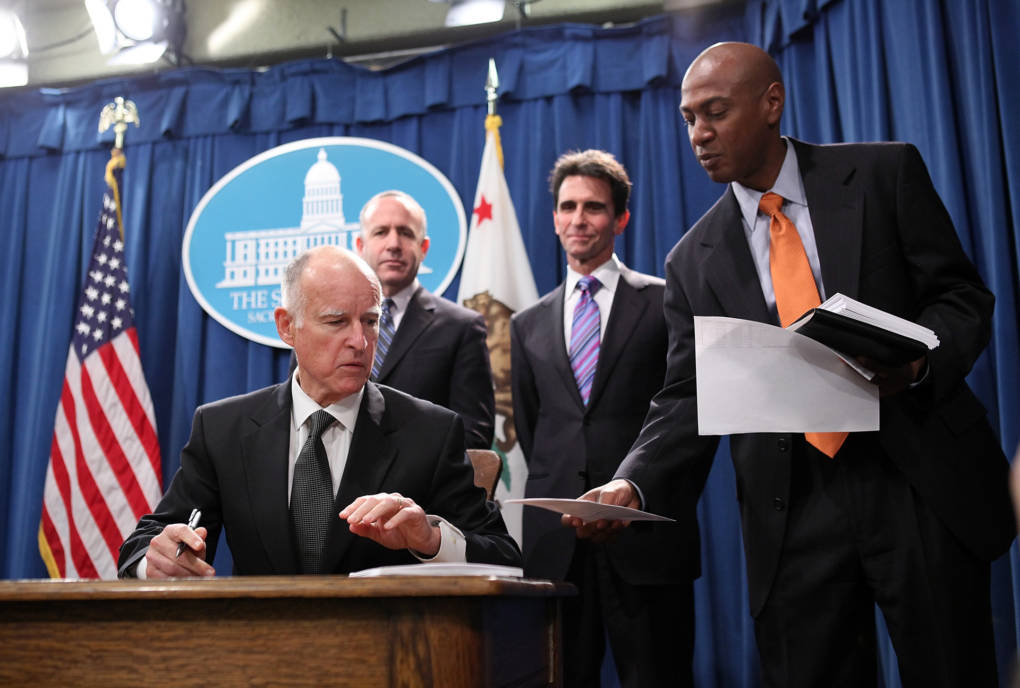
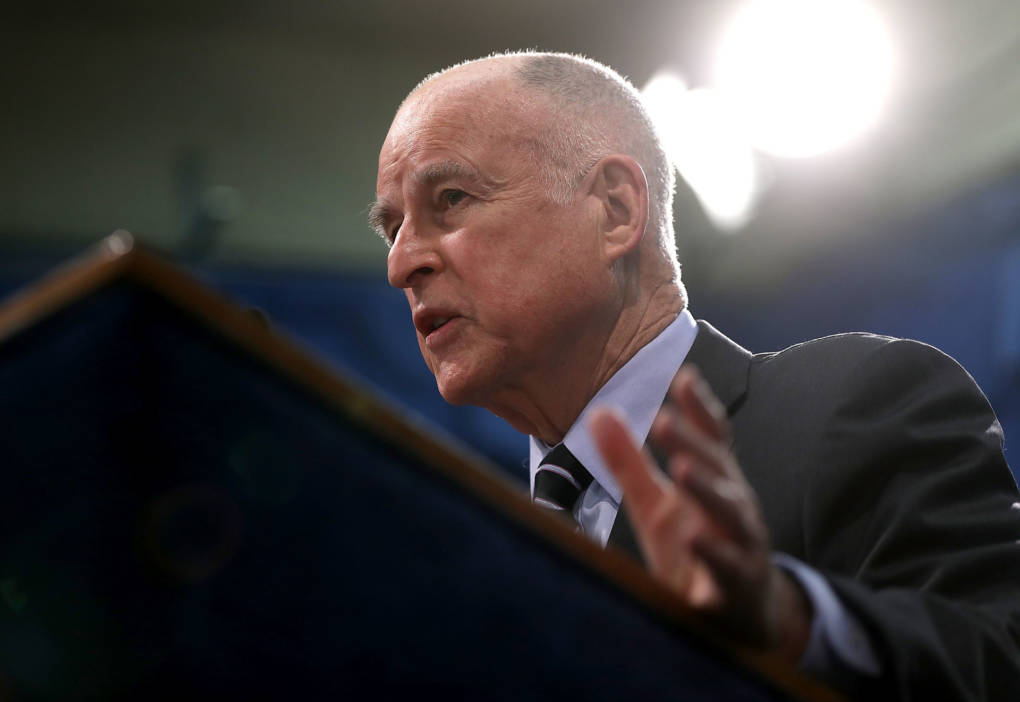
"caption": "As Gov. Jerry Brown finishes his time in office, he's leaving behind a legacy of criminal justice reform in California.",
"description": "As Gov. Jerry Brown finishes his time in office, he's leaving behind a legacy of criminal justice reform in California.",
"title": "RS17035_GettyImages-110811748-qut",
"credit": "Justin Sullivan/Getty Images",
"status": "inherit",
"isLoading": false,
"fetchFailed": false
},
"news_11670083": {
"type": "attachments",
"id": "news_11670083",
"meta": {
"index": "attachments_1716263798",
"site": "news",
"id": "11670083",
"found": true
},
"parent": 11669971,
"imgSizes": {
"small": {
"file": "https://ww2.kqed.org/app/uploads/sites/10/2018/05/JerryBrown-520x358.jpg",
"width": 520,
"mimeType": "image/jpeg",
"height": 358
},
"twentyfourteen-full-width": {
"file": "https://ww2.kqed.org/app/uploads/sites/10/2018/05/JerryBrown-1038x576.jpg",
"width": 1038,
"mimeType": "image/jpeg",
"height": 576
},
"thumbnail": {
"file": "https://ww2.kqed.org/app/uploads/sites/10/2018/05/JerryBrown-160x110.jpg",
"width": 160,
"mimeType": "image/jpeg",
"height": 110
},
"fd-sm": {
"file": "https://ww2.kqed.org/app/uploads/sites/10/2018/05/JerryBrown-960x661.jpg",
"width": 960,
"mimeType": "image/jpeg",
"height": 661
},
"post-thumbnail": {
"file": "https://ww2.kqed.org/app/uploads/sites/10/2018/05/JerryBrown-672x372.jpg",
"width": 672,
"mimeType": "image/jpeg",
"height": 372
},
"xsmall": {
"file": "https://ww2.kqed.org/app/uploads/sites/10/2018/05/JerryBrown-375x258.jpg",
"width": 375,
"mimeType": "image/jpeg",
"height": 258
},
"kqedFullSize": {
"file": "https://ww2.kqed.org/app/uploads/sites/10/2018/05/JerryBrown.jpg",
"width": 1920,
"height": 1322
},
"large": {
"file": "https://ww2.kqed.org/app/uploads/sites/10/2018/05/JerryBrown-1020x702.jpg",
"width": 1020,
"mimeType": "image/jpeg",
"height": 702
},
"xlarge": {
"file": "https://ww2.kqed.org/app/uploads/sites/10/2018/05/JerryBrown-1180x812.jpg",
"width": 1180,
"mimeType": "image/jpeg",
"height": 812
},
"complete_open_graph": {
"file": "https://ww2.kqed.org/app/uploads/sites/10/2018/05/JerryBrown-1200x826.jpg",
"width": 1200,
"mimeType": "image/jpeg",
"height": 826
},
"guest-author-50": {
"file": "https://ww2.kqed.org/app/uploads/sites/10/2018/05/JerryBrown-50x50.jpg",
"width": 50,
"mimeType": "image/jpeg",
"height": 50
},
"guest-author-96": {
"file": "https://ww2.kqed.org/app/uploads/sites/10/2018/05/JerryBrown-96x96.jpg",
"width": 96,
"mimeType": "image/jpeg",
"height": 96
},
"medium": {
"file": "https://ww2.kqed.org/app/uploads/sites/10/2018/05/JerryBrown-800x551.jpg",
"width": 800,
"mimeType": "image/jpeg",
"height": 551
},
"guest-author-64": {
"file": "https://ww2.kqed.org/app/uploads/sites/10/2018/05/JerryBrown-64x64.jpg",
"width": 64,
"mimeType": "image/jpeg",
"height": 64
},
"guest-author-32": {
"file": "https://ww2.kqed.org/app/uploads/sites/10/2018/05/JerryBrown-32x32.jpg",
"width": 32,
"mimeType": "image/jpeg",
"height": 32
},
"fd-lrg": {
"file": "https://ww2.kqed.org/app/uploads/sites/10/2018/05/JerryBrown-1920x1322.jpg",
"width": 1920,
"mimeType": "image/jpeg",
"height": 1322
},
"fd-med": {
"file": "https://ww2.kqed.org/app/uploads/sites/10/2018/05/JerryBrown-1180x812.jpg",
"width": 1180,
"mimeType": "image/jpeg",
"height": 812
},
"full-width": {
"file": "https://ww2.kqed.org/app/uploads/sites/10/2018/05/JerryBrown-1920x1322.jpg",
"width": 1920,
"mimeType": "image/jpeg",
"height": 1322
},
"detail": {
"file": "https://ww2.kqed.org/app/uploads/sites/10/2018/05/JerryBrown-150x150.jpg",
"width": 150,
"mimeType": "image/jpeg",
"height": 150
},
"guest-author-128": {
"file": "https://ww2.kqed.org/app/uploads/sites/10/2018/05/JerryBrown-128x128.jpg",
"width": 128,
"mimeType": "image/jpeg",
"height": 128
},
"xxsmall": {
"file": "https://ww2.kqed.org/app/uploads/sites/10/2018/05/JerryBrown-240x165.jpg",
"width": 240,
"mimeType": "image/jpeg",
"height": 165
}
},
"publishDate": 1527034258,
"modified": 1540666367,
"caption": "Gov. Jerry Brown has been named executive chairman of the Bulletin of the Atomic Scientists, a group that measures manmade threats to human existence. The group manages the Doomsday Clock, a visual representation of how close the Bulletin believes the world is to catastrophe brought on by nuclear weapons, climate change and new technologies. The group announced Thursday, Oct. 25 that the Democratic governor leaving office in January will take over leadership of the Bulletin.",
"description": "Brown has been named executive chairman of the Bulletin of the Atomic Scientists, a group that measures manmade threats to human existence. ",
"title": "JerryBrown",
"credit": "Justin Sullivan/Getty Images",
"status": "inherit",
"isLoading": false,
"fetchFailed": false
},
"news_11655250": {
"type": "attachments",
"id": "news_11655250",
"meta": {
"index": "attachments_1716263798",
"site": "news",
"id": "11655250",
"found": true
},
"parent": 11655202,
"imgSizes": {
"small": {
"file": "https://ww2.kqed.org/app/uploads/sites/10/2018/03/RS29771_GettyImages-928688186-qut-520x347.jpg",
"width": 520,
"mimeType": "image/jpeg",
"height": 347
},
"twentyfourteen-full-width": {
"file": "https://ww2.kqed.org/app/uploads/sites/10/2018/03/RS29771_GettyImages-928688186-qut-1038x576.jpg",
"width": 1038,
"mimeType": "image/jpeg",
"height": 576
},
"thumbnail": {
"file": "https://ww2.kqed.org/app/uploads/sites/10/2018/03/RS29771_GettyImages-928688186-qut-160x107.jpg",
"width": 160,
"mimeType": "image/jpeg",
"height": 107
},
"fd-sm": {
"file": "https://ww2.kqed.org/app/uploads/sites/10/2018/03/RS29771_GettyImages-928688186-qut-960x640.jpg",
"width": 960,
"mimeType": "image/jpeg",
"height": 640
},
"post-thumbnail": {
"file": "https://ww2.kqed.org/app/uploads/sites/10/2018/03/RS29771_GettyImages-928688186-qut-672x372.jpg",
"width": 672,
"mimeType": "image/jpeg",
"height": 372
},
"xsmall": {
"file": "https://ww2.kqed.org/app/uploads/sites/10/2018/03/RS29771_GettyImages-928688186-qut-375x250.jpg",
"width": 375,
"mimeType": "image/jpeg",
"height": 250
},
"kqedFullSize": {
"file": "https://ww2.kqed.org/app/uploads/sites/10/2018/03/RS29771_GettyImages-928688186-qut.jpg",
"width": 1920,
"height": 1280
},
"large": {
"file": "https://ww2.kqed.org/app/uploads/sites/10/2018/03/RS29771_GettyImages-928688186-qut-1020x680.jpg",
"width": 1020,
"mimeType": "image/jpeg",
"height": 680
},
"xlarge": {
"file": "https://ww2.kqed.org/app/uploads/sites/10/2018/03/RS29771_GettyImages-928688186-qut-1180x787.jpg",
"width": 1180,
"mimeType": "image/jpeg",
"height": 787
},
"guest-author-50": {
"file": "https://ww2.kqed.org/app/uploads/sites/10/2018/03/RS29771_GettyImages-928688186-qut-50x50.jpg",
"width": 50,
"mimeType": "image/jpeg",
"height": 50
},
"guest-author-96": {
"file": "https://ww2.kqed.org/app/uploads/sites/10/2018/03/RS29771_GettyImages-928688186-qut-96x96.jpg",
"width": 96,
"mimeType": "image/jpeg",
"height": 96
},
"medium": {
"file": "https://ww2.kqed.org/app/uploads/sites/10/2018/03/RS29771_GettyImages-928688186-qut-800x533.jpg",
"width": 800,
"mimeType": "image/jpeg",
"height": 533
},
"guest-author-64": {
"file": "https://ww2.kqed.org/app/uploads/sites/10/2018/03/RS29771_GettyImages-928688186-qut-64x64.jpg",
"width": 64,
"mimeType": "image/jpeg",
"height": 64
},
"guest-author-32": {
"file": "https://ww2.kqed.org/app/uploads/sites/10/2018/03/RS29771_GettyImages-928688186-qut-32x32.jpg",
"width": 32,
"mimeType": "image/jpeg",
"height": 32
},
"fd-lrg": {
"file": "https://ww2.kqed.org/app/uploads/sites/10/2018/03/RS29771_GettyImages-928688186-qut-1920x1280.jpg",
"width": 1920,
"mimeType": "image/jpeg",
"height": 1280
},
"fd-med": {
"file": "https://ww2.kqed.org/app/uploads/sites/10/2018/03/RS29771_GettyImages-928688186-qut-1180x787.jpg",
"width": 1180,
"mimeType": "image/jpeg",
"height": 787
},
"full-width": {
"file": "https://ww2.kqed.org/app/uploads/sites/10/2018/03/RS29771_GettyImages-928688186-qut-1920x1280.jpg",
"width": 1920,
"mimeType": "image/jpeg",
"height": 1280
},
"detail": {
"file": "https://ww2.kqed.org/app/uploads/sites/10/2018/03/RS29771_GettyImages-928688186-qut-150x150.jpg",
"width": 150,
"mimeType": "image/jpeg",
"height": 150
},
"guest-author-128": {
"file": "https://ww2.kqed.org/app/uploads/sites/10/2018/03/RS29771_GettyImages-928688186-qut-128x128.jpg",
"width": 128,
"mimeType": "image/jpeg",
"height": 128
},
"xxsmall": {
"file": "https://ww2.kqed.org/app/uploads/sites/10/2018/03/RS29771_GettyImages-928688186-qut-240x160.jpg",
"width": 240,
"mimeType": "image/jpeg",
"height": 160
}
},
"publishDate": 1520883970,
"modified": 1520893900,
"caption": "California Gov. Jerry Brown and Attorney General Xavier Becerra have both supported sweeping criminal justice reforms in California. ",
"description": "California Gov. Jerry Brown and Attorney General Xavier Becerra have both supported sweeping criminal justice reforms in California. ",
"title": "California Governor Jerry Brown Addresses Dept. Of Justice Lawsuit Against California",
"credit": "Stephen Lam/Getty Images",
"status": "inherit",
"isLoading": false,
"fetchFailed": false
},
"news_11654585": {
"type": "attachments",
"id": "news_11654585",
"meta": {
"index": "attachments_1716263798",
"site": "news",
"id": "11654585",
"found": true
},
"parent": 11654263,
"imgSizes": {
"small": {
"file": "https://ww2.kqed.org/app/uploads/sites/10/2018/03/crime-520x347.jpg",
"width": 520,
"mimeType": "image/jpeg",
"height": 347
},
"twentyfourteen-full-width": {
"file": "https://ww2.kqed.org/app/uploads/sites/10/2018/03/crime-1038x576.jpg",
"width": 1038,
"mimeType": "image/jpeg",
"height": 576
},
"thumbnail": {
"file": "https://ww2.kqed.org/app/uploads/sites/10/2018/03/crime-160x107.jpg",
"width": 160,
"mimeType": "image/jpeg",
"height": 107
},
"fd-sm": {
"file": "https://ww2.kqed.org/app/uploads/sites/10/2018/03/crime-960x640.jpg",
"width": 960,
"mimeType": "image/jpeg",
"height": 640
},
"post-thumbnail": {
"file": "https://ww2.kqed.org/app/uploads/sites/10/2018/03/crime-672x372.jpg",
"width": 672,
"mimeType": "image/jpeg",
"height": 372
},
"xsmall": {
"file": "https://ww2.kqed.org/app/uploads/sites/10/2018/03/crime-375x250.jpg",
"width": 375,
"mimeType": "image/jpeg",
"height": 250
},
"kqedFullSize": {
"file": "https://ww2.kqed.org/app/uploads/sites/10/2018/03/crime.jpg",
"width": 3888,
"height": 2592
},
"large": {
"file": "https://ww2.kqed.org/app/uploads/sites/10/2018/03/crime-1020x680.jpg",
"width": 1020,
"mimeType": "image/jpeg",
"height": 680
},
"xlarge": {
"file": "https://ww2.kqed.org/app/uploads/sites/10/2018/03/crime-1180x787.jpg",
"width": 1180,
"mimeType": "image/jpeg",
"height": 787
},
"guest-author-50": {
"file": "https://ww2.kqed.org/app/uploads/sites/10/2018/03/crime-50x50.jpg",
"width": 50,
"mimeType": "image/jpeg",
"height": 50
},
"guest-author-96": {
"file": "https://ww2.kqed.org/app/uploads/sites/10/2018/03/crime-96x96.jpg",
"width": 96,
"mimeType": "image/jpeg",
"height": 96
},
"medium": {
"file": "https://ww2.kqed.org/app/uploads/sites/10/2018/03/crime-800x533.jpg",
"width": 800,
"mimeType": "image/jpeg",
"height": 533
},
"guest-author-64": {
"file": "https://ww2.kqed.org/app/uploads/sites/10/2018/03/crime-64x64.jpg",
"width": 64,
"mimeType": "image/jpeg",
"height": 64
},
"guest-author-32": {
"file": "https://ww2.kqed.org/app/uploads/sites/10/2018/03/crime-32x32.jpg",
"width": 32,
"mimeType": "image/jpeg",
"height": 32
},
"fd-lrg": {
"file": "https://ww2.kqed.org/app/uploads/sites/10/2018/03/crime-1920x1280.jpg",
"width": 1920,
"mimeType": "image/jpeg",
"height": 1280
},
"fd-med": {
"file": "https://ww2.kqed.org/app/uploads/sites/10/2018/03/crime-1180x787.jpg",
"width": 1180,
"mimeType": "image/jpeg",
"height": 787
},
"full-width": {
"file": "https://ww2.kqed.org/app/uploads/sites/10/2018/03/crime-1920x1280.jpg",
"width": 1920,
"mimeType": "image/jpeg",
"height": 1280
},
"detail": {
"file": "https://ww2.kqed.org/app/uploads/sites/10/2018/03/crime-150x150.jpg",
"width": 150,
"mimeType": "image/jpeg",
"height": 150
},
"guest-author-128": {
"file": "https://ww2.kqed.org/app/uploads/sites/10/2018/03/crime-128x128.jpg",
"width": 128,
"mimeType": "image/jpeg",
"height": 128
},
"xxsmall": {
"file": "https://ww2.kqed.org/app/uploads/sites/10/2018/03/crime-240x160.jpg",
"width": 240,
"mimeType": "image/jpeg",
"height": 160
}
},
"publishDate": 1520538842,
"modified": 1520538891,
"caption": "An Oakland Police Department vehicle parked outside an officer-involved shooting.",
"description": "An Oakland Police Department vehicle parked outside an officer-involved shooting.",
"title": "crime",
"credit": "Alex Emslie/KQED",
"status": "inherit",
"isLoading": false,
"fetchFailed": false
},
"news_11500431": {
"type": "attachments",
"id": "news_11500431",
"meta": {
"index": "attachments_1716263798",
"site": "news",
"id": "11500431",
"found": true
},
"parent": 11500306,
"imgSizes": {
"small": {
"file": "https://ww2.kqed.org/app/uploads/sites/10/2017/06/RS50_ChinoStatePrisonInmates20130108-520x374.jpg",
"width": 520,
"mimeType": "image/jpeg",
"height": 374
},
"twentyfourteen-full-width": {
"file": "https://ww2.kqed.org/app/uploads/sites/10/2017/06/RS50_ChinoStatePrisonInmates20130108-1038x576.jpg",
"width": 1038,
"mimeType": "image/jpeg",
"height": 576
},
"thumbnail": {
"file": "https://ww2.kqed.org/app/uploads/sites/10/2017/06/RS50_ChinoStatePrisonInmates20130108-160x115.jpg",
"width": 160,
"mimeType": "image/jpeg",
"height": 115
},
"fd-sm": {
"file": "https://ww2.kqed.org/app/uploads/sites/10/2017/06/RS50_ChinoStatePrisonInmates20130108-960x690.jpg",
"width": 960,
"mimeType": "image/jpeg",
"height": 690
},
"post-thumbnail": {
"file": "https://ww2.kqed.org/app/uploads/sites/10/2017/06/RS50_ChinoStatePrisonInmates20130108-672x372.jpg",
"width": 672,
"mimeType": "image/jpeg",
"height": 372
},
"xsmall": {
"file": "https://ww2.kqed.org/app/uploads/sites/10/2017/06/RS50_ChinoStatePrisonInmates20130108-375x270.jpg",
"width": 375,
"mimeType": "image/jpeg",
"height": 270
},
"kqedFullSize": {
"file": "https://ww2.kqed.org/app/uploads/sites/10/2017/06/RS50_ChinoStatePrisonInmates20130108.jpg",
"width": 3451,
"height": 2482
},
"large": {
"file": "https://ww2.kqed.org/app/uploads/sites/10/2017/06/RS50_ChinoStatePrisonInmates20130108-1020x734.jpg",
"width": 1020,
"mimeType": "image/jpeg",
"height": 734
},
"xlarge": {
"file": "https://ww2.kqed.org/app/uploads/sites/10/2017/06/RS50_ChinoStatePrisonInmates20130108-1180x849.jpg",
"width": 1180,
"mimeType": "image/jpeg",
"height": 849
},
"guest-author-50": {
"file": "https://ww2.kqed.org/app/uploads/sites/10/2017/06/RS50_ChinoStatePrisonInmates20130108-50x50.jpg",
"width": 50,
"mimeType": "image/jpeg",
"height": 50
},
"guest-author-96": {
"file": "https://ww2.kqed.org/app/uploads/sites/10/2017/06/RS50_ChinoStatePrisonInmates20130108-96x96.jpg",
"width": 96,
"mimeType": "image/jpeg",
"height": 96
},
"medium": {
"file": "https://ww2.kqed.org/app/uploads/sites/10/2017/06/RS50_ChinoStatePrisonInmates20130108-800x575.jpg",
"width": 800,
"mimeType": "image/jpeg",
"height": 575
},
"guest-author-64": {
"file": "https://ww2.kqed.org/app/uploads/sites/10/2017/06/RS50_ChinoStatePrisonInmates20130108-64x64.jpg",
"width": 64,
"mimeType": "image/jpeg",
"height": 64
},
"guest-author-32": {
"file": "https://ww2.kqed.org/app/uploads/sites/10/2017/06/RS50_ChinoStatePrisonInmates20130108-32x32.jpg",
"width": 32,
"mimeType": "image/jpeg",
"height": 32
},
"fd-lrg": {
"file": "https://ww2.kqed.org/app/uploads/sites/10/2017/06/RS50_ChinoStatePrisonInmates20130108-1920x1381.jpg",
"width": 1920,
"mimeType": "image/jpeg",
"height": 1381
},
"fd-med": {
"file": "https://ww2.kqed.org/app/uploads/sites/10/2017/06/RS50_ChinoStatePrisonInmates20130108-1180x849.jpg",
"width": 1180,
"mimeType": "image/jpeg",
"height": 849
},
"full-width": {
"file": "https://ww2.kqed.org/app/uploads/sites/10/2017/06/RS50_ChinoStatePrisonInmates20130108-1920x1381.jpg",
"width": 1920,
"mimeType": "image/jpeg",
"height": 1381
},
"detail": {
"file": "https://ww2.kqed.org/app/uploads/sites/10/2017/06/RS50_ChinoStatePrisonInmates20130108-150x150.jpg",
"width": 150,
"mimeType": "image/jpeg",
"height": 150
},
"guest-author-128": {
"file": "https://ww2.kqed.org/app/uploads/sites/10/2017/06/RS50_ChinoStatePrisonInmates20130108-128x128.jpg",
"width": 128,
"mimeType": "image/jpeg",
"height": 128
},
"xxsmall": {
"file": "https://ww2.kqed.org/app/uploads/sites/10/2017/06/RS50_ChinoStatePrisonInmates20130108-240x173.jpg",
"width": 240,
"mimeType": "image/jpeg",
"height": 173
}
},
"publishDate": 1496962356,
"modified": 1496962406,
"caption": "Inmates at Chino State Prison in 2010. ",
"description": null,
"title": "Supreme Court To Rule On California's Overcrowded Prisons",
"credit": "Photo by Kevork Djansezian/Getty Images",
"status": "inherit",
"isLoading": false,
"fetchFailed": false
},
"news_11096184": {
"type": "attachments",
"id": "news_11096184",
"meta": {
"index": "attachments_1716263798",
"site": "news",
"id": "11096184",
"found": true
},
"parent": 11096128,
"imgSizes": {
"twentyfourteen-full-width": {
"file": "https://ww2.kqed.org/app/uploads/sites/10/2016/09/763_transform-1038x576.jpg",
"width": 1038,
"mimeType": "image/jpeg",
"height": 576
},
"thumbnail": {
"file": "https://ww2.kqed.org/app/uploads/sites/10/2016/09/763_transform-400x267.jpg",
"width": 400,
"mimeType": "image/jpeg",
"height": 267
},
"fd-sm": {
"file": "https://ww2.kqed.org/app/uploads/sites/10/2016/09/763_transform-960x640.jpg",
"width": 960,
"mimeType": "image/jpeg",
"height": 640
},
"post-thumbnail": {
"file": "https://ww2.kqed.org/app/uploads/sites/10/2016/09/763_transform-672x372.jpg",
"width": 672,
"mimeType": "image/jpeg",
"height": 372
},
"kqedFullSize": {
"file": "https://ww2.kqed.org/app/uploads/sites/10/2016/09/763_transform.jpg",
"width": 1920,
"height": 1280
},
"large": {
"file": "https://ww2.kqed.org/app/uploads/sites/10/2016/09/763_transform-1920x1280.jpg",
"width": 1920,
"mimeType": "image/jpeg",
"height": 1280
},
"guest-author-50": {
"file": "https://ww2.kqed.org/app/uploads/sites/10/2016/09/763_transform-50x50.jpg",
"width": 50,
"mimeType": "image/jpeg",
"height": 50
},
"guest-author-96": {
"file": "https://ww2.kqed.org/app/uploads/sites/10/2016/09/763_transform-96x96.jpg",
"width": 96,
"mimeType": "image/jpeg",
"height": 96
},
"medium": {
"file": "https://ww2.kqed.org/app/uploads/sites/10/2016/09/763_transform-800x533.jpg",
"width": 800,
"mimeType": "image/jpeg",
"height": 533
},
"guest-author-64": {
"file": "https://ww2.kqed.org/app/uploads/sites/10/2016/09/763_transform-64x64.jpg",
"width": 64,
"mimeType": "image/jpeg",
"height": 64
},
"guest-author-32": {
"file": "https://ww2.kqed.org/app/uploads/sites/10/2016/09/763_transform-32x32.jpg",
"width": 32,
"mimeType": "image/jpeg",
"height": 32
},
"jmtc-small-thumb": {
"file": "https://ww2.kqed.org/app/uploads/sites/10/2016/09/763_transform-280x150.jpg",
"width": 280,
"mimeType": "image/jpeg",
"height": 150
},
"fd-lrg": {
"file": "https://ww2.kqed.org/app/uploads/sites/10/2016/09/763_transform-1920x1280.jpg",
"width": 1920,
"mimeType": "image/jpeg",
"height": 1280
},
"fd-med": {
"file": "https://ww2.kqed.org/app/uploads/sites/10/2016/09/763_transform-1180x787.jpg",
"width": 1180,
"mimeType": "image/jpeg",
"height": 787
},
"detail": {
"file": "https://ww2.kqed.org/app/uploads/sites/10/2016/09/763_transform-150x150.jpg",
"width": 150,
"mimeType": "image/jpeg",
"height": 150
},
"guest-author-128": {
"file": "https://ww2.kqed.org/app/uploads/sites/10/2016/09/763_transform-128x128.jpg",
"width": 128,
"mimeType": "image/jpeg",
"height": 128
}
},
"publishDate": 1474412387,
"modified": 1474419176,
"caption": "An immigration detention facility. ",
"description": null,
"title": "TO GO WITH AFP STORY BY CARLOS MARIO MAR",
"credit": "Jose Cabezas/AFP/Getty Images",
"status": "inherit",
"isLoading": false,
"fetchFailed": false
},
"news_10920823": {
"type": "attachments",
"id": "news_10920823",
"meta": {
"index": "attachments_1716263798",
"site": "news",
"id": "10920823",
"found": true
},
"parent": 10920795,
"imgSizes": {
"twentyfourteen-full-width": {
"file": "https://ww2.kqed.org/app/uploads/sites/10/2016/04/RS18989_IMG_6735-qut-1038x576.jpg",
"width": 1038,
"mimeType": "image/jpeg",
"height": 576
},
"thumbnail": {
"file": "https://ww2.kqed.org/app/uploads/sites/10/2016/04/RS18989_IMG_6735-qut-400x300.jpg",
"width": 400,
"mimeType": "image/jpeg",
"height": 300
},
"fd-sm": {
"file": "https://ww2.kqed.org/app/uploads/sites/10/2016/04/RS18989_IMG_6735-qut-960x720.jpg",
"width": 960,
"mimeType": "image/jpeg",
"height": 720
},
"post-thumbnail": {
"file": "https://ww2.kqed.org/app/uploads/sites/10/2016/04/RS18989_IMG_6735-qut-672x372.jpg",
"width": 672,
"mimeType": "image/jpeg",
"height": 372
},
"kqedFullSize": {
"file": "https://ww2.kqed.org/app/uploads/sites/10/2016/04/RS18989_IMG_6735-qut.jpg",
"width": 1920,
"height": 1440
},
"large": {
"file": "https://ww2.kqed.org/app/uploads/sites/10/2016/04/RS18989_IMG_6735-qut-1920x1440.jpg",
"width": 1920,
"mimeType": "image/jpeg",
"height": 1440
},
"guest-author-96": {
"file": "https://ww2.kqed.org/app/uploads/sites/10/2016/04/RS18989_IMG_6735-qut-96x96.jpg",
"width": 96,
"mimeType": "image/jpeg",
"height": 96
},
"medium": {
"file": "https://ww2.kqed.org/app/uploads/sites/10/2016/04/RS18989_IMG_6735-qut-800x600.jpg",
"width": 800,
"mimeType": "image/jpeg",
"height": 600
},
"guest-author-64": {
"file": "https://ww2.kqed.org/app/uploads/sites/10/2016/04/RS18989_IMG_6735-qut-64x64.jpg",
"width": 64,
"mimeType": "image/jpeg",
"height": 64
},
"guest-author-32": {
"file": "https://ww2.kqed.org/app/uploads/sites/10/2016/04/RS18989_IMG_6735-qut-32x32.jpg",
"width": 32,
"mimeType": "image/jpeg",
"height": 32
},
"jmtc-small-thumb": {
"file": "https://ww2.kqed.org/app/uploads/sites/10/2016/04/RS18989_IMG_6735-qut-280x150.jpg",
"width": 280,
"mimeType": "image/jpeg",
"height": 150
},
"fd-lrg": {
"file": "https://ww2.kqed.org/app/uploads/sites/10/2016/04/RS18989_IMG_6735-qut-1920x1440.jpg",
"width": 1920,
"mimeType": "image/jpeg",
"height": 1440
},
"fd-med": {
"file": "https://ww2.kqed.org/app/uploads/sites/10/2016/04/RS18989_IMG_6735-qut-1180x885.jpg",
"width": 1180,
"mimeType": "image/jpeg",
"height": 885
},
"detail": {
"file": "https://ww2.kqed.org/app/uploads/sites/10/2016/04/RS18989_IMG_6735-qut-75x75.jpg",
"width": 75,
"mimeType": "image/jpeg",
"height": 75
},
"guest-author-128": {
"file": "https://ww2.kqed.org/app/uploads/sites/10/2016/04/RS18989_IMG_6735-qut-128x128.jpg",
"width": 128,
"mimeType": "image/jpeg",
"height": 128
}
},
"publishDate": 1459897778,
"modified": 1459900919,
"caption": "Prop. 47 savings could support Thunder Road Adolescent Treatment Centers.\n",
"description": "Prop 47 savings could support Thunder Road Adolescent Treatment Centers\n",
"title": "RS18989_IMG_6735-qut",
"credit": "Julie Small/KQED",
"status": "inherit",
"isLoading": false,
"fetchFailed": false
},
"news_10753502": {
"type": "attachments",
"id": "news_10753502",
"meta": {
"index": "attachments_1716263798",
"site": "news",
"id": "10753502",
"found": true
},
"parent": 10753448,
"imgSizes": {
"twentyfourteen-full-width": {
"file": "https://ww2.kqed.org/app/uploads/sites/10/2015/11/3163_transform-1038x576.jpg",
"width": 1038,
"mimeType": "image/jpeg",
"height": 576
},
"thumbnail": {
"file": "https://ww2.kqed.org/app/uploads/sites/10/2015/11/3163_transform-400x300.jpg",
"width": 400,
"mimeType": "image/jpeg",
"height": 300
},
"fd-sm": {
"file": "https://ww2.kqed.org/app/uploads/sites/10/2015/11/3163_transform-960x720.jpg",
"width": 960,
"mimeType": "image/jpeg",
"height": 720
},
"post-thumbnail": {
"file": "https://ww2.kqed.org/app/uploads/sites/10/2015/11/3163_transform-672x372.jpg",
"width": 672,
"mimeType": "image/jpeg",
"height": 372
},
"kqedFullSize": {
"file": "https://ww2.kqed.org/app/uploads/sites/10/2015/11/3163_transform.jpg",
"width": 1920,
"height": 1440
},
"large": {
"file": "https://ww2.kqed.org/app/uploads/sites/10/2015/11/3163_transform-1440x1080.jpg",
"width": 1440,
"mimeType": "image/jpeg",
"height": 1080
},
"guest-author-96": {
"file": "https://ww2.kqed.org/app/uploads/sites/10/2015/11/3163_transform-96x96.jpg",
"width": 96,
"mimeType": "image/jpeg",
"height": 96
},
"medium": {
"file": "https://ww2.kqed.org/app/uploads/sites/10/2015/11/3163_transform-800x600.jpg",
"width": 800,
"mimeType": "image/jpeg",
"height": 600
},
"guest-author-64": {
"file": "https://ww2.kqed.org/app/uploads/sites/10/2015/11/3163_transform-64x64.jpg",
"width": 64,
"mimeType": "image/jpeg",
"height": 64
},
"guest-author-32": {
"file": "https://ww2.kqed.org/app/uploads/sites/10/2015/11/3163_transform-32x32.jpg",
"width": 32,
"mimeType": "image/jpeg",
"height": 32
},
"jmtc-small-thumb": {
"file": "https://ww2.kqed.org/app/uploads/sites/10/2015/11/3163_transform-280x150.jpg",
"width": 280,
"mimeType": "image/jpeg",
"height": 150
},
"fd-lrg": {
"file": "https://ww2.kqed.org/app/uploads/sites/10/2015/11/3163_transform-1920x1440.jpg",
"width": 1920,
"mimeType": "image/jpeg",
"height": 1440
},
"fd-med": {
"file": "https://ww2.kqed.org/app/uploads/sites/10/2015/11/3163_transform-1180x885.jpg",
"width": 1180,
"mimeType": "image/jpeg",
"height": 885
},
"detail": {
"file": "https://ww2.kqed.org/app/uploads/sites/10/2015/11/3163_transform-75x75.jpg",
"width": 75,
"mimeType": "image/jpeg",
"height": 75
},
"guest-author-128": {
"file": "https://ww2.kqed.org/app/uploads/sites/10/2015/11/3163_transform-128x128.jpg",
"width": 128,
"mimeType": "image/jpeg",
"height": 128
}
},
"publishDate": 1447180248,
"modified": 1447180285,
"caption": "Jail populations fell after Prop. 47 passed but are now rising again in some counties.",
"description": null,
"title": "3163_transform",
"credit": "Krissy Clark/KQED",
"status": "inherit",
"isLoading": false,
"fetchFailed": false
},
"news_10744465": {
"type": "attachments",
"id": "news_10744465",
"meta": {
"index": "attachments_1716263798",
"site": "news",
"id": "10744465",
"found": true
},
"parent": 10743111,
"imgSizes": {
"twentyfourteen-full-width": {
"file": "https://ww2.kqed.org/app/uploads/sites/10/2015/11/IMG_3822-1038x576.jpg",
"width": 1038,
"mimeType": "image/jpeg",
"height": 576
},
"thumbnail": {
"file": "https://ww2.kqed.org/app/uploads/sites/10/2015/11/IMG_3822-400x267.jpg",
"width": 400,
"mimeType": "image/jpeg",
"height": 267
},
"fd-sm": {
"file": "https://ww2.kqed.org/app/uploads/sites/10/2015/11/IMG_3822-960x640.jpg",
"width": 960,
"mimeType": "image/jpeg",
"height": 640
},
"post-thumbnail": {
"file": "https://ww2.kqed.org/app/uploads/sites/10/2015/11/IMG_3822-672x372.jpg",
"width": 672,
"mimeType": "image/jpeg",
"height": 372
},
"kqedFullSize": {
"file": "https://ww2.kqed.org/app/uploads/sites/10/2015/11/IMG_3822.jpg",
"width": 5184,
"height": 3456
},
"large": {
"file": "https://ww2.kqed.org/app/uploads/sites/10/2015/11/IMG_3822-1440x960.jpg",
"width": 1440,
"mimeType": "image/jpeg",
"height": 960
},
"guest-author-96": {
"file": "https://ww2.kqed.org/app/uploads/sites/10/2015/11/IMG_3822-96x96.jpg",
"width": 96,
"mimeType": "image/jpeg",
"height": 96
},
"medium": {
"file": "https://ww2.kqed.org/app/uploads/sites/10/2015/11/IMG_3822-800x533.jpg",
"width": 800,
"mimeType": "image/jpeg",
"height": 533
},
"guest-author-64": {
"file": "https://ww2.kqed.org/app/uploads/sites/10/2015/11/IMG_3822-64x64.jpg",
"width": 64,
"mimeType": "image/jpeg",
"height": 64
},
"guest-author-32": {
"file": "https://ww2.kqed.org/app/uploads/sites/10/2015/11/IMG_3822-32x32.jpg",
"width": 32,
"mimeType": "image/jpeg",
"height": 32
},
"jmtc-small-thumb": {
"file": "https://ww2.kqed.org/app/uploads/sites/10/2015/11/IMG_3822-280x150.jpg",
"width": 280,
"mimeType": "image/jpeg",
"height": 150
},
"fd-lrg": {
"file": "https://ww2.kqed.org/app/uploads/sites/10/2015/11/IMG_3822-1920x1280.jpg",
"width": 1920,
"mimeType": "image/jpeg",
"height": 1280
},
"fd-med": {
"file": "https://ww2.kqed.org/app/uploads/sites/10/2015/11/IMG_3822-1180x787.jpg",
"width": 1180,
"mimeType": "image/jpeg",
"height": 787
},
"detail": {
"file": "https://ww2.kqed.org/app/uploads/sites/10/2015/11/IMG_3822-75x75.jpg",
"width": 75,
"mimeType": "image/jpeg",
"height": 75
},
"guest-author-128": {
"file": "https://ww2.kqed.org/app/uploads/sites/10/2015/11/IMG_3822-128x128.jpg",
"width": 128,
"mimeType": "image/jpeg",
"height": 128
}
},
"publishDate": 1446571710,
"modified": 1446593966,
"caption": "Donyell Green visiting the family home where his uncle now lives in West Oakland. He describes himself as a regular kid from a large, tight-knit family whose youthful mistakes would have earned him a lifetime of limitations, if not for Prop. 47.",
"description": "Donyell Green visiting the family home where his uncle now lives in West Oakland. He describes himself as a regular kid from a large, tight-knit family whose youthful mistakes would have earned him a lifetime of limitations, if not for Prop. 47.",
"title": "IMG_3822",
"credit": "Sara Hossaini/KQED",
"status": "inherit",
"isLoading": false,
"fetchFailed": false
},
"news_10652566": {
"type": "attachments",
"id": "news_10652566",
"meta": {
"index": "attachments_1716263798",
"site": "news",
"id": "10652566",
"found": true
},
"parent": 10652368,
"imgSizes": {
"twentyfourteen-full-width": {
"file": "https://ww2.kqed.org/app/uploads/sites/10/2015/08/Sholonda-1038x576.jpg",
"width": 1038,
"mimeType": "image/jpeg",
"height": 576
},
"thumbnail": {
"file": "https://ww2.kqed.org/app/uploads/sites/10/2015/08/Sholonda-400x423.jpg",
"width": 400,
"mimeType": "image/jpeg",
"height": 423
},
"fd-sm": {
"file": "https://ww2.kqed.org/app/uploads/sites/10/2015/08/Sholonda-960x1016.jpg",
"width": 960,
"mimeType": "image/jpeg",
"height": 1016
},
"post-thumbnail": {
"file": "https://ww2.kqed.org/app/uploads/sites/10/2015/08/Sholonda-672x372.jpg",
"width": 672,
"mimeType": "image/jpeg",
"height": 372
},
"kqedFullSize": {
"file": "https://ww2.kqed.org/app/uploads/sites/10/2015/08/Sholonda.jpg",
"width": 1920,
"height": 2032
},
"large": {
"file": "https://ww2.kqed.org/app/uploads/sites/10/2015/08/Sholonda-1440x1524.jpg",
"width": 1440,
"mimeType": "image/jpeg",
"height": 1524
},
"guest-author-96": {
"file": "https://ww2.kqed.org/app/uploads/sites/10/2015/08/Sholonda-96x96.jpg",
"width": 96,
"mimeType": "image/jpeg",
"height": 96
},
"medium": {
"file": "https://ww2.kqed.org/app/uploads/sites/10/2015/08/Sholonda-800x847.jpg",
"width": 800,
"mimeType": "image/jpeg",
"height": 847
},
"guest-author-64": {
"file": "https://ww2.kqed.org/app/uploads/sites/10/2015/08/Sholonda-64x64.jpg",
"width": 64,
"mimeType": "image/jpeg",
"height": 64
},
"guest-author-32": {
"file": "https://ww2.kqed.org/app/uploads/sites/10/2015/08/Sholonda-32x32.jpg",
"width": 32,
"mimeType": "image/jpeg",
"height": 32
},
"jmtc-small-thumb": {
"file": "https://ww2.kqed.org/app/uploads/sites/10/2015/08/Sholonda-280x150.jpg",
"width": 280,
"mimeType": "image/jpeg",
"height": 150
},
"fd-lrg": {
"file": "https://ww2.kqed.org/app/uploads/sites/10/2015/08/Sholonda-1920x2032.jpg",
"width": 1920,
"mimeType": "image/jpeg",
"height": 2032
},
"fd-med": {
"file": "https://ww2.kqed.org/app/uploads/sites/10/2015/08/Sholonda-1180x1249.jpg",
"width": 1180,
"mimeType": "image/jpeg",
"height": 1249
},
"detail": {
"file": "https://ww2.kqed.org/app/uploads/sites/10/2015/08/Sholonda-75x75.jpg",
"width": 75,
"mimeType": "image/jpeg",
"height": 75
},
"guest-author-128": {
"file": "https://ww2.kqed.org/app/uploads/sites/10/2015/08/Sholonda-128x128.jpg",
"width": 128,
"mimeType": "image/jpeg",
"height": 128
}
},
"publishDate": 1440202950,
"modified": 1440202971,
"caption": "Sholonda Jackson and her son, Joseph, outside their Hayward home.",
"description": "Sholonda Jackson and her son, Joseph, outside their Hayward home.",
"title": "Sholonda",
"credit": "Marisa Lagos/KQED",
"status": "inherit",
"isLoading": false,
"fetchFailed": false
},
"news_10539864": {
"type": "attachments",
"id": "news_10539864",
"meta": {
"index": "attachments_1716263798",
"site": "news",
"id": "10539864",
"found": true
},
"parent": 10539688,
"imgSizes": {
"twentyfourteen-full-width": {
"file": "https://ww2.kqed.org/app/uploads/sites/10/2015/05/RS15274_IMG_3520-qut-1038x576.jpg",
"width": 1038,
"mimeType": "image/jpeg",
"height": 576
},
"thumbnail": {
"file": "https://ww2.kqed.org/app/uploads/sites/10/2015/05/RS15274_IMG_3520-qut-400x267.jpg",
"width": 400,
"mimeType": "image/jpeg",
"height": 267
},
"fd-sm": {
"file": "https://ww2.kqed.org/app/uploads/sites/10/2015/05/RS15274_IMG_3520-qut-960x640.jpg",
"width": 960,
"mimeType": "image/jpeg",
"height": 640
},
"post-thumbnail": {
"file": "https://ww2.kqed.org/app/uploads/sites/10/2015/05/RS15274_IMG_3520-qut-672x372.jpg",
"width": 672,
"mimeType": "image/jpeg",
"height": 372
},
"kqedFullSize": {
"file": "https://ww2.kqed.org/app/uploads/sites/10/2015/05/RS15274_IMG_3520-qut.jpg",
"width": 1920,
"height": 1280
},
"large": {
"file": "https://ww2.kqed.org/app/uploads/sites/10/2015/05/RS15274_IMG_3520-qut-1440x960.jpg",
"width": 1440,
"mimeType": "image/jpeg",
"height": 960
},
"guest-author-96": {
"file": "https://ww2.kqed.org/app/uploads/sites/10/2015/05/RS15274_IMG_3520-qut-96x96.jpg",
"width": 96,
"mimeType": "image/jpeg",
"height": 96
},
"medium": {
"file": "https://ww2.kqed.org/app/uploads/sites/10/2015/05/RS15274_IMG_3520-qut-800x533.jpg",
"width": 800,
"mimeType": "image/jpeg",
"height": 533
},
"guest-author-64": {
"file": "https://ww2.kqed.org/app/uploads/sites/10/2015/05/RS15274_IMG_3520-qut-64x64.jpg",
"width": 64,
"mimeType": "image/jpeg",
"height": 64
},
"guest-author-32": {
"file": "https://ww2.kqed.org/app/uploads/sites/10/2015/05/RS15274_IMG_3520-qut-32x32.jpg",
"width": 32,
"mimeType": "image/jpeg",
"height": 32
},
"fd-med": {
"file": "https://ww2.kqed.org/app/uploads/sites/10/2015/05/RS15274_IMG_3520-qut-1180x787.jpg",
"width": 1180,
"mimeType": "image/jpeg",
"height": 787
},
"detail": {
"file": "https://ww2.kqed.org/app/uploads/sites/10/2015/05/RS15274_IMG_3520-qut-75x75.jpg",
"width": 75,
"mimeType": "image/jpeg",
"height": 75
},
"guest-author-128": {
"file": "https://ww2.kqed.org/app/uploads/sites/10/2015/05/RS15274_IMG_3520-qut-128x128.jpg",
"width": 128,
"mimeType": "image/jpeg",
"height": 128
}
},
"publishDate": 1432662470,
"modified": 1432662532,
"caption": "Alameda County Public Defender's Office Intern Jill Jenkins works on finding ex-cons eligible for Prop. 47 relief. ",
"description": "Alameda County Public Defender's Office Intern Jill Jenkins works on finding ex-cons eligible for Prop. 47 relief. ",
"title": "RS15274_IMG_3520-qut",
"credit": "Sara Hossaini/KQED",
"status": "inherit",
"isLoading": false,
"fetchFailed": false
},
"news_10464759": {
"type": "attachments",
"id": "news_10464759",
"meta": {
"index": "attachments_1716263798",
"site": "news",
"id": "10464759",
"found": true
},
"parent": 10464758,
"imgSizes": {
"twentyfourteen-full-width": {
"file": "https://ww2.kqed.org/app/uploads/sites/10/2015/03/DrugCourt-1038x576.jpg",
"width": 1038,
"mimeType": "image/jpeg",
"height": 576
},
"thumbnail": {
"file": "https://ww2.kqed.org/app/uploads/sites/10/2015/03/DrugCourt-400x225.jpg",
"width": 400,
"mimeType": "image/jpeg",
"height": 225
},
"fd-sm": {
"file": "https://ww2.kqed.org/app/uploads/sites/10/2015/03/DrugCourt-320x180.jpg",
"width": 320,
"mimeType": "image/jpeg",
"height": 180
},
"post-thumbnail": {
"file": "https://ww2.kqed.org/app/uploads/sites/10/2015/03/DrugCourt-672x372.jpg",
"width": 672,
"mimeType": "image/jpeg",
"height": 372
},
"kqedFullSize": {
"file": "https://ww2.kqed.org/app/uploads/sites/10/2015/03/DrugCourt.jpg",
"width": 1920,
"height": 1080
},
"large": {
"file": "https://ww2.kqed.org/app/uploads/sites/10/2015/03/DrugCourt-1440x810.jpg",
"width": 1440,
"mimeType": "image/jpeg",
"height": 810
},
"guest-author-96": {
"file": "https://ww2.kqed.org/app/uploads/sites/10/2015/03/DrugCourt-96x96.jpg",
"width": 96,
"mimeType": "image/jpeg",
"height": 96
},
"medium": {
"file": "https://ww2.kqed.org/app/uploads/sites/10/2015/03/DrugCourt-800x450.jpg",
"width": 800,
"mimeType": "image/jpeg",
"height": 450
},
"guest-author-64": {
"file": "https://ww2.kqed.org/app/uploads/sites/10/2015/03/DrugCourt-64x64.jpg",
"width": 64,
"mimeType": "image/jpeg",
"height": 64
},
"guest-author-32": {
"file": "https://ww2.kqed.org/app/uploads/sites/10/2015/03/DrugCourt-32x32.jpg",
"width": 32,
"mimeType": "image/jpeg",
"height": 32
},
"fd-lrg": {
"file": "https://ww2.kqed.org/app/uploads/sites/10/2015/03/DrugCourt-1180x664.jpg",
"width": 1180,
"mimeType": "image/jpeg",
"height": 664
},
"fd-med": {
"file": "https://ww2.kqed.org/app/uploads/sites/10/2015/03/DrugCourt-768x432.jpg",
"width": 768,
"mimeType": "image/jpeg",
"height": 432
},
"detail": {
"file": "https://ww2.kqed.org/app/uploads/sites/10/2015/03/DrugCourt-75x75.jpg",
"width": 75,
"mimeType": "image/jpeg",
"height": 75
},
"guest-author-128": {
"file": "https://ww2.kqed.org/app/uploads/sites/10/2015/03/DrugCourt-128x128.jpg",
"width": 128,
"mimeType": "image/jpeg",
"height": 128
}
},
"publishDate": 1427219660,
"modified": 1427219682,
"caption": "Judge Matt Anderson presides over his Newport Beach courtroom.",
"description": "Judge Matt Anderson presides over his Newport Beach courtroom.",
"title": "DrugCourt",
"credit": "Rina Palta/KPCC",
"status": "inherit",
"isLoading": false,
"fetchFailed": false
}
},
"audioPlayerReducer": {
"postId": "stream_live",
"isPaused": true,
"isPlaying": false,
"pfsActive": false,
"pledgeModalIsOpen": true,
"playerDrawerIsOpen": false,
"liveAudioPlayStartedAt": 0,
"liveAudioPlayContext": ""
},
"authorsReducer": {
"byline_news_10464758": {
"type": "authors",
"id": "byline_news_10464758",
"meta": {
"override": true
},
"slug": "byline_news_10464758",
"name": "Rina Palta",
"isLoading": false
},
"shossaini": {
"type": "authors",
"id": "3214",
"meta": {
"index": "authors_1716337520",
"id": "3214",
"found": true
},
"name": "Sara Hossaini",
"firstName": "Sara",
"lastName": "Hossaini",
"slug": "shossaini",
"email": "shossaini@kqed.org",
"display_author_email": true,
"staff_mastheads": [
"news"
],
"title": "KQED Reporter",
"bio": "Sara Hossaini came to general assignment reporting at KQED in 2013 after two winters reporting at Wyoming Public Radio. She holds a bachelor's degree in broadcast journalism from the University of Nebraska-Lincoln. Her radio romance began after a bitter breakup with documentary film (Ok, maybe it's still complicated). Her first simultaneous jobs in San Francisco were as Associate Producer on a PBS film series through the Center for Asian American Media and as a butler. She likes to trot, plot and make things with her hands.",
"avatar": "https://secure.gravatar.com/avatar/060e9f56b9554e17942e89f413242774?s=600&d=blank&r=g",
"twitter": "mshossaini",
"facebook": null,
"instagram": null,
"linkedin": null,
"sites": [
{
"site": "news",
"roles": [
"author"
]
},
{
"site": "stateofhealth",
"roles": [
"author"
]
}
],
"headData": {
"title": "Sara Hossaini | KQED",
"description": "KQED Reporter",
"ogImgSrc": "https://secure.gravatar.com/avatar/060e9f56b9554e17942e89f413242774?s=600&d=blank&r=g",
"twImgSrc": "https://secure.gravatar.com/avatar/060e9f56b9554e17942e89f413242774?s=600&d=blank&r=g"
},
"isLoading": false,
"link": "/author/shossaini"
},
"mlagos": {
"type": "authors",
"id": "3239",
"meta": {
"index": "authors_1716337520",
"id": "3239",
"found": true
},
"name": "Marisa Lagos",
"firstName": "Marisa",
"lastName": "Lagos",
"slug": "mlagos",
"email": "mlagos@kqed.org",
"display_author_email": false,
"staff_mastheads": [
"news"
],
"title": "KQED Contributor",
"bio": "Marisa Lagos is a correspondent for KQED’s California Politics and Government Desk and co-hosts the award-winning show and podcast, Political Breakdown. At KQED, Lagos also conducts reporting, analysis and investigations into state, local and national politics for radio, TV, online and onstage. In 2022, she and co-host, Scott Shafer, moderated the only gubernatorial debate in California. In 2020, the \u003ci>Washington Post\u003c/i> named her one of the top political journalists in California; she was nominated for a Peabody and won several other awards for her work investigating the 2017 California wildfires. She has worked at the \u003ci>San Francisco Chronicle\u003c/i>, \u003ci>San Francisco Examiner\u003c/i> and \u003ci>Los Angeles Times\u003c/i>. A UC Santa Barbara graduate, she lives in San Francisco with her two sons and husband.",
"avatar": "https://secure.gravatar.com/avatar/a261a0d3696fc066871ef96b85b5e7d2?s=600&d=blank&r=g",
"twitter": "@mlagos",
"facebook": null,
"instagram": null,
"linkedin": null,
"sites": [
{
"site": "arts",
"roles": [
"author"
]
},
{
"site": "news",
"roles": [
"editor"
]
},
{
"site": "science",
"roles": [
"editor"
]
},
{
"site": "forum",
"roles": [
"author"
]
},
{
"site": "liveblog",
"roles": [
"author"
]
}
],
"headData": {
"title": "Marisa Lagos | KQED",
"description": "KQED Contributor",
"ogImgSrc": "https://secure.gravatar.com/avatar/a261a0d3696fc066871ef96b85b5e7d2?s=600&d=blank&r=g",
"twImgSrc": "https://secure.gravatar.com/avatar/a261a0d3696fc066871ef96b85b5e7d2?s=600&d=blank&r=g"
},
"isLoading": false,
"link": "/author/mlagos"
},
"jsmall": {
"type": "authors",
"id": "6625",
"meta": {
"index": "authors_1716337520",
"id": "6625",
"found": true
},
"name": "Julie Small",
"firstName": "Julie",
"lastName": "Small",
"slug": "jsmall",
"email": "jsmall@kqed.org",
"display_author_email": true,
"staff_mastheads": [
"news"
],
"title": "KQED Contributor",
"bio": "Julie Small reports on criminal justice and immigration.\r\n\r\nShe was part of a team at KQED awarded a regional 2019 Edward R. Murrow award for continuing coverage of the Trump Administration's family separation policy.\r\n\r\nThe Society for Professional Journalists recognized Julie's 2018 \u003ca href=\"https://www.kqed.org/news/11636262/the-officer-tased-him-31-times-the-sheriff-called-his-death-an-accident\">reporting\u003c/a> on the San Joaquin County Sheriff's \u003ca href=\"https://www.kqed.org/news/11634689/autopsy-doctors-sheriff-overrode-death-findings-to-protect-law-enforcement\">interference\u003c/a> in death investigations with an Excellence in Journalism Award for Ongoing Coverage.\r\n\r\nJulie's\u003ca href=\"https://www.kqed.org/news/11039666/two-mentally-ill-inmates-died-one-month-in-santa-clara\"> reporting\u003c/a> with Lisa Pickoff-White on the treatment of mentally ill offenders in California jails earned a 2017 regional Edward R. Murrow Award for news reporting and an investigative reporting award from the SPJ of Northern California.\r\n\r\nBefore joining KQED, Julie covered government and politics in Sacramento for Southern California Public Radio (SCPR). Her 2010 \u003ca href=\"https://www.scpr.org/specials/prisonmedical/\">series\u003c/a> on lapses in California’s prison medical care also won a regional Edward R. Murrow Award for investigative reporting and a Golden Mic Award from the RTNDA of Southern California.\r\n\r\nJulie began her career in journalism in 2000 as the deputy foreign editor for public radio's \u003cem>Marketplace, \u003c/em>while earning her master's degree in journalism from USC’s Annenberg School of Communication.",
"avatar": "https://secure.gravatar.com/avatar/4baedf201468df97be97c2a9dd7585d0?s=600&d=blank&r=g",
"twitter": "@SmallRadio2",
"facebook": null,
"instagram": null,
"linkedin": null,
"sites": [
{
"site": "news",
"roles": [
"editor"
]
},
{
"site": "stateofhealth",
"roles": [
"author"
]
},
{
"site": "science",
"roles": [
"author"
]
}
],
"headData": {
"title": "Julie Small | KQED",
"description": "KQED Contributor",
"ogImgSrc": "https://secure.gravatar.com/avatar/4baedf201468df97be97c2a9dd7585d0?s=600&d=blank&r=g",
"twImgSrc": "https://secure.gravatar.com/avatar/4baedf201468df97be97c2a9dd7585d0?s=600&d=blank&r=g"
},
"isLoading": false,
"link": "/author/jsmall"
},
"slewis": {
"type": "authors",
"id": "8676",
"meta": {
"index": "authors_1716337520",
"id": "8676",
"found": true
},
"name": "Sukey Lewis",
"firstName": "Sukey",
"lastName": "Lewis",
"slug": "slewis",
"email": "slewis@kqed.org",
"display_author_email": true,
"staff_mastheads": [
"news"
],
"title": "KQED Contributor",
"bio": "Sukey Lewis is a criminal justice reporter and host of \u003cem>On Our Watch\u003c/em>, a new podcast from NPR and KQED about the shadow world of police discipline. In 2018, she co-founded the California Reporting Project, a coalition of newsrooms across the state focused on obtaining previously sealed internal affairs records from law enforcement. In addition to her reporting on police accountability, Sukey has investigated the bail bonds industry, California's wildfires and the high cost of prison phone calls. Sukey earned a master's degree in journalism from the University of California at Berkeley. Send news tips to slewis@kqed.org.",
"avatar": "https://secure.gravatar.com/avatar/03fd6b21024f99d8b0a1966654586de7?s=600&d=blank&r=g",
"twitter": "SukeyLewis",
"facebook": null,
"instagram": null,
"linkedin": null,
"sites": [
{
"site": "news",
"roles": [
"author",
"edit_others_posts"
]
}
],
"headData": {
"title": "Sukey Lewis | KQED",
"description": "KQED Contributor",
"ogImgSrc": "https://secure.gravatar.com/avatar/03fd6b21024f99d8b0a1966654586de7?s=600&d=blank&r=g",
"twImgSrc": "https://secure.gravatar.com/avatar/03fd6b21024f99d8b0a1966654586de7?s=600&d=blank&r=g"
},
"isLoading": false,
"link": "/author/slewis"
}
},
"pagesReducer": {
"news_tag_proposition-47": {
"type": "terms",
"id": "news_18502",
"meta": {
"index": "terms_1716263798",
"site": "news",
"id": "18502",
"score": 10.403393
},
"featImg": null,
"name": "Proposition 47",
"description": null,
"taxonomy": "tag",
"headData": {
"twImgId": null,
"twTitle": null,
"ogTitle": null,
"ogImgId": null,
"twDescription": null,
"description": null,
"title": "Proposition 47 Archives | KQED News",
"ogDescription": null
},
"ttid": 18536,
"slug": "proposition-47",
"isLoading": false,
"title": "Proposition 47",
"pageMeta": {
"site": "news",
"WpPageTemplate": "page-topic-editorial",
"currentPage": 3
},
"blocks": [
{
"blockName": "kqed/post-list",
"attrs": {
"layout": "cardArticle2",
"query": "posts/news?tag=proposition-47",
"seeMore": false,
"paginated": true,
"page": 3
}
},
{
"blockName": "kqed/ad"
}
]
}
},
"pfsSessionReducer": {},
"postsReducer": {
"stream_live": {
"type": "live",
"id": "stream_live",
"audioUrl": "https://streams.kqed.org/kqedradio",
"title": "Live Stream",
"excerpt": "Live Stream information currently unavailable.",
"link": "/radio",
"featImg": "",
"label": {
"name": "KQED Live",
"link": "/"
}
},
"stream_kqedNewscast": {
"type": "posts",
"id": "stream_kqedNewscast",
"audioUrl": "https://www.kqed.org/.stream/anon/radio/RDnews/newscast.mp3?_=1",
"title": "KQED Newscast",
"featImg": "",
"label": {
"name": "88.5 FM",
"link": "/"
}
},
"news_11714104": {
"type": "posts",
"id": "news_11714104",
"meta": {
"index": "posts_1716263798",
"site": "news",
"id": "11714104",
"score": null,
"sort": [
1546095635000
]
},
"guestAuthors": [],
"slug": "jerry-brown-will-leave-lasting-impact-on-criminal-justice-in-california",
"title": "Jerry Brown Will Leave Lasting Impact on Criminal Justice in California",
"publishDate": 1546095635,
"format": "standard",
"headTitle": "Jerry Brown Will Leave Lasting Impact on Criminal Justice in California | KQED",
"labelTerm": {
"term": 72,
"site": "news"
},
"content": "\u003cp>During his first stint as California governor 40 years ago, Jerry Brown appointed a slew of diverse — sometimes controversial — judges and signed a sentencing law that fundamentally changed how the state approached punishment.\u003c/p>\n\u003cp>In some ways, things weren’t so different during Brown’s second go-around in the governor’s office.\u003c/p>\n\u003caside class=\"alignright\">\n\u003ch3>\u003ca href=\"https://www.kqed.org/news/tag/guvtransition\" target=\"_blank\" rel=\"noopener\">Brown Out, Newsom In\u003c/a>\u003c/h3>\n\u003cfigure>\u003ca href=\"https://www.kqed.org/news/tag/guvtransition\" target=\"_blank\" rel=\"noopener\">\u003cimg decoding=\"async\" src=\"https://u.s.kqed.net/2018/12/20/JerryBrownMain.jpg\" alt=\"\">\u003c/a>\u003c/figure>\n\u003cp>As the Jerry Brown era winds down and California prepares for the governorship of Gavin Newsom, KQED is \u003ca href=\"https://www.kqed.org/news/tag/guvtransition\" rel=\"noopener\" target=\"_blank\">looking back\u003c/a> at Gov. Brown’s legacy and ahead to the challenges and opportunities facing Gov.-elect Newsom.\u003cbr>\n\u003c/p>\u003c/aside>\n\u003cp>Over the past eight years, Brown oversaw a dramatic shift in how California approaches criminal justice, including authoring a law that upended how the state treats nonviolent offenders and writing a ballot measure that rolled back the “lock ’em up” sentencing philosophy he championed in 1976. \u003c/p>\n\u003cp>This time around, the governor appointed \u003ca href=\"https://www.kqed.org/news/11714131/browns-longest-lasting-legacy-judges\" rel=\"noopener\" target=\"_blank\">more than 600 judges\u003c/a>, including four to the state’s high court who represent not just more women and people of color, but also a much broader set of career experiences and philosophical backgrounds.\u003c/p>\n\u003cp>But he’s gone much further than he did in the 1970s and 1980s: Over his final two terms, Brown issued 1,189 pardons and 152 commutations — dwarfing any of his predecessors and his own previous record, when he issued 404 pardons and just one commutation. \u003c/p>\n\u003cp>[ad fullwidth]\u003c/p>\n\u003cp>He’s also vetoed dozens of bills that would have created new crimes and signed numerous sentencing reforms that give offenders chances at shorter sentences.\u003c/p>\n\u003cp>\u003cstrong>Brown’s Evolution on Criminal Justice\u003c/strong>\u003c/p>\n\u003cp>In some ways, Brown’s evolution tracks with that of California voters, who have embraced even further-reaching criminal justice reforms than the governor initially wanted. Both Brown and the electorate were encouraged down that path by a landmark legal case that resulted in the U.S. Supreme Court ordering the state to \u003ca href=\"https://www.npr.org/2011/05/23/136579580/california-is-ordered-to-cut-its-prison-population\" rel=\"noopener\" target=\"_blank\">reduce its prison population\u003c/a> by tens of thousands of inmates.\u003c/p>\n\u003cp>Today, the state has about 34,000 fewer people in state prisons than it did when Brown was sworn into the governor’s office in 2011.\u003c/p>\n\u003cp>“Gov. Brown has presided over a legacy of criminal justice reform that is really unmatched across the country,” said Stanford University’s Michael Romano, who runs the university’s Three Strikes Project and helped write two of the recent criminal justice ballot initiatives that Brown was not involved in.\u003c/p>\n\u003cp>“The whole United States prison population has come down over the past 10 years, and all of that reduction is a result of the reductions that we’ve seen in California. And at the same time, the crime rates in California from when these reforms started to kick in, in 2011, to today are down,” Romano said. “So we’ve been able to reduce our prison population, significantly reduce the amount of injustice in the system, and improve public safety. And Gov. Brown has presided over that.”\u003c/p>\n\u003caside class=\"alignright\">\n\u003ch3>\u003ca href=\"https://www.kqed.org/news/11714131/browns-longest-lasting-legacy-judges\" target=\"_blank\" rel=\"noopener\">Brown’s Longest-Lasting Legacy: Judges\u003c/a>\u003c/h3>\n\u003cfigure>\u003ca href=\"https://www.kqed.org/news/11714131/browns-longest-lasting-legacy-judges\" target=\"_blank\" rel=\"noopener\">\u003cimg decoding=\"async\" src=\"https://ww2.kqed.org/news/wp-content/uploads/sites/10/2018/12/RS4469_106397071-1180x787.jpg\" alt=\"\">\u003c/a>\u003c/figure>\n\u003cp>The governor’s \u003ca href=\"https://www.kqed.org/news/11714131/browns-longest-lasting-legacy-judges\" rel=\"noopener\" target=\"_blank\">judicial appointments\u003c/a> will leave a lasting imprint on the state, breaking the mold with candidates from diverse professional and personal backgrounds.\u003cbr>\n\u003c/p>\u003c/aside>\n\u003cp>Romano credited Brown for his creative approach to the problem, saying the governor — the only person to ever lead California for four terms — understands the power of that office and what he called “the administrative state.”\u003c/p>\n\u003cp>He noted that both of the sweeping laws that Brown authored — Assembly Bill 109, \u003ca href=\"https://www.kqed.org/news/11107949/realignment-5-years-on-counties-build-jails-for-inmates-with-mental-illness\" rel=\"noopener\" target=\"_blank\">known as realignment\u003c/a>, and Proposition 57, which made broad changes to \u003ca href=\"https://www.kqed.org/news/11114572/jerry-brown-pushes-earlier-release-of-felons-under-proposition-57\" rel=\"noopener\" target=\"_blank\">parole rules\u003c/a> — did not rely on simply reducing criminal sentences or throwing the doors of prisons and jails open indiscriminately.\u003c/p>\n\u003cp>“He has not reduced a single sentence” with the changes in law, Romano said, “but he has shifted the responsibility and the incentives within the system.”\u003c/p>\n\u003cp>Under Proposition 57, which voters approved in 2016, that meant giving prison officials more flexibility to reward prisoners who have participated in rehabilitative programs with shorter sentences. Under AB 109, it meant redirecting most nonviolent offenders to county jails instead of state prisons to serve their sentences, giving counties more incentives to rehabilitate offenders.\u003c/p>\n\u003cp>Brown pushed both measures not only because he came to believe that many of the “tough on crime” laws of the 1980s and 1990s were a mistake, but because he had to. In the first months of his second administration, the U.S. Supreme Court issued that order, telling California its overcrowded prisons were unconstitutional because inmates were being denied medical care.\u003c/p>\n\u003cp>While the changes championed by the governor haven’t been without critics, Romano believes Brown’s approach was brilliant because it avoided the political pitfalls of releasing inmates early, and marshaled forces Brown had at his disposal within state government.\u003c/p>\n\u003cp>“This type of administrative reform has proven in some ways to be more effective than any other type of criminal justice reform and mass incarceration reform that we typically talk about,” Romano said.\u003c/p>\n\u003cp>\u003cstrong>‘Too Much Change Too Quickly’\u003c/strong>\u003c/p>\n\u003cp>Of course, not everyone is on board. Law enforcement groups opposed most of the major sentencing reforms that have been adopted in recent years, and continue to blame those changes for the increase in property crimes that some communities have experienced.\u003c/p>\n\u003cp>Morgan Hill Police Chief David Swing is president of the California Police Chiefs Association. He said there’s been a “sea change” in how the state approaches criminal justice under Brown.\u003c/p>\n\u003caside class=\"alignright\">\n\u003ch3>\u003ca href=\"https://www.kqed.org/news/11714250/governor-jerry-brown-on-leaving-office-leftover-campaign-cash-lessons-from-his-mother-and-car-shopping\" target=\"_blank\" rel=\"noopener\">LISTEN: Gov. Brown Exit Interview with ‘Political Breakdown’\u003c/a>\u003c/h3>\n\u003cfigure>\u003ca href=\"https://www.kqed.org/news/11714250/governor-jerry-brown-on-leaving-office-leftover-campaign-cash-lessons-from-his-mother-and-car-shopping\" target=\"_blank\" rel=\"noopener\">\u003cimg decoding=\"async\" src=\"https://ww2.kqed.org/news/wp-content/uploads/sites/10/2018/12/JB-Politcal-Breakdown-1180x886.jpg\" alt=\"\">\u003c/a>\u003c/figure>\n\u003cp>Gov. Brown \u003ca href=\"https://www.kqed.org/news/11714250/governor-jerry-brown-on-leaving-office-leftover-campaign-cash-lessons-from-his-mother-and-car-shopping\" rel=\"noopener\" target=\"_blank\">sat down\u003c/a> with KQED politics reporter Marisa Lagos and editor Scott Shafer at the governor’s mansion in Sacramento to talk about life after office, his plans for his unspent campaign cash, what Democrats need in 2020, challenges for Gov.-elect Gavin Newsom and the influence of his mother.\u003cbr>\n\u003c/p>\u003c/aside>\n\u003cp>“And we would say that it’s been too much change too quickly,” he said. “When you have that much change all at once, there isn’t an opportunity to really evaluate the efficacy of those programs.”\u003c/p>\n\u003cp>Swing is right. The state has not made an effort to track the effects of many of the changes, instead relying on outside groups like universities and think tanks to draw their own conclusions.\u003c/p>\n\u003cp>He believes the reforms have come at a cost but — in a sign of how far the conversation has come over the past decade — he also said police groups don’t want to return to the days of simply locking people up.\u003c/p>\n\u003cp>“We know that incarceration doesn’t solve the problem. There has to be a program afterwards, even during custody, in order for someone to have the best chance of being successful,” he said, arguing that the state hasn’t done enough to invest in those types of programs amid the significant reforms.\u003c/p>\n\u003cp>Swing also said the state has gone too far, particularly with measures like the voter-approved Proposition 47, which Brown did not support when it was on the ballot.\u003c/p>\n\u003cp>\u003ca href=\"https://www.kqed.org/news/10652368/proposition-47-gives-former-felons-a-new-chance\" rel=\"noopener\" target=\"_blank\">Proposition 47\u003c/a> helped reduce the prison population by reducing most drug possession charges from felonies to misdemeanors — meaning those inmates would serve their time in local jails, not state prisons — and made petty theft of items up to $950 a misdemeanor as well. It also allowed people to retroactively petition courts to change their sentences.\u003c/p>\n\u003cp>\u003cstrong>A Changing Relationship With Law Enforcement\u003c/strong>\u003c/p>\n\u003cp>Former state Sen. Mark Leno said the history behind Proposition 47 shows how law enforcement, long a powerful lobbying force in Sacramento, overreached at times during Brown’s tenure. And how the governor became increasingly more willing to push back against police and prosecutors over his two terms.\u003c/p>\n\u003cp>Leno said prior to voters weighing in on Proposition 47 in 2014, he authored a measure that didn’t go quite as far as the initiative, but would have let prosecutors decide whether to charge someone with a felony or misdemeanor in many drug and petty theft cases. But law enforcement groups — particularly prosecutors — lobbied the governor to veto the bill, and he did.\u003c/p>\n\u003caside class=\"alignright\">\n\u003ch3>\u003ca href=\"https://www.kqed.org/news/11689707/in-shift-california-lawmakers-embrace-some-ambitious-criminal-justice-reforms\" target=\"_blank\" rel=\"noopener\">In Shift, California Lawmakers Embrace Some Ambitious Criminal Justice Reforms\u003c/a>\u003c/h3>\n\u003cfigure>\u003ca href=\"https://www.kqed.org/news/11689707/in-shift-california-lawmakers-embrace-some-ambitious-criminal-justice-reforms\" target=\"_blank\" rel=\"noopener\">\u003cimg decoding=\"async\" src=\"https://ww2.kqed.org/news/wp-content/uploads/sites/10/2018/08/RS26392_IMG_1968-qut-1180x885.jpg\" alt=\"\">\u003c/a>\u003c/figure>\n\u003cp>The last legislative session under Gov. Brown \u003ca href=\"https://www.kqed.org/news/11689707/in-shift-california-lawmakers-embrace-some-ambitious-criminal-justice-reforms\" rel=\"noopener\" target=\"_blank\">bucked law enforcement\u003c/a> to pass laws ending cash bail, reforming the felony murder rule and opening up police records, among others.\u003cbr>\n\u003c/p>\u003c/aside>\n\u003cp>When he was elected in 2010, Leno noted, Brown was attorney general and had the support of all the state’s major law enforcement groups. But by the last few years of his governorship, Brown was pushing ballot measures, like Proposition 57, against the wishes of district attorneys and signing police oversight bills over the cries of police associations.\u003c/p>\n\u003cp>“Once he became governor he probably had a clearer view of how serious the prison crisis was and that he was under court order to do something about it,” Leno said. “He in some ways almost reverted more back to his Jesuit roots of fairness and making sure people have second chances in life.”\u003c/p>\n\u003cp>That meant signing bills that reduced criminal sentences, Leno said, but also vetoing those that would have led to more people being incarcerated. It included signing a landmark bail reform bill last year that, if upheld by the voters in 2020, will eliminate the requirement that suspects \u003ca href=\"https://www.kqed.org/news/11689184/gov-brown-signs-bill-ending-cash-bail-in-california\" rel=\"noopener\" target=\"_blank\">pay money\u003c/a> to secure their release ahead of trial.\u003c/p>\n\u003cp>“I don’t think it’s an overstatement to say Jerry Brown has been visionary in this area. He looked down the road, saw what needed to be done, and then figured out what to do and did it. That’s the definition of a visionary,” Leno said.\u003c/p>\n\u003cp>[ad floatright]\u003c/p>\n\u003cp>All those policy changes, Leno said, will impact the state’s criminal justice system for years to come.\u003c/p>\n\n",
"blocks": [],
"excerpt": "'He in some ways almost reverted more back to his Jesuit roots of fairness and making sure people have second chances in life,' said former state Sen. Mark Leno.",
"status": "publish",
"parent": 0,
"modified": 1730494592,
"stats": {
"hasAudio": false,
"hasVideo": false,
"hasChartOrMap": false,
"iframeSrcs": [],
"hasGoogleForm": false,
"hasGallery": false,
"hasHearkenModule": false,
"hasPolis": false,
"paragraphCount": 41,
"wordCount": 1669
},
"headData": {
"title": "Jerry Brown Will Leave Lasting Impact on Criminal Justice in California | KQED",
"description": "'He in some ways almost reverted more back to his Jesuit roots of fairness and making sure people have second chances in life,' said former state Sen. Mark Leno.",
"ogTitle": "",
"ogDescription": "",
"ogImgId": "",
"twTitle": "",
"twDescription": "",
"twImgId": "",
"schema": {
"@context": "https://schema.org",
"@type": "NewsArticle",
"headline": "Jerry Brown Will Leave Lasting Impact on Criminal Justice in California",
"datePublished": "2018-12-29T07:00:35-08:00",
"dateModified": "2024-11-01T13:56:32-07:00",
"image": "https://cdn.kqed.org/wp-content/uploads/2020/02/KQED-OG-Image@1x.png",
"isAccessibleForFree": "True",
"publisher": {
"@type": "NewsMediaOrganization",
"@id": "https://www.kqed.org/#organization",
"name": "KQED",
"logo": "https://cdn.kqed.org/wp-content/uploads/2020/02/KQED-OG-Image@1x.png",
"url": "https://www.kqed.org",
"sameAs": [
"https://www.facebook.com/KQED",
"https://twitter.com/KQED",
"https://www.instagram.com/kqed/",
"https://www.tiktok.com/@kqedofficial",
"https://www.linkedin.com/company/kqed",
"https://www.youtube.com/channel/UCeC0IOo7i1P_61zVUWbJ4nw"
]
}
}
},
"sticky": false,
"path": "/news/11714104/jerry-brown-will-leave-lasting-impact-on-criminal-justice-in-california",
"audioTrackLength": null,
"parsedContent": [
{
"type": "contentString",
"content": "\u003cdiv class=\"post-body\">\u003cp>\u003cp>During his first stint as California governor 40 years ago, Jerry Brown appointed a slew of diverse — sometimes controversial — judges and signed a sentencing law that fundamentally changed how the state approached punishment.\u003c/p>\n\u003cp>In some ways, things weren’t so different during Brown’s second go-around in the governor’s office.\u003c/p>\n\u003caside class=\"alignright\">\n\u003ch3>\u003ca href=\"https://www.kqed.org/news/tag/guvtransition\" target=\"_blank\" rel=\"noopener\">Brown Out, Newsom In\u003c/a>\u003c/h3>\n\u003cfigure>\u003ca href=\"https://www.kqed.org/news/tag/guvtransition\" target=\"_blank\" rel=\"noopener\">\u003cimg decoding=\"async\" src=\"https://u.s.kqed.net/2018/12/20/JerryBrownMain.jpg\" alt=\"\">\u003c/a>\u003c/figure>\n\u003cp>As the Jerry Brown era winds down and California prepares for the governorship of Gavin Newsom, KQED is \u003ca href=\"https://www.kqed.org/news/tag/guvtransition\" rel=\"noopener\" target=\"_blank\">looking back\u003c/a> at Gov. Brown’s legacy and ahead to the challenges and opportunities facing Gov.-elect Newsom.\u003cbr>\n\u003c/p>\u003c/aside>\n\u003cp>Over the past eight years, Brown oversaw a dramatic shift in how California approaches criminal justice, including authoring a law that upended how the state treats nonviolent offenders and writing a ballot measure that rolled back the “lock ’em up” sentencing philosophy he championed in 1976. \u003c/p>\n\u003cp>This time around, the governor appointed \u003ca href=\"https://www.kqed.org/news/11714131/browns-longest-lasting-legacy-judges\" rel=\"noopener\" target=\"_blank\">more than 600 judges\u003c/a>, including four to the state’s high court who represent not just more women and people of color, but also a much broader set of career experiences and philosophical backgrounds.\u003c/p>\n\u003cp>But he’s gone much further than he did in the 1970s and 1980s: Over his final two terms, Brown issued 1,189 pardons and 152 commutations — dwarfing any of his predecessors and his own previous record, when he issued 404 pardons and just one commutation. \u003c/p>\n\u003cp>\u003c/p>\u003c/div>",
"attributes": {
"named": {},
"numeric": []
}
},
{
"type": "component",
"content": "",
"name": "ad",
"attributes": {
"named": {
"label": "fullwidth"
},
"numeric": [
"fullwidth"
]
}
},
{
"type": "contentString",
"content": "\u003cdiv class=\"post-body\">\u003cp>\u003c/p>\n\u003cp>He’s also vetoed dozens of bills that would have created new crimes and signed numerous sentencing reforms that give offenders chances at shorter sentences.\u003c/p>\n\u003cp>\u003cstrong>Brown’s Evolution on Criminal Justice\u003c/strong>\u003c/p>\n\u003cp>In some ways, Brown’s evolution tracks with that of California voters, who have embraced even further-reaching criminal justice reforms than the governor initially wanted. Both Brown and the electorate were encouraged down that path by a landmark legal case that resulted in the U.S. Supreme Court ordering the state to \u003ca href=\"https://www.npr.org/2011/05/23/136579580/california-is-ordered-to-cut-its-prison-population\" rel=\"noopener\" target=\"_blank\">reduce its prison population\u003c/a> by tens of thousands of inmates.\u003c/p>\n\u003cp>Today, the state has about 34,000 fewer people in state prisons than it did when Brown was sworn into the governor’s office in 2011.\u003c/p>\n\u003cp>“Gov. Brown has presided over a legacy of criminal justice reform that is really unmatched across the country,” said Stanford University’s Michael Romano, who runs the university’s Three Strikes Project and helped write two of the recent criminal justice ballot initiatives that Brown was not involved in.\u003c/p>\n\u003cp>“The whole United States prison population has come down over the past 10 years, and all of that reduction is a result of the reductions that we’ve seen in California. And at the same time, the crime rates in California from when these reforms started to kick in, in 2011, to today are down,” Romano said. “So we’ve been able to reduce our prison population, significantly reduce the amount of injustice in the system, and improve public safety. And Gov. Brown has presided over that.”\u003c/p>\n\u003caside class=\"alignright\">\n\u003ch3>\u003ca href=\"https://www.kqed.org/news/11714131/browns-longest-lasting-legacy-judges\" target=\"_blank\" rel=\"noopener\">Brown’s Longest-Lasting Legacy: Judges\u003c/a>\u003c/h3>\n\u003cfigure>\u003ca href=\"https://www.kqed.org/news/11714131/browns-longest-lasting-legacy-judges\" target=\"_blank\" rel=\"noopener\">\u003cimg decoding=\"async\" src=\"https://ww2.kqed.org/news/wp-content/uploads/sites/10/2018/12/RS4469_106397071-1180x787.jpg\" alt=\"\">\u003c/a>\u003c/figure>\n\u003cp>The governor’s \u003ca href=\"https://www.kqed.org/news/11714131/browns-longest-lasting-legacy-judges\" rel=\"noopener\" target=\"_blank\">judicial appointments\u003c/a> will leave a lasting imprint on the state, breaking the mold with candidates from diverse professional and personal backgrounds.\u003cbr>\n\u003c/p>\u003c/aside>\n\u003cp>Romano credited Brown for his creative approach to the problem, saying the governor — the only person to ever lead California for four terms — understands the power of that office and what he called “the administrative state.”\u003c/p>\n\u003cp>He noted that both of the sweeping laws that Brown authored — Assembly Bill 109, \u003ca href=\"https://www.kqed.org/news/11107949/realignment-5-years-on-counties-build-jails-for-inmates-with-mental-illness\" rel=\"noopener\" target=\"_blank\">known as realignment\u003c/a>, and Proposition 57, which made broad changes to \u003ca href=\"https://www.kqed.org/news/11114572/jerry-brown-pushes-earlier-release-of-felons-under-proposition-57\" rel=\"noopener\" target=\"_blank\">parole rules\u003c/a> — did not rely on simply reducing criminal sentences or throwing the doors of prisons and jails open indiscriminately.\u003c/p>\n\u003cp>“He has not reduced a single sentence” with the changes in law, Romano said, “but he has shifted the responsibility and the incentives within the system.”\u003c/p>\n\u003cp>Under Proposition 57, which voters approved in 2016, that meant giving prison officials more flexibility to reward prisoners who have participated in rehabilitative programs with shorter sentences. Under AB 109, it meant redirecting most nonviolent offenders to county jails instead of state prisons to serve their sentences, giving counties more incentives to rehabilitate offenders.\u003c/p>\n\u003cp>Brown pushed both measures not only because he came to believe that many of the “tough on crime” laws of the 1980s and 1990s were a mistake, but because he had to. In the first months of his second administration, the U.S. Supreme Court issued that order, telling California its overcrowded prisons were unconstitutional because inmates were being denied medical care.\u003c/p>\n\u003cp>While the changes championed by the governor haven’t been without critics, Romano believes Brown’s approach was brilliant because it avoided the political pitfalls of releasing inmates early, and marshaled forces Brown had at his disposal within state government.\u003c/p>\n\u003cp>“This type of administrative reform has proven in some ways to be more effective than any other type of criminal justice reform and mass incarceration reform that we typically talk about,” Romano said.\u003c/p>\n\u003cp>\u003cstrong>‘Too Much Change Too Quickly’\u003c/strong>\u003c/p>\n\u003cp>Of course, not everyone is on board. Law enforcement groups opposed most of the major sentencing reforms that have been adopted in recent years, and continue to blame those changes for the increase in property crimes that some communities have experienced.\u003c/p>\n\u003cp>Morgan Hill Police Chief David Swing is president of the California Police Chiefs Association. He said there’s been a “sea change” in how the state approaches criminal justice under Brown.\u003c/p>\n\u003caside class=\"alignright\">\n\u003ch3>\u003ca href=\"https://www.kqed.org/news/11714250/governor-jerry-brown-on-leaving-office-leftover-campaign-cash-lessons-from-his-mother-and-car-shopping\" target=\"_blank\" rel=\"noopener\">LISTEN: Gov. Brown Exit Interview with ‘Political Breakdown’\u003c/a>\u003c/h3>\n\u003cfigure>\u003ca href=\"https://www.kqed.org/news/11714250/governor-jerry-brown-on-leaving-office-leftover-campaign-cash-lessons-from-his-mother-and-car-shopping\" target=\"_blank\" rel=\"noopener\">\u003cimg decoding=\"async\" src=\"https://ww2.kqed.org/news/wp-content/uploads/sites/10/2018/12/JB-Politcal-Breakdown-1180x886.jpg\" alt=\"\">\u003c/a>\u003c/figure>\n\u003cp>Gov. Brown \u003ca href=\"https://www.kqed.org/news/11714250/governor-jerry-brown-on-leaving-office-leftover-campaign-cash-lessons-from-his-mother-and-car-shopping\" rel=\"noopener\" target=\"_blank\">sat down\u003c/a> with KQED politics reporter Marisa Lagos and editor Scott Shafer at the governor’s mansion in Sacramento to talk about life after office, his plans for his unspent campaign cash, what Democrats need in 2020, challenges for Gov.-elect Gavin Newsom and the influence of his mother.\u003cbr>\n\u003c/p>\u003c/aside>\n\u003cp>“And we would say that it’s been too much change too quickly,” he said. “When you have that much change all at once, there isn’t an opportunity to really evaluate the efficacy of those programs.”\u003c/p>\n\u003cp>Swing is right. The state has not made an effort to track the effects of many of the changes, instead relying on outside groups like universities and think tanks to draw their own conclusions.\u003c/p>\n\u003cp>He believes the reforms have come at a cost but — in a sign of how far the conversation has come over the past decade — he also said police groups don’t want to return to the days of simply locking people up.\u003c/p>\n\u003cp>“We know that incarceration doesn’t solve the problem. There has to be a program afterwards, even during custody, in order for someone to have the best chance of being successful,” he said, arguing that the state hasn’t done enough to invest in those types of programs amid the significant reforms.\u003c/p>\n\u003cp>Swing also said the state has gone too far, particularly with measures like the voter-approved Proposition 47, which Brown did not support when it was on the ballot.\u003c/p>\n\u003cp>\u003ca href=\"https://www.kqed.org/news/10652368/proposition-47-gives-former-felons-a-new-chance\" rel=\"noopener\" target=\"_blank\">Proposition 47\u003c/a> helped reduce the prison population by reducing most drug possession charges from felonies to misdemeanors — meaning those inmates would serve their time in local jails, not state prisons — and made petty theft of items up to $950 a misdemeanor as well. It also allowed people to retroactively petition courts to change their sentences.\u003c/p>\n\u003cp>\u003cstrong>A Changing Relationship With Law Enforcement\u003c/strong>\u003c/p>\n\u003cp>Former state Sen. Mark Leno said the history behind Proposition 47 shows how law enforcement, long a powerful lobbying force in Sacramento, overreached at times during Brown’s tenure. And how the governor became increasingly more willing to push back against police and prosecutors over his two terms.\u003c/p>\n\u003cp>Leno said prior to voters weighing in on Proposition 47 in 2014, he authored a measure that didn’t go quite as far as the initiative, but would have let prosecutors decide whether to charge someone with a felony or misdemeanor in many drug and petty theft cases. But law enforcement groups — particularly prosecutors — lobbied the governor to veto the bill, and he did.\u003c/p>\n\u003caside class=\"alignright\">\n\u003ch3>\u003ca href=\"https://www.kqed.org/news/11689707/in-shift-california-lawmakers-embrace-some-ambitious-criminal-justice-reforms\" target=\"_blank\" rel=\"noopener\">In Shift, California Lawmakers Embrace Some Ambitious Criminal Justice Reforms\u003c/a>\u003c/h3>\n\u003cfigure>\u003ca href=\"https://www.kqed.org/news/11689707/in-shift-california-lawmakers-embrace-some-ambitious-criminal-justice-reforms\" target=\"_blank\" rel=\"noopener\">\u003cimg decoding=\"async\" src=\"https://ww2.kqed.org/news/wp-content/uploads/sites/10/2018/08/RS26392_IMG_1968-qut-1180x885.jpg\" alt=\"\">\u003c/a>\u003c/figure>\n\u003cp>The last legislative session under Gov. Brown \u003ca href=\"https://www.kqed.org/news/11689707/in-shift-california-lawmakers-embrace-some-ambitious-criminal-justice-reforms\" rel=\"noopener\" target=\"_blank\">bucked law enforcement\u003c/a> to pass laws ending cash bail, reforming the felony murder rule and opening up police records, among others.\u003cbr>\n\u003c/p>\u003c/aside>\n\u003cp>When he was elected in 2010, Leno noted, Brown was attorney general and had the support of all the state’s major law enforcement groups. But by the last few years of his governorship, Brown was pushing ballot measures, like Proposition 57, against the wishes of district attorneys and signing police oversight bills over the cries of police associations.\u003c/p>\n\u003cp>“Once he became governor he probably had a clearer view of how serious the prison crisis was and that he was under court order to do something about it,” Leno said. “He in some ways almost reverted more back to his Jesuit roots of fairness and making sure people have second chances in life.”\u003c/p>\n\u003cp>That meant signing bills that reduced criminal sentences, Leno said, but also vetoing those that would have led to more people being incarcerated. It included signing a landmark bail reform bill last year that, if upheld by the voters in 2020, will eliminate the requirement that suspects \u003ca href=\"https://www.kqed.org/news/11689184/gov-brown-signs-bill-ending-cash-bail-in-california\" rel=\"noopener\" target=\"_blank\">pay money\u003c/a> to secure their release ahead of trial.\u003c/p>\n\u003cp>“I don’t think it’s an overstatement to say Jerry Brown has been visionary in this area. He looked down the road, saw what needed to be done, and then figured out what to do and did it. That’s the definition of a visionary,” Leno said.\u003c/p>\n\u003cp>\u003c/p>\u003c/div>",
"attributes": {
"named": {},
"numeric": []
}
},
{
"type": "component",
"content": "",
"name": "ad",
"attributes": {
"named": {
"label": "floatright"
},
"numeric": [
"floatright"
]
}
},
{
"type": "contentString",
"content": "\u003cdiv class=\"post-body\">\u003cp>\u003c/p>\n\u003cp>All those policy changes, Leno said, will impact the state’s criminal justice system for years to come.\u003c/p>\n\n\u003c/div>\u003c/p>",
"attributes": {
"named": {},
"numeric": []
}
}
],
"link": "/news/11714104/jerry-brown-will-leave-lasting-impact-on-criminal-justice-in-california",
"authors": [
"3239"
],
"programs": [
"news_72"
],
"categories": [
"news_6188",
"news_8",
"news_33520",
"news_13"
],
"tags": [
"news_18821",
"news_2704",
"news_616",
"news_17725",
"news_19542",
"news_24715",
"news_18502",
"news_18418",
"news_765"
],
"featImg": "news_11714850",
"label": "news_72"
},
"news_11669971": {
"type": "posts",
"id": "news_11669971",
"meta": {
"index": "posts_1716263798",
"site": "news",
"id": "11669971",
"score": null,
"sort": [
1527076851000
]
},
"guestAuthors": [],
"slug": "governor-jerry-brown-criminal-justice-initiative-poorly-drafted",
"title": "Gov. Jerry Brown: Criminal Justice Initiative Is 'Poorly Drafted'",
"publishDate": 1527076851,
"format": "audio",
"headTitle": "Gov. Jerry Brown: Criminal Justice Initiative Is ‘Poorly Drafted’ | KQED",
"labelTerm": {
"term": 72,
"site": "news"
},
"content": "\u003cp>Backers of a \u003ca href=\"https://www.oag.ca.gov/system/files/initiatives/pdfs/17-0044%20%28Reducing%20Crime%29.pdf\">wide-ranging ballot measure\u003c/a> aimed at reversing many of the changes to parole and sentencing laws championed by Gov. Jerry Brown said this week that they have enough signatures to qualify for the ballot.\u003c/p>\n\u003cp>But if it qualifies, the initiative will have some powerful opposition: Gov. Brown told KQED in an exclusive interview Tuesday that he is ready to fight the measure.\u003c/p>\n\u003cp>“My concern about this initiative is that it was very poorly drafted. It has consequences that I believe the authors couldn’t even conceive of,” Brown said. “I would say that this is very, very poorly conceived — mostly by elected politicians who are trying to exploit fear and raise money from various interest groups under false pretenses to advance their respective careers.”\u003c/p>\n\u003cp>Broadly, the measure would make it more difficult for many inmates to get out of state prison, and easier for prosecutors to lock up other offenders. It would give the parole board less discretion in deciding who should be released; make it easier for district attorneys to charge shoplifters with felonies; expand DNA collection to include people convicted of some misdemeanors; and give victims more of a say in parole hearings and in \u003cem>where\u003c/em> an offender is placed once they leave prison.\u003c/p>\n\u003cp>“It will definitely jack up prison costs by tens of millions (of dollars a year) if not a lot more,” Brown said. “And where will that come from except schools and other very important functions of state government? ”\u003c/p>\n\u003cp>[ad fullwidth]\u003c/p>\n\u003cp>The ballot measure is backed by a segment of law enforcement officials who have been critical all along of the laws Brown pushed in order to reduce the state’s bloated prison system. The 19-page measure is a grab bag of sorts aimed at rolling back many of the \u003ca href=\"https://www.kqed.org/news/11669703/what-will-jerry-browns-departure-mean-for-criminal-justice-in-california\">criminal justice changes initiated by lawmakers, Brown and voters since 2011.\u003c/a>\u003c/p>\n\u003cp>Democratic Elk Grove Assemblyman Jim Cooper, a former police officer helping spearhead the initiative, said one of the most important changes proposed under the ballot measure is the expansion of what’s considered a “violent” crime under state law. By changing that definition, the initiative would limit who’s eligible for release from state prison and potentially result in more offenders being sentenced to state prison instead of county jail.\u003c/p>\n\u003cp>“Right now California crimes that are considered nonserious and nonviolent — and that allow you to get out of jail or prison earlier — are drugging and raping somebody, raping a developmentally disabled person, spousal abuse, a drive-by shooting, human trafficking of a child. So a myriad of different crimes, some 17 to be exact,” Cooper said. “The public never had any idea. These were not considered serious or violent crimes in the state of California. When they hear it they’re shocked.”\u003c/p>\n\u003cp>Cooper is referring to Proposition 57, a 2016 ballot measure written by Brown that made it easier for prisoners who participate in rehabilitation programs to win release. The initiative applied only to people convicted of crimes considered nonviolent under state law — a short list created years ago that in fact does exclude some heinous-sounding offenses.\u003c/p>\n\u003cp>But Brown says the list of so-called violent crimes includes only a handful of the 5,000 crimes on the books in California and that critics could keep adding new ones “virtually forever.”\u003c/p>\n\u003cp>He said the goal of Proposition 57 was simply to give prisoners an opportunity and incentive to participate in rehabilitation programs — under the measure, inmates who do so are more likely to be granted parole.\u003c/p>\n\u003cp>“The point is, should people who spent 10 or 20 years in prison have a chance at parole?” he said, noting that the parole board rejects 75 percent of releases and is made up mostly of retired law enforcement, who consider someone’s criminal past and how they have behaved in prison.\u003c/p>\n\u003cp>The governor said removing the opportunity for rehabilitation and release gives power to prison gangs.\u003c/p>\n\u003cp>“Unless there is an option, like ‘Stay away from the gangs and you can get out of prison earlier,’ then the gangs hold full sway and the prison authorities have no alternate reward,” he said.\u003c/p>\n\u003cp>Since before the governor took office in 2011, California has been under a federal court order to reduce its prison population by 40,000 inmates. Lawmakers and voters have passed a series of criminal justice reforms over the past seven years, several crafted by Brown, that have aimed to reduce that population and help offenders succeed both while they’re incarcerated and once they’re released.\u003c/p>\n\u003cp>The two that stand to be watered down the most under this proposed ballot measure are 2016’s Proposition 57, which gave the parole board more discretion in prison release decisions; and Proposition 47, a 2014 ballot measure that reduced most drug possession felonies to misdemeanors and raised the threshold for felony shoplifting theft from $450 to $950.\u003c/p>\n\u003cp>Retailers complain that change has resulted in an explosion of organized retail theft rings. Those thieves, they say, know that they won’t be charged with a felony unless they steal more than $949 worth of merchandise at a time.\u003c/p>\n\u003cp>That’s why some large grocery chains, including Albertson’s, Raley’s and Grocery Outlet, are bankrolling the proposed ballot measure. Other retail groups are working with Brown and lawmakers to create a new “organized retail theft” crime through the legislative process and have disavowed the ballot measure.\u003c/p>\n\u003cp>One outstanding question is whether counties will have enough time to count the signatures before June 28, the deadline to place a measure on the November ballot. If they miss that deadline, the ballot measure wouldn’t appear before voters until 2020.\u003c/p>\n\u003cp>Cooper said he’s confident there’s plenty of time for the count, noting that Brown’s Proposition 57 qualified two years ago in the same time frame.\u003c/p>\n\u003cp>\u003c/p>\n\u003cp>“So there’s no reason ours shouldn’t make it on the ballot this year unless somebody tries to sabotage it,” he said.\u003c/p>\n\n",
"blocks": [],
"excerpt": "Brown said he's prepared to fight a criminal justice ballot measure that proponents hope to place on the November ballot.",
"status": "publish",
"parent": 0,
"modified": 1730494637,
"stats": {
"hasAudio": false,
"hasVideo": false,
"hasChartOrMap": false,
"iframeSrcs": [],
"hasGoogleForm": false,
"hasGallery": false,
"hasHearkenModule": false,
"hasPolis": false,
"paragraphCount": 23,
"wordCount": 1046
},
"headData": {
"title": "Gov. Jerry Brown: Criminal Justice Initiative Is 'Poorly Drafted' | KQED",
"description": "Brown said he's prepared to fight a criminal justice ballot measure that proponents hope to place on the November ballot.",
"ogTitle": "",
"ogDescription": "",
"ogImgId": "",
"twTitle": "",
"twDescription": "",
"twImgId": "",
"schema": {
"@context": "https://schema.org",
"@type": "NewsArticle",
"headline": "Gov. Jerry Brown: Criminal Justice Initiative Is 'Poorly Drafted'",
"datePublished": "2018-05-23T05:00:51-07:00",
"dateModified": "2024-11-01T13:57:17-07:00",
"image": "https://cdn.kqed.org/wp-content/uploads/2020/02/KQED-OG-Image@1x.png",
"isAccessibleForFree": "True",
"publisher": {
"@type": "NewsMediaOrganization",
"@id": "https://www.kqed.org/#organization",
"name": "KQED",
"logo": "https://cdn.kqed.org/wp-content/uploads/2020/02/KQED-OG-Image@1x.png",
"url": "https://www.kqed.org",
"sameAs": [
"https://www.facebook.com/KQED",
"https://twitter.com/KQED",
"https://www.instagram.com/kqed/",
"https://www.tiktok.com/@kqedofficial",
"https://www.linkedin.com/company/kqed",
"https://www.youtube.com/channel/UCeC0IOo7i1P_61zVUWbJ4nw"
]
}
}
},
"audioUrl": "https://www.kqed.org/.stream/anon/radio/tcr/2018/05/LagosCrimeBallotMeasureTCRAM180523.mp3",
"sticky": false,
"path": "/news/11669971/governor-jerry-brown-criminal-justice-initiative-poorly-drafted",
"audioDuration": 156000,
"audioTrackLength": null,
"parsedContent": [
{
"type": "contentString",
"content": "\u003cdiv class=\"post-body\">\u003cp>\u003cp>Backers of a \u003ca href=\"https://www.oag.ca.gov/system/files/initiatives/pdfs/17-0044%20%28Reducing%20Crime%29.pdf\">wide-ranging ballot measure\u003c/a> aimed at reversing many of the changes to parole and sentencing laws championed by Gov. Jerry Brown said this week that they have enough signatures to qualify for the ballot.\u003c/p>\n\u003cp>But if it qualifies, the initiative will have some powerful opposition: Gov. Brown told KQED in an exclusive interview Tuesday that he is ready to fight the measure.\u003c/p>\n\u003cp>“My concern about this initiative is that it was very poorly drafted. It has consequences that I believe the authors couldn’t even conceive of,” Brown said. “I would say that this is very, very poorly conceived — mostly by elected politicians who are trying to exploit fear and raise money from various interest groups under false pretenses to advance their respective careers.”\u003c/p>\n\u003cp>Broadly, the measure would make it more difficult for many inmates to get out of state prison, and easier for prosecutors to lock up other offenders. It would give the parole board less discretion in deciding who should be released; make it easier for district attorneys to charge shoplifters with felonies; expand DNA collection to include people convicted of some misdemeanors; and give victims more of a say in parole hearings and in \u003cem>where\u003c/em> an offender is placed once they leave prison.\u003c/p>\n\u003cp>“It will definitely jack up prison costs by tens of millions (of dollars a year) if not a lot more,” Brown said. “And where will that come from except schools and other very important functions of state government? ”\u003c/p>\n\u003cp>\u003c/p>\u003c/div>",
"attributes": {
"named": {},
"numeric": []
}
},
{
"type": "component",
"content": "",
"name": "ad",
"attributes": {
"named": {
"label": "fullwidth"
},
"numeric": [
"fullwidth"
]
}
},
{
"type": "contentString",
"content": "\u003cdiv class=\"post-body\">\u003cp>\u003c/p>\n\u003cp>The ballot measure is backed by a segment of law enforcement officials who have been critical all along of the laws Brown pushed in order to reduce the state’s bloated prison system. The 19-page measure is a grab bag of sorts aimed at rolling back many of the \u003ca href=\"https://www.kqed.org/news/11669703/what-will-jerry-browns-departure-mean-for-criminal-justice-in-california\">criminal justice changes initiated by lawmakers, Brown and voters since 2011.\u003c/a>\u003c/p>\n\u003cp>Democratic Elk Grove Assemblyman Jim Cooper, a former police officer helping spearhead the initiative, said one of the most important changes proposed under the ballot measure is the expansion of what’s considered a “violent” crime under state law. By changing that definition, the initiative would limit who’s eligible for release from state prison and potentially result in more offenders being sentenced to state prison instead of county jail.\u003c/p>\n\u003cp>“Right now California crimes that are considered nonserious and nonviolent — and that allow you to get out of jail or prison earlier — are drugging and raping somebody, raping a developmentally disabled person, spousal abuse, a drive-by shooting, human trafficking of a child. So a myriad of different crimes, some 17 to be exact,” Cooper said. “The public never had any idea. These were not considered serious or violent crimes in the state of California. When they hear it they’re shocked.”\u003c/p>\n\u003cp>Cooper is referring to Proposition 57, a 2016 ballot measure written by Brown that made it easier for prisoners who participate in rehabilitation programs to win release. The initiative applied only to people convicted of crimes considered nonviolent under state law — a short list created years ago that in fact does exclude some heinous-sounding offenses.\u003c/p>\n\u003cp>But Brown says the list of so-called violent crimes includes only a handful of the 5,000 crimes on the books in California and that critics could keep adding new ones “virtually forever.”\u003c/p>\n\u003cp>He said the goal of Proposition 57 was simply to give prisoners an opportunity and incentive to participate in rehabilitation programs — under the measure, inmates who do so are more likely to be granted parole.\u003c/p>\n\u003cp>“The point is, should people who spent 10 or 20 years in prison have a chance at parole?” he said, noting that the parole board rejects 75 percent of releases and is made up mostly of retired law enforcement, who consider someone’s criminal past and how they have behaved in prison.\u003c/p>\n\u003cp>The governor said removing the opportunity for rehabilitation and release gives power to prison gangs.\u003c/p>\n\u003cp>“Unless there is an option, like ‘Stay away from the gangs and you can get out of prison earlier,’ then the gangs hold full sway and the prison authorities have no alternate reward,” he said.\u003c/p>\n\u003cp>Since before the governor took office in 2011, California has been under a federal court order to reduce its prison population by 40,000 inmates. Lawmakers and voters have passed a series of criminal justice reforms over the past seven years, several crafted by Brown, that have aimed to reduce that population and help offenders succeed both while they’re incarcerated and once they’re released.\u003c/p>\n\u003cp>The two that stand to be watered down the most under this proposed ballot measure are 2016’s Proposition 57, which gave the parole board more discretion in prison release decisions; and Proposition 47, a 2014 ballot measure that reduced most drug possession felonies to misdemeanors and raised the threshold for felony shoplifting theft from $450 to $950.\u003c/p>\n\u003cp>Retailers complain that change has resulted in an explosion of organized retail theft rings. Those thieves, they say, know that they won’t be charged with a felony unless they steal more than $949 worth of merchandise at a time.\u003c/p>\n\u003cp>That’s why some large grocery chains, including Albertson’s, Raley’s and Grocery Outlet, are bankrolling the proposed ballot measure. Other retail groups are working with Brown and lawmakers to create a new “organized retail theft” crime through the legislative process and have disavowed the ballot measure.\u003c/p>\n\u003cp>One outstanding question is whether counties will have enough time to count the signatures before June 28, the deadline to place a measure on the November ballot. If they miss that deadline, the ballot measure wouldn’t appear before voters until 2020.\u003c/p>\n\u003cp>Cooper said he’s confident there’s plenty of time for the count, noting that Brown’s Proposition 57 qualified two years ago in the same time frame.\u003c/p>\n\u003cp>\u003c/p>\n\u003cp>“So there’s no reason ours shouldn’t make it on the ballot this year unless somebody tries to sabotage it,” he said.\u003c/p>\n\n\u003c/div>\u003c/p>",
"attributes": {
"named": {},
"numeric": []
}
}
],
"link": "/news/11669971/governor-jerry-brown-criminal-justice-initiative-poorly-drafted",
"authors": [
"3239"
],
"programs": [
"news_72"
],
"categories": [
"news_6188",
"news_8",
"news_33520",
"news_13"
],
"tags": [
"news_17626",
"news_17725",
"news_20191",
"news_30",
"news_18502",
"news_18418"
],
"featImg": "news_11670083",
"label": "news_72"
},
"news_11655202": {
"type": "posts",
"id": "news_11655202",
"meta": {
"index": "posts_1716263798",
"site": "news",
"id": "11655202",
"score": null,
"sort": [
1520956872000
]
},
"guestAuthors": [],
"slug": "governor-jerry-brown-prepares-to-protect-criminal-justice-reforms",
"title": "Gov. Jerry Brown Prepares to Protect Criminal Justice Reforms",
"publishDate": 1520956872,
"format": "audio",
"headTitle": "Gov. Jerry Brown Prepares to Protect Criminal Justice Reforms | KQED",
"labelTerm": {
"term": 72,
"site": "news"
},
"content": "\u003cp>A fight is brewing in Sacramento over how to fix perceived shortcomings in a series of criminal justice reforms that were supported by Gov. Jerry Brown and approved by California voters in recent years.\u003c/p>\n\u003cp>On one side is a group that believes California has moved too far away from the tough-on-crime laws that proliferated here in the 1990s. They are pushing a\u003ca href=\"https://www.oag.ca.gov/system/files/initiatives/pdfs/17-0044%20%28Reducing%20Crime%29.pdf\" target=\"_blank\" rel=\"noopener\"> ballot measure\u003c/a> that would roll back many of the parole changes championed by Brown, expand DNA collection to include people convicted of misdemeanors, and increase penalties for people convicted of theft.\u003c/p>\n\u003cp>On the other side are the governor and criminal justice reform advocates, who say that ballot measure goes too far and are supporting a bill that aims to close what critics see as a loophole in one of the recent criminal justice ballot measures, Proposition 47.\u003c/p>\n\u003cp>Today, lawmakers in a public safety committee will consider that proposed law, \u003ca href=\"http://leginfo.legislature.ca.gov/faces/billTextClient.xhtml?bill_id=201720180AB1065\" target=\"_blank\" rel=\"noopener\">Assembly Bill 1065\u003c/a>. It would create a new crime for organized retail theft, so people who are shoplifting as part of a theft ring and operating across different counties can be charged with a felony. It’s a change that retailers, who are sponsoring the measure, have wanted for years.\u003c/p>\n\u003cp>“As an industry we’ve seen increases in shoplifting and violence in our stores — it’s a nationwide trend,” said Bill Dombrowski, president of the California Retailers Association. “We have wanted an organized retail crime statute in California for more than 10 years. So we’re viewing this as an opportunity.”\u003c/p>\n\u003cp>[ad fullwidth]\u003c/p>\n\u003cp>Dombrowski won’t blame Proposition 47, but critics say organized theft got worse after voters passed the ballot measure in 2014. It it best known for making most drug-possession charges misdemeanors instead of felonies. But it also increased the threshold for felony shoplifting and theft — from $450 to $950 — for the first time in decades. That means that people caught stealing goods worth less than $950 are now being charged with a misdemeanor in California, in some cases even if they do it again and again. AB 1065 would allow prosecutors to charge serial shoplifters as felons.\u003c/p>\n\u003cp>But supporters of a proposed ballot measure argue that AB 1065 doesn’t go far enough. They include Democratic Assemblyman Jim Cooper of Elk Grove, a former police officer who is backing the competing ballot measure, which supporters have dubbed the Reducing Crime and Keeping California Safe Act of 2018.\u003c/p>\n\u003cp>They say Proposition 47’s theft provisions aren’t the only problem — that another ballot measure, authored by Brown, is letting dangerous criminals free. Proposition 57\u003ca href=\"https://www.kqed.org/news/11081078/gov-brown-sees-prop-57-as-key-to-ending-court-prison-oversight\" target=\"_blank\" rel=\"noopener\"> made it easier for many felons to get paroled from state prison\u003c/a>, especially if they participated in rehabilitation programs behind bars.\u003c/p>\n\u003cp>Cooper recently \u003ca href=\"http://www.sacbee.com/opinion/op-ed/soapbox/article201464089.html\" target=\"_blank\" rel=\"noopener\">penned an op-ed in the Sacramento Bee\u003c/a>, arguing that there was a “hidden flaw” in Proposition 57.\u003c/p>\n\u003cp>“While it promised to keep violent offenders in prison, the list of crimes considered violent under California law is remarkably short. The list doesn’t include raping an unconscious person, or pimping a child, or beating a spouse. Clearly, few voters knew this,” Cooper wrote.\u003c/p>\n\u003cp>Uncharacteristically, the governor \u003ca href=\"http://www.sacbee.com/opinion/letters-to-the-editor/article202268219.html\" target=\"_blank\" rel=\"noopener\">hit back with a letter to the editor.\u003c/a>\u003c/p>\n\u003cp>“Don’t be fooled by Assemblymember Jim Cooper’s latest ploy to scare Californians into supporting his cynical and deeply flawed ballot initiative, which would gut key provisions of Proposition 57 and other criminal justice reforms,” Brown wrote.\u003c/p>\n\u003cp>The governor also expressed his support for AB 1065 in a written statement to KQED.\u003c/p>\n\u003cp>“We support this legislation and think this is a measured approach to helping address concerns raised by the retail and grocery industries,” the governor said.\u003c/p>\n\u003cp>The big question is what happens next with the ballot measure — particularly if AB 1065 passes. Running an initiative campaign in California is expensive, and Dombrowski said his retail group has no interest in backing the measure.\u003c/p>\n\u003cp>“The proposed initiative would help us, probably, on the shoplifting side. It also contains a lot of other issues that (criminal) justice reform advocates would be very upset with,” he said. “I characterize it … one-third of what we want but two-thirds of it is stuff we don’t even want to touch. So as an industry, we’re not participating in Cooper’s initiative.”\u003c/p>\n\u003cp>\u003c/p>\n\u003cp>Backers of the measure \u003ca href=\"http://cal-access.sos.ca.gov/Campaign/Committees/Detail.aspx?id=1399447&session=2017&view=general\" target=\"_blank\" rel=\"noopener\">have about $107,000 in the bank\u003c/a>, most of it donated by grocery stores. Jerry Brown has nearly $15 million.\u003c/p>\n\n",
"blocks": [],
"excerpt": "Criminal justice reform advocates, including Gov. Brown, are facing off with critics to defend the reforms of recent years.",
"status": "publish",
"parent": 0,
"modified": 1730494654,
"stats": {
"hasAudio": false,
"hasVideo": false,
"hasChartOrMap": false,
"iframeSrcs": [],
"hasGoogleForm": false,
"hasGallery": false,
"hasHearkenModule": false,
"hasPolis": false,
"paragraphCount": 19,
"wordCount": 778
},
"headData": {
"title": "Gov. Jerry Brown Prepares to Protect Criminal Justice Reforms | KQED",
"description": "Criminal justice reform advocates, including Gov. Brown, are facing off with critics to defend the reforms of recent years.",
"ogTitle": "",
"ogDescription": "",
"ogImgId": "",
"twTitle": "",
"twDescription": "",
"twImgId": "",
"schema": {
"@context": "https://schema.org",
"@type": "NewsArticle",
"headline": "Gov. Jerry Brown Prepares to Protect Criminal Justice Reforms",
"datePublished": "2018-03-13T09:01:12-07:00",
"dateModified": "2024-11-01T13:57:34-07:00",
"image": "https://cdn.kqed.org/wp-content/uploads/2020/02/KQED-OG-Image@1x.png",
"isAccessibleForFree": "True",
"publisher": {
"@type": "NewsMediaOrganization",
"@id": "https://www.kqed.org/#organization",
"name": "KQED",
"logo": "https://cdn.kqed.org/wp-content/uploads/2020/02/KQED-OG-Image@1x.png",
"url": "https://www.kqed.org",
"sameAs": [
"https://www.facebook.com/KQED",
"https://twitter.com/KQED",
"https://www.instagram.com/kqed/",
"https://www.tiktok.com/@kqedofficial",
"https://www.linkedin.com/company/kqed",
"https://www.youtube.com/channel/UCeC0IOo7i1P_61zVUWbJ4nw"
]
}
}
},
"audioUrl": "https://www.kqed.org/.stream/anon/radio/tcr/2018/03/CriminalJusticeReformLagos.mp3",
"sticky": false,
"path": "/news/11655202/governor-jerry-brown-prepares-to-protect-criminal-justice-reforms",
"audioDuration": 123000,
"audioTrackLength": null,
"parsedContent": [
{
"type": "contentString",
"content": "\u003cdiv class=\"post-body\">\u003cp>\u003cp>A fight is brewing in Sacramento over how to fix perceived shortcomings in a series of criminal justice reforms that were supported by Gov. Jerry Brown and approved by California voters in recent years.\u003c/p>\n\u003cp>On one side is a group that believes California has moved too far away from the tough-on-crime laws that proliferated here in the 1990s. They are pushing a\u003ca href=\"https://www.oag.ca.gov/system/files/initiatives/pdfs/17-0044%20%28Reducing%20Crime%29.pdf\" target=\"_blank\" rel=\"noopener\"> ballot measure\u003c/a> that would roll back many of the parole changes championed by Brown, expand DNA collection to include people convicted of misdemeanors, and increase penalties for people convicted of theft.\u003c/p>\n\u003cp>On the other side are the governor and criminal justice reform advocates, who say that ballot measure goes too far and are supporting a bill that aims to close what critics see as a loophole in one of the recent criminal justice ballot measures, Proposition 47.\u003c/p>\n\u003cp>Today, lawmakers in a public safety committee will consider that proposed law, \u003ca href=\"http://leginfo.legislature.ca.gov/faces/billTextClient.xhtml?bill_id=201720180AB1065\" target=\"_blank\" rel=\"noopener\">Assembly Bill 1065\u003c/a>. It would create a new crime for organized retail theft, so people who are shoplifting as part of a theft ring and operating across different counties can be charged with a felony. It’s a change that retailers, who are sponsoring the measure, have wanted for years.\u003c/p>\n\u003cp>“As an industry we’ve seen increases in shoplifting and violence in our stores — it’s a nationwide trend,” said Bill Dombrowski, president of the California Retailers Association. “We have wanted an organized retail crime statute in California for more than 10 years. So we’re viewing this as an opportunity.”\u003c/p>\n\u003cp>\u003c/p>\u003c/div>",
"attributes": {
"named": {},
"numeric": []
}
},
{
"type": "component",
"content": "",
"name": "ad",
"attributes": {
"named": {
"label": "fullwidth"
},
"numeric": [
"fullwidth"
]
}
},
{
"type": "contentString",
"content": "\u003cdiv class=\"post-body\">\u003cp>\u003c/p>\n\u003cp>Dombrowski won’t blame Proposition 47, but critics say organized theft got worse after voters passed the ballot measure in 2014. It it best known for making most drug-possession charges misdemeanors instead of felonies. But it also increased the threshold for felony shoplifting and theft — from $450 to $950 — for the first time in decades. That means that people caught stealing goods worth less than $950 are now being charged with a misdemeanor in California, in some cases even if they do it again and again. AB 1065 would allow prosecutors to charge serial shoplifters as felons.\u003c/p>\n\u003cp>But supporters of a proposed ballot measure argue that AB 1065 doesn’t go far enough. They include Democratic Assemblyman Jim Cooper of Elk Grove, a former police officer who is backing the competing ballot measure, which supporters have dubbed the Reducing Crime and Keeping California Safe Act of 2018.\u003c/p>\n\u003cp>They say Proposition 47’s theft provisions aren’t the only problem — that another ballot measure, authored by Brown, is letting dangerous criminals free. Proposition 57\u003ca href=\"https://www.kqed.org/news/11081078/gov-brown-sees-prop-57-as-key-to-ending-court-prison-oversight\" target=\"_blank\" rel=\"noopener\"> made it easier for many felons to get paroled from state prison\u003c/a>, especially if they participated in rehabilitation programs behind bars.\u003c/p>\n\u003cp>Cooper recently \u003ca href=\"http://www.sacbee.com/opinion/op-ed/soapbox/article201464089.html\" target=\"_blank\" rel=\"noopener\">penned an op-ed in the Sacramento Bee\u003c/a>, arguing that there was a “hidden flaw” in Proposition 57.\u003c/p>\n\u003cp>“While it promised to keep violent offenders in prison, the list of crimes considered violent under California law is remarkably short. The list doesn’t include raping an unconscious person, or pimping a child, or beating a spouse. Clearly, few voters knew this,” Cooper wrote.\u003c/p>\n\u003cp>Uncharacteristically, the governor \u003ca href=\"http://www.sacbee.com/opinion/letters-to-the-editor/article202268219.html\" target=\"_blank\" rel=\"noopener\">hit back with a letter to the editor.\u003c/a>\u003c/p>\n\u003cp>“Don’t be fooled by Assemblymember Jim Cooper’s latest ploy to scare Californians into supporting his cynical and deeply flawed ballot initiative, which would gut key provisions of Proposition 57 and other criminal justice reforms,” Brown wrote.\u003c/p>\n\u003cp>The governor also expressed his support for AB 1065 in a written statement to KQED.\u003c/p>\n\u003cp>“We support this legislation and think this is a measured approach to helping address concerns raised by the retail and grocery industries,” the governor said.\u003c/p>\n\u003cp>The big question is what happens next with the ballot measure — particularly if AB 1065 passes. Running an initiative campaign in California is expensive, and Dombrowski said his retail group has no interest in backing the measure.\u003c/p>\n\u003cp>“The proposed initiative would help us, probably, on the shoplifting side. It also contains a lot of other issues that (criminal) justice reform advocates would be very upset with,” he said. “I characterize it … one-third of what we want but two-thirds of it is stuff we don’t even want to touch. So as an industry, we’re not participating in Cooper’s initiative.”\u003c/p>\n\u003cp>\u003c/p>\n\u003cp>Backers of the measure \u003ca href=\"http://cal-access.sos.ca.gov/Campaign/Committees/Detail.aspx?id=1399447&session=2017&view=general\" target=\"_blank\" rel=\"noopener\">have about $107,000 in the bank\u003c/a>, most of it donated by grocery stores. Jerry Brown has nearly $15 million.\u003c/p>\n\n\u003c/div>\u003c/p>",
"attributes": {
"named": {},
"numeric": []
}
}
],
"link": "/news/11655202/governor-jerry-brown-prepares-to-protect-criminal-justice-reforms",
"authors": [
"3239"
],
"programs": [
"news_6944",
"news_72"
],
"categories": [
"news_6188",
"news_8",
"news_33520",
"news_13"
],
"tags": [
"news_2704",
"news_17725",
"news_20191",
"news_30",
"news_18502",
"news_18418",
"news_17286"
],
"featImg": "news_11655250",
"label": "news_72"
},
"news_11654263": {
"type": "posts",
"id": "news_11654263",
"meta": {
"index": "posts_1716263798",
"site": "news",
"id": "11654263",
"score": null,
"sort": [
1520535637000
]
},
"parent": 0,
"labelTerm": {
"site": "news",
"term": 72
},
"blocks": [],
"publishDate": 1520535637,
"format": "audio",
"disqusTitle": "Study Finds Proposition 47 Not to Blame for Uptick in Crime",
"title": "Study Finds Proposition 47 Not to Blame for Uptick in Crime",
"headTitle": "The California Report | KQED News",
"content": "\u003cp>2015 was the year California began revamping the way it sentences people for certain nonviolent drug and theft crimes -- reducing the prison population and reinvesting that money in supportive services.\u003c/p>\n\u003cp>It was also the year that crime went up. According to Charis Kubrin, who co-authored a recent study on the uptick, statewide violent crime rose 8 percent and property crime rose by 6 percent.\u003c/p>\n\u003cp>\"I think a lot of people assumed, 'Oh, it must be because \u003ca href=\"http://www.cdcr.ca.gov/news/prop47.html\">Proposition 47\u003c/a> caused those upticks in crime,' \" said Kubrin.\u003c/p>\n\u003cp>But there wasn't any definitive research on the topic, and so Kubrin and UC Irvine colleague Bradley Bartos set out to learn whether that assumption was accurate. Was the change in policy a factor in the increase? Using 44 years of data from every state in the country, they created a fictitious comparison -- a California where Proposition 47 did \u003cem>not\u003c/em> happen.\u003c/p>\n\u003cp>And for the first time, the researchers say there's conclusive evidence that Proposition 47 is \u003cem>not\u003c/em> to blame for the rise in crime. While the study initially did show a modest causal relationship between the measure and an increase in larceny and property crimes, Kubrin said that the finding did not survive standard cross-checking protocol.\u003c/p>\n\u003cp>[ad fullwidth]\u003c/p>\n\u003cp>\"You can't really look to the trends themselves to provide insight on a policy, and I think that's a trap that many of us fall into,\" she said.\u003c/p>\n\u003cp>Kubrin said there a number of other factors that could impact crime, from demographics to police-community relations.\u003c/p>\n\u003cp>San Francisco District Attorney George Gascón agrees. He was an early proponent of Proposition 47 and argued that it has been a success -- reducing racial disparities in the criminal justice system in his city and allowing the state to reinvest millions of dollars.\u003c/p>\n\u003cp>Not everyone supports the Proposition 47 reforms, however. A proposed ballot \u003ca href=\"http://www.latimes.com/politics/essential/la-pol-ca-essential-politics-updates-proposed-initiative-would-end-early-1509390012-htmlstory.html\">initiative\u003c/a> this November could reverse some elements of the law. Gascón said studies like this one from UC Irvine help debunk falsehoods and fuel an evolution in attitudes.\u003c/p>\n\u003cp>\"For the people that grew up in the 'lock-em up, tough on crime' era, that generation may never be able to come around. ... I think other people are going to be more thoughtful; they're going to begin to reflect on it and start looking at science and will evolve,\" said Gascón, \"I think new generations of law enforcement will grow up in this environment and will be better informed.\"\u003c/p>\n\u003cp>\u003c/p>\n\u003cp>Kubrin hopes that science will continue to fill that role. She said the study should be replicated and that more research is needed to see whether the findings go beyond the first year.\u003c/p>\n\n",
"disqusIdentifier": "11654263 https://ww2.kqed.org/news/?p=11654263",
"disqusUrl": "https://ww2.kqed.org/news/2018/03/08/study-finds-proposition-47-not-to-blame-for-uptick-in-crime/",
"stats": {
"hasVideo": false,
"hasChartOrMap": false,
"hasAudio": false,
"hasPolis": false,
"wordCount": 450,
"hasGoogleForm": false,
"hasGallery": false,
"hasHearkenModule": false,
"iframeSrcs": [],
"paragraphCount": 13
},
"modified": 1520550431,
"excerpt": "For the first time, the researchers say there's evidence criminal sentencing reforms aren't to blame for the uptick in crime in 2015. ",
"headData": {
"twImgId": "",
"twTitle": "",
"ogTitle": "",
"ogImgId": "",
"twDescription": "",
"description": "For the first time, the researchers say there's evidence criminal sentencing reforms aren't to blame for the uptick in crime in 2015. ",
"title": "Study Finds Proposition 47 Not to Blame for Uptick in Crime | KQED",
"ogDescription": "",
"schema": {
"@context": "https://schema.org",
"@type": "NewsArticle",
"headline": "Study Finds Proposition 47 Not to Blame for Uptick in Crime",
"datePublished": "2018-03-08T11:00:37-08:00",
"dateModified": "2018-03-08T15:07:11-08:00",
"image": "https://cdn.kqed.org/wp-content/uploads/2020/02/KQED-OG-Image@1x.png",
"isAccessibleForFree": "True",
"publisher": {
"@type": "NewsMediaOrganization",
"@id": "https://www.kqed.org/#organization",
"name": "KQED",
"logo": "https://cdn.kqed.org/wp-content/uploads/2020/02/KQED-OG-Image@1x.png",
"url": "https://www.kqed.org",
"sameAs": [
"https://www.facebook.com/KQED",
"https://twitter.com/KQED",
"https://www.instagram.com/kqed/",
"https://www.tiktok.com/@kqedofficial",
"https://www.linkedin.com/company/kqed",
"https://www.youtube.com/channel/UCeC0IOo7i1P_61zVUWbJ4nw"
]
}
}
},
"guestAuthors": [],
"slug": "study-finds-proposition-47-not-to-blame-for-uptick-in-crime",
"status": "publish",
"audioUrl": "https://www.kqed.org/.stream/anon/radio/tcr/2018/03/Prop47Hossaini.mp3",
"path": "/news/11654263/study-finds-proposition-47-not-to-blame-for-uptick-in-crime",
"audioTrackLength": null,
"parsedContent": [
{
"type": "contentString",
"content": "\u003cdiv class=\"post-body\">\u003cp>\u003cp>2015 was the year California began revamping the way it sentences people for certain nonviolent drug and theft crimes -- reducing the prison population and reinvesting that money in supportive services.\u003c/p>\n\u003cp>It was also the year that crime went up. According to Charis Kubrin, who co-authored a recent study on the uptick, statewide violent crime rose 8 percent and property crime rose by 6 percent.\u003c/p>\n\u003cp>\"I think a lot of people assumed, 'Oh, it must be because \u003ca href=\"http://www.cdcr.ca.gov/news/prop47.html\">Proposition 47\u003c/a> caused those upticks in crime,' \" said Kubrin.\u003c/p>\n\u003cp>But there wasn't any definitive research on the topic, and so Kubrin and UC Irvine colleague Bradley Bartos set out to learn whether that assumption was accurate. Was the change in policy a factor in the increase? Using 44 years of data from every state in the country, they created a fictitious comparison -- a California where Proposition 47 did \u003cem>not\u003c/em> happen.\u003c/p>\n\u003cp>And for the first time, the researchers say there's conclusive evidence that Proposition 47 is \u003cem>not\u003c/em> to blame for the rise in crime. While the study initially did show a modest causal relationship between the measure and an increase in larceny and property crimes, Kubrin said that the finding did not survive standard cross-checking protocol.\u003c/p>\n\u003cp>\u003c/p>\u003c/div>",
"attributes": {
"named": {},
"numeric": []
}
},
{
"type": "component",
"content": "",
"name": "ad",
"attributes": {
"named": {
"label": "fullwidth"
},
"numeric": [
"fullwidth"
]
}
},
{
"type": "contentString",
"content": "\u003cdiv class=\"post-body\">\u003cp>\u003c/p>\n\u003cp>\"You can't really look to the trends themselves to provide insight on a policy, and I think that's a trap that many of us fall into,\" she said.\u003c/p>\n\u003cp>Kubrin said there a number of other factors that could impact crime, from demographics to police-community relations.\u003c/p>\n\u003cp>San Francisco District Attorney George Gascón agrees. He was an early proponent of Proposition 47 and argued that it has been a success -- reducing racial disparities in the criminal justice system in his city and allowing the state to reinvest millions of dollars.\u003c/p>\n\u003cp>Not everyone supports the Proposition 47 reforms, however. A proposed ballot \u003ca href=\"http://www.latimes.com/politics/essential/la-pol-ca-essential-politics-updates-proposed-initiative-would-end-early-1509390012-htmlstory.html\">initiative\u003c/a> this November could reverse some elements of the law. Gascón said studies like this one from UC Irvine help debunk falsehoods and fuel an evolution in attitudes.\u003c/p>\n\u003cp>\"For the people that grew up in the 'lock-em up, tough on crime' era, that generation may never be able to come around. ... I think other people are going to be more thoughtful; they're going to begin to reflect on it and start looking at science and will evolve,\" said Gascón, \"I think new generations of law enforcement will grow up in this environment and will be better informed.\"\u003c/p>\n\u003cp>\u003c/p>\n\u003cp>Kubrin hopes that science will continue to fill that role. She said the study should be replicated and that more research is needed to see whether the findings go beyond the first year.\u003c/p>\n\n\u003c/div>\u003c/p>",
"attributes": {
"named": {},
"numeric": []
}
}
],
"link": "/news/11654263/study-finds-proposition-47-not-to-blame-for-uptick-in-crime",
"authors": [
"3214"
],
"programs": [
"news_6944",
"news_72"
],
"categories": [
"news_6188",
"news_8"
],
"tags": [
"news_17626",
"news_18502",
"news_17286"
],
"featImg": "news_11654585",
"label": "news_72"
},
"news_11500306": {
"type": "posts",
"id": "news_11500306",
"meta": {
"index": "posts_1716263798",
"site": "news",
"id": "11500306",
"score": null,
"sort": [
1496962423000
]
},
"parent": 0,
"labelTerm": {
"site": "news",
"term": 72
},
"blocks": [],
"publishDate": 1496962423,
"format": "standard",
"disqusTitle": "$103 Million in Prison Savings Awarded to 23 California Cities, Counties",
"title": "$103 Million in Prison Savings Awarded to 23 California Cities, Counties",
"headTitle": "The California Report | KQED News",
"content": "\u003cp>When voters were asked to approve \u003ca href=\"https://ballotpedia.org/California_Proposition_47,_Reduced_Penalties_for_Some_Crimes_Initiative_(2014)\" target=\"_blank\" rel=\"noopener noreferrer\">Proposition 47\u003c/a> in 2014 and reduce many drug crimes from felonies to misdemeanors, they were promised that the prison and jail savings generated would be spent trying to prevent future crimes.\u003c/p>\n\u003cp>That promise was kept Thursday: A \u003ca href=\"http://www.bscc.ca.gov/news.php?id=125\" target=\"_blank\" rel=\"noopener noreferrer\">state board awarded $103 million to 23 cities and counties\u003c/a> to provide services such as substance abuse and mental health treatment in their communities.\u003c/p>\n\u003cp>The grants \u003ca href=\"https://drive.google.com/drive/folders/0B7QItTEGtRlKYjR3N08zS1U3Mmc\" target=\"_blank\" rel=\"noopener noreferrer\">range\u003c/a> from a whopping $20 million for Los Angeles County to expand re-entry programs for offenders with mental illness and drug addiction to $1 million for the small city of Corning in rural Tehama County to connect youths who have been arrested with housing and education.\u003c/p>\n\u003cp>In all, 58 cities and counties submitted proposals asking for $225 million over the next three years. John Bauters — who was on the \u003ca href=\"http://www.bscc.ca.gov/downloads/Attachment%20K-1.%20Executive%20Steering%20Committee%20Roster.pdf\" target=\"_blank\" rel=\"noopener noreferrer\">committee\u003c/a> that decided which communities should get the money, and works for \u003ca href=\"http://www.safeandjust.org/\" target=\"_blank\" rel=\"noopener noreferrer\">the organization that authored Proposition 47\u003c/a> — said the 18-member committee had a tough job, because all of the applications were strong.\u003c/p>\n\u003cp>\"The best part is that we got a very diverse array (of applicants) — so the thing in common was the diversity of it,\" he said. \"Although they all provided very similar services in a way, they did so differently and they were creative, locally tailored approaches to dealing with their own constituent groups.\"\u003c/p>\n\u003cp>[ad fullwidth]\u003c/p>\n\u003cp>Ultimately, Bauters said, that's the biggest strength of the Proposition 47 grant program: The money is going to local groups that know what their community needs.\u003c/p>\n\u003cp>\"Smart safety begins at the local level, and when you give local communities the tools they need and the resources they need to address problems in their community, you can really yield the best results,\" he said.\u003c/p>\n\u003cp>Rialto Mayor Deborah Robertson agreed. Rialto, in San Bernardino County, is getting just under $1 million to expand a program aimed at keeping teens out of trouble. She says it’s been a huge success and can now grow to include even more youths.\u003c/p>\n\u003caside class=\"pullquote alignright\">California for the first time is creating a treatment and prevention infrastructure that millions of Californians have wanted and needed for generations.\u003ccite>John Bauters, committee member for Proposition 47 grant awards\u003c/cite>\u003c/aside>\n\u003cp>\"Two Saturdays ago we had orientation kicking off our third year, and the room was packed,\" she said. \"It was packed from parents who were happy to still have their kids participate, and packed with newcomers that they had shared the success with, and what they saw were the benefits and positive, constructive activities for the summer. And they had invited their friends.\"\u003c/p>\n\u003cp>Proposition 47 has been controversial in some quarters, with many law enforcement leaders blaming the ballot measure for an increase in property crimes in California. The ballot measure not only reduced many drug possessions to misdemeanors but also raised the threshold for felony theft to $950.\u003c/p>\n\u003cp>Perry Brents, Rialto's community services director, who took the lead on the city's Proposition 47 grant, said he thinks the disbursement of funds to crime prevention programs could quiet some of those critics.\u003c/p>\n\u003cp>\"Nobody is seeing the results of Prop. 47 like the city of Rialto, and it makes it hard to understand if you don't see the results,\" he said. \"In this case we have hard evidence of the effects of how it's working for us. ... I don't think you can be opposed if you see results.\"\u003c/p>\n\u003cp>Robertson also praised the grant program for rewarding smaller cities alongside large urban centers.\u003c/p>\n\u003cp>Bauters agreed, saying he was particularly impressed with some of the smaller applications, including Corning's and one from the Oceanside Unified School District aimed at reaching more juveniles and young adults in the criminal justice system with a wide range of crime prevention and rehabilitation programs.\u003c/p>\n\u003cp>Bauters and other backers of Proposition 47 hope the program will grow in future years. They believe\u003ca href=\"http://www.latimes.com/opinion/editorials/la-ed-proposition-47-savings-20160518-snap-story.html\" target=\"_blank\" rel=\"noopener noreferrer\"> the savings to the state from the ballot measure are even bigger \u003c/a>than the $103 million over three years calculated by the governor's office. Proposition 47 gave the governor the power to decide that amount, however.\u003c/p>\n\u003cp>Still, Bauters said the grants from the Board of State and Community Corrections are historic, noting it's the first time that money previously spent on incarcerating criminals will go toward crime prevention.\u003c/p>\n\u003cp>\"We've had an increase in corrections spending and prisons in particular. Since 1981, there's been an increase of 1500 percent,\" he said. \"Thanks to the savings from Prop. 47, California for the first time is creating a treatment and prevention infrastructure that millions of Californians have wanted and needed for generations ... this was a reprioritization of how Californians wish to see money spent.\"\u003c/p>\n\u003cp>\u003c/p>\n\u003cp>He hopes applicants who didn’t win the grants this time around will reapply in 2020.\u003c/p>\n\n",
"disqusIdentifier": "11500306 https://ww2.kqed.org/news/?p=11500306",
"disqusUrl": "https://ww2.kqed.org/news/2017/06/08/103-million-in-prison-savings-awarded-to-23-california-cities-counties/",
"stats": {
"hasVideo": false,
"hasChartOrMap": false,
"hasAudio": false,
"hasPolis": false,
"wordCount": 816,
"hasGoogleForm": false,
"hasGallery": false,
"hasHearkenModule": false,
"iframeSrcs": [],
"paragraphCount": 20
},
"modified": 1496968941,
"excerpt": "More than two years after voters approved Proposition 47, $103 million in prison savings are going toward rehabilitation and crime prevention.",
"headData": {
"twImgId": "",
"twTitle": "",
"ogTitle": "",
"ogImgId": "",
"twDescription": "",
"description": "More than two years after voters approved Proposition 47, $103 million in prison savings are going toward rehabilitation and crime prevention.",
"title": "$103 Million in Prison Savings Awarded to 23 California Cities, Counties | KQED",
"ogDescription": "",
"schema": {
"@context": "https://schema.org",
"@type": "NewsArticle",
"headline": "$103 Million in Prison Savings Awarded to 23 California Cities, Counties",
"datePublished": "2017-06-08T15:53:43-07:00",
"dateModified": "2017-06-08T17:42:21-07:00",
"image": "https://cdn.kqed.org/wp-content/uploads/2020/02/KQED-OG-Image@1x.png",
"isAccessibleForFree": "True",
"publisher": {
"@type": "NewsMediaOrganization",
"@id": "https://www.kqed.org/#organization",
"name": "KQED",
"logo": "https://cdn.kqed.org/wp-content/uploads/2020/02/KQED-OG-Image@1x.png",
"url": "https://www.kqed.org",
"sameAs": [
"https://www.facebook.com/KQED",
"https://twitter.com/KQED",
"https://www.instagram.com/kqed/",
"https://www.tiktok.com/@kqedofficial",
"https://www.linkedin.com/company/kqed",
"https://www.youtube.com/channel/UCeC0IOo7i1P_61zVUWbJ4nw"
]
}
}
},
"guestAuthors": [],
"slug": "103-million-in-prison-savings-awarded-to-23-california-cities-counties",
"status": "publish",
"path": "/news/11500306/103-million-in-prison-savings-awarded-to-23-california-cities-counties",
"audioTrackLength": null,
"parsedContent": [
{
"type": "contentString",
"content": "\u003cdiv class=\"post-body\">\u003cp>\u003cp>When voters were asked to approve \u003ca href=\"https://ballotpedia.org/California_Proposition_47,_Reduced_Penalties_for_Some_Crimes_Initiative_(2014)\" target=\"_blank\" rel=\"noopener noreferrer\">Proposition 47\u003c/a> in 2014 and reduce many drug crimes from felonies to misdemeanors, they were promised that the prison and jail savings generated would be spent trying to prevent future crimes.\u003c/p>\n\u003cp>That promise was kept Thursday: A \u003ca href=\"http://www.bscc.ca.gov/news.php?id=125\" target=\"_blank\" rel=\"noopener noreferrer\">state board awarded $103 million to 23 cities and counties\u003c/a> to provide services such as substance abuse and mental health treatment in their communities.\u003c/p>\n\u003cp>The grants \u003ca href=\"https://drive.google.com/drive/folders/0B7QItTEGtRlKYjR3N08zS1U3Mmc\" target=\"_blank\" rel=\"noopener noreferrer\">range\u003c/a> from a whopping $20 million for Los Angeles County to expand re-entry programs for offenders with mental illness and drug addiction to $1 million for the small city of Corning in rural Tehama County to connect youths who have been arrested with housing and education.\u003c/p>\n\u003cp>In all, 58 cities and counties submitted proposals asking for $225 million over the next three years. John Bauters — who was on the \u003ca href=\"http://www.bscc.ca.gov/downloads/Attachment%20K-1.%20Executive%20Steering%20Committee%20Roster.pdf\" target=\"_blank\" rel=\"noopener noreferrer\">committee\u003c/a> that decided which communities should get the money, and works for \u003ca href=\"http://www.safeandjust.org/\" target=\"_blank\" rel=\"noopener noreferrer\">the organization that authored Proposition 47\u003c/a> — said the 18-member committee had a tough job, because all of the applications were strong.\u003c/p>\n\u003cp>\"The best part is that we got a very diverse array (of applicants) — so the thing in common was the diversity of it,\" he said. \"Although they all provided very similar services in a way, they did so differently and they were creative, locally tailored approaches to dealing with their own constituent groups.\"\u003c/p>\n\u003cp>\u003c/p>\u003c/div>",
"attributes": {
"named": {},
"numeric": []
}
},
{
"type": "component",
"content": "",
"name": "ad",
"attributes": {
"named": {
"label": "fullwidth"
},
"numeric": [
"fullwidth"
]
}
},
{
"type": "contentString",
"content": "\u003cdiv class=\"post-body\">\u003cp>\u003c/p>\n\u003cp>Ultimately, Bauters said, that's the biggest strength of the Proposition 47 grant program: The money is going to local groups that know what their community needs.\u003c/p>\n\u003cp>\"Smart safety begins at the local level, and when you give local communities the tools they need and the resources they need to address problems in their community, you can really yield the best results,\" he said.\u003c/p>\n\u003cp>Rialto Mayor Deborah Robertson agreed. Rialto, in San Bernardino County, is getting just under $1 million to expand a program aimed at keeping teens out of trouble. She says it’s been a huge success and can now grow to include even more youths.\u003c/p>\n\u003caside class=\"pullquote alignright\">California for the first time is creating a treatment and prevention infrastructure that millions of Californians have wanted and needed for generations.\u003ccite>John Bauters, committee member for Proposition 47 grant awards\u003c/cite>\u003c/aside>\n\u003cp>\"Two Saturdays ago we had orientation kicking off our third year, and the room was packed,\" she said. \"It was packed from parents who were happy to still have their kids participate, and packed with newcomers that they had shared the success with, and what they saw were the benefits and positive, constructive activities for the summer. And they had invited their friends.\"\u003c/p>\n\u003cp>Proposition 47 has been controversial in some quarters, with many law enforcement leaders blaming the ballot measure for an increase in property crimes in California. The ballot measure not only reduced many drug possessions to misdemeanors but also raised the threshold for felony theft to $950.\u003c/p>\n\u003cp>Perry Brents, Rialto's community services director, who took the lead on the city's Proposition 47 grant, said he thinks the disbursement of funds to crime prevention programs could quiet some of those critics.\u003c/p>\n\u003cp>\"Nobody is seeing the results of Prop. 47 like the city of Rialto, and it makes it hard to understand if you don't see the results,\" he said. \"In this case we have hard evidence of the effects of how it's working for us. ... I don't think you can be opposed if you see results.\"\u003c/p>\n\u003cp>Robertson also praised the grant program for rewarding smaller cities alongside large urban centers.\u003c/p>\n\u003cp>Bauters agreed, saying he was particularly impressed with some of the smaller applications, including Corning's and one from the Oceanside Unified School District aimed at reaching more juveniles and young adults in the criminal justice system with a wide range of crime prevention and rehabilitation programs.\u003c/p>\n\u003cp>Bauters and other backers of Proposition 47 hope the program will grow in future years. They believe\u003ca href=\"http://www.latimes.com/opinion/editorials/la-ed-proposition-47-savings-20160518-snap-story.html\" target=\"_blank\" rel=\"noopener noreferrer\"> the savings to the state from the ballot measure are even bigger \u003c/a>than the $103 million over three years calculated by the governor's office. Proposition 47 gave the governor the power to decide that amount, however.\u003c/p>\n\u003cp>Still, Bauters said the grants from the Board of State and Community Corrections are historic, noting it's the first time that money previously spent on incarcerating criminals will go toward crime prevention.\u003c/p>\n\u003cp>\"We've had an increase in corrections spending and prisons in particular. Since 1981, there's been an increase of 1500 percent,\" he said. \"Thanks to the savings from Prop. 47, California for the first time is creating a treatment and prevention infrastructure that millions of Californians have wanted and needed for generations ... this was a reprioritization of how Californians wish to see money spent.\"\u003c/p>\n\u003cp>\u003c/p>\n\u003cp>He hopes applicants who didn’t win the grants this time around will reapply in 2020.\u003c/p>\n\n\u003c/div>\u003c/p>",
"attributes": {
"named": {},
"numeric": []
}
}
],
"link": "/news/11500306/103-million-in-prison-savings-awarded-to-23-california-cities-counties",
"authors": [
"3239"
],
"programs": [
"news_6944",
"news_72"
],
"categories": [
"news_6188",
"news_8",
"news_13"
],
"tags": [
"news_616",
"news_17725",
"news_2687",
"news_18502"
],
"featImg": "news_11500431",
"label": "news_72"
},
"news_11304288": {
"type": "posts",
"id": "news_11304288",
"meta": {
"index": "posts_1716263798",
"site": "news",
"id": "11304288",
"score": null,
"sort": [
1486498759000
]
},
"parent": 0,
"labelTerm": {
"site": "news",
"term": 72
},
"blocks": [],
"publishDate": 1486498759,
"format": "audio",
"disqusTitle": "These California Laws May Help Immigrants Facing Threat of Deportation",
"title": "These California Laws May Help Immigrants Facing Threat of Deportation",
"headTitle": "The California Report | KQED News",
"content": "\u003cp>Maria has been a legal permanent resident of the United States for decades. She was born in Mexico but has lived in Contra Costa County since she was 6 years old. She's a grandmother now. California is the only home she knows, but now she's afraid she could be deported.\u003c/p>\n\u003cp>Back in 2006, Maria was convicted of drug possession. What she didn't realize is that a criminal conviction -- even for a nonviolent offense -- can make a legal immigrant deportable, and the consequences can come many years later. (That's why she has asked that we not use her last name.)\u003c/p>\n\u003cp>“I didn’t know that me making a mistake was going to be in any way handled differently from a U.S. citizen,” Maria said recently.\u003c/p>\n\u003cp>In fact, her conviction puts her among those prioritized for removal from the country by President Donald Trump’s recent \u003ca href=\"mailto:https://www.whitehouse.gov/the-press-office/2017/01/25/presidential-executive-order-enhancing-public-safety-interior-united\">executive order\u003c/a> on immigration. Many legal California residents as well as undocumented immigrants may face deportation under the order. While the total number of immigrants with criminal histories in California isn’t tracked, the state is home to more than\u003ca href=\"http://www.ppic.org/main/publication_show.asp?i=258\"> 10 million immigrants\u003c/a>.\u003c/p>\n\u003cp>\"Anybody in the United States who is not a citizen can face stark, stark consequences for even seemingly minor criminal contact,\" said Ali Saidi, an immigration attorney with the Contra Costa County Public Defender's Office.\u003c/p>\n\u003cp>[ad fullwidth]\u003c/p>\n\u003cp>Saidi recently met with elected officials, service providers and criminal justice advocates in the county \u003ca href=\"http://reentrysolutionsgroup.org/\" target=\"_blank\">who work to reintegrate people\u003c/a> coming out of prisons and local jails. Saidi explained how recent state laws aimed at helping rehabilitated felons get their records cleared might be of particular help to immigrants targeted by the new executive order.\u003c/p>\n\u003cp>Saidi has also been going out into the community to talk with immigrants at their homes about the risk of deportation and what kinds of legal remedies are available to them.\u003c/p>\n\u003cp>Among the state laws that can help people clean up their records:\u003c/p>\n\u003cul>\n\u003cli>\u003ca href=\"https://ww2.kqed.org/news/tag/proposition-47/\">Proposition 47\u003c/a>: Lower-level nonviolent felonies might be eligible for reclassification to misdemeanors.\u003c/li>\n\u003cli>\u003ca href=\"https://www.ilrc.org/sites/default/files/resources/fact_sheet_and_text_pc_1203.43.pdf\">California Penal Code 1203.43\u003c/a>: Prevents unintended immigration consequences for individuals who completed terms of their Deferred Entry of Judgment.\u003c/li>\n\u003cli>\u003ca href=\"https://www.ilrc.org/sites/default/files/resources/1473.7_practice_advisory.pdf\">California Penal Code 1473.7\u003c/a>: Allows people to legally vacate invalid convictions.\u003c/li>\n\u003c/ul>\n\u003cp>Maria, for example, might be able to \u003ca href=\"http://www.safeandjust.org/recordchange\" target=\"_blank\">get her conviction reclassified under Proposition 47\u003c/a>, which voters passed in 2014. She said she is not the same person she was 10 years ago.\u003c/p>\n\u003cp>“I’m not trying to make excuses for myself, but my life from 2006 has completely changed,” she said. Maria works for the county government now, and helps other people who are struggling with addiction.\u003c/p>\n\u003cp>Many immigrants in California are now looking for ways get a clean slate. But it can be confusing and costly. Only eight out of 58 counties currently have immigration lawyers in the public defender’s office. A new bill, \u003ca href=\"http://sd24.senate.ca.gov/news/2016-12-05-california-legislature-takes-immediate-action-protect-immigrant-communities\">AB 3\u003c/a>, aims to fix that. It would fund immigration training for public defenders across the state.\u003c/p>\n\u003cp>\u003c/p>\n\u003cp>The \u003ca href=\"https://www.dhs.gov/\">Department of Homeland Security\u003c/a> did not respond to requests for comment.\u003c/p>\n\n",
"disqusIdentifier": "11304288 https://ww2.kqed.org/news/?p=11304288",
"disqusUrl": "https://ww2.kqed.org/news/2017/02/07/these-california-laws-may-help-immigrants-facing-threat-of-deportation/",
"stats": {
"hasVideo": false,
"hasChartOrMap": false,
"hasAudio": false,
"hasPolis": false,
"wordCount": 518,
"hasGoogleForm": false,
"hasGallery": false,
"hasHearkenModule": false,
"iframeSrcs": [],
"paragraphCount": 14
},
"modified": 1486513089,
"excerpt": "Ways to reclassify past convictions could aid immigrants with criminal histories who are targeted for deportation by an executive order from President Trump.",
"headData": {
"twImgId": "",
"twTitle": "",
"ogTitle": "",
"ogImgId": "",
"twDescription": "",
"description": "Ways to reclassify past convictions could aid immigrants with criminal histories who are targeted for deportation by an executive order from President Trump.",
"title": "These California Laws May Help Immigrants Facing Threat of Deportation | KQED",
"ogDescription": "",
"schema": {
"@context": "https://schema.org",
"@type": "NewsArticle",
"headline": "These California Laws May Help Immigrants Facing Threat of Deportation",
"datePublished": "2017-02-07T12:19:19-08:00",
"dateModified": "2017-02-07T16:18:09-08:00",
"image": "https://cdn.kqed.org/wp-content/uploads/2020/02/KQED-OG-Image@1x.png",
"isAccessibleForFree": "True",
"publisher": {
"@type": "NewsMediaOrganization",
"@id": "https://www.kqed.org/#organization",
"name": "KQED",
"logo": "https://cdn.kqed.org/wp-content/uploads/2020/02/KQED-OG-Image@1x.png",
"url": "https://www.kqed.org",
"sameAs": [
"https://www.facebook.com/KQED",
"https://twitter.com/KQED",
"https://www.instagram.com/kqed/",
"https://www.tiktok.com/@kqedofficial",
"https://www.linkedin.com/company/kqed",
"https://www.youtube.com/channel/UCeC0IOo7i1P_61zVUWbJ4nw"
]
}
}
},
"guestAuthors": [],
"slug": "these-california-laws-may-help-immigrants-facing-threat-of-deportation",
"status": "publish",
"audioUrl": "http://www.kqed.org/.stream/anon/radio/tcr/2017/02/2017-02-03e-tcr.mp3",
"guestFields": "0",
"path": "/news/11304288/these-california-laws-may-help-immigrants-facing-threat-of-deportation",
"audioTrackLength": null,
"parsedContent": [
{
"type": "contentString",
"content": "\u003cdiv class=\"post-body\">\u003cp>\u003cp>Maria has been a legal permanent resident of the United States for decades. She was born in Mexico but has lived in Contra Costa County since she was 6 years old. She's a grandmother now. California is the only home she knows, but now she's afraid she could be deported.\u003c/p>\n\u003cp>Back in 2006, Maria was convicted of drug possession. What she didn't realize is that a criminal conviction -- even for a nonviolent offense -- can make a legal immigrant deportable, and the consequences can come many years later. (That's why she has asked that we not use her last name.)\u003c/p>\n\u003cp>“I didn’t know that me making a mistake was going to be in any way handled differently from a U.S. citizen,” Maria said recently.\u003c/p>\n\u003cp>In fact, her conviction puts her among those prioritized for removal from the country by President Donald Trump’s recent \u003ca href=\"mailto:https://www.whitehouse.gov/the-press-office/2017/01/25/presidential-executive-order-enhancing-public-safety-interior-united\">executive order\u003c/a> on immigration. Many legal California residents as well as undocumented immigrants may face deportation under the order. While the total number of immigrants with criminal histories in California isn’t tracked, the state is home to more than\u003ca href=\"http://www.ppic.org/main/publication_show.asp?i=258\"> 10 million immigrants\u003c/a>.\u003c/p>\n\u003cp>\"Anybody in the United States who is not a citizen can face stark, stark consequences for even seemingly minor criminal contact,\" said Ali Saidi, an immigration attorney with the Contra Costa County Public Defender's Office.\u003c/p>\n\u003cp>\u003c/p>\u003c/div>",
"attributes": {
"named": {},
"numeric": []
}
},
{
"type": "component",
"content": "",
"name": "ad",
"attributes": {
"named": {
"label": "fullwidth"
},
"numeric": [
"fullwidth"
]
}
},
{
"type": "contentString",
"content": "\u003cdiv class=\"post-body\">\u003cp>\u003c/p>\n\u003cp>Saidi recently met with elected officials, service providers and criminal justice advocates in the county \u003ca href=\"http://reentrysolutionsgroup.org/\" target=\"_blank\">who work to reintegrate people\u003c/a> coming out of prisons and local jails. Saidi explained how recent state laws aimed at helping rehabilitated felons get their records cleared might be of particular help to immigrants targeted by the new executive order.\u003c/p>\n\u003cp>Saidi has also been going out into the community to talk with immigrants at their homes about the risk of deportation and what kinds of legal remedies are available to them.\u003c/p>\n\u003cp>Among the state laws that can help people clean up their records:\u003c/p>\n\u003cul>\n\u003cli>\u003ca href=\"https://ww2.kqed.org/news/tag/proposition-47/\">Proposition 47\u003c/a>: Lower-level nonviolent felonies might be eligible for reclassification to misdemeanors.\u003c/li>\n\u003cli>\u003ca href=\"https://www.ilrc.org/sites/default/files/resources/fact_sheet_and_text_pc_1203.43.pdf\">California Penal Code 1203.43\u003c/a>: Prevents unintended immigration consequences for individuals who completed terms of their Deferred Entry of Judgment.\u003c/li>\n\u003cli>\u003ca href=\"https://www.ilrc.org/sites/default/files/resources/1473.7_practice_advisory.pdf\">California Penal Code 1473.7\u003c/a>: Allows people to legally vacate invalid convictions.\u003c/li>\n\u003c/ul>\n\u003cp>Maria, for example, might be able to \u003ca href=\"http://www.safeandjust.org/recordchange\" target=\"_blank\">get her conviction reclassified under Proposition 47\u003c/a>, which voters passed in 2014. She said she is not the same person she was 10 years ago.\u003c/p>\n\u003cp>“I’m not trying to make excuses for myself, but my life from 2006 has completely changed,” she said. Maria works for the county government now, and helps other people who are struggling with addiction.\u003c/p>\n\u003cp>Many immigrants in California are now looking for ways get a clean slate. But it can be confusing and costly. Only eight out of 58 counties currently have immigration lawyers in the public defender’s office. A new bill, \u003ca href=\"http://sd24.senate.ca.gov/news/2016-12-05-california-legislature-takes-immediate-action-protect-immigrant-communities\">AB 3\u003c/a>, aims to fix that. It would fund immigration training for public defenders across the state.\u003c/p>\n\u003cp>\u003c/p>\n\u003cp>The \u003ca href=\"https://www.dhs.gov/\">Department of Homeland Security\u003c/a> did not respond to requests for comment.\u003c/p>\n\n\u003c/div>\u003c/p>",
"attributes": {
"named": {},
"numeric": []
}
}
],
"link": "/news/11304288/these-california-laws-may-help-immigrants-facing-threat-of-deportation",
"authors": [
"8676"
],
"programs": [
"news_72"
],
"categories": [
"news_1169",
"news_6188",
"news_8"
],
"tags": [
"news_17725",
"news_18502",
"news_17286",
"news_244"
],
"featImg": "news_11096184",
"label": "news_72"
},
"news_10920795": {
"type": "posts",
"id": "news_10920795",
"meta": {
"index": "posts_1716263798",
"site": "news",
"id": "10920795",
"score": null,
"sort": [
1460052207000
]
},
"parent": 0,
"labelTerm": {
"site": "news",
"term": 72
},
"blocks": [],
"publishDate": 1460052207,
"format": "standard",
"disqusTitle": "Prop. 47 Supporters Fear Treatment Fund Has Been Shortchanged",
"title": "Prop. 47 Supporters Fear Treatment Fund Has Been Shortchanged",
"headTitle": "Election 2016 | The California Report | KQED News",
"content": "\u003cp>At \u003ca href=\"http://www.bayareacs.org/thunder-road/\">Thunder Road\u003c/a> Adolescent Treatment Centers in Oakland, 16-year-old Eric enjoys tending roses in a small patio.\u003c/p>\n\u003cp>“It don’t got a lot of roses yet but they’re growing,” he says. It could be a metaphor for his own life.\u003c/p>\n\u003cp>He just completed 60 days of residential addiction and mental health therapy instead of serving time at juvenile hall. We’re calling him “Eric” to protect his identity.\u003c/p>\n\u003cp>A year and half ago, he robbed a woman for her purse and phone.\u003c/p>\n\u003cp>He says, “I was just young and not thinking and I didn’t know I was going to get caught.”\u003c/p>\n\u003cp>[ad fullwidth]\u003c/p>\n\u003cp>Eric was convicted of robbery and placed on probation, which he violated by using drugs. He says he turned to marijuana and alcohol to escape problems he was having with his mom.\u003c/p>\n\u003cp>“It’s been hard, just using and going downhill.”\u003c/p>\n\u003cp>Eric has spent time in juvenile hall before, and was headed there again, when he was offered an option to go into treatment instead. This type of program is exactly what voters were promised would get more support under Proposition 47.\u003c/p>\n\u003cp>[soundcloud url=\"https://api.soundcloud.com/tracks/257789372\" params=\"color=ff5500&auto_play=false&hide_related=false&show_comments=true&show_user=true&show_reposts=false\" width=\"100%\" height=\"166\" iframe=\"true\" /]\u003c/p>\n\u003cp>The 2014 measure reduced penalties for drug offenses and other low-level felonies with the promise of saving hundreds of millions of dollars a year on prisons. Those savings will be used for drug treatment and other rehabilitation programs, starting this year. But now advocates are wondering: What happened to the money?\u003c/p>\n\u003cp>“We definitely believe that there are more savings than is currently indicated is going to be in the budget,” says Lenore Anderson, executive director of \u003ca href=\"http://www.safeandjust.org/http://D\">Californians for Safety and Justice, \u003c/a>who co-authored Prop. 47 with San Francisco District Attorney George Gascón.\u003c/p>\n\u003caside class=\"pullquote alignright\">'We think the administration has underestimated the savings from Prop. 47 by around $100 million.'\u003ccite>Aaron Edwards, senior analyst, Legislative Analyst’s Office\u003c/cite>\u003c/aside>\n\u003cp>Anderson was stunned in January when the Brown administration announced that the state saved just $29.3 million from the measure this fiscal year -- a fraction of the “low hundreds of millions” that had been predicted in the voter guide.\u003c/p>\n\u003cp>“We‘re very comfortable with the methodology and the calculations that we’ve used,” says H. D. Palmer, a spokesman for the state Finance Department. “We think it provides a realistic expectation -- not only to the Legislature but to the public -- in terms of the savings that are going to be generated by this proposition.”\u003c/p>\n\u003cp>Palmer says the savings estimate is based on the most recent data from the California Department of Corrections and Rehabilitation on how many inmates were affected by Prop. 47 -- and in what types of beds they would have been housed.\u003c/p>\n\u003cp>According to prison officials, 4,700 fewer people were in state prison during fiscal year 2015-16, the majority of them saving the state $9,000 each.\u003c/p>\n\u003cp>Aaron Edwards, with the \u003ca href=\"http://www.lao.ca.gov/Reports/2016/3352/fiscal-impacts-prop47-021216.pdf\" target=\"_blank\">Legislative Analyst’s Office\u003c/a>, thinks the state saved a lot more than that.\u003c/p>\n\u003cp>“The bottom line here is that we think the administration has underestimated the savings from Prop. 47 by around $100 million.”\u003c/p>\n\u003cp>California has been contracting thousands of beds with private facilities or prisons in other states in order to comply with a federal court order to cap the population.\u003c/p>\n\u003cp>[contextly_sidebar id=\"JWutwuMyWd2VMOJ2Ol82LFX47vIVinXG\"]\u003c/p>\n\u003cp>Given those conditions, Edwards thinks corrections officials would have sent those extra 4,700 inmates to private institutions or prisons in other states -- not to crowded state facilities.\u003c/p>\n\u003cp>“When you look at those factors and you look at what the trend line was, it appears pretty clear to us that we would have had to go out and get several thousand contract beds, had this measure not passed,\" he says.\u003c/p>\n\u003cp>Edwards estimates prisons saved $29,000 each on those contract beds.\u003c/p>\n\u003cp>How much Prop. 47 saved and how much of those savings will go to community programs is the focus of a Senate hearing Thursday.\u003c/p>\n\u003cp>Supporters are pushing to get the governor to increase the allocation when he revises his budget in May. Just how many people will be served by Prop. 47’s funding will be sorted out in Sacramento over the coming months.\u003c/p>\n\u003cp>Prop. 47 co-author Anderson says California has been slow to shift funds from prisons and jails into programs that can reduce incarceration:\u003c/p>\n\u003cp>“We are failing to do what we know we could do to prevent people from falling through the cracks: to invest in mental health and drug treatment at the scale that it’s needed at the community level before people are even in the criminal justice system.”\u003c/p>\n\u003cp>Armando Corpus, an addiction specialist at Thunder Road, says whatever Prop. 47 ultimately yields, he hopes the teenagers he treats receive a fair share.\u003c/p>\n\u003cp>“There aren’t a lot of open arms for kids with drug charges against them or a history of drug use,” Corpus says. “There’s not a lot of folks reaching out to them. Our kids really deserve that shot if they can get it.”\u003c/p>\n\u003cp>Corpus says many teenagers get swept up in the criminal justice system largely because of addiction or mental illnesses like depression, bipolar disorder, schizophrenia and post-traumatic stress disorder.\u003c/p>\n\u003cp>“The kids who get sent here have tougher cases against them, a lot more family dysfunction, a lot more history of abuse and neglect,” Corpus says.\u003c/p>\n\u003cp>An estimated two-thirds of the teenagers treated at Thunder Road have been physically abused. Roughly a quarter have been sexually abused. Many live in homes where multiple family members are abusing drugs.\u003c/p>\n\u003cp>Our 16-year-old Eric plans to live with his grandmother and a younger sister after treatment.\u003c/p>\n\u003cp>“They didn’t give up on me,” he says. “Since I came here, they got hope in me. They know that I’m trying to change and become a better person.”\u003c/p>\n\u003cp>\u003cstrong>Residential Treatment Rare\u003c/strong>\u003c/p>\n\u003cp>Residential treatment programs are the most expensive, the hardest to fund and the most critical, says Dee Gagnon, admissions director at Thunder Road. “With mental health and substance abuse, most people don’t get better on their own.”\u003c/p>\n\u003cp>Thunder Road helps teenagers develop more positive coping skills to help keep them out of jail and prison. The nonprofit also works to improve relationships through family counseling. It’s the last remaining residential treatment program for adolescents in the San Francisco Bay Area.\u003c/p>\n\u003cp>Thunder Road almost closed this year after Sutter Health decided to drop the program because it had been losing money. Just before the doors were due to shut, the nonprofit \u003ca href=\"https://www.bayareacs.org/thunder-road-joins-bacs-programs/\" target=\"_blank\">Bay Area Community Services\u003c/a> (BACS) took it over.\u003c/p>\n\u003cp>“We are very grateful they did,” says Gagnon.\u003c/p>\n\u003cp>BACS helps people coming out of prison find housing and jobs.\u003c/p>\n\u003cp>Thunder Road hopes to ramp up staffing later this year.\u003c/p>\n\u003cp>Copyright 2016 KQED. To see more election coverage, visit \u003ca href=\"http://ww2.kqed.org/news/series/election-2016\" target=\"_blank\">kqed.org/election2016\u003c/a>.\u003c/p>\n\u003cp>[ad floatright]\u003c/p>\n\u003cp>\u003cem>California Counts is a collaboration of KPBS, KPCC, KQED and Capital Public Radio to report on the 2016 election. The coverage focuses on major issues and solicits diverse voices on what's important to the future of California.\u003c/em>\u003c/p>\n\n",
"disqusIdentifier": "10920795 http://ww2.kqed.org/news/?p=10920795",
"disqusUrl": "https://ww2.kqed.org/news/2016/04/07/prop-47-supporters-fear-treatment-fund-has-been-shortchanged/",
"stats": {
"hasVideo": false,
"hasChartOrMap": false,
"hasAudio": false,
"hasPolis": false,
"wordCount": 1252,
"hasGoogleForm": false,
"hasGallery": false,
"hasHearkenModule": false,
"iframeSrcs": [],
"paragraphCount": 44
},
"modified": 1460055200,
"excerpt": "'The bottom line here is that we think the administration has underestimated the savings from Prop. 47 by around $100 million.'",
"headData": {
"twImgId": "",
"twTitle": "",
"ogTitle": "",
"ogImgId": "",
"twDescription": "",
"description": "'The bottom line here is that we think the administration has underestimated the savings from Prop. 47 by around $100 million.'",
"title": "Prop. 47 Supporters Fear Treatment Fund Has Been Shortchanged | KQED",
"ogDescription": "",
"schema": {
"@context": "https://schema.org",
"@type": "NewsArticle",
"headline": "Prop. 47 Supporters Fear Treatment Fund Has Been Shortchanged",
"datePublished": "2016-04-07T11:03:27-07:00",
"dateModified": "2016-04-07T11:53:20-07:00",
"image": "https://cdn.kqed.org/wp-content/uploads/2020/02/KQED-OG-Image@1x.png",
"isAccessibleForFree": "True",
"publisher": {
"@type": "NewsMediaOrganization",
"@id": "https://www.kqed.org/#organization",
"name": "KQED",
"logo": "https://cdn.kqed.org/wp-content/uploads/2020/02/KQED-OG-Image@1x.png",
"url": "https://www.kqed.org",
"sameAs": [
"https://www.facebook.com/KQED",
"https://twitter.com/KQED",
"https://www.instagram.com/kqed/",
"https://www.tiktok.com/@kqedofficial",
"https://www.linkedin.com/company/kqed",
"https://www.youtube.com/channel/UCeC0IOo7i1P_61zVUWbJ4nw"
]
}
}
},
"guestAuthors": [],
"slug": "prop-47-supporters-fear-treatment-fund-has-been-shortchanged",
"status": "publish",
"customPermalink": "2016/04/06/prop-47-supporters-fear-treatment-fund-has-been-shortchanged/",
"path": "/news/10920795/prop-47-supporters-fear-treatment-fund-has-been-shortchanged",
"audioTrackLength": null,
"parsedContent": [
{
"type": "contentString",
"content": "\u003cdiv class=\"post-body\">\u003cp>\u003cp>At \u003ca href=\"http://www.bayareacs.org/thunder-road/\">Thunder Road\u003c/a> Adolescent Treatment Centers in Oakland, 16-year-old Eric enjoys tending roses in a small patio.\u003c/p>\n\u003cp>“It don’t got a lot of roses yet but they’re growing,” he says. It could be a metaphor for his own life.\u003c/p>\n\u003cp>He just completed 60 days of residential addiction and mental health therapy instead of serving time at juvenile hall. We’re calling him “Eric” to protect his identity.\u003c/p>\n\u003cp>A year and half ago, he robbed a woman for her purse and phone.\u003c/p>\n\u003cp>He says, “I was just young and not thinking and I didn’t know I was going to get caught.”\u003c/p>\n\u003cp>\u003c/p>\u003c/div>",
"attributes": {
"named": {},
"numeric": []
}
},
{
"type": "component",
"content": "",
"name": "ad",
"attributes": {
"named": {
"label": "fullwidth"
},
"numeric": [
"fullwidth"
]
}
},
{
"type": "contentString",
"content": "\u003cdiv class=\"post-body\">\u003cp>\u003c/p>\n\u003cp>Eric was convicted of robbery and placed on probation, which he violated by using drugs. He says he turned to marijuana and alcohol to escape problems he was having with his mom.\u003c/p>\n\u003cp>“It’s been hard, just using and going downhill.”\u003c/p>\n\u003cp>Eric has spent time in juvenile hall before, and was headed there again, when he was offered an option to go into treatment instead. This type of program is exactly what voters were promised would get more support under Proposition 47.\u003c/p>\n\u003cp>\u003c/p>\u003cp>\u003cdiv class='utils-parseShortcode-shortcodes-__shortcodes__shortcodeWrapper'>\n \u003ciframe width='100%' height='166'\n scrolling='no' frameborder='no'\n src='https://w.soundcloud.com/player/?url=https://api.soundcloud.com/tracks/257789372&visual=true&color=ff5500&auto_play=false&hide_related=false&show_comments=true&show_user=true&show_reposts=false'\n title='https://api.soundcloud.com/tracks/257789372'>\n \u003c/iframe>\n \u003c/div>\u003c/p>\u003cp>\u003c/p>\n\u003cp>The 2014 measure reduced penalties for drug offenses and other low-level felonies with the promise of saving hundreds of millions of dollars a year on prisons. Those savings will be used for drug treatment and other rehabilitation programs, starting this year. But now advocates are wondering: What happened to the money?\u003c/p>\n\u003cp>“We definitely believe that there are more savings than is currently indicated is going to be in the budget,” says Lenore Anderson, executive director of \u003ca href=\"http://www.safeandjust.org/http://D\">Californians for Safety and Justice, \u003c/a>who co-authored Prop. 47 with San Francisco District Attorney George Gascón.\u003c/p>\n\u003caside class=\"pullquote alignright\">'We think the administration has underestimated the savings from Prop. 47 by around $100 million.'\u003ccite>Aaron Edwards, senior analyst, Legislative Analyst’s Office\u003c/cite>\u003c/aside>\n\u003cp>Anderson was stunned in January when the Brown administration announced that the state saved just $29.3 million from the measure this fiscal year -- a fraction of the “low hundreds of millions” that had been predicted in the voter guide.\u003c/p>\n\u003cp>“We‘re very comfortable with the methodology and the calculations that we’ve used,” says H. D. Palmer, a spokesman for the state Finance Department. “We think it provides a realistic expectation -- not only to the Legislature but to the public -- in terms of the savings that are going to be generated by this proposition.”\u003c/p>\n\u003cp>Palmer says the savings estimate is based on the most recent data from the California Department of Corrections and Rehabilitation on how many inmates were affected by Prop. 47 -- and in what types of beds they would have been housed.\u003c/p>\n\u003cp>According to prison officials, 4,700 fewer people were in state prison during fiscal year 2015-16, the majority of them saving the state $9,000 each.\u003c/p>\n\u003cp>Aaron Edwards, with the \u003ca href=\"http://www.lao.ca.gov/Reports/2016/3352/fiscal-impacts-prop47-021216.pdf\" target=\"_blank\">Legislative Analyst’s Office\u003c/a>, thinks the state saved a lot more than that.\u003c/p>\n\u003cp>“The bottom line here is that we think the administration has underestimated the savings from Prop. 47 by around $100 million.”\u003c/p>\n\u003cp>California has been contracting thousands of beds with private facilities or prisons in other states in order to comply with a federal court order to cap the population.\u003c/p>\n\u003cp>\u003c/p>\u003cp>\u003c/p>\u003cp>\u003c/p>\n\u003cp>Given those conditions, Edwards thinks corrections officials would have sent those extra 4,700 inmates to private institutions or prisons in other states -- not to crowded state facilities.\u003c/p>\n\u003cp>“When you look at those factors and you look at what the trend line was, it appears pretty clear to us that we would have had to go out and get several thousand contract beds, had this measure not passed,\" he says.\u003c/p>\n\u003cp>Edwards estimates prisons saved $29,000 each on those contract beds.\u003c/p>\n\u003cp>How much Prop. 47 saved and how much of those savings will go to community programs is the focus of a Senate hearing Thursday.\u003c/p>\n\u003cp>Supporters are pushing to get the governor to increase the allocation when he revises his budget in May. Just how many people will be served by Prop. 47’s funding will be sorted out in Sacramento over the coming months.\u003c/p>\n\u003cp>Prop. 47 co-author Anderson says California has been slow to shift funds from prisons and jails into programs that can reduce incarceration:\u003c/p>\n\u003cp>“We are failing to do what we know we could do to prevent people from falling through the cracks: to invest in mental health and drug treatment at the scale that it’s needed at the community level before people are even in the criminal justice system.”\u003c/p>\n\u003cp>Armando Corpus, an addiction specialist at Thunder Road, says whatever Prop. 47 ultimately yields, he hopes the teenagers he treats receive a fair share.\u003c/p>\n\u003cp>“There aren’t a lot of open arms for kids with drug charges against them or a history of drug use,” Corpus says. “There’s not a lot of folks reaching out to them. Our kids really deserve that shot if they can get it.”\u003c/p>\n\u003cp>Corpus says many teenagers get swept up in the criminal justice system largely because of addiction or mental illnesses like depression, bipolar disorder, schizophrenia and post-traumatic stress disorder.\u003c/p>\n\u003cp>“The kids who get sent here have tougher cases against them, a lot more family dysfunction, a lot more history of abuse and neglect,” Corpus says.\u003c/p>\n\u003cp>An estimated two-thirds of the teenagers treated at Thunder Road have been physically abused. Roughly a quarter have been sexually abused. Many live in homes where multiple family members are abusing drugs.\u003c/p>\n\u003cp>Our 16-year-old Eric plans to live with his grandmother and a younger sister after treatment.\u003c/p>\n\u003cp>“They didn’t give up on me,” he says. “Since I came here, they got hope in me. They know that I’m trying to change and become a better person.”\u003c/p>\n\u003cp>\u003cstrong>Residential Treatment Rare\u003c/strong>\u003c/p>\n\u003cp>Residential treatment programs are the most expensive, the hardest to fund and the most critical, says Dee Gagnon, admissions director at Thunder Road. “With mental health and substance abuse, most people don’t get better on their own.”\u003c/p>\n\u003cp>Thunder Road helps teenagers develop more positive coping skills to help keep them out of jail and prison. The nonprofit also works to improve relationships through family counseling. It’s the last remaining residential treatment program for adolescents in the San Francisco Bay Area.\u003c/p>\n\u003cp>Thunder Road almost closed this year after Sutter Health decided to drop the program because it had been losing money. Just before the doors were due to shut, the nonprofit \u003ca href=\"https://www.bayareacs.org/thunder-road-joins-bacs-programs/\" target=\"_blank\">Bay Area Community Services\u003c/a> (BACS) took it over.\u003c/p>\n\u003cp>“We are very grateful they did,” says Gagnon.\u003c/p>\n\u003cp>BACS helps people coming out of prison find housing and jobs.\u003c/p>\n\u003cp>Thunder Road hopes to ramp up staffing later this year.\u003c/p>\n\u003cp>Copyright 2016 KQED. To see more election coverage, visit \u003ca href=\"http://ww2.kqed.org/news/series/election-2016\" target=\"_blank\">kqed.org/election2016\u003c/a>.\u003c/p>\n\u003cp>\u003c/p>\u003c/div>",
"attributes": {
"named": {},
"numeric": []
}
},
{
"type": "component",
"content": "",
"name": "ad",
"attributes": {
"named": {
"label": "floatright"
},
"numeric": [
"floatright"
]
}
},
{
"type": "contentString",
"content": "\u003cdiv class=\"post-body\">\u003cp>\u003c/p>\n\u003cp>\u003cem>California Counts is a collaboration of KPBS, KPCC, KQED and Capital Public Radio to report on the 2016 election. The coverage focuses on major issues and solicits diverse voices on what's important to the future of California.\u003c/em>\u003c/p>\n\n\u003c/div>\u003c/p>",
"attributes": {
"named": {},
"numeric": []
}
}
],
"link": "/news/10920795/prop-47-supporters-fear-treatment-fund-has-been-shortchanged",
"authors": [
"6625"
],
"programs": [
"news_72"
],
"series": [
"news_19101"
],
"categories": [
"news_6188",
"news_8",
"news_13"
],
"tags": [
"news_19217",
"news_18502",
"news_17286",
"news_17041"
],
"featImg": "news_10920823",
"label": "news_72"
},
"news_10753448": {
"type": "posts",
"id": "news_10753448",
"meta": {
"index": "posts_1716263798",
"site": "news",
"id": "10753448",
"score": null,
"sort": [
1447182379000
]
},
"parent": 0,
"labelTerm": {
"site": "news",
"term": 72
},
"blocks": [],
"publishDate": 1447182379,
"format": "standard",
"disqusTitle": "Prop. 47 Implementation Differs Around State, ACLU Finds",
"title": "Prop. 47 Implementation Differs Around State, ACLU Finds",
"headTitle": "The California Report | KQED News",
"content": "\u003cp>It's been a year since \u003ca href=\"http://www.latimes.com/local/political/la-me-ff-prop-47-drug-possession-20141103-story.html\" target=\"_blank\">California voters embraced Proposition 47\u003c/a>, reducing low-level offenses like drug possession and petty crime from felonies to misdemeanors and allowing people to clear past felonies from their records.\u003c/p>\n\u003cp>Most of the discussion since then has centered around two narratives: Supporters point to the tens of thousands of people \u003ca href=\"http://ww2.kqed.org/news/2015/08/22/proposition-47-gives-former-felons-a-new-chance\" target=\"_blank\">being given a second chance,\u003c/a> the \u003ca href=\"http://www.ppic.org/main/blog_detail.asp?i=1846\" target=\"_blank\">falling county jail and state prison populations, \u003c/a>and the state's historically low crime rates. Opponents note \u003ca href=\"http://www.washingtonpost.com/sf/national/2015/10/10/prop47/\" target=\"_blank\">spikes in crime in some communities\u003c/a>, saying police are now forced to give tickets instead of arresting criminals for low-level crimes and questioning whether drug addicts \u003ca href=\"http://www.scpr.org/news/2015/03/16/50392/unintended-consequence-how-prop-47-tanks-drug-cour/\" target=\"_blank\">will really get the help they need without the threat of jail time\u003c/a>.\u003c/p>\n\u003caside class=\"pullquote alignright\">'Prop. 47 is the law, but it is not the new normal'\u003c/aside>\n\u003cp>But one year after Prop. 47 took effect, \u003ca href=\"https://www.acluca.org/Prop47/\" target=\"_blank\">a new report\u003c/a> by the American Civil Liberties Union of California finds a more nuanced picture. Looking at hundreds of pages of public records from the state's 58 counties, the organization discovered wild variations in terms of policing, jail policies and rehabilitation opportunities for misdemeanor offenders -- and that there's still a lot of work left to be done to fulfill Prop. 47's promise.\u003c/p>\n\u003cp>[soundcloud url=\"https://api.soundcloud.com/tracks/232609630\" params=\"color=ff5500&auto_play=false&hide_related=false&show_comments=true&show_user=true&show_reposts=false\" width=\"100%\" height=\"166\" iframe=\"true\" /]\u003c/p>\n\u003cp>Some local law enforcement officials have complained there’s \u003ca href=\"http://www.latimes.com/opinion/opinion-la/la-ol-proposition-47-falsehoods-arrest-20151027-story.html\" target=\"_blank\">no reason to take someone into custody for a misdemeanor \u003c/a>and have let the number of arrests fall. But other counties are arresting far \u003cem>more\u003c/em> low-level criminals than \u003cem>before\u003c/em> Prop. 47 passed, the ACLU found.\u003c/p>\n\u003cp>[ad fullwidth]\u003c/p>\n\u003cp>[contextly_sidebar id=\"V8imR8EY5PTgwl0MSkQh8BJ0ZdaGbrgf\"]\u003c/p>\n\u003cp>While jail populations fell right after Prop. 47's passage with the immediate release of thousands of offenders, some counties are now packing their jails with far more misdemeanor offenders than before. Because of this, jail populations are on the rise again.\u003c/p>\n\u003cp>In addition, some counties are putting misdemeanor criminals on probation while others aren’t -- and, according to the report, the decisions about who to supervise all seem pretty arbitrary.\u003c/p>\n\u003cp>“Prop. 47 is the law, but it is not the new normal,” said Margaret Dooley-Sammuli, director of criminal justice and drug policy at the ACLU of California.\u003c/p>\n\u003cp>“Despite all the successes of the first year, local agencies are still deciding how they will respond to Prop. 47. Unfortunately, there is still some resistance among law enforcement. As California enters Prop. 47’s second year, local law enforcement, behavioral health departments and county governments need to work together to address societal issues that have long challenged our communities, including mental illness, substance use disorders and homelessness.”\u003c/p>\n\u003cp>The ACLU praises counties for their quick response to Prop. 47's passage, saying they are \"to be commended for the speed with which they addressed resentencing,\" of people behind bars. It calls out some historically conservative counties, including Kern, Fresno and Placer, for quickly embracing creative strategies around drug treatment.\u003c/p>\n\u003cfigure id=\"attachment_10753752\" class=\"wp-caption alignright\" style=\"max-width: 800px\">\u003cimg class=\"size-medium wp-image-10753752\" src=\"http://ww2.kqed.org/news/wp-content/uploads/sites/10/2015/11/JailMirror-800x547.jpg\" alt=\"An inmate uses a mirror to look outside his cell at the Los Angeles Men's Central Jail.\" width=\"800\" height=\"547\" srcset=\"https://ww2.kqed.org/app/uploads/sites/10/2015/11/JailMirror-800x547.jpg 800w, https://ww2.kqed.org/app/uploads/sites/10/2015/11/JailMirror-400x273.jpg 400w, https://ww2.kqed.org/app/uploads/sites/10/2015/11/JailMirror-1440x984.jpg 1440w, https://ww2.kqed.org/app/uploads/sites/10/2015/11/JailMirror.jpg 1920w, https://ww2.kqed.org/app/uploads/sites/10/2015/11/JailMirror-1180x806.jpg 1180w, https://ww2.kqed.org/app/uploads/sites/10/2015/11/JailMirror-960x656.jpg 960w\" sizes=\"(max-width: 800px) 100vw, 800px\">\u003cfigcaption class=\"wp-caption-text\">An inmate uses a mirror to look outside his cell at the Los Angeles Men's Central Jail. \u003ccite>(ROBYN BECK/AFP/Getty Images)\u003c/cite>\u003c/figcaption>\u003c/figure>\n\u003cp>But the report notes that while thousands of people on probation and as many as 1 million with years-old felonies could still be eligible to have their records cleared, they have only two more years under the measure to do so.\u003c/p>\n\u003cp>The government needs to allocate more resources to resentencing efforts, the ACLU recommended, including outreach to let people know they may be eligible. And the state should simplify the process for cleaning up criminal records, the report states, including making it automatic.\u003c/p>\n\u003cp>The report pushes back on the narrative by some in law enforcement that Prop. 47 left them with no option but to ticket petty thieves, drug users and car burglars, noting people with misdemeanor charges are taking up more and more jail beds in some counties such as Riverside, where the number of inmates convicted of misdemeanors doubled from March 2014 to March 2015.\u003c/p>\n\u003cp>The inconsistencies extend beyond jail beds. It seems some sheriff's departments are prioritizing low-level arrests, while others are ignoring Prop. 47 crimes: They are up 77 percent in Fresno and down 10 percent in Los Angeles.\u003c/p>\n\u003cp>Representatives for the associations that represent district attorneys and sheriffs in California said those variations are not surprising: Crimes have always been treated differently around the state, largely based on local community priorities. Aaron McGuire of the State Sheriff's Association called some of the report's findings hypocritical.\u003c/p>\n\u003cp>\"In a sense they are saying while we decriminalized drug possession, we should still be arresting and prosecuting people for drug possession,\" he said, noting that those actions require the same amount of taxpayer resources regardless of whether a person is charged with a misdemeanor or felony.\u003c/p>\n\u003cp>And Sean Hoffman of the District Attorney's Association said prosecutors and police agencies haven't been given the resources they need to make such a huge shift in policy succeed.\u003c/p>\n\u003cp>“I think the policy recommendations they outline in there highlight what we see as one of big flaws with Prop. 47, which is that none of the, or very little of the, infrastructure was in place and funded to support these individuals when we decide we are not going to deal with this as much as a criminal justice issue as we are social, substance abuse, mental health issue,\" he said.\u003c/p>\n\u003cp>The report says counties need to identify more funding to help people with mental health and drug treatment through existing sources, including health care money, and ensure prevention strategies don’t ignore people until they are charged with felonies.\u003c/p>\n\u003cp>\"Until Prop. 47, counties largely focused on programs and services for people facing or convicted of felony offenses. Through Prop. 47, voters reduced several of those offenses to misdemeanors. They did not, however, intend for these individuals or offenses to be ignored,\" the report states. \"The intent of Prop. 47 is to shift toward programs to connect people who commit these petty offenses to the services they need to prevent future offending, including mental health care, substance use disorder treatment and supportive housing.\"\u003c/p>\n\u003cp>The ACLU also believes that probation departments need to use scientific assessments to decide which misdemeanor offenders would benefit from supervision; and that police need more options than just handcuffs to help the drug addicted and mentally ill.\u003c/p>\n\u003cp>[ad floatright]\u003c/p>\n\u003cp>“We encourage policymakers and advocates to use the information in our report to start a conversation around how local governments and communities can work together to make the most of the opportunity before them,” said Dooley-Sammuli. “California is in the spotlight as other states consider enacting similar reforms, and the choices we make now will have repercussions not only for our communities here at home, but in the decisions being made across the country.”\u003c/p>\n\n",
"disqusIdentifier": "10753448 http://ww2.kqed.org/news/?p=10753448",
"disqusUrl": "https://ww2.kqed.org/news/2015/11/10/prop-47-implementation-differs-around-state-aclu-finds/",
"stats": {
"hasVideo": false,
"hasChartOrMap": false,
"hasAudio": false,
"hasPolis": false,
"wordCount": 1198,
"hasGoogleForm": false,
"hasGallery": false,
"hasHearkenModule": false,
"iframeSrcs": [],
"paragraphCount": 25
},
"modified": 1447260883,
"excerpt": "Report discovered wild variations in terms of policing, jail policies and rehabilitation opportunities for misdemeanor offenders.",
"headData": {
"twImgId": "",
"twTitle": "",
"ogTitle": "",
"ogImgId": "",
"twDescription": "",
"description": "Report discovered wild variations in terms of policing, jail policies and rehabilitation opportunities for misdemeanor offenders.",
"title": "Prop. 47 Implementation Differs Around State, ACLU Finds | KQED",
"ogDescription": "",
"schema": {
"@context": "https://schema.org",
"@type": "NewsArticle",
"headline": "Prop. 47 Implementation Differs Around State, ACLU Finds",
"datePublished": "2015-11-10T11:06:19-08:00",
"dateModified": "2015-11-11T08:54:43-08:00",
"image": "https://cdn.kqed.org/wp-content/uploads/2020/02/KQED-OG-Image@1x.png",
"isAccessibleForFree": "True",
"publisher": {
"@type": "NewsMediaOrganization",
"@id": "https://www.kqed.org/#organization",
"name": "KQED",
"logo": "https://cdn.kqed.org/wp-content/uploads/2020/02/KQED-OG-Image@1x.png",
"url": "https://www.kqed.org",
"sameAs": [
"https://www.facebook.com/KQED",
"https://twitter.com/KQED",
"https://www.instagram.com/kqed/",
"https://www.tiktok.com/@kqedofficial",
"https://www.linkedin.com/company/kqed",
"https://www.youtube.com/channel/UCeC0IOo7i1P_61zVUWbJ4nw"
]
}
}
},
"guestAuthors": [],
"slug": "prop-47-implementation-differs-around-state-aclu-finds",
"status": "publish",
"customPermalink": "2015/11/10/Mixed-Results-For-Proposition-47/",
"path": "/news/10753448/prop-47-implementation-differs-around-state-aclu-finds",
"audioTrackLength": null,
"parsedContent": [
{
"type": "contentString",
"content": "\u003cdiv class=\"post-body\">\u003cp>\u003cp>It's been a year since \u003ca href=\"http://www.latimes.com/local/political/la-me-ff-prop-47-drug-possession-20141103-story.html\" target=\"_blank\">California voters embraced Proposition 47\u003c/a>, reducing low-level offenses like drug possession and petty crime from felonies to misdemeanors and allowing people to clear past felonies from their records.\u003c/p>\n\u003cp>Most of the discussion since then has centered around two narratives: Supporters point to the tens of thousands of people \u003ca href=\"http://ww2.kqed.org/news/2015/08/22/proposition-47-gives-former-felons-a-new-chance\" target=\"_blank\">being given a second chance,\u003c/a> the \u003ca href=\"http://www.ppic.org/main/blog_detail.asp?i=1846\" target=\"_blank\">falling county jail and state prison populations, \u003c/a>and the state's historically low crime rates. Opponents note \u003ca href=\"http://www.washingtonpost.com/sf/national/2015/10/10/prop47/\" target=\"_blank\">spikes in crime in some communities\u003c/a>, saying police are now forced to give tickets instead of arresting criminals for low-level crimes and questioning whether drug addicts \u003ca href=\"http://www.scpr.org/news/2015/03/16/50392/unintended-consequence-how-prop-47-tanks-drug-cour/\" target=\"_blank\">will really get the help they need without the threat of jail time\u003c/a>.\u003c/p>\n\u003caside class=\"pullquote alignright\">'Prop. 47 is the law, but it is not the new normal'\u003c/aside>\n\u003cp>But one year after Prop. 47 took effect, \u003ca href=\"https://www.acluca.org/Prop47/\" target=\"_blank\">a new report\u003c/a> by the American Civil Liberties Union of California finds a more nuanced picture. Looking at hundreds of pages of public records from the state's 58 counties, the organization discovered wild variations in terms of policing, jail policies and rehabilitation opportunities for misdemeanor offenders -- and that there's still a lot of work left to be done to fulfill Prop. 47's promise.\u003c/p>\n\u003cp>\u003c/p>\u003cp>\u003cdiv class='utils-parseShortcode-shortcodes-__shortcodes__shortcodeWrapper'>\n \u003ciframe width='100%' height='166'\n scrolling='no' frameborder='no'\n src='https://w.soundcloud.com/player/?url=https://api.soundcloud.com/tracks/232609630&visual=true&color=ff5500&auto_play=false&hide_related=false&show_comments=true&show_user=true&show_reposts=false'\n title='https://api.soundcloud.com/tracks/232609630'>\n \u003c/iframe>\n \u003c/div>\u003c/p>\u003cp>\u003c/p>\n\u003cp>Some local law enforcement officials have complained there’s \u003ca href=\"http://www.latimes.com/opinion/opinion-la/la-ol-proposition-47-falsehoods-arrest-20151027-story.html\" target=\"_blank\">no reason to take someone into custody for a misdemeanor \u003c/a>and have let the number of arrests fall. But other counties are arresting far \u003cem>more\u003c/em> low-level criminals than \u003cem>before\u003c/em> Prop. 47 passed, the ACLU found.\u003c/p>\n\u003cp>\u003c/p>\u003c/div>",
"attributes": {
"named": {},
"numeric": []
}
},
{
"type": "component",
"content": "",
"name": "ad",
"attributes": {
"named": {
"label": "fullwidth"
},
"numeric": [
"fullwidth"
]
}
},
{
"type": "contentString",
"content": "\u003cdiv class=\"post-body\">\u003cp>\u003c/p>\n\u003cp>\u003c/p>\u003cp>\u003c/p>\u003cp>\u003c/p>\n\u003cp>While jail populations fell right after Prop. 47's passage with the immediate release of thousands of offenders, some counties are now packing their jails with far more misdemeanor offenders than before. Because of this, jail populations are on the rise again.\u003c/p>\n\u003cp>In addition, some counties are putting misdemeanor criminals on probation while others aren’t -- and, according to the report, the decisions about who to supervise all seem pretty arbitrary.\u003c/p>\n\u003cp>“Prop. 47 is the law, but it is not the new normal,” said Margaret Dooley-Sammuli, director of criminal justice and drug policy at the ACLU of California.\u003c/p>\n\u003cp>“Despite all the successes of the first year, local agencies are still deciding how they will respond to Prop. 47. Unfortunately, there is still some resistance among law enforcement. As California enters Prop. 47’s second year, local law enforcement, behavioral health departments and county governments need to work together to address societal issues that have long challenged our communities, including mental illness, substance use disorders and homelessness.”\u003c/p>\n\u003cp>The ACLU praises counties for their quick response to Prop. 47's passage, saying they are \"to be commended for the speed with which they addressed resentencing,\" of people behind bars. It calls out some historically conservative counties, including Kern, Fresno and Placer, for quickly embracing creative strategies around drug treatment.\u003c/p>\n\u003cfigure id=\"attachment_10753752\" class=\"wp-caption alignright\" style=\"max-width: 800px\">\u003cimg class=\"size-medium wp-image-10753752\" src=\"http://ww2.kqed.org/news/wp-content/uploads/sites/10/2015/11/JailMirror-800x547.jpg\" alt=\"An inmate uses a mirror to look outside his cell at the Los Angeles Men's Central Jail.\" width=\"800\" height=\"547\" srcset=\"https://ww2.kqed.org/app/uploads/sites/10/2015/11/JailMirror-800x547.jpg 800w, https://ww2.kqed.org/app/uploads/sites/10/2015/11/JailMirror-400x273.jpg 400w, https://ww2.kqed.org/app/uploads/sites/10/2015/11/JailMirror-1440x984.jpg 1440w, https://ww2.kqed.org/app/uploads/sites/10/2015/11/JailMirror.jpg 1920w, https://ww2.kqed.org/app/uploads/sites/10/2015/11/JailMirror-1180x806.jpg 1180w, https://ww2.kqed.org/app/uploads/sites/10/2015/11/JailMirror-960x656.jpg 960w\" sizes=\"(max-width: 800px) 100vw, 800px\">\u003cfigcaption class=\"wp-caption-text\">An inmate uses a mirror to look outside his cell at the Los Angeles Men's Central Jail. \u003ccite>(ROBYN BECK/AFP/Getty Images)\u003c/cite>\u003c/figcaption>\u003c/figure>\n\u003cp>But the report notes that while thousands of people on probation and as many as 1 million with years-old felonies could still be eligible to have their records cleared, they have only two more years under the measure to do so.\u003c/p>\n\u003cp>The government needs to allocate more resources to resentencing efforts, the ACLU recommended, including outreach to let people know they may be eligible. And the state should simplify the process for cleaning up criminal records, the report states, including making it automatic.\u003c/p>\n\u003cp>The report pushes back on the narrative by some in law enforcement that Prop. 47 left them with no option but to ticket petty thieves, drug users and car burglars, noting people with misdemeanor charges are taking up more and more jail beds in some counties such as Riverside, where the number of inmates convicted of misdemeanors doubled from March 2014 to March 2015.\u003c/p>\n\u003cp>The inconsistencies extend beyond jail beds. It seems some sheriff's departments are prioritizing low-level arrests, while others are ignoring Prop. 47 crimes: They are up 77 percent in Fresno and down 10 percent in Los Angeles.\u003c/p>\n\u003cp>Representatives for the associations that represent district attorneys and sheriffs in California said those variations are not surprising: Crimes have always been treated differently around the state, largely based on local community priorities. Aaron McGuire of the State Sheriff's Association called some of the report's findings hypocritical.\u003c/p>\n\u003cp>\"In a sense they are saying while we decriminalized drug possession, we should still be arresting and prosecuting people for drug possession,\" he said, noting that those actions require the same amount of taxpayer resources regardless of whether a person is charged with a misdemeanor or felony.\u003c/p>\n\u003cp>And Sean Hoffman of the District Attorney's Association said prosecutors and police agencies haven't been given the resources they need to make such a huge shift in policy succeed.\u003c/p>\n\u003cp>“I think the policy recommendations they outline in there highlight what we see as one of big flaws with Prop. 47, which is that none of the, or very little of the, infrastructure was in place and funded to support these individuals when we decide we are not going to deal with this as much as a criminal justice issue as we are social, substance abuse, mental health issue,\" he said.\u003c/p>\n\u003cp>The report says counties need to identify more funding to help people with mental health and drug treatment through existing sources, including health care money, and ensure prevention strategies don’t ignore people until they are charged with felonies.\u003c/p>\n\u003cp>\"Until Prop. 47, counties largely focused on programs and services for people facing or convicted of felony offenses. Through Prop. 47, voters reduced several of those offenses to misdemeanors. They did not, however, intend for these individuals or offenses to be ignored,\" the report states. \"The intent of Prop. 47 is to shift toward programs to connect people who commit these petty offenses to the services they need to prevent future offending, including mental health care, substance use disorder treatment and supportive housing.\"\u003c/p>\n\u003cp>The ACLU also believes that probation departments need to use scientific assessments to decide which misdemeanor offenders would benefit from supervision; and that police need more options than just handcuffs to help the drug addicted and mentally ill.\u003c/p>\n\u003cp>\u003c/p>\u003c/div>",
"attributes": {
"named": {},
"numeric": []
}
},
{
"type": "component",
"content": "",
"name": "ad",
"attributes": {
"named": {
"label": "floatright"
},
"numeric": [
"floatright"
]
}
},
{
"type": "contentString",
"content": "\u003cdiv class=\"post-body\">\u003cp>\u003c/p>\n\u003cp>“We encourage policymakers and advocates to use the information in our report to start a conversation around how local governments and communities can work together to make the most of the opportunity before them,” said Dooley-Sammuli. “California is in the spotlight as other states consider enacting similar reforms, and the choices we make now will have repercussions not only for our communities here at home, but in the decisions being made across the country.”\u003c/p>\n\n\u003c/div>\u003c/p>",
"attributes": {
"named": {},
"numeric": []
}
}
],
"link": "/news/10753448/prop-47-implementation-differs-around-state-aclu-finds",
"authors": [
"3239"
],
"programs": [
"news_7051",
"news_6944",
"news_72"
],
"categories": [
"news_6188",
"news_8",
"news_13"
],
"tags": [
"news_18862",
"news_17725",
"news_18502",
"news_17286"
],
"featImg": "news_10753502",
"label": "news_72"
},
"news_10743111": {
"type": "posts",
"id": "news_10743111",
"meta": {
"index": "posts_1716263798",
"site": "news",
"id": "10743111",
"score": null,
"sort": [
1446577327000
]
},
"parent": 0,
"labelTerm": {
"site": "news",
"term": 72
},
"blocks": [],
"publishDate": 1446577327,
"format": "standard",
"disqusTitle": "How Prop. 47 Helped One Man Keep His Job",
"title": "How Prop. 47 Helped One Man Keep His Job",
"headTitle": "The California Report | KQED News",
"content": "\u003cp>Donyell Green knew his bosses at the Tesoro Refinery in Martinez would eventually find out about his past. He just didn't know when.\u003c/p>\n\u003cp>\"It was gonna' come back up, me being a felon,\" said Green. The 34-year-old father of two had twice been convicted on felony drug possession charges.\u003c/p>\n\u003cp>When he came to work one day last November, the badge he used to enter the refinery didn't work.\u003c/p>\n\u003cp>\"They told me, 'You got denied. Your background came through and you can’t work here no more,' \" he said. \"It was a devastation.\"\u003c/p>\n\u003cp>Green didn't know it then, but he was eligible to have his felony convictions reduced to misdemeanors. Earlier that month, California voters had approved \u003ca href=\"http://ww2.kqed.org/news/2015/08/22/proposition-47-gives-former-felons-a-new-chance\" target=\"_blank\">Proposition 47\u003c/a>. The measure lessened the penalties for certain nonviolent crimes. It also gave felons convicted of those crimes an opportunity to have their sentences reduced.\u003c/p>\n\u003cp>[ad fullwidth]\u003c/p>\n\u003cp>[soundcloud url=\"https://api.soundcloud.com/tracks/231436808\" params=\"color=ff5500&auto_play=false&hide_related=false&show_comments=true&show_user=true&show_reposts=false\" width=\"100%\" height=\"166\" iframe=\"true\" /]\u003c/p>\n\u003cp>Green was first convicted on drug charges in 2003. He had been arrested for possession of marijuana. He said he turned to selling weed when he found out he was going to be a father.\u003c/p>\n\u003cp>\"At that point in time, I wasn’t working,\" he said. \"I was still going to school. I just really was caught off-guard, like instead of me focused on the future, I thought about now. I’m like, if I’m having a daughter, I need to try to make something happen now. And that’s what I did.”\u003c/p>\n\u003cp>Green was sentenced to five years probation. During that time, he found a temporary job at a hazardous waste plant, eventually getting hired full time as a project manager.\u003c/p>\n\u003cp>But just as his probation ended, he was laid off, and soon learned his second daughter was on the way.\u003c/p>\n\u003cp>“That kind of threw me to what I knew best, and that was hustle,” said Green.\u003c/p>\n\u003cp>Months later, he was charged with a second felony for narcotics possession. He was convicted and sentenced to three years probation. A judge warned him that any violation would mean five years in prison.\u003c/p>\n\u003cp>\"That really just opened up my eyes,\" Green said.\u003c/p>\n\u003cp>He was determined to turn things around, but wasn't able to find work. When his probation ended, he found a job at the Tesoro Refinery. The job paid $1,500 a week.\u003c/p>\n\u003cp>Green had been working at the refinery for about a month when a background check revealed his felony convictions. He thought he had lost a chance to change his life.\u003c/p>\n\u003cp>“I really gave up everything, and I was really trying to focus on working,\" he said.\u003c/p>\n\u003cp>[contextly_sidebar id=\"8AIiGVYTySKWB60s5QE9bXneaiXR5AL8\"]\u003c/p>\n\u003cp>Instead of driving home to Antioch, Green decided to try to plead his case.\u003c/p>\n\u003cp>“I’m on my way home,\" said Green, \"and something just says, I think it was God just said, 'Man, stop by the courthouse.' ”\u003c/p>\n\u003cp>Still in his work uniform, he approached a court clerk.\u003c/p>\n\u003cp>“I said, 'Man, I just got laid off my job, and I want to know what can I do.' Basically I was trying to go and talk to a judge. So I’m talking to her, and there was tears coming out of my eyes. And she could really see that I was sincere,” Green recalled.\u003c/p>\n\u003cp>The clerk told Green about Proposition 47 and directed him to the Contra Costa County Public Defender's Office. Green met with a public defender that day.\u003c/p>\n\u003cp>A few weeks later, he went to court. After hearing Green’s case, a judge reduced his convictions.\u003c/p>\n\u003cp>“So, after that I called my job and gave them the paperwork and everything,” Green said.\u003c/p>\n\u003cp>He had to wait a few months before he found out if he passed Tesoro’s background check. In January, he went back to work.\u003c/p>\n\u003cp>“It’s like a big load that just came off me,\" said Green, \"because I was able to do something that I know I can be productive.\"\u003c/p>\n\u003cp>Had he just driven home that day, Green said he would never have heard about Prop 47.\u003c/p>\n\u003cp>“You know everybody got a past, but dealing with these jobs, though, they always bring that up on you, even if you’re trying to change your life,\" he said.\u003c/p>\n\u003cp>\u003c/p>\n\u003cp>\"So that was one of my things that I was able to let go.”\u003c/p>\n\n",
"disqusIdentifier": "10743111 http://ww2.kqed.org/news/?p=10743111",
"disqusUrl": "https://ww2.kqed.org/news/2015/11/03/how-prop-47-helped-one-man-keep-his-job/",
"stats": {
"hasVideo": false,
"hasChartOrMap": false,
"hasAudio": false,
"hasPolis": false,
"wordCount": 789,
"hasGoogleForm": false,
"hasGallery": false,
"hasHearkenModule": false,
"iframeSrcs": [],
"paragraphCount": 31
},
"modified": 1446598109,
"excerpt": "The measure lessens penalties for certain nonviolent crimes and gives felons a chance to have sentences reduced.",
"headData": {
"twImgId": "",
"twTitle": "",
"ogTitle": "",
"ogImgId": "",
"twDescription": "",
"description": "The measure lessens penalties for certain nonviolent crimes and gives felons a chance to have sentences reduced.",
"title": "How Prop. 47 Helped One Man Keep His Job | KQED",
"ogDescription": "",
"schema": {
"@context": "https://schema.org",
"@type": "NewsArticle",
"headline": "How Prop. 47 Helped One Man Keep His Job",
"datePublished": "2015-11-03T11:02:07-08:00",
"dateModified": "2015-11-03T16:48:29-08:00",
"image": "https://cdn.kqed.org/wp-content/uploads/2020/02/KQED-OG-Image@1x.png",
"isAccessibleForFree": "True",
"publisher": {
"@type": "NewsMediaOrganization",
"@id": "https://www.kqed.org/#organization",
"name": "KQED",
"logo": "https://cdn.kqed.org/wp-content/uploads/2020/02/KQED-OG-Image@1x.png",
"url": "https://www.kqed.org",
"sameAs": [
"https://www.facebook.com/KQED",
"https://twitter.com/KQED",
"https://www.instagram.com/kqed/",
"https://www.tiktok.com/@kqedofficial",
"https://www.linkedin.com/company/kqed",
"https://www.youtube.com/channel/UCeC0IOo7i1P_61zVUWbJ4nw"
]
}
}
},
"guestAuthors": [],
"slug": "how-prop-47-helped-one-man-keep-his-job",
"status": "publish",
"path": "/news/10743111/how-prop-47-helped-one-man-keep-his-job",
"audioTrackLength": null,
"parsedContent": [
{
"type": "contentString",
"content": "\u003cdiv class=\"post-body\">\u003cp>\u003cp>Donyell Green knew his bosses at the Tesoro Refinery in Martinez would eventually find out about his past. He just didn't know when.\u003c/p>\n\u003cp>\"It was gonna' come back up, me being a felon,\" said Green. The 34-year-old father of two had twice been convicted on felony drug possession charges.\u003c/p>\n\u003cp>When he came to work one day last November, the badge he used to enter the refinery didn't work.\u003c/p>\n\u003cp>\"They told me, 'You got denied. Your background came through and you can’t work here no more,' \" he said. \"It was a devastation.\"\u003c/p>\n\u003cp>Green didn't know it then, but he was eligible to have his felony convictions reduced to misdemeanors. Earlier that month, California voters had approved \u003ca href=\"http://ww2.kqed.org/news/2015/08/22/proposition-47-gives-former-felons-a-new-chance\" target=\"_blank\">Proposition 47\u003c/a>. The measure lessened the penalties for certain nonviolent crimes. It also gave felons convicted of those crimes an opportunity to have their sentences reduced.\u003c/p>\n\u003cp>\u003c/p>\u003c/div>",
"attributes": {
"named": {},
"numeric": []
}
},
{
"type": "component",
"content": "",
"name": "ad",
"attributes": {
"named": {
"label": "fullwidth"
},
"numeric": [
"fullwidth"
]
}
},
{
"type": "contentString",
"content": "\u003cdiv class=\"post-body\">\u003cp>\u003c/p>\n\u003cp>\u003c/p>\u003cp>\u003cdiv class='utils-parseShortcode-shortcodes-__shortcodes__shortcodeWrapper'>\n \u003ciframe width='100%' height='166'\n scrolling='no' frameborder='no'\n src='https://w.soundcloud.com/player/?url=https://api.soundcloud.com/tracks/231436808&visual=true&color=ff5500&auto_play=false&hide_related=false&show_comments=true&show_user=true&show_reposts=false'\n title='https://api.soundcloud.com/tracks/231436808'>\n \u003c/iframe>\n \u003c/div>\u003c/p>\u003cp>\u003c/p>\n\u003cp>Green was first convicted on drug charges in 2003. He had been arrested for possession of marijuana. He said he turned to selling weed when he found out he was going to be a father.\u003c/p>\n\u003cp>\"At that point in time, I wasn’t working,\" he said. \"I was still going to school. I just really was caught off-guard, like instead of me focused on the future, I thought about now. I’m like, if I’m having a daughter, I need to try to make something happen now. And that’s what I did.”\u003c/p>\n\u003cp>Green was sentenced to five years probation. During that time, he found a temporary job at a hazardous waste plant, eventually getting hired full time as a project manager.\u003c/p>\n\u003cp>But just as his probation ended, he was laid off, and soon learned his second daughter was on the way.\u003c/p>\n\u003cp>“That kind of threw me to what I knew best, and that was hustle,” said Green.\u003c/p>\n\u003cp>Months later, he was charged with a second felony for narcotics possession. He was convicted and sentenced to three years probation. A judge warned him that any violation would mean five years in prison.\u003c/p>\n\u003cp>\"That really just opened up my eyes,\" Green said.\u003c/p>\n\u003cp>He was determined to turn things around, but wasn't able to find work. When his probation ended, he found a job at the Tesoro Refinery. The job paid $1,500 a week.\u003c/p>\n\u003cp>Green had been working at the refinery for about a month when a background check revealed his felony convictions. He thought he had lost a chance to change his life.\u003c/p>\n\u003cp>“I really gave up everything, and I was really trying to focus on working,\" he said.\u003c/p>\n\u003cp>\u003c/p>\u003cp>\u003c/p>\u003cp>\u003c/p>\n\u003cp>Instead of driving home to Antioch, Green decided to try to plead his case.\u003c/p>\n\u003cp>“I’m on my way home,\" said Green, \"and something just says, I think it was God just said, 'Man, stop by the courthouse.' ”\u003c/p>\n\u003cp>Still in his work uniform, he approached a court clerk.\u003c/p>\n\u003cp>“I said, 'Man, I just got laid off my job, and I want to know what can I do.' Basically I was trying to go and talk to a judge. So I’m talking to her, and there was tears coming out of my eyes. And she could really see that I was sincere,” Green recalled.\u003c/p>\n\u003cp>The clerk told Green about Proposition 47 and directed him to the Contra Costa County Public Defender's Office. Green met with a public defender that day.\u003c/p>\n\u003cp>A few weeks later, he went to court. After hearing Green’s case, a judge reduced his convictions.\u003c/p>\n\u003cp>“So, after that I called my job and gave them the paperwork and everything,” Green said.\u003c/p>\n\u003cp>He had to wait a few months before he found out if he passed Tesoro’s background check. In January, he went back to work.\u003c/p>\n\u003cp>“It’s like a big load that just came off me,\" said Green, \"because I was able to do something that I know I can be productive.\"\u003c/p>\n\u003cp>Had he just driven home that day, Green said he would never have heard about Prop 47.\u003c/p>\n\u003cp>“You know everybody got a past, but dealing with these jobs, though, they always bring that up on you, even if you’re trying to change your life,\" he said.\u003c/p>\n\u003cp>\u003c/p>\n\u003cp>\"So that was one of my things that I was able to let go.”\u003c/p>\n\n\u003c/div>\u003c/p>",
"attributes": {
"named": {},
"numeric": []
}
}
],
"link": "/news/10743111/how-prop-47-helped-one-man-keep-his-job",
"authors": [
"3214"
],
"programs": [
"news_6944",
"news_72"
],
"categories": [
"news_6188",
"news_8"
],
"tags": [
"news_18502",
"news_765",
"news_17286"
],
"featImg": "news_10744465",
"label": "news_72"
},
"news_10652368": {
"type": "posts",
"id": "news_10652368",
"meta": {
"index": "posts_1716263798",
"site": "news",
"id": "10652368",
"score": null,
"sort": [
1440248449000
]
},
"parent": 0,
"labelTerm": {
"site": "news",
"term": 72
},
"blocks": [],
"publishDate": 1440248449,
"format": "standard",
"disqusTitle": "Proposition 47 Gives Former Felons a New Chance",
"title": "Proposition 47 Gives Former Felons a New Chance",
"headTitle": "The California Report | KQED News",
"content": "\u003cp>On a recent morning, Sholanda Jackson dropped off her 8-year-old son at drum lessons before heading into work at an Oakland nonprofit.\u003c/p>\n\u003cp>It sounds like a routine day for a mom -- and it is. But for Jackson, it's also a remarkable turnaround: She spent her 20s addicted to crack and in and out of prison 13 times.\u003c/p>\n\u003cp>Her mother gave Jackson her first taste of the addictive drug when she was a teenager. On Christmas Day when she was 18, Jackson went to jail for the first time -- and she cycled in and out of the system until her early 30s, when a public defender asked if she was interested in drug treatment.\u003c/p>\n\u003cp>[soundcloud url=\"https://api.soundcloud.com/tracks/220327821\" params=\"color=ff5500&auto_play=false&hide_related=false&show_comments=true&show_user=true&show_reposts=false\" width=\"100%\" height=\"166\" iframe=\"true\" /]\u003c/p>\n\u003cp>Now Jackson has been sober 11 years. She’s married, living in Hayward, has earned her bachelor’s degree in social services and hopes to pursue a master’s degree. She works at Operation Dignity, which aids homeless veterans, and volunteers with Oakland Communty Organizations, helping tell people about Proposition 47 and other programs.\u003c/p>\n\u003cp>[ad fullwidth]\u003c/p>\n\u003cp>“People said I was hopeless, right? The parole officer, the parole board, when I was in prison. They said, 'She’s hopeless.' But that’s not true. I don’t think there’s such a thing,” Jackson said recently as she recalled her turbulent past.\u003c/p>\n\u003caside class=\"pullquote alignleft\">'People said I was hopeless, right? ... But that’s not true. I don’t think there’s such a thing.' \u003ccite>Sholonda Jackson\u003c/cite>\u003c/aside>\n\u003cp>Many of the changes Jackson has made are thanks to her sobriety and hard work. But she’s also getting help from a California ballot measure passed last November by state voters. Proposition 47 reduced many nonviolent felonies -- such as drug possession and theft charges -- to misdemeanors, and it allows people previously convicted of those crimes to petition a court to wipe those felonies from their record.\u003c/p>\n\u003cp>For Jackson, it’s an opportunity to literally wipe the slate clean, something that could allow her to pursue career opportunities once out of reach.\u003c/p>\n\u003cp>She’s hoping to get a master’s degree in social work, and says a record free of felonies could be key to making career moves.\u003c/p>\n\u003cfigure id=\"attachment_10652375\" class=\"wp-caption alignright\" style=\"max-width: 800px\">\u003ca href=\"http://ww2.kqed.org/news/wp-content/uploads/sites/10/2015/08/16452_transform.jpg\">\u003cimg class=\"size-medium wp-image-10652375\" src=\"http://ww2.kqed.org/news/wp-content/uploads/sites/10/2015/08/16452_transform-800x600.jpg\" alt=\"Sholonda Jackson's degrees are displayed in her Hayward home. \" width=\"800\" height=\"600\" srcset=\"https://ww2.kqed.org/app/uploads/sites/10/2015/08/16452_transform-800x600.jpg 800w, https://ww2.kqed.org/app/uploads/sites/10/2015/08/16452_transform-400x300.jpg 400w, https://ww2.kqed.org/app/uploads/sites/10/2015/08/16452_transform-1440x1080.jpg 1440w, https://ww2.kqed.org/app/uploads/sites/10/2015/08/16452_transform.jpg 1920w, https://ww2.kqed.org/app/uploads/sites/10/2015/08/16452_transform-1180x885.jpg 1180w, https://ww2.kqed.org/app/uploads/sites/10/2015/08/16452_transform-960x720.jpg 960w\" sizes=\"(max-width: 800px) 100vw, 800px\">\u003c/a>\u003cfigcaption class=\"wp-caption-text\">Sholonda Jackson's degrees are displayed in her Hayward home. \u003ccite>(Marisa Lagos/KQED)\u003c/cite>\u003c/figcaption>\u003c/figure>\n\u003cp>\"Even though right now it’s not affecting me as far as work, when I get my master’s degree, what if I want to go work for the VA or for Kaiser?” she said. “I’m sure it would come up … I think if I got it all off my record … then I would be free to move around.”\u003c/p>\n\u003cp>San Francisco resident Sofala Mayfield also got a second chance, thanks to Prop. 47.\u003c/p>\n\u003cp>His life began to fall apart in his teens, after his grandmother suffered a stroke and his mother fell back into drug addiction. After a series of minor run-ins with the law as a teenager, he was convicted of felony theft two years ago for stealing an iPhone.\u003c/p>\n\u003cfigure id=\"attachment_10652391\" class=\"wp-caption alignleft\" style=\"max-width: 800px\">\u003ca href=\"http://ww2.kqed.org/news/wp-content/uploads/sites/10/2015/08/16460_transform.jpg\">\u003cimg class=\"size-medium wp-image-10652391\" src=\"http://ww2.kqed.org/news/wp-content/uploads/sites/10/2015/08/16460_transform-800x1067.jpg\" alt=\"Sholonda Jackson sits at her desk in Oakland. \" width=\"800\" height=\"1067\" srcset=\"https://ww2.kqed.org/app/uploads/sites/10/2015/08/16460_transform-800x1067.jpg 800w, https://ww2.kqed.org/app/uploads/sites/10/2015/08/16460_transform-400x533.jpg 400w, https://ww2.kqed.org/app/uploads/sites/10/2015/08/16460_transform.jpg 1440w, https://ww2.kqed.org/app/uploads/sites/10/2015/08/16460_transform-1180x1573.jpg 1180w, https://ww2.kqed.org/app/uploads/sites/10/2015/08/16460_transform-960x1280.jpg 960w\" sizes=\"(max-width: 800px) 100vw, 800px\">\u003c/a>\u003cfigcaption class=\"wp-caption-text\">Sholonda Jackson sits at her desk in Oakland. \u003ccite>(Marisa Lagos/KQED)\u003c/cite>\u003c/figcaption>\u003c/figure>\n\u003cp>Mayfield has three younger siblings that live with him. But he said when he got out of jail, he couldn’t find a job.\u003c/p>\n\u003cp>“I didn’t get any calls back, I would call them back -- our hiring manager’s not in, you know. I just had a feeling that's what it was, just me having the felony on my record and stuff,” he said.\u003c/p>\n\u003cp>At the urging of his probation officer, Mayfield called the public defender’s office and asked if he would qualify to reduce his felony to a misdemeanor under Prop. 47. Within a month, a court had approved the change.\u003c/p>\n\u003cp>He now has two jobs, is helping support his family and hopes to go to culinary school.\u003c/p>\n\u003cp>\"I was just very grateful,\" he said.\u003c/p>\n\u003caside class=\"pullquote alignright\">'What does it lead you to not seek out? ... It really takes away a person’s initiative if they don't think they have a future.' \u003cem>\u003ccite>Chief Deputy Public Defender Vincent Andrade\u003c/cite>\u003c/em>\u003c/aside>\n\u003cp>Stories like these are familiar to Vincent Andrade. He’s chief deputy public defender in Merced County. His office holds a legal clinic every Monday morning for offenders curious about Prop. 47 relief. There’s so much interest, he said, that they have to cap attendance at 10 people a week.\u003c/p>\n\u003cp>Andrade says an old felony can stigmatize people for the rest of their lives -- preventing them from getting jobs, financial aid and housing.\u003c/p>\n\u003cp>“What does it lead you to not seek out because you don't think you’ll even accomplish what you are trying to do, because you’ll be cut off because of your felony conviction, so why bother even seeking better employment or improving yourself some other way?” he said.\u003c/p>\n\u003cp>\u003c/p>\n\u003cp>“It really takes away a person’s initiative if they don't think they have a future.”\u003c/p>\n\n",
"disqusIdentifier": "10652368 http://ww2.kqed.org/news/?p=10652368",
"disqusUrl": "https://ww2.kqed.org/news/2015/08/22/proposition-47-gives-former-felons-a-new-chance/",
"stats": {
"hasVideo": false,
"hasChartOrMap": false,
"hasAudio": false,
"hasPolis": false,
"wordCount": 881,
"hasGoogleForm": false,
"hasGallery": false,
"hasHearkenModule": false,
"iframeSrcs": [],
"paragraphCount": 23
},
"modified": 1440203028,
"excerpt": "Some nonviolent criminals in California have the chance to wipe clean their felony records, thanks to voters. ",
"headData": {
"twImgId": "",
"twTitle": "",
"ogTitle": "",
"ogImgId": "",
"twDescription": "",
"description": "Some nonviolent criminals in California have the chance to wipe clean their felony records, thanks to voters. ",
"title": "Proposition 47 Gives Former Felons a New Chance | KQED",
"ogDescription": "",
"schema": {
"@context": "https://schema.org",
"@type": "NewsArticle",
"headline": "Proposition 47 Gives Former Felons a New Chance",
"datePublished": "2015-08-22T06:00:49-07:00",
"dateModified": "2015-08-21T17:23:48-07:00",
"image": "https://cdn.kqed.org/wp-content/uploads/2020/02/KQED-OG-Image@1x.png",
"isAccessibleForFree": "True",
"publisher": {
"@type": "NewsMediaOrganization",
"@id": "https://www.kqed.org/#organization",
"name": "KQED",
"logo": "https://cdn.kqed.org/wp-content/uploads/2020/02/KQED-OG-Image@1x.png",
"url": "https://www.kqed.org",
"sameAs": [
"https://www.facebook.com/KQED",
"https://twitter.com/KQED",
"https://www.instagram.com/kqed/",
"https://www.tiktok.com/@kqedofficial",
"https://www.linkedin.com/company/kqed",
"https://www.youtube.com/channel/UCeC0IOo7i1P_61zVUWbJ4nw"
]
}
}
},
"guestAuthors": [],
"slug": "proposition-47-gives-former-felons-a-new-chance",
"status": "publish",
"path": "/news/10652368/proposition-47-gives-former-felons-a-new-chance",
"audioTrackLength": null,
"parsedContent": [
{
"type": "contentString",
"content": "\u003cdiv class=\"post-body\">\u003cp>\u003cp>On a recent morning, Sholanda Jackson dropped off her 8-year-old son at drum lessons before heading into work at an Oakland nonprofit.\u003c/p>\n\u003cp>It sounds like a routine day for a mom -- and it is. But for Jackson, it's also a remarkable turnaround: She spent her 20s addicted to crack and in and out of prison 13 times.\u003c/p>\n\u003cp>Her mother gave Jackson her first taste of the addictive drug when she was a teenager. On Christmas Day when she was 18, Jackson went to jail for the first time -- and she cycled in and out of the system until her early 30s, when a public defender asked if she was interested in drug treatment.\u003c/p>\n\u003cp>\u003c/p>\u003cp>\u003cdiv class='utils-parseShortcode-shortcodes-__shortcodes__shortcodeWrapper'>\n \u003ciframe width='100%' height='166'\n scrolling='no' frameborder='no'\n src='https://w.soundcloud.com/player/?url=https://api.soundcloud.com/tracks/220327821&visual=true&color=ff5500&auto_play=false&hide_related=false&show_comments=true&show_user=true&show_reposts=false'\n title='https://api.soundcloud.com/tracks/220327821'>\n \u003c/iframe>\n \u003c/div>\u003c/p>\u003cp>\u003c/p>\n\u003cp>Now Jackson has been sober 11 years. She’s married, living in Hayward, has earned her bachelor’s degree in social services and hopes to pursue a master’s degree. She works at Operation Dignity, which aids homeless veterans, and volunteers with Oakland Communty Organizations, helping tell people about Proposition 47 and other programs.\u003c/p>\n\u003cp>\u003c/p>\u003c/div>",
"attributes": {
"named": {},
"numeric": []
}
},
{
"type": "component",
"content": "",
"name": "ad",
"attributes": {
"named": {
"label": "fullwidth"
},
"numeric": [
"fullwidth"
]
}
},
{
"type": "contentString",
"content": "\u003cdiv class=\"post-body\">\u003cp>\u003c/p>\n\u003cp>“People said I was hopeless, right? The parole officer, the parole board, when I was in prison. They said, 'She’s hopeless.' But that’s not true. I don’t think there’s such a thing,” Jackson said recently as she recalled her turbulent past.\u003c/p>\n\u003caside class=\"pullquote alignleft\">'People said I was hopeless, right? ... But that’s not true. I don’t think there’s such a thing.' \u003ccite>Sholonda Jackson\u003c/cite>\u003c/aside>\n\u003cp>Many of the changes Jackson has made are thanks to her sobriety and hard work. But she’s also getting help from a California ballot measure passed last November by state voters. Proposition 47 reduced many nonviolent felonies -- such as drug possession and theft charges -- to misdemeanors, and it allows people previously convicted of those crimes to petition a court to wipe those felonies from their record.\u003c/p>\n\u003cp>For Jackson, it’s an opportunity to literally wipe the slate clean, something that could allow her to pursue career opportunities once out of reach.\u003c/p>\n\u003cp>She’s hoping to get a master’s degree in social work, and says a record free of felonies could be key to making career moves.\u003c/p>\n\u003cfigure id=\"attachment_10652375\" class=\"wp-caption alignright\" style=\"max-width: 800px\">\u003ca href=\"http://ww2.kqed.org/news/wp-content/uploads/sites/10/2015/08/16452_transform.jpg\">\u003cimg class=\"size-medium wp-image-10652375\" src=\"http://ww2.kqed.org/news/wp-content/uploads/sites/10/2015/08/16452_transform-800x600.jpg\" alt=\"Sholonda Jackson's degrees are displayed in her Hayward home. \" width=\"800\" height=\"600\" srcset=\"https://ww2.kqed.org/app/uploads/sites/10/2015/08/16452_transform-800x600.jpg 800w, https://ww2.kqed.org/app/uploads/sites/10/2015/08/16452_transform-400x300.jpg 400w, https://ww2.kqed.org/app/uploads/sites/10/2015/08/16452_transform-1440x1080.jpg 1440w, https://ww2.kqed.org/app/uploads/sites/10/2015/08/16452_transform.jpg 1920w, https://ww2.kqed.org/app/uploads/sites/10/2015/08/16452_transform-1180x885.jpg 1180w, https://ww2.kqed.org/app/uploads/sites/10/2015/08/16452_transform-960x720.jpg 960w\" sizes=\"(max-width: 800px) 100vw, 800px\">\u003c/a>\u003cfigcaption class=\"wp-caption-text\">Sholonda Jackson's degrees are displayed in her Hayward home. \u003ccite>(Marisa Lagos/KQED)\u003c/cite>\u003c/figcaption>\u003c/figure>\n\u003cp>\"Even though right now it’s not affecting me as far as work, when I get my master’s degree, what if I want to go work for the VA or for Kaiser?” she said. “I’m sure it would come up … I think if I got it all off my record … then I would be free to move around.”\u003c/p>\n\u003cp>San Francisco resident Sofala Mayfield also got a second chance, thanks to Prop. 47.\u003c/p>\n\u003cp>His life began to fall apart in his teens, after his grandmother suffered a stroke and his mother fell back into drug addiction. After a series of minor run-ins with the law as a teenager, he was convicted of felony theft two years ago for stealing an iPhone.\u003c/p>\n\u003cfigure id=\"attachment_10652391\" class=\"wp-caption alignleft\" style=\"max-width: 800px\">\u003ca href=\"http://ww2.kqed.org/news/wp-content/uploads/sites/10/2015/08/16460_transform.jpg\">\u003cimg class=\"size-medium wp-image-10652391\" src=\"http://ww2.kqed.org/news/wp-content/uploads/sites/10/2015/08/16460_transform-800x1067.jpg\" alt=\"Sholonda Jackson sits at her desk in Oakland. \" width=\"800\" height=\"1067\" srcset=\"https://ww2.kqed.org/app/uploads/sites/10/2015/08/16460_transform-800x1067.jpg 800w, https://ww2.kqed.org/app/uploads/sites/10/2015/08/16460_transform-400x533.jpg 400w, https://ww2.kqed.org/app/uploads/sites/10/2015/08/16460_transform.jpg 1440w, https://ww2.kqed.org/app/uploads/sites/10/2015/08/16460_transform-1180x1573.jpg 1180w, https://ww2.kqed.org/app/uploads/sites/10/2015/08/16460_transform-960x1280.jpg 960w\" sizes=\"(max-width: 800px) 100vw, 800px\">\u003c/a>\u003cfigcaption class=\"wp-caption-text\">Sholonda Jackson sits at her desk in Oakland. \u003ccite>(Marisa Lagos/KQED)\u003c/cite>\u003c/figcaption>\u003c/figure>\n\u003cp>Mayfield has three younger siblings that live with him. But he said when he got out of jail, he couldn’t find a job.\u003c/p>\n\u003cp>“I didn’t get any calls back, I would call them back -- our hiring manager’s not in, you know. I just had a feeling that's what it was, just me having the felony on my record and stuff,” he said.\u003c/p>\n\u003cp>At the urging of his probation officer, Mayfield called the public defender’s office and asked if he would qualify to reduce his felony to a misdemeanor under Prop. 47. Within a month, a court had approved the change.\u003c/p>\n\u003cp>He now has two jobs, is helping support his family and hopes to go to culinary school.\u003c/p>\n\u003cp>\"I was just very grateful,\" he said.\u003c/p>\n\u003caside class=\"pullquote alignright\">'What does it lead you to not seek out? ... It really takes away a person’s initiative if they don't think they have a future.' \u003cem>\u003ccite>Chief Deputy Public Defender Vincent Andrade\u003c/cite>\u003c/em>\u003c/aside>\n\u003cp>Stories like these are familiar to Vincent Andrade. He’s chief deputy public defender in Merced County. His office holds a legal clinic every Monday morning for offenders curious about Prop. 47 relief. There’s so much interest, he said, that they have to cap attendance at 10 people a week.\u003c/p>\n\u003cp>Andrade says an old felony can stigmatize people for the rest of their lives -- preventing them from getting jobs, financial aid and housing.\u003c/p>\n\u003cp>“What does it lead you to not seek out because you don't think you’ll even accomplish what you are trying to do, because you’ll be cut off because of your felony conviction, so why bother even seeking better employment or improving yourself some other way?” he said.\u003c/p>\n\u003cp>\u003c/p>\n\u003cp>“It really takes away a person’s initiative if they don't think they have a future.”\u003c/p>\n\n\u003c/div>\u003c/p>",
"attributes": {
"named": {},
"numeric": []
}
}
],
"link": "/news/10652368/proposition-47-gives-former-felons-a-new-chance",
"authors": [
"3239"
],
"programs": [
"news_6944",
"news_72"
],
"categories": [
"news_6266",
"news_6188",
"news_8",
"news_13"
],
"tags": [
"news_17725",
"news_18502",
"news_17286",
"news_17041"
],
"featImg": "news_10652566",
"label": "news_72"
},
"news_10539688": {
"type": "posts",
"id": "news_10539688",
"meta": {
"index": "posts_1716263798",
"site": "news",
"id": "10539688",
"score": null,
"sort": [
1432731607000
]
},
"parent": 0,
"labelTerm": {
"site": "news",
"term": 6944
},
"blocks": [],
"publishDate": 1432731607,
"format": "standard",
"disqusTitle": "Alameda County Races the Clock to Help Ex-Cons Benefit From Prop. 47",
"title": "Alameda County Races the Clock to Help Ex-Cons Benefit From Prop. 47",
"headTitle": "News Fix | KQED News",
"content": "\u003cp>A new state law gives people with certain low-level felonies three years to reduce their convictions to misdemeanors.\u003c/p>\n\u003cp>More than 3,000 people behind bars were the first to benefit from \u003ca href=\"http://www.safeandjust.org/recordchange\">Proposition 47\u003c/a>. Now counties like Alameda are racing the clock to track down \u003cem>ex-offenders,\u003c/em> in the hopes of giving them a chance to change their records.\u003c/p>\n\u003cp>If there's one person passionate about tracking down eligible felons, it's Jill Jenkins. She's working as an intern at the \u003ca href=\"http://www.co.alameda.ca.us/defender/services/prop47faq.htm\">Alameda County Public Defender's Office\u003c/a> -- something she says she never could have envisioned in her darker, drug-addicted moments.\u003c/p>\n\u003cp>Back then, she was a newly single young mom, who was hooked on crack.\u003c/p>\n\u003cp>\"I didn't have any support, no therapist, no friends that I could really talk to to help me go through the fact that I was being abandoned with these children,\" says Jenkins. \"So I resorted to what was comfortable.\"\u003c/p>\n\u003cp>[ad fullwidth]\u003c/p>\n\u003cp>As Jenkins' habit grew, so did her criminal record -- mostly with petty crimes. Her last offense was stealing a sandwich. With priors, it was considered a felony.\u003c/p>\n\u003cp>[contextly_sidebar id=\"QfN7oNFtFvtYRXAiX3kz4sCrRNtvkHLx\"]\u003c/p>\n\u003cp>\"When I was in my addiction, I thought I was going to die in my addiction,\" Jenkins says. \"I really didn't even care if I lived or died.\"\u003c/p>\n\u003cp>Given the choice, she opted for a year of rehabilitation instead of jail time. Finally clean, her minister encouraged her to campaign for Prop. 47. When it passed, she was one of the first people on probation to get her conviction bumped down to a misdemeanor, and then wiped clean.\u003c/p>\n\u003cp>Jenkins is now a woman on a mission. From her cubicle in a mid-floor high-rise, she gets a call from the father of an ex-felon she's been trying to reach.\u003c/p>\n\u003cp>\"It is very important,\" Jenkins assures him. \"Your son is on active probation.\"\u003c/p>\n\u003cp>\u003c!-- iframe plugin v.4.3 wordpress.org/plugins/iframe/ -->\u003cbr>\n\u003ciframe width=\"100%\" height=\"166\" scrolling=\"no\" frameborder=\"no\" src=\"https://w.soundcloud.com/player/?url=https%3A//api.soundcloud.com/tracks/207486389&color=ff5500&auto_play=false&hide_related=false&show_comments=true&show_user=true&show_reposts=false\" class=\"iframe-class\">\u003c/iframe>\u003c/p>\n\u003cp>She wants to help others on probation for low-level felonies like crack possession or petty theft get to a judge before the law’s three-year window runs out.\u003c/p>\n\u003cp>\"I've even found myself at the gas station pumps [asking], 'Do you know any felons?' \" Jenkins says with a laugh.\u003c/p>\n\u003cp>Connecting with Alameda County's 5,000 or so Prop. 47-eligible probationers, many of whom are transient, isn’t easy. Even when she does make contact, getting them to listen can be a challenge.\u003c/p>\n\u003cp>Probation is typically five years of fragile freedom, where one wrong move could land you back behind bars. Jenkins says she tries to explain how getting a new sentence that reduces your felony to a misdemeanor can improve your chances of settling into your community and finding a job.\u003c/p>\n\u003cp>\"So that's why I was trying to explain,\" says Jenkins. \"A lot of people don’t know.\"\u003c/p>\n\u003cp>As she points to the spreadsheet on her computer, it’s clear her years in the system are a big advantage.\u003c/p>\n\u003cp>\"Of the 5,000, I'd say I know 10 percent of the people. And I'm like, 'Hey, I know that person, I know that person,' \" says Jenkins.\u003c/p>\n\u003cp>Senior Assistant Public Defender Jody Nunez says their effort to reach former offenders has been slow going -- only 150 people so far. But she hopes new outreach sessions at the probation office will help them reach more.\u003c/p>\n\u003cp>\"They've got that felony conviction, and it just makes it difficult for them,\" says Nunez. \"They also don't often have the level of education.\"\u003c/p>\n\u003cp>The pool of jobs that ex-cons are qualified for is already very limited.\u003c/p>\n\u003cp>\"Many employers do the background checks and see the felony,\" says Nunez. \"They’ve got other applicants, and they just won't even consider you.\"\u003c/p>\n\u003cp>\u003cstrong>Changing Times Have Made It Difficult for Ex-Cons\u003c/strong>\u003cbr>\nDoes the \"time for your crime\" ever end in the modern era?\u003c/p>\n\u003cp>\u003ca href=\"https://ebclc.org/cleanSlate.php\">East Bay Community Law Center\u003c/a> Executive Director Tirien Steinbach says the new law, which passed in November, helps bridge a disconnect between old values and modern technology.\u003c/p>\n\u003caside class=\"pullquote alignleft\">'Now that my felony's been eliminated, I guess it's like having freedom papers.'\u003cbr>\n\u003ccite>Jill Jenkins\u003c/cite>\u003c/aside>\n\u003cp>\"Laws have actually been on the books to help people move on with their lives and re-enter the community since the '30s,\" says Steinbach. \"The idea is people got in trouble with the law and they did their time, we forgave them. That’s our culture.\"\u003c/p>\n\u003cp>But Steinbach says new technology eroded the ability to do the time for your crime and rejoin society unmarked.\u003c/p>\n\u003cp>\"So the law said, 'We will forgive you for what you’ve done.' The new reality was that we will do commercial background checks, the government will do background checks, once a con always a con, and that’s it,\" Steinbach says.\u003c/p>\n\u003cp>She says Prop. 47 is a big deal because it not only moves the state away from hefty sentences for minor crimes, but it also offers hope that the public may be ready to revisit other barriers facing ex-cons — such as bars on professional licenses.\u003c/p>\n\u003cp>Jenkins says she’s just eager to see other ex-cons get a second chance, too.\u003c/p>\n\u003cp>\"Now that my felony's been eliminated, I guess it's like having freedom papers,\" Jenkins says.\u003c/p>\n\u003cp>\u003c/p>\n\u003cp>The public defender’s office and other Prop. 47 advocates say the next challenge will be locating people who have already completed their probation and jail time, often decades ago.\u003c/p>\n\n",
"disqusIdentifier": "10539688 http://ww2.kqed.org/news/?p=10539688",
"disqusUrl": "https://ww2.kqed.org/news/2015/05/27/alameda-county-races-to-help-ex-cons-through-prop-47/",
"stats": {
"hasVideo": false,
"hasChartOrMap": false,
"hasAudio": true,
"hasPolis": false,
"wordCount": 937,
"hasGoogleForm": false,
"hasGallery": false,
"hasHearkenModule": false,
"iframeSrcs": [],
"paragraphCount": 34
},
"modified": 1432857155,
"excerpt": "New state law gives people with certain low-level felonies 3 years to reduce convictions to misdemeanors.",
"headData": {
"twImgId": "",
"twTitle": "",
"ogTitle": "",
"ogImgId": "",
"twDescription": "",
"description": "New state law gives people with certain low-level felonies 3 years to reduce convictions to misdemeanors.",
"title": "Alameda County Races the Clock to Help Ex-Cons Benefit From Prop. 47 | KQED",
"ogDescription": "",
"schema": {
"@context": "https://schema.org",
"@type": "NewsArticle",
"headline": "Alameda County Races the Clock to Help Ex-Cons Benefit From Prop. 47",
"datePublished": "2015-05-27T06:00:07-07:00",
"dateModified": "2015-05-28T16:52:35-07:00",
"image": "https://cdn.kqed.org/wp-content/uploads/2020/02/KQED-OG-Image@1x.png",
"isAccessibleForFree": "True",
"publisher": {
"@type": "NewsMediaOrganization",
"@id": "https://www.kqed.org/#organization",
"name": "KQED",
"logo": "https://cdn.kqed.org/wp-content/uploads/2020/02/KQED-OG-Image@1x.png",
"url": "https://www.kqed.org",
"sameAs": [
"https://www.facebook.com/KQED",
"https://twitter.com/KQED",
"https://www.instagram.com/kqed/",
"https://www.tiktok.com/@kqedofficial",
"https://www.linkedin.com/company/kqed",
"https://www.youtube.com/channel/UCeC0IOo7i1P_61zVUWbJ4nw"
]
}
}
},
"guestAuthors": [],
"slug": "alameda-county-races-to-help-ex-cons-through-prop-47",
"status": "publish",
"customPermalink": "2015/05/27/alameda-county-races-clock-to-help-ex-cons-benefit-from-prop-47/",
"path": "/news/10539688/alameda-county-races-to-help-ex-cons-through-prop-47",
"audioTrackLength": null,
"parsedContent": [
{
"type": "contentString",
"content": "\u003cdiv class=\"post-body\">\u003cp>\u003cp>A new state law gives people with certain low-level felonies three years to reduce their convictions to misdemeanors.\u003c/p>\n\u003cp>More than 3,000 people behind bars were the first to benefit from \u003ca href=\"http://www.safeandjust.org/recordchange\">Proposition 47\u003c/a>. Now counties like Alameda are racing the clock to track down \u003cem>ex-offenders,\u003c/em> in the hopes of giving them a chance to change their records.\u003c/p>\n\u003cp>If there's one person passionate about tracking down eligible felons, it's Jill Jenkins. She's working as an intern at the \u003ca href=\"http://www.co.alameda.ca.us/defender/services/prop47faq.htm\">Alameda County Public Defender's Office\u003c/a> -- something she says she never could have envisioned in her darker, drug-addicted moments.\u003c/p>\n\u003cp>Back then, she was a newly single young mom, who was hooked on crack.\u003c/p>\n\u003cp>\"I didn't have any support, no therapist, no friends that I could really talk to to help me go through the fact that I was being abandoned with these children,\" says Jenkins. \"So I resorted to what was comfortable.\"\u003c/p>\n\u003cp>\u003c/p>\u003c/div>",
"attributes": {
"named": {},
"numeric": []
}
},
{
"type": "component",
"content": "",
"name": "ad",
"attributes": {
"named": {
"label": "fullwidth"
},
"numeric": [
"fullwidth"
]
}
},
{
"type": "contentString",
"content": "\u003cdiv class=\"post-body\">\u003cp>\u003c/p>\n\u003cp>As Jenkins' habit grew, so did her criminal record -- mostly with petty crimes. Her last offense was stealing a sandwich. With priors, it was considered a felony.\u003c/p>\n\u003cp>\u003c/p>\u003cp>\u003c/p>\u003cp>\u003c/p>\n\u003cp>\"When I was in my addiction, I thought I was going to die in my addiction,\" Jenkins says. \"I really didn't even care if I lived or died.\"\u003c/p>\n\u003cp>Given the choice, she opted for a year of rehabilitation instead of jail time. Finally clean, her minister encouraged her to campaign for Prop. 47. When it passed, she was one of the first people on probation to get her conviction bumped down to a misdemeanor, and then wiped clean.\u003c/p>\n\u003cp>Jenkins is now a woman on a mission. From her cubicle in a mid-floor high-rise, she gets a call from the father of an ex-felon she's been trying to reach.\u003c/p>\n\u003cp>\"It is very important,\" Jenkins assures him. \"Your son is on active probation.\"\u003c/p>\n\u003cp>\u003c!-- iframe plugin v.4.3 wordpress.org/plugins/iframe/ -->\u003cbr>\n\u003ciframe width=\"100%\" height=\"166\" scrolling=\"no\" frameborder=\"no\" src=\"https://w.soundcloud.com/player/?url=https%3A//api.soundcloud.com/tracks/207486389&color=ff5500&auto_play=false&hide_related=false&show_comments=true&show_user=true&show_reposts=false\" class=\"iframe-class\">\u003c/iframe>\u003c/p>\n\u003cp>She wants to help others on probation for low-level felonies like crack possession or petty theft get to a judge before the law’s three-year window runs out.\u003c/p>\n\u003cp>\"I've even found myself at the gas station pumps [asking], 'Do you know any felons?' \" Jenkins says with a laugh.\u003c/p>\n\u003cp>Connecting with Alameda County's 5,000 or so Prop. 47-eligible probationers, many of whom are transient, isn’t easy. Even when she does make contact, getting them to listen can be a challenge.\u003c/p>\n\u003cp>Probation is typically five years of fragile freedom, where one wrong move could land you back behind bars. Jenkins says she tries to explain how getting a new sentence that reduces your felony to a misdemeanor can improve your chances of settling into your community and finding a job.\u003c/p>\n\u003cp>\"So that's why I was trying to explain,\" says Jenkins. \"A lot of people don’t know.\"\u003c/p>\n\u003cp>As she points to the spreadsheet on her computer, it’s clear her years in the system are a big advantage.\u003c/p>\n\u003cp>\"Of the 5,000, I'd say I know 10 percent of the people. And I'm like, 'Hey, I know that person, I know that person,' \" says Jenkins.\u003c/p>\n\u003cp>Senior Assistant Public Defender Jody Nunez says their effort to reach former offenders has been slow going -- only 150 people so far. But she hopes new outreach sessions at the probation office will help them reach more.\u003c/p>\n\u003cp>\"They've got that felony conviction, and it just makes it difficult for them,\" says Nunez. \"They also don't often have the level of education.\"\u003c/p>\n\u003cp>The pool of jobs that ex-cons are qualified for is already very limited.\u003c/p>\n\u003cp>\"Many employers do the background checks and see the felony,\" says Nunez. \"They’ve got other applicants, and they just won't even consider you.\"\u003c/p>\n\u003cp>\u003cstrong>Changing Times Have Made It Difficult for Ex-Cons\u003c/strong>\u003cbr>\nDoes the \"time for your crime\" ever end in the modern era?\u003c/p>\n\u003cp>\u003ca href=\"https://ebclc.org/cleanSlate.php\">East Bay Community Law Center\u003c/a> Executive Director Tirien Steinbach says the new law, which passed in November, helps bridge a disconnect between old values and modern technology.\u003c/p>\n\u003caside class=\"pullquote alignleft\">'Now that my felony's been eliminated, I guess it's like having freedom papers.'\u003cbr>\n\u003ccite>Jill Jenkins\u003c/cite>\u003c/aside>\n\u003cp>\"Laws have actually been on the books to help people move on with their lives and re-enter the community since the '30s,\" says Steinbach. \"The idea is people got in trouble with the law and they did their time, we forgave them. That’s our culture.\"\u003c/p>\n\u003cp>But Steinbach says new technology eroded the ability to do the time for your crime and rejoin society unmarked.\u003c/p>\n\u003cp>\"So the law said, 'We will forgive you for what you’ve done.' The new reality was that we will do commercial background checks, the government will do background checks, once a con always a con, and that’s it,\" Steinbach says.\u003c/p>\n\u003cp>She says Prop. 47 is a big deal because it not only moves the state away from hefty sentences for minor crimes, but it also offers hope that the public may be ready to revisit other barriers facing ex-cons — such as bars on professional licenses.\u003c/p>\n\u003cp>Jenkins says she’s just eager to see other ex-cons get a second chance, too.\u003c/p>\n\u003cp>\"Now that my felony's been eliminated, I guess it's like having freedom papers,\" Jenkins says.\u003c/p>\n\u003cp>\u003c/p>\n\u003cp>The public defender’s office and other Prop. 47 advocates say the next challenge will be locating people who have already completed their probation and jail time, often decades ago.\u003c/p>\n\n\u003c/div>\u003c/p>",
"attributes": {
"named": {},
"numeric": []
}
}
],
"link": "/news/10539688/alameda-county-races-to-help-ex-cons-through-prop-47",
"authors": [
"3214"
],
"programs": [
"news_6944"
],
"categories": [
"news_6188"
],
"tags": [
"news_18502"
],
"featImg": "news_10539864",
"label": "news_6944"
},
"news_10464758": {
"type": "posts",
"id": "news_10464758",
"meta": {
"index": "posts_1716263798",
"site": "news",
"id": "10464758",
"score": null,
"sort": [
1427222103000
]
},
"parent": 0,
"labelTerm": {},
"blocks": [],
"publishDate": 1427222103,
"format": "standard",
"disqusTitle": "How Prop. 47 Could Tank Drug Courts",
"title": "How Prop. 47 Could Tank Drug Courts",
"headTitle": "The California Report | KQED News",
"content": "\u003cp>On a typical day in Judge Matt Anderson’s Newport Beach courtroom, the room is packed — but mostly with visitors. Drug courts attract academics, treatment professionals and journalists curious about its effectiveness.\u003c/p>\n\u003cp>But lately, the courts lack actual participants.\u003c/p>\n\u003cp>\"The number of people being evaluated for the program is dropping,\" Anderson says.\u003c/p>\n\u003cp>[soundcloud url=\"https://api.soundcloud.com/tracks/197451116\" params=\"color=ff5500&auto_play=false&hide_related=false&show_comments=true&show_user=true&show_reposts=false\" width=\"100%\" height=\"166\" iframe=\"true\" /]\u003c/p>\n\u003cp>Before Proposition 47, Orange County would see between 50 to 80 applications for drug court every month. In the roughly three months since the initiative passed, the county's drug courts received just 12 applications. In Los Angeles County, new admissions dropped 50 percent.\u003c/p>\n\u003cp>[ad fullwidth]\u003c/p>\n\u003cp>In fact, since the initiative went into effect, the number of people in drug courts in California has plummeted.\u003c/p>\n\u003cp>Drug courts have been heralded as a successful and humane option for those suffering from drug addiction who find themselves in trouble with the law. But when Prop. 47 made drug possession a misdemeanor, those fitting under the umbrella of drug court protection dwindled, as these courts typically serve only felony crimes.\u003c/p>\n\u003cp>\u003c/p>\n\u003cp>\u003ca href=\"http://www.scpr.org/news/2015/03/16/50392/unintended-consequence-how-prop-47-tanks-drug-cour/\">\u003cem>\u003cstrong>Read the full story via KPCC\u003c/strong>\u003c/em>\u003c/a>\u003c/p>\n\n",
"disqusIdentifier": "10464758 http://ww2.kqed.org/news/?p=10464758",
"disqusUrl": "https://ww2.kqed.org/news/2015/03/24/how-prop-47-could-tank-drug-courts/",
"stats": {
"hasVideo": false,
"hasChartOrMap": false,
"hasAudio": false,
"hasPolis": false,
"wordCount": 209,
"hasGoogleForm": false,
"hasGallery": false,
"hasHearkenModule": false,
"iframeSrcs": [],
"paragraphCount": 10
},
"modified": 1427232250,
"excerpt": "Reclassifying drug possession has unintentionally lowered participation in a successful program.",
"headData": {
"twImgId": "",
"twTitle": "",
"ogTitle": "",
"ogImgId": "",
"twDescription": "",
"description": "Reclassifying drug possession has unintentionally lowered participation in a successful program.",
"title": "How Prop. 47 Could Tank Drug Courts | KQED",
"ogDescription": "",
"schema": {
"@context": "https://schema.org",
"@type": "NewsArticle",
"headline": "How Prop. 47 Could Tank Drug Courts",
"datePublished": "2015-03-24T11:35:03-07:00",
"dateModified": "2015-03-24T14:24:10-07:00",
"image": "https://cdn.kqed.org/wp-content/uploads/2020/02/KQED-OG-Image@1x.png",
"isAccessibleForFree": "True",
"publisher": {
"@type": "NewsMediaOrganization",
"@id": "https://www.kqed.org/#organization",
"name": "KQED",
"logo": "https://cdn.kqed.org/wp-content/uploads/2020/02/KQED-OG-Image@1x.png",
"url": "https://www.kqed.org",
"sameAs": [
"https://www.facebook.com/KQED",
"https://twitter.com/KQED",
"https://www.instagram.com/kqed/",
"https://www.tiktok.com/@kqedofficial",
"https://www.linkedin.com/company/kqed",
"https://www.youtube.com/channel/UCeC0IOo7i1P_61zVUWbJ4nw"
]
}
}
},
"guestAuthors": [],
"slug": "how-prop-47-could-tank-drug-courts",
"status": "publish",
"sourceUrl": "http://www.scpr.org/news/2015/03/16/50392/unintended-consequence-how-prop-47-tanks-drug-cour/",
"nprByline": "Rina Palta",
"source": "KPCC",
"path": "/news/10464758/how-prop-47-could-tank-drug-courts",
"audioTrackLength": null,
"parsedContent": [
{
"type": "contentString",
"content": "\u003cdiv class=\"post-body\">\u003cp>\u003cp>On a typical day in Judge Matt Anderson’s Newport Beach courtroom, the room is packed — but mostly with visitors. Drug courts attract academics, treatment professionals and journalists curious about its effectiveness.\u003c/p>\n\u003cp>But lately, the courts lack actual participants.\u003c/p>\n\u003cp>\"The number of people being evaluated for the program is dropping,\" Anderson says.\u003c/p>\n\u003cp>\u003c/p>\u003cp>\u003cdiv class='utils-parseShortcode-shortcodes-__shortcodes__shortcodeWrapper'>\n \u003ciframe width='100%' height='166'\n scrolling='no' frameborder='no'\n src='https://w.soundcloud.com/player/?url=https://api.soundcloud.com/tracks/197451116&visual=true&color=ff5500&auto_play=false&hide_related=false&show_comments=true&show_user=true&show_reposts=false'\n title='https://api.soundcloud.com/tracks/197451116'>\n \u003c/iframe>\n \u003c/div>\u003c/p>\u003cp>\u003c/p>\n\u003cp>Before Proposition 47, Orange County would see between 50 to 80 applications for drug court every month. In the roughly three months since the initiative passed, the county's drug courts received just 12 applications. In Los Angeles County, new admissions dropped 50 percent.\u003c/p>\n\u003cp>\u003c/p>\u003c/div>",
"attributes": {
"named": {},
"numeric": []
}
},
{
"type": "component",
"content": "",
"name": "ad",
"attributes": {
"named": {
"label": "fullwidth"
},
"numeric": [
"fullwidth"
]
}
},
{
"type": "contentString",
"content": "\u003cdiv class=\"post-body\">\u003cp>\u003c/p>\n\u003cp>In fact, since the initiative went into effect, the number of people in drug courts in California has plummeted.\u003c/p>\n\u003cp>Drug courts have been heralded as a successful and humane option for those suffering from drug addiction who find themselves in trouble with the law. But when Prop. 47 made drug possession a misdemeanor, those fitting under the umbrella of drug court protection dwindled, as these courts typically serve only felony crimes.\u003c/p>\n\u003cp>\u003c/p>\n\u003cp>\u003ca href=\"http://www.scpr.org/news/2015/03/16/50392/unintended-consequence-how-prop-47-tanks-drug-cour/\">\u003cem>\u003cstrong>Read the full story via KPCC\u003c/strong>\u003c/em>\u003c/a>\u003c/p>\n\n\u003c/div>\u003c/p>",
"attributes": {
"named": {},
"numeric": []
}
}
],
"link": "/news/10464758/how-prop-47-could-tank-drug-courts",
"authors": [
"byline_news_10464758"
],
"programs": [
"news_72"
],
"categories": [
"news_6188"
],
"tags": [
"news_2587",
"news_18502",
"news_17286"
],
"affiliates": [
"news_7055"
],
"featImg": "news_10464759",
"label": "source_news_10464758"
}
},
"podcastsReducer": {
"isFetching": false,
"fetchFailed": false,
"hasFetched": false,
"podcasts": {}
},
"radioProgramsReducer": {
"isFetching": false,
"fetchFailed": false,
"hasFetched": false,
"radioPrograms": {}
},
"radioSearchSegmentsReducer": {},
"programsReducer": {
"all-things-considered": {
"id": "all-things-considered",
"title": "All Things Considered",
"info": "Every weekday, \u003cem>All Things Considered\u003c/em> hosts Robert Siegel, Audie Cornish, Ari Shapiro, and Kelly McEvers present the program's trademark mix of news, interviews, commentaries, reviews, and offbeat features. Michel Martin hosts on the weekends.",
"airtime": "MON-FRI 1pm-2pm, 4:30pm-6:30pm\u003cbr />SAT-SUN 5pm-6pm",
"imageSrc": "https://cdn.kqed.org/wp-content/uploads/2024/04/All-Things-Considered-Podcast-Tile-360x360-1.jpg",
"officialWebsiteLink": "https://www.npr.org/programs/all-things-considered/",
"meta": {
"site": "news",
"source": "npr"
},
"link": "/radio/program/all-things-considered"
},
"american-suburb-podcast": {
"id": "american-suburb-podcast",
"title": "American Suburb: The Podcast",
"tagline": "The flip side of gentrification, told through one town",
"info": "Gentrification is changing cities across America, forcing people from neighborhoods they have long called home. Call them the displaced. Now those priced out of the Bay Area are looking for a better life in an unlikely place. American Suburb follows this migration to one California town along the Delta, 45 miles from San Francisco. But is this once sleepy suburb ready for them?",
"imageSrc": "https://cdn.kqed.org/wp-content/uploads/2024/04/American-Suburb-Podcast-Tile-703x703-1.jpg",
"officialWebsiteLink": "/news/series/american-suburb-podcast",
"meta": {
"site": "news",
"source": "kqed",
"order": 19
},
"link": "/news/series/american-suburb-podcast/",
"subscribe": {
"npr": "https://rpb3r.app.goo.gl/RBrW",
"apple": "https://itunes.apple.com/WebObjects/MZStore.woa/wa/viewPodcast?mt=2&id=1287748328",
"tuneIn": "https://tunein.com/radio/American-Suburb-p1086805/",
"rss": "https://ww2.kqed.org/news/series/american-suburb-podcast/feed/podcast",
"google": "https://podcasts.google.com/feed/aHR0cHM6Ly9mZWVkcy5tZWdhcGhvbmUuZm0vS1FJTkMzMDExODgxNjA5"
}
},
"baycurious": {
"id": "baycurious",
"title": "Bay Curious",
"tagline": "Exploring the Bay Area, one question at a time",
"info": "KQED’s new podcast, Bay Curious, gets to the bottom of the mysteries — both profound and peculiar — that give the Bay Area its unique identity. And we’ll do it with your help! You ask the questions. You decide what Bay Curious investigates. And you join us on the journey to find the answers.",
"imageSrc": "https://cdn.kqed.org/wp-content/uploads/2024/04/Bay-Curious-Podcast-Tile-703x703-1.jpg",
"imageAlt": "KQED Bay Curious",
"officialWebsiteLink": "/news/series/baycurious",
"meta": {
"site": "news",
"source": "kqed",
"order": 3
},
"link": "/podcasts/baycurious",
"subscribe": {
"apple": "https://podcasts.apple.com/us/podcast/bay-curious/id1172473406",
"npr": "https://www.npr.org/podcasts/500557090/bay-curious",
"rss": "https://ww2.kqed.org/news/category/bay-curious-podcast/feed/podcast",
"amazon": "https://music.amazon.com/podcasts/9a90d476-aa04-455d-9a4c-0871ed6216d4/bay-curious",
"stitcher": "https://www.stitcher.com/podcast/kqed/bay-curious",
"spotify": "https://open.spotify.com/show/6O76IdmhixfijmhTZLIJ8k"
}
},
"bbc-world-service": {
"id": "bbc-world-service",
"title": "BBC World Service",
"info": "The day's top stories from BBC News compiled twice daily in the week, once at weekends.",
"airtime": "MON-FRI 9pm-10pm, TUE-FRI 1am-2am",
"imageSrc": "https://cdn.kqed.org/wp-content/uploads/2024/04/BBC-World-Service-Podcast-Tile-360x360-1.jpg",
"officialWebsiteLink": "https://www.bbc.co.uk/sounds/play/live:bbc_world_service",
"meta": {
"site": "news",
"source": "BBC World Service"
},
"link": "/radio/program/bbc-world-service",
"subscribe": {
"apple": "https://itunes.apple.com/us/podcast/global-news-podcast/id135067274?mt=2",
"tuneIn": "https://tunein.com/radio/BBC-World-Service-p455581/",
"rss": "https://podcasts.files.bbci.co.uk/p02nq0gn.rss"
}
},
"californiareport": {
"id": "californiareport",
"title": "The California Report",
"tagline": "California, day by day",
"info": "KQED’s statewide radio news program providing daily coverage of issues, trends and public policy decisions.",
"imageSrc": "https://cdn.kqed.org/wp-content/uploads/2024/04/The-California-Report-Podcast-Tile-703x703-1.jpg",
"imageAlt": "KQED The California Report",
"officialWebsiteLink": "/californiareport",
"meta": {
"site": "news",
"source": "kqed",
"order": 8
},
"link": "/californiareport",
"subscribe": {
"apple": "https://podcasts.apple.com/us/podcast/kqeds-the-california-report/id79681292",
"amazon": "https://music.amazon.com/podcasts/26099305-72af-4542-9dde-ac1807fe36d5/kqed-s-the-california-report",
"npr": "https://www.npr.org/podcasts/432285393/the-california-report",
"stitcher": "https://www.stitcher.com/podcast/kqedfm-kqeds-the-california-report-podcast-8838",
"rss": "https://ww2.kqed.org/news/tag/tcram/feed/podcast"
}
},
"californiareportmagazine": {
"id": "californiareportmagazine",
"title": "The California Report Magazine",
"tagline": "Your state, your stories",
"info": "Every week, The California Report Magazine takes you on a road trip for the ears: to visit the places and meet the people who make California unique. The in-depth storytelling podcast from the California Report.",
"airtime": "FRI 4:30pm-5pm, 6:30pm-7pm, 11pm-11:30pm",
"imageSrc": "https://cdn.kqed.org/wp-content/uploads/2024/04/The-California-Report-Magazine-Podcast-Tile-703x703-1.jpg",
"imageAlt": "KQED The California Report Magazine",
"officialWebsiteLink": "/californiareportmagazine",
"meta": {
"site": "news",
"source": "kqed",
"order": 10
},
"link": "/californiareportmagazine",
"subscribe": {
"apple": "https://podcasts.apple.com/us/podcast/the-california-report-magazine/id1314750545",
"google": "https://podcasts.google.com/feed/aHR0cHM6Ly9mZWVkcy5tZWdhcGhvbmUuZm0vS1FJTkM3NjkwNjk1OTAz",
"npr": "https://www.npr.org/podcasts/564733126/the-california-report-magazine",
"stitcher": "https://www.stitcher.com/podcast/kqed/the-california-report-magazine",
"rss": "https://ww2.kqed.org/news/tag/tcrmag/feed/podcast"
}
},
"city-arts": {
"id": "city-arts",
"title": "City Arts & Lectures",
"info": "A one-hour radio program to hear celebrated writers, artists and thinkers address contemporary ideas and values, often discussing the creative process. Please note: tapes or transcripts are not available",
"imageSrc": "https://ww2.kqed.org/radio/wp-content/uploads/sites/50/2018/05/cityartsandlecture-300x300.jpg",
"officialWebsiteLink": "https://www.cityarts.net/",
"airtime": "SUN 1pm-2pm, TUE 10pm, WED 1am",
"meta": {
"site": "news",
"source": "City Arts & Lectures"
},
"link": "https://www.cityarts.net",
"subscribe": {
"tuneIn": "https://tunein.com/radio/City-Arts-and-Lectures-p692/",
"rss": "https://www.cityarts.net/feed/"
}
},
"closealltabs": {
"id": "closealltabs",
"title": "Close All Tabs",
"tagline": "Your irreverent guide to the trends redefining our world",
"info": "Close All Tabs breaks down how digital culture shapes our world through thoughtful insights and irreverent humor.",
"imageSrc": "https://cdn.kqed.org/wp-content/uploads/2025/02/CAT_2_Tile-scaled.jpg",
"imageAlt": "KQED Close All Tabs",
"officialWebsiteLink": "/podcasts/closealltabs",
"meta": {
"site": "news",
"source": "kqed",
"order": 1
},
"link": "/podcasts/closealltabs",
"subscribe": {
"apple": "https://podcasts.apple.com/us/podcast/close-all-tabs/id214663465",
"rss": "https://feeds.megaphone.fm/KQINC6993880386",
"amazon": "https://music.amazon.com/podcasts/92d9d4ac-67a3-4eed-b10a-fb45d45b1ef2/close-all-tabs",
"spotify": "https://open.spotify.com/show/6LAJFHnGK1pYXYzv6SIol6?si=deb0cae19813417c"
}
},
"code-switch-life-kit": {
"id": "code-switch-life-kit",
"title": "Code Switch / Life Kit",
"info": "\u003cem>Code Switch\u003c/em>, which listeners will hear in the first part of the hour, has fearless and much-needed conversations about race. Hosted by journalists of color, the show tackles the subject of race head-on, exploring how it impacts every part of society — from politics and pop culture to history, sports and more.\u003cbr />\u003cbr />\u003cem>Life Kit\u003c/em>, which will be in the second part of the hour, guides you through spaces and feelings no one prepares you for — from finances to mental health, from workplace microaggressions to imposter syndrome, from relationships to parenting. The show features experts with real world experience and shares their knowledge. Because everyone needs a little help being human.\u003cbr />\u003cbr />\u003ca href=\"https://www.npr.org/podcasts/510312/codeswitch\">\u003cem>Code Switch\u003c/em> offical site and podcast\u003c/a>\u003cbr />\u003ca href=\"https://www.npr.org/lifekit\">\u003cem>Life Kit\u003c/em> offical site and podcast\u003c/a>\u003cbr />",
"airtime": "SUN 9pm-10pm",
"imageSrc": "https://cdn.kqed.org/wp-content/uploads/2024/04/Code-Switch-Life-Kit-Podcast-Tile-360x360-1.jpg",
"meta": {
"site": "radio",
"source": "npr"
},
"link": "/radio/program/code-switch-life-kit",
"subscribe": {
"apple": "https://podcasts.apple.com/podcast/1112190608?mt=2&at=11l79Y&ct=nprdirectory",
"google": "https://podcasts.google.com/feed/aHR0cHM6Ly93d3cubnByLm9yZy9yc3MvcG9kY2FzdC5waHA_aWQ9NTEwMzEy",
"spotify": "https://open.spotify.com/show/3bExJ9JQpkwNhoHvaIIuyV",
"rss": "https://feeds.npr.org/510312/podcast.xml"
}
},
"commonwealth-club": {
"id": "commonwealth-club",
"title": "Commonwealth Club of California Podcast",
"info": "The Commonwealth Club of California is the nation's oldest and largest public affairs forum. As a non-partisan forum, The Club brings to the public airwaves diverse viewpoints on important topics. The Club's weekly radio broadcast - the oldest in the U.S., dating back to 1924 - is carried across the nation on public radio stations and is now podcasting. Our website archive features audio of our recent programs, as well as selected speeches from our long and distinguished history. This podcast feed is usually updated twice a week and is always un-edited.",
"airtime": "THU 10pm, FRI 1am",
"imageSrc": "https://cdn.kqed.org/wp-content/uploads/2024/04/Commonwealth-Club-Podcast-Tile-360x360-1.jpg",
"officialWebsiteLink": "https://www.commonwealthclub.org/podcasts",
"meta": {
"site": "news",
"source": "Commonwealth Club of California"
},
"link": "/radio/program/commonwealth-club",
"subscribe": {
"apple": "https://itunes.apple.com/us/podcast/commonwealth-club-of-california-podcast/id976334034?mt=2",
"google": "https://podcasts.google.com/feed/aHR0cDovL3d3dy5jb21tb253ZWFsdGhjbHViLm9yZy9hdWRpby9wb2RjYXN0L3dlZWtseS54bWw",
"tuneIn": "https://tunein.com/radio/Commonwealth-Club-of-California-p1060/"
}
},
"forum": {
"id": "forum",
"title": "Forum",
"tagline": "The conversation starts here",
"info": "KQED’s live call-in program discussing local, state, national and international issues, as well as in-depth interviews.",
"airtime": "MON-FRI 9am-11am, 10pm-11pm",
"imageSrc": "https://cdn.kqed.org/wp-content/uploads/2024/04/Forum-Podcast-Tile-703x703-1.jpg",
"imageAlt": "KQED Forum with Mina Kim and Alexis Madrigal",
"officialWebsiteLink": "/forum",
"meta": {
"site": "news",
"source": "kqed",
"order": 9
},
"link": "/forum",
"subscribe": {
"apple": "https://podcasts.apple.com/us/podcast/kqeds-forum/id73329719",
"google": "https://podcasts.google.com/feed/aHR0cHM6Ly9mZWVkcy5tZWdhcGhvbmUuZm0vS1FJTkM5NTU3MzgxNjMz",
"npr": "https://www.npr.org/podcasts/432307980/forum",
"stitcher": "https://www.stitcher.com/podcast/kqedfm-kqeds-forum-podcast",
"rss": "https://feeds.megaphone.fm/KQINC9557381633"
}
},
"freakonomics-radio": {
"id": "freakonomics-radio",
"title": "Freakonomics Radio",
"info": "Freakonomics Radio is a one-hour award-winning podcast and public-radio project hosted by Stephen Dubner, with co-author Steve Levitt as a regular guest. It is produced in partnership with WNYC.",
"imageSrc": "https://ww2.kqed.org/news/wp-content/uploads/sites/10/2018/05/freakonomicsRadio.png",
"officialWebsiteLink": "http://freakonomics.com/",
"airtime": "SUN 1am-2am, SAT 3pm-4pm",
"meta": {
"site": "radio",
"source": "WNYC"
},
"link": "/radio/program/freakonomics-radio",
"subscribe": {
"npr": "https://rpb3r.app.goo.gl/4s8b",
"apple": "https://itunes.apple.com/us/podcast/freakonomics-radio/id354668519",
"tuneIn": "https://tunein.com/podcasts/WNYC-Podcasts/Freakonomics-Radio-p272293/",
"rss": "https://feeds.feedburner.com/freakonomicsradio"
}
},
"fresh-air": {
"id": "fresh-air",
"title": "Fresh Air",
"info": "Hosted by Terry Gross, \u003cem>Fresh Air from WHYY\u003c/em> is the Peabody Award-winning weekday magazine of contemporary arts and issues. One of public radio's most popular programs, Fresh Air features intimate conversations with today's biggest luminaries.",
"airtime": "MON-FRI 7pm-8pm",
"imageSrc": "https://cdn.kqed.org/wp-content/uploads/2024/04/Fresh-Air-Podcast-Tile-360x360-1.jpg",
"officialWebsiteLink": "https://www.npr.org/programs/fresh-air/",
"meta": {
"site": "radio",
"source": "npr"
},
"link": "/radio/program/fresh-air",
"subscribe": {
"npr": "https://rpb3r.app.goo.gl/4s8b",
"apple": "https://itunes.apple.com/WebObjects/MZStore.woa/wa/viewPodcast?s=143441&mt=2&id=214089682&at=11l79Y&ct=nprdirectory",
"tuneIn": "https://tunein.com/radio/Fresh-Air-p17/",
"rss": "https://feeds.npr.org/381444908/podcast.xml"
}
},
"here-and-now": {
"id": "here-and-now",
"title": "Here & Now",
"info": "A live production of NPR and WBUR Boston, in collaboration with stations across the country, Here & Now reflects the fluid world of news as it's happening in the middle of the day, with timely, in-depth news, interviews and conversation. Hosted by Robin Young, Jeremy Hobson and Tonya Mosley.",
"airtime": "MON-THU 11am-12pm",
"imageSrc": "https://cdn.kqed.org/wp-content/uploads/2024/04/Here-And-Now-Podcast-Tile-360x360-1.jpg",
"officialWebsiteLink": "http://www.wbur.org/hereandnow",
"meta": {
"site": "news",
"source": "npr"
},
"link": "/radio/program/here-and-now",
"subsdcribe": {
"apple": "https://itunes.apple.com/WebObjects/MZStore.woa/wa/viewPodcast?mt=2&id=426698661",
"tuneIn": "https://tunein.com/radio/Here--Now-p211/",
"rss": "https://feeds.npr.org/510051/podcast.xml"
}
},
"hidden-brain": {
"id": "hidden-brain",
"title": "Hidden Brain",
"info": "Shankar Vedantam uses science and storytelling to reveal the unconscious patterns that drive human behavior, shape our choices and direct our relationships.",
"imageSrc": "https://ww2.kqed.org/radio/wp-content/uploads/sites/50/2018/05/hiddenbrain.jpg",
"officialWebsiteLink": "https://www.npr.org/series/423302056/hidden-brain",
"airtime": "SUN 7pm-8pm",
"meta": {
"site": "news",
"source": "NPR"
},
"link": "/radio/program/hidden-brain",
"subscribe": {
"apple": "https://itunes.apple.com/us/podcast/hidden-brain/id1028908750?mt=2",
"tuneIn": "https://tunein.com/podcasts/Science-Podcasts/Hidden-Brain-p787503/",
"rss": "https://feeds.npr.org/510308/podcast.xml"
}
},
"how-i-built-this": {
"id": "how-i-built-this",
"title": "How I Built This with Guy Raz",
"info": "Guy Raz dives into the stories behind some of the world's best known companies. How I Built This weaves a narrative journey about innovators, entrepreneurs and idealists—and the movements they built.",
"imageSrc": "https://ww2.kqed.org/news/wp-content/uploads/sites/10/2018/05/howIBuiltThis.png",
"officialWebsiteLink": "https://www.npr.org/podcasts/510313/how-i-built-this",
"airtime": "SUN 7:30pm-8pm",
"meta": {
"site": "news",
"source": "npr"
},
"link": "/radio/program/how-i-built-this",
"subscribe": {
"npr": "https://rpb3r.app.goo.gl/3zxy",
"apple": "https://itunes.apple.com/us/podcast/how-i-built-this-with-guy-raz/id1150510297?mt=2",
"tuneIn": "https://tunein.com/podcasts/Arts--Culture-Podcasts/How-I-Built-This-p910896/",
"rss": "https://feeds.npr.org/510313/podcast.xml"
}
},
"hyphenacion": {
"id": "hyphenacion",
"title": "Hyphenación",
"tagline": "Where conversation and cultura meet",
"info": "What kind of no sabo word is Hyphenación? For us, it’s about living within a hyphenation. Like being a third-gen Mexican-American from the Texas border now living that Bay Area Chicano life. Like Xorje! Each week we bring together a couple of hyphenated Latinos to talk all about personal life choices: family, careers, relationships, belonging … everything is on the table. ",
"imageSrc": "https://cdn.kqed.org/wp-content/uploads/2025/03/Hyphenacion_FinalAssets_PodcastTile.png",
"imageAlt": "KQED Hyphenación",
"officialWebsiteLink": "/podcasts/hyphenacion",
"meta": {
"site": "news",
"source": "kqed",
"order": 15
},
"link": "/podcasts/hyphenacion",
"subscribe": {
"apple": "https://podcasts.apple.com/us/podcast/hyphenaci%C3%B3n/id1191591838",
"spotify": "https://open.spotify.com/show/2p3Fifq96nw9BPcmFdIq0o?si=39209f7b25774f38",
"youtube": "https://www.youtube.com/c/kqedarts",
"amazon": "https://music.amazon.com/podcasts/6c3dd23c-93fb-4aab-97ba-1725fa6315f1/hyphenaci%C3%B3n",
"rss": "https://feeds.megaphone.fm/KQINC2275451163"
}
},
"jerrybrown": {
"id": "jerrybrown",
"title": "The Political Mind of Jerry Brown",
"tagline": "Lessons from a lifetime in politics",
"info": "The Political Mind of Jerry Brown brings listeners the wisdom of the former Governor, Mayor, and presidential candidate. Scott Shafer interviewed Brown for more than 40 hours, covering the former governor's life and half-century in the political game – and Brown has some lessons he'd like to share. ",
"imageSrc": "https://cdn.kqed.org/wp-content/uploads/2024/04/The-Political-Mind-of-Jerry-Brown-Podcast-Tile-703x703-1.jpg",
"imageAlt": "KQED The Political Mind of Jerry Brown",
"officialWebsiteLink": "/podcasts/jerrybrown",
"meta": {
"site": "news",
"source": "kqed",
"order": 18
},
"link": "/podcasts/jerrybrown",
"subscribe": {
"npr": "https://www.npr.org/podcasts/790253322/the-political-mind-of-jerry-brown",
"apple": "https://itunes.apple.com/us/podcast/id1492194549",
"rss": "https://ww2.kqed.org/news/series/jerrybrown/feed/podcast/",
"tuneIn": "http://tun.in/pjGcK",
"stitcher": "https://www.stitcher.com/podcast/kqed/the-political-mind-of-jerry-brown",
"spotify": "https://open.spotify.com/show/54C1dmuyFyKMFttY6X2j6r?si=K8SgRCoISNK6ZbjpXrX5-w",
"amazon": "https://music.amazon.com/podcasts/44420f75-3b0e-4301-ab3b-16da6b09e543/the-political-mind-of-jerry-brown"
}
},
"latino-usa": {
"id": "latino-usa",
"title": "Latino USA",
"airtime": "MON 1am-2am, SUN 6pm-7pm",
"info": "Latino USA, the radio journal of news and culture, is the only national, English-language radio program produced from a Latino perspective.",
"imageSrc": "https://ww2.kqed.org/radio/wp-content/uploads/sites/50/2018/04/latinoUsa.jpg",
"officialWebsiteLink": "http://latinousa.org/",
"meta": {
"site": "news",
"source": "npr"
},
"link": "/radio/program/latino-usa",
"subscribe": {
"npr": "https://rpb3r.app.goo.gl/xtTd",
"apple": "https://itunes.apple.com/WebObjects/MZStore.woa/wa/viewPodcast?s=143441&mt=2&id=79681317&at=11l79Y&ct=nprdirectory",
"tuneIn": "https://tunein.com/radio/Latino-USA-p621/",
"rss": "https://feeds.npr.org/510016/podcast.xml"
}
},
"marketplace": {
"id": "marketplace",
"title": "Marketplace",
"info": "Our flagship program, helmed by Kai Ryssdal, examines what the day in money delivered, through stories, conversations, newsworthy numbers and more. Updated Monday through Friday at about 3:30 p.m. PT.",
"airtime": "MON-FRI 4pm-4:30pm, MON-WED 6:30pm-7pm",
"imageSrc": "https://cdn.kqed.org/wp-content/uploads/2024/04/Marketplace-Podcast-Tile-360x360-1.jpg",
"officialWebsiteLink": "https://www.marketplace.org/",
"meta": {
"site": "news",
"source": "American Public Media"
},
"link": "/radio/program/marketplace",
"subscribe": {
"apple": "https://itunes.apple.com/WebObjects/MZStore.woa/wa/viewPodcast?s=143441&mt=2&id=201853034&at=11l79Y&ct=nprdirectory",
"tuneIn": "https://tunein.com/radio/APM-Marketplace-p88/",
"rss": "https://feeds.publicradio.org/public_feeds/marketplace-pm/rss/rss"
}
},
"masters-of-scale": {
"id": "masters-of-scale",
"title": "Masters of Scale",
"info": "Masters of Scale is an original podcast in which LinkedIn co-founder and Greylock Partner Reid Hoffman sets out to describe and prove theories that explain how great entrepreneurs take their companies from zero to a gazillion in ingenious fashion.",
"airtime": "Every other Wednesday June 12 through October 16 at 8pm (repeats Thursdays at 2am)",
"imageSrc": "https://cdn.kqed.org/wp-content/uploads/2024/04/Masters-of-Scale-Podcast-Tile-360x360-1.jpg",
"officialWebsiteLink": "https://mastersofscale.com/",
"meta": {
"site": "radio",
"source": "WaitWhat"
},
"link": "/radio/program/masters-of-scale",
"subscribe": {
"apple": "http://mastersofscale.app.link/",
"rss": "https://rss.art19.com/masters-of-scale"
}
},
"mindshift": {
"id": "mindshift",
"title": "MindShift",
"tagline": "A podcast about the future of learning and how we raise our kids",
"info": "The MindShift podcast explores the innovations in education that are shaping how kids learn. Hosts Ki Sung and Katrina Schwartz introduce listeners to educators, researchers, parents and students who are developing effective ways to improve how kids learn. We cover topics like how fed-up administrators are developing surprising tactics to deal with classroom disruptions; how listening to podcasts are helping kids develop reading skills; the consequences of overparenting; and why interdisciplinary learning can engage students on all ends of the traditional achievement spectrum. This podcast is part of the MindShift education site, a division of KQED News. KQED is an NPR/PBS member station based in San Francisco. You can also visit the MindShift website for episodes and supplemental blog posts or tweet us \u003ca href=\"https://twitter.com/MindShiftKQED\">@MindShiftKQED\u003c/a> or visit us at \u003ca href=\"/mindshift\">MindShift.KQED.org\u003c/a>",
"imageSrc": "https://cdn.kqed.org/wp-content/uploads/2024/04/Mindshift-Podcast-Tile-703x703-1.jpg",
"imageAlt": "KQED MindShift: How We Will Learn",
"officialWebsiteLink": "/mindshift/",
"meta": {
"site": "news",
"source": "kqed",
"order": 12
},
"link": "/podcasts/mindshift",
"subscribe": {
"apple": "https://podcasts.apple.com/us/podcast/mindshift-podcast/id1078765985",
"google": "https://podcasts.google.com/feed/aHR0cHM6Ly9mZWVkcy5tZWdhcGhvbmUuZm0vS1FJTkM1NzY0NjAwNDI5",
"npr": "https://www.npr.org/podcasts/464615685/mind-shift-podcast",
"stitcher": "https://www.stitcher.com/podcast/kqed/stories-teachers-share",
"spotify": "https://open.spotify.com/show/0MxSpNYZKNprFLCl7eEtyx"
}
},
"morning-edition": {
"id": "morning-edition",
"title": "Morning Edition",
"info": "\u003cem>Morning Edition\u003c/em> takes listeners around the country and the world with multi-faceted stories and commentaries every weekday. Hosts Steve Inskeep, David Greene and Rachel Martin bring you the latest breaking news and features to prepare you for the day.",
"airtime": "MON-FRI 3am-9am",
"imageSrc": "https://cdn.kqed.org/wp-content/uploads/2024/04/Morning-Edition-Podcast-Tile-360x360-1.jpg",
"officialWebsiteLink": "https://www.npr.org/programs/morning-edition/",
"meta": {
"site": "news",
"source": "npr"
},
"link": "/radio/program/morning-edition"
},
"onourwatch": {
"id": "onourwatch",
"title": "On Our Watch",
"tagline": "Deeply-reported investigative journalism",
"info": "For decades, the process for how police police themselves has been inconsistent – if not opaque. In some states, like California, these proceedings were completely hidden. After a new police transparency law unsealed scores of internal affairs files, our reporters set out to examine these cases and the shadow world of police discipline. On Our Watch brings listeners into the rooms where officers are questioned and witnesses are interrogated to find out who this system is really protecting. Is it the officers, or the public they've sworn to serve?",
"imageSrc": "https://cdn.kqed.org/wp-content/uploads/2024/04/On-Our-Watch-Podcast-Tile-703x703-1.jpg",
"imageAlt": "On Our Watch from NPR and KQED",
"officialWebsiteLink": "/podcasts/onourwatch",
"meta": {
"site": "news",
"source": "kqed",
"order": 11
},
"link": "/podcasts/onourwatch",
"subscribe": {
"apple": "https://podcasts.apple.com/podcast/id1567098962",
"google": "https://podcasts.google.com/feed/aHR0cHM6Ly9mZWVkcy5ucHIub3JnLzUxMDM2MC9wb2RjYXN0LnhtbD9zYz1nb29nbGVwb2RjYXN0cw",
"npr": "https://rpb3r.app.goo.gl/onourwatch",
"spotify": "https://open.spotify.com/show/0OLWoyizopu6tY1XiuX70x",
"tuneIn": "https://tunein.com/radio/On-Our-Watch-p1436229/",
"stitcher": "https://www.stitcher.com/show/on-our-watch",
"rss": "https://feeds.npr.org/510360/podcast.xml"
}
},
"on-the-media": {
"id": "on-the-media",
"title": "On The Media",
"info": "Our weekly podcast explores how the media 'sausage' is made, casts an incisive eye on fluctuations in the marketplace of ideas, and examines threats to the freedom of information and expression in America and abroad. For one hour a week, the show tries to lift the veil from the process of \"making media,\" especially news media, because it's through that lens that we see the world and the world sees us",
"airtime": "SUN 2pm-3pm, MON 12am-1am",
"imageSrc": "https://ww2.kqed.org/radio/wp-content/uploads/sites/50/2018/04/onTheMedia.png",
"officialWebsiteLink": "https://www.wnycstudios.org/shows/otm",
"meta": {
"site": "news",
"source": "wnyc"
},
"link": "/radio/program/on-the-media",
"subscribe": {
"apple": "https://itunes.apple.com/us/podcast/on-the-media/id73330715?mt=2",
"tuneIn": "https://tunein.com/radio/On-the-Media-p69/",
"rss": "http://feeds.wnyc.org/onthemedia"
}
},
"pbs-newshour": {
"id": "pbs-newshour",
"title": "PBS NewsHour",
"info": "Analysis, background reports and updates from the PBS NewsHour putting today's news in context.",
"airtime": "MON-FRI 3pm-4pm",
"imageSrc": "https://cdn.kqed.org/wp-content/uploads/2024/04/PBS-News-Hour-Podcast-Tile-360x360-1.jpg",
"officialWebsiteLink": "https://www.pbs.org/newshour/",
"meta": {
"site": "news",
"source": "pbs"
},
"link": "/radio/program/pbs-newshour",
"subscribe": {
"apple": "https://itunes.apple.com/us/podcast/pbs-newshour-full-show/id394432287?mt=2",
"tuneIn": "https://tunein.com/radio/PBS-NewsHour---Full-Show-p425698/",
"rss": "https://www.pbs.org/newshour/feeds/rss/podcasts/show"
}
},
"perspectives": {
"id": "perspectives",
"title": "Perspectives",
"tagline": "KQED's series of daily listener commentaries since 1991",
"info": "KQED's series of daily listener commentaries since 1991.",
"imageSrc": "https://cdn.kqed.org/wp-content/uploads/2025/01/Perspectives_Tile_Final.jpg",
"imageAlt": "KQED Perspectives",
"officialWebsiteLink": "/perspectives/",
"meta": {
"site": "radio",
"source": "kqed",
"order": 14
},
"link": "/perspectives",
"subscribe": {
"apple": "https://podcasts.apple.com/us/podcast/id73801135",
"npr": "https://www.npr.org/podcasts/432309616/perspectives",
"rss": "https://ww2.kqed.org/perspectives/category/perspectives/feed/",
"google": "https://podcasts.google.com/feed/aHR0cHM6Ly93dzIua3FlZC5vcmcvcGVyc3BlY3RpdmVzL2NhdGVnb3J5L3BlcnNwZWN0aXZlcy9mZWVkLw"
}
},
"planet-money": {
"id": "planet-money",
"title": "Planet Money",
"info": "The economy explained. Imagine you could call up a friend and say, Meet me at the bar and tell me what's going on with the economy. Now imagine that's actually a fun evening.",
"airtime": "SUN 3pm-4pm",
"imageSrc": "https://ww2.kqed.org/radio/wp-content/uploads/sites/50/2018/04/planetmoney.jpg",
"officialWebsiteLink": "https://www.npr.org/sections/money/",
"meta": {
"site": "news",
"source": "npr"
},
"link": "/radio/program/planet-money",
"subscribe": {
"npr": "https://rpb3r.app.goo.gl/M4f5",
"apple": "https://itunes.apple.com/us/podcast/planet-money/id290783428?mt=2",
"tuneIn": "https://tunein.com/podcasts/Business--Economics-Podcasts/Planet-Money-p164680/",
"rss": "https://feeds.npr.org/510289/podcast.xml"
}
},
"politicalbreakdown": {
"id": "politicalbreakdown",
"title": "Political Breakdown",
"tagline": "Politics from a personal perspective",
"info": "Political Breakdown is a new series that explores the political intersection of California and the nation. Each week hosts Scott Shafer and Marisa Lagos are joined with a new special guest to unpack politics -- with personality — and offer an insider’s glimpse at how politics happens.",
"airtime": "THU 6:30pm-7pm",
"imageSrc": "https://cdn.kqed.org/wp-content/uploads/2024/04/Political-Breakdown-2024-Podcast-Tile-703x703-1.jpg",
"imageAlt": "KQED Political Breakdown",
"officialWebsiteLink": "/podcasts/politicalbreakdown",
"meta": {
"site": "radio",
"source": "kqed",
"order": 5
},
"link": "/podcasts/politicalbreakdown",
"subscribe": {
"apple": "https://podcasts.apple.com/us/podcast/political-breakdown/id1327641087",
"amazon": "https://music.amazon.com/podcasts/e0c2d153-ad36-4c8d-901d-f1da6a724824/political-breakdown",
"npr": "https://www.npr.org/podcasts/572155894/political-breakdown",
"stitcher": "https://www.stitcher.com/podcast/kqed/political-breakdown",
"spotify": "https://open.spotify.com/show/07RVyIjIdk2WDuVehvBMoN",
"rss": "https://ww2.kqed.org/news/tag/political-breakdown/feed/podcast"
}
},
"possible": {
"id": "possible",
"title": "Possible",
"info": "Possible is hosted by entrepreneur Reid Hoffman and writer Aria Finger. Together in Possible, Hoffman and Finger lead enlightening discussions about building a brighter collective future. The show features interviews with visionary guests like Trevor Noah, Sam Altman and Janette Sadik-Khan. Possible paints an optimistic portrait of the world we can create through science, policy, business, art and our shared humanity. It asks: What if everything goes right for once? How can we get there? Each episode also includes a short fiction story generated by advanced AI GPT-4, serving as a thought-provoking springboard to speculate how humanity could leverage technology for good.",
"airtime": "SUN 2pm",
"imageSrc": "https://cdn.kqed.org/wp-content/uploads/2024/04/Possible-Podcast-Tile-360x360-1.jpg",
"officialWebsiteLink": "https://www.possible.fm/",
"meta": {
"site": "news",
"source": "Possible"
},
"link": "/radio/program/possible",
"subscribe": {
"apple": "https://podcasts.apple.com/us/podcast/possible/id1677184070",
"spotify": "https://open.spotify.com/show/730YpdUSNlMyPQwNnyjp4k"
}
},
"pri-the-world": {
"id": "pri-the-world",
"title": "PRI's The World: Latest Edition",
"info": "Each weekday, host Marco Werman and his team of producers bring you the world's most interesting stories in an hour of radio that reminds us just how small our planet really is.",
"airtime": "MON-FRI 2pm-3pm",
"imageSrc": "https://cdn.kqed.org/wp-content/uploads/2024/04/The-World-Podcast-Tile-360x360-1.jpg",
"officialWebsiteLink": "https://www.pri.org/programs/the-world",
"meta": {
"site": "news",
"source": "PRI"
},
"link": "/radio/program/pri-the-world",
"subscribe": {
"apple": "https://itunes.apple.com/us/podcast/pris-the-world-latest-edition/id278196007?mt=2",
"tuneIn": "https://tunein.com/podcasts/News--Politics-Podcasts/PRIs-The-World-p24/",
"rss": "http://feeds.feedburner.com/pri/theworld"
}
},
"radiolab": {
"id": "radiolab",
"title": "Radiolab",
"info": "A two-time Peabody Award-winner, Radiolab is an investigation told through sounds and stories, and centered around one big idea. In the Radiolab world, information sounds like music and science and culture collide. Hosted by Jad Abumrad and Robert Krulwich, the show is designed for listeners who demand skepticism, but appreciate wonder. WNYC Studios is the producer of other leading podcasts including Freakonomics Radio, Death, Sex & Money, On the Media and many more.",
"airtime": "SUN 12am-1am, SAT 2pm-3pm",
"imageSrc": "https://ww2.kqed.org/radio/wp-content/uploads/sites/50/2018/04/radiolab1400.png",
"officialWebsiteLink": "https://www.wnycstudios.org/shows/radiolab/",
"meta": {
"site": "science",
"source": "WNYC"
},
"link": "/radio/program/radiolab",
"subscribe": {
"apple": "https://itunes.apple.com/us/podcast/radiolab/id152249110?mt=2",
"tuneIn": "https://tunein.com/radio/RadioLab-p68032/",
"rss": "https://feeds.wnyc.org/radiolab"
}
},
"reveal": {
"id": "reveal",
"title": "Reveal",
"info": "Created by The Center for Investigative Reporting and PRX, Reveal is public radios first one-hour weekly radio show and podcast dedicated to investigative reporting. Credible, fact based and without a partisan agenda, Reveal combines the power and artistry of driveway moment storytelling with data-rich reporting on critically important issues. The result is stories that inform and inspire, arming our listeners with information to right injustices, hold the powerful accountable and improve lives.Reveal is hosted by Al Letson and showcases the award-winning work of CIR and newsrooms large and small across the nation. In a radio and podcast market crowded with choices, Reveal focuses on important and often surprising stories that illuminate the world for our listeners.",
"airtime": "SAT 4pm-5pm",
"imageSrc": "https://ww2.kqed.org/radio/wp-content/uploads/sites/50/2018/04/reveal300px.png",
"officialWebsiteLink": "https://www.revealnews.org/episodes/",
"meta": {
"site": "news",
"source": "npr"
},
"link": "/radio/program/reveal",
"subscribe": {
"apple": "https://itunes.apple.com/us/podcast/reveal/id886009669",
"tuneIn": "https://tunein.com/radio/Reveal-p679597/",
"rss": "http://feeds.revealradio.org/revealpodcast"
}
},
"rightnowish": {
"id": "rightnowish",
"title": "Rightnowish",
"tagline": "Art is where you find it",
"info": "Rightnowish digs into life in the Bay Area right now… ish. Journalist Pendarvis Harshaw takes us to galleries painted on the sides of liquor stores in West Oakland. We'll dance in warehouses in the Bayview, make smoothies with kids in South Berkeley, and listen to classical music in a 1984 Cutlass Supreme in Richmond. Every week, Pen talks to movers and shakers about how the Bay Area shapes what they create, and how they shape the place we call home.",
"imageSrc": "https://cdn.kqed.org/wp-content/uploads/2024/04/Rightnowish-Podcast-Tile-500x500-1.jpg",
"imageAlt": "KQED Rightnowish with Pendarvis Harshaw",
"officialWebsiteLink": "/podcasts/rightnowish",
"meta": {
"site": "arts",
"source": "kqed",
"order": 16
},
"link": "/podcasts/rightnowish",
"subscribe": {
"npr": "https://www.npr.org/podcasts/721590300/rightnowish",
"rss": "https://ww2.kqed.org/arts/programs/rightnowish/feed/podcast",
"apple": "https://podcasts.apple.com/us/podcast/rightnowish/id1482187648",
"stitcher": "https://www.stitcher.com/podcast/kqed/rightnowish",
"google": "https://podcasts.google.com/feed/aHR0cHM6Ly9mZWVkcy5tZWdhcGhvbmUuZm0vS1FJTkMxMjU5MTY3NDc4",
"spotify": "https://open.spotify.com/show/7kEJuafTzTVan7B78ttz1I"
}
},
"science-friday": {
"id": "science-friday",
"title": "Science Friday",
"info": "Science Friday is a weekly science talk show, broadcast live over public radio stations nationwide. Each week, the show focuses on science topics that are in the news and tries to bring an educated, balanced discussion to bear on the scientific issues at hand. Panels of expert guests join host Ira Flatow, a veteran science journalist, to discuss science and to take questions from listeners during the call-in portion of the program.",
"airtime": "FRI 11am-1pm",
"imageSrc": "https://cdn.kqed.org/wp-content/uploads/2024/04/Science-Friday-Podcast-Tile-360x360-1.jpg",
"officialWebsiteLink": "https://www.wnycstudios.org/shows/science-friday",
"meta": {
"site": "news",
"source": "npr"
},
"link": "/radio/program/science-friday",
"subscribe": {
"apple": "https://itunes.apple.com/WebObjects/MZStore.woa/wa/viewPodcast?s=143441&mt=2&id=73329284&at=11l79Y&ct=nprdirectory",
"tuneIn": "https://tunein.com/radio/Science-Friday-p394/",
"rss": "http://feeds.wnyc.org/science-friday"
}
},
"snap-judgment": {
"id": "snap-judgment",
"title": "Snap Judgment",
"tagline": "Real stories with killer beats",
"info": "The Snap Judgment radio show and podcast mixes real stories with killer beats to produce cinematic, dramatic radio. Snap's musical brand of storytelling dares listeners to see the world through the eyes of another. This is storytelling... with a BEAT!! Snap first aired on public radio stations nationwide in July 2010. Today, Snap Judgment airs on over 450 public radio stations and is brought to the airwaves by KQED & PRX.",
"airtime": "SAT 1pm-2pm, 9pm-10pm",
"imageSrc": "https://cdn.kqed.org/wp-content/uploads/2024/05/Snap-Judgment-Podcast-Tile-703x703-1.jpg",
"imageAlt": "KQED Snap Judgment",
"officialWebsiteLink": "https://snapjudgment.org",
"meta": {
"site": "arts",
"source": "kqed",
"order": 4
},
"link": "https://snapjudgment.org",
"subscribe": {
"apple": "https://podcasts.apple.com/us/podcast/snap-judgment/id283657561",
"npr": "https://www.npr.org/podcasts/449018144/snap-judgment",
"stitcher": "https://www.pandora.com/podcast/snap-judgment/PC:241?source=stitcher-sunset",
"spotify": "https://open.spotify.com/show/3Cct7ZWmxHNAtLgBTqjC5v",
"rss": "https://snap.feed.snapjudgment.org/"
}
},
"soldout": {
"id": "soldout",
"title": "SOLD OUT: Rethinking Housing in America",
"tagline": "A new future for housing",
"info": "Sold Out: Rethinking Housing in America",
"imageSrc": "https://cdn.kqed.org/wp-content/uploads/2024/04/Sold-Out-Podcast-Tile-703x703-1.jpg",
"imageAlt": "KQED Sold Out: Rethinking Housing in America",
"officialWebsiteLink": "/podcasts/soldout",
"meta": {
"site": "news",
"source": "kqed",
"order": 13
},
"link": "/podcasts/soldout",
"subscribe": {
"npr": "https://www.npr.org/podcasts/911586047/s-o-l-d-o-u-t-a-new-future-for-housing",
"apple": "https://podcasts.apple.com/us/podcast/introducing-sold-out-rethinking-housing-in-america/id1531354937",
"rss": "https://feeds.megaphone.fm/soldout",
"spotify": "https://open.spotify.com/show/38dTBSk2ISFoPiyYNoKn1X",
"stitcher": "https://www.stitcher.com/podcast/kqed/sold-out-rethinking-housing-in-america",
"tunein": "https://tunein.com/radio/SOLD-OUT-Rethinking-Housing-in-America-p1365871/"
}
},
"spooked": {
"id": "spooked",
"title": "Spooked",
"tagline": "True-life supernatural stories",
"info": "",
"imageSrc": "https://cdn.kqed.org/wp-content/uploads/2024/10/Spooked-Podcast-Tile-703x703-1.jpg",
"imageAlt": "KQED Spooked",
"officialWebsiteLink": "https://spookedpodcast.org/",
"meta": {
"site": "news",
"source": "kqed",
"order": 7
},
"link": "https://spookedpodcast.org/",
"subscribe": {
"apple": "https://podcasts.apple.com/us/podcast/spooked/id1279361017",
"npr": "https://www.npr.org/podcasts/549547848/snap-judgment-presents-spooked",
"spotify": "https://open.spotify.com/show/76571Rfl3m7PLJQZKQIGCT",
"rss": "https://feeds.simplecast.com/TBotaapn"
}
},
"tech-nation": {
"id": "tech-nation",
"title": "Tech Nation Radio Podcast",
"info": "Tech Nation is a weekly public radio program, hosted by Dr. Moira Gunn. Founded in 1993, it has grown from a simple interview show to a multi-faceted production, featuring conversations with noted technology and science leaders, and a weekly science and technology-related commentary.",
"airtime": "FRI 10pm",
"imageSrc": "https://cdn.kqed.org/wp-content/uploads/2024/04/Tech-Nation-Radio-Podcast-Tile-360x360-1.jpg",
"officialWebsiteLink": "http://technation.podomatic.com/",
"meta": {
"site": "science",
"source": "Tech Nation Media"
},
"link": "/radio/program/tech-nation",
"subscribe": {
"rss": "https://technation.podomatic.com/rss2.xml"
}
},
"ted-radio-hour": {
"id": "ted-radio-hour",
"title": "TED Radio Hour",
"info": "The TED Radio Hour is a journey through fascinating ideas, astonishing inventions, fresh approaches to old problems, and new ways to think and create.",
"airtime": "SUN 3pm-4pm, SAT 10pm-11pm",
"imageSrc": "https://ww2.kqed.org/radio/wp-content/uploads/sites/50/2018/04/tedRadioHour.jpg",
"officialWebsiteLink": "https://www.npr.org/programs/ted-radio-hour/?showDate=2018-06-22",
"meta": {
"site": "news",
"source": "npr"
},
"link": "/radio/program/ted-radio-hour",
"subscribe": {
"npr": "https://rpb3r.app.goo.gl/8vsS",
"apple": "https://itunes.apple.com/WebObjects/MZStore.woa/wa/viewPodcast?s=143441&mt=2&id=523121474&at=11l79Y&ct=nprdirectory",
"tuneIn": "https://tunein.com/radio/TED-Radio-Hour-p418021/",
"rss": "https://feeds.npr.org/510298/podcast.xml"
}
},
"thebay": {
"id": "thebay",
"title": "The Bay",
"tagline": "Local news to keep you rooted",
"info": "Host Devin Katayama walks you through the biggest story of the day with reporters and newsmakers.",
"imageSrc": "https://cdn.kqed.org/wp-content/uploads/2024/04/The-Bay-Podcast-Tile-703x703-1.jpg",
"imageAlt": "KQED The Bay",
"officialWebsiteLink": "/podcasts/thebay",
"meta": {
"site": "radio",
"source": "kqed",
"order": 2
},
"link": "/podcasts/thebay",
"subscribe": {
"apple": "https://podcasts.apple.com/us/podcast/the-bay/id1350043452",
"amazon": "https://music.amazon.com/podcasts/d800ea4c-7a2c-42f2-b861-edaf78a5db0b/the-bay",
"npr": "https://www.npr.org/podcasts/586725995/the-bay",
"stitcher": "https://www.stitcher.com/podcast/kqed/the-bay",
"spotify": "https://open.spotify.com/show/4BIKBKIujizLHlIlBNaAqQ",
"rss": "https://feeds.megaphone.fm/KQINC8259786327"
}
},
"thelatest": {
"id": "thelatest",
"title": "The Latest",
"tagline": "Trusted local news in real time",
"info": "",
"imageSrc": "https://cdn.kqed.org/wp-content/uploads/2025/05/The-Latest-2025-Podcast-Tile-703x703-1.jpg",
"imageAlt": "KQED The Latest",
"officialWebsiteLink": "/thelatest",
"meta": {
"site": "news",
"source": "kqed",
"order": 6
},
"link": "/thelatest",
"subscribe": {
"apple": "https://podcasts.apple.com/us/podcast/the-latest-from-kqed/id1197721799",
"npr": "https://www.npr.org/podcasts/1257949365/the-latest-from-k-q-e-d",
"spotify": "https://open.spotify.com/show/5KIIXMgM9GTi5AepwOYvIZ?si=bd3053fec7244dba",
"rss": "https://feeds.megaphone.fm/KQINC9137121918"
}
},
"theleap": {
"id": "theleap",
"title": "The Leap",
"tagline": "What if you closed your eyes, and jumped?",
"info": "Stories about people making dramatic, risky changes, told by award-winning public radio reporter Judy Campbell.",
"imageSrc": "https://cdn.kqed.org/wp-content/uploads/2024/04/The-Leap-Podcast-Tile-703x703-1.jpg",
"imageAlt": "KQED The Leap",
"officialWebsiteLink": "/podcasts/theleap",
"meta": {
"site": "news",
"source": "kqed",
"order": 17
},
"link": "/podcasts/theleap",
"subscribe": {
"apple": "https://podcasts.apple.com/us/podcast/the-leap/id1046668171",
"npr": "https://www.npr.org/podcasts/447248267/the-leap",
"stitcher": "https://www.stitcher.com/podcast/kqed/the-leap",
"spotify": "https://open.spotify.com/show/3sSlVHHzU0ytLwuGs1SD1U",
"rss": "https://ww2.kqed.org/news/programs/the-leap/feed/podcast"
}
},
"the-moth-radio-hour": {
"id": "the-moth-radio-hour",
"title": "The Moth Radio Hour",
"info": "Since its launch in 1997, The Moth has presented thousands of true stories, told live and without notes, to standing-room-only crowds worldwide. Moth storytellers stand alone, under a spotlight, with only a microphone and a roomful of strangers. The storyteller and the audience embark on a high-wire act of shared experience which is both terrifying and exhilarating. Since 2008, The Moth podcast has featured many of our favorite stories told live on Moth stages around the country. For information on all of our programs and live events, visit themoth.org.",
"airtime": "SAT 8pm-9pm and SUN 11am-12pm",
"imageSrc": "https://ww2.kqed.org/radio/wp-content/uploads/sites/50/2018/04/theMoth.jpg",
"officialWebsiteLink": "https://themoth.org/",
"meta": {
"site": "arts",
"source": "prx"
},
"link": "/radio/program/the-moth-radio-hour",
"subscribe": {
"apple": "https://itunes.apple.com/us/podcast/the-moth-podcast/id275699983?mt=2",
"tuneIn": "https://tunein.com/radio/The-Moth-p273888/",
"rss": "http://feeds.themoth.org/themothpodcast"
}
},
"the-new-yorker-radio-hour": {
"id": "the-new-yorker-radio-hour",
"title": "The New Yorker Radio Hour",
"info": "The New Yorker Radio Hour is a weekly program presented by the magazine's editor, David Remnick, and produced by WNYC Studios and The New Yorker. Each episode features a diverse mix of interviews, profiles, storytelling, and an occasional burst of humor inspired by the magazine, and shaped by its writers, artists, and editors. This isn't a radio version of a magazine, but something all its own, reflecting the rich possibilities of audio storytelling and conversation. Theme music for the show was composed and performed by Merrill Garbus of tUnE-YArDs.",
"airtime": "SAT 10am-11am",
"imageSrc": "https://cdn.kqed.org/wp-content/uploads/2024/04/The-New-Yorker-Podcast-Tile-360x360-1.jpg",
"officialWebsiteLink": "https://www.wnycstudios.org/shows/tnyradiohour",
"meta": {
"site": "arts",
"source": "WNYC"
},
"link": "/radio/program/the-new-yorker-radio-hour",
"subscribe": {
"apple": "https://itunes.apple.com/us/podcast/id1050430296",
"tuneIn": "https://tunein.com/podcasts/WNYC-Podcasts/New-Yorker-Radio-Hour-p803804/",
"rss": "https://feeds.feedburner.com/newyorkerradiohour"
}
},
"the-sam-sanders-show": {
"id": "the-sam-sanders-show",
"title": "The Sam Sanders Show",
"info": "One of public radio's most dynamic voices, Sam Sanders helped launch The NPR Politics Podcast and hosted NPR's hit show It's Been A Minute. Now, the award-winning host returns with something brand new, The Sam Sanders Show. Every week, Sam Sanders and friends dig into the culture that shapes our lives: what's driving the biggest trends, how artists really think, and even the memes you can't stop scrolling past. Sam is beloved for his way of unpacking the world and bringing you up close to fresh currents and engaging conversations. The Sam Sanders Show is smart, funny and always a good time.",
"airtime": "FRI 12-1pm AND SAT 11am-12pm",
"imageSrc": "https://cdn.kqed.org/wp-content/uploads/2025/11/The-Sam-Sanders-Show-Podcast-Tile-400x400-1.jpg",
"officialWebsiteLink": "https://www.kcrw.com/shows/the-sam-sanders-show/latest",
"meta": {
"site": "arts",
"source": "KCRW"
},
"link": "https://www.kcrw.com/shows/the-sam-sanders-show/latest",
"subscribe": {
"rss": "https://feed.cdnstream1.com/zjb/feed/download/ac/28/59/ac28594c-e1d0-4231-8728-61865cdc80e8.xml"
}
},
"the-splendid-table": {
"id": "the-splendid-table",
"title": "The Splendid Table",
"info": "\u003cem>The Splendid Table\u003c/em> hosts our nation's conversations about cooking, sustainability and food culture.",
"imageSrc": "https://cdn.kqed.org/wp-content/uploads/2024/04/The-Splendid-Table-Podcast-Tile-360x360-1.jpg",
"officialWebsiteLink": "https://www.splendidtable.org/",
"airtime": "SUN 10-11 pm",
"meta": {
"site": "radio",
"source": "npr"
},
"link": "/radio/program/the-splendid-table"
},
"this-american-life": {
"id": "this-american-life",
"title": "This American Life",
"info": "This American Life is a weekly public radio show, heard by 2.2 million people on more than 500 stations. Another 2.5 million people download the weekly podcast. It is hosted by Ira Glass, produced in collaboration with Chicago Public Media, delivered to stations by PRX The Public Radio Exchange, and has won all of the major broadcasting awards.",
"airtime": "SAT 12pm-1pm, 7pm-8pm",
"imageSrc": "https://ww2.kqed.org/radio/wp-content/uploads/sites/50/2018/04/thisAmericanLife.png",
"officialWebsiteLink": "https://www.thisamericanlife.org/",
"meta": {
"site": "news",
"source": "wbez"
},
"link": "/radio/program/this-american-life",
"subscribe": {
"apple": "https://itunes.apple.com/WebObjects/MZStore.woa/wa/viewPodcast?s=143441&mt=2&id=201671138&at=11l79Y&ct=nprdirectory",
"rss": "https://www.thisamericanlife.org/podcast/rss.xml"
}
},
"tinydeskradio": {
"id": "tinydeskradio",
"title": "Tiny Desk Radio",
"info": "We're bringing the best of Tiny Desk to the airwaves, only on public radio.",
"airtime": "SUN 8pm and SAT 9pm",
"imageSrc": "https://cdn.kqed.org/wp-content/uploads/2025/04/300x300-For-Member-Station-Logo-Tiny-Desk-Radio-@2x.png",
"officialWebsiteLink": "https://www.npr.org/series/g-s1-52030/tiny-desk-radio",
"meta": {
"site": "news",
"source": "npr"
},
"link": "/radio/program/tinydeskradio",
"subscribe": {
"rss": "https://feeds.npr.org/g-s1-52030/rss.xml"
}
},
"wait-wait-dont-tell-me": {
"id": "wait-wait-dont-tell-me",
"title": "Wait Wait... Don't Tell Me!",
"info": "Peter Sagal and Bill Kurtis host the weekly NPR News quiz show alongside some of the best and brightest news and entertainment personalities.",
"airtime": "SUN 10am-11am, SAT 11am-12pm, SAT 6pm-7pm",
"imageSrc": "https://cdn.kqed.org/wp-content/uploads/2024/04/Wait-Wait-Podcast-Tile-300x300-1.jpg",
"officialWebsiteLink": "https://www.npr.org/programs/wait-wait-dont-tell-me/",
"meta": {
"site": "news",
"source": "npr"
},
"link": "/radio/program/wait-wait-dont-tell-me",
"subscribe": {
"npr": "https://rpb3r.app.goo.gl/Xogv",
"apple": "https://itunes.apple.com/WebObjects/MZStore.woa/wa/viewPodcast?s=143441&mt=2&id=121493804&at=11l79Y&ct=nprdirectory",
"tuneIn": "https://tunein.com/radio/Wait-Wait-Dont-Tell-Me-p46/",
"rss": "https://feeds.npr.org/344098539/podcast.xml"
}
},
"weekend-edition-saturday": {
"id": "weekend-edition-saturday",
"title": "Weekend Edition Saturday",
"info": "Weekend Edition Saturday wraps up the week's news and offers a mix of analysis and features on a wide range of topics, including arts, sports, entertainment, and human interest stories. The two-hour program is hosted by NPR's Peabody Award-winning Scott Simon.",
"airtime": "SAT 5am-10am",
"imageSrc": "https://cdn.kqed.org/wp-content/uploads/2024/04/Weekend-Edition-Podcast-Tile-360x360-1.jpg",
"officialWebsiteLink": "https://www.npr.org/programs/weekend-edition-saturday/",
"meta": {
"site": "news",
"source": "npr"
},
"link": "/radio/program/weekend-edition-saturday"
},
"weekend-edition-sunday": {
"id": "weekend-edition-sunday",
"title": "Weekend Edition Sunday",
"info": "Weekend Edition Sunday features interviews with newsmakers, artists, scientists, politicians, musicians, writers, theologians and historians. The program has covered news events from Nelson Mandela's 1990 release from a South African prison to the capture of Saddam Hussein.",
"airtime": "SUN 5am-10am",
"imageSrc": "https://cdn.kqed.org/wp-content/uploads/2024/04/Weekend-Edition-Podcast-Tile-360x360-1.jpg",
"officialWebsiteLink": "https://www.npr.org/programs/weekend-edition-sunday/",
"meta": {
"site": "news",
"source": "npr"
},
"link": "/radio/program/weekend-edition-sunday"
}
},
"racesReducer": {},
"racesGenElectionReducer": {},
"racesGenElection2026Reducer": {},
"radioSchedulesReducer": {},
"listsReducer": {
"posts/news?tag=proposition-47": {
"isFetching": false,
"latestQuery": {
"from": 24,
"size": 12
},
"vitalsOnly": false,
"totalRequested": 12,
"isLoading": false,
"isLoadingMore": true,
"total": {
"value": 37,
"relation": "eq"
},
"items": [
"news_11714104",
"news_11669971",
"news_11655202",
"news_11654263",
"news_11500306",
"news_11304288",
"news_10920795",
"news_10753448",
"news_10743111",
"news_10652368",
"news_10539688",
"news_10464758"
],
"complete": true
}
},
"recallGuideReducer": {
"intros": {},
"policy": {},
"candidates": {}
},
"savedArticleReducer": {
"articles": [],
"status": {}
},
"newslettersReducer": {
"isFetching": false,
"fetchFailed": false,
"hasFetched": false,
"newsletters": {},
"isSubscribing": false,
"isUnsubscribing": false,
"subscribedNewsletters": {}
},
"termsReducer": {
"about": {
"name": "About",
"type": "terms",
"id": "about",
"slug": "about",
"link": "/about",
"taxonomy": "site"
},
"arts": {
"name": "Arts & Culture",
"grouping": [
"arts",
"pop",
"trulyca"
],
"description": "KQED Arts provides daily in-depth coverage of the Bay Area's music, art, film, performing arts, literature and arts news, as well as cultural commentary and criticism.",
"type": "terms",
"id": "arts",
"slug": "arts",
"link": "/arts",
"taxonomy": "site"
},
"artschool": {
"name": "Art School",
"parent": "arts",
"type": "terms",
"id": "artschool",
"slug": "artschool",
"link": "/artschool",
"taxonomy": "site"
},
"bayareabites": {
"name": "KQED food",
"grouping": [
"food",
"bayareabites",
"checkplease"
],
"parent": "food",
"type": "terms",
"id": "bayareabites",
"slug": "bayareabites",
"link": "/food",
"taxonomy": "site"
},
"bayareahiphop": {
"name": "Bay Area Hiphop",
"type": "terms",
"id": "bayareahiphop",
"slug": "bayareahiphop",
"link": "/bayareahiphop",
"taxonomy": "site"
},
"campaign21": {
"name": "Campaign 21",
"type": "terms",
"id": "campaign21",
"slug": "campaign21",
"link": "/campaign21",
"taxonomy": "site"
},
"careers": {
"name": "Careers",
"type": "terms",
"id": "careers",
"slug": "careers",
"link": "/careers",
"taxonomy": "site"
},
"checkplease": {
"name": "KQED food",
"grouping": [
"food",
"bayareabites",
"checkplease"
],
"parent": "food",
"type": "terms",
"id": "checkplease",
"slug": "checkplease",
"link": "/food",
"taxonomy": "site"
},
"education": {
"name": "Education",
"grouping": [
"education"
],
"type": "terms",
"id": "education",
"slug": "education",
"link": "/education",
"taxonomy": "site"
},
"elections": {
"name": "Elections",
"type": "terms",
"id": "elections",
"slug": "elections",
"link": "/elections",
"taxonomy": "site"
},
"events": {
"name": "Events",
"type": "terms",
"id": "events",
"slug": "events",
"link": "/events",
"taxonomy": "site"
},
"event": {
"name": "Event",
"alias": "events",
"type": "terms",
"id": "event",
"slug": "event",
"link": "/event",
"taxonomy": "site"
},
"filmschoolshorts": {
"name": "Film School Shorts",
"type": "terms",
"id": "filmschoolshorts",
"slug": "filmschoolshorts",
"link": "/filmschoolshorts",
"taxonomy": "site"
},
"food": {
"name": "KQED food",
"grouping": [
"food",
"bayareabites",
"checkplease"
],
"type": "terms",
"id": "food",
"slug": "food",
"link": "/food",
"taxonomy": "site"
},
"forum": {
"name": "Forum",
"relatedContentQuery": "posts/forum?",
"parent": "news",
"type": "terms",
"id": "forum",
"slug": "forum",
"link": "/forum",
"taxonomy": "site"
},
"futureofyou": {
"name": "Future of You",
"grouping": [
"science",
"futureofyou"
],
"parent": "science",
"type": "terms",
"id": "futureofyou",
"slug": "futureofyou",
"link": "/futureofyou",
"taxonomy": "site"
},
"jpepinheart": {
"name": "KQED food",
"relatedContentQuery": "posts/food,bayareabites,checkplease",
"parent": "food",
"type": "terms",
"id": "jpepinheart",
"slug": "jpepinheart",
"link": "/food",
"taxonomy": "site"
},
"liveblog": {
"name": "Live Blog",
"type": "terms",
"id": "liveblog",
"slug": "liveblog",
"link": "/liveblog",
"taxonomy": "site"
},
"livetv": {
"name": "Live TV",
"parent": "tv",
"type": "terms",
"id": "livetv",
"slug": "livetv",
"link": "/livetv",
"taxonomy": "site"
},
"lowdown": {
"name": "The Lowdown",
"relatedContentQuery": "posts/lowdown?",
"parent": "news",
"type": "terms",
"id": "lowdown",
"slug": "lowdown",
"link": "/lowdown",
"taxonomy": "site"
},
"mindshift": {
"name": "Mindshift",
"parent": "news",
"description": "MindShift explores the future of education by highlighting the innovative – and sometimes counterintuitive – ways educators and parents are helping all children succeed.",
"type": "terms",
"id": "mindshift",
"slug": "mindshift",
"link": "/mindshift",
"taxonomy": "site"
},
"news": {
"name": "News",
"grouping": [
"news",
"forum"
],
"type": "terms",
"id": "news",
"slug": "news",
"link": "/news",
"taxonomy": "site"
},
"newsletters": {
"name": "newsletters",
"type": "terms",
"id": "newsletters",
"slug": "newsletters",
"link": "/newsletters",
"taxonomy": "site"
},
"perspectives": {
"name": "Perspectives",
"parent": "radio",
"type": "terms",
"id": "perspectives",
"slug": "perspectives",
"link": "/perspectives",
"taxonomy": "site"
},
"podcasts": {
"name": "Podcasts",
"type": "terms",
"id": "podcasts",
"slug": "podcasts",
"link": "/podcasts",
"taxonomy": "site"
},
"pop": {
"name": "Pop",
"parent": "arts",
"type": "terms",
"id": "pop",
"slug": "pop",
"link": "/pop",
"taxonomy": "site"
},
"pressroom": {
"name": "Pressroom",
"type": "terms",
"id": "pressroom",
"slug": "pressroom",
"link": "/pressroom",
"taxonomy": "site"
},
"quest": {
"name": "Quest",
"parent": "science",
"type": "terms",
"id": "quest",
"slug": "quest",
"link": "/quest",
"taxonomy": "site"
},
"radio": {
"name": "Radio",
"grouping": [
"forum",
"perspectives"
],
"description": "Listen to KQED Public Radio – home of Forum and The California Report – on 88.5 FM in San Francisco, 89.3 FM in Sacramento, 88.3 FM in Santa Rosa and 88.1 FM in Martinez.",
"type": "terms",
"id": "radio",
"slug": "radio",
"link": "/radio",
"taxonomy": "site"
},
"root": {
"name": "KQED",
"image": "https://ww2.kqed.org/app/uploads/2020/02/KQED-OG-Image@1x.png",
"imageWidth": 1200,
"imageHeight": 630,
"headData": {
"title": "KQED | News, Radio, Podcasts, TV | Public Media for Northern California",
"description": "KQED provides public radio, television, and independent reporting on issues that matter to the Bay Area. We’re the NPR and PBS member station for Northern California."
},
"type": "terms",
"id": "root",
"slug": "root",
"link": "/root",
"taxonomy": "site"
},
"science": {
"name": "Science",
"grouping": [
"science",
"futureofyou"
],
"description": "KQED Science brings you award-winning science and environment coverage from the Bay Area and beyond.",
"type": "terms",
"id": "science",
"slug": "science",
"link": "/science",
"taxonomy": "site"
},
"stateofhealth": {
"name": "State of Health",
"parent": "science",
"type": "terms",
"id": "stateofhealth",
"slug": "stateofhealth",
"link": "/stateofhealth",
"taxonomy": "site"
},
"support": {
"name": "Support",
"type": "terms",
"id": "support",
"slug": "support",
"link": "/support",
"taxonomy": "site"
},
"thedolist": {
"name": "The Do List",
"parent": "arts",
"type": "terms",
"id": "thedolist",
"slug": "thedolist",
"link": "/thedolist",
"taxonomy": "site"
},
"trulyca": {
"name": "Truly CA",
"grouping": [
"arts",
"pop",
"trulyca"
],
"parent": "arts",
"type": "terms",
"id": "trulyca",
"slug": "trulyca",
"link": "/trulyca",
"taxonomy": "site"
},
"tv": {
"name": "TV",
"type": "terms",
"id": "tv",
"slug": "tv",
"link": "/tv",
"taxonomy": "site"
},
"voterguide": {
"name": "Voter Guide",
"parent": "elections",
"alias": "elections",
"type": "terms",
"id": "voterguide",
"slug": "voterguide",
"link": "/voterguide",
"taxonomy": "site"
},
"guiaelectoral": {
"name": "Guia Electoral",
"parent": "elections",
"alias": "elections",
"type": "terms",
"id": "guiaelectoral",
"slug": "guiaelectoral",
"link": "/guiaelectoral",
"taxonomy": "site"
},
"news_tag_proposition-47": {
"isLoading": true
},
"news_18502": {
"type": "terms",
"id": "news_18502",
"meta": {
"index": "terms_1716263798",
"site": "news",
"id": "18502",
"found": true
},
"relationships": {},
"featImg": null,
"name": "Proposition 47",
"description": null,
"taxonomy": "tag",
"headData": {
"twImgId": null,
"twTitle": null,
"ogTitle": null,
"ogImgId": null,
"twDescription": null,
"description": null,
"title": "Proposition 47 Archives | KQED News",
"ogDescription": null
},
"ttid": 18536,
"slug": "proposition-47",
"isLoading": false,
"link": "/news/tag/proposition-47"
},
"source_news_10464758": {
"type": "terms",
"id": "source_news_10464758",
"meta": {
"override": true
},
"name": "KPCC",
"link": "http://www.scpr.org/news/2015/03/16/50392/unintended-consequence-how-prop-47-tanks-drug-cour/",
"isLoading": false
},
"news_72": {
"type": "terms",
"id": "news_72",
"meta": {
"index": "terms_1716263798",
"site": "news",
"id": "72",
"found": true
},
"relationships": {},
"featImg": "https://ww2.kqed.org/app/uploads/sites/10/2014/10/TCR-2-Logo-Web-Banners-03.png",
"name": "The California Report",
"description": null,
"taxonomy": "program",
"headData": {
"twImgId": null,
"twTitle": null,
"ogTitle": null,
"ogImgId": null,
"twDescription": null,
"description": null,
"title": "The California Report Archives | KQED News",
"ogDescription": null
},
"ttid": 6969,
"slug": "the-california-report",
"isLoading": false,
"link": "/news/program/the-california-report"
},
"news_6188": {
"type": "terms",
"id": "news_6188",
"meta": {
"index": "terms_1716263798",
"site": "news",
"id": "6188",
"found": true
},
"relationships": {},
"featImg": null,
"name": "Law and Justice",
"description": null,
"taxonomy": "category",
"headData": {
"twImgId": null,
"twTitle": null,
"ogTitle": null,
"ogImgId": null,
"twDescription": null,
"description": null,
"title": "Law and Justice Archives | KQED News",
"ogDescription": null
},
"ttid": 6212,
"slug": "law-and-justice",
"isLoading": false,
"link": "/news/category/law-and-justice"
},
"news_8": {
"type": "terms",
"id": "news_8",
"meta": {
"index": "terms_1716263798",
"site": "news",
"id": "8",
"found": true
},
"relationships": {},
"featImg": null,
"name": "News",
"description": null,
"taxonomy": "category",
"headData": {
"twImgId": null,
"twTitle": null,
"ogTitle": null,
"ogImgId": null,
"twDescription": null,
"description": null,
"title": "News Archives | KQED News",
"ogDescription": null
},
"ttid": 8,
"slug": "news",
"isLoading": false,
"link": "/news/category/news"
},
"news_33520": {
"type": "terms",
"id": "news_33520",
"meta": {
"index": "terms_1716263798",
"site": "news",
"id": "33520",
"found": true
},
"relationships": {},
"featImg": null,
"name": "Podcast",
"description": null,
"taxonomy": "category",
"headData": {
"twImgId": null,
"twTitle": null,
"ogTitle": null,
"ogImgId": null,
"twDescription": null,
"description": null,
"title": "Podcast Archives | KQED News",
"ogDescription": null
},
"ttid": 33537,
"slug": "podcast",
"isLoading": false,
"link": "/news/category/podcast"
},
"news_13": {
"type": "terms",
"id": "news_13",
"meta": {
"index": "terms_1716263798",
"site": "news",
"id": "13",
"found": true
},
"relationships": {},
"name": "Politics",
"slug": "politics",
"taxonomy": "category",
"description": null,
"featImg": null,
"headData": {
"title": "Politics | KQED News",
"description": null,
"ogTitle": null,
"ogDescription": null,
"ogImgId": null,
"twTitle": null,
"twDescription": null,
"twImgId": null
},
"ttid": 13,
"isLoading": false,
"link": "/news/category/politics"
},
"news_18821": {
"type": "terms",
"id": "news_18821",
"meta": {
"index": "terms_1716263798",
"site": "news",
"id": "18821",
"found": true
},
"relationships": {},
"featImg": null,
"name": "bail",
"description": null,
"taxonomy": "tag",
"headData": {
"twImgId": null,
"twTitle": null,
"ogTitle": null,
"ogImgId": null,
"twDescription": null,
"description": null,
"title": "bail Archives | KQED News",
"ogDescription": null
},
"ttid": 18838,
"slug": "bail",
"isLoading": false,
"link": "/news/tag/bail"
},
"news_2704": {
"type": "terms",
"id": "news_2704",
"meta": {
"index": "terms_1716263798",
"site": "news",
"id": "2704",
"found": true
},
"relationships": {},
"featImg": null,
"name": "California Legislature",
"description": null,
"taxonomy": "tag",
"headData": {
"twImgId": null,
"twTitle": null,
"ogTitle": null,
"ogImgId": null,
"twDescription": null,
"description": null,
"title": "California Legislature Archives | KQED News",
"ogDescription": null
},
"ttid": 2722,
"slug": "california-legislature",
"isLoading": false,
"link": "/news/tag/california-legislature"
},
"news_616": {
"type": "terms",
"id": "news_616",
"meta": {
"index": "terms_1716263798",
"site": "news",
"id": "616",
"found": true
},
"relationships": {},
"featImg": null,
"name": "California prisons",
"description": null,
"taxonomy": "tag",
"headData": {
"twImgId": null,
"twTitle": null,
"ogTitle": null,
"ogImgId": null,
"twDescription": null,
"description": null,
"title": "California prisons Archives | KQED News",
"ogDescription": null
},
"ttid": 625,
"slug": "california-prisons",
"isLoading": false,
"link": "/news/tag/california-prisons"
},
"news_17725": {
"type": "terms",
"id": "news_17725",
"meta": {
"index": "terms_1716263798",
"site": "news",
"id": "17725",
"found": true
},
"relationships": {},
"featImg": null,
"name": "criminal justice",
"description": null,
"taxonomy": "tag",
"headData": {
"twImgId": null,
"twTitle": null,
"ogTitle": null,
"ogImgId": null,
"twDescription": null,
"description": null,
"title": "criminal justice Archives | KQED News",
"ogDescription": null
},
"ttid": 17759,
"slug": "criminal-justice",
"isLoading": false,
"link": "/news/tag/criminal-justice"
},
"news_19542": {
"type": "terms",
"id": "news_19542",
"meta": {
"index": "terms_1716263798",
"site": "news",
"id": "19542",
"found": true
},
"relationships": {},
"featImg": null,
"name": "featured",
"description": null,
"taxonomy": "tag",
"headData": {
"twImgId": null,
"twTitle": null,
"ogTitle": null,
"ogImgId": null,
"twDescription": null,
"description": null,
"title": "featured Archives | KQED News",
"ogDescription": null
},
"ttid": 19559,
"slug": "featured",
"isLoading": false,
"link": "/news/tag/featured"
},
"news_24715": {
"type": "terms",
"id": "news_24715",
"meta": {
"index": "terms_1716263798",
"site": "news",
"id": "24715",
"found": true
},
"relationships": {},
"featImg": null,
"name": "guvtransition",
"description": null,
"taxonomy": "tag",
"headData": {
"twImgId": null,
"twTitle": null,
"ogTitle": null,
"ogImgId": null,
"twDescription": null,
"description": null,
"title": "guvtransition Archives | KQED News",
"ogDescription": null
},
"ttid": 24732,
"slug": "guvtransition",
"isLoading": false,
"link": "/news/tag/guvtransition"
},
"news_18418": {
"type": "terms",
"id": "news_18418",
"meta": {
"index": "terms_1716263798",
"site": "news",
"id": "18418",
"found": true
},
"relationships": {},
"featImg": null,
"name": "Proposition 57",
"description": null,
"taxonomy": "tag",
"headData": {
"twImgId": null,
"twTitle": null,
"ogTitle": null,
"ogImgId": null,
"twDescription": null,
"description": null,
"title": "Proposition 57 Archives | KQED News",
"ogDescription": null
},
"ttid": 18452,
"slug": "proposition-57",
"isLoading": false,
"link": "/news/tag/proposition-57"
},
"news_765": {
"type": "terms",
"id": "news_765",
"meta": {
"index": "terms_1716263798",
"site": "news",
"id": "765",
"found": true
},
"relationships": {},
"featImg": null,
"name": "realignment",
"description": null,
"taxonomy": "tag",
"headData": {
"twImgId": null,
"twTitle": null,
"ogTitle": null,
"ogImgId": null,
"twDescription": null,
"description": null,
"title": "realignment Archives | KQED News",
"ogDescription": null
},
"ttid": 774,
"slug": "realignment",
"isLoading": false,
"link": "/news/tag/realignment"
},
"news_17626": {
"type": "terms",
"id": "news_17626",
"meta": {
"index": "terms_1716263798",
"site": "news",
"id": "17626",
"found": true
},
"relationships": {},
"featImg": null,
"name": "crime",
"description": null,
"taxonomy": "tag",
"headData": {
"twImgId": null,
"twTitle": null,
"ogTitle": null,
"ogImgId": null,
"twDescription": null,
"description": null,
"title": "crime Archives | KQED News",
"ogDescription": null
},
"ttid": 17660,
"slug": "crime",
"isLoading": false,
"link": "/news/tag/crime"
},
"news_20191": {
"type": "terms",
"id": "news_20191",
"meta": {
"index": "terms_1716263798",
"site": "news",
"id": "20191",
"found": true
},
"relationships": {},
"featImg": null,
"name": "election 2018",
"description": null,
"taxonomy": "tag",
"headData": {
"twImgId": null,
"twTitle": null,
"ogTitle": null,
"ogImgId": null,
"twDescription": null,
"description": null,
"title": "election 2018 Archives | KQED News",
"ogDescription": null
},
"ttid": 20208,
"slug": "election-2018",
"isLoading": false,
"link": "/news/tag/election-2018"
},
"news_30": {
"type": "terms",
"id": "news_30",
"meta": {
"index": "terms_1716263798",
"site": "news",
"id": "30",
"found": true
},
"relationships": {},
"featImg": null,
"name": "Jerry Brown",
"description": null,
"taxonomy": "tag",
"headData": {
"twImgId": null,
"twTitle": null,
"ogTitle": null,
"ogImgId": null,
"twDescription": null,
"description": null,
"title": "Jerry Brown Archives | KQED News",
"ogDescription": null
},
"ttid": 30,
"slug": "jerry-brown",
"isLoading": false,
"link": "/news/tag/jerry-brown"
},
"news_6944": {
"type": "terms",
"id": "news_6944",
"meta": {
"index": "terms_1716263798",
"site": "news",
"id": "6944",
"found": true
},
"relationships": {},
"featImg": "https://ww2.kqed.org/app/uploads/sites/10/2014/10/News-Fix-Logo-Web-Banners-04.png",
"name": "News Fix",
"description": null,
"taxonomy": "program",
"headData": {
"twImgId": null,
"twTitle": null,
"ogTitle": null,
"ogImgId": null,
"twDescription": null,
"description": "The News Fix is a daily news podcast from KQED that breaks down the latest headlines and provides in-depth analysis of the stories that matter to the Bay Area.",
"title": "News Fix - Daily Dose of Bay Area News | KQED",
"ogDescription": null
},
"ttid": 6968,
"slug": "news-fix",
"isLoading": false,
"link": "/news/program/news-fix"
},
"news_17286": {
"type": "terms",
"id": "news_17286",
"meta": {
"index": "terms_1716263798",
"site": "news",
"id": "17286",
"found": true
},
"relationships": {},
"featImg": null,
"name": "tcr",
"description": null,
"taxonomy": "tag",
"headData": {
"twImgId": null,
"twTitle": null,
"ogTitle": null,
"ogImgId": null,
"twDescription": null,
"description": null,
"title": "tcr Archives | KQED News",
"ogDescription": null
},
"ttid": 17318,
"slug": "tcr",
"isLoading": false,
"link": "/news/tag/tcr"
},
"news_2687": {
"type": "terms",
"id": "news_2687",
"meta": {
"index": "terms_1716263798",
"site": "news",
"id": "2687",
"found": true
},
"relationships": {},
"featImg": null,
"name": "jail",
"description": null,
"taxonomy": "tag",
"headData": {
"twImgId": null,
"twTitle": null,
"ogTitle": null,
"ogImgId": null,
"twDescription": null,
"description": null,
"title": "jail Archives | KQED News",
"ogDescription": null
},
"ttid": 2704,
"slug": "jail",
"isLoading": false,
"link": "/news/tag/jail"
},
"news_1169": {
"type": "terms",
"id": "news_1169",
"meta": {
"index": "terms_1716263798",
"site": "news",
"id": "1169",
"found": true
},
"relationships": {},
"featImg": null,
"name": "Immigration",
"description": null,
"taxonomy": "category",
"headData": {
"twImgId": null,
"twTitle": null,
"ogTitle": null,
"ogImgId": null,
"twDescription": null,
"description": null,
"title": "Immigration Archives | KQED News",
"ogDescription": null
},
"ttid": 1180,
"slug": "immigration",
"isLoading": false,
"link": "/news/category/immigration"
},
"news_244": {
"type": "terms",
"id": "news_244",
"meta": {
"index": "terms_1716263798",
"site": "news",
"id": "244",
"found": true
},
"relationships": {},
"featImg": null,
"name": "undocumented immigrants",
"description": null,
"taxonomy": "tag",
"headData": {
"twImgId": null,
"twTitle": null,
"ogTitle": null,
"ogImgId": null,
"twDescription": null,
"description": null,
"title": "undocumented immigrants Archives | KQED News",
"ogDescription": null
},
"ttid": 252,
"slug": "undocumented-immigrants",
"isLoading": false,
"link": "/news/tag/undocumented-immigrants"
},
"news_19101": {
"type": "terms",
"id": "news_19101",
"meta": {
"index": "terms_1716263798",
"site": "news",
"id": "19101",
"found": true
},
"relationships": {},
"featImg": "https://ww2.kqed.org/app/uploads/sites/10/2016/04/election2016_hor.png",
"name": "Election 2016",
"description": null,
"taxonomy": "series",
"headData": {
"twImgId": null,
"twTitle": null,
"ogTitle": null,
"ogImgId": null,
"twDescription": null,
"description": null,
"title": "Election 2016 Archives | KQED News",
"ogDescription": null
},
"ttid": 19118,
"slug": "election-2016",
"isLoading": false,
"link": "/news/series/election-2016"
},
"news_19217": {
"type": "terms",
"id": "news_19217",
"meta": {
"index": "terms_1716263798",
"site": "news",
"id": "19217",
"found": true
},
"relationships": {},
"featImg": null,
"name": "CACounts",
"description": null,
"taxonomy": "tag",
"headData": {
"twImgId": null,
"twTitle": null,
"ogTitle": null,
"ogImgId": null,
"twDescription": null,
"description": null,
"title": "CACounts Archives | KQED News",
"ogDescription": null
},
"ttid": 19234,
"slug": "cacounts",
"isLoading": false,
"link": "/news/tag/cacounts"
},
"news_17041": {
"type": "terms",
"id": "news_17041",
"meta": {
"index": "terms_1716263798",
"site": "news",
"id": "17041",
"found": true
},
"relationships": {},
"featImg": null,
"name": "the-california-report-featured",
"description": null,
"taxonomy": "tag",
"headData": {
"twImgId": null,
"twTitle": null,
"ogTitle": null,
"ogImgId": null,
"twDescription": null,
"description": null,
"title": "the-california-report-featured Archives | KQED News",
"ogDescription": null
},
"ttid": 17067,
"slug": "the-california-report-featured",
"isLoading": false,
"link": "/news/tag/the-california-report-featured"
},
"news_7051": {
"type": "terms",
"id": "news_7051",
"meta": {
"index": "terms_1716263798",
"site": "news",
"id": "7051",
"found": true
},
"relationships": {},
"featImg": "https://ww2.kqed.org/app/uploads/sites/10/2014/10/Faultlines-2.png",
"name": "FaultLines",
"description": null,
"taxonomy": "program",
"headData": {
"twImgId": null,
"twTitle": null,
"ogTitle": null,
"ogImgId": null,
"twDescription": null,
"description": null,
"title": "FaultLines Archives | KQED News",
"ogDescription": null
},
"ttid": 7077,
"slug": "faultlines",
"isLoading": false,
"link": "/news/program/faultlines"
},
"news_18862": {
"type": "terms",
"id": "news_18862",
"meta": {
"index": "terms_1716263798",
"site": "news",
"id": "18862",
"found": true
},
"relationships": {},
"featImg": null,
"name": "ballot measures",
"description": null,
"taxonomy": "tag",
"headData": {
"twImgId": null,
"twTitle": null,
"ogTitle": null,
"ogImgId": null,
"twDescription": null,
"description": null,
"title": "ballot measures Archives | KQED News",
"ogDescription": null
},
"ttid": 18879,
"slug": "ballot-measures",
"isLoading": false,
"link": "/news/tag/ballot-measures"
},
"news_6266": {
"type": "terms",
"id": "news_6266",
"meta": {
"index": "terms_1716263798",
"site": "news",
"id": "6266",
"found": true
},
"relationships": {},
"featImg": null,
"name": "Housing",
"description": null,
"taxonomy": "category",
"headData": {
"twImgId": null,
"twTitle": null,
"ogTitle": null,
"ogImgId": null,
"twDescription": null,
"description": null,
"title": "Housing Archives | KQED News",
"ogDescription": null
},
"ttid": 6290,
"slug": "housing",
"isLoading": false,
"link": "/news/category/housing"
},
"news_2587": {
"type": "terms",
"id": "news_2587",
"meta": {
"index": "terms_1716263798",
"site": "news",
"id": "2587",
"found": true
},
"relationships": {},
"featImg": null,
"name": "drugs",
"description": null,
"taxonomy": "tag",
"headData": {
"twImgId": null,
"twTitle": null,
"ogTitle": null,
"ogImgId": null,
"twDescription": null,
"description": null,
"title": "drugs Archives | KQED News",
"ogDescription": null
},
"ttid": 2603,
"slug": "drugs",
"isLoading": false,
"link": "/news/tag/drugs"
},
"news_7055": {
"type": "terms",
"id": "news_7055",
"meta": {
"index": "terms_1716263798",
"site": "news",
"id": "7055",
"found": true
},
"relationships": {},
"featImg": null,
"name": "KPCC",
"description": null,
"taxonomy": "affiliate",
"headData": {
"twImgId": null,
"twTitle": null,
"ogTitle": null,
"ogImgId": null,
"twDescription": null,
"description": null,
"title": "KPCC Archives | KQED Arts",
"ogDescription": null
},
"ttid": 7082,
"slug": "kpcc",
"isLoading": false,
"link": "/news/affiliate/kpcc"
}
},
"userPermissionsReducer": {
"wpLoggedIn": false
},
"eventsReducer": {},
"fssReducer": {},
"tvDailyScheduleReducer": {},
"tvWeeklyScheduleReducer": {},
"tvPrimetimeScheduleReducer": {},
"tvMonthlyScheduleReducer": {},
"userAccountReducer": {
"user": {
"email": null,
"emailStatus": "EMAIL_UNVALIDATED",
"loggedStatus": "LOGGED_OUT",
"loggingChecked": false,
"articles": [],
"firstName": null,
"lastName": null,
"phoneNumber": null,
"fetchingMembership": false,
"membershipError": false,
"memberships": [
{
"id": null,
"startDate": null,
"firstName": null,
"lastName": null,
"familyNumber": null,
"memberNumber": null,
"memberSince": null,
"expirationDate": null,
"pfsEligible": false,
"isSustaining": false,
"membershipLevel": "Prospect",
"membershipStatus": "Non Member",
"lastGiftDate": null,
"renewalDate": null,
"lastDonationAmount": null
}
]
},
"authModal": {
"isOpen": false,
"view": "LANDING_VIEW"
},
"error": null
},
"youthMediaReducer": {},
"checkPleaseReducer": {
"filterData": {
"region": {
"key": "Restaurant Region",
"filters": [
"Any Region"
]
},
"cuisine": {
"key": "Restaurant Cuisine",
"filters": [
"Any Cuisine"
]
}
},
"restaurantDataById": {},
"restaurantIdsSorted": [],
"error": null
},
"userAgentReducer": {
"userAgent": "Mozilla/5.0 AppleWebKit/537.36 (KHTML, like Gecko; compatible; ClaudeBot/1.0; +claudebot@anthropic.com)",
"isBot": true
},
"requestOutcomesReducer": {
"notFound": []
}
}