window.__IS_SSR__=true
window.__INITIAL_STATE__={
"attachmentsReducer": {
"audio_0": {
"type": "attachments",
"id": "audio_0",
"imgSizes": {
"kqedFullSize": {
"file": "https://ww2.kqed.org/news/wp-content/themes/KQED-unified/img/audio_bgs/background0.jpg"
}
}
},
"audio_1": {
"type": "attachments",
"id": "audio_1",
"imgSizes": {
"kqedFullSize": {
"file": "https://ww2.kqed.org/news/wp-content/themes/KQED-unified/img/audio_bgs/background1.jpg"
}
}
},
"audio_2": {
"type": "attachments",
"id": "audio_2",
"imgSizes": {
"kqedFullSize": {
"file": "https://ww2.kqed.org/news/wp-content/themes/KQED-unified/img/audio_bgs/background2.jpg"
}
}
},
"audio_3": {
"type": "attachments",
"id": "audio_3",
"imgSizes": {
"kqedFullSize": {
"file": "https://ww2.kqed.org/news/wp-content/themes/KQED-unified/img/audio_bgs/background3.jpg"
}
}
},
"audio_4": {
"type": "attachments",
"id": "audio_4",
"imgSizes": {
"kqedFullSize": {
"file": "https://ww2.kqed.org/news/wp-content/themes/KQED-unified/img/audio_bgs/background4.jpg"
}
}
},
"placeholder": {
"type": "attachments",
"id": "placeholder",
"imgSizes": {
"thumbnail": {
"file": "https://cdn.kqed.org/wp-content/uploads/2024/12/KQED-Default-Image-816638274-2000x1333-1-160x107.jpg",
"width": 160,
"height": 107,
"mimeType": "image/jpeg"
},
"medium": {
"file": "https://cdn.kqed.org/wp-content/uploads/2024/12/KQED-Default-Image-816638274-2000x1333-1-800x533.jpg",
"width": 800,
"height": 533,
"mimeType": "image/jpeg"
},
"medium_large": {
"file": "https://cdn.kqed.org/wp-content/uploads/2024/12/KQED-Default-Image-816638274-2000x1333-1-768x512.jpg",
"width": 768,
"height": 512,
"mimeType": "image/jpeg"
},
"large": {
"file": "https://cdn.kqed.org/wp-content/uploads/2024/12/KQED-Default-Image-816638274-2000x1333-1-1020x680.jpg",
"width": 1020,
"height": 680,
"mimeType": "image/jpeg"
},
"1536x1536": {
"file": "https://cdn.kqed.org/wp-content/uploads/2024/12/KQED-Default-Image-816638274-2000x1333-1-1536x1024.jpg",
"width": 1536,
"height": 1024,
"mimeType": "image/jpeg"
},
"fd-lrg": {
"file": "https://cdn.kqed.org/wp-content/uploads/2024/12/KQED-Default-Image-816638274-2000x1333-1-1536x1024.jpg",
"width": 1536,
"height": 1024,
"mimeType": "image/jpeg"
},
"fd-med": {
"file": "https://cdn.kqed.org/wp-content/uploads/2024/12/KQED-Default-Image-816638274-2000x1333-1-1020x680.jpg",
"width": 1020,
"height": 680,
"mimeType": "image/jpeg"
},
"fd-sm": {
"file": "https://cdn.kqed.org/wp-content/uploads/2024/12/KQED-Default-Image-816638274-2000x1333-1-800x533.jpg",
"width": 800,
"height": 533,
"mimeType": "image/jpeg"
},
"post-thumbnail": {
"file": "https://cdn.kqed.org/wp-content/uploads/2024/12/KQED-Default-Image-816638274-2000x1333-1-672x372.jpg",
"width": 672,
"height": 372,
"mimeType": "image/jpeg"
},
"twentyfourteen-full-width": {
"file": "https://cdn.kqed.org/wp-content/uploads/2024/12/KQED-Default-Image-816638274-2000x1333-1-1038x576.jpg",
"width": 1038,
"height": 576,
"mimeType": "image/jpeg"
},
"xxsmall": {
"file": "https://cdn.kqed.org/wp-content/uploads/2024/12/KQED-Default-Image-816638274-2000x1333-1-160x107.jpg",
"width": 160,
"height": 107,
"mimeType": "image/jpeg"
},
"xsmall": {
"file": "https://cdn.kqed.org/wp-content/uploads/2024/12/KQED-Default-Image-816638274-2000x1333-1-672x372.jpg",
"width": 672,
"height": 372,
"mimeType": "image/jpeg"
},
"small": {
"file": "https://cdn.kqed.org/wp-content/uploads/2024/12/KQED-Default-Image-816638274-2000x1333-1-672x372.jpg",
"width": 672,
"height": 372,
"mimeType": "image/jpeg"
},
"xlarge": {
"file": "https://cdn.kqed.org/wp-content/uploads/2024/12/KQED-Default-Image-816638274-2000x1333-1-1020x680.jpg",
"width": 1020,
"height": 680,
"mimeType": "image/jpeg"
},
"full-width": {
"file": "https://cdn.kqed.org/wp-content/uploads/2024/12/KQED-Default-Image-816638274-2000x1333-1-1920x1280.jpg",
"width": 1920,
"height": 1280,
"mimeType": "image/jpeg"
},
"guest-author-32": {
"file": "https://cdn.kqed.org/wp-content/uploads/2025/01/KQED-Default-Image-816638274-1333x1333-1-160x160.jpg",
"width": 32,
"height": 32,
"mimeType": "image/jpeg"
},
"guest-author-50": {
"file": "https://cdn.kqed.org/wp-content/uploads/2025/01/KQED-Default-Image-816638274-1333x1333-1-160x160.jpg",
"width": 50,
"height": 50,
"mimeType": "image/jpeg"
},
"guest-author-64": {
"file": "https://cdn.kqed.org/wp-content/uploads/2025/01/KQED-Default-Image-816638274-1333x1333-1-160x160.jpg",
"width": 64,
"height": 64,
"mimeType": "image/jpeg"
},
"guest-author-96": {
"file": "https://cdn.kqed.org/wp-content/uploads/2025/01/KQED-Default-Image-816638274-1333x1333-1-160x160.jpg",
"width": 96,
"height": 96,
"mimeType": "image/jpeg"
},
"guest-author-128": {
"file": "https://cdn.kqed.org/wp-content/uploads/2025/01/KQED-Default-Image-816638274-1333x1333-1-160x160.jpg",
"width": 128,
"height": 128,
"mimeType": "image/jpeg"
},
"detail": {
"file": "https://cdn.kqed.org/wp-content/uploads/2025/01/KQED-Default-Image-816638274-1333x1333-1-160x160.jpg",
"width": 160,
"height": 160,
"mimeType": "image/jpeg"
},
"kqedFullSize": {
"file": "https://cdn.kqed.org/wp-content/uploads/2024/12/KQED-Default-Image-816638274-2000x1333-1.jpg",
"width": 2000,
"height": 1333
}
}
},
"news_10344940": {
"type": "attachments",
"id": "news_10344940",
"meta": {
"index": "attachments_1716263798",
"site": "news",
"id": "10344940",
"found": true
},
"parent": 10344938,
"imgSizes": {
"twentyfourteen-full-width": {
"file": "https://ww2.kqed.org/app/uploads/sites/10/2014/10/spigot-1038x576.jpg",
"width": 1038,
"mimeType": "image/jpeg",
"height": 576
},
"thumbnail": {
"file": "https://ww2.kqed.org/app/uploads/sites/10/2014/10/spigot-400x266.jpg",
"width": 400,
"mimeType": "image/jpeg",
"height": 266
},
"post-thumbnail": {
"file": "https://ww2.kqed.org/app/uploads/sites/10/2014/10/spigot-672x372.jpg",
"width": 672,
"mimeType": "image/jpeg",
"height": 372
},
"kqedFullSize": {
"file": "https://ww2.kqed.org/app/uploads/sites/10/2014/10/spigot-e1414789543327.jpg",
"width": 1440,
"height": 959
},
"large": {
"file": "https://ww2.kqed.org/app/uploads/sites/10/2014/10/spigot-1440x959.jpg",
"width": 1440,
"mimeType": "image/jpeg",
"height": 959
},
"guest-author-96": {
"file": "https://ww2.kqed.org/app/uploads/sites/10/2014/10/spigot-96x96.jpg",
"width": 96,
"mimeType": "image/jpeg",
"height": 96
},
"medium": {
"file": "https://ww2.kqed.org/app/uploads/sites/10/2014/10/spigot-800x532.jpg",
"width": 800,
"mimeType": "image/jpeg",
"height": 532
},
"guest-author-64": {
"file": "https://ww2.kqed.org/app/uploads/sites/10/2014/10/spigot-64x64.jpg",
"width": 64,
"mimeType": "image/jpeg",
"height": 64
},
"detail": {
"file": "https://ww2.kqed.org/app/uploads/sites/10/2014/10/spigot-75x75.jpg",
"width": 75,
"mimeType": "image/jpeg",
"height": 75
},
"guest-author-32": {
"file": "https://ww2.kqed.org/app/uploads/sites/10/2014/10/spigot-32x32.jpg",
"width": 32,
"mimeType": "image/jpeg",
"height": 32
},
"guest-author-128": {
"file": "https://ww2.kqed.org/app/uploads/sites/10/2014/10/spigot-128x128.jpg",
"width": 128,
"mimeType": "image/jpeg",
"height": 128
}
},
"publishDate": 1414090916,
"modified": 1433269800,
"caption": "A drought-besieged garden spigot. ",
"description": "(iStock/Getty Images)",
"title": "Drought-Spigot",
"credit": "iStock/Getty Images",
"status": "inherit",
"isLoading": false,
"fetchFailed": false
},
"news_10578467": {
"type": "attachments",
"id": "news_10578467",
"meta": {
"index": "attachments_1716263798",
"site": "news",
"id": "10578467",
"found": true
},
"parent": 10578454,
"imgSizes": {
"twentyfourteen-full-width": {
"file": "https://ww2.kqed.org/app/uploads/sites/10/2015/06/IMG_3014-e1435351421179-1038x576.jpg",
"width": 1038,
"mimeType": "image/jpeg",
"height": 576
},
"thumbnail": {
"file": "https://ww2.kqed.org/app/uploads/sites/10/2015/06/IMG_3014-e1435351421179-400x263.jpg",
"width": 400,
"mimeType": "image/jpeg",
"height": 263
},
"fd-sm": {
"file": "https://ww2.kqed.org/app/uploads/sites/10/2015/06/IMG_3014-e1435351421179-960x631.jpg",
"width": 960,
"mimeType": "image/jpeg",
"height": 631
},
"post-thumbnail": {
"file": "https://ww2.kqed.org/app/uploads/sites/10/2015/06/IMG_3014-e1435351421179-672x372.jpg",
"width": 672,
"mimeType": "image/jpeg",
"height": 372
},
"kqedFullSize": {
"file": "https://ww2.kqed.org/app/uploads/sites/10/2015/06/IMG_3014-e1435351433366.jpg",
"width": 1921,
"height": 1263
},
"large": {
"file": "https://ww2.kqed.org/app/uploads/sites/10/2015/06/IMG_3014-e1435351421179-1440x947.jpg",
"width": 1440,
"mimeType": "image/jpeg",
"height": 947
},
"guest-author-96": {
"file": "https://ww2.kqed.org/app/uploads/sites/10/2015/06/IMG_3014-e1435351421179-96x96.jpg",
"width": 96,
"mimeType": "image/jpeg",
"height": 96
},
"medium": {
"file": "https://ww2.kqed.org/app/uploads/sites/10/2015/06/IMG_3014-e1435351421179-800x526.jpg",
"width": 800,
"mimeType": "image/jpeg",
"height": 526
},
"guest-author-64": {
"file": "https://ww2.kqed.org/app/uploads/sites/10/2015/06/IMG_3014-e1435351421179-64x64.jpg",
"width": 64,
"mimeType": "image/jpeg",
"height": 64
},
"guest-author-32": {
"file": "https://ww2.kqed.org/app/uploads/sites/10/2015/06/IMG_3014-e1435351421179-32x32.jpg",
"width": 32,
"mimeType": "image/jpeg",
"height": 32
},
"jmtc-small-thumb": {
"file": "https://ww2.kqed.org/app/uploads/sites/10/2015/06/IMG_3014-e1435351421179-280x150.jpg",
"width": 280,
"mimeType": "image/jpeg",
"height": 150
},
"fd-med": {
"file": "https://ww2.kqed.org/app/uploads/sites/10/2015/06/IMG_3014-e1435351421179-1180x776.jpg",
"width": 1180,
"mimeType": "image/jpeg",
"height": 776
},
"detail": {
"file": "https://ww2.kqed.org/app/uploads/sites/10/2015/06/IMG_3014-e1435351421179-75x75.jpg",
"width": 75,
"mimeType": "image/jpeg",
"height": 75
},
"guest-author-128": {
"file": "https://ww2.kqed.org/app/uploads/sites/10/2015/06/IMG_3014-e1435351421179-128x128.jpg",
"width": 128,
"mimeType": "image/jpeg",
"height": 128
}
},
"publishDate": 1435351405,
"modified": 1435351456,
"caption": "California state Capitol",
"description": null,
"title": "IMG_3014",
"credit": "John Myers/KQED",
"status": "inherit",
"isLoading": false,
"fetchFailed": false
},
"news_10533163": {
"type": "attachments",
"id": "news_10533163",
"meta": {
"index": "attachments_1716263798",
"site": "news",
"id": "10533163",
"found": true
},
"parent": 10533115,
"imgSizes": {
"twentyfourteen-full-width": {
"file": "https://ww2.kqed.org/app/uploads/sites/10/2015/05/RS10656_179063219.jpg-alt_265-1038x576.jpg",
"width": 1038,
"mimeType": "image/jpeg",
"height": 576
},
"thumbnail": {
"file": "https://ww2.kqed.org/app/uploads/sites/10/2015/05/RS10656_179063219.jpg-alt_265-400x266.jpg",
"width": 400,
"mimeType": "image/jpeg",
"height": 266
},
"fd-sm": {
"file": "https://ww2.kqed.org/app/uploads/sites/10/2015/05/RS10656_179063219.jpg-alt_265-960x639.jpg",
"width": 960,
"mimeType": "image/jpeg",
"height": 639
},
"post-thumbnail": {
"file": "https://ww2.kqed.org/app/uploads/sites/10/2015/05/RS10656_179063219.jpg-alt_265-672x372.jpg",
"width": 672,
"mimeType": "image/jpeg",
"height": 372
},
"kqedFullSize": {
"file": "https://ww2.kqed.org/app/uploads/sites/10/2015/05/RS10656_179063219.jpg-alt_265.jpg",
"width": 1920,
"height": 1277
},
"large": {
"file": "https://ww2.kqed.org/app/uploads/sites/10/2015/05/RS10656_179063219.jpg-alt_265-1440x958.jpg",
"width": 1440,
"mimeType": "image/jpeg",
"height": 958
},
"guest-author-96": {
"file": "https://ww2.kqed.org/app/uploads/sites/10/2015/05/RS10656_179063219.jpg-alt_265-96x96.jpg",
"width": 96,
"mimeType": "image/jpeg",
"height": 96
},
"medium": {
"file": "https://ww2.kqed.org/app/uploads/sites/10/2015/05/RS10656_179063219.jpg-alt_265-800x532.jpg",
"width": 800,
"mimeType": "image/jpeg",
"height": 532
},
"guest-author-64": {
"file": "https://ww2.kqed.org/app/uploads/sites/10/2015/05/RS10656_179063219.jpg-alt_265-64x64.jpg",
"width": 64,
"mimeType": "image/jpeg",
"height": 64
},
"guest-author-32": {
"file": "https://ww2.kqed.org/app/uploads/sites/10/2015/05/RS10656_179063219.jpg-alt_265-32x32.jpg",
"width": 32,
"mimeType": "image/jpeg",
"height": 32
},
"fd-med": {
"file": "https://ww2.kqed.org/app/uploads/sites/10/2015/05/RS10656_179063219.jpg-alt_265-1180x785.jpg",
"width": 1180,
"mimeType": "image/jpeg",
"height": 785
},
"detail": {
"file": "https://ww2.kqed.org/app/uploads/sites/10/2015/05/RS10656_179063219.jpg-alt_265-75x75.jpg",
"width": 75,
"mimeType": "image/jpeg",
"height": 75
},
"guest-author-128": {
"file": "https://ww2.kqed.org/app/uploads/sites/10/2015/05/RS10656_179063219.jpg-alt_265-128x128.jpg",
"width": 128,
"mimeType": "image/jpeg",
"height": 128
}
},
"publishDate": 1432172796,
"modified": 1432172985,
"caption": "California legislators are considering a pile of criminal justice bills this session, many aimed at increasing transparency and accountability.",
"description": "California legislators are considering a pile of criminal justice bills this session, many aimed at increasing transparency and accountability.",
"title": "RS10656_179063219.jpg-alt_265",
"credit": "Getty Images",
"status": "inherit",
"isLoading": false,
"fetchFailed": false
},
"news_10496852": {
"type": "attachments",
"id": "news_10496852",
"meta": {
"index": "attachments_1716263798",
"site": "news",
"id": "10496852",
"found": true
},
"parent": 10496796,
"imgSizes": {
"twentyfourteen-full-width": {
"file": "https://ww2.kqed.org/app/uploads/sites/10/2015/04/RS12930_457957492-e1429551090266-1038x576.jpg",
"width": 1038,
"mimeType": "image/jpeg",
"height": 576
},
"thumbnail": {
"file": "https://ww2.kqed.org/app/uploads/sites/10/2015/04/RS12930_457957492-e1429551090266-400x288.jpg",
"width": 400,
"mimeType": "image/jpeg",
"height": 288
},
"fd-sm": {
"file": "https://ww2.kqed.org/app/uploads/sites/10/2015/04/RS12930_457957492-e1429551090266-320x230.jpg",
"width": 320,
"mimeType": "image/jpeg",
"height": 230
},
"post-thumbnail": {
"file": "https://ww2.kqed.org/app/uploads/sites/10/2015/04/RS12930_457957492-e1429551090266-672x372.jpg",
"width": 672,
"mimeType": "image/jpeg",
"height": 372
},
"kqedFullSize": {
"file": "https://ww2.kqed.org/app/uploads/sites/10/2015/04/RS12930_457957492-e1429551103615.jpg",
"width": 1920,
"height": 1382
},
"large": {
"file": "https://ww2.kqed.org/app/uploads/sites/10/2015/04/RS12930_457957492-e1429551090266-1440x1036.jpg",
"width": 1440,
"mimeType": "image/jpeg",
"height": 1036
},
"guest-author-96": {
"file": "https://ww2.kqed.org/app/uploads/sites/10/2015/04/RS12930_457957492-e1429551090266-96x96.jpg",
"width": 96,
"mimeType": "image/jpeg",
"height": 96
},
"medium": {
"file": "https://ww2.kqed.org/app/uploads/sites/10/2015/04/RS12930_457957492-e1429551090266-800x576.jpg",
"width": 800,
"mimeType": "image/jpeg",
"height": 576
},
"guest-author-64": {
"file": "https://ww2.kqed.org/app/uploads/sites/10/2015/04/RS12930_457957492-e1429551090266-64x64.jpg",
"width": 64,
"mimeType": "image/jpeg",
"height": 64
},
"guest-author-32": {
"file": "https://ww2.kqed.org/app/uploads/sites/10/2015/04/RS12930_457957492-e1429551090266-32x32.jpg",
"width": 32,
"mimeType": "image/jpeg",
"height": 32
},
"fd-lrg": {
"file": "https://ww2.kqed.org/app/uploads/sites/10/2015/04/RS12930_457957492-e1429551090266-1180x849.jpg",
"width": 1180,
"mimeType": "image/jpeg",
"height": 849
},
"fd-med": {
"file": "https://ww2.kqed.org/app/uploads/sites/10/2015/04/RS12930_457957492-e1429551090266-768x553.jpg",
"width": 768,
"mimeType": "image/jpeg",
"height": 553
},
"detail": {
"file": "https://ww2.kqed.org/app/uploads/sites/10/2015/04/RS12930_457957492-e1429551090266-75x75.jpg",
"width": 75,
"mimeType": "image/jpeg",
"height": 75
},
"guest-author-128": {
"file": "https://ww2.kqed.org/app/uploads/sites/10/2015/04/RS12930_457957492-e1429551090266-128x128.jpg",
"width": 128,
"mimeType": "image/jpeg",
"height": 128
}
},
"publishDate": 1429551011,
"modified": 1430325464,
"caption": "Gov. Jerry Brown, seen here in his 2014 re-election campaign, issued an executive order Wednesday seeking ambitious new reductions in greenhouse gases. ",
"description": "Gov. Jerry Brown, seen here in his 2014 re-election campaign, has declined to endorse either Democrat in the hotly contest Senate District 7 contest.",
"title": "CA Gov. Jerry Brown Holds Get Out The Vote Rally",
"credit": "Justin Sullivan/Getty Images ",
"status": "inherit",
"isLoading": false,
"fetchFailed": false
},
"news_10494033": {
"type": "attachments",
"id": "news_10494033",
"meta": {
"index": "attachments_1716263798",
"site": "news",
"id": "10494033",
"found": true
},
"parent": 10491177,
"imgSizes": {
"thumbnail": {
"file": "https://ww2.kqed.org/app/uploads/sites/10/2015/04/assembly-gatto-400x267.jpg",
"width": 400,
"mimeType": "image/jpeg",
"height": 267
},
"fd-sm": {
"file": "https://ww2.kqed.org/app/uploads/sites/10/2015/04/assembly-gatto-320x213.jpg",
"width": 320,
"mimeType": "image/jpeg",
"height": 213
},
"post-thumbnail": {
"file": "https://ww2.kqed.org/app/uploads/sites/10/2015/04/assembly-gatto-672x372.jpg",
"width": 672,
"mimeType": "image/jpeg",
"height": 372
},
"kqedFullSize": {
"file": "https://ww2.kqed.org/app/uploads/sites/10/2015/04/assembly-gatto.jpg",
"width": 800,
"height": 533
},
"fd-med": {
"file": "https://ww2.kqed.org/app/uploads/sites/10/2015/04/assembly-gatto-768x512.jpg",
"width": 768,
"mimeType": "image/jpeg",
"height": 512
},
"guest-author-96": {
"file": "https://ww2.kqed.org/app/uploads/sites/10/2015/04/assembly-gatto-96x96.jpg",
"width": 96,
"mimeType": "image/jpeg",
"height": 96
},
"medium": {
"file": "https://ww2.kqed.org/app/uploads/sites/10/2015/04/assembly-gatto-800x533.jpg",
"width": 800,
"mimeType": "image/jpeg",
"height": 533
},
"guest-author-64": {
"file": "https://ww2.kqed.org/app/uploads/sites/10/2015/04/assembly-gatto-64x64.jpg",
"width": 64,
"mimeType": "image/jpeg",
"height": 64
},
"detail": {
"file": "https://ww2.kqed.org/app/uploads/sites/10/2015/04/assembly-gatto-75x75.jpg",
"width": 75,
"mimeType": "image/jpeg",
"height": 75
},
"guest-author-32": {
"file": "https://ww2.kqed.org/app/uploads/sites/10/2015/04/assembly-gatto-32x32.jpg",
"width": 32,
"mimeType": "image/jpeg",
"height": 32
},
"guest-author-128": {
"file": "https://ww2.kqed.org/app/uploads/sites/10/2015/04/assembly-gatto-128x128.jpg",
"width": 128,
"mimeType": "image/jpeg",
"height": 128
}
},
"publishDate": 1429313843,
"modified": 1429314079,
"caption": "Assemblyman Mike Gatto was sworn in on June 10, 2010. Since then he's raised $5,762,242.83.",
"description": "Assemblymember Mike Gatto was sworn in on June 10, 2010. Since then he's raised $5,762,242.83.",
"title": "assembly-gatto",
"credit": "Courtesy the California Assembly",
"status": "inherit",
"isLoading": false,
"fetchFailed": false
},
"news_10492954": {
"type": "attachments",
"id": "news_10492954",
"meta": {
"index": "attachments_1716263798",
"site": "news",
"id": "10492954",
"found": true
},
"parent": 10492907,
"imgSizes": {
"twentyfourteen-full-width": {
"file": "https://ww2.kqed.org/app/uploads/sites/10/2015/04/IMG_1689-1038x576.jpg",
"width": 1038,
"mimeType": "image/jpeg",
"height": 576
},
"thumbnail": {
"file": "https://ww2.kqed.org/app/uploads/sites/10/2015/04/IMG_1689-400x300.jpg",
"width": 400,
"mimeType": "image/jpeg",
"height": 300
},
"fd-sm": {
"file": "https://ww2.kqed.org/app/uploads/sites/10/2015/04/IMG_1689-320x240.jpg",
"width": 320,
"mimeType": "image/jpeg",
"height": 240
},
"post-thumbnail": {
"file": "https://ww2.kqed.org/app/uploads/sites/10/2015/04/IMG_1689-672x372.jpg",
"width": 672,
"mimeType": "image/jpeg",
"height": 372
},
"kqedFullSize": {
"file": "https://ww2.kqed.org/app/uploads/sites/10/2015/04/IMG_1689.jpg",
"width": 3264,
"height": 2448
},
"large": {
"file": "https://ww2.kqed.org/app/uploads/sites/10/2015/04/IMG_1689-1440x1080.jpg",
"width": 1440,
"mimeType": "image/jpeg",
"height": 1080
},
"guest-author-96": {
"file": "https://ww2.kqed.org/app/uploads/sites/10/2015/04/IMG_1689-96x96.jpg",
"width": 96,
"mimeType": "image/jpeg",
"height": 96
},
"medium": {
"file": "https://ww2.kqed.org/app/uploads/sites/10/2015/04/IMG_1689-800x600.jpg",
"width": 800,
"mimeType": "image/jpeg",
"height": 600
},
"guest-author-64": {
"file": "https://ww2.kqed.org/app/uploads/sites/10/2015/04/IMG_1689-64x64.jpg",
"width": 64,
"mimeType": "image/jpeg",
"height": 64
},
"guest-author-32": {
"file": "https://ww2.kqed.org/app/uploads/sites/10/2015/04/IMG_1689-32x32.jpg",
"width": 32,
"mimeType": "image/jpeg",
"height": 32
},
"fd-lrg": {
"file": "https://ww2.kqed.org/app/uploads/sites/10/2015/04/IMG_1689-1180x885.jpg",
"width": 1180,
"mimeType": "image/jpeg",
"height": 885
},
"fd-med": {
"file": "https://ww2.kqed.org/app/uploads/sites/10/2015/04/IMG_1689-768x576.jpg",
"width": 768,
"mimeType": "image/jpeg",
"height": 576
},
"detail": {
"file": "https://ww2.kqed.org/app/uploads/sites/10/2015/04/IMG_1689-75x75.jpg",
"width": 75,
"mimeType": "image/jpeg",
"height": 75
},
"guest-author-128": {
"file": "https://ww2.kqed.org/app/uploads/sites/10/2015/04/IMG_1689-128x128.jpg",
"width": 128,
"mimeType": "image/jpeg",
"height": 128
}
},
"publishDate": 1429237584,
"modified": 1429237596,
"caption": null,
"description": null,
"title": "IMG_1689",
"credit": "KQED/John Myers",
"status": "inherit",
"isLoading": false,
"fetchFailed": false
},
"news_10438159": {
"type": "attachments",
"id": "news_10438159",
"meta": {
"index": "attachments_1716263798",
"site": "news",
"id": "10438159",
"found": true
},
"parent": 10438158,
"imgSizes": {
"twentyfourteen-full-width": {
"file": "https://ww2.kqed.org/app/uploads/sites/10/2015/02/IMG_16891-1038x576.jpg",
"width": 1038,
"mimeType": "image/jpeg",
"height": 576
},
"thumbnail": {
"file": "https://ww2.kqed.org/app/uploads/sites/10/2015/02/IMG_16891-400x300.jpg",
"width": 400,
"mimeType": "image/jpeg",
"height": 300
},
"post-thumbnail": {
"file": "https://ww2.kqed.org/app/uploads/sites/10/2015/02/IMG_16891-672x372.jpg",
"width": 672,
"mimeType": "image/jpeg",
"height": 372
},
"kqedFullSize": {
"file": "https://ww2.kqed.org/app/uploads/sites/10/2015/02/IMG_16891.jpg",
"width": 3264,
"height": 2448
},
"large": {
"file": "https://ww2.kqed.org/app/uploads/sites/10/2015/02/IMG_16891-1440x1080.jpg",
"width": 1440,
"mimeType": "image/jpeg",
"height": 1080
},
"guest-author-96": {
"file": "https://ww2.kqed.org/app/uploads/sites/10/2015/02/IMG_16891-96x96.jpg",
"width": 96,
"mimeType": "image/jpeg",
"height": 96
},
"medium": {
"file": "https://ww2.kqed.org/app/uploads/sites/10/2015/02/IMG_16891-800x600.jpg",
"width": 800,
"mimeType": "image/jpeg",
"height": 600
},
"guest-author-64": {
"file": "https://ww2.kqed.org/app/uploads/sites/10/2015/02/IMG_16891-64x64.jpg",
"width": 64,
"mimeType": "image/jpeg",
"height": 64
},
"detail": {
"file": "https://ww2.kqed.org/app/uploads/sites/10/2015/02/IMG_16891-75x75.jpg",
"width": 75,
"mimeType": "image/jpeg",
"height": 75
},
"guest-author-32": {
"file": "https://ww2.kqed.org/app/uploads/sites/10/2015/02/IMG_16891-32x32.jpg",
"width": 32,
"mimeType": "image/jpeg",
"height": 32
},
"guest-author-128": {
"file": "https://ww2.kqed.org/app/uploads/sites/10/2015/02/IMG_16891-128x128.jpg",
"width": 128,
"mimeType": "image/jpeg",
"height": 128
}
},
"publishDate": 1424412001,
"modified": 1424412017,
"caption": null,
"description": "California State Capitol",
"title": "IMG_1689",
"credit": "John Myers/KQED",
"status": "inherit",
"isLoading": false,
"fetchFailed": false
},
"news_10436948": {
"type": "attachments",
"id": "news_10436948",
"meta": {
"index": "attachments_1716263798",
"site": "news",
"id": "10436948",
"found": true
},
"parent": 10436884,
"imgSizes": {
"twentyfourteen-full-width": {
"file": "https://ww2.kqed.org/app/uploads/sites/10/2015/02/459977126-1038x576.jpg",
"width": 1038,
"mimeType": "image/jpeg",
"height": 576
},
"thumbnail": {
"file": "https://ww2.kqed.org/app/uploads/sites/10/2015/02/459977126-400x267.jpg",
"width": 400,
"mimeType": "image/jpeg",
"height": 267
},
"post-thumbnail": {
"file": "https://ww2.kqed.org/app/uploads/sites/10/2015/02/459977126-672x372.jpg",
"width": 672,
"mimeType": "image/jpeg",
"height": 372
},
"kqedFullSize": {
"file": "https://ww2.kqed.org/app/uploads/sites/10/2015/02/459977126.jpg",
"width": 3000,
"height": 2000
},
"large": {
"file": "https://ww2.kqed.org/app/uploads/sites/10/2015/02/459977126-1440x960.jpg",
"width": 1440,
"mimeType": "image/jpeg",
"height": 960
},
"guest-author-96": {
"file": "https://ww2.kqed.org/app/uploads/sites/10/2015/02/459977126-96x96.jpg",
"width": 96,
"mimeType": "image/jpeg",
"height": 96
},
"medium": {
"file": "https://ww2.kqed.org/app/uploads/sites/10/2015/02/459977126-800x533.jpg",
"width": 800,
"mimeType": "image/jpeg",
"height": 533
},
"guest-author-64": {
"file": "https://ww2.kqed.org/app/uploads/sites/10/2015/02/459977126-64x64.jpg",
"width": 64,
"mimeType": "image/jpeg",
"height": 64
},
"detail": {
"file": "https://ww2.kqed.org/app/uploads/sites/10/2015/02/459977126-75x75.jpg",
"width": 75,
"mimeType": "image/jpeg",
"height": 75
},
"guest-author-32": {
"file": "https://ww2.kqed.org/app/uploads/sites/10/2015/02/459977126-32x32.jpg",
"width": 32,
"mimeType": "image/jpeg",
"height": 32
},
"guest-author-128": {
"file": "https://ww2.kqed.org/app/uploads/sites/10/2015/02/459977126-128x128.jpg",
"width": 128,
"mimeType": "image/jpeg",
"height": 128
}
},
"publishDate": 1424310547,
"modified": 1424364759,
"caption": "'The only poll that counts is Election Day, and nothing else matters,' Kamala Harris says.",
"description": "'The only poll that counts is Election Day, and nothing else matters,' Kamala Harris says.",
"title": "PRIVATE - Children's Defense Fund - California Hosts 24th Annual Beat The Odds Awards - INSIDE - PRIVATE for InStyle",
"credit": "Jesse Grant/Getty Images for Children's Defense Fund",
"status": "inherit",
"isLoading": false,
"fetchFailed": false
},
"news_298505": {
"type": "attachments",
"id": "news_298505",
"meta": {
"index": "attachments_1716263798",
"site": "news",
"id": "298505",
"found": true
},
"parent": 0,
"imgSizes": {
"small": {
"file": "https://ww2.kqed.org/app/uploads/sites/10/2016/08/vote600-520x390.jpg",
"width": 520,
"mimeType": "image/jpeg",
"height": 390
},
"thumbnail": {
"file": "https://ww2.kqed.org/app/uploads/sites/10/2016/08/vote600-160x120.jpg",
"width": 160,
"mimeType": "image/jpeg",
"height": 120
},
"post-thumbnail": {
"file": "https://ww2.kqed.org/app/uploads/sites/10/2016/08/vote600-600x372.jpg",
"width": 600,
"mimeType": "image/jpeg",
"height": 372
},
"xsmall": {
"file": "https://ww2.kqed.org/app/uploads/sites/10/2016/08/vote600-375x281.jpg",
"width": 375,
"mimeType": "image/jpeg",
"height": 281
},
"kqedFullSize": {
"file": "https://ww2.kqed.org/app/uploads/sites/10/2016/08/vote600.jpg",
"width": 600,
"height": 450
},
"guest-author-50": {
"file": "https://ww2.kqed.org/app/uploads/sites/10/2016/08/vote600-50x50.jpg",
"width": 50,
"mimeType": "image/jpeg",
"height": 50
},
"guest-author-96": {
"file": "https://ww2.kqed.org/app/uploads/sites/10/2016/08/vote600-96x96.jpg",
"width": 96,
"mimeType": "image/jpeg",
"height": 96
},
"guest-author-64": {
"file": "https://ww2.kqed.org/app/uploads/sites/10/2016/08/vote600-64x64.jpg",
"width": 64,
"mimeType": "image/jpeg",
"height": 64
},
"guest-author-32": {
"file": "https://ww2.kqed.org/app/uploads/sites/10/2016/08/vote600-32x32.jpg",
"width": 32,
"mimeType": "image/jpeg",
"height": 32
},
"jmtc-small-thumb": {
"file": "https://ww2.kqed.org/app/uploads/sites/10/2016/08/vote600-280x150.jpg",
"width": 280,
"mimeType": "image/jpeg",
"height": 150
},
"detail": {
"file": "https://ww2.kqed.org/app/uploads/sites/10/2016/08/vote600-150x150.jpg",
"width": 150,
"mimeType": "image/jpeg",
"height": 150
},
"guest-author-128": {
"file": "https://ww2.kqed.org/app/uploads/sites/10/2016/08/vote600-128x128.jpg",
"width": 128,
"mimeType": "image/jpeg",
"height": 128
},
"xxsmall": {
"file": "https://ww2.kqed.org/app/uploads/sites/10/2016/08/vote600-240x180.jpg",
"width": 240,
"mimeType": "image/jpeg",
"height": 180
}
},
"publishDate": 1470734283,
"modified": 1470734283,
"caption": null,
"description": null,
"title": "vote600",
"credit": null,
"status": "inherit",
"isLoading": false,
"fetchFailed": false
},
"news_148647": {
"type": "attachments",
"id": "news_148647",
"meta": {
"index": "attachments_1716263798",
"site": "news",
"id": "148647",
"found": true
},
"parent": 148646,
"imgSizes": {
"narrow-featured-image": {
"file": "https://ww2.kqed.org/app/uploads/sites/10/2014/09/snap20111122_0754-400x300.jpg",
"width": 400,
"mimeType": "image/jpeg",
"height": 300
},
"wide-featured-image": {
"file": "https://ww2.kqed.org/app/uploads/sites/10/2014/09/snap20111122_0754-600x300.jpg",
"width": 600,
"mimeType": "image/jpeg",
"height": 300
},
"featured-page": {
"file": "https://ww2.kqed.org/app/uploads/sites/10/2014/09/snap20111122_0754-315x145.jpg",
"width": 315,
"mimeType": "image/jpeg",
"height": 145
},
"thumbnail": {
"file": "https://ww2.kqed.org/app/uploads/sites/10/2014/09/snap20111122_0754-300x300.jpg",
"width": 300,
"mimeType": "image/jpeg",
"height": 300
},
"kqedFullSize": {
"file": "https://ww2.kqed.org/app/uploads/sites/10/2014/09/snap20111122_0754.jpg",
"width": 620,
"height": 413
},
"wide-featured-image-full": {
"file": "https://ww2.kqed.org/app/uploads/sites/10/2014/09/snap20111122_0754-620x300.jpg",
"width": 620,
"mimeType": "image/jpeg",
"height": 300
},
"guest-author-96": {
"file": "https://ww2.kqed.org/app/uploads/sites/10/2014/09/snap20111122_0754-96x96.jpg",
"width": 96,
"mimeType": "image/jpeg",
"height": 96
},
"narrow-featured-image-full": {
"file": "https://ww2.kqed.org/app/uploads/sites/10/2014/09/snap20111122_0754-620x360.jpg",
"width": 620,
"mimeType": "image/jpeg",
"height": 360
},
"guest-author-64": {
"file": "https://ww2.kqed.org/app/uploads/sites/10/2014/09/snap20111122_0754-64x64.jpg",
"width": 64,
"mimeType": "image/jpeg",
"height": 64
},
"detail": {
"file": "https://ww2.kqed.org/app/uploads/sites/10/2014/09/snap20111122_0754-75x75.jpg",
"width": 75,
"mimeType": "image/jpeg",
"height": 75
},
"guest-author-32": {
"file": "https://ww2.kqed.org/app/uploads/sites/10/2014/09/snap20111122_0754-32x32.jpg",
"width": 32,
"mimeType": "image/jpeg",
"height": 32
},
"guest-author-128": {
"file": "https://ww2.kqed.org/app/uploads/sites/10/2014/09/snap20111122_0754-128x128.jpg",
"width": 128,
"mimeType": "image/jpeg",
"height": 128
}
},
"publishDate": 1411675364,
"modified": 1411675364,
"caption": null,
"description": null,
"title": "snap20111122_0754",
"credit": null,
"status": "inherit",
"isLoading": false,
"fetchFailed": false
},
"news_135595": {
"type": "attachments",
"id": "news_135595",
"meta": {
"index": "attachments_1716263798",
"site": "news",
"id": "135595",
"found": true
},
"parent": 135555,
"imgSizes": {
"kqedFullSize": {
"file": "https://ww2.kqed.org/app/uploads/sites/10/2014/05/RS10325_photo-hpf.jpg",
"width": 640,
"height": 480
}
},
"publishDate": 1399677034,
"modified": 1399677034,
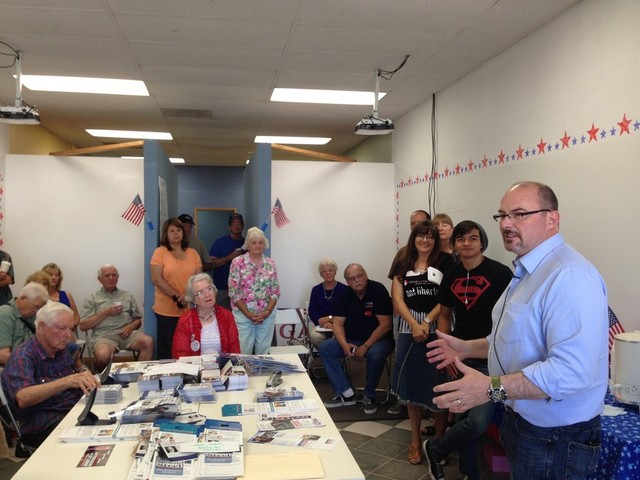
"caption": "3)\tTim Donnelly speaks to a group of campaign volunteers in Orange County. (Scott Detrow/KQED)",
"description": null,
"title": "RS10325_photo-hpf",
"credit": null,
"status": "inherit",
"isLoading": false,
"fetchFailed": false
}
},
"audioPlayerReducer": {
"postId": "stream_live",
"isPaused": true,
"isPlaying": false,
"pfsActive": false,
"pledgeModalIsOpen": true,
"playerDrawerIsOpen": false,
"liveAudioPlayStartedAt": 0,
"liveAudioPlayContext": ""
},
"authorsReducer": {
"byline_news_10582840": {
"type": "authors",
"id": "byline_news_10582840",
"meta": {
"override": true
},
"slug": "byline_news_10582840",
"name": "\u003cstrong>\u003ca href=\"http://www.berkeleyside.com/author/emily-dugdale/\" target=\"_blank\">Emily Dugdale\u003c/a>\u003cbr />Berkeleyside\u003c/strong>",
"isLoading": false
},
"byline_news_10506773": {
"type": "authors",
"id": "byline_news_10506773",
"meta": {
"override": true
},
"slug": "byline_news_10506773",
"name": "\u003cstrong>Associated Press\u003c/strong>",
"isLoading": false
},
"byline_news_298458": {
"type": "authors",
"id": "byline_news_298458",
"meta": {
"override": true
},
"slug": "byline_news_298458",
"name": "Scott Shafer",
"isLoading": false
},
"jmyers": {
"type": "authors",
"id": "232",
"meta": {
"index": "authors_1716337520",
"id": "232",
"found": true
},
"name": "John Myers",
"firstName": "John",
"lastName": "Myers",
"slug": "jmyers",
"email": "jmyers@kqed.org",
"display_author_email": false,
"staff_mastheads": [],
"title": null,
"bio": "John Myers is Senior Editor of KQED's new California Politics and Government Desk. A veteran of almost two decades of political coverage, he was KQED's longest serving statehouse bureau chief and recently was political editor for Sacramento's ABC affiliate, News10 (KXTV). John was moderator of the only 2014 gubernatorial debate, and was named by \u003cem>The Washington Post\u003c/em> to two \"Best Of\" lists: the 2015 list of top state politics reporters and 2014's list of America's most influential statehouse reporters.",
"avatar": "https://secure.gravatar.com/avatar/c0ac98482caf0b8229a792662b38722a?s=600&d=blank&r=g",
"twitter": "johnmyers",
"facebook": null,
"instagram": null,
"linkedin": null,
"sites": [
{
"site": "news",
"roles": [
"subscriber"
]
}
],
"headData": {
"title": "John Myers | KQED",
"description": null,
"ogImgSrc": "https://secure.gravatar.com/avatar/c0ac98482caf0b8229a792662b38722a?s=600&d=blank&r=g",
"twImgSrc": "https://secure.gravatar.com/avatar/c0ac98482caf0b8229a792662b38722a?s=600&d=blank&r=g"
},
"isLoading": false,
"link": "/author/jmyers"
},
"kqednewsstaffandwires": {
"type": "authors",
"id": "237",
"meta": {
"index": "authors_1716337520",
"id": "237",
"found": true
},
"name": "KQED News Staff and Wires",
"firstName": "KQED News Staff and Wires",
"lastName": null,
"slug": "kqednewsstaffandwires",
"email": "onlinenewsstaff@kqed.org",
"display_author_email": false,
"staff_mastheads": [],
"title": null,
"bio": null,
"avatar": "https://secure.gravatar.com/avatar/72295af8ebbfbd19a4948f5271285664?s=600&d=blank&r=g",
"twitter": null,
"facebook": null,
"instagram": null,
"linkedin": null,
"sites": [
{
"site": "arts",
"roles": [
"contributor"
]
},
{
"site": "news",
"roles": [
"contributor"
]
},
{
"site": "lowdown",
"roles": [
"author"
]
},
{
"site": "stateofhealth",
"roles": [
"contributor"
]
},
{
"site": "food",
"roles": [
"author"
]
}
],
"headData": {
"title": "KQED News Staff and Wires | KQED",
"description": null,
"ogImgSrc": "https://secure.gravatar.com/avatar/72295af8ebbfbd19a4948f5271285664?s=600&d=blank&r=g",
"twImgSrc": "https://secure.gravatar.com/avatar/72295af8ebbfbd19a4948f5271285664?s=600&d=blank&r=g"
},
"isLoading": false,
"link": "/author/kqednewsstaffandwires"
},
"sdetrow": {
"type": "authors",
"id": "256",
"meta": {
"index": "authors_1716337520",
"id": "256",
"found": true
},
"name": "Scott Detrow",
"firstName": "Scott",
"lastName": "Detrow",
"slug": "sdetrow",
"email": "sdetrow@kqed.org",
"display_author_email": false,
"staff_mastheads": [],
"title": null,
"bio": "Sacramento bureau chief Scott Detrow covers state government, politics and policy for KQED News and its statewide news program, The California Report.",
"avatar": "https://secure.gravatar.com/avatar/3271d0c151ba26452e3417f5ac251c30?s=600&d=blank&r=g",
"twitter": null,
"facebook": null,
"instagram": null,
"linkedin": null,
"sites": [
{
"site": "news",
"roles": [
"subscriber"
]
},
{
"site": "science",
"roles": [
"subscriber"
]
}
],
"headData": {
"title": "Scott Detrow | KQED",
"description": null,
"ogImgSrc": "https://secure.gravatar.com/avatar/3271d0c151ba26452e3417f5ac251c30?s=600&d=blank&r=g",
"twImgSrc": "https://secure.gravatar.com/avatar/3271d0c151ba26452e3417f5ac251c30?s=600&d=blank&r=g"
},
"isLoading": false,
"link": "/author/sdetrow"
},
"aemslie": {
"type": "authors",
"id": "3206",
"meta": {
"index": "authors_1716337520",
"id": "3206",
"found": true
},
"name": "Alex Emslie",
"firstName": "Alex",
"lastName": "Emslie",
"slug": "aemslie",
"email": "aemslie@kqed.org",
"display_author_email": true,
"staff_mastheads": [
"news"
],
"title": "KQED Senior Editor",
"bio": "Alex Emslie is senior editor of talent and development at KQED, where he manages dozens of early career journalists and oversees news department internships.\r\n\r\nHe is a former carpenter and proud graduate of City College of San Francisco and San Francisco State University, where he studied journalism and criminal justice before joining KQED in 2013.\r\n\r\nAlex produced investigative journalism focused on \u003ca href=\"https://www.kqed.org/news/11667594/the-trials-of-marvin-mutch-video\">criminal justice\u003c/a> and policing for most of a decade. He has broken major stories about \u003ca href=\"https://www.kqed.org/news/135682/amid-a-series-of-vallejo-police-shootings-one-officers-name-stands-out\">police use of deadly force\u003c/a>, \u003ca href=\"https://www.kqed.org/news/10454955/racist-texts-prompt-sfpd-internal-investigation\">officer misconduct\u003c/a> and \u003ca href=\"https://www.kqed.org/news/11712239/terrorist-or-troll-judge-to-weigh-whether-oakland-man-really-intended-to-attack-bay-area\">other\u003c/a> \u003ca href=\"https://www.kqed.org/news/11221414/hayward-paid-159000-to-husband-of-retired-police-chief-documents-show\">high\u003c/a>-\u003ca href=\"https://www.kqed.org/news/10622762/the-forgotten-tracking-two-homicides-in-san-francisco-public-housing\">profile\u003c/a> \u003ca href=\"https://www.kqed.org/news/11624516/federal-agency-promoted-ranger-just-months-after-his-gun-was-stolen-and-used-in-steinle-killing\">cases\u003c/a>. He co-founded the \u003ca href=\"https://projects.scpr.org/california-reporting-project/\">California Reporting Project\u003c/a> in 2019 to obtain and report on previously confidential police internal investigations. The effort produced well over 100 original stories and changed the course of multiple criminal cases.\r\n\r\nHis work has been recognized with numerous journalism awards, including a national Edward R. Murrow award for several years of \u003ca href=\"https://www.kqed.org/news/11688481/sfpd-officers-in-mario-woods-case-recount-shooting-in-newly-filed-depositions\">reporting\u003c/a> on the San Francisco Police shooting of Mario Woods. His \u003ca href=\"https://www.kqed.org/news/147854/half-of-those-killed-by-san-francisco-police-are-mentally-ill\">reporting\u003c/a> on police killings of people in psychiatric crisis was cited in amicus briefs before the U.S. Supreme Court.\r\n\r\nAlex now enjoys mentoring the next generation of journalists at KQED.",
"avatar": "https://secure.gravatar.com/avatar/e691e65209f20e9da202bd730ead5663?s=600&d=blank&r=g",
"twitter": "SFNewsReporter",
"facebook": null,
"instagram": null,
"linkedin": null,
"sites": [
{
"site": "arts",
"roles": [
"editor"
]
},
{
"site": "news",
"roles": [
"editor"
]
},
{
"site": "mindshift",
"roles": [
"editor"
]
},
{
"site": "stateofhealth",
"roles": [
"editor"
]
},
{
"site": "science",
"roles": [
"administrator"
]
}
],
"headData": {
"title": "Alex Emslie | KQED",
"description": "KQED Senior Editor",
"ogImgSrc": "https://secure.gravatar.com/avatar/e691e65209f20e9da202bd730ead5663?s=600&d=blank&r=g",
"twImgSrc": "https://secure.gravatar.com/avatar/e691e65209f20e9da202bd730ead5663?s=600&d=blank&r=g"
},
"isLoading": false,
"link": "/author/aemslie"
},
"mlagos": {
"type": "authors",
"id": "3239",
"meta": {
"index": "authors_1716337520",
"id": "3239",
"found": true
},
"name": "Marisa Lagos",
"firstName": "Marisa",
"lastName": "Lagos",
"slug": "mlagos",
"email": "mlagos@kqed.org",
"display_author_email": false,
"staff_mastheads": [
"news"
],
"title": "KQED Contributor",
"bio": "Marisa Lagos is a correspondent for KQED’s California Politics and Government Desk and co-hosts the award-winning show and podcast, Political Breakdown. At KQED, Lagos also conducts reporting, analysis and investigations into state, local and national politics for radio, TV, online and onstage. In 2022, she and co-host, Scott Shafer, moderated the only gubernatorial debate in California. In 2020, the \u003ci>Washington Post\u003c/i> named her one of the top political journalists in California; she was nominated for a Peabody and won several other awards for her work investigating the 2017 California wildfires. She has worked at the \u003ci>San Francisco Chronicle\u003c/i>, \u003ci>San Francisco Examiner\u003c/i> and \u003ci>Los Angeles Times\u003c/i>. A UC Santa Barbara graduate, she lives in San Francisco with her two sons and husband.",
"avatar": "https://secure.gravatar.com/avatar/a261a0d3696fc066871ef96b85b5e7d2?s=600&d=blank&r=g",
"twitter": "@mlagos",
"facebook": null,
"instagram": null,
"linkedin": null,
"sites": [
{
"site": "arts",
"roles": [
"author"
]
},
{
"site": "news",
"roles": [
"editor"
]
},
{
"site": "science",
"roles": [
"editor"
]
},
{
"site": "forum",
"roles": [
"author"
]
},
{
"site": "liveblog",
"roles": [
"author"
]
}
],
"headData": {
"title": "Marisa Lagos | KQED",
"description": "KQED Contributor",
"ogImgSrc": "https://secure.gravatar.com/avatar/a261a0d3696fc066871ef96b85b5e7d2?s=600&d=blank&r=g",
"twImgSrc": "https://secure.gravatar.com/avatar/a261a0d3696fc066871ef96b85b5e7d2?s=600&d=blank&r=g"
},
"isLoading": false,
"link": "/author/mlagos"
}
},
"pagesReducer": {
"news_tag_politics": {
"type": "terms",
"id": "news_17968",
"meta": {
"index": "terms_1716263798",
"site": "news",
"id": "17968",
"score": 8.005273
},
"name": "Politics",
"slug": "politics",
"taxonomy": "tag",
"description": null,
"featImg": null,
"headData": {
"title": "Politics | KQED News",
"description": null,
"ogTitle": null,
"ogDescription": null,
"ogImgId": null,
"twTitle": null,
"twDescription": null,
"twImgId": null
},
"ttid": 18002,
"isLoading": false,
"title": "Politics",
"pageMeta": {
"site": "news",
"WpPageTemplate": "page-topic-editorial",
"currentPage": 273
},
"blocks": [
{
"blockName": "kqed/post-list",
"attrs": {
"layout": "cardArticle2",
"query": "posts/news?tag=politics",
"seeMore": false,
"paginated": true,
"page": 273
}
},
{
"blockName": "kqed/ad"
}
]
}
},
"pfsSessionReducer": {},
"postsReducer": {
"stream_live": {
"type": "live",
"id": "stream_live",
"audioUrl": "https://streams.kqed.org/kqedradio",
"title": "Live Stream",
"excerpt": "Live Stream information currently unavailable.",
"link": "/radio",
"featImg": "",
"label": {
"name": "KQED Live",
"link": "/"
}
},
"stream_kqedNewscast": {
"type": "posts",
"id": "stream_kqedNewscast",
"audioUrl": "https://www.kqed.org/.stream/anon/radio/RDnews/newscast.mp3?_=1",
"title": "KQED Newscast",
"featImg": "",
"label": {
"name": "88.5 FM",
"link": "/"
}
},
"news_10582840": {
"type": "posts",
"id": "news_10582840",
"meta": {
"index": "posts_1716263798",
"site": "news",
"id": "10582840",
"score": null,
"sort": [
1435678684000
]
},
"guestAuthors": [],
"slug": "berkeley-mayor-senator-issue-a-tough-water-saving-challenge",
"title": "Berkeley's 'First Couple' Issues a Tough Water-Saving Challenge",
"publishDate": 1435678684,
"format": "standard",
"headTitle": "Berkeley’s ‘First Couple’ Issues a Tough Water-Saving Challenge | KQED",
"labelTerm": {
"term": 6944,
"site": "news"
},
"content": "\u003cp>Berkeley Mayor Tom Bates has announced a citywide water conservation challenge with the chance for Berkeley residents to win “fame, appreciation, and a free lunch,” the latter with him and his wife, state Sen. Loni Hancock.\u003c/p>\n\u003cp>Bates and Hancock issued what they’re calling the Bates-Hancock Water Conservation Challenge on Monday. The contest pits Berkeleyan against Berkeleyan in a race to see who can reduce their water usage the most in a two-month billing cycle.\u003c/p>\n\u003cp>But the challenge might be a little harder than it looks. To win, you have to beat the water conservation numbers posted by Berkeley’s First Household. \u003c/p>\n\u003cp>Bates and Hancock disclosed their own \u003ca href=\"#bateswaterbill\">personal water bill\u003c/a>, which shows that in the latest billing period they have reduced their water usage by 68.1 percent over the base year we’re all being measured against, 2013. The couple’s statement from East Bay MUD shows them using 37 gallons a day for the billing period from April 10 to June 9. They used 116 gallons a day for the comparable period in 2013. \u003c/p>\n\u003cp>Speaking to Berkeleyside Monday, Bates said the conservation competition “could be a good thing” to raise people’s awareness about how their own actions can significantly affect California’s devastating drought.\u003c/p>\n\u003cp>[ad fullwidth]\u003c/p>\n\u003cp>“The idea was to keep the issue of water conservation on people’s minds,” he said. “Hopefully people can break our record!”\u003c/p>\n\u003cp>“The drought represents a growing emergency,” Hancock said in a statement published in Mayor Bates’ regular Update newsletter. “Each individual can play an important role in addressing it.”\u003c/p>\n\u003cp>The challenge deadline is July 10, with winners recognized at Council’s July 14 meeting, and is open to Berkeley residents and elected officials residing in the East Bay MUD service area.\u003c/p>\n\u003cp>\u003cstrong>How to enter:\u003c/strong> If your water bill shows you have reduced your daily water use by more than 68.1 percent during the last completed billing cycle, email mayor@cityofberkeley.info and show them a copy of your bill. (To calculate your reduction percentage, subtract the most recent gallons per day amount from the 2013 gallons per day amount, then divide the remainder by the 2013 gallons per day amount and multiply by 100.)\u003c/p>\n\u003cp>You’ll be recognized at an upcoming Berkeley City Council meeting by Mayor Bates, have a permanent recognition in the City Council records, and, if you are the largest water reducer out of all the entries, you’ll win a free lunch with Bates and Hancock.\u003cbr>\n\u003ca id=\"bateswaterbill\">\u003c/a>\u003c/p>\n\u003cfigure id=\"attachment_10582841\" class=\"wp-caption aligncenter\" style=\"max-width: 710px\">\u003ca href=\"http://ww2.kqed.org/news/wp-content/uploads/sites/10/2015/06/Bates-bill.jpg\">\u003cimg loading=\"lazy\" decoding=\"async\" src=\"http://ww2.kqed.org/news/wp-content/uploads/sites/10/2015/06/Bates-bill.jpg\" alt=\"The most recent water bill for Berkeley Mayor Tom Bates and his wife, state Sen. Loni Hancock. \" width=\"710\" height=\"696\" class=\"size-full wp-image-10582841\" srcset=\"https://cdn.kqed.org/wp-content/uploads/sites/10/2015/06/Bates-bill.jpg 710w, https://cdn.kqed.org/wp-content/uploads/sites/10/2015/06/Bates-bill-400x392.jpg 400w, https://cdn.kqed.org/wp-content/uploads/sites/10/2015/06/Bates-bill-32x32.jpg 32w, https://cdn.kqed.org/wp-content/uploads/sites/10/2015/06/Bates-bill-64x64.jpg 64w, https://cdn.kqed.org/wp-content/uploads/sites/10/2015/06/Bates-bill-75x75.jpg 75w\" sizes=\"(max-width: 710px) 100vw, 710px\">\u003c/a>\u003cfigcaption class=\"wp-caption-text\">The most recent water bill for Berkeley Mayor Tom Bates and his wife, state Sen. Loni Hancock. \u003ccite>(Berkeleyside)\u003c/cite>\u003c/figcaption>\u003c/figure>\n\u003cp>\u003c/p>\n\u003cp>\u003cb>Support independent local journalism by \u003c/b>\u003ca href=\"http://www.berkeleyside.com/support-berkeleyside/\">\u003cb>becoming a Berkeleyside member\u003c/b>\u003c/a>\u003cb>. Members enjoy lots of perks, like invitations to member-only events, and an annual party.\u003c/b>\u003c/p>\n\n",
"blocks": [],
"excerpt": "Mayor Tom Bates and wife, state Sen. Loni Hancock, cut use by 68.1 percent. So Berkeleyans, beat that.",
"status": "publish",
"parent": 0,
"modified": 1721102533,
"stats": {
"hasAudio": false,
"hasVideo": false,
"hasChartOrMap": false,
"iframeSrcs": [],
"hasGoogleForm": false,
"hasGallery": false,
"hasHearkenModule": false,
"hasPolis": false,
"paragraphCount": 13,
"wordCount": 480
},
"headData": {
"title": "Berkeley's 'First Couple' Issues a Tough Water-Saving Challenge | KQED",
"description": "Mayor Tom Bates and wife, state Sen. Loni Hancock, cut use by 68.1 percent. So Berkeleyans, beat that.",
"ogTitle": "",
"ogDescription": "",
"ogImgId": "",
"twTitle": "",
"twDescription": "",
"twImgId": "",
"schema": {
"@context": "https://schema.org",
"@type": "NewsArticle",
"headline": "Berkeley's 'First Couple' Issues a Tough Water-Saving Challenge",
"datePublished": "2015-06-30T08:38:04-07:00",
"dateModified": "2024-07-15T21:02:13-07:00",
"image": "https://cdn.kqed.org/wp-content/uploads/2020/02/KQED-OG-Image@1x.png",
"isAccessibleForFree": "True",
"publisher": {
"@type": "NewsMediaOrganization",
"@id": "https://www.kqed.org/#organization",
"name": "KQED",
"logo": "https://cdn.kqed.org/wp-content/uploads/2020/02/KQED-OG-Image@1x.png",
"url": "https://www.kqed.org",
"sameAs": [
"https://www.facebook.com/KQED",
"https://twitter.com/KQED",
"https://www.instagram.com/kqed/",
"https://www.tiktok.com/@kqedofficial",
"https://www.linkedin.com/company/kqed",
"https://www.youtube.com/channel/UCeC0IOo7i1P_61zVUWbJ4nw"
]
}
}
},
"sticky": false,
"customPermalink": "2015/06/30/berkeley-mayor-tom-bates-state-senator-loni-hancock-water-bill-contest/",
"nprByline": "\u003cstrong>\u003ca href=\"http://www.berkeleyside.com/author/emily-dugdale/\" target=\"_blank\">Emily Dugdale\u003c/a>\u003cbr />Berkeleyside\u003c/strong>",
"path": "/news/10582840/berkeley-mayor-senator-issue-a-tough-water-saving-challenge",
"audioTrackLength": null,
"parsedContent": [
{
"type": "contentString",
"content": "\u003cdiv class=\"post-body\">\u003cp>\u003cp>Berkeley Mayor Tom Bates has announced a citywide water conservation challenge with the chance for Berkeley residents to win “fame, appreciation, and a free lunch,” the latter with him and his wife, state Sen. Loni Hancock.\u003c/p>\n\u003cp>Bates and Hancock issued what they’re calling the Bates-Hancock Water Conservation Challenge on Monday. The contest pits Berkeleyan against Berkeleyan in a race to see who can reduce their water usage the most in a two-month billing cycle.\u003c/p>\n\u003cp>But the challenge might be a little harder than it looks. To win, you have to beat the water conservation numbers posted by Berkeley’s First Household. \u003c/p>\n\u003cp>Bates and Hancock disclosed their own \u003ca href=\"#bateswaterbill\">personal water bill\u003c/a>, which shows that in the latest billing period they have reduced their water usage by 68.1 percent over the base year we’re all being measured against, 2013. The couple’s statement from East Bay MUD shows them using 37 gallons a day for the billing period from April 10 to June 9. They used 116 gallons a day for the comparable period in 2013. \u003c/p>\n\u003cp>Speaking to Berkeleyside Monday, Bates said the conservation competition “could be a good thing” to raise people’s awareness about how their own actions can significantly affect California’s devastating drought.\u003c/p>\n\u003cp>\u003c/p>\u003c/div>",
"attributes": {
"named": {},
"numeric": []
}
},
{
"type": "component",
"content": "",
"name": "ad",
"attributes": {
"named": {
"label": "fullwidth"
},
"numeric": [
"fullwidth"
]
}
},
{
"type": "contentString",
"content": "\u003cdiv class=\"post-body\">\u003cp>\u003c/p>\n\u003cp>“The idea was to keep the issue of water conservation on people’s minds,” he said. “Hopefully people can break our record!”\u003c/p>\n\u003cp>“The drought represents a growing emergency,” Hancock said in a statement published in Mayor Bates’ regular Update newsletter. “Each individual can play an important role in addressing it.”\u003c/p>\n\u003cp>The challenge deadline is July 10, with winners recognized at Council’s July 14 meeting, and is open to Berkeley residents and elected officials residing in the East Bay MUD service area.\u003c/p>\n\u003cp>\u003cstrong>How to enter:\u003c/strong> If your water bill shows you have reduced your daily water use by more than 68.1 percent during the last completed billing cycle, email mayor@cityofberkeley.info and show them a copy of your bill. (To calculate your reduction percentage, subtract the most recent gallons per day amount from the 2013 gallons per day amount, then divide the remainder by the 2013 gallons per day amount and multiply by 100.)\u003c/p>\n\u003cp>You’ll be recognized at an upcoming Berkeley City Council meeting by Mayor Bates, have a permanent recognition in the City Council records, and, if you are the largest water reducer out of all the entries, you’ll win a free lunch with Bates and Hancock.\u003cbr>\n\u003ca id=\"bateswaterbill\">\u003c/a>\u003c/p>\n\u003cfigure id=\"attachment_10582841\" class=\"wp-caption aligncenter\" style=\"max-width: 710px\">\u003ca href=\"http://ww2.kqed.org/news/wp-content/uploads/sites/10/2015/06/Bates-bill.jpg\">\u003cimg loading=\"lazy\" decoding=\"async\" src=\"http://ww2.kqed.org/news/wp-content/uploads/sites/10/2015/06/Bates-bill.jpg\" alt=\"The most recent water bill for Berkeley Mayor Tom Bates and his wife, state Sen. Loni Hancock. \" width=\"710\" height=\"696\" class=\"size-full wp-image-10582841\" srcset=\"https://cdn.kqed.org/wp-content/uploads/sites/10/2015/06/Bates-bill.jpg 710w, https://cdn.kqed.org/wp-content/uploads/sites/10/2015/06/Bates-bill-400x392.jpg 400w, https://cdn.kqed.org/wp-content/uploads/sites/10/2015/06/Bates-bill-32x32.jpg 32w, https://cdn.kqed.org/wp-content/uploads/sites/10/2015/06/Bates-bill-64x64.jpg 64w, https://cdn.kqed.org/wp-content/uploads/sites/10/2015/06/Bates-bill-75x75.jpg 75w\" sizes=\"(max-width: 710px) 100vw, 710px\">\u003c/a>\u003cfigcaption class=\"wp-caption-text\">The most recent water bill for Berkeley Mayor Tom Bates and his wife, state Sen. Loni Hancock. \u003ccite>(Berkeleyside)\u003c/cite>\u003c/figcaption>\u003c/figure>\n\u003cp>\u003c/p>\n\u003cp>\u003cb>Support independent local journalism by \u003c/b>\u003ca href=\"http://www.berkeleyside.com/support-berkeleyside/\">\u003cb>becoming a Berkeleyside member\u003c/b>\u003c/a>\u003cb>. Members enjoy lots of perks, like invitations to member-only events, and an annual party.\u003c/b>\u003c/p>\n\n\u003c/div>\u003c/p>",
"attributes": {
"named": {},
"numeric": []
}
}
],
"link": "/news/10582840/berkeley-mayor-senator-issue-a-tough-water-saving-challenge",
"authors": [
"byline_news_10582840"
],
"programs": [
"news_6944"
],
"categories": [
"news_19906",
"news_8"
],
"tags": [
"news_129",
"news_17618",
"news_17968"
],
"affiliates": [
"news_5078"
],
"featImg": "news_10344940",
"label": "news_6944"
},
"news_10578454": {
"type": "posts",
"id": "news_10578454",
"meta": {
"index": "posts_1716263798",
"site": "news",
"id": "10578454",
"score": null,
"sort": [
1435351460000
]
},
"guestAuthors": [],
"slug": "thats-almost-a-wrap-california-politics-podcast",
"title": "That's (Almost) A Wrap: California Politics Podcast",
"publishDate": 1435351460,
"format": "audio",
"headTitle": "That’s (Almost) A Wrap: California Politics Podcast | KQED",
"labelTerm": {
"term": 7051,
"site": "news"
},
"content": "\u003cp>For some long-running political and policy storylines in California, important — and close to final — chapters were written this week.\u003c/p>\n\u003cp>Our podcast tackles two of them: Gov. Jerry Brown quietly signing the new state budget for the fiscal year that begins at month’s end, and what’s likely the last big legislative debate over Senate Bill 277 and its erasure of most exemptions from vaccines for California schoolchildren.\u003c/p>\n\u003cp>KQED News’ Marisa Lagos and I also take a brief look at the California connections, and impact, of Friday’s historic U.S. Supreme Court ruling on same-sex marriage.\u003c/p>\n\u003cp>[ad fullwidth]\u003c/p>\u003cp>\u003c/p>\n",
"blocks": [],
"excerpt": "A final state budget, the vaccine bill nears the governor's desk and thoughts on same-sex marriage.",
"status": "publish",
"parent": 0,
"modified": 1721108168,
"stats": {
"hasAudio": false,
"hasVideo": false,
"hasChartOrMap": false,
"iframeSrcs": [],
"hasGoogleForm": false,
"hasGallery": false,
"hasHearkenModule": false,
"hasPolis": false,
"paragraphCount": 5,
"wordCount": 107
},
"headData": {
"title": "That's (Almost) A Wrap: California Politics Podcast | KQED",
"description": "A final state budget, the vaccine bill nears the governor's desk and thoughts on same-sex marriage.",
"ogTitle": "",
"ogDescription": "",
"ogImgId": "",
"twTitle": "",
"twDescription": "",
"twImgId": "",
"schema": {
"@context": "https://schema.org",
"@type": "NewsArticle",
"headline": "That's (Almost) A Wrap: California Politics Podcast",
"datePublished": "2015-06-26T13:44:20-07:00",
"dateModified": "2024-07-15T22:36:08-07:00",
"image": "https://cdn.kqed.org/wp-content/uploads/2020/02/KQED-OG-Image@1x.png",
"isAccessibleForFree": "True",
"publisher": {
"@type": "NewsMediaOrganization",
"@id": "https://www.kqed.org/#organization",
"name": "KQED",
"logo": "https://cdn.kqed.org/wp-content/uploads/2020/02/KQED-OG-Image@1x.png",
"url": "https://www.kqed.org",
"sameAs": [
"https://www.facebook.com/KQED",
"https://twitter.com/KQED",
"https://www.instagram.com/kqed/",
"https://www.tiktok.com/@kqedofficial",
"https://www.linkedin.com/company/kqed",
"https://www.youtube.com/channel/UCeC0IOo7i1P_61zVUWbJ4nw"
]
}
}
},
"audioUrl": "http://www.kqed.org/.stream/mp3splice/radio/RDnews/2015/06/PolPodcastJune26.mp3",
"sticky": false,
"customPermalink": "2015/06/26/that-is-almost-a-wrap-kqed-california-politics-podcast-state-budget-vaccine-bill-gay-marriage/",
"path": "/news/10578454/thats-almost-a-wrap-california-politics-podcast",
"audioDuration": null,
"audioTrackLength": null,
"parsedContent": [
{
"type": "contentString",
"content": "\u003cdiv class=\"post-body\">\u003cp>\u003cp>For some long-running political and policy storylines in California, important — and close to final — chapters were written this week.\u003c/p>\n\u003cp>Our podcast tackles two of them: Gov. Jerry Brown quietly signing the new state budget for the fiscal year that begins at month’s end, and what’s likely the last big legislative debate over Senate Bill 277 and its erasure of most exemptions from vaccines for California schoolchildren.\u003c/p>\n\u003cp>KQED News’ Marisa Lagos and I also take a brief look at the California connections, and impact, of Friday’s historic U.S. Supreme Court ruling on same-sex marriage.\u003c/p>\n\u003cp>\u003c/p>\u003c/div>",
"attributes": {
"named": {},
"numeric": []
}
},
{
"type": "component",
"content": "",
"name": "ad",
"attributes": {
"named": {
"label": "fullwidth"
},
"numeric": [
"fullwidth"
]
}
},
{
"type": "contentString",
"content": "\u003cdiv class=\"post-body\">\u003cp>\u003c/p>\u003cp>\u003c/p>\n\u003c/div>\u003c/p>",
"attributes": {
"named": {},
"numeric": []
}
}
],
"link": "/news/10578454/thats-almost-a-wrap-california-politics-podcast",
"authors": [
"232"
],
"programs": [
"news_7051"
],
"categories": [
"news_13",
"news_17793"
],
"tags": [
"news_402",
"news_17599",
"news_2626",
"news_30",
"news_17968",
"news_17714"
],
"featImg": "news_10578467",
"label": "news_7051"
},
"news_10533115": {
"type": "posts",
"id": "news_10533115",
"meta": {
"index": "posts_1716263798",
"site": "news",
"id": "10533115",
"score": null,
"sort": [
1432243430000
]
},
"guestAuthors": [],
"slug": "legislature-considering-a-stack-of-cop-accountability-bills",
"title": "Legislature Considering a Stack of Cop-Accountability Bills",
"publishDate": 1432243430,
"format": "standard",
"headTitle": "Legislature Considering a Stack of Cop-Accountability Bills | KQED",
"labelTerm": {
"term": 72,
"site": "news"
},
"content": "\u003cp>Increasing national attention on issues of use of force, transparency and inequity in the criminal justice system hasn’t been lost on California state legislators, who are pushing dozens of bills aimed at enhancing law enforcement accountability.\u003c/p>\n\u003cp>The California branch of the American Civil Liberties Union is following and advocating for many of them.\u003c/p>\n\u003cp>“The national attention on police conduct and police abuses has absolutely led to a large number of bills on this issue this year,” says Natasha Minsker, director of the recently expanded ACLU’s Sacramento-based Center for Advocacy and Policy. “What’s yet to be seen, and what we hope for, is that it actually leads to real reforms being enacted.”\u003c/p>\n\u003caside class=\"pullquote alignright\">‘The concern that there would be a conflict of interest between a district attorney and officers they may work with is unfounded.’\u003ccite>Peace Officers Research Association of California\u003c/cite>\u003c/aside>\n\u003cp>That observation is a rare example of common ground between groups like the ACLU and law enforcement organizations like the California State Sheriffs’ Association, which is also keeping a close watch.\u003c/p>\n\u003cp>“There are certainly more bills on these topics this year,” said Cory Salzillo, the association’s legislative director. “I think it’s because of the media attention on events in other places like Ferguson and Staten Island.”\u003c/p>\n\u003cp>[ad fullwidth]\u003c/p>\n\u003cp>Six of the eight bills the ACLU is highlighting have been placed on either the Senate or Assembly appropriations “suspense file,” meaning the appropriations committees of either house won’t hear the bills until after the state budget is finalized. The hold is meant for high-cost legislation.\u003c/p>\n\u003cp>Part of the reason the bills carry big price tags, Minsker says, is that several of them are seeking better data collection — and the agencies that would be providing that data are also the ones providing the cost estimates.\u003c/p>\n\u003cp>“The people we’re trying to get information about, those are the people who provide the estimate of the cost,” Minsker says. “And the cost is coming back shockingly high.”\u003c/p>\n\u003cp>\u003cstrong>Data Collection\u003c/strong>\u003c/p>\n\u003cp>Assembly bills \u003ca href=\"http://leginfo.legislature.ca.gov/faces/billNavClient.xhtml?bill_id=201520160AB953\" target=\"_blank\" rel=\"noopener\">953\u003c/a> and \u003ca href=\"http://leginfo.legislature.ca.gov/faces/billNavClient.xhtml?bill_id=201520160AB619\" target=\"_blank\" rel=\"noopener\">619\u003c/a> by Assemblywoman Shirley Weber (D-San Diego) would greatly expand the data that state and local law enforcement agencies are required to report to the California attorney general.\u003c/p>\n\u003cp>AB953 updates the definition of profiling to include gender identity and would require all local law enforcement agencies to deliver quarterly reports to the attorney general on all traffic, public transportation and pedestrian stops by July 2017. Most police departments in the state collect only traffic stop data with a few identifying characteristics of the subject, such as race.\u003c/p>\n\u003caside class=\"alignleft\">\n\u003cfigure>\u003ca href=\"http://ww2.kqed.org/news/wp-content/uploads/sites/10/2015/05/RS6677_115011610-sfi.jpg\">\u003cimg loading=\"lazy\" decoding=\"async\" class=\"aligncenter size-full wp-image-10533302\" src=\"http://ww2.kqed.org/news/wp-content/uploads/sites/10/2015/05/RS6677_115011610-sfi.jpg\" alt=\"RS6677_115011610-sfi\" width=\"540\" height=\"360\" srcset=\"https://cdn.kqed.org/wp-content/uploads/sites/10/2015/05/RS6677_115011610-sfi.jpg 540w, https://cdn.kqed.org/wp-content/uploads/sites/10/2015/05/RS6677_115011610-sfi-400x267.jpg 400w\" sizes=\"(max-width: 540px) 100vw, 540px\">\u003c/a>\u003c/figure>\n\u003cp>\u003ca href=\"http://leginfo.legislature.ca.gov/faces/billNavClient.xhtml?bill_id=201520160SB11&search_keywords=\" target=\"_blank\" rel=\"noopener\">SB11\u003c/a> Peace Officer Training: Mental Health\u003c/p>\n\u003cp>\u003ca href=\"http://leginfo.legislature.ca.gov/faces/billNavClient.xhtml?bill_id=201520160SB29&search_keywords=\" target=\"_blank\" rel=\"noopener\">SB29\u003c/a> Peace Officer Training: Mental Health\u003c/p>\n\u003cp>\u003ca href=\"http://leginfo.legislature.ca.gov/faces/billNavClient.xhtml?bill_id=201520160SB227&search_keywords=\" target=\"_blank\" rel=\"noopener\">SB227\u003c/a> Grand Jury Investigations\u003c/p>\n\u003cp>\u003ca href=\"http://leginfo.legislature.ca.gov/faces/billNavClient.xhtml?bill_id=201520160SB411&search_keywords=\" target=\"_blank\" rel=\"noopener\">SB411\u003c/a> Photographing/Recording Police\u003c/p>\n\u003cp>\u003ca href=\"http://leginfo.legislature.ca.gov/faces/billNavClient.xhtml?bill_id=201520160SB601&search_keywords=\" target=\"_blank\" rel=\"noopener\">SB601\u003c/a> CDCR Data Dashboard\u003c/p>\n\u003cp>\u003ca href=\"http://leginfo.legislature.ca.gov/faces/billNavClient.xhtml?bill_id=201520160SB629&search_keywords=\" target=\"_blank\" rel=\"noopener\">SB629\u003c/a> “Lynching”\u003c/p>\n\u003cp>\u003ca href=\"http://leginfo.legislature.ca.gov/faces/billNavClient.xhtml?bill_id=201520160AB86&search_keywords=\" target=\"_blank\" rel=\"noopener\">AB86\u003c/a> Special Prosecutor Investigations\u003c/p>\n\u003cp>\u003ca href=\"http://leginfo.legislature.ca.gov/faces/billNavClient.xhtml?bill_id=201520160AB619&search_keywords=\" target=\"_blank\" rel=\"noopener\">AB619\u003c/a> Use of Force Data Collection\u003c/p>\n\u003cp>\u003ca href=\"http://leginfo.legislature.ca.gov/faces/billNavClient.xhtml?bill_id=201520160AB953&search_keywords=\" target=\"_blank\" rel=\"noopener\">AB953\u003c/a> Racial Stop Data Collection\u003c/p>\n\u003cp>\u003ca href=\"http://leginfo.legislature.ca.gov/faces/billNavClient.xhtml?bill_id=201520160AB1118&search_keywords=\" target=\"_blank\" rel=\"noopener\">AB1118\u003c/a> Procedural Justice Training\u003c/p>\n\u003c/aside>\n\u003cp>The bill would require a slew of data for every stop, including an officer’s perception of the subject’s race, ethnicity, gender, age, sexual orientation, religious affiliation, English proficiency and physical or mental disability.\u003c/p>\n\u003cp>The Peace Officers Research Association of California opposes AB953, arguing that officers already receive rigorous training on combating racial profiling and that police departments already collect many of the statistics called for in the bill.\u003c/p>\n\u003cp>“We believe the additional information required will take much more of the officer’s time and result in less service to the public,” the association’s opposition statement says.\u003c/p>\n\u003cp>Salzillo said the bill requires law enforcement officers to essentially guess the demographic information. The language of the bill prohibits officers from asking suspects.\u003c/p>\n\u003cp>“We don’t know how that works,” he said. “In an attempt to stop racial profiling, it requires officers to pay a lot more attention to race. It’s counterintuitive in that regard.”\u003c/p>\n\u003cp>Five similar attempts at mandating racial stop data precede AB953, going back to 1999 when then-Gov. Gray Davis vetoed a bill that would have required statewide collection of traffic stop data. But Davis required the California Highway Patrol to start noting the race of the people its officers pulled over, and many local law enforcement agencies began doing so \u003ca href=\"http://www.sfgate.com/crime/article/Police-rarely-analyze-share-racial-data-on-stops-5697028.php\" target=\"_blank\" rel=\"noopener\">voluntarily — with mixed results\u003c/a>.\u003c/p>\n\u003cp>Weber’s AB619 calls for better bookkeeping on law enforcement use of force and would apply the standards of in-custody deaths to all fatal encounters with police. Current law requires that law enforcement or corrections agencies report details of in-custody deaths to the state attorney general within 10 days of an incident.\u003c/p>\n\u003cp>The bill also calls for detailed use-of-force reporting to the attorney general by 2018. Those reports would include characteristics like race, age and gender of officers and subjects in use-of-force cases. The legislation would require open reporting on everything from hand-to-hand physical strikes to gunshots.\u003c/p>\n\u003cp>“Data collection is the key to transparency and accountability,” the ACLU’s Minsker says. “If we think racial profiling is important, if we think police killing people is important, we need to collect data and then have conversations about how to fix it.”\u003c/p>\n\u003cp>AB619 has no formal opposition listed. The ACLU of California is co-sponsoring both of Weber’s bills.\u003c/p>\n\u003cp>Weber’s aren’t the only bills seeking to expand public safety data collection. \u003ca href=\"https://leginfo.legislature.ca.gov/faces/billNavClient.xhtml?bill_id=201520160SB601&search_keywords=\" target=\"_blank\" rel=\"noopener\">SB601\u003c/a> by Sen. Loni Hancock (D-Berkeley) would require the California Department of Corrections and Rehabilitation to produce a “data dashboard,” publicly available on CDCR’s website. The web portal would include the following:\u003c/p>\n\u003cul>\n\u003cli>Information on CDCR staffing\u003c/li>\n\u003cli>Inmate enrollment in rehabilitation programs — with diploma and GED completion rates\u003c/li>\n\u003cli>Number of deaths, specifying homicides, suicides, unexpected deaths and expected deaths\u003c/li>\n\u003cli>Number of use-of-force incidents\u003c/li>\n\u003cli>Number of inmate appeals and their status\u003c/li>\n\u003cli>Number of inmates in administrative segregation — or solitary confinement\u003c/li>\n\u003cli>Contraband seized, quantifying cellphones and drugs\u003c/li>\n\u003cli>Number of days in lockdown\u003c/li>\n\u003cli>Budget information\u003c/li>\n\u003c/ul>\n\u003cp>Hancock’s bill would also require a report to the governor and Legislature on \u003ca href=\"http://www.leginfo.ca.gov/cgi-bin/displaycode?section=pen&group=03001-04000&file=3016\" target=\"_blank\" rel=\"noopener\">CDCR’s pilot case management re-entry program\u003c/a> by July 31, 2017. Gov. Jerry Brown \u003ca href=\"http://gov.ca.gov/docs/SB_601_Veto_Message.pdf\" target=\"_blank\" rel=\"noopener\">vetoed\u003c/a> a similar bill in 2011, noting that the CDCR already posts much of the \u003ca href=\"http://www.cdcr.ca.gov/COMPSTAT/\" target=\"_blank\" rel=\"noopener\">information\u003c/a>.\u003c/p>\n\u003cp>\u003cstrong>Training\u003c/strong>\u003c/p>\n\u003cp>Senate bills \u003ca href=\"http://leginfo.legislature.ca.gov/faces/billNavClient.xhtml?bill_id=201520160SB11\" target=\"_blank\" rel=\"noopener\">11\u003c/a> and \u003ca href=\"http://leginfo.legislature.ca.gov/faces/billNavClient.xhtml?bill_id=201520160SB29&search_keywords=\" target=\"_blank\" rel=\"noopener\">29\u003c/a> by Sen. Jim Beall (D-San Jose) would require the state’s \u003ca href=\"https://www.post.ca.gov/\" target=\"_blank\" rel=\"noopener\">Commission on Peace Officer Standards and Training\u003c/a> to implement advanced training on mental health issues for California law enforcement officers. From the \u003ca href=\"http://ww2.kqed.org/news/2014/09/30/half-of-those-killed-by-san-francisco-police-are-mentally-ill\" target=\"_blank\" rel=\"noopener\">San Francisco Bay Area\u003c/a> to \u003ca href=\"http://tacreports.org/storage/documents/2013-justifiable-homicides.pdf\" target=\"_blank\" rel=\"noopener\">nationwide\u003c/a>, it’s estimated that about half of people killed by police are in psychiatric crisis.\u003c/p>\n\u003cp>[contextly_sidebar id=”skkL4liZxSqO1gzWqn7QrbRJso14PRgR”]\u003c/p>\n\u003cp>SB11 requires 20 hours of behavioral health training at the police academies to be part of the basic requirements to become a peace officer in California. SB29 requires a 40-hour course for field training officers, who mentor recent academy graduates when they first hit the streets. The bills indicate a move toward a state mandate for specialized Crisis Intervention Training, a program some departments have already voluntarily implemented.\u003c/p>\n\u003cp>Several state law enforcement associations join disability rights advocacy groups in support of SB11. Fewer groups support SB29.\u003c/p>\n\u003cp>“There is a growing recognition among law enforcement nationwide of the need for more behavioral health training for officers,” the County Behavioral Health Directors Association of California wrote in support of SB11. “The existing California Peace Officer Standards and Training (POST) curriculum includes only 6 hours of mental health training out of a total of 664 hours of mandated training for peace officers, which is clearly not sufficient.”\u003c/p>\n\u003cp>The California State Sheriffs’ Association opposes both bills.\u003c/p>\n\u003cp>“More training for the sake of more training may not be beneficial and may come at the expense of other, more necessary training,” the association wrote in opposition. “Although we appreciate the desire to improve interactions between law enforcement and persons with mental health issues, [both bills represent] a premature, unfunded mandate that offers no guarantee of providing the appropriate training to the right officers.”\u003c/p>\n\u003cp>\u003cstrong>Investigations\u003c/strong>\u003c/p>\n\u003cp>SB227 and AB 86 are seeking, in different ways, to establish more independence in the investigations of officer-involved fatalities.\u003c/p>\n\u003cp>\u003ca href=\"https://leginfo.legislature.ca.gov/faces/billNavClient.xhtml?bill_id=201520160SB227&search_keywords=\" target=\"_blank\" rel=\"noopener\">SB227\u003c/a> by Sen. Holly Mitchell (D-Los Angeles) would not allow grand juries to inquire into cases of potential police misconduct that resulted in the death of a suspect.\u003c/p>\n\u003cp>“The use of the criminal grand jury process, and the refusal to indict as occurred in Ferguson and other communities of color, has fostered an atmosphere of suspicion that threatens to compromise our justice system,” Mitchell wrote in an op-ed published in the \u003ca href=\"http://www.dailynews.com/opinion/20150507/why-grand-juries-are-wrong-for-officer-involved-shootings\" target=\"_blank\" rel=\"noopener\">Los Angeles Daily News\u003c/a>. Her bill would require police use-of-force cases to be charged through a preliminary examination, in open court, rather than behind the closed doors of the grand jury.\u003c/p>\n\u003cp>The California District Attorneys Association opposes the bill, writing that California’s grand jury system is “decidedly different and amazingly fairer” than the system in other states.\u003c/p>\n\u003cp>[contextly_sidebar id=”eAOzptDt4C8SI5dRdhjhkunRlLBYKGrZ”]\u003c/p>\n\u003cp>“While there may be fundamental deficiencies in the grand jury systems of other states, we do not believe that those deficiencies exist in California to justify the outright prohibition of criminal grand juries in fatal officer-involved shootings,” the association wrote.\u003c/p>\n\u003cp>\u003ca href=\"http://leginfo.legislature.ca.gov/faces/billNavClient.xhtml?bill_id=201520160AB86&search_keywords=\" target=\"_blank\" rel=\"noopener\">AB86\u003c/a> would require the state attorney general to appoint a special prosecutor to independently investigate killings by on-duty law enforcement officers.\u003c/p>\n\u003cp>The bill’s supporters and opposition reveal a stark divide. The National Association for the Advancement of Colored People supports the bill.\u003c/p>\n\u003cp>“Police brutality has had a long history in California,” the NAACP wrote. “Following the high-profiled deaths of Michael Brown and Eric Garner, civil rights advocates have campaigned for greater oversight of the investigation process following deaths involving law enforcement.”\u003c/p>\n\u003cp>But most statewide law enforcement agencies oppose the bill.\u003c/p>\n\u003cp>“District Attorneys have made decisions for years, and have overseen difficult cases that have been scrutinized heavily by the media and public,” the Peace Officers Research Association of California wrote. “The concern that there would be a conflict of interest between a District Attorney and officers they may work with is unfounded.”\u003c/p>\n\u003cp>Salzillo said the bill implied that peace officers who use deadly force are presumed guilty of a crime.\u003c/p>\n\u003cp>“We reject that,” he said. “In so many of these cases, the officer’s been shot at, the officer’s been threatened with a weapon. The officer is a victim in many ways.”\u003c/p>\n\u003cp>California’s ACLU also supports McCarty’s bill, but California ACLU director Minsker says she still wouldn’t expect many police officers to face criminal charges following fatal shootings.\u003c/p>\n\u003cp>“We are really encouraging folks to focus not just on prosecutions,” Minsker says, “but investigating fatal incidents where police have used force to ask, ‘What went wrong? How could we have prevented this?'”\u003c/p>\n\u003cp>\u003cstrong>And Many More\u003c/strong>\u003c/p>\n\u003cp>Among the many other law enforcement bills meandering their way through the Legislature, one would clarify California law regarding \u003ca href=\"https://leginfo.legislature.ca.gov/faces/billNavClient.xhtml?bill_id=201520160SB411&search_keywords=\" target=\"_blank\" rel=\"noopener\">photographing and recording\u003c/a> police on duty. Still \u003ca href=\"http://leginfo.legislature.ca.gov/faces/billNavClient.xhtml?bill_id=201520160SB629&search_keywords=\" target=\"_blank\" rel=\"noopener\">another\u003c/a> would scrub the term “lynching” from the state’s penal code, and several bills are vying to establish statewide rules for police body-worn cameras.\u003c/p>\n\u003cp>And of course, the Legislature doesn’t have the final word on these proposals. Bills that make it through both houses must still win Gov. Brown’s approval.\u003c/p>\n\u003cp>“We’ve had initial meetings with the governor’s staff to educate them about the bills,” Minsker says, adding that it’s difficult to predict where Brown will land on any of these issues. “At this point no red flags have been raised on these bills.”\u003c/p>\n\u003cp>[ad floatright]\u003c/p>\n\u003cp>\u003cem>This post was updated May 22 to add a link to existing CDCR COMPSTAT reports.\u003c/em>\u003c/p>\n\n",
"blocks": [],
"excerpt": "Bills focus on data, training and independent investigations of fatal officer-involved shootings.",
"status": "publish",
"parent": 0,
"modified": 1730494341,
"stats": {
"hasAudio": false,
"hasVideo": false,
"hasChartOrMap": false,
"iframeSrcs": [],
"hasGoogleForm": false,
"hasGallery": false,
"hasHearkenModule": false,
"hasPolis": false,
"paragraphCount": 64,
"wordCount": 2016
},
"headData": {
"title": "Legislature Considering a Stack of Cop-Accountability Bills | KQED",
"description": "Bills focus on data, training and independent investigations of fatal officer-involved shootings.",
"ogTitle": "",
"ogDescription": "",
"ogImgId": "",
"twTitle": "",
"twDescription": "",
"twImgId": "",
"schema": {
"@context": "https://schema.org",
"@type": "NewsArticle",
"headline": "Legislature Considering a Stack of Cop-Accountability Bills",
"datePublished": "2015-05-21T14:23:50-07:00",
"dateModified": "2024-11-01T13:52:21-07:00",
"image": "https://cdn.kqed.org/wp-content/uploads/2020/02/KQED-OG-Image@1x.png",
"isAccessibleForFree": "True",
"publisher": {
"@type": "NewsMediaOrganization",
"@id": "https://www.kqed.org/#organization",
"name": "KQED",
"logo": "https://cdn.kqed.org/wp-content/uploads/2020/02/KQED-OG-Image@1x.png",
"url": "https://www.kqed.org",
"sameAs": [
"https://www.facebook.com/KQED",
"https://twitter.com/KQED",
"https://www.instagram.com/kqed/",
"https://www.tiktok.com/@kqedofficial",
"https://www.linkedin.com/company/kqed",
"https://www.youtube.com/channel/UCeC0IOo7i1P_61zVUWbJ4nw"
]
}
}
},
"sticky": false,
"path": "/news/10533115/legislature-considering-a-stack-of-cop-accountability-bills",
"audioTrackLength": null,
"parsedContent": [
{
"type": "contentString",
"content": "\u003cdiv class=\"post-body\">\u003cp>\u003cp>Increasing national attention on issues of use of force, transparency and inequity in the criminal justice system hasn’t been lost on California state legislators, who are pushing dozens of bills aimed at enhancing law enforcement accountability.\u003c/p>\n\u003cp>The California branch of the American Civil Liberties Union is following and advocating for many of them.\u003c/p>\n\u003cp>“The national attention on police conduct and police abuses has absolutely led to a large number of bills on this issue this year,” says Natasha Minsker, director of the recently expanded ACLU’s Sacramento-based Center for Advocacy and Policy. “What’s yet to be seen, and what we hope for, is that it actually leads to real reforms being enacted.”\u003c/p>\n\u003caside class=\"pullquote alignright\">‘The concern that there would be a conflict of interest between a district attorney and officers they may work with is unfounded.’\u003ccite>Peace Officers Research Association of California\u003c/cite>\u003c/aside>\n\u003cp>That observation is a rare example of common ground between groups like the ACLU and law enforcement organizations like the California State Sheriffs’ Association, which is also keeping a close watch.\u003c/p>\n\u003cp>“There are certainly more bills on these topics this year,” said Cory Salzillo, the association’s legislative director. “I think it’s because of the media attention on events in other places like Ferguson and Staten Island.”\u003c/p>\n\u003cp>\u003c/p>\u003c/div>",
"attributes": {
"named": {},
"numeric": []
}
},
{
"type": "component",
"content": "",
"name": "ad",
"attributes": {
"named": {
"label": "fullwidth"
},
"numeric": [
"fullwidth"
]
}
},
{
"type": "contentString",
"content": "\u003cdiv class=\"post-body\">\u003cp>\u003c/p>\n\u003cp>Six of the eight bills the ACLU is highlighting have been placed on either the Senate or Assembly appropriations “suspense file,” meaning the appropriations committees of either house won’t hear the bills until after the state budget is finalized. The hold is meant for high-cost legislation.\u003c/p>\n\u003cp>Part of the reason the bills carry big price tags, Minsker says, is that several of them are seeking better data collection — and the agencies that would be providing that data are also the ones providing the cost estimates.\u003c/p>\n\u003cp>“The people we’re trying to get information about, those are the people who provide the estimate of the cost,” Minsker says. “And the cost is coming back shockingly high.”\u003c/p>\n\u003cp>\u003cstrong>Data Collection\u003c/strong>\u003c/p>\n\u003cp>Assembly bills \u003ca href=\"http://leginfo.legislature.ca.gov/faces/billNavClient.xhtml?bill_id=201520160AB953\" target=\"_blank\" rel=\"noopener\">953\u003c/a> and \u003ca href=\"http://leginfo.legislature.ca.gov/faces/billNavClient.xhtml?bill_id=201520160AB619\" target=\"_blank\" rel=\"noopener\">619\u003c/a> by Assemblywoman Shirley Weber (D-San Diego) would greatly expand the data that state and local law enforcement agencies are required to report to the California attorney general.\u003c/p>\n\u003cp>AB953 updates the definition of profiling to include gender identity and would require all local law enforcement agencies to deliver quarterly reports to the attorney general on all traffic, public transportation and pedestrian stops by July 2017. Most police departments in the state collect only traffic stop data with a few identifying characteristics of the subject, such as race.\u003c/p>\n\u003caside class=\"alignleft\">\n\u003cfigure>\u003ca href=\"http://ww2.kqed.org/news/wp-content/uploads/sites/10/2015/05/RS6677_115011610-sfi.jpg\">\u003cimg loading=\"lazy\" decoding=\"async\" class=\"aligncenter size-full wp-image-10533302\" src=\"http://ww2.kqed.org/news/wp-content/uploads/sites/10/2015/05/RS6677_115011610-sfi.jpg\" alt=\"RS6677_115011610-sfi\" width=\"540\" height=\"360\" srcset=\"https://cdn.kqed.org/wp-content/uploads/sites/10/2015/05/RS6677_115011610-sfi.jpg 540w, https://cdn.kqed.org/wp-content/uploads/sites/10/2015/05/RS6677_115011610-sfi-400x267.jpg 400w\" sizes=\"(max-width: 540px) 100vw, 540px\">\u003c/a>\u003c/figure>\n\u003cp>\u003ca href=\"http://leginfo.legislature.ca.gov/faces/billNavClient.xhtml?bill_id=201520160SB11&search_keywords=\" target=\"_blank\" rel=\"noopener\">SB11\u003c/a> Peace Officer Training: Mental Health\u003c/p>\n\u003cp>\u003ca href=\"http://leginfo.legislature.ca.gov/faces/billNavClient.xhtml?bill_id=201520160SB29&search_keywords=\" target=\"_blank\" rel=\"noopener\">SB29\u003c/a> Peace Officer Training: Mental Health\u003c/p>\n\u003cp>\u003ca href=\"http://leginfo.legislature.ca.gov/faces/billNavClient.xhtml?bill_id=201520160SB227&search_keywords=\" target=\"_blank\" rel=\"noopener\">SB227\u003c/a> Grand Jury Investigations\u003c/p>\n\u003cp>\u003ca href=\"http://leginfo.legislature.ca.gov/faces/billNavClient.xhtml?bill_id=201520160SB411&search_keywords=\" target=\"_blank\" rel=\"noopener\">SB411\u003c/a> Photographing/Recording Police\u003c/p>\n\u003cp>\u003ca href=\"http://leginfo.legislature.ca.gov/faces/billNavClient.xhtml?bill_id=201520160SB601&search_keywords=\" target=\"_blank\" rel=\"noopener\">SB601\u003c/a> CDCR Data Dashboard\u003c/p>\n\u003cp>\u003ca href=\"http://leginfo.legislature.ca.gov/faces/billNavClient.xhtml?bill_id=201520160SB629&search_keywords=\" target=\"_blank\" rel=\"noopener\">SB629\u003c/a> “Lynching”\u003c/p>\n\u003cp>\u003ca href=\"http://leginfo.legislature.ca.gov/faces/billNavClient.xhtml?bill_id=201520160AB86&search_keywords=\" target=\"_blank\" rel=\"noopener\">AB86\u003c/a> Special Prosecutor Investigations\u003c/p>\n\u003cp>\u003ca href=\"http://leginfo.legislature.ca.gov/faces/billNavClient.xhtml?bill_id=201520160AB619&search_keywords=\" target=\"_blank\" rel=\"noopener\">AB619\u003c/a> Use of Force Data Collection\u003c/p>\n\u003cp>\u003ca href=\"http://leginfo.legislature.ca.gov/faces/billNavClient.xhtml?bill_id=201520160AB953&search_keywords=\" target=\"_blank\" rel=\"noopener\">AB953\u003c/a> Racial Stop Data Collection\u003c/p>\n\u003cp>\u003ca href=\"http://leginfo.legislature.ca.gov/faces/billNavClient.xhtml?bill_id=201520160AB1118&search_keywords=\" target=\"_blank\" rel=\"noopener\">AB1118\u003c/a> Procedural Justice Training\u003c/p>\n\u003c/aside>\n\u003cp>The bill would require a slew of data for every stop, including an officer’s perception of the subject’s race, ethnicity, gender, age, sexual orientation, religious affiliation, English proficiency and physical or mental disability.\u003c/p>\n\u003cp>The Peace Officers Research Association of California opposes AB953, arguing that officers already receive rigorous training on combating racial profiling and that police departments already collect many of the statistics called for in the bill.\u003c/p>\n\u003cp>“We believe the additional information required will take much more of the officer’s time and result in less service to the public,” the association’s opposition statement says.\u003c/p>\n\u003cp>Salzillo said the bill requires law enforcement officers to essentially guess the demographic information. The language of the bill prohibits officers from asking suspects.\u003c/p>\n\u003cp>“We don’t know how that works,” he said. “In an attempt to stop racial profiling, it requires officers to pay a lot more attention to race. It’s counterintuitive in that regard.”\u003c/p>\n\u003cp>Five similar attempts at mandating racial stop data precede AB953, going back to 1999 when then-Gov. Gray Davis vetoed a bill that would have required statewide collection of traffic stop data. But Davis required the California Highway Patrol to start noting the race of the people its officers pulled over, and many local law enforcement agencies began doing so \u003ca href=\"http://www.sfgate.com/crime/article/Police-rarely-analyze-share-racial-data-on-stops-5697028.php\" target=\"_blank\" rel=\"noopener\">voluntarily — with mixed results\u003c/a>.\u003c/p>\n\u003cp>Weber’s AB619 calls for better bookkeeping on law enforcement use of force and would apply the standards of in-custody deaths to all fatal encounters with police. Current law requires that law enforcement or corrections agencies report details of in-custody deaths to the state attorney general within 10 days of an incident.\u003c/p>\n\u003cp>The bill also calls for detailed use-of-force reporting to the attorney general by 2018. Those reports would include characteristics like race, age and gender of officers and subjects in use-of-force cases. The legislation would require open reporting on everything from hand-to-hand physical strikes to gunshots.\u003c/p>\n\u003cp>“Data collection is the key to transparency and accountability,” the ACLU’s Minsker says. “If we think racial profiling is important, if we think police killing people is important, we need to collect data and then have conversations about how to fix it.”\u003c/p>\n\u003cp>AB619 has no formal opposition listed. The ACLU of California is co-sponsoring both of Weber’s bills.\u003c/p>\n\u003cp>Weber’s aren’t the only bills seeking to expand public safety data collection. \u003ca href=\"https://leginfo.legislature.ca.gov/faces/billNavClient.xhtml?bill_id=201520160SB601&search_keywords=\" target=\"_blank\" rel=\"noopener\">SB601\u003c/a> by Sen. Loni Hancock (D-Berkeley) would require the California Department of Corrections and Rehabilitation to produce a “data dashboard,” publicly available on CDCR’s website. The web portal would include the following:\u003c/p>\n\u003cul>\n\u003cli>Information on CDCR staffing\u003c/li>\n\u003cli>Inmate enrollment in rehabilitation programs — with diploma and GED completion rates\u003c/li>\n\u003cli>Number of deaths, specifying homicides, suicides, unexpected deaths and expected deaths\u003c/li>\n\u003cli>Number of use-of-force incidents\u003c/li>\n\u003cli>Number of inmate appeals and their status\u003c/li>\n\u003cli>Number of inmates in administrative segregation — or solitary confinement\u003c/li>\n\u003cli>Contraband seized, quantifying cellphones and drugs\u003c/li>\n\u003cli>Number of days in lockdown\u003c/li>\n\u003cli>Budget information\u003c/li>\n\u003c/ul>\n\u003cp>Hancock’s bill would also require a report to the governor and Legislature on \u003ca href=\"http://www.leginfo.ca.gov/cgi-bin/displaycode?section=pen&group=03001-04000&file=3016\" target=\"_blank\" rel=\"noopener\">CDCR’s pilot case management re-entry program\u003c/a> by July 31, 2017. Gov. Jerry Brown \u003ca href=\"http://gov.ca.gov/docs/SB_601_Veto_Message.pdf\" target=\"_blank\" rel=\"noopener\">vetoed\u003c/a> a similar bill in 2011, noting that the CDCR already posts much of the \u003ca href=\"http://www.cdcr.ca.gov/COMPSTAT/\" target=\"_blank\" rel=\"noopener\">information\u003c/a>.\u003c/p>\n\u003cp>\u003cstrong>Training\u003c/strong>\u003c/p>\n\u003cp>Senate bills \u003ca href=\"http://leginfo.legislature.ca.gov/faces/billNavClient.xhtml?bill_id=201520160SB11\" target=\"_blank\" rel=\"noopener\">11\u003c/a> and \u003ca href=\"http://leginfo.legislature.ca.gov/faces/billNavClient.xhtml?bill_id=201520160SB29&search_keywords=\" target=\"_blank\" rel=\"noopener\">29\u003c/a> by Sen. Jim Beall (D-San Jose) would require the state’s \u003ca href=\"https://www.post.ca.gov/\" target=\"_blank\" rel=\"noopener\">Commission on Peace Officer Standards and Training\u003c/a> to implement advanced training on mental health issues for California law enforcement officers. From the \u003ca href=\"http://ww2.kqed.org/news/2014/09/30/half-of-those-killed-by-san-francisco-police-are-mentally-ill\" target=\"_blank\" rel=\"noopener\">San Francisco Bay Area\u003c/a> to \u003ca href=\"http://tacreports.org/storage/documents/2013-justifiable-homicides.pdf\" target=\"_blank\" rel=\"noopener\">nationwide\u003c/a>, it’s estimated that about half of people killed by police are in psychiatric crisis.\u003c/p>\n\u003cp>\u003c/p>\u003cp>\u003c/p>\u003cp>\u003c/p>\n\u003cp>SB11 requires 20 hours of behavioral health training at the police academies to be part of the basic requirements to become a peace officer in California. SB29 requires a 40-hour course for field training officers, who mentor recent academy graduates when they first hit the streets. The bills indicate a move toward a state mandate for specialized Crisis Intervention Training, a program some departments have already voluntarily implemented.\u003c/p>\n\u003cp>Several state law enforcement associations join disability rights advocacy groups in support of SB11. Fewer groups support SB29.\u003c/p>\n\u003cp>“There is a growing recognition among law enforcement nationwide of the need for more behavioral health training for officers,” the County Behavioral Health Directors Association of California wrote in support of SB11. “The existing California Peace Officer Standards and Training (POST) curriculum includes only 6 hours of mental health training out of a total of 664 hours of mandated training for peace officers, which is clearly not sufficient.”\u003c/p>\n\u003cp>The California State Sheriffs’ Association opposes both bills.\u003c/p>\n\u003cp>“More training for the sake of more training may not be beneficial and may come at the expense of other, more necessary training,” the association wrote in opposition. “Although we appreciate the desire to improve interactions between law enforcement and persons with mental health issues, [both bills represent] a premature, unfunded mandate that offers no guarantee of providing the appropriate training to the right officers.”\u003c/p>\n\u003cp>\u003cstrong>Investigations\u003c/strong>\u003c/p>\n\u003cp>SB227 and AB 86 are seeking, in different ways, to establish more independence in the investigations of officer-involved fatalities.\u003c/p>\n\u003cp>\u003ca href=\"https://leginfo.legislature.ca.gov/faces/billNavClient.xhtml?bill_id=201520160SB227&search_keywords=\" target=\"_blank\" rel=\"noopener\">SB227\u003c/a> by Sen. Holly Mitchell (D-Los Angeles) would not allow grand juries to inquire into cases of potential police misconduct that resulted in the death of a suspect.\u003c/p>\n\u003cp>“The use of the criminal grand jury process, and the refusal to indict as occurred in Ferguson and other communities of color, has fostered an atmosphere of suspicion that threatens to compromise our justice system,” Mitchell wrote in an op-ed published in the \u003ca href=\"http://www.dailynews.com/opinion/20150507/why-grand-juries-are-wrong-for-officer-involved-shootings\" target=\"_blank\" rel=\"noopener\">Los Angeles Daily News\u003c/a>. Her bill would require police use-of-force cases to be charged through a preliminary examination, in open court, rather than behind the closed doors of the grand jury.\u003c/p>\n\u003cp>The California District Attorneys Association opposes the bill, writing that California’s grand jury system is “decidedly different and amazingly fairer” than the system in other states.\u003c/p>\n\u003cp>\u003c/p>\u003cp>\u003c/p>\u003cp>\u003c/p>\n\u003cp>“While there may be fundamental deficiencies in the grand jury systems of other states, we do not believe that those deficiencies exist in California to justify the outright prohibition of criminal grand juries in fatal officer-involved shootings,” the association wrote.\u003c/p>\n\u003cp>\u003ca href=\"http://leginfo.legislature.ca.gov/faces/billNavClient.xhtml?bill_id=201520160AB86&search_keywords=\" target=\"_blank\" rel=\"noopener\">AB86\u003c/a> would require the state attorney general to appoint a special prosecutor to independently investigate killings by on-duty law enforcement officers.\u003c/p>\n\u003cp>The bill’s supporters and opposition reveal a stark divide. The National Association for the Advancement of Colored People supports the bill.\u003c/p>\n\u003cp>“Police brutality has had a long history in California,” the NAACP wrote. “Following the high-profiled deaths of Michael Brown and Eric Garner, civil rights advocates have campaigned for greater oversight of the investigation process following deaths involving law enforcement.”\u003c/p>\n\u003cp>But most statewide law enforcement agencies oppose the bill.\u003c/p>\n\u003cp>“District Attorneys have made decisions for years, and have overseen difficult cases that have been scrutinized heavily by the media and public,” the Peace Officers Research Association of California wrote. “The concern that there would be a conflict of interest between a District Attorney and officers they may work with is unfounded.”\u003c/p>\n\u003cp>Salzillo said the bill implied that peace officers who use deadly force are presumed guilty of a crime.\u003c/p>\n\u003cp>“We reject that,” he said. “In so many of these cases, the officer’s been shot at, the officer’s been threatened with a weapon. The officer is a victim in many ways.”\u003c/p>\n\u003cp>California’s ACLU also supports McCarty’s bill, but California ACLU director Minsker says she still wouldn’t expect many police officers to face criminal charges following fatal shootings.\u003c/p>\n\u003cp>“We are really encouraging folks to focus not just on prosecutions,” Minsker says, “but investigating fatal incidents where police have used force to ask, ‘What went wrong? How could we have prevented this?'”\u003c/p>\n\u003cp>\u003cstrong>And Many More\u003c/strong>\u003c/p>\n\u003cp>Among the many other law enforcement bills meandering their way through the Legislature, one would clarify California law regarding \u003ca href=\"https://leginfo.legislature.ca.gov/faces/billNavClient.xhtml?bill_id=201520160SB411&search_keywords=\" target=\"_blank\" rel=\"noopener\">photographing and recording\u003c/a> police on duty. Still \u003ca href=\"http://leginfo.legislature.ca.gov/faces/billNavClient.xhtml?bill_id=201520160SB629&search_keywords=\" target=\"_blank\" rel=\"noopener\">another\u003c/a> would scrub the term “lynching” from the state’s penal code, and several bills are vying to establish statewide rules for police body-worn cameras.\u003c/p>\n\u003cp>And of course, the Legislature doesn’t have the final word on these proposals. Bills that make it through both houses must still win Gov. Brown’s approval.\u003c/p>\n\u003cp>“We’ve had initial meetings with the governor’s staff to educate them about the bills,” Minsker says, adding that it’s difficult to predict where Brown will land on any of these issues. “At this point no red flags have been raised on these bills.”\u003c/p>\n\u003cp>\u003c/p>\u003c/div>",
"attributes": {
"named": {},
"numeric": []
}
},
{
"type": "component",
"content": "",
"name": "ad",
"attributes": {
"named": {
"label": "floatright"
},
"numeric": [
"floatright"
]
}
},
{
"type": "contentString",
"content": "\u003cdiv class=\"post-body\">\u003cp>\u003c/p>\n\u003cp>\u003cem>This post was updated May 22 to add a link to existing CDCR COMPSTAT reports.\u003c/em>\u003c/p>\n\n\u003c/div>\u003c/p>",
"attributes": {
"named": {},
"numeric": []
}
}
],
"link": "/news/10533115/legislature-considering-a-stack-of-cop-accountability-bills",
"authors": [
"3206"
],
"programs": [
"news_6944",
"news_72"
],
"categories": [
"news_6188",
"news_8",
"news_33520",
"news_13"
],
"tags": [
"news_17725",
"news_17983",
"news_6104",
"news_17968",
"news_17286",
"news_17041"
],
"featImg": "news_10533163",
"label": "news_72"
},
"news_10506773": {
"type": "posts",
"id": "news_10506773",
"meta": {
"index": "posts_1716263798",
"site": "news",
"id": "10506773",
"score": null,
"sort": [
1430325583000
]
},
"guestAuthors": [],
"slug": "brown-orders-ambitious-new-cuts-in-greenhouse-gases",
"title": "Brown Orders Ambitious New Cuts in Greenhouse Gases",
"publishDate": 1430325583,
"format": "standard",
"headTitle": "Brown Orders Ambitious New Cuts in Greenhouse Gases | KQED",
"labelTerm": {
"term": 72,
"site": "news"
},
"content": "\u003cp>SACRAMENTO — California would aggressively reduce greenhouse gas emissions by 2030 under a plan announced Wednesday by Gov. Jerry Brown that steps up the state’s previously established target.\u003c/p>\n\u003cp>The governor’s \u003ca href=\"http://gov.ca.gov/news.php?id=18938\" target=\"_blank\" rel=\"noopener\">executive order\u003c/a> goes farther than a federal proposal also aiming to curb global warming, but lacks specifics on how to accomplish its goals.\u003c/p>\n\u003cp>Brown set a target of reducing emissions to 40 percent below 1990 levels over the next 15 years and called it the most aggressive benchmark enacted by a government in North America.\u003c/p>\n\u003cp>“With this order, California sets a very high bar for itself and other states and nations, but it’s one that must be reached — for this generation and generations to come,” Brown said in a statement.\u003c/p>\n\u003cp>President Obama announced a plan last summer to cut carbon dioxide emissions by 30 percent by 2030, with 2005 levels as the starting point.\u003c/p>\n\u003cp>[ad fullwidth]\u003c/p>\n\u003cp>Brown said climate change would factor into government planning, and he ordered state agencies and departments to implement measures to reduce emissions. Brown called for an update to the Safeguarding California Plan — the state climate adaption strategy — to identify how climate change will affect infrastructure and industry and what actions California can take to reduce the risks of climate change.\u003c/p>\n\u003cp>The order aligns California’s greenhouse-gas reduction targets with those of leading international governments ahead of the United Nations Climate Change Conference in Paris later this year. The 28-nation European Union has set the same target for 2030.\u003c/p>\n\u003cp>California already has been moving toward an 80 percent reduction in emissions by 2050 under a 2005 executive order by former Gov. Arnold Schwarzenegger.\u003c/p>\n\u003cp>At his inauguration in January, Brown said he wanted to take steps to increase renewable energy use to 50 percent in the next 15 years. He called for the state to increase renewable electricity sources, reduce petroleum use in vehicles, double the energy efficiency of existing buildings and make heating fuels cleaner by 2030.\u003c/p>\n\u003cp>Brown’s action comes amid equally aggressive efforts aimed at fighting the state’s historic drought, which has been California’s primary environmental concern in recent months.\u003c/p>\n\u003cp>Brown’s order \u003ca href=\"http://gov.ca.gov/news.php?id=18938\" target=\"_blank\" rel=\"noopener\">was posted\u003c/a> on the governor’s official website, along with praise from a variety of world figures. Among them was Tom Steyer, the billionaire hedge fund manager who has emerged as a major funder of environmentally focused political campaigns:\u003c/p>\n\u003cp>\u003ca href=\"http://gov.ca.gov/news.php?id=18938\" target=\"_blank\" rel=\"noopener\">“When it comes to climate change, California has emerged as a global leader – proving that we don’t have to choose between a healthy environment and a strong economy. Today Governor Brown took that leadership to the next level. By setting an ambitious and achievable target to reduce emissions of climate-altering pollutants 40 percent by 2030, Governor Brown is setting a course that will build upon the hundreds of thousands of good paying advanced energy jobs in California, improve the health and wellbeing of Californians and continue our global leadership to solve the greatest challenge of our generation.”\u003c/a>\u003c/p>\n\u003cp>Despite being a political hero to the environmental movement in his first stint as governor in the 1970s, Brown has gotten harsh criticism from conservationists recently for his refusal to ban hydraulic fracturing, or fracking, for oil.\u003c/p>\n\u003cp>\u003c/p>\n\u003cp>“In general, we expected more of him because we, as a state, expect more, period,” Marta Stoepker, a spokeswoman for the Sierra Club in California, said in February.\u003c/p>\n\n",
"blocks": [],
"excerpt": "Governor calls for 40% reduction from 1990 emission levels; goal to be achieved over next 15 years.",
"status": "publish",
"parent": 0,
"modified": 1721108136,
"stats": {
"hasAudio": false,
"hasVideo": false,
"hasChartOrMap": false,
"iframeSrcs": [],
"hasGoogleForm": false,
"hasGallery": false,
"hasHearkenModule": false,
"hasPolis": false,
"paragraphCount": 16,
"wordCount": 580
},
"headData": {
"title": "Brown Orders Ambitious New Cuts in Greenhouse Gases | KQED",
"description": "Governor calls for 40% reduction from 1990 emission levels; goal to be achieved over next 15 years.",
"ogTitle": "",
"ogDescription": "",
"ogImgId": "",
"twTitle": "",
"twDescription": "",
"twImgId": "",
"schema": {
"@context": "https://schema.org",
"@type": "NewsArticle",
"headline": "Brown Orders Ambitious New Cuts in Greenhouse Gases",
"datePublished": "2015-04-29T09:39:43-07:00",
"dateModified": "2024-07-15T22:35:36-07:00",
"image": "https://cdn.kqed.org/wp-content/uploads/2020/02/KQED-OG-Image@1x.png",
"isAccessibleForFree": "True",
"publisher": {
"@type": "NewsMediaOrganization",
"@id": "https://www.kqed.org/#organization",
"name": "KQED",
"logo": "https://cdn.kqed.org/wp-content/uploads/2020/02/KQED-OG-Image@1x.png",
"url": "https://www.kqed.org",
"sameAs": [
"https://www.facebook.com/KQED",
"https://twitter.com/KQED",
"https://www.instagram.com/kqed/",
"https://www.tiktok.com/@kqedofficial",
"https://www.linkedin.com/company/kqed",
"https://www.youtube.com/channel/UCeC0IOo7i1P_61zVUWbJ4nw"
]
}
}
},
"sticky": false,
"nprByline": "\u003cstrong>Associated Press\u003c/strong>",
"path": "/news/10506773/brown-orders-ambitious-new-cuts-in-greenhouse-gases",
"audioTrackLength": null,
"parsedContent": [
{
"type": "contentString",
"content": "\u003cdiv class=\"post-body\">\u003cp>\u003cp>SACRAMENTO — California would aggressively reduce greenhouse gas emissions by 2030 under a plan announced Wednesday by Gov. Jerry Brown that steps up the state’s previously established target.\u003c/p>\n\u003cp>The governor’s \u003ca href=\"http://gov.ca.gov/news.php?id=18938\" target=\"_blank\" rel=\"noopener\">executive order\u003c/a> goes farther than a federal proposal also aiming to curb global warming, but lacks specifics on how to accomplish its goals.\u003c/p>\n\u003cp>Brown set a target of reducing emissions to 40 percent below 1990 levels over the next 15 years and called it the most aggressive benchmark enacted by a government in North America.\u003c/p>\n\u003cp>“With this order, California sets a very high bar for itself and other states and nations, but it’s one that must be reached — for this generation and generations to come,” Brown said in a statement.\u003c/p>\n\u003cp>President Obama announced a plan last summer to cut carbon dioxide emissions by 30 percent by 2030, with 2005 levels as the starting point.\u003c/p>\n\u003cp>\u003c/p>\u003c/div>",
"attributes": {
"named": {},
"numeric": []
}
},
{
"type": "component",
"content": "",
"name": "ad",
"attributes": {
"named": {
"label": "fullwidth"
},
"numeric": [
"fullwidth"
]
}
},
{
"type": "contentString",
"content": "\u003cdiv class=\"post-body\">\u003cp>\u003c/p>\n\u003cp>Brown said climate change would factor into government planning, and he ordered state agencies and departments to implement measures to reduce emissions. Brown called for an update to the Safeguarding California Plan — the state climate adaption strategy — to identify how climate change will affect infrastructure and industry and what actions California can take to reduce the risks of climate change.\u003c/p>\n\u003cp>The order aligns California’s greenhouse-gas reduction targets with those of leading international governments ahead of the United Nations Climate Change Conference in Paris later this year. The 28-nation European Union has set the same target for 2030.\u003c/p>\n\u003cp>California already has been moving toward an 80 percent reduction in emissions by 2050 under a 2005 executive order by former Gov. Arnold Schwarzenegger.\u003c/p>\n\u003cp>At his inauguration in January, Brown said he wanted to take steps to increase renewable energy use to 50 percent in the next 15 years. He called for the state to increase renewable electricity sources, reduce petroleum use in vehicles, double the energy efficiency of existing buildings and make heating fuels cleaner by 2030.\u003c/p>\n\u003cp>Brown’s action comes amid equally aggressive efforts aimed at fighting the state’s historic drought, which has been California’s primary environmental concern in recent months.\u003c/p>\n\u003cp>Brown’s order \u003ca href=\"http://gov.ca.gov/news.php?id=18938\" target=\"_blank\" rel=\"noopener\">was posted\u003c/a> on the governor’s official website, along with praise from a variety of world figures. Among them was Tom Steyer, the billionaire hedge fund manager who has emerged as a major funder of environmentally focused political campaigns:\u003c/p>\n\u003cp>\u003ca href=\"http://gov.ca.gov/news.php?id=18938\" target=\"_blank\" rel=\"noopener\">“When it comes to climate change, California has emerged as a global leader – proving that we don’t have to choose between a healthy environment and a strong economy. Today Governor Brown took that leadership to the next level. By setting an ambitious and achievable target to reduce emissions of climate-altering pollutants 40 percent by 2030, Governor Brown is setting a course that will build upon the hundreds of thousands of good paying advanced energy jobs in California, improve the health and wellbeing of Californians and continue our global leadership to solve the greatest challenge of our generation.”\u003c/a>\u003c/p>\n\u003cp>Despite being a political hero to the environmental movement in his first stint as governor in the 1970s, Brown has gotten harsh criticism from conservationists recently for his refusal to ban hydraulic fracturing, or fracking, for oil.\u003c/p>\n\u003cp>\u003c/p>\n\u003cp>“In general, we expected more of him because we, as a state, expect more, period,” Marta Stoepker, a spokeswoman for the Sierra Club in California, said in February.\u003c/p>\n\n\u003c/div>\u003c/p>",
"attributes": {
"named": {},
"numeric": []
}
}
],
"link": "/news/10506773/brown-orders-ambitious-new-cuts-in-greenhouse-gases",
"authors": [
"byline_news_10506773"
],
"programs": [
"news_6944",
"news_72"
],
"categories": [
"news_19906",
"news_356"
],
"tags": [
"news_3899",
"news_30",
"news_17968",
"news_17286",
"news_17041"
],
"featImg": "news_10496852",
"label": "news_72"
},
"news_10491177": {
"type": "posts",
"id": "news_10491177",
"meta": {
"index": "posts_1716263798",
"site": "news",
"id": "10491177",
"score": null,
"sort": [
1429513275000
]
},
"guestAuthors": [],
"slug": "money-shapes-power-of-capitol-committees",
"title": "Money Shapes Power of Capitol Committees",
"publishDate": 1429513275,
"format": "standard",
"headTitle": "Money Shapes Power of Capitol Committees | KQED",
"labelTerm": {
"term": 7051,
"site": "news"
},
"content": "\u003cp>Assemblyman \u003ca href=\"http://asmdc.org/members/a45/\">Matthew Dababneh\u003c/a> had some compelling reasons for wanting to chair the state Assembly’s Banking and Finance Committee.\u003c/p>\n\u003cp>The San Fernando Valley Democrat worked for \u003ca href=\"http://sherman.house.gov/\">U.S. Rep. Brad Sherman (D-Sherman Oaks)\u003c/a>, a senior member of the House Financial Services Committee, for nearly a decade, including during the recent recession as Sherman \u003ca href=\"http://sherman.house.gov/media-center/opinion-editorials/regulating-wall-streets-abuses\">tackled Wall Street and credit rating reform\u003c/a>. Improving financial literacy in the congressional district was also a key issue during Dababneh’s time as Sherman’s district chief of staff.\u003c/p>\n\u003caside class=\"pullquote alignleft\">‘Here’s why you need to raise money: You raise money and then the party takes it.’ \u003ccite>Former Assemblyman Tom Ammiano\u003c/cite>\u003c/aside>\n\u003cp>“I was really drawn because of experience and personal interest to serve on the Banking and Finance Committee,” Dababneh said. “For me, my (committee) requests were based on my experience, subject matter I thought was most relevant to my district, where my interests lie and wanting to focus my attention on some of the policies I want to pursue.”\u003c/p>\n\u003cp>There’s something besides expertise, however, that sets Dababneh apart from most of his Democratic colleagues in the state Assembly: his impressive fundraising prowess, which he’s used in part to help other Democrats get elected.\u003c/p>\n\u003cp>[soundcloud url=”https://api.soundcloud.com/tracks/201697827″ params=”color=ff5500&auto_play=false&hide_related=false&show_comments=true&show_user=true&show_reposts=false” width=”100%” height=”166″ iframe=”true” /]\u003c/p>\n\u003cp>A KQED and Maplight.org analysis of data, along with interviews with current and former lawmakers, shows that the most powerful committee chairs in the state Assembly share a knack for prolific fundraising and a propensity to funnel this money to the Democratic Party and other Democrats running for office. Our analysis looked at campaign finance contributions from when each current member entered office through the end of 2014.\u003c/p>\n\u003caside class=\"aligncenter noborder\">\n\u003c!-- iframe plugin v.4.3 wordpress.org/plugins/iframe/ -->\u003cbr>\n\u003ciframe loading=\"lazy\" src=\"https://docs.google.com/spreadsheets/d/1Gd6KHpKOv6nXDPbeYkpM6u_2SgXOC4O28SJtW_brVV0/pubchart?oid=1139646740&format=interactive\" width=\"800\" height=\"400\" scrolling=\"yes\" class=\"iframe-class\" frameborder=\"0\">\u003c/iframe>\u003cbr>\nData from California Secretary of State and MapLight.org (Lisa Pickoff-White/KQED)\u003c/aside>\n\u003cp>Generosity is clearly not the only consideration for Assembly speakers when they are assigning committees — but former Assemblyman Tom Ammiano said it “absolutely” is a key factor.\u003c/p>\n\u003cp>[ad fullwidth]\u003c/p>\n\u003cp>The San Francisco Democrat said he was often asked why he needed to raise money when he was running virtually unopposed.\u003c/p>\n\u003caside class=\"pullquote alignright\">‘Sometimes the folks who are the most successful fundraisers are also the most successful at being aggressive in a number of areas.’ \u003ccite>Former Assembly Speaker John Pérez\u003c/cite>\u003c/aside>\n\u003cp>“Here’s why you need to raise money: You raise money and then the party takes it. They are very nice about that, and they take it and you are able also, because you don’t give it all to the party. You are able to help candidates you like,” he said. “And a chairmanship will usually come with that — not necessarily … the final say is between a member and the speaker, and there are other political obligations that speaker might have.”\u003c/p>\n\u003cp>Dababneh questioned whether the Banking and Finance Committee chairmanship is even really a “juice” committee, as they are \u003ca href=\"http://articles.latimes.com/1988-10-30/local/me-788_1_insurance-committee\" target=\"_blank\" rel=\"noopener\">historically known\u003c/a> in Sacramento. He noted he was taken off the Governmental Organization Committee — a committee often seen as a fundraising bonanza because it regulates gambling, alcohol and tobacco — when he became Banking’s leader.\u003c/p>\n\u003cp>But \u003ca href=\"http://abnk.assembly.ca.gov/\">Banking and Finance\u003c/a>, along with \u003ca href=\"http://agov.assembly.ca.gov/\">Governmental Organization\u003c/a>, \u003ca href=\"http://ains.assembly.ca.gov/\">Insurance\u003c/a>, \u003ca href=\"http://apro.assembly.ca.gov/\">Appropriations\u003c/a>, \u003ca href=\"http://ahea.assembly.ca.gov/\">Health\u003c/a>, \u003ca href=\"http://autl.assembly.ca.gov/\">Utilities and Commerce\u003c/a> and \u003ca href=\"http://abp.assembly.ca.gov/\">Business and Professions\u003c/a> are typically seen as the most powerful committees in the Assembly because they oversee legislation that impacts the state’s most influential — and monied — industries and interests.\u003c/p>\n\u003cp>For the purpose of this analysis, we also included a newly created committee, \u003ca href=\"http://privacycp.assembly.ca.gov/\" target=\"_blank\" rel=\"noopener\">Privacy and Consumer Protection\u003c/a>, which stands to wield an enormous amount of power in years to come.\u003c/p>\n\u003cp>A review of campaign finance data through the end of 2014 from the entire state Assembly Democratic Caucus revealed:\u003c/p>\n\u003cul>\n\u003cli>Over their time in office, the current chairs of those eight committees raised nearly $20 million combined — on average, $847,000 more each than the rest of Democrats in the Assembly. Only two of those chairs, Asssemblywoman \u003ca href=\"http://asmdc.org/members/a14/\">Susan Bonilla\u003c/a> (D-Concord) and Assemblyman \u003ca href=\"http://asmdc.org/members/a43/\">Mike Gatto\u003c/a> (D-Glendale), have been in office longer than two years.\u003c/li>\n\u003cli>Those chairs also funneled a total of $3.4 million to other campaigns over the past five years, with $1.9 million of it going straight to the California Democratic Party.\u003c/li>\n\u003cli>The biggest contributors were Gatto, who has funneled more than $630,000 to other Democrats since 2010; and Utilities and Commerce chair \u003ca href=\"http://asmdc.org/members/a63/\">Assemblyman Anthony Rendon \u003c/a> (D-Lakewood), who spread around an impressive $641,000 in just three years.\u003c/li>\n\u003cli>Dababneh has been in office only since late 2013, but has proved to be a more prolific fundraiser on an annual basis than any other lawmaker besides Gatto. Dababneh raised an average of more than $840,000 a year; Gatto has brought in more than $1.1 million annually on average.\u003c/li>\n\u003cli>The average amount “juice” chairs gave away was $435,116 during their time in office, nearly twice as much as the rest of the Assembly Democratic Caucus, whose members contributed an average of $239,627.\u003c/li>\n\u003cli>Both Bonilla and Gatto saw big bumps in fundraising after they were named chairs of juice committees.\u003c/li>\n\u003cli>All of the chairs managed to dramatically increase their annual fundraising after being elected — some, including Health chair \u003ca href=\"http://asmdc.org/members/a18/\">Rob Bonta\u003c/a>, D-Oakland, and Insurance chair \u003ca href=\"http://asmdc.org/members/a69/\">Tom Daly\u003c/a>, D-Anaheim, doubled their fundraising between their first and second terms.\u003c/li>\n\u003c/ul>\n\u003caside class=\"aligncenter noborder\">\n\u003c!-- iframe plugin v.4.3 wordpress.org/plugins/iframe/ -->\u003cbr>\n\u003ciframe loading=\"lazy\" src=\"https://docs.google.com/spreadsheets/d/1Gd6KHpKOv6nXDPbeYkpM6u_2SgXOC4O28SJtW_brVV0/pubchart?oid=268275437&format=interactive\" width=\"800\" height=\"400\" scrolling=\"yes\" class=\"iframe-class\" frameborder=\"0\">\u003c/iframe>\u003cbr>\nData from California Secretary of State and MapLight.org (Lisa Pickoff-White/KQED)\u003c/aside>\n\u003cp>\u003cstrong>The Rise of Party Politics\u003c/strong>\u003c/p>\n\u003cp>In the past, the assumption has been that chairs of juice committees excel at fundraising largely because the powerful interest groups they are regulating want access and influence over the lawmakers.\u003c/p>\n\u003cp>But our analysis didn’t find overwhelming connections between chairs’ campaign contributions and the businesses they regulate.\u003c/p>\n\u003cp>Public employee unions and unions representing the building trades were the top two donors to nearly every committee chair. Other big donors included: the real estate and development industry; Indian tribes; public safety unions; and the medical and dental industries.\u003c/p>\n\u003cp>[contextly_sidebar id=”UGUE8TRgs8Uwf9C8oAwHiZNmCsBH48Dg”]\u003c/p>\n\u003cp>San Francisco State political scientist Jason McDaniel said caucus leaders reward generosity to other Democrats because term limits and campaign finance laws have curbed the power of individual politicians and made the party more important.\u003c/p>\n\u003cp>“I don’t think it’s a quid pro quo. Look at it this way — who would you trust more? This is a team, a team effort, is how they think about it,” he said. “And if you are on a team and someone is out for their own stats, like in basketball if you give them the ball and they never pass the ball — I think that’s how leadership sees these kind of things.”\u003c/p>\n\u003cp>It’s a question of “who can we trust more, not who can raise more money and has better connections to the big money industries,” McDaniel said.\u003c/p>\n\u003caside class=\"pullquote alignleft\">‘Who would you trust more? This is a team, a team effort is how they think about it.’ \u003ccite>Political scientist Jason McDaniel\u003c/cite>\u003c/aside>\n\u003cp>There are exceptions to the rule. Assemblyman\u003ca href=\"http://asmdc.org/members/a21/\" target=\"_blank\" rel=\"noopener\"> Adam Gray\u003c/a> (D-Merced) chairs the powerful Assembly Governmental Organization Committee. But Gray actually took way more from the party than he gave during a tough re-election battle.\u003c/p>\n\u003cp>And Gatto, who raised more than any other lawmaker in the Assembly, lost his plum position as head of the Appropriations Committee last year to Assemblyman \u003ca href=\"http://asmdc.org/members/a51/\" target=\"_blank\" rel=\"noopener\">Jimmy Gomez\u003c/a> (D-Echo Park).\u003c/p>\n\u003cp>The new Assembly Privacy committee still stands to wield influence, but not nearly as much as Appropriations, which is where many bills live or die.\u003c/p>\n\u003cp>“It’s been explained to me that I am the No. 1 fundraiser for the Democratic Party in the history of Assembly, yet I lost my chairmanship — so that’s either tremendous disloyalty on the part of the speaker or lack of correlation with money and chairmanships,” Gatto said.\u003c/p>\n\u003cp>Former Assembly Speaker John Pérez, who was termed out last year, said he considered a range of things when deciding who to name to leadership roles, including their desires, policy expertise, temperament and leadership skills.\u003c/p>\n\u003cp>“There’s absolutely never been a litmus test that I have seen” for fundraising, Pérez said.\u003c/p>\n\u003cp>But he said the same skills that make someone a successful legislator are usually found in strong fundraisers.\u003c/p>\n\u003cp>[ad floatright]\u003c/p>\n\u003cp>“Sometimes the folks who are the most successful fundraisers are also the most successful at being aggressive in a number of areas, so sometimes it’s a skill set that people have in common,” he said. “But it’s not a dispositive skill set.”\u003c/p>\n\n",
"blocks": [],
"excerpt": "KQED analysis shows links between powerful positions and how much legislators give to other Democrats.",
"status": "publish",
"parent": 0,
"modified": 1728426887,
"stats": {
"hasAudio": false,
"hasVideo": false,
"hasChartOrMap": true,
"iframeSrcs": [
"https://docs.google.com/spreadsheets/d/1Gd6KHpKOv6nXDPbeYkpM6u_2SgXOC4O28SJtW_brVV0/pubchart"
],
"hasGoogleForm": false,
"hasGallery": false,
"hasHearkenModule": false,
"hasPolis": false,
"paragraphCount": 31,
"wordCount": 1540
},
"headData": {
"title": "Money Shapes Power of Capitol Committees | KQED",
"description": "KQED analysis shows links between powerful positions and how much legislators give to other Democrats.",
"ogTitle": "",
"ogDescription": "",
"ogImgId": "",
"twTitle": "",
"twDescription": "",
"twImgId": "",
"schema": {
"@context": "https://schema.org",
"@type": "NewsArticle",
"headline": "Money Shapes Power of Capitol Committees",
"datePublished": "2015-04-20T00:01:15-07:00",
"dateModified": "2024-10-08T15:34:47-07:00",
"image": "https://cdn.kqed.org/wp-content/uploads/2020/02/KQED-OG-Image@1x.png",
"isAccessibleForFree": "True",
"publisher": {
"@type": "NewsMediaOrganization",
"@id": "https://www.kqed.org/#organization",
"name": "KQED",
"logo": "https://cdn.kqed.org/wp-content/uploads/2020/02/KQED-OG-Image@1x.png",
"url": "https://www.kqed.org",
"sameAs": [
"https://www.facebook.com/KQED",
"https://twitter.com/KQED",
"https://www.instagram.com/kqed/",
"https://www.tiktok.com/@kqedofficial",
"https://www.linkedin.com/company/kqed",
"https://www.youtube.com/channel/UCeC0IOo7i1P_61zVUWbJ4nw"
]
}
}
},
"sticky": false,
"customPermalink": "2015/04/20/links-between-contributions-and-chairmanships/",
"path": "/news/10491177/money-shapes-power-of-capitol-committees",
"audioTrackLength": null,
"parsedContent": [
{
"type": "contentString",
"content": "\u003cdiv class=\"post-body\">\u003cp>\u003cp>Assemblyman \u003ca href=\"http://asmdc.org/members/a45/\">Matthew Dababneh\u003c/a> had some compelling reasons for wanting to chair the state Assembly’s Banking and Finance Committee.\u003c/p>\n\u003cp>The San Fernando Valley Democrat worked for \u003ca href=\"http://sherman.house.gov/\">U.S. Rep. Brad Sherman (D-Sherman Oaks)\u003c/a>, a senior member of the House Financial Services Committee, for nearly a decade, including during the recent recession as Sherman \u003ca href=\"http://sherman.house.gov/media-center/opinion-editorials/regulating-wall-streets-abuses\">tackled Wall Street and credit rating reform\u003c/a>. Improving financial literacy in the congressional district was also a key issue during Dababneh’s time as Sherman’s district chief of staff.\u003c/p>\n\u003caside class=\"pullquote alignleft\">‘Here’s why you need to raise money: You raise money and then the party takes it.’ \u003ccite>Former Assemblyman Tom Ammiano\u003c/cite>\u003c/aside>\n\u003cp>“I was really drawn because of experience and personal interest to serve on the Banking and Finance Committee,” Dababneh said. “For me, my (committee) requests were based on my experience, subject matter I thought was most relevant to my district, where my interests lie and wanting to focus my attention on some of the policies I want to pursue.”\u003c/p>\n\u003cp>There’s something besides expertise, however, that sets Dababneh apart from most of his Democratic colleagues in the state Assembly: his impressive fundraising prowess, which he’s used in part to help other Democrats get elected.\u003c/p>\n\u003cp>\u003c/p>\u003cp>\u003cdiv class='utils-parseShortcode-shortcodes-__shortcodes__shortcodeWrapper'>\n \u003ciframe width='”100%”' height='”166″'\n scrolling='no' frameborder='no'\n src='https://w.soundcloud.com/player/?url=”https://api.soundcloud.com/tracks/201697827″&visual=true&”color=ff5500&auto_play=false&hide_related=false&show_comments=true&show_user=true&show_reposts=false”'\n title='”https://api.soundcloud.com/tracks/201697827″'>\n \u003c/iframe>\n \u003c/div>\u003c/p>\u003cp>\u003c/p>\n\u003cp>A KQED and Maplight.org analysis of data, along with interviews with current and former lawmakers, shows that the most powerful committee chairs in the state Assembly share a knack for prolific fundraising and a propensity to funnel this money to the Democratic Party and other Democrats running for office. Our analysis looked at campaign finance contributions from when each current member entered office through the end of 2014.\u003c/p>\n\u003caside class=\"aligncenter noborder\">\n\u003c!-- iframe plugin v.4.3 wordpress.org/plugins/iframe/ -->\u003cbr>\n\u003ciframe loading=\"lazy\" src=\"https://docs.google.com/spreadsheets/d/1Gd6KHpKOv6nXDPbeYkpM6u_2SgXOC4O28SJtW_brVV0/pubchart?oid=1139646740&format=interactive\" width=\"800\" height=\"400\" scrolling=\"yes\" class=\"iframe-class\" frameborder=\"0\">\u003c/iframe>\u003cbr>\nData from California Secretary of State and MapLight.org (Lisa Pickoff-White/KQED)\u003c/aside>\n\u003cp>Generosity is clearly not the only consideration for Assembly speakers when they are assigning committees — but former Assemblyman Tom Ammiano said it “absolutely” is a key factor.\u003c/p>\n\u003cp>\u003c/p>\u003c/div>",
"attributes": {
"named": {},
"numeric": []
}
},
{
"type": "component",
"content": "",
"name": "ad",
"attributes": {
"named": {
"label": "fullwidth"
},
"numeric": [
"fullwidth"
]
}
},
{
"type": "contentString",
"content": "\u003cdiv class=\"post-body\">\u003cp>\u003c/p>\n\u003cp>The San Francisco Democrat said he was often asked why he needed to raise money when he was running virtually unopposed.\u003c/p>\n\u003caside class=\"pullquote alignright\">‘Sometimes the folks who are the most successful fundraisers are also the most successful at being aggressive in a number of areas.’ \u003ccite>Former Assembly Speaker John Pérez\u003c/cite>\u003c/aside>\n\u003cp>“Here’s why you need to raise money: You raise money and then the party takes it. They are very nice about that, and they take it and you are able also, because you don’t give it all to the party. You are able to help candidates you like,” he said. “And a chairmanship will usually come with that — not necessarily … the final say is between a member and the speaker, and there are other political obligations that speaker might have.”\u003c/p>\n\u003cp>Dababneh questioned whether the Banking and Finance Committee chairmanship is even really a “juice” committee, as they are \u003ca href=\"http://articles.latimes.com/1988-10-30/local/me-788_1_insurance-committee\" target=\"_blank\" rel=\"noopener\">historically known\u003c/a> in Sacramento. He noted he was taken off the Governmental Organization Committee — a committee often seen as a fundraising bonanza because it regulates gambling, alcohol and tobacco — when he became Banking’s leader.\u003c/p>\n\u003cp>But \u003ca href=\"http://abnk.assembly.ca.gov/\">Banking and Finance\u003c/a>, along with \u003ca href=\"http://agov.assembly.ca.gov/\">Governmental Organization\u003c/a>, \u003ca href=\"http://ains.assembly.ca.gov/\">Insurance\u003c/a>, \u003ca href=\"http://apro.assembly.ca.gov/\">Appropriations\u003c/a>, \u003ca href=\"http://ahea.assembly.ca.gov/\">Health\u003c/a>, \u003ca href=\"http://autl.assembly.ca.gov/\">Utilities and Commerce\u003c/a> and \u003ca href=\"http://abp.assembly.ca.gov/\">Business and Professions\u003c/a> are typically seen as the most powerful committees in the Assembly because they oversee legislation that impacts the state’s most influential — and monied — industries and interests.\u003c/p>\n\u003cp>For the purpose of this analysis, we also included a newly created committee, \u003ca href=\"http://privacycp.assembly.ca.gov/\" target=\"_blank\" rel=\"noopener\">Privacy and Consumer Protection\u003c/a>, which stands to wield an enormous amount of power in years to come.\u003c/p>\n\u003cp>A review of campaign finance data through the end of 2014 from the entire state Assembly Democratic Caucus revealed:\u003c/p>\n\u003cul>\n\u003cli>Over their time in office, the current chairs of those eight committees raised nearly $20 million combined — on average, $847,000 more each than the rest of Democrats in the Assembly. Only two of those chairs, Asssemblywoman \u003ca href=\"http://asmdc.org/members/a14/\">Susan Bonilla\u003c/a> (D-Concord) and Assemblyman \u003ca href=\"http://asmdc.org/members/a43/\">Mike Gatto\u003c/a> (D-Glendale), have been in office longer than two years.\u003c/li>\n\u003cli>Those chairs also funneled a total of $3.4 million to other campaigns over the past five years, with $1.9 million of it going straight to the California Democratic Party.\u003c/li>\n\u003cli>The biggest contributors were Gatto, who has funneled more than $630,000 to other Democrats since 2010; and Utilities and Commerce chair \u003ca href=\"http://asmdc.org/members/a63/\">Assemblyman Anthony Rendon \u003c/a> (D-Lakewood), who spread around an impressive $641,000 in just three years.\u003c/li>\n\u003cli>Dababneh has been in office only since late 2013, but has proved to be a more prolific fundraiser on an annual basis than any other lawmaker besides Gatto. Dababneh raised an average of more than $840,000 a year; Gatto has brought in more than $1.1 million annually on average.\u003c/li>\n\u003cli>The average amount “juice” chairs gave away was $435,116 during their time in office, nearly twice as much as the rest of the Assembly Democratic Caucus, whose members contributed an average of $239,627.\u003c/li>\n\u003cli>Both Bonilla and Gatto saw big bumps in fundraising after they were named chairs of juice committees.\u003c/li>\n\u003cli>All of the chairs managed to dramatically increase their annual fundraising after being elected — some, including Health chair \u003ca href=\"http://asmdc.org/members/a18/\">Rob Bonta\u003c/a>, D-Oakland, and Insurance chair \u003ca href=\"http://asmdc.org/members/a69/\">Tom Daly\u003c/a>, D-Anaheim, doubled their fundraising between their first and second terms.\u003c/li>\n\u003c/ul>\n\u003caside class=\"aligncenter noborder\">\n\u003c!-- iframe plugin v.4.3 wordpress.org/plugins/iframe/ -->\u003cbr>\n\u003ciframe loading=\"lazy\" src=\"https://docs.google.com/spreadsheets/d/1Gd6KHpKOv6nXDPbeYkpM6u_2SgXOC4O28SJtW_brVV0/pubchart?oid=268275437&format=interactive\" width=\"800\" height=\"400\" scrolling=\"yes\" class=\"iframe-class\" frameborder=\"0\">\u003c/iframe>\u003cbr>\nData from California Secretary of State and MapLight.org (Lisa Pickoff-White/KQED)\u003c/aside>\n\u003cp>\u003cstrong>The Rise of Party Politics\u003c/strong>\u003c/p>\n\u003cp>In the past, the assumption has been that chairs of juice committees excel at fundraising largely because the powerful interest groups they are regulating want access and influence over the lawmakers.\u003c/p>\n\u003cp>But our analysis didn’t find overwhelming connections between chairs’ campaign contributions and the businesses they regulate.\u003c/p>\n\u003cp>Public employee unions and unions representing the building trades were the top two donors to nearly every committee chair. Other big donors included: the real estate and development industry; Indian tribes; public safety unions; and the medical and dental industries.\u003c/p>\n\u003cp>\u003c/p>\u003cp>\u003c/p>\u003cp>\u003c/p>\n\u003cp>San Francisco State political scientist Jason McDaniel said caucus leaders reward generosity to other Democrats because term limits and campaign finance laws have curbed the power of individual politicians and made the party more important.\u003c/p>\n\u003cp>“I don’t think it’s a quid pro quo. Look at it this way — who would you trust more? This is a team, a team effort, is how they think about it,” he said. “And if you are on a team and someone is out for their own stats, like in basketball if you give them the ball and they never pass the ball — I think that’s how leadership sees these kind of things.”\u003c/p>\n\u003cp>It’s a question of “who can we trust more, not who can raise more money and has better connections to the big money industries,” McDaniel said.\u003c/p>\n\u003caside class=\"pullquote alignleft\">‘Who would you trust more? This is a team, a team effort is how they think about it.’ \u003ccite>Political scientist Jason McDaniel\u003c/cite>\u003c/aside>\n\u003cp>There are exceptions to the rule. Assemblyman\u003ca href=\"http://asmdc.org/members/a21/\" target=\"_blank\" rel=\"noopener\"> Adam Gray\u003c/a> (D-Merced) chairs the powerful Assembly Governmental Organization Committee. But Gray actually took way more from the party than he gave during a tough re-election battle.\u003c/p>\n\u003cp>And Gatto, who raised more than any other lawmaker in the Assembly, lost his plum position as head of the Appropriations Committee last year to Assemblyman \u003ca href=\"http://asmdc.org/members/a51/\" target=\"_blank\" rel=\"noopener\">Jimmy Gomez\u003c/a> (D-Echo Park).\u003c/p>\n\u003cp>The new Assembly Privacy committee still stands to wield influence, but not nearly as much as Appropriations, which is where many bills live or die.\u003c/p>\n\u003cp>“It’s been explained to me that I am the No. 1 fundraiser for the Democratic Party in the history of Assembly, yet I lost my chairmanship — so that’s either tremendous disloyalty on the part of the speaker or lack of correlation with money and chairmanships,” Gatto said.\u003c/p>\n\u003cp>Former Assembly Speaker John Pérez, who was termed out last year, said he considered a range of things when deciding who to name to leadership roles, including their desires, policy expertise, temperament and leadership skills.\u003c/p>\n\u003cp>“There’s absolutely never been a litmus test that I have seen” for fundraising, Pérez said.\u003c/p>\n\u003cp>But he said the same skills that make someone a successful legislator are usually found in strong fundraisers.\u003c/p>\n\u003cp>\u003c/p>\u003c/div>",
"attributes": {
"named": {},
"numeric": []
}
},
{
"type": "component",
"content": "",
"name": "ad",
"attributes": {
"named": {
"label": "floatright"
},
"numeric": [
"floatright"
]
}
},
{
"type": "contentString",
"content": "\u003cdiv class=\"post-body\">\u003cp>\u003c/p>\n\u003cp>“Sometimes the folks who are the most successful fundraisers are also the most successful at being aggressive in a number of areas, so sometimes it’s a skill set that people have in common,” he said. “But it’s not a dispositive skill set.”\u003c/p>\n\n\u003c/div>\u003c/p>",
"attributes": {
"named": {},
"numeric": []
}
}
],
"link": "/news/10491177/money-shapes-power-of-capitol-committees",
"authors": [
"3239"
],
"programs": [
"news_72",
"news_7051"
],
"series": [
"news_17955"
],
"categories": [
"news_8",
"news_33520",
"news_13"
],
"tags": [
"news_913",
"news_17599",
"news_17968",
"news_17286"
],
"featImg": "news_10494033",
"label": "news_7051"
},
"news_10492907": {
"type": "posts",
"id": "news_10492907",
"meta": {
"index": "posts_1716263798",
"site": "news",
"id": "10492907",
"score": null,
"sort": [
1429254111000
]
},
"guestAuthors": [],
"slug": "taxation-vaccination-education-california-politics-podcast",
"title": "Taxation, Vaccination, Education: California Politics Podcast",
"publishDate": 1429254111,
"format": "audio",
"headTitle": "Taxation, Vaccination, Education: California Politics Podcast | KQED",
"labelTerm": {
"term": 7051,
"site": "news"
},
"content": "\u003cp>On this week’s political podcast, we tackle three big subjects in the news: April tax receipts and the budget battle to come; the behind-the-scenes Capitol politics of the vaccination debate; and a new poll suggesting strong support for changes to the state’s teacher tenure laws.\u003c/p>\n\u003cp>I’m joined by Marisa Lagos of KQED News and Anthony York of the Grizzly Bear Project.\u003c/p>\n\u003cp>[ad fullwidth]\u003c/p>\u003cp>\u003c/p>\n",
"blocks": [],
"excerpt": "This week, the politics podcast tackles Tax Day's impact, vaccine battles, and teacher tenure polling.",
"status": "publish",
"parent": 0,
"modified": 1728426893,
"stats": {
"hasAudio": false,
"hasVideo": false,
"hasChartOrMap": false,
"iframeSrcs": [],
"hasGoogleForm": false,
"hasGallery": false,
"hasHearkenModule": false,
"hasPolis": false,
"paragraphCount": 4,
"wordCount": 71
},
"headData": {
"title": "Taxation, Vaccination, Education: California Politics Podcast | KQED",
"description": "This week, the politics podcast tackles Tax Day's impact, vaccine battles, and teacher tenure polling.",
"ogTitle": "",
"ogDescription": "",
"ogImgId": "",
"twTitle": "",
"twDescription": "",
"twImgId": "",
"schema": {
"@context": "https://schema.org",
"@type": "NewsArticle",
"headline": "Taxation, Vaccination, Education: California Politics Podcast",
"datePublished": "2015-04-17T00:01:51-07:00",
"dateModified": "2024-10-08T15:34:53-07:00",
"image": "https://cdn.kqed.org/wp-content/uploads/2020/02/KQED-OG-Image@1x.png",
"isAccessibleForFree": "True",
"publisher": {
"@type": "NewsMediaOrganization",
"@id": "https://www.kqed.org/#organization",
"name": "KQED",
"logo": "https://cdn.kqed.org/wp-content/uploads/2020/02/KQED-OG-Image@1x.png",
"url": "https://www.kqed.org",
"sameAs": [
"https://www.facebook.com/KQED",
"https://twitter.com/KQED",
"https://www.instagram.com/kqed/",
"https://www.tiktok.com/@kqedofficial",
"https://www.linkedin.com/company/kqed",
"https://www.youtube.com/channel/UCeC0IOo7i1P_61zVUWbJ4nw"
]
}
}
},
"audioUrl": "http://www.kqed.org/.stream/anon/radio/RDnews/2015/04/CAPolPodcast041715.mp3",
"sticky": false,
"customPermalink": "2015/04/17-california-politics-podcast-taxation-vaccination-teacher-tenure/",
"path": "/news/10492907/taxation-vaccination-education-california-politics-podcast",
"audioDuration": null,
"audioTrackLength": null,
"parsedContent": [
{
"type": "contentString",
"content": "\u003cdiv class=\"post-body\">\u003cp>\u003cp>On this week’s political podcast, we tackle three big subjects in the news: April tax receipts and the budget battle to come; the behind-the-scenes Capitol politics of the vaccination debate; and a new poll suggesting strong support for changes to the state’s teacher tenure laws.\u003c/p>\n\u003cp>I’m joined by Marisa Lagos of KQED News and Anthony York of the Grizzly Bear Project.\u003c/p>\n\u003cp>\u003c/p>\u003c/div>",
"attributes": {
"named": {},
"numeric": []
}
},
{
"type": "component",
"content": "",
"name": "ad",
"attributes": {
"named": {
"label": "fullwidth"
},
"numeric": [
"fullwidth"
]
}
},
{
"type": "contentString",
"content": "\u003cdiv class=\"post-body\">\u003cp>\u003c/p>\u003cp>\u003c/p>\n\u003c/div>\u003c/p>",
"attributes": {
"named": {},
"numeric": []
}
}
],
"link": "/news/10492907/taxation-vaccination-education-california-politics-podcast",
"authors": [
"232"
],
"programs": [
"news_7051"
],
"categories": [
"news_8",
"news_13",
"news_17793"
],
"tags": [
"news_17599",
"news_17968"
],
"featImg": "news_10492954",
"label": "news_7051"
},
"news_10484310": {
"type": "posts",
"id": "news_10484310",
"meta": {
"index": "posts_1716263798",
"site": "news",
"id": "10484310",
"score": null,
"sort": [
1428701893000
]
},
"parent": 0,
"labelTerm": {
"site": "news",
"term": 7051
},
"blocks": [],
"publishDate": 1428701893,
"format": "audio",
"disqusTitle": "Escalating Water Wars: California Politics Podcast",
"title": "Escalating Water Wars: California Politics Podcast",
"headTitle": "FaultLines | KQED News",
"content": "\u003cp>This week, we tackle the ongoing state response to California's drought (are almonds really the state's enemy No. 1?). We also discuss the biggest fine ever levied against a state utility and a package of immigration bills touted by Democratic lawmakers.\u003c/p>\n\u003cp>The inimitable John Myers is out of town, so the Grizzly Bear Project's Anthony York and I are flying solo.\u003c/p>\n\u003cp>[ad fullwidth]\u003c/p>\u003cp>\u003c/p>\n",
"disqusIdentifier": "10484310 http://ww2.kqed.org/news/?p=10484310",
"disqusUrl": "https://ww2.kqed.org/news/2015/04/10/escalating-water-wars-california-politics-podcast/",
"stats": {
"hasVideo": false,
"hasChartOrMap": false,
"hasAudio": false,
"hasPolis": false,
"wordCount": 68,
"hasGoogleForm": false,
"hasGallery": false,
"hasHearkenModule": false,
"iframeSrcs": [],
"paragraphCount": 4
},
"modified": 1428954620,
"excerpt": "Proposed immigration laws, water wars and the state budget in this week's California Politics Podcast.",
"headData": {
"twImgId": "",
"twTitle": "",
"ogTitle": "",
"ogImgId": "",
"twDescription": "",
"description": "Proposed immigration laws, water wars and the state budget in this week's California Politics Podcast.",
"title": "Escalating Water Wars: California Politics Podcast | KQED",
"ogDescription": "",
"schema": {
"@context": "https://schema.org",
"@type": "NewsArticle",
"headline": "Escalating Water Wars: California Politics Podcast",
"datePublished": "2015-04-10T14:38:13-07:00",
"dateModified": "2015-04-13T12:50:20-07:00",
"image": "https://cdn.kqed.org/wp-content/uploads/2020/02/KQED-OG-Image@1x.png",
"isAccessibleForFree": "True",
"publisher": {
"@type": "NewsMediaOrganization",
"@id": "https://www.kqed.org/#organization",
"name": "KQED",
"logo": "https://cdn.kqed.org/wp-content/uploads/2020/02/KQED-OG-Image@1x.png",
"url": "https://www.kqed.org",
"sameAs": [
"https://www.facebook.com/KQED",
"https://twitter.com/KQED",
"https://www.instagram.com/kqed/",
"https://www.tiktok.com/@kqedofficial",
"https://www.linkedin.com/company/kqed",
"https://www.youtube.com/channel/UCeC0IOo7i1P_61zVUWbJ4nw"
]
}
}
},
"guestAuthors": [],
"slug": "escalating-water-wars-california-politics-podcast",
"status": "publish",
"customPermalink": "2015/04/10/water-wars-kqed-california-politics-podcast/",
"audioUrl": "http://www.kqed.org/.stream/anon/radio/RDnews/2015/04/calpoliticspodcast041015.mp3",
"path": "/news/10484310/escalating-water-wars-california-politics-podcast",
"audioDuration": null,
"audioTrackLength": null,
"parsedContent": [
{
"type": "contentString",
"content": "\u003cdiv class=\"post-body\">\u003cp>\u003cp>This week, we tackle the ongoing state response to California's drought (are almonds really the state's enemy No. 1?). We also discuss the biggest fine ever levied against a state utility and a package of immigration bills touted by Democratic lawmakers.\u003c/p>\n\u003cp>The inimitable John Myers is out of town, so the Grizzly Bear Project's Anthony York and I are flying solo.\u003c/p>\n\u003cp>\u003c/p>\u003c/div>",
"attributes": {
"named": {},
"numeric": []
}
},
{
"type": "component",
"content": "",
"name": "ad",
"attributes": {
"named": {
"label": "fullwidth"
},
"numeric": [
"fullwidth"
]
}
},
{
"type": "contentString",
"content": "\u003cdiv class=\"post-body\">\u003cp>\u003c/p>\u003cp>\u003c/p>\n\u003c/div>\u003c/p>",
"attributes": {
"named": {},
"numeric": []
}
}
],
"link": "/news/10484310/escalating-water-wars-california-politics-podcast",
"authors": [
"3239"
],
"programs": [
"news_7051"
],
"categories": [
"news_1169",
"news_13",
"news_17793"
],
"tags": [
"news_17601",
"news_17599",
"news_17968",
"news_70"
],
"featImg": "news_10438159",
"label": "news_7051"
},
"news_10436884": {
"type": "posts",
"id": "news_10436884",
"meta": {
"index": "posts_1716263798",
"site": "news",
"id": "10436884",
"score": null,
"sort": [
1424310604000
]
},
"guestAuthors": [],
"slug": "kamala-harris-fully-welcomes-other-candidates-to-2016-senate-race",
"title": "Kamala Harris 'Fully Welcomes' Other Candidates to 2016 Senate Race",
"publishDate": 1424310604,
"format": "standard",
"headTitle": "Kamala Harris ‘Fully Welcomes’ Other Candidates to 2016 Senate Race | KQED",
"labelTerm": {
"term": 7051,
"site": "news"
},
"content": "\u003cp>California Attorney General Kamala Harris has a message for all those critics: She welcomes the entrance of other candidates to the 2016 Senate race, and she “absolutely” didn’t cut a deal with Lt. Gov. Gavin Newsom on which one of the two would run for governor.\u003c/p>\n\u003cp>Harris’ nascent Senate campaign was barely public last month before supporters (namely former Assembly Speaker and San Francisco Mayor Willie Brown ) were \u003ca href=\"http://www.sacbee.com/news/politics-government/capitol-alert/article8012727.html\" target=\"_blank\" rel=\"noopener\">urging other candidates to steer clear of the race \u003c/a>and \u003ca href=\"http://www.politico.com/story/2015/01/hispanics-kamala-harris-2016-california-senate-election-114474.html\" target=\"_blank\" rel=\"noopener\">critics were accusing her of trying to clear the field\u003c/a>. On Wednesday, in what Harris said was her first interview since announcing her candidacy, the former prosecutor flatly denied accusations that she is trying to clear the field.\u003c/p>\n\u003cp>[contextly_sidebar id=”TK4H5N05JO44epoeG8SZBVMOR7WEcatB”]\u003c/p>\n\u003cp>“I welcome, and I think it is important, that anyone who wants to be in this race if they believe that that is … where they can make a difference, I fully welcome them into the race,” she said. “And I’ll tell you … every race I have fought, at the beginning people have told me I couldn’t win, or it wasn’t my time, or some other combination of discouragement, and I have jumped into those races, because I believed I could make a difference, and so I would never stand in the way of anyone wanting to participate in this process and be a part of it.”\u003c/p>\n\u003cp>Harris also downplayed Wednesday’s \u003ca href=\"http://ww2.kqed.org/news/2015/02/18/kamala-harris-strong-but-not-dominant-in-new-us-senate-poll/\" target=\"_blank\" rel=\"noopener\">Field Poll, which showed her nearly at the top of a long list of potential candidates \u003c/a>— but trailing former U.S. Secretary of State Condoleezza Rice, who hasn’t expressed any interest in the race.\u003c/p>\n\u003cp>[ad fullwidth]\u003c/p>\n\u003cp>“I have learned over the course of many campaigns … a very, very real lesson: The only poll that counts is Election Day, and nothing else matters, so I don’t pay too much attention,” she said. “I wouldn’t be attorney general if I paid attention to polls.”\u003c/p>\n\u003cp>Harris also shot down speculation that she and former San Francisco Mayor Gavin Newsom — who recently\u003ca href=\"http://ww2.kqed.org/news/2015/02/11/gavin-newsom-says-hes-running-for-California-governor-in-2018/\" target=\"_blank\" rel=\"noopener\"> announced he is exploring a run for governor\u003c/a> — sat down and discussed who should run for which office. The two share a political consultant and the same political base, but when asked if there was a deal, Harris was quick to answer:\u003c/p>\n\u003cp>“Nope, absolutely not,” she said.\u003c/p>\n\u003cp>With the race nearly two years out, Harris said she is focused on her day job. But there may be some synergy there: Harris also said she will focus her campaign on the issues she’s tackled as attorney general that extend beyond law enforcement — including regulating the mortgage industry and protecting the environment.\u003c/p>\n\u003cp>\u003c/p>\n\u003cp>Buckle up, it’s going to be a long 21 months to November 2016.\u003c/p>\n\n",
"blocks": [],
"excerpt": "State attorney general also says she didn't cut a deal with Gavin Newsom over gubernatorial run.",
"status": "publish",
"parent": 0,
"modified": 1727137120,
"stats": {
"hasAudio": false,
"hasVideo": false,
"hasChartOrMap": false,
"iframeSrcs": [],
"hasGoogleForm": false,
"hasGallery": false,
"hasHearkenModule": false,
"hasPolis": false,
"paragraphCount": 12,
"wordCount": 493
},
"headData": {
"title": "Kamala Harris 'Fully Welcomes' Other Candidates to 2016 Senate Race | KQED",
"description": "State attorney general also says she didn't cut a deal with Gavin Newsom over gubernatorial run.",
"ogTitle": "",
"ogDescription": "",
"ogImgId": "",
"twTitle": "",
"twDescription": "",
"twImgId": "",
"schema": {
"@context": "https://schema.org",
"@type": "NewsArticle",
"headline": "Kamala Harris 'Fully Welcomes' Other Candidates to 2016 Senate Race",
"datePublished": "2015-02-18T17:50:04-08:00",
"dateModified": "2024-09-23T17:18:40-07:00",
"image": "https://cdn.kqed.org/wp-content/uploads/2020/02/KQED-OG-Image@1x.png",
"isAccessibleForFree": "True",
"publisher": {
"@type": "NewsMediaOrganization",
"@id": "https://www.kqed.org/#organization",
"name": "KQED",
"logo": "https://cdn.kqed.org/wp-content/uploads/2020/02/KQED-OG-Image@1x.png",
"url": "https://www.kqed.org",
"sameAs": [
"https://www.facebook.com/KQED",
"https://twitter.com/KQED",
"https://www.instagram.com/kqed/",
"https://www.tiktok.com/@kqedofficial",
"https://www.linkedin.com/company/kqed",
"https://www.youtube.com/channel/UCeC0IOo7i1P_61zVUWbJ4nw"
]
}
}
},
"sticky": false,
"customPermalink": "2015/02/18/kamala-harris-fully-welcomes-other-candidates-to-2016-senate-race/",
"nprStoryId": "464342362",
"path": "/news/10436884/kamala-harris-fully-welcomes-other-candidates-to-2016-senate-race",
"audioTrackLength": null,
"parsedContent": [
{
"type": "contentString",
"content": "\u003cdiv class=\"post-body\">\u003cp>\u003cp>California Attorney General Kamala Harris has a message for all those critics: She welcomes the entrance of other candidates to the 2016 Senate race, and she “absolutely” didn’t cut a deal with Lt. Gov. Gavin Newsom on which one of the two would run for governor.\u003c/p>\n\u003cp>Harris’ nascent Senate campaign was barely public last month before supporters (namely former Assembly Speaker and San Francisco Mayor Willie Brown ) were \u003ca href=\"http://www.sacbee.com/news/politics-government/capitol-alert/article8012727.html\" target=\"_blank\" rel=\"noopener\">urging other candidates to steer clear of the race \u003c/a>and \u003ca href=\"http://www.politico.com/story/2015/01/hispanics-kamala-harris-2016-california-senate-election-114474.html\" target=\"_blank\" rel=\"noopener\">critics were accusing her of trying to clear the field\u003c/a>. On Wednesday, in what Harris said was her first interview since announcing her candidacy, the former prosecutor flatly denied accusations that she is trying to clear the field.\u003c/p>\n\u003cp>\u003c/p>\u003cp>\u003c/p>\u003cp>\u003c/p>\n\u003cp>“I welcome, and I think it is important, that anyone who wants to be in this race if they believe that that is … where they can make a difference, I fully welcome them into the race,” she said. “And I’ll tell you … every race I have fought, at the beginning people have told me I couldn’t win, or it wasn’t my time, or some other combination of discouragement, and I have jumped into those races, because I believed I could make a difference, and so I would never stand in the way of anyone wanting to participate in this process and be a part of it.”\u003c/p>\n\u003cp>Harris also downplayed Wednesday’s \u003ca href=\"http://ww2.kqed.org/news/2015/02/18/kamala-harris-strong-but-not-dominant-in-new-us-senate-poll/\" target=\"_blank\" rel=\"noopener\">Field Poll, which showed her nearly at the top of a long list of potential candidates \u003c/a>— but trailing former U.S. Secretary of State Condoleezza Rice, who hasn’t expressed any interest in the race.\u003c/p>\n\u003cp>\u003c/p>\u003c/div>",
"attributes": {
"named": {},
"numeric": []
}
},
{
"type": "component",
"content": "",
"name": "ad",
"attributes": {
"named": {
"label": "fullwidth"
},
"numeric": [
"fullwidth"
]
}
},
{
"type": "contentString",
"content": "\u003cdiv class=\"post-body\">\u003cp>\u003c/p>\n\u003cp>“I have learned over the course of many campaigns … a very, very real lesson: The only poll that counts is Election Day, and nothing else matters, so I don’t pay too much attention,” she said. “I wouldn’t be attorney general if I paid attention to polls.”\u003c/p>\n\u003cp>Harris also shot down speculation that she and former San Francisco Mayor Gavin Newsom — who recently\u003ca href=\"http://ww2.kqed.org/news/2015/02/11/gavin-newsom-says-hes-running-for-California-governor-in-2018/\" target=\"_blank\" rel=\"noopener\"> announced he is exploring a run for governor\u003c/a> — sat down and discussed who should run for which office. The two share a political consultant and the same political base, but when asked if there was a deal, Harris was quick to answer:\u003c/p>\n\u003cp>“Nope, absolutely not,” she said.\u003c/p>\n\u003cp>With the race nearly two years out, Harris said she is focused on her day job. But there may be some synergy there: Harris also said she will focus her campaign on the issues she’s tackled as attorney general that extend beyond law enforcement — including regulating the mortgage industry and protecting the environment.\u003c/p>\n\u003cp>\u003c/p>\n\u003cp>Buckle up, it’s going to be a long 21 months to November 2016.\u003c/p>\n\n\u003c/div>\u003c/p>",
"attributes": {
"named": {},
"numeric": []
}
}
],
"link": "/news/10436884/kamala-harris-fully-welcomes-other-candidates-to-2016-senate-race",
"authors": [
"3239"
],
"programs": [
"news_7051"
],
"categories": [
"news_8",
"news_13"
],
"tags": [
"news_61",
"news_17968",
"news_17286",
"news_17628",
"news_19379"
],
"featImg": "news_10436948",
"label": "news_7051"
},
"news_298458": {
"type": "posts",
"id": "news_298458",
"meta": {
"index": "posts_1716263798",
"site": "news",
"id": "298458",
"score": null,
"sort": [
1413601200000
]
},
"parent": 0,
"labelTerm": {
"site": "news",
"term": 7052
},
"blocks": [],
"publishDate": 1413601200,
"format": "video",
"disqusTitle": "Voting Politics and Mechanics, Legacy of Prop. 187, Loma Prieta Anniversary",
"title": "Voting Politics and Mechanics, Legacy of Prop. 187, Loma Prieta Anniversary",
"headTitle": "KQED Newsroom | KQED News",
"content": "\u003cp>\u003cstrong>Voting Politics and Mechanics \u003c/strong>\u003cbr>As part of our California Election Watch 2014, we discuss the candidates for Secretary of State, the office that oversees how elections are run. According to a national analysis by the Pew Charitable Trusts, California ranks near the bottom in areas like effective use of technology in elections. With incumbent Debra Bowen termed out, there's a vigorous competition to replace her between Democrat Alex Padilla, a state senator from Los Angeles, and Republican Pete Peterson, who runs a civic engagement institute at Pepperdine University. \u003c/p>\n\u003cp> Guests:\u003cbr>• John Myers, KQED Senior Politics and Government Editor\u003cbr>• Josh Richman, Bay Area News Group political reporter\u003cbr>• Michelle Romero, Greenlining Institute, Claiming our Democracy policy director\u003c/p>\n\u003cp>Further Reporting:\u003cbr>\u003ca href=\"http://ww2.kqed.org/news/2014/10/03/california-watch-2014-election-guide/\" target=\"_blank\"> KQED's California Election Watch 2014\u003c/a>\u003c/p>\n\u003cp>\u003cstrong>The Legacy of Prop. 187\u003c/strong>\u003cbr>Political history was made this week when Kevin DeLeon was sworn in as the first Latino president pro Tem of the California State Senate since 1883. DeLeon got his start in politics in 1994 through organizing against Proposition 187, a controversial ballot measure that sought to prevent illegal immigrants from accessing public services. California voters passed it overwhelmingly, but it was later struck down in federal court. Scott Shafer goes to San Diego to report on the legacy of Prop 187- twenty years later.\u003c/p>\n\u003cp> \u003cstrong>Loma Prieta Anniversary\u003c/strong>\u003cbr>Last month's temblor in Napa has been a reminder of how vulnerable the Bay Area remains to seismic activity. It's been 25 years since the Loma Prieta earthquake shook Northern California and interrupted the World Series game between the San Francisco Giants and the Oakland A's at 5:04pm. San Francisco native and filmmaker Jon Leonoudakis was at Candlestick Park with his brother Tim. A lifelong Giants fan, Jon had brought along his video camera to document the game. In his new film \"The Day the World Series Stopped,\" the story of that fateful moment unfolds. \u003c/p>\n\u003cp>[ad fullwidth]\u003c/p>\n\u003cp>\u003c/p>\n\u003cp>For more on the film:\u003cbr>\u003ca href=\"http://dayworldseriesstopped.com/\" target=\"_blank\"> The Day the World Series Stopped\u003c/a>\u003c/p>\n\n",
"disqusIdentifier": "298458 http://ww2.kqed.org/newsroom/2014/10/17/voting-politics-and-mechanics-legacy-of-prop-187-loma-prieta-anniversary/",
"disqusUrl": "https://ww2.kqed.org/news/2014/10/17/voting-politics-and-mechanics-legacy-of-prop-187-loma-prieta-anniversary/",
"stats": {
"hasVideo": false,
"hasChartOrMap": false,
"hasAudio": false,
"hasPolis": false,
"wordCount": 328,
"hasGoogleForm": false,
"hasGallery": false,
"hasHearkenModule": false,
"iframeSrcs": [],
"paragraphCount": 8
},
"modified": 1413601200,
"excerpt": null,
"headData": {
"twImgId": "",
"twTitle": "",
"ogTitle": "",
"ogImgId": "",
"twDescription": "",
"description": "Voting Politics and Mechanics As part of our California Election Watch 2014, we discuss the candidates for Secretary of State, the office that oversees how elections are run. According to a national analysis by the Pew Charitable Trusts, California ranks near the bottom in areas like effective use of technology in elections. With incumbent Debra",
"title": "Voting Politics and Mechanics, Legacy of Prop. 187, Loma Prieta Anniversary | KQED",
"ogDescription": "",
"schema": {
"@context": "https://schema.org",
"@type": "NewsArticle",
"headline": "Voting Politics and Mechanics, Legacy of Prop. 187, Loma Prieta Anniversary",
"datePublished": "2014-10-17T20:00:00-07:00",
"dateModified": "2014-10-17T20:00:00-07:00",
"image": "https://cdn.kqed.org/wp-content/uploads/2020/02/KQED-OG-Image@1x.png",
"isAccessibleForFree": "True",
"publisher": {
"@type": "NewsMediaOrganization",
"@id": "https://www.kqed.org/#organization",
"name": "KQED",
"logo": "https://cdn.kqed.org/wp-content/uploads/2020/02/KQED-OG-Image@1x.png",
"url": "https://www.kqed.org",
"sameAs": [
"https://www.facebook.com/KQED",
"https://twitter.com/KQED",
"https://www.instagram.com/kqed/",
"https://www.tiktok.com/@kqedofficial",
"https://www.linkedin.com/company/kqed",
"https://www.youtube.com/channel/UCeC0IOo7i1P_61zVUWbJ4nw"
]
}
}
},
"guestAuthors": [],
"slug": "voting-politics-and-mechanics-legacy-of-prop-187-loma-prieta-anniversary",
"status": "publish",
"videoEmbed": "http://youtu.be/3DwuwhRQ6v4",
"airdate": "1413592200",
"nprByline": "Scott Shafer",
"originalAirdate": "2014-10-17 20:00:00",
"path": "/news/298458/voting-politics-and-mechanics-legacy-of-prop-187-loma-prieta-anniversary",
"audioTrackLength": null,
"parsedContent": [
{
"type": "contentString",
"content": "\u003cdiv class=\"post-body\">\u003cp>\u003cp>\u003cstrong>Voting Politics and Mechanics \u003c/strong>\u003cbr>As part of our California Election Watch 2014, we discuss the candidates for Secretary of State, the office that oversees how elections are run. According to a national analysis by the Pew Charitable Trusts, California ranks near the bottom in areas like effective use of technology in elections. With incumbent Debra Bowen termed out, there's a vigorous competition to replace her between Democrat Alex Padilla, a state senator from Los Angeles, and Republican Pete Peterson, who runs a civic engagement institute at Pepperdine University. \u003c/p>\n\u003cp> Guests:\u003cbr>• John Myers, KQED Senior Politics and Government Editor\u003cbr>• Josh Richman, Bay Area News Group political reporter\u003cbr>• Michelle Romero, Greenlining Institute, Claiming our Democracy policy director\u003c/p>\n\u003cp>Further Reporting:\u003cbr>\u003ca href=\"http://ww2.kqed.org/news/2014/10/03/california-watch-2014-election-guide/\" target=\"_blank\"> KQED's California Election Watch 2014\u003c/a>\u003c/p>\n\u003cp>\u003cstrong>The Legacy of Prop. 187\u003c/strong>\u003cbr>Political history was made this week when Kevin DeLeon was sworn in as the first Latino president pro Tem of the California State Senate since 1883. DeLeon got his start in politics in 1994 through organizing against Proposition 187, a controversial ballot measure that sought to prevent illegal immigrants from accessing public services. California voters passed it overwhelmingly, but it was later struck down in federal court. Scott Shafer goes to San Diego to report on the legacy of Prop 187- twenty years later.\u003c/p>\n\u003cp> \u003cstrong>Loma Prieta Anniversary\u003c/strong>\u003cbr>Last month's temblor in Napa has been a reminder of how vulnerable the Bay Area remains to seismic activity. It's been 25 years since the Loma Prieta earthquake shook Northern California and interrupted the World Series game between the San Francisco Giants and the Oakland A's at 5:04pm. San Francisco native and filmmaker Jon Leonoudakis was at Candlestick Park with his brother Tim. A lifelong Giants fan, Jon had brought along his video camera to document the game. In his new film \"The Day the World Series Stopped,\" the story of that fateful moment unfolds. \u003c/p>\n\u003cp>\u003c/p>\u003c/div>",
"attributes": {
"named": {},
"numeric": []
}
},
{
"type": "component",
"content": "",
"name": "ad",
"attributes": {
"named": {
"label": "fullwidth"
},
"numeric": [
"fullwidth"
]
}
},
{
"type": "contentString",
"content": "\u003cdiv class=\"post-body\">\u003cp>\u003c/p>\n\u003cp>\u003c/p>\n\u003cp>For more on the film:\u003cbr>\u003ca href=\"http://dayworldseriesstopped.com/\" target=\"_blank\"> The Day the World Series Stopped\u003c/a>\u003c/p>\n\n\u003c/div>\u003c/p>",
"attributes": {
"named": {},
"numeric": []
}
}
],
"link": "/news/298458/voting-politics-and-mechanics-legacy-of-prop-187-loma-prieta-anniversary",
"authors": [
"byline_news_298458"
],
"programs": [
"news_7052"
],
"categories": [
"news_8"
],
"tags": [
"news_20297",
"news_17968"
],
"featImg": "news_298505",
"label": "news_7052"
},
"news_148646": {
"type": "posts",
"id": "news_148646",
"meta": {
"index": "posts_1716263798",
"site": "news",
"id": "148646",
"score": null,
"sort": [
1411740000000
]
},
"guestAuthors": [],
"slug": "minimum-wage-survival-or-the-flip-side-of-a-boom",
"title": "Minimum-Wage Survival, or the Flip Side of a Boom",
"publishDate": 1411740000,
"format": "aside",
"headTitle": "Minimum-Wage Survival, or the Flip Side of a Boom | KQED",
"labelTerm": {
"term": 6944,
"site": "news"
},
"content": "\u003cfigure id=\"attachment_148647\" class=\"wp-caption aligncenter\" style=\"max-width: 620px\">\u003ca href=\"http://ww2.kqed.org/news/wp-content/uploads/sites/10/2014/09/snap20111122_0754.jpg\">\u003cimg loading=\"lazy\" decoding=\"async\" class=\"wp-image-148647 size-full\" src=\"http://ww2.kqed.org/news/wp-content/uploads/sites/10/2014/09/snap20111122_0754.jpg\" alt=\"snap20111122_0754\" width=\"620\" height=\"413\">\u003c/a>\u003cfigcaption class=\"wp-caption-text\">A grocery worker unpacks potatoes at 17th and Mission streets. (Laura Wenus/Mission Local)\u003c/figcaption>\u003c/figure>\n\u003cp>\u003cstrong>By \u003ca href=\"https://missionlocal.org/author/lauraw/\">Laura Wenus\u003c/a>\u003cbr>\n\u003ca href=\"https://missionlocal.org/\">Mission Local \u003c/a>\u003c/strong>\u003c/p>\n\u003cp>Behind the counter of every tasty sandwich joint, hip bar and go-to cafe so popular in the Mission are low-wage workers, manning the registers, chopping the vegetables, pulling the espresso shots.\u003c/p>\n\u003cp>Many have worked for low minimum wages for years, but that could change in November when voters will decide on a ballot measure that would raise the minimum wage from $10.74 an hour to $15 an hour by 2018.\u003c/p>\n\u003cp>In the meantime, we wondered how Mission workers manage in one of the country’s most expensive cities. And how do they view the ballot measure? We will be doing a series of stories on minimum-wage workers and families.\u003c/p>\n\u003cp>\u003ca href=\"https://missionlocal.org/2014/09/minimum-wage-survival-or-the-flip-side-of-a-boom/\">Read the full story on Mission Local. \u003c/a>\u003c/p>\n\u003cp>[ad fullwidth]\u003c/p>\u003cp>\u003c/p>\n",
"blocks": [],
"excerpt": "A look at the life of minimum-wage workers in one of the nation's most expensive cities. ",
"status": "publish",
"parent": 0,
"modified": 1721107875,
"stats": {
"hasAudio": false,
"hasVideo": false,
"hasChartOrMap": false,
"iframeSrcs": [],
"hasGoogleForm": false,
"hasGallery": false,
"hasHearkenModule": false,
"hasPolis": false,
"paragraphCount": 7,
"wordCount": 144
},
"headData": {
"title": "Minimum-Wage Survival, or the Flip Side of a Boom | KQED",
"description": "A look at the life of minimum-wage workers in one of the nation's most expensive cities. ",
"ogTitle": "",
"ogDescription": "",
"ogImgId": "",
"twTitle": "",
"twDescription": "",
"twImgId": "",
"schema": {
"@context": "https://schema.org",
"@type": "NewsArticle",
"headline": "Minimum-Wage Survival, or the Flip Side of a Boom",
"datePublished": "2014-09-26T07:00:00-07:00",
"dateModified": "2024-07-15T22:31:15-07:00",
"image": "https://cdn.kqed.org/wp-content/uploads/2020/02/KQED-OG-Image@1x.png",
"isAccessibleForFree": "True",
"publisher": {
"@type": "NewsMediaOrganization",
"@id": "https://www.kqed.org/#organization",
"name": "KQED",
"logo": "https://cdn.kqed.org/wp-content/uploads/2020/02/KQED-OG-Image@1x.png",
"url": "https://www.kqed.org",
"sameAs": [
"https://www.facebook.com/KQED",
"https://twitter.com/KQED",
"https://www.instagram.com/kqed/",
"https://www.tiktok.com/@kqedofficial",
"https://www.linkedin.com/company/kqed",
"https://www.youtube.com/channel/UCeC0IOo7i1P_61zVUWbJ4nw"
]
}
}
},
"sticky": false,
"customPermalink": "2014/09/27/Minimum-Wage-Survival-Mission+/",
"path": "/news/148646/minimum-wage-survival-or-the-flip-side-of-a-boom",
"audioTrackLength": null,
"parsedContent": [
{
"type": "contentString",
"content": "\u003cdiv class=\"post-body\">\u003cp>\u003cfigure id=\"attachment_148647\" class=\"wp-caption aligncenter\" style=\"max-width: 620px\">\u003ca href=\"http://ww2.kqed.org/news/wp-content/uploads/sites/10/2014/09/snap20111122_0754.jpg\">\u003cimg loading=\"lazy\" decoding=\"async\" class=\"wp-image-148647 size-full\" src=\"http://ww2.kqed.org/news/wp-content/uploads/sites/10/2014/09/snap20111122_0754.jpg\" alt=\"snap20111122_0754\" width=\"620\" height=\"413\">\u003c/a>\u003cfigcaption class=\"wp-caption-text\">A grocery worker unpacks potatoes at 17th and Mission streets. (Laura Wenus/Mission Local)\u003c/figcaption>\u003c/figure>\n\u003cp>\u003cstrong>By \u003ca href=\"https://missionlocal.org/author/lauraw/\">Laura Wenus\u003c/a>\u003cbr>\n\u003ca href=\"https://missionlocal.org/\">Mission Local \u003c/a>\u003c/strong>\u003c/p>\n\u003cp>Behind the counter of every tasty sandwich joint, hip bar and go-to cafe so popular in the Mission are low-wage workers, manning the registers, chopping the vegetables, pulling the espresso shots.\u003c/p>\n\u003cp>Many have worked for low minimum wages for years, but that could change in November when voters will decide on a ballot measure that would raise the minimum wage from $10.74 an hour to $15 an hour by 2018.\u003c/p>\n\u003cp>In the meantime, we wondered how Mission workers manage in one of the country’s most expensive cities. And how do they view the ballot measure? We will be doing a series of stories on minimum-wage workers and families.\u003c/p>\n\u003cp>\u003ca href=\"https://missionlocal.org/2014/09/minimum-wage-survival-or-the-flip-side-of-a-boom/\">Read the full story on Mission Local. \u003c/a>\u003c/p>\n\u003cp>\u003c/p>\u003c/div>",
"attributes": {
"named": {},
"numeric": []
}
},
{
"type": "component",
"content": "",
"name": "ad",
"attributes": {
"named": {
"label": "fullwidth"
},
"numeric": [
"fullwidth"
]
}
},
{
"type": "contentString",
"content": "\u003cdiv class=\"post-body\">\u003cp>\u003c/p>\u003cp>\u003c/p>\n\u003c/div>\u003c/p>",
"attributes": {
"named": {},
"numeric": []
}
}
],
"link": "/news/148646/minimum-wage-survival-or-the-flip-side-of-a-boom",
"authors": [
"237"
],
"programs": [
"news_6944"
],
"categories": [
"news_8"
],
"tags": [
"news_2141",
"news_5270",
"news_17968",
"news_38"
],
"featImg": "news_148647",
"label": "news_6944"
},
"news_144486": {
"type": "posts",
"id": "news_144486",
"meta": {
"index": "posts_1716263798",
"site": "news",
"id": "144486",
"score": null,
"sort": [
1407826894000
]
},
"guestAuthors": [],
"slug": "new-ballot-numbers-for-novembers-water-budget-propositions",
"title": "New Ballot Numbers For November's Water, Budget Propositions",
"publishDate": 1407826894,
"format": "aside",
"headTitle": "New Ballot Numbers For November’s Water, Budget Propositions | KQED",
"labelTerm": {
"term": 6944,
"site": "news"
},
"content": "\u003cp>\u003ca href=\"http://ww2.kqed.org/news/wp-content/uploads/sites/10/2014/02/voting.jpg-e1391626792786.jpg\">\u003cimg loading=\"lazy\" decoding=\"async\" class=\"alignleft size-medium wp-image-125304\" src=\"http://ww2.kqed.org/news/wp-content/uploads/sites/10/2014/02/voting.jpg-640x426.jpg\" alt=\"voting.jpg\" width=\"640\" height=\"426\">\u003c/a>Today’s political lesson: The California Legislature can do pretty much whatever it wants when it comes to shaping, and reshaping, the lineup and look of a statewide ballot.\u003c/p>\n\u003cp>On Monday, lawmakers crafted \u003ca href=\"https://twitter.com/johnmyers/status/498907491787210752\" target=\"_blank\" rel=\"noopener\">a plan to renumber propositions appearing on the Nov. 4 ballot\u003c/a>. Two of the measures — a \u003ca href=\"http://ww2.kqed.org/news/2014/08/05/brown-wades-into-water-bond-debate/\" target=\"_blank\" rel=\"noopener\">multibillion-dollar bond for water needs\u003c/a> and a \u003ca href=\"http://www.latimes.com/local/politics/la-me-rainy-day-fund-20140516-story.html\" target=\"_blank\" rel=\"noopener\">constitutional amendment to enhance the state’s rainy day budget fund\u003c/a> — will shed \u003ca href=\"http://www.sos.ca.gov/admin/press-releases/2014/db14-056.htm\" target=\"_blank\" rel=\"noopener\">the numbers assigned by Secretary of State Debra Bowen\u003c/a> of Proposition 43 (water) and Proposition 44 (budget).\u003c/p>\n\u003cp>Behold the \u003ca href=\"https://twitter.com/WaltersBee/status/498928359544348672\" target=\"_blank\" rel=\"noopener\">new designations\u003c/a>: Proposition 1 for water, Proposition 2 for the budget reserve. By day’s end, Gov. Jerry Brown had signed off on the change.\u003c/p>\n\u003cp>Legislative staffers announced the rebranding of the two legislative ballot measures during the flurry of last-minute negotiations on a new water bond. The existing \u003ca href=\"http://ballotpedia.org/California_Proposition_43,_Water_Bond_(2014)\" target=\"_blank\" rel=\"noopener\">Proposition 43\u003c/a>, an $11 billion state water bond, was crafted back in 2009 and 2010 and has been targeted all year long for a do-over in the statehouse.\u003c/p>\n\u003cp>But why the new number? And even then, why a new number for the proposition \u003ca href=\"http://ballotpedia.org/California_Proposition_44,_Rainy_Day_Budget_Stabilization_Fund_Act_(2014)\" target=\"_blank\" rel=\"noopener\">to enhance the state budget’s reserve fund\u003c/a> — a proposal \u003ca href=\"http://gov.ca.gov/news.php?id=18517\" target=\"_blank\" rel=\"noopener\">placed on the ballot back in May\u003c/a>?\u003c/p>\n\u003cp>[ad fullwidth]\u003c/p>\n\u003cp>One of the new numbers, say officials, was a necessity. A spokesperson for Secretary of State Bowen confirmed that even a new \u003cem>version\u003c/em> of a water bond would have required a new proposition number. Hence Prop 43 has now been replaced by Prop 1.\u003c/p>\n\u003cp>Prop 2, though, seems to have been born for a more practical reason: The two measures, one almost universally lauded (enhanced budget reserve fund) and one not at all universally lauded (water), now will be symbolically linked at the top of the ballot. They will, backers hope, stand out from Propositions 45 through 48 when a voter scans the fall ballot.\u003c/p>\n\u003cp>(\u003ca href=\"http://ww2.kqed.org/news/2014/08/11/prop-49-removed-from-california-fall-ballot/\" target=\"_blank\" rel=\"noopener\">Proposition 49, as we reported yesterday, has been blocked from a vote on Nov. 4.\u003c/a>)\u003c/p>\n\u003cp>Political watchers count on voters seeing such measures as a package deal, even though there are no legal strings between the two. And for incumbents like Gov. Jerry Brown and his fellow Democrats in the Legislature, Prop. 1 and Prop. 2 could be portrayed (accurately or not) as a one-two effort to fix what needs fixing in California as the politicians who wrote them also ask voters for another term in office. Or some message to that effect.\u003c/p>\n\u003cp>Will it work? Recent history offers backers both hope and despair.\u003c/p>\n\u003cp>In 2006, \u003ca href=\"http://www.sfgate.com/bayarea/article/State-voters-back-infrastructure-bonds-2485090.php\" target=\"_blank\" rel=\"noopener\">former Gov. Arnold Schwarzenegger and legislative leaders placed five bond measures on the fall ballot\u003c/a> (the same ballot on which Schwarzenegger sought re-election), Propositions 1A through 1E. The $36 billion package was approved by voters and was an electoral alphabet soup for which Schwarzenegger urged passage at almost every campaign event. The takeaway for political consultants: The symbol of the package was more powerful than any one bond measure. In fact, some believe that the weaker propositions were boosted by their more popular ballot siblings.\u003c/p>\n\u003cp>On the other hand, 2009 showed the downside of a package deal. In that year’s special election — held in the midst of California’s fiscal free fall — \u003ca href=\"http://blogs.kqed.org/capitalnotes/2009/05/19/special-delivery-from-voters-no-x-5/\" target=\"_blank\" rel=\"noopener\">voters rejected all five measures crafted by Schwarzenegger and a bipartisan group of legislative leaders\u003c/a>. Again, it was up to voters whether to buy the notion of the measures being an all-or-nothing deal … and it was a huge gamble that came up short.\u003c/p>\n\u003cp>In fact, a key criticism of the 2009 statehouse election package was that the unified “yes” campaign had no core constituency. It tried so hard to appeal to everyone that it actually didn’t appeal to any one group enough.\u003c/p>\n\u003cp>\u003c/p>\n\u003cp>2014 is undoubtedly a different year. But again, consider the politics. Statewide public polls show the water bond — even a smaller version — \u003ca href=\"http://www.ppic.org/main/pressrelease.asp?i=1483\" target=\"_blank\" rel=\"noopener\">with a bare minimum of suppor\u003c/a>t. The idea of a stronger and bigger budget reserve fund, on the other hand, \u003ca href=\"http://www.ppic.org/main/publication.asp?i=1103\" target=\"_blank\" rel=\"noopener\">polls incredibly well\u003c/a>. Might Capitol denizens see this as a way to boost the water bond’s chances … by arranging an electoral marriage of what would now be known as Prop. 1 and Prop. 2?\u003c/p>\n\n",
"blocks": [],
"excerpt": "Legislators move to make the two measures Prop. 1 and Prop. 2. But why?",
"status": "publish",
"parent": 0,
"modified": 1721107720,
"stats": {
"hasAudio": false,
"hasVideo": false,
"hasChartOrMap": false,
"iframeSrcs": [],
"hasGoogleForm": false,
"hasGallery": false,
"hasHearkenModule": false,
"hasPolis": false,
"paragraphCount": 16,
"wordCount": 709
},
"headData": {
"title": "New Ballot Numbers For November's Water, Budget Propositions | KQED",
"description": "Legislators move to make the two measures Prop. 1 and Prop. 2. But why?",
"ogTitle": "",
"ogDescription": "",
"ogImgId": "",
"twTitle": "",
"twDescription": "",
"twImgId": "",
"schema": {
"@context": "https://schema.org",
"@type": "NewsArticle",
"headline": "New Ballot Numbers For November's Water, Budget Propositions",
"datePublished": "2014-08-12T00:01:34-07:00",
"dateModified": "2024-07-15T22:28:40-07:00",
"image": "https://cdn.kqed.org/wp-content/uploads/2020/02/KQED-OG-Image@1x.png",
"isAccessibleForFree": "True",
"publisher": {
"@type": "NewsMediaOrganization",
"@id": "https://www.kqed.org/#organization",
"name": "KQED",
"logo": "https://cdn.kqed.org/wp-content/uploads/2020/02/KQED-OG-Image@1x.png",
"url": "https://www.kqed.org",
"sameAs": [
"https://www.facebook.com/KQED",
"https://twitter.com/KQED",
"https://www.instagram.com/kqed/",
"https://www.tiktok.com/@kqedofficial",
"https://www.linkedin.com/company/kqed",
"https://www.youtube.com/channel/UCeC0IOo7i1P_61zVUWbJ4nw"
]
}
}
},
"sticky": false,
"customPermalink": "2014/08/12/new-ballot-numbers-for-November-water-and-budget-propositions/",
"path": "/news/144486/new-ballot-numbers-for-novembers-water-budget-propositions",
"audioTrackLength": null,
"parsedContent": [
{
"type": "contentString",
"content": "\u003cdiv class=\"post-body\">\u003cp>\u003cp>\u003ca href=\"http://ww2.kqed.org/news/wp-content/uploads/sites/10/2014/02/voting.jpg-e1391626792786.jpg\">\u003cimg loading=\"lazy\" decoding=\"async\" class=\"alignleft size-medium wp-image-125304\" src=\"http://ww2.kqed.org/news/wp-content/uploads/sites/10/2014/02/voting.jpg-640x426.jpg\" alt=\"voting.jpg\" width=\"640\" height=\"426\">\u003c/a>Today’s political lesson: The California Legislature can do pretty much whatever it wants when it comes to shaping, and reshaping, the lineup and look of a statewide ballot.\u003c/p>\n\u003cp>On Monday, lawmakers crafted \u003ca href=\"https://twitter.com/johnmyers/status/498907491787210752\" target=\"_blank\" rel=\"noopener\">a plan to renumber propositions appearing on the Nov. 4 ballot\u003c/a>. Two of the measures — a \u003ca href=\"http://ww2.kqed.org/news/2014/08/05/brown-wades-into-water-bond-debate/\" target=\"_blank\" rel=\"noopener\">multibillion-dollar bond for water needs\u003c/a> and a \u003ca href=\"http://www.latimes.com/local/politics/la-me-rainy-day-fund-20140516-story.html\" target=\"_blank\" rel=\"noopener\">constitutional amendment to enhance the state’s rainy day budget fund\u003c/a> — will shed \u003ca href=\"http://www.sos.ca.gov/admin/press-releases/2014/db14-056.htm\" target=\"_blank\" rel=\"noopener\">the numbers assigned by Secretary of State Debra Bowen\u003c/a> of Proposition 43 (water) and Proposition 44 (budget).\u003c/p>\n\u003cp>Behold the \u003ca href=\"https://twitter.com/WaltersBee/status/498928359544348672\" target=\"_blank\" rel=\"noopener\">new designations\u003c/a>: Proposition 1 for water, Proposition 2 for the budget reserve. By day’s end, Gov. Jerry Brown had signed off on the change.\u003c/p>\n\u003cp>Legislative staffers announced the rebranding of the two legislative ballot measures during the flurry of last-minute negotiations on a new water bond. The existing \u003ca href=\"http://ballotpedia.org/California_Proposition_43,_Water_Bond_(2014)\" target=\"_blank\" rel=\"noopener\">Proposition 43\u003c/a>, an $11 billion state water bond, was crafted back in 2009 and 2010 and has been targeted all year long for a do-over in the statehouse.\u003c/p>\n\u003cp>But why the new number? And even then, why a new number for the proposition \u003ca href=\"http://ballotpedia.org/California_Proposition_44,_Rainy_Day_Budget_Stabilization_Fund_Act_(2014)\" target=\"_blank\" rel=\"noopener\">to enhance the state budget’s reserve fund\u003c/a> — a proposal \u003ca href=\"http://gov.ca.gov/news.php?id=18517\" target=\"_blank\" rel=\"noopener\">placed on the ballot back in May\u003c/a>?\u003c/p>\n\u003cp>\u003c/p>\u003c/div>",
"attributes": {
"named": {},
"numeric": []
}
},
{
"type": "component",
"content": "",
"name": "ad",
"attributes": {
"named": {
"label": "fullwidth"
},
"numeric": [
"fullwidth"
]
}
},
{
"type": "contentString",
"content": "\u003cdiv class=\"post-body\">\u003cp>\u003c/p>\n\u003cp>One of the new numbers, say officials, was a necessity. A spokesperson for Secretary of State Bowen confirmed that even a new \u003cem>version\u003c/em> of a water bond would have required a new proposition number. Hence Prop 43 has now been replaced by Prop 1.\u003c/p>\n\u003cp>Prop 2, though, seems to have been born for a more practical reason: The two measures, one almost universally lauded (enhanced budget reserve fund) and one not at all universally lauded (water), now will be symbolically linked at the top of the ballot. They will, backers hope, stand out from Propositions 45 through 48 when a voter scans the fall ballot.\u003c/p>\n\u003cp>(\u003ca href=\"http://ww2.kqed.org/news/2014/08/11/prop-49-removed-from-california-fall-ballot/\" target=\"_blank\" rel=\"noopener\">Proposition 49, as we reported yesterday, has been blocked from a vote on Nov. 4.\u003c/a>)\u003c/p>\n\u003cp>Political watchers count on voters seeing such measures as a package deal, even though there are no legal strings between the two. And for incumbents like Gov. Jerry Brown and his fellow Democrats in the Legislature, Prop. 1 and Prop. 2 could be portrayed (accurately or not) as a one-two effort to fix what needs fixing in California as the politicians who wrote them also ask voters for another term in office. Or some message to that effect.\u003c/p>\n\u003cp>Will it work? Recent history offers backers both hope and despair.\u003c/p>\n\u003cp>In 2006, \u003ca href=\"http://www.sfgate.com/bayarea/article/State-voters-back-infrastructure-bonds-2485090.php\" target=\"_blank\" rel=\"noopener\">former Gov. Arnold Schwarzenegger and legislative leaders placed five bond measures on the fall ballot\u003c/a> (the same ballot on which Schwarzenegger sought re-election), Propositions 1A through 1E. The $36 billion package was approved by voters and was an electoral alphabet soup for which Schwarzenegger urged passage at almost every campaign event. The takeaway for political consultants: The symbol of the package was more powerful than any one bond measure. In fact, some believe that the weaker propositions were boosted by their more popular ballot siblings.\u003c/p>\n\u003cp>On the other hand, 2009 showed the downside of a package deal. In that year’s special election — held in the midst of California’s fiscal free fall — \u003ca href=\"http://blogs.kqed.org/capitalnotes/2009/05/19/special-delivery-from-voters-no-x-5/\" target=\"_blank\" rel=\"noopener\">voters rejected all five measures crafted by Schwarzenegger and a bipartisan group of legislative leaders\u003c/a>. Again, it was up to voters whether to buy the notion of the measures being an all-or-nothing deal … and it was a huge gamble that came up short.\u003c/p>\n\u003cp>In fact, a key criticism of the 2009 statehouse election package was that the unified “yes” campaign had no core constituency. It tried so hard to appeal to everyone that it actually didn’t appeal to any one group enough.\u003c/p>\n\u003cp>\u003c/p>\n\u003cp>2014 is undoubtedly a different year. But again, consider the politics. Statewide public polls show the water bond — even a smaller version — \u003ca href=\"http://www.ppic.org/main/pressrelease.asp?i=1483\" target=\"_blank\" rel=\"noopener\">with a bare minimum of suppor\u003c/a>t. The idea of a stronger and bigger budget reserve fund, on the other hand, \u003ca href=\"http://www.ppic.org/main/publication.asp?i=1103\" target=\"_blank\" rel=\"noopener\">polls incredibly well\u003c/a>. Might Capitol denizens see this as a way to boost the water bond’s chances … by arranging an electoral marriage of what would now be known as Prop. 1 and Prop. 2?\u003c/p>\n\n\u003c/div>\u003c/p>",
"attributes": {
"named": {},
"numeric": []
}
}
],
"link": "/news/144486/new-ballot-numbers-for-novembers-water-budget-propositions",
"authors": [
"232"
],
"programs": [
"news_6944"
],
"categories": [
"news_8",
"news_13"
],
"tags": [
"news_6310",
"news_23394",
"news_17968",
"news_2692"
],
"label": "news_6944"
},
"news_135555": {
"type": "posts",
"id": "news_135555",
"meta": {
"index": "posts_1716263798",
"site": "news",
"id": "135555",
"score": null,
"sort": [
1399897812000
]
},
"guestAuthors": [],
"slug": "on-the-campaign-trail-with-the-gops-tim-donnelly",
"title": "On the Campaign Trail With the GOP's Tim Donnelly",
"publishDate": 1399897812,
"format": "aside",
"headTitle": "On the Campaign Trail With the GOP’s Tim Donnelly | KQED",
"labelTerm": {
"term": 6944,
"site": "news"
},
"content": "\u003cfigure id=\"attachment_135595\" class=\"wp-caption alignnone\" style=\"max-width: 640px\">\u003ca href=\"http://ww2.kqed.org/news/tim-donnelly-gop-for-governor/rs10325_photo-hpf/\" rel=\"attachment wp-att-135595\">\u003cimg loading=\"lazy\" decoding=\"async\" class=\"size-full wp-image-135595\" src=\"http://ww2.kqed.org/news/wp-content/uploads/sites/10/2014/05/RS10325_photo-hpf.jpg\" alt=\"3)Tim Donnelly speaks to a group of campaign volunteers in Orange County. (Scott Detrow/KQED)\" width=\"640\" height=\"480\">\u003c/a>\u003cfigcaption class=\"wp-caption-text\">Tim Donnelly speaks to a group of campaign volunteers in Orange County. (Scott Detrow/KQED)\u003c/figcaption>\u003c/figure>\n\u003cp>Tim Donnelly is campaigning for governor, and he’s not wearing any pants.\u003c/p>\n\u003cp>The 48-year-old Republican assemblyman is in the back seat of a parked black SUV. He’s wriggling out of the suit he wore to talk to a group at an Orange County country club, and into a pair of jeans he’ll wear to go door to door in a nearby neighborhood that afternoon.\u003c/p>\n\u003cp>As Donnelly changes, a woman who had listened to his speech walks up to the vehicle and drops two $20 bills into the cowboy boots he had slipped off and left on the parking lot pavement. She had come to the event with concerns about the new federal Common Core education standards, and had apparently been satisfied to hear about Donnelly’s no-holds-barred opposition to the initiative.\u003c/p>\n\u003cp>“You can’t make this stuff up,” said Donnelly when he got out of the truck and found the cash in his boots. “I guess we’re going to have gas.”\u003c/p>\n\u003cp>\u003ciframe loading=\"lazy\" src=\"https://w.soundcloud.com/player/?url=https%3A//api.soundcloud.com/tracks/149183219&color=ff5500&auto_play=false&hide_related=false&show_artwork=true\" width=\"100%\" height=\"166\" frameborder=\"no\" scrolling=\"no\">\u003c/iframe>\u003c/p>\n\u003cp>[ad fullwidth]\u003c/p>\n\u003cp>This is the Donnelly campaign in a nutshell — it isn’t pretty, it’s being run off an iPhone from the driver’s seat of an SUV, and it can sure use $40 cash infusions. Donnelly’s last campaign finance report showed he barely had enough cash on hand to pay the annual salary of a single minimum-wage employee.\u003c/p>\n\u003cp>And yet, with less than a month to go before the June primary, it’s Donnelly — not former Bush administration official Neel Kashkari — who is viewed as the favorite to advance and face Gov. Jerry Brown on the fall ballot. Seventeen percent of likely voters supported Donnelly in the last Field Poll. Kashkari, who ran the federal Troubled Asset Relief Program, clocked in at just 2 percent. While TARP may have saved the country from a depression, the 12-figure bailout remains toxic among conservative voters.\u003c/p>\n\u003cp>“What we’re doing is not trying to elect a different guy with a better haircut,” Donnelly had told a group of 30 campaign volunteers that morning. “We’re trying to unite people under a banner of liberty. And it’s liberty that matters. This is individual liberty. This was the cause of the first revolution.”\u003c/p>\n\u003cp>And this is certainly not good news from the Republican Party establishment’s point of view. “I think Republican Party leaders, donors, candidates, elected representatives — a great number of them would be alarmed if Donnelly is representing the Republicans in the fall against Gov. Brown,” said Rob Stutzman, a Republican strategist who isn’t affiliated with either Donnelly or Kashkari. Republican leaders are concerned about Donnelly for a range of reasons — but primarily because of Donnelly’s history as a leader of the controversial Minuteman movement.\u003c/p>\n\u003cp>\u003cstrong>‘California Is Occupied Territory’\u003c/strong>\u003c/p>\n\u003cp>It’s a windy day in the eastern San Diego County town of Jacumba. Tumbleweed is skipping across the desert and piling up against the fence guarding the United States-Mexico border. Immigration reform advocate Enrique Morones points to the spot where the fence abruptly ends, and to the white Border Patrol jeep slowly making its way along the structure. This is the spot where Morones and his Border Angels group confronted Donnelly and his Minutemen, who were there to symbolically guard the border against undocumented immigrants trying to cross into the country.\u003c/p>\n\u003cp>Donnelly was part of the initial group of Minutemen who massed along the Arizona border in April 2005. Founder Jim Gilchrist said the initial goal was to bring attention to undocumented immigrants who were crossing the border illegally. “If you want to bring attention to an issue or a matter, or create public debate, create the largest dog-and-pony show you can about the issue,” Gilchrist said. “I set out to bring as many Americans … to the border as I possibly could.”\u003c/p>\n\u003caside class=\"pullquote alignleft\"> Donnelly doesn’t pull punches. Last summer he told a Yolo County tea party group that ‘Obamacare was just a Trojan horse to introduce full-blown socialism.’ \u003c/aside>\n\u003cp>Donnelly kept a journal during his Arizona experience. He read part of it on air in a 2005 MSNBC documentary. “Somewhere out here our quarry awaits,” he wrote at one point. “It is good to feel the sun on my face while the morning chill is still fresh on my skin. It is cold out here in the desert at night. I have a sense I might make history.”\u003c/p>\n\u003cp>In October 2005, Donnelly organized his own border watch in Jacumba. “My goal was to leverage the media,” he said, into paying more attention to border issues. “California is occupied territory,” he told MSNBC at the time. “We are no longer part of the United States in any recognizable regard.”\u003c/p>\n\u003cp>Morones and his Border Angels group met Donnelly and the other armed volunteers with counter-demonstrations. “This was the worst of the American spirit,” Morones recalled. “Racism being played out as if it was a game. With these beer-drinking, gun-toting racists along the border.” Nearly a decade later, the Minutemen are long gone. But Morones still drives along the border, placing jugs of water in the desert to help people making the crossing.\u003c/p>\n\u003cp>Donnelly, of course, rejects the racist claim. He says his stand was about laws, not race. He points to Latino supporters backing his current run, and people like an African-American woman who came up to him during the country club event to voice concerns about Common Core. “Everybody wants to put me in a box. Look at all the people that come up to me, that talk to me,” he said. “They’re the wrong color, according to the newspaper. I’m not supposed to be winning among minorities — particularly Latinos. And yet I have a tremendous following.” Indeed, Donnelly did have more Latino support than Kashkari in the last round of polls — though it was still in the single digits.\u003c/p>\n\u003cp>\u003cstrong>Deeply-held Conservative Views\u003c/strong>\u003c/p>\n\u003cp>Since his time with the Minutemen, Donnelly has reinvented himself as a Republican assemblyman representing the San Bernardino County community of Twin Peaks. He’s maintained his firm views on immigration, opposing recent laws granting in-state college tuition and driver’s licenses to undocumented immigrants. Donnelly has also made the Second Amendment and gun rights a premier cause,\u003ca href=\"http://www.latimes.com/local/la-me-donnelly-legislature-20140422-story.html#page=1\"> and has developed a reputation\u003c/a> for raising conservative concerns about nearly every bill that makes its way through the Assembly.\u003c/p>\n\u003cp>Donnelly doesn’t pull punches. Last summer he told a Yolo County tea party group that “Obamacare was just a Trojan horse to introduce full-blown socialism” into the country. At this spring’s Republican convention, he called Gov. Jerry Brown “a Marxist-progressive parading as a Democrat.”\u003c/p>\n\u003cp>But that doesn’t mean Donnelly’s angry. He calls for more civility in politics, and often delivers his speeches with a smirk or a grin. “No – he’s a Marxist-progressive parading as a Democrat,” he said about Brown. “Doesn’t mean I can’t like him and want to have a beer with him.”\u003c/p>\n\u003cp>In fact, Donnelly can be pretty funny. He loves to do Bill Clinton impressions, alternating between “I feel your pain” and “I … do not … recall.”\u003c/p>\n\u003cp>The open question among political observers is whether Donnelly’s strong showing in the polls is a ceiling or a floor, and whether he can expand his base beyond tea party conservatives. Donnelly is convinced it’s a floor, and that he can win over California’s majority of independent and Democratic voters by talking about economic issues, such as Toyota’s decision to move a major plant from Southern California to Texas. “The very first thing that I would have done as governor — I would have actually shown up, and been in their boardroom, invited or not, and said, ‘What’s going on? Why are you leaving? What was the final straw? What can we do to keep you here?’ ”\u003c/p>\n\u003cp>Donnelly is also pushing to expand California’s film tax credits in order to stop the exodus of film work to states like Georgia and Pennsylvania, which offer companies major financial incentives to shoot on location. He made a point to knock on Democrats’ and independents’ doors when he canvassed Orange County neighborhoods.\u003c/p>\n\u003cp>\u003cstrong>No Love Lost Between Donnelly and Republican Leaders\u003c/strong>\u003c/p>\n\u003cp>But for every broader economic theme, there are statements and stances that could alienate voters. Last week he accused his Hindu opponent, Neel Kashkari, of supporting Sharia, or Islamic law, during his tenure at the Treasury Department. Many observers viewed that as an attempt to insinuate that Kashkari is Muslim, and \u003ca href=\"http://www.latimes.com/local/la-me-donnelly-sharia-20140509-story.html\">Republican Rep. Darrell Issa, a conservative firebrand himself, called it\u003c/a> “hateful and ignorant garbage.”\u003c/p>\n\u003cp>If Republican leaders think Donnelly and his tea party views would hurt the party’s brand, Donnelly is happy to return the favor.. He told an Orange County voter that the Democratic and Republican parties “both suck.” Speaking to reporters in Sacramento, Donnelly said, “Political parties aren’t the answer. They’re the problem. I really haven’t seen them do anything that’s of any significance — that’s advancing the cause of liberty forward.”\u003c/p>\n\u003cp>But even if he’s on his own, Donnelly has a good shot at topping Kashkari in June. \u003ca href=\"http://field.com/fieldpollonline/subscribers/Rls2463.pdf\">The most recent Field Poll had him leading\u003c/a> the former Bush and Obama administration official by 15 points among likely voters. Kashkari has begun to spend more money on advertising to raise his name ID, establish his conservative bonafides and raise questions about Donnelly’s character.\u003c/p>\n\u003cp>But Field Poll Director Mark DiCamillo said voters who turn out next month will likely be older, whiter and more conservative than California’s overall population.\u003c/p>\n\u003cp>[ad floatright]\u003c/p>\n\u003cp>And those just happen to be the groups where Tim Donnelly has the most support.\u003c/p>\n\n",
"blocks": [],
"excerpt": "Campaign for governor is being run off an iPhone from the driver’s seat of an SUV and $40 contributions.",
"status": "publish",
"parent": 0,
"modified": 1721107097,
"stats": {
"hasAudio": true,
"hasVideo": false,
"hasChartOrMap": false,
"iframeSrcs": [],
"hasGoogleForm": false,
"hasGallery": false,
"hasHearkenModule": false,
"hasPolis": false,
"paragraphCount": 31,
"wordCount": 1762
},
"headData": {
"title": "On the Campaign Trail With the GOP's Tim Donnelly | KQED",
"description": "Campaign for governor is being run off an iPhone from the driver’s seat of an SUV and $40 contributions.",
"ogTitle": "",
"ogDescription": "",
"ogImgId": "",
"twTitle": "",
"twDescription": "",
"twImgId": "",
"schema": {
"@context": "https://schema.org",
"@type": "NewsArticle",
"headline": "On the Campaign Trail With the GOP's Tim Donnelly",
"datePublished": "2014-05-12T05:30:12-07:00",
"dateModified": "2024-07-15T22:18:17-07:00",
"image": "https://cdn.kqed.org/wp-content/uploads/2020/02/KQED-OG-Image@1x.png",
"isAccessibleForFree": "True",
"publisher": {
"@type": "NewsMediaOrganization",
"@id": "https://www.kqed.org/#organization",
"name": "KQED",
"logo": "https://cdn.kqed.org/wp-content/uploads/2020/02/KQED-OG-Image@1x.png",
"url": "https://www.kqed.org",
"sameAs": [
"https://www.facebook.com/KQED",
"https://twitter.com/KQED",
"https://www.instagram.com/kqed/",
"https://www.tiktok.com/@kqedofficial",
"https://www.linkedin.com/company/kqed",
"https://www.youtube.com/channel/UCeC0IOo7i1P_61zVUWbJ4nw"
]
}
}
},
"sticky": false,
"customPermalink": "tim-donnelly-gop-for-governor/",
"path": "/news/135555/on-the-campaign-trail-with-the-gops-tim-donnelly",
"audioTrackLength": null,
"parsedContent": [
{
"type": "contentString",
"content": "\u003cdiv class=\"post-body\">\u003cp>\u003cfigure id=\"attachment_135595\" class=\"wp-caption alignnone\" style=\"max-width: 640px\">\u003ca href=\"http://ww2.kqed.org/news/tim-donnelly-gop-for-governor/rs10325_photo-hpf/\" rel=\"attachment wp-att-135595\">\u003cimg loading=\"lazy\" decoding=\"async\" class=\"size-full wp-image-135595\" src=\"http://ww2.kqed.org/news/wp-content/uploads/sites/10/2014/05/RS10325_photo-hpf.jpg\" alt=\"3)Tim Donnelly speaks to a group of campaign volunteers in Orange County. (Scott Detrow/KQED)\" width=\"640\" height=\"480\">\u003c/a>\u003cfigcaption class=\"wp-caption-text\">Tim Donnelly speaks to a group of campaign volunteers in Orange County. (Scott Detrow/KQED)\u003c/figcaption>\u003c/figure>\n\u003cp>Tim Donnelly is campaigning for governor, and he’s not wearing any pants.\u003c/p>\n\u003cp>The 48-year-old Republican assemblyman is in the back seat of a parked black SUV. He’s wriggling out of the suit he wore to talk to a group at an Orange County country club, and into a pair of jeans he’ll wear to go door to door in a nearby neighborhood that afternoon.\u003c/p>\n\u003cp>As Donnelly changes, a woman who had listened to his speech walks up to the vehicle and drops two $20 bills into the cowboy boots he had slipped off and left on the parking lot pavement. She had come to the event with concerns about the new federal Common Core education standards, and had apparently been satisfied to hear about Donnelly’s no-holds-barred opposition to the initiative.\u003c/p>\n\u003cp>“You can’t make this stuff up,” said Donnelly when he got out of the truck and found the cash in his boots. “I guess we’re going to have gas.”\u003c/p>\n\u003cp>\u003ciframe loading=\"lazy\" src=\"https://w.soundcloud.com/player/?url=https%3A//api.soundcloud.com/tracks/149183219&color=ff5500&auto_play=false&hide_related=false&show_artwork=true\" width=\"100%\" height=\"166\" frameborder=\"no\" scrolling=\"no\">\u003c/iframe>\u003c/p>\n\u003cp>\u003c/p>\u003c/div>",
"attributes": {
"named": {},
"numeric": []
}
},
{
"type": "component",
"content": "",
"name": "ad",
"attributes": {
"named": {
"label": "fullwidth"
},
"numeric": [
"fullwidth"
]
}
},
{
"type": "contentString",
"content": "\u003cdiv class=\"post-body\">\u003cp>\u003c/p>\n\u003cp>This is the Donnelly campaign in a nutshell — it isn’t pretty, it’s being run off an iPhone from the driver’s seat of an SUV, and it can sure use $40 cash infusions. Donnelly’s last campaign finance report showed he barely had enough cash on hand to pay the annual salary of a single minimum-wage employee.\u003c/p>\n\u003cp>And yet, with less than a month to go before the June primary, it’s Donnelly — not former Bush administration official Neel Kashkari — who is viewed as the favorite to advance and face Gov. Jerry Brown on the fall ballot. Seventeen percent of likely voters supported Donnelly in the last Field Poll. Kashkari, who ran the federal Troubled Asset Relief Program, clocked in at just 2 percent. While TARP may have saved the country from a depression, the 12-figure bailout remains toxic among conservative voters.\u003c/p>\n\u003cp>“What we’re doing is not trying to elect a different guy with a better haircut,” Donnelly had told a group of 30 campaign volunteers that morning. “We’re trying to unite people under a banner of liberty. And it’s liberty that matters. This is individual liberty. This was the cause of the first revolution.”\u003c/p>\n\u003cp>And this is certainly not good news from the Republican Party establishment’s point of view. “I think Republican Party leaders, donors, candidates, elected representatives — a great number of them would be alarmed if Donnelly is representing the Republicans in the fall against Gov. Brown,” said Rob Stutzman, a Republican strategist who isn’t affiliated with either Donnelly or Kashkari. Republican leaders are concerned about Donnelly for a range of reasons — but primarily because of Donnelly’s history as a leader of the controversial Minuteman movement.\u003c/p>\n\u003cp>\u003cstrong>‘California Is Occupied Territory’\u003c/strong>\u003c/p>\n\u003cp>It’s a windy day in the eastern San Diego County town of Jacumba. Tumbleweed is skipping across the desert and piling up against the fence guarding the United States-Mexico border. Immigration reform advocate Enrique Morones points to the spot where the fence abruptly ends, and to the white Border Patrol jeep slowly making its way along the structure. This is the spot where Morones and his Border Angels group confronted Donnelly and his Minutemen, who were there to symbolically guard the border against undocumented immigrants trying to cross into the country.\u003c/p>\n\u003cp>Donnelly was part of the initial group of Minutemen who massed along the Arizona border in April 2005. Founder Jim Gilchrist said the initial goal was to bring attention to undocumented immigrants who were crossing the border illegally. “If you want to bring attention to an issue or a matter, or create public debate, create the largest dog-and-pony show you can about the issue,” Gilchrist said. “I set out to bring as many Americans … to the border as I possibly could.”\u003c/p>\n\u003caside class=\"pullquote alignleft\"> Donnelly doesn’t pull punches. Last summer he told a Yolo County tea party group that ‘Obamacare was just a Trojan horse to introduce full-blown socialism.’ \u003c/aside>\n\u003cp>Donnelly kept a journal during his Arizona experience. He read part of it on air in a 2005 MSNBC documentary. “Somewhere out here our quarry awaits,” he wrote at one point. “It is good to feel the sun on my face while the morning chill is still fresh on my skin. It is cold out here in the desert at night. I have a sense I might make history.”\u003c/p>\n\u003cp>In October 2005, Donnelly organized his own border watch in Jacumba. “My goal was to leverage the media,” he said, into paying more attention to border issues. “California is occupied territory,” he told MSNBC at the time. “We are no longer part of the United States in any recognizable regard.”\u003c/p>\n\u003cp>Morones and his Border Angels group met Donnelly and the other armed volunteers with counter-demonstrations. “This was the worst of the American spirit,” Morones recalled. “Racism being played out as if it was a game. With these beer-drinking, gun-toting racists along the border.” Nearly a decade later, the Minutemen are long gone. But Morones still drives along the border, placing jugs of water in the desert to help people making the crossing.\u003c/p>\n\u003cp>Donnelly, of course, rejects the racist claim. He says his stand was about laws, not race. He points to Latino supporters backing his current run, and people like an African-American woman who came up to him during the country club event to voice concerns about Common Core. “Everybody wants to put me in a box. Look at all the people that come up to me, that talk to me,” he said. “They’re the wrong color, according to the newspaper. I’m not supposed to be winning among minorities — particularly Latinos. And yet I have a tremendous following.” Indeed, Donnelly did have more Latino support than Kashkari in the last round of polls — though it was still in the single digits.\u003c/p>\n\u003cp>\u003cstrong>Deeply-held Conservative Views\u003c/strong>\u003c/p>\n\u003cp>Since his time with the Minutemen, Donnelly has reinvented himself as a Republican assemblyman representing the San Bernardino County community of Twin Peaks. He’s maintained his firm views on immigration, opposing recent laws granting in-state college tuition and driver’s licenses to undocumented immigrants. Donnelly has also made the Second Amendment and gun rights a premier cause,\u003ca href=\"http://www.latimes.com/local/la-me-donnelly-legislature-20140422-story.html#page=1\"> and has developed a reputation\u003c/a> for raising conservative concerns about nearly every bill that makes its way through the Assembly.\u003c/p>\n\u003cp>Donnelly doesn’t pull punches. Last summer he told a Yolo County tea party group that “Obamacare was just a Trojan horse to introduce full-blown socialism” into the country. At this spring’s Republican convention, he called Gov. Jerry Brown “a Marxist-progressive parading as a Democrat.”\u003c/p>\n\u003cp>But that doesn’t mean Donnelly’s angry. He calls for more civility in politics, and often delivers his speeches with a smirk or a grin. “No – he’s a Marxist-progressive parading as a Democrat,” he said about Brown. “Doesn’t mean I can’t like him and want to have a beer with him.”\u003c/p>\n\u003cp>In fact, Donnelly can be pretty funny. He loves to do Bill Clinton impressions, alternating between “I feel your pain” and “I … do not … recall.”\u003c/p>\n\u003cp>The open question among political observers is whether Donnelly’s strong showing in the polls is a ceiling or a floor, and whether he can expand his base beyond tea party conservatives. Donnelly is convinced it’s a floor, and that he can win over California’s majority of independent and Democratic voters by talking about economic issues, such as Toyota’s decision to move a major plant from Southern California to Texas. “The very first thing that I would have done as governor — I would have actually shown up, and been in their boardroom, invited or not, and said, ‘What’s going on? Why are you leaving? What was the final straw? What can we do to keep you here?’ ”\u003c/p>\n\u003cp>Donnelly is also pushing to expand California’s film tax credits in order to stop the exodus of film work to states like Georgia and Pennsylvania, which offer companies major financial incentives to shoot on location. He made a point to knock on Democrats’ and independents’ doors when he canvassed Orange County neighborhoods.\u003c/p>\n\u003cp>\u003cstrong>No Love Lost Between Donnelly and Republican Leaders\u003c/strong>\u003c/p>\n\u003cp>But for every broader economic theme, there are statements and stances that could alienate voters. Last week he accused his Hindu opponent, Neel Kashkari, of supporting Sharia, or Islamic law, during his tenure at the Treasury Department. Many observers viewed that as an attempt to insinuate that Kashkari is Muslim, and \u003ca href=\"http://www.latimes.com/local/la-me-donnelly-sharia-20140509-story.html\">Republican Rep. Darrell Issa, a conservative firebrand himself, called it\u003c/a> “hateful and ignorant garbage.”\u003c/p>\n\u003cp>If Republican leaders think Donnelly and his tea party views would hurt the party’s brand, Donnelly is happy to return the favor.. He told an Orange County voter that the Democratic and Republican parties “both suck.” Speaking to reporters in Sacramento, Donnelly said, “Political parties aren’t the answer. They’re the problem. I really haven’t seen them do anything that’s of any significance — that’s advancing the cause of liberty forward.”\u003c/p>\n\u003cp>But even if he’s on his own, Donnelly has a good shot at topping Kashkari in June. \u003ca href=\"http://field.com/fieldpollonline/subscribers/Rls2463.pdf\">The most recent Field Poll had him leading\u003c/a> the former Bush and Obama administration official by 15 points among likely voters. Kashkari has begun to spend more money on advertising to raise his name ID, establish his conservative bonafides and raise questions about Donnelly’s character.\u003c/p>\n\u003cp>But Field Poll Director Mark DiCamillo said voters who turn out next month will likely be older, whiter and more conservative than California’s overall population.\u003c/p>\n\u003cp>\u003c/p>\u003c/div>",
"attributes": {
"named": {},
"numeric": []
}
},
{
"type": "component",
"content": "",
"name": "ad",
"attributes": {
"named": {
"label": "floatright"
},
"numeric": [
"floatright"
]
}
},
{
"type": "contentString",
"content": "\u003cdiv class=\"post-body\">\u003cp>\u003c/p>\n\u003cp>And those just happen to be the groups where Tim Donnelly has the most support.\u003c/p>\n\n\u003c/div>\u003c/p>",
"attributes": {
"named": {},
"numeric": []
}
}
],
"link": "/news/135555/on-the-campaign-trail-with-the-gops-tim-donnelly",
"authors": [
"256"
],
"programs": [
"news_6944"
],
"series": [
"news_6304"
],
"categories": [
"news_13"
],
"tags": [
"news_17968",
"news_1170"
],
"featImg": "news_135595",
"label": "news_6944"
}
},
"podcastsReducer": {
"isFetching": false,
"fetchFailed": false,
"hasFetched": false,
"podcasts": {}
},
"radioProgramsReducer": {
"isFetching": false,
"fetchFailed": false,
"hasFetched": false,
"radioPrograms": {}
},
"radioSearchSegmentsReducer": {},
"programsReducer": {
"all-things-considered": {
"id": "all-things-considered",
"title": "All Things Considered",
"info": "Every weekday, \u003cem>All Things Considered\u003c/em> hosts Robert Siegel, Audie Cornish, Ari Shapiro, and Kelly McEvers present the program's trademark mix of news, interviews, commentaries, reviews, and offbeat features. Michel Martin hosts on the weekends.",
"airtime": "MON-FRI 1pm-2pm, 4:30pm-6:30pm\u003cbr />SAT-SUN 5pm-6pm",
"imageSrc": "https://cdn.kqed.org/wp-content/uploads/2024/04/All-Things-Considered-Podcast-Tile-360x360-1.jpg",
"officialWebsiteLink": "https://www.npr.org/programs/all-things-considered/",
"meta": {
"site": "news",
"source": "npr"
},
"link": "/radio/program/all-things-considered"
},
"american-suburb-podcast": {
"id": "american-suburb-podcast",
"title": "American Suburb: The Podcast",
"tagline": "The flip side of gentrification, told through one town",
"info": "Gentrification is changing cities across America, forcing people from neighborhoods they have long called home. Call them the displaced. Now those priced out of the Bay Area are looking for a better life in an unlikely place. American Suburb follows this migration to one California town along the Delta, 45 miles from San Francisco. But is this once sleepy suburb ready for them?",
"imageSrc": "https://cdn.kqed.org/wp-content/uploads/2024/04/American-Suburb-Podcast-Tile-703x703-1.jpg",
"officialWebsiteLink": "/news/series/american-suburb-podcast",
"meta": {
"site": "news",
"source": "kqed",
"order": 19
},
"link": "/news/series/american-suburb-podcast/",
"subscribe": {
"npr": "https://rpb3r.app.goo.gl/RBrW",
"apple": "https://itunes.apple.com/WebObjects/MZStore.woa/wa/viewPodcast?mt=2&id=1287748328",
"tuneIn": "https://tunein.com/radio/American-Suburb-p1086805/",
"rss": "https://ww2.kqed.org/news/series/american-suburb-podcast/feed/podcast",
"google": "https://podcasts.google.com/feed/aHR0cHM6Ly9mZWVkcy5tZWdhcGhvbmUuZm0vS1FJTkMzMDExODgxNjA5"
}
},
"baycurious": {
"id": "baycurious",
"title": "Bay Curious",
"tagline": "Exploring the Bay Area, one question at a time",
"info": "KQED’s new podcast, Bay Curious, gets to the bottom of the mysteries — both profound and peculiar — that give the Bay Area its unique identity. And we’ll do it with your help! You ask the questions. You decide what Bay Curious investigates. And you join us on the journey to find the answers.",
"imageSrc": "https://cdn.kqed.org/wp-content/uploads/2024/04/Bay-Curious-Podcast-Tile-703x703-1.jpg",
"imageAlt": "KQED Bay Curious",
"officialWebsiteLink": "/news/series/baycurious",
"meta": {
"site": "news",
"source": "kqed",
"order": 3
},
"link": "/podcasts/baycurious",
"subscribe": {
"apple": "https://podcasts.apple.com/us/podcast/bay-curious/id1172473406",
"npr": "https://www.npr.org/podcasts/500557090/bay-curious",
"rss": "https://ww2.kqed.org/news/category/bay-curious-podcast/feed/podcast",
"amazon": "https://music.amazon.com/podcasts/9a90d476-aa04-455d-9a4c-0871ed6216d4/bay-curious",
"stitcher": "https://www.stitcher.com/podcast/kqed/bay-curious",
"spotify": "https://open.spotify.com/show/6O76IdmhixfijmhTZLIJ8k"
}
},
"bbc-world-service": {
"id": "bbc-world-service",
"title": "BBC World Service",
"info": "The day's top stories from BBC News compiled twice daily in the week, once at weekends.",
"airtime": "MON-FRI 9pm-10pm, TUE-FRI 1am-2am",
"imageSrc": "https://cdn.kqed.org/wp-content/uploads/2024/04/BBC-World-Service-Podcast-Tile-360x360-1.jpg",
"officialWebsiteLink": "https://www.bbc.co.uk/sounds/play/live:bbc_world_service",
"meta": {
"site": "news",
"source": "BBC World Service"
},
"link": "/radio/program/bbc-world-service",
"subscribe": {
"apple": "https://itunes.apple.com/us/podcast/global-news-podcast/id135067274?mt=2",
"tuneIn": "https://tunein.com/radio/BBC-World-Service-p455581/",
"rss": "https://podcasts.files.bbci.co.uk/p02nq0gn.rss"
}
},
"californiareport": {
"id": "californiareport",
"title": "The California Report",
"tagline": "California, day by day",
"info": "KQED’s statewide radio news program providing daily coverage of issues, trends and public policy decisions.",
"imageSrc": "https://cdn.kqed.org/wp-content/uploads/2024/04/The-California-Report-Podcast-Tile-703x703-1.jpg",
"imageAlt": "KQED The California Report",
"officialWebsiteLink": "/californiareport",
"meta": {
"site": "news",
"source": "kqed",
"order": 8
},
"link": "/californiareport",
"subscribe": {
"apple": "https://podcasts.apple.com/us/podcast/kqeds-the-california-report/id79681292",
"amazon": "https://music.amazon.com/podcasts/26099305-72af-4542-9dde-ac1807fe36d5/kqed-s-the-california-report",
"npr": "https://www.npr.org/podcasts/432285393/the-california-report",
"stitcher": "https://www.stitcher.com/podcast/kqedfm-kqeds-the-california-report-podcast-8838",
"rss": "https://ww2.kqed.org/news/tag/tcram/feed/podcast"
}
},
"californiareportmagazine": {
"id": "californiareportmagazine",
"title": "The California Report Magazine",
"tagline": "Your state, your stories",
"info": "Every week, The California Report Magazine takes you on a road trip for the ears: to visit the places and meet the people who make California unique. The in-depth storytelling podcast from the California Report.",
"airtime": "FRI 4:30pm-5pm, 6:30pm-7pm, 11pm-11:30pm",
"imageSrc": "https://cdn.kqed.org/wp-content/uploads/2024/04/The-California-Report-Magazine-Podcast-Tile-703x703-1.jpg",
"imageAlt": "KQED The California Report Magazine",
"officialWebsiteLink": "/californiareportmagazine",
"meta": {
"site": "news",
"source": "kqed",
"order": 10
},
"link": "/californiareportmagazine",
"subscribe": {
"apple": "https://podcasts.apple.com/us/podcast/the-california-report-magazine/id1314750545",
"google": "https://podcasts.google.com/feed/aHR0cHM6Ly9mZWVkcy5tZWdhcGhvbmUuZm0vS1FJTkM3NjkwNjk1OTAz",
"npr": "https://www.npr.org/podcasts/564733126/the-california-report-magazine",
"stitcher": "https://www.stitcher.com/podcast/kqed/the-california-report-magazine",
"rss": "https://ww2.kqed.org/news/tag/tcrmag/feed/podcast"
}
},
"city-arts": {
"id": "city-arts",
"title": "City Arts & Lectures",
"info": "A one-hour radio program to hear celebrated writers, artists and thinkers address contemporary ideas and values, often discussing the creative process. Please note: tapes or transcripts are not available",
"imageSrc": "https://ww2.kqed.org/radio/wp-content/uploads/sites/50/2018/05/cityartsandlecture-300x300.jpg",
"officialWebsiteLink": "https://www.cityarts.net/",
"airtime": "SUN 1pm-2pm, TUE 10pm, WED 1am",
"meta": {
"site": "news",
"source": "City Arts & Lectures"
},
"link": "https://www.cityarts.net",
"subscribe": {
"tuneIn": "https://tunein.com/radio/City-Arts-and-Lectures-p692/",
"rss": "https://www.cityarts.net/feed/"
}
},
"closealltabs": {
"id": "closealltabs",
"title": "Close All Tabs",
"tagline": "Your irreverent guide to the trends redefining our world",
"info": "Close All Tabs breaks down how digital culture shapes our world through thoughtful insights and irreverent humor.",
"imageSrc": "https://cdn.kqed.org/wp-content/uploads/2025/02/CAT_2_Tile-scaled.jpg",
"imageAlt": "KQED Close All Tabs",
"officialWebsiteLink": "/podcasts/closealltabs",
"meta": {
"site": "news",
"source": "kqed",
"order": 1
},
"link": "/podcasts/closealltabs",
"subscribe": {
"apple": "https://podcasts.apple.com/us/podcast/close-all-tabs/id214663465",
"rss": "https://feeds.megaphone.fm/KQINC6993880386",
"amazon": "https://music.amazon.com/podcasts/92d9d4ac-67a3-4eed-b10a-fb45d45b1ef2/close-all-tabs",
"spotify": "https://open.spotify.com/show/6LAJFHnGK1pYXYzv6SIol6?si=deb0cae19813417c"
}
},
"code-switch-life-kit": {
"id": "code-switch-life-kit",
"title": "Code Switch / Life Kit",
"info": "\u003cem>Code Switch\u003c/em>, which listeners will hear in the first part of the hour, has fearless and much-needed conversations about race. Hosted by journalists of color, the show tackles the subject of race head-on, exploring how it impacts every part of society — from politics and pop culture to history, sports and more.\u003cbr />\u003cbr />\u003cem>Life Kit\u003c/em>, which will be in the second part of the hour, guides you through spaces and feelings no one prepares you for — from finances to mental health, from workplace microaggressions to imposter syndrome, from relationships to parenting. The show features experts with real world experience and shares their knowledge. Because everyone needs a little help being human.\u003cbr />\u003cbr />\u003ca href=\"https://www.npr.org/podcasts/510312/codeswitch\">\u003cem>Code Switch\u003c/em> offical site and podcast\u003c/a>\u003cbr />\u003ca href=\"https://www.npr.org/lifekit\">\u003cem>Life Kit\u003c/em> offical site and podcast\u003c/a>\u003cbr />",
"airtime": "SUN 9pm-10pm",
"imageSrc": "https://cdn.kqed.org/wp-content/uploads/2024/04/Code-Switch-Life-Kit-Podcast-Tile-360x360-1.jpg",
"meta": {
"site": "radio",
"source": "npr"
},
"link": "/radio/program/code-switch-life-kit",
"subscribe": {
"apple": "https://podcasts.apple.com/podcast/1112190608?mt=2&at=11l79Y&ct=nprdirectory",
"google": "https://podcasts.google.com/feed/aHR0cHM6Ly93d3cubnByLm9yZy9yc3MvcG9kY2FzdC5waHA_aWQ9NTEwMzEy",
"spotify": "https://open.spotify.com/show/3bExJ9JQpkwNhoHvaIIuyV",
"rss": "https://feeds.npr.org/510312/podcast.xml"
}
},
"commonwealth-club": {
"id": "commonwealth-club",
"title": "Commonwealth Club of California Podcast",
"info": "The Commonwealth Club of California is the nation's oldest and largest public affairs forum. As a non-partisan forum, The Club brings to the public airwaves diverse viewpoints on important topics. The Club's weekly radio broadcast - the oldest in the U.S., dating back to 1924 - is carried across the nation on public radio stations and is now podcasting. Our website archive features audio of our recent programs, as well as selected speeches from our long and distinguished history. This podcast feed is usually updated twice a week and is always un-edited.",
"airtime": "THU 10pm, FRI 1am",
"imageSrc": "https://cdn.kqed.org/wp-content/uploads/2024/04/Commonwealth-Club-Podcast-Tile-360x360-1.jpg",
"officialWebsiteLink": "https://www.commonwealthclub.org/podcasts",
"meta": {
"site": "news",
"source": "Commonwealth Club of California"
},
"link": "/radio/program/commonwealth-club",
"subscribe": {
"apple": "https://itunes.apple.com/us/podcast/commonwealth-club-of-california-podcast/id976334034?mt=2",
"google": "https://podcasts.google.com/feed/aHR0cDovL3d3dy5jb21tb253ZWFsdGhjbHViLm9yZy9hdWRpby9wb2RjYXN0L3dlZWtseS54bWw",
"tuneIn": "https://tunein.com/radio/Commonwealth-Club-of-California-p1060/"
}
},
"forum": {
"id": "forum",
"title": "Forum",
"tagline": "The conversation starts here",
"info": "KQED’s live call-in program discussing local, state, national and international issues, as well as in-depth interviews.",
"airtime": "MON-FRI 9am-11am, 10pm-11pm",
"imageSrc": "https://cdn.kqed.org/wp-content/uploads/2024/04/Forum-Podcast-Tile-703x703-1.jpg",
"imageAlt": "KQED Forum with Mina Kim and Alexis Madrigal",
"officialWebsiteLink": "/forum",
"meta": {
"site": "news",
"source": "kqed",
"order": 9
},
"link": "/forum",
"subscribe": {
"apple": "https://podcasts.apple.com/us/podcast/kqeds-forum/id73329719",
"google": "https://podcasts.google.com/feed/aHR0cHM6Ly9mZWVkcy5tZWdhcGhvbmUuZm0vS1FJTkM5NTU3MzgxNjMz",
"npr": "https://www.npr.org/podcasts/432307980/forum",
"stitcher": "https://www.stitcher.com/podcast/kqedfm-kqeds-forum-podcast",
"rss": "https://feeds.megaphone.fm/KQINC9557381633"
}
},
"freakonomics-radio": {
"id": "freakonomics-radio",
"title": "Freakonomics Radio",
"info": "Freakonomics Radio is a one-hour award-winning podcast and public-radio project hosted by Stephen Dubner, with co-author Steve Levitt as a regular guest. It is produced in partnership with WNYC.",
"imageSrc": "https://ww2.kqed.org/news/wp-content/uploads/sites/10/2018/05/freakonomicsRadio.png",
"officialWebsiteLink": "http://freakonomics.com/",
"airtime": "SUN 1am-2am, SAT 3pm-4pm",
"meta": {
"site": "radio",
"source": "WNYC"
},
"link": "/radio/program/freakonomics-radio",
"subscribe": {
"npr": "https://rpb3r.app.goo.gl/4s8b",
"apple": "https://itunes.apple.com/us/podcast/freakonomics-radio/id354668519",
"tuneIn": "https://tunein.com/podcasts/WNYC-Podcasts/Freakonomics-Radio-p272293/",
"rss": "https://feeds.feedburner.com/freakonomicsradio"
}
},
"fresh-air": {
"id": "fresh-air",
"title": "Fresh Air",
"info": "Hosted by Terry Gross, \u003cem>Fresh Air from WHYY\u003c/em> is the Peabody Award-winning weekday magazine of contemporary arts and issues. One of public radio's most popular programs, Fresh Air features intimate conversations with today's biggest luminaries.",
"airtime": "MON-FRI 7pm-8pm",
"imageSrc": "https://cdn.kqed.org/wp-content/uploads/2024/04/Fresh-Air-Podcast-Tile-360x360-1.jpg",
"officialWebsiteLink": "https://www.npr.org/programs/fresh-air/",
"meta": {
"site": "radio",
"source": "npr"
},
"link": "/radio/program/fresh-air",
"subscribe": {
"npr": "https://rpb3r.app.goo.gl/4s8b",
"apple": "https://itunes.apple.com/WebObjects/MZStore.woa/wa/viewPodcast?s=143441&mt=2&id=214089682&at=11l79Y&ct=nprdirectory",
"tuneIn": "https://tunein.com/radio/Fresh-Air-p17/",
"rss": "https://feeds.npr.org/381444908/podcast.xml"
}
},
"here-and-now": {
"id": "here-and-now",
"title": "Here & Now",
"info": "A live production of NPR and WBUR Boston, in collaboration with stations across the country, Here & Now reflects the fluid world of news as it's happening in the middle of the day, with timely, in-depth news, interviews and conversation. Hosted by Robin Young, Jeremy Hobson and Tonya Mosley.",
"airtime": "MON-THU 11am-12pm",
"imageSrc": "https://cdn.kqed.org/wp-content/uploads/2024/04/Here-And-Now-Podcast-Tile-360x360-1.jpg",
"officialWebsiteLink": "http://www.wbur.org/hereandnow",
"meta": {
"site": "news",
"source": "npr"
},
"link": "/radio/program/here-and-now",
"subsdcribe": {
"apple": "https://itunes.apple.com/WebObjects/MZStore.woa/wa/viewPodcast?mt=2&id=426698661",
"tuneIn": "https://tunein.com/radio/Here--Now-p211/",
"rss": "https://feeds.npr.org/510051/podcast.xml"
}
},
"hidden-brain": {
"id": "hidden-brain",
"title": "Hidden Brain",
"info": "Shankar Vedantam uses science and storytelling to reveal the unconscious patterns that drive human behavior, shape our choices and direct our relationships.",
"imageSrc": "https://ww2.kqed.org/radio/wp-content/uploads/sites/50/2018/05/hiddenbrain.jpg",
"officialWebsiteLink": "https://www.npr.org/series/423302056/hidden-brain",
"airtime": "SUN 7pm-8pm",
"meta": {
"site": "news",
"source": "NPR"
},
"link": "/radio/program/hidden-brain",
"subscribe": {
"apple": "https://itunes.apple.com/us/podcast/hidden-brain/id1028908750?mt=2",
"tuneIn": "https://tunein.com/podcasts/Science-Podcasts/Hidden-Brain-p787503/",
"rss": "https://feeds.npr.org/510308/podcast.xml"
}
},
"how-i-built-this": {
"id": "how-i-built-this",
"title": "How I Built This with Guy Raz",
"info": "Guy Raz dives into the stories behind some of the world's best known companies. How I Built This weaves a narrative journey about innovators, entrepreneurs and idealists—and the movements they built.",
"imageSrc": "https://ww2.kqed.org/news/wp-content/uploads/sites/10/2018/05/howIBuiltThis.png",
"officialWebsiteLink": "https://www.npr.org/podcasts/510313/how-i-built-this",
"airtime": "SUN 7:30pm-8pm",
"meta": {
"site": "news",
"source": "npr"
},
"link": "/radio/program/how-i-built-this",
"subscribe": {
"npr": "https://rpb3r.app.goo.gl/3zxy",
"apple": "https://itunes.apple.com/us/podcast/how-i-built-this-with-guy-raz/id1150510297?mt=2",
"tuneIn": "https://tunein.com/podcasts/Arts--Culture-Podcasts/How-I-Built-This-p910896/",
"rss": "https://feeds.npr.org/510313/podcast.xml"
}
},
"hyphenacion": {
"id": "hyphenacion",
"title": "Hyphenación",
"tagline": "Where conversation and cultura meet",
"info": "What kind of no sabo word is Hyphenación? For us, it’s about living within a hyphenation. Like being a third-gen Mexican-American from the Texas border now living that Bay Area Chicano life. Like Xorje! Each week we bring together a couple of hyphenated Latinos to talk all about personal life choices: family, careers, relationships, belonging … everything is on the table. ",
"imageSrc": "https://cdn.kqed.org/wp-content/uploads/2025/03/Hyphenacion_FinalAssets_PodcastTile.png",
"imageAlt": "KQED Hyphenación",
"officialWebsiteLink": "/podcasts/hyphenacion",
"meta": {
"site": "news",
"source": "kqed",
"order": 15
},
"link": "/podcasts/hyphenacion",
"subscribe": {
"apple": "https://podcasts.apple.com/us/podcast/hyphenaci%C3%B3n/id1191591838",
"spotify": "https://open.spotify.com/show/2p3Fifq96nw9BPcmFdIq0o?si=39209f7b25774f38",
"youtube": "https://www.youtube.com/c/kqedarts",
"amazon": "https://music.amazon.com/podcasts/6c3dd23c-93fb-4aab-97ba-1725fa6315f1/hyphenaci%C3%B3n",
"rss": "https://feeds.megaphone.fm/KQINC2275451163"
}
},
"jerrybrown": {
"id": "jerrybrown",
"title": "The Political Mind of Jerry Brown",
"tagline": "Lessons from a lifetime in politics",
"info": "The Political Mind of Jerry Brown brings listeners the wisdom of the former Governor, Mayor, and presidential candidate. Scott Shafer interviewed Brown for more than 40 hours, covering the former governor's life and half-century in the political game – and Brown has some lessons he'd like to share. ",
"imageSrc": "https://cdn.kqed.org/wp-content/uploads/2024/04/The-Political-Mind-of-Jerry-Brown-Podcast-Tile-703x703-1.jpg",
"imageAlt": "KQED The Political Mind of Jerry Brown",
"officialWebsiteLink": "/podcasts/jerrybrown",
"meta": {
"site": "news",
"source": "kqed",
"order": 18
},
"link": "/podcasts/jerrybrown",
"subscribe": {
"npr": "https://www.npr.org/podcasts/790253322/the-political-mind-of-jerry-brown",
"apple": "https://itunes.apple.com/us/podcast/id1492194549",
"rss": "https://ww2.kqed.org/news/series/jerrybrown/feed/podcast/",
"tuneIn": "http://tun.in/pjGcK",
"stitcher": "https://www.stitcher.com/podcast/kqed/the-political-mind-of-jerry-brown",
"spotify": "https://open.spotify.com/show/54C1dmuyFyKMFttY6X2j6r?si=K8SgRCoISNK6ZbjpXrX5-w",
"amazon": "https://music.amazon.com/podcasts/44420f75-3b0e-4301-ab3b-16da6b09e543/the-political-mind-of-jerry-brown"
}
},
"latino-usa": {
"id": "latino-usa",
"title": "Latino USA",
"airtime": "MON 1am-2am, SUN 6pm-7pm",
"info": "Latino USA, the radio journal of news and culture, is the only national, English-language radio program produced from a Latino perspective.",
"imageSrc": "https://ww2.kqed.org/radio/wp-content/uploads/sites/50/2018/04/latinoUsa.jpg",
"officialWebsiteLink": "http://latinousa.org/",
"meta": {
"site": "news",
"source": "npr"
},
"link": "/radio/program/latino-usa",
"subscribe": {
"npr": "https://rpb3r.app.goo.gl/xtTd",
"apple": "https://itunes.apple.com/WebObjects/MZStore.woa/wa/viewPodcast?s=143441&mt=2&id=79681317&at=11l79Y&ct=nprdirectory",
"tuneIn": "https://tunein.com/radio/Latino-USA-p621/",
"rss": "https://feeds.npr.org/510016/podcast.xml"
}
},
"marketplace": {
"id": "marketplace",
"title": "Marketplace",
"info": "Our flagship program, helmed by Kai Ryssdal, examines what the day in money delivered, through stories, conversations, newsworthy numbers and more. Updated Monday through Friday at about 3:30 p.m. PT.",
"airtime": "MON-FRI 4pm-4:30pm, MON-WED 6:30pm-7pm",
"imageSrc": "https://cdn.kqed.org/wp-content/uploads/2024/04/Marketplace-Podcast-Tile-360x360-1.jpg",
"officialWebsiteLink": "https://www.marketplace.org/",
"meta": {
"site": "news",
"source": "American Public Media"
},
"link": "/radio/program/marketplace",
"subscribe": {
"apple": "https://itunes.apple.com/WebObjects/MZStore.woa/wa/viewPodcast?s=143441&mt=2&id=201853034&at=11l79Y&ct=nprdirectory",
"tuneIn": "https://tunein.com/radio/APM-Marketplace-p88/",
"rss": "https://feeds.publicradio.org/public_feeds/marketplace-pm/rss/rss"
}
},
"masters-of-scale": {
"id": "masters-of-scale",
"title": "Masters of Scale",
"info": "Masters of Scale is an original podcast in which LinkedIn co-founder and Greylock Partner Reid Hoffman sets out to describe and prove theories that explain how great entrepreneurs take their companies from zero to a gazillion in ingenious fashion.",
"airtime": "Every other Wednesday June 12 through October 16 at 8pm (repeats Thursdays at 2am)",
"imageSrc": "https://cdn.kqed.org/wp-content/uploads/2024/04/Masters-of-Scale-Podcast-Tile-360x360-1.jpg",
"officialWebsiteLink": "https://mastersofscale.com/",
"meta": {
"site": "radio",
"source": "WaitWhat"
},
"link": "/radio/program/masters-of-scale",
"subscribe": {
"apple": "http://mastersofscale.app.link/",
"rss": "https://rss.art19.com/masters-of-scale"
}
},
"mindshift": {
"id": "mindshift",
"title": "MindShift",
"tagline": "A podcast about the future of learning and how we raise our kids",
"info": "The MindShift podcast explores the innovations in education that are shaping how kids learn. Hosts Ki Sung and Katrina Schwartz introduce listeners to educators, researchers, parents and students who are developing effective ways to improve how kids learn. We cover topics like how fed-up administrators are developing surprising tactics to deal with classroom disruptions; how listening to podcasts are helping kids develop reading skills; the consequences of overparenting; and why interdisciplinary learning can engage students on all ends of the traditional achievement spectrum. This podcast is part of the MindShift education site, a division of KQED News. KQED is an NPR/PBS member station based in San Francisco. You can also visit the MindShift website for episodes and supplemental blog posts or tweet us \u003ca href=\"https://twitter.com/MindShiftKQED\">@MindShiftKQED\u003c/a> or visit us at \u003ca href=\"/mindshift\">MindShift.KQED.org\u003c/a>",
"imageSrc": "https://cdn.kqed.org/wp-content/uploads/2024/04/Mindshift-Podcast-Tile-703x703-1.jpg",
"imageAlt": "KQED MindShift: How We Will Learn",
"officialWebsiteLink": "/mindshift/",
"meta": {
"site": "news",
"source": "kqed",
"order": 12
},
"link": "/podcasts/mindshift",
"subscribe": {
"apple": "https://podcasts.apple.com/us/podcast/mindshift-podcast/id1078765985",
"google": "https://podcasts.google.com/feed/aHR0cHM6Ly9mZWVkcy5tZWdhcGhvbmUuZm0vS1FJTkM1NzY0NjAwNDI5",
"npr": "https://www.npr.org/podcasts/464615685/mind-shift-podcast",
"stitcher": "https://www.stitcher.com/podcast/kqed/stories-teachers-share",
"spotify": "https://open.spotify.com/show/0MxSpNYZKNprFLCl7eEtyx"
}
},
"morning-edition": {
"id": "morning-edition",
"title": "Morning Edition",
"info": "\u003cem>Morning Edition\u003c/em> takes listeners around the country and the world with multi-faceted stories and commentaries every weekday. Hosts Steve Inskeep, David Greene and Rachel Martin bring you the latest breaking news and features to prepare you for the day.",
"airtime": "MON-FRI 3am-9am",
"imageSrc": "https://cdn.kqed.org/wp-content/uploads/2024/04/Morning-Edition-Podcast-Tile-360x360-1.jpg",
"officialWebsiteLink": "https://www.npr.org/programs/morning-edition/",
"meta": {
"site": "news",
"source": "npr"
},
"link": "/radio/program/morning-edition"
},
"onourwatch": {
"id": "onourwatch",
"title": "On Our Watch",
"tagline": "Deeply-reported investigative journalism",
"info": "For decades, the process for how police police themselves has been inconsistent – if not opaque. In some states, like California, these proceedings were completely hidden. After a new police transparency law unsealed scores of internal affairs files, our reporters set out to examine these cases and the shadow world of police discipline. On Our Watch brings listeners into the rooms where officers are questioned and witnesses are interrogated to find out who this system is really protecting. Is it the officers, or the public they've sworn to serve?",
"imageSrc": "https://cdn.kqed.org/wp-content/uploads/2024/04/On-Our-Watch-Podcast-Tile-703x703-1.jpg",
"imageAlt": "On Our Watch from NPR and KQED",
"officialWebsiteLink": "/podcasts/onourwatch",
"meta": {
"site": "news",
"source": "kqed",
"order": 11
},
"link": "/podcasts/onourwatch",
"subscribe": {
"apple": "https://podcasts.apple.com/podcast/id1567098962",
"google": "https://podcasts.google.com/feed/aHR0cHM6Ly9mZWVkcy5ucHIub3JnLzUxMDM2MC9wb2RjYXN0LnhtbD9zYz1nb29nbGVwb2RjYXN0cw",
"npr": "https://rpb3r.app.goo.gl/onourwatch",
"spotify": "https://open.spotify.com/show/0OLWoyizopu6tY1XiuX70x",
"tuneIn": "https://tunein.com/radio/On-Our-Watch-p1436229/",
"stitcher": "https://www.stitcher.com/show/on-our-watch",
"rss": "https://feeds.npr.org/510360/podcast.xml"
}
},
"on-the-media": {
"id": "on-the-media",
"title": "On The Media",
"info": "Our weekly podcast explores how the media 'sausage' is made, casts an incisive eye on fluctuations in the marketplace of ideas, and examines threats to the freedom of information and expression in America and abroad. For one hour a week, the show tries to lift the veil from the process of \"making media,\" especially news media, because it's through that lens that we see the world and the world sees us",
"airtime": "SUN 2pm-3pm, MON 12am-1am",
"imageSrc": "https://ww2.kqed.org/radio/wp-content/uploads/sites/50/2018/04/onTheMedia.png",
"officialWebsiteLink": "https://www.wnycstudios.org/shows/otm",
"meta": {
"site": "news",
"source": "wnyc"
},
"link": "/radio/program/on-the-media",
"subscribe": {
"apple": "https://itunes.apple.com/us/podcast/on-the-media/id73330715?mt=2",
"tuneIn": "https://tunein.com/radio/On-the-Media-p69/",
"rss": "http://feeds.wnyc.org/onthemedia"
}
},
"pbs-newshour": {
"id": "pbs-newshour",
"title": "PBS NewsHour",
"info": "Analysis, background reports and updates from the PBS NewsHour putting today's news in context.",
"airtime": "MON-FRI 3pm-4pm",
"imageSrc": "https://cdn.kqed.org/wp-content/uploads/2024/04/PBS-News-Hour-Podcast-Tile-360x360-1.jpg",
"officialWebsiteLink": "https://www.pbs.org/newshour/",
"meta": {
"site": "news",
"source": "pbs"
},
"link": "/radio/program/pbs-newshour",
"subscribe": {
"apple": "https://itunes.apple.com/us/podcast/pbs-newshour-full-show/id394432287?mt=2",
"tuneIn": "https://tunein.com/radio/PBS-NewsHour---Full-Show-p425698/",
"rss": "https://www.pbs.org/newshour/feeds/rss/podcasts/show"
}
},
"perspectives": {
"id": "perspectives",
"title": "Perspectives",
"tagline": "KQED's series of daily listener commentaries since 1991",
"info": "KQED's series of daily listener commentaries since 1991.",
"imageSrc": "https://cdn.kqed.org/wp-content/uploads/2025/01/Perspectives_Tile_Final.jpg",
"imageAlt": "KQED Perspectives",
"officialWebsiteLink": "/perspectives/",
"meta": {
"site": "radio",
"source": "kqed",
"order": 14
},
"link": "/perspectives",
"subscribe": {
"apple": "https://podcasts.apple.com/us/podcast/id73801135",
"npr": "https://www.npr.org/podcasts/432309616/perspectives",
"rss": "https://ww2.kqed.org/perspectives/category/perspectives/feed/",
"google": "https://podcasts.google.com/feed/aHR0cHM6Ly93dzIua3FlZC5vcmcvcGVyc3BlY3RpdmVzL2NhdGVnb3J5L3BlcnNwZWN0aXZlcy9mZWVkLw"
}
},
"planet-money": {
"id": "planet-money",
"title": "Planet Money",
"info": "The economy explained. Imagine you could call up a friend and say, Meet me at the bar and tell me what's going on with the economy. Now imagine that's actually a fun evening.",
"airtime": "SUN 3pm-4pm",
"imageSrc": "https://ww2.kqed.org/radio/wp-content/uploads/sites/50/2018/04/planetmoney.jpg",
"officialWebsiteLink": "https://www.npr.org/sections/money/",
"meta": {
"site": "news",
"source": "npr"
},
"link": "/radio/program/planet-money",
"subscribe": {
"npr": "https://rpb3r.app.goo.gl/M4f5",
"apple": "https://itunes.apple.com/us/podcast/planet-money/id290783428?mt=2",
"tuneIn": "https://tunein.com/podcasts/Business--Economics-Podcasts/Planet-Money-p164680/",
"rss": "https://feeds.npr.org/510289/podcast.xml"
}
},
"politicalbreakdown": {
"id": "politicalbreakdown",
"title": "Political Breakdown",
"tagline": "Politics from a personal perspective",
"info": "Political Breakdown is a new series that explores the political intersection of California and the nation. Each week hosts Scott Shafer and Marisa Lagos are joined with a new special guest to unpack politics -- with personality — and offer an insider’s glimpse at how politics happens.",
"airtime": "THU 6:30pm-7pm",
"imageSrc": "https://cdn.kqed.org/wp-content/uploads/2024/04/Political-Breakdown-2024-Podcast-Tile-703x703-1.jpg",
"imageAlt": "KQED Political Breakdown",
"officialWebsiteLink": "/podcasts/politicalbreakdown",
"meta": {
"site": "radio",
"source": "kqed",
"order": 5
},
"link": "/podcasts/politicalbreakdown",
"subscribe": {
"apple": "https://podcasts.apple.com/us/podcast/political-breakdown/id1327641087",
"amazon": "https://music.amazon.com/podcasts/e0c2d153-ad36-4c8d-901d-f1da6a724824/political-breakdown",
"npr": "https://www.npr.org/podcasts/572155894/political-breakdown",
"stitcher": "https://www.stitcher.com/podcast/kqed/political-breakdown",
"spotify": "https://open.spotify.com/show/07RVyIjIdk2WDuVehvBMoN",
"rss": "https://ww2.kqed.org/news/tag/political-breakdown/feed/podcast"
}
},
"possible": {
"id": "possible",
"title": "Possible",
"info": "Possible is hosted by entrepreneur Reid Hoffman and writer Aria Finger. Together in Possible, Hoffman and Finger lead enlightening discussions about building a brighter collective future. The show features interviews with visionary guests like Trevor Noah, Sam Altman and Janette Sadik-Khan. Possible paints an optimistic portrait of the world we can create through science, policy, business, art and our shared humanity. It asks: What if everything goes right for once? How can we get there? Each episode also includes a short fiction story generated by advanced AI GPT-4, serving as a thought-provoking springboard to speculate how humanity could leverage technology for good.",
"airtime": "SUN 2pm",
"imageSrc": "https://cdn.kqed.org/wp-content/uploads/2024/04/Possible-Podcast-Tile-360x360-1.jpg",
"officialWebsiteLink": "https://www.possible.fm/",
"meta": {
"site": "news",
"source": "Possible"
},
"link": "/radio/program/possible",
"subscribe": {
"apple": "https://podcasts.apple.com/us/podcast/possible/id1677184070",
"spotify": "https://open.spotify.com/show/730YpdUSNlMyPQwNnyjp4k"
}
},
"pri-the-world": {
"id": "pri-the-world",
"title": "PRI's The World: Latest Edition",
"info": "Each weekday, host Marco Werman and his team of producers bring you the world's most interesting stories in an hour of radio that reminds us just how small our planet really is.",
"airtime": "MON-FRI 2pm-3pm",
"imageSrc": "https://cdn.kqed.org/wp-content/uploads/2024/04/The-World-Podcast-Tile-360x360-1.jpg",
"officialWebsiteLink": "https://www.pri.org/programs/the-world",
"meta": {
"site": "news",
"source": "PRI"
},
"link": "/radio/program/pri-the-world",
"subscribe": {
"apple": "https://itunes.apple.com/us/podcast/pris-the-world-latest-edition/id278196007?mt=2",
"tuneIn": "https://tunein.com/podcasts/News--Politics-Podcasts/PRIs-The-World-p24/",
"rss": "http://feeds.feedburner.com/pri/theworld"
}
},
"radiolab": {
"id": "radiolab",
"title": "Radiolab",
"info": "A two-time Peabody Award-winner, Radiolab is an investigation told through sounds and stories, and centered around one big idea. In the Radiolab world, information sounds like music and science and culture collide. Hosted by Jad Abumrad and Robert Krulwich, the show is designed for listeners who demand skepticism, but appreciate wonder. WNYC Studios is the producer of other leading podcasts including Freakonomics Radio, Death, Sex & Money, On the Media and many more.",
"airtime": "SUN 12am-1am, SAT 2pm-3pm",
"imageSrc": "https://ww2.kqed.org/radio/wp-content/uploads/sites/50/2018/04/radiolab1400.png",
"officialWebsiteLink": "https://www.wnycstudios.org/shows/radiolab/",
"meta": {
"site": "science",
"source": "WNYC"
},
"link": "/radio/program/radiolab",
"subscribe": {
"apple": "https://itunes.apple.com/us/podcast/radiolab/id152249110?mt=2",
"tuneIn": "https://tunein.com/radio/RadioLab-p68032/",
"rss": "https://feeds.wnyc.org/radiolab"
}
},
"reveal": {
"id": "reveal",
"title": "Reveal",
"info": "Created by The Center for Investigative Reporting and PRX, Reveal is public radios first one-hour weekly radio show and podcast dedicated to investigative reporting. Credible, fact based and without a partisan agenda, Reveal combines the power and artistry of driveway moment storytelling with data-rich reporting on critically important issues. The result is stories that inform and inspire, arming our listeners with information to right injustices, hold the powerful accountable and improve lives.Reveal is hosted by Al Letson and showcases the award-winning work of CIR and newsrooms large and small across the nation. In a radio and podcast market crowded with choices, Reveal focuses on important and often surprising stories that illuminate the world for our listeners.",
"airtime": "SAT 4pm-5pm",
"imageSrc": "https://ww2.kqed.org/radio/wp-content/uploads/sites/50/2018/04/reveal300px.png",
"officialWebsiteLink": "https://www.revealnews.org/episodes/",
"meta": {
"site": "news",
"source": "npr"
},
"link": "/radio/program/reveal",
"subscribe": {
"apple": "https://itunes.apple.com/us/podcast/reveal/id886009669",
"tuneIn": "https://tunein.com/radio/Reveal-p679597/",
"rss": "http://feeds.revealradio.org/revealpodcast"
}
},
"rightnowish": {
"id": "rightnowish",
"title": "Rightnowish",
"tagline": "Art is where you find it",
"info": "Rightnowish digs into life in the Bay Area right now… ish. Journalist Pendarvis Harshaw takes us to galleries painted on the sides of liquor stores in West Oakland. We'll dance in warehouses in the Bayview, make smoothies with kids in South Berkeley, and listen to classical music in a 1984 Cutlass Supreme in Richmond. Every week, Pen talks to movers and shakers about how the Bay Area shapes what they create, and how they shape the place we call home.",
"imageSrc": "https://cdn.kqed.org/wp-content/uploads/2024/04/Rightnowish-Podcast-Tile-500x500-1.jpg",
"imageAlt": "KQED Rightnowish with Pendarvis Harshaw",
"officialWebsiteLink": "/podcasts/rightnowish",
"meta": {
"site": "arts",
"source": "kqed",
"order": 16
},
"link": "/podcasts/rightnowish",
"subscribe": {
"npr": "https://www.npr.org/podcasts/721590300/rightnowish",
"rss": "https://ww2.kqed.org/arts/programs/rightnowish/feed/podcast",
"apple": "https://podcasts.apple.com/us/podcast/rightnowish/id1482187648",
"stitcher": "https://www.stitcher.com/podcast/kqed/rightnowish",
"google": "https://podcasts.google.com/feed/aHR0cHM6Ly9mZWVkcy5tZWdhcGhvbmUuZm0vS1FJTkMxMjU5MTY3NDc4",
"spotify": "https://open.spotify.com/show/7kEJuafTzTVan7B78ttz1I"
}
},
"science-friday": {
"id": "science-friday",
"title": "Science Friday",
"info": "Science Friday is a weekly science talk show, broadcast live over public radio stations nationwide. Each week, the show focuses on science topics that are in the news and tries to bring an educated, balanced discussion to bear on the scientific issues at hand. Panels of expert guests join host Ira Flatow, a veteran science journalist, to discuss science and to take questions from listeners during the call-in portion of the program.",
"airtime": "FRI 11am-1pm",
"imageSrc": "https://cdn.kqed.org/wp-content/uploads/2024/04/Science-Friday-Podcast-Tile-360x360-1.jpg",
"officialWebsiteLink": "https://www.wnycstudios.org/shows/science-friday",
"meta": {
"site": "news",
"source": "npr"
},
"link": "/radio/program/science-friday",
"subscribe": {
"apple": "https://itunes.apple.com/WebObjects/MZStore.woa/wa/viewPodcast?s=143441&mt=2&id=73329284&at=11l79Y&ct=nprdirectory",
"tuneIn": "https://tunein.com/radio/Science-Friday-p394/",
"rss": "http://feeds.wnyc.org/science-friday"
}
},
"snap-judgment": {
"id": "snap-judgment",
"title": "Snap Judgment",
"tagline": "Real stories with killer beats",
"info": "The Snap Judgment radio show and podcast mixes real stories with killer beats to produce cinematic, dramatic radio. Snap's musical brand of storytelling dares listeners to see the world through the eyes of another. This is storytelling... with a BEAT!! Snap first aired on public radio stations nationwide in July 2010. Today, Snap Judgment airs on over 450 public radio stations and is brought to the airwaves by KQED & PRX.",
"airtime": "SAT 1pm-2pm, 9pm-10pm",
"imageSrc": "https://cdn.kqed.org/wp-content/uploads/2024/05/Snap-Judgment-Podcast-Tile-703x703-1.jpg",
"imageAlt": "KQED Snap Judgment",
"officialWebsiteLink": "https://snapjudgment.org",
"meta": {
"site": "arts",
"source": "kqed",
"order": 4
},
"link": "https://snapjudgment.org",
"subscribe": {
"apple": "https://podcasts.apple.com/us/podcast/snap-judgment/id283657561",
"npr": "https://www.npr.org/podcasts/449018144/snap-judgment",
"stitcher": "https://www.pandora.com/podcast/snap-judgment/PC:241?source=stitcher-sunset",
"spotify": "https://open.spotify.com/show/3Cct7ZWmxHNAtLgBTqjC5v",
"rss": "https://snap.feed.snapjudgment.org/"
}
},
"soldout": {
"id": "soldout",
"title": "SOLD OUT: Rethinking Housing in America",
"tagline": "A new future for housing",
"info": "Sold Out: Rethinking Housing in America",
"imageSrc": "https://cdn.kqed.org/wp-content/uploads/2024/04/Sold-Out-Podcast-Tile-703x703-1.jpg",
"imageAlt": "KQED Sold Out: Rethinking Housing in America",
"officialWebsiteLink": "/podcasts/soldout",
"meta": {
"site": "news",
"source": "kqed",
"order": 13
},
"link": "/podcasts/soldout",
"subscribe": {
"npr": "https://www.npr.org/podcasts/911586047/s-o-l-d-o-u-t-a-new-future-for-housing",
"apple": "https://podcasts.apple.com/us/podcast/introducing-sold-out-rethinking-housing-in-america/id1531354937",
"rss": "https://feeds.megaphone.fm/soldout",
"spotify": "https://open.spotify.com/show/38dTBSk2ISFoPiyYNoKn1X",
"stitcher": "https://www.stitcher.com/podcast/kqed/sold-out-rethinking-housing-in-america",
"tunein": "https://tunein.com/radio/SOLD-OUT-Rethinking-Housing-in-America-p1365871/"
}
},
"spooked": {
"id": "spooked",
"title": "Spooked",
"tagline": "True-life supernatural stories",
"info": "",
"imageSrc": "https://cdn.kqed.org/wp-content/uploads/2024/10/Spooked-Podcast-Tile-703x703-1.jpg",
"imageAlt": "KQED Spooked",
"officialWebsiteLink": "https://spookedpodcast.org/",
"meta": {
"site": "news",
"source": "kqed",
"order": 7
},
"link": "https://spookedpodcast.org/",
"subscribe": {
"apple": "https://podcasts.apple.com/us/podcast/spooked/id1279361017",
"npr": "https://www.npr.org/podcasts/549547848/snap-judgment-presents-spooked",
"spotify": "https://open.spotify.com/show/76571Rfl3m7PLJQZKQIGCT",
"rss": "https://feeds.simplecast.com/TBotaapn"
}
},
"tech-nation": {
"id": "tech-nation",
"title": "Tech Nation Radio Podcast",
"info": "Tech Nation is a weekly public radio program, hosted by Dr. Moira Gunn. Founded in 1993, it has grown from a simple interview show to a multi-faceted production, featuring conversations with noted technology and science leaders, and a weekly science and technology-related commentary.",
"airtime": "FRI 10pm",
"imageSrc": "https://cdn.kqed.org/wp-content/uploads/2024/04/Tech-Nation-Radio-Podcast-Tile-360x360-1.jpg",
"officialWebsiteLink": "http://technation.podomatic.com/",
"meta": {
"site": "science",
"source": "Tech Nation Media"
},
"link": "/radio/program/tech-nation",
"subscribe": {
"rss": "https://technation.podomatic.com/rss2.xml"
}
},
"ted-radio-hour": {
"id": "ted-radio-hour",
"title": "TED Radio Hour",
"info": "The TED Radio Hour is a journey through fascinating ideas, astonishing inventions, fresh approaches to old problems, and new ways to think and create.",
"airtime": "SUN 3pm-4pm, SAT 10pm-11pm",
"imageSrc": "https://ww2.kqed.org/radio/wp-content/uploads/sites/50/2018/04/tedRadioHour.jpg",
"officialWebsiteLink": "https://www.npr.org/programs/ted-radio-hour/?showDate=2018-06-22",
"meta": {
"site": "news",
"source": "npr"
},
"link": "/radio/program/ted-radio-hour",
"subscribe": {
"npr": "https://rpb3r.app.goo.gl/8vsS",
"apple": "https://itunes.apple.com/WebObjects/MZStore.woa/wa/viewPodcast?s=143441&mt=2&id=523121474&at=11l79Y&ct=nprdirectory",
"tuneIn": "https://tunein.com/radio/TED-Radio-Hour-p418021/",
"rss": "https://feeds.npr.org/510298/podcast.xml"
}
},
"thebay": {
"id": "thebay",
"title": "The Bay",
"tagline": "Local news to keep you rooted",
"info": "Host Devin Katayama walks you through the biggest story of the day with reporters and newsmakers.",
"imageSrc": "https://cdn.kqed.org/wp-content/uploads/2024/04/The-Bay-Podcast-Tile-703x703-1.jpg",
"imageAlt": "KQED The Bay",
"officialWebsiteLink": "/podcasts/thebay",
"meta": {
"site": "radio",
"source": "kqed",
"order": 2
},
"link": "/podcasts/thebay",
"subscribe": {
"apple": "https://podcasts.apple.com/us/podcast/the-bay/id1350043452",
"amazon": "https://music.amazon.com/podcasts/d800ea4c-7a2c-42f2-b861-edaf78a5db0b/the-bay",
"npr": "https://www.npr.org/podcasts/586725995/the-bay",
"stitcher": "https://www.stitcher.com/podcast/kqed/the-bay",
"spotify": "https://open.spotify.com/show/4BIKBKIujizLHlIlBNaAqQ",
"rss": "https://feeds.megaphone.fm/KQINC8259786327"
}
},
"thelatest": {
"id": "thelatest",
"title": "The Latest",
"tagline": "Trusted local news in real time",
"info": "",
"imageSrc": "https://cdn.kqed.org/wp-content/uploads/2025/05/The-Latest-2025-Podcast-Tile-703x703-1.jpg",
"imageAlt": "KQED The Latest",
"officialWebsiteLink": "/thelatest",
"meta": {
"site": "news",
"source": "kqed",
"order": 6
},
"link": "/thelatest",
"subscribe": {
"apple": "https://podcasts.apple.com/us/podcast/the-latest-from-kqed/id1197721799",
"npr": "https://www.npr.org/podcasts/1257949365/the-latest-from-k-q-e-d",
"spotify": "https://open.spotify.com/show/5KIIXMgM9GTi5AepwOYvIZ?si=bd3053fec7244dba",
"rss": "https://feeds.megaphone.fm/KQINC9137121918"
}
},
"theleap": {
"id": "theleap",
"title": "The Leap",
"tagline": "What if you closed your eyes, and jumped?",
"info": "Stories about people making dramatic, risky changes, told by award-winning public radio reporter Judy Campbell.",
"imageSrc": "https://cdn.kqed.org/wp-content/uploads/2024/04/The-Leap-Podcast-Tile-703x703-1.jpg",
"imageAlt": "KQED The Leap",
"officialWebsiteLink": "/podcasts/theleap",
"meta": {
"site": "news",
"source": "kqed",
"order": 17
},
"link": "/podcasts/theleap",
"subscribe": {
"apple": "https://podcasts.apple.com/us/podcast/the-leap/id1046668171",
"npr": "https://www.npr.org/podcasts/447248267/the-leap",
"stitcher": "https://www.stitcher.com/podcast/kqed/the-leap",
"spotify": "https://open.spotify.com/show/3sSlVHHzU0ytLwuGs1SD1U",
"rss": "https://ww2.kqed.org/news/programs/the-leap/feed/podcast"
}
},
"the-moth-radio-hour": {
"id": "the-moth-radio-hour",
"title": "The Moth Radio Hour",
"info": "Since its launch in 1997, The Moth has presented thousands of true stories, told live and without notes, to standing-room-only crowds worldwide. Moth storytellers stand alone, under a spotlight, with only a microphone and a roomful of strangers. The storyteller and the audience embark on a high-wire act of shared experience which is both terrifying and exhilarating. Since 2008, The Moth podcast has featured many of our favorite stories told live on Moth stages around the country. For information on all of our programs and live events, visit themoth.org.",
"airtime": "SAT 8pm-9pm and SUN 11am-12pm",
"imageSrc": "https://ww2.kqed.org/radio/wp-content/uploads/sites/50/2018/04/theMoth.jpg",
"officialWebsiteLink": "https://themoth.org/",
"meta": {
"site": "arts",
"source": "prx"
},
"link": "/radio/program/the-moth-radio-hour",
"subscribe": {
"apple": "https://itunes.apple.com/us/podcast/the-moth-podcast/id275699983?mt=2",
"tuneIn": "https://tunein.com/radio/The-Moth-p273888/",
"rss": "http://feeds.themoth.org/themothpodcast"
}
},
"the-new-yorker-radio-hour": {
"id": "the-new-yorker-radio-hour",
"title": "The New Yorker Radio Hour",
"info": "The New Yorker Radio Hour is a weekly program presented by the magazine's editor, David Remnick, and produced by WNYC Studios and The New Yorker. Each episode features a diverse mix of interviews, profiles, storytelling, and an occasional burst of humor inspired by the magazine, and shaped by its writers, artists, and editors. This isn't a radio version of a magazine, but something all its own, reflecting the rich possibilities of audio storytelling and conversation. Theme music for the show was composed and performed by Merrill Garbus of tUnE-YArDs.",
"airtime": "SAT 10am-11am",
"imageSrc": "https://cdn.kqed.org/wp-content/uploads/2024/04/The-New-Yorker-Podcast-Tile-360x360-1.jpg",
"officialWebsiteLink": "https://www.wnycstudios.org/shows/tnyradiohour",
"meta": {
"site": "arts",
"source": "WNYC"
},
"link": "/radio/program/the-new-yorker-radio-hour",
"subscribe": {
"apple": "https://itunes.apple.com/us/podcast/id1050430296",
"tuneIn": "https://tunein.com/podcasts/WNYC-Podcasts/New-Yorker-Radio-Hour-p803804/",
"rss": "https://feeds.feedburner.com/newyorkerradiohour"
}
},
"the-sam-sanders-show": {
"id": "the-sam-sanders-show",
"title": "The Sam Sanders Show",
"info": "One of public radio's most dynamic voices, Sam Sanders helped launch The NPR Politics Podcast and hosted NPR's hit show It's Been A Minute. Now, the award-winning host returns with something brand new, The Sam Sanders Show. Every week, Sam Sanders and friends dig into the culture that shapes our lives: what's driving the biggest trends, how artists really think, and even the memes you can't stop scrolling past. Sam is beloved for his way of unpacking the world and bringing you up close to fresh currents and engaging conversations. The Sam Sanders Show is smart, funny and always a good time.",
"airtime": "FRI 12-1pm AND SAT 11am-12pm",
"imageSrc": "https://cdn.kqed.org/wp-content/uploads/2025/11/The-Sam-Sanders-Show-Podcast-Tile-400x400-1.jpg",
"officialWebsiteLink": "https://www.kcrw.com/shows/the-sam-sanders-show/latest",
"meta": {
"site": "arts",
"source": "KCRW"
},
"link": "https://www.kcrw.com/shows/the-sam-sanders-show/latest",
"subscribe": {
"rss": "https://feed.cdnstream1.com/zjb/feed/download/ac/28/59/ac28594c-e1d0-4231-8728-61865cdc80e8.xml"
}
},
"the-splendid-table": {
"id": "the-splendid-table",
"title": "The Splendid Table",
"info": "\u003cem>The Splendid Table\u003c/em> hosts our nation's conversations about cooking, sustainability and food culture.",
"imageSrc": "https://cdn.kqed.org/wp-content/uploads/2024/04/The-Splendid-Table-Podcast-Tile-360x360-1.jpg",
"officialWebsiteLink": "https://www.splendidtable.org/",
"airtime": "SUN 10-11 pm",
"meta": {
"site": "radio",
"source": "npr"
},
"link": "/radio/program/the-splendid-table"
},
"this-american-life": {
"id": "this-american-life",
"title": "This American Life",
"info": "This American Life is a weekly public radio show, heard by 2.2 million people on more than 500 stations. Another 2.5 million people download the weekly podcast. It is hosted by Ira Glass, produced in collaboration with Chicago Public Media, delivered to stations by PRX The Public Radio Exchange, and has won all of the major broadcasting awards.",
"airtime": "SAT 12pm-1pm, 7pm-8pm",
"imageSrc": "https://ww2.kqed.org/radio/wp-content/uploads/sites/50/2018/04/thisAmericanLife.png",
"officialWebsiteLink": "https://www.thisamericanlife.org/",
"meta": {
"site": "news",
"source": "wbez"
},
"link": "/radio/program/this-american-life",
"subscribe": {
"apple": "https://itunes.apple.com/WebObjects/MZStore.woa/wa/viewPodcast?s=143441&mt=2&id=201671138&at=11l79Y&ct=nprdirectory",
"rss": "https://www.thisamericanlife.org/podcast/rss.xml"
}
},
"tinydeskradio": {
"id": "tinydeskradio",
"title": "Tiny Desk Radio",
"info": "We're bringing the best of Tiny Desk to the airwaves, only on public radio.",
"airtime": "SUN 8pm and SAT 9pm",
"imageSrc": "https://cdn.kqed.org/wp-content/uploads/2025/04/300x300-For-Member-Station-Logo-Tiny-Desk-Radio-@2x.png",
"officialWebsiteLink": "https://www.npr.org/series/g-s1-52030/tiny-desk-radio",
"meta": {
"site": "news",
"source": "npr"
},
"link": "/radio/program/tinydeskradio",
"subscribe": {
"rss": "https://feeds.npr.org/g-s1-52030/rss.xml"
}
},
"wait-wait-dont-tell-me": {
"id": "wait-wait-dont-tell-me",
"title": "Wait Wait... Don't Tell Me!",
"info": "Peter Sagal and Bill Kurtis host the weekly NPR News quiz show alongside some of the best and brightest news and entertainment personalities.",
"airtime": "SUN 10am-11am, SAT 11am-12pm, SAT 6pm-7pm",
"imageSrc": "https://cdn.kqed.org/wp-content/uploads/2024/04/Wait-Wait-Podcast-Tile-300x300-1.jpg",
"officialWebsiteLink": "https://www.npr.org/programs/wait-wait-dont-tell-me/",
"meta": {
"site": "news",
"source": "npr"
},
"link": "/radio/program/wait-wait-dont-tell-me",
"subscribe": {
"npr": "https://rpb3r.app.goo.gl/Xogv",
"apple": "https://itunes.apple.com/WebObjects/MZStore.woa/wa/viewPodcast?s=143441&mt=2&id=121493804&at=11l79Y&ct=nprdirectory",
"tuneIn": "https://tunein.com/radio/Wait-Wait-Dont-Tell-Me-p46/",
"rss": "https://feeds.npr.org/344098539/podcast.xml"
}
},
"weekend-edition-saturday": {
"id": "weekend-edition-saturday",
"title": "Weekend Edition Saturday",
"info": "Weekend Edition Saturday wraps up the week's news and offers a mix of analysis and features on a wide range of topics, including arts, sports, entertainment, and human interest stories. The two-hour program is hosted by NPR's Peabody Award-winning Scott Simon.",
"airtime": "SAT 5am-10am",
"imageSrc": "https://cdn.kqed.org/wp-content/uploads/2024/04/Weekend-Edition-Podcast-Tile-360x360-1.jpg",
"officialWebsiteLink": "https://www.npr.org/programs/weekend-edition-saturday/",
"meta": {
"site": "news",
"source": "npr"
},
"link": "/radio/program/weekend-edition-saturday"
},
"weekend-edition-sunday": {
"id": "weekend-edition-sunday",
"title": "Weekend Edition Sunday",
"info": "Weekend Edition Sunday features interviews with newsmakers, artists, scientists, politicians, musicians, writers, theologians and historians. The program has covered news events from Nelson Mandela's 1990 release from a South African prison to the capture of Saddam Hussein.",
"airtime": "SUN 5am-10am",
"imageSrc": "https://cdn.kqed.org/wp-content/uploads/2024/04/Weekend-Edition-Podcast-Tile-360x360-1.jpg",
"officialWebsiteLink": "https://www.npr.org/programs/weekend-edition-sunday/",
"meta": {
"site": "news",
"source": "npr"
},
"link": "/radio/program/weekend-edition-sunday"
}
},
"racesReducer": {},
"racesGenElectionReducer": {},
"racesGenElection2026Reducer": {},
"radioSchedulesReducer": {},
"listsReducer": {
"posts/news?tag=politics": {
"isFetching": false,
"latestQuery": {
"from": 3264,
"size": 12
},
"vitalsOnly": false,
"totalRequested": 12,
"isLoading": false,
"isLoadingMore": true,
"total": {
"value": 3316,
"relation": "eq"
},
"items": [
"news_10582840",
"news_10578454",
"news_10533115",
"news_10506773",
"news_10491177",
"news_10492907",
"news_10484310",
"news_10436884",
"news_298458",
"news_148646",
"news_144486",
"news_135555"
],
"complete": true
}
},
"recallGuideReducer": {
"intros": {},
"policy": {},
"candidates": {}
},
"savedArticleReducer": {
"articles": [],
"status": {}
},
"newslettersReducer": {
"isFetching": false,
"fetchFailed": false,
"hasFetched": false,
"newsletters": {},
"isSubscribing": false,
"isUnsubscribing": false,
"subscribedNewsletters": {}
},
"termsReducer": {
"about": {
"name": "About",
"type": "terms",
"id": "about",
"slug": "about",
"link": "/about",
"taxonomy": "site"
},
"arts": {
"name": "Arts & Culture",
"grouping": [
"arts",
"pop",
"trulyca"
],
"description": "KQED Arts provides daily in-depth coverage of the Bay Area's music, art, film, performing arts, literature and arts news, as well as cultural commentary and criticism.",
"type": "terms",
"id": "arts",
"slug": "arts",
"link": "/arts",
"taxonomy": "site"
},
"artschool": {
"name": "Art School",
"parent": "arts",
"type": "terms",
"id": "artschool",
"slug": "artschool",
"link": "/artschool",
"taxonomy": "site"
},
"bayareabites": {
"name": "KQED food",
"grouping": [
"food",
"bayareabites",
"checkplease"
],
"parent": "food",
"type": "terms",
"id": "bayareabites",
"slug": "bayareabites",
"link": "/food",
"taxonomy": "site"
},
"bayareahiphop": {
"name": "Bay Area Hiphop",
"type": "terms",
"id": "bayareahiphop",
"slug": "bayareahiphop",
"link": "/bayareahiphop",
"taxonomy": "site"
},
"campaign21": {
"name": "Campaign 21",
"type": "terms",
"id": "campaign21",
"slug": "campaign21",
"link": "/campaign21",
"taxonomy": "site"
},
"careers": {
"name": "Careers",
"type": "terms",
"id": "careers",
"slug": "careers",
"link": "/careers",
"taxonomy": "site"
},
"checkplease": {
"name": "KQED food",
"grouping": [
"food",
"bayareabites",
"checkplease"
],
"parent": "food",
"type": "terms",
"id": "checkplease",
"slug": "checkplease",
"link": "/food",
"taxonomy": "site"
},
"education": {
"name": "Education",
"grouping": [
"education"
],
"type": "terms",
"id": "education",
"slug": "education",
"link": "/education",
"taxonomy": "site"
},
"elections": {
"name": "Elections",
"type": "terms",
"id": "elections",
"slug": "elections",
"link": "/elections",
"taxonomy": "site"
},
"events": {
"name": "Events",
"type": "terms",
"id": "events",
"slug": "events",
"link": "/events",
"taxonomy": "site"
},
"event": {
"name": "Event",
"alias": "events",
"type": "terms",
"id": "event",
"slug": "event",
"link": "/event",
"taxonomy": "site"
},
"filmschoolshorts": {
"name": "Film School Shorts",
"type": "terms",
"id": "filmschoolshorts",
"slug": "filmschoolshorts",
"link": "/filmschoolshorts",
"taxonomy": "site"
},
"food": {
"name": "KQED food",
"grouping": [
"food",
"bayareabites",
"checkplease"
],
"type": "terms",
"id": "food",
"slug": "food",
"link": "/food",
"taxonomy": "site"
},
"forum": {
"name": "Forum",
"relatedContentQuery": "posts/forum?",
"parent": "news",
"type": "terms",
"id": "forum",
"slug": "forum",
"link": "/forum",
"taxonomy": "site"
},
"futureofyou": {
"name": "Future of You",
"grouping": [
"science",
"futureofyou"
],
"parent": "science",
"type": "terms",
"id": "futureofyou",
"slug": "futureofyou",
"link": "/futureofyou",
"taxonomy": "site"
},
"jpepinheart": {
"name": "KQED food",
"relatedContentQuery": "posts/food,bayareabites,checkplease",
"parent": "food",
"type": "terms",
"id": "jpepinheart",
"slug": "jpepinheart",
"link": "/food",
"taxonomy": "site"
},
"liveblog": {
"name": "Live Blog",
"type": "terms",
"id": "liveblog",
"slug": "liveblog",
"link": "/liveblog",
"taxonomy": "site"
},
"livetv": {
"name": "Live TV",
"parent": "tv",
"type": "terms",
"id": "livetv",
"slug": "livetv",
"link": "/livetv",
"taxonomy": "site"
},
"lowdown": {
"name": "The Lowdown",
"relatedContentQuery": "posts/lowdown?",
"parent": "news",
"type": "terms",
"id": "lowdown",
"slug": "lowdown",
"link": "/lowdown",
"taxonomy": "site"
},
"mindshift": {
"name": "Mindshift",
"parent": "news",
"description": "MindShift explores the future of education by highlighting the innovative – and sometimes counterintuitive – ways educators and parents are helping all children succeed.",
"type": "terms",
"id": "mindshift",
"slug": "mindshift",
"link": "/mindshift",
"taxonomy": "site"
},
"news": {
"name": "News",
"grouping": [
"news",
"forum"
],
"type": "terms",
"id": "news",
"slug": "news",
"link": "/news",
"taxonomy": "site"
},
"newsletters": {
"name": "newsletters",
"type": "terms",
"id": "newsletters",
"slug": "newsletters",
"link": "/newsletters",
"taxonomy": "site"
},
"perspectives": {
"name": "Perspectives",
"parent": "radio",
"type": "terms",
"id": "perspectives",
"slug": "perspectives",
"link": "/perspectives",
"taxonomy": "site"
},
"podcasts": {
"name": "Podcasts",
"type": "terms",
"id": "podcasts",
"slug": "podcasts",
"link": "/podcasts",
"taxonomy": "site"
},
"pop": {
"name": "Pop",
"parent": "arts",
"type": "terms",
"id": "pop",
"slug": "pop",
"link": "/pop",
"taxonomy": "site"
},
"pressroom": {
"name": "Pressroom",
"type": "terms",
"id": "pressroom",
"slug": "pressroom",
"link": "/pressroom",
"taxonomy": "site"
},
"quest": {
"name": "Quest",
"parent": "science",
"type": "terms",
"id": "quest",
"slug": "quest",
"link": "/quest",
"taxonomy": "site"
},
"radio": {
"name": "Radio",
"grouping": [
"forum",
"perspectives"
],
"description": "Listen to KQED Public Radio – home of Forum and The California Report – on 88.5 FM in San Francisco, 89.3 FM in Sacramento, 88.3 FM in Santa Rosa and 88.1 FM in Martinez.",
"type": "terms",
"id": "radio",
"slug": "radio",
"link": "/radio",
"taxonomy": "site"
},
"root": {
"name": "KQED",
"image": "https://ww2.kqed.org/app/uploads/2020/02/KQED-OG-Image@1x.png",
"imageWidth": 1200,
"imageHeight": 630,
"headData": {
"title": "KQED | News, Radio, Podcasts, TV | Public Media for Northern California",
"description": "KQED provides public radio, television, and independent reporting on issues that matter to the Bay Area. We’re the NPR and PBS member station for Northern California."
},
"type": "terms",
"id": "root",
"slug": "root",
"link": "/root",
"taxonomy": "site"
},
"science": {
"name": "Science",
"grouping": [
"science",
"futureofyou"
],
"description": "KQED Science brings you award-winning science and environment coverage from the Bay Area and beyond.",
"type": "terms",
"id": "science",
"slug": "science",
"link": "/science",
"taxonomy": "site"
},
"stateofhealth": {
"name": "State of Health",
"parent": "science",
"type": "terms",
"id": "stateofhealth",
"slug": "stateofhealth",
"link": "/stateofhealth",
"taxonomy": "site"
},
"support": {
"name": "Support",
"type": "terms",
"id": "support",
"slug": "support",
"link": "/support",
"taxonomy": "site"
},
"thedolist": {
"name": "The Do List",
"parent": "arts",
"type": "terms",
"id": "thedolist",
"slug": "thedolist",
"link": "/thedolist",
"taxonomy": "site"
},
"trulyca": {
"name": "Truly CA",
"grouping": [
"arts",
"pop",
"trulyca"
],
"parent": "arts",
"type": "terms",
"id": "trulyca",
"slug": "trulyca",
"link": "/trulyca",
"taxonomy": "site"
},
"tv": {
"name": "TV",
"type": "terms",
"id": "tv",
"slug": "tv",
"link": "/tv",
"taxonomy": "site"
},
"voterguide": {
"name": "Voter Guide",
"parent": "elections",
"alias": "elections",
"type": "terms",
"id": "voterguide",
"slug": "voterguide",
"link": "/voterguide",
"taxonomy": "site"
},
"guiaelectoral": {
"name": "Guia Electoral",
"parent": "elections",
"alias": "elections",
"type": "terms",
"id": "guiaelectoral",
"slug": "guiaelectoral",
"link": "/guiaelectoral",
"taxonomy": "site"
},
"news_tag_politics": {
"isLoading": true
},
"news_17968": {
"type": "terms",
"id": "news_17968",
"meta": {
"index": "terms_1716263798",
"site": "news",
"id": "17968",
"found": true
},
"relationships": {},
"name": "Politics",
"slug": "politics",
"taxonomy": "tag",
"description": null,
"featImg": null,
"headData": {
"title": "Politics | KQED News",
"description": null,
"ogTitle": null,
"ogDescription": null,
"ogImgId": null,
"twTitle": null,
"twDescription": null,
"twImgId": null
},
"ttid": 18002,
"isLoading": false,
"link": "/news/tag/politics"
},
"news_6944": {
"type": "terms",
"id": "news_6944",
"meta": {
"index": "terms_1716263798",
"site": "news",
"id": "6944",
"found": true
},
"relationships": {},
"featImg": "https://ww2.kqed.org/app/uploads/sites/10/2014/10/News-Fix-Logo-Web-Banners-04.png",
"name": "News Fix",
"description": null,
"taxonomy": "program",
"headData": {
"twImgId": null,
"twTitle": null,
"ogTitle": null,
"ogImgId": null,
"twDescription": null,
"description": "The News Fix is a daily news podcast from KQED that breaks down the latest headlines and provides in-depth analysis of the stories that matter to the Bay Area.",
"title": "News Fix - Daily Dose of Bay Area News | KQED",
"ogDescription": null
},
"ttid": 6968,
"slug": "news-fix",
"isLoading": false,
"link": "/news/program/news-fix"
},
"news_19906": {
"type": "terms",
"id": "news_19906",
"meta": {
"index": "terms_1716263798",
"site": "news",
"id": "19906",
"found": true
},
"relationships": {},
"featImg": null,
"name": "Environment",
"description": null,
"taxonomy": "category",
"headData": {
"twImgId": null,
"twTitle": null,
"ogTitle": null,
"ogImgId": null,
"twDescription": null,
"description": null,
"title": "Environment Archives | KQED News",
"ogDescription": null
},
"ttid": 19923,
"slug": "environment",
"isLoading": false,
"link": "/news/category/environment"
},
"news_8": {
"type": "terms",
"id": "news_8",
"meta": {
"index": "terms_1716263798",
"site": "news",
"id": "8",
"found": true
},
"relationships": {},
"featImg": null,
"name": "News",
"description": null,
"taxonomy": "category",
"headData": {
"twImgId": null,
"twTitle": null,
"ogTitle": null,
"ogImgId": null,
"twDescription": null,
"description": null,
"title": "News Archives | KQED News",
"ogDescription": null
},
"ttid": 8,
"slug": "news",
"isLoading": false,
"link": "/news/category/news"
},
"news_129": {
"type": "terms",
"id": "news_129",
"meta": {
"index": "terms_1716263798",
"site": "news",
"id": "129",
"found": true
},
"relationships": {},
"featImg": null,
"name": "Berkeley",
"description": null,
"taxonomy": "tag",
"headData": {
"twImgId": null,
"twTitle": null,
"ogTitle": null,
"ogImgId": null,
"twDescription": null,
"description": null,
"title": "Berkeley Archives | KQED News",
"ogDescription": null
},
"ttid": 133,
"slug": "berkeley",
"isLoading": false,
"link": "/news/tag/berkeley"
},
"news_17618": {
"type": "terms",
"id": "news_17618",
"meta": {
"index": "terms_1716263798",
"site": "news",
"id": "17618",
"found": true
},
"relationships": {},
"featImg": null,
"name": "Drought Watch 2015",
"description": null,
"taxonomy": "tag",
"headData": {
"twImgId": null,
"twTitle": null,
"ogTitle": null,
"ogImgId": null,
"twDescription": null,
"description": null,
"title": "Drought Watch 2015 Archives | KQED News",
"ogDescription": null
},
"ttid": 17652,
"slug": "drought-watch-2015",
"isLoading": false,
"link": "/news/tag/drought-watch-2015"
},
"news_5078": {
"type": "terms",
"id": "news_5078",
"meta": {
"index": "terms_1716263798",
"site": "news",
"id": "5078",
"found": true
},
"relationships": {},
"featImg": null,
"name": "Berkeleyside",
"description": "Berkeleyside is Berkeley, California’s independently owned local news site. We report on the extraordinary diversity of people, issues, events, food and environment in our city on the Bay.",
"taxonomy": "affiliate",
"headData": {
"twImgId": null,
"twTitle": null,
"ogTitle": null,
"ogImgId": null,
"twDescription": null,
"description": "Berkeleyside is Berkeley, California’s independently owned local news site. We report on the extraordinary diversity of people, issues, events, food and environment in our city on the Bay.",
"title": "Berkeleyside Archives | KQED Arts",
"ogDescription": null
},
"ttid": 5099,
"slug": "berkeleyside-2",
"isLoading": false,
"link": "/news/affiliate/berkeleyside-2"
},
"news_7051": {
"type": "terms",
"id": "news_7051",
"meta": {
"index": "terms_1716263798",
"site": "news",
"id": "7051",
"found": true
},
"relationships": {},
"featImg": "https://ww2.kqed.org/app/uploads/sites/10/2014/10/Faultlines-2.png",
"name": "FaultLines",
"description": null,
"taxonomy": "program",
"headData": {
"twImgId": null,
"twTitle": null,
"ogTitle": null,
"ogImgId": null,
"twDescription": null,
"description": null,
"title": "FaultLines Archives | KQED News",
"ogDescription": null
},
"ttid": 7077,
"slug": "faultlines",
"isLoading": false,
"link": "/news/program/faultlines"
},
"news_13": {
"type": "terms",
"id": "news_13",
"meta": {
"index": "terms_1716263798",
"site": "news",
"id": "13",
"found": true
},
"relationships": {},
"name": "Politics",
"slug": "politics",
"taxonomy": "category",
"description": null,
"featImg": null,
"headData": {
"title": "Politics | KQED News",
"description": null,
"ogTitle": null,
"ogDescription": null,
"ogImgId": null,
"twTitle": null,
"twDescription": null,
"twImgId": null
},
"ttid": 13,
"isLoading": false,
"link": "/news/category/politics"
},
"news_17793": {
"type": "terms",
"id": "news_17793",
"meta": {
"index": "terms_1716263798",
"site": "news",
"id": "17793",
"found": true
},
"relationships": {},
"featImg": null,
"name": "Politics Podcast",
"description": null,
"taxonomy": "category",
"headData": {
"twImgId": null,
"twTitle": null,
"ogTitle": null,
"ogImgId": null,
"twDescription": null,
"description": null,
"title": "Politics Podcast Archives | KQED News",
"ogDescription": null
},
"ttid": 17827,
"slug": "politics-podcast",
"isLoading": false,
"link": "/news/category/politics-podcast"
},
"news_402": {
"type": "terms",
"id": "news_402",
"meta": {
"index": "terms_1716263798",
"site": "news",
"id": "402",
"found": true
},
"relationships": {},
"featImg": null,
"name": "California budget",
"description": null,
"taxonomy": "tag",
"headData": {
"twImgId": null,
"twTitle": null,
"ogTitle": null,
"ogImgId": null,
"twDescription": null,
"description": null,
"title": "California budget Archives | KQED News",
"ogDescription": null
},
"ttid": 410,
"slug": "california-budget",
"isLoading": false,
"link": "/news/tag/california-budget"
},
"news_17599": {
"type": "terms",
"id": "news_17599",
"meta": {
"index": "terms_1716263798",
"site": "news",
"id": "17599",
"found": true
},
"relationships": {},
"featImg": null,
"name": "faultlines-featured",
"description": null,
"taxonomy": "tag",
"headData": {
"twImgId": null,
"twTitle": null,
"ogTitle": null,
"ogImgId": null,
"twDescription": null,
"description": null,
"title": "faultlines-featured Archives | KQED News",
"ogDescription": null
},
"ttid": 17633,
"slug": "faultlines-featured",
"isLoading": false,
"link": "/news/tag/faultlines-featured"
},
"news_2626": {
"type": "terms",
"id": "news_2626",
"meta": {
"index": "terms_1716263798",
"site": "news",
"id": "2626",
"found": true
},
"relationships": {},
"featImg": null,
"name": "Gay marriage",
"description": null,
"taxonomy": "tag",
"headData": {
"twImgId": null,
"twTitle": null,
"ogTitle": null,
"ogImgId": null,
"twDescription": null,
"description": null,
"title": "Gay marriage Archives | KQED News",
"ogDescription": null
},
"ttid": 2642,
"slug": "gay-marriage",
"isLoading": false,
"link": "/news/tag/gay-marriage"
},
"news_30": {
"type": "terms",
"id": "news_30",
"meta": {
"index": "terms_1716263798",
"site": "news",
"id": "30",
"found": true
},
"relationships": {},
"featImg": null,
"name": "Jerry Brown",
"description": null,
"taxonomy": "tag",
"headData": {
"twImgId": null,
"twTitle": null,
"ogTitle": null,
"ogImgId": null,
"twDescription": null,
"description": null,
"title": "Jerry Brown Archives | KQED News",
"ogDescription": null
},
"ttid": 30,
"slug": "jerry-brown",
"isLoading": false,
"link": "/news/tag/jerry-brown"
},
"news_17714": {
"type": "terms",
"id": "news_17714",
"meta": {
"index": "terms_1716263798",
"site": "news",
"id": "17714",
"found": true
},
"relationships": {},
"featImg": null,
"name": "Politics Podcast",
"description": null,
"taxonomy": "tag",
"headData": {
"twImgId": null,
"twTitle": null,
"ogTitle": null,
"ogImgId": null,
"twDescription": null,
"description": null,
"title": "Politics Podcast Archives | KQED News",
"ogDescription": null
},
"ttid": 17748,
"slug": "politics-podcast",
"isLoading": false,
"link": "/news/tag/politics-podcast"
},
"news_72": {
"type": "terms",
"id": "news_72",
"meta": {
"index": "terms_1716263798",
"site": "news",
"id": "72",
"found": true
},
"relationships": {},
"featImg": "https://ww2.kqed.org/app/uploads/sites/10/2014/10/TCR-2-Logo-Web-Banners-03.png",
"name": "The California Report",
"description": null,
"taxonomy": "program",
"headData": {
"twImgId": null,
"twTitle": null,
"ogTitle": null,
"ogImgId": null,
"twDescription": null,
"description": null,
"title": "The California Report Archives | KQED News",
"ogDescription": null
},
"ttid": 6969,
"slug": "the-california-report",
"isLoading": false,
"link": "/news/program/the-california-report"
},
"news_6188": {
"type": "terms",
"id": "news_6188",
"meta": {
"index": "terms_1716263798",
"site": "news",
"id": "6188",
"found": true
},
"relationships": {},
"featImg": null,
"name": "Law and Justice",
"description": null,
"taxonomy": "category",
"headData": {
"twImgId": null,
"twTitle": null,
"ogTitle": null,
"ogImgId": null,
"twDescription": null,
"description": null,
"title": "Law and Justice Archives | KQED News",
"ogDescription": null
},
"ttid": 6212,
"slug": "law-and-justice",
"isLoading": false,
"link": "/news/category/law-and-justice"
},
"news_33520": {
"type": "terms",
"id": "news_33520",
"meta": {
"index": "terms_1716263798",
"site": "news",
"id": "33520",
"found": true
},
"relationships": {},
"featImg": null,
"name": "Podcast",
"description": null,
"taxonomy": "category",
"headData": {
"twImgId": null,
"twTitle": null,
"ogTitle": null,
"ogImgId": null,
"twDescription": null,
"description": null,
"title": "Podcast Archives | KQED News",
"ogDescription": null
},
"ttid": 33537,
"slug": "podcast",
"isLoading": false,
"link": "/news/category/podcast"
},
"news_17725": {
"type": "terms",
"id": "news_17725",
"meta": {
"index": "terms_1716263798",
"site": "news",
"id": "17725",
"found": true
},
"relationships": {},
"featImg": null,
"name": "criminal justice",
"description": null,
"taxonomy": "tag",
"headData": {
"twImgId": null,
"twTitle": null,
"ogTitle": null,
"ogImgId": null,
"twDescription": null,
"description": null,
"title": "criminal justice Archives | KQED News",
"ogDescription": null
},
"ttid": 17759,
"slug": "criminal-justice",
"isLoading": false,
"link": "/news/tag/criminal-justice"
},
"news_17983": {
"type": "terms",
"id": "news_17983",
"meta": {
"index": "terms_1716263798",
"site": "news",
"id": "17983",
"found": true
},
"relationships": {},
"featImg": null,
"name": "mental illness",
"description": null,
"taxonomy": "tag",
"headData": {
"twImgId": null,
"twTitle": null,
"ogTitle": null,
"ogImgId": null,
"twDescription": null,
"description": null,
"title": "mental illness Archives | KQED News",
"ogDescription": null
},
"ttid": 18017,
"slug": "mental-illness",
"isLoading": false,
"link": "/news/tag/mental-illness"
},
"news_6104": {
"type": "terms",
"id": "news_6104",
"meta": {
"index": "terms_1716263798",
"site": "news",
"id": "6104",
"found": true
},
"relationships": {},
"featImg": null,
"name": "officer involved shootings",
"description": null,
"taxonomy": "tag",
"headData": {
"twImgId": null,
"twTitle": null,
"ogTitle": null,
"ogImgId": null,
"twDescription": null,
"description": null,
"title": "officer involved shootings Archives | KQED News",
"ogDescription": null
},
"ttid": 6128,
"slug": "officer-involved-shootings",
"isLoading": false,
"link": "/news/tag/officer-involved-shootings"
},
"news_17286": {
"type": "terms",
"id": "news_17286",
"meta": {
"index": "terms_1716263798",
"site": "news",
"id": "17286",
"found": true
},
"relationships": {},
"featImg": null,
"name": "tcr",
"description": null,
"taxonomy": "tag",
"headData": {
"twImgId": null,
"twTitle": null,
"ogTitle": null,
"ogImgId": null,
"twDescription": null,
"description": null,
"title": "tcr Archives | KQED News",
"ogDescription": null
},
"ttid": 17318,
"slug": "tcr",
"isLoading": false,
"link": "/news/tag/tcr"
},
"news_17041": {
"type": "terms",
"id": "news_17041",
"meta": {
"index": "terms_1716263798",
"site": "news",
"id": "17041",
"found": true
},
"relationships": {},
"featImg": null,
"name": "the-california-report-featured",
"description": null,
"taxonomy": "tag",
"headData": {
"twImgId": null,
"twTitle": null,
"ogTitle": null,
"ogImgId": null,
"twDescription": null,
"description": null,
"title": "the-california-report-featured Archives | KQED News",
"ogDescription": null
},
"ttid": 17067,
"slug": "the-california-report-featured",
"isLoading": false,
"link": "/news/tag/the-california-report-featured"
},
"news_356": {
"type": "terms",
"id": "news_356",
"meta": {
"index": "terms_1716263798",
"site": "news",
"id": "356",
"found": true
},
"relationships": {},
"featImg": null,
"name": "Science",
"description": null,
"taxonomy": "category",
"headData": {
"twImgId": null,
"twTitle": null,
"ogTitle": null,
"ogImgId": null,
"twDescription": null,
"description": null,
"title": "Science Archives | KQED News",
"ogDescription": null
},
"ttid": 364,
"slug": "science",
"isLoading": false,
"link": "/news/category/science"
},
"news_3899": {
"type": "terms",
"id": "news_3899",
"meta": {
"index": "terms_1716263798",
"site": "news",
"id": "3899",
"found": true
},
"relationships": {},
"featImg": null,
"name": "greenhouse gases",
"description": null,
"taxonomy": "tag",
"headData": {
"twImgId": null,
"twTitle": null,
"ogTitle": null,
"ogImgId": null,
"twDescription": null,
"description": null,
"title": "greenhouse gases Archives | KQED News",
"ogDescription": null
},
"ttid": 3918,
"slug": "greenhouse-gases",
"isLoading": false,
"link": "/news/tag/greenhouse-gases"
},
"news_17955": {
"type": "terms",
"id": "news_17955",
"meta": {
"index": "terms_1716263798",
"site": "news",
"id": "17955",
"found": true
},
"relationships": {},
"featImg": "https://ww2.kqed.org/app/uploads/sites/10/2015/04/political_muscle_logo001.gif",
"name": "Political Muscle",
"description": "A 2015 project examining the role of political influence in California government.",
"taxonomy": "series",
"headData": {
"twImgId": null,
"twTitle": null,
"ogTitle": null,
"ogImgId": null,
"twDescription": null,
"description": "A 2015 project examining the role of political influence in California government.",
"title": "Political Muscle Archives | KQED News",
"ogDescription": null
},
"ttid": 17989,
"slug": "political-muscle",
"isLoading": false,
"link": "/news/series/political-muscle"
},
"news_913": {
"type": "terms",
"id": "news_913",
"meta": {
"index": "terms_1716263798",
"site": "news",
"id": "913",
"found": true
},
"relationships": {},
"featImg": null,
"name": "California Assembly",
"description": null,
"taxonomy": "tag",
"headData": {
"twImgId": null,
"twTitle": null,
"ogTitle": null,
"ogImgId": null,
"twDescription": null,
"description": null,
"title": "California Assembly Archives | KQED News",
"ogDescription": null
},
"ttid": 923,
"slug": "california-assembly",
"isLoading": false,
"link": "/news/tag/california-assembly"
},
"news_1169": {
"type": "terms",
"id": "news_1169",
"meta": {
"index": "terms_1716263798",
"site": "news",
"id": "1169",
"found": true
},
"relationships": {},
"featImg": null,
"name": "Immigration",
"description": null,
"taxonomy": "category",
"headData": {
"twImgId": null,
"twTitle": null,
"ogTitle": null,
"ogImgId": null,
"twDescription": null,
"description": null,
"title": "Immigration Archives | KQED News",
"ogDescription": null
},
"ttid": 1180,
"slug": "immigration",
"isLoading": false,
"link": "/news/category/immigration"
},
"news_17601": {
"type": "terms",
"id": "news_17601",
"meta": {
"index": "terms_1716263798",
"site": "news",
"id": "17601",
"found": true
},
"relationships": {},
"featImg": null,
"name": "Drought",
"description": null,
"taxonomy": "tag",
"headData": {
"twImgId": null,
"twTitle": null,
"ogTitle": null,
"ogImgId": null,
"twDescription": null,
"description": null,
"title": "Drought Archives | KQED News",
"ogDescription": null
},
"ttid": 17635,
"slug": "drought",
"isLoading": false,
"link": "/news/tag/drought"
},
"news_70": {
"type": "terms",
"id": "news_70",
"meta": {
"index": "terms_1716263798",
"site": "news",
"id": "70",
"found": true
},
"relationships": {},
"featImg": null,
"name": "state budget",
"description": null,
"taxonomy": "tag",
"headData": {
"twImgId": null,
"twTitle": null,
"ogTitle": null,
"ogImgId": null,
"twDescription": null,
"description": null,
"title": "state budget Archives | KQED News",
"ogDescription": null
},
"ttid": 71,
"slug": "state-budget",
"isLoading": false,
"link": "/news/tag/state-budget"
},
"news_61": {
"type": "terms",
"id": "news_61",
"meta": {
"index": "terms_1716263798",
"site": "news",
"id": "61",
"found": true
},
"relationships": {},
"name": "Kamala Harris",
"slug": "kamala-harris",
"taxonomy": "tag",
"description": "Browse all our stories on Vice President Kamala Harris, including archive coverage of her accomplishments — and controversies — during her time in Bay Area and California politics before 2020.\r\n\r\nThe Oakland-born, Berkeley-raised Harris was San Francisco district attorney from 2004–10, California attorney general from 2011–17 and United States senator for California from 2017–21. In 2020, she became the first woman, the first Black woman and the first South Asian woman to be elected to vice president.",
"featImg": null,
"headData": {
"title": "Kamala Harris Archives | KQED News",
"description": "Browse all our stories on Vice President Kamala Harris, including archive coverage of her accomplishments — and controversies — during her time in Bay Area and California politics before 2020. The Oakland-born, Berkeley-raised Harris was San Francisco district attorney from 2004–10, California attorney general from 2011–17 and United States senator for California from 2017–21. In 2020, she became the first woman, the first Black woman and the first South Asian woman to be elected to vice president.",
"ogTitle": null,
"ogDescription": null,
"ogImgId": null,
"twTitle": null,
"twDescription": null,
"twImgId": null
},
"ttid": 62,
"isLoading": false,
"link": "/news/tag/kamala-harris"
},
"news_17628": {
"type": "terms",
"id": "news_17628",
"meta": {
"index": "terms_1716263798",
"site": "news",
"id": "17628",
"found": true
},
"relationships": {},
"featImg": null,
"name": "U.S. Senate",
"description": null,
"taxonomy": "tag",
"headData": {
"twImgId": null,
"twTitle": null,
"ogTitle": null,
"ogImgId": null,
"twDescription": null,
"description": null,
"title": "U.S. Senate Archives | KQED News",
"ogDescription": null
},
"ttid": 17662,
"slug": "u-s-senate",
"isLoading": false,
"link": "/news/tag/u-s-senate"
},
"news_19379": {
"type": "terms",
"id": "news_19379",
"meta": {
"index": "terms_1716263798",
"site": "news",
"id": "19379",
"found": true
},
"relationships": {},
"featImg": null,
"name": "U.S. Senate race",
"description": null,
"taxonomy": "tag",
"headData": {
"twImgId": null,
"twTitle": null,
"ogTitle": null,
"ogImgId": null,
"twDescription": null,
"description": null,
"title": "U.S. Senate race Archives | KQED News",
"ogDescription": null
},
"ttid": 19396,
"slug": "u-s-senate-race",
"isLoading": false,
"link": "/news/tag/u-s-senate-race"
},
"news_7052": {
"type": "terms",
"id": "news_7052",
"meta": {
"index": "terms_1716263798",
"site": "news",
"id": "7052",
"found": true
},
"relationships": {
"ogImgId": {
"data": {
"type": "attachments",
"id": "news_117396"
}
}
},
"featImg": "https://ww2.kqed.org/app/uploads/sites/10/2014/10/KQED-Newsroom-Logo-Web-Banners-051.png",
"name": "KQED Newsroom",
"description": null,
"taxonomy": "program",
"headData": {
"twImgId": null,
"twTitle": null,
"ogTitle": "KQED Newsroom",
"ogImgId": "news_117396",
"twDescription": null,
"description": "KQED Newsroom airs every Friday on KQED-9",
"title": "KQED Newsroom | KQED Arts",
"ogDescription": "KQED Newsroom is our weekly show highlighting the issues that matter most to the people of Northern California."
},
"ttid": 7078,
"slug": "kqed-newsroom",
"isLoading": false,
"link": "/news/program/kqed-newsroom"
},
"news_20297": {
"type": "terms",
"id": "news_20297",
"meta": {
"index": "terms_1716263798",
"site": "news",
"id": "20297",
"found": true
},
"relationships": {},
"featImg": "https://ww2.kqed.org/app/uploads/sites/10/2014/10/KQED-Newsroom-Logo-Web-Banners-051.png",
"name": "KQED Newsroom Full Episodes",
"description": null,
"taxonomy": "tag",
"headData": {
"twImgId": null,
"twTitle": null,
"ogTitle": null,
"ogImgId": null,
"twDescription": null,
"description": null,
"title": "KQED Newsroom Full Episodes Archives | KQED News",
"ogDescription": null
},
"ttid": 20314,
"slug": "kqed-newsroom-episode",
"isLoading": false,
"link": "/news/tag/kqed-newsroom-episode"
},
"news_2141": {
"type": "terms",
"id": "news_2141",
"meta": {
"index": "terms_1716263798",
"site": "news",
"id": "2141",
"found": true
},
"relationships": {},
"featImg": null,
"name": "minimum wage",
"description": null,
"taxonomy": "tag",
"headData": {
"twImgId": null,
"twTitle": null,
"ogTitle": null,
"ogImgId": null,
"twDescription": null,
"description": null,
"title": "minimum wage Archives | KQED News",
"ogDescription": null
},
"ttid": 2156,
"slug": "minimum-wage",
"isLoading": false,
"link": "/news/tag/minimum-wage"
},
"news_5270": {
"type": "terms",
"id": "news_5270",
"meta": {
"index": "terms_1716263798",
"site": "news",
"id": "5270",
"found": true
},
"relationships": {},
"featImg": null,
"name": "Mission District",
"description": null,
"taxonomy": "tag",
"headData": {
"twImgId": null,
"twTitle": null,
"ogTitle": null,
"ogImgId": null,
"twDescription": null,
"description": null,
"title": "Mission District Archives | KQED News",
"ogDescription": null
},
"ttid": 5292,
"slug": "mission-district",
"isLoading": false,
"link": "/news/tag/mission-district"
},
"news_38": {
"type": "terms",
"id": "news_38",
"meta": {
"index": "terms_1716263798",
"site": "news",
"id": "38",
"found": true
},
"relationships": {},
"featImg": null,
"name": "San Francisco",
"description": null,
"taxonomy": "tag",
"headData": {
"twImgId": null,
"twTitle": null,
"ogTitle": null,
"ogImgId": null,
"twDescription": null,
"description": null,
"title": "San Francisco Archives | KQED News",
"ogDescription": null
},
"ttid": 58,
"slug": "san-francisco",
"isLoading": false,
"link": "/news/tag/san-francisco"
},
"news_6310": {
"type": "terms",
"id": "news_6310",
"meta": {
"index": "terms_1716263798",
"site": "news",
"id": "6310",
"found": true
},
"relationships": {},
"featImg": null,
"name": "Election Watch 2014",
"description": null,
"taxonomy": "tag",
"headData": {
"twImgId": null,
"twTitle": null,
"ogTitle": null,
"ogImgId": null,
"twDescription": null,
"description": null,
"title": "Election Watch 2014 Archives | KQED News",
"ogDescription": null
},
"ttid": 6334,
"slug": "election-watch-2014-2",
"isLoading": false,
"link": "/news/tag/election-watch-2014-2"
},
"news_23394": {
"type": "terms",
"id": "news_23394",
"meta": {
"index": "terms_1716263798",
"site": "news",
"id": "23394",
"found": true
},
"relationships": {},
"featImg": null,
"name": "elections",
"description": null,
"taxonomy": "tag",
"headData": {
"twImgId": null,
"twTitle": null,
"ogTitle": null,
"ogImgId": null,
"twDescription": null,
"description": null,
"title": "elections Archives | KQED News",
"ogDescription": null
},
"ttid": 23411,
"slug": "elections",
"isLoading": false,
"link": "/news/tag/elections"
},
"news_2692": {
"type": "terms",
"id": "news_2692",
"meta": {
"index": "terms_1716263798",
"site": "news",
"id": "2692",
"found": true
},
"relationships": {},
"featImg": null,
"name": "water bond",
"description": null,
"taxonomy": "tag",
"headData": {
"twImgId": null,
"twTitle": null,
"ogTitle": null,
"ogImgId": null,
"twDescription": null,
"description": null,
"title": "water bond Archives | KQED News",
"ogDescription": null
},
"ttid": 2709,
"slug": "water-bond",
"isLoading": false,
"link": "/news/tag/water-bond"
},
"news_6304": {
"type": "terms",
"id": "news_6304",
"meta": {
"index": "terms_1716263798",
"site": "news",
"id": "6304",
"found": true
},
"relationships": {},
"featImg": null,
"name": "California Election Watch 2014",
"description": "\u003cstyle>\r\n.column-left{ float: left; width: 33%; }\r\n.column-right{ float: right; width: 33%; }\r\n.column-center{ display: inline-block; width: 33%; }\r\n.archive-title{display:none;}\r\n@media screen and (max-width: 680px) {\r\n.column-left, .column-right, .column-center { float: none; width: auto; }\r\n}\r\n\u003c/style>\r\n\u003cimg class=\"aligncenter size-medium wp-image-10343791\" src=\"http://u.s.kqed.net/2014/10/14/cewseries.png\" alt=\"\" width=\"500px\" />\r\n\u003cdiv class=\"column-left\">\r\n\u003ch3>Get The Latest\u003c/h3>\r\n\u003cul>\r\n\u003cli>\u003ca href=\"https://twitter.com/kqednews\" target=\"_blank\">Follow @KQEDNews\u003c/a>\u003c/li>\r\n\u003c/ul>\r\n\u003ch3>Propositions\u003c/h3>\r\n\u003cul>\r\n\u003cli>\u003ca href=\"http://ww2.kqed.org/news/tag/proposition-1/\" target=\"_blank\">Prop 1\u003c/a>\u003c/li>\r\n\u003cli>\u003ca href=\"http://ww2.kqed.org/news/tag/proposition-2/\" target=\"_blank\">Prop 2\u003c/a>\u003c/li>\r\n\u003cli>\u003ca href=\"http://ww2.kqed.org/news/tag/proposition-45/\" target=\"_blank\">Prop 45\u003c/a>\u003c/li>\r\n\u003cli>\u003ca href=\"http://ww2.kqed.org/news/tag/proposition-46/\" target=\"_blank\">Prop 46\u003c/a>\u003c/li>\r\n\u003cli>\u003ca href=\"http://ww2.kqed.org/news/tag/proposition-47/\" target=\"_blank\">Prop 47\u003c/a>\u003c/li>\r\n\u003cli>\u003ca href=\"http://ww2.kqed.org/news/tag/proposition-48/\" target=\"_blank\">Prop 48\u003c/a>\u003c/li>\r\n\u003c/ul>\r\n\u003c/div>\r\n\u003cdiv class=\"column-center\">\r\n\u003ch3>Statewide Races\u003c/h3>\r\n\u003cul>\r\n\u003cli>\u003ca href=\"http://ww2.kqed.org/news/tag/governor/\" target=\"_blank\">Governor\u003c/a>\u003c/li>\r\n\u003cli>\u003ca href=\"http://ww2.kqed.org/news/tag/lieutenant-governor/\" target=\"_blank\">Lieutenant Governor\u003c/a>\u003c/li>\r\n\u003cli>\u003ca href=\"http://ww2.kqed.org/news/tag/attorney-general/\" target=\"_blank\">Attorney General\u003c/a>\u003c/li>\r\n\u003cli>\u003ca href=\"http://ww2.kqed.org/news/tag/secretary-of-state\" target=\"_blank\">Secretary of State\u003c/a>\u003c/li>\r\n\u003cli>\u003ca href=\"http://ww2.kqed.org/news/tag/controller\" target=\"_blank\">Controller\u003c/a>\u003c/li>\r\n\u003cli>\u003ca href=\"http://ww2.kqed.org/news/tag/treasurer\" target=\"_blank\">Treasurer\u003c/a>\u003c/li>\r\n\u003cli>\u003ca href=\"http://ww2.kqed.org/news/tag/insurance-commissioner\" target=\"_blank\">Insurance Commissioner\u003c/a>\u003c/li>\r\n\u003cli>\u003ca href=\"http://ww2.kqed.org/news/tag/Superintendent-of-Public-Instruction\" target=\"_blank\">Superintendent of Public Instruction\u003c/a>\u003c/li>\r\n\u003c/ul>\r\n\u003c/div>\r\n\u003cdiv class=\"column-right\">\r\n\u003ch3>Local Measures & Races\u003c/h3>\r\n\u003cul>\r\n\u003cli>\u003ca href=\"http://ww2.kqed.org/news/tag/soda-tax\" target=\"_blank\">Soda Tax\u003c/a>\u003c/li>\r\n\u003cli>\u003ca href=\"http://ww2.kqed.org/news/tag/17th-congressional-district\" target=\"_blank\">Congressional District 17\u003c/a>\u003c/li>\r\n\u003cli>\u003ca href=\"http://ww2.kqed.org/news/tag/district-17\" target=\"_blank\">Assembly District 17\u003c/a>\u003c/li>\r\n\u003cli>\u003ca href=\"http://ww2.kqed.org/news/tag/oakland-mayor\" target=\"_blank\">Oakland Mayoral\u003c/a>\u003c/li>\r\n\u003cli>\u003ca href=\"http://ww2.kqed.org/news/tag/san-jose-mayor\" target=\"_blank\">San Jose Mayoral\u003c/a>\u003c/li>\r\n\u003c/ul>\r\n\u003ch3>Guides\u003c/h3>\r\n\u003cul>\r\n\u003cli>\u003ca href=\"http://ww2.kqed.org/news/2014/10/03/california-watch-2014-election-guide\" target=\"_blank\">KQED Election Guide\u003c/a>\u003c/li>\r\n\u003cbr />\r\n\u003c/ul>\r\n\u003c/div>\r\n\u003ch2>Latest Coverage\u003c/h2>",
"taxonomy": "series",
"headData": {
"twImgId": null,
"twTitle": null,
"ogTitle": null,
"ogImgId": null,
"twDescription": null,
"description": "Get The Latest Follow @KQEDNews Propositions Prop 1 Prop 2 Prop 45 Prop 46 Prop 47 Prop 48 Statewide Races Governor Lieutenant Governor Attorney General Secretary of State Controller Treasurer Insurance Commissioner Superintendent of Public Instruction Local Measures & Races Soda Tax Congressional District 17 Assembly District 17 Oakland Mayoral San Jose Mayoral Guides KQED Election Guide Latest Coverage",
"title": "California Election Watch 2014 Archives | KQED News",
"ogDescription": null
},
"ttid": 6328,
"slug": "election-watch-2014",
"isLoading": false,
"link": "/news/series/election-watch-2014"
},
"news_1170": {
"type": "terms",
"id": "news_1170",
"meta": {
"index": "terms_1716263798",
"site": "news",
"id": "1170",
"found": true
},
"relationships": {},
"featImg": null,
"name": "Tim Donnelly",
"description": null,
"taxonomy": "tag",
"headData": {
"twImgId": null,
"twTitle": null,
"ogTitle": null,
"ogImgId": null,
"twDescription": null,
"description": null,
"title": "Tim Donnelly Archives | KQED News",
"ogDescription": null
},
"ttid": 1181,
"slug": "tim-donnelly",
"isLoading": false,
"link": "/news/tag/tim-donnelly"
}
},
"userPermissionsReducer": {
"wpLoggedIn": false
},
"eventsReducer": {},
"fssReducer": {},
"tvDailyScheduleReducer": {},
"tvWeeklyScheduleReducer": {},
"tvPrimetimeScheduleReducer": {},
"tvMonthlyScheduleReducer": {},
"userAccountReducer": {
"user": {
"email": null,
"emailStatus": "EMAIL_UNVALIDATED",
"loggedStatus": "LOGGED_OUT",
"loggingChecked": false,
"articles": [],
"firstName": null,
"lastName": null,
"phoneNumber": null,
"fetchingMembership": false,
"membershipError": false,
"memberships": [
{
"id": null,
"startDate": null,
"firstName": null,
"lastName": null,
"familyNumber": null,
"memberNumber": null,
"memberSince": null,
"expirationDate": null,
"pfsEligible": false,
"isSustaining": false,
"membershipLevel": "Prospect",
"membershipStatus": "Non Member",
"lastGiftDate": null,
"renewalDate": null,
"lastDonationAmount": null
}
]
},
"authModal": {
"isOpen": false,
"view": "LANDING_VIEW"
},
"error": null
},
"youthMediaReducer": {},
"checkPleaseReducer": {
"filterData": {
"region": {
"key": "Restaurant Region",
"filters": [
"Any Region"
]
},
"cuisine": {
"key": "Restaurant Cuisine",
"filters": [
"Any Cuisine"
]
}
},
"restaurantDataById": {},
"restaurantIdsSorted": [],
"error": null
},
"userAgentReducer": {
"userAgent": "Mozilla/5.0 AppleWebKit/537.36 (KHTML, like Gecko; compatible; ClaudeBot/1.0; +claudebot@anthropic.com)",
"isBot": true
},
"requestOutcomesReducer": {
"notFound": []
}
}