window.__IS_SSR__=true
window.__INITIAL_STATE__={
"attachmentsReducer": {
"audio_0": {
"type": "attachments",
"id": "audio_0",
"imgSizes": {
"kqedFullSize": {
"file": "https://ww2.kqed.org/news/wp-content/themes/KQED-unified/img/audio_bgs/background0.jpg"
}
}
},
"audio_1": {
"type": "attachments",
"id": "audio_1",
"imgSizes": {
"kqedFullSize": {
"file": "https://ww2.kqed.org/news/wp-content/themes/KQED-unified/img/audio_bgs/background1.jpg"
}
}
},
"audio_2": {
"type": "attachments",
"id": "audio_2",
"imgSizes": {
"kqedFullSize": {
"file": "https://ww2.kqed.org/news/wp-content/themes/KQED-unified/img/audio_bgs/background2.jpg"
}
}
},
"audio_3": {
"type": "attachments",
"id": "audio_3",
"imgSizes": {
"kqedFullSize": {
"file": "https://ww2.kqed.org/news/wp-content/themes/KQED-unified/img/audio_bgs/background3.jpg"
}
}
},
"audio_4": {
"type": "attachments",
"id": "audio_4",
"imgSizes": {
"kqedFullSize": {
"file": "https://ww2.kqed.org/news/wp-content/themes/KQED-unified/img/audio_bgs/background4.jpg"
}
}
},
"placeholder": {
"type": "attachments",
"id": "placeholder",
"imgSizes": {
"thumbnail": {
"file": "https://cdn.kqed.org/wp-content/uploads/2024/12/KQED-Default-Image-816638274-2000x1333-1-160x107.jpg",
"width": 160,
"height": 107,
"mimeType": "image/jpeg"
},
"medium": {
"file": "https://cdn.kqed.org/wp-content/uploads/2024/12/KQED-Default-Image-816638274-2000x1333-1-800x533.jpg",
"width": 800,
"height": 533,
"mimeType": "image/jpeg"
},
"medium_large": {
"file": "https://cdn.kqed.org/wp-content/uploads/2024/12/KQED-Default-Image-816638274-2000x1333-1-768x512.jpg",
"width": 768,
"height": 512,
"mimeType": "image/jpeg"
},
"large": {
"file": "https://cdn.kqed.org/wp-content/uploads/2024/12/KQED-Default-Image-816638274-2000x1333-1-1020x680.jpg",
"width": 1020,
"height": 680,
"mimeType": "image/jpeg"
},
"1536x1536": {
"file": "https://cdn.kqed.org/wp-content/uploads/2024/12/KQED-Default-Image-816638274-2000x1333-1-1536x1024.jpg",
"width": 1536,
"height": 1024,
"mimeType": "image/jpeg"
},
"fd-lrg": {
"file": "https://cdn.kqed.org/wp-content/uploads/2024/12/KQED-Default-Image-816638274-2000x1333-1-1536x1024.jpg",
"width": 1536,
"height": 1024,
"mimeType": "image/jpeg"
},
"fd-med": {
"file": "https://cdn.kqed.org/wp-content/uploads/2024/12/KQED-Default-Image-816638274-2000x1333-1-1020x680.jpg",
"width": 1020,
"height": 680,
"mimeType": "image/jpeg"
},
"fd-sm": {
"file": "https://cdn.kqed.org/wp-content/uploads/2024/12/KQED-Default-Image-816638274-2000x1333-1-800x533.jpg",
"width": 800,
"height": 533,
"mimeType": "image/jpeg"
},
"post-thumbnail": {
"file": "https://cdn.kqed.org/wp-content/uploads/2024/12/KQED-Default-Image-816638274-2000x1333-1-672x372.jpg",
"width": 672,
"height": 372,
"mimeType": "image/jpeg"
},
"twentyfourteen-full-width": {
"file": "https://cdn.kqed.org/wp-content/uploads/2024/12/KQED-Default-Image-816638274-2000x1333-1-1038x576.jpg",
"width": 1038,
"height": 576,
"mimeType": "image/jpeg"
},
"xxsmall": {
"file": "https://cdn.kqed.org/wp-content/uploads/2024/12/KQED-Default-Image-816638274-2000x1333-1-160x107.jpg",
"width": 160,
"height": 107,
"mimeType": "image/jpeg"
},
"xsmall": {
"file": "https://cdn.kqed.org/wp-content/uploads/2024/12/KQED-Default-Image-816638274-2000x1333-1-672x372.jpg",
"width": 672,
"height": 372,
"mimeType": "image/jpeg"
},
"small": {
"file": "https://cdn.kqed.org/wp-content/uploads/2024/12/KQED-Default-Image-816638274-2000x1333-1-672x372.jpg",
"width": 672,
"height": 372,
"mimeType": "image/jpeg"
},
"xlarge": {
"file": "https://cdn.kqed.org/wp-content/uploads/2024/12/KQED-Default-Image-816638274-2000x1333-1-1020x680.jpg",
"width": 1020,
"height": 680,
"mimeType": "image/jpeg"
},
"full-width": {
"file": "https://cdn.kqed.org/wp-content/uploads/2024/12/KQED-Default-Image-816638274-2000x1333-1-1920x1280.jpg",
"width": 1920,
"height": 1280,
"mimeType": "image/jpeg"
},
"guest-author-32": {
"file": "https://cdn.kqed.org/wp-content/uploads/2025/01/KQED-Default-Image-816638274-1333x1333-1-160x160.jpg",
"width": 32,
"height": 32,
"mimeType": "image/jpeg"
},
"guest-author-50": {
"file": "https://cdn.kqed.org/wp-content/uploads/2025/01/KQED-Default-Image-816638274-1333x1333-1-160x160.jpg",
"width": 50,
"height": 50,
"mimeType": "image/jpeg"
},
"guest-author-64": {
"file": "https://cdn.kqed.org/wp-content/uploads/2025/01/KQED-Default-Image-816638274-1333x1333-1-160x160.jpg",
"width": 64,
"height": 64,
"mimeType": "image/jpeg"
},
"guest-author-96": {
"file": "https://cdn.kqed.org/wp-content/uploads/2025/01/KQED-Default-Image-816638274-1333x1333-1-160x160.jpg",
"width": 96,
"height": 96,
"mimeType": "image/jpeg"
},
"guest-author-128": {
"file": "https://cdn.kqed.org/wp-content/uploads/2025/01/KQED-Default-Image-816638274-1333x1333-1-160x160.jpg",
"width": 128,
"height": 128,
"mimeType": "image/jpeg"
},
"detail": {
"file": "https://cdn.kqed.org/wp-content/uploads/2025/01/KQED-Default-Image-816638274-1333x1333-1-160x160.jpg",
"width": 160,
"height": 160,
"mimeType": "image/jpeg"
},
"kqedFullSize": {
"file": "https://cdn.kqed.org/wp-content/uploads/2024/12/KQED-Default-Image-816638274-2000x1333-1.jpg",
"width": 2000,
"height": 1333
}
}
},
"news_11779915": {
"type": "attachments",
"id": "news_11779915",
"meta": {
"index": "attachments_1716263798",
"site": "news",
"id": "11779915",
"found": true
},
"parent": 11779913,
"imgSizes": {
"apple_news_ca_landscape_5_5": {
"file": "https://ww2.kqed.org/app/uploads/sites/10/2019/10/RS38954_Recology_017-qut-1044x783.jpg",
"width": 1044,
"mimeType": "image/jpeg",
"height": 783
},
"apple_news_ca_square_4_0": {
"file": "https://ww2.kqed.org/app/uploads/sites/10/2019/10/RS38954_Recology_017-qut-470x470.jpg",
"width": 470,
"mimeType": "image/jpeg",
"height": 470
},
"twentyfourteen-full-width": {
"file": "https://ww2.kqed.org/app/uploads/sites/10/2019/10/RS38954_Recology_017-qut-1038x576.jpg",
"width": 1038,
"mimeType": "image/jpeg",
"height": 576
},
"thumbnail": {
"file": "https://ww2.kqed.org/app/uploads/sites/10/2019/10/RS38954_Recology_017-qut-160x109.jpg",
"width": 160,
"mimeType": "image/jpeg",
"height": 109
},
"post-thumbnail": {
"file": "https://ww2.kqed.org/app/uploads/sites/10/2019/10/RS38954_Recology_017-qut-672x372.jpg",
"width": 672,
"mimeType": "image/jpeg",
"height": 372
},
"kqedFullSize": {
"file": "https://ww2.kqed.org/app/uploads/sites/10/2019/10/RS38954_Recology_017-qut.jpg",
"width": 1920,
"height": 1305
},
"apple_news_ca_landscape_4_7": {
"file": "https://ww2.kqed.org/app/uploads/sites/10/2019/10/RS38954_Recology_017-qut-632x474.jpg",
"width": 632,
"mimeType": "image/jpeg",
"height": 474
},
"large": {
"file": "https://ww2.kqed.org/app/uploads/sites/10/2019/10/RS38954_Recology_017-qut-1020x693.jpg",
"width": 1020,
"mimeType": "image/jpeg",
"height": 693
},
"complete_open_graph": {
"file": "https://ww2.kqed.org/app/uploads/sites/10/2019/10/RS38954_Recology_017-qut-1200x816.jpg",
"width": 1200,
"mimeType": "image/jpeg",
"height": 816
},
"apple_news_ca_landscape_4_0": {
"file": "https://ww2.kqed.org/app/uploads/sites/10/2019/10/RS38954_Recology_017-qut-536x402.jpg",
"width": 536,
"mimeType": "image/jpeg",
"height": 402
},
"apple_news_ca_portrait_12_9": {
"file": "https://ww2.kqed.org/app/uploads/sites/10/2019/10/RS38954_Recology_017-qut-1122x1305.jpg",
"width": 1122,
"mimeType": "image/jpeg",
"height": 1305
},
"medium": {
"file": "https://ww2.kqed.org/app/uploads/sites/10/2019/10/RS38954_Recology_017-qut-800x544.jpg",
"width": 800,
"mimeType": "image/jpeg",
"height": 544
},
"apple_news_ca_portrait_4_0": {
"file": "https://ww2.kqed.org/app/uploads/sites/10/2019/10/RS38954_Recology_017-qut-354x472.jpg",
"width": 354,
"mimeType": "image/jpeg",
"height": 472
},
"apple_news_ca_portrait_9_7": {
"file": "https://ww2.kqed.org/app/uploads/sites/10/2019/10/RS38954_Recology_017-qut-840x1120.jpg",
"width": 840,
"mimeType": "image/jpeg",
"height": 1120
},
"apple_news_ca_landscape_12_9": {
"file": "https://ww2.kqed.org/app/uploads/sites/10/2019/10/RS38954_Recology_017-qut-1832x1305.jpg",
"width": 1832,
"mimeType": "image/jpeg",
"height": 1305
},
"apple_news_ca_square_9_7": {
"file": "https://ww2.kqed.org/app/uploads/sites/10/2019/10/RS38954_Recology_017-qut-1104x1104.jpg",
"width": 1104,
"mimeType": "image/jpeg",
"height": 1104
},
"apple_news_ca_portrait_4_7": {
"file": "https://ww2.kqed.org/app/uploads/sites/10/2019/10/RS38954_Recology_017-qut-414x552.jpg",
"width": 414,
"mimeType": "image/jpeg",
"height": 552
},
"apple_news_ca_square_12_9": {
"file": "https://ww2.kqed.org/app/uploads/sites/10/2019/10/RS38954_Recology_017-qut-1472x1305.jpg",
"width": 1472,
"mimeType": "image/jpeg",
"height": 1305
},
"apple_news_ca_portrait_5_5": {
"file": "https://ww2.kqed.org/app/uploads/sites/10/2019/10/RS38954_Recology_017-qut-687x916.jpg",
"width": 687,
"mimeType": "image/jpeg",
"height": 916
},
"full-width": {
"file": "https://ww2.kqed.org/app/uploads/sites/10/2019/10/RS38954_Recology_017-qut-1920x1305.jpg",
"width": 1920,
"mimeType": "image/jpeg",
"height": 1305
},
"apple_news_ca_square_4_7": {
"file": "https://ww2.kqed.org/app/uploads/sites/10/2019/10/RS38954_Recology_017-qut-550x550.jpg",
"width": 550,
"mimeType": "image/jpeg",
"height": 550
},
"apple_news_ca_landscape_9_7": {
"file": "https://ww2.kqed.org/app/uploads/sites/10/2019/10/RS38954_Recology_017-qut-1376x1032.jpg",
"width": 1376,
"mimeType": "image/jpeg",
"height": 1032
},
"apple_news_ca_square_5_5": {
"file": "https://ww2.kqed.org/app/uploads/sites/10/2019/10/RS38954_Recology_017-qut-912x912.jpg",
"width": 912,
"mimeType": "image/jpeg",
"height": 912
}
},
"publishDate": 1571012933,
"modified": 1571080213,
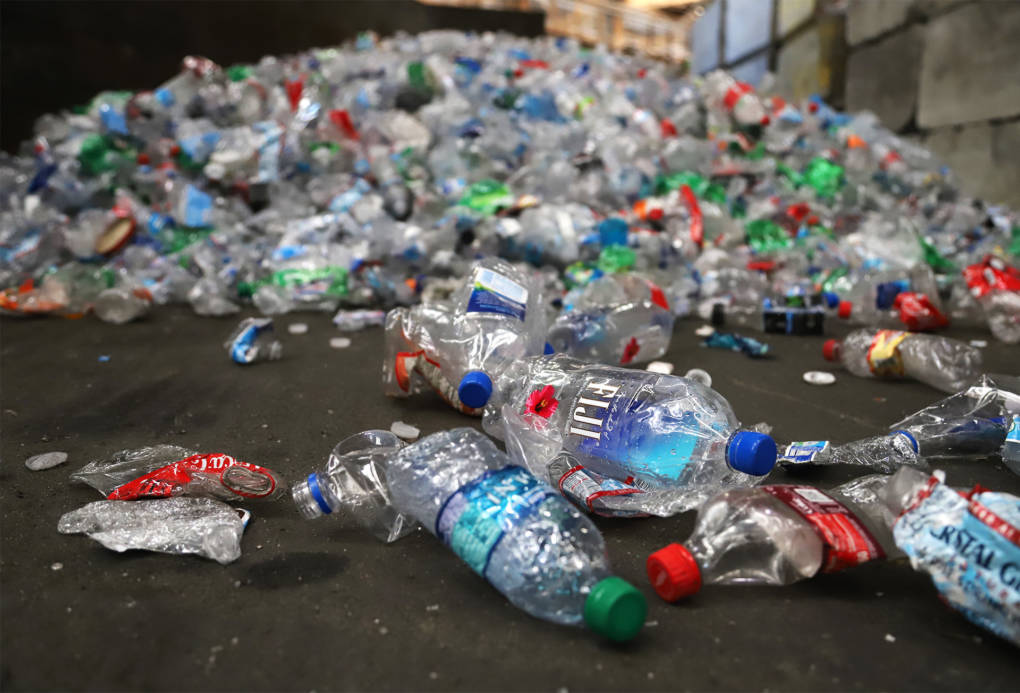
"caption": "Plastic bottles are piled on the floor at Recology’s facilities in the Hunters Point neighborhood of San Francisco on Sept. 6, 2019.",
"description": "Plastic bottles are piled on the floor at Recology’s facilities in Hunters Point, San Francisco, September 6, 2019.",
"title": "Recology Plastic Bottles Hunters Point",
"credit": "Lindsey Moore/KQED",
"status": "inherit",
"isLoading": false,
"fetchFailed": false
},
"news_11774195": {
"type": "attachments",
"id": "news_11774195",
"meta": {
"index": "attachments_1716263798",
"site": "news",
"id": "11774195",
"found": true
},
"parent": 11774151,
"imgSizes": {
"apple_news_ca_landscape_5_5": {
"file": "https://ww2.kqed.org/app/uploads/sites/10/2019/09/09132019_BuffyWicks3-qut-1044x783.jpg",
"width": 1044,
"mimeType": "image/jpeg",
"height": 783
},
"apple_news_ca_square_4_0": {
"file": "https://ww2.kqed.org/app/uploads/sites/10/2019/09/09132019_BuffyWicks3-qut-470x470.jpg",
"width": 470,
"mimeType": "image/jpeg",
"height": 470
},
"twentyfourteen-full-width": {
"file": "https://ww2.kqed.org/app/uploads/sites/10/2019/09/09132019_BuffyWicks3-qut-1038x576.jpg",
"width": 1038,
"mimeType": "image/jpeg",
"height": 576
},
"thumbnail": {
"file": "https://ww2.kqed.org/app/uploads/sites/10/2019/09/09132019_BuffyWicks3-qut-160x107.jpg",
"width": 160,
"mimeType": "image/jpeg",
"height": 107
},
"post-thumbnail": {
"file": "https://ww2.kqed.org/app/uploads/sites/10/2019/09/09132019_BuffyWicks3-qut-672x372.jpg",
"width": 672,
"mimeType": "image/jpeg",
"height": 372
},
"kqedFullSize": {
"file": "https://ww2.kqed.org/app/uploads/sites/10/2019/09/09132019_BuffyWicks3-qut.jpg",
"width": 1920,
"height": 1280
},
"apple_news_ca_landscape_4_7": {
"file": "https://ww2.kqed.org/app/uploads/sites/10/2019/09/09132019_BuffyWicks3-qut-632x474.jpg",
"width": 632,
"mimeType": "image/jpeg",
"height": 474
},
"large": {
"file": "https://ww2.kqed.org/app/uploads/sites/10/2019/09/09132019_BuffyWicks3-qut-1020x680.jpg",
"width": 1020,
"mimeType": "image/jpeg",
"height": 680
},
"complete_open_graph": {
"file": "https://ww2.kqed.org/app/uploads/sites/10/2019/09/09132019_BuffyWicks3-qut-1200x800.jpg",
"width": 1200,
"mimeType": "image/jpeg",
"height": 800
},
"apple_news_ca_landscape_4_0": {
"file": "https://ww2.kqed.org/app/uploads/sites/10/2019/09/09132019_BuffyWicks3-qut-536x402.jpg",
"width": 536,
"mimeType": "image/jpeg",
"height": 402
},
"apple_news_ca_portrait_12_9": {
"file": "https://ww2.kqed.org/app/uploads/sites/10/2019/09/09132019_BuffyWicks3-qut-1122x1280.jpg",
"width": 1122,
"mimeType": "image/jpeg",
"height": 1280
},
"medium": {
"file": "https://ww2.kqed.org/app/uploads/sites/10/2019/09/09132019_BuffyWicks3-qut-800x533.jpg",
"width": 800,
"mimeType": "image/jpeg",
"height": 533
},
"apple_news_ca_portrait_4_0": {
"file": "https://ww2.kqed.org/app/uploads/sites/10/2019/09/09132019_BuffyWicks3-qut-354x472.jpg",
"width": 354,
"mimeType": "image/jpeg",
"height": 472
},
"apple_news_ca_portrait_9_7": {
"file": "https://ww2.kqed.org/app/uploads/sites/10/2019/09/09132019_BuffyWicks3-qut-840x1120.jpg",
"width": 840,
"mimeType": "image/jpeg",
"height": 1120
},
"apple_news_ca_landscape_12_9": {
"file": "https://ww2.kqed.org/app/uploads/sites/10/2019/09/09132019_BuffyWicks3-qut-1832x1280.jpg",
"width": 1832,
"mimeType": "image/jpeg",
"height": 1280
},
"apple_news_ca_square_9_7": {
"file": "https://ww2.kqed.org/app/uploads/sites/10/2019/09/09132019_BuffyWicks3-qut-1104x1104.jpg",
"width": 1104,
"mimeType": "image/jpeg",
"height": 1104
},
"apple_news_ca_portrait_4_7": {
"file": "https://ww2.kqed.org/app/uploads/sites/10/2019/09/09132019_BuffyWicks3-qut-414x552.jpg",
"width": 414,
"mimeType": "image/jpeg",
"height": 552
},
"apple_news_ca_square_12_9": {
"file": "https://ww2.kqed.org/app/uploads/sites/10/2019/09/09132019_BuffyWicks3-qut-1472x1280.jpg",
"width": 1472,
"mimeType": "image/jpeg",
"height": 1280
},
"apple_news_ca_portrait_5_5": {
"file": "https://ww2.kqed.org/app/uploads/sites/10/2019/09/09132019_BuffyWicks3-qut-687x916.jpg",
"width": 687,
"mimeType": "image/jpeg",
"height": 916
},
"full-width": {
"file": "https://ww2.kqed.org/app/uploads/sites/10/2019/09/09132019_BuffyWicks3-qut-1920x1280.jpg",
"width": 1920,
"mimeType": "image/jpeg",
"height": 1280
},
"apple_news_ca_square_4_7": {
"file": "https://ww2.kqed.org/app/uploads/sites/10/2019/09/09132019_BuffyWicks3-qut-550x550.jpg",
"width": 550,
"mimeType": "image/jpeg",
"height": 550
},
"apple_news_ca_landscape_9_7": {
"file": "https://ww2.kqed.org/app/uploads/sites/10/2019/09/09132019_BuffyWicks3-qut-1376x1032.jpg",
"width": 1376,
"mimeType": "image/jpeg",
"height": 1032
},
"apple_news_ca_square_5_5": {
"file": "https://ww2.kqed.org/app/uploads/sites/10/2019/09/09132019_BuffyWicks3-qut-912x912.jpg",
"width": 912,
"mimeType": "image/jpeg",
"height": 912
}
},
"publishDate": 1568405265,
"modified": 1568411430,
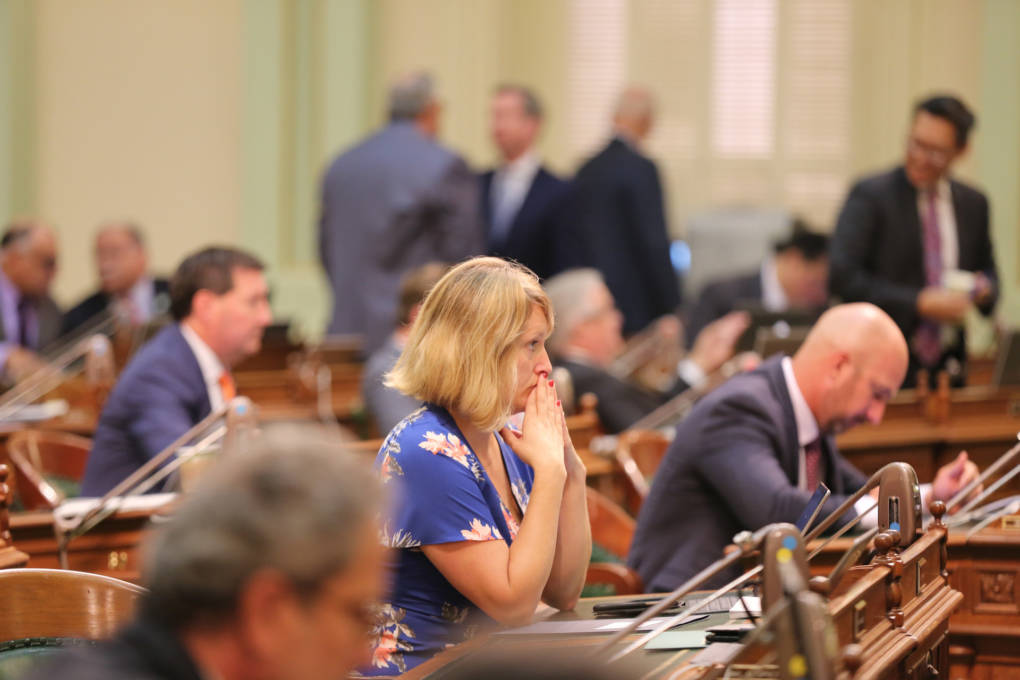
"caption": "Assemblywoman Buffy Wicks at the Capitol in Sacramento on Aug. 15, 2019.",
"description": "Assemblymember Buffy Wicks at the State Capitol in Sacramento on Aug. 15, 2019.",
"title": "09132019_BuffyWicks3-qut",
"credit": "Stephanie Lister/KQED",
"status": "inherit",
"isLoading": false,
"fetchFailed": false
},
"news_11752711": {
"type": "attachments",
"id": "news_11752711",
"meta": {
"index": "attachments_1716263798",
"site": "news",
"id": "11752711",
"found": true
},
"parent": 11752710,
"imgSizes": {
"apple_news_ca_landscape_5_5": {
"file": "https://ww2.kqed.org/app/uploads/sites/10/2019/06/larvacean_enl-3229457688fdd20e64b63086268abab87492b383-1044x783.jpg",
"width": 1044,
"mimeType": "image/jpeg",
"height": 783
},
"apple_news_ca_square_4_0": {
"file": "https://ww2.kqed.org/app/uploads/sites/10/2019/06/larvacean_enl-3229457688fdd20e64b63086268abab87492b383-470x470.jpg",
"width": 470,
"mimeType": "image/jpeg",
"height": 470
},
"twentyfourteen-full-width": {
"file": "https://ww2.kqed.org/app/uploads/sites/10/2019/06/larvacean_enl-3229457688fdd20e64b63086268abab87492b383-1038x576.jpg",
"width": 1038,
"mimeType": "image/jpeg",
"height": 576
},
"thumbnail": {
"file": "https://ww2.kqed.org/app/uploads/sites/10/2019/06/larvacean_enl-3229457688fdd20e64b63086268abab87492b383-160x103.jpg",
"width": 160,
"mimeType": "image/jpeg",
"height": 103
},
"post-thumbnail": {
"file": "https://ww2.kqed.org/app/uploads/sites/10/2019/06/larvacean_enl-3229457688fdd20e64b63086268abab87492b383-672x372.jpg",
"width": 672,
"mimeType": "image/jpeg",
"height": 372
},
"kqedFullSize": {
"file": "https://ww2.kqed.org/app/uploads/sites/10/2019/06/larvacean_enl-3229457688fdd20e64b63086268abab87492b383-e1559836349437.jpg",
"width": 1657,
"height": 1071
},
"apple_news_ca_landscape_4_7": {
"file": "https://ww2.kqed.org/app/uploads/sites/10/2019/06/larvacean_enl-3229457688fdd20e64b63086268abab87492b383-632x474.jpg",
"width": 632,
"mimeType": "image/jpeg",
"height": 474
},
"large": {
"file": "https://ww2.kqed.org/app/uploads/sites/10/2019/06/larvacean_enl-3229457688fdd20e64b63086268abab87492b383-1020x659.jpg",
"width": 1020,
"mimeType": "image/jpeg",
"height": 659
},
"complete_open_graph": {
"file": "https://ww2.kqed.org/app/uploads/sites/10/2019/06/larvacean_enl-3229457688fdd20e64b63086268abab87492b383-1200x776.jpg",
"width": 1200,
"mimeType": "image/jpeg",
"height": 776
},
"apple_news_ca_landscape_4_0": {
"file": "https://ww2.kqed.org/app/uploads/sites/10/2019/06/larvacean_enl-3229457688fdd20e64b63086268abab87492b383-536x402.jpg",
"width": 536,
"mimeType": "image/jpeg",
"height": 402
},
"apple_news_ca_portrait_12_9": {
"file": "https://ww2.kqed.org/app/uploads/sites/10/2019/06/larvacean_enl-3229457688fdd20e64b63086268abab87492b383-1122x1071.jpg",
"width": 1122,
"mimeType": "image/jpeg",
"height": 1071
},
"medium": {
"file": "https://ww2.kqed.org/app/uploads/sites/10/2019/06/larvacean_enl-3229457688fdd20e64b63086268abab87492b383-800x517.jpg",
"width": 800,
"mimeType": "image/jpeg",
"height": 517
},
"apple_news_ca_portrait_4_0": {
"file": "https://ww2.kqed.org/app/uploads/sites/10/2019/06/larvacean_enl-3229457688fdd20e64b63086268abab87492b383-354x472.jpg",
"width": 354,
"mimeType": "image/jpeg",
"height": 472
},
"apple_news_ca_portrait_9_7": {
"file": "https://ww2.kqed.org/app/uploads/sites/10/2019/06/larvacean_enl-3229457688fdd20e64b63086268abab87492b383-840x1071.jpg",
"width": 840,
"mimeType": "image/jpeg",
"height": 1071
},
"apple_news_ca_square_9_7": {
"file": "https://ww2.kqed.org/app/uploads/sites/10/2019/06/larvacean_enl-3229457688fdd20e64b63086268abab87492b383-1104x1071.jpg",
"width": 1104,
"mimeType": "image/jpeg",
"height": 1071
},
"apple_news_ca_portrait_4_7": {
"file": "https://ww2.kqed.org/app/uploads/sites/10/2019/06/larvacean_enl-3229457688fdd20e64b63086268abab87492b383-414x552.jpg",
"width": 414,
"mimeType": "image/jpeg",
"height": 552
},
"apple_news_ca_square_12_9": {
"file": "https://ww2.kqed.org/app/uploads/sites/10/2019/06/larvacean_enl-3229457688fdd20e64b63086268abab87492b383-1472x1071.jpg",
"width": 1472,
"mimeType": "image/jpeg",
"height": 1071
},
"apple_news_ca_portrait_5_5": {
"file": "https://ww2.kqed.org/app/uploads/sites/10/2019/06/larvacean_enl-3229457688fdd20e64b63086268abab87492b383-687x916.jpg",
"width": 687,
"mimeType": "image/jpeg",
"height": 916
},
"apple_news_ca_square_4_7": {
"file": "https://ww2.kqed.org/app/uploads/sites/10/2019/06/larvacean_enl-3229457688fdd20e64b63086268abab87492b383-550x550.jpg",
"width": 550,
"mimeType": "image/jpeg",
"height": 550
},
"apple_news_ca_landscape_9_7": {
"file": "https://ww2.kqed.org/app/uploads/sites/10/2019/06/larvacean_enl-3229457688fdd20e64b63086268abab87492b383-1376x1032.jpg",
"width": 1376,
"mimeType": "image/jpeg",
"height": 1032
},
"apple_news_ca_square_5_5": {
"file": "https://ww2.kqed.org/app/uploads/sites/10/2019/06/larvacean_enl-3229457688fdd20e64b63086268abab87492b383-912x912.jpg",
"width": 912,
"mimeType": "image/jpeg",
"height": 912
}
},
"publishDate": 1559836231,
"modified": 1559836344,
"caption": null,
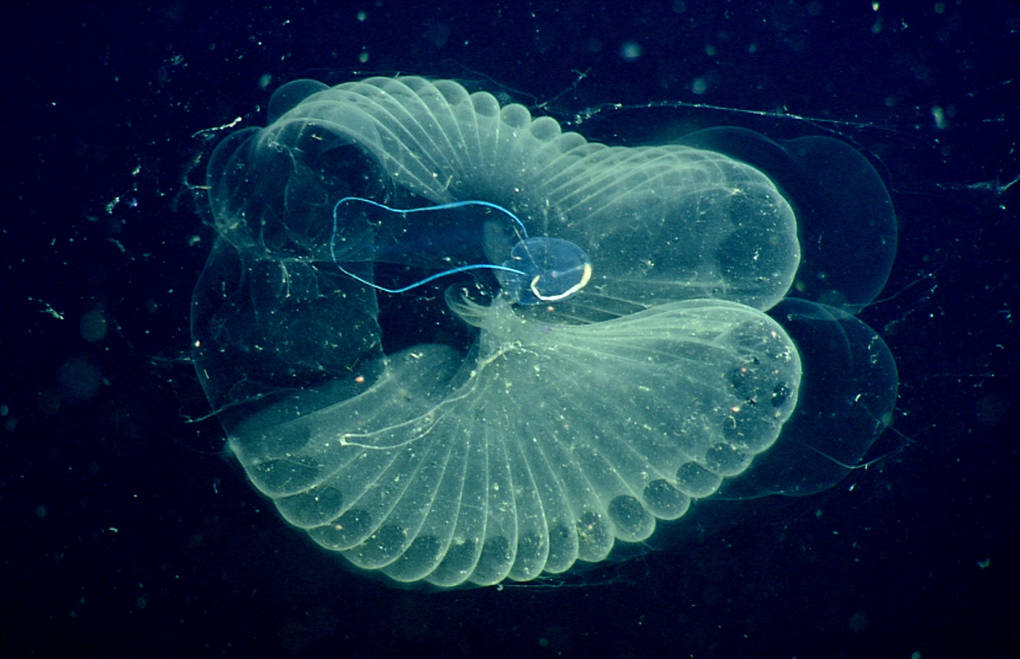
"description": "The deep ocean is filled with sea creatures like giant larvaceans. They're actually the size of tadpoles, but they're surrounded by a yard-wide bubble of mucus that collects food — and plastic. \"We found small plastic pieces in every single larvacean that we examined from different depths across the water column,\" says researcher Anela Choy.",
"title": "The deep ocean is filled with sea creatures like giant larvaceans. They're actually the size of tadpoles, but they're surrounded by a yard-wide bubble of mucus that collects food — and plastic.",
"credit": "Courtesy of the Monterey Bay Aquarium Research Institute",
"status": "inherit",
"isLoading": false,
"fetchFailed": false
},
"news_11747803": {
"type": "attachments",
"id": "news_11747803",
"meta": {
"index": "attachments_1716263798",
"site": "news",
"id": "11747803",
"found": true
},
"parent": 11747798,
"imgSizes": {
"apple_news_ca_landscape_5_5": {
"file": "https://ww2.kqed.org/app/uploads/sites/10/2019/05/Recology-Recycling-Sort-Line-1044x783.jpg",
"width": 1044,
"mimeType": "image/jpeg",
"height": 783
},
"apple_news_ca_square_4_0": {
"file": "https://ww2.kqed.org/app/uploads/sites/10/2019/05/Recology-Recycling-Sort-Line-470x470.jpg",
"width": 470,
"mimeType": "image/jpeg",
"height": 470
},
"twentyfourteen-full-width": {
"file": "https://ww2.kqed.org/app/uploads/sites/10/2019/05/Recology-Recycling-Sort-Line-1038x576.jpg",
"width": 1038,
"mimeType": "image/jpeg",
"height": 576
},
"thumbnail": {
"file": "https://ww2.kqed.org/app/uploads/sites/10/2019/05/Recology-Recycling-Sort-Line-160x76.jpg",
"width": 160,
"mimeType": "image/jpeg",
"height": 76
},
"post-thumbnail": {
"file": "https://ww2.kqed.org/app/uploads/sites/10/2019/05/Recology-Recycling-Sort-Line-672x372.jpg",
"width": 672,
"mimeType": "image/jpeg",
"height": 372
},
"kqedFullSize": {
"file": "https://ww2.kqed.org/app/uploads/sites/10/2019/05/Recology-Recycling-Sort-Line.jpg",
"width": 1790,
"height": 850
},
"apple_news_ca_landscape_4_7": {
"file": "https://ww2.kqed.org/app/uploads/sites/10/2019/05/Recology-Recycling-Sort-Line-632x474.jpg",
"width": 632,
"mimeType": "image/jpeg",
"height": 474
},
"large": {
"file": "https://ww2.kqed.org/app/uploads/sites/10/2019/05/Recology-Recycling-Sort-Line-1020x484.jpg",
"width": 1020,
"mimeType": "image/jpeg",
"height": 484
},
"complete_open_graph": {
"file": "https://ww2.kqed.org/app/uploads/sites/10/2019/05/Recology-Recycling-Sort-Line-1200x570.jpg",
"width": 1200,
"mimeType": "image/jpeg",
"height": 570
},
"apple_news_ca_landscape_4_0": {
"file": "https://ww2.kqed.org/app/uploads/sites/10/2019/05/Recology-Recycling-Sort-Line-536x402.jpg",
"width": 536,
"mimeType": "image/jpeg",
"height": 402
},
"apple_news_ca_portrait_12_9": {
"file": "https://ww2.kqed.org/app/uploads/sites/10/2019/05/Recology-Recycling-Sort-Line-1122x850.jpg",
"width": 1122,
"mimeType": "image/jpeg",
"height": 850
},
"medium": {
"file": "https://ww2.kqed.org/app/uploads/sites/10/2019/05/Recology-Recycling-Sort-Line-800x380.jpg",
"width": 800,
"mimeType": "image/jpeg",
"height": 380
},
"apple_news_ca_portrait_4_0": {
"file": "https://ww2.kqed.org/app/uploads/sites/10/2019/05/Recology-Recycling-Sort-Line-354x472.jpg",
"width": 354,
"mimeType": "image/jpeg",
"height": 472
},
"apple_news_ca_portrait_9_7": {
"file": "https://ww2.kqed.org/app/uploads/sites/10/2019/05/Recology-Recycling-Sort-Line-840x850.jpg",
"width": 840,
"mimeType": "image/jpeg",
"height": 850
},
"apple_news_ca_square_9_7": {
"file": "https://ww2.kqed.org/app/uploads/sites/10/2019/05/Recology-Recycling-Sort-Line-1104x850.jpg",
"width": 1104,
"mimeType": "image/jpeg",
"height": 850
},
"apple_news_ca_portrait_4_7": {
"file": "https://ww2.kqed.org/app/uploads/sites/10/2019/05/Recology-Recycling-Sort-Line-414x552.jpg",
"width": 414,
"mimeType": "image/jpeg",
"height": 552
},
"apple_news_ca_square_12_9": {
"file": "https://ww2.kqed.org/app/uploads/sites/10/2019/05/Recology-Recycling-Sort-Line-1472x850.jpg",
"width": 1472,
"mimeType": "image/jpeg",
"height": 850
},
"apple_news_ca_portrait_5_5": {
"file": "https://ww2.kqed.org/app/uploads/sites/10/2019/05/Recology-Recycling-Sort-Line-687x850.jpg",
"width": 687,
"mimeType": "image/jpeg",
"height": 850
},
"apple_news_ca_square_4_7": {
"file": "https://ww2.kqed.org/app/uploads/sites/10/2019/05/Recology-Recycling-Sort-Line-550x550.jpg",
"width": 550,
"mimeType": "image/jpeg",
"height": 550
},
"apple_news_ca_landscape_9_7": {
"file": "https://ww2.kqed.org/app/uploads/sites/10/2019/05/Recology-Recycling-Sort-Line-1376x850.jpg",
"width": 1376,
"mimeType": "image/jpeg",
"height": 850
},
"apple_news_ca_square_5_5": {
"file": "https://ww2.kqed.org/app/uploads/sites/10/2019/05/Recology-Recycling-Sort-Line-912x850.jpg",
"width": 912,
"mimeType": "image/jpeg",
"height": 850
}
},
"publishDate": 1558046640,
"modified": 1558050643,
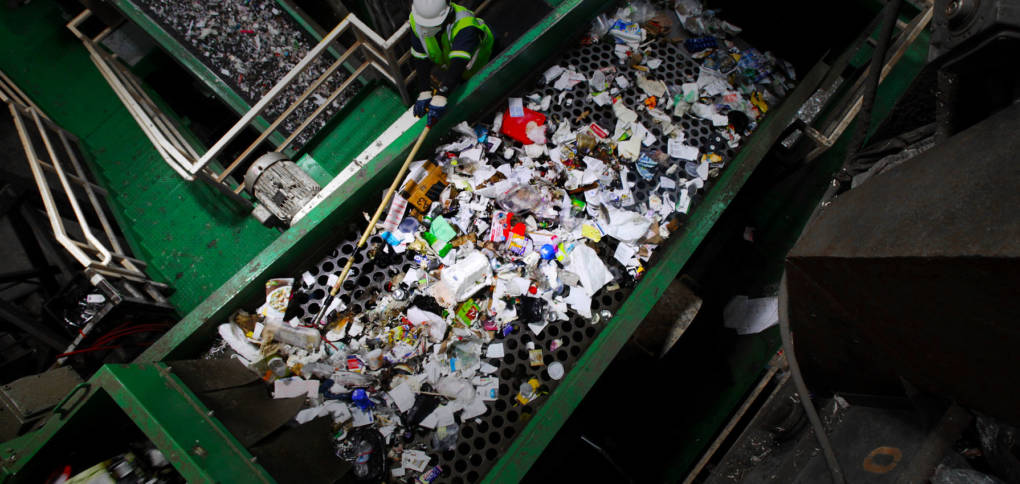
"caption": "A sorting line at Recology’s material recovery facility at Pier 96 in San Francisco, where recyclables are sorted and processed. ",
"description": "A sorting line at Recology’s material recovery facility at Pier 96 in San Francisco, where recyclables are sorted and processed. \n",
"title": "Recology-Recycling-Plastic-Sorting",
"credit": "Recology",
"status": "inherit",
"isLoading": false,
"fetchFailed": false
},
"news_11745391": {
"type": "attachments",
"id": "news_11745391",
"meta": {
"index": "attachments_1716263798",
"site": "news",
"id": "11745391",
"found": true
},
"title": "Recolgy 1",
"publishDate": 1557178451,
"status": "inherit",
"parent": 11745327,
"modified": 1557178543,
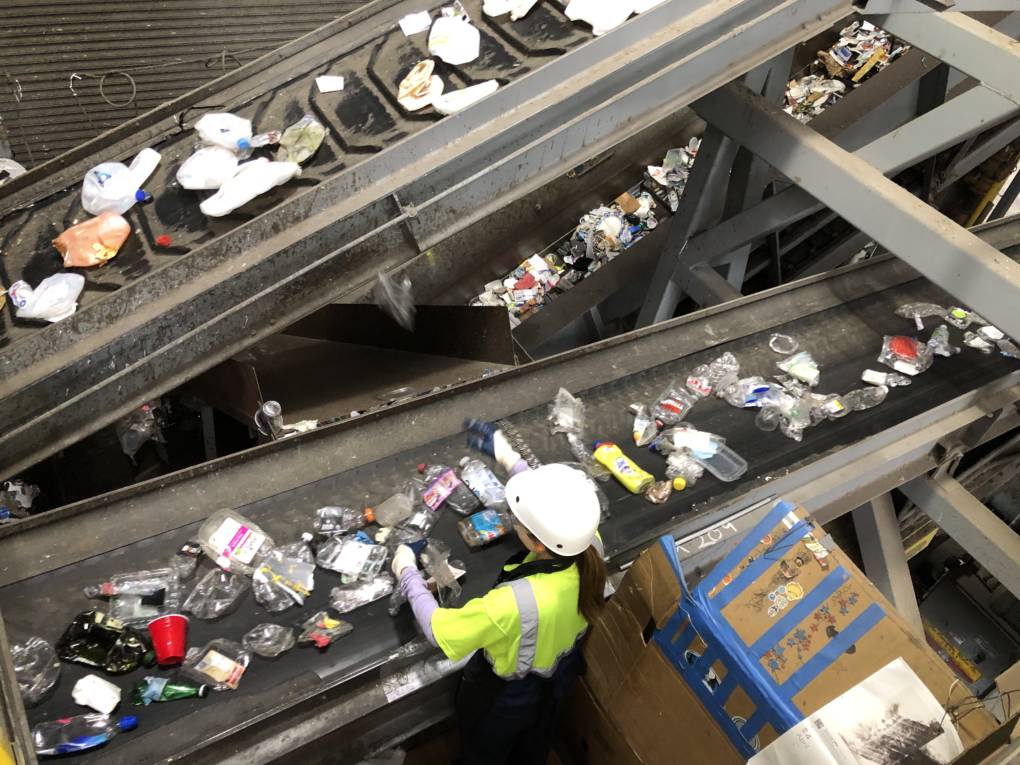
"caption": "An employee sorts plastics at the Recology recycling plant on Pier 96 in San Francisco.",
"credit": "Chloe Veltman/KQED",
"altTag": "An employee sorts plastics at the Recology recycling plant on Pier 96 in San Francisco.",
"description": "An employee sorts plastics at the Recology recycling plant on Pier 96 in San Francisco.",
"imgSizes": {
"thumbnail": {
"file": "https://cdn.kqed.org/wp-content/uploads/sites/10/2019/05/Recolgy-1-160x120.jpg",
"width": 160,
"height": 120,
"mimeType": "image/jpeg"
},
"medium": {
"file": "https://cdn.kqed.org/wp-content/uploads/sites/10/2019/05/Recolgy-1-800x600.jpg",
"width": 800,
"height": 600,
"mimeType": "image/jpeg"
},
"large": {
"file": "https://cdn.kqed.org/wp-content/uploads/sites/10/2019/05/Recolgy-1-1020x765.jpg",
"width": 1020,
"height": 765,
"mimeType": "image/jpeg"
},
"complete_open_graph": {
"file": "https://cdn.kqed.org/wp-content/uploads/sites/10/2019/05/Recolgy-1-1200x900.jpg",
"width": 1200,
"height": 900,
"mimeType": "image/jpeg"
},
"post-thumbnail": {
"file": "https://cdn.kqed.org/wp-content/uploads/sites/10/2019/05/Recolgy-1-672x372.jpg",
"width": 672,
"height": 372,
"mimeType": "image/jpeg"
},
"twentyfourteen-full-width": {
"file": "https://cdn.kqed.org/wp-content/uploads/sites/10/2019/05/Recolgy-1-1038x576.jpg",
"width": 1038,
"height": 576,
"mimeType": "image/jpeg"
},
"full-width": {
"file": "https://cdn.kqed.org/wp-content/uploads/sites/10/2019/05/Recolgy-1-1920x1440.jpg",
"width": 1920,
"height": 1440,
"mimeType": "image/jpeg"
},
"apple_news_ca_landscape_12_9": {
"file": "https://cdn.kqed.org/wp-content/uploads/sites/10/2019/05/Recolgy-1-1832x1374.jpg",
"width": 1832,
"height": 1374,
"mimeType": "image/jpeg"
},
"apple_news_ca_landscape_9_7": {
"file": "https://cdn.kqed.org/wp-content/uploads/sites/10/2019/05/Recolgy-1-1376x1032.jpg",
"width": 1376,
"height": 1032,
"mimeType": "image/jpeg"
},
"apple_news_ca_landscape_5_5": {
"file": "https://cdn.kqed.org/wp-content/uploads/sites/10/2019/05/Recolgy-1-1044x783.jpg",
"width": 1044,
"height": 783,
"mimeType": "image/jpeg"
},
"apple_news_ca_landscape_4_7": {
"file": "https://cdn.kqed.org/wp-content/uploads/sites/10/2019/05/Recolgy-1-632x474.jpg",
"width": 632,
"height": 474,
"mimeType": "image/jpeg"
},
"apple_news_ca_landscape_4_0": {
"file": "https://cdn.kqed.org/wp-content/uploads/sites/10/2019/05/Recolgy-1-536x402.jpg",
"width": 536,
"height": 402,
"mimeType": "image/jpeg"
},
"apple_news_ca_portrait_12_9": {
"file": "https://cdn.kqed.org/wp-content/uploads/sites/10/2019/05/Recolgy-1-1122x1496.jpg",
"width": 1122,
"height": 1496,
"mimeType": "image/jpeg"
},
"apple_news_ca_portrait_9_7": {
"file": "https://cdn.kqed.org/wp-content/uploads/sites/10/2019/05/Recolgy-1-840x1120.jpg",
"width": 840,
"height": 1120,
"mimeType": "image/jpeg"
},
"apple_news_ca_portrait_5_5": {
"file": "https://cdn.kqed.org/wp-content/uploads/sites/10/2019/05/Recolgy-1-687x916.jpg",
"width": 687,
"height": 916,
"mimeType": "image/jpeg"
},
"apple_news_ca_portrait_4_7": {
"file": "https://cdn.kqed.org/wp-content/uploads/sites/10/2019/05/Recolgy-1-414x552.jpg",
"width": 414,
"height": 552,
"mimeType": "image/jpeg"
},
"apple_news_ca_portrait_4_0": {
"file": "https://cdn.kqed.org/wp-content/uploads/sites/10/2019/05/Recolgy-1-354x472.jpg",
"width": 354,
"height": 472,
"mimeType": "image/jpeg"
},
"apple_news_ca_square_12_9": {
"file": "https://cdn.kqed.org/wp-content/uploads/sites/10/2019/05/Recolgy-1-1472x1472.jpg",
"width": 1472,
"height": 1472,
"mimeType": "image/jpeg"
},
"apple_news_ca_square_9_7": {
"file": "https://cdn.kqed.org/wp-content/uploads/sites/10/2019/05/Recolgy-1-1104x1104.jpg",
"width": 1104,
"height": 1104,
"mimeType": "image/jpeg"
},
"apple_news_ca_square_5_5": {
"file": "https://cdn.kqed.org/wp-content/uploads/sites/10/2019/05/Recolgy-1-912x912.jpg",
"width": 912,
"height": 912,
"mimeType": "image/jpeg"
},
"apple_news_ca_square_4_7": {
"file": "https://cdn.kqed.org/wp-content/uploads/sites/10/2019/05/Recolgy-1-550x550.jpg",
"width": 550,
"height": 550,
"mimeType": "image/jpeg"
},
"apple_news_ca_square_4_0": {
"file": "https://cdn.kqed.org/wp-content/uploads/sites/10/2019/05/Recolgy-1-470x470.jpg",
"width": 470,
"height": 470,
"mimeType": "image/jpeg"
},
"kqedFullSize": {
"file": "https://cdn.kqed.org/wp-content/uploads/sites/10/2019/05/Recolgy-1-e1778783682683.jpg",
"width": 2000,
"height": 1500
}
},
"isLoading": false,
"fetchFailed": false
},
"news_11742000": {
"type": "attachments",
"id": "news_11742000",
"meta": {
"index": "attachments_1716263798",
"site": "news",
"id": "11742000",
"found": true
},
"parent": 11741996,
"imgSizes": {
"twentyfourteen-full-width": {
"file": "https://ww2.kqed.org/app/uploads/sites/10/2019/04/TINY-TOILETRY-BOTTLES-PHOTO-1-1038x576.jpeg",
"width": 1038,
"mimeType": "image/jpeg",
"height": 576
},
"thumbnail": {
"file": "https://ww2.kqed.org/app/uploads/sites/10/2019/04/TINY-TOILETRY-BOTTLES-PHOTO-1-160x103.jpeg",
"width": 160,
"mimeType": "image/jpeg",
"height": 103
},
"post-thumbnail": {
"file": "https://ww2.kqed.org/app/uploads/sites/10/2019/04/TINY-TOILETRY-BOTTLES-PHOTO-1-672x372.jpeg",
"width": 672,
"mimeType": "image/jpeg",
"height": 372
},
"kqedFullSize": {
"file": "https://ww2.kqed.org/app/uploads/sites/10/2019/04/TINY-TOILETRY-BOTTLES-PHOTO-1.jpeg",
"width": 1227,
"height": 791
},
"large": {
"file": "https://ww2.kqed.org/app/uploads/sites/10/2019/04/TINY-TOILETRY-BOTTLES-PHOTO-1-1020x658.jpeg",
"width": 1020,
"mimeType": "image/jpeg",
"height": 658
},
"complete_open_graph": {
"file": "https://ww2.kqed.org/app/uploads/sites/10/2019/04/TINY-TOILETRY-BOTTLES-PHOTO-1-1200x774.jpeg",
"width": 1200,
"mimeType": "image/jpeg",
"height": 774
},
"medium": {
"file": "https://ww2.kqed.org/app/uploads/sites/10/2019/04/TINY-TOILETRY-BOTTLES-PHOTO-1-800x516.jpeg",
"width": 800,
"mimeType": "image/jpeg",
"height": 516
}
},
"publishDate": 1555974292,
"modified": 1555974364,
"caption": "Larger bottles of shampoo, conditioner and body wash have replaced tiny plastic bottles at nearly 500 Marriott locations in North America.",
"description": "Larger bottles of shampoo, conditioner and body wash have replaced tiny plastic bottles at nearly 500 Marriott locations in North America.",
"title": "TINY TOILETRY BOTTLES PHOTO 1",
"credit": "Marriott International",
"status": "inherit",
"isLoading": false,
"fetchFailed": false
},
"news_11739305": {
"type": "attachments",
"id": "news_11739305",
"meta": {
"index": "attachments_1716263798",
"site": "news",
"id": "11739305",
"found": true
},
"parent": 11739302,
"imgSizes": {
"post-thumbnail": {
"file": "https://ww2.kqed.org/app/uploads/sites/10/2019/04/GettyImages-110129474_Justin-Sullivan-672x372.jpg",
"width": 672,
"mimeType": "image/jpeg",
"height": 372
},
"kqedFullSize": {
"file": "https://ww2.kqed.org/app/uploads/sites/10/2019/04/GettyImages-110129474_Justin-Sullivan-e1555019787436.jpg",
"width": 1920,
"height": 1320
},
"guest-author-50": {
"file": "https://ww2.kqed.org/app/uploads/sites/10/2019/04/GettyImages-110129474_Justin-Sullivan-50x50.jpg",
"width": 50,
"mimeType": "image/jpeg",
"height": 50
},
"guest-author-96": {
"file": "https://ww2.kqed.org/app/uploads/sites/10/2019/04/GettyImages-110129474_Justin-Sullivan-96x96.jpg",
"width": 96,
"mimeType": "image/jpeg",
"height": 96
},
"apple_news_ca_portrait_12_9": {
"file": "https://ww2.kqed.org/app/uploads/sites/10/2019/04/GettyImages-110129474_Justin-Sullivan-1122x1496.jpg",
"width": 1122,
"mimeType": "image/jpeg",
"height": 1496
},
"medium": {
"file": "https://ww2.kqed.org/app/uploads/sites/10/2019/04/GettyImages-110129474_Justin-Sullivan-800x550.jpg",
"width": 800,
"mimeType": "image/jpeg",
"height": 550
},
"guest-author-32": {
"file": "https://ww2.kqed.org/app/uploads/sites/10/2019/04/GettyImages-110129474_Justin-Sullivan-32x32.jpg",
"width": 32,
"mimeType": "image/jpeg",
"height": 32
},
"apple_news_ca_portrait_9_7": {
"file": "https://ww2.kqed.org/app/uploads/sites/10/2019/04/GettyImages-110129474_Justin-Sullivan-840x1120.jpg",
"width": 840,
"mimeType": "image/jpeg",
"height": 1120
},
"apple_news_ca_square_9_7": {
"file": "https://ww2.kqed.org/app/uploads/sites/10/2019/04/GettyImages-110129474_Justin-Sullivan-1104x1104.jpg",
"width": 1104,
"mimeType": "image/jpeg",
"height": 1104
},
"apple_news_ca_portrait_4_7": {
"file": "https://ww2.kqed.org/app/uploads/sites/10/2019/04/GettyImages-110129474_Justin-Sullivan-414x552.jpg",
"width": 414,
"mimeType": "image/jpeg",
"height": 552
},
"apple_news_ca_square_12_9": {
"file": "https://ww2.kqed.org/app/uploads/sites/10/2019/04/GettyImages-110129474_Justin-Sullivan-1472x1472.jpg",
"width": 1472,
"mimeType": "image/jpeg",
"height": 1472
},
"apple_news_ca_portrait_5_5": {
"file": "https://ww2.kqed.org/app/uploads/sites/10/2019/04/GettyImages-110129474_Justin-Sullivan-687x916.jpg",
"width": 687,
"mimeType": "image/jpeg",
"height": 916
},
"apple_news_ca_square_4_7": {
"file": "https://ww2.kqed.org/app/uploads/sites/10/2019/04/GettyImages-110129474_Justin-Sullivan-550x550.jpg",
"width": 550,
"mimeType": "image/jpeg",
"height": 550
},
"apple_news_ca_square_5_5": {
"file": "https://ww2.kqed.org/app/uploads/sites/10/2019/04/GettyImages-110129474_Justin-Sullivan-912x912.jpg",
"width": 912,
"mimeType": "image/jpeg",
"height": 912
},
"apple_news_ca_landscape_5_5": {
"file": "https://ww2.kqed.org/app/uploads/sites/10/2019/04/GettyImages-110129474_Justin-Sullivan-1044x783.jpg",
"width": 1044,
"mimeType": "image/jpeg",
"height": 783
},
"apple_news_ca_square_4_0": {
"file": "https://ww2.kqed.org/app/uploads/sites/10/2019/04/GettyImages-110129474_Justin-Sullivan-470x470.jpg",
"width": 470,
"mimeType": "image/jpeg",
"height": 470
},
"twentyfourteen-full-width": {
"file": "https://ww2.kqed.org/app/uploads/sites/10/2019/04/GettyImages-110129474_Justin-Sullivan-1038x576.jpg",
"width": 1038,
"mimeType": "image/jpeg",
"height": 576
},
"thumbnail": {
"file": "https://ww2.kqed.org/app/uploads/sites/10/2019/04/GettyImages-110129474_Justin-Sullivan-160x110.jpg",
"width": 160,
"mimeType": "image/jpeg",
"height": 110
},
"apple_news_ca_landscape_4_7": {
"file": "https://ww2.kqed.org/app/uploads/sites/10/2019/04/GettyImages-110129474_Justin-Sullivan-632x474.jpg",
"width": 632,
"mimeType": "image/jpeg",
"height": 474
},
"large": {
"file": "https://ww2.kqed.org/app/uploads/sites/10/2019/04/GettyImages-110129474_Justin-Sullivan-1020x701.jpg",
"width": 1020,
"mimeType": "image/jpeg",
"height": 701
},
"complete_open_graph": {
"file": "https://ww2.kqed.org/app/uploads/sites/10/2019/04/GettyImages-110129474_Justin-Sullivan-1200x825.jpg",
"width": 1200,
"mimeType": "image/jpeg",
"height": 825
},
"apple_news_ca_landscape_4_0": {
"file": "https://ww2.kqed.org/app/uploads/sites/10/2019/04/GettyImages-110129474_Justin-Sullivan-536x402.jpg",
"width": 536,
"mimeType": "image/jpeg",
"height": 402
},
"guest-author-64": {
"file": "https://ww2.kqed.org/app/uploads/sites/10/2019/04/GettyImages-110129474_Justin-Sullivan-64x64.jpg",
"width": 64,
"mimeType": "image/jpeg",
"height": 64
},
"apple_news_ca_portrait_4_0": {
"file": "https://ww2.kqed.org/app/uploads/sites/10/2019/04/GettyImages-110129474_Justin-Sullivan-354x472.jpg",
"width": 354,
"mimeType": "image/jpeg",
"height": 472
},
"apple_news_ca_landscape_12_9": {
"file": "https://ww2.kqed.org/app/uploads/sites/10/2019/04/GettyImages-110129474_Justin-Sullivan-1832x1374.jpg",
"width": 1832,
"mimeType": "image/jpeg",
"height": 1374
},
"full-width": {
"file": "https://ww2.kqed.org/app/uploads/sites/10/2019/04/GettyImages-110129474_Justin-Sullivan-1920x1320.jpg",
"width": 1920,
"mimeType": "image/jpeg",
"height": 1320
},
"guest-author-128": {
"file": "https://ww2.kqed.org/app/uploads/sites/10/2019/04/GettyImages-110129474_Justin-Sullivan-128x128.jpg",
"width": 128,
"mimeType": "image/jpeg",
"height": 128
},
"apple_news_ca_landscape_9_7": {
"file": "https://ww2.kqed.org/app/uploads/sites/10/2019/04/GettyImages-110129474_Justin-Sullivan-1376x1032.jpg",
"width": 1376,
"mimeType": "image/jpeg",
"height": 1032
}
},
"publishDate": 1554949227,
"modified": 1555027274,
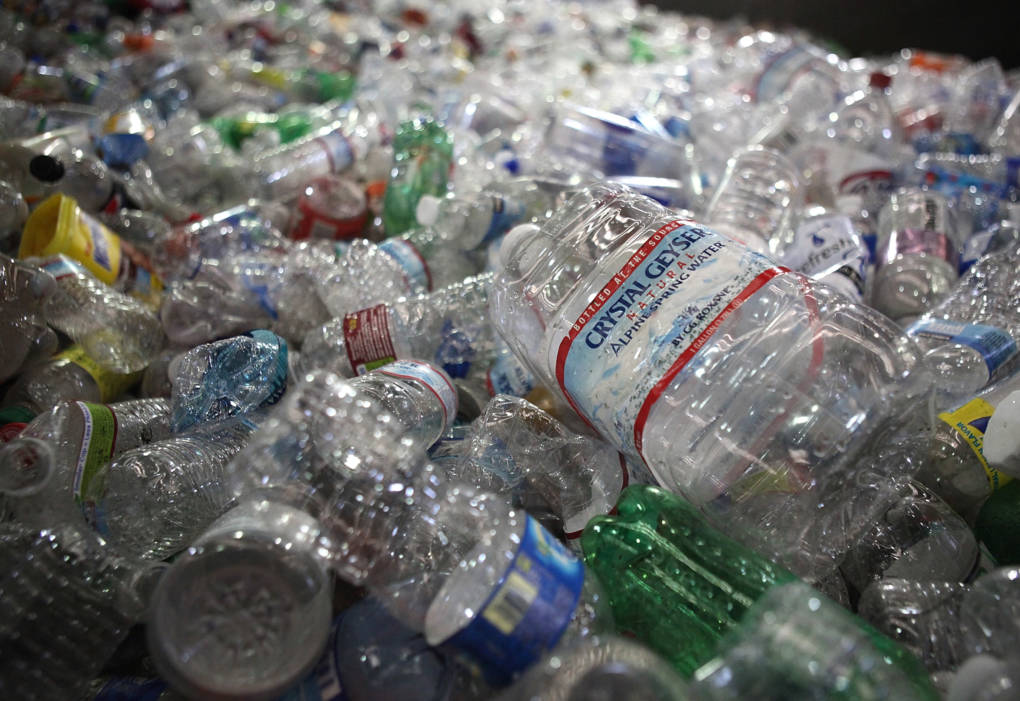
"caption": "Hundreds of plastic water bottles are piled up inside the Recology recycling facility in San Francisco. A new bill in the state Legislature would require these bottles to be made of 100% recycled content by 2035.",
"description": "Hundreds of plastic water bottles are piled up inside the Recology recycling facility in San Francisco, California on March 15, 2011. A new bill under consideration by the California Legislature would require that these bottles be made of 100% recycled content by 2035.\n",
"title": "Plastic-bottle-recycling",
"credit": "Justin Sullivan/Getty Images",
"status": "inherit",
"isLoading": false,
"fetchFailed": false
},
"news_11719717": {
"type": "attachments",
"id": "news_11719717",
"meta": {
"index": "attachments_1716263798",
"site": "news",
"id": "11719717",
"found": true
},
"parent": 11719715,
"imgSizes": {
"twentyfourteen-full-width": {
"file": "https://ww2.kqed.org/app/uploads/sites/10/2019/01/7dd17863-seal_wide-399c96c3b3434a70411d76d2fe447d282f01b7cb-e1548013264869-1038x576.png",
"width": 1038,
"mimeType": "image/png",
"height": 576
},
"thumbnail": {
"file": "https://ww2.kqed.org/app/uploads/sites/10/2019/01/7dd17863-seal_wide-399c96c3b3434a70411d76d2fe447d282f01b7cb-e1548013264869-160x90.png",
"width": 160,
"mimeType": "image/png",
"height": 90
},
"post-thumbnail": {
"file": "https://ww2.kqed.org/app/uploads/sites/10/2019/01/7dd17863-seal_wide-399c96c3b3434a70411d76d2fe447d282f01b7cb-e1548013264869-672x372.png",
"width": 672,
"mimeType": "image/png",
"height": 372
},
"kqedFullSize": {
"file": "https://ww2.kqed.org/app/uploads/sites/10/2019/01/7dd17863-seal_wide-399c96c3b3434a70411d76d2fe447d282f01b7cb-e1548013264869.png",
"width": 1920,
"height": 1079
},
"large": {
"file": "https://ww2.kqed.org/app/uploads/sites/10/2019/01/7dd17863-seal_wide-399c96c3b3434a70411d76d2fe447d282f01b7cb-e1548013264869-1020x573.png",
"width": 1020,
"mimeType": "image/png",
"height": 573
},
"complete_open_graph": {
"file": "https://ww2.kqed.org/app/uploads/sites/10/2019/01/7dd17863-seal_wide-399c96c3b3434a70411d76d2fe447d282f01b7cb-e1548013264869-1200x674.png",
"width": 1200,
"mimeType": "image/png",
"height": 674
},
"guest-author-50": {
"file": "https://ww2.kqed.org/app/uploads/sites/10/2019/01/7dd17863-seal_wide-399c96c3b3434a70411d76d2fe447d282f01b7cb-e1548013264869-50x50.png",
"width": 50,
"mimeType": "image/png",
"height": 50
},
"guest-author-96": {
"file": "https://ww2.kqed.org/app/uploads/sites/10/2019/01/7dd17863-seal_wide-399c96c3b3434a70411d76d2fe447d282f01b7cb-e1548013264869-96x96.png",
"width": 96,
"mimeType": "image/png",
"height": 96
},
"medium": {
"file": "https://ww2.kqed.org/app/uploads/sites/10/2019/01/7dd17863-seal_wide-399c96c3b3434a70411d76d2fe447d282f01b7cb-e1548013264869-800x450.png",
"width": 800,
"mimeType": "image/png",
"height": 450
},
"guest-author-64": {
"file": "https://ww2.kqed.org/app/uploads/sites/10/2019/01/7dd17863-seal_wide-399c96c3b3434a70411d76d2fe447d282f01b7cb-e1548013264869-64x64.png",
"width": 64,
"mimeType": "image/png",
"height": 64
},
"guest-author-32": {
"file": "https://ww2.kqed.org/app/uploads/sites/10/2019/01/7dd17863-seal_wide-399c96c3b3434a70411d76d2fe447d282f01b7cb-e1548013264869-32x32.png",
"width": 32,
"mimeType": "image/png",
"height": 32
},
"full-width": {
"file": "https://ww2.kqed.org/app/uploads/sites/10/2019/01/7dd17863-seal_wide-399c96c3b3434a70411d76d2fe447d282f01b7cb-e1548013264869-1920x1079.png",
"width": 1920,
"mimeType": "image/png",
"height": 1079
},
"detail": {
"file": "https://ww2.kqed.org/app/uploads/sites/10/2019/01/7dd17863-seal_wide-399c96c3b3434a70411d76d2fe447d282f01b7cb-e1548013264869-150x150.png",
"width": 150,
"mimeType": "image/png",
"height": 150
},
"guest-author-128": {
"file": "https://ww2.kqed.org/app/uploads/sites/10/2019/01/7dd17863-seal_wide-399c96c3b3434a70411d76d2fe447d282f01b7cb-e1548013264869-128x128.png",
"width": 128,
"mimeType": "image/png",
"height": 128
}
},
"publishDate": 1548012863,
"modified": 1548013329,
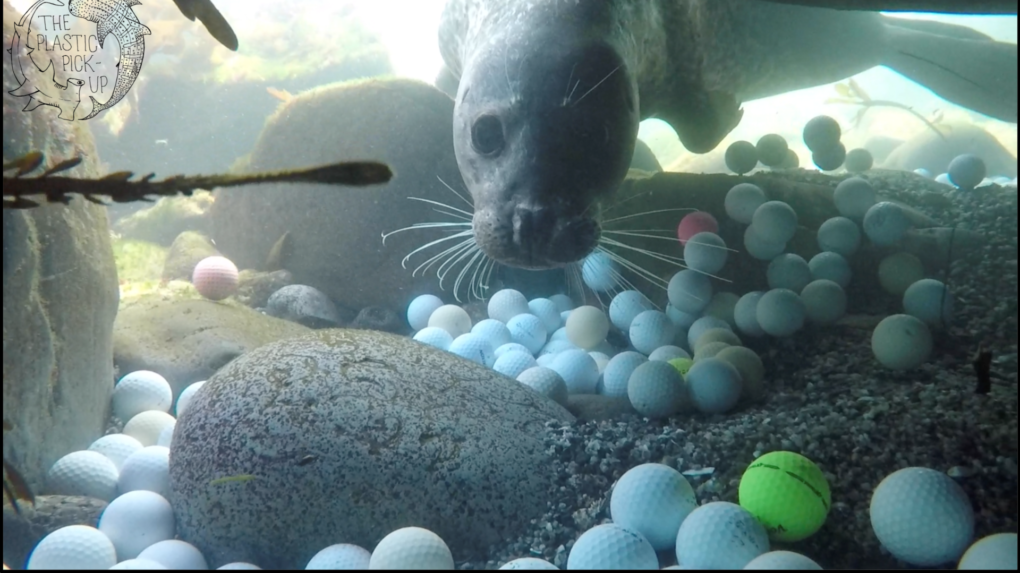
"caption": "A curious harbor seal checks out diver Mike Weber as he and other divers pick up golf balls in the waters off the coast of Northern California. His daughter wrote a paper about all the golf balls found in the ocean from nearby golf courses.",
"description": "A curious harbor seal checks out diver Mike Weber as he and other divers pick up golf balls in the waters off the coast of Northern California. His daughter wrote a paper about all the golf balls found in the ocean from nearby golf courses.",
"title": "A curious harbor seal checks out diver Mike Weber as he and other divers pick up golf balls in the waters off the coast of Northern California. His daughter wrote a paper about all the golf balls found in the ocean from nearby golf courses.",
"credit": "Courtesy of Alex Weber",
"status": "inherit",
"isLoading": false,
"fetchFailed": false
},
"news_11714228": {
"type": "attachments",
"id": "news_11714228",
"meta": {
"index": "attachments_1716263798",
"site": "news",
"id": "11714228",
"found": true
},
"parent": 11714223,
"imgSizes": {
"small": {
"file": "https://ww2.kqed.org/app/uploads/sites/10/2018/12/2A563CF5-ADAF-4B46-A452-CC8520972AD7-520x390.jpg",
"width": 520,
"mimeType": "image/jpeg",
"height": 390
},
"twentyfourteen-full-width": {
"file": "https://ww2.kqed.org/app/uploads/sites/10/2018/12/2A563CF5-ADAF-4B46-A452-CC8520972AD7-1038x576.jpg",
"width": 1038,
"mimeType": "image/jpeg",
"height": 576
},
"thumbnail": {
"file": "https://ww2.kqed.org/app/uploads/sites/10/2018/12/2A563CF5-ADAF-4B46-A452-CC8520972AD7-160x120.jpg",
"width": 160,
"mimeType": "image/jpeg",
"height": 120
},
"fd-sm": {
"file": "https://ww2.kqed.org/app/uploads/sites/10/2018/12/2A563CF5-ADAF-4B46-A452-CC8520972AD7-960x720.jpg",
"width": 960,
"mimeType": "image/jpeg",
"height": 720
},
"post-thumbnail": {
"file": "https://ww2.kqed.org/app/uploads/sites/10/2018/12/2A563CF5-ADAF-4B46-A452-CC8520972AD7-672x372.jpg",
"width": 672,
"mimeType": "image/jpeg",
"height": 372
},
"xsmall": {
"file": "https://ww2.kqed.org/app/uploads/sites/10/2018/12/2A563CF5-ADAF-4B46-A452-CC8520972AD7-375x281.jpg",
"width": 375,
"mimeType": "image/jpeg",
"height": 281
},
"kqedFullSize": {
"file": "https://ww2.kqed.org/app/uploads/sites/10/2018/12/2A563CF5-ADAF-4B46-A452-CC8520972AD7-e1547135608567.jpg",
"width": 1920,
"height": 1440
},
"large": {
"file": "https://ww2.kqed.org/app/uploads/sites/10/2018/12/2A563CF5-ADAF-4B46-A452-CC8520972AD7-1020x765.jpg",
"width": 1020,
"mimeType": "image/jpeg",
"height": 765
},
"xlarge": {
"file": "https://ww2.kqed.org/app/uploads/sites/10/2018/12/2A563CF5-ADAF-4B46-A452-CC8520972AD7-1180x885.jpg",
"width": 1180,
"mimeType": "image/jpeg",
"height": 885
},
"complete_open_graph": {
"file": "https://ww2.kqed.org/app/uploads/sites/10/2018/12/2A563CF5-ADAF-4B46-A452-CC8520972AD7-1200x900.jpg",
"width": 1200,
"mimeType": "image/jpeg",
"height": 900
},
"guest-author-50": {
"file": "https://ww2.kqed.org/app/uploads/sites/10/2018/12/2A563CF5-ADAF-4B46-A452-CC8520972AD7-50x50.jpg",
"width": 50,
"mimeType": "image/jpeg",
"height": 50
},
"guest-author-96": {
"file": "https://ww2.kqed.org/app/uploads/sites/10/2018/12/2A563CF5-ADAF-4B46-A452-CC8520972AD7-96x96.jpg",
"width": 96,
"mimeType": "image/jpeg",
"height": 96
},
"medium": {
"file": "https://ww2.kqed.org/app/uploads/sites/10/2018/12/2A563CF5-ADAF-4B46-A452-CC8520972AD7-800x600.jpg",
"width": 800,
"mimeType": "image/jpeg",
"height": 600
},
"guest-author-64": {
"file": "https://ww2.kqed.org/app/uploads/sites/10/2018/12/2A563CF5-ADAF-4B46-A452-CC8520972AD7-64x64.jpg",
"width": 64,
"mimeType": "image/jpeg",
"height": 64
},
"guest-author-32": {
"file": "https://ww2.kqed.org/app/uploads/sites/10/2018/12/2A563CF5-ADAF-4B46-A452-CC8520972AD7-32x32.jpg",
"width": 32,
"mimeType": "image/jpeg",
"height": 32
},
"fd-lrg": {
"file": "https://ww2.kqed.org/app/uploads/sites/10/2018/12/2A563CF5-ADAF-4B46-A452-CC8520972AD7-1920x1440.jpg",
"width": 1920,
"mimeType": "image/jpeg",
"height": 1440
},
"fd-med": {
"file": "https://ww2.kqed.org/app/uploads/sites/10/2018/12/2A563CF5-ADAF-4B46-A452-CC8520972AD7-1180x885.jpg",
"width": 1180,
"mimeType": "image/jpeg",
"height": 885
},
"full-width": {
"file": "https://ww2.kqed.org/app/uploads/sites/10/2018/12/2A563CF5-ADAF-4B46-A452-CC8520972AD7-1920x1440.jpg",
"width": 1920,
"mimeType": "image/jpeg",
"height": 1440
},
"detail": {
"file": "https://ww2.kqed.org/app/uploads/sites/10/2018/12/2A563CF5-ADAF-4B46-A452-CC8520972AD7-150x150.jpg",
"width": 150,
"mimeType": "image/jpeg",
"height": 150
},
"guest-author-128": {
"file": "https://ww2.kqed.org/app/uploads/sites/10/2018/12/2A563CF5-ADAF-4B46-A452-CC8520972AD7-128x128.jpg",
"width": 128,
"mimeType": "image/jpeg",
"height": 128
},
"xxsmall": {
"file": "https://ww2.kqed.org/app/uploads/sites/10/2018/12/2A563CF5-ADAF-4B46-A452-CC8520972AD7-240x180.jpg",
"width": 240,
"mimeType": "image/jpeg",
"height": 180
}
},
"publishDate": 1545352541,
"modified": 1547153616,
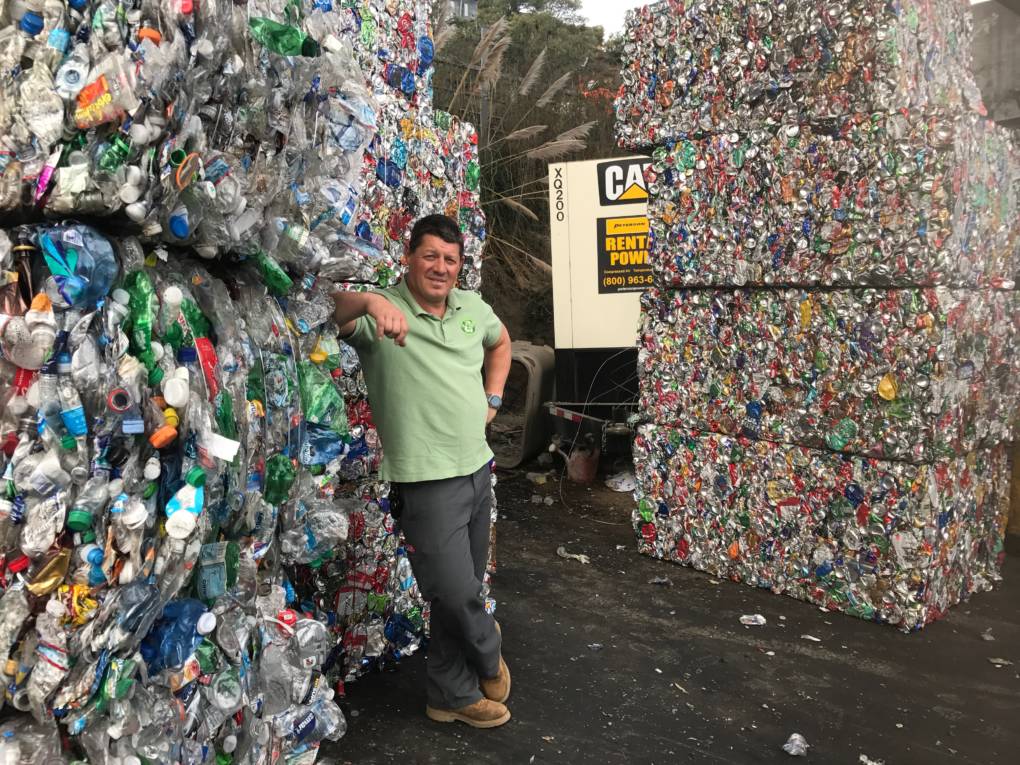
"caption": "Ors Csaszar, owner of Our Planet Recycling SF, stands besides bales of cans and bottles. ",
"description": "Ors Csaszar, owner of Our Planet Recycling SF, stands besides bales of cans and bottles.",
"title": "Ors Csaszar, owner of Our Planet Recycling SF, stands besides bales of cans and bottles.",
"credit": "Jessica Placzek/KQED",
"status": "inherit",
"isLoading": false,
"fetchFailed": false
},
"news_11716205": {
"type": "attachments",
"id": "news_11716205",
"meta": {
"index": "attachments_1716263798",
"site": "news",
"id": "11716205",
"found": true
},
"parent": 11716204,
"imgSizes": {
"twentyfourteen-full-width": {
"file": "https://ww2.kqed.org/app/uploads/sites/10/2019/01/gettyimages-1029485946_custom-c5cc94584f6757b96d061b4cf13d9ad75810d1fa-e1546792951290-1038x576.jpg",
"width": 1038,
"mimeType": "image/jpeg",
"height": 576
},
"thumbnail": {
"file": "https://ww2.kqed.org/app/uploads/sites/10/2019/01/gettyimages-1029485946_custom-c5cc94584f6757b96d061b4cf13d9ad75810d1fa-e1546792951290-160x69.jpg",
"width": 160,
"mimeType": "image/jpeg",
"height": 69
},
"post-thumbnail": {
"file": "https://ww2.kqed.org/app/uploads/sites/10/2019/01/gettyimages-1029485946_custom-c5cc94584f6757b96d061b4cf13d9ad75810d1fa-e1546792951290-672x372.jpg",
"width": 672,
"mimeType": "image/jpeg",
"height": 372
},
"kqedFullSize": {
"file": "https://ww2.kqed.org/app/uploads/sites/10/2019/01/gettyimages-1029485946_custom-c5cc94584f6757b96d061b4cf13d9ad75810d1fa-e1546792951290.jpg",
"width": 1920,
"height": 824
},
"large": {
"file": "https://ww2.kqed.org/app/uploads/sites/10/2019/01/gettyimages-1029485946_custom-c5cc94584f6757b96d061b4cf13d9ad75810d1fa-e1546792951290-1020x438.jpg",
"width": 1020,
"mimeType": "image/jpeg",
"height": 438
},
"complete_open_graph": {
"file": "https://ww2.kqed.org/app/uploads/sites/10/2019/01/gettyimages-1029485946_custom-c5cc94584f6757b96d061b4cf13d9ad75810d1fa-e1546792951290-1200x515.jpg",
"width": 1200,
"mimeType": "image/jpeg",
"height": 515
},
"guest-author-50": {
"file": "https://ww2.kqed.org/app/uploads/sites/10/2019/01/gettyimages-1029485946_custom-c5cc94584f6757b96d061b4cf13d9ad75810d1fa-e1546792951290-50x50.jpg",
"width": 50,
"mimeType": "image/jpeg",
"height": 50
},
"guest-author-96": {
"file": "https://ww2.kqed.org/app/uploads/sites/10/2019/01/gettyimages-1029485946_custom-c5cc94584f6757b96d061b4cf13d9ad75810d1fa-e1546792951290-96x96.jpg",
"width": 96,
"mimeType": "image/jpeg",
"height": 96
},
"medium": {
"file": "https://ww2.kqed.org/app/uploads/sites/10/2019/01/gettyimages-1029485946_custom-c5cc94584f6757b96d061b4cf13d9ad75810d1fa-e1546792951290-800x343.jpg",
"width": 800,
"mimeType": "image/jpeg",
"height": 343
},
"guest-author-64": {
"file": "https://ww2.kqed.org/app/uploads/sites/10/2019/01/gettyimages-1029485946_custom-c5cc94584f6757b96d061b4cf13d9ad75810d1fa-e1546792951290-64x64.jpg",
"width": 64,
"mimeType": "image/jpeg",
"height": 64
},
"guest-author-32": {
"file": "https://ww2.kqed.org/app/uploads/sites/10/2019/01/gettyimages-1029485946_custom-c5cc94584f6757b96d061b4cf13d9ad75810d1fa-e1546792951290-32x32.jpg",
"width": 32,
"mimeType": "image/jpeg",
"height": 32
},
"full-width": {
"file": "https://ww2.kqed.org/app/uploads/sites/10/2019/01/gettyimages-1029485946_custom-c5cc94584f6757b96d061b4cf13d9ad75810d1fa-e1546792951290-1920x824.jpg",
"width": 1920,
"mimeType": "image/jpeg",
"height": 824
},
"detail": {
"file": "https://ww2.kqed.org/app/uploads/sites/10/2019/01/gettyimages-1029485946_custom-c5cc94584f6757b96d061b4cf13d9ad75810d1fa-e1546792951290-150x150.jpg",
"width": 150,
"mimeType": "image/jpeg",
"height": 150
},
"guest-author-128": {
"file": "https://ww2.kqed.org/app/uploads/sites/10/2019/01/gettyimages-1029485946_custom-c5cc94584f6757b96d061b4cf13d9ad75810d1fa-e1546792951290-128x128.jpg",
"width": 128,
"mimeType": "image/jpeg",
"height": 128
}
},
"publishDate": 1546788384,
"modified": 1546793427,
"caption": "Ocean Cleanup's System 001 was towed out of the San Francisco Bay on Sept. 8, 2018.",
"description": "Ocean Cleanup's System 001 was towed out of the San Francisco Bay on Sept. 8, 2018.",
"title": "Ocean Cleanup's System 001 was towed out of the San Francisco Bay on Sept. 8, 2018.",
"credit": "JOSH EDELSON/AFP/Getty Images",
"status": "inherit",
"isLoading": false,
"fetchFailed": false
},
"news_11692767": {
"type": "attachments",
"id": "news_11692767",
"meta": {
"index": "attachments_1716263798",
"site": "news",
"id": "11692767",
"found": true
},
"parent": 11692763,
"imgSizes": {
"small": {
"file": "https://ww2.kqed.org/app/uploads/sites/10/2018/09/IMG_6789-520x347.jpg",
"width": 520,
"mimeType": "image/jpeg",
"height": 347
},
"twentyfourteen-full-width": {
"file": "https://ww2.kqed.org/app/uploads/sites/10/2018/09/IMG_6789-1038x576.jpg",
"width": 1038,
"mimeType": "image/jpeg",
"height": 576
},
"thumbnail": {
"file": "https://ww2.kqed.org/app/uploads/sites/10/2018/09/IMG_6789-160x107.jpg",
"width": 160,
"mimeType": "image/jpeg",
"height": 107
},
"fd-sm": {
"file": "https://ww2.kqed.org/app/uploads/sites/10/2018/09/IMG_6789-960x640.jpg",
"width": 960,
"mimeType": "image/jpeg",
"height": 640
},
"post-thumbnail": {
"file": "https://ww2.kqed.org/app/uploads/sites/10/2018/09/IMG_6789-672x372.jpg",
"width": 672,
"mimeType": "image/jpeg",
"height": 372
},
"xsmall": {
"file": "https://ww2.kqed.org/app/uploads/sites/10/2018/09/IMG_6789-375x250.jpg",
"width": 375,
"mimeType": "image/jpeg",
"height": 250
},
"kqedFullSize": {
"file": "https://ww2.kqed.org/app/uploads/sites/10/2018/09/IMG_6789-e1537056299714.jpg",
"width": 1920,
"height": 1280
},
"large": {
"file": "https://ww2.kqed.org/app/uploads/sites/10/2018/09/IMG_6789-1020x680.jpg",
"width": 1020,
"mimeType": "image/jpeg",
"height": 680
},
"xlarge": {
"file": "https://ww2.kqed.org/app/uploads/sites/10/2018/09/IMG_6789-1180x787.jpg",
"width": 1180,
"mimeType": "image/jpeg",
"height": 787
},
"complete_open_graph": {
"file": "https://ww2.kqed.org/app/uploads/sites/10/2018/09/IMG_6789-1200x800.jpg",
"width": 1200,
"mimeType": "image/jpeg",
"height": 800
},
"guest-author-50": {
"file": "https://ww2.kqed.org/app/uploads/sites/10/2018/09/IMG_6789-50x50.jpg",
"width": 50,
"mimeType": "image/jpeg",
"height": 50
},
"guest-author-96": {
"file": "https://ww2.kqed.org/app/uploads/sites/10/2018/09/IMG_6789-96x96.jpg",
"width": 96,
"mimeType": "image/jpeg",
"height": 96
},
"medium": {
"file": "https://ww2.kqed.org/app/uploads/sites/10/2018/09/IMG_6789-800x533.jpg",
"width": 800,
"mimeType": "image/jpeg",
"height": 533
},
"guest-author-64": {
"file": "https://ww2.kqed.org/app/uploads/sites/10/2018/09/IMG_6789-64x64.jpg",
"width": 64,
"mimeType": "image/jpeg",
"height": 64
},
"guest-author-32": {
"file": "https://ww2.kqed.org/app/uploads/sites/10/2018/09/IMG_6789-32x32.jpg",
"width": 32,
"mimeType": "image/jpeg",
"height": 32
},
"fd-lrg": {
"file": "https://ww2.kqed.org/app/uploads/sites/10/2018/09/IMG_6789-1920x1280.jpg",
"width": 1920,
"mimeType": "image/jpeg",
"height": 1280
},
"fd-med": {
"file": "https://ww2.kqed.org/app/uploads/sites/10/2018/09/IMG_6789-1180x787.jpg",
"width": 1180,
"mimeType": "image/jpeg",
"height": 787
},
"full-width": {
"file": "https://ww2.kqed.org/app/uploads/sites/10/2018/09/IMG_6789-1920x1280.jpg",
"width": 1920,
"mimeType": "image/jpeg",
"height": 1280
},
"detail": {
"file": "https://ww2.kqed.org/app/uploads/sites/10/2018/09/IMG_6789-150x150.jpg",
"width": 150,
"mimeType": "image/jpeg",
"height": 150
},
"guest-author-128": {
"file": "https://ww2.kqed.org/app/uploads/sites/10/2018/09/IMG_6789-128x128.jpg",
"width": 128,
"mimeType": "image/jpeg",
"height": 128
},
"xxsmall": {
"file": "https://ww2.kqed.org/app/uploads/sites/10/2018/09/IMG_6789-240x160.jpg",
"width": 240,
"mimeType": "image/jpeg",
"height": 160
}
},
"publishDate": 1537045072,
"modified": 1537061208,
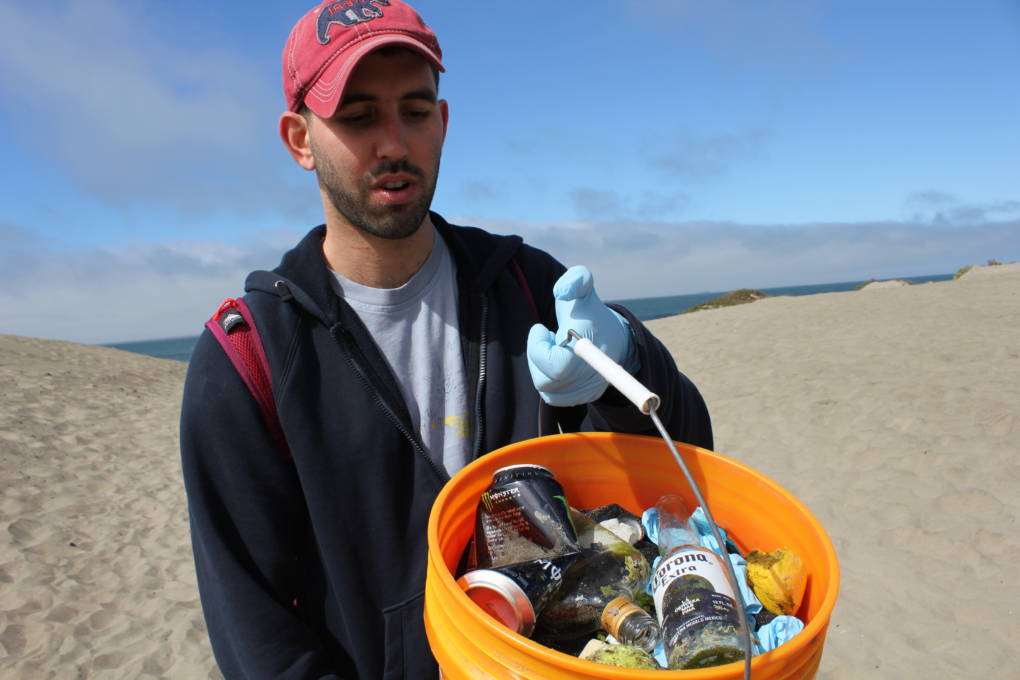
"caption": "Sam Kizer of San Francisco showed off the bucket of trash he collected. It included a couple of polyester sweaters fished out of the water with sticks, various bottles and a tennis ball.",
"description": "Sam Kizer of San Francisco showed off the bucket of trash he collected. It included a couple of polyester sweaters fished out of the water with sticks, various bottles and a tennis ball.",
"title": "IMG_6789",
"credit": "Sara Hossaini/KQED",
"status": "inherit",
"isLoading": false,
"fetchFailed": false
},
"news_11688693": {
"type": "attachments",
"id": "news_11688693",
"meta": {
"index": "attachments_1716263798",
"site": "news",
"id": "11688693",
"found": true
},
"parent": 11688683,
"imgSizes": {
"small": {
"file": "https://ww2.kqed.org/app/uploads/sites/10/2018/08/nanny_082418_final-520x336.jpg",
"width": 520,
"mimeType": "image/jpeg",
"height": 336
},
"twentyfourteen-full-width": {
"file": "https://ww2.kqed.org/app/uploads/sites/10/2018/08/nanny_082418_final-1038x576.jpg",
"width": 1038,
"mimeType": "image/jpeg",
"height": 576
},
"thumbnail": {
"file": "https://ww2.kqed.org/app/uploads/sites/10/2018/08/nanny_082418_final-160x103.jpg",
"width": 160,
"mimeType": "image/jpeg",
"height": 103
},
"fd-sm": {
"file": "https://ww2.kqed.org/app/uploads/sites/10/2018/08/nanny_082418_final-960x621.jpg",
"width": 960,
"mimeType": "image/jpeg",
"height": 621
},
"post-thumbnail": {
"file": "https://ww2.kqed.org/app/uploads/sites/10/2018/08/nanny_082418_final-672x372.jpg",
"width": 672,
"mimeType": "image/jpeg",
"height": 372
},
"xsmall": {
"file": "https://ww2.kqed.org/app/uploads/sites/10/2018/08/nanny_082418_final-375x242.jpg",
"width": 375,
"mimeType": "image/jpeg",
"height": 242
},
"kqedFullSize": {
"file": "https://ww2.kqed.org/app/uploads/sites/10/2018/08/nanny_082418_final.jpg",
"width": 1920,
"height": 1241
},
"large": {
"file": "https://ww2.kqed.org/app/uploads/sites/10/2018/08/nanny_082418_final-1020x659.jpg",
"width": 1020,
"mimeType": "image/jpeg",
"height": 659
},
"xlarge": {
"file": "https://ww2.kqed.org/app/uploads/sites/10/2018/08/nanny_082418_final-1180x763.jpg",
"width": 1180,
"mimeType": "image/jpeg",
"height": 763
},
"complete_open_graph": {
"file": "https://ww2.kqed.org/app/uploads/sites/10/2018/08/nanny_082418_final-1200x776.jpg",
"width": 1200,
"mimeType": "image/jpeg",
"height": 776
},
"guest-author-50": {
"file": "https://ww2.kqed.org/app/uploads/sites/10/2018/08/nanny_082418_final-50x50.jpg",
"width": 50,
"mimeType": "image/jpeg",
"height": 50
},
"guest-author-96": {
"file": "https://ww2.kqed.org/app/uploads/sites/10/2018/08/nanny_082418_final-96x96.jpg",
"width": 96,
"mimeType": "image/jpeg",
"height": 96
},
"medium": {
"file": "https://ww2.kqed.org/app/uploads/sites/10/2018/08/nanny_082418_final-800x517.jpg",
"width": 800,
"mimeType": "image/jpeg",
"height": 517
},
"guest-author-64": {
"file": "https://ww2.kqed.org/app/uploads/sites/10/2018/08/nanny_082418_final-64x64.jpg",
"width": 64,
"mimeType": "image/jpeg",
"height": 64
},
"guest-author-32": {
"file": "https://ww2.kqed.org/app/uploads/sites/10/2018/08/nanny_082418_final-32x32.jpg",
"width": 32,
"mimeType": "image/jpeg",
"height": 32
},
"fd-lrg": {
"file": "https://ww2.kqed.org/app/uploads/sites/10/2018/08/nanny_082418_final-1920x1241.jpg",
"width": 1920,
"mimeType": "image/jpeg",
"height": 1241
},
"fd-med": {
"file": "https://ww2.kqed.org/app/uploads/sites/10/2018/08/nanny_082418_final-1180x763.jpg",
"width": 1180,
"mimeType": "image/jpeg",
"height": 763
},
"full-width": {
"file": "https://ww2.kqed.org/app/uploads/sites/10/2018/08/nanny_082418_final-1920x1241.jpg",
"width": 1920,
"mimeType": "image/jpeg",
"height": 1241
},
"detail": {
"file": "https://ww2.kqed.org/app/uploads/sites/10/2018/08/nanny_082418_final-150x150.jpg",
"width": 150,
"mimeType": "image/jpeg",
"height": 150
},
"guest-author-128": {
"file": "https://ww2.kqed.org/app/uploads/sites/10/2018/08/nanny_082418_final-128x128.jpg",
"width": 128,
"mimeType": "image/jpeg",
"height": 128
},
"xxsmall": {
"file": "https://ww2.kqed.org/app/uploads/sites/10/2018/08/nanny_082418_final-240x155.jpg",
"width": 240,
"mimeType": "image/jpeg",
"height": 155
}
},
"publishDate": 1535141633,
"modified": 1535141648,
"caption": null,
"description": null,
"title": "nanny_082418_final",
"credit": null,
"status": "inherit",
"isLoading": false,
"fetchFailed": false
}
},
"audioPlayerReducer": {
"postId": "stream_live",
"isPaused": true,
"isPlaying": false,
"pfsActive": false,
"pledgeModalIsOpen": true,
"playerDrawerIsOpen": false,
"liveAudioPlayStartedAt": 0,
"liveAudioPlayContext": ""
},
"authorsReducer": {
"byline_news_11752710": {
"type": "authors",
"id": "byline_news_11752710",
"meta": {
"override": true
},
"slug": "byline_news_11752710",
"name": "\u003ca href=\"https://www.npr.org/people/2100689/christopher-joyce\">Christopher Joyce\u003c/a>",
"isLoading": false
},
"byline_news_11741996": {
"type": "authors",
"id": "byline_news_11741996",
"meta": {
"override": true
},
"slug": "byline_news_11741996",
"name": "\u003cstrong>Elizabeth Castillo\u003c/strong>",
"isLoading": false
},
"byline_news_11719715": {
"type": "authors",
"id": "byline_news_11719715",
"meta": {
"override": true
},
"slug": "byline_news_11719715",
"name": "\u003ca href=\"https://www.npr.org/people/2100689/christopher-joyce\">Christopher Joyce\u003c/a>\u003c/br>NPR",
"isLoading": false
},
"byline_news_11716204": {
"type": "authors",
"id": "byline_news_11716204",
"meta": {
"override": true
},
"slug": "byline_news_11716204",
"name": "Amanda Morris and Michel Martin",
"isLoading": false
},
"lisapickoffwhite-2": {
"type": "authors",
"id": "199",
"meta": {
"index": "authors_1716337520",
"id": "199",
"found": true
},
"name": "Lisa Pickoff-White",
"firstName": "Lisa",
"lastName": "Pickoff-White",
"slug": "lisapickoffwhite-2",
"email": "lpickoffwhite@kqed.org",
"display_author_email": false,
"staff_mastheads": [
"news"
],
"title": "Data Journalist, Senior Producer",
"bio": "Lisa Pickoff-White is KQED's data reporter. Lisa specializes in simplifying complex topics and bringing them to life through compelling visuals, including photography and data visualizations. She previously has worked at the Center for Investigative Reporting and other national outlets. Her work has been honored with awards from the Online News Association, Investigative Reporters and Editors, the Society of Professional Journalists and SXSW Interactive. \u003cstrong> \u003c/strong>",
"avatar": "https://secure.gravatar.com/avatar/5513c5f3967df792aa65bee2501e84d6?s=600&d=blank&r=g",
"twitter": "pickoffwhite",
"facebook": null,
"instagram": null,
"linkedin": null,
"sites": [
{
"site": "",
"roles": [
"editor"
]
},
{
"site": "arts",
"roles": []
},
{
"site": "news",
"roles": [
"administrator"
]
},
{
"site": "about",
"roles": [
"editor"
]
},
{
"site": "stateofhealth",
"roles": [
"administrator"
]
},
{
"site": "science",
"roles": [
"editor"
]
},
{
"site": "quest",
"roles": [
"editor"
]
},
{
"site": "forum",
"roles": [
"editor"
]
}
],
"headData": {
"title": "Lisa Pickoff-White | KQED",
"description": "Data Journalist, Senior Producer",
"ogImgSrc": "https://secure.gravatar.com/avatar/5513c5f3967df792aa65bee2501e84d6?s=600&d=blank&r=g",
"twImgSrc": "https://secure.gravatar.com/avatar/5513c5f3967df792aa65bee2501e84d6?s=600&d=blank&r=g"
},
"isLoading": false,
"link": "/author/lisapickoffwhite-2"
},
"gmarzorati": {
"type": "authors",
"id": "227",
"meta": {
"index": "authors_1716337520",
"id": "227",
"found": true
},
"name": "Guy Marzorati",
"firstName": "Guy",
"lastName": "Marzorati",
"slug": "gmarzorati",
"email": "gmarzorati@KQED.org",
"display_author_email": true,
"staff_mastheads": [
"news"
],
"title": "Correspondent",
"bio": "Guy Marzorati is a correspondent on KQED's California Politics and Government Desk, based in San Jose. A graduate of Santa Clara University, Guy joined KQED in 2013. He reports on state and local politics and produces KQED's digital voter guide.",
"avatar": "https://secure.gravatar.com/avatar/e7038b8dbfd55b104369b76b1cd0b9de?s=600&d=blank&r=g",
"twitter": "guymarzorati",
"facebook": null,
"instagram": null,
"linkedin": null,
"sites": [
{
"site": "",
"roles": [
"editor"
]
},
{
"site": "news",
"roles": [
"editor"
]
},
{
"site": "science",
"roles": [
"editor"
]
},
{
"site": "forum",
"roles": [
"editor"
]
},
{
"site": "elections",
"roles": [
"editor"
]
},
{
"site": "liveblog",
"roles": [
"editor"
]
}
],
"headData": {
"title": "Guy Marzorati | KQED",
"description": "Correspondent",
"ogImgSrc": "https://secure.gravatar.com/avatar/e7038b8dbfd55b104369b76b1cd0b9de?s=600&d=blank&r=g",
"twImgSrc": "https://secure.gravatar.com/avatar/e7038b8dbfd55b104369b76b1cd0b9de?s=600&d=blank&r=g"
},
"isLoading": false,
"link": "/author/gmarzorati"
},
"mlam": {
"type": "authors",
"id": "244",
"meta": {
"index": "authors_1716337520",
"id": "244",
"found": true
},
"name": "Monica Lam",
"firstName": "Monica Z.",
"lastName": "Lam",
"slug": "mlam",
"email": "mlam@kqed.org",
"display_author_email": true,
"staff_mastheads": [
"news"
],
"title": "KQED Senior Producer",
"bio": "Monica is senior producer of the weekly current affairs program, \"KQED Newsroom.\" She's also served as senior editor of digital content at KQED. She likes to report and edit as well as produce video and take photos.\r\n\r\nBefore joining KQED, Monica worked at the Center for Investigative Reporting, where she examined conditions inside \u003cspan style=\"font-weight: 400;\">maximum security \u003c/span>prisons and abuse in state-run institutions for the developmentally disabled. Prior to that, she produced and directed \u003cem>Journey of the Bonesetter's Daughter,\u003c/em> a documentary that follows novelist Amy Tan as she creates an opera based on her family history.\r\n\r\nMonica's work has been honored with a duPont Award, five Emmys, regional and national Murrow Awards, and has been recognized by Investigative Reporters and Editors, the Society of Professional Journalists, Religion Newswriters Association and the San Francisco Peninsula Press Club. Monica studied urban studies at Stanford University and earned a master's in journalism at University of California at Berkeley. Follow her on twitter: @monicazlam",
"avatar": "https://secure.gravatar.com/avatar/018c474b2b71f43e0e6ca9b15a0ad36f?s=600&d=blank&r=g",
"twitter": "@monicazlam",
"facebook": null,
"instagram": null,
"linkedin": null,
"sites": [
{
"site": "arts",
"roles": [
"administrator"
]
},
{
"site": "news",
"roles": [
"editor"
]
},
{
"site": "trulyca",
"roles": [
"editor"
]
},
{
"site": "science",
"roles": [
"editor"
]
},
{
"site": "breakingnews",
"roles": [
"editor"
]
}
],
"headData": {
"title": "Monica Lam | KQED",
"description": "KQED Senior Producer",
"ogImgSrc": "https://secure.gravatar.com/avatar/018c474b2b71f43e0e6ca9b15a0ad36f?s=600&d=blank&r=g",
"twImgSrc": "https://secure.gravatar.com/avatar/018c474b2b71f43e0e6ca9b15a0ad36f?s=600&d=blank&r=g"
},
"isLoading": false,
"link": "/author/mlam"
},
"scottshafer": {
"type": "authors",
"id": "255",
"meta": {
"index": "authors_1716337520",
"id": "255",
"found": true
},
"name": "Scott Shafer",
"firstName": "Scott",
"lastName": "Shafer",
"slug": "scottshafer",
"email": "sshafer@kqed.org",
"display_author_email": false,
"staff_mastheads": [
"news"
],
"title": "KQED Contributor",
"bio": "Scott Shafer is a senior editor with the KQED Politics and Government desk. He is co-host of Political Breakdown, the award-winning radio show and podcast with a personal take on the world of politics. Scott came to KQED in 1998 to host the statewide\u003cem> California Report\u003c/em>. Prior to that he had extended stints in politics and government\u003cem>.\u003c/em> He uses that inside experience at KQED in his, reporting, hosting and analysis for the politics desk. Scott collaborated \u003cem>Political Breakdown a\u003c/em>nd on \u003cem>The Political Mind of Jerry Brown, \u003c/em>an eight-part series about the life and extraordinary political career of the former governor. For fun, he plays water polo with the San Francisco Tsunami.",
"avatar": "https://secure.gravatar.com/avatar/a62ebae45b79d7aed1a39a0e3bf68104?s=600&d=blank&r=g",
"twitter": "scottshafer",
"bluesky": null,
"facebook": null,
"instagram": null,
"linkedin": null,
"sites": [
{
"site": "news",
"roles": [
"editor"
]
},
{
"site": "stateofhealth",
"roles": [
"author"
]
},
{
"site": "science",
"roles": [
"author"
]
},
{
"site": "forum",
"roles": [
"subscriber"
]
},
{
"site": "liveblog",
"roles": [
"author"
]
}
],
"headData": {
"title": "Scott Shafer | KQED",
"description": "KQED Contributor",
"ogImgSrc": "https://secure.gravatar.com/avatar/a62ebae45b79d7aed1a39a0e3bf68104?s=600&d=blank&r=g",
"twImgSrc": "https://secure.gravatar.com/avatar/a62ebae45b79d7aed1a39a0e3bf68104?s=600&d=blank&r=g"
},
"isLoading": false,
"link": "/author/scottshafer"
},
"shossaini": {
"type": "authors",
"id": "3214",
"meta": {
"index": "authors_1716337520",
"id": "3214",
"found": true
},
"name": "Sara Hossaini",
"firstName": "Sara",
"lastName": "Hossaini",
"slug": "shossaini",
"email": "shossaini@kqed.org",
"display_author_email": true,
"staff_mastheads": [
"news"
],
"title": "KQED Reporter",
"bio": "Sara Hossaini came to general assignment reporting at KQED in 2013 after two winters reporting at Wyoming Public Radio. She holds a bachelor's degree in broadcast journalism from the University of Nebraska-Lincoln. Her radio romance began after a bitter breakup with documentary film (Ok, maybe it's still complicated). Her first simultaneous jobs in San Francisco were as Associate Producer on a PBS film series through the Center for Asian American Media and as a butler. She likes to trot, plot and make things with her hands.",
"avatar": "https://secure.gravatar.com/avatar/060e9f56b9554e17942e89f413242774?s=600&d=blank&r=g",
"twitter": "mshossaini",
"facebook": null,
"instagram": null,
"linkedin": null,
"sites": [
{
"site": "news",
"roles": [
"author"
]
},
{
"site": "stateofhealth",
"roles": [
"author"
]
}
],
"headData": {
"title": "Sara Hossaini | KQED",
"description": "KQED Reporter",
"ogImgSrc": "https://secure.gravatar.com/avatar/060e9f56b9554e17942e89f413242774?s=600&d=blank&r=g",
"twImgSrc": "https://secure.gravatar.com/avatar/060e9f56b9554e17942e89f413242774?s=600&d=blank&r=g"
},
"isLoading": false,
"link": "/author/shossaini"
},
"markfiore": {
"type": "authors",
"id": "3236",
"meta": {
"index": "authors_1716337520",
"id": "3236",
"found": true
},
"name": "Mark Fiore",
"firstName": "Mark",
"lastName": "Fiore",
"slug": "markfiore",
"email": "mark@markfiore.com",
"display_author_email": false,
"staff_mastheads": [
"news"
],
"title": "KQED News Cartoonist",
"bio": "\u003ca href=\"http://www.MarkFiore.com\">MarkFiore.com\u003c/a> | \u003ca href=\"https://twitter.com/markfiore\">Follow on Twitter\u003c/a> | \u003ca href=\"https://www.facebook.com/pages/Mark-Fiore-Animated-Political-Cartoons/94451707396?ref=bookmarks\">Facebook\u003c/a> | \u003ca href=\"mailto:mark@markfiore.com\">email\u003c/a>\r\n\r\nPulitzer Prize-winner, Mark Fiore, who the Wall Street Journal has called “the undisputed guru of the form,” creates animated political cartoons in San Francisco, where his work has been featured regularly on the San Francisco Chronicle’s web site, SFGate.com. His work has appeared on Newsweek.com, Slate.com, CBSNews.com, MotherJones.com, DailyKos.com and NPR’s web site. Fiore’s political animation has appeared on CNN, Frontline, Bill Moyers Journal, Salon.com and cable and broadcast outlets across the globe.\r\n\r\nBeginning his professional life by drawing traditional political cartoons for newspapers, Fiore’s work appeared in publications ranging from the Washington Post to the Los Angeles Times. In the late 1990s, he began to experiment with animating political cartoons and, after a short stint at the San Jose Mercury News as their staff cartoonist, Fiore devoted all his energies to animation.\r\nGrowing up in California, Fiore also spent a good portion of his life in the backwoods of Idaho. It was this combination that shaped him politically. Mark majored in political science at Colorado College, where, in a perfect send-off for a cartoonist, he received his diploma in 1991 as commencement speaker Dick Cheney smiled approvingly.\r\nMark Fiore was awarded the Pulitzer Prize for political cartooning in 2010, a Robert F. Kennedy Journalism Award in 2004 and has twice received an Online Journalism Award for commentary from the Online News Association (2002, 2008). Fiore has received two awards for his work in new media from the National Cartoonists Society (2001, 2002), and in 2006 received The James Madison Freedom of Information Award from The Society of Professional Journalists.",
"avatar": "https://secure.gravatar.com/avatar/fc4e2a612b15b67bad0c6f0e1db4ca9b?s=600&d=blank&r=g",
"twitter": "MarkFiore",
"facebook": null,
"instagram": "https://www.instagram.com/markfiore/?hl=en",
"linkedin": null,
"sites": [
{
"site": "arts",
"roles": [
"contributor"
]
},
{
"site": "news",
"roles": [
"editor"
]
},
{
"site": "futureofyou",
"roles": [
"editor"
]
},
{
"site": "science",
"roles": [
"editor"
]
}
],
"headData": {
"title": "Mark Fiore | KQED",
"description": "KQED News Cartoonist",
"ogImgSrc": "https://secure.gravatar.com/avatar/fc4e2a612b15b67bad0c6f0e1db4ca9b?s=600&d=blank&r=g",
"twImgSrc": "https://secure.gravatar.com/avatar/fc4e2a612b15b67bad0c6f0e1db4ca9b?s=600&d=blank&r=g"
},
"isLoading": false,
"link": "/author/markfiore"
},
"mlagos": {
"type": "authors",
"id": "3239",
"meta": {
"index": "authors_1716337520",
"id": "3239",
"found": true
},
"name": "Marisa Lagos",
"firstName": "Marisa",
"lastName": "Lagos",
"slug": "mlagos",
"email": "mlagos@kqed.org",
"display_author_email": false,
"staff_mastheads": [
"news"
],
"title": "KQED Contributor",
"bio": "Marisa Lagos is a correspondent for KQED’s California Politics and Government Desk and co-hosts the award-winning show and podcast, Political Breakdown. At KQED, Lagos also conducts reporting, analysis and investigations into state, local and national politics for radio, TV, online and onstage. In 2022, she and co-host, Scott Shafer, moderated the only gubernatorial debate in California. In 2020, the \u003ci>Washington Post\u003c/i> named her one of the top political journalists in California; she was nominated for a Peabody and won several other awards for her work investigating the 2017 California wildfires. She has worked at the \u003ci>San Francisco Chronicle\u003c/i>, \u003ci>San Francisco Examiner\u003c/i> and \u003ci>Los Angeles Times\u003c/i>. A UC Santa Barbara graduate, she lives in San Francisco with her two sons and husband.",
"avatar": "https://secure.gravatar.com/avatar/a261a0d3696fc066871ef96b85b5e7d2?s=600&d=blank&r=g",
"twitter": "@mlagos",
"facebook": null,
"instagram": null,
"linkedin": null,
"sites": [
{
"site": "arts",
"roles": [
"author"
]
},
{
"site": "news",
"roles": [
"editor"
]
},
{
"site": "science",
"roles": [
"editor"
]
},
{
"site": "forum",
"roles": [
"author"
]
},
{
"site": "liveblog",
"roles": [
"author"
]
}
],
"headData": {
"title": "Marisa Lagos | KQED",
"description": "KQED Contributor",
"ogImgSrc": "https://secure.gravatar.com/avatar/a261a0d3696fc066871ef96b85b5e7d2?s=600&d=blank&r=g",
"twImgSrc": "https://secure.gravatar.com/avatar/a261a0d3696fc066871ef96b85b5e7d2?s=600&d=blank&r=g"
},
"isLoading": false,
"link": "/author/mlagos"
},
"jplaczek": {
"type": "authors",
"id": "8606",
"meta": {
"index": "authors_1716337520",
"id": "8606",
"found": true
},
"name": "Jessica Placzek",
"firstName": "Jessica",
"lastName": "Placzek",
"slug": "jplaczek",
"email": "jessicalplaczek@gmail.com",
"display_author_email": false,
"staff_mastheads": [
"news"
],
"title": "KQED Contributor",
"bio": "Jessica Placzek is a former senior editor of podcasts at KQED where she served as the editorial lead of the podcast department. She worked with shows like MindShift, Rightnowish, Consider This, SOLD OUT, Bay Curious and The Bay. She’s also been a reporter and audio producer at KQED, KPFA, and KALW. She taught audio production to men incarcerated at California State Prison Solano and edited pieces they produced for the Uncuffed podcast through KALW. In 2018 she co-hosted and produced the third season of Raw Material for SFMOMA. In New Orleans she wrote for the Nola Defender. Her work has also appeared on Marketplace, All Things Considered, The California Report, and Vice. You can find more at jessicaplaczek.com",
"avatar": "https://secure.gravatar.com/avatar/5ead103b5880f672eceb84ce75eecd1b4b6f74a47edc457684a73ad5b8b158e9?s=600&d=blank&r=g",
"twitter": null,
"bluesky": null,
"facebook": null,
"instagram": null,
"linkedin": null,
"sites": [
{
"site": "arts",
"roles": [
"subscriber"
]
},
{
"site": "news",
"roles": [
"subscriber"
]
},
{
"site": "stateofhealth",
"roles": [
"editor"
]
},
{
"site": "forum",
"roles": [
"editor"
]
}
],
"headData": {
"title": "Jessica Placzek | KQED",
"description": "KQED Contributor",
"ogImgSrc": "https://secure.gravatar.com/avatar/5ead103b5880f672eceb84ce75eecd1b4b6f74a47edc457684a73ad5b8b158e9?s=600&d=blank&r=g",
"twImgSrc": "https://secure.gravatar.com/avatar/5ead103b5880f672eceb84ce75eecd1b4b6f74a47edc457684a73ad5b8b158e9?s=600&d=blank&r=g"
},
"isLoading": false,
"link": "/author/jplaczek"
},
"cveltman": {
"type": "authors",
"id": "8608",
"meta": {
"index": "authors_1716337520",
"id": "8608",
"found": true
},
"name": "Chloe Veltman",
"firstName": "Chloe",
"lastName": "Veltman",
"slug": "cveltman",
"email": "cveltman@kqed.org",
"display_author_email": true,
"staff_mastheads": [],
"title": "Arts and Culture Reporter",
"bio": "Chloe Veltman is a former arts and culture reporter for KQED. Prior to joining the organization, she launched and led the arts bureau at Colorado Public Radio, served as the Bay Area's culture columnist for the New York Times, and was the founder, host and executive producer of VoiceBox, a national award-winning weekly podcast/radio show and live events series all about the human voice. Chloe is the recipient of numerous prizes, grants and fellowships including a Webby Award for her work on interactive storytelling, both the John S Knight Journalism Fellowship and Humanities Center Fellowship at Stanford University, the Sundance Arts Writing Fellowship and a Library of Congress Research Fellowship. She is the author of the book \"On Acting\" and has appeared as a guest lecturer at Yale University and the San Francisco Conservatory of Music among other institutions. She holds a BA in english literature from King's College, Cambridge, and a Masters in Dramaturgy from the Central School of Speech and Drama/Harvard Institute for Advanced Theater Training.\r\n\u003ca href=\"https://www.chloeveltman.com\">www.chloeveltman.com\u003c/a>",
"avatar": "https://secure.gravatar.com/avatar/55403394b00a1ddab683952c2eb2cf85?s=600&d=blank&r=g",
"twitter": "chloeveltman",
"facebook": null,
"instagram": null,
"linkedin": null,
"sites": [
{
"site": "arts",
"roles": []
},
{
"site": "news",
"roles": [
"author"
]
},
{
"site": "pop",
"roles": [
"editor"
]
},
{
"site": "science",
"roles": []
}
],
"headData": {
"title": "Chloe Veltman | KQED",
"description": "Arts and Culture Reporter",
"ogImgSrc": "https://secure.gravatar.com/avatar/55403394b00a1ddab683952c2eb2cf85?s=600&d=blank&r=g",
"twImgSrc": "https://secure.gravatar.com/avatar/55403394b00a1ddab683952c2eb2cf85?s=600&d=blank&r=g"
},
"isLoading": false,
"link": "/author/cveltman"
},
"korr": {
"type": "authors",
"id": "11200",
"meta": {
"index": "authors_1716337520",
"id": "11200",
"found": true
},
"name": "Katie Orr",
"firstName": "Katie",
"lastName": "Orr",
"slug": "korr",
"email": "korr@kqed.org",
"display_author_email": false,
"staff_mastheads": [],
"title": "KQED Contributor",
"bio": "Katie Orr was a Sacramento-based reporter for KQED's Politics and Government Desk, covering the state Capitol and a variety of issues including women in politics, voting and elections and legislation. Prior to joining KQED in 2016, Katie was state government reporter for Capital Public Radio in Sacramento. She's also worked for KPBS in San Diego, where she covered City Hall.\r\n\r\nKatie received her masters degree in political science from San Diego State University and holds a Bachelors degree in broadcast journalism from Arizona State University.\r\n\r\nIn 2015 Katie won a national Clarion Award for a series of stories she did on women in California politics. She's been honored by the Society for Professional Journalists and, in 2013, was named by \u003cem>The Washington Post\u003c/em> as one of the country's top state Capitol reporters. She's also reported for the award-winning documentary series \u003cem>The View from Here \u003c/em>and was part of the team that won national PRNDI and Gabriel Awards in 2015. She lives in Sacramento with her husband. Twitter: @1KatieOrr",
"avatar": "https://secure.gravatar.com/avatar/41a40b25845adc78f50808670860449e?s=600&d=blank&r=g",
"twitter": "1katieorr",
"facebook": null,
"instagram": null,
"linkedin": null,
"sites": [
{
"site": "news",
"roles": [
"subscriber"
]
},
{
"site": "stateofhealth",
"roles": [
"author"
]
},
{
"site": "forum",
"roles": [
"author"
]
}
],
"headData": {
"title": "Katie Orr | KQED",
"description": "KQED Contributor",
"ogImgSrc": "https://secure.gravatar.com/avatar/41a40b25845adc78f50808670860449e?s=600&d=blank&r=g",
"twImgSrc": "https://secure.gravatar.com/avatar/41a40b25845adc78f50808670860449e?s=600&d=blank&r=g"
},
"isLoading": false,
"link": "/author/korr"
},
"mleitsinger": {
"type": "authors",
"id": "11310",
"meta": {
"index": "authors_1716337520",
"id": "11310",
"found": true
},
"name": "Miranda Leitsinger",
"firstName": "Miranda",
"lastName": "Leitsinger",
"slug": "mleitsinger",
"email": "mleitsinger@KQED.org",
"display_author_email": false,
"staff_mastheads": [
"news"
],
"title": "KQED Contributor",
"bio": "Miranda Leitsinger has worked in journalism as a reporter and editor since 2000, including seven years at The Associated Press in locales such as Cambodia and Puerto Rico, four years at NBC News Digital in New York and 2.5 years at CNN.com International in Hong Kong. Major stories she has covered included sexual abuse in the yoga community, the rise of women in local politics post-2016 election, the struggle over LGBTQ inclusion in the Boy Scouts, aftermath of the 2004 and 2011 tsunamis, the Aurora movie theater attack, the Newtown school shooting, Superstorm Sandy and the Boston Marathon bombing.",
"avatar": "https://secure.gravatar.com/avatar/cdd00de7be92aab3b7fd3d915e02033d?s=600&d=blank&r=g",
"twitter": "mimileitsinger",
"facebook": null,
"instagram": null,
"linkedin": null,
"sites": [
{
"site": "arts",
"roles": [
"author"
]
},
{
"site": "news",
"roles": [
"subscriber"
]
},
{
"site": "futureofyou",
"roles": [
"editor"
]
},
{
"site": "stateofhealth",
"roles": [
"editor"
]
}
],
"headData": {
"title": "Miranda Leitsinger | KQED",
"description": "KQED Contributor",
"ogImgSrc": "https://secure.gravatar.com/avatar/cdd00de7be92aab3b7fd3d915e02033d?s=600&d=blank&r=g",
"twImgSrc": "https://secure.gravatar.com/avatar/cdd00de7be92aab3b7fd3d915e02033d?s=600&d=blank&r=g"
},
"isLoading": false,
"link": "/author/mleitsinger"
},
"kevinstark": {
"type": "authors",
"id": "11608",
"meta": {
"index": "authors_1716337520",
"id": "11608",
"found": true
},
"name": "Kevin Stark",
"firstName": "Kevin",
"lastName": "Stark",
"slug": "kevinstark",
"email": "kstark@kqed.org",
"display_author_email": true,
"staff_mastheads": [
"science"
],
"title": "Senior Editor",
"bio": "Kevin is a senior editor for KQED Science, managing the station's health and climate desks. His journalism career began in the Pacific Northwest, and he later became a lead reporter for the San Francisco Public Press. His work has appeared in Pacific Standard magazine, the Energy News Network, the Center for Investigative Reporting's Reveal and WBEZ in Chicago. Kevin joined KQED in 2019, and has covered issues related to energy, wildfire, climate change and the environment.",
"avatar": "https://secure.gravatar.com/avatar/365aaa4b597d3a8374f67504ff0facd323d7906e8eb4be0a7efd2427408e802c?s=600&d=blank&r=g",
"twitter": "starkkev",
"bluesky": null,
"facebook": null,
"instagram": null,
"linkedin": null,
"sites": [
{
"site": "",
"roles": [
"editor"
]
},
{
"site": "news",
"roles": [
"editor"
]
},
{
"site": "science",
"roles": [
"administrator"
]
}
],
"headData": {
"title": "Kevin Stark | KQED",
"description": "Senior Editor",
"ogImgSrc": "https://secure.gravatar.com/avatar/365aaa4b597d3a8374f67504ff0facd323d7906e8eb4be0a7efd2427408e802c?s=600&d=blank&r=g",
"twImgSrc": "https://secure.gravatar.com/avatar/365aaa4b597d3a8374f67504ff0facd323d7906e8eb4be0a7efd2427408e802c?s=600&d=blank&r=g"
},
"isLoading": false,
"link": "/author/kevinstark"
}
},
"pagesReducer": {
"news_tag_plastic": {
"type": "terms",
"id": "news_25428",
"meta": {
"index": "terms_1716263798",
"site": "news",
"id": "25428",
"score": 8.9368305
},
"featImg": null,
"name": "plastic",
"description": null,
"taxonomy": "tag",
"headData": {
"twImgId": null,
"twTitle": null,
"ogTitle": null,
"ogImgId": null,
"twDescription": null,
"description": null,
"title": "plastic Archives | KQED News",
"ogDescription": null
},
"ttid": 25445,
"slug": "plastic",
"isLoading": false,
"title": "plastic",
"pageMeta": {
"site": "news",
"WpPageTemplate": "page-topic-editorial",
"currentPage": 2
},
"blocks": [
{
"blockName": "kqed/post-list",
"attrs": {
"layout": "cardArticle2",
"query": "posts/news?tag=plastic",
"seeMore": false,
"paginated": true,
"page": 2
}
},
{
"blockName": "kqed/ad"
}
]
}
},
"pfsSessionReducer": {},
"postsReducer": {
"stream_live": {
"type": "live",
"id": "stream_live",
"audioUrl": "https://streams.kqed.org/kqedradio",
"title": "Live Stream",
"excerpt": "Live Stream information currently unavailable.",
"link": "/radio",
"featImg": "",
"label": {
"name": "KQED Live",
"link": "/"
}
},
"stream_kqedNewscast": {
"type": "posts",
"id": "stream_kqedNewscast",
"audioUrl": "https://www.kqed.org/.stream/anon/radio/RDnews/newscast.mp3?_=1",
"title": "KQED Newscast",
"featImg": "",
"label": {
"name": "88.5 FM",
"link": "/"
}
},
"news_11779913": {
"type": "posts",
"id": "news_11779913",
"meta": {
"index": "posts_1716263798",
"site": "news",
"id": "11779913",
"score": null,
"sort": [
1571058038000
]
},
"guestAuthors": [],
"slug": "california-governor-vetoes-recycled-plastic-bottle-bill-citing-burdensome-amendments",
"title": "California Governor Vetoes Ambitious Bottle Recycling Bill, Citing 'Burdensome' Amendments",
"publishDate": 1571058038,
"format": "standard",
"headTitle": "California Governor Vetoes Ambitious Bottle Recycling Bill, Citing ‘Burdensome’ Amendments | KQED",
"labelTerm": {
"site": "news"
},
"content": "\u003cp>\u003cem>Updated Oct. 15\u003c/em>\u003c/p>\n\u003cp>Gov. Gavin Newsom vetoed a \u003ca href=\"https://leginfo.legislature.ca.gov/faces/billTextClient.xhtml?bill_id=201920200AB792\">bill\u003c/a> Saturday that would have required manufacturers in California to incorporate recycled plastic into new bottles.\u003c/p>\n\u003cp>The measure would have mandated that plastic beverage bottles — like those used for water, soda and fruit drinks — contain a minimum of 50% recycled content by 2030, a goal that some recycling advocates said was the most ambitious in the country.\u003c/p>\n\u003cp>The requirements would have been phased in gradually and applied only to containers covered by the \u003ca href=\"https://www.calrecycle.ca.gov/bevcontainer\">California Refund Value\u003c/a> program, which reimburses consumers 5 to 10 cents for each aluminum, glass or plastic container brought back for recycling.\u003c/p>\n\u003cp>Authored by Assemblyman Phil Ting, D-San Francisco, Assembly Bill 792 passed both state houses by wide margins. Ting expressed disappointment at the governor’s veto.\u003c/p>\n\u003cp>“Setting the highest minimum recycled content standards for plastic beverage containers in the entire world would have sent signals to the recycling market that California is serious about reducing plastic waste in our environment,” Ting said in a statement.\u003c/p>\n\u003cp>[aside label=\"related recycling coverage\" tag=\"plastics\"]\u003c/p>\n\u003cp>In explaining his veto, Newsom wrote that late amendments introduced a “costly, burdensome process” to the bill.\u003c/p>\n\u003cp>“The waiver petitions allowed under this bill would put the burden on the state to prove to manufacturers that their products can meet recycling goals, rather than making clear that manufacturers have the responsibility to create products that can meet these goals,” Newsom wrote.\u003c/p>\n\u003cp>Newsom was likely referring to an amendment allowing manufacturers to appeal to an administrative judge if they fell short of the required goals, said Mark Murray, executive director of Californians Against Waste, an environmental group that lobbied for the bill.\u003c/p>\n\u003cp>Murray said the provision had been added at the behest of industry lobbying group American Beverage Association and called it a “more complicated and, frankly, convoluted enforcement mechanism” that could take authority away from the state-run agency CalRecycle.\u003c/p>\n\u003cp>“I understand the concerns that the administration had with the bill,” Murray said. “I am absolutely confident that between the author and the administration we are going to be able to get it right next year.”\u003c/p>\n\u003cp>For its part, the American Beverage Association also expressed dismay at the veto.\u003c/p>\n\u003cp>“We’re disappointed given that this bill balanced the need for more recycled content with the realities of the marketplace to reach the goal of improving the recycling and reducing of plastic in California,” said William Dermody, a spokesman for the association. \u003c/p>\n\u003cp>Currently, most bottle manufacturers don’t incorporate recycled plastic into their products and instead use “virgin” plastic resin, a byproduct of fossil fuel production.\u003c/p>\n\u003cp>“Recycled content is competing with virgin plastics, and virgin plastics are tied very closely to the price of natural gas, which is very low right now,” said Nick Lapis, director of advocacy for Californians Against Waste. “Instead of being valuable on their own, [recycled plastics] are competing against this horribly destructive, fossil fuel-based material.”\u003c/p>\n\u003cp>Californians have largely embraced recycling: The most common plastic beverage bottles, which are made of #1 plastic — also known as PET or polyethylene terephthalate — were recycled at a rate of 74% in 2018. That’s 9.2 \u003cem>billion\u003c/em> plastic bottles that made their way back to recycling centers last year alone.\u003c/p>\n\u003cp>The dirty secret that has increasingly gained attention, however, is that a lot of what people were putting into their curbside blue bins or taking back to recycling centers wasn’t actually getting reused. Much of it was shipped to China, until the country stopped accepting imports of the rest of the world’s plastic waste.\u003c/p>\n\u003cp>[ad fullwidth]\u003c/p>\n\u003cp>When they made the decision in 2018, Chinese officials cited the lack of a robust market, meaning not enough buyers to take recycled plastic and reuse it. Too many processors in China were illegally dumping, burning or putting into landfills the plastic they couldn’t unload.\u003c/p>\n\u003cp>Now policymakers and the waste and recycling industry are working to find or create domestic uses for recycled materials.\u003c/p>\n\u003cp>“We have enough infrastructure,” Lapis said. “What we need is a more consistent demand to support that infrastructure.”\u003c/p>\n\u003cp>According to \u003ca href=\"https://www.calrecycle.ca.gov/docs/cr/bevcontainer/bevdistman/resources/2018resinrpt.pdf\">voluntary filings\u003c/a> by the state’s beverage industry in 2018, plastic bottles contained 15% recycled content overall. But that’s an average number: at the high end of the spectrum are Nestlé Waters North America at 37% and Pepsi Cola Bottling Group at 22%, while most companies, like Fiji Water or Walmart, reported using no recycled content at all.\u003c/p>\n\u003cp>The veto of AB 792 comes on the heels of another disappointment to the recycling industry: \u003ca href=\"https://www.kqed.org/science/1948001/how-the-landmark-plastics-recycling-bill-fell-apart\">the stalling\u003c/a> of companion bills AB 1080 and SB 54, which also aimed to hold manufacturers more accountable for the life cycle of the plastic products they produce.\u003c/p>\n\u003cp>Ting said he will take the governor’s concerns into consideration when crafting another bill next year.\u003c/p>\n\u003cp>“I will continue to work on this issue in the coming year and hope that we can get this across the finish line,” Ting said.\u003c/p>\n\u003cp>For advocates, another bill might be a chance for stronger recycling rules, said Californians Against Waste’s Murray.\u003c/p>\n\u003cp>“The question for me is, if we bring this bill back next year, do we settle for just 50% recycled content or should we be thinking of 60%, 70% recycled content?” Murray said.\u003c/p>\n\u003cp>\u003cem>Oct. 15: This story was updated to include comment from the American Beverage Association\u003c/em>\u003c/p>\n\u003cp>\u003c/p>\n",
"blocks": [],
"excerpt": "The law would have required that plastic water and soda bottles contain 50% recycled content by 2030, which some recycling advocates say was the most ambitious goal in the nation.",
"status": "publish",
"parent": 0,
"modified": 1740011845,
"stats": {
"hasAudio": false,
"hasVideo": false,
"hasChartOrMap": false,
"iframeSrcs": [],
"hasGoogleForm": false,
"hasGallery": false,
"hasHearkenModule": false,
"hasPolis": false,
"paragraphCount": 30,
"wordCount": 933
},
"headData": {
"title": "California Governor Vetoes Ambitious Bottle Recycling Bill, Citing 'Burdensome' Amendments | KQED",
"description": "The law would have required that plastic water and soda bottles contain 50% recycled content by 2030, which some recycling advocates say was the most ambitious goal in the nation.",
"ogTitle": "",
"ogDescription": "",
"ogImgId": "",
"twTitle": "",
"twDescription": "",
"twImgId": "",
"schema": {
"@context": "https://schema.org",
"@type": "NewsArticle",
"headline": "California Governor Vetoes Ambitious Bottle Recycling Bill, Citing 'Burdensome' Amendments",
"datePublished": "2019-10-14T06:00:38-07:00",
"dateModified": "2025-02-19T16:37:25-08:00",
"image": "https://cdn.kqed.org/wp-content/uploads/2020/02/KQED-OG-Image@1x.png",
"isAccessibleForFree": "True",
"publisher": {
"@type": "NewsMediaOrganization",
"@id": "https://www.kqed.org/#organization",
"name": "KQED",
"logo": "https://cdn.kqed.org/wp-content/uploads/2020/02/KQED-OG-Image@1x.png",
"url": "https://www.kqed.org",
"sameAs": [
"https://www.facebook.com/KQED",
"https://twitter.com/KQED",
"https://www.instagram.com/kqed/",
"https://www.tiktok.com/@kqedofficial",
"https://www.linkedin.com/company/kqed",
"https://www.youtube.com/channel/UCeC0IOo7i1P_61zVUWbJ4nw"
]
}
}
},
"sticky": false,
"path": "/news/11779913/california-governor-vetoes-recycled-plastic-bottle-bill-citing-burdensome-amendments",
"audioTrackLength": null,
"parsedContent": [
{
"type": "contentString",
"content": "\u003cdiv class=\"post-body\">\u003cp>\u003cp>\u003cem>Updated Oct. 15\u003c/em>\u003c/p>\n\u003cp>Gov. Gavin Newsom vetoed a \u003ca href=\"https://leginfo.legislature.ca.gov/faces/billTextClient.xhtml?bill_id=201920200AB792\">bill\u003c/a> Saturday that would have required manufacturers in California to incorporate recycled plastic into new bottles.\u003c/p>\n\u003cp>The measure would have mandated that plastic beverage bottles — like those used for water, soda and fruit drinks — contain a minimum of 50% recycled content by 2030, a goal that some recycling advocates said was the most ambitious in the country.\u003c/p>\n\u003cp>The requirements would have been phased in gradually and applied only to containers covered by the \u003ca href=\"https://www.calrecycle.ca.gov/bevcontainer\">California Refund Value\u003c/a> program, which reimburses consumers 5 to 10 cents for each aluminum, glass or plastic container brought back for recycling.\u003c/p>\n\u003cp>Authored by Assemblyman Phil Ting, D-San Francisco, Assembly Bill 792 passed both state houses by wide margins. Ting expressed disappointment at the governor’s veto.\u003c/p>\n\u003cp>“Setting the highest minimum recycled content standards for plastic beverage containers in the entire world would have sent signals to the recycling market that California is serious about reducing plastic waste in our environment,” Ting said in a statement.\u003c/p>\n\u003cp>\u003c/p>\u003c/div>",
"attributes": {
"named": {},
"numeric": []
}
},
{
"type": "component",
"content": "",
"name": "aside",
"attributes": {
"named": {
"label": "related recycling coverage ",
"tag": "plastics"
},
"numeric": []
}
},
{
"type": "contentString",
"content": "\u003cdiv class=\"post-body\">\u003cp>\u003c/p>\n\u003cp>In explaining his veto, Newsom wrote that late amendments introduced a “costly, burdensome process” to the bill.\u003c/p>\n\u003cp>“The waiver petitions allowed under this bill would put the burden on the state to prove to manufacturers that their products can meet recycling goals, rather than making clear that manufacturers have the responsibility to create products that can meet these goals,” Newsom wrote.\u003c/p>\n\u003cp>Newsom was likely referring to an amendment allowing manufacturers to appeal to an administrative judge if they fell short of the required goals, said Mark Murray, executive director of Californians Against Waste, an environmental group that lobbied for the bill.\u003c/p>\n\u003cp>Murray said the provision had been added at the behest of industry lobbying group American Beverage Association and called it a “more complicated and, frankly, convoluted enforcement mechanism” that could take authority away from the state-run agency CalRecycle.\u003c/p>\n\u003cp>“I understand the concerns that the administration had with the bill,” Murray said. “I am absolutely confident that between the author and the administration we are going to be able to get it right next year.”\u003c/p>\n\u003cp>For its part, the American Beverage Association also expressed dismay at the veto.\u003c/p>\n\u003cp>“We’re disappointed given that this bill balanced the need for more recycled content with the realities of the marketplace to reach the goal of improving the recycling and reducing of plastic in California,” said William Dermody, a spokesman for the association. \u003c/p>\n\u003cp>Currently, most bottle manufacturers don’t incorporate recycled plastic into their products and instead use “virgin” plastic resin, a byproduct of fossil fuel production.\u003c/p>\n\u003cp>“Recycled content is competing with virgin plastics, and virgin plastics are tied very closely to the price of natural gas, which is very low right now,” said Nick Lapis, director of advocacy for Californians Against Waste. “Instead of being valuable on their own, [recycled plastics] are competing against this horribly destructive, fossil fuel-based material.”\u003c/p>\n\u003cp>Californians have largely embraced recycling: The most common plastic beverage bottles, which are made of #1 plastic — also known as PET or polyethylene terephthalate — were recycled at a rate of 74% in 2018. That’s 9.2 \u003cem>billion\u003c/em> plastic bottles that made their way back to recycling centers last year alone.\u003c/p>\n\u003cp>The dirty secret that has increasingly gained attention, however, is that a lot of what people were putting into their curbside blue bins or taking back to recycling centers wasn’t actually getting reused. Much of it was shipped to China, until the country stopped accepting imports of the rest of the world’s plastic waste.\u003c/p>\n\u003cp>\u003c/p>\u003c/div>",
"attributes": {
"named": {},
"numeric": []
}
},
{
"type": "component",
"content": "",
"name": "ad",
"attributes": {
"named": {
"label": "fullwidth"
},
"numeric": [
"fullwidth"
]
}
},
{
"type": "contentString",
"content": "\u003cdiv class=\"post-body\">\u003cp>\u003c/p>\n\u003cp>When they made the decision in 2018, Chinese officials cited the lack of a robust market, meaning not enough buyers to take recycled plastic and reuse it. Too many processors in China were illegally dumping, burning or putting into landfills the plastic they couldn’t unload.\u003c/p>\n\u003cp>Now policymakers and the waste and recycling industry are working to find or create domestic uses for recycled materials.\u003c/p>\n\u003cp>“We have enough infrastructure,” Lapis said. “What we need is a more consistent demand to support that infrastructure.”\u003c/p>\n\u003cp>According to \u003ca href=\"https://www.calrecycle.ca.gov/docs/cr/bevcontainer/bevdistman/resources/2018resinrpt.pdf\">voluntary filings\u003c/a> by the state’s beverage industry in 2018, plastic bottles contained 15% recycled content overall. But that’s an average number: at the high end of the spectrum are Nestlé Waters North America at 37% and Pepsi Cola Bottling Group at 22%, while most companies, like Fiji Water or Walmart, reported using no recycled content at all.\u003c/p>\n\u003cp>The veto of AB 792 comes on the heels of another disappointment to the recycling industry: \u003ca href=\"https://www.kqed.org/science/1948001/how-the-landmark-plastics-recycling-bill-fell-apart\">the stalling\u003c/a> of companion bills AB 1080 and SB 54, which also aimed to hold manufacturers more accountable for the life cycle of the plastic products they produce.\u003c/p>\n\u003cp>Ting said he will take the governor’s concerns into consideration when crafting another bill next year.\u003c/p>\n\u003cp>“I will continue to work on this issue in the coming year and hope that we can get this across the finish line,” Ting said.\u003c/p>\n\u003cp>For advocates, another bill might be a chance for stronger recycling rules, said Californians Against Waste’s Murray.\u003c/p>\n\u003cp>“The question for me is, if we bring this bill back next year, do we settle for just 50% recycled content or should we be thinking of 60%, 70% recycled content?” Murray said.\u003c/p>\n\u003cp>\u003cem>Oct. 15: This story was updated to include comment from the American Beverage Association\u003c/em>\u003c/p>\n\u003cp>\u003c/p>\n\u003c/div>\u003c/p>",
"attributes": {
"named": {},
"numeric": []
}
}
],
"link": "/news/11779913/california-governor-vetoes-recycled-plastic-bottle-bill-citing-burdensome-amendments",
"authors": [
"244"
],
"categories": [
"news_19906",
"news_8",
"news_356"
],
"tags": [
"news_19542",
"news_25428",
"news_382"
],
"featImg": "news_11779915",
"label": "news"
},
"news_11774151": {
"type": "posts",
"id": "news_11774151",
"meta": {
"index": "posts_1716263798",
"site": "news",
"id": "11774151",
"score": null,
"sort": [
1568413017000
]
},
"guestAuthors": [],
"slug": "what-passed-or-is-in-limbo-catch-up-with-the-california-legislature-as-session-ends",
"title": "What Passed? What Didn't? Catch Up With the California Legislature as Session Ends",
"publishDate": 1568413017,
"format": "standard",
"headTitle": "What Passed? What Didn’t? Catch Up With the California Legislature as Session Ends | KQED",
"labelTerm": {
"term": 72,
"site": "news"
},
"content": "\u003cp>The final day of session for the California State Legislature was disrupted late Friday afternoon when a woman in the Senate gallery \u003ca href=\"https://www.apnews.com/0ff009de977741e0abdd8568d9d80a29\" target=\"_blank\" rel=\"noopener\">tossed\u003c/a> what the California Highway Patrol said was a substance that “appeared to be blood” onto the Senate floor while yelling “That’s for the dead babies.”\u003c/p>\n\u003cp>East Bay Sen. Steve Glazer (D-Orinda) said the liquid landed on his head and splashed onto five other senators.\u003c/p>\n\u003cp>The woman, identified as 43-year-old Rebecca Dalelio of Santa Cruz County, is linked to some of the anti-vaccine protesters demonstrating in recent weeks over the passage of Senate Bills 276 and 714 aimed at tightening up medical exemptions for children’s vaccines. She was arrested and charged with assault, vandalism and disrupting the business at hand in the Senate.\u003c/p>\n\u003cp>The CHP cordoned off the Senate, forcing lawmakers, media and others to move into a committee room to finish its business hours later.\u003c/p>\n\u003cp>Below are some of the highlights from this legislative session, including bills that have already been signed into law, are awaiting signature or are in limbo until next year.\u003c/p>\n\u003ch2>Children’s Issues\u003c/h2>\n\u003cp>\u003cstrong>AB 378:\u003c/strong> In-home child care providers would be allowed to unionize under this measure. Supporters said unionizing could give child care workers a voice and encourage them to stay in the industry. The bill has made it through the Legislature. Several similar bills have either died or been vetoed by governors in the past. But supporters are hoping this measure will be signed by Governor Gavin Newsom.\u003c/p>\n\u003cp>[ad fullwidth]\u003c/p>\n\u003cp>\u003cstrong>SB 337/AB 1092:\u003c/strong> Lawmakers sent Newsom two bills aimed at making sure more low-income kids in California benefit from child support payments.\u003c/p>\n\u003cp>Currently, a quarter of a million California families only receive $50 a month in child support payments, even if the non-custodial parent is paying hundreds of dollars more each month in child support. This happens when a family is also receiving government assistance, like welfare or Medi-Cal. The government takes the rest of the money to repay the public for the cost of those safety net programs.\u003c/p>\n\u003cp>And parents that fail to pay their required child support on time see huge interest added to those debts — 10% a year. In addition to the crippling debt that racks up, parents can also lose their driver’s license, or go to jail if they fall too far behind.\u003c/p>\n\u003cp>Two bills now on Newsom’s desk would change that: Oakland Sen. Nancy Skinner’s SB337 will increase the amount of child support paid to families on welfare assistance. Families with one child will get $100 a month under the bill; families with two or more kids will receive $200 a month. And AB 1092 will end the practice of adding interest to child support debt. Both bills, if signed by Newsom, will take effect in 2022.\u003c/p>\n\u003ch2>\u003cstrong>Health\u003c/strong>\u003c/h2>\n\u003cp>\u003cstrong>SB 24:\u003c/strong> State lawmakers have passed a \u003ca href=\"https://www.kqed.org/news/11772337/california-again-considers-making-abortion-pills-available-at-public-colleges\" target=\"_blank\" rel=\"noopener\">bill\u003c/a> that would require student health centers at all 34 state campuses to provide medication abortions.\u003c/p>\n\u003cp>If the measure becomes law, it will be the first of its kind in the U.S. The bill’s supporters say they want to remove the obstacles women face accessing medical abortion off campus.\u003c/p>\n\u003cp>While a consortium of women’s groups that support abortion rights has promised to pay for all the required ultrasound equipment and upfront training costs of providing the abortion pill on campus, eventually universities would likely need to dip into tax dollars or student fees for ongoing costs — which abortion opponents object to.\u003c/p>\n\u003cp>\u003cstrong>SB 276/SB 714:\u003c/strong> California Gov. Gavin Newsom signed a \u003ca href=\"https://www.kqed.org/news/11773308/anti-vaccine-protesters-swarm-capitol-as-lawmakers-pass-bill-limiting-medical-exemptions\" target=\"_blank\" rel=\"noopener\">pair of bills\u003c/a> into law earlier this week to crack down on doctors who write fraudulent medical exemptions for schoolchildren’s vaccinations.\u003c/p>\n\u003cp>The news laws would create state oversight of medical exemptions for vaccines required by most schools and day care centers in California. Under them, the state would begin collecting medical exemptions electronically by Jan. 1, 2021. But health department officials would review them only when a school’s immunization rate falls below 95% or when a doctor writes more than five medical exemptions per year (beginning in 2020).\u003c/p>\n\u003cp>The laws would also allow officials to revoke any medical exemptions written by doctors who have faced disciplinary action.\u003c/p>\n\u003cp>Since being introduced last year, hundreds of parents have protested the legislation, insisting it would disrupt confidential doctor-patient relationships and scare doctors from writing new exemptions.\u003c/p>\n\u003cp>\u003cstrong>SB 343:\u003c/strong> Under legislation signed into law last week, Kaiser Permanente will have to share more information — like other insurers do — on revenue and expenses at each of its facilities, \u003ca href=\"https://www.sacbee.com/news/local/health-and-medicine/article234806097.html#storylink=cpy\" target=\"_blank\" rel=\"noopener\">The Sacramento Bee\u003c/a> reported. The legislation was introduced on behalf of Kaiser’s largest union, the Service Employees International Union, which has been in contract negotiations for roughly a year.\u003c/p>\n\u003ch2>Housing\u003c/h2>\n\u003cp>\u003cstrong>AB 1482\u003c/strong> marks the biggest victory for California renter protections in decades. It would create a statewide limit on rent increases of 5% plus inflation, and requires that landlords provide a “just cause” when evicting tenants who have been renting for a year. The limits on rent hikes don’t go nearly as far as local rent control laws in places like San Francisco and Oakland, but it would cover millions of Californians whose units don’t already have such protections.\u003c/p>\n\u003cp>The measure exempts units under 15 years old, but it was opposed by real estate agents who argued that the legislation would discourage construction of rental housing. Newsom has committed to signing the bill, which will sunset after 10 years.\u003c/p>\n\u003cp>\u003cstrong>AB 1487\u003c/strong>, which has been sent to Newsom, would allow for a Bay Area regional ballot measure to raise money for affordable housing. Previous measures on ballots in the nine counties have raised taxes to pay for transportation and bay restoration. The executive board of the Association of Bay Area Governments (ABAG) and the Metropolitan Transportation Commission (MTC) would decide what form a potential revenue-raising measure would take.\u003c/p>\n\u003cp>\u003cstrong>SB 330\u003c/strong>, which has been sent to Newsom, would prohibit local governments from downzoning by either placing a moratorium on development or lowering the number of housing units permitted. It also would speed up the permitting process for development. The provision sunsets after five years.\u003c/p>\n\u003ch2>Law Enforcement\u003c/h2>\n\u003cp>\u003cstrong>SB 22\u003c/strong> requires prompt testing of newly collected rape kits in Califonia. Under the bill, new rape kits must be submitted for testing within 20 days and actually tested with 120 days. The bill’s author, Senator Connie Leyva (D-Chino) says the measure would help solve crimes and prevent testing backlogs.\u003c/p>\n\u003cp>“Survivors should never have to wait years or even decades for their rape kits to be tested and it is outrageous that collected evidence could ever sit on a shelf untested,” Leyva said.\u003c/p>\n\u003cp>\u003cstrong>SB 230 \u003c/strong>is meant to reduce the use of force among law enforcement agencies. Governor Newsom has signed it into law.\u003c/p>\n\u003cp>The new law requires agencies to maintain a policy providing guidelines on the use of force. That policy must also include de-escalation techniques and other alternatives to force, and specific guidelines for when deadly force can be used. In addition, the agencies’ policies must include a way to evaluate and review all use- of-force incidents.\u003c/p>\n\u003cp>\u003cstrong>SB 230\u003c/strong> is meant to be used in conjunction with \u003cstrong>AB 392\u003c/strong>, which Newsom signed into law in August. It states law enforcement can use deadly force only when “necessary,” rather than just “reasonable.”\u003c/p>\n\u003cp>\u003cstrong>AB 61\u003c/strong> would expand the scope of people able to request a gun violence restraining order against a person they believe is a danger to themselves or others. Currently, only immediate family members and police are allowed to make a request. This measure would allow employers, co-workers, schoolteachers and employees to request a restraining order as well. The legislation has been sent to Newsom for his signature.\u003c/p>\n\u003cp>\u003cstrong>AB 1215\u003c/strong> places a three-year ban on the use of facial recognition technology on body cameras by the state and local law enforcement agencies.\u003c/p>\n\u003cp>The bill was supported by the ACLU, which said the technology is not ready for prime time. To prove its point, the ACLU entered photos of all 120 state legislators into a database of mugshots. The software incorrectly identified 26 of the lawmakers as criminals.\u003c/p>\n\u003cp>San Francisco and Oakland have already passed similar legislation. The bill has been sent to Newsom for his signature.\u003c/p>\n\u003ch2>Prisons\u003c/h2>\n\u003cp>\u003cstrong>AB 32\u003c/strong> would ban the use of private for-profit prisons and detention centers in California.\u003c/p>\n\u003cp>Bill author Rob Bonta (D-Oakland) said there’s no room for the facilities in the state. “California should not be home to companies that are profiteering from the tearing of innocent children from their families. This is inhumane and goes against who we are as Californians and Americans,” Bonta said.\u003c/p>\n\u003cp>Critics say the measure would reduce the state’s options for dealing with prison overcrowding and put more pressure on local jails to hold dangerous inmates. The legislation has been sent to Newsom for his signature.\u003c/p>\n\u003cp>\u003cstrong>SB 132,\u003c/strong> which would allow transgender prisoners in the Department of Corrections and Rehabilitation (CDCR) to be housed according to their gender identity, and not their sex assigned at birth, will be carried over to the next session.\u003c/p>\n\u003cp>California would be the third state in the nation to pass such legislation.\u003c/p>\n\u003cp>The bill’s sponsor, Sen. Scott Wiener of San Francisco, said the coalition supporting the legislation had decided to make it a two-year bill so they could “come to a solution that works for” the community, CDCR and Newsom.\u003c/p>\n\u003cp>“Transgender people in our prison system are among the most marginalized people in society, and we must protect them,” he said Friday in a statement. “Over the fall recess, I will join community leaders to visit several state prisons to meet with transgender people who are incarcerated there. This listening tour will help us craft the best legislation possible.”\u003c/p>\n\u003cp>\u003cstrong>SB 136\u003c/strong> is part of a larger push in California to roll back tough on crime laws that helped pack prisons and jails to the brim and resulted in ballooning corrections spending in the Golden State.\u003c/p>\n\u003cp>The bill would end the practice of automatically adding an extra year to a defendant’s sentence if they had previously served time for a felony. Wiener said 11,000 people currently in prison have this extra year tacked on at a cost of $80,000 a year. State officials estimate that the change would save taxpayers $80 million a year. The legislation has passed the Legislature and is heading to the governor.\u003c/p>\n\u003ch2>The Environment\u003c/h2>\n\u003cp>\u003cstrong>AB 792\u003c/strong> would establish a minimum level of recycled content – 50% – in plastic bottles by 2035. On Monday, Assemblyman Phil Ting introduced another bill, \u003cstrong>AB 54\u003c/strong>, to bring temporary relief to cities feeling the bite from the sudden closure of recycling centers across the state. The bill provides $10 million for recycling centers and gives grocers a reprieve from paying some recycling fees. Both bills passed the Legislature.\u003c/p>\n\u003cp>\u003cstrong>SB 1\u003c/strong> is aimed at blunting any weakening of federal environmental laws in California by the Trump Administration. It was sent to Gov. Newsom early Saturday morning with strong backing from environmental groups, despite vigorous objections from Sen. Dianne Feinstein and some water groups who warned against creating two sets of environmental standards. If signed by the governor (or allowed to take effect without his signature) it would replace any federal environmental regulation (Clean Power Plan, Endangered Species Act, etc.) with a state alternative.\u003c/p>\n\u003cp>\u003cstrong>AB 1080 and SB 54:\u003c/strong> The legislative session ended without passage of the bills, which would have enacted the strongest plastic pollution rules in the U.S. The bills are eligible to be considered next year.\u003c/p>\n\u003cp>The plan required plastics manufacturers to take responsibility for the fate of their products — from coffee cup lids to takeout boxes to plastic packaging.\u003c/p>\n\u003cp>Businesses would have had to ensure that plastic forks, for example, are recyclable or face a potential ban. If the bill had passed, all of the state’s single-use plastic utensils would need to be recyclable or compostable by 2030, and companies must reduce waste from plastic packaging by 75%.\u003c/p>\n\u003ch2>\u003cstrong>Wildfires\u003c/strong>\u003c/h2>\n\u003cp>\u003cstrong>SB 160:\u003c/strong> This bill mandates that counties include “cultural competence” into emergency plans. It’s partially a response to elderly and non-English-speaking residents who missed emergency alerts during the state’s recent wildfires.\u003c/p>\n\u003cp>The bill, which has been sent to Newsom for his signature, calls for local communities to hold public forums that represent residents of many backgrounds when counties plan their emergency protocols.\u003c/p>\n\u003cp>\u003cstrong>SB 520\u003c/strong> would give utilities like PG&E the designation of “provider of last resort” in the areas they serve. Utilities already enjoy that privilege in practice, but the law sponsored by Sen. Robert Hertzberg would enshrine it in the law.\u003c/p>\n\u003cp>Critics say the bill could limit the options that cities and counties have to wrest control from utilities and run them municipally, and limit opportunities for community choice aggregation just as they are starting to thrive. The legislation has been sent to Newsom for his signature.\u003c/p>\n\u003ch2>Other Notable Bills\u003c/h2>\n\u003cp>\u003cstrong>SB 206:\u003c/strong> NBA icon LeBron James threw his weight behind SB 206, the “Fair Pay to Play” bill by East Bay Sen. Nancy Skinner that would allow student-athletes at all four-year colleges in California to sign endorsement deals and receive compensation for the use of their names, images or likenesses.\u003c/p>\n\u003cp>But NCAA President Mark Emmert wrote in a letter to Newsom that signing the legislation could make it “impossible to host fair national championships.” He also implied that if the bill became law, athletes at California schools could be barred from competing in NCAA national championships.\u003c/p>\n\u003cp>Nonetheless, the Senate and the Assembly passed the bill without any opposition. Now — will LeBron be there for the bill signing?\u003c/p>\n\u003cp>\u003cstrong>AB 44: \u003c/strong>Anti-fur advocates have long sought a ban on killing animals for their fur. And if Newsom signs this bill, which he said he will in a tweet, California will become the first state in the nation to ban the creation of new fur products. Republican critics said the state was once again telling Californians what they can and cannot do (the nanny state argument) and that it was disrespectful to Native Americans, whose cultures value fur. The mink, rabbit and coyote communities are no doubt pleased.\u003c/p>\n\u003cp>\u003cstrong>AB 1505\u003c/strong> seeks to more closely regulate California’s 1,300 charter schools. It would allow school districts to consider the impact to the community and the neighborhood schools when reviewing applications for new or expanded charter schools. It would require charter school teachers to be credentialed and establishes a two-year moratorium on non-classroom based charter schools. The legislation has been sent to Newsom.\u003c/p>\n\u003cp>[ad floatright]\u003c/p>\n\u003cp>\u003cstrong>SB 313:\u003c/strong> Another victory for furry citizens of California, this bill would ban the use of wild animals in circus acts, including bears, elephants, tigers and monkeys. If signed by Newsom, California will become the third state after New Jersey and Hawaii to enact such a ban.\u003c/p>\n\n",
"blocks": [],
"excerpt": "From crackdowns on fake medical exemptions for schoolchildren's vaccinations to reducing the use of force among law enforcement agencies, here is some of the notable legislation from lawmakers this year.",
"status": "publish",
"parent": 0,
"modified": 1740011953,
"stats": {
"hasAudio": false,
"hasVideo": false,
"hasChartOrMap": false,
"iframeSrcs": [],
"hasGoogleForm": false,
"hasGallery": false,
"hasHearkenModule": false,
"hasPolis": false,
"paragraphCount": 57,
"wordCount": 2570
},
"headData": {
"title": "What Passed? What Didn't? Catch Up With the California Legislature as Session Ends | KQED",
"description": "From crackdowns on fake medical exemptions for schoolchildren's vaccinations to reducing the use of force among law enforcement agencies, here is some of the notable legislation from lawmakers this year.",
"ogTitle": "",
"ogDescription": "",
"ogImgId": "",
"twTitle": "",
"twDescription": "",
"twImgId": "",
"schema": {
"@context": "https://schema.org",
"@type": "NewsArticle",
"headline": "What Passed? What Didn't? Catch Up With the California Legislature as Session Ends",
"datePublished": "2019-09-13T15:16:57-07:00",
"dateModified": "2025-02-19T16:39:13-08:00",
"image": "https://cdn.kqed.org/wp-content/uploads/2020/02/KQED-OG-Image@1x.png",
"isAccessibleForFree": "True",
"publisher": {
"@type": "NewsMediaOrganization",
"@id": "https://www.kqed.org/#organization",
"name": "KQED",
"logo": "https://cdn.kqed.org/wp-content/uploads/2020/02/KQED-OG-Image@1x.png",
"url": "https://www.kqed.org",
"sameAs": [
"https://www.facebook.com/KQED",
"https://twitter.com/KQED",
"https://www.instagram.com/kqed/",
"https://www.tiktok.com/@kqedofficial",
"https://www.linkedin.com/company/kqed",
"https://www.youtube.com/channel/UCeC0IOo7i1P_61zVUWbJ4nw"
]
}
}
},
"sticky": false,
"path": "/news/11774151/what-passed-or-is-in-limbo-catch-up-with-the-california-legislature-as-session-ends",
"audioTrackLength": null,
"parsedContent": [
{
"type": "contentString",
"content": "\u003cdiv class=\"post-body\">\u003cp>\u003cp>The final day of session for the California State Legislature was disrupted late Friday afternoon when a woman in the Senate gallery \u003ca href=\"https://www.apnews.com/0ff009de977741e0abdd8568d9d80a29\" target=\"_blank\" rel=\"noopener\">tossed\u003c/a> what the California Highway Patrol said was a substance that “appeared to be blood” onto the Senate floor while yelling “That’s for the dead babies.”\u003c/p>\n\u003cp>East Bay Sen. Steve Glazer (D-Orinda) said the liquid landed on his head and splashed onto five other senators.\u003c/p>\n\u003cp>The woman, identified as 43-year-old Rebecca Dalelio of Santa Cruz County, is linked to some of the anti-vaccine protesters demonstrating in recent weeks over the passage of Senate Bills 276 and 714 aimed at tightening up medical exemptions for children’s vaccines. She was arrested and charged with assault, vandalism and disrupting the business at hand in the Senate.\u003c/p>\n\u003cp>The CHP cordoned off the Senate, forcing lawmakers, media and others to move into a committee room to finish its business hours later.\u003c/p>\n\u003cp>Below are some of the highlights from this legislative session, including bills that have already been signed into law, are awaiting signature or are in limbo until next year.\u003c/p>\n\u003ch2>Children’s Issues\u003c/h2>\n\u003cp>\u003cstrong>AB 378:\u003c/strong> In-home child care providers would be allowed to unionize under this measure. Supporters said unionizing could give child care workers a voice and encourage them to stay in the industry. The bill has made it through the Legislature. Several similar bills have either died or been vetoed by governors in the past. But supporters are hoping this measure will be signed by Governor Gavin Newsom.\u003c/p>\n\u003cp>\u003c/p>\u003c/div>",
"attributes": {
"named": {},
"numeric": []
}
},
{
"type": "component",
"content": "",
"name": "ad",
"attributes": {
"named": {
"label": "fullwidth"
},
"numeric": [
"fullwidth"
]
}
},
{
"type": "contentString",
"content": "\u003cdiv class=\"post-body\">\u003cp>\u003c/p>\n\u003cp>\u003cstrong>SB 337/AB 1092:\u003c/strong> Lawmakers sent Newsom two bills aimed at making sure more low-income kids in California benefit from child support payments.\u003c/p>\n\u003cp>Currently, a quarter of a million California families only receive $50 a month in child support payments, even if the non-custodial parent is paying hundreds of dollars more each month in child support. This happens when a family is also receiving government assistance, like welfare or Medi-Cal. The government takes the rest of the money to repay the public for the cost of those safety net programs.\u003c/p>\n\u003cp>And parents that fail to pay their required child support on time see huge interest added to those debts — 10% a year. In addition to the crippling debt that racks up, parents can also lose their driver’s license, or go to jail if they fall too far behind.\u003c/p>\n\u003cp>Two bills now on Newsom’s desk would change that: Oakland Sen. Nancy Skinner’s SB337 will increase the amount of child support paid to families on welfare assistance. Families with one child will get $100 a month under the bill; families with two or more kids will receive $200 a month. And AB 1092 will end the practice of adding interest to child support debt. Both bills, if signed by Newsom, will take effect in 2022.\u003c/p>\n\u003ch2>\u003cstrong>Health\u003c/strong>\u003c/h2>\n\u003cp>\u003cstrong>SB 24:\u003c/strong> State lawmakers have passed a \u003ca href=\"https://www.kqed.org/news/11772337/california-again-considers-making-abortion-pills-available-at-public-colleges\" target=\"_blank\" rel=\"noopener\">bill\u003c/a> that would require student health centers at all 34 state campuses to provide medication abortions.\u003c/p>\n\u003cp>If the measure becomes law, it will be the first of its kind in the U.S. The bill’s supporters say they want to remove the obstacles women face accessing medical abortion off campus.\u003c/p>\n\u003cp>While a consortium of women’s groups that support abortion rights has promised to pay for all the required ultrasound equipment and upfront training costs of providing the abortion pill on campus, eventually universities would likely need to dip into tax dollars or student fees for ongoing costs — which abortion opponents object to.\u003c/p>\n\u003cp>\u003cstrong>SB 276/SB 714:\u003c/strong> California Gov. Gavin Newsom signed a \u003ca href=\"https://www.kqed.org/news/11773308/anti-vaccine-protesters-swarm-capitol-as-lawmakers-pass-bill-limiting-medical-exemptions\" target=\"_blank\" rel=\"noopener\">pair of bills\u003c/a> into law earlier this week to crack down on doctors who write fraudulent medical exemptions for schoolchildren’s vaccinations.\u003c/p>\n\u003cp>The news laws would create state oversight of medical exemptions for vaccines required by most schools and day care centers in California. Under them, the state would begin collecting medical exemptions electronically by Jan. 1, 2021. But health department officials would review them only when a school’s immunization rate falls below 95% or when a doctor writes more than five medical exemptions per year (beginning in 2020).\u003c/p>\n\u003cp>The laws would also allow officials to revoke any medical exemptions written by doctors who have faced disciplinary action.\u003c/p>\n\u003cp>Since being introduced last year, hundreds of parents have protested the legislation, insisting it would disrupt confidential doctor-patient relationships and scare doctors from writing new exemptions.\u003c/p>\n\u003cp>\u003cstrong>SB 343:\u003c/strong> Under legislation signed into law last week, Kaiser Permanente will have to share more information — like other insurers do — on revenue and expenses at each of its facilities, \u003ca href=\"https://www.sacbee.com/news/local/health-and-medicine/article234806097.html#storylink=cpy\" target=\"_blank\" rel=\"noopener\">The Sacramento Bee\u003c/a> reported. The legislation was introduced on behalf of Kaiser’s largest union, the Service Employees International Union, which has been in contract negotiations for roughly a year.\u003c/p>\n\u003ch2>Housing\u003c/h2>\n\u003cp>\u003cstrong>AB 1482\u003c/strong> marks the biggest victory for California renter protections in decades. It would create a statewide limit on rent increases of 5% plus inflation, and requires that landlords provide a “just cause” when evicting tenants who have been renting for a year. The limits on rent hikes don’t go nearly as far as local rent control laws in places like San Francisco and Oakland, but it would cover millions of Californians whose units don’t already have such protections.\u003c/p>\n\u003cp>The measure exempts units under 15 years old, but it was opposed by real estate agents who argued that the legislation would discourage construction of rental housing. Newsom has committed to signing the bill, which will sunset after 10 years.\u003c/p>\n\u003cp>\u003cstrong>AB 1487\u003c/strong>, which has been sent to Newsom, would allow for a Bay Area regional ballot measure to raise money for affordable housing. Previous measures on ballots in the nine counties have raised taxes to pay for transportation and bay restoration. The executive board of the Association of Bay Area Governments (ABAG) and the Metropolitan Transportation Commission (MTC) would decide what form a potential revenue-raising measure would take.\u003c/p>\n\u003cp>\u003cstrong>SB 330\u003c/strong>, which has been sent to Newsom, would prohibit local governments from downzoning by either placing a moratorium on development or lowering the number of housing units permitted. It also would speed up the permitting process for development. The provision sunsets after five years.\u003c/p>\n\u003ch2>Law Enforcement\u003c/h2>\n\u003cp>\u003cstrong>SB 22\u003c/strong> requires prompt testing of newly collected rape kits in Califonia. Under the bill, new rape kits must be submitted for testing within 20 days and actually tested with 120 days. The bill’s author, Senator Connie Leyva (D-Chino) says the measure would help solve crimes and prevent testing backlogs.\u003c/p>\n\u003cp>“Survivors should never have to wait years or even decades for their rape kits to be tested and it is outrageous that collected evidence could ever sit on a shelf untested,” Leyva said.\u003c/p>\n\u003cp>\u003cstrong>SB 230 \u003c/strong>is meant to reduce the use of force among law enforcement agencies. Governor Newsom has signed it into law.\u003c/p>\n\u003cp>The new law requires agencies to maintain a policy providing guidelines on the use of force. That policy must also include de-escalation techniques and other alternatives to force, and specific guidelines for when deadly force can be used. In addition, the agencies’ policies must include a way to evaluate and review all use- of-force incidents.\u003c/p>\n\u003cp>\u003cstrong>SB 230\u003c/strong> is meant to be used in conjunction with \u003cstrong>AB 392\u003c/strong>, which Newsom signed into law in August. It states law enforcement can use deadly force only when “necessary,” rather than just “reasonable.”\u003c/p>\n\u003cp>\u003cstrong>AB 61\u003c/strong> would expand the scope of people able to request a gun violence restraining order against a person they believe is a danger to themselves or others. Currently, only immediate family members and police are allowed to make a request. This measure would allow employers, co-workers, schoolteachers and employees to request a restraining order as well. The legislation has been sent to Newsom for his signature.\u003c/p>\n\u003cp>\u003cstrong>AB 1215\u003c/strong> places a three-year ban on the use of facial recognition technology on body cameras by the state and local law enforcement agencies.\u003c/p>\n\u003cp>The bill was supported by the ACLU, which said the technology is not ready for prime time. To prove its point, the ACLU entered photos of all 120 state legislators into a database of mugshots. The software incorrectly identified 26 of the lawmakers as criminals.\u003c/p>\n\u003cp>San Francisco and Oakland have already passed similar legislation. The bill has been sent to Newsom for his signature.\u003c/p>\n\u003ch2>Prisons\u003c/h2>\n\u003cp>\u003cstrong>AB 32\u003c/strong> would ban the use of private for-profit prisons and detention centers in California.\u003c/p>\n\u003cp>Bill author Rob Bonta (D-Oakland) said there’s no room for the facilities in the state. “California should not be home to companies that are profiteering from the tearing of innocent children from their families. This is inhumane and goes against who we are as Californians and Americans,” Bonta said.\u003c/p>\n\u003cp>Critics say the measure would reduce the state’s options for dealing with prison overcrowding and put more pressure on local jails to hold dangerous inmates. The legislation has been sent to Newsom for his signature.\u003c/p>\n\u003cp>\u003cstrong>SB 132,\u003c/strong> which would allow transgender prisoners in the Department of Corrections and Rehabilitation (CDCR) to be housed according to their gender identity, and not their sex assigned at birth, will be carried over to the next session.\u003c/p>\n\u003cp>California would be the third state in the nation to pass such legislation.\u003c/p>\n\u003cp>The bill’s sponsor, Sen. Scott Wiener of San Francisco, said the coalition supporting the legislation had decided to make it a two-year bill so they could “come to a solution that works for” the community, CDCR and Newsom.\u003c/p>\n\u003cp>“Transgender people in our prison system are among the most marginalized people in society, and we must protect them,” he said Friday in a statement. “Over the fall recess, I will join community leaders to visit several state prisons to meet with transgender people who are incarcerated there. This listening tour will help us craft the best legislation possible.”\u003c/p>\n\u003cp>\u003cstrong>SB 136\u003c/strong> is part of a larger push in California to roll back tough on crime laws that helped pack prisons and jails to the brim and resulted in ballooning corrections spending in the Golden State.\u003c/p>\n\u003cp>The bill would end the practice of automatically adding an extra year to a defendant’s sentence if they had previously served time for a felony. Wiener said 11,000 people currently in prison have this extra year tacked on at a cost of $80,000 a year. State officials estimate that the change would save taxpayers $80 million a year. The legislation has passed the Legislature and is heading to the governor.\u003c/p>\n\u003ch2>The Environment\u003c/h2>\n\u003cp>\u003cstrong>AB 792\u003c/strong> would establish a minimum level of recycled content – 50% – in plastic bottles by 2035. On Monday, Assemblyman Phil Ting introduced another bill, \u003cstrong>AB 54\u003c/strong>, to bring temporary relief to cities feeling the bite from the sudden closure of recycling centers across the state. The bill provides $10 million for recycling centers and gives grocers a reprieve from paying some recycling fees. Both bills passed the Legislature.\u003c/p>\n\u003cp>\u003cstrong>SB 1\u003c/strong> is aimed at blunting any weakening of federal environmental laws in California by the Trump Administration. It was sent to Gov. Newsom early Saturday morning with strong backing from environmental groups, despite vigorous objections from Sen. Dianne Feinstein and some water groups who warned against creating two sets of environmental standards. If signed by the governor (or allowed to take effect without his signature) it would replace any federal environmental regulation (Clean Power Plan, Endangered Species Act, etc.) with a state alternative.\u003c/p>\n\u003cp>\u003cstrong>AB 1080 and SB 54:\u003c/strong> The legislative session ended without passage of the bills, which would have enacted the strongest plastic pollution rules in the U.S. The bills are eligible to be considered next year.\u003c/p>\n\u003cp>The plan required plastics manufacturers to take responsibility for the fate of their products — from coffee cup lids to takeout boxes to plastic packaging.\u003c/p>\n\u003cp>Businesses would have had to ensure that plastic forks, for example, are recyclable or face a potential ban. If the bill had passed, all of the state’s single-use plastic utensils would need to be recyclable or compostable by 2030, and companies must reduce waste from plastic packaging by 75%.\u003c/p>\n\u003ch2>\u003cstrong>Wildfires\u003c/strong>\u003c/h2>\n\u003cp>\u003cstrong>SB 160:\u003c/strong> This bill mandates that counties include “cultural competence” into emergency plans. It’s partially a response to elderly and non-English-speaking residents who missed emergency alerts during the state’s recent wildfires.\u003c/p>\n\u003cp>The bill, which has been sent to Newsom for his signature, calls for local communities to hold public forums that represent residents of many backgrounds when counties plan their emergency protocols.\u003c/p>\n\u003cp>\u003cstrong>SB 520\u003c/strong> would give utilities like PG&E the designation of “provider of last resort” in the areas they serve. Utilities already enjoy that privilege in practice, but the law sponsored by Sen. Robert Hertzberg would enshrine it in the law.\u003c/p>\n\u003cp>Critics say the bill could limit the options that cities and counties have to wrest control from utilities and run them municipally, and limit opportunities for community choice aggregation just as they are starting to thrive. The legislation has been sent to Newsom for his signature.\u003c/p>\n\u003ch2>Other Notable Bills\u003c/h2>\n\u003cp>\u003cstrong>SB 206:\u003c/strong> NBA icon LeBron James threw his weight behind SB 206, the “Fair Pay to Play” bill by East Bay Sen. Nancy Skinner that would allow student-athletes at all four-year colleges in California to sign endorsement deals and receive compensation for the use of their names, images or likenesses.\u003c/p>\n\u003cp>But NCAA President Mark Emmert wrote in a letter to Newsom that signing the legislation could make it “impossible to host fair national championships.” He also implied that if the bill became law, athletes at California schools could be barred from competing in NCAA national championships.\u003c/p>\n\u003cp>Nonetheless, the Senate and the Assembly passed the bill without any opposition. Now — will LeBron be there for the bill signing?\u003c/p>\n\u003cp>\u003cstrong>AB 44: \u003c/strong>Anti-fur advocates have long sought a ban on killing animals for their fur. And if Newsom signs this bill, which he said he will in a tweet, California will become the first state in the nation to ban the creation of new fur products. Republican critics said the state was once again telling Californians what they can and cannot do (the nanny state argument) and that it was disrespectful to Native Americans, whose cultures value fur. The mink, rabbit and coyote communities are no doubt pleased.\u003c/p>\n\u003cp>\u003cstrong>AB 1505\u003c/strong> seeks to more closely regulate California’s 1,300 charter schools. It would allow school districts to consider the impact to the community and the neighborhood schools when reviewing applications for new or expanded charter schools. It would require charter school teachers to be credentialed and establishes a two-year moratorium on non-classroom based charter schools. The legislation has been sent to Newsom.\u003c/p>\n\u003cp>\u003c/p>\u003c/div>",
"attributes": {
"named": {},
"numeric": []
}
},
{
"type": "component",
"content": "",
"name": "ad",
"attributes": {
"named": {
"label": "floatright"
},
"numeric": [
"floatright"
]
}
},
{
"type": "contentString",
"content": "\u003cdiv class=\"post-body\">\u003cp>\u003c/p>\n\u003cp>\u003cstrong>SB 313:\u003c/strong> Another victory for furry citizens of California, this bill would ban the use of wild animals in circus acts, including bears, elephants, tigers and monkeys. If signed by Newsom, California will become the third state after New Jersey and Hawaii to enact such a ban.\u003c/p>\n\n\u003c/div>\u003c/p>",
"attributes": {
"named": {},
"numeric": []
}
}
],
"link": "/news/11774151/what-passed-or-is-in-limbo-catch-up-with-the-california-legislature-as-session-ends",
"authors": [
"11310",
"11200",
"199",
"3239",
"227",
"255",
"11608"
],
"programs": [
"news_72"
],
"categories": [
"news_19906",
"news_457",
"news_6266",
"news_8",
"news_33520",
"news_13",
"news_356",
"news_248",
"news_1397"
],
"tags": [
"news_245",
"news_866",
"news_23790",
"news_350",
"news_3921",
"news_26658",
"news_26650",
"news_20023",
"news_23800",
"news_26473",
"news_1775",
"news_421",
"news_2399",
"news_140",
"news_25428",
"news_116",
"news_17968",
"news_2728",
"news_382",
"news_3924",
"news_20750",
"news_2486",
"news_25418",
"news_4463",
"news_6387"
],
"featImg": "news_11774195",
"label": "news_72"
},
"news_11752710": {
"type": "posts",
"id": "news_11752710",
"meta": {
"index": "posts_1716263798",
"site": "news",
"id": "11752710",
"score": null,
"sort": [
1559838931000
]
},
"guestAuthors": [],
"slug": "microplastics-have-invaded-the-deep-ocean-and-the-food-chain",
"title": "Microplastics Have Invaded the Deep Ocean — And the Food Chain",
"publishDate": 1559838931,
"format": "standard",
"headTitle": "Microplastics Have Invaded the Deep Ocean — And the Food Chain | KQED",
"labelTerm": {},
"content": "\u003cp>The largest habitat for life on Earth is the deep ocean. It’s home to everything from jellyfish to giant bluefin tuna. But the deep ocean is being invaded by tiny pieces of plastic — plastic that people thought was mostly floating at the surface, and in amounts they never imagined\u003c/p>\n\u003cp>Very few people have looked for microplastic concentrations at mid- to deep-ocean depths. But there’s a place along the California coast where it’s relatively easy: the edge of the continent takes a steep dive into the deep ocean at Monterey Bay. Whales and white sharks swim these depths just a few miles offshore.\u003c/p>\n\u003cp>The Monterey Bay Aquarium Research Institute perches on the shoreline. At an MBARI dock, you can see one of their most sophisticated tools for doing that: a multimillion-dollar machine called Ventana sitting on the deck of the research vessel Rachel Carson. “It’s a massive underwater robot,” explains \u003ca href=\"https://www.montereybayaquarium.org/about/our-mission-and-leadership/kyle-van-houtan\">Kyle Van Houtan, \u003c/a>chief scientist with the Monterey Bay Aquarium, which collaborates with MBARI. “Robotic arms, a lot of sensors, machinery, lights, video cameras.”\u003c/p>\n\u003cp>[pullquote size='small' align='right' citation='Kyle Van Houtan']‘The deep ocean is the largest ecosystem on the planet, and we don’t know anything about the plastic in the deep ocean.’[/pullquote]\u003c/p>\n\u003cp>The team they created has been sending Ventana up to 3,000 feet deep into the Bay in search of plastic.\u003c/p>\n\u003cp>“The deep ocean is the largest ecosystem on the planet,” says Van Houtan, “and we don’t know anything about the plastic in the deep ocean.” Scientists \u003cem>do \u003c/em>know about plastic floating on the surface, and have tried to measure how much there is. The Great Pacific garbage patch is just one of many giant eddies in the oceans where enormous amounts of plastic waste collects.\u003c/p>\n\u003cp>But beneath the surface? Not much. So Ventana made several dives to collect water samples at different depths. Technicians filtered the water, looking for microplastic, the tiny fragments and fibers you can barely see.\u003c/p>\n\u003cp>“What we found was actually pretty surprising,” Van Houtan says. “We found that most of the plastic is below the surface.” More, he says, than in the giant floating patches.\u003c/p>\n\u003cp>And also to their surprise, they found that submerged microplastics are widely distributed, from the surface to thousands of feet deep.\u003c/p>\n\u003cp>[ad fullwidth]\u003c/p>\n\u003cp>Moreover, the farther from shore they sampled, the more microplastics they found. That suggests it’s not just washing off the California coast. It’s coming from all over.\u003c/p>\n\u003cp>“We think the California current is actually carrying some of the microplastic debris from the north Pacific Ocean,” he says — kind of like trash washing down off a landfill that’s actually in the ocean.\u003c/p>\n\u003cp>And that trash gets eaten. Marine biologist \u003ca href=\"https://scripps.ucsd.edu/profiles/anela\">Anela Choy\u003c/a> is with the \u003ca href=\"https://scripps.ucsd.edu/\">Scripps Institution of Oceanography\u003c/a> in San Diego and is part of the research team. She says the deep ocean is like a giant feeding trough. “It’s filled with animals,” she says, “and they’re not only moving up and down in the water column every day, forming the biggest migration on the planet, but they’re also feasting upon one another.”\u003c/p>\n\u003cp>\u003cspan style=\"font-weight: 400\">[aside tag='ocean' label='Related Coverage']\u003c/span>\u003c/p>\n\u003cp>For example, the deep ocean is filled with sea creatures like larvaceans that filter tiny organisms out of the water. They’re the size of tadpoles, but they’re called “giant larvaceans” because they build a yard-wide bubble of mucus around themselves — “snot houses,” Choy calls them. The mucus captures floating plankton. But it also captures plastic. “We found small plastic pieces in every single larvacean that we examined from different depths across the water column,” Choy says. Another filter feeder, the red crab, also contained plastic pieces — every one they caught.\u003c/p>\n\u003cp>Choy also has looked beyond Monterey Bay and higher up the food chain. In earlier research she did in the Pacific, she collected creatures called lancetfish — several feet long, with huge mouths and lots of saber-sharp teeth. They’re called the “dragons of the deep.”\u003c/p>\n\u003cp>“We’ve looked now at over 2,000 lancetfish,” says Choy, “and we’ve found that about one in every three lancetfish has some kind of plastic in its stomach. It’s really shocking, because this fish actually doesn’t come to the surface as far as we know.” That suggests that plastic has spread through the water column.\u003c/p>\n\u003cp>\u003ca href=\"https://www.mbari.org/robison-bruce/\">Bruce Robison\u003c/a>, a senior scientist with the Monterey Bay Aquarium Research Institute, says he was shocked at how much plastic they found. “The fact that plastics are so pervasive, that they are so widespread, is a staggering discovery, and we’d be foolish to ignore that,” he says. “Anything that humans introduce to that habitat is passing though these animals and being incorporated into the food web” — a web that leads up to marine animals people eat.\u003c/p>\n\u003cp>The \u003ca href=\"https://www.nature.com/articles/s41598-019-44117-2\">Monterey Bay findings appear\u003c/a> Thursday in the journal Nature \u003cem>Scientific Reports\u003c/em> and only represent a local sample. But Robison says 70 years of manufacturing plastic may have created a global ocean problem. “We humans are constantly coming up with marvelous ideas that eventually turn around and bite us on the butt,” he says with a dry laugh.\u003c/p>\n\u003cp>And scientists are just beginning to diagnose the extent of that wound.\u003c/p>\n\u003cdiv class=\"fullattribution\">Copyright 2019 NPR. To see more, visit https://www.npr.org.\u003cimg decoding=\"async\" src=\"https://www.google-analytics.com/__utm.gif?utmac=UA-5828686-4&utmdt=Microplastics+Have+Invaded+The+Deep+Ocean+%E2%80%94+And+The+Food+Chain&utme=8(APIKey)9(MDAxOTAwOTE4MDEyMTkxMDAzNjczZDljZA004)\">\u003c/div>\n\u003cp>\u003c/p>\n",
"blocks": [],
"excerpt": "Giant gyres of plastic in the ocean grab headlines, but it's the tiny bits of plastic that scare scientists. And they've made their way everywhere, a new study finds — including in our seafood.",
"status": "publish",
"parent": 0,
"modified": 1740011264,
"stats": {
"hasAudio": false,
"hasVideo": false,
"hasChartOrMap": false,
"iframeSrcs": [],
"hasGoogleForm": false,
"hasGallery": false,
"hasHearkenModule": false,
"hasPolis": false,
"paragraphCount": 21,
"wordCount": 950
},
"headData": {
"title": "Microplastics Have Invaded the Deep Ocean — And the Food Chain | KQED",
"description": "Giant gyres of plastic in the ocean grab headlines, but it's the tiny bits of plastic that scare scientists. And they've made their way everywhere, a new study finds — including in our seafood.",
"ogTitle": "",
"ogDescription": "",
"ogImgId": "",
"twTitle": "",
"twDescription": "",
"twImgId": "",
"schema": {
"@context": "https://schema.org",
"@type": "NewsArticle",
"headline": "Microplastics Have Invaded the Deep Ocean — And the Food Chain",
"datePublished": "2019-06-06T09:35:31-07:00",
"dateModified": "2025-02-19T16:27:44-08:00",
"image": "https://cdn.kqed.org/wp-content/uploads/2020/02/KQED-OG-Image@1x.png",
"isAccessibleForFree": "True",
"publisher": {
"@type": "NewsMediaOrganization",
"@id": "https://www.kqed.org/#organization",
"name": "KQED",
"logo": "https://cdn.kqed.org/wp-content/uploads/2020/02/KQED-OG-Image@1x.png",
"url": "https://www.kqed.org",
"sameAs": [
"https://www.facebook.com/KQED",
"https://twitter.com/KQED",
"https://www.instagram.com/kqed/",
"https://www.tiktok.com/@kqedofficial",
"https://www.linkedin.com/company/kqed",
"https://www.youtube.com/channel/UCeC0IOo7i1P_61zVUWbJ4nw"
]
}
}
},
"source": "NPR",
"sourceUrl": "https://www.npr.org",
"sticky": false,
"nprByline": "\u003ca href=\"https://www.npr.org/people/2100689/christopher-joyce\">Christopher Joyce\u003c/a>",
"nprImageAgency": "Courtesy of the Monterey Bay Aquarium Research Institute",
"path": "/news/11752710/microplastics-have-invaded-the-deep-ocean-and-the-food-chain",
"audioTrackLength": null,
"parsedContent": [
{
"type": "contentString",
"content": "\u003cdiv class=\"post-body\">\u003cp>\u003cp>The largest habitat for life on Earth is the deep ocean. It’s home to everything from jellyfish to giant bluefin tuna. But the deep ocean is being invaded by tiny pieces of plastic — plastic that people thought was mostly floating at the surface, and in amounts they never imagined\u003c/p>\n\u003cp>Very few people have looked for microplastic concentrations at mid- to deep-ocean depths. But there’s a place along the California coast where it’s relatively easy: the edge of the continent takes a steep dive into the deep ocean at Monterey Bay. Whales and white sharks swim these depths just a few miles offshore.\u003c/p>\n\u003cp>The Monterey Bay Aquarium Research Institute perches on the shoreline. At an MBARI dock, you can see one of their most sophisticated tools for doing that: a multimillion-dollar machine called Ventana sitting on the deck of the research vessel Rachel Carson. “It’s a massive underwater robot,” explains \u003ca href=\"https://www.montereybayaquarium.org/about/our-mission-and-leadership/kyle-van-houtan\">Kyle Van Houtan, \u003c/a>chief scientist with the Monterey Bay Aquarium, which collaborates with MBARI. “Robotic arms, a lot of sensors, machinery, lights, video cameras.”\u003c/p>\n\u003cp>\u003c/p>\u003c/div>",
"attributes": {
"named": {},
"numeric": []
}
},
{
"type": "component",
"content": "‘The deep ocean is the largest ecosystem on the planet, and we don’t know anything about the plastic in the deep ocean.’",
"name": "pullquote",
"attributes": {
"named": {
"size": "small",
"align": "right",
"citation": "Kyle Van Houtan",
"label": ""
},
"numeric": []
}
},
{
"type": "contentString",
"content": "\u003cdiv class=\"post-body\">\u003cp>\u003c/p>\n\u003cp>The team they created has been sending Ventana up to 3,000 feet deep into the Bay in search of plastic.\u003c/p>\n\u003cp>“The deep ocean is the largest ecosystem on the planet,” says Van Houtan, “and we don’t know anything about the plastic in the deep ocean.” Scientists \u003cem>do \u003c/em>know about plastic floating on the surface, and have tried to measure how much there is. The Great Pacific garbage patch is just one of many giant eddies in the oceans where enormous amounts of plastic waste collects.\u003c/p>\n\u003cp>But beneath the surface? Not much. So Ventana made several dives to collect water samples at different depths. Technicians filtered the water, looking for microplastic, the tiny fragments and fibers you can barely see.\u003c/p>\n\u003cp>“What we found was actually pretty surprising,” Van Houtan says. “We found that most of the plastic is below the surface.” More, he says, than in the giant floating patches.\u003c/p>\n\u003cp>And also to their surprise, they found that submerged microplastics are widely distributed, from the surface to thousands of feet deep.\u003c/p>\n\u003cp>\u003c/p>\u003c/div>",
"attributes": {
"named": {},
"numeric": []
}
},
{
"type": "component",
"content": "",
"name": "ad",
"attributes": {
"named": {
"label": "fullwidth"
},
"numeric": [
"fullwidth"
]
}
},
{
"type": "contentString",
"content": "\u003cdiv class=\"post-body\">\u003cp>\u003c/p>\n\u003cp>Moreover, the farther from shore they sampled, the more microplastics they found. That suggests it’s not just washing off the California coast. It’s coming from all over.\u003c/p>\n\u003cp>“We think the California current is actually carrying some of the microplastic debris from the north Pacific Ocean,” he says — kind of like trash washing down off a landfill that’s actually in the ocean.\u003c/p>\n\u003cp>And that trash gets eaten. Marine biologist \u003ca href=\"https://scripps.ucsd.edu/profiles/anela\">Anela Choy\u003c/a> is with the \u003ca href=\"https://scripps.ucsd.edu/\">Scripps Institution of Oceanography\u003c/a> in San Diego and is part of the research team. She says the deep ocean is like a giant feeding trough. “It’s filled with animals,” she says, “and they’re not only moving up and down in the water column every day, forming the biggest migration on the planet, but they’re also feasting upon one another.”\u003c/p>\n\u003cp>\u003cspan style=\"font-weight: 400\">\u003c/p>\u003c/div>",
"attributes": {
"named": {},
"numeric": []
}
},
{
"type": "component",
"content": "",
"name": "aside",
"attributes": {
"named": {
"tag": "ocean",
"label": "Related Coverage "
},
"numeric": []
}
},
{
"type": "contentString",
"content": "\u003cdiv class=\"post-body\">\u003cp>\u003c/span>\u003c/p>\n\u003cp>For example, the deep ocean is filled with sea creatures like larvaceans that filter tiny organisms out of the water. They’re the size of tadpoles, but they’re called “giant larvaceans” because they build a yard-wide bubble of mucus around themselves — “snot houses,” Choy calls them. The mucus captures floating plankton. But it also captures plastic. “We found small plastic pieces in every single larvacean that we examined from different depths across the water column,” Choy says. Another filter feeder, the red crab, also contained plastic pieces — every one they caught.\u003c/p>\n\u003cp>Choy also has looked beyond Monterey Bay and higher up the food chain. In earlier research she did in the Pacific, she collected creatures called lancetfish — several feet long, with huge mouths and lots of saber-sharp teeth. They’re called the “dragons of the deep.”\u003c/p>\n\u003cp>“We’ve looked now at over 2,000 lancetfish,” says Choy, “and we’ve found that about one in every three lancetfish has some kind of plastic in its stomach. It’s really shocking, because this fish actually doesn’t come to the surface as far as we know.” That suggests that plastic has spread through the water column.\u003c/p>\n\u003cp>\u003ca href=\"https://www.mbari.org/robison-bruce/\">Bruce Robison\u003c/a>, a senior scientist with the Monterey Bay Aquarium Research Institute, says he was shocked at how much plastic they found. “The fact that plastics are so pervasive, that they are so widespread, is a staggering discovery, and we’d be foolish to ignore that,” he says. “Anything that humans introduce to that habitat is passing though these animals and being incorporated into the food web” — a web that leads up to marine animals people eat.\u003c/p>\n\u003cp>The \u003ca href=\"https://www.nature.com/articles/s41598-019-44117-2\">Monterey Bay findings appear\u003c/a> Thursday in the journal Nature \u003cem>Scientific Reports\u003c/em> and only represent a local sample. But Robison says 70 years of manufacturing plastic may have created a global ocean problem. “We humans are constantly coming up with marvelous ideas that eventually turn around and bite us on the butt,” he says with a dry laugh.\u003c/p>\n\u003cp>And scientists are just beginning to diagnose the extent of that wound.\u003c/p>\n\u003cdiv class=\"fullattribution\">Copyright 2019 NPR. To see more, visit https://www.npr.org.\u003cimg decoding=\"async\" src=\"https://www.google-analytics.com/__utm.gif?utmac=UA-5828686-4&utmdt=Microplastics+Have+Invaded+The+Deep+Ocean+%E2%80%94+And+The+Food+Chain&utme=8(APIKey)9(MDAxOTAwOTE4MDEyMTkxMDAzNjczZDljZA004)\">\u003c/div>\n\u003cp>\u003c/p>\n\u003c/div>\u003c/p>",
"attributes": {
"named": {},
"numeric": []
}
}
],
"link": "/news/11752710/microplastics-have-invaded-the-deep-ocean-and-the-food-chain",
"authors": [
"byline_news_11752710"
],
"programs": [
"news_72"
],
"categories": [
"news_19906",
"news_24114",
"news_8",
"news_33520",
"news_356"
],
"tags": [
"news_22531",
"news_25428"
],
"featImg": "news_11752711",
"label": "source_news_11752710"
},
"news_11747798": {
"type": "posts",
"id": "news_11747798",
"meta": {
"index": "posts_1716263798",
"site": "news",
"id": "11747798",
"score": null,
"sort": [
1558050139000
]
},
"parent": 0,
"labelTerm": {
"site": "news"
},
"blocks": [],
"publishDate": 1558050139,
"format": "standard",
"disqusTitle": "California Weighs How to Lighten Its Plastic Problem",
"title": "California Weighs How to Lighten Its Plastic Problem",
"headTitle": "KQED News",
"content": "\u003cp>A pair of ambitious bills currently making their way through the state legislature aim to stem the flood of plastic in stores, landfills and increasingly in the environment by placing aggressive new regulations on how plastics are manufactured and recycled in California.\u003c/p>\n\u003cp>\u003ca href=\"http://leginfo.legislature.ca.gov/faces/billTextClient.xhtml?bill_id=201920200SB54\">Senate Bill 54\u003c/a> and its companion \u003ca href=\"http://leginfo.legislature.ca.gov/faces/billTextClient.xhtml?bill_id=201920200AB1080\">Assembly Bill 1080\u003c/a> would require that manufacturers and retailers slash the amount of waste generated by single-use packaging and products by 75% over the next decade — and to do it by making their products recyclable or compostable, or to simply not make them in the first place.\u003c/p>\n\u003cp>[pullquote size=\"medium\" align=”right” citation=\"Martin Bourque, Ecology Center\"]\"For years, it was — collect all plastics in a really big blue bin and hope that somewhere in the land of rainbows and unicorns it’s all being sorted.\"[/pullquote]\u003c/p>\n\u003cp>The bills target items that are typically used only once before being thrown away, like plastic forks, takeout food containers, or the packaging for everyday items like toothbrushes or toys. A lot of it can’t be recycled because of the type of plastic it’s made from or because it contains mixed materials.\u003c/p>\n\u003cp>State Assemblywoman Lorena Gonzalez, who co-authored AB 1080, tweeted Thursday, “Plastic #pollution is a global crisis and #CAMustLead the nation in fighting against it,” after her bill passed the Assembly Appropriations Committee. SB 54 passed the Appropriations Committee on the Senate side, also on Thursday.\u003c/p>\n\u003cp>https://twitter.com/LorenaAD80/status/1129103098746552320\u003c/p>\n\u003cp>An estimated 2.37 million tons of plastic material ended up in California landfills in 2017, according to the state agency CalRecycle. And the list of plastics in the dump is long and varied — cups and lids, trays for cookies or raw meat, bags for potato chips or bread, pouches for baby food or refillable soap, just to name a few.\u003c/p>\n\u003cp>“Our mission is to send almost nothing to landfill,” said Eric Potashner, Vice President of San Francisco’s waste management company, Recology, which is backing the legislation and gave input on its drafting.\u003c/p>\n\u003cp>After achieving a 75% reduction in single-use plastic waste by 2030, the legislation would ramp up the goal even further: after 2030, all these types of products would need to be recyclable or compostable.\u003c/p>\n\u003cp>The goals set forth in the bills are aggressive, and they would place more responsibility on the plastics industry to help account for the total lifecycle of their products. A separate bill written by state Assemblyman Phil Ting would \u003ca href=\"https://www.kqed.org/news/11739302/a-future-with-100-recycled-beverage-bottles-a-new-state-bill-would-require-it\">require that beverage bottle manufacturers buy back recycled plastic\u003c/a> and use them in new bottles.\u003c/p>\n\u003cp>[aside heroLink=\"https://www.kqed.org/news/tag/plastic\" label=\"More Coverage on Plastic Waste\" postID=\"news_11745327,science_1941477,news_11739302\"]\u003c/p>\n\u003cp>But being recyclable and actually getting recycled aren’t the same thing, so the bills have a provision for that, too: Manufacturers would need to show that their goods are getting recycled at a rate that starts at 20% in 2022 and gradually increases to 75% in 2030.\u003c/p>\n\u003cp>Those are also ambitious goals. Californians have embraced the recycling of beverage containers, thanks to the state’s \u003ca href=\"https://www.calrecycle.ca.gov/bevcontainer\">CRV program\u003c/a>, which offers cash incentives to return bottles and cans. An encouraging 88% of aluminum cans and around 70% of #1 and #2 plastic bottles (overall what most water and soda comes packaged in) are being recycled, according to the \u003ca href=\"https://www.calrecycle.ca.gov/docs/cr/bevcontainer/rates/biannualrpt/janjunerpt.pdf\">state’s most recent report\u003c/a>. But the rates plummet for all other types of plastic: only 8% of #5 plastic, commonly used in yogurt containers, for example, makes its way back to recyclers.\u003c/p>\n\u003cp>Then there’s the question of whether there’s even a market for many types of recycled plastics. For anything besides #1 and #2 plastics, the answer is “not really,” according to Martin Bourque, executive director of Berkeley’s Ecology Center, which started the nation’s first curbside recycling program.\u003c/p>\n\u003cp>“For years, it was — collect all plastics in a really big blue bin and hope that somewhere in the land of rainbows and unicorns it’s all being sorted,” Bourque said. “The reality is much grittier.”\u003c/p>\n\u003cp>[ad fullwidth]\u003c/p>\n\u003cp>Representatives of the plastics industry agree there are challenges in getting more plastics recycled.\u003c/p>\n\u003cp>“One of the reasons why the recycling rate [of plastic] is lower is because there's not an end market to actually send a lot of the materials to,” said Shannon Crawford, Director of State Government Affairs for the Plastics Industry Association, which has registered its opposition to both bills. “There needs to be an increased investment in infrastructure in the state and increased investment in market development.”\u003c/p>\n\u003cp>While the bill could encourage the development of a more robust market for recycled plastic, the details of implementing the bill would fall to CalRecycle, officially known as the Department of Resources Recycling and Recovery.\u003c/p>\n\u003cp>That lack of clarity is one reason why the American Chemistry Council is opposed to the bill.\u003c/p>\n\u003cp>“We are not objecting to what they're trying to do in terms of getting more material out of landfill and into recycling and composting streams,” said Tim Shestek, senior director of state affairs for the Council. “We're opposed to the bill just because of so many open-ended, unanswered questions that are out there right now.”\u003c/p>\n\u003cp>Shestek pointed at a number of plastic products that would be hard to replace, including medical equipment, diapers, feminine hygiene products, and even ball point pens. He said that food safety was also a concern, if the right type of plastic can’t be used to package certain foods.\u003c/p>\n\u003cp>The American Chemistry Council hopes to work with legislators to refine the bill. “We're hoping to sit down between now and the end of the year to try to work something out that makes sense for recycling, for composting, for the environment, for manufacturers,” Shestek said.\u003c/p>\n\u003cfigure id=\"attachment_11747814\" class=\"wp-caption alignnone\" style=\"max-width: 800px\">\u003cimg class=\"size-medium wp-image-11747814\" src=\"https://ww2.kqed.org/news/wp-content/uploads/sites/10/2019/05/HDPE_crop-800x626.jpg\" alt=\"Bales of #2 plastic, also known as High-density polyethylene or HDPE are generally seen used in laundry detergent bottles and milk jugs\" width=\"800\" height=\"626\" srcset=\"https://ww2.kqed.org/app/uploads/sites/10/2019/05/HDPE_crop-800x626.jpg 800w, https://ww2.kqed.org/app/uploads/sites/10/2019/05/HDPE_crop-160x125.jpg 160w, https://ww2.kqed.org/app/uploads/sites/10/2019/05/HDPE_crop-1020x798.jpg 1020w, https://ww2.kqed.org/app/uploads/sites/10/2019/05/HDPE_crop-1200x939.jpg 1200w, https://ww2.kqed.org/app/uploads/sites/10/2019/05/HDPE_crop-1920x1502.jpg 1920w, https://ww2.kqed.org/app/uploads/sites/10/2019/05/HDPE_crop.jpg 2048w\" sizes=\"(max-width: 800px) 100vw, 800px\">\u003cfigcaption class=\"wp-caption-text\">Bales of #2 plastic, also known as high-density polyethylene or HDPE are generally seen used in laundry detergent bottles and milk jugs \u003ccite>(Recology)\u003c/cite>\u003c/figcaption>\u003c/figure>\n\u003cp>Still, the time may be right in the court of public opinion. Support for reducing plastic waste is building, fueled by stark images of \u003ca href=\"https://www.kqed.org/science/1939310/nothing-but-nonstop-plastic-found-in-stomach-of-dead-whale\">whales with bellies filled with plastic\u003c/a> and mountains of plastic trash polluting poor communities in Asia.\u003c/p>\n\u003cp>Some enterprising companies are trying to cash in on the trend towards more sustainable packaging — a new startup called \u003ca href=\"https://www.wastedive.com/news/terracycle-promises-future-of-consumption-with-loop-reuse-system/546596/\">Loop\u003c/a> plans to offer name brand products in specially designed refillable packaging. Häagen-Dazs, Pantene and Clorox are among the companies that have signed up to partner with Loop, which is offering to let you \u003ca href=\"https://loopstore.com/\">reserve a spot\u003c/a> “in line” before the company has even launched.\u003c/p>\n\u003cp>In Europe, you can try \u003ca href=\"https://www.washingtonpost.com/technology/2019/04/29/london-marathons-method-reducing-plastic-bottles-edible-seaweed-pouches/?noredirect=on&utm_term=.59db3c504e54\">water pouches made out of seaweed\u003c/a> and soon \u003ca href=\"https://www.independent.co.uk/life-style/body-shop-plastic-pollution-recycling-waste-india-a8907811.html?utm_source=Sailthru&utm_medium=email&utm_campaign=Issue:%202019-05-10%20Waste%20Dive%20Newsletter%20%5Bissue:20835%5D&utm_term=Waste%20Dive\">bring empty bottles back to the Body Shop\u003c/a> in exchange for store coupons. And in San Francisco, entertainment venues like The Midway and The Fillmore are offering concertgoers\u003ca href=\"https://www.kqed.org/news/11745327/bay-area-entertainment-venues-join-the-battle-against-plastic-waste\"> alternatives to plastic-bottled water\u003c/a>.\u003c/p>\n\u003cp>The language of SB 54 and AB 1080 are essentially the same and were written in tandem to ease their parallel passage through both houses of the state Legislature. The bills now head to the Senate and Assembly floors for consideration.\u003c/p>\n\u003cp>[ad floatright]\u003c/p>\n",
"disqusIdentifier": "11747798 https://ww2.kqed.org/news/?p=11747798",
"disqusUrl": "https://ww2.kqed.org/news/2019/05/16/california-weighs-how-to-lighten-its-plastic-problem/",
"stats": {
"hasVideo": false,
"hasChartOrMap": false,
"hasAudio": false,
"hasPolis": false,
"wordCount": 1222,
"hasGoogleForm": false,
"hasGallery": false,
"hasHearkenModule": false,
"iframeSrcs": [],
"paragraphCount": 27
},
"modified": 1558472626,
"excerpt": "California lawmakers are considering bills that would require all single-use plastic products be recyclable or compostable by 2030, and call on manufacturers to demonstrate their goods are getting recycled.",
"headData": {
"twImgId": "",
"twTitle": "",
"ogTitle": "",
"ogImgId": "",
"twDescription": "",
"description": "California lawmakers are considering bills that would require all single-use plastic products be recyclable or compostable by 2030, and call on manufacturers to demonstrate their goods are getting recycled.",
"title": "California Weighs How to Lighten Its Plastic Problem | KQED",
"ogDescription": "",
"schema": {
"@context": "https://schema.org",
"@type": "NewsArticle",
"headline": "California Weighs How to Lighten Its Plastic Problem",
"datePublished": "2019-05-16T16:42:19-07:00",
"dateModified": "2019-05-21T14:03:46-07:00",
"image": "https://cdn.kqed.org/wp-content/uploads/2020/02/KQED-OG-Image@1x.png",
"isAccessibleForFree": "True",
"publisher": {
"@type": "NewsMediaOrganization",
"@id": "https://www.kqed.org/#organization",
"name": "KQED",
"logo": "https://cdn.kqed.org/wp-content/uploads/2020/02/KQED-OG-Image@1x.png",
"url": "https://www.kqed.org",
"sameAs": [
"https://www.facebook.com/KQED",
"https://twitter.com/KQED",
"https://www.instagram.com/kqed/",
"https://www.tiktok.com/@kqedofficial",
"https://www.linkedin.com/company/kqed",
"https://www.youtube.com/channel/UCeC0IOo7i1P_61zVUWbJ4nw"
]
}
}
},
"guestAuthors": [],
"slug": "california-weighs-how-to-lighten-its-plastic-problem",
"status": "publish",
"path": "/news/11747798/california-weighs-how-to-lighten-its-plastic-problem",
"audioTrackLength": null,
"parsedContent": [
{
"type": "contentString",
"content": "\u003cdiv class=\"post-body\">\u003cp>\u003cp>A pair of ambitious bills currently making their way through the state legislature aim to stem the flood of plastic in stores, landfills and increasingly in the environment by placing aggressive new regulations on how plastics are manufactured and recycled in California.\u003c/p>\n\u003cp>\u003ca href=\"http://leginfo.legislature.ca.gov/faces/billTextClient.xhtml?bill_id=201920200SB54\">Senate Bill 54\u003c/a> and its companion \u003ca href=\"http://leginfo.legislature.ca.gov/faces/billTextClient.xhtml?bill_id=201920200AB1080\">Assembly Bill 1080\u003c/a> would require that manufacturers and retailers slash the amount of waste generated by single-use packaging and products by 75% over the next decade — and to do it by making their products recyclable or compostable, or to simply not make them in the first place.\u003c/p>\n\u003cp>\u003c/p>\u003c/div>",
"attributes": {
"named": {},
"numeric": []
}
},
{
"type": "component",
"content": "\"For years, it was — collect all plastics in a really big blue bin and hope that somewhere in the land of rainbows and unicorns it’s all being sorted.\"",
"name": "pullquote",
"attributes": {
"named": {
"size": "medium",
"align": "”right”",
"citation": "Martin Bourque, Ecology Center",
"label": ""
},
"numeric": []
}
},
{
"type": "contentString",
"content": "\u003cdiv class=\"post-body\">\u003cp>\u003c/p>\n\u003cp>The bills target items that are typically used only once before being thrown away, like plastic forks, takeout food containers, or the packaging for everyday items like toothbrushes or toys. A lot of it can’t be recycled because of the type of plastic it’s made from or because it contains mixed materials.\u003c/p>\n\u003cp>State Assemblywoman Lorena Gonzalez, who co-authored AB 1080, tweeted Thursday, “Plastic #pollution is a global crisis and #CAMustLead the nation in fighting against it,” after her bill passed the Assembly Appropriations Committee. SB 54 passed the Appropriations Committee on the Senate side, also on Thursday.\u003c/p>\u003c/p>\u003c/div>",
"attributes": {
"named": {},
"numeric": []
}
},
{
"type": "component",
"content": "",
"name": "singleTwitterStatus",
"attributes": {
"named": {
"id": "1129103098746552320"
},
"numeric": []
}
},
{
"type": "contentString",
"content": "\u003cdiv class=\"post-body\">\u003cp>\n\u003cp>An estimated 2.37 million tons of plastic material ended up in California landfills in 2017, according to the state agency CalRecycle. And the list of plastics in the dump is long and varied — cups and lids, trays for cookies or raw meat, bags for potato chips or bread, pouches for baby food or refillable soap, just to name a few.\u003c/p>\n\u003cp>“Our mission is to send almost nothing to landfill,” said Eric Potashner, Vice President of San Francisco’s waste management company, Recology, which is backing the legislation and gave input on its drafting.\u003c/p>\n\u003cp>After achieving a 75% reduction in single-use plastic waste by 2030, the legislation would ramp up the goal even further: after 2030, all these types of products would need to be recyclable or compostable.\u003c/p>\n\u003cp>The goals set forth in the bills are aggressive, and they would place more responsibility on the plastics industry to help account for the total lifecycle of their products. A separate bill written by state Assemblyman Phil Ting would \u003ca href=\"https://www.kqed.org/news/11739302/a-future-with-100-recycled-beverage-bottles-a-new-state-bill-would-require-it\">require that beverage bottle manufacturers buy back recycled plastic\u003c/a> and use them in new bottles.\u003c/p>\n\u003cp>\u003c/p>\u003c/div>",
"attributes": {
"named": {},
"numeric": []
}
},
{
"type": "component",
"content": "",
"name": "aside",
"attributes": {
"named": {
"herolink": "https://www.kqed.org/news/tag/plastic",
"label": "More Coverage on Plastic Waste ",
"postid": "news_11745327,science_1941477,news_11739302"
},
"numeric": []
}
},
{
"type": "contentString",
"content": "\u003cdiv class=\"post-body\">\u003cp>\u003c/p>\n\u003cp>But being recyclable and actually getting recycled aren’t the same thing, so the bills have a provision for that, too: Manufacturers would need to show that their goods are getting recycled at a rate that starts at 20% in 2022 and gradually increases to 75% in 2030.\u003c/p>\n\u003cp>Those are also ambitious goals. Californians have embraced the recycling of beverage containers, thanks to the state’s \u003ca href=\"https://www.calrecycle.ca.gov/bevcontainer\">CRV program\u003c/a>, which offers cash incentives to return bottles and cans. An encouraging 88% of aluminum cans and around 70% of #1 and #2 plastic bottles (overall what most water and soda comes packaged in) are being recycled, according to the \u003ca href=\"https://www.calrecycle.ca.gov/docs/cr/bevcontainer/rates/biannualrpt/janjunerpt.pdf\">state’s most recent report\u003c/a>. But the rates plummet for all other types of plastic: only 8% of #5 plastic, commonly used in yogurt containers, for example, makes its way back to recyclers.\u003c/p>\n\u003cp>Then there’s the question of whether there’s even a market for many types of recycled plastics. For anything besides #1 and #2 plastics, the answer is “not really,” according to Martin Bourque, executive director of Berkeley’s Ecology Center, which started the nation’s first curbside recycling program.\u003c/p>\n\u003cp>“For years, it was — collect all plastics in a really big blue bin and hope that somewhere in the land of rainbows and unicorns it’s all being sorted,” Bourque said. “The reality is much grittier.”\u003c/p>\n\u003cp>\u003c/p>\u003c/div>",
"attributes": {
"named": {},
"numeric": []
}
},
{
"type": "component",
"content": "",
"name": "ad",
"attributes": {
"named": {
"label": "fullwidth"
},
"numeric": [
"fullwidth"
]
}
},
{
"type": "contentString",
"content": "\u003cdiv class=\"post-body\">\u003cp>\u003c/p>\n\u003cp>Representatives of the plastics industry agree there are challenges in getting more plastics recycled.\u003c/p>\n\u003cp>“One of the reasons why the recycling rate [of plastic] is lower is because there's not an end market to actually send a lot of the materials to,” said Shannon Crawford, Director of State Government Affairs for the Plastics Industry Association, which has registered its opposition to both bills. “There needs to be an increased investment in infrastructure in the state and increased investment in market development.”\u003c/p>\n\u003cp>While the bill could encourage the development of a more robust market for recycled plastic, the details of implementing the bill would fall to CalRecycle, officially known as the Department of Resources Recycling and Recovery.\u003c/p>\n\u003cp>That lack of clarity is one reason why the American Chemistry Council is opposed to the bill.\u003c/p>\n\u003cp>“We are not objecting to what they're trying to do in terms of getting more material out of landfill and into recycling and composting streams,” said Tim Shestek, senior director of state affairs for the Council. “We're opposed to the bill just because of so many open-ended, unanswered questions that are out there right now.”\u003c/p>\n\u003cp>Shestek pointed at a number of plastic products that would be hard to replace, including medical equipment, diapers, feminine hygiene products, and even ball point pens. He said that food safety was also a concern, if the right type of plastic can’t be used to package certain foods.\u003c/p>\n\u003cp>The American Chemistry Council hopes to work with legislators to refine the bill. “We're hoping to sit down between now and the end of the year to try to work something out that makes sense for recycling, for composting, for the environment, for manufacturers,” Shestek said.\u003c/p>\n\u003cfigure id=\"attachment_11747814\" class=\"wp-caption alignnone\" style=\"max-width: 800px\">\u003cimg class=\"size-medium wp-image-11747814\" src=\"https://ww2.kqed.org/news/wp-content/uploads/sites/10/2019/05/HDPE_crop-800x626.jpg\" alt=\"Bales of #2 plastic, also known as High-density polyethylene or HDPE are generally seen used in laundry detergent bottles and milk jugs\" width=\"800\" height=\"626\" srcset=\"https://ww2.kqed.org/app/uploads/sites/10/2019/05/HDPE_crop-800x626.jpg 800w, https://ww2.kqed.org/app/uploads/sites/10/2019/05/HDPE_crop-160x125.jpg 160w, https://ww2.kqed.org/app/uploads/sites/10/2019/05/HDPE_crop-1020x798.jpg 1020w, https://ww2.kqed.org/app/uploads/sites/10/2019/05/HDPE_crop-1200x939.jpg 1200w, https://ww2.kqed.org/app/uploads/sites/10/2019/05/HDPE_crop-1920x1502.jpg 1920w, https://ww2.kqed.org/app/uploads/sites/10/2019/05/HDPE_crop.jpg 2048w\" sizes=\"(max-width: 800px) 100vw, 800px\">\u003cfigcaption class=\"wp-caption-text\">Bales of #2 plastic, also known as high-density polyethylene or HDPE are generally seen used in laundry detergent bottles and milk jugs \u003ccite>(Recology)\u003c/cite>\u003c/figcaption>\u003c/figure>\n\u003cp>Still, the time may be right in the court of public opinion. Support for reducing plastic waste is building, fueled by stark images of \u003ca href=\"https://www.kqed.org/science/1939310/nothing-but-nonstop-plastic-found-in-stomach-of-dead-whale\">whales with bellies filled with plastic\u003c/a> and mountains of plastic trash polluting poor communities in Asia.\u003c/p>\n\u003cp>Some enterprising companies are trying to cash in on the trend towards more sustainable packaging — a new startup called \u003ca href=\"https://www.wastedive.com/news/terracycle-promises-future-of-consumption-with-loop-reuse-system/546596/\">Loop\u003c/a> plans to offer name brand products in specially designed refillable packaging. Häagen-Dazs, Pantene and Clorox are among the companies that have signed up to partner with Loop, which is offering to let you \u003ca href=\"https://loopstore.com/\">reserve a spot\u003c/a> “in line” before the company has even launched.\u003c/p>\n\u003cp>In Europe, you can try \u003ca href=\"https://www.washingtonpost.com/technology/2019/04/29/london-marathons-method-reducing-plastic-bottles-edible-seaweed-pouches/?noredirect=on&utm_term=.59db3c504e54\">water pouches made out of seaweed\u003c/a> and soon \u003ca href=\"https://www.independent.co.uk/life-style/body-shop-plastic-pollution-recycling-waste-india-a8907811.html?utm_source=Sailthru&utm_medium=email&utm_campaign=Issue:%202019-05-10%20Waste%20Dive%20Newsletter%20%5Bissue:20835%5D&utm_term=Waste%20Dive\">bring empty bottles back to the Body Shop\u003c/a> in exchange for store coupons. And in San Francisco, entertainment venues like The Midway and The Fillmore are offering concertgoers\u003ca href=\"https://www.kqed.org/news/11745327/bay-area-entertainment-venues-join-the-battle-against-plastic-waste\"> alternatives to plastic-bottled water\u003c/a>.\u003c/p>\n\u003cp>The language of SB 54 and AB 1080 are essentially the same and were written in tandem to ease their parallel passage through both houses of the state Legislature. The bills now head to the Senate and Assembly floors for consideration.\u003c/p>\n\u003cp>\u003c/p>\u003c/div>",
"attributes": {
"named": {},
"numeric": []
}
},
{
"type": "component",
"content": "",
"name": "ad",
"attributes": {
"named": {
"label": "floatright"
},
"numeric": [
"floatright"
]
}
},
{
"type": "contentString",
"content": "\u003cdiv class=\"post-body\">\u003cp>\u003c/p>\n\u003c/div>\u003c/p>",
"attributes": {
"named": {},
"numeric": []
}
}
],
"link": "/news/11747798/california-weighs-how-to-lighten-its-plastic-problem",
"authors": [
"244"
],
"categories": [
"news_19906",
"news_8",
"news_13",
"news_356"
],
"tags": [
"news_25428",
"news_382"
],
"featImg": "news_11747803",
"label": "news"
},
"news_11745327": {
"type": "posts",
"id": "news_11745327",
"meta": {
"index": "posts_1716263798",
"site": "news",
"id": "11745327",
"score": null,
"sort": [
1557838848000
]
},
"guestAuthors": [],
"slug": "bay-area-entertainment-venues-join-the-battle-against-plastic-waste",
"title": "Bay Area Entertainment Venues Join the Battle Against Plastic Waste",
"publishDate": 1557838848,
"format": "standard",
"headTitle": "Bay Area Entertainment Venues Join the Battle Against Plastic Waste | KQED",
"labelTerm": {
"site": "news"
},
"content": "\u003cp>Attending a live music event is thirsty work. Audiences drink a lot of water, leaving thousands of empty disposable plastic water bottles behind at the end of the night.\u003c/p>\n\u003cp>After years of shipping the mounting piles of bottles to recycling plants, some entertainment industry players, like \u003ca href=\"https://themidwaysf.com/\" target=\"_blank\" rel=\"noopener\">The Midway\u003c/a>, a music venue and gallery space in San Francisco, are starting to take a different approach to dealing with plastic waste: It allows people to bring in and refill their own water bottles. And in January, it switched from selling water in single-use plastic bottles at $4 each to resealable aluminum bottles at $6.\u003c/p>\n\u003cp>The move comes as the California Legislature is considering two bills aimed at drastically reducing plastic waste: \u003ca href=\"http://leginfo.legislature.ca.gov/faces/billTextClient.xhtml?bill_id=201920200SB54\" target=\"_blank\" rel=\"noopener\">Senate Bill 54\u003c/a> and \u003ca href=\"http://leginfo.legislature.ca.gov/faces/billNavClient.xhtml?bill_id=201920200AB1080\" target=\"_blank\" rel=\"noopener\">Assembly Bill 1080\u003c/a>.\u003c/p>\n\u003cfigure id=\"attachment_11745394\" class=\"wp-caption alignright\" style=\"max-width: 800px\">\u003cimg loading=\"lazy\" decoding=\"async\" class=\"size-medium wp-image-11745394\" src=\"https://ww2.kqed.org/news/wp-content/uploads/sites/10/2019/05/Kelsey-Issel-800x600.jpg\" alt=\"Kelsey Issel, art director at The Midway and its parent company, Non Plus Ultra\" width=\"800\" height=\"600\" srcset=\"https://cdn.kqed.org/wp-content/uploads/sites/10/2019/05/Kelsey-Issel-800x600.jpg 800w, https://cdn.kqed.org/wp-content/uploads/sites/10/2019/05/Kelsey-Issel-160x120.jpg 160w, https://cdn.kqed.org/wp-content/uploads/sites/10/2019/05/Kelsey-Issel-1020x765.jpg 1020w, https://cdn.kqed.org/wp-content/uploads/sites/10/2019/05/Kelsey-Issel-1200x900.jpg 1200w, https://cdn.kqed.org/wp-content/uploads/sites/10/2019/05/Kelsey-Issel-1920x1440.jpg 1920w, https://cdn.kqed.org/wp-content/uploads/sites/10/2019/05/Kelsey-Issel-1832x1374.jpg 1832w, https://cdn.kqed.org/wp-content/uploads/sites/10/2019/05/Kelsey-Issel-1376x1032.jpg 1376w, https://cdn.kqed.org/wp-content/uploads/sites/10/2019/05/Kelsey-Issel-1044x783.jpg 1044w, https://cdn.kqed.org/wp-content/uploads/sites/10/2019/05/Kelsey-Issel-632x474.jpg 632w, https://cdn.kqed.org/wp-content/uploads/sites/10/2019/05/Kelsey-Issel-536x402.jpg 536w, https://cdn.kqed.org/wp-content/uploads/sites/10/2019/05/Kelsey-Issel.jpg 2048w\" sizes=\"auto, (max-width: 800px) 100vw, 800px\">\u003cfigcaption class=\"wp-caption-text\">Kelsey Issel, art director at The Midway and its parent company, Non Plus Ultra \u003ccite>(Chloe Veltman/KQED)\u003c/cite>\u003c/figcaption>\u003c/figure>\n\u003cp>“We started to look at the numbers, and they were staggering,” said Kelsey Issel, art program director of The Midway and its parent company, \u003ca href=\"https://nonplusultrainc.com/\" target=\"_blank\" rel=\"noopener\">Non Plus Ultra\u003c/a>. “Around 25,000 water bottles just on New Year’s Eve alone.”\u003c/p>\n\u003cp>Since ditching plastic, The Midway has cut its water bottle consumption by two-thirds, Issel said. She said plans are afoot to extend the plastic water sales ban to other Non Plus Ultra venues in San Francisco, such as \u003ca href=\"https://thesanfranciscomint.com/\" target=\"_blank\" rel=\"noopener\">the San Francisco Mint\u003c/a>.\u003c/p>\n\u003cp>[ad fullwidth]\u003c/p>\n\u003cp>“We’re really noticing the dramatic reduction in waste,” Issel said.\u003c/p>\n\u003cfigure id=\"attachment_11745390\" class=\"wp-caption alignright\" style=\"max-width: 800px\">\u003cimg loading=\"lazy\" decoding=\"async\" class=\"size-medium wp-image-11745390\" src=\"https://ww2.kqed.org/news/wp-content/uploads/sites/10/2019/05/Recology-2-800x600.jpg\" alt=\"A wall of plastic products waiting to be shipped off at the Recology recycling plant on Pier 96 in San Francisco.\" width=\"800\" height=\"600\" srcset=\"https://cdn.kqed.org/wp-content/uploads/sites/10/2019/05/Recology-2-800x600.jpg 800w, https://cdn.kqed.org/wp-content/uploads/sites/10/2019/05/Recology-2-160x120.jpg 160w, https://cdn.kqed.org/wp-content/uploads/sites/10/2019/05/Recology-2-1020x765.jpg 1020w, https://cdn.kqed.org/wp-content/uploads/sites/10/2019/05/Recology-2-1200x900.jpg 1200w, https://cdn.kqed.org/wp-content/uploads/sites/10/2019/05/Recology-2-1920x1440.jpg 1920w, https://cdn.kqed.org/wp-content/uploads/sites/10/2019/05/Recology-2-1832x1374.jpg 1832w, https://cdn.kqed.org/wp-content/uploads/sites/10/2019/05/Recology-2-1376x1032.jpg 1376w, https://cdn.kqed.org/wp-content/uploads/sites/10/2019/05/Recology-2-1044x783.jpg 1044w, https://cdn.kqed.org/wp-content/uploads/sites/10/2019/05/Recology-2-632x474.jpg 632w, https://cdn.kqed.org/wp-content/uploads/sites/10/2019/05/Recology-2-536x402.jpg 536w, https://cdn.kqed.org/wp-content/uploads/sites/10/2019/05/Recology-2.jpg 2048w\" sizes=\"auto, (max-width: 800px) 100vw, 800px\">\u003cfigcaption class=\"wp-caption-text\">A wall of plastic products waiting to be shipped off at the Recology recycling plant on Pier 96 in San Francisco. \u003ccite>(Chloe Veltman/KQED)\u003c/cite>\u003c/figcaption>\u003c/figure>\n\u003cp>People use 500 billion plastic bottles a year, according to a 2017 packaging trends report by market research firm \u003ca href=\"https://go.euromonitor.com/00-EV-APAC2017-AUSPACK_Landing-Page.html\" target=\"_blank\" rel=\"noopener\">Euromonitor International\u003c/a>. Along with plastic straws, clamshells and bags, they’re a huge environmental hazard. \u003ca href=\"https://edition.cnn.com/2019/04/01/europe/sperm-whale-plastic-stomach-italy-scli-intl/index.html\" target=\"_blank\" rel=\"noopener\">Stories of sea life washing up on beaches\u003c/a> around the world with plastics in their stomachs are becoming more commonplace.\u003c/p>\n\u003cp>And the recycling market for this material isn’t what it once was, now that China, which used to recycle about half of the world’s plastic, has slashed imports.\u003c/p>\n\u003cp>“When China said no more, it left countries and cities scrambling to figure out what they’re going to do with all their plastics,” said Robert Reed, spokesman for \u003ca href=\"https://www.recology.com/\" target=\"_blank\" rel=\"noopener\">Recology\u003c/a>, San Francisco’s recycling company.\u003c/p>\n\u003cp>Along with many forms of plastic, Recology also processes aluminum cans, which are easier to recycle than other beverage containers, Reed said.\u003c/p>\n\u003cfigure id=\"attachment_11745389\" class=\"wp-caption alignright\" style=\"max-width: 800px\">\u003cimg loading=\"lazy\" decoding=\"async\" class=\"size-medium wp-image-11745389\" src=\"https://ww2.kqed.org/news/wp-content/uploads/sites/10/2019/05/Recology-3-Robert-Reed-800x600.jpg\" alt=\"Recology spokesman Robert Reed poses at the Recology plant on Pier 96 in San Francisco. \" width=\"800\" height=\"600\" srcset=\"https://cdn.kqed.org/wp-content/uploads/sites/10/2019/05/Recology-3-Robert-Reed-800x600.jpg 800w, https://cdn.kqed.org/wp-content/uploads/sites/10/2019/05/Recology-3-Robert-Reed-160x120.jpg 160w, https://cdn.kqed.org/wp-content/uploads/sites/10/2019/05/Recology-3-Robert-Reed-1020x765.jpg 1020w, https://cdn.kqed.org/wp-content/uploads/sites/10/2019/05/Recology-3-Robert-Reed-1200x900.jpg 1200w, https://cdn.kqed.org/wp-content/uploads/sites/10/2019/05/Recology-3-Robert-Reed-1920x1440.jpg 1920w, https://cdn.kqed.org/wp-content/uploads/sites/10/2019/05/Recology-3-Robert-Reed-1832x1374.jpg 1832w, https://cdn.kqed.org/wp-content/uploads/sites/10/2019/05/Recology-3-Robert-Reed-1376x1032.jpg 1376w, https://cdn.kqed.org/wp-content/uploads/sites/10/2019/05/Recology-3-Robert-Reed-1044x783.jpg 1044w, https://cdn.kqed.org/wp-content/uploads/sites/10/2019/05/Recology-3-Robert-Reed-632x474.jpg 632w, https://cdn.kqed.org/wp-content/uploads/sites/10/2019/05/Recology-3-Robert-Reed-536x402.jpg 536w, https://cdn.kqed.org/wp-content/uploads/sites/10/2019/05/Recology-3-Robert-Reed.jpg 2048w\" sizes=\"auto, (max-width: 800px) 100vw, 800px\">\u003cfigcaption class=\"wp-caption-text\">Recology spokesman Robert Reed poses at the Recology plant on Pier 96 in San Francisco. \u003ccite>(Chloe Veltman/KQED)\u003c/cite>\u003c/figcaption>\u003c/figure>\n\u003cp>“There’s a worldwide market for aluminum cans,” Reed said. “Very limited markets for the plastic.”\u003c/p>\n\u003cp>\u003ca href=\"http://thefillmore.com/\" target=\"_blank\" rel=\"noopener\">The Fillmore\u003c/a>, another music venue in San Francisco, switched from plastic bottles to aluminum cans in early May. General manager Amie Bailey-Knobler is happy about the company’s change, part of a larger environmental effort by its parent company, \u003ca href=\"https://www.livenation.com/\" target=\"_blank\" rel=\"noopener\">Live Nation.\u003c/a>\u003cb>\u003c/b>\u003c/p>\n\u003cp>The Fillmore is part of the \u003ca href=\"https://greenbusinessca.org/\" target=\"_blank\" rel=\"noopener\">California Green Business Network, too\u003c/a>. Like The Midway, it allows patrons to bring in their own water bottles. The venue also provides filling stations and compostable cups for those who don’t have their own bottles or want to buy a can of water at the bar.\u003c/p>\n\u003cp>But Bailey-Knobler said hard metal surfaces can be a safety hazard at some events.\u003c/p>\n\u003cp>“Bands don’t want canteens (metal water containers) or stuff like that in a crowd if there’s a mosh pit kind of situation or something,” Bailey-Knobler said.\u003c/p>\n\u003cp>Another issue is cost: Cans are more than four times the price of plastic bottles, Bailey-Knobler said.\u003c/p>\n\u003cp>The Fillmore, which is owned by a large entertainment corporation, said it can absorb the cost, but it’s harder for a small local player like The Midway.\u003c/p>\n\u003cfigure id=\"attachment_11745396\" class=\"wp-caption alignright\" style=\"max-width: 800px\">\u003cimg loading=\"lazy\" decoding=\"async\" class=\"size-medium wp-image-11745396\" src=\"https://ww2.kqed.org/news/wp-content/uploads/sites/10/2019/05/Fillmore-compostable-cups-800x600.jpg\" alt=\"Compostable cups at The Fillmore in San Francisco.\" width=\"800\" height=\"600\" srcset=\"https://cdn.kqed.org/wp-content/uploads/sites/10/2019/05/Fillmore-compostable-cups-800x600.jpg 800w, https://cdn.kqed.org/wp-content/uploads/sites/10/2019/05/Fillmore-compostable-cups-160x120.jpg 160w, https://cdn.kqed.org/wp-content/uploads/sites/10/2019/05/Fillmore-compostable-cups-1020x765.jpg 1020w, https://cdn.kqed.org/wp-content/uploads/sites/10/2019/05/Fillmore-compostable-cups-1200x900.jpg 1200w, https://cdn.kqed.org/wp-content/uploads/sites/10/2019/05/Fillmore-compostable-cups-1920x1440.jpg 1920w, https://cdn.kqed.org/wp-content/uploads/sites/10/2019/05/Fillmore-compostable-cups-1832x1374.jpg 1832w, https://cdn.kqed.org/wp-content/uploads/sites/10/2019/05/Fillmore-compostable-cups-1376x1032.jpg 1376w, https://cdn.kqed.org/wp-content/uploads/sites/10/2019/05/Fillmore-compostable-cups-1044x783.jpg 1044w, https://cdn.kqed.org/wp-content/uploads/sites/10/2019/05/Fillmore-compostable-cups-632x474.jpg 632w, https://cdn.kqed.org/wp-content/uploads/sites/10/2019/05/Fillmore-compostable-cups-536x402.jpg 536w, https://cdn.kqed.org/wp-content/uploads/sites/10/2019/05/Fillmore-compostable-cups.jpg 2016w\" sizes=\"auto, (max-width: 800px) 100vw, 800px\">\u003cfigcaption class=\"wp-caption-text\">Compostable cups at The Fillmore in San Francisco. \u003ccite>(Courtesy of The Fillmore)\u003c/cite>\u003c/figcaption>\u003c/figure>\n\u003cp>“It’s a significant loss,” Issel said of her company’s switch to aluminum containers.\u003c/p>\n\u003cp>But Non Plus Ultra is willing to take the hit because of its commitment to reducing waste, said Issel. She hopes profit margins will improve as more eco-friendly manufacturers enter the market to meet consumer demand.\u003c/p>\n\u003cp>“\u003cb>\u003c/b>So we imagine that not only will the price go down, but it will also be easier for us to get,” Issel said.\u003c/p>\n\u003cp>Scott DeFife, vice president of government affairs for the \u003ca href=\"https://www.plasticsindustry.org/\" target=\"_blank\" rel=\"noopener\">Plastics Industry Association,\u003c/a> said his organization applauds these efforts to reduce unnecessary waste. The association also supported San Francisco’s \u003ca href=\"https://sfenvironment.org/reduceplastic\" target=\"_blank\" rel=\"noopener\">plastic straw restrictions\u003c/a> that go into effect July 1.\u003c/p>\n\u003cp>“We don’t want to see this in the environment anymore than anyone else,” said DeFife.\u003c/p>\n\u003cp>And, he said, more efficient systems are needed to process the debris that concertgoers leave behind.\u003c/p>\n\u003cp>“If you’re going to have that many people using disposable packaging, you’re going to need additional waste management infrastructure to capture all of the material,” DeFife said.\u003c/p>\n\u003cp>At the cavernous Recology recycling plant on San Francisco’s waterfront, Robert Reed watched as a hailstorm of plastic bottles pelted down from the rafters into a giant metal cage below.\u003c/p>\n\u003cp>“There’s just dozens of them falling down every few seconds,” Reed said. “It gives you a sense of how fast they get consumed in San Francisco.”\u003c/p>\n\u003cp>Reed said recycling and composting continue to be important in the fight against the ever-growing piles of trash. But what’s even more important right now is reducing the overall waste footprint.\u003c/p>\n\u003cp>\u003c/p>\n\u003cp>“Do simple things so we don’t make so much garbage,” he said. “Like buying produce loose at the farmers market instead of wrapped in Saran wrap at the store. And bringing your own bottle the next time you go hear live music.”\u003c/p>\n\n",
"blocks": [],
"excerpt": "The Midway and The Fillmore are among the few industry players to be spearheading a switch from single-use plastic water bottles to aluminum containers. ",
"status": "publish",
"parent": 0,
"modified": 1740011847,
"stats": {
"hasAudio": false,
"hasVideo": false,
"hasChartOrMap": false,
"iframeSrcs": [],
"hasGoogleForm": false,
"hasGallery": false,
"hasHearkenModule": false,
"hasPolis": false,
"paragraphCount": 30,
"wordCount": 1005
},
"headData": {
"title": "Bay Area Entertainment Venues Join the Battle Against Plastic Waste | KQED",
"description": "The Midway and The Fillmore are among the few industry players to be spearheading a switch from single-use plastic water bottles to aluminum containers. ",
"ogTitle": "",
"ogDescription": "",
"ogImgId": "",
"twTitle": "",
"twDescription": "",
"twImgId": "",
"schema": {
"@context": "https://schema.org",
"@type": "NewsArticle",
"headline": "Bay Area Entertainment Venues Join the Battle Against Plastic Waste",
"datePublished": "2019-05-14T06:00:48-07:00",
"dateModified": "2025-02-19T16:37:27-08:00",
"image": "https://cdn.kqed.org/wp-content/uploads/2020/02/KQED-OG-Image@1x.png",
"isAccessibleForFree": "True",
"publisher": {
"@type": "NewsMediaOrganization",
"@id": "https://www.kqed.org/#organization",
"name": "KQED",
"logo": "https://cdn.kqed.org/wp-content/uploads/2020/02/KQED-OG-Image@1x.png",
"url": "https://www.kqed.org",
"sameAs": [
"https://www.facebook.com/KQED",
"https://twitter.com/KQED",
"https://www.instagram.com/kqed/",
"https://www.tiktok.com/@kqedofficial",
"https://www.linkedin.com/company/kqed",
"https://www.youtube.com/channel/UCeC0IOo7i1P_61zVUWbJ4nw"
]
}
}
},
"audioUrl": "https://www.kqed.org/.stream/anon/radio/RDnews/2019/05/VeltmanSingleUsePlastics.mp3",
"sticky": false,
"audioTrackLength": 243,
"path": "/news/11745327/bay-area-entertainment-venues-join-the-battle-against-plastic-waste",
"audioDuration": 243000,
"parsedContent": [
{
"type": "contentString",
"content": "\u003cdiv class=\"post-body\">\u003cp>\u003cp>Attending a live music event is thirsty work. Audiences drink a lot of water, leaving thousands of empty disposable plastic water bottles behind at the end of the night.\u003c/p>\n\u003cp>After years of shipping the mounting piles of bottles to recycling plants, some entertainment industry players, like \u003ca href=\"https://themidwaysf.com/\" target=\"_blank\" rel=\"noopener\">The Midway\u003c/a>, a music venue and gallery space in San Francisco, are starting to take a different approach to dealing with plastic waste: It allows people to bring in and refill their own water bottles. And in January, it switched from selling water in single-use plastic bottles at $4 each to resealable aluminum bottles at $6.\u003c/p>\n\u003cp>The move comes as the California Legislature is considering two bills aimed at drastically reducing plastic waste: \u003ca href=\"http://leginfo.legislature.ca.gov/faces/billTextClient.xhtml?bill_id=201920200SB54\" target=\"_blank\" rel=\"noopener\">Senate Bill 54\u003c/a> and \u003ca href=\"http://leginfo.legislature.ca.gov/faces/billNavClient.xhtml?bill_id=201920200AB1080\" target=\"_blank\" rel=\"noopener\">Assembly Bill 1080\u003c/a>.\u003c/p>\n\u003cfigure id=\"attachment_11745394\" class=\"wp-caption alignright\" style=\"max-width: 800px\">\u003cimg loading=\"lazy\" decoding=\"async\" class=\"size-medium wp-image-11745394\" src=\"https://ww2.kqed.org/news/wp-content/uploads/sites/10/2019/05/Kelsey-Issel-800x600.jpg\" alt=\"Kelsey Issel, art director at The Midway and its parent company, Non Plus Ultra\" width=\"800\" height=\"600\" srcset=\"https://cdn.kqed.org/wp-content/uploads/sites/10/2019/05/Kelsey-Issel-800x600.jpg 800w, https://cdn.kqed.org/wp-content/uploads/sites/10/2019/05/Kelsey-Issel-160x120.jpg 160w, https://cdn.kqed.org/wp-content/uploads/sites/10/2019/05/Kelsey-Issel-1020x765.jpg 1020w, https://cdn.kqed.org/wp-content/uploads/sites/10/2019/05/Kelsey-Issel-1200x900.jpg 1200w, https://cdn.kqed.org/wp-content/uploads/sites/10/2019/05/Kelsey-Issel-1920x1440.jpg 1920w, https://cdn.kqed.org/wp-content/uploads/sites/10/2019/05/Kelsey-Issel-1832x1374.jpg 1832w, https://cdn.kqed.org/wp-content/uploads/sites/10/2019/05/Kelsey-Issel-1376x1032.jpg 1376w, https://cdn.kqed.org/wp-content/uploads/sites/10/2019/05/Kelsey-Issel-1044x783.jpg 1044w, https://cdn.kqed.org/wp-content/uploads/sites/10/2019/05/Kelsey-Issel-632x474.jpg 632w, https://cdn.kqed.org/wp-content/uploads/sites/10/2019/05/Kelsey-Issel-536x402.jpg 536w, https://cdn.kqed.org/wp-content/uploads/sites/10/2019/05/Kelsey-Issel.jpg 2048w\" sizes=\"auto, (max-width: 800px) 100vw, 800px\">\u003cfigcaption class=\"wp-caption-text\">Kelsey Issel, art director at The Midway and its parent company, Non Plus Ultra \u003ccite>(Chloe Veltman/KQED)\u003c/cite>\u003c/figcaption>\u003c/figure>\n\u003cp>“We started to look at the numbers, and they were staggering,” said Kelsey Issel, art program director of The Midway and its parent company, \u003ca href=\"https://nonplusultrainc.com/\" target=\"_blank\" rel=\"noopener\">Non Plus Ultra\u003c/a>. “Around 25,000 water bottles just on New Year’s Eve alone.”\u003c/p>\n\u003cp>Since ditching plastic, The Midway has cut its water bottle consumption by two-thirds, Issel said. She said plans are afoot to extend the plastic water sales ban to other Non Plus Ultra venues in San Francisco, such as \u003ca href=\"https://thesanfranciscomint.com/\" target=\"_blank\" rel=\"noopener\">the San Francisco Mint\u003c/a>.\u003c/p>\n\u003cp>\u003c/p>\u003c/div>",
"attributes": {
"named": {},
"numeric": []
}
},
{
"type": "component",
"content": "",
"name": "ad",
"attributes": {
"named": {
"label": "fullwidth"
},
"numeric": [
"fullwidth"
]
}
},
{
"type": "contentString",
"content": "\u003cdiv class=\"post-body\">\u003cp>\u003c/p>\n\u003cp>“We’re really noticing the dramatic reduction in waste,” Issel said.\u003c/p>\n\u003cfigure id=\"attachment_11745390\" class=\"wp-caption alignright\" style=\"max-width: 800px\">\u003cimg loading=\"lazy\" decoding=\"async\" class=\"size-medium wp-image-11745390\" src=\"https://ww2.kqed.org/news/wp-content/uploads/sites/10/2019/05/Recology-2-800x600.jpg\" alt=\"A wall of plastic products waiting to be shipped off at the Recology recycling plant on Pier 96 in San Francisco.\" width=\"800\" height=\"600\" srcset=\"https://cdn.kqed.org/wp-content/uploads/sites/10/2019/05/Recology-2-800x600.jpg 800w, https://cdn.kqed.org/wp-content/uploads/sites/10/2019/05/Recology-2-160x120.jpg 160w, https://cdn.kqed.org/wp-content/uploads/sites/10/2019/05/Recology-2-1020x765.jpg 1020w, https://cdn.kqed.org/wp-content/uploads/sites/10/2019/05/Recology-2-1200x900.jpg 1200w, https://cdn.kqed.org/wp-content/uploads/sites/10/2019/05/Recology-2-1920x1440.jpg 1920w, https://cdn.kqed.org/wp-content/uploads/sites/10/2019/05/Recology-2-1832x1374.jpg 1832w, https://cdn.kqed.org/wp-content/uploads/sites/10/2019/05/Recology-2-1376x1032.jpg 1376w, https://cdn.kqed.org/wp-content/uploads/sites/10/2019/05/Recology-2-1044x783.jpg 1044w, https://cdn.kqed.org/wp-content/uploads/sites/10/2019/05/Recology-2-632x474.jpg 632w, https://cdn.kqed.org/wp-content/uploads/sites/10/2019/05/Recology-2-536x402.jpg 536w, https://cdn.kqed.org/wp-content/uploads/sites/10/2019/05/Recology-2.jpg 2048w\" sizes=\"auto, (max-width: 800px) 100vw, 800px\">\u003cfigcaption class=\"wp-caption-text\">A wall of plastic products waiting to be shipped off at the Recology recycling plant on Pier 96 in San Francisco. \u003ccite>(Chloe Veltman/KQED)\u003c/cite>\u003c/figcaption>\u003c/figure>\n\u003cp>People use 500 billion plastic bottles a year, according to a 2017 packaging trends report by market research firm \u003ca href=\"https://go.euromonitor.com/00-EV-APAC2017-AUSPACK_Landing-Page.html\" target=\"_blank\" rel=\"noopener\">Euromonitor International\u003c/a>. Along with plastic straws, clamshells and bags, they’re a huge environmental hazard. \u003ca href=\"https://edition.cnn.com/2019/04/01/europe/sperm-whale-plastic-stomach-italy-scli-intl/index.html\" target=\"_blank\" rel=\"noopener\">Stories of sea life washing up on beaches\u003c/a> around the world with plastics in their stomachs are becoming more commonplace.\u003c/p>\n\u003cp>And the recycling market for this material isn’t what it once was, now that China, which used to recycle about half of the world’s plastic, has slashed imports.\u003c/p>\n\u003cp>“When China said no more, it left countries and cities scrambling to figure out what they’re going to do with all their plastics,” said Robert Reed, spokesman for \u003ca href=\"https://www.recology.com/\" target=\"_blank\" rel=\"noopener\">Recology\u003c/a>, San Francisco’s recycling company.\u003c/p>\n\u003cp>Along with many forms of plastic, Recology also processes aluminum cans, which are easier to recycle than other beverage containers, Reed said.\u003c/p>\n\u003cfigure id=\"attachment_11745389\" class=\"wp-caption alignright\" style=\"max-width: 800px\">\u003cimg loading=\"lazy\" decoding=\"async\" class=\"size-medium wp-image-11745389\" src=\"https://ww2.kqed.org/news/wp-content/uploads/sites/10/2019/05/Recology-3-Robert-Reed-800x600.jpg\" alt=\"Recology spokesman Robert Reed poses at the Recology plant on Pier 96 in San Francisco. \" width=\"800\" height=\"600\" srcset=\"https://cdn.kqed.org/wp-content/uploads/sites/10/2019/05/Recology-3-Robert-Reed-800x600.jpg 800w, https://cdn.kqed.org/wp-content/uploads/sites/10/2019/05/Recology-3-Robert-Reed-160x120.jpg 160w, https://cdn.kqed.org/wp-content/uploads/sites/10/2019/05/Recology-3-Robert-Reed-1020x765.jpg 1020w, https://cdn.kqed.org/wp-content/uploads/sites/10/2019/05/Recology-3-Robert-Reed-1200x900.jpg 1200w, https://cdn.kqed.org/wp-content/uploads/sites/10/2019/05/Recology-3-Robert-Reed-1920x1440.jpg 1920w, https://cdn.kqed.org/wp-content/uploads/sites/10/2019/05/Recology-3-Robert-Reed-1832x1374.jpg 1832w, https://cdn.kqed.org/wp-content/uploads/sites/10/2019/05/Recology-3-Robert-Reed-1376x1032.jpg 1376w, https://cdn.kqed.org/wp-content/uploads/sites/10/2019/05/Recology-3-Robert-Reed-1044x783.jpg 1044w, https://cdn.kqed.org/wp-content/uploads/sites/10/2019/05/Recology-3-Robert-Reed-632x474.jpg 632w, https://cdn.kqed.org/wp-content/uploads/sites/10/2019/05/Recology-3-Robert-Reed-536x402.jpg 536w, https://cdn.kqed.org/wp-content/uploads/sites/10/2019/05/Recology-3-Robert-Reed.jpg 2048w\" sizes=\"auto, (max-width: 800px) 100vw, 800px\">\u003cfigcaption class=\"wp-caption-text\">Recology spokesman Robert Reed poses at the Recology plant on Pier 96 in San Francisco. \u003ccite>(Chloe Veltman/KQED)\u003c/cite>\u003c/figcaption>\u003c/figure>\n\u003cp>“There’s a worldwide market for aluminum cans,” Reed said. “Very limited markets for the plastic.”\u003c/p>\n\u003cp>\u003ca href=\"http://thefillmore.com/\" target=\"_blank\" rel=\"noopener\">The Fillmore\u003c/a>, another music venue in San Francisco, switched from plastic bottles to aluminum cans in early May. General manager Amie Bailey-Knobler is happy about the company’s change, part of a larger environmental effort by its parent company, \u003ca href=\"https://www.livenation.com/\" target=\"_blank\" rel=\"noopener\">Live Nation.\u003c/a>\u003cb>\u003c/b>\u003c/p>\n\u003cp>The Fillmore is part of the \u003ca href=\"https://greenbusinessca.org/\" target=\"_blank\" rel=\"noopener\">California Green Business Network, too\u003c/a>. Like The Midway, it allows patrons to bring in their own water bottles. The venue also provides filling stations and compostable cups for those who don’t have their own bottles or want to buy a can of water at the bar.\u003c/p>\n\u003cp>But Bailey-Knobler said hard metal surfaces can be a safety hazard at some events.\u003c/p>\n\u003cp>“Bands don’t want canteens (metal water containers) or stuff like that in a crowd if there’s a mosh pit kind of situation or something,” Bailey-Knobler said.\u003c/p>\n\u003cp>Another issue is cost: Cans are more than four times the price of plastic bottles, Bailey-Knobler said.\u003c/p>\n\u003cp>The Fillmore, which is owned by a large entertainment corporation, said it can absorb the cost, but it’s harder for a small local player like The Midway.\u003c/p>\n\u003cfigure id=\"attachment_11745396\" class=\"wp-caption alignright\" style=\"max-width: 800px\">\u003cimg loading=\"lazy\" decoding=\"async\" class=\"size-medium wp-image-11745396\" src=\"https://ww2.kqed.org/news/wp-content/uploads/sites/10/2019/05/Fillmore-compostable-cups-800x600.jpg\" alt=\"Compostable cups at The Fillmore in San Francisco.\" width=\"800\" height=\"600\" srcset=\"https://cdn.kqed.org/wp-content/uploads/sites/10/2019/05/Fillmore-compostable-cups-800x600.jpg 800w, https://cdn.kqed.org/wp-content/uploads/sites/10/2019/05/Fillmore-compostable-cups-160x120.jpg 160w, https://cdn.kqed.org/wp-content/uploads/sites/10/2019/05/Fillmore-compostable-cups-1020x765.jpg 1020w, https://cdn.kqed.org/wp-content/uploads/sites/10/2019/05/Fillmore-compostable-cups-1200x900.jpg 1200w, https://cdn.kqed.org/wp-content/uploads/sites/10/2019/05/Fillmore-compostable-cups-1920x1440.jpg 1920w, https://cdn.kqed.org/wp-content/uploads/sites/10/2019/05/Fillmore-compostable-cups-1832x1374.jpg 1832w, https://cdn.kqed.org/wp-content/uploads/sites/10/2019/05/Fillmore-compostable-cups-1376x1032.jpg 1376w, https://cdn.kqed.org/wp-content/uploads/sites/10/2019/05/Fillmore-compostable-cups-1044x783.jpg 1044w, https://cdn.kqed.org/wp-content/uploads/sites/10/2019/05/Fillmore-compostable-cups-632x474.jpg 632w, https://cdn.kqed.org/wp-content/uploads/sites/10/2019/05/Fillmore-compostable-cups-536x402.jpg 536w, https://cdn.kqed.org/wp-content/uploads/sites/10/2019/05/Fillmore-compostable-cups.jpg 2016w\" sizes=\"auto, (max-width: 800px) 100vw, 800px\">\u003cfigcaption class=\"wp-caption-text\">Compostable cups at The Fillmore in San Francisco. \u003ccite>(Courtesy of The Fillmore)\u003c/cite>\u003c/figcaption>\u003c/figure>\n\u003cp>“It’s a significant loss,” Issel said of her company’s switch to aluminum containers.\u003c/p>\n\u003cp>But Non Plus Ultra is willing to take the hit because of its commitment to reducing waste, said Issel. She hopes profit margins will improve as more eco-friendly manufacturers enter the market to meet consumer demand.\u003c/p>\n\u003cp>“\u003cb>\u003c/b>So we imagine that not only will the price go down, but it will also be easier for us to get,” Issel said.\u003c/p>\n\u003cp>Scott DeFife, vice president of government affairs for the \u003ca href=\"https://www.plasticsindustry.org/\" target=\"_blank\" rel=\"noopener\">Plastics Industry Association,\u003c/a> said his organization applauds these efforts to reduce unnecessary waste. The association also supported San Francisco’s \u003ca href=\"https://sfenvironment.org/reduceplastic\" target=\"_blank\" rel=\"noopener\">plastic straw restrictions\u003c/a> that go into effect July 1.\u003c/p>\n\u003cp>“We don’t want to see this in the environment anymore than anyone else,” said DeFife.\u003c/p>\n\u003cp>And, he said, more efficient systems are needed to process the debris that concertgoers leave behind.\u003c/p>\n\u003cp>“If you’re going to have that many people using disposable packaging, you’re going to need additional waste management infrastructure to capture all of the material,” DeFife said.\u003c/p>\n\u003cp>At the cavernous Recology recycling plant on San Francisco’s waterfront, Robert Reed watched as a hailstorm of plastic bottles pelted down from the rafters into a giant metal cage below.\u003c/p>\n\u003cp>“There’s just dozens of them falling down every few seconds,” Reed said. “It gives you a sense of how fast they get consumed in San Francisco.”\u003c/p>\n\u003cp>Reed said recycling and composting continue to be important in the fight against the ever-growing piles of trash. But what’s even more important right now is reducing the overall waste footprint.\u003c/p>\n\u003cp>\u003c/p>\n\u003cp>“Do simple things so we don’t make so much garbage,” he said. “Like buying produce loose at the farmers market instead of wrapped in Saran wrap at the store. And bringing your own bottle the next time you go hear live music.”\u003c/p>\n\n\u003c/div>\u003c/p>",
"attributes": {
"named": {},
"numeric": []
}
}
],
"link": "/news/11745327/bay-area-entertainment-venues-join-the-battle-against-plastic-waste",
"authors": [
"8608"
],
"categories": [
"news_223",
"news_19906",
"news_8",
"news_356"
],
"tags": [
"news_25428",
"news_382"
],
"featImg": "news_11745391",
"label": "news"
},
"news_11741996": {
"type": "posts",
"id": "news_11741996",
"meta": {
"index": "posts_1716263798",
"site": "news",
"id": "11741996",
"score": null,
"sort": [
1555975250000
]
},
"guestAuthors": [],
"slug": "those-tiny-hotel-toiletries-california-lawmaker-wants-to-get-rid-of-them",
"title": "Those Tiny Hotel Toiletries? California Lawmaker Wants to Get Rid of Them",
"publishDate": 1555975250,
"format": "standard",
"headTitle": "Those Tiny Hotel Toiletries? California Lawmaker Wants to Get Rid of Them | KQED",
"labelTerm": {},
"content": "\u003cp>Sarah Enemark of Contra Costa County says she doesn’t travel often, but when she does, she typically forgets to bring her own toiletries. So on a recent weekend, chatting outside the bustling lobby of the Hyatt Regency in Sacramento, she sang the praises of those tiny hotel room amenities that so many travelers take for granted.\u003c/p>\n\u003cp>“It’s nice that the hotels care enough about me to give me shampoo, conditioner and body lotion,” she said.\u003c/p>\n\u003cp>Those little extras, however, have become the next target in California’s effort to cut down on single-use plastic products. A bill working its way through the state Legislature would force hotels across California to rid rooms of the miniature toiletries.\u003c/p>\n\u003cp>\u003ca href=\"https://leginfo.legislature.ca.gov/faces/billTextClient.xhtml?bill_id=201920200AB1162\" target=\"_blank\" rel=\"noopener\">Assembly Bill 1162\u003c/a> would ban hotels, resorts and other vacation rentals from doling out shampoos, creams and other amenities in small plastic bottles by Jan. 1, 2023. Rentals would have to replace the sample-sized products with dispensers or bottles larger than 12 ounces.\u003c/p>\n\u003cp>“We are addicted to plastic as a society,” said Democratic Assemblyman Ash Kalra of San Jose, the bill’s author. “I do hope my colleagues view this as a commonsense piece of legislation that once again puts us forward as leaders when it comes to trying to reduce our plastic consumption and leaders on issues of the environment.”\u003c/p>\n\u003cp>[ad fullwidth]\u003c/p>\n\u003cp>Kalra said he recently stayed at a hotel in San Francisco that used larger bottles instead of small personal plastic bottles. Guests at the hotel could also purchase the luxury bath products in the lobby, he said.\u003c/p>\n\u003cp>Some critics have seized on the shampoo bill as yet another example of California-style nanny-state meddling.\u003c/p>\n\u003cp>https://twitter.com/AHMalcolm/status/1117269338795364354\u003c/p>\n\u003cp>Others, including the Personal Care Products Council, say the ban could create missed sales opportunities for some companies.\u003c/p>\n\u003cp>“AB 1162 will impact personal care product manufacturers significantly, including small and medium-sized companies that may be re-packers or distributors,” the trade industry organization stated in a \u003ca href=\"https://calmatters.org/wp-content/uploads/AB-1162-Kalra-Oppose-1.docx\" target=\"_blank\" rel=\"noopener\">letter of opposition\u003c/a>. “These companies may purchase the product, re-package it and then in some cases license the brand names for use in hotels or lodging establishments.”\u003c/p>\n\u003cp>[pullquote size='large' align='right' citation='Democratic Assemblyman Ash Kalra of San Jose']‘We are addicted to plastic as a society.’[/pullquote]\u003c/p>\n\u003cp>The California Hotel Lodging Association isn’t officially opposed to the bill but has asked that it be amended to allow hotels more time to make the switch. The organization wants the bill to go into effect Jan. 1, 2025, for hotels with more than 50 rooms and 2026 for those with fewer than 50 rooms.\u003c/p>\n\u003cp>Kalra called the ban on small plastic bottles “low hanging fruit.” He said he spoke to industry leaders before authoring the bill to ensure a smooth transition. He pointed to other industries that already use dispensers like those seen at gyms. He also said there’s a shift happening at the corporate level. Marriott International began implementing the change at hotels in April last year.\u003c/p>\n\u003cp>Marriott has presented the shift as part of the company’s plan to be more sustainable. Dispensers have been implemented at nearly 500 hotels in North America, a company spokesperson said.\u003c/p>\n\u003cp>With the change, the average-sized Marriott Hotel with 140 rooms will save more than 23,000 small bottles or about 250 pounds of plastic per year, according to the company.\u003c/p>\n\u003cp>Some smaller mom-and-pop establishments have already adopted the switch as well. Jen Hagglof, who owns a historic bed and breakfast in south Santa Cruz County, said her commitment to reducing plastic waste led her and her husband to donate the miniature toiletries in their establishment to the local homeless shelter and replace them with larger shampoo, conditioner and lotion dispensers.\u003c/p>\n\u003cp>From afar, she said, the beach near their Aptos home is clean, but closer up, plastic remnants from single-use water bottles strew the landscape — a problem so unsightly that when she walks her dog, she carries bags to collect the litter.\u003c/p>\n\u003cp>“We didn’t even consider using single-use plastics and we don’t use plastic water bottles like some hotels,” she said. “We immediately got refillable dispensers with eco-friendly products.”\u003c/p>\n\u003cp>Since more and more plastic lands in the ocean, Santa Cruz county has already passed a similar ordinance and, according to officials, is the first county nationwide to adopt the policy.\u003c/p>\n\u003cp>Small bottles will be banned from hotels in the county Dec. 31, 2020, to give rentals time to adjust to the change. Kalra said the Santa Cruz ordinance is being used as a model for implementation at the state level. Santa Cruz County Supervisor Zach Friend, who proposed the policy last year, said plastic waste can disrupt the local economy — which relies on natural beauty to entice visitors from around the world.\u003c/p>\n\u003cp>“Many people here want to be sustainable,” Friend said.\u003c/p>\n\u003cp>[pullquote size='medium' align='right' citation='Personal Care Products Council']‘AB 1162 will impact personal care product manufacturers significantly, including small and medium-sized companies that may be re-packers or distributors.’[/pullquote]\u003c/p>\n\u003cp>The measure passed unanimously when it was introduced in November. Friend said California can be a leader on sustainable efforts.\u003c/p>\n\u003cp>“We’re obviously encouraged by how quickly it’s moving into a statewide effort,” Friend said. “I don’t think we can expect the federal government to be leading the way on a lot of these issues anytime soon and so you’ll really mostly see the solutions at the local and state government level.”\u003c/p>\n\u003cp>In Sacramento, hotel guest Enemark says she’d be really upset if hotels banned the free products entirely, but a larger bottle would be acceptable.\u003c/p>\n\u003cp>“I’d be great with dispensers,” she said. “They can do whatever they want as long as they don’t take it away.”\u003c/p>\n\u003cp>\u003c/p>\n\u003cp>\u003cem>CALmatters.org is a nonprofit, nonpartisan media venture explaining California policies and politics.\u003c/em>\u003c/p>\n\n",
"blocks": [],
"excerpt": "New state legislation would ban hotels, resorts and other vacation rentals from doling out shampoos, creams and other amenities in small plastic bottles by Jan. 1, 2023.",
"status": "publish",
"parent": 0,
"modified": 1740011963,
"stats": {
"hasAudio": false,
"hasVideo": false,
"hasChartOrMap": false,
"iframeSrcs": [],
"hasGoogleForm": false,
"hasGallery": false,
"hasHearkenModule": false,
"hasPolis": false,
"paragraphCount": 28,
"wordCount": 1035
},
"headData": {
"title": "Those Tiny Hotel Toiletries? California Lawmaker Wants to Get Rid of Them | KQED",
"description": "New state legislation would ban hotels, resorts and other vacation rentals from doling out shampoos, creams and other amenities in small plastic bottles by Jan. 1, 2023.",
"ogTitle": "",
"ogDescription": "",
"ogImgId": "",
"twTitle": "",
"twDescription": "",
"twImgId": "",
"schema": {
"@context": "https://schema.org",
"@type": "NewsArticle",
"headline": "Those Tiny Hotel Toiletries? California Lawmaker Wants to Get Rid of Them",
"datePublished": "2019-04-22T16:20:50-07:00",
"dateModified": "2025-02-19T16:39:23-08:00",
"image": "https://cdn.kqed.org/wp-content/uploads/2020/02/KQED-OG-Image@1x.png",
"isAccessibleForFree": "True",
"publisher": {
"@type": "NewsMediaOrganization",
"@id": "https://www.kqed.org/#organization",
"name": "KQED",
"logo": "https://cdn.kqed.org/wp-content/uploads/2020/02/KQED-OG-Image@1x.png",
"url": "https://www.kqed.org",
"sameAs": [
"https://www.facebook.com/KQED",
"https://twitter.com/KQED",
"https://www.instagram.com/kqed/",
"https://www.tiktok.com/@kqedofficial",
"https://www.linkedin.com/company/kqed",
"https://www.youtube.com/channel/UCeC0IOo7i1P_61zVUWbJ4nw"
]
}
}
},
"source": "CALmatters",
"sourceUrl": "https://calmatters.org",
"sticky": false,
"nprByline": "\u003cstrong>Elizabeth Castillo\u003c/strong>",
"path": "/news/11741996/those-tiny-hotel-toiletries-california-lawmaker-wants-to-get-rid-of-them",
"audioTrackLength": null,
"parsedContent": [
{
"type": "contentString",
"content": "\u003cdiv class=\"post-body\">\u003cp>\u003cp>Sarah Enemark of Contra Costa County says she doesn’t travel often, but when she does, she typically forgets to bring her own toiletries. So on a recent weekend, chatting outside the bustling lobby of the Hyatt Regency in Sacramento, she sang the praises of those tiny hotel room amenities that so many travelers take for granted.\u003c/p>\n\u003cp>“It’s nice that the hotels care enough about me to give me shampoo, conditioner and body lotion,” she said.\u003c/p>\n\u003cp>Those little extras, however, have become the next target in California’s effort to cut down on single-use plastic products. A bill working its way through the state Legislature would force hotels across California to rid rooms of the miniature toiletries.\u003c/p>\n\u003cp>\u003ca href=\"https://leginfo.legislature.ca.gov/faces/billTextClient.xhtml?bill_id=201920200AB1162\" target=\"_blank\" rel=\"noopener\">Assembly Bill 1162\u003c/a> would ban hotels, resorts and other vacation rentals from doling out shampoos, creams and other amenities in small plastic bottles by Jan. 1, 2023. Rentals would have to replace the sample-sized products with dispensers or bottles larger than 12 ounces.\u003c/p>\n\u003cp>“We are addicted to plastic as a society,” said Democratic Assemblyman Ash Kalra of San Jose, the bill’s author. “I do hope my colleagues view this as a commonsense piece of legislation that once again puts us forward as leaders when it comes to trying to reduce our plastic consumption and leaders on issues of the environment.”\u003c/p>\n\u003cp>\u003c/p>\u003c/div>",
"attributes": {
"named": {},
"numeric": []
}
},
{
"type": "component",
"content": "",
"name": "ad",
"attributes": {
"named": {
"label": "fullwidth"
},
"numeric": [
"fullwidth"
]
}
},
{
"type": "contentString",
"content": "\u003cdiv class=\"post-body\">\u003cp>\u003c/p>\n\u003cp>Kalra said he recently stayed at a hotel in San Francisco that used larger bottles instead of small personal plastic bottles. Guests at the hotel could also purchase the luxury bath products in the lobby, he said.\u003c/p>\n\u003cp>Some critics have seized on the shampoo bill as yet another example of California-style nanny-state meddling.\u003c/p>\u003c/p>\u003c/div>",
"attributes": {
"named": {},
"numeric": []
}
},
{
"type": "component",
"content": "",
"name": "singleTwitterStatus",
"attributes": {
"named": {
"id": "1117269338795364354"
},
"numeric": []
}
},
{
"type": "contentString",
"content": "\u003cdiv class=\"post-body\">\u003cp>\n\u003cp>Others, including the Personal Care Products Council, say the ban could create missed sales opportunities for some companies.\u003c/p>\n\u003cp>“AB 1162 will impact personal care product manufacturers significantly, including small and medium-sized companies that may be re-packers or distributors,” the trade industry organization stated in a \u003ca href=\"https://calmatters.org/wp-content/uploads/AB-1162-Kalra-Oppose-1.docx\" target=\"_blank\" rel=\"noopener\">letter of opposition\u003c/a>. “These companies may purchase the product, re-package it and then in some cases license the brand names for use in hotels or lodging establishments.”\u003c/p>\n\u003cp>\u003c/p>\u003c/div>",
"attributes": {
"named": {},
"numeric": []
}
},
{
"type": "component",
"content": "‘We are addicted to plastic as a society.’",
"name": "pullquote",
"attributes": {
"named": {
"size": "large",
"align": "right",
"citation": "Democratic Assemblyman Ash Kalra of San Jose",
"label": ""
},
"numeric": []
}
},
{
"type": "contentString",
"content": "\u003cdiv class=\"post-body\">\u003cp>\u003c/p>\n\u003cp>The California Hotel Lodging Association isn’t officially opposed to the bill but has asked that it be amended to allow hotels more time to make the switch. The organization wants the bill to go into effect Jan. 1, 2025, for hotels with more than 50 rooms and 2026 for those with fewer than 50 rooms.\u003c/p>\n\u003cp>Kalra called the ban on small plastic bottles “low hanging fruit.” He said he spoke to industry leaders before authoring the bill to ensure a smooth transition. He pointed to other industries that already use dispensers like those seen at gyms. He also said there’s a shift happening at the corporate level. Marriott International began implementing the change at hotels in April last year.\u003c/p>\n\u003cp>Marriott has presented the shift as part of the company’s plan to be more sustainable. Dispensers have been implemented at nearly 500 hotels in North America, a company spokesperson said.\u003c/p>\n\u003cp>With the change, the average-sized Marriott Hotel with 140 rooms will save more than 23,000 small bottles or about 250 pounds of plastic per year, according to the company.\u003c/p>\n\u003cp>Some smaller mom-and-pop establishments have already adopted the switch as well. Jen Hagglof, who owns a historic bed and breakfast in south Santa Cruz County, said her commitment to reducing plastic waste led her and her husband to donate the miniature toiletries in their establishment to the local homeless shelter and replace them with larger shampoo, conditioner and lotion dispensers.\u003c/p>\n\u003cp>From afar, she said, the beach near their Aptos home is clean, but closer up, plastic remnants from single-use water bottles strew the landscape — a problem so unsightly that when she walks her dog, she carries bags to collect the litter.\u003c/p>\n\u003cp>“We didn’t even consider using single-use plastics and we don’t use plastic water bottles like some hotels,” she said. “We immediately got refillable dispensers with eco-friendly products.”\u003c/p>\n\u003cp>Since more and more plastic lands in the ocean, Santa Cruz county has already passed a similar ordinance and, according to officials, is the first county nationwide to adopt the policy.\u003c/p>\n\u003cp>Small bottles will be banned from hotels in the county Dec. 31, 2020, to give rentals time to adjust to the change. Kalra said the Santa Cruz ordinance is being used as a model for implementation at the state level. Santa Cruz County Supervisor Zach Friend, who proposed the policy last year, said plastic waste can disrupt the local economy — which relies on natural beauty to entice visitors from around the world.\u003c/p>\n\u003cp>“Many people here want to be sustainable,” Friend said.\u003c/p>\n\u003cp>\u003c/p>\u003c/div>",
"attributes": {
"named": {},
"numeric": []
}
},
{
"type": "component",
"content": "‘AB 1162 will impact personal care product manufacturers significantly, including small and medium-sized companies that may be re-packers or distributors.’",
"name": "pullquote",
"attributes": {
"named": {
"size": "medium",
"align": "right",
"citation": "Personal Care Products Council",
"label": ""
},
"numeric": []
}
},
{
"type": "contentString",
"content": "\u003cdiv class=\"post-body\">\u003cp>\u003c/p>\n\u003cp>The measure passed unanimously when it was introduced in November. Friend said California can be a leader on sustainable efforts.\u003c/p>\n\u003cp>“We’re obviously encouraged by how quickly it’s moving into a statewide effort,” Friend said. “I don’t think we can expect the federal government to be leading the way on a lot of these issues anytime soon and so you’ll really mostly see the solutions at the local and state government level.”\u003c/p>\n\u003cp>In Sacramento, hotel guest Enemark says she’d be really upset if hotels banned the free products entirely, but a larger bottle would be acceptable.\u003c/p>\n\u003cp>“I’d be great with dispensers,” she said. “They can do whatever they want as long as they don’t take it away.”\u003c/p>\n\u003cp>\u003c/p>\n\u003cp>\u003cem>CALmatters.org is a nonprofit, nonpartisan media venture explaining California policies and politics.\u003c/em>\u003c/p>\n\n\u003c/div>\u003c/p>",
"attributes": {
"named": {},
"numeric": []
}
}
],
"link": "/news/11741996/those-tiny-hotel-toiletries-california-lawmaker-wants-to-get-rid-of-them",
"authors": [
"byline_news_11741996"
],
"programs": [
"news_72"
],
"categories": [
"news_19906",
"news_457",
"news_8",
"news_33520",
"news_13",
"news_356"
],
"tags": [
"news_20023",
"news_25428"
],
"featImg": "news_11742000",
"label": "source_news_11741996"
},
"news_11739302": {
"type": "posts",
"id": "news_11739302",
"meta": {
"index": "posts_1716263798",
"site": "news",
"id": "11739302",
"score": null,
"sort": [
1555027695000
]
},
"parent": 0,
"labelTerm": {
"site": "news",
"term": 72
},
"blocks": [],
"publishDate": 1555027695,
"format": "standard",
"disqusTitle": "A Future With 100% Recycled Beverage Bottles? A New State Bill Would Require It",
"title": "A Future With 100% Recycled Beverage Bottles? A New State Bill Would Require It",
"headTitle": "The California Report | KQED News",
"content": "\u003cp>State legislators are considering a bill that would hold plastic bottle manufacturers accountable for recycling and reusing their own products.\u003c/p>\n\u003cp>\u003ca href=\"http://leginfo.legislature.ca.gov/faces/billNavClient.xhtml?bill_id=201920200AB792\">AB 792\u003c/a>, introduced by Assemblyman Phil Ting, D-San Francisco, would require plastic beverage containers in California to be made of at least 50% recycled content by 2025 and be 100% by 2035. The legislation would apply to bottles currently covered under the \u003ca href=\"https://www.calrecycle.ca.gov/bevcontainer\">California Redemption Value\u003c/a> program, including those used for soda, fruit drinks and water.\u003c/p>\n\u003cp>[aside heroLink=\"https://www.kqed.org/news/tag/plastic\" label=\"Related Stories\" tag=\"plastic\"]\u003c/p>\n\u003cp>“The overall goal is to really think about how we can utilize less plastic and how we can better recycle plastic,” Ting said. “We know right now, that by 2050, if we don’t do anything else we’ll actually have more plastic in the ocean than fish.”\u003c/p>\n\u003cp>The bill passed the Assembly Natural Resources Committee on Monday by a vote of 8-1.\u003c/p>\n\u003cp>Californians used more than 12 billion plastic beverage bottles in 2017, according to the state agency CalRecycle. Bottles made out of PET plastic, also known as #1 plastic or polyethylene terephthalate, are the most commonly used and widely recycled, with more than \u003ca href=\"https://www.calrecycle.ca.gov/docs/cr/bevcontainer/rates/biannualrpt/janjunerpt.pdf\">70% \u003c/a>of them processed annually.\u003c/p>\n\u003cp>But even after all those plastic bottles are collected, cleaned and processed, there's no guarantee of a viable market for the recycled plastic. That’s one thing the bill's authors hope to address.\u003c/p>\n\u003cp>“[Bottle manufacturers] are very fond of touting the recyclability of those bottles,” said Mark Murray, executive director of Californians Against Waste, a nonprofit environmental advocacy organization that supports the bill. “This legislation would compel them to put their money where their mouth is and buy the plastic back and use it to make new plastic bottles.”\u003c/p>\n\u003cp>Coca-Cola revealed in March that it produces \u003ca href=\"https://www.theguardian.com/business/2019/mar/14/coca-cola-admits-it-produces-3m-tonnes-of-plastic-packaging-a-year?CMP=share_btn_tw\">3 million tons of plastic packaging\u003c/a> every year — the equivalent of 200,000 bottles per minute. According to its latest filing with CalRecycle, only \u003ca href=\"https://www.calrecycle.ca.gov/docs/cr/bevcontainer/bevdistman/resources/2018resinrpt.pdf\">9% of its soda bottles\u003c/a> currently include post-consumer recycled plastic. The company has \u003ca href=\"https://www.coca-colacompany.com/stories/2017-packaging\">pledged\u003c/a> to make its bottles and cans out of at least 50% recycled materials by 2030.\u003c/p>\n\u003cp>Meanwhile, Danone, which owns Evian mineral water, has \u003ca href=\"https://www.danone.com/stories/articles-list/evian-transforms-approach-to-plastic.html\">pledged\u003c/a> to make all its plastic bottles from 100% recycled plastic by 2025. And according to Ting, California-based Naked Juice, which is owned by PepsiCo, already uses bottles with 100% recycled content.\u003c/p>\n\u003cp>Still, at a \u003ca href=\"https://www.assembly.ca.gov/media/assembly-natural-resources-committee-20190408/video\">hearing\u003c/a> before the Natural Resources Committee on Monday, representatives of the bottling and beverage industries expressed concerns with the legislation.\u003c/p>\n\u003cp>“We want to see recycled content,” said Fredericka McGee, head of California government affairs with the American Beverage Association. But, she added, the timeline proposed in the bill was too accelerated.\u003c/p>\n\u003cp>“The numbers that are outlined in AB 729 are simply not reachable,” she said.\u003c/p>\n\u003caside class=\"pullquote alignright\">'We know right now, that by 2050, if we don’t do anything else we’ll actually have more plastic in the ocean than fish.'\u003ccite>Assemblyman Phil Ting\u003c/cite>\u003c/aside>\n\u003cp>Dennis Albiani, a lobbyist for the Grocery Manufacturers Association, said that the law could have the unintended consequence of driving manufacturers away from using plastic in favor of materials that are even harder to recycle.\u003c/p>\n\u003cp>“What we don’t want to do is to [have] a regrettable substitution situation where you have things like this,” he said, holding up an empty container of boxed water.\u003c/p>\n\u003cp>He described that packaging as containing three different materials — paper, a plastic liner and a plastic cap. “This is a very unrecyclable package,” Albiani said.\u003c/p>\n\u003cp>But Richard Costa, director of sustainability at CarbonLite, one of California’s largest plastics recyclers, said the legislation is necessary to encourage manufacturers to use more recycled material.\u003c/p>\n\u003cp>“We must set new standards to push industry to reutilize more,” Costa told the committee. “We are great at recycling. We need reutilization.”\u003c/p>\n\u003cp>Currently the cost of recycling most bottles is greater than their scrap value, or the value of what the recycled plastic can be sold for, according to Murray of Californians Against Waste. Based on \u003ca href=\"https://www.calrecycle.ca.gov/docs/cr/bevcontainer/bevdistman/resources/2018resinrpt.pdf\">reports filed voluntarily\u003c/a> by bottle manufacturers, he estimates that plastic beverage bottles sold today contain only about 15% recycled content.\u003c/p>\n\u003cp>AB 792 would hold those manufacturers more accountable, said Murray. “We need to create processing infrastructure and manufacturing infrastructure to close the loop on plastic packaging.”\u003c/p>\n\u003cp>Even with California’s high rates of recycling, more than 3 billion plastic bottles end up in landfills every year, according to CalRecycle.\u003c/p>\n\u003cp>“We know who is paying the cost,” said Ting. “The environment is paying the cost. The taxpayer is paying the cost because we have to clean it up.”\u003c/p>\n\u003cp>[ad fullwidth]\u003c/p>\n\u003cp>AB 792 is one of several bills before the Legislature this year aimed at reducing plastic consumption statewide. \u003ca href=\"http://leginfo.legislature.ca.gov/faces/billTextClient.xhtml?bill_id=201920200SB54\">SB 54\u003c/a> and \u003ca href=\"https://leginfo.legislature.ca.gov/faces/billNavClient.xhtml?bill_id=201920200AB1080\">AB 1080\u003c/a> would require that at least 75% of single-use packaging and products sold in California be recyclable or compostable by 2030.\u003c/p>\n\u003cp>California was the first state to \u003ca href=\"https://leginfo.legislature.ca.gov/faces/billTextClient.xhtml?bill_id=201320140SB270\">ban single-use plastic bags\u003c/a> at retail stores with a law that took effect in 2016. Last year, the state cracked down on the use of \u003ca href=\"https://leginfo.legislature.ca.gov/faces/billTextClient.xhtml?bill_id=201720180AB1884\">plastic straws in restaurants\u003c/a> and passed another law requiring that all \u003ca href=\"https://leginfo.legislature.ca.gov/faces/billTextClient.xhtml?bill_id=201720180SB1335\">food service packaging\u003c/a> in state-owned facilities be reusable, recyclable or compostable.\u003c/p>\n\u003cp>While California has led the way in reducing the use of plastic, recyclers have been scrambling because China — once the primary buyer for recycled plastic — last year stopped accepting most imports of plastic and paper scrap.\u003c/p>\n\u003cp>Ting’s bill now goes before the Assembly Appropriations Committee.\u003c/p>\n\u003cp>\u003cem>April 18: This story was corrected to reflect that AB 792 passed the Assembly Natural Resources Committee by a vote of 8-1, not 4-1 as originally stated. \u003c/em>\u003c/p>\n\u003cp>\u003c/p>\n",
"disqusIdentifier": "11739302 https://ww2.kqed.org/news/?p=11739302",
"disqusUrl": "https://ww2.kqed.org/news/2019/04/11/a-future-with-100-recycled-beverage-bottles-a-new-state-bill-would-require-it/",
"stats": {
"hasVideo": false,
"hasChartOrMap": false,
"hasAudio": false,
"hasPolis": false,
"wordCount": 985,
"hasGoogleForm": false,
"hasGallery": false,
"hasHearkenModule": false,
"iframeSrcs": [],
"paragraphCount": 29
},
"modified": 1569868284,
"excerpt": "A bill by Assemblyman Phil Ting would require that all plastic beverage bottles be made of 100% recycled content by 2035.",
"headData": {
"twImgId": "",
"twTitle": "",
"ogTitle": "",
"ogImgId": "",
"twDescription": "",
"description": "A bill by Assemblyman Phil Ting would require that all plastic beverage bottles be made of 100% recycled content by 2035.",
"title": "A Future With 100% Recycled Beverage Bottles? A New State Bill Would Require It | KQED",
"ogDescription": "",
"schema": {
"@context": "https://schema.org",
"@type": "NewsArticle",
"headline": "A Future With 100% Recycled Beverage Bottles? A New State Bill Would Require It",
"datePublished": "2019-04-11T17:08:15-07:00",
"dateModified": "2019-09-30T11:31:24-07:00",
"image": "https://cdn.kqed.org/wp-content/uploads/2020/02/KQED-OG-Image@1x.png",
"isAccessibleForFree": "True",
"publisher": {
"@type": "NewsMediaOrganization",
"@id": "https://www.kqed.org/#organization",
"name": "KQED",
"logo": "https://cdn.kqed.org/wp-content/uploads/2020/02/KQED-OG-Image@1x.png",
"url": "https://www.kqed.org",
"sameAs": [
"https://www.facebook.com/KQED",
"https://twitter.com/KQED",
"https://www.instagram.com/kqed/",
"https://www.tiktok.com/@kqedofficial",
"https://www.linkedin.com/company/kqed",
"https://www.youtube.com/channel/UCeC0IOo7i1P_61zVUWbJ4nw"
]
}
}
},
"guestAuthors": [],
"slug": "a-future-with-100-recycled-beverage-bottles-a-new-state-bill-would-require-it",
"status": "publish",
"path": "/news/11739302/a-future-with-100-recycled-beverage-bottles-a-new-state-bill-would-require-it",
"audioTrackLength": null,
"parsedContent": [
{
"type": "contentString",
"content": "\u003cdiv class=\"post-body\">\u003cp>\u003cp>State legislators are considering a bill that would hold plastic bottle manufacturers accountable for recycling and reusing their own products.\u003c/p>\n\u003cp>\u003ca href=\"http://leginfo.legislature.ca.gov/faces/billNavClient.xhtml?bill_id=201920200AB792\">AB 792\u003c/a>, introduced by Assemblyman Phil Ting, D-San Francisco, would require plastic beverage containers in California to be made of at least 50% recycled content by 2025 and be 100% by 2035. The legislation would apply to bottles currently covered under the \u003ca href=\"https://www.calrecycle.ca.gov/bevcontainer\">California Redemption Value\u003c/a> program, including those used for soda, fruit drinks and water.\u003c/p>\n\u003cp>\u003c/p>\u003c/div>",
"attributes": {
"named": {},
"numeric": []
}
},
{
"type": "component",
"content": "",
"name": "aside",
"attributes": {
"named": {
"herolink": "https://www.kqed.org/news/tag/plastic",
"label": "Related Stories ",
"tag": "plastic"
},
"numeric": []
}
},
{
"type": "contentString",
"content": "\u003cdiv class=\"post-body\">\u003cp>\u003c/p>\n\u003cp>“The overall goal is to really think about how we can utilize less plastic and how we can better recycle plastic,” Ting said. “We know right now, that by 2050, if we don’t do anything else we’ll actually have more plastic in the ocean than fish.”\u003c/p>\n\u003cp>The bill passed the Assembly Natural Resources Committee on Monday by a vote of 8-1.\u003c/p>\n\u003cp>Californians used more than 12 billion plastic beverage bottles in 2017, according to the state agency CalRecycle. Bottles made out of PET plastic, also known as #1 plastic or polyethylene terephthalate, are the most commonly used and widely recycled, with more than \u003ca href=\"https://www.calrecycle.ca.gov/docs/cr/bevcontainer/rates/biannualrpt/janjunerpt.pdf\">70% \u003c/a>of them processed annually.\u003c/p>\n\u003cp>But even after all those plastic bottles are collected, cleaned and processed, there's no guarantee of a viable market for the recycled plastic. That’s one thing the bill's authors hope to address.\u003c/p>\n\u003cp>“[Bottle manufacturers] are very fond of touting the recyclability of those bottles,” said Mark Murray, executive director of Californians Against Waste, a nonprofit environmental advocacy organization that supports the bill. “This legislation would compel them to put their money where their mouth is and buy the plastic back and use it to make new plastic bottles.”\u003c/p>\n\u003cp>Coca-Cola revealed in March that it produces \u003ca href=\"https://www.theguardian.com/business/2019/mar/14/coca-cola-admits-it-produces-3m-tonnes-of-plastic-packaging-a-year?CMP=share_btn_tw\">3 million tons of plastic packaging\u003c/a> every year — the equivalent of 200,000 bottles per minute. According to its latest filing with CalRecycle, only \u003ca href=\"https://www.calrecycle.ca.gov/docs/cr/bevcontainer/bevdistman/resources/2018resinrpt.pdf\">9% of its soda bottles\u003c/a> currently include post-consumer recycled plastic. The company has \u003ca href=\"https://www.coca-colacompany.com/stories/2017-packaging\">pledged\u003c/a> to make its bottles and cans out of at least 50% recycled materials by 2030.\u003c/p>\n\u003cp>Meanwhile, Danone, which owns Evian mineral water, has \u003ca href=\"https://www.danone.com/stories/articles-list/evian-transforms-approach-to-plastic.html\">pledged\u003c/a> to make all its plastic bottles from 100% recycled plastic by 2025. And according to Ting, California-based Naked Juice, which is owned by PepsiCo, already uses bottles with 100% recycled content.\u003c/p>\n\u003cp>Still, at a \u003ca href=\"https://www.assembly.ca.gov/media/assembly-natural-resources-committee-20190408/video\">hearing\u003c/a> before the Natural Resources Committee on Monday, representatives of the bottling and beverage industries expressed concerns with the legislation.\u003c/p>\n\u003cp>“We want to see recycled content,” said Fredericka McGee, head of California government affairs with the American Beverage Association. But, she added, the timeline proposed in the bill was too accelerated.\u003c/p>\n\u003cp>“The numbers that are outlined in AB 729 are simply not reachable,” she said.\u003c/p>\n\u003caside class=\"pullquote alignright\">'We know right now, that by 2050, if we don’t do anything else we’ll actually have more plastic in the ocean than fish.'\u003ccite>Assemblyman Phil Ting\u003c/cite>\u003c/aside>\n\u003cp>Dennis Albiani, a lobbyist for the Grocery Manufacturers Association, said that the law could have the unintended consequence of driving manufacturers away from using plastic in favor of materials that are even harder to recycle.\u003c/p>\n\u003cp>“What we don’t want to do is to [have] a regrettable substitution situation where you have things like this,” he said, holding up an empty container of boxed water.\u003c/p>\n\u003cp>He described that packaging as containing three different materials — paper, a plastic liner and a plastic cap. “This is a very unrecyclable package,” Albiani said.\u003c/p>\n\u003cp>But Richard Costa, director of sustainability at CarbonLite, one of California’s largest plastics recyclers, said the legislation is necessary to encourage manufacturers to use more recycled material.\u003c/p>\n\u003cp>“We must set new standards to push industry to reutilize more,” Costa told the committee. “We are great at recycling. We need reutilization.”\u003c/p>\n\u003cp>Currently the cost of recycling most bottles is greater than their scrap value, or the value of what the recycled plastic can be sold for, according to Murray of Californians Against Waste. Based on \u003ca href=\"https://www.calrecycle.ca.gov/docs/cr/bevcontainer/bevdistman/resources/2018resinrpt.pdf\">reports filed voluntarily\u003c/a> by bottle manufacturers, he estimates that plastic beverage bottles sold today contain only about 15% recycled content.\u003c/p>\n\u003cp>AB 792 would hold those manufacturers more accountable, said Murray. “We need to create processing infrastructure and manufacturing infrastructure to close the loop on plastic packaging.”\u003c/p>\n\u003cp>Even with California’s high rates of recycling, more than 3 billion plastic bottles end up in landfills every year, according to CalRecycle.\u003c/p>\n\u003cp>“We know who is paying the cost,” said Ting. “The environment is paying the cost. The taxpayer is paying the cost because we have to clean it up.”\u003c/p>\n\u003cp>\u003c/p>\u003c/div>",
"attributes": {
"named": {},
"numeric": []
}
},
{
"type": "component",
"content": "",
"name": "ad",
"attributes": {
"named": {
"label": "fullwidth"
},
"numeric": [
"fullwidth"
]
}
},
{
"type": "contentString",
"content": "\u003cdiv class=\"post-body\">\u003cp>\u003c/p>\n\u003cp>AB 792 is one of several bills before the Legislature this year aimed at reducing plastic consumption statewide. \u003ca href=\"http://leginfo.legislature.ca.gov/faces/billTextClient.xhtml?bill_id=201920200SB54\">SB 54\u003c/a> and \u003ca href=\"https://leginfo.legislature.ca.gov/faces/billNavClient.xhtml?bill_id=201920200AB1080\">AB 1080\u003c/a> would require that at least 75% of single-use packaging and products sold in California be recyclable or compostable by 2030.\u003c/p>\n\u003cp>California was the first state to \u003ca href=\"https://leginfo.legislature.ca.gov/faces/billTextClient.xhtml?bill_id=201320140SB270\">ban single-use plastic bags\u003c/a> at retail stores with a law that took effect in 2016. Last year, the state cracked down on the use of \u003ca href=\"https://leginfo.legislature.ca.gov/faces/billTextClient.xhtml?bill_id=201720180AB1884\">plastic straws in restaurants\u003c/a> and passed another law requiring that all \u003ca href=\"https://leginfo.legislature.ca.gov/faces/billTextClient.xhtml?bill_id=201720180SB1335\">food service packaging\u003c/a> in state-owned facilities be reusable, recyclable or compostable.\u003c/p>\n\u003cp>While California has led the way in reducing the use of plastic, recyclers have been scrambling because China — once the primary buyer for recycled plastic — last year stopped accepting most imports of plastic and paper scrap.\u003c/p>\n\u003cp>Ting’s bill now goes before the Assembly Appropriations Committee.\u003c/p>\n\u003cp>\u003cem>April 18: This story was corrected to reflect that AB 792 passed the Assembly Natural Resources Committee by a vote of 8-1, not 4-1 as originally stated. \u003c/em>\u003c/p>\n\u003cp>\u003c/p>\n\u003c/div>\u003c/p>",
"attributes": {
"named": {},
"numeric": []
}
}
],
"link": "/news/11739302/a-future-with-100-recycled-beverage-bottles-a-new-state-bill-would-require-it",
"authors": [
"244"
],
"programs": [
"news_72"
],
"categories": [
"news_19906",
"news_8",
"news_13",
"news_356"
],
"tags": [
"news_19542",
"news_25428",
"news_382",
"news_17041"
],
"featImg": "news_11739305",
"label": "news_72"
},
"news_11719715": {
"type": "posts",
"id": "news_11719715",
"meta": {
"index": "posts_1716263798",
"site": "news",
"id": "11719715",
"score": null,
"sort": [
1548058071000
]
},
"guestAuthors": [],
"slug": "teenage-diver-finds-tons-of-golf-balls-rotting-off-california",
"title": "Teenage Diver Finds Tons of Golf Balls Rotting Off California",
"publishDate": 1548058071,
"format": "standard",
"headTitle": "Teenage Diver Finds Tons of Golf Balls Rotting Off California | KQED",
"labelTerm": {},
"content": "\u003cp>A diver in California has stumbled on an unexpected source of plastic waste in the ocean: golf balls. \u003c/p>\n\u003cp>As the balls degrade, they can emit toxic chemicals. And there appear to be lots of them in certain places underwater — right next to coastal golf courses. \u003c/p>\n\u003cp>Two years ago, a 16-year old diver named Alex Weber was swimming off Pebble Beach along the Pacific near Carmel, Calif. \u003c/p>\n\u003cp>“My dad raised me underwater,” says Weber, and she means it. She’s a free diver: no scuba tanks; she just holds her breath. She was diving in a small cove and looked down and saw something weird. “You couldn’t see the sand,” she recalls, still sounding incredulous. “It was completely white.”\u003c/p>\n\u003cp>White with golf balls. “You looked down and you’re like, ‘What are you doing here?’ ”\u003c/p>\n\u003cp>[ad fullwidth]\u003c/p>\n\u003cp>There were thousands of them. “It felt like a shot to the heart,” she says.\u003c/p>\n\u003cp>She was offended. Right then, she decided to haul them up. Thus began a Sisyphean task that went on for months: She and her father would haul hundreds of pounds of them up, and then of course more golfers would hit more into the ocean.\u003c/p>\n\u003cp>She took what she and her father collected back home. “I had all of these golf balls in the garage,” she says. “And they stank.”\u003c/p>\n\u003cp>Then she heard about a Stanford University scientist, \u003ca href=\"https://matthewsavocaecology.weebly.com/\" rel=\"noopener\" target=\"_blank\">Matt Savoca\u003c/a>, who studied plastic waste in the ocean. She emailed him, and he came to look at her collection.\u003c/p>\n\u003cp>“Fifty thousand golf balls, just sitting in the garage,” she says. \u003c/p>\n\u003cp>Savoca was impressed. Weber recalls that he turned to her and said, ” ‘You should write a paper about this,’ and I was like, ‘Matt, I’m 16 years old. I don’t know how to write a scientific paper!’ ”\u003c/p>\n\u003cp>He said he would help, which meant diving with her. Not easy. “The oceans off California are actually quite cold, so you suit up in a pretty thick wetsuit,” he says. “It’s incredibly physically demanding.”\u003c/p>\n\u003cp>They took kayaks out to ferry the golf balls back. “Once you recover many, many golf balls, you put them on the kayak,” he explains. Adds Weber: “We’ll have the kayaks so filled with plastic that we’ll end up just having to tow the kayaks — we’ll have to swim (them) to shore.”\u003c/p>\n\u003cp>There are sharks in the water there, but Savoca says that wasn’t the real threat. “When we were out there,” he says, “We’d hear, ‘plink, plink,’ and we’d look up on the hill and there’d be golf balls flying in off the course right into the ocean where we were doing collections.” \u003c/p>\n\u003cp>Despite the aerial barrage, they kept at it, says Weber. “Whenever we had good conditions, we were able to pull out between, like, 500 to 5,000 golf balls,” she says. \u003c/p>\n\u003cp>Over two years, they found more than 50,000 golf balls. The source: five golf courses. Two along the coastline, and three up the Carmel River — those golf balls rolled underwater down the river to the ocean.\u003c/p>\n\u003cp>In the journal \u003cem>Marine Pollution Bulletin,\u003c/em> the team notes that golf balls are coated with a thin polyurethane shell that degrades over time. They also contain zinc compounds that are toxic. Savoca points out that the surf and currents act like a rock grinder and break down the golf balls. \u003c/p>\n\u003cp>While chemicals from 50,000 or so golf balls will have only a small effect on the ocean, Savoca says they do degrade into \u003ca href=\"https://www.npr.org/sections/thesalt/2018/08/20/636845604/beer-drinking-water-and-fish-tiny-plastic-is-everywhere\" rel=\"noopener\" target=\"_blank\">microplastic pieces\u003c/a> that marine animals could eat. The team also notes that there are lots of coastal golf courses around the world, so this may go beyond California. \u003c/p>\n\u003cp>\u003c/p>\n\u003cp>Alex Weber, now 18 and a published author in a scientific journal, plans to apply to university to study marine science. In the meantime, she is still collecting, and keeping up her\u003ca href=\"https://www.theplasticpick-up.org\" rel=\"noopener\" target=\"_blank\"> website\u003c/a>. She says it is too bad the golf balls sink. If they floated, people would be shocked and outraged. “If a person could see what we see underwater,” she says, “it would not be acceptable.”\u003c/p>\n\n",
"blocks": [],
"excerpt": "Alex Weber discovered more than 50,000 balls in the ocean near coastal California golf courses. When golf balls degrade, as these were doing, they release plastic particles and toxic chemicals. ",
"status": "publish",
"parent": 0,
"modified": 1740011859,
"stats": {
"hasAudio": false,
"hasVideo": false,
"hasChartOrMap": false,
"iframeSrcs": [],
"hasGoogleForm": false,
"hasGallery": false,
"hasHearkenModule": false,
"hasPolis": false,
"paragraphCount": 21,
"wordCount": 746
},
"headData": {
"title": "Teenage Diver Finds Tons of Golf Balls Rotting Off California | KQED",
"description": "Alex Weber discovered more than 50,000 balls in the ocean near coastal California golf courses. When golf balls degrade, as these were doing, they release plastic particles and toxic chemicals. ",
"ogTitle": "",
"ogDescription": "",
"ogImgId": "",
"twTitle": "",
"twDescription": "",
"twImgId": "",
"schema": {
"@context": "https://schema.org",
"@type": "NewsArticle",
"headline": "Teenage Diver Finds Tons of Golf Balls Rotting Off California",
"datePublished": "2019-01-21T00:07:51-08:00",
"dateModified": "2025-02-19T16:37:39-08:00",
"image": "https://cdn.kqed.org/wp-content/uploads/2020/02/KQED-OG-Image@1x.png",
"isAccessibleForFree": "True",
"publisher": {
"@type": "NewsMediaOrganization",
"@id": "https://www.kqed.org/#organization",
"name": "KQED",
"logo": "https://cdn.kqed.org/wp-content/uploads/2020/02/KQED-OG-Image@1x.png",
"url": "https://www.kqed.org",
"sameAs": [
"https://www.facebook.com/KQED",
"https://twitter.com/KQED",
"https://www.instagram.com/kqed/",
"https://www.tiktok.com/@kqedofficial",
"https://www.linkedin.com/company/kqed",
"https://www.youtube.com/channel/UCeC0IOo7i1P_61zVUWbJ4nw"
]
}
}
},
"source": "NPR",
"sourceUrl": "https://www.npr.org/",
"sticky": false,
"nprByline": "\u003ca href=\"https://www.npr.org/people/2100689/christopher-joyce\">Christopher Joyce\u003c/a>\u003c/br>NPR",
"nprStoryId": "686257550",
"nprApiLink": "http://api.npr.org/query?id=686257550&apiKey=MDAxOTAwOTE4MDEyMTkxMDAzNjczZDljZA004",
"nprHtmlLink": "https://www.npr.org/2019/01/17/686257550/teenage-diver-finds-tons-of-golf-balls-rotting-off-california?ft=nprml&f=686257550",
"nprRetrievedStory": "1",
"nprPubDate": "Fri, 18 Jan 2019 12:10:00 -0500",
"nprStoryDate": "Thu, 17 Jan 2019 16:37:00 -0500",
"nprLastModifiedDate": "Fri, 18 Jan 2019 12:10:22 -0500",
"nprAudio": "https://ondemand.npr.org/anon.npr-mp3/npr/atc/2019/01/20190117_atc_teenage_diver_finds_tons_of_golf_balls_rotting_off_california.mp3?orgId=1&topicId=1025&d=151&p=2&story=686257550&ft=nprml&f=686257550",
"nprAudioM3u": "http://api.npr.org/m3u/1686330362-4b8e5e.m3u?orgId=1&topicId=1025&d=151&p=2&story=686257550&ft=nprml&f=686257550",
"audioTrackLength": 151,
"path": "/news/11719715/teenage-diver-finds-tons-of-golf-balls-rotting-off-california",
"audioUrl": "https://ondemand.npr.org/anon.npr-mp3/npr/atc/2019/01/20190117_atc_teenage_diver_finds_tons_of_golf_balls_rotting_off_california.mp3?orgId=1&topicId=1025&d=151&p=2&story=686257550&ft=nprml&f=686257550",
"parsedContent": [
{
"type": "contentString",
"content": "\u003cdiv class=\"post-body\">\u003cp>\u003cp>A diver in California has stumbled on an unexpected source of plastic waste in the ocean: golf balls. \u003c/p>\n\u003cp>As the balls degrade, they can emit toxic chemicals. And there appear to be lots of them in certain places underwater — right next to coastal golf courses. \u003c/p>\n\u003cp>Two years ago, a 16-year old diver named Alex Weber was swimming off Pebble Beach along the Pacific near Carmel, Calif. \u003c/p>\n\u003cp>“My dad raised me underwater,” says Weber, and she means it. She’s a free diver: no scuba tanks; she just holds her breath. She was diving in a small cove and looked down and saw something weird. “You couldn’t see the sand,” she recalls, still sounding incredulous. “It was completely white.”\u003c/p>\n\u003cp>White with golf balls. “You looked down and you’re like, ‘What are you doing here?’ ”\u003c/p>\n\u003cp>\u003c/p>\u003c/div>",
"attributes": {
"named": {},
"numeric": []
}
},
{
"type": "component",
"content": "",
"name": "ad",
"attributes": {
"named": {
"label": "fullwidth"
},
"numeric": [
"fullwidth"
]
}
},
{
"type": "contentString",
"content": "\u003cdiv class=\"post-body\">\u003cp>\u003c/p>\n\u003cp>There were thousands of them. “It felt like a shot to the heart,” she says.\u003c/p>\n\u003cp>She was offended. Right then, she decided to haul them up. Thus began a Sisyphean task that went on for months: She and her father would haul hundreds of pounds of them up, and then of course more golfers would hit more into the ocean.\u003c/p>\n\u003cp>She took what she and her father collected back home. “I had all of these golf balls in the garage,” she says. “And they stank.”\u003c/p>\n\u003cp>Then she heard about a Stanford University scientist, \u003ca href=\"https://matthewsavocaecology.weebly.com/\" rel=\"noopener\" target=\"_blank\">Matt Savoca\u003c/a>, who studied plastic waste in the ocean. She emailed him, and he came to look at her collection.\u003c/p>\n\u003cp>“Fifty thousand golf balls, just sitting in the garage,” she says. \u003c/p>\n\u003cp>Savoca was impressed. Weber recalls that he turned to her and said, ” ‘You should write a paper about this,’ and I was like, ‘Matt, I’m 16 years old. I don’t know how to write a scientific paper!’ ”\u003c/p>\n\u003cp>He said he would help, which meant diving with her. Not easy. “The oceans off California are actually quite cold, so you suit up in a pretty thick wetsuit,” he says. “It’s incredibly physically demanding.”\u003c/p>\n\u003cp>They took kayaks out to ferry the golf balls back. “Once you recover many, many golf balls, you put them on the kayak,” he explains. Adds Weber: “We’ll have the kayaks so filled with plastic that we’ll end up just having to tow the kayaks — we’ll have to swim (them) to shore.”\u003c/p>\n\u003cp>There are sharks in the water there, but Savoca says that wasn’t the real threat. “When we were out there,” he says, “We’d hear, ‘plink, plink,’ and we’d look up on the hill and there’d be golf balls flying in off the course right into the ocean where we were doing collections.” \u003c/p>\n\u003cp>Despite the aerial barrage, they kept at it, says Weber. “Whenever we had good conditions, we were able to pull out between, like, 500 to 5,000 golf balls,” she says. \u003c/p>\n\u003cp>Over two years, they found more than 50,000 golf balls. The source: five golf courses. Two along the coastline, and three up the Carmel River — those golf balls rolled underwater down the river to the ocean.\u003c/p>\n\u003cp>In the journal \u003cem>Marine Pollution Bulletin,\u003c/em> the team notes that golf balls are coated with a thin polyurethane shell that degrades over time. They also contain zinc compounds that are toxic. Savoca points out that the surf and currents act like a rock grinder and break down the golf balls. \u003c/p>\n\u003cp>While chemicals from 50,000 or so golf balls will have only a small effect on the ocean, Savoca says they do degrade into \u003ca href=\"https://www.npr.org/sections/thesalt/2018/08/20/636845604/beer-drinking-water-and-fish-tiny-plastic-is-everywhere\" rel=\"noopener\" target=\"_blank\">microplastic pieces\u003c/a> that marine animals could eat. The team also notes that there are lots of coastal golf courses around the world, so this may go beyond California. \u003c/p>\n\u003cp>\u003c/p>\n\u003cp>Alex Weber, now 18 and a published author in a scientific journal, plans to apply to university to study marine science. In the meantime, she is still collecting, and keeping up her\u003ca href=\"https://www.theplasticpick-up.org\" rel=\"noopener\" target=\"_blank\"> website\u003c/a>. She says it is too bad the golf balls sink. If they floated, people would be shocked and outraged. “If a person could see what we see underwater,” she says, “it would not be acceptable.”\u003c/p>\n\n\u003c/div>\u003c/p>",
"attributes": {
"named": {},
"numeric": []
}
}
],
"link": "/news/11719715/teenage-diver-finds-tons-of-golf-balls-rotting-off-california",
"authors": [
"byline_news_11719715"
],
"programs": [
"news_72"
],
"categories": [
"news_19906",
"news_8",
"news_33520",
"news_356",
"news_10"
],
"tags": [
"news_31711",
"news_22531",
"news_25428",
"news_5891"
],
"featImg": "news_11719717",
"label": "source_news_11719715"
},
"news_11714223": {
"type": "posts",
"id": "news_11714223",
"meta": {
"index": "posts_1716263798",
"site": "news",
"id": "11714223",
"score": null,
"sort": [
1547118056000
]
},
"guestAuthors": [],
"slug": "when-recycling-pays-and-when-it-doesnt",
"title": "When Recycling Pays the Bills ... and When It Doesn't",
"publishDate": 1547118056,
"format": "audio",
"headTitle": "When Recycling Pays the Bills … and When It Doesn’t | KQED",
"labelTerm": {},
"content": "\u003cp>How many times have you looked at the top of a soda can or the side of a bottle, and seen a 5- or 10-cent CRV stamp? Chances are you barely considered it.\u003c/p>\n\u003cp>[baycuriouspodcastinfo]\u003cbr>\nBut for people who gather aluminum cans and plastic bottles, that CRV inscription means \u003cem>money\u003c/em>. Enough money that \u003ca href=\"https://knpr.org/knpr/2018-09/recycling-fraud-ongoing-issue-california-states-deposit-laws\">smugglers\u003c/a> have been caught trying to bring in more than $80,000 worth of empty beverage containers from Arizona and Nevada.\u003c/p>\n\u003cp>The value of recyclables piqued the interest of this week’s question asker, Boyd Arnold of San Francisco.\u003c/p>\n\u003cp>“I was curious to learn more about people who collect cans. They are very public in their work, but are very invisible otherwise,” says Arnold. “I’m also curious about the actual economics of recycling.”\u003c/p>\n\u003caside class=\"alignright\">In 2017, more than 18 billion aluminum, glass, PET and HDPE containers were recycled in California.\u003c/aside>\n\u003ch3>Who Recycles\u003c/h3>\n\u003cp>Every day, starting at 7:30 a.m., people line up at Our Planet Recycling on the edge of the Bayview district in San Francisco, pushing bins brimming with plastic bottles and aluminum cans. Many walk here on foot carrying what they can. One customer filled a beat-up RV from floor to ceiling with plastic. Others arrive with recyclables spilling out of sedans.\u003c/p>\n\u003cfigure id=\"attachment_11714229\" class=\"wp-caption aligncenter\" style=\"max-width: 800px\">\u003cimg loading=\"lazy\" decoding=\"async\" class=\"wp-image-11714229 size-medium\" src=\"https://ww2.kqed.org/news/wp-content/uploads/sites/10/2018/12/BA21ABBA-73B7-4228-8B58-55793C474F69-800x600.jpg\" alt=\"Customers line up with their bins of recyclables at Our Planet Recycling SF.\" width=\"800\" height=\"600\" srcset=\"https://cdn.kqed.org/wp-content/uploads/sites/10/2018/12/BA21ABBA-73B7-4228-8B58-55793C474F69-800x600.jpg 800w, https://cdn.kqed.org/wp-content/uploads/sites/10/2018/12/BA21ABBA-73B7-4228-8B58-55793C474F69-160x120.jpg 160w, https://cdn.kqed.org/wp-content/uploads/sites/10/2018/12/BA21ABBA-73B7-4228-8B58-55793C474F69-1020x765.jpg 1020w, https://cdn.kqed.org/wp-content/uploads/sites/10/2018/12/BA21ABBA-73B7-4228-8B58-55793C474F69-1200x900.jpg 1200w, https://cdn.kqed.org/wp-content/uploads/sites/10/2018/12/BA21ABBA-73B7-4228-8B58-55793C474F69-1920x1440.jpg 1920w\" sizes=\"(max-width: 800px) 100vw, 800px\">\u003cfigcaption class=\"wp-caption-text\">Customers line up with their bins of recyclables at Our Planet Recycling SF. \u003ccite>(Jessica Placzek/KQED)\u003c/cite>\u003c/figcaption>\u003c/figure>\n\u003cp>When customers get to the front of the line, their recyclables are weighed. A pound of plastic bottles gets you around $1.20. Aluminum is worth as much as $2 a pound.\u003c/p>\n\u003cp>[ad fullwidth]\u003c/p>\n\u003cp>That might not sound like a lot, but it’s enough for a handful of customers to make this their full-time job.\u003c/p>\n\u003cp>“This [has been] my work for a long time, more than 20 years,” says Darwin Laren.\u003c/p>\n\u003cp>Laren has one of those pickup trucks that’s been rigged with plywood or metal grating so he can haul more recyclables. Each day he visits about 10 different bars and restaurants around the city to pick up bottles and cans. Monday through Friday he earns about $150 to $160, and shares it with people who help him.\u003c/p>\n\u003cp>A number of other customers are daily regulars, too. Willie Cobb comes to Our Planet Recycling every day, making about $10 each trip. He says it’s a helpful addition to his Supplemental Security Income checks.\u003c/p>\n\u003cp>“I go into neighborhoods and look in the dumpster,” says Cobb.\u003c/p>\n\u003cfigure id=\"attachment_11714232\" class=\"wp-caption alignright\" style=\"max-width: 800px\">\u003cimg loading=\"lazy\" decoding=\"async\" class=\"wp-image-11714232 size-medium\" src=\"https://ww2.kqed.org/news/wp-content/uploads/sites/10/2018/12/IMG_3562-e1545352753296-800x1067.jpg\" alt=\"Tony Tang with his receipt for just over 44 dollars worth of recycling.\" width=\"800\" height=\"1067\" srcset=\"https://cdn.kqed.org/wp-content/uploads/sites/10/2018/12/IMG_3562-e1545352753296-800x1067.jpg 800w, https://cdn.kqed.org/wp-content/uploads/sites/10/2018/12/IMG_3562-e1545352753296-160x213.jpg 160w, https://cdn.kqed.org/wp-content/uploads/sites/10/2018/12/IMG_3562-e1545352753296-1020x1360.jpg 1020w, https://cdn.kqed.org/wp-content/uploads/sites/10/2018/12/IMG_3562-e1545352753296-900x1200.jpg 900w, https://cdn.kqed.org/wp-content/uploads/sites/10/2018/12/IMG_3562-e1545352753296-1920x2560.jpg 1920w\" sizes=\"(max-width: 800px) 100vw, 800px\">\u003cfigcaption class=\"wp-caption-text\">Tony Tang with his receipt for just over 44 dollars worth of recycling. \u003ccite>(Jessica Placzek/KQED)\u003c/cite>\u003c/figcaption>\u003c/figure>\n\u003cp>People come to this center because, let’s face it, San Francisco is one of the most expensive cities in the U.S. and every cent can count. A handful of people I talked to have other jobs, like Tony Tang, who works for Kaiser Permanente.\u003c/p>\n\u003cp>Tony saves his used containers and is always on the lookout for more — even collecting empties from his friends and family. After three months, he collected seven bins the size of large garbage cans. This earns him about $44.\u003c/p>\n\u003cp>All kinds of people gather recyclables. Workers here talk about people dropping off recyclables in nice cars and letting somebody else cash them in. There are janitors who bring in recyclables in bulk, and people who prowl the streets day and night looking for empties. While a few say they value recycling, or they see it as throwing money away if they don’t redeem the containers, most people come here because the extra cash makes a difference.\u003c/p>\n\u003cp>https://www.youtube.com/watch?v=55yXRsIX30A\u003c/p>\n\u003ch3>The Economics of Recycling\u003c/h3>\n\u003cp>Here’s a quick primer on how \u003ca href=\"https://www.calrecycle.ca.gov/bevcontainer/programinfo/faq\">California Refund Value\u003c/a>, or CRV, works.\u003c/p>\n\u003cp>Let’s say you buy a can of soda at the store. You pay an extra 5 or 10 cents on top of the price of the soda that goes to the California Beverage Container Recycling Fund. It’s basically a pot of money from all the beverage distributors in the whole state. When you’re done with the soda, you can take that can to a recycling center and get your 5 or 10 cents back.\u003c/p>\n\u003cp>If you put your soda can in the blue bin, whoever picks up your curbside recycling gets to keep that 5 or 10 cents.\u003c/p>\n\u003cp>If that can never gets recycled, your money stays in the recycling fund and is used to subsidize the program.\u003c/p>\n\u003cp>Centers like Our Planet Recycling make money by selling materials in bulk for their scrap value.\u003c/p>\n\u003cp>Let’s take a closer look at those values.\u003c/p>\n\u003ch2>Aluminum\u003c/h2>\n\u003cp>“The average cost to recycle a ton of aluminum [in 2017] was about $550 a ton. The scrap value for that aluminum was around $1,200 per ton. That means a recycling center could make around $650 per ton,” says Mark Murray, executive director of Californians Against Waste.\u003c/p>\n\u003cp>Murray says companies making aluminum cans realized it’s much cheaper to recycle aluminum than mine and process the raw material, bauxite. This leads to a higher recycling rate.\u003c/p>\n\u003cfigure id=\"attachment_11714235\" class=\"wp-caption aligncenter\" style=\"max-width: 800px\">\u003cimg loading=\"lazy\" decoding=\"async\" class=\"wp-image-11714235 size-medium\" src=\"https://ww2.kqed.org/news/wp-content/uploads/sites/10/2018/12/IMG_3564-1-800x600.jpg\" alt=\"Aluminum is baled at Our Planet Recycling SF.\" width=\"800\" height=\"600\" srcset=\"https://cdn.kqed.org/wp-content/uploads/sites/10/2018/12/IMG_3564-1-800x600.jpg 800w, https://cdn.kqed.org/wp-content/uploads/sites/10/2018/12/IMG_3564-1-160x120.jpg 160w, https://cdn.kqed.org/wp-content/uploads/sites/10/2018/12/IMG_3564-1-1020x765.jpg 1020w, https://cdn.kqed.org/wp-content/uploads/sites/10/2018/12/IMG_3564-1-1200x900.jpg 1200w, https://cdn.kqed.org/wp-content/uploads/sites/10/2018/12/IMG_3564-1-1920x1440.jpg 1920w\" sizes=\"(max-width: 800px) 100vw, 800px\">\u003cfigcaption class=\"wp-caption-text\">Aluminum is baled at Our Planet Recycling SF. \u003ccite>(Jessica Placzek/KQED)\u003c/cite>\u003c/figcaption>\u003c/figure>\n\u003ch2>Glass\u003c/h2>\n\u003cp>The recycling process for glass takes a lot of energy.\u003c/p>\n\u003cp>“Glass has what we call a negative scrap value,” says Murray. “The average scrap value of a ton of glass in 2017 was \u003cem>negative\u003c/em> $4.55.”\u003c/p>\n\u003cp>While it cost only around $100 to process glass at centers like Our Planet Recycling, they would still lose money on glass if it weren’t for subsidies from the state.\u003c/p>\n\u003cp>The subsidies are funded by unclaimed money out of the California Beverage Container Recycling Fund. But because of the ways these subsidies are calculated, the state has been paying out less money in recent years.\u003c/p>\n\u003caside class=\"alignright\">Most products \u003cem>can\u003c/em> be recycled, but municipalities often lack the infrastructure to deal with certain items, like paper products coated in plastic, Styrofoam and other kinds of plastic. These “recyclables” often end up in landfill.\u003c/aside>\n\u003ch2>Plastic\u003c/h2>\n\u003cp>There are a lot of different types of plastic, but we’re going to look at PET, or polyethylene terephthalate, which is often marked with a recycle symbol surrounding the number 1. In 2017, PET made up around half of the recyclable beverage containers sold in California.\u003c/p>\n\u003cp>Plastic like PET can be sold for reuse. Buyers will bring it to a factory where it’s cleaned, chopped, melted, turned into pellets and then made into something new.\u003c/p>\n\u003cp>“[In 2017] the cost of recycling PET was around $485 a ton. The scrap value was about $190 per ton,” says Murray. “The scrap value for PET plastic covers less than half of the cost of recycling.”\u003c/p>\n\u003cp>The recycling of plastic is also subsidized by the state.\u003c/p>\n\u003cp>Additionally, when the price of oil plummets, like it did starting at the end of 2014, it becomes cheaper to make virgin plastic than to recycle, leading to declining scrap values of PET.\u003c/p>\n\u003cfigure id=\"attachment_11716801\" class=\"wp-caption aligncenter\" style=\"max-width: 800px\">\u003cimg loading=\"lazy\" decoding=\"async\" class=\"size-medium wp-image-11716801\" src=\"https://ww2.kqed.org/news/wp-content/uploads/sites/10/2019/01/91A43FA8-4B99-40D4-A034-0994E630D67D-800x600.jpg\" alt=\"Orz Csaszar owner of Our Planet Recycling.\" width=\"800\" height=\"600\">\u003cfigcaption class=\"wp-caption-text\">Ors Csaszar owner of Our Planet Recycling. \u003ccite>(Jessica Placzek/KQED)\u003c/cite>\u003c/figcaption>\u003c/figure>\n\u003ch3>Recycling Centers Dwindle\u003c/h3>\n\u003cp>Profit margins are not huge for recycling centers, which factored into the closing of hundreds of recycling centers in California in the last five years.\u003c/p>\n\u003cp>In 1990 San Francisco had 35 recycling centers, “And other guys went out the business. Now I believe we have probably three, four or five left,” says Ors Csaszar, the CEO of Our Planet Recycling.\u003c/p>\n\u003cp>Tight margins are exacerbated by the rising costs of the city.\u003c/p>\n\u003cp>“This is a volume business. You have to have land. And you know how much rent is,” says Csaszar.\u003c/p>\n\u003cp>It’s not easy to find a welcoming location either. Recently Csaszar had to move his business, and was concerned about finding a suitable site. Ultimately he found a lot under Highway 101 on Bayshore Boulevard.\u003c/p>\n\u003cp>“San Francisco doesn’t have too many recycling centers because everybody is open-minded about recycling as long as it’s not close to their house,” says Csaszar.\u003c/p>\n\u003cp>Murray says recycling center closures have contributed to a decrease in California’s recycling rates. For beverage containers, CalReycycle reported it dropped from \u003ca href=\"https://www.calrecycle.ca.gov/docs/cr/bevcontainer/rates/biannualrpt/julydecrpt.pdf\">85 percent in 2013\u003c/a> to a 75 percent recycle rate in 2017. Others, though, have attributed declining rates of recycling to a strong economy.\u003c/p>\n\u003cp>[ad floatright]\u003c/p>\n\u003cp>[baycuriousquestion]\u003c/p>\n\n",
"blocks": [],
"excerpt": "In California, more than 18 billion beverage containers were recycled in 2017. Meet some of the people who recycled them and what their scraps are worth. ",
"status": "publish",
"parent": 0,
"modified": 1721103884,
"stats": {
"hasAudio": false,
"hasVideo": true,
"hasChartOrMap": false,
"iframeSrcs": [],
"hasGoogleForm": false,
"hasGallery": false,
"hasHearkenModule": true,
"hasPolis": false,
"paragraphCount": 41,
"wordCount": 1403
},
"headData": {
"title": "When Recycling Pays the Bills ... and When It Doesn't | KQED",
"description": "In California, more than 18 billion beverage containers were recycled in 2017. Meet some of the people who recycled them and what their scraps are worth. ",
"ogTitle": "",
"ogDescription": "",
"ogImgId": "",
"twTitle": "",
"twDescription": "",
"twImgId": "",
"schema": {
"@context": "https://schema.org",
"@type": "NewsArticle",
"headline": "When Recycling Pays the Bills ... and When It Doesn't",
"datePublished": "2019-01-10T03:00:56-08:00",
"dateModified": "2024-07-15T21:24:44-07:00",
"image": "https://cdn.kqed.org/wp-content/uploads/2020/02/KQED-OG-Image@1x.png",
"isAccessibleForFree": "True",
"publisher": {
"@type": "NewsMediaOrganization",
"@id": "https://www.kqed.org/#organization",
"name": "KQED",
"logo": "https://cdn.kqed.org/wp-content/uploads/2020/02/KQED-OG-Image@1x.png",
"url": "https://www.kqed.org",
"sameAs": [
"https://www.facebook.com/KQED",
"https://twitter.com/KQED",
"https://www.instagram.com/kqed/",
"https://www.tiktok.com/@kqedofficial",
"https://www.linkedin.com/company/kqed",
"https://www.youtube.com/channel/UCeC0IOo7i1P_61zVUWbJ4nw"
]
}
}
},
"videoEmbed": "https://www.youtube.com/watch?v=55yXRsIX30A",
"source": "Bay Curious",
"sourceUrl": "https://www.kqed.org/news/series/baycurious",
"audioUrl": "https://www.kqed.org/.stream/anon/radio/new-bay-curious/2019/01/Recycling.mp3",
"sticky": false,
"audioTrackLength": 539,
"path": "/news/11714223/when-recycling-pays-and-when-it-doesnt",
"parsedContent": [
{
"type": "contentString",
"content": "\u003cdiv class=\"post-body\">\u003cp>\u003cp>How many times have you looked at the top of a soda can or the side of a bottle, and seen a 5- or 10-cent CRV stamp? Chances are you barely considered it.\u003c/p>\n\u003cp>\u003c/p>\u003cp>\u003caside class=\"alignleft utils-parseShortcode-shortcodes-__bayCuriousPodcastShortcode__bayCurious\">\u003cimg src=https://cdn.kqed.org/wp-content/uploads/2023/02/bayCuriousLogo.png alt=\"Bay Curious Podcast\" loading=\"lazy\" />\n \u003ca href=\"/news/series/baycurious\">Bay Curious\u003c/a> is a podcast that answers your questions about the Bay Area.\n Subscribe on \u003ca href=\"https://itunes.apple.com/us/podcast/bay-curious/id1172473406\" target=\"_blank\" rel=\"noopener noreferrer\">Apple Podcasts\u003c/a>,\n \u003ca href=\"http://www.npr.org/podcasts/500557090/bay-curious\" target=\"_blank\" rel=\"noopener noreferrer\">NPR One\u003c/a> or your favorite podcast platform.\u003c/aside>\u003c/p>\u003cp>\u003cbr>\nBut for people who gather aluminum cans and plastic bottles, that CRV inscription means \u003cem>money\u003c/em>. Enough money that \u003ca href=\"https://knpr.org/knpr/2018-09/recycling-fraud-ongoing-issue-california-states-deposit-laws\">smugglers\u003c/a> have been caught trying to bring in more than $80,000 worth of empty beverage containers from Arizona and Nevada.\u003c/p>\n\u003cp>The value of recyclables piqued the interest of this week’s question asker, Boyd Arnold of San Francisco.\u003c/p>\n\u003cp>“I was curious to learn more about people who collect cans. They are very public in their work, but are very invisible otherwise,” says Arnold. “I’m also curious about the actual economics of recycling.”\u003c/p>\n\u003caside class=\"alignright\">In 2017, more than 18 billion aluminum, glass, PET and HDPE containers were recycled in California.\u003c/aside>\n\u003ch3>Who Recycles\u003c/h3>\n\u003cp>Every day, starting at 7:30 a.m., people line up at Our Planet Recycling on the edge of the Bayview district in San Francisco, pushing bins brimming with plastic bottles and aluminum cans. Many walk here on foot carrying what they can. One customer filled a beat-up RV from floor to ceiling with plastic. Others arrive with recyclables spilling out of sedans.\u003c/p>\n\u003cfigure id=\"attachment_11714229\" class=\"wp-caption aligncenter\" style=\"max-width: 800px\">\u003cimg loading=\"lazy\" decoding=\"async\" class=\"wp-image-11714229 size-medium\" src=\"https://ww2.kqed.org/news/wp-content/uploads/sites/10/2018/12/BA21ABBA-73B7-4228-8B58-55793C474F69-800x600.jpg\" alt=\"Customers line up with their bins of recyclables at Our Planet Recycling SF.\" width=\"800\" height=\"600\" srcset=\"https://cdn.kqed.org/wp-content/uploads/sites/10/2018/12/BA21ABBA-73B7-4228-8B58-55793C474F69-800x600.jpg 800w, https://cdn.kqed.org/wp-content/uploads/sites/10/2018/12/BA21ABBA-73B7-4228-8B58-55793C474F69-160x120.jpg 160w, https://cdn.kqed.org/wp-content/uploads/sites/10/2018/12/BA21ABBA-73B7-4228-8B58-55793C474F69-1020x765.jpg 1020w, https://cdn.kqed.org/wp-content/uploads/sites/10/2018/12/BA21ABBA-73B7-4228-8B58-55793C474F69-1200x900.jpg 1200w, https://cdn.kqed.org/wp-content/uploads/sites/10/2018/12/BA21ABBA-73B7-4228-8B58-55793C474F69-1920x1440.jpg 1920w\" sizes=\"(max-width: 800px) 100vw, 800px\">\u003cfigcaption class=\"wp-caption-text\">Customers line up with their bins of recyclables at Our Planet Recycling SF. \u003ccite>(Jessica Placzek/KQED)\u003c/cite>\u003c/figcaption>\u003c/figure>\n\u003cp>When customers get to the front of the line, their recyclables are weighed. A pound of plastic bottles gets you around $1.20. Aluminum is worth as much as $2 a pound.\u003c/p>\n\u003cp>\u003c/p>\u003c/div>",
"attributes": {
"named": {},
"numeric": []
}
},
{
"type": "component",
"content": "",
"name": "ad",
"attributes": {
"named": {
"label": "fullwidth"
},
"numeric": [
"fullwidth"
]
}
},
{
"type": "contentString",
"content": "\u003cdiv class=\"post-body\">\u003cp>\u003c/p>\n\u003cp>That might not sound like a lot, but it’s enough for a handful of customers to make this their full-time job.\u003c/p>\n\u003cp>“This [has been] my work for a long time, more than 20 years,” says Darwin Laren.\u003c/p>\n\u003cp>Laren has one of those pickup trucks that’s been rigged with plywood or metal grating so he can haul more recyclables. Each day he visits about 10 different bars and restaurants around the city to pick up bottles and cans. Monday through Friday he earns about $150 to $160, and shares it with people who help him.\u003c/p>\n\u003cp>A number of other customers are daily regulars, too. Willie Cobb comes to Our Planet Recycling every day, making about $10 each trip. He says it’s a helpful addition to his Supplemental Security Income checks.\u003c/p>\n\u003cp>“I go into neighborhoods and look in the dumpster,” says Cobb.\u003c/p>\n\u003cfigure id=\"attachment_11714232\" class=\"wp-caption alignright\" style=\"max-width: 800px\">\u003cimg loading=\"lazy\" decoding=\"async\" class=\"wp-image-11714232 size-medium\" src=\"https://ww2.kqed.org/news/wp-content/uploads/sites/10/2018/12/IMG_3562-e1545352753296-800x1067.jpg\" alt=\"Tony Tang with his receipt for just over 44 dollars worth of recycling.\" width=\"800\" height=\"1067\" srcset=\"https://cdn.kqed.org/wp-content/uploads/sites/10/2018/12/IMG_3562-e1545352753296-800x1067.jpg 800w, https://cdn.kqed.org/wp-content/uploads/sites/10/2018/12/IMG_3562-e1545352753296-160x213.jpg 160w, https://cdn.kqed.org/wp-content/uploads/sites/10/2018/12/IMG_3562-e1545352753296-1020x1360.jpg 1020w, https://cdn.kqed.org/wp-content/uploads/sites/10/2018/12/IMG_3562-e1545352753296-900x1200.jpg 900w, https://cdn.kqed.org/wp-content/uploads/sites/10/2018/12/IMG_3562-e1545352753296-1920x2560.jpg 1920w\" sizes=\"(max-width: 800px) 100vw, 800px\">\u003cfigcaption class=\"wp-caption-text\">Tony Tang with his receipt for just over 44 dollars worth of recycling. \u003ccite>(Jessica Placzek/KQED)\u003c/cite>\u003c/figcaption>\u003c/figure>\n\u003cp>People come to this center because, let’s face it, San Francisco is one of the most expensive cities in the U.S. and every cent can count. A handful of people I talked to have other jobs, like Tony Tang, who works for Kaiser Permanente.\u003c/p>\n\u003cp>Tony saves his used containers and is always on the lookout for more — even collecting empties from his friends and family. After three months, he collected seven bins the size of large garbage cans. This earns him about $44.\u003c/p>\n\u003cp>All kinds of people gather recyclables. Workers here talk about people dropping off recyclables in nice cars and letting somebody else cash them in. There are janitors who bring in recyclables in bulk, and people who prowl the streets day and night looking for empties. While a few say they value recycling, or they see it as throwing money away if they don’t redeem the containers, most people come here because the extra cash makes a difference.\u003c/p>\u003c/p>\u003cp>\u003cspan class='utils-parseShortcode-shortcodes-__youtubeShortcode__embedYoutube'>\n \u003cspan class='utils-parseShortcode-shortcodes-__youtubeShortcode__embedYoutubeInside'>\n \u003ciframe\n loading='lazy'\n class='utils-parseShortcode-shortcodes-__youtubeShortcode__youtubePlayer'\n type='text/html'\n src='//www.youtube.com/embed/55yXRsIX30A'\n title='//www.youtube.com/embed/55yXRsIX30A'\n allowfullscreen='true'\n style='border:0;'>\u003c/iframe>\n \u003c/span>\n \u003c/span>\u003c/p>\u003cp>\u003ch3>The Economics of Recycling\u003c/h3>\n\u003cp>Here’s a quick primer on how \u003ca href=\"https://www.calrecycle.ca.gov/bevcontainer/programinfo/faq\">California Refund Value\u003c/a>, or CRV, works.\u003c/p>\n\u003cp>Let’s say you buy a can of soda at the store. You pay an extra 5 or 10 cents on top of the price of the soda that goes to the California Beverage Container Recycling Fund. It’s basically a pot of money from all the beverage distributors in the whole state. When you’re done with the soda, you can take that can to a recycling center and get your 5 or 10 cents back.\u003c/p>\n\u003cp>If you put your soda can in the blue bin, whoever picks up your curbside recycling gets to keep that 5 or 10 cents.\u003c/p>\n\u003cp>If that can never gets recycled, your money stays in the recycling fund and is used to subsidize the program.\u003c/p>\n\u003cp>Centers like Our Planet Recycling make money by selling materials in bulk for their scrap value.\u003c/p>\n\u003cp>Let’s take a closer look at those values.\u003c/p>\n\u003ch2>Aluminum\u003c/h2>\n\u003cp>“The average cost to recycle a ton of aluminum [in 2017] was about $550 a ton. The scrap value for that aluminum was around $1,200 per ton. That means a recycling center could make around $650 per ton,” says Mark Murray, executive director of Californians Against Waste.\u003c/p>\n\u003cp>Murray says companies making aluminum cans realized it’s much cheaper to recycle aluminum than mine and process the raw material, bauxite. This leads to a higher recycling rate.\u003c/p>\n\u003cfigure id=\"attachment_11714235\" class=\"wp-caption aligncenter\" style=\"max-width: 800px\">\u003cimg loading=\"lazy\" decoding=\"async\" class=\"wp-image-11714235 size-medium\" src=\"https://ww2.kqed.org/news/wp-content/uploads/sites/10/2018/12/IMG_3564-1-800x600.jpg\" alt=\"Aluminum is baled at Our Planet Recycling SF.\" width=\"800\" height=\"600\" srcset=\"https://cdn.kqed.org/wp-content/uploads/sites/10/2018/12/IMG_3564-1-800x600.jpg 800w, https://cdn.kqed.org/wp-content/uploads/sites/10/2018/12/IMG_3564-1-160x120.jpg 160w, https://cdn.kqed.org/wp-content/uploads/sites/10/2018/12/IMG_3564-1-1020x765.jpg 1020w, https://cdn.kqed.org/wp-content/uploads/sites/10/2018/12/IMG_3564-1-1200x900.jpg 1200w, https://cdn.kqed.org/wp-content/uploads/sites/10/2018/12/IMG_3564-1-1920x1440.jpg 1920w\" sizes=\"(max-width: 800px) 100vw, 800px\">\u003cfigcaption class=\"wp-caption-text\">Aluminum is baled at Our Planet Recycling SF. \u003ccite>(Jessica Placzek/KQED)\u003c/cite>\u003c/figcaption>\u003c/figure>\n\u003ch2>Glass\u003c/h2>\n\u003cp>The recycling process for glass takes a lot of energy.\u003c/p>\n\u003cp>“Glass has what we call a negative scrap value,” says Murray. “The average scrap value of a ton of glass in 2017 was \u003cem>negative\u003c/em> $4.55.”\u003c/p>\n\u003cp>While it cost only around $100 to process glass at centers like Our Planet Recycling, they would still lose money on glass if it weren’t for subsidies from the state.\u003c/p>\n\u003cp>The subsidies are funded by unclaimed money out of the California Beverage Container Recycling Fund. But because of the ways these subsidies are calculated, the state has been paying out less money in recent years.\u003c/p>\n\u003caside class=\"alignright\">Most products \u003cem>can\u003c/em> be recycled, but municipalities often lack the infrastructure to deal with certain items, like paper products coated in plastic, Styrofoam and other kinds of plastic. These “recyclables” often end up in landfill.\u003c/aside>\n\u003ch2>Plastic\u003c/h2>\n\u003cp>There are a lot of different types of plastic, but we’re going to look at PET, or polyethylene terephthalate, which is often marked with a recycle symbol surrounding the number 1. In 2017, PET made up around half of the recyclable beverage containers sold in California.\u003c/p>\n\u003cp>Plastic like PET can be sold for reuse. Buyers will bring it to a factory where it’s cleaned, chopped, melted, turned into pellets and then made into something new.\u003c/p>\n\u003cp>“[In 2017] the cost of recycling PET was around $485 a ton. The scrap value was about $190 per ton,” says Murray. “The scrap value for PET plastic covers less than half of the cost of recycling.”\u003c/p>\n\u003cp>The recycling of plastic is also subsidized by the state.\u003c/p>\n\u003cp>Additionally, when the price of oil plummets, like it did starting at the end of 2014, it becomes cheaper to make virgin plastic than to recycle, leading to declining scrap values of PET.\u003c/p>\n\u003cfigure id=\"attachment_11716801\" class=\"wp-caption aligncenter\" style=\"max-width: 800px\">\u003cimg loading=\"lazy\" decoding=\"async\" class=\"size-medium wp-image-11716801\" src=\"https://ww2.kqed.org/news/wp-content/uploads/sites/10/2019/01/91A43FA8-4B99-40D4-A034-0994E630D67D-800x600.jpg\" alt=\"Orz Csaszar owner of Our Planet Recycling.\" width=\"800\" height=\"600\">\u003cfigcaption class=\"wp-caption-text\">Ors Csaszar owner of Our Planet Recycling. \u003ccite>(Jessica Placzek/KQED)\u003c/cite>\u003c/figcaption>\u003c/figure>\n\u003ch3>Recycling Centers Dwindle\u003c/h3>\n\u003cp>Profit margins are not huge for recycling centers, which factored into the closing of hundreds of recycling centers in California in the last five years.\u003c/p>\n\u003cp>In 1990 San Francisco had 35 recycling centers, “And other guys went out the business. Now I believe we have probably three, four or five left,” says Ors Csaszar, the CEO of Our Planet Recycling.\u003c/p>\n\u003cp>Tight margins are exacerbated by the rising costs of the city.\u003c/p>\n\u003cp>“This is a volume business. You have to have land. And you know how much rent is,” says Csaszar.\u003c/p>\n\u003cp>It’s not easy to find a welcoming location either. Recently Csaszar had to move his business, and was concerned about finding a suitable site. Ultimately he found a lot under Highway 101 on Bayshore Boulevard.\u003c/p>\n\u003cp>“San Francisco doesn’t have too many recycling centers because everybody is open-minded about recycling as long as it’s not close to their house,” says Csaszar.\u003c/p>\n\u003cp>Murray says recycling center closures have contributed to a decrease in California’s recycling rates. For beverage containers, CalReycycle reported it dropped from \u003ca href=\"https://www.calrecycle.ca.gov/docs/cr/bevcontainer/rates/biannualrpt/julydecrpt.pdf\">85 percent in 2013\u003c/a> to a 75 percent recycle rate in 2017. Others, though, have attributed declining rates of recycling to a strong economy.\u003c/p>\n\u003cp>\u003c/p>\u003c/div>",
"attributes": {
"named": {},
"numeric": []
}
},
{
"type": "component",
"content": "",
"name": "ad",
"attributes": {
"named": {
"label": "floatright"
},
"numeric": [
"floatright"
]
}
},
{
"type": "contentString",
"content": "\u003cdiv class=\"post-body\">\u003cp>\u003c/p>\n\u003cp>\u003c/p>\u003c/div>",
"attributes": {
"named": {},
"numeric": []
}
},
{
"type": "component",
"content": "",
"name": "baycuriousquestion",
"attributes": {
"named": {
"label": ""
},
"numeric": []
}
},
{
"type": "contentString",
"content": "\u003cdiv class=\"post-body\">\u003cp>\u003c/p>\n\n\u003c/div>\u003c/p>",
"attributes": {
"named": {},
"numeric": []
}
}
],
"link": "/news/11714223/when-recycling-pays-and-when-it-doesnt",
"authors": [
"8606"
],
"programs": [
"news_33523"
],
"series": [
"news_17986"
],
"categories": [
"news_8",
"news_33520",
"news_356"
],
"tags": [
"news_18426",
"news_24374",
"news_25428",
"news_382"
],
"featImg": "news_11714228",
"label": "source_news_11714223"
},
"news_11716204": {
"type": "posts",
"id": "news_11716204",
"meta": {
"index": "posts_1716263798",
"site": "news",
"id": "11716204",
"score": null,
"sort": [
1546794331000
]
},
"guestAuthors": [],
"slug": "an-engineering-wunderkinds-ocean-plastics-cleanup-device-hits-a-setback",
"title": "An Engineering Wunderkind's Ocean Plastics Cleanup Device Hits a Setback",
"publishDate": 1546794331,
"format": "standard",
"headTitle": "An Engineering Wunderkind’s Ocean Plastics Cleanup Device Hits a Setback | KQED",
"labelTerm": {},
"content": "\u003cp>The path to innovation is not always a smooth, straight line. In some cases, it’s U-shaped. \u003c/p>\n\u003cp>In September, a 2,000-foot-long floating barrier, shaped like a U, was dispatched to the Great Pacific garbage patch between Hawaii and California, where roughly \u003ca href=\"https://www.nature.com/articles/s41598-018-22939-w\" rel=\"noopener\" target=\"_blank\">1.8 trillion pieces\u003c/a> of plastic have formed a floating field of debris roughly twice the size of Texas. Made of connected plastic pipes, the barrier was meant to catch and clean-up the plastic. \u003c/p>\n\u003cp>Invented by Boyan Slat when he was just 17, the barrier has so far done \u003cem>some\u003c/em> of what it was designed to accomplish. It travels with wind and wave propulsion, like a U-shaped Pac-Man hungry for plastic. It orients itself in the wind and it catches and concentrates plastic, \u003cem>sort of\u003c/em>. \u003c/p>\n\u003cp>But as Slat, now 24, recently discovered with the beta tester for his design, plastic occasionally drifts out of its U-shaped funnel. The other issue with the beta tester, called \u003ca href=\"https://www.theoceancleanup.com/system001/\" rel=\"noopener\" target=\"_blank\">System 001\u003c/a>, is that last week, a 60-feet-long end section broke off. \u003c/p>\n\u003cp>https://www.youtube.com/watch?v=O1EAeNdTFHU\u003c/p>\n\u003cp>[ad fullwidth]\u003c/p>\n\u003cp>The first issue, Slat said, was likely due to the device’s speed. \u003ca href=\"https://www.npr.org/2018/09/16/648560948/giant-pac-man-launched-to-gobble-garbage-patch\" rel=\"noopener\" target=\"_blank\">In a September interview\u003c/a> with NPR, he said the device averages about four inches per second, which his team has now concluded is too slow. The break in the barrier was due to an issue with the material used to build it. \u003c/p>\n\u003cp>“In principle, I think we are relatively close to getting it working,” Slat said in an interview Saturday with NPR’s Michel Martin. “It’s just that sometimes the plastic is also escaping again. Likely what we have to do is we have to speed up the system so that it constantly moves faster than the plastic.”\u003c/p>\n\u003cp>For the material failure, Slat said his team will probably try to locally reinforce the system to combat the problem of material fatigue.\u003c/p>\n\u003cp>“If you have a paper clip and you move that back and forward many times, essentially the material gets weaker,” he said. “That’s likely what has happened with material of the cleanup system.”\u003c/p>\n\u003cp>https://www.youtube.com/watch?v=RcRIE98y_UM\u003c/p>\n\u003cp>Slat and the team at his nonprofit, \u003ca href=\"https://www.theoceancleanup.com/\" rel=\"noopener\" target=\"_blank\">The Ocean Cleanup\u003c/a>, are now bringing the system back to Hawaii for repairs and upgrades. Slat \u003ca href=\"https://www.npr.org/2016/02/13/466680233/how-to-clean-up-all-that-plastic-in-the-oceans\">told NPR in 2016\u003c/a> that his structure is 10 times further away from land than the world’s most remote oil rig, subject to battering waves and storms. \u003c/p>\n\u003cp>When the material failure occurred, it wasn’t due to the result of a major Pacific storm. It was just normal wear and tear, Slat said.\u003c/p>\n\u003cp>“We’ve had conditions twice as worse as we had last weekend, but the system already sort of moved back and forth about 1.5 million times since it’s been out there,” he said.\u003c/p>\n\u003cp>With an estimated cost of \u003ca href=\"https://www.forbes.com/sites/jeffkart/2018/08/28/the-ocean-cleanup-is-starting-aims-to-cut-garbage-patch-by-90-by-2040/#263d8c2253ed\" rel=\"noopener\" target=\"_blank\">$24.6 million reported by Forbes\u003c/a>, and a challenging work environment, the project is high-risk and Slat hopes, high-reward. \u003c/p>\n\u003cfigure id=\"attachment_11716206\" class=\"wp-caption aligncenter\" style=\"max-width: 800px\">\u003cimg loading=\"lazy\" decoding=\"async\" src=\"https://ww2.kqed.org/news/wp-content/uploads/sites/10/2019/01/gettyimages-542117706_custom-4903d0d2a2c802fa193a3dde7f90be769cfab834-800x512.jpg\" alt=\"Inventor Boyan Slat presented a prototype of The Ocean Cleanup project on June 22, 2016.\" width=\"800\" height=\"512\" class=\"size-medium wp-image-11716206\">\u003cfigcaption class=\"wp-caption-text\">Inventor Boyan Slat presented a prototype of The Ocean Cleanup project on June 22, 2016. \u003ccite>(REMKO DE WAAL/AFP/Getty Images)\u003c/cite>\u003c/figcaption>\u003c/figure>\n\u003cp>But experts on plastic pollution have \u003ca href=\"http://www.southernfriedscience.com/i-asked-15-ocean-plastic-pollution-experts-about-the-ocean-cleanup-project-and-they-have-concerns/\" rel=\"noopener\" target=\"_blank\">expressed concerns\u003c/a> about the project’s effectiveness. \u003c/p>\n\u003cp>George Leonard, chief scientist at \u003ca href=\"https://oceanconservancy.org/\" rel=\"noopener\" target=\"_blank\">Ocean Conservancy,\u003c/a> told NPR \u003ca href=\"https://www.npr.org/2018/09/11/646724291/a-massive-floating-boom-is-supposed-to-clean-up-the-pacific-can-it-work\" rel=\"noopener\" target=\"_blank\">in September\u003c/a> that only 3 to 5 percent of the total amount of ocean plastic actually winds up in systems of circulating currents. He estimates that about 8 million metric tons of plastic go into the ocean each year — roughly the equivalent of one dump truck full of plastic every minute.\u003c/p>\n\u003cp>Critics say efforts should be aimed at preventing plastics from going into the ocean in the first place, and that Slat’s barrier project could divert resources away from that goal. Others have expressed concern about the barrier’s impact on marine wildlife.\u003c/p>\n\u003cp>Slat said that marine wildlife is be able to safely pass underneath a 10-foot deep screen under the pipe meant to catch debris. However, \u003ca href=\"https://www.wired.com/story/ocean-cleanup-skeptical-scientists/\" rel=\"noopener\" target=\"_blank\">Wired reported\u003c/a> that the pipes could attract and lead animals straight into plastic-polluted waters, and may also shed nano-sized particles of plastic into the water when hit with the sun’s rays.\u003cstrong> \u003c/strong>\u003c/p>\n\u003cp>The concern is that ultraviolet light from the sun can potentially disintegrate the plastic, but The Ocean Cleanup responded by telling Wired that the high-density polyethylene plastic used in their tubes can reflect UV radiation.\u003c/p>\n\u003cp>Slat’s confidence in his design hasn’t wavered, and said he was unfazed by the current setbacks. \u003c/p>\n\u003cfigure id=\"attachment_11716212\" class=\"wp-caption aligncenter\" style=\"max-width: 800px\">\u003cimg loading=\"lazy\" decoding=\"async\" src=\"https://ww2.kqed.org/news/wp-content/uploads/sites/10/2019/01/gettyimages-542418248_custom-cf5afda129268fbb8d69f2d5d81457be5184e59d-s800-c85-800x475.jpg\" alt=\"\" width=\"800\" height=\"475\" class=\"size-medium wp-image-11716212\" srcset=\"https://cdn.kqed.org/wp-content/uploads/sites/10/2019/01/gettyimages-542418248_custom-cf5afda129268fbb8d69f2d5d81457be5184e59d-s800-c85.jpg 800w, https://cdn.kqed.org/wp-content/uploads/sites/10/2019/01/gettyimages-542418248_custom-cf5afda129268fbb8d69f2d5d81457be5184e59d-s800-c85-160x95.jpg 160w\" sizes=\"auto, (max-width: 800px) 100vw, 800px\">\u003cfigcaption class=\"wp-caption-text\">Boyan Slat walks in front of his first prototype ocean cleanup device on June 23, 2016. \u003ccite>(REMKO DE WAAL/AFP/Getty Images)\u003c/cite>\u003c/figcaption>\u003c/figure>\n\u003cp>“Considering the things we have been able to prove in the past few months and considering the problems that we have faced, they seem quite solvable,” he said. “I’m confident that the team will be able to design appropriate solutions for this and that we’ll have the system back in the patch in a few months from now.”\u003c/p>\n\u003cp>His team hopes to make the system fully operational sometime this year. If the project succeeds, Slat’s vision is to deploy a fleet of 60 more devices, projected to remove half of the Great Pacific Garbage Patch’s plastic within five years.\u003c/p>\n\u003cp>\u003c/p>\n\u003cp>In this vision, one he has held since his teens, support vessels would act like ocean garbage trucks; ships would carry the plastics back to land, where they would be processed, recycled, and reused — not dumped back into the ocean. \u003c/p>\n\u003cdiv class=\"fullattribution\">Copyright 2019 NPR. To see more, visit https://www.npr.org.\u003cimg decoding=\"async\" src=\"https://www.google-analytics.com/__utm.gif?utmac=UA-5828686-4&utmdt=An+Engineering+Wunderkind%27s+Ocean+Plastics+Cleanup+Device+Hits+A+Setback&utme=8(APIKey)9(MDAxOTAwOTE4MDEyMTkxMDAzNjczZDljZA004)\">\u003c/div>\n\n",
"blocks": [],
"excerpt": "Four months into its testing phase, the Ocean Cleanup's plastic-catching device isn't catching as much plastic as intended.",
"status": "publish",
"parent": 0,
"modified": 1740011270,
"stats": {
"hasAudio": false,
"hasVideo": true,
"hasChartOrMap": false,
"iframeSrcs": [],
"hasGoogleForm": false,
"hasGallery": false,
"hasHearkenModule": false,
"hasPolis": false,
"paragraphCount": 23,
"wordCount": 962
},
"headData": {
"title": "An Engineering Wunderkind's Ocean Plastics Cleanup Device Hits a Setback | KQED",
"description": "Four months into its testing phase, the Ocean Cleanup's plastic-catching device isn't catching as much plastic as intended.",
"ogTitle": "",
"ogDescription": "",
"ogImgId": "",
"twTitle": "",
"twDescription": "",
"twImgId": "",
"schema": {
"@context": "https://schema.org",
"@type": "NewsArticle",
"headline": "An Engineering Wunderkind's Ocean Plastics Cleanup Device Hits a Setback",
"datePublished": "2019-01-06T09:05:31-08:00",
"dateModified": "2025-02-19T16:27:50-08:00",
"image": "https://cdn.kqed.org/wp-content/uploads/2020/02/KQED-OG-Image@1x.png",
"isAccessibleForFree": "True",
"publisher": {
"@type": "NewsMediaOrganization",
"@id": "https://www.kqed.org/#organization",
"name": "KQED",
"logo": "https://cdn.kqed.org/wp-content/uploads/2020/02/KQED-OG-Image@1x.png",
"url": "https://www.kqed.org",
"sameAs": [
"https://www.facebook.com/KQED",
"https://twitter.com/KQED",
"https://www.instagram.com/kqed/",
"https://www.tiktok.com/@kqedofficial",
"https://www.linkedin.com/company/kqed",
"https://www.youtube.com/channel/UCeC0IOo7i1P_61zVUWbJ4nw"
]
}
}
},
"source": "NPR",
"sourceUrl": "https://www.npr.org",
"sticky": false,
"nprImageCredit": "JOSH EDELSON",
"nprByline": "Amanda Morris and Michel Martin",
"nprImageAgency": "AFP/Getty Images",
"nprStoryId": "682532583",
"nprApiLink": "http://api.npr.org/query?id=682532583&apiKey=MDAxOTAwOTE4MDEyMTkxMDAzNjczZDljZA004",
"nprHtmlLink": "https://www.npr.org/2019/01/05/682532583/an-engineering-wunderkinds-ocean-plastics-cleanup-device-hits-a-setback?ft=nprml&f=682532583",
"nprRetrievedStory": "1",
"nprPubDate": "Sat, 05 Jan 2019 17:11:00 -0500",
"nprStoryDate": "Sat, 05 Jan 2019 17:04:49 -0500",
"nprLastModifiedDate": "Sat, 05 Jan 2019 18:17:30 -0500",
"nprAudio": "https://ondemand.npr.org/anon.npr-mp3/npr/atc/2019/01/20190105_atc_ocean_plastics_cleanup_device_hits_further_setbacks.mp3?orgId=1&topicId=1025&d=189&p=2&story=682532583&ft=nprml&f=682532583",
"nprAudioM3u": "http://api.npr.org/m3u/1682570705-0c148d.m3u?orgId=1&topicId=1025&d=189&p=2&story=682532583&ft=nprml&f=682532583",
"audioTrackLength": 189,
"path": "/news/11716204/an-engineering-wunderkinds-ocean-plastics-cleanup-device-hits-a-setback",
"audioUrl": "https://ondemand.npr.org/anon.npr-mp3/npr/atc/2019/01/20190105_atc_ocean_plastics_cleanup_device_hits_further_setbacks.mp3?orgId=1&topicId=1025&d=189&p=2&story=682532583&ft=nprml&f=682532583",
"parsedContent": [
{
"type": "contentString",
"content": "\u003cdiv class=\"post-body\">\u003cp>\u003cp>The path to innovation is not always a smooth, straight line. In some cases, it’s U-shaped. \u003c/p>\n\u003cp>In September, a 2,000-foot-long floating barrier, shaped like a U, was dispatched to the Great Pacific garbage patch between Hawaii and California, where roughly \u003ca href=\"https://www.nature.com/articles/s41598-018-22939-w\" rel=\"noopener\" target=\"_blank\">1.8 trillion pieces\u003c/a> of plastic have formed a floating field of debris roughly twice the size of Texas. Made of connected plastic pipes, the barrier was meant to catch and clean-up the plastic. \u003c/p>\n\u003cp>Invented by Boyan Slat when he was just 17, the barrier has so far done \u003cem>some\u003c/em> of what it was designed to accomplish. It travels with wind and wave propulsion, like a U-shaped Pac-Man hungry for plastic. It orients itself in the wind and it catches and concentrates plastic, \u003cem>sort of\u003c/em>. \u003c/p>\n\u003cp>But as Slat, now 24, recently discovered with the beta tester for his design, plastic occasionally drifts out of its U-shaped funnel. The other issue with the beta tester, called \u003ca href=\"https://www.theoceancleanup.com/system001/\" rel=\"noopener\" target=\"_blank\">System 001\u003c/a>, is that last week, a 60-feet-long end section broke off. \u003c/p>\u003c/p>\u003cp>\u003cspan class='utils-parseShortcode-shortcodes-__youtubeShortcode__embedYoutube'>\n \u003cspan class='utils-parseShortcode-shortcodes-__youtubeShortcode__embedYoutubeInside'>\n \u003ciframe\n loading='lazy'\n class='utils-parseShortcode-shortcodes-__youtubeShortcode__youtubePlayer'\n type='text/html'\n src='//www.youtube.com/embed/O1EAeNdTFHU'\n title='//www.youtube.com/embed/O1EAeNdTFHU'\n allowfullscreen='true'\n style='border:0;'>\u003c/iframe>\n \u003c/span>\n \u003c/span>\u003c/p>\u003cp>\u003cp>\u003c/p>\u003c/div>",
"attributes": {
"named": {},
"numeric": []
}
},
{
"type": "component",
"content": "",
"name": "ad",
"attributes": {
"named": {
"label": "fullwidth"
},
"numeric": [
"fullwidth"
]
}
},
{
"type": "contentString",
"content": "\u003cdiv class=\"post-body\">\u003cp>\u003c/p>\n\u003cp>The first issue, Slat said, was likely due to the device’s speed. \u003ca href=\"https://www.npr.org/2018/09/16/648560948/giant-pac-man-launched-to-gobble-garbage-patch\" rel=\"noopener\" target=\"_blank\">In a September interview\u003c/a> with NPR, he said the device averages about four inches per second, which his team has now concluded is too slow. The break in the barrier was due to an issue with the material used to build it. \u003c/p>\n\u003cp>“In principle, I think we are relatively close to getting it working,” Slat said in an interview Saturday with NPR’s Michel Martin. “It’s just that sometimes the plastic is also escaping again. Likely what we have to do is we have to speed up the system so that it constantly moves faster than the plastic.”\u003c/p>\n\u003cp>For the material failure, Slat said his team will probably try to locally reinforce the system to combat the problem of material fatigue.\u003c/p>\n\u003cp>“If you have a paper clip and you move that back and forward many times, essentially the material gets weaker,” he said. “That’s likely what has happened with material of the cleanup system.”\u003c/p>\u003c/p>\u003cp>\u003cspan class='utils-parseShortcode-shortcodes-__youtubeShortcode__embedYoutube'>\n \u003cspan class='utils-parseShortcode-shortcodes-__youtubeShortcode__embedYoutubeInside'>\n \u003ciframe\n loading='lazy'\n class='utils-parseShortcode-shortcodes-__youtubeShortcode__youtubePlayer'\n type='text/html'\n src='//www.youtube.com/embed/RcRIE98y_UM'\n title='//www.youtube.com/embed/RcRIE98y_UM'\n allowfullscreen='true'\n style='border:0;'>\u003c/iframe>\n \u003c/span>\n \u003c/span>\u003c/p>\u003cp>\u003cp>Slat and the team at his nonprofit, \u003ca href=\"https://www.theoceancleanup.com/\" rel=\"noopener\" target=\"_blank\">The Ocean Cleanup\u003c/a>, are now bringing the system back to Hawaii for repairs and upgrades. Slat \u003ca href=\"https://www.npr.org/2016/02/13/466680233/how-to-clean-up-all-that-plastic-in-the-oceans\">told NPR in 2016\u003c/a> that his structure is 10 times further away from land than the world’s most remote oil rig, subject to battering waves and storms. \u003c/p>\n\u003cp>When the material failure occurred, it wasn’t due to the result of a major Pacific storm. It was just normal wear and tear, Slat said.\u003c/p>\n\u003cp>“We’ve had conditions twice as worse as we had last weekend, but the system already sort of moved back and forth about 1.5 million times since it’s been out there,” he said.\u003c/p>\n\u003cp>With an estimated cost of \u003ca href=\"https://www.forbes.com/sites/jeffkart/2018/08/28/the-ocean-cleanup-is-starting-aims-to-cut-garbage-patch-by-90-by-2040/#263d8c2253ed\" rel=\"noopener\" target=\"_blank\">$24.6 million reported by Forbes\u003c/a>, and a challenging work environment, the project is high-risk and Slat hopes, high-reward. \u003c/p>\n\u003cfigure id=\"attachment_11716206\" class=\"wp-caption aligncenter\" style=\"max-width: 800px\">\u003cimg loading=\"lazy\" decoding=\"async\" src=\"https://ww2.kqed.org/news/wp-content/uploads/sites/10/2019/01/gettyimages-542117706_custom-4903d0d2a2c802fa193a3dde7f90be769cfab834-800x512.jpg\" alt=\"Inventor Boyan Slat presented a prototype of The Ocean Cleanup project on June 22, 2016.\" width=\"800\" height=\"512\" class=\"size-medium wp-image-11716206\">\u003cfigcaption class=\"wp-caption-text\">Inventor Boyan Slat presented a prototype of The Ocean Cleanup project on June 22, 2016. \u003ccite>(REMKO DE WAAL/AFP/Getty Images)\u003c/cite>\u003c/figcaption>\u003c/figure>\n\u003cp>But experts on plastic pollution have \u003ca href=\"http://www.southernfriedscience.com/i-asked-15-ocean-plastic-pollution-experts-about-the-ocean-cleanup-project-and-they-have-concerns/\" rel=\"noopener\" target=\"_blank\">expressed concerns\u003c/a> about the project’s effectiveness. \u003c/p>\n\u003cp>George Leonard, chief scientist at \u003ca href=\"https://oceanconservancy.org/\" rel=\"noopener\" target=\"_blank\">Ocean Conservancy,\u003c/a> told NPR \u003ca href=\"https://www.npr.org/2018/09/11/646724291/a-massive-floating-boom-is-supposed-to-clean-up-the-pacific-can-it-work\" rel=\"noopener\" target=\"_blank\">in September\u003c/a> that only 3 to 5 percent of the total amount of ocean plastic actually winds up in systems of circulating currents. He estimates that about 8 million metric tons of plastic go into the ocean each year — roughly the equivalent of one dump truck full of plastic every minute.\u003c/p>\n\u003cp>Critics say efforts should be aimed at preventing plastics from going into the ocean in the first place, and that Slat’s barrier project could divert resources away from that goal. Others have expressed concern about the barrier’s impact on marine wildlife.\u003c/p>\n\u003cp>Slat said that marine wildlife is be able to safely pass underneath a 10-foot deep screen under the pipe meant to catch debris. However, \u003ca href=\"https://www.wired.com/story/ocean-cleanup-skeptical-scientists/\" rel=\"noopener\" target=\"_blank\">Wired reported\u003c/a> that the pipes could attract and lead animals straight into plastic-polluted waters, and may also shed nano-sized particles of plastic into the water when hit with the sun’s rays.\u003cstrong> \u003c/strong>\u003c/p>\n\u003cp>The concern is that ultraviolet light from the sun can potentially disintegrate the plastic, but The Ocean Cleanup responded by telling Wired that the high-density polyethylene plastic used in their tubes can reflect UV radiation.\u003c/p>\n\u003cp>Slat’s confidence in his design hasn’t wavered, and said he was unfazed by the current setbacks. \u003c/p>\n\u003cfigure id=\"attachment_11716212\" class=\"wp-caption aligncenter\" style=\"max-width: 800px\">\u003cimg loading=\"lazy\" decoding=\"async\" src=\"https://ww2.kqed.org/news/wp-content/uploads/sites/10/2019/01/gettyimages-542418248_custom-cf5afda129268fbb8d69f2d5d81457be5184e59d-s800-c85-800x475.jpg\" alt=\"\" width=\"800\" height=\"475\" class=\"size-medium wp-image-11716212\" srcset=\"https://cdn.kqed.org/wp-content/uploads/sites/10/2019/01/gettyimages-542418248_custom-cf5afda129268fbb8d69f2d5d81457be5184e59d-s800-c85.jpg 800w, https://cdn.kqed.org/wp-content/uploads/sites/10/2019/01/gettyimages-542418248_custom-cf5afda129268fbb8d69f2d5d81457be5184e59d-s800-c85-160x95.jpg 160w\" sizes=\"auto, (max-width: 800px) 100vw, 800px\">\u003cfigcaption class=\"wp-caption-text\">Boyan Slat walks in front of his first prototype ocean cleanup device on June 23, 2016. \u003ccite>(REMKO DE WAAL/AFP/Getty Images)\u003c/cite>\u003c/figcaption>\u003c/figure>\n\u003cp>“Considering the things we have been able to prove in the past few months and considering the problems that we have faced, they seem quite solvable,” he said. “I’m confident that the team will be able to design appropriate solutions for this and that we’ll have the system back in the patch in a few months from now.”\u003c/p>\n\u003cp>His team hopes to make the system fully operational sometime this year. If the project succeeds, Slat’s vision is to deploy a fleet of 60 more devices, projected to remove half of the Great Pacific Garbage Patch’s plastic within five years.\u003c/p>\n\u003cp>\u003c/p>\n\u003cp>In this vision, one he has held since his teens, support vessels would act like ocean garbage trucks; ships would carry the plastics back to land, where they would be processed, recycled, and reused — not dumped back into the ocean. \u003c/p>\n\u003cdiv class=\"fullattribution\">Copyright 2019 NPR. To see more, visit https://www.npr.org.\u003cimg decoding=\"async\" src=\"https://www.google-analytics.com/__utm.gif?utmac=UA-5828686-4&utmdt=An+Engineering+Wunderkind%27s+Ocean+Plastics+Cleanup+Device+Hits+A+Setback&utme=8(APIKey)9(MDAxOTAwOTE4MDEyMTkxMDAzNjczZDljZA004)\">\u003c/div>\n\n\u003c/div>\u003c/p>",
"attributes": {
"named": {},
"numeric": []
}
}
],
"link": "/news/11716204/an-engineering-wunderkinds-ocean-plastics-cleanup-device-hits-a-setback",
"authors": [
"byline_news_11716204"
],
"categories": [
"news_19906",
"news_8",
"news_356",
"news_248"
],
"tags": [
"news_17032",
"news_25428",
"news_382",
"news_1568"
],
"featImg": "news_11716205",
"label": "source_news_11716204"
},
"news_11692763": {
"type": "posts",
"id": "news_11692763",
"meta": {
"index": "posts_1716263798",
"site": "news",
"id": "11692763",
"score": null,
"sort": [
1537104716000
]
},
"guestAuthors": [],
"slug": "coastal-cleanup-day-takes-aim-at-manufacturers",
"title": "Coastal Cleanup Day Takes Aim at Manufacturers",
"publishDate": 1537104716,
"format": "image",
"headTitle": "Coastal Cleanup Day Takes Aim at Manufacturers | KQED",
"labelTerm": {
"site": "news"
},
"content": "\u003cp>After scouring San Francisco’s Ocean Beach for trash, five people gathered to see who “won” their friendly competition. The group of Coastal Cleanup Day volunteers had set up an informal system between themselves, giving points for volume and strange objects. But who really won?\u003c/p>\n\u003cp>“The environment… at the end of the day,” James O’Connell Cooper said.\u003c/p>\n\u003cp>The friends were participating in Coastal Cleanup Day on Sept. 15, part of an international effort that’s \u003ca href=\"https://www.coastal.ca.gov/publiced/ccd/ccd.html\" target=\"_blank\" rel=\"noopener\">one of the largest annual volunteer events\u003c/a> on the planet.\u003c/p>\n\u003cfigure id=\"attachment_11692765\" class=\"wp-caption alignnone\" style=\"max-width: 800px\">\u003cimg loading=\"lazy\" decoding=\"async\" class=\"wp-image-11692765 size-medium\" src=\"https://ww2.kqed.org/news/wp-content/uploads/sites/10/2018/09/IMG_6782-800x533.jpg\" alt=\"\" width=\"800\" height=\"533\" srcset=\"https://cdn.kqed.org/wp-content/uploads/sites/10/2018/09/IMG_6782-800x533.jpg 800w, https://cdn.kqed.org/wp-content/uploads/sites/10/2018/09/IMG_6782-160x107.jpg 160w, https://cdn.kqed.org/wp-content/uploads/sites/10/2018/09/IMG_6782-1020x680.jpg 1020w, https://cdn.kqed.org/wp-content/uploads/sites/10/2018/09/IMG_6782-1200x800.jpg 1200w, https://cdn.kqed.org/wp-content/uploads/sites/10/2018/09/IMG_6782-1920x1280.jpg 1920w, https://cdn.kqed.org/wp-content/uploads/sites/10/2018/09/IMG_6782-1180x787.jpg 1180w, https://cdn.kqed.org/wp-content/uploads/sites/10/2018/09/IMG_6782-960x640.jpg 960w, https://cdn.kqed.org/wp-content/uploads/sites/10/2018/09/IMG_6782-240x160.jpg 240w, https://cdn.kqed.org/wp-content/uploads/sites/10/2018/09/IMG_6782-375x250.jpg 375w, https://cdn.kqed.org/wp-content/uploads/sites/10/2018/09/IMG_6782-520x347.jpg 520w\" sizes=\"auto, (max-width: 800px) 100vw, 800px\">\u003cfigcaption class=\"wp-caption-text\">Ryan Eddy with Surfrider and Kerry Ogata, both of San Francisco, sorted and recorded brands of trash collected at Ocean Beach on Saturday Sep 15, 2018.\u003c/figcaption>\u003c/figure>\n\u003cp>While O’Connell Cooper and his friends were part of one of today’s cleanups, organizers are focused on holding the manufacturers of some of the more commonly found items accountable.\u003c/p>\n\u003cp>“We don’t want to put all of the burden on consumers. It has to come from the other directions as well,” Eli Saddler of \u003ca href=\"http://www.oceanhealth.org/\" target=\"_blank\" rel=\"noopener\">OceanHealth.org\u003c/a> said. “We need to tackle the problem at its source and we also need consumers to be aware that they have options and if they vote with their dollars, that may bring about change, too.”\u003c/p>\n\u003cfigure id=\"attachment_11692768\" class=\"wp-caption alignnone\" style=\"max-width: 800px\">\u003cimg loading=\"lazy\" decoding=\"async\" class=\"wp-image-11692768 size-medium\" src=\"https://ww2.kqed.org/news/wp-content/uploads/sites/10/2018/09/IMG_6790-800x533.jpg\" alt=\"\" width=\"800\" height=\"533\" srcset=\"https://cdn.kqed.org/wp-content/uploads/sites/10/2018/09/IMG_6790-800x533.jpg 800w, https://cdn.kqed.org/wp-content/uploads/sites/10/2018/09/IMG_6790-160x107.jpg 160w, https://cdn.kqed.org/wp-content/uploads/sites/10/2018/09/IMG_6790-1020x680.jpg 1020w, https://cdn.kqed.org/wp-content/uploads/sites/10/2018/09/IMG_6790-1200x800.jpg 1200w, https://cdn.kqed.org/wp-content/uploads/sites/10/2018/09/IMG_6790-1920x1280.jpg 1920w, https://cdn.kqed.org/wp-content/uploads/sites/10/2018/09/IMG_6790-1180x787.jpg 1180w, https://cdn.kqed.org/wp-content/uploads/sites/10/2018/09/IMG_6790-960x640.jpg 960w, https://cdn.kqed.org/wp-content/uploads/sites/10/2018/09/IMG_6790-240x160.jpg 240w, https://cdn.kqed.org/wp-content/uploads/sites/10/2018/09/IMG_6790-375x250.jpg 375w, https://cdn.kqed.org/wp-content/uploads/sites/10/2018/09/IMG_6790-520x347.jpg 520w\" sizes=\"auto, (max-width: 800px) 100vw, 800px\">\u003cfigcaption class=\"wp-caption-text\">Friends James O’Connell Cooper, Sebastian Garcia, Danielle Poreh, Dani Cruz, Lucy Godwin, Sam Kizer were competitive about the trash they collected at Ocean Beach. They considered fishing line ‘gold,’ while a tiny metal shoe was given ‘top points’ in their friendly competition.\u003c/figcaption>\u003c/figure>\n\u003cp>Saddler said San Francisco has one of the most sophisticated recycling systems in the world, but volunteers still found more than 700 pounds of trash during the volunteer event. Only a third of what is collected appeared to be recyclable and, Saddler pointed out, countries like China no longer want our \u003ca href=\"https://www.npr.org/2017/12/09/568797388/recycling-chaos-in-u-s-as-china-bans-foreign-waste\" target=\"_blank\" rel=\"noopener\">waste, even if it is considered recyclable\u003c/a>.\u003c/p>\n\u003cp>[ad fullwidth]\u003c/p>\n\u003cp>He said together with organizer \u003ca href=\"https://storyofstuff.org/\" target=\"_blank\" rel=\"noopener\">Story of Stuff\u003c/a> and local partners, such as \u003ca href=\"https://www.surfrider.org/\" target=\"_blank\" rel=\"noopener\">Surfrider\u003c/a>, they hope to hold makers more accountable.\u003c/p>\n\u003cfigure id=\"attachment_11692770\" class=\"wp-caption alignnone\" style=\"max-width: 800px\">\u003cimg loading=\"lazy\" decoding=\"async\" class=\"wp-image-11692770 size-medium\" src=\"https://ww2.kqed.org/news/wp-content/uploads/sites/10/2018/09/IMG_6793-800x533.jpg\" alt=\"\" width=\"800\" height=\"533\" srcset=\"https://cdn.kqed.org/wp-content/uploads/sites/10/2018/09/IMG_6793-800x533.jpg 800w, https://cdn.kqed.org/wp-content/uploads/sites/10/2018/09/IMG_6793-160x107.jpg 160w, https://cdn.kqed.org/wp-content/uploads/sites/10/2018/09/IMG_6793-1020x680.jpg 1020w, https://cdn.kqed.org/wp-content/uploads/sites/10/2018/09/IMG_6793-1200x800.jpg 1200w, https://cdn.kqed.org/wp-content/uploads/sites/10/2018/09/IMG_6793-1920x1280.jpg 1920w, https://cdn.kqed.org/wp-content/uploads/sites/10/2018/09/IMG_6793-1180x787.jpg 1180w, https://cdn.kqed.org/wp-content/uploads/sites/10/2018/09/IMG_6793-960x640.jpg 960w, https://cdn.kqed.org/wp-content/uploads/sites/10/2018/09/IMG_6793-240x160.jpg 240w, https://cdn.kqed.org/wp-content/uploads/sites/10/2018/09/IMG_6793-375x250.jpg 375w, https://cdn.kqed.org/wp-content/uploads/sites/10/2018/09/IMG_6793-520x347.jpg 520w\" sizes=\"auto, (max-width: 800px) 100vw, 800px\">\u003cfigcaption class=\"wp-caption-text\">Eli Saddler from OceanHealth.org holding a plastic bottle and single-use cup, one of the main things volunteers found Saturday. Cigarettes are another common piece of waste. He says tobacco companies and bottled water companies will need to be part of the solution when it comes to reducing waste, not just consumers.\u003c/figcaption>\u003c/figure>\n\u003cp>Saddler said that during the week of events planned around the world, Story of Stuff volunteers and members of the #breakfreefromplastic movement will team up to clean beaches, riverfronts and parks in more than 160 cities and towns.\u003c/p>\n\u003cp>\u003c/p>\n\u003cp>The data that these communities generate will be compiled at both the local and global level, identifying which products and companies are most responsible for plastic waste. Results of the global survey will be released in early October.\u003c/p>\n\u003cfigure id=\"attachment_11692773\" class=\"wp-caption alignnone\" style=\"max-width: 800px\">\u003cimg loading=\"lazy\" decoding=\"async\" class=\"wp-image-11692773 size-medium\" src=\"https://ww2.kqed.org/news/wp-content/uploads/sites/10/2018/09/IMG_6800-800x533.jpg\" alt=\"\" width=\"800\" height=\"533\" srcset=\"https://cdn.kqed.org/wp-content/uploads/sites/10/2018/09/IMG_6800-800x533.jpg 800w, https://cdn.kqed.org/wp-content/uploads/sites/10/2018/09/IMG_6800-160x107.jpg 160w, https://cdn.kqed.org/wp-content/uploads/sites/10/2018/09/IMG_6800-1020x680.jpg 1020w, https://cdn.kqed.org/wp-content/uploads/sites/10/2018/09/IMG_6800-1200x800.jpg 1200w, https://cdn.kqed.org/wp-content/uploads/sites/10/2018/09/IMG_6800-1920x1280.jpg 1920w, https://cdn.kqed.org/wp-content/uploads/sites/10/2018/09/IMG_6800-1180x787.jpg 1180w, https://cdn.kqed.org/wp-content/uploads/sites/10/2018/09/IMG_6800-960x640.jpg 960w, https://cdn.kqed.org/wp-content/uploads/sites/10/2018/09/IMG_6800-240x160.jpg 240w, https://cdn.kqed.org/wp-content/uploads/sites/10/2018/09/IMG_6800-375x250.jpg 375w, https://cdn.kqed.org/wp-content/uploads/sites/10/2018/09/IMG_6800-520x347.jpg 520w\" sizes=\"auto, (max-width: 800px) 100vw, 800px\">\u003cfigcaption class=\"wp-caption-text\">A volunteer combs Ocean Beach for trash during Coastal Cleanup Day.\u003c/figcaption>\u003c/figure>\n\n",
"blocks": [],
"excerpt": "Volunteers across the country showed up for Coastal Cleanup Day events, including one in San Francisco.",
"status": "publish",
"parent": 0,
"modified": 1740011966,
"stats": {
"hasAudio": false,
"hasVideo": false,
"hasChartOrMap": false,
"iframeSrcs": [],
"hasGoogleForm": false,
"hasGallery": false,
"hasHearkenModule": false,
"hasPolis": false,
"paragraphCount": 11,
"wordCount": 494
},
"headData": {
"title": "Coastal Cleanup Day Takes Aim at Manufacturers | KQED",
"description": "Volunteers across the country showed up for Coastal Cleanup Day events, including one in San Francisco.",
"ogTitle": "",
"ogDescription": "",
"ogImgId": "",
"twTitle": "",
"twDescription": "",
"twImgId": "",
"schema": {
"@context": "https://schema.org",
"@type": "NewsArticle",
"headline": "Coastal Cleanup Day Takes Aim at Manufacturers",
"datePublished": "2018-09-16T06:31:56-07:00",
"dateModified": "2025-02-19T16:39:26-08:00",
"image": "https://cdn.kqed.org/wp-content/uploads/2020/02/KQED-OG-Image@1x.png",
"isAccessibleForFree": "True",
"publisher": {
"@type": "NewsMediaOrganization",
"@id": "https://www.kqed.org/#organization",
"name": "KQED",
"logo": "https://cdn.kqed.org/wp-content/uploads/2020/02/KQED-OG-Image@1x.png",
"url": "https://www.kqed.org",
"sameAs": [
"https://www.facebook.com/KQED",
"https://twitter.com/KQED",
"https://www.instagram.com/kqed/",
"https://www.tiktok.com/@kqedofficial",
"https://www.linkedin.com/company/kqed",
"https://www.youtube.com/channel/UCeC0IOo7i1P_61zVUWbJ4nw"
]
}
}
},
"sticky": false,
"path": "/news/11692763/coastal-cleanup-day-takes-aim-at-manufacturers",
"audioTrackLength": null,
"parsedContent": [
{
"type": "contentString",
"content": "\u003cdiv class=\"post-body\">\u003cp>\u003cp>After scouring San Francisco’s Ocean Beach for trash, five people gathered to see who “won” their friendly competition. The group of Coastal Cleanup Day volunteers had set up an informal system between themselves, giving points for volume and strange objects. But who really won?\u003c/p>\n\u003cp>“The environment… at the end of the day,” James O’Connell Cooper said.\u003c/p>\n\u003cp>The friends were participating in Coastal Cleanup Day on Sept. 15, part of an international effort that’s \u003ca href=\"https://www.coastal.ca.gov/publiced/ccd/ccd.html\" target=\"_blank\" rel=\"noopener\">one of the largest annual volunteer events\u003c/a> on the planet.\u003c/p>\n\u003cfigure id=\"attachment_11692765\" class=\"wp-caption alignnone\" style=\"max-width: 800px\">\u003cimg loading=\"lazy\" decoding=\"async\" class=\"wp-image-11692765 size-medium\" src=\"https://ww2.kqed.org/news/wp-content/uploads/sites/10/2018/09/IMG_6782-800x533.jpg\" alt=\"\" width=\"800\" height=\"533\" srcset=\"https://cdn.kqed.org/wp-content/uploads/sites/10/2018/09/IMG_6782-800x533.jpg 800w, https://cdn.kqed.org/wp-content/uploads/sites/10/2018/09/IMG_6782-160x107.jpg 160w, https://cdn.kqed.org/wp-content/uploads/sites/10/2018/09/IMG_6782-1020x680.jpg 1020w, https://cdn.kqed.org/wp-content/uploads/sites/10/2018/09/IMG_6782-1200x800.jpg 1200w, https://cdn.kqed.org/wp-content/uploads/sites/10/2018/09/IMG_6782-1920x1280.jpg 1920w, https://cdn.kqed.org/wp-content/uploads/sites/10/2018/09/IMG_6782-1180x787.jpg 1180w, https://cdn.kqed.org/wp-content/uploads/sites/10/2018/09/IMG_6782-960x640.jpg 960w, https://cdn.kqed.org/wp-content/uploads/sites/10/2018/09/IMG_6782-240x160.jpg 240w, https://cdn.kqed.org/wp-content/uploads/sites/10/2018/09/IMG_6782-375x250.jpg 375w, https://cdn.kqed.org/wp-content/uploads/sites/10/2018/09/IMG_6782-520x347.jpg 520w\" sizes=\"auto, (max-width: 800px) 100vw, 800px\">\u003cfigcaption class=\"wp-caption-text\">Ryan Eddy with Surfrider and Kerry Ogata, both of San Francisco, sorted and recorded brands of trash collected at Ocean Beach on Saturday Sep 15, 2018.\u003c/figcaption>\u003c/figure>\n\u003cp>While O’Connell Cooper and his friends were part of one of today’s cleanups, organizers are focused on holding the manufacturers of some of the more commonly found items accountable.\u003c/p>\n\u003cp>“We don’t want to put all of the burden on consumers. It has to come from the other directions as well,” Eli Saddler of \u003ca href=\"http://www.oceanhealth.org/\" target=\"_blank\" rel=\"noopener\">OceanHealth.org\u003c/a> said. “We need to tackle the problem at its source and we also need consumers to be aware that they have options and if they vote with their dollars, that may bring about change, too.”\u003c/p>\n\u003cfigure id=\"attachment_11692768\" class=\"wp-caption alignnone\" style=\"max-width: 800px\">\u003cimg loading=\"lazy\" decoding=\"async\" class=\"wp-image-11692768 size-medium\" src=\"https://ww2.kqed.org/news/wp-content/uploads/sites/10/2018/09/IMG_6790-800x533.jpg\" alt=\"\" width=\"800\" height=\"533\" srcset=\"https://cdn.kqed.org/wp-content/uploads/sites/10/2018/09/IMG_6790-800x533.jpg 800w, https://cdn.kqed.org/wp-content/uploads/sites/10/2018/09/IMG_6790-160x107.jpg 160w, https://cdn.kqed.org/wp-content/uploads/sites/10/2018/09/IMG_6790-1020x680.jpg 1020w, https://cdn.kqed.org/wp-content/uploads/sites/10/2018/09/IMG_6790-1200x800.jpg 1200w, https://cdn.kqed.org/wp-content/uploads/sites/10/2018/09/IMG_6790-1920x1280.jpg 1920w, https://cdn.kqed.org/wp-content/uploads/sites/10/2018/09/IMG_6790-1180x787.jpg 1180w, https://cdn.kqed.org/wp-content/uploads/sites/10/2018/09/IMG_6790-960x640.jpg 960w, https://cdn.kqed.org/wp-content/uploads/sites/10/2018/09/IMG_6790-240x160.jpg 240w, https://cdn.kqed.org/wp-content/uploads/sites/10/2018/09/IMG_6790-375x250.jpg 375w, https://cdn.kqed.org/wp-content/uploads/sites/10/2018/09/IMG_6790-520x347.jpg 520w\" sizes=\"auto, (max-width: 800px) 100vw, 800px\">\u003cfigcaption class=\"wp-caption-text\">Friends James O’Connell Cooper, Sebastian Garcia, Danielle Poreh, Dani Cruz, Lucy Godwin, Sam Kizer were competitive about the trash they collected at Ocean Beach. They considered fishing line ‘gold,’ while a tiny metal shoe was given ‘top points’ in their friendly competition.\u003c/figcaption>\u003c/figure>\n\u003cp>Saddler said San Francisco has one of the most sophisticated recycling systems in the world, but volunteers still found more than 700 pounds of trash during the volunteer event. Only a third of what is collected appeared to be recyclable and, Saddler pointed out, countries like China no longer want our \u003ca href=\"https://www.npr.org/2017/12/09/568797388/recycling-chaos-in-u-s-as-china-bans-foreign-waste\" target=\"_blank\" rel=\"noopener\">waste, even if it is considered recyclable\u003c/a>.\u003c/p>\n\u003cp>\u003c/p>\u003c/div>",
"attributes": {
"named": {},
"numeric": []
}
},
{
"type": "component",
"content": "",
"name": "ad",
"attributes": {
"named": {
"label": "fullwidth"
},
"numeric": [
"fullwidth"
]
}
},
{
"type": "contentString",
"content": "\u003cdiv class=\"post-body\">\u003cp>\u003c/p>\n\u003cp>He said together with organizer \u003ca href=\"https://storyofstuff.org/\" target=\"_blank\" rel=\"noopener\">Story of Stuff\u003c/a> and local partners, such as \u003ca href=\"https://www.surfrider.org/\" target=\"_blank\" rel=\"noopener\">Surfrider\u003c/a>, they hope to hold makers more accountable.\u003c/p>\n\u003cfigure id=\"attachment_11692770\" class=\"wp-caption alignnone\" style=\"max-width: 800px\">\u003cimg loading=\"lazy\" decoding=\"async\" class=\"wp-image-11692770 size-medium\" src=\"https://ww2.kqed.org/news/wp-content/uploads/sites/10/2018/09/IMG_6793-800x533.jpg\" alt=\"\" width=\"800\" height=\"533\" srcset=\"https://cdn.kqed.org/wp-content/uploads/sites/10/2018/09/IMG_6793-800x533.jpg 800w, https://cdn.kqed.org/wp-content/uploads/sites/10/2018/09/IMG_6793-160x107.jpg 160w, https://cdn.kqed.org/wp-content/uploads/sites/10/2018/09/IMG_6793-1020x680.jpg 1020w, https://cdn.kqed.org/wp-content/uploads/sites/10/2018/09/IMG_6793-1200x800.jpg 1200w, https://cdn.kqed.org/wp-content/uploads/sites/10/2018/09/IMG_6793-1920x1280.jpg 1920w, https://cdn.kqed.org/wp-content/uploads/sites/10/2018/09/IMG_6793-1180x787.jpg 1180w, https://cdn.kqed.org/wp-content/uploads/sites/10/2018/09/IMG_6793-960x640.jpg 960w, https://cdn.kqed.org/wp-content/uploads/sites/10/2018/09/IMG_6793-240x160.jpg 240w, https://cdn.kqed.org/wp-content/uploads/sites/10/2018/09/IMG_6793-375x250.jpg 375w, https://cdn.kqed.org/wp-content/uploads/sites/10/2018/09/IMG_6793-520x347.jpg 520w\" sizes=\"auto, (max-width: 800px) 100vw, 800px\">\u003cfigcaption class=\"wp-caption-text\">Eli Saddler from OceanHealth.org holding a plastic bottle and single-use cup, one of the main things volunteers found Saturday. Cigarettes are another common piece of waste. He says tobacco companies and bottled water companies will need to be part of the solution when it comes to reducing waste, not just consumers.\u003c/figcaption>\u003c/figure>\n\u003cp>Saddler said that during the week of events planned around the world, Story of Stuff volunteers and members of the #breakfreefromplastic movement will team up to clean beaches, riverfronts and parks in more than 160 cities and towns.\u003c/p>\n\u003cp>\u003c/p>\n\u003cp>The data that these communities generate will be compiled at both the local and global level, identifying which products and companies are most responsible for plastic waste. Results of the global survey will be released in early October.\u003c/p>\n\u003cfigure id=\"attachment_11692773\" class=\"wp-caption alignnone\" style=\"max-width: 800px\">\u003cimg loading=\"lazy\" decoding=\"async\" class=\"wp-image-11692773 size-medium\" src=\"https://ww2.kqed.org/news/wp-content/uploads/sites/10/2018/09/IMG_6800-800x533.jpg\" alt=\"\" width=\"800\" height=\"533\" srcset=\"https://cdn.kqed.org/wp-content/uploads/sites/10/2018/09/IMG_6800-800x533.jpg 800w, https://cdn.kqed.org/wp-content/uploads/sites/10/2018/09/IMG_6800-160x107.jpg 160w, https://cdn.kqed.org/wp-content/uploads/sites/10/2018/09/IMG_6800-1020x680.jpg 1020w, https://cdn.kqed.org/wp-content/uploads/sites/10/2018/09/IMG_6800-1200x800.jpg 1200w, https://cdn.kqed.org/wp-content/uploads/sites/10/2018/09/IMG_6800-1920x1280.jpg 1920w, https://cdn.kqed.org/wp-content/uploads/sites/10/2018/09/IMG_6800-1180x787.jpg 1180w, https://cdn.kqed.org/wp-content/uploads/sites/10/2018/09/IMG_6800-960x640.jpg 960w, https://cdn.kqed.org/wp-content/uploads/sites/10/2018/09/IMG_6800-240x160.jpg 240w, https://cdn.kqed.org/wp-content/uploads/sites/10/2018/09/IMG_6800-375x250.jpg 375w, https://cdn.kqed.org/wp-content/uploads/sites/10/2018/09/IMG_6800-520x347.jpg 520w\" sizes=\"auto, (max-width: 800px) 100vw, 800px\">\u003cfigcaption class=\"wp-caption-text\">A volunteer combs Ocean Beach for trash during Coastal Cleanup Day.\u003c/figcaption>\u003c/figure>\n\n\u003c/div>\u003c/p>",
"attributes": {
"named": {},
"numeric": []
}
}
],
"link": "/news/11692763/coastal-cleanup-day-takes-aim-at-manufacturers",
"authors": [
"3214"
],
"categories": [
"news_19906",
"news_8"
],
"tags": [
"news_240",
"news_25428"
],
"featImg": "news_11692767",
"label": "news"
},
"news_11688683": {
"type": "posts",
"id": "news_11688683",
"meta": {
"index": "posts_1716263798",
"site": "news",
"id": "11688683",
"score": null,
"sort": [
1535145731000
]
},
"guestAuthors": [],
"slug": "the-last-straw-for-straws",
"title": "The Last Straw for Straws?",
"publishDate": 1535145731,
"format": "standard",
"headTitle": "The Last Straw for Straws? | KQED",
"labelTerm": {
"term": 18515,
"site": "news"
},
"content": "\u003cp>California lawmakers approved a bill that would\u003ca href=\"http://bit.ly/fiorestrawban\" target=\"_blank\" rel=\"noopener\"> restrict plastic straws statewide\u003c/a>, a move some opponents called “\u003ca href=\"http://www.latimes.com/politics/la-pol-ca-plastic-straw-limits-california-20180823-story.html\" target=\"_blank\" rel=\"noopener\">nanny state\u003c/a>” legislation.\u003c/p>\n\u003cp>Gov. Jerry Brown has not indicated he will sign \u003ca href=\"https://leginfo.legislature.ca.gov/faces/billTextClient.xhtml?bill_id=201720180AB1884\" target=\"_blank\" rel=\"noopener\">the bill\u003c/a>, which would prohibit full-service restaurants from giving out plastic straws unless customers request them.\u003c/p>\n\u003cp>The “full-service restaurant” aspect of the legislation allows fast-food chains to continue giving out plastic straws without any restriction.\u003c/p>\n\u003cp>The Environmental Protection Agency estimates that Americans threw away over 33 million tons of plastic in 2014 alone, the vast majority of which is not recycled.\u003c/p>\n\u003cp>[ad fullwidth]\u003c/p>\u003cp>\u003c/p>\n",
"blocks": [],
"excerpt": "California lawmakers approved a bill that would restrict plastic straws statewide, a move some opponents called \"nanny state\" legislation.",
"status": "publish",
"parent": 0,
"modified": 1740011973,
"stats": {
"hasAudio": false,
"hasVideo": false,
"hasChartOrMap": false,
"iframeSrcs": [],
"hasGoogleForm": false,
"hasGallery": false,
"hasHearkenModule": false,
"hasPolis": false,
"paragraphCount": 6,
"wordCount": 98
},
"headData": {
"title": "The Last Straw for Straws? | KQED",
"description": "California lawmakers approved a bill that would restrict plastic straws statewide, a move some opponents called "nanny state" legislation.",
"ogTitle": "",
"ogDescription": "",
"ogImgId": "",
"twTitle": "",
"twDescription": "",
"twImgId": "",
"schema": {
"@context": "https://schema.org",
"@type": "NewsArticle",
"headline": "The Last Straw for Straws?",
"datePublished": "2018-08-24T14:22:11-07:00",
"dateModified": "2025-02-19T16:39:33-08:00",
"image": "https://cdn.kqed.org/wp-content/uploads/2020/02/KQED-OG-Image@1x.png",
"isAccessibleForFree": "True",
"publisher": {
"@type": "NewsMediaOrganization",
"@id": "https://www.kqed.org/#organization",
"name": "KQED",
"logo": "https://cdn.kqed.org/wp-content/uploads/2020/02/KQED-OG-Image@1x.png",
"url": "https://www.kqed.org",
"sameAs": [
"https://www.facebook.com/KQED",
"https://twitter.com/KQED",
"https://www.instagram.com/kqed/",
"https://www.tiktok.com/@kqedofficial",
"https://www.linkedin.com/company/kqed",
"https://www.youtube.com/channel/UCeC0IOo7i1P_61zVUWbJ4nw"
]
}
}
},
"sticky": false,
"path": "/news/11688683/the-last-straw-for-straws",
"audioTrackLength": null,
"parsedContent": [
{
"type": "contentString",
"content": "\u003cdiv class=\"post-body\">\u003cp>\u003cp>California lawmakers approved a bill that would\u003ca href=\"http://bit.ly/fiorestrawban\" target=\"_blank\" rel=\"noopener\"> restrict plastic straws statewide\u003c/a>, a move some opponents called “\u003ca href=\"http://www.latimes.com/politics/la-pol-ca-plastic-straw-limits-california-20180823-story.html\" target=\"_blank\" rel=\"noopener\">nanny state\u003c/a>” legislation.\u003c/p>\n\u003cp>Gov. Jerry Brown has not indicated he will sign \u003ca href=\"https://leginfo.legislature.ca.gov/faces/billTextClient.xhtml?bill_id=201720180AB1884\" target=\"_blank\" rel=\"noopener\">the bill\u003c/a>, which would prohibit full-service restaurants from giving out plastic straws unless customers request them.\u003c/p>\n\u003cp>The “full-service restaurant” aspect of the legislation allows fast-food chains to continue giving out plastic straws without any restriction.\u003c/p>\n\u003cp>The Environmental Protection Agency estimates that Americans threw away over 33 million tons of plastic in 2014 alone, the vast majority of which is not recycled.\u003c/p>\n\u003cp>\u003c/p>\u003c/div>",
"attributes": {
"named": {},
"numeric": []
}
},
{
"type": "component",
"content": "",
"name": "ad",
"attributes": {
"named": {
"label": "fullwidth"
},
"numeric": [
"fullwidth"
]
}
},
{
"type": "contentString",
"content": "\u003cdiv class=\"post-body\">\u003cp>\u003c/p>\u003cp>\u003c/p>\n\u003c/div>\u003c/p>",
"attributes": {
"named": {},
"numeric": []
}
}
],
"link": "/news/11688683/the-last-straw-for-straws",
"authors": [
"3236"
],
"series": [
"news_18515"
],
"categories": [
"news_19906",
"news_6188",
"news_8",
"news_13"
],
"tags": [
"news_20023",
"news_20949",
"news_21648",
"news_22531",
"news_25428"
],
"featImg": "news_11688693",
"label": "news_18515"
}
},
"podcastsReducer": {
"isFetching": false,
"fetchFailed": false,
"hasFetched": false,
"podcasts": {}
},
"radioProgramsReducer": {
"isFetching": false,
"fetchFailed": false,
"hasFetched": false,
"radioPrograms": {}
},
"radioSearchSegmentsReducer": {},
"programsReducer": {
"all-things-considered": {
"id": "all-things-considered",
"title": "All Things Considered",
"info": "Every weekday, \u003cem>All Things Considered\u003c/em> hosts Robert Siegel, Audie Cornish, Ari Shapiro, and Kelly McEvers present the program's trademark mix of news, interviews, commentaries, reviews, and offbeat features. Michel Martin hosts on the weekends.",
"airtime": "MON-FRI 1pm-2pm, 4:30pm-6:30pm\u003cbr />SAT-SUN 5pm-6pm",
"imageSrc": "https://cdn.kqed.org/wp-content/uploads/2024/04/All-Things-Considered-Podcast-Tile-360x360-1.jpg",
"officialWebsiteLink": "https://www.npr.org/programs/all-things-considered/",
"meta": {
"site": "news",
"source": "npr"
},
"link": "/radio/program/all-things-considered"
},
"american-suburb-podcast": {
"id": "american-suburb-podcast",
"title": "American Suburb: The Podcast",
"tagline": "The flip side of gentrification, told through one town",
"info": "Gentrification is changing cities across America, forcing people from neighborhoods they have long called home. Call them the displaced. Now those priced out of the Bay Area are looking for a better life in an unlikely place. American Suburb follows this migration to one California town along the Delta, 45 miles from San Francisco. But is this once sleepy suburb ready for them?",
"imageSrc": "https://cdn.kqed.org/wp-content/uploads/2024/04/American-Suburb-Podcast-Tile-703x703-1.jpg",
"officialWebsiteLink": "/news/series/american-suburb-podcast",
"meta": {
"site": "news",
"source": "kqed",
"order": 19
},
"link": "/news/series/american-suburb-podcast/",
"subscribe": {
"npr": "https://rpb3r.app.goo.gl/RBrW",
"apple": "https://itunes.apple.com/WebObjects/MZStore.woa/wa/viewPodcast?mt=2&id=1287748328",
"tuneIn": "https://tunein.com/radio/American-Suburb-p1086805/",
"rss": "https://ww2.kqed.org/news/series/american-suburb-podcast/feed/podcast",
"google": "https://podcasts.google.com/feed/aHR0cHM6Ly9mZWVkcy5tZWdhcGhvbmUuZm0vS1FJTkMzMDExODgxNjA5"
}
},
"baycurious": {
"id": "baycurious",
"title": "Bay Curious",
"tagline": "Exploring the Bay Area, one question at a time",
"info": "KQED’s new podcast, Bay Curious, gets to the bottom of the mysteries — both profound and peculiar — that give the Bay Area its unique identity. And we’ll do it with your help! You ask the questions. You decide what Bay Curious investigates. And you join us on the journey to find the answers.",
"imageSrc": "https://cdn.kqed.org/wp-content/uploads/2024/04/Bay-Curious-Podcast-Tile-703x703-1.jpg",
"imageAlt": "KQED Bay Curious",
"officialWebsiteLink": "/news/series/baycurious",
"meta": {
"site": "news",
"source": "kqed",
"order": 3
},
"link": "/podcasts/baycurious",
"subscribe": {
"apple": "https://podcasts.apple.com/us/podcast/bay-curious/id1172473406",
"npr": "https://www.npr.org/podcasts/500557090/bay-curious",
"rss": "https://ww2.kqed.org/news/category/bay-curious-podcast/feed/podcast",
"amazon": "https://music.amazon.com/podcasts/9a90d476-aa04-455d-9a4c-0871ed6216d4/bay-curious",
"stitcher": "https://www.stitcher.com/podcast/kqed/bay-curious",
"spotify": "https://open.spotify.com/show/6O76IdmhixfijmhTZLIJ8k"
}
},
"bbc-world-service": {
"id": "bbc-world-service",
"title": "BBC World Service",
"info": "The day's top stories from BBC News compiled twice daily in the week, once at weekends.",
"airtime": "MON-FRI 9pm-10pm, TUE-FRI 1am-2am",
"imageSrc": "https://cdn.kqed.org/wp-content/uploads/2024/04/BBC-World-Service-Podcast-Tile-360x360-1.jpg",
"officialWebsiteLink": "https://www.bbc.co.uk/sounds/play/live:bbc_world_service",
"meta": {
"site": "news",
"source": "BBC World Service"
},
"link": "/radio/program/bbc-world-service",
"subscribe": {
"apple": "https://itunes.apple.com/us/podcast/global-news-podcast/id135067274?mt=2",
"tuneIn": "https://tunein.com/radio/BBC-World-Service-p455581/",
"rss": "https://podcasts.files.bbci.co.uk/p02nq0gn.rss"
}
},
"californiareport": {
"id": "californiareport",
"title": "The California Report",
"tagline": "California, day by day",
"info": "KQED’s statewide radio news program providing daily coverage of issues, trends and public policy decisions.",
"imageSrc": "https://cdn.kqed.org/wp-content/uploads/2024/04/The-California-Report-Podcast-Tile-703x703-1.jpg",
"imageAlt": "KQED The California Report",
"officialWebsiteLink": "/californiareport",
"meta": {
"site": "news",
"source": "kqed",
"order": 8
},
"link": "/californiareport",
"subscribe": {
"apple": "https://podcasts.apple.com/us/podcast/kqeds-the-california-report/id79681292",
"amazon": "https://music.amazon.com/podcasts/26099305-72af-4542-9dde-ac1807fe36d5/kqed-s-the-california-report",
"npr": "https://www.npr.org/podcasts/432285393/the-california-report",
"stitcher": "https://www.stitcher.com/podcast/kqedfm-kqeds-the-california-report-podcast-8838",
"rss": "https://ww2.kqed.org/news/tag/tcram/feed/podcast"
}
},
"californiareportmagazine": {
"id": "californiareportmagazine",
"title": "The California Report Magazine",
"tagline": "Your state, your stories",
"info": "Every week, The California Report Magazine takes you on a road trip for the ears: to visit the places and meet the people who make California unique. The in-depth storytelling podcast from the California Report.",
"airtime": "FRI 4:30pm-5pm, 6:30pm-7pm, 11pm-11:30pm",
"imageSrc": "https://cdn.kqed.org/wp-content/uploads/2024/04/The-California-Report-Magazine-Podcast-Tile-703x703-1.jpg",
"imageAlt": "KQED The California Report Magazine",
"officialWebsiteLink": "/californiareportmagazine",
"meta": {
"site": "news",
"source": "kqed",
"order": 10
},
"link": "/californiareportmagazine",
"subscribe": {
"apple": "https://podcasts.apple.com/us/podcast/the-california-report-magazine/id1314750545",
"google": "https://podcasts.google.com/feed/aHR0cHM6Ly9mZWVkcy5tZWdhcGhvbmUuZm0vS1FJTkM3NjkwNjk1OTAz",
"npr": "https://www.npr.org/podcasts/564733126/the-california-report-magazine",
"stitcher": "https://www.stitcher.com/podcast/kqed/the-california-report-magazine",
"rss": "https://ww2.kqed.org/news/tag/tcrmag/feed/podcast"
}
},
"city-arts": {
"id": "city-arts",
"title": "City Arts & Lectures",
"info": "A one-hour radio program to hear celebrated writers, artists and thinkers address contemporary ideas and values, often discussing the creative process. Please note: tapes or transcripts are not available",
"imageSrc": "https://ww2.kqed.org/radio/wp-content/uploads/sites/50/2018/05/cityartsandlecture-300x300.jpg",
"officialWebsiteLink": "https://www.cityarts.net/",
"airtime": "SUN 1pm-2pm, TUE 10pm, WED 1am",
"meta": {
"site": "news",
"source": "City Arts & Lectures"
},
"link": "https://www.cityarts.net",
"subscribe": {
"tuneIn": "https://tunein.com/radio/City-Arts-and-Lectures-p692/",
"rss": "https://www.cityarts.net/feed/"
}
},
"closealltabs": {
"id": "closealltabs",
"title": "Close All Tabs",
"tagline": "Your irreverent guide to the trends redefining our world",
"info": "Close All Tabs breaks down how digital culture shapes our world through thoughtful insights and irreverent humor.",
"imageSrc": "https://cdn.kqed.org/wp-content/uploads/2025/02/CAT_2_Tile-scaled.jpg",
"imageAlt": "KQED Close All Tabs",
"officialWebsiteLink": "/podcasts/closealltabs",
"meta": {
"site": "news",
"source": "kqed",
"order": 1
},
"link": "/podcasts/closealltabs",
"subscribe": {
"apple": "https://podcasts.apple.com/us/podcast/close-all-tabs/id214663465",
"rss": "https://feeds.megaphone.fm/KQINC6993880386",
"amazon": "https://music.amazon.com/podcasts/92d9d4ac-67a3-4eed-b10a-fb45d45b1ef2/close-all-tabs",
"spotify": "https://open.spotify.com/show/6LAJFHnGK1pYXYzv6SIol6?si=deb0cae19813417c"
}
},
"code-switch-life-kit": {
"id": "code-switch-life-kit",
"title": "Code Switch / Life Kit",
"info": "\u003cem>Code Switch\u003c/em>, which listeners will hear in the first part of the hour, has fearless and much-needed conversations about race. Hosted by journalists of color, the show tackles the subject of race head-on, exploring how it impacts every part of society — from politics and pop culture to history, sports and more.\u003cbr />\u003cbr />\u003cem>Life Kit\u003c/em>, which will be in the second part of the hour, guides you through spaces and feelings no one prepares you for — from finances to mental health, from workplace microaggressions to imposter syndrome, from relationships to parenting. The show features experts with real world experience and shares their knowledge. Because everyone needs a little help being human.\u003cbr />\u003cbr />\u003ca href=\"https://www.npr.org/podcasts/510312/codeswitch\">\u003cem>Code Switch\u003c/em> offical site and podcast\u003c/a>\u003cbr />\u003ca href=\"https://www.npr.org/lifekit\">\u003cem>Life Kit\u003c/em> offical site and podcast\u003c/a>\u003cbr />",
"airtime": "SUN 9pm-10pm",
"imageSrc": "https://cdn.kqed.org/wp-content/uploads/2024/04/Code-Switch-Life-Kit-Podcast-Tile-360x360-1.jpg",
"meta": {
"site": "radio",
"source": "npr"
},
"link": "/radio/program/code-switch-life-kit",
"subscribe": {
"apple": "https://podcasts.apple.com/podcast/1112190608?mt=2&at=11l79Y&ct=nprdirectory",
"google": "https://podcasts.google.com/feed/aHR0cHM6Ly93d3cubnByLm9yZy9yc3MvcG9kY2FzdC5waHA_aWQ9NTEwMzEy",
"spotify": "https://open.spotify.com/show/3bExJ9JQpkwNhoHvaIIuyV",
"rss": "https://feeds.npr.org/510312/podcast.xml"
}
},
"commonwealth-club": {
"id": "commonwealth-club",
"title": "Commonwealth Club of California Podcast",
"info": "The Commonwealth Club of California is the nation's oldest and largest public affairs forum. As a non-partisan forum, The Club brings to the public airwaves diverse viewpoints on important topics. The Club's weekly radio broadcast - the oldest in the U.S., dating back to 1924 - is carried across the nation on public radio stations and is now podcasting. Our website archive features audio of our recent programs, as well as selected speeches from our long and distinguished history. This podcast feed is usually updated twice a week and is always un-edited.",
"airtime": "THU 10pm, FRI 1am",
"imageSrc": "https://cdn.kqed.org/wp-content/uploads/2024/04/Commonwealth-Club-Podcast-Tile-360x360-1.jpg",
"officialWebsiteLink": "https://www.commonwealthclub.org/podcasts",
"meta": {
"site": "news",
"source": "Commonwealth Club of California"
},
"link": "/radio/program/commonwealth-club",
"subscribe": {
"apple": "https://itunes.apple.com/us/podcast/commonwealth-club-of-california-podcast/id976334034?mt=2",
"google": "https://podcasts.google.com/feed/aHR0cDovL3d3dy5jb21tb253ZWFsdGhjbHViLm9yZy9hdWRpby9wb2RjYXN0L3dlZWtseS54bWw",
"tuneIn": "https://tunein.com/radio/Commonwealth-Club-of-California-p1060/"
}
},
"forum": {
"id": "forum",
"title": "Forum",
"tagline": "The conversation starts here",
"info": "KQED’s live call-in program discussing local, state, national and international issues, as well as in-depth interviews.",
"airtime": "MON-FRI 9am-11am, 10pm-11pm",
"imageSrc": "https://cdn.kqed.org/wp-content/uploads/2024/04/Forum-Podcast-Tile-703x703-1.jpg",
"imageAlt": "KQED Forum with Mina Kim and Alexis Madrigal",
"officialWebsiteLink": "/forum",
"meta": {
"site": "news",
"source": "kqed",
"order": 9
},
"link": "/forum",
"subscribe": {
"apple": "https://podcasts.apple.com/us/podcast/kqeds-forum/id73329719",
"google": "https://podcasts.google.com/feed/aHR0cHM6Ly9mZWVkcy5tZWdhcGhvbmUuZm0vS1FJTkM5NTU3MzgxNjMz",
"npr": "https://www.npr.org/podcasts/432307980/forum",
"stitcher": "https://www.stitcher.com/podcast/kqedfm-kqeds-forum-podcast",
"rss": "https://feeds.megaphone.fm/KQINC9557381633"
}
},
"freakonomics-radio": {
"id": "freakonomics-radio",
"title": "Freakonomics Radio",
"info": "Freakonomics Radio is a one-hour award-winning podcast and public-radio project hosted by Stephen Dubner, with co-author Steve Levitt as a regular guest. It is produced in partnership with WNYC.",
"imageSrc": "https://ww2.kqed.org/news/wp-content/uploads/sites/10/2018/05/freakonomicsRadio.png",
"officialWebsiteLink": "http://freakonomics.com/",
"airtime": "SUN 1am-2am, SAT 3pm-4pm",
"meta": {
"site": "radio",
"source": "WNYC"
},
"link": "/radio/program/freakonomics-radio",
"subscribe": {
"npr": "https://rpb3r.app.goo.gl/4s8b",
"apple": "https://itunes.apple.com/us/podcast/freakonomics-radio/id354668519",
"tuneIn": "https://tunein.com/podcasts/WNYC-Podcasts/Freakonomics-Radio-p272293/",
"rss": "https://feeds.feedburner.com/freakonomicsradio"
}
},
"fresh-air": {
"id": "fresh-air",
"title": "Fresh Air",
"info": "Hosted by Terry Gross, \u003cem>Fresh Air from WHYY\u003c/em> is the Peabody Award-winning weekday magazine of contemporary arts and issues. One of public radio's most popular programs, Fresh Air features intimate conversations with today's biggest luminaries.",
"airtime": "MON-FRI 7pm-8pm",
"imageSrc": "https://cdn.kqed.org/wp-content/uploads/2024/04/Fresh-Air-Podcast-Tile-360x360-1.jpg",
"officialWebsiteLink": "https://www.npr.org/programs/fresh-air/",
"meta": {
"site": "radio",
"source": "npr"
},
"link": "/radio/program/fresh-air",
"subscribe": {
"npr": "https://rpb3r.app.goo.gl/4s8b",
"apple": "https://itunes.apple.com/WebObjects/MZStore.woa/wa/viewPodcast?s=143441&mt=2&id=214089682&at=11l79Y&ct=nprdirectory",
"tuneIn": "https://tunein.com/radio/Fresh-Air-p17/",
"rss": "https://feeds.npr.org/381444908/podcast.xml"
}
},
"here-and-now": {
"id": "here-and-now",
"title": "Here & Now",
"info": "A live production of NPR and WBUR Boston, in collaboration with stations across the country, Here & Now reflects the fluid world of news as it's happening in the middle of the day, with timely, in-depth news, interviews and conversation. Hosted by Robin Young, Jeremy Hobson and Tonya Mosley.",
"airtime": "MON-THU 11am-12pm",
"imageSrc": "https://cdn.kqed.org/wp-content/uploads/2024/04/Here-And-Now-Podcast-Tile-360x360-1.jpg",
"officialWebsiteLink": "http://www.wbur.org/hereandnow",
"meta": {
"site": "news",
"source": "npr"
},
"link": "/radio/program/here-and-now",
"subsdcribe": {
"apple": "https://itunes.apple.com/WebObjects/MZStore.woa/wa/viewPodcast?mt=2&id=426698661",
"tuneIn": "https://tunein.com/radio/Here--Now-p211/",
"rss": "https://feeds.npr.org/510051/podcast.xml"
}
},
"hidden-brain": {
"id": "hidden-brain",
"title": "Hidden Brain",
"info": "Shankar Vedantam uses science and storytelling to reveal the unconscious patterns that drive human behavior, shape our choices and direct our relationships.",
"imageSrc": "https://ww2.kqed.org/radio/wp-content/uploads/sites/50/2018/05/hiddenbrain.jpg",
"officialWebsiteLink": "https://www.npr.org/series/423302056/hidden-brain",
"airtime": "SUN 7pm-8pm",
"meta": {
"site": "news",
"source": "NPR"
},
"link": "/radio/program/hidden-brain",
"subscribe": {
"apple": "https://itunes.apple.com/us/podcast/hidden-brain/id1028908750?mt=2",
"tuneIn": "https://tunein.com/podcasts/Science-Podcasts/Hidden-Brain-p787503/",
"rss": "https://feeds.npr.org/510308/podcast.xml"
}
},
"how-i-built-this": {
"id": "how-i-built-this",
"title": "How I Built This with Guy Raz",
"info": "Guy Raz dives into the stories behind some of the world's best known companies. How I Built This weaves a narrative journey about innovators, entrepreneurs and idealists—and the movements they built.",
"imageSrc": "https://ww2.kqed.org/news/wp-content/uploads/sites/10/2018/05/howIBuiltThis.png",
"officialWebsiteLink": "https://www.npr.org/podcasts/510313/how-i-built-this",
"airtime": "SUN 7:30pm-8pm",
"meta": {
"site": "news",
"source": "npr"
},
"link": "/radio/program/how-i-built-this",
"subscribe": {
"npr": "https://rpb3r.app.goo.gl/3zxy",
"apple": "https://itunes.apple.com/us/podcast/how-i-built-this-with-guy-raz/id1150510297?mt=2",
"tuneIn": "https://tunein.com/podcasts/Arts--Culture-Podcasts/How-I-Built-This-p910896/",
"rss": "https://feeds.npr.org/510313/podcast.xml"
}
},
"hyphenacion": {
"id": "hyphenacion",
"title": "Hyphenación",
"tagline": "Where conversation and cultura meet",
"info": "What kind of no sabo word is Hyphenación? For us, it’s about living within a hyphenation. Like being a third-gen Mexican-American from the Texas border now living that Bay Area Chicano life. Like Xorje! Each week we bring together a couple of hyphenated Latinos to talk all about personal life choices: family, careers, relationships, belonging … everything is on the table. ",
"imageSrc": "https://cdn.kqed.org/wp-content/uploads/2025/03/Hyphenacion_FinalAssets_PodcastTile.png",
"imageAlt": "KQED Hyphenación",
"officialWebsiteLink": "/podcasts/hyphenacion",
"meta": {
"site": "news",
"source": "kqed",
"order": 15
},
"link": "/podcasts/hyphenacion",
"subscribe": {
"apple": "https://podcasts.apple.com/us/podcast/hyphenaci%C3%B3n/id1191591838",
"spotify": "https://open.spotify.com/show/2p3Fifq96nw9BPcmFdIq0o?si=39209f7b25774f38",
"youtube": "https://www.youtube.com/c/kqedarts",
"amazon": "https://music.amazon.com/podcasts/6c3dd23c-93fb-4aab-97ba-1725fa6315f1/hyphenaci%C3%B3n",
"rss": "https://feeds.megaphone.fm/KQINC2275451163"
}
},
"jerrybrown": {
"id": "jerrybrown",
"title": "The Political Mind of Jerry Brown",
"tagline": "Lessons from a lifetime in politics",
"info": "The Political Mind of Jerry Brown brings listeners the wisdom of the former Governor, Mayor, and presidential candidate. Scott Shafer interviewed Brown for more than 40 hours, covering the former governor's life and half-century in the political game – and Brown has some lessons he'd like to share. ",
"imageSrc": "https://cdn.kqed.org/wp-content/uploads/2024/04/The-Political-Mind-of-Jerry-Brown-Podcast-Tile-703x703-1.jpg",
"imageAlt": "KQED The Political Mind of Jerry Brown",
"officialWebsiteLink": "/podcasts/jerrybrown",
"meta": {
"site": "news",
"source": "kqed",
"order": 18
},
"link": "/podcasts/jerrybrown",
"subscribe": {
"npr": "https://www.npr.org/podcasts/790253322/the-political-mind-of-jerry-brown",
"apple": "https://itunes.apple.com/us/podcast/id1492194549",
"rss": "https://ww2.kqed.org/news/series/jerrybrown/feed/podcast/",
"tuneIn": "http://tun.in/pjGcK",
"stitcher": "https://www.stitcher.com/podcast/kqed/the-political-mind-of-jerry-brown",
"spotify": "https://open.spotify.com/show/54C1dmuyFyKMFttY6X2j6r?si=K8SgRCoISNK6ZbjpXrX5-w",
"amazon": "https://music.amazon.com/podcasts/44420f75-3b0e-4301-ab3b-16da6b09e543/the-political-mind-of-jerry-brown"
}
},
"latino-usa": {
"id": "latino-usa",
"title": "Latino USA",
"airtime": "MON 1am-2am, SUN 6pm-7pm",
"info": "Latino USA, the radio journal of news and culture, is the only national, English-language radio program produced from a Latino perspective.",
"imageSrc": "https://ww2.kqed.org/radio/wp-content/uploads/sites/50/2018/04/latinoUsa.jpg",
"officialWebsiteLink": "http://latinousa.org/",
"meta": {
"site": "news",
"source": "npr"
},
"link": "/radio/program/latino-usa",
"subscribe": {
"npr": "https://rpb3r.app.goo.gl/xtTd",
"apple": "https://itunes.apple.com/WebObjects/MZStore.woa/wa/viewPodcast?s=143441&mt=2&id=79681317&at=11l79Y&ct=nprdirectory",
"tuneIn": "https://tunein.com/radio/Latino-USA-p621/",
"rss": "https://feeds.npr.org/510016/podcast.xml"
}
},
"marketplace": {
"id": "marketplace",
"title": "Marketplace",
"info": "Our flagship program, helmed by Kai Ryssdal, examines what the day in money delivered, through stories, conversations, newsworthy numbers and more. Updated Monday through Friday at about 3:30 p.m. PT.",
"airtime": "MON-FRI 4pm-4:30pm, MON-WED 6:30pm-7pm",
"imageSrc": "https://cdn.kqed.org/wp-content/uploads/2024/04/Marketplace-Podcast-Tile-360x360-1.jpg",
"officialWebsiteLink": "https://www.marketplace.org/",
"meta": {
"site": "news",
"source": "American Public Media"
},
"link": "/radio/program/marketplace",
"subscribe": {
"apple": "https://itunes.apple.com/WebObjects/MZStore.woa/wa/viewPodcast?s=143441&mt=2&id=201853034&at=11l79Y&ct=nprdirectory",
"tuneIn": "https://tunein.com/radio/APM-Marketplace-p88/",
"rss": "https://feeds.publicradio.org/public_feeds/marketplace-pm/rss/rss"
}
},
"masters-of-scale": {
"id": "masters-of-scale",
"title": "Masters of Scale",
"info": "Masters of Scale is an original podcast in which LinkedIn co-founder and Greylock Partner Reid Hoffman sets out to describe and prove theories that explain how great entrepreneurs take their companies from zero to a gazillion in ingenious fashion.",
"airtime": "Every other Wednesday June 12 through October 16 at 8pm (repeats Thursdays at 2am)",
"imageSrc": "https://cdn.kqed.org/wp-content/uploads/2024/04/Masters-of-Scale-Podcast-Tile-360x360-1.jpg",
"officialWebsiteLink": "https://mastersofscale.com/",
"meta": {
"site": "radio",
"source": "WaitWhat"
},
"link": "/radio/program/masters-of-scale",
"subscribe": {
"apple": "http://mastersofscale.app.link/",
"rss": "https://rss.art19.com/masters-of-scale"
}
},
"mindshift": {
"id": "mindshift",
"title": "MindShift",
"tagline": "A podcast about the future of learning and how we raise our kids",
"info": "The MindShift podcast explores the innovations in education that are shaping how kids learn. Hosts Ki Sung and Katrina Schwartz introduce listeners to educators, researchers, parents and students who are developing effective ways to improve how kids learn. We cover topics like how fed-up administrators are developing surprising tactics to deal with classroom disruptions; how listening to podcasts are helping kids develop reading skills; the consequences of overparenting; and why interdisciplinary learning can engage students on all ends of the traditional achievement spectrum. This podcast is part of the MindShift education site, a division of KQED News. KQED is an NPR/PBS member station based in San Francisco. You can also visit the MindShift website for episodes and supplemental blog posts or tweet us \u003ca href=\"https://twitter.com/MindShiftKQED\">@MindShiftKQED\u003c/a> or visit us at \u003ca href=\"/mindshift\">MindShift.KQED.org\u003c/a>",
"imageSrc": "https://cdn.kqed.org/wp-content/uploads/2024/04/Mindshift-Podcast-Tile-703x703-1.jpg",
"imageAlt": "KQED MindShift: How We Will Learn",
"officialWebsiteLink": "/mindshift/",
"meta": {
"site": "news",
"source": "kqed",
"order": 12
},
"link": "/podcasts/mindshift",
"subscribe": {
"apple": "https://podcasts.apple.com/us/podcast/mindshift-podcast/id1078765985",
"google": "https://podcasts.google.com/feed/aHR0cHM6Ly9mZWVkcy5tZWdhcGhvbmUuZm0vS1FJTkM1NzY0NjAwNDI5",
"npr": "https://www.npr.org/podcasts/464615685/mind-shift-podcast",
"stitcher": "https://www.stitcher.com/podcast/kqed/stories-teachers-share",
"spotify": "https://open.spotify.com/show/0MxSpNYZKNprFLCl7eEtyx"
}
},
"morning-edition": {
"id": "morning-edition",
"title": "Morning Edition",
"info": "\u003cem>Morning Edition\u003c/em> takes listeners around the country and the world with multi-faceted stories and commentaries every weekday. Hosts Steve Inskeep, David Greene and Rachel Martin bring you the latest breaking news and features to prepare you for the day.",
"airtime": "MON-FRI 3am-9am",
"imageSrc": "https://cdn.kqed.org/wp-content/uploads/2024/04/Morning-Edition-Podcast-Tile-360x360-1.jpg",
"officialWebsiteLink": "https://www.npr.org/programs/morning-edition/",
"meta": {
"site": "news",
"source": "npr"
},
"link": "/radio/program/morning-edition"
},
"onourwatch": {
"id": "onourwatch",
"title": "On Our Watch",
"tagline": "Deeply-reported investigative journalism",
"info": "For decades, the process for how police police themselves has been inconsistent – if not opaque. In some states, like California, these proceedings were completely hidden. After a new police transparency law unsealed scores of internal affairs files, our reporters set out to examine these cases and the shadow world of police discipline. On Our Watch brings listeners into the rooms where officers are questioned and witnesses are interrogated to find out who this system is really protecting. Is it the officers, or the public they've sworn to serve?",
"imageSrc": "https://cdn.kqed.org/wp-content/uploads/2024/04/On-Our-Watch-Podcast-Tile-703x703-1.jpg",
"imageAlt": "On Our Watch from NPR and KQED",
"officialWebsiteLink": "/podcasts/onourwatch",
"meta": {
"site": "news",
"source": "kqed",
"order": 11
},
"link": "/podcasts/onourwatch",
"subscribe": {
"apple": "https://podcasts.apple.com/podcast/id1567098962",
"google": "https://podcasts.google.com/feed/aHR0cHM6Ly9mZWVkcy5ucHIub3JnLzUxMDM2MC9wb2RjYXN0LnhtbD9zYz1nb29nbGVwb2RjYXN0cw",
"npr": "https://rpb3r.app.goo.gl/onourwatch",
"spotify": "https://open.spotify.com/show/0OLWoyizopu6tY1XiuX70x",
"tuneIn": "https://tunein.com/radio/On-Our-Watch-p1436229/",
"stitcher": "https://www.stitcher.com/show/on-our-watch",
"rss": "https://feeds.npr.org/510360/podcast.xml"
}
},
"on-the-media": {
"id": "on-the-media",
"title": "On The Media",
"info": "Our weekly podcast explores how the media 'sausage' is made, casts an incisive eye on fluctuations in the marketplace of ideas, and examines threats to the freedom of information and expression in America and abroad. For one hour a week, the show tries to lift the veil from the process of \"making media,\" especially news media, because it's through that lens that we see the world and the world sees us",
"airtime": "SUN 2pm-3pm, MON 12am-1am",
"imageSrc": "https://ww2.kqed.org/radio/wp-content/uploads/sites/50/2018/04/onTheMedia.png",
"officialWebsiteLink": "https://www.wnycstudios.org/shows/otm",
"meta": {
"site": "news",
"source": "wnyc"
},
"link": "/radio/program/on-the-media",
"subscribe": {
"apple": "https://itunes.apple.com/us/podcast/on-the-media/id73330715?mt=2",
"tuneIn": "https://tunein.com/radio/On-the-Media-p69/",
"rss": "http://feeds.wnyc.org/onthemedia"
}
},
"pbs-newshour": {
"id": "pbs-newshour",
"title": "PBS NewsHour",
"info": "Analysis, background reports and updates from the PBS NewsHour putting today's news in context.",
"airtime": "MON-FRI 3pm-4pm",
"imageSrc": "https://cdn.kqed.org/wp-content/uploads/2024/04/PBS-News-Hour-Podcast-Tile-360x360-1.jpg",
"officialWebsiteLink": "https://www.pbs.org/newshour/",
"meta": {
"site": "news",
"source": "pbs"
},
"link": "/radio/program/pbs-newshour",
"subscribe": {
"apple": "https://itunes.apple.com/us/podcast/pbs-newshour-full-show/id394432287?mt=2",
"tuneIn": "https://tunein.com/radio/PBS-NewsHour---Full-Show-p425698/",
"rss": "https://www.pbs.org/newshour/feeds/rss/podcasts/show"
}
},
"perspectives": {
"id": "perspectives",
"title": "Perspectives",
"tagline": "KQED's series of daily listener commentaries since 1991",
"info": "KQED's series of daily listener commentaries since 1991.",
"imageSrc": "https://cdn.kqed.org/wp-content/uploads/2025/01/Perspectives_Tile_Final.jpg",
"imageAlt": "KQED Perspectives",
"officialWebsiteLink": "/perspectives/",
"meta": {
"site": "radio",
"source": "kqed",
"order": 14
},
"link": "/perspectives",
"subscribe": {
"apple": "https://podcasts.apple.com/us/podcast/id73801135",
"npr": "https://www.npr.org/podcasts/432309616/perspectives",
"rss": "https://ww2.kqed.org/perspectives/category/perspectives/feed/",
"google": "https://podcasts.google.com/feed/aHR0cHM6Ly93dzIua3FlZC5vcmcvcGVyc3BlY3RpdmVzL2NhdGVnb3J5L3BlcnNwZWN0aXZlcy9mZWVkLw"
}
},
"planet-money": {
"id": "planet-money",
"title": "Planet Money",
"info": "The economy explained. Imagine you could call up a friend and say, Meet me at the bar and tell me what's going on with the economy. Now imagine that's actually a fun evening.",
"airtime": "SUN 3pm-4pm",
"imageSrc": "https://ww2.kqed.org/radio/wp-content/uploads/sites/50/2018/04/planetmoney.jpg",
"officialWebsiteLink": "https://www.npr.org/sections/money/",
"meta": {
"site": "news",
"source": "npr"
},
"link": "/radio/program/planet-money",
"subscribe": {
"npr": "https://rpb3r.app.goo.gl/M4f5",
"apple": "https://itunes.apple.com/us/podcast/planet-money/id290783428?mt=2",
"tuneIn": "https://tunein.com/podcasts/Business--Economics-Podcasts/Planet-Money-p164680/",
"rss": "https://feeds.npr.org/510289/podcast.xml"
}
},
"politicalbreakdown": {
"id": "politicalbreakdown",
"title": "Political Breakdown",
"tagline": "Politics from a personal perspective",
"info": "Political Breakdown is a new series that explores the political intersection of California and the nation. Each week hosts Scott Shafer and Marisa Lagos are joined with a new special guest to unpack politics -- with personality — and offer an insider’s glimpse at how politics happens.",
"airtime": "THU 6:30pm-7pm",
"imageSrc": "https://cdn.kqed.org/wp-content/uploads/2024/04/Political-Breakdown-2024-Podcast-Tile-703x703-1.jpg",
"imageAlt": "KQED Political Breakdown",
"officialWebsiteLink": "/podcasts/politicalbreakdown",
"meta": {
"site": "radio",
"source": "kqed",
"order": 5
},
"link": "/podcasts/politicalbreakdown",
"subscribe": {
"apple": "https://podcasts.apple.com/us/podcast/political-breakdown/id1327641087",
"amazon": "https://music.amazon.com/podcasts/e0c2d153-ad36-4c8d-901d-f1da6a724824/political-breakdown",
"npr": "https://www.npr.org/podcasts/572155894/political-breakdown",
"stitcher": "https://www.stitcher.com/podcast/kqed/political-breakdown",
"spotify": "https://open.spotify.com/show/07RVyIjIdk2WDuVehvBMoN",
"rss": "https://ww2.kqed.org/news/tag/political-breakdown/feed/podcast"
}
},
"possible": {
"id": "possible",
"title": "Possible",
"info": "Possible is hosted by entrepreneur Reid Hoffman and writer Aria Finger. Together in Possible, Hoffman and Finger lead enlightening discussions about building a brighter collective future. The show features interviews with visionary guests like Trevor Noah, Sam Altman and Janette Sadik-Khan. Possible paints an optimistic portrait of the world we can create through science, policy, business, art and our shared humanity. It asks: What if everything goes right for once? How can we get there? Each episode also includes a short fiction story generated by advanced AI GPT-4, serving as a thought-provoking springboard to speculate how humanity could leverage technology for good.",
"airtime": "SUN 2pm",
"imageSrc": "https://cdn.kqed.org/wp-content/uploads/2024/04/Possible-Podcast-Tile-360x360-1.jpg",
"officialWebsiteLink": "https://www.possible.fm/",
"meta": {
"site": "news",
"source": "Possible"
},
"link": "/radio/program/possible",
"subscribe": {
"apple": "https://podcasts.apple.com/us/podcast/possible/id1677184070",
"spotify": "https://open.spotify.com/show/730YpdUSNlMyPQwNnyjp4k"
}
},
"pri-the-world": {
"id": "pri-the-world",
"title": "PRI's The World: Latest Edition",
"info": "Each weekday, host Marco Werman and his team of producers bring you the world's most interesting stories in an hour of radio that reminds us just how small our planet really is.",
"airtime": "MON-FRI 2pm-3pm",
"imageSrc": "https://cdn.kqed.org/wp-content/uploads/2024/04/The-World-Podcast-Tile-360x360-1.jpg",
"officialWebsiteLink": "https://www.pri.org/programs/the-world",
"meta": {
"site": "news",
"source": "PRI"
},
"link": "/radio/program/pri-the-world",
"subscribe": {
"apple": "https://itunes.apple.com/us/podcast/pris-the-world-latest-edition/id278196007?mt=2",
"tuneIn": "https://tunein.com/podcasts/News--Politics-Podcasts/PRIs-The-World-p24/",
"rss": "http://feeds.feedburner.com/pri/theworld"
}
},
"radiolab": {
"id": "radiolab",
"title": "Radiolab",
"info": "A two-time Peabody Award-winner, Radiolab is an investigation told through sounds and stories, and centered around one big idea. In the Radiolab world, information sounds like music and science and culture collide. Hosted by Jad Abumrad and Robert Krulwich, the show is designed for listeners who demand skepticism, but appreciate wonder. WNYC Studios is the producer of other leading podcasts including Freakonomics Radio, Death, Sex & Money, On the Media and many more.",
"airtime": "SUN 12am-1am, SAT 2pm-3pm",
"imageSrc": "https://ww2.kqed.org/radio/wp-content/uploads/sites/50/2018/04/radiolab1400.png",
"officialWebsiteLink": "https://www.wnycstudios.org/shows/radiolab/",
"meta": {
"site": "science",
"source": "WNYC"
},
"link": "/radio/program/radiolab",
"subscribe": {
"apple": "https://itunes.apple.com/us/podcast/radiolab/id152249110?mt=2",
"tuneIn": "https://tunein.com/radio/RadioLab-p68032/",
"rss": "https://feeds.wnyc.org/radiolab"
}
},
"reveal": {
"id": "reveal",
"title": "Reveal",
"info": "Created by The Center for Investigative Reporting and PRX, Reveal is public radios first one-hour weekly radio show and podcast dedicated to investigative reporting. Credible, fact based and without a partisan agenda, Reveal combines the power and artistry of driveway moment storytelling with data-rich reporting on critically important issues. The result is stories that inform and inspire, arming our listeners with information to right injustices, hold the powerful accountable and improve lives.Reveal is hosted by Al Letson and showcases the award-winning work of CIR and newsrooms large and small across the nation. In a radio and podcast market crowded with choices, Reveal focuses on important and often surprising stories that illuminate the world for our listeners.",
"airtime": "SAT 4pm-5pm",
"imageSrc": "https://ww2.kqed.org/radio/wp-content/uploads/sites/50/2018/04/reveal300px.png",
"officialWebsiteLink": "https://www.revealnews.org/episodes/",
"meta": {
"site": "news",
"source": "npr"
},
"link": "/radio/program/reveal",
"subscribe": {
"apple": "https://itunes.apple.com/us/podcast/reveal/id886009669",
"tuneIn": "https://tunein.com/radio/Reveal-p679597/",
"rss": "http://feeds.revealradio.org/revealpodcast"
}
},
"rightnowish": {
"id": "rightnowish",
"title": "Rightnowish",
"tagline": "Art is where you find it",
"info": "Rightnowish digs into life in the Bay Area right now… ish. Journalist Pendarvis Harshaw takes us to galleries painted on the sides of liquor stores in West Oakland. We'll dance in warehouses in the Bayview, make smoothies with kids in South Berkeley, and listen to classical music in a 1984 Cutlass Supreme in Richmond. Every week, Pen talks to movers and shakers about how the Bay Area shapes what they create, and how they shape the place we call home.",
"imageSrc": "https://cdn.kqed.org/wp-content/uploads/2024/04/Rightnowish-Podcast-Tile-500x500-1.jpg",
"imageAlt": "KQED Rightnowish with Pendarvis Harshaw",
"officialWebsiteLink": "/podcasts/rightnowish",
"meta": {
"site": "arts",
"source": "kqed",
"order": 16
},
"link": "/podcasts/rightnowish",
"subscribe": {
"npr": "https://www.npr.org/podcasts/721590300/rightnowish",
"rss": "https://ww2.kqed.org/arts/programs/rightnowish/feed/podcast",
"apple": "https://podcasts.apple.com/us/podcast/rightnowish/id1482187648",
"stitcher": "https://www.stitcher.com/podcast/kqed/rightnowish",
"google": "https://podcasts.google.com/feed/aHR0cHM6Ly9mZWVkcy5tZWdhcGhvbmUuZm0vS1FJTkMxMjU5MTY3NDc4",
"spotify": "https://open.spotify.com/show/7kEJuafTzTVan7B78ttz1I"
}
},
"science-friday": {
"id": "science-friday",
"title": "Science Friday",
"info": "Science Friday is a weekly science talk show, broadcast live over public radio stations nationwide. Each week, the show focuses on science topics that are in the news and tries to bring an educated, balanced discussion to bear on the scientific issues at hand. Panels of expert guests join host Ira Flatow, a veteran science journalist, to discuss science and to take questions from listeners during the call-in portion of the program.",
"airtime": "FRI 11am-1pm",
"imageSrc": "https://cdn.kqed.org/wp-content/uploads/2024/04/Science-Friday-Podcast-Tile-360x360-1.jpg",
"officialWebsiteLink": "https://www.wnycstudios.org/shows/science-friday",
"meta": {
"site": "news",
"source": "npr"
},
"link": "/radio/program/science-friday",
"subscribe": {
"apple": "https://itunes.apple.com/WebObjects/MZStore.woa/wa/viewPodcast?s=143441&mt=2&id=73329284&at=11l79Y&ct=nprdirectory",
"tuneIn": "https://tunein.com/radio/Science-Friday-p394/",
"rss": "http://feeds.wnyc.org/science-friday"
}
},
"snap-judgment": {
"id": "snap-judgment",
"title": "Snap Judgment",
"tagline": "Real stories with killer beats",
"info": "The Snap Judgment radio show and podcast mixes real stories with killer beats to produce cinematic, dramatic radio. Snap's musical brand of storytelling dares listeners to see the world through the eyes of another. This is storytelling... with a BEAT!! Snap first aired on public radio stations nationwide in July 2010. Today, Snap Judgment airs on over 450 public radio stations and is brought to the airwaves by KQED & PRX.",
"airtime": "SAT 1pm-2pm, 9pm-10pm",
"imageSrc": "https://cdn.kqed.org/wp-content/uploads/2024/05/Snap-Judgment-Podcast-Tile-703x703-1.jpg",
"imageAlt": "KQED Snap Judgment",
"officialWebsiteLink": "https://snapjudgment.org",
"meta": {
"site": "arts",
"source": "kqed",
"order": 4
},
"link": "https://snapjudgment.org",
"subscribe": {
"apple": "https://podcasts.apple.com/us/podcast/snap-judgment/id283657561",
"npr": "https://www.npr.org/podcasts/449018144/snap-judgment",
"stitcher": "https://www.pandora.com/podcast/snap-judgment/PC:241?source=stitcher-sunset",
"spotify": "https://open.spotify.com/show/3Cct7ZWmxHNAtLgBTqjC5v",
"rss": "https://snap.feed.snapjudgment.org/"
}
},
"soldout": {
"id": "soldout",
"title": "SOLD OUT: Rethinking Housing in America",
"tagline": "A new future for housing",
"info": "Sold Out: Rethinking Housing in America",
"imageSrc": "https://cdn.kqed.org/wp-content/uploads/2024/04/Sold-Out-Podcast-Tile-703x703-1.jpg",
"imageAlt": "KQED Sold Out: Rethinking Housing in America",
"officialWebsiteLink": "/podcasts/soldout",
"meta": {
"site": "news",
"source": "kqed",
"order": 13
},
"link": "/podcasts/soldout",
"subscribe": {
"npr": "https://www.npr.org/podcasts/911586047/s-o-l-d-o-u-t-a-new-future-for-housing",
"apple": "https://podcasts.apple.com/us/podcast/introducing-sold-out-rethinking-housing-in-america/id1531354937",
"rss": "https://feeds.megaphone.fm/soldout",
"spotify": "https://open.spotify.com/show/38dTBSk2ISFoPiyYNoKn1X",
"stitcher": "https://www.stitcher.com/podcast/kqed/sold-out-rethinking-housing-in-america",
"tunein": "https://tunein.com/radio/SOLD-OUT-Rethinking-Housing-in-America-p1365871/"
}
},
"spooked": {
"id": "spooked",
"title": "Spooked",
"tagline": "True-life supernatural stories",
"info": "",
"imageSrc": "https://cdn.kqed.org/wp-content/uploads/2024/10/Spooked-Podcast-Tile-703x703-1.jpg",
"imageAlt": "KQED Spooked",
"officialWebsiteLink": "https://spookedpodcast.org/",
"meta": {
"site": "news",
"source": "kqed",
"order": 7
},
"link": "https://spookedpodcast.org/",
"subscribe": {
"apple": "https://podcasts.apple.com/us/podcast/spooked/id1279361017",
"npr": "https://www.npr.org/podcasts/549547848/snap-judgment-presents-spooked",
"spotify": "https://open.spotify.com/show/76571Rfl3m7PLJQZKQIGCT",
"rss": "https://feeds.simplecast.com/TBotaapn"
}
},
"tech-nation": {
"id": "tech-nation",
"title": "Tech Nation Radio Podcast",
"info": "Tech Nation is a weekly public radio program, hosted by Dr. Moira Gunn. Founded in 1993, it has grown from a simple interview show to a multi-faceted production, featuring conversations with noted technology and science leaders, and a weekly science and technology-related commentary.",
"airtime": "FRI 10pm",
"imageSrc": "https://cdn.kqed.org/wp-content/uploads/2024/04/Tech-Nation-Radio-Podcast-Tile-360x360-1.jpg",
"officialWebsiteLink": "http://technation.podomatic.com/",
"meta": {
"site": "science",
"source": "Tech Nation Media"
},
"link": "/radio/program/tech-nation",
"subscribe": {
"rss": "https://technation.podomatic.com/rss2.xml"
}
},
"ted-radio-hour": {
"id": "ted-radio-hour",
"title": "TED Radio Hour",
"info": "The TED Radio Hour is a journey through fascinating ideas, astonishing inventions, fresh approaches to old problems, and new ways to think and create.",
"airtime": "SUN 3pm-4pm, SAT 10pm-11pm",
"imageSrc": "https://ww2.kqed.org/radio/wp-content/uploads/sites/50/2018/04/tedRadioHour.jpg",
"officialWebsiteLink": "https://www.npr.org/programs/ted-radio-hour/?showDate=2018-06-22",
"meta": {
"site": "news",
"source": "npr"
},
"link": "/radio/program/ted-radio-hour",
"subscribe": {
"npr": "https://rpb3r.app.goo.gl/8vsS",
"apple": "https://itunes.apple.com/WebObjects/MZStore.woa/wa/viewPodcast?s=143441&mt=2&id=523121474&at=11l79Y&ct=nprdirectory",
"tuneIn": "https://tunein.com/radio/TED-Radio-Hour-p418021/",
"rss": "https://feeds.npr.org/510298/podcast.xml"
}
},
"thebay": {
"id": "thebay",
"title": "The Bay",
"tagline": "Local news to keep you rooted",
"info": "Host Devin Katayama walks you through the biggest story of the day with reporters and newsmakers.",
"imageSrc": "https://cdn.kqed.org/wp-content/uploads/2024/04/The-Bay-Podcast-Tile-703x703-1.jpg",
"imageAlt": "KQED The Bay",
"officialWebsiteLink": "/podcasts/thebay",
"meta": {
"site": "radio",
"source": "kqed",
"order": 2
},
"link": "/podcasts/thebay",
"subscribe": {
"apple": "https://podcasts.apple.com/us/podcast/the-bay/id1350043452",
"amazon": "https://music.amazon.com/podcasts/d800ea4c-7a2c-42f2-b861-edaf78a5db0b/the-bay",
"npr": "https://www.npr.org/podcasts/586725995/the-bay",
"stitcher": "https://www.stitcher.com/podcast/kqed/the-bay",
"spotify": "https://open.spotify.com/show/4BIKBKIujizLHlIlBNaAqQ",
"rss": "https://feeds.megaphone.fm/KQINC8259786327"
}
},
"thelatest": {
"id": "thelatest",
"title": "The Latest",
"tagline": "Trusted local news in real time",
"info": "",
"imageSrc": "https://cdn.kqed.org/wp-content/uploads/2025/05/The-Latest-2025-Podcast-Tile-703x703-1.jpg",
"imageAlt": "KQED The Latest",
"officialWebsiteLink": "/thelatest",
"meta": {
"site": "news",
"source": "kqed",
"order": 6
},
"link": "/thelatest",
"subscribe": {
"apple": "https://podcasts.apple.com/us/podcast/the-latest-from-kqed/id1197721799",
"npr": "https://www.npr.org/podcasts/1257949365/the-latest-from-k-q-e-d",
"spotify": "https://open.spotify.com/show/5KIIXMgM9GTi5AepwOYvIZ?si=bd3053fec7244dba",
"rss": "https://feeds.megaphone.fm/KQINC9137121918"
}
},
"theleap": {
"id": "theleap",
"title": "The Leap",
"tagline": "What if you closed your eyes, and jumped?",
"info": "Stories about people making dramatic, risky changes, told by award-winning public radio reporter Judy Campbell.",
"imageSrc": "https://cdn.kqed.org/wp-content/uploads/2024/04/The-Leap-Podcast-Tile-703x703-1.jpg",
"imageAlt": "KQED The Leap",
"officialWebsiteLink": "/podcasts/theleap",
"meta": {
"site": "news",
"source": "kqed",
"order": 17
},
"link": "/podcasts/theleap",
"subscribe": {
"apple": "https://podcasts.apple.com/us/podcast/the-leap/id1046668171",
"npr": "https://www.npr.org/podcasts/447248267/the-leap",
"stitcher": "https://www.stitcher.com/podcast/kqed/the-leap",
"spotify": "https://open.spotify.com/show/3sSlVHHzU0ytLwuGs1SD1U",
"rss": "https://ww2.kqed.org/news/programs/the-leap/feed/podcast"
}
},
"the-moth-radio-hour": {
"id": "the-moth-radio-hour",
"title": "The Moth Radio Hour",
"info": "Since its launch in 1997, The Moth has presented thousands of true stories, told live and without notes, to standing-room-only crowds worldwide. Moth storytellers stand alone, under a spotlight, with only a microphone and a roomful of strangers. The storyteller and the audience embark on a high-wire act of shared experience which is both terrifying and exhilarating. Since 2008, The Moth podcast has featured many of our favorite stories told live on Moth stages around the country. For information on all of our programs and live events, visit themoth.org.",
"airtime": "SAT 8pm-9pm and SUN 11am-12pm",
"imageSrc": "https://ww2.kqed.org/radio/wp-content/uploads/sites/50/2018/04/theMoth.jpg",
"officialWebsiteLink": "https://themoth.org/",
"meta": {
"site": "arts",
"source": "prx"
},
"link": "/radio/program/the-moth-radio-hour",
"subscribe": {
"apple": "https://itunes.apple.com/us/podcast/the-moth-podcast/id275699983?mt=2",
"tuneIn": "https://tunein.com/radio/The-Moth-p273888/",
"rss": "http://feeds.themoth.org/themothpodcast"
}
},
"the-new-yorker-radio-hour": {
"id": "the-new-yorker-radio-hour",
"title": "The New Yorker Radio Hour",
"info": "The New Yorker Radio Hour is a weekly program presented by the magazine's editor, David Remnick, and produced by WNYC Studios and The New Yorker. Each episode features a diverse mix of interviews, profiles, storytelling, and an occasional burst of humor inspired by the magazine, and shaped by its writers, artists, and editors. This isn't a radio version of a magazine, but something all its own, reflecting the rich possibilities of audio storytelling and conversation. Theme music for the show was composed and performed by Merrill Garbus of tUnE-YArDs.",
"airtime": "SAT 10am-11am",
"imageSrc": "https://cdn.kqed.org/wp-content/uploads/2024/04/The-New-Yorker-Podcast-Tile-360x360-1.jpg",
"officialWebsiteLink": "https://www.wnycstudios.org/shows/tnyradiohour",
"meta": {
"site": "arts",
"source": "WNYC"
},
"link": "/radio/program/the-new-yorker-radio-hour",
"subscribe": {
"apple": "https://itunes.apple.com/us/podcast/id1050430296",
"tuneIn": "https://tunein.com/podcasts/WNYC-Podcasts/New-Yorker-Radio-Hour-p803804/",
"rss": "https://feeds.feedburner.com/newyorkerradiohour"
}
},
"the-sam-sanders-show": {
"id": "the-sam-sanders-show",
"title": "The Sam Sanders Show",
"info": "One of public radio's most dynamic voices, Sam Sanders helped launch The NPR Politics Podcast and hosted NPR's hit show It's Been A Minute. Now, the award-winning host returns with something brand new, The Sam Sanders Show. Every week, Sam Sanders and friends dig into the culture that shapes our lives: what's driving the biggest trends, how artists really think, and even the memes you can't stop scrolling past. Sam is beloved for his way of unpacking the world and bringing you up close to fresh currents and engaging conversations. The Sam Sanders Show is smart, funny and always a good time.",
"airtime": "FRI 12-1pm AND SAT 11am-12pm",
"imageSrc": "https://cdn.kqed.org/wp-content/uploads/2025/11/The-Sam-Sanders-Show-Podcast-Tile-400x400-1.jpg",
"officialWebsiteLink": "https://www.kcrw.com/shows/the-sam-sanders-show/latest",
"meta": {
"site": "arts",
"source": "KCRW"
},
"link": "https://www.kcrw.com/shows/the-sam-sanders-show/latest",
"subscribe": {
"rss": "https://feed.cdnstream1.com/zjb/feed/download/ac/28/59/ac28594c-e1d0-4231-8728-61865cdc80e8.xml"
}
},
"the-splendid-table": {
"id": "the-splendid-table",
"title": "The Splendid Table",
"info": "\u003cem>The Splendid Table\u003c/em> hosts our nation's conversations about cooking, sustainability and food culture.",
"imageSrc": "https://cdn.kqed.org/wp-content/uploads/2024/04/The-Splendid-Table-Podcast-Tile-360x360-1.jpg",
"officialWebsiteLink": "https://www.splendidtable.org/",
"airtime": "SUN 10-11 pm",
"meta": {
"site": "radio",
"source": "npr"
},
"link": "/radio/program/the-splendid-table"
},
"this-american-life": {
"id": "this-american-life",
"title": "This American Life",
"info": "This American Life is a weekly public radio show, heard by 2.2 million people on more than 500 stations. Another 2.5 million people download the weekly podcast. It is hosted by Ira Glass, produced in collaboration with Chicago Public Media, delivered to stations by PRX The Public Radio Exchange, and has won all of the major broadcasting awards.",
"airtime": "SAT 12pm-1pm, 7pm-8pm",
"imageSrc": "https://ww2.kqed.org/radio/wp-content/uploads/sites/50/2018/04/thisAmericanLife.png",
"officialWebsiteLink": "https://www.thisamericanlife.org/",
"meta": {
"site": "news",
"source": "wbez"
},
"link": "/radio/program/this-american-life",
"subscribe": {
"apple": "https://itunes.apple.com/WebObjects/MZStore.woa/wa/viewPodcast?s=143441&mt=2&id=201671138&at=11l79Y&ct=nprdirectory",
"rss": "https://www.thisamericanlife.org/podcast/rss.xml"
}
},
"tinydeskradio": {
"id": "tinydeskradio",
"title": "Tiny Desk Radio",
"info": "We're bringing the best of Tiny Desk to the airwaves, only on public radio.",
"airtime": "SUN 8pm and SAT 9pm",
"imageSrc": "https://cdn.kqed.org/wp-content/uploads/2025/04/300x300-For-Member-Station-Logo-Tiny-Desk-Radio-@2x.png",
"officialWebsiteLink": "https://www.npr.org/series/g-s1-52030/tiny-desk-radio",
"meta": {
"site": "news",
"source": "npr"
},
"link": "/radio/program/tinydeskradio",
"subscribe": {
"rss": "https://feeds.npr.org/g-s1-52030/rss.xml"
}
},
"wait-wait-dont-tell-me": {
"id": "wait-wait-dont-tell-me",
"title": "Wait Wait... Don't Tell Me!",
"info": "Peter Sagal and Bill Kurtis host the weekly NPR News quiz show alongside some of the best and brightest news and entertainment personalities.",
"airtime": "SUN 10am-11am, SAT 11am-12pm, SAT 6pm-7pm",
"imageSrc": "https://cdn.kqed.org/wp-content/uploads/2024/04/Wait-Wait-Podcast-Tile-300x300-1.jpg",
"officialWebsiteLink": "https://www.npr.org/programs/wait-wait-dont-tell-me/",
"meta": {
"site": "news",
"source": "npr"
},
"link": "/radio/program/wait-wait-dont-tell-me",
"subscribe": {
"npr": "https://rpb3r.app.goo.gl/Xogv",
"apple": "https://itunes.apple.com/WebObjects/MZStore.woa/wa/viewPodcast?s=143441&mt=2&id=121493804&at=11l79Y&ct=nprdirectory",
"tuneIn": "https://tunein.com/radio/Wait-Wait-Dont-Tell-Me-p46/",
"rss": "https://feeds.npr.org/344098539/podcast.xml"
}
},
"weekend-edition-saturday": {
"id": "weekend-edition-saturday",
"title": "Weekend Edition Saturday",
"info": "Weekend Edition Saturday wraps up the week's news and offers a mix of analysis and features on a wide range of topics, including arts, sports, entertainment, and human interest stories. The two-hour program is hosted by NPR's Peabody Award-winning Scott Simon.",
"airtime": "SAT 5am-10am",
"imageSrc": "https://cdn.kqed.org/wp-content/uploads/2024/04/Weekend-Edition-Podcast-Tile-360x360-1.jpg",
"officialWebsiteLink": "https://www.npr.org/programs/weekend-edition-saturday/",
"meta": {
"site": "news",
"source": "npr"
},
"link": "/radio/program/weekend-edition-saturday"
},
"weekend-edition-sunday": {
"id": "weekend-edition-sunday",
"title": "Weekend Edition Sunday",
"info": "Weekend Edition Sunday features interviews with newsmakers, artists, scientists, politicians, musicians, writers, theologians and historians. The program has covered news events from Nelson Mandela's 1990 release from a South African prison to the capture of Saddam Hussein.",
"airtime": "SUN 5am-10am",
"imageSrc": "https://cdn.kqed.org/wp-content/uploads/2024/04/Weekend-Edition-Podcast-Tile-360x360-1.jpg",
"officialWebsiteLink": "https://www.npr.org/programs/weekend-edition-sunday/",
"meta": {
"site": "news",
"source": "npr"
},
"link": "/radio/program/weekend-edition-sunday"
}
},
"racesReducer": {},
"racesGenElectionReducer": {},
"racesGenElection2026Reducer": {},
"radioSchedulesReducer": {},
"listsReducer": {
"posts/news?tag=plastic": {
"isFetching": false,
"latestQuery": {
"from": 12,
"size": 12
},
"vitalsOnly": false,
"totalRequested": 12,
"isLoading": false,
"isLoadingMore": true,
"total": {
"value": 46,
"relation": "eq"
},
"items": [
"news_11779913",
"news_11774151",
"news_11752710",
"news_11747798",
"news_11745327",
"news_11741996",
"news_11739302",
"news_11719715",
"news_11714223",
"news_11716204",
"news_11692763",
"news_11688683"
],
"complete": true
}
},
"recallGuideReducer": {
"intros": {},
"policy": {},
"candidates": {}
},
"savedArticleReducer": {
"articles": [],
"status": {}
},
"newslettersReducer": {
"isFetching": false,
"fetchFailed": false,
"hasFetched": false,
"newsletters": {},
"isSubscribing": false,
"isUnsubscribing": false,
"subscribedNewsletters": {}
},
"termsReducer": {
"about": {
"name": "About",
"type": "terms",
"id": "about",
"slug": "about",
"link": "/about",
"taxonomy": "site"
},
"arts": {
"name": "Arts & Culture",
"grouping": [
"arts",
"pop",
"trulyca"
],
"description": "KQED Arts provides daily in-depth coverage of the Bay Area's music, art, film, performing arts, literature and arts news, as well as cultural commentary and criticism.",
"type": "terms",
"id": "arts",
"slug": "arts",
"link": "/arts",
"taxonomy": "site"
},
"artschool": {
"name": "Art School",
"parent": "arts",
"type": "terms",
"id": "artschool",
"slug": "artschool",
"link": "/artschool",
"taxonomy": "site"
},
"bayareabites": {
"name": "KQED food",
"grouping": [
"food",
"bayareabites",
"checkplease"
],
"parent": "food",
"type": "terms",
"id": "bayareabites",
"slug": "bayareabites",
"link": "/food",
"taxonomy": "site"
},
"bayareahiphop": {
"name": "Bay Area Hiphop",
"type": "terms",
"id": "bayareahiphop",
"slug": "bayareahiphop",
"link": "/bayareahiphop",
"taxonomy": "site"
},
"campaign21": {
"name": "Campaign 21",
"type": "terms",
"id": "campaign21",
"slug": "campaign21",
"link": "/campaign21",
"taxonomy": "site"
},
"careers": {
"name": "Careers",
"type": "terms",
"id": "careers",
"slug": "careers",
"link": "/careers",
"taxonomy": "site"
},
"checkplease": {
"name": "KQED food",
"grouping": [
"food",
"bayareabites",
"checkplease"
],
"parent": "food",
"type": "terms",
"id": "checkplease",
"slug": "checkplease",
"link": "/food",
"taxonomy": "site"
},
"education": {
"name": "Education",
"grouping": [
"education"
],
"type": "terms",
"id": "education",
"slug": "education",
"link": "/education",
"taxonomy": "site"
},
"elections": {
"name": "Elections",
"type": "terms",
"id": "elections",
"slug": "elections",
"link": "/elections",
"taxonomy": "site"
},
"events": {
"name": "Events",
"type": "terms",
"id": "events",
"slug": "events",
"link": "/events",
"taxonomy": "site"
},
"event": {
"name": "Event",
"alias": "events",
"type": "terms",
"id": "event",
"slug": "event",
"link": "/event",
"taxonomy": "site"
},
"filmschoolshorts": {
"name": "Film School Shorts",
"type": "terms",
"id": "filmschoolshorts",
"slug": "filmschoolshorts",
"link": "/filmschoolshorts",
"taxonomy": "site"
},
"food": {
"name": "KQED food",
"grouping": [
"food",
"bayareabites",
"checkplease"
],
"type": "terms",
"id": "food",
"slug": "food",
"link": "/food",
"taxonomy": "site"
},
"forum": {
"name": "Forum",
"relatedContentQuery": "posts/forum?",
"parent": "news",
"type": "terms",
"id": "forum",
"slug": "forum",
"link": "/forum",
"taxonomy": "site"
},
"futureofyou": {
"name": "Future of You",
"grouping": [
"science",
"futureofyou"
],
"parent": "science",
"type": "terms",
"id": "futureofyou",
"slug": "futureofyou",
"link": "/futureofyou",
"taxonomy": "site"
},
"jpepinheart": {
"name": "KQED food",
"relatedContentQuery": "posts/food,bayareabites,checkplease",
"parent": "food",
"type": "terms",
"id": "jpepinheart",
"slug": "jpepinheart",
"link": "/food",
"taxonomy": "site"
},
"liveblog": {
"name": "Live Blog",
"type": "terms",
"id": "liveblog",
"slug": "liveblog",
"link": "/liveblog",
"taxonomy": "site"
},
"livetv": {
"name": "Live TV",
"parent": "tv",
"type": "terms",
"id": "livetv",
"slug": "livetv",
"link": "/livetv",
"taxonomy": "site"
},
"lowdown": {
"name": "The Lowdown",
"relatedContentQuery": "posts/lowdown?",
"parent": "news",
"type": "terms",
"id": "lowdown",
"slug": "lowdown",
"link": "/lowdown",
"taxonomy": "site"
},
"mindshift": {
"name": "Mindshift",
"parent": "news",
"description": "MindShift explores the future of education by highlighting the innovative – and sometimes counterintuitive – ways educators and parents are helping all children succeed.",
"type": "terms",
"id": "mindshift",
"slug": "mindshift",
"link": "/mindshift",
"taxonomy": "site"
},
"news": {
"name": "News",
"grouping": [
"news",
"forum"
],
"type": "terms",
"id": "news",
"slug": "news",
"link": "/news",
"taxonomy": "site"
},
"newsletters": {
"name": "newsletters",
"type": "terms",
"id": "newsletters",
"slug": "newsletters",
"link": "/newsletters",
"taxonomy": "site"
},
"perspectives": {
"name": "Perspectives",
"parent": "radio",
"type": "terms",
"id": "perspectives",
"slug": "perspectives",
"link": "/perspectives",
"taxonomy": "site"
},
"podcasts": {
"name": "Podcasts",
"type": "terms",
"id": "podcasts",
"slug": "podcasts",
"link": "/podcasts",
"taxonomy": "site"
},
"pop": {
"name": "Pop",
"parent": "arts",
"type": "terms",
"id": "pop",
"slug": "pop",
"link": "/pop",
"taxonomy": "site"
},
"pressroom": {
"name": "Pressroom",
"type": "terms",
"id": "pressroom",
"slug": "pressroom",
"link": "/pressroom",
"taxonomy": "site"
},
"quest": {
"name": "Quest",
"parent": "science",
"type": "terms",
"id": "quest",
"slug": "quest",
"link": "/quest",
"taxonomy": "site"
},
"radio": {
"name": "Radio",
"grouping": [
"forum",
"perspectives"
],
"description": "Listen to KQED Public Radio – home of Forum and The California Report – on 88.5 FM in San Francisco, 89.3 FM in Sacramento, 88.3 FM in Santa Rosa and 88.1 FM in Martinez.",
"type": "terms",
"id": "radio",
"slug": "radio",
"link": "/radio",
"taxonomy": "site"
},
"root": {
"name": "KQED",
"image": "https://ww2.kqed.org/app/uploads/2020/02/KQED-OG-Image@1x.png",
"imageWidth": 1200,
"imageHeight": 630,
"headData": {
"title": "KQED | News, Radio, Podcasts, TV | Public Media for Northern California",
"description": "KQED provides public radio, television, and independent reporting on issues that matter to the Bay Area. We’re the NPR and PBS member station for Northern California."
},
"type": "terms",
"id": "root",
"slug": "root",
"link": "/root",
"taxonomy": "site"
},
"science": {
"name": "Science",
"grouping": [
"science",
"futureofyou"
],
"description": "KQED Science brings you award-winning science and environment coverage from the Bay Area and beyond.",
"type": "terms",
"id": "science",
"slug": "science",
"link": "/science",
"taxonomy": "site"
},
"stateofhealth": {
"name": "State of Health",
"parent": "science",
"type": "terms",
"id": "stateofhealth",
"slug": "stateofhealth",
"link": "/stateofhealth",
"taxonomy": "site"
},
"support": {
"name": "Support",
"type": "terms",
"id": "support",
"slug": "support",
"link": "/support",
"taxonomy": "site"
},
"thedolist": {
"name": "The Do List",
"parent": "arts",
"type": "terms",
"id": "thedolist",
"slug": "thedolist",
"link": "/thedolist",
"taxonomy": "site"
},
"trulyca": {
"name": "Truly CA",
"grouping": [
"arts",
"pop",
"trulyca"
],
"parent": "arts",
"type": "terms",
"id": "trulyca",
"slug": "trulyca",
"link": "/trulyca",
"taxonomy": "site"
},
"tv": {
"name": "TV",
"type": "terms",
"id": "tv",
"slug": "tv",
"link": "/tv",
"taxonomy": "site"
},
"voterguide": {
"name": "Voter Guide",
"parent": "elections",
"alias": "elections",
"type": "terms",
"id": "voterguide",
"slug": "voterguide",
"link": "/voterguide",
"taxonomy": "site"
},
"guiaelectoral": {
"name": "Guia Electoral",
"parent": "elections",
"alias": "elections",
"type": "terms",
"id": "guiaelectoral",
"slug": "guiaelectoral",
"link": "/guiaelectoral",
"taxonomy": "site"
},
"news_tag_plastic": {
"isLoading": true
},
"news_25428": {
"type": "terms",
"id": "news_25428",
"meta": {
"index": "terms_1716263798",
"site": "news",
"id": "25428",
"found": true
},
"relationships": {},
"featImg": null,
"name": "plastic",
"description": null,
"taxonomy": "tag",
"headData": {
"twImgId": null,
"twTitle": null,
"ogTitle": null,
"ogImgId": null,
"twDescription": null,
"description": null,
"title": "plastic Archives | KQED News",
"ogDescription": null
},
"ttid": 25445,
"slug": "plastic",
"isLoading": false,
"link": "/news/tag/plastic"
},
"source_news_11752710": {
"type": "terms",
"id": "source_news_11752710",
"meta": {
"override": true
},
"name": "NPR",
"link": "https://www.npr.org",
"isLoading": false
},
"source_news_11741996": {
"type": "terms",
"id": "source_news_11741996",
"meta": {
"override": true
},
"name": "CALmatters",
"link": "https://calmatters.org",
"isLoading": false
},
"source_news_11719715": {
"type": "terms",
"id": "source_news_11719715",
"meta": {
"override": true
},
"name": "NPR",
"link": "https://www.npr.org/",
"isLoading": false
},
"source_news_11714223": {
"type": "terms",
"id": "source_news_11714223",
"meta": {
"override": true
},
"name": "Bay Curious",
"link": "https://www.kqed.org/news/series/baycurious",
"isLoading": false
},
"source_news_11716204": {
"type": "terms",
"id": "source_news_11716204",
"meta": {
"override": true
},
"name": "NPR",
"link": "https://www.npr.org",
"isLoading": false
},
"news_19906": {
"type": "terms",
"id": "news_19906",
"meta": {
"index": "terms_1716263798",
"site": "news",
"id": "19906",
"found": true
},
"relationships": {},
"featImg": null,
"name": "Environment",
"description": null,
"taxonomy": "category",
"headData": {
"twImgId": null,
"twTitle": null,
"ogTitle": null,
"ogImgId": null,
"twDescription": null,
"description": null,
"title": "Environment Archives | KQED News",
"ogDescription": null
},
"ttid": 19923,
"slug": "environment",
"isLoading": false,
"link": "/news/category/environment"
},
"news_8": {
"type": "terms",
"id": "news_8",
"meta": {
"index": "terms_1716263798",
"site": "news",
"id": "8",
"found": true
},
"relationships": {},
"featImg": null,
"name": "News",
"description": null,
"taxonomy": "category",
"headData": {
"twImgId": null,
"twTitle": null,
"ogTitle": null,
"ogImgId": null,
"twDescription": null,
"description": null,
"title": "News Archives | KQED News",
"ogDescription": null
},
"ttid": 8,
"slug": "news",
"isLoading": false,
"link": "/news/category/news"
},
"news_356": {
"type": "terms",
"id": "news_356",
"meta": {
"index": "terms_1716263798",
"site": "news",
"id": "356",
"found": true
},
"relationships": {},
"featImg": null,
"name": "Science",
"description": null,
"taxonomy": "category",
"headData": {
"twImgId": null,
"twTitle": null,
"ogTitle": null,
"ogImgId": null,
"twDescription": null,
"description": null,
"title": "Science Archives | KQED News",
"ogDescription": null
},
"ttid": 364,
"slug": "science",
"isLoading": false,
"link": "/news/category/science"
},
"news_19542": {
"type": "terms",
"id": "news_19542",
"meta": {
"index": "terms_1716263798",
"site": "news",
"id": "19542",
"found": true
},
"relationships": {},
"featImg": null,
"name": "featured",
"description": null,
"taxonomy": "tag",
"headData": {
"twImgId": null,
"twTitle": null,
"ogTitle": null,
"ogImgId": null,
"twDescription": null,
"description": null,
"title": "featured Archives | KQED News",
"ogDescription": null
},
"ttid": 19559,
"slug": "featured",
"isLoading": false,
"link": "/news/tag/featured"
},
"news_382": {
"type": "terms",
"id": "news_382",
"meta": {
"index": "terms_1716263798",
"site": "news",
"id": "382",
"found": true
},
"relationships": {},
"featImg": null,
"name": "recycling",
"description": null,
"taxonomy": "tag",
"headData": {
"twImgId": null,
"twTitle": null,
"ogTitle": null,
"ogImgId": null,
"twDescription": null,
"description": null,
"title": "recycling Archives | KQED News",
"ogDescription": null
},
"ttid": 390,
"slug": "recycling",
"isLoading": false,
"link": "/news/tag/recycling"
},
"news_72": {
"type": "terms",
"id": "news_72",
"meta": {
"index": "terms_1716263798",
"site": "news",
"id": "72",
"found": true
},
"relationships": {},
"featImg": "https://ww2.kqed.org/app/uploads/sites/10/2014/10/TCR-2-Logo-Web-Banners-03.png",
"name": "The California Report",
"description": null,
"taxonomy": "program",
"headData": {
"twImgId": null,
"twTitle": null,
"ogTitle": null,
"ogImgId": null,
"twDescription": null,
"description": null,
"title": "The California Report Archives | KQED News",
"ogDescription": null
},
"ttid": 6969,
"slug": "the-california-report",
"isLoading": false,
"link": "/news/program/the-california-report"
},
"news_457": {
"type": "terms",
"id": "news_457",
"meta": {
"index": "terms_1716263798",
"site": "news",
"id": "457",
"found": true
},
"relationships": {},
"featImg": null,
"name": "Health",
"description": null,
"taxonomy": "category",
"headData": {
"twImgId": null,
"twTitle": null,
"ogTitle": null,
"ogImgId": null,
"twDescription": null,
"description": null,
"title": "Health Archives | KQED News",
"ogDescription": null
},
"ttid": 16998,
"slug": "health",
"isLoading": false,
"link": "/news/category/health"
},
"news_6266": {
"type": "terms",
"id": "news_6266",
"meta": {
"index": "terms_1716263798",
"site": "news",
"id": "6266",
"found": true
},
"relationships": {},
"featImg": null,
"name": "Housing",
"description": null,
"taxonomy": "category",
"headData": {
"twImgId": null,
"twTitle": null,
"ogTitle": null,
"ogImgId": null,
"twDescription": null,
"description": null,
"title": "Housing Archives | KQED News",
"ogDescription": null
},
"ttid": 6290,
"slug": "housing",
"isLoading": false,
"link": "/news/category/housing"
},
"news_33520": {
"type": "terms",
"id": "news_33520",
"meta": {
"index": "terms_1716263798",
"site": "news",
"id": "33520",
"found": true
},
"relationships": {},
"featImg": null,
"name": "Podcast",
"description": null,
"taxonomy": "category",
"headData": {
"twImgId": null,
"twTitle": null,
"ogTitle": null,
"ogImgId": null,
"twDescription": null,
"description": null,
"title": "Podcast Archives | KQED News",
"ogDescription": null
},
"ttid": 33537,
"slug": "podcast",
"isLoading": false,
"link": "/news/category/podcast"
},
"news_13": {
"type": "terms",
"id": "news_13",
"meta": {
"index": "terms_1716263798",
"site": "news",
"id": "13",
"found": true
},
"relationships": {},
"name": "Politics",
"slug": "politics",
"taxonomy": "category",
"description": null,
"featImg": null,
"headData": {
"title": "Politics | KQED News",
"description": null,
"ogTitle": null,
"ogDescription": null,
"ogImgId": null,
"twTitle": null,
"twDescription": null,
"twImgId": null
},
"ttid": 13,
"isLoading": false,
"link": "/news/category/politics"
},
"news_248": {
"type": "terms",
"id": "news_248",
"meta": {
"index": "terms_1716263798",
"site": "news",
"id": "248",
"found": true
},
"relationships": {},
"featImg": null,
"name": "Technology",
"description": null,
"taxonomy": "category",
"headData": {
"twImgId": null,
"twTitle": null,
"ogTitle": null,
"ogImgId": null,
"twDescription": null,
"description": null,
"title": "Technology Archives | KQED News",
"ogDescription": null
},
"ttid": 256,
"slug": "technology",
"isLoading": false,
"link": "/news/category/technology"
},
"news_1397": {
"type": "terms",
"id": "news_1397",
"meta": {
"index": "terms_1716263798",
"site": "news",
"id": "1397",
"found": true
},
"relationships": {},
"featImg": null,
"name": "Transportation",
"description": null,
"taxonomy": "category",
"headData": {
"twImgId": null,
"twTitle": null,
"ogTitle": null,
"ogImgId": null,
"twDescription": null,
"description": null,
"title": "Transportation Archives | KQED News",
"ogDescription": null
},
"ttid": 1409,
"slug": "transportation",
"isLoading": false,
"link": "/news/category/transportation"
},
"news_245": {
"type": "terms",
"id": "news_245",
"meta": {
"index": "terms_1716263798",
"site": "news",
"id": "245",
"found": true
},
"relationships": {},
"name": "AB 32",
"slug": "ab-32",
"taxonomy": "tag",
"description": null,
"featImg": null,
"headData": {
"title": "AB 32 | KQED News",
"description": null,
"ogTitle": null,
"ogDescription": null,
"ogImgId": null,
"twTitle": null,
"twDescription": null,
"twImgId": null,
"metaRobotsNoIndex": "noindex"
},
"ttid": 253,
"isLoading": false,
"link": "/news/tag/ab-32"
},
"news_866": {
"type": "terms",
"id": "news_866",
"meta": {
"index": "terms_1716263798",
"site": "news",
"id": "866",
"found": true
},
"relationships": {},
"featImg": null,
"name": "abortion",
"description": null,
"taxonomy": "tag",
"headData": {
"twImgId": null,
"twTitle": null,
"ogTitle": null,
"ogImgId": null,
"twDescription": null,
"description": null,
"title": "abortion Archives | KQED News",
"ogDescription": null
},
"ttid": 876,
"slug": "abortion",
"isLoading": false,
"link": "/news/tag/abortion"
},
"news_23790": {
"type": "terms",
"id": "news_23790",
"meta": {
"index": "terms_1716263798",
"site": "news",
"id": "23790",
"found": true
},
"relationships": {},
"name": "abortion pill",
"slug": "abortion-pill",
"taxonomy": "tag",
"description": null,
"featImg": null,
"headData": {
"title": "abortion pill | KQED News",
"description": null,
"ogTitle": null,
"ogDescription": null,
"ogImgId": null,
"twTitle": null,
"twDescription": null,
"twImgId": null,
"metaRobotsNoIndex": "noindex"
},
"ttid": 23807,
"isLoading": false,
"link": "/news/tag/abortion-pill"
},
"news_350": {
"type": "terms",
"id": "news_350",
"meta": {
"index": "terms_1716263798",
"site": "news",
"id": "350",
"found": true
},
"relationships": {},
"featImg": null,
"name": "ACLU",
"description": null,
"taxonomy": "tag",
"headData": {
"twImgId": null,
"twTitle": null,
"ogTitle": null,
"ogImgId": null,
"twDescription": null,
"description": null,
"title": "ACLU Archives | KQED News",
"ogDescription": null
},
"ttid": 358,
"slug": "aclu",
"isLoading": false,
"link": "/news/tag/aclu"
},
"news_3921": {
"type": "terms",
"id": "news_3921",
"meta": {
"index": "terms_1716263798",
"site": "news",
"id": "3921",
"found": true
},
"relationships": {},
"featImg": null,
"name": "affordable housing",
"description": null,
"taxonomy": "tag",
"headData": {
"twImgId": null,
"twTitle": null,
"ogTitle": null,
"ogImgId": null,
"twDescription": null,
"description": null,
"title": "affordable housing Archives | KQED News",
"ogDescription": null
},
"ttid": 3940,
"slug": "affordable-housing",
"isLoading": false,
"link": "/news/tag/affordable-housing"
},
"news_26658": {
"type": "terms",
"id": "news_26658",
"meta": {
"index": "terms_1716263798",
"site": "news",
"id": "26658",
"found": true
},
"relationships": {},
"featImg": null,
"name": "California Department of Correction and Rehabilitation",
"description": null,
"taxonomy": "tag",
"headData": {
"twImgId": null,
"twTitle": null,
"ogTitle": null,
"ogImgId": null,
"twDescription": null,
"description": null,
"title": "California Department of Correction and Rehabilitation Archives | KQED News",
"ogDescription": null
},
"ttid": 26675,
"slug": "california-department-of-correction-and-rehabilitation",
"isLoading": false,
"link": "/news/tag/california-department-of-correction-and-rehabilitation"
},
"news_26650": {
"type": "terms",
"id": "news_26650",
"meta": {
"index": "terms_1716263798",
"site": "news",
"id": "26650",
"found": true
},
"relationships": {},
"featImg": null,
"name": "California State Legislature",
"description": null,
"taxonomy": "tag",
"headData": {
"twImgId": null,
"twTitle": null,
"ogTitle": null,
"ogImgId": null,
"twDescription": null,
"description": null,
"title": "California State Legislature Archives | KQED News",
"ogDescription": null
},
"ttid": 26667,
"slug": "california-state-legislature",
"isLoading": false,
"link": "/news/tag/california-state-legislature"
},
"news_20023": {
"type": "terms",
"id": "news_20023",
"meta": {
"index": "terms_1716263798",
"site": "news",
"id": "20023",
"found": true
},
"relationships": {},
"featImg": null,
"name": "environment",
"description": null,
"taxonomy": "tag",
"headData": {
"twImgId": null,
"twTitle": null,
"ogTitle": null,
"ogImgId": null,
"twDescription": null,
"description": null,
"title": "environment Archives | KQED News",
"ogDescription": null
},
"ttid": 20040,
"slug": "environment",
"isLoading": false,
"link": "/news/tag/environment"
},
"news_23800": {
"type": "terms",
"id": "news_23800",
"meta": {
"index": "terms_1716263798",
"site": "news",
"id": "23800",
"found": true
},
"relationships": {},
"featImg": null,
"name": "facial recognition",
"description": null,
"taxonomy": "tag",
"headData": {
"twImgId": null,
"twTitle": null,
"ogTitle": null,
"ogImgId": null,
"twDescription": null,
"description": null,
"title": "facial recognition Archives | KQED News",
"ogDescription": null
},
"ttid": 23817,
"slug": "facial-recognition",
"isLoading": false,
"link": "/news/tag/facial-recognition"
},
"news_26473": {
"type": "terms",
"id": "news_26473",
"meta": {
"index": "terms_1716263798",
"site": "news",
"id": "26473",
"found": true
},
"relationships": {},
"name": "gun violence restraining order",
"slug": "gun-violence-restraining-order",
"taxonomy": "tag",
"description": null,
"featImg": null,
"headData": {
"title": "gun violence restraining order | KQED News",
"description": null,
"ogTitle": null,
"ogDescription": null,
"ogImgId": null,
"twTitle": null,
"twDescription": null,
"twImgId": null,
"metaRobotsNoIndex": "noindex"
},
"ttid": 26490,
"isLoading": false,
"link": "/news/tag/gun-violence-restraining-order"
},
"news_1775": {
"type": "terms",
"id": "news_1775",
"meta": {
"index": "terms_1716263798",
"site": "news",
"id": "1775",
"found": true
},
"relationships": {},
"featImg": null,
"name": "housing",
"description": null,
"taxonomy": "tag",
"headData": {
"twImgId": null,
"twTitle": null,
"ogTitle": null,
"ogImgId": null,
"twDescription": null,
"description": null,
"title": "housing Archives | KQED News",
"ogDescription": null
},
"ttid": 1790,
"slug": "housing",
"isLoading": false,
"link": "/news/tag/housing"
},
"news_421": {
"type": "terms",
"id": "news_421",
"meta": {
"index": "terms_1716263798",
"site": "news",
"id": "421",
"found": true
},
"relationships": {},
"featImg": null,
"name": "Kaiser Permanente",
"description": null,
"taxonomy": "tag",
"headData": {
"twImgId": null,
"twTitle": null,
"ogTitle": null,
"ogImgId": null,
"twDescription": null,
"description": null,
"title": "Kaiser Permanente Archives | KQED News",
"ogDescription": null
},
"ttid": 430,
"slug": "kaiser-permanente",
"isLoading": false,
"link": "/news/tag/kaiser-permanente"
},
"news_2399": {
"type": "terms",
"id": "news_2399",
"meta": {
"index": "terms_1716263798",
"site": "news",
"id": "2399",
"found": true
},
"relationships": {},
"featImg": null,
"name": "NCAA",
"description": null,
"taxonomy": "tag",
"headData": {
"twImgId": null,
"twTitle": null,
"ogTitle": null,
"ogImgId": null,
"twDescription": null,
"description": null,
"title": "NCAA Archives | KQED News",
"ogDescription": null
},
"ttid": 2414,
"slug": "ncaa",
"isLoading": false,
"link": "/news/tag/ncaa"
},
"news_140": {
"type": "terms",
"id": "news_140",
"meta": {
"index": "terms_1716263798",
"site": "news",
"id": "140",
"found": true
},
"relationships": {},
"featImg": null,
"name": "PG&E",
"description": null,
"taxonomy": "tag",
"headData": {
"twImgId": null,
"twTitle": null,
"ogTitle": null,
"ogImgId": null,
"twDescription": null,
"description": null,
"title": "PG&E Archives | KQED News",
"ogDescription": null
},
"ttid": 144,
"slug": "pge",
"isLoading": false,
"link": "/news/tag/pge"
},
"news_116": {
"type": "terms",
"id": "news_116",
"meta": {
"index": "terms_1716263798",
"site": "news",
"id": "116",
"found": true
},
"relationships": {},
"featImg": null,
"name": "police",
"description": null,
"taxonomy": "tag",
"headData": {
"twImgId": null,
"twTitle": null,
"ogTitle": null,
"ogImgId": null,
"twDescription": null,
"description": null,
"title": "police Archives | KQED News",
"ogDescription": null
},
"ttid": 120,
"slug": "police",
"isLoading": false,
"link": "/news/tag/police"
},
"news_17968": {
"type": "terms",
"id": "news_17968",
"meta": {
"index": "terms_1716263798",
"site": "news",
"id": "17968",
"found": true
},
"relationships": {},
"name": "Politics",
"slug": "politics",
"taxonomy": "tag",
"description": null,
"featImg": null,
"headData": {
"title": "Politics | KQED News",
"description": null,
"ogTitle": null,
"ogDescription": null,
"ogImgId": null,
"twTitle": null,
"twDescription": null,
"twImgId": null
},
"ttid": 18002,
"isLoading": false,
"link": "/news/tag/politics"
},
"news_2728": {
"type": "terms",
"id": "news_2728",
"meta": {
"index": "terms_1716263798",
"site": "news",
"id": "2728",
"found": true
},
"relationships": {},
"featImg": null,
"name": "private prisons",
"description": null,
"taxonomy": "tag",
"headData": {
"twImgId": null,
"twTitle": null,
"ogTitle": null,
"ogImgId": null,
"twDescription": null,
"description": null,
"title": "private prisons Archives | KQED News",
"ogDescription": null
},
"ttid": 2746,
"slug": "private-prisons",
"isLoading": false,
"link": "/news/tag/private-prisons"
},
"news_3924": {
"type": "terms",
"id": "news_3924",
"meta": {
"index": "terms_1716263798",
"site": "news",
"id": "3924",
"found": true
},
"relationships": {},
"name": "Rent Control",
"slug": "rent-control",
"taxonomy": "tag",
"description": null,
"featImg": null,
"headData": {
"title": "Rent Control | KQED News",
"description": null,
"ogTitle": null,
"ogDescription": null,
"ogImgId": null,
"twTitle": null,
"twDescription": null,
"twImgId": null
},
"ttid": 3943,
"isLoading": false,
"link": "/news/tag/rent-control"
},
"news_20750": {
"type": "terms",
"id": "news_20750",
"meta": {
"index": "terms_1716263798",
"site": "news",
"id": "20750",
"found": true
},
"relationships": {},
"featImg": null,
"name": "SB 54",
"description": null,
"taxonomy": "tag",
"headData": {
"twImgId": null,
"twTitle": null,
"ogTitle": null,
"ogImgId": null,
"twDescription": null,
"description": null,
"title": "SB 54 Archives | KQED News",
"ogDescription": null
},
"ttid": 20767,
"slug": "sb-54",
"isLoading": false,
"link": "/news/tag/sb-54"
},
"news_2486": {
"type": "terms",
"id": "news_2486",
"meta": {
"index": "terms_1716263798",
"site": "news",
"id": "2486",
"found": true
},
"relationships": {},
"featImg": null,
"name": "transgender",
"description": null,
"taxonomy": "tag",
"headData": {
"twImgId": null,
"twTitle": null,
"ogTitle": null,
"ogImgId": null,
"twDescription": null,
"description": null,
"title": "transgender Archives | KQED News",
"ogDescription": null
},
"ttid": 2501,
"slug": "transgender",
"isLoading": false,
"link": "/news/tag/transgender"
},
"news_25418": {
"type": "terms",
"id": "news_25418",
"meta": {
"index": "terms_1716263798",
"site": "news",
"id": "25418",
"found": true
},
"relationships": {},
"featImg": null,
"name": "Use of Force",
"description": null,
"taxonomy": "tag",
"headData": {
"twImgId": null,
"twTitle": null,
"ogTitle": null,
"ogImgId": null,
"twDescription": null,
"description": null,
"title": "Use of Force Archives | KQED News",
"ogDescription": null
},
"ttid": 25435,
"slug": "use-of-force",
"isLoading": false,
"link": "/news/tag/use-of-force"
},
"news_4463": {
"type": "terms",
"id": "news_4463",
"meta": {
"index": "terms_1716263798",
"site": "news",
"id": "4463",
"found": true
},
"relationships": {},
"featImg": null,
"name": "wildfires",
"description": null,
"taxonomy": "tag",
"headData": {
"twImgId": null,
"twTitle": null,
"ogTitle": null,
"ogImgId": null,
"twDescription": null,
"description": null,
"title": "wildfires Archives | KQED News",
"ogDescription": null
},
"ttid": 4482,
"slug": "wildfires",
"isLoading": false,
"link": "/news/tag/wildfires"
},
"news_6387": {
"type": "terms",
"id": "news_6387",
"meta": {
"index": "terms_1716263798",
"site": "news",
"id": "6387",
"found": true
},
"relationships": {},
"featImg": null,
"name": "work",
"description": null,
"taxonomy": "tag",
"headData": {
"twImgId": null,
"twTitle": null,
"ogTitle": null,
"ogImgId": null,
"twDescription": null,
"description": null,
"title": "work Archives | KQED News",
"ogDescription": null
},
"ttid": 6411,
"slug": "work",
"isLoading": false,
"link": "/news/tag/work"
},
"news_24114": {
"type": "terms",
"id": "news_24114",
"meta": {
"index": "terms_1716263798",
"site": "news",
"id": "24114",
"found": true
},
"relationships": {},
"featImg": null,
"name": "Food",
"description": null,
"taxonomy": "category",
"headData": {
"twImgId": null,
"twTitle": null,
"ogTitle": null,
"ogImgId": null,
"twDescription": null,
"description": null,
"title": "Food Archives | KQED News",
"ogDescription": null
},
"ttid": 24131,
"slug": "food",
"isLoading": false,
"link": "/news/category/food"
},
"news_22531": {
"type": "terms",
"id": "news_22531",
"meta": {
"index": "terms_1716263798",
"site": "news",
"id": "22531",
"found": true
},
"relationships": {},
"featImg": null,
"name": "oceans",
"description": null,
"taxonomy": "tag",
"headData": {
"twImgId": null,
"twTitle": null,
"ogTitle": null,
"ogImgId": null,
"twDescription": null,
"description": null,
"title": "oceans Archives | KQED News",
"ogDescription": null
},
"ttid": 22548,
"slug": "oceans",
"isLoading": false,
"link": "/news/tag/oceans"
},
"news_223": {
"type": "terms",
"id": "news_223",
"meta": {
"index": "terms_1716263798",
"site": "news",
"id": "223",
"found": true
},
"relationships": {},
"featImg": null,
"name": "Arts and Culture",
"description": null,
"taxonomy": "category",
"headData": {
"twImgId": null,
"twTitle": null,
"ogTitle": null,
"ogImgId": null,
"twDescription": null,
"description": null,
"title": "Arts and Culture Archives | KQED News",
"ogDescription": null
},
"ttid": 231,
"slug": "arts-and-culture",
"isLoading": false,
"link": "/news/category/arts-and-culture"
},
"news_17041": {
"type": "terms",
"id": "news_17041",
"meta": {
"index": "terms_1716263798",
"site": "news",
"id": "17041",
"found": true
},
"relationships": {},
"featImg": null,
"name": "the-california-report-featured",
"description": null,
"taxonomy": "tag",
"headData": {
"twImgId": null,
"twTitle": null,
"ogTitle": null,
"ogImgId": null,
"twDescription": null,
"description": null,
"title": "the-california-report-featured Archives | KQED News",
"ogDescription": null
},
"ttid": 17067,
"slug": "the-california-report-featured",
"isLoading": false,
"link": "/news/tag/the-california-report-featured"
},
"news_10": {
"type": "terms",
"id": "news_10",
"meta": {
"index": "terms_1716263798",
"site": "news",
"id": "10",
"found": true
},
"relationships": {},
"featImg": null,
"name": "Sports",
"description": null,
"taxonomy": "category",
"headData": {
"twImgId": null,
"twTitle": null,
"ogTitle": null,
"ogImgId": null,
"twDescription": null,
"description": null,
"title": "Sports Archives | KQED News",
"ogDescription": null
},
"ttid": 10,
"slug": "sports",
"isLoading": false,
"link": "/news/category/sports"
},
"news_31711": {
"type": "terms",
"id": "news_31711",
"meta": {
"index": "terms_1716263798",
"site": "news",
"id": "31711",
"found": true
},
"relationships": {},
"name": "#water",
"slug": "water",
"taxonomy": "tag",
"description": null,
"featImg": null,
"headData": {
"title": "#water | KQED News",
"description": null,
"ogTitle": null,
"ogDescription": null,
"ogImgId": null,
"twTitle": null,
"twDescription": null,
"twImgId": null
},
"ttid": 31728,
"isLoading": false,
"link": "/news/tag/water"
},
"news_5891": {
"type": "terms",
"id": "news_5891",
"meta": {
"index": "terms_1716263798",
"site": "news",
"id": "5891",
"found": true
},
"relationships": {},
"featImg": null,
"name": "water pollution",
"description": null,
"taxonomy": "tag",
"headData": {
"twImgId": null,
"twTitle": null,
"ogTitle": null,
"ogImgId": null,
"twDescription": null,
"description": null,
"title": "water pollution Archives | KQED News",
"ogDescription": null
},
"ttid": 5915,
"slug": "water-pollution",
"isLoading": false,
"link": "/news/tag/water-pollution"
},
"news_33523": {
"type": "terms",
"id": "news_33523",
"meta": {
"index": "terms_1716263798",
"site": "news",
"id": "33523",
"found": true
},
"relationships": {},
"featImg": null,
"name": "Bay Curious",
"description": null,
"taxonomy": "program",
"headData": {
"twImgId": null,
"twTitle": null,
"ogTitle": null,
"ogImgId": null,
"twDescription": null,
"description": null,
"title": "Bay Curious Archives | KQED News",
"ogDescription": null
},
"ttid": 33540,
"slug": "bay-curious",
"isLoading": false,
"link": "/news/program/bay-curious"
},
"news_17986": {
"type": "terms",
"id": "news_17986",
"meta": {
"index": "terms_1716263798",
"site": "news",
"id": "17986",
"found": true
},
"relationships": {},
"featImg": "https://ww2.kqed.org/app/uploads/sites/10/2016/11/BayCuriousLogoFinal01-e1493662037229.png",
"name": "Bay Curious",
"description": "\u003ch2>A podcast exploring the Bay Area one question at a time\u003c/h2>\r\n\r\n\u003caside>\r\n\u003cdiv style=\"width: 100%; padding-right: 20px;\">\r\n\r\nKQED’s \u003cstrong>Bay Curious\u003c/strong> gets to the bottom of the mysteries — both profound and peculiar — that give the Bay Area its unique identity. And we’ll do it with your help! You ask the questions. You decide what Bay Curious investigates. And you join us on the journey to find the answers.\r\n\u003cbr />\r\n\u003cspan class=\"alignleft\">\u003ca href=\"https://itunes.apple.com/us/podcast/id1172473406\">\u003cimg width=\"75px\" src=\"https://ww2.kqed.org/news/wp-content/uploads/sites/10/2016/11/DownloadOniTunes_100x100.png\">\u003c/a> \u003ca href=\"https://goo.gl/app/playmusic?ibi=com.google.PlayMusic&isi=691797987&ius=googleplaymusic&link=https://play.google.com/music/m/Ipi2mc5aqfen4nr2daayiziiyuy?t%3DBay_Curious\">\u003cimg width=\"75px\" src=\"https://ww2.kqed.org/news/wp-content/uploads/sites/10/2016/11/Google_Play_100x100.png\">\u003c/a>\u003c/span>\u003c/div>\r\n\u003c/aside> \r\n\u003ch2>What's your question?\u003c/h2>\r\n\u003cdiv id=\"huxq6\" class=\"curiosity-module\" data-pym-src=\"//modules.wearehearken.com/kqed/curiosity_modules/133\">\u003c/div>\r\n\u003cscript src=\"//assets.wearehearken.com/production/thirdparty/p.m.js\">\u003c/script>\r\n\u003ch2>Bay Curious monthly newsletter\u003c/h2>\r\nWe're launching it soon! \u003ca href=\"https://docs.google.com/forms/d/e/1FAIpQLSdEtzbyNbSQkRHCCAkKhoGiAl3Bd0zWxhk0ZseJ1KH_o_ZDjQ/viewform\" target=\"_blank\">Sign up\u003c/a> so you don't miss it when it drops.\r\n",
"taxonomy": "series",
"headData": {
"twImgId": null,
"twTitle": null,
"ogTitle": null,
"ogImgId": null,
"twDescription": null,
"description": "A podcast exploring the Bay Area one question at a time KQED’s Bay Curious gets to the bottom of the mysteries — both profound and peculiar — that give the Bay Area its unique identity. And we’ll do it with your help! You ask the questions. You decide what Bay Curious investigates. And you join us on the journey to find the answers. What's your question? Bay Curious monthly newsletter We're launching it soon! Sign up so you don't miss it when it drops.",
"title": "Bay Curious Archives | KQED News",
"ogDescription": null
},
"ttid": 18020,
"slug": "baycurious",
"isLoading": false,
"link": "/news/series/baycurious"
},
"news_18426": {
"type": "terms",
"id": "news_18426",
"meta": {
"index": "terms_1716263798",
"site": "news",
"id": "18426",
"found": true
},
"relationships": {},
"featImg": null,
"name": "Bay Curious",
"description": null,
"taxonomy": "tag",
"headData": {
"twImgId": null,
"twTitle": null,
"ogTitle": null,
"ogImgId": null,
"twDescription": null,
"description": null,
"title": "Bay Curious Archives | KQED News",
"ogDescription": null
},
"ttid": 18460,
"slug": "bay-curious",
"isLoading": false,
"link": "/news/tag/bay-curious"
},
"news_24374": {
"type": "terms",
"id": "news_24374",
"meta": {
"index": "terms_1716263798",
"site": "news",
"id": "24374",
"found": true
},
"relationships": {},
"featImg": null,
"name": "Bay Curious featured",
"description": null,
"taxonomy": "tag",
"headData": {
"twImgId": null,
"twTitle": null,
"ogTitle": null,
"ogImgId": null,
"twDescription": null,
"description": null,
"title": "Bay Curious featured Archives | KQED News",
"ogDescription": null
},
"ttid": 24391,
"slug": "bay-curious-featured",
"isLoading": false,
"link": "/news/tag/bay-curious-featured"
},
"news_17032": {
"type": "terms",
"id": "news_17032",
"meta": {
"index": "terms_1716263798",
"site": "news",
"id": "17032",
"found": true
},
"relationships": {},
"featImg": null,
"name": "Great Pacific Garbage Patch",
"description": null,
"taxonomy": "tag",
"headData": {
"twImgId": null,
"twTitle": null,
"ogTitle": null,
"ogImgId": null,
"twDescription": null,
"description": null,
"title": "Great Pacific Garbage Patch Archives | KQED News",
"ogDescription": null
},
"ttid": 17058,
"slug": "great-pacific-garbage-patch",
"isLoading": false,
"link": "/news/tag/great-pacific-garbage-patch"
},
"news_1568": {
"type": "terms",
"id": "news_1568",
"meta": {
"index": "terms_1716263798",
"site": "news",
"id": "1568",
"found": true
},
"relationships": {},
"featImg": null,
"name": "trash",
"description": null,
"taxonomy": "tag",
"headData": {
"twImgId": null,
"twTitle": null,
"ogTitle": null,
"ogImgId": null,
"twDescription": null,
"description": null,
"title": "trash Archives | KQED News",
"ogDescription": null
},
"ttid": 1580,
"slug": "trash",
"isLoading": false,
"link": "/news/tag/trash"
},
"news_240": {
"type": "terms",
"id": "news_240",
"meta": {
"index": "terms_1716263798",
"site": "news",
"id": "240",
"found": true
},
"relationships": {},
"featImg": null,
"name": "Ocean Beach",
"description": null,
"taxonomy": "tag",
"headData": {
"twImgId": null,
"twTitle": null,
"ogTitle": null,
"ogImgId": null,
"twDescription": null,
"description": null,
"title": "Ocean Beach Archives | KQED News",
"ogDescription": null
},
"ttid": 248,
"slug": "ocean-beach",
"isLoading": false,
"link": "/news/tag/ocean-beach"
},
"news_18515": {
"type": "terms",
"id": "news_18515",
"meta": {
"index": "terms_1716263798",
"site": "news",
"id": "18515",
"found": true
},
"relationships": {},
"featImg": "https://ww2.kqed.org/app/uploads/sites/10/2015/09/DrawnBayHeader.jpg",
"name": "Mark Fiore: Drawn to the Bay",
"description": "\"Mark Fiore: Drawn to the Bay\" is a look at the Bay Area through the eyes of a longtime local cartoonist. Sometimes current, sometimes quirky, always interesting and engaging, you can find Drawn to the Bay here and on KQED’s Facebook, Twitter and Instagram feeds Monday through Friday. Mark Fiore is a Pulitzer Prize-winning political animator and cartoonist who hatched in California before the Intertubes were even invented.\r\n",
"taxonomy": "series",
"headData": {
"twImgId": null,
"twTitle": null,
"ogTitle": null,
"ogImgId": null,
"twDescription": null,
"description": "\"Mark Fiore: Drawn to the Bay\" is a look at the Bay Area through the eyes of a longtime local cartoonist. Sometimes current, sometimes quirky, always interesting and engaging, you can find Drawn to the Bay here and on KQED’s Facebook, Twitter and Instagram feeds Monday through Friday. Mark Fiore is a Pulitzer Prize-winning political animator and cartoonist who hatched in California before the Intertubes were even invented.",
"title": "Mark Fiore: Drawn to the Bay Archives | KQED News",
"ogDescription": null
},
"ttid": 18549,
"slug": "mark-fiore-drawn-to-the-bay",
"isLoading": false,
"link": "/news/series/mark-fiore-drawn-to-the-bay"
},
"news_6188": {
"type": "terms",
"id": "news_6188",
"meta": {
"index": "terms_1716263798",
"site": "news",
"id": "6188",
"found": true
},
"relationships": {},
"featImg": null,
"name": "Law and Justice",
"description": null,
"taxonomy": "category",
"headData": {
"twImgId": null,
"twTitle": null,
"ogTitle": null,
"ogImgId": null,
"twDescription": null,
"description": null,
"title": "Law and Justice Archives | KQED News",
"ogDescription": null
},
"ttid": 6212,
"slug": "law-and-justice",
"isLoading": false,
"link": "/news/category/law-and-justice"
},
"news_20949": {
"type": "terms",
"id": "news_20949",
"meta": {
"index": "terms_1716263798",
"site": "news",
"id": "20949",
"found": true
},
"relationships": {},
"featImg": null,
"name": "mark-fiore-drawn-to-the-bay-featured",
"description": null,
"taxonomy": "tag",
"headData": {
"twImgId": null,
"twTitle": null,
"ogTitle": null,
"ogImgId": null,
"twDescription": null,
"description": null,
"title": "mark-fiore-drawn-to-the-bay-featured Archives | KQED News",
"ogDescription": null
},
"ttid": 20966,
"slug": "mark-fiore-drawn-to-the-bay-featured",
"isLoading": false,
"link": "/news/tag/mark-fiore-drawn-to-the-bay-featured"
},
"news_21648": {
"type": "terms",
"id": "news_21648",
"meta": {
"index": "terms_1716263798",
"site": "news",
"id": "21648",
"found": true
},
"relationships": {},
"featImg": null,
"name": "microplastics",
"description": null,
"taxonomy": "tag",
"headData": {
"twImgId": null,
"twTitle": null,
"ogTitle": null,
"ogImgId": null,
"twDescription": null,
"description": null,
"title": "microplastics Archives | KQED News",
"ogDescription": null
},
"ttid": 21665,
"slug": "microplastics",
"isLoading": false,
"link": "/news/tag/microplastics"
}
},
"userPermissionsReducer": {
"wpLoggedIn": false
},
"eventsReducer": {},
"fssReducer": {},
"tvDailyScheduleReducer": {},
"tvWeeklyScheduleReducer": {},
"tvPrimetimeScheduleReducer": {},
"tvMonthlyScheduleReducer": {},
"userAccountReducer": {
"user": {
"email": null,
"emailStatus": "EMAIL_UNVALIDATED",
"loggedStatus": "LOGGED_OUT",
"loggingChecked": false,
"articles": [],
"firstName": null,
"lastName": null,
"phoneNumber": null,
"fetchingMembership": false,
"membershipError": false,
"memberships": [
{
"id": null,
"startDate": null,
"firstName": null,
"lastName": null,
"familyNumber": null,
"memberNumber": null,
"memberSince": null,
"expirationDate": null,
"pfsEligible": false,
"isSustaining": false,
"membershipLevel": "Prospect",
"membershipStatus": "Non Member",
"lastGiftDate": null,
"renewalDate": null,
"lastDonationAmount": null
}
]
},
"authModal": {
"isOpen": false,
"view": "LANDING_VIEW"
},
"error": null
},
"youthMediaReducer": {},
"checkPleaseReducer": {
"filterData": {
"region": {
"key": "Restaurant Region",
"filters": [
"Any Region"
]
},
"cuisine": {
"key": "Restaurant Cuisine",
"filters": [
"Any Cuisine"
]
}
},
"restaurantDataById": {},
"restaurantIdsSorted": [],
"error": null
},
"userAgentReducer": {
"userAgent": "Mozilla/5.0 AppleWebKit/537.36 (KHTML, like Gecko; compatible; ClaudeBot/1.0; +claudebot@anthropic.com)",
"isBot": true
},
"requestOutcomesReducer": {
"notFound": []
}
}