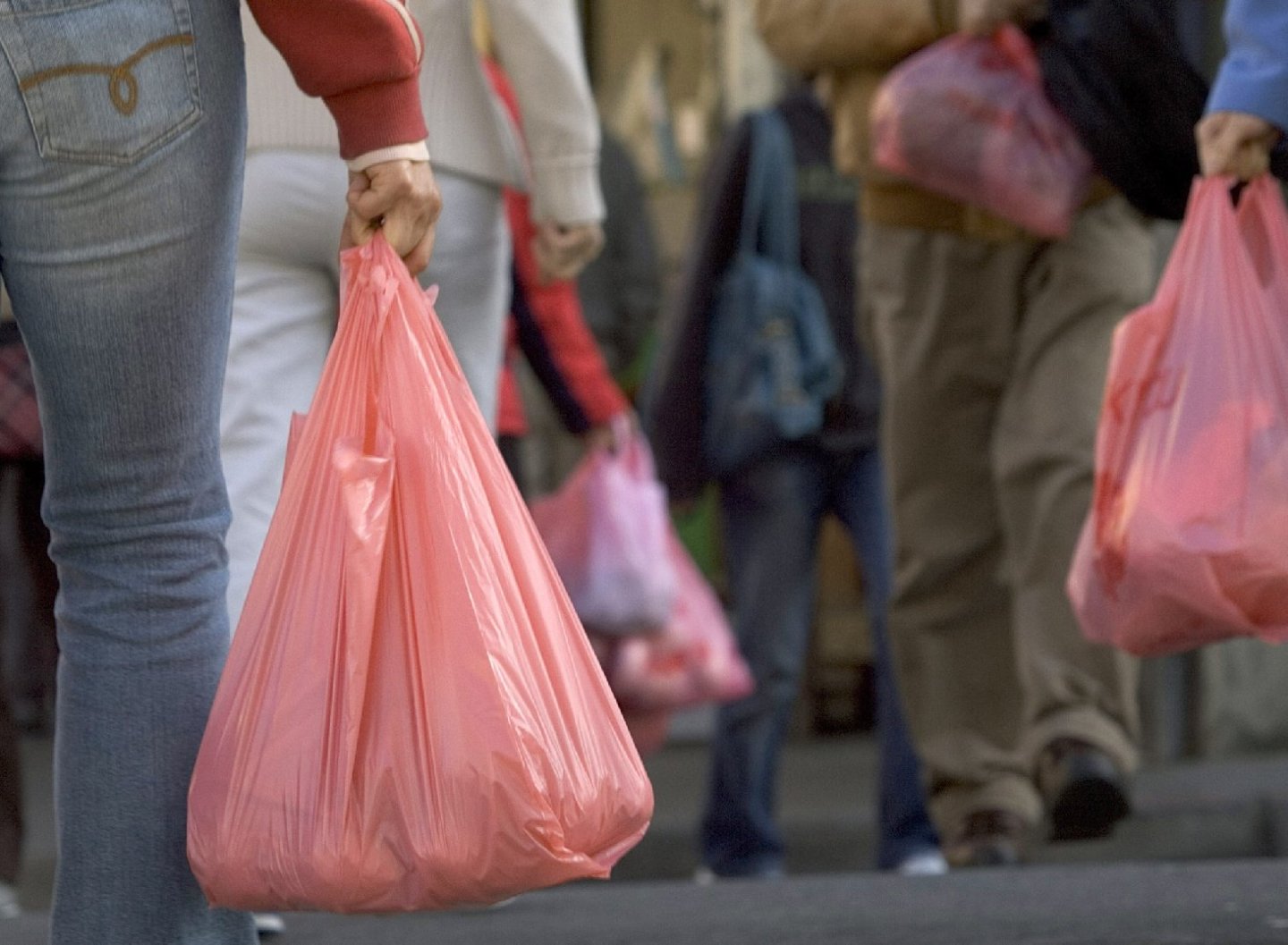
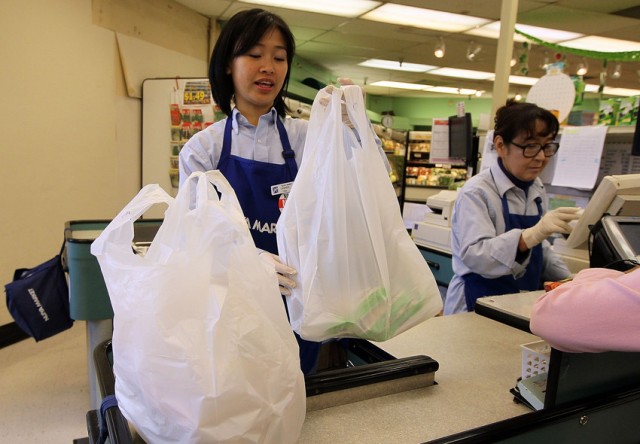
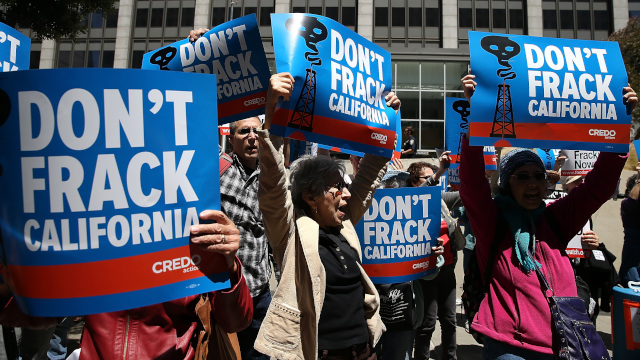
window.__IS_SSR__=true
window.__INITIAL_STATE__={
"attachmentsReducer": {
"audio_0": {
"type": "attachments",
"id": "audio_0",
"imgSizes": {
"kqedFullSize": {
"file": "https://ww2.kqed.org/news/wp-content/themes/KQED-unified/img/audio_bgs/background0.jpg"
}
}
},
"audio_1": {
"type": "attachments",
"id": "audio_1",
"imgSizes": {
"kqedFullSize": {
"file": "https://ww2.kqed.org/news/wp-content/themes/KQED-unified/img/audio_bgs/background1.jpg"
}
}
},
"audio_2": {
"type": "attachments",
"id": "audio_2",
"imgSizes": {
"kqedFullSize": {
"file": "https://ww2.kqed.org/news/wp-content/themes/KQED-unified/img/audio_bgs/background2.jpg"
}
}
},
"audio_3": {
"type": "attachments",
"id": "audio_3",
"imgSizes": {
"kqedFullSize": {
"file": "https://ww2.kqed.org/news/wp-content/themes/KQED-unified/img/audio_bgs/background3.jpg"
}
}
},
"audio_4": {
"type": "attachments",
"id": "audio_4",
"imgSizes": {
"kqedFullSize": {
"file": "https://ww2.kqed.org/news/wp-content/themes/KQED-unified/img/audio_bgs/background4.jpg"
}
}
},
"placeholder": {
"type": "attachments",
"id": "placeholder",
"imgSizes": {
"thumbnail": {
"file": "https://cdn.kqed.org/wp-content/uploads/2024/12/KQED-Default-Image-816638274-2000x1333-1-160x107.jpg",
"width": 160,
"height": 107,
"mimeType": "image/jpeg"
},
"medium": {
"file": "https://cdn.kqed.org/wp-content/uploads/2024/12/KQED-Default-Image-816638274-2000x1333-1-800x533.jpg",
"width": 800,
"height": 533,
"mimeType": "image/jpeg"
},
"medium_large": {
"file": "https://cdn.kqed.org/wp-content/uploads/2024/12/KQED-Default-Image-816638274-2000x1333-1-768x512.jpg",
"width": 768,
"height": 512,
"mimeType": "image/jpeg"
},
"large": {
"file": "https://cdn.kqed.org/wp-content/uploads/2024/12/KQED-Default-Image-816638274-2000x1333-1-1020x680.jpg",
"width": 1020,
"height": 680,
"mimeType": "image/jpeg"
},
"1536x1536": {
"file": "https://cdn.kqed.org/wp-content/uploads/2024/12/KQED-Default-Image-816638274-2000x1333-1-1536x1024.jpg",
"width": 1536,
"height": 1024,
"mimeType": "image/jpeg"
},
"fd-lrg": {
"file": "https://cdn.kqed.org/wp-content/uploads/2024/12/KQED-Default-Image-816638274-2000x1333-1-1536x1024.jpg",
"width": 1536,
"height": 1024,
"mimeType": "image/jpeg"
},
"fd-med": {
"file": "https://cdn.kqed.org/wp-content/uploads/2024/12/KQED-Default-Image-816638274-2000x1333-1-1020x680.jpg",
"width": 1020,
"height": 680,
"mimeType": "image/jpeg"
},
"fd-sm": {
"file": "https://cdn.kqed.org/wp-content/uploads/2024/12/KQED-Default-Image-816638274-2000x1333-1-800x533.jpg",
"width": 800,
"height": 533,
"mimeType": "image/jpeg"
},
"post-thumbnail": {
"file": "https://cdn.kqed.org/wp-content/uploads/2024/12/KQED-Default-Image-816638274-2000x1333-1-672x372.jpg",
"width": 672,
"height": 372,
"mimeType": "image/jpeg"
},
"twentyfourteen-full-width": {
"file": "https://cdn.kqed.org/wp-content/uploads/2024/12/KQED-Default-Image-816638274-2000x1333-1-1038x576.jpg",
"width": 1038,
"height": 576,
"mimeType": "image/jpeg"
},
"xxsmall": {
"file": "https://cdn.kqed.org/wp-content/uploads/2024/12/KQED-Default-Image-816638274-2000x1333-1-160x107.jpg",
"width": 160,
"height": 107,
"mimeType": "image/jpeg"
},
"xsmall": {
"file": "https://cdn.kqed.org/wp-content/uploads/2024/12/KQED-Default-Image-816638274-2000x1333-1-672x372.jpg",
"width": 672,
"height": 372,
"mimeType": "image/jpeg"
},
"small": {
"file": "https://cdn.kqed.org/wp-content/uploads/2024/12/KQED-Default-Image-816638274-2000x1333-1-672x372.jpg",
"width": 672,
"height": 372,
"mimeType": "image/jpeg"
},
"xlarge": {
"file": "https://cdn.kqed.org/wp-content/uploads/2024/12/KQED-Default-Image-816638274-2000x1333-1-1020x680.jpg",
"width": 1020,
"height": 680,
"mimeType": "image/jpeg"
},
"full-width": {
"file": "https://cdn.kqed.org/wp-content/uploads/2024/12/KQED-Default-Image-816638274-2000x1333-1-1920x1280.jpg",
"width": 1920,
"height": 1280,
"mimeType": "image/jpeg"
},
"guest-author-32": {
"file": "https://cdn.kqed.org/wp-content/uploads/2025/01/KQED-Default-Image-816638274-1333x1333-1-160x160.jpg",
"width": 32,
"height": 32,
"mimeType": "image/jpeg"
},
"guest-author-50": {
"file": "https://cdn.kqed.org/wp-content/uploads/2025/01/KQED-Default-Image-816638274-1333x1333-1-160x160.jpg",
"width": 50,
"height": 50,
"mimeType": "image/jpeg"
},
"guest-author-64": {
"file": "https://cdn.kqed.org/wp-content/uploads/2025/01/KQED-Default-Image-816638274-1333x1333-1-160x160.jpg",
"width": 64,
"height": 64,
"mimeType": "image/jpeg"
},
"guest-author-96": {
"file": "https://cdn.kqed.org/wp-content/uploads/2025/01/KQED-Default-Image-816638274-1333x1333-1-160x160.jpg",
"width": 96,
"height": 96,
"mimeType": "image/jpeg"
},
"guest-author-128": {
"file": "https://cdn.kqed.org/wp-content/uploads/2025/01/KQED-Default-Image-816638274-1333x1333-1-160x160.jpg",
"width": 128,
"height": 128,
"mimeType": "image/jpeg"
},
"detail": {
"file": "https://cdn.kqed.org/wp-content/uploads/2025/01/KQED-Default-Image-816638274-1333x1333-1-160x160.jpg",
"width": 160,
"height": 160,
"mimeType": "image/jpeg"
},
"kqedFullSize": {
"file": "https://cdn.kqed.org/wp-content/uploads/2024/12/KQED-Default-Image-816638274-2000x1333-1.jpg",
"width": 2000,
"height": 1333
}
}
},
"news_124392": {
"type": "attachments",
"id": "news_124392",
"meta": {
"index": "attachments_1716263798",
"site": "news",
"id": "124392",
"found": true
},
"parent": 124391,
"imgSizes": {
"kqedFullSize": {
"file": "https://ww2.kqed.org/app/uploads/sites/10/2014/01/RS4995_73735624-lpr-e1416177347927.jpg",
"width": 1440,
"height": 1057
}
},
"publishDate": 1390590620,
"modified": 1390590620,
"caption": "Shoppers in San Franicsco's Chinatown with plastic bags. (David Paul Morris/Getty Images)",
"description": "Shoppers in San Franicsco's Chinatown with plastic bags. (David Paul Morris/Getty Images)",
"title": "Plastic Bags ",
"credit": null,
"status": "inherit",
"isLoading": false,
"fetchFailed": false
},
"news_116413": {
"type": "attachments",
"id": "news_116413",
"meta": {
"index": "attachments_1716263798",
"site": "news",
"id": "116413",
"found": true
},
"parent": 116411,
"imgSizes": {
"kqedFullSize": {
"file": "https://ww2.kqed.org/app/uploads/sites/10/2013/10/plasticbag.jpg-e1383147595986.jpg",
"width": 640,
"height": 444
}
},
"publishDate": 1383147386,
"modified": 1383147386,
"caption": "A cashier bags groceries in plastic bags at Nijiya Market June 2, 2010 in San Francisco, California. (Photo by Justin Sullivan/Getty Images)",
"description": null,
"title": "plasticbag.jpg",
"credit": null,
"status": "inherit",
"isLoading": false,
"fetchFailed": false
},
"news_111458": {
"type": "attachments",
"id": "news_111458",
"meta": {
"index": "attachments_1716263798",
"site": "news",
"id": "111458",
"found": true
},
"parent": 111444,
"imgSizes": {
"kqedFullSize": {
"file": "https://ww2.kqed.org/app/uploads/sites/10/2013/09/6693_transform.jpg",
"width": 640,
"height": 360
}
},
"publishDate": 1379381111,
"modified": 1379381111,
"caption": "Protestors staged a demonstration against fracking in California outside of the Hiram W. Johnson State Office Building on May 30, 2013 in San Francisco. (Justin Sullivan/Getty Images)",
"description": "<> on May 30, 2013 in San Francisco, California.",
"title": "Activists Protest Fracking In California",
"credit": null,
"status": "inherit",
"isLoading": false,
"fetchFailed": false
}
},
"audioPlayerReducer": {
"postId": "stream_live",
"isPaused": true,
"isPlaying": false,
"pfsActive": false,
"pledgeModalIsOpen": true,
"playerDrawerIsOpen": false,
"liveAudioPlayStartedAt": 0,
"liveAudioPlayContext": ""
},
"authorsReducer": {
"jbrooks": {
"type": "authors",
"id": "80",
"meta": {
"index": "authors_1716337520",
"id": "80",
"found": true
},
"name": "Jon Brooks",
"firstName": "Jon",
"lastName": "Brooks",
"slug": "jbrooks",
"email": "jbrooks@kqed.org",
"display_author_email": true,
"staff_mastheads": [
"science"
],
"title": "Digital Editor",
"bio": "Jon Brooks is a former Digital Editor for KQED Science. He is the former editor of KQED’s daily news blog, News Fix. In 2014, he won a California Journalism Award for his coverage of ride services like Uber and Lyft and the taxi industry. A veteran blogger, he previously worked for Yahoo! in various news writing and editing roles. Jon is also a playwright whose work has been produced in San Francisco, New York, Italy, and around the U.S. He has written about film for his own blog and studied film at Boston University.",
"avatar": "https://secure.gravatar.com/avatar/98887f7ed1c876ed414d4c915e969584?s=600&d=blank&r=g",
"twitter": "jbrooksfoy",
"facebook": null,
"instagram": null,
"linkedin": null,
"sites": [
{
"site": "arts",
"roles": [
"Contributor",
"editor"
]
},
{
"site": "news",
"roles": [
"author"
]
},
{
"site": "futureofyou",
"roles": [
"administrator"
]
},
{
"site": "mindshift",
"roles": [
"editor"
]
},
{
"site": "stateofhealth",
"roles": [
"editor"
]
},
{
"site": "science",
"roles": [
"administrator"
]
},
{
"site": "quest",
"roles": [
"editor"
]
}
],
"headData": {
"title": "Jon Brooks | KQED",
"description": "Digital Editor",
"ogImgSrc": "https://secure.gravatar.com/avatar/98887f7ed1c876ed414d4c915e969584?s=600&d=blank&r=g",
"twImgSrc": "https://secure.gravatar.com/avatar/98887f7ed1c876ed414d4c915e969584?s=600&d=blank&r=g"
},
"isLoading": false,
"link": "/author/jbrooks"
},
"amystanden": {
"type": "authors",
"id": "210",
"meta": {
"index": "authors_1716337520",
"id": "210",
"found": true
},
"name": "Amy Standen",
"firstName": "Amy",
"lastName": "Standen",
"slug": "amystanden",
"email": "astanden@kqed.org",
"display_author_email": false,
"staff_mastheads": [],
"title": "KQED Contributor",
"bio": "Amy Standen (@amystanden) is co-host of #\u003ca href=\"https://ww2.kqed.org/news/programs/the-leap\">TheLeapPodcast\u003c/a> (subscribe on iTunes or Stitcher!) and host of KQED and PBSDigital Studios' science video series, \u003ca href=\"https://www.youtube.com/user/KQEDDeepLook\">Deep Look\u003c/a>. Her science radio stories appear on KQED and NPR.\r\n\r\nEmail her at astanden@kqed.org",
"avatar": "https://secure.gravatar.com/avatar/3d021b72de685a788b0487b059d0a6a1?s=600&d=blank&r=g",
"twitter": null,
"facebook": null,
"instagram": null,
"linkedin": null,
"sites": [
{
"site": "news",
"roles": [
"subscriber"
]
},
{
"site": "futureofyou",
"roles": [
"subscriber"
]
},
{
"site": "stateofhealth",
"roles": [
"subscriber"
]
},
{
"site": "science",
"roles": []
},
{
"site": "quest",
"roles": [
"subscriber"
]
}
],
"headData": {
"title": "Amy Standen | KQED",
"description": "KQED Contributor",
"ogImgSrc": "https://secure.gravatar.com/avatar/3d021b72de685a788b0487b059d0a6a1?s=600&d=blank&r=g",
"twImgSrc": "https://secure.gravatar.com/avatar/3d021b72de685a788b0487b059d0a6a1?s=600&d=blank&r=g"
},
"isLoading": false,
"link": "/author/amystanden"
},
"danbrekke": {
"type": "authors",
"id": "222",
"meta": {
"index": "authors_1716337520",
"id": "222",
"found": true
},
"name": "Dan Brekke",
"firstName": "Dan",
"lastName": "Brekke",
"slug": "danbrekke",
"email": "dbrekke@kqed.org",
"display_author_email": true,
"staff_mastheads": [
"news",
"science"
],
"title": "KQED Editor and Reporter",
"bio": "Dan Brekke is a reporter and editor for KQED News, responsible for coverage of topics ranging from California water issues to the Bay Area's transportation challenges. In a newsroom career that began in Chicago in 1972, Dan has worked for \u003cem>The San Francisco Examiner,\u003c/em> Wired and TechTV and has been published in The New York Times, The New York Times Magazine, Business 2.0, Salon and elsewhere.\r\n\r\nSince joining KQED in 2007, Dan has reported, edited and produced both radio and online features and breaking news pieces. He has shared as both editor and reporter in four Society of Professional Journalists Norcal Excellence in Journalism awards and one Edward R. Murrow regional award. He was chosen for a spring 2017 residency at the Mesa Refuge to advance his research on California salmon.\r\n\r\nEmail Dan at: \u003ca href=\"mailto:dbrekke@kqed.org\">dbrekke@kqed.org\u003c/a>\r\n\r\n\u003cstrong>Twitter:\u003c/strong> \u003ca href=\"https://twitter.com/danbrekke\" rel=\"noopener noreferrer\">twitter.com/danbrekke\u003c/a>\r\n\u003cstrong>Facebook:\u003c/strong> \u003ca href=\"https://www.facebook.com/danbrekke\" rel=\"noopener noreferrer\">www.facebook.com/danbrekke\u003c/a>\r\n\u003cstrong>LinkedIn:\u003c/strong> \u003ca href=\"https://www.linkedin.com/in/danbrekke\" rel=\"noopener noreferrer\">www.linkedin.com/in/danbrekke\u003c/a>",
"avatar": "https://secure.gravatar.com/avatar/c8126230345efca3f7aa89b1a402be45?s=600&d=mm&r=g",
"twitter": "danbrekke",
"facebook": null,
"instagram": "https://www.instagram.com/dan.brekke/",
"linkedin": "https://www.linkedin.com/in/danbrekke/",
"sites": [
{
"site": "news",
"roles": [
"administrator",
"create_posts"
]
},
{
"site": "stateofhealth",
"roles": [
"editor"
]
},
{
"site": "science",
"roles": [
"editor"
]
},
{
"site": "quest",
"roles": [
"contributor"
]
},
{
"site": "food",
"roles": [
"contributor"
]
},
{
"site": "forum",
"roles": [
"contributor"
]
},
{
"site": "liveblog",
"roles": [
"editor"
]
}
],
"headData": {
"title": "Dan Brekke | KQED",
"description": "KQED Editor and Reporter",
"ogImgSrc": "https://secure.gravatar.com/avatar/c8126230345efca3f7aa89b1a402be45?s=600&d=mm&r=g",
"twImgSrc": "https://secure.gravatar.com/avatar/c8126230345efca3f7aa89b1a402be45?s=600&d=mm&r=g"
},
"isLoading": false,
"link": "/author/danbrekke"
},
"kqed": {
"type": "authors",
"id": "236",
"meta": {
"index": "authors_1716337520",
"id": "236",
"found": true
},
"name": "KQED News Staff",
"firstName": "KQED News Staff",
"lastName": null,
"slug": "kqed",
"email": "faq@kqed.org",
"display_author_email": false,
"staff_mastheads": [],
"title": null,
"bio": null,
"avatar": "https://secure.gravatar.com/avatar/ef0e801a68c4c54afa9180db14084167?s=600&d=blank&r=g",
"twitter": null,
"facebook": null,
"instagram": null,
"linkedin": null,
"sites": [
{
"site": "arts",
"roles": [
"contributor"
]
},
{
"site": "news",
"roles": [
"editor"
]
},
{
"site": "futureofyou",
"roles": [
"author"
]
}
],
"headData": {
"title": "KQED News Staff | KQED",
"description": null,
"ogImgSrc": "https://secure.gravatar.com/avatar/ef0e801a68c4c54afa9180db14084167?s=600&d=blank&r=g",
"twImgSrc": "https://secure.gravatar.com/avatar/ef0e801a68c4c54afa9180db14084167?s=600&d=blank&r=g"
},
"isLoading": false,
"link": "/author/kqed"
},
"kqednewsstaffandwires": {
"type": "authors",
"id": "237",
"meta": {
"index": "authors_1716337520",
"id": "237",
"found": true
},
"name": "KQED News Staff and Wires",
"firstName": "KQED News Staff and Wires",
"lastName": null,
"slug": "kqednewsstaffandwires",
"email": "onlinenewsstaff@kqed.org",
"display_author_email": false,
"staff_mastheads": [],
"title": null,
"bio": null,
"avatar": "https://secure.gravatar.com/avatar/72295af8ebbfbd19a4948f5271285664?s=600&d=blank&r=g",
"twitter": null,
"facebook": null,
"instagram": null,
"linkedin": null,
"sites": [
{
"site": "arts",
"roles": [
"contributor"
]
},
{
"site": "news",
"roles": [
"contributor"
]
},
{
"site": "lowdown",
"roles": [
"author"
]
},
{
"site": "stateofhealth",
"roles": [
"contributor"
]
},
{
"site": "food",
"roles": [
"author"
]
}
],
"headData": {
"title": "KQED News Staff and Wires | KQED",
"description": null,
"ogImgSrc": "https://secure.gravatar.com/avatar/72295af8ebbfbd19a4948f5271285664?s=600&d=blank&r=g",
"twImgSrc": "https://secure.gravatar.com/avatar/72295af8ebbfbd19a4948f5271285664?s=600&d=blank&r=g"
},
"isLoading": false,
"link": "/author/kqednewsstaffandwires"
},
"sdetrow": {
"type": "authors",
"id": "256",
"meta": {
"index": "authors_1716337520",
"id": "256",
"found": true
},
"name": "Scott Detrow",
"firstName": "Scott",
"lastName": "Detrow",
"slug": "sdetrow",
"email": "sdetrow@kqed.org",
"display_author_email": false,
"staff_mastheads": [],
"title": null,
"bio": "Sacramento bureau chief Scott Detrow covers state government, politics and policy for KQED News and its statewide news program, The California Report.",
"avatar": "https://secure.gravatar.com/avatar/3271d0c151ba26452e3417f5ac251c30?s=600&d=blank&r=g",
"twitter": null,
"facebook": null,
"instagram": null,
"linkedin": null,
"sites": [
{
"site": "news",
"roles": [
"subscriber"
]
},
{
"site": "science",
"roles": [
"subscriber"
]
}
],
"headData": {
"title": "Scott Detrow | KQED",
"description": null,
"ogImgSrc": "https://secure.gravatar.com/avatar/3271d0c151ba26452e3417f5ac251c30?s=600&d=blank&r=g",
"twImgSrc": "https://secure.gravatar.com/avatar/3271d0c151ba26452e3417f5ac251c30?s=600&d=blank&r=g"
},
"isLoading": false,
"link": "/author/sdetrow"
},
"suzannerust": {
"type": "authors",
"id": "1256",
"meta": {
"index": "authors_1716337520",
"id": "1256",
"found": true
},
"name": "Susanne Rust",
"firstName": "Susanne",
"lastName": "Rust",
"slug": "suzannerust",
"email": "srust@californiawatch.org",
"display_author_email": false,
"staff_mastheads": [],
"title": null,
"bio": null,
"avatar": "https://secure.gravatar.com/avatar/d4ecae604547ee0d9d7ddbd44f9a3c86?s=600&d=blank&r=g",
"twitter": null,
"facebook": null,
"instagram": null,
"linkedin": null,
"sites": [
{
"site": "news",
"roles": [
"subscriber"
]
}
],
"headData": {
"title": "Susanne Rust | KQED",
"description": null,
"ogImgSrc": "https://secure.gravatar.com/avatar/d4ecae604547ee0d9d7ddbd44f9a3c86?s=600&d=blank&r=g",
"twImgSrc": "https://secure.gravatar.com/avatar/d4ecae604547ee0d9d7ddbd44f9a3c86?s=600&d=blank&r=g"
},
"isLoading": false,
"link": "/author/suzannerust"
}
},
"pagesReducer": {
"news_tag_plastic": {
"type": "terms",
"id": "news_25428",
"meta": {
"index": "terms_1716263798",
"site": "news",
"id": "25428",
"score": 8.9368305
},
"featImg": null,
"name": "plastic",
"description": null,
"taxonomy": "tag",
"headData": {
"twImgId": null,
"twTitle": null,
"ogTitle": null,
"ogImgId": null,
"twDescription": null,
"description": null,
"title": "plastic Archives | KQED News",
"ogDescription": null
},
"ttid": 25445,
"slug": "plastic",
"isLoading": false,
"title": "plastic",
"pageMeta": {
"site": "news",
"WpPageTemplate": "page-topic-editorial",
"currentPage": 4
},
"blocks": [
{
"blockName": "kqed/post-list",
"attrs": {
"layout": "cardArticle2",
"query": "posts/news?tag=plastic",
"seeMore": false,
"paginated": true,
"page": 4
}
},
{
"blockName": "kqed/ad"
}
]
}
},
"pfsSessionReducer": {},
"postsReducer": {
"stream_live": {
"type": "live",
"id": "stream_live",
"audioUrl": "https://streams.kqed.org/kqedradio",
"title": "Live Stream",
"excerpt": "Live Stream information currently unavailable.",
"link": "/radio",
"featImg": "",
"label": {
"name": "KQED Live",
"link": "/"
}
},
"stream_kqedNewscast": {
"type": "posts",
"id": "stream_kqedNewscast",
"audioUrl": "https://www.kqed.org/.stream/anon/radio/RDnews/newscast.mp3?_=1",
"title": "KQED Newscast",
"featImg": "",
"label": {
"name": "88.5 FM",
"link": "/"
}
},
"news_124391": {
"type": "posts",
"id": "news_124391",
"meta": {
"index": "posts_1716263798",
"site": "news",
"id": "124391",
"score": null,
"sort": [
1390591174000
]
},
"guestAuthors": [],
"slug": "state-lawmakers-make-deal-on-plastic-bag-ban",
"title": "State Lawmakers Make Deal on Plastic-Bag Ban",
"publishDate": 1390591174,
"format": "aside",
"headTitle": "State Lawmakers Make Deal on Plastic-Bag Ban | KQED",
"labelTerm": {
"term": 6944,
"site": "news"
},
"content": "\u003cfigure id=\"attachment_124392\" class=\"wp-caption aligncenter\" style=\"max-width: 640px\">\u003ca href=\"http://ww2.kqed.org/news/wp-content/uploads/sites/10/2014/01/RS4995_73735624-lpr.jpg\">\u003cimg loading=\"lazy\" decoding=\"async\" class=\"size-medium wp-image-124392\" src=\"http://ww2.kqed.org/news/wp-content/uploads/sites/10/2014/01/RS4995_73735624-lpr-640x469.jpg\" alt=\"Shoppers in San Francisco's Chinatown with plastic bags. (David Paul Morris/Getty Images)\" width=\"640\" height=\"469\">\u003c/a>\u003cfigcaption class=\"wp-caption-text\">Shoppers in San Francisco’s Chinatown with plastic bags. (David Paul Morris/Getty Images)\u003c/figcaption>\u003c/figure>\n\u003cp>\u003cstrong>Associated Press\u003c/strong>\u003c/p>\n\u003cp>LOS ANGELES — Key California legislators have reached an agreement that could lead to a statewide ban on carry-out plastic bags at supermarkets, liquor stores and pharmacies by 2016, officials say.\u003c/p>\n\u003cp>Lawmakers in Sacramento have debated similar proposals for years, facing opposition from manufacturers that produce billions of plastic shopping bags each year.\u003c/p>\n\u003cp>The agreement calls for using $2 million for loans and grants that could help those companies retrain workers and convert to manufacturing “a new generation of reusable bags with the smallest environmental footprint,” a summary of the legislation said.\u003c/p>\n\u003caside class=\"pullquote alignleft\">‘We will dramatically reduce the scourge of single-use plastic bags … and at the same time grow jobs.’\u003ccite>— State Sen. Kevin de León\u003c/cite>\u003c/aside>\n\u003cp>State Sen. Kevin de León, a Los Angeles Democrat who helped broker the deal, said Thursday the agreement balances “the health of the planet with the preservation of people’s livelihoods.”\u003c/p>\n\u003cp>[ad fullwidth]\u003c/p>\n\u003cp>“It bridges the gap and moves the economy forward into a green future,” de León said in a statement. “We will dramatically reduce the scourge of single-use plastic bags … and at the same time grow jobs.”\u003c/p>\n\u003cp>Los Angeles and nearly 100 other cities and counties in the state have enacted bans on single-use plastic bags at stores. If approved by the Legislature, the bill would extend a similar prohibition across the rest of the state. The local laws would remain in effect.\u003c/p>\n\u003cp>The bill summary says supermarkets would have to stop using the bags by July 2015, and the ban would extend to smaller stores a year later. With plastic bags prohibited, stores could sell recycled-paper or reusable bags for at least 10 cents each.\u003c/p>\n\u003cp>Similar bans have been enacted in other jurisdictions around the U.S., but California is a trendsetter on environmental issues and advocates hope other states would follow its lead.\u003c/p>\n\u003cp>In 2005, nearly 30 billion single-use plastic bags were generated in California, according to the bill summary, a figure since cut in half by city and county bans.\u003c/p>\n\u003cp>“We are going to go after this legislation takes effect … to zero,” said Mark Murray, executive director of Californians Against Waste, an advocacy group. “That means less litter, less pollution, less waste.”\u003c/p>\n\u003cp>Mark Daniels, chairman of the American Progressive Bag Alliance, an industry association representing plastic bag manufacturers, called the proposal “another job-killing, big-grocer cash grab masquerading as an environmental bill.”\u003c/p>\n\u003cp>“Large grocery chains are pushing this bag ban … at the expense of their customers,” he said in a statement.\u003c/p>\n\u003cp>\u003c/p>\n\u003cp>Cathy Browne, general manager of bag manufacturer Crown Poly Inc. in Huntington Park, outside Los Angeles, said imports dominate the reusable bag market and the $2 million proposed for training and new equipment would be “a drop in the bucket.”\u003c/p>\n\n",
"blocks": [],
"excerpt": "Agreement would outlaw most throwaway bags by 2016 while promoting the use of reusable bags. ",
"status": "publish",
"parent": 0,
"modified": 1740012061,
"stats": {
"hasAudio": false,
"hasVideo": false,
"hasChartOrMap": false,
"iframeSrcs": [],
"hasGoogleForm": false,
"hasGallery": false,
"hasHearkenModule": false,
"hasPolis": false,
"paragraphCount": 16,
"wordCount": 508
},
"headData": {
"title": "State Lawmakers Make Deal on Plastic-Bag Ban | KQED",
"description": "Agreement would outlaw most throwaway bags by 2016 while promoting the use of reusable bags. ",
"ogTitle": "",
"ogDescription": "",
"ogImgId": "",
"twTitle": "",
"twDescription": "",
"twImgId": "",
"schema": {
"@context": "https://schema.org",
"@type": "NewsArticle",
"headline": "State Lawmakers Make Deal on Plastic-Bag Ban",
"datePublished": "2014-01-24T11:19:34-08:00",
"dateModified": "2025-02-19T16:41:01-08:00",
"image": "https://cdn.kqed.org/wp-content/uploads/2020/02/KQED-OG-Image@1x.png",
"isAccessibleForFree": "True",
"publisher": {
"@type": "NewsMediaOrganization",
"@id": "https://www.kqed.org/#organization",
"name": "KQED",
"logo": "https://cdn.kqed.org/wp-content/uploads/2020/02/KQED-OG-Image@1x.png",
"url": "https://www.kqed.org",
"sameAs": [
"https://www.facebook.com/KQED",
"https://twitter.com/KQED",
"https://www.instagram.com/kqed/",
"https://www.tiktok.com/@kqedofficial",
"https://www.linkedin.com/company/kqed",
"https://www.youtube.com/channel/UCeC0IOo7i1P_61zVUWbJ4nw"
]
}
}
},
"sticky": false,
"customPermalink": "2014/01/24/legislators-reach-agreement-on-bill-to-outlaw-plastic-bags/",
"path": "/news/124391/state-lawmakers-make-deal-on-plastic-bag-ban",
"audioTrackLength": null,
"parsedContent": [
{
"type": "contentString",
"content": "\u003cdiv class=\"post-body\">\u003cp>\u003cfigure id=\"attachment_124392\" class=\"wp-caption aligncenter\" style=\"max-width: 640px\">\u003ca href=\"http://ww2.kqed.org/news/wp-content/uploads/sites/10/2014/01/RS4995_73735624-lpr.jpg\">\u003cimg loading=\"lazy\" decoding=\"async\" class=\"size-medium wp-image-124392\" src=\"http://ww2.kqed.org/news/wp-content/uploads/sites/10/2014/01/RS4995_73735624-lpr-640x469.jpg\" alt=\"Shoppers in San Francisco's Chinatown with plastic bags. (David Paul Morris/Getty Images)\" width=\"640\" height=\"469\">\u003c/a>\u003cfigcaption class=\"wp-caption-text\">Shoppers in San Francisco’s Chinatown with plastic bags. (David Paul Morris/Getty Images)\u003c/figcaption>\u003c/figure>\n\u003cp>\u003cstrong>Associated Press\u003c/strong>\u003c/p>\n\u003cp>LOS ANGELES — Key California legislators have reached an agreement that could lead to a statewide ban on carry-out plastic bags at supermarkets, liquor stores and pharmacies by 2016, officials say.\u003c/p>\n\u003cp>Lawmakers in Sacramento have debated similar proposals for years, facing opposition from manufacturers that produce billions of plastic shopping bags each year.\u003c/p>\n\u003cp>The agreement calls for using $2 million for loans and grants that could help those companies retrain workers and convert to manufacturing “a new generation of reusable bags with the smallest environmental footprint,” a summary of the legislation said.\u003c/p>\n\u003caside class=\"pullquote alignleft\">‘We will dramatically reduce the scourge of single-use plastic bags … and at the same time grow jobs.’\u003ccite>— State Sen. Kevin de León\u003c/cite>\u003c/aside>\n\u003cp>State Sen. Kevin de León, a Los Angeles Democrat who helped broker the deal, said Thursday the agreement balances “the health of the planet with the preservation of people’s livelihoods.”\u003c/p>\n\u003cp>\u003c/p>\u003c/div>",
"attributes": {
"named": {},
"numeric": []
}
},
{
"type": "component",
"content": "",
"name": "ad",
"attributes": {
"named": {
"label": "fullwidth"
},
"numeric": [
"fullwidth"
]
}
},
{
"type": "contentString",
"content": "\u003cdiv class=\"post-body\">\u003cp>\u003c/p>\n\u003cp>“It bridges the gap and moves the economy forward into a green future,” de León said in a statement. “We will dramatically reduce the scourge of single-use plastic bags … and at the same time grow jobs.”\u003c/p>\n\u003cp>Los Angeles and nearly 100 other cities and counties in the state have enacted bans on single-use plastic bags at stores. If approved by the Legislature, the bill would extend a similar prohibition across the rest of the state. The local laws would remain in effect.\u003c/p>\n\u003cp>The bill summary says supermarkets would have to stop using the bags by July 2015, and the ban would extend to smaller stores a year later. With plastic bags prohibited, stores could sell recycled-paper or reusable bags for at least 10 cents each.\u003c/p>\n\u003cp>Similar bans have been enacted in other jurisdictions around the U.S., but California is a trendsetter on environmental issues and advocates hope other states would follow its lead.\u003c/p>\n\u003cp>In 2005, nearly 30 billion single-use plastic bags were generated in California, according to the bill summary, a figure since cut in half by city and county bans.\u003c/p>\n\u003cp>“We are going to go after this legislation takes effect … to zero,” said Mark Murray, executive director of Californians Against Waste, an advocacy group. “That means less litter, less pollution, less waste.”\u003c/p>\n\u003cp>Mark Daniels, chairman of the American Progressive Bag Alliance, an industry association representing plastic bag manufacturers, called the proposal “another job-killing, big-grocer cash grab masquerading as an environmental bill.”\u003c/p>\n\u003cp>“Large grocery chains are pushing this bag ban … at the expense of their customers,” he said in a statement.\u003c/p>\n\u003cp>\u003c/p>\n\u003cp>Cathy Browne, general manager of bag manufacturer Crown Poly Inc. in Huntington Park, outside Los Angeles, said imports dominate the reusable bag market and the $2 million proposed for training and new equipment would be “a drop in the bucket.”\u003c/p>\n\n\u003c/div>\u003c/p>",
"attributes": {
"named": {},
"numeric": []
}
}
],
"link": "/news/124391/state-lawmakers-make-deal-on-plastic-bag-ban",
"authors": [
"222"
],
"programs": [
"news_6944"
],
"categories": [
"news_19906",
"news_356"
],
"tags": [
"news_25428"
],
"featImg": "news_124392",
"label": "news_6944"
},
"news_116411": {
"type": "posts",
"id": "news_116411",
"meta": {
"index": "posts_1716263798",
"site": "news",
"id": "116411",
"score": null,
"sort": [
1383148375000
]
},
"guestAuthors": [],
"slug": "california-ignores-oversight-of-plastic-bag-recyling-law",
"title": "California Ignores Oversight of Plastic Bag Recyling Law",
"publishDate": 1383148375,
"format": "aside",
"headTitle": "California Ignores Oversight of Plastic Bag Recyling Law | KQED",
"labelTerm": {
"term": 6944,
"site": "news"
},
"content": "\u003cp>SACRAMENTO, Calif. (AP) — Seeking to reduce the number of plastic shopping bags cluttering California’s beaches and landfills, the state Legislature in 2006 passed a law requiring grocery stores and other large retailers to give consumers an easy way of returning used bags.\u003c/p>\n\u003cfigure id=\"attachment_116413\" class=\"wp-caption alignleft\" style=\"max-width: 300px\">\u003cimg loading=\"lazy\" decoding=\"async\" class=\"size-medium wp-image-116413\" src=\"http://ww2.kqed.org/news/wp-content/uploads/sites/10/2013/10/plasticbag.jpg-300x208.jpg\" alt=\"A cashier bags groceries in plastic bags at Nijiya Market June 2, 2010 in San Francisco, California. (Photo by Justin Sullivan/Getty Images)\" width=\"300\" height=\"208\">\u003cfigcaption class=\"wp-caption-text\">A cashier bags groceries in plastic bags at Nijiya Market on June 2, 2010, in San Francisco, California. (Photo by Justin Sullivan/Getty Images)\u003c/figcaption>\u003c/figure>\n\u003cp>Stores handing out plastic bags to customers were directed to collect used bags for recycling and make reusable bags available for purchase.\u003c/p>\n\u003cp>Seven years later, recycling bins continue to sit outside California stores. But the agency in charge of the recycling program can’t say how many bags are being recycled or whether the program has affected the demand, factors that could help state lawmakers in weighing proposals to ban the product.\u003c/p>\n\u003cp>Stores are required to submit annual reports detailing how many bags were bought by the store, how many were returned by consumers and which recyclers processed them.\u003c/p>\n\u003cp>A review by The Associated Press found data has not been analyzed since 2009, two years after the law took effect. Then, 3 percent of California’s plastic bags were being recycled, a 1 percentage point increase.\u003c/p>\n\u003cp>[ad fullwidth]\u003c/p>\n\u003cp>While totals of bags purchased and recycled during the last three years were made available after an AP request, Department of Resources Recycling and Recovery spokesman Mark Oldfield said those numbers have not been verified so the official recycling rate can be updated. \u003c!--more-->\u003c/p>\n\u003cp>He said the program lacks resources to analyze recent reports. No fees are charged to bag manufacturers or retailers. While the law allows for fines if stores do not comply, no violations have been issued.\u003c/p>\n\u003caside class=\"pullquote alignleft\">\u003cstrong>\u003ca href=\"http://ww2.kqed.org/news/2013/06/05/paper-bags-vs-plastic/\" target=\"_blank\">Are Paper Bags Really That Much Better Than Plastic\u003c/a>\u003c/strong> (KQED News Fix)\u003c/aside>\n\u003cp>“Work on the program at this point consists of a few weeks of data entry by entry-level staffers when the reports come in during the spring,” Oldfield said.\u003c/p>\n\u003cp>Last year, lawmakers renewed the law through 2020. But in doing so, they did not give the recycling department, known as CalRecycle, more authority or money to improve oversight.\u003c/p>\n\u003cp>At least four other states, including New York and Delaware, have enacted statewide recycling programs to prevent plastic waste. More than a dozen states this year considered fees or bans on the bags, according to the National Conference of State Legislatures.\u003c/p>\n\u003cp>Former Democratic Assemblyman Lloyd Levine, who authored the California recycling legislation, said he hoped the program would help prevent the tangle of dirty bags in tree branches in his San Fernando Valley district. He initially sought a fee on bags, but the plastic industry urged him to first try recycling.\u003c/p>\n\u003cp>“My goal was to eliminate plastic bags from polluting the environment,” Levine said. “It’s now 2013 and recycling rates have only marginally improved. It’s absolutely pathetic.”\u003c/p>\n\u003cp>The state’s raw data from the last three years appears to show the weight of bags bought by retailers has decreased, while the weight of bags being recycled grew slightly.\u003c/p>\n\u003cp>Retailers reported purchasing 62.3 million pounds of bags in 2012, down from 107.4 million in 2008. They reported 4 million pounds of bags and 27 million pounds of mixed bags and plastic film were returned for recycling in 2012.\u003c/p>\n\u003cp>But those figures don’t reveal how many bags were recycled. A study by California State University, Sacramento, which calculated previous recycling rates, showed the store-submitted totals for collected bags often included other materials. Without verifying the stores’ totals, it’s impossible to say how much was from bags, plastic film or general garbage.\u003c/p>\n\u003cp>Mark Murray, executive director of Californians Against Waste, said his group has not pushed CalRecycle to update recycling rates because he does not want to take resources from more effective programs.\u003c/p>\n\u003cp>“I’m not sure having state bean-counters counting recycling that’s not happening is all that useful,” he said.\u003c/p>\n\u003cp>Murray credited the law with increasing recycling of commercial plastic film stores previously discarded, but said it has failed to significantly affect how many shopping bags are recycled. He faulted the plastics industry for not doing enough public outreach.\u003c/p>\n\u003cp>Plastics industry officials say they fulfilled their role by creating the bins, signs and other educational materials. They say grocers failed to aggressively promote the program, while the state grocers association argues education was the responsibility of manufacturers.\u003c/p>\n\u003cp>“It didn’t increase recycling the way we had hoped,” said Kevin Kelly, chief executive of Union City-based Emerald Packaging and among those involved in discussions on the original recycling legislation.\u003c/p>\n\u003cp>Grocers acknowledge they have changed their position on recycling and now support phasing out bags. California Grocers Association spokesman Dan Heylen said stores have been shifting away from plastic as California communities approved local bag bans.\u003c/p>\n\u003cp>More than 80 counties and cities in California have banned plastic bags, including Los Angeles, where a ban starts in January.\u003c/p>\n\u003cp>Levine says he is disappointed the program — and what his former staffers affectionately refer to as “the Lloyd bins” — has not had a greater effect. He now supports a statewide bag ban.\u003c/p>\n\u003cp>\u003c/p>\n\u003cp>“It’s never too late to increase awareness on recycling,” he said. “But at this point, I am skeptical of whether that will ever be as effective as we’d like.”\u003c/p>\n\n",
"blocks": [],
"excerpt": "Lack of data analysis leaves state in the dark as to success of plastic bag law.",
"status": "publish",
"parent": 0,
"modified": 1740012063,
"stats": {
"hasAudio": false,
"hasVideo": false,
"hasChartOrMap": false,
"iframeSrcs": [],
"hasGoogleForm": false,
"hasGallery": false,
"hasHearkenModule": false,
"hasPolis": false,
"paragraphCount": 26,
"wordCount": 912
},
"headData": {
"title": "California Ignores Oversight of Plastic Bag Recyling Law | KQED",
"description": "Lack of data analysis leaves state in the dark as to success of plastic bag law.",
"ogTitle": "",
"ogDescription": "",
"ogImgId": "",
"twTitle": "",
"twDescription": "",
"twImgId": "",
"schema": {
"@context": "https://schema.org",
"@type": "NewsArticle",
"headline": "California Ignores Oversight of Plastic Bag Recyling Law",
"datePublished": "2013-10-30T08:52:55-07:00",
"dateModified": "2025-02-19T16:41:03-08:00",
"image": "https://cdn.kqed.org/wp-content/uploads/2020/02/KQED-OG-Image@1x.png",
"isAccessibleForFree": "True",
"publisher": {
"@type": "NewsMediaOrganization",
"@id": "https://www.kqed.org/#organization",
"name": "KQED",
"logo": "https://cdn.kqed.org/wp-content/uploads/2020/02/KQED-OG-Image@1x.png",
"url": "https://www.kqed.org",
"sameAs": [
"https://www.facebook.com/KQED",
"https://twitter.com/KQED",
"https://www.instagram.com/kqed/",
"https://www.tiktok.com/@kqedofficial",
"https://www.linkedin.com/company/kqed",
"https://www.youtube.com/channel/UCeC0IOo7i1P_61zVUWbJ4nw"
]
}
}
},
"sticky": false,
"customPermalink": "2013/10/30/california-recyling/",
"path": "/news/116411/california-ignores-oversight-of-plastic-bag-recyling-law",
"audioTrackLength": null,
"parsedContent": [
{
"type": "contentString",
"content": "\u003cdiv class=\"post-body\">\u003cp>\u003cp>SACRAMENTO, Calif. (AP) — Seeking to reduce the number of plastic shopping bags cluttering California’s beaches and landfills, the state Legislature in 2006 passed a law requiring grocery stores and other large retailers to give consumers an easy way of returning used bags.\u003c/p>\n\u003cfigure id=\"attachment_116413\" class=\"wp-caption alignleft\" style=\"max-width: 300px\">\u003cimg loading=\"lazy\" decoding=\"async\" class=\"size-medium wp-image-116413\" src=\"http://ww2.kqed.org/news/wp-content/uploads/sites/10/2013/10/plasticbag.jpg-300x208.jpg\" alt=\"A cashier bags groceries in plastic bags at Nijiya Market June 2, 2010 in San Francisco, California. (Photo by Justin Sullivan/Getty Images)\" width=\"300\" height=\"208\">\u003cfigcaption class=\"wp-caption-text\">A cashier bags groceries in plastic bags at Nijiya Market on June 2, 2010, in San Francisco, California. (Photo by Justin Sullivan/Getty Images)\u003c/figcaption>\u003c/figure>\n\u003cp>Stores handing out plastic bags to customers were directed to collect used bags for recycling and make reusable bags available for purchase.\u003c/p>\n\u003cp>Seven years later, recycling bins continue to sit outside California stores. But the agency in charge of the recycling program can’t say how many bags are being recycled or whether the program has affected the demand, factors that could help state lawmakers in weighing proposals to ban the product.\u003c/p>\n\u003cp>Stores are required to submit annual reports detailing how many bags were bought by the store, how many were returned by consumers and which recyclers processed them.\u003c/p>\n\u003cp>A review by The Associated Press found data has not been analyzed since 2009, two years after the law took effect. Then, 3 percent of California’s plastic bags were being recycled, a 1 percentage point increase.\u003c/p>\n\u003cp>\u003c/p>\u003c/div>",
"attributes": {
"named": {},
"numeric": []
}
},
{
"type": "component",
"content": "",
"name": "ad",
"attributes": {
"named": {
"label": "fullwidth"
},
"numeric": [
"fullwidth"
]
}
},
{
"type": "contentString",
"content": "\u003cdiv class=\"post-body\">\u003cp>\u003c/p>\n\u003cp>While totals of bags purchased and recycled during the last three years were made available after an AP request, Department of Resources Recycling and Recovery spokesman Mark Oldfield said those numbers have not been verified so the official recycling rate can be updated. \u003c!--more-->\u003c/p>\n\u003cp>He said the program lacks resources to analyze recent reports. No fees are charged to bag manufacturers or retailers. While the law allows for fines if stores do not comply, no violations have been issued.\u003c/p>\n\u003caside class=\"pullquote alignleft\">\u003cstrong>\u003ca href=\"http://ww2.kqed.org/news/2013/06/05/paper-bags-vs-plastic/\" target=\"_blank\">Are Paper Bags Really That Much Better Than Plastic\u003c/a>\u003c/strong> (KQED News Fix)\u003c/aside>\n\u003cp>“Work on the program at this point consists of a few weeks of data entry by entry-level staffers when the reports come in during the spring,” Oldfield said.\u003c/p>\n\u003cp>Last year, lawmakers renewed the law through 2020. But in doing so, they did not give the recycling department, known as CalRecycle, more authority or money to improve oversight.\u003c/p>\n\u003cp>At least four other states, including New York and Delaware, have enacted statewide recycling programs to prevent plastic waste. More than a dozen states this year considered fees or bans on the bags, according to the National Conference of State Legislatures.\u003c/p>\n\u003cp>Former Democratic Assemblyman Lloyd Levine, who authored the California recycling legislation, said he hoped the program would help prevent the tangle of dirty bags in tree branches in his San Fernando Valley district. He initially sought a fee on bags, but the plastic industry urged him to first try recycling.\u003c/p>\n\u003cp>“My goal was to eliminate plastic bags from polluting the environment,” Levine said. “It’s now 2013 and recycling rates have only marginally improved. It’s absolutely pathetic.”\u003c/p>\n\u003cp>The state’s raw data from the last three years appears to show the weight of bags bought by retailers has decreased, while the weight of bags being recycled grew slightly.\u003c/p>\n\u003cp>Retailers reported purchasing 62.3 million pounds of bags in 2012, down from 107.4 million in 2008. They reported 4 million pounds of bags and 27 million pounds of mixed bags and plastic film were returned for recycling in 2012.\u003c/p>\n\u003cp>But those figures don’t reveal how many bags were recycled. A study by California State University, Sacramento, which calculated previous recycling rates, showed the store-submitted totals for collected bags often included other materials. Without verifying the stores’ totals, it’s impossible to say how much was from bags, plastic film or general garbage.\u003c/p>\n\u003cp>Mark Murray, executive director of Californians Against Waste, said his group has not pushed CalRecycle to update recycling rates because he does not want to take resources from more effective programs.\u003c/p>\n\u003cp>“I’m not sure having state bean-counters counting recycling that’s not happening is all that useful,” he said.\u003c/p>\n\u003cp>Murray credited the law with increasing recycling of commercial plastic film stores previously discarded, but said it has failed to significantly affect how many shopping bags are recycled. He faulted the plastics industry for not doing enough public outreach.\u003c/p>\n\u003cp>Plastics industry officials say they fulfilled their role by creating the bins, signs and other educational materials. They say grocers failed to aggressively promote the program, while the state grocers association argues education was the responsibility of manufacturers.\u003c/p>\n\u003cp>“It didn’t increase recycling the way we had hoped,” said Kevin Kelly, chief executive of Union City-based Emerald Packaging and among those involved in discussions on the original recycling legislation.\u003c/p>\n\u003cp>Grocers acknowledge they have changed their position on recycling and now support phasing out bags. California Grocers Association spokesman Dan Heylen said stores have been shifting away from plastic as California communities approved local bag bans.\u003c/p>\n\u003cp>More than 80 counties and cities in California have banned plastic bags, including Los Angeles, where a ban starts in January.\u003c/p>\n\u003cp>Levine says he is disappointed the program — and what his former staffers affectionately refer to as “the Lloyd bins” — has not had a greater effect. He now supports a statewide bag ban.\u003c/p>\n\u003cp>\u003c/p>\n\u003cp>“It’s never too late to increase awareness on recycling,” he said. “But at this point, I am skeptical of whether that will ever be as effective as we’d like.”\u003c/p>\n\n\u003c/div>\u003c/p>",
"attributes": {
"named": {},
"numeric": []
}
}
],
"link": "/news/116411/california-ignores-oversight-of-plastic-bag-recyling-law",
"authors": [
"237"
],
"programs": [
"news_6944"
],
"categories": [
"news_19906",
"news_356"
],
"tags": [
"news_25428",
"news_382"
],
"featImg": "news_116413",
"label": "news_6944"
},
"news_111444": {
"type": "posts",
"id": "news_111444",
"meta": {
"index": "posts_1716263798",
"site": "news",
"id": "111444",
"score": null,
"sort": [
1379381174000
]
},
"guestAuthors": [],
"slug": "why-are-democratic-lawmakers-failing-to-pass-environmental-bills",
"title": "Why Are Democratic Lawmakers Failing to Pass Environmental Bills?",
"publishDate": 1379381174,
"format": "aside",
"headTitle": "Why Are Democratic Lawmakers Failing to Pass Environmental Bills? | KQED",
"labelTerm": {
"term": 6944,
"site": "news"
},
"content": "\u003cfigure id=\"attachment_111458\" class=\"wp-caption aligncenter\" style=\"max-width: 640px\">\u003ca href=\"http://ww2.kqed.org/news/wp-content/uploads/sites/10/2013/09/6693_transform.jpg\">\u003cimg loading=\"lazy\" decoding=\"async\" class=\"size-full wp-image-111458\" src=\"http://ww2.kqed.org/news/wp-content/uploads/sites/10/2013/09/6693_transform.jpg\" alt=\" Protesters staging an anti-fracking demonstration in San Francisco. (Justin Sullivan/Getty Images)\" width=\"640\" height=\"360\">\u003c/a>\u003cfigcaption class=\"wp-caption-text\">Protesters staging an anti-fracking demonstration in San Francisco. (Justin Sullivan/Getty Images)\u003c/figcaption>\u003c/figure>\n\u003cp>Environmental measures seem to be struggling in Sacramento, despite Democrats holding sizable majorities in both houses. This legislative session California lawmakers \u003ca href=\"http://www.kqed.org/a/forum/R201308200930\" target=\"_blank\">killed a bill\u003c/a> that would have given the California Coastal Commission stronger enforcement powers, including the power to levy fines. They also failed to send Gov. Jerry Brown a measure that would have banned single-use \u003ca href=\"http://ww2.kqed.org/news/2013/05/30/california-plastic-bag-ban-defeated-in-senate/\" target=\"_blank\">plastic bags\u003c/a> at grocery stores.\u003c/p>\n\u003cp>KQED’s \u003cstrong>Mina Kim\u003c/strong> spoke with \u003cstrong>Paul Rogers\u003c/strong>, environment reporter for the San Jose Mercury News and managing editor of KQED’s Science Unit.\u003c/p>\n\u003cdiv>\n\u003cdiv class=\"embedly\">\u003ciframe loading=\"lazy\" src=\"https://w.soundcloud.com/player/?url=http%3A%2F%2Fapi.soundcloud.com%2Ftracks%2F110820945&show_artwork=true&maxwidth=900\" frameborder=\"no\" scrolling=\"no\" width=\"640\" height=\"166\">\u003c/iframe>\n\u003cdiv class=\"embedly-clear\">\u003c/div>\n\u003cp>\u003ca title=\"Powered by Embedly\" href=\"http://embed.ly?src=anywhere\" target=\"_blank\">\u003cimg decoding=\"async\" src=\"//static.embed.ly/images/logos/embedly-powered-small-light.png\" alt=\"Embedly Powered\">\u003c/a>\u003c/p>\n\u003cdiv class=\"media-attribution\">via \u003ca class=\"media-attribution-link\" href=\"http://soundcloud.com\" target=\"_blank\">SoundCloud\u003c/a>\u003c/div>\n\u003cdiv class=\"embedly-clear\">\u003c/div>\n\u003c/div>\n\u003c/div>\n\u003cp>\u003cstrong>Surprising bills that failed this year\u003c/strong>\u003c/p>\n\u003cp>\u003cem>Coastal Commission:\u003c/em> A bill from Assemblywoman Toni Atkins (D-San Diego) would have given the Coastal Commission the ability to issue fines to people who break its laws, such as building an illegal structure or posting a No Trespassing sign. Twenty state agencies already hold that power, but right now the Coastal Commission has to take people to court. That can take years and be very expensive, so the commission often doesn’t take that route.\u003c/p>\n\u003cp>\u003cem>Oil:\u003c/em> There was also a failed attempt to increase the fee that oil companies pay when they bring oil into the state, to help pay for oil spill cleanups.\u003c/p>\n\u003cp>[ad fullwidth]\u003c/p>\n\u003cp>\u003cem>Plastic bags:\u003c/em> The Legislature failed to pass a measure that would have banned single-use plastic bags at grocery stores.\u003c/p>\n\u003cp>\u003cstrong>Why are environmental groups having a hard time swaying a Legislature dominated by Democrats?\u003c/strong>\u003c/p>\n\u003cp>The last time the Legislature passed a landmark environmental bill was in 2006. That was the global warming bill that set up the cap and trade system in California.\u003c!--more-->\u003c/p>\n\u003cp>There are a couple of reasons why environmentalists are struggling to get traction. One theory, according to Rogers, is that Brown has given the word to Democrats that the state is still in recovery and they’re still getting state finances under control. Another theory is that there are fewer journalists in Sacramento to keep an eye on legislators.\u003c/p>\n\u003cp>Rogers also said environmental groups need to reach out to a broader audience, especially Spanish speakers.\u003c/p>\n\u003cp>“What’s fascinating to me is that when you poll Latino residents of California, they actually support tough environmental protections more than any other ethnic group. And for whatever reason, some of it is Latino leaders in the Legislature, some of it is environmental leaders, they’re not really working together very well to build majorities,” Rogers said.\u003c/p>\n\u003cp>\u003cstrong>Why did some environmental bills succeed?\u003c/strong>\u003c/p>\n\u003cp>\u003c/p>\n\u003cp>In recent years, a lot of the environmental bills that have earned the governor’s signature have been animal welfare bills: Two years ago the governor signed a ban on shark fin soup and this year’s lead ammunition ban was aimed at stopping California condors from being poisoned. Rogers said other groups could learn from the Humane Society and the techniques they’re using to gather support, such as rallying the public and using social media.\u003c/p>\n\n",
"blocks": [],
"excerpt": "Environmental measures seem to be struggling in Sacramento, despite Democrats holding sizable majorities in both houses.",
"status": "publish",
"parent": 0,
"modified": 1740011785,
"stats": {
"hasAudio": true,
"hasVideo": false,
"hasChartOrMap": false,
"iframeSrcs": [],
"hasGoogleForm": false,
"hasGallery": false,
"hasHearkenModule": false,
"hasPolis": false,
"paragraphCount": 16,
"wordCount": 507
},
"headData": {
"title": "Why Are Democratic Lawmakers Failing to Pass Environmental Bills? | KQED",
"description": "Environmental measures seem to be struggling in Sacramento, despite Democrats holding sizable majorities in both houses.",
"ogTitle": "",
"ogDescription": "",
"ogImgId": "",
"twTitle": "",
"twDescription": "",
"twImgId": "",
"schema": {
"@context": "https://schema.org",
"@type": "NewsArticle",
"headline": "Why Are Democratic Lawmakers Failing to Pass Environmental Bills?",
"datePublished": "2013-09-16T18:26:14-07:00",
"dateModified": "2025-02-19T16:36:25-08:00",
"image": "https://cdn.kqed.org/wp-content/uploads/2020/02/KQED-OG-Image@1x.png",
"isAccessibleForFree": "True",
"publisher": {
"@type": "NewsMediaOrganization",
"@id": "https://www.kqed.org/#organization",
"name": "KQED",
"logo": "https://cdn.kqed.org/wp-content/uploads/2020/02/KQED-OG-Image@1x.png",
"url": "https://www.kqed.org",
"sameAs": [
"https://www.facebook.com/KQED",
"https://twitter.com/KQED",
"https://www.instagram.com/kqed/",
"https://www.tiktok.com/@kqedofficial",
"https://www.linkedin.com/company/kqed",
"https://www.youtube.com/channel/UCeC0IOo7i1P_61zVUWbJ4nw"
]
}
}
},
"sticky": false,
"customPermalink": "2013/09/16/111444/environmental-bills-failing-california/",
"path": "/news/111444/why-are-democratic-lawmakers-failing-to-pass-environmental-bills",
"audioTrackLength": null,
"parsedContent": [
{
"type": "contentString",
"content": "\u003cdiv class=\"post-body\">\u003cp>\u003cfigure id=\"attachment_111458\" class=\"wp-caption aligncenter\" style=\"max-width: 640px\">\u003ca href=\"http://ww2.kqed.org/news/wp-content/uploads/sites/10/2013/09/6693_transform.jpg\">\u003cimg loading=\"lazy\" decoding=\"async\" class=\"size-full wp-image-111458\" src=\"http://ww2.kqed.org/news/wp-content/uploads/sites/10/2013/09/6693_transform.jpg\" alt=\" Protesters staging an anti-fracking demonstration in San Francisco. (Justin Sullivan/Getty Images)\" width=\"640\" height=\"360\">\u003c/a>\u003cfigcaption class=\"wp-caption-text\">Protesters staging an anti-fracking demonstration in San Francisco. (Justin Sullivan/Getty Images)\u003c/figcaption>\u003c/figure>\n\u003cp>Environmental measures seem to be struggling in Sacramento, despite Democrats holding sizable majorities in both houses. This legislative session California lawmakers \u003ca href=\"http://www.kqed.org/a/forum/R201308200930\" target=\"_blank\">killed a bill\u003c/a> that would have given the California Coastal Commission stronger enforcement powers, including the power to levy fines. They also failed to send Gov. Jerry Brown a measure that would have banned single-use \u003ca href=\"http://ww2.kqed.org/news/2013/05/30/california-plastic-bag-ban-defeated-in-senate/\" target=\"_blank\">plastic bags\u003c/a> at grocery stores.\u003c/p>\n\u003cp>KQED’s \u003cstrong>Mina Kim\u003c/strong> spoke with \u003cstrong>Paul Rogers\u003c/strong>, environment reporter for the San Jose Mercury News and managing editor of KQED’s Science Unit.\u003c/p>\n\u003cdiv>\n\u003cdiv class=\"embedly\">\u003ciframe loading=\"lazy\" src=\"https://w.soundcloud.com/player/?url=http%3A%2F%2Fapi.soundcloud.com%2Ftracks%2F110820945&show_artwork=true&maxwidth=900\" frameborder=\"no\" scrolling=\"no\" width=\"640\" height=\"166\">\u003c/iframe>\n\u003cdiv class=\"embedly-clear\">\u003c/div>\n\u003cp>\u003ca title=\"Powered by Embedly\" href=\"http://embed.ly?src=anywhere\" target=\"_blank\">\u003cimg decoding=\"async\" src=\"//static.embed.ly/images/logos/embedly-powered-small-light.png\" alt=\"Embedly Powered\">\u003c/a>\u003c/p>\n\u003cdiv class=\"media-attribution\">via \u003ca class=\"media-attribution-link\" href=\"http://soundcloud.com\" target=\"_blank\">SoundCloud\u003c/a>\u003c/div>\n\u003cdiv class=\"embedly-clear\">\u003c/div>\n\u003c/div>\n\u003c/div>\n\u003cp>\u003cstrong>Surprising bills that failed this year\u003c/strong>\u003c/p>\n\u003cp>\u003cem>Coastal Commission:\u003c/em> A bill from Assemblywoman Toni Atkins (D-San Diego) would have given the Coastal Commission the ability to issue fines to people who break its laws, such as building an illegal structure or posting a No Trespassing sign. Twenty state agencies already hold that power, but right now the Coastal Commission has to take people to court. That can take years and be very expensive, so the commission often doesn’t take that route.\u003c/p>\n\u003cp>\u003cem>Oil:\u003c/em> There was also a failed attempt to increase the fee that oil companies pay when they bring oil into the state, to help pay for oil spill cleanups.\u003c/p>\n\u003cp>\u003c/p>\u003c/div>",
"attributes": {
"named": {},
"numeric": []
}
},
{
"type": "component",
"content": "",
"name": "ad",
"attributes": {
"named": {
"label": "fullwidth"
},
"numeric": [
"fullwidth"
]
}
},
{
"type": "contentString",
"content": "\u003cdiv class=\"post-body\">\u003cp>\u003c/p>\n\u003cp>\u003cem>Plastic bags:\u003c/em> The Legislature failed to pass a measure that would have banned single-use plastic bags at grocery stores.\u003c/p>\n\u003cp>\u003cstrong>Why are environmental groups having a hard time swaying a Legislature dominated by Democrats?\u003c/strong>\u003c/p>\n\u003cp>The last time the Legislature passed a landmark environmental bill was in 2006. That was the global warming bill that set up the cap and trade system in California.\u003c!--more-->\u003c/p>\n\u003cp>There are a couple of reasons why environmentalists are struggling to get traction. One theory, according to Rogers, is that Brown has given the word to Democrats that the state is still in recovery and they’re still getting state finances under control. Another theory is that there are fewer journalists in Sacramento to keep an eye on legislators.\u003c/p>\n\u003cp>Rogers also said environmental groups need to reach out to a broader audience, especially Spanish speakers.\u003c/p>\n\u003cp>“What’s fascinating to me is that when you poll Latino residents of California, they actually support tough environmental protections more than any other ethnic group. And for whatever reason, some of it is Latino leaders in the Legislature, some of it is environmental leaders, they’re not really working together very well to build majorities,” Rogers said.\u003c/p>\n\u003cp>\u003cstrong>Why did some environmental bills succeed?\u003c/strong>\u003c/p>\n\u003cp>\u003c/p>\n\u003cp>In recent years, a lot of the environmental bills that have earned the governor’s signature have been animal welfare bills: Two years ago the governor signed a ban on shark fin soup and this year’s lead ammunition ban was aimed at stopping California condors from being poisoned. Rogers said other groups could learn from the Humane Society and the techniques they’re using to gather support, such as rallying the public and using social media.\u003c/p>\n\n\u003c/div>\u003c/p>",
"attributes": {
"named": {},
"numeric": []
}
}
],
"link": "/news/111444/why-are-democratic-lawmakers-failing-to-pass-environmental-bills",
"authors": [
"236"
],
"programs": [
"news_6944"
],
"categories": [
"news_19906",
"news_356"
],
"tags": [
"news_152",
"news_4847",
"news_25428",
"news_3187"
],
"featImg": "news_111458",
"label": "news_6944"
},
"news_98782": {
"type": "posts",
"id": "news_98782",
"meta": {
"index": "posts_1716263798",
"site": "news",
"id": "98782",
"score": null,
"sort": [
1370464646000
]
},
"guestAuthors": [],
"slug": "are-paper-bags-really-that-much-better-than-plastic-2",
"title": "Are Paper Bags Really That Much Better Than Plastic?",
"publishDate": 1370464646,
"format": "aside",
"headTitle": "Are Paper Bags Really That Much Better Than Plastic? | KQED",
"labelTerm": {
"term": 6944,
"site": "news"
},
"content": "\u003cfigure id=\"attachment_37667\" class=\"wp-caption alignright\" style=\"max-width: 224px\">\u003ca href=\"http://ww2.kqed.org/news/wp-content/uploads/sites/10/2011/08/plasticbagSM.jpg\">\u003cimg loading=\"lazy\" decoding=\"async\" class=\"size-full wp-image-37667\" src=\"http://ww2.kqed.org/news/wp-content/uploads/sites/10/2011/08/plasticbagSM.jpg\" alt=\"Photo: katerha\" width=\"224\" height=\"222\">\u003c/a>\u003cfigcaption class=\"wp-caption-text\">Photo: katerha\u003c/figcaption>\u003c/figure>\n\u003cp>Last Thursday, a \u003ca href=\"http://ww2.kqed.org/news/2013/05/30/california-plastic-bag-ban-defeated-in-senate/\" target=\"_blank\">statewide ban on plastic bags failed\u003c/a> in the California Senate, killing any chances for a law to that effect until 2014.\u003c/p>\n\u003cp>Environmentalists were not happy.\u003c/p>\n\u003cp>“We are disappointed in this missed opportunity to dramatically reduce plastic pollution and waste in California, and save consumers hundreds of millions in one-time use bag costs,” said Mark Murray, executive director of Californians Against Waste, in a \u003ca href=\"http://www.cawrecycles.org/node/5808\" target=\"_blank\">statement\u003c/a>. “But regardless of the outcome of this legislation this year, the fate of the plastic grocery bag is sealed — the plastic grocery bag, which only came on the scene in the 1970s, will be extinct in California before the end of this decade.”\u003c/p>\n\u003cp>Nathan Weaver of Environment California said, “Banning plastic bags is one of the easiest steps California could take to protect our beaches, rivers, parks and the Pacific Ocean. The Senate’s failure is a disappointment for all Californians.”\u003c/p>\n\u003cp>The failure of the ban reminded me of a post we did a couple of years ago with KQED Science reporter Amy Standen. Her view was and still is that while plastic bags do indeed present a litter problem, the benefits of paper bags are negligible when it comes to environmental impact on a larger scale — things like energy use, greenhouse gas emissions and air pollution. Her reasoning below in an edited transcript of our past conversation, following the actual audio … \u003c!--more-->\u003c/p>\n\u003cp>[ad fullwidth]\u003c/p>\n\u003cp>\u003ca href=\"http://ww2.kqed.org/news/wp-content/uploads/sites/10/2011/08/plasticbags1.mp3\">\u003cstrong>Audio: Amy Standen on why paper bags aren’t environmentally that much better than plastic bags\u003c/strong>\u003c/a>\u003cbr>\n[audio:http://ww2.kqed.org/news/wp-content/uploads/sites/10/2011/08/plasticbags1.mp3|titles=plasticbags1]\u003c/p>\n\u003cp>\u003cstrong>JON BROOKS\u003c/strong>: I was very surprised to hear your contrarian view on plastic bags versus paper. I sort of view paper bags with this halo effect – in San Francisco, where I live, you can recycle the paper bags but the plastic has to go into landfill. So describe your view on this issue …\u003c/p>\n\u003cp>\u003cstrong>AMY STANDEN\u003c/strong>: Well first of all, plastic bags do have a major strike against them. They’re aerodynamic. They get caught in the wind. So. that is the primary reason cities tend to ban them. In San Francisco, grocery stores don’t give out plastic bags. That’s because plastic bags end up in places they’re not supposed to. You think you’re throwing them in the trash, but actually they’re blowing out of your can, they’re getting into a tree, maybe they’re getting into a \u003ca href=\"http://blogs.kqed.org/science/2013/06/05/deep-sea-garbage-caught-on-video/\">waterway\u003c/a>. They’re just a mess, and that’s why they end up as litter so often.\u003c/p>\n\u003cp>And if you go to a recycling center, you’ll see they gum up the works, and they have to shut down the system every couple of hours for the workers to manually go through and cut them out of the gears.\u003c/p>\n\u003cp>But my contrarian view is that other than that, they’re both pretty bad. Plastic and paper both take a lot of energy to produce. Some say paper takes more energy. Paper weighs a lot more than plastic, and so one of the figures you hear a lot from the plastic bag industry is that it takes seven trucks to transport the same number of paper bags versus plastic bags. I have no way of fact-checking that figure, but it’s common sense to think that you’re going to need more trucks to transport paper bags than plastic bags. More trucks mean more air pollution in neighborhoods like West Oakland. More trucks mean greater greenhouse gas impact. \u003c!--more-->\u003c/p>\n\u003cp>\u003cstrong>JON BROOKS\u003c/strong>: But what about the landfill and the recycling issue? I can recycle my paper bags but I can’t do that with my plastic bags?\u003c/p>\n\u003cp>\u003cstrong>AMY STANDEN\u003c/strong>: One thing you hear from the paper bag advocates is that plastic bags live forever in the landfill. But \u003cem>everything\u003c/em> lives for many, many years in the landfill. You can go to a landfill and find a hot dog that’s literally 25 years old. That’s because landfills are designed not to let the stuff in them biodegrade. They’re anaerobic, no oxygen. And there’s also very little water in landfills. Which means the stuff lasts forever. So a paper bag is not going to decompose in a landfill either, at least not on any meaningful time scale. So you may have more plastic bags than paper, but the paper bags are taking up a lot more space than the plastic bags.\u003c/p>\n\u003cp>And, frankly, in San Francisco, we’re already diverting 75 percent of our waste away from the landfill. So our landfills aren’t actually taking in a lot of stuff anyway.\u003c/p>\n\u003cp>\u003cstrong>JON BROOKS\u003c/strong>: What about the marine mammal issue? Environmentalists say marine mammals will try to eat them [plastic bags], and those are harmful …\u003c/p>\n\u003cp>\u003cstrong>AMY STANDEN\u003c/strong>: Absolutely true. Plastic bags end up being litter more often than we intend for them to. So that is a very real problem. And that is, when it comes down to it, the real reason that you see many cities wanting to have these bans. Another count in paper bags’ favor is they can be composted, so you can fill them with your food scraps and put them in the compost bins. But that’s only meaningful if you live in a city that has a composting program.\u003c/p>\n\u003cp>\u003cstrong>JON BROOKS\u003c/strong>: Well, if paper is not the solution and plastic is not the solution, what is?\u003c/p>\n\u003cp>\u003cstrong>AMY STANDEN\u003c/strong>: Neither of these types of bags is very good. Plastic bags are recyclable just like paper bags, but neither of those things has a complete cycle. Both of these things are downgraded. Plastic bags don’t get recycled into more plastic bags as you’d want them to; they get recycled into things like plastic flooring or carpets — which in turn are not recyclable or at least very difficult to recycle.\u003c/p>\n\u003cp>Paper bags get recycled — not usually into more paper bags but into cardboard. That’s a little better because cardboard itself is recyclable. But in neither case is recycling the be-all and end-all, the grand solution. If you care about greenhouse gases and waste, the best solution would be to not get a bag at all. Or to carry a cloth bag or bring your own bag.\u003c/p>\n\u003chr>\n\u003cp>It should be noted that in 2012, \u003ca href=\"http://www.sfgate.com/bayarea/article/New-ordinance-not-quite-everybody-s-bag-3910863.php\" target=\"_blank\">San Francisco passed an ordinance\u003c/a> requiring stores to charge 10 cents per paper bag, in hopes of spurring consumer use of reusable bags. (On the other hand, San Francisco also requires you to compost, and in my household we used the paper bags for that. So we often find ourselves shelling out for the paper bags anyway. Are you listening, oh God of Damned if You Do Damned if You Don’t?)\u003c/p>\n\u003cp>[ad floatright]\u003c/p>\n\u003cp>Anyway, despite the recent failure of the plastic ban on a state level, that still leaves more than 50 local ordinances limiting their use already, including those in San Francisco, San Jose, and cities and unincorporated parts of counties around California. Just last month, \u003ca href=\"http://www.kqed.org/news/story/2013/04/22/119657/plastic_bag_ban_takes_effect_in_much_of_san_mateo_county?category=science\" target=\"_blank\">a San Mateo County ban went into effect\u003c/a>.\u003c/p>\n\n",
"blocks": [],
"excerpt": null,
"status": "publish",
"parent": 0,
"modified": 1740012069,
"stats": {
"hasAudio": true,
"hasVideo": false,
"hasChartOrMap": false,
"iframeSrcs": [],
"hasGoogleForm": false,
"hasGallery": false,
"hasHearkenModule": false,
"hasPolis": false,
"paragraphCount": 22,
"wordCount": 1221
},
"headData": {
"title": "Are Paper Bags Really That Much Better Than Plastic? | KQED",
"description": "Last Thursday, a statewide ban on plastic bags failed in the California Senate, killing any chances for a law to that effect until 2014. Environmentalists were not happy. "We are disappointed in this missed opportunity to dramatically reduce plastic pollution and waste in California, and save consumers hundreds of millions in one-time use bag costs," said Mark Murray, executive director of Californians Against Waste, in a statement. "But regardless of the outcome of this legislation this year, the fate of the plastic grocery bag is sealed — the plastic grocery bag, which only came on the scene in the 1970s,",
"ogTitle": "",
"ogDescription": "",
"ogImgId": "",
"twTitle": "",
"twDescription": "",
"twImgId": "",
"schema": {
"@context": "https://schema.org",
"@type": "NewsArticle",
"headline": "Are Paper Bags Really That Much Better Than Plastic?",
"datePublished": "2013-06-05T13:37:26-07:00",
"dateModified": "2025-02-19T16:41:09-08:00",
"image": "https://cdn.kqed.org/wp-content/uploads/2020/02/KQED-OG-Image@1x.png",
"isAccessibleForFree": "True",
"publisher": {
"@type": "NewsMediaOrganization",
"@id": "https://www.kqed.org/#organization",
"name": "KQED",
"logo": "https://cdn.kqed.org/wp-content/uploads/2020/02/KQED-OG-Image@1x.png",
"url": "https://www.kqed.org",
"sameAs": [
"https://www.facebook.com/KQED",
"https://twitter.com/KQED",
"https://www.instagram.com/kqed/",
"https://www.tiktok.com/@kqedofficial",
"https://www.linkedin.com/company/kqed",
"https://www.youtube.com/channel/UCeC0IOo7i1P_61zVUWbJ4nw"
]
}
}
},
"sticky": false,
"customPermalink": "2013/06/05/paper-bags-vs-plastic/",
"path": "/news/98782/are-paper-bags-really-that-much-better-than-plastic-2",
"audioUrl": "http://ww2.kqed.org/news/files/2011/08/plasticbags1.mp3",
"audioDuration": null,
"audioTrackLength": null,
"parsedContent": [
{
"type": "contentString",
"content": "\u003cdiv class=\"post-body\">\u003cp>\u003cfigure id=\"attachment_37667\" class=\"wp-caption alignright\" style=\"max-width: 224px\">\u003ca href=\"http://ww2.kqed.org/news/wp-content/uploads/sites/10/2011/08/plasticbagSM.jpg\">\u003cimg loading=\"lazy\" decoding=\"async\" class=\"size-full wp-image-37667\" src=\"http://ww2.kqed.org/news/wp-content/uploads/sites/10/2011/08/plasticbagSM.jpg\" alt=\"Photo: katerha\" width=\"224\" height=\"222\">\u003c/a>\u003cfigcaption class=\"wp-caption-text\">Photo: katerha\u003c/figcaption>\u003c/figure>\n\u003cp>Last Thursday, a \u003ca href=\"http://ww2.kqed.org/news/2013/05/30/california-plastic-bag-ban-defeated-in-senate/\" target=\"_blank\">statewide ban on plastic bags failed\u003c/a> in the California Senate, killing any chances for a law to that effect until 2014.\u003c/p>\n\u003cp>Environmentalists were not happy.\u003c/p>\n\u003cp>“We are disappointed in this missed opportunity to dramatically reduce plastic pollution and waste in California, and save consumers hundreds of millions in one-time use bag costs,” said Mark Murray, executive director of Californians Against Waste, in a \u003ca href=\"http://www.cawrecycles.org/node/5808\" target=\"_blank\">statement\u003c/a>. “But regardless of the outcome of this legislation this year, the fate of the plastic grocery bag is sealed — the plastic grocery bag, which only came on the scene in the 1970s, will be extinct in California before the end of this decade.”\u003c/p>\n\u003cp>Nathan Weaver of Environment California said, “Banning plastic bags is one of the easiest steps California could take to protect our beaches, rivers, parks and the Pacific Ocean. The Senate’s failure is a disappointment for all Californians.”\u003c/p>\n\u003cp>The failure of the ban reminded me of a post we did a couple of years ago with KQED Science reporter Amy Standen. Her view was and still is that while plastic bags do indeed present a litter problem, the benefits of paper bags are negligible when it comes to environmental impact on a larger scale — things like energy use, greenhouse gas emissions and air pollution. Her reasoning below in an edited transcript of our past conversation, following the actual audio … \u003c!--more-->\u003c/p>\n\u003cp>\u003c/p>\u003c/div>",
"attributes": {
"named": {},
"numeric": []
}
},
{
"type": "component",
"content": "",
"name": "ad",
"attributes": {
"named": {
"label": "fullwidth"
},
"numeric": [
"fullwidth"
]
}
},
{
"type": "contentString",
"content": "\u003cdiv class=\"post-body\">\u003cp>\u003c/p>\n\u003cp>\u003ca href=\"http://ww2.kqed.org/news/wp-content/uploads/sites/10/2011/08/plasticbags1.mp3\">\u003cstrong>Audio: Amy Standen on why paper bags aren’t environmentally that much better than plastic bags\u003c/strong>\u003c/a>\u003cbr>\n\u003c/p>\u003c/div>",
"attributes": {
"named": {},
"numeric": []
}
},
{
"type": "component",
"content": "",
"name": "audio",
"attributes": {
"named": {
"label": ":http://ww2.kqed.org/news/wp-content/uploads/sites/10/2011/08/plasticbags1.mp3|titles=plasticbags1"
},
"numeric": [
":http://ww2.kqed.org/news/wp-content/uploads/sites/10/2011/08/plasticbags1.mp3|titles=plasticbags1"
]
}
},
{
"type": "contentString",
"content": "\u003cdiv class=\"post-body\">\u003cp>\u003c/p>\n\u003cp>\u003cstrong>JON BROOKS\u003c/strong>: I was very surprised to hear your contrarian view on plastic bags versus paper. I sort of view paper bags with this halo effect – in San Francisco, where I live, you can recycle the paper bags but the plastic has to go into landfill. So describe your view on this issue …\u003c/p>\n\u003cp>\u003cstrong>AMY STANDEN\u003c/strong>: Well first of all, plastic bags do have a major strike against them. They’re aerodynamic. They get caught in the wind. So. that is the primary reason cities tend to ban them. In San Francisco, grocery stores don’t give out plastic bags. That’s because plastic bags end up in places they’re not supposed to. You think you’re throwing them in the trash, but actually they’re blowing out of your can, they’re getting into a tree, maybe they’re getting into a \u003ca href=\"http://blogs.kqed.org/science/2013/06/05/deep-sea-garbage-caught-on-video/\">waterway\u003c/a>. They’re just a mess, and that’s why they end up as litter so often.\u003c/p>\n\u003cp>And if you go to a recycling center, you’ll see they gum up the works, and they have to shut down the system every couple of hours for the workers to manually go through and cut them out of the gears.\u003c/p>\n\u003cp>But my contrarian view is that other than that, they’re both pretty bad. Plastic and paper both take a lot of energy to produce. Some say paper takes more energy. Paper weighs a lot more than plastic, and so one of the figures you hear a lot from the plastic bag industry is that it takes seven trucks to transport the same number of paper bags versus plastic bags. I have no way of fact-checking that figure, but it’s common sense to think that you’re going to need more trucks to transport paper bags than plastic bags. More trucks mean more air pollution in neighborhoods like West Oakland. More trucks mean greater greenhouse gas impact. \u003c!--more-->\u003c/p>\n\u003cp>\u003cstrong>JON BROOKS\u003c/strong>: But what about the landfill and the recycling issue? I can recycle my paper bags but I can’t do that with my plastic bags?\u003c/p>\n\u003cp>\u003cstrong>AMY STANDEN\u003c/strong>: One thing you hear from the paper bag advocates is that plastic bags live forever in the landfill. But \u003cem>everything\u003c/em> lives for many, many years in the landfill. You can go to a landfill and find a hot dog that’s literally 25 years old. That’s because landfills are designed not to let the stuff in them biodegrade. They’re anaerobic, no oxygen. And there’s also very little water in landfills. Which means the stuff lasts forever. So a paper bag is not going to decompose in a landfill either, at least not on any meaningful time scale. So you may have more plastic bags than paper, but the paper bags are taking up a lot more space than the plastic bags.\u003c/p>\n\u003cp>And, frankly, in San Francisco, we’re already diverting 75 percent of our waste away from the landfill. So our landfills aren’t actually taking in a lot of stuff anyway.\u003c/p>\n\u003cp>\u003cstrong>JON BROOKS\u003c/strong>: What about the marine mammal issue? Environmentalists say marine mammals will try to eat them [plastic bags], and those are harmful …\u003c/p>\n\u003cp>\u003cstrong>AMY STANDEN\u003c/strong>: Absolutely true. Plastic bags end up being litter more often than we intend for them to. So that is a very real problem. And that is, when it comes down to it, the real reason that you see many cities wanting to have these bans. Another count in paper bags’ favor is they can be composted, so you can fill them with your food scraps and put them in the compost bins. But that’s only meaningful if you live in a city that has a composting program.\u003c/p>\n\u003cp>\u003cstrong>JON BROOKS\u003c/strong>: Well, if paper is not the solution and plastic is not the solution, what is?\u003c/p>\n\u003cp>\u003cstrong>AMY STANDEN\u003c/strong>: Neither of these types of bags is very good. Plastic bags are recyclable just like paper bags, but neither of those things has a complete cycle. Both of these things are downgraded. Plastic bags don’t get recycled into more plastic bags as you’d want them to; they get recycled into things like plastic flooring or carpets — which in turn are not recyclable or at least very difficult to recycle.\u003c/p>\n\u003cp>Paper bags get recycled — not usually into more paper bags but into cardboard. That’s a little better because cardboard itself is recyclable. But in neither case is recycling the be-all and end-all, the grand solution. If you care about greenhouse gases and waste, the best solution would be to not get a bag at all. Or to carry a cloth bag or bring your own bag.\u003c/p>\n\u003chr>\n\u003cp>It should be noted that in 2012, \u003ca href=\"http://www.sfgate.com/bayarea/article/New-ordinance-not-quite-everybody-s-bag-3910863.php\" target=\"_blank\">San Francisco passed an ordinance\u003c/a> requiring stores to charge 10 cents per paper bag, in hopes of spurring consumer use of reusable bags. (On the other hand, San Francisco also requires you to compost, and in my household we used the paper bags for that. So we often find ourselves shelling out for the paper bags anyway. Are you listening, oh God of Damned if You Do Damned if You Don’t?)\u003c/p>\n\u003cp>\u003c/p>\u003c/div>",
"attributes": {
"named": {},
"numeric": []
}
},
{
"type": "component",
"content": "",
"name": "ad",
"attributes": {
"named": {
"label": "floatright"
},
"numeric": [
"floatright"
]
}
},
{
"type": "contentString",
"content": "\u003cdiv class=\"post-body\">\u003cp>\u003c/p>\n\u003cp>Anyway, despite the recent failure of the plastic ban on a state level, that still leaves more than 50 local ordinances limiting their use already, including those in San Francisco, San Jose, and cities and unincorporated parts of counties around California. Just last month, \u003ca href=\"http://www.kqed.org/news/story/2013/04/22/119657/plastic_bag_ban_takes_effect_in_much_of_san_mateo_county?category=science\" target=\"_blank\">a San Mateo County ban went into effect\u003c/a>.\u003c/p>\n\n\u003c/div>\u003c/p>",
"attributes": {
"named": {},
"numeric": []
}
}
],
"link": "/news/98782/are-paper-bags-really-that-much-better-than-plastic-2",
"authors": [
"80"
],
"programs": [
"news_6944"
],
"categories": [
"news_19906",
"news_8"
],
"tags": [
"news_25428"
],
"label": "news_6944"
},
"news_98325": {
"type": "posts",
"id": "news_98325",
"meta": {
"index": "posts_1716263798",
"site": "news",
"id": "98325",
"score": null,
"sort": [
1370004216000
]
},
"guestAuthors": [],
"slug": "california-plastic-bag-ban-defeated-in-senate",
"title": "California Plastic Bag Ban Defeated In Senate",
"publishDate": 1370004216,
"format": "aside",
"headTitle": "California Plastic Bag Ban Defeated In Senate | KQED",
"labelTerm": {
"term": 6944,
"site": "news"
},
"content": "\u003cfigure id=\"attachment_98454\" class=\"wp-caption alignright\" style=\"max-width: 300px\">\u003cimg loading=\"lazy\" decoding=\"async\" src=\"http://ww2.kqed.org/news/wp-content/uploads/sites/10/2013/05/RS4645_101564736-sfi1-300x208.jpg\" alt=\"File photo. (Justin Sullivan/Getty Images)\" width=\"300\" height=\"208\" class=\"size-medium wp-image-98454\">\u003cfigcaption class=\"wp-caption-text\">File photo. (Justin Sullivan/Getty Images)\u003c/figcaption>\u003c/figure>\n\u003cp>Bans or taxes on plastic bags have increasingly become the norm in California’s cities and counties over the last decade. More than 50 local ordinances limiting bag use are already in place, including \u003ca href=\"http://www.kqed.org/news/story/2013/04/22/119657/plastic_bag_ban_takes_effect_in_much_of_san_mateo_county?category=science\">a San Mateo County ban that went into effect last month.\u003c/a>\u003c/p>\n\u003cp>But similar bills have continually failed to gain traction at the state level. The latest defeat for environmentalists hoping to reduce pollution by banning plastic bags came on the Senate floor Thursday afternoon, when a ban sponsored by Southern California Democrat Alex Padilla failed to win enough votes to pass.\u003c/p>\n\u003cp>Floor defeats are rare in the Senate, where Democrats control more than two-thirds of the seats. The vast majority of bills never become law, but legislation is typically blocked in committees or simply never called for a final vote.\u003cbr>\n\u003c!--more-->\u003cbr>\nThe Senate vote on the plastic bag ban was a stark reminder that all politics is local, and no local issue is more important to politicians than jobs within their districts. “I consider myself an environmentalist,” said Los Angeles Democrat Kevin de Leon, who said 500 people within his district work at a bag manufacturing plant. “But this is not an abstract concept to me. These are real jobs. These are real lives. These are real human beings who have to put food on the table for their children.”\u003c/p>\n\u003cp>Another Southern California Democrat, Ricardo Lara, warned that a bag ban would kill 700 jobs in the district he represents. “These are hard-working immigrant families who are under-educated, monolingual and are not going to have an opportunity to find another type of employment.”\u003c/p>\n\u003cp>Responding to the economic criticism, Padilla grew emotional. “It’s like arguing that we shouldn’t reduce tobacco consumption in the state because of the impact on cigarette manufacturers, or wholesalers and distributors,” he said. “It’s like arguing that we shouldn’t fight the obesity crisis because [of] what it would mean for a company like Coke or Pepsi.”\u003c/p>\n\u003cp>[ad fullwidth]\u003c/p>\n\u003cp>\u003c/p>\n\u003cp>Bills that don’t pass either the Assembly or Senate by June 1 cannot become law, so a statewide ban on plastic bags is dead until at least 2014.\u003c/p>\n\n",
"blocks": [],
"excerpt": null,
"status": "publish",
"parent": 0,
"modified": 1740012073,
"stats": {
"hasAudio": false,
"hasVideo": false,
"hasChartOrMap": false,
"iframeSrcs": [],
"hasGoogleForm": false,
"hasGallery": false,
"hasHearkenModule": false,
"hasPolis": false,
"paragraphCount": 8,
"wordCount": 383
},
"headData": {
"title": "California Plastic Bag Ban Defeated In Senate | KQED",
"description": "Bans or taxes on plastic bags have increasingly become the norm in California’s cities and counties over the last decade. More than 50 local ordinances limiting bag use are already in place, including a San Mateo County ban that went into effect last month. But similar bills have continually failed to gain traction at the state level. The latest defeat for environmentalists hoping to reduce pollution by banning plastic bags came on the Senate floor Thursday afternoon, when a ban sponsored by Southern California Democrat Alex Padilla failed to win enough votes to pass. Floor defeats are rare in the",
"ogTitle": "",
"ogDescription": "",
"ogImgId": "",
"twTitle": "",
"twDescription": "",
"twImgId": "",
"schema": {
"@context": "https://schema.org",
"@type": "NewsArticle",
"headline": "California Plastic Bag Ban Defeated In Senate",
"datePublished": "2013-05-31T05:43:36-07:00",
"dateModified": "2025-02-19T16:41:13-08:00",
"image": "https://cdn.kqed.org/wp-content/uploads/2020/02/KQED-OG-Image@1x.png",
"isAccessibleForFree": "True",
"publisher": {
"@type": "NewsMediaOrganization",
"@id": "https://www.kqed.org/#organization",
"name": "KQED",
"logo": "https://cdn.kqed.org/wp-content/uploads/2020/02/KQED-OG-Image@1x.png",
"url": "https://www.kqed.org",
"sameAs": [
"https://www.facebook.com/KQED",
"https://twitter.com/KQED",
"https://www.instagram.com/kqed/",
"https://www.tiktok.com/@kqedofficial",
"https://www.linkedin.com/company/kqed",
"https://www.youtube.com/channel/UCeC0IOo7i1P_61zVUWbJ4nw"
]
}
}
},
"sticky": false,
"customPermalink": "2013/05/30/california-plastic-bag-ban-defeated-in-senate/",
"templateType": "standard",
"featuredImageType": "standard",
"excludeFromSiteSearch": "Include",
"articleAge": "0",
"path": "/news/98325/california-plastic-bag-ban-defeated-in-senate",
"audioTrackLength": null,
"parsedContent": [
{
"type": "contentString",
"content": "\u003cdiv class=\"post-body\">\u003cp>\u003cfigure id=\"attachment_98454\" class=\"wp-caption alignright\" style=\"max-width: 300px\">\u003cimg loading=\"lazy\" decoding=\"async\" src=\"http://ww2.kqed.org/news/wp-content/uploads/sites/10/2013/05/RS4645_101564736-sfi1-300x208.jpg\" alt=\"File photo. (Justin Sullivan/Getty Images)\" width=\"300\" height=\"208\" class=\"size-medium wp-image-98454\">\u003cfigcaption class=\"wp-caption-text\">File photo. (Justin Sullivan/Getty Images)\u003c/figcaption>\u003c/figure>\n\u003cp>Bans or taxes on plastic bags have increasingly become the norm in California’s cities and counties over the last decade. More than 50 local ordinances limiting bag use are already in place, including \u003ca href=\"http://www.kqed.org/news/story/2013/04/22/119657/plastic_bag_ban_takes_effect_in_much_of_san_mateo_county?category=science\">a San Mateo County ban that went into effect last month.\u003c/a>\u003c/p>\n\u003cp>But similar bills have continually failed to gain traction at the state level. The latest defeat for environmentalists hoping to reduce pollution by banning plastic bags came on the Senate floor Thursday afternoon, when a ban sponsored by Southern California Democrat Alex Padilla failed to win enough votes to pass.\u003c/p>\n\u003cp>Floor defeats are rare in the Senate, where Democrats control more than two-thirds of the seats. The vast majority of bills never become law, but legislation is typically blocked in committees or simply never called for a final vote.\u003cbr>\n\u003c!--more-->\u003cbr>\nThe Senate vote on the plastic bag ban was a stark reminder that all politics is local, and no local issue is more important to politicians than jobs within their districts. “I consider myself an environmentalist,” said Los Angeles Democrat Kevin de Leon, who said 500 people within his district work at a bag manufacturing plant. “But this is not an abstract concept to me. These are real jobs. These are real lives. These are real human beings who have to put food on the table for their children.”\u003c/p>\n\u003cp>Another Southern California Democrat, Ricardo Lara, warned that a bag ban would kill 700 jobs in the district he represents. “These are hard-working immigrant families who are under-educated, monolingual and are not going to have an opportunity to find another type of employment.”\u003c/p>\n\u003cp>Responding to the economic criticism, Padilla grew emotional. “It’s like arguing that we shouldn’t reduce tobacco consumption in the state because of the impact on cigarette manufacturers, or wholesalers and distributors,” he said. “It’s like arguing that we shouldn’t fight the obesity crisis because [of] what it would mean for a company like Coke or Pepsi.”\u003c/p>\n\u003cp>\u003c/p>\u003c/div>",
"attributes": {
"named": {},
"numeric": []
}
},
{
"type": "component",
"content": "",
"name": "ad",
"attributes": {
"named": {
"label": "fullwidth"
},
"numeric": [
"fullwidth"
]
}
},
{
"type": "contentString",
"content": "\u003cdiv class=\"post-body\">\u003cp>\u003c/p>\n\u003cp>\u003c/p>\n\u003cp>Bills that don’t pass either the Assembly or Senate by June 1 cannot become law, so a statewide ban on plastic bags is dead until at least 2014.\u003c/p>\n\n\u003c/div>\u003c/p>",
"attributes": {
"named": {},
"numeric": []
}
}
],
"link": "/news/98325/california-plastic-bag-ban-defeated-in-senate",
"authors": [
"256"
],
"programs": [
"news_6944"
],
"categories": [
"news_13"
],
"tags": [
"news_25428"
],
"label": "news_6944"
},
"news_64585": {
"type": "posts",
"id": "news_64585",
"meta": {
"index": "posts_1716263798",
"site": "news",
"id": "64585",
"score": null,
"sort": [
1336405506000
]
},
"guestAuthors": [],
"slug": "state-rewrites-textbook-chapter-influenced-by-plastics-industry",
"title": "State Rewrites Textbook Chapter Influenced by Plastics Industry",
"publishDate": 1336405506,
"format": "aside",
"headTitle": "State Rewrites Textbook Chapter Influenced by Plastics Industry | KQED",
"labelTerm": {
"term": 6944,
"site": "news"
},
"content": "\u003cp>From \u003ca href=\"http://californiawatch.org/dailyreport/state-rewrites-textbook-chapter-influenced-plastics-industry-16073\">\u003cstrong>California Watch\u003c/strong>\u003c/a>\u003c/p>\n\u003cp>Under pressure from politicians and environmental groups, California’s environmental agency has rewritten a chapter in a statewide K-12 curriculum on plastic bags that was influenced by the chemical and plastics industry.\u003c/p>\n\u003cfigure id=\"attachment_64590\" class=\"wp-caption alignleft\" style=\"max-width: 224px\">\u003ca href=\"http://www.flickr.com/photos/katerha/4359906568/\">\u003cimg loading=\"lazy\" decoding=\"async\" src=\"http://ww2.kqed.org/news/wp-content/uploads/sites/10/2012/05/plasticbagSM1.jpg\" alt=\"\" title=\"plasticbagSM\" width=\"224\" height=\"222\" class=\"size-full wp-image-64590\">\u003c/a>\u003cfigcaption class=\"wp-caption-text\">Photo: katerha (flickr)\u003c/figcaption>\u003c/figure>\n\u003cp>The new chapter, which was posted today for review, no longer includes a section titled, “The Advantages of Plastic Shopping Bags,” and it incorporates more recent and relevant recycling statistics.\u003c/p>\n\u003cp>The public can weigh in during the next 30 days on the \u003ca href=\"http://www.calepa.ca.gov/education/eei/PublicCom/1157/Summary1157.pdf\" target=\"_blank\">revised chapter [PDF]\u003c/a> by visiting \u003ca href=\"http://www.calepa.ca.gov/education/eei/PublicCom/1157/default.htm\" target=\"_blank\">the website\u003c/a> for the state Environmental Protection Agency’s “education and the environment initiative.”\u003c/p>\n\u003cp>“We continue to support Cal/EPA’s ongoing efforts to transparently enhance the state’s education and environment initiative, including through this most recent public-comment process,” said Steve Russell, vice president of plastics for the American Chemistry Council. \u003c/p>\n\u003cp>[ad fullwidth]\u003c/p>\n\u003cp>Last summer, a \u003ca href=\"http://californiawatch.org/environment/plastics-industry-edited-environmental-textbook-12123\" target=\"_blank\">California Watch investigation\u003c/a> showed whole sections of the 11th-grade teachers’ edition guide for the new curriculum had been lifted almost verbatim from comments submitted by the American Chemistry Council. \u003c!--more-->\u003c/p>\n\u003cp>After the investigation was published, state schools chief Tom Torlakson \u003ca href=\"http://www.scribd.com/doc/62859549\" target=\"_blank\">issued a statement\u003c/a> saying his office would work with Cal/EPA to examine the material and identify areas “where further review may be warranted.”\u003c/p>\n\u003cp>State Sen. Fran Pavley\u003cstrong>, \u003c/strong>D-Agoura Hills, also called for an investigation, and Cal/EPA issued a statement saying they would review the chapter.\u003c/p>\n\u003cp>“I am grateful for CalEPA’s work and allowing a public process for review,” Pavley said in a statement today. “I am pleased to see the EEI curriculum is staying true to the mission of providing educational materials that are factual, unbiased, academically appropriate and rigorous.”\u003c/p>\n\u003cp>A Santa Cruz school librarian started a \u003ca href=\"http://www.change.org/petitions/remove-pro-plastic-bag-text-from-california-textbooks\" target=\"_blank\">petition\u003c/a> to have the chemical industry’s influence removed from the curriculum. To date, she has garnered more than 30,000 signatures.\u003c/p>\n\u003caside class=\"pullquote alignleft\">\u003ca href=\"http://ww2.kqed.org/news/2011/08/29/are-paper-bags-really-that-much-better-than-plastic/\">\u003cstrong>Are Paper Bags Really That Much Better Than Plastic?\u003c/strong>\u003c/a> (KQED News)\u003c/aside>\n\u003cp>“Our concern always with the curriculum was to ensure integrity and accuracy,” said Bryan Ehlers, Cal/EPA’s assistant secretary for education and quality programs. “We went back and looked at the whole unit and really picked through it with a fine-tooth comb.”\u003c/p>\n\u003cp>The revised chapter incorporates 33 changes, including deletions, additions and changes in the text.\u003c/p>\n\u003cp>For instance, a question in the teachers’ guide that was originally phrased: “What are the advantages of using plastic shopping bags?” now reads: “What factors have contributed to the consumption of plastic shopping bags?”\u003c/p>\n\u003cp>In another section, in which the original text had used recycling statistics offered by the American Chemistry Council,\u003cstrong> \u003c/strong>indicating a 12 percent rate of recycling for plastic shopping bags, the new text notes recycling rates of plastic shopping bags are largely unknown. It also shows state estimates, which hover closer to 3 percent.\u003c/p>\n\u003cp>“You can see from what we’ve released – particularly given that so much of it was written years ago – that we’ve updated a few statistics and made a few tweaks to make certain there is no bias. That certainly was never our intent,” Ehlers said.\u003c/p>\n\u003cp>He said that while reviewing the text, his office made sure not to begin biasing it in “the other direction.”\u003c/p>\n\u003cp>Mark Murray, executive director of the Sacramento-based Californians Against Waste, said he was “pleased with the changes.”\u003c/p>\n\u003cp>“They are more evenhanded and honest with regards to plastic bag waste,” he said.\u003c/p>\n\u003cp>\u003c/p>\n\u003cp>\u003cem>Susanne Rust is an investigative journalist at \u003ca href=\"http://californiawatch.org/\">\u003cstrong>California Watch\u003c/strong>\u003c/a>\u003c/em>.\u003c/p>\n\n",
"blocks": [],
"excerpt": null,
"status": "publish",
"parent": 0,
"modified": 1740012077,
"stats": {
"hasAudio": false,
"hasVideo": false,
"hasChartOrMap": false,
"iframeSrcs": [],
"hasGoogleForm": false,
"hasGallery": false,
"hasHearkenModule": false,
"hasPolis": false,
"paragraphCount": 21,
"wordCount": 615
},
"headData": {
"title": "State Rewrites Textbook Chapter Influenced by Plastics Industry | KQED",
"description": "From California Watch Under pressure from politicians and environmental groups, California’s environmental agency has rewritten a chapter in a statewide K-12 curriculum on plastic bags that was influenced by the chemical and plastics industry. The new chapter, which was posted today for review, no longer includes a section titled, “The Advantages of Plastic Shopping Bags,” and it incorporates more recent and relevant recycling statistics. The public can weigh in during the next 30 days on the revised chapter by visiting the website for the state Environmental Protection Agency's "education and the environment initiative." "We continue to support Cal/EPA's ongoing",
"ogTitle": "",
"ogDescription": "",
"ogImgId": "",
"twTitle": "",
"twDescription": "",
"twImgId": "",
"schema": {
"@context": "https://schema.org",
"@type": "NewsArticle",
"headline": "State Rewrites Textbook Chapter Influenced by Plastics Industry",
"datePublished": "2012-05-07T08:45:06-07:00",
"dateModified": "2025-02-19T16:41:17-08:00",
"image": "https://cdn.kqed.org/wp-content/uploads/2020/02/KQED-OG-Image@1x.png",
"isAccessibleForFree": "True",
"publisher": {
"@type": "NewsMediaOrganization",
"@id": "https://www.kqed.org/#organization",
"name": "KQED",
"logo": "https://cdn.kqed.org/wp-content/uploads/2020/02/KQED-OG-Image@1x.png",
"url": "https://www.kqed.org",
"sameAs": [
"https://www.facebook.com/KQED",
"https://twitter.com/KQED",
"https://www.instagram.com/kqed/",
"https://www.tiktok.com/@kqedofficial",
"https://www.linkedin.com/company/kqed",
"https://www.youtube.com/channel/UCeC0IOo7i1P_61zVUWbJ4nw"
]
}
}
},
"sticky": false,
"path": "/news/64585/state-rewrites-textbook-chapter-influenced-by-plastics-industry",
"audioTrackLength": null,
"parsedContent": [
{
"type": "contentString",
"content": "\u003cdiv class=\"post-body\">\u003cp>\u003cp>From \u003ca href=\"http://californiawatch.org/dailyreport/state-rewrites-textbook-chapter-influenced-plastics-industry-16073\">\u003cstrong>California Watch\u003c/strong>\u003c/a>\u003c/p>\n\u003cp>Under pressure from politicians and environmental groups, California’s environmental agency has rewritten a chapter in a statewide K-12 curriculum on plastic bags that was influenced by the chemical and plastics industry.\u003c/p>\n\u003cfigure id=\"attachment_64590\" class=\"wp-caption alignleft\" style=\"max-width: 224px\">\u003ca href=\"http://www.flickr.com/photos/katerha/4359906568/\">\u003cimg loading=\"lazy\" decoding=\"async\" src=\"http://ww2.kqed.org/news/wp-content/uploads/sites/10/2012/05/plasticbagSM1.jpg\" alt=\"\" title=\"plasticbagSM\" width=\"224\" height=\"222\" class=\"size-full wp-image-64590\">\u003c/a>\u003cfigcaption class=\"wp-caption-text\">Photo: katerha (flickr)\u003c/figcaption>\u003c/figure>\n\u003cp>The new chapter, which was posted today for review, no longer includes a section titled, “The Advantages of Plastic Shopping Bags,” and it incorporates more recent and relevant recycling statistics.\u003c/p>\n\u003cp>The public can weigh in during the next 30 days on the \u003ca href=\"http://www.calepa.ca.gov/education/eei/PublicCom/1157/Summary1157.pdf\" target=\"_blank\">revised chapter [PDF]\u003c/a> by visiting \u003ca href=\"http://www.calepa.ca.gov/education/eei/PublicCom/1157/default.htm\" target=\"_blank\">the website\u003c/a> for the state Environmental Protection Agency’s “education and the environment initiative.”\u003c/p>\n\u003cp>“We continue to support Cal/EPA’s ongoing efforts to transparently enhance the state’s education and environment initiative, including through this most recent public-comment process,” said Steve Russell, vice president of plastics for the American Chemistry Council. \u003c/p>\n\u003cp>\u003c/p>\u003c/div>",
"attributes": {
"named": {},
"numeric": []
}
},
{
"type": "component",
"content": "",
"name": "ad",
"attributes": {
"named": {
"label": "fullwidth"
},
"numeric": [
"fullwidth"
]
}
},
{
"type": "contentString",
"content": "\u003cdiv class=\"post-body\">\u003cp>\u003c/p>\n\u003cp>Last summer, a \u003ca href=\"http://californiawatch.org/environment/plastics-industry-edited-environmental-textbook-12123\" target=\"_blank\">California Watch investigation\u003c/a> showed whole sections of the 11th-grade teachers’ edition guide for the new curriculum had been lifted almost verbatim from comments submitted by the American Chemistry Council. \u003c!--more-->\u003c/p>\n\u003cp>After the investigation was published, state schools chief Tom Torlakson \u003ca href=\"http://www.scribd.com/doc/62859549\" target=\"_blank\">issued a statement\u003c/a> saying his office would work with Cal/EPA to examine the material and identify areas “where further review may be warranted.”\u003c/p>\n\u003cp>State Sen. Fran Pavley\u003cstrong>, \u003c/strong>D-Agoura Hills, also called for an investigation, and Cal/EPA issued a statement saying they would review the chapter.\u003c/p>\n\u003cp>“I am grateful for CalEPA’s work and allowing a public process for review,” Pavley said in a statement today. “I am pleased to see the EEI curriculum is staying true to the mission of providing educational materials that are factual, unbiased, academically appropriate and rigorous.”\u003c/p>\n\u003cp>A Santa Cruz school librarian started a \u003ca href=\"http://www.change.org/petitions/remove-pro-plastic-bag-text-from-california-textbooks\" target=\"_blank\">petition\u003c/a> to have the chemical industry’s influence removed from the curriculum. To date, she has garnered more than 30,000 signatures.\u003c/p>\n\u003caside class=\"pullquote alignleft\">\u003ca href=\"http://ww2.kqed.org/news/2011/08/29/are-paper-bags-really-that-much-better-than-plastic/\">\u003cstrong>Are Paper Bags Really That Much Better Than Plastic?\u003c/strong>\u003c/a> (KQED News)\u003c/aside>\n\u003cp>“Our concern always with the curriculum was to ensure integrity and accuracy,” said Bryan Ehlers, Cal/EPA’s assistant secretary for education and quality programs. “We went back and looked at the whole unit and really picked through it with a fine-tooth comb.”\u003c/p>\n\u003cp>The revised chapter incorporates 33 changes, including deletions, additions and changes in the text.\u003c/p>\n\u003cp>For instance, a question in the teachers’ guide that was originally phrased: “What are the advantages of using plastic shopping bags?” now reads: “What factors have contributed to the consumption of plastic shopping bags?”\u003c/p>\n\u003cp>In another section, in which the original text had used recycling statistics offered by the American Chemistry Council,\u003cstrong> \u003c/strong>indicating a 12 percent rate of recycling for plastic shopping bags, the new text notes recycling rates of plastic shopping bags are largely unknown. It also shows state estimates, which hover closer to 3 percent.\u003c/p>\n\u003cp>“You can see from what we’ve released – particularly given that so much of it was written years ago – that we’ve updated a few statistics and made a few tweaks to make certain there is no bias. That certainly was never our intent,” Ehlers said.\u003c/p>\n\u003cp>He said that while reviewing the text, his office made sure not to begin biasing it in “the other direction.”\u003c/p>\n\u003cp>Mark Murray, executive director of the Sacramento-based Californians Against Waste, said he was “pleased with the changes.”\u003c/p>\n\u003cp>“They are more evenhanded and honest with regards to plastic bag waste,” he said.\u003c/p>\n\u003cp>\u003c/p>\n\u003cp>\u003cem>Susanne Rust is an investigative journalist at \u003ca href=\"http://californiawatch.org/\">\u003cstrong>California Watch\u003c/strong>\u003c/a>\u003c/em>.\u003c/p>\n\n\u003c/div>\u003c/p>",
"attributes": {
"named": {},
"numeric": []
}
}
],
"link": "/news/64585/state-rewrites-textbook-chapter-influenced-by-plastics-industry",
"authors": [
"1256"
],
"programs": [
"news_6944"
],
"categories": [
"news_1758",
"news_19906",
"news_356"
],
"tags": [
"news_25428"
],
"label": "news_6944"
},
"news_55706": {
"type": "posts",
"id": "news_55706",
"meta": {
"index": "posts_1716263798",
"site": "news",
"id": "55706",
"score": null,
"sort": [
1328652397000
]
},
"guestAuthors": [],
"slug": "supes-to-vote-on-enhanced-san-francisco-plastic-bag-ban",
"title": "SF Supes Pass Enhanced Plastic Bag Ban",
"publishDate": 1328652397,
"format": "aside",
"headTitle": "SF Supes Pass Enhanced Plastic Bag Ban | KQED",
"labelTerm": {
"term": 6944,
"site": "news"
},
"content": "\u003cp>\u003cstrong>Update 3:50 p.m.\u003c/strong> The board has passed the legislation, adding an exception for oversize merchandise that doesn’t fit in a paper bag.\u003c/p>\n\u003cp>\u003cem>Earlier post\u003c/em>\u003cbr>\nSan Francisco shoppers may see plastic bags just about disappear from city stores, depending on a vote by the city’s Board of Supervisors today. San Francisco once had the most aggressive plastic bag ban in the country, but it’s been surpassed by other cities.\u003c/p>\n\u003cp>In 2007, San Francisco became the first city in the country to ban plastic bags from major grocery stores and pharmacies, like Safeway and Walgreens.\u003c/p>\n\u003cp>Today, 39 California cities limit plastic bag use, according to the advocacy group Californians Against Waste. That includes all of Alameda County, which enacted its plastic ban last month.\u003c/p>\n\u003cp>San Francisco supervisors will decide whether to extend the city’s 2007 ban to include not just grocery stores and pharmacies, but to all retail shops, and restaurants. Paper bags will cost ten cents.\u003c/p>\n\u003cp>[ad fullwidth]\u003c/p>\n\u003cp>Mayor Ed Lee \u003ca href=\"http://www.sfgate.com/cgi-bin/article.cgi?f=/c/a/2012/02/07/BAR81N3QFJ.DTL\">supports the proposal\u003c/a>.\u003c/p>\n\u003cp>San Jose enacted a similar policy last month.\u003c/p>\n\u003cp>\u003c/p>\n\u003cp>Here’s the \u003ca href=\"http://www.sfbos.org/ftp/uploadedfiles/bdsupvrs/bosagendas/materials/bag020712_101055.pdf\">agenda item\u003c/a> for today’s vote.\u003c/p>\n\n",
"blocks": [],
"excerpt": null,
"status": "publish",
"parent": 0,
"modified": 1740012082,
"stats": {
"hasAudio": false,
"hasVideo": false,
"hasChartOrMap": false,
"iframeSrcs": [],
"hasGoogleForm": false,
"hasGallery": false,
"hasHearkenModule": false,
"hasPolis": false,
"paragraphCount": 10,
"wordCount": 192
},
"headData": {
"title": "SF Supes Pass Enhanced Plastic Bag Ban | KQED",
"description": "Update 3:50 p.m. The board has passed the legislation, adding an exception for oversize merchandise that doesn't fit in a paper bag. Earlier post San Francisco shoppers may see plastic bags just about disappear from city stores, depending on a vote by the city's Board of Supervisors today. San Francisco once had the most aggressive plastic bag ban in the country, but it's been surpassed by other cities. In 2007, San Francisco became the first city in the country to ban plastic bags from major grocery stores and pharmacies, like Safeway and Walgreens. Today, 39 California cities limit plastic bag",
"ogTitle": "",
"ogDescription": "",
"ogImgId": "",
"twTitle": "",
"twDescription": "",
"twImgId": "",
"schema": {
"@context": "https://schema.org",
"@type": "NewsArticle",
"headline": "SF Supes Pass Enhanced Plastic Bag Ban",
"datePublished": "2012-02-07T14:06:37-08:00",
"dateModified": "2025-02-19T16:41:22-08:00",
"image": "https://cdn.kqed.org/wp-content/uploads/2020/02/KQED-OG-Image@1x.png",
"isAccessibleForFree": "True",
"publisher": {
"@type": "NewsMediaOrganization",
"@id": "https://www.kqed.org/#organization",
"name": "KQED",
"logo": "https://cdn.kqed.org/wp-content/uploads/2020/02/KQED-OG-Image@1x.png",
"url": "https://www.kqed.org",
"sameAs": [
"https://www.facebook.com/KQED",
"https://twitter.com/KQED",
"https://www.instagram.com/kqed/",
"https://www.tiktok.com/@kqedofficial",
"https://www.linkedin.com/company/kqed",
"https://www.youtube.com/channel/UCeC0IOo7i1P_61zVUWbJ4nw"
]
}
}
},
"sticky": false,
"path": "/news/55706/supes-to-vote-on-enhanced-san-francisco-plastic-bag-ban",
"audioTrackLength": null,
"parsedContent": [
{
"type": "contentString",
"content": "\u003cdiv class=\"post-body\">\u003cp>\u003cp>\u003cstrong>Update 3:50 p.m.\u003c/strong> The board has passed the legislation, adding an exception for oversize merchandise that doesn’t fit in a paper bag.\u003c/p>\n\u003cp>\u003cem>Earlier post\u003c/em>\u003cbr>\nSan Francisco shoppers may see plastic bags just about disappear from city stores, depending on a vote by the city’s Board of Supervisors today. San Francisco once had the most aggressive plastic bag ban in the country, but it’s been surpassed by other cities.\u003c/p>\n\u003cp>In 2007, San Francisco became the first city in the country to ban plastic bags from major grocery stores and pharmacies, like Safeway and Walgreens.\u003c/p>\n\u003cp>Today, 39 California cities limit plastic bag use, according to the advocacy group Californians Against Waste. That includes all of Alameda County, which enacted its plastic ban last month.\u003c/p>\n\u003cp>San Francisco supervisors will decide whether to extend the city’s 2007 ban to include not just grocery stores and pharmacies, but to all retail shops, and restaurants. Paper bags will cost ten cents.\u003c/p>\n\u003cp>\u003c/p>\u003c/div>",
"attributes": {
"named": {},
"numeric": []
}
},
{
"type": "component",
"content": "",
"name": "ad",
"attributes": {
"named": {
"label": "fullwidth"
},
"numeric": [
"fullwidth"
]
}
},
{
"type": "contentString",
"content": "\u003cdiv class=\"post-body\">\u003cp>\u003c/p>\n\u003cp>Mayor Ed Lee \u003ca href=\"http://www.sfgate.com/cgi-bin/article.cgi?f=/c/a/2012/02/07/BAR81N3QFJ.DTL\">supports the proposal\u003c/a>.\u003c/p>\n\u003cp>San Jose enacted a similar policy last month.\u003c/p>\n\u003cp>\u003c/p>\n\u003cp>Here’s the \u003ca href=\"http://www.sfbos.org/ftp/uploadedfiles/bdsupvrs/bosagendas/materials/bag020712_101055.pdf\">agenda item\u003c/a> for today’s vote.\u003c/p>\n\n\u003c/div>\u003c/p>",
"attributes": {
"named": {},
"numeric": []
}
}
],
"link": "/news/55706/supes-to-vote-on-enhanced-san-francisco-plastic-bag-ban",
"authors": [
"210"
],
"programs": [
"news_6944"
],
"categories": [
"news_1758",
"news_19906"
],
"tags": [
"news_25428",
"news_38"
],
"label": "news_6944"
},
"news_38530": {
"type": "posts",
"id": "news_38530",
"meta": {
"index": "posts_1716263798",
"site": "news",
"id": "38530",
"score": null,
"sort": [
1314655341000
]
},
"guestAuthors": [],
"slug": "are-paper-bags-really-that-much-better-than-plastic",
"title": "Are Paper Bags Really That Much Better Than Plastic?",
"publishDate": 1314655341,
"format": "aside",
"headTitle": "Are Paper Bags Really That Much Better Than Plastic? | KQED",
"labelTerm": {
"term": 6944,
"site": "news"
},
"content": "\u003cfigure id=\"attachment_38536\" class=\"wp-caption alignleft\" style=\"max-width: 224px\">\u003ca href=\"http://ww2.kqed.org/news/wp-content/uploads/sites/10/2011/08/plasticbagSM2.jpg\">\u003cimg loading=\"lazy\" decoding=\"async\" src=\"http://ww2.kqed.org/news/wp-content/uploads/sites/10/2011/08/plasticbagSM2.jpg\" alt=\"\" title=\"plasticbagSM\" width=\"224\" height=\"222\" class=\"size-full wp-image-38536\">\u003c/a>\u003cfigcaption class=\"wp-caption-text\">Photo: katerha\u003c/figcaption>\u003c/figure>\n\u003cp> Despite the best \u003ca href=\"http://savetheplasticbag.com/\">efforts\u003c/a> of plastic-bag manufacturers and distributors, a \u003ca href=\"http://www.google.com/search?q=plastic+bag\">growing number\u003c/a> of California counties have banned plastic bags. And after the state Supreme Court’s \u003ca href=\"http://articles.latimes.com/2011/jul/15/local/la-me-0715-plastic-bags-20110715\">ruling\u003c/a> last month that Manhattan Beach had the right to prohibit the bags without an environmental review, more such laws might follow. \u003c/p>\n\u003cp>So the other day some of us public radio types, as is our public-radio wont, are standing around chatting about these developments when I’m surprised to hear QUEST science reporter Amy Standen espousing a somewhat contrarian view on the paper vs. plastic bag issue. \u003c/p>\n\u003cp>Her view: Plastic bags do indeed present a litter problem, but as to environmental impact on a larger scale — energy use, greenhouse gas emissions, air pollution — the benefits of paper bags are negligible.\u003c/p>\n\u003cp>Here’s what she has to say; an edited transcript follows the audio clips…\u003c/p>\n\u003cp>\u003ca href=\"http://ww2.kqed.org/news/wp-content/uploads/sites/10/2011/08/plasticbags1.mp3\">\u003cstrong>Audio: Amy Standen on why paper bags aren’t environmentally that much better than plastic bags\u003c/strong>\u003c/a>\u003cbr>\n[audio:http://ww2.kqed.org/news/wp-content/uploads/sites/10/2011/08/plasticbags1.mp3|titles=plasticbags1]\u003c/p>\n\u003cblockquote>\u003cp>I was very surprised to hear Amy Standen’s contrarian view on the plastic bags vs. paper.\u003c/p>\n\u003cp>\u003cstrong>I sort of view paper bags with this halo effect – in San Francisco, where I live, you can recycle the papers bags but the plastic has to go into the landfill. So go into your view a little bit.\u003c/strong>\u003c/p>\n\u003cp>Well first of all, plastic bags have a major strike against them. They’re aerodynamic. They get caught in the wind. So that is primary reason cities tend to ban them. In SF, grocery stores don’t give out plastic bags. That’s because plastic bags end up places they’re not supposed to. You think you’re throwing them in your trash, but actually they’re blowing out of your can, they’re getting into a tree, maybe they’re getting into a waterway. They’re just a mess, and that’s why they end up being litter so often. \u003c/p>\n\u003cp>And if you go to a recycling center, you’ll see they gum up the works, and they have to shut down the system every couple of hours for the workers to manually go through and cut with knives plastic bags out of the gears. \u003c/p>\n\u003cp>But my contrarian view is that, other than that, they’re both pretty bad. Plastic and paper both take a lot of energy to produce. Some say paper takes more energy to produce. Paper weighs a lot more than plastic, and so one of the figures you hear a lot from the plastic bag industry is that it takes 7 trucks to transport the same number of paper bags vs. plastic bags. I have no way of fact checking that figure, but its common sense to think that you’re going to need more trucks to transport paper bags than plastic bags. More trucks mean means more air pollution in neighborhoods, like in W. Oakland. More trucks means greater greenhouse gas impact. \u003c!--more-->\u003c/p>\n\u003cp>\u003cstrong>But what about the landfill and the recycling issue? I can recycle my paper bags but I can’t do that to my plastic bags? \u003c/strong>\u003c/p>\n\u003cp>One thing you hear from the paper bag advocates is that plastic bags live forever in the landfill. But everything lives for many, many years in the landfill. You can go to a landfill and find a hotdog that’s literally 25 years old. That’s because landfills are designed not to let the stuff in them biodegrade. They’re anaerobic, no oxygen, and there’s also very little water in landfills. Which means the stuff lasts forever. So a paper bag is not going to decompose in a landfill either, at least not on any meaningful time scale. So you may have more plastic bags than paper, but the paper bags are taking up a lot more space than the plastic bags. \u003c/p>\n\u003cp>And, frankly, in SF, we’re already diverting 75% of our waste away from the landfill. Right now, our landfills aren’t actually taking in a lot of stuff anyway. \u003c/p>\n\u003cp>\u003cstrong>\u003cbr>\nWhat about the marine mammal issue? Environmentalists say marine mammals will try to eat them, and those are harmful…\u003c/strong>\u003c/p>\n\u003cp>Absolutely true. Plastic bags end up being litter more often than they intend to. So that is a very real problem. And that is when it comes down to it the real reason that you see many cities wanting to have these bans. Another count on paper bags’ favor is they can be composted so you can fill them w/ your food scraps and put them in the compost bins. But that’s only meaningful if you live in a city that has a composting program. \u003c/p>\n\u003cp>\u003cstrong>Well if paper is not the solution and plastic is not the solution? Then what is the solution? \u003c/strong>\u003c/p>\n\u003cp>Neither of these types of bags is very good. It gets down to this basic issue of disposability. It rarely works out when you go through the environmental calculations. You should probably just bring a bag. \u003c/p>\n\u003c/blockquote>\n\u003cp>\u003ca href=\"http://ww2.kqed.org/news/wp-content/uploads/sites/10/2011/08/plasticbags2.mp3\">\u003cstrong>On the recylcling process\u003c/strong>\u003c/a>\u003cbr>\n[audio:http://ww2.kqed.org/news/wp-content/uploads/sites/10/2011/08/plasticbags2.mp3|titles=plasticbags2]\u003c/p>\n\u003cblockquote>\u003cp>Plastic bags are recyclable just like paper bags, but neither of those things has a complete cycle. Both of these things are downgraded. Plastic bags don’t get recycled into more plastic bags as you’d want them to be, they get recycle3d into things like plastic flooring or carpets. Which in turn are not recyclable or at least very difficult to recycle. \u003c/p>\n\u003cp>Paper bags get recycled not usually into paper bags but into cardboard, that’s a little better because cardboard itself is recyclable. But in neither case is recycling the be all and end all, the grand solution. If you care about greenhouse gas and waste, the best solution would be to not get a bag at all. \u003c/p>\n\u003cp>Or to carry a cloth bag or bring your own bag. \u003c/p>\u003c/blockquote>\n\u003cp>[ad fullwidth]\u003c/p>\u003cp>\u003c/p>\n",
"blocks": [],
"excerpt": null,
"status": "publish",
"parent": 0,
"modified": 1740012085,
"stats": {
"hasAudio": true,
"hasVideo": false,
"hasChartOrMap": false,
"iframeSrcs": [],
"hasGoogleForm": false,
"hasGallery": false,
"hasHearkenModule": false,
"hasPolis": false,
"paragraphCount": 23,
"wordCount": 1027
},
"headData": {
"title": "Are Paper Bags Really That Much Better Than Plastic? | KQED",
"description": "Despite the best efforts of plastic-bag manufacturers and distributors, a growing number of California counties have banned plastic bags. And after the state Supreme Court's ruling last month that Manhattan Beach had the right to prohibit the bags without an environmental review, more such laws might follow. So the other day some of us public radio types, as is our public-radio wont, are standing around chatting about these developments when I'm surprised to hear QUEST science reporter Amy Standen espousing a somewhat contrarian view on the paper vs. plastic bag issue. Her view: Plastic bags do indeed present a litter",
"ogTitle": "",
"ogDescription": "",
"ogImgId": "",
"twTitle": "",
"twDescription": "",
"twImgId": "",
"schema": {
"@context": "https://schema.org",
"@type": "NewsArticle",
"headline": "Are Paper Bags Really That Much Better Than Plastic?",
"datePublished": "2011-08-29T15:02:21-07:00",
"dateModified": "2025-02-19T16:41:25-08:00",
"image": "https://cdn.kqed.org/wp-content/uploads/2020/02/KQED-OG-Image@1x.png",
"isAccessibleForFree": "True",
"publisher": {
"@type": "NewsMediaOrganization",
"@id": "https://www.kqed.org/#organization",
"name": "KQED",
"logo": "https://cdn.kqed.org/wp-content/uploads/2020/02/KQED-OG-Image@1x.png",
"url": "https://www.kqed.org",
"sameAs": [
"https://www.facebook.com/KQED",
"https://twitter.com/KQED",
"https://www.instagram.com/kqed/",
"https://www.tiktok.com/@kqedofficial",
"https://www.linkedin.com/company/kqed",
"https://www.youtube.com/channel/UCeC0IOo7i1P_61zVUWbJ4nw"
]
}
}
},
"sticky": false,
"path": "/news/38530/are-paper-bags-really-that-much-better-than-plastic",
"audioUrl": "http://ww2.kqed.org/news/wp-content/uploads/sites/10/2011/08/plasticbags1.mp3",
"audioDuration": null,
"audioTrackLength": null,
"parsedContent": [
{
"type": "contentString",
"content": "\u003cdiv class=\"post-body\">\u003cp>\u003cfigure id=\"attachment_38536\" class=\"wp-caption alignleft\" style=\"max-width: 224px\">\u003ca href=\"http://ww2.kqed.org/news/wp-content/uploads/sites/10/2011/08/plasticbagSM2.jpg\">\u003cimg loading=\"lazy\" decoding=\"async\" src=\"http://ww2.kqed.org/news/wp-content/uploads/sites/10/2011/08/plasticbagSM2.jpg\" alt=\"\" title=\"plasticbagSM\" width=\"224\" height=\"222\" class=\"size-full wp-image-38536\">\u003c/a>\u003cfigcaption class=\"wp-caption-text\">Photo: katerha\u003c/figcaption>\u003c/figure>\n\u003cp> Despite the best \u003ca href=\"http://savetheplasticbag.com/\">efforts\u003c/a> of plastic-bag manufacturers and distributors, a \u003ca href=\"http://www.google.com/search?q=plastic+bag\">growing number\u003c/a> of California counties have banned plastic bags. And after the state Supreme Court’s \u003ca href=\"http://articles.latimes.com/2011/jul/15/local/la-me-0715-plastic-bags-20110715\">ruling\u003c/a> last month that Manhattan Beach had the right to prohibit the bags without an environmental review, more such laws might follow. \u003c/p>\n\u003cp>So the other day some of us public radio types, as is our public-radio wont, are standing around chatting about these developments when I’m surprised to hear QUEST science reporter Amy Standen espousing a somewhat contrarian view on the paper vs. plastic bag issue. \u003c/p>\n\u003cp>Her view: Plastic bags do indeed present a litter problem, but as to environmental impact on a larger scale — energy use, greenhouse gas emissions, air pollution — the benefits of paper bags are negligible.\u003c/p>\n\u003cp>Here’s what she has to say; an edited transcript follows the audio clips…\u003c/p>\n\u003cp>\u003ca href=\"http://ww2.kqed.org/news/wp-content/uploads/sites/10/2011/08/plasticbags1.mp3\">\u003cstrong>Audio: Amy Standen on why paper bags aren’t environmentally that much better than plastic bags\u003c/strong>\u003c/a>\u003cbr>\n\u003c/p>\u003c/div>",
"attributes": {
"named": {},
"numeric": []
}
},
{
"type": "component",
"content": "",
"name": "audio",
"attributes": {
"named": {
"label": ":http://ww2.kqed.org/news/wp-content/uploads/sites/10/2011/08/plasticbags1.mp3|titles=plasticbags1"
},
"numeric": [
":http://ww2.kqed.org/news/wp-content/uploads/sites/10/2011/08/plasticbags1.mp3|titles=plasticbags1"
]
}
},
{
"type": "contentString",
"content": "\u003cdiv class=\"post-body\">\u003cp>\u003c/p>\n\u003cblockquote>\u003cp>I was very surprised to hear Amy Standen’s contrarian view on the plastic bags vs. paper.\u003c/p>\n\u003cp>\u003cstrong>I sort of view paper bags with this halo effect – in San Francisco, where I live, you can recycle the papers bags but the plastic has to go into the landfill. So go into your view a little bit.\u003c/strong>\u003c/p>\n\u003cp>Well first of all, plastic bags have a major strike against them. They’re aerodynamic. They get caught in the wind. So that is primary reason cities tend to ban them. In SF, grocery stores don’t give out plastic bags. That’s because plastic bags end up places they’re not supposed to. You think you’re throwing them in your trash, but actually they’re blowing out of your can, they’re getting into a tree, maybe they’re getting into a waterway. They’re just a mess, and that’s why they end up being litter so often. \u003c/p>\n\u003cp>And if you go to a recycling center, you’ll see they gum up the works, and they have to shut down the system every couple of hours for the workers to manually go through and cut with knives plastic bags out of the gears. \u003c/p>\n\u003cp>But my contrarian view is that, other than that, they’re both pretty bad. Plastic and paper both take a lot of energy to produce. Some say paper takes more energy to produce. Paper weighs a lot more than plastic, and so one of the figures you hear a lot from the plastic bag industry is that it takes 7 trucks to transport the same number of paper bags vs. plastic bags. I have no way of fact checking that figure, but its common sense to think that you’re going to need more trucks to transport paper bags than plastic bags. More trucks mean means more air pollution in neighborhoods, like in W. Oakland. More trucks means greater greenhouse gas impact. \u003c!--more-->\u003c/p>\n\u003cp>\u003cstrong>But what about the landfill and the recycling issue? I can recycle my paper bags but I can’t do that to my plastic bags? \u003c/strong>\u003c/p>\n\u003cp>One thing you hear from the paper bag advocates is that plastic bags live forever in the landfill. But everything lives for many, many years in the landfill. You can go to a landfill and find a hotdog that’s literally 25 years old. That’s because landfills are designed not to let the stuff in them biodegrade. They’re anaerobic, no oxygen, and there’s also very little water in landfills. Which means the stuff lasts forever. So a paper bag is not going to decompose in a landfill either, at least not on any meaningful time scale. So you may have more plastic bags than paper, but the paper bags are taking up a lot more space than the plastic bags. \u003c/p>\n\u003cp>And, frankly, in SF, we’re already diverting 75% of our waste away from the landfill. Right now, our landfills aren’t actually taking in a lot of stuff anyway. \u003c/p>\n\u003cp>\u003cstrong>\u003cbr>\nWhat about the marine mammal issue? Environmentalists say marine mammals will try to eat them, and those are harmful…\u003c/strong>\u003c/p>\n\u003cp>Absolutely true. Plastic bags end up being litter more often than they intend to. So that is a very real problem. And that is when it comes down to it the real reason that you see many cities wanting to have these bans. Another count on paper bags’ favor is they can be composted so you can fill them w/ your food scraps and put them in the compost bins. But that’s only meaningful if you live in a city that has a composting program. \u003c/p>\n\u003cp>\u003cstrong>Well if paper is not the solution and plastic is not the solution? Then what is the solution? \u003c/strong>\u003c/p>\n\u003cp>Neither of these types of bags is very good. It gets down to this basic issue of disposability. It rarely works out when you go through the environmental calculations. You should probably just bring a bag. \u003c/p>\n\u003c/blockquote>\n\u003cp>\u003ca href=\"http://ww2.kqed.org/news/wp-content/uploads/sites/10/2011/08/plasticbags2.mp3\">\u003cstrong>On the recylcling process\u003c/strong>\u003c/a>\u003cbr>\n\u003c/p>\u003c/div>",
"attributes": {
"named": {},
"numeric": []
}
},
{
"type": "component",
"content": "",
"name": "audio",
"attributes": {
"named": {
"label": ":http://ww2.kqed.org/news/wp-content/uploads/sites/10/2011/08/plasticbags2.mp3|titles=plasticbags2"
},
"numeric": [
":http://ww2.kqed.org/news/wp-content/uploads/sites/10/2011/08/plasticbags2.mp3|titles=plasticbags2"
]
}
},
{
"type": "contentString",
"content": "\u003cdiv class=\"post-body\">\u003cp>\u003c/p>\n\u003cblockquote>\u003cp>Plastic bags are recyclable just like paper bags, but neither of those things has a complete cycle. Both of these things are downgraded. Plastic bags don’t get recycled into more plastic bags as you’d want them to be, they get recycle3d into things like plastic flooring or carpets. Which in turn are not recyclable or at least very difficult to recycle. \u003c/p>\n\u003cp>Paper bags get recycled not usually into paper bags but into cardboard, that’s a little better because cardboard itself is recyclable. But in neither case is recycling the be all and end all, the grand solution. If you care about greenhouse gas and waste, the best solution would be to not get a bag at all. \u003c/p>\n\u003cp>Or to carry a cloth bag or bring your own bag. \u003c/p>\u003c/blockquote>\n\u003cp>\u003c/p>\u003c/div>",
"attributes": {
"named": {},
"numeric": []
}
},
{
"type": "component",
"content": "",
"name": "ad",
"attributes": {
"named": {
"label": "fullwidth"
},
"numeric": [
"fullwidth"
]
}
},
{
"type": "contentString",
"content": "\u003cdiv class=\"post-body\">\u003cp>\u003c/p>\u003cp>\u003c/p>\n\u003c/div>\u003c/p>",
"attributes": {
"named": {},
"numeric": []
}
}
],
"link": "/news/38530/are-paper-bags-really-that-much-better-than-plastic",
"authors": [
"80"
],
"programs": [
"news_6944"
],
"categories": [
"news_19906",
"news_356"
],
"tags": [
"news_25428",
"news_382"
],
"label": "news_6944"
},
"news_37657": {
"type": "posts",
"id": "news_37657",
"meta": {
"index": "posts_1716263798",
"site": "news",
"id": "37657",
"score": null,
"sort": [
1313768644000
]
},
"guestAuthors": [],
"slug": "plastics-industry-edited-environmental-textbook",
"title": "Plastics Industry Edited Environmental Textbook",
"publishDate": 1313768644,
"format": "aside",
"headTitle": "Plastics Industry Edited Environmental Textbook | KQED",
"labelTerm": {
"term": 6944,
"site": "news"
},
"content": "\u003cp>\u003cem>A \u003ca href=\"http://californiawatch.org/environment/plastics-industry-edited-environmental-textbook-12123\">California Watch\u003c/a> report\u003c/em>\u003c/p>\n\u003cp>Under pressure from the American Chemistry Council, a lobbying group for the plastics industry, schools officials in California edited a new environmental curriculum to include positive messages about plastic shopping bags, interviews and documents show.\u003c/p>\n\u003cp>The rewritten textbooks and teachers’ guides coincided with a \u003ca href=\"http://www.abagslife.com/\">public relations and lobbying\u003c/a> effort by the chemistry council to fight proposed plastic bag bans throughout the country. But despite the positive message, activists say there is no debate: Plastic bags kill marine animals, leech toxic chemicals and take an estimated 1,000 years to decompose in landfills.\u003c/p>\n\u003cfigure id=\"attachment_37668\" class=\"wp-caption alignleft\" style=\"max-width: 224px\">\u003ca href=\"http://www.flickr.com/photos/katerha/4359906568/sizes/m/in/photostream/\">\u003cimg loading=\"lazy\" decoding=\"async\" src=\"http://ww2.kqed.org/news/wp-content/uploads/sites/10/2011/08/plasticbagSM1.jpg\" alt=\"\" title=\"plasticbagSM\" width=\"224\" height=\"222\" class=\"size-full wp-image-37668\">\u003c/a>\u003cfigcaption class=\"wp-caption-text\">Photo: katerha\u003c/figcaption>\u003c/figure>\n\u003cp>In 2009, a private consultant hired by California school officials added a \u003ca href=\"https://www.documentcloud.org/documents/235057-textbook.html#document/p113/a30729\">\u003cstrong>new section\u003c/strong>\u003c/a> to the 11th-grade teachers’ edition textbook called “The Advantages of Plastic Shopping Bags.” The title and some of the textbook language were inserted almost verbatim from letters written by the chemistry council. \u003c/p>\n\u003cp>Although the curriculum includes the environmental hazards of plastic bags, the consultant also added a \u003ca href=\"https://www.documentcloud.org/documents/235057-textbook.html#document/p107/a30752\">five-point question\u003c/a> to a workbook asking students to list some advantages. According to the teachers’ edition, the correct answer is: “Plastic shopping bags are very convenient to use. They take less energy to manufacture than paper bags, cost less to transport, and can be reused.”\u003c/p>\n\u003cp>[ad fullwidth]\u003c/p>\n\u003cp>Americans use an estimated 100 billion plastic shopping bags each year – almost all of which are thrown into the garbage. Grocery stores and other retailers spend about $4 billion a year to purchase the bags for customers. \u003c!--more-->\u003c/p>\n\u003cp>“The American Chemistry Council obviously got engaged to protect their bottom line,” said Sen. Fran Pavley, D-Santa Monica, author of the 2003 \u003ca href=\"http://www.calepa.ca.gov/Education/EEI/documents/AB1548.pdf\">legislation\u003c/a>[PDF] requiring that environmental principles and concepts be taught in the state’s public schools. She had been unaware of the lobby’s efforts until contacted by California Watch.\u003c/p>\n\u003cp>The environmental curriculum, which took seven years to develop, is being tested at 20 school districts that include 140 schools and more than 14,000 students. An additional 400 school districts have signed up to use the curriculum, according to Bryan Ehlers, the California Environmental Protection Agency’s assistant secretary for education and quality programs.\u003c/p>\n\u003cp>Other states have expressed interest in adopting the California curriculum, including Delaware and Maryland, Ehlers said.\u003c/p>\n\u003cp>Touted as the first public-private partnership of its kind, the trade group’s edit of California’s school curriculum illustrates a growing concern for special-interest influence over public education. It also shows how school officials abandoned some of their responsibility to write curriculum, handing the heavy lifting over to a paid consultant.\u003c/p>\n\u003cp>Just this month, Scholastic Inc. – a major textbook publisher – promised to limit its practice of collaborating with corporations to produce classroom materials. The New York-based publisher had been under pressure from parents and education groups to stop distributing a fourth-grade curriculum paid for by the coal industry.\u003c/p>\n\u003cp>The \u003ca href=\"https://www.documentcloud.org/documents/235057-textbook.html\">new California curriculum\u003c/a> covers science, history, social studies and arts and weaves in environmental principles and concepts over 85 units and hundreds of pages. The full-color pages of the curriculum, which can be downloaded off the state’s website, mirror the look of a textbook. Teachers are encouraged to use the materials as handouts in the classroom and as reading assignments for students.\u003c/p>\n\u003cp>“Parents should be outraged that their kids are going to be potentially taught bogus facts written by a plastic-industry consultant suggesting advantages of plastic bags,” said Mark Murray, executive director of Californians Against Waste, a recycling and environmental lobbying group.\u003c/p>\n\u003cp>The chemistry council declined to comment in detail about its work on California’s environmental curriculum. But its views were made known to the state during a period of \u003ca href=\"https://www.documentcloud.org/documents/231265-eei-comments.html\">public review and comment\u003c/a>.\u003c/p>\n\u003cp>“The ACC takes exception to the overall tone, instructional approach, and the lack of solutions offered – most especially the lack of mention of the overall solution of plastic recycling,” wrote Alyson Thomas, senior account executive with Ogilvy Public Relations Worldwide, a lobbying firm retained by the trade group.\u003c/p>\n\u003cp>“We believe education works best when students are exposed to all viewpoints, alternatives and attitudes, particularly when addressing socially complex issues” such as plastic bags, she continued.\u003c/p>\n\u003cp>Kenneth McDonald, spokesman for the California Department of Education, said he was not aware that the trade group’s edits had been included. He said the development and editing of the content was Cal/EPA’s responsibility.\u003c/p>\n\u003cp>The education department’s sole duty was to review the curriculum for accuracy, content and overt bias, he said. “Whether or not there was corporate input, nothing problematic was seen,” he said of the changes.\u003c/p>\n\u003cp>After hearing from California Watch about the chemical industry additions and edits, Pavley said she would write to Cal/EPA to ask officials to tweak the current text to remove some of the trade group’s additions. She was quick to add that the rest of the curriculum was excellent and the result of “an open, transparent, multi-stakeholder process.” \u003c/p>\n\u003cp>“A lot of people took the time to participate, and other interest groups took the time to review the curriculum,” she said.\u003c/p>\n\u003cp>\u003cstrong>Consultant integrates lobby’s critiques\u003c/strong>\u003c/p>\n\u003cp>As Cal/EPA began preparing the curriculum in 2004, it called together a team of stakeholders – including industry trade groups and environmental organizations – to provide advice on writing the new curriculum.\u003c/p>\n\u003cp>A representative from the American Chemistry Council was present at the meeting. So were representatives from oil giant BP, National Geographic and the California Ocean Science Trust. The American Chemistry Council did not provide any financial backing to the development of the curriculum.\u003c/p>\n\u003cp>By 2009, the curriculum was mostly written, and the chemistry council once again weighed in with criticisms and suggested edits for a section in the 11th-grade text that portrays plastic bags as harmful to the environment.\u003c/p>\n\u003cp>At the time, the trade group was fighting state and city plastic shopping bag bans across the country. In 2010, it successfully squashed legislation that would have banned plastic bags in the state. It was not so successful in San Francisco and Los Angeles County, which in recent years have imposed bans.\u003c/p>\n\u003cp>Although the trade group will not say how much money it spent on advertising and lobbying the issue, state documents show the group has spent more than $9 million lobbying government agencies since 2003.\u003c/p>\n\u003cp>The state had handed the bulk of the curriculum development and editing responsibility to Gerald Lieberman, director of the State Education and Environment Roundtable. \u003c/p>\n\u003cp>The roundtable is a nonprofit group originally developed by 16 state departments of education to enhance environmental education in schools. According to Cal/EPA, the state has paid Lieberman’s organization nearly $2.4 million between 2004 and 2010 for consulting.\u003c/p>\n\u003cp>Lieberman said the state gave him discretion over whether to include editorial suggestions and comments from outside sources in the curriculum copy. \u003c/p>\n\u003cp>“I had total control, really, about what comments I accepted or didn’t accept,” he said. “Even the ones that came internally. I was happy to have that. It meant I could get it done the way I thought was best.”\u003c/p>\n\u003cp>The \u003ca href=\"https://www.documentcloud.org/documents/231329-11-5-7-to-production.html\">first edit\u003c/a> of the teachers’ edition had been highly critical of plastic shopping bags. It highlighted the long decomposition rate of the bags and their threat to marine life and ocean health. That information remains in the text.\u003c/p>\n\u003cp>A letter with the chemistry council’s comments about the 11th-grade curriculum was presented to Lieberman in 2009 as submissions during a nine-month public commenting period. The state received hundreds of comments from a variety of groups, including private individuals, environmental organizations, and other agencies within the state and federal governments.\u003c/p>\n\u003cp>“We made numerous changes in various EEI (Education and the Environment Initiative curriculum) units during and as a result of multiple stages in the review process,” Lieberman said. “I never made changes to the text anywhere, in any of the units, that I didn’t see as improving the educational value of the materials, or I would not have made the changes.”\u003c/p>\n\u003cp>Lieberman incorporated nearly all of the trade group’s suggestions into the teachers’ edition, which provides the context and lesson plan for the course. The 11th-grade course is entitled, “Mass Production, Marketing, and Consumption in the Roaring Twenties.” \u003c/p>\n\u003cp>Lieberman added the section on the benefits of plastic bags, after the chemistry council complained in a letter: “To counteract what is perceived as an exclusively negative positioning of plastic bags issues, we recommend adding a section here entitled ‘Benefits of Plastic Shopping Bags.’ ”\u003c/p>\n\u003cp>He also \u003ca href=\"https://www.documentcloud.org/documents/235057-textbook.html\">removed a mention\u003c/a> of plastic bags as “litter” in the teachers’ edition after the trade group’s representative complained. “To be clear,” wrote the Ogilvy executive, “plastic bags don’t start as litter; they become litter. …” Now, when the word litter appears in the text, it is prefaced with “can become” or is used as a verb. \u003c/p>\n\u003cp>Lieberman also changed \u003ca href=\"https://www.documentcloud.org/documents/235057-textbook.html\">key statistics\u003c/a> in the text to reflect the American Chemistry Council’s preferred numbers.\u003c/p>\n\u003cp>Citing a passage in the original version, which showed that Americans recycled only about 1 percent of plastic bags, Thomas recommended using numbers from a 2007 U.S. EPA report on municipal waste. According to Thomas, that report showed that nearly 12 percent of plastic bags and film are recycled annually.\u003c/p>\n\u003cp>The report does indicate that certain kinds of plastic bags, wraps and films are recycled at around 12 percent. But when all types of plastic bags, wraps and films produced in the United States are included, only about 9 percent were recycled in 2007.\u003c/p>\n\u003cp>Murray, of Californians Against Waste, said a better and more accurate figure – one that only looks at plastic shopping bags – is from the state, which in 2009 reported a 3 percent recycling rate.\u003c/p>\n\u003cp>The environmental curriculum nevertheless now includes the 12 percent recycling rate suggested by the chemistry council.\u003c/p>\n\u003cp>Mark Gold, president of Heal the Bay, a Santa Monica group that pushed for an environmental curriculum in California schools, said: “I’m not happy with the language in the unit, but the state followed the process, and the process was designed to ensure that the units were accurate, factual instead of dogmatic, and were consistent with state standard.”\u003c/p>\n\u003cp>\u003cstrong>Researchers find harm to marine life\u003c/strong>\u003c/p>\n\u003cp>The chemistry council claims that plastic bags are not a “two-plus-two problem with only one correct answer.” By rewriting the curriculum, the lobbying group was attempting to suggest there was a legitimate debate about the harm caused by plastic bags to the environment.\u003c/p>\n\u003cp>But the issue is straightforward, said Wallace J. Nichols, a researcher with the California Academy of Sciences who has studied the effect of plastic debris on sea turtles: Plastic bags, which are made from high-density polyethylene, are harmful.\u003c/p>\n\u003cp>“Plastic shouldn’t be inside a sea turtle’s stomach. It is not good,” Nichols said. “I don’t know what kind of balance you add to that statement. The plastic takes up space that should be occupied by food.”\u003c/p>\n\u003cp>In June, a team of researchers at the Scripps Institution of Oceanography reported that 9 percent of fish collected from the “Great Pacific Garbage Patch” – a gyre of plastic debris, estimated to be larger than the state of Texas, swirling in the middle of the Pacific Ocean – had plastic in their stomachs.\u003c/p>\n\u003cp>“Industry would like us to focus on the functions and conveniences of plastic bags and ignore the costs,” Nichols said. “I think it’s getting harder and harder to ignore the costs. I think we’re at a tipping point.”\u003c/p>\n\u003cp>The National Geographic Society, which provided consultation, maps and visuals to the entire K-12 curriculum text, was not aware of the trade group’s edits, according to a spokeswoman. “National Geographic did not have a role in final editorial decisions,” said Mimi Koumanelis.\u003c/p>\n\u003cp>According to the state, slightly more than $200,000 has been donated to print and deliver the curriculum to California public schools. Donors included the Sempra Energy Foundation and First Republic Bank. The Packard Foundation and Seventh Generation, a green-products manufacturer, provided nearly $300,000 to curriculum development.\u003c/p>\n\u003cp>State officials said any errors found in the text would be corrected in future versions. “Is it perfect? No,” said Ehlers, the Cal/EPA assistant secretary. “We think it is excellent given the process.”\u003c/p>\n\u003cp>Others worry about the influence of profit-driven corporate lobbyists over public education.\u003c/p>\n\u003cp>“It’s like church and state. It wouldn’t be OK for a religious society to influence public school textbooks. So, is it OK for the private sector to influence education?” said Ellen Wright, an educational consultant who helped spearhead the project. “I don’t think private interest is the way to go.”\u003c/p>\n\u003cp>[ad floatright]\u003c/p>\n\u003cp>\u003cstrong>Susanne Rust is an investigative reporter with KQED and California Watch. Read more from California Watch \u003ca href=\"http://californiawatch.org/\">here\u003c/a>.\u003c/strong>\u003c/p>\n\n",
"blocks": [],
"excerpt": null,
"status": "publish",
"parent": 0,
"modified": 1740012089,
"stats": {
"hasAudio": false,
"hasVideo": false,
"hasChartOrMap": false,
"iframeSrcs": [],
"hasGoogleForm": false,
"hasGallery": false,
"hasHearkenModule": false,
"hasPolis": false,
"paragraphCount": 56,
"wordCount": 2231
},
"headData": {
"title": "Plastics Industry Edited Environmental Textbook | KQED",
"description": "A California Watch report Under pressure from the American Chemistry Council, a lobbying group for the plastics industry, schools officials in California edited a new environmental curriculum to include positive messages about plastic shopping bags, interviews and documents show. The rewritten textbooks and teachers’ guides coincided with a public relations and lobbying effort by the chemistry council to fight proposed plastic bag bans throughout the country. But despite the positive message, activists say there is no debate: Plastic bags kill marine animals, leech toxic chemicals and take an estimated 1,000 years to decompose in landfills. In 2009, a private consultant",
"ogTitle": "",
"ogDescription": "",
"ogImgId": "",
"twTitle": "",
"twDescription": "",
"twImgId": "",
"schema": {
"@context": "https://schema.org",
"@type": "NewsArticle",
"headline": "Plastics Industry Edited Environmental Textbook",
"datePublished": "2011-08-19T08:44:04-07:00",
"dateModified": "2025-02-19T16:41:29-08:00",
"image": "https://cdn.kqed.org/wp-content/uploads/2020/02/KQED-OG-Image@1x.png",
"isAccessibleForFree": "True",
"publisher": {
"@type": "NewsMediaOrganization",
"@id": "https://www.kqed.org/#organization",
"name": "KQED",
"logo": "https://cdn.kqed.org/wp-content/uploads/2020/02/KQED-OG-Image@1x.png",
"url": "https://www.kqed.org",
"sameAs": [
"https://www.facebook.com/KQED",
"https://twitter.com/KQED",
"https://www.instagram.com/kqed/",
"https://www.tiktok.com/@kqedofficial",
"https://www.linkedin.com/company/kqed",
"https://www.youtube.com/channel/UCeC0IOo7i1P_61zVUWbJ4nw"
]
}
}
},
"sticky": false,
"path": "/news/37657/plastics-industry-edited-environmental-textbook",
"audioTrackLength": null,
"parsedContent": [
{
"type": "contentString",
"content": "\u003cdiv class=\"post-body\">\u003cp>\u003cp>\u003cem>A \u003ca href=\"http://californiawatch.org/environment/plastics-industry-edited-environmental-textbook-12123\">California Watch\u003c/a> report\u003c/em>\u003c/p>\n\u003cp>Under pressure from the American Chemistry Council, a lobbying group for the plastics industry, schools officials in California edited a new environmental curriculum to include positive messages about plastic shopping bags, interviews and documents show.\u003c/p>\n\u003cp>The rewritten textbooks and teachers’ guides coincided with a \u003ca href=\"http://www.abagslife.com/\">public relations and lobbying\u003c/a> effort by the chemistry council to fight proposed plastic bag bans throughout the country. But despite the positive message, activists say there is no debate: Plastic bags kill marine animals, leech toxic chemicals and take an estimated 1,000 years to decompose in landfills.\u003c/p>\n\u003cfigure id=\"attachment_37668\" class=\"wp-caption alignleft\" style=\"max-width: 224px\">\u003ca href=\"http://www.flickr.com/photos/katerha/4359906568/sizes/m/in/photostream/\">\u003cimg loading=\"lazy\" decoding=\"async\" src=\"http://ww2.kqed.org/news/wp-content/uploads/sites/10/2011/08/plasticbagSM1.jpg\" alt=\"\" title=\"plasticbagSM\" width=\"224\" height=\"222\" class=\"size-full wp-image-37668\">\u003c/a>\u003cfigcaption class=\"wp-caption-text\">Photo: katerha\u003c/figcaption>\u003c/figure>\n\u003cp>In 2009, a private consultant hired by California school officials added a \u003ca href=\"https://www.documentcloud.org/documents/235057-textbook.html#document/p113/a30729\">\u003cstrong>new section\u003c/strong>\u003c/a> to the 11th-grade teachers’ edition textbook called “The Advantages of Plastic Shopping Bags.” The title and some of the textbook language were inserted almost verbatim from letters written by the chemistry council. \u003c/p>\n\u003cp>Although the curriculum includes the environmental hazards of plastic bags, the consultant also added a \u003ca href=\"https://www.documentcloud.org/documents/235057-textbook.html#document/p107/a30752\">five-point question\u003c/a> to a workbook asking students to list some advantages. According to the teachers’ edition, the correct answer is: “Plastic shopping bags are very convenient to use. They take less energy to manufacture than paper bags, cost less to transport, and can be reused.”\u003c/p>\n\u003cp>\u003c/p>\u003c/div>",
"attributes": {
"named": {},
"numeric": []
}
},
{
"type": "component",
"content": "",
"name": "ad",
"attributes": {
"named": {
"label": "fullwidth"
},
"numeric": [
"fullwidth"
]
}
},
{
"type": "contentString",
"content": "\u003cdiv class=\"post-body\">\u003cp>\u003c/p>\n\u003cp>Americans use an estimated 100 billion plastic shopping bags each year – almost all of which are thrown into the garbage. Grocery stores and other retailers spend about $4 billion a year to purchase the bags for customers. \u003c!--more-->\u003c/p>\n\u003cp>“The American Chemistry Council obviously got engaged to protect their bottom line,” said Sen. Fran Pavley, D-Santa Monica, author of the 2003 \u003ca href=\"http://www.calepa.ca.gov/Education/EEI/documents/AB1548.pdf\">legislation\u003c/a>[PDF] requiring that environmental principles and concepts be taught in the state’s public schools. She had been unaware of the lobby’s efforts until contacted by California Watch.\u003c/p>\n\u003cp>The environmental curriculum, which took seven years to develop, is being tested at 20 school districts that include 140 schools and more than 14,000 students. An additional 400 school districts have signed up to use the curriculum, according to Bryan Ehlers, the California Environmental Protection Agency’s assistant secretary for education and quality programs.\u003c/p>\n\u003cp>Other states have expressed interest in adopting the California curriculum, including Delaware and Maryland, Ehlers said.\u003c/p>\n\u003cp>Touted as the first public-private partnership of its kind, the trade group’s edit of California’s school curriculum illustrates a growing concern for special-interest influence over public education. It also shows how school officials abandoned some of their responsibility to write curriculum, handing the heavy lifting over to a paid consultant.\u003c/p>\n\u003cp>Just this month, Scholastic Inc. – a major textbook publisher – promised to limit its practice of collaborating with corporations to produce classroom materials. The New York-based publisher had been under pressure from parents and education groups to stop distributing a fourth-grade curriculum paid for by the coal industry.\u003c/p>\n\u003cp>The \u003ca href=\"https://www.documentcloud.org/documents/235057-textbook.html\">new California curriculum\u003c/a> covers science, history, social studies and arts and weaves in environmental principles and concepts over 85 units and hundreds of pages. The full-color pages of the curriculum, which can be downloaded off the state’s website, mirror the look of a textbook. Teachers are encouraged to use the materials as handouts in the classroom and as reading assignments for students.\u003c/p>\n\u003cp>“Parents should be outraged that their kids are going to be potentially taught bogus facts written by a plastic-industry consultant suggesting advantages of plastic bags,” said Mark Murray, executive director of Californians Against Waste, a recycling and environmental lobbying group.\u003c/p>\n\u003cp>The chemistry council declined to comment in detail about its work on California’s environmental curriculum. But its views were made known to the state during a period of \u003ca href=\"https://www.documentcloud.org/documents/231265-eei-comments.html\">public review and comment\u003c/a>.\u003c/p>\n\u003cp>“The ACC takes exception to the overall tone, instructional approach, and the lack of solutions offered – most especially the lack of mention of the overall solution of plastic recycling,” wrote Alyson Thomas, senior account executive with Ogilvy Public Relations Worldwide, a lobbying firm retained by the trade group.\u003c/p>\n\u003cp>“We believe education works best when students are exposed to all viewpoints, alternatives and attitudes, particularly when addressing socially complex issues” such as plastic bags, she continued.\u003c/p>\n\u003cp>Kenneth McDonald, spokesman for the California Department of Education, said he was not aware that the trade group’s edits had been included. He said the development and editing of the content was Cal/EPA’s responsibility.\u003c/p>\n\u003cp>The education department’s sole duty was to review the curriculum for accuracy, content and overt bias, he said. “Whether or not there was corporate input, nothing problematic was seen,” he said of the changes.\u003c/p>\n\u003cp>After hearing from California Watch about the chemical industry additions and edits, Pavley said she would write to Cal/EPA to ask officials to tweak the current text to remove some of the trade group’s additions. She was quick to add that the rest of the curriculum was excellent and the result of “an open, transparent, multi-stakeholder process.” \u003c/p>\n\u003cp>“A lot of people took the time to participate, and other interest groups took the time to review the curriculum,” she said.\u003c/p>\n\u003cp>\u003cstrong>Consultant integrates lobby’s critiques\u003c/strong>\u003c/p>\n\u003cp>As Cal/EPA began preparing the curriculum in 2004, it called together a team of stakeholders – including industry trade groups and environmental organizations – to provide advice on writing the new curriculum.\u003c/p>\n\u003cp>A representative from the American Chemistry Council was present at the meeting. So were representatives from oil giant BP, National Geographic and the California Ocean Science Trust. The American Chemistry Council did not provide any financial backing to the development of the curriculum.\u003c/p>\n\u003cp>By 2009, the curriculum was mostly written, and the chemistry council once again weighed in with criticisms and suggested edits for a section in the 11th-grade text that portrays plastic bags as harmful to the environment.\u003c/p>\n\u003cp>At the time, the trade group was fighting state and city plastic shopping bag bans across the country. In 2010, it successfully squashed legislation that would have banned plastic bags in the state. It was not so successful in San Francisco and Los Angeles County, which in recent years have imposed bans.\u003c/p>\n\u003cp>Although the trade group will not say how much money it spent on advertising and lobbying the issue, state documents show the group has spent more than $9 million lobbying government agencies since 2003.\u003c/p>\n\u003cp>The state had handed the bulk of the curriculum development and editing responsibility to Gerald Lieberman, director of the State Education and Environment Roundtable. \u003c/p>\n\u003cp>The roundtable is a nonprofit group originally developed by 16 state departments of education to enhance environmental education in schools. According to Cal/EPA, the state has paid Lieberman’s organization nearly $2.4 million between 2004 and 2010 for consulting.\u003c/p>\n\u003cp>Lieberman said the state gave him discretion over whether to include editorial suggestions and comments from outside sources in the curriculum copy. \u003c/p>\n\u003cp>“I had total control, really, about what comments I accepted or didn’t accept,” he said. “Even the ones that came internally. I was happy to have that. It meant I could get it done the way I thought was best.”\u003c/p>\n\u003cp>The \u003ca href=\"https://www.documentcloud.org/documents/231329-11-5-7-to-production.html\">first edit\u003c/a> of the teachers’ edition had been highly critical of plastic shopping bags. It highlighted the long decomposition rate of the bags and their threat to marine life and ocean health. That information remains in the text.\u003c/p>\n\u003cp>A letter with the chemistry council’s comments about the 11th-grade curriculum was presented to Lieberman in 2009 as submissions during a nine-month public commenting period. The state received hundreds of comments from a variety of groups, including private individuals, environmental organizations, and other agencies within the state and federal governments.\u003c/p>\n\u003cp>“We made numerous changes in various EEI (Education and the Environment Initiative curriculum) units during and as a result of multiple stages in the review process,” Lieberman said. “I never made changes to the text anywhere, in any of the units, that I didn’t see as improving the educational value of the materials, or I would not have made the changes.”\u003c/p>\n\u003cp>Lieberman incorporated nearly all of the trade group’s suggestions into the teachers’ edition, which provides the context and lesson plan for the course. The 11th-grade course is entitled, “Mass Production, Marketing, and Consumption in the Roaring Twenties.” \u003c/p>\n\u003cp>Lieberman added the section on the benefits of plastic bags, after the chemistry council complained in a letter: “To counteract what is perceived as an exclusively negative positioning of plastic bags issues, we recommend adding a section here entitled ‘Benefits of Plastic Shopping Bags.’ ”\u003c/p>\n\u003cp>He also \u003ca href=\"https://www.documentcloud.org/documents/235057-textbook.html\">removed a mention\u003c/a> of plastic bags as “litter” in the teachers’ edition after the trade group’s representative complained. “To be clear,” wrote the Ogilvy executive, “plastic bags don’t start as litter; they become litter. …” Now, when the word litter appears in the text, it is prefaced with “can become” or is used as a verb. \u003c/p>\n\u003cp>Lieberman also changed \u003ca href=\"https://www.documentcloud.org/documents/235057-textbook.html\">key statistics\u003c/a> in the text to reflect the American Chemistry Council’s preferred numbers.\u003c/p>\n\u003cp>Citing a passage in the original version, which showed that Americans recycled only about 1 percent of plastic bags, Thomas recommended using numbers from a 2007 U.S. EPA report on municipal waste. According to Thomas, that report showed that nearly 12 percent of plastic bags and film are recycled annually.\u003c/p>\n\u003cp>The report does indicate that certain kinds of plastic bags, wraps and films are recycled at around 12 percent. But when all types of plastic bags, wraps and films produced in the United States are included, only about 9 percent were recycled in 2007.\u003c/p>\n\u003cp>Murray, of Californians Against Waste, said a better and more accurate figure – one that only looks at plastic shopping bags – is from the state, which in 2009 reported a 3 percent recycling rate.\u003c/p>\n\u003cp>The environmental curriculum nevertheless now includes the 12 percent recycling rate suggested by the chemistry council.\u003c/p>\n\u003cp>Mark Gold, president of Heal the Bay, a Santa Monica group that pushed for an environmental curriculum in California schools, said: “I’m not happy with the language in the unit, but the state followed the process, and the process was designed to ensure that the units were accurate, factual instead of dogmatic, and were consistent with state standard.”\u003c/p>\n\u003cp>\u003cstrong>Researchers find harm to marine life\u003c/strong>\u003c/p>\n\u003cp>The chemistry council claims that plastic bags are not a “two-plus-two problem with only one correct answer.” By rewriting the curriculum, the lobbying group was attempting to suggest there was a legitimate debate about the harm caused by plastic bags to the environment.\u003c/p>\n\u003cp>But the issue is straightforward, said Wallace J. Nichols, a researcher with the California Academy of Sciences who has studied the effect of plastic debris on sea turtles: Plastic bags, which are made from high-density polyethylene, are harmful.\u003c/p>\n\u003cp>“Plastic shouldn’t be inside a sea turtle’s stomach. It is not good,” Nichols said. “I don’t know what kind of balance you add to that statement. The plastic takes up space that should be occupied by food.”\u003c/p>\n\u003cp>In June, a team of researchers at the Scripps Institution of Oceanography reported that 9 percent of fish collected from the “Great Pacific Garbage Patch” – a gyre of plastic debris, estimated to be larger than the state of Texas, swirling in the middle of the Pacific Ocean – had plastic in their stomachs.\u003c/p>\n\u003cp>“Industry would like us to focus on the functions and conveniences of plastic bags and ignore the costs,” Nichols said. “I think it’s getting harder and harder to ignore the costs. I think we’re at a tipping point.”\u003c/p>\n\u003cp>The National Geographic Society, which provided consultation, maps and visuals to the entire K-12 curriculum text, was not aware of the trade group’s edits, according to a spokeswoman. “National Geographic did not have a role in final editorial decisions,” said Mimi Koumanelis.\u003c/p>\n\u003cp>According to the state, slightly more than $200,000 has been donated to print and deliver the curriculum to California public schools. Donors included the Sempra Energy Foundation and First Republic Bank. The Packard Foundation and Seventh Generation, a green-products manufacturer, provided nearly $300,000 to curriculum development.\u003c/p>\n\u003cp>State officials said any errors found in the text would be corrected in future versions. “Is it perfect? No,” said Ehlers, the Cal/EPA assistant secretary. “We think it is excellent given the process.”\u003c/p>\n\u003cp>Others worry about the influence of profit-driven corporate lobbyists over public education.\u003c/p>\n\u003cp>“It’s like church and state. It wouldn’t be OK for a religious society to influence public school textbooks. So, is it OK for the private sector to influence education?” said Ellen Wright, an educational consultant who helped spearhead the project. “I don’t think private interest is the way to go.”\u003c/p>\n\u003cp>\u003c/p>\u003c/div>",
"attributes": {
"named": {},
"numeric": []
}
},
{
"type": "component",
"content": "",
"name": "ad",
"attributes": {
"named": {
"label": "floatright"
},
"numeric": [
"floatright"
]
}
},
{
"type": "contentString",
"content": "\u003cdiv class=\"post-body\">\u003cp>\u003c/p>\n\u003cp>\u003cstrong>Susanne Rust is an investigative reporter with KQED and California Watch. Read more from California Watch \u003ca href=\"http://californiawatch.org/\">here\u003c/a>.\u003c/strong>\u003c/p>\n\n\u003c/div>\u003c/p>",
"attributes": {
"named": {},
"numeric": []
}
}
],
"link": "/news/37657/plastics-industry-edited-environmental-textbook",
"authors": [
"1256"
],
"programs": [
"news_6944"
],
"categories": [
"news_18540",
"news_19906"
],
"tags": [
"news_25428"
],
"label": "news_6944"
},
"news_11365": {
"type": "posts",
"id": "news_11365",
"meta": {
"index": "posts_1716263798",
"site": "news",
"id": "11365",
"score": null,
"sort": [
1294177598000
]
},
"guestAuthors": [],
"slug": "marin-plastic-bag-ban-smartmeter-moratorium",
"title": "Marin County Puts Plastic Bag Ban on Hold, Approves Symbolic SmartMeter Moratorium",
"publishDate": 1294177598,
"format": "aside",
"headTitle": "Marin County Puts Plastic Bag Ban on Hold, Approves Symbolic SmartMeter Moratorium | KQED",
"labelTerm": {
"term": 6944,
"site": "news"
},
"content": "\u003cp>The Marin County Board of Supervisors has approved a moratorium on SmartMeter installation in unincorporated areas of Marin. The Board, however, apparently has no authority to enact such a delay. From the Marin Independent Journal:\u003c/p>\n\u003cblockquote>\u003cp>\n\u003ca href=\"http://www.marinij.com/sanrafael/ci_17009004\">\u003cem>\u003cstrong>PG&E says it will continue SmartMeter installations despite Marin moratorium\u003c/strong>\u003c/em>\u003c/a>\u003c/p>\n\u003cp>A moratorium on the installation of SmartMeters was imposed on Marin’s unincorporated areas by county supervisors Tuesday, but Pacific Gas and Electric Co. says it will continue to install them anyway.\u003c/p>\n\u003cp>The move came on a 4-0 vote as supervisors bowed to a persistent crowd of meter foes even though officials conceded that the state Public Utilities Commission, not the county, has authority over the devices.\u003c/p>\n\u003cp>“This action is a political action,” said Supervisor Judy Arnold, and as such should send a strong message to utility officials. \u003ca href=\"http://www.marinij.com/sanrafael/ci_17009004\">Full article\u003c/a>\u003c/p>\n\u003c/blockquote>\n\u003cp>The public comment period before this particular vote was a bit of a PG&E hatefest. We’ll have some audio clips tomorrow.\u003c/p>\n\u003cp>The board also delayed a ban on plastic bags. Against from the \u003ca href=\"http://www.marinij.com/business/ci_17008168\">\u003cstrong>MIJ\u003c/strong>\u003c/a>:\u003c/p>\n\u003cblockquote>\u003cp>\nLast-minute protests by foes of a plastic bag ban prompted Marin officials to delay adoption of a measure outlawing plastic bags at grocery store checkout counters pending more study.\u003c/p>\n\u003cp>The bag plan will be back before the Board of Supervisors on Jan. 25, after a review of legal arguments from a group called the Save the Plastic Bag Coalition.\u003c/p>\n\u003cp>Supervisor Charles McGlashan said a delay made sense even though he criticized a thick stack of coalition legal arguments as “debris” and “bunk.”\u003c/p>\n\u003cp>He said the board would move ahead with the ban after lawyers reconsider its legal foundation. \u003ca href=\"http://www.marinij.com/business/ci_17008168\">Full article\u003c/a>\n\u003c/p>\u003c/blockquote>\n\u003cp>[ad fullwidth]\u003c/p>\u003cp>\u003c/p>\n",
"blocks": [],
"excerpt": null,
"status": "publish",
"parent": 0,
"modified": 1740012094,
"stats": {
"hasAudio": false,
"hasVideo": false,
"hasChartOrMap": false,
"iframeSrcs": [],
"hasGoogleForm": false,
"hasGallery": false,
"hasHearkenModule": false,
"hasPolis": false,
"paragraphCount": 13,
"wordCount": 285
},
"headData": {
"title": "Marin County Puts Plastic Bag Ban on Hold, Approves Symbolic SmartMeter Moratorium | KQED",
"description": "The Marin County Board of Supervisors has approved a moratorium on SmartMeter installation in unincorporated areas of Marin. The Board, however, apparently has no authority to enact such a delay. From the Marin Independent Journal: PG&E says it will continue SmartMeter installations despite Marin moratorium A moratorium on the installation of SmartMeters was imposed on Marin's unincorporated areas by county supervisors Tuesday, but Pacific Gas and Electric Co. says it will continue to install them anyway. The move came on a 4-0 vote as supervisors bowed to a persistent crowd of meter foes even though officials conceded that the state",
"ogTitle": "",
"ogDescription": "",
"ogImgId": "",
"twTitle": "",
"twDescription": "",
"twImgId": "",
"schema": {
"@context": "https://schema.org",
"@type": "NewsArticle",
"headline": "Marin County Puts Plastic Bag Ban on Hold, Approves Symbolic SmartMeter Moratorium",
"datePublished": "2011-01-04T13:46:38-08:00",
"dateModified": "2025-02-19T16:41:34-08:00",
"image": "https://cdn.kqed.org/wp-content/uploads/2020/02/KQED-OG-Image@1x.png",
"isAccessibleForFree": "True",
"publisher": {
"@type": "NewsMediaOrganization",
"@id": "https://www.kqed.org/#organization",
"name": "KQED",
"logo": "https://cdn.kqed.org/wp-content/uploads/2020/02/KQED-OG-Image@1x.png",
"url": "https://www.kqed.org",
"sameAs": [
"https://www.facebook.com/KQED",
"https://twitter.com/KQED",
"https://www.instagram.com/kqed/",
"https://www.tiktok.com/@kqedofficial",
"https://www.linkedin.com/company/kqed",
"https://www.youtube.com/channel/UCeC0IOo7i1P_61zVUWbJ4nw"
]
}
}
},
"sticky": false,
"path": "/news/11365/marin-plastic-bag-ban-smartmeter-moratorium",
"audioTrackLength": null,
"parsedContent": [
{
"type": "contentString",
"content": "\u003cdiv class=\"post-body\">\u003cp>\u003cp>The Marin County Board of Supervisors has approved a moratorium on SmartMeter installation in unincorporated areas of Marin. The Board, however, apparently has no authority to enact such a delay. From the Marin Independent Journal:\u003c/p>\n\u003cblockquote>\u003cp>\n\u003ca href=\"http://www.marinij.com/sanrafael/ci_17009004\">\u003cem>\u003cstrong>PG&E says it will continue SmartMeter installations despite Marin moratorium\u003c/strong>\u003c/em>\u003c/a>\u003c/p>\n\u003cp>A moratorium on the installation of SmartMeters was imposed on Marin’s unincorporated areas by county supervisors Tuesday, but Pacific Gas and Electric Co. says it will continue to install them anyway.\u003c/p>\n\u003cp>The move came on a 4-0 vote as supervisors bowed to a persistent crowd of meter foes even though officials conceded that the state Public Utilities Commission, not the county, has authority over the devices.\u003c/p>\n\u003cp>“This action is a political action,” said Supervisor Judy Arnold, and as such should send a strong message to utility officials. \u003ca href=\"http://www.marinij.com/sanrafael/ci_17009004\">Full article\u003c/a>\u003c/p>\n\u003c/blockquote>\n\u003cp>The public comment period before this particular vote was a bit of a PG&E hatefest. We’ll have some audio clips tomorrow.\u003c/p>\n\u003cp>The board also delayed a ban on plastic bags. Against from the \u003ca href=\"http://www.marinij.com/business/ci_17008168\">\u003cstrong>MIJ\u003c/strong>\u003c/a>:\u003c/p>\n\u003cblockquote>\u003cp>\nLast-minute protests by foes of a plastic bag ban prompted Marin officials to delay adoption of a measure outlawing plastic bags at grocery store checkout counters pending more study.\u003c/p>\n\u003cp>The bag plan will be back before the Board of Supervisors on Jan. 25, after a review of legal arguments from a group called the Save the Plastic Bag Coalition.\u003c/p>\n\u003cp>Supervisor Charles McGlashan said a delay made sense even though he criticized a thick stack of coalition legal arguments as “debris” and “bunk.”\u003c/p>\n\u003cp>He said the board would move ahead with the ban after lawyers reconsider its legal foundation. \u003ca href=\"http://www.marinij.com/business/ci_17008168\">Full article\u003c/a>\n\u003c/p>\u003c/blockquote>\n\u003cp>\u003c/p>\u003c/div>",
"attributes": {
"named": {},
"numeric": []
}
},
{
"type": "component",
"content": "",
"name": "ad",
"attributes": {
"named": {
"label": "fullwidth"
},
"numeric": [
"fullwidth"
]
}
},
{
"type": "contentString",
"content": "\u003cdiv class=\"post-body\">\u003cp>\u003c/p>\u003cp>\u003c/p>\n\u003c/div>\u003c/p>",
"attributes": {
"named": {},
"numeric": []
}
}
],
"link": "/news/11365/marin-plastic-bag-ban-smartmeter-moratorium",
"authors": [
"80"
],
"programs": [
"news_6944"
],
"categories": [
"news_19906",
"news_8"
],
"tags": [
"news_6505",
"news_3729",
"news_140",
"news_25428",
"news_509"
],
"label": "news_6944"
}
},
"podcastsReducer": {
"isFetching": false,
"fetchFailed": false,
"hasFetched": false,
"podcasts": {}
},
"radioProgramsReducer": {
"isFetching": false,
"fetchFailed": false,
"hasFetched": false,
"radioPrograms": {}
},
"radioSearchSegmentsReducer": {},
"programsReducer": {
"all-things-considered": {
"id": "all-things-considered",
"title": "All Things Considered",
"info": "Every weekday, \u003cem>All Things Considered\u003c/em> hosts Robert Siegel, Audie Cornish, Ari Shapiro, and Kelly McEvers present the program's trademark mix of news, interviews, commentaries, reviews, and offbeat features. Michel Martin hosts on the weekends.",
"airtime": "MON-FRI 1pm-2pm, 4:30pm-6:30pm\u003cbr />SAT-SUN 5pm-6pm",
"imageSrc": "https://cdn.kqed.org/wp-content/uploads/2024/04/All-Things-Considered-Podcast-Tile-360x360-1.jpg",
"officialWebsiteLink": "https://www.npr.org/programs/all-things-considered/",
"meta": {
"site": "news",
"source": "npr"
},
"link": "/radio/program/all-things-considered"
},
"american-suburb-podcast": {
"id": "american-suburb-podcast",
"title": "American Suburb: The Podcast",
"tagline": "The flip side of gentrification, told through one town",
"info": "Gentrification is changing cities across America, forcing people from neighborhoods they have long called home. Call them the displaced. Now those priced out of the Bay Area are looking for a better life in an unlikely place. American Suburb follows this migration to one California town along the Delta, 45 miles from San Francisco. But is this once sleepy suburb ready for them?",
"imageSrc": "https://cdn.kqed.org/wp-content/uploads/2024/04/American-Suburb-Podcast-Tile-703x703-1.jpg",
"officialWebsiteLink": "/news/series/american-suburb-podcast",
"meta": {
"site": "news",
"source": "kqed",
"order": 19
},
"link": "/news/series/american-suburb-podcast/",
"subscribe": {
"npr": "https://rpb3r.app.goo.gl/RBrW",
"apple": "https://itunes.apple.com/WebObjects/MZStore.woa/wa/viewPodcast?mt=2&id=1287748328",
"tuneIn": "https://tunein.com/radio/American-Suburb-p1086805/",
"rss": "https://ww2.kqed.org/news/series/american-suburb-podcast/feed/podcast",
"google": "https://podcasts.google.com/feed/aHR0cHM6Ly9mZWVkcy5tZWdhcGhvbmUuZm0vS1FJTkMzMDExODgxNjA5"
}
},
"baycurious": {
"id": "baycurious",
"title": "Bay Curious",
"tagline": "Exploring the Bay Area, one question at a time",
"info": "KQED’s new podcast, Bay Curious, gets to the bottom of the mysteries — both profound and peculiar — that give the Bay Area its unique identity. And we’ll do it with your help! You ask the questions. You decide what Bay Curious investigates. And you join us on the journey to find the answers.",
"imageSrc": "https://cdn.kqed.org/wp-content/uploads/2024/04/Bay-Curious-Podcast-Tile-703x703-1.jpg",
"imageAlt": "KQED Bay Curious",
"officialWebsiteLink": "/news/series/baycurious",
"meta": {
"site": "news",
"source": "kqed",
"order": 3
},
"link": "/podcasts/baycurious",
"subscribe": {
"apple": "https://podcasts.apple.com/us/podcast/bay-curious/id1172473406",
"npr": "https://www.npr.org/podcasts/500557090/bay-curious",
"rss": "https://ww2.kqed.org/news/category/bay-curious-podcast/feed/podcast",
"amazon": "https://music.amazon.com/podcasts/9a90d476-aa04-455d-9a4c-0871ed6216d4/bay-curious",
"stitcher": "https://www.stitcher.com/podcast/kqed/bay-curious",
"spotify": "https://open.spotify.com/show/6O76IdmhixfijmhTZLIJ8k"
}
},
"bbc-world-service": {
"id": "bbc-world-service",
"title": "BBC World Service",
"info": "The day's top stories from BBC News compiled twice daily in the week, once at weekends.",
"airtime": "MON-FRI 9pm-10pm, TUE-FRI 1am-2am",
"imageSrc": "https://cdn.kqed.org/wp-content/uploads/2024/04/BBC-World-Service-Podcast-Tile-360x360-1.jpg",
"officialWebsiteLink": "https://www.bbc.co.uk/sounds/play/live:bbc_world_service",
"meta": {
"site": "news",
"source": "BBC World Service"
},
"link": "/radio/program/bbc-world-service",
"subscribe": {
"apple": "https://itunes.apple.com/us/podcast/global-news-podcast/id135067274?mt=2",
"tuneIn": "https://tunein.com/radio/BBC-World-Service-p455581/",
"rss": "https://podcasts.files.bbci.co.uk/p02nq0gn.rss"
}
},
"californiareport": {
"id": "californiareport",
"title": "The California Report",
"tagline": "California, day by day",
"info": "KQED’s statewide radio news program providing daily coverage of issues, trends and public policy decisions.",
"imageSrc": "https://cdn.kqed.org/wp-content/uploads/2024/04/The-California-Report-Podcast-Tile-703x703-1.jpg",
"imageAlt": "KQED The California Report",
"officialWebsiteLink": "/californiareport",
"meta": {
"site": "news",
"source": "kqed",
"order": 8
},
"link": "/californiareport",
"subscribe": {
"apple": "https://podcasts.apple.com/us/podcast/kqeds-the-california-report/id79681292",
"amazon": "https://music.amazon.com/podcasts/26099305-72af-4542-9dde-ac1807fe36d5/kqed-s-the-california-report",
"npr": "https://www.npr.org/podcasts/432285393/the-california-report",
"stitcher": "https://www.stitcher.com/podcast/kqedfm-kqeds-the-california-report-podcast-8838",
"rss": "https://ww2.kqed.org/news/tag/tcram/feed/podcast"
}
},
"californiareportmagazine": {
"id": "californiareportmagazine",
"title": "The California Report Magazine",
"tagline": "Your state, your stories",
"info": "Every week, The California Report Magazine takes you on a road trip for the ears: to visit the places and meet the people who make California unique. The in-depth storytelling podcast from the California Report.",
"airtime": "FRI 4:30pm-5pm, 6:30pm-7pm, 11pm-11:30pm",
"imageSrc": "https://cdn.kqed.org/wp-content/uploads/2024/04/The-California-Report-Magazine-Podcast-Tile-703x703-1.jpg",
"imageAlt": "KQED The California Report Magazine",
"officialWebsiteLink": "/californiareportmagazine",
"meta": {
"site": "news",
"source": "kqed",
"order": 10
},
"link": "/californiareportmagazine",
"subscribe": {
"apple": "https://podcasts.apple.com/us/podcast/the-california-report-magazine/id1314750545",
"google": "https://podcasts.google.com/feed/aHR0cHM6Ly9mZWVkcy5tZWdhcGhvbmUuZm0vS1FJTkM3NjkwNjk1OTAz",
"npr": "https://www.npr.org/podcasts/564733126/the-california-report-magazine",
"stitcher": "https://www.stitcher.com/podcast/kqed/the-california-report-magazine",
"rss": "https://ww2.kqed.org/news/tag/tcrmag/feed/podcast"
}
},
"city-arts": {
"id": "city-arts",
"title": "City Arts & Lectures",
"info": "A one-hour radio program to hear celebrated writers, artists and thinkers address contemporary ideas and values, often discussing the creative process. Please note: tapes or transcripts are not available",
"imageSrc": "https://ww2.kqed.org/radio/wp-content/uploads/sites/50/2018/05/cityartsandlecture-300x300.jpg",
"officialWebsiteLink": "https://www.cityarts.net/",
"airtime": "SUN 1pm-2pm, TUE 10pm, WED 1am",
"meta": {
"site": "news",
"source": "City Arts & Lectures"
},
"link": "https://www.cityarts.net",
"subscribe": {
"tuneIn": "https://tunein.com/radio/City-Arts-and-Lectures-p692/",
"rss": "https://www.cityarts.net/feed/"
}
},
"closealltabs": {
"id": "closealltabs",
"title": "Close All Tabs",
"tagline": "Your irreverent guide to the trends redefining our world",
"info": "Close All Tabs breaks down how digital culture shapes our world through thoughtful insights and irreverent humor.",
"imageSrc": "https://cdn.kqed.org/wp-content/uploads/2025/02/CAT_2_Tile-scaled.jpg",
"imageAlt": "KQED Close All Tabs",
"officialWebsiteLink": "/podcasts/closealltabs",
"meta": {
"site": "news",
"source": "kqed",
"order": 1
},
"link": "/podcasts/closealltabs",
"subscribe": {
"apple": "https://podcasts.apple.com/us/podcast/close-all-tabs/id214663465",
"rss": "https://feeds.megaphone.fm/KQINC6993880386",
"amazon": "https://music.amazon.com/podcasts/92d9d4ac-67a3-4eed-b10a-fb45d45b1ef2/close-all-tabs",
"spotify": "https://open.spotify.com/show/6LAJFHnGK1pYXYzv6SIol6?si=deb0cae19813417c"
}
},
"code-switch-life-kit": {
"id": "code-switch-life-kit",
"title": "Code Switch / Life Kit",
"info": "\u003cem>Code Switch\u003c/em>, which listeners will hear in the first part of the hour, has fearless and much-needed conversations about race. Hosted by journalists of color, the show tackles the subject of race head-on, exploring how it impacts every part of society — from politics and pop culture to history, sports and more.\u003cbr />\u003cbr />\u003cem>Life Kit\u003c/em>, which will be in the second part of the hour, guides you through spaces and feelings no one prepares you for — from finances to mental health, from workplace microaggressions to imposter syndrome, from relationships to parenting. The show features experts with real world experience and shares their knowledge. Because everyone needs a little help being human.\u003cbr />\u003cbr />\u003ca href=\"https://www.npr.org/podcasts/510312/codeswitch\">\u003cem>Code Switch\u003c/em> offical site and podcast\u003c/a>\u003cbr />\u003ca href=\"https://www.npr.org/lifekit\">\u003cem>Life Kit\u003c/em> offical site and podcast\u003c/a>\u003cbr />",
"airtime": "SUN 9pm-10pm",
"imageSrc": "https://cdn.kqed.org/wp-content/uploads/2024/04/Code-Switch-Life-Kit-Podcast-Tile-360x360-1.jpg",
"meta": {
"site": "radio",
"source": "npr"
},
"link": "/radio/program/code-switch-life-kit",
"subscribe": {
"apple": "https://podcasts.apple.com/podcast/1112190608?mt=2&at=11l79Y&ct=nprdirectory",
"google": "https://podcasts.google.com/feed/aHR0cHM6Ly93d3cubnByLm9yZy9yc3MvcG9kY2FzdC5waHA_aWQ9NTEwMzEy",
"spotify": "https://open.spotify.com/show/3bExJ9JQpkwNhoHvaIIuyV",
"rss": "https://feeds.npr.org/510312/podcast.xml"
}
},
"commonwealth-club": {
"id": "commonwealth-club",
"title": "Commonwealth Club of California Podcast",
"info": "The Commonwealth Club of California is the nation's oldest and largest public affairs forum. As a non-partisan forum, The Club brings to the public airwaves diverse viewpoints on important topics. The Club's weekly radio broadcast - the oldest in the U.S., dating back to 1924 - is carried across the nation on public radio stations and is now podcasting. Our website archive features audio of our recent programs, as well as selected speeches from our long and distinguished history. This podcast feed is usually updated twice a week and is always un-edited.",
"airtime": "THU 10pm, FRI 1am",
"imageSrc": "https://cdn.kqed.org/wp-content/uploads/2024/04/Commonwealth-Club-Podcast-Tile-360x360-1.jpg",
"officialWebsiteLink": "https://www.commonwealthclub.org/podcasts",
"meta": {
"site": "news",
"source": "Commonwealth Club of California"
},
"link": "/radio/program/commonwealth-club",
"subscribe": {
"apple": "https://itunes.apple.com/us/podcast/commonwealth-club-of-california-podcast/id976334034?mt=2",
"google": "https://podcasts.google.com/feed/aHR0cDovL3d3dy5jb21tb253ZWFsdGhjbHViLm9yZy9hdWRpby9wb2RjYXN0L3dlZWtseS54bWw",
"tuneIn": "https://tunein.com/radio/Commonwealth-Club-of-California-p1060/"
}
},
"forum": {
"id": "forum",
"title": "Forum",
"tagline": "The conversation starts here",
"info": "KQED’s live call-in program discussing local, state, national and international issues, as well as in-depth interviews.",
"airtime": "MON-FRI 9am-11am, 10pm-11pm",
"imageSrc": "https://cdn.kqed.org/wp-content/uploads/2024/04/Forum-Podcast-Tile-703x703-1.jpg",
"imageAlt": "KQED Forum with Mina Kim and Alexis Madrigal",
"officialWebsiteLink": "/forum",
"meta": {
"site": "news",
"source": "kqed",
"order": 9
},
"link": "/forum",
"subscribe": {
"apple": "https://podcasts.apple.com/us/podcast/kqeds-forum/id73329719",
"google": "https://podcasts.google.com/feed/aHR0cHM6Ly9mZWVkcy5tZWdhcGhvbmUuZm0vS1FJTkM5NTU3MzgxNjMz",
"npr": "https://www.npr.org/podcasts/432307980/forum",
"stitcher": "https://www.stitcher.com/podcast/kqedfm-kqeds-forum-podcast",
"rss": "https://feeds.megaphone.fm/KQINC9557381633"
}
},
"freakonomics-radio": {
"id": "freakonomics-radio",
"title": "Freakonomics Radio",
"info": "Freakonomics Radio is a one-hour award-winning podcast and public-radio project hosted by Stephen Dubner, with co-author Steve Levitt as a regular guest. It is produced in partnership with WNYC.",
"imageSrc": "https://ww2.kqed.org/news/wp-content/uploads/sites/10/2018/05/freakonomicsRadio.png",
"officialWebsiteLink": "http://freakonomics.com/",
"airtime": "SUN 1am-2am, SAT 3pm-4pm",
"meta": {
"site": "radio",
"source": "WNYC"
},
"link": "/radio/program/freakonomics-radio",
"subscribe": {
"npr": "https://rpb3r.app.goo.gl/4s8b",
"apple": "https://itunes.apple.com/us/podcast/freakonomics-radio/id354668519",
"tuneIn": "https://tunein.com/podcasts/WNYC-Podcasts/Freakonomics-Radio-p272293/",
"rss": "https://feeds.feedburner.com/freakonomicsradio"
}
},
"fresh-air": {
"id": "fresh-air",
"title": "Fresh Air",
"info": "Hosted by Terry Gross, \u003cem>Fresh Air from WHYY\u003c/em> is the Peabody Award-winning weekday magazine of contemporary arts and issues. One of public radio's most popular programs, Fresh Air features intimate conversations with today's biggest luminaries.",
"airtime": "MON-FRI 7pm-8pm",
"imageSrc": "https://cdn.kqed.org/wp-content/uploads/2024/04/Fresh-Air-Podcast-Tile-360x360-1.jpg",
"officialWebsiteLink": "https://www.npr.org/programs/fresh-air/",
"meta": {
"site": "radio",
"source": "npr"
},
"link": "/radio/program/fresh-air",
"subscribe": {
"npr": "https://rpb3r.app.goo.gl/4s8b",
"apple": "https://itunes.apple.com/WebObjects/MZStore.woa/wa/viewPodcast?s=143441&mt=2&id=214089682&at=11l79Y&ct=nprdirectory",
"tuneIn": "https://tunein.com/radio/Fresh-Air-p17/",
"rss": "https://feeds.npr.org/381444908/podcast.xml"
}
},
"here-and-now": {
"id": "here-and-now",
"title": "Here & Now",
"info": "A live production of NPR and WBUR Boston, in collaboration with stations across the country, Here & Now reflects the fluid world of news as it's happening in the middle of the day, with timely, in-depth news, interviews and conversation. Hosted by Robin Young, Jeremy Hobson and Tonya Mosley.",
"airtime": "MON-THU 11am-12pm",
"imageSrc": "https://cdn.kqed.org/wp-content/uploads/2024/04/Here-And-Now-Podcast-Tile-360x360-1.jpg",
"officialWebsiteLink": "http://www.wbur.org/hereandnow",
"meta": {
"site": "news",
"source": "npr"
},
"link": "/radio/program/here-and-now",
"subsdcribe": {
"apple": "https://itunes.apple.com/WebObjects/MZStore.woa/wa/viewPodcast?mt=2&id=426698661",
"tuneIn": "https://tunein.com/radio/Here--Now-p211/",
"rss": "https://feeds.npr.org/510051/podcast.xml"
}
},
"hidden-brain": {
"id": "hidden-brain",
"title": "Hidden Brain",
"info": "Shankar Vedantam uses science and storytelling to reveal the unconscious patterns that drive human behavior, shape our choices and direct our relationships.",
"imageSrc": "https://ww2.kqed.org/radio/wp-content/uploads/sites/50/2018/05/hiddenbrain.jpg",
"officialWebsiteLink": "https://www.npr.org/series/423302056/hidden-brain",
"airtime": "SUN 7pm-8pm",
"meta": {
"site": "news",
"source": "NPR"
},
"link": "/radio/program/hidden-brain",
"subscribe": {
"apple": "https://itunes.apple.com/us/podcast/hidden-brain/id1028908750?mt=2",
"tuneIn": "https://tunein.com/podcasts/Science-Podcasts/Hidden-Brain-p787503/",
"rss": "https://feeds.npr.org/510308/podcast.xml"
}
},
"how-i-built-this": {
"id": "how-i-built-this",
"title": "How I Built This with Guy Raz",
"info": "Guy Raz dives into the stories behind some of the world's best known companies. How I Built This weaves a narrative journey about innovators, entrepreneurs and idealists—and the movements they built.",
"imageSrc": "https://ww2.kqed.org/news/wp-content/uploads/sites/10/2018/05/howIBuiltThis.png",
"officialWebsiteLink": "https://www.npr.org/podcasts/510313/how-i-built-this",
"airtime": "SUN 7:30pm-8pm",
"meta": {
"site": "news",
"source": "npr"
},
"link": "/radio/program/how-i-built-this",
"subscribe": {
"npr": "https://rpb3r.app.goo.gl/3zxy",
"apple": "https://itunes.apple.com/us/podcast/how-i-built-this-with-guy-raz/id1150510297?mt=2",
"tuneIn": "https://tunein.com/podcasts/Arts--Culture-Podcasts/How-I-Built-This-p910896/",
"rss": "https://feeds.npr.org/510313/podcast.xml"
}
},
"hyphenacion": {
"id": "hyphenacion",
"title": "Hyphenación",
"tagline": "Where conversation and cultura meet",
"info": "What kind of no sabo word is Hyphenación? For us, it’s about living within a hyphenation. Like being a third-gen Mexican-American from the Texas border now living that Bay Area Chicano life. Like Xorje! Each week we bring together a couple of hyphenated Latinos to talk all about personal life choices: family, careers, relationships, belonging … everything is on the table. ",
"imageSrc": "https://cdn.kqed.org/wp-content/uploads/2025/03/Hyphenacion_FinalAssets_PodcastTile.png",
"imageAlt": "KQED Hyphenación",
"officialWebsiteLink": "/podcasts/hyphenacion",
"meta": {
"site": "news",
"source": "kqed",
"order": 15
},
"link": "/podcasts/hyphenacion",
"subscribe": {
"apple": "https://podcasts.apple.com/us/podcast/hyphenaci%C3%B3n/id1191591838",
"spotify": "https://open.spotify.com/show/2p3Fifq96nw9BPcmFdIq0o?si=39209f7b25774f38",
"youtube": "https://www.youtube.com/c/kqedarts",
"amazon": "https://music.amazon.com/podcasts/6c3dd23c-93fb-4aab-97ba-1725fa6315f1/hyphenaci%C3%B3n",
"rss": "https://feeds.megaphone.fm/KQINC2275451163"
}
},
"jerrybrown": {
"id": "jerrybrown",
"title": "The Political Mind of Jerry Brown",
"tagline": "Lessons from a lifetime in politics",
"info": "The Political Mind of Jerry Brown brings listeners the wisdom of the former Governor, Mayor, and presidential candidate. Scott Shafer interviewed Brown for more than 40 hours, covering the former governor's life and half-century in the political game – and Brown has some lessons he'd like to share. ",
"imageSrc": "https://cdn.kqed.org/wp-content/uploads/2024/04/The-Political-Mind-of-Jerry-Brown-Podcast-Tile-703x703-1.jpg",
"imageAlt": "KQED The Political Mind of Jerry Brown",
"officialWebsiteLink": "/podcasts/jerrybrown",
"meta": {
"site": "news",
"source": "kqed",
"order": 18
},
"link": "/podcasts/jerrybrown",
"subscribe": {
"npr": "https://www.npr.org/podcasts/790253322/the-political-mind-of-jerry-brown",
"apple": "https://itunes.apple.com/us/podcast/id1492194549",
"rss": "https://ww2.kqed.org/news/series/jerrybrown/feed/podcast/",
"tuneIn": "http://tun.in/pjGcK",
"stitcher": "https://www.stitcher.com/podcast/kqed/the-political-mind-of-jerry-brown",
"spotify": "https://open.spotify.com/show/54C1dmuyFyKMFttY6X2j6r?si=K8SgRCoISNK6ZbjpXrX5-w",
"amazon": "https://music.amazon.com/podcasts/44420f75-3b0e-4301-ab3b-16da6b09e543/the-political-mind-of-jerry-brown"
}
},
"latino-usa": {
"id": "latino-usa",
"title": "Latino USA",
"airtime": "MON 1am-2am, SUN 6pm-7pm",
"info": "Latino USA, the radio journal of news and culture, is the only national, English-language radio program produced from a Latino perspective.",
"imageSrc": "https://ww2.kqed.org/radio/wp-content/uploads/sites/50/2018/04/latinoUsa.jpg",
"officialWebsiteLink": "http://latinousa.org/",
"meta": {
"site": "news",
"source": "npr"
},
"link": "/radio/program/latino-usa",
"subscribe": {
"npr": "https://rpb3r.app.goo.gl/xtTd",
"apple": "https://itunes.apple.com/WebObjects/MZStore.woa/wa/viewPodcast?s=143441&mt=2&id=79681317&at=11l79Y&ct=nprdirectory",
"tuneIn": "https://tunein.com/radio/Latino-USA-p621/",
"rss": "https://feeds.npr.org/510016/podcast.xml"
}
},
"marketplace": {
"id": "marketplace",
"title": "Marketplace",
"info": "Our flagship program, helmed by Kai Ryssdal, examines what the day in money delivered, through stories, conversations, newsworthy numbers and more. Updated Monday through Friday at about 3:30 p.m. PT.",
"airtime": "MON-FRI 4pm-4:30pm, MON-WED 6:30pm-7pm",
"imageSrc": "https://cdn.kqed.org/wp-content/uploads/2024/04/Marketplace-Podcast-Tile-360x360-1.jpg",
"officialWebsiteLink": "https://www.marketplace.org/",
"meta": {
"site": "news",
"source": "American Public Media"
},
"link": "/radio/program/marketplace",
"subscribe": {
"apple": "https://itunes.apple.com/WebObjects/MZStore.woa/wa/viewPodcast?s=143441&mt=2&id=201853034&at=11l79Y&ct=nprdirectory",
"tuneIn": "https://tunein.com/radio/APM-Marketplace-p88/",
"rss": "https://feeds.publicradio.org/public_feeds/marketplace-pm/rss/rss"
}
},
"masters-of-scale": {
"id": "masters-of-scale",
"title": "Masters of Scale",
"info": "Masters of Scale is an original podcast in which LinkedIn co-founder and Greylock Partner Reid Hoffman sets out to describe and prove theories that explain how great entrepreneurs take their companies from zero to a gazillion in ingenious fashion.",
"airtime": "Every other Wednesday June 12 through October 16 at 8pm (repeats Thursdays at 2am)",
"imageSrc": "https://cdn.kqed.org/wp-content/uploads/2024/04/Masters-of-Scale-Podcast-Tile-360x360-1.jpg",
"officialWebsiteLink": "https://mastersofscale.com/",
"meta": {
"site": "radio",
"source": "WaitWhat"
},
"link": "/radio/program/masters-of-scale",
"subscribe": {
"apple": "http://mastersofscale.app.link/",
"rss": "https://rss.art19.com/masters-of-scale"
}
},
"mindshift": {
"id": "mindshift",
"title": "MindShift",
"tagline": "A podcast about the future of learning and how we raise our kids",
"info": "The MindShift podcast explores the innovations in education that are shaping how kids learn. Hosts Ki Sung and Katrina Schwartz introduce listeners to educators, researchers, parents and students who are developing effective ways to improve how kids learn. We cover topics like how fed-up administrators are developing surprising tactics to deal with classroom disruptions; how listening to podcasts are helping kids develop reading skills; the consequences of overparenting; and why interdisciplinary learning can engage students on all ends of the traditional achievement spectrum. This podcast is part of the MindShift education site, a division of KQED News. KQED is an NPR/PBS member station based in San Francisco. You can also visit the MindShift website for episodes and supplemental blog posts or tweet us \u003ca href=\"https://twitter.com/MindShiftKQED\">@MindShiftKQED\u003c/a> or visit us at \u003ca href=\"/mindshift\">MindShift.KQED.org\u003c/a>",
"imageSrc": "https://cdn.kqed.org/wp-content/uploads/2024/04/Mindshift-Podcast-Tile-703x703-1.jpg",
"imageAlt": "KQED MindShift: How We Will Learn",
"officialWebsiteLink": "/mindshift/",
"meta": {
"site": "news",
"source": "kqed",
"order": 12
},
"link": "/podcasts/mindshift",
"subscribe": {
"apple": "https://podcasts.apple.com/us/podcast/mindshift-podcast/id1078765985",
"google": "https://podcasts.google.com/feed/aHR0cHM6Ly9mZWVkcy5tZWdhcGhvbmUuZm0vS1FJTkM1NzY0NjAwNDI5",
"npr": "https://www.npr.org/podcasts/464615685/mind-shift-podcast",
"stitcher": "https://www.stitcher.com/podcast/kqed/stories-teachers-share",
"spotify": "https://open.spotify.com/show/0MxSpNYZKNprFLCl7eEtyx"
}
},
"morning-edition": {
"id": "morning-edition",
"title": "Morning Edition",
"info": "\u003cem>Morning Edition\u003c/em> takes listeners around the country and the world with multi-faceted stories and commentaries every weekday. Hosts Steve Inskeep, David Greene and Rachel Martin bring you the latest breaking news and features to prepare you for the day.",
"airtime": "MON-FRI 3am-9am",
"imageSrc": "https://cdn.kqed.org/wp-content/uploads/2024/04/Morning-Edition-Podcast-Tile-360x360-1.jpg",
"officialWebsiteLink": "https://www.npr.org/programs/morning-edition/",
"meta": {
"site": "news",
"source": "npr"
},
"link": "/radio/program/morning-edition"
},
"onourwatch": {
"id": "onourwatch",
"title": "On Our Watch",
"tagline": "Deeply-reported investigative journalism",
"info": "For decades, the process for how police police themselves has been inconsistent – if not opaque. In some states, like California, these proceedings were completely hidden. After a new police transparency law unsealed scores of internal affairs files, our reporters set out to examine these cases and the shadow world of police discipline. On Our Watch brings listeners into the rooms where officers are questioned and witnesses are interrogated to find out who this system is really protecting. Is it the officers, or the public they've sworn to serve?",
"imageSrc": "https://cdn.kqed.org/wp-content/uploads/2024/04/On-Our-Watch-Podcast-Tile-703x703-1.jpg",
"imageAlt": "On Our Watch from NPR and KQED",
"officialWebsiteLink": "/podcasts/onourwatch",
"meta": {
"site": "news",
"source": "kqed",
"order": 11
},
"link": "/podcasts/onourwatch",
"subscribe": {
"apple": "https://podcasts.apple.com/podcast/id1567098962",
"google": "https://podcasts.google.com/feed/aHR0cHM6Ly9mZWVkcy5ucHIub3JnLzUxMDM2MC9wb2RjYXN0LnhtbD9zYz1nb29nbGVwb2RjYXN0cw",
"npr": "https://rpb3r.app.goo.gl/onourwatch",
"spotify": "https://open.spotify.com/show/0OLWoyizopu6tY1XiuX70x",
"tuneIn": "https://tunein.com/radio/On-Our-Watch-p1436229/",
"stitcher": "https://www.stitcher.com/show/on-our-watch",
"rss": "https://feeds.npr.org/510360/podcast.xml"
}
},
"on-the-media": {
"id": "on-the-media",
"title": "On The Media",
"info": "Our weekly podcast explores how the media 'sausage' is made, casts an incisive eye on fluctuations in the marketplace of ideas, and examines threats to the freedom of information and expression in America and abroad. For one hour a week, the show tries to lift the veil from the process of \"making media,\" especially news media, because it's through that lens that we see the world and the world sees us",
"airtime": "SUN 2pm-3pm, MON 12am-1am",
"imageSrc": "https://ww2.kqed.org/radio/wp-content/uploads/sites/50/2018/04/onTheMedia.png",
"officialWebsiteLink": "https://www.wnycstudios.org/shows/otm",
"meta": {
"site": "news",
"source": "wnyc"
},
"link": "/radio/program/on-the-media",
"subscribe": {
"apple": "https://itunes.apple.com/us/podcast/on-the-media/id73330715?mt=2",
"tuneIn": "https://tunein.com/radio/On-the-Media-p69/",
"rss": "http://feeds.wnyc.org/onthemedia"
}
},
"pbs-newshour": {
"id": "pbs-newshour",
"title": "PBS NewsHour",
"info": "Analysis, background reports and updates from the PBS NewsHour putting today's news in context.",
"airtime": "MON-FRI 3pm-4pm",
"imageSrc": "https://cdn.kqed.org/wp-content/uploads/2024/04/PBS-News-Hour-Podcast-Tile-360x360-1.jpg",
"officialWebsiteLink": "https://www.pbs.org/newshour/",
"meta": {
"site": "news",
"source": "pbs"
},
"link": "/radio/program/pbs-newshour",
"subscribe": {
"apple": "https://itunes.apple.com/us/podcast/pbs-newshour-full-show/id394432287?mt=2",
"tuneIn": "https://tunein.com/radio/PBS-NewsHour---Full-Show-p425698/",
"rss": "https://www.pbs.org/newshour/feeds/rss/podcasts/show"
}
},
"perspectives": {
"id": "perspectives",
"title": "Perspectives",
"tagline": "KQED's series of daily listener commentaries since 1991",
"info": "KQED's series of daily listener commentaries since 1991.",
"imageSrc": "https://cdn.kqed.org/wp-content/uploads/2025/01/Perspectives_Tile_Final.jpg",
"imageAlt": "KQED Perspectives",
"officialWebsiteLink": "/perspectives/",
"meta": {
"site": "radio",
"source": "kqed",
"order": 14
},
"link": "/perspectives",
"subscribe": {
"apple": "https://podcasts.apple.com/us/podcast/id73801135",
"npr": "https://www.npr.org/podcasts/432309616/perspectives",
"rss": "https://ww2.kqed.org/perspectives/category/perspectives/feed/",
"google": "https://podcasts.google.com/feed/aHR0cHM6Ly93dzIua3FlZC5vcmcvcGVyc3BlY3RpdmVzL2NhdGVnb3J5L3BlcnNwZWN0aXZlcy9mZWVkLw"
}
},
"planet-money": {
"id": "planet-money",
"title": "Planet Money",
"info": "The economy explained. Imagine you could call up a friend and say, Meet me at the bar and tell me what's going on with the economy. Now imagine that's actually a fun evening.",
"airtime": "SUN 3pm-4pm",
"imageSrc": "https://ww2.kqed.org/radio/wp-content/uploads/sites/50/2018/04/planetmoney.jpg",
"officialWebsiteLink": "https://www.npr.org/sections/money/",
"meta": {
"site": "news",
"source": "npr"
},
"link": "/radio/program/planet-money",
"subscribe": {
"npr": "https://rpb3r.app.goo.gl/M4f5",
"apple": "https://itunes.apple.com/us/podcast/planet-money/id290783428?mt=2",
"tuneIn": "https://tunein.com/podcasts/Business--Economics-Podcasts/Planet-Money-p164680/",
"rss": "https://feeds.npr.org/510289/podcast.xml"
}
},
"politicalbreakdown": {
"id": "politicalbreakdown",
"title": "Political Breakdown",
"tagline": "Politics from a personal perspective",
"info": "Political Breakdown is a new series that explores the political intersection of California and the nation. Each week hosts Scott Shafer and Marisa Lagos are joined with a new special guest to unpack politics -- with personality — and offer an insider’s glimpse at how politics happens.",
"airtime": "THU 6:30pm-7pm",
"imageSrc": "https://cdn.kqed.org/wp-content/uploads/2024/04/Political-Breakdown-2024-Podcast-Tile-703x703-1.jpg",
"imageAlt": "KQED Political Breakdown",
"officialWebsiteLink": "/podcasts/politicalbreakdown",
"meta": {
"site": "radio",
"source": "kqed",
"order": 5
},
"link": "/podcasts/politicalbreakdown",
"subscribe": {
"apple": "https://podcasts.apple.com/us/podcast/political-breakdown/id1327641087",
"amazon": "https://music.amazon.com/podcasts/e0c2d153-ad36-4c8d-901d-f1da6a724824/political-breakdown",
"npr": "https://www.npr.org/podcasts/572155894/political-breakdown",
"stitcher": "https://www.stitcher.com/podcast/kqed/political-breakdown",
"spotify": "https://open.spotify.com/show/07RVyIjIdk2WDuVehvBMoN",
"rss": "https://ww2.kqed.org/news/tag/political-breakdown/feed/podcast"
}
},
"possible": {
"id": "possible",
"title": "Possible",
"info": "Possible is hosted by entrepreneur Reid Hoffman and writer Aria Finger. Together in Possible, Hoffman and Finger lead enlightening discussions about building a brighter collective future. The show features interviews with visionary guests like Trevor Noah, Sam Altman and Janette Sadik-Khan. Possible paints an optimistic portrait of the world we can create through science, policy, business, art and our shared humanity. It asks: What if everything goes right for once? How can we get there? Each episode also includes a short fiction story generated by advanced AI GPT-4, serving as a thought-provoking springboard to speculate how humanity could leverage technology for good.",
"airtime": "SUN 2pm",
"imageSrc": "https://cdn.kqed.org/wp-content/uploads/2024/04/Possible-Podcast-Tile-360x360-1.jpg",
"officialWebsiteLink": "https://www.possible.fm/",
"meta": {
"site": "news",
"source": "Possible"
},
"link": "/radio/program/possible",
"subscribe": {
"apple": "https://podcasts.apple.com/us/podcast/possible/id1677184070",
"spotify": "https://open.spotify.com/show/730YpdUSNlMyPQwNnyjp4k"
}
},
"pri-the-world": {
"id": "pri-the-world",
"title": "PRI's The World: Latest Edition",
"info": "Each weekday, host Marco Werman and his team of producers bring you the world's most interesting stories in an hour of radio that reminds us just how small our planet really is.",
"airtime": "MON-FRI 2pm-3pm",
"imageSrc": "https://cdn.kqed.org/wp-content/uploads/2024/04/The-World-Podcast-Tile-360x360-1.jpg",
"officialWebsiteLink": "https://www.pri.org/programs/the-world",
"meta": {
"site": "news",
"source": "PRI"
},
"link": "/radio/program/pri-the-world",
"subscribe": {
"apple": "https://itunes.apple.com/us/podcast/pris-the-world-latest-edition/id278196007?mt=2",
"tuneIn": "https://tunein.com/podcasts/News--Politics-Podcasts/PRIs-The-World-p24/",
"rss": "http://feeds.feedburner.com/pri/theworld"
}
},
"radiolab": {
"id": "radiolab",
"title": "Radiolab",
"info": "A two-time Peabody Award-winner, Radiolab is an investigation told through sounds and stories, and centered around one big idea. In the Radiolab world, information sounds like music and science and culture collide. Hosted by Jad Abumrad and Robert Krulwich, the show is designed for listeners who demand skepticism, but appreciate wonder. WNYC Studios is the producer of other leading podcasts including Freakonomics Radio, Death, Sex & Money, On the Media and many more.",
"airtime": "SUN 12am-1am, SAT 2pm-3pm",
"imageSrc": "https://ww2.kqed.org/radio/wp-content/uploads/sites/50/2018/04/radiolab1400.png",
"officialWebsiteLink": "https://www.wnycstudios.org/shows/radiolab/",
"meta": {
"site": "science",
"source": "WNYC"
},
"link": "/radio/program/radiolab",
"subscribe": {
"apple": "https://itunes.apple.com/us/podcast/radiolab/id152249110?mt=2",
"tuneIn": "https://tunein.com/radio/RadioLab-p68032/",
"rss": "https://feeds.wnyc.org/radiolab"
}
},
"reveal": {
"id": "reveal",
"title": "Reveal",
"info": "Created by The Center for Investigative Reporting and PRX, Reveal is public radios first one-hour weekly radio show and podcast dedicated to investigative reporting. Credible, fact based and without a partisan agenda, Reveal combines the power and artistry of driveway moment storytelling with data-rich reporting on critically important issues. The result is stories that inform and inspire, arming our listeners with information to right injustices, hold the powerful accountable and improve lives.Reveal is hosted by Al Letson and showcases the award-winning work of CIR and newsrooms large and small across the nation. In a radio and podcast market crowded with choices, Reveal focuses on important and often surprising stories that illuminate the world for our listeners.",
"airtime": "SAT 4pm-5pm",
"imageSrc": "https://ww2.kqed.org/radio/wp-content/uploads/sites/50/2018/04/reveal300px.png",
"officialWebsiteLink": "https://www.revealnews.org/episodes/",
"meta": {
"site": "news",
"source": "npr"
},
"link": "/radio/program/reveal",
"subscribe": {
"apple": "https://itunes.apple.com/us/podcast/reveal/id886009669",
"tuneIn": "https://tunein.com/radio/Reveal-p679597/",
"rss": "http://feeds.revealradio.org/revealpodcast"
}
},
"rightnowish": {
"id": "rightnowish",
"title": "Rightnowish",
"tagline": "Art is where you find it",
"info": "Rightnowish digs into life in the Bay Area right now… ish. Journalist Pendarvis Harshaw takes us to galleries painted on the sides of liquor stores in West Oakland. We'll dance in warehouses in the Bayview, make smoothies with kids in South Berkeley, and listen to classical music in a 1984 Cutlass Supreme in Richmond. Every week, Pen talks to movers and shakers about how the Bay Area shapes what they create, and how they shape the place we call home.",
"imageSrc": "https://cdn.kqed.org/wp-content/uploads/2024/04/Rightnowish-Podcast-Tile-500x500-1.jpg",
"imageAlt": "KQED Rightnowish with Pendarvis Harshaw",
"officialWebsiteLink": "/podcasts/rightnowish",
"meta": {
"site": "arts",
"source": "kqed",
"order": 16
},
"link": "/podcasts/rightnowish",
"subscribe": {
"npr": "https://www.npr.org/podcasts/721590300/rightnowish",
"rss": "https://ww2.kqed.org/arts/programs/rightnowish/feed/podcast",
"apple": "https://podcasts.apple.com/us/podcast/rightnowish/id1482187648",
"stitcher": "https://www.stitcher.com/podcast/kqed/rightnowish",
"google": "https://podcasts.google.com/feed/aHR0cHM6Ly9mZWVkcy5tZWdhcGhvbmUuZm0vS1FJTkMxMjU5MTY3NDc4",
"spotify": "https://open.spotify.com/show/7kEJuafTzTVan7B78ttz1I"
}
},
"science-friday": {
"id": "science-friday",
"title": "Science Friday",
"info": "Science Friday is a weekly science talk show, broadcast live over public radio stations nationwide. Each week, the show focuses on science topics that are in the news and tries to bring an educated, balanced discussion to bear on the scientific issues at hand. Panels of expert guests join host Ira Flatow, a veteran science journalist, to discuss science and to take questions from listeners during the call-in portion of the program.",
"airtime": "FRI 11am-1pm",
"imageSrc": "https://cdn.kqed.org/wp-content/uploads/2024/04/Science-Friday-Podcast-Tile-360x360-1.jpg",
"officialWebsiteLink": "https://www.wnycstudios.org/shows/science-friday",
"meta": {
"site": "news",
"source": "npr"
},
"link": "/radio/program/science-friday",
"subscribe": {
"apple": "https://itunes.apple.com/WebObjects/MZStore.woa/wa/viewPodcast?s=143441&mt=2&id=73329284&at=11l79Y&ct=nprdirectory",
"tuneIn": "https://tunein.com/radio/Science-Friday-p394/",
"rss": "http://feeds.wnyc.org/science-friday"
}
},
"snap-judgment": {
"id": "snap-judgment",
"title": "Snap Judgment",
"tagline": "Real stories with killer beats",
"info": "The Snap Judgment radio show and podcast mixes real stories with killer beats to produce cinematic, dramatic radio. Snap's musical brand of storytelling dares listeners to see the world through the eyes of another. This is storytelling... with a BEAT!! Snap first aired on public radio stations nationwide in July 2010. Today, Snap Judgment airs on over 450 public radio stations and is brought to the airwaves by KQED & PRX.",
"airtime": "SAT 1pm-2pm, 9pm-10pm",
"imageSrc": "https://cdn.kqed.org/wp-content/uploads/2024/05/Snap-Judgment-Podcast-Tile-703x703-1.jpg",
"imageAlt": "KQED Snap Judgment",
"officialWebsiteLink": "https://snapjudgment.org",
"meta": {
"site": "arts",
"source": "kqed",
"order": 4
},
"link": "https://snapjudgment.org",
"subscribe": {
"apple": "https://podcasts.apple.com/us/podcast/snap-judgment/id283657561",
"npr": "https://www.npr.org/podcasts/449018144/snap-judgment",
"stitcher": "https://www.pandora.com/podcast/snap-judgment/PC:241?source=stitcher-sunset",
"spotify": "https://open.spotify.com/show/3Cct7ZWmxHNAtLgBTqjC5v",
"rss": "https://snap.feed.snapjudgment.org/"
}
},
"soldout": {
"id": "soldout",
"title": "SOLD OUT: Rethinking Housing in America",
"tagline": "A new future for housing",
"info": "Sold Out: Rethinking Housing in America",
"imageSrc": "https://cdn.kqed.org/wp-content/uploads/2024/04/Sold-Out-Podcast-Tile-703x703-1.jpg",
"imageAlt": "KQED Sold Out: Rethinking Housing in America",
"officialWebsiteLink": "/podcasts/soldout",
"meta": {
"site": "news",
"source": "kqed",
"order": 13
},
"link": "/podcasts/soldout",
"subscribe": {
"npr": "https://www.npr.org/podcasts/911586047/s-o-l-d-o-u-t-a-new-future-for-housing",
"apple": "https://podcasts.apple.com/us/podcast/introducing-sold-out-rethinking-housing-in-america/id1531354937",
"rss": "https://feeds.megaphone.fm/soldout",
"spotify": "https://open.spotify.com/show/38dTBSk2ISFoPiyYNoKn1X",
"stitcher": "https://www.stitcher.com/podcast/kqed/sold-out-rethinking-housing-in-america",
"tunein": "https://tunein.com/radio/SOLD-OUT-Rethinking-Housing-in-America-p1365871/"
}
},
"spooked": {
"id": "spooked",
"title": "Spooked",
"tagline": "True-life supernatural stories",
"info": "",
"imageSrc": "https://cdn.kqed.org/wp-content/uploads/2024/10/Spooked-Podcast-Tile-703x703-1.jpg",
"imageAlt": "KQED Spooked",
"officialWebsiteLink": "https://spookedpodcast.org/",
"meta": {
"site": "news",
"source": "kqed",
"order": 7
},
"link": "https://spookedpodcast.org/",
"subscribe": {
"apple": "https://podcasts.apple.com/us/podcast/spooked/id1279361017",
"npr": "https://www.npr.org/podcasts/549547848/snap-judgment-presents-spooked",
"spotify": "https://open.spotify.com/show/76571Rfl3m7PLJQZKQIGCT",
"rss": "https://feeds.simplecast.com/TBotaapn"
}
},
"tech-nation": {
"id": "tech-nation",
"title": "Tech Nation Radio Podcast",
"info": "Tech Nation is a weekly public radio program, hosted by Dr. Moira Gunn. Founded in 1993, it has grown from a simple interview show to a multi-faceted production, featuring conversations with noted technology and science leaders, and a weekly science and technology-related commentary.",
"airtime": "FRI 10pm",
"imageSrc": "https://cdn.kqed.org/wp-content/uploads/2024/04/Tech-Nation-Radio-Podcast-Tile-360x360-1.jpg",
"officialWebsiteLink": "http://technation.podomatic.com/",
"meta": {
"site": "science",
"source": "Tech Nation Media"
},
"link": "/radio/program/tech-nation",
"subscribe": {
"rss": "https://technation.podomatic.com/rss2.xml"
}
},
"ted-radio-hour": {
"id": "ted-radio-hour",
"title": "TED Radio Hour",
"info": "The TED Radio Hour is a journey through fascinating ideas, astonishing inventions, fresh approaches to old problems, and new ways to think and create.",
"airtime": "SUN 3pm-4pm, SAT 10pm-11pm",
"imageSrc": "https://ww2.kqed.org/radio/wp-content/uploads/sites/50/2018/04/tedRadioHour.jpg",
"officialWebsiteLink": "https://www.npr.org/programs/ted-radio-hour/?showDate=2018-06-22",
"meta": {
"site": "news",
"source": "npr"
},
"link": "/radio/program/ted-radio-hour",
"subscribe": {
"npr": "https://rpb3r.app.goo.gl/8vsS",
"apple": "https://itunes.apple.com/WebObjects/MZStore.woa/wa/viewPodcast?s=143441&mt=2&id=523121474&at=11l79Y&ct=nprdirectory",
"tuneIn": "https://tunein.com/radio/TED-Radio-Hour-p418021/",
"rss": "https://feeds.npr.org/510298/podcast.xml"
}
},
"thebay": {
"id": "thebay",
"title": "The Bay",
"tagline": "Local news to keep you rooted",
"info": "Host Devin Katayama walks you through the biggest story of the day with reporters and newsmakers.",
"imageSrc": "https://cdn.kqed.org/wp-content/uploads/2024/04/The-Bay-Podcast-Tile-703x703-1.jpg",
"imageAlt": "KQED The Bay",
"officialWebsiteLink": "/podcasts/thebay",
"meta": {
"site": "radio",
"source": "kqed",
"order": 2
},
"link": "/podcasts/thebay",
"subscribe": {
"apple": "https://podcasts.apple.com/us/podcast/the-bay/id1350043452",
"amazon": "https://music.amazon.com/podcasts/d800ea4c-7a2c-42f2-b861-edaf78a5db0b/the-bay",
"npr": "https://www.npr.org/podcasts/586725995/the-bay",
"stitcher": "https://www.stitcher.com/podcast/kqed/the-bay",
"spotify": "https://open.spotify.com/show/4BIKBKIujizLHlIlBNaAqQ",
"rss": "https://feeds.megaphone.fm/KQINC8259786327"
}
},
"thelatest": {
"id": "thelatest",
"title": "The Latest",
"tagline": "Trusted local news in real time",
"info": "",
"imageSrc": "https://cdn.kqed.org/wp-content/uploads/2025/05/The-Latest-2025-Podcast-Tile-703x703-1.jpg",
"imageAlt": "KQED The Latest",
"officialWebsiteLink": "/thelatest",
"meta": {
"site": "news",
"source": "kqed",
"order": 6
},
"link": "/thelatest",
"subscribe": {
"apple": "https://podcasts.apple.com/us/podcast/the-latest-from-kqed/id1197721799",
"npr": "https://www.npr.org/podcasts/1257949365/the-latest-from-k-q-e-d",
"spotify": "https://open.spotify.com/show/5KIIXMgM9GTi5AepwOYvIZ?si=bd3053fec7244dba",
"rss": "https://feeds.megaphone.fm/KQINC9137121918"
}
},
"theleap": {
"id": "theleap",
"title": "The Leap",
"tagline": "What if you closed your eyes, and jumped?",
"info": "Stories about people making dramatic, risky changes, told by award-winning public radio reporter Judy Campbell.",
"imageSrc": "https://cdn.kqed.org/wp-content/uploads/2024/04/The-Leap-Podcast-Tile-703x703-1.jpg",
"imageAlt": "KQED The Leap",
"officialWebsiteLink": "/podcasts/theleap",
"meta": {
"site": "news",
"source": "kqed",
"order": 17
},
"link": "/podcasts/theleap",
"subscribe": {
"apple": "https://podcasts.apple.com/us/podcast/the-leap/id1046668171",
"npr": "https://www.npr.org/podcasts/447248267/the-leap",
"stitcher": "https://www.stitcher.com/podcast/kqed/the-leap",
"spotify": "https://open.spotify.com/show/3sSlVHHzU0ytLwuGs1SD1U",
"rss": "https://ww2.kqed.org/news/programs/the-leap/feed/podcast"
}
},
"the-moth-radio-hour": {
"id": "the-moth-radio-hour",
"title": "The Moth Radio Hour",
"info": "Since its launch in 1997, The Moth has presented thousands of true stories, told live and without notes, to standing-room-only crowds worldwide. Moth storytellers stand alone, under a spotlight, with only a microphone and a roomful of strangers. The storyteller and the audience embark on a high-wire act of shared experience which is both terrifying and exhilarating. Since 2008, The Moth podcast has featured many of our favorite stories told live on Moth stages around the country. For information on all of our programs and live events, visit themoth.org.",
"airtime": "SAT 8pm-9pm and SUN 11am-12pm",
"imageSrc": "https://ww2.kqed.org/radio/wp-content/uploads/sites/50/2018/04/theMoth.jpg",
"officialWebsiteLink": "https://themoth.org/",
"meta": {
"site": "arts",
"source": "prx"
},
"link": "/radio/program/the-moth-radio-hour",
"subscribe": {
"apple": "https://itunes.apple.com/us/podcast/the-moth-podcast/id275699983?mt=2",
"tuneIn": "https://tunein.com/radio/The-Moth-p273888/",
"rss": "http://feeds.themoth.org/themothpodcast"
}
},
"the-new-yorker-radio-hour": {
"id": "the-new-yorker-radio-hour",
"title": "The New Yorker Radio Hour",
"info": "The New Yorker Radio Hour is a weekly program presented by the magazine's editor, David Remnick, and produced by WNYC Studios and The New Yorker. Each episode features a diverse mix of interviews, profiles, storytelling, and an occasional burst of humor inspired by the magazine, and shaped by its writers, artists, and editors. This isn't a radio version of a magazine, but something all its own, reflecting the rich possibilities of audio storytelling and conversation. Theme music for the show was composed and performed by Merrill Garbus of tUnE-YArDs.",
"airtime": "SAT 10am-11am",
"imageSrc": "https://cdn.kqed.org/wp-content/uploads/2024/04/The-New-Yorker-Podcast-Tile-360x360-1.jpg",
"officialWebsiteLink": "https://www.wnycstudios.org/shows/tnyradiohour",
"meta": {
"site": "arts",
"source": "WNYC"
},
"link": "/radio/program/the-new-yorker-radio-hour",
"subscribe": {
"apple": "https://itunes.apple.com/us/podcast/id1050430296",
"tuneIn": "https://tunein.com/podcasts/WNYC-Podcasts/New-Yorker-Radio-Hour-p803804/",
"rss": "https://feeds.feedburner.com/newyorkerradiohour"
}
},
"the-sam-sanders-show": {
"id": "the-sam-sanders-show",
"title": "The Sam Sanders Show",
"info": "One of public radio's most dynamic voices, Sam Sanders helped launch The NPR Politics Podcast and hosted NPR's hit show It's Been A Minute. Now, the award-winning host returns with something brand new, The Sam Sanders Show. Every week, Sam Sanders and friends dig into the culture that shapes our lives: what's driving the biggest trends, how artists really think, and even the memes you can't stop scrolling past. Sam is beloved for his way of unpacking the world and bringing you up close to fresh currents and engaging conversations. The Sam Sanders Show is smart, funny and always a good time.",
"airtime": "FRI 12-1pm AND SAT 11am-12pm",
"imageSrc": "https://cdn.kqed.org/wp-content/uploads/2025/11/The-Sam-Sanders-Show-Podcast-Tile-400x400-1.jpg",
"officialWebsiteLink": "https://www.kcrw.com/shows/the-sam-sanders-show/latest",
"meta": {
"site": "arts",
"source": "KCRW"
},
"link": "https://www.kcrw.com/shows/the-sam-sanders-show/latest",
"subscribe": {
"rss": "https://feed.cdnstream1.com/zjb/feed/download/ac/28/59/ac28594c-e1d0-4231-8728-61865cdc80e8.xml"
}
},
"the-splendid-table": {
"id": "the-splendid-table",
"title": "The Splendid Table",
"info": "\u003cem>The Splendid Table\u003c/em> hosts our nation's conversations about cooking, sustainability and food culture.",
"imageSrc": "https://cdn.kqed.org/wp-content/uploads/2024/04/The-Splendid-Table-Podcast-Tile-360x360-1.jpg",
"officialWebsiteLink": "https://www.splendidtable.org/",
"airtime": "SUN 10-11 pm",
"meta": {
"site": "radio",
"source": "npr"
},
"link": "/radio/program/the-splendid-table"
},
"this-american-life": {
"id": "this-american-life",
"title": "This American Life",
"info": "This American Life is a weekly public radio show, heard by 2.2 million people on more than 500 stations. Another 2.5 million people download the weekly podcast. It is hosted by Ira Glass, produced in collaboration with Chicago Public Media, delivered to stations by PRX The Public Radio Exchange, and has won all of the major broadcasting awards.",
"airtime": "SAT 12pm-1pm, 7pm-8pm",
"imageSrc": "https://ww2.kqed.org/radio/wp-content/uploads/sites/50/2018/04/thisAmericanLife.png",
"officialWebsiteLink": "https://www.thisamericanlife.org/",
"meta": {
"site": "news",
"source": "wbez"
},
"link": "/radio/program/this-american-life",
"subscribe": {
"apple": "https://itunes.apple.com/WebObjects/MZStore.woa/wa/viewPodcast?s=143441&mt=2&id=201671138&at=11l79Y&ct=nprdirectory",
"rss": "https://www.thisamericanlife.org/podcast/rss.xml"
}
},
"tinydeskradio": {
"id": "tinydeskradio",
"title": "Tiny Desk Radio",
"info": "We're bringing the best of Tiny Desk to the airwaves, only on public radio.",
"airtime": "SUN 8pm and SAT 9pm",
"imageSrc": "https://cdn.kqed.org/wp-content/uploads/2025/04/300x300-For-Member-Station-Logo-Tiny-Desk-Radio-@2x.png",
"officialWebsiteLink": "https://www.npr.org/series/g-s1-52030/tiny-desk-radio",
"meta": {
"site": "news",
"source": "npr"
},
"link": "/radio/program/tinydeskradio",
"subscribe": {
"rss": "https://feeds.npr.org/g-s1-52030/rss.xml"
}
},
"wait-wait-dont-tell-me": {
"id": "wait-wait-dont-tell-me",
"title": "Wait Wait... Don't Tell Me!",
"info": "Peter Sagal and Bill Kurtis host the weekly NPR News quiz show alongside some of the best and brightest news and entertainment personalities.",
"airtime": "SUN 10am-11am, SAT 11am-12pm, SAT 6pm-7pm",
"imageSrc": "https://cdn.kqed.org/wp-content/uploads/2024/04/Wait-Wait-Podcast-Tile-300x300-1.jpg",
"officialWebsiteLink": "https://www.npr.org/programs/wait-wait-dont-tell-me/",
"meta": {
"site": "news",
"source": "npr"
},
"link": "/radio/program/wait-wait-dont-tell-me",
"subscribe": {
"npr": "https://rpb3r.app.goo.gl/Xogv",
"apple": "https://itunes.apple.com/WebObjects/MZStore.woa/wa/viewPodcast?s=143441&mt=2&id=121493804&at=11l79Y&ct=nprdirectory",
"tuneIn": "https://tunein.com/radio/Wait-Wait-Dont-Tell-Me-p46/",
"rss": "https://feeds.npr.org/344098539/podcast.xml"
}
},
"weekend-edition-saturday": {
"id": "weekend-edition-saturday",
"title": "Weekend Edition Saturday",
"info": "Weekend Edition Saturday wraps up the week's news and offers a mix of analysis and features on a wide range of topics, including arts, sports, entertainment, and human interest stories. The two-hour program is hosted by NPR's Peabody Award-winning Scott Simon.",
"airtime": "SAT 5am-10am",
"imageSrc": "https://cdn.kqed.org/wp-content/uploads/2024/04/Weekend-Edition-Podcast-Tile-360x360-1.jpg",
"officialWebsiteLink": "https://www.npr.org/programs/weekend-edition-saturday/",
"meta": {
"site": "news",
"source": "npr"
},
"link": "/radio/program/weekend-edition-saturday"
},
"weekend-edition-sunday": {
"id": "weekend-edition-sunday",
"title": "Weekend Edition Sunday",
"info": "Weekend Edition Sunday features interviews with newsmakers, artists, scientists, politicians, musicians, writers, theologians and historians. The program has covered news events from Nelson Mandela's 1990 release from a South African prison to the capture of Saddam Hussein.",
"airtime": "SUN 5am-10am",
"imageSrc": "https://cdn.kqed.org/wp-content/uploads/2024/04/Weekend-Edition-Podcast-Tile-360x360-1.jpg",
"officialWebsiteLink": "https://www.npr.org/programs/weekend-edition-sunday/",
"meta": {
"site": "news",
"source": "npr"
},
"link": "/radio/program/weekend-edition-sunday"
}
},
"racesReducer": {},
"racesGenElectionReducer": {},
"racesGenElection2026Reducer": {},
"radioSchedulesReducer": {},
"listsReducer": {
"posts/news?tag=plastic": {
"isFetching": false,
"latestQuery": {
"from": 36,
"size": 12
},
"vitalsOnly": false,
"totalRequested": 10,
"isLoading": false,
"isLoadingMore": true,
"total": {
"value": 46,
"relation": "eq"
},
"items": [
"news_124391",
"news_116411",
"news_111444",
"news_98782",
"news_98325",
"news_64585",
"news_55706",
"news_38530",
"news_37657",
"news_11365"
],
"complete": true
}
},
"recallGuideReducer": {
"intros": {},
"policy": {},
"candidates": {}
},
"savedArticleReducer": {
"articles": [],
"status": {}
},
"newslettersReducer": {
"isFetching": false,
"fetchFailed": false,
"hasFetched": false,
"newsletters": {},
"isSubscribing": false,
"isUnsubscribing": false,
"subscribedNewsletters": {}
},
"termsReducer": {
"about": {
"name": "About",
"type": "terms",
"id": "about",
"slug": "about",
"link": "/about",
"taxonomy": "site"
},
"arts": {
"name": "Arts & Culture",
"grouping": [
"arts",
"pop",
"trulyca"
],
"description": "KQED Arts provides daily in-depth coverage of the Bay Area's music, art, film, performing arts, literature and arts news, as well as cultural commentary and criticism.",
"type": "terms",
"id": "arts",
"slug": "arts",
"link": "/arts",
"taxonomy": "site"
},
"artschool": {
"name": "Art School",
"parent": "arts",
"type": "terms",
"id": "artschool",
"slug": "artschool",
"link": "/artschool",
"taxonomy": "site"
},
"bayareabites": {
"name": "KQED food",
"grouping": [
"food",
"bayareabites",
"checkplease"
],
"parent": "food",
"type": "terms",
"id": "bayareabites",
"slug": "bayareabites",
"link": "/food",
"taxonomy": "site"
},
"bayareahiphop": {
"name": "Bay Area Hiphop",
"type": "terms",
"id": "bayareahiphop",
"slug": "bayareahiphop",
"link": "/bayareahiphop",
"taxonomy": "site"
},
"campaign21": {
"name": "Campaign 21",
"type": "terms",
"id": "campaign21",
"slug": "campaign21",
"link": "/campaign21",
"taxonomy": "site"
},
"careers": {
"name": "Careers",
"type": "terms",
"id": "careers",
"slug": "careers",
"link": "/careers",
"taxonomy": "site"
},
"checkplease": {
"name": "KQED food",
"grouping": [
"food",
"bayareabites",
"checkplease"
],
"parent": "food",
"type": "terms",
"id": "checkplease",
"slug": "checkplease",
"link": "/food",
"taxonomy": "site"
},
"education": {
"name": "Education",
"grouping": [
"education"
],
"type": "terms",
"id": "education",
"slug": "education",
"link": "/education",
"taxonomy": "site"
},
"elections": {
"name": "Elections",
"type": "terms",
"id": "elections",
"slug": "elections",
"link": "/elections",
"taxonomy": "site"
},
"events": {
"name": "Events",
"type": "terms",
"id": "events",
"slug": "events",
"link": "/events",
"taxonomy": "site"
},
"event": {
"name": "Event",
"alias": "events",
"type": "terms",
"id": "event",
"slug": "event",
"link": "/event",
"taxonomy": "site"
},
"filmschoolshorts": {
"name": "Film School Shorts",
"type": "terms",
"id": "filmschoolshorts",
"slug": "filmschoolshorts",
"link": "/filmschoolshorts",
"taxonomy": "site"
},
"food": {
"name": "KQED food",
"grouping": [
"food",
"bayareabites",
"checkplease"
],
"type": "terms",
"id": "food",
"slug": "food",
"link": "/food",
"taxonomy": "site"
},
"forum": {
"name": "Forum",
"relatedContentQuery": "posts/forum?",
"parent": "news",
"type": "terms",
"id": "forum",
"slug": "forum",
"link": "/forum",
"taxonomy": "site"
},
"futureofyou": {
"name": "Future of You",
"grouping": [
"science",
"futureofyou"
],
"parent": "science",
"type": "terms",
"id": "futureofyou",
"slug": "futureofyou",
"link": "/futureofyou",
"taxonomy": "site"
},
"jpepinheart": {
"name": "KQED food",
"relatedContentQuery": "posts/food,bayareabites,checkplease",
"parent": "food",
"type": "terms",
"id": "jpepinheart",
"slug": "jpepinheart",
"link": "/food",
"taxonomy": "site"
},
"liveblog": {
"name": "Live Blog",
"type": "terms",
"id": "liveblog",
"slug": "liveblog",
"link": "/liveblog",
"taxonomy": "site"
},
"livetv": {
"name": "Live TV",
"parent": "tv",
"type": "terms",
"id": "livetv",
"slug": "livetv",
"link": "/livetv",
"taxonomy": "site"
},
"lowdown": {
"name": "The Lowdown",
"relatedContentQuery": "posts/lowdown?",
"parent": "news",
"type": "terms",
"id": "lowdown",
"slug": "lowdown",
"link": "/lowdown",
"taxonomy": "site"
},
"mindshift": {
"name": "Mindshift",
"parent": "news",
"description": "MindShift explores the future of education by highlighting the innovative – and sometimes counterintuitive – ways educators and parents are helping all children succeed.",
"type": "terms",
"id": "mindshift",
"slug": "mindshift",
"link": "/mindshift",
"taxonomy": "site"
},
"news": {
"name": "News",
"grouping": [
"news",
"forum"
],
"type": "terms",
"id": "news",
"slug": "news",
"link": "/news",
"taxonomy": "site"
},
"newsletters": {
"name": "newsletters",
"type": "terms",
"id": "newsletters",
"slug": "newsletters",
"link": "/newsletters",
"taxonomy": "site"
},
"perspectives": {
"name": "Perspectives",
"parent": "radio",
"type": "terms",
"id": "perspectives",
"slug": "perspectives",
"link": "/perspectives",
"taxonomy": "site"
},
"podcasts": {
"name": "Podcasts",
"type": "terms",
"id": "podcasts",
"slug": "podcasts",
"link": "/podcasts",
"taxonomy": "site"
},
"pop": {
"name": "Pop",
"parent": "arts",
"type": "terms",
"id": "pop",
"slug": "pop",
"link": "/pop",
"taxonomy": "site"
},
"pressroom": {
"name": "Pressroom",
"type": "terms",
"id": "pressroom",
"slug": "pressroom",
"link": "/pressroom",
"taxonomy": "site"
},
"quest": {
"name": "Quest",
"parent": "science",
"type": "terms",
"id": "quest",
"slug": "quest",
"link": "/quest",
"taxonomy": "site"
},
"radio": {
"name": "Radio",
"grouping": [
"forum",
"perspectives"
],
"description": "Listen to KQED Public Radio – home of Forum and The California Report – on 88.5 FM in San Francisco, 89.3 FM in Sacramento, 88.3 FM in Santa Rosa and 88.1 FM in Martinez.",
"type": "terms",
"id": "radio",
"slug": "radio",
"link": "/radio",
"taxonomy": "site"
},
"root": {
"name": "KQED",
"image": "https://ww2.kqed.org/app/uploads/2020/02/KQED-OG-Image@1x.png",
"imageWidth": 1200,
"imageHeight": 630,
"headData": {
"title": "KQED | News, Radio, Podcasts, TV | Public Media for Northern California",
"description": "KQED provides public radio, television, and independent reporting on issues that matter to the Bay Area. We’re the NPR and PBS member station for Northern California."
},
"type": "terms",
"id": "root",
"slug": "root",
"link": "/root",
"taxonomy": "site"
},
"science": {
"name": "Science",
"grouping": [
"science",
"futureofyou"
],
"description": "KQED Science brings you award-winning science and environment coverage from the Bay Area and beyond.",
"type": "terms",
"id": "science",
"slug": "science",
"link": "/science",
"taxonomy": "site"
},
"stateofhealth": {
"name": "State of Health",
"parent": "science",
"type": "terms",
"id": "stateofhealth",
"slug": "stateofhealth",
"link": "/stateofhealth",
"taxonomy": "site"
},
"support": {
"name": "Support",
"type": "terms",
"id": "support",
"slug": "support",
"link": "/support",
"taxonomy": "site"
},
"thedolist": {
"name": "The Do List",
"parent": "arts",
"type": "terms",
"id": "thedolist",
"slug": "thedolist",
"link": "/thedolist",
"taxonomy": "site"
},
"trulyca": {
"name": "Truly CA",
"grouping": [
"arts",
"pop",
"trulyca"
],
"parent": "arts",
"type": "terms",
"id": "trulyca",
"slug": "trulyca",
"link": "/trulyca",
"taxonomy": "site"
},
"tv": {
"name": "TV",
"type": "terms",
"id": "tv",
"slug": "tv",
"link": "/tv",
"taxonomy": "site"
},
"voterguide": {
"name": "Voter Guide",
"parent": "elections",
"alias": "elections",
"type": "terms",
"id": "voterguide",
"slug": "voterguide",
"link": "/voterguide",
"taxonomy": "site"
},
"guiaelectoral": {
"name": "Guia Electoral",
"parent": "elections",
"alias": "elections",
"type": "terms",
"id": "guiaelectoral",
"slug": "guiaelectoral",
"link": "/guiaelectoral",
"taxonomy": "site"
},
"news_tag_plastic": {
"isLoading": true
},
"news_25428": {
"type": "terms",
"id": "news_25428",
"meta": {
"index": "terms_1716263798",
"site": "news",
"id": "25428",
"found": true
},
"relationships": {},
"featImg": null,
"name": "plastic",
"description": null,
"taxonomy": "tag",
"headData": {
"twImgId": null,
"twTitle": null,
"ogTitle": null,
"ogImgId": null,
"twDescription": null,
"description": null,
"title": "plastic Archives | KQED News",
"ogDescription": null
},
"ttid": 25445,
"slug": "plastic",
"isLoading": false,
"link": "/news/tag/plastic"
},
"news_6944": {
"type": "terms",
"id": "news_6944",
"meta": {
"index": "terms_1716263798",
"site": "news",
"id": "6944",
"found": true
},
"relationships": {},
"featImg": "https://ww2.kqed.org/app/uploads/sites/10/2014/10/News-Fix-Logo-Web-Banners-04.png",
"name": "News Fix",
"description": null,
"taxonomy": "program",
"headData": {
"twImgId": null,
"twTitle": null,
"ogTitle": null,
"ogImgId": null,
"twDescription": null,
"description": "The News Fix is a daily news podcast from KQED that breaks down the latest headlines and provides in-depth analysis of the stories that matter to the Bay Area.",
"title": "News Fix - Daily Dose of Bay Area News | KQED",
"ogDescription": null
},
"ttid": 6968,
"slug": "news-fix",
"isLoading": false,
"link": "/news/program/news-fix"
},
"news_19906": {
"type": "terms",
"id": "news_19906",
"meta": {
"index": "terms_1716263798",
"site": "news",
"id": "19906",
"found": true
},
"relationships": {},
"featImg": null,
"name": "Environment",
"description": null,
"taxonomy": "category",
"headData": {
"twImgId": null,
"twTitle": null,
"ogTitle": null,
"ogImgId": null,
"twDescription": null,
"description": null,
"title": "Environment Archives | KQED News",
"ogDescription": null
},
"ttid": 19923,
"slug": "environment",
"isLoading": false,
"link": "/news/category/environment"
},
"news_356": {
"type": "terms",
"id": "news_356",
"meta": {
"index": "terms_1716263798",
"site": "news",
"id": "356",
"found": true
},
"relationships": {},
"featImg": null,
"name": "Science",
"description": null,
"taxonomy": "category",
"headData": {
"twImgId": null,
"twTitle": null,
"ogTitle": null,
"ogImgId": null,
"twDescription": null,
"description": null,
"title": "Science Archives | KQED News",
"ogDescription": null
},
"ttid": 364,
"slug": "science",
"isLoading": false,
"link": "/news/category/science"
},
"news_382": {
"type": "terms",
"id": "news_382",
"meta": {
"index": "terms_1716263798",
"site": "news",
"id": "382",
"found": true
},
"relationships": {},
"featImg": null,
"name": "recycling",
"description": null,
"taxonomy": "tag",
"headData": {
"twImgId": null,
"twTitle": null,
"ogTitle": null,
"ogImgId": null,
"twDescription": null,
"description": null,
"title": "recycling Archives | KQED News",
"ogDescription": null
},
"ttid": 390,
"slug": "recycling",
"isLoading": false,
"link": "/news/tag/recycling"
},
"news_152": {
"type": "terms",
"id": "news_152",
"meta": {
"index": "terms_1716263798",
"site": "news",
"id": "152",
"found": true
},
"relationships": {},
"featImg": null,
"name": "Government",
"description": null,
"taxonomy": "tag",
"headData": {
"twImgId": null,
"twTitle": null,
"ogTitle": null,
"ogImgId": null,
"twDescription": null,
"description": null,
"title": "Government Archives | KQED News",
"ogDescription": null
},
"ttid": 159,
"slug": "government",
"isLoading": false,
"link": "/news/tag/government"
},
"news_4847": {
"type": "terms",
"id": "news_4847",
"meta": {
"index": "terms_1716263798",
"site": "news",
"id": "4847",
"found": true
},
"relationships": {},
"name": "lead bullets",
"slug": "lead-bullets",
"taxonomy": "tag",
"description": null,
"featImg": null,
"headData": {
"title": "lead bullets | KQED News",
"description": null,
"ogTitle": null,
"ogDescription": null,
"ogImgId": null,
"twTitle": null,
"twDescription": null,
"twImgId": null,
"metaRobotsNoIndex": "noindex"
},
"ttid": 4866,
"isLoading": false,
"link": "/news/tag/lead-bullets"
},
"news_3187": {
"type": "terms",
"id": "news_3187",
"meta": {
"index": "terms_1716263798",
"site": "news",
"id": "3187",
"found": true
},
"relationships": {},
"featImg": null,
"name": "science",
"description": null,
"taxonomy": "tag",
"headData": {
"twImgId": null,
"twTitle": null,
"ogTitle": null,
"ogImgId": null,
"twDescription": null,
"description": null,
"title": "science Archives | KQED News",
"ogDescription": null
},
"ttid": 3205,
"slug": "science-2",
"isLoading": false,
"link": "/news/tag/science-2"
},
"news_8": {
"type": "terms",
"id": "news_8",
"meta": {
"index": "terms_1716263798",
"site": "news",
"id": "8",
"found": true
},
"relationships": {},
"featImg": null,
"name": "News",
"description": null,
"taxonomy": "category",
"headData": {
"twImgId": null,
"twTitle": null,
"ogTitle": null,
"ogImgId": null,
"twDescription": null,
"description": null,
"title": "News Archives | KQED News",
"ogDescription": null
},
"ttid": 8,
"slug": "news",
"isLoading": false,
"link": "/news/category/news"
},
"news_13": {
"type": "terms",
"id": "news_13",
"meta": {
"index": "terms_1716263798",
"site": "news",
"id": "13",
"found": true
},
"relationships": {},
"name": "Politics",
"slug": "politics",
"taxonomy": "category",
"description": null,
"featImg": null,
"headData": {
"title": "Politics | KQED News",
"description": null,
"ogTitle": null,
"ogDescription": null,
"ogImgId": null,
"twTitle": null,
"twDescription": null,
"twImgId": null
},
"ttid": 13,
"isLoading": false,
"link": "/news/category/politics"
},
"news_1758": {
"type": "terms",
"id": "news_1758",
"meta": {
"index": "terms_1716263798",
"site": "news",
"id": "1758",
"found": true
},
"relationships": {},
"featImg": null,
"name": "Economy",
"description": null,
"taxonomy": "category",
"headData": {
"twImgId": null,
"twTitle": null,
"ogTitle": null,
"ogImgId": null,
"twDescription": null,
"description": "Full coverage of the economy",
"title": "Economy Archives | KQED News",
"ogDescription": null
},
"ttid": 2648,
"slug": "economy",
"isLoading": false,
"link": "/news/category/economy"
},
"news_38": {
"type": "terms",
"id": "news_38",
"meta": {
"index": "terms_1716263798",
"site": "news",
"id": "38",
"found": true
},
"relationships": {},
"featImg": null,
"name": "San Francisco",
"description": null,
"taxonomy": "tag",
"headData": {
"twImgId": null,
"twTitle": null,
"ogTitle": null,
"ogImgId": null,
"twDescription": null,
"description": null,
"title": "San Francisco Archives | KQED News",
"ogDescription": null
},
"ttid": 58,
"slug": "san-francisco",
"isLoading": false,
"link": "/news/tag/san-francisco"
},
"news_18540": {
"type": "terms",
"id": "news_18540",
"meta": {
"index": "terms_1716263798",
"site": "news",
"id": "18540",
"found": true
},
"relationships": {},
"featImg": null,
"name": "Education",
"description": null,
"taxonomy": "category",
"headData": {
"twImgId": null,
"twTitle": null,
"ogTitle": null,
"ogImgId": null,
"twDescription": null,
"description": null,
"title": "Education Archives | KQED News",
"ogDescription": null
},
"ttid": 2595,
"slug": "education",
"isLoading": false,
"link": "/news/category/education"
},
"news_6505": {
"type": "terms",
"id": "news_6505",
"meta": {
"index": "terms_1716263798",
"site": "news",
"id": "6505",
"found": true
},
"relationships": {},
"featImg": null,
"name": "Marin",
"description": null,
"taxonomy": "tag",
"headData": {
"twImgId": null,
"twTitle": null,
"ogTitle": null,
"ogImgId": null,
"twDescription": null,
"description": null,
"title": "Marin Archives | KQED News",
"ogDescription": null
},
"ttid": 6529,
"slug": "marin",
"isLoading": false,
"link": "/news/tag/marin"
},
"news_3729": {
"type": "terms",
"id": "news_3729",
"meta": {
"index": "terms_1716263798",
"site": "news",
"id": "3729",
"found": true
},
"relationships": {},
"featImg": null,
"name": "Marin County",
"description": null,
"taxonomy": "tag",
"headData": {
"twImgId": null,
"twTitle": null,
"ogTitle": null,
"ogImgId": null,
"twDescription": null,
"description": null,
"title": "Marin County Archives | KQED News",
"ogDescription": null
},
"ttid": 3747,
"slug": "marin-county",
"isLoading": false,
"link": "/news/tag/marin-county"
},
"news_140": {
"type": "terms",
"id": "news_140",
"meta": {
"index": "terms_1716263798",
"site": "news",
"id": "140",
"found": true
},
"relationships": {},
"featImg": null,
"name": "PG&E",
"description": null,
"taxonomy": "tag",
"headData": {
"twImgId": null,
"twTitle": null,
"ogTitle": null,
"ogImgId": null,
"twDescription": null,
"description": null,
"title": "PG&E Archives | KQED News",
"ogDescription": null
},
"ttid": 144,
"slug": "pge",
"isLoading": false,
"link": "/news/tag/pge"
},
"news_509": {
"type": "terms",
"id": "news_509",
"meta": {
"index": "terms_1716263798",
"site": "news",
"id": "509",
"found": true
},
"relationships": {},
"featImg": null,
"name": "SmartMeters",
"description": null,
"taxonomy": "tag",
"headData": {
"twImgId": null,
"twTitle": null,
"ogTitle": null,
"ogImgId": null,
"twDescription": null,
"description": null,
"title": "SmartMeters Archives | KQED News",
"ogDescription": null
},
"ttid": 518,
"slug": "smartmeters",
"isLoading": false,
"link": "/news/tag/smartmeters"
}
},
"userPermissionsReducer": {
"wpLoggedIn": false
},
"eventsReducer": {},
"fssReducer": {},
"tvDailyScheduleReducer": {},
"tvWeeklyScheduleReducer": {},
"tvPrimetimeScheduleReducer": {},
"tvMonthlyScheduleReducer": {},
"userAccountReducer": {
"user": {
"email": null,
"emailStatus": "EMAIL_UNVALIDATED",
"loggedStatus": "LOGGED_OUT",
"loggingChecked": false,
"articles": [],
"firstName": null,
"lastName": null,
"phoneNumber": null,
"fetchingMembership": false,
"membershipError": false,
"memberships": [
{
"id": null,
"startDate": null,
"firstName": null,
"lastName": null,
"familyNumber": null,
"memberNumber": null,
"memberSince": null,
"expirationDate": null,
"pfsEligible": false,
"isSustaining": false,
"membershipLevel": "Prospect",
"membershipStatus": "Non Member",
"lastGiftDate": null,
"renewalDate": null,
"lastDonationAmount": null
}
]
},
"authModal": {
"isOpen": false,
"view": "LANDING_VIEW"
},
"error": null
},
"youthMediaReducer": {},
"checkPleaseReducer": {
"filterData": {
"region": {
"key": "Restaurant Region",
"filters": [
"Any Region"
]
},
"cuisine": {
"key": "Restaurant Cuisine",
"filters": [
"Any Cuisine"
]
}
},
"restaurantDataById": {},
"restaurantIdsSorted": [],
"error": null
},
"userAgentReducer": {
"userAgent": "Mozilla/5.0 AppleWebKit/537.36 (KHTML, like Gecko; compatible; ClaudeBot/1.0; +claudebot@anthropic.com)",
"isBot": true
},
"requestOutcomesReducer": {
"notFound": []
}
}