window.__IS_SSR__=true
window.__INITIAL_STATE__={
"attachmentsReducer": {
"audio_0": {
"type": "attachments",
"id": "audio_0",
"imgSizes": {
"kqedFullSize": {
"file": "https://ww2.kqed.org/news/wp-content/themes/KQED-unified/img/audio_bgs/background0.jpg"
}
}
},
"audio_1": {
"type": "attachments",
"id": "audio_1",
"imgSizes": {
"kqedFullSize": {
"file": "https://ww2.kqed.org/news/wp-content/themes/KQED-unified/img/audio_bgs/background1.jpg"
}
}
},
"audio_2": {
"type": "attachments",
"id": "audio_2",
"imgSizes": {
"kqedFullSize": {
"file": "https://ww2.kqed.org/news/wp-content/themes/KQED-unified/img/audio_bgs/background2.jpg"
}
}
},
"audio_3": {
"type": "attachments",
"id": "audio_3",
"imgSizes": {
"kqedFullSize": {
"file": "https://ww2.kqed.org/news/wp-content/themes/KQED-unified/img/audio_bgs/background3.jpg"
}
}
},
"audio_4": {
"type": "attachments",
"id": "audio_4",
"imgSizes": {
"kqedFullSize": {
"file": "https://ww2.kqed.org/news/wp-content/themes/KQED-unified/img/audio_bgs/background4.jpg"
}
}
},
"placeholder": {
"type": "attachments",
"id": "placeholder",
"imgSizes": {
"thumbnail": {
"file": "https://cdn.kqed.org/wp-content/uploads/2024/12/KQED-Default-Image-816638274-2000x1333-1-160x107.jpg",
"width": 160,
"height": 107,
"mimeType": "image/jpeg"
},
"medium": {
"file": "https://cdn.kqed.org/wp-content/uploads/2024/12/KQED-Default-Image-816638274-2000x1333-1-800x533.jpg",
"width": 800,
"height": 533,
"mimeType": "image/jpeg"
},
"medium_large": {
"file": "https://cdn.kqed.org/wp-content/uploads/2024/12/KQED-Default-Image-816638274-2000x1333-1-768x512.jpg",
"width": 768,
"height": 512,
"mimeType": "image/jpeg"
},
"large": {
"file": "https://cdn.kqed.org/wp-content/uploads/2024/12/KQED-Default-Image-816638274-2000x1333-1-1020x680.jpg",
"width": 1020,
"height": 680,
"mimeType": "image/jpeg"
},
"1536x1536": {
"file": "https://cdn.kqed.org/wp-content/uploads/2024/12/KQED-Default-Image-816638274-2000x1333-1-1536x1024.jpg",
"width": 1536,
"height": 1024,
"mimeType": "image/jpeg"
},
"fd-lrg": {
"file": "https://cdn.kqed.org/wp-content/uploads/2024/12/KQED-Default-Image-816638274-2000x1333-1-1536x1024.jpg",
"width": 1536,
"height": 1024,
"mimeType": "image/jpeg"
},
"fd-med": {
"file": "https://cdn.kqed.org/wp-content/uploads/2024/12/KQED-Default-Image-816638274-2000x1333-1-1020x680.jpg",
"width": 1020,
"height": 680,
"mimeType": "image/jpeg"
},
"fd-sm": {
"file": "https://cdn.kqed.org/wp-content/uploads/2024/12/KQED-Default-Image-816638274-2000x1333-1-800x533.jpg",
"width": 800,
"height": 533,
"mimeType": "image/jpeg"
},
"post-thumbnail": {
"file": "https://cdn.kqed.org/wp-content/uploads/2024/12/KQED-Default-Image-816638274-2000x1333-1-672x372.jpg",
"width": 672,
"height": 372,
"mimeType": "image/jpeg"
},
"twentyfourteen-full-width": {
"file": "https://cdn.kqed.org/wp-content/uploads/2024/12/KQED-Default-Image-816638274-2000x1333-1-1038x576.jpg",
"width": 1038,
"height": 576,
"mimeType": "image/jpeg"
},
"xxsmall": {
"file": "https://cdn.kqed.org/wp-content/uploads/2024/12/KQED-Default-Image-816638274-2000x1333-1-160x107.jpg",
"width": 160,
"height": 107,
"mimeType": "image/jpeg"
},
"xsmall": {
"file": "https://cdn.kqed.org/wp-content/uploads/2024/12/KQED-Default-Image-816638274-2000x1333-1-672x372.jpg",
"width": 672,
"height": 372,
"mimeType": "image/jpeg"
},
"small": {
"file": "https://cdn.kqed.org/wp-content/uploads/2024/12/KQED-Default-Image-816638274-2000x1333-1-672x372.jpg",
"width": 672,
"height": 372,
"mimeType": "image/jpeg"
},
"xlarge": {
"file": "https://cdn.kqed.org/wp-content/uploads/2024/12/KQED-Default-Image-816638274-2000x1333-1-1020x680.jpg",
"width": 1020,
"height": 680,
"mimeType": "image/jpeg"
},
"full-width": {
"file": "https://cdn.kqed.org/wp-content/uploads/2024/12/KQED-Default-Image-816638274-2000x1333-1-1920x1280.jpg",
"width": 1920,
"height": 1280,
"mimeType": "image/jpeg"
},
"guest-author-32": {
"file": "https://cdn.kqed.org/wp-content/uploads/2025/01/KQED-Default-Image-816638274-1333x1333-1-160x160.jpg",
"width": 32,
"height": 32,
"mimeType": "image/jpeg"
},
"guest-author-50": {
"file": "https://cdn.kqed.org/wp-content/uploads/2025/01/KQED-Default-Image-816638274-1333x1333-1-160x160.jpg",
"width": 50,
"height": 50,
"mimeType": "image/jpeg"
},
"guest-author-64": {
"file": "https://cdn.kqed.org/wp-content/uploads/2025/01/KQED-Default-Image-816638274-1333x1333-1-160x160.jpg",
"width": 64,
"height": 64,
"mimeType": "image/jpeg"
},
"guest-author-96": {
"file": "https://cdn.kqed.org/wp-content/uploads/2025/01/KQED-Default-Image-816638274-1333x1333-1-160x160.jpg",
"width": 96,
"height": 96,
"mimeType": "image/jpeg"
},
"guest-author-128": {
"file": "https://cdn.kqed.org/wp-content/uploads/2025/01/KQED-Default-Image-816638274-1333x1333-1-160x160.jpg",
"width": 128,
"height": 128,
"mimeType": "image/jpeg"
},
"detail": {
"file": "https://cdn.kqed.org/wp-content/uploads/2025/01/KQED-Default-Image-816638274-1333x1333-1-160x160.jpg",
"width": 160,
"height": 160,
"mimeType": "image/jpeg"
},
"kqedFullSize": {
"file": "https://cdn.kqed.org/wp-content/uploads/2024/12/KQED-Default-Image-816638274-2000x1333-1.jpg",
"width": 2000,
"height": 1333
}
}
},
"news_11711501": {
"type": "attachments",
"id": "news_11711501",
"meta": {
"index": "attachments_1716263798",
"site": "news",
"id": "11711501",
"found": true
},
"parent": 11711497,
"imgSizes": {
"twentyfourteen-full-width": {
"file": "https://ww2.kqed.org/app/uploads/sites/10/2018/12/IMG_0862-e1544493600107-1038x576.jpg",
"width": 1038,
"mimeType": "image/jpeg",
"height": 576
},
"thumbnail": {
"file": "https://ww2.kqed.org/app/uploads/sites/10/2018/12/IMG_0862-e1544493600107-160x109.jpg",
"width": 160,
"mimeType": "image/jpeg",
"height": 109
},
"post-thumbnail": {
"file": "https://ww2.kqed.org/app/uploads/sites/10/2018/12/IMG_0862-e1544493600107-672x372.jpg",
"width": 672,
"mimeType": "image/jpeg",
"height": 372
},
"kqedFullSize": {
"file": "https://ww2.kqed.org/app/uploads/sites/10/2018/12/IMG_0862-e1544493600107.jpg",
"width": 1784,
"height": 1219
},
"large": {
"file": "https://ww2.kqed.org/app/uploads/sites/10/2018/12/IMG_0862-e1544493600107-1020x697.jpg",
"width": 1020,
"mimeType": "image/jpeg",
"height": 697
},
"complete_open_graph": {
"file": "https://ww2.kqed.org/app/uploads/sites/10/2018/12/IMG_0862-e1544493600107-1200x820.jpg",
"width": 1200,
"mimeType": "image/jpeg",
"height": 820
},
"guest-author-50": {
"file": "https://ww2.kqed.org/app/uploads/sites/10/2018/12/IMG_0862-e1544493600107-50x50.jpg",
"width": 50,
"mimeType": "image/jpeg",
"height": 50
},
"guest-author-96": {
"file": "https://ww2.kqed.org/app/uploads/sites/10/2018/12/IMG_0862-e1544493600107-96x96.jpg",
"width": 96,
"mimeType": "image/jpeg",
"height": 96
},
"medium": {
"file": "https://ww2.kqed.org/app/uploads/sites/10/2018/12/IMG_0862-e1544493600107-800x547.jpg",
"width": 800,
"mimeType": "image/jpeg",
"height": 547
},
"guest-author-64": {
"file": "https://ww2.kqed.org/app/uploads/sites/10/2018/12/IMG_0862-e1544493600107-64x64.jpg",
"width": 64,
"mimeType": "image/jpeg",
"height": 64
},
"guest-author-32": {
"file": "https://ww2.kqed.org/app/uploads/sites/10/2018/12/IMG_0862-e1544493600107-32x32.jpg",
"width": 32,
"mimeType": "image/jpeg",
"height": 32
},
"detail": {
"file": "https://ww2.kqed.org/app/uploads/sites/10/2018/12/IMG_0862-e1544493600107-150x150.jpg",
"width": 150,
"mimeType": "image/jpeg",
"height": 150
},
"guest-author-128": {
"file": "https://ww2.kqed.org/app/uploads/sites/10/2018/12/IMG_0862-e1544493600107-128x128.jpg",
"width": 128,
"mimeType": "image/jpeg",
"height": 128
}
},
"publishDate": 1544492007,
"modified": 1544554467,
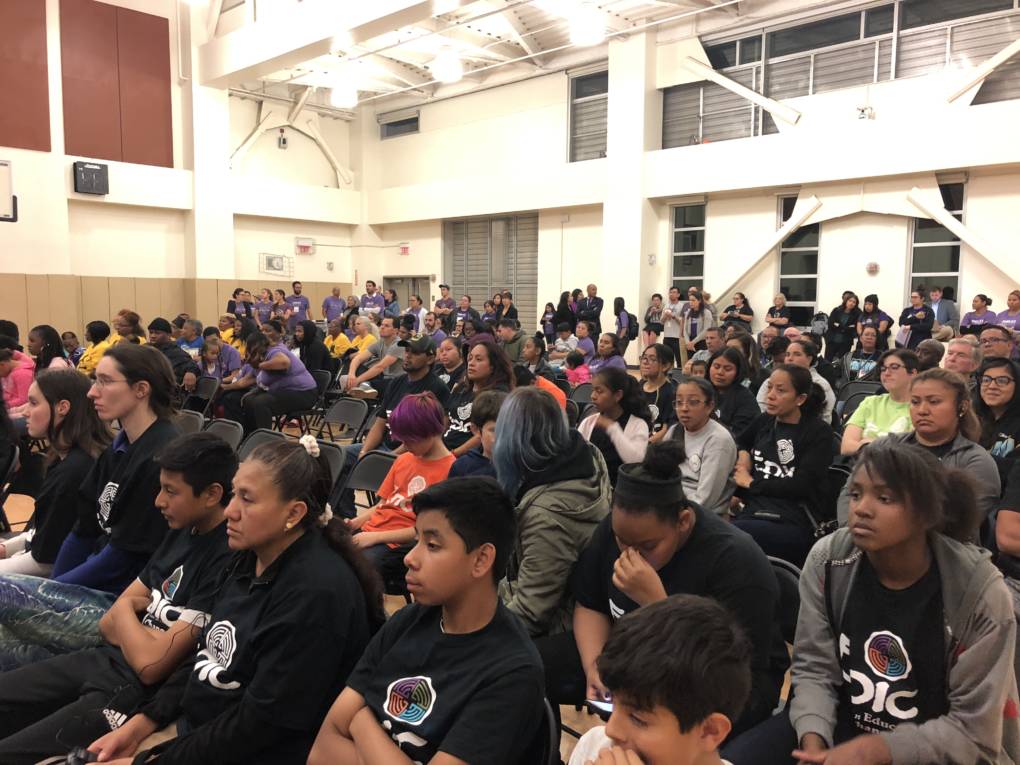
"caption": "Oakland parents, teachers and community members came together over the weekend to begin organizing against proposed school consolidations and closures.",
"description": "Oakland parents, teachers and community members came together over the weekend to begin organizing against proposed school consolidations and closures.",
"title": "IMG_0862",
"credit": "Vanessa Rancaño/KQED",
"status": "inherit",
"isLoading": false,
"fetchFailed": false
},
"news_11707657": {
"type": "attachments",
"id": "news_11707657",
"meta": {
"index": "attachments_1716263798",
"site": "news",
"id": "11707657",
"found": true
},
"parent": 11707533,
"imgSizes": {
"twentyfourteen-full-width": {
"file": "https://ww2.kqed.org/app/uploads/sites/10/2018/11/Bret-Harte4-e1542755048823-1038x576.jpg",
"width": 1038,
"mimeType": "image/jpeg",
"height": 576
},
"thumbnail": {
"file": "https://ww2.kqed.org/app/uploads/sites/10/2018/11/Bret-Harte4-e1542755048823-160x128.jpg",
"width": 160,
"mimeType": "image/jpeg",
"height": 128
},
"post-thumbnail": {
"file": "https://ww2.kqed.org/app/uploads/sites/10/2018/11/Bret-Harte4-e1542755048823-672x372.jpg",
"width": 672,
"mimeType": "image/jpeg",
"height": 372
},
"kqedFullSize": {
"file": "https://ww2.kqed.org/app/uploads/sites/10/2018/11/Bret-Harte4-e1542755048823.jpg",
"width": 1766,
"height": 1416
},
"large": {
"file": "https://ww2.kqed.org/app/uploads/sites/10/2018/11/Bret-Harte4-e1542755048823-1020x818.jpg",
"width": 1020,
"mimeType": "image/jpeg",
"height": 818
},
"complete_open_graph": {
"file": "https://ww2.kqed.org/app/uploads/sites/10/2018/11/Bret-Harte4-e1542755048823-1200x962.jpg",
"width": 1200,
"mimeType": "image/jpeg",
"height": 962
},
"guest-author-50": {
"file": "https://ww2.kqed.org/app/uploads/sites/10/2018/11/Bret-Harte4-e1542755048823-50x50.jpg",
"width": 50,
"mimeType": "image/jpeg",
"height": 50
},
"guest-author-96": {
"file": "https://ww2.kqed.org/app/uploads/sites/10/2018/11/Bret-Harte4-e1542755048823-96x96.jpg",
"width": 96,
"mimeType": "image/jpeg",
"height": 96
},
"medium": {
"file": "https://ww2.kqed.org/app/uploads/sites/10/2018/11/Bret-Harte4-e1542755048823-800x641.jpg",
"width": 800,
"mimeType": "image/jpeg",
"height": 641
},
"guest-author-64": {
"file": "https://ww2.kqed.org/app/uploads/sites/10/2018/11/Bret-Harte4-e1542755048823-64x64.jpg",
"width": 64,
"mimeType": "image/jpeg",
"height": 64
},
"guest-author-32": {
"file": "https://ww2.kqed.org/app/uploads/sites/10/2018/11/Bret-Harte4-e1542755048823-32x32.jpg",
"width": 32,
"mimeType": "image/jpeg",
"height": 32
},
"detail": {
"file": "https://ww2.kqed.org/app/uploads/sites/10/2018/11/Bret-Harte4-e1542755048823-150x150.jpg",
"width": 150,
"mimeType": "image/jpeg",
"height": 150
},
"guest-author-128": {
"file": "https://ww2.kqed.org/app/uploads/sites/10/2018/11/Bret-Harte4-e1542755048823-128x128.jpg",
"width": 128,
"mimeType": "image/jpeg",
"height": 128
}
},
"publishDate": 1542754615,
"modified": 1543264762,
"caption": "Bret Harte Middle School teacher Sayuri Sakamoto sets alarms on her phone to help her keep track of her students' various medical needs. ",
"description": "Bret Harte Middle School teacher Sayuri Sakamoto sets alarms on her phone to help her keep track of her students' various medical needs. ",
"title": "Bret Harte4",
"credit": "Vanessa Rancaño/KQED",
"status": "inherit",
"isLoading": false,
"fetchFailed": false
},
"news_11705504": {
"type": "attachments",
"id": "news_11705504",
"meta": {
"index": "attachments_1716263798",
"site": "news",
"id": "11705504",
"found": true
},
"parent": 11705385,
"imgSizes": {
"small": {
"file": "https://ww2.kqed.org/app/uploads/sites/10/2018/11/worried-supporters-520x390.jpeg",
"width": 520,
"mimeType": "image/jpeg",
"height": 390
},
"twentyfourteen-full-width": {
"file": "https://ww2.kqed.org/app/uploads/sites/10/2018/11/worried-supporters-1038x576.jpeg",
"width": 1038,
"mimeType": "image/jpeg",
"height": 576
},
"thumbnail": {
"file": "https://ww2.kqed.org/app/uploads/sites/10/2018/11/worried-supporters-160x120.jpeg",
"width": 160,
"mimeType": "image/jpeg",
"height": 120
},
"fd-sm": {
"file": "https://ww2.kqed.org/app/uploads/sites/10/2018/11/worried-supporters-960x720.jpeg",
"width": 960,
"mimeType": "image/jpeg",
"height": 720
},
"post-thumbnail": {
"file": "https://ww2.kqed.org/app/uploads/sites/10/2018/11/worried-supporters-672x372.jpeg",
"width": 672,
"mimeType": "image/jpeg",
"height": 372
},
"xsmall": {
"file": "https://ww2.kqed.org/app/uploads/sites/10/2018/11/worried-supporters-375x281.jpeg",
"width": 375,
"mimeType": "image/jpeg",
"height": 281
},
"kqedFullSize": {
"file": "https://ww2.kqed.org/app/uploads/sites/10/2018/11/worried-supporters.jpeg",
"width": 4032,
"height": 3024
},
"large": {
"file": "https://ww2.kqed.org/app/uploads/sites/10/2018/11/worried-supporters-1020x765.jpeg",
"width": 1020,
"mimeType": "image/jpeg",
"height": 765
},
"xlarge": {
"file": "https://ww2.kqed.org/app/uploads/sites/10/2018/11/worried-supporters-1180x885.jpeg",
"width": 1180,
"mimeType": "image/jpeg",
"height": 885
},
"complete_open_graph": {
"file": "https://ww2.kqed.org/app/uploads/sites/10/2018/11/worried-supporters-1200x900.jpeg",
"width": 1200,
"mimeType": "image/jpeg",
"height": 900
},
"guest-author-50": {
"file": "https://ww2.kqed.org/app/uploads/sites/10/2018/11/worried-supporters-50x50.jpeg",
"width": 50,
"mimeType": "image/jpeg",
"height": 50
},
"guest-author-96": {
"file": "https://ww2.kqed.org/app/uploads/sites/10/2018/11/worried-supporters-96x96.jpeg",
"width": 96,
"mimeType": "image/jpeg",
"height": 96
},
"medium": {
"file": "https://ww2.kqed.org/app/uploads/sites/10/2018/11/worried-supporters-800x600.jpeg",
"width": 800,
"mimeType": "image/jpeg",
"height": 600
},
"guest-author-64": {
"file": "https://ww2.kqed.org/app/uploads/sites/10/2018/11/worried-supporters-64x64.jpeg",
"width": 64,
"mimeType": "image/jpeg",
"height": 64
},
"guest-author-32": {
"file": "https://ww2.kqed.org/app/uploads/sites/10/2018/11/worried-supporters-32x32.jpeg",
"width": 32,
"mimeType": "image/jpeg",
"height": 32
},
"fd-lrg": {
"file": "https://ww2.kqed.org/app/uploads/sites/10/2018/11/worried-supporters-1920x1440.jpeg",
"width": 1920,
"mimeType": "image/jpeg",
"height": 1440
},
"fd-med": {
"file": "https://ww2.kqed.org/app/uploads/sites/10/2018/11/worried-supporters-1180x885.jpeg",
"width": 1180,
"mimeType": "image/jpeg",
"height": 885
},
"full-width": {
"file": "https://ww2.kqed.org/app/uploads/sites/10/2018/11/worried-supporters-1920x1440.jpeg",
"width": 1920,
"mimeType": "image/jpeg",
"height": 1440
},
"detail": {
"file": "https://ww2.kqed.org/app/uploads/sites/10/2018/11/worried-supporters-150x150.jpeg",
"width": 150,
"mimeType": "image/jpeg",
"height": 150
},
"guest-author-128": {
"file": "https://ww2.kqed.org/app/uploads/sites/10/2018/11/worried-supporters-128x128.jpeg",
"width": 128,
"mimeType": "image/jpeg",
"height": 128
},
"xxsmall": {
"file": "https://ww2.kqed.org/app/uploads/sites/10/2018/11/worried-supporters-240x180.jpeg",
"width": 240,
"mimeType": "image/jpeg",
"height": 180
}
},
"publishDate": 1541825511,
"modified": 1541826159,
"caption": "Oakland charter school supporters awaiting school board's decision on their renewal petitions.",
"description": "oust school board meeting Nov 6, 2018 charter renewal",
"title": "worried supporters",
"credit": "Julia McEvoy/KQED",
"status": "inherit",
"isLoading": false,
"fetchFailed": false
},
"news_11703995": {
"type": "attachments",
"id": "news_11703995",
"meta": {
"index": "attachments_1716263798",
"site": "news",
"id": "11703995",
"found": true
},
"parent": 11703765,
"imgSizes": {
"small": {
"file": "https://ww2.kqed.org/app/uploads/sites/10/2018/11/Lakisha-Young-e1541535688680-520x413.jpg",
"width": 520,
"mimeType": "image/jpeg",
"height": 413
},
"twentyfourteen-full-width": {
"file": "https://ww2.kqed.org/app/uploads/sites/10/2018/11/Lakisha-Young-e1541535688680-1038x576.jpg",
"width": 1038,
"mimeType": "image/jpeg",
"height": 576
},
"thumbnail": {
"file": "https://ww2.kqed.org/app/uploads/sites/10/2018/11/Lakisha-Young-e1541535688680-160x127.jpg",
"width": 160,
"mimeType": "image/jpeg",
"height": 127
},
"fd-sm": {
"file": "https://ww2.kqed.org/app/uploads/sites/10/2018/11/Lakisha-Young-e1541535688680-960x763.jpg",
"width": 960,
"mimeType": "image/jpeg",
"height": 763
},
"post-thumbnail": {
"file": "https://ww2.kqed.org/app/uploads/sites/10/2018/11/Lakisha-Young-e1541535688680-672x372.jpg",
"width": 672,
"mimeType": "image/jpeg",
"height": 372
},
"xsmall": {
"file": "https://ww2.kqed.org/app/uploads/sites/10/2018/11/Lakisha-Young-e1541535688680-375x298.jpg",
"width": 375,
"mimeType": "image/jpeg",
"height": 298
},
"kqedFullSize": {
"file": "https://ww2.kqed.org/app/uploads/sites/10/2018/11/Lakisha-Young-e1541535716500.jpg",
"width": 1920,
"height": 1526
},
"large": {
"file": "https://ww2.kqed.org/app/uploads/sites/10/2018/11/Lakisha-Young-e1541535688680-1020x811.jpg",
"width": 1020,
"mimeType": "image/jpeg",
"height": 811
},
"xlarge": {
"file": "https://ww2.kqed.org/app/uploads/sites/10/2018/11/Lakisha-Young-e1541535688680-1180x938.jpg",
"width": 1180,
"mimeType": "image/jpeg",
"height": 938
},
"complete_open_graph": {
"file": "https://ww2.kqed.org/app/uploads/sites/10/2018/11/Lakisha-Young-e1541535688680-1200x954.jpg",
"width": 1200,
"mimeType": "image/jpeg",
"height": 954
},
"guest-author-50": {
"file": "https://ww2.kqed.org/app/uploads/sites/10/2018/11/Lakisha-Young-e1541535688680-50x50.jpg",
"width": 50,
"mimeType": "image/jpeg",
"height": 50
},
"guest-author-96": {
"file": "https://ww2.kqed.org/app/uploads/sites/10/2018/11/Lakisha-Young-e1541535688680-96x96.jpg",
"width": 96,
"mimeType": "image/jpeg",
"height": 96
},
"medium": {
"file": "https://ww2.kqed.org/app/uploads/sites/10/2018/11/Lakisha-Young-e1541535688680-800x636.jpg",
"width": 800,
"mimeType": "image/jpeg",
"height": 636
},
"guest-author-64": {
"file": "https://ww2.kqed.org/app/uploads/sites/10/2018/11/Lakisha-Young-e1541535688680-64x64.jpg",
"width": 64,
"mimeType": "image/jpeg",
"height": 64
},
"guest-author-32": {
"file": "https://ww2.kqed.org/app/uploads/sites/10/2018/11/Lakisha-Young-e1541535688680-32x32.jpg",
"width": 32,
"mimeType": "image/jpeg",
"height": 32
},
"fd-lrg": {
"file": "https://ww2.kqed.org/app/uploads/sites/10/2018/11/Lakisha-Young-e1541535688680-1920x1526.jpg",
"width": 1920,
"mimeType": "image/jpeg",
"height": 1526
},
"fd-med": {
"file": "https://ww2.kqed.org/app/uploads/sites/10/2018/11/Lakisha-Young-e1541535688680-1180x938.jpg",
"width": 1180,
"mimeType": "image/jpeg",
"height": 938
},
"full-width": {
"file": "https://ww2.kqed.org/app/uploads/sites/10/2018/11/Lakisha-Young-e1541535688680-1920x1526.jpg",
"width": 1920,
"mimeType": "image/jpeg",
"height": 1526
},
"detail": {
"file": "https://ww2.kqed.org/app/uploads/sites/10/2018/11/Lakisha-Young-e1541535688680-150x150.jpg",
"width": 150,
"mimeType": "image/jpeg",
"height": 150
},
"guest-author-128": {
"file": "https://ww2.kqed.org/app/uploads/sites/10/2018/11/Lakisha-Young-e1541535688680-128x128.jpg",
"width": 128,
"mimeType": "image/jpeg",
"height": 128
},
"xxsmall": {
"file": "https://ww2.kqed.org/app/uploads/sites/10/2018/11/Lakisha-Young-e1541535688680-240x191.jpg",
"width": 240,
"mimeType": "image/jpeg",
"height": 191
}
},
"publishDate": 1541468295,
"modified": 1544560461,
"caption": "Oakland Reach founder Lakisha Young tells parents in low-performing schools to advocate for their kids.",
"description": "Oakland Reach founder Lakisha Young tells parents in low-performing schools to advocate for their kids.",
"title": "OUSD-Lakisha Young",
"credit": "Julia McEvoy/KQED",
"status": "inherit",
"isLoading": false,
"fetchFailed": false
},
"news_11700910": {
"type": "attachments",
"id": "news_11700910",
"meta": {
"index": "attachments_1716263798",
"site": "news",
"id": "11700910",
"found": true
},
"parent": 11700592,
"imgSizes": {
"small": {
"file": "https://ww2.kqed.org/app/uploads/sites/10/2018/10/StateOfBlackEducation-520x332.jpg",
"width": 520,
"mimeType": "image/jpeg",
"height": 332
},
"twentyfourteen-full-width": {
"file": "https://ww2.kqed.org/app/uploads/sites/10/2018/10/StateOfBlackEducation-1038x576.jpg",
"width": 1038,
"mimeType": "image/jpeg",
"height": 576
},
"thumbnail": {
"file": "https://ww2.kqed.org/app/uploads/sites/10/2018/10/StateOfBlackEducation-160x102.jpg",
"width": 160,
"mimeType": "image/jpeg",
"height": 102
},
"fd-sm": {
"file": "https://ww2.kqed.org/app/uploads/sites/10/2018/10/StateOfBlackEducation-960x613.jpg",
"width": 960,
"mimeType": "image/jpeg",
"height": 613
},
"post-thumbnail": {
"file": "https://ww2.kqed.org/app/uploads/sites/10/2018/10/StateOfBlackEducation-672x372.jpg",
"width": 672,
"mimeType": "image/jpeg",
"height": 372
},
"xsmall": {
"file": "https://ww2.kqed.org/app/uploads/sites/10/2018/10/StateOfBlackEducation-375x239.jpg",
"width": 375,
"mimeType": "image/jpeg",
"height": 239
},
"kqedFullSize": {
"file": "https://ww2.kqed.org/app/uploads/sites/10/2018/10/StateOfBlackEducation.jpg",
"width": 1920,
"height": 1226
},
"large": {
"file": "https://ww2.kqed.org/app/uploads/sites/10/2018/10/StateOfBlackEducation-1020x651.jpg",
"width": 1020,
"mimeType": "image/jpeg",
"height": 651
},
"xlarge": {
"file": "https://ww2.kqed.org/app/uploads/sites/10/2018/10/StateOfBlackEducation-1180x753.jpg",
"width": 1180,
"mimeType": "image/jpeg",
"height": 753
},
"complete_open_graph": {
"file": "https://ww2.kqed.org/app/uploads/sites/10/2018/10/StateOfBlackEducation-1200x766.jpg",
"width": 1200,
"mimeType": "image/jpeg",
"height": 766
},
"guest-author-50": {
"file": "https://ww2.kqed.org/app/uploads/sites/10/2018/10/StateOfBlackEducation-50x50.jpg",
"width": 50,
"mimeType": "image/jpeg",
"height": 50
},
"guest-author-96": {
"file": "https://ww2.kqed.org/app/uploads/sites/10/2018/10/StateOfBlackEducation-96x96.jpg",
"width": 96,
"mimeType": "image/jpeg",
"height": 96
},
"medium": {
"file": "https://ww2.kqed.org/app/uploads/sites/10/2018/10/StateOfBlackEducation-800x511.jpg",
"width": 800,
"mimeType": "image/jpeg",
"height": 511
},
"guest-author-64": {
"file": "https://ww2.kqed.org/app/uploads/sites/10/2018/10/StateOfBlackEducation-64x64.jpg",
"width": 64,
"mimeType": "image/jpeg",
"height": 64
},
"guest-author-32": {
"file": "https://ww2.kqed.org/app/uploads/sites/10/2018/10/StateOfBlackEducation-32x32.jpg",
"width": 32,
"mimeType": "image/jpeg",
"height": 32
},
"fd-lrg": {
"file": "https://ww2.kqed.org/app/uploads/sites/10/2018/10/StateOfBlackEducation-1920x1226.jpg",
"width": 1920,
"mimeType": "image/jpeg",
"height": 1226
},
"fd-med": {
"file": "https://ww2.kqed.org/app/uploads/sites/10/2018/10/StateOfBlackEducation-1180x753.jpg",
"width": 1180,
"mimeType": "image/jpeg",
"height": 753
},
"full-width": {
"file": "https://ww2.kqed.org/app/uploads/sites/10/2018/10/StateOfBlackEducation-1920x1226.jpg",
"width": 1920,
"mimeType": "image/jpeg",
"height": 1226
},
"detail": {
"file": "https://ww2.kqed.org/app/uploads/sites/10/2018/10/StateOfBlackEducation-150x150.jpg",
"width": 150,
"mimeType": "image/jpeg",
"height": 150
},
"guest-author-128": {
"file": "https://ww2.kqed.org/app/uploads/sites/10/2018/10/StateOfBlackEducation-128x128.jpg",
"width": 128,
"mimeType": "image/jpeg",
"height": 128
},
"xxsmall": {
"file": "https://ww2.kqed.org/app/uploads/sites/10/2018/10/StateOfBlackEducation-240x153.jpg",
"width": 240,
"mimeType": "image/jpeg",
"height": 153
}
},
"publishDate": 1540403891,
"modified": 1540405771,
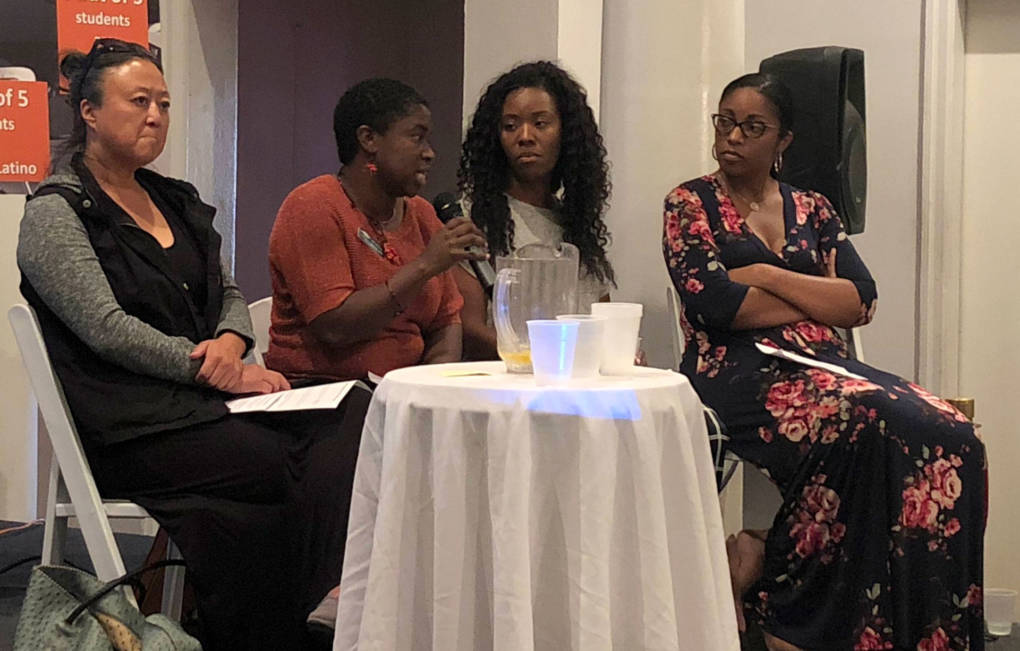
"caption": "Oakland Unified School District Superintendent Kyla Johnson-Trammell (right) joined local education officials at a State of Black Education Oakland event. ",
"description": "Oakland Unified School District Superintendent Kyla Johnson-Trammell (right) joined local education officials at a State of Black Education Oakland event. ",
"title": "StateOfBlackEducation",
"credit": "Vanessa Rancano/KQED",
"status": "inherit",
"isLoading": false,
"fetchFailed": false
},
"news_11689318": {
"type": "attachments",
"id": "news_11689318",
"meta": {
"index": "attachments_1716263798",
"site": "news",
"id": "11689318",
"found": true
},
"parent": 11689294,
"imgSizes": {
"small": {
"file": "https://ww2.kqed.org/app/uploads/sites/10/2018/08/OUSD-sports-520x347.jpg",
"width": 520,
"mimeType": "image/jpeg",
"height": 347
},
"twentyfourteen-full-width": {
"file": "https://ww2.kqed.org/app/uploads/sites/10/2018/08/OUSD-sports-1038x576.jpg",
"width": 1038,
"mimeType": "image/jpeg",
"height": 576
},
"thumbnail": {
"file": "https://ww2.kqed.org/app/uploads/sites/10/2018/08/OUSD-sports-160x107.jpg",
"width": 160,
"mimeType": "image/jpeg",
"height": 107
},
"fd-sm": {
"file": "https://ww2.kqed.org/app/uploads/sites/10/2018/08/OUSD-sports-960x641.jpg",
"width": 960,
"mimeType": "image/jpeg",
"height": 641
},
"post-thumbnail": {
"file": "https://ww2.kqed.org/app/uploads/sites/10/2018/08/OUSD-sports-672x372.jpg",
"width": 672,
"mimeType": "image/jpeg",
"height": 372
},
"xsmall": {
"file": "https://ww2.kqed.org/app/uploads/sites/10/2018/08/OUSD-sports-375x250.jpg",
"width": 375,
"mimeType": "image/jpeg",
"height": 250
},
"kqedFullSize": {
"file": "https://ww2.kqed.org/app/uploads/sites/10/2018/08/OUSD-sports-e1535575876300.jpg",
"width": 1920,
"height": 1283
},
"large": {
"file": "https://ww2.kqed.org/app/uploads/sites/10/2018/08/OUSD-sports-1020x681.jpg",
"width": 1020,
"mimeType": "image/jpeg",
"height": 681
},
"xlarge": {
"file": "https://ww2.kqed.org/app/uploads/sites/10/2018/08/OUSD-sports-1180x788.jpg",
"width": 1180,
"mimeType": "image/jpeg",
"height": 788
},
"complete_open_graph": {
"file": "https://ww2.kqed.org/app/uploads/sites/10/2018/08/OUSD-sports-1200x802.jpg",
"width": 1200,
"mimeType": "image/jpeg",
"height": 802
},
"guest-author-50": {
"file": "https://ww2.kqed.org/app/uploads/sites/10/2018/08/OUSD-sports-50x50.jpg",
"width": 50,
"mimeType": "image/jpeg",
"height": 50
},
"guest-author-96": {
"file": "https://ww2.kqed.org/app/uploads/sites/10/2018/08/OUSD-sports-96x96.jpg",
"width": 96,
"mimeType": "image/jpeg",
"height": 96
},
"medium": {
"file": "https://ww2.kqed.org/app/uploads/sites/10/2018/08/OUSD-sports-800x534.jpg",
"width": 800,
"mimeType": "image/jpeg",
"height": 534
},
"guest-author-64": {
"file": "https://ww2.kqed.org/app/uploads/sites/10/2018/08/OUSD-sports-64x64.jpg",
"width": 64,
"mimeType": "image/jpeg",
"height": 64
},
"guest-author-32": {
"file": "https://ww2.kqed.org/app/uploads/sites/10/2018/08/OUSD-sports-32x32.jpg",
"width": 32,
"mimeType": "image/jpeg",
"height": 32
},
"fd-lrg": {
"file": "https://ww2.kqed.org/app/uploads/sites/10/2018/08/OUSD-sports-1920x1283.jpg",
"width": 1920,
"mimeType": "image/jpeg",
"height": 1283
},
"fd-med": {
"file": "https://ww2.kqed.org/app/uploads/sites/10/2018/08/OUSD-sports-1180x788.jpg",
"width": 1180,
"mimeType": "image/jpeg",
"height": 788
},
"full-width": {
"file": "https://ww2.kqed.org/app/uploads/sites/10/2018/08/OUSD-sports-1920x1283.jpg",
"width": 1920,
"mimeType": "image/jpeg",
"height": 1283
},
"detail": {
"file": "https://ww2.kqed.org/app/uploads/sites/10/2018/08/OUSD-sports-150x150.jpg",
"width": 150,
"mimeType": "image/jpeg",
"height": 150
},
"guest-author-128": {
"file": "https://ww2.kqed.org/app/uploads/sites/10/2018/08/OUSD-sports-128x128.jpg",
"width": 128,
"mimeType": "image/jpeg",
"height": 128
},
"xxsmall": {
"file": "https://ww2.kqed.org/app/uploads/sites/10/2018/08/OUSD-sports-240x160.jpg",
"width": 240,
"mimeType": "image/jpeg",
"height": 160
}
},
"publishDate": 1535564762,
"modified": 1535580017,
"caption": "McClymonds High School's girls basketball team plays against Berkeley High School.",
"description": null,
"title": "OUSD sports",
"credit": "Mark Coplan/Flickr",
"status": "inherit",
"isLoading": false,
"fetchFailed": false
},
"news_11639994": {
"type": "attachments",
"id": "news_11639994",
"meta": {
"index": "attachments_1716263798",
"site": "news",
"id": "11639994",
"found": true
},
"parent": 11639860,
"imgSizes": {
"small": {
"file": "https://ww2.kqed.org/app/uploads/sites/10/2018/01/RS28567_IMG_1298-qut-520x347.jpg",
"width": 520,
"mimeType": "image/jpeg",
"height": 347
},
"twentyfourteen-full-width": {
"file": "https://ww2.kqed.org/app/uploads/sites/10/2018/01/RS28567_IMG_1298-qut-1038x576.jpg",
"width": 1038,
"mimeType": "image/jpeg",
"height": 576
},
"thumbnail": {
"file": "https://ww2.kqed.org/app/uploads/sites/10/2018/01/RS28567_IMG_1298-qut-160x107.jpg",
"width": 160,
"mimeType": "image/jpeg",
"height": 107
},
"fd-sm": {
"file": "https://ww2.kqed.org/app/uploads/sites/10/2018/01/RS28567_IMG_1298-qut-960x640.jpg",
"width": 960,
"mimeType": "image/jpeg",
"height": 640
},
"post-thumbnail": {
"file": "https://ww2.kqed.org/app/uploads/sites/10/2018/01/RS28567_IMG_1298-qut-672x372.jpg",
"width": 672,
"mimeType": "image/jpeg",
"height": 372
},
"xsmall": {
"file": "https://ww2.kqed.org/app/uploads/sites/10/2018/01/RS28567_IMG_1298-qut-375x250.jpg",
"width": 375,
"mimeType": "image/jpeg",
"height": 250
},
"kqedFullSize": {
"file": "https://ww2.kqed.org/app/uploads/sites/10/2018/01/RS28567_IMG_1298-qut.jpg",
"width": 1920,
"height": 1280
},
"large": {
"file": "https://ww2.kqed.org/app/uploads/sites/10/2018/01/RS28567_IMG_1298-qut-1020x680.jpg",
"width": 1020,
"mimeType": "image/jpeg",
"height": 680
},
"xlarge": {
"file": "https://ww2.kqed.org/app/uploads/sites/10/2018/01/RS28567_IMG_1298-qut-1180x787.jpg",
"width": 1180,
"mimeType": "image/jpeg",
"height": 787
},
"guest-author-50": {
"file": "https://ww2.kqed.org/app/uploads/sites/10/2018/01/RS28567_IMG_1298-qut-50x50.jpg",
"width": 50,
"mimeType": "image/jpeg",
"height": 50
},
"guest-author-96": {
"file": "https://ww2.kqed.org/app/uploads/sites/10/2018/01/RS28567_IMG_1298-qut-96x96.jpg",
"width": 96,
"mimeType": "image/jpeg",
"height": 96
},
"medium": {
"file": "https://ww2.kqed.org/app/uploads/sites/10/2018/01/RS28567_IMG_1298-qut-800x533.jpg",
"width": 800,
"mimeType": "image/jpeg",
"height": 533
},
"guest-author-64": {
"file": "https://ww2.kqed.org/app/uploads/sites/10/2018/01/RS28567_IMG_1298-qut-64x64.jpg",
"width": 64,
"mimeType": "image/jpeg",
"height": 64
},
"guest-author-32": {
"file": "https://ww2.kqed.org/app/uploads/sites/10/2018/01/RS28567_IMG_1298-qut-32x32.jpg",
"width": 32,
"mimeType": "image/jpeg",
"height": 32
},
"fd-lrg": {
"file": "https://ww2.kqed.org/app/uploads/sites/10/2018/01/RS28567_IMG_1298-qut-1920x1280.jpg",
"width": 1920,
"mimeType": "image/jpeg",
"height": 1280
},
"fd-med": {
"file": "https://ww2.kqed.org/app/uploads/sites/10/2018/01/RS28567_IMG_1298-qut-1180x787.jpg",
"width": 1180,
"mimeType": "image/jpeg",
"height": 787
},
"full-width": {
"file": "https://ww2.kqed.org/app/uploads/sites/10/2018/01/RS28567_IMG_1298-qut-1920x1280.jpg",
"width": 1920,
"mimeType": "image/jpeg",
"height": 1280
},
"detail": {
"file": "https://ww2.kqed.org/app/uploads/sites/10/2018/01/RS28567_IMG_1298-qut-150x150.jpg",
"width": 150,
"mimeType": "image/jpeg",
"height": 150
},
"guest-author-128": {
"file": "https://ww2.kqed.org/app/uploads/sites/10/2018/01/RS28567_IMG_1298-qut-128x128.jpg",
"width": 128,
"mimeType": "image/jpeg",
"height": 128
},
"xxsmall": {
"file": "https://ww2.kqed.org/app/uploads/sites/10/2018/01/RS28567_IMG_1298-qut-240x160.jpg",
"width": 240,
"mimeType": "image/jpeg",
"height": 160
}
},
"publishDate": 1515016091,
"modified": 1515017688,
"caption": "Oakland Unified School District board directors Aimee Eng (left), Roseann Torres, Shanthi Gonzales, Jody London, Nina Senn and James Harris listen to students during a meeting at La Escuelita Education Center in Oakland on Dec. 13, 2017. The school board approved $9 million in midyear budget cuts.",
"description": null,
"title": "RS28567_IMG_1298-qut",
"credit": "Farida Jhabvala Romero/KQED",
"status": "inherit",
"isLoading": false,
"fetchFailed": false
},
"news_11081601": {
"type": "attachments",
"id": "news_11081601",
"meta": {
"index": "attachments_1716263798",
"site": "news",
"id": "11081601",
"found": true
},
"parent": 11081427,
"imgSizes": {
"twentyfourteen-full-width": {
"file": "https://ww2.kqed.org/app/uploads/sites/10/2016/09/antwan-wilson-1038x576.jpg",
"width": 1038,
"mimeType": "image/jpeg",
"height": 576
},
"thumbnail": {
"file": "https://ww2.kqed.org/app/uploads/sites/10/2016/09/antwan-wilson-400x224.jpg",
"width": 400,
"mimeType": "image/jpeg",
"height": 224
},
"fd-sm": {
"file": "https://ww2.kqed.org/app/uploads/sites/10/2016/09/antwan-wilson-960x538.jpg",
"width": 960,
"mimeType": "image/jpeg",
"height": 538
},
"post-thumbnail": {
"file": "https://ww2.kqed.org/app/uploads/sites/10/2016/09/antwan-wilson-672x372.jpg",
"width": 672,
"mimeType": "image/jpeg",
"height": 372
},
"kqedFullSize": {
"file": "https://ww2.kqed.org/app/uploads/sites/10/2016/09/antwan-wilson.jpg",
"width": 1268,
"height": 711
},
"guest-author-50": {
"file": "https://ww2.kqed.org/app/uploads/sites/10/2016/09/antwan-wilson-50x50.jpg",
"width": 50,
"mimeType": "image/jpeg",
"height": 50
},
"guest-author-96": {
"file": "https://ww2.kqed.org/app/uploads/sites/10/2016/09/antwan-wilson-96x96.jpg",
"width": 96,
"mimeType": "image/jpeg",
"height": 96
},
"medium": {
"file": "https://ww2.kqed.org/app/uploads/sites/10/2016/09/antwan-wilson-800x449.jpg",
"width": 800,
"mimeType": "image/jpeg",
"height": 449
},
"guest-author-64": {
"file": "https://ww2.kqed.org/app/uploads/sites/10/2016/09/antwan-wilson-64x64.jpg",
"width": 64,
"mimeType": "image/jpeg",
"height": 64
},
"guest-author-32": {
"file": "https://ww2.kqed.org/app/uploads/sites/10/2016/09/antwan-wilson-32x32.jpg",
"width": 32,
"mimeType": "image/jpeg",
"height": 32
},
"jmtc-small-thumb": {
"file": "https://ww2.kqed.org/app/uploads/sites/10/2016/09/antwan-wilson-280x150.jpg",
"width": 280,
"mimeType": "image/jpeg",
"height": 150
},
"fd-med": {
"file": "https://ww2.kqed.org/app/uploads/sites/10/2016/09/antwan-wilson-1180x662.jpg",
"width": 1180,
"mimeType": "image/jpeg",
"height": 662
},
"detail": {
"file": "https://ww2.kqed.org/app/uploads/sites/10/2016/09/antwan-wilson-150x150.jpg",
"width": 150,
"mimeType": "image/jpeg",
"height": 150
},
"guest-author-128": {
"file": "https://ww2.kqed.org/app/uploads/sites/10/2016/09/antwan-wilson-128x128.jpg",
"width": 128,
"mimeType": "image/jpeg",
"height": 128
}
},
"publishDate": 1473462302,
"modified": 1473465759,
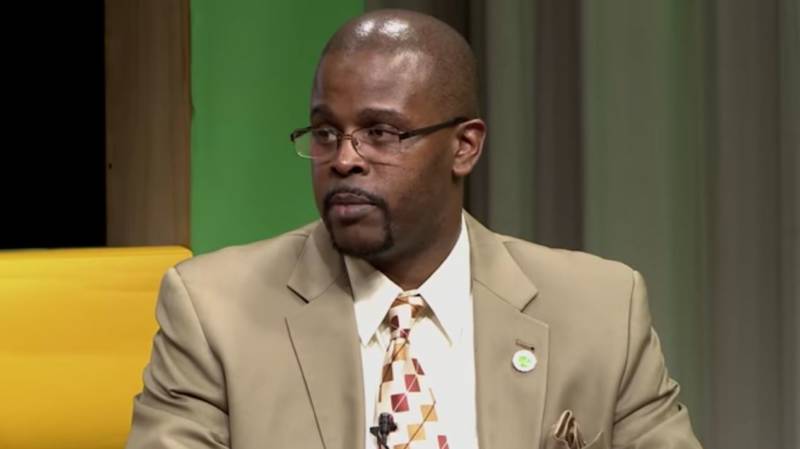
"caption": "A screen shot of Superintendent Antwan Wilson at a teacher effectiveness roundtable.",
"description": null,
"title": "antwan-wilson",
"credit": "Oakland Unified School District Youtube Channel",
"status": "inherit",
"isLoading": false,
"fetchFailed": false
},
"news_11079751": {
"type": "attachments",
"id": "news_11079751",
"meta": {
"index": "attachments_1716263798",
"site": "news",
"id": "11079751",
"found": true
},
"parent": 11069225,
"imgSizes": {
"twentyfourteen-full-width": {
"file": "https://ww2.kqed.org/app/uploads/sites/10/2016/09/berkeleyhigh2013-1038x576.jpg",
"width": 1038,
"mimeType": "image/jpeg",
"height": 576
},
"thumbnail": {
"file": "https://ww2.kqed.org/app/uploads/sites/10/2016/09/berkeleyhigh2013-400x250.jpg",
"width": 400,
"mimeType": "image/jpeg",
"height": 250
},
"fd-sm": {
"file": "https://ww2.kqed.org/app/uploads/sites/10/2016/09/berkeleyhigh2013-960x600.jpg",
"width": 960,
"mimeType": "image/jpeg",
"height": 600
},
"post-thumbnail": {
"file": "https://ww2.kqed.org/app/uploads/sites/10/2016/09/berkeleyhigh2013-672x372.jpg",
"width": 672,
"mimeType": "image/jpeg",
"height": 372
},
"kqedFullSize": {
"file": "https://ww2.kqed.org/app/uploads/sites/10/2016/09/berkeleyhigh2013.jpg",
"width": 1920,
"height": 1200
},
"large": {
"file": "https://ww2.kqed.org/app/uploads/sites/10/2016/09/berkeleyhigh2013-1920x1200.jpg",
"width": 1920,
"mimeType": "image/jpeg",
"height": 1200
},
"guest-author-50": {
"file": "https://ww2.kqed.org/app/uploads/sites/10/2016/09/berkeleyhigh2013-50x50.jpg",
"width": 50,
"mimeType": "image/jpeg",
"height": 50
},
"guest-author-96": {
"file": "https://ww2.kqed.org/app/uploads/sites/10/2016/09/berkeleyhigh2013-96x96.jpg",
"width": 96,
"mimeType": "image/jpeg",
"height": 96
},
"medium": {
"file": "https://ww2.kqed.org/app/uploads/sites/10/2016/09/berkeleyhigh2013-800x500.jpg",
"width": 800,
"mimeType": "image/jpeg",
"height": 500
},
"guest-author-64": {
"file": "https://ww2.kqed.org/app/uploads/sites/10/2016/09/berkeleyhigh2013-64x64.jpg",
"width": 64,
"mimeType": "image/jpeg",
"height": 64
},
"guest-author-32": {
"file": "https://ww2.kqed.org/app/uploads/sites/10/2016/09/berkeleyhigh2013-32x32.jpg",
"width": 32,
"mimeType": "image/jpeg",
"height": 32
},
"jmtc-small-thumb": {
"file": "https://ww2.kqed.org/app/uploads/sites/10/2016/09/berkeleyhigh2013-280x150.jpg",
"width": 280,
"mimeType": "image/jpeg",
"height": 150
},
"fd-lrg": {
"file": "https://ww2.kqed.org/app/uploads/sites/10/2016/09/berkeleyhigh2013-1920x1200.jpg",
"width": 1920,
"mimeType": "image/jpeg",
"height": 1200
},
"fd-med": {
"file": "https://ww2.kqed.org/app/uploads/sites/10/2016/09/berkeleyhigh2013-1180x738.jpg",
"width": 1180,
"mimeType": "image/jpeg",
"height": 738
},
"detail": {
"file": "https://ww2.kqed.org/app/uploads/sites/10/2016/09/berkeleyhigh2013-150x150.jpg",
"width": 150,
"mimeType": "image/jpeg",
"height": 150
},
"guest-author-128": {
"file": "https://ww2.kqed.org/app/uploads/sites/10/2016/09/berkeleyhigh2013-128x128.jpg",
"width": 128,
"mimeType": "image/jpeg",
"height": 128
}
},
"publishDate": 1473362347,
"modified": 1473362488,
"caption": "Berkeley High School 2013 graduating class.",
"description": null,
"title": "berkeleyhigh2013",
"credit": "Berkeley Unified School District/\u003ca href=\"https://www.flickr.com/photos/53901376@N04/\">Flickr\u003c/a>",
"status": "inherit",
"isLoading": false,
"fetchFailed": false
},
"news_11077108": {
"type": "attachments",
"id": "news_11077108",
"meta": {
"index": "attachments_1716263798",
"site": "news",
"id": "11077108",
"found": true
},
"parent": 11060036,
"imgSizes": {
"twentyfourteen-full-width": {
"file": "https://ww2.kqed.org/app/uploads/sites/10/2017/09/RS21086_160906_sequoiaElementary_bhs07-qut-1038x576.jpg",
"width": 1038,
"mimeType": "image/jpeg",
"height": 576
},
"thumbnail": {
"file": "https://ww2.kqed.org/app/uploads/sites/10/2017/09/RS21086_160906_sequoiaElementary_bhs07-qut-400x267.jpg",
"width": 400,
"mimeType": "image/jpeg",
"height": 267
},
"fd-sm": {
"file": "https://ww2.kqed.org/app/uploads/sites/10/2017/09/RS21086_160906_sequoiaElementary_bhs07-qut-960x640.jpg",
"width": 960,
"mimeType": "image/jpeg",
"height": 640
},
"post-thumbnail": {
"file": "https://ww2.kqed.org/app/uploads/sites/10/2017/09/RS21086_160906_sequoiaElementary_bhs07-qut-672x372.jpg",
"width": 672,
"mimeType": "image/jpeg",
"height": 372
},
"kqedFullSize": {
"file": "https://ww2.kqed.org/app/uploads/sites/10/2017/09/RS21086_160906_sequoiaElementary_bhs07-qut.jpg",
"width": 1920,
"height": 1280
},
"large": {
"file": "https://ww2.kqed.org/app/uploads/sites/10/2017/09/RS21086_160906_sequoiaElementary_bhs07-qut-1920x1280.jpg",
"width": 1920,
"mimeType": "image/jpeg",
"height": 1280
},
"guest-author-50": {
"file": "https://ww2.kqed.org/app/uploads/sites/10/2017/09/RS21086_160906_sequoiaElementary_bhs07-qut-50x50.jpg",
"width": 50,
"mimeType": "image/jpeg",
"height": 50
},
"guest-author-96": {
"file": "https://ww2.kqed.org/app/uploads/sites/10/2017/09/RS21086_160906_sequoiaElementary_bhs07-qut-96x96.jpg",
"width": 96,
"mimeType": "image/jpeg",
"height": 96
},
"medium": {
"file": "https://ww2.kqed.org/app/uploads/sites/10/2017/09/RS21086_160906_sequoiaElementary_bhs07-qut-800x533.jpg",
"width": 800,
"mimeType": "image/jpeg",
"height": 533
},
"guest-author-64": {
"file": "https://ww2.kqed.org/app/uploads/sites/10/2017/09/RS21086_160906_sequoiaElementary_bhs07-qut-64x64.jpg",
"width": 64,
"mimeType": "image/jpeg",
"height": 64
},
"guest-author-32": {
"file": "https://ww2.kqed.org/app/uploads/sites/10/2017/09/RS21086_160906_sequoiaElementary_bhs07-qut-32x32.jpg",
"width": 32,
"mimeType": "image/jpeg",
"height": 32
},
"jmtc-small-thumb": {
"file": "https://ww2.kqed.org/app/uploads/sites/10/2017/09/RS21086_160906_sequoiaElementary_bhs07-qut-280x150.jpg",
"width": 280,
"mimeType": "image/jpeg",
"height": 150
},
"fd-lrg": {
"file": "https://ww2.kqed.org/app/uploads/sites/10/2017/09/RS21086_160906_sequoiaElementary_bhs07-qut-1920x1280.jpg",
"width": 1920,
"mimeType": "image/jpeg",
"height": 1280
},
"fd-med": {
"file": "https://ww2.kqed.org/app/uploads/sites/10/2017/09/RS21086_160906_sequoiaElementary_bhs07-qut-1180x787.jpg",
"width": 1180,
"mimeType": "image/jpeg",
"height": 787
},
"detail": {
"file": "https://ww2.kqed.org/app/uploads/sites/10/2017/09/RS21086_160906_sequoiaElementary_bhs07-qut-150x150.jpg",
"width": 150,
"mimeType": "image/jpeg",
"height": 150
},
"guest-author-128": {
"file": "https://ww2.kqed.org/app/uploads/sites/10/2017/09/RS21086_160906_sequoiaElementary_bhs07-qut-128x128.jpg",
"width": 128,
"mimeType": "image/jpeg",
"height": 128
}
},
"publishDate": 1473210634,
"modified": 1473210712,
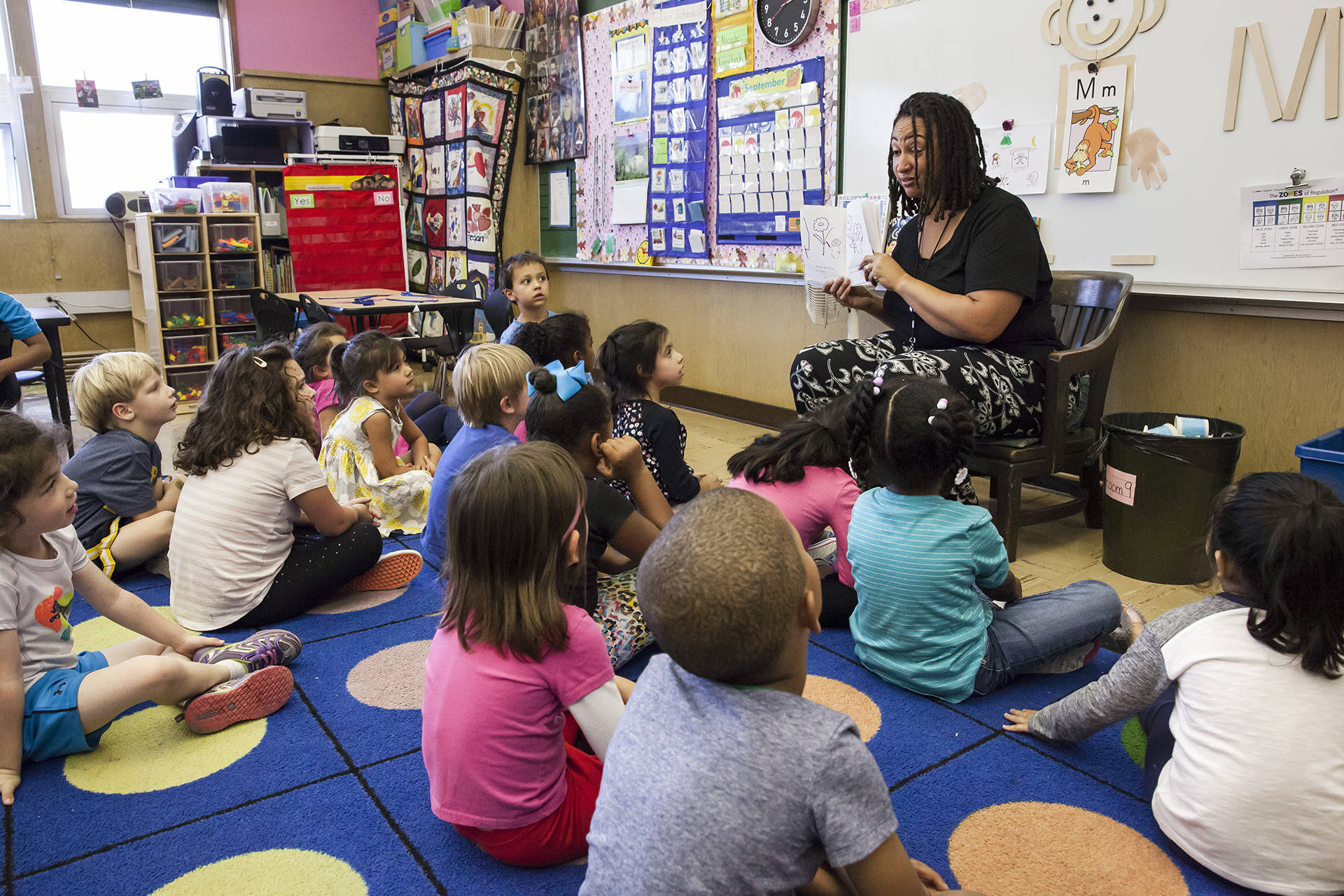
"caption": "Tontra Love, a transitional kindergarten teacher at Sequoia Elementary School in Oakland, reads to her students at the end of class on Sept. 6, 2016.",
"description": null,
"title": "RS21086_160906_sequoiaElementary_bhs07-qut",
"credit": "Brittany Hosea-Small/KQED",
"status": "inherit",
"isLoading": false,
"fetchFailed": false
},
"news_11066040": {
"type": "attachments",
"id": "news_11066040",
"meta": {
"index": "attachments_1716263798",
"site": "news",
"id": "11066040",
"found": true
},
"parent": 11061802,
"imgSizes": {
"twentyfourteen-full-width": {
"file": "https://ww2.kqed.org/app/uploads/sites/10/2016/08/MarinaandCelia1920-1038x576.jpg",
"width": 1038,
"mimeType": "image/jpeg",
"height": 576
},
"thumbnail": {
"file": "https://ww2.kqed.org/app/uploads/sites/10/2016/08/MarinaandCelia1920-400x267.jpg",
"width": 400,
"mimeType": "image/jpeg",
"height": 267
},
"fd-sm": {
"file": "https://ww2.kqed.org/app/uploads/sites/10/2016/08/MarinaandCelia1920-960x640.jpg",
"width": 960,
"mimeType": "image/jpeg",
"height": 640
},
"post-thumbnail": {
"file": "https://ww2.kqed.org/app/uploads/sites/10/2016/08/MarinaandCelia1920-672x372.jpg",
"width": 672,
"mimeType": "image/jpeg",
"height": 372
},
"kqedFullSize": {
"file": "https://ww2.kqed.org/app/uploads/sites/10/2016/08/MarinaandCelia1920.jpg",
"width": 1920,
"height": 1280
},
"large": {
"file": "https://ww2.kqed.org/app/uploads/sites/10/2016/08/MarinaandCelia1920-1920x1280.jpg",
"width": 1920,
"mimeType": "image/jpeg",
"height": 1280
},
"guest-author-50": {
"file": "https://ww2.kqed.org/app/uploads/sites/10/2016/08/MarinaandCelia1920-50x50.jpg",
"width": 50,
"mimeType": "image/jpeg",
"height": 50
},
"guest-author-96": {
"file": "https://ww2.kqed.org/app/uploads/sites/10/2016/08/MarinaandCelia1920-96x96.jpg",
"width": 96,
"mimeType": "image/jpeg",
"height": 96
},
"medium": {
"file": "https://ww2.kqed.org/app/uploads/sites/10/2016/08/MarinaandCelia1920-800x533.jpg",
"width": 800,
"mimeType": "image/jpeg",
"height": 533
},
"guest-author-64": {
"file": "https://ww2.kqed.org/app/uploads/sites/10/2016/08/MarinaandCelia1920-64x64.jpg",
"width": 64,
"mimeType": "image/jpeg",
"height": 64
},
"guest-author-32": {
"file": "https://ww2.kqed.org/app/uploads/sites/10/2016/08/MarinaandCelia1920-32x32.jpg",
"width": 32,
"mimeType": "image/jpeg",
"height": 32
},
"jmtc-small-thumb": {
"file": "https://ww2.kqed.org/app/uploads/sites/10/2016/08/MarinaandCelia1920-280x150.jpg",
"width": 280,
"mimeType": "image/jpeg",
"height": 150
},
"fd-lrg": {
"file": "https://ww2.kqed.org/app/uploads/sites/10/2016/08/MarinaandCelia1920-1920x1280.jpg",
"width": 1920,
"mimeType": "image/jpeg",
"height": 1280
},
"fd-med": {
"file": "https://ww2.kqed.org/app/uploads/sites/10/2016/08/MarinaandCelia1920-1180x787.jpg",
"width": 1180,
"mimeType": "image/jpeg",
"height": 787
},
"detail": {
"file": "https://ww2.kqed.org/app/uploads/sites/10/2016/08/MarinaandCelia1920-150x150.jpg",
"width": 150,
"mimeType": "image/jpeg",
"height": 150
},
"guest-author-128": {
"file": "https://ww2.kqed.org/app/uploads/sites/10/2016/08/MarinaandCelia1920-128x128.jpg",
"width": 128,
"mimeType": "image/jpeg",
"height": 128
}
},
"publishDate": 1472592315,
"modified": 1472603050,
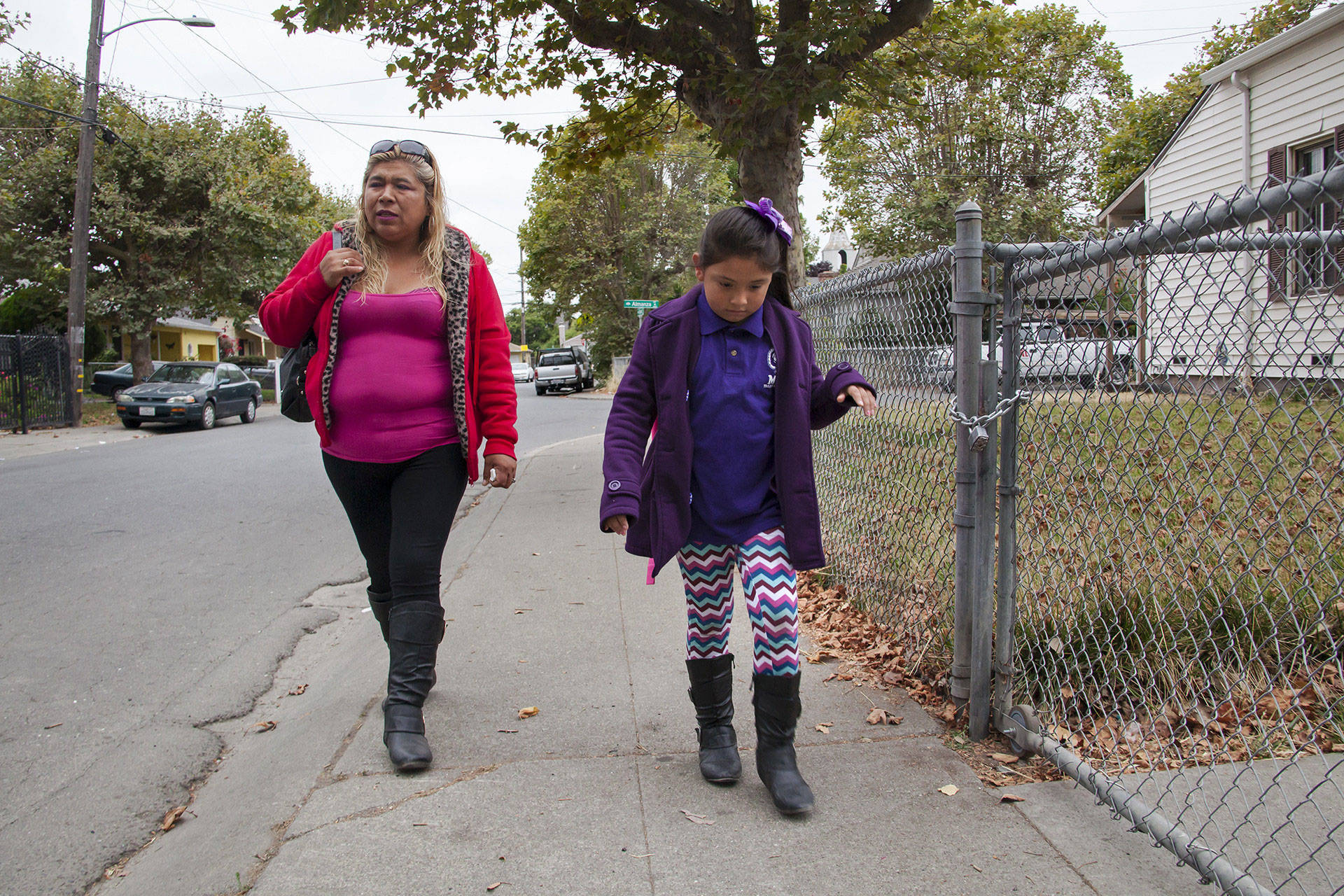
"caption": "Celia Fragoso, 7, walks with her mother, Marina Muñoz, through their Oakland neighborhood of Sobrante Park on Aug. 26, 2016, on the way to Madison Park Academy, where Celia attends school.",
"description": null,
"title": "MarinaandCelia1920",
"credit": "Brittany Hosea-Small/KQED",
"status": "inherit",
"isLoading": false,
"fetchFailed": false
},
"news_11064875": {
"type": "attachments",
"id": "news_11064875",
"meta": {
"index": "attachments_1716263798",
"site": "news",
"id": "11064875",
"found": true
},
"parent": 11059974,
"imgSizes": {
"twentyfourteen-full-width": {
"file": "https://ww2.kqed.org/app/uploads/sites/10/2017/08/schools-adjusted-1038x576.jpg",
"width": 1038,
"mimeType": "image/jpeg",
"height": 576
},
"thumbnail": {
"file": "https://ww2.kqed.org/app/uploads/sites/10/2017/08/schools-adjusted-400x181.jpg",
"width": 400,
"mimeType": "image/jpeg",
"height": 181
},
"fd-sm": {
"file": "https://ww2.kqed.org/app/uploads/sites/10/2017/08/schools-adjusted-960x435.jpg",
"width": 960,
"mimeType": "image/jpeg",
"height": 435
},
"post-thumbnail": {
"file": "https://ww2.kqed.org/app/uploads/sites/10/2017/08/schools-adjusted-672x372.jpg",
"width": 672,
"mimeType": "image/jpeg",
"height": 372
},
"kqedFullSize": {
"file": "https://ww2.kqed.org/app/uploads/sites/10/2017/08/schools-adjusted.jpg",
"width": 1920,
"height": 870
},
"large": {
"file": "https://ww2.kqed.org/app/uploads/sites/10/2017/08/schools-adjusted-1920x870.jpg",
"width": 1920,
"mimeType": "image/jpeg",
"height": 870
},
"guest-author-50": {
"file": "https://ww2.kqed.org/app/uploads/sites/10/2017/08/schools-adjusted-50x50.jpg",
"width": 50,
"mimeType": "image/jpeg",
"height": 50
},
"guest-author-96": {
"file": "https://ww2.kqed.org/app/uploads/sites/10/2017/08/schools-adjusted-96x96.jpg",
"width": 96,
"mimeType": "image/jpeg",
"height": 96
},
"medium": {
"file": "https://ww2.kqed.org/app/uploads/sites/10/2017/08/schools-adjusted-800x363.jpg",
"width": 800,
"mimeType": "image/jpeg",
"height": 363
},
"guest-author-64": {
"file": "https://ww2.kqed.org/app/uploads/sites/10/2017/08/schools-adjusted-64x64.jpg",
"width": 64,
"mimeType": "image/jpeg",
"height": 64
},
"guest-author-32": {
"file": "https://ww2.kqed.org/app/uploads/sites/10/2017/08/schools-adjusted-32x32.jpg",
"width": 32,
"mimeType": "image/jpeg",
"height": 32
},
"jmtc-small-thumb": {
"file": "https://ww2.kqed.org/app/uploads/sites/10/2017/08/schools-adjusted-280x150.jpg",
"width": 280,
"mimeType": "image/jpeg",
"height": 150
},
"fd-lrg": {
"file": "https://ww2.kqed.org/app/uploads/sites/10/2017/08/schools-adjusted-1920x870.jpg",
"width": 1920,
"mimeType": "image/jpeg",
"height": 870
},
"fd-med": {
"file": "https://ww2.kqed.org/app/uploads/sites/10/2017/08/schools-adjusted-1180x535.jpg",
"width": 1180,
"mimeType": "image/jpeg",
"height": 535
},
"detail": {
"file": "https://ww2.kqed.org/app/uploads/sites/10/2017/08/schools-adjusted-150x150.jpg",
"width": 150,
"mimeType": "image/jpeg",
"height": 150
},
"guest-author-128": {
"file": "https://ww2.kqed.org/app/uploads/sites/10/2017/08/schools-adjusted-128x128.jpg",
"width": 128,
"mimeType": "image/jpeg",
"height": 128
}
},
"publishDate": 1472498727,
"modified": 1472582521,
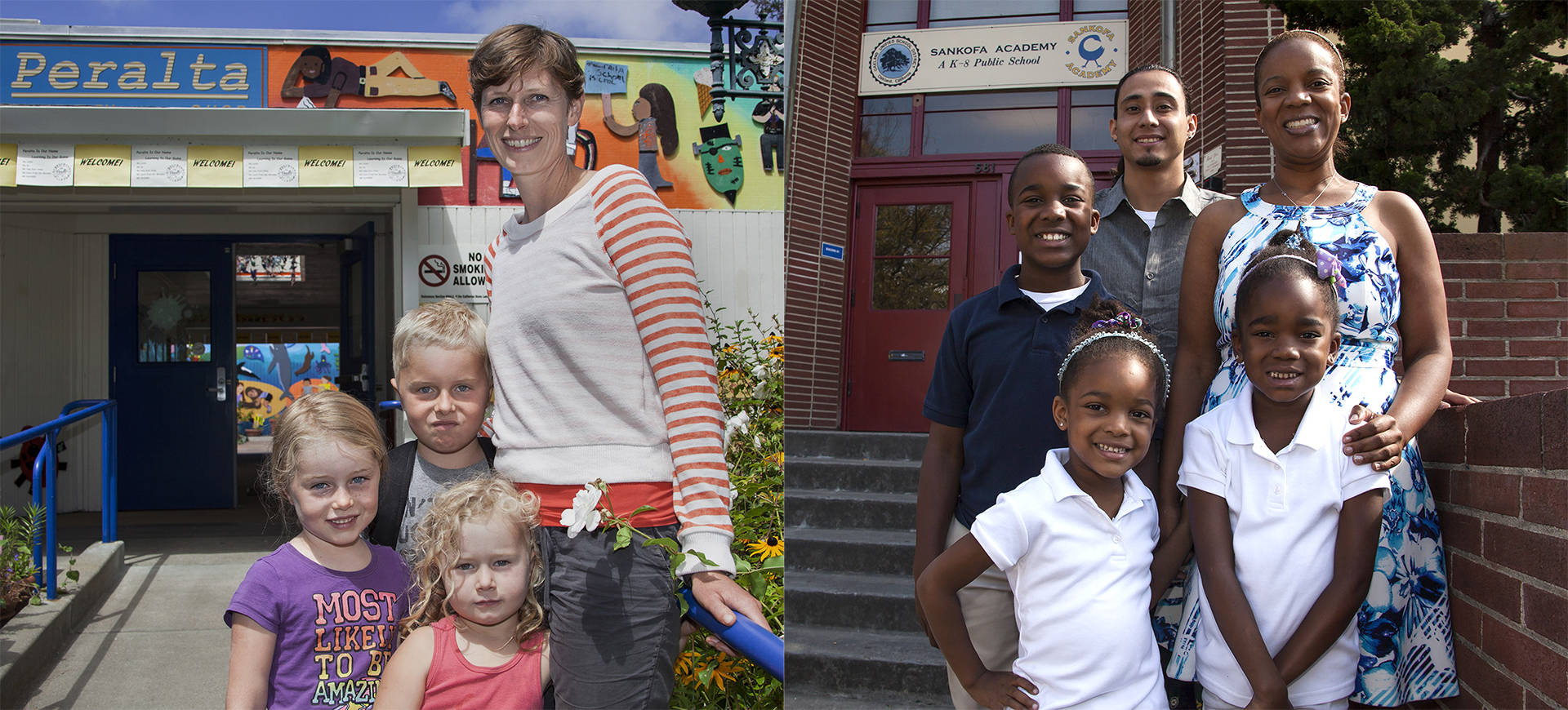
"caption": "Left photo: Eleanor Wohlfeiler poses for a photo with her three children in front of Peralta Elementary School in Oakland. Right photo: Kristin Smith and her family outside Sankofa Academy in Oakland.",
"description": null,
"title": "schools-adjusted",
"credit": "Brittany Hosea-Small",
"status": "inherit",
"isLoading": false,
"fetchFailed": false
}
},
"audioPlayerReducer": {
"postId": "stream_live",
"isPaused": true,
"isPlaying": false,
"pfsActive": false,
"pledgeModalIsOpen": true,
"playerDrawerIsOpen": false,
"liveAudioPlayStartedAt": 0,
"liveAudioPlayContext": ""
},
"authorsReducer": {
"jmcevoy": {
"type": "authors",
"id": "231",
"meta": {
"index": "authors_1716337520",
"id": "231",
"found": true
},
"name": "Julia McEvoy",
"firstName": "Julia",
"lastName": "McEvoy",
"slug": "jmcevoy",
"email": "jmcevoy@KQED.org",
"display_author_email": true,
"staff_mastheads": [
"news"
],
"title": "KQED Senior Editor",
"bio": "Julia McEvoy is KQED's Senior Editor, Education Equity.\r\n\r\nJulia heads KQED’s education coverage examining inequities students face in Bay Area and California schools, and reports on what it will take to educate the next generation.\r\n\r\nJulia's editorial work has received a Peabody Award, a Casey Medal for Coverage of Children and Families, several Edward R. Murrow awards, as well as awards from the Public Radio News Directors Inc. and the Society for Professional Journalists.",
"avatar": "https://secure.gravatar.com/avatar/aec3ce21abe02b302fd33638abd56a22?s=600&d=blank&r=g",
"twitter": "juliamcevoy1",
"facebook": null,
"instagram": null,
"linkedin": null,
"sites": [
{
"site": "news",
"roles": []
},
{
"site": "stateofhealth",
"roles": [
"author"
]
}
],
"headData": {
"title": "Julia McEvoy | KQED",
"description": "KQED Senior Editor",
"ogImgSrc": "https://secure.gravatar.com/avatar/aec3ce21abe02b302fd33638abd56a22?s=600&d=blank&r=g",
"twImgSrc": "https://secure.gravatar.com/avatar/aec3ce21abe02b302fd33638abd56a22?s=600&d=blank&r=g"
},
"isLoading": false,
"link": "/author/jmcevoy"
},
"shossaini": {
"type": "authors",
"id": "3214",
"meta": {
"index": "authors_1716337520",
"id": "3214",
"found": true
},
"name": "Sara Hossaini",
"firstName": "Sara",
"lastName": "Hossaini",
"slug": "shossaini",
"email": "shossaini@kqed.org",
"display_author_email": true,
"staff_mastheads": [
"news"
],
"title": "KQED Reporter",
"bio": "Sara Hossaini came to general assignment reporting at KQED in 2013 after two winters reporting at Wyoming Public Radio. She holds a bachelor's degree in broadcast journalism from the University of Nebraska-Lincoln. Her radio romance began after a bitter breakup with documentary film (Ok, maybe it's still complicated). Her first simultaneous jobs in San Francisco were as Associate Producer on a PBS film series through the Center for Asian American Media and as a butler. She likes to trot, plot and make things with her hands.",
"avatar": "https://secure.gravatar.com/avatar/060e9f56b9554e17942e89f413242774?s=600&d=blank&r=g",
"twitter": "mshossaini",
"facebook": null,
"instagram": null,
"linkedin": null,
"sites": [
{
"site": "news",
"roles": [
"author"
]
},
{
"site": "stateofhealth",
"roles": [
"author"
]
}
],
"headData": {
"title": "Sara Hossaini | KQED",
"description": "KQED Reporter",
"ogImgSrc": "https://secure.gravatar.com/avatar/060e9f56b9554e17942e89f413242774?s=600&d=blank&r=g",
"twImgSrc": "https://secure.gravatar.com/avatar/060e9f56b9554e17942e89f413242774?s=600&d=blank&r=g"
},
"isLoading": false,
"link": "/author/shossaini"
},
"zstavely": {
"type": "authors",
"id": "3225",
"meta": {
"index": "authors_1716337520",
"id": "3225",
"found": true
},
"name": "Zaidee Stavely",
"firstName": "Zaidee",
"lastName": "Stavely",
"slug": "zstavely",
"email": "zstavely@gmail.com",
"display_author_email": false,
"staff_mastheads": [],
"title": "KQED Contributor",
"bio": "Zaidee Stavely is an award-winning reporter who writes about race, equity, immigration, and education.",
"avatar": "https://secure.gravatar.com/avatar/5154b3ee56a721c916ca429372ae629c?s=600&d=blank&r=g",
"twitter": null,
"facebook": null,
"instagram": null,
"linkedin": null,
"sites": [
{
"site": "news",
"roles": [
"subscriber"
]
},
{
"site": "mindshift",
"roles": [
"contributor"
]
}
],
"headData": {
"title": "Zaidee Stavely | KQED",
"description": "KQED Contributor",
"ogImgSrc": "https://secure.gravatar.com/avatar/5154b3ee56a721c916ca429372ae629c?s=600&d=blank&r=g",
"twImgSrc": "https://secure.gravatar.com/avatar/5154b3ee56a721c916ca429372ae629c?s=600&d=blank&r=g"
},
"isLoading": false,
"link": "/author/zstavely"
},
"vrancano": {
"type": "authors",
"id": "11276",
"meta": {
"index": "authors_1716337520",
"id": "11276",
"found": true
},
"name": "Vanessa Rancaño",
"firstName": "Vanessa",
"lastName": "Rancaño",
"slug": "vrancano",
"email": "vrancano@kqed.org",
"display_author_email": false,
"staff_mastheads": [
"news"
],
"title": "Reporter",
"bio": "Vanessa Rancaño is a features reporter for KQED. She’s also covered homelessness and education for the station and reported from the Central Valley. Her work has aired across public radio, from flagship national news shows to longform narrative podcasts. Before taking up a mic, she worked as a freelance print journalist. She’s been recognized with a number of national and regional awards. Vanessa grew up in California's Central Valley. She's a former NPR Kroc Fellow, and a graduate of the UC Berkeley Graduate School of Journalism.",
"avatar": "https://secure.gravatar.com/avatar/b3a383dfb0e7ee1c17568f2cf067904ab654d6e3de9743fc661f3c788ade1bed?s=600&d=blank&r=g",
"twitter": "vanessarancano",
"bluesky": null,
"facebook": null,
"instagram": null,
"linkedin": null,
"sites": [
{
"site": "arts",
"roles": [
"editor"
]
},
{
"site": "news",
"roles": [
"editor"
]
},
{
"site": "liveblog",
"roles": [
"contributor"
]
}
],
"headData": {
"title": "Vanessa Rancaño | KQED",
"description": "Reporter",
"ogImgSrc": "https://secure.gravatar.com/avatar/b3a383dfb0e7ee1c17568f2cf067904ab654d6e3de9743fc661f3c788ade1bed?s=600&d=blank&r=g",
"twImgSrc": "https://secure.gravatar.com/avatar/b3a383dfb0e7ee1c17568f2cf067904ab654d6e3de9743fc661f3c788ade1bed?s=600&d=blank&r=g"
},
"isLoading": false,
"link": "/author/vrancano"
}
},
"pagesReducer": {
"news_tag_ousd": {
"type": "terms",
"id": "news_3366",
"meta": {
"index": "terms_1716263798",
"site": "news",
"id": "3366",
"score": 9.893782
},
"featImg": null,
"name": "OUSD",
"description": null,
"taxonomy": "tag",
"headData": {
"twImgId": null,
"twTitle": null,
"ogTitle": null,
"ogImgId": null,
"twDescription": null,
"description": null,
"title": "OUSD Archives | KQED News",
"ogDescription": null
},
"ttid": 3384,
"slug": "ousd",
"isLoading": false,
"title": "OUSD",
"pageMeta": {
"site": "news",
"WpPageTemplate": "page-topic-editorial",
"currentPage": 12
},
"blocks": [
{
"blockName": "kqed/post-list",
"attrs": {
"layout": "cardArticle2",
"query": "posts/news?tag=ousd",
"seeMore": false,
"paginated": true,
"page": 12
}
},
{
"blockName": "kqed/ad"
}
]
}
},
"pfsSessionReducer": {},
"postsReducer": {
"stream_live": {
"type": "live",
"id": "stream_live",
"audioUrl": "https://streams.kqed.org/kqedradio",
"title": "Live Stream",
"excerpt": "Live Stream information currently unavailable.",
"link": "/radio",
"featImg": "",
"label": {
"name": "KQED Live",
"link": "/"
}
},
"stream_kqedNewscast": {
"type": "posts",
"id": "stream_kqedNewscast",
"audioUrl": "https://www.kqed.org/.stream/anon/radio/RDnews/newscast.mp3?_=1",
"title": "KQED Newscast",
"featImg": "",
"label": {
"name": "88.5 FM",
"link": "/"
}
},
"news_11711497": {
"type": "posts",
"id": "news_11711497",
"meta": {
"index": "posts_1716263798",
"site": "news",
"id": "11711497",
"score": null,
"sort": [
1544540676000
]
},
"parent": 0,
"labelTerm": {
"site": "news"
},
"blocks": [],
"publishDate": 1544540676,
"format": "audio",
"disqusTitle": "With Oakland Schools on the Chopping Block, Community Looks to Organize",
"title": "With Oakland Schools on the Chopping Block, Community Looks to Organize",
"headTitle": "KQED News",
"content": "\u003cp>Oakland Unified School District is solidifying plans to close and consolidate schools. Specifics are expected early next year, but just the idea of school closures is alarming some parents, students and teachers who say they’re not about to let their school close without a fight.\u003c/p>\n\u003cp>Over the weekend, people gathered in downtown Oakland to begin plotting a community response to the looming closures.\u003c/p>\n\u003caside class=\"alignright\">\n\u003ch3>\u003ca href=\"https://www.kqed.org/news/11711449/as-potential-closures-loom-oakland-parents-want-opportunity-ticket-to-access-better-schools\">As Potential Closures Loom, Oakland Parents Want ‘Opportunity Ticket’ to Access Better Schools\u003c/a>\u003c/h3>\n\u003cfigure>\u003ca href=\"https://www.kqed.org/news/11711449/as-potential-closures-loom-oakland-parents-want-opportunity-ticket-to-access-better-schools\">\u003cimg src=\"https://ww2.kqed.org/news/wp-content/uploads/sites/10/2018/12/IMG_3937-1180x885.jpg\" alt=\"\">\u003c/a>\u003c/figure>\n\u003c/aside>\n\u003cp>“There’s only one way that we can stop this, and that’s organizing and making sure that we defend our schools,” local public education activist Mike Hutchinson told the crowd at Geoffrey’s Inner Circle. \u003c/p>\n\u003cp>“Once we organize one school site, we can’t stop there. We need to organize by neighborhood and citywide.\"\u003c/p>\n\u003cp>Hutchinson helped organize the event, which drew about 100 people. \u003c/p>\n\u003cp>\"Today was kind of two-fold,” he said, “to get information to folks so they can understand what the school board is planning to do, and hopefully that would inspire them to start fighting against those plans.\"\u003c/p>\n\u003cfigure id=\"attachment_11711500\" class=\"wp-caption aligncenter\" style=\"max-width: 800px\">\u003cimg class=\"size-medium wp-image-11711500\" src=\"https://ww2.kqed.org/news/wp-content/uploads/sites/10/2018/12/IMG_0854-800x600.jpg\" alt=\"\" width=\"800\" height=\"600\" srcset=\"https://ww2.kqed.org/app/uploads/sites/10/2018/12/IMG_0854-800x600.jpg 800w, https://ww2.kqed.org/app/uploads/sites/10/2018/12/IMG_0854-160x120.jpg 160w, https://ww2.kqed.org/app/uploads/sites/10/2018/12/IMG_0854-1020x765.jpg 1020w, https://ww2.kqed.org/app/uploads/sites/10/2018/12/IMG_0854-1200x900.jpg 1200w, https://ww2.kqed.org/app/uploads/sites/10/2018/12/IMG_0854-1920x1440.jpg 1920w, https://ww2.kqed.org/app/uploads/sites/10/2018/12/IMG_0854.jpg 2016w\" sizes=\"(max-width: 800px) 100vw, 800px\">\u003cfigcaption class=\"wp-caption-text\">Local public education activist Mike Hutchinson told the crowd to start organizing against the district's plan. \u003ccite>(Vanessa Rancaño/KQED)\u003c/cite>\u003c/figcaption>\u003c/figure>\n\u003cp>With enrollment down, OUSD officials say they can’t keep all 87 of their schools open. \u003c/p>\n\u003cp>Their \u003ca href=\"https://ousd.legistar.com/LegislationDetail.aspx?ID=3727236&GUID=2F788976-5A80-4BBA-B940-0E878F99B445&Options=&Search=\" target=\"_blank\" rel=\"noopener\">initial analysis\u003c/a> projects that five years from now, there’ll be more than 10,000 empty seats. The district’s early estimate is that it needs 24 fewer schools.\u003c/p>\n\u003cp>[ad fullwidth]\u003c/p>\n\u003cp>High school teacher Chris Jackson, who attended Sunday’s event, said morale in the district is already low after years of cuts. \u003c/p>\n\u003cp>“After we’ve made cut after cut, the final insult has been to close our schools down,\" Jackson said.\u003c/p>\n\u003caside class=\"alignright\">\n\u003ch3>\u003ca href=\"https://www.kqed.org/news/11703765/parents-in-oaklands-worst-schools-want-out-see-open-enrollment-as-their-chance\">Parents in Oakland's Worst Schools Want Out, See Open Enrollment as Their Chance\u003c/a>\u003c/h3>\n\u003cfigure>\u003ca href=\"https://www.kqed.org/news/11703765/parents-in-oaklands-worst-schools-want-out-see-open-enrollment-as-their-chance\">\u003cimg src=\"https://ww2.kqed.org/news/wp-content/uploads/sites/10/2018/11/Lakisha-Young-e1541535688680-1180x938.jpg\" alt=\"\">\u003c/a>\u003c/figure>\n\u003c/aside>\n\u003cp>Jackson teaches at Castlemont High School in East Oakland, the region with the most schools, and where 17 of the 24 estimated closures would take place. He’s already worried about what that would mean for his students.\u003c/p>\n\u003cp>“A lot of our students can’t go to certain areas because of gang activity and because of their safety,” Jackson said. “We’re going to be forcing students to walk through these areas that are not safe for them. A lot of our students have huge transportation issues.”\u003c/p>\n\u003cp>When school started this year, Superintendent Kyla Johnson-Trammell admitted closing schools wasn’t going to be an easy task. \u003c/p>\n\u003cp>“No one likes having to change a school. Schools are part of a community,” she said. “They're hard, difficult conversations. They're emotional conversations. They're equity-charged conversations.”\u003c/p>\n\u003cfigure id=\"attachment_11711503\" class=\"wp-caption aligncenter\" style=\"max-width: 800px\">\u003cimg class=\"wp-image-11711503 size-medium\" src=\"https://ww2.kqed.org/news/wp-content/uploads/sites/10/2018/12/IMG_0866-800x600.jpg\" alt=\"\" width=\"800\" height=\"600\" srcset=\"https://ww2.kqed.org/app/uploads/sites/10/2018/12/IMG_0866-800x600.jpg 800w, https://ww2.kqed.org/app/uploads/sites/10/2018/12/IMG_0866-160x120.jpg 160w, https://ww2.kqed.org/app/uploads/sites/10/2018/12/IMG_0866-1020x765.jpg 1020w, https://ww2.kqed.org/app/uploads/sites/10/2018/12/IMG_0866-1200x900.jpg 1200w, https://ww2.kqed.org/app/uploads/sites/10/2018/12/IMG_0866-1920x1440.jpg 1920w, https://ww2.kqed.org/app/uploads/sites/10/2018/12/IMG_0866.jpg 2016w\" sizes=\"(max-width: 800px) 100vw, 800px\">\u003cfigcaption class=\"wp-caption-text\">At Sunday's event, teachers said looming closures are contributing to their dissatisfaction and willingness to take a hardline stance as labor negotiations continue to falter. \u003ccite>(Vanessa Rancaño/KQED )\u003c/cite>\u003c/figcaption>\u003c/figure>\n\u003cp>The \u003ca href=\"https://edsource.org/2018/california-governor-signs-bill-that-could-yield-millions-for-oakland-and-inglewood-schools/602409\" target=\"_blank\" rel=\"noopener\">state bailout money\u003c/a> available to OUSD hinges on the district showing it’s taking steps to fix its finances. Closing schools is a key part of the district’s longterm plan.\u003c/p>\n\u003cp>But like others at the community meeting, Jackson and Hutchinson argued closures will disproportionately impact kids in Oakland’s flatlands.\u003c/p>\n\u003cp>Most of the schools closed or consolidated are expected to be elementary schools, plus a handful of middle schools and one high school.\u003c/p>\n\u003cp>The district is expected to provide more detail on the plan in February.\u003c/p>\n\u003cp>\u003c/p>\n",
"disqusIdentifier": "11711497 https://ww2.kqed.org/news/?p=11711497",
"disqusUrl": "https://ww2.kqed.org/news/2018/12/11/with-oakland-schools-on-the-chopping-block-community-looks-to-organize/",
"stats": {
"hasVideo": false,
"hasChartOrMap": false,
"hasAudio": false,
"hasPolis": false,
"wordCount": 593,
"hasGoogleForm": false,
"hasGallery": false,
"hasHearkenModule": false,
"iframeSrcs": [],
"paragraphCount": 20
},
"modified": 1549915003,
"excerpt": "With enrollment down, OUSD officials say they can’t keep all 87 of their schools open. The district’s early estimate is that it needs 24 fewer schools.\r\n",
"headData": {
"twImgId": "",
"twTitle": "",
"ogTitle": "",
"ogImgId": "",
"twDescription": "",
"description": "With enrollment down, OUSD officials say they can’t keep all 87 of their schools open. The district’s early estimate is that it needs 24 fewer schools.\r\n",
"title": "With Oakland Schools on the Chopping Block, Community Looks to Organize | KQED",
"ogDescription": "",
"schema": {
"@context": "https://schema.org",
"@type": "NewsArticle",
"headline": "With Oakland Schools on the Chopping Block, Community Looks to Organize",
"datePublished": "2018-12-11T07:04:36-08:00",
"dateModified": "2019-02-11T11:56:43-08:00",
"image": "https://cdn.kqed.org/wp-content/uploads/2020/02/KQED-OG-Image@1x.png",
"isAccessibleForFree": "True",
"publisher": {
"@type": "NewsMediaOrganization",
"@id": "https://www.kqed.org/#organization",
"name": "KQED",
"logo": "https://cdn.kqed.org/wp-content/uploads/2020/02/KQED-OG-Image@1x.png",
"url": "https://www.kqed.org",
"sameAs": [
"https://www.facebook.com/KQED",
"https://twitter.com/KQED",
"https://www.instagram.com/kqed/",
"https://www.tiktok.com/@kqedofficial",
"https://www.linkedin.com/company/kqed",
"https://www.youtube.com/channel/UCeC0IOo7i1P_61zVUWbJ4nw"
]
}
}
},
"guestAuthors": [],
"slug": "with-oakland-schools-on-the-chopping-block-community-looks-to-organize",
"status": "publish",
"audioUrl": "https://www.kqed.org/.stream/anon/radio/RDnews/2018/12/RancanoOakSchoolClosings.mp3",
"audioTrackLength": 159,
"path": "/news/11711497/with-oakland-schools-on-the-chopping-block-community-looks-to-organize",
"audioDuration": 146000,
"parsedContent": [
{
"type": "contentString",
"content": "\u003cdiv class=\"post-body\">\u003cp>\u003cp>Oakland Unified School District is solidifying plans to close and consolidate schools. Specifics are expected early next year, but just the idea of school closures is alarming some parents, students and teachers who say they’re not about to let their school close without a fight.\u003c/p>\n\u003cp>Over the weekend, people gathered in downtown Oakland to begin plotting a community response to the looming closures.\u003c/p>\n\u003caside class=\"alignright\">\n\u003ch3>\u003ca href=\"https://www.kqed.org/news/11711449/as-potential-closures-loom-oakland-parents-want-opportunity-ticket-to-access-better-schools\">As Potential Closures Loom, Oakland Parents Want ‘Opportunity Ticket’ to Access Better Schools\u003c/a>\u003c/h3>\n\u003cfigure>\u003ca href=\"https://www.kqed.org/news/11711449/as-potential-closures-loom-oakland-parents-want-opportunity-ticket-to-access-better-schools\">\u003cimg src=\"https://ww2.kqed.org/news/wp-content/uploads/sites/10/2018/12/IMG_3937-1180x885.jpg\" alt=\"\">\u003c/a>\u003c/figure>\n\u003c/aside>\n\u003cp>“There’s only one way that we can stop this, and that’s organizing and making sure that we defend our schools,” local public education activist Mike Hutchinson told the crowd at Geoffrey’s Inner Circle. \u003c/p>\n\u003cp>“Once we organize one school site, we can’t stop there. We need to organize by neighborhood and citywide.\"\u003c/p>\n\u003cp>Hutchinson helped organize the event, which drew about 100 people. \u003c/p>\n\u003cp>\"Today was kind of two-fold,” he said, “to get information to folks so they can understand what the school board is planning to do, and hopefully that would inspire them to start fighting against those plans.\"\u003c/p>\n\u003cfigure id=\"attachment_11711500\" class=\"wp-caption aligncenter\" style=\"max-width: 800px\">\u003cimg class=\"size-medium wp-image-11711500\" src=\"https://ww2.kqed.org/news/wp-content/uploads/sites/10/2018/12/IMG_0854-800x600.jpg\" alt=\"\" width=\"800\" height=\"600\" srcset=\"https://ww2.kqed.org/app/uploads/sites/10/2018/12/IMG_0854-800x600.jpg 800w, https://ww2.kqed.org/app/uploads/sites/10/2018/12/IMG_0854-160x120.jpg 160w, https://ww2.kqed.org/app/uploads/sites/10/2018/12/IMG_0854-1020x765.jpg 1020w, https://ww2.kqed.org/app/uploads/sites/10/2018/12/IMG_0854-1200x900.jpg 1200w, https://ww2.kqed.org/app/uploads/sites/10/2018/12/IMG_0854-1920x1440.jpg 1920w, https://ww2.kqed.org/app/uploads/sites/10/2018/12/IMG_0854.jpg 2016w\" sizes=\"(max-width: 800px) 100vw, 800px\">\u003cfigcaption class=\"wp-caption-text\">Local public education activist Mike Hutchinson told the crowd to start organizing against the district's plan. \u003ccite>(Vanessa Rancaño/KQED)\u003c/cite>\u003c/figcaption>\u003c/figure>\n\u003cp>With enrollment down, OUSD officials say they can’t keep all 87 of their schools open. \u003c/p>\n\u003cp>Their \u003ca href=\"https://ousd.legistar.com/LegislationDetail.aspx?ID=3727236&GUID=2F788976-5A80-4BBA-B940-0E878F99B445&Options=&Search=\" target=\"_blank\" rel=\"noopener\">initial analysis\u003c/a> projects that five years from now, there’ll be more than 10,000 empty seats. The district’s early estimate is that it needs 24 fewer schools.\u003c/p>\n\u003cp>\u003c/p>\u003c/div>",
"attributes": {
"named": {},
"numeric": []
}
},
{
"type": "component",
"content": "",
"name": "ad",
"attributes": {
"named": {
"label": "fullwidth"
},
"numeric": [
"fullwidth"
]
}
},
{
"type": "contentString",
"content": "\u003cdiv class=\"post-body\">\u003cp>\u003c/p>\n\u003cp>High school teacher Chris Jackson, who attended Sunday’s event, said morale in the district is already low after years of cuts. \u003c/p>\n\u003cp>“After we’ve made cut after cut, the final insult has been to close our schools down,\" Jackson said.\u003c/p>\n\u003caside class=\"alignright\">\n\u003ch3>\u003ca href=\"https://www.kqed.org/news/11703765/parents-in-oaklands-worst-schools-want-out-see-open-enrollment-as-their-chance\">Parents in Oakland's Worst Schools Want Out, See Open Enrollment as Their Chance\u003c/a>\u003c/h3>\n\u003cfigure>\u003ca href=\"https://www.kqed.org/news/11703765/parents-in-oaklands-worst-schools-want-out-see-open-enrollment-as-their-chance\">\u003cimg src=\"https://ww2.kqed.org/news/wp-content/uploads/sites/10/2018/11/Lakisha-Young-e1541535688680-1180x938.jpg\" alt=\"\">\u003c/a>\u003c/figure>\n\u003c/aside>\n\u003cp>Jackson teaches at Castlemont High School in East Oakland, the region with the most schools, and where 17 of the 24 estimated closures would take place. He’s already worried about what that would mean for his students.\u003c/p>\n\u003cp>“A lot of our students can’t go to certain areas because of gang activity and because of their safety,” Jackson said. “We’re going to be forcing students to walk through these areas that are not safe for them. A lot of our students have huge transportation issues.”\u003c/p>\n\u003cp>When school started this year, Superintendent Kyla Johnson-Trammell admitted closing schools wasn’t going to be an easy task. \u003c/p>\n\u003cp>“No one likes having to change a school. Schools are part of a community,” she said. “They're hard, difficult conversations. They're emotional conversations. They're equity-charged conversations.”\u003c/p>\n\u003cfigure id=\"attachment_11711503\" class=\"wp-caption aligncenter\" style=\"max-width: 800px\">\u003cimg class=\"wp-image-11711503 size-medium\" src=\"https://ww2.kqed.org/news/wp-content/uploads/sites/10/2018/12/IMG_0866-800x600.jpg\" alt=\"\" width=\"800\" height=\"600\" srcset=\"https://ww2.kqed.org/app/uploads/sites/10/2018/12/IMG_0866-800x600.jpg 800w, https://ww2.kqed.org/app/uploads/sites/10/2018/12/IMG_0866-160x120.jpg 160w, https://ww2.kqed.org/app/uploads/sites/10/2018/12/IMG_0866-1020x765.jpg 1020w, https://ww2.kqed.org/app/uploads/sites/10/2018/12/IMG_0866-1200x900.jpg 1200w, https://ww2.kqed.org/app/uploads/sites/10/2018/12/IMG_0866-1920x1440.jpg 1920w, https://ww2.kqed.org/app/uploads/sites/10/2018/12/IMG_0866.jpg 2016w\" sizes=\"(max-width: 800px) 100vw, 800px\">\u003cfigcaption class=\"wp-caption-text\">At Sunday's event, teachers said looming closures are contributing to their dissatisfaction and willingness to take a hardline stance as labor negotiations continue to falter. \u003ccite>(Vanessa Rancaño/KQED )\u003c/cite>\u003c/figcaption>\u003c/figure>\n\u003cp>The \u003ca href=\"https://edsource.org/2018/california-governor-signs-bill-that-could-yield-millions-for-oakland-and-inglewood-schools/602409\" target=\"_blank\" rel=\"noopener\">state bailout money\u003c/a> available to OUSD hinges on the district showing it’s taking steps to fix its finances. Closing schools is a key part of the district’s longterm plan.\u003c/p>\n\u003cp>But like others at the community meeting, Jackson and Hutchinson argued closures will disproportionately impact kids in Oakland’s flatlands.\u003c/p>\n\u003cp>Most of the schools closed or consolidated are expected to be elementary schools, plus a handful of middle schools and one high school.\u003c/p>\n\u003cp>The district is expected to provide more detail on the plan in February.\u003c/p>\n\u003cp>\u003c/p>\n\u003c/div>\u003c/p>",
"attributes": {
"named": {},
"numeric": []
}
}
],
"link": "/news/11711497/with-oakland-schools-on-the-chopping-block-community-looks-to-organize",
"authors": [
"11276"
],
"categories": [
"news_18540",
"news_8"
],
"tags": [
"news_3202",
"news_1826",
"news_3366",
"news_24880",
"news_24524"
],
"featImg": "news_11711501",
"label": "news"
},
"news_11707533": {
"type": "posts",
"id": "news_11707533",
"meta": {
"index": "posts_1716263798",
"site": "news",
"id": "11707533",
"score": null,
"sort": [
1543609075000
]
},
"parent": 0,
"labelTerm": {
"site": "news",
"term": 72
},
"blocks": [],
"publishDate": 1543609075,
"format": "audio",
"disqusTitle": "Facing School Nurse Shortage, Oakland Teachers Become Caregivers",
"title": "Facing School Nurse Shortage, Oakland Teachers Become Caregivers",
"headTitle": "The California Report | KQED News",
"content": "\u003cp>[dropcap]I[/dropcap]n her classroom at Bret Harte Middle School in Oakland, teacher Sayuri Sakamoto sits at a desk piled with papers. It’s her precious prep period, and she’s in the middle of scheduling education plan meetings for her special ed students when she remembers something.\u003c/p>\n\u003cp>“I actually need to follow up and go give someone an extra asthma treatment, like right now,” she says, as she stuffs her phone into her fanny pack and rushes out the door.\u003c/p>\n\u003cp>Down the hall, Sakamoto pops her head into a classroom and pulls 7th grader Jayare Fulghal-Holloway from his class. Jayare was her student last year, and she knows if he doesn’t use his inhaler multiple times each day, his chest tightens up. He follows her down the hallway. “I feel really cough-y. You get it, coffee?” says Jayare. “But seriously it's really important.”\u003c/p>\n\u003cp>Today he’s been asking to go home, but Sakamoto is hoping the extra asthma treatment will keep him at school. She walks him to a small room near the front office.\u003c/p>\n\u003cp>“That's Nurse Williams' room,” Jayare says. But Nurse Williams isn’t here. “She's usually at her other schools,\" Jayare explains.\u003c/p>\n\u003cp>[ad fullwidth]\u003c/p>\n\u003cp>That’s because nurse Natasha Williams divides her time between three schools, and a shortage of school nurses in the district means she has to pick up additional assignments, spreading her even thinner. When school started this year, 10 of Oakland Unified School District’s 30 \u003ca href=\"https://ousd.tedk12.com/hire/ViewJob.aspx?JobID=166\" target=\"_blank\" rel=\"noopener\">nurse positions\u003c/a> weren’t filled.\u003c/p>\n\u003cp>It falls to other school staff to pick up the slack. Sakamoto does her best to keep track of when students need to take medications. She sets alarms on her phone to remind her.\u003c/p>\n\u003cp>“In the middle of whatever I'm doing, I stop,” she says. “If I don't then, I will forget to do it.”\u003c/p>\n\u003caside class=\"pullquote alignright\">'We could do our jobs much more effectively if we know that there are people who have training in medical emergencies ... first aid and just general knowledge, who are onsite and available to us.'\u003ccite>April Harris-Jackson, Bret Harte principal\u003c/cite>\u003c/aside>\n\u003cp>But those alarms go off six times per day, so things can get complicated.\u003c/p>\n\u003cp>“I have so many alarms set close to each other I'll turn one off because I think I already did that and then, 'Oh no!' It turns out that was the alarm for someone else. Sometimes schedules get way off,\" she says.\u003c/p>\n\u003cp>Bret Harte principal April Harris-Jackson estimates she and her staff spend between 20-30 percent of their time on medical issues.\u003c/p>\n\u003cp>“We could do our jobs much more effectively if we know that there are people who have training in medical emergencies and in first aid and just general knowledge, who are onsite and available to us,” Harris-Jackson says.\u003c/p>\n\u003cp>The school’s attendance clerk, Carmen Argueta, spends so much time tending to students’ medical needs that Jayare thought she was another school nurse until Sakamoto told him otherwise.\u003c/p>\n\u003cp>About 20 percent of students at the school receive special education services. Many of them require medical care. Harris-Jackson says she has students who regularly have seizures, others who rely on gastronomy tubes (G-tubes) and catheters, plus students with life-threatening allergies and chronic conditions that require daily medication.\u003c/p>\n\u003cp>Nurse Williams is in charge of assessing all those students and coming up with treatment plans. She works with their doctors and trains aides and other staff, like the attendance clerk, who provide care. She also does hearing and vision tests, makes sure kids have the medications they need at school, and follows up if kids aren’t coming to class because of medical conditions.\u003c/p>\n\u003cp>With so few nurses in the district these days, she spends two days each week at Bret Harte, but does daily diabetes rounds at other schools and takes on other assignments.\u003c/p>\n\u003cfigure id=\"attachment_11709241\" class=\"wp-caption aligncenter\" style=\"max-width: 800px\">\u003cimg src=\"https://ww2.kqed.org/news/wp-content/uploads/sites/10/2018/11/BretHarteMiddle-800x554.jpg\" alt=\"About 20 percent of students at Bret Harte Middle School get special education services. Many of them require medical care.\" width=\"800\" height=\"554\" class=\"size-medium wp-image-11709241\" srcset=\"https://ww2.kqed.org/app/uploads/sites/10/2018/11/BretHarteMiddle-800x554.jpg 800w, https://ww2.kqed.org/app/uploads/sites/10/2018/11/BretHarteMiddle-160x111.jpg 160w, https://ww2.kqed.org/app/uploads/sites/10/2018/11/BretHarteMiddle-1020x707.jpg 1020w, https://ww2.kqed.org/app/uploads/sites/10/2018/11/BretHarteMiddle-1200x831.jpg 1200w, https://ww2.kqed.org/app/uploads/sites/10/2018/11/BretHarteMiddle.jpg 1920w\" sizes=\"(max-width: 800px) 100vw, 800px\">\u003cfigcaption class=\"wp-caption-text\">About 20 percent of students at Bret Harte Middle School get special education services. Many of them require medical care. \u003ccite>(Vanessa Rancano/KQED)\u003c/cite>\u003c/figcaption>\u003c/figure>\n\u003cp>“I just question how it’s sustainable,” Harris-Jackson says of nurses’ workload. “How are we getting our needs met here, but also how are those other schools getting their needs met?”\u003c/p>\n\u003cp>In Nurse Williams’ office, Sakamoto is doing her best to meet Jayare’s needs. After rifling around in search of the binder where Williams logs treatments, she hands Jayare his inhaler.\u003c/p>\n\u003cp>“Please do it the right way,” she says, though it’s not clear she knows what that is. “One puff, then a deep breath and hold it — or I don't know if you hold it,” she says. “Just do it slowly.”\u003c/p>\n\u003cp>Shortly after Sakamoto sends Jayare back to class, Nurse Williams bursts through the door. \u003c/p>\n\u003cp>“I’m sorry! I’m so sorry,” she says. “I just rushed here from another school where I had a new student show up with G-tube feedings.” \u003c/p>\n\u003cp>She was due at Bret Harte more than two hours earlier, but she had to train the staff at another school to handle the feeding procedure.\u003c/p>\n\u003cp>“I was supposed to see many students today here, and of all those students now I can maybe see one,” she says. “The other students will have to be rescheduled to another day.”\u003c/p>\n\u003cp>Williams loves her job and says it’s painful to see the workload take a toll on her relationship with students. \u003c/p>\n\u003cp>“I have students telling me all the time, ‘Miss Natasha where are you? I never see you. You never get to sit with me and talk about my medication,’” she says. “I feel like if I was here every day it would make a huge difference.”\u003c/p>\n\u003ch3>A Troubling Best-Case Scenario\u003c/h3>\n\u003cp>Still, Bret Harte is in some ways the district’s best-case scenario. Because it serves so many high-needs students it gets more nursing attention than some schools in the district.\u003c/p>\n\u003cp>Around 30 schools don’t have a nurse assigned to them at all. It falls to managers in the district's Health Services Department and nurses like Williams, who already have brimming caseloads, to assess students and train staff at those schools between other work.\u003c/p>\n\u003cp>Teachers, attendance clerks and other staff are left to manage much of students’ day-to-day care.\u003c/p>\n\u003cp>The situation in the district has school nurses turning to their union, the \u003ca href=\"https://oaklandea.org/\" target=\"_blank\" rel=\"noopener\">Oakland Education Association\u003c/a>, for help. In May the union filed a formal grievance accusing the district of violating the \u003ca href=\"https://oaklandea.org/contract/\" target=\"_blank\" rel=\"noopener\">terms of their contract\u003c/a>, which sets a nurse’s maximum caseload at 1,350 students.\u003c/p>\n\u003cp>Even without the extra tasks thrown her way, Natasha Williams oversees nearly 1,400 students at her three schools.\u003c/p>\n\u003cp>“The effects of the shortage are really, really burned out nurses. Our turnover is incredible,” says nurse Sarah Nielsen Boyd, who oversees over 2,000 students at Oakland Tech, though there are other trained staff on site. “It's a crazy job. It's very stressful.”\u003c/p>\n\u003cp>In addition to monitoring medical services for severely disabled students and kids with medical conditions from cancer to cystic fibrosis, Nielsen Boyd has dealt with mental health issues like panic attacks and self-harm. She’s also the school’s go-to in emergencies. And with nurses so scarce she sometimes gets pulled away to help at other schools.\u003c/p>\n\u003cp>When the district did not respond to the nurses’ initial complaint, the union tried again. In late August the district rejected the grievance, saying it wasn’t filed in a timely manner, and deemed it null and void.\u003c/p>\n\u003cp>In a letter to nurses and union officials, OUSD Director of Community Schools Student Services Andrea Bustamante wrote, “Notwithstanding denial of the grievance due to untimely filing, I find the start of the 2018-2019 school year to be a great opportunity to work collaboratively to improve working conditions for our valued OUSD nurses.”\u003c/p>\n\u003cp>The union and district have yet to work out a solution. In the meantime, nurses have turned to other tactics. \u003c/p>\n\u003ch3>Nurses Demand Action\u003c/h3>\n\u003cp>At a \u003ca href=\"http://ousd.granicus.com/player/clip/1321?view_id=4\" target=\"_blank\" rel=\"noopener\">School Board meeting\u003c/a> in late September, they showed up alongside teachers to demand the district address the shortage. They provided board members with statements they said they’d collected from parents and pediatricians.\u003c/p>\n\u003cp>“You need to take this seriously,” Oakland Education Association treasurer Deirdre Snyder told the board. “You’re going to be sued by some parent! It’s a travesty. I have seen seizures in my room, all kinds of problems, more and more as the years go on. You cannot pretend this isn’t happening. You need to act now.”\u003c/p>\n\u003cp>District-wide, there are over 700 students with severe allergies, more than 350 students whose asthma requires regular medication, about 200 students with seizure disorders, 50 students with diabetes and nearly 30 students with sickle cell disease.\u003c/p>\n\u003cp>“It's a high-needs district. We take great pride in filling the medical needs for our kids,” says OUSD spokesman John Sasaki. He points out the district has a vision clinic and dental services, along with independently run general health clinics families can access at over a dozen schools.\u003c/p>\n\u003cp>Sasaki says in the past five years, several school nurses have retired while others have left for other districts or taken hospital jobs.\u003c/p>\n\u003cfigure id=\"attachment_11707655\" class=\"wp-caption aligncenter\" style=\"max-width: 800px\">\u003cimg class=\"size-medium wp-image-11707655\" src=\"https://ww2.kqed.org/news/wp-content/uploads/sites/10/2018/11/Bret-Harte2-800x600.jpg\" alt=\"\" width=\"800\" height=\"600\" srcset=\"https://ww2.kqed.org/app/uploads/sites/10/2018/11/Bret-Harte2-800x600.jpg 800w, https://ww2.kqed.org/app/uploads/sites/10/2018/11/Bret-Harte2-160x120.jpg 160w, https://ww2.kqed.org/app/uploads/sites/10/2018/11/Bret-Harte2-1020x765.jpg 1020w, https://ww2.kqed.org/app/uploads/sites/10/2018/11/Bret-Harte2-1200x900.jpg 1200w, https://ww2.kqed.org/app/uploads/sites/10/2018/11/Bret-Harte2.jpg 1920w\" sizes=\"(max-width: 800px) 100vw, 800px\">\u003cfigcaption class=\"wp-caption-text\">Bret Harte principal April Harris-Jackson estimates she and her staff spend between 20 and 30 percent of their time on medical issues. \u003ccite>(Vanessa Rancaño/KQED)\u003c/cite>\u003c/figcaption>\u003c/figure>\n\u003cp>The number of full-time credentialed school nurse positions in the district has dropped over time, and so have the number of unfilled positions. Last school year, the district had 32 nurse positions, six of them unfilled. In 2015, there were about 35 positions and only three were unfilled.\u003c/p>\n\u003cp>While some nurses say the district hasn’t done enough to recruit nurses, district officials peg the unfilled positions on a shortage that stretches beyond Oakland. In fact, across the state, about ten percent of school nurse positions are unfilled, according to Sheri Coburn, president of the California School Nurses Organization.\u003c/p>\n\u003cp>Coburn blames the shortage in part on the fact that nurses can make more money in traditional hospital settings. School nursing also requires specialized training that takes time and money.\u003c/p>\n\u003cp>“We're doing everything we can,” Sasaki says. “We're scrambling to find more nurses.”\u003c/p>\n\u003cp>He says staff is working to expand the nurse recruitment campaign and the district is working with the union to offer additional incentives, like signing bonuses, referral bonuses and stipends for experienced nurses who support and mentor newer nurses.\u003c/p>\n\u003cp>Studies have shown kids who have access to school nurses \u003ca href=\"http://pediatrics.aappublications.org/content/137/6/e20160852\" target=\"_blank\" rel=\"noopener\">do better than those who don’t\u003c/a> — they’re absent less, and their teachers can dedicate more time to teaching. \u003c/p>\n\u003cp>The American Academy of Pediatrics recommends a minimum of one full-time school nurse at every school. \u003c/p>\n\u003cp>[ad floatright]\u003c/p>\n\u003cp>In California, on average, there’s \u003ca href=\"https://www.kidsdata.org/topic/126/pupilsupportpersonnel-type/Table#fmt=2391&loc=2,127,347,1763,331,348,336,171,321,345,357,332,324,369,358,362,360,337,327,364,356,217,353,328,354,323,352,320,339,334,365,343,330,367,344,355,366,368,265,349,361,4,273,59,370,326,333,322,341,338,350,342,329,325,359,351,363,340,335&tf=95&ch=276,278,280,277,279,807,1136&sortColumnId=0&sortType=asc\" target=\"_blank\" rel=\"noopener\">one school nurse for every 2,500 students\u003c/a>.\u003c/p>\n\n",
"disqusIdentifier": "11707533 https://ww2.kqed.org/news/?p=11707533",
"disqusUrl": "https://ww2.kqed.org/news/2018/11/30/facing-school-nurse-shortage-oakland-teachers-become-caregivers/",
"stats": {
"hasVideo": false,
"hasChartOrMap": false,
"hasAudio": false,
"hasPolis": false,
"wordCount": 1905,
"hasGoogleForm": false,
"hasGallery": false,
"hasHearkenModule": false,
"iframeSrcs": [],
"paragraphCount": 50
},
"modified": 1549913577,
"excerpt": "Fed up with a shortage of medical staff, school nurses and teachers are turning to their union for help.",
"headData": {
"twImgId": "",
"twTitle": "",
"ogTitle": "",
"ogImgId": "",
"twDescription": "",
"description": "Fed up with a shortage of medical staff, school nurses and teachers are turning to their union for help.",
"title": "Facing School Nurse Shortage, Oakland Teachers Become Caregivers | KQED",
"ogDescription": "",
"schema": {
"@context": "https://schema.org",
"@type": "NewsArticle",
"headline": "Facing School Nurse Shortage, Oakland Teachers Become Caregivers",
"datePublished": "2018-11-30T12:17:55-08:00",
"dateModified": "2019-02-11T11:32:57-08:00",
"image": "https://cdn.kqed.org/wp-content/uploads/2020/02/KQED-OG-Image@1x.png",
"isAccessibleForFree": "True",
"publisher": {
"@type": "NewsMediaOrganization",
"@id": "https://www.kqed.org/#organization",
"name": "KQED",
"logo": "https://cdn.kqed.org/wp-content/uploads/2020/02/KQED-OG-Image@1x.png",
"url": "https://www.kqed.org",
"sameAs": [
"https://www.facebook.com/KQED",
"https://twitter.com/KQED",
"https://www.instagram.com/kqed/",
"https://www.tiktok.com/@kqedofficial",
"https://www.linkedin.com/company/kqed",
"https://www.youtube.com/channel/UCeC0IOo7i1P_61zVUWbJ4nw"
]
}
}
},
"guestAuthors": [],
"slug": "facing-school-nurse-shortage-oakland-teachers-become-caregivers",
"status": "publish",
"audioUrl": "https://www.kqed.org/.stream/anon/radio/RDnews/2018/11/RancanoSchoolNurses.mp3",
"audioTrackLength": 249,
"path": "/news/11707533/facing-school-nurse-shortage-oakland-teachers-become-caregivers",
"audioDuration": 235000,
"parsedContent": [
{
"type": "contentString",
"content": "\u003cdiv class=\"post-body\">\u003cp>\u003cp>\u003c/p>\u003cp>\u003cspan class=\"utils-parseShortcode-shortcodes-__dropcapShortcode__dropcap\">I\u003c/span>\u003c/p>\u003cp>n her classroom at Bret Harte Middle School in Oakland, teacher Sayuri Sakamoto sits at a desk piled with papers. It’s her precious prep period, and she’s in the middle of scheduling education plan meetings for her special ed students when she remembers something.\u003c/p>\n\u003cp>“I actually need to follow up and go give someone an extra asthma treatment, like right now,” she says, as she stuffs her phone into her fanny pack and rushes out the door.\u003c/p>\n\u003cp>Down the hall, Sakamoto pops her head into a classroom and pulls 7th grader Jayare Fulghal-Holloway from his class. Jayare was her student last year, and she knows if he doesn’t use his inhaler multiple times each day, his chest tightens up. He follows her down the hallway. “I feel really cough-y. You get it, coffee?” says Jayare. “But seriously it's really important.”\u003c/p>\n\u003cp>Today he’s been asking to go home, but Sakamoto is hoping the extra asthma treatment will keep him at school. She walks him to a small room near the front office.\u003c/p>\n\u003cp>“That's Nurse Williams' room,” Jayare says. But Nurse Williams isn’t here. “She's usually at her other schools,\" Jayare explains.\u003c/p>\n\u003cp>\u003c/p>\u003c/div>",
"attributes": {
"named": {},
"numeric": []
}
},
{
"type": "component",
"content": "",
"name": "ad",
"attributes": {
"named": {
"label": "fullwidth"
},
"numeric": [
"fullwidth"
]
}
},
{
"type": "contentString",
"content": "\u003cdiv class=\"post-body\">\u003cp>\u003c/p>\n\u003cp>That’s because nurse Natasha Williams divides her time between three schools, and a shortage of school nurses in the district means she has to pick up additional assignments, spreading her even thinner. When school started this year, 10 of Oakland Unified School District’s 30 \u003ca href=\"https://ousd.tedk12.com/hire/ViewJob.aspx?JobID=166\" target=\"_blank\" rel=\"noopener\">nurse positions\u003c/a> weren’t filled.\u003c/p>\n\u003cp>It falls to other school staff to pick up the slack. Sakamoto does her best to keep track of when students need to take medications. She sets alarms on her phone to remind her.\u003c/p>\n\u003cp>“In the middle of whatever I'm doing, I stop,” she says. “If I don't then, I will forget to do it.”\u003c/p>\n\u003caside class=\"pullquote alignright\">'We could do our jobs much more effectively if we know that there are people who have training in medical emergencies ... first aid and just general knowledge, who are onsite and available to us.'\u003ccite>April Harris-Jackson, Bret Harte principal\u003c/cite>\u003c/aside>\n\u003cp>But those alarms go off six times per day, so things can get complicated.\u003c/p>\n\u003cp>“I have so many alarms set close to each other I'll turn one off because I think I already did that and then, 'Oh no!' It turns out that was the alarm for someone else. Sometimes schedules get way off,\" she says.\u003c/p>\n\u003cp>Bret Harte principal April Harris-Jackson estimates she and her staff spend between 20-30 percent of their time on medical issues.\u003c/p>\n\u003cp>“We could do our jobs much more effectively if we know that there are people who have training in medical emergencies and in first aid and just general knowledge, who are onsite and available to us,” Harris-Jackson says.\u003c/p>\n\u003cp>The school’s attendance clerk, Carmen Argueta, spends so much time tending to students’ medical needs that Jayare thought she was another school nurse until Sakamoto told him otherwise.\u003c/p>\n\u003cp>About 20 percent of students at the school receive special education services. Many of them require medical care. Harris-Jackson says she has students who regularly have seizures, others who rely on gastronomy tubes (G-tubes) and catheters, plus students with life-threatening allergies and chronic conditions that require daily medication.\u003c/p>\n\u003cp>Nurse Williams is in charge of assessing all those students and coming up with treatment plans. She works with their doctors and trains aides and other staff, like the attendance clerk, who provide care. She also does hearing and vision tests, makes sure kids have the medications they need at school, and follows up if kids aren’t coming to class because of medical conditions.\u003c/p>\n\u003cp>With so few nurses in the district these days, she spends two days each week at Bret Harte, but does daily diabetes rounds at other schools and takes on other assignments.\u003c/p>\n\u003cfigure id=\"attachment_11709241\" class=\"wp-caption aligncenter\" style=\"max-width: 800px\">\u003cimg src=\"https://ww2.kqed.org/news/wp-content/uploads/sites/10/2018/11/BretHarteMiddle-800x554.jpg\" alt=\"About 20 percent of students at Bret Harte Middle School get special education services. Many of them require medical care.\" width=\"800\" height=\"554\" class=\"size-medium wp-image-11709241\" srcset=\"https://ww2.kqed.org/app/uploads/sites/10/2018/11/BretHarteMiddle-800x554.jpg 800w, https://ww2.kqed.org/app/uploads/sites/10/2018/11/BretHarteMiddle-160x111.jpg 160w, https://ww2.kqed.org/app/uploads/sites/10/2018/11/BretHarteMiddle-1020x707.jpg 1020w, https://ww2.kqed.org/app/uploads/sites/10/2018/11/BretHarteMiddle-1200x831.jpg 1200w, https://ww2.kqed.org/app/uploads/sites/10/2018/11/BretHarteMiddle.jpg 1920w\" sizes=\"(max-width: 800px) 100vw, 800px\">\u003cfigcaption class=\"wp-caption-text\">About 20 percent of students at Bret Harte Middle School get special education services. Many of them require medical care. \u003ccite>(Vanessa Rancano/KQED)\u003c/cite>\u003c/figcaption>\u003c/figure>\n\u003cp>“I just question how it’s sustainable,” Harris-Jackson says of nurses’ workload. “How are we getting our needs met here, but also how are those other schools getting their needs met?”\u003c/p>\n\u003cp>In Nurse Williams’ office, Sakamoto is doing her best to meet Jayare’s needs. After rifling around in search of the binder where Williams logs treatments, she hands Jayare his inhaler.\u003c/p>\n\u003cp>“Please do it the right way,” she says, though it’s not clear she knows what that is. “One puff, then a deep breath and hold it — or I don't know if you hold it,” she says. “Just do it slowly.”\u003c/p>\n\u003cp>Shortly after Sakamoto sends Jayare back to class, Nurse Williams bursts through the door. \u003c/p>\n\u003cp>“I’m sorry! I’m so sorry,” she says. “I just rushed here from another school where I had a new student show up with G-tube feedings.” \u003c/p>\n\u003cp>She was due at Bret Harte more than two hours earlier, but she had to train the staff at another school to handle the feeding procedure.\u003c/p>\n\u003cp>“I was supposed to see many students today here, and of all those students now I can maybe see one,” she says. “The other students will have to be rescheduled to another day.”\u003c/p>\n\u003cp>Williams loves her job and says it’s painful to see the workload take a toll on her relationship with students. \u003c/p>\n\u003cp>“I have students telling me all the time, ‘Miss Natasha where are you? I never see you. You never get to sit with me and talk about my medication,’” she says. “I feel like if I was here every day it would make a huge difference.”\u003c/p>\n\u003ch3>A Troubling Best-Case Scenario\u003c/h3>\n\u003cp>Still, Bret Harte is in some ways the district’s best-case scenario. Because it serves so many high-needs students it gets more nursing attention than some schools in the district.\u003c/p>\n\u003cp>Around 30 schools don’t have a nurse assigned to them at all. It falls to managers in the district's Health Services Department and nurses like Williams, who already have brimming caseloads, to assess students and train staff at those schools between other work.\u003c/p>\n\u003cp>Teachers, attendance clerks and other staff are left to manage much of students’ day-to-day care.\u003c/p>\n\u003cp>The situation in the district has school nurses turning to their union, the \u003ca href=\"https://oaklandea.org/\" target=\"_blank\" rel=\"noopener\">Oakland Education Association\u003c/a>, for help. In May the union filed a formal grievance accusing the district of violating the \u003ca href=\"https://oaklandea.org/contract/\" target=\"_blank\" rel=\"noopener\">terms of their contract\u003c/a>, which sets a nurse’s maximum caseload at 1,350 students.\u003c/p>\n\u003cp>Even without the extra tasks thrown her way, Natasha Williams oversees nearly 1,400 students at her three schools.\u003c/p>\n\u003cp>“The effects of the shortage are really, really burned out nurses. Our turnover is incredible,” says nurse Sarah Nielsen Boyd, who oversees over 2,000 students at Oakland Tech, though there are other trained staff on site. “It's a crazy job. It's very stressful.”\u003c/p>\n\u003cp>In addition to monitoring medical services for severely disabled students and kids with medical conditions from cancer to cystic fibrosis, Nielsen Boyd has dealt with mental health issues like panic attacks and self-harm. She’s also the school’s go-to in emergencies. And with nurses so scarce she sometimes gets pulled away to help at other schools.\u003c/p>\n\u003cp>When the district did not respond to the nurses’ initial complaint, the union tried again. In late August the district rejected the grievance, saying it wasn’t filed in a timely manner, and deemed it null and void.\u003c/p>\n\u003cp>In a letter to nurses and union officials, OUSD Director of Community Schools Student Services Andrea Bustamante wrote, “Notwithstanding denial of the grievance due to untimely filing, I find the start of the 2018-2019 school year to be a great opportunity to work collaboratively to improve working conditions for our valued OUSD nurses.”\u003c/p>\n\u003cp>The union and district have yet to work out a solution. In the meantime, nurses have turned to other tactics. \u003c/p>\n\u003ch3>Nurses Demand Action\u003c/h3>\n\u003cp>At a \u003ca href=\"http://ousd.granicus.com/player/clip/1321?view_id=4\" target=\"_blank\" rel=\"noopener\">School Board meeting\u003c/a> in late September, they showed up alongside teachers to demand the district address the shortage. They provided board members with statements they said they’d collected from parents and pediatricians.\u003c/p>\n\u003cp>“You need to take this seriously,” Oakland Education Association treasurer Deirdre Snyder told the board. “You’re going to be sued by some parent! It’s a travesty. I have seen seizures in my room, all kinds of problems, more and more as the years go on. You cannot pretend this isn’t happening. You need to act now.”\u003c/p>\n\u003cp>District-wide, there are over 700 students with severe allergies, more than 350 students whose asthma requires regular medication, about 200 students with seizure disorders, 50 students with diabetes and nearly 30 students with sickle cell disease.\u003c/p>\n\u003cp>“It's a high-needs district. We take great pride in filling the medical needs for our kids,” says OUSD spokesman John Sasaki. He points out the district has a vision clinic and dental services, along with independently run general health clinics families can access at over a dozen schools.\u003c/p>\n\u003cp>Sasaki says in the past five years, several school nurses have retired while others have left for other districts or taken hospital jobs.\u003c/p>\n\u003cfigure id=\"attachment_11707655\" class=\"wp-caption aligncenter\" style=\"max-width: 800px\">\u003cimg class=\"size-medium wp-image-11707655\" src=\"https://ww2.kqed.org/news/wp-content/uploads/sites/10/2018/11/Bret-Harte2-800x600.jpg\" alt=\"\" width=\"800\" height=\"600\" srcset=\"https://ww2.kqed.org/app/uploads/sites/10/2018/11/Bret-Harte2-800x600.jpg 800w, https://ww2.kqed.org/app/uploads/sites/10/2018/11/Bret-Harte2-160x120.jpg 160w, https://ww2.kqed.org/app/uploads/sites/10/2018/11/Bret-Harte2-1020x765.jpg 1020w, https://ww2.kqed.org/app/uploads/sites/10/2018/11/Bret-Harte2-1200x900.jpg 1200w, https://ww2.kqed.org/app/uploads/sites/10/2018/11/Bret-Harte2.jpg 1920w\" sizes=\"(max-width: 800px) 100vw, 800px\">\u003cfigcaption class=\"wp-caption-text\">Bret Harte principal April Harris-Jackson estimates she and her staff spend between 20 and 30 percent of their time on medical issues. \u003ccite>(Vanessa Rancaño/KQED)\u003c/cite>\u003c/figcaption>\u003c/figure>\n\u003cp>The number of full-time credentialed school nurse positions in the district has dropped over time, and so have the number of unfilled positions. Last school year, the district had 32 nurse positions, six of them unfilled. In 2015, there were about 35 positions and only three were unfilled.\u003c/p>\n\u003cp>While some nurses say the district hasn’t done enough to recruit nurses, district officials peg the unfilled positions on a shortage that stretches beyond Oakland. In fact, across the state, about ten percent of school nurse positions are unfilled, according to Sheri Coburn, president of the California School Nurses Organization.\u003c/p>\n\u003cp>Coburn blames the shortage in part on the fact that nurses can make more money in traditional hospital settings. School nursing also requires specialized training that takes time and money.\u003c/p>\n\u003cp>“We're doing everything we can,” Sasaki says. “We're scrambling to find more nurses.”\u003c/p>\n\u003cp>He says staff is working to expand the nurse recruitment campaign and the district is working with the union to offer additional incentives, like signing bonuses, referral bonuses and stipends for experienced nurses who support and mentor newer nurses.\u003c/p>\n\u003cp>Studies have shown kids who have access to school nurses \u003ca href=\"http://pediatrics.aappublications.org/content/137/6/e20160852\" target=\"_blank\" rel=\"noopener\">do better than those who don’t\u003c/a> — they’re absent less, and their teachers can dedicate more time to teaching. \u003c/p>\n\u003cp>The American Academy of Pediatrics recommends a minimum of one full-time school nurse at every school. \u003c/p>\n\u003cp>\u003c/p>\u003c/div>",
"attributes": {
"named": {},
"numeric": []
}
},
{
"type": "component",
"content": "",
"name": "ad",
"attributes": {
"named": {
"label": "floatright"
},
"numeric": [
"floatright"
]
}
},
{
"type": "contentString",
"content": "\u003cdiv class=\"post-body\">\u003cp>\u003c/p>\n\u003cp>In California, on average, there’s \u003ca href=\"https://www.kidsdata.org/topic/126/pupilsupportpersonnel-type/Table#fmt=2391&loc=2,127,347,1763,331,348,336,171,321,345,357,332,324,369,358,362,360,337,327,364,356,217,353,328,354,323,352,320,339,334,365,343,330,367,344,355,366,368,265,349,361,4,273,59,370,326,333,322,341,338,350,342,329,325,359,351,363,340,335&tf=95&ch=276,278,280,277,279,807,1136&sortColumnId=0&sortType=asc\" target=\"_blank\" rel=\"noopener\">one school nurse for every 2,500 students\u003c/a>.\u003c/p>\n\n\u003c/div>\u003c/p>",
"attributes": {
"named": {},
"numeric": []
}
}
],
"link": "/news/11707533/facing-school-nurse-shortage-oakland-teachers-become-caregivers",
"authors": [
"11276"
],
"programs": [
"news_72"
],
"categories": [
"news_18540",
"news_457",
"news_8"
],
"tags": [
"news_19904",
"news_3202",
"news_1826",
"news_3366"
],
"featImg": "news_11707657",
"label": "news_72"
},
"news_11705385": {
"type": "posts",
"id": "news_11705385",
"meta": {
"index": "posts_1716263798",
"site": "news",
"id": "11705385",
"score": null,
"sort": [
1541872946000
]
},
"parent": 0,
"labelTerm": {
"site": "news"
},
"blocks": [],
"publishDate": 1541872946,
"format": "audio",
"disqusTitle": "Oakland Charter to Appeal School Board Decision Denying its Renewal",
"title": "Oakland Charter to Appeal School Board Decision Denying its Renewal",
"headTitle": "KQED News",
"content": "\u003cp>Every five years, Oakland charters come before the school board to defend their record and ask for board approval to continue operating. This week one of the four up for renewal, Epic Middle School located in the city's Fruitvale neighborhood, received a rare \"no\" vote, in what may signal a tougher approach to charters as the district responds to state pressures to close and consolidate district schools to economize.\u003c/p>\n\u003cp>Parents, teachers and students who came to support their charter renewal Wednesday night heard the Board of Education of the Oakland Unified School District drill down on how well their schools are doing with issues such as chronic absenteeism, teacher turnover and the number of special education students served, among other data points. Grounds to deny a charter include determining it is underperforming comparison schools serving a similar student body.\u003c/p>\n\u003cp>Education for Change CEO Hae-Sin Kim Thomas said Epic will appeal the board's non-renewal decision to officials at the Alameda County Board of Education. Should it be denied there, it can appeal to the state board.\u003c/p>\n\u003cp>\"We had some stumbles with the school, but in the last year and half we have outperformed comparison schools,\" said Thomas, who oversees a seven-school charter network. \"We have chosen not to renew a charter when we recognize it's not working. This is not the case with Epic. We are making progress. We just need more time.\"\u003c/p>\n\u003cfigure id=\"attachment_11705510\" class=\"wp-caption alignnone\" style=\"max-width: 800px\">\u003ca href=\"https://ww2.kqed.org/news/wp-content/uploads/sites/10/2018/11/Epic-princial-and-student-e1541828419198.jpeg\">\u003cimg src=\"https://ww2.kqed.org/news/wp-content/uploads/sites/10/2018/11/Epic-princial-and-student-800x600.jpeg\" alt=\"\" width=\"800\" height=\"600\" class=\"size-medium wp-image-11705510\">\u003c/a>\u003cfigcaption class=\"wp-caption-text\">Epic Middle School principal Michael McCaffrey talks to parents and students after the \"no\" vote. \u003ccite>(Julia McEvoy/KQED News)\u003c/cite>\u003c/figcaption>\u003c/figure>\n\u003cp>Many believe the state's 26-year-old charter law is out of date. Outgoing state schools superintendent Tom Torlakson has appointed an action committee to recommend updates to the newly elected state superintendent. As of Friday, Marshall Tuck, backed by charter supporters, had a slim lead over Tony Thurmond, backed by teachers unions, with ballots still being counted. Gov.-elect Gavin Newsom, also elected with the support of teachers unions, may bring a different approach toward charters.\u003c/p>\n\u003cp>[ad fullwidth]\u003c/p>\n\u003cp>Board member Shanthi Gonzales predicted that if Epic appeals all the way to the state, it may find a different political welcome. \"When they go to the state board they're going to be facing a different group of people appointed by a different governor. So we'll see, we'll see what happens if they appeal all the way to the state.\"\u003c/p>\n\u003cp>The Oakland district is struggling to get its fiscal house in order, and has laid out a plan that includes reducing the number of schools overall in the district. Gonzales said when it comes to evaluating charters, she has a higher bar now.\u003c/p>\n\u003cp>\"We have embarked on a process, a very hard process, of looking at our schools. Where do we have quality and how do we expand access to that quality? And how do we divest ourselves of schools that are not providing that quality? And our charter portfolio should be subjected to that same kind of scrutiny.”\u003c/p>\n\u003cp>\u003ca href=\"https://www.kqed.org/news/11703765/parents-in-oaklands-worst-schools-want-out-see-open-enrollment-as-their-chance\" rel=\"noopener\" target=\"_blank\">Parent activist Lakisha Young\u003c/a> said the board should not be taking away choices for parents who are looking for ways out of their \u003ca href=\"https://www.kqed.org/news/11700592/black-parents-say-its-up-to-them-to-fix-unequal-oakland-schools\" rel=\"noopener\" target=\"_blank\">underperforming neighborhood district-run schools\u003c/a>. Many of the charters up for renewal this week were showing just 20 percent of students meeting or exceeding state standards. But Young said even that is better than some neighborhood schools in East and West Oakland, such as Lafayette Elementary, with zero percent meeting standards in reading.\u003c/p>\n\u003cp>\"We are debating scraps! We are talking about 20 percent proficiency,\" said Young. \"But for some of us that is our best option. So you can't take something away when you don’t have something better to offer.\"\u003c/p>\n\u003cp>Young added, \"Where do those families go? They don’t have better options. Until you can figure out how to move this whole system towards quality, you’re not in a position not to renew \u003cem>any\u003c/em> school.\"\u003c/p>\n\u003cp>\u003c/p>\n\u003cp>The board will review three more charters up for renewal next week.\u003c/p>\n\n",
"disqusIdentifier": "11705385 https://ww2.kqed.org/news/?p=11705385",
"disqusUrl": "https://ww2.kqed.org/news/2018/11/10/oakland-charter-to-appeal-school-board-decision-denying-its-renewal/",
"stats": {
"hasVideo": false,
"hasChartOrMap": false,
"hasAudio": false,
"hasPolis": false,
"wordCount": 667,
"hasGoogleForm": false,
"hasGallery": false,
"hasHearkenModule": false,
"iframeSrcs": [],
"paragraphCount": 14
},
"modified": 1549915031,
"excerpt": "Epic Middle School received a rare \"no\" vote, in what may signal a tougher approach to charters. ",
"headData": {
"twImgId": "",
"twTitle": "",
"ogTitle": "",
"ogImgId": "",
"twDescription": "",
"description": "Epic Middle School received a rare "no" vote, in what may signal a tougher approach to charters. ",
"title": "Oakland Charter to Appeal School Board Decision Denying its Renewal | KQED",
"ogDescription": "",
"schema": {
"@context": "https://schema.org",
"@type": "NewsArticle",
"headline": "Oakland Charter to Appeal School Board Decision Denying its Renewal",
"datePublished": "2018-11-10T10:02:26-08:00",
"dateModified": "2019-02-11T11:57:11-08:00",
"image": "https://cdn.kqed.org/wp-content/uploads/2020/02/KQED-OG-Image@1x.png",
"isAccessibleForFree": "True",
"publisher": {
"@type": "NewsMediaOrganization",
"@id": "https://www.kqed.org/#organization",
"name": "KQED",
"logo": "https://cdn.kqed.org/wp-content/uploads/2020/02/KQED-OG-Image@1x.png",
"url": "https://www.kqed.org",
"sameAs": [
"https://www.facebook.com/KQED",
"https://twitter.com/KQED",
"https://www.instagram.com/kqed/",
"https://www.tiktok.com/@kqedofficial",
"https://www.linkedin.com/company/kqed",
"https://www.youtube.com/channel/UCeC0IOo7i1P_61zVUWbJ4nw"
]
}
}
},
"guestAuthors": [],
"slug": "oakland-charter-to-appeal-school-board-decision-denying-its-renewal",
"status": "publish",
"audioUrl": "https://www.kqed.org/.stream/anon/radio/RDnews/2018/11/McEvoyOaklandCharterSchool.mp3",
"audioTrackLength": 143,
"path": "/news/11705385/oakland-charter-to-appeal-school-board-decision-denying-its-renewal",
"audioDuration": 129000,
"parsedContent": [
{
"type": "contentString",
"content": "\u003cdiv class=\"post-body\">\u003cp>\u003cp>Every five years, Oakland charters come before the school board to defend their record and ask for board approval to continue operating. This week one of the four up for renewal, Epic Middle School located in the city's Fruitvale neighborhood, received a rare \"no\" vote, in what may signal a tougher approach to charters as the district responds to state pressures to close and consolidate district schools to economize.\u003c/p>\n\u003cp>Parents, teachers and students who came to support their charter renewal Wednesday night heard the Board of Education of the Oakland Unified School District drill down on how well their schools are doing with issues such as chronic absenteeism, teacher turnover and the number of special education students served, among other data points. Grounds to deny a charter include determining it is underperforming comparison schools serving a similar student body.\u003c/p>\n\u003cp>Education for Change CEO Hae-Sin Kim Thomas said Epic will appeal the board's non-renewal decision to officials at the Alameda County Board of Education. Should it be denied there, it can appeal to the state board.\u003c/p>\n\u003cp>\"We had some stumbles with the school, but in the last year and half we have outperformed comparison schools,\" said Thomas, who oversees a seven-school charter network. \"We have chosen not to renew a charter when we recognize it's not working. This is not the case with Epic. We are making progress. We just need more time.\"\u003c/p>\n\u003cfigure id=\"attachment_11705510\" class=\"wp-caption alignnone\" style=\"max-width: 800px\">\u003ca href=\"https://ww2.kqed.org/news/wp-content/uploads/sites/10/2018/11/Epic-princial-and-student-e1541828419198.jpeg\">\u003cimg src=\"https://ww2.kqed.org/news/wp-content/uploads/sites/10/2018/11/Epic-princial-and-student-800x600.jpeg\" alt=\"\" width=\"800\" height=\"600\" class=\"size-medium wp-image-11705510\">\u003c/a>\u003cfigcaption class=\"wp-caption-text\">Epic Middle School principal Michael McCaffrey talks to parents and students after the \"no\" vote. \u003ccite>(Julia McEvoy/KQED News)\u003c/cite>\u003c/figcaption>\u003c/figure>\n\u003cp>Many believe the state's 26-year-old charter law is out of date. Outgoing state schools superintendent Tom Torlakson has appointed an action committee to recommend updates to the newly elected state superintendent. As of Friday, Marshall Tuck, backed by charter supporters, had a slim lead over Tony Thurmond, backed by teachers unions, with ballots still being counted. Gov.-elect Gavin Newsom, also elected with the support of teachers unions, may bring a different approach toward charters.\u003c/p>\n\u003cp>\u003c/p>\u003c/div>",
"attributes": {
"named": {},
"numeric": []
}
},
{
"type": "component",
"content": "",
"name": "ad",
"attributes": {
"named": {
"label": "fullwidth"
},
"numeric": [
"fullwidth"
]
}
},
{
"type": "contentString",
"content": "\u003cdiv class=\"post-body\">\u003cp>\u003c/p>\n\u003cp>Board member Shanthi Gonzales predicted that if Epic appeals all the way to the state, it may find a different political welcome. \"When they go to the state board they're going to be facing a different group of people appointed by a different governor. So we'll see, we'll see what happens if they appeal all the way to the state.\"\u003c/p>\n\u003cp>The Oakland district is struggling to get its fiscal house in order, and has laid out a plan that includes reducing the number of schools overall in the district. Gonzales said when it comes to evaluating charters, she has a higher bar now.\u003c/p>\n\u003cp>\"We have embarked on a process, a very hard process, of looking at our schools. Where do we have quality and how do we expand access to that quality? And how do we divest ourselves of schools that are not providing that quality? And our charter portfolio should be subjected to that same kind of scrutiny.”\u003c/p>\n\u003cp>\u003ca href=\"https://www.kqed.org/news/11703765/parents-in-oaklands-worst-schools-want-out-see-open-enrollment-as-their-chance\" rel=\"noopener\" target=\"_blank\">Parent activist Lakisha Young\u003c/a> said the board should not be taking away choices for parents who are looking for ways out of their \u003ca href=\"https://www.kqed.org/news/11700592/black-parents-say-its-up-to-them-to-fix-unequal-oakland-schools\" rel=\"noopener\" target=\"_blank\">underperforming neighborhood district-run schools\u003c/a>. Many of the charters up for renewal this week were showing just 20 percent of students meeting or exceeding state standards. But Young said even that is better than some neighborhood schools in East and West Oakland, such as Lafayette Elementary, with zero percent meeting standards in reading.\u003c/p>\n\u003cp>\"We are debating scraps! We are talking about 20 percent proficiency,\" said Young. \"But for some of us that is our best option. So you can't take something away when you don’t have something better to offer.\"\u003c/p>\n\u003cp>Young added, \"Where do those families go? They don’t have better options. Until you can figure out how to move this whole system towards quality, you’re not in a position not to renew \u003cem>any\u003c/em> school.\"\u003c/p>\n\u003cp>\u003c/p>\n\u003cp>The board will review three more charters up for renewal next week.\u003c/p>\n\n\u003c/div>\u003c/p>",
"attributes": {
"named": {},
"numeric": []
}
}
],
"link": "/news/11705385/oakland-charter-to-appeal-school-board-decision-denying-its-renewal",
"authors": [
"231"
],
"categories": [
"news_18540",
"news_8"
],
"tags": [
"news_19655",
"news_24471",
"news_4281",
"news_1826",
"news_3366"
],
"featImg": "news_11705504",
"label": "news"
},
"news_11703765": {
"type": "posts",
"id": "news_11703765",
"meta": {
"index": "posts_1716263798",
"site": "news",
"id": "11703765",
"score": null,
"sort": [
1541535984000
]
},
"parent": 0,
"labelTerm": {
"site": "news"
},
"blocks": [],
"publishDate": 1541535984,
"format": "audio",
"disqusTitle": "Parents in Oakland's Worst Schools Want Out, See Open Enrollment as Their Chance",
"title": "Parents in Oakland's Worst Schools Want Out, See Open Enrollment as Their Chance",
"headTitle": "KQED News",
"content": "\u003cp>Oakland parent Mischelle Bunton's son Tyren went to Lafayette Elementary School, in West Oakland, for several years before she found out the school had 0 percent of its students reading at grade level. She said she was stunned.\u003c/p>\n\u003cp>\"I was like, 'Oh no, I need to do something for my baby,'\" she said. \"It's not a good-quality school.\"\u003c/p>\n\u003cp>Bunton got involved with a parent empowerment group called \u003ca href=\"https://www.facebook.com/theoaklandreach/\" target=\"_blank\" rel=\"noopener\">The Oakland Reach\u003c/a> and with their help she applied and got her son into a better-performing school, Glenview.\u003c/p>\n\u003cp>Oakland Reach founder Lakisha Young takes it personally that so many of Oakland's students of color are segregated in the district's lowest-performing schools, and she wants other parents, like Bunton, to feel that same outrage.\u003c/p>\n\u003cp>That is why Young marshaled 83 black and Latino parents last month to the Allendale Community Center off 35th Avenue in Oakland's Fruitvale neighborhood.\u003c/p>\n\u003cp>[ad fullwidth]\u003c/p>\n\u003cp>The event was well ahead of the district's open enrollment launch for school year 2019-20, but Young is concerned parents she is trying to reach sometimes are not aware of the importance of applying early, which she says is critical.\u003c/p>\n\u003cp>There was food and childcare in one room while parents gathered separately so they could focus on the message.\u003c/p>\n\u003cp>Young began by quizzing her audience about how well \u003ca href=\"http://caaspp.edsource.org/sbac/oakland-unified-01612590000000\">Oakland's black and Latino students do compared to white students\u003c/a>: \"Did you guys know that in OUSD black and brown students make up 70 percent of all students? That's a lot, right? But black and Latino students are half as likely to meet English language arts standards and one-third as likely to meet math standards. I don't know about you, but I have some feelings about that.\"\u003c/p>\n\u003caside class=\"alignright\">\n\u003ch4>Changing Oakland Schools\u003c/h4>\n\u003cp>\u003ca href=\"https://www.kqed.org/news/11700592/black-parents-say-its-up-to-them-to-fix-unequal-oakland-schools\" target=\"_blank\" rel=\"noopener\">Black Parents Say It's Up to Them to Fix Unequal Oakland Schools\u003c/a>\u003c/p>\n\u003c/aside>\n\u003cp>Her audience nodded and called out in agreement. Young asked them to study a slide of district data.\u003c/p>\n\u003cp>\"Let's look at math,\" she said. \"Wow! What do we have going on in math? Eighteen percent of black and Latino students are on grade level in math, what about our white students in math?\"\u003c/p>\n\u003cp>A few in the audience responded: \"Sixty-six percent!\"\u003c/p>\n\u003cp>Young built to her point: \"So somebody getting some money but our kids not served well. I want to be clear, that is why we are in this room today!\"\u003c/p>\n\u003cp>Young's goal is to get parents in low-performing schools to put pressure on the district to improve their schools or allow their children to attend the district's better schools. For her that means preparing her parents for open enrollment, which started Monday and ends next Feb. 8.\u003c/p>\n\u003cp>\"Raise your hand if your dream is for your kid to go to college,\" Young said. Hands shot up.\u003c/p>\n\u003cp>\"But we have kids who are performing at 18 percent of grade level,\" she said. \"Is that going to work? No. So there's a gap between where you want to go and where we are.\"\u003c/p>\n\u003cp>Young emphasized that there's tough competition to get into Oakland's high-demand schools. She tells parents they need to apply early, in the first enrollment round.\u003c/p>\n\u003cp>\"If you are not doing that early in the first round, you can forget it,\" she warns.\u003c/p>\n\u003cp>District enrollment officials came to the meeting to explain how to apply and go over the deadlines. Enrollment chief Charles Wilson told the group that this year, for the first time, parents will learn whether they got into charters or traditional public schools on the same day, making it less confusing for parents to weigh their options and decide where they want their kids to go. And officials are touting their enrollment website \u003ca href=\"https://enrolloak.org/\">EnrollOak.\u003c/a>\u003c/p>\n\u003cp>Wilson also doubled down on Young's message: that applying in the first round is the crucial to getting into a better school.\u003c/p>\n\u003cp>Wilson said 68 percent of parents who apply on time to get outside of their local neighborhood school get their first or second choice. He said typically, parents who apply in the first round are a subgroup of more affluent families. Once the first enrollment application in February passes, Wilson says parents can still apply to get out of a low-performing neighborhood school, but the odds are much lower of finding a space open in the top-performing schools. Wilson adds that each year some 6,000 parents don't show up at the district until July and August, trying to get their kids enrolled.\u003c/p>\n\u003cp>\u003c/p>\n\u003cp>Oakland Reach wants to change that equation. In a new pilot effort, it's offering one-on-one counseling and school tours to help parents who want to get their kids into higher-performing schools.\u003c/p>\n\n",
"disqusIdentifier": "11703765 https://ww2.kqed.org/news/?p=11703765",
"disqusUrl": "https://ww2.kqed.org/news/2018/11/06/parents-in-oaklands-worst-schools-want-out-see-open-enrollment-as-their-chance/",
"stats": {
"hasVideo": false,
"hasChartOrMap": false,
"hasAudio": false,
"hasPolis": false,
"wordCount": 799,
"hasGoogleForm": false,
"hasGallery": false,
"hasHearkenModule": false,
"iframeSrcs": [],
"paragraphCount": 24
},
"modified": 1549915057,
"excerpt": "Some Oakland parents in low-performing neighborhood schools learn applying on time is key. ",
"headData": {
"twImgId": "",
"twTitle": "",
"ogTitle": "",
"ogImgId": "",
"twDescription": "",
"description": "Some Oakland parents in low-performing neighborhood schools learn applying on time is key. ",
"title": "Parents in Oakland's Worst Schools Want Out, See Open Enrollment as Their Chance | KQED",
"ogDescription": "",
"schema": {
"@context": "https://schema.org",
"@type": "NewsArticle",
"headline": "Parents in Oakland's Worst Schools Want Out, See Open Enrollment as Their Chance",
"datePublished": "2018-11-06T12:26:24-08:00",
"dateModified": "2019-02-11T11:57:37-08:00",
"image": "https://cdn.kqed.org/wp-content/uploads/2020/02/KQED-OG-Image@1x.png",
"isAccessibleForFree": "True",
"publisher": {
"@type": "NewsMediaOrganization",
"@id": "https://www.kqed.org/#organization",
"name": "KQED",
"logo": "https://cdn.kqed.org/wp-content/uploads/2020/02/KQED-OG-Image@1x.png",
"url": "https://www.kqed.org",
"sameAs": [
"https://www.facebook.com/KQED",
"https://twitter.com/KQED",
"https://www.instagram.com/kqed/",
"https://www.tiktok.com/@kqedofficial",
"https://www.linkedin.com/company/kqed",
"https://www.youtube.com/channel/UCeC0IOo7i1P_61zVUWbJ4nw"
]
}
}
},
"guestAuthors": [],
"slug": "parents-in-oaklands-worst-schools-want-out-see-open-enrollment-as-their-chance",
"status": "publish",
"audioUrl": "https://www.kqed.org/.stream/anon/radio/RDnews/2018/11/OUSDEnrollment181105.mp3",
"audioTrackLength": 115,
"path": "/news/11703765/parents-in-oaklands-worst-schools-want-out-see-open-enrollment-as-their-chance",
"audioDuration": 101000,
"parsedContent": [
{
"type": "contentString",
"content": "\u003cdiv class=\"post-body\">\u003cp>\u003cp>Oakland parent Mischelle Bunton's son Tyren went to Lafayette Elementary School, in West Oakland, for several years before she found out the school had 0 percent of its students reading at grade level. She said she was stunned.\u003c/p>\n\u003cp>\"I was like, 'Oh no, I need to do something for my baby,'\" she said. \"It's not a good-quality school.\"\u003c/p>\n\u003cp>Bunton got involved with a parent empowerment group called \u003ca href=\"https://www.facebook.com/theoaklandreach/\" target=\"_blank\" rel=\"noopener\">The Oakland Reach\u003c/a> and with their help she applied and got her son into a better-performing school, Glenview.\u003c/p>\n\u003cp>Oakland Reach founder Lakisha Young takes it personally that so many of Oakland's students of color are segregated in the district's lowest-performing schools, and she wants other parents, like Bunton, to feel that same outrage.\u003c/p>\n\u003cp>That is why Young marshaled 83 black and Latino parents last month to the Allendale Community Center off 35th Avenue in Oakland's Fruitvale neighborhood.\u003c/p>\n\u003cp>\u003c/p>\u003c/div>",
"attributes": {
"named": {},
"numeric": []
}
},
{
"type": "component",
"content": "",
"name": "ad",
"attributes": {
"named": {
"label": "fullwidth"
},
"numeric": [
"fullwidth"
]
}
},
{
"type": "contentString",
"content": "\u003cdiv class=\"post-body\">\u003cp>\u003c/p>\n\u003cp>The event was well ahead of the district's open enrollment launch for school year 2019-20, but Young is concerned parents she is trying to reach sometimes are not aware of the importance of applying early, which she says is critical.\u003c/p>\n\u003cp>There was food and childcare in one room while parents gathered separately so they could focus on the message.\u003c/p>\n\u003cp>Young began by quizzing her audience about how well \u003ca href=\"http://caaspp.edsource.org/sbac/oakland-unified-01612590000000\">Oakland's black and Latino students do compared to white students\u003c/a>: \"Did you guys know that in OUSD black and brown students make up 70 percent of all students? That's a lot, right? But black and Latino students are half as likely to meet English language arts standards and one-third as likely to meet math standards. I don't know about you, but I have some feelings about that.\"\u003c/p>\n\u003caside class=\"alignright\">\n\u003ch4>Changing Oakland Schools\u003c/h4>\n\u003cp>\u003ca href=\"https://www.kqed.org/news/11700592/black-parents-say-its-up-to-them-to-fix-unequal-oakland-schools\" target=\"_blank\" rel=\"noopener\">Black Parents Say It's Up to Them to Fix Unequal Oakland Schools\u003c/a>\u003c/p>\n\u003c/aside>\n\u003cp>Her audience nodded and called out in agreement. Young asked them to study a slide of district data.\u003c/p>\n\u003cp>\"Let's look at math,\" she said. \"Wow! What do we have going on in math? Eighteen percent of black and Latino students are on grade level in math, what about our white students in math?\"\u003c/p>\n\u003cp>A few in the audience responded: \"Sixty-six percent!\"\u003c/p>\n\u003cp>Young built to her point: \"So somebody getting some money but our kids not served well. I want to be clear, that is why we are in this room today!\"\u003c/p>\n\u003cp>Young's goal is to get parents in low-performing schools to put pressure on the district to improve their schools or allow their children to attend the district's better schools. For her that means preparing her parents for open enrollment, which started Monday and ends next Feb. 8.\u003c/p>\n\u003cp>\"Raise your hand if your dream is for your kid to go to college,\" Young said. Hands shot up.\u003c/p>\n\u003cp>\"But we have kids who are performing at 18 percent of grade level,\" she said. \"Is that going to work? No. So there's a gap between where you want to go and where we are.\"\u003c/p>\n\u003cp>Young emphasized that there's tough competition to get into Oakland's high-demand schools. She tells parents they need to apply early, in the first enrollment round.\u003c/p>\n\u003cp>\"If you are not doing that early in the first round, you can forget it,\" she warns.\u003c/p>\n\u003cp>District enrollment officials came to the meeting to explain how to apply and go over the deadlines. Enrollment chief Charles Wilson told the group that this year, for the first time, parents will learn whether they got into charters or traditional public schools on the same day, making it less confusing for parents to weigh their options and decide where they want their kids to go. And officials are touting their enrollment website \u003ca href=\"https://enrolloak.org/\">EnrollOak.\u003c/a>\u003c/p>\n\u003cp>Wilson also doubled down on Young's message: that applying in the first round is the crucial to getting into a better school.\u003c/p>\n\u003cp>Wilson said 68 percent of parents who apply on time to get outside of their local neighborhood school get their first or second choice. He said typically, parents who apply in the first round are a subgroup of more affluent families. Once the first enrollment application in February passes, Wilson says parents can still apply to get out of a low-performing neighborhood school, but the odds are much lower of finding a space open in the top-performing schools. Wilson adds that each year some 6,000 parents don't show up at the district until July and August, trying to get their kids enrolled.\u003c/p>\n\u003cp>\u003c/p>\n\u003cp>Oakland Reach wants to change that equation. In a new pilot effort, it's offering one-on-one counseling and school tours to help parents who want to get their kids into higher-performing schools.\u003c/p>\n\n\u003c/div>\u003c/p>",
"attributes": {
"named": {},
"numeric": []
}
}
],
"link": "/news/11703765/parents-in-oaklands-worst-schools-want-out-see-open-enrollment-as-their-chance",
"authors": [
"231"
],
"categories": [
"news_18540",
"news_8"
],
"tags": [
"news_24471",
"news_3202",
"news_1826",
"news_3366",
"news_24880"
],
"featImg": "news_11703995",
"label": "news"
},
"news_11700592": {
"type": "posts",
"id": "news_11700592",
"meta": {
"index": "posts_1716263798",
"site": "news",
"id": "11700592",
"score": null,
"sort": [
1540413453000
]
},
"parent": 0,
"labelTerm": {
"site": "news"
},
"blocks": [],
"publishDate": 1540413453,
"format": "audio",
"disqusTitle": "Black Parents Say It's Up to Them to Fix Unequal Oakland Schools",
"title": "Black Parents Say It's Up to Them to Fix Unequal Oakland Schools",
"headTitle": "KQED News",
"content": "\u003cp>The posters up on display in a downtown club in Oakland last Saturday were startling and thought provoking. \u003c/p>\n\u003cp>Fewer than one in eight black students in Oakland Unified School District meet state math standards. Fewer than \u003ca href=\"http://caaspp.edsource.org/sbac/oakland-unified-01612590000000\" target=\"_blank\" rel=\"noopener\">one in five\u003c/a> meet reading standards. Black students are far more likely to be chronically absent or get suspended than white students in OUSD schools. Nearly \u003ca href=\"http://everyonehome.org/wp-content/uploads/2017/11/2017HIRDReport-Oakland.2-2-3.pdf\" target=\"_blank\" rel=\"noopener\">70 percent\u003c/a> of Oakland's homeless population is black.\u003c/p>\n\u003cp>But these data points were meant as a rallying cry, not a sign of defeat. \u003c/p>\n\u003cp>Those who milled about reading them had come to an event billed as the \u003ca href=\"http://www.stateofblackeducation.com/\" target=\"_blank\" rel=\"noopener\">State of Black Education\u003c/a>.\u003c/p>\n\u003cp>At a time when tens of thousands of black residents have left the city and the gulf between black income and white is \u003ca href=\"http://urbanhabitat.org/sites/default/files/UH%20Policy%20Brief2016.pdf\" target=\"_blank\" rel=\"noopener\">growing\u003c/a>, the conference organizers wanted to refocus attention on longstanding educational inequities and the need for renewed community action.\u003c/p>\n\u003cp>[ad fullwidth]\u003c/p>\n\u003cp>“Those years when we made up the majority of the school board, or elected successive Black mayors, they are becoming increasingly unlikely,” State of Black Education organizer and education advocate Dirk Tillotson \u003ca href=\"http://greatschoolvoices.org/2018/04/need-talk-state-black-education-oakland/\" target=\"_blank\" rel=\"noopener\">wrote\u003c/a> ahead of the event. \u003c/p>\n\u003cp>“As our political clout declines, so too does the focus on the problems of Black children and families and the will to push for solutions, or even see them.”\u003c/p>\n\u003cfigure id=\"attachment_11700916\" class=\"wp-caption aligncenter\" style=\"max-width: 800px\">\u003cimg src=\"https://ww2.kqed.org/news/wp-content/uploads/sites/10/2018/10/OutcomesForBlackStudents-800x472.jpg\" alt=\"Posters on display at the State of Black Education event at Geoffrey's Inner Circle in downtown Oakland.\" width=\"800\" height=\"472\" class=\"size-medium wp-image-11700916\" srcset=\"https://ww2.kqed.org/app/uploads/sites/10/2018/10/OutcomesForBlackStudents.jpg 800w, https://ww2.kqed.org/app/uploads/sites/10/2018/10/OutcomesForBlackStudents-160x94.jpg 160w, https://ww2.kqed.org/app/uploads/sites/10/2018/10/OutcomesForBlackStudents-240x142.jpg 240w, https://ww2.kqed.org/app/uploads/sites/10/2018/10/OutcomesForBlackStudents-375x221.jpg 375w, https://ww2.kqed.org/app/uploads/sites/10/2018/10/OutcomesForBlackStudents-520x307.jpg 520w\" sizes=\"(max-width: 800px) 100vw, 800px\">\u003cfigcaption class=\"wp-caption-text\">Posters on display at the State of Black Education event at Geoffrey's Inner Circle in downtown Oakland. \u003ccite>(Vanessa Rancano/KQED)\u003c/cite>\u003c/figcaption>\u003c/figure>\n\u003cp>Tillotson and fellow organizers Charles Cole, who \u003ca href=\"http://www.energyconvertors.org/who-we-are/\" target=\"_blank\" rel=\"noopener\">runs a youth organization\u003c/a>, and Oakland Unified School Board Director \u003ca href=\"https://www.ousd.org/Page/458\" target=\"_blank\" rel=\"noopener\">Jumoke Hinton-Hodge\u003c/a> worked with community members to compile research and collect input on how Oakland schools serve black students. They used that work to inform a set of policy recommendations released on Saturday.\u003c/p>\n\u003cp>About 100 people spent Saturday afternoon at \u003ca href=\"http://geoffreyslive.com/category/about-gic/\" target=\"_blank\" rel=\"noopener\">Geoffrey’s Inner Circle\u003c/a> learning about their work.\u003c/p>\n\u003cp>“Welcome to the SoBEO!” Cole told the crowd as the event got underway. “We are so excited to have you here. State of Black Education Oakland is an opportunity for us to take a real look at every crevice and crack of Oakland education and the things surrounding it that involve and affect black people.”\u003c/p>\n\u003cp>Students, parents and teachers shared their insights into Oakland schools. Students raised concerns about being unfairly tracked into less rigorous classes, about having substitutes for months on end and having few teachers of color.\u003c/p>\n\u003cfigure id=\"attachment_11700939\" class=\"wp-caption aligncenter\" style=\"max-width: 800px\">\u003cimg src=\"https://ww2.kqed.org/news/wp-content/uploads/sites/10/2018/10/RealTalkPoster-800x577.jpg\" alt=\"The State of Black Education collaborative collected input from students to inform recommendations.\" width=\"800\" height=\"577\" class=\"size-medium wp-image-11700939\" srcset=\"https://ww2.kqed.org/app/uploads/sites/10/2018/10/RealTalkPoster.jpg 800w, https://ww2.kqed.org/app/uploads/sites/10/2018/10/RealTalkPoster-160x115.jpg 160w, https://ww2.kqed.org/app/uploads/sites/10/2018/10/RealTalkPoster-240x173.jpg 240w, https://ww2.kqed.org/app/uploads/sites/10/2018/10/RealTalkPoster-375x270.jpg 375w, https://ww2.kqed.org/app/uploads/sites/10/2018/10/RealTalkPoster-520x375.jpg 520w\" sizes=\"(max-width: 800px) 100vw, 800px\">\u003cfigcaption class=\"wp-caption-text\">The State of Black Education collaborative collected input from students to inform recommendations. \u003ccite>(Vanessa Rancano/KQED)\u003c/cite>\u003c/figcaption>\u003c/figure>\n\u003cp>They also talked about how bias, both implicit and explicit, shaped their learning environment. \u003c/p>\n\u003cp>“I've had several teachers who would show up ... not knowing the background of the students and make racist remarks,” said Haifa Algabri, who graduated from McClymonds High School and now attends Mills College. \u003c/p>\n\u003cp>“One of our substitute teachers said 'Slavery was 100 years ago. Get over it. Stop using it as an excuse to not do work.'”\u003c/p>\n\u003cp>Lakisha Young, who worked on the event and heads up a parent advocacy group \u003ca href=\"https://www.facebook.com/theoaklandreach/\" target=\"_blank\" rel=\"noopener\">The Oakland REACH\u003c/a>, raised concerns shared by many parents. \u003c/p>\n\u003cp>\"We are the mamas, the grandmammas, the aunties and uncles of the kids at the lowest performing schools,” she said of her organization.\u003c/p>\n\u003cp>Young, who has three kids in Oakland schools, joined a panel of fellow REACH members in discussing their frustration with abysmal test scores, chronically absent teachers and administrators who don’t stick around. \u003c/p>\n\u003cp>They talked about the lengths to which they go to escape their poor-performing neighborhood schools, driving across town daily to deliver their kids to charters that promise — but don’t always deliver — better outcomes.\u003c/p>\n\u003cfigure id=\"attachment_11700914\" class=\"wp-caption aligncenter\" style=\"max-width: 800px\">\u003cimg src=\"https://ww2.kqed.org/news/wp-content/uploads/sites/10/2018/10/LegacyOfRedliningPoster-800x603.jpg\" alt=\"A display at the State of Black Education event traced the impact of redlining and racial segregation through to contemporary outcomes for black students.\" width=\"800\" height=\"603\" class=\"size-medium wp-image-11700914\" srcset=\"https://ww2.kqed.org/app/uploads/sites/10/2018/10/LegacyOfRedliningPoster-800x603.jpg 800w, https://ww2.kqed.org/app/uploads/sites/10/2018/10/LegacyOfRedliningPoster-160x121.jpg 160w, https://ww2.kqed.org/app/uploads/sites/10/2018/10/LegacyOfRedliningPoster-1020x769.jpg 1020w, https://ww2.kqed.org/app/uploads/sites/10/2018/10/LegacyOfRedliningPoster-1200x904.jpg 1200w, https://ww2.kqed.org/app/uploads/sites/10/2018/10/LegacyOfRedliningPoster.jpg 1920w, https://ww2.kqed.org/app/uploads/sites/10/2018/10/LegacyOfRedliningPoster-1180x889.jpg 1180w, https://ww2.kqed.org/app/uploads/sites/10/2018/10/LegacyOfRedliningPoster-960x724.jpg 960w, https://ww2.kqed.org/app/uploads/sites/10/2018/10/LegacyOfRedliningPoster-240x181.jpg 240w, https://ww2.kqed.org/app/uploads/sites/10/2018/10/LegacyOfRedliningPoster-375x283.jpg 375w, https://ww2.kqed.org/app/uploads/sites/10/2018/10/LegacyOfRedliningPoster-520x392.jpg 520w\" sizes=\"(max-width: 800px) 100vw, 800px\">\u003cfigcaption class=\"wp-caption-text\">A display at the State of Black Education event traced the impact of redlining and racial segregation through to contemporary outcomes for black students. \u003ccite>(Vanessa Rancano/KQED)\u003c/cite>\u003c/figcaption>\u003c/figure>\n\u003cp>Around the room, maps depicting the legacy of redlining policies grounded the talk of today’s inequities in the intentional discrimination of the past.\u003c/p>\n\u003cp>“The problems with quality and black children have been happening since before many folks in this room even set foot in Oakland or were even born,” Young said, echoing a sentiment repeated throughout the day.\u003c/p>\n\u003cp>Young and her group helped develop a policy recommendation they’re calling the Opportunity Ticket. And it's pegged to Oakland Unified's latest attempt to consolidate schools in order to economize and reduce its deficit. The so-called Opportunity Ticket would allow parents whose local schools get shut down to send their kids to any school in the district.\u003c/p>\n\u003cp>Oakland Unified may close schools to help manage its budget crisis — and advocates worry black kids will be disproportionately impacted.\u003c/p>\n\u003cp>“Black staff and Black families will bear a disproportionate burden, in the district righting itself, while the hills schools will feel nary a thing, unless we organize,” Tillotson wrote in his blog.\u003c/p>\n\u003cp>Parent Keta Brown supports the Opportunity Ticket policy and other ideas put forward at the event, like setting public goals for hiring and holding onto black teachers, using the school district’s unused property to help Oakland’s foster youth and homeless, and giving students a chance to participate in teacher hiring and evaluation.\u003c/p>\n\u003cfigure id=\"attachment_11700977\" class=\"wp-caption aligncenter\" style=\"max-width: 800px\">\u003cimg src=\"https://ww2.kqed.org/news/wp-content/uploads/sites/10/2018/10/KetaBrown-800x557.jpg\" alt=\"Oakland REACH member Keta Brown at the State of Black Education event.\" width=\"800\" height=\"557\" class=\"size-medium wp-image-11700977\" srcset=\"https://ww2.kqed.org/app/uploads/sites/10/2018/10/KetaBrown.jpg 800w, https://ww2.kqed.org/app/uploads/sites/10/2018/10/KetaBrown-160x111.jpg 160w, https://ww2.kqed.org/app/uploads/sites/10/2018/10/KetaBrown-240x167.jpg 240w, https://ww2.kqed.org/app/uploads/sites/10/2018/10/KetaBrown-375x261.jpg 375w, https://ww2.kqed.org/app/uploads/sites/10/2018/10/KetaBrown-520x362.jpg 520w\" sizes=\"(max-width: 800px) 100vw, 800px\">\u003cfigcaption class=\"wp-caption-text\">Oakland REACH member Keta Brown at the State of Black Education event. \u003ccite>(Vanessa Rancano/KQED)\u003c/cite>\u003c/figcaption>\u003c/figure>\n\u003cp>“A lot of the black and brown community is underserved and our voices are a lot of times never heard,” Brown said. “We want to make certain that we are a part of having a seat at the table and not just sitting and hearing about it on the outside.”\u003c/p>\n\u003cp>Representatives from the county and district listened to the recommendations, answered questions from the community and offered comments.\u003c/p>\n\u003cp>Alameda County Board of Education Trustee \u003ca href=\"https://www.acoe.org/Page/196\" target=\"_blank\" rel=\"noopener\">Amber Childress\u003c/a> pointed to \u003ca href=\"http://cepa.stanford.edu/educational-opportunity-monitoring-project/achievement-gaps/race/\" target=\"_blank\" rel=\"noopener\">research\u003c/a> that shows black-white achievement gaps persist regardless of socioeconomic status. \u003c/p>\n\u003cp>“The opportunity gap is about students of color,” she said. “This is a system that's doing what it was designed to do, so we have to really tear down this system.”\u003c/p>\n\u003cp>Oakland Unified Superintendent \u003ca href=\"https://www.ousd.org/domain/4813\" target=\"_blank\" rel=\"noopener\">Kyla Johnson-Trammell\u003c/a> went to Oakland schools herself.\u003c/p>\n\u003cp>“We've been in a state of emergency crisis since before I went into school,” she told the crowd, arguing it would take continued community involvement to turn the tide.\u003c/p>\n\u003cp>“What is the system's response for a school that hasn't been serving the community for generations? I wish I had an answer. But to me that’s why these conversations are important,” Johnson-Trammell said. “Because I'm very clear it's not going to be me by myself that's going to have the solutions.\"\u003c/p>\n\u003cp>[ad floatright]\u003c/p>\n\u003cp>Members of the State of Black Education collaborative plan to formally present their Opportunity Ticket recommendation to the Oakland school board before the end of the year.\u003c/p>\n\n",
"disqusIdentifier": "11700592 https://ww2.kqed.org/news/?p=11700592",
"disqusUrl": "https://ww2.kqed.org/news/2018/10/24/black-parents-say-its-up-to-them-to-fix-unequal-oakland-schools/",
"stats": {
"hasVideo": false,
"hasChartOrMap": false,
"hasAudio": false,
"hasPolis": false,
"wordCount": 1151,
"hasGoogleForm": false,
"hasGallery": false,
"hasHearkenModule": false,
"iframeSrcs": [],
"paragraphCount": 34
},
"modified": 1549915077,
"excerpt": "Organizers of the State of Black Education conference refocused attention on longstanding educational inequities and the need for renewed community action.",
"headData": {
"twImgId": "",
"twTitle": "",
"ogTitle": "",
"ogImgId": "",
"twDescription": "",
"description": "Organizers of the State of Black Education conference refocused attention on longstanding educational inequities and the need for renewed community action.",
"title": "Black Parents Say It's Up to Them to Fix Unequal Oakland Schools | KQED",
"ogDescription": "",
"schema": {
"@context": "https://schema.org",
"@type": "NewsArticle",
"headline": "Black Parents Say It's Up to Them to Fix Unequal Oakland Schools",
"datePublished": "2018-10-24T13:37:33-07:00",
"dateModified": "2019-02-11T11:57:57-08:00",
"image": "https://cdn.kqed.org/wp-content/uploads/2020/02/KQED-OG-Image@1x.png",
"isAccessibleForFree": "True",
"publisher": {
"@type": "NewsMediaOrganization",
"@id": "https://www.kqed.org/#organization",
"name": "KQED",
"logo": "https://cdn.kqed.org/wp-content/uploads/2020/02/KQED-OG-Image@1x.png",
"url": "https://www.kqed.org",
"sameAs": [
"https://www.facebook.com/KQED",
"https://twitter.com/KQED",
"https://www.instagram.com/kqed/",
"https://www.tiktok.com/@kqedofficial",
"https://www.linkedin.com/company/kqed",
"https://www.youtube.com/channel/UCeC0IOo7i1P_61zVUWbJ4nw"
]
}
}
},
"guestAuthors": [],
"slug": "black-parents-say-its-up-to-them-to-fix-unequal-oakland-schools",
"status": "publish",
"audioUrl": "https://www.kqed.org/.stream/anon/radio/RDnews/2018/10/RancanoBlackEducation.mp3",
"audioTrackLength": 110,
"path": "/news/11700592/black-parents-say-its-up-to-them-to-fix-unequal-oakland-schools",
"audioDuration": 117000,
"parsedContent": [
{
"type": "contentString",
"content": "\u003cdiv class=\"post-body\">\u003cp>\u003cp>The posters up on display in a downtown club in Oakland last Saturday were startling and thought provoking. \u003c/p>\n\u003cp>Fewer than one in eight black students in Oakland Unified School District meet state math standards. Fewer than \u003ca href=\"http://caaspp.edsource.org/sbac/oakland-unified-01612590000000\" target=\"_blank\" rel=\"noopener\">one in five\u003c/a> meet reading standards. Black students are far more likely to be chronically absent or get suspended than white students in OUSD schools. Nearly \u003ca href=\"http://everyonehome.org/wp-content/uploads/2017/11/2017HIRDReport-Oakland.2-2-3.pdf\" target=\"_blank\" rel=\"noopener\">70 percent\u003c/a> of Oakland's homeless population is black.\u003c/p>\n\u003cp>But these data points were meant as a rallying cry, not a sign of defeat. \u003c/p>\n\u003cp>Those who milled about reading them had come to an event billed as the \u003ca href=\"http://www.stateofblackeducation.com/\" target=\"_blank\" rel=\"noopener\">State of Black Education\u003c/a>.\u003c/p>\n\u003cp>At a time when tens of thousands of black residents have left the city and the gulf between black income and white is \u003ca href=\"http://urbanhabitat.org/sites/default/files/UH%20Policy%20Brief2016.pdf\" target=\"_blank\" rel=\"noopener\">growing\u003c/a>, the conference organizers wanted to refocus attention on longstanding educational inequities and the need for renewed community action.\u003c/p>\n\u003cp>\u003c/p>\u003c/div>",
"attributes": {
"named": {},
"numeric": []
}
},
{
"type": "component",
"content": "",
"name": "ad",
"attributes": {
"named": {
"label": "fullwidth"
},
"numeric": [
"fullwidth"
]
}
},
{
"type": "contentString",
"content": "\u003cdiv class=\"post-body\">\u003cp>\u003c/p>\n\u003cp>“Those years when we made up the majority of the school board, or elected successive Black mayors, they are becoming increasingly unlikely,” State of Black Education organizer and education advocate Dirk Tillotson \u003ca href=\"http://greatschoolvoices.org/2018/04/need-talk-state-black-education-oakland/\" target=\"_blank\" rel=\"noopener\">wrote\u003c/a> ahead of the event. \u003c/p>\n\u003cp>“As our political clout declines, so too does the focus on the problems of Black children and families and the will to push for solutions, or even see them.”\u003c/p>\n\u003cfigure id=\"attachment_11700916\" class=\"wp-caption aligncenter\" style=\"max-width: 800px\">\u003cimg src=\"https://ww2.kqed.org/news/wp-content/uploads/sites/10/2018/10/OutcomesForBlackStudents-800x472.jpg\" alt=\"Posters on display at the State of Black Education event at Geoffrey's Inner Circle in downtown Oakland.\" width=\"800\" height=\"472\" class=\"size-medium wp-image-11700916\" srcset=\"https://ww2.kqed.org/app/uploads/sites/10/2018/10/OutcomesForBlackStudents.jpg 800w, https://ww2.kqed.org/app/uploads/sites/10/2018/10/OutcomesForBlackStudents-160x94.jpg 160w, https://ww2.kqed.org/app/uploads/sites/10/2018/10/OutcomesForBlackStudents-240x142.jpg 240w, https://ww2.kqed.org/app/uploads/sites/10/2018/10/OutcomesForBlackStudents-375x221.jpg 375w, https://ww2.kqed.org/app/uploads/sites/10/2018/10/OutcomesForBlackStudents-520x307.jpg 520w\" sizes=\"(max-width: 800px) 100vw, 800px\">\u003cfigcaption class=\"wp-caption-text\">Posters on display at the State of Black Education event at Geoffrey's Inner Circle in downtown Oakland. \u003ccite>(Vanessa Rancano/KQED)\u003c/cite>\u003c/figcaption>\u003c/figure>\n\u003cp>Tillotson and fellow organizers Charles Cole, who \u003ca href=\"http://www.energyconvertors.org/who-we-are/\" target=\"_blank\" rel=\"noopener\">runs a youth organization\u003c/a>, and Oakland Unified School Board Director \u003ca href=\"https://www.ousd.org/Page/458\" target=\"_blank\" rel=\"noopener\">Jumoke Hinton-Hodge\u003c/a> worked with community members to compile research and collect input on how Oakland schools serve black students. They used that work to inform a set of policy recommendations released on Saturday.\u003c/p>\n\u003cp>About 100 people spent Saturday afternoon at \u003ca href=\"http://geoffreyslive.com/category/about-gic/\" target=\"_blank\" rel=\"noopener\">Geoffrey’s Inner Circle\u003c/a> learning about their work.\u003c/p>\n\u003cp>“Welcome to the SoBEO!” Cole told the crowd as the event got underway. “We are so excited to have you here. State of Black Education Oakland is an opportunity for us to take a real look at every crevice and crack of Oakland education and the things surrounding it that involve and affect black people.”\u003c/p>\n\u003cp>Students, parents and teachers shared their insights into Oakland schools. Students raised concerns about being unfairly tracked into less rigorous classes, about having substitutes for months on end and having few teachers of color.\u003c/p>\n\u003cfigure id=\"attachment_11700939\" class=\"wp-caption aligncenter\" style=\"max-width: 800px\">\u003cimg src=\"https://ww2.kqed.org/news/wp-content/uploads/sites/10/2018/10/RealTalkPoster-800x577.jpg\" alt=\"The State of Black Education collaborative collected input from students to inform recommendations.\" width=\"800\" height=\"577\" class=\"size-medium wp-image-11700939\" srcset=\"https://ww2.kqed.org/app/uploads/sites/10/2018/10/RealTalkPoster.jpg 800w, https://ww2.kqed.org/app/uploads/sites/10/2018/10/RealTalkPoster-160x115.jpg 160w, https://ww2.kqed.org/app/uploads/sites/10/2018/10/RealTalkPoster-240x173.jpg 240w, https://ww2.kqed.org/app/uploads/sites/10/2018/10/RealTalkPoster-375x270.jpg 375w, https://ww2.kqed.org/app/uploads/sites/10/2018/10/RealTalkPoster-520x375.jpg 520w\" sizes=\"(max-width: 800px) 100vw, 800px\">\u003cfigcaption class=\"wp-caption-text\">The State of Black Education collaborative collected input from students to inform recommendations. \u003ccite>(Vanessa Rancano/KQED)\u003c/cite>\u003c/figcaption>\u003c/figure>\n\u003cp>They also talked about how bias, both implicit and explicit, shaped their learning environment. \u003c/p>\n\u003cp>“I've had several teachers who would show up ... not knowing the background of the students and make racist remarks,” said Haifa Algabri, who graduated from McClymonds High School and now attends Mills College. \u003c/p>\n\u003cp>“One of our substitute teachers said 'Slavery was 100 years ago. Get over it. Stop using it as an excuse to not do work.'”\u003c/p>\n\u003cp>Lakisha Young, who worked on the event and heads up a parent advocacy group \u003ca href=\"https://www.facebook.com/theoaklandreach/\" target=\"_blank\" rel=\"noopener\">The Oakland REACH\u003c/a>, raised concerns shared by many parents. \u003c/p>\n\u003cp>\"We are the mamas, the grandmammas, the aunties and uncles of the kids at the lowest performing schools,” she said of her organization.\u003c/p>\n\u003cp>Young, who has three kids in Oakland schools, joined a panel of fellow REACH members in discussing their frustration with abysmal test scores, chronically absent teachers and administrators who don’t stick around. \u003c/p>\n\u003cp>They talked about the lengths to which they go to escape their poor-performing neighborhood schools, driving across town daily to deliver their kids to charters that promise — but don’t always deliver — better outcomes.\u003c/p>\n\u003cfigure id=\"attachment_11700914\" class=\"wp-caption aligncenter\" style=\"max-width: 800px\">\u003cimg src=\"https://ww2.kqed.org/news/wp-content/uploads/sites/10/2018/10/LegacyOfRedliningPoster-800x603.jpg\" alt=\"A display at the State of Black Education event traced the impact of redlining and racial segregation through to contemporary outcomes for black students.\" width=\"800\" height=\"603\" class=\"size-medium wp-image-11700914\" srcset=\"https://ww2.kqed.org/app/uploads/sites/10/2018/10/LegacyOfRedliningPoster-800x603.jpg 800w, https://ww2.kqed.org/app/uploads/sites/10/2018/10/LegacyOfRedliningPoster-160x121.jpg 160w, https://ww2.kqed.org/app/uploads/sites/10/2018/10/LegacyOfRedliningPoster-1020x769.jpg 1020w, https://ww2.kqed.org/app/uploads/sites/10/2018/10/LegacyOfRedliningPoster-1200x904.jpg 1200w, https://ww2.kqed.org/app/uploads/sites/10/2018/10/LegacyOfRedliningPoster.jpg 1920w, https://ww2.kqed.org/app/uploads/sites/10/2018/10/LegacyOfRedliningPoster-1180x889.jpg 1180w, https://ww2.kqed.org/app/uploads/sites/10/2018/10/LegacyOfRedliningPoster-960x724.jpg 960w, https://ww2.kqed.org/app/uploads/sites/10/2018/10/LegacyOfRedliningPoster-240x181.jpg 240w, https://ww2.kqed.org/app/uploads/sites/10/2018/10/LegacyOfRedliningPoster-375x283.jpg 375w, https://ww2.kqed.org/app/uploads/sites/10/2018/10/LegacyOfRedliningPoster-520x392.jpg 520w\" sizes=\"(max-width: 800px) 100vw, 800px\">\u003cfigcaption class=\"wp-caption-text\">A display at the State of Black Education event traced the impact of redlining and racial segregation through to contemporary outcomes for black students. \u003ccite>(Vanessa Rancano/KQED)\u003c/cite>\u003c/figcaption>\u003c/figure>\n\u003cp>Around the room, maps depicting the legacy of redlining policies grounded the talk of today’s inequities in the intentional discrimination of the past.\u003c/p>\n\u003cp>“The problems with quality and black children have been happening since before many folks in this room even set foot in Oakland or were even born,” Young said, echoing a sentiment repeated throughout the day.\u003c/p>\n\u003cp>Young and her group helped develop a policy recommendation they’re calling the Opportunity Ticket. And it's pegged to Oakland Unified's latest attempt to consolidate schools in order to economize and reduce its deficit. The so-called Opportunity Ticket would allow parents whose local schools get shut down to send their kids to any school in the district.\u003c/p>\n\u003cp>Oakland Unified may close schools to help manage its budget crisis — and advocates worry black kids will be disproportionately impacted.\u003c/p>\n\u003cp>“Black staff and Black families will bear a disproportionate burden, in the district righting itself, while the hills schools will feel nary a thing, unless we organize,” Tillotson wrote in his blog.\u003c/p>\n\u003cp>Parent Keta Brown supports the Opportunity Ticket policy and other ideas put forward at the event, like setting public goals for hiring and holding onto black teachers, using the school district’s unused property to help Oakland’s foster youth and homeless, and giving students a chance to participate in teacher hiring and evaluation.\u003c/p>\n\u003cfigure id=\"attachment_11700977\" class=\"wp-caption aligncenter\" style=\"max-width: 800px\">\u003cimg src=\"https://ww2.kqed.org/news/wp-content/uploads/sites/10/2018/10/KetaBrown-800x557.jpg\" alt=\"Oakland REACH member Keta Brown at the State of Black Education event.\" width=\"800\" height=\"557\" class=\"size-medium wp-image-11700977\" srcset=\"https://ww2.kqed.org/app/uploads/sites/10/2018/10/KetaBrown.jpg 800w, https://ww2.kqed.org/app/uploads/sites/10/2018/10/KetaBrown-160x111.jpg 160w, https://ww2.kqed.org/app/uploads/sites/10/2018/10/KetaBrown-240x167.jpg 240w, https://ww2.kqed.org/app/uploads/sites/10/2018/10/KetaBrown-375x261.jpg 375w, https://ww2.kqed.org/app/uploads/sites/10/2018/10/KetaBrown-520x362.jpg 520w\" sizes=\"(max-width: 800px) 100vw, 800px\">\u003cfigcaption class=\"wp-caption-text\">Oakland REACH member Keta Brown at the State of Black Education event. \u003ccite>(Vanessa Rancano/KQED)\u003c/cite>\u003c/figcaption>\u003c/figure>\n\u003cp>“A lot of the black and brown community is underserved and our voices are a lot of times never heard,” Brown said. “We want to make certain that we are a part of having a seat at the table and not just sitting and hearing about it on the outside.”\u003c/p>\n\u003cp>Representatives from the county and district listened to the recommendations, answered questions from the community and offered comments.\u003c/p>\n\u003cp>Alameda County Board of Education Trustee \u003ca href=\"https://www.acoe.org/Page/196\" target=\"_blank\" rel=\"noopener\">Amber Childress\u003c/a> pointed to \u003ca href=\"http://cepa.stanford.edu/educational-opportunity-monitoring-project/achievement-gaps/race/\" target=\"_blank\" rel=\"noopener\">research\u003c/a> that shows black-white achievement gaps persist regardless of socioeconomic status. \u003c/p>\n\u003cp>“The opportunity gap is about students of color,” she said. “This is a system that's doing what it was designed to do, so we have to really tear down this system.”\u003c/p>\n\u003cp>Oakland Unified Superintendent \u003ca href=\"https://www.ousd.org/domain/4813\" target=\"_blank\" rel=\"noopener\">Kyla Johnson-Trammell\u003c/a> went to Oakland schools herself.\u003c/p>\n\u003cp>“We've been in a state of emergency crisis since before I went into school,” she told the crowd, arguing it would take continued community involvement to turn the tide.\u003c/p>\n\u003cp>“What is the system's response for a school that hasn't been serving the community for generations? I wish I had an answer. But to me that’s why these conversations are important,” Johnson-Trammell said. “Because I'm very clear it's not going to be me by myself that's going to have the solutions.\"\u003c/p>\n\u003cp>\u003c/p>\u003c/div>",
"attributes": {
"named": {},
"numeric": []
}
},
{
"type": "component",
"content": "",
"name": "ad",
"attributes": {
"named": {
"label": "floatright"
},
"numeric": [
"floatright"
]
}
},
{
"type": "contentString",
"content": "\u003cdiv class=\"post-body\">\u003cp>\u003c/p>\n\u003cp>Members of the State of Black Education collaborative plan to formally present their Opportunity Ticket recommendation to the Oakland school board before the end of the year.\u003c/p>\n\n\u003c/div>\u003c/p>",
"attributes": {
"named": {},
"numeric": []
}
}
],
"link": "/news/11700592/black-parents-say-its-up-to-them-to-fix-unequal-oakland-schools",
"authors": [
"11276"
],
"categories": [
"news_18540",
"news_8"
],
"tags": [
"news_6385",
"news_24471",
"news_3202",
"news_1826",
"news_3366",
"news_24880"
],
"featImg": "news_11700910",
"label": "news"
},
"news_11689294": {
"type": "posts",
"id": "news_11689294",
"meta": {
"index": "posts_1716263798",
"site": "news",
"id": "11689294",
"score": null,
"sort": [
1535581206000
]
},
"parent": 0,
"labelTerm": {
"site": "news",
"term": 72
},
"blocks": [],
"publishDate": 1535581206,
"format": "audio",
"disqusTitle": "Donations Help Save Oakland High School Sports, but Parents Weigh Legal Action",
"title": "Donations Help Save Oakland High School Sports, but Parents Weigh Legal Action",
"headTitle": "The California Report | KQED News",
"content": "\u003cp>The Oakland Raiders \u003ca href=\"https://www.eastbaytimes.com/2018/08/28/raiders-school-district-donation-boosts-oakland-youth-sports/\" rel=\"noopener\" target=\"_blank\">announced a $250,000 donation Tuesday\u003c/a> to help save Oakland high school sports programs after the district announced it would cut nearly half of them. But some parents are looking for a more permanent solution.\u003c/p>\n\u003cp>They say no amount of fundraising will fix the fact that the cuts disproportionately impacted girls, and that all of this has unearthed a deeper problem. So, they’re turning to the law.\u003c/p>\n\u003cp>“You don't want to have to do it,” said Oakland parent Shumsha Hanif-Cruz, lamenting Oakland Unified School District's financial straits and emphasizing that she hopes to avoid a costly class action lawsuit.\u003c/p>\n\u003cp>Hanif-Cruz's 6th grade daughter was looking forward to playing golf at Skyline High School, just like her big sister had. So Hanif-Cruz paid attention when the district announced last week it was one of 10 sports on the chopping block.\u003c/p>\n\u003cp>She's a lawyer who quickly realized the cuts, which impacted nearly twice as many girls as boys, would likely violate\u003ca href=\"https://www2.ed.gov/about/offices/list/ocr/docs/tix_dis.html\" target=\"_blank\" rel=\"noopener\"> Title IX, the federal anti-discrimination law.\u003c/a>\u003c/p>\n\u003cp>[ad fullwidth]\u003c/p>\n\u003cp>She said it isn’t just about the recent cuts -- it’s about what she believes they expose. “This has been an ongoing issue that just has not been addressed,” Hanif-Cruz said. “It's only being addressed because there was this budget deficit, and now we're all as a community able to see what probably has been going on for decades.”\u003c/p>\n\u003cp>Hanif-Cruz and other parents have turned to attorney Elizabeth Kristen, who is a Title IX expert at \u003ca href=\"https://legalaidatwork.org/staff/\" target=\"_blank\" rel=\"noopener\">Legal Aid at Work in San Francisco\u003c/a>, where she runs the Fair Play for Girls in Sports program.\u003c/p>\n\u003cp>“This to me is a clean and clear and blatant violation of Title IX,” Kristen says of OUSD's cuts to high school sports, “and they already had a problem.”\u003c/p>\n\u003cp>Kristen points to sports participation data collected by Oakland schools which she said shows boys have more athletic opportunities than girls. \u003ca href=\"http://oaklandtech.com/staff/ot-athletics/athletics-overview/\" target=\"_blank\" rel=\"noopener\">At Oakland Tech\u003c/a>, for example, 52 percent of athletes are boys, while 48 percent are girls, despite girls making up more than half of the student population. \u003ca href=\"http://oaklandtech.com/staff/blog/2018/08/oakland-athletic-league-cuts/\" target=\"_blank\" rel=\"noopener\">District-wide\u003c/a>, 54 percent of athletes were male last year, while 45 percent were female.\u003c/p>\n\u003cp>“I realize they have this budget deficit,” Kristen said, “but balancing the budget on the backs of girls sends a terrible message. It tells girls they are second-class citizens,” And, she added, “It's against the law. This is a classic story of sex discrimination.”\u003c/p>\n\u003cp>After looking at figures for last year’s participation, national Title IX expert \u003ca href=\"http://championwomen.org/\" target=\"_blank\" rel=\"noopener\">Nancy Hogshead-Makar\u003c/a> agrees. “Before the cuts, girls already had fewer opportunities than boys did,” she said. “It’s 2018 and to not consider the fairness of cutting more girls' programs than boys' programs when girls already weren’t getting as much as boys were is tragic.”\u003c/p>\n\u003cp>Hogshead-Makar also raises questions about the coach-to-athlete ratio for girls at district schools. \"It appears boys get far more coaches-per-athlete than girl do,\" she wrote in an email. \"There are also lots of men coaching girls, and very few women coaching boys.\"\u003c/p>\n\u003cp>Hanif-Cruz and other parents expressed frustration and sadness at the position she and other Oakland parents find themselves in. While keenly aware that legal action against the\u003ca href=\"https://edsource.org/2018/oakland-unified-may-eliminate-nearly-340-positions-in-one-year-to-stay-fiscally-solvent/601091\" target=\"_blank\" rel=\"noopener\"> already cash-strapped district\u003c/a> could lead to a costly lawsuit, they’re inclined to believe that getting a lawyer involved may be the only way to ensure the district rights its course.\u003c/p>\n\u003cp>“I don’t have any desire to sue Oakland Unified,” said parent Christian Schreiber, an attorney who's handled civil rights cases. “But I also don’t think that they’re above being sued. I hope it doesn’t come to that.”\u003c/p>\n\u003cp>If Hanif-Cruz and other parents move ahead, Kristen said the first step would be to send a demand letter to the district with the intention of spurring negotiations about how to right the alleged Title IX violations.\u003c/p>\n\u003cp>Kristen has \u003ca href=\"https://legalaidatwork.org/releases/female-athletes-and-school-district-settle-title-ix-case-after-ninth-circuit-ruling/\" target=\"_blank\" rel=\"noopener\">successfully sued districts\u003c/a> for Title IX violations in the past. She said she starts with a demand letter hoping to garner a district's cooperation, rather than end up in court.\u003c/p>\n\u003cp>\"It really makes sense to try to resolve these things quickly,\" she said. \"High school is a fleeting time.\"\u003c/p>\n\u003cp>Ideally, Kristen said, a demand letter leads to an enforceable settlement agreement. \"We could go to court if they don't follow what they say they’re going to do,” she said.\u003c/p>\n\u003cp>The advantage of a formal legal process, Kristen said, is that it gives parents a seat at the table, allowing them to help shape the scope of any remedy, \"as opposed to letting it just play out the way it may or may not play out behind the scenes.\"\u003c/p>\n\u003cp>“My hope is that the district recognizes that its actions create the real threat of Title IX litigation,” Schreiber said, “and they take appropriate and immediate action to reconsider the decision.”\u003c/p>\n\u003cp>Earlier this week, the district announced three fall sports, girls tennis, girls golf and girls lacrosse are coming back, thanks to donations of close to $40,000. That allows about 150 girls to keep playing.\u003c/p>\n\u003cp>OUSD spokesman John Sasaki said that helps balance the impact. “We’re certainly more fair than we were a couple days ago,” he said Monday at a press conference. The $250,000 donation from the Raiders will go a long way toward bringing back other sports.\u003c/p>\n\u003cp>But Kristen says reinstating programs temporarily through outside money does not solve the equity issue. \"The problem is the way that it has been packaged as a temporary solution and that girls' sports seem more contingent and less supported by the schools,\" she said. “They’ve sent a message to girls that they aren’t as important.\"\u003c/p>\n\u003cp>Kristen and Hogshead-Makar point out that Title IX violations are common in high school athletics. \"It's actually rare for us to find a school where they do have parity for girls in sports even though this law has been around for such a long time,\" Kristen said.\u003c/p>\n\u003cp>But as a longtime Oakland resident, Kristen said Oakland Unified's data is particularly frustrating.\u003c/p>\n\u003cp>\"We have a community that should be committed to equality for girls, so the fact that this has been going on under our noses for all this time is really disappointing.\" She added that in her experience, once she starts looking into a district, she \"usually finds these kinds of athletic participation gaps for girls are really the tip of the iceberg.\"\u003c/p>\n\u003cp>The district declined to comment on the prospect of legal action. Requests to the district's Title IX coordinator, Gabriel Valenzuela, were directed to spokesman Sasaki, who said Valenzuela was \"of course involved in the process to ensure that we are complying with federal law.\"\u003c/p>\n\u003cp>The officials did not address questions about underlying Title IX compliance.\u003c/p>\n\u003cp>[ad floatright]\u003c/p>\n\u003cp>OUSD has not explained why it failed to consider the Title IX implications in the first place. Officials have said only that the decisions were intended to impact the smallest number of students.\u003c/p>\n\n",
"disqusIdentifier": "11689294 https://ww2.kqed.org/news/?p=11689294",
"disqusUrl": "https://ww2.kqed.org/news/2018/08/29/donations-help-save-oakland-high-school-sports-but-parents-weigh-legal-action/",
"stats": {
"hasVideo": false,
"hasChartOrMap": false,
"hasAudio": false,
"hasPolis": false,
"wordCount": 1236,
"hasGoogleForm": false,
"hasGallery": false,
"hasHearkenModule": false,
"iframeSrcs": [],
"paragraphCount": 31
},
"modified": 1535588972,
"excerpt": "If parents move ahead, the first step would be to send a demand letter to the district with the intention of spurring negotiations about how to right the alleged Title IX violations.",
"headData": {
"twImgId": "",
"twTitle": "",
"ogTitle": "",
"ogImgId": "",
"twDescription": "",
"description": "If parents move ahead, the first step would be to send a demand letter to the district with the intention of spurring negotiations about how to right the alleged Title IX violations.",
"title": "Donations Help Save Oakland High School Sports, but Parents Weigh Legal Action | KQED",
"ogDescription": "",
"schema": {
"@context": "https://schema.org",
"@type": "NewsArticle",
"headline": "Donations Help Save Oakland High School Sports, but Parents Weigh Legal Action",
"datePublished": "2018-08-29T15:20:06-07:00",
"dateModified": "2018-08-29T17:29:32-07:00",
"image": "https://cdn.kqed.org/wp-content/uploads/2020/02/KQED-OG-Image@1x.png",
"isAccessibleForFree": "True",
"publisher": {
"@type": "NewsMediaOrganization",
"@id": "https://www.kqed.org/#organization",
"name": "KQED",
"logo": "https://cdn.kqed.org/wp-content/uploads/2020/02/KQED-OG-Image@1x.png",
"url": "https://www.kqed.org",
"sameAs": [
"https://www.facebook.com/KQED",
"https://twitter.com/KQED",
"https://www.instagram.com/kqed/",
"https://www.tiktok.com/@kqedofficial",
"https://www.linkedin.com/company/kqed",
"https://www.youtube.com/channel/UCeC0IOo7i1P_61zVUWbJ4nw"
]
}
}
},
"guestAuthors": [],
"slug": "donations-help-save-oakland-high-school-sports-but-parents-weigh-legal-action",
"status": "publish",
"sourceUrl": "https://www.kqed.org/.stream/anon/radio/RDnews/2018/08/RancanoOUSDTitle9.mp3",
"audioUrl": "https://www.kqed.org/.stream/anon/radio/RDnews/2018/08/RancanoOUSDTitle9.mp3",
"audioTrackLength": 110,
"path": "/news/11689294/donations-help-save-oakland-high-school-sports-but-parents-weigh-legal-action",
"audioDuration": 112000,
"parsedContent": [
{
"type": "contentString",
"content": "\u003cdiv class=\"post-body\">\u003cp>\u003cp>The Oakland Raiders \u003ca href=\"https://www.eastbaytimes.com/2018/08/28/raiders-school-district-donation-boosts-oakland-youth-sports/\" rel=\"noopener\" target=\"_blank\">announced a $250,000 donation Tuesday\u003c/a> to help save Oakland high school sports programs after the district announced it would cut nearly half of them. But some parents are looking for a more permanent solution.\u003c/p>\n\u003cp>They say no amount of fundraising will fix the fact that the cuts disproportionately impacted girls, and that all of this has unearthed a deeper problem. So, they’re turning to the law.\u003c/p>\n\u003cp>“You don't want to have to do it,” said Oakland parent Shumsha Hanif-Cruz, lamenting Oakland Unified School District's financial straits and emphasizing that she hopes to avoid a costly class action lawsuit.\u003c/p>\n\u003cp>Hanif-Cruz's 6th grade daughter was looking forward to playing golf at Skyline High School, just like her big sister had. So Hanif-Cruz paid attention when the district announced last week it was one of 10 sports on the chopping block.\u003c/p>\n\u003cp>She's a lawyer who quickly realized the cuts, which impacted nearly twice as many girls as boys, would likely violate\u003ca href=\"https://www2.ed.gov/about/offices/list/ocr/docs/tix_dis.html\" target=\"_blank\" rel=\"noopener\"> Title IX, the federal anti-discrimination law.\u003c/a>\u003c/p>\n\u003cp>\u003c/p>\u003c/div>",
"attributes": {
"named": {},
"numeric": []
}
},
{
"type": "component",
"content": "",
"name": "ad",
"attributes": {
"named": {
"label": "fullwidth"
},
"numeric": [
"fullwidth"
]
}
},
{
"type": "contentString",
"content": "\u003cdiv class=\"post-body\">\u003cp>\u003c/p>\n\u003cp>She said it isn’t just about the recent cuts -- it’s about what she believes they expose. “This has been an ongoing issue that just has not been addressed,” Hanif-Cruz said. “It's only being addressed because there was this budget deficit, and now we're all as a community able to see what probably has been going on for decades.”\u003c/p>\n\u003cp>Hanif-Cruz and other parents have turned to attorney Elizabeth Kristen, who is a Title IX expert at \u003ca href=\"https://legalaidatwork.org/staff/\" target=\"_blank\" rel=\"noopener\">Legal Aid at Work in San Francisco\u003c/a>, where she runs the Fair Play for Girls in Sports program.\u003c/p>\n\u003cp>“This to me is a clean and clear and blatant violation of Title IX,” Kristen says of OUSD's cuts to high school sports, “and they already had a problem.”\u003c/p>\n\u003cp>Kristen points to sports participation data collected by Oakland schools which she said shows boys have more athletic opportunities than girls. \u003ca href=\"http://oaklandtech.com/staff/ot-athletics/athletics-overview/\" target=\"_blank\" rel=\"noopener\">At Oakland Tech\u003c/a>, for example, 52 percent of athletes are boys, while 48 percent are girls, despite girls making up more than half of the student population. \u003ca href=\"http://oaklandtech.com/staff/blog/2018/08/oakland-athletic-league-cuts/\" target=\"_blank\" rel=\"noopener\">District-wide\u003c/a>, 54 percent of athletes were male last year, while 45 percent were female.\u003c/p>\n\u003cp>“I realize they have this budget deficit,” Kristen said, “but balancing the budget on the backs of girls sends a terrible message. It tells girls they are second-class citizens,” And, she added, “It's against the law. This is a classic story of sex discrimination.”\u003c/p>\n\u003cp>After looking at figures for last year’s participation, national Title IX expert \u003ca href=\"http://championwomen.org/\" target=\"_blank\" rel=\"noopener\">Nancy Hogshead-Makar\u003c/a> agrees. “Before the cuts, girls already had fewer opportunities than boys did,” she said. “It’s 2018 and to not consider the fairness of cutting more girls' programs than boys' programs when girls already weren’t getting as much as boys were is tragic.”\u003c/p>\n\u003cp>Hogshead-Makar also raises questions about the coach-to-athlete ratio for girls at district schools. \"It appears boys get far more coaches-per-athlete than girl do,\" she wrote in an email. \"There are also lots of men coaching girls, and very few women coaching boys.\"\u003c/p>\n\u003cp>Hanif-Cruz and other parents expressed frustration and sadness at the position she and other Oakland parents find themselves in. While keenly aware that legal action against the\u003ca href=\"https://edsource.org/2018/oakland-unified-may-eliminate-nearly-340-positions-in-one-year-to-stay-fiscally-solvent/601091\" target=\"_blank\" rel=\"noopener\"> already cash-strapped district\u003c/a> could lead to a costly lawsuit, they’re inclined to believe that getting a lawyer involved may be the only way to ensure the district rights its course.\u003c/p>\n\u003cp>“I don’t have any desire to sue Oakland Unified,” said parent Christian Schreiber, an attorney who's handled civil rights cases. “But I also don’t think that they’re above being sued. I hope it doesn’t come to that.”\u003c/p>\n\u003cp>If Hanif-Cruz and other parents move ahead, Kristen said the first step would be to send a demand letter to the district with the intention of spurring negotiations about how to right the alleged Title IX violations.\u003c/p>\n\u003cp>Kristen has \u003ca href=\"https://legalaidatwork.org/releases/female-athletes-and-school-district-settle-title-ix-case-after-ninth-circuit-ruling/\" target=\"_blank\" rel=\"noopener\">successfully sued districts\u003c/a> for Title IX violations in the past. She said she starts with a demand letter hoping to garner a district's cooperation, rather than end up in court.\u003c/p>\n\u003cp>\"It really makes sense to try to resolve these things quickly,\" she said. \"High school is a fleeting time.\"\u003c/p>\n\u003cp>Ideally, Kristen said, a demand letter leads to an enforceable settlement agreement. \"We could go to court if they don't follow what they say they’re going to do,” she said.\u003c/p>\n\u003cp>The advantage of a formal legal process, Kristen said, is that it gives parents a seat at the table, allowing them to help shape the scope of any remedy, \"as opposed to letting it just play out the way it may or may not play out behind the scenes.\"\u003c/p>\n\u003cp>“My hope is that the district recognizes that its actions create the real threat of Title IX litigation,” Schreiber said, “and they take appropriate and immediate action to reconsider the decision.”\u003c/p>\n\u003cp>Earlier this week, the district announced three fall sports, girls tennis, girls golf and girls lacrosse are coming back, thanks to donations of close to $40,000. That allows about 150 girls to keep playing.\u003c/p>\n\u003cp>OUSD spokesman John Sasaki said that helps balance the impact. “We’re certainly more fair than we were a couple days ago,” he said Monday at a press conference. The $250,000 donation from the Raiders will go a long way toward bringing back other sports.\u003c/p>\n\u003cp>But Kristen says reinstating programs temporarily through outside money does not solve the equity issue. \"The problem is the way that it has been packaged as a temporary solution and that girls' sports seem more contingent and less supported by the schools,\" she said. “They’ve sent a message to girls that they aren’t as important.\"\u003c/p>\n\u003cp>Kristen and Hogshead-Makar point out that Title IX violations are common in high school athletics. \"It's actually rare for us to find a school where they do have parity for girls in sports even though this law has been around for such a long time,\" Kristen said.\u003c/p>\n\u003cp>But as a longtime Oakland resident, Kristen said Oakland Unified's data is particularly frustrating.\u003c/p>\n\u003cp>\"We have a community that should be committed to equality for girls, so the fact that this has been going on under our noses for all this time is really disappointing.\" She added that in her experience, once she starts looking into a district, she \"usually finds these kinds of athletic participation gaps for girls are really the tip of the iceberg.\"\u003c/p>\n\u003cp>The district declined to comment on the prospect of legal action. Requests to the district's Title IX coordinator, Gabriel Valenzuela, were directed to spokesman Sasaki, who said Valenzuela was \"of course involved in the process to ensure that we are complying with federal law.\"\u003c/p>\n\u003cp>The officials did not address questions about underlying Title IX compliance.\u003c/p>\n\u003cp>\u003c/p>\u003c/div>",
"attributes": {
"named": {},
"numeric": []
}
},
{
"type": "component",
"content": "",
"name": "ad",
"attributes": {
"named": {
"label": "floatright"
},
"numeric": [
"floatright"
]
}
},
{
"type": "contentString",
"content": "\u003cdiv class=\"post-body\">\u003cp>\u003c/p>\n\u003cp>OUSD has not explained why it failed to consider the Title IX implications in the first place. Officials have said only that the decisions were intended to impact the smallest number of students.\u003c/p>\n\n\u003c/div>\u003c/p>",
"attributes": {
"named": {},
"numeric": []
}
}
],
"link": "/news/11689294/donations-help-save-oakland-high-school-sports-but-parents-weigh-legal-action",
"authors": [
"11276"
],
"programs": [
"news_72"
],
"categories": [
"news_18540",
"news_8",
"news_10"
],
"tags": [
"news_3854",
"news_1826",
"news_3366"
],
"featImg": "news_11689318",
"label": "news_72"
},
"news_11639860": {
"type": "posts",
"id": "news_11639860",
"meta": {
"index": "posts_1716263798",
"site": "news",
"id": "11639860",
"score": null,
"sort": [
1515018777000
]
},
"parent": 0,
"labelTerm": {
"site": "news",
"term": 6944
},
"blocks": [],
"publishDate": 1515018777,
"format": "standard",
"disqusTitle": "After Abrupt Budget Cuts, Oakland Schools Financial Officer Resigns",
"title": "After Abrupt Budget Cuts, Oakland Schools Financial Officer Resigns",
"headTitle": "News Fix | KQED News",
"content": "\u003cp>A top financial official criticized for his handling of the Oakland Unified School District’s budget is resigning.\u003c/p>\n\u003cp>Senior business officer Vernon Hal leaves amid a deep deficit that led to $9 million in abrupt midyear cuts.\u003c/p>\n\u003cp>In a statement, OUSD Superintendent Kyla Johnson-Trammell praised Hal, who himself graduated from an Oakland high school, for his many years of service.\u003c/p>\n\u003cp>\"He worked for the District twice, starting the second time in 2008. In the years since, he helped steer the District back into local control, he helped us regain our bond rating and he helped refinance our bonds, saving Oakland taxpayers millions of dollars. For all that and much more, we are grateful,\" Johnson-Trammell wrote.\u003c/p>\n\u003cp>Oakland Board of Education member Jody London says Hal's was a big job and will leave a sizable vacancy.\u003c/p>\n\u003cp>[ad fullwidth]\u003c/p>\n\u003cp>\"It does definitely leave a big void when someone who has that much institutional knowledge and history leaves; at the same time, these types of departures also present opportunities to rebuild and restructure,\" London says.\u003c/p>\n\u003cp>London stopped short of criticizing Hal for the district's current predicament, saying \"there's no one person or set of events responsible.\"\u003c/p>\n\u003cp>At a board meeting earlier this year, Che Phinnessee did not hesitate to point fingers at top officials, including Hal.\u003c/p>\n\u003cp>Phinnessee is a parent of a sixth-grader at Montera Middle School and a third-grader at REACH Academy. As the district grappled with millions in cuts to school administration and individual sites -- and eventually decided to go ahead with them -- she expressed frustration that Hal was absent.\u003c/p>\n\u003cp>\"The person in charge of OUSD finances is not even here. ... He's been a problem for so long, Vernon Hal,\" Phinnessee said.\u003c/p>\n\u003cp>Trish Gorham is president of the Oakland Education Association, the union representing Oakland teachers. She says Hal had been out of sight for months, as the crisis unfolded, and that his official resignation is part of the clean sweep that the district needs in order to recover.\u003c/p>\n\u003cp>\"If Superintendent Johnson-Trammell really wants to build and rebuild trust in the district,\" says Gorham, \"then she has to build that on a foundation that is not riddled with the past mistakes of bad judgment, and Vernon Hal was a part of that.\"\u003c/p>\n\u003cp>\u003c/p>\n\u003cp>An OUSD spokesman says the district hopes to hire for a new streamlined position soon.\u003c/p>\n\n",
"disqusIdentifier": "11639860 https://ww2.kqed.org/news/?p=11639860",
"disqusUrl": "https://ww2.kqed.org/news/2018/01/03/oakland-unified-school-district-business-officer-resigns/",
"stats": {
"hasVideo": false,
"hasChartOrMap": false,
"hasAudio": false,
"hasPolis": false,
"wordCount": 403,
"hasGoogleForm": false,
"hasGallery": false,
"hasHearkenModule": false,
"iframeSrcs": [],
"paragraphCount": 15
},
"modified": 1515024435,
"excerpt": "Senior business officer Vernon Hal leaves amid a deep deficit that led to $9 million in abrupt midyear cuts.",
"headData": {
"twImgId": "",
"twTitle": "",
"ogTitle": "",
"ogImgId": "",
"twDescription": "",
"description": "Senior business officer Vernon Hal leaves amid a deep deficit that led to $9 million in abrupt midyear cuts.",
"title": "After Abrupt Budget Cuts, Oakland Schools Financial Officer Resigns | KQED",
"ogDescription": "",
"schema": {
"@context": "https://schema.org",
"@type": "NewsArticle",
"headline": "After Abrupt Budget Cuts, Oakland Schools Financial Officer Resigns",
"datePublished": "2018-01-03T14:32:57-08:00",
"dateModified": "2018-01-03T16:07:15-08:00",
"image": "https://cdn.kqed.org/wp-content/uploads/2020/02/KQED-OG-Image@1x.png",
"isAccessibleForFree": "True",
"publisher": {
"@type": "NewsMediaOrganization",
"@id": "https://www.kqed.org/#organization",
"name": "KQED",
"logo": "https://cdn.kqed.org/wp-content/uploads/2020/02/KQED-OG-Image@1x.png",
"url": "https://www.kqed.org",
"sameAs": [
"https://www.facebook.com/KQED",
"https://twitter.com/KQED",
"https://www.instagram.com/kqed/",
"https://www.tiktok.com/@kqedofficial",
"https://www.linkedin.com/company/kqed",
"https://www.youtube.com/channel/UCeC0IOo7i1P_61zVUWbJ4nw"
]
}
}
},
"guestAuthors": [],
"slug": "oakland-unified-school-district-business-officer-resigns",
"status": "publish",
"path": "/news/11639860/oakland-unified-school-district-business-officer-resigns",
"audioTrackLength": null,
"parsedContent": [
{
"type": "contentString",
"content": "\u003cdiv class=\"post-body\">\u003cp>\u003cp>A top financial official criticized for his handling of the Oakland Unified School District’s budget is resigning.\u003c/p>\n\u003cp>Senior business officer Vernon Hal leaves amid a deep deficit that led to $9 million in abrupt midyear cuts.\u003c/p>\n\u003cp>In a statement, OUSD Superintendent Kyla Johnson-Trammell praised Hal, who himself graduated from an Oakland high school, for his many years of service.\u003c/p>\n\u003cp>\"He worked for the District twice, starting the second time in 2008. In the years since, he helped steer the District back into local control, he helped us regain our bond rating and he helped refinance our bonds, saving Oakland taxpayers millions of dollars. For all that and much more, we are grateful,\" Johnson-Trammell wrote.\u003c/p>\n\u003cp>Oakland Board of Education member Jody London says Hal's was a big job and will leave a sizable vacancy.\u003c/p>\n\u003cp>\u003c/p>\u003c/div>",
"attributes": {
"named": {},
"numeric": []
}
},
{
"type": "component",
"content": "",
"name": "ad",
"attributes": {
"named": {
"label": "fullwidth"
},
"numeric": [
"fullwidth"
]
}
},
{
"type": "contentString",
"content": "\u003cdiv class=\"post-body\">\u003cp>\u003c/p>\n\u003cp>\"It does definitely leave a big void when someone who has that much institutional knowledge and history leaves; at the same time, these types of departures also present opportunities to rebuild and restructure,\" London says.\u003c/p>\n\u003cp>London stopped short of criticizing Hal for the district's current predicament, saying \"there's no one person or set of events responsible.\"\u003c/p>\n\u003cp>At a board meeting earlier this year, Che Phinnessee did not hesitate to point fingers at top officials, including Hal.\u003c/p>\n\u003cp>Phinnessee is a parent of a sixth-grader at Montera Middle School and a third-grader at REACH Academy. As the district grappled with millions in cuts to school administration and individual sites -- and eventually decided to go ahead with them -- she expressed frustration that Hal was absent.\u003c/p>\n\u003cp>\"The person in charge of OUSD finances is not even here. ... He's been a problem for so long, Vernon Hal,\" Phinnessee said.\u003c/p>\n\u003cp>Trish Gorham is president of the Oakland Education Association, the union representing Oakland teachers. She says Hal had been out of sight for months, as the crisis unfolded, and that his official resignation is part of the clean sweep that the district needs in order to recover.\u003c/p>\n\u003cp>\"If Superintendent Johnson-Trammell really wants to build and rebuild trust in the district,\" says Gorham, \"then she has to build that on a foundation that is not riddled with the past mistakes of bad judgment, and Vernon Hal was a part of that.\"\u003c/p>\n\u003cp>\u003c/p>\n\u003cp>An OUSD spokesman says the district hopes to hire for a new streamlined position soon.\u003c/p>\n\n\u003c/div>\u003c/p>",
"attributes": {
"named": {},
"numeric": []
}
}
],
"link": "/news/11639860/oakland-unified-school-district-business-officer-resigns",
"authors": [
"3214"
],
"programs": [
"news_6944"
],
"categories": [
"news_18540",
"news_8"
],
"tags": [
"news_1759",
"news_18",
"news_1826",
"news_3366"
],
"featImg": "news_11639994",
"label": "news_6944"
},
"news_11081427": {
"type": "posts",
"id": "news_11081427",
"meta": {
"index": "posts_1716263798",
"site": "news",
"id": "11081427",
"score": null,
"sort": [
1473523202000
]
},
"guestAuthors": [],
"slug": "oakland-schools-chief-integration-more-complicated-than-you-think",
"title": "Oakland Schools Chief: Integration More Complicated Than You Think",
"publishDate": 1473523202,
"format": "standard",
"headTitle": "Oakland Schools Chief: Integration More Complicated Than You Think | KQED",
"labelTerm": {
"term": 6944,
"site": "news"
},
"content": "\u003cp>The head of Oakland public schools, Antwan Wilson, responded to KQED’s series on segregated schools in a sit-down interview with morning anchor Brian Watt. We wanted to know if he has a plan for trying to make Oakland Unified schools more equitable across racial, ethnic and socioeconomic lines.\u003c/p>\n\u003cp>[soundcloud url=”https://api.soundcloud.com/tracks/281996371″ params=”color=ff5500&auto_play=false&hide_related=false&show_comments=true&show_user=true&show_reposts=false” width=”100%” height=”166″ iframe=”true” /]\u003c/p>\n\u003cp>\u003cstrong>Do families in Oakland want schools to be more integrated?\u003c/strong>\u003c/p>\n\u003cp>I hear the word sometimes, integration. But I don’t always hear the willingness to make the decisions to be made. We have schools that are highly sought-after schools. Well, in order to achieve integration that means we limit the number of slots that some families have, which reduces access in that school, opens up access to other families, and then we make other schools available to students who otherwise wanted to go to a high-demand schools. In order to make that happen, it requires some sacrifice. Have I noticed a strong desire to make that type of sacrifice? No, I have not.\u003c/p>\n\u003cp>So we’re not asking families to give up anything. We’re saying we want to be thoughtful and help people understand the strength in other schools, help them understand the power of having families who have both social capital, political capital, attend those schools and how it benefits all children to be in schools with students of diverse backgrounds, experiences and interests. That takes more time. So when I hear these issues discussed in a vacuum — oh, you should just integrate — well that just opens up a powder keg.\u003c/p>\n\u003cp>[ad fullwidth]\u003c/p>\n\u003cp>\u003cstrong>It would help if kids could get to different schools with free transportation. Why isn’t the district providing this?\u003c/strong>\u003c/p>\n\u003cp>[contextly_sidebar id=”468GOXW9papC5Y3dVpVpha9poDqutlR4″]\u003c/p>\n\u003cp>Well, we are working on transportation, but it costs a lot of money. To talk about aspirations around integration, desegregation, and not talk about school funding to me is divorcing ourselves from reality a bit because we do have to talk about school funding, we do have to talk about the history of finances here and even in the city, and then also the disparities. We in Oakland are working on transportation solutions. I’ve been working on it for the last couple years. We are going to continue working on these issues. We’re working on a comprehensive effort to address transportation, but we can’t talk about that unless we talk about feeder patterns. Because if we’re just transporting kids the way we’re currently constructed, then you don’t have a thoughtful way of kids moving from elementary to middle to high, which helps reduce transportation costs, which makes using transportation as a potential solution for integration a part of it.\u003c/p>\n\u003cp>\u003cstrong>Does Oakland’s enrollment policy reinforce segregated schools?\u003c/strong>\u003c/p>\n\u003cp>I don’t think neighborhood policy in and of itself is an insurmountable obstacle. I think it does require an expansion of what we consider “neighborhood.” People think of neighborhood as the school down the street. Oakland isn’t really that large geographically, certainly in terms of importance, but geographically not that large. The school down the street, you walk several more blocks, and there’s another school. Many times you have individuals saying they want to go to the school right down the street. Well, in order achieve integration we need to expand what we consider neighborhoods, and say you are guaranteed a slot in one of these schools. Part of the formula involves making sure you have opportunities for students from different Zip codes to have access to schools as well.\u003c/p>\n\u003cp>Also, it requires strategic placement of programs, some exciting programs that might attract people in, and placing those into some neighborhoods that some families aren’t used to seeing programs placed in. And saying we absolutely believe in these programs and students having access, but what we want to do is to have you travel, which really isn’t that far, to this school to receive it. And have those available throughout to two-thirds of our district. It just so happens that some of those programs will be below 580, and it will require that type of reverse choice, as opposed to students to choosing to go up the hill.\u003c/p>\n\u003cp>\u003cstrong>If you’re going to achieve integration, you have to be intentional about it. What is the district doing to get there?\u003c/strong>\u003c/p>\n\u003cp>The No. 1 thing we want is to have a conversation around school quality and access to quality schools, and then create some structure so that we have good options so that families don’t feel like they’re forced to settle when making decisions for their children. That’s the first step. We can say all day long that you have to go to X school or Y school, but given the fact that we have many families who have means to make other decisions other than the places that they’re slotted into by the district, we want to make sure that families know that the options we’re making available to them, although they may not know about them, are places where their children have a good shot at getting a great education. So that’s the first step for us, and there are several more steps after that.\u003c/p>\n\u003cp>\u003cstrong>The White House is offering grants to districts that want to integrate their schools more socioeconomically. Is Oakland Unified going after those grants?\u003c/strong>\u003c/p>\n\u003cp>In order to be in a position to have a great shot at getting the grant, we want to show that we have great strategy, that we have a great deal of community will, political will and being willing to work with the various partners we’re going to need to work with in order to move the work. So yes, in short, we are interested in pursuing grants, but not just with the government, but also with some local organizations, some national philanthropic organizations that are helping us on issues of school design, on how to make choice and equity. Not just ideas but real things that can be achieved here in Oakland.\u003c/p>\n\u003cp>\u003cem>The conversation has been edited for clarity and length.\u003c/em>\u003c/p>\n\u003cp>[ad floatright]\u003c/p>\n\u003cp>\u003cem>To hear OUSD Superintendent Wilson answer questions on KQED’s Forum from Oaklanders about what it will take to desegregate more Oakland schools \u003ca href=\"https://ww2.kqed.org/forum/2016/09/07/oakland-public-schools-largely-segregated-by-race-class/\" target=\"_blank\" rel=\"noopener\">listen here.\u003c/a>\u003c/em>\u003c/p>\n\n",
"blocks": [],
"excerpt": "Oakland Unified School District chief Antwan Wilson responds to KQED's series on the city's segregated schools.",
"status": "publish",
"parent": 0,
"modified": 1721108810,
"stats": {
"hasAudio": false,
"hasVideo": false,
"hasChartOrMap": false,
"iframeSrcs": [],
"hasGoogleForm": false,
"hasGallery": false,
"hasHearkenModule": false,
"hasPolis": false,
"paragraphCount": 19,
"wordCount": 1121
},
"headData": {
"title": "Oakland Schools Chief: Integration More Complicated Than You Think | KQED",
"description": "Oakland Unified School District chief Antwan Wilson responds to KQED's series on the city's segregated schools.",
"ogTitle": "",
"ogDescription": "",
"ogImgId": "",
"twTitle": "",
"twDescription": "",
"twImgId": "",
"schema": {
"@context": "https://schema.org",
"@type": "NewsArticle",
"headline": "Oakland Schools Chief: Integration More Complicated Than You Think",
"datePublished": "2016-09-10T09:00:02-07:00",
"dateModified": "2024-07-15T22:46:50-07:00",
"image": "https://cdn.kqed.org/wp-content/uploads/2020/02/KQED-OG-Image@1x.png",
"isAccessibleForFree": "True",
"publisher": {
"@type": "NewsMediaOrganization",
"@id": "https://www.kqed.org/#organization",
"name": "KQED",
"logo": "https://cdn.kqed.org/wp-content/uploads/2020/02/KQED-OG-Image@1x.png",
"url": "https://www.kqed.org",
"sameAs": [
"https://www.facebook.com/KQED",
"https://twitter.com/KQED",
"https://www.instagram.com/kqed/",
"https://www.tiktok.com/@kqedofficial",
"https://www.linkedin.com/company/kqed",
"https://www.youtube.com/channel/UCeC0IOo7i1P_61zVUWbJ4nw"
]
}
}
},
"sticky": false,
"nprStoryId": "493415747",
"path": "/news/11081427/oakland-schools-chief-integration-more-complicated-than-you-think",
"audioTrackLength": null,
"parsedContent": [
{
"type": "contentString",
"content": "\u003cdiv class=\"post-body\">\u003cp>\u003cp>The head of Oakland public schools, Antwan Wilson, responded to KQED’s series on segregated schools in a sit-down interview with morning anchor Brian Watt. We wanted to know if he has a plan for trying to make Oakland Unified schools more equitable across racial, ethnic and socioeconomic lines.\u003c/p>\n\u003cp>\u003c/p>\u003cp>\u003cdiv class='utils-parseShortcode-shortcodes-__shortcodes__shortcodeWrapper'>\n \u003ciframe width='”100%”' height='”166″'\n scrolling='no' frameborder='no'\n src='https://w.soundcloud.com/player/?url=”https://api.soundcloud.com/tracks/281996371″&visual=true&”color=ff5500&auto_play=false&hide_related=false&show_comments=true&show_user=true&show_reposts=false”'\n title='”https://api.soundcloud.com/tracks/281996371″'>\n \u003c/iframe>\n \u003c/div>\u003c/p>\u003cp>\u003c/p>\n\u003cp>\u003cstrong>Do families in Oakland want schools to be more integrated?\u003c/strong>\u003c/p>\n\u003cp>I hear the word sometimes, integration. But I don’t always hear the willingness to make the decisions to be made. We have schools that are highly sought-after schools. Well, in order to achieve integration that means we limit the number of slots that some families have, which reduces access in that school, opens up access to other families, and then we make other schools available to students who otherwise wanted to go to a high-demand schools. In order to make that happen, it requires some sacrifice. Have I noticed a strong desire to make that type of sacrifice? No, I have not.\u003c/p>\n\u003cp>So we’re not asking families to give up anything. We’re saying we want to be thoughtful and help people understand the strength in other schools, help them understand the power of having families who have both social capital, political capital, attend those schools and how it benefits all children to be in schools with students of diverse backgrounds, experiences and interests. That takes more time. So when I hear these issues discussed in a vacuum — oh, you should just integrate — well that just opens up a powder keg.\u003c/p>\n\u003cp>\u003c/p>\u003c/div>",
"attributes": {
"named": {},
"numeric": []
}
},
{
"type": "component",
"content": "",
"name": "ad",
"attributes": {
"named": {
"label": "fullwidth"
},
"numeric": [
"fullwidth"
]
}
},
{
"type": "contentString",
"content": "\u003cdiv class=\"post-body\">\u003cp>\u003c/p>\n\u003cp>\u003cstrong>It would help if kids could get to different schools with free transportation. Why isn’t the district providing this?\u003c/strong>\u003c/p>\n\u003cp>\u003c/p>\u003cp>\u003c/p>\u003cp>\u003c/p>\n\u003cp>Well, we are working on transportation, but it costs a lot of money. To talk about aspirations around integration, desegregation, and not talk about school funding to me is divorcing ourselves from reality a bit because we do have to talk about school funding, we do have to talk about the history of finances here and even in the city, and then also the disparities. We in Oakland are working on transportation solutions. I’ve been working on it for the last couple years. We are going to continue working on these issues. We’re working on a comprehensive effort to address transportation, but we can’t talk about that unless we talk about feeder patterns. Because if we’re just transporting kids the way we’re currently constructed, then you don’t have a thoughtful way of kids moving from elementary to middle to high, which helps reduce transportation costs, which makes using transportation as a potential solution for integration a part of it.\u003c/p>\n\u003cp>\u003cstrong>Does Oakland’s enrollment policy reinforce segregated schools?\u003c/strong>\u003c/p>\n\u003cp>I don’t think neighborhood policy in and of itself is an insurmountable obstacle. I think it does require an expansion of what we consider “neighborhood.” People think of neighborhood as the school down the street. Oakland isn’t really that large geographically, certainly in terms of importance, but geographically not that large. The school down the street, you walk several more blocks, and there’s another school. Many times you have individuals saying they want to go to the school right down the street. Well, in order achieve integration we need to expand what we consider neighborhoods, and say you are guaranteed a slot in one of these schools. Part of the formula involves making sure you have opportunities for students from different Zip codes to have access to schools as well.\u003c/p>\n\u003cp>Also, it requires strategic placement of programs, some exciting programs that might attract people in, and placing those into some neighborhoods that some families aren’t used to seeing programs placed in. And saying we absolutely believe in these programs and students having access, but what we want to do is to have you travel, which really isn’t that far, to this school to receive it. And have those available throughout to two-thirds of our district. It just so happens that some of those programs will be below 580, and it will require that type of reverse choice, as opposed to students to choosing to go up the hill.\u003c/p>\n\u003cp>\u003cstrong>If you’re going to achieve integration, you have to be intentional about it. What is the district doing to get there?\u003c/strong>\u003c/p>\n\u003cp>The No. 1 thing we want is to have a conversation around school quality and access to quality schools, and then create some structure so that we have good options so that families don’t feel like they’re forced to settle when making decisions for their children. That’s the first step. We can say all day long that you have to go to X school or Y school, but given the fact that we have many families who have means to make other decisions other than the places that they’re slotted into by the district, we want to make sure that families know that the options we’re making available to them, although they may not know about them, are places where their children have a good shot at getting a great education. So that’s the first step for us, and there are several more steps after that.\u003c/p>\n\u003cp>\u003cstrong>The White House is offering grants to districts that want to integrate their schools more socioeconomically. Is Oakland Unified going after those grants?\u003c/strong>\u003c/p>\n\u003cp>In order to be in a position to have a great shot at getting the grant, we want to show that we have great strategy, that we have a great deal of community will, political will and being willing to work with the various partners we’re going to need to work with in order to move the work. So yes, in short, we are interested in pursuing grants, but not just with the government, but also with some local organizations, some national philanthropic organizations that are helping us on issues of school design, on how to make choice and equity. Not just ideas but real things that can be achieved here in Oakland.\u003c/p>\n\u003cp>\u003cem>The conversation has been edited for clarity and length.\u003c/em>\u003c/p>\n\u003cp>\u003c/p>\u003c/div>",
"attributes": {
"named": {},
"numeric": []
}
},
{
"type": "component",
"content": "",
"name": "ad",
"attributes": {
"named": {
"label": "floatright"
},
"numeric": [
"floatright"
]
}
},
{
"type": "contentString",
"content": "\u003cdiv class=\"post-body\">\u003cp>\u003c/p>\n\u003cp>\u003cem>To hear OUSD Superintendent Wilson answer questions on KQED’s Forum from Oaklanders about what it will take to desegregate more Oakland schools \u003ca href=\"https://ww2.kqed.org/forum/2016/09/07/oakland-public-schools-largely-segregated-by-race-class/\" target=\"_blank\" rel=\"noopener\">listen here.\u003c/a>\u003c/em>\u003c/p>\n\n\u003c/div>\u003c/p>",
"attributes": {
"named": {},
"numeric": []
}
}
],
"link": "/news/11081427/oakland-schools-chief-integration-more-complicated-than-you-think",
"authors": [
"231"
],
"programs": [
"news_6944"
],
"categories": [
"news_18540",
"news_8"
],
"tags": [
"news_20013",
"news_19542",
"news_1826",
"news_3366"
],
"featImg": "news_11081601",
"label": "news_6944"
},
"news_11069225": {
"type": "posts",
"id": "news_11069225",
"meta": {
"index": "posts_1716263798",
"site": "news",
"id": "11069225",
"score": null,
"sort": [
1473519621000
]
},
"guestAuthors": [],
"slug": "berkeley-parent-tells-how-school-integration-plan-got-done-it-was-like-civil-war",
"title": "Berkeley Parent Tells How School Integration Plan Got Done: It Was Like 'Civil War'",
"publishDate": 1473519621,
"format": "standard",
"headTitle": "Berkeley Parent Tells How School Integration Plan Got Done: It Was Like ‘Civil War’ | KQED",
"labelTerm": {
"term": 6944,
"site": "news"
},
"content": "\u003cp>When Bruce Wicinas’ daughter was about to enter kindergarten, he went to visit his neighborhood elementary school in Berkeley. “It was culture shock,” he said.\u003c/p>\n\u003cp>This was Berkeley in 1990, decades after the city had first integrated its schools in 1968. Many white parents had left for private schools.\u003c/p>\n\u003cp>“I had attended all-white suburban schools near Pittsburgh where kids were pretty submissive,” said Wicinas. He worried about whether to send his daughter: “Our oldest daughter seemed to us fragile. We worried how she would fare in an environment containing lots of kids who had already seen a rough side of life. And I said to my wife, ‘I think we should send her to private school.’ ”\u003c/p>\n\u003cp>But his wife was a foreign national who had grown up in schools all over the world. She told him, no way. So Wicinas decided to start participating at the school, LeConte Elementary, to learn more about what was going on and to meet other parents. It was a pivotal moment. The Loma Prieta earthquake in 1989 had propelled Berkeley into raising more money to shore up schools, and there were calls to rethink how schools were integrated. By 1992, parents and the district were deep into an attempt to make schools more equitable across the district. But the process quickly became a personal and political nightmare, Wicinas said.\u003c/p>\n\u003cp>[soundcloud url=”https://api.soundcloud.com/tracks/280944900″ params=”color=ff5500&auto_play=false&hide_related=false&show_comments=true&show_user=true&show_reposts=false” width=”100%” height=”166″ iframe=”true” /]\u003c/p>\n\u003cp>“By the beginning of 1993, Berkeley was completely balkanized. There was almost a local war,” he said. “The district tried to handle this themselves, but it was beyond them. The whole city became so divisive. The hills and the north had one idea of what was going to happen and the south, the flatlands, where I live, had another idea. Basically, a number of our schools were naturally integrated so we couldn’t even understand why the district wanted to explode the whole thing in order to improve integration. And we liked our schools the way they were. So it was on the verge of civil war.”\u003c/p>\n\u003cp>[ad fullwidth]\u003c/p>\n\u003cp>Wicinas started attending meetings, and he could see the district needed help. The district administrator found out he had computer skills and drafted him to write computer code for the district’s archaic software. But he says it took outside facilitators and years of dogged meetings between delegates from each of the district’s elementary schools to hash out how the new enrollment system would work.\u003c/p>\n\u003cp>Their first attempt, which took three years to agree upon, was to control for three racial populations: white, black and “other.”\u003c/p>\n\u003cp>\u003ca href=\"https://civilrightsproject.ucla.edu/research/k-12-education/integration-and-diversity/integration-defended-berkeley-unified2019s-strategy-to-maintain-school-diversity\">The initial results were startling.\u003c/a> “When we first ran the program in 1995, an astonishingly large number of people got their first choices. But that outcome was the result of a lot of back work,” Wicinas said. “Because if everyone chooses the same school as their first choice, it’s not going to happen. You have to make sure as many schools as possible are magnetic and have something to offer, so parents will make different choices.”\u003c/p>\n\u003cp>[contextly_sidebar id=”c7zTVooQQAPgt3WyQhBYBBXmLagsvscS”]\u003c/p>\n\u003cp>Wicinas said district enrollment went up, defying expectations. Families who had left the district for private schools seemed to be returning. But in 1996, \u003ca href=\"http://acri.org/proposition-209-language/\">California passed Proposition 209\u003c/a>, and the Berkeley district began to worry it would be sued for using race as a criterion for enrollment assignments. The superintendent asked residents to return in 1999 and retool the system to rely mostly on income and education levels. Wicinas was part of that effort, too, which was completed in 2003.\u003c/p>\n\u003cp>\u003ca href=\"http://www.berkeleyschools.net/information-on-berkeley-unifieds-student-assignment-plan/\">That plan\u003c/a>, still in effect today, took the step of dividing the district into three socioeconomic levels. The team carved up the city into 445 little chunks and assigned each location a rating based on census information about parents’ income level, education level and “percent nonwhite,” the latter being weighted less in the formula. Parents were given three choices for schools and the assignment process was managed centrally, using the software. No one could drop into the central office and lobby to have their child placed in their favorite school, Wicinas said. Gaming the system was something that had often happened in the past.\u003c/p>\n\u003cp>The district’s new integration plans survived several lawsuits over the years. It was sued over its initial plan after Proposition 209 passed, and then the revised plan also overcame lawsuits in 2007 and 2009. The courts eventually allowed the retooled assignment formula to stand. Though race was a component, the courts decided the district was not looking at individual student’s racial identity, but rather the racial makeup of the district’s small geographical areas. Berkeley’s integration plan is now seen as a \u003ca href=\"https://civilrightsproject.ucla.edu/research/k-12-education/integration-and-diversity/integration-defended-berkeley-unified2019s-strategy-to-maintain-school-diversity\">national model\u003c/a> for districts that want to attempt socioeconomic integration.\u003c/p>\n\u003cp>\u003cstrong>Can Oakland and Other Districts Do the Same?\u003c/strong>\u003c/p>\n\u003cp>Wicinas believes it would be harder to involve a larger citizenry in this kind of process. But not impossible.\u003c/p>\n\u003cp>“To do integration in the community you need people’s buy-in because if they don’t buy in, they will exit. Those who can will,” he said. “Then you have schools with much more of the population’s proportion of poor and nonwhite people. The people have to have lots of authorship and ownership of the process. It can’t be imposed.”\u003c/p>\n\u003cp>It’s a tough process, but Wicinas says choosing to integrate the way Berkeley did is a question that comes down to your basic personal values and what you think is important in life. There is evidence that there are long-term\u003ca href=\"http://www.nber.org/papers/w16664\"> positive impacts\u003c/a> for African-American kids in desegregated schools, and benefits for \u003ca href=\"http://www-personal.umich.edu/~pgurin/benefits.html\">white kids\u003c/a>. Some researchers say it’s \u003ca href=\"http://haasinstitute.berkeley.edu/racial-integration-necessary-narrowing-academic-achievement-gap-re-learning-forgotten-history-state\">necessary to close\u003c/a> the achievement gap. There is \u003ca href=\"https://ww2.kqed.org/news/2015/12/15/berkeley-high-students-get-real-about-race-on-campus/\">still an achievement gap\u003c/a> in Berkeley.\u003c/p>\n\u003cp>Wicinas isn’t convinced desegregating schools by race and class alone closes \u003ca href=\"https://cepa.stanford.edu/sites/default/files/wp16-10-v201604.pdf\">the achievement gap\u003c/a>. And the district itself acknowledged the ongoing issue with its \u003ca href=\"http://www.ci.berkeley.ca.us/uploadedFiles/Clerk/Level_3_-_City_Council/2008/06Jun/2008-06-24_Item_24_2020_Vision_for_BerkeleyZs_Children_and_Youth.pdf\">2020Vision\u003c/a> plan. But he said, “When you integrate schools, you are basically minting a different type of person.” Kids who attend integrated schools have a different view of the world, he says, one that is needed in a country as diverse as ours.\u003c/p>\n\u003cp>[ad floatright]\u003c/p>\n\u003cp>“People who have gone to all pretty much segregated schools, like some of my relatives, and people I grew up with, they fashion a life for themselves that looks like that in the future, and that’s not where America is going,” Wicinas said. “I don’t think it’s really good for any of us.”\u003c/p>\n\n",
"blocks": [],
"excerpt": "'The people have to have lots of authorship and ownership of the process. It can't be imposed.'\r\n\r\n",
"status": "publish",
"parent": 0,
"modified": 1721108815,
"stats": {
"hasAudio": false,
"hasVideo": false,
"hasChartOrMap": false,
"iframeSrcs": [],
"hasGoogleForm": false,
"hasGallery": false,
"hasHearkenModule": false,
"hasPolis": false,
"paragraphCount": 21,
"wordCount": 1185
},
"headData": {
"title": "Berkeley Parent Tells How School Integration Plan Got Done: It Was Like 'Civil War' | KQED",
"description": "'The people have to have lots of authorship and ownership of the process. It can't be imposed.'\r\n\r\n",
"ogTitle": "",
"ogDescription": "",
"ogImgId": "",
"twTitle": "",
"twDescription": "",
"twImgId": "",
"schema": {
"@context": "https://schema.org",
"@type": "NewsArticle",
"headline": "Berkeley Parent Tells How School Integration Plan Got Done: It Was Like 'Civil War'",
"datePublished": "2016-09-10T08:00:21-07:00",
"dateModified": "2024-07-15T22:46:55-07:00",
"image": "https://cdn.kqed.org/wp-content/uploads/2020/02/KQED-OG-Image@1x.png",
"isAccessibleForFree": "True",
"publisher": {
"@type": "NewsMediaOrganization",
"@id": "https://www.kqed.org/#organization",
"name": "KQED",
"logo": "https://cdn.kqed.org/wp-content/uploads/2020/02/KQED-OG-Image@1x.png",
"url": "https://www.kqed.org",
"sameAs": [
"https://www.facebook.com/KQED",
"https://twitter.com/KQED",
"https://www.instagram.com/kqed/",
"https://www.tiktok.com/@kqedofficial",
"https://www.linkedin.com/company/kqed",
"https://www.youtube.com/channel/UCeC0IOo7i1P_61zVUWbJ4nw"
]
}
}
},
"sticky": false,
"nprStoryId": "493410773",
"path": "/news/11069225/berkeley-parent-tells-how-school-integration-plan-got-done-it-was-like-civil-war",
"audioTrackLength": null,
"parsedContent": [
{
"type": "contentString",
"content": "\u003cdiv class=\"post-body\">\u003cp>\u003cp>When Bruce Wicinas’ daughter was about to enter kindergarten, he went to visit his neighborhood elementary school in Berkeley. “It was culture shock,” he said.\u003c/p>\n\u003cp>This was Berkeley in 1990, decades after the city had first integrated its schools in 1968. Many white parents had left for private schools.\u003c/p>\n\u003cp>“I had attended all-white suburban schools near Pittsburgh where kids were pretty submissive,” said Wicinas. He worried about whether to send his daughter: “Our oldest daughter seemed to us fragile. We worried how she would fare in an environment containing lots of kids who had already seen a rough side of life. And I said to my wife, ‘I think we should send her to private school.’ ”\u003c/p>\n\u003cp>But his wife was a foreign national who had grown up in schools all over the world. She told him, no way. So Wicinas decided to start participating at the school, LeConte Elementary, to learn more about what was going on and to meet other parents. It was a pivotal moment. The Loma Prieta earthquake in 1989 had propelled Berkeley into raising more money to shore up schools, and there were calls to rethink how schools were integrated. By 1992, parents and the district were deep into an attempt to make schools more equitable across the district. But the process quickly became a personal and political nightmare, Wicinas said.\u003c/p>\n\u003cp>\u003c/p>\u003cp>\u003cdiv class='utils-parseShortcode-shortcodes-__shortcodes__shortcodeWrapper'>\n \u003ciframe width='”100%”' height='”166″'\n scrolling='no' frameborder='no'\n src='https://w.soundcloud.com/player/?url=”https://api.soundcloud.com/tracks/280944900″&visual=true&”color=ff5500&auto_play=false&hide_related=false&show_comments=true&show_user=true&show_reposts=false”'\n title='”https://api.soundcloud.com/tracks/280944900″'>\n \u003c/iframe>\n \u003c/div>\u003c/p>\u003cp>\u003c/p>\n\u003cp>“By the beginning of 1993, Berkeley was completely balkanized. There was almost a local war,” he said. “The district tried to handle this themselves, but it was beyond them. The whole city became so divisive. The hills and the north had one idea of what was going to happen and the south, the flatlands, where I live, had another idea. Basically, a number of our schools were naturally integrated so we couldn’t even understand why the district wanted to explode the whole thing in order to improve integration. And we liked our schools the way they were. So it was on the verge of civil war.”\u003c/p>\n\u003cp>\u003c/p>\u003c/div>",
"attributes": {
"named": {},
"numeric": []
}
},
{
"type": "component",
"content": "",
"name": "ad",
"attributes": {
"named": {
"label": "fullwidth"
},
"numeric": [
"fullwidth"
]
}
},
{
"type": "contentString",
"content": "\u003cdiv class=\"post-body\">\u003cp>\u003c/p>\n\u003cp>Wicinas started attending meetings, and he could see the district needed help. The district administrator found out he had computer skills and drafted him to write computer code for the district’s archaic software. But he says it took outside facilitators and years of dogged meetings between delegates from each of the district’s elementary schools to hash out how the new enrollment system would work.\u003c/p>\n\u003cp>Their first attempt, which took three years to agree upon, was to control for three racial populations: white, black and “other.”\u003c/p>\n\u003cp>\u003ca href=\"https://civilrightsproject.ucla.edu/research/k-12-education/integration-and-diversity/integration-defended-berkeley-unified2019s-strategy-to-maintain-school-diversity\">The initial results were startling.\u003c/a> “When we first ran the program in 1995, an astonishingly large number of people got their first choices. But that outcome was the result of a lot of back work,” Wicinas said. “Because if everyone chooses the same school as their first choice, it’s not going to happen. You have to make sure as many schools as possible are magnetic and have something to offer, so parents will make different choices.”\u003c/p>\n\u003cp>\u003c/p>\u003cp>\u003c/p>\u003cp>\u003c/p>\n\u003cp>Wicinas said district enrollment went up, defying expectations. Families who had left the district for private schools seemed to be returning. But in 1996, \u003ca href=\"http://acri.org/proposition-209-language/\">California passed Proposition 209\u003c/a>, and the Berkeley district began to worry it would be sued for using race as a criterion for enrollment assignments. The superintendent asked residents to return in 1999 and retool the system to rely mostly on income and education levels. Wicinas was part of that effort, too, which was completed in 2003.\u003c/p>\n\u003cp>\u003ca href=\"http://www.berkeleyschools.net/information-on-berkeley-unifieds-student-assignment-plan/\">That plan\u003c/a>, still in effect today, took the step of dividing the district into three socioeconomic levels. The team carved up the city into 445 little chunks and assigned each location a rating based on census information about parents’ income level, education level and “percent nonwhite,” the latter being weighted less in the formula. Parents were given three choices for schools and the assignment process was managed centrally, using the software. No one could drop into the central office and lobby to have their child placed in their favorite school, Wicinas said. Gaming the system was something that had often happened in the past.\u003c/p>\n\u003cp>The district’s new integration plans survived several lawsuits over the years. It was sued over its initial plan after Proposition 209 passed, and then the revised plan also overcame lawsuits in 2007 and 2009. The courts eventually allowed the retooled assignment formula to stand. Though race was a component, the courts decided the district was not looking at individual student’s racial identity, but rather the racial makeup of the district’s small geographical areas. Berkeley’s integration plan is now seen as a \u003ca href=\"https://civilrightsproject.ucla.edu/research/k-12-education/integration-and-diversity/integration-defended-berkeley-unified2019s-strategy-to-maintain-school-diversity\">national model\u003c/a> for districts that want to attempt socioeconomic integration.\u003c/p>\n\u003cp>\u003cstrong>Can Oakland and Other Districts Do the Same?\u003c/strong>\u003c/p>\n\u003cp>Wicinas believes it would be harder to involve a larger citizenry in this kind of process. But not impossible.\u003c/p>\n\u003cp>“To do integration in the community you need people’s buy-in because if they don’t buy in, they will exit. Those who can will,” he said. “Then you have schools with much more of the population’s proportion of poor and nonwhite people. The people have to have lots of authorship and ownership of the process. It can’t be imposed.”\u003c/p>\n\u003cp>It’s a tough process, but Wicinas says choosing to integrate the way Berkeley did is a question that comes down to your basic personal values and what you think is important in life. There is evidence that there are long-term\u003ca href=\"http://www.nber.org/papers/w16664\"> positive impacts\u003c/a> for African-American kids in desegregated schools, and benefits for \u003ca href=\"http://www-personal.umich.edu/~pgurin/benefits.html\">white kids\u003c/a>. Some researchers say it’s \u003ca href=\"http://haasinstitute.berkeley.edu/racial-integration-necessary-narrowing-academic-achievement-gap-re-learning-forgotten-history-state\">necessary to close\u003c/a> the achievement gap. There is \u003ca href=\"https://ww2.kqed.org/news/2015/12/15/berkeley-high-students-get-real-about-race-on-campus/\">still an achievement gap\u003c/a> in Berkeley.\u003c/p>\n\u003cp>Wicinas isn’t convinced desegregating schools by race and class alone closes \u003ca href=\"https://cepa.stanford.edu/sites/default/files/wp16-10-v201604.pdf\">the achievement gap\u003c/a>. And the district itself acknowledged the ongoing issue with its \u003ca href=\"http://www.ci.berkeley.ca.us/uploadedFiles/Clerk/Level_3_-_City_Council/2008/06Jun/2008-06-24_Item_24_2020_Vision_for_BerkeleyZs_Children_and_Youth.pdf\">2020Vision\u003c/a> plan. But he said, “When you integrate schools, you are basically minting a different type of person.” Kids who attend integrated schools have a different view of the world, he says, one that is needed in a country as diverse as ours.\u003c/p>\n\u003cp>\u003c/p>\u003c/div>",
"attributes": {
"named": {},
"numeric": []
}
},
{
"type": "component",
"content": "",
"name": "ad",
"attributes": {
"named": {
"label": "floatright"
},
"numeric": [
"floatright"
]
}
},
{
"type": "contentString",
"content": "\u003cdiv class=\"post-body\">\u003cp>\u003c/p>\n\u003cp>“People who have gone to all pretty much segregated schools, like some of my relatives, and people I grew up with, they fashion a life for themselves that looks like that in the future, and that’s not where America is going,” Wicinas said. “I don’t think it’s really good for any of us.”\u003c/p>\n\n\u003c/div>\u003c/p>",
"attributes": {
"named": {},
"numeric": []
}
}
],
"link": "/news/11069225/berkeley-parent-tells-how-school-integration-plan-got-done-it-was-like-civil-war",
"authors": [
"231"
],
"programs": [
"news_6944"
],
"categories": [
"news_18540",
"news_8"
],
"tags": [
"news_129",
"news_3366"
],
"featImg": "news_11079751",
"label": "news_6944"
},
"news_11060036": {
"type": "posts",
"id": "news_11060036",
"meta": {
"index": "posts_1716263798",
"site": "news",
"id": "11060036",
"score": null,
"sort": [
1473263712000
]
},
"guestAuthors": [],
"slug": "gentrification-threatens-oaklands-few-truly-diverse-schools",
"title": "Gentrification Threatens Oakland's Few Truly Diverse Schools",
"publishDate": 1473263712,
"format": "image",
"headTitle": "Gentrification Threatens Oakland’s Few Truly Diverse Schools | KQED",
"labelTerm": {
"term": 6944,
"site": "news"
},
"content": "\u003cp>When \u003ca href=\"http://www.ousd.org/manzanitaseed\" target=\"_blank\" rel=\"noopener\">Manzanita SEED\u003c/a>, a Spanish-English dual immersion school, opened in Oakland’s Fruitvale neighborhood in 2005, it was serving almost exclusively low-income Latino, Asian and African-American families from nearby neighborhoods. Then, in 2011, the school won an award for closing the achievement gap.\u003c/p>\n\u003cp>“We just got bombarded with middle-class families from other neighborhoods who really had the means,” said parent and after-school director Simone Delucchi. “Maybe their children had gone to, like, fancy dual-language preschools, and now they can come and get this education, free.”\u003c/p>\n\u003cp>In three years, the number of white families at Manzanita SEED increased from six to 41. Today, white families make up 11 percent of the school population. In the same period, the number of families that qualified for free and reduced-price lunch dropped from 87 percent to 74 percent.\u003c/p>\n\u003cp>[soundcloud url=”https://api.soundcloud.com/tracks/281834358″ params=”color=ff5500&auto_play=false&hide_related=false&show_comments=true&show_user=true&show_reposts=false” width=”100%” height=”166″ iframe=”true” /]\u003c/p>\n\u003cp>On paper, this looks like a good move toward integration. But Delucchi was worried it could go too far because she was seeing more and more African-American families leave the school.\u003c/p>\n\u003cp>[ad fullwidth]\u003c/p>\n\u003cp>[contextly_sidebar id=”SLBPHXPBJhtkao6WRXqcvwsGpoDLaD6F”]\u003c/p>\n\u003cp>“We would have chunks of people leaving, and [when] we didn’t have that big of a population to begin with, it’s noticeable,” Delucchi said. “I started to openly advocate about us looking at what’s happening with black families as well as what’s happening with our Asian population, because they’re dwindling to nothing.”\u003c/p>\n\u003cp>It wasn’t just the number of better-off families that began displacing low-income kids, but the advantages they brought with them when trying to enroll their children. According to district policy, even if middle-class families are from outside the neighborhood, as long as they \u003ca href=\"http://www.ousd.org/Page/13841\" target=\"_blank\" rel=\"noopener\">apply by January\u003c/a>, they still get priority over families in the neighborhood who don’t apply on time.\u003c/p>\n\u003cfigure id=\"attachment_11076600\" class=\"wp-caption alignright\" style=\"max-width: 800px\">\u003cimg loading=\"lazy\" decoding=\"async\" class=\"size-medium wp-image-11076600\" src=\"http://ww2.kqed.org/news/wp-content/uploads/sites/10/2017/09/delucci-1920a-800x836.jpg\" alt=\"Simone Delucchi greets a mother at Manzanita SEED in Oakland's Fruitvale neighborhood. Delucchi and a group of parents are working to keep African-American families at the school.\" width=\"800\" height=\"836\" srcset=\"https://cdn.kqed.org/wp-content/uploads/sites/10/2017/09/delucci-1920a-800x836.jpg 800w, https://cdn.kqed.org/wp-content/uploads/sites/10/2017/09/delucci-1920a-400x418.jpg 400w, https://cdn.kqed.org/wp-content/uploads/sites/10/2017/09/delucci-1920a-960x1004.jpg 960w, https://cdn.kqed.org/wp-content/uploads/sites/10/2017/09/delucci-1920a-32x32.jpg 32w, https://cdn.kqed.org/wp-content/uploads/sites/10/2017/09/delucci-1920a.jpg 1100w\" sizes=\"(max-width: 800px) 100vw, 800px\">\u003cfigcaption class=\"wp-caption-text\">Simone Delucchi greets a mother at Manzanita SEED in Oakland’s Fruitvale neighborhood. Delucchi and a group of parents are working to keep African-American families at the school. \u003ccite>(Zaidee Stavely/KQED)\u003c/cite>\u003c/figcaption>\u003c/figure>\n\u003cp>“They would just enroll early and ensure they got their spot. While our neighborhood lower-income families who are maybe not formally educated, maybe don’t have any connections with teachers or the central office, they had no idea what the enrollment processes were in Oakland,” Delucchi said.\u003c/p>\n\u003cp>There’s a kind of momentum that builds up when more white and middle-class families come to a school in Oakland. The more of these families come, the more the school attracts others of similar backgrounds. People in the city talk about schools “flipping,” like real estate.\u003c/p>\n\u003cp>“You have to have a plan if you want it to come out differently, because the housing market doesn’t produce very many stable integrated neighborhoods that last,” said Gary Orfield, founder of the \u003ca href=\"https://www.civilrightsproject.ucla.edu/\" target=\"_blank\" rel=\"noopener\">Civil Rights Project\u003c/a> at UCLA and an expert on school segregation.\u003c/p>\n\u003cp>Nearby Berkeley Unified School District voluntarily integrated schools by race in the 1960s, and in 2004 added in household income and parent education. Berkeley Unified’s plan has \u003ca href=\"https://civilrightsproject.ucla.edu/research/k-12-education/integration-and-diversity/integration-defended-berkeley-unified2019s-strategy-to-maintain-school-diversity\" target=\"_blank\" rel=\"noopener\">held up in court\u003c/a>, in part because it takes these factors into account by using a block-by-block analysis of census data instead of by individual student.\u003c/p>\n\u003cp>Oakland, like most other school districts, has not yet taken that step. In order to integrate the schools, Oakland Unified officials say they have to improve the quality of schools in low-income neighborhoods by developing programs to attract middle-class families, like the dual-language program at Manzanita SEED.\u003c/p>\n\u003cp>“We can say all day long that you have to go to X school or Y school, but given the fact that we have many families that have means to make other decisions, we want to make sure that families know that the options we’re making available to them are going to be places where their children have a good shot of getting a good education,” said Oakland Unified Superintendent Antwan Wilson. “So that’s the first step.”\u003c/p>\n\u003cp>The problem is, there’s no plan in place to ensure that low-income children and children of color don’t get pushed out.\u003c/p>\n\u003cp>\u003cstrong>A Top School That ‘Flipped’\u003c/strong>\u003c/p>\n\u003cfigure id=\"attachment_11076601\" class=\"wp-caption alignleft\" style=\"max-width: 800px\">\u003cimg loading=\"lazy\" decoding=\"async\" class=\"wp-image-11076601 size-medium\" src=\"http://ww2.kqed.org/news/wp-content/uploads/sites/10/2017/09/Lethridge_bhs05-qut-800x544.jpg\" alt=\"Nikki Lethridge (left), Aria Lethridge-Gardner and Musashi “Moose” Lethridge look through family photos together from when both Nikki and her brother Moose attended Peralta Elementary School in Oakland.\" width=\"800\" height=\"544\" srcset=\"https://cdn.kqed.org/wp-content/uploads/sites/10/2017/09/Lethridge_bhs05-qut-800x544.jpg 800w, https://cdn.kqed.org/wp-content/uploads/sites/10/2017/09/Lethridge_bhs05-qut-400x272.jpg 400w, https://cdn.kqed.org/wp-content/uploads/sites/10/2017/09/Lethridge_bhs05-qut.jpg 1920w, https://cdn.kqed.org/wp-content/uploads/sites/10/2017/09/Lethridge_bhs05-qut-1180x803.jpg 1180w, https://cdn.kqed.org/wp-content/uploads/sites/10/2017/09/Lethridge_bhs05-qut-960x653.jpg 960w\" sizes=\"(max-width: 800px) 100vw, 800px\">\u003cfigcaption class=\"wp-caption-text\">Nikki Lethridge (left), Aria Lethridge-Gardner and Paul Musashi ‘Moose’ Lethridge look through family photos together from when both Nikki and her brother Moose attended Peralta Elementary School in Oakland. \u003ccite>(Brittany Hosea-Small/KQED)\u003c/cite>\u003c/figcaption>\u003c/figure>\n\u003cp>Peralta Elementary in North Oakland is now one of five district schools where more than half the students are white. And that’s remarkable because this is a city where just 9.7 percent of public school children are white.\u003c/p>\n\u003cp>When Nikki Lethridge looks at a picture of her sixth-grade class at Peralta in 1984, she gets nostalgic.\u003c/p>\n\u003cp>“It’s fun to think how really blended it was. You know, Asian, Latino, East Indian, black, white kids, mixed kids. I was part of the mixed kids group,” Lethridge laughs.\u003c/p>\n\u003cp>Nikki and her brother, Paul Musashi Lethridge, are African-American and Japanese-American. They know that the mix of kids at Peralta back then was rare.\u003c/p>\n\u003cp>“Coming from Peralta, I had a really specific view on how diversity works,” Paul says. “It’s like, it worked. It worked beautiful.”\u003c/p>\n\u003cp>Today, both siblings are still in the old neighborhood, living in the house they grew up in, just a few blocks from Peralta. But now Peralta’s racial and economic mix is very different.\u003c/p>\n\u003cp>Nikki sees it daily because her daughter is in fourth grade there.\u003c/p>\n\u003cp>“She’s having a great time, she has lots of friends,” Nikki said. “There are African-American children, but predominantly white now.”\u003c/p>\n\u003cfigure id=\"attachment_11076608\" class=\"wp-caption alignright\" style=\"max-width: 800px\">\u003cimg loading=\"lazy\" decoding=\"async\" class=\"wp-image-11076608 size-medium\" src=\"http://ww2.kqed.org/news/wp-content/uploads/sites/10/2017/09/Lethridge_bhs07-qut-800x634.jpg\" alt=\"Musashi “Moose” Lethridge holds a family photo of himself (top center) and his sister (bottom center) as children along with several other friends who grew up in their neighborhood in Oakland.\" width=\"800\" height=\"634\" srcset=\"https://cdn.kqed.org/wp-content/uploads/sites/10/2017/09/Lethridge_bhs07-qut-800x634.jpg 800w, https://cdn.kqed.org/wp-content/uploads/sites/10/2017/09/Lethridge_bhs07-qut-400x317.jpg 400w, https://cdn.kqed.org/wp-content/uploads/sites/10/2017/09/Lethridge_bhs07-qut.jpg 1920w, https://cdn.kqed.org/wp-content/uploads/sites/10/2017/09/Lethridge_bhs07-qut-1180x935.jpg 1180w, https://cdn.kqed.org/wp-content/uploads/sites/10/2017/09/Lethridge_bhs07-qut-960x761.jpg 960w\" sizes=\"(max-width: 800px) 100vw, 800px\">\u003cfigcaption class=\"wp-caption-text\">Paul Musashi ‘Moose’ Lethridge holds a family photo of himself (top center) and his sister (bottom center) as children, along with several other friends who grew up in their neighborhood in Oakland.\u003c/figcaption>\u003c/figure>\n\u003cp>Just 10 years ago, Peralta was 66 percent African-American and 21 percent white. Today, it’s 57 percent white and 16 percent African-American. Latinos make up 11 percent, kids of two or more races make up 12 percent, and Asians make up 3 percent. The free and reduced-price lunch numbers dropped from 53 percent to 22 percent in the last decade. If you look at last year’s kindergarten class, you’ll find it was \u003ca href=\"http://dq.cde.ca.gov/dataquest/Enrollment/EthnicGrade.aspx?cType=ALL&cGender=B&cYear=2015-16&Level=School&cSelect=Peralta%5EElementary--0161259-6002109&cChoice=SchEnrAll\" target=\"_blank\" rel=\"noopener\">71 percent white\u003c/a>.\u003c/p>\n\u003cp>What happened? The school became more and more successful, with a schoolwide program that integrates arts into the everyday curriculum. As the school became more attractive, more white and middle-class families began enrolling in the neighborhood school. In 2010 and 2011, Peralta won the same award Manzanita SEED did, for achieving high academic results with a socioeconomically disadvantaged population. Ironically, today Peralta would not be eligible for the same award, because it has too few low-income families. Home prices in the neighborhood have gone up, and many African-Americans have moved out.\u003c/p>\n\u003cp>“It happened pretty quick,” Paul said. “It’s kinda cushy up here. But then, one day I wake up and it’s \u003cem>really\u003c/em> cushy, and it’s nothing but Asian and white people. From what I see, it tells me that the people who can afford here look like that. And it’s not black people.”\u003c/p>\n\u003cp>\u003cstrong>Parents Take On Outreach\u003c/strong>\u003c/p>\n\u003cp>In the absence of a district plan to keep schools diverse, some parents and teachers have decided to take on the task themselves of doing intentional outreach to families who may otherwise miss the enrollment deadline.\u003c/p>\n\u003cp>At Manzanita SEED, Delucchi spends a lot of time trying to keep African-American parents at the school. She visits local child care and rec centers to tell low-income families of all ethnicities about the school and how to enroll, so they can get in the door during the open enrollment window. She and other parents also started a Black Family Engagement group.\u003c/p>\n\u003cp>“So they feel like they’re part of a network of people, they’re not in isolation, like swimming among all these other folks with no support,” said Delucchi.\u003c/p>\n\u003cp>At another Oakland school, Sequoia Elementary, teacher Tontra Love says principals have sometimes visited black or Latino churches or Buddhist temples to do outreach.\u003c/p>\n\u003cp>“I hope,” she said, “that all the little pieces we are doing help.”\u003c/p>\n\u003cp>\u003cstrong>Sequoia Teachers Make Diversity Outreach a Priority\u003c/strong>\u003c/p>\n\u003cp>\u003ca href=\"http://sequoiaschool.net/\" target=\"_blank\" rel=\"noopener\">Sequoia Elementary\u003c/a>, near Dimond Park, is one of a handful of schools in Oakland that actually have a good mix of Latino, Asian, African-American and white students. But Love says in recent years Sequoia has seen a slow decline in African-American students and low-income kids.\u003c/p>\n\u003cp>She says teachers here are determined to keep their school diverse, so they are not afraid to talk openly and directly about the importance of diversity.\u003c/p>\n\u003cp>“When parents talk about making it a better school,” Love says, “we say we want to make it a better school, too, but we want to make sure you’re interpreting better as still diverse in race, diverse in socioeconomic class, diverse in all different ways.”\u003c/p>\n\u003cp>Love says the school has made an effort to recruit and keep teachers of color, like her. And when potential kindergarten parents come to tour the school, Love always tells them about her son’s first day at Sequoia.\u003c/p>\n\u003cp>“His very first comment on the first day of school was, ‘I love my school because there’s kids that look like me,’ ” Love says. “And, you know, as a person of color, I knew how important that was for me. So part of you is so happy that your child has that same thing and you can relate. How sad when at 5, they’ve also been in situations where they already weren’t that, right? So that’s the story I start with.”\u003c/p>\n\u003cp>It’s that kind of clear talk that Love thinks attracts parents who value diversity, parents like Joel Tena.\u003c/p>\n\u003cp>“It was a wondrous moment, because we walked into the room, and we saw what we were looking for, which was quite frankly a reflection of Oakland,” Tena said. “My wife is Asian, I’m Latino. Our son is a little brown boy with long hair who loves to play soccer. And we wanted him to be part of a community that reflected our values and where we were coming from.”\u003c/p>\n\u003cp>Tena likes that at school his son plays soccer with a boy who speaks Arabic. He said Sequoia is teaching kids how to cross lines of race and class that adults in Oakland rarely do. But Tena is worried the neighborhood could be changing — that his school could flip.\u003c/p>\n\u003cp>“Most of the people who are moving in are white. When they’re able to go to school and they start looking around, they’re going to see Sequoia as the option for their kids to go to,” Tena said. “And unless there’s a plan in place to ensure that Sequoia retains the diversity it has right now, socioeconomic, class, race, it will be gone.”\u003c/p>\n\u003cp>[ad floatright]\u003c/p>\n\u003cp>\u003cem>Editor’s note: Reporter Zaidee Stavely and OUSD Superintendent Antwan Wilson spoke on \u003ca href=\"https://ww2.kqed.org/forum/2016/09/07/oakland-public-schools-largely-segregated-by-race-class/\" target=\"_blank\" rel=\"noopener\">KQED “Forum”\u003c/a> with host Michael Krasny from 9 a.m. to 10 a.m. Thursday, Sept. 8. \u003c/em>\u003c/p>\n\n",
"blocks": [],
"excerpt": "People in Oakland talk about schools 'flipping' from mostly students of color to mostly white students.",
"status": "publish",
"parent": 0,
"modified": 1721108820,
"stats": {
"hasAudio": false,
"hasVideo": false,
"hasChartOrMap": false,
"iframeSrcs": [],
"hasGoogleForm": false,
"hasGallery": false,
"hasHearkenModule": false,
"hasPolis": false,
"paragraphCount": 46,
"wordCount": 2029
},
"headData": {
"title": "Gentrification Threatens Oakland's Few Truly Diverse Schools | KQED",
"description": "People in Oakland talk about schools 'flipping' from mostly students of color to mostly white students.",
"ogTitle": "",
"ogDescription": "",
"ogImgId": "",
"twTitle": "",
"twDescription": "",
"twImgId": "",
"schema": {
"@context": "https://schema.org",
"@type": "NewsArticle",
"headline": "Gentrification Threatens Oakland's Few Truly Diverse Schools",
"datePublished": "2016-09-07T08:55:12-07:00",
"dateModified": "2024-07-15T22:47:00-07:00",
"image": "https://cdn.kqed.org/wp-content/uploads/2020/02/KQED-OG-Image@1x.png",
"isAccessibleForFree": "True",
"publisher": {
"@type": "NewsMediaOrganization",
"@id": "https://www.kqed.org/#organization",
"name": "KQED",
"logo": "https://cdn.kqed.org/wp-content/uploads/2020/02/KQED-OG-Image@1x.png",
"url": "https://www.kqed.org",
"sameAs": [
"https://www.facebook.com/KQED",
"https://twitter.com/KQED",
"https://www.instagram.com/kqed/",
"https://www.tiktok.com/@kqedofficial",
"https://www.linkedin.com/company/kqed",
"https://www.youtube.com/channel/UCeC0IOo7i1P_61zVUWbJ4nw"
]
}
}
},
"sticky": false,
"nprStoryId": "492974540",
"path": "/news/11060036/gentrification-threatens-oaklands-few-truly-diverse-schools",
"audioTrackLength": null,
"parsedContent": [
{
"type": "contentString",
"content": "\u003cdiv class=\"post-body\">\u003cp>\u003cp>When \u003ca href=\"http://www.ousd.org/manzanitaseed\" target=\"_blank\" rel=\"noopener\">Manzanita SEED\u003c/a>, a Spanish-English dual immersion school, opened in Oakland’s Fruitvale neighborhood in 2005, it was serving almost exclusively low-income Latino, Asian and African-American families from nearby neighborhoods. Then, in 2011, the school won an award for closing the achievement gap.\u003c/p>\n\u003cp>“We just got bombarded with middle-class families from other neighborhoods who really had the means,” said parent and after-school director Simone Delucchi. “Maybe their children had gone to, like, fancy dual-language preschools, and now they can come and get this education, free.”\u003c/p>\n\u003cp>In three years, the number of white families at Manzanita SEED increased from six to 41. Today, white families make up 11 percent of the school population. In the same period, the number of families that qualified for free and reduced-price lunch dropped from 87 percent to 74 percent.\u003c/p>\n\u003cp>\u003c/p>\u003cp>\u003cdiv class='utils-parseShortcode-shortcodes-__shortcodes__shortcodeWrapper'>\n \u003ciframe width='”100%”' height='”166″'\n scrolling='no' frameborder='no'\n src='https://w.soundcloud.com/player/?url=”https://api.soundcloud.com/tracks/281834358″&visual=true&”color=ff5500&auto_play=false&hide_related=false&show_comments=true&show_user=true&show_reposts=false”'\n title='”https://api.soundcloud.com/tracks/281834358″'>\n \u003c/iframe>\n \u003c/div>\u003c/p>\u003cp>\u003c/p>\n\u003cp>On paper, this looks like a good move toward integration. But Delucchi was worried it could go too far because she was seeing more and more African-American families leave the school.\u003c/p>\n\u003cp>\u003c/p>\u003c/div>",
"attributes": {
"named": {},
"numeric": []
}
},
{
"type": "component",
"content": "",
"name": "ad",
"attributes": {
"named": {
"label": "fullwidth"
},
"numeric": [
"fullwidth"
]
}
},
{
"type": "contentString",
"content": "\u003cdiv class=\"post-body\">\u003cp>\u003c/p>\n\u003cp>\u003c/p>\u003cp>\u003c/p>\u003cp>\u003c/p>\n\u003cp>“We would have chunks of people leaving, and [when] we didn’t have that big of a population to begin with, it’s noticeable,” Delucchi said. “I started to openly advocate about us looking at what’s happening with black families as well as what’s happening with our Asian population, because they’re dwindling to nothing.”\u003c/p>\n\u003cp>It wasn’t just the number of better-off families that began displacing low-income kids, but the advantages they brought with them when trying to enroll their children. According to district policy, even if middle-class families are from outside the neighborhood, as long as they \u003ca href=\"http://www.ousd.org/Page/13841\" target=\"_blank\" rel=\"noopener\">apply by January\u003c/a>, they still get priority over families in the neighborhood who don’t apply on time.\u003c/p>\n\u003cfigure id=\"attachment_11076600\" class=\"wp-caption alignright\" style=\"max-width: 800px\">\u003cimg loading=\"lazy\" decoding=\"async\" class=\"size-medium wp-image-11076600\" src=\"http://ww2.kqed.org/news/wp-content/uploads/sites/10/2017/09/delucci-1920a-800x836.jpg\" alt=\"Simone Delucchi greets a mother at Manzanita SEED in Oakland's Fruitvale neighborhood. Delucchi and a group of parents are working to keep African-American families at the school.\" width=\"800\" height=\"836\" srcset=\"https://cdn.kqed.org/wp-content/uploads/sites/10/2017/09/delucci-1920a-800x836.jpg 800w, https://cdn.kqed.org/wp-content/uploads/sites/10/2017/09/delucci-1920a-400x418.jpg 400w, https://cdn.kqed.org/wp-content/uploads/sites/10/2017/09/delucci-1920a-960x1004.jpg 960w, https://cdn.kqed.org/wp-content/uploads/sites/10/2017/09/delucci-1920a-32x32.jpg 32w, https://cdn.kqed.org/wp-content/uploads/sites/10/2017/09/delucci-1920a.jpg 1100w\" sizes=\"(max-width: 800px) 100vw, 800px\">\u003cfigcaption class=\"wp-caption-text\">Simone Delucchi greets a mother at Manzanita SEED in Oakland’s Fruitvale neighborhood. Delucchi and a group of parents are working to keep African-American families at the school. \u003ccite>(Zaidee Stavely/KQED)\u003c/cite>\u003c/figcaption>\u003c/figure>\n\u003cp>“They would just enroll early and ensure they got their spot. While our neighborhood lower-income families who are maybe not formally educated, maybe don’t have any connections with teachers or the central office, they had no idea what the enrollment processes were in Oakland,” Delucchi said.\u003c/p>\n\u003cp>There’s a kind of momentum that builds up when more white and middle-class families come to a school in Oakland. The more of these families come, the more the school attracts others of similar backgrounds. People in the city talk about schools “flipping,” like real estate.\u003c/p>\n\u003cp>“You have to have a plan if you want it to come out differently, because the housing market doesn’t produce very many stable integrated neighborhoods that last,” said Gary Orfield, founder of the \u003ca href=\"https://www.civilrightsproject.ucla.edu/\" target=\"_blank\" rel=\"noopener\">Civil Rights Project\u003c/a> at UCLA and an expert on school segregation.\u003c/p>\n\u003cp>Nearby Berkeley Unified School District voluntarily integrated schools by race in the 1960s, and in 2004 added in household income and parent education. Berkeley Unified’s plan has \u003ca href=\"https://civilrightsproject.ucla.edu/research/k-12-education/integration-and-diversity/integration-defended-berkeley-unified2019s-strategy-to-maintain-school-diversity\" target=\"_blank\" rel=\"noopener\">held up in court\u003c/a>, in part because it takes these factors into account by using a block-by-block analysis of census data instead of by individual student.\u003c/p>\n\u003cp>Oakland, like most other school districts, has not yet taken that step. In order to integrate the schools, Oakland Unified officials say they have to improve the quality of schools in low-income neighborhoods by developing programs to attract middle-class families, like the dual-language program at Manzanita SEED.\u003c/p>\n\u003cp>“We can say all day long that you have to go to X school or Y school, but given the fact that we have many families that have means to make other decisions, we want to make sure that families know that the options we’re making available to them are going to be places where their children have a good shot of getting a good education,” said Oakland Unified Superintendent Antwan Wilson. “So that’s the first step.”\u003c/p>\n\u003cp>The problem is, there’s no plan in place to ensure that low-income children and children of color don’t get pushed out.\u003c/p>\n\u003cp>\u003cstrong>A Top School That ‘Flipped’\u003c/strong>\u003c/p>\n\u003cfigure id=\"attachment_11076601\" class=\"wp-caption alignleft\" style=\"max-width: 800px\">\u003cimg loading=\"lazy\" decoding=\"async\" class=\"wp-image-11076601 size-medium\" src=\"http://ww2.kqed.org/news/wp-content/uploads/sites/10/2017/09/Lethridge_bhs05-qut-800x544.jpg\" alt=\"Nikki Lethridge (left), Aria Lethridge-Gardner and Musashi “Moose” Lethridge look through family photos together from when both Nikki and her brother Moose attended Peralta Elementary School in Oakland.\" width=\"800\" height=\"544\" srcset=\"https://cdn.kqed.org/wp-content/uploads/sites/10/2017/09/Lethridge_bhs05-qut-800x544.jpg 800w, https://cdn.kqed.org/wp-content/uploads/sites/10/2017/09/Lethridge_bhs05-qut-400x272.jpg 400w, https://cdn.kqed.org/wp-content/uploads/sites/10/2017/09/Lethridge_bhs05-qut.jpg 1920w, https://cdn.kqed.org/wp-content/uploads/sites/10/2017/09/Lethridge_bhs05-qut-1180x803.jpg 1180w, https://cdn.kqed.org/wp-content/uploads/sites/10/2017/09/Lethridge_bhs05-qut-960x653.jpg 960w\" sizes=\"(max-width: 800px) 100vw, 800px\">\u003cfigcaption class=\"wp-caption-text\">Nikki Lethridge (left), Aria Lethridge-Gardner and Paul Musashi ‘Moose’ Lethridge look through family photos together from when both Nikki and her brother Moose attended Peralta Elementary School in Oakland. \u003ccite>(Brittany Hosea-Small/KQED)\u003c/cite>\u003c/figcaption>\u003c/figure>\n\u003cp>Peralta Elementary in North Oakland is now one of five district schools where more than half the students are white. And that’s remarkable because this is a city where just 9.7 percent of public school children are white.\u003c/p>\n\u003cp>When Nikki Lethridge looks at a picture of her sixth-grade class at Peralta in 1984, she gets nostalgic.\u003c/p>\n\u003cp>“It’s fun to think how really blended it was. You know, Asian, Latino, East Indian, black, white kids, mixed kids. I was part of the mixed kids group,” Lethridge laughs.\u003c/p>\n\u003cp>Nikki and her brother, Paul Musashi Lethridge, are African-American and Japanese-American. They know that the mix of kids at Peralta back then was rare.\u003c/p>\n\u003cp>“Coming from Peralta, I had a really specific view on how diversity works,” Paul says. “It’s like, it worked. It worked beautiful.”\u003c/p>\n\u003cp>Today, both siblings are still in the old neighborhood, living in the house they grew up in, just a few blocks from Peralta. But now Peralta’s racial and economic mix is very different.\u003c/p>\n\u003cp>Nikki sees it daily because her daughter is in fourth grade there.\u003c/p>\n\u003cp>“She’s having a great time, she has lots of friends,” Nikki said. “There are African-American children, but predominantly white now.”\u003c/p>\n\u003cfigure id=\"attachment_11076608\" class=\"wp-caption alignright\" style=\"max-width: 800px\">\u003cimg loading=\"lazy\" decoding=\"async\" class=\"wp-image-11076608 size-medium\" src=\"http://ww2.kqed.org/news/wp-content/uploads/sites/10/2017/09/Lethridge_bhs07-qut-800x634.jpg\" alt=\"Musashi “Moose” Lethridge holds a family photo of himself (top center) and his sister (bottom center) as children along with several other friends who grew up in their neighborhood in Oakland.\" width=\"800\" height=\"634\" srcset=\"https://cdn.kqed.org/wp-content/uploads/sites/10/2017/09/Lethridge_bhs07-qut-800x634.jpg 800w, https://cdn.kqed.org/wp-content/uploads/sites/10/2017/09/Lethridge_bhs07-qut-400x317.jpg 400w, https://cdn.kqed.org/wp-content/uploads/sites/10/2017/09/Lethridge_bhs07-qut.jpg 1920w, https://cdn.kqed.org/wp-content/uploads/sites/10/2017/09/Lethridge_bhs07-qut-1180x935.jpg 1180w, https://cdn.kqed.org/wp-content/uploads/sites/10/2017/09/Lethridge_bhs07-qut-960x761.jpg 960w\" sizes=\"(max-width: 800px) 100vw, 800px\">\u003cfigcaption class=\"wp-caption-text\">Paul Musashi ‘Moose’ Lethridge holds a family photo of himself (top center) and his sister (bottom center) as children, along with several other friends who grew up in their neighborhood in Oakland.\u003c/figcaption>\u003c/figure>\n\u003cp>Just 10 years ago, Peralta was 66 percent African-American and 21 percent white. Today, it’s 57 percent white and 16 percent African-American. Latinos make up 11 percent, kids of two or more races make up 12 percent, and Asians make up 3 percent. The free and reduced-price lunch numbers dropped from 53 percent to 22 percent in the last decade. If you look at last year’s kindergarten class, you’ll find it was \u003ca href=\"http://dq.cde.ca.gov/dataquest/Enrollment/EthnicGrade.aspx?cType=ALL&cGender=B&cYear=2015-16&Level=School&cSelect=Peralta%5EElementary--0161259-6002109&cChoice=SchEnrAll\" target=\"_blank\" rel=\"noopener\">71 percent white\u003c/a>.\u003c/p>\n\u003cp>What happened? The school became more and more successful, with a schoolwide program that integrates arts into the everyday curriculum. As the school became more attractive, more white and middle-class families began enrolling in the neighborhood school. In 2010 and 2011, Peralta won the same award Manzanita SEED did, for achieving high academic results with a socioeconomically disadvantaged population. Ironically, today Peralta would not be eligible for the same award, because it has too few low-income families. Home prices in the neighborhood have gone up, and many African-Americans have moved out.\u003c/p>\n\u003cp>“It happened pretty quick,” Paul said. “It’s kinda cushy up here. But then, one day I wake up and it’s \u003cem>really\u003c/em> cushy, and it’s nothing but Asian and white people. From what I see, it tells me that the people who can afford here look like that. And it’s not black people.”\u003c/p>\n\u003cp>\u003cstrong>Parents Take On Outreach\u003c/strong>\u003c/p>\n\u003cp>In the absence of a district plan to keep schools diverse, some parents and teachers have decided to take on the task themselves of doing intentional outreach to families who may otherwise miss the enrollment deadline.\u003c/p>\n\u003cp>At Manzanita SEED, Delucchi spends a lot of time trying to keep African-American parents at the school. She visits local child care and rec centers to tell low-income families of all ethnicities about the school and how to enroll, so they can get in the door during the open enrollment window. She and other parents also started a Black Family Engagement group.\u003c/p>\n\u003cp>“So they feel like they’re part of a network of people, they’re not in isolation, like swimming among all these other folks with no support,” said Delucchi.\u003c/p>\n\u003cp>At another Oakland school, Sequoia Elementary, teacher Tontra Love says principals have sometimes visited black or Latino churches or Buddhist temples to do outreach.\u003c/p>\n\u003cp>“I hope,” she said, “that all the little pieces we are doing help.”\u003c/p>\n\u003cp>\u003cstrong>Sequoia Teachers Make Diversity Outreach a Priority\u003c/strong>\u003c/p>\n\u003cp>\u003ca href=\"http://sequoiaschool.net/\" target=\"_blank\" rel=\"noopener\">Sequoia Elementary\u003c/a>, near Dimond Park, is one of a handful of schools in Oakland that actually have a good mix of Latino, Asian, African-American and white students. But Love says in recent years Sequoia has seen a slow decline in African-American students and low-income kids.\u003c/p>\n\u003cp>She says teachers here are determined to keep their school diverse, so they are not afraid to talk openly and directly about the importance of diversity.\u003c/p>\n\u003cp>“When parents talk about making it a better school,” Love says, “we say we want to make it a better school, too, but we want to make sure you’re interpreting better as still diverse in race, diverse in socioeconomic class, diverse in all different ways.”\u003c/p>\n\u003cp>Love says the school has made an effort to recruit and keep teachers of color, like her. And when potential kindergarten parents come to tour the school, Love always tells them about her son’s first day at Sequoia.\u003c/p>\n\u003cp>“His very first comment on the first day of school was, ‘I love my school because there’s kids that look like me,’ ” Love says. “And, you know, as a person of color, I knew how important that was for me. So part of you is so happy that your child has that same thing and you can relate. How sad when at 5, they’ve also been in situations where they already weren’t that, right? So that’s the story I start with.”\u003c/p>\n\u003cp>It’s that kind of clear talk that Love thinks attracts parents who value diversity, parents like Joel Tena.\u003c/p>\n\u003cp>“It was a wondrous moment, because we walked into the room, and we saw what we were looking for, which was quite frankly a reflection of Oakland,” Tena said. “My wife is Asian, I’m Latino. Our son is a little brown boy with long hair who loves to play soccer. And we wanted him to be part of a community that reflected our values and where we were coming from.”\u003c/p>\n\u003cp>Tena likes that at school his son plays soccer with a boy who speaks Arabic. He said Sequoia is teaching kids how to cross lines of race and class that adults in Oakland rarely do. But Tena is worried the neighborhood could be changing — that his school could flip.\u003c/p>\n\u003cp>“Most of the people who are moving in are white. When they’re able to go to school and they start looking around, they’re going to see Sequoia as the option for their kids to go to,” Tena said. “And unless there’s a plan in place to ensure that Sequoia retains the diversity it has right now, socioeconomic, class, race, it will be gone.”\u003c/p>\n\u003cp>\u003c/p>\u003c/div>",
"attributes": {
"named": {},
"numeric": []
}
},
{
"type": "component",
"content": "",
"name": "ad",
"attributes": {
"named": {
"label": "floatright"
},
"numeric": [
"floatright"
]
}
},
{
"type": "contentString",
"content": "\u003cdiv class=\"post-body\">\u003cp>\u003c/p>\n\u003cp>\u003cem>Editor’s note: Reporter Zaidee Stavely and OUSD Superintendent Antwan Wilson spoke on \u003ca href=\"https://ww2.kqed.org/forum/2016/09/07/oakland-public-schools-largely-segregated-by-race-class/\" target=\"_blank\" rel=\"noopener\">KQED “Forum”\u003c/a> with host Michael Krasny from 9 a.m. to 10 a.m. Thursday, Sept. 8. \u003c/em>\u003c/p>\n\n\u003c/div>\u003c/p>",
"attributes": {
"named": {},
"numeric": []
}
}
],
"link": "/news/11060036/gentrification-threatens-oaklands-few-truly-diverse-schools",
"authors": [
"3225"
],
"programs": [
"news_6944"
],
"categories": [
"news_18540",
"news_8"
],
"tags": [
"news_20013",
"news_19542",
"news_1826",
"news_3366"
],
"featImg": "news_11077108",
"label": "news_6944"
},
"news_11061802": {
"type": "posts",
"id": "news_11061802",
"meta": {
"index": "posts_1716263798",
"site": "news",
"id": "11061802",
"score": null,
"sort": [
1472650241000
]
},
"guestAuthors": [],
"slug": "oakland-prides-itself-on-being-diverse-until-it-comes-time-to-send-kids-to-school",
"title": "Oakland Prides Itself on Being Diverse -- Until It Comes Time to Send Kids to School",
"publishDate": 1472650241,
"format": "standard",
"headTitle": "Oakland Prides Itself on Being Diverse — Until It Comes Time to Send Kids to School | KQED",
"labelTerm": {
"term": 6944,
"site": "news"
},
"content": "\u003cp>Walking her daughter to school in their neighborhood of Sobrante Park in East Oakland, Marina Muñoz passes an old mattress on the curb and several abandoned cars. Then she crosses an empty lot covered with old clothes and smelly trash.\u003c/p>\n\u003cp>“Here in East Oakland, we are all poor,” says Muñoz in Spanish. “Poor in everything, including education.”\u003c/p>\n\u003cp>Oakland prides itself on \u003ca href=\"http://dq.cde.ca.gov/dataquest/Enrollment/EthnicEnr.aspx?cChoice=DistEnrEth&cYear=2015-16&cSelect=0161259--Oakland+Unified&TheCounty=&cLevel=District&cTopic=Enrollment&myTimeFrame=S&cType=ALL&cGender=B\" target=\"_blank\" rel=\"noopener\">diversity\u003c/a>. Students in the district’s public and charter schools are 44 percent Latino, 26 percent African-American, 13 percent Asian and 9.7 percent white. But only a handful of its public schools fully reflect the district’s diversity. They are more likely to \u003ca href=\"http://dq.cde.ca.gov/dataquest/Enrollment/EthnicEnr.aspx?cChoice=DistEnrEth&cYear=2015-16&cSelect=0161259--Oakland+Unified&TheCounty=&cLevel=District&cTopic=Enrollment&myTimeFrame=S&cType=ALL&cGender=B\" target=\"_blank\" rel=\"noopener\">look like their own neighborhoods\u003c/a>, which are largely segregated by race and class. That’s due in large part to the district’s enrollment policy.\u003c/p>\n\u003cp>[soundcloud url=”https://api.soundcloud.com/tracks/280792006″ params=”color=ff5500&auto_play=false&hide_related=false&show_comments=true&show_user=true&show_reposts=false” width=”100%” height=”166″ iframe=”true” /]\u003c/p>\n\u003cp>Muñoz’s kids’ school, \u003ca href=\"http://www.ousd.org/madison\" target=\"_blank\" rel=\"noopener\">Madison Park Academy\u003c/a>, reflects the neighborhood. It’s 95 percent Latino and African-American, and almost all the kids qualify for free and reduced lunch. More than half the kids in elementary school are English learners. Latino kids make up the biggest ethnic group in Oakland’s public schools. They’re also the most isolated from other races and \u003ca href=\"https://www.civilrightsproject.ucla.edu/research/k-12-education/integration-and-diversity/brown-at-62-school-segregation-by-race-poverty-and-state/Brown-at-62-final-corrected-2.pdf\">the most concentrated\u003c/a> in high-poverty schools, here and across the state.\u003c/p>\n\u003cfigure id=\"attachment_11066041\" class=\"wp-caption alignright\" style=\"max-width: 800px\">\u003cimg loading=\"lazy\" decoding=\"async\" class=\"wp-image-11066041 size-medium\" src=\"http://ww2.kqed.org/news/wp-content/uploads/sites/10/2016/08/MarinaandCelia2-1920-800x533.jpg\" alt=\"Seven-year-old Celia Fragoso walks through her neighborhood in Madison Park in the morning on her way to Sobrante Park Elementary in Oakland on Aug. 26, 2016.\" width=\"800\" height=\"533\" srcset=\"https://cdn.kqed.org/wp-content/uploads/sites/10/2016/08/MarinaandCelia2-1920-800x533.jpg 800w, https://cdn.kqed.org/wp-content/uploads/sites/10/2016/08/MarinaandCelia2-1920-400x267.jpg 400w, https://cdn.kqed.org/wp-content/uploads/sites/10/2016/08/MarinaandCelia2-1920.jpg 1920w, https://cdn.kqed.org/wp-content/uploads/sites/10/2016/08/MarinaandCelia2-1920-1180x787.jpg 1180w, https://cdn.kqed.org/wp-content/uploads/sites/10/2016/08/MarinaandCelia2-1920-960x640.jpg 960w\" sizes=\"(max-width: 800px) 100vw, 800px\">\u003cfigcaption class=\"wp-caption-text\">Celia Fragoso, 7, walks through the Oakland neighborhood of Sobrante Park on her way to Madison Park Academy on Aug. 26, 2016. \u003ccite>(Brittany Hosea-Small/KQED)\u003c/cite>\u003c/figcaption>\u003c/figure>\n\u003cp>The principal at Madison Park Academy has made a lot of improvements in recent years, with a health clinic and wraparound services for kids and families. Still, the school has larger-than-average class sizes and low test scores, compared with the top-tier schools in the district.\u003c/p>\n\u003cp>[ad fullwidth]\u003c/p>\n\u003cp>That bothers Muñoz. She’s convinced her kids are not receiving the same quality education as kids in the wealthy Oakland hills. One of the most frustrating moments for her was last year, when her son was a junior in high school. She said he had a substitute teacher in one of his classes for months.\u003c/p>\n\u003cp>“He would say, ‘They’re not even teaching me anything. Mom, come get me, I’m not doing anything,’ ” Muñoz said. “How are we going to send our kids to college if we don’t have well-trained teachers?”\u003c/p>\n\u003cp>[contextly_sidebar id=”cAME9l7TY6coxsn97pgKZGFohsAMAHSB”]\u003c/p>\n\u003cp>Integrating schools is one way to give kids of color and low-income kids the same educational experience that white and wealthy kids are getting. But in California most school districts haven’t attempted to integrate, unless they they’ve been taken to court. Oakland is no exception. It offers a semblance of choice: Parents have to turn in six options for schools. But the district gives priority first to siblings, and then to families who live in the neighborhood.\u003c/p>\n\u003cp>Muñoz never even considered sending her children to one of the top-performing schools in the Oakland hills. When she first moved here from Mexico, it took her two months to even figure out how to enroll her kids, let alone send them to a school outside her neighborhood.\u003c/p>\n\u003cfigure id=\"attachment_11066042\" class=\"wp-caption alignleft\" style=\"max-width: 800px\">\u003cimg loading=\"lazy\" decoding=\"async\" class=\"wp-image-11066042 size-medium\" src=\"http://ww2.kqed.org/news/wp-content/uploads/sites/10/2016/08/MadisonPark1920-800x531.jpg\" alt=\"Abandoned trash sits along the sidewalk and in an empty lot on 105th Avenue in the Madison Park neighborhood in Oakland on Aug. 26, 2016.\" width=\"800\" height=\"531\" srcset=\"https://cdn.kqed.org/wp-content/uploads/sites/10/2016/08/MadisonPark1920-800x531.jpg 800w, https://cdn.kqed.org/wp-content/uploads/sites/10/2016/08/MadisonPark1920-400x266.jpg 400w, https://cdn.kqed.org/wp-content/uploads/sites/10/2016/08/MadisonPark1920.jpg 1920w, https://cdn.kqed.org/wp-content/uploads/sites/10/2016/08/MadisonPark1920-1180x784.jpg 1180w, https://cdn.kqed.org/wp-content/uploads/sites/10/2016/08/MadisonPark1920-960x638.jpg 960w\" sizes=\"(max-width: 800px) 100vw, 800px\">\u003cfigcaption class=\"wp-caption-text\">Abandoned trash sits along the sidewalk and in an empty lot on 105th Avenue in the Sobrante Park neighborhood of Oakland on Aug. 26, 2016. \u003ccite>(Brittany Hosea-Small/KQED)\u003c/cite>\u003c/figcaption>\u003c/figure>\n\u003cp>“I didn’t have a car, and it would have been too hard to walk far, or pay for the bus,” Muñoz said. “We wouldn’t have had enough money for food.”\u003c/p>\n\u003cp>Transportation is a serious issue in this district. Oakland Unified doesn’t offer free travel to get to a school outside your neighborhood, like some other districts. District officials say it would be too costly.\u003c/p>\n\u003cp>Even if Muñoz could get to a top-performing school in the hills, many of those schools wouldn’t have space for her kids because they\u003ca href=\"https://dashboards.ousd.org/views/SRADashboardSchool_FINAL_TServerEmbedded/SchoolChoice?%3Aembed=y&%3AshowShareOptions=true&%3Adisplay_count=no&%3AshowVizHome=no\" target=\"_blank\" rel=\"noopener\"> fill up with kids\u003c/a> from their own neighborhoods, which are mostly white and wealthy.\u003c/p>\n\u003cp>“I feel very strongly that there needs to be a conversation and a system put in place to desegregate the schools,” said former Oakland teacher Tanya Harris.\u003c/p>\n\u003cp>Harris used to teach at one of the top-performing schools in the district, \u003ca href=\"http://crockerschool.org/\">Crocker Highlands Elementary\u003c/a>. It’s a wealthy neighborhood, where the median home price is now more than $1 million. After teaching at Crocker Highlands for five years, Harris began working at schools in high-poverty neighborhoods, like where Marina Muñoz lives.\u003c/p>\n\u003cp>“And I would drive down that hill and past those beautiful, huge homes and tree-lined streets and I would get on the freeway, and get off and … it brought tears to my eyes. I thought, it’s like I live in a Third World country,” Harris said.\u003c/p>\n\u003cp>Harris says that stark inequity of poverty and wealth creates a two-tiered system of access.\u003c/p>\n\u003cp>“Access to everything,” Harris said. “Access to health care, dental care and eyeglasses, access to, obviously, jobs, access to grocery stores, access to the educational experience that kids and families deserve in order to interrupt these continuous cycles of poverty.”\u003c/p>\n\u003cfigure id=\"attachment_11066044\" class=\"wp-caption alignright\" style=\"max-width: 800px\">\u003cimg loading=\"lazy\" decoding=\"async\" class=\"size-medium wp-image-11066044\" src=\"http://ww2.kqed.org/news/wp-content/uploads/sites/10/2017/08/Crockerhighlands_1920-800x533.jpg\" alt=\"A view of houses along Grosvenor Place in the neighborhood known as Crocker Highlands in Oakland.\" width=\"800\" height=\"533\" srcset=\"https://cdn.kqed.org/wp-content/uploads/sites/10/2017/08/Crockerhighlands_1920-800x533.jpg 800w, https://cdn.kqed.org/wp-content/uploads/sites/10/2017/08/Crockerhighlands_1920-400x267.jpg 400w, https://cdn.kqed.org/wp-content/uploads/sites/10/2017/08/Crockerhighlands_1920.jpg 1920w, https://cdn.kqed.org/wp-content/uploads/sites/10/2017/08/Crockerhighlands_1920-1180x787.jpg 1180w, https://cdn.kqed.org/wp-content/uploads/sites/10/2017/08/Crockerhighlands_1920-960x640.jpg 960w\" sizes=\"(max-width: 800px) 100vw, 800px\">\u003cfigcaption class=\"wp-caption-text\">A view of houses along Grosvenor Place in the neighborhood known as Crocker Highlands in Oakland. \u003ccite>(Brittany Hosea-Small/KQED)\u003c/cite>\u003c/figcaption>\u003c/figure>\n\u003cp>And at wealthy schools?\u003c/p>\n\u003cp>“At Crocker, our kids had access to all kinds of enrichment. There was so much teacher autonomy for us to teach how we wanted to teach, and art was an integral part of everything we did. It was really hands-on, and kids did really amazing things,” Harris said.\u003c/p>\n\u003cp>She says at other schools there was less parent fundraising to provide resources and materials for those kinds of enrichment projects.\u003c/p>\n\u003cp>Back in 2003, when Harris first started teaching at Crocker Highlands, she says there was space for kids from outside the neighborhood, because many families living in the neighborhood were sending their kids to private school. So Crocker Highlands was more evenly divided, with about 40 percent African-American and 40 percent white students.\u003c/p>\n\u003cp>“My first PTA meeting, I’ll never forget it, the PTA members were talking about how important diversity was,” Harris said. “And then, several years into my experience there, that narrative shifted significantly.”\u003c/p>\n\u003cp>What happened was that Crocker Highlands families started working to get more of their neighbors to send their kids to Crocker, to invest in the neighborhood school and improve it.\u003c/p>\n\u003cp>“There was an active group that was working with the local Realtor, who was really intentional about selling homes to people who were going to be committed to sending their kids to Crocker,” Harris said. “So there was a real shift in the culture and climate in terms of accepting and embracing folks that were outside the little Crocker Highlands bubble.”\u003c/p>\n\u003cp>Over time, more and more African-American kids from outside the neighborhood were squeezed out. Today, 60 percent of Crocker Highlands’ students are white, and only 10 percent are black. Just 3 percent are English learners, compared with 30 percent districtwide, and only 8 percent qualify for free and reduced lunch, compared with more than three-quarters districtwide.\u003c/p>\n\u003cp>\u003c!-- iframe plugin v.4.3 wordpress.org/plugins/iframe/ -->\u003cbr>\n\u003ciframe loading=\"lazy\" src=\"//datawrapper.dwcdn.net/0b4qh/4/\" frameborder=\"0\" allowtransparency=\"true\" allowfullscreen=\"allowfullscreen\" webkitallowfullscreen=\"webkitallowfullscreen\" mozallowfullscreen=\"mozallowfullscreen\" oallowfullscreen=\"oallowfullscreen\" msallowfullscreen=\"msallowfullscreen\" width=\"800\" height=\"584\" scrolling=\"yes\" class=\"iframe-class\">\u003c/iframe>\u003c/p>\n\u003cp>“Our schools really reflect what is a housing segregation issue,” said Janelle Scott, an associate professor of education at UC Berkeley. “Our embracing of neighborhood schools, without any affirmative plan to interrupt neighborhood racial segregation patterns, means that our schools are largely going to look like our neighborhoods look, and our neighborhoods are quite segregated.”\u003c/p>\n\u003cp>That neighborhood segregation wasn’t by accident. Like in other cities across the country, segregation in Oakland was by design. In the early 20th century, real estate agents and mortgage companies refused to give loans to people of color, and homeowner associations had specific policies against renting or selling to African-Americans and Asian-Americans.\u003c/p>\n\u003cp>One of the \u003ca href=\"http://lakeshorehomes.net/\" target=\"_blank\" rel=\"noopener\">oldest of these homeowner associations\u003c/a> west of the Mississippi was founded in the Crocker Highlands neighborhood in 1917. The federal government outlawed racial covenants in 1968, but this Oakland neighborhood didn’t officially lift them until 1979. African-Americans have moved in and out of Crocker Highlands over the years, but today the neighborhood is mostly white.\u003c/p>\n\u003cp>Oakland Unified’s executive director of enrollment, Charles Wilson, recognizes that the existing neighborhood boundaries reinforce the legacy of housing segregation.\u003c/p>\n\u003cp>“So the challenge for us is how do we push against that, at the same time recognizing that everyone has a right to attend school close to their home?” Wilson said.\u003c/p>\n\u003cp>He says the district plans to apply for a federal grant to try to integrate the schools socioeconomically, maybe offering spaces at high-performing schools to kids from low-income neighborhoods.\u003c/p>\n\u003cp>“What if we were to say, we will never allow a school to become more than 80 percent free and reduced lunch or less than 60 percent?” Wilson said.\u003c/p>\n\u003cp>That’s still in the early planning stages, but Wilson says integration is a priority for the district.\u003c/p>\n\u003cp>“It’s also a very thorny issue that is going to require a lot of delicate movement to include the community in,” he said.\u003c/p>\n\u003cp>\u003cstrong>Integration Is a Hard Sell\u003c/strong>\u003c/p>\n\u003cp>School integration plans are often met with lawsuits, and white and wealthy parents fleeing to private schools. Neighboring \u003ca href=\"https://civilrightsproject.ucla.edu/research/k-12-education/integration-and-diversity/integration-defended-berkeley-unified2019s-strategy-to-maintain-school-diversity\" target=\"_blank\" rel=\"noopener\">Berkeley’s plan, however, held up in court\u003c/a>. It has neighborhood zones that run from the wealthy hills to the lower-income flatlands and uses block-by-block information to pull students from a wide range of races, incomes and levels of parent education.\u003c/p>\n\u003cp>Of course, Oakland is a different city. It has fewer white students and more students from low-income families. But Janelle Scott says that’s not a reason not to integrate. Oakland’s diversity, she says, is an incredible opportunity for people to really understand each other, across lines of race and class.\u003c/p>\n\u003cp>“We have large numbers of Latino, African-American and Asian students, but we see that many of those students never even go to school together. So for me, it really comes back to what kind of society do we want to have?” Scott said. “Do we want our children as young adults to be able to get along with each other, to know about each other, to be respectful of each other? And that is one of the reasons why advocates early on focused on schools, because it was a place where children could grow together and learn together.”\u003c/p>\n\u003cp>[ad floatright]\u003c/p>\n\u003cp>\u003cem>Don Clyde contributed to this post.\u003c/em>\u003c/p>\n\n",
"blocks": [],
"excerpt": "Only a handful of schools in Oakland truly reflect its diversity. One of the main reasons? The district enrollment policy.",
"status": "publish",
"parent": 0,
"modified": 1721108824,
"stats": {
"hasAudio": false,
"hasVideo": false,
"hasChartOrMap": true,
"iframeSrcs": [
"//datawrapper.dwcdn.net/0b4qh/4/"
],
"hasGoogleForm": false,
"hasGallery": false,
"hasHearkenModule": false,
"hasPolis": false,
"paragraphCount": 44,
"wordCount": 1898
},
"headData": {
"title": "Oakland Prides Itself on Being Diverse -- Until It Comes Time to Send Kids to School | KQED",
"description": "Only a handful of schools in Oakland truly reflect its diversity. One of the main reasons? The district enrollment policy.",
"ogTitle": "",
"ogDescription": "",
"ogImgId": "",
"twTitle": "",
"twDescription": "",
"twImgId": "",
"schema": {
"@context": "https://schema.org",
"@type": "NewsArticle",
"headline": "Oakland Prides Itself on Being Diverse -- Until It Comes Time to Send Kids to School",
"datePublished": "2016-08-31T06:30:41-07:00",
"dateModified": "2024-07-15T22:47:04-07:00",
"image": "https://cdn.kqed.org/wp-content/uploads/2020/02/KQED-OG-Image@1x.png",
"isAccessibleForFree": "True",
"publisher": {
"@type": "NewsMediaOrganization",
"@id": "https://www.kqed.org/#organization",
"name": "KQED",
"logo": "https://cdn.kqed.org/wp-content/uploads/2020/02/KQED-OG-Image@1x.png",
"url": "https://www.kqed.org",
"sameAs": [
"https://www.facebook.com/KQED",
"https://twitter.com/KQED",
"https://www.instagram.com/kqed/",
"https://www.tiktok.com/@kqedofficial",
"https://www.linkedin.com/company/kqed",
"https://www.youtube.com/channel/UCeC0IOo7i1P_61zVUWbJ4nw"
]
}
}
},
"sticky": false,
"nprStoryId": "492076809",
"path": "/news/11061802/oakland-prides-itself-on-being-diverse-until-it-comes-time-to-send-kids-to-school",
"audioTrackLength": null,
"parsedContent": [
{
"type": "contentString",
"content": "\u003cdiv class=\"post-body\">\u003cp>\u003cp>Walking her daughter to school in their neighborhood of Sobrante Park in East Oakland, Marina Muñoz passes an old mattress on the curb and several abandoned cars. Then she crosses an empty lot covered with old clothes and smelly trash.\u003c/p>\n\u003cp>“Here in East Oakland, we are all poor,” says Muñoz in Spanish. “Poor in everything, including education.”\u003c/p>\n\u003cp>Oakland prides itself on \u003ca href=\"http://dq.cde.ca.gov/dataquest/Enrollment/EthnicEnr.aspx?cChoice=DistEnrEth&cYear=2015-16&cSelect=0161259--Oakland+Unified&TheCounty=&cLevel=District&cTopic=Enrollment&myTimeFrame=S&cType=ALL&cGender=B\" target=\"_blank\" rel=\"noopener\">diversity\u003c/a>. Students in the district’s public and charter schools are 44 percent Latino, 26 percent African-American, 13 percent Asian and 9.7 percent white. But only a handful of its public schools fully reflect the district’s diversity. They are more likely to \u003ca href=\"http://dq.cde.ca.gov/dataquest/Enrollment/EthnicEnr.aspx?cChoice=DistEnrEth&cYear=2015-16&cSelect=0161259--Oakland+Unified&TheCounty=&cLevel=District&cTopic=Enrollment&myTimeFrame=S&cType=ALL&cGender=B\" target=\"_blank\" rel=\"noopener\">look like their own neighborhoods\u003c/a>, which are largely segregated by race and class. That’s due in large part to the district’s enrollment policy.\u003c/p>\n\u003cp>\u003c/p>\u003cp>\u003cdiv class='utils-parseShortcode-shortcodes-__shortcodes__shortcodeWrapper'>\n \u003ciframe width='”100%”' height='”166″'\n scrolling='no' frameborder='no'\n src='https://w.soundcloud.com/player/?url=”https://api.soundcloud.com/tracks/280792006″&visual=true&”color=ff5500&auto_play=false&hide_related=false&show_comments=true&show_user=true&show_reposts=false”'\n title='”https://api.soundcloud.com/tracks/280792006″'>\n \u003c/iframe>\n \u003c/div>\u003c/p>\u003cp>\u003c/p>\n\u003cp>Muñoz’s kids’ school, \u003ca href=\"http://www.ousd.org/madison\" target=\"_blank\" rel=\"noopener\">Madison Park Academy\u003c/a>, reflects the neighborhood. It’s 95 percent Latino and African-American, and almost all the kids qualify for free and reduced lunch. More than half the kids in elementary school are English learners. Latino kids make up the biggest ethnic group in Oakland’s public schools. They’re also the most isolated from other races and \u003ca href=\"https://www.civilrightsproject.ucla.edu/research/k-12-education/integration-and-diversity/brown-at-62-school-segregation-by-race-poverty-and-state/Brown-at-62-final-corrected-2.pdf\">the most concentrated\u003c/a> in high-poverty schools, here and across the state.\u003c/p>\n\u003cfigure id=\"attachment_11066041\" class=\"wp-caption alignright\" style=\"max-width: 800px\">\u003cimg loading=\"lazy\" decoding=\"async\" class=\"wp-image-11066041 size-medium\" src=\"http://ww2.kqed.org/news/wp-content/uploads/sites/10/2016/08/MarinaandCelia2-1920-800x533.jpg\" alt=\"Seven-year-old Celia Fragoso walks through her neighborhood in Madison Park in the morning on her way to Sobrante Park Elementary in Oakland on Aug. 26, 2016.\" width=\"800\" height=\"533\" srcset=\"https://cdn.kqed.org/wp-content/uploads/sites/10/2016/08/MarinaandCelia2-1920-800x533.jpg 800w, https://cdn.kqed.org/wp-content/uploads/sites/10/2016/08/MarinaandCelia2-1920-400x267.jpg 400w, https://cdn.kqed.org/wp-content/uploads/sites/10/2016/08/MarinaandCelia2-1920.jpg 1920w, https://cdn.kqed.org/wp-content/uploads/sites/10/2016/08/MarinaandCelia2-1920-1180x787.jpg 1180w, https://cdn.kqed.org/wp-content/uploads/sites/10/2016/08/MarinaandCelia2-1920-960x640.jpg 960w\" sizes=\"(max-width: 800px) 100vw, 800px\">\u003cfigcaption class=\"wp-caption-text\">Celia Fragoso, 7, walks through the Oakland neighborhood of Sobrante Park on her way to Madison Park Academy on Aug. 26, 2016. \u003ccite>(Brittany Hosea-Small/KQED)\u003c/cite>\u003c/figcaption>\u003c/figure>\n\u003cp>The principal at Madison Park Academy has made a lot of improvements in recent years, with a health clinic and wraparound services for kids and families. Still, the school has larger-than-average class sizes and low test scores, compared with the top-tier schools in the district.\u003c/p>\n\u003cp>\u003c/p>\u003c/div>",
"attributes": {
"named": {},
"numeric": []
}
},
{
"type": "component",
"content": "",
"name": "ad",
"attributes": {
"named": {
"label": "fullwidth"
},
"numeric": [
"fullwidth"
]
}
},
{
"type": "contentString",
"content": "\u003cdiv class=\"post-body\">\u003cp>\u003c/p>\n\u003cp>That bothers Muñoz. She’s convinced her kids are not receiving the same quality education as kids in the wealthy Oakland hills. One of the most frustrating moments for her was last year, when her son was a junior in high school. She said he had a substitute teacher in one of his classes for months.\u003c/p>\n\u003cp>“He would say, ‘They’re not even teaching me anything. Mom, come get me, I’m not doing anything,’ ” Muñoz said. “How are we going to send our kids to college if we don’t have well-trained teachers?”\u003c/p>\n\u003cp>\u003c/p>\u003cp>\u003c/p>\u003cp>\u003c/p>\n\u003cp>Integrating schools is one way to give kids of color and low-income kids the same educational experience that white and wealthy kids are getting. But in California most school districts haven’t attempted to integrate, unless they they’ve been taken to court. Oakland is no exception. It offers a semblance of choice: Parents have to turn in six options for schools. But the district gives priority first to siblings, and then to families who live in the neighborhood.\u003c/p>\n\u003cp>Muñoz never even considered sending her children to one of the top-performing schools in the Oakland hills. When she first moved here from Mexico, it took her two months to even figure out how to enroll her kids, let alone send them to a school outside her neighborhood.\u003c/p>\n\u003cfigure id=\"attachment_11066042\" class=\"wp-caption alignleft\" style=\"max-width: 800px\">\u003cimg loading=\"lazy\" decoding=\"async\" class=\"wp-image-11066042 size-medium\" src=\"http://ww2.kqed.org/news/wp-content/uploads/sites/10/2016/08/MadisonPark1920-800x531.jpg\" alt=\"Abandoned trash sits along the sidewalk and in an empty lot on 105th Avenue in the Madison Park neighborhood in Oakland on Aug. 26, 2016.\" width=\"800\" height=\"531\" srcset=\"https://cdn.kqed.org/wp-content/uploads/sites/10/2016/08/MadisonPark1920-800x531.jpg 800w, https://cdn.kqed.org/wp-content/uploads/sites/10/2016/08/MadisonPark1920-400x266.jpg 400w, https://cdn.kqed.org/wp-content/uploads/sites/10/2016/08/MadisonPark1920.jpg 1920w, https://cdn.kqed.org/wp-content/uploads/sites/10/2016/08/MadisonPark1920-1180x784.jpg 1180w, https://cdn.kqed.org/wp-content/uploads/sites/10/2016/08/MadisonPark1920-960x638.jpg 960w\" sizes=\"(max-width: 800px) 100vw, 800px\">\u003cfigcaption class=\"wp-caption-text\">Abandoned trash sits along the sidewalk and in an empty lot on 105th Avenue in the Sobrante Park neighborhood of Oakland on Aug. 26, 2016. \u003ccite>(Brittany Hosea-Small/KQED)\u003c/cite>\u003c/figcaption>\u003c/figure>\n\u003cp>“I didn’t have a car, and it would have been too hard to walk far, or pay for the bus,” Muñoz said. “We wouldn’t have had enough money for food.”\u003c/p>\n\u003cp>Transportation is a serious issue in this district. Oakland Unified doesn’t offer free travel to get to a school outside your neighborhood, like some other districts. District officials say it would be too costly.\u003c/p>\n\u003cp>Even if Muñoz could get to a top-performing school in the hills, many of those schools wouldn’t have space for her kids because they\u003ca href=\"https://dashboards.ousd.org/views/SRADashboardSchool_FINAL_TServerEmbedded/SchoolChoice?%3Aembed=y&%3AshowShareOptions=true&%3Adisplay_count=no&%3AshowVizHome=no\" target=\"_blank\" rel=\"noopener\"> fill up with kids\u003c/a> from their own neighborhoods, which are mostly white and wealthy.\u003c/p>\n\u003cp>“I feel very strongly that there needs to be a conversation and a system put in place to desegregate the schools,” said former Oakland teacher Tanya Harris.\u003c/p>\n\u003cp>Harris used to teach at one of the top-performing schools in the district, \u003ca href=\"http://crockerschool.org/\">Crocker Highlands Elementary\u003c/a>. It’s a wealthy neighborhood, where the median home price is now more than $1 million. After teaching at Crocker Highlands for five years, Harris began working at schools in high-poverty neighborhoods, like where Marina Muñoz lives.\u003c/p>\n\u003cp>“And I would drive down that hill and past those beautiful, huge homes and tree-lined streets and I would get on the freeway, and get off and … it brought tears to my eyes. I thought, it’s like I live in a Third World country,” Harris said.\u003c/p>\n\u003cp>Harris says that stark inequity of poverty and wealth creates a two-tiered system of access.\u003c/p>\n\u003cp>“Access to everything,” Harris said. “Access to health care, dental care and eyeglasses, access to, obviously, jobs, access to grocery stores, access to the educational experience that kids and families deserve in order to interrupt these continuous cycles of poverty.”\u003c/p>\n\u003cfigure id=\"attachment_11066044\" class=\"wp-caption alignright\" style=\"max-width: 800px\">\u003cimg loading=\"lazy\" decoding=\"async\" class=\"size-medium wp-image-11066044\" src=\"http://ww2.kqed.org/news/wp-content/uploads/sites/10/2017/08/Crockerhighlands_1920-800x533.jpg\" alt=\"A view of houses along Grosvenor Place in the neighborhood known as Crocker Highlands in Oakland.\" width=\"800\" height=\"533\" srcset=\"https://cdn.kqed.org/wp-content/uploads/sites/10/2017/08/Crockerhighlands_1920-800x533.jpg 800w, https://cdn.kqed.org/wp-content/uploads/sites/10/2017/08/Crockerhighlands_1920-400x267.jpg 400w, https://cdn.kqed.org/wp-content/uploads/sites/10/2017/08/Crockerhighlands_1920.jpg 1920w, https://cdn.kqed.org/wp-content/uploads/sites/10/2017/08/Crockerhighlands_1920-1180x787.jpg 1180w, https://cdn.kqed.org/wp-content/uploads/sites/10/2017/08/Crockerhighlands_1920-960x640.jpg 960w\" sizes=\"(max-width: 800px) 100vw, 800px\">\u003cfigcaption class=\"wp-caption-text\">A view of houses along Grosvenor Place in the neighborhood known as Crocker Highlands in Oakland. \u003ccite>(Brittany Hosea-Small/KQED)\u003c/cite>\u003c/figcaption>\u003c/figure>\n\u003cp>And at wealthy schools?\u003c/p>\n\u003cp>“At Crocker, our kids had access to all kinds of enrichment. There was so much teacher autonomy for us to teach how we wanted to teach, and art was an integral part of everything we did. It was really hands-on, and kids did really amazing things,” Harris said.\u003c/p>\n\u003cp>She says at other schools there was less parent fundraising to provide resources and materials for those kinds of enrichment projects.\u003c/p>\n\u003cp>Back in 2003, when Harris first started teaching at Crocker Highlands, she says there was space for kids from outside the neighborhood, because many families living in the neighborhood were sending their kids to private school. So Crocker Highlands was more evenly divided, with about 40 percent African-American and 40 percent white students.\u003c/p>\n\u003cp>“My first PTA meeting, I’ll never forget it, the PTA members were talking about how important diversity was,” Harris said. “And then, several years into my experience there, that narrative shifted significantly.”\u003c/p>\n\u003cp>What happened was that Crocker Highlands families started working to get more of their neighbors to send their kids to Crocker, to invest in the neighborhood school and improve it.\u003c/p>\n\u003cp>“There was an active group that was working with the local Realtor, who was really intentional about selling homes to people who were going to be committed to sending their kids to Crocker,” Harris said. “So there was a real shift in the culture and climate in terms of accepting and embracing folks that were outside the little Crocker Highlands bubble.”\u003c/p>\n\u003cp>Over time, more and more African-American kids from outside the neighborhood were squeezed out. Today, 60 percent of Crocker Highlands’ students are white, and only 10 percent are black. Just 3 percent are English learners, compared with 30 percent districtwide, and only 8 percent qualify for free and reduced lunch, compared with more than three-quarters districtwide.\u003c/p>\n\u003cp>\u003c!-- iframe plugin v.4.3 wordpress.org/plugins/iframe/ -->\u003cbr>\n\u003ciframe loading=\"lazy\" src=\"//datawrapper.dwcdn.net/0b4qh/4/\" frameborder=\"0\" allowtransparency=\"true\" allowfullscreen=\"allowfullscreen\" webkitallowfullscreen=\"webkitallowfullscreen\" mozallowfullscreen=\"mozallowfullscreen\" oallowfullscreen=\"oallowfullscreen\" msallowfullscreen=\"msallowfullscreen\" width=\"800\" height=\"584\" scrolling=\"yes\" class=\"iframe-class\">\u003c/iframe>\u003c/p>\n\u003cp>“Our schools really reflect what is a housing segregation issue,” said Janelle Scott, an associate professor of education at UC Berkeley. “Our embracing of neighborhood schools, without any affirmative plan to interrupt neighborhood racial segregation patterns, means that our schools are largely going to look like our neighborhoods look, and our neighborhoods are quite segregated.”\u003c/p>\n\u003cp>That neighborhood segregation wasn’t by accident. Like in other cities across the country, segregation in Oakland was by design. In the early 20th century, real estate agents and mortgage companies refused to give loans to people of color, and homeowner associations had specific policies against renting or selling to African-Americans and Asian-Americans.\u003c/p>\n\u003cp>One of the \u003ca href=\"http://lakeshorehomes.net/\" target=\"_blank\" rel=\"noopener\">oldest of these homeowner associations\u003c/a> west of the Mississippi was founded in the Crocker Highlands neighborhood in 1917. The federal government outlawed racial covenants in 1968, but this Oakland neighborhood didn’t officially lift them until 1979. African-Americans have moved in and out of Crocker Highlands over the years, but today the neighborhood is mostly white.\u003c/p>\n\u003cp>Oakland Unified’s executive director of enrollment, Charles Wilson, recognizes that the existing neighborhood boundaries reinforce the legacy of housing segregation.\u003c/p>\n\u003cp>“So the challenge for us is how do we push against that, at the same time recognizing that everyone has a right to attend school close to their home?” Wilson said.\u003c/p>\n\u003cp>He says the district plans to apply for a federal grant to try to integrate the schools socioeconomically, maybe offering spaces at high-performing schools to kids from low-income neighborhoods.\u003c/p>\n\u003cp>“What if we were to say, we will never allow a school to become more than 80 percent free and reduced lunch or less than 60 percent?” Wilson said.\u003c/p>\n\u003cp>That’s still in the early planning stages, but Wilson says integration is a priority for the district.\u003c/p>\n\u003cp>“It’s also a very thorny issue that is going to require a lot of delicate movement to include the community in,” he said.\u003c/p>\n\u003cp>\u003cstrong>Integration Is a Hard Sell\u003c/strong>\u003c/p>\n\u003cp>School integration plans are often met with lawsuits, and white and wealthy parents fleeing to private schools. Neighboring \u003ca href=\"https://civilrightsproject.ucla.edu/research/k-12-education/integration-and-diversity/integration-defended-berkeley-unified2019s-strategy-to-maintain-school-diversity\" target=\"_blank\" rel=\"noopener\">Berkeley’s plan, however, held up in court\u003c/a>. It has neighborhood zones that run from the wealthy hills to the lower-income flatlands and uses block-by-block information to pull students from a wide range of races, incomes and levels of parent education.\u003c/p>\n\u003cp>Of course, Oakland is a different city. It has fewer white students and more students from low-income families. But Janelle Scott says that’s not a reason not to integrate. Oakland’s diversity, she says, is an incredible opportunity for people to really understand each other, across lines of race and class.\u003c/p>\n\u003cp>“We have large numbers of Latino, African-American and Asian students, but we see that many of those students never even go to school together. So for me, it really comes back to what kind of society do we want to have?” Scott said. “Do we want our children as young adults to be able to get along with each other, to know about each other, to be respectful of each other? And that is one of the reasons why advocates early on focused on schools, because it was a place where children could grow together and learn together.”\u003c/p>\n\u003cp>\u003c/p>\u003c/div>",
"attributes": {
"named": {},
"numeric": []
}
},
{
"type": "component",
"content": "",
"name": "ad",
"attributes": {
"named": {
"label": "floatright"
},
"numeric": [
"floatright"
]
}
},
{
"type": "contentString",
"content": "\u003cdiv class=\"post-body\">\u003cp>\u003c/p>\n\u003cp>\u003cem>Don Clyde contributed to this post.\u003c/em>\u003c/p>\n\n\u003c/div>\u003c/p>",
"attributes": {
"named": {},
"numeric": []
}
}
],
"link": "/news/11061802/oakland-prides-itself-on-being-diverse-until-it-comes-time-to-send-kids-to-school",
"authors": [
"3225"
],
"programs": [
"news_6944"
],
"categories": [
"news_18540",
"news_8"
],
"tags": [
"news_20013",
"news_19542",
"news_1826",
"news_3366"
],
"featImg": "news_11066040",
"label": "news_6944"
},
"news_11059974": {
"type": "posts",
"id": "news_11059974",
"meta": {
"index": "posts_1716263798",
"site": "news",
"id": "11059974",
"score": null,
"sort": [
1472563815000
]
},
"guestAuthors": [],
"slug": "two-moms-choose-between-separate-and-unequal-schools-in-oakland",
"title": "Two Moms Choose Between Separate and Unequal Schools in Oakland",
"publishDate": 1472563815,
"format": "image",
"headTitle": "Two Moms Choose Between Separate and Unequal Schools in Oakland | KQED",
"labelTerm": {
"term": 6944,
"site": "news"
},
"content": "\u003cp>When Eleanor Wohlfeiler’s son, Eero, was in kindergarten, he was already talking openly about race.\u003c/p>\n\u003cp>“He came home from school one day and he said, ‘Mom, am I white?’ ” Wohlfeiler said. “I said, ‘Yeah, you’re white.’ And he paused and he said, ‘Are you white?’ I said, ‘Yep, that’s how it is in our family, we’re all white.’ And I was interested in that, because 6 is pretty old to figure out your race, but it’s a lot younger than a lot of white people. I know it’s older than people of color figure it out, but at least he got it before 13.”\u003c/p>\n\u003cp>For two years Eero attended \u003ca href=\"http://www.ousd.org/sankofa\" target=\"_blank\" rel=\"noopener\">Sankofa Academy\u003c/a>, where 73 percent of the students are African-American and 11 percent are Latino. \u003ca href=\"https://dashboards.ousd.org/views/SRADashboardSchool_FINAL_TServerEmbedded/SchoolDemographics?%3Aembed=y&%3AshowShareOptions=true&%3Adisplay_count=no&%3AshowVizHome=no\" target=\"_blank\" rel=\"noopener\">Close to 90 percent qualify for free and reduced-price lunch\u003c/a>. That’s pretty unusual for white kids in Oakland. Eero was one of only two white kids in his class the first year. The second year he was the only one.\u003c/p>\n\u003cp>[soundcloud url=”https://api.soundcloud.com/tracks/280615613″ params=”color=ff5500&auto_play=false&hide_related=false&show_comments=true&show_user=true&show_reposts=false” width=”100%” height=”166″ iframe=”true” /]\u003c/p>\n\u003cp>“Most of our white neighbors didn’t look at Sankofa,” Wohlfeiler said. “They wouldn’t even walk in the door. To us we wanted to not only walk in the door, but really look at what that meant.”\u003c/p>\n\u003cp>[ad fullwidth]\u003c/p>\n\u003cp>What it meant was complicated for Wohlfeiler. She said Eero was happy. Her family felt welcome at the school. But there were challenges common in schools that serve mostly low-income kids. Eero had an inexperienced teacher the first year, frequent substitutes the next.\u003c/p>\n\u003cp>“It was like the bottom-of-the-barrel substitutes. Sankofa did not have the resources to retain like a full-time sub,” said Wohlfeiler. “What I saw of it when I volunteered was real disrespect for the children as a form of crowd control. I was watching the children just shut down.”\u003c/p>\n\u003cfigure id=\"attachment_11064878\" class=\"wp-caption alignright\" style=\"max-width: 800px\">\u003cimg loading=\"lazy\" decoding=\"async\" class=\"wp-image-11064878 size-medium\" src=\"http://ww2.kqed.org/news/wp-content/uploads/sites/10/2017/08/Wohlfeiler-1920-3-800x533.jpg\" alt=\"Eleanor Wohlfeiler (center) and her husband Eric Pankonin with their three children Thistle, Esme and Eero (from left to right) in front of Peralta Elementary School before bicycling home. Both Eero and Esme are currently students at Peralta Elementary.\" width=\"800\" height=\"533\" srcset=\"https://cdn.kqed.org/wp-content/uploads/sites/10/2017/08/Wohlfeiler-1920-3-800x533.jpg 800w, https://cdn.kqed.org/wp-content/uploads/sites/10/2017/08/Wohlfeiler-1920-3-400x267.jpg 400w, https://cdn.kqed.org/wp-content/uploads/sites/10/2017/08/Wohlfeiler-1920-3.jpg 1920w, https://cdn.kqed.org/wp-content/uploads/sites/10/2017/08/Wohlfeiler-1920-3-1180x787.jpg 1180w, https://cdn.kqed.org/wp-content/uploads/sites/10/2017/08/Wohlfeiler-1920-3-960x640.jpg 960w\" sizes=\"(max-width: 800px) 100vw, 800px\">\u003cfigcaption class=\"wp-caption-text\">Eleanor Wohlfeiler (center) and her husband, Eric Pankonin, with their three children, Thistle, Esme and Eero (from left to right) in front of Peralta Elementary School before bicycling home. Both Eero and Esme are currently students at Peralta Elementary. \u003ccite>(Brittany Hosea-Small/KQED)\u003c/cite>\u003c/figcaption>\u003c/figure>\n\u003cp>Wohlfeiler said she didn’t think of Sankofa as a failing school. She just didn’t feel like it had the support it needed from the district. And there was another layer: Because Eero had gone to preschool, he was more prepared for kindergarten than many of his classmates who hadn’t. Wohlfeiler worried that he was getting the incorrect message that he was inherently smarter than other kids.\u003c/p>\n\u003cp>“He got a lot of feedback about that, like, ‘You’re so smart,’ and that felt really complicated for us. He’s the only white kid in his class, and I bet we had a lot more books on our shelf than other kids in his class, and that just did not feel right,” Wohlfeiler said.\u003c/p>\n\u003cp>She eventually decided to move Eero to another school, \u003ca href=\"http://www.peraltaschool.org\" target=\"_blank\" rel=\"noopener\">Peralta Elementary\u003c/a>, three blocks away. He started there last year. Peralta is an award-winning school. It has higher test scores and lower teacher turnover. There is art all over the walls and in the classrooms, and parents raise money to pay for classroom helpers.\u003c/p>\n\u003cp>[contextly_sidebar id=”Z4Y6trR259pzH8MkRON9UvULIGSdGweH”]\u003c/p>\n\u003cp>“And he was quick to tell me, there’s not a lot of black people in his class,” Wohlfeiler said.\u003c/p>\n\u003cp>\u003cstrong>Double Segregation by Race and Poverty\u003c/strong>\u003c/p>\n\u003cp>\u003ca href=\"https://dashboards.ousd.org/views/SRADashboardSchool_FINAL_TServerEmbedded/SchoolDemographics?%3Aembed=y&%3AshowShareOptions=true&%3Adisplay_count=no&%3AshowVizHome=no\" target=\"_blank\" rel=\"noopener\">Almost 60 percent of the students at Peralta are white\u003c/a>. Less than a fourth qualify for free and reduced-price lunch.\u003c/p>\n\u003cp>Eero had ended up in a pretty typical situation for a white child in Oakland. Only 9.6 percent of Oakland’s public school students are white — that includes charter students. But they’re concentrated in a handful of schools, where they are the majority.\u003c/p>\n\u003cp>\u003c!-- iframe plugin v.4.3 wordpress.org/plugins/iframe/ -->\u003cbr>\n\u003ciframe loading=\"lazy\" src=\"//datawrapper.dwcdn.net/PSbyI/1/\" frameborder=\"0\" allowtransparency=\"true\" allowfullscreen=\"allowfullscreen\" webkitallowfullscreen=\"webkitallowfullscreen\" mozallowfullscreen=\"mozallowfullscreen\" oallowfullscreen=\"oallowfullscreen\" msallowfullscreen=\"msallowfullscreen\" width=\"748\" height=\"450\" scrolling=\"yes\" class=\"iframe-class\">\u003c/iframe>\u003c/p>\n\u003cp>“There’s very high segregation of blacks and Latinos in the schools in Oakland,” said Gary Orfield, co-director of the UCLA Civil Rights Project and an expert on school segregation. “I would characterize it as severe.”\u003c/p>\n\u003cp>\u003ca href=\"https://civilrightsproject.ucla.edu/research/k-12-education/integration-and-diversity/segregating-california2019s-future-inequality-and-its-alternative-60-years-after-brown-v.-board-of-education/orfield-ee-segregating-california-future-brown-at.pdf\" target=\"_blank\" rel=\"noopener\">According to data compiled by the UCLA Civil Rights Project\u003c/a>, the average white student in Oakland goes to school with 37 percent low-income classmates. In contrast, African-American students in Oakland attend schools where 72 percent of fellow students are low income; for Latinos, it’s 84 percent.\u003c/p>\n\u003caside class=\"alignright\">\n\u003c!-- iframe plugin v.4.3 wordpress.org/plugins/iframe/ -->\u003cbr>\n\u003ciframe loading=\"lazy\" src=\"//datawrapper.dwcdn.net/62sly/1/\" frameborder=\"0\" allowtransparency=\"true\" allowfullscreen=\"allowfullscreen\" webkitallowfullscreen=\"webkitallowfullscreen\" mozallowfullscreen=\"mozallowfullscreen\" oallowfullscreen=\"oallowfullscreen\" msallowfullscreen=\"msallowfullscreen\" width=\"748\" height=\"400\" scrolling=\"yes\" class=\"iframe-class\">\u003c/iframe>\u003cbr>\n\u003c/aside>\n\u003cp>When you concentrate poverty and wealth like that, it creates separate and unequal schools, like Sankofa and Peralta. In fact, the larger the difference in the poverty rate at schools for kids of different races, \u003ca href=\"http://www.irp.wisc.edu/dispatch/racial-achievement-gap-and-high-poverty-schools/\" target=\"_blank\" rel=\"noopener\">the larger the racial achievement gap, according to some researchers\u003c/a>.\u003c/p>\n\u003cp>“Segregation, as you can see by these Oakland statistics, is double segregation by race and poverty, which is really crippling for a school,” said Orfield.\u003c/p>\n\u003cp>It’s crippling because schools with more poverty tend to have fewer parents with college degrees and fewer parents with time on their hands to volunteer in the classroom and raise funds. These schools have a harder time attracting and keeping quality teachers, and have kids dealing with a lot more social and emotional issues in the classroom because they may come to school hungry, or be hurting or scared because they live in neighborhoods that experience a disproportionate amount of gun violence, police brutality and poverty.\u003c/p>\n\u003cp>“Our kids are used to broken promises,” said Dana Saks, who directs Sankofa’s after-school program. “Our middle school students have been waiting since they first had a sixth grade for lockers. And the district keeps saying, ‘We’re going to get you lockers, we’re going to get you lockers, and they haven’t gotten them.’ And our kids are like, ‘Yeah, they’re not going to get us lockers. They don’t really care about us.’ ”\u003c/p>\n\u003cp>Oakland Unified recently renovated part of Sankofa and its playground. This year, the district is focusing on improving academics at Sankofa and a handful of other poor-performing schools. This has pretty much been the equity strategy here: \u003ca href=\"http://www.ousd.org/domain/3466\" target=\"_blank\" rel=\"noopener\">Make neighborhood schools more attractive and improve academic outcomes\u003c/a> for all kids, no matter where they attend school.\u003c/p>\n\u003cp>“The system is broken and diseased,” said OUSD’s director of enrollment, Charles Wilson. “If everybody went to their neighborhood schools, then we might see greater mixing, but there is sort of this pantheon of five or six schools that everyone wants to get into, all above Highway 13.”\u003c/p>\n\u003caside class=\"alignright\">\u003ca href=\"https://dashboards.ousd.org/views/SRADashboardSchool_FINAL_TServerEmbedded/SchoolDemographics?%3Aembed=y&%3AshowShareOptions=true&%3Adisplay_count=no&%3AshowVizHome=no\" target=\"_blank\" rel=\"noopener\">Check the demographics of every public school in the Oakland Unified School District.\u003c/a>\u003c/aside>\n\u003cp>Wilson said the district is looking into ways to integrate the schools socioeconomically, including redesigning programs at schools like Sankofa to make them more appealing to middle-class families, and changing the priority system to give kids from higher-poverty Zip codes more of a chance to enroll in high-performing schools. But that’s still in the planning stages.\u003c/p>\n\u003cp>\u003cstrong>Lack of District Policy Puts Onus on Parents to Integrate\u003c/strong>\u003c/p>\n\u003cp>The glaring concentration of race and poverty exists in schools all over the city. But these two schools, Peralta and Sankofa, bring the inequities into stark focus because they’re so close. The streets directly around Sankofa are actually zoned for both schools. It’s historically an African-American neighborhood. The former headquarters of the Black Panthers was nearby. But the neighborhood is rapidly becoming whiter and more affluent.\u003c/p>\n\u003cp>\u003ca href=\"https://dashboards.ousd.org/views/SRADashboardSchool_FINAL_TServerEmbedded/LiveGoGo?%3Aembed=y&%3AshowShareOptions=true&%3Adisplay_count=no&%3AshowVizHome=no\" target=\"_blank\" rel=\"noopener\">Most public school parents in the area\u003c/a> lobby to get into high-performing schools, as Eleanor Wohlfeiler did, or they choose charters, many of which are \u003ca href=\"http://dq.cde.ca.gov/dataquest/Enrollment/EthnicEnr.aspx?cChoice=DistEnrEt2&cYear=2015-16&cSelect=0161259--Oakland%20Unified&TheCounty=&cLevel=District&cTopic=Enrollment&myTimeFrame=S&cType=ALL&cGender=B\" target=\"_blank\" rel=\"noopener\">at least as segregated as district schools\u003c/a>. Nationwide, charters have been found to be \u003ca href=\"https://civilrightsproject.ucla.edu/research/k-12-education/integration-and-diversity/choice-without-equity-2009-report\" target=\"_blank\" rel=\"noopener\">more segregated\u003c/a>.\u003c/p>\n\u003cp>Orfield said middle-class parents shouldn’t be afraid of sending their kids to a high-poverty school. “One of the things that particularly white and Asian families don’t understand is that there is overwhelming evidence that privileged kids don’t lose [in a high-poverty school], because low-income kids are much more affected by school opportunity than middle-class kids,” said Gary Orfield. “You can have one group gain a lot and the other group not lose and win a lot in understanding of society. If done correctly, integration is a very powerful tool.”\u003c/p>\n\u003caside class=\"pullquote alignright\">‘One of the things that particularly white and Asian families don’t understand is that there is overwhelming evidence that privileged kids don’t lose [in a high-poverty school], because low-income kids are much more affected by school opportunity than middle-class kids.’\u003cbr>\n\u003ccite> Gary Orfield, co-director of the UCLA Civil Rights Project \u003c/cite>\u003c/aside>\n\u003cp>Like most school districts in California that have not been taken to court over segregation, OUSD has never implemented a full integration plan. So the school district relies on parents to do it of their own free will. But that puts parents in a position where they have to decide between a school that has everything they want for their kids, and a school where they would have to work to make it good for all kids.\u003c/p>\n\u003cp>“Middle-class parents are experts at gaming things,” said Janelle Scott, associate professor of education at UC Berkeley. “They have benefited from their own higher education, but also families who have taught them how to navigate complex systems. School districts have to be pretty savvy to make sure there is not this sense that one school is not dramatically better to get into, because parents will find a way to game that.”\u003c/p>\n\u003cp>Scott said part of any district’s integration plan has to be committing to spreading funds and teachers fairly across all schools.\u003c/p>\n\u003cp>“I hope that Oakland will mix it up a little bit,” said Sankofa parent leader Kristin Smith.\u003c/p>\n\u003cp>She said the concentration of poverty at Sankofa makes it hard to compete with a school like Peralta, where the kids have fewer needs, and where wealthier parents raise money and lobby the district to support the school. She said Sankofa’s principal has worked hard to get grants and work with community organizations to renovate the playground, build a music program and offer French classes, but she would like to have a full science program, more art and classroom aides.\u003c/p>\n\u003cp>“For OUSD’s portion of it, I would think they would want to make sure all schools at least appear to parents to be equitably served, so parents are choosing among a large pool of schools,” Smith said.\u003c/p>\n\u003cp>\u003cstrong> Wealthier Schools Must Welcome Parents of Color\u003c/strong>\u003c/p>\n\u003cp>Smith moved her son to Sankofa last year, the same year Eleanor Wohlfeiler moved her son out. Smith’s son previously attended a more diverse school in the Oakland hills called Kaiser Elementary. Smith misses the diversity but chose to leave after she found out her son had been pulled out of class for reading help for months and no one had notified her.\u003c/p>\n\u003cfigure id=\"attachment_11064877\" class=\"wp-caption alignright\" style=\"max-width: 800px\">\u003cimg loading=\"lazy\" decoding=\"async\" class=\"wp-image-11064877 size-medium\" src=\"http://ww2.kqed.org/news/wp-content/uploads/sites/10/2017/08/kristin-smith-1920-800x533.jpg\" alt=\"Kristin Smith (left) jokes with her daughter, 6-year-old Juliana Smith, while Kristin’s boyfriend Armando Diaz reads with Kristin’s 4-year-old daughter Gabriella Smith and 11-year-old son Dominic Smith.\" width=\"800\" height=\"533\" srcset=\"https://cdn.kqed.org/wp-content/uploads/sites/10/2017/08/kristin-smith-1920-800x533.jpg 800w, https://cdn.kqed.org/wp-content/uploads/sites/10/2017/08/kristin-smith-1920-400x267.jpg 400w, https://cdn.kqed.org/wp-content/uploads/sites/10/2017/08/kristin-smith-1920.jpg 1920w, https://cdn.kqed.org/wp-content/uploads/sites/10/2017/08/kristin-smith-1920-1180x787.jpg 1180w, https://cdn.kqed.org/wp-content/uploads/sites/10/2017/08/kristin-smith-1920-960x640.jpg 960w\" sizes=\"(max-width: 800px) 100vw, 800px\">\u003cfigcaption class=\"wp-caption-text\">Kristin Smith (left) jokes with her daughter, 6-year-old Juliana Smith, while Kristin’s boyfriend, Armando Diaz, reads with Kristin’s 4-year-old daughter, Gabriella Smith, and 11-year-old son, Dominic Smith. \u003ccite>(Brittany Hosea-Small/KQED)\u003c/cite>\u003c/figcaption>\u003c/figure>\n\u003cp>“I feel like perhaps if I had not been an African-American parent, I may have received information sooner,” said Smith.\u003c/p>\n\u003cp>How Smith felt is important, because to successfully integrate schools, it’s not just about getting more white parents to choose low-performing schools. High-performing schools also need to do a better job of welcoming families of color.\u003c/p>\n\u003cp>At Sankofa, Smith said her kids were excited to see so many other kids who look like them and Sankofa is giving them something they couldn’t get at just any school.\u003c/p>\n\u003cp>“As African-American students get older, you can lose yourself in the world,” said Smith. “Because you just don’t know anything about your history, you don’t know anything about your past. You don’t know you came from a strong people, or the triumphs they’ve had or the struggles they’ve had, so you have no frame of reference with which to project yourself in the world. And that’s something that all the students here receive.”\u003c/p>\n\u003cp>Sankofa is serving a lot of African-American families who feel unwelcome at other schools, she said.\u003c/p>\n\u003cp>Eleanor Wohlfeiler gets that. She knows families of color who have decided not to go to her son’s new school, Peralta, because there aren’t enough African-American teachers or students there. She knows her own children lost something when she moved them to a majority white school.\u003c/p>\n\u003cp>“This seems to me like the most important project of our time, to deal with equity and to deal with racism and to deal with privilege,” said Wohlfeiler. “And, you know, kids getting shot all over the country. And it’s so easy to ignore it. And I’m worried that the more white of a community my kids are in, the easier it is to ignore.”\u003c/p>\n\u003cp>[ad floatright]\u003c/p>\n\u003cp>\u003cem>Don Clyde contributed to this post.\u003c/em>\u003c/p>\n\n",
"blocks": [],
"excerpt": "Oakland prides itself on diversity, but its public schools are largely segregated by race and poverty. Two moms wrestled with this and came to very different decisions.",
"status": "publish",
"parent": 0,
"modified": 1721108829,
"stats": {
"hasAudio": false,
"hasVideo": false,
"hasChartOrMap": true,
"iframeSrcs": [
"//datawrapper.dwcdn.net/PSbyI/1/",
"//datawrapper.dwcdn.net/62sly/1/"
],
"hasGoogleForm": false,
"hasGallery": false,
"hasHearkenModule": false,
"hasPolis": false,
"paragraphCount": 47,
"wordCount": 2340
},
"headData": {
"title": "Two Moms Choose Between Separate and Unequal Schools in Oakland | KQED",
"description": "Oakland prides itself on diversity, but its public schools are largely segregated by race and poverty. Two moms wrestled with this and came to very different decisions.",
"ogTitle": "",
"ogDescription": "",
"ogImgId": "",
"twTitle": "",
"twDescription": "",
"twImgId": "",
"schema": {
"@context": "https://schema.org",
"@type": "NewsArticle",
"headline": "Two Moms Choose Between Separate and Unequal Schools in Oakland",
"datePublished": "2016-08-30T06:30:15-07:00",
"dateModified": "2024-07-15T22:47:09-07:00",
"image": "https://cdn.kqed.org/wp-content/uploads/2020/02/KQED-OG-Image@1x.png",
"isAccessibleForFree": "True",
"publisher": {
"@type": "NewsMediaOrganization",
"@id": "https://www.kqed.org/#organization",
"name": "KQED",
"logo": "https://cdn.kqed.org/wp-content/uploads/2020/02/KQED-OG-Image@1x.png",
"url": "https://www.kqed.org",
"sameAs": [
"https://www.facebook.com/KQED",
"https://twitter.com/KQED",
"https://www.instagram.com/kqed/",
"https://www.tiktok.com/@kqedofficial",
"https://www.linkedin.com/company/kqed",
"https://www.youtube.com/channel/UCeC0IOo7i1P_61zVUWbJ4nw"
]
}
}
},
"sticky": false,
"nprStoryId": "491928830",
"path": "/news/11059974/two-moms-choose-between-separate-and-unequal-schools-in-oakland",
"audioTrackLength": null,
"parsedContent": [
{
"type": "contentString",
"content": "\u003cdiv class=\"post-body\">\u003cp>\u003cp>When Eleanor Wohlfeiler’s son, Eero, was in kindergarten, he was already talking openly about race.\u003c/p>\n\u003cp>“He came home from school one day and he said, ‘Mom, am I white?’ ” Wohlfeiler said. “I said, ‘Yeah, you’re white.’ And he paused and he said, ‘Are you white?’ I said, ‘Yep, that’s how it is in our family, we’re all white.’ And I was interested in that, because 6 is pretty old to figure out your race, but it’s a lot younger than a lot of white people. I know it’s older than people of color figure it out, but at least he got it before 13.”\u003c/p>\n\u003cp>For two years Eero attended \u003ca href=\"http://www.ousd.org/sankofa\" target=\"_blank\" rel=\"noopener\">Sankofa Academy\u003c/a>, where 73 percent of the students are African-American and 11 percent are Latino. \u003ca href=\"https://dashboards.ousd.org/views/SRADashboardSchool_FINAL_TServerEmbedded/SchoolDemographics?%3Aembed=y&%3AshowShareOptions=true&%3Adisplay_count=no&%3AshowVizHome=no\" target=\"_blank\" rel=\"noopener\">Close to 90 percent qualify for free and reduced-price lunch\u003c/a>. That’s pretty unusual for white kids in Oakland. Eero was one of only two white kids in his class the first year. The second year he was the only one.\u003c/p>\n\u003cp>\u003c/p>\u003cp>\u003cdiv class='utils-parseShortcode-shortcodes-__shortcodes__shortcodeWrapper'>\n \u003ciframe width='”100%”' height='”166″'\n scrolling='no' frameborder='no'\n src='https://w.soundcloud.com/player/?url=”https://api.soundcloud.com/tracks/280615613″&visual=true&”color=ff5500&auto_play=false&hide_related=false&show_comments=true&show_user=true&show_reposts=false”'\n title='”https://api.soundcloud.com/tracks/280615613″'>\n \u003c/iframe>\n \u003c/div>\u003c/p>\u003cp>\u003c/p>\n\u003cp>“Most of our white neighbors didn’t look at Sankofa,” Wohlfeiler said. “They wouldn’t even walk in the door. To us we wanted to not only walk in the door, but really look at what that meant.”\u003c/p>\n\u003cp>\u003c/p>\u003c/div>",
"attributes": {
"named": {},
"numeric": []
}
},
{
"type": "component",
"content": "",
"name": "ad",
"attributes": {
"named": {
"label": "fullwidth"
},
"numeric": [
"fullwidth"
]
}
},
{
"type": "contentString",
"content": "\u003cdiv class=\"post-body\">\u003cp>\u003c/p>\n\u003cp>What it meant was complicated for Wohlfeiler. She said Eero was happy. Her family felt welcome at the school. But there were challenges common in schools that serve mostly low-income kids. Eero had an inexperienced teacher the first year, frequent substitutes the next.\u003c/p>\n\u003cp>“It was like the bottom-of-the-barrel substitutes. Sankofa did not have the resources to retain like a full-time sub,” said Wohlfeiler. “What I saw of it when I volunteered was real disrespect for the children as a form of crowd control. I was watching the children just shut down.”\u003c/p>\n\u003cfigure id=\"attachment_11064878\" class=\"wp-caption alignright\" style=\"max-width: 800px\">\u003cimg loading=\"lazy\" decoding=\"async\" class=\"wp-image-11064878 size-medium\" src=\"http://ww2.kqed.org/news/wp-content/uploads/sites/10/2017/08/Wohlfeiler-1920-3-800x533.jpg\" alt=\"Eleanor Wohlfeiler (center) and her husband Eric Pankonin with their three children Thistle, Esme and Eero (from left to right) in front of Peralta Elementary School before bicycling home. Both Eero and Esme are currently students at Peralta Elementary.\" width=\"800\" height=\"533\" srcset=\"https://cdn.kqed.org/wp-content/uploads/sites/10/2017/08/Wohlfeiler-1920-3-800x533.jpg 800w, https://cdn.kqed.org/wp-content/uploads/sites/10/2017/08/Wohlfeiler-1920-3-400x267.jpg 400w, https://cdn.kqed.org/wp-content/uploads/sites/10/2017/08/Wohlfeiler-1920-3.jpg 1920w, https://cdn.kqed.org/wp-content/uploads/sites/10/2017/08/Wohlfeiler-1920-3-1180x787.jpg 1180w, https://cdn.kqed.org/wp-content/uploads/sites/10/2017/08/Wohlfeiler-1920-3-960x640.jpg 960w\" sizes=\"(max-width: 800px) 100vw, 800px\">\u003cfigcaption class=\"wp-caption-text\">Eleanor Wohlfeiler (center) and her husband, Eric Pankonin, with their three children, Thistle, Esme and Eero (from left to right) in front of Peralta Elementary School before bicycling home. Both Eero and Esme are currently students at Peralta Elementary. \u003ccite>(Brittany Hosea-Small/KQED)\u003c/cite>\u003c/figcaption>\u003c/figure>\n\u003cp>Wohlfeiler said she didn’t think of Sankofa as a failing school. She just didn’t feel like it had the support it needed from the district. And there was another layer: Because Eero had gone to preschool, he was more prepared for kindergarten than many of his classmates who hadn’t. Wohlfeiler worried that he was getting the incorrect message that he was inherently smarter than other kids.\u003c/p>\n\u003cp>“He got a lot of feedback about that, like, ‘You’re so smart,’ and that felt really complicated for us. He’s the only white kid in his class, and I bet we had a lot more books on our shelf than other kids in his class, and that just did not feel right,” Wohlfeiler said.\u003c/p>\n\u003cp>She eventually decided to move Eero to another school, \u003ca href=\"http://www.peraltaschool.org\" target=\"_blank\" rel=\"noopener\">Peralta Elementary\u003c/a>, three blocks away. He started there last year. Peralta is an award-winning school. It has higher test scores and lower teacher turnover. There is art all over the walls and in the classrooms, and parents raise money to pay for classroom helpers.\u003c/p>\n\u003cp>\u003c/p>\u003cp>\u003c/p>\u003cp>\u003c/p>\n\u003cp>“And he was quick to tell me, there’s not a lot of black people in his class,” Wohlfeiler said.\u003c/p>\n\u003cp>\u003cstrong>Double Segregation by Race and Poverty\u003c/strong>\u003c/p>\n\u003cp>\u003ca href=\"https://dashboards.ousd.org/views/SRADashboardSchool_FINAL_TServerEmbedded/SchoolDemographics?%3Aembed=y&%3AshowShareOptions=true&%3Adisplay_count=no&%3AshowVizHome=no\" target=\"_blank\" rel=\"noopener\">Almost 60 percent of the students at Peralta are white\u003c/a>. Less than a fourth qualify for free and reduced-price lunch.\u003c/p>\n\u003cp>Eero had ended up in a pretty typical situation for a white child in Oakland. Only 9.6 percent of Oakland’s public school students are white — that includes charter students. But they’re concentrated in a handful of schools, where they are the majority.\u003c/p>\n\u003cp>\u003c!-- iframe plugin v.4.3 wordpress.org/plugins/iframe/ -->\u003cbr>\n\u003ciframe loading=\"lazy\" src=\"//datawrapper.dwcdn.net/PSbyI/1/\" frameborder=\"0\" allowtransparency=\"true\" allowfullscreen=\"allowfullscreen\" webkitallowfullscreen=\"webkitallowfullscreen\" mozallowfullscreen=\"mozallowfullscreen\" oallowfullscreen=\"oallowfullscreen\" msallowfullscreen=\"msallowfullscreen\" width=\"748\" height=\"450\" scrolling=\"yes\" class=\"iframe-class\">\u003c/iframe>\u003c/p>\n\u003cp>“There’s very high segregation of blacks and Latinos in the schools in Oakland,” said Gary Orfield, co-director of the UCLA Civil Rights Project and an expert on school segregation. “I would characterize it as severe.”\u003c/p>\n\u003cp>\u003ca href=\"https://civilrightsproject.ucla.edu/research/k-12-education/integration-and-diversity/segregating-california2019s-future-inequality-and-its-alternative-60-years-after-brown-v.-board-of-education/orfield-ee-segregating-california-future-brown-at.pdf\" target=\"_blank\" rel=\"noopener\">According to data compiled by the UCLA Civil Rights Project\u003c/a>, the average white student in Oakland goes to school with 37 percent low-income classmates. In contrast, African-American students in Oakland attend schools where 72 percent of fellow students are low income; for Latinos, it’s 84 percent.\u003c/p>\n\u003caside class=\"alignright\">\n\u003c!-- iframe plugin v.4.3 wordpress.org/plugins/iframe/ -->\u003cbr>\n\u003ciframe loading=\"lazy\" src=\"//datawrapper.dwcdn.net/62sly/1/\" frameborder=\"0\" allowtransparency=\"true\" allowfullscreen=\"allowfullscreen\" webkitallowfullscreen=\"webkitallowfullscreen\" mozallowfullscreen=\"mozallowfullscreen\" oallowfullscreen=\"oallowfullscreen\" msallowfullscreen=\"msallowfullscreen\" width=\"748\" height=\"400\" scrolling=\"yes\" class=\"iframe-class\">\u003c/iframe>\u003cbr>\n\u003c/aside>\n\u003cp>When you concentrate poverty and wealth like that, it creates separate and unequal schools, like Sankofa and Peralta. In fact, the larger the difference in the poverty rate at schools for kids of different races, \u003ca href=\"http://www.irp.wisc.edu/dispatch/racial-achievement-gap-and-high-poverty-schools/\" target=\"_blank\" rel=\"noopener\">the larger the racial achievement gap, according to some researchers\u003c/a>.\u003c/p>\n\u003cp>“Segregation, as you can see by these Oakland statistics, is double segregation by race and poverty, which is really crippling for a school,” said Orfield.\u003c/p>\n\u003cp>It’s crippling because schools with more poverty tend to have fewer parents with college degrees and fewer parents with time on their hands to volunteer in the classroom and raise funds. These schools have a harder time attracting and keeping quality teachers, and have kids dealing with a lot more social and emotional issues in the classroom because they may come to school hungry, or be hurting or scared because they live in neighborhoods that experience a disproportionate amount of gun violence, police brutality and poverty.\u003c/p>\n\u003cp>“Our kids are used to broken promises,” said Dana Saks, who directs Sankofa’s after-school program. “Our middle school students have been waiting since they first had a sixth grade for lockers. And the district keeps saying, ‘We’re going to get you lockers, we’re going to get you lockers, and they haven’t gotten them.’ And our kids are like, ‘Yeah, they’re not going to get us lockers. They don’t really care about us.’ ”\u003c/p>\n\u003cp>Oakland Unified recently renovated part of Sankofa and its playground. This year, the district is focusing on improving academics at Sankofa and a handful of other poor-performing schools. This has pretty much been the equity strategy here: \u003ca href=\"http://www.ousd.org/domain/3466\" target=\"_blank\" rel=\"noopener\">Make neighborhood schools more attractive and improve academic outcomes\u003c/a> for all kids, no matter where they attend school.\u003c/p>\n\u003cp>“The system is broken and diseased,” said OUSD’s director of enrollment, Charles Wilson. “If everybody went to their neighborhood schools, then we might see greater mixing, but there is sort of this pantheon of five or six schools that everyone wants to get into, all above Highway 13.”\u003c/p>\n\u003caside class=\"alignright\">\u003ca href=\"https://dashboards.ousd.org/views/SRADashboardSchool_FINAL_TServerEmbedded/SchoolDemographics?%3Aembed=y&%3AshowShareOptions=true&%3Adisplay_count=no&%3AshowVizHome=no\" target=\"_blank\" rel=\"noopener\">Check the demographics of every public school in the Oakland Unified School District.\u003c/a>\u003c/aside>\n\u003cp>Wilson said the district is looking into ways to integrate the schools socioeconomically, including redesigning programs at schools like Sankofa to make them more appealing to middle-class families, and changing the priority system to give kids from higher-poverty Zip codes more of a chance to enroll in high-performing schools. But that’s still in the planning stages.\u003c/p>\n\u003cp>\u003cstrong>Lack of District Policy Puts Onus on Parents to Integrate\u003c/strong>\u003c/p>\n\u003cp>The glaring concentration of race and poverty exists in schools all over the city. But these two schools, Peralta and Sankofa, bring the inequities into stark focus because they’re so close. The streets directly around Sankofa are actually zoned for both schools. It’s historically an African-American neighborhood. The former headquarters of the Black Panthers was nearby. But the neighborhood is rapidly becoming whiter and more affluent.\u003c/p>\n\u003cp>\u003ca href=\"https://dashboards.ousd.org/views/SRADashboardSchool_FINAL_TServerEmbedded/LiveGoGo?%3Aembed=y&%3AshowShareOptions=true&%3Adisplay_count=no&%3AshowVizHome=no\" target=\"_blank\" rel=\"noopener\">Most public school parents in the area\u003c/a> lobby to get into high-performing schools, as Eleanor Wohlfeiler did, or they choose charters, many of which are \u003ca href=\"http://dq.cde.ca.gov/dataquest/Enrollment/EthnicEnr.aspx?cChoice=DistEnrEt2&cYear=2015-16&cSelect=0161259--Oakland%20Unified&TheCounty=&cLevel=District&cTopic=Enrollment&myTimeFrame=S&cType=ALL&cGender=B\" target=\"_blank\" rel=\"noopener\">at least as segregated as district schools\u003c/a>. Nationwide, charters have been found to be \u003ca href=\"https://civilrightsproject.ucla.edu/research/k-12-education/integration-and-diversity/choice-without-equity-2009-report\" target=\"_blank\" rel=\"noopener\">more segregated\u003c/a>.\u003c/p>\n\u003cp>Orfield said middle-class parents shouldn’t be afraid of sending their kids to a high-poverty school. “One of the things that particularly white and Asian families don’t understand is that there is overwhelming evidence that privileged kids don’t lose [in a high-poverty school], because low-income kids are much more affected by school opportunity than middle-class kids,” said Gary Orfield. “You can have one group gain a lot and the other group not lose and win a lot in understanding of society. If done correctly, integration is a very powerful tool.”\u003c/p>\n\u003caside class=\"pullquote alignright\">‘One of the things that particularly white and Asian families don’t understand is that there is overwhelming evidence that privileged kids don’t lose [in a high-poverty school], because low-income kids are much more affected by school opportunity than middle-class kids.’\u003cbr>\n\u003ccite> Gary Orfield, co-director of the UCLA Civil Rights Project \u003c/cite>\u003c/aside>\n\u003cp>Like most school districts in California that have not been taken to court over segregation, OUSD has never implemented a full integration plan. So the school district relies on parents to do it of their own free will. But that puts parents in a position where they have to decide between a school that has everything they want for their kids, and a school where they would have to work to make it good for all kids.\u003c/p>\n\u003cp>“Middle-class parents are experts at gaming things,” said Janelle Scott, associate professor of education at UC Berkeley. “They have benefited from their own higher education, but also families who have taught them how to navigate complex systems. School districts have to be pretty savvy to make sure there is not this sense that one school is not dramatically better to get into, because parents will find a way to game that.”\u003c/p>\n\u003cp>Scott said part of any district’s integration plan has to be committing to spreading funds and teachers fairly across all schools.\u003c/p>\n\u003cp>“I hope that Oakland will mix it up a little bit,” said Sankofa parent leader Kristin Smith.\u003c/p>\n\u003cp>She said the concentration of poverty at Sankofa makes it hard to compete with a school like Peralta, where the kids have fewer needs, and where wealthier parents raise money and lobby the district to support the school. She said Sankofa’s principal has worked hard to get grants and work with community organizations to renovate the playground, build a music program and offer French classes, but she would like to have a full science program, more art and classroom aides.\u003c/p>\n\u003cp>“For OUSD’s portion of it, I would think they would want to make sure all schools at least appear to parents to be equitably served, so parents are choosing among a large pool of schools,” Smith said.\u003c/p>\n\u003cp>\u003cstrong> Wealthier Schools Must Welcome Parents of Color\u003c/strong>\u003c/p>\n\u003cp>Smith moved her son to Sankofa last year, the same year Eleanor Wohlfeiler moved her son out. Smith’s son previously attended a more diverse school in the Oakland hills called Kaiser Elementary. Smith misses the diversity but chose to leave after she found out her son had been pulled out of class for reading help for months and no one had notified her.\u003c/p>\n\u003cfigure id=\"attachment_11064877\" class=\"wp-caption alignright\" style=\"max-width: 800px\">\u003cimg loading=\"lazy\" decoding=\"async\" class=\"wp-image-11064877 size-medium\" src=\"http://ww2.kqed.org/news/wp-content/uploads/sites/10/2017/08/kristin-smith-1920-800x533.jpg\" alt=\"Kristin Smith (left) jokes with her daughter, 6-year-old Juliana Smith, while Kristin’s boyfriend Armando Diaz reads with Kristin’s 4-year-old daughter Gabriella Smith and 11-year-old son Dominic Smith.\" width=\"800\" height=\"533\" srcset=\"https://cdn.kqed.org/wp-content/uploads/sites/10/2017/08/kristin-smith-1920-800x533.jpg 800w, https://cdn.kqed.org/wp-content/uploads/sites/10/2017/08/kristin-smith-1920-400x267.jpg 400w, https://cdn.kqed.org/wp-content/uploads/sites/10/2017/08/kristin-smith-1920.jpg 1920w, https://cdn.kqed.org/wp-content/uploads/sites/10/2017/08/kristin-smith-1920-1180x787.jpg 1180w, https://cdn.kqed.org/wp-content/uploads/sites/10/2017/08/kristin-smith-1920-960x640.jpg 960w\" sizes=\"(max-width: 800px) 100vw, 800px\">\u003cfigcaption class=\"wp-caption-text\">Kristin Smith (left) jokes with her daughter, 6-year-old Juliana Smith, while Kristin’s boyfriend, Armando Diaz, reads with Kristin’s 4-year-old daughter, Gabriella Smith, and 11-year-old son, Dominic Smith. \u003ccite>(Brittany Hosea-Small/KQED)\u003c/cite>\u003c/figcaption>\u003c/figure>\n\u003cp>“I feel like perhaps if I had not been an African-American parent, I may have received information sooner,” said Smith.\u003c/p>\n\u003cp>How Smith felt is important, because to successfully integrate schools, it’s not just about getting more white parents to choose low-performing schools. High-performing schools also need to do a better job of welcoming families of color.\u003c/p>\n\u003cp>At Sankofa, Smith said her kids were excited to see so many other kids who look like them and Sankofa is giving them something they couldn’t get at just any school.\u003c/p>\n\u003cp>“As African-American students get older, you can lose yourself in the world,” said Smith. “Because you just don’t know anything about your history, you don’t know anything about your past. You don’t know you came from a strong people, or the triumphs they’ve had or the struggles they’ve had, so you have no frame of reference with which to project yourself in the world. And that’s something that all the students here receive.”\u003c/p>\n\u003cp>Sankofa is serving a lot of African-American families who feel unwelcome at other schools, she said.\u003c/p>\n\u003cp>Eleanor Wohlfeiler gets that. She knows families of color who have decided not to go to her son’s new school, Peralta, because there aren’t enough African-American teachers or students there. She knows her own children lost something when she moved them to a majority white school.\u003c/p>\n\u003cp>“This seems to me like the most important project of our time, to deal with equity and to deal with racism and to deal with privilege,” said Wohlfeiler. “And, you know, kids getting shot all over the country. And it’s so easy to ignore it. And I’m worried that the more white of a community my kids are in, the easier it is to ignore.”\u003c/p>\n\u003cp>\u003c/p>\u003c/div>",
"attributes": {
"named": {},
"numeric": []
}
},
{
"type": "component",
"content": "",
"name": "ad",
"attributes": {
"named": {
"label": "floatright"
},
"numeric": [
"floatright"
]
}
},
{
"type": "contentString",
"content": "\u003cdiv class=\"post-body\">\u003cp>\u003c/p>\n\u003cp>\u003cem>Don Clyde contributed to this post.\u003c/em>\u003c/p>\n\n\u003c/div>\u003c/p>",
"attributes": {
"named": {},
"numeric": []
}
}
],
"link": "/news/11059974/two-moms-choose-between-separate-and-unequal-schools-in-oakland",
"authors": [
"3225"
],
"programs": [
"news_6944"
],
"categories": [
"news_18540",
"news_8"
],
"tags": [
"news_20013",
"news_19542",
"news_1826",
"news_3366",
"news_18743"
],
"featImg": "news_11064875",
"label": "news_6944"
}
},
"podcastsReducer": {
"isFetching": false,
"fetchFailed": false,
"hasFetched": false,
"podcasts": {}
},
"radioProgramsReducer": {
"isFetching": false,
"fetchFailed": false,
"hasFetched": false,
"radioPrograms": {}
},
"radioSearchSegmentsReducer": {},
"programsReducer": {
"all-things-considered": {
"id": "all-things-considered",
"title": "All Things Considered",
"info": "Every weekday, \u003cem>All Things Considered\u003c/em> hosts Robert Siegel, Audie Cornish, Ari Shapiro, and Kelly McEvers present the program's trademark mix of news, interviews, commentaries, reviews, and offbeat features. Michel Martin hosts on the weekends.",
"airtime": "MON-FRI 1pm-2pm, 4:30pm-6:30pm\u003cbr />SAT-SUN 5pm-6pm",
"imageSrc": "https://cdn.kqed.org/wp-content/uploads/2024/04/All-Things-Considered-Podcast-Tile-360x360-1.jpg",
"officialWebsiteLink": "https://www.npr.org/programs/all-things-considered/",
"meta": {
"site": "news",
"source": "npr"
},
"link": "/radio/program/all-things-considered"
},
"american-suburb-podcast": {
"id": "american-suburb-podcast",
"title": "American Suburb: The Podcast",
"tagline": "The flip side of gentrification, told through one town",
"info": "Gentrification is changing cities across America, forcing people from neighborhoods they have long called home. Call them the displaced. Now those priced out of the Bay Area are looking for a better life in an unlikely place. American Suburb follows this migration to one California town along the Delta, 45 miles from San Francisco. But is this once sleepy suburb ready for them?",
"imageSrc": "https://cdn.kqed.org/wp-content/uploads/2024/04/American-Suburb-Podcast-Tile-703x703-1.jpg",
"officialWebsiteLink": "/news/series/american-suburb-podcast",
"meta": {
"site": "news",
"source": "kqed",
"order": 19
},
"link": "/news/series/american-suburb-podcast/",
"subscribe": {
"npr": "https://rpb3r.app.goo.gl/RBrW",
"apple": "https://itunes.apple.com/WebObjects/MZStore.woa/wa/viewPodcast?mt=2&id=1287748328",
"tuneIn": "https://tunein.com/radio/American-Suburb-p1086805/",
"rss": "https://ww2.kqed.org/news/series/american-suburb-podcast/feed/podcast",
"google": "https://podcasts.google.com/feed/aHR0cHM6Ly9mZWVkcy5tZWdhcGhvbmUuZm0vS1FJTkMzMDExODgxNjA5"
}
},
"baycurious": {
"id": "baycurious",
"title": "Bay Curious",
"tagline": "Exploring the Bay Area, one question at a time",
"info": "KQED’s new podcast, Bay Curious, gets to the bottom of the mysteries — both profound and peculiar — that give the Bay Area its unique identity. And we’ll do it with your help! You ask the questions. You decide what Bay Curious investigates. And you join us on the journey to find the answers.",
"imageSrc": "https://cdn.kqed.org/wp-content/uploads/2024/04/Bay-Curious-Podcast-Tile-703x703-1.jpg",
"imageAlt": "KQED Bay Curious",
"officialWebsiteLink": "/news/series/baycurious",
"meta": {
"site": "news",
"source": "kqed",
"order": 3
},
"link": "/podcasts/baycurious",
"subscribe": {
"apple": "https://podcasts.apple.com/us/podcast/bay-curious/id1172473406",
"npr": "https://www.npr.org/podcasts/500557090/bay-curious",
"rss": "https://ww2.kqed.org/news/category/bay-curious-podcast/feed/podcast",
"amazon": "https://music.amazon.com/podcasts/9a90d476-aa04-455d-9a4c-0871ed6216d4/bay-curious",
"stitcher": "https://www.stitcher.com/podcast/kqed/bay-curious",
"spotify": "https://open.spotify.com/show/6O76IdmhixfijmhTZLIJ8k"
}
},
"bbc-world-service": {
"id": "bbc-world-service",
"title": "BBC World Service",
"info": "The day's top stories from BBC News compiled twice daily in the week, once at weekends.",
"airtime": "MON-FRI 9pm-10pm, TUE-FRI 1am-2am",
"imageSrc": "https://cdn.kqed.org/wp-content/uploads/2024/04/BBC-World-Service-Podcast-Tile-360x360-1.jpg",
"officialWebsiteLink": "https://www.bbc.co.uk/sounds/play/live:bbc_world_service",
"meta": {
"site": "news",
"source": "BBC World Service"
},
"link": "/radio/program/bbc-world-service",
"subscribe": {
"apple": "https://itunes.apple.com/us/podcast/global-news-podcast/id135067274?mt=2",
"tuneIn": "https://tunein.com/radio/BBC-World-Service-p455581/",
"rss": "https://podcasts.files.bbci.co.uk/p02nq0gn.rss"
}
},
"californiareport": {
"id": "californiareport",
"title": "The California Report",
"tagline": "California, day by day",
"info": "KQED’s statewide radio news program providing daily coverage of issues, trends and public policy decisions.",
"imageSrc": "https://cdn.kqed.org/wp-content/uploads/2024/04/The-California-Report-Podcast-Tile-703x703-1.jpg",
"imageAlt": "KQED The California Report",
"officialWebsiteLink": "/californiareport",
"meta": {
"site": "news",
"source": "kqed",
"order": 8
},
"link": "/californiareport",
"subscribe": {
"apple": "https://podcasts.apple.com/us/podcast/kqeds-the-california-report/id79681292",
"amazon": "https://music.amazon.com/podcasts/26099305-72af-4542-9dde-ac1807fe36d5/kqed-s-the-california-report",
"npr": "https://www.npr.org/podcasts/432285393/the-california-report",
"stitcher": "https://www.stitcher.com/podcast/kqedfm-kqeds-the-california-report-podcast-8838",
"rss": "https://ww2.kqed.org/news/tag/tcram/feed/podcast"
}
},
"californiareportmagazine": {
"id": "californiareportmagazine",
"title": "The California Report Magazine",
"tagline": "Your state, your stories",
"info": "Every week, The California Report Magazine takes you on a road trip for the ears: to visit the places and meet the people who make California unique. The in-depth storytelling podcast from the California Report.",
"airtime": "FRI 4:30pm-5pm, 6:30pm-7pm, 11pm-11:30pm",
"imageSrc": "https://cdn.kqed.org/wp-content/uploads/2024/04/The-California-Report-Magazine-Podcast-Tile-703x703-1.jpg",
"imageAlt": "KQED The California Report Magazine",
"officialWebsiteLink": "/californiareportmagazine",
"meta": {
"site": "news",
"source": "kqed",
"order": 10
},
"link": "/californiareportmagazine",
"subscribe": {
"apple": "https://podcasts.apple.com/us/podcast/the-california-report-magazine/id1314750545",
"google": "https://podcasts.google.com/feed/aHR0cHM6Ly9mZWVkcy5tZWdhcGhvbmUuZm0vS1FJTkM3NjkwNjk1OTAz",
"npr": "https://www.npr.org/podcasts/564733126/the-california-report-magazine",
"stitcher": "https://www.stitcher.com/podcast/kqed/the-california-report-magazine",
"rss": "https://ww2.kqed.org/news/tag/tcrmag/feed/podcast"
}
},
"city-arts": {
"id": "city-arts",
"title": "City Arts & Lectures",
"info": "A one-hour radio program to hear celebrated writers, artists and thinkers address contemporary ideas and values, often discussing the creative process. Please note: tapes or transcripts are not available",
"imageSrc": "https://ww2.kqed.org/radio/wp-content/uploads/sites/50/2018/05/cityartsandlecture-300x300.jpg",
"officialWebsiteLink": "https://www.cityarts.net/",
"airtime": "SUN 1pm-2pm, TUE 10pm, WED 1am",
"meta": {
"site": "news",
"source": "City Arts & Lectures"
},
"link": "https://www.cityarts.net",
"subscribe": {
"tuneIn": "https://tunein.com/radio/City-Arts-and-Lectures-p692/",
"rss": "https://www.cityarts.net/feed/"
}
},
"closealltabs": {
"id": "closealltabs",
"title": "Close All Tabs",
"tagline": "Your irreverent guide to the trends redefining our world",
"info": "Close All Tabs breaks down how digital culture shapes our world through thoughtful insights and irreverent humor.",
"imageSrc": "https://cdn.kqed.org/wp-content/uploads/2025/02/CAT_2_Tile-scaled.jpg",
"imageAlt": "KQED Close All Tabs",
"officialWebsiteLink": "/podcasts/closealltabs",
"meta": {
"site": "news",
"source": "kqed",
"order": 1
},
"link": "/podcasts/closealltabs",
"subscribe": {
"apple": "https://podcasts.apple.com/us/podcast/close-all-tabs/id214663465",
"rss": "https://feeds.megaphone.fm/KQINC6993880386",
"amazon": "https://music.amazon.com/podcasts/92d9d4ac-67a3-4eed-b10a-fb45d45b1ef2/close-all-tabs",
"spotify": "https://open.spotify.com/show/6LAJFHnGK1pYXYzv6SIol6?si=deb0cae19813417c"
}
},
"code-switch-life-kit": {
"id": "code-switch-life-kit",
"title": "Code Switch / Life Kit",
"info": "\u003cem>Code Switch\u003c/em>, which listeners will hear in the first part of the hour, has fearless and much-needed conversations about race. Hosted by journalists of color, the show tackles the subject of race head-on, exploring how it impacts every part of society — from politics and pop culture to history, sports and more.\u003cbr />\u003cbr />\u003cem>Life Kit\u003c/em>, which will be in the second part of the hour, guides you through spaces and feelings no one prepares you for — from finances to mental health, from workplace microaggressions to imposter syndrome, from relationships to parenting. The show features experts with real world experience and shares their knowledge. Because everyone needs a little help being human.\u003cbr />\u003cbr />\u003ca href=\"https://www.npr.org/podcasts/510312/codeswitch\">\u003cem>Code Switch\u003c/em> offical site and podcast\u003c/a>\u003cbr />\u003ca href=\"https://www.npr.org/lifekit\">\u003cem>Life Kit\u003c/em> offical site and podcast\u003c/a>\u003cbr />",
"airtime": "SUN 9pm-10pm",
"imageSrc": "https://cdn.kqed.org/wp-content/uploads/2024/04/Code-Switch-Life-Kit-Podcast-Tile-360x360-1.jpg",
"meta": {
"site": "radio",
"source": "npr"
},
"link": "/radio/program/code-switch-life-kit",
"subscribe": {
"apple": "https://podcasts.apple.com/podcast/1112190608?mt=2&at=11l79Y&ct=nprdirectory",
"google": "https://podcasts.google.com/feed/aHR0cHM6Ly93d3cubnByLm9yZy9yc3MvcG9kY2FzdC5waHA_aWQ9NTEwMzEy",
"spotify": "https://open.spotify.com/show/3bExJ9JQpkwNhoHvaIIuyV",
"rss": "https://feeds.npr.org/510312/podcast.xml"
}
},
"commonwealth-club": {
"id": "commonwealth-club",
"title": "Commonwealth Club of California Podcast",
"info": "The Commonwealth Club of California is the nation's oldest and largest public affairs forum. As a non-partisan forum, The Club brings to the public airwaves diverse viewpoints on important topics. The Club's weekly radio broadcast - the oldest in the U.S., dating back to 1924 - is carried across the nation on public radio stations and is now podcasting. Our website archive features audio of our recent programs, as well as selected speeches from our long and distinguished history. This podcast feed is usually updated twice a week and is always un-edited.",
"airtime": "THU 10pm, FRI 1am",
"imageSrc": "https://cdn.kqed.org/wp-content/uploads/2024/04/Commonwealth-Club-Podcast-Tile-360x360-1.jpg",
"officialWebsiteLink": "https://www.commonwealthclub.org/podcasts",
"meta": {
"site": "news",
"source": "Commonwealth Club of California"
},
"link": "/radio/program/commonwealth-club",
"subscribe": {
"apple": "https://itunes.apple.com/us/podcast/commonwealth-club-of-california-podcast/id976334034?mt=2",
"google": "https://podcasts.google.com/feed/aHR0cDovL3d3dy5jb21tb253ZWFsdGhjbHViLm9yZy9hdWRpby9wb2RjYXN0L3dlZWtseS54bWw",
"tuneIn": "https://tunein.com/radio/Commonwealth-Club-of-California-p1060/"
}
},
"forum": {
"id": "forum",
"title": "Forum",
"tagline": "The conversation starts here",
"info": "KQED’s live call-in program discussing local, state, national and international issues, as well as in-depth interviews.",
"airtime": "MON-FRI 9am-11am, 10pm-11pm",
"imageSrc": "https://cdn.kqed.org/wp-content/uploads/2024/04/Forum-Podcast-Tile-703x703-1.jpg",
"imageAlt": "KQED Forum with Mina Kim and Alexis Madrigal",
"officialWebsiteLink": "/forum",
"meta": {
"site": "news",
"source": "kqed",
"order": 9
},
"link": "/forum",
"subscribe": {
"apple": "https://podcasts.apple.com/us/podcast/kqeds-forum/id73329719",
"google": "https://podcasts.google.com/feed/aHR0cHM6Ly9mZWVkcy5tZWdhcGhvbmUuZm0vS1FJTkM5NTU3MzgxNjMz",
"npr": "https://www.npr.org/podcasts/432307980/forum",
"stitcher": "https://www.stitcher.com/podcast/kqedfm-kqeds-forum-podcast",
"rss": "https://feeds.megaphone.fm/KQINC9557381633"
}
},
"freakonomics-radio": {
"id": "freakonomics-radio",
"title": "Freakonomics Radio",
"info": "Freakonomics Radio is a one-hour award-winning podcast and public-radio project hosted by Stephen Dubner, with co-author Steve Levitt as a regular guest. It is produced in partnership with WNYC.",
"imageSrc": "https://ww2.kqed.org/news/wp-content/uploads/sites/10/2018/05/freakonomicsRadio.png",
"officialWebsiteLink": "http://freakonomics.com/",
"airtime": "SUN 1am-2am, SAT 3pm-4pm",
"meta": {
"site": "radio",
"source": "WNYC"
},
"link": "/radio/program/freakonomics-radio",
"subscribe": {
"npr": "https://rpb3r.app.goo.gl/4s8b",
"apple": "https://itunes.apple.com/us/podcast/freakonomics-radio/id354668519",
"tuneIn": "https://tunein.com/podcasts/WNYC-Podcasts/Freakonomics-Radio-p272293/",
"rss": "https://feeds.feedburner.com/freakonomicsradio"
}
},
"fresh-air": {
"id": "fresh-air",
"title": "Fresh Air",
"info": "Hosted by Terry Gross, \u003cem>Fresh Air from WHYY\u003c/em> is the Peabody Award-winning weekday magazine of contemporary arts and issues. One of public radio's most popular programs, Fresh Air features intimate conversations with today's biggest luminaries.",
"airtime": "MON-FRI 7pm-8pm",
"imageSrc": "https://cdn.kqed.org/wp-content/uploads/2024/04/Fresh-Air-Podcast-Tile-360x360-1.jpg",
"officialWebsiteLink": "https://www.npr.org/programs/fresh-air/",
"meta": {
"site": "radio",
"source": "npr"
},
"link": "/radio/program/fresh-air",
"subscribe": {
"npr": "https://rpb3r.app.goo.gl/4s8b",
"apple": "https://itunes.apple.com/WebObjects/MZStore.woa/wa/viewPodcast?s=143441&mt=2&id=214089682&at=11l79Y&ct=nprdirectory",
"tuneIn": "https://tunein.com/radio/Fresh-Air-p17/",
"rss": "https://feeds.npr.org/381444908/podcast.xml"
}
},
"here-and-now": {
"id": "here-and-now",
"title": "Here & Now",
"info": "A live production of NPR and WBUR Boston, in collaboration with stations across the country, Here & Now reflects the fluid world of news as it's happening in the middle of the day, with timely, in-depth news, interviews and conversation. Hosted by Robin Young, Jeremy Hobson and Tonya Mosley.",
"airtime": "MON-THU 11am-12pm",
"imageSrc": "https://cdn.kqed.org/wp-content/uploads/2024/04/Here-And-Now-Podcast-Tile-360x360-1.jpg",
"officialWebsiteLink": "http://www.wbur.org/hereandnow",
"meta": {
"site": "news",
"source": "npr"
},
"link": "/radio/program/here-and-now",
"subsdcribe": {
"apple": "https://itunes.apple.com/WebObjects/MZStore.woa/wa/viewPodcast?mt=2&id=426698661",
"tuneIn": "https://tunein.com/radio/Here--Now-p211/",
"rss": "https://feeds.npr.org/510051/podcast.xml"
}
},
"hidden-brain": {
"id": "hidden-brain",
"title": "Hidden Brain",
"info": "Shankar Vedantam uses science and storytelling to reveal the unconscious patterns that drive human behavior, shape our choices and direct our relationships.",
"imageSrc": "https://ww2.kqed.org/radio/wp-content/uploads/sites/50/2018/05/hiddenbrain.jpg",
"officialWebsiteLink": "https://www.npr.org/series/423302056/hidden-brain",
"airtime": "SUN 7pm-8pm",
"meta": {
"site": "news",
"source": "NPR"
},
"link": "/radio/program/hidden-brain",
"subscribe": {
"apple": "https://itunes.apple.com/us/podcast/hidden-brain/id1028908750?mt=2",
"tuneIn": "https://tunein.com/podcasts/Science-Podcasts/Hidden-Brain-p787503/",
"rss": "https://feeds.npr.org/510308/podcast.xml"
}
},
"how-i-built-this": {
"id": "how-i-built-this",
"title": "How I Built This with Guy Raz",
"info": "Guy Raz dives into the stories behind some of the world's best known companies. How I Built This weaves a narrative journey about innovators, entrepreneurs and idealists—and the movements they built.",
"imageSrc": "https://ww2.kqed.org/news/wp-content/uploads/sites/10/2018/05/howIBuiltThis.png",
"officialWebsiteLink": "https://www.npr.org/podcasts/510313/how-i-built-this",
"airtime": "SUN 7:30pm-8pm",
"meta": {
"site": "news",
"source": "npr"
},
"link": "/radio/program/how-i-built-this",
"subscribe": {
"npr": "https://rpb3r.app.goo.gl/3zxy",
"apple": "https://itunes.apple.com/us/podcast/how-i-built-this-with-guy-raz/id1150510297?mt=2",
"tuneIn": "https://tunein.com/podcasts/Arts--Culture-Podcasts/How-I-Built-This-p910896/",
"rss": "https://feeds.npr.org/510313/podcast.xml"
}
},
"hyphenacion": {
"id": "hyphenacion",
"title": "Hyphenación",
"tagline": "Where conversation and cultura meet",
"info": "What kind of no sabo word is Hyphenación? For us, it’s about living within a hyphenation. Like being a third-gen Mexican-American from the Texas border now living that Bay Area Chicano life. Like Xorje! Each week we bring together a couple of hyphenated Latinos to talk all about personal life choices: family, careers, relationships, belonging … everything is on the table. ",
"imageSrc": "https://cdn.kqed.org/wp-content/uploads/2025/03/Hyphenacion_FinalAssets_PodcastTile.png",
"imageAlt": "KQED Hyphenación",
"officialWebsiteLink": "/podcasts/hyphenacion",
"meta": {
"site": "news",
"source": "kqed",
"order": 15
},
"link": "/podcasts/hyphenacion",
"subscribe": {
"apple": "https://podcasts.apple.com/us/podcast/hyphenaci%C3%B3n/id1191591838",
"spotify": "https://open.spotify.com/show/2p3Fifq96nw9BPcmFdIq0o?si=39209f7b25774f38",
"youtube": "https://www.youtube.com/c/kqedarts",
"amazon": "https://music.amazon.com/podcasts/6c3dd23c-93fb-4aab-97ba-1725fa6315f1/hyphenaci%C3%B3n",
"rss": "https://feeds.megaphone.fm/KQINC2275451163"
}
},
"jerrybrown": {
"id": "jerrybrown",
"title": "The Political Mind of Jerry Brown",
"tagline": "Lessons from a lifetime in politics",
"info": "The Political Mind of Jerry Brown brings listeners the wisdom of the former Governor, Mayor, and presidential candidate. Scott Shafer interviewed Brown for more than 40 hours, covering the former governor's life and half-century in the political game – and Brown has some lessons he'd like to share. ",
"imageSrc": "https://cdn.kqed.org/wp-content/uploads/2024/04/The-Political-Mind-of-Jerry-Brown-Podcast-Tile-703x703-1.jpg",
"imageAlt": "KQED The Political Mind of Jerry Brown",
"officialWebsiteLink": "/podcasts/jerrybrown",
"meta": {
"site": "news",
"source": "kqed",
"order": 18
},
"link": "/podcasts/jerrybrown",
"subscribe": {
"npr": "https://www.npr.org/podcasts/790253322/the-political-mind-of-jerry-brown",
"apple": "https://itunes.apple.com/us/podcast/id1492194549",
"rss": "https://ww2.kqed.org/news/series/jerrybrown/feed/podcast/",
"tuneIn": "http://tun.in/pjGcK",
"stitcher": "https://www.stitcher.com/podcast/kqed/the-political-mind-of-jerry-brown",
"spotify": "https://open.spotify.com/show/54C1dmuyFyKMFttY6X2j6r?si=K8SgRCoISNK6ZbjpXrX5-w",
"amazon": "https://music.amazon.com/podcasts/44420f75-3b0e-4301-ab3b-16da6b09e543/the-political-mind-of-jerry-brown"
}
},
"latino-usa": {
"id": "latino-usa",
"title": "Latino USA",
"airtime": "MON 1am-2am, SUN 6pm-7pm",
"info": "Latino USA, the radio journal of news and culture, is the only national, English-language radio program produced from a Latino perspective.",
"imageSrc": "https://ww2.kqed.org/radio/wp-content/uploads/sites/50/2018/04/latinoUsa.jpg",
"officialWebsiteLink": "http://latinousa.org/",
"meta": {
"site": "news",
"source": "npr"
},
"link": "/radio/program/latino-usa",
"subscribe": {
"npr": "https://rpb3r.app.goo.gl/xtTd",
"apple": "https://itunes.apple.com/WebObjects/MZStore.woa/wa/viewPodcast?s=143441&mt=2&id=79681317&at=11l79Y&ct=nprdirectory",
"tuneIn": "https://tunein.com/radio/Latino-USA-p621/",
"rss": "https://feeds.npr.org/510016/podcast.xml"
}
},
"marketplace": {
"id": "marketplace",
"title": "Marketplace",
"info": "Our flagship program, helmed by Kai Ryssdal, examines what the day in money delivered, through stories, conversations, newsworthy numbers and more. Updated Monday through Friday at about 3:30 p.m. PT.",
"airtime": "MON-FRI 4pm-4:30pm, MON-WED 6:30pm-7pm",
"imageSrc": "https://cdn.kqed.org/wp-content/uploads/2024/04/Marketplace-Podcast-Tile-360x360-1.jpg",
"officialWebsiteLink": "https://www.marketplace.org/",
"meta": {
"site": "news",
"source": "American Public Media"
},
"link": "/radio/program/marketplace",
"subscribe": {
"apple": "https://itunes.apple.com/WebObjects/MZStore.woa/wa/viewPodcast?s=143441&mt=2&id=201853034&at=11l79Y&ct=nprdirectory",
"tuneIn": "https://tunein.com/radio/APM-Marketplace-p88/",
"rss": "https://feeds.publicradio.org/public_feeds/marketplace-pm/rss/rss"
}
},
"masters-of-scale": {
"id": "masters-of-scale",
"title": "Masters of Scale",
"info": "Masters of Scale is an original podcast in which LinkedIn co-founder and Greylock Partner Reid Hoffman sets out to describe and prove theories that explain how great entrepreneurs take their companies from zero to a gazillion in ingenious fashion.",
"airtime": "Every other Wednesday June 12 through October 16 at 8pm (repeats Thursdays at 2am)",
"imageSrc": "https://cdn.kqed.org/wp-content/uploads/2024/04/Masters-of-Scale-Podcast-Tile-360x360-1.jpg",
"officialWebsiteLink": "https://mastersofscale.com/",
"meta": {
"site": "radio",
"source": "WaitWhat"
},
"link": "/radio/program/masters-of-scale",
"subscribe": {
"apple": "http://mastersofscale.app.link/",
"rss": "https://rss.art19.com/masters-of-scale"
}
},
"mindshift": {
"id": "mindshift",
"title": "MindShift",
"tagline": "A podcast about the future of learning and how we raise our kids",
"info": "The MindShift podcast explores the innovations in education that are shaping how kids learn. Hosts Ki Sung and Katrina Schwartz introduce listeners to educators, researchers, parents and students who are developing effective ways to improve how kids learn. We cover topics like how fed-up administrators are developing surprising tactics to deal with classroom disruptions; how listening to podcasts are helping kids develop reading skills; the consequences of overparenting; and why interdisciplinary learning can engage students on all ends of the traditional achievement spectrum. This podcast is part of the MindShift education site, a division of KQED News. KQED is an NPR/PBS member station based in San Francisco. You can also visit the MindShift website for episodes and supplemental blog posts or tweet us \u003ca href=\"https://twitter.com/MindShiftKQED\">@MindShiftKQED\u003c/a> or visit us at \u003ca href=\"/mindshift\">MindShift.KQED.org\u003c/a>",
"imageSrc": "https://cdn.kqed.org/wp-content/uploads/2024/04/Mindshift-Podcast-Tile-703x703-1.jpg",
"imageAlt": "KQED MindShift: How We Will Learn",
"officialWebsiteLink": "/mindshift/",
"meta": {
"site": "news",
"source": "kqed",
"order": 12
},
"link": "/podcasts/mindshift",
"subscribe": {
"apple": "https://podcasts.apple.com/us/podcast/mindshift-podcast/id1078765985",
"google": "https://podcasts.google.com/feed/aHR0cHM6Ly9mZWVkcy5tZWdhcGhvbmUuZm0vS1FJTkM1NzY0NjAwNDI5",
"npr": "https://www.npr.org/podcasts/464615685/mind-shift-podcast",
"stitcher": "https://www.stitcher.com/podcast/kqed/stories-teachers-share",
"spotify": "https://open.spotify.com/show/0MxSpNYZKNprFLCl7eEtyx"
}
},
"morning-edition": {
"id": "morning-edition",
"title": "Morning Edition",
"info": "\u003cem>Morning Edition\u003c/em> takes listeners around the country and the world with multi-faceted stories and commentaries every weekday. Hosts Steve Inskeep, David Greene and Rachel Martin bring you the latest breaking news and features to prepare you for the day.",
"airtime": "MON-FRI 3am-9am",
"imageSrc": "https://cdn.kqed.org/wp-content/uploads/2024/04/Morning-Edition-Podcast-Tile-360x360-1.jpg",
"officialWebsiteLink": "https://www.npr.org/programs/morning-edition/",
"meta": {
"site": "news",
"source": "npr"
},
"link": "/radio/program/morning-edition"
},
"onourwatch": {
"id": "onourwatch",
"title": "On Our Watch",
"tagline": "Deeply-reported investigative journalism",
"info": "For decades, the process for how police police themselves has been inconsistent – if not opaque. In some states, like California, these proceedings were completely hidden. After a new police transparency law unsealed scores of internal affairs files, our reporters set out to examine these cases and the shadow world of police discipline. On Our Watch brings listeners into the rooms where officers are questioned and witnesses are interrogated to find out who this system is really protecting. Is it the officers, or the public they've sworn to serve?",
"imageSrc": "https://cdn.kqed.org/wp-content/uploads/2024/04/On-Our-Watch-Podcast-Tile-703x703-1.jpg",
"imageAlt": "On Our Watch from NPR and KQED",
"officialWebsiteLink": "/podcasts/onourwatch",
"meta": {
"site": "news",
"source": "kqed",
"order": 11
},
"link": "/podcasts/onourwatch",
"subscribe": {
"apple": "https://podcasts.apple.com/podcast/id1567098962",
"google": "https://podcasts.google.com/feed/aHR0cHM6Ly9mZWVkcy5ucHIub3JnLzUxMDM2MC9wb2RjYXN0LnhtbD9zYz1nb29nbGVwb2RjYXN0cw",
"npr": "https://rpb3r.app.goo.gl/onourwatch",
"spotify": "https://open.spotify.com/show/0OLWoyizopu6tY1XiuX70x",
"tuneIn": "https://tunein.com/radio/On-Our-Watch-p1436229/",
"stitcher": "https://www.stitcher.com/show/on-our-watch",
"rss": "https://feeds.npr.org/510360/podcast.xml"
}
},
"on-the-media": {
"id": "on-the-media",
"title": "On The Media",
"info": "Our weekly podcast explores how the media 'sausage' is made, casts an incisive eye on fluctuations in the marketplace of ideas, and examines threats to the freedom of information and expression in America and abroad. For one hour a week, the show tries to lift the veil from the process of \"making media,\" especially news media, because it's through that lens that we see the world and the world sees us",
"airtime": "SUN 2pm-3pm, MON 12am-1am",
"imageSrc": "https://ww2.kqed.org/radio/wp-content/uploads/sites/50/2018/04/onTheMedia.png",
"officialWebsiteLink": "https://www.wnycstudios.org/shows/otm",
"meta": {
"site": "news",
"source": "wnyc"
},
"link": "/radio/program/on-the-media",
"subscribe": {
"apple": "https://itunes.apple.com/us/podcast/on-the-media/id73330715?mt=2",
"tuneIn": "https://tunein.com/radio/On-the-Media-p69/",
"rss": "http://feeds.wnyc.org/onthemedia"
}
},
"pbs-newshour": {
"id": "pbs-newshour",
"title": "PBS NewsHour",
"info": "Analysis, background reports and updates from the PBS NewsHour putting today's news in context.",
"airtime": "MON-FRI 3pm-4pm",
"imageSrc": "https://cdn.kqed.org/wp-content/uploads/2024/04/PBS-News-Hour-Podcast-Tile-360x360-1.jpg",
"officialWebsiteLink": "https://www.pbs.org/newshour/",
"meta": {
"site": "news",
"source": "pbs"
},
"link": "/radio/program/pbs-newshour",
"subscribe": {
"apple": "https://itunes.apple.com/us/podcast/pbs-newshour-full-show/id394432287?mt=2",
"tuneIn": "https://tunein.com/radio/PBS-NewsHour---Full-Show-p425698/",
"rss": "https://www.pbs.org/newshour/feeds/rss/podcasts/show"
}
},
"perspectives": {
"id": "perspectives",
"title": "Perspectives",
"tagline": "KQED's series of daily listener commentaries since 1991",
"info": "KQED's series of daily listener commentaries since 1991.",
"imageSrc": "https://cdn.kqed.org/wp-content/uploads/2025/01/Perspectives_Tile_Final.jpg",
"imageAlt": "KQED Perspectives",
"officialWebsiteLink": "/perspectives/",
"meta": {
"site": "radio",
"source": "kqed",
"order": 14
},
"link": "/perspectives",
"subscribe": {
"apple": "https://podcasts.apple.com/us/podcast/id73801135",
"npr": "https://www.npr.org/podcasts/432309616/perspectives",
"rss": "https://ww2.kqed.org/perspectives/category/perspectives/feed/",
"google": "https://podcasts.google.com/feed/aHR0cHM6Ly93dzIua3FlZC5vcmcvcGVyc3BlY3RpdmVzL2NhdGVnb3J5L3BlcnNwZWN0aXZlcy9mZWVkLw"
}
},
"planet-money": {
"id": "planet-money",
"title": "Planet Money",
"info": "The economy explained. Imagine you could call up a friend and say, Meet me at the bar and tell me what's going on with the economy. Now imagine that's actually a fun evening.",
"airtime": "SUN 3pm-4pm",
"imageSrc": "https://ww2.kqed.org/radio/wp-content/uploads/sites/50/2018/04/planetmoney.jpg",
"officialWebsiteLink": "https://www.npr.org/sections/money/",
"meta": {
"site": "news",
"source": "npr"
},
"link": "/radio/program/planet-money",
"subscribe": {
"npr": "https://rpb3r.app.goo.gl/M4f5",
"apple": "https://itunes.apple.com/us/podcast/planet-money/id290783428?mt=2",
"tuneIn": "https://tunein.com/podcasts/Business--Economics-Podcasts/Planet-Money-p164680/",
"rss": "https://feeds.npr.org/510289/podcast.xml"
}
},
"politicalbreakdown": {
"id": "politicalbreakdown",
"title": "Political Breakdown",
"tagline": "Politics from a personal perspective",
"info": "Political Breakdown is a new series that explores the political intersection of California and the nation. Each week hosts Scott Shafer and Marisa Lagos are joined with a new special guest to unpack politics -- with personality — and offer an insider’s glimpse at how politics happens.",
"airtime": "THU 6:30pm-7pm",
"imageSrc": "https://cdn.kqed.org/wp-content/uploads/2024/04/Political-Breakdown-2024-Podcast-Tile-703x703-1.jpg",
"imageAlt": "KQED Political Breakdown",
"officialWebsiteLink": "/podcasts/politicalbreakdown",
"meta": {
"site": "radio",
"source": "kqed",
"order": 5
},
"link": "/podcasts/politicalbreakdown",
"subscribe": {
"apple": "https://podcasts.apple.com/us/podcast/political-breakdown/id1327641087",
"amazon": "https://music.amazon.com/podcasts/e0c2d153-ad36-4c8d-901d-f1da6a724824/political-breakdown",
"npr": "https://www.npr.org/podcasts/572155894/political-breakdown",
"stitcher": "https://www.stitcher.com/podcast/kqed/political-breakdown",
"spotify": "https://open.spotify.com/show/07RVyIjIdk2WDuVehvBMoN",
"rss": "https://ww2.kqed.org/news/tag/political-breakdown/feed/podcast"
}
},
"possible": {
"id": "possible",
"title": "Possible",
"info": "Possible is hosted by entrepreneur Reid Hoffman and writer Aria Finger. Together in Possible, Hoffman and Finger lead enlightening discussions about building a brighter collective future. The show features interviews with visionary guests like Trevor Noah, Sam Altman and Janette Sadik-Khan. Possible paints an optimistic portrait of the world we can create through science, policy, business, art and our shared humanity. It asks: What if everything goes right for once? How can we get there? Each episode also includes a short fiction story generated by advanced AI GPT-4, serving as a thought-provoking springboard to speculate how humanity could leverage technology for good.",
"airtime": "SUN 2pm",
"imageSrc": "https://cdn.kqed.org/wp-content/uploads/2024/04/Possible-Podcast-Tile-360x360-1.jpg",
"officialWebsiteLink": "https://www.possible.fm/",
"meta": {
"site": "news",
"source": "Possible"
},
"link": "/radio/program/possible",
"subscribe": {
"apple": "https://podcasts.apple.com/us/podcast/possible/id1677184070",
"spotify": "https://open.spotify.com/show/730YpdUSNlMyPQwNnyjp4k"
}
},
"pri-the-world": {
"id": "pri-the-world",
"title": "PRI's The World: Latest Edition",
"info": "Each weekday, host Marco Werman and his team of producers bring you the world's most interesting stories in an hour of radio that reminds us just how small our planet really is.",
"airtime": "MON-FRI 2pm-3pm",
"imageSrc": "https://cdn.kqed.org/wp-content/uploads/2024/04/The-World-Podcast-Tile-360x360-1.jpg",
"officialWebsiteLink": "https://www.pri.org/programs/the-world",
"meta": {
"site": "news",
"source": "PRI"
},
"link": "/radio/program/pri-the-world",
"subscribe": {
"apple": "https://itunes.apple.com/us/podcast/pris-the-world-latest-edition/id278196007?mt=2",
"tuneIn": "https://tunein.com/podcasts/News--Politics-Podcasts/PRIs-The-World-p24/",
"rss": "http://feeds.feedburner.com/pri/theworld"
}
},
"radiolab": {
"id": "radiolab",
"title": "Radiolab",
"info": "A two-time Peabody Award-winner, Radiolab is an investigation told through sounds and stories, and centered around one big idea. In the Radiolab world, information sounds like music and science and culture collide. Hosted by Jad Abumrad and Robert Krulwich, the show is designed for listeners who demand skepticism, but appreciate wonder. WNYC Studios is the producer of other leading podcasts including Freakonomics Radio, Death, Sex & Money, On the Media and many more.",
"airtime": "SUN 12am-1am, SAT 2pm-3pm",
"imageSrc": "https://ww2.kqed.org/radio/wp-content/uploads/sites/50/2018/04/radiolab1400.png",
"officialWebsiteLink": "https://www.wnycstudios.org/shows/radiolab/",
"meta": {
"site": "science",
"source": "WNYC"
},
"link": "/radio/program/radiolab",
"subscribe": {
"apple": "https://itunes.apple.com/us/podcast/radiolab/id152249110?mt=2",
"tuneIn": "https://tunein.com/radio/RadioLab-p68032/",
"rss": "https://feeds.wnyc.org/radiolab"
}
},
"reveal": {
"id": "reveal",
"title": "Reveal",
"info": "Created by The Center for Investigative Reporting and PRX, Reveal is public radios first one-hour weekly radio show and podcast dedicated to investigative reporting. Credible, fact based and without a partisan agenda, Reveal combines the power and artistry of driveway moment storytelling with data-rich reporting on critically important issues. The result is stories that inform and inspire, arming our listeners with information to right injustices, hold the powerful accountable and improve lives.Reveal is hosted by Al Letson and showcases the award-winning work of CIR and newsrooms large and small across the nation. In a radio and podcast market crowded with choices, Reveal focuses on important and often surprising stories that illuminate the world for our listeners.",
"airtime": "SAT 4pm-5pm",
"imageSrc": "https://ww2.kqed.org/radio/wp-content/uploads/sites/50/2018/04/reveal300px.png",
"officialWebsiteLink": "https://www.revealnews.org/episodes/",
"meta": {
"site": "news",
"source": "npr"
},
"link": "/radio/program/reveal",
"subscribe": {
"apple": "https://itunes.apple.com/us/podcast/reveal/id886009669",
"tuneIn": "https://tunein.com/radio/Reveal-p679597/",
"rss": "http://feeds.revealradio.org/revealpodcast"
}
},
"rightnowish": {
"id": "rightnowish",
"title": "Rightnowish",
"tagline": "Art is where you find it",
"info": "Rightnowish digs into life in the Bay Area right now… ish. Journalist Pendarvis Harshaw takes us to galleries painted on the sides of liquor stores in West Oakland. We'll dance in warehouses in the Bayview, make smoothies with kids in South Berkeley, and listen to classical music in a 1984 Cutlass Supreme in Richmond. Every week, Pen talks to movers and shakers about how the Bay Area shapes what they create, and how they shape the place we call home.",
"imageSrc": "https://cdn.kqed.org/wp-content/uploads/2024/04/Rightnowish-Podcast-Tile-500x500-1.jpg",
"imageAlt": "KQED Rightnowish with Pendarvis Harshaw",
"officialWebsiteLink": "/podcasts/rightnowish",
"meta": {
"site": "arts",
"source": "kqed",
"order": 16
},
"link": "/podcasts/rightnowish",
"subscribe": {
"npr": "https://www.npr.org/podcasts/721590300/rightnowish",
"rss": "https://ww2.kqed.org/arts/programs/rightnowish/feed/podcast",
"apple": "https://podcasts.apple.com/us/podcast/rightnowish/id1482187648",
"stitcher": "https://www.stitcher.com/podcast/kqed/rightnowish",
"google": "https://podcasts.google.com/feed/aHR0cHM6Ly9mZWVkcy5tZWdhcGhvbmUuZm0vS1FJTkMxMjU5MTY3NDc4",
"spotify": "https://open.spotify.com/show/7kEJuafTzTVan7B78ttz1I"
}
},
"science-friday": {
"id": "science-friday",
"title": "Science Friday",
"info": "Science Friday is a weekly science talk show, broadcast live over public radio stations nationwide. Each week, the show focuses on science topics that are in the news and tries to bring an educated, balanced discussion to bear on the scientific issues at hand. Panels of expert guests join host Ira Flatow, a veteran science journalist, to discuss science and to take questions from listeners during the call-in portion of the program.",
"airtime": "FRI 11am-1pm",
"imageSrc": "https://cdn.kqed.org/wp-content/uploads/2024/04/Science-Friday-Podcast-Tile-360x360-1.jpg",
"officialWebsiteLink": "https://www.wnycstudios.org/shows/science-friday",
"meta": {
"site": "news",
"source": "npr"
},
"link": "/radio/program/science-friday",
"subscribe": {
"apple": "https://itunes.apple.com/WebObjects/MZStore.woa/wa/viewPodcast?s=143441&mt=2&id=73329284&at=11l79Y&ct=nprdirectory",
"tuneIn": "https://tunein.com/radio/Science-Friday-p394/",
"rss": "http://feeds.wnyc.org/science-friday"
}
},
"snap-judgment": {
"id": "snap-judgment",
"title": "Snap Judgment",
"tagline": "Real stories with killer beats",
"info": "The Snap Judgment radio show and podcast mixes real stories with killer beats to produce cinematic, dramatic radio. Snap's musical brand of storytelling dares listeners to see the world through the eyes of another. This is storytelling... with a BEAT!! Snap first aired on public radio stations nationwide in July 2010. Today, Snap Judgment airs on over 450 public radio stations and is brought to the airwaves by KQED & PRX.",
"airtime": "SAT 1pm-2pm, 9pm-10pm",
"imageSrc": "https://cdn.kqed.org/wp-content/uploads/2024/05/Snap-Judgment-Podcast-Tile-703x703-1.jpg",
"imageAlt": "KQED Snap Judgment",
"officialWebsiteLink": "https://snapjudgment.org",
"meta": {
"site": "arts",
"source": "kqed",
"order": 4
},
"link": "https://snapjudgment.org",
"subscribe": {
"apple": "https://podcasts.apple.com/us/podcast/snap-judgment/id283657561",
"npr": "https://www.npr.org/podcasts/449018144/snap-judgment",
"stitcher": "https://www.pandora.com/podcast/snap-judgment/PC:241?source=stitcher-sunset",
"spotify": "https://open.spotify.com/show/3Cct7ZWmxHNAtLgBTqjC5v",
"rss": "https://snap.feed.snapjudgment.org/"
}
},
"soldout": {
"id": "soldout",
"title": "SOLD OUT: Rethinking Housing in America",
"tagline": "A new future for housing",
"info": "Sold Out: Rethinking Housing in America",
"imageSrc": "https://cdn.kqed.org/wp-content/uploads/2024/04/Sold-Out-Podcast-Tile-703x703-1.jpg",
"imageAlt": "KQED Sold Out: Rethinking Housing in America",
"officialWebsiteLink": "/podcasts/soldout",
"meta": {
"site": "news",
"source": "kqed",
"order": 13
},
"link": "/podcasts/soldout",
"subscribe": {
"npr": "https://www.npr.org/podcasts/911586047/s-o-l-d-o-u-t-a-new-future-for-housing",
"apple": "https://podcasts.apple.com/us/podcast/introducing-sold-out-rethinking-housing-in-america/id1531354937",
"rss": "https://feeds.megaphone.fm/soldout",
"spotify": "https://open.spotify.com/show/38dTBSk2ISFoPiyYNoKn1X",
"stitcher": "https://www.stitcher.com/podcast/kqed/sold-out-rethinking-housing-in-america",
"tunein": "https://tunein.com/radio/SOLD-OUT-Rethinking-Housing-in-America-p1365871/"
}
},
"spooked": {
"id": "spooked",
"title": "Spooked",
"tagline": "True-life supernatural stories",
"info": "",
"imageSrc": "https://cdn.kqed.org/wp-content/uploads/2024/10/Spooked-Podcast-Tile-703x703-1.jpg",
"imageAlt": "KQED Spooked",
"officialWebsiteLink": "https://spookedpodcast.org/",
"meta": {
"site": "news",
"source": "kqed",
"order": 7
},
"link": "https://spookedpodcast.org/",
"subscribe": {
"apple": "https://podcasts.apple.com/us/podcast/spooked/id1279361017",
"npr": "https://www.npr.org/podcasts/549547848/snap-judgment-presents-spooked",
"spotify": "https://open.spotify.com/show/76571Rfl3m7PLJQZKQIGCT",
"rss": "https://feeds.simplecast.com/TBotaapn"
}
},
"tech-nation": {
"id": "tech-nation",
"title": "Tech Nation Radio Podcast",
"info": "Tech Nation is a weekly public radio program, hosted by Dr. Moira Gunn. Founded in 1993, it has grown from a simple interview show to a multi-faceted production, featuring conversations with noted technology and science leaders, and a weekly science and technology-related commentary.",
"airtime": "FRI 10pm",
"imageSrc": "https://cdn.kqed.org/wp-content/uploads/2024/04/Tech-Nation-Radio-Podcast-Tile-360x360-1.jpg",
"officialWebsiteLink": "http://technation.podomatic.com/",
"meta": {
"site": "science",
"source": "Tech Nation Media"
},
"link": "/radio/program/tech-nation",
"subscribe": {
"rss": "https://technation.podomatic.com/rss2.xml"
}
},
"ted-radio-hour": {
"id": "ted-radio-hour",
"title": "TED Radio Hour",
"info": "The TED Radio Hour is a journey through fascinating ideas, astonishing inventions, fresh approaches to old problems, and new ways to think and create.",
"airtime": "SUN 3pm-4pm, SAT 10pm-11pm",
"imageSrc": "https://ww2.kqed.org/radio/wp-content/uploads/sites/50/2018/04/tedRadioHour.jpg",
"officialWebsiteLink": "https://www.npr.org/programs/ted-radio-hour/?showDate=2018-06-22",
"meta": {
"site": "news",
"source": "npr"
},
"link": "/radio/program/ted-radio-hour",
"subscribe": {
"npr": "https://rpb3r.app.goo.gl/8vsS",
"apple": "https://itunes.apple.com/WebObjects/MZStore.woa/wa/viewPodcast?s=143441&mt=2&id=523121474&at=11l79Y&ct=nprdirectory",
"tuneIn": "https://tunein.com/radio/TED-Radio-Hour-p418021/",
"rss": "https://feeds.npr.org/510298/podcast.xml"
}
},
"thebay": {
"id": "thebay",
"title": "The Bay",
"tagline": "Local news to keep you rooted",
"info": "Host Devin Katayama walks you through the biggest story of the day with reporters and newsmakers.",
"imageSrc": "https://cdn.kqed.org/wp-content/uploads/2024/04/The-Bay-Podcast-Tile-703x703-1.jpg",
"imageAlt": "KQED The Bay",
"officialWebsiteLink": "/podcasts/thebay",
"meta": {
"site": "radio",
"source": "kqed",
"order": 2
},
"link": "/podcasts/thebay",
"subscribe": {
"apple": "https://podcasts.apple.com/us/podcast/the-bay/id1350043452",
"amazon": "https://music.amazon.com/podcasts/d800ea4c-7a2c-42f2-b861-edaf78a5db0b/the-bay",
"npr": "https://www.npr.org/podcasts/586725995/the-bay",
"stitcher": "https://www.stitcher.com/podcast/kqed/the-bay",
"spotify": "https://open.spotify.com/show/4BIKBKIujizLHlIlBNaAqQ",
"rss": "https://feeds.megaphone.fm/KQINC8259786327"
}
},
"thelatest": {
"id": "thelatest",
"title": "The Latest",
"tagline": "Trusted local news in real time",
"info": "",
"imageSrc": "https://cdn.kqed.org/wp-content/uploads/2025/05/The-Latest-2025-Podcast-Tile-703x703-1.jpg",
"imageAlt": "KQED The Latest",
"officialWebsiteLink": "/thelatest",
"meta": {
"site": "news",
"source": "kqed",
"order": 6
},
"link": "/thelatest",
"subscribe": {
"apple": "https://podcasts.apple.com/us/podcast/the-latest-from-kqed/id1197721799",
"npr": "https://www.npr.org/podcasts/1257949365/the-latest-from-k-q-e-d",
"spotify": "https://open.spotify.com/show/5KIIXMgM9GTi5AepwOYvIZ?si=bd3053fec7244dba",
"rss": "https://feeds.megaphone.fm/KQINC9137121918"
}
},
"theleap": {
"id": "theleap",
"title": "The Leap",
"tagline": "What if you closed your eyes, and jumped?",
"info": "Stories about people making dramatic, risky changes, told by award-winning public radio reporter Judy Campbell.",
"imageSrc": "https://cdn.kqed.org/wp-content/uploads/2024/04/The-Leap-Podcast-Tile-703x703-1.jpg",
"imageAlt": "KQED The Leap",
"officialWebsiteLink": "/podcasts/theleap",
"meta": {
"site": "news",
"source": "kqed",
"order": 17
},
"link": "/podcasts/theleap",
"subscribe": {
"apple": "https://podcasts.apple.com/us/podcast/the-leap/id1046668171",
"npr": "https://www.npr.org/podcasts/447248267/the-leap",
"stitcher": "https://www.stitcher.com/podcast/kqed/the-leap",
"spotify": "https://open.spotify.com/show/3sSlVHHzU0ytLwuGs1SD1U",
"rss": "https://ww2.kqed.org/news/programs/the-leap/feed/podcast"
}
},
"the-moth-radio-hour": {
"id": "the-moth-radio-hour",
"title": "The Moth Radio Hour",
"info": "Since its launch in 1997, The Moth has presented thousands of true stories, told live and without notes, to standing-room-only crowds worldwide. Moth storytellers stand alone, under a spotlight, with only a microphone and a roomful of strangers. The storyteller and the audience embark on a high-wire act of shared experience which is both terrifying and exhilarating. Since 2008, The Moth podcast has featured many of our favorite stories told live on Moth stages around the country. For information on all of our programs and live events, visit themoth.org.",
"airtime": "SAT 8pm-9pm and SUN 11am-12pm",
"imageSrc": "https://ww2.kqed.org/radio/wp-content/uploads/sites/50/2018/04/theMoth.jpg",
"officialWebsiteLink": "https://themoth.org/",
"meta": {
"site": "arts",
"source": "prx"
},
"link": "/radio/program/the-moth-radio-hour",
"subscribe": {
"apple": "https://itunes.apple.com/us/podcast/the-moth-podcast/id275699983?mt=2",
"tuneIn": "https://tunein.com/radio/The-Moth-p273888/",
"rss": "http://feeds.themoth.org/themothpodcast"
}
},
"the-new-yorker-radio-hour": {
"id": "the-new-yorker-radio-hour",
"title": "The New Yorker Radio Hour",
"info": "The New Yorker Radio Hour is a weekly program presented by the magazine's editor, David Remnick, and produced by WNYC Studios and The New Yorker. Each episode features a diverse mix of interviews, profiles, storytelling, and an occasional burst of humor inspired by the magazine, and shaped by its writers, artists, and editors. This isn't a radio version of a magazine, but something all its own, reflecting the rich possibilities of audio storytelling and conversation. Theme music for the show was composed and performed by Merrill Garbus of tUnE-YArDs.",
"airtime": "SAT 10am-11am",
"imageSrc": "https://cdn.kqed.org/wp-content/uploads/2024/04/The-New-Yorker-Podcast-Tile-360x360-1.jpg",
"officialWebsiteLink": "https://www.wnycstudios.org/shows/tnyradiohour",
"meta": {
"site": "arts",
"source": "WNYC"
},
"link": "/radio/program/the-new-yorker-radio-hour",
"subscribe": {
"apple": "https://itunes.apple.com/us/podcast/id1050430296",
"tuneIn": "https://tunein.com/podcasts/WNYC-Podcasts/New-Yorker-Radio-Hour-p803804/",
"rss": "https://feeds.feedburner.com/newyorkerradiohour"
}
},
"the-sam-sanders-show": {
"id": "the-sam-sanders-show",
"title": "The Sam Sanders Show",
"info": "One of public radio's most dynamic voices, Sam Sanders helped launch The NPR Politics Podcast and hosted NPR's hit show It's Been A Minute. Now, the award-winning host returns with something brand new, The Sam Sanders Show. Every week, Sam Sanders and friends dig into the culture that shapes our lives: what's driving the biggest trends, how artists really think, and even the memes you can't stop scrolling past. Sam is beloved for his way of unpacking the world and bringing you up close to fresh currents and engaging conversations. The Sam Sanders Show is smart, funny and always a good time.",
"airtime": "FRI 12-1pm AND SAT 11am-12pm",
"imageSrc": "https://cdn.kqed.org/wp-content/uploads/2025/11/The-Sam-Sanders-Show-Podcast-Tile-400x400-1.jpg",
"officialWebsiteLink": "https://www.kcrw.com/shows/the-sam-sanders-show/latest",
"meta": {
"site": "arts",
"source": "KCRW"
},
"link": "https://www.kcrw.com/shows/the-sam-sanders-show/latest",
"subscribe": {
"rss": "https://feed.cdnstream1.com/zjb/feed/download/ac/28/59/ac28594c-e1d0-4231-8728-61865cdc80e8.xml"
}
},
"the-splendid-table": {
"id": "the-splendid-table",
"title": "The Splendid Table",
"info": "\u003cem>The Splendid Table\u003c/em> hosts our nation's conversations about cooking, sustainability and food culture.",
"imageSrc": "https://cdn.kqed.org/wp-content/uploads/2024/04/The-Splendid-Table-Podcast-Tile-360x360-1.jpg",
"officialWebsiteLink": "https://www.splendidtable.org/",
"airtime": "SUN 10-11 pm",
"meta": {
"site": "radio",
"source": "npr"
},
"link": "/radio/program/the-splendid-table"
},
"this-american-life": {
"id": "this-american-life",
"title": "This American Life",
"info": "This American Life is a weekly public radio show, heard by 2.2 million people on more than 500 stations. Another 2.5 million people download the weekly podcast. It is hosted by Ira Glass, produced in collaboration with Chicago Public Media, delivered to stations by PRX The Public Radio Exchange, and has won all of the major broadcasting awards.",
"airtime": "SAT 12pm-1pm, 7pm-8pm",
"imageSrc": "https://ww2.kqed.org/radio/wp-content/uploads/sites/50/2018/04/thisAmericanLife.png",
"officialWebsiteLink": "https://www.thisamericanlife.org/",
"meta": {
"site": "news",
"source": "wbez"
},
"link": "/radio/program/this-american-life",
"subscribe": {
"apple": "https://itunes.apple.com/WebObjects/MZStore.woa/wa/viewPodcast?s=143441&mt=2&id=201671138&at=11l79Y&ct=nprdirectory",
"rss": "https://www.thisamericanlife.org/podcast/rss.xml"
}
},
"tinydeskradio": {
"id": "tinydeskradio",
"title": "Tiny Desk Radio",
"info": "We're bringing the best of Tiny Desk to the airwaves, only on public radio.",
"airtime": "SUN 8pm and SAT 9pm",
"imageSrc": "https://cdn.kqed.org/wp-content/uploads/2025/04/300x300-For-Member-Station-Logo-Tiny-Desk-Radio-@2x.png",
"officialWebsiteLink": "https://www.npr.org/series/g-s1-52030/tiny-desk-radio",
"meta": {
"site": "news",
"source": "npr"
},
"link": "/radio/program/tinydeskradio",
"subscribe": {
"rss": "https://feeds.npr.org/g-s1-52030/rss.xml"
}
},
"wait-wait-dont-tell-me": {
"id": "wait-wait-dont-tell-me",
"title": "Wait Wait... Don't Tell Me!",
"info": "Peter Sagal and Bill Kurtis host the weekly NPR News quiz show alongside some of the best and brightest news and entertainment personalities.",
"airtime": "SUN 10am-11am, SAT 11am-12pm, SAT 6pm-7pm",
"imageSrc": "https://cdn.kqed.org/wp-content/uploads/2024/04/Wait-Wait-Podcast-Tile-300x300-1.jpg",
"officialWebsiteLink": "https://www.npr.org/programs/wait-wait-dont-tell-me/",
"meta": {
"site": "news",
"source": "npr"
},
"link": "/radio/program/wait-wait-dont-tell-me",
"subscribe": {
"npr": "https://rpb3r.app.goo.gl/Xogv",
"apple": "https://itunes.apple.com/WebObjects/MZStore.woa/wa/viewPodcast?s=143441&mt=2&id=121493804&at=11l79Y&ct=nprdirectory",
"tuneIn": "https://tunein.com/radio/Wait-Wait-Dont-Tell-Me-p46/",
"rss": "https://feeds.npr.org/344098539/podcast.xml"
}
},
"weekend-edition-saturday": {
"id": "weekend-edition-saturday",
"title": "Weekend Edition Saturday",
"info": "Weekend Edition Saturday wraps up the week's news and offers a mix of analysis and features on a wide range of topics, including arts, sports, entertainment, and human interest stories. The two-hour program is hosted by NPR's Peabody Award-winning Scott Simon.",
"airtime": "SAT 5am-10am",
"imageSrc": "https://cdn.kqed.org/wp-content/uploads/2024/04/Weekend-Edition-Podcast-Tile-360x360-1.jpg",
"officialWebsiteLink": "https://www.npr.org/programs/weekend-edition-saturday/",
"meta": {
"site": "news",
"source": "npr"
},
"link": "/radio/program/weekend-edition-saturday"
},
"weekend-edition-sunday": {
"id": "weekend-edition-sunday",
"title": "Weekend Edition Sunday",
"info": "Weekend Edition Sunday features interviews with newsmakers, artists, scientists, politicians, musicians, writers, theologians and historians. The program has covered news events from Nelson Mandela's 1990 release from a South African prison to the capture of Saddam Hussein.",
"airtime": "SUN 5am-10am",
"imageSrc": "https://cdn.kqed.org/wp-content/uploads/2024/04/Weekend-Edition-Podcast-Tile-360x360-1.jpg",
"officialWebsiteLink": "https://www.npr.org/programs/weekend-edition-sunday/",
"meta": {
"site": "news",
"source": "npr"
},
"link": "/radio/program/weekend-edition-sunday"
}
},
"racesReducer": {},
"racesGenElectionReducer": {},
"racesGenElection2026Reducer": {},
"racesGenElection2026PresidentialReducer": {},
"radioSchedulesReducer": {},
"listsReducer": {
"posts/news?tag=ousd": {
"isFetching": false,
"latestQuery": {
"from": 132,
"size": 12
},
"vitalsOnly": false,
"totalRequested": 12,
"isLoading": false,
"isLoadingMore": true,
"total": {
"value": 148,
"relation": "eq"
},
"items": [
"news_11711497",
"news_11707533",
"news_11705385",
"news_11703765",
"news_11700592",
"news_11689294",
"news_11639860",
"news_11081427",
"news_11069225",
"news_11060036",
"news_11061802",
"news_11059974"
],
"complete": true
}
},
"recallGuideReducer": {
"intros": {},
"policy": {},
"candidates": {}
},
"savedArticleReducer": {
"articles": [],
"status": {}
},
"newslettersReducer": {
"isFetching": false,
"fetchFailed": false,
"hasFetched": false,
"newsletters": {},
"isSubscribing": false,
"isUnsubscribing": false,
"subscribedNewsletters": {}
},
"termsReducer": {
"about": {
"name": "About",
"type": "terms",
"id": "about",
"slug": "about",
"link": "/about",
"taxonomy": "site"
},
"arts": {
"name": "Arts & Culture",
"grouping": [
"arts",
"pop",
"trulyca"
],
"description": "KQED Arts provides daily in-depth coverage of the Bay Area's music, art, film, performing arts, literature and arts news, as well as cultural commentary and criticism.",
"type": "terms",
"id": "arts",
"slug": "arts",
"link": "/arts",
"taxonomy": "site"
},
"artschool": {
"name": "Art School",
"parent": "arts",
"type": "terms",
"id": "artschool",
"slug": "artschool",
"link": "/artschool",
"taxonomy": "site"
},
"bayareabites": {
"name": "KQED food",
"grouping": [
"food",
"bayareabites",
"checkplease"
],
"parent": "food",
"type": "terms",
"id": "bayareabites",
"slug": "bayareabites",
"link": "/food",
"taxonomy": "site"
},
"bayareahiphop": {
"name": "Bay Area Hiphop",
"type": "terms",
"id": "bayareahiphop",
"slug": "bayareahiphop",
"link": "/bayareahiphop",
"taxonomy": "site"
},
"campaign21": {
"name": "Campaign 21",
"type": "terms",
"id": "campaign21",
"slug": "campaign21",
"link": "/campaign21",
"taxonomy": "site"
},
"careers": {
"name": "Careers",
"type": "terms",
"id": "careers",
"slug": "careers",
"link": "/careers",
"taxonomy": "site"
},
"checkplease": {
"name": "KQED food",
"grouping": [
"food",
"bayareabites",
"checkplease"
],
"parent": "food",
"type": "terms",
"id": "checkplease",
"slug": "checkplease",
"link": "/food",
"taxonomy": "site"
},
"education": {
"name": "Education",
"grouping": [
"education"
],
"type": "terms",
"id": "education",
"slug": "education",
"link": "/education",
"taxonomy": "site"
},
"elections": {
"name": "Elections",
"type": "terms",
"id": "elections",
"slug": "elections",
"link": "/elections",
"taxonomy": "site"
},
"events": {
"name": "Events",
"type": "terms",
"id": "events",
"slug": "events",
"link": "/events",
"taxonomy": "site"
},
"event": {
"name": "Event",
"alias": "events",
"type": "terms",
"id": "event",
"slug": "event",
"link": "/event",
"taxonomy": "site"
},
"filmschoolshorts": {
"name": "Film School Shorts",
"type": "terms",
"id": "filmschoolshorts",
"slug": "filmschoolshorts",
"link": "/filmschoolshorts",
"taxonomy": "site"
},
"food": {
"name": "KQED food",
"grouping": [
"food",
"bayareabites",
"checkplease"
],
"type": "terms",
"id": "food",
"slug": "food",
"link": "/food",
"taxonomy": "site"
},
"forum": {
"name": "Forum",
"relatedContentQuery": "posts/forum?",
"parent": "news",
"type": "terms",
"id": "forum",
"slug": "forum",
"link": "/forum",
"taxonomy": "site"
},
"futureofyou": {
"name": "Future of You",
"grouping": [
"science",
"futureofyou"
],
"parent": "science",
"type": "terms",
"id": "futureofyou",
"slug": "futureofyou",
"link": "/futureofyou",
"taxonomy": "site"
},
"jpepinheart": {
"name": "KQED food",
"relatedContentQuery": "posts/food,bayareabites,checkplease",
"parent": "food",
"type": "terms",
"id": "jpepinheart",
"slug": "jpepinheart",
"link": "/food",
"taxonomy": "site"
},
"liveblog": {
"name": "Live Blog",
"type": "terms",
"id": "liveblog",
"slug": "liveblog",
"link": "/liveblog",
"taxonomy": "site"
},
"livetv": {
"name": "Live TV",
"parent": "tv",
"type": "terms",
"id": "livetv",
"slug": "livetv",
"link": "/livetv",
"taxonomy": "site"
},
"lowdown": {
"name": "The Lowdown",
"relatedContentQuery": "posts/lowdown?",
"parent": "news",
"type": "terms",
"id": "lowdown",
"slug": "lowdown",
"link": "/lowdown",
"taxonomy": "site"
},
"mindshift": {
"name": "Mindshift",
"parent": "news",
"description": "MindShift explores the future of education by highlighting the innovative – and sometimes counterintuitive – ways educators and parents are helping all children succeed.",
"type": "terms",
"id": "mindshift",
"slug": "mindshift",
"link": "/mindshift",
"taxonomy": "site"
},
"news": {
"name": "News",
"grouping": [
"news",
"forum"
],
"type": "terms",
"id": "news",
"slug": "news",
"link": "/news",
"taxonomy": "site"
},
"newsletters": {
"name": "newsletters",
"type": "terms",
"id": "newsletters",
"slug": "newsletters",
"link": "/newsletters",
"taxonomy": "site"
},
"perspectives": {
"name": "Perspectives",
"parent": "radio",
"type": "terms",
"id": "perspectives",
"slug": "perspectives",
"link": "/perspectives",
"taxonomy": "site"
},
"podcasts": {
"name": "Podcasts",
"type": "terms",
"id": "podcasts",
"slug": "podcasts",
"link": "/podcasts",
"taxonomy": "site"
},
"pop": {
"name": "Pop",
"parent": "arts",
"type": "terms",
"id": "pop",
"slug": "pop",
"link": "/pop",
"taxonomy": "site"
},
"pressroom": {
"name": "Pressroom",
"type": "terms",
"id": "pressroom",
"slug": "pressroom",
"link": "/pressroom",
"taxonomy": "site"
},
"quest": {
"name": "Quest",
"parent": "science",
"type": "terms",
"id": "quest",
"slug": "quest",
"link": "/quest",
"taxonomy": "site"
},
"radio": {
"name": "Radio",
"grouping": [
"forum",
"perspectives"
],
"description": "Listen to KQED Public Radio – home of Forum and The California Report – on 88.5 FM in San Francisco, 89.3 FM in Sacramento, 88.3 FM in Santa Rosa and 88.1 FM in Martinez.",
"type": "terms",
"id": "radio",
"slug": "radio",
"link": "/radio",
"taxonomy": "site"
},
"root": {
"name": "KQED",
"image": "https://ww2.kqed.org/app/uploads/2020/02/KQED-OG-Image@1x.png",
"imageWidth": 1200,
"imageHeight": 630,
"headData": {
"title": "KQED | News, Radio, Podcasts, TV | Public Media for Northern California",
"description": "KQED provides public radio, television, and independent reporting on issues that matter to the Bay Area. We’re the NPR and PBS member station for Northern California."
},
"type": "terms",
"id": "root",
"slug": "root",
"link": "/root",
"taxonomy": "site"
},
"science": {
"name": "Science",
"grouping": [
"science",
"futureofyou"
],
"description": "KQED Science brings you award-winning science and environment coverage from the Bay Area and beyond.",
"type": "terms",
"id": "science",
"slug": "science",
"link": "/science",
"taxonomy": "site"
},
"stateofhealth": {
"name": "State of Health",
"parent": "science",
"type": "terms",
"id": "stateofhealth",
"slug": "stateofhealth",
"link": "/stateofhealth",
"taxonomy": "site"
},
"support": {
"name": "Support",
"type": "terms",
"id": "support",
"slug": "support",
"link": "/support",
"taxonomy": "site"
},
"thedolist": {
"name": "The Do List",
"parent": "arts",
"type": "terms",
"id": "thedolist",
"slug": "thedolist",
"link": "/thedolist",
"taxonomy": "site"
},
"trulyca": {
"name": "Truly CA",
"grouping": [
"arts",
"pop",
"trulyca"
],
"parent": "arts",
"type": "terms",
"id": "trulyca",
"slug": "trulyca",
"link": "/trulyca",
"taxonomy": "site"
},
"tv": {
"name": "TV",
"type": "terms",
"id": "tv",
"slug": "tv",
"link": "/tv",
"taxonomy": "site"
},
"voterguide": {
"name": "Voter Guide",
"parent": "elections",
"alias": "elections",
"type": "terms",
"id": "voterguide",
"slug": "voterguide",
"link": "/voterguide",
"taxonomy": "site"
},
"guiaelectoral": {
"name": "Guia Electoral",
"parent": "elections",
"alias": "elections",
"type": "terms",
"id": "guiaelectoral",
"slug": "guiaelectoral",
"link": "/guiaelectoral",
"taxonomy": "site"
},
"news_tag_ousd": {
"isLoading": true
},
"news_3366": {
"type": "terms",
"id": "news_3366",
"meta": {
"index": "terms_1716263798",
"site": "news",
"id": "3366",
"found": true
},
"relationships": {},
"featImg": null,
"name": "OUSD",
"description": null,
"taxonomy": "tag",
"headData": {
"twImgId": null,
"twTitle": null,
"ogTitle": null,
"ogImgId": null,
"twDescription": null,
"description": null,
"title": "OUSD Archives | KQED News",
"ogDescription": null
},
"ttid": 3384,
"slug": "ousd",
"isLoading": false,
"link": "/news/tag/ousd"
},
"news_18540": {
"type": "terms",
"id": "news_18540",
"meta": {
"index": "terms_1716263798",
"site": "news",
"id": "18540",
"found": true
},
"relationships": {},
"featImg": null,
"name": "Education",
"description": null,
"taxonomy": "category",
"headData": {
"twImgId": null,
"twTitle": null,
"ogTitle": null,
"ogImgId": null,
"twDescription": null,
"description": null,
"title": "Education Archives | KQED News",
"ogDescription": null
},
"ttid": 2595,
"slug": "education",
"isLoading": false,
"link": "/news/category/education"
},
"news_8": {
"type": "terms",
"id": "news_8",
"meta": {
"index": "terms_1716263798",
"site": "news",
"id": "8",
"found": true
},
"relationships": {},
"featImg": null,
"name": "News",
"description": null,
"taxonomy": "category",
"headData": {
"twImgId": null,
"twTitle": null,
"ogTitle": null,
"ogImgId": null,
"twDescription": null,
"description": null,
"title": "News Archives | KQED News",
"ogDescription": null
},
"ttid": 8,
"slug": "news",
"isLoading": false,
"link": "/news/category/news"
},
"news_3202": {
"type": "terms",
"id": "news_3202",
"meta": {
"index": "terms_1716263798",
"site": "news",
"id": "3202",
"found": true
},
"relationships": {},
"featImg": null,
"name": "Oakland schools",
"description": null,
"taxonomy": "tag",
"headData": {
"twImgId": null,
"twTitle": null,
"ogTitle": null,
"ogImgId": null,
"twDescription": null,
"description": null,
"title": "Oakland schools Archives | KQED News",
"ogDescription": null
},
"ttid": 3220,
"slug": "oakland-schools",
"isLoading": false,
"link": "/news/tag/oakland-schools"
},
"news_1826": {
"type": "terms",
"id": "news_1826",
"meta": {
"index": "terms_1716263798",
"site": "news",
"id": "1826",
"found": true
},
"relationships": {},
"featImg": null,
"name": "Oakland Unified School District",
"description": null,
"taxonomy": "tag",
"headData": {
"twImgId": null,
"twTitle": null,
"ogTitle": null,
"ogImgId": null,
"twDescription": null,
"description": null,
"title": "Oakland Unified School District Archives | KQED News",
"ogDescription": null
},
"ttid": 1841,
"slug": "oakland-unified-school-district",
"isLoading": false,
"link": "/news/tag/oakland-unified-school-district"
},
"news_24880": {
"type": "terms",
"id": "news_24880",
"meta": {
"index": "terms_1716263798",
"site": "news",
"id": "24880",
"found": true
},
"relationships": {},
"featImg": null,
"name": "ousd-news",
"description": null,
"taxonomy": "tag",
"headData": {
"twImgId": null,
"twTitle": null,
"ogTitle": null,
"ogImgId": null,
"twDescription": null,
"description": null,
"title": "ousd-news Archives | KQED News",
"ogDescription": null
},
"ttid": 24897,
"slug": "ousd-news",
"isLoading": false,
"link": "/news/tag/ousd-news"
},
"news_24524": {
"type": "terms",
"id": "news_24524",
"meta": {
"index": "terms_1716263798",
"site": "news",
"id": "24524",
"found": true
},
"relationships": {},
"featImg": null,
"name": "school closures",
"description": null,
"taxonomy": "tag",
"headData": {
"twImgId": null,
"twTitle": null,
"ogTitle": null,
"ogImgId": null,
"twDescription": null,
"description": null,
"title": "school closures Archives | KQED News",
"ogDescription": null
},
"ttid": 24541,
"slug": "school-closures",
"isLoading": false,
"link": "/news/tag/school-closures"
},
"news_72": {
"type": "terms",
"id": "news_72",
"meta": {
"index": "terms_1716263798",
"site": "news",
"id": "72",
"found": true
},
"relationships": {},
"featImg": "https://ww2.kqed.org/app/uploads/sites/10/2014/10/TCR-2-Logo-Web-Banners-03.png",
"name": "The California Report",
"description": null,
"taxonomy": "program",
"headData": {
"twImgId": null,
"twTitle": null,
"ogTitle": null,
"ogImgId": null,
"twDescription": null,
"description": null,
"title": "The California Report Archives | KQED News",
"ogDescription": null
},
"ttid": 6969,
"slug": "the-california-report",
"isLoading": false,
"link": "/news/program/the-california-report"
},
"news_457": {
"type": "terms",
"id": "news_457",
"meta": {
"index": "terms_1716263798",
"site": "news",
"id": "457",
"found": true
},
"relationships": {},
"featImg": null,
"name": "Health",
"description": null,
"taxonomy": "category",
"headData": {
"twImgId": null,
"twTitle": null,
"ogTitle": null,
"ogImgId": null,
"twDescription": null,
"description": null,
"title": "Health Archives | KQED News",
"ogDescription": null
},
"ttid": 16998,
"slug": "health",
"isLoading": false,
"link": "/news/category/health"
},
"news_19904": {
"type": "terms",
"id": "news_19904",
"meta": {
"index": "terms_1716263798",
"site": "news",
"id": "19904",
"found": true
},
"relationships": {},
"name": "Labor",
"slug": "labor",
"taxonomy": "tag",
"description": null,
"featImg": null,
"headData": {
"title": "Labor | KQED News",
"description": null,
"ogTitle": null,
"ogDescription": null,
"ogImgId": null,
"twTitle": null,
"twDescription": null,
"twImgId": null
},
"ttid": 19921,
"isLoading": false,
"link": "/news/tag/labor"
},
"news_19655": {
"type": "terms",
"id": "news_19655",
"meta": {
"index": "terms_1716263798",
"site": "news",
"id": "19655",
"found": true
},
"relationships": {},
"featImg": null,
"name": "charter schools",
"description": null,
"taxonomy": "tag",
"headData": {
"twImgId": null,
"twTitle": null,
"ogTitle": null,
"ogImgId": null,
"twDescription": null,
"description": null,
"title": "charter schools Archives | KQED News",
"ogDescription": null
},
"ttid": 19672,
"slug": "charter-schools",
"isLoading": false,
"link": "/news/tag/charter-schools"
},
"news_24471": {
"type": "terms",
"id": "news_24471",
"meta": {
"index": "terms_1716263798",
"site": "news",
"id": "24471",
"found": true
},
"relationships": {},
"featImg": null,
"name": "Oakland Reach",
"description": null,
"taxonomy": "tag",
"headData": {
"twImgId": null,
"twTitle": null,
"ogTitle": null,
"ogImgId": null,
"twDescription": null,
"description": null,
"title": "Oakland Reach Archives | KQED News",
"ogDescription": null
},
"ttid": 24488,
"slug": "oakland-reach",
"isLoading": false,
"link": "/news/tag/oakland-reach"
},
"news_4281": {
"type": "terms",
"id": "news_4281",
"meta": {
"index": "terms_1716263798",
"site": "news",
"id": "4281",
"found": true
},
"relationships": {},
"featImg": null,
"name": "Oakland School Board",
"description": null,
"taxonomy": "tag",
"headData": {
"twImgId": null,
"twTitle": null,
"ogTitle": null,
"ogImgId": null,
"twDescription": null,
"description": null,
"title": "Oakland School Board Archives | KQED News",
"ogDescription": null
},
"ttid": 4300,
"slug": "oakland-school-board",
"isLoading": false,
"link": "/news/tag/oakland-school-board"
},
"news_6385": {
"type": "terms",
"id": "news_6385",
"meta": {
"index": "terms_1716263798",
"site": "news",
"id": "6385",
"found": true
},
"relationships": {},
"featImg": null,
"name": "African Americans",
"description": null,
"taxonomy": "tag",
"headData": {
"twImgId": null,
"twTitle": null,
"ogTitle": null,
"ogImgId": null,
"twDescription": null,
"description": null,
"title": "African Americans Archives | KQED News",
"ogDescription": null
},
"ttid": 6409,
"slug": "african-americans",
"isLoading": false,
"link": "/news/tag/african-americans"
},
"news_10": {
"type": "terms",
"id": "news_10",
"meta": {
"index": "terms_1716263798",
"site": "news",
"id": "10",
"found": true
},
"relationships": {},
"featImg": null,
"name": "Sports",
"description": null,
"taxonomy": "category",
"headData": {
"twImgId": null,
"twTitle": null,
"ogTitle": null,
"ogImgId": null,
"twDescription": null,
"description": null,
"title": "Sports Archives | KQED News",
"ogDescription": null
},
"ttid": 10,
"slug": "sports",
"isLoading": false,
"link": "/news/category/sports"
},
"news_3854": {
"type": "terms",
"id": "news_3854",
"meta": {
"index": "terms_1716263798",
"site": "news",
"id": "3854",
"found": true
},
"relationships": {},
"featImg": null,
"name": "budget cuts",
"description": null,
"taxonomy": "tag",
"headData": {
"twImgId": null,
"twTitle": null,
"ogTitle": null,
"ogImgId": null,
"twDescription": null,
"description": null,
"title": "budget cuts Archives | KQED News",
"ogDescription": null
},
"ttid": 3873,
"slug": "budget-cuts",
"isLoading": false,
"link": "/news/tag/budget-cuts"
},
"news_6944": {
"type": "terms",
"id": "news_6944",
"meta": {
"index": "terms_1716263798",
"site": "news",
"id": "6944",
"found": true
},
"relationships": {},
"featImg": "https://ww2.kqed.org/app/uploads/sites/10/2014/10/News-Fix-Logo-Web-Banners-04.png",
"name": "News Fix",
"description": null,
"taxonomy": "program",
"headData": {
"twImgId": null,
"twTitle": null,
"ogTitle": null,
"ogImgId": null,
"twDescription": null,
"description": "The News Fix is a daily news podcast from KQED that breaks down the latest headlines and provides in-depth analysis of the stories that matter to the Bay Area.",
"title": "News Fix - Daily Dose of Bay Area News | KQED",
"ogDescription": null
},
"ttid": 6968,
"slug": "news-fix",
"isLoading": false,
"link": "/news/program/news-fix"
},
"news_1759": {
"type": "terms",
"id": "news_1759",
"meta": {
"index": "terms_1716263798",
"site": "news",
"id": "1759",
"found": true
},
"relationships": {},
"featImg": null,
"name": "budget",
"description": null,
"taxonomy": "tag",
"headData": {
"twImgId": null,
"twTitle": null,
"ogTitle": null,
"ogImgId": null,
"twDescription": null,
"description": null,
"title": "budget Archives | KQED News",
"ogDescription": null
},
"ttid": 1772,
"slug": "budget",
"isLoading": false,
"link": "/news/tag/budget"
},
"news_20013": {
"type": "terms",
"id": "news_20013",
"meta": {
"index": "terms_1716263798",
"site": "news",
"id": "20013",
"found": true
},
"relationships": {},
"featImg": null,
"name": "education",
"description": null,
"taxonomy": "tag",
"headData": {
"twImgId": null,
"twTitle": null,
"ogTitle": null,
"ogImgId": null,
"twDescription": null,
"description": null,
"title": "education Archives | KQED News",
"ogDescription": null
},
"ttid": 20030,
"slug": "education",
"isLoading": false,
"link": "/news/tag/education"
},
"news_19542": {
"type": "terms",
"id": "news_19542",
"meta": {
"index": "terms_1716263798",
"site": "news",
"id": "19542",
"found": true
},
"relationships": {},
"featImg": null,
"name": "featured",
"description": null,
"taxonomy": "tag",
"headData": {
"twImgId": null,
"twTitle": null,
"ogTitle": null,
"ogImgId": null,
"twDescription": null,
"description": null,
"title": "featured Archives | KQED News",
"ogDescription": null
},
"ttid": 19559,
"slug": "featured",
"isLoading": false,
"link": "/news/tag/featured"
},
"news_129": {
"type": "terms",
"id": "news_129",
"meta": {
"index": "terms_1716263798",
"site": "news",
"id": "129",
"found": true
},
"relationships": {},
"featImg": null,
"name": "Berkeley",
"description": null,
"taxonomy": "tag",
"headData": {
"twImgId": null,
"twTitle": null,
"ogTitle": null,
"ogImgId": null,
"twDescription": null,
"description": null,
"title": "Berkeley Archives | KQED News",
"ogDescription": null
},
"ttid": 133,
"slug": "berkeley",
"isLoading": false,
"link": "/news/tag/berkeley"
},
"news_18743": {
"type": "terms",
"id": "news_18743",
"meta": {
"index": "terms_1716263798",
"site": "news",
"id": "18743",
"found": true
},
"relationships": {},
"featImg": null,
"name": "Stories Shared on Instagram",
"description": null,
"taxonomy": "tag",
"headData": {
"twImgId": null,
"twTitle": null,
"ogTitle": null,
"ogImgId": null,
"twDescription": null,
"description": null,
"title": "Stories Shared on Instagram Archives | KQED News",
"ogDescription": null
},
"ttid": 18760,
"slug": "insta",
"isLoading": false,
"link": "/news/tag/insta"
}
},
"userPermissionsReducer": {
"wpLoggedIn": false
},
"eventsReducer": {},
"fssReducer": {},
"tvDailyScheduleReducer": {},
"tvWeeklyScheduleReducer": {},
"tvPrimetimeScheduleReducer": {},
"tvMonthlyScheduleReducer": {},
"userAccountReducer": {
"user": {
"email": null,
"emailStatus": "EMAIL_UNVALIDATED",
"loggedStatus": "LOGGED_OUT",
"loggingChecked": false,
"articles": [],
"firstName": null,
"lastName": null,
"phoneNumber": null,
"fetchingMembership": false,
"membershipError": false,
"memberships": [
{
"id": null,
"startDate": null,
"firstName": null,
"lastName": null,
"familyNumber": null,
"memberNumber": null,
"memberSince": null,
"expirationDate": null,
"pfsEligible": false,
"isSustaining": false,
"membershipLevel": "Prospect",
"membershipStatus": "Non Member",
"lastGiftDate": null,
"renewalDate": null,
"lastDonationAmount": null
}
]
},
"authModal": {
"isOpen": false,
"view": "LANDING_VIEW"
},
"error": null
},
"youthMediaReducer": {},
"checkPleaseReducer": {
"filterData": {
"region": {
"key": "Restaurant Region",
"filters": [
"Any Region"
]
},
"cuisine": {
"key": "Restaurant Cuisine",
"filters": [
"Any Cuisine"
]
}
},
"restaurantDataById": {},
"restaurantIdsSorted": [],
"error": null
},
"userAgentReducer": {
"userAgent": "Mozilla/5.0 AppleWebKit/537.36 (KHTML, like Gecko; compatible; ClaudeBot/1.0; +claudebot@anthropic.com)",
"isBot": true
},
"requestOutcomesReducer": {
"notFound": []
}
}