window.__IS_SSR__=true
window.__INITIAL_STATE__={
"attachmentsReducer": {
"audio_0": {
"type": "attachments",
"id": "audio_0",
"imgSizes": {
"kqedFullSize": {
"file": "https://ww2.kqed.org/news/wp-content/themes/KQED-unified/img/audio_bgs/background0.jpg"
}
}
},
"audio_1": {
"type": "attachments",
"id": "audio_1",
"imgSizes": {
"kqedFullSize": {
"file": "https://ww2.kqed.org/news/wp-content/themes/KQED-unified/img/audio_bgs/background1.jpg"
}
}
},
"audio_2": {
"type": "attachments",
"id": "audio_2",
"imgSizes": {
"kqedFullSize": {
"file": "https://ww2.kqed.org/news/wp-content/themes/KQED-unified/img/audio_bgs/background2.jpg"
}
}
},
"audio_3": {
"type": "attachments",
"id": "audio_3",
"imgSizes": {
"kqedFullSize": {
"file": "https://ww2.kqed.org/news/wp-content/themes/KQED-unified/img/audio_bgs/background3.jpg"
}
}
},
"audio_4": {
"type": "attachments",
"id": "audio_4",
"imgSizes": {
"kqedFullSize": {
"file": "https://ww2.kqed.org/news/wp-content/themes/KQED-unified/img/audio_bgs/background4.jpg"
}
}
},
"placeholder": {
"type": "attachments",
"id": "placeholder",
"imgSizes": {
"thumbnail": {
"file": "https://cdn.kqed.org/wp-content/uploads/2024/12/KQED-Default-Image-816638274-2000x1333-1-160x107.jpg",
"width": 160,
"height": 107,
"mimeType": "image/jpeg"
},
"medium": {
"file": "https://cdn.kqed.org/wp-content/uploads/2024/12/KQED-Default-Image-816638274-2000x1333-1-800x533.jpg",
"width": 800,
"height": 533,
"mimeType": "image/jpeg"
},
"medium_large": {
"file": "https://cdn.kqed.org/wp-content/uploads/2024/12/KQED-Default-Image-816638274-2000x1333-1-768x512.jpg",
"width": 768,
"height": 512,
"mimeType": "image/jpeg"
},
"large": {
"file": "https://cdn.kqed.org/wp-content/uploads/2024/12/KQED-Default-Image-816638274-2000x1333-1-1020x680.jpg",
"width": 1020,
"height": 680,
"mimeType": "image/jpeg"
},
"1536x1536": {
"file": "https://cdn.kqed.org/wp-content/uploads/2024/12/KQED-Default-Image-816638274-2000x1333-1-1536x1024.jpg",
"width": 1536,
"height": 1024,
"mimeType": "image/jpeg"
},
"fd-lrg": {
"file": "https://cdn.kqed.org/wp-content/uploads/2024/12/KQED-Default-Image-816638274-2000x1333-1-1536x1024.jpg",
"width": 1536,
"height": 1024,
"mimeType": "image/jpeg"
},
"fd-med": {
"file": "https://cdn.kqed.org/wp-content/uploads/2024/12/KQED-Default-Image-816638274-2000x1333-1-1020x680.jpg",
"width": 1020,
"height": 680,
"mimeType": "image/jpeg"
},
"fd-sm": {
"file": "https://cdn.kqed.org/wp-content/uploads/2024/12/KQED-Default-Image-816638274-2000x1333-1-800x533.jpg",
"width": 800,
"height": 533,
"mimeType": "image/jpeg"
},
"post-thumbnail": {
"file": "https://cdn.kqed.org/wp-content/uploads/2024/12/KQED-Default-Image-816638274-2000x1333-1-672x372.jpg",
"width": 672,
"height": 372,
"mimeType": "image/jpeg"
},
"twentyfourteen-full-width": {
"file": "https://cdn.kqed.org/wp-content/uploads/2024/12/KQED-Default-Image-816638274-2000x1333-1-1038x576.jpg",
"width": 1038,
"height": 576,
"mimeType": "image/jpeg"
},
"xxsmall": {
"file": "https://cdn.kqed.org/wp-content/uploads/2024/12/KQED-Default-Image-816638274-2000x1333-1-160x107.jpg",
"width": 160,
"height": 107,
"mimeType": "image/jpeg"
},
"xsmall": {
"file": "https://cdn.kqed.org/wp-content/uploads/2024/12/KQED-Default-Image-816638274-2000x1333-1-672x372.jpg",
"width": 672,
"height": 372,
"mimeType": "image/jpeg"
},
"small": {
"file": "https://cdn.kqed.org/wp-content/uploads/2024/12/KQED-Default-Image-816638274-2000x1333-1-672x372.jpg",
"width": 672,
"height": 372,
"mimeType": "image/jpeg"
},
"xlarge": {
"file": "https://cdn.kqed.org/wp-content/uploads/2024/12/KQED-Default-Image-816638274-2000x1333-1-1020x680.jpg",
"width": 1020,
"height": 680,
"mimeType": "image/jpeg"
},
"full-width": {
"file": "https://cdn.kqed.org/wp-content/uploads/2024/12/KQED-Default-Image-816638274-2000x1333-1-1920x1280.jpg",
"width": 1920,
"height": 1280,
"mimeType": "image/jpeg"
},
"guest-author-32": {
"file": "https://cdn.kqed.org/wp-content/uploads/2025/01/KQED-Default-Image-816638274-1333x1333-1-160x160.jpg",
"width": 32,
"height": 32,
"mimeType": "image/jpeg"
},
"guest-author-50": {
"file": "https://cdn.kqed.org/wp-content/uploads/2025/01/KQED-Default-Image-816638274-1333x1333-1-160x160.jpg",
"width": 50,
"height": 50,
"mimeType": "image/jpeg"
},
"guest-author-64": {
"file": "https://cdn.kqed.org/wp-content/uploads/2025/01/KQED-Default-Image-816638274-1333x1333-1-160x160.jpg",
"width": 64,
"height": 64,
"mimeType": "image/jpeg"
},
"guest-author-96": {
"file": "https://cdn.kqed.org/wp-content/uploads/2025/01/KQED-Default-Image-816638274-1333x1333-1-160x160.jpg",
"width": 96,
"height": 96,
"mimeType": "image/jpeg"
},
"guest-author-128": {
"file": "https://cdn.kqed.org/wp-content/uploads/2025/01/KQED-Default-Image-816638274-1333x1333-1-160x160.jpg",
"width": 128,
"height": 128,
"mimeType": "image/jpeg"
},
"detail": {
"file": "https://cdn.kqed.org/wp-content/uploads/2025/01/KQED-Default-Image-816638274-1333x1333-1-160x160.jpg",
"width": 160,
"height": 160,
"mimeType": "image/jpeg"
},
"kqedFullSize": {
"file": "https://cdn.kqed.org/wp-content/uploads/2024/12/KQED-Default-Image-816638274-2000x1333-1.jpg",
"width": 2000,
"height": 1333
}
}
},
"news_11639411": {
"type": "attachments",
"id": "news_11639411",
"meta": {
"index": "attachments_1716263798",
"site": "news",
"id": "11639411",
"found": true
},
"parent": 11639404,
"imgSizes": {
"small": {
"file": "https://ww2.kqed.org/app/uploads/sites/10/2017/12/newyear_122817_final-520x520.jpg",
"width": 520,
"mimeType": "image/jpeg",
"height": 520
},
"twentyfourteen-full-width": {
"file": "https://ww2.kqed.org/app/uploads/sites/10/2017/12/newyear_122817_final-1038x576.jpg",
"width": 1038,
"mimeType": "image/jpeg",
"height": 576
},
"thumbnail": {
"file": "https://ww2.kqed.org/app/uploads/sites/10/2017/12/newyear_122817_final-160x160.jpg",
"width": 160,
"mimeType": "image/jpeg",
"height": 160
},
"fd-sm": {
"file": "https://ww2.kqed.org/app/uploads/sites/10/2017/12/newyear_122817_final-960x960.jpg",
"width": 960,
"mimeType": "image/jpeg",
"height": 960
},
"post-thumbnail": {
"file": "https://ww2.kqed.org/app/uploads/sites/10/2017/12/newyear_122817_final-672x372.jpg",
"width": 672,
"mimeType": "image/jpeg",
"height": 372
},
"xsmall": {
"file": "https://ww2.kqed.org/app/uploads/sites/10/2017/12/newyear_122817_final-375x375.jpg",
"width": 375,
"mimeType": "image/jpeg",
"height": 375
},
"kqedFullSize": {
"file": "https://ww2.kqed.org/app/uploads/sites/10/2017/12/newyear_122817_final.jpg",
"width": 1920,
"height": 1920
},
"large": {
"file": "https://ww2.kqed.org/app/uploads/sites/10/2017/12/newyear_122817_final-1020x1020.jpg",
"width": 1020,
"mimeType": "image/jpeg",
"height": 1020
},
"xlarge": {
"file": "https://ww2.kqed.org/app/uploads/sites/10/2017/12/newyear_122817_final-1180x1180.jpg",
"width": 1180,
"mimeType": "image/jpeg",
"height": 1180
},
"guest-author-50": {
"file": "https://ww2.kqed.org/app/uploads/sites/10/2017/12/newyear_122817_final-50x50.jpg",
"width": 50,
"mimeType": "image/jpeg",
"height": 50
},
"guest-author-96": {
"file": "https://ww2.kqed.org/app/uploads/sites/10/2017/12/newyear_122817_final-96x96.jpg",
"width": 96,
"mimeType": "image/jpeg",
"height": 96
},
"medium": {
"file": "https://ww2.kqed.org/app/uploads/sites/10/2017/12/newyear_122817_final-800x800.jpg",
"width": 800,
"mimeType": "image/jpeg",
"height": 800
},
"guest-author-64": {
"file": "https://ww2.kqed.org/app/uploads/sites/10/2017/12/newyear_122817_final-64x64.jpg",
"width": 64,
"mimeType": "image/jpeg",
"height": 64
},
"guest-author-32": {
"file": "https://ww2.kqed.org/app/uploads/sites/10/2017/12/newyear_122817_final-32x32.jpg",
"width": 32,
"mimeType": "image/jpeg",
"height": 32
},
"fd-lrg": {
"file": "https://ww2.kqed.org/app/uploads/sites/10/2017/12/newyear_122817_final-1920x1920.jpg",
"width": 1920,
"mimeType": "image/jpeg",
"height": 1920
},
"fd-med": {
"file": "https://ww2.kqed.org/app/uploads/sites/10/2017/12/newyear_122817_final-1180x1180.jpg",
"width": 1180,
"mimeType": "image/jpeg",
"height": 1180
},
"full-width": {
"file": "https://ww2.kqed.org/app/uploads/sites/10/2017/12/newyear_122817_final-1920x1920.jpg",
"width": 1920,
"mimeType": "image/jpeg",
"height": 1920
},
"detail": {
"file": "https://ww2.kqed.org/app/uploads/sites/10/2017/12/newyear_122817_final-150x150.jpg",
"width": 150,
"mimeType": "image/jpeg",
"height": 150
},
"guest-author-128": {
"file": "https://ww2.kqed.org/app/uploads/sites/10/2017/12/newyear_122817_final-128x128.jpg",
"width": 128,
"mimeType": "image/jpeg",
"height": 128
},
"xxsmall": {
"file": "https://ww2.kqed.org/app/uploads/sites/10/2017/12/newyear_122817_final-240x240.jpg",
"width": 240,
"mimeType": "image/jpeg",
"height": 240
}
},
"publishDate": 1514499469,
"modified": 1514499493,
"caption": null,
"description": null,
"title": "newyear_122817_final",
"credit": null,
"status": "inherit",
"isLoading": false,
"fetchFailed": false
},
"news_11636333": {
"type": "attachments",
"id": "news_11636333",
"meta": {
"index": "attachments_1716263798",
"site": "news",
"id": "11636333",
"found": true
},
"parent": 11636280,
"imgSizes": {
"small": {
"file": "https://ww2.kqed.org/app/uploads/sites/10/2017/12/38992830581_5954dbee10_k-520x332.jpg",
"width": 520,
"mimeType": "image/jpeg",
"height": 332
},
"twentyfourteen-full-width": {
"file": "https://ww2.kqed.org/app/uploads/sites/10/2017/12/38992830581_5954dbee10_k-1038x576.jpg",
"width": 1038,
"mimeType": "image/jpeg",
"height": 576
},
"thumbnail": {
"file": "https://ww2.kqed.org/app/uploads/sites/10/2017/12/38992830581_5954dbee10_k-160x102.jpg",
"width": 160,
"mimeType": "image/jpeg",
"height": 102
},
"fd-sm": {
"file": "https://ww2.kqed.org/app/uploads/sites/10/2017/12/38992830581_5954dbee10_k-960x614.jpg",
"width": 960,
"mimeType": "image/jpeg",
"height": 614
},
"post-thumbnail": {
"file": "https://ww2.kqed.org/app/uploads/sites/10/2017/12/38992830581_5954dbee10_k-672x372.jpg",
"width": 672,
"mimeType": "image/jpeg",
"height": 372
},
"xsmall": {
"file": "https://ww2.kqed.org/app/uploads/sites/10/2017/12/38992830581_5954dbee10_k-375x240.jpg",
"width": 375,
"mimeType": "image/jpeg",
"height": 240
},
"kqedFullSize": {
"file": "https://ww2.kqed.org/app/uploads/sites/10/2017/12/38992830581_5954dbee10_k.jpg",
"width": 2048,
"height": 1309
},
"large": {
"file": "https://ww2.kqed.org/app/uploads/sites/10/2017/12/38992830581_5954dbee10_k-1020x652.jpg",
"width": 1020,
"mimeType": "image/jpeg",
"height": 652
},
"xlarge": {
"file": "https://ww2.kqed.org/app/uploads/sites/10/2017/12/38992830581_5954dbee10_k-1180x754.jpg",
"width": 1180,
"mimeType": "image/jpeg",
"height": 754
},
"guest-author-50": {
"file": "https://ww2.kqed.org/app/uploads/sites/10/2017/12/38992830581_5954dbee10_k-50x50.jpg",
"width": 50,
"mimeType": "image/jpeg",
"height": 50
},
"guest-author-96": {
"file": "https://ww2.kqed.org/app/uploads/sites/10/2017/12/38992830581_5954dbee10_k-96x96.jpg",
"width": 96,
"mimeType": "image/jpeg",
"height": 96
},
"medium": {
"file": "https://ww2.kqed.org/app/uploads/sites/10/2017/12/38992830581_5954dbee10_k-800x511.jpg",
"width": 800,
"mimeType": "image/jpeg",
"height": 511
},
"guest-author-64": {
"file": "https://ww2.kqed.org/app/uploads/sites/10/2017/12/38992830581_5954dbee10_k-64x64.jpg",
"width": 64,
"mimeType": "image/jpeg",
"height": 64
},
"guest-author-32": {
"file": "https://ww2.kqed.org/app/uploads/sites/10/2017/12/38992830581_5954dbee10_k-32x32.jpg",
"width": 32,
"mimeType": "image/jpeg",
"height": 32
},
"fd-lrg": {
"file": "https://ww2.kqed.org/app/uploads/sites/10/2017/12/38992830581_5954dbee10_k-1920x1227.jpg",
"width": 1920,
"mimeType": "image/jpeg",
"height": 1227
},
"fd-med": {
"file": "https://ww2.kqed.org/app/uploads/sites/10/2017/12/38992830581_5954dbee10_k-1180x754.jpg",
"width": 1180,
"mimeType": "image/jpeg",
"height": 754
},
"full-width": {
"file": "https://ww2.kqed.org/app/uploads/sites/10/2017/12/38992830581_5954dbee10_k-1920x1227.jpg",
"width": 1920,
"mimeType": "image/jpeg",
"height": 1227
},
"detail": {
"file": "https://ww2.kqed.org/app/uploads/sites/10/2017/12/38992830581_5954dbee10_k-150x150.jpg",
"width": 150,
"mimeType": "image/jpeg",
"height": 150
},
"guest-author-128": {
"file": "https://ww2.kqed.org/app/uploads/sites/10/2017/12/38992830581_5954dbee10_k-128x128.jpg",
"width": 128,
"mimeType": "image/jpeg",
"height": 128
},
"xxsmall": {
"file": "https://ww2.kqed.org/app/uploads/sites/10/2017/12/38992830581_5954dbee10_k-240x153.jpg",
"width": 240,
"mimeType": "image/jpeg",
"height": 153
}
},
"publishDate": 1513041957,
"modified": 1513042039,
"caption": "Cracks in a section of newly placed concrete in the Oroville Dam spillway as seen in a detail of a Department of Water Resources images taken Oct. 16, 2017. ",
"description": null,
"title": "Oroville Spillway-Cracks",
"credit": "California Department of Water Resources",
"status": "inherit",
"isLoading": false,
"fetchFailed": false
},
"news_11633508": {
"type": "attachments",
"id": "news_11633508",
"meta": {
"index": "attachments_1716263798",
"site": "news",
"id": "11633508",
"found": true
},
"parent": 11633422,
"imgSizes": {
"small": {
"file": "https://ww2.kqed.org/app/uploads/sites/10/2017/11/KJ_oroville_0121_11_16_17-520x314.jpg",
"width": 520,
"mimeType": "image/jpeg",
"height": 314
},
"twentyfourteen-full-width": {
"file": "https://ww2.kqed.org/app/uploads/sites/10/2017/11/KJ_oroville_0121_11_16_17-1038x576.jpg",
"width": 1038,
"mimeType": "image/jpeg",
"height": 576
},
"thumbnail": {
"file": "https://ww2.kqed.org/app/uploads/sites/10/2017/11/KJ_oroville_0121_11_16_17-160x97.jpg",
"width": 160,
"mimeType": "image/jpeg",
"height": 97
},
"fd-sm": {
"file": "https://ww2.kqed.org/app/uploads/sites/10/2017/11/KJ_oroville_0121_11_16_17-960x579.jpg",
"width": 960,
"mimeType": "image/jpeg",
"height": 579
},
"post-thumbnail": {
"file": "https://ww2.kqed.org/app/uploads/sites/10/2017/11/KJ_oroville_0121_11_16_17-672x372.jpg",
"width": 672,
"mimeType": "image/jpeg",
"height": 372
},
"xsmall": {
"file": "https://ww2.kqed.org/app/uploads/sites/10/2017/11/KJ_oroville_0121_11_16_17-375x226.jpg",
"width": 375,
"mimeType": "image/jpeg",
"height": 226
},
"kqedFullSize": {
"file": "https://ww2.kqed.org/app/uploads/sites/10/2017/11/KJ_oroville_0121_11_16_17-e1512145254901.jpg",
"width": 1920,
"height": 1158
},
"large": {
"file": "https://ww2.kqed.org/app/uploads/sites/10/2017/11/KJ_oroville_0121_11_16_17-1020x615.jpg",
"width": 1020,
"mimeType": "image/jpeg",
"height": 615
},
"xlarge": {
"file": "https://ww2.kqed.org/app/uploads/sites/10/2017/11/KJ_oroville_0121_11_16_17-1180x712.jpg",
"width": 1180,
"mimeType": "image/jpeg",
"height": 712
},
"guest-author-50": {
"file": "https://ww2.kqed.org/app/uploads/sites/10/2017/11/KJ_oroville_0121_11_16_17-50x50.jpg",
"width": 50,
"mimeType": "image/jpeg",
"height": 50
},
"guest-author-96": {
"file": "https://ww2.kqed.org/app/uploads/sites/10/2017/11/KJ_oroville_0121_11_16_17-96x96.jpg",
"width": 96,
"mimeType": "image/jpeg",
"height": 96
},
"medium": {
"file": "https://ww2.kqed.org/app/uploads/sites/10/2017/11/KJ_oroville_0121_11_16_17-800x483.jpg",
"width": 800,
"mimeType": "image/jpeg",
"height": 483
},
"guest-author-64": {
"file": "https://ww2.kqed.org/app/uploads/sites/10/2017/11/KJ_oroville_0121_11_16_17-64x64.jpg",
"width": 64,
"mimeType": "image/jpeg",
"height": 64
},
"guest-author-32": {
"file": "https://ww2.kqed.org/app/uploads/sites/10/2017/11/KJ_oroville_0121_11_16_17-32x32.jpg",
"width": 32,
"mimeType": "image/jpeg",
"height": 32
},
"fd-lrg": {
"file": "https://ww2.kqed.org/app/uploads/sites/10/2017/11/KJ_oroville_0121_11_16_17-1920x1158.jpg",
"width": 1920,
"mimeType": "image/jpeg",
"height": 1158
},
"fd-med": {
"file": "https://ww2.kqed.org/app/uploads/sites/10/2017/11/KJ_oroville_0121_11_16_17-1180x712.jpg",
"width": 1180,
"mimeType": "image/jpeg",
"height": 712
},
"full-width": {
"file": "https://ww2.kqed.org/app/uploads/sites/10/2017/11/KJ_oroville_0121_11_16_17-1920x1158.jpg",
"width": 1920,
"mimeType": "image/jpeg",
"height": 1158
},
"detail": {
"file": "https://ww2.kqed.org/app/uploads/sites/10/2017/11/KJ_oroville_0121_11_16_17-150x150.jpg",
"width": 150,
"mimeType": "image/jpeg",
"height": 150
},
"guest-author-128": {
"file": "https://ww2.kqed.org/app/uploads/sites/10/2017/11/KJ_oroville_0121_11_16_17-128x128.jpg",
"width": 128,
"mimeType": "image/jpeg",
"height": 128
},
"xxsmall": {
"file": "https://ww2.kqed.org/app/uploads/sites/10/2017/11/KJ_oroville_0121_11_16_17-240x145.jpg",
"width": 240,
"mimeType": "image/jpeg",
"height": 145
}
},
"publishDate": 1511828922,
"modified": 1512145230,
"caption": "After rain earlier this month, crews performed finishing work on the upper chute at Oroville Dam's partially rebuilt flood control spillway.",
"description": null,
"title": "Oroville Dam Spillway",
"credit": "Ken James/California Department of Water Resources",
"status": "inherit",
"isLoading": false,
"fetchFailed": false
},
"news_11633509": {
"type": "attachments",
"id": "news_11633509",
"meta": {
"index": "attachments_1716263798",
"site": "news",
"id": "11633509",
"found": true
},
"parent": 11633422,
"imgSizes": {
"small": {
"file": "https://ww2.kqed.org/app/uploads/sites/10/2017/11/KJ_oroville_0171_11_22_17-520x348.jpg",
"width": 520,
"mimeType": "image/jpeg",
"height": 348
},
"twentyfourteen-full-width": {
"file": "https://ww2.kqed.org/app/uploads/sites/10/2017/11/KJ_oroville_0171_11_22_17-1038x576.jpg",
"width": 1038,
"mimeType": "image/jpeg",
"height": 576
},
"thumbnail": {
"file": "https://ww2.kqed.org/app/uploads/sites/10/2017/11/KJ_oroville_0171_11_22_17-160x107.jpg",
"width": 160,
"mimeType": "image/jpeg",
"height": 107
},
"fd-sm": {
"file": "https://ww2.kqed.org/app/uploads/sites/10/2017/11/KJ_oroville_0171_11_22_17-960x642.jpg",
"width": 960,
"mimeType": "image/jpeg",
"height": 642
},
"post-thumbnail": {
"file": "https://ww2.kqed.org/app/uploads/sites/10/2017/11/KJ_oroville_0171_11_22_17-672x372.jpg",
"width": 672,
"mimeType": "image/jpeg",
"height": 372
},
"xsmall": {
"file": "https://ww2.kqed.org/app/uploads/sites/10/2017/11/KJ_oroville_0171_11_22_17-375x251.jpg",
"width": 375,
"mimeType": "image/jpeg",
"height": 251
},
"kqedFullSize": {
"file": "https://ww2.kqed.org/app/uploads/sites/10/2017/11/KJ_oroville_0171_11_22_17-e1511829616991.jpg",
"width": 1920,
"height": 1283
},
"large": {
"file": "https://ww2.kqed.org/app/uploads/sites/10/2017/11/KJ_oroville_0171_11_22_17-1020x682.jpg",
"width": 1020,
"mimeType": "image/jpeg",
"height": 682
},
"xlarge": {
"file": "https://ww2.kqed.org/app/uploads/sites/10/2017/11/KJ_oroville_0171_11_22_17-1180x789.jpg",
"width": 1180,
"mimeType": "image/jpeg",
"height": 789
},
"guest-author-50": {
"file": "https://ww2.kqed.org/app/uploads/sites/10/2017/11/KJ_oroville_0171_11_22_17-50x50.jpg",
"width": 50,
"mimeType": "image/jpeg",
"height": 50
},
"guest-author-96": {
"file": "https://ww2.kqed.org/app/uploads/sites/10/2017/11/KJ_oroville_0171_11_22_17-96x96.jpg",
"width": 96,
"mimeType": "image/jpeg",
"height": 96
},
"medium": {
"file": "https://ww2.kqed.org/app/uploads/sites/10/2017/11/KJ_oroville_0171_11_22_17-800x535.jpg",
"width": 800,
"mimeType": "image/jpeg",
"height": 535
},
"guest-author-64": {
"file": "https://ww2.kqed.org/app/uploads/sites/10/2017/11/KJ_oroville_0171_11_22_17-64x64.jpg",
"width": 64,
"mimeType": "image/jpeg",
"height": 64
},
"guest-author-32": {
"file": "https://ww2.kqed.org/app/uploads/sites/10/2017/11/KJ_oroville_0171_11_22_17-32x32.jpg",
"width": 32,
"mimeType": "image/jpeg",
"height": 32
},
"fd-lrg": {
"file": "https://ww2.kqed.org/app/uploads/sites/10/2017/11/KJ_oroville_0171_11_22_17-1920x1283.jpg",
"width": 1920,
"mimeType": "image/jpeg",
"height": 1283
},
"fd-med": {
"file": "https://ww2.kqed.org/app/uploads/sites/10/2017/11/KJ_oroville_0171_11_22_17-1180x789.jpg",
"width": 1180,
"mimeType": "image/jpeg",
"height": 789
},
"full-width": {
"file": "https://ww2.kqed.org/app/uploads/sites/10/2017/11/KJ_oroville_0171_11_22_17-1920x1283.jpg",
"width": 1920,
"mimeType": "image/jpeg",
"height": 1283
},
"detail": {
"file": "https://ww2.kqed.org/app/uploads/sites/10/2017/11/KJ_oroville_0171_11_22_17-150x150.jpg",
"width": 150,
"mimeType": "image/jpeg",
"height": 150
},
"guest-author-128": {
"file": "https://ww2.kqed.org/app/uploads/sites/10/2017/11/KJ_oroville_0171_11_22_17-128x128.jpg",
"width": 128,
"mimeType": "image/jpeg",
"height": 128
},
"xxsmall": {
"file": "https://ww2.kqed.org/app/uploads/sites/10/2017/11/KJ_oroville_0171_11_22_17-240x160.jpg",
"width": 240,
"mimeType": "image/jpeg",
"height": 160
}
},
"publishDate": 1511828942,
"modified": 1511829601,
"caption": "Workers last week continued finishing work on the upper chute of Oroville Dam's main spillway.",
"description": null,
"title": "Oroville Dam Spillway",
"credit": "Ken James/California Department of Water Resources",
"status": "inherit",
"isLoading": false,
"fetchFailed": false
},
"news_11630928": {
"type": "attachments",
"id": "news_11630928",
"meta": {
"index": "attachments_1716263798",
"site": "news",
"id": "11630928",
"found": true
},
"parent": 11630912,
"imgSizes": {
"small": {
"file": "https://ww2.kqed.org/app/uploads/sites/10/2017/11/spillway_111417_final-520x520.jpg",
"width": 520,
"mimeType": "image/jpeg",
"height": 520
},
"twentyfourteen-full-width": {
"file": "https://ww2.kqed.org/app/uploads/sites/10/2017/11/spillway_111417_final-1038x576.jpg",
"width": 1038,
"mimeType": "image/jpeg",
"height": 576
},
"thumbnail": {
"file": "https://ww2.kqed.org/app/uploads/sites/10/2017/11/spillway_111417_final-160x160.jpg",
"width": 160,
"mimeType": "image/jpeg",
"height": 160
},
"fd-sm": {
"file": "https://ww2.kqed.org/app/uploads/sites/10/2017/11/spillway_111417_final-960x960.jpg",
"width": 960,
"mimeType": "image/jpeg",
"height": 960
},
"post-thumbnail": {
"file": "https://ww2.kqed.org/app/uploads/sites/10/2017/11/spillway_111417_final-672x372.jpg",
"width": 672,
"mimeType": "image/jpeg",
"height": 372
},
"xsmall": {
"file": "https://ww2.kqed.org/app/uploads/sites/10/2017/11/spillway_111417_final-375x375.jpg",
"width": 375,
"mimeType": "image/jpeg",
"height": 375
},
"kqedFullSize": {
"file": "https://ww2.kqed.org/app/uploads/sites/10/2017/11/spillway_111417_final.jpg",
"width": 1920,
"height": 1920
},
"large": {
"file": "https://ww2.kqed.org/app/uploads/sites/10/2017/11/spillway_111417_final-1020x1020.jpg",
"width": 1020,
"mimeType": "image/jpeg",
"height": 1020
},
"xlarge": {
"file": "https://ww2.kqed.org/app/uploads/sites/10/2017/11/spillway_111417_final-1180x1180.jpg",
"width": 1180,
"mimeType": "image/jpeg",
"height": 1180
},
"guest-author-50": {
"file": "https://ww2.kqed.org/app/uploads/sites/10/2017/11/spillway_111417_final-50x50.jpg",
"width": 50,
"mimeType": "image/jpeg",
"height": 50
},
"guest-author-96": {
"file": "https://ww2.kqed.org/app/uploads/sites/10/2017/11/spillway_111417_final-96x96.jpg",
"width": 96,
"mimeType": "image/jpeg",
"height": 96
},
"medium": {
"file": "https://ww2.kqed.org/app/uploads/sites/10/2017/11/spillway_111417_final-800x800.jpg",
"width": 800,
"mimeType": "image/jpeg",
"height": 800
},
"guest-author-64": {
"file": "https://ww2.kqed.org/app/uploads/sites/10/2017/11/spillway_111417_final-64x64.jpg",
"width": 64,
"mimeType": "image/jpeg",
"height": 64
},
"guest-author-32": {
"file": "https://ww2.kqed.org/app/uploads/sites/10/2017/11/spillway_111417_final-32x32.jpg",
"width": 32,
"mimeType": "image/jpeg",
"height": 32
},
"fd-lrg": {
"file": "https://ww2.kqed.org/app/uploads/sites/10/2017/11/spillway_111417_final-1920x1920.jpg",
"width": 1920,
"mimeType": "image/jpeg",
"height": 1920
},
"fd-med": {
"file": "https://ww2.kqed.org/app/uploads/sites/10/2017/11/spillway_111417_final-1180x1180.jpg",
"width": 1180,
"mimeType": "image/jpeg",
"height": 1180
},
"full-width": {
"file": "https://ww2.kqed.org/app/uploads/sites/10/2017/11/spillway_111417_final-1920x1920.jpg",
"width": 1920,
"mimeType": "image/jpeg",
"height": 1920
},
"detail": {
"file": "https://ww2.kqed.org/app/uploads/sites/10/2017/11/spillway_111417_final-150x150.jpg",
"width": 150,
"mimeType": "image/jpeg",
"height": 150
},
"guest-author-128": {
"file": "https://ww2.kqed.org/app/uploads/sites/10/2017/11/spillway_111417_final-128x128.jpg",
"width": 128,
"mimeType": "image/jpeg",
"height": 128
},
"xxsmall": {
"file": "https://ww2.kqed.org/app/uploads/sites/10/2017/11/spillway_111417_final-240x240.jpg",
"width": 240,
"mimeType": "image/jpeg",
"height": 240
}
},
"publishDate": 1510703049,
"modified": 1510703080,
"caption": null,
"description": null,
"title": "spillway_111417_final",
"credit": null,
"status": "inherit",
"isLoading": false,
"fetchFailed": false
},
"news_11625444": {
"type": "attachments",
"id": "news_11625444",
"meta": {
"index": "attachments_1716263798",
"site": "news",
"id": "11625444",
"found": true
},
"parent": 11620149,
"imgSizes": {
"small": {
"file": "https://ww2.kqed.org/app/uploads/sites/10/2017/10/OrovilleSpillway-520x421.jpg",
"width": 520,
"mimeType": "image/jpeg",
"height": 421
},
"twentyfourteen-full-width": {
"file": "https://ww2.kqed.org/app/uploads/sites/10/2017/10/OrovilleSpillway-1038x576.jpg",
"width": 1038,
"mimeType": "image/jpeg",
"height": 576
},
"thumbnail": {
"file": "https://ww2.kqed.org/app/uploads/sites/10/2017/10/OrovilleSpillway-160x130.jpg",
"width": 160,
"mimeType": "image/jpeg",
"height": 130
},
"fd-sm": {
"file": "https://ww2.kqed.org/app/uploads/sites/10/2017/10/OrovilleSpillway-960x778.jpg",
"width": 960,
"mimeType": "image/jpeg",
"height": 778
},
"post-thumbnail": {
"file": "https://ww2.kqed.org/app/uploads/sites/10/2017/10/OrovilleSpillway-672x372.jpg",
"width": 672,
"mimeType": "image/jpeg",
"height": 372
},
"xsmall": {
"file": "https://ww2.kqed.org/app/uploads/sites/10/2017/10/OrovilleSpillway-375x304.jpg",
"width": 375,
"mimeType": "image/jpeg",
"height": 304
},
"kqedFullSize": {
"file": "https://ww2.kqed.org/app/uploads/sites/10/2017/10/OrovilleSpillway.jpg",
"width": 1920,
"height": 1555
},
"large": {
"file": "https://ww2.kqed.org/app/uploads/sites/10/2017/10/OrovilleSpillway-1020x826.jpg",
"width": 1020,
"mimeType": "image/jpeg",
"height": 826
},
"xlarge": {
"file": "https://ww2.kqed.org/app/uploads/sites/10/2017/10/OrovilleSpillway-1180x956.jpg",
"width": 1180,
"mimeType": "image/jpeg",
"height": 956
},
"guest-author-50": {
"file": "https://ww2.kqed.org/app/uploads/sites/10/2017/10/OrovilleSpillway-50x50.jpg",
"width": 50,
"mimeType": "image/jpeg",
"height": 50
},
"guest-author-96": {
"file": "https://ww2.kqed.org/app/uploads/sites/10/2017/10/OrovilleSpillway-96x96.jpg",
"width": 96,
"mimeType": "image/jpeg",
"height": 96
},
"medium": {
"file": "https://ww2.kqed.org/app/uploads/sites/10/2017/10/OrovilleSpillway-800x648.jpg",
"width": 800,
"mimeType": "image/jpeg",
"height": 648
},
"guest-author-64": {
"file": "https://ww2.kqed.org/app/uploads/sites/10/2017/10/OrovilleSpillway-64x64.jpg",
"width": 64,
"mimeType": "image/jpeg",
"height": 64
},
"guest-author-32": {
"file": "https://ww2.kqed.org/app/uploads/sites/10/2017/10/OrovilleSpillway-32x32.jpg",
"width": 32,
"mimeType": "image/jpeg",
"height": 32
},
"fd-lrg": {
"file": "https://ww2.kqed.org/app/uploads/sites/10/2017/10/OrovilleSpillway-1920x1555.jpg",
"width": 1920,
"mimeType": "image/jpeg",
"height": 1555
},
"fd-med": {
"file": "https://ww2.kqed.org/app/uploads/sites/10/2017/10/OrovilleSpillway-1180x956.jpg",
"width": 1180,
"mimeType": "image/jpeg",
"height": 956
},
"full-width": {
"file": "https://ww2.kqed.org/app/uploads/sites/10/2017/10/OrovilleSpillway-1920x1555.jpg",
"width": 1920,
"mimeType": "image/jpeg",
"height": 1555
},
"detail": {
"file": "https://ww2.kqed.org/app/uploads/sites/10/2017/10/OrovilleSpillway-150x150.jpg",
"width": 150,
"mimeType": "image/jpeg",
"height": 150
},
"guest-author-128": {
"file": "https://ww2.kqed.org/app/uploads/sites/10/2017/10/OrovilleSpillway-128x128.jpg",
"width": 128,
"mimeType": "image/jpeg",
"height": 128
},
"xxsmall": {
"file": "https://ww2.kqed.org/app/uploads/sites/10/2017/10/OrovilleSpillway-240x194.jpg",
"width": 240,
"mimeType": "image/jpeg",
"height": 194
}
},
"publishDate": 1508784982,
"modified": 1508785015,
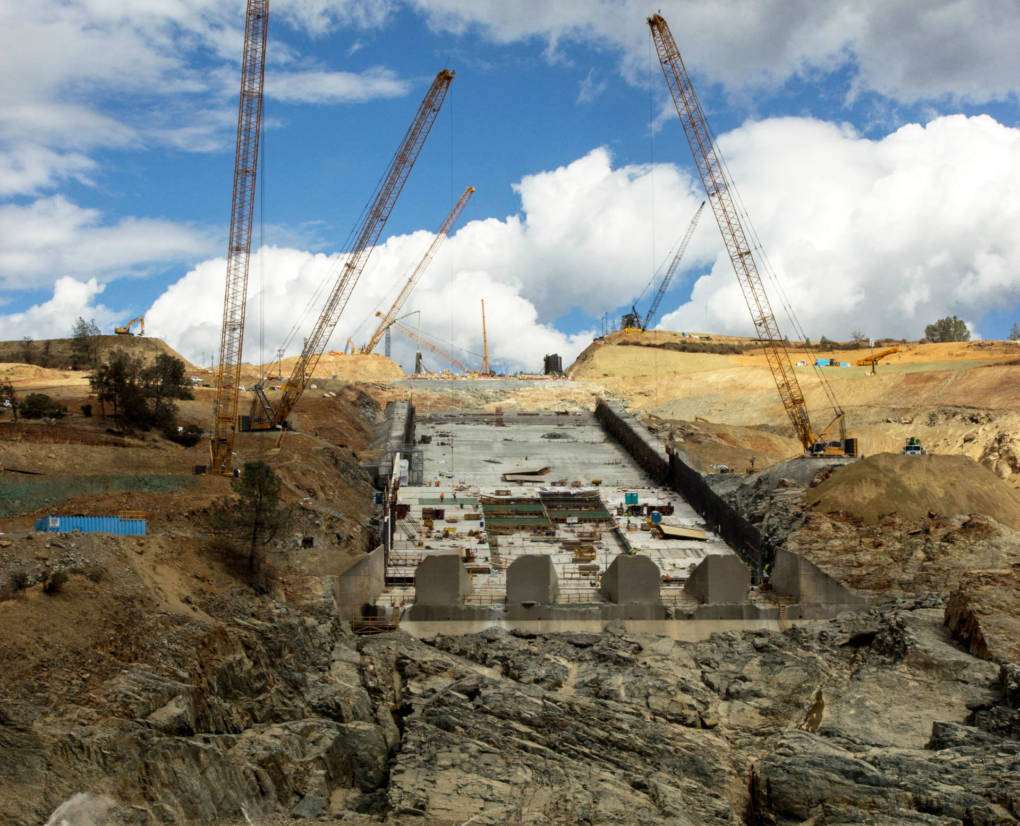
"caption": "The construction site from across the Feather River channel (also known as the Thermalito Diversion Pool). At the direction of federal regulators, the spillway must be ready for releases from Lake Oroville by Nov. 1.",
"description": "The construction site from across the Feather River channel (also known as the Thermalito Diversion Pool). At the direction of federal regulators, the spillway must be ready for releases from Lake Oroville by Nov. 1.",
"title": "OrovilleSpillway",
"credit": "Dan Brekke/KQED",
"status": "inherit",
"isLoading": false,
"fetchFailed": false
},
"news_11335254": {
"type": "attachments",
"id": "news_11335254",
"meta": {
"index": "attachments_1716263798",
"site": "news",
"id": "11335254",
"found": true
},
"parent": 11306002,
"imgSizes": {
"small": {
"file": "https://ww2.kqed.org/app/uploads/sites/10/2017/02/KS_Oro_Aerial-3123_02_23_2017-520x336.jpg",
"width": 520,
"mimeType": "image/jpeg",
"height": 336
},
"twentyfourteen-full-width": {
"file": "https://ww2.kqed.org/app/uploads/sites/10/2017/02/KS_Oro_Aerial-3123_02_23_2017-1038x576.jpg",
"width": 1038,
"mimeType": "image/jpeg",
"height": 576
},
"thumbnail": {
"file": "https://ww2.kqed.org/app/uploads/sites/10/2017/02/KS_Oro_Aerial-3123_02_23_2017-160x103.jpg",
"width": 160,
"mimeType": "image/jpeg",
"height": 103
},
"fd-sm": {
"file": "https://ww2.kqed.org/app/uploads/sites/10/2017/02/KS_Oro_Aerial-3123_02_23_2017-960x620.jpg",
"width": 960,
"mimeType": "image/jpeg",
"height": 620
},
"post-thumbnail": {
"file": "https://ww2.kqed.org/app/uploads/sites/10/2017/02/KS_Oro_Aerial-3123_02_23_2017-672x372.jpg",
"width": 672,
"mimeType": "image/jpeg",
"height": 372
},
"xsmall": {
"file": "https://ww2.kqed.org/app/uploads/sites/10/2017/02/KS_Oro_Aerial-3123_02_23_2017-375x242.jpg",
"width": 375,
"mimeType": "image/jpeg",
"height": 242
},
"kqedFullSize": {
"file": "https://ww2.kqed.org/app/uploads/sites/10/2017/02/KS_Oro_Aerial-3123_02_23_2017-e1488155285514.jpg",
"width": 1920,
"height": 1241
},
"large": {
"file": "https://ww2.kqed.org/app/uploads/sites/10/2017/02/KS_Oro_Aerial-3123_02_23_2017-1020x659.jpg",
"width": 1020,
"mimeType": "image/jpeg",
"height": 659
},
"xlarge": {
"file": "https://ww2.kqed.org/app/uploads/sites/10/2017/02/KS_Oro_Aerial-3123_02_23_2017-1180x763.jpg",
"width": 1180,
"mimeType": "image/jpeg",
"height": 763
},
"guest-author-50": {
"file": "https://ww2.kqed.org/app/uploads/sites/10/2017/02/KS_Oro_Aerial-3123_02_23_2017-50x50.jpg",
"width": 50,
"mimeType": "image/jpeg",
"height": 50
},
"guest-author-96": {
"file": "https://ww2.kqed.org/app/uploads/sites/10/2017/02/KS_Oro_Aerial-3123_02_23_2017-96x96.jpg",
"width": 96,
"mimeType": "image/jpeg",
"height": 96
},
"medium": {
"file": "https://ww2.kqed.org/app/uploads/sites/10/2017/02/KS_Oro_Aerial-3123_02_23_2017-800x517.jpg",
"width": 800,
"mimeType": "image/jpeg",
"height": 517
},
"guest-author-64": {
"file": "https://ww2.kqed.org/app/uploads/sites/10/2017/02/KS_Oro_Aerial-3123_02_23_2017-64x64.jpg",
"width": 64,
"mimeType": "image/jpeg",
"height": 64
},
"guest-author-32": {
"file": "https://ww2.kqed.org/app/uploads/sites/10/2017/02/KS_Oro_Aerial-3123_02_23_2017-32x32.jpg",
"width": 32,
"mimeType": "image/jpeg",
"height": 32
},
"fd-lrg": {
"file": "https://ww2.kqed.org/app/uploads/sites/10/2017/02/KS_Oro_Aerial-3123_02_23_2017-1920x1241.jpg",
"width": 1920,
"mimeType": "image/jpeg",
"height": 1241
},
"fd-med": {
"file": "https://ww2.kqed.org/app/uploads/sites/10/2017/02/KS_Oro_Aerial-3123_02_23_2017-1180x763.jpg",
"width": 1180,
"mimeType": "image/jpeg",
"height": 763
},
"full-width": {
"file": "https://ww2.kqed.org/app/uploads/sites/10/2017/02/KS_Oro_Aerial-3123_02_23_2017-1920x1241.jpg",
"width": 1920,
"mimeType": "image/jpeg",
"height": 1241
},
"detail": {
"file": "https://ww2.kqed.org/app/uploads/sites/10/2017/02/KS_Oro_Aerial-3123_02_23_2017-150x150.jpg",
"width": 150,
"mimeType": "image/jpeg",
"height": 150
},
"guest-author-128": {
"file": "https://ww2.kqed.org/app/uploads/sites/10/2017/02/KS_Oro_Aerial-3123_02_23_2017-128x128.jpg",
"width": 128,
"mimeType": "image/jpeg",
"height": 128
},
"xxsmall": {
"file": "https://ww2.kqed.org/app/uploads/sites/10/2017/02/KS_Oro_Aerial-3123_02_23_2017-240x155.jpg",
"width": 240,
"mimeType": "image/jpeg",
"height": 155
}
},
"publishDate": 1488155078,
"modified": 1505871442,
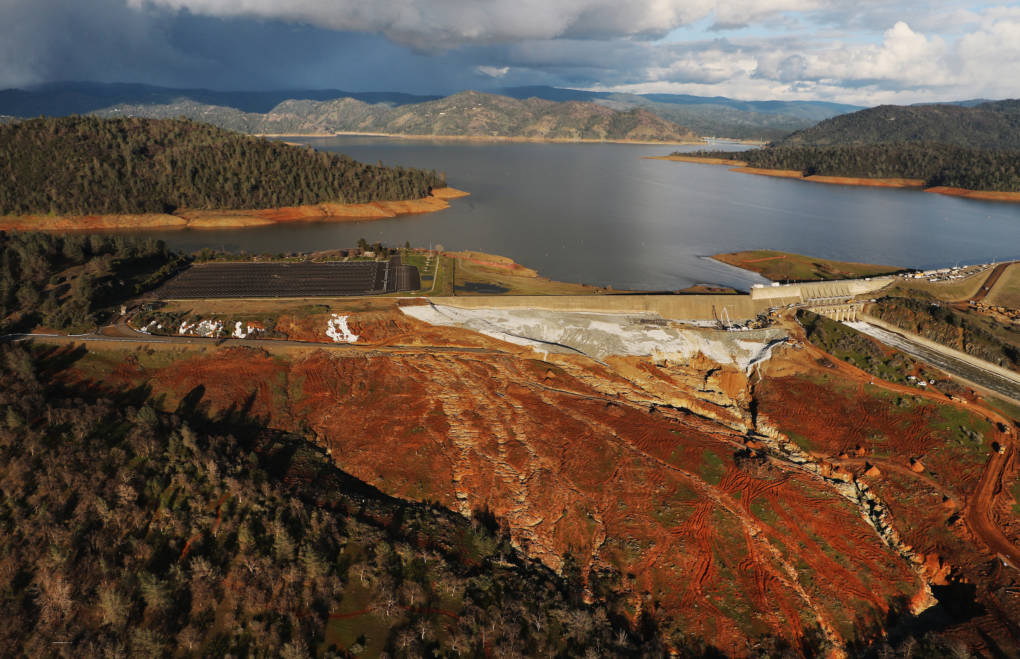
"caption": "An aerial view of the Oroville Dam emergency spillway as it appeared in late February 2017.",
"description": null,
"title": "Oroville Dam-Spillway",
"credit": "Kasey Schimke/California Department of Water Resources",
"status": "inherit",
"isLoading": false,
"fetchFailed": false
},
"news_11316407": {
"type": "attachments",
"id": "news_11316407",
"meta": {
"index": "attachments_1716263798",
"site": "news",
"id": "11316407",
"found": true
},
"parent": 11306002,
"imgSizes": {
"small": {
"file": "https://ww2.kqed.org/app/uploads/sites/10/2017/02/KG_oro_spillway_damage-12011_02_13_2017-520x355.jpg",
"width": 520,
"mimeType": "image/jpeg",
"height": 355
},
"twentyfourteen-full-width": {
"file": "https://ww2.kqed.org/app/uploads/sites/10/2017/02/KG_oro_spillway_damage-12011_02_13_2017-1038x576.jpg",
"width": 1038,
"mimeType": "image/jpeg",
"height": 576
},
"thumbnail": {
"file": "https://ww2.kqed.org/app/uploads/sites/10/2017/02/KG_oro_spillway_damage-12011_02_13_2017-160x109.jpg",
"width": 160,
"mimeType": "image/jpeg",
"height": 109
},
"fd-sm": {
"file": "https://ww2.kqed.org/app/uploads/sites/10/2017/02/KG_oro_spillway_damage-12011_02_13_2017-960x655.jpg",
"width": 960,
"mimeType": "image/jpeg",
"height": 655
},
"post-thumbnail": {
"file": "https://ww2.kqed.org/app/uploads/sites/10/2017/02/KG_oro_spillway_damage-12011_02_13_2017-672x372.jpg",
"width": 672,
"mimeType": "image/jpeg",
"height": 372
},
"xsmall": {
"file": "https://ww2.kqed.org/app/uploads/sites/10/2017/02/KG_oro_spillway_damage-12011_02_13_2017-375x256.jpg",
"width": 375,
"mimeType": "image/jpeg",
"height": 256
},
"kqedFullSize": {
"file": "https://ww2.kqed.org/app/uploads/sites/10/2017/02/KG_oro_spillway_damage-12011_02_13_2017-e1487088543262.jpg",
"width": 1920,
"height": 1310
},
"large": {
"file": "https://ww2.kqed.org/app/uploads/sites/10/2017/02/KG_oro_spillway_damage-12011_02_13_2017-1020x696.jpg",
"width": 1020,
"mimeType": "image/jpeg",
"height": 696
},
"xlarge": {
"file": "https://ww2.kqed.org/app/uploads/sites/10/2017/02/KG_oro_spillway_damage-12011_02_13_2017-1180x805.jpg",
"width": 1180,
"mimeType": "image/jpeg",
"height": 805
},
"guest-author-50": {
"file": "https://ww2.kqed.org/app/uploads/sites/10/2017/02/KG_oro_spillway_damage-12011_02_13_2017-50x50.jpg",
"width": 50,
"mimeType": "image/jpeg",
"height": 50
},
"guest-author-96": {
"file": "https://ww2.kqed.org/app/uploads/sites/10/2017/02/KG_oro_spillway_damage-12011_02_13_2017-96x96.jpg",
"width": 96,
"mimeType": "image/jpeg",
"height": 96
},
"medium": {
"file": "https://ww2.kqed.org/app/uploads/sites/10/2017/02/KG_oro_spillway_damage-12011_02_13_2017-800x546.jpg",
"width": 800,
"mimeType": "image/jpeg",
"height": 546
},
"guest-author-64": {
"file": "https://ww2.kqed.org/app/uploads/sites/10/2017/02/KG_oro_spillway_damage-12011_02_13_2017-64x64.jpg",
"width": 64,
"mimeType": "image/jpeg",
"height": 64
},
"guest-author-32": {
"file": "https://ww2.kqed.org/app/uploads/sites/10/2017/02/KG_oro_spillway_damage-12011_02_13_2017-32x32.jpg",
"width": 32,
"mimeType": "image/jpeg",
"height": 32
},
"fd-lrg": {
"file": "https://ww2.kqed.org/app/uploads/sites/10/2017/02/KG_oro_spillway_damage-12011_02_13_2017-1920x1310.jpg",
"width": 1920,
"mimeType": "image/jpeg",
"height": 1310
},
"fd-med": {
"file": "https://ww2.kqed.org/app/uploads/sites/10/2017/02/KG_oro_spillway_damage-12011_02_13_2017-1180x805.jpg",
"width": 1180,
"mimeType": "image/jpeg",
"height": 805
},
"full-width": {
"file": "https://ww2.kqed.org/app/uploads/sites/10/2017/02/KG_oro_spillway_damage-12011_02_13_2017-1920x1310.jpg",
"width": 1920,
"mimeType": "image/jpeg",
"height": 1310
},
"detail": {
"file": "https://ww2.kqed.org/app/uploads/sites/10/2017/02/KG_oro_spillway_damage-12011_02_13_2017-150x150.jpg",
"width": 150,
"mimeType": "image/jpeg",
"height": 150
},
"guest-author-128": {
"file": "https://ww2.kqed.org/app/uploads/sites/10/2017/02/KG_oro_spillway_damage-12011_02_13_2017-128x128.jpg",
"width": 128,
"mimeType": "image/jpeg",
"height": 128
},
"xxsmall": {
"file": "https://ww2.kqed.org/app/uploads/sites/10/2017/02/KG_oro_spillway_damage-12011_02_13_2017-240x164.jpg",
"width": 240,
"mimeType": "image/jpeg",
"height": 164
}
},
"publishDate": 1487088428,
"modified": 1505157481,
"caption": "California Department of Water Resources crews evaluate erosion along Oroville Dam's emergency spillway on Feb. 13, the day after the emergency evacuation of residents downstream. ",
"description": null,
"title": "Oroville Dam-Spillway",
"credit": "Kelly M. Grow/California Department of Water Resources",
"status": "inherit",
"isLoading": false,
"fetchFailed": false
},
"news_11598769": {
"type": "attachments",
"id": "news_11598769",
"meta": {
"index": "attachments_1716263798",
"site": "news",
"id": "11598769",
"found": true
},
"parent": 11589367,
"imgSizes": {
"small": {
"file": "https://ww2.kqed.org/app/uploads/sites/10/2017/07/Screenshot-2017-07-28-10.16.38-e1501267213800-520x385.png",
"width": 520,
"mimeType": "image/png",
"height": 385
},
"thumbnail": {
"file": "https://ww2.kqed.org/app/uploads/sites/10/2017/07/Screenshot-2017-07-28-10.16.38-e1501267213800-160x119.png",
"width": 160,
"mimeType": "image/png",
"height": 119
},
"post-thumbnail": {
"file": "https://ww2.kqed.org/app/uploads/sites/10/2017/07/Screenshot-2017-07-28-10.16.38-e1501267213800-664x372.png",
"width": 664,
"mimeType": "image/png",
"height": 372
},
"xsmall": {
"file": "https://ww2.kqed.org/app/uploads/sites/10/2017/07/Screenshot-2017-07-28-10.16.38-e1501267213800-375x278.png",
"width": 375,
"mimeType": "image/png",
"height": 278
},
"kqedFullSize": {
"file": "https://ww2.kqed.org/app/uploads/sites/10/2017/07/Screenshot-2017-07-28-10.16.38-e1501267213800.png",
"width": 664,
"height": 492
},
"guest-author-50": {
"file": "https://ww2.kqed.org/app/uploads/sites/10/2017/07/Screenshot-2017-07-28-10.16.38-e1501267213800-50x50.png",
"width": 50,
"mimeType": "image/png",
"height": 50
},
"guest-author-96": {
"file": "https://ww2.kqed.org/app/uploads/sites/10/2017/07/Screenshot-2017-07-28-10.16.38-e1501267213800-96x96.png",
"width": 96,
"mimeType": "image/png",
"height": 96
},
"medium": {
"file": "https://ww2.kqed.org/app/uploads/sites/10/2017/07/Screenshot-2017-07-28-10.16.38-800x541.png",
"width": 800,
"mimeType": "image/png",
"height": 541
},
"guest-author-64": {
"file": "https://ww2.kqed.org/app/uploads/sites/10/2017/07/Screenshot-2017-07-28-10.16.38-e1501267213800-64x64.png",
"width": 64,
"mimeType": "image/png",
"height": 64
},
"guest-author-32": {
"file": "https://ww2.kqed.org/app/uploads/sites/10/2017/07/Screenshot-2017-07-28-10.16.38-e1501267213800-32x32.png",
"width": 32,
"mimeType": "image/png",
"height": 32
},
"detail": {
"file": "https://ww2.kqed.org/app/uploads/sites/10/2017/07/Screenshot-2017-07-28-10.16.38-e1501267213800-150x150.png",
"width": 150,
"mimeType": "image/png",
"height": 150
},
"guest-author-128": {
"file": "https://ww2.kqed.org/app/uploads/sites/10/2017/07/Screenshot-2017-07-28-10.16.38-e1501267213800-128x128.png",
"width": 128,
"mimeType": "image/png",
"height": 128
},
"xxsmall": {
"file": "https://ww2.kqed.org/app/uploads/sites/10/2017/07/Screenshot-2017-07-28-10.16.38-e1501267213800-240x178.png",
"width": 240,
"mimeType": "image/png",
"height": 178
}
},
"publishDate": 1501267155,
"modified": 1504142481,
"caption": "An inspection team views seepage at Oroville Dam's green spot in February 2011. The California Department of Water Resources says moisture in the area is due to rainfall and poses no threat to dam's integrity. ",
"description": null,
"title": "Oroville Dam-Green Spot",
"credit": "California Department of Water Resources",
"status": "inherit",
"isLoading": false,
"fetchFailed": false
},
"news_11610828": {
"type": "attachments",
"id": "news_11610828",
"meta": {
"index": "attachments_1716263798",
"site": "news",
"id": "11610828",
"found": true
},
"parent": 11610822,
"imgSizes": {
"small": {
"file": "https://ww2.kqed.org/app/uploads/sites/10/2017/08/finding_080917_final-520x520.jpg",
"width": 520,
"mimeType": "image/jpeg",
"height": 520
},
"twentyfourteen-full-width": {
"file": "https://ww2.kqed.org/app/uploads/sites/10/2017/08/finding_080917_final-1038x576.jpg",
"width": 1038,
"mimeType": "image/jpeg",
"height": 576
},
"thumbnail": {
"file": "https://ww2.kqed.org/app/uploads/sites/10/2017/08/finding_080917_final-160x160.jpg",
"width": 160,
"mimeType": "image/jpeg",
"height": 160
},
"fd-sm": {
"file": "https://ww2.kqed.org/app/uploads/sites/10/2017/08/finding_080917_final-960x960.jpg",
"width": 960,
"mimeType": "image/jpeg",
"height": 960
},
"post-thumbnail": {
"file": "https://ww2.kqed.org/app/uploads/sites/10/2017/08/finding_080917_final-672x372.jpg",
"width": 672,
"mimeType": "image/jpeg",
"height": 372
},
"xsmall": {
"file": "https://ww2.kqed.org/app/uploads/sites/10/2017/08/finding_080917_final-375x375.jpg",
"width": 375,
"mimeType": "image/jpeg",
"height": 375
},
"kqedFullSize": {
"file": "https://ww2.kqed.org/app/uploads/sites/10/2017/08/finding_080917_final.jpg",
"width": 1920,
"height": 1920
},
"large": {
"file": "https://ww2.kqed.org/app/uploads/sites/10/2017/08/finding_080917_final-1020x1020.jpg",
"width": 1020,
"mimeType": "image/jpeg",
"height": 1020
},
"xlarge": {
"file": "https://ww2.kqed.org/app/uploads/sites/10/2017/08/finding_080917_final-1180x1180.jpg",
"width": 1180,
"mimeType": "image/jpeg",
"height": 1180
},
"guest-author-50": {
"file": "https://ww2.kqed.org/app/uploads/sites/10/2017/08/finding_080917_final-50x50.jpg",
"width": 50,
"mimeType": "image/jpeg",
"height": 50
},
"guest-author-96": {
"file": "https://ww2.kqed.org/app/uploads/sites/10/2017/08/finding_080917_final-96x96.jpg",
"width": 96,
"mimeType": "image/jpeg",
"height": 96
},
"medium": {
"file": "https://ww2.kqed.org/app/uploads/sites/10/2017/08/finding_080917_final-800x800.jpg",
"width": 800,
"mimeType": "image/jpeg",
"height": 800
},
"guest-author-64": {
"file": "https://ww2.kqed.org/app/uploads/sites/10/2017/08/finding_080917_final-64x64.jpg",
"width": 64,
"mimeType": "image/jpeg",
"height": 64
},
"guest-author-32": {
"file": "https://ww2.kqed.org/app/uploads/sites/10/2017/08/finding_080917_final-32x32.jpg",
"width": 32,
"mimeType": "image/jpeg",
"height": 32
},
"fd-lrg": {
"file": "https://ww2.kqed.org/app/uploads/sites/10/2017/08/finding_080917_final-1920x1920.jpg",
"width": 1920,
"mimeType": "image/jpeg",
"height": 1920
},
"fd-med": {
"file": "https://ww2.kqed.org/app/uploads/sites/10/2017/08/finding_080917_final-1180x1180.jpg",
"width": 1180,
"mimeType": "image/jpeg",
"height": 1180
},
"full-width": {
"file": "https://ww2.kqed.org/app/uploads/sites/10/2017/08/finding_080917_final-1920x1920.jpg",
"width": 1920,
"mimeType": "image/jpeg",
"height": 1920
},
"detail": {
"file": "https://ww2.kqed.org/app/uploads/sites/10/2017/08/finding_080917_final-150x150.jpg",
"width": 150,
"mimeType": "image/jpeg",
"height": 150
},
"guest-author-128": {
"file": "https://ww2.kqed.org/app/uploads/sites/10/2017/08/finding_080917_final-128x128.jpg",
"width": 128,
"mimeType": "image/jpeg",
"height": 128
},
"xxsmall": {
"file": "https://ww2.kqed.org/app/uploads/sites/10/2017/08/finding_080917_final-240x240.jpg",
"width": 240,
"mimeType": "image/jpeg",
"height": 240
}
},
"publishDate": 1502307185,
"modified": 1502307287,
"caption": null,
"description": null,
"title": "finding_080917_final",
"credit": null,
"status": "inherit",
"isLoading": false,
"fetchFailed": false
},
"news_11397560": {
"type": "attachments",
"id": "news_11397560",
"meta": {
"index": "attachments_1716263798",
"site": "news",
"id": "11397560",
"found": true
},
"parent": 11397536,
"imgSizes": {
"small": {
"file": "https://ww2.kqed.org/app/uploads/sites/10/2017/04/ORO_FI_06-1920x1080-520x293.jpg",
"width": 520,
"mimeType": "image/jpeg",
"height": 293
},
"twentyfourteen-full-width": {
"file": "https://ww2.kqed.org/app/uploads/sites/10/2017/04/ORO_FI_06-1920x1080-1038x576.jpg",
"width": 1038,
"mimeType": "image/jpeg",
"height": 576
},
"thumbnail": {
"file": "https://ww2.kqed.org/app/uploads/sites/10/2017/04/ORO_FI_06-1920x1080-160x90.jpg",
"width": 160,
"mimeType": "image/jpeg",
"height": 90
},
"fd-sm": {
"file": "https://ww2.kqed.org/app/uploads/sites/10/2017/04/ORO_FI_06-1920x1080-960x540.jpg",
"width": 960,
"mimeType": "image/jpeg",
"height": 540
},
"post-thumbnail": {
"file": "https://ww2.kqed.org/app/uploads/sites/10/2017/04/ORO_FI_06-1920x1080-672x372.jpg",
"width": 672,
"mimeType": "image/jpeg",
"height": 372
},
"xsmall": {
"file": "https://ww2.kqed.org/app/uploads/sites/10/2017/04/ORO_FI_06-1920x1080-375x211.jpg",
"width": 375,
"mimeType": "image/jpeg",
"height": 211
},
"kqedFullSize": {
"file": "https://ww2.kqed.org/app/uploads/sites/10/2017/04/ORO_FI_06-1920x1080.jpg",
"width": 1920,
"height": 1080
},
"large": {
"file": "https://ww2.kqed.org/app/uploads/sites/10/2017/04/ORO_FI_06-1920x1080-1020x574.jpg",
"width": 1020,
"mimeType": "image/jpeg",
"height": 574
},
"xlarge": {
"file": "https://ww2.kqed.org/app/uploads/sites/10/2017/04/ORO_FI_06-1920x1080-1180x664.jpg",
"width": 1180,
"mimeType": "image/jpeg",
"height": 664
},
"guest-author-50": {
"file": "https://ww2.kqed.org/app/uploads/sites/10/2017/04/ORO_FI_06-1920x1080-50x50.jpg",
"width": 50,
"mimeType": "image/jpeg",
"height": 50
},
"guest-author-96": {
"file": "https://ww2.kqed.org/app/uploads/sites/10/2017/04/ORO_FI_06-1920x1080-96x96.jpg",
"width": 96,
"mimeType": "image/jpeg",
"height": 96
},
"medium": {
"file": "https://ww2.kqed.org/app/uploads/sites/10/2017/04/ORO_FI_06-1920x1080-800x450.jpg",
"width": 800,
"mimeType": "image/jpeg",
"height": 450
},
"guest-author-64": {
"file": "https://ww2.kqed.org/app/uploads/sites/10/2017/04/ORO_FI_06-1920x1080-64x64.jpg",
"width": 64,
"mimeType": "image/jpeg",
"height": 64
},
"guest-author-32": {
"file": "https://ww2.kqed.org/app/uploads/sites/10/2017/04/ORO_FI_06-1920x1080-32x32.jpg",
"width": 32,
"mimeType": "image/jpeg",
"height": 32
},
"fd-lrg": {
"file": "https://ww2.kqed.org/app/uploads/sites/10/2017/04/ORO_FI_06-1920x1080-1920x1080.jpg",
"width": 1920,
"mimeType": "image/jpeg",
"height": 1080
},
"fd-med": {
"file": "https://ww2.kqed.org/app/uploads/sites/10/2017/04/ORO_FI_06-1920x1080-1180x664.jpg",
"width": 1180,
"mimeType": "image/jpeg",
"height": 664
},
"full-width": {
"file": "https://ww2.kqed.org/app/uploads/sites/10/2017/04/ORO_FI_06-1920x1080-1920x1080.jpg",
"width": 1920,
"mimeType": "image/jpeg",
"height": 1080
},
"detail": {
"file": "https://ww2.kqed.org/app/uploads/sites/10/2017/04/ORO_FI_06-1920x1080-150x150.jpg",
"width": 150,
"mimeType": "image/jpeg",
"height": 150
},
"guest-author-128": {
"file": "https://ww2.kqed.org/app/uploads/sites/10/2017/04/ORO_FI_06-1920x1080-128x128.jpg",
"width": 128,
"mimeType": "image/jpeg",
"height": 128
},
"xxsmall": {
"file": "https://ww2.kqed.org/app/uploads/sites/10/2017/04/ORO_FI_06-1920x1080-240x135.jpg",
"width": 240,
"mimeType": "image/jpeg",
"height": 135
}
},
"publishDate": 1491612578,
"modified": 1502235419,
"caption": "Ruins of the main spillway at Oroville Dam reveal badly eroded areas of rock beneath the concrete structure. A federal-state safety review in 2014 concluded that such erosion was highly unlikely because the rock under the spillway was \"very competent.\" ",
"description": "Ruins of the main spillway at Oroville Dam reveal a blend of \"fresh\" (blue-gray) rock and \"weahered\" (reddish-brown) rock underneath.",
"title": "Oroville Dam-Spillway",
"credit": "California Department of Water Resources",
"status": "inherit",
"isLoading": false,
"fetchFailed": false
},
"news_11609754": {
"type": "attachments",
"id": "news_11609754",
"meta": {
"index": "attachments_1716263798",
"site": "news",
"id": "11609754",
"found": true
},
"parent": 11609631,
"imgSizes": {
"small": {
"file": "https://ww2.kqed.org/app/uploads/sites/10/2017/08/KG_aerial_feather_river_14672_02_26_2017-520x347.jpg",
"width": 520,
"mimeType": "image/jpeg",
"height": 347
},
"twentyfourteen-full-width": {
"file": "https://ww2.kqed.org/app/uploads/sites/10/2017/08/KG_aerial_feather_river_14672_02_26_2017-1038x576.jpg",
"width": 1038,
"mimeType": "image/jpeg",
"height": 576
},
"thumbnail": {
"file": "https://ww2.kqed.org/app/uploads/sites/10/2017/08/KG_aerial_feather_river_14672_02_26_2017-160x107.jpg",
"width": 160,
"mimeType": "image/jpeg",
"height": 107
},
"fd-sm": {
"file": "https://ww2.kqed.org/app/uploads/sites/10/2017/08/KG_aerial_feather_river_14672_02_26_2017-960x641.jpg",
"width": 960,
"mimeType": "image/jpeg",
"height": 641
},
"post-thumbnail": {
"file": "https://ww2.kqed.org/app/uploads/sites/10/2017/08/KG_aerial_feather_river_14672_02_26_2017-672x372.jpg",
"width": 672,
"mimeType": "image/jpeg",
"height": 372
},
"xsmall": {
"file": "https://ww2.kqed.org/app/uploads/sites/10/2017/08/KG_aerial_feather_river_14672_02_26_2017-375x250.jpg",
"width": 375,
"mimeType": "image/jpeg",
"height": 250
},
"kqedFullSize": {
"file": "https://ww2.kqed.org/app/uploads/sites/10/2017/08/KG_aerial_feather_river_14672_02_26_2017-e1501786964320.jpg",
"width": 1920,
"height": 1282
},
"large": {
"file": "https://ww2.kqed.org/app/uploads/sites/10/2017/08/KG_aerial_feather_river_14672_02_26_2017-1020x681.jpg",
"width": 1020,
"mimeType": "image/jpeg",
"height": 681
},
"xlarge": {
"file": "https://ww2.kqed.org/app/uploads/sites/10/2017/08/KG_aerial_feather_river_14672_02_26_2017-1180x788.jpg",
"width": 1180,
"mimeType": "image/jpeg",
"height": 788
},
"guest-author-50": {
"file": "https://ww2.kqed.org/app/uploads/sites/10/2017/08/KG_aerial_feather_river_14672_02_26_2017-50x50.jpg",
"width": 50,
"mimeType": "image/jpeg",
"height": 50
},
"guest-author-96": {
"file": "https://ww2.kqed.org/app/uploads/sites/10/2017/08/KG_aerial_feather_river_14672_02_26_2017-96x96.jpg",
"width": 96,
"mimeType": "image/jpeg",
"height": 96
},
"medium": {
"file": "https://ww2.kqed.org/app/uploads/sites/10/2017/08/KG_aerial_feather_river_14672_02_26_2017-800x534.jpg",
"width": 800,
"mimeType": "image/jpeg",
"height": 534
},
"guest-author-64": {
"file": "https://ww2.kqed.org/app/uploads/sites/10/2017/08/KG_aerial_feather_river_14672_02_26_2017-64x64.jpg",
"width": 64,
"mimeType": "image/jpeg",
"height": 64
},
"guest-author-32": {
"file": "https://ww2.kqed.org/app/uploads/sites/10/2017/08/KG_aerial_feather_river_14672_02_26_2017-32x32.jpg",
"width": 32,
"mimeType": "image/jpeg",
"height": 32
},
"fd-lrg": {
"file": "https://ww2.kqed.org/app/uploads/sites/10/2017/08/KG_aerial_feather_river_14672_02_26_2017-1920x1282.jpg",
"width": 1920,
"mimeType": "image/jpeg",
"height": 1282
},
"fd-med": {
"file": "https://ww2.kqed.org/app/uploads/sites/10/2017/08/KG_aerial_feather_river_14672_02_26_2017-1180x788.jpg",
"width": 1180,
"mimeType": "image/jpeg",
"height": 788
},
"full-width": {
"file": "https://ww2.kqed.org/app/uploads/sites/10/2017/08/KG_aerial_feather_river_14672_02_26_2017-1920x1282.jpg",
"width": 1920,
"mimeType": "image/jpeg",
"height": 1282
},
"detail": {
"file": "https://ww2.kqed.org/app/uploads/sites/10/2017/08/KG_aerial_feather_river_14672_02_26_2017-150x150.jpg",
"width": 150,
"mimeType": "image/jpeg",
"height": 150
},
"guest-author-128": {
"file": "https://ww2.kqed.org/app/uploads/sites/10/2017/08/KG_aerial_feather_river_14672_02_26_2017-128x128.jpg",
"width": 128,
"mimeType": "image/jpeg",
"height": 128
},
"xxsmall": {
"file": "https://ww2.kqed.org/app/uploads/sites/10/2017/08/KG_aerial_feather_river_14672_02_26_2017-240x160.jpg",
"width": 240,
"mimeType": "image/jpeg",
"height": 160
}
},
"publishDate": 1501786725,
"modified": 1517511043,
"caption": "An aerial view looking at the Feather River downstream from Oroville the day before the Department of Water Resources dramatically reduced flows in late February 2017.",
"description": "An aerial view looking of the Feather River downstream from Oroville the day before the Department of Water Resources dramatically reduced flows in late February.",
"title": "Feather River-Oroville Spillway",
"credit": "Kelly M. Grow/California Department of Water Resources",
"status": "inherit",
"isLoading": false,
"fetchFailed": false
}
},
"audioPlayerReducer": {
"postId": "stream_live",
"isPaused": true,
"isPlaying": false,
"pfsActive": false,
"pledgeModalIsOpen": true,
"playerDrawerIsOpen": false,
"liveAudioPlayStartedAt": 0,
"liveAudioPlayContext": ""
},
"authorsReducer": {
"byline_news_11634258": {
"type": "authors",
"id": "byline_news_11634258",
"meta": {
"override": true
},
"slug": "byline_news_11634258",
"name": "\u003cstrong>Jonathan J. Cooper\u003cbr />Associated Press\u003c/strong>",
"isLoading": false
},
"danbrekke": {
"type": "authors",
"id": "222",
"meta": {
"index": "authors_1716337520",
"id": "222",
"found": true
},
"name": "Dan Brekke",
"firstName": "Dan",
"lastName": "Brekke",
"slug": "danbrekke",
"email": "dbrekke@kqed.org",
"display_author_email": true,
"staff_mastheads": [
"news",
"science"
],
"title": "KQED Editor and Reporter",
"bio": "Dan Brekke is a reporter and editor for KQED News, responsible for coverage of topics ranging from California water issues to the Bay Area's transportation challenges. In a newsroom career that began in Chicago in 1972, Dan has worked for \u003cem>The San Francisco Examiner,\u003c/em> Wired and TechTV and has been published in The New York Times, The New York Times Magazine, Business 2.0, Salon and elsewhere.\r\n\r\nSince joining KQED in 2007, Dan has reported, edited and produced both radio and online features and breaking news pieces. He has shared as both editor and reporter in four Society of Professional Journalists Norcal Excellence in Journalism awards and one Edward R. Murrow regional award. He was chosen for a spring 2017 residency at the Mesa Refuge to advance his research on California salmon.\r\n\r\nEmail Dan at: \u003ca href=\"mailto:dbrekke@kqed.org\">dbrekke@kqed.org\u003c/a>\r\n\r\n\u003cstrong>Twitter:\u003c/strong> \u003ca href=\"https://twitter.com/danbrekke\" rel=\"noopener noreferrer\">twitter.com/danbrekke\u003c/a>\r\n\u003cstrong>Facebook:\u003c/strong> \u003ca href=\"https://www.facebook.com/danbrekke\" rel=\"noopener noreferrer\">www.facebook.com/danbrekke\u003c/a>\r\n\u003cstrong>LinkedIn:\u003c/strong> \u003ca href=\"https://www.linkedin.com/in/danbrekke\" rel=\"noopener noreferrer\">www.linkedin.com/in/danbrekke\u003c/a>",
"avatar": "https://secure.gravatar.com/avatar/c8126230345efca3f7aa89b1a402be45?s=600&d=mm&r=g",
"twitter": "danbrekke",
"facebook": null,
"instagram": "https://www.instagram.com/dan.brekke/",
"linkedin": "https://www.linkedin.com/in/danbrekke/",
"sites": [
{
"site": "news",
"roles": [
"administrator",
"create_posts"
]
},
{
"site": "stateofhealth",
"roles": [
"editor"
]
},
{
"site": "science",
"roles": [
"editor"
]
},
{
"site": "quest",
"roles": [
"contributor"
]
},
{
"site": "food",
"roles": [
"contributor"
]
},
{
"site": "forum",
"roles": [
"contributor"
]
},
{
"site": "liveblog",
"roles": [
"editor"
]
}
],
"headData": {
"title": "Dan Brekke | KQED",
"description": "KQED Editor and Reporter",
"ogImgSrc": "https://secure.gravatar.com/avatar/c8126230345efca3f7aa89b1a402be45?s=600&d=mm&r=g",
"twImgSrc": "https://secure.gravatar.com/avatar/c8126230345efca3f7aa89b1a402be45?s=600&d=mm&r=g"
},
"isLoading": false,
"link": "/author/danbrekke"
},
"markfiore": {
"type": "authors",
"id": "3236",
"meta": {
"index": "authors_1716337520",
"id": "3236",
"found": true
},
"name": "Mark Fiore",
"firstName": "Mark",
"lastName": "Fiore",
"slug": "markfiore",
"email": "mark@markfiore.com",
"display_author_email": false,
"staff_mastheads": [
"news"
],
"title": "KQED News Cartoonist",
"bio": "\u003ca href=\"http://www.MarkFiore.com\">MarkFiore.com\u003c/a> | \u003ca href=\"https://twitter.com/markfiore\">Follow on Twitter\u003c/a> | \u003ca href=\"https://www.facebook.com/pages/Mark-Fiore-Animated-Political-Cartoons/94451707396?ref=bookmarks\">Facebook\u003c/a> | \u003ca href=\"mailto:mark@markfiore.com\">email\u003c/a>\r\n\r\nPulitzer Prize-winner, Mark Fiore, who the Wall Street Journal has called “the undisputed guru of the form,” creates animated political cartoons in San Francisco, where his work has been featured regularly on the San Francisco Chronicle’s web site, SFGate.com. His work has appeared on Newsweek.com, Slate.com, CBSNews.com, MotherJones.com, DailyKos.com and NPR’s web site. Fiore’s political animation has appeared on CNN, Frontline, Bill Moyers Journal, Salon.com and cable and broadcast outlets across the globe.\r\n\r\nBeginning his professional life by drawing traditional political cartoons for newspapers, Fiore’s work appeared in publications ranging from the Washington Post to the Los Angeles Times. In the late 1990s, he began to experiment with animating political cartoons and, after a short stint at the San Jose Mercury News as their staff cartoonist, Fiore devoted all his energies to animation.\r\nGrowing up in California, Fiore also spent a good portion of his life in the backwoods of Idaho. It was this combination that shaped him politically. Mark majored in political science at Colorado College, where, in a perfect send-off for a cartoonist, he received his diploma in 1991 as commencement speaker Dick Cheney smiled approvingly.\r\nMark Fiore was awarded the Pulitzer Prize for political cartooning in 2010, a Robert F. Kennedy Journalism Award in 2004 and has twice received an Online Journalism Award for commentary from the Online News Association (2002, 2008). Fiore has received two awards for his work in new media from the National Cartoonists Society (2001, 2002), and in 2006 received The James Madison Freedom of Information Award from The Society of Professional Journalists.",
"avatar": "https://secure.gravatar.com/avatar/fc4e2a612b15b67bad0c6f0e1db4ca9b?s=600&d=blank&r=g",
"twitter": "MarkFiore",
"facebook": null,
"instagram": "https://www.instagram.com/markfiore/?hl=en",
"linkedin": null,
"sites": [
{
"site": "arts",
"roles": [
"contributor"
]
},
{
"site": "news",
"roles": [
"editor"
]
},
{
"site": "futureofyou",
"roles": [
"editor"
]
},
{
"site": "science",
"roles": [
"editor"
]
}
],
"headData": {
"title": "Mark Fiore | KQED",
"description": "KQED News Cartoonist",
"ogImgSrc": "https://secure.gravatar.com/avatar/fc4e2a612b15b67bad0c6f0e1db4ca9b?s=600&d=blank&r=g",
"twImgSrc": "https://secure.gravatar.com/avatar/fc4e2a612b15b67bad0c6f0e1db4ca9b?s=600&d=blank&r=g"
},
"isLoading": false,
"link": "/author/markfiore"
}
},
"pagesReducer": {
"news_tag_oroville-dam": {
"type": "terms",
"id": "news_20509",
"meta": {
"index": "terms_1716263798",
"site": "news",
"id": "20509",
"score": 9.556114
},
"featImg": null,
"name": "Oroville Dam",
"description": null,
"taxonomy": "tag",
"headData": {
"twImgId": null,
"twTitle": null,
"ogTitle": null,
"ogImgId": null,
"twDescription": null,
"description": null,
"title": "Oroville Dam Archives | KQED News",
"ogDescription": null
},
"ttid": 20526,
"slug": "oroville-dam",
"isLoading": false,
"title": "Oroville Dam",
"pageMeta": {
"site": "news",
"WpPageTemplate": "page-topic-editorial",
"currentPage": 2
},
"blocks": [
{
"blockName": "kqed/post-list",
"attrs": {
"layout": "cardArticle2",
"query": "posts/news?tag=oroville-dam",
"seeMore": false,
"paginated": true,
"page": 2
}
},
{
"blockName": "kqed/ad"
}
]
}
},
"pfsSessionReducer": {},
"postsReducer": {
"stream_live": {
"type": "live",
"id": "stream_live",
"audioUrl": "https://streams.kqed.org/kqedradio",
"title": "Live Stream",
"excerpt": "Live Stream information currently unavailable.",
"link": "/radio",
"featImg": "",
"label": {
"name": "KQED Live",
"link": "/"
}
},
"stream_kqedNewscast": {
"type": "posts",
"id": "stream_kqedNewscast",
"audioUrl": "https://www.kqed.org/.stream/anon/radio/RDnews/newscast.mp3?_=1",
"title": "KQED Newscast",
"featImg": "",
"label": {
"name": "88.5 FM",
"link": "/"
}
},
"news_11639404": {
"type": "posts",
"id": "news_11639404",
"meta": {
"index": "posts_1716263798",
"site": "news",
"id": "11639404",
"score": null,
"sort": [
1514592561000
]
},
"guestAuthors": [],
"slug": "the-disasters-of-2017",
"title": "The Disasters of 2017",
"publishDate": 1514592561,
"format": "standard",
"headTitle": "The Disasters of 2017 | KQED",
"labelTerm": {
"term": 18515,
"site": "news"
},
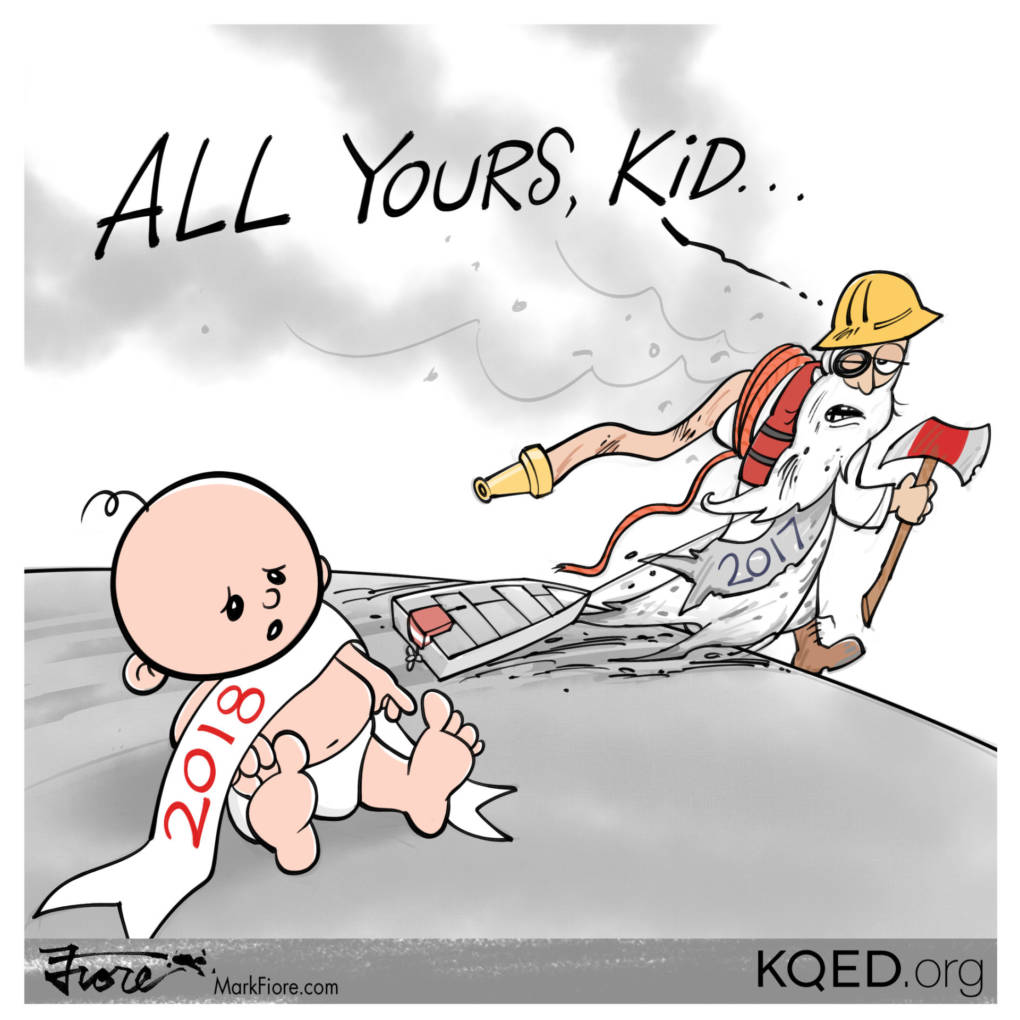
"content": "\u003cp>It’s been a rough year as California has gone from extreme drought to floods to \u003ca href=\"http://bit.ly/2BTmWJ7\">devastating wildfires\u003c/a>.\u003c/p>\n\u003cp>No sooner had the drought begun to ease in early 2017 than \u003ca href=\"https://ww2.kqed.org/news/tag/flooding/\">flooding\u003c/a> hit and the \u003ca href=\"https://ww2.kqed.org/news/tag/oroville-dam/page/2/\">Oroville Dam\u003c/a> spillway was severely damaged by raging storm waters.\u003c/p>\n\u003cp>Here’s hoping for a calmer 2018.\u003c/p>\n\u003cp>[ad fullwidth]\u003c/p>\u003cp>\u003c/p>\n",
"blocks": [],
"excerpt": "It's been a rough year as California has gone from extreme drought to floods to devastating wildfires. ",
"status": "publish",
"parent": 0,
"modified": 1722634259,
"stats": {
"hasAudio": false,
"hasVideo": false,
"hasChartOrMap": false,
"iframeSrcs": [],
"hasGoogleForm": false,
"hasGallery": false,
"hasHearkenModule": false,
"hasPolis": false,
"paragraphCount": 5,
"wordCount": 55
},
"headData": {
"title": "The Disasters of 2017 | KQED",
"description": "It's been a rough year as California has gone from extreme drought to floods to devastating wildfires. ",
"ogTitle": "",
"ogDescription": "",
"ogImgId": "",
"twTitle": "",
"twDescription": "",
"twImgId": "",
"schema": {
"@context": "https://schema.org",
"@type": "NewsArticle",
"headline": "The Disasters of 2017",
"datePublished": "2017-12-29T16:09:21-08:00",
"dateModified": "2024-08-02T14:30:59-07:00",
"image": "https://cdn.kqed.org/wp-content/uploads/2020/02/KQED-OG-Image@1x.png",
"isAccessibleForFree": "True",
"publisher": {
"@type": "NewsMediaOrganization",
"@id": "https://www.kqed.org/#organization",
"name": "KQED",
"logo": "https://cdn.kqed.org/wp-content/uploads/2020/02/KQED-OG-Image@1x.png",
"url": "https://www.kqed.org",
"sameAs": [
"https://www.facebook.com/KQED",
"https://twitter.com/KQED",
"https://www.instagram.com/kqed/",
"https://www.tiktok.com/@kqedofficial",
"https://www.linkedin.com/company/kqed",
"https://www.youtube.com/channel/UCeC0IOo7i1P_61zVUWbJ4nw"
]
}
}
},
"sticky": false,
"path": "/news/11639404/the-disasters-of-2017",
"audioTrackLength": null,
"parsedContent": [
{
"type": "contentString",
"content": "\u003cdiv class=\"post-body\">\u003cp>\u003cp>It’s been a rough year as California has gone from extreme drought to floods to \u003ca href=\"http://bit.ly/2BTmWJ7\">devastating wildfires\u003c/a>.\u003c/p>\n\u003cp>No sooner had the drought begun to ease in early 2017 than \u003ca href=\"https://ww2.kqed.org/news/tag/flooding/\">flooding\u003c/a> hit and the \u003ca href=\"https://ww2.kqed.org/news/tag/oroville-dam/page/2/\">Oroville Dam\u003c/a> spillway was severely damaged by raging storm waters.\u003c/p>\n\u003cp>Here’s hoping for a calmer 2018.\u003c/p>\n\u003cp>\u003c/p>\u003c/div>",
"attributes": {
"named": {},
"numeric": []
}
},
{
"type": "component",
"content": "",
"name": "ad",
"attributes": {
"named": {
"label": "fullwidth"
},
"numeric": [
"fullwidth"
]
}
},
{
"type": "contentString",
"content": "\u003cdiv class=\"post-body\">\u003cp>\u003c/p>\u003cp>\u003c/p>\n\u003c/div>\u003c/p>",
"attributes": {
"named": {},
"numeric": []
}
}
],
"link": "/news/11639404/the-disasters-of-2017",
"authors": [
"3236"
],
"series": [
"news_18515"
],
"categories": [
"news_1758",
"news_19906",
"news_8"
],
"tags": [
"news_20150",
"news_3431",
"news_20949",
"news_20509",
"news_20559",
"news_22132",
"news_4463"
],
"featImg": "news_11639411",
"label": "news_18515"
},
"news_11636280": {
"type": "posts",
"id": "news_11636280",
"meta": {
"index": "posts_1716263798",
"site": "news",
"id": "11636280",
"score": null,
"sort": [
1513049006000
]
},
"parent": 0,
"labelTerm": {
"site": "news",
"term": 72
},
"blocks": [],
"publishDate": 1513049006,
"format": "standard",
"disqusTitle": "State Releases Analysis of Oroville Spillway Cracks",
"title": "State Releases Analysis of Oroville Spillway Cracks",
"headTitle": "The California Report | KQED News",
"content": "\u003cp>The California Department of Water Resources has released a technical memorandum laying out its detailed explanation for widespread cracking that has appeared in concrete placed this year during the Oroville Dam spillway rebuilding project.\u003c/p>\n\u003cp>The report, \u003ca href=\"#dwrmemo\">embedded below,\u003c/a> recounts measures taken to prevent cracking in the massive slabs intended to serve as the final, finished concrete surface in two large sections of the spillway. The document was compiled after an \u003ca href=\"https://ww2.kqed.org/news/2017/11/27/feds-ask-state-to-explain-cracks-in-new-concrete-on-oroville-spillway/\" target=\"_blank\" rel=\"noopener\">Oct. 2 Federal Energy Regulatory Commission letter\u003c/a> asked DWR to explain the cracks and document their extent.\u003c/p>\n\u003cp>The primary factor in the cracking, the report suggests, is due to \"the highly restrained nature\" of the spillway's concrete slab panels, which are anchored to subsurface rock.\u003c/p>\n\u003cp>Some of the cracking occurred, the memorandum says, because the contractor on the massive project was slow to begin \"water cure\" of the newly placed concrete or the water cure process was disrupted. \"Water cure\" is a process in which newly installed concrete is kept moist -- for instance, by laying wet fabric on a just-finished surface -- to prevent rapid evaporation and allow the concrete to mature fully.\u003c/p>\n\u003cp>The memo gives a rough idea of the extent of the cracking based on preliminary mapping and evaluation of the spillway's roughly 228 or so newly installed concrete slabs.\u003c/p>\n\u003cp>[ad fullwidth]\u003c/p>\n\u003cp>The memo says about 75 percent of the 37-by-30-foot slab panels mapped and evaluated as of Nov. 2 contained between 60 to 150 linear feet of cracks. The cracks were .10 of a millimeter wide or less in about half of those panels and between .10 and .20 of a millimeter in the other half. (For those of us wedded to English measurements, .10 millimeter is about 4 one-thousands of an inch.)\u003c/p>\n\u003cp>About one in 10 of the panels showed more extensive cracking -- more than 150 linear feet and crack widths of .20 to .35 millimeter.\u003c/p>\n\u003cp>Kiewit Infrastructure West, the general contractor on the $500 million job, began pouring the heavily reinforced, erosion-resistant-concrete slabs in early August. The new concrete was placed in two areas of the 3,000-foot-long spillway -- a roughly 350-foot section at the bottom of the chute and an 870-foot section near the top.\u003c/p>\n\u003cp>[contextly_sidebar id=\"I9jHORebfO8TD6SHmFxAElm4E7yTSxL0\"]\u003c/p>\n\u003cp>The remainder of the spillway -- a 730-foot length of old concrete that crews patched this year and a 1,000-foot expanse in the structure's midsection -- will be finished next year.\u003c/p>\n\u003cp>The memorandum outlines three factors that likely played a role in forming the spillway cracks:\u003c/p>\n\u003cul>\n\u003cli>\u003cstrong>Autogenous shrinkage\u003c/strong> due to restraint of the slab panels by a thick layer of underlying \"leveling\" concrete and the use of slab anchors. The document says that most of the cracking appears to be aligned with the anchors -- heavy steel rods drilled through the leveling concrete and grouted into place.\u003c/li>\n\u003cli>\u003cstrong>Thermal shrinkage\u003c/strong> due to temperature differentials in the curing concrete. While not a primary cause of cracking, the memorandum says, the differential is \"likely a contributor of the internal stresses, which caused cracking to occur.\"\u003c/li>\n\u003cli>\u003cstrong>Plastic shrinkage\u003c/strong> due to imperfect water cure management. \"Several instances occurred where the contractor did not immediately install water cure on the panel following the finishing efforts, as well as instances where the water cure was terminated or disrupted by other onsite operations.\" The memorandum notes that this type of cracking could pose problems down the road: \"Plastic shrinkage cracks begin as shallow cracks but can become full-depth cracks later in the life of the concrete.\"\u003c/li>\n\u003c/ul>\n\u003cp>The full text of the DWR technical memorandum is below:\u003c/p>\n\u003cp> \u003c/p>\n\u003cp>\u003c/p>\n\u003cp>[documentcloud url=\"https://www.documentcloud.org/documents/4326585-DWR-Cracks-Technical-Memorandum.html\" responsive=true sidebar=false text=false pdf=false]\u003c/p>\n\n",
"disqusIdentifier": "11636280 https://ww2.kqed.org/news/?p=11636280",
"disqusUrl": "https://ww2.kqed.org/news/2017/12/11/state-releases-analysis-of-oroville-spillway-cracks/",
"stats": {
"hasVideo": false,
"hasChartOrMap": false,
"hasAudio": false,
"hasPolis": false,
"wordCount": 618,
"hasGoogleForm": false,
"hasGallery": false,
"hasHearkenModule": false,
"iframeSrcs": [],
"paragraphCount": 15
},
"modified": 1513119155,
"excerpt": "Technical memorandum was prepared for federal regulators who asked for explanation of widespread fissures in new concrete. ",
"headData": {
"twImgId": "",
"twTitle": "",
"ogTitle": "",
"ogImgId": "",
"twDescription": "",
"description": "Technical memorandum was prepared for federal regulators who asked for explanation of widespread fissures in new concrete. ",
"title": "State Releases Analysis of Oroville Spillway Cracks | KQED",
"ogDescription": "",
"schema": {
"@context": "https://schema.org",
"@type": "NewsArticle",
"headline": "State Releases Analysis of Oroville Spillway Cracks",
"datePublished": "2017-12-11T19:23:26-08:00",
"dateModified": "2017-12-12T14:52:35-08:00",
"image": "https://cdn.kqed.org/wp-content/uploads/2020/02/KQED-OG-Image@1x.png",
"isAccessibleForFree": "True",
"publisher": {
"@type": "NewsMediaOrganization",
"@id": "https://www.kqed.org/#organization",
"name": "KQED",
"logo": "https://cdn.kqed.org/wp-content/uploads/2020/02/KQED-OG-Image@1x.png",
"url": "https://www.kqed.org",
"sameAs": [
"https://www.facebook.com/KQED",
"https://twitter.com/KQED",
"https://www.instagram.com/kqed/",
"https://www.tiktok.com/@kqedofficial",
"https://www.linkedin.com/company/kqed",
"https://www.youtube.com/channel/UCeC0IOo7i1P_61zVUWbJ4nw"
]
}
}
},
"guestAuthors": [],
"slug": "state-releases-analysis-of-oroville-spillway-cracks",
"status": "publish",
"path": "/news/11636280/state-releases-analysis-of-oroville-spillway-cracks",
"audioTrackLength": null,
"parsedContent": [
{
"type": "contentString",
"content": "\u003cdiv class=\"post-body\">\u003cp>\u003cp>The California Department of Water Resources has released a technical memorandum laying out its detailed explanation for widespread cracking that has appeared in concrete placed this year during the Oroville Dam spillway rebuilding project.\u003c/p>\n\u003cp>The report, \u003ca href=\"#dwrmemo\">embedded below,\u003c/a> recounts measures taken to prevent cracking in the massive slabs intended to serve as the final, finished concrete surface in two large sections of the spillway. The document was compiled after an \u003ca href=\"https://ww2.kqed.org/news/2017/11/27/feds-ask-state-to-explain-cracks-in-new-concrete-on-oroville-spillway/\" target=\"_blank\" rel=\"noopener\">Oct. 2 Federal Energy Regulatory Commission letter\u003c/a> asked DWR to explain the cracks and document their extent.\u003c/p>\n\u003cp>The primary factor in the cracking, the report suggests, is due to \"the highly restrained nature\" of the spillway's concrete slab panels, which are anchored to subsurface rock.\u003c/p>\n\u003cp>Some of the cracking occurred, the memorandum says, because the contractor on the massive project was slow to begin \"water cure\" of the newly placed concrete or the water cure process was disrupted. \"Water cure\" is a process in which newly installed concrete is kept moist -- for instance, by laying wet fabric on a just-finished surface -- to prevent rapid evaporation and allow the concrete to mature fully.\u003c/p>\n\u003cp>The memo gives a rough idea of the extent of the cracking based on preliminary mapping and evaluation of the spillway's roughly 228 or so newly installed concrete slabs.\u003c/p>\n\u003cp>\u003c/p>\u003c/div>",
"attributes": {
"named": {},
"numeric": []
}
},
{
"type": "component",
"content": "",
"name": "ad",
"attributes": {
"named": {
"label": "fullwidth"
},
"numeric": [
"fullwidth"
]
}
},
{
"type": "contentString",
"content": "\u003cdiv class=\"post-body\">\u003cp>\u003c/p>\n\u003cp>The memo says about 75 percent of the 37-by-30-foot slab panels mapped and evaluated as of Nov. 2 contained between 60 to 150 linear feet of cracks. The cracks were .10 of a millimeter wide or less in about half of those panels and between .10 and .20 of a millimeter in the other half. (For those of us wedded to English measurements, .10 millimeter is about 4 one-thousands of an inch.)\u003c/p>\n\u003cp>About one in 10 of the panels showed more extensive cracking -- more than 150 linear feet and crack widths of .20 to .35 millimeter.\u003c/p>\n\u003cp>Kiewit Infrastructure West, the general contractor on the $500 million job, began pouring the heavily reinforced, erosion-resistant-concrete slabs in early August. The new concrete was placed in two areas of the 3,000-foot-long spillway -- a roughly 350-foot section at the bottom of the chute and an 870-foot section near the top.\u003c/p>\n\u003cp>\u003c/p>\u003cp>\u003c/p>\u003cp>\u003c/p>\n\u003cp>The remainder of the spillway -- a 730-foot length of old concrete that crews patched this year and a 1,000-foot expanse in the structure's midsection -- will be finished next year.\u003c/p>\n\u003cp>The memorandum outlines three factors that likely played a role in forming the spillway cracks:\u003c/p>\n\u003cul>\n\u003cli>\u003cstrong>Autogenous shrinkage\u003c/strong> due to restraint of the slab panels by a thick layer of underlying \"leveling\" concrete and the use of slab anchors. The document says that most of the cracking appears to be aligned with the anchors -- heavy steel rods drilled through the leveling concrete and grouted into place.\u003c/li>\n\u003cli>\u003cstrong>Thermal shrinkage\u003c/strong> due to temperature differentials in the curing concrete. While not a primary cause of cracking, the memorandum says, the differential is \"likely a contributor of the internal stresses, which caused cracking to occur.\"\u003c/li>\n\u003cli>\u003cstrong>Plastic shrinkage\u003c/strong> due to imperfect water cure management. \"Several instances occurred where the contractor did not immediately install water cure on the panel following the finishing efforts, as well as instances where the water cure was terminated or disrupted by other onsite operations.\" The memorandum notes that this type of cracking could pose problems down the road: \"Plastic shrinkage cracks begin as shallow cracks but can become full-depth cracks later in the life of the concrete.\"\u003c/li>\n\u003c/ul>\n\u003cp>The full text of the DWR technical memorandum is below:\u003c/p>\n\u003cp> \u003c/p>\n\u003cp>\u003c/p>\n\u003cp>\u003c/p>\u003c/div>",
"attributes": {
"named": {},
"numeric": []
}
},
{
"type": "component",
"content": "",
"name": "documentcloud",
"attributes": {
"named": {
"url": "https://www.documentcloud.org/documents/4326585-DWR-Cracks-Technical-Memorandum.html",
"responsive": "true",
"sidebar": "false",
"text": "false",
"pdf": "false",
"label": ""
},
"numeric": []
}
},
{
"type": "contentString",
"content": "\u003cdiv class=\"post-body\">\u003cp>\u003c/p>\n\n\u003c/div>\u003c/p>",
"attributes": {
"named": {},
"numeric": []
}
}
],
"link": "/news/11636280/state-releases-analysis-of-oroville-spillway-cracks",
"authors": [
"222"
],
"programs": [
"news_72"
],
"categories": [
"news_8"
],
"tags": [
"news_20699",
"news_20509",
"news_17286"
],
"featImg": "news_11636333",
"label": "news_72"
},
"news_11634258": {
"type": "posts",
"id": "news_11634258",
"meta": {
"index": "posts_1716263798",
"site": "news",
"id": "11634258",
"score": null,
"sort": [
1512145423000
]
},
"parent": 0,
"labelTerm": {
"site": "news",
"term": 72
},
"blocks": [],
"publishDate": 1512145423,
"format": "standard",
"disqusTitle": "Oroville Mayor: Spillway Cracks 'No Big Deal' -- but State's Failure to Communicate About Them Is",
"title": "Oroville Mayor: Spillway Cracks 'No Big Deal' -- but State's Failure to Communicate About Them Is",
"headTitle": "The California Report | KQED News",
"content": "\u003cp>The mayor of Oroville says she knew about cracks in the replacement spillway at the dam just up the Feather River from her city -- and is not concerned. But she's criticizing state water officials for what she calls their failure to communicate effectively with her town.\u003c/p>\n\u003cp>Linda Dahlmeier said the Department of Water Resources should have proactively communicated that cracks were expected in newly placed concrete on the spillway, but has instead created a \"firestorm\" in a community that was rattled by sudden evacuation orders last February.\u003c/p>\n\u003cp>Nearly 200,000 people were forced to evacuate when engineers feared that damaged spillways at Oroville Dam would unleash an uncontrolled wall of water that would inundate Oroville and communities downstream. The crisis was averted.\u003c/p>\n\u003cp>The existence of small cracks in the new concrete was \u003ca href=\"https://ww2.kqed.org/news/2017/11/27/feds-ask-state-to-explain-cracks-in-new-concrete-on-oroville-spillway/\" target=\"_blank\" rel=\"noopener\">first reported by KQED\u003c/a> earlier this week after the Federal Energy Regulatory Commission posted communications about them online. Officials downplayed concerns about them Thursday in a conference call with reporters, saying hairline cracks are normal and expected in reinforced concrete because it shrinks as it cures.\u003c/p>\n\u003cp>Dahlmeier said that could have been communicated more effectively before the letter went public.\u003c/p>\n\u003cp>[ad fullwidth]\u003c/p>\n\u003cp>[contextly_sidebar id=\"C4MJcpKi5NR3hSKJJfZJ8AWFSDibSY9e\"]\u003c/p>\n\u003cp>\"Many of us that have been up there have seen those hairline fractures and it's no big deal because it was explained to us one at a time,\" Dahlmeier said.\u003c/p>\n\u003cp>But many residents of Oroville don't trust what they're hearing from the Department of Water Resources, she said, and officials in the agency's Sacramento headquarters have failed to address the concerns of people living in the shadow of the nation's tallest dam.\u003c/p>\n\u003cp>Dahlmeier said state officials should put in the effort to visit Rotary Clubs and schools to meet people in small groups and answer their questions honestly.\u003c/p>\n\u003cp>\"I don't want to hear it from Sacramento anymore,\" she said. \"I want to hear it wordsmithed from somebody that lives here and knows how to speak to my community and my people.\"\u003c/p>\n\u003cp>Crews are nearly finished preparing the half-completed main spillway for the rainy season and will spend the coming months working on the adjacent emergency spillway.\u003c/p>\n\u003cp>Two community meetings are planned next week in Oroville and Yuba City. Erin Mellon, a spokeswoman for the department, said officials also have monthly calls with stakeholders and elected officials and send emails to community members every time they issue a press release.\u003c/p>\n\u003cp>\"There is only so much we can simplify and still provide detailed descriptions and answers that are accurate,\" Mellon said.\u003c/p>\n\u003cp>Jeff Petersen, project director for Kiewit Infrastructure West, which has the contract to rebuild the spillways at an estimated cost of $500 million, said the cracks don't affect the structural integrity of the spillway. Adjusting the concrete mixture could reduce the number of cracks, Petersen said, but experts need to be careful not to reduce the concrete's strength.\u003c/p>\n\u003cp>Engineers believe the number of cracks is \"in the hundreds,\" with the biggest about the width of a human fingernail and the average about half that thickness, said Jeanne Kuttel, chief of the Department of Water Resources engineering division and incident commander for the spillway project.\u003c/p>\n\u003cp>\u003c/p>\n\u003cp>Federal regulators told state officials that they share the state's conclusion that \"the current condition of the hairline cracking does not warrant repair at this time.\"\u003c/p>\n\n",
"disqusIdentifier": "11634258 https://ww2.kqed.org/news/?p=11634258",
"disqusUrl": "https://ww2.kqed.org/news/2017/12/01/oroville-mayor-spillway-cracks-no-big-deal-but-states-failure-to-communicate-about-them-is/",
"stats": {
"hasVideo": false,
"hasChartOrMap": false,
"hasAudio": false,
"hasPolis": false,
"wordCount": 557,
"hasGoogleForm": false,
"hasGallery": false,
"hasHearkenModule": false,
"iframeSrcs": [],
"paragraphCount": 18
},
"modified": 1512170760,
"excerpt": "Official says Department of Water Resources has triggered 'firestorm' by not proactively disclosing construction issues. ",
"headData": {
"twImgId": "",
"twTitle": "",
"ogTitle": "",
"ogImgId": "",
"twDescription": "",
"description": "Official says Department of Water Resources has triggered 'firestorm' by not proactively disclosing construction issues. ",
"title": "Oroville Mayor: Spillway Cracks 'No Big Deal' -- but State's Failure to Communicate About Them Is | KQED",
"ogDescription": "",
"schema": {
"@context": "https://schema.org",
"@type": "NewsArticle",
"headline": "Oroville Mayor: Spillway Cracks 'No Big Deal' -- but State's Failure to Communicate About Them Is",
"datePublished": "2017-12-01T08:23:43-08:00",
"dateModified": "2017-12-01T15:26:00-08:00",
"image": "https://cdn.kqed.org/wp-content/uploads/2020/02/KQED-OG-Image@1x.png",
"isAccessibleForFree": "True",
"publisher": {
"@type": "NewsMediaOrganization",
"@id": "https://www.kqed.org/#organization",
"name": "KQED",
"logo": "https://cdn.kqed.org/wp-content/uploads/2020/02/KQED-OG-Image@1x.png",
"url": "https://www.kqed.org",
"sameAs": [
"https://www.facebook.com/KQED",
"https://twitter.com/KQED",
"https://www.instagram.com/kqed/",
"https://www.tiktok.com/@kqedofficial",
"https://www.linkedin.com/company/kqed",
"https://www.youtube.com/channel/UCeC0IOo7i1P_61zVUWbJ4nw"
]
}
}
},
"guestAuthors": [],
"slug": "oroville-mayor-spillway-cracks-no-big-deal-but-states-failure-to-communicate-about-them-is",
"status": "publish",
"nprByline": "\u003cstrong>Jonathan J. Cooper\u003cbr />Associated Press\u003c/strong>",
"path": "/news/11634258/oroville-mayor-spillway-cracks-no-big-deal-but-states-failure-to-communicate-about-them-is",
"audioTrackLength": null,
"parsedContent": [
{
"type": "contentString",
"content": "\u003cdiv class=\"post-body\">\u003cp>\u003cp>The mayor of Oroville says she knew about cracks in the replacement spillway at the dam just up the Feather River from her city -- and is not concerned. But she's criticizing state water officials for what she calls their failure to communicate effectively with her town.\u003c/p>\n\u003cp>Linda Dahlmeier said the Department of Water Resources should have proactively communicated that cracks were expected in newly placed concrete on the spillway, but has instead created a \"firestorm\" in a community that was rattled by sudden evacuation orders last February.\u003c/p>\n\u003cp>Nearly 200,000 people were forced to evacuate when engineers feared that damaged spillways at Oroville Dam would unleash an uncontrolled wall of water that would inundate Oroville and communities downstream. The crisis was averted.\u003c/p>\n\u003cp>The existence of small cracks in the new concrete was \u003ca href=\"https://ww2.kqed.org/news/2017/11/27/feds-ask-state-to-explain-cracks-in-new-concrete-on-oroville-spillway/\" target=\"_blank\" rel=\"noopener\">first reported by KQED\u003c/a> earlier this week after the Federal Energy Regulatory Commission posted communications about them online. Officials downplayed concerns about them Thursday in a conference call with reporters, saying hairline cracks are normal and expected in reinforced concrete because it shrinks as it cures.\u003c/p>\n\u003cp>Dahlmeier said that could have been communicated more effectively before the letter went public.\u003c/p>\n\u003cp>\u003c/p>\u003c/div>",
"attributes": {
"named": {},
"numeric": []
}
},
{
"type": "component",
"content": "",
"name": "ad",
"attributes": {
"named": {
"label": "fullwidth"
},
"numeric": [
"fullwidth"
]
}
},
{
"type": "contentString",
"content": "\u003cdiv class=\"post-body\">\u003cp>\u003c/p>\n\u003cp>\u003c/p>\u003cp>\u003c/p>\u003cp>\u003c/p>\n\u003cp>\"Many of us that have been up there have seen those hairline fractures and it's no big deal because it was explained to us one at a time,\" Dahlmeier said.\u003c/p>\n\u003cp>But many residents of Oroville don't trust what they're hearing from the Department of Water Resources, she said, and officials in the agency's Sacramento headquarters have failed to address the concerns of people living in the shadow of the nation's tallest dam.\u003c/p>\n\u003cp>Dahlmeier said state officials should put in the effort to visit Rotary Clubs and schools to meet people in small groups and answer their questions honestly.\u003c/p>\n\u003cp>\"I don't want to hear it from Sacramento anymore,\" she said. \"I want to hear it wordsmithed from somebody that lives here and knows how to speak to my community and my people.\"\u003c/p>\n\u003cp>Crews are nearly finished preparing the half-completed main spillway for the rainy season and will spend the coming months working on the adjacent emergency spillway.\u003c/p>\n\u003cp>Two community meetings are planned next week in Oroville and Yuba City. Erin Mellon, a spokeswoman for the department, said officials also have monthly calls with stakeholders and elected officials and send emails to community members every time they issue a press release.\u003c/p>\n\u003cp>\"There is only so much we can simplify and still provide detailed descriptions and answers that are accurate,\" Mellon said.\u003c/p>\n\u003cp>Jeff Petersen, project director for Kiewit Infrastructure West, which has the contract to rebuild the spillways at an estimated cost of $500 million, said the cracks don't affect the structural integrity of the spillway. Adjusting the concrete mixture could reduce the number of cracks, Petersen said, but experts need to be careful not to reduce the concrete's strength.\u003c/p>\n\u003cp>Engineers believe the number of cracks is \"in the hundreds,\" with the biggest about the width of a human fingernail and the average about half that thickness, said Jeanne Kuttel, chief of the Department of Water Resources engineering division and incident commander for the spillway project.\u003c/p>\n\u003cp>\u003c/p>\n\u003cp>Federal regulators told state officials that they share the state's conclusion that \"the current condition of the hairline cracking does not warrant repair at this time.\"\u003c/p>\n\n\u003c/div>\u003c/p>",
"attributes": {
"named": {},
"numeric": []
}
}
],
"link": "/news/11634258/oroville-mayor-spillway-cracks-no-big-deal-but-states-failure-to-communicate-about-them-is",
"authors": [
"byline_news_11634258"
],
"programs": [
"news_72"
],
"categories": [
"news_8"
],
"tags": [
"news_20699",
"news_20509",
"news_17286",
"news_17041"
],
"featImg": "news_11633508",
"label": "news_72"
},
"news_11633422": {
"type": "posts",
"id": "news_11633422",
"meta": {
"index": "posts_1716263798",
"site": "news",
"id": "11633422",
"score": null,
"sort": [
1511831075000
]
},
"parent": 0,
"labelTerm": {
"site": "news",
"term": 72
},
"blocks": [],
"publishDate": 1511831075,
"format": "image",
"disqusTitle": "Feds Ask State to Explain Cracks in New Oroville Spillway Concrete",
"title": "Feds Ask State to Explain Cracks in New Oroville Spillway Concrete",
"headTitle": "The California Report | KQED News",
"content": "\u003cp>\u003cem>\u003ca href=\"#update\">Updated\u003c/a> 9:10 a.m. Tuesday\u003c/em>\u003c/p>\n\u003cp>Federal regulators have asked the officials who operate Oroville Dam -- and who are in charge of the $500 million-plus effort to rebuild and reinforce the facility's compromised spillways -- to explain small cracks that have appeared in recently rebuilt sections of the dam's massive concrete flood-control chute.\u003c/p>\n\u003cp>In a previously undisclosed \u003ca href=\"https://assets.documentcloud.org/documents/4311073/FERC-DWR-Oroville-Concrete.pdf\" target=\"_blank\" rel=\"noopener\">October letter\u003c/a>, the Federal Energy Regulatory Commission told the state Department of Water Resources to document the extent of tiny cracks that have showed up in some of the spillway’s brand-new concrete slabs. FERC also asked DWR what, if any, steps might be required to address the issue.\u003c/p>\n\u003cp>In early November, DWR told the dam's federal overseers in \u003ca href=\"https://www.documentcloud.org/documents/4311072-DWR-FERC-Concrete171107.html\" target=\"_blank\" rel=\"noopener\">a cover letter\u003c/a> to a classified memorandum that steps taken to build a stronger spillway -- such as an added layer of steel reinforcement -- caused the hairline cracks.\u003c/p>\n\u003cp>The letter said the agency found \"the hairline cracks are a result of some of the design elements included to restrain the slabs and produce a robust and durable structure.\"\u003c/p>\n\u003cp>[ad fullwidth]\u003c/p>\n\u003cp>The letter added that the cracking \"was anticipated and is not expected to affect the integrity of the slabs.\"\u003c/p>\n\u003cp>[audio src=\"https://www.kqed.org/.stream/anon/radio/tcr/2017/11/OrovilleBrekke.mp3\" Image=\"https://ww2.kqed.org/news/wp-content/uploads/sites/10/2017/11/KJ_oroville_0171_11_22_17-1920x1283.jpg\" Title=\"Feds Ask State to Explain Cracks in New Oroville Spillway Concrete\" program=\"The California Report\"]\u003c/p>\n\u003cp>FERC did not respond Monday to requests for further details on the extent of the cracks. But in \u003ca href=\"https://assets.documentcloud.org/documents/4311418/FERC-Response-to-DWR-Report-on-Spillway-Cracks.pdf\" rel=\"noopener\" target=\"_blank\">a Nov. 21 letter\u003c/a>, it said it had reviewed the Department of Water Resources report and agreed with the department's conclusion that the cracks \"do not warrant repair at this time.\" \u003c/p>\n\u003cp>DWR spokesperson Erin Mellon said in an email Monday evening that hairline cracks are \"something you expect to see\" in concrete slabs as massive as the those in the rebuilt spillway, which measure 30 feet by 37.5 feet. \"These cracks are not abnormal, nor do they cause a concern,\" she said. \u003c/p>\n\u003cp>Mellon said DWR will continue to monitor the concrete and that the agency, along with the spillway contractors and outside experts, is looking at a refinement to the concrete mixture to minimize cracking.\u003c/p>\n\u003cp>\"However, considering these hairline cracks do not cause a concern, the mixture may remain the same going forward,\" she said. \"We anticipate that hairline cracks would still form even with a refined mixture.\"\u003c/p>\n\u003cp>DWR's Nov. 7 letter to FERC mentions a technical memorandum that the department classified as \u003ca href=\"https://www.ferc.gov/legal/maj-ord-reg/land-docs/ceii-rule.asp\" rel=\"noopener\" target=\"_blank\">critical energy/electric infrastructure information\u003c/a>, or CEII. Under post-9/11 federal law, CEII documents can be viewed by members of the public or media only if they agree to sign nondisclosure agreements -- a provision that effectively places them beyond public view.\u003c/p>\n\u003cfigure id=\"attachment_11633512\" class=\"wp-caption aligncenter\" style=\"max-width: 800px\">\u003ca href=\"https://ww2.kqed.org/news/wp-content/uploads/sites/10/2017/11/KJ_oroville_1926_10_19_17-e1511829691789.jpg\">\u003cimg class=\"size-medium wp-image-11633512\" src=\"https://ww2.kqed.org/news/wp-content/uploads/sites/10/2017/11/KJ_oroville_1926_10_19_17-800x591.jpg\" alt=\"\" width=\"800\" height=\"591\">\u003c/a>\u003cfigcaption class=\"wp-caption-text\">The California Department of Water Resources says extensive steel reinforcement and other measures intended to make Oroville Dam's rebuilt spillway stronger have resulted in cracking of the spillway concrete. DWR says the small cracks should not affect the spillway's integrity. \u003ccite>(Ken James/ California Department of Water Resources)\u003c/cite>\u003c/figcaption>\u003c/figure>\n\u003cp>The upshot is that the evidence for and reasoning behind DWR's statements about the cause of the cracking is not available for independent assessment.\u003c/p>\n\u003cp>Robert Bea, a professor emeritus of civil engineering at UC Berkeley and a veteran analyst of structure failures, said that DWR's letter leaves \"a lot of uncertainties regarding the implications of the reported micro-cracking.\"\u003c/p>\n\u003cp>Bea, who heads a Berkeley-affiliated group that has issued several reports this year highly critical of DWR's management of the Oroville facility, added that cracks in the concrete surface are potentially serious and require urgent attention.\u003c/p>\n\u003cp>\"Cracking in high-strength reinforced concrete structures is never 'to be expected,' \" Bea said in an email. Even small cracks could increase stresses in the concrete when it is under \"service loading\" -- for instance, when large volumes of water hurtle down the structure at speeds approaching 90 mph.\u003c/p>\n\u003cp>The cracking also \"develops paths for water to reach the steel elements embedded in the concrete and accelerate corrosion,\" Bea said. \"Such corrosion was responsible for the degradation and ultimate failure of the steel reinforcing in parts of the original gated spillway.\"\u003c/p>\n\u003cp>DWR inspection and repair records going back to the 1970s documented widespread cracking of the 3,000-foot-long spillway chute -- largely because of the thinness of the concrete covering the drainage system below the concrete slab. On at least two occasions, sections of the steel rebar inside the slab were found to be corroded and in need of replacement. After the spillway failed last February, some of the steel rods intended to anchor the slab to underlying rock were also found to be corroded.\u003c/p>\n\u003cp>The new spillway design aims to prevent those extensive concrete problems by introducing a series of improvements in the spillway design. In addition to more careful foundation preparation than that done for the original 1960s structure, the chute features much thicker concrete, increased steel reinforcement, stronger slab anchoring, interlocking slabs, waterstops to block the flow of water beneath the slabs, a redesigned sub-slab drainage system and electronic instrumentation to monitor the intrusion of water beneath the concrete chute. \u003c/p>\n\u003cp>The failure of the spillway and the subsequent severe erosion in an adjacent hillside used as an emergency spillway triggered the evacuation of about 180,000 people along the Feather River. Rebuilding the main spillway and reinforcing the adjacent emergency spillway will cost at least $500 million, DWR says.\u003c/p>\n\u003cp>The cost of the emergency response to the crisis -- including removal of 1.7 million cubic yards of debris, rock and mud that blocked river channel below the shattered spillway -- will top $100 million. State officials have said they will ask the Federal Emergency Management Agency to pick up 75 percent of the cost of the total costs of response and reconstruction.\u003c/p>\n\u003cp>\u003c/p>\n\u003cp>\u003ca id=\"update\">\u003c/a>\u003cbr>\n\u003cem>\u003c/em>\u003c/p>\n\u003cul>\n\u003cli>\u003cstrong>6:25 p.m. Monday:\u003c/strong> This post was updated to include a Department of Water Resources response to federal regulators questions about the Oroville spillway concrete.\u003c/li>\n\u003cli>\u003cstrong>9:10 a.m. Tuesday:\u003c/strong> Post updated to include newly released Nov. 21 FERC response to DWR report on spillway cracks.\u003c/li>\n\u003cp>\u003c/p>\n\u003c/ul>\n",
"disqusIdentifier": "11633422 https://ww2.kqed.org/news/?p=11633422",
"disqusUrl": "https://ww2.kqed.org/news/2017/11/27/feds-ask-state-to-explain-cracks-in-new-concrete-on-oroville-spillway/",
"stats": {
"hasVideo": false,
"hasChartOrMap": false,
"hasAudio": true,
"hasPolis": false,
"wordCount": 1032,
"hasGoogleForm": false,
"hasGallery": false,
"hasHearkenModule": false,
"iframeSrcs": [],
"paragraphCount": 24
},
"modified": 1512109845,
"excerpt": "Regulators raise potential concern about newly completed concrete slabs. State officials say cracks 'are not abnormal' and are not a concern.",
"headData": {
"twImgId": "",
"twTitle": "",
"ogTitle": "",
"ogImgId": "",
"twDescription": "",
"description": "Regulators raise potential concern about newly completed concrete slabs. State officials say cracks 'are not abnormal' and are not a concern.",
"title": "Feds Ask State to Explain Cracks in New Oroville Spillway Concrete | KQED",
"ogDescription": "",
"schema": {
"@context": "https://schema.org",
"@type": "NewsArticle",
"headline": "Feds Ask State to Explain Cracks in New Oroville Spillway Concrete",
"datePublished": "2017-11-27T17:04:35-08:00",
"dateModified": "2017-11-30T22:30:45-08:00",
"image": "https://cdn.kqed.org/wp-content/uploads/2020/02/KQED-OG-Image@1x.png",
"isAccessibleForFree": "True",
"publisher": {
"@type": "NewsMediaOrganization",
"@id": "https://www.kqed.org/#organization",
"name": "KQED",
"logo": "https://cdn.kqed.org/wp-content/uploads/2020/02/KQED-OG-Image@1x.png",
"url": "https://www.kqed.org",
"sameAs": [
"https://www.facebook.com/KQED",
"https://twitter.com/KQED",
"https://www.instagram.com/kqed/",
"https://www.tiktok.com/@kqedofficial",
"https://www.linkedin.com/company/kqed",
"https://www.youtube.com/channel/UCeC0IOo7i1P_61zVUWbJ4nw"
]
}
}
},
"guestAuthors": [],
"slug": "feds-ask-state-to-explain-cracks-in-new-concrete-on-oroville-spillway",
"status": "publish",
"path": "/news/11633422/feds-ask-state-to-explain-cracks-in-new-concrete-on-oroville-spillway",
"audioUrl": "https://www.kqed.org/.stream/anon/radio/tcr/2017/11/OrovilleBrekke.mp3",
"audioDuration": 82000,
"audioTrackLength": null,
"parsedContent": [
{
"type": "contentString",
"content": "\u003cdiv class=\"post-body\">\u003cp>\u003cp>\u003cem>\u003ca href=\"#update\">Updated\u003c/a> 9:10 a.m. Tuesday\u003c/em>\u003c/p>\n\u003cp>Federal regulators have asked the officials who operate Oroville Dam -- and who are in charge of the $500 million-plus effort to rebuild and reinforce the facility's compromised spillways -- to explain small cracks that have appeared in recently rebuilt sections of the dam's massive concrete flood-control chute.\u003c/p>\n\u003cp>In a previously undisclosed \u003ca href=\"https://assets.documentcloud.org/documents/4311073/FERC-DWR-Oroville-Concrete.pdf\" target=\"_blank\" rel=\"noopener\">October letter\u003c/a>, the Federal Energy Regulatory Commission told the state Department of Water Resources to document the extent of tiny cracks that have showed up in some of the spillway’s brand-new concrete slabs. FERC also asked DWR what, if any, steps might be required to address the issue.\u003c/p>\n\u003cp>In early November, DWR told the dam's federal overseers in \u003ca href=\"https://www.documentcloud.org/documents/4311072-DWR-FERC-Concrete171107.html\" target=\"_blank\" rel=\"noopener\">a cover letter\u003c/a> to a classified memorandum that steps taken to build a stronger spillway -- such as an added layer of steel reinforcement -- caused the hairline cracks.\u003c/p>\n\u003cp>The letter said the agency found \"the hairline cracks are a result of some of the design elements included to restrain the slabs and produce a robust and durable structure.\"\u003c/p>\n\u003cp>\u003c/p>\u003c/div>",
"attributes": {
"named": {},
"numeric": []
}
},
{
"type": "component",
"content": "",
"name": "ad",
"attributes": {
"named": {
"label": "fullwidth"
},
"numeric": [
"fullwidth"
]
}
},
{
"type": "contentString",
"content": "\u003cdiv class=\"post-body\">\u003cp>\u003c/p>\n\u003cp>The letter added that the cracking \"was anticipated and is not expected to affect the integrity of the slabs.\"\u003c/p>\n\u003cp>\u003c/p>\u003c/div>",
"attributes": {
"named": {},
"numeric": []
}
},
{
"type": "component",
"content": "",
"name": "audio",
"attributes": {
"named": {
"src": "https://www.kqed.org/.stream/anon/radio/tcr/2017/11/OrovilleBrekke.mp3",
"image": "https://ww2.kqed.org/news/wp-content/uploads/sites/10/2017/11/KJ_oroville_0171_11_22_17-1920x1283.jpg",
"title": "Feds Ask State to Explain Cracks in New Oroville Spillway Concrete",
"program": "The California Report",
"label": ""
},
"numeric": []
}
},
{
"type": "contentString",
"content": "\u003cdiv class=\"post-body\">\u003cp>\u003c/p>\n\u003cp>FERC did not respond Monday to requests for further details on the extent of the cracks. But in \u003ca href=\"https://assets.documentcloud.org/documents/4311418/FERC-Response-to-DWR-Report-on-Spillway-Cracks.pdf\" rel=\"noopener\" target=\"_blank\">a Nov. 21 letter\u003c/a>, it said it had reviewed the Department of Water Resources report and agreed with the department's conclusion that the cracks \"do not warrant repair at this time.\" \u003c/p>\n\u003cp>DWR spokesperson Erin Mellon said in an email Monday evening that hairline cracks are \"something you expect to see\" in concrete slabs as massive as the those in the rebuilt spillway, which measure 30 feet by 37.5 feet. \"These cracks are not abnormal, nor do they cause a concern,\" she said. \u003c/p>\n\u003cp>Mellon said DWR will continue to monitor the concrete and that the agency, along with the spillway contractors and outside experts, is looking at a refinement to the concrete mixture to minimize cracking.\u003c/p>\n\u003cp>\"However, considering these hairline cracks do not cause a concern, the mixture may remain the same going forward,\" she said. \"We anticipate that hairline cracks would still form even with a refined mixture.\"\u003c/p>\n\u003cp>DWR's Nov. 7 letter to FERC mentions a technical memorandum that the department classified as \u003ca href=\"https://www.ferc.gov/legal/maj-ord-reg/land-docs/ceii-rule.asp\" rel=\"noopener\" target=\"_blank\">critical energy/electric infrastructure information\u003c/a>, or CEII. Under post-9/11 federal law, CEII documents can be viewed by members of the public or media only if they agree to sign nondisclosure agreements -- a provision that effectively places them beyond public view.\u003c/p>\n\u003cfigure id=\"attachment_11633512\" class=\"wp-caption aligncenter\" style=\"max-width: 800px\">\u003ca href=\"https://ww2.kqed.org/news/wp-content/uploads/sites/10/2017/11/KJ_oroville_1926_10_19_17-e1511829691789.jpg\">\u003cimg class=\"size-medium wp-image-11633512\" src=\"https://ww2.kqed.org/news/wp-content/uploads/sites/10/2017/11/KJ_oroville_1926_10_19_17-800x591.jpg\" alt=\"\" width=\"800\" height=\"591\">\u003c/a>\u003cfigcaption class=\"wp-caption-text\">The California Department of Water Resources says extensive steel reinforcement and other measures intended to make Oroville Dam's rebuilt spillway stronger have resulted in cracking of the spillway concrete. DWR says the small cracks should not affect the spillway's integrity. \u003ccite>(Ken James/ California Department of Water Resources)\u003c/cite>\u003c/figcaption>\u003c/figure>\n\u003cp>The upshot is that the evidence for and reasoning behind DWR's statements about the cause of the cracking is not available for independent assessment.\u003c/p>\n\u003cp>Robert Bea, a professor emeritus of civil engineering at UC Berkeley and a veteran analyst of structure failures, said that DWR's letter leaves \"a lot of uncertainties regarding the implications of the reported micro-cracking.\"\u003c/p>\n\u003cp>Bea, who heads a Berkeley-affiliated group that has issued several reports this year highly critical of DWR's management of the Oroville facility, added that cracks in the concrete surface are potentially serious and require urgent attention.\u003c/p>\n\u003cp>\"Cracking in high-strength reinforced concrete structures is never 'to be expected,' \" Bea said in an email. Even small cracks could increase stresses in the concrete when it is under \"service loading\" -- for instance, when large volumes of water hurtle down the structure at speeds approaching 90 mph.\u003c/p>\n\u003cp>The cracking also \"develops paths for water to reach the steel elements embedded in the concrete and accelerate corrosion,\" Bea said. \"Such corrosion was responsible for the degradation and ultimate failure of the steel reinforcing in parts of the original gated spillway.\"\u003c/p>\n\u003cp>DWR inspection and repair records going back to the 1970s documented widespread cracking of the 3,000-foot-long spillway chute -- largely because of the thinness of the concrete covering the drainage system below the concrete slab. On at least two occasions, sections of the steel rebar inside the slab were found to be corroded and in need of replacement. After the spillway failed last February, some of the steel rods intended to anchor the slab to underlying rock were also found to be corroded.\u003c/p>\n\u003cp>The new spillway design aims to prevent those extensive concrete problems by introducing a series of improvements in the spillway design. In addition to more careful foundation preparation than that done for the original 1960s structure, the chute features much thicker concrete, increased steel reinforcement, stronger slab anchoring, interlocking slabs, waterstops to block the flow of water beneath the slabs, a redesigned sub-slab drainage system and electronic instrumentation to monitor the intrusion of water beneath the concrete chute. \u003c/p>\n\u003cp>The failure of the spillway and the subsequent severe erosion in an adjacent hillside used as an emergency spillway triggered the evacuation of about 180,000 people along the Feather River. Rebuilding the main spillway and reinforcing the adjacent emergency spillway will cost at least $500 million, DWR says.\u003c/p>\n\u003cp>The cost of the emergency response to the crisis -- including removal of 1.7 million cubic yards of debris, rock and mud that blocked river channel below the shattered spillway -- will top $100 million. State officials have said they will ask the Federal Emergency Management Agency to pick up 75 percent of the cost of the total costs of response and reconstruction.\u003c/p>\n\u003cp>\u003c/p>\n\u003cp>\u003ca id=\"update\">\u003c/a>\u003cbr>\n\u003cem>\u003c/em>\u003c/p>\n\u003cul>\n\u003cli>\u003cstrong>6:25 p.m. Monday:\u003c/strong> This post was updated to include a Department of Water Resources response to federal regulators questions about the Oroville spillway concrete.\u003c/li>\n\u003cli>\u003cstrong>9:10 a.m. Tuesday:\u003c/strong> Post updated to include newly released Nov. 21 FERC response to DWR report on spillway cracks.\u003c/li>\n\u003cp>\u003c/p>\n\u003c/ul>\n\u003c/div>\u003c/p>",
"attributes": {
"named": {},
"numeric": []
}
}
],
"link": "/news/11633422/feds-ask-state-to-explain-cracks-in-new-concrete-on-oroville-spillway",
"authors": [
"222"
],
"programs": [
"news_6944",
"news_72"
],
"categories": [
"news_8",
"news_356"
],
"tags": [
"news_20699",
"news_20509",
"news_17286",
"news_17041"
],
"featImg": "news_11633509",
"label": "news_72"
},
"news_11630912": {
"type": "posts",
"id": "news_11630912",
"meta": {
"index": "posts_1716263798",
"site": "news",
"id": "11630912",
"score": null,
"sort": [
1510703621000
]
},
"parent": 0,
"labelTerm": {
"site": "news",
"term": 18515
},
"blocks": [],
"publishDate": 1510703621,
"format": "standard",
"disqusTitle": "The First Big Deluge",
"title": "The First Big Deluge",
"headTitle": "Mark Fiore: Drawn to the Bay | KQED News",
"content": "\u003cp>The season's first major winter storm is headed our way, with \u003ca href=\"https://ww2.kqed.org/news/2017/11/14/seasons-first-major-storm-heads-for-bay-area/\">6 inches of rainfall forecast \u003c/a>in the region above the recently repaired Oroville Dam.\u003c/p>\n\u003cp>The California Department of Water Resources will surely be keeping a close eye on the rebuilt main spillway, which was destroyed in last year's storms. DWR has lowered the level of Lake Oroville to accommodate more runoff, so don't expect to see dramatic scenes of destruction we witnessed last winter.\u003c/p>\n\u003cp>Precipitation will be much lighter closer to the Golden Gate as the first \"atmospheric river\" makes its way through the region.\u003c/p>\n\u003cp>[ad fullwidth]\u003c/p>\u003cp>\u003c/p>\n",
"disqusIdentifier": "11630912 https://ww2.kqed.org/news/?p=11630912",
"disqusUrl": "https://ww2.kqed.org/news/2017/11/14/the-first-big-deluge/",
"stats": {
"hasVideo": false,
"hasChartOrMap": false,
"hasAudio": false,
"hasPolis": false,
"wordCount": 101,
"hasGoogleForm": false,
"hasGallery": false,
"hasHearkenModule": false,
"iframeSrcs": [],
"paragraphCount": 5
},
"modified": 1510703621,
"excerpt": "The season's first major winter storm is headed our way, with 6 inches of rainfall forecast above the recently repaired Oroville Dam.",
"headData": {
"twImgId": "",
"twTitle": "",
"ogTitle": "",
"ogImgId": "",
"twDescription": "",
"description": "The season's first major winter storm is headed our way, with 6 inches of rainfall forecast above the recently repaired Oroville Dam.",
"title": "The First Big Deluge | KQED",
"ogDescription": "",
"schema": {
"@context": "https://schema.org",
"@type": "NewsArticle",
"headline": "The First Big Deluge",
"datePublished": "2017-11-14T15:53:41-08:00",
"dateModified": "2017-11-14T15:53:41-08:00",
"image": "https://cdn.kqed.org/wp-content/uploads/2020/02/KQED-OG-Image@1x.png",
"isAccessibleForFree": "True",
"publisher": {
"@type": "NewsMediaOrganization",
"@id": "https://www.kqed.org/#organization",
"name": "KQED",
"logo": "https://cdn.kqed.org/wp-content/uploads/2020/02/KQED-OG-Image@1x.png",
"url": "https://www.kqed.org",
"sameAs": [
"https://www.facebook.com/KQED",
"https://twitter.com/KQED",
"https://www.instagram.com/kqed/",
"https://www.tiktok.com/@kqedofficial",
"https://www.linkedin.com/company/kqed",
"https://www.youtube.com/channel/UCeC0IOo7i1P_61zVUWbJ4nw"
]
}
}
},
"guestAuthors": [],
"slug": "the-first-big-deluge",
"status": "publish",
"path": "/news/11630912/the-first-big-deluge",
"audioTrackLength": null,
"parsedContent": [
{
"type": "contentString",
"content": "\u003cdiv class=\"post-body\">\u003cp>\u003cp>The season's first major winter storm is headed our way, with \u003ca href=\"https://ww2.kqed.org/news/2017/11/14/seasons-first-major-storm-heads-for-bay-area/\">6 inches of rainfall forecast \u003c/a>in the region above the recently repaired Oroville Dam.\u003c/p>\n\u003cp>The California Department of Water Resources will surely be keeping a close eye on the rebuilt main spillway, which was destroyed in last year's storms. DWR has lowered the level of Lake Oroville to accommodate more runoff, so don't expect to see dramatic scenes of destruction we witnessed last winter.\u003c/p>\n\u003cp>Precipitation will be much lighter closer to the Golden Gate as the first \"atmospheric river\" makes its way through the region.\u003c/p>\n\u003cp>\u003c/p>\u003c/div>",
"attributes": {
"named": {},
"numeric": []
}
},
{
"type": "component",
"content": "",
"name": "ad",
"attributes": {
"named": {
"label": "fullwidth"
},
"numeric": [
"fullwidth"
]
}
},
{
"type": "contentString",
"content": "\u003cdiv class=\"post-body\">\u003cp>\u003c/p>\u003cp>\u003c/p>\n\u003c/div>\u003c/p>",
"attributes": {
"named": {},
"numeric": []
}
}
],
"link": "/news/11630912/the-first-big-deluge",
"authors": [
"3236"
],
"series": [
"news_18515"
],
"categories": [
"news_19906",
"news_8"
],
"tags": [
"news_20120",
"news_20150",
"news_4175",
"news_20949",
"news_20509",
"news_20559",
"news_3"
],
"featImg": "news_11630928",
"label": "news_18515"
},
"news_11620149": {
"type": "posts",
"id": "news_11620149",
"meta": {
"index": "posts_1716263798",
"site": "news",
"id": "11620149",
"score": null,
"sort": [
1508782160000
]
},
"parent": 0,
"labelTerm": {
"site": "news",
"term": 72
},
"blocks": [],
"publishDate": 1508782160,
"format": "audio",
"disqusTitle": "Rebuilding Oroville Spillway, With the Rainy Season Just Around the Corner",
"title": "Rebuilding Oroville Spillway, With the Rainy Season Just Around the Corner",
"headTitle": "The California Report | KQED News",
"content": "\u003cp>[dropcap]N[/dropcap]ovember 1.\u003c/p>\n\u003cp>That's the deadline for the army of construction workers laboring to rebuild Oroville Dam's main spillway to finish the first phase of the 18-month project -- now expected to cost \u003ca href=\"http://www.mercurynews.com/2017/10/19/cost-of-repairing-oroville-dams-spillway-nearly-doubles-in-price-to-500-million/\" target=\"_blank\" rel=\"noopener\">at least $500 million\u003c/a>. This year's work aims to ensure that the spillway is capable of handling large releases of water this winter, if necessary, and that the first step in reinforcing the erosion-prone slope serving as the dam's emergency spillway is well underway.\u003c/p>\n\u003cp>The result is a construction effort of vast scope and complexity.\u003c/p>\n\u003cp>\"There's a lot of cool things going on here -- fast,\" Jeff Petersen, managing the project for contractor Kiewit Infrastructure West, told a pair of radio reporters during a recent site visit.\u003c/p>\n\u003cp>Kiewit, and Petersen, came to Oroville fresh from another big Northern California dam project -- \u003ca href=\"http://www.spk.usace.army.mil/Missions/Civil-Works/Folsom-Dam-Auxiliary-Spillway/\" target=\"_blank\" rel=\"noopener\">the new auxiliary spillway\u003c/a> at Folsom Dam, a structure that took more than a decade to design and build.\u003c/p>\n\u003cp>[ad fullwidth]\u003c/p>\n\u003cp>The Oroville project? With the coming rainy season as a deadline -- Oroville Dam got .69 of an inch of rain in last week's first storm of the season -- design, demolition and construction have been compressed into a few months.\u003c/p>\n\u003cp>\"What's different is the design's being done fast. It's different for the regulatory agencies to approve it as fast as they did,\" Petersen said.\u003c/p>\n\u003cp>He notes that many parts of the project construction have been under discussion even as demolition and construction began earlier this year. One of those unknowns involves the massive chasms that eroded beneath the spillway and how much excavation would be needed to reach the competent bedrock upon which the new spillway must be built.\u003c/p>\n\u003cp>\"We didn't know how deep this cut was going to go,\" Petersen said as he stood at the edge of one of those chasms. \"So we had a rough plan, and then as you come out here and start doing the excavation and some more exploration, you say, 'Hey, we gotta get rid of this bad rock, let's take some more excavation out of this area.' \"\u003c/p>\n\u003cfigure id=\"attachment_11620113\" class=\"wp-caption aligncenter\" style=\"max-width: 800px\">\u003ca href=\"https://ww2.kqed.org/news/wp-content/uploads/sites/10/2017/09/23544904118_4b8e6a3f0a_o-e1506891551559.jpg\">\u003cimg class=\"size-medium wp-image-11620113\" src=\"https://ww2.kqed.org/news/wp-content/uploads/sites/10/2017/09/23544904118_4b8e6a3f0a_o-800x533.jpg\" alt=\"\" width=\"800\" height=\"533\">\u003c/a>\u003cfigcaption class=\"wp-caption-text\">Jeff Petersen, with contractor Kiewit Infrastructure West, is managing the Oroville spillways project. \u003ccite>(Dan Brekke/KQED)\u003c/cite>\u003c/figcaption>\u003c/figure>\n\u003cp>[dropcap]T[/dropcap]he main spillway itself is a structure whose scale is nearly impossible to comprehend, even when you're standing in the middle of it. The chute is 3,000 feet long and 180 feet wide, with side walls that are close to 3 stories tall. The chute plunges downhill from a structure housing eight massive gates designed to control the release of water.\u003c/p>\n\u003cp>The system -- the flood control outlet, the spillway and the emergency -- are part of conventional dam design, allowing operators to manage the level of the reservoir behind Oroville Dam. What's not conventional is the scale: The dam is the tallest in the United States, rising 770 feet from the bed of the Feather River. And the reservoir behind it, Lake Oroville, is California's second largest (only Shasta Lake is bigger), with the capacity to store enough water to supply about 7 million California households for a year.\u003c/p>\n\u003cp>The Feather River watershed's potential for unleashing massive amounts of runoff is also vast, and the main spillway and emergency spillway are designed, in theory, to allow passage of more than 600,000 cubic feet per second without threatening the dam's integrity (under this scenario, the concrete spillway would discharge 277,000 cfs and the emergency spillway -- again, an unpaved hillside -- would handle about 350,000 cfs).\u003c/p>\n\u003cp>There's a caveat there: \"in theory.\"\u003c/p>\n\u003cp>In practice, the highest flow the spillway has ever been called upon to handle was about 160,000 cfs, during the New Year's floods of January 1997. After that event, the structure, which had gone into service in 1968 and had already undergone extensive patching, required emergency repairs to cracked and eroded concrete and exposed rebar. A further top-to-bottom round of patching followed in 2009, followed by a less extensive job in 2013.\u003c/p>\n\u003cp>Which brings us to early February, when a large section of the invulnerable-looking chute disintegrated under flows of roughly 50,000 cfs. Subsequent flows devastated the concrete spillway structure. Water cascading over an ungated weir at about 12,000 cfs-- a trickle relative to what the Department of Water Resources says it could handle -- caused extensive erosion in the emergency spillway. That led to fears of a weir collapse and evacuation of 180,000 people downstream.\u003c/p>\n\u003cp>That spillway failure and crisis, in turn, spawned the current sprint to rebuild the structure.\u003c/p>\n\u003cfigure id=\"attachment_11620128\" class=\"wp-caption aligncenter\" style=\"max-width: 800px\">\u003ca href=\"https://ww2.kqed.org/news/wp-content/uploads/sites/10/2017/09/37366399212_5afbcee504_o-e1506891271701.jpg\">\u003cimg class=\"size-medium wp-image-11620128\" src=\"https://ww2.kqed.org/news/wp-content/uploads/sites/10/2017/09/37366399212_5afbcee504_o-800x574.jpg\" alt=\"\" width=\"800\" height=\"574\">\u003c/a>\u003cfigcaption class=\"wp-caption-text\">The truck has just dumped a load of roller-compacted concrete (RCC) -- the material being used to fill the vast chasms that opened up after the main spillway breached in February. Some sections along the rebuilt spillway will have more than 200 vertical feet of RCC compacted into them. \u003ccite>(Dan Brekke/KQED)\u003c/cite>\u003c/figcaption>\u003c/figure>\n\u003cp>[dropcap]V[/dropcap]isitors to the sprawling construction site actually see several spillways in various states of preparation or completion.\u003c/p>\n\u003cp>A portion of the original concrete chute -- the 730-foot-long top portion immediately below the spillway's giant gates -- is considered more or less sound and has undergone extensive patching. It will be demolished and replaced next year.\u003c/p>\n\u003cp>An 870-foot section of the chute adjoining that top piece and a 350-foot section at the bottom of the spillway, adjacent to the Feather River channel, are being completely rebuilt: demolished, excavated down to fresh rock, built up with layers of leveling and structural concrete. The new \"finished\" sections are being equipped with modern steel reinforcement, slab anchors, slab joints, water stops, drains and instruments to monitor future sub-slab flows.\u003c/p>\n\u003cp>The remaining piece of the spillway -- a 1,000-foot section in the middle -- suffered the worst damage in February, with high flows blasting away a deep core expanse of highly erodible rock and creating a series of deep chasms. That area, more than 200 feet deep in places, is being filled with hundreds of thousands of cubic yards of \u003ca href=\"http://www.cement.org/docs/default-source/th-paving-pdfs/rcc/roller-compacted-concrete-pca-logo.pdf?sfvrsn=4\" target=\"_blank\" rel=\"noopener\">roller-compacted concrete\u003c/a>, or RCC -- a stiff, drier-than-normal concrete mix that, as the name suggests, is packed into place by the same kind of roller equipment used in asphalt paving. The plan is to top that section with a 1-foot-thick layer of tougher RCC, which the Department of Water Resources and its expert consultants believe will stand up to flows of up to 100,000 cfs this winter.\u003c/p>\n\u003cp>Then, if all goes according to plan, that 1,000-foot spillway midsection and the patched section of old spillway at the top will be completed next year to the same standard as the rest of the structure.\u003c/p>\n\u003cp>The initial phase of the project to limit erosion in the emergency spillway -- a 1,700-foot-long wall of reinforced concrete piles sunk at least 35 feet below ground level and embedded at least 15 feet into strong rock -- is scheduled to be completed by January.\u003c/p>\n\u003cp>\u003cem>Click on an image below for a larger version that will also open up a slideshow of all the pictures in the gallery. \u003c/em>\u003c/p>\n\u003cp>[ad floatright]\u003c/p>\n\u003cp>[gallery type=\"rectangle\" size=\"large\" ids=\"11620127,11620126,11620128,11620113,11620120,11620115,11620117,11620118,11620122,11620130,11620119,11620123,11620124\"]\u003c/p>\n\n",
"disqusIdentifier": "11620149 https://ww2.kqed.org/news/?p=11620149",
"disqusUrl": "https://ww2.kqed.org/news/2017/10/23/rebuilding-oroville-spillway-with-the-rainy-season-just-around-the-corner/",
"stats": {
"hasVideo": false,
"hasChartOrMap": false,
"hasAudio": false,
"hasPolis": false,
"wordCount": 1212,
"hasGoogleForm": false,
"hasGallery": true,
"hasHearkenModule": false,
"iframeSrcs": [],
"paragraphCount": 26
},
"modified": 1509032175,
"excerpt": "Workers race to meet deadline for completing first phase in rebuilding massive flood control structure that failed last winter.",
"headData": {
"twImgId": "",
"twTitle": "",
"ogTitle": "",
"ogImgId": "",
"twDescription": "",
"description": "Workers race to meet deadline for completing first phase in rebuilding massive flood control structure that failed last winter.",
"title": "Rebuilding Oroville Spillway, With the Rainy Season Just Around the Corner | KQED",
"ogDescription": "",
"schema": {
"@context": "https://schema.org",
"@type": "NewsArticle",
"headline": "Rebuilding Oroville Spillway, With the Rainy Season Just Around the Corner",
"datePublished": "2017-10-23T11:09:20-07:00",
"dateModified": "2017-10-26T08:36:15-07:00",
"image": "https://cdn.kqed.org/wp-content/uploads/2020/02/KQED-OG-Image@1x.png",
"isAccessibleForFree": "True",
"publisher": {
"@type": "NewsMediaOrganization",
"@id": "https://www.kqed.org/#organization",
"name": "KQED",
"logo": "https://cdn.kqed.org/wp-content/uploads/2020/02/KQED-OG-Image@1x.png",
"url": "https://www.kqed.org",
"sameAs": [
"https://www.facebook.com/KQED",
"https://twitter.com/KQED",
"https://www.instagram.com/kqed/",
"https://www.tiktok.com/@kqedofficial",
"https://www.linkedin.com/company/kqed",
"https://www.youtube.com/channel/UCeC0IOo7i1P_61zVUWbJ4nw"
]
}
}
},
"guestAuthors": [],
"slug": "rebuilding-oroville-spillway-with-the-rainy-season-just-around-the-corner",
"status": "publish",
"audioUrl": "https://www.kqed.org/.stream/anon/radio/tcr/2017/10/OrovilleUpdateBrekke171026.mp3",
"path": "/news/11620149/rebuilding-oroville-spillway-with-the-rainy-season-just-around-the-corner",
"audioTrackLength": null,
"parsedContent": [
{
"type": "contentString",
"content": "\u003cdiv class=\"post-body\">\u003cp>\u003cp>\u003c/p>\u003cp>\u003cspan class=\"utils-parseShortcode-shortcodes-__dropcapShortcode__dropcap\">N\u003c/span>\u003c/p>\u003cp>ovember 1.\u003c/p>\n\u003cp>That's the deadline for the army of construction workers laboring to rebuild Oroville Dam's main spillway to finish the first phase of the 18-month project -- now expected to cost \u003ca href=\"http://www.mercurynews.com/2017/10/19/cost-of-repairing-oroville-dams-spillway-nearly-doubles-in-price-to-500-million/\" target=\"_blank\" rel=\"noopener\">at least $500 million\u003c/a>. This year's work aims to ensure that the spillway is capable of handling large releases of water this winter, if necessary, and that the first step in reinforcing the erosion-prone slope serving as the dam's emergency spillway is well underway.\u003c/p>\n\u003cp>The result is a construction effort of vast scope and complexity.\u003c/p>\n\u003cp>\"There's a lot of cool things going on here -- fast,\" Jeff Petersen, managing the project for contractor Kiewit Infrastructure West, told a pair of radio reporters during a recent site visit.\u003c/p>\n\u003cp>Kiewit, and Petersen, came to Oroville fresh from another big Northern California dam project -- \u003ca href=\"http://www.spk.usace.army.mil/Missions/Civil-Works/Folsom-Dam-Auxiliary-Spillway/\" target=\"_blank\" rel=\"noopener\">the new auxiliary spillway\u003c/a> at Folsom Dam, a structure that took more than a decade to design and build.\u003c/p>\n\u003cp>\u003c/p>\u003c/div>",
"attributes": {
"named": {},
"numeric": []
}
},
{
"type": "component",
"content": "",
"name": "ad",
"attributes": {
"named": {
"label": "fullwidth"
},
"numeric": [
"fullwidth"
]
}
},
{
"type": "contentString",
"content": "\u003cdiv class=\"post-body\">\u003cp>\u003c/p>\n\u003cp>The Oroville project? With the coming rainy season as a deadline -- Oroville Dam got .69 of an inch of rain in last week's first storm of the season -- design, demolition and construction have been compressed into a few months.\u003c/p>\n\u003cp>\"What's different is the design's being done fast. It's different for the regulatory agencies to approve it as fast as they did,\" Petersen said.\u003c/p>\n\u003cp>He notes that many parts of the project construction have been under discussion even as demolition and construction began earlier this year. One of those unknowns involves the massive chasms that eroded beneath the spillway and how much excavation would be needed to reach the competent bedrock upon which the new spillway must be built.\u003c/p>\n\u003cp>\"We didn't know how deep this cut was going to go,\" Petersen said as he stood at the edge of one of those chasms. \"So we had a rough plan, and then as you come out here and start doing the excavation and some more exploration, you say, 'Hey, we gotta get rid of this bad rock, let's take some more excavation out of this area.' \"\u003c/p>\n\u003cfigure id=\"attachment_11620113\" class=\"wp-caption aligncenter\" style=\"max-width: 800px\">\u003ca href=\"https://ww2.kqed.org/news/wp-content/uploads/sites/10/2017/09/23544904118_4b8e6a3f0a_o-e1506891551559.jpg\">\u003cimg class=\"size-medium wp-image-11620113\" src=\"https://ww2.kqed.org/news/wp-content/uploads/sites/10/2017/09/23544904118_4b8e6a3f0a_o-800x533.jpg\" alt=\"\" width=\"800\" height=\"533\">\u003c/a>\u003cfigcaption class=\"wp-caption-text\">Jeff Petersen, with contractor Kiewit Infrastructure West, is managing the Oroville spillways project. \u003ccite>(Dan Brekke/KQED)\u003c/cite>\u003c/figcaption>\u003c/figure>\n\u003cp>\u003c/p>\u003cp>\u003cspan class=\"utils-parseShortcode-shortcodes-__dropcapShortcode__dropcap\">T\u003c/span>\u003c/p>\u003cp>he main spillway itself is a structure whose scale is nearly impossible to comprehend, even when you're standing in the middle of it. The chute is 3,000 feet long and 180 feet wide, with side walls that are close to 3 stories tall. The chute plunges downhill from a structure housing eight massive gates designed to control the release of water.\u003c/p>\n\u003cp>The system -- the flood control outlet, the spillway and the emergency -- are part of conventional dam design, allowing operators to manage the level of the reservoir behind Oroville Dam. What's not conventional is the scale: The dam is the tallest in the United States, rising 770 feet from the bed of the Feather River. And the reservoir behind it, Lake Oroville, is California's second largest (only Shasta Lake is bigger), with the capacity to store enough water to supply about 7 million California households for a year.\u003c/p>\n\u003cp>The Feather River watershed's potential for unleashing massive amounts of runoff is also vast, and the main spillway and emergency spillway are designed, in theory, to allow passage of more than 600,000 cubic feet per second without threatening the dam's integrity (under this scenario, the concrete spillway would discharge 277,000 cfs and the emergency spillway -- again, an unpaved hillside -- would handle about 350,000 cfs).\u003c/p>\n\u003cp>There's a caveat there: \"in theory.\"\u003c/p>\n\u003cp>In practice, the highest flow the spillway has ever been called upon to handle was about 160,000 cfs, during the New Year's floods of January 1997. After that event, the structure, which had gone into service in 1968 and had already undergone extensive patching, required emergency repairs to cracked and eroded concrete and exposed rebar. A further top-to-bottom round of patching followed in 2009, followed by a less extensive job in 2013.\u003c/p>\n\u003cp>Which brings us to early February, when a large section of the invulnerable-looking chute disintegrated under flows of roughly 50,000 cfs. Subsequent flows devastated the concrete spillway structure. Water cascading over an ungated weir at about 12,000 cfs-- a trickle relative to what the Department of Water Resources says it could handle -- caused extensive erosion in the emergency spillway. That led to fears of a weir collapse and evacuation of 180,000 people downstream.\u003c/p>\n\u003cp>That spillway failure and crisis, in turn, spawned the current sprint to rebuild the structure.\u003c/p>\n\u003cfigure id=\"attachment_11620128\" class=\"wp-caption aligncenter\" style=\"max-width: 800px\">\u003ca href=\"https://ww2.kqed.org/news/wp-content/uploads/sites/10/2017/09/37366399212_5afbcee504_o-e1506891271701.jpg\">\u003cimg class=\"size-medium wp-image-11620128\" src=\"https://ww2.kqed.org/news/wp-content/uploads/sites/10/2017/09/37366399212_5afbcee504_o-800x574.jpg\" alt=\"\" width=\"800\" height=\"574\">\u003c/a>\u003cfigcaption class=\"wp-caption-text\">The truck has just dumped a load of roller-compacted concrete (RCC) -- the material being used to fill the vast chasms that opened up after the main spillway breached in February. Some sections along the rebuilt spillway will have more than 200 vertical feet of RCC compacted into them. \u003ccite>(Dan Brekke/KQED)\u003c/cite>\u003c/figcaption>\u003c/figure>\n\u003cp>\u003c/p>\u003cp>\u003cspan class=\"utils-parseShortcode-shortcodes-__dropcapShortcode__dropcap\">V\u003c/span>\u003c/p>\u003cp>isitors to the sprawling construction site actually see several spillways in various states of preparation or completion.\u003c/p>\n\u003cp>A portion of the original concrete chute -- the 730-foot-long top portion immediately below the spillway's giant gates -- is considered more or less sound and has undergone extensive patching. It will be demolished and replaced next year.\u003c/p>\n\u003cp>An 870-foot section of the chute adjoining that top piece and a 350-foot section at the bottom of the spillway, adjacent to the Feather River channel, are being completely rebuilt: demolished, excavated down to fresh rock, built up with layers of leveling and structural concrete. The new \"finished\" sections are being equipped with modern steel reinforcement, slab anchors, slab joints, water stops, drains and instruments to monitor future sub-slab flows.\u003c/p>\n\u003cp>The remaining piece of the spillway -- a 1,000-foot section in the middle -- suffered the worst damage in February, with high flows blasting away a deep core expanse of highly erodible rock and creating a series of deep chasms. That area, more than 200 feet deep in places, is being filled with hundreds of thousands of cubic yards of \u003ca href=\"http://www.cement.org/docs/default-source/th-paving-pdfs/rcc/roller-compacted-concrete-pca-logo.pdf?sfvrsn=4\" target=\"_blank\" rel=\"noopener\">roller-compacted concrete\u003c/a>, or RCC -- a stiff, drier-than-normal concrete mix that, as the name suggests, is packed into place by the same kind of roller equipment used in asphalt paving. The plan is to top that section with a 1-foot-thick layer of tougher RCC, which the Department of Water Resources and its expert consultants believe will stand up to flows of up to 100,000 cfs this winter.\u003c/p>\n\u003cp>Then, if all goes according to plan, that 1,000-foot spillway midsection and the patched section of old spillway at the top will be completed next year to the same standard as the rest of the structure.\u003c/p>\n\u003cp>The initial phase of the project to limit erosion in the emergency spillway -- a 1,700-foot-long wall of reinforced concrete piles sunk at least 35 feet below ground level and embedded at least 15 feet into strong rock -- is scheduled to be completed by January.\u003c/p>\n\u003cp>\u003cem>Click on an image below for a larger version that will also open up a slideshow of all the pictures in the gallery. \u003c/em>\u003c/p>\n\u003cp>\u003c/p>\u003c/div>",
"attributes": {
"named": {},
"numeric": []
}
},
{
"type": "component",
"content": "",
"name": "ad",
"attributes": {
"named": {
"label": "floatright"
},
"numeric": [
"floatright"
]
}
},
{
"type": "contentString",
"content": "\u003cdiv class=\"post-body\">\u003cp>\u003c/p>\n\u003cp>\u003c/p>\u003c/div>",
"attributes": {
"named": {},
"numeric": []
}
},
{
"type": "component",
"content": "",
"name": "gallery",
"attributes": {
"named": {
"type": "rectangle",
"size": "large",
"ids": "11620127,11620126,11620128,11620113,11620120,11620115,11620117,11620118,11620122,11620130,11620119,11620123,11620124",
"label": ""
},
"numeric": []
}
},
{
"type": "contentString",
"content": "\u003cdiv class=\"post-body\">\u003cp>\u003c/p>\n\n\u003c/div>\u003c/p>",
"attributes": {
"named": {},
"numeric": []
}
}
],
"link": "/news/11620149/rebuilding-oroville-spillway-with-the-rainy-season-just-around-the-corner",
"authors": [
"222"
],
"programs": [
"news_6944",
"news_72"
],
"categories": [
"news_8",
"news_356"
],
"tags": [
"news_20699",
"news_20536",
"news_20509",
"news_17286"
],
"featImg": "news_11625444",
"label": "news_72"
},
"news_11617800": {
"type": "posts",
"id": "news_11617800",
"meta": {
"index": "posts_1716263798",
"site": "news",
"id": "11617800",
"score": null,
"sort": [
1505871646000
]
},
"parent": 0,
"labelTerm": {
"site": "news",
"term": 72
},
"blocks": [],
"publishDate": 1505871646,
"format": "standard",
"disqusTitle": "Coalition Reopens Fight for Improved Emergency Spillway at Oroville Dam",
"title": "Coalition Reopens Fight for Improved Emergency Spillway at Oroville Dam",
"headTitle": "The California Report | KQED News",
"content": "\u003cp>A coalition of California environmental groups is calling on the California Department of Water Resources to build a complete, functional emergency spillway at Oroville Dam as part of a sweeping program to improve dam safety and flood control practices across the state and beyond.\u003c/p>\n\u003cp>The conservation coalition -- including Friends of the River, the California Sportfishing Protection Alliance, the South Yuba River Citizens League and American Whitewater -- released \u003ca href=\"https://assets.documentcloud.org/documents/4056280/The-Oroville-Dam-2017-Spillway-Incident-Lessons.pdf\" target=\"_blank\" rel=\"noopener noreferrer\">a 53-page report\u003c/a> seeking to apply lessons learned from February's Oroville spillway crisis.\u003c/p>\n\u003cp>The report includes dozens of recommendations to improve oversight and operation of dams, adopt more environmentally friendly flood control measures in the Central Valley, make dam safety issues more transparent to the public, and try to heal the long, unhappy relationship between the Department of Water Resources and Oroville and other communities in the Feather River basin.\u003c/p>\n\u003cp>\"One of the overall issues here is that California's existing dam and flood infrastructure really needs to be fixed now,\" Eric Wesselman, Friends of the River executive director, said in presenting the report during a media call Tuesday. \"The near catastrophe at Oroville is a wake-up call for action to keep water moving and ensure people are safe and downstream communities are protected at Oroville, as well as at other high-hazard dams around the country. The incident exposed this reality that 20th century water infrastructure and management policies don't meet 21st century needs in a warming climate.\"\u003c/p>\n\u003cp>The call for action at Oroville Dam continues a battle that began in 2005 when Friends of the River, the Sierra Club and the South Yuba group \u003ca href=\"http://www.mercurynews.com/2017/02/12/oroville-dam-feds-and-state-officials-ignored-warnings-12-years-ago/\" target=\"_blank\" rel=\"noopener noreferrer\">asked federal regulators\u003c/a> to consider requiring DWR, the dam's owner, to pave the emergency spillway -- a tree-and-rock-covered hillside that slopes steeply from a 1,730-foot-long concrete overflow weir to the Feather River.\u003c/p>\n\u003cp>[ad fullwidth]\u003c/p>\n\u003cp>The groups argued that water cascading down the slope -- an event that at that point had never occurred -- posed a serious erosion threat and could prove disastrous both to the dam complex and downstream facilities and communities.\u003c/p>\n\u003cp>The Federal Energy Regulatory Commission (FERC) rejected the request to study the issue after receiving assurances from the Department of Water Resources that erosion along the emergency spillway would be limited and that it posed no risk to the dam's other components. A 2014 FERC-DWR safety review \u003ca href=\"https://ww2.kqed.org/news/2017/08/09/oroville-dam-spillway-ferc-safety-review-2014-ruled-out-spillway-failure/\" target=\"_blank\" rel=\"noopener noreferrer\">rejected further study\u003c/a> of the erosion scenario as too unlikely to merit further study.\u003c/p>\n\u003cp>When the dam's main spillway failed in February, water rose rapidly in Lake Oroville and flowed over the emergency weir and down the unpaved hillside. The resulting erosion threatened to undermine the weir and unleash a wall of water down the Feather River, a prospect that prompted the evacuation of about 180,000 people downstream.\u003c/p>\n\u003cp>The Department of Water Resources is in the midst of a crash construction effort to get a partially rebuilt main spillway ready for use in time for the rainy season. At the same time, it's taking steps that will reinforce the hillside that serves as the emergency spillway but stop well short of building a concrete channel to handle future overflows.\u003c/p>\n\u003cp>Ron Stork, senior policy advocate for Friends of the River, said building a functional concrete emergency spillway is a necessary step to prevent a repeat of February's near-disaster.\u003c/p>\n\u003cp>Noting that climate change increases the risk of \"a true catastrophe\" involving the state's water infrastructure, Stork said the Department of Water Resources \"must give us confidence that the reconstruction efforts at Oroville are well founded to ensure safe and reliable operations -- and that, of course, must include construction of a complete emergency spillway.\"\u003c/p>\n\u003cp>The report also calls for a fundamental change in how dams and attached facilities are inspected and evaluated. In a recommendation that echoes one \u003ca href=\"https://ww2.kqed.org/news/2017/09/06/oroville-panel-says-dam-officials-missed-clues-to-spillway-flaws/\" target=\"_blank\" rel=\"noopener noreferrer\">made earlier this month\u003c/a> by the independent forensic team studying the Oroville spillway failure, the coalition urges dam owners to conduct periodic comprehensive reviews of dam facilities to compare their original design and construction against current standards and for federal regulators to consider dam safety when they review dams for relicensing.\u003c/p>\n\u003cp>\u003c/p>\n\u003cp>\"Overall, we're trying to have people, and people who manage water, look at water infrastructure differently,\" said Chris Shutes, FERC projects director for the California Sportfishing Protection Alliance. \"I would compare it to what happened after the Loma Prieta earthquake. We had engineers and architects going around looking at different buildings and re-evaluating them in light of what happened in Loma Prieta. And we're kind of looking for the same kind of approach with water infrastructure.\"\u003c/p>\n\n",
"disqusIdentifier": "11617800 https://ww2.kqed.org/news/?p=11617800",
"disqusUrl": "https://ww2.kqed.org/news/2017/09/19/coalition-reopens-fight-for-improved-emergency-spillway-at-oroville-dam/",
"stats": {
"hasVideo": false,
"hasChartOrMap": false,
"hasAudio": false,
"hasPolis": false,
"wordCount": 764,
"hasGoogleForm": false,
"hasGallery": false,
"hasHearkenModule": false,
"iframeSrcs": [],
"paragraphCount": 15
},
"modified": 1505945753,
"excerpt": "Groups that warned of perils associated with dam's emergency overflow scheme recommend sweeping program to improve dam safety and flood control practices across the state.",
"headData": {
"twImgId": "",
"twTitle": "",
"ogTitle": "",
"ogImgId": "",
"twDescription": "",
"description": "Groups that warned of perils associated with dam's emergency overflow scheme recommend sweeping program to improve dam safety and flood control practices across the state.",
"title": "Coalition Reopens Fight for Improved Emergency Spillway at Oroville Dam | KQED",
"ogDescription": "",
"schema": {
"@context": "https://schema.org",
"@type": "NewsArticle",
"headline": "Coalition Reopens Fight for Improved Emergency Spillway at Oroville Dam",
"datePublished": "2017-09-19T18:40:46-07:00",
"dateModified": "2017-09-20T15:15:53-07:00",
"image": "https://cdn.kqed.org/wp-content/uploads/2020/02/KQED-OG-Image@1x.png",
"isAccessibleForFree": "True",
"publisher": {
"@type": "NewsMediaOrganization",
"@id": "https://www.kqed.org/#organization",
"name": "KQED",
"logo": "https://cdn.kqed.org/wp-content/uploads/2020/02/KQED-OG-Image@1x.png",
"url": "https://www.kqed.org",
"sameAs": [
"https://www.facebook.com/KQED",
"https://twitter.com/KQED",
"https://www.instagram.com/kqed/",
"https://www.tiktok.com/@kqedofficial",
"https://www.linkedin.com/company/kqed",
"https://www.youtube.com/channel/UCeC0IOo7i1P_61zVUWbJ4nw"
]
}
}
},
"guestAuthors": [],
"slug": "coalition-reopens-fight-for-improved-emergency-spillway-at-oroville-dam",
"status": "publish",
"path": "/news/11617800/coalition-reopens-fight-for-improved-emergency-spillway-at-oroville-dam",
"audioTrackLength": null,
"parsedContent": [
{
"type": "contentString",
"content": "\u003cdiv class=\"post-body\">\u003cp>\u003cp>A coalition of California environmental groups is calling on the California Department of Water Resources to build a complete, functional emergency spillway at Oroville Dam as part of a sweeping program to improve dam safety and flood control practices across the state and beyond.\u003c/p>\n\u003cp>The conservation coalition -- including Friends of the River, the California Sportfishing Protection Alliance, the South Yuba River Citizens League and American Whitewater -- released \u003ca href=\"https://assets.documentcloud.org/documents/4056280/The-Oroville-Dam-2017-Spillway-Incident-Lessons.pdf\" target=\"_blank\" rel=\"noopener noreferrer\">a 53-page report\u003c/a> seeking to apply lessons learned from February's Oroville spillway crisis.\u003c/p>\n\u003cp>The report includes dozens of recommendations to improve oversight and operation of dams, adopt more environmentally friendly flood control measures in the Central Valley, make dam safety issues more transparent to the public, and try to heal the long, unhappy relationship between the Department of Water Resources and Oroville and other communities in the Feather River basin.\u003c/p>\n\u003cp>\"One of the overall issues here is that California's existing dam and flood infrastructure really needs to be fixed now,\" Eric Wesselman, Friends of the River executive director, said in presenting the report during a media call Tuesday. \"The near catastrophe at Oroville is a wake-up call for action to keep water moving and ensure people are safe and downstream communities are protected at Oroville, as well as at other high-hazard dams around the country. The incident exposed this reality that 20th century water infrastructure and management policies don't meet 21st century needs in a warming climate.\"\u003c/p>\n\u003cp>The call for action at Oroville Dam continues a battle that began in 2005 when Friends of the River, the Sierra Club and the South Yuba group \u003ca href=\"http://www.mercurynews.com/2017/02/12/oroville-dam-feds-and-state-officials-ignored-warnings-12-years-ago/\" target=\"_blank\" rel=\"noopener noreferrer\">asked federal regulators\u003c/a> to consider requiring DWR, the dam's owner, to pave the emergency spillway -- a tree-and-rock-covered hillside that slopes steeply from a 1,730-foot-long concrete overflow weir to the Feather River.\u003c/p>\n\u003cp>\u003c/p>\u003c/div>",
"attributes": {
"named": {},
"numeric": []
}
},
{
"type": "component",
"content": "",
"name": "ad",
"attributes": {
"named": {
"label": "fullwidth"
},
"numeric": [
"fullwidth"
]
}
},
{
"type": "contentString",
"content": "\u003cdiv class=\"post-body\">\u003cp>\u003c/p>\n\u003cp>The groups argued that water cascading down the slope -- an event that at that point had never occurred -- posed a serious erosion threat and could prove disastrous both to the dam complex and downstream facilities and communities.\u003c/p>\n\u003cp>The Federal Energy Regulatory Commission (FERC) rejected the request to study the issue after receiving assurances from the Department of Water Resources that erosion along the emergency spillway would be limited and that it posed no risk to the dam's other components. A 2014 FERC-DWR safety review \u003ca href=\"https://ww2.kqed.org/news/2017/08/09/oroville-dam-spillway-ferc-safety-review-2014-ruled-out-spillway-failure/\" target=\"_blank\" rel=\"noopener noreferrer\">rejected further study\u003c/a> of the erosion scenario as too unlikely to merit further study.\u003c/p>\n\u003cp>When the dam's main spillway failed in February, water rose rapidly in Lake Oroville and flowed over the emergency weir and down the unpaved hillside. The resulting erosion threatened to undermine the weir and unleash a wall of water down the Feather River, a prospect that prompted the evacuation of about 180,000 people downstream.\u003c/p>\n\u003cp>The Department of Water Resources is in the midst of a crash construction effort to get a partially rebuilt main spillway ready for use in time for the rainy season. At the same time, it's taking steps that will reinforce the hillside that serves as the emergency spillway but stop well short of building a concrete channel to handle future overflows.\u003c/p>\n\u003cp>Ron Stork, senior policy advocate for Friends of the River, said building a functional concrete emergency spillway is a necessary step to prevent a repeat of February's near-disaster.\u003c/p>\n\u003cp>Noting that climate change increases the risk of \"a true catastrophe\" involving the state's water infrastructure, Stork said the Department of Water Resources \"must give us confidence that the reconstruction efforts at Oroville are well founded to ensure safe and reliable operations -- and that, of course, must include construction of a complete emergency spillway.\"\u003c/p>\n\u003cp>The report also calls for a fundamental change in how dams and attached facilities are inspected and evaluated. In a recommendation that echoes one \u003ca href=\"https://ww2.kqed.org/news/2017/09/06/oroville-panel-says-dam-officials-missed-clues-to-spillway-flaws/\" target=\"_blank\" rel=\"noopener noreferrer\">made earlier this month\u003c/a> by the independent forensic team studying the Oroville spillway failure, the coalition urges dam owners to conduct periodic comprehensive reviews of dam facilities to compare their original design and construction against current standards and for federal regulators to consider dam safety when they review dams for relicensing.\u003c/p>\n\u003cp>\u003c/p>\n\u003cp>\"Overall, we're trying to have people, and people who manage water, look at water infrastructure differently,\" said Chris Shutes, FERC projects director for the California Sportfishing Protection Alliance. \"I would compare it to what happened after the Loma Prieta earthquake. We had engineers and architects going around looking at different buildings and re-evaluating them in light of what happened in Loma Prieta. And we're kind of looking for the same kind of approach with water infrastructure.\"\u003c/p>\n\n\u003c/div>\u003c/p>",
"attributes": {
"named": {},
"numeric": []
}
}
],
"link": "/news/11617800/coalition-reopens-fight-for-improved-emergency-spillway-at-oroville-dam",
"authors": [
"222"
],
"programs": [
"news_6944",
"news_72"
],
"categories": [
"news_8",
"news_356"
],
"tags": [
"news_20699",
"news_19542",
"news_20536",
"news_20509",
"news_17286",
"news_17041"
],
"featImg": "news_11335254",
"label": "news_72"
},
"news_11616260": {
"type": "posts",
"id": "news_11616260",
"meta": {
"index": "posts_1716263798",
"site": "news",
"id": "11616260",
"score": null,
"sort": [
1505157824000
]
},
"parent": 0,
"labelTerm": {
"site": "news",
"term": 72
},
"blocks": [],
"publishDate": 1505157824,
"format": "standard",
"disqusTitle": "Oroville Crisis: Sheriff Called Emergency 'An Ugly, Shitty Mess'",
"title": "Oroville Crisis: Sheriff Called Emergency 'An Ugly, Shitty Mess'",
"headTitle": "The California Report | KQED News",
"content": "\u003cp>A single photograph of rapid erosion below Oroville Dam's emergency spillway -- and an unidentified geologist's worried question about whether the local sheriff knew how dire the situation might be -- were the key events that led to the evacuation of 180,000 people living along the Feather River on Feb. 12.\u003c/p>\n\u003cp>As people fled Oroville and surrounding communities, Butte County Sheriff Kory Honea, who ordered the evacuation, described the situation as \"just an ugly, shitty mess, and we are trying to make the best of it.\" \u003c/p>\n\u003cp>Those details of the Oroville crisis emerge from a series of stories and interviews published by \u003ca href=\"https://apnews.com/a0e3a36b699b4b539f85ea8074b45081\" target=\"_blank\">The Associated Press\u003c/a>, the \u003ca href=\"http://www.sacbee.com/news/state/california/water-and-drought/article172103682.html\" target=\"_blank\">Sacramento Bee\u003c/a> and the \u003ca href=\"http://www.chicoer.com/article/NA/20170907/NEWS/170909798\" target=\"_blank\">Chico Enterprise-Record\u003c/a>. The accounts are based on \u003ca href=\"https://www.documentcloud.org/documents/3987732-Oroville-Dam-Incident-Command-Notes.html\" target=\"_blank\">35 pages of notes\u003c/a> from the California Department of Water Resources that AP obtained under the California Public Records Act. \u003c/p>\n\u003cp>The notes recount how during the afternoon of Feb. 12, five days after a breach in the dam's main spillway triggered a series of events that led to an uncontrolled overflow over an emergency weir. The overflow, the first in the dam's 48-year history, rapidly eroded a slope below the weir -- a scenario that a 2014 safety review \u003ca href=\"https://ww2.kqed.org/news/2017/08/09/oroville-dam-spillway-ferc-safety-review-2014-ruled-out-spillway-failure/\" target=\"_blank\">had deemed so unlikely\u003c/a> it didn't merit serious study. \u003c/p>\n\u003cp>As late as 2 p.m. on Feb. 12, the Department of Water Resources was reassuring the public that the flows, which were just a tiny fraction of those envisioned pouring over the weir and down a steep slope to the Feather River, were under control. \u003c/p>\n\u003cp>[ad fullwidth]\u003c/p>\n\u003cp>https://twitter.com/CA_DWR/status/830898986403762176 \u003c/p>\n\u003cp>But according to the newly published notes and interviews, that assessment changed by late afternoon when a still-anonymous geologist approached Pat Whitlock, the chief of DWR's Oroville field division, with a picture of the devastating erosion below the weir. \u003c/p>\n\u003cp>\"If it wasn't for one geologist who came down and got (his) attention,\" the notes recount, Whitlock was \"afraid that we wouldn't have ever caught the problem.\" \u003c/p>\n\u003cp>Honea, the Butte County sheriff, recounted in interviews with the Bee and the Enterprise-Record that he was getting ready to depart an incident command post at the Oroville field division office when he saw Whitlock looking at a picture. He heard one of a group of people huddled around Whitlock say, \"Does the sheriff know about this?\"\u003c/p>\n\u003cp>Honea's account of what happened next, from the Enterprise-Record:\u003c/p>\n\u003cblockquote>\u003cp>“I could tell Pat Whitlock was concerned. I could tell the people that had brought the picture to his attention were very concerned, but they had to explain to me what it meant. I was actually ready to go home for the evening. That’s when I walked up to say goodbye to everybody, saw them looking at the picture.\u003c/p>\n\u003cp>“When they told me the picture was showing erosion, I said, ‘OK, what does that mean? They said, ‘We need to talk more about it.’ They were probably gone 10 or 15 minutes. When they came back in, I could tell there was a high degree of concern among the group. By that time, (then-acting director of DWR) Bill Croyle had joined.\u003c/p>\n\u003cp>“It was then, I began to interrogate the group, if you will, just so I could really hone in on the critical pieces of information needed to make a decision. It seemed that time was of the essence. I’ve talked about it a lot -- at that point, the realization struck me that there could be significant loss of life if we didn’t act.\u003c/p>\n\u003cp>“I said to the group, essentially, it sounds to me like we need to evacuate. There were some side conversations in the room, probably 40 or 50 people in the conference room, and at that point, in a rather loud and assertive tone, I said, ‘Everybody listen to me,’ and kind of recounted the facts that had been presented to illustrate what the threat was and checked back with the subject matter experts and asked, ‘Do I understand this correctly?’ They said yes.\u003c/p>\n\u003cp>“I said, ‘It sounds to me we need to order an evacuation. If anyone disagrees with that or has a better alternative I need to know now,’ and the room was silent, everybody was looking at me. I did a visual check in with other incident commanders. I kind of got that confirmation I was doing the right thing.\"\n\u003c/p>\u003c/blockquote>\n\u003cp>It was later, during a 7:30 p.m. meeting with other officials that Honea summarized the situation -- jammed traffic on roads leading out of Oroville, a Chico evacuation center filling up, media clamoring for new details of the emergency spillway threat.\u003c/p>\n\u003cp>\u003c/p>\n\u003cp>\"Yes, there is confusion and chaos,\" the notes quote him as saying. \"Better than what it could be. ... Just an ugly, shitty mess and we are trying to make the best of it.\" \u003c/p>\n\n",
"disqusIdentifier": "11616260 https://ww2.kqed.org/news/?p=11616260",
"disqusUrl": "https://ww2.kqed.org/news/2017/09/11/oroville-crisis-sheriff-called-emergency-an-ugly-shitty-mess/",
"stats": {
"hasVideo": false,
"hasChartOrMap": false,
"hasAudio": false,
"hasPolis": false,
"wordCount": 825,
"hasGoogleForm": false,
"hasGallery": false,
"hasHearkenModule": false,
"iframeSrcs": [],
"paragraphCount": 18
},
"modified": 1505165453,
"excerpt": "New account says that one still-anonymous geologist called attention to erosion that threatened disaster and led to emergency evacuation of 180,000 people. ",
"headData": {
"twImgId": "",
"twTitle": "",
"ogTitle": "",
"ogImgId": "",
"twDescription": "",
"description": "New account says that one still-anonymous geologist called attention to erosion that threatened disaster and led to emergency evacuation of 180,000 people. ",
"title": "Oroville Crisis: Sheriff Called Emergency 'An Ugly, Shitty Mess' | KQED",
"ogDescription": "",
"schema": {
"@context": "https://schema.org",
"@type": "NewsArticle",
"headline": "Oroville Crisis: Sheriff Called Emergency 'An Ugly, Shitty Mess'",
"datePublished": "2017-09-11T12:23:44-07:00",
"dateModified": "2017-09-11T14:30:53-07:00",
"image": "https://cdn.kqed.org/wp-content/uploads/2020/02/KQED-OG-Image@1x.png",
"isAccessibleForFree": "True",
"publisher": {
"@type": "NewsMediaOrganization",
"@id": "https://www.kqed.org/#organization",
"name": "KQED",
"logo": "https://cdn.kqed.org/wp-content/uploads/2020/02/KQED-OG-Image@1x.png",
"url": "https://www.kqed.org",
"sameAs": [
"https://www.facebook.com/KQED",
"https://twitter.com/KQED",
"https://www.instagram.com/kqed/",
"https://www.tiktok.com/@kqedofficial",
"https://www.linkedin.com/company/kqed",
"https://www.youtube.com/channel/UCeC0IOo7i1P_61zVUWbJ4nw"
]
}
}
},
"guestAuthors": [],
"slug": "oroville-crisis-sheriff-called-emergency-an-ugly-shitty-mess",
"status": "publish",
"path": "/news/11616260/oroville-crisis-sheriff-called-emergency-an-ugly-shitty-mess",
"audioTrackLength": null,
"parsedContent": [
{
"type": "contentString",
"content": "\u003cdiv class=\"post-body\">\u003cp>\u003cp>A single photograph of rapid erosion below Oroville Dam's emergency spillway -- and an unidentified geologist's worried question about whether the local sheriff knew how dire the situation might be -- were the key events that led to the evacuation of 180,000 people living along the Feather River on Feb. 12.\u003c/p>\n\u003cp>As people fled Oroville and surrounding communities, Butte County Sheriff Kory Honea, who ordered the evacuation, described the situation as \"just an ugly, shitty mess, and we are trying to make the best of it.\" \u003c/p>\n\u003cp>Those details of the Oroville crisis emerge from a series of stories and interviews published by \u003ca href=\"https://apnews.com/a0e3a36b699b4b539f85ea8074b45081\" target=\"_blank\">The Associated Press\u003c/a>, the \u003ca href=\"http://www.sacbee.com/news/state/california/water-and-drought/article172103682.html\" target=\"_blank\">Sacramento Bee\u003c/a> and the \u003ca href=\"http://www.chicoer.com/article/NA/20170907/NEWS/170909798\" target=\"_blank\">Chico Enterprise-Record\u003c/a>. The accounts are based on \u003ca href=\"https://www.documentcloud.org/documents/3987732-Oroville-Dam-Incident-Command-Notes.html\" target=\"_blank\">35 pages of notes\u003c/a> from the California Department of Water Resources that AP obtained under the California Public Records Act. \u003c/p>\n\u003cp>The notes recount how during the afternoon of Feb. 12, five days after a breach in the dam's main spillway triggered a series of events that led to an uncontrolled overflow over an emergency weir. The overflow, the first in the dam's 48-year history, rapidly eroded a slope below the weir -- a scenario that a 2014 safety review \u003ca href=\"https://ww2.kqed.org/news/2017/08/09/oroville-dam-spillway-ferc-safety-review-2014-ruled-out-spillway-failure/\" target=\"_blank\">had deemed so unlikely\u003c/a> it didn't merit serious study. \u003c/p>\n\u003cp>As late as 2 p.m. on Feb. 12, the Department of Water Resources was reassuring the public that the flows, which were just a tiny fraction of those envisioned pouring over the weir and down a steep slope to the Feather River, were under control. \u003c/p>\n\u003cp>\u003c/p>\u003c/div>",
"attributes": {
"named": {},
"numeric": []
}
},
{
"type": "component",
"content": "",
"name": "ad",
"attributes": {
"named": {
"label": "fullwidth"
},
"numeric": [
"fullwidth"
]
}
},
{
"type": "contentString",
"content": "\u003cdiv class=\"post-body\">\u003cp>\u003c/p>\u003c/p>\u003c/div>",
"attributes": {
"named": {},
"numeric": []
}
},
{
"type": "component",
"content": "",
"name": "singleTwitterStatus",
"attributes": {
"named": {
"id": "830898986403762176"
},
"numeric": []
}
},
{
"type": "contentString",
"content": "\u003cdiv class=\"post-body\">\u003cp> \u003c/p>\n\u003cp>But according to the newly published notes and interviews, that assessment changed by late afternoon when a still-anonymous geologist approached Pat Whitlock, the chief of DWR's Oroville field division, with a picture of the devastating erosion below the weir. \u003c/p>\n\u003cp>\"If it wasn't for one geologist who came down and got (his) attention,\" the notes recount, Whitlock was \"afraid that we wouldn't have ever caught the problem.\" \u003c/p>\n\u003cp>Honea, the Butte County sheriff, recounted in interviews with the Bee and the Enterprise-Record that he was getting ready to depart an incident command post at the Oroville field division office when he saw Whitlock looking at a picture. He heard one of a group of people huddled around Whitlock say, \"Does the sheriff know about this?\"\u003c/p>\n\u003cp>Honea's account of what happened next, from the Enterprise-Record:\u003c/p>\n\u003cblockquote>\u003cp>“I could tell Pat Whitlock was concerned. I could tell the people that had brought the picture to his attention were very concerned, but they had to explain to me what it meant. I was actually ready to go home for the evening. That’s when I walked up to say goodbye to everybody, saw them looking at the picture.\u003c/p>\n\u003cp>“When they told me the picture was showing erosion, I said, ‘OK, what does that mean? They said, ‘We need to talk more about it.’ They were probably gone 10 or 15 minutes. When they came back in, I could tell there was a high degree of concern among the group. By that time, (then-acting director of DWR) Bill Croyle had joined.\u003c/p>\n\u003cp>“It was then, I began to interrogate the group, if you will, just so I could really hone in on the critical pieces of information needed to make a decision. It seemed that time was of the essence. I’ve talked about it a lot -- at that point, the realization struck me that there could be significant loss of life if we didn’t act.\u003c/p>\n\u003cp>“I said to the group, essentially, it sounds to me like we need to evacuate. There were some side conversations in the room, probably 40 or 50 people in the conference room, and at that point, in a rather loud and assertive tone, I said, ‘Everybody listen to me,’ and kind of recounted the facts that had been presented to illustrate what the threat was and checked back with the subject matter experts and asked, ‘Do I understand this correctly?’ They said yes.\u003c/p>\n\u003cp>“I said, ‘It sounds to me we need to order an evacuation. If anyone disagrees with that or has a better alternative I need to know now,’ and the room was silent, everybody was looking at me. I did a visual check in with other incident commanders. I kind of got that confirmation I was doing the right thing.\"\n\u003c/p>\u003c/blockquote>\n\u003cp>It was later, during a 7:30 p.m. meeting with other officials that Honea summarized the situation -- jammed traffic on roads leading out of Oroville, a Chico evacuation center filling up, media clamoring for new details of the emergency spillway threat.\u003c/p>\n\u003cp>\u003c/p>\n\u003cp>\"Yes, there is confusion and chaos,\" the notes quote him as saying. \"Better than what it could be. ... Just an ugly, shitty mess and we are trying to make the best of it.\" \u003c/p>\n\n\u003c/div>\u003c/p>",
"attributes": {
"named": {},
"numeric": []
}
}
],
"link": "/news/11616260/oroville-crisis-sheriff-called-emergency-an-ugly-shitty-mess",
"authors": [
"222"
],
"programs": [
"news_6944",
"news_72"
],
"categories": [
"news_8",
"news_356"
],
"tags": [
"news_20699",
"news_19542",
"news_20536",
"news_20509",
"news_17286"
],
"featImg": "news_11316407",
"label": "news_72"
},
"news_11614781": {
"type": "posts",
"id": "news_11614781",
"meta": {
"index": "posts_1716263798",
"site": "news",
"id": "11614781",
"score": null,
"sort": [
1504142622000
]
},
"parent": 0,
"labelTerm": {
"site": "news",
"term": 72
},
"blocks": [],
"publishDate": 1504142622,
"format": "standard",
"disqusTitle": "Water Agency Says Oroville Dam 'Green Spot' Poses No Threat",
"title": "Water Agency Says Oroville Dam 'Green Spot' Poses No Threat",
"headTitle": "The California Report | KQED News",
"content": "\u003cp>The state Department of Water Resources has released \u003ca href=\"https://www.documentcloud.org/documents/3984243-Assessment-of-the-Oroville-Vegetation-Area-on.html\" target=\"_blank\">a report\u003c/a> on the Oroville Dam's \"green spot,\" declaring the extensive area of persistent moisture on the face of the dam is due to seasonally trapped rainfall and poses no threat to the dam's integrity. \u003c/p>\n\u003cp>The department produced the report amid \u003ca href=\"https://ww2.kqed.org/news/2017/07/28/oroville-dam-green-spot-department-of-water-resources/\" target=\"_blank\">intense public speculation\u003c/a> -- and \u003ca href=\"https://assets.documentcloud.org/documents/3898834/Bea-and-Johnson-ROOT-CAUSES-REPORT.pdf\" target=\"_blank\">a UC Berkeley-affiliated study\u003c/a> -- about the source of the green spot and whether it signaled a serious structural flaw in the 770-foot-high dam that allows water to flow through the structure from the reservoir behind it. \u003c/p>\n\u003cp>The report cites historical evidence -- observations made during the dam's construction in the mid- and later 1960s, before the giant Lake Oroville rose behind the structure -- that the lush vegetation that marks the green spot during winter and spring months is the result of rainwater that becomes trapped in the area and slowly seeps out. \u003c/p>\n\u003cp>The report, which avoids using the term \"green spot,\" quotes a 1967 observation by DWR's Division of Safety of Dams that the seepage area \"should not be a problem except for public relations and maintenance\" if other parts of the dam performed as designed. \u003c/p>\n\u003cp>Chief among the design features the report notes are the dam's dense \"clayey\" core and an internal drainage system that's intended to capture seepage through the structure. The report echoes earlier DWR statements that the level of seepage observed in the dam is low for a structure of its size. \u003c/p>\n\u003cp>[ad fullwidth]\u003c/p>\n\u003cp>The report does not address an alternative explanation for the green spot -- that it's fed by a natural spring uncovered during construction of the dam -- that has been raised in past inspections and safety reviews of the dam. \u003c/p>\n\u003cp>As part of the dam's five-year federal safety review in 2014, for instance, a panel of independent consultants wrote that \"the green spot is believed to be associated with pre-existing natural springs in the downstream left abutment area of the dam foundation.\"\u003c/p>\n\u003cp>The concentration of moisture, the panel's report said, could be due to the composition of the rock and earth used to build the dam’s downstream embankment. The fill, which may contain excessive volumes of very fine, dense material, “may prevent free drainage of flows from those underlying springs.”\u003c/p>\n\u003cp>“This issue has a high historical profile that needs to be conclusively addressed,” the consultants said in their report to the Federal Energy Regulatory Commission. In a 2016 letter to FERC, DWR said it was exploring the issue and intended to deliver and answer by late 2018. \u003c/p>\n\u003cp>Les Harder, a former deputy director of the Department of Water Resources who currently serves as an outside consultant for DWR, said in an interview Wednesday that a spring could account for some moisture observed on the dam's downstream face. \u003c/p>\n\u003cp>But, Harder said, \"it's not reasonable to assume it's contributing in any way to the wet area\" on the dam. \u003c/p>\n\u003cp>Harder, a 30-year department official who moved to frequent DWR contractor HDR 10 years ago, insisted that the source of the green spot has been well understood since at least 1967. \u003c/p>\n\u003cp>\u003c/p>\n\u003cp>\"People saw this before there was any reservoir,\" he said. \"This behavior, the wet spot and vegetation, developed during construction.\" \u003c/p>\n\n",
"disqusIdentifier": "11614781 https://ww2.kqed.org/news/?p=11614781",
"disqusUrl": "https://ww2.kqed.org/news/2017/08/30/water-agency-says-oroville-dam-green-spot-poses-no-threat/",
"stats": {
"hasVideo": false,
"hasChartOrMap": false,
"hasAudio": false,
"hasPolis": false,
"wordCount": 550,
"hasGoogleForm": false,
"hasGallery": false,
"hasHearkenModule": false,
"iframeSrcs": [],
"paragraphCount": 15
},
"modified": 1504143121,
"excerpt": "Department of Water Resources say wet area on face of massive dam comes from rainwater and has not affected structure's integrity.",
"headData": {
"twImgId": "",
"twTitle": "",
"ogTitle": "",
"ogImgId": "",
"twDescription": "",
"description": "Department of Water Resources say wet area on face of massive dam comes from rainwater and has not affected structure's integrity.",
"title": "Water Agency Says Oroville Dam 'Green Spot' Poses No Threat | KQED",
"ogDescription": "",
"schema": {
"@context": "https://schema.org",
"@type": "NewsArticle",
"headline": "Water Agency Says Oroville Dam 'Green Spot' Poses No Threat",
"datePublished": "2017-08-30T18:23:42-07:00",
"dateModified": "2017-08-30T18:32:01-07:00",
"image": "https://cdn.kqed.org/wp-content/uploads/2020/02/KQED-OG-Image@1x.png",
"isAccessibleForFree": "True",
"publisher": {
"@type": "NewsMediaOrganization",
"@id": "https://www.kqed.org/#organization",
"name": "KQED",
"logo": "https://cdn.kqed.org/wp-content/uploads/2020/02/KQED-OG-Image@1x.png",
"url": "https://www.kqed.org",
"sameAs": [
"https://www.facebook.com/KQED",
"https://twitter.com/KQED",
"https://www.instagram.com/kqed/",
"https://www.tiktok.com/@kqedofficial",
"https://www.linkedin.com/company/kqed",
"https://www.youtube.com/channel/UCeC0IOo7i1P_61zVUWbJ4nw"
]
}
}
},
"guestAuthors": [],
"slug": "water-agency-says-oroville-dam-green-spot-poses-no-threat",
"status": "publish",
"path": "/news/11614781/water-agency-says-oroville-dam-green-spot-poses-no-threat",
"audioTrackLength": null,
"parsedContent": [
{
"type": "contentString",
"content": "\u003cdiv class=\"post-body\">\u003cp>\u003cp>The state Department of Water Resources has released \u003ca href=\"https://www.documentcloud.org/documents/3984243-Assessment-of-the-Oroville-Vegetation-Area-on.html\" target=\"_blank\">a report\u003c/a> on the Oroville Dam's \"green spot,\" declaring the extensive area of persistent moisture on the face of the dam is due to seasonally trapped rainfall and poses no threat to the dam's integrity. \u003c/p>\n\u003cp>The department produced the report amid \u003ca href=\"https://ww2.kqed.org/news/2017/07/28/oroville-dam-green-spot-department-of-water-resources/\" target=\"_blank\">intense public speculation\u003c/a> -- and \u003ca href=\"https://assets.documentcloud.org/documents/3898834/Bea-and-Johnson-ROOT-CAUSES-REPORT.pdf\" target=\"_blank\">a UC Berkeley-affiliated study\u003c/a> -- about the source of the green spot and whether it signaled a serious structural flaw in the 770-foot-high dam that allows water to flow through the structure from the reservoir behind it. \u003c/p>\n\u003cp>The report cites historical evidence -- observations made during the dam's construction in the mid- and later 1960s, before the giant Lake Oroville rose behind the structure -- that the lush vegetation that marks the green spot during winter and spring months is the result of rainwater that becomes trapped in the area and slowly seeps out. \u003c/p>\n\u003cp>The report, which avoids using the term \"green spot,\" quotes a 1967 observation by DWR's Division of Safety of Dams that the seepage area \"should not be a problem except for public relations and maintenance\" if other parts of the dam performed as designed. \u003c/p>\n\u003cp>Chief among the design features the report notes are the dam's dense \"clayey\" core and an internal drainage system that's intended to capture seepage through the structure. The report echoes earlier DWR statements that the level of seepage observed in the dam is low for a structure of its size. \u003c/p>\n\u003cp>\u003c/p>\u003c/div>",
"attributes": {
"named": {},
"numeric": []
}
},
{
"type": "component",
"content": "",
"name": "ad",
"attributes": {
"named": {
"label": "fullwidth"
},
"numeric": [
"fullwidth"
]
}
},
{
"type": "contentString",
"content": "\u003cdiv class=\"post-body\">\u003cp>\u003c/p>\n\u003cp>The report does not address an alternative explanation for the green spot -- that it's fed by a natural spring uncovered during construction of the dam -- that has been raised in past inspections and safety reviews of the dam. \u003c/p>\n\u003cp>As part of the dam's five-year federal safety review in 2014, for instance, a panel of independent consultants wrote that \"the green spot is believed to be associated with pre-existing natural springs in the downstream left abutment area of the dam foundation.\"\u003c/p>\n\u003cp>The concentration of moisture, the panel's report said, could be due to the composition of the rock and earth used to build the dam’s downstream embankment. The fill, which may contain excessive volumes of very fine, dense material, “may prevent free drainage of flows from those underlying springs.”\u003c/p>\n\u003cp>“This issue has a high historical profile that needs to be conclusively addressed,” the consultants said in their report to the Federal Energy Regulatory Commission. In a 2016 letter to FERC, DWR said it was exploring the issue and intended to deliver and answer by late 2018. \u003c/p>\n\u003cp>Les Harder, a former deputy director of the Department of Water Resources who currently serves as an outside consultant for DWR, said in an interview Wednesday that a spring could account for some moisture observed on the dam's downstream face. \u003c/p>\n\u003cp>But, Harder said, \"it's not reasonable to assume it's contributing in any way to the wet area\" on the dam. \u003c/p>\n\u003cp>Harder, a 30-year department official who moved to frequent DWR contractor HDR 10 years ago, insisted that the source of the green spot has been well understood since at least 1967. \u003c/p>\n\u003cp>\u003c/p>\n\u003cp>\"People saw this before there was any reservoir,\" he said. \"This behavior, the wet spot and vegetation, developed during construction.\" \u003c/p>\n\n\u003c/div>\u003c/p>",
"attributes": {
"named": {},
"numeric": []
}
}
],
"link": "/news/11614781/water-agency-says-oroville-dam-green-spot-poses-no-threat",
"authors": [
"222"
],
"programs": [
"news_6944",
"news_72"
],
"categories": [
"news_8",
"news_356"
],
"tags": [
"news_20699",
"news_20509",
"news_17286"
],
"featImg": "news_11598769",
"label": "news_72"
},
"news_11610822": {
"type": "posts",
"id": "news_11610822",
"meta": {
"index": "posts_1716263798",
"site": "news",
"id": "11610822",
"score": null,
"sort": [
1502317988000
]
},
"guestAuthors": [],
"slug": "on-second-thought",
"title": "On Second Thought . . .",
"publishDate": 1502317988,
"format": "standard",
"headTitle": "On Second Thought . . . | KQED",
"labelTerm": {
"term": 18515,
"site": "news"
},
"content": "\u003cp>A federal-state safety review in 2014 \u003ca href=\"https://ww2.kqed.org/news/2017/08/09/oroville-dam-spillway-ferc-safety-review-2014-ruled-out-spillway-failure/\">concluded it was “unlikely” that the Oroville Dam spillway would fail\u003c/a> and no further study was warranted. \u003c/p>\n\u003cp>Something tells me some of those experts wish they could go back and revise their findings. Be sure to read Dan Brekke’s \u003ca href=\"https://ww2.kqed.org/news/2017/08/09/oroville-dam-spillway-ferc-safety-review-2014-ruled-out-spillway-failure/\">gripping account\u003c/a> of the “near catastrophe” at the Oroville Dam.\u003c/p>\n\u003cp>[ad fullwidth]\u003c/p>\u003cp>\u003c/p>\n",
"blocks": [],
"excerpt": "A federal-state safety review in 2014 concluded it was 'unlikely' that the Oroville Dam spillway would fail and no further study was warranted.",
"status": "publish",
"parent": 0,
"modified": 1721152319,
"stats": {
"hasAudio": false,
"hasVideo": false,
"hasChartOrMap": false,
"iframeSrcs": [],
"hasGoogleForm": false,
"hasGallery": false,
"hasHearkenModule": false,
"hasPolis": false,
"paragraphCount": 4,
"wordCount": 66
},
"headData": {
"title": "On Second Thought . . . | KQED",
"description": "A federal-state safety review in 2014 concluded it was 'unlikely' that the Oroville Dam spillway would fail and no further study was warranted.",
"ogTitle": "",
"ogDescription": "",
"ogImgId": "",
"twTitle": "",
"twDescription": "",
"twImgId": "",
"schema": {
"@context": "https://schema.org",
"@type": "NewsArticle",
"headline": "On Second Thought . . .",
"datePublished": "2017-08-09T15:33:08-07:00",
"dateModified": "2024-07-16T10:51:59-07:00",
"image": "https://cdn.kqed.org/wp-content/uploads/2020/02/KQED-OG-Image@1x.png",
"isAccessibleForFree": "True",
"publisher": {
"@type": "NewsMediaOrganization",
"@id": "https://www.kqed.org/#organization",
"name": "KQED",
"logo": "https://cdn.kqed.org/wp-content/uploads/2020/02/KQED-OG-Image@1x.png",
"url": "https://www.kqed.org",
"sameAs": [
"https://www.facebook.com/KQED",
"https://twitter.com/KQED",
"https://www.instagram.com/kqed/",
"https://www.tiktok.com/@kqedofficial",
"https://www.linkedin.com/company/kqed",
"https://www.youtube.com/channel/UCeC0IOo7i1P_61zVUWbJ4nw"
]
}
}
},
"sticky": false,
"path": "/news/11610822/on-second-thought",
"audioTrackLength": null,
"parsedContent": [
{
"type": "contentString",
"content": "\u003cdiv class=\"post-body\">\u003cp>\u003cp>A federal-state safety review in 2014 \u003ca href=\"https://ww2.kqed.org/news/2017/08/09/oroville-dam-spillway-ferc-safety-review-2014-ruled-out-spillway-failure/\">concluded it was “unlikely” that the Oroville Dam spillway would fail\u003c/a> and no further study was warranted. \u003c/p>\n\u003cp>Something tells me some of those experts wish they could go back and revise their findings. Be sure to read Dan Brekke’s \u003ca href=\"https://ww2.kqed.org/news/2017/08/09/oroville-dam-spillway-ferc-safety-review-2014-ruled-out-spillway-failure/\">gripping account\u003c/a> of the “near catastrophe” at the Oroville Dam.\u003c/p>\n\u003cp>\u003c/p>\u003c/div>",
"attributes": {
"named": {},
"numeric": []
}
},
{
"type": "component",
"content": "",
"name": "ad",
"attributes": {
"named": {
"label": "fullwidth"
},
"numeric": [
"fullwidth"
]
}
},
{
"type": "contentString",
"content": "\u003cdiv class=\"post-body\">\u003cp>\u003c/p>\u003cp>\u003c/p>\n\u003c/div>\u003c/p>",
"attributes": {
"named": {},
"numeric": []
}
}
],
"link": "/news/11610822/on-second-thought",
"authors": [
"3236"
],
"series": [
"news_18515"
],
"categories": [
"news_19906",
"news_8",
"news_356"
],
"tags": [
"news_20023",
"news_20150",
"news_20949",
"news_20509",
"news_20559"
],
"featImg": "news_11610828",
"label": "news_18515"
},
"news_11608745": {
"type": "posts",
"id": "news_11608745",
"meta": {
"index": "posts_1716263798",
"site": "news",
"id": "11608745",
"score": null,
"sort": [
1502294494000
]
},
"parent": 0,
"labelTerm": {
"site": "news",
"term": 72
},
"blocks": [],
"publishDate": 1502294494,
"format": "image",
"disqusTitle": "Panel Weighed Oroville Spillway Failure in 2014 -- and Called It 'Highly Unlikely'",
"title": "Panel Weighed Oroville Spillway Failure in 2014 -- and Called It 'Highly Unlikely'",
"headTitle": "The California Report | KQED News",
"content": "\u003cp>\u003cem>Editor's note: This story has been \u003ca href=\"#updated\">updated\u003c/a>. \u003c/em>\u003c/p>\n\u003cp>[dropcap]C[/dropcap]onsider a couple of scenarios for big trouble at Oroville Dam:\u003c/p>\n\u003cp>First: The facility's main concrete spillway suffers serious damage, resulting in erosion of the rock beneath it -- and potentially threatening the safety of the dam itself.\u003c/p>\n\u003cp>Second: Water fills Lake Oroville, the gigantic reservoir behind the dam, and begins surging down a steep unpaved hillside that's meant to serve as an emergency spillway. The slope suffers serious erosion, again potentially threatening the dam's safety.\u003c/p>\n\u003cp>These scenes will sound familiar to anyone who followed the crisis at Oroville, which began to unfold six months ago this week. In fact, you may think you watched them happen.\u003c/p>\n\u003cp>[ad fullwidth]\u003c/p>\n\u003cp>[contextly_sidebar id=\"x3InW8qQEQ1k40k0oU0Hh1odHHJBgZJd\"]But these aren't descriptions of actual events. They're worst-case scenarios that a federal-state safety review considered more than two years before Oroville became a synonym for \"near catastrophe.\" The review -- part of a process in which state, federal and independent experts study situations that could threaten a dam -- agreed the scenarios were so unlikely that they didn't merit further consideration.\u003c/p>\n\u003cp>That finding, apparently based on inaccurate or incomplete information from the California Department of Water Resources about the condition of the dam's spillways and the strength of the rock they were built on, has led some dam safety experts and DWR critics to question both the evidence the safety board reviewed and whether the review process itself is effective.\u003c/p>\n\u003cp>The study -- called a \u003ca href=\"https://www.ferc.gov/industries/hydropower/safety/guidelines/dspmp/background/per-plan.asp\" target=\"_blank\" rel=\"noopener noreferrer\">potential failure mode analysis\u003c/a>, or PFMA -- was performed in 2014 as part of what's called a Part 12D safety review, a title that refers to a Federal Energy Regulatory Commission regulation that requires independent safety inspections for most large dams every five years.\u003c/p>\n\u003cp>The \u003ca href=\"http://www.water.ca.gov/oroville-spillway/pdf/ferc/2014%20Potential%20Failure%20Mode%20Analysis%20Workshop.pdf\" target=\"_blank\" rel=\"noopener noreferrer\">2014 PFMA\u003c/a> declined further study of 31 \"candidate\" possible failure modes, including the two that outlined possible spillway failures.\u003c/p>\n\u003caside class=\"pullquote alignright\">'Spillway chute is in good condition, and the underlying rock is very competent.'\u003ccite>2014 Oroville Dam safety review\u003c/cite>\u003c/aside>\n\u003cp>Although the details of the evidence analyzed for the spillway failure scenarios is not publicly available, Department of Water Resources documents KQED obtained under the California Public Records Act and other \u003ca href=\"http://www.water.ca.gov/oroville-spillway/ferc_report.cfm\" target=\"_blank\" rel=\"noopener noreferrer\">recently released records\u003c/a> give a clear indication of why the experts decided to shelve them.\u003c/p>\n\u003cp>In dismissing the possibility that the main spillway might be lost, \u003ca href=\"https://www.documentcloud.org/documents/3923829-2014-Potential-Failure-Mode-Analysis-Workshop.html#document/p1/a368139\" target=\"_blank\" rel=\"noopener noreferrer\">a PFMA summary\u003c/a> said the 3,000-foot-long concrete chute \"is in good condition and the underlying rock is very competent. ... It is seen as highly unlikely that the concrete lining will fail and highly unlikely that significant erosion of the rock will occur during one spilling event.\"\u003c/p>\n\u003cp>The summary noted the spillway chute had undergone \"minor repairs\" in 2009. \u003c/p>\n\u003cp>The experts declined further study of \u003ca href=\"https://www.documentcloud.org/documents/3923828-2014-Potential-Failure-Mode-Analysis-Workshop.html#document/p1/a368140\" target=\"_blank\" rel=\"noopener noreferrer\">the emergency spillway scenario\u003c/a> -- which contemplated an overflow as much as 25 times greater than the one that actually occurred in February -- because of \"the rock between the Feather River and emergency spillway is very competent and resistant to erosion.\"\u003c/p>\n\u003cp>\"Competent\" rock refers to rock that is only lightly weathered and is structurally sound and resistant to erosion. But despite the declarations in the PFMA summary, the February near-disaster showed that extensive areas of the rock underlying the concrete spillway and the hillside serving as the emergency spillway were \u003ca href=\"https://ww2.kqed.org/science/2017/04/07/how-incompetent-rock-led-to-the-oroville-dam-crisis/\" target=\"_blank\" rel=\"noopener noreferrer\">incompetent and highly erodible\u003c/a>.\u003c/p>\n\u003cp>The PFMA's assumptions about the main spillway, too, are called into question by records that show DWR was well aware the chute's concrete surface was prone to chronic cracking and that water flowed through numerous flaws in the chute floor and undermined parts of the structure.\u003c/p>\n\u003cp>The records show the spillway underwent top-to-bottom repairs on at least three occasions, including: \u003c/p>\n\u003cul>\n\u003cli>1977, when it was less than a decade old.\u003c/li>\n\u003cli>1997, after record releases caused what DWR described as \"distress throughout the length of the spillway\" that required issuance of an emergency contract for repair.\u003c/li>\n\u003cli>2009, when what the PFMA summary describes as \"minor repairs\" involved repairing cracks, exposed rebar, eroded concrete, broken subsurface drains and voids that had opened under the chute's slab.\u003c/li>\n\u003c/ul>\n\u003cp>The four outside consultants hired to conduct the 2014 Part 12D safety review, including the PFMA process, did not respond to emailed requests for comment.\u003c/p>\n\u003cp>Department of Water Resources spokeswoman Erin Mellon said in an email Monday the evidence presented for the potential failure mode analysis included a site inspection and historical documents including past geologic studies of the area.\u003c/p>\n\u003cp>While not offering specifics about the data considered, Mellon said \"the information gathered showed the spillway was in good condition and the rock beneath it was extremely competent.\"\u003c/p>\n\u003cp>\u003cstrong>Poor-Quality Rock\u003c/strong>\u003c/p>\n\u003cp>J. David Rogers, a professor of geologic engineering at the Missouri University of Science and Technology who has visited the Oroville facility since the February crisis, said he was startled by the description of the rock under the spillways as being sound.\u003c/p>\n\u003cp>\"The principal issue with performance of the service and emergency spillways has been the poor quality of the underlying 'rock,' \" Rogers said in an email. He characterized the material as \"deeply weathered ... essentially with the consistency of stiff soil, not rock. The depth of weathering varies from 20 to 80 vertical feet, based on simple visual inspection.\"\u003c/p>\n\u003caside class=\"pullquote alignleft\">'The principal issue with performance of the service and emergency spillways has been the poor quality of the underlying \"rock.\"'\u003ccite>J. David Rogers,\u003cbr>\nMissouri University of Science and Technology\u003c/cite>\u003c/aside>\n\u003cp>Rogers said the review panel would not have had \"any easy means\" of determining the true character of the material underlying the spillways -- except perhaps for the appearance of \"apparently competent\" bedrock exposed at the top of the spillway adjacent to the massive control structure that houses a set of eight huge floodgates.\u003c/p>\n\u003cp>But the appearance of that apparently sound rock might have been misleading, Rogers said, because crews had to remove 70 feet of material to reach it. Most of the rest of the spillway, he said, was excavated no more than 20 or 25 feet deep.\u003c/p>\n\u003cp>That left masses of weaker material in place under the spillway. When the concrete chute breached during moderate flows in February, he said, \"the rushing water was able to pluck crushed rock and soil\" from beneath the spillway, ultimately destroying it.\u003c/p>\n\u003cfigure id=\"attachment_11316407\" class=\"wp-caption aligncenter\" style=\"max-width: 800px\">\u003ca href=\"https://ww2.kqed.org/news/wp-content/uploads/sites/10/2017/02/KG_oro_spillway_damage-12011_02_13_2017-e1487088543262.jpg\">\u003cimg class=\"size-medium wp-image-11316407\" src=\"https://ww2.kqed.org/news/wp-content/uploads/sites/10/2017/02/KG_oro_spillway_damage-12011_02_13_2017-800x546.jpg\" alt=\"\" width=\"800\" height=\"546\">\u003c/a>\u003cfigcaption class=\"wp-caption-text\">California Department of Water Resources crews inspect and evaluate the erosion in the Oroville Dam's emergency spillway on Feb. 13, the day after state officials ordered the immediate evacuation of residents downstream. DWR had concluded in earlier studies that just 1 to 4 feet of erosion would occur if water flowed down the emergency spillway. \u003ccite>(Kelly M. Grow/California Department of Water Resources)\u003c/cite>\u003c/figcaption>\u003c/figure>\n\u003cp>\u003cstrong>Emergency Spillway: Theory vs. Reality\u003c/strong>\u003c/p>\n\u003cp>The main spillway failure in February came just as a series of powerful, warm storms dumped heavy rain over the Feather River watershed, partially melting a thick blanket of snow that had fallen earlier in the season and triggering a surge of runoff into Lake Oroville. Dam managers responded by ramping up releases down the spillway to about 50,000 cubic feet per second, less than 20 percent of its design capacity and about one-third of its record flow rate in January 1997.\u003c/p>\n\u003cp>After a large hole appeared in the spillway on Feb. 7, DWR temporarily stopped releasing water down the chute, then resumed limited flows as large sections of the rock beneath the concrete structure rapidly eroded -- contrary to the confident assertions that the material was \"very competent.\"\u003c/p>\n\u003cp>Meantime, the lake rose toward its rim. On Feb. 11, for the first time in the dam's history, water began pouring over a 1,700-foot-long weir adjacent to the concrete chute and down the hill designated as the dam's emergency spillway. Less than 30 hours later, on the afternoon of Feb. 12, uphill erosion of the type dismissed by the 2014 PFMA had scoured channels as much as 50 feet deep and appeared to be threatening the stability of the weir. The fear of a collapse, which would unleash a catastrophic flood down the Feather River, prompted the emergency evacuation of Oroville and other riverside communities.\u003c/p>\n\u003cp>That uncontrolled flow in February peaked at about 12,500 cubic feet per second, just a tiny fraction of the 350,000 cubic feet -- about 2.6 million gallons -- per second it was supposed to handle. (The regulated \u003ca href=\"http://www.lre.usace.army.mil/Missions/Great-Lakes-Information/Outflows/Discharge-Measurements/Niagara-River/\" target=\"_blank\" rel=\"noopener noreferrer\">flow over Niagara Falls\u003c/a>, by comparison, is 100,000 cfs during \"tourist\" hours.)\u003c/p>\n\u003cp>That theoretical maximum flow over Oroville's emergency weir represented what might happen in a worst-case flood scenario, when both spillways would have a single purpose: preventing water from flowing over the top of Oroville Dam, an event that could lead to the structure's collapse.\u003c/p>\n\u003cp>The Department of Water Resources and FERC had insisted for more than a decade prior to the February emergency -- and through three separate potential failure mode analyses -- that even under the duress of extremely high flows racing down the tree- and brush-covered slope, erosion would be limited to just 1 to 4 feet of surface material.\u003c/p>\n\u003cp>Erin Mellon, the DWR spokeswoman, on Monday repeated earlier department statements that it's up to an independent forensics team -- appointed in March at FERC's direction -- to analyze the causes of the spillway failure. She didn't respond to a question about why DWR's understanding of the conditions underlying the spillways was so different from actual conditions.\u003c/p>\n\u003cp>Federal Energy Regulatory Commission spokeswoman Celeste Miller said that a \"panel of expert consultants\" is reviewing the history and performance of the agency's safety program, including past potential failure analyses, for Oroville Dam. \u003c/p>\n\u003cp>\u003cstrong>A Need for Re-evaluation?\u003c/strong>\u003c/p>\n\u003cp>Martin McCann, an adjunct professor at Stanford’s College of Civil and Environmental Engineering and director of the college’s \u003ca href=\"http://npdp.stanford.edu/\" target=\"_blank\" rel=\"noopener noreferrer\">National Performance of Dams Program\u003c/a>, says the Oroville episode shows a re-evaluation of the way potential failure mode analyses are done may be in order. \u003c/p>\n\u003cp>\"In light of the two regulatory bodies and a responsible owner being involved in the PFMA process, we've got to ask ourselves, 'Are we getting it right?'\" McCann said in an interview. \u003c/p>\n\u003cp>\"This stuff is not easy -- it really is quite difficult,\" he said. \"It takes expertise, it takes experience, it takes interpretation and evaluation on the part of experts, and that's very hard. Perhaps the process needs to be re-examined.\"\u003c/p>\n\u003cfigure id=\"attachment_11610666\" class=\"wp-caption aligncenter\" style=\"max-width: 800px\">\u003ca href=\"https://ww2.kqed.org/news/wp-content/uploads/sites/10/2017/08/KG_oroville_4296_07_21_2017.jpg\">\u003cimg class=\"size-medium wp-image-11610666\" src=\"https://ww2.kqed.org/news/wp-content/uploads/sites/10/2017/08/KG_oroville_4296_07_21_2017-800x511.jpg\" alt=\"\" width=\"800\" height=\"511\" srcset=\"https://ww2.kqed.org/app/uploads/sites/10/2017/08/KG_oroville_4296_07_21_2017-800x511.jpg 800w, https://ww2.kqed.org/app/uploads/sites/10/2017/08/KG_oroville_4296_07_21_2017-160x102.jpg 160w, https://ww2.kqed.org/app/uploads/sites/10/2017/08/KG_oroville_4296_07_21_2017-1020x652.jpg 1020w, https://ww2.kqed.org/app/uploads/sites/10/2017/08/KG_oroville_4296_07_21_2017-1920x1226.jpg 1920w, https://ww2.kqed.org/app/uploads/sites/10/2017/08/KG_oroville_4296_07_21_2017-1180x754.jpg 1180w, https://ww2.kqed.org/app/uploads/sites/10/2017/08/KG_oroville_4296_07_21_2017-960x613.jpg 960w, https://ww2.kqed.org/app/uploads/sites/10/2017/08/KG_oroville_4296_07_21_2017-240x153.jpg 240w, https://ww2.kqed.org/app/uploads/sites/10/2017/08/KG_oroville_4296_07_21_2017-375x240.jpg 375w, https://ww2.kqed.org/app/uploads/sites/10/2017/08/KG_oroville_4296_07_21_2017-520x332.jpg 520w\" sizes=\"(max-width: 800px) 100vw, 800px\">\u003c/a>\u003cfigcaption class=\"wp-caption-text\">July construction activity below Oroville Dam's emergency weir. Crews are building a massive wall in the slope below the weir to prevent potentially dangerous erosion of the kind that appeared during an overflow in February. \u003ccite>(Kelly M. Grow/California Department of Water Resources)\u003c/cite>\u003c/figcaption>\u003c/figure>\n\u003cp>David Rogers, the Missouri geoengineering expert, said Oroville could shake up future safety dam reviews.\u003c/p>\n\u003cp>\"Unexpected failures have a way of waking people up and providing a much needed 'reality check' for both the engineers and the politicians,\" Rogers said.\u003c/p>\n\u003cp>One of those who agrees is Assemblyman James Gallagher, who represents Oroville. He's proposed legislation, \u003ca href=\"https://leginfo.legislature.ca.gov/faces/billTextClient.xhtml?bill_id=201720180AB1270\" target=\"_blank\" rel=\"noopener noreferrer\">AB 1270\u003c/a>, that would require more frequent and tougher dam safety inspections and subject them to periodic review by UC Berkeley's Center for Catastrophic Risk Management.\u003c/p>\n\u003cp>Gallagher said in an interview last week that the 2014 PFMA decision to decline further study of the possibility of spillway failures \"goes to one of the fundamental issues\" raised by the Oroville crisis.\u003c/p>\n\u003cp>\"We have independent oversight,\" Gallagher said. \"But the question is, are they asking the right questions? Do they have the right data to properly provide that oversight? ... When something catastrophic happens, do we have enough information and the right processes and procedures in place to handle those situations? And the answer right now is clearly, no, we don't.\"\u003c/p>\n\u003cp>\u003ca id=\"updated\">\u003c/a>\u003c/p>\n\u003cp>[ad floatright]\u003c/p>\n\u003cp>\u003cem>This story has been updated to incorporate information from newly released documents on the 2014 Potential Failure Mode Analysis involving Oroville Dam's main and emergency spillways and to include a response from the Federal Energy Regulatory Commission. The story has also been edited to add links to some of the historical documents referenced in the text.\u003c/em>\u003c/p>\n\n",
"disqusIdentifier": "11608745 https://ww2.kqed.org/news/?p=11608745",
"disqusUrl": "https://ww2.kqed.org/news/2017/08/09/oroville-dam-spillway-ferc-safety-review-2014-ruled-out-spillway-failure/",
"stats": {
"hasVideo": false,
"hasChartOrMap": false,
"hasAudio": false,
"hasPolis": false,
"wordCount": 2004,
"hasGoogleForm": false,
"hasGallery": false,
"hasHearkenModule": false,
"iframeSrcs": [],
"paragraphCount": 47
},
"modified": 1654992847,
"excerpt": "Federal-state safety review considered scenarios strikingly similar to actual February events, but said they were so unlikely to happen they didn't warrant further study. ",
"headData": {
"twImgId": "",
"twTitle": "",
"ogTitle": "",
"ogImgId": "",
"twDescription": "",
"description": "Federal-state safety review considered scenarios strikingly similar to actual February events, but said they were so unlikely to happen they didn't warrant further study. ",
"title": "Panel Weighed Oroville Spillway Failure in 2014 -- and Called It 'Highly Unlikely' | KQED",
"ogDescription": "",
"schema": {
"@context": "https://schema.org",
"@type": "NewsArticle",
"headline": "Panel Weighed Oroville Spillway Failure in 2014 -- and Called It 'Highly Unlikely'",
"datePublished": "2017-08-09T09:01:34-07:00",
"dateModified": "2022-06-11T17:14:07-07:00",
"image": "https://cdn.kqed.org/wp-content/uploads/2020/02/KQED-OG-Image@1x.png",
"isAccessibleForFree": "True",
"publisher": {
"@type": "NewsMediaOrganization",
"@id": "https://www.kqed.org/#organization",
"name": "KQED",
"logo": "https://cdn.kqed.org/wp-content/uploads/2020/02/KQED-OG-Image@1x.png",
"url": "https://www.kqed.org",
"sameAs": [
"https://www.facebook.com/KQED",
"https://twitter.com/KQED",
"https://www.instagram.com/kqed/",
"https://www.tiktok.com/@kqedofficial",
"https://www.linkedin.com/company/kqed",
"https://www.youtube.com/channel/UCeC0IOo7i1P_61zVUWbJ4nw"
]
}
}
},
"guestAuthors": [],
"slug": "oroville-dam-spillway-ferc-safety-review-2014-ruled-out-spillway-failure",
"status": "publish",
"excludeFromSiteSearch": "Include",
"path": "/news/11608745/oroville-dam-spillway-ferc-safety-review-2014-ruled-out-spillway-failure",
"audioTrackLength": null,
"parsedContent": [
{
"type": "contentString",
"content": "\u003cdiv class=\"post-body\">\u003cp>\u003cp>\u003cem>Editor's note: This story has been \u003ca href=\"#updated\">updated\u003c/a>. \u003c/em>\u003c/p>\n\u003cp>\u003c/p>\u003cp>\u003cspan class=\"utils-parseShortcode-shortcodes-__dropcapShortcode__dropcap\">C\u003c/span>\u003c/p>\u003cp>onsider a couple of scenarios for big trouble at Oroville Dam:\u003c/p>\n\u003cp>First: The facility's main concrete spillway suffers serious damage, resulting in erosion of the rock beneath it -- and potentially threatening the safety of the dam itself.\u003c/p>\n\u003cp>Second: Water fills Lake Oroville, the gigantic reservoir behind the dam, and begins surging down a steep unpaved hillside that's meant to serve as an emergency spillway. The slope suffers serious erosion, again potentially threatening the dam's safety.\u003c/p>\n\u003cp>These scenes will sound familiar to anyone who followed the crisis at Oroville, which began to unfold six months ago this week. In fact, you may think you watched them happen.\u003c/p>\n\u003cp>\u003c/p>\u003c/div>",
"attributes": {
"named": {},
"numeric": []
}
},
{
"type": "component",
"content": "",
"name": "ad",
"attributes": {
"named": {
"label": "fullwidth"
},
"numeric": [
"fullwidth"
]
}
},
{
"type": "contentString",
"content": "\u003cdiv class=\"post-body\">\u003cp>\u003c/p>\n\u003cp>\u003c/p>\u003cp>\u003c/p>\u003cp>But these aren't descriptions of actual events. They're worst-case scenarios that a federal-state safety review considered more than two years before Oroville became a synonym for \"near catastrophe.\" The review -- part of a process in which state, federal and independent experts study situations that could threaten a dam -- agreed the scenarios were so unlikely that they didn't merit further consideration.\u003c/p>\n\u003cp>That finding, apparently based on inaccurate or incomplete information from the California Department of Water Resources about the condition of the dam's spillways and the strength of the rock they were built on, has led some dam safety experts and DWR critics to question both the evidence the safety board reviewed and whether the review process itself is effective.\u003c/p>\n\u003cp>The study -- called a \u003ca href=\"https://www.ferc.gov/industries/hydropower/safety/guidelines/dspmp/background/per-plan.asp\" target=\"_blank\" rel=\"noopener noreferrer\">potential failure mode analysis\u003c/a>, or PFMA -- was performed in 2014 as part of what's called a Part 12D safety review, a title that refers to a Federal Energy Regulatory Commission regulation that requires independent safety inspections for most large dams every five years.\u003c/p>\n\u003cp>The \u003ca href=\"http://www.water.ca.gov/oroville-spillway/pdf/ferc/2014%20Potential%20Failure%20Mode%20Analysis%20Workshop.pdf\" target=\"_blank\" rel=\"noopener noreferrer\">2014 PFMA\u003c/a> declined further study of 31 \"candidate\" possible failure modes, including the two that outlined possible spillway failures.\u003c/p>\n\u003caside class=\"pullquote alignright\">'Spillway chute is in good condition, and the underlying rock is very competent.'\u003ccite>2014 Oroville Dam safety review\u003c/cite>\u003c/aside>\n\u003cp>Although the details of the evidence analyzed for the spillway failure scenarios is not publicly available, Department of Water Resources documents KQED obtained under the California Public Records Act and other \u003ca href=\"http://www.water.ca.gov/oroville-spillway/ferc_report.cfm\" target=\"_blank\" rel=\"noopener noreferrer\">recently released records\u003c/a> give a clear indication of why the experts decided to shelve them.\u003c/p>\n\u003cp>In dismissing the possibility that the main spillway might be lost, \u003ca href=\"https://www.documentcloud.org/documents/3923829-2014-Potential-Failure-Mode-Analysis-Workshop.html#document/p1/a368139\" target=\"_blank\" rel=\"noopener noreferrer\">a PFMA summary\u003c/a> said the 3,000-foot-long concrete chute \"is in good condition and the underlying rock is very competent. ... It is seen as highly unlikely that the concrete lining will fail and highly unlikely that significant erosion of the rock will occur during one spilling event.\"\u003c/p>\n\u003cp>The summary noted the spillway chute had undergone \"minor repairs\" in 2009. \u003c/p>\n\u003cp>The experts declined further study of \u003ca href=\"https://www.documentcloud.org/documents/3923828-2014-Potential-Failure-Mode-Analysis-Workshop.html#document/p1/a368140\" target=\"_blank\" rel=\"noopener noreferrer\">the emergency spillway scenario\u003c/a> -- which contemplated an overflow as much as 25 times greater than the one that actually occurred in February -- because of \"the rock between the Feather River and emergency spillway is very competent and resistant to erosion.\"\u003c/p>\n\u003cp>\"Competent\" rock refers to rock that is only lightly weathered and is structurally sound and resistant to erosion. But despite the declarations in the PFMA summary, the February near-disaster showed that extensive areas of the rock underlying the concrete spillway and the hillside serving as the emergency spillway were \u003ca href=\"https://ww2.kqed.org/science/2017/04/07/how-incompetent-rock-led-to-the-oroville-dam-crisis/\" target=\"_blank\" rel=\"noopener noreferrer\">incompetent and highly erodible\u003c/a>.\u003c/p>\n\u003cp>The PFMA's assumptions about the main spillway, too, are called into question by records that show DWR was well aware the chute's concrete surface was prone to chronic cracking and that water flowed through numerous flaws in the chute floor and undermined parts of the structure.\u003c/p>\n\u003cp>The records show the spillway underwent top-to-bottom repairs on at least three occasions, including: \u003c/p>\n\u003cul>\n\u003cli>1977, when it was less than a decade old.\u003c/li>\n\u003cli>1997, after record releases caused what DWR described as \"distress throughout the length of the spillway\" that required issuance of an emergency contract for repair.\u003c/li>\n\u003cli>2009, when what the PFMA summary describes as \"minor repairs\" involved repairing cracks, exposed rebar, eroded concrete, broken subsurface drains and voids that had opened under the chute's slab.\u003c/li>\n\u003c/ul>\n\u003cp>The four outside consultants hired to conduct the 2014 Part 12D safety review, including the PFMA process, did not respond to emailed requests for comment.\u003c/p>\n\u003cp>Department of Water Resources spokeswoman Erin Mellon said in an email Monday the evidence presented for the potential failure mode analysis included a site inspection and historical documents including past geologic studies of the area.\u003c/p>\n\u003cp>While not offering specifics about the data considered, Mellon said \"the information gathered showed the spillway was in good condition and the rock beneath it was extremely competent.\"\u003c/p>\n\u003cp>\u003cstrong>Poor-Quality Rock\u003c/strong>\u003c/p>\n\u003cp>J. David Rogers, a professor of geologic engineering at the Missouri University of Science and Technology who has visited the Oroville facility since the February crisis, said he was startled by the description of the rock under the spillways as being sound.\u003c/p>\n\u003cp>\"The principal issue with performance of the service and emergency spillways has been the poor quality of the underlying 'rock,' \" Rogers said in an email. He characterized the material as \"deeply weathered ... essentially with the consistency of stiff soil, not rock. The depth of weathering varies from 20 to 80 vertical feet, based on simple visual inspection.\"\u003c/p>\n\u003caside class=\"pullquote alignleft\">'The principal issue with performance of the service and emergency spillways has been the poor quality of the underlying \"rock.\"'\u003ccite>J. David Rogers,\u003cbr>\nMissouri University of Science and Technology\u003c/cite>\u003c/aside>\n\u003cp>Rogers said the review panel would not have had \"any easy means\" of determining the true character of the material underlying the spillways -- except perhaps for the appearance of \"apparently competent\" bedrock exposed at the top of the spillway adjacent to the massive control structure that houses a set of eight huge floodgates.\u003c/p>\n\u003cp>But the appearance of that apparently sound rock might have been misleading, Rogers said, because crews had to remove 70 feet of material to reach it. Most of the rest of the spillway, he said, was excavated no more than 20 or 25 feet deep.\u003c/p>\n\u003cp>That left masses of weaker material in place under the spillway. When the concrete chute breached during moderate flows in February, he said, \"the rushing water was able to pluck crushed rock and soil\" from beneath the spillway, ultimately destroying it.\u003c/p>\n\u003cfigure id=\"attachment_11316407\" class=\"wp-caption aligncenter\" style=\"max-width: 800px\">\u003ca href=\"https://ww2.kqed.org/news/wp-content/uploads/sites/10/2017/02/KG_oro_spillway_damage-12011_02_13_2017-e1487088543262.jpg\">\u003cimg class=\"size-medium wp-image-11316407\" src=\"https://ww2.kqed.org/news/wp-content/uploads/sites/10/2017/02/KG_oro_spillway_damage-12011_02_13_2017-800x546.jpg\" alt=\"\" width=\"800\" height=\"546\">\u003c/a>\u003cfigcaption class=\"wp-caption-text\">California Department of Water Resources crews inspect and evaluate the erosion in the Oroville Dam's emergency spillway on Feb. 13, the day after state officials ordered the immediate evacuation of residents downstream. DWR had concluded in earlier studies that just 1 to 4 feet of erosion would occur if water flowed down the emergency spillway. \u003ccite>(Kelly M. Grow/California Department of Water Resources)\u003c/cite>\u003c/figcaption>\u003c/figure>\n\u003cp>\u003cstrong>Emergency Spillway: Theory vs. Reality\u003c/strong>\u003c/p>\n\u003cp>The main spillway failure in February came just as a series of powerful, warm storms dumped heavy rain over the Feather River watershed, partially melting a thick blanket of snow that had fallen earlier in the season and triggering a surge of runoff into Lake Oroville. Dam managers responded by ramping up releases down the spillway to about 50,000 cubic feet per second, less than 20 percent of its design capacity and about one-third of its record flow rate in January 1997.\u003c/p>\n\u003cp>After a large hole appeared in the spillway on Feb. 7, DWR temporarily stopped releasing water down the chute, then resumed limited flows as large sections of the rock beneath the concrete structure rapidly eroded -- contrary to the confident assertions that the material was \"very competent.\"\u003c/p>\n\u003cp>Meantime, the lake rose toward its rim. On Feb. 11, for the first time in the dam's history, water began pouring over a 1,700-foot-long weir adjacent to the concrete chute and down the hill designated as the dam's emergency spillway. Less than 30 hours later, on the afternoon of Feb. 12, uphill erosion of the type dismissed by the 2014 PFMA had scoured channels as much as 50 feet deep and appeared to be threatening the stability of the weir. The fear of a collapse, which would unleash a catastrophic flood down the Feather River, prompted the emergency evacuation of Oroville and other riverside communities.\u003c/p>\n\u003cp>That uncontrolled flow in February peaked at about 12,500 cubic feet per second, just a tiny fraction of the 350,000 cubic feet -- about 2.6 million gallons -- per second it was supposed to handle. (The regulated \u003ca href=\"http://www.lre.usace.army.mil/Missions/Great-Lakes-Information/Outflows/Discharge-Measurements/Niagara-River/\" target=\"_blank\" rel=\"noopener noreferrer\">flow over Niagara Falls\u003c/a>, by comparison, is 100,000 cfs during \"tourist\" hours.)\u003c/p>\n\u003cp>That theoretical maximum flow over Oroville's emergency weir represented what might happen in a worst-case flood scenario, when both spillways would have a single purpose: preventing water from flowing over the top of Oroville Dam, an event that could lead to the structure's collapse.\u003c/p>\n\u003cp>The Department of Water Resources and FERC had insisted for more than a decade prior to the February emergency -- and through three separate potential failure mode analyses -- that even under the duress of extremely high flows racing down the tree- and brush-covered slope, erosion would be limited to just 1 to 4 feet of surface material.\u003c/p>\n\u003cp>Erin Mellon, the DWR spokeswoman, on Monday repeated earlier department statements that it's up to an independent forensics team -- appointed in March at FERC's direction -- to analyze the causes of the spillway failure. She didn't respond to a question about why DWR's understanding of the conditions underlying the spillways was so different from actual conditions.\u003c/p>\n\u003cp>Federal Energy Regulatory Commission spokeswoman Celeste Miller said that a \"panel of expert consultants\" is reviewing the history and performance of the agency's safety program, including past potential failure analyses, for Oroville Dam. \u003c/p>\n\u003cp>\u003cstrong>A Need for Re-evaluation?\u003c/strong>\u003c/p>\n\u003cp>Martin McCann, an adjunct professor at Stanford’s College of Civil and Environmental Engineering and director of the college’s \u003ca href=\"http://npdp.stanford.edu/\" target=\"_blank\" rel=\"noopener noreferrer\">National Performance of Dams Program\u003c/a>, says the Oroville episode shows a re-evaluation of the way potential failure mode analyses are done may be in order. \u003c/p>\n\u003cp>\"In light of the two regulatory bodies and a responsible owner being involved in the PFMA process, we've got to ask ourselves, 'Are we getting it right?'\" McCann said in an interview. \u003c/p>\n\u003cp>\"This stuff is not easy -- it really is quite difficult,\" he said. \"It takes expertise, it takes experience, it takes interpretation and evaluation on the part of experts, and that's very hard. Perhaps the process needs to be re-examined.\"\u003c/p>\n\u003cfigure id=\"attachment_11610666\" class=\"wp-caption aligncenter\" style=\"max-width: 800px\">\u003ca href=\"https://ww2.kqed.org/news/wp-content/uploads/sites/10/2017/08/KG_oroville_4296_07_21_2017.jpg\">\u003cimg class=\"size-medium wp-image-11610666\" src=\"https://ww2.kqed.org/news/wp-content/uploads/sites/10/2017/08/KG_oroville_4296_07_21_2017-800x511.jpg\" alt=\"\" width=\"800\" height=\"511\" srcset=\"https://ww2.kqed.org/app/uploads/sites/10/2017/08/KG_oroville_4296_07_21_2017-800x511.jpg 800w, https://ww2.kqed.org/app/uploads/sites/10/2017/08/KG_oroville_4296_07_21_2017-160x102.jpg 160w, https://ww2.kqed.org/app/uploads/sites/10/2017/08/KG_oroville_4296_07_21_2017-1020x652.jpg 1020w, https://ww2.kqed.org/app/uploads/sites/10/2017/08/KG_oroville_4296_07_21_2017-1920x1226.jpg 1920w, https://ww2.kqed.org/app/uploads/sites/10/2017/08/KG_oroville_4296_07_21_2017-1180x754.jpg 1180w, https://ww2.kqed.org/app/uploads/sites/10/2017/08/KG_oroville_4296_07_21_2017-960x613.jpg 960w, https://ww2.kqed.org/app/uploads/sites/10/2017/08/KG_oroville_4296_07_21_2017-240x153.jpg 240w, https://ww2.kqed.org/app/uploads/sites/10/2017/08/KG_oroville_4296_07_21_2017-375x240.jpg 375w, https://ww2.kqed.org/app/uploads/sites/10/2017/08/KG_oroville_4296_07_21_2017-520x332.jpg 520w\" sizes=\"(max-width: 800px) 100vw, 800px\">\u003c/a>\u003cfigcaption class=\"wp-caption-text\">July construction activity below Oroville Dam's emergency weir. Crews are building a massive wall in the slope below the weir to prevent potentially dangerous erosion of the kind that appeared during an overflow in February. \u003ccite>(Kelly M. Grow/California Department of Water Resources)\u003c/cite>\u003c/figcaption>\u003c/figure>\n\u003cp>David Rogers, the Missouri geoengineering expert, said Oroville could shake up future safety dam reviews.\u003c/p>\n\u003cp>\"Unexpected failures have a way of waking people up and providing a much needed 'reality check' for both the engineers and the politicians,\" Rogers said.\u003c/p>\n\u003cp>One of those who agrees is Assemblyman James Gallagher, who represents Oroville. He's proposed legislation, \u003ca href=\"https://leginfo.legislature.ca.gov/faces/billTextClient.xhtml?bill_id=201720180AB1270\" target=\"_blank\" rel=\"noopener noreferrer\">AB 1270\u003c/a>, that would require more frequent and tougher dam safety inspections and subject them to periodic review by UC Berkeley's Center for Catastrophic Risk Management.\u003c/p>\n\u003cp>Gallagher said in an interview last week that the 2014 PFMA decision to decline further study of the possibility of spillway failures \"goes to one of the fundamental issues\" raised by the Oroville crisis.\u003c/p>\n\u003cp>\"We have independent oversight,\" Gallagher said. \"But the question is, are they asking the right questions? Do they have the right data to properly provide that oversight? ... When something catastrophic happens, do we have enough information and the right processes and procedures in place to handle those situations? And the answer right now is clearly, no, we don't.\"\u003c/p>\n\u003cp>\u003ca id=\"updated\">\u003c/a>\u003c/p>\n\u003cp>\u003c/p>\u003c/div>",
"attributes": {
"named": {},
"numeric": []
}
},
{
"type": "component",
"content": "",
"name": "ad",
"attributes": {
"named": {
"label": "floatright"
},
"numeric": [
"floatright"
]
}
},
{
"type": "contentString",
"content": "\u003cdiv class=\"post-body\">\u003cp>\u003c/p>\n\u003cp>\u003cem>This story has been updated to incorporate information from newly released documents on the 2014 Potential Failure Mode Analysis involving Oroville Dam's main and emergency spillways and to include a response from the Federal Energy Regulatory Commission. The story has also been edited to add links to some of the historical documents referenced in the text.\u003c/em>\u003c/p>\n\n\u003c/div>\u003c/p>",
"attributes": {
"named": {},
"numeric": []
}
}
],
"link": "/news/11608745/oroville-dam-spillway-ferc-safety-review-2014-ruled-out-spillway-failure",
"authors": [
"222"
],
"programs": [
"news_6944",
"news_72"
],
"categories": [
"news_8",
"news_356"
],
"tags": [
"news_20699",
"news_19542",
"news_20536",
"news_20509",
"news_17286",
"news_17041"
],
"featImg": "news_11397560",
"label": "news_72"
},
"news_11609631": {
"type": "posts",
"id": "news_11609631",
"meta": {
"index": "posts_1716263798",
"site": "news",
"id": "11609631",
"score": null,
"sort": [
1501788013000
]
},
"parent": 0,
"labelTerm": {
"site": "news",
"term": 72
},
"blocks": [],
"publishDate": 1501788013,
"format": "image",
"disqusTitle": "Farmers File $15 Million Claim for Damages During Oroville Crisis",
"title": "Farmers File $15 Million Claim for Damages During Oroville Crisis",
"headTitle": "The California Report | KQED News",
"content": "\u003cp>A big Butte County walnut rancher has filed a $15.45 million claim against the state Department of Water Resources, alleging the agency is responsible for damage suffered after the Oroville spillway emergency in February.\u003c/p>\n\u003cp>JEM Farms and Chandon Ranch -- jointly owned properties that straddle the Feather River 17 miles below Oroville Dam -- say they lost a total of 27 acres of land because of the way the water agency maintained and operated the spillway before, during and after the February crisis.\u003c/p>\n\u003cp>\"Our investigation shows the Department of Water Resources failed to address a known hazard, and made only Band-Aid repairs,\" attorney Niall McCarthy of Burlingame-based Cotchett, Pitre & McCarthy said in a statement. “For years, the State of California knew the gated spillway would fail, but chose to roll the dice with the safety and property of the residents of Oroville.”\u003c/p>\n\u003cp>Large water releases at the height of the incident were followed by an \u003ca href=\"https://ww2.kqed.org/news/2017/03/23/engineers-assess-spillway-problem-at-oroville-dam/#feb26\" target=\"_blank\" rel=\"noopener noreferrer\">abrupt reduction of flows\u003c/a> on Feb. 27, leading to \u003ca href=\"http://www.sacbee.com/news/state/california/water-and-drought/article136830223.html\" target=\"_blank\" rel=\"noopener noreferrer\">widespread bank collapses\u003c/a> downstream from the dam.\u003c/p>\n\u003cp>[contextly_sidebar id=\"yeXIsuXtliP7hUm2hcff07MAxL0Qg3TL\"]\u003c/p>\n\u003cp>As land collapsed on the two farm properties -- the parcels total 2,000 acres, with JEM having 4 miles of frontage on the river's east bank, Chandon three-quarters of a mile on the west -- sections of their walnut orchards dropped into the river, too.\u003c/p>\n\u003cp>[ad fullwidth]\u003c/p>\n\u003cp>The claim calculates the value of the lost 27 acres at $1.08 million -- $40,000 an acre -- and losses of future walnut production over the next 50 years at about $14 million. The action also seeks $200,000 for cleaning up the mess left behind by the rapidly fluctuating river levels.\u003c/p>\n\u003cp>\"Normally, they raise (the river) up incrementally and they let it down incrementally,\" George Onyett, who has managed JEM Farms for 41 years, said in a phone interview Thursday. \"This was just one fell swoop -- the river went down about 8 feet when they shut the spillway off.\"\u003c/p>\n\u003cp>[contextly_sidebar id=\"ho2ipcJyTewheKuMVbg6HSjatwWRgGll\"]\u003c/p>\n\u003cp>The Department of Water Resources did not respond to a request for comment on the claim. The agency said earlier this year that heavy winter rainfall, not its releases, was the likely culprit for the erosion.\u003c/p>\n\u003cp>“We’ve received over a year’s worth of rain in two months,” Lauren Bisnett, a DWR spokeswoman, \u003ca href=\"http://www.latimes.com/local/lanow/la-me-ln-feather-river-erosion-20170315-story.html\" target=\"_blank\" rel=\"noopener noreferrer\">told the Los Angeles Times\u003c/a> in March. “It’s not uncommon to see erosion in that region.”\u003c/p>\n\u003cp>Lawyers for businesses and residents in and around Oroville say they're preparing similar claims against the state ... to meet a six-month deadline that arrives this month.\u003c/p>\n\u003cp>\u003c/p>\n\u003cp>The actions are the first step in a process that will likely result in the state rejecting the claims and the filing of lawsuits against the Department of Water Resources.\u003c/p>\n\n",
"disqusIdentifier": "11609631 https://ww2.kqed.org/news/?p=11609631",
"disqusUrl": "https://ww2.kqed.org/news/2017/08/03/farmers-file-15-million-claim-for-damages-during-oroville-crisis/",
"stats": {
"hasVideo": false,
"hasChartOrMap": false,
"hasAudio": false,
"hasPolis": false,
"wordCount": 465,
"hasGoogleForm": false,
"hasGallery": false,
"hasHearkenModule": false,
"iframeSrcs": [],
"paragraphCount": 15
},
"modified": 1501801705,
"excerpt": "A Feather River walnut operation seeks compensation for the loss of land and crops. ",
"headData": {
"twImgId": "",
"twTitle": "",
"ogTitle": "",
"ogImgId": "",
"twDescription": "",
"description": "A Feather River walnut operation seeks compensation for the loss of land and crops. ",
"title": "Farmers File $15 Million Claim for Damages During Oroville Crisis | KQED",
"ogDescription": "",
"schema": {
"@context": "https://schema.org",
"@type": "NewsArticle",
"headline": "Farmers File $15 Million Claim for Damages During Oroville Crisis",
"datePublished": "2017-08-03T12:20:13-07:00",
"dateModified": "2017-08-03T16:08:25-07:00",
"image": "https://cdn.kqed.org/wp-content/uploads/2020/02/KQED-OG-Image@1x.png",
"isAccessibleForFree": "True",
"publisher": {
"@type": "NewsMediaOrganization",
"@id": "https://www.kqed.org/#organization",
"name": "KQED",
"logo": "https://cdn.kqed.org/wp-content/uploads/2020/02/KQED-OG-Image@1x.png",
"url": "https://www.kqed.org",
"sameAs": [
"https://www.facebook.com/KQED",
"https://twitter.com/KQED",
"https://www.instagram.com/kqed/",
"https://www.tiktok.com/@kqedofficial",
"https://www.linkedin.com/company/kqed",
"https://www.youtube.com/channel/UCeC0IOo7i1P_61zVUWbJ4nw"
]
}
}
},
"guestAuthors": [],
"slug": "farmers-file-15-million-claim-for-damages-during-oroville-crisis",
"status": "publish",
"path": "/news/11609631/farmers-file-15-million-claim-for-damages-during-oroville-crisis",
"audioTrackLength": null,
"parsedContent": [
{
"type": "contentString",
"content": "\u003cdiv class=\"post-body\">\u003cp>\u003cp>A big Butte County walnut rancher has filed a $15.45 million claim against the state Department of Water Resources, alleging the agency is responsible for damage suffered after the Oroville spillway emergency in February.\u003c/p>\n\u003cp>JEM Farms and Chandon Ranch -- jointly owned properties that straddle the Feather River 17 miles below Oroville Dam -- say they lost a total of 27 acres of land because of the way the water agency maintained and operated the spillway before, during and after the February crisis.\u003c/p>\n\u003cp>\"Our investigation shows the Department of Water Resources failed to address a known hazard, and made only Band-Aid repairs,\" attorney Niall McCarthy of Burlingame-based Cotchett, Pitre & McCarthy said in a statement. “For years, the State of California knew the gated spillway would fail, but chose to roll the dice with the safety and property of the residents of Oroville.”\u003c/p>\n\u003cp>Large water releases at the height of the incident were followed by an \u003ca href=\"https://ww2.kqed.org/news/2017/03/23/engineers-assess-spillway-problem-at-oroville-dam/#feb26\" target=\"_blank\" rel=\"noopener noreferrer\">abrupt reduction of flows\u003c/a> on Feb. 27, leading to \u003ca href=\"http://www.sacbee.com/news/state/california/water-and-drought/article136830223.html\" target=\"_blank\" rel=\"noopener noreferrer\">widespread bank collapses\u003c/a> downstream from the dam.\u003c/p>\n\u003cp>\u003c/p>\u003cp>\u003c/p>\u003cp>\u003c/p>\n\u003cp>As land collapsed on the two farm properties -- the parcels total 2,000 acres, with JEM having 4 miles of frontage on the river's east bank, Chandon three-quarters of a mile on the west -- sections of their walnut orchards dropped into the river, too.\u003c/p>\n\u003cp>\u003c/p>\u003c/div>",
"attributes": {
"named": {},
"numeric": []
}
},
{
"type": "component",
"content": "",
"name": "ad",
"attributes": {
"named": {
"label": "fullwidth"
},
"numeric": [
"fullwidth"
]
}
},
{
"type": "contentString",
"content": "\u003cdiv class=\"post-body\">\u003cp>\u003c/p>\n\u003cp>The claim calculates the value of the lost 27 acres at $1.08 million -- $40,000 an acre -- and losses of future walnut production over the next 50 years at about $14 million. The action also seeks $200,000 for cleaning up the mess left behind by the rapidly fluctuating river levels.\u003c/p>\n\u003cp>\"Normally, they raise (the river) up incrementally and they let it down incrementally,\" George Onyett, who has managed JEM Farms for 41 years, said in a phone interview Thursday. \"This was just one fell swoop -- the river went down about 8 feet when they shut the spillway off.\"\u003c/p>\n\u003cp>\u003c/p>\u003cp>\u003c/p>\u003cp>\u003c/p>\n\u003cp>The Department of Water Resources did not respond to a request for comment on the claim. The agency said earlier this year that heavy winter rainfall, not its releases, was the likely culprit for the erosion.\u003c/p>\n\u003cp>“We’ve received over a year’s worth of rain in two months,” Lauren Bisnett, a DWR spokeswoman, \u003ca href=\"http://www.latimes.com/local/lanow/la-me-ln-feather-river-erosion-20170315-story.html\" target=\"_blank\" rel=\"noopener noreferrer\">told the Los Angeles Times\u003c/a> in March. “It’s not uncommon to see erosion in that region.”\u003c/p>\n\u003cp>Lawyers for businesses and residents in and around Oroville say they're preparing similar claims against the state ... to meet a six-month deadline that arrives this month.\u003c/p>\n\u003cp>\u003c/p>\n\u003cp>The actions are the first step in a process that will likely result in the state rejecting the claims and the filing of lawsuits against the Department of Water Resources.\u003c/p>\n\n\u003c/div>\u003c/p>",
"attributes": {
"named": {},
"numeric": []
}
}
],
"link": "/news/11609631/farmers-file-15-million-claim-for-damages-during-oroville-crisis",
"authors": [
"222"
],
"programs": [
"news_6944",
"news_72"
],
"categories": [
"news_19906",
"news_6188",
"news_8",
"news_356"
],
"tags": [
"news_4092",
"news_20509",
"news_17286"
],
"featImg": "news_11609754",
"label": "news_72"
}
},
"podcastsReducer": {
"isFetching": false,
"fetchFailed": false,
"hasFetched": false,
"podcasts": {}
},
"radioProgramsReducer": {
"isFetching": false,
"fetchFailed": false,
"hasFetched": false,
"radioPrograms": {}
},
"radioSearchSegmentsReducer": {},
"programsReducer": {
"all-things-considered": {
"id": "all-things-considered",
"title": "All Things Considered",
"info": "Every weekday, \u003cem>All Things Considered\u003c/em> hosts Robert Siegel, Audie Cornish, Ari Shapiro, and Kelly McEvers present the program's trademark mix of news, interviews, commentaries, reviews, and offbeat features. Michel Martin hosts on the weekends.",
"airtime": "MON-FRI 1pm-2pm, 4:30pm-6:30pm\u003cbr />SAT-SUN 5pm-6pm",
"imageSrc": "https://cdn.kqed.org/wp-content/uploads/2024/04/All-Things-Considered-Podcast-Tile-360x360-1.jpg",
"officialWebsiteLink": "https://www.npr.org/programs/all-things-considered/",
"meta": {
"site": "news",
"source": "npr"
},
"link": "/radio/program/all-things-considered"
},
"american-suburb-podcast": {
"id": "american-suburb-podcast",
"title": "American Suburb: The Podcast",
"tagline": "The flip side of gentrification, told through one town",
"info": "Gentrification is changing cities across America, forcing people from neighborhoods they have long called home. Call them the displaced. Now those priced out of the Bay Area are looking for a better life in an unlikely place. American Suburb follows this migration to one California town along the Delta, 45 miles from San Francisco. But is this once sleepy suburb ready for them?",
"imageSrc": "https://cdn.kqed.org/wp-content/uploads/2024/04/American-Suburb-Podcast-Tile-703x703-1.jpg",
"officialWebsiteLink": "/news/series/american-suburb-podcast",
"meta": {
"site": "news",
"source": "kqed",
"order": 19
},
"link": "/news/series/american-suburb-podcast/",
"subscribe": {
"npr": "https://rpb3r.app.goo.gl/RBrW",
"apple": "https://itunes.apple.com/WebObjects/MZStore.woa/wa/viewPodcast?mt=2&id=1287748328",
"tuneIn": "https://tunein.com/radio/American-Suburb-p1086805/",
"rss": "https://ww2.kqed.org/news/series/american-suburb-podcast/feed/podcast",
"google": "https://podcasts.google.com/feed/aHR0cHM6Ly9mZWVkcy5tZWdhcGhvbmUuZm0vS1FJTkMzMDExODgxNjA5"
}
},
"baycurious": {
"id": "baycurious",
"title": "Bay Curious",
"tagline": "Exploring the Bay Area, one question at a time",
"info": "KQED’s new podcast, Bay Curious, gets to the bottom of the mysteries — both profound and peculiar — that give the Bay Area its unique identity. And we’ll do it with your help! You ask the questions. You decide what Bay Curious investigates. And you join us on the journey to find the answers.",
"imageSrc": "https://cdn.kqed.org/wp-content/uploads/2024/04/Bay-Curious-Podcast-Tile-703x703-1.jpg",
"imageAlt": "KQED Bay Curious",
"officialWebsiteLink": "/news/series/baycurious",
"meta": {
"site": "news",
"source": "kqed",
"order": 3
},
"link": "/podcasts/baycurious",
"subscribe": {
"apple": "https://podcasts.apple.com/us/podcast/bay-curious/id1172473406",
"npr": "https://www.npr.org/podcasts/500557090/bay-curious",
"rss": "https://ww2.kqed.org/news/category/bay-curious-podcast/feed/podcast",
"amazon": "https://music.amazon.com/podcasts/9a90d476-aa04-455d-9a4c-0871ed6216d4/bay-curious",
"stitcher": "https://www.stitcher.com/podcast/kqed/bay-curious",
"spotify": "https://open.spotify.com/show/6O76IdmhixfijmhTZLIJ8k"
}
},
"bbc-world-service": {
"id": "bbc-world-service",
"title": "BBC World Service",
"info": "The day's top stories from BBC News compiled twice daily in the week, once at weekends.",
"airtime": "MON-FRI 9pm-10pm, TUE-FRI 1am-2am",
"imageSrc": "https://cdn.kqed.org/wp-content/uploads/2024/04/BBC-World-Service-Podcast-Tile-360x360-1.jpg",
"officialWebsiteLink": "https://www.bbc.co.uk/sounds/play/live:bbc_world_service",
"meta": {
"site": "news",
"source": "BBC World Service"
},
"link": "/radio/program/bbc-world-service",
"subscribe": {
"apple": "https://itunes.apple.com/us/podcast/global-news-podcast/id135067274?mt=2",
"tuneIn": "https://tunein.com/radio/BBC-World-Service-p455581/",
"rss": "https://podcasts.files.bbci.co.uk/p02nq0gn.rss"
}
},
"californiareport": {
"id": "californiareport",
"title": "The California Report",
"tagline": "California, day by day",
"info": "KQED’s statewide radio news program providing daily coverage of issues, trends and public policy decisions.",
"imageSrc": "https://cdn.kqed.org/wp-content/uploads/2024/04/The-California-Report-Podcast-Tile-703x703-1.jpg",
"imageAlt": "KQED The California Report",
"officialWebsiteLink": "/californiareport",
"meta": {
"site": "news",
"source": "kqed",
"order": 8
},
"link": "/californiareport",
"subscribe": {
"apple": "https://podcasts.apple.com/us/podcast/kqeds-the-california-report/id79681292",
"amazon": "https://music.amazon.com/podcasts/26099305-72af-4542-9dde-ac1807fe36d5/kqed-s-the-california-report",
"npr": "https://www.npr.org/podcasts/432285393/the-california-report",
"stitcher": "https://www.stitcher.com/podcast/kqedfm-kqeds-the-california-report-podcast-8838",
"rss": "https://ww2.kqed.org/news/tag/tcram/feed/podcast"
}
},
"californiareportmagazine": {
"id": "californiareportmagazine",
"title": "The California Report Magazine",
"tagline": "Your state, your stories",
"info": "Every week, The California Report Magazine takes you on a road trip for the ears: to visit the places and meet the people who make California unique. The in-depth storytelling podcast from the California Report.",
"airtime": "FRI 4:30pm-5pm, 6:30pm-7pm, 11pm-11:30pm",
"imageSrc": "https://cdn.kqed.org/wp-content/uploads/2024/04/The-California-Report-Magazine-Podcast-Tile-703x703-1.jpg",
"imageAlt": "KQED The California Report Magazine",
"officialWebsiteLink": "/californiareportmagazine",
"meta": {
"site": "news",
"source": "kqed",
"order": 10
},
"link": "/californiareportmagazine",
"subscribe": {
"apple": "https://podcasts.apple.com/us/podcast/the-california-report-magazine/id1314750545",
"google": "https://podcasts.google.com/feed/aHR0cHM6Ly9mZWVkcy5tZWdhcGhvbmUuZm0vS1FJTkM3NjkwNjk1OTAz",
"npr": "https://www.npr.org/podcasts/564733126/the-california-report-magazine",
"stitcher": "https://www.stitcher.com/podcast/kqed/the-california-report-magazine",
"rss": "https://ww2.kqed.org/news/tag/tcrmag/feed/podcast"
}
},
"city-arts": {
"id": "city-arts",
"title": "City Arts & Lectures",
"info": "A one-hour radio program to hear celebrated writers, artists and thinkers address contemporary ideas and values, often discussing the creative process. Please note: tapes or transcripts are not available",
"imageSrc": "https://ww2.kqed.org/radio/wp-content/uploads/sites/50/2018/05/cityartsandlecture-300x300.jpg",
"officialWebsiteLink": "https://www.cityarts.net/",
"airtime": "SUN 1pm-2pm, TUE 10pm, WED 1am",
"meta": {
"site": "news",
"source": "City Arts & Lectures"
},
"link": "https://www.cityarts.net",
"subscribe": {
"tuneIn": "https://tunein.com/radio/City-Arts-and-Lectures-p692/",
"rss": "https://www.cityarts.net/feed/"
}
},
"closealltabs": {
"id": "closealltabs",
"title": "Close All Tabs",
"tagline": "Your irreverent guide to the trends redefining our world",
"info": "Close All Tabs breaks down how digital culture shapes our world through thoughtful insights and irreverent humor.",
"imageSrc": "https://cdn.kqed.org/wp-content/uploads/2025/02/CAT_2_Tile-scaled.jpg",
"imageAlt": "KQED Close All Tabs",
"officialWebsiteLink": "/podcasts/closealltabs",
"meta": {
"site": "news",
"source": "kqed",
"order": 1
},
"link": "/podcasts/closealltabs",
"subscribe": {
"apple": "https://podcasts.apple.com/us/podcast/close-all-tabs/id214663465",
"rss": "https://feeds.megaphone.fm/KQINC6993880386",
"amazon": "https://music.amazon.com/podcasts/92d9d4ac-67a3-4eed-b10a-fb45d45b1ef2/close-all-tabs",
"spotify": "https://open.spotify.com/show/6LAJFHnGK1pYXYzv6SIol6?si=deb0cae19813417c"
}
},
"code-switch-life-kit": {
"id": "code-switch-life-kit",
"title": "Code Switch / Life Kit",
"info": "\u003cem>Code Switch\u003c/em>, which listeners will hear in the first part of the hour, has fearless and much-needed conversations about race. Hosted by journalists of color, the show tackles the subject of race head-on, exploring how it impacts every part of society — from politics and pop culture to history, sports and more.\u003cbr />\u003cbr />\u003cem>Life Kit\u003c/em>, which will be in the second part of the hour, guides you through spaces and feelings no one prepares you for — from finances to mental health, from workplace microaggressions to imposter syndrome, from relationships to parenting. The show features experts with real world experience and shares their knowledge. Because everyone needs a little help being human.\u003cbr />\u003cbr />\u003ca href=\"https://www.npr.org/podcasts/510312/codeswitch\">\u003cem>Code Switch\u003c/em> offical site and podcast\u003c/a>\u003cbr />\u003ca href=\"https://www.npr.org/lifekit\">\u003cem>Life Kit\u003c/em> offical site and podcast\u003c/a>\u003cbr />",
"airtime": "SUN 9pm-10pm",
"imageSrc": "https://cdn.kqed.org/wp-content/uploads/2024/04/Code-Switch-Life-Kit-Podcast-Tile-360x360-1.jpg",
"meta": {
"site": "radio",
"source": "npr"
},
"link": "/radio/program/code-switch-life-kit",
"subscribe": {
"apple": "https://podcasts.apple.com/podcast/1112190608?mt=2&at=11l79Y&ct=nprdirectory",
"google": "https://podcasts.google.com/feed/aHR0cHM6Ly93d3cubnByLm9yZy9yc3MvcG9kY2FzdC5waHA_aWQ9NTEwMzEy",
"spotify": "https://open.spotify.com/show/3bExJ9JQpkwNhoHvaIIuyV",
"rss": "https://feeds.npr.org/510312/podcast.xml"
}
},
"commonwealth-club": {
"id": "commonwealth-club",
"title": "Commonwealth Club of California Podcast",
"info": "The Commonwealth Club of California is the nation's oldest and largest public affairs forum. As a non-partisan forum, The Club brings to the public airwaves diverse viewpoints on important topics. The Club's weekly radio broadcast - the oldest in the U.S., dating back to 1924 - is carried across the nation on public radio stations and is now podcasting. Our website archive features audio of our recent programs, as well as selected speeches from our long and distinguished history. This podcast feed is usually updated twice a week and is always un-edited.",
"airtime": "THU 10pm, FRI 1am",
"imageSrc": "https://cdn.kqed.org/wp-content/uploads/2024/04/Commonwealth-Club-Podcast-Tile-360x360-1.jpg",
"officialWebsiteLink": "https://www.commonwealthclub.org/podcasts",
"meta": {
"site": "news",
"source": "Commonwealth Club of California"
},
"link": "/radio/program/commonwealth-club",
"subscribe": {
"apple": "https://itunes.apple.com/us/podcast/commonwealth-club-of-california-podcast/id976334034?mt=2",
"google": "https://podcasts.google.com/feed/aHR0cDovL3d3dy5jb21tb253ZWFsdGhjbHViLm9yZy9hdWRpby9wb2RjYXN0L3dlZWtseS54bWw",
"tuneIn": "https://tunein.com/radio/Commonwealth-Club-of-California-p1060/"
}
},
"forum": {
"id": "forum",
"title": "Forum",
"tagline": "The conversation starts here",
"info": "KQED’s live call-in program discussing local, state, national and international issues, as well as in-depth interviews.",
"airtime": "MON-FRI 9am-11am, 10pm-11pm",
"imageSrc": "https://cdn.kqed.org/wp-content/uploads/2024/04/Forum-Podcast-Tile-703x703-1.jpg",
"imageAlt": "KQED Forum with Mina Kim and Alexis Madrigal",
"officialWebsiteLink": "/forum",
"meta": {
"site": "news",
"source": "kqed",
"order": 9
},
"link": "/forum",
"subscribe": {
"apple": "https://podcasts.apple.com/us/podcast/kqeds-forum/id73329719",
"google": "https://podcasts.google.com/feed/aHR0cHM6Ly9mZWVkcy5tZWdhcGhvbmUuZm0vS1FJTkM5NTU3MzgxNjMz",
"npr": "https://www.npr.org/podcasts/432307980/forum",
"stitcher": "https://www.stitcher.com/podcast/kqedfm-kqeds-forum-podcast",
"rss": "https://feeds.megaphone.fm/KQINC9557381633"
}
},
"freakonomics-radio": {
"id": "freakonomics-radio",
"title": "Freakonomics Radio",
"info": "Freakonomics Radio is a one-hour award-winning podcast and public-radio project hosted by Stephen Dubner, with co-author Steve Levitt as a regular guest. It is produced in partnership with WNYC.",
"imageSrc": "https://ww2.kqed.org/news/wp-content/uploads/sites/10/2018/05/freakonomicsRadio.png",
"officialWebsiteLink": "http://freakonomics.com/",
"airtime": "SUN 1am-2am, SAT 3pm-4pm",
"meta": {
"site": "radio",
"source": "WNYC"
},
"link": "/radio/program/freakonomics-radio",
"subscribe": {
"npr": "https://rpb3r.app.goo.gl/4s8b",
"apple": "https://itunes.apple.com/us/podcast/freakonomics-radio/id354668519",
"tuneIn": "https://tunein.com/podcasts/WNYC-Podcasts/Freakonomics-Radio-p272293/",
"rss": "https://feeds.feedburner.com/freakonomicsradio"
}
},
"fresh-air": {
"id": "fresh-air",
"title": "Fresh Air",
"info": "Hosted by Terry Gross, \u003cem>Fresh Air from WHYY\u003c/em> is the Peabody Award-winning weekday magazine of contemporary arts and issues. One of public radio's most popular programs, Fresh Air features intimate conversations with today's biggest luminaries.",
"airtime": "MON-FRI 7pm-8pm",
"imageSrc": "https://cdn.kqed.org/wp-content/uploads/2024/04/Fresh-Air-Podcast-Tile-360x360-1.jpg",
"officialWebsiteLink": "https://www.npr.org/programs/fresh-air/",
"meta": {
"site": "radio",
"source": "npr"
},
"link": "/radio/program/fresh-air",
"subscribe": {
"npr": "https://rpb3r.app.goo.gl/4s8b",
"apple": "https://itunes.apple.com/WebObjects/MZStore.woa/wa/viewPodcast?s=143441&mt=2&id=214089682&at=11l79Y&ct=nprdirectory",
"tuneIn": "https://tunein.com/radio/Fresh-Air-p17/",
"rss": "https://feeds.npr.org/381444908/podcast.xml"
}
},
"here-and-now": {
"id": "here-and-now",
"title": "Here & Now",
"info": "A live production of NPR and WBUR Boston, in collaboration with stations across the country, Here & Now reflects the fluid world of news as it's happening in the middle of the day, with timely, in-depth news, interviews and conversation. Hosted by Robin Young, Jeremy Hobson and Tonya Mosley.",
"airtime": "MON-THU 11am-12pm",
"imageSrc": "https://cdn.kqed.org/wp-content/uploads/2024/04/Here-And-Now-Podcast-Tile-360x360-1.jpg",
"officialWebsiteLink": "http://www.wbur.org/hereandnow",
"meta": {
"site": "news",
"source": "npr"
},
"link": "/radio/program/here-and-now",
"subsdcribe": {
"apple": "https://itunes.apple.com/WebObjects/MZStore.woa/wa/viewPodcast?mt=2&id=426698661",
"tuneIn": "https://tunein.com/radio/Here--Now-p211/",
"rss": "https://feeds.npr.org/510051/podcast.xml"
}
},
"hidden-brain": {
"id": "hidden-brain",
"title": "Hidden Brain",
"info": "Shankar Vedantam uses science and storytelling to reveal the unconscious patterns that drive human behavior, shape our choices and direct our relationships.",
"imageSrc": "https://ww2.kqed.org/radio/wp-content/uploads/sites/50/2018/05/hiddenbrain.jpg",
"officialWebsiteLink": "https://www.npr.org/series/423302056/hidden-brain",
"airtime": "SUN 7pm-8pm",
"meta": {
"site": "news",
"source": "NPR"
},
"link": "/radio/program/hidden-brain",
"subscribe": {
"apple": "https://itunes.apple.com/us/podcast/hidden-brain/id1028908750?mt=2",
"tuneIn": "https://tunein.com/podcasts/Science-Podcasts/Hidden-Brain-p787503/",
"rss": "https://feeds.npr.org/510308/podcast.xml"
}
},
"how-i-built-this": {
"id": "how-i-built-this",
"title": "How I Built This with Guy Raz",
"info": "Guy Raz dives into the stories behind some of the world's best known companies. How I Built This weaves a narrative journey about innovators, entrepreneurs and idealists—and the movements they built.",
"imageSrc": "https://ww2.kqed.org/news/wp-content/uploads/sites/10/2018/05/howIBuiltThis.png",
"officialWebsiteLink": "https://www.npr.org/podcasts/510313/how-i-built-this",
"airtime": "SUN 7:30pm-8pm",
"meta": {
"site": "news",
"source": "npr"
},
"link": "/radio/program/how-i-built-this",
"subscribe": {
"npr": "https://rpb3r.app.goo.gl/3zxy",
"apple": "https://itunes.apple.com/us/podcast/how-i-built-this-with-guy-raz/id1150510297?mt=2",
"tuneIn": "https://tunein.com/podcasts/Arts--Culture-Podcasts/How-I-Built-This-p910896/",
"rss": "https://feeds.npr.org/510313/podcast.xml"
}
},
"hyphenacion": {
"id": "hyphenacion",
"title": "Hyphenación",
"tagline": "Where conversation and cultura meet",
"info": "What kind of no sabo word is Hyphenación? For us, it’s about living within a hyphenation. Like being a third-gen Mexican-American from the Texas border now living that Bay Area Chicano life. Like Xorje! Each week we bring together a couple of hyphenated Latinos to talk all about personal life choices: family, careers, relationships, belonging … everything is on the table. ",
"imageSrc": "https://cdn.kqed.org/wp-content/uploads/2025/03/Hyphenacion_FinalAssets_PodcastTile.png",
"imageAlt": "KQED Hyphenación",
"officialWebsiteLink": "/podcasts/hyphenacion",
"meta": {
"site": "news",
"source": "kqed",
"order": 15
},
"link": "/podcasts/hyphenacion",
"subscribe": {
"apple": "https://podcasts.apple.com/us/podcast/hyphenaci%C3%B3n/id1191591838",
"spotify": "https://open.spotify.com/show/2p3Fifq96nw9BPcmFdIq0o?si=39209f7b25774f38",
"youtube": "https://www.youtube.com/c/kqedarts",
"amazon": "https://music.amazon.com/podcasts/6c3dd23c-93fb-4aab-97ba-1725fa6315f1/hyphenaci%C3%B3n",
"rss": "https://feeds.megaphone.fm/KQINC2275451163"
}
},
"jerrybrown": {
"id": "jerrybrown",
"title": "The Political Mind of Jerry Brown",
"tagline": "Lessons from a lifetime in politics",
"info": "The Political Mind of Jerry Brown brings listeners the wisdom of the former Governor, Mayor, and presidential candidate. Scott Shafer interviewed Brown for more than 40 hours, covering the former governor's life and half-century in the political game – and Brown has some lessons he'd like to share. ",
"imageSrc": "https://cdn.kqed.org/wp-content/uploads/2024/04/The-Political-Mind-of-Jerry-Brown-Podcast-Tile-703x703-1.jpg",
"imageAlt": "KQED The Political Mind of Jerry Brown",
"officialWebsiteLink": "/podcasts/jerrybrown",
"meta": {
"site": "news",
"source": "kqed",
"order": 18
},
"link": "/podcasts/jerrybrown",
"subscribe": {
"npr": "https://www.npr.org/podcasts/790253322/the-political-mind-of-jerry-brown",
"apple": "https://itunes.apple.com/us/podcast/id1492194549",
"rss": "https://ww2.kqed.org/news/series/jerrybrown/feed/podcast/",
"tuneIn": "http://tun.in/pjGcK",
"stitcher": "https://www.stitcher.com/podcast/kqed/the-political-mind-of-jerry-brown",
"spotify": "https://open.spotify.com/show/54C1dmuyFyKMFttY6X2j6r?si=K8SgRCoISNK6ZbjpXrX5-w",
"amazon": "https://music.amazon.com/podcasts/44420f75-3b0e-4301-ab3b-16da6b09e543/the-political-mind-of-jerry-brown"
}
},
"latino-usa": {
"id": "latino-usa",
"title": "Latino USA",
"airtime": "MON 1am-2am, SUN 6pm-7pm",
"info": "Latino USA, the radio journal of news and culture, is the only national, English-language radio program produced from a Latino perspective.",
"imageSrc": "https://ww2.kqed.org/radio/wp-content/uploads/sites/50/2018/04/latinoUsa.jpg",
"officialWebsiteLink": "http://latinousa.org/",
"meta": {
"site": "news",
"source": "npr"
},
"link": "/radio/program/latino-usa",
"subscribe": {
"npr": "https://rpb3r.app.goo.gl/xtTd",
"apple": "https://itunes.apple.com/WebObjects/MZStore.woa/wa/viewPodcast?s=143441&mt=2&id=79681317&at=11l79Y&ct=nprdirectory",
"tuneIn": "https://tunein.com/radio/Latino-USA-p621/",
"rss": "https://feeds.npr.org/510016/podcast.xml"
}
},
"marketplace": {
"id": "marketplace",
"title": "Marketplace",
"info": "Our flagship program, helmed by Kai Ryssdal, examines what the day in money delivered, through stories, conversations, newsworthy numbers and more. Updated Monday through Friday at about 3:30 p.m. PT.",
"airtime": "MON-FRI 4pm-4:30pm, MON-WED 6:30pm-7pm",
"imageSrc": "https://cdn.kqed.org/wp-content/uploads/2024/04/Marketplace-Podcast-Tile-360x360-1.jpg",
"officialWebsiteLink": "https://www.marketplace.org/",
"meta": {
"site": "news",
"source": "American Public Media"
},
"link": "/radio/program/marketplace",
"subscribe": {
"apple": "https://itunes.apple.com/WebObjects/MZStore.woa/wa/viewPodcast?s=143441&mt=2&id=201853034&at=11l79Y&ct=nprdirectory",
"tuneIn": "https://tunein.com/radio/APM-Marketplace-p88/",
"rss": "https://feeds.publicradio.org/public_feeds/marketplace-pm/rss/rss"
}
},
"masters-of-scale": {
"id": "masters-of-scale",
"title": "Masters of Scale",
"info": "Masters of Scale is an original podcast in which LinkedIn co-founder and Greylock Partner Reid Hoffman sets out to describe and prove theories that explain how great entrepreneurs take their companies from zero to a gazillion in ingenious fashion.",
"airtime": "Every other Wednesday June 12 through October 16 at 8pm (repeats Thursdays at 2am)",
"imageSrc": "https://cdn.kqed.org/wp-content/uploads/2024/04/Masters-of-Scale-Podcast-Tile-360x360-1.jpg",
"officialWebsiteLink": "https://mastersofscale.com/",
"meta": {
"site": "radio",
"source": "WaitWhat"
},
"link": "/radio/program/masters-of-scale",
"subscribe": {
"apple": "http://mastersofscale.app.link/",
"rss": "https://rss.art19.com/masters-of-scale"
}
},
"mindshift": {
"id": "mindshift",
"title": "MindShift",
"tagline": "A podcast about the future of learning and how we raise our kids",
"info": "The MindShift podcast explores the innovations in education that are shaping how kids learn. Hosts Ki Sung and Katrina Schwartz introduce listeners to educators, researchers, parents and students who are developing effective ways to improve how kids learn. We cover topics like how fed-up administrators are developing surprising tactics to deal with classroom disruptions; how listening to podcasts are helping kids develop reading skills; the consequences of overparenting; and why interdisciplinary learning can engage students on all ends of the traditional achievement spectrum. This podcast is part of the MindShift education site, a division of KQED News. KQED is an NPR/PBS member station based in San Francisco. You can also visit the MindShift website for episodes and supplemental blog posts or tweet us \u003ca href=\"https://twitter.com/MindShiftKQED\">@MindShiftKQED\u003c/a> or visit us at \u003ca href=\"/mindshift\">MindShift.KQED.org\u003c/a>",
"imageSrc": "https://cdn.kqed.org/wp-content/uploads/2024/04/Mindshift-Podcast-Tile-703x703-1.jpg",
"imageAlt": "KQED MindShift: How We Will Learn",
"officialWebsiteLink": "/mindshift/",
"meta": {
"site": "news",
"source": "kqed",
"order": 12
},
"link": "/podcasts/mindshift",
"subscribe": {
"apple": "https://podcasts.apple.com/us/podcast/mindshift-podcast/id1078765985",
"google": "https://podcasts.google.com/feed/aHR0cHM6Ly9mZWVkcy5tZWdhcGhvbmUuZm0vS1FJTkM1NzY0NjAwNDI5",
"npr": "https://www.npr.org/podcasts/464615685/mind-shift-podcast",
"stitcher": "https://www.stitcher.com/podcast/kqed/stories-teachers-share",
"spotify": "https://open.spotify.com/show/0MxSpNYZKNprFLCl7eEtyx"
}
},
"morning-edition": {
"id": "morning-edition",
"title": "Morning Edition",
"info": "\u003cem>Morning Edition\u003c/em> takes listeners around the country and the world with multi-faceted stories and commentaries every weekday. Hosts Steve Inskeep, David Greene and Rachel Martin bring you the latest breaking news and features to prepare you for the day.",
"airtime": "MON-FRI 3am-9am",
"imageSrc": "https://cdn.kqed.org/wp-content/uploads/2024/04/Morning-Edition-Podcast-Tile-360x360-1.jpg",
"officialWebsiteLink": "https://www.npr.org/programs/morning-edition/",
"meta": {
"site": "news",
"source": "npr"
},
"link": "/radio/program/morning-edition"
},
"onourwatch": {
"id": "onourwatch",
"title": "On Our Watch",
"tagline": "Deeply-reported investigative journalism",
"info": "For decades, the process for how police police themselves has been inconsistent – if not opaque. In some states, like California, these proceedings were completely hidden. After a new police transparency law unsealed scores of internal affairs files, our reporters set out to examine these cases and the shadow world of police discipline. On Our Watch brings listeners into the rooms where officers are questioned and witnesses are interrogated to find out who this system is really protecting. Is it the officers, or the public they've sworn to serve?",
"imageSrc": "https://cdn.kqed.org/wp-content/uploads/2024/04/On-Our-Watch-Podcast-Tile-703x703-1.jpg",
"imageAlt": "On Our Watch from NPR and KQED",
"officialWebsiteLink": "/podcasts/onourwatch",
"meta": {
"site": "news",
"source": "kqed",
"order": 11
},
"link": "/podcasts/onourwatch",
"subscribe": {
"apple": "https://podcasts.apple.com/podcast/id1567098962",
"google": "https://podcasts.google.com/feed/aHR0cHM6Ly9mZWVkcy5ucHIub3JnLzUxMDM2MC9wb2RjYXN0LnhtbD9zYz1nb29nbGVwb2RjYXN0cw",
"npr": "https://rpb3r.app.goo.gl/onourwatch",
"spotify": "https://open.spotify.com/show/0OLWoyizopu6tY1XiuX70x",
"tuneIn": "https://tunein.com/radio/On-Our-Watch-p1436229/",
"stitcher": "https://www.stitcher.com/show/on-our-watch",
"rss": "https://feeds.npr.org/510360/podcast.xml"
}
},
"on-the-media": {
"id": "on-the-media",
"title": "On The Media",
"info": "Our weekly podcast explores how the media 'sausage' is made, casts an incisive eye on fluctuations in the marketplace of ideas, and examines threats to the freedom of information and expression in America and abroad. For one hour a week, the show tries to lift the veil from the process of \"making media,\" especially news media, because it's through that lens that we see the world and the world sees us",
"airtime": "SUN 2pm-3pm, MON 12am-1am",
"imageSrc": "https://ww2.kqed.org/radio/wp-content/uploads/sites/50/2018/04/onTheMedia.png",
"officialWebsiteLink": "https://www.wnycstudios.org/shows/otm",
"meta": {
"site": "news",
"source": "wnyc"
},
"link": "/radio/program/on-the-media",
"subscribe": {
"apple": "https://itunes.apple.com/us/podcast/on-the-media/id73330715?mt=2",
"tuneIn": "https://tunein.com/radio/On-the-Media-p69/",
"rss": "http://feeds.wnyc.org/onthemedia"
}
},
"pbs-newshour": {
"id": "pbs-newshour",
"title": "PBS NewsHour",
"info": "Analysis, background reports and updates from the PBS NewsHour putting today's news in context.",
"airtime": "MON-FRI 3pm-4pm",
"imageSrc": "https://cdn.kqed.org/wp-content/uploads/2024/04/PBS-News-Hour-Podcast-Tile-360x360-1.jpg",
"officialWebsiteLink": "https://www.pbs.org/newshour/",
"meta": {
"site": "news",
"source": "pbs"
},
"link": "/radio/program/pbs-newshour",
"subscribe": {
"apple": "https://itunes.apple.com/us/podcast/pbs-newshour-full-show/id394432287?mt=2",
"tuneIn": "https://tunein.com/radio/PBS-NewsHour---Full-Show-p425698/",
"rss": "https://www.pbs.org/newshour/feeds/rss/podcasts/show"
}
},
"perspectives": {
"id": "perspectives",
"title": "Perspectives",
"tagline": "KQED's series of daily listener commentaries since 1991",
"info": "KQED's series of daily listener commentaries since 1991.",
"imageSrc": "https://cdn.kqed.org/wp-content/uploads/2025/01/Perspectives_Tile_Final.jpg",
"imageAlt": "KQED Perspectives",
"officialWebsiteLink": "/perspectives/",
"meta": {
"site": "radio",
"source": "kqed",
"order": 14
},
"link": "/perspectives",
"subscribe": {
"apple": "https://podcasts.apple.com/us/podcast/id73801135",
"npr": "https://www.npr.org/podcasts/432309616/perspectives",
"rss": "https://ww2.kqed.org/perspectives/category/perspectives/feed/",
"google": "https://podcasts.google.com/feed/aHR0cHM6Ly93dzIua3FlZC5vcmcvcGVyc3BlY3RpdmVzL2NhdGVnb3J5L3BlcnNwZWN0aXZlcy9mZWVkLw"
}
},
"planet-money": {
"id": "planet-money",
"title": "Planet Money",
"info": "The economy explained. Imagine you could call up a friend and say, Meet me at the bar and tell me what's going on with the economy. Now imagine that's actually a fun evening.",
"airtime": "SUN 3pm-4pm",
"imageSrc": "https://ww2.kqed.org/radio/wp-content/uploads/sites/50/2018/04/planetmoney.jpg",
"officialWebsiteLink": "https://www.npr.org/sections/money/",
"meta": {
"site": "news",
"source": "npr"
},
"link": "/radio/program/planet-money",
"subscribe": {
"npr": "https://rpb3r.app.goo.gl/M4f5",
"apple": "https://itunes.apple.com/us/podcast/planet-money/id290783428?mt=2",
"tuneIn": "https://tunein.com/podcasts/Business--Economics-Podcasts/Planet-Money-p164680/",
"rss": "https://feeds.npr.org/510289/podcast.xml"
}
},
"politicalbreakdown": {
"id": "politicalbreakdown",
"title": "Political Breakdown",
"tagline": "Politics from a personal perspective",
"info": "Political Breakdown is a new series that explores the political intersection of California and the nation. Each week hosts Scott Shafer and Marisa Lagos are joined with a new special guest to unpack politics -- with personality — and offer an insider’s glimpse at how politics happens.",
"airtime": "THU 6:30pm-7pm",
"imageSrc": "https://cdn.kqed.org/wp-content/uploads/2024/04/Political-Breakdown-2024-Podcast-Tile-703x703-1.jpg",
"imageAlt": "KQED Political Breakdown",
"officialWebsiteLink": "/podcasts/politicalbreakdown",
"meta": {
"site": "radio",
"source": "kqed",
"order": 5
},
"link": "/podcasts/politicalbreakdown",
"subscribe": {
"apple": "https://podcasts.apple.com/us/podcast/political-breakdown/id1327641087",
"amazon": "https://music.amazon.com/podcasts/e0c2d153-ad36-4c8d-901d-f1da6a724824/political-breakdown",
"npr": "https://www.npr.org/podcasts/572155894/political-breakdown",
"stitcher": "https://www.stitcher.com/podcast/kqed/political-breakdown",
"spotify": "https://open.spotify.com/show/07RVyIjIdk2WDuVehvBMoN",
"rss": "https://ww2.kqed.org/news/tag/political-breakdown/feed/podcast"
}
},
"possible": {
"id": "possible",
"title": "Possible",
"info": "Possible is hosted by entrepreneur Reid Hoffman and writer Aria Finger. Together in Possible, Hoffman and Finger lead enlightening discussions about building a brighter collective future. The show features interviews with visionary guests like Trevor Noah, Sam Altman and Janette Sadik-Khan. Possible paints an optimistic portrait of the world we can create through science, policy, business, art and our shared humanity. It asks: What if everything goes right for once? How can we get there? Each episode also includes a short fiction story generated by advanced AI GPT-4, serving as a thought-provoking springboard to speculate how humanity could leverage technology for good.",
"airtime": "SUN 2pm",
"imageSrc": "https://cdn.kqed.org/wp-content/uploads/2024/04/Possible-Podcast-Tile-360x360-1.jpg",
"officialWebsiteLink": "https://www.possible.fm/",
"meta": {
"site": "news",
"source": "Possible"
},
"link": "/radio/program/possible",
"subscribe": {
"apple": "https://podcasts.apple.com/us/podcast/possible/id1677184070",
"spotify": "https://open.spotify.com/show/730YpdUSNlMyPQwNnyjp4k"
}
},
"pri-the-world": {
"id": "pri-the-world",
"title": "PRI's The World: Latest Edition",
"info": "Each weekday, host Marco Werman and his team of producers bring you the world's most interesting stories in an hour of radio that reminds us just how small our planet really is.",
"airtime": "MON-FRI 2pm-3pm",
"imageSrc": "https://cdn.kqed.org/wp-content/uploads/2024/04/The-World-Podcast-Tile-360x360-1.jpg",
"officialWebsiteLink": "https://www.pri.org/programs/the-world",
"meta": {
"site": "news",
"source": "PRI"
},
"link": "/radio/program/pri-the-world",
"subscribe": {
"apple": "https://itunes.apple.com/us/podcast/pris-the-world-latest-edition/id278196007?mt=2",
"tuneIn": "https://tunein.com/podcasts/News--Politics-Podcasts/PRIs-The-World-p24/",
"rss": "http://feeds.feedburner.com/pri/theworld"
}
},
"radiolab": {
"id": "radiolab",
"title": "Radiolab",
"info": "A two-time Peabody Award-winner, Radiolab is an investigation told through sounds and stories, and centered around one big idea. In the Radiolab world, information sounds like music and science and culture collide. Hosted by Jad Abumrad and Robert Krulwich, the show is designed for listeners who demand skepticism, but appreciate wonder. WNYC Studios is the producer of other leading podcasts including Freakonomics Radio, Death, Sex & Money, On the Media and many more.",
"airtime": "SUN 12am-1am, SAT 2pm-3pm",
"imageSrc": "https://ww2.kqed.org/radio/wp-content/uploads/sites/50/2018/04/radiolab1400.png",
"officialWebsiteLink": "https://www.wnycstudios.org/shows/radiolab/",
"meta": {
"site": "science",
"source": "WNYC"
},
"link": "/radio/program/radiolab",
"subscribe": {
"apple": "https://itunes.apple.com/us/podcast/radiolab/id152249110?mt=2",
"tuneIn": "https://tunein.com/radio/RadioLab-p68032/",
"rss": "https://feeds.wnyc.org/radiolab"
}
},
"reveal": {
"id": "reveal",
"title": "Reveal",
"info": "Created by The Center for Investigative Reporting and PRX, Reveal is public radios first one-hour weekly radio show and podcast dedicated to investigative reporting. Credible, fact based and without a partisan agenda, Reveal combines the power and artistry of driveway moment storytelling with data-rich reporting on critically important issues. The result is stories that inform and inspire, arming our listeners with information to right injustices, hold the powerful accountable and improve lives.Reveal is hosted by Al Letson and showcases the award-winning work of CIR and newsrooms large and small across the nation. In a radio and podcast market crowded with choices, Reveal focuses on important and often surprising stories that illuminate the world for our listeners.",
"airtime": "SAT 4pm-5pm",
"imageSrc": "https://ww2.kqed.org/radio/wp-content/uploads/sites/50/2018/04/reveal300px.png",
"officialWebsiteLink": "https://www.revealnews.org/episodes/",
"meta": {
"site": "news",
"source": "npr"
},
"link": "/radio/program/reveal",
"subscribe": {
"apple": "https://itunes.apple.com/us/podcast/reveal/id886009669",
"tuneIn": "https://tunein.com/radio/Reveal-p679597/",
"rss": "http://feeds.revealradio.org/revealpodcast"
}
},
"rightnowish": {
"id": "rightnowish",
"title": "Rightnowish",
"tagline": "Art is where you find it",
"info": "Rightnowish digs into life in the Bay Area right now… ish. Journalist Pendarvis Harshaw takes us to galleries painted on the sides of liquor stores in West Oakland. We'll dance in warehouses in the Bayview, make smoothies with kids in South Berkeley, and listen to classical music in a 1984 Cutlass Supreme in Richmond. Every week, Pen talks to movers and shakers about how the Bay Area shapes what they create, and how they shape the place we call home.",
"imageSrc": "https://cdn.kqed.org/wp-content/uploads/2024/04/Rightnowish-Podcast-Tile-500x500-1.jpg",
"imageAlt": "KQED Rightnowish with Pendarvis Harshaw",
"officialWebsiteLink": "/podcasts/rightnowish",
"meta": {
"site": "arts",
"source": "kqed",
"order": 16
},
"link": "/podcasts/rightnowish",
"subscribe": {
"npr": "https://www.npr.org/podcasts/721590300/rightnowish",
"rss": "https://ww2.kqed.org/arts/programs/rightnowish/feed/podcast",
"apple": "https://podcasts.apple.com/us/podcast/rightnowish/id1482187648",
"stitcher": "https://www.stitcher.com/podcast/kqed/rightnowish",
"google": "https://podcasts.google.com/feed/aHR0cHM6Ly9mZWVkcy5tZWdhcGhvbmUuZm0vS1FJTkMxMjU5MTY3NDc4",
"spotify": "https://open.spotify.com/show/7kEJuafTzTVan7B78ttz1I"
}
},
"science-friday": {
"id": "science-friday",
"title": "Science Friday",
"info": "Science Friday is a weekly science talk show, broadcast live over public radio stations nationwide. Each week, the show focuses on science topics that are in the news and tries to bring an educated, balanced discussion to bear on the scientific issues at hand. Panels of expert guests join host Ira Flatow, a veteran science journalist, to discuss science and to take questions from listeners during the call-in portion of the program.",
"airtime": "FRI 11am-1pm",
"imageSrc": "https://cdn.kqed.org/wp-content/uploads/2024/04/Science-Friday-Podcast-Tile-360x360-1.jpg",
"officialWebsiteLink": "https://www.wnycstudios.org/shows/science-friday",
"meta": {
"site": "news",
"source": "npr"
},
"link": "/radio/program/science-friday",
"subscribe": {
"apple": "https://itunes.apple.com/WebObjects/MZStore.woa/wa/viewPodcast?s=143441&mt=2&id=73329284&at=11l79Y&ct=nprdirectory",
"tuneIn": "https://tunein.com/radio/Science-Friday-p394/",
"rss": "http://feeds.wnyc.org/science-friday"
}
},
"snap-judgment": {
"id": "snap-judgment",
"title": "Snap Judgment",
"tagline": "Real stories with killer beats",
"info": "The Snap Judgment radio show and podcast mixes real stories with killer beats to produce cinematic, dramatic radio. Snap's musical brand of storytelling dares listeners to see the world through the eyes of another. This is storytelling... with a BEAT!! Snap first aired on public radio stations nationwide in July 2010. Today, Snap Judgment airs on over 450 public radio stations and is brought to the airwaves by KQED & PRX.",
"airtime": "SAT 1pm-2pm, 9pm-10pm",
"imageSrc": "https://cdn.kqed.org/wp-content/uploads/2024/05/Snap-Judgment-Podcast-Tile-703x703-1.jpg",
"imageAlt": "KQED Snap Judgment",
"officialWebsiteLink": "https://snapjudgment.org",
"meta": {
"site": "arts",
"source": "kqed",
"order": 4
},
"link": "https://snapjudgment.org",
"subscribe": {
"apple": "https://podcasts.apple.com/us/podcast/snap-judgment/id283657561",
"npr": "https://www.npr.org/podcasts/449018144/snap-judgment",
"stitcher": "https://www.pandora.com/podcast/snap-judgment/PC:241?source=stitcher-sunset",
"spotify": "https://open.spotify.com/show/3Cct7ZWmxHNAtLgBTqjC5v",
"rss": "https://snap.feed.snapjudgment.org/"
}
},
"soldout": {
"id": "soldout",
"title": "SOLD OUT: Rethinking Housing in America",
"tagline": "A new future for housing",
"info": "Sold Out: Rethinking Housing in America",
"imageSrc": "https://cdn.kqed.org/wp-content/uploads/2024/04/Sold-Out-Podcast-Tile-703x703-1.jpg",
"imageAlt": "KQED Sold Out: Rethinking Housing in America",
"officialWebsiteLink": "/podcasts/soldout",
"meta": {
"site": "news",
"source": "kqed",
"order": 13
},
"link": "/podcasts/soldout",
"subscribe": {
"npr": "https://www.npr.org/podcasts/911586047/s-o-l-d-o-u-t-a-new-future-for-housing",
"apple": "https://podcasts.apple.com/us/podcast/introducing-sold-out-rethinking-housing-in-america/id1531354937",
"rss": "https://feeds.megaphone.fm/soldout",
"spotify": "https://open.spotify.com/show/38dTBSk2ISFoPiyYNoKn1X",
"stitcher": "https://www.stitcher.com/podcast/kqed/sold-out-rethinking-housing-in-america",
"tunein": "https://tunein.com/radio/SOLD-OUT-Rethinking-Housing-in-America-p1365871/"
}
},
"spooked": {
"id": "spooked",
"title": "Spooked",
"tagline": "True-life supernatural stories",
"info": "",
"imageSrc": "https://cdn.kqed.org/wp-content/uploads/2024/10/Spooked-Podcast-Tile-703x703-1.jpg",
"imageAlt": "KQED Spooked",
"officialWebsiteLink": "https://spookedpodcast.org/",
"meta": {
"site": "news",
"source": "kqed",
"order": 7
},
"link": "https://spookedpodcast.org/",
"subscribe": {
"apple": "https://podcasts.apple.com/us/podcast/spooked/id1279361017",
"npr": "https://www.npr.org/podcasts/549547848/snap-judgment-presents-spooked",
"spotify": "https://open.spotify.com/show/76571Rfl3m7PLJQZKQIGCT",
"rss": "https://feeds.simplecast.com/TBotaapn"
}
},
"tech-nation": {
"id": "tech-nation",
"title": "Tech Nation Radio Podcast",
"info": "Tech Nation is a weekly public radio program, hosted by Dr. Moira Gunn. Founded in 1993, it has grown from a simple interview show to a multi-faceted production, featuring conversations with noted technology and science leaders, and a weekly science and technology-related commentary.",
"airtime": "FRI 10pm",
"imageSrc": "https://cdn.kqed.org/wp-content/uploads/2024/04/Tech-Nation-Radio-Podcast-Tile-360x360-1.jpg",
"officialWebsiteLink": "http://technation.podomatic.com/",
"meta": {
"site": "science",
"source": "Tech Nation Media"
},
"link": "/radio/program/tech-nation",
"subscribe": {
"rss": "https://technation.podomatic.com/rss2.xml"
}
},
"ted-radio-hour": {
"id": "ted-radio-hour",
"title": "TED Radio Hour",
"info": "The TED Radio Hour is a journey through fascinating ideas, astonishing inventions, fresh approaches to old problems, and new ways to think and create.",
"airtime": "SUN 3pm-4pm, SAT 10pm-11pm",
"imageSrc": "https://ww2.kqed.org/radio/wp-content/uploads/sites/50/2018/04/tedRadioHour.jpg",
"officialWebsiteLink": "https://www.npr.org/programs/ted-radio-hour/?showDate=2018-06-22",
"meta": {
"site": "news",
"source": "npr"
},
"link": "/radio/program/ted-radio-hour",
"subscribe": {
"npr": "https://rpb3r.app.goo.gl/8vsS",
"apple": "https://itunes.apple.com/WebObjects/MZStore.woa/wa/viewPodcast?s=143441&mt=2&id=523121474&at=11l79Y&ct=nprdirectory",
"tuneIn": "https://tunein.com/radio/TED-Radio-Hour-p418021/",
"rss": "https://feeds.npr.org/510298/podcast.xml"
}
},
"thebay": {
"id": "thebay",
"title": "The Bay",
"tagline": "Local news to keep you rooted",
"info": "Host Devin Katayama walks you through the biggest story of the day with reporters and newsmakers.",
"imageSrc": "https://cdn.kqed.org/wp-content/uploads/2024/04/The-Bay-Podcast-Tile-703x703-1.jpg",
"imageAlt": "KQED The Bay",
"officialWebsiteLink": "/podcasts/thebay",
"meta": {
"site": "radio",
"source": "kqed",
"order": 2
},
"link": "/podcasts/thebay",
"subscribe": {
"apple": "https://podcasts.apple.com/us/podcast/the-bay/id1350043452",
"amazon": "https://music.amazon.com/podcasts/d800ea4c-7a2c-42f2-b861-edaf78a5db0b/the-bay",
"npr": "https://www.npr.org/podcasts/586725995/the-bay",
"stitcher": "https://www.stitcher.com/podcast/kqed/the-bay",
"spotify": "https://open.spotify.com/show/4BIKBKIujizLHlIlBNaAqQ",
"rss": "https://feeds.megaphone.fm/KQINC8259786327"
}
},
"thelatest": {
"id": "thelatest",
"title": "The Latest",
"tagline": "Trusted local news in real time",
"info": "",
"imageSrc": "https://cdn.kqed.org/wp-content/uploads/2025/05/The-Latest-2025-Podcast-Tile-703x703-1.jpg",
"imageAlt": "KQED The Latest",
"officialWebsiteLink": "/thelatest",
"meta": {
"site": "news",
"source": "kqed",
"order": 6
},
"link": "/thelatest",
"subscribe": {
"apple": "https://podcasts.apple.com/us/podcast/the-latest-from-kqed/id1197721799",
"npr": "https://www.npr.org/podcasts/1257949365/the-latest-from-k-q-e-d",
"spotify": "https://open.spotify.com/show/5KIIXMgM9GTi5AepwOYvIZ?si=bd3053fec7244dba",
"rss": "https://feeds.megaphone.fm/KQINC9137121918"
}
},
"theleap": {
"id": "theleap",
"title": "The Leap",
"tagline": "What if you closed your eyes, and jumped?",
"info": "Stories about people making dramatic, risky changes, told by award-winning public radio reporter Judy Campbell.",
"imageSrc": "https://cdn.kqed.org/wp-content/uploads/2024/04/The-Leap-Podcast-Tile-703x703-1.jpg",
"imageAlt": "KQED The Leap",
"officialWebsiteLink": "/podcasts/theleap",
"meta": {
"site": "news",
"source": "kqed",
"order": 17
},
"link": "/podcasts/theleap",
"subscribe": {
"apple": "https://podcasts.apple.com/us/podcast/the-leap/id1046668171",
"npr": "https://www.npr.org/podcasts/447248267/the-leap",
"stitcher": "https://www.stitcher.com/podcast/kqed/the-leap",
"spotify": "https://open.spotify.com/show/3sSlVHHzU0ytLwuGs1SD1U",
"rss": "https://ww2.kqed.org/news/programs/the-leap/feed/podcast"
}
},
"the-moth-radio-hour": {
"id": "the-moth-radio-hour",
"title": "The Moth Radio Hour",
"info": "Since its launch in 1997, The Moth has presented thousands of true stories, told live and without notes, to standing-room-only crowds worldwide. Moth storytellers stand alone, under a spotlight, with only a microphone and a roomful of strangers. The storyteller and the audience embark on a high-wire act of shared experience which is both terrifying and exhilarating. Since 2008, The Moth podcast has featured many of our favorite stories told live on Moth stages around the country. For information on all of our programs and live events, visit themoth.org.",
"airtime": "SAT 8pm-9pm and SUN 11am-12pm",
"imageSrc": "https://ww2.kqed.org/radio/wp-content/uploads/sites/50/2018/04/theMoth.jpg",
"officialWebsiteLink": "https://themoth.org/",
"meta": {
"site": "arts",
"source": "prx"
},
"link": "/radio/program/the-moth-radio-hour",
"subscribe": {
"apple": "https://itunes.apple.com/us/podcast/the-moth-podcast/id275699983?mt=2",
"tuneIn": "https://tunein.com/radio/The-Moth-p273888/",
"rss": "http://feeds.themoth.org/themothpodcast"
}
},
"the-new-yorker-radio-hour": {
"id": "the-new-yorker-radio-hour",
"title": "The New Yorker Radio Hour",
"info": "The New Yorker Radio Hour is a weekly program presented by the magazine's editor, David Remnick, and produced by WNYC Studios and The New Yorker. Each episode features a diverse mix of interviews, profiles, storytelling, and an occasional burst of humor inspired by the magazine, and shaped by its writers, artists, and editors. This isn't a radio version of a magazine, but something all its own, reflecting the rich possibilities of audio storytelling and conversation. Theme music for the show was composed and performed by Merrill Garbus of tUnE-YArDs.",
"airtime": "SAT 10am-11am",
"imageSrc": "https://cdn.kqed.org/wp-content/uploads/2024/04/The-New-Yorker-Podcast-Tile-360x360-1.jpg",
"officialWebsiteLink": "https://www.wnycstudios.org/shows/tnyradiohour",
"meta": {
"site": "arts",
"source": "WNYC"
},
"link": "/radio/program/the-new-yorker-radio-hour",
"subscribe": {
"apple": "https://itunes.apple.com/us/podcast/id1050430296",
"tuneIn": "https://tunein.com/podcasts/WNYC-Podcasts/New-Yorker-Radio-Hour-p803804/",
"rss": "https://feeds.feedburner.com/newyorkerradiohour"
}
},
"the-sam-sanders-show": {
"id": "the-sam-sanders-show",
"title": "The Sam Sanders Show",
"info": "One of public radio's most dynamic voices, Sam Sanders helped launch The NPR Politics Podcast and hosted NPR's hit show It's Been A Minute. Now, the award-winning host returns with something brand new, The Sam Sanders Show. Every week, Sam Sanders and friends dig into the culture that shapes our lives: what's driving the biggest trends, how artists really think, and even the memes you can't stop scrolling past. Sam is beloved for his way of unpacking the world and bringing you up close to fresh currents and engaging conversations. The Sam Sanders Show is smart, funny and always a good time.",
"airtime": "FRI 12-1pm AND SAT 11am-12pm",
"imageSrc": "https://cdn.kqed.org/wp-content/uploads/2025/11/The-Sam-Sanders-Show-Podcast-Tile-400x400-1.jpg",
"officialWebsiteLink": "https://www.kcrw.com/shows/the-sam-sanders-show/latest",
"meta": {
"site": "arts",
"source": "KCRW"
},
"link": "https://www.kcrw.com/shows/the-sam-sanders-show/latest",
"subscribe": {
"rss": "https://feed.cdnstream1.com/zjb/feed/download/ac/28/59/ac28594c-e1d0-4231-8728-61865cdc80e8.xml"
}
},
"the-splendid-table": {
"id": "the-splendid-table",
"title": "The Splendid Table",
"info": "\u003cem>The Splendid Table\u003c/em> hosts our nation's conversations about cooking, sustainability and food culture.",
"imageSrc": "https://cdn.kqed.org/wp-content/uploads/2024/04/The-Splendid-Table-Podcast-Tile-360x360-1.jpg",
"officialWebsiteLink": "https://www.splendidtable.org/",
"airtime": "SUN 10-11 pm",
"meta": {
"site": "radio",
"source": "npr"
},
"link": "/radio/program/the-splendid-table"
},
"this-american-life": {
"id": "this-american-life",
"title": "This American Life",
"info": "This American Life is a weekly public radio show, heard by 2.2 million people on more than 500 stations. Another 2.5 million people download the weekly podcast. It is hosted by Ira Glass, produced in collaboration with Chicago Public Media, delivered to stations by PRX The Public Radio Exchange, and has won all of the major broadcasting awards.",
"airtime": "SAT 12pm-1pm, 7pm-8pm",
"imageSrc": "https://ww2.kqed.org/radio/wp-content/uploads/sites/50/2018/04/thisAmericanLife.png",
"officialWebsiteLink": "https://www.thisamericanlife.org/",
"meta": {
"site": "news",
"source": "wbez"
},
"link": "/radio/program/this-american-life",
"subscribe": {
"apple": "https://itunes.apple.com/WebObjects/MZStore.woa/wa/viewPodcast?s=143441&mt=2&id=201671138&at=11l79Y&ct=nprdirectory",
"rss": "https://www.thisamericanlife.org/podcast/rss.xml"
}
},
"tinydeskradio": {
"id": "tinydeskradio",
"title": "Tiny Desk Radio",
"info": "We're bringing the best of Tiny Desk to the airwaves, only on public radio.",
"airtime": "SUN 8pm and SAT 9pm",
"imageSrc": "https://cdn.kqed.org/wp-content/uploads/2025/04/300x300-For-Member-Station-Logo-Tiny-Desk-Radio-@2x.png",
"officialWebsiteLink": "https://www.npr.org/series/g-s1-52030/tiny-desk-radio",
"meta": {
"site": "news",
"source": "npr"
},
"link": "/radio/program/tinydeskradio",
"subscribe": {
"rss": "https://feeds.npr.org/g-s1-52030/rss.xml"
}
},
"wait-wait-dont-tell-me": {
"id": "wait-wait-dont-tell-me",
"title": "Wait Wait... Don't Tell Me!",
"info": "Peter Sagal and Bill Kurtis host the weekly NPR News quiz show alongside some of the best and brightest news and entertainment personalities.",
"airtime": "SUN 10am-11am, SAT 11am-12pm, SAT 6pm-7pm",
"imageSrc": "https://cdn.kqed.org/wp-content/uploads/2024/04/Wait-Wait-Podcast-Tile-300x300-1.jpg",
"officialWebsiteLink": "https://www.npr.org/programs/wait-wait-dont-tell-me/",
"meta": {
"site": "news",
"source": "npr"
},
"link": "/radio/program/wait-wait-dont-tell-me",
"subscribe": {
"npr": "https://rpb3r.app.goo.gl/Xogv",
"apple": "https://itunes.apple.com/WebObjects/MZStore.woa/wa/viewPodcast?s=143441&mt=2&id=121493804&at=11l79Y&ct=nprdirectory",
"tuneIn": "https://tunein.com/radio/Wait-Wait-Dont-Tell-Me-p46/",
"rss": "https://feeds.npr.org/344098539/podcast.xml"
}
},
"weekend-edition-saturday": {
"id": "weekend-edition-saturday",
"title": "Weekend Edition Saturday",
"info": "Weekend Edition Saturday wraps up the week's news and offers a mix of analysis and features on a wide range of topics, including arts, sports, entertainment, and human interest stories. The two-hour program is hosted by NPR's Peabody Award-winning Scott Simon.",
"airtime": "SAT 5am-10am",
"imageSrc": "https://cdn.kqed.org/wp-content/uploads/2024/04/Weekend-Edition-Podcast-Tile-360x360-1.jpg",
"officialWebsiteLink": "https://www.npr.org/programs/weekend-edition-saturday/",
"meta": {
"site": "news",
"source": "npr"
},
"link": "/radio/program/weekend-edition-saturday"
},
"weekend-edition-sunday": {
"id": "weekend-edition-sunday",
"title": "Weekend Edition Sunday",
"info": "Weekend Edition Sunday features interviews with newsmakers, artists, scientists, politicians, musicians, writers, theologians and historians. The program has covered news events from Nelson Mandela's 1990 release from a South African prison to the capture of Saddam Hussein.",
"airtime": "SUN 5am-10am",
"imageSrc": "https://cdn.kqed.org/wp-content/uploads/2024/04/Weekend-Edition-Podcast-Tile-360x360-1.jpg",
"officialWebsiteLink": "https://www.npr.org/programs/weekend-edition-sunday/",
"meta": {
"site": "news",
"source": "npr"
},
"link": "/radio/program/weekend-edition-sunday"
}
},
"racesReducer": {},
"racesGenElectionReducer": {},
"racesGenElection2026Reducer": {},
"radioSchedulesReducer": {},
"listsReducer": {
"posts/news?tag=oroville-dam": {
"isFetching": false,
"latestQuery": {
"from": 12,
"size": 12
},
"vitalsOnly": false,
"totalRequested": 12,
"isLoading": false,
"isLoadingMore": true,
"total": {
"value": 46,
"relation": "eq"
},
"items": [
"news_11639404",
"news_11636280",
"news_11634258",
"news_11633422",
"news_11630912",
"news_11620149",
"news_11617800",
"news_11616260",
"news_11614781",
"news_11610822",
"news_11608745",
"news_11609631"
],
"complete": true
}
},
"recallGuideReducer": {
"intros": {},
"policy": {},
"candidates": {}
},
"savedArticleReducer": {
"articles": [],
"status": {}
},
"newslettersReducer": {
"isFetching": false,
"fetchFailed": false,
"hasFetched": false,
"newsletters": {},
"isSubscribing": false,
"isUnsubscribing": false,
"subscribedNewsletters": {}
},
"termsReducer": {
"about": {
"name": "About",
"type": "terms",
"id": "about",
"slug": "about",
"link": "/about",
"taxonomy": "site"
},
"arts": {
"name": "Arts & Culture",
"grouping": [
"arts",
"pop",
"trulyca"
],
"description": "KQED Arts provides daily in-depth coverage of the Bay Area's music, art, film, performing arts, literature and arts news, as well as cultural commentary and criticism.",
"type": "terms",
"id": "arts",
"slug": "arts",
"link": "/arts",
"taxonomy": "site"
},
"artschool": {
"name": "Art School",
"parent": "arts",
"type": "terms",
"id": "artschool",
"slug": "artschool",
"link": "/artschool",
"taxonomy": "site"
},
"bayareabites": {
"name": "KQED food",
"grouping": [
"food",
"bayareabites",
"checkplease"
],
"parent": "food",
"type": "terms",
"id": "bayareabites",
"slug": "bayareabites",
"link": "/food",
"taxonomy": "site"
},
"bayareahiphop": {
"name": "Bay Area Hiphop",
"type": "terms",
"id": "bayareahiphop",
"slug": "bayareahiphop",
"link": "/bayareahiphop",
"taxonomy": "site"
},
"campaign21": {
"name": "Campaign 21",
"type": "terms",
"id": "campaign21",
"slug": "campaign21",
"link": "/campaign21",
"taxonomy": "site"
},
"careers": {
"name": "Careers",
"type": "terms",
"id": "careers",
"slug": "careers",
"link": "/careers",
"taxonomy": "site"
},
"checkplease": {
"name": "KQED food",
"grouping": [
"food",
"bayareabites",
"checkplease"
],
"parent": "food",
"type": "terms",
"id": "checkplease",
"slug": "checkplease",
"link": "/food",
"taxonomy": "site"
},
"education": {
"name": "Education",
"grouping": [
"education"
],
"type": "terms",
"id": "education",
"slug": "education",
"link": "/education",
"taxonomy": "site"
},
"elections": {
"name": "Elections",
"type": "terms",
"id": "elections",
"slug": "elections",
"link": "/elections",
"taxonomy": "site"
},
"events": {
"name": "Events",
"type": "terms",
"id": "events",
"slug": "events",
"link": "/events",
"taxonomy": "site"
},
"event": {
"name": "Event",
"alias": "events",
"type": "terms",
"id": "event",
"slug": "event",
"link": "/event",
"taxonomy": "site"
},
"filmschoolshorts": {
"name": "Film School Shorts",
"type": "terms",
"id": "filmschoolshorts",
"slug": "filmschoolshorts",
"link": "/filmschoolshorts",
"taxonomy": "site"
},
"food": {
"name": "KQED food",
"grouping": [
"food",
"bayareabites",
"checkplease"
],
"type": "terms",
"id": "food",
"slug": "food",
"link": "/food",
"taxonomy": "site"
},
"forum": {
"name": "Forum",
"relatedContentQuery": "posts/forum?",
"parent": "news",
"type": "terms",
"id": "forum",
"slug": "forum",
"link": "/forum",
"taxonomy": "site"
},
"futureofyou": {
"name": "Future of You",
"grouping": [
"science",
"futureofyou"
],
"parent": "science",
"type": "terms",
"id": "futureofyou",
"slug": "futureofyou",
"link": "/futureofyou",
"taxonomy": "site"
},
"jpepinheart": {
"name": "KQED food",
"relatedContentQuery": "posts/food,bayareabites,checkplease",
"parent": "food",
"type": "terms",
"id": "jpepinheart",
"slug": "jpepinheart",
"link": "/food",
"taxonomy": "site"
},
"liveblog": {
"name": "Live Blog",
"type": "terms",
"id": "liveblog",
"slug": "liveblog",
"link": "/liveblog",
"taxonomy": "site"
},
"livetv": {
"name": "Live TV",
"parent": "tv",
"type": "terms",
"id": "livetv",
"slug": "livetv",
"link": "/livetv",
"taxonomy": "site"
},
"lowdown": {
"name": "The Lowdown",
"relatedContentQuery": "posts/lowdown?",
"parent": "news",
"type": "terms",
"id": "lowdown",
"slug": "lowdown",
"link": "/lowdown",
"taxonomy": "site"
},
"mindshift": {
"name": "Mindshift",
"parent": "news",
"description": "MindShift explores the future of education by highlighting the innovative – and sometimes counterintuitive – ways educators and parents are helping all children succeed.",
"type": "terms",
"id": "mindshift",
"slug": "mindshift",
"link": "/mindshift",
"taxonomy": "site"
},
"news": {
"name": "News",
"grouping": [
"news",
"forum"
],
"type": "terms",
"id": "news",
"slug": "news",
"link": "/news",
"taxonomy": "site"
},
"newsletters": {
"name": "newsletters",
"type": "terms",
"id": "newsletters",
"slug": "newsletters",
"link": "/newsletters",
"taxonomy": "site"
},
"perspectives": {
"name": "Perspectives",
"parent": "radio",
"type": "terms",
"id": "perspectives",
"slug": "perspectives",
"link": "/perspectives",
"taxonomy": "site"
},
"podcasts": {
"name": "Podcasts",
"type": "terms",
"id": "podcasts",
"slug": "podcasts",
"link": "/podcasts",
"taxonomy": "site"
},
"pop": {
"name": "Pop",
"parent": "arts",
"type": "terms",
"id": "pop",
"slug": "pop",
"link": "/pop",
"taxonomy": "site"
},
"pressroom": {
"name": "Pressroom",
"type": "terms",
"id": "pressroom",
"slug": "pressroom",
"link": "/pressroom",
"taxonomy": "site"
},
"quest": {
"name": "Quest",
"parent": "science",
"type": "terms",
"id": "quest",
"slug": "quest",
"link": "/quest",
"taxonomy": "site"
},
"radio": {
"name": "Radio",
"grouping": [
"forum",
"perspectives"
],
"description": "Listen to KQED Public Radio – home of Forum and The California Report – on 88.5 FM in San Francisco, 89.3 FM in Sacramento, 88.3 FM in Santa Rosa and 88.1 FM in Martinez.",
"type": "terms",
"id": "radio",
"slug": "radio",
"link": "/radio",
"taxonomy": "site"
},
"root": {
"name": "KQED",
"image": "https://ww2.kqed.org/app/uploads/2020/02/KQED-OG-Image@1x.png",
"imageWidth": 1200,
"imageHeight": 630,
"headData": {
"title": "KQED | News, Radio, Podcasts, TV | Public Media for Northern California",
"description": "KQED provides public radio, television, and independent reporting on issues that matter to the Bay Area. We’re the NPR and PBS member station for Northern California."
},
"type": "terms",
"id": "root",
"slug": "root",
"link": "/root",
"taxonomy": "site"
},
"science": {
"name": "Science",
"grouping": [
"science",
"futureofyou"
],
"description": "KQED Science brings you award-winning science and environment coverage from the Bay Area and beyond.",
"type": "terms",
"id": "science",
"slug": "science",
"link": "/science",
"taxonomy": "site"
},
"stateofhealth": {
"name": "State of Health",
"parent": "science",
"type": "terms",
"id": "stateofhealth",
"slug": "stateofhealth",
"link": "/stateofhealth",
"taxonomy": "site"
},
"support": {
"name": "Support",
"type": "terms",
"id": "support",
"slug": "support",
"link": "/support",
"taxonomy": "site"
},
"thedolist": {
"name": "The Do List",
"parent": "arts",
"type": "terms",
"id": "thedolist",
"slug": "thedolist",
"link": "/thedolist",
"taxonomy": "site"
},
"trulyca": {
"name": "Truly CA",
"grouping": [
"arts",
"pop",
"trulyca"
],
"parent": "arts",
"type": "terms",
"id": "trulyca",
"slug": "trulyca",
"link": "/trulyca",
"taxonomy": "site"
},
"tv": {
"name": "TV",
"type": "terms",
"id": "tv",
"slug": "tv",
"link": "/tv",
"taxonomy": "site"
},
"voterguide": {
"name": "Voter Guide",
"parent": "elections",
"alias": "elections",
"type": "terms",
"id": "voterguide",
"slug": "voterguide",
"link": "/voterguide",
"taxonomy": "site"
},
"guiaelectoral": {
"name": "Guia Electoral",
"parent": "elections",
"alias": "elections",
"type": "terms",
"id": "guiaelectoral",
"slug": "guiaelectoral",
"link": "/guiaelectoral",
"taxonomy": "site"
},
"news_tag_oroville-dam": {
"isLoading": true
},
"news_20509": {
"type": "terms",
"id": "news_20509",
"meta": {
"index": "terms_1716263798",
"site": "news",
"id": "20509",
"found": true
},
"relationships": {},
"featImg": null,
"name": "Oroville Dam",
"description": null,
"taxonomy": "tag",
"headData": {
"twImgId": null,
"twTitle": null,
"ogTitle": null,
"ogImgId": null,
"twDescription": null,
"description": null,
"title": "Oroville Dam Archives | KQED News",
"ogDescription": null
},
"ttid": 20526,
"slug": "oroville-dam",
"isLoading": false,
"link": "/news/tag/oroville-dam"
},
"news_18515": {
"type": "terms",
"id": "news_18515",
"meta": {
"index": "terms_1716263798",
"site": "news",
"id": "18515",
"found": true
},
"relationships": {},
"featImg": "https://ww2.kqed.org/app/uploads/sites/10/2015/09/DrawnBayHeader.jpg",
"name": "Mark Fiore: Drawn to the Bay",
"description": "\"Mark Fiore: Drawn to the Bay\" is a look at the Bay Area through the eyes of a longtime local cartoonist. Sometimes current, sometimes quirky, always interesting and engaging, you can find Drawn to the Bay here and on KQED’s Facebook, Twitter and Instagram feeds Monday through Friday. Mark Fiore is a Pulitzer Prize-winning political animator and cartoonist who hatched in California before the Intertubes were even invented.\r\n",
"taxonomy": "series",
"headData": {
"twImgId": null,
"twTitle": null,
"ogTitle": null,
"ogImgId": null,
"twDescription": null,
"description": "\"Mark Fiore: Drawn to the Bay\" is a look at the Bay Area through the eyes of a longtime local cartoonist. Sometimes current, sometimes quirky, always interesting and engaging, you can find Drawn to the Bay here and on KQED’s Facebook, Twitter and Instagram feeds Monday through Friday. Mark Fiore is a Pulitzer Prize-winning political animator and cartoonist who hatched in California before the Intertubes were even invented.",
"title": "Mark Fiore: Drawn to the Bay Archives | KQED News",
"ogDescription": null
},
"ttid": 18549,
"slug": "mark-fiore-drawn-to-the-bay",
"isLoading": false,
"link": "/news/series/mark-fiore-drawn-to-the-bay"
},
"news_1758": {
"type": "terms",
"id": "news_1758",
"meta": {
"index": "terms_1716263798",
"site": "news",
"id": "1758",
"found": true
},
"relationships": {},
"featImg": null,
"name": "Economy",
"description": null,
"taxonomy": "category",
"headData": {
"twImgId": null,
"twTitle": null,
"ogTitle": null,
"ogImgId": null,
"twDescription": null,
"description": "Full coverage of the economy",
"title": "Economy Archives | KQED News",
"ogDescription": null
},
"ttid": 2648,
"slug": "economy",
"isLoading": false,
"link": "/news/category/economy"
},
"news_19906": {
"type": "terms",
"id": "news_19906",
"meta": {
"index": "terms_1716263798",
"site": "news",
"id": "19906",
"found": true
},
"relationships": {},
"featImg": null,
"name": "Environment",
"description": null,
"taxonomy": "category",
"headData": {
"twImgId": null,
"twTitle": null,
"ogTitle": null,
"ogImgId": null,
"twDescription": null,
"description": null,
"title": "Environment Archives | KQED News",
"ogDescription": null
},
"ttid": 19923,
"slug": "environment",
"isLoading": false,
"link": "/news/category/environment"
},
"news_8": {
"type": "terms",
"id": "news_8",
"meta": {
"index": "terms_1716263798",
"site": "news",
"id": "8",
"found": true
},
"relationships": {},
"featImg": null,
"name": "News",
"description": null,
"taxonomy": "category",
"headData": {
"twImgId": null,
"twTitle": null,
"ogTitle": null,
"ogImgId": null,
"twDescription": null,
"description": null,
"title": "News Archives | KQED News",
"ogDescription": null
},
"ttid": 8,
"slug": "news",
"isLoading": false,
"link": "/news/category/news"
},
"news_20150": {
"type": "terms",
"id": "news_20150",
"meta": {
"index": "terms_1716263798",
"site": "news",
"id": "20150",
"found": true
},
"relationships": {},
"featImg": null,
"name": "exclude",
"description": null,
"taxonomy": "tag",
"headData": {
"twImgId": null,
"twTitle": null,
"ogTitle": null,
"ogImgId": null,
"twDescription": null,
"description": null,
"title": "exclude Archives | KQED News",
"ogDescription": null
},
"ttid": 20167,
"slug": "exclude",
"isLoading": false,
"link": "/news/tag/exclude"
},
"news_3431": {
"type": "terms",
"id": "news_3431",
"meta": {
"index": "terms_1716263798",
"site": "news",
"id": "3431",
"found": true
},
"relationships": {},
"name": "Flooding",
"slug": "flooding",
"taxonomy": "tag",
"description": null,
"featImg": null,
"headData": {
"title": "Flooding | KQED News",
"description": null,
"ogTitle": null,
"ogDescription": null,
"ogImgId": null,
"twTitle": null,
"twDescription": null,
"twImgId": null
},
"ttid": 3449,
"isLoading": false,
"link": "/news/tag/flooding"
},
"news_20949": {
"type": "terms",
"id": "news_20949",
"meta": {
"index": "terms_1716263798",
"site": "news",
"id": "20949",
"found": true
},
"relationships": {},
"featImg": null,
"name": "mark-fiore-drawn-to-the-bay-featured",
"description": null,
"taxonomy": "tag",
"headData": {
"twImgId": null,
"twTitle": null,
"ogTitle": null,
"ogImgId": null,
"twDescription": null,
"description": null,
"title": "mark-fiore-drawn-to-the-bay-featured Archives | KQED News",
"ogDescription": null
},
"ttid": 20966,
"slug": "mark-fiore-drawn-to-the-bay-featured",
"isLoading": false,
"link": "/news/tag/mark-fiore-drawn-to-the-bay-featured"
},
"news_20559": {
"type": "terms",
"id": "news_20559",
"meta": {
"index": "terms_1716263798",
"site": "news",
"id": "20559",
"found": true
},
"relationships": {},
"featImg": null,
"name": "Oroville spillway",
"description": null,
"taxonomy": "tag",
"headData": {
"twImgId": null,
"twTitle": null,
"ogTitle": null,
"ogImgId": null,
"twDescription": null,
"description": null,
"title": "Oroville spillway Archives | KQED News",
"ogDescription": null
},
"ttid": 20576,
"slug": "oroville-spillway",
"isLoading": false,
"link": "/news/tag/oroville-spillway"
},
"news_22132": {
"type": "terms",
"id": "news_22132",
"meta": {
"index": "terms_1716263798",
"site": "news",
"id": "22132",
"found": true
},
"relationships": {},
"featImg": null,
"name": "Thomas Fire",
"description": null,
"taxonomy": "tag",
"headData": {
"twImgId": null,
"twTitle": null,
"ogTitle": null,
"ogImgId": null,
"twDescription": null,
"description": null,
"title": "Thomas Fire Archives | KQED News",
"ogDescription": null
},
"ttid": 22149,
"slug": "thomas-fire",
"isLoading": false,
"link": "/news/tag/thomas-fire"
},
"news_4463": {
"type": "terms",
"id": "news_4463",
"meta": {
"index": "terms_1716263798",
"site": "news",
"id": "4463",
"found": true
},
"relationships": {},
"featImg": null,
"name": "wildfires",
"description": null,
"taxonomy": "tag",
"headData": {
"twImgId": null,
"twTitle": null,
"ogTitle": null,
"ogImgId": null,
"twDescription": null,
"description": null,
"title": "wildfires Archives | KQED News",
"ogDescription": null
},
"ttid": 4482,
"slug": "wildfires",
"isLoading": false,
"link": "/news/tag/wildfires"
},
"news_72": {
"type": "terms",
"id": "news_72",
"meta": {
"index": "terms_1716263798",
"site": "news",
"id": "72",
"found": true
},
"relationships": {},
"featImg": "https://ww2.kqed.org/app/uploads/sites/10/2014/10/TCR-2-Logo-Web-Banners-03.png",
"name": "The California Report",
"description": null,
"taxonomy": "program",
"headData": {
"twImgId": null,
"twTitle": null,
"ogTitle": null,
"ogImgId": null,
"twDescription": null,
"description": null,
"title": "The California Report Archives | KQED News",
"ogDescription": null
},
"ttid": 6969,
"slug": "the-california-report",
"isLoading": false,
"link": "/news/program/the-california-report"
},
"news_17286": {
"type": "terms",
"id": "news_17286",
"meta": {
"index": "terms_1716263798",
"site": "news",
"id": "17286",
"found": true
},
"relationships": {},
"featImg": null,
"name": "tcr",
"description": null,
"taxonomy": "tag",
"headData": {
"twImgId": null,
"twTitle": null,
"ogTitle": null,
"ogImgId": null,
"twDescription": null,
"description": null,
"title": "tcr Archives | KQED News",
"ogDescription": null
},
"ttid": 17318,
"slug": "tcr",
"isLoading": false,
"link": "/news/tag/tcr"
},
"news_17041": {
"type": "terms",
"id": "news_17041",
"meta": {
"index": "terms_1716263798",
"site": "news",
"id": "17041",
"found": true
},
"relationships": {},
"featImg": null,
"name": "the-california-report-featured",
"description": null,
"taxonomy": "tag",
"headData": {
"twImgId": null,
"twTitle": null,
"ogTitle": null,
"ogImgId": null,
"twDescription": null,
"description": null,
"title": "the-california-report-featured Archives | KQED News",
"ogDescription": null
},
"ttid": 17067,
"slug": "the-california-report-featured",
"isLoading": false,
"link": "/news/tag/the-california-report-featured"
},
"news_6944": {
"type": "terms",
"id": "news_6944",
"meta": {
"index": "terms_1716263798",
"site": "news",
"id": "6944",
"found": true
},
"relationships": {},
"featImg": "https://ww2.kqed.org/app/uploads/sites/10/2014/10/News-Fix-Logo-Web-Banners-04.png",
"name": "News Fix",
"description": null,
"taxonomy": "program",
"headData": {
"twImgId": null,
"twTitle": null,
"ogTitle": null,
"ogImgId": null,
"twDescription": null,
"description": "The News Fix is a daily news podcast from KQED that breaks down the latest headlines and provides in-depth analysis of the stories that matter to the Bay Area.",
"title": "News Fix - Daily Dose of Bay Area News | KQED",
"ogDescription": null
},
"ttid": 6968,
"slug": "news-fix",
"isLoading": false,
"link": "/news/program/news-fix"
},
"news_356": {
"type": "terms",
"id": "news_356",
"meta": {
"index": "terms_1716263798",
"site": "news",
"id": "356",
"found": true
},
"relationships": {},
"featImg": null,
"name": "Science",
"description": null,
"taxonomy": "category",
"headData": {
"twImgId": null,
"twTitle": null,
"ogTitle": null,
"ogImgId": null,
"twDescription": null,
"description": null,
"title": "Science Archives | KQED News",
"ogDescription": null
},
"ttid": 364,
"slug": "science",
"isLoading": false,
"link": "/news/category/science"
},
"news_4175": {
"type": "terms",
"id": "news_4175",
"meta": {
"index": "terms_1716263798",
"site": "news",
"id": "4175",
"found": true
},
"relationships": {},
"featImg": null,
"name": "Lake Oroville",
"description": null,
"taxonomy": "tag",
"headData": {
"twImgId": null,
"twTitle": null,
"ogTitle": null,
"ogImgId": null,
"twDescription": null,
"description": null,
"title": "Lake Oroville Archives | KQED News",
"ogDescription": null
},
"ttid": 4194,
"slug": "lake-oroville",
"isLoading": false,
"link": "/news/tag/lake-oroville"
},
"news_3": {
"type": "terms",
"id": "news_3",
"meta": {
"index": "terms_1716263798",
"site": "news",
"id": "3",
"found": true
},
"relationships": {},
"featImg": null,
"name": "weather",
"description": null,
"taxonomy": "tag",
"headData": {
"twImgId": null,
"twTitle": null,
"ogTitle": null,
"ogImgId": null,
"twDescription": null,
"description": null,
"title": "weather Archives | KQED News",
"ogDescription": null
},
"ttid": 3,
"slug": "weather",
"isLoading": false,
"link": "/news/tag/weather"
},
"news_20536": {
"type": "terms",
"id": "news_20536",
"meta": {
"index": "terms_1716263798",
"site": "news",
"id": "20536",
"found": true
},
"relationships": {},
"featImg": null,
"name": "oroville",
"description": null,
"taxonomy": "tag",
"headData": {
"twImgId": null,
"twTitle": null,
"ogTitle": null,
"ogImgId": null,
"twDescription": null,
"description": null,
"title": "oroville Archives | KQED News",
"ogDescription": null
},
"ttid": 20553,
"slug": "oroville",
"isLoading": false,
"link": "/news/tag/oroville"
},
"news_19542": {
"type": "terms",
"id": "news_19542",
"meta": {
"index": "terms_1716263798",
"site": "news",
"id": "19542",
"found": true
},
"relationships": {},
"featImg": null,
"name": "featured",
"description": null,
"taxonomy": "tag",
"headData": {
"twImgId": null,
"twTitle": null,
"ogTitle": null,
"ogImgId": null,
"twDescription": null,
"description": null,
"title": "featured Archives | KQED News",
"ogDescription": null
},
"ttid": 19559,
"slug": "featured",
"isLoading": false,
"link": "/news/tag/featured"
},
"news_20023": {
"type": "terms",
"id": "news_20023",
"meta": {
"index": "terms_1716263798",
"site": "news",
"id": "20023",
"found": true
},
"relationships": {},
"featImg": null,
"name": "environment",
"description": null,
"taxonomy": "tag",
"headData": {
"twImgId": null,
"twTitle": null,
"ogTitle": null,
"ogImgId": null,
"twDescription": null,
"description": null,
"title": "environment Archives | KQED News",
"ogDescription": null
},
"ttid": 20040,
"slug": "environment",
"isLoading": false,
"link": "/news/tag/environment"
},
"news_6188": {
"type": "terms",
"id": "news_6188",
"meta": {
"index": "terms_1716263798",
"site": "news",
"id": "6188",
"found": true
},
"relationships": {},
"featImg": null,
"name": "Law and Justice",
"description": null,
"taxonomy": "category",
"headData": {
"twImgId": null,
"twTitle": null,
"ogTitle": null,
"ogImgId": null,
"twDescription": null,
"description": null,
"title": "Law and Justice Archives | KQED News",
"ogDescription": null
},
"ttid": 6212,
"slug": "law-and-justice",
"isLoading": false,
"link": "/news/category/law-and-justice"
},
"news_4092": {
"type": "terms",
"id": "news_4092",
"meta": {
"index": "terms_1716263798",
"site": "news",
"id": "4092",
"found": true
},
"relationships": {},
"featImg": null,
"name": "agriculture",
"description": null,
"taxonomy": "tag",
"headData": {
"twImgId": null,
"twTitle": null,
"ogTitle": null,
"ogImgId": null,
"twDescription": null,
"description": null,
"title": "agriculture Archives | KQED News",
"ogDescription": null
},
"ttid": 4111,
"slug": "agriculture-2",
"isLoading": false,
"link": "/news/tag/agriculture-2"
}
},
"userPermissionsReducer": {
"wpLoggedIn": false
},
"eventsReducer": {},
"fssReducer": {},
"tvDailyScheduleReducer": {},
"tvWeeklyScheduleReducer": {},
"tvPrimetimeScheduleReducer": {},
"tvMonthlyScheduleReducer": {},
"userAccountReducer": {
"user": {
"email": null,
"emailStatus": "EMAIL_UNVALIDATED",
"loggedStatus": "LOGGED_OUT",
"loggingChecked": false,
"articles": [],
"firstName": null,
"lastName": null,
"phoneNumber": null,
"fetchingMembership": false,
"membershipError": false,
"memberships": [
{
"id": null,
"startDate": null,
"firstName": null,
"lastName": null,
"familyNumber": null,
"memberNumber": null,
"memberSince": null,
"expirationDate": null,
"pfsEligible": false,
"isSustaining": false,
"membershipLevel": "Prospect",
"membershipStatus": "Non Member",
"lastGiftDate": null,
"renewalDate": null,
"lastDonationAmount": null
}
]
},
"authModal": {
"isOpen": false,
"view": "LANDING_VIEW"
},
"error": null
},
"youthMediaReducer": {},
"checkPleaseReducer": {
"filterData": {
"region": {
"key": "Restaurant Region",
"filters": [
"Any Region"
]
},
"cuisine": {
"key": "Restaurant Cuisine",
"filters": [
"Any Cuisine"
]
}
},
"restaurantDataById": {},
"restaurantIdsSorted": [],
"error": null
},
"userAgentReducer": {
"userAgent": "Mozilla/5.0 AppleWebKit/537.36 (KHTML, like Gecko; compatible; ClaudeBot/1.0; +claudebot@anthropic.com)",
"isBot": true
},
"requestOutcomesReducer": {
"notFound": []
}
}