window.__IS_SSR__=true
window.__INITIAL_STATE__={
"attachmentsReducer": {
"audio_0": {
"type": "attachments",
"id": "audio_0",
"imgSizes": {
"kqedFullSize": {
"file": "https://ww2.kqed.org/news/wp-content/themes/KQED-unified/img/audio_bgs/background0.jpg"
}
}
},
"audio_1": {
"type": "attachments",
"id": "audio_1",
"imgSizes": {
"kqedFullSize": {
"file": "https://ww2.kqed.org/news/wp-content/themes/KQED-unified/img/audio_bgs/background1.jpg"
}
}
},
"audio_2": {
"type": "attachments",
"id": "audio_2",
"imgSizes": {
"kqedFullSize": {
"file": "https://ww2.kqed.org/news/wp-content/themes/KQED-unified/img/audio_bgs/background2.jpg"
}
}
},
"audio_3": {
"type": "attachments",
"id": "audio_3",
"imgSizes": {
"kqedFullSize": {
"file": "https://ww2.kqed.org/news/wp-content/themes/KQED-unified/img/audio_bgs/background3.jpg"
}
}
},
"audio_4": {
"type": "attachments",
"id": "audio_4",
"imgSizes": {
"kqedFullSize": {
"file": "https://ww2.kqed.org/news/wp-content/themes/KQED-unified/img/audio_bgs/background4.jpg"
}
}
},
"placeholder": {
"type": "attachments",
"id": "placeholder",
"imgSizes": {
"thumbnail": {
"file": "https://cdn.kqed.org/wp-content/uploads/2024/12/KQED-Default-Image-816638274-2000x1333-1-160x107.jpg",
"width": 160,
"height": 107,
"mimeType": "image/jpeg"
},
"medium": {
"file": "https://cdn.kqed.org/wp-content/uploads/2024/12/KQED-Default-Image-816638274-2000x1333-1-800x533.jpg",
"width": 800,
"height": 533,
"mimeType": "image/jpeg"
},
"medium_large": {
"file": "https://cdn.kqed.org/wp-content/uploads/2024/12/KQED-Default-Image-816638274-2000x1333-1-768x512.jpg",
"width": 768,
"height": 512,
"mimeType": "image/jpeg"
},
"large": {
"file": "https://cdn.kqed.org/wp-content/uploads/2024/12/KQED-Default-Image-816638274-2000x1333-1-1020x680.jpg",
"width": 1020,
"height": 680,
"mimeType": "image/jpeg"
},
"1536x1536": {
"file": "https://cdn.kqed.org/wp-content/uploads/2024/12/KQED-Default-Image-816638274-2000x1333-1-1536x1024.jpg",
"width": 1536,
"height": 1024,
"mimeType": "image/jpeg"
},
"fd-lrg": {
"file": "https://cdn.kqed.org/wp-content/uploads/2024/12/KQED-Default-Image-816638274-2000x1333-1-1536x1024.jpg",
"width": 1536,
"height": 1024,
"mimeType": "image/jpeg"
},
"fd-med": {
"file": "https://cdn.kqed.org/wp-content/uploads/2024/12/KQED-Default-Image-816638274-2000x1333-1-1020x680.jpg",
"width": 1020,
"height": 680,
"mimeType": "image/jpeg"
},
"fd-sm": {
"file": "https://cdn.kqed.org/wp-content/uploads/2024/12/KQED-Default-Image-816638274-2000x1333-1-800x533.jpg",
"width": 800,
"height": 533,
"mimeType": "image/jpeg"
},
"post-thumbnail": {
"file": "https://cdn.kqed.org/wp-content/uploads/2024/12/KQED-Default-Image-816638274-2000x1333-1-672x372.jpg",
"width": 672,
"height": 372,
"mimeType": "image/jpeg"
},
"twentyfourteen-full-width": {
"file": "https://cdn.kqed.org/wp-content/uploads/2024/12/KQED-Default-Image-816638274-2000x1333-1-1038x576.jpg",
"width": 1038,
"height": 576,
"mimeType": "image/jpeg"
},
"xxsmall": {
"file": "https://cdn.kqed.org/wp-content/uploads/2024/12/KQED-Default-Image-816638274-2000x1333-1-160x107.jpg",
"width": 160,
"height": 107,
"mimeType": "image/jpeg"
},
"xsmall": {
"file": "https://cdn.kqed.org/wp-content/uploads/2024/12/KQED-Default-Image-816638274-2000x1333-1-672x372.jpg",
"width": 672,
"height": 372,
"mimeType": "image/jpeg"
},
"small": {
"file": "https://cdn.kqed.org/wp-content/uploads/2024/12/KQED-Default-Image-816638274-2000x1333-1-672x372.jpg",
"width": 672,
"height": 372,
"mimeType": "image/jpeg"
},
"xlarge": {
"file": "https://cdn.kqed.org/wp-content/uploads/2024/12/KQED-Default-Image-816638274-2000x1333-1-1020x680.jpg",
"width": 1020,
"height": 680,
"mimeType": "image/jpeg"
},
"full-width": {
"file": "https://cdn.kqed.org/wp-content/uploads/2024/12/KQED-Default-Image-816638274-2000x1333-1-1920x1280.jpg",
"width": 1920,
"height": 1280,
"mimeType": "image/jpeg"
},
"guest-author-32": {
"file": "https://cdn.kqed.org/wp-content/uploads/2025/01/KQED-Default-Image-816638274-1333x1333-1-160x160.jpg",
"width": 32,
"height": 32,
"mimeType": "image/jpeg"
},
"guest-author-50": {
"file": "https://cdn.kqed.org/wp-content/uploads/2025/01/KQED-Default-Image-816638274-1333x1333-1-160x160.jpg",
"width": 50,
"height": 50,
"mimeType": "image/jpeg"
},
"guest-author-64": {
"file": "https://cdn.kqed.org/wp-content/uploads/2025/01/KQED-Default-Image-816638274-1333x1333-1-160x160.jpg",
"width": 64,
"height": 64,
"mimeType": "image/jpeg"
},
"guest-author-96": {
"file": "https://cdn.kqed.org/wp-content/uploads/2025/01/KQED-Default-Image-816638274-1333x1333-1-160x160.jpg",
"width": 96,
"height": 96,
"mimeType": "image/jpeg"
},
"guest-author-128": {
"file": "https://cdn.kqed.org/wp-content/uploads/2025/01/KQED-Default-Image-816638274-1333x1333-1-160x160.jpg",
"width": 128,
"height": 128,
"mimeType": "image/jpeg"
},
"detail": {
"file": "https://cdn.kqed.org/wp-content/uploads/2025/01/KQED-Default-Image-816638274-1333x1333-1-160x160.jpg",
"width": 160,
"height": 160,
"mimeType": "image/jpeg"
},
"kqedFullSize": {
"file": "https://cdn.kqed.org/wp-content/uploads/2024/12/KQED-Default-Image-816638274-2000x1333-1.jpg",
"width": 2000,
"height": 1333
}
}
},
"news_11287999": {
"type": "attachments",
"id": "news_11287999",
"meta": {
"index": "attachments_1716263798",
"site": "news",
"id": "11287999",
"found": true
},
"parent": 11287995,
"imgSizes": {
"small": {
"file": "https://ww2.kqed.org/app/uploads/sites/10/2017/01/BorderFence-520x311.jpg",
"width": 520,
"mimeType": "image/jpeg",
"height": 311
},
"twentyfourteen-full-width": {
"file": "https://ww2.kqed.org/app/uploads/sites/10/2017/01/BorderFence-1038x576.jpg",
"width": 1038,
"mimeType": "image/jpeg",
"height": 576
},
"thumbnail": {
"file": "https://ww2.kqed.org/app/uploads/sites/10/2017/01/BorderFence-160x96.jpg",
"width": 160,
"mimeType": "image/jpeg",
"height": 96
},
"fd-sm": {
"file": "https://ww2.kqed.org/app/uploads/sites/10/2017/01/BorderFence-960x575.jpg",
"width": 960,
"mimeType": "image/jpeg",
"height": 575
},
"post-thumbnail": {
"file": "https://ww2.kqed.org/app/uploads/sites/10/2017/01/BorderFence-672x372.jpg",
"width": 672,
"mimeType": "image/jpeg",
"height": 372
},
"xsmall": {
"file": "https://ww2.kqed.org/app/uploads/sites/10/2017/01/BorderFence-375x224.jpg",
"width": 375,
"mimeType": "image/jpeg",
"height": 224
},
"kqedFullSize": {
"file": "https://ww2.kqed.org/app/uploads/sites/10/2017/01/BorderFence.jpg",
"width": 1920,
"height": 1149
},
"large": {
"file": "https://ww2.kqed.org/app/uploads/sites/10/2017/01/BorderFence-1020x610.jpg",
"width": 1020,
"mimeType": "image/jpeg",
"height": 610
},
"xlarge": {
"file": "https://ww2.kqed.org/app/uploads/sites/10/2017/01/BorderFence-1180x706.jpg",
"width": 1180,
"mimeType": "image/jpeg",
"height": 706
},
"guest-author-50": {
"file": "https://ww2.kqed.org/app/uploads/sites/10/2017/01/BorderFence-50x50.jpg",
"width": 50,
"mimeType": "image/jpeg",
"height": 50
},
"guest-author-96": {
"file": "https://ww2.kqed.org/app/uploads/sites/10/2017/01/BorderFence-96x96.jpg",
"width": 96,
"mimeType": "image/jpeg",
"height": 96
},
"medium": {
"file": "https://ww2.kqed.org/app/uploads/sites/10/2017/01/BorderFence-800x479.jpg",
"width": 800,
"mimeType": "image/jpeg",
"height": 479
},
"guest-author-64": {
"file": "https://ww2.kqed.org/app/uploads/sites/10/2017/01/BorderFence-64x64.jpg",
"width": 64,
"mimeType": "image/jpeg",
"height": 64
},
"guest-author-32": {
"file": "https://ww2.kqed.org/app/uploads/sites/10/2017/01/BorderFence-32x32.jpg",
"width": 32,
"mimeType": "image/jpeg",
"height": 32
},
"jmtc-small-thumb": {
"file": "https://ww2.kqed.org/app/uploads/sites/10/2017/01/BorderFence-280x150.jpg",
"width": 280,
"mimeType": "image/jpeg",
"height": 150
},
"fd-lrg": {
"file": "https://ww2.kqed.org/app/uploads/sites/10/2017/01/BorderFence-1920x1149.jpg",
"width": 1920,
"mimeType": "image/jpeg",
"height": 1149
},
"fd-med": {
"file": "https://ww2.kqed.org/app/uploads/sites/10/2017/01/BorderFence-1180x706.jpg",
"width": 1180,
"mimeType": "image/jpeg",
"height": 706
},
"full-width": {
"file": "https://ww2.kqed.org/app/uploads/sites/10/2017/01/BorderFence-1920x1149.jpg",
"width": 1920,
"mimeType": "image/jpeg",
"height": 1149
},
"detail": {
"file": "https://ww2.kqed.org/app/uploads/sites/10/2017/01/BorderFence-150x150.jpg",
"width": 150,
"mimeType": "image/jpeg",
"height": 150
},
"guest-author-128": {
"file": "https://ww2.kqed.org/app/uploads/sites/10/2017/01/BorderFence-128x128.jpg",
"width": 128,
"mimeType": "image/jpeg",
"height": 128
},
"xxsmall": {
"file": "https://ww2.kqed.org/app/uploads/sites/10/2017/01/BorderFence-240x144.jpg",
"width": 240,
"mimeType": "image/jpeg",
"height": 144
}
},
"publishDate": 1485476479,
"modified": 1485478749,
"caption": "A Border Patrol vehicle sits along the U.S.-Mexico border wall on Jan. 25, 2017, in San Ysidro.",
"description": "A Border Patrol vehicle sits along the U.S.-Mexico border wall on January 25, 2017 in San Ysidro.",
"title": "BorderFence",
"credit": "Sandy Huffaker/Getty Images",
"status": "inherit",
"isLoading": false,
"fetchFailed": false
},
"news_11353132": {
"type": "attachments",
"id": "news_11353132",
"meta": {
"index": "attachments_1716263798",
"site": "news",
"id": "11353132",
"found": true
},
"parent": 11352020,
"imgSizes": {
"small": {
"file": "https://ww2.kqed.org/app/uploads/sites/10/2017/03/BlueShield800-520x348.jpg",
"width": 520,
"mimeType": "image/jpeg",
"height": 348
},
"thumbnail": {
"file": "https://ww2.kqed.org/app/uploads/sites/10/2017/03/BlueShield800-160x107.jpg",
"width": 160,
"mimeType": "image/jpeg",
"height": 107
},
"post-thumbnail": {
"file": "https://ww2.kqed.org/app/uploads/sites/10/2017/03/BlueShield800-672x372.jpg",
"width": 672,
"mimeType": "image/jpeg",
"height": 372
},
"xsmall": {
"file": "https://ww2.kqed.org/app/uploads/sites/10/2017/03/BlueShield800-375x251.jpg",
"width": 375,
"mimeType": "image/jpeg",
"height": 251
},
"kqedFullSize": {
"file": "https://ww2.kqed.org/app/uploads/sites/10/2017/03/BlueShield800.jpg",
"width": 800,
"height": 535
},
"guest-author-50": {
"file": "https://ww2.kqed.org/app/uploads/sites/10/2017/03/BlueShield800-50x50.jpg",
"width": 50,
"mimeType": "image/jpeg",
"height": 50
},
"guest-author-96": {
"file": "https://ww2.kqed.org/app/uploads/sites/10/2017/03/BlueShield800-96x96.jpg",
"width": 96,
"mimeType": "image/jpeg",
"height": 96
},
"medium": {
"file": "https://ww2.kqed.org/app/uploads/sites/10/2017/03/BlueShield800-800x535.jpg",
"width": 800,
"mimeType": "image/jpeg",
"height": 535
},
"guest-author-64": {
"file": "https://ww2.kqed.org/app/uploads/sites/10/2017/03/BlueShield800-64x64.jpg",
"width": 64,
"mimeType": "image/jpeg",
"height": 64
},
"guest-author-32": {
"file": "https://ww2.kqed.org/app/uploads/sites/10/2017/03/BlueShield800-32x32.jpg",
"width": 32,
"mimeType": "image/jpeg",
"height": 32
},
"detail": {
"file": "https://ww2.kqed.org/app/uploads/sites/10/2017/03/BlueShield800-150x150.jpg",
"width": 150,
"mimeType": "image/jpeg",
"height": 150
},
"guest-author-128": {
"file": "https://ww2.kqed.org/app/uploads/sites/10/2017/03/BlueShield800-128x128.jpg",
"width": 128,
"mimeType": "image/jpeg",
"height": 128
},
"xxsmall": {
"file": "https://ww2.kqed.org/app/uploads/sites/10/2017/03/BlueShield800-240x161.jpg",
"width": 240,
"mimeType": "image/jpeg",
"height": 161
}
},
"publishDate": 1489171305,
"modified": 1489186143,
"caption": "Blue Shield, a nonprofit health insurer, was founded in San Francisco 78 years ago.",
"description": "Blue Shield, a nonprofit health insurer, was founded in San Francisco 78 years ago.",
"title": "BlueShield800",
"credit": "Steve Rhodes/Flickr",
"status": "inherit",
"isLoading": false,
"fetchFailed": false
},
"news_11341646": {
"type": "attachments",
"id": "news_11341646",
"meta": {
"index": "attachments_1716263798",
"site": "news",
"id": "11341646",
"found": true
},
"parent": 11341031,
"imgSizes": {
"small": {
"file": "https://ww2.kqed.org/app/uploads/sites/10/2017/03/YemeniGrocer-520x340.jpg",
"width": 520,
"mimeType": "image/jpeg",
"height": 340
},
"twentyfourteen-full-width": {
"file": "https://ww2.kqed.org/app/uploads/sites/10/2017/03/YemeniGrocer-1038x576.jpg",
"width": 1038,
"mimeType": "image/jpeg",
"height": 576
},
"thumbnail": {
"file": "https://ww2.kqed.org/app/uploads/sites/10/2017/03/YemeniGrocer-160x105.jpg",
"width": 160,
"mimeType": "image/jpeg",
"height": 105
},
"fd-sm": {
"file": "https://ww2.kqed.org/app/uploads/sites/10/2017/03/YemeniGrocer-960x628.jpg",
"width": 960,
"mimeType": "image/jpeg",
"height": 628
},
"post-thumbnail": {
"file": "https://ww2.kqed.org/app/uploads/sites/10/2017/03/YemeniGrocer-672x372.jpg",
"width": 672,
"mimeType": "image/jpeg",
"height": 372
},
"xsmall": {
"file": "https://ww2.kqed.org/app/uploads/sites/10/2017/03/YemeniGrocer-375x245.jpg",
"width": 375,
"mimeType": "image/jpeg",
"height": 245
},
"kqedFullSize": {
"file": "https://ww2.kqed.org/app/uploads/sites/10/2017/03/YemeniGrocer.jpg",
"width": 1920,
"height": 1255
},
"large": {
"file": "https://ww2.kqed.org/app/uploads/sites/10/2017/03/YemeniGrocer-1020x667.jpg",
"width": 1020,
"mimeType": "image/jpeg",
"height": 667
},
"xlarge": {
"file": "https://ww2.kqed.org/app/uploads/sites/10/2017/03/YemeniGrocer-1180x771.jpg",
"width": 1180,
"mimeType": "image/jpeg",
"height": 771
},
"guest-author-50": {
"file": "https://ww2.kqed.org/app/uploads/sites/10/2017/03/YemeniGrocer-50x50.jpg",
"width": 50,
"mimeType": "image/jpeg",
"height": 50
},
"guest-author-96": {
"file": "https://ww2.kqed.org/app/uploads/sites/10/2017/03/YemeniGrocer-96x96.jpg",
"width": 96,
"mimeType": "image/jpeg",
"height": 96
},
"medium": {
"file": "https://ww2.kqed.org/app/uploads/sites/10/2017/03/YemeniGrocer-800x523.jpg",
"width": 800,
"mimeType": "image/jpeg",
"height": 523
},
"guest-author-64": {
"file": "https://ww2.kqed.org/app/uploads/sites/10/2017/03/YemeniGrocer-64x64.jpg",
"width": 64,
"mimeType": "image/jpeg",
"height": 64
},
"guest-author-32": {
"file": "https://ww2.kqed.org/app/uploads/sites/10/2017/03/YemeniGrocer-32x32.jpg",
"width": 32,
"mimeType": "image/jpeg",
"height": 32
},
"fd-lrg": {
"file": "https://ww2.kqed.org/app/uploads/sites/10/2017/03/YemeniGrocer-1920x1255.jpg",
"width": 1920,
"mimeType": "image/jpeg",
"height": 1255
},
"fd-med": {
"file": "https://ww2.kqed.org/app/uploads/sites/10/2017/03/YemeniGrocer-1180x771.jpg",
"width": 1180,
"mimeType": "image/jpeg",
"height": 771
},
"full-width": {
"file": "https://ww2.kqed.org/app/uploads/sites/10/2017/03/YemeniGrocer-1920x1255.jpg",
"width": 1920,
"mimeType": "image/jpeg",
"height": 1255
},
"detail": {
"file": "https://ww2.kqed.org/app/uploads/sites/10/2017/03/YemeniGrocer-150x150.jpg",
"width": 150,
"mimeType": "image/jpeg",
"height": 150
},
"guest-author-128": {
"file": "https://ww2.kqed.org/app/uploads/sites/10/2017/03/YemeniGrocer-128x128.jpg",
"width": 128,
"mimeType": "image/jpeg",
"height": 128
},
"xxsmall": {
"file": "https://ww2.kqed.org/app/uploads/sites/10/2017/03/YemeniGrocer-240x157.jpg",
"width": 240,
"mimeType": "image/jpeg",
"height": 157
}
},
"publishDate": 1488503150,
"modified": 1488503180,
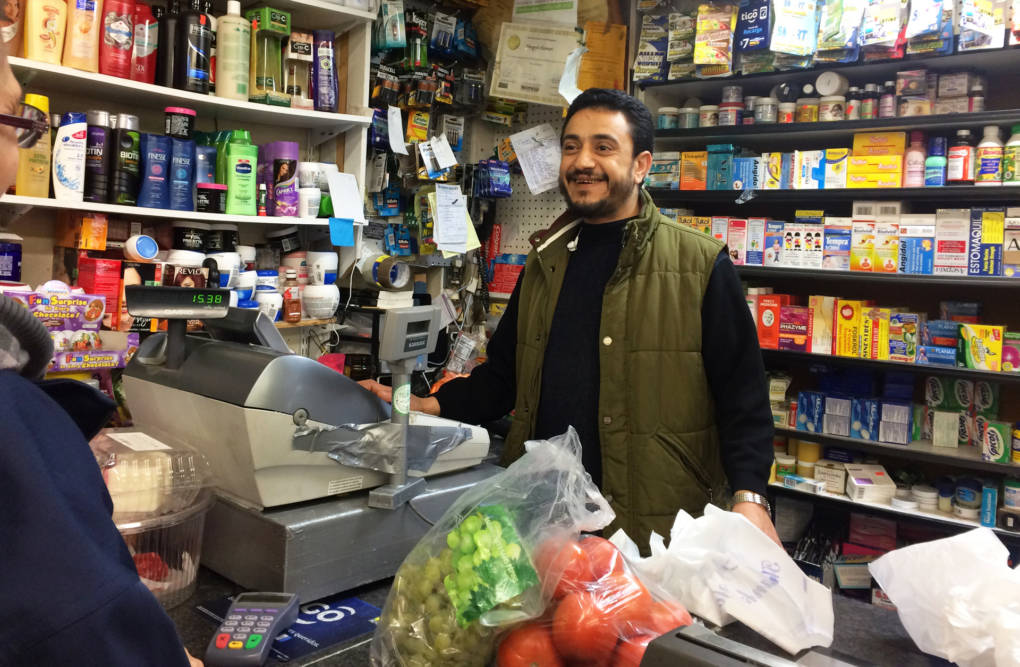
"caption": "Mogeeb Alomri chats with customers at his grocery store in Oakland. Alomri believes President Trump's immigration orders could hurt his business and the likelihood his Yemeni wife and children can emigrate to the U.S. ",
"description": "Mogeeb Alomri chats with customers at his grocery store in Oakland. Alomri believes President Trump's immigration orders could hurt his business and the likelihood his Yemeni wife and children can emigrate to the U.S. ",
"title": "YemeniGrocer",
"credit": "Farida Jhabvala Romero/KQED",
"status": "inherit",
"isLoading": false,
"fetchFailed": false
},
"news_11307772": {
"type": "attachments",
"id": "news_11307772",
"meta": {
"index": "attachments_1716263798",
"site": "news",
"id": "11307772",
"found": true
},
"parent": 11307279,
"imgSizes": {
"small": {
"file": "https://ww2.kqed.org/app/uploads/sites/10/2017/02/GettyImages-85403566-520x380.jpg",
"width": 520,
"mimeType": "image/jpeg",
"height": 380
},
"twentyfourteen-full-width": {
"file": "https://ww2.kqed.org/app/uploads/sites/10/2017/02/GettyImages-85403566-1024x576.jpg",
"width": 1024,
"mimeType": "image/jpeg",
"height": 576
},
"thumbnail": {
"file": "https://ww2.kqed.org/app/uploads/sites/10/2017/02/GettyImages-85403566-160x117.jpg",
"width": 160,
"mimeType": "image/jpeg",
"height": 117
},
"fd-sm": {
"file": "https://ww2.kqed.org/app/uploads/sites/10/2017/02/GettyImages-85403566-960x702.jpg",
"width": 960,
"mimeType": "image/jpeg",
"height": 702
},
"post-thumbnail": {
"file": "https://ww2.kqed.org/app/uploads/sites/10/2017/02/GettyImages-85403566-672x372.jpg",
"width": 672,
"mimeType": "image/jpeg",
"height": 372
},
"xsmall": {
"file": "https://ww2.kqed.org/app/uploads/sites/10/2017/02/GettyImages-85403566-375x274.jpg",
"width": 375,
"mimeType": "image/jpeg",
"height": 274
},
"kqedFullSize": {
"file": "https://ww2.kqed.org/app/uploads/sites/10/2017/02/GettyImages-85403566.jpg",
"width": 1024,
"height": 749
},
"large": {
"file": "https://ww2.kqed.org/app/uploads/sites/10/2017/02/GettyImages-85403566-1020x746.jpg",
"width": 1020,
"mimeType": "image/jpeg",
"height": 746
},
"guest-author-50": {
"file": "https://ww2.kqed.org/app/uploads/sites/10/2017/02/GettyImages-85403566-50x50.jpg",
"width": 50,
"mimeType": "image/jpeg",
"height": 50
},
"guest-author-96": {
"file": "https://ww2.kqed.org/app/uploads/sites/10/2017/02/GettyImages-85403566-96x96.jpg",
"width": 96,
"mimeType": "image/jpeg",
"height": 96
},
"medium": {
"file": "https://ww2.kqed.org/app/uploads/sites/10/2017/02/GettyImages-85403566-800x585.jpg",
"width": 800,
"mimeType": "image/jpeg",
"height": 585
},
"guest-author-64": {
"file": "https://ww2.kqed.org/app/uploads/sites/10/2017/02/GettyImages-85403566-64x64.jpg",
"width": 64,
"mimeType": "image/jpeg",
"height": 64
},
"guest-author-32": {
"file": "https://ww2.kqed.org/app/uploads/sites/10/2017/02/GettyImages-85403566-32x32.jpg",
"width": 32,
"mimeType": "image/jpeg",
"height": 32
},
"detail": {
"file": "https://ww2.kqed.org/app/uploads/sites/10/2017/02/GettyImages-85403566-150x150.jpg",
"width": 150,
"mimeType": "image/jpeg",
"height": 150
},
"guest-author-128": {
"file": "https://ww2.kqed.org/app/uploads/sites/10/2017/02/GettyImages-85403566-128x128.jpg",
"width": 128,
"mimeType": "image/jpeg",
"height": 128
},
"xxsmall": {
"file": "https://ww2.kqed.org/app/uploads/sites/10/2017/02/GettyImages-85403566-240x176.jpg",
"width": 240,
"mimeType": "image/jpeg",
"height": 176
}
},
"publishDate": 1486602856,
"modified": 1486680391,
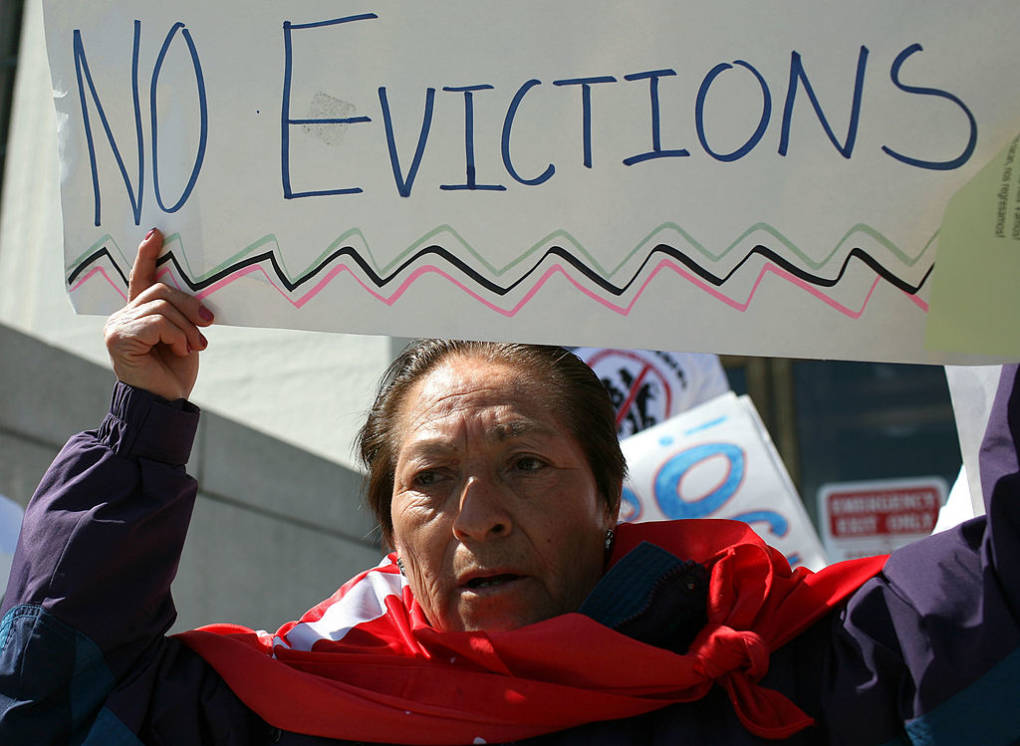
"caption": "Community advocacy group ACORN (Association of Community Organizations for Reform Now) leads 'Tent City' protest over home foreclosure auction.",
"description": null,
"title": "community advocacy group ACORN (Association of Community Organizations for Reform Now) Leads \"Tent City\" Protest Over Home Foreclosure Auction",
"credit": "Justin Sullivan/Getty Images",
"status": "inherit",
"isLoading": false,
"fetchFailed": false
},
"news_11223235": {
"type": "attachments",
"id": "news_11223235",
"meta": {
"index": "attachments_1716263798",
"site": "news",
"id": "11223235",
"found": true
},
"parent": 11223222,
"imgSizes": {
"small": {
"file": "https://ww2.kqed.org/app/uploads/sites/10/2016/12/warehouse-fire-1920a-520x342.jpg",
"width": 520,
"mimeType": "image/jpeg",
"height": 342
},
"twentyfourteen-full-width": {
"file": "https://ww2.kqed.org/app/uploads/sites/10/2016/12/warehouse-fire-1920a-1038x576.jpg",
"width": 1038,
"mimeType": "image/jpeg",
"height": 576
},
"thumbnail": {
"file": "https://ww2.kqed.org/app/uploads/sites/10/2016/12/warehouse-fire-1920a-160x105.jpg",
"width": 160,
"mimeType": "image/jpeg",
"height": 105
},
"fd-sm": {
"file": "https://ww2.kqed.org/app/uploads/sites/10/2016/12/warehouse-fire-1920a-960x632.jpg",
"width": 960,
"mimeType": "image/jpeg",
"height": 632
},
"post-thumbnail": {
"file": "https://ww2.kqed.org/app/uploads/sites/10/2016/12/warehouse-fire-1920a-672x372.jpg",
"width": 672,
"mimeType": "image/jpeg",
"height": 372
},
"xsmall": {
"file": "https://ww2.kqed.org/app/uploads/sites/10/2016/12/warehouse-fire-1920a-375x247.jpg",
"width": 375,
"mimeType": "image/jpeg",
"height": 247
},
"kqedFullSize": {
"file": "https://ww2.kqed.org/app/uploads/sites/10/2016/12/warehouse-fire-1920a.jpg",
"width": 1920,
"height": 1264
},
"large": {
"file": "https://ww2.kqed.org/app/uploads/sites/10/2016/12/warehouse-fire-1920a-1020x672.jpg",
"width": 1020,
"mimeType": "image/jpeg",
"height": 672
},
"xlarge": {
"file": "https://ww2.kqed.org/app/uploads/sites/10/2016/12/warehouse-fire-1920a-1180x777.jpg",
"width": 1180,
"mimeType": "image/jpeg",
"height": 777
},
"guest-author-50": {
"file": "https://ww2.kqed.org/app/uploads/sites/10/2016/12/warehouse-fire-1920a-50x50.jpg",
"width": 50,
"mimeType": "image/jpeg",
"height": 50
},
"guest-author-96": {
"file": "https://ww2.kqed.org/app/uploads/sites/10/2016/12/warehouse-fire-1920a-96x96.jpg",
"width": 96,
"mimeType": "image/jpeg",
"height": 96
},
"medium": {
"file": "https://ww2.kqed.org/app/uploads/sites/10/2016/12/warehouse-fire-1920a-800x527.jpg",
"width": 800,
"mimeType": "image/jpeg",
"height": 527
},
"guest-author-64": {
"file": "https://ww2.kqed.org/app/uploads/sites/10/2016/12/warehouse-fire-1920a-64x64.jpg",
"width": 64,
"mimeType": "image/jpeg",
"height": 64
},
"guest-author-32": {
"file": "https://ww2.kqed.org/app/uploads/sites/10/2016/12/warehouse-fire-1920a-32x32.jpg",
"width": 32,
"mimeType": "image/jpeg",
"height": 32
},
"jmtc-small-thumb": {
"file": "https://ww2.kqed.org/app/uploads/sites/10/2016/12/warehouse-fire-1920a-280x150.jpg",
"width": 280,
"mimeType": "image/jpeg",
"height": 150
},
"fd-lrg": {
"file": "https://ww2.kqed.org/app/uploads/sites/10/2016/12/warehouse-fire-1920a-1920x1264.jpg",
"width": 1920,
"mimeType": "image/jpeg",
"height": 1264
},
"fd-med": {
"file": "https://ww2.kqed.org/app/uploads/sites/10/2016/12/warehouse-fire-1920a-1180x777.jpg",
"width": 1180,
"mimeType": "image/jpeg",
"height": 777
},
"full-width": {
"file": "https://ww2.kqed.org/app/uploads/sites/10/2016/12/warehouse-fire-1920a-1920x1264.jpg",
"width": 1920,
"mimeType": "image/jpeg",
"height": 1264
},
"detail": {
"file": "https://ww2.kqed.org/app/uploads/sites/10/2016/12/warehouse-fire-1920a-150x150.jpg",
"width": 150,
"mimeType": "image/jpeg",
"height": 150
},
"guest-author-128": {
"file": "https://ww2.kqed.org/app/uploads/sites/10/2016/12/warehouse-fire-1920a-128x128.jpg",
"width": 128,
"mimeType": "image/jpeg",
"height": 128
},
"xxsmall": {
"file": "https://ww2.kqed.org/app/uploads/sites/10/2016/12/warehouse-fire-1920a-240x158.jpg",
"width": 240,
"mimeType": "image/jpeg",
"height": 158
}
},
"publishDate": 1481916808,
"modified": 1501289062,
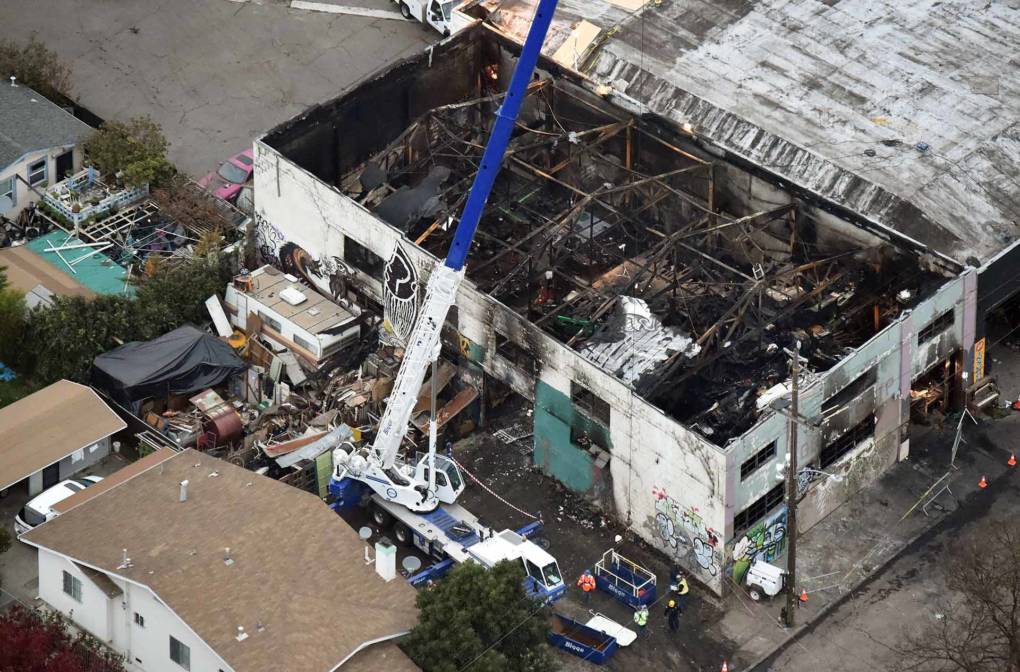
"caption": "A crane is used to lift wreckage as part of search efforts at the fire-ravaged Ghost Ship warehouse in December 2016. ",
"description": null,
"title": "Oakland-Ghost Ship Fire",
"credit": "Josh Edelson/AFP-Getty Image",
"status": "inherit",
"isLoading": false,
"fetchFailed": false
},
"news_11305910": {
"type": "attachments",
"id": "news_11305910",
"meta": {
"index": "attachments_1716263798",
"site": "news",
"id": "11305910",
"found": true
},
"parent": 11305666,
"imgSizes": {
"small": {
"file": "https://ww2.kqed.org/app/uploads/sites/10/2017/02/ManhoodDevOakland-520x288.jpg",
"width": 520,
"mimeType": "image/jpeg",
"height": 288
},
"twentyfourteen-full-width": {
"file": "https://ww2.kqed.org/app/uploads/sites/10/2017/02/ManhoodDevOakland-1038x576.jpg",
"width": 1038,
"mimeType": "image/jpeg",
"height": 576
},
"thumbnail": {
"file": "https://ww2.kqed.org/app/uploads/sites/10/2017/02/ManhoodDevOakland-160x89.jpg",
"width": 160,
"mimeType": "image/jpeg",
"height": 89
},
"fd-sm": {
"file": "https://ww2.kqed.org/app/uploads/sites/10/2017/02/ManhoodDevOakland-960x533.jpg",
"width": 960,
"mimeType": "image/jpeg",
"height": 533
},
"post-thumbnail": {
"file": "https://ww2.kqed.org/app/uploads/sites/10/2017/02/ManhoodDevOakland-672x372.jpg",
"width": 672,
"mimeType": "image/jpeg",
"height": 372
},
"xsmall": {
"file": "https://ww2.kqed.org/app/uploads/sites/10/2017/02/ManhoodDevOakland-375x208.jpg",
"width": 375,
"mimeType": "image/jpeg",
"height": 208
},
"kqedFullSize": {
"file": "https://ww2.kqed.org/app/uploads/sites/10/2017/02/ManhoodDevOakland.jpg",
"width": 1920,
"height": 1065
},
"large": {
"file": "https://ww2.kqed.org/app/uploads/sites/10/2017/02/ManhoodDevOakland-1020x566.jpg",
"width": 1020,
"mimeType": "image/jpeg",
"height": 566
},
"xlarge": {
"file": "https://ww2.kqed.org/app/uploads/sites/10/2017/02/ManhoodDevOakland-1180x655.jpg",
"width": 1180,
"mimeType": "image/jpeg",
"height": 655
},
"guest-author-50": {
"file": "https://ww2.kqed.org/app/uploads/sites/10/2017/02/ManhoodDevOakland-50x50.jpg",
"width": 50,
"mimeType": "image/jpeg",
"height": 50
},
"guest-author-96": {
"file": "https://ww2.kqed.org/app/uploads/sites/10/2017/02/ManhoodDevOakland-96x96.jpg",
"width": 96,
"mimeType": "image/jpeg",
"height": 96
},
"medium": {
"file": "https://ww2.kqed.org/app/uploads/sites/10/2017/02/ManhoodDevOakland-800x444.jpg",
"width": 800,
"mimeType": "image/jpeg",
"height": 444
},
"guest-author-64": {
"file": "https://ww2.kqed.org/app/uploads/sites/10/2017/02/ManhoodDevOakland-64x64.jpg",
"width": 64,
"mimeType": "image/jpeg",
"height": 64
},
"guest-author-32": {
"file": "https://ww2.kqed.org/app/uploads/sites/10/2017/02/ManhoodDevOakland-32x32.jpg",
"width": 32,
"mimeType": "image/jpeg",
"height": 32
},
"fd-lrg": {
"file": "https://ww2.kqed.org/app/uploads/sites/10/2017/02/ManhoodDevOakland-1920x1065.jpg",
"width": 1920,
"mimeType": "image/jpeg",
"height": 1065
},
"fd-med": {
"file": "https://ww2.kqed.org/app/uploads/sites/10/2017/02/ManhoodDevOakland-1180x655.jpg",
"width": 1180,
"mimeType": "image/jpeg",
"height": 655
},
"full-width": {
"file": "https://ww2.kqed.org/app/uploads/sites/10/2017/02/ManhoodDevOakland-1920x1065.jpg",
"width": 1920,
"mimeType": "image/jpeg",
"height": 1065
},
"detail": {
"file": "https://ww2.kqed.org/app/uploads/sites/10/2017/02/ManhoodDevOakland-150x150.jpg",
"width": 150,
"mimeType": "image/jpeg",
"height": 150
},
"guest-author-128": {
"file": "https://ww2.kqed.org/app/uploads/sites/10/2017/02/ManhoodDevOakland-128x128.jpg",
"width": 128,
"mimeType": "image/jpeg",
"height": 128
},
"xxsmall": {
"file": "https://ww2.kqed.org/app/uploads/sites/10/2017/02/ManhoodDevOakland-240x133.jpg",
"width": 240,
"mimeType": "image/jpeg",
"height": 133
}
},
"publishDate": 1486505948,
"modified": 1486605034,
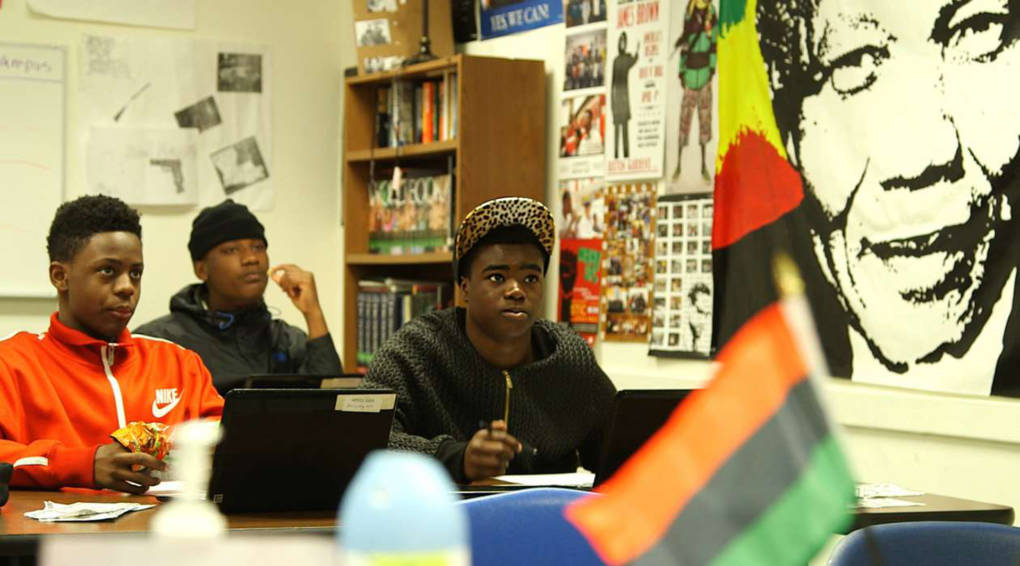
"caption": "Tenth-grade Manhood Development class students at Oakland High absorb a discussion about college admissions.",
"description": "Tenth grade Manhood Development class students at Oakland High absorb a discussion about college admissions.",
"title": "ManhoodDevOakland",
"credit": "Eleanor Bell Fox/Center for Public Integrity",
"status": "inherit",
"isLoading": false,
"fetchFailed": false
},
"news_10830517": {
"type": "attachments",
"id": "news_10830517",
"meta": {
"index": "attachments_1716263798",
"site": "news",
"id": "10830517",
"found": true
},
"parent": 10830448,
"imgSizes": {
"twentyfourteen-full-width": {
"file": "https://ww2.kqed.org/app/uploads/sites/10/2016/01/GettyImages-500242836-1038x576.jpg",
"width": 1038,
"mimeType": "image/jpeg",
"height": 576
},
"thumbnail": {
"file": "https://ww2.kqed.org/app/uploads/sites/10/2016/01/GettyImages-500242836-400x267.jpg",
"width": 400,
"mimeType": "image/jpeg",
"height": 267
},
"fd-sm": {
"file": "https://ww2.kqed.org/app/uploads/sites/10/2016/01/GettyImages-500242836-960x640.jpg",
"width": 960,
"mimeType": "image/jpeg",
"height": 640
},
"post-thumbnail": {
"file": "https://ww2.kqed.org/app/uploads/sites/10/2016/01/GettyImages-500242836-672x372.jpg",
"width": 672,
"mimeType": "image/jpeg",
"height": 372
},
"kqedFullSize": {
"file": "https://ww2.kqed.org/app/uploads/sites/10/2016/01/GettyImages-500242836.jpg",
"width": 4896,
"height": 3264
},
"large": {
"file": "https://ww2.kqed.org/app/uploads/sites/10/2016/01/GettyImages-500242836-1440x960.jpg",
"width": 1440,
"mimeType": "image/jpeg",
"height": 960
},
"guest-author-96": {
"file": "https://ww2.kqed.org/app/uploads/sites/10/2016/01/GettyImages-500242836-96x96.jpg",
"width": 96,
"mimeType": "image/jpeg",
"height": 96
},
"medium": {
"file": "https://ww2.kqed.org/app/uploads/sites/10/2016/01/GettyImages-500242836-800x533.jpg",
"width": 800,
"mimeType": "image/jpeg",
"height": 533
},
"guest-author-64": {
"file": "https://ww2.kqed.org/app/uploads/sites/10/2016/01/GettyImages-500242836-64x64.jpg",
"width": 64,
"mimeType": "image/jpeg",
"height": 64
},
"guest-author-32": {
"file": "https://ww2.kqed.org/app/uploads/sites/10/2016/01/GettyImages-500242836-32x32.jpg",
"width": 32,
"mimeType": "image/jpeg",
"height": 32
},
"jmtc-small-thumb": {
"file": "https://ww2.kqed.org/app/uploads/sites/10/2016/01/GettyImages-500242836-280x150.jpg",
"width": 280,
"mimeType": "image/jpeg",
"height": 150
},
"fd-lrg": {
"file": "https://ww2.kqed.org/app/uploads/sites/10/2016/01/GettyImages-500242836-1920x1280.jpg",
"width": 1920,
"mimeType": "image/jpeg",
"height": 1280
},
"fd-med": {
"file": "https://ww2.kqed.org/app/uploads/sites/10/2016/01/GettyImages-500242836-1180x787.jpg",
"width": 1180,
"mimeType": "image/jpeg",
"height": 787
},
"detail": {
"file": "https://ww2.kqed.org/app/uploads/sites/10/2016/01/GettyImages-500242836-75x75.jpg",
"width": 75,
"mimeType": "image/jpeg",
"height": 75
},
"medium_large": {
"file": "https://ww2.kqed.org/app/uploads/sites/10/2016/01/GettyImages-500242836-768x512.jpg",
"width": 768,
"mimeType": "image/jpeg",
"height": 512
},
"guest-author-128": {
"file": "https://ww2.kqed.org/app/uploads/sites/10/2016/01/GettyImages-500242836-128x128.jpg",
"width": 128,
"mimeType": "image/jpeg",
"height": 128
}
},
"publishDate": 1452646723,
"modified": 1452729912,
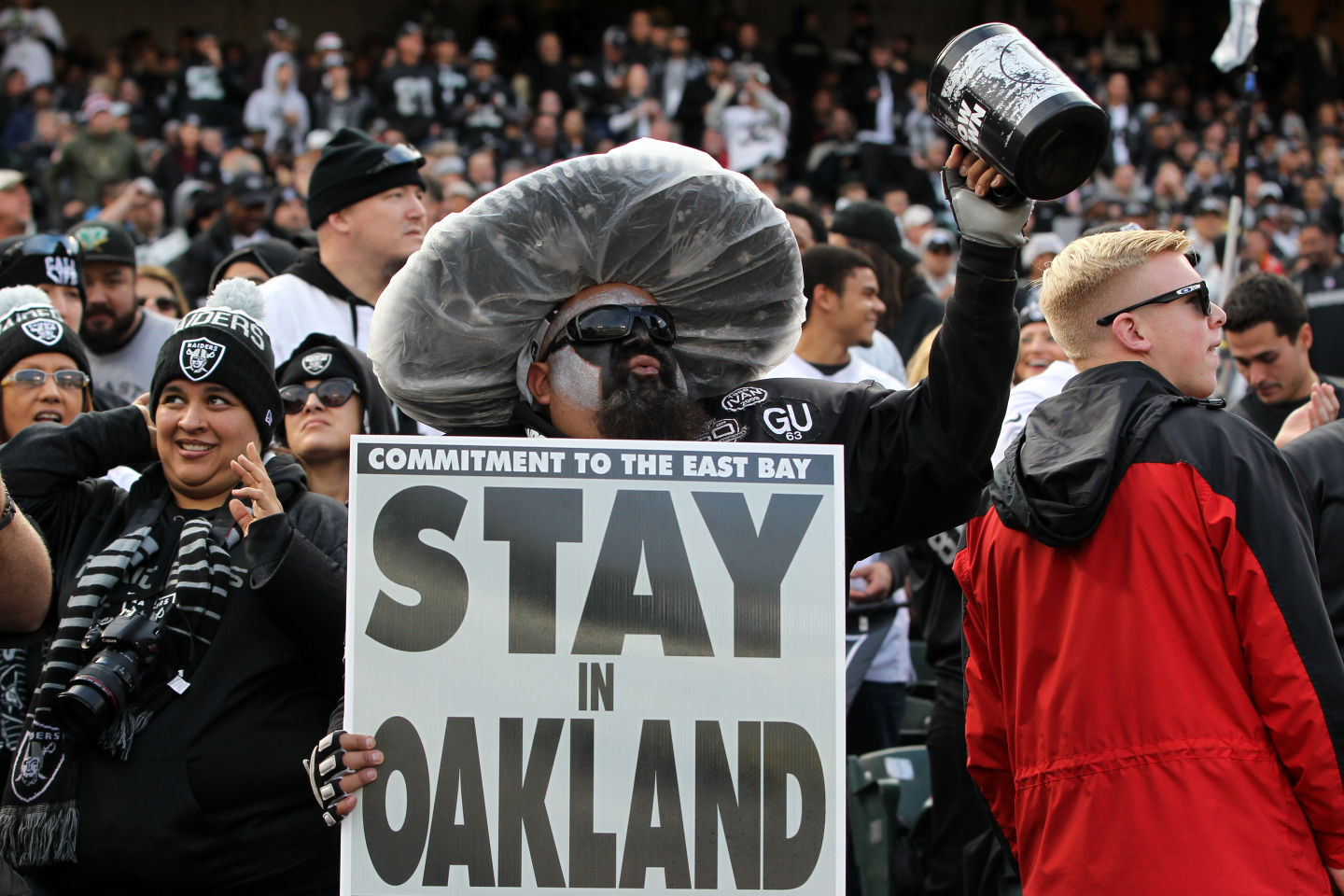
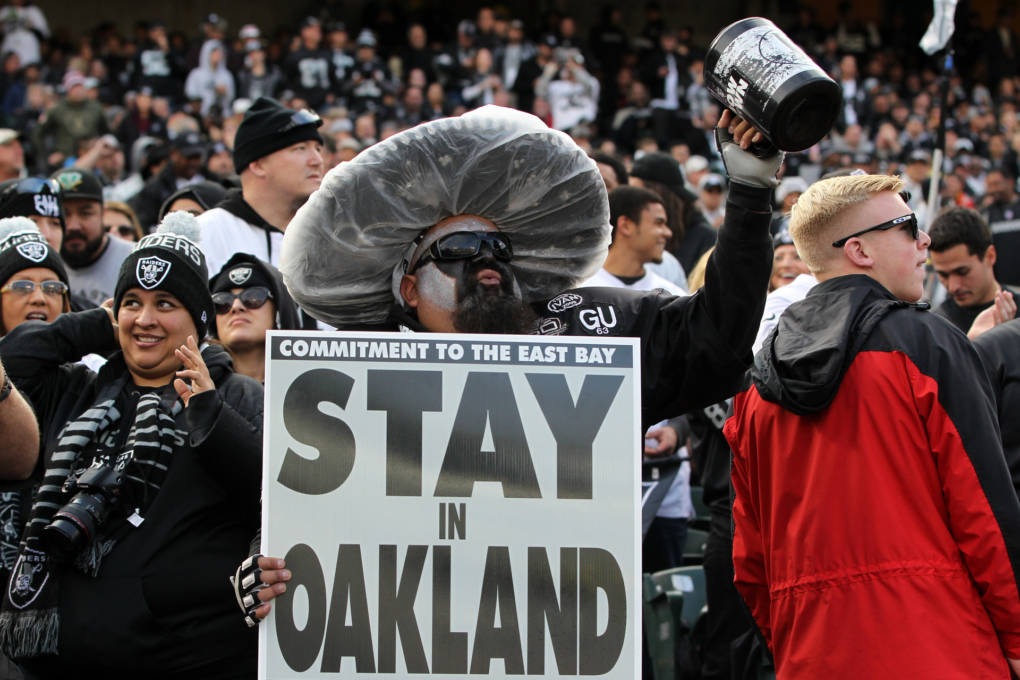
"caption": "A fan holds a sign in the stands imploring the team to stay in Oakland during the NFL game between the Oakland Raiders and the Kansas City Chiefs at O.co Coliseum in December. (Jason O. Watson/Getty Images)",
"description": null,
"title": "Kansas City Chiefs v Oakland Raiders",
"credit": null,
"status": "inherit",
"isLoading": false,
"fetchFailed": false
},
"news_11280901": {
"type": "attachments",
"id": "news_11280901",
"meta": {
"index": "attachments_1716263798",
"site": "news",
"id": "11280901",
"found": true
},
"parent": 11280454,
"imgSizes": {
"small": {
"file": "https://ww2.kqed.org/app/uploads/sites/10/2017/01/RS23777_170121_SFWomensMarch_bhs02-qut1-520x347.jpg",
"width": 520,
"mimeType": "image/jpeg",
"height": 347
},
"twentyfourteen-full-width": {
"file": "https://ww2.kqed.org/app/uploads/sites/10/2017/01/RS23777_170121_SFWomensMarch_bhs02-qut1-1038x576.jpg",
"width": 1038,
"mimeType": "image/jpeg",
"height": 576
},
"thumbnail": {
"file": "https://ww2.kqed.org/app/uploads/sites/10/2017/01/RS23777_170121_SFWomensMarch_bhs02-qut1-160x107.jpg",
"width": 160,
"mimeType": "image/jpeg",
"height": 107
},
"fd-sm": {
"file": "https://ww2.kqed.org/app/uploads/sites/10/2017/01/RS23777_170121_SFWomensMarch_bhs02-qut1-960x640.jpg",
"width": 960,
"mimeType": "image/jpeg",
"height": 640
},
"post-thumbnail": {
"file": "https://ww2.kqed.org/app/uploads/sites/10/2017/01/RS23777_170121_SFWomensMarch_bhs02-qut1-672x372.jpg",
"width": 672,
"mimeType": "image/jpeg",
"height": 372
},
"xsmall": {
"file": "https://ww2.kqed.org/app/uploads/sites/10/2017/01/RS23777_170121_SFWomensMarch_bhs02-qut1-375x250.jpg",
"width": 375,
"mimeType": "image/jpeg",
"height": 250
},
"kqedFullSize": {
"file": "https://ww2.kqed.org/app/uploads/sites/10/2017/01/RS23777_170121_SFWomensMarch_bhs02-qut1.jpg",
"width": 1920,
"height": 1280
},
"large": {
"file": "https://ww2.kqed.org/app/uploads/sites/10/2017/01/RS23777_170121_SFWomensMarch_bhs02-qut1-1020x680.jpg",
"width": 1020,
"mimeType": "image/jpeg",
"height": 680
},
"xlarge": {
"file": "https://ww2.kqed.org/app/uploads/sites/10/2017/01/RS23777_170121_SFWomensMarch_bhs02-qut1-1180x787.jpg",
"width": 1180,
"mimeType": "image/jpeg",
"height": 787
},
"guest-author-50": {
"file": "https://ww2.kqed.org/app/uploads/sites/10/2017/01/RS23777_170121_SFWomensMarch_bhs02-qut1-50x50.jpg",
"width": 50,
"mimeType": "image/jpeg",
"height": 50
},
"guest-author-96": {
"file": "https://ww2.kqed.org/app/uploads/sites/10/2017/01/RS23777_170121_SFWomensMarch_bhs02-qut1-96x96.jpg",
"width": 96,
"mimeType": "image/jpeg",
"height": 96
},
"medium": {
"file": "https://ww2.kqed.org/app/uploads/sites/10/2017/01/RS23777_170121_SFWomensMarch_bhs02-qut1-800x533.jpg",
"width": 800,
"mimeType": "image/jpeg",
"height": 533
},
"guest-author-64": {
"file": "https://ww2.kqed.org/app/uploads/sites/10/2017/01/RS23777_170121_SFWomensMarch_bhs02-qut1-64x64.jpg",
"width": 64,
"mimeType": "image/jpeg",
"height": 64
},
"guest-author-32": {
"file": "https://ww2.kqed.org/app/uploads/sites/10/2017/01/RS23777_170121_SFWomensMarch_bhs02-qut1-32x32.jpg",
"width": 32,
"mimeType": "image/jpeg",
"height": 32
},
"jmtc-small-thumb": {
"file": "https://ww2.kqed.org/app/uploads/sites/10/2017/01/RS23777_170121_SFWomensMarch_bhs02-qut1-280x150.jpg",
"width": 280,
"mimeType": "image/jpeg",
"height": 150
},
"fd-lrg": {
"file": "https://ww2.kqed.org/app/uploads/sites/10/2017/01/RS23777_170121_SFWomensMarch_bhs02-qut1-1920x1280.jpg",
"width": 1920,
"mimeType": "image/jpeg",
"height": 1280
},
"fd-med": {
"file": "https://ww2.kqed.org/app/uploads/sites/10/2017/01/RS23777_170121_SFWomensMarch_bhs02-qut1-1180x787.jpg",
"width": 1180,
"mimeType": "image/jpeg",
"height": 787
},
"full-width": {
"file": "https://ww2.kqed.org/app/uploads/sites/10/2017/01/RS23777_170121_SFWomensMarch_bhs02-qut1-1920x1280.jpg",
"width": 1920,
"mimeType": "image/jpeg",
"height": 1280
},
"detail": {
"file": "https://ww2.kqed.org/app/uploads/sites/10/2017/01/RS23777_170121_SFWomensMarch_bhs02-qut1-150x150.jpg",
"width": 150,
"mimeType": "image/jpeg",
"height": 150
},
"guest-author-128": {
"file": "https://ww2.kqed.org/app/uploads/sites/10/2017/01/RS23777_170121_SFWomensMarch_bhs02-qut1-128x128.jpg",
"width": 128,
"mimeType": "image/jpeg",
"height": 128
},
"xxsmall": {
"file": "https://ww2.kqed.org/app/uploads/sites/10/2017/01/RS23777_170121_SFWomensMarch_bhs02-qut1-240x160.jpg",
"width": 240,
"mimeType": "image/jpeg",
"height": 160
}
},
"publishDate": 1485051603,
"modified": 1485051771,
"caption": "San Francisco’s Women’s March began at the Civic Center Plaza in San Francisco on Jan. 21, 2017. Even with looming clouds and rain thousands joined in the march down Market St.",
"description": null,
"title": "RS23777_170121_SFWomensMarch_bhs02-qut(1)",
"credit": "Brittany Hosea-Small/KQED",
"status": "inherit",
"isLoading": false,
"fetchFailed": false
},
"news_11277376": {
"type": "attachments",
"id": "news_11277376",
"meta": {
"index": "attachments_1716263798",
"site": "news",
"id": "11277376",
"found": true
},
"parent": 11277372,
"imgSizes": {
"small": {
"file": "https://cdn.kqed.org/wp-content/uploads/sites/10/2017/01/raiders-stay-1920-520x347.jpg",
"width": 520,
"mimeType": "image/jpeg",
"height": 347
},
"twentyfourteen-full-width": {
"file": "https://cdn.kqed.org/wp-content/uploads/sites/10/2017/01/raiders-stay-1920-1038x576.jpg",
"width": 1038,
"mimeType": "image/jpeg",
"height": 576
},
"thumbnail": {
"file": "https://cdn.kqed.org/wp-content/uploads/sites/10/2017/01/raiders-stay-1920-160x107.jpg",
"width": 160,
"mimeType": "image/jpeg",
"height": 107
},
"fd-sm": {
"file": "https://cdn.kqed.org/wp-content/uploads/sites/10/2017/01/raiders-stay-1920-960x640.jpg",
"width": 960,
"mimeType": "image/jpeg",
"height": 640
},
"post-thumbnail": {
"file": "https://cdn.kqed.org/wp-content/uploads/sites/10/2017/01/raiders-stay-1920-672x372.jpg",
"width": 672,
"mimeType": "image/jpeg",
"height": 372
},
"xsmall": {
"file": "https://cdn.kqed.org/wp-content/uploads/sites/10/2017/01/raiders-stay-1920-375x250.jpg",
"width": 375,
"mimeType": "image/jpeg",
"height": 250
},
"kqedFullSize": {
"file": "https://cdn.kqed.org/wp-content/uploads/sites/10/2017/01/raiders-stay-1920.jpg",
"width": 1920,
"height": 1280
},
"large": {
"file": "https://cdn.kqed.org/wp-content/uploads/sites/10/2017/01/raiders-stay-1920-1020x680.jpg",
"width": 1020,
"mimeType": "image/jpeg",
"height": 680
},
"xlarge": {
"file": "https://cdn.kqed.org/wp-content/uploads/sites/10/2017/01/raiders-stay-1920-1180x787.jpg",
"width": 1180,
"mimeType": "image/jpeg",
"height": 787
},
"guest-author-50": {
"file": "https://cdn.kqed.org/wp-content/uploads/sites/10/2017/01/raiders-stay-1920-50x50.jpg",
"width": 50,
"mimeType": "image/jpeg",
"height": 50
},
"guest-author-96": {
"file": "https://cdn.kqed.org/wp-content/uploads/sites/10/2017/01/raiders-stay-1920-96x96.jpg",
"width": 96,
"mimeType": "image/jpeg",
"height": 96
},
"medium": {
"file": "https://cdn.kqed.org/wp-content/uploads/sites/10/2017/01/raiders-stay-1920-800x533.jpg",
"width": 800,
"mimeType": "image/jpeg",
"height": 533
},
"guest-author-64": {
"file": "https://cdn.kqed.org/wp-content/uploads/sites/10/2017/01/raiders-stay-1920-64x64.jpg",
"width": 64,
"mimeType": "image/jpeg",
"height": 64
},
"guest-author-32": {
"file": "https://cdn.kqed.org/wp-content/uploads/sites/10/2017/01/raiders-stay-1920-32x32.jpg",
"width": 32,
"mimeType": "image/jpeg",
"height": 32
},
"jmtc-small-thumb": {
"file": "https://cdn.kqed.org/wp-content/uploads/sites/10/2017/01/raiders-stay-1920-280x150.jpg",
"width": 280,
"mimeType": "image/jpeg",
"height": 150
},
"fd-lrg": {
"file": "https://cdn.kqed.org/wp-content/uploads/sites/10/2017/01/raiders-stay-1920-1920x1280.jpg",
"width": 1920,
"mimeType": "image/jpeg",
"height": 1280
},
"fd-med": {
"file": "https://cdn.kqed.org/wp-content/uploads/sites/10/2017/01/raiders-stay-1920-1180x787.jpg",
"width": 1180,
"mimeType": "image/jpeg",
"height": 787
},
"full-width": {
"file": "https://cdn.kqed.org/wp-content/uploads/sites/10/2017/01/raiders-stay-1920-1920x1280.jpg",
"width": 1920,
"mimeType": "image/jpeg",
"height": 1280
},
"detail": {
"file": "https://cdn.kqed.org/wp-content/uploads/sites/10/2017/01/raiders-stay-1920-150x150.jpg",
"width": 150,
"mimeType": "image/jpeg",
"height": 150
},
"guest-author-128": {
"file": "https://cdn.kqed.org/wp-content/uploads/sites/10/2017/01/raiders-stay-1920-128x128.jpg",
"width": 128,
"mimeType": "image/jpeg",
"height": 128
},
"xxsmall": {
"file": "https://cdn.kqed.org/wp-content/uploads/sites/10/2017/01/raiders-stay-1920-240x160.jpg",
"width": 240,
"mimeType": "image/jpeg",
"height": 160
}
},
"publishDate": 1484865576,
"modified": 1707331517,
"caption": "A fan holds a sign in the stands imploring the team to stay in Oakland during the NFL game between the Oakland Raiders and the Kansas City Chiefs at O.co Coliseum on Dec. 6, 2015, in Oakland, California.",
"description": null,
"title": "raiders-stay-1920",
"credit": "Jason O. Watson/Getty Images",
"status": "inherit",
"altTag": "A person wearing black and white make-up and clothing holds a sign that reads \"Stay in Oakland.\"",
"isLoading": false,
"fetchFailed": false
},
"news_11257574": {
"type": "attachments",
"id": "news_11257574",
"meta": {
"index": "attachments_1716263798",
"site": "news",
"id": "11257574",
"found": true
},
"parent": 11257563,
"imgSizes": {
"small": {
"file": "https://ww2.kqed.org/app/uploads/sites/10/2017/01/20170106_JesseArreguin2-520x293.jpg",
"width": 520,
"mimeType": "image/jpeg",
"height": 293
},
"twentyfourteen-full-width": {
"file": "https://ww2.kqed.org/app/uploads/sites/10/2017/01/20170106_JesseArreguin2-1038x576.jpg",
"width": 1038,
"mimeType": "image/jpeg",
"height": 576
},
"thumbnail": {
"file": "https://ww2.kqed.org/app/uploads/sites/10/2017/01/20170106_JesseArreguin2-160x90.jpg",
"width": 160,
"mimeType": "image/jpeg",
"height": 90
},
"fd-sm": {
"file": "https://ww2.kqed.org/app/uploads/sites/10/2017/01/20170106_JesseArreguin2-960x540.jpg",
"width": 960,
"mimeType": "image/jpeg",
"height": 540
},
"post-thumbnail": {
"file": "https://ww2.kqed.org/app/uploads/sites/10/2017/01/20170106_JesseArreguin2-672x372.jpg",
"width": 672,
"mimeType": "image/jpeg",
"height": 372
},
"xsmall": {
"file": "https://ww2.kqed.org/app/uploads/sites/10/2017/01/20170106_JesseArreguin2-375x211.jpg",
"width": 375,
"mimeType": "image/jpeg",
"height": 211
},
"kqedFullSize": {
"file": "https://ww2.kqed.org/app/uploads/sites/10/2017/01/20170106_JesseArreguin2.jpg",
"width": 1920,
"height": 1080
},
"large": {
"file": "https://ww2.kqed.org/app/uploads/sites/10/2017/01/20170106_JesseArreguin2-1020x574.jpg",
"width": 1020,
"mimeType": "image/jpeg",
"height": 574
},
"xlarge": {
"file": "https://ww2.kqed.org/app/uploads/sites/10/2017/01/20170106_JesseArreguin2-1180x664.jpg",
"width": 1180,
"mimeType": "image/jpeg",
"height": 664
},
"guest-author-50": {
"file": "https://ww2.kqed.org/app/uploads/sites/10/2017/01/20170106_JesseArreguin2-50x50.jpg",
"width": 50,
"mimeType": "image/jpeg",
"height": 50
},
"guest-author-96": {
"file": "https://ww2.kqed.org/app/uploads/sites/10/2017/01/20170106_JesseArreguin2-96x96.jpg",
"width": 96,
"mimeType": "image/jpeg",
"height": 96
},
"medium": {
"file": "https://ww2.kqed.org/app/uploads/sites/10/2017/01/20170106_JesseArreguin2-800x450.jpg",
"width": 800,
"mimeType": "image/jpeg",
"height": 450
},
"guest-author-64": {
"file": "https://ww2.kqed.org/app/uploads/sites/10/2017/01/20170106_JesseArreguin2-64x64.jpg",
"width": 64,
"mimeType": "image/jpeg",
"height": 64
},
"guest-author-32": {
"file": "https://ww2.kqed.org/app/uploads/sites/10/2017/01/20170106_JesseArreguin2-32x32.jpg",
"width": 32,
"mimeType": "image/jpeg",
"height": 32
},
"jmtc-small-thumb": {
"file": "https://ww2.kqed.org/app/uploads/sites/10/2017/01/20170106_JesseArreguin2-280x150.jpg",
"width": 280,
"mimeType": "image/jpeg",
"height": 150
},
"fd-lrg": {
"file": "https://ww2.kqed.org/app/uploads/sites/10/2017/01/20170106_JesseArreguin2-1920x1080.jpg",
"width": 1920,
"mimeType": "image/jpeg",
"height": 1080
},
"fd-med": {
"file": "https://ww2.kqed.org/app/uploads/sites/10/2017/01/20170106_JesseArreguin2-1180x664.jpg",
"width": 1180,
"mimeType": "image/jpeg",
"height": 664
},
"full-width": {
"file": "https://ww2.kqed.org/app/uploads/sites/10/2017/01/20170106_JesseArreguin2-1920x1080.jpg",
"width": 1920,
"mimeType": "image/jpeg",
"height": 1080
},
"detail": {
"file": "https://ww2.kqed.org/app/uploads/sites/10/2017/01/20170106_JesseArreguin2-150x150.jpg",
"width": 150,
"mimeType": "image/jpeg",
"height": 150
},
"guest-author-128": {
"file": "https://ww2.kqed.org/app/uploads/sites/10/2017/01/20170106_JesseArreguin2-128x128.jpg",
"width": 128,
"mimeType": "image/jpeg",
"height": 128
},
"xxsmall": {
"file": "https://ww2.kqed.org/app/uploads/sites/10/2017/01/20170106_JesseArreguin2-240x135.jpg",
"width": 240,
"mimeType": "image/jpeg",
"height": 135
}
},
"publishDate": 1483753310,
"modified": 1483753357,
"caption": null,
"description": null,
"title": "Berkeley Mayor Jesse Arreguin talks with KQED Newsroom host Thuy Vu",
"credit": "KQED Newsroom",
"status": "inherit",
"isLoading": false,
"fetchFailed": false
},
"news_11206354": {
"type": "attachments",
"id": "news_11206354",
"meta": {
"index": "attachments_1716263798",
"site": "news",
"id": "11206354",
"found": true
},
"parent": 11206353,
"imgSizes": {
"small": {
"file": "https://ww2.kqed.org/app/uploads/sites/10/2016/12/11206353-thumb-520x347.jpg",
"width": 520,
"mimeType": "image/jpeg",
"height": 347
},
"thumbnail": {
"file": "https://ww2.kqed.org/app/uploads/sites/10/2016/12/11206353-thumb-160x107.jpg",
"width": 160,
"mimeType": "image/jpeg",
"height": 107
},
"post-thumbnail": {
"file": "https://ww2.kqed.org/app/uploads/sites/10/2016/12/11206353-thumb-672x372.jpg",
"width": 672,
"mimeType": "image/jpeg",
"height": 372
},
"xsmall": {
"file": "https://ww2.kqed.org/app/uploads/sites/10/2016/12/11206353-thumb-375x250.jpg",
"width": 375,
"mimeType": "image/jpeg",
"height": 250
},
"kqedFullSize": {
"file": "https://ww2.kqed.org/app/uploads/sites/10/2016/12/11206353-thumb.jpg",
"width": 800,
"height": 534
},
"guest-author-50": {
"file": "https://ww2.kqed.org/app/uploads/sites/10/2016/12/11206353-thumb-50x50.jpg",
"width": 50,
"mimeType": "image/jpeg",
"height": 50
},
"guest-author-96": {
"file": "https://ww2.kqed.org/app/uploads/sites/10/2016/12/11206353-thumb-96x96.jpg",
"width": 96,
"mimeType": "image/jpeg",
"height": 96
},
"medium": {
"file": "https://ww2.kqed.org/app/uploads/sites/10/2016/12/11206353-thumb-800x534.jpg",
"width": 800,
"mimeType": "image/jpeg",
"height": 534
},
"guest-author-64": {
"file": "https://ww2.kqed.org/app/uploads/sites/10/2016/12/11206353-thumb-64x64.jpg",
"width": 64,
"mimeType": "image/jpeg",
"height": 64
},
"guest-author-32": {
"file": "https://ww2.kqed.org/app/uploads/sites/10/2016/12/11206353-thumb-32x32.jpg",
"width": 32,
"mimeType": "image/jpeg",
"height": 32
},
"jmtc-small-thumb": {
"file": "https://ww2.kqed.org/app/uploads/sites/10/2016/12/11206353-thumb-280x150.jpg",
"width": 280,
"mimeType": "image/jpeg",
"height": 150
},
"detail": {
"file": "https://ww2.kqed.org/app/uploads/sites/10/2016/12/11206353-thumb-150x150.jpg",
"width": 150,
"mimeType": "image/jpeg",
"height": 150
},
"guest-author-128": {
"file": "https://ww2.kqed.org/app/uploads/sites/10/2016/12/11206353-thumb-128x128.jpg",
"width": 128,
"mimeType": "image/jpeg",
"height": 128
},
"xxsmall": {
"file": "https://ww2.kqed.org/app/uploads/sites/10/2016/12/11206353-thumb-240x160.jpg",
"width": 240,
"mimeType": "image/jpeg",
"height": 160
}
},
"publishDate": 1480964311,
"modified": 1482788611,
"caption": "Flowers outside the police line following the fire at the Ghost Ship warehouse in Oakland's Fruitvale neighborhood. ",
"description": "Flowers outside the police line following the fire at Ghost Ship, an Oakland warehouse. ",
"title": "Oakland-Ghost Ship Fire",
"credit": "Elijah Nouvelage/Getty Images",
"status": "inherit",
"isLoading": false,
"fetchFailed": false
},
"news_11218986": {
"type": "attachments",
"id": "news_11218986",
"meta": {
"index": "attachments_1716263798",
"site": "news",
"id": "11218986",
"found": true
},
"parent": 0,
"imgSizes": {
"small": {
"file": "https://ww2.kqed.org/app/uploads/sites/10/2016/12/11218985-thumb-520x347.jpg",
"width": 520,
"mimeType": "image/jpeg",
"height": 347
},
"twentyfourteen-full-width": {
"file": "https://ww2.kqed.org/app/uploads/sites/10/2016/12/11218985-thumb-1038x576.jpg",
"width": 1038,
"mimeType": "image/jpeg",
"height": 576
},
"thumbnail": {
"file": "https://ww2.kqed.org/app/uploads/sites/10/2016/12/11218985-thumb-160x107.jpg",
"width": 160,
"mimeType": "image/jpeg",
"height": 107
},
"fd-sm": {
"file": "https://ww2.kqed.org/app/uploads/sites/10/2016/12/11218985-thumb-960x640.jpg",
"width": 960,
"mimeType": "image/jpeg",
"height": 640
},
"post-thumbnail": {
"file": "https://ww2.kqed.org/app/uploads/sites/10/2016/12/11218985-thumb-672x372.jpg",
"width": 672,
"mimeType": "image/jpeg",
"height": 372
},
"xsmall": {
"file": "https://ww2.kqed.org/app/uploads/sites/10/2016/12/11218985-thumb-375x250.jpg",
"width": 375,
"mimeType": "image/jpeg",
"height": 250
},
"kqedFullSize": {
"file": "https://ww2.kqed.org/app/uploads/sites/10/2016/12/11218985-thumb.jpg",
"width": 1920,
"height": 1280
},
"large": {
"file": "https://ww2.kqed.org/app/uploads/sites/10/2016/12/11218985-thumb-1020x680.jpg",
"width": 1020,
"mimeType": "image/jpeg",
"height": 680
},
"xlarge": {
"file": "https://ww2.kqed.org/app/uploads/sites/10/2016/12/11218985-thumb-1180x787.jpg",
"width": 1180,
"mimeType": "image/jpeg",
"height": 787
},
"guest-author-50": {
"file": "https://ww2.kqed.org/app/uploads/sites/10/2016/12/11218985-thumb-50x50.jpg",
"width": 50,
"mimeType": "image/jpeg",
"height": 50
},
"guest-author-96": {
"file": "https://ww2.kqed.org/app/uploads/sites/10/2016/12/11218985-thumb-96x96.jpg",
"width": 96,
"mimeType": "image/jpeg",
"height": 96
},
"medium": {
"file": "https://ww2.kqed.org/app/uploads/sites/10/2016/12/11218985-thumb-800x533.jpg",
"width": 800,
"mimeType": "image/jpeg",
"height": 533
},
"guest-author-64": {
"file": "https://ww2.kqed.org/app/uploads/sites/10/2016/12/11218985-thumb-64x64.jpg",
"width": 64,
"mimeType": "image/jpeg",
"height": 64
},
"guest-author-32": {
"file": "https://ww2.kqed.org/app/uploads/sites/10/2016/12/11218985-thumb-32x32.jpg",
"width": 32,
"mimeType": "image/jpeg",
"height": 32
},
"jmtc-small-thumb": {
"file": "https://ww2.kqed.org/app/uploads/sites/10/2016/12/11218985-thumb-280x150.jpg",
"width": 280,
"mimeType": "image/jpeg",
"height": 150
},
"fd-lrg": {
"file": "https://ww2.kqed.org/app/uploads/sites/10/2016/12/11218985-thumb-1920x1280.jpg",
"width": 1920,
"mimeType": "image/jpeg",
"height": 1280
},
"fd-med": {
"file": "https://ww2.kqed.org/app/uploads/sites/10/2016/12/11218985-thumb-1180x787.jpg",
"width": 1180,
"mimeType": "image/jpeg",
"height": 787
},
"full-width": {
"file": "https://ww2.kqed.org/app/uploads/sites/10/2016/12/11218985-thumb-1920x1280.jpg",
"width": 1920,
"mimeType": "image/jpeg",
"height": 1280
},
"detail": {
"file": "https://ww2.kqed.org/app/uploads/sites/10/2016/12/11218985-thumb-150x150.jpg",
"width": 150,
"mimeType": "image/jpeg",
"height": 150
},
"guest-author-128": {
"file": "https://ww2.kqed.org/app/uploads/sites/10/2016/12/11218985-thumb-128x128.jpg",
"width": 128,
"mimeType": "image/jpeg",
"height": 128
},
"xxsmall": {
"file": "https://ww2.kqed.org/app/uploads/sites/10/2016/12/11218985-thumb-240x160.jpg",
"width": 240,
"mimeType": "image/jpeg",
"height": 160
}
},
"publishDate": 1481680696,
"modified": 1481680696,
"caption": null,
"description": "OAKLAND, CA - DECEMBER 04: The burnt exterior of a warehouse in which a fire claimed the lives of at least thirty-three people is seen on December 4, 2016 in Oakland, California. The fire took place during a musical event late Friday night. (Photo by Elijah Nouvelage/Getty Images)",
"title": "Thumbnail for 11218985",
"credit": null,
"status": "inherit",
"isLoading": false,
"fetchFailed": false
}
},
"audioPlayerReducer": {
"postId": "stream_live",
"isPaused": true,
"isPlaying": false,
"pfsActive": false,
"pledgeModalIsOpen": true,
"playerDrawerIsOpen": false,
"liveAudioPlayStartedAt": 0,
"liveAudioPlayContext": ""
},
"authorsReducer": {
"byline_news_11305666": {
"type": "authors",
"id": "byline_news_11305666",
"meta": {
"override": true
},
"slug": "byline_news_11305666",
"name": "\u003cstrong>\u003ca href=\"https://www.publicintegrity.org/authors/susan-ferriss\">Susan Ferriss\u003c/a>\u003c/strong>",
"isLoading": false
},
"byline_news_11277372": {
"type": "authors",
"id": "byline_news_11277372",
"meta": {
"override": true
},
"slug": "byline_news_11277372",
"name": "\u003cstrong>Tim Dahlberg\u003c/strong>",
"isLoading": false
},
"byline_news_11257563": {
"type": "authors",
"id": "byline_news_11257563",
"meta": {
"override": true
},
"slug": "byline_news_11257563",
"name": "KQED Newsroom Staff",
"isLoading": false
},
"ohubertallen": {
"type": "authors",
"id": "102",
"meta": {
"index": "authors_1716337520",
"id": "102",
"found": true
},
"name": "Olivia Allen-Price",
"firstName": "Olivia",
"lastName": "Allen-Price",
"slug": "ohubertallen",
"email": "oallenprice@kqed.org",
"display_author_email": false,
"staff_mastheads": [
"news"
],
"title": "Senior Editor",
"bio": "Olivia Allen-Price is senior editor and host of the award-winning Bay Curious podcast. Prior to joining KQED in 2013, Olivia worked at The Baltimore Sun and The Virginian-Pilot in Norfolk, Va. She holds degrees in journalism and political science from Elon University. Her work has earned awards from the Society of Professional Journalists, the Hearst Foundation and Hearken. She loves to talk about running and curly hair.\r\n\r\nFollow: \u003ca href=\"https://twitter.com/oallenprice\">@oallenprice\u003c/a>\r\nEmail: \u003ca href=\"mailto:oallenprice@kqed.org\">oallenprice@kqed.org\u003c/a>",
"avatar": "https://secure.gravatar.com/avatar/07f7803c1f6be56f3be58ef276dfa64dce898502e0554408ef4858451a8294f7?s=600&d=blank&r=g",
"twitter": "oallenprice",
"bluesky": null,
"facebook": null,
"instagram": null,
"linkedin": null,
"sites": [
{
"site": "",
"roles": [
"editor"
]
},
{
"site": "arts",
"roles": [
"subscriber"
]
},
{
"site": "news",
"roles": [
"administrator"
]
},
{
"site": "pop",
"roles": [
"administrator"
]
},
{
"site": "bayareabites",
"roles": [
"contributor"
]
},
{
"site": "stateofhealth",
"roles": [
"administrator"
]
},
{
"site": "science",
"roles": [
"editor"
]
}
],
"headData": {
"title": "Olivia Allen-Price | KQED",
"description": "Senior Editor",
"ogImgSrc": "https://secure.gravatar.com/avatar/07f7803c1f6be56f3be58ef276dfa64dce898502e0554408ef4858451a8294f7?s=600&d=blank&r=g",
"twImgSrc": "https://secure.gravatar.com/avatar/07f7803c1f6be56f3be58ef276dfa64dce898502e0554408ef4858451a8294f7?s=600&d=blank&r=g"
},
"isLoading": false,
"link": "/author/ohubertallen"
},
"dclyde": {
"type": "authors",
"id": "104",
"meta": {
"index": "authors_1716337520",
"id": "104",
"found": true
},
"name": "Don Clyde",
"firstName": "Don",
"lastName": "Clyde",
"slug": "dclyde",
"email": "dclyde@kqed.org",
"display_author_email": false,
"staff_mastheads": [],
"title": "KQED Contributor",
"bio": "Don Clyde is an online producer, reporter and copy editor for KQED News. Before venturing into journalism, he worked as a medical device engineer and scientist for nearly a decade after earning a degree in physics from UC Berkeley. He loves travel, reading, living in Oakland, and most importantly, a good walk. Email him at dclyde@kqed.org or follow him @clydedon.",
"avatar": "https://secure.gravatar.com/avatar/decd3e640c3eedbd0a574275aebb2d19?s=600&d=blank&r=g",
"twitter": "clydedon",
"facebook": null,
"instagram": null,
"linkedin": null,
"sites": [
{
"site": "artschool",
"roles": [
"editor"
]
},
{
"site": "news",
"roles": [
"administrator"
]
},
{
"site": "futureofyou",
"roles": [
"editor"
]
},
{
"site": "about",
"roles": [
"editor"
]
},
{
"site": "mindshift",
"roles": [
"contributor"
]
},
{
"site": "bayareabites",
"roles": [
"contributor"
]
},
{
"site": "lowdown",
"roles": [
"editor"
]
},
{
"site": "stateofhealth",
"roles": [
"administrator"
]
},
{
"site": "spark",
"roles": [
"administrator"
]
},
{
"site": "trulyca",
"roles": [
"administrator"
]
},
{
"site": "imagemakers",
"roles": [
"administrator"
]
},
{
"site": "science",
"roles": []
},
{
"site": "education",
"roles": [
"editor"
]
},
{
"site": "quest",
"roles": [
"subscriber"
]
},
{
"site": "checkplease",
"roles": [
"subscriber"
]
},
{
"site": "forum",
"roles": [
"editor"
]
},
{
"site": "perspectives",
"roles": [
"editor"
]
}
],
"headData": {
"title": "Don Clyde | KQED",
"description": "KQED Contributor",
"ogImgSrc": "https://secure.gravatar.com/avatar/decd3e640c3eedbd0a574275aebb2d19?s=600&d=blank&r=g",
"twImgSrc": "https://secure.gravatar.com/avatar/decd3e640c3eedbd0a574275aebb2d19?s=600&d=blank&r=g"
},
"isLoading": false,
"link": "/author/dclyde"
},
"danbrekke": {
"type": "authors",
"id": "222",
"meta": {
"index": "authors_1716337520",
"id": "222",
"found": true
},
"name": "Dan Brekke",
"firstName": "Dan",
"lastName": "Brekke",
"slug": "danbrekke",
"email": "dbrekke@kqed.org",
"display_author_email": true,
"staff_mastheads": [
"news",
"science"
],
"title": "KQED Editor and Reporter",
"bio": "Dan Brekke is a reporter and editor for KQED News, responsible for coverage of topics ranging from California water issues to the Bay Area's transportation challenges. In a newsroom career that began in Chicago in 1972, Dan has worked for \u003cem>The San Francisco Examiner,\u003c/em> Wired and TechTV and has been published in The New York Times, The New York Times Magazine, Business 2.0, Salon and elsewhere.\r\n\r\nSince joining KQED in 2007, Dan has reported, edited and produced both radio and online features and breaking news pieces. He has shared as both editor and reporter in four Society of Professional Journalists Norcal Excellence in Journalism awards and one Edward R. Murrow regional award. He was chosen for a spring 2017 residency at the Mesa Refuge to advance his research on California salmon.\r\n\r\nEmail Dan at: \u003ca href=\"mailto:dbrekke@kqed.org\">dbrekke@kqed.org\u003c/a>\r\n\r\n\u003cstrong>Twitter:\u003c/strong> \u003ca href=\"https://twitter.com/danbrekke\" rel=\"noopener noreferrer\">twitter.com/danbrekke\u003c/a>\r\n\u003cstrong>Facebook:\u003c/strong> \u003ca href=\"https://www.facebook.com/danbrekke\" rel=\"noopener noreferrer\">www.facebook.com/danbrekke\u003c/a>\r\n\u003cstrong>LinkedIn:\u003c/strong> \u003ca href=\"https://www.linkedin.com/in/danbrekke\" rel=\"noopener noreferrer\">www.linkedin.com/in/danbrekke\u003c/a>",
"avatar": "https://secure.gravatar.com/avatar/c8126230345efca3f7aa89b1a402be45?s=600&d=mm&r=g",
"twitter": "danbrekke",
"facebook": null,
"instagram": "https://www.instagram.com/dan.brekke/",
"linkedin": "https://www.linkedin.com/in/danbrekke/",
"sites": [
{
"site": "news",
"roles": [
"administrator",
"create_posts"
]
},
{
"site": "stateofhealth",
"roles": [
"editor"
]
},
{
"site": "science",
"roles": [
"editor"
]
},
{
"site": "quest",
"roles": [
"contributor"
]
},
{
"site": "food",
"roles": [
"contributor"
]
},
{
"site": "forum",
"roles": [
"contributor"
]
},
{
"site": "liveblog",
"roles": [
"editor"
]
}
],
"headData": {
"title": "Dan Brekke | KQED",
"description": "KQED Editor and Reporter",
"ogImgSrc": "https://secure.gravatar.com/avatar/c8126230345efca3f7aa89b1a402be45?s=600&d=mm&r=g",
"twImgSrc": "https://secure.gravatar.com/avatar/c8126230345efca3f7aa89b1a402be45?s=600&d=mm&r=g"
},
"isLoading": false,
"link": "/author/danbrekke"
},
"ninathorsen": {
"type": "authors",
"id": "246",
"meta": {
"index": "authors_1716337520",
"id": "246",
"found": true
},
"name": "Nina Thorsen",
"firstName": "Nina",
"lastName": "Thorsen",
"slug": "ninathorsen",
"email": "nthorsen@kqed.org",
"display_author_email": false,
"staff_mastheads": [
"news"
],
"title": "Producer, Radio",
"bio": "\u003cspan style=\"color: #000000;\">Nina Thorsen is a KQED radio producer, and frequently reports on sports and culture. \u003c/span>\u003cspan style=\"color: #000000;\">She co-created and produced KQED's \u003cem>Pacific Time, \u003c/em> a weekly radio program on Asian and Asian American issues that aired from 2000 to 2007. Before coming to KQED, Thorsen was the deputy foreign editor for \u003cem>Marketplace, \u003c/em>and in her home state of Minnesota, worked for \u003cem>A Prairie Home Companion\u003c/em> and for Public Radio International. \u003c/span>",
"avatar": "https://secure.gravatar.com/avatar/e13dc7282cec33c15d973ebb56d57ead?s=600&d=blank&r=g",
"twitter": "NinaKQED",
"facebook": null,
"instagram": null,
"linkedin": null,
"sites": [
{
"site": "news",
"roles": [
"editor"
]
},
{
"site": "podcasts",
"roles": [
"editor"
]
}
],
"headData": {
"title": "Nina Thorsen | KQED",
"description": "Producer, Radio",
"ogImgSrc": "https://secure.gravatar.com/avatar/e13dc7282cec33c15d973ebb56d57ead?s=600&d=blank&r=g",
"twImgSrc": "https://secure.gravatar.com/avatar/e13dc7282cec33c15d973ebb56d57ead?s=600&d=blank&r=g"
},
"isLoading": false,
"link": "/author/ninathorsen"
},
"tarasiler": {
"type": "authors",
"id": "257",
"meta": {
"index": "authors_1716337520",
"id": "257",
"found": true
},
"name": "Tara Siler",
"firstName": "Tara",
"lastName": "Siler",
"slug": "tarasiler",
"email": "tsiler@kqed.org",
"display_author_email": false,
"staff_mastheads": [
"news"
],
"title": "KQED Contributor",
"bio": "Tara reports and anchors for KQED news. She covers a range of issues from community-police relations to local politics. Tara started out in community radio in the Bay Area, where she was raised. She eventually moved to Washington DC where she covered Congress for eight years for Pacifica and Monitor Radio. Her stories have also been heard on NPR's All Things Considered, Morning Edition and The World.\r\n\r\nTara lives with her husband in Oakland-- where they raised their two sons. She enjoys spending time with her family, gardening and hiking in the Oakland hills... and keeping up with the news.",
"avatar": "https://secure.gravatar.com/avatar/99802f9746fb80b65fd8ec6c57954450?s=600&d=blank&r=g",
"twitter": null,
"facebook": null,
"instagram": null,
"linkedin": null,
"sites": [
{
"site": "news",
"roles": [
"contributor",
"edit_others_posts"
]
},
{
"site": "stateofhealth",
"roles": [
"author"
]
}
],
"headData": {
"title": "Tara Siler | KQED",
"description": "KQED Contributor",
"ogImgSrc": "https://secure.gravatar.com/avatar/99802f9746fb80b65fd8ec6c57954450?s=600&d=blank&r=g",
"twImgSrc": "https://secure.gravatar.com/avatar/99802f9746fb80b65fd8ec6c57954450?s=600&d=blank&r=g"
},
"isLoading": false,
"link": "/author/tarasiler"
},
"dkatayama": {
"type": "authors",
"id": "7240",
"meta": {
"index": "authors_1716337520",
"id": "7240",
"found": true
},
"name": "Devin Katayama",
"firstName": "Devin",
"lastName": "Katayama",
"slug": "dkatayama",
"email": "dkatayama@kqed.org",
"display_author_email": true,
"staff_mastheads": [
"news"
],
"title": "Editor of Talent and Development",
"bio": "Devin Katayama is former Editor of Talent and Development for KQED. He supported our internship program and on-call staff by looking for equitable opportunities to improve the newsroom.\r\n\r\nHe previously hosted The Bay and American Suburb podcasts from KQED News. Prior to returning to the Bay Area in 2015, Devin was the education reporter for WFPL in Louisville and worked as a producer with radio stations in Chicago and Portland, OR. His work has appeared on NPR’s \u003cem>Morning Edition, All Things Considered, The Takeaway\u003c/em> and \u003cem>Here and Now.\u003c/em>\r\n\r\nDevin earned his MA in Journalism from Columbia College Chicago, where he was a Follett Fellow and the recipient of the 2011 Studs Terkel Community Media Workshop Scholarship for his story on Chicago's homeless youth. He won WBUR's 2014 Daniel Schorr award and a regional RTNDA Edward R. Murrow Award for his documentary \"At Risk\" that looked at issues facing some of Louisville's students. Devin has also received numerous local awards from the Associated Press and the Society of Professional Journalists.",
"avatar": "https://secure.gravatar.com/avatar/d0d2978a31002fb2de107921a8e18405?s=600&d=blank&r=g",
"twitter": "RadioDevin",
"facebook": null,
"instagram": null,
"linkedin": null,
"sites": [
{
"site": "arts",
"roles": []
},
{
"site": "news",
"roles": [
"author"
]
},
{
"site": "stateofhealth",
"roles": [
"author"
]
},
{
"site": "forum",
"roles": [
"editor"
]
},
{
"site": "perspectives",
"roles": [
"editor"
]
}
],
"headData": {
"title": "Devin Katayama | KQED",
"description": "Editor of Talent and Development",
"ogImgSrc": "https://secure.gravatar.com/avatar/d0d2978a31002fb2de107921a8e18405?s=600&d=blank&r=g",
"twImgSrc": "https://secure.gravatar.com/avatar/d0d2978a31002fb2de107921a8e18405?s=600&d=blank&r=g"
},
"isLoading": false,
"link": "/author/dkatayama"
},
"fjhabvala": {
"type": "authors",
"id": "8659",
"meta": {
"index": "authors_1716337520",
"id": "8659",
"found": true
},
"name": "Farida Jhabvala Romero",
"firstName": "Farida",
"lastName": "Jhabvala Romero",
"slug": "fjhabvala",
"email": "fjhabvala@kqed.org",
"display_author_email": true,
"staff_mastheads": [
"news"
],
"title": "KQED Contributor",
"bio": "\u003cspan style=\"font-weight: 400;\">Farida Jhabvala Romero is a Labor Correspondent for KQED. She previously covered immigration. Farida was \u003ca href=\"https://www.ccnma.org/2022-most-influential-latina-journalists\">named\u003c/a> one of the 10 Most Influential Latina Journalists in California in 2022 by the California Chicano News Media Association. Her work has won awards from the Society of Professional Journalists (Northern California), as well as a national and regional Edward M. Murrow Award for the collaborative reporting projects “Dangerous Air” and “Graying California.” \u003c/span>\u003cspan style=\"font-weight: 400;\">Before joining KQED, Farida worked as a producer at Radio Bilingüe, a national public radio network. Farida earned her master’s degree in journalism from Stanford University.\u003c/span>",
"avatar": "https://secure.gravatar.com/avatar/c3ab27c5554b67b478f80971e515aa02?s=600&d=blank&r=g",
"twitter": "FaridaJhabvala",
"facebook": null,
"instagram": null,
"linkedin": "https://www.linkedin.com/in/faridajhabvala/",
"sites": [
{
"site": "news",
"roles": [
"editor"
]
},
{
"site": "stateofhealth",
"roles": [
"author"
]
}
],
"headData": {
"title": "Farida Jhabvala Romero | KQED",
"description": "KQED Contributor",
"ogImgSrc": "https://secure.gravatar.com/avatar/c3ab27c5554b67b478f80971e515aa02?s=600&d=blank&r=g",
"twImgSrc": "https://secure.gravatar.com/avatar/c3ab27c5554b67b478f80971e515aa02?s=600&d=blank&r=g"
},
"isLoading": false,
"link": "/author/fjhabvala"
}
},
"pagesReducer": {
"news_tag_oakland": {
"type": "terms",
"id": "news_34054",
"meta": {
"index": "terms_1716263798",
"site": "news",
"id": "34054",
"score": 6.883923
},
"featImg": null,
"name": "oakland",
"description": null,
"taxonomy": "tag",
"headData": {
"twImgId": null,
"twTitle": null,
"ogTitle": null,
"ogImgId": null,
"twDescription": null,
"description": null,
"title": "oakland Archives | KQED News",
"ogDescription": null
},
"ttid": 34071,
"slug": "oakland",
"isLoading": false,
"title": "oakland",
"pageMeta": {
"site": "news",
"WpPageTemplate": "page-topic-editorial",
"currentPage": 57
},
"blocks": [
{
"blockName": "kqed/post-list",
"attrs": {
"layout": "cardArticle2",
"query": "posts/news?tag=oakland",
"seeMore": false,
"paginated": true,
"page": 57
}
},
{
"blockName": "kqed/ad"
}
]
}
},
"pfsSessionReducer": {},
"postsReducer": {
"stream_live": {
"type": "live",
"id": "stream_live",
"audioUrl": "https://streams.kqed.org/kqedradio",
"title": "Live Stream",
"excerpt": "Live Stream information currently unavailable.",
"link": "/radio",
"featImg": "",
"label": {
"name": "KQED Live",
"link": "/"
}
},
"stream_kqedNewscast": {
"type": "posts",
"id": "stream_kqedNewscast",
"audioUrl": "https://www.kqed.org/.stream/anon/radio/RDnews/newscast.mp3?_=1",
"title": "KQED Newscast",
"featImg": "",
"label": {
"name": "88.5 FM",
"link": "/"
}
},
"news_11359413": {
"type": "posts",
"id": "news_11359413",
"meta": {
"index": "posts_1716263798",
"site": "news",
"id": "11359413",
"score": null,
"sort": [
1489603100000
]
},
"parent": 0,
"labelTerm": {
"site": "news",
"term": 72
},
"blocks": [],
"publishDate": 1489603100,
"format": "standard",
"disqusTitle": "Oakland Considers Boycotting Companies That Work on Trump's Proposed Border Wall",
"title": "Oakland Considers Boycotting Companies That Work on Trump's Proposed Border Wall",
"headTitle": "The California Report | KQED News",
"content": "\u003cp>Oakland may soon launch a boycott of any company involved in designing or building a wall along the U.S.-Mexico border.\u003c/p>\n\u003cp>Proposals for the Trump administration's multibillion-dollar project are due this week, and more than 600 interested vendors already have signed up on the \u003ca href=\"https://www.fbo.gov/index\" target=\"_blank\">Federal Business Opportunities website\u003c/a>.\u003c/p>\n\u003cp>\u003ca href=\"http://www2.oaklandnet.com/government/o/CityCouncil/o/District2/index.htm\" target=\"_blank\">Oakland City Councilman Abel Guillen\u003c/a> is sponsoring the \u003ca href=\"https://oakland.legistar.com/LegislationDetail.aspx?ID=2975618&GUID=7F44A752-7258-4543-8F2B-3FF9A08B5ED3&Options=&Search=\" target=\"_blank\">boycott resolution\u003c/a> that unanimously passed out of committee Tuesday. He said the wall runs counter to the city's values.\u003c/p>\n\u003cp>“Tax dollars should not be used to create barriers across our borders,” Guillen said.\u003c/p>\n\u003cp>He said the wall would interfere with commerce and separate families.\u003c/p>\n\u003cp>[ad fullwidth]\u003c/p>\n\u003cp>President Trump campaigned hard on the promise to build a border wall. He also promised Mexico would pay for it. \u003ca href=\"http://www2.oaklandnet.com/government/o/CityCouncil/o/District4/index.htm\" target=\"_blank\">Councilwoman Annie Campbell Washington\u003c/a> noted during Tuesday’s hearing that “like a lot of other things -- that was proven to be not true.” Mexico has said several times it will not foot the bill for a wall.\u003c/p>\n\u003cp>But the proposed barrier is not popular in the U.S. either. According to a \u003ca href=\"https://poll.qu.edu/national/release-detail?ReleaseID=2432\" target=\"_blank\">February poll\u003c/a> by Quinnipiac University, 60 percent of U.S. voters oppose the proposed project.\u003c/p>\n\u003cp>If the resolution passes the full City Council next week, companies would have to certify under penalty of perjury that they're not involved with the wall's construction.\u003c/p>\n\u003cp>Of the hundreds of companies currently signed up on the federal website, many are from California, including \u003ca href=\"http://www.shimmick.com/\" target=\"_blank\">Shimmick Construction Co.\u003c/a>, an Oakland-based business that according to its website worked on the Berryessa BART extension in Santa Clara County and on the seismic retrofit of the Golden Gate Bridge.\u003c/p>\n\u003cp>Guillen said Oakland is the first city in the nation to move ahead with such a boycott, but that several cities, including San Diego and Fresno, have expressed interest in passing a similar measure.\u003c/p>\n\u003cp>He compares the proposed boycott to the sanctions used successfully to help bring down the apartheid government in South Africa. “We know that the power of the purse is effective and can make a difference,” Guillen said.\u003c/p>\n\u003cp>But he also calls the resolution a political message to those considering work on the wall -- to “decide what side of history they want to be on.”\u003c/p>\n\u003cp>\u003c/p>\n\u003cp>Under the resolution, narrow exceptions could be made if the city administrator demonstrates that alternatives would be cost prohibitive.\u003c/p>\n\n",
"disqusIdentifier": "11359413 https://ww2.kqed.org/news/?p=11359413",
"disqusUrl": "https://ww2.kqed.org/news/2017/03/15/oakland-considers-boycotting-companies-that-work-on-trumps-proposed-border-wall/",
"stats": {
"hasVideo": false,
"hasChartOrMap": false,
"hasAudio": false,
"hasPolis": false,
"wordCount": 398,
"hasGoogleForm": false,
"hasGallery": false,
"hasHearkenModule": false,
"iframeSrcs": [],
"paragraphCount": 15
},
"modified": 1489624340,
"excerpt": "More than 600 companies are interested in working on the border wall, including some in the Bay Area.",
"headData": {
"twImgId": "",
"twTitle": "",
"ogTitle": "",
"ogImgId": "",
"twDescription": "",
"description": "More than 600 companies are interested in working on the border wall, including some in the Bay Area.",
"title": "Oakland Considers Boycotting Companies That Work on Trump's Proposed Border Wall | KQED",
"ogDescription": "",
"schema": {
"@context": "https://schema.org",
"@type": "NewsArticle",
"headline": "Oakland Considers Boycotting Companies That Work on Trump's Proposed Border Wall",
"datePublished": "2017-03-15T11:38:20-07:00",
"dateModified": "2017-03-15T17:32:20-07:00",
"image": "https://cdn.kqed.org/wp-content/uploads/2020/02/KQED-OG-Image@1x.png",
"isAccessibleForFree": "True",
"publisher": {
"@type": "NewsMediaOrganization",
"@id": "https://www.kqed.org/#organization",
"name": "KQED",
"logo": "https://cdn.kqed.org/wp-content/uploads/2020/02/KQED-OG-Image@1x.png",
"url": "https://www.kqed.org",
"sameAs": [
"https://www.facebook.com/KQED",
"https://twitter.com/KQED",
"https://www.instagram.com/kqed/",
"https://www.tiktok.com/@kqedofficial",
"https://www.linkedin.com/company/kqed",
"https://www.youtube.com/channel/UCeC0IOo7i1P_61zVUWbJ4nw"
]
}
}
},
"guestAuthors": [],
"slug": "oakland-considers-boycotting-companies-that-work-on-trumps-proposed-border-wall",
"status": "publish",
"path": "/news/11359413/oakland-considers-boycotting-companies-that-work-on-trumps-proposed-border-wall",
"audioTrackLength": null,
"parsedContent": [
{
"type": "contentString",
"content": "\u003cdiv class=\"post-body\">\u003cp>\u003cp>Oakland may soon launch a boycott of any company involved in designing or building a wall along the U.S.-Mexico border.\u003c/p>\n\u003cp>Proposals for the Trump administration's multibillion-dollar project are due this week, and more than 600 interested vendors already have signed up on the \u003ca href=\"https://www.fbo.gov/index\" target=\"_blank\">Federal Business Opportunities website\u003c/a>.\u003c/p>\n\u003cp>\u003ca href=\"http://www2.oaklandnet.com/government/o/CityCouncil/o/District2/index.htm\" target=\"_blank\">Oakland City Councilman Abel Guillen\u003c/a> is sponsoring the \u003ca href=\"https://oakland.legistar.com/LegislationDetail.aspx?ID=2975618&GUID=7F44A752-7258-4543-8F2B-3FF9A08B5ED3&Options=&Search=\" target=\"_blank\">boycott resolution\u003c/a> that unanimously passed out of committee Tuesday. He said the wall runs counter to the city's values.\u003c/p>\n\u003cp>“Tax dollars should not be used to create barriers across our borders,” Guillen said.\u003c/p>\n\u003cp>He said the wall would interfere with commerce and separate families.\u003c/p>\n\u003cp>\u003c/p>\u003c/div>",
"attributes": {
"named": {},
"numeric": []
}
},
{
"type": "component",
"content": "",
"name": "ad",
"attributes": {
"named": {
"label": "fullwidth"
},
"numeric": [
"fullwidth"
]
}
},
{
"type": "contentString",
"content": "\u003cdiv class=\"post-body\">\u003cp>\u003c/p>\n\u003cp>President Trump campaigned hard on the promise to build a border wall. He also promised Mexico would pay for it. \u003ca href=\"http://www2.oaklandnet.com/government/o/CityCouncil/o/District4/index.htm\" target=\"_blank\">Councilwoman Annie Campbell Washington\u003c/a> noted during Tuesday’s hearing that “like a lot of other things -- that was proven to be not true.” Mexico has said several times it will not foot the bill for a wall.\u003c/p>\n\u003cp>But the proposed barrier is not popular in the U.S. either. According to a \u003ca href=\"https://poll.qu.edu/national/release-detail?ReleaseID=2432\" target=\"_blank\">February poll\u003c/a> by Quinnipiac University, 60 percent of U.S. voters oppose the proposed project.\u003c/p>\n\u003cp>If the resolution passes the full City Council next week, companies would have to certify under penalty of perjury that they're not involved with the wall's construction.\u003c/p>\n\u003cp>Of the hundreds of companies currently signed up on the federal website, many are from California, including \u003ca href=\"http://www.shimmick.com/\" target=\"_blank\">Shimmick Construction Co.\u003c/a>, an Oakland-based business that according to its website worked on the Berryessa BART extension in Santa Clara County and on the seismic retrofit of the Golden Gate Bridge.\u003c/p>\n\u003cp>Guillen said Oakland is the first city in the nation to move ahead with such a boycott, but that several cities, including San Diego and Fresno, have expressed interest in passing a similar measure.\u003c/p>\n\u003cp>He compares the proposed boycott to the sanctions used successfully to help bring down the apartheid government in South Africa. “We know that the power of the purse is effective and can make a difference,” Guillen said.\u003c/p>\n\u003cp>But he also calls the resolution a political message to those considering work on the wall -- to “decide what side of history they want to be on.”\u003c/p>\n\u003cp>\u003c/p>\n\u003cp>Under the resolution, narrow exceptions could be made if the city administrator demonstrates that alternatives would be cost prohibitive.\u003c/p>\n\n\u003c/div>\u003c/p>",
"attributes": {
"named": {},
"numeric": []
}
}
],
"link": "/news/11359413/oakland-considers-boycotting-companies-that-work-on-trumps-proposed-border-wall",
"authors": [
"257"
],
"programs": [
"news_6944",
"news_72"
],
"categories": [
"news_1169",
"news_6188",
"news_8",
"news_13"
],
"tags": [
"news_20446",
"news_19542",
"news_18"
],
"featImg": "news_11287999",
"label": "news_72"
},
"news_11352020": {
"type": "posts",
"id": "news_11352020",
"meta": {
"index": "posts_1716263798",
"site": "news",
"id": "11352020",
"score": null,
"sort": [
1489171547000
]
},
"parent": 0,
"labelTerm": {
"site": "news",
"term": 72
},
"blocks": [],
"publishDate": 1489171547,
"format": "standard",
"disqusTitle": "Blue Shield Moving Headquarters From San Francisco to Oakland",
"title": "Blue Shield Moving Headquarters From San Francisco to Oakland",
"headTitle": "The California Report | KQED News",
"content": "\u003cp>Blue Shield of California says it will save tens of millions of dollars by moving its headquarters and its 1,200 workers from San Francisco to Oakland.\u003c/p>\n\u003cp>The nonprofit health insurer, founded in San Francisco 78 years ago, announced Wednesday it plans to leave the city for the East Bay in 2019.\u003c/p>\n\u003cp>Blue Shield’s lease of its current Beale Street property in San Francisco is up in two years, and the company had to make a decision, said spokesman Steve Shivinsky.\u003c/p>\n\u003cp>“This was a move to find a location that would allow us to save us some money,” he said.\u003c/p>\n\u003cp>Some companies are finding it increasingly difficult to pay San Francisco’s skyrocketing rental rates, pushed up by the tech boom. The company estimates the move will save $150 million over the 13-year lease in Oakland.\u003c/p>\n\u003cp>[ad fullwidth]\u003c/p>\n\u003cp>Blue Shield will occupy part of a new 24-story office tower to be developed at 601 City Center. The building is being developed by Shorenstein Realty Services and MetLife.\u003c/p>\n\u003cp>Oakland Mayor Libby Schaaf said Blue Shield was a “strong corporate citizen” that would give a boost to the city's revitalization and add to its growing hub of health and tech companies, which include Kaiser Permanente and Pandora Media.\u003c/p>\n\u003cp>\u003c/p>\n\u003cp>Blue Shield’s independent philanthropic organization, Blue Shield Foundation, will remain in San Francisco.\u003c/p>\n\n",
"disqusIdentifier": "11352020 https://ww2.kqed.org/news/?p=11352020",
"disqusUrl": "https://ww2.kqed.org/news/2017/03/10/blue-shield-moving-headquarters-from-san-francisco-to-oakland/",
"stats": {
"hasVideo": false,
"hasChartOrMap": false,
"hasAudio": false,
"hasPolis": false,
"wordCount": 237,
"hasGoogleForm": false,
"hasGallery": false,
"hasHearkenModule": false,
"iframeSrcs": [],
"paragraphCount": 10
},
"modified": 1489186158,
"excerpt": "Blue Shield of California says the decision to move its HQ from San Francisco to Oakland will save the company tens of millions of dollars.",
"headData": {
"twImgId": "",
"twTitle": "",
"ogTitle": "",
"ogImgId": "",
"twDescription": "",
"description": "Blue Shield of California says the decision to move its HQ from San Francisco to Oakland will save the company tens of millions of dollars.",
"title": "Blue Shield Moving Headquarters From San Francisco to Oakland | KQED",
"ogDescription": "",
"schema": {
"@context": "https://schema.org",
"@type": "NewsArticle",
"headline": "Blue Shield Moving Headquarters From San Francisco to Oakland",
"datePublished": "2017-03-10T10:45:47-08:00",
"dateModified": "2017-03-10T14:49:18-08:00",
"image": "https://cdn.kqed.org/wp-content/uploads/2020/02/KQED-OG-Image@1x.png",
"isAccessibleForFree": "True",
"publisher": {
"@type": "NewsMediaOrganization",
"@id": "https://www.kqed.org/#organization",
"name": "KQED",
"logo": "https://cdn.kqed.org/wp-content/uploads/2020/02/KQED-OG-Image@1x.png",
"url": "https://www.kqed.org",
"sameAs": [
"https://www.facebook.com/KQED",
"https://twitter.com/KQED",
"https://www.instagram.com/kqed/",
"https://www.tiktok.com/@kqedofficial",
"https://www.linkedin.com/company/kqed",
"https://www.youtube.com/channel/UCeC0IOo7i1P_61zVUWbJ4nw"
]
}
}
},
"guestAuthors": [],
"slug": "blue-shield-moving-headquarters-from-san-francisco-to-oakland",
"status": "publish",
"path": "/news/11352020/blue-shield-moving-headquarters-from-san-francisco-to-oakland",
"audioTrackLength": null,
"parsedContent": [
{
"type": "contentString",
"content": "\u003cdiv class=\"post-body\">\u003cp>\u003cp>Blue Shield of California says it will save tens of millions of dollars by moving its headquarters and its 1,200 workers from San Francisco to Oakland.\u003c/p>\n\u003cp>The nonprofit health insurer, founded in San Francisco 78 years ago, announced Wednesday it plans to leave the city for the East Bay in 2019.\u003c/p>\n\u003cp>Blue Shield’s lease of its current Beale Street property in San Francisco is up in two years, and the company had to make a decision, said spokesman Steve Shivinsky.\u003c/p>\n\u003cp>“This was a move to find a location that would allow us to save us some money,” he said.\u003c/p>\n\u003cp>Some companies are finding it increasingly difficult to pay San Francisco’s skyrocketing rental rates, pushed up by the tech boom. The company estimates the move will save $150 million over the 13-year lease in Oakland.\u003c/p>\n\u003cp>\u003c/p>\u003c/div>",
"attributes": {
"named": {},
"numeric": []
}
},
{
"type": "component",
"content": "",
"name": "ad",
"attributes": {
"named": {
"label": "fullwidth"
},
"numeric": [
"fullwidth"
]
}
},
{
"type": "contentString",
"content": "\u003cdiv class=\"post-body\">\u003cp>\u003c/p>\n\u003cp>Blue Shield will occupy part of a new 24-story office tower to be developed at 601 City Center. The building is being developed by Shorenstein Realty Services and MetLife.\u003c/p>\n\u003cp>Oakland Mayor Libby Schaaf said Blue Shield was a “strong corporate citizen” that would give a boost to the city's revitalization and add to its growing hub of health and tech companies, which include Kaiser Permanente and Pandora Media.\u003c/p>\n\u003cp>\u003c/p>\n\u003cp>Blue Shield’s independent philanthropic organization, Blue Shield Foundation, will remain in San Francisco.\u003c/p>\n\n\u003c/div>\u003c/p>",
"attributes": {
"named": {},
"numeric": []
}
}
],
"link": "/news/11352020/blue-shield-moving-headquarters-from-san-francisco-to-oakland",
"authors": [
"257"
],
"programs": [
"news_6944",
"news_72"
],
"categories": [
"news_457",
"news_8"
],
"tags": [
"news_20630",
"news_18",
"news_38"
],
"featImg": "news_11353132",
"label": "news_72"
},
"news_11341031": {
"type": "posts",
"id": "news_11341031",
"meta": {
"index": "posts_1716263798",
"site": "news",
"id": "11341031",
"score": null,
"sort": [
1488529802000
]
},
"parent": 0,
"labelTerm": {
"site": "news",
"term": 72
},
"blocks": [],
"publishDate": 1488529802,
"format": "image",
"disqusTitle": "Yemeni-Americans Worry for Latino Clientele, Halt Trips Abroad",
"title": "Yemeni-Americans Worry for Latino Clientele, Halt Trips Abroad",
"headTitle": "The California Report | KQED News",
"content": "\u003cp>Plenty of small grocery stores in Oakland's Fruitvale neighborhood cater to the area's heavily Latino population: corn tortillas and dried chilies abound on stands, while colorful piñatas hang from the ceiling. But the Spanish-speaking shop owners working behind the register often hail from another part of the world: Yemen.\u003c/p>\n\u003cp>Mogeeb Alomri's family has owned Mi Ranchito Market for about 25 years. The U.S. citizen has spent so much time working at this store serving immigrants from Mexico and Central America that he feels more comfortable speaking Spanish than English.\u003c/p>\n\u003cp>\"This business is basically all Latino,\" Alomri says in Spanish.\u003c/p>\n\u003cp>Like other Yemeni-American shop owners in the area, Alomri strongly disagrees with President Donald Trump's recent orders aimed at both stepping up deportations of undocumented immigrants and suspending the entry into the U.S. of travelers from Yemen and other Muslim-majority countries.\u003c/p>\n\u003cp>\"It's two problems we have. We worry a lot about people in Yemen and Latinos living here,\" he says.\u003c/p>\n\u003cp>[ad fullwidth]\u003c/p>\n\u003cp>[audio src=\"http://www.kqed.org/.stream/anon/radio/tcr/2017/03/2017-03-02c-tcr.mp3\" Image=\"https://ww2.kqed.org/news/wp-content/uploads/sites/10/2017/03/YemeniGrocer-800x523.jpg\" Title=\"Yemeni-Americans Worry for Latino Clientele, Halt Trips Abroad\" program=\"The California Report\"]\u003c/p>\n\u003cp>Alomri worries that long-term customers and friends could be swept up by new Department of Homeland Security guidelines that greatly expand the pool of undocumented immigrants who could be deported. Meanwhile, he says, a new travel ban from the administration could make it harder for his wife and four children, who are in the process of applying for U.S. visas, to leave war-torn Yemen to rejoin him here.\u003c/p>\n\u003cp>President Trump is \u003ca href=\"https://ww2.kqed.org/news/2017/02/16/trump-says-he-will-issue-new-executive-action-related-to-travel-ban/\" target=\"_blank\">expected to issue a new travel ban\u003c/a> in the coming days, after the \u003ca href=\"https://ww2.kqed.org/news/2017/02/09/9th-circuit-denies-reinstatement-of-trump-travel-ban/\" target=\"_blank\">courts halted his original order\u003c/a> suspending the entry into the U.S. of refugees worldwide and most people from seven Muslim-majority nations. Alomri expects Yemen will remain on the list of targeted countries in a new executive order.\u003c/p>\n\u003cp>\"My kids probably won't be able to come,\" said Alomri, who has been a U.S. citizen for eight years, but now fears traveling to Yemen to visit family could cause him additional problems.\u003c/p>\n\u003cp>[contextly_sidebar id=\"EXlyBRpjeo4b3MHsKRl6CXQvww0ojY3s\"]\u003c/p>\n\u003cp>Down the street, store owner Abdul Taleb -- who also has a U.S. passport -- canceled his vacation plans to Mexico as he waits to learn the details of a new travel ban.\u003c/p>\n\u003cp>\"A lot of people are postponing their travel,\" says Taleb of other Yemeni-Americans. \"They don’t want to go right now because there’s so much uncertainty of what’s going on.\"\u003c/p>\n\u003cp>Taleb says flying for him was already a headache under the Obama administration. He has come to expect extra scrutiny by authorities at airports.\u003c/p>\n\u003cp>\"As a U.S. citizen with a Middle Eastern or Muslim name, when you are going through airports you are going to be checked again and again, and that’s a routine we are used to,\" said Taleb. \"Now, I imagine with this administration it's going to be harder.\"\u003c/p>\n\u003cp>Taleb was relieved when the courts intervened to halt Trump’s original travel ban. But others believe the president has a lawful authority to suspend admissions into the country for national security purposes, and that the courts should not interfere.\u003c/p>\n\u003cp>\"The president has the responsibility of ensuring that people coming into this country as visitors, as refugees or immigrants, that they are not people sent as operatives who would engage in terrorism,\" said Dan Stein, president of the Federation for American Immigration Reform, a nonprofit that seeks to limit immigration.\u003c/p>\n\u003cp>[contextly_sidebar id=\"jmULtbqdE0VxdqFNfmHkBd0SSp6riy9L\"]\u003c/p>\n\u003cp>\"The basic premise of this entire order is that the administration is looking for a pause in admissions solely for reviewing current vetting procedures,\" said Stein. \"It’s not a character reference of anybody living in these countries. It’s simply a matter of trying to ensure public safety and the integrity of the reviewing process.\"\u003c/p>\n\u003cp>Regardless of how a new travel ban affects people traveling to and from Yemen, Taleb says he worries more about the Latino immigrant community around him. He is organizing an event at his store to inform his clients and other immigrants about their rights.\u003c/p>\n\u003cp>\u003c/p>\n\u003cp>\"I know families that have been living in the U.S. for 20 years and still don't have papers,\" he said, adding that most Muslim immigrants he knows are lawful residents in the U.S. \"Despite what's going on towards the Muslim community, the Latino community is much more vulnerable than Muslims already here.\"\u003c/p>\n\n",
"disqusIdentifier": "11341031 https://ww2.kqed.org/news/?p=11341031",
"disqusUrl": "https://ww2.kqed.org/news/2017/03/03/yemeni-americans-worry-for-latino-clientele-halt-trips-abroad/",
"stats": {
"hasVideo": false,
"hasChartOrMap": false,
"hasAudio": true,
"hasPolis": false,
"wordCount": 809,
"hasGoogleForm": false,
"hasGallery": false,
"hasHearkenModule": false,
"iframeSrcs": [],
"paragraphCount": 21
},
"modified": 1488580866,
"excerpt": "In Oakland, Yemeni-American shop owners aren’t just worried about their families’ travels amid Trump’s immigration crackdowns -- they’re worried for their largely Latino clients.",
"headData": {
"twImgId": "",
"twTitle": "",
"ogTitle": "",
"ogImgId": "",
"twDescription": "",
"description": "In Oakland, Yemeni-American shop owners aren’t just worried about their families’ travels amid Trump’s immigration crackdowns -- they’re worried for their largely Latino clients.",
"title": "Yemeni-Americans Worry for Latino Clientele, Halt Trips Abroad | KQED",
"ogDescription": "",
"schema": {
"@context": "https://schema.org",
"@type": "NewsArticle",
"headline": "Yemeni-Americans Worry for Latino Clientele, Halt Trips Abroad",
"datePublished": "2017-03-03T00:30:02-08:00",
"dateModified": "2017-03-03T14:41:06-08:00",
"image": "https://cdn.kqed.org/wp-content/uploads/2020/02/KQED-OG-Image@1x.png",
"isAccessibleForFree": "True",
"publisher": {
"@type": "NewsMediaOrganization",
"@id": "https://www.kqed.org/#organization",
"name": "KQED",
"logo": "https://cdn.kqed.org/wp-content/uploads/2020/02/KQED-OG-Image@1x.png",
"url": "https://www.kqed.org",
"sameAs": [
"https://www.facebook.com/KQED",
"https://twitter.com/KQED",
"https://www.instagram.com/kqed/",
"https://www.tiktok.com/@kqedofficial",
"https://www.linkedin.com/company/kqed",
"https://www.youtube.com/channel/UCeC0IOo7i1P_61zVUWbJ4nw"
]
}
}
},
"guestAuthors": [],
"slug": "yemeni-americans-worry-for-latino-clientele-halt-trips-abroad",
"status": "publish",
"path": "/news/11341031/yemeni-americans-worry-for-latino-clientele-halt-trips-abroad",
"audioTrackLength": null,
"parsedContent": [
{
"type": "contentString",
"content": "\u003cdiv class=\"post-body\">\u003cp>\u003cp>Plenty of small grocery stores in Oakland's Fruitvale neighborhood cater to the area's heavily Latino population: corn tortillas and dried chilies abound on stands, while colorful piñatas hang from the ceiling. But the Spanish-speaking shop owners working behind the register often hail from another part of the world: Yemen.\u003c/p>\n\u003cp>Mogeeb Alomri's family has owned Mi Ranchito Market for about 25 years. The U.S. citizen has spent so much time working at this store serving immigrants from Mexico and Central America that he feels more comfortable speaking Spanish than English.\u003c/p>\n\u003cp>\"This business is basically all Latino,\" Alomri says in Spanish.\u003c/p>\n\u003cp>Like other Yemeni-American shop owners in the area, Alomri strongly disagrees with President Donald Trump's recent orders aimed at both stepping up deportations of undocumented immigrants and suspending the entry into the U.S. of travelers from Yemen and other Muslim-majority countries.\u003c/p>\n\u003cp>\"It's two problems we have. We worry a lot about people in Yemen and Latinos living here,\" he says.\u003c/p>\n\u003cp>\u003c/p>\u003c/div>",
"attributes": {
"named": {},
"numeric": []
}
},
{
"type": "component",
"content": "",
"name": "ad",
"attributes": {
"named": {
"label": "fullwidth"
},
"numeric": [
"fullwidth"
]
}
},
{
"type": "contentString",
"content": "\u003cdiv class=\"post-body\">\u003cp>\u003c/p>\n\u003cp>\u003c/p>\u003c/div>",
"attributes": {
"named": {},
"numeric": []
}
},
{
"type": "component",
"content": "",
"name": "audio",
"attributes": {
"named": {
"src": "http://www.kqed.org/.stream/anon/radio/tcr/2017/03/2017-03-02c-tcr.mp3",
"image": "https://ww2.kqed.org/news/wp-content/uploads/sites/10/2017/03/YemeniGrocer-800x523.jpg",
"title": "Yemeni-Americans Worry for Latino Clientele, Halt Trips Abroad",
"program": "The California Report",
"label": ""
},
"numeric": []
}
},
{
"type": "contentString",
"content": "\u003cdiv class=\"post-body\">\u003cp>\u003c/p>\n\u003cp>Alomri worries that long-term customers and friends could be swept up by new Department of Homeland Security guidelines that greatly expand the pool of undocumented immigrants who could be deported. Meanwhile, he says, a new travel ban from the administration could make it harder for his wife and four children, who are in the process of applying for U.S. visas, to leave war-torn Yemen to rejoin him here.\u003c/p>\n\u003cp>President Trump is \u003ca href=\"https://ww2.kqed.org/news/2017/02/16/trump-says-he-will-issue-new-executive-action-related-to-travel-ban/\" target=\"_blank\">expected to issue a new travel ban\u003c/a> in the coming days, after the \u003ca href=\"https://ww2.kqed.org/news/2017/02/09/9th-circuit-denies-reinstatement-of-trump-travel-ban/\" target=\"_blank\">courts halted his original order\u003c/a> suspending the entry into the U.S. of refugees worldwide and most people from seven Muslim-majority nations. Alomri expects Yemen will remain on the list of targeted countries in a new executive order.\u003c/p>\n\u003cp>\"My kids probably won't be able to come,\" said Alomri, who has been a U.S. citizen for eight years, but now fears traveling to Yemen to visit family could cause him additional problems.\u003c/p>\n\u003cp>\u003c/p>\u003cp>\u003c/p>\u003cp>\u003c/p>\n\u003cp>Down the street, store owner Abdul Taleb -- who also has a U.S. passport -- canceled his vacation plans to Mexico as he waits to learn the details of a new travel ban.\u003c/p>\n\u003cp>\"A lot of people are postponing their travel,\" says Taleb of other Yemeni-Americans. \"They don’t want to go right now because there’s so much uncertainty of what’s going on.\"\u003c/p>\n\u003cp>Taleb says flying for him was already a headache under the Obama administration. He has come to expect extra scrutiny by authorities at airports.\u003c/p>\n\u003cp>\"As a U.S. citizen with a Middle Eastern or Muslim name, when you are going through airports you are going to be checked again and again, and that’s a routine we are used to,\" said Taleb. \"Now, I imagine with this administration it's going to be harder.\"\u003c/p>\n\u003cp>Taleb was relieved when the courts intervened to halt Trump’s original travel ban. But others believe the president has a lawful authority to suspend admissions into the country for national security purposes, and that the courts should not interfere.\u003c/p>\n\u003cp>\"The president has the responsibility of ensuring that people coming into this country as visitors, as refugees or immigrants, that they are not people sent as operatives who would engage in terrorism,\" said Dan Stein, president of the Federation for American Immigration Reform, a nonprofit that seeks to limit immigration.\u003c/p>\n\u003cp>\u003c/p>\u003cp>\u003c/p>\u003cp>\u003c/p>\n\u003cp>\"The basic premise of this entire order is that the administration is looking for a pause in admissions solely for reviewing current vetting procedures,\" said Stein. \"It’s not a character reference of anybody living in these countries. It’s simply a matter of trying to ensure public safety and the integrity of the reviewing process.\"\u003c/p>\n\u003cp>Regardless of how a new travel ban affects people traveling to and from Yemen, Taleb says he worries more about the Latino immigrant community around him. He is organizing an event at his store to inform his clients and other immigrants about their rights.\u003c/p>\n\u003cp>\u003c/p>\n\u003cp>\"I know families that have been living in the U.S. for 20 years and still don't have papers,\" he said, adding that most Muslim immigrants he knows are lawful residents in the U.S. \"Despite what's going on towards the Muslim community, the Latino community is much more vulnerable than Muslims already here.\"\u003c/p>\n\n\u003c/div>\u003c/p>",
"attributes": {
"named": {},
"numeric": []
}
}
],
"link": "/news/11341031/yemeni-americans-worry-for-latino-clientele-halt-trips-abroad",
"authors": [
"8659"
],
"programs": [
"news_6944",
"news_72"
],
"categories": [
"news_1169",
"news_8",
"news_13"
],
"tags": [
"news_1323",
"news_85",
"news_4272",
"news_18",
"news_17286",
"news_17041",
"news_244",
"news_20483"
],
"featImg": "news_11341646",
"label": "news_72"
},
"news_11307279": {
"type": "posts",
"id": "news_11307279",
"meta": {
"index": "posts_1716263798",
"site": "news",
"id": "11307279",
"score": null,
"sort": [
1486648858000
]
},
"parent": 0,
"labelTerm": {
"site": "news",
"term": 33523
},
"blocks": [],
"publishDate": 1486648858,
"format": "audio",
"title": "How Many Are Being Displaced by Gentrification in Oakland?",
"headTitle": "How Many Are Being Displaced by Gentrification in Oakland? | KQED",
"content": "\u003cp>[dropcap]T[/dropcap]here are a couple of go-to topics of conversation when you meet someone new in the Bay Area — the weather and the crushing cost of housing. The first is a bit befuddling for a place that sees so little weather variation from day to day, and even month to month. But housing on the other hand … \u003cem>ooof\u003c/em>. There is so much to say.\u003c/p>\n\u003cp>Rents are up. Housing prices are up. We’re all paying more and it seems no one is immune.\u003c/p>\n\u003cp>The place where prices are rising the fastest isn’t San Francisco anymore — \u003ca href=\"https://www.bloomberg.com/news/articles/2016-08-23/san-francisco-housing-frenzy-shifts-across-the-bay-to-oakland\" target=\"_blank\" rel=\"noopener\">it’s Oakland\u003c/a>. Between July 2011 and July 2016 the median price of a home nearly doubled to $626,000, according to real estate website \u003ca href=\"https://www.trulia.com/\" target=\"_blank\" rel=\"noopener\">Trulia\u003c/a>. And median rents went up by $1,100 during that time.\u003c/p>\n\u003cp>[contextly_sidebar id=”2lmzFzBbk5JUfVdELogJbDbtSdG7YjUi”]\u003c/p>\n\u003cp>Seeing these market forces at play, \u003ca href=\"http://baycurious.org/\" target=\"_blank\" rel=\"noopener\">Bay Curious\u003c/a> listener Elena Foshay wonders: “How many people are actually being displaced by gentrification in Oakland?”\u003c/p>\n\u003ch3>Driving at a Number\u003c/h3>\n\u003cp>Ok, first, a disclaimer: It’s nearly impossible to get an exact number of how many people are being displaced because we can’t know \u003cem>why\u003c/em> everyone decides, or is forced, to move. It’s not like there is an exit survey that people fill out when they drive their U-Haul across the Oakland border.\u003c/p>\n\u003cp>[ad fullwidth]\u003c/p>\n\u003cp>We \u003cem>can\u003c/em> use \u003ca href=\"https://censusreporter.org/data/table/?table=B07410&geo_ids=16000US0653000,05000US06001,04000US06,01000US&primary_geo_id=16000US0653000#valueType%7Cestimate\" target=\"_blank\" rel=\"noopener\">U.S. Census Bureau outmigration data\u003c/a> to learn about \u003cem>who\u003c/em> is leaving Oakland, and that can give us some clues about the magnitude of economic displacement.\u003c/p>\n\u003cp>Assuming that all things are fair and equal (I know, I know, use your imagination for a moment), we would expect people of different income groups to move out of a city at a rate proportional to their population in the city. In Oakland, 14.6 percent of households make less than $30,000, so we’d expect about 14.6 percent of people in that income level to leave the city.\u003c/p>\n\u003cp>[baycuriouspodcastinfo]\u003c/p>\n\u003cp>Between 2010 and 2014, \u003ca href=\"https://www.trulia.com/blog/trends/priced-out-migration/\" target=\"_blank\" rel=\"noopener\">Trulia\u003c/a> found 28 percent of those leaving Oakland made less than $30,000. That’s nearly double what we would expect, and confirms that low-income people are leaving the city at disproportionately high rates. At the other end of the spectrum, high-income earners making $150,000 or more are leaving at a rate about 30 percent lower than expected. All this points to cost being a major driver of who has to leave and who gets to stay.\u003c/p>\n\u003cp>How many people are we talking about?\u003c/p>\n\u003cp>During that five-year span between 2010 and 2014, 104,544 people left Oakland. (Sidenote: 108,649 people moved in, so overall the city grew.) So, we’ll speculate that during the five-year span, at least 14,008 left Oakland for economic reasons.\u003c/p>\n\u003cp>That number is likely on the low end of reality because it doesn’t factor in households making more than $30,000. There are certainly many people making middle or high incomes who can’t afford a comfortable life in Oakland, especially with a family.\u003c/p>\n\u003cp>We can also tell from census data that people of color are leaving Oakland in record numbers. Since 2000, the city has lost 30 percent of its black population — a notable trend for a city that was once 47 percent black, and home to the Black Panther Party.\u003c/p>\n\u003ch3>Where is Everybody Going?\u003c/h3>\n\u003cp>According to census data, the majority of residents being pushed out of Oakland are staying in California.\u003c/p>\n\u003cfigure id=\"attachment_11307804\" class=\"wp-caption alignright\" style=\"max-width: 500px\">\u003cimg decoding=\"async\" loading=\"lazy\" class=\"wp-image-11307804\" src=\"https://ww2.kqed.org/news/wp-content/uploads/sites/10/2017/02/saleprice-1020x574.png\" alt=\"saleprice\" width=\"500\" height=\"281\" srcset=\"https://ww2.kqed.org/app/uploads/sites/10/2017/02/saleprice-1020x574.png 1020w, https://ww2.kqed.org/app/uploads/sites/10/2017/02/saleprice-160x90.png 160w, https://ww2.kqed.org/app/uploads/sites/10/2017/02/saleprice-800x450.png 800w, https://ww2.kqed.org/app/uploads/sites/10/2017/02/saleprice-1180x664.png 1180w, https://ww2.kqed.org/app/uploads/sites/10/2017/02/saleprice-960x540.png 960w, https://ww2.kqed.org/app/uploads/sites/10/2017/02/saleprice-240x135.png 240w, https://ww2.kqed.org/app/uploads/sites/10/2017/02/saleprice-375x211.png 375w, https://ww2.kqed.org/app/uploads/sites/10/2017/02/saleprice-520x293.png 520w, https://ww2.kqed.org/app/uploads/sites/10/2017/02/saleprice.png 1280w\" sizes=\"(max-width: 500px) 100vw, 500px\">\u003cfigcaption class=\"wp-caption-text\">Housing prices are on the rise in Antioch, too.\u003c/figcaption>\u003c/figure>\n\u003cp>KQED reporters Devin Katayama and Sandhya Dirks spent a year reporting on the outmigration of low-income residents and people of color from Oakland, San Francisco and Richmond to the surrounding suburbs.\u003c/p>\n\u003cp>“As we were reporting on Oakland we kept hearing, ‘Oh, they’re going out to Antioch,’ ‘He moved to Antioch,’ ‘She moved to Antioch,’ ” says Dirks. “So, we went to Antioch.”\u003c/p>\n\u003cp>The traditionally white working-class community about 45 miles east of San Francisco is undergoing a change that is often overlooked in reports about gentrification in the Bay Area.\u003c/p>\n\u003cp>Listen to the first episode of their project, \u003ca href=\"https://ww2.kqed.org/news/programs/qedup/\" target=\"_blank\" rel=\"noopener\">American Suburb\u003c/a>, which is Season 1 of KQED’s \u003ca href=\"https://ww2.kqed.org/news/programs/qedup/\" target=\"_blank\" rel=\"noopener\">Q’ed Up podcast\u003c/a>. Their work answers many more questions about the impacts of gentrification on Oakland and beyond.\u003c/p>\n\u003cp>\u003c/p>\n\u003cp>[audio src=\"https://dts.podtrac.com/redirect.mp3/www.kqed.org/.stream/mp3splice/radio/qed-up/2017/02/Chapter1TippingPointMastereddk2.mp3\" Image=\"https://ww2.kqed.org/news/wp-content/uploads/sites/10/2017/02/RS24041__MG_65391.jpg\" Title=\"American Suburb: The Tipping Point\" program=\"Q'ed Up\"]\u003c/p>\n\n",
"stats": {
"hasVideo": false,
"hasChartOrMap": false,
"hasAudio": true,
"hasPolis": false,
"wordCount": 790,
"hasGoogleForm": false,
"hasGallery": false,
"hasHearkenModule": false,
"iframeSrcs": [],
"paragraphCount": 21
},
"modified": 1700597781,
"excerpt": "Putting a number on displacement is a tall order, but we do have an idea about who is leaving Oakland.",
"headData": {
"twImgId": "",
"twTitle": "",
"ogTitle": "",
"ogImgId": "",
"twDescription": "",
"description": "Putting a number on displacement is a tall order, but we do have an idea about who is leaving Oakland.",
"title": "How Many Are Being Displaced by Gentrification in Oakland? | KQED",
"ogDescription": "",
"schema": {
"@context": "https://schema.org",
"@type": "NewsArticle",
"headline": "How Many Are Being Displaced by Gentrification in Oakland?",
"datePublished": "2017-02-09T06:00:58-08:00",
"dateModified": "2023-11-21T12:16:21-08:00",
"image": "https://cdn.kqed.org/wp-content/uploads/2020/02/KQED-OG-Image@1x.png",
"isAccessibleForFree": "True",
"publisher": {
"@type": "NewsMediaOrganization",
"@id": "https://www.kqed.org/#organization",
"name": "KQED",
"logo": "https://cdn.kqed.org/wp-content/uploads/2020/02/KQED-OG-Image@1x.png",
"url": "https://www.kqed.org",
"sameAs": [
"https://www.facebook.com/KQED",
"https://twitter.com/KQED",
"https://www.instagram.com/kqed/",
"https://www.tiktok.com/@kqedofficial",
"https://www.linkedin.com/company/kqed",
"https://www.youtube.com/channel/UCeC0IOo7i1P_61zVUWbJ4nw"
]
}
}
},
"guestAuthors": [],
"slug": "how-many-are-being-displaced-by-gentrification-in-oakland",
"status": "publish",
"audioUrl": "https://www.kqed.org/.stream/anon/radio/bay-curious/2017/02/American-Suburb.mp3",
"path": "/news/11307279/how-many-are-being-displaced-by-gentrification-in-oakland",
"audioDuration": 611000,
"audioTrackLength": null,
"parsedContent": [
{
"type": "contentString",
"content": "\u003cdiv class=\"post-body\">\u003cp>\u003cp>\u003c/p>\u003cp>\u003cspan class=\"utils-parseShortcode-shortcodes-__dropcapShortcode__dropcap\">T\u003c/span>\u003c/p>\u003cp>here are a couple of go-to topics of conversation when you meet someone new in the Bay Area — the weather and the crushing cost of housing. The first is a bit befuddling for a place that sees so little weather variation from day to day, and even month to month. But housing on the other hand … \u003cem>ooof\u003c/em>. There is so much to say.\u003c/p>\n\u003cp>Rents are up. Housing prices are up. We’re all paying more and it seems no one is immune.\u003c/p>\n\u003cp>The place where prices are rising the fastest isn’t San Francisco anymore — \u003ca href=\"https://www.bloomberg.com/news/articles/2016-08-23/san-francisco-housing-frenzy-shifts-across-the-bay-to-oakland\" target=\"_blank\" rel=\"noopener\">it’s Oakland\u003c/a>. Between July 2011 and July 2016 the median price of a home nearly doubled to $626,000, according to real estate website \u003ca href=\"https://www.trulia.com/\" target=\"_blank\" rel=\"noopener\">Trulia\u003c/a>. And median rents went up by $1,100 during that time.\u003c/p>\n\u003cp>\u003c/p>\u003cp>\u003c/p>\u003cp>\u003c/p>\n\u003cp>Seeing these market forces at play, \u003ca href=\"http://baycurious.org/\" target=\"_blank\" rel=\"noopener\">Bay Curious\u003c/a> listener Elena Foshay wonders: “How many people are actually being displaced by gentrification in Oakland?”\u003c/p>\n\u003ch3>Driving at a Number\u003c/h3>\n\u003cp>Ok, first, a disclaimer: It’s nearly impossible to get an exact number of how many people are being displaced because we can’t know \u003cem>why\u003c/em> everyone decides, or is forced, to move. It’s not like there is an exit survey that people fill out when they drive their U-Haul across the Oakland border.\u003c/p>\n\u003cp>\u003c/p>\u003c/div>",
"attributes": {
"named": {},
"numeric": []
}
},
{
"type": "component",
"content": "",
"name": "ad",
"attributes": {
"named": {
"label": "fullwidth"
},
"numeric": [
"fullwidth"
]
}
},
{
"type": "contentString",
"content": "\u003cdiv class=\"post-body\">\u003cp>\u003c/p>\n\u003cp>We \u003cem>can\u003c/em> use \u003ca href=\"https://censusreporter.org/data/table/?table=B07410&geo_ids=16000US0653000,05000US06001,04000US06,01000US&primary_geo_id=16000US0653000#valueType%7Cestimate\" target=\"_blank\" rel=\"noopener\">U.S. Census Bureau outmigration data\u003c/a> to learn about \u003cem>who\u003c/em> is leaving Oakland, and that can give us some clues about the magnitude of economic displacement.\u003c/p>\n\u003cp>Assuming that all things are fair and equal (I know, I know, use your imagination for a moment), we would expect people of different income groups to move out of a city at a rate proportional to their population in the city. In Oakland, 14.6 percent of households make less than $30,000, so we’d expect about 14.6 percent of people in that income level to leave the city.\u003c/p>\n\u003cp>\u003c/p>\u003cp>\u003caside class=\"alignleft utils-parseShortcode-shortcodes-__bayCuriousPodcastShortcode__bayCurious\">\u003cimg src=https://cdn.kqed.org/wp-content/uploads/2023/02/bayCuriousLogo.png alt=\"Bay Curious Podcast\" loading=\"lazy\" />\n \u003ca href=\"/news/series/baycurious\">Bay Curious\u003c/a> is a podcast that answers your questions about the Bay Area.\n Subscribe on \u003ca href=\"https://itunes.apple.com/us/podcast/bay-curious/id1172473406\" target=\"_blank\" rel=\"noopener noreferrer\">Apple Podcasts\u003c/a>,\n \u003ca href=\"http://www.npr.org/podcasts/500557090/bay-curious\" target=\"_blank\" rel=\"noopener noreferrer\">NPR One\u003c/a> or your favorite podcast platform.\u003c/aside>\u003c/p>\u003cp>\u003c/p>\n\u003cp>Between 2010 and 2014, \u003ca href=\"https://www.trulia.com/blog/trends/priced-out-migration/\" target=\"_blank\" rel=\"noopener\">Trulia\u003c/a> found 28 percent of those leaving Oakland made less than $30,000. That’s nearly double what we would expect, and confirms that low-income people are leaving the city at disproportionately high rates. At the other end of the spectrum, high-income earners making $150,000 or more are leaving at a rate about 30 percent lower than expected. All this points to cost being a major driver of who has to leave and who gets to stay.\u003c/p>\n\u003cp>How many people are we talking about?\u003c/p>\n\u003cp>During that five-year span between 2010 and 2014, 104,544 people left Oakland. (Sidenote: 108,649 people moved in, so overall the city grew.) So, we’ll speculate that during the five-year span, at least 14,008 left Oakland for economic reasons.\u003c/p>\n\u003cp>That number is likely on the low end of reality because it doesn’t factor in households making more than $30,000. There are certainly many people making middle or high incomes who can’t afford a comfortable life in Oakland, especially with a family.\u003c/p>\n\u003cp>We can also tell from census data that people of color are leaving Oakland in record numbers. Since 2000, the city has lost 30 percent of its black population — a notable trend for a city that was once 47 percent black, and home to the Black Panther Party.\u003c/p>\n\u003ch3>Where is Everybody Going?\u003c/h3>\n\u003cp>According to census data, the majority of residents being pushed out of Oakland are staying in California.\u003c/p>\n\u003cfigure id=\"attachment_11307804\" class=\"wp-caption alignright\" style=\"max-width: 500px\">\u003cimg decoding=\"async\" loading=\"lazy\" class=\"wp-image-11307804\" src=\"https://ww2.kqed.org/news/wp-content/uploads/sites/10/2017/02/saleprice-1020x574.png\" alt=\"saleprice\" width=\"500\" height=\"281\" srcset=\"https://ww2.kqed.org/app/uploads/sites/10/2017/02/saleprice-1020x574.png 1020w, https://ww2.kqed.org/app/uploads/sites/10/2017/02/saleprice-160x90.png 160w, https://ww2.kqed.org/app/uploads/sites/10/2017/02/saleprice-800x450.png 800w, https://ww2.kqed.org/app/uploads/sites/10/2017/02/saleprice-1180x664.png 1180w, https://ww2.kqed.org/app/uploads/sites/10/2017/02/saleprice-960x540.png 960w, https://ww2.kqed.org/app/uploads/sites/10/2017/02/saleprice-240x135.png 240w, https://ww2.kqed.org/app/uploads/sites/10/2017/02/saleprice-375x211.png 375w, https://ww2.kqed.org/app/uploads/sites/10/2017/02/saleprice-520x293.png 520w, https://ww2.kqed.org/app/uploads/sites/10/2017/02/saleprice.png 1280w\" sizes=\"(max-width: 500px) 100vw, 500px\">\u003cfigcaption class=\"wp-caption-text\">Housing prices are on the rise in Antioch, too.\u003c/figcaption>\u003c/figure>\n\u003cp>KQED reporters Devin Katayama and Sandhya Dirks spent a year reporting on the outmigration of low-income residents and people of color from Oakland, San Francisco and Richmond to the surrounding suburbs.\u003c/p>\n\u003cp>“As we were reporting on Oakland we kept hearing, ‘Oh, they’re going out to Antioch,’ ‘He moved to Antioch,’ ‘She moved to Antioch,’ ” says Dirks. “So, we went to Antioch.”\u003c/p>\n\u003cp>The traditionally white working-class community about 45 miles east of San Francisco is undergoing a change that is often overlooked in reports about gentrification in the Bay Area.\u003c/p>\n\u003cp>Listen to the first episode of their project, \u003ca href=\"https://ww2.kqed.org/news/programs/qedup/\" target=\"_blank\" rel=\"noopener\">American Suburb\u003c/a>, which is Season 1 of KQED’s \u003ca href=\"https://ww2.kqed.org/news/programs/qedup/\" target=\"_blank\" rel=\"noopener\">Q’ed Up podcast\u003c/a>. Their work answers many more questions about the impacts of gentrification on Oakland and beyond.\u003c/p>\n\u003cp>\u003c/p>\n\u003cp>\u003c/p>\u003c/div>",
"attributes": {
"named": {},
"numeric": []
}
},
{
"type": "component",
"content": "",
"name": "audio",
"attributes": {
"named": {
"src": "https://dts.podtrac.com/redirect.mp3/www.kqed.org/.stream/mp3splice/radio/qed-up/2017/02/Chapter1TippingPointMastereddk2.mp3",
"image": "https://ww2.kqed.org/news/wp-content/uploads/sites/10/2017/02/RS24041__MG_65391.jpg",
"title": "American Suburb: The Tipping Point",
"program": "Q'ed Up",
"label": ""
},
"numeric": []
}
},
{
"type": "contentString",
"content": "\u003cdiv class=\"post-body\">\u003cp>\u003c/p>\n\n\u003c/div>\u003c/p>",
"attributes": {
"named": {},
"numeric": []
}
}
],
"link": "/news/11307279/how-many-are-being-displaced-by-gentrification-in-oakland",
"authors": [
"102"
],
"programs": [
"news_6944",
"news_33523"
],
"series": [
"news_17986"
],
"categories": [
"news_6266",
"news_8",
"news_33520"
],
"tags": [
"news_19122",
"news_20519",
"news_4613",
"news_18"
],
"featImg": "news_11307772",
"label": "news_33523"
},
"news_11307446": {
"type": "posts",
"id": "news_11307446",
"meta": {
"index": "posts_1716263798",
"site": "news",
"id": "11307446",
"score": null,
"sort": [
1486592305000
]
},
"parent": 0,
"labelTerm": {
"site": "news",
"term": 72
},
"blocks": [],
"publishDate": 1486592305,
"format": "standard",
"disqusTitle": "Oakland Records Give New Glimpses Into History Preceding Ghost Ship Fire",
"title": "Oakland Records Give New Glimpses Into History Preceding Ghost Ship Fire",
"headTitle": "The California Report | KQED News",
"content": "\u003cp>Firefighters from Engine Company 13, on the next block from the Ghost Ship warehouse, were alerted the building was on fire at 11:24 the night of Friday, Dec. 2, 2016. The warehouse, which \u003ca href=\"http://www2.oaklandnet.com/oaklandfire2016/index.htm\" target=\"_blank\">city documents released Wednesday\u003c/a> confirm had been the target of a long series of complaints to police and code enforcement officials, was about to become synonymous with an unspeakable tragedy.\u003c/p>\n\u003cp>Company 13 -- Capt. Heather Mozdean and three firefighters -- responded to the alarm within seconds. As the crew opened the station's truck bay to drive to the scene just 100 yards away, they could see smoke pouring from the Ghost Ship building.\u003c/p>\n\u003cp>The engine \"arrived on scene approximately 60 seconds after the initial call to find 2 story warehouse with heavy black smoke pushing from the doors and windows,\" Mozdean wrote in one of the documents the city made public.\u003c/p>\n\u003cp>In her brief account, Mozdean describes her crew's attempt -- along with a force of firefighters who had rushed to the scene from other Oakland stations -- to get into the building and fight the fire. But she notes that her engine's personnel were never able to penetrate more than 40 feet into the jumble of piano and other paraphernalia inside the warehouse.\u003c/p>\n\u003cp>After about 30 minutes, Mozdean noted, she and her crew \"exited the building to swap [oxygen] bottles at which time I did a face-to-face with IC [incident commander] stating that the interior lines were not capable of extinguishing in a safe manner due to advanced fire, smoke conditions and tremendous fire load.\"\u003c/p>\n\u003cp>[ad fullwidth]\u003c/p>\n\u003cp>Firefighters were withdrawn from the building, where 36 partygoers had died, and went into \"defensive mode' -- an attempt to contain the damage from the blaze and prevent it from spreading further.\u003c/p>\n\u003cp>However, the damage done to the city of Oakland's reputation -- for its apparent failure to respond to a long history of complaints about trash, the conversion of the Ghost Ship into an illegal residence, the use of the site for night-time music events, and other issues -- was just beginning.\u003c/p>\n\u003cp>The documents the city released Wednesday came in response to repeated media requests from KQED, the Bay Area News Group, the East Bay Express, Los Angeles Times and others. The trove of records, many of which confirm earlier reports, show:\u003c/p>\n\u003cul>\n\u003cli>The documents also show that the Oakland Fire Department had not conducted safety inspections in the Ng properties on 31st Avenue -- which also include an auto body shop next to the Ghost Ship -- since 2010. It has been previously reported that the city has no records of either fire safety or building code inspections for at least the last 30 years.\u003c/li>\n\u003cli>Nineteen separate Oakland Police Department calls for service at two addresses associated with the warehouse, 1305 and 1315 31st Ave., in the city's Fruitvale district. Among those calls was a March 2015 incident in which officers responded to a 2 a.m. call that a rave, complete with illegal alcohol sales, was occurring in the building and that 15 people inside were not being allowed to leave. One of the responding officers confirmed the situation, notified an unidentified person at the Ghost Ship that the event was in violation of city ordinances but decided not to issue a citation.\u003c/li>\n\u003cli>The documents also fleshed out earlier reports that the warehouse and an adjacent property owned by Oakland landlord Chor Ng had an extensive history of code violations, including blight and possible illegal building conversions. All told, the city records show as many as 15 code complaints and 45 code inspections at the property. The exact number of complaints and inspections and how many of them concerned with the warehouse is hard to determine because the records are sometimes unclear about the actual address of alleged violations. \u003c/li>\n\u003c/ul>\n\u003cp>\u003c/p>\n\u003cp>\u003cem>This post will be updated. \u003c/em>\u003c/p>\n\n",
"disqusIdentifier": "11307446 https://ww2.kqed.org/news/?p=11307446",
"disqusUrl": "https://ww2.kqed.org/news/2017/02/08/oakland-records-give-new-glimpses-into-history-preceding-ghost-ship-fire/",
"stats": {
"hasVideo": false,
"hasChartOrMap": false,
"hasAudio": false,
"hasPolis": false,
"wordCount": 637,
"hasGoogleForm": false,
"hasGallery": false,
"hasHearkenModule": false,
"iframeSrcs": [],
"paragraphCount": 11
},
"modified": 1486604036,
"excerpt": "City responds to media requests by releasing hundreds of pages of records documenting code enforcement and police calls at warehouse. ",
"headData": {
"twImgId": "",
"twTitle": "",
"ogTitle": "",
"ogImgId": "",
"twDescription": "",
"description": "City responds to media requests by releasing hundreds of pages of records documenting code enforcement and police calls at warehouse. ",
"title": "Oakland Records Give New Glimpses Into History Preceding Ghost Ship Fire | KQED",
"ogDescription": "",
"schema": {
"@context": "https://schema.org",
"@type": "NewsArticle",
"headline": "Oakland Records Give New Glimpses Into History Preceding Ghost Ship Fire",
"datePublished": "2017-02-08T14:18:25-08:00",
"dateModified": "2017-02-08T17:33:56-08:00",
"image": "https://cdn.kqed.org/wp-content/uploads/2020/02/KQED-OG-Image@1x.png",
"isAccessibleForFree": "True",
"publisher": {
"@type": "NewsMediaOrganization",
"@id": "https://www.kqed.org/#organization",
"name": "KQED",
"logo": "https://cdn.kqed.org/wp-content/uploads/2020/02/KQED-OG-Image@1x.png",
"url": "https://www.kqed.org",
"sameAs": [
"https://www.facebook.com/KQED",
"https://twitter.com/KQED",
"https://www.instagram.com/kqed/",
"https://www.tiktok.com/@kqedofficial",
"https://www.linkedin.com/company/kqed",
"https://www.youtube.com/channel/UCeC0IOo7i1P_61zVUWbJ4nw"
]
}
}
},
"guestAuthors": [],
"slug": "oakland-records-give-new-glimpses-into-history-preceding-ghost-ship-fire",
"status": "publish",
"path": "/news/11307446/oakland-records-give-new-glimpses-into-history-preceding-ghost-ship-fire",
"audioTrackLength": null,
"parsedContent": [
{
"type": "contentString",
"content": "\u003cdiv class=\"post-body\">\u003cp>\u003cp>Firefighters from Engine Company 13, on the next block from the Ghost Ship warehouse, were alerted the building was on fire at 11:24 the night of Friday, Dec. 2, 2016. The warehouse, which \u003ca href=\"http://www2.oaklandnet.com/oaklandfire2016/index.htm\" target=\"_blank\">city documents released Wednesday\u003c/a> confirm had been the target of a long series of complaints to police and code enforcement officials, was about to become synonymous with an unspeakable tragedy.\u003c/p>\n\u003cp>Company 13 -- Capt. Heather Mozdean and three firefighters -- responded to the alarm within seconds. As the crew opened the station's truck bay to drive to the scene just 100 yards away, they could see smoke pouring from the Ghost Ship building.\u003c/p>\n\u003cp>The engine \"arrived on scene approximately 60 seconds after the initial call to find 2 story warehouse with heavy black smoke pushing from the doors and windows,\" Mozdean wrote in one of the documents the city made public.\u003c/p>\n\u003cp>In her brief account, Mozdean describes her crew's attempt -- along with a force of firefighters who had rushed to the scene from other Oakland stations -- to get into the building and fight the fire. But she notes that her engine's personnel were never able to penetrate more than 40 feet into the jumble of piano and other paraphernalia inside the warehouse.\u003c/p>\n\u003cp>After about 30 minutes, Mozdean noted, she and her crew \"exited the building to swap [oxygen] bottles at which time I did a face-to-face with IC [incident commander] stating that the interior lines were not capable of extinguishing in a safe manner due to advanced fire, smoke conditions and tremendous fire load.\"\u003c/p>\n\u003cp>\u003c/p>\u003c/div>",
"attributes": {
"named": {},
"numeric": []
}
},
{
"type": "component",
"content": "",
"name": "ad",
"attributes": {
"named": {
"label": "fullwidth"
},
"numeric": [
"fullwidth"
]
}
},
{
"type": "contentString",
"content": "\u003cdiv class=\"post-body\">\u003cp>\u003c/p>\n\u003cp>Firefighters were withdrawn from the building, where 36 partygoers had died, and went into \"defensive mode' -- an attempt to contain the damage from the blaze and prevent it from spreading further.\u003c/p>\n\u003cp>However, the damage done to the city of Oakland's reputation -- for its apparent failure to respond to a long history of complaints about trash, the conversion of the Ghost Ship into an illegal residence, the use of the site for night-time music events, and other issues -- was just beginning.\u003c/p>\n\u003cp>The documents the city released Wednesday came in response to repeated media requests from KQED, the Bay Area News Group, the East Bay Express, Los Angeles Times and others. The trove of records, many of which confirm earlier reports, show:\u003c/p>\n\u003cul>\n\u003cli>The documents also show that the Oakland Fire Department had not conducted safety inspections in the Ng properties on 31st Avenue -- which also include an auto body shop next to the Ghost Ship -- since 2010. It has been previously reported that the city has no records of either fire safety or building code inspections for at least the last 30 years.\u003c/li>\n\u003cli>Nineteen separate Oakland Police Department calls for service at two addresses associated with the warehouse, 1305 and 1315 31st Ave., in the city's Fruitvale district. Among those calls was a March 2015 incident in which officers responded to a 2 a.m. call that a rave, complete with illegal alcohol sales, was occurring in the building and that 15 people inside were not being allowed to leave. One of the responding officers confirmed the situation, notified an unidentified person at the Ghost Ship that the event was in violation of city ordinances but decided not to issue a citation.\u003c/li>\n\u003cli>The documents also fleshed out earlier reports that the warehouse and an adjacent property owned by Oakland landlord Chor Ng had an extensive history of code violations, including blight and possible illegal building conversions. All told, the city records show as many as 15 code complaints and 45 code inspections at the property. The exact number of complaints and inspections and how many of them concerned with the warehouse is hard to determine because the records are sometimes unclear about the actual address of alleged violations. \u003c/li>\n\u003c/ul>\n\u003cp>\u003c/p>\n\u003cp>\u003cem>This post will be updated. \u003c/em>\u003c/p>\n\n\u003c/div>\u003c/p>",
"attributes": {
"named": {},
"numeric": []
}
}
],
"link": "/news/11307446/oakland-records-give-new-glimpses-into-history-preceding-ghost-ship-fire",
"authors": [
"222"
],
"programs": [
"news_6944",
"news_72"
],
"categories": [
"news_223",
"news_8"
],
"tags": [
"news_19542",
"news_20258",
"news_18"
],
"featImg": "news_11223235",
"label": "news_72"
},
"news_11305666": {
"type": "posts",
"id": "news_11305666",
"meta": {
"index": "posts_1716263798",
"site": "news",
"id": "11305666",
"score": null,
"sort": [
1486542641000
]
},
"parent": 0,
"labelTerm": {},
"blocks": [],
"publishDate": 1486542641,
"format": "video",
"disqusTitle": "Will New Funding Formula Move Schools Toward Education Equity?",
"title": "Will New Funding Formula Move Schools Toward Education Equity?",
"headTitle": "The California Report | KQED News",
"content": "\u003cp>Nobody told the students to remove their hoodies, or stash their snacks.\u003c/p>\n\u003cp>Instead, a brief dose of hip-hop eased 10th-graders into their seats at Oakland High. Teacher Earnest Jenkins III, a towering man in a baseball cap, turned off the music. And he asked his class to reflect on a vocabulary word — mendicant, or beggar — and a quote: “Use missteps as steppingstones to deeper understanding and greater achievement.”\u003c/p>\n\u003cp>“You’ve got to do it yourself,” a student offered, “because it’s got to be genuine.” Jenkins smiled. “Way to sum that up,” he said.\u003c/p>\n\u003cp>Next, Jenkins guided students in writing questions about college admissions — questions for an upcoming guest, a black University of California at Berkeley vice chancellor who had also attended Cal. The campus enrolled about 5,500 freshmen in the fall of 2015, only 157 of them black.\u003c/p>\n\u003cp>“Think about what she may have thought about when she was in there,” said Jenkins, who is 35 and also black. “Maybe she was the only African-American in a classroom. Maybe the only one in the dorm room. Maybe the only one on that floor.\"\u003c/p>\n\u003cp>[ad fullwidth]\u003c/p>\n\u003cp>With that, he hit a key on a computer and treated the all-male, all-black class to a soundtrack of Bob Marley singing: “Get up, stand up. Stand up for your rights.”\u003c/p>\n\u003cfigure id=\"attachment_11305910\" class=\"wp-caption aligncenter\" style=\"max-width: 800px\">\u003cimg class=\"wp-image-11305910 size-medium\" src=\"https://ww2.kqed.org/news/wp-content/uploads/sites/10/2017/02/ManhoodDevOakland-800x444.jpg\" alt=\"Tenth grade Manhood Development class students at Oakland High absorb a discussion about college admissions.\" width=\"800\" height=\"444\" srcset=\"https://ww2.kqed.org/app/uploads/sites/10/2017/02/ManhoodDevOakland-800x444.jpg 800w, https://ww2.kqed.org/app/uploads/sites/10/2017/02/ManhoodDevOakland-160x89.jpg 160w, https://ww2.kqed.org/app/uploads/sites/10/2017/02/ManhoodDevOakland-1020x566.jpg 1020w, https://ww2.kqed.org/app/uploads/sites/10/2017/02/ManhoodDevOakland.jpg 1920w, https://ww2.kqed.org/app/uploads/sites/10/2017/02/ManhoodDevOakland-1180x655.jpg 1180w, https://ww2.kqed.org/app/uploads/sites/10/2017/02/ManhoodDevOakland-960x533.jpg 960w, https://ww2.kqed.org/app/uploads/sites/10/2017/02/ManhoodDevOakland-672x372.jpg 672w, https://ww2.kqed.org/app/uploads/sites/10/2017/02/ManhoodDevOakland-1038x576.jpg 1038w, https://ww2.kqed.org/app/uploads/sites/10/2017/02/ManhoodDevOakland-240x133.jpg 240w, https://ww2.kqed.org/app/uploads/sites/10/2017/02/ManhoodDevOakland-375x208.jpg 375w, https://ww2.kqed.org/app/uploads/sites/10/2017/02/ManhoodDevOakland-520x288.jpg 520w\" sizes=\"(max-width: 800px) 100vw, 800px\">\u003cfigcaption class=\"wp-caption-text\">Tenth-grade Manhood Development class students at Oakland High absorb a discussion about college admissions. \u003ccite>(Eleanor Bell Fox/Center for Public Integrity)\u003c/cite>\u003c/figcaption>\u003c/figure>\n\u003cp>Unorthodox? Perhaps. Jenkins’ reading, writing and reggae style clearly suits Oakland, a city that embraces its multiculturalism with pride. But the popular Manhood Development class that Jenkins teaches is more than a cool elective. It exemplifies the range of experimentation that’s becoming possible as a massive new school-financing formula takes root in California.\u003c/p>\n\u003cp>The new initiative suffers from a numbing moniker — the \u003ca href=\"http://www.cde.ca.gov/fg/aa/lc/lcfffaq.asp\">Local Control Funding Formula\u003c/a> — but it represents nothing short of a revolution in how education is financed for more than 6.2 million students in the country’s biggest state.\u003c/p>\n\u003cp>As in many states, California’s school districts are funded with a mix of local property taxes and state money. This has tended to mean that spending on kids from affluent communities has been higher — a dilemma that’s led to unequal-funding lawsuits nationwide, starting with a landmark 1971 California case, \u003ca href=\"http://corporate.findlaw.com/law-library/separate-and-unequal-serrano-played-an-important-role-in.html\">\u003cem>Serrano v. Priest\u003c/em>\u003c/a>\u003cem>, \u003c/em>and continuing even now in Connecticut, where the latest battle is raging. Despite reforms to create more equity in the wake of that 1971 suit, California’s convoluted distribution system continued to shortchange some of the state’s poorest kids. And strict funding rules foiled educators' attempts to try local approaches tailored to their specific school population.\u003c/p>\n\u003ch2>School Funding: Striving for Equity in an Uneven Landscape\u003c/h2>\n\u003cp>A new funding formula is sending California school districts extra state money to support low-income students and those who are disadvantaged for other reasons. In 2015, more than half the state’s districts reported that a majority of their students were low-income.\u003c/p>\n\u003cp>Below, a comparison reveals that the most affluent districts benefit from local tax revenue generous enough to cover relatively high per-pupil spending levels. These districts can also receive limited state and federal aid. For poorer districts dependent on the state, the new formula won’t close all spending gaps, but per-student spending in some poorer districts has risen dramatically in just the first two years of the new formula.\u003c/p>\n\u003cp>You can compare spending and other data for any of about 1,000 districts in California using our interactive below. High per-pupil spending in isolated and small poor districts often is due to special support from the state needed to function.\u003c/p>\n\u003cp>[SchoolFunding]\u003c/p>\n\u003cp>But over the past four years, circumstances in the Golden State have come together to change the game — \u003cem>radically\u003c/em>. In 2012, voters approved \u003ca href=\"https://ballotpedia.org/California_Proposition_30,_Sales_and_Income_Tax_Increase_(2012)\">Proposition 30\u003c/a>, a temporary state sales tax and income tax hike on the wealthy aimed at filling in deep recession-era cuts to state school funding. The measure has raised about $8 billion a year. A white-hot, tech-driven economic recovery has raised many billions more in revenue for education. And although tax collections have dipped recently, the state’s basic budget for K-12 schools and two-year community colleges has rocketed from $47.3 billion in 2011 to a projected $71.4 billion this year.\u003c/p>\n\u003cp>The bid to fundamentally change how education funds were distributed met skepticism at first because of its aggressive “equity” push. But eventually it found bipartisan support in California's ethnically diverse, mostly Democratic Legislature. Lawmakers approved the new formula in 2013, and an eight-year phase-in plan began that fall.\u003c/p>\n\u003cp>The new system affords far greater local control and guarantees that districts with substantial populations of disadvantaged kids receive \u003cem>more\u003c/em> state money — lots more.\u003c/p>\n\u003cp>This is how it works: All districts get higher per-pupil basic grants that vary by grade level. On top of that, districts also receive 20 percent more in “supplemental” per-pupil dollars based on the number of students identified as disadvantaged. If more than 55 percent of a district’s students are disadvantaged, the district also receives “concentration” funding — tied to the percentage of disadvantaged kids above the 55 percent threshold. Concentration funding is equal to a hefty \u003cem>50 percent\u003c/em> of basic per-student base grants.\u003c/p>\n\u003cp>The bottom-line increases can be stunning. In 2020, for example, when the formula is expected to be fully phased in, districts could receive a projected basic rate of about $9,115 for every high school student. But a supplemental grant would bump that up to $10,978. A concentration grant would bump it up to more than $14,128 for every disadvantaged high school student above the 55 percent threshold.\u003c/p>\n\u003cp>Disadvantaged students are those who qualify for a free or reduced school lunch because their families are low-income (about half the state’s students are low-income, as students nationally are), or who are English-as-a-second-language learners or high-risk foster kids. Kids in more than one target group are only counted once.\u003c/p>\n\u003cp>The statute creating the LCFF requires that supplemental and concentration money be invested in ways that “increase or improve” education for these disadvantaged students.\u003c/p>\n\u003cp>As the LCFF unfolds, complaints are surfacing about dubious expenditures — on school policing or across-the-board staff pay raises that state officials warn should be “targeted” to benefit disadvantaged kids. Not enough time has passed to conduct comprehensive evaluations. Critics are also assailing confusing “local control and accountability plans,” or LCAPs, that districts must create using a state template. The state isn’t collecting data on spending of earmarked money either.\u003c/p>\n\u003cp>Still, if students start showing academic gains, California’s experiment could provide a blueprint as other states struggle to close their own gaps between affluent and disadvantaged students. If achievement remains stagnant, though, that will no doubt threaten the formula’s future — and embolden those who argue that additional spending has little to do with educational quality.\u003c/p>\n\u003cp>In the meantime, some educators are seizing the moment — and the extra money — to institute homegrown experiments aimed at transforming school culture in some of the toughest neighborhoods of Los Angeles and Oakland.\u003c/p>\n\u003cp>[ad floatright]\u003c/p>\n\u003cp>\u003cstrong>\u003cem>\u003ca href=\"https://www.publicintegrity.org/2017/02/06/20613/get-stand-california-s-search-education-equity\">Read the full story via The Center for Public Integrity \u003c/a>\u003c/em>\u003c/strong>\u003c/p>\n\n",
"disqusIdentifier": "11305666 https://ww2.kqed.org/news/?p=11305666",
"disqusUrl": "https://ww2.kqed.org/news/2017/02/08/will-new-funding-formula-move-schools-towards-education-equity/",
"stats": {
"hasVideo": false,
"hasChartOrMap": false,
"hasAudio": false,
"hasPolis": false,
"wordCount": 1274,
"hasGoogleForm": false,
"hasGallery": false,
"hasHearkenModule": false,
"iframeSrcs": [],
"paragraphCount": 26
},
"modified": 1486605182,
"excerpt": "A radical new California school funding formula attempts to 'equalize' opportunities for low-income students.",
"headData": {
"twImgId": "",
"twTitle": "",
"ogTitle": "",
"ogImgId": "",
"twDescription": "",
"description": "A radical new California school funding formula attempts to 'equalize' opportunities for low-income students.",
"title": "Will New Funding Formula Move Schools Toward Education Equity? | KQED",
"ogDescription": "",
"schema": {
"@context": "https://schema.org",
"@type": "NewsArticle",
"headline": "Will New Funding Formula Move Schools Toward Education Equity?",
"datePublished": "2017-02-08T00:30:41-08:00",
"dateModified": "2017-02-08T17:53:02-08:00",
"image": "https://cdn.kqed.org/wp-content/uploads/2020/02/KQED-OG-Image@1x.png",
"isAccessibleForFree": "True",
"publisher": {
"@type": "NewsMediaOrganization",
"@id": "https://www.kqed.org/#organization",
"name": "KQED",
"logo": "https://cdn.kqed.org/wp-content/uploads/2020/02/KQED-OG-Image@1x.png",
"url": "https://www.kqed.org",
"sameAs": [
"https://www.facebook.com/KQED",
"https://twitter.com/KQED",
"https://www.instagram.com/kqed/",
"https://www.tiktok.com/@kqedofficial",
"https://www.linkedin.com/company/kqed",
"https://www.youtube.com/channel/UCeC0IOo7i1P_61zVUWbJ4nw"
]
}
}
},
"guestAuthors": [],
"slug": "will-new-funding-formula-move-schools-towards-education-equity",
"status": "publish",
"sourceUrl": "https://www.publicintegrity.org/",
"videoEmbed": "https://vimeo.com/194743587",
"nprByline": "\u003cstrong>\u003ca href=\"https://www.publicintegrity.org/authors/susan-ferriss\">Susan Ferriss\u003c/a>\u003c/strong>",
"source": "The Center for Public Integrity",
"path": "/news/11305666/will-new-funding-formula-move-schools-towards-education-equity",
"audioTrackLength": null,
"parsedContent": [
{
"type": "contentString",
"content": "\u003cdiv class=\"post-body\">\u003cp>\u003cp>Nobody told the students to remove their hoodies, or stash their snacks.\u003c/p>\n\u003cp>Instead, a brief dose of hip-hop eased 10th-graders into their seats at Oakland High. Teacher Earnest Jenkins III, a towering man in a baseball cap, turned off the music. And he asked his class to reflect on a vocabulary word — mendicant, or beggar — and a quote: “Use missteps as steppingstones to deeper understanding and greater achievement.”\u003c/p>\n\u003cp>“You’ve got to do it yourself,” a student offered, “because it’s got to be genuine.” Jenkins smiled. “Way to sum that up,” he said.\u003c/p>\n\u003cp>Next, Jenkins guided students in writing questions about college admissions — questions for an upcoming guest, a black University of California at Berkeley vice chancellor who had also attended Cal. The campus enrolled about 5,500 freshmen in the fall of 2015, only 157 of them black.\u003c/p>\n\u003cp>“Think about what she may have thought about when she was in there,” said Jenkins, who is 35 and also black. “Maybe she was the only African-American in a classroom. Maybe the only one in the dorm room. Maybe the only one on that floor.\"\u003c/p>\n\u003cp>\u003c/p>\u003c/div>",
"attributes": {
"named": {},
"numeric": []
}
},
{
"type": "component",
"content": "",
"name": "ad",
"attributes": {
"named": {
"label": "fullwidth"
},
"numeric": [
"fullwidth"
]
}
},
{
"type": "contentString",
"content": "\u003cdiv class=\"post-body\">\u003cp>\u003c/p>\n\u003cp>With that, he hit a key on a computer and treated the all-male, all-black class to a soundtrack of Bob Marley singing: “Get up, stand up. Stand up for your rights.”\u003c/p>\n\u003cfigure id=\"attachment_11305910\" class=\"wp-caption aligncenter\" style=\"max-width: 800px\">\u003cimg class=\"wp-image-11305910 size-medium\" src=\"https://ww2.kqed.org/news/wp-content/uploads/sites/10/2017/02/ManhoodDevOakland-800x444.jpg\" alt=\"Tenth grade Manhood Development class students at Oakland High absorb a discussion about college admissions.\" width=\"800\" height=\"444\" srcset=\"https://ww2.kqed.org/app/uploads/sites/10/2017/02/ManhoodDevOakland-800x444.jpg 800w, https://ww2.kqed.org/app/uploads/sites/10/2017/02/ManhoodDevOakland-160x89.jpg 160w, https://ww2.kqed.org/app/uploads/sites/10/2017/02/ManhoodDevOakland-1020x566.jpg 1020w, https://ww2.kqed.org/app/uploads/sites/10/2017/02/ManhoodDevOakland.jpg 1920w, https://ww2.kqed.org/app/uploads/sites/10/2017/02/ManhoodDevOakland-1180x655.jpg 1180w, https://ww2.kqed.org/app/uploads/sites/10/2017/02/ManhoodDevOakland-960x533.jpg 960w, https://ww2.kqed.org/app/uploads/sites/10/2017/02/ManhoodDevOakland-672x372.jpg 672w, https://ww2.kqed.org/app/uploads/sites/10/2017/02/ManhoodDevOakland-1038x576.jpg 1038w, https://ww2.kqed.org/app/uploads/sites/10/2017/02/ManhoodDevOakland-240x133.jpg 240w, https://ww2.kqed.org/app/uploads/sites/10/2017/02/ManhoodDevOakland-375x208.jpg 375w, https://ww2.kqed.org/app/uploads/sites/10/2017/02/ManhoodDevOakland-520x288.jpg 520w\" sizes=\"(max-width: 800px) 100vw, 800px\">\u003cfigcaption class=\"wp-caption-text\">Tenth-grade Manhood Development class students at Oakland High absorb a discussion about college admissions. \u003ccite>(Eleanor Bell Fox/Center for Public Integrity)\u003c/cite>\u003c/figcaption>\u003c/figure>\n\u003cp>Unorthodox? Perhaps. Jenkins’ reading, writing and reggae style clearly suits Oakland, a city that embraces its multiculturalism with pride. But the popular Manhood Development class that Jenkins teaches is more than a cool elective. It exemplifies the range of experimentation that’s becoming possible as a massive new school-financing formula takes root in California.\u003c/p>\n\u003cp>The new initiative suffers from a numbing moniker — the \u003ca href=\"http://www.cde.ca.gov/fg/aa/lc/lcfffaq.asp\">Local Control Funding Formula\u003c/a> — but it represents nothing short of a revolution in how education is financed for more than 6.2 million students in the country’s biggest state.\u003c/p>\n\u003cp>As in many states, California’s school districts are funded with a mix of local property taxes and state money. This has tended to mean that spending on kids from affluent communities has been higher — a dilemma that’s led to unequal-funding lawsuits nationwide, starting with a landmark 1971 California case, \u003ca href=\"http://corporate.findlaw.com/law-library/separate-and-unequal-serrano-played-an-important-role-in.html\">\u003cem>Serrano v. Priest\u003c/em>\u003c/a>\u003cem>, \u003c/em>and continuing even now in Connecticut, where the latest battle is raging. Despite reforms to create more equity in the wake of that 1971 suit, California’s convoluted distribution system continued to shortchange some of the state’s poorest kids. And strict funding rules foiled educators' attempts to try local approaches tailored to their specific school population.\u003c/p>\n\u003ch2>School Funding: Striving for Equity in an Uneven Landscape\u003c/h2>\n\u003cp>A new funding formula is sending California school districts extra state money to support low-income students and those who are disadvantaged for other reasons. In 2015, more than half the state’s districts reported that a majority of their students were low-income.\u003c/p>\n\u003cp>Below, a comparison reveals that the most affluent districts benefit from local tax revenue generous enough to cover relatively high per-pupil spending levels. These districts can also receive limited state and federal aid. For poorer districts dependent on the state, the new formula won’t close all spending gaps, but per-student spending in some poorer districts has risen dramatically in just the first two years of the new formula.\u003c/p>\n\u003cp>You can compare spending and other data for any of about 1,000 districts in California using our interactive below. High per-pupil spending in isolated and small poor districts often is due to special support from the state needed to function.\u003c/p>\n\u003cp>[SchoolFunding]\u003c/p>\n\u003cp>But over the past four years, circumstances in the Golden State have come together to change the game — \u003cem>radically\u003c/em>. In 2012, voters approved \u003ca href=\"https://ballotpedia.org/California_Proposition_30,_Sales_and_Income_Tax_Increase_(2012)\">Proposition 30\u003c/a>, a temporary state sales tax and income tax hike on the wealthy aimed at filling in deep recession-era cuts to state school funding. The measure has raised about $8 billion a year. A white-hot, tech-driven economic recovery has raised many billions more in revenue for education. And although tax collections have dipped recently, the state’s basic budget for K-12 schools and two-year community colleges has rocketed from $47.3 billion in 2011 to a projected $71.4 billion this year.\u003c/p>\n\u003cp>The bid to fundamentally change how education funds were distributed met skepticism at first because of its aggressive “equity” push. But eventually it found bipartisan support in California's ethnically diverse, mostly Democratic Legislature. Lawmakers approved the new formula in 2013, and an eight-year phase-in plan began that fall.\u003c/p>\n\u003cp>The new system affords far greater local control and guarantees that districts with substantial populations of disadvantaged kids receive \u003cem>more\u003c/em> state money — lots more.\u003c/p>\n\u003cp>This is how it works: All districts get higher per-pupil basic grants that vary by grade level. On top of that, districts also receive 20 percent more in “supplemental” per-pupil dollars based on the number of students identified as disadvantaged. If more than 55 percent of a district’s students are disadvantaged, the district also receives “concentration” funding — tied to the percentage of disadvantaged kids above the 55 percent threshold. Concentration funding is equal to a hefty \u003cem>50 percent\u003c/em> of basic per-student base grants.\u003c/p>\n\u003cp>The bottom-line increases can be stunning. In 2020, for example, when the formula is expected to be fully phased in, districts could receive a projected basic rate of about $9,115 for every high school student. But a supplemental grant would bump that up to $10,978. A concentration grant would bump it up to more than $14,128 for every disadvantaged high school student above the 55 percent threshold.\u003c/p>\n\u003cp>Disadvantaged students are those who qualify for a free or reduced school lunch because their families are low-income (about half the state’s students are low-income, as students nationally are), or who are English-as-a-second-language learners or high-risk foster kids. Kids in more than one target group are only counted once.\u003c/p>\n\u003cp>The statute creating the LCFF requires that supplemental and concentration money be invested in ways that “increase or improve” education for these disadvantaged students.\u003c/p>\n\u003cp>As the LCFF unfolds, complaints are surfacing about dubious expenditures — on school policing or across-the-board staff pay raises that state officials warn should be “targeted” to benefit disadvantaged kids. Not enough time has passed to conduct comprehensive evaluations. Critics are also assailing confusing “local control and accountability plans,” or LCAPs, that districts must create using a state template. The state isn’t collecting data on spending of earmarked money either.\u003c/p>\n\u003cp>Still, if students start showing academic gains, California’s experiment could provide a blueprint as other states struggle to close their own gaps between affluent and disadvantaged students. If achievement remains stagnant, though, that will no doubt threaten the formula’s future — and embolden those who argue that additional spending has little to do with educational quality.\u003c/p>\n\u003cp>In the meantime, some educators are seizing the moment — and the extra money — to institute homegrown experiments aimed at transforming school culture in some of the toughest neighborhoods of Los Angeles and Oakland.\u003c/p>\n\u003cp>\u003c/p>\u003c/div>",
"attributes": {
"named": {},
"numeric": []
}
},
{
"type": "component",
"content": "",
"name": "ad",
"attributes": {
"named": {
"label": "floatright"
},
"numeric": [
"floatright"
]
}
},
{
"type": "contentString",
"content": "\u003cdiv class=\"post-body\">\u003cp>\u003c/p>\n\u003cp>\u003cstrong>\u003cem>\u003ca href=\"https://www.publicintegrity.org/2017/02/06/20613/get-stand-california-s-search-education-equity\">Read the full story via The Center for Public Integrity \u003c/a>\u003c/em>\u003c/strong>\u003c/p>\n\n\u003c/div>\u003c/p>",
"attributes": {
"named": {},
"numeric": []
}
}
],
"link": "/news/11305666/will-new-funding-formula-move-schools-towards-education-equity",
"authors": [
"byline_news_11305666"
],
"programs": [
"news_6944",
"news_72"
],
"categories": [
"news_18540",
"news_8"
],
"tags": [
"news_4",
"news_18",
"news_4961",
"news_17286"
],
"affiliates": [
"news_18975"
],
"featImg": "news_11305910",
"label": "source_news_11305666"
},
"news_11289464": {
"type": "posts",
"id": "news_11289464",
"meta": {
"index": "posts_1716263798",
"site": "news",
"id": "11289464",
"score": null,
"sort": [
1485643899000
]
},
"parent": 0,
"labelTerm": {
"site": "news",
"term": 6944
},
"blocks": [],
"publishDate": 1485643899,
"format": "standard",
"disqusTitle": "Oakland Fans Ask NFL to Weigh Local Impact of Raiders' Move to Las Vegas",
"title": "Oakland Fans Ask NFL to Weigh Local Impact of Raiders' Move to Las Vegas",
"headTitle": "News Fix | KQED News",
"content": "\u003cp>In an alternate universe where Derek Carr \u003cem>didn't\u003c/em> break his leg in a game on Christmas Eve, fans of the Oakland Raiders are getting ready for an epic road trip to Houston to watch their team play in Super Bowl 51. \u003c/p>\n\u003cp>In the universe we're actually stuck in, Raiders fans are just hoping to stop the team from moving to Las Vegas.\u003c/p>\n\u003cp>Raiders owner Mark Davis filed an official relocation request with the National Football League last week. This week, team executives gave a \u003ca href=\"https://thenevadaindependent.com/article/raiders-vegas-ill-buy-dollar\">first draft of their proposed stadium contract\u003c/a> to the Las Vegas Stadium Authority. \u003c/p>\n\u003cp>The Raiders are suggesting they pay the authority a whopping $1 per year to rent the stadium. They also want to be in charge of the naming rights, and control scheduling of other events such as UNLV football games. It's a starting point for negotiations, of course; the stadium authority is putting in at least $750 million of taxpayer money, so it will have some leverage to push back.\u003c/p>\n\u003cp>At least 24 of the 32 NFL team owners need to vote in favor of the Raiders relocation -- they may consider the proposal at their next meeting in late March, although they're not required to. \u003c/p>\n\u003cp>[ad fullwidth]\u003c/p>\n\u003cp>But a new group wants to help make the case to the NFL to stay in Oakland. It's called the Oakland Coliseum Economic Impact and Legal Action Committee, and most of its members are not only Raiders fans, but business owners and residents of the neighborhoods around the Coliseum.\u003c/p>\n\u003cp>\"It would devastate the economy of that area to lose the Raiders,\" says Ray Bobbitt, a facility management consultant who grew up on 80th Avenue in East Oakland. \u003c/p>\n\u003cp>Bobbitt says the proposal to build a new stadium on the Coliseum site, led by retired NFL star Ronnie Lott, would be a boon. \u003c/p>\n\u003cp>\"Everything from apprentice electricians and plumbers to construction workers, for the two and a half years of building the stadium, as well as the jobs we have now in concessions, security, and parking,\" Bobbitt says. \"I would dare to say probably 80 percent of the people who work in those kinds of entry-level jobs now live in the community.\"\u003c/p>\n\u003cp>Bobbitt and his group argue the Raiders haven't met the NFL's own criteria for relocation.\u003c/p>\n\u003cp>\"There has to be four years of net operating losses to a team,\" he said. \"There has to be a lack of fan commitment. And there has to be no viable option for a stadium development in that market. None of those is true of Oakland. Now if we had an empty stadium and people going to games with bags over their heads when the team wasn't winning, the owners would have a leg to stand on. But we've supported that team through its absolute worst time.\"\u003c/p>\n\u003cp>The NFL can choose to waive its own criteria and vote for relocation of the Raiders anyway. Bobbitt says he doesn't want to think about that possibility, but if it happens, he wants the Raiders name to stay behind -- in case there's an expansion team in Oakland's future.\u003c/p>\n\u003cp>\u003c/p>\n\u003cp>\"We (fans) came up with the name, the name is ours,\" he said. \"In 1960, a radio station asked for public suggestions for a name, and they selected the Oakland Raiders from what was proposed. It was based on the merchant sailors who liked to come to the East Bay for its weather and its character, and they were a little rowdy, as we still are today. But when that name was chosen, (longtime Raiders owner) Al Davis was an assistant coach in San Diego. So it's our name, and if the relocation is approved, we'll have to take every legal recourse we can to protect our team and our name. We respect the Davis family, we're praying this works out and we don't want to have a fight with them, but at the end of the day, we may have to.\"\u003c/p>\n\n",
"disqusIdentifier": "11289464 https://ww2.kqed.org/news/?p=11289464",
"disqusUrl": "https://ww2.kqed.org/news/2017/01/28/oakland-fans-ask-nfl-to-weigh-local-impact-of-raiders-move-to-las-vegas/",
"stats": {
"hasVideo": false,
"hasChartOrMap": false,
"hasAudio": false,
"hasPolis": false,
"wordCount": 678,
"hasGoogleForm": false,
"hasGallery": false,
"hasHearkenModule": false,
"iframeSrcs": [],
"paragraphCount": 15
},
"modified": 1485644840,
"excerpt": "New group argues that the Raiders haven't met the NFL's criteria to leave for a new home. ",
"headData": {
"twImgId": "",
"twTitle": "",
"ogTitle": "",
"ogImgId": "",
"twDescription": "",
"description": "New group argues that the Raiders haven't met the NFL's criteria to leave for a new home. ",
"title": "Oakland Fans Ask NFL to Weigh Local Impact of Raiders' Move to Las Vegas | KQED",
"ogDescription": "",
"schema": {
"@context": "https://schema.org",
"@type": "NewsArticle",
"headline": "Oakland Fans Ask NFL to Weigh Local Impact of Raiders' Move to Las Vegas",
"datePublished": "2017-01-28T14:51:39-08:00",
"dateModified": "2017-01-28T15:07:20-08:00",
"image": "https://cdn.kqed.org/wp-content/uploads/2020/02/KQED-OG-Image@1x.png",
"isAccessibleForFree": "True",
"publisher": {
"@type": "NewsMediaOrganization",
"@id": "https://www.kqed.org/#organization",
"name": "KQED",
"logo": "https://cdn.kqed.org/wp-content/uploads/2020/02/KQED-OG-Image@1x.png",
"url": "https://www.kqed.org",
"sameAs": [
"https://www.facebook.com/KQED",
"https://twitter.com/KQED",
"https://www.instagram.com/kqed/",
"https://www.tiktok.com/@kqedofficial",
"https://www.linkedin.com/company/kqed",
"https://www.youtube.com/channel/UCeC0IOo7i1P_61zVUWbJ4nw"
]
}
}
},
"guestAuthors": [],
"slug": "oakland-fans-ask-nfl-to-weigh-local-impact-of-raiders-move-to-las-vegas",
"status": "publish",
"customPermalink": "2017/01/28/oakland-fans-ask-nfl-to-weigh-local-impact-of-raiders-move-to-las-vegas/",
"path": "/news/11289464/oakland-fans-ask-nfl-to-weigh-local-impact-of-raiders-move-to-las-vegas",
"audioTrackLength": null,
"parsedContent": [
{
"type": "contentString",
"content": "\u003cdiv class=\"post-body\">\u003cp>\u003cp>In an alternate universe where Derek Carr \u003cem>didn't\u003c/em> break his leg in a game on Christmas Eve, fans of the Oakland Raiders are getting ready for an epic road trip to Houston to watch their team play in Super Bowl 51. \u003c/p>\n\u003cp>In the universe we're actually stuck in, Raiders fans are just hoping to stop the team from moving to Las Vegas.\u003c/p>\n\u003cp>Raiders owner Mark Davis filed an official relocation request with the National Football League last week. This week, team executives gave a \u003ca href=\"https://thenevadaindependent.com/article/raiders-vegas-ill-buy-dollar\">first draft of their proposed stadium contract\u003c/a> to the Las Vegas Stadium Authority. \u003c/p>\n\u003cp>The Raiders are suggesting they pay the authority a whopping $1 per year to rent the stadium. They also want to be in charge of the naming rights, and control scheduling of other events such as UNLV football games. It's a starting point for negotiations, of course; the stadium authority is putting in at least $750 million of taxpayer money, so it will have some leverage to push back.\u003c/p>\n\u003cp>At least 24 of the 32 NFL team owners need to vote in favor of the Raiders relocation -- they may consider the proposal at their next meeting in late March, although they're not required to. \u003c/p>\n\u003cp>\u003c/p>\u003c/div>",
"attributes": {
"named": {},
"numeric": []
}
},
{
"type": "component",
"content": "",
"name": "ad",
"attributes": {
"named": {
"label": "fullwidth"
},
"numeric": [
"fullwidth"
]
}
},
{
"type": "contentString",
"content": "\u003cdiv class=\"post-body\">\u003cp>\u003c/p>\n\u003cp>But a new group wants to help make the case to the NFL to stay in Oakland. It's called the Oakland Coliseum Economic Impact and Legal Action Committee, and most of its members are not only Raiders fans, but business owners and residents of the neighborhoods around the Coliseum.\u003c/p>\n\u003cp>\"It would devastate the economy of that area to lose the Raiders,\" says Ray Bobbitt, a facility management consultant who grew up on 80th Avenue in East Oakland. \u003c/p>\n\u003cp>Bobbitt says the proposal to build a new stadium on the Coliseum site, led by retired NFL star Ronnie Lott, would be a boon. \u003c/p>\n\u003cp>\"Everything from apprentice electricians and plumbers to construction workers, for the two and a half years of building the stadium, as well as the jobs we have now in concessions, security, and parking,\" Bobbitt says. \"I would dare to say probably 80 percent of the people who work in those kinds of entry-level jobs now live in the community.\"\u003c/p>\n\u003cp>Bobbitt and his group argue the Raiders haven't met the NFL's own criteria for relocation.\u003c/p>\n\u003cp>\"There has to be four years of net operating losses to a team,\" he said. \"There has to be a lack of fan commitment. And there has to be no viable option for a stadium development in that market. None of those is true of Oakland. Now if we had an empty stadium and people going to games with bags over their heads when the team wasn't winning, the owners would have a leg to stand on. But we've supported that team through its absolute worst time.\"\u003c/p>\n\u003cp>The NFL can choose to waive its own criteria and vote for relocation of the Raiders anyway. Bobbitt says he doesn't want to think about that possibility, but if it happens, he wants the Raiders name to stay behind -- in case there's an expansion team in Oakland's future.\u003c/p>\n\u003cp>\u003c/p>\n\u003cp>\"We (fans) came up with the name, the name is ours,\" he said. \"In 1960, a radio station asked for public suggestions for a name, and they selected the Oakland Raiders from what was proposed. It was based on the merchant sailors who liked to come to the East Bay for its weather and its character, and they were a little rowdy, as we still are today. But when that name was chosen, (longtime Raiders owner) Al Davis was an assistant coach in San Diego. So it's our name, and if the relocation is approved, we'll have to take every legal recourse we can to protect our team and our name. We respect the Davis family, we're praying this works out and we don't want to have a fight with them, but at the end of the day, we may have to.\"\u003c/p>\n\n\u003c/div>\u003c/p>",
"attributes": {
"named": {},
"numeric": []
}
}
],
"link": "/news/11289464/oakland-fans-ask-nfl-to-weigh-local-impact-of-raiders-move-to-las-vegas",
"authors": [
"246"
],
"programs": [
"news_6944"
],
"categories": [
"news_1758",
"news_10"
],
"tags": [
"news_18",
"news_366"
],
"featImg": "news_10830517",
"label": "news_6944"
},
"news_11280454": {
"type": "posts",
"id": "news_11280454",
"meta": {
"index": "posts_1716263798",
"site": "news",
"id": "11280454",
"score": null,
"sort": [
1485035936000
]
},
"parent": 0,
"labelTerm": {
"site": "news",
"term": 72
},
"blocks": [],
"publishDate": 1485035936,
"format": "image",
"disqusTitle": "Protesters Gather Across Bay Area and Sacramento for Women's Marches Against Trump",
"title": "Protesters Gather Across Bay Area and Sacramento for Women's Marches Against Trump",
"headTitle": "The California Report | KQED News",
"content": "\u003cp>\u003cem>We will update this post as more information is available.\u003c/em>\u003c/p>\n\u003cp>\u003cstrong>Updated at 7:20 p.m.\u003c/strong>\u003c/p>\n\u003cp>Huge crowds protested at Women's March demonstrations in Oakland, San Jose, Sacramento and San Francisco Saturday for a second day of actions against President Donald Trump and his administration.\u003c/p>\n\u003cp>The demonstrations paralleled the large nationwide protests and the massive \u003ca href=\"https://ww2.kqed.org/news/2017/01/21/washington-flooded-with-pink-as-womens-march-descends-on-d-c/\" target=\"_blank\">Women's March on Washington\u003c/a>, which drew an estimated 500,000 people to rally against the Trump administration's agenda, particularly on issues of women's rights.\u003c/p>\n\u003cp>[soundcloud url=\"https://api.soundcloud.com/tracks/303889139\" params=\"color=ff5500&auto_play=false&hide_related=false&show_comments=true&show_user=true&show_reposts=false\" width=\"100%\" height=\"166\" iframe=\"true\" /]\u003c/p>\n\u003cp>Today's Women's Marches follow Friday protests across the nation and in the \u003ca href=\"https://ww2.kqed.org/news/2017/01/20/trump-inauguration-protests-sweep-across-bay-area/\" target=\"_blank\">Bay Area\u003c/a> after Trump's inauguration.\u003c/p>\n\u003cfigure id=\"attachment_11280902\" class=\"wp-caption alignright\" style=\"max-width: 800px\">\u003cimg src=\"https://ww2.kqed.org/news/wp-content/uploads/sites/10/2017/01/sf-civic-center-800x600.jpg\" alt=\"Thousands of people poured into Civic Center Plaza for the San Francisco Women's March.\" width=\"800\" height=\"600\" class=\"size-medium wp-image-11280902\" srcset=\"https://ww2.kqed.org/app/uploads/sites/10/2017/01/sf-civic-center-800x600.jpg 800w, https://ww2.kqed.org/app/uploads/sites/10/2017/01/sf-civic-center-160x120.jpg 160w, https://ww2.kqed.org/app/uploads/sites/10/2017/01/sf-civic-center-1020x765.jpg 1020w, https://ww2.kqed.org/app/uploads/sites/10/2017/01/sf-civic-center-1180x885.jpg 1180w, https://ww2.kqed.org/app/uploads/sites/10/2017/01/sf-civic-center-960x720.jpg 960w, https://ww2.kqed.org/app/uploads/sites/10/2017/01/sf-civic-center-240x180.jpg 240w, https://ww2.kqed.org/app/uploads/sites/10/2017/01/sf-civic-center-375x281.jpg 375w, https://ww2.kqed.org/app/uploads/sites/10/2017/01/sf-civic-center-520x390.jpg 520w, https://ww2.kqed.org/app/uploads/sites/10/2017/01/sf-civic-center.jpg 1632w\" sizes=\"(max-width: 800px) 100vw, 800px\">\u003cfigcaption class=\"wp-caption-text\">Thousands of people poured into Civic Center Plaza for the San Francisco Women's March. \u003ccite>(Lisa Pickoff-White)\u003c/cite>\u003c/figcaption>\u003c/figure>\n\u003cp>The Women's March in San Francisco drew tens of thousands of demonstrators to Civic Center Plaza in the afternoon, followed by a march on Market Street through rain and wind that began after 4:30 p.m. The march was still going strong as of 7 p.m.\u003c/p>\n\u003cp>[ad fullwidth]\u003c/p>\n\u003cp>Protesters chanted, \"Racist, sexist, anti-gay. Donald Trump go away,\" \"Hear our voice\" and \"My body, my choice.\"\u003c/p>\n\u003cp>Isabel Martinez, a ninth grader at Gateway High School in San Francisco, watched the march from the sidewalk. After talking about social movements in school, Martinez chose to come out to the march and participate. \u003c/p>\n\u003cp>“I don’t think Donald Trump has a lot of respect for women, coming out here gives me a chance to share what I have to say,” Martinez said.\u003c/p>\n\u003cp>Nicole Barnes chanted with other protesters as she carried a candle during the march.\u003c/p>\n\u003cp>“We are not invisible and nobody is going to speak for us,” Barnes said. “We have a voice, we’ve had it the whole time.”\u003c/p>\n\u003cp>https://twitter.com/BrittanyKirstin/status/822977051007168512\u003c/p>\n\u003cp>A separate demonstration against abortion took place at Civic Center shortly after 12 p.m. followed by a march. The \u003ca href=\"http://www.sfgate.com/news/article/Anti-abortion-protesters-march-in-San-Francisco-10874385.php\" target=\"_blank\">San Francisco Chronicle reported\u003c/a> that thousands turned out at City Hall for the 13th annual Walk for Life West Coast. It was a protest that was scheduled well before the presidential election was decided. \u003c/p>\n\u003cfigure id=\"attachment_11280900\" class=\"wp-caption aligncenter\" style=\"max-width: 800px\">\u003cimg src=\"https://ww2.kqed.org/news/wp-content/uploads/sites/10/2017/01/oakland1-800x533.jpg\" alt=\"Thousands of people crowd Frank Ogawa Plaza in Oakland during the Women’s March rally on Jan.21, 2017.\" width=\"800\" height=\"533\" class=\"size-medium wp-image-11280900\" srcset=\"https://ww2.kqed.org/app/uploads/sites/10/2017/01/oakland1-800x533.jpg 800w, https://ww2.kqed.org/app/uploads/sites/10/2017/01/oakland1-160x107.jpg 160w, https://ww2.kqed.org/app/uploads/sites/10/2017/01/oakland1-1020x680.jpg 1020w, https://ww2.kqed.org/app/uploads/sites/10/2017/01/oakland1.jpg 1920w, https://ww2.kqed.org/app/uploads/sites/10/2017/01/oakland1-1180x787.jpg 1180w, https://ww2.kqed.org/app/uploads/sites/10/2017/01/oakland1-960x640.jpg 960w, https://ww2.kqed.org/app/uploads/sites/10/2017/01/oakland1-240x160.jpg 240w, https://ww2.kqed.org/app/uploads/sites/10/2017/01/oakland1-375x250.jpg 375w, https://ww2.kqed.org/app/uploads/sites/10/2017/01/oakland1-520x347.jpg 520w\" sizes=\"(max-width: 800px) 100vw, 800px\">\u003cfigcaption class=\"wp-caption-text\">Thousands of people crowd Frank Ogawa Plaza in Oakland during the Women’s March rally on Jan.21, 2017. \u003ccite>(Brittany Hosea-Small)\u003c/cite>\u003c/figcaption>\u003c/figure>\n\u003cp>In Oakland, thousands gathered at Madison Park at 11 a.m. for a march to City Hall in downtown, according to KQED's Devin Katayama.\u003c/p>\n\u003cp>Protesters carried signs reading, \"Girls can fight\" and \"Nasty woman,\" a reference to comments Donald Trump made about Democratic candidate Hillary Clinton during the presidential campaign.\u003c/p>\n\u003cp>About 60,000 people packed into Frank Ogawa Plaza downtown, which was at near capacity at about 1:30 p.m., according to Oakland officials.\u003c/p>\n\u003cp>“It’s really important to feel a sense of security and safety, and I think by a bunch of people coming out here should to do that,\" said Hayward resident Kelsey Shiell at the Oakland march. \"It really creates that community.\"\u003c/p>\n\u003cp>https://twitter.com/RadioDevin/status/822911199461314560\u003c/p>\n\u003cp>\"A lot of my friends, especially my friends that are girls, feel like he’s sending the wrong message to girls of a young age like us,\" 12-year-old Mila Matos of Berkeley said.\u003c/p>\n\u003cp>https://twitter.com/KQEDSashaKhokha/status/822908474409435136\u003c/p>\n\u003cp>The mood in Oakland was described as happy, and demonstrators said the march was a sign of unity designed to send a political message, Katayama said.\u003c/p>\n\u003cp>https://twitter.com/ClydeDon/status/822975348425928704\u003c/p>\n\u003cp>The Oakland Police Department said the protest and march was peaceful and that there were no arrests. Demonstrators left protest signs inside the 19th Street BART station after the march. One read, \"Nasty women get shit done and bow to no one.\" Another read, \"Please don't go back to sleep.\"\u003c/p>\n\u003cfigure id=\"attachment_11280899\" class=\"wp-caption aligncenter\" style=\"max-width: 800px\">\u003cimg src=\"https://ww2.kqed.org/news/wp-content/uploads/sites/10/2017/01/Sacramento2-800x533.jpg\" alt=\"Thousands of demonstrators marched down the Capitol Mall during the Sacramento Women's March on Saturday, Jan. 21, 2017. The march culminated with a rally on the steps of the Capitol Building, with speakers, musicians and poetry performances.\" width=\"800\" height=\"533\" class=\"size-medium wp-image-11280899\" srcset=\"https://ww2.kqed.org/app/uploads/sites/10/2017/01/Sacramento2-800x533.jpg 800w, https://ww2.kqed.org/app/uploads/sites/10/2017/01/Sacramento2-160x107.jpg 160w, https://ww2.kqed.org/app/uploads/sites/10/2017/01/Sacramento2-1020x680.jpg 1020w, https://ww2.kqed.org/app/uploads/sites/10/2017/01/Sacramento2.jpg 1920w, https://ww2.kqed.org/app/uploads/sites/10/2017/01/Sacramento2-1180x787.jpg 1180w, https://ww2.kqed.org/app/uploads/sites/10/2017/01/Sacramento2-960x640.jpg 960w, https://ww2.kqed.org/app/uploads/sites/10/2017/01/Sacramento2-240x160.jpg 240w, https://ww2.kqed.org/app/uploads/sites/10/2017/01/Sacramento2-375x250.jpg 375w, https://ww2.kqed.org/app/uploads/sites/10/2017/01/Sacramento2-520x347.jpg 520w\" sizes=\"(max-width: 800px) 100vw, 800px\">\u003cfigcaption class=\"wp-caption-text\">Thousands of demonstrators marched down the Capitol Mall during the Sacramento Women's March on Saturday, Jan. 21, 2017. The march culminated with a rally on the steps of the Capitol Building, with speakers, musicians and poetry performances. \u003ccite>(Bert Johnson/KQED)\u003c/cite>\u003c/figcaption>\u003c/figure>\n\u003cp>In Sacramento, thousands began marching shortly after 11 a.m. from Southside Park to the state Capitol building where there will be speakers and a rally, according to KQED's Katie Orr.\u003c/p>\n\u003cp>Protesters carried signs reading, \"I'm with her\" with arrows pointing toward other women in the crowd. Another sign read, \"Let's talk about the elephant in my uterus,\" referring to the Republican party.\u003c/p>\n\u003cp>The Sacramento protest was peaceful, upbeat and communal as demonstrators marched shoulder to shoulder, according to KQED's Bert Johnson, who tweeted from the scene.\u003c/p>\n\u003cp>Sacramento resident Linda Hsu marched with fellow members of the group Active Sacramento Lesbians. \"Lesbians are the best feminists,\" she said, and shouted, \"We love you all!\" to other marchers.\u003c/p>\n\u003cp>https://twitter.com/bertjohnsonfoto/status/822891153544474624\u003c/p>\n\u003cp>In San Jose, thousands gathered at City Hall for a march to Cesar Chavez Plaza. A San Jose Police Department spokesman estimated the march at about 25,000 people.\u003c/p>\n\u003cp>Pragna Tantravahi, 20, is a De Anza College student and Fremont resident. She said the San Jose Women's March is the first protest she's attended.\u003c/p>\n\u003cp>\"Equal pay and women's maternity leave is still a huge problem that we're still fighting for, and I think under a Trump presidency, that's going to be much harder to fight for,\" Tantravahi said.\u003c/p>\n\u003cp>https://twitter.com/rachaelmyrow/status/822899779038388224\u003c/p>\n\u003cp>\u003c/p>\n\u003cp>\u003cem>Bert Johnson, Devin Katayama, Queena Kim, and Tara Siler contributed to this report.\u003c/em>\u003c/p>\n\n",
"disqusIdentifier": "11280454 https://ww2.kqed.org/news/?p=11280454",
"disqusUrl": "https://ww2.kqed.org/news/2017/01/21/protesters-gather-across-bay-area-and-sacramento-for-womens-marches-against-trump/",
"stats": {
"hasVideo": false,
"hasChartOrMap": false,
"hasAudio": false,
"hasPolis": false,
"wordCount": 947,
"hasGoogleForm": false,
"hasGallery": false,
"hasHearkenModule": false,
"iframeSrcs": [],
"paragraphCount": 30
},
"modified": 1485208715,
"excerpt": "Massive protests against President Trump are expected across the Bay Area throughout the day and into the night.",
"headData": {
"twImgId": "",
"twTitle": "",
"ogTitle": "",
"ogImgId": "",
"twDescription": "",
"description": "Massive protests against President Trump are expected across the Bay Area throughout the day and into the night.",
"title": "Protesters Gather Across Bay Area and Sacramento for Women's Marches Against Trump | KQED",
"ogDescription": "",
"schema": {
"@context": "https://schema.org",
"@type": "NewsArticle",
"headline": "Protesters Gather Across Bay Area and Sacramento for Women's Marches Against Trump",
"datePublished": "2017-01-21T13:58:56-08:00",
"dateModified": "2017-01-23T13:58:35-08:00",
"image": "https://cdn.kqed.org/wp-content/uploads/2020/02/KQED-OG-Image@1x.png",
"isAccessibleForFree": "True",
"publisher": {
"@type": "NewsMediaOrganization",
"@id": "https://www.kqed.org/#organization",
"name": "KQED",
"logo": "https://cdn.kqed.org/wp-content/uploads/2020/02/KQED-OG-Image@1x.png",
"url": "https://www.kqed.org",
"sameAs": [
"https://www.facebook.com/KQED",
"https://twitter.com/KQED",
"https://www.instagram.com/kqed/",
"https://www.tiktok.com/@kqedofficial",
"https://www.linkedin.com/company/kqed",
"https://www.youtube.com/channel/UCeC0IOo7i1P_61zVUWbJ4nw"
]
}
}
},
"guestAuthors": [],
"slug": "protesters-gather-across-bay-area-and-sacramento-for-womens-marches-against-trump",
"status": "publish",
"path": "/news/11280454/protesters-gather-across-bay-area-and-sacramento-for-womens-marches-against-trump",
"audioTrackLength": null,
"parsedContent": [
{
"type": "contentString",
"content": "\u003cdiv class=\"post-body\">\u003cp>\u003cp>\u003cem>We will update this post as more information is available.\u003c/em>\u003c/p>\n\u003cp>\u003cstrong>Updated at 7:20 p.m.\u003c/strong>\u003c/p>\n\u003cp>Huge crowds protested at Women's March demonstrations in Oakland, San Jose, Sacramento and San Francisco Saturday for a second day of actions against President Donald Trump and his administration.\u003c/p>\n\u003cp>The demonstrations paralleled the large nationwide protests and the massive \u003ca href=\"https://ww2.kqed.org/news/2017/01/21/washington-flooded-with-pink-as-womens-march-descends-on-d-c/\" target=\"_blank\">Women's March on Washington\u003c/a>, which drew an estimated 500,000 people to rally against the Trump administration's agenda, particularly on issues of women's rights.\u003c/p>\n\u003cp>\u003c/p>\u003cp>\u003cdiv class='utils-parseShortcode-shortcodes-__shortcodes__shortcodeWrapper'>\n \u003ciframe width='100%' height='166'\n scrolling='no' frameborder='no'\n src='https://w.soundcloud.com/player/?url=https://api.soundcloud.com/tracks/303889139&visual=true&color=ff5500&auto_play=false&hide_related=false&show_comments=true&show_user=true&show_reposts=false'\n title='https://api.soundcloud.com/tracks/303889139'>\n \u003c/iframe>\n \u003c/div>\u003c/p>\u003cp>\u003c/p>\n\u003cp>Today's Women's Marches follow Friday protests across the nation and in the \u003ca href=\"https://ww2.kqed.org/news/2017/01/20/trump-inauguration-protests-sweep-across-bay-area/\" target=\"_blank\">Bay Area\u003c/a> after Trump's inauguration.\u003c/p>\n\u003cfigure id=\"attachment_11280902\" class=\"wp-caption alignright\" style=\"max-width: 800px\">\u003cimg src=\"https://ww2.kqed.org/news/wp-content/uploads/sites/10/2017/01/sf-civic-center-800x600.jpg\" alt=\"Thousands of people poured into Civic Center Plaza for the San Francisco Women's March.\" width=\"800\" height=\"600\" class=\"size-medium wp-image-11280902\" srcset=\"https://ww2.kqed.org/app/uploads/sites/10/2017/01/sf-civic-center-800x600.jpg 800w, https://ww2.kqed.org/app/uploads/sites/10/2017/01/sf-civic-center-160x120.jpg 160w, https://ww2.kqed.org/app/uploads/sites/10/2017/01/sf-civic-center-1020x765.jpg 1020w, https://ww2.kqed.org/app/uploads/sites/10/2017/01/sf-civic-center-1180x885.jpg 1180w, https://ww2.kqed.org/app/uploads/sites/10/2017/01/sf-civic-center-960x720.jpg 960w, https://ww2.kqed.org/app/uploads/sites/10/2017/01/sf-civic-center-240x180.jpg 240w, https://ww2.kqed.org/app/uploads/sites/10/2017/01/sf-civic-center-375x281.jpg 375w, https://ww2.kqed.org/app/uploads/sites/10/2017/01/sf-civic-center-520x390.jpg 520w, https://ww2.kqed.org/app/uploads/sites/10/2017/01/sf-civic-center.jpg 1632w\" sizes=\"(max-width: 800px) 100vw, 800px\">\u003cfigcaption class=\"wp-caption-text\">Thousands of people poured into Civic Center Plaza for the San Francisco Women's March. \u003ccite>(Lisa Pickoff-White)\u003c/cite>\u003c/figcaption>\u003c/figure>\n\u003cp>The Women's March in San Francisco drew tens of thousands of demonstrators to Civic Center Plaza in the afternoon, followed by a march on Market Street through rain and wind that began after 4:30 p.m. The march was still going strong as of 7 p.m.\u003c/p>\n\u003cp>\u003c/p>\u003c/div>",
"attributes": {
"named": {},
"numeric": []
}
},
{
"type": "component",
"content": "",
"name": "ad",
"attributes": {
"named": {
"label": "fullwidth"
},
"numeric": [
"fullwidth"
]
}
},
{
"type": "contentString",
"content": "\u003cdiv class=\"post-body\">\u003cp>\u003c/p>\n\u003cp>Protesters chanted, \"Racist, sexist, anti-gay. Donald Trump go away,\" \"Hear our voice\" and \"My body, my choice.\"\u003c/p>\n\u003cp>Isabel Martinez, a ninth grader at Gateway High School in San Francisco, watched the march from the sidewalk. After talking about social movements in school, Martinez chose to come out to the march and participate. \u003c/p>\n\u003cp>“I don’t think Donald Trump has a lot of respect for women, coming out here gives me a chance to share what I have to say,” Martinez said.\u003c/p>\n\u003cp>Nicole Barnes chanted with other protesters as she carried a candle during the march.\u003c/p>\n\u003cp>“We are not invisible and nobody is going to speak for us,” Barnes said. “We have a voice, we’ve had it the whole time.”\u003c/p>\u003c/p>\u003c/div>",
"attributes": {
"named": {},
"numeric": []
}
},
{
"type": "component",
"content": "",
"name": "singleTwitterStatus",
"attributes": {
"named": {
"id": "822977051007168512"
},
"numeric": []
}
},
{
"type": "contentString",
"content": "\u003cdiv class=\"post-body\">\u003cp>\n\u003cp>A separate demonstration against abortion took place at Civic Center shortly after 12 p.m. followed by a march. The \u003ca href=\"http://www.sfgate.com/news/article/Anti-abortion-protesters-march-in-San-Francisco-10874385.php\" target=\"_blank\">San Francisco Chronicle reported\u003c/a> that thousands turned out at City Hall for the 13th annual Walk for Life West Coast. It was a protest that was scheduled well before the presidential election was decided. \u003c/p>\n\u003cfigure id=\"attachment_11280900\" class=\"wp-caption aligncenter\" style=\"max-width: 800px\">\u003cimg src=\"https://ww2.kqed.org/news/wp-content/uploads/sites/10/2017/01/oakland1-800x533.jpg\" alt=\"Thousands of people crowd Frank Ogawa Plaza in Oakland during the Women’s March rally on Jan.21, 2017.\" width=\"800\" height=\"533\" class=\"size-medium wp-image-11280900\" srcset=\"https://ww2.kqed.org/app/uploads/sites/10/2017/01/oakland1-800x533.jpg 800w, https://ww2.kqed.org/app/uploads/sites/10/2017/01/oakland1-160x107.jpg 160w, https://ww2.kqed.org/app/uploads/sites/10/2017/01/oakland1-1020x680.jpg 1020w, https://ww2.kqed.org/app/uploads/sites/10/2017/01/oakland1.jpg 1920w, https://ww2.kqed.org/app/uploads/sites/10/2017/01/oakland1-1180x787.jpg 1180w, https://ww2.kqed.org/app/uploads/sites/10/2017/01/oakland1-960x640.jpg 960w, https://ww2.kqed.org/app/uploads/sites/10/2017/01/oakland1-240x160.jpg 240w, https://ww2.kqed.org/app/uploads/sites/10/2017/01/oakland1-375x250.jpg 375w, https://ww2.kqed.org/app/uploads/sites/10/2017/01/oakland1-520x347.jpg 520w\" sizes=\"(max-width: 800px) 100vw, 800px\">\u003cfigcaption class=\"wp-caption-text\">Thousands of people crowd Frank Ogawa Plaza in Oakland during the Women’s March rally on Jan.21, 2017. \u003ccite>(Brittany Hosea-Small)\u003c/cite>\u003c/figcaption>\u003c/figure>\n\u003cp>In Oakland, thousands gathered at Madison Park at 11 a.m. for a march to City Hall in downtown, according to KQED's Devin Katayama.\u003c/p>\n\u003cp>Protesters carried signs reading, \"Girls can fight\" and \"Nasty woman,\" a reference to comments Donald Trump made about Democratic candidate Hillary Clinton during the presidential campaign.\u003c/p>\n\u003cp>About 60,000 people packed into Frank Ogawa Plaza downtown, which was at near capacity at about 1:30 p.m., according to Oakland officials.\u003c/p>\n\u003cp>“It’s really important to feel a sense of security and safety, and I think by a bunch of people coming out here should to do that,\" said Hayward resident Kelsey Shiell at the Oakland march. \"It really creates that community.\"\u003c/p>\u003c/p>\u003c/div>",
"attributes": {
"named": {},
"numeric": []
}
},
{
"type": "component",
"content": "",
"name": "singleTwitterStatus",
"attributes": {
"named": {
"id": "822911199461314560"
},
"numeric": []
}
},
{
"type": "contentString",
"content": "\u003cdiv class=\"post-body\">\u003cp>\n\u003cp>\"A lot of my friends, especially my friends that are girls, feel like he’s sending the wrong message to girls of a young age like us,\" 12-year-old Mila Matos of Berkeley said.\u003c/p>\u003c/p>\u003c/div>",
"attributes": {
"named": {},
"numeric": []
}
},
{
"type": "component",
"content": "",
"name": "singleTwitterStatus",
"attributes": {
"named": {
"id": "822908474409435136"
},
"numeric": []
}
},
{
"type": "contentString",
"content": "\u003cdiv class=\"post-body\">\u003cp>\n\u003cp>The mood in Oakland was described as happy, and demonstrators said the march was a sign of unity designed to send a political message, Katayama said.\u003c/p>\u003c/p>\u003c/div>",
"attributes": {
"named": {},
"numeric": []
}
},
{
"type": "component",
"content": "",
"name": "singleTwitterStatus",
"attributes": {
"named": {
"id": "822975348425928704"
},
"numeric": []
}
},
{
"type": "contentString",
"content": "\u003cdiv class=\"post-body\">\u003cp>\n\u003cp>The Oakland Police Department said the protest and march was peaceful and that there were no arrests. Demonstrators left protest signs inside the 19th Street BART station after the march. One read, \"Nasty women get shit done and bow to no one.\" Another read, \"Please don't go back to sleep.\"\u003c/p>\n\u003cfigure id=\"attachment_11280899\" class=\"wp-caption aligncenter\" style=\"max-width: 800px\">\u003cimg src=\"https://ww2.kqed.org/news/wp-content/uploads/sites/10/2017/01/Sacramento2-800x533.jpg\" alt=\"Thousands of demonstrators marched down the Capitol Mall during the Sacramento Women's March on Saturday, Jan. 21, 2017. The march culminated with a rally on the steps of the Capitol Building, with speakers, musicians and poetry performances.\" width=\"800\" height=\"533\" class=\"size-medium wp-image-11280899\" srcset=\"https://ww2.kqed.org/app/uploads/sites/10/2017/01/Sacramento2-800x533.jpg 800w, https://ww2.kqed.org/app/uploads/sites/10/2017/01/Sacramento2-160x107.jpg 160w, https://ww2.kqed.org/app/uploads/sites/10/2017/01/Sacramento2-1020x680.jpg 1020w, https://ww2.kqed.org/app/uploads/sites/10/2017/01/Sacramento2.jpg 1920w, https://ww2.kqed.org/app/uploads/sites/10/2017/01/Sacramento2-1180x787.jpg 1180w, https://ww2.kqed.org/app/uploads/sites/10/2017/01/Sacramento2-960x640.jpg 960w, https://ww2.kqed.org/app/uploads/sites/10/2017/01/Sacramento2-240x160.jpg 240w, https://ww2.kqed.org/app/uploads/sites/10/2017/01/Sacramento2-375x250.jpg 375w, https://ww2.kqed.org/app/uploads/sites/10/2017/01/Sacramento2-520x347.jpg 520w\" sizes=\"(max-width: 800px) 100vw, 800px\">\u003cfigcaption class=\"wp-caption-text\">Thousands of demonstrators marched down the Capitol Mall during the Sacramento Women's March on Saturday, Jan. 21, 2017. The march culminated with a rally on the steps of the Capitol Building, with speakers, musicians and poetry performances. \u003ccite>(Bert Johnson/KQED)\u003c/cite>\u003c/figcaption>\u003c/figure>\n\u003cp>In Sacramento, thousands began marching shortly after 11 a.m. from Southside Park to the state Capitol building where there will be speakers and a rally, according to KQED's Katie Orr.\u003c/p>\n\u003cp>Protesters carried signs reading, \"I'm with her\" with arrows pointing toward other women in the crowd. Another sign read, \"Let's talk about the elephant in my uterus,\" referring to the Republican party.\u003c/p>\n\u003cp>The Sacramento protest was peaceful, upbeat and communal as demonstrators marched shoulder to shoulder, according to KQED's Bert Johnson, who tweeted from the scene.\u003c/p>\n\u003cp>Sacramento resident Linda Hsu marched with fellow members of the group Active Sacramento Lesbians. \"Lesbians are the best feminists,\" she said, and shouted, \"We love you all!\" to other marchers.\u003c/p>\u003c/p>\u003c/div>",
"attributes": {
"named": {},
"numeric": []
}
},
{
"type": "component",
"content": "",
"name": "singleTwitterStatus",
"attributes": {
"named": {
"id": "822891153544474624"
},
"numeric": []
}
},
{
"type": "contentString",
"content": "\u003cdiv class=\"post-body\">\u003cp>\n\u003cp>In San Jose, thousands gathered at City Hall for a march to Cesar Chavez Plaza. A San Jose Police Department spokesman estimated the march at about 25,000 people.\u003c/p>\n\u003cp>Pragna Tantravahi, 20, is a De Anza College student and Fremont resident. She said the San Jose Women's March is the first protest she's attended.\u003c/p>\n\u003cp>\"Equal pay and women's maternity leave is still a huge problem that we're still fighting for, and I think under a Trump presidency, that's going to be much harder to fight for,\" Tantravahi said.\u003c/p>\u003c/p>\u003c/div>",
"attributes": {
"named": {},
"numeric": []
}
},
{
"type": "component",
"content": "",
"name": "singleTwitterStatus",
"attributes": {
"named": {
"id": "822899779038388224"
},
"numeric": []
}
},
{
"type": "contentString",
"content": "\u003cdiv class=\"post-body\">\u003cp>\n\u003cp>\u003c/p>\n\u003cp>\u003cem>Bert Johnson, Devin Katayama, Queena Kim, and Tara Siler contributed to this report.\u003c/em>\u003c/p>\n\n\u003c/div>\u003c/p>",
"attributes": {
"named": {},
"numeric": []
}
}
],
"link": "/news/11280454/protesters-gather-across-bay-area-and-sacramento-for-womens-marches-against-trump",
"authors": [
"104"
],
"programs": [
"news_6944",
"news_72"
],
"categories": [
"news_223",
"news_8"
],
"tags": [
"news_1323",
"news_18",
"news_95",
"news_38",
"news_18541",
"news_20357"
],
"featImg": "news_11280901",
"label": "news_72"
},
"news_11277372": {
"type": "posts",
"id": "news_11277372",
"meta": {
"index": "posts_1716263798",
"site": "news",
"id": "11277372",
"score": null,
"sort": [
1484868104000
]
},
"parent": 0,
"labelTerm": {
"site": "news",
"term": 72
},
"blocks": [],
"publishDate": 1484868104,
"format": "standard",
"disqusTitle": "Oakland Raiders File for Move to Vegas",
"title": "Oakland Raiders File for Move to Vegas",
"headTitle": "The California Report | KQED News",
"content": "\u003cp>LAS VEGAS -- First the NHL's Vegas Golden Knights. Soon, maybe, the Las Vegas Raiders.\u003c/p>\n\u003cp>Once looked on with disdain by major sports leagues, this gambling city is now just 24 votes away from cashing in on one of the biggest sports jackpots ever.\u003c/p>\n\u003cp>The Raiders made it official Thursday by filing for relocation from Oakland to Las Vegas, the culmination of a whirlwind romance to bring an NFL team to a city that the league had previously gone out of its way to shun because of sports betting fears.\u003c/p>\n\u003cp>League owners are expected to vote on the move in March, and it's hard to find anyone betting it won't happen.\u003c/p>\n\u003cp>\"I don't know how you can put a price on this,\" said Steve Sisolak, a county commissioner who has been involved in the efforts to land the team. \"There are only 32 cities that can say they have an NFL team and we will be one of them.\"\u003c/p>\n\u003cp>[ad fullwidth]\u003c/p>\n\u003cp>Actually, there is a price on it. Tourists will pay increased room taxes to fund $750 million of the cost of a new $1.9 billion stadium as part of a deal rammed through a special session of the Nevada Legislature by powerful casino owner Sheldon Adelson's family.\u003c/p>\n\u003cp>The stadium will be just off the glittering Las Vegas Strip, where the Golden Knights will begin play this fall in a new arena of their own. The expansion hockey team is the first major sports franchise to call the city home.\u003c/p>\n\u003cp>\"Without the Golden Knights I don't know if the Raiders would have thought this was a viable market,\" Sisolak said. \"They kind of broke the glass ceiling.\"\u003c/p>\n\u003cp>If approved, the move would be the third announced by an NFL team in a year as the league undergoes a geographic shift unlike any in recent history. The Rams returned to Los Angeles from St. Louis this season, while the San Diego Chargers will begin play in L.A. next season.\u003c/p>\n\u003cp>\"(Raiders owner) Mark Davis is a man of his word, and the filing of the Raiders' application for relocation of the franchise with the NFL is a significant step in bringing the team to Las Vegas,\" Nevada Gov. Brian Sandoval said.\u003c/p>\n\u003cp>The NFL has long been opposed to any association with Las Vegas, to the point where just a few years ago it refused to allow the city to advertise on the Super Bowl telecast because it offered legal betting. But the league's opposition has softened, and so has the stance of Commissioner Roger Goodell.\u003c/p>\n\u003cp>\"I think there are some real strengths to the Las Vegas market,\" Goodell said at an owners' meeting last month. \"It's clear the Las Vegas market has become a more diversified market, more broadly involved with entertainment, hosting big events. And there's a growth to the market.\"\u003c/p>\n\u003cp>Las Vegas, which has about 2.5 million people in the metropolitan area, would be a smaller market than the Bay Area. But fans from other cities are expected to fill a third of the proposed 65,000-seat stadium, and the team will also be able to draw on Raiders fans throughout California.\u003c/p>\n\u003cp>Influential owners like Jerry Jones of the Dallas Cowboys and Robert Kraft of the New England Patriots have spoken favorably about the prospects of a move, and Raiders owner Mark Davis has been lobbying behind the scenes to secure the votes of three-fourths of the 32 owners needed for relocation.\u003c/p>\n\u003cp>The vote is expected to take place during league meetings March 26-29 in Phoenix.\u003c/p>\n\u003cp>Davis did not comment Thursday on the relocation application, but has made no secret of his commitment to Las Vegas. At a stadium meeting last year in the city he brought along a program from a 1964 American Football League exhibition game in the city, where the Raiders beat the Houston Oilers.\u003c/p>\n\u003cp>Davis has said the team will continue to play in Oakland until the Las Vegas stadium is finished, likely by the 2020 season. There are two sites currently being looked at for the stadium, both adjacent to the Strip.\u003c/p>\n\u003cp>One possible hang-up could be Adelson's participation in the project. He's the one who initiated conversations with Davis last January, and was instrumental in getting a tax increase passed by the state legislature in October.\u003c/p>\n\u003cp>Adelson's family has offered $650 million toward the stadium, but has reached no deal with the Raiders yet. Team representatives say they have secured the funding to replace Adelson's investment in case a deal isn't reached. NFL rules prohibit casino operators from having ownership roles in teams.\u003c/p>\n\u003cp>Andy Abboud, the executive working on the project for Adelson, called the filing \"one of those moments that makes it real\" and vowed that necessary negotiations will be completed.\u003c/p>\n\u003cp>\"The people of Las Vegas should be excited that the NFL is coming to town,\" Abboud told AP. \"Business deals take time to work out, but everything will work out in the end.\"\u003c/p>\n\u003cp>The Raiders have two one-year options to play at the Oakland Coliseum in 2017 and 2018 and are already taking season-ticket renewals for next season. But the Raiders have largely ignored a proposal by former player Ronnie Lott to build a new stadium in Oakland to keep the team permanently.\u003c/p>\n\u003cp>\"We are in this game and we are playing to win,\" Lott's group said in a statement, vowing to push ahead.\u003c/p>\n\u003cp>Under Davis' father, Hall of Fame owner Al Davis, the Raiders moved from Oakland to Los Angeles in 1982, and then returned to the East Bay in 1995.\u003c/p>\n\u003cp>\u003c/p>\n\u003cp>\u003cem>Associated Press Writer Ken Ritter in Las Vegas and AP Sports Writer Josh Dubow in San Francisco contributed to this report.\u003c/em>\u003c/p>\n\n",
"disqusIdentifier": "11277372 https://ww2.kqed.org/news/?p=11277372",
"disqusUrl": "https://ww2.kqed.org/news/2017/01/19/oakland-raiders-file-for-move-to-vegas/",
"stats": {
"hasVideo": false,
"hasChartOrMap": false,
"hasAudio": false,
"hasPolis": false,
"wordCount": 964,
"hasGoogleForm": false,
"hasGallery": false,
"hasHearkenModule": false,
"iframeSrcs": [],
"paragraphCount": 27
},
"modified": 1484868104,
"excerpt": "Once looked on with disdain by major sports leagues, this gambling city is now just 24 votes away from cashing in on one of the biggest sports jackpots ever.",
"headData": {
"twImgId": "",
"twTitle": "",
"ogTitle": "",
"ogImgId": "",
"twDescription": "",
"description": "Once looked on with disdain by major sports leagues, this gambling city is now just 24 votes away from cashing in on one of the biggest sports jackpots ever.",
"title": "Oakland Raiders File for Move to Vegas | KQED",
"ogDescription": "",
"schema": {
"@context": "https://schema.org",
"@type": "NewsArticle",
"headline": "Oakland Raiders File for Move to Vegas",
"datePublished": "2017-01-19T15:21:44-08:00",
"dateModified": "2017-01-19T15:21:44-08:00",
"image": "https://cdn.kqed.org/wp-content/uploads/2020/02/KQED-OG-Image@1x.png",
"isAccessibleForFree": "True",
"publisher": {
"@type": "NewsMediaOrganization",
"@id": "https://www.kqed.org/#organization",
"name": "KQED",
"logo": "https://cdn.kqed.org/wp-content/uploads/2020/02/KQED-OG-Image@1x.png",
"url": "https://www.kqed.org",
"sameAs": [
"https://www.facebook.com/KQED",
"https://twitter.com/KQED",
"https://www.instagram.com/kqed/",
"https://www.tiktok.com/@kqedofficial",
"https://www.linkedin.com/company/kqed",
"https://www.youtube.com/channel/UCeC0IOo7i1P_61zVUWbJ4nw"
]
}
}
},
"guestAuthors": [],
"slug": "oakland-raiders-file-for-move-to-vegas",
"status": "publish",
"nprByline": "\u003cstrong>Tim Dahlberg\u003c/strong>",
"path": "/news/11277372/oakland-raiders-file-for-move-to-vegas",
"audioTrackLength": null,
"parsedContent": [
{
"type": "contentString",
"content": "\u003cdiv class=\"post-body\">\u003cp>\u003cp>LAS VEGAS -- First the NHL's Vegas Golden Knights. Soon, maybe, the Las Vegas Raiders.\u003c/p>\n\u003cp>Once looked on with disdain by major sports leagues, this gambling city is now just 24 votes away from cashing in on one of the biggest sports jackpots ever.\u003c/p>\n\u003cp>The Raiders made it official Thursday by filing for relocation from Oakland to Las Vegas, the culmination of a whirlwind romance to bring an NFL team to a city that the league had previously gone out of its way to shun because of sports betting fears.\u003c/p>\n\u003cp>League owners are expected to vote on the move in March, and it's hard to find anyone betting it won't happen.\u003c/p>\n\u003cp>\"I don't know how you can put a price on this,\" said Steve Sisolak, a county commissioner who has been involved in the efforts to land the team. \"There are only 32 cities that can say they have an NFL team and we will be one of them.\"\u003c/p>\n\u003cp>\u003c/p>\u003c/div>",
"attributes": {
"named": {},
"numeric": []
}
},
{
"type": "component",
"content": "",
"name": "ad",
"attributes": {
"named": {
"label": "fullwidth"
},
"numeric": [
"fullwidth"
]
}
},
{
"type": "contentString",
"content": "\u003cdiv class=\"post-body\">\u003cp>\u003c/p>\n\u003cp>Actually, there is a price on it. Tourists will pay increased room taxes to fund $750 million of the cost of a new $1.9 billion stadium as part of a deal rammed through a special session of the Nevada Legislature by powerful casino owner Sheldon Adelson's family.\u003c/p>\n\u003cp>The stadium will be just off the glittering Las Vegas Strip, where the Golden Knights will begin play this fall in a new arena of their own. The expansion hockey team is the first major sports franchise to call the city home.\u003c/p>\n\u003cp>\"Without the Golden Knights I don't know if the Raiders would have thought this was a viable market,\" Sisolak said. \"They kind of broke the glass ceiling.\"\u003c/p>\n\u003cp>If approved, the move would be the third announced by an NFL team in a year as the league undergoes a geographic shift unlike any in recent history. The Rams returned to Los Angeles from St. Louis this season, while the San Diego Chargers will begin play in L.A. next season.\u003c/p>\n\u003cp>\"(Raiders owner) Mark Davis is a man of his word, and the filing of the Raiders' application for relocation of the franchise with the NFL is a significant step in bringing the team to Las Vegas,\" Nevada Gov. Brian Sandoval said.\u003c/p>\n\u003cp>The NFL has long been opposed to any association with Las Vegas, to the point where just a few years ago it refused to allow the city to advertise on the Super Bowl telecast because it offered legal betting. But the league's opposition has softened, and so has the stance of Commissioner Roger Goodell.\u003c/p>\n\u003cp>\"I think there are some real strengths to the Las Vegas market,\" Goodell said at an owners' meeting last month. \"It's clear the Las Vegas market has become a more diversified market, more broadly involved with entertainment, hosting big events. And there's a growth to the market.\"\u003c/p>\n\u003cp>Las Vegas, which has about 2.5 million people in the metropolitan area, would be a smaller market than the Bay Area. But fans from other cities are expected to fill a third of the proposed 65,000-seat stadium, and the team will also be able to draw on Raiders fans throughout California.\u003c/p>\n\u003cp>Influential owners like Jerry Jones of the Dallas Cowboys and Robert Kraft of the New England Patriots have spoken favorably about the prospects of a move, and Raiders owner Mark Davis has been lobbying behind the scenes to secure the votes of three-fourths of the 32 owners needed for relocation.\u003c/p>\n\u003cp>The vote is expected to take place during league meetings March 26-29 in Phoenix.\u003c/p>\n\u003cp>Davis did not comment Thursday on the relocation application, but has made no secret of his commitment to Las Vegas. At a stadium meeting last year in the city he brought along a program from a 1964 American Football League exhibition game in the city, where the Raiders beat the Houston Oilers.\u003c/p>\n\u003cp>Davis has said the team will continue to play in Oakland until the Las Vegas stadium is finished, likely by the 2020 season. There are two sites currently being looked at for the stadium, both adjacent to the Strip.\u003c/p>\n\u003cp>One possible hang-up could be Adelson's participation in the project. He's the one who initiated conversations with Davis last January, and was instrumental in getting a tax increase passed by the state legislature in October.\u003c/p>\n\u003cp>Adelson's family has offered $650 million toward the stadium, but has reached no deal with the Raiders yet. Team representatives say they have secured the funding to replace Adelson's investment in case a deal isn't reached. NFL rules prohibit casino operators from having ownership roles in teams.\u003c/p>\n\u003cp>Andy Abboud, the executive working on the project for Adelson, called the filing \"one of those moments that makes it real\" and vowed that necessary negotiations will be completed.\u003c/p>\n\u003cp>\"The people of Las Vegas should be excited that the NFL is coming to town,\" Abboud told AP. \"Business deals take time to work out, but everything will work out in the end.\"\u003c/p>\n\u003cp>The Raiders have two one-year options to play at the Oakland Coliseum in 2017 and 2018 and are already taking season-ticket renewals for next season. But the Raiders have largely ignored a proposal by former player Ronnie Lott to build a new stadium in Oakland to keep the team permanently.\u003c/p>\n\u003cp>\"We are in this game and we are playing to win,\" Lott's group said in a statement, vowing to push ahead.\u003c/p>\n\u003cp>Under Davis' father, Hall of Fame owner Al Davis, the Raiders moved from Oakland to Los Angeles in 1982, and then returned to the East Bay in 1995.\u003c/p>\n\u003cp>\u003c/p>\n\u003cp>\u003cem>Associated Press Writer Ken Ritter in Las Vegas and AP Sports Writer Josh Dubow in San Francisco contributed to this report.\u003c/em>\u003c/p>\n\n\u003c/div>\u003c/p>",
"attributes": {
"named": {},
"numeric": []
}
}
],
"link": "/news/11277372/oakland-raiders-file-for-move-to-vegas",
"authors": [
"byline_news_11277372"
],
"programs": [
"news_6944",
"news_72"
],
"categories": [
"news_1758",
"news_8",
"news_10"
],
"tags": [
"news_20426",
"news_499",
"news_18",
"news_12"
],
"featImg": "news_11277376",
"label": "news_72"
},
"news_11257563": {
"type": "posts",
"id": "news_11257563",
"meta": {
"index": "posts_1716263798",
"site": "news",
"id": "11257563",
"score": null,
"sort": [
1483756061000
]
},
"parent": 0,
"labelTerm": {
"site": "news",
"term": 7052
},
"blocks": [],
"publishDate": 1483756061,
"format": "video",
"disqusTitle": "Berkeley Mayor Arreguin, Oakland Names New Police Chief, Trump and California Politics",
"title": "Berkeley Mayor Arreguin, Oakland Names New Police Chief, Trump and California Politics",
"headTitle": "KQED Newsroom | KQED News",
"content": "\u003cp>\u003cstrong>Politics: Trump and California \u003c/strong>\u003c/p>\n\u003cp>President-elect Donald Trump’s inauguration is just two weeks away, and Republican leaders are wasting no time defining their first order of business: dismantling the Affordable Care Act. Gutting the ACA could have huge ramifications in California, where more than a third of its residents are covered under Medi-Cal, which the ACA helped to expand. Thuy Vu talks with KQED California Politics and Government reporter Marisa Lagos, KQED Health Editor Carrie Feibel and John Sepulvado, host of The California Report.\u003c/p>\n\u003cp>\u003cstrong>Berkeley Mayor Jesse Arreguin \u003c/strong>\u003c/p>\n\u003cp>Berkeley’s new mayor, Jesse Arreguin, has made history as the city’s youngest mayor and the first Latino to hold the post. Arreguin takes the reins at a challenging time for the city, as Berkeley grapples with a growing homeless population, housing affordability problems and uncertainty about its sanctuary city status under the incoming Trump administration. Thuy Vu sits down with Mayor Arreguin.\u003c/p>\n\u003cp>\u003cstrong>Oakland Mayor Libby Schaaf Names New Police Chief\u003c/strong>\u003c/p>\n\u003cp>[ad fullwidth]\u003c/p>\n\u003cp>\u003c/p>\n\u003cp>After a seven-month search, Oakland Mayor Libby Schaaf this week named an outsider to lead the city’s embattled police department. Anne Kirkpatrick will be the city’s first female police chief. The seasoned veteran comes to Oakland with 34 years of policing experience and a reputation for being a tough reformer. Thuy Vu talks with East Bay Express reporter Darwin BondGraham.\u003c/p>\n\n",
"disqusIdentifier": "11257563 http://ww2.kqed.org/news/?p=11257563",
"disqusUrl": "https://ww2.kqed.org/news/2017/01/06/berkeley-mayor-arreguin-oakland-names-new-police-chief-trump-and-california-politics/",
"stats": {
"hasVideo": false,
"hasChartOrMap": false,
"hasAudio": false,
"hasPolis": false,
"wordCount": 232,
"hasGoogleForm": false,
"hasGallery": false,
"hasHearkenModule": false,
"iframeSrcs": [],
"paragraphCount": 8
},
"modified": 1484358182,
"excerpt": "Berkeley's first Latino mayor; Anne Kirkpatrick named chief of embattled OPD; Obamacare in California;",
"headData": {
"twImgId": "",
"twTitle": "",
"ogTitle": "",
"ogImgId": "",
"twDescription": "",
"description": "Berkeley's first Latino mayor; Anne Kirkpatrick named chief of embattled OPD; Obamacare in California;",
"title": "Berkeley Mayor Arreguin, Oakland Names New Police Chief, Trump and California Politics | KQED",
"ogDescription": "",
"schema": {
"@context": "https://schema.org",
"@type": "NewsArticle",
"headline": "Berkeley Mayor Arreguin, Oakland Names New Police Chief, Trump and California Politics",
"datePublished": "2017-01-06T18:27:41-08:00",
"dateModified": "2017-01-13T17:43:02-08:00",
"image": "https://cdn.kqed.org/wp-content/uploads/2020/02/KQED-OG-Image@1x.png",
"isAccessibleForFree": "True",
"publisher": {
"@type": "NewsMediaOrganization",
"@id": "https://www.kqed.org/#organization",
"name": "KQED",
"logo": "https://cdn.kqed.org/wp-content/uploads/2020/02/KQED-OG-Image@1x.png",
"url": "https://www.kqed.org",
"sameAs": [
"https://www.facebook.com/KQED",
"https://twitter.com/KQED",
"https://www.instagram.com/kqed/",
"https://www.tiktok.com/@kqedofficial",
"https://www.linkedin.com/company/kqed",
"https://www.youtube.com/channel/UCeC0IOo7i1P_61zVUWbJ4nw"
]
}
}
},
"guestAuthors": [],
"slug": "berkeley-mayor-arreguin-oakland-names-new-police-chief-trump-and-california-politics",
"status": "publish",
"videoEmbed": "https://youtu.be/Aw6IHq8fcOw",
"nprByline": "KQED Newsroom Staff",
"path": "/news/11257563/berkeley-mayor-arreguin-oakland-names-new-police-chief-trump-and-california-politics",
"audioTrackLength": null,
"parsedContent": [
{
"type": "contentString",
"content": "\u003cdiv class=\"post-body\">\u003cp>\u003cp>\u003cstrong>Politics: Trump and California \u003c/strong>\u003c/p>\n\u003cp>President-elect Donald Trump’s inauguration is just two weeks away, and Republican leaders are wasting no time defining their first order of business: dismantling the Affordable Care Act. Gutting the ACA could have huge ramifications in California, where more than a third of its residents are covered under Medi-Cal, which the ACA helped to expand. Thuy Vu talks with KQED California Politics and Government reporter Marisa Lagos, KQED Health Editor Carrie Feibel and John Sepulvado, host of The California Report.\u003c/p>\n\u003cp>\u003cstrong>Berkeley Mayor Jesse Arreguin \u003c/strong>\u003c/p>\n\u003cp>Berkeley’s new mayor, Jesse Arreguin, has made history as the city’s youngest mayor and the first Latino to hold the post. Arreguin takes the reins at a challenging time for the city, as Berkeley grapples with a growing homeless population, housing affordability problems and uncertainty about its sanctuary city status under the incoming Trump administration. Thuy Vu sits down with Mayor Arreguin.\u003c/p>\n\u003cp>\u003cstrong>Oakland Mayor Libby Schaaf Names New Police Chief\u003c/strong>\u003c/p>\n\u003cp>\u003c/p>\u003c/div>",
"attributes": {
"named": {},
"numeric": []
}
},
{
"type": "component",
"content": "",
"name": "ad",
"attributes": {
"named": {
"label": "fullwidth"
},
"numeric": [
"fullwidth"
]
}
},
{
"type": "contentString",
"content": "\u003cdiv class=\"post-body\">\u003cp>\u003c/p>\n\u003cp>\u003c/p>\n\u003cp>After a seven-month search, Oakland Mayor Libby Schaaf this week named an outsider to lead the city’s embattled police department. Anne Kirkpatrick will be the city’s first female police chief. The seasoned veteran comes to Oakland with 34 years of policing experience and a reputation for being a tough reformer. Thuy Vu talks with East Bay Express reporter Darwin BondGraham.\u003c/p>\n\n\u003c/div>\u003c/p>",
"attributes": {
"named": {},
"numeric": []
}
}
],
"link": "/news/11257563/berkeley-mayor-arreguin-oakland-names-new-police-chief-trump-and-california-politics",
"authors": [
"byline_news_11257563"
],
"programs": [
"news_7052"
],
"categories": [
"news_8"
],
"tags": [
"news_129",
"news_20297",
"news_19177",
"news_18",
"news_3890"
],
"featImg": "news_11257574",
"label": "news_7052"
},
"news_11238842": {
"type": "posts",
"id": "news_11238842",
"meta": {
"index": "posts_1716263798",
"site": "news",
"id": "11238842",
"score": null,
"sort": [
1482789165000
]
},
"parent": 0,
"labelTerm": {
"site": "news",
"term": 6944
},
"blocks": [],
"publishDate": 1482789165,
"format": "standard",
"disqusTitle": "Ghost Ship Update: Why Warehouse Was 'Invisible'; Trolls vs. DIY Spaces?",
"title": "Ghost Ship Update: Why Warehouse Was 'Invisible'; Trolls vs. DIY Spaces?",
"headTitle": "News Fix | KQED News",
"content": "\u003cp>\u003cem>A roundup of notable recent coverage of the Dec. 2 warehouse fire in Oakland's Fruitvale District that killed 36 people.\u003c/em>\u003c/p>\n\u003cp>\u003cstrong>\u003ca href=\"http://www.nytimes.com/2016/12/22/us/why-the-ghost-ship-was-invisible-in-oakland-until-36-died.html?_r=0\" target=\"_blank\">Why the Ghost Ship Was Invisible in Oakland, Until 36 Died\u003c/a>\u003c/strong> \u003cem>(New York Times/Thomas Fuller, Julie Turkewitz, Yamiche Alcindor, Conor Dougherty and Serge F. Kovaleski)\u003c/em>: The charred, roofless shell of the Ghost Ship, the warehouse where 36 people perished on a chilly Friday evening in early December, is clearly visible from the driveway of Oakland firehouse No. 13. Though the warehouse sits less than 200 yards away, the firehouse’s proximity did nothing to help prevent America’s deadliest structural fire in more than a decade. For years before the Dec. 2 fire, the Ghost Ship may just as well have been invisible to the Oakland Fire Department. Raucous parties. Frequent complaints by neighbors. Calls summoning firefighters to put out fires at nearby properties. None of these triggered an inspection of the warehouse by the crew at the firehouse a short block away. (\u003ca href=\"http://www.nytimes.com/2016/12/22/us/why-the-ghost-ship-was-invisible-in-oakland-until-36-died.html?_r=0\" target=\"_blank\">Read full story\u003c/a>.)\u003c/p>\n\u003cp>\u003cstrong>\u003ca href=\"http://www.eastbaytimes.com/2016/12/24/online-spaces-become-home-to-battle-over-diy-spaces-around-country/\" target=\"_blank\">Are internet trolls to blame for warehouse code crackdown?\u003c/a>\u003c/strong> \u003cem>(East Bay Times/Aaron Davis)\u003c/em>: In the wake of the Ghost Ship fire, some individuals banded together to save warehouses and artists’ spaces by fixing them; another group’s end goal was to shutter spaces in an effort to “crush the radical left.” The group has called itself Right Wing Safety Squad but colloquially calls itself the SS, and claims to have contributed to shutting down 16 artists’ live-work spaces across the country. They claim responsibility for the crackdown on Burnt Ramen and Bridge Art Space in Richmond as well as Qilombo and Peralta Studios in Oakland, although they also admit they have no proof of their participation. (\u003ca href=\"http://www.eastbaytimes.com/2016/12/24/online-spaces-become-home-to-battle-over-diy-spaces-around-country/\" target=\"_blank\">Read full story\u003c/a>.)\u003c/p>\n\u003cp>\u003ca href=\"http://www.motherjones.com/politics/2016/12/ghost-ship-fire-artists-evictions-john-burris\" target=\"_blank\">After Ghost Ship Fire, Tupac's Old Lawyer is Helping Artists Fight Eviction\u003c/a> \u003cem>(Mother Jones/Meagan Day)\u003c/em>: In the aftermath of the Ghost Ship warehouse fire in Oakland, California, that claimed 36 lives earlier this month, the inhabitants of live-work artist warehouses all over America have been receiving eviction threats and notices. In Oakland and San Francisco, residents of at least five such spaces are now facing eviction. Warehouses in Baltimore and Denver have been shuttered since the fire, and others are facing increased scrutiny in Nashville, Philadelphia and Dallas, as well as Indianapolis and New Haven, Connecticut. Many worry that this activity is related less to safety concerns than to property owners' desire to expel low-wage artists in favor of wealthier tenants. Bay Area artists, at least, have a high-profile defender—civil rights lawyer John Burris, who has stepped up to act as a liaison between tenants and local government code enforcers. (\u003ca href=\"http://www.motherjones.com/politics/2016/12/ghost-ship-fire-artists-evictions-john-burris\" target=\"_blank\">Read full story\u003c/a>.)\u003c/p>\n\u003cp>\u003cstrong>\u003ca href=\"http://www.eastbayexpress.com/SevenDays/archives/2016/12/22/survivors-close-friends-of-ghost-ship-fire-victims-deliver-letter-to-oakland-mayor-demand-urgent-moratorium-on-evictions\" target=\"_blank\">Survivors, friends of Ghost Ship victims demand moratorium on evictions\u003c/a>\u003c/strong> \u003cem>(East Bay Express/Nick Miller)\u003c/em>: A group of survivors and close friends of the Ghost Ship fire victims delivered what they are calling an \"Open Letter to Mayor Libby Schaaf\" this afternoon. More than 1,000 community members also signed the letter, which demands that that mayor enact an \"emergency eviction moratorium,\" in addition to to implementing housing policy reform. The mayor has said that City Hall is reviewing its fire inspection policies, but that there is no intent to go on a \"witch hunt\" against Oaklanders living in nonconventional spaces and warehouses. (\u003ca href=\"http://www.eastbayexpress.com/SevenDays/archives/2016/12/22/survivors-close-friends-of-ghost-ship-fire-victims-deliver-letter-to-oakland-mayor-demand-urgent-moratorium-on-evictions\" target=\"_blank\">Read full story\u003c/a>.)\u003c/p>\n\u003cp>[ad fullwidth]\u003c/p>\n\u003cp>\u003c/p>\n\u003cp>\u003ca href=\"http://www.eastbaytimes.com/2016/12/24/fire-department-emails-inspections-flawed-in-fire-prone-oakland-hills/\" target=\"_blank\">Fire Department emails: Inspections flawed in fire-prone Oakland Hills\u003c/a> \u003cem>(East Bay Times/David DeBolt)\u003c/em>: Oakland’s embattled Fire Department, already under scrutiny for failing to inspect the Ghost Ship warehouse before this month’s deadly blaze, is facing a new round of allegations about its lax fire prevention efforts in one of the region’s most vulnerable areas to wildfires: the Oakland Hills, site of a 1991 firestorm that killed 25 people and destroyed thousands of homes. Internal Fire Department emails obtained by this news organization conclude the department’s firefighters — tasked with regularly monitoring the hillsides — often signed off on properties despite overgrown vegetation around homes that clearly posed a high fire danger. (\u003ca href=\"http://www.eastbaytimes.com/2016/12/24/fire-department-emails-inspections-flawed-in-fire-prone-oakland-hills/\" target=\"_blank\">Read full story\u003c/a>.)\u003c/p>\n\n",
"disqusIdentifier": "11238842 http://ww2.kqed.org/news/?p=11238842",
"disqusUrl": "https://ww2.kqed.org/news/2016/12/26/ghost-ship-update-why-warehouse-was-invisible-trolls-target-diy-spaces/",
"stats": {
"hasVideo": false,
"hasChartOrMap": false,
"hasAudio": false,
"hasPolis": false,
"wordCount": 688,
"hasGoogleForm": false,
"hasGallery": false,
"hasHearkenModule": false,
"iframeSrcs": [],
"paragraphCount": 8
},
"modified": 1482879160,
"excerpt": "A roundup of notable recent coverage of the Dec. 2 warehouse fire in Oakland that killed 36 people.",
"headData": {
"twImgId": "",
"twTitle": "",
"ogTitle": "",
"ogImgId": "",
"twDescription": "",
"description": "A roundup of notable recent coverage of the Dec. 2 warehouse fire in Oakland that killed 36 people.",
"title": "Ghost Ship Update: Why Warehouse Was 'Invisible'; Trolls vs. DIY Spaces? | KQED",
"ogDescription": "",
"schema": {
"@context": "https://schema.org",
"@type": "NewsArticle",
"headline": "Ghost Ship Update: Why Warehouse Was 'Invisible'; Trolls vs. DIY Spaces?",
"datePublished": "2016-12-26T13:52:45-08:00",
"dateModified": "2016-12-27T14:52:40-08:00",
"image": "https://cdn.kqed.org/wp-content/uploads/2020/02/KQED-OG-Image@1x.png",
"isAccessibleForFree": "True",
"publisher": {
"@type": "NewsMediaOrganization",
"@id": "https://www.kqed.org/#organization",
"name": "KQED",
"logo": "https://cdn.kqed.org/wp-content/uploads/2020/02/KQED-OG-Image@1x.png",
"url": "https://www.kqed.org",
"sameAs": [
"https://www.facebook.com/KQED",
"https://twitter.com/KQED",
"https://www.instagram.com/kqed/",
"https://www.tiktok.com/@kqedofficial",
"https://www.linkedin.com/company/kqed",
"https://www.youtube.com/channel/UCeC0IOo7i1P_61zVUWbJ4nw"
]
}
}
},
"guestAuthors": [],
"slug": "ghost-ship-update-why-warehouse-was-invisible-trolls-target-diy-spaces",
"status": "publish",
"path": "/news/11238842/ghost-ship-update-why-warehouse-was-invisible-trolls-target-diy-spaces",
"audioTrackLength": null,
"parsedContent": [
{
"type": "contentString",
"content": "\u003cdiv class=\"post-body\">\u003cp>\u003cp>\u003cem>A roundup of notable recent coverage of the Dec. 2 warehouse fire in Oakland's Fruitvale District that killed 36 people.\u003c/em>\u003c/p>\n\u003cp>\u003cstrong>\u003ca href=\"http://www.nytimes.com/2016/12/22/us/why-the-ghost-ship-was-invisible-in-oakland-until-36-died.html?_r=0\" target=\"_blank\">Why the Ghost Ship Was Invisible in Oakland, Until 36 Died\u003c/a>\u003c/strong> \u003cem>(New York Times/Thomas Fuller, Julie Turkewitz, Yamiche Alcindor, Conor Dougherty and Serge F. Kovaleski)\u003c/em>: The charred, roofless shell of the Ghost Ship, the warehouse where 36 people perished on a chilly Friday evening in early December, is clearly visible from the driveway of Oakland firehouse No. 13. Though the warehouse sits less than 200 yards away, the firehouse’s proximity did nothing to help prevent America’s deadliest structural fire in more than a decade. For years before the Dec. 2 fire, the Ghost Ship may just as well have been invisible to the Oakland Fire Department. Raucous parties. Frequent complaints by neighbors. Calls summoning firefighters to put out fires at nearby properties. None of these triggered an inspection of the warehouse by the crew at the firehouse a short block away. (\u003ca href=\"http://www.nytimes.com/2016/12/22/us/why-the-ghost-ship-was-invisible-in-oakland-until-36-died.html?_r=0\" target=\"_blank\">Read full story\u003c/a>.)\u003c/p>\n\u003cp>\u003cstrong>\u003ca href=\"http://www.eastbaytimes.com/2016/12/24/online-spaces-become-home-to-battle-over-diy-spaces-around-country/\" target=\"_blank\">Are internet trolls to blame for warehouse code crackdown?\u003c/a>\u003c/strong> \u003cem>(East Bay Times/Aaron Davis)\u003c/em>: In the wake of the Ghost Ship fire, some individuals banded together to save warehouses and artists’ spaces by fixing them; another group’s end goal was to shutter spaces in an effort to “crush the radical left.” The group has called itself Right Wing Safety Squad but colloquially calls itself the SS, and claims to have contributed to shutting down 16 artists’ live-work spaces across the country. They claim responsibility for the crackdown on Burnt Ramen and Bridge Art Space in Richmond as well as Qilombo and Peralta Studios in Oakland, although they also admit they have no proof of their participation. (\u003ca href=\"http://www.eastbaytimes.com/2016/12/24/online-spaces-become-home-to-battle-over-diy-spaces-around-country/\" target=\"_blank\">Read full story\u003c/a>.)\u003c/p>\n\u003cp>\u003ca href=\"http://www.motherjones.com/politics/2016/12/ghost-ship-fire-artists-evictions-john-burris\" target=\"_blank\">After Ghost Ship Fire, Tupac's Old Lawyer is Helping Artists Fight Eviction\u003c/a> \u003cem>(Mother Jones/Meagan Day)\u003c/em>: In the aftermath of the Ghost Ship warehouse fire in Oakland, California, that claimed 36 lives earlier this month, the inhabitants of live-work artist warehouses all over America have been receiving eviction threats and notices. In Oakland and San Francisco, residents of at least five such spaces are now facing eviction. Warehouses in Baltimore and Denver have been shuttered since the fire, and others are facing increased scrutiny in Nashville, Philadelphia and Dallas, as well as Indianapolis and New Haven, Connecticut. Many worry that this activity is related less to safety concerns than to property owners' desire to expel low-wage artists in favor of wealthier tenants. Bay Area artists, at least, have a high-profile defender—civil rights lawyer John Burris, who has stepped up to act as a liaison between tenants and local government code enforcers. (\u003ca href=\"http://www.motherjones.com/politics/2016/12/ghost-ship-fire-artists-evictions-john-burris\" target=\"_blank\">Read full story\u003c/a>.)\u003c/p>\n\u003cp>\u003cstrong>\u003ca href=\"http://www.eastbayexpress.com/SevenDays/archives/2016/12/22/survivors-close-friends-of-ghost-ship-fire-victims-deliver-letter-to-oakland-mayor-demand-urgent-moratorium-on-evictions\" target=\"_blank\">Survivors, friends of Ghost Ship victims demand moratorium on evictions\u003c/a>\u003c/strong> \u003cem>(East Bay Express/Nick Miller)\u003c/em>: A group of survivors and close friends of the Ghost Ship fire victims delivered what they are calling an \"Open Letter to Mayor Libby Schaaf\" this afternoon. More than 1,000 community members also signed the letter, which demands that that mayor enact an \"emergency eviction moratorium,\" in addition to to implementing housing policy reform. The mayor has said that City Hall is reviewing its fire inspection policies, but that there is no intent to go on a \"witch hunt\" against Oaklanders living in nonconventional spaces and warehouses. (\u003ca href=\"http://www.eastbayexpress.com/SevenDays/archives/2016/12/22/survivors-close-friends-of-ghost-ship-fire-victims-deliver-letter-to-oakland-mayor-demand-urgent-moratorium-on-evictions\" target=\"_blank\">Read full story\u003c/a>.)\u003c/p>\n\u003cp>\u003c/p>\u003c/div>",
"attributes": {
"named": {},
"numeric": []
}
},
{
"type": "component",
"content": "",
"name": "ad",
"attributes": {
"named": {
"label": "fullwidth"
},
"numeric": [
"fullwidth"
]
}
},
{
"type": "contentString",
"content": "\u003cdiv class=\"post-body\">\u003cp>\u003c/p>\n\u003cp>\u003c/p>\n\u003cp>\u003ca href=\"http://www.eastbaytimes.com/2016/12/24/fire-department-emails-inspections-flawed-in-fire-prone-oakland-hills/\" target=\"_blank\">Fire Department emails: Inspections flawed in fire-prone Oakland Hills\u003c/a> \u003cem>(East Bay Times/David DeBolt)\u003c/em>: Oakland’s embattled Fire Department, already under scrutiny for failing to inspect the Ghost Ship warehouse before this month’s deadly blaze, is facing a new round of allegations about its lax fire prevention efforts in one of the region’s most vulnerable areas to wildfires: the Oakland Hills, site of a 1991 firestorm that killed 25 people and destroyed thousands of homes. Internal Fire Department emails obtained by this news organization conclude the department’s firefighters — tasked with regularly monitoring the hillsides — often signed off on properties despite overgrown vegetation around homes that clearly posed a high fire danger. (\u003ca href=\"http://www.eastbaytimes.com/2016/12/24/fire-department-emails-inspections-flawed-in-fire-prone-oakland-hills/\" target=\"_blank\">Read full story\u003c/a>.)\u003c/p>\n\n\u003c/div>\u003c/p>",
"attributes": {
"named": {},
"numeric": []
}
}
],
"link": "/news/11238842/ghost-ship-update-why-warehouse-was-invisible-trolls-target-diy-spaces",
"authors": [
"222"
],
"programs": [
"news_6944"
],
"categories": [
"news_8"
],
"tags": [
"news_20258",
"news_18"
],
"featImg": "news_11206354",
"label": "news_6944"
},
"news_11234441": {
"type": "posts",
"id": "news_11234441",
"meta": {
"index": "posts_1716263798",
"site": "news",
"id": "11234441",
"score": null,
"sort": [
1482542166000
]
},
"parent": 0,
"labelTerm": {
"site": "news",
"term": 6944
},
"blocks": [],
"publishDate": 1482542166,
"format": "standard",
"disqusTitle": "First Lawsuits Filed in Response to Oakland Warehouse Fire",
"title": "First Lawsuits Filed in Response to Oakland Warehouse Fire",
"headTitle": "News Fix | KQED News",
"content": "\u003cp>The first in what could be a long series of lawsuits prompted by the Ghost Ship warehouse fire were filed Friday on behalf of the families of two victims of the Dec. 2 blaze, which killed 36 people. \u003c/p>\n\u003cp>The lawsuits name eight individuals, including building owner Chor Nar Siu Ng, master tenant Derick Ion Almena and his partner Micah Allison, party promoter John Hrabko, musician Joel Shanahan and the proprietors of an adjacent auto body shop that are said to have supplied electricity and a restroom when events were held at the Ghost Ship.\u003c/p>\n\u003cp>The warehouse, on 31st Avenue in Oakland's Fruitvale District, was home to as many as 25 people and periodically hosted music events despite having no city permits for those uses. Those familiar with the Ghost Ship have described the interior as a maze of highly flammable art and decorations. The main path from the ground floor to the second-floor performance space in use the night of the fire was a rickety stairway built partly from wooden pallets. The building was not equipped with sprinklers or fire alarms.\u003c/p>\n\u003cp>\"It was a trap for people who were there,\" said attorney Mary Alexander, who is representing the families.\u003c/p>\n\u003cp>The defendants failed to provide a safe space or failed to manage the property itself, the lawsuits say.\u003c/p>\n\u003cp>[ad fullwidth]\u003c/p>\n\u003cp>One lawsuit was filed in Alameda Superior Court on behalf of the family of \u003ca href=\"https://ww2.kqed.org/arts/2016/12/14/griffin-madden-extremely-smart-gifted-student-and-broad-minded-dj/\">Griffin Madden\u003c/a>, 23, who was a recent UC Berkeley graduate. Another lawsuit was filed on behalf of the parents of \u003ca href=\"https://ww2.kqed.org/arts/2016/12/13/michela-angelina-gregory/\">Michela Gregory\u003c/a>, 20, who was attending the show with her boyfriend, \u003ca href=\"https://ww2.kqed.org/arts/2016/12/14/alex-vega-artist-and-hip-hop-promoter-with-so-much-more-to-share/\">Alex Vega\u003c/a>, who also died in the fire.\u003c/p>\n\u003cp>\"What this case is about is these beautiful young people who were killed in a fire where an event was held in a dangerous and really horrific building,\" Alexander said.\u003c/p>\n\u003cp>She added she also plans to file claims against the city of Oakland and Alameda County. A spokesman for the Oakland City Attorney said the office can't comment on lawsuits until it has been served and reviewed. Attempts to reach other defendants were unsuccessful.\u003c/p>\n\u003cp>The city's Planning and Building Department said earlier this month that it has no records of its inspectors having been inside the warehouse for at least 30 years. Both the warehouse and an adjacent lot owned by Chor Ng had been the subject of blight and housing habitability complaints. The city says two complaints filed less than three weeks before the fire focused on conditions at the lot, not the building. \u003c/p>\n\u003cp>The Fire Department, whose Fire Prevention Bureau is charged with inspecting commercial spaces, also has no record of inspecting the building. The East Bay Times has reported that Ng registered the building as a commercial warehouse and had maintained a current business license for the past 20 years. \u003c/p>\n\u003cp>The federal Bureau of Alcohol, Tobacco, Firearms and Explosives investigated the scene but has not yet issued a cause for the blaze.\u003c/p>\n\u003cp>The Alameda County District Attorney's office has opened a criminal investigation into the fire.\u003c/p>\n\u003cp>\u003cem>Update Saturday 8 a.m.:\u003c/em>\u003c/p>\n\u003cp>KQED has received a comment from the music label 100% Silk:\u003c/p>\n\u003cp>We are still grieving from this awful tragedy like everyone else. I can only imagine how Michela and Griffin's families must be feeling, our hearts ache them for them.\u003c/p>\n\u003cp>In the small, tight-knit community of music we're involved in it's very common for artists to mention their record labels on flyers for shows they are playing - whether or not the label has anything to do with it. In the case of the Ghost Ship event, 100% Silk did not book, organize, promote, or have any involvement with it, beyond the fact that a few artists we've worked with were performing on the bill. We'd never even heard of that space before Saturday, December 3rd.\u003c/p>\n\u003cp>\u003c/p>\n\u003cp>We tried to explain this in our various statements to the press but clearly there's still confusion.\u003c/p>\n\n",
"disqusIdentifier": "11234441 http://ww2.kqed.org/news/?p=11234441",
"disqusUrl": "https://ww2.kqed.org/news/2016/12/23/first-lawsuits-filed-in-response-to-oakland-warehouse-fire/",
"stats": {
"hasVideo": false,
"hasChartOrMap": false,
"hasAudio": false,
"hasPolis": false,
"wordCount": 668,
"hasGoogleForm": false,
"hasGallery": false,
"hasHearkenModule": false,
"iframeSrcs": [],
"paragraphCount": 19
},
"modified": 1482595624,
"excerpt": "Suits accuse warehouse owner, its main tenant and others for 'gross negligence' that led to fire that killed 36. ",
"headData": {
"twImgId": "",
"twTitle": "",
"ogTitle": "",
"ogImgId": "",
"twDescription": "",
"description": "Suits accuse warehouse owner, its main tenant and others for 'gross negligence' that led to fire that killed 36. ",
"title": "First Lawsuits Filed in Response to Oakland Warehouse Fire | KQED",
"ogDescription": "",
"schema": {
"@context": "https://schema.org",
"@type": "NewsArticle",
"headline": "First Lawsuits Filed in Response to Oakland Warehouse Fire",
"datePublished": "2016-12-23T17:16:06-08:00",
"dateModified": "2016-12-24T08:07:04-08:00",
"image": "https://cdn.kqed.org/wp-content/uploads/2020/02/KQED-OG-Image@1x.png",
"isAccessibleForFree": "True",
"publisher": {
"@type": "NewsMediaOrganization",
"@id": "https://www.kqed.org/#organization",
"name": "KQED",
"logo": "https://cdn.kqed.org/wp-content/uploads/2020/02/KQED-OG-Image@1x.png",
"url": "https://www.kqed.org",
"sameAs": [
"https://www.facebook.com/KQED",
"https://twitter.com/KQED",
"https://www.instagram.com/kqed/",
"https://www.tiktok.com/@kqedofficial",
"https://www.linkedin.com/company/kqed",
"https://www.youtube.com/channel/UCeC0IOo7i1P_61zVUWbJ4nw"
]
}
}
},
"guestAuthors": [],
"slug": "first-lawsuits-filed-in-response-to-oakland-warehouse-fire",
"status": "publish",
"path": "/news/11234441/first-lawsuits-filed-in-response-to-oakland-warehouse-fire",
"audioTrackLength": null,
"parsedContent": [
{
"type": "contentString",
"content": "\u003cdiv class=\"post-body\">\u003cp>\u003cp>The first in what could be a long series of lawsuits prompted by the Ghost Ship warehouse fire were filed Friday on behalf of the families of two victims of the Dec. 2 blaze, which killed 36 people. \u003c/p>\n\u003cp>The lawsuits name eight individuals, including building owner Chor Nar Siu Ng, master tenant Derick Ion Almena and his partner Micah Allison, party promoter John Hrabko, musician Joel Shanahan and the proprietors of an adjacent auto body shop that are said to have supplied electricity and a restroom when events were held at the Ghost Ship.\u003c/p>\n\u003cp>The warehouse, on 31st Avenue in Oakland's Fruitvale District, was home to as many as 25 people and periodically hosted music events despite having no city permits for those uses. Those familiar with the Ghost Ship have described the interior as a maze of highly flammable art and decorations. The main path from the ground floor to the second-floor performance space in use the night of the fire was a rickety stairway built partly from wooden pallets. The building was not equipped with sprinklers or fire alarms.\u003c/p>\n\u003cp>\"It was a trap for people who were there,\" said attorney Mary Alexander, who is representing the families.\u003c/p>\n\u003cp>The defendants failed to provide a safe space or failed to manage the property itself, the lawsuits say.\u003c/p>\n\u003cp>\u003c/p>\u003c/div>",
"attributes": {
"named": {},
"numeric": []
}
},
{
"type": "component",
"content": "",
"name": "ad",
"attributes": {
"named": {
"label": "fullwidth"
},
"numeric": [
"fullwidth"
]
}
},
{
"type": "contentString",
"content": "\u003cdiv class=\"post-body\">\u003cp>\u003c/p>\n\u003cp>One lawsuit was filed in Alameda Superior Court on behalf of the family of \u003ca href=\"https://ww2.kqed.org/arts/2016/12/14/griffin-madden-extremely-smart-gifted-student-and-broad-minded-dj/\">Griffin Madden\u003c/a>, 23, who was a recent UC Berkeley graduate. Another lawsuit was filed on behalf of the parents of \u003ca href=\"https://ww2.kqed.org/arts/2016/12/13/michela-angelina-gregory/\">Michela Gregory\u003c/a>, 20, who was attending the show with her boyfriend, \u003ca href=\"https://ww2.kqed.org/arts/2016/12/14/alex-vega-artist-and-hip-hop-promoter-with-so-much-more-to-share/\">Alex Vega\u003c/a>, who also died in the fire.\u003c/p>\n\u003cp>\"What this case is about is these beautiful young people who were killed in a fire where an event was held in a dangerous and really horrific building,\" Alexander said.\u003c/p>\n\u003cp>She added she also plans to file claims against the city of Oakland and Alameda County. A spokesman for the Oakland City Attorney said the office can't comment on lawsuits until it has been served and reviewed. Attempts to reach other defendants were unsuccessful.\u003c/p>\n\u003cp>The city's Planning and Building Department said earlier this month that it has no records of its inspectors having been inside the warehouse for at least 30 years. Both the warehouse and an adjacent lot owned by Chor Ng had been the subject of blight and housing habitability complaints. The city says two complaints filed less than three weeks before the fire focused on conditions at the lot, not the building. \u003c/p>\n\u003cp>The Fire Department, whose Fire Prevention Bureau is charged with inspecting commercial spaces, also has no record of inspecting the building. The East Bay Times has reported that Ng registered the building as a commercial warehouse and had maintained a current business license for the past 20 years. \u003c/p>\n\u003cp>The federal Bureau of Alcohol, Tobacco, Firearms and Explosives investigated the scene but has not yet issued a cause for the blaze.\u003c/p>\n\u003cp>The Alameda County District Attorney's office has opened a criminal investigation into the fire.\u003c/p>\n\u003cp>\u003cem>Update Saturday 8 a.m.:\u003c/em>\u003c/p>\n\u003cp>KQED has received a comment from the music label 100% Silk:\u003c/p>\n\u003cp>We are still grieving from this awful tragedy like everyone else. I can only imagine how Michela and Griffin's families must be feeling, our hearts ache them for them.\u003c/p>\n\u003cp>In the small, tight-knit community of music we're involved in it's very common for artists to mention their record labels on flyers for shows they are playing - whether or not the label has anything to do with it. In the case of the Ghost Ship event, 100% Silk did not book, organize, promote, or have any involvement with it, beyond the fact that a few artists we've worked with were performing on the bill. We'd never even heard of that space before Saturday, December 3rd.\u003c/p>\n\u003cp>\u003c/p>\n\u003cp>We tried to explain this in our various statements to the press but clearly there's still confusion.\u003c/p>\n\n\u003c/div>\u003c/p>",
"attributes": {
"named": {},
"numeric": []
}
}
],
"link": "/news/11234441/first-lawsuits-filed-in-response-to-oakland-warehouse-fire",
"authors": [
"7240"
],
"programs": [
"news_6944"
],
"categories": [
"news_8"
],
"tags": [
"news_19542",
"news_20258",
"news_18"
],
"featImg": "news_11218986",
"label": "news_6944"
}
},
"podcastsReducer": {
"isFetching": false,
"fetchFailed": false,
"hasFetched": false,
"podcasts": {}
},
"radioProgramsReducer": {
"isFetching": false,
"fetchFailed": false,
"hasFetched": false,
"radioPrograms": {}
},
"programsReducer": {
"all-things-considered": {
"id": "all-things-considered",
"title": "All Things Considered",
"info": "Every weekday, \u003cem>All Things Considered\u003c/em> hosts Robert Siegel, Audie Cornish, Ari Shapiro, and Kelly McEvers present the program's trademark mix of news, interviews, commentaries, reviews, and offbeat features. Michel Martin hosts on the weekends.",
"airtime": "MON-FRI 1pm-2pm, 4:30pm-6:30pm\u003cbr />SAT-SUN 5pm-6pm",
"imageSrc": "https://cdn.kqed.org/wp-content/uploads/2024/04/All-Things-Considered-Podcast-Tile-360x360-1.jpg",
"officialWebsiteLink": "https://www.npr.org/programs/all-things-considered/",
"meta": {
"site": "news",
"source": "npr"
},
"link": "/radio/program/all-things-considered"
},
"american-suburb-podcast": {
"id": "american-suburb-podcast",
"title": "American Suburb: The Podcast",
"tagline": "The flip side of gentrification, told through one town",
"info": "Gentrification is changing cities across America, forcing people from neighborhoods they have long called home. Call them the displaced. Now those priced out of the Bay Area are looking for a better life in an unlikely place. American Suburb follows this migration to one California town along the Delta, 45 miles from San Francisco. But is this once sleepy suburb ready for them?",
"imageSrc": "https://cdn.kqed.org/wp-content/uploads/2024/04/American-Suburb-Podcast-Tile-703x703-1.jpg",
"officialWebsiteLink": "/news/series/american-suburb-podcast",
"meta": {
"site": "news",
"source": "kqed",
"order": 19
},
"link": "/news/series/american-suburb-podcast/",
"subscribe": {
"npr": "https://rpb3r.app.goo.gl/RBrW",
"apple": "https://itunes.apple.com/WebObjects/MZStore.woa/wa/viewPodcast?mt=2&id=1287748328",
"tuneIn": "https://tunein.com/radio/American-Suburb-p1086805/",
"rss": "https://ww2.kqed.org/news/series/american-suburb-podcast/feed/podcast",
"google": "https://podcasts.google.com/feed/aHR0cHM6Ly9mZWVkcy5tZWdhcGhvbmUuZm0vS1FJTkMzMDExODgxNjA5"
}
},
"baycurious": {
"id": "baycurious",
"title": "Bay Curious",
"tagline": "Exploring the Bay Area, one question at a time",
"info": "KQED’s new podcast, Bay Curious, gets to the bottom of the mysteries — both profound and peculiar — that give the Bay Area its unique identity. And we’ll do it with your help! You ask the questions. You decide what Bay Curious investigates. And you join us on the journey to find the answers.",
"imageSrc": "https://cdn.kqed.org/wp-content/uploads/2024/04/Bay-Curious-Podcast-Tile-703x703-1.jpg",
"imageAlt": "KQED Bay Curious",
"officialWebsiteLink": "/news/series/baycurious",
"meta": {
"site": "news",
"source": "kqed",
"order": 3
},
"link": "/podcasts/baycurious",
"subscribe": {
"apple": "https://podcasts.apple.com/us/podcast/bay-curious/id1172473406",
"npr": "https://www.npr.org/podcasts/500557090/bay-curious",
"rss": "https://ww2.kqed.org/news/category/bay-curious-podcast/feed/podcast",
"amazon": "https://music.amazon.com/podcasts/9a90d476-aa04-455d-9a4c-0871ed6216d4/bay-curious",
"stitcher": "https://www.stitcher.com/podcast/kqed/bay-curious",
"spotify": "https://open.spotify.com/show/6O76IdmhixfijmhTZLIJ8k"
}
},
"bbc-world-service": {
"id": "bbc-world-service",
"title": "BBC World Service",
"info": "The day's top stories from BBC News compiled twice daily in the week, once at weekends.",
"airtime": "MON-FRI 9pm-10pm, TUE-FRI 1am-2am",
"imageSrc": "https://cdn.kqed.org/wp-content/uploads/2024/04/BBC-World-Service-Podcast-Tile-360x360-1.jpg",
"officialWebsiteLink": "https://www.bbc.co.uk/sounds/play/live:bbc_world_service",
"meta": {
"site": "news",
"source": "BBC World Service"
},
"link": "/radio/program/bbc-world-service",
"subscribe": {
"apple": "https://itunes.apple.com/us/podcast/global-news-podcast/id135067274?mt=2",
"tuneIn": "https://tunein.com/radio/BBC-World-Service-p455581/",
"rss": "https://podcasts.files.bbci.co.uk/p02nq0gn.rss"
}
},
"californiareport": {
"id": "californiareport",
"title": "The California Report",
"tagline": "California, day by day",
"info": "KQED’s statewide radio news program providing daily coverage of issues, trends and public policy decisions.",
"imageSrc": "https://cdn.kqed.org/wp-content/uploads/2024/04/The-California-Report-Podcast-Tile-703x703-1.jpg",
"imageAlt": "KQED The California Report",
"officialWebsiteLink": "/californiareport",
"meta": {
"site": "news",
"source": "kqed",
"order": 8
},
"link": "/californiareport",
"subscribe": {
"apple": "https://podcasts.apple.com/us/podcast/kqeds-the-california-report/id79681292",
"amazon": "https://music.amazon.com/podcasts/26099305-72af-4542-9dde-ac1807fe36d5/kqed-s-the-california-report",
"npr": "https://www.npr.org/podcasts/432285393/the-california-report",
"stitcher": "https://www.stitcher.com/podcast/kqedfm-kqeds-the-california-report-podcast-8838",
"rss": "https://ww2.kqed.org/news/tag/tcram/feed/podcast"
}
},
"californiareportmagazine": {
"id": "californiareportmagazine",
"title": "The California Report Magazine",
"tagline": "Your state, your stories",
"info": "Every week, The California Report Magazine takes you on a road trip for the ears: to visit the places and meet the people who make California unique. The in-depth storytelling podcast from the California Report.",
"airtime": "FRI 4:30pm-5pm, 6:30pm-7pm, 11pm-11:30pm",
"imageSrc": "https://cdn.kqed.org/wp-content/uploads/2024/04/The-California-Report-Magazine-Podcast-Tile-703x703-1.jpg",
"imageAlt": "KQED The California Report Magazine",
"officialWebsiteLink": "/californiareportmagazine",
"meta": {
"site": "news",
"source": "kqed",
"order": 10
},
"link": "/californiareportmagazine",
"subscribe": {
"apple": "https://podcasts.apple.com/us/podcast/the-california-report-magazine/id1314750545",
"google": "https://podcasts.google.com/feed/aHR0cHM6Ly9mZWVkcy5tZWdhcGhvbmUuZm0vS1FJTkM3NjkwNjk1OTAz",
"npr": "https://www.npr.org/podcasts/564733126/the-california-report-magazine",
"stitcher": "https://www.stitcher.com/podcast/kqed/the-california-report-magazine",
"rss": "https://ww2.kqed.org/news/tag/tcrmag/feed/podcast"
}
},
"city-arts": {
"id": "city-arts",
"title": "City Arts & Lectures",
"info": "A one-hour radio program to hear celebrated writers, artists and thinkers address contemporary ideas and values, often discussing the creative process. Please note: tapes or transcripts are not available",
"imageSrc": "https://ww2.kqed.org/radio/wp-content/uploads/sites/50/2018/05/cityartsandlecture-300x300.jpg",
"officialWebsiteLink": "https://www.cityarts.net/",
"airtime": "SUN 1pm-2pm, TUE 10pm, WED 1am",
"meta": {
"site": "news",
"source": "City Arts & Lectures"
},
"link": "https://www.cityarts.net",
"subscribe": {
"tuneIn": "https://tunein.com/radio/City-Arts-and-Lectures-p692/",
"rss": "https://www.cityarts.net/feed/"
}
},
"closealltabs": {
"id": "closealltabs",
"title": "Close All Tabs",
"tagline": "Your irreverent guide to the trends redefining our world",
"info": "Close All Tabs breaks down how digital culture shapes our world through thoughtful insights and irreverent humor.",
"imageSrc": "https://cdn.kqed.org/wp-content/uploads/2025/02/CAT_2_Tile-scaled.jpg",
"imageAlt": "KQED Close All Tabs",
"officialWebsiteLink": "/podcasts/closealltabs",
"meta": {
"site": "news",
"source": "kqed",
"order": 1
},
"link": "/podcasts/closealltabs",
"subscribe": {
"apple": "https://podcasts.apple.com/us/podcast/close-all-tabs/id214663465",
"rss": "https://feeds.megaphone.fm/KQINC6993880386",
"amazon": "https://music.amazon.com/podcasts/92d9d4ac-67a3-4eed-b10a-fb45d45b1ef2/close-all-tabs",
"spotify": "https://open.spotify.com/show/6LAJFHnGK1pYXYzv6SIol6?si=deb0cae19813417c"
}
},
"code-switch-life-kit": {
"id": "code-switch-life-kit",
"title": "Code Switch / Life Kit",
"info": "\u003cem>Code Switch\u003c/em>, which listeners will hear in the first part of the hour, has fearless and much-needed conversations about race. Hosted by journalists of color, the show tackles the subject of race head-on, exploring how it impacts every part of society — from politics and pop culture to history, sports and more.\u003cbr />\u003cbr />\u003cem>Life Kit\u003c/em>, which will be in the second part of the hour, guides you through spaces and feelings no one prepares you for — from finances to mental health, from workplace microaggressions to imposter syndrome, from relationships to parenting. The show features experts with real world experience and shares their knowledge. Because everyone needs a little help being human.\u003cbr />\u003cbr />\u003ca href=\"https://www.npr.org/podcasts/510312/codeswitch\">\u003cem>Code Switch\u003c/em> offical site and podcast\u003c/a>\u003cbr />\u003ca href=\"https://www.npr.org/lifekit\">\u003cem>Life Kit\u003c/em> offical site and podcast\u003c/a>\u003cbr />",
"airtime": "SUN 9pm-10pm",
"imageSrc": "https://cdn.kqed.org/wp-content/uploads/2024/04/Code-Switch-Life-Kit-Podcast-Tile-360x360-1.jpg",
"meta": {
"site": "radio",
"source": "npr"
},
"link": "/radio/program/code-switch-life-kit",
"subscribe": {
"apple": "https://podcasts.apple.com/podcast/1112190608?mt=2&at=11l79Y&ct=nprdirectory",
"google": "https://podcasts.google.com/feed/aHR0cHM6Ly93d3cubnByLm9yZy9yc3MvcG9kY2FzdC5waHA_aWQ9NTEwMzEy",
"spotify": "https://open.spotify.com/show/3bExJ9JQpkwNhoHvaIIuyV",
"rss": "https://feeds.npr.org/510312/podcast.xml"
}
},
"commonwealth-club": {
"id": "commonwealth-club",
"title": "Commonwealth Club of California Podcast",
"info": "The Commonwealth Club of California is the nation's oldest and largest public affairs forum. As a non-partisan forum, The Club brings to the public airwaves diverse viewpoints on important topics. The Club's weekly radio broadcast - the oldest in the U.S., dating back to 1924 - is carried across the nation on public radio stations and is now podcasting. Our website archive features audio of our recent programs, as well as selected speeches from our long and distinguished history. This podcast feed is usually updated twice a week and is always un-edited.",
"airtime": "THU 10pm, FRI 1am",
"imageSrc": "https://cdn.kqed.org/wp-content/uploads/2024/04/Commonwealth-Club-Podcast-Tile-360x360-1.jpg",
"officialWebsiteLink": "https://www.commonwealthclub.org/podcasts",
"meta": {
"site": "news",
"source": "Commonwealth Club of California"
},
"link": "/radio/program/commonwealth-club",
"subscribe": {
"apple": "https://itunes.apple.com/us/podcast/commonwealth-club-of-california-podcast/id976334034?mt=2",
"google": "https://podcasts.google.com/feed/aHR0cDovL3d3dy5jb21tb253ZWFsdGhjbHViLm9yZy9hdWRpby9wb2RjYXN0L3dlZWtseS54bWw",
"tuneIn": "https://tunein.com/radio/Commonwealth-Club-of-California-p1060/"
}
},
"forum": {
"id": "forum",
"title": "Forum",
"tagline": "The conversation starts here",
"info": "KQED’s live call-in program discussing local, state, national and international issues, as well as in-depth interviews.",
"airtime": "MON-FRI 9am-11am, 10pm-11pm",
"imageSrc": "https://cdn.kqed.org/wp-content/uploads/2024/04/Forum-Podcast-Tile-703x703-1.jpg",
"imageAlt": "KQED Forum with Mina Kim and Alexis Madrigal",
"officialWebsiteLink": "/forum",
"meta": {
"site": "news",
"source": "kqed",
"order": 9
},
"link": "/forum",
"subscribe": {
"apple": "https://podcasts.apple.com/us/podcast/kqeds-forum/id73329719",
"google": "https://podcasts.google.com/feed/aHR0cHM6Ly9mZWVkcy5tZWdhcGhvbmUuZm0vS1FJTkM5NTU3MzgxNjMz",
"npr": "https://www.npr.org/podcasts/432307980/forum",
"stitcher": "https://www.stitcher.com/podcast/kqedfm-kqeds-forum-podcast",
"rss": "https://feeds.megaphone.fm/KQINC9557381633"
}
},
"freakonomics-radio": {
"id": "freakonomics-radio",
"title": "Freakonomics Radio",
"info": "Freakonomics Radio is a one-hour award-winning podcast and public-radio project hosted by Stephen Dubner, with co-author Steve Levitt as a regular guest. It is produced in partnership with WNYC.",
"imageSrc": "https://ww2.kqed.org/news/wp-content/uploads/sites/10/2018/05/freakonomicsRadio.png",
"officialWebsiteLink": "http://freakonomics.com/",
"airtime": "SUN 1am-2am, SAT 3pm-4pm",
"meta": {
"site": "radio",
"source": "WNYC"
},
"link": "/radio/program/freakonomics-radio",
"subscribe": {
"npr": "https://rpb3r.app.goo.gl/4s8b",
"apple": "https://itunes.apple.com/us/podcast/freakonomics-radio/id354668519",
"tuneIn": "https://tunein.com/podcasts/WNYC-Podcasts/Freakonomics-Radio-p272293/",
"rss": "https://feeds.feedburner.com/freakonomicsradio"
}
},
"fresh-air": {
"id": "fresh-air",
"title": "Fresh Air",
"info": "Hosted by Terry Gross, \u003cem>Fresh Air from WHYY\u003c/em> is the Peabody Award-winning weekday magazine of contemporary arts and issues. One of public radio's most popular programs, Fresh Air features intimate conversations with today's biggest luminaries.",
"airtime": "MON-FRI 7pm-8pm",
"imageSrc": "https://cdn.kqed.org/wp-content/uploads/2024/04/Fresh-Air-Podcast-Tile-360x360-1.jpg",
"officialWebsiteLink": "https://www.npr.org/programs/fresh-air/",
"meta": {
"site": "radio",
"source": "npr"
},
"link": "/radio/program/fresh-air",
"subscribe": {
"npr": "https://rpb3r.app.goo.gl/4s8b",
"apple": "https://itunes.apple.com/WebObjects/MZStore.woa/wa/viewPodcast?s=143441&mt=2&id=214089682&at=11l79Y&ct=nprdirectory",
"tuneIn": "https://tunein.com/radio/Fresh-Air-p17/",
"rss": "https://feeds.npr.org/381444908/podcast.xml"
}
},
"here-and-now": {
"id": "here-and-now",
"title": "Here & Now",
"info": "A live production of NPR and WBUR Boston, in collaboration with stations across the country, Here & Now reflects the fluid world of news as it's happening in the middle of the day, with timely, in-depth news, interviews and conversation. Hosted by Robin Young, Jeremy Hobson and Tonya Mosley.",
"airtime": "MON-THU 11am-12pm",
"imageSrc": "https://cdn.kqed.org/wp-content/uploads/2024/04/Here-And-Now-Podcast-Tile-360x360-1.jpg",
"officialWebsiteLink": "http://www.wbur.org/hereandnow",
"meta": {
"site": "news",
"source": "npr"
},
"link": "/radio/program/here-and-now",
"subsdcribe": {
"apple": "https://itunes.apple.com/WebObjects/MZStore.woa/wa/viewPodcast?mt=2&id=426698661",
"tuneIn": "https://tunein.com/radio/Here--Now-p211/",
"rss": "https://feeds.npr.org/510051/podcast.xml"
}
},
"hidden-brain": {
"id": "hidden-brain",
"title": "Hidden Brain",
"info": "Shankar Vedantam uses science and storytelling to reveal the unconscious patterns that drive human behavior, shape our choices and direct our relationships.",
"imageSrc": "https://ww2.kqed.org/radio/wp-content/uploads/sites/50/2018/05/hiddenbrain.jpg",
"officialWebsiteLink": "https://www.npr.org/series/423302056/hidden-brain",
"airtime": "SUN 7pm-8pm",
"meta": {
"site": "news",
"source": "NPR"
},
"link": "/radio/program/hidden-brain",
"subscribe": {
"apple": "https://itunes.apple.com/us/podcast/hidden-brain/id1028908750?mt=2",
"tuneIn": "https://tunein.com/podcasts/Science-Podcasts/Hidden-Brain-p787503/",
"rss": "https://feeds.npr.org/510308/podcast.xml"
}
},
"how-i-built-this": {
"id": "how-i-built-this",
"title": "How I Built This with Guy Raz",
"info": "Guy Raz dives into the stories behind some of the world's best known companies. How I Built This weaves a narrative journey about innovators, entrepreneurs and idealists—and the movements they built.",
"imageSrc": "https://ww2.kqed.org/news/wp-content/uploads/sites/10/2018/05/howIBuiltThis.png",
"officialWebsiteLink": "https://www.npr.org/podcasts/510313/how-i-built-this",
"airtime": "SUN 7:30pm-8pm",
"meta": {
"site": "news",
"source": "npr"
},
"link": "/radio/program/how-i-built-this",
"subscribe": {
"npr": "https://rpb3r.app.goo.gl/3zxy",
"apple": "https://itunes.apple.com/us/podcast/how-i-built-this-with-guy-raz/id1150510297?mt=2",
"tuneIn": "https://tunein.com/podcasts/Arts--Culture-Podcasts/How-I-Built-This-p910896/",
"rss": "https://feeds.npr.org/510313/podcast.xml"
}
},
"hyphenacion": {
"id": "hyphenacion",
"title": "Hyphenación",
"tagline": "Where conversation and cultura meet",
"info": "What kind of no sabo word is Hyphenación? For us, it’s about living within a hyphenation. Like being a third-gen Mexican-American from the Texas border now living that Bay Area Chicano life. Like Xorje! Each week we bring together a couple of hyphenated Latinos to talk all about personal life choices: family, careers, relationships, belonging … everything is on the table. ",
"imageSrc": "https://cdn.kqed.org/wp-content/uploads/2025/03/Hyphenacion_FinalAssets_PodcastTile.png",
"imageAlt": "KQED Hyphenación",
"officialWebsiteLink": "/podcasts/hyphenacion",
"meta": {
"site": "news",
"source": "kqed",
"order": 15
},
"link": "/podcasts/hyphenacion",
"subscribe": {
"apple": "https://podcasts.apple.com/us/podcast/hyphenaci%C3%B3n/id1191591838",
"spotify": "https://open.spotify.com/show/2p3Fifq96nw9BPcmFdIq0o?si=39209f7b25774f38",
"youtube": "https://www.youtube.com/c/kqedarts",
"amazon": "https://music.amazon.com/podcasts/6c3dd23c-93fb-4aab-97ba-1725fa6315f1/hyphenaci%C3%B3n",
"rss": "https://feeds.megaphone.fm/KQINC2275451163"
}
},
"jerrybrown": {
"id": "jerrybrown",
"title": "The Political Mind of Jerry Brown",
"tagline": "Lessons from a lifetime in politics",
"info": "The Political Mind of Jerry Brown brings listeners the wisdom of the former Governor, Mayor, and presidential candidate. Scott Shafer interviewed Brown for more than 40 hours, covering the former governor's life and half-century in the political game – and Brown has some lessons he'd like to share. ",
"imageSrc": "https://cdn.kqed.org/wp-content/uploads/2024/04/The-Political-Mind-of-Jerry-Brown-Podcast-Tile-703x703-1.jpg",
"imageAlt": "KQED The Political Mind of Jerry Brown",
"officialWebsiteLink": "/podcasts/jerrybrown",
"meta": {
"site": "news",
"source": "kqed",
"order": 18
},
"link": "/podcasts/jerrybrown",
"subscribe": {
"npr": "https://www.npr.org/podcasts/790253322/the-political-mind-of-jerry-brown",
"apple": "https://itunes.apple.com/us/podcast/id1492194549",
"rss": "https://ww2.kqed.org/news/series/jerrybrown/feed/podcast/",
"tuneIn": "http://tun.in/pjGcK",
"stitcher": "https://www.stitcher.com/podcast/kqed/the-political-mind-of-jerry-brown",
"spotify": "https://open.spotify.com/show/54C1dmuyFyKMFttY6X2j6r?si=K8SgRCoISNK6ZbjpXrX5-w",
"amazon": "https://music.amazon.com/podcasts/44420f75-3b0e-4301-ab3b-16da6b09e543/the-political-mind-of-jerry-brown"
}
},
"latino-usa": {
"id": "latino-usa",
"title": "Latino USA",
"airtime": "MON 1am-2am, SUN 6pm-7pm",
"info": "Latino USA, the radio journal of news and culture, is the only national, English-language radio program produced from a Latino perspective.",
"imageSrc": "https://ww2.kqed.org/radio/wp-content/uploads/sites/50/2018/04/latinoUsa.jpg",
"officialWebsiteLink": "http://latinousa.org/",
"meta": {
"site": "news",
"source": "npr"
},
"link": "/radio/program/latino-usa",
"subscribe": {
"npr": "https://rpb3r.app.goo.gl/xtTd",
"apple": "https://itunes.apple.com/WebObjects/MZStore.woa/wa/viewPodcast?s=143441&mt=2&id=79681317&at=11l79Y&ct=nprdirectory",
"tuneIn": "https://tunein.com/radio/Latino-USA-p621/",
"rss": "https://feeds.npr.org/510016/podcast.xml"
}
},
"marketplace": {
"id": "marketplace",
"title": "Marketplace",
"info": "Our flagship program, helmed by Kai Ryssdal, examines what the day in money delivered, through stories, conversations, newsworthy numbers and more. Updated Monday through Friday at about 3:30 p.m. PT.",
"airtime": "MON-FRI 4pm-4:30pm, MON-WED 6:30pm-7pm",
"imageSrc": "https://cdn.kqed.org/wp-content/uploads/2024/04/Marketplace-Podcast-Tile-360x360-1.jpg",
"officialWebsiteLink": "https://www.marketplace.org/",
"meta": {
"site": "news",
"source": "American Public Media"
},
"link": "/radio/program/marketplace",
"subscribe": {
"apple": "https://itunes.apple.com/WebObjects/MZStore.woa/wa/viewPodcast?s=143441&mt=2&id=201853034&at=11l79Y&ct=nprdirectory",
"tuneIn": "https://tunein.com/radio/APM-Marketplace-p88/",
"rss": "https://feeds.publicradio.org/public_feeds/marketplace-pm/rss/rss"
}
},
"masters-of-scale": {
"id": "masters-of-scale",
"title": "Masters of Scale",
"info": "Masters of Scale is an original podcast in which LinkedIn co-founder and Greylock Partner Reid Hoffman sets out to describe and prove theories that explain how great entrepreneurs take their companies from zero to a gazillion in ingenious fashion.",
"airtime": "Every other Wednesday June 12 through October 16 at 8pm (repeats Thursdays at 2am)",
"imageSrc": "https://cdn.kqed.org/wp-content/uploads/2024/04/Masters-of-Scale-Podcast-Tile-360x360-1.jpg",
"officialWebsiteLink": "https://mastersofscale.com/",
"meta": {
"site": "radio",
"source": "WaitWhat"
},
"link": "/radio/program/masters-of-scale",
"subscribe": {
"apple": "http://mastersofscale.app.link/",
"rss": "https://rss.art19.com/masters-of-scale"
}
},
"mindshift": {
"id": "mindshift",
"title": "MindShift",
"tagline": "A podcast about the future of learning and how we raise our kids",
"info": "The MindShift podcast explores the innovations in education that are shaping how kids learn. Hosts Ki Sung and Katrina Schwartz introduce listeners to educators, researchers, parents and students who are developing effective ways to improve how kids learn. We cover topics like how fed-up administrators are developing surprising tactics to deal with classroom disruptions; how listening to podcasts are helping kids develop reading skills; the consequences of overparenting; and why interdisciplinary learning can engage students on all ends of the traditional achievement spectrum. This podcast is part of the MindShift education site, a division of KQED News. KQED is an NPR/PBS member station based in San Francisco. You can also visit the MindShift website for episodes and supplemental blog posts or tweet us \u003ca href=\"https://twitter.com/MindShiftKQED\">@MindShiftKQED\u003c/a> or visit us at \u003ca href=\"/mindshift\">MindShift.KQED.org\u003c/a>",
"imageSrc": "https://cdn.kqed.org/wp-content/uploads/2024/04/Mindshift-Podcast-Tile-703x703-1.jpg",
"imageAlt": "KQED MindShift: How We Will Learn",
"officialWebsiteLink": "/mindshift/",
"meta": {
"site": "news",
"source": "kqed",
"order": 12
},
"link": "/podcasts/mindshift",
"subscribe": {
"apple": "https://podcasts.apple.com/us/podcast/mindshift-podcast/id1078765985",
"google": "https://podcasts.google.com/feed/aHR0cHM6Ly9mZWVkcy5tZWdhcGhvbmUuZm0vS1FJTkM1NzY0NjAwNDI5",
"npr": "https://www.npr.org/podcasts/464615685/mind-shift-podcast",
"stitcher": "https://www.stitcher.com/podcast/kqed/stories-teachers-share",
"spotify": "https://open.spotify.com/show/0MxSpNYZKNprFLCl7eEtyx"
}
},
"morning-edition": {
"id": "morning-edition",
"title": "Morning Edition",
"info": "\u003cem>Morning Edition\u003c/em> takes listeners around the country and the world with multi-faceted stories and commentaries every weekday. Hosts Steve Inskeep, David Greene and Rachel Martin bring you the latest breaking news and features to prepare you for the day.",
"airtime": "MON-FRI 3am-9am",
"imageSrc": "https://cdn.kqed.org/wp-content/uploads/2024/04/Morning-Edition-Podcast-Tile-360x360-1.jpg",
"officialWebsiteLink": "https://www.npr.org/programs/morning-edition/",
"meta": {
"site": "news",
"source": "npr"
},
"link": "/radio/program/morning-edition"
},
"onourwatch": {
"id": "onourwatch",
"title": "On Our Watch",
"tagline": "Deeply-reported investigative journalism",
"info": "For decades, the process for how police police themselves has been inconsistent – if not opaque. In some states, like California, these proceedings were completely hidden. After a new police transparency law unsealed scores of internal affairs files, our reporters set out to examine these cases and the shadow world of police discipline. On Our Watch brings listeners into the rooms where officers are questioned and witnesses are interrogated to find out who this system is really protecting. Is it the officers, or the public they've sworn to serve?",
"imageSrc": "https://cdn.kqed.org/wp-content/uploads/2024/04/On-Our-Watch-Podcast-Tile-703x703-1.jpg",
"imageAlt": "On Our Watch from NPR and KQED",
"officialWebsiteLink": "/podcasts/onourwatch",
"meta": {
"site": "news",
"source": "kqed",
"order": 11
},
"link": "/podcasts/onourwatch",
"subscribe": {
"apple": "https://podcasts.apple.com/podcast/id1567098962",
"google": "https://podcasts.google.com/feed/aHR0cHM6Ly9mZWVkcy5ucHIub3JnLzUxMDM2MC9wb2RjYXN0LnhtbD9zYz1nb29nbGVwb2RjYXN0cw",
"npr": "https://rpb3r.app.goo.gl/onourwatch",
"spotify": "https://open.spotify.com/show/0OLWoyizopu6tY1XiuX70x",
"tuneIn": "https://tunein.com/radio/On-Our-Watch-p1436229/",
"stitcher": "https://www.stitcher.com/show/on-our-watch",
"rss": "https://feeds.npr.org/510360/podcast.xml"
}
},
"on-the-media": {
"id": "on-the-media",
"title": "On The Media",
"info": "Our weekly podcast explores how the media 'sausage' is made, casts an incisive eye on fluctuations in the marketplace of ideas, and examines threats to the freedom of information and expression in America and abroad. For one hour a week, the show tries to lift the veil from the process of \"making media,\" especially news media, because it's through that lens that we see the world and the world sees us",
"airtime": "SUN 2pm-3pm, MON 12am-1am",
"imageSrc": "https://ww2.kqed.org/radio/wp-content/uploads/sites/50/2018/04/onTheMedia.png",
"officialWebsiteLink": "https://www.wnycstudios.org/shows/otm",
"meta": {
"site": "news",
"source": "wnyc"
},
"link": "/radio/program/on-the-media",
"subscribe": {
"apple": "https://itunes.apple.com/us/podcast/on-the-media/id73330715?mt=2",
"tuneIn": "https://tunein.com/radio/On-the-Media-p69/",
"rss": "http://feeds.wnyc.org/onthemedia"
}
},
"pbs-newshour": {
"id": "pbs-newshour",
"title": "PBS NewsHour",
"info": "Analysis, background reports and updates from the PBS NewsHour putting today's news in context.",
"airtime": "MON-FRI 3pm-4pm",
"imageSrc": "https://cdn.kqed.org/wp-content/uploads/2024/04/PBS-News-Hour-Podcast-Tile-360x360-1.jpg",
"officialWebsiteLink": "https://www.pbs.org/newshour/",
"meta": {
"site": "news",
"source": "pbs"
},
"link": "/radio/program/pbs-newshour",
"subscribe": {
"apple": "https://itunes.apple.com/us/podcast/pbs-newshour-full-show/id394432287?mt=2",
"tuneIn": "https://tunein.com/radio/PBS-NewsHour---Full-Show-p425698/",
"rss": "https://www.pbs.org/newshour/feeds/rss/podcasts/show"
}
},
"perspectives": {
"id": "perspectives",
"title": "Perspectives",
"tagline": "KQED's series of daily listener commentaries since 1991",
"info": "KQED's series of daily listener commentaries since 1991.",
"imageSrc": "https://cdn.kqed.org/wp-content/uploads/2025/01/Perspectives_Tile_Final.jpg",
"imageAlt": "KQED Perspectives",
"officialWebsiteLink": "/perspectives/",
"meta": {
"site": "radio",
"source": "kqed",
"order": 14
},
"link": "/perspectives",
"subscribe": {
"apple": "https://podcasts.apple.com/us/podcast/id73801135",
"npr": "https://www.npr.org/podcasts/432309616/perspectives",
"rss": "https://ww2.kqed.org/perspectives/category/perspectives/feed/",
"google": "https://podcasts.google.com/feed/aHR0cHM6Ly93dzIua3FlZC5vcmcvcGVyc3BlY3RpdmVzL2NhdGVnb3J5L3BlcnNwZWN0aXZlcy9mZWVkLw"
}
},
"planet-money": {
"id": "planet-money",
"title": "Planet Money",
"info": "The economy explained. Imagine you could call up a friend and say, Meet me at the bar and tell me what's going on with the economy. Now imagine that's actually a fun evening.",
"airtime": "SUN 3pm-4pm",
"imageSrc": "https://ww2.kqed.org/radio/wp-content/uploads/sites/50/2018/04/planetmoney.jpg",
"officialWebsiteLink": "https://www.npr.org/sections/money/",
"meta": {
"site": "news",
"source": "npr"
},
"link": "/radio/program/planet-money",
"subscribe": {
"npr": "https://rpb3r.app.goo.gl/M4f5",
"apple": "https://itunes.apple.com/us/podcast/planet-money/id290783428?mt=2",
"tuneIn": "https://tunein.com/podcasts/Business--Economics-Podcasts/Planet-Money-p164680/",
"rss": "https://feeds.npr.org/510289/podcast.xml"
}
},
"politicalbreakdown": {
"id": "politicalbreakdown",
"title": "Political Breakdown",
"tagline": "Politics from a personal perspective",
"info": "Political Breakdown is a new series that explores the political intersection of California and the nation. Each week hosts Scott Shafer and Marisa Lagos are joined with a new special guest to unpack politics -- with personality — and offer an insider’s glimpse at how politics happens.",
"airtime": "THU 6:30pm-7pm",
"imageSrc": "https://cdn.kqed.org/wp-content/uploads/2024/04/Political-Breakdown-2024-Podcast-Tile-703x703-1.jpg",
"imageAlt": "KQED Political Breakdown",
"officialWebsiteLink": "/podcasts/politicalbreakdown",
"meta": {
"site": "radio",
"source": "kqed",
"order": 5
},
"link": "/podcasts/politicalbreakdown",
"subscribe": {
"apple": "https://podcasts.apple.com/us/podcast/political-breakdown/id1327641087",
"amazon": "https://music.amazon.com/podcasts/e0c2d153-ad36-4c8d-901d-f1da6a724824/political-breakdown",
"npr": "https://www.npr.org/podcasts/572155894/political-breakdown",
"stitcher": "https://www.stitcher.com/podcast/kqed/political-breakdown",
"spotify": "https://open.spotify.com/show/07RVyIjIdk2WDuVehvBMoN",
"rss": "https://ww2.kqed.org/news/tag/political-breakdown/feed/podcast"
}
},
"possible": {
"id": "possible",
"title": "Possible",
"info": "Possible is hosted by entrepreneur Reid Hoffman and writer Aria Finger. Together in Possible, Hoffman and Finger lead enlightening discussions about building a brighter collective future. The show features interviews with visionary guests like Trevor Noah, Sam Altman and Janette Sadik-Khan. Possible paints an optimistic portrait of the world we can create through science, policy, business, art and our shared humanity. It asks: What if everything goes right for once? How can we get there? Each episode also includes a short fiction story generated by advanced AI GPT-4, serving as a thought-provoking springboard to speculate how humanity could leverage technology for good.",
"airtime": "SUN 2pm",
"imageSrc": "https://cdn.kqed.org/wp-content/uploads/2024/04/Possible-Podcast-Tile-360x360-1.jpg",
"officialWebsiteLink": "https://www.possible.fm/",
"meta": {
"site": "news",
"source": "Possible"
},
"link": "/radio/program/possible",
"subscribe": {
"apple": "https://podcasts.apple.com/us/podcast/possible/id1677184070",
"spotify": "https://open.spotify.com/show/730YpdUSNlMyPQwNnyjp4k"
}
},
"pri-the-world": {
"id": "pri-the-world",
"title": "PRI's The World: Latest Edition",
"info": "Each weekday, host Marco Werman and his team of producers bring you the world's most interesting stories in an hour of radio that reminds us just how small our planet really is.",
"airtime": "MON-FRI 2pm-3pm",
"imageSrc": "https://cdn.kqed.org/wp-content/uploads/2024/04/The-World-Podcast-Tile-360x360-1.jpg",
"officialWebsiteLink": "https://www.pri.org/programs/the-world",
"meta": {
"site": "news",
"source": "PRI"
},
"link": "/radio/program/pri-the-world",
"subscribe": {
"apple": "https://itunes.apple.com/us/podcast/pris-the-world-latest-edition/id278196007?mt=2",
"tuneIn": "https://tunein.com/podcasts/News--Politics-Podcasts/PRIs-The-World-p24/",
"rss": "http://feeds.feedburner.com/pri/theworld"
}
},
"radiolab": {
"id": "radiolab",
"title": "Radiolab",
"info": "A two-time Peabody Award-winner, Radiolab is an investigation told through sounds and stories, and centered around one big idea. In the Radiolab world, information sounds like music and science and culture collide. Hosted by Jad Abumrad and Robert Krulwich, the show is designed for listeners who demand skepticism, but appreciate wonder. WNYC Studios is the producer of other leading podcasts including Freakonomics Radio, Death, Sex & Money, On the Media and many more.",
"airtime": "SUN 12am-1am, SAT 2pm-3pm",
"imageSrc": "https://ww2.kqed.org/radio/wp-content/uploads/sites/50/2018/04/radiolab1400.png",
"officialWebsiteLink": "https://www.wnycstudios.org/shows/radiolab/",
"meta": {
"site": "science",
"source": "WNYC"
},
"link": "/radio/program/radiolab",
"subscribe": {
"apple": "https://itunes.apple.com/us/podcast/radiolab/id152249110?mt=2",
"tuneIn": "https://tunein.com/radio/RadioLab-p68032/",
"rss": "https://feeds.wnyc.org/radiolab"
}
},
"reveal": {
"id": "reveal",
"title": "Reveal",
"info": "Created by The Center for Investigative Reporting and PRX, Reveal is public radios first one-hour weekly radio show and podcast dedicated to investigative reporting. Credible, fact based and without a partisan agenda, Reveal combines the power and artistry of driveway moment storytelling with data-rich reporting on critically important issues. The result is stories that inform and inspire, arming our listeners with information to right injustices, hold the powerful accountable and improve lives.Reveal is hosted by Al Letson and showcases the award-winning work of CIR and newsrooms large and small across the nation. In a radio and podcast market crowded with choices, Reveal focuses on important and often surprising stories that illuminate the world for our listeners.",
"airtime": "SAT 4pm-5pm",
"imageSrc": "https://ww2.kqed.org/radio/wp-content/uploads/sites/50/2018/04/reveal300px.png",
"officialWebsiteLink": "https://www.revealnews.org/episodes/",
"meta": {
"site": "news",
"source": "npr"
},
"link": "/radio/program/reveal",
"subscribe": {
"apple": "https://itunes.apple.com/us/podcast/reveal/id886009669",
"tuneIn": "https://tunein.com/radio/Reveal-p679597/",
"rss": "http://feeds.revealradio.org/revealpodcast"
}
},
"rightnowish": {
"id": "rightnowish",
"title": "Rightnowish",
"tagline": "Art is where you find it",
"info": "Rightnowish digs into life in the Bay Area right now… ish. Journalist Pendarvis Harshaw takes us to galleries painted on the sides of liquor stores in West Oakland. We'll dance in warehouses in the Bayview, make smoothies with kids in South Berkeley, and listen to classical music in a 1984 Cutlass Supreme in Richmond. Every week, Pen talks to movers and shakers about how the Bay Area shapes what they create, and how they shape the place we call home.",
"imageSrc": "https://cdn.kqed.org/wp-content/uploads/2024/04/Rightnowish-Podcast-Tile-500x500-1.jpg",
"imageAlt": "KQED Rightnowish with Pendarvis Harshaw",
"officialWebsiteLink": "/podcasts/rightnowish",
"meta": {
"site": "arts",
"source": "kqed",
"order": 16
},
"link": "/podcasts/rightnowish",
"subscribe": {
"npr": "https://www.npr.org/podcasts/721590300/rightnowish",
"rss": "https://ww2.kqed.org/arts/programs/rightnowish/feed/podcast",
"apple": "https://podcasts.apple.com/us/podcast/rightnowish/id1482187648",
"stitcher": "https://www.stitcher.com/podcast/kqed/rightnowish",
"google": "https://podcasts.google.com/feed/aHR0cHM6Ly9mZWVkcy5tZWdhcGhvbmUuZm0vS1FJTkMxMjU5MTY3NDc4",
"spotify": "https://open.spotify.com/show/7kEJuafTzTVan7B78ttz1I"
}
},
"science-friday": {
"id": "science-friday",
"title": "Science Friday",
"info": "Science Friday is a weekly science talk show, broadcast live over public radio stations nationwide. Each week, the show focuses on science topics that are in the news and tries to bring an educated, balanced discussion to bear on the scientific issues at hand. Panels of expert guests join host Ira Flatow, a veteran science journalist, to discuss science and to take questions from listeners during the call-in portion of the program.",
"airtime": "FRI 11am-1pm",
"imageSrc": "https://cdn.kqed.org/wp-content/uploads/2024/04/Science-Friday-Podcast-Tile-360x360-1.jpg",
"officialWebsiteLink": "https://www.wnycstudios.org/shows/science-friday",
"meta": {
"site": "news",
"source": "npr"
},
"link": "/radio/program/science-friday",
"subscribe": {
"apple": "https://itunes.apple.com/WebObjects/MZStore.woa/wa/viewPodcast?s=143441&mt=2&id=73329284&at=11l79Y&ct=nprdirectory",
"tuneIn": "https://tunein.com/radio/Science-Friday-p394/",
"rss": "http://feeds.wnyc.org/science-friday"
}
},
"snap-judgment": {
"id": "snap-judgment",
"title": "Snap Judgment",
"tagline": "Real stories with killer beats",
"info": "The Snap Judgment radio show and podcast mixes real stories with killer beats to produce cinematic, dramatic radio. Snap's musical brand of storytelling dares listeners to see the world through the eyes of another. This is storytelling... with a BEAT!! Snap first aired on public radio stations nationwide in July 2010. Today, Snap Judgment airs on over 450 public radio stations and is brought to the airwaves by KQED & PRX.",
"airtime": "SAT 1pm-2pm, 9pm-10pm",
"imageSrc": "https://cdn.kqed.org/wp-content/uploads/2024/05/Snap-Judgment-Podcast-Tile-703x703-1.jpg",
"imageAlt": "KQED Snap Judgment",
"officialWebsiteLink": "https://snapjudgment.org",
"meta": {
"site": "arts",
"source": "kqed",
"order": 4
},
"link": "https://snapjudgment.org",
"subscribe": {
"apple": "https://podcasts.apple.com/us/podcast/snap-judgment/id283657561",
"npr": "https://www.npr.org/podcasts/449018144/snap-judgment",
"stitcher": "https://www.pandora.com/podcast/snap-judgment/PC:241?source=stitcher-sunset",
"spotify": "https://open.spotify.com/show/3Cct7ZWmxHNAtLgBTqjC5v",
"rss": "https://snap.feed.snapjudgment.org/"
}
},
"soldout": {
"id": "soldout",
"title": "SOLD OUT: Rethinking Housing in America",
"tagline": "A new future for housing",
"info": "Sold Out: Rethinking Housing in America",
"imageSrc": "https://cdn.kqed.org/wp-content/uploads/2024/04/Sold-Out-Podcast-Tile-703x703-1.jpg",
"imageAlt": "KQED Sold Out: Rethinking Housing in America",
"officialWebsiteLink": "/podcasts/soldout",
"meta": {
"site": "news",
"source": "kqed",
"order": 13
},
"link": "/podcasts/soldout",
"subscribe": {
"npr": "https://www.npr.org/podcasts/911586047/s-o-l-d-o-u-t-a-new-future-for-housing",
"apple": "https://podcasts.apple.com/us/podcast/introducing-sold-out-rethinking-housing-in-america/id1531354937",
"rss": "https://feeds.megaphone.fm/soldout",
"spotify": "https://open.spotify.com/show/38dTBSk2ISFoPiyYNoKn1X",
"stitcher": "https://www.stitcher.com/podcast/kqed/sold-out-rethinking-housing-in-america",
"tunein": "https://tunein.com/radio/SOLD-OUT-Rethinking-Housing-in-America-p1365871/"
}
},
"spooked": {
"id": "spooked",
"title": "Spooked",
"tagline": "True-life supernatural stories",
"info": "",
"imageSrc": "https://cdn.kqed.org/wp-content/uploads/2024/10/Spooked-Podcast-Tile-703x703-1.jpg",
"imageAlt": "KQED Spooked",
"officialWebsiteLink": "https://spookedpodcast.org/",
"meta": {
"site": "news",
"source": "kqed",
"order": 7
},
"link": "https://spookedpodcast.org/",
"subscribe": {
"apple": "https://podcasts.apple.com/us/podcast/spooked/id1279361017",
"npr": "https://www.npr.org/podcasts/549547848/snap-judgment-presents-spooked",
"spotify": "https://open.spotify.com/show/76571Rfl3m7PLJQZKQIGCT",
"rss": "https://feeds.simplecast.com/TBotaapn"
}
},
"tech-nation": {
"id": "tech-nation",
"title": "Tech Nation Radio Podcast",
"info": "Tech Nation is a weekly public radio program, hosted by Dr. Moira Gunn. Founded in 1993, it has grown from a simple interview show to a multi-faceted production, featuring conversations with noted technology and science leaders, and a weekly science and technology-related commentary.",
"airtime": "FRI 10pm",
"imageSrc": "https://cdn.kqed.org/wp-content/uploads/2024/04/Tech-Nation-Radio-Podcast-Tile-360x360-1.jpg",
"officialWebsiteLink": "http://technation.podomatic.com/",
"meta": {
"site": "science",
"source": "Tech Nation Media"
},
"link": "/radio/program/tech-nation",
"subscribe": {
"rss": "https://technation.podomatic.com/rss2.xml"
}
},
"ted-radio-hour": {
"id": "ted-radio-hour",
"title": "TED Radio Hour",
"info": "The TED Radio Hour is a journey through fascinating ideas, astonishing inventions, fresh approaches to old problems, and new ways to think and create.",
"airtime": "SUN 3pm-4pm, SAT 10pm-11pm",
"imageSrc": "https://ww2.kqed.org/radio/wp-content/uploads/sites/50/2018/04/tedRadioHour.jpg",
"officialWebsiteLink": "https://www.npr.org/programs/ted-radio-hour/?showDate=2018-06-22",
"meta": {
"site": "news",
"source": "npr"
},
"link": "/radio/program/ted-radio-hour",
"subscribe": {
"npr": "https://rpb3r.app.goo.gl/8vsS",
"apple": "https://itunes.apple.com/WebObjects/MZStore.woa/wa/viewPodcast?s=143441&mt=2&id=523121474&at=11l79Y&ct=nprdirectory",
"tuneIn": "https://tunein.com/radio/TED-Radio-Hour-p418021/",
"rss": "https://feeds.npr.org/510298/podcast.xml"
}
},
"thebay": {
"id": "thebay",
"title": "The Bay",
"tagline": "Local news to keep you rooted",
"info": "Host Devin Katayama walks you through the biggest story of the day with reporters and newsmakers.",
"imageSrc": "https://cdn.kqed.org/wp-content/uploads/2024/04/The-Bay-Podcast-Tile-703x703-1.jpg",
"imageAlt": "KQED The Bay",
"officialWebsiteLink": "/podcasts/thebay",
"meta": {
"site": "radio",
"source": "kqed",
"order": 2
},
"link": "/podcasts/thebay",
"subscribe": {
"apple": "https://podcasts.apple.com/us/podcast/the-bay/id1350043452",
"amazon": "https://music.amazon.com/podcasts/d800ea4c-7a2c-42f2-b861-edaf78a5db0b/the-bay",
"npr": "https://www.npr.org/podcasts/586725995/the-bay",
"stitcher": "https://www.stitcher.com/podcast/kqed/the-bay",
"spotify": "https://open.spotify.com/show/4BIKBKIujizLHlIlBNaAqQ",
"rss": "https://feeds.megaphone.fm/KQINC8259786327"
}
},
"thelatest": {
"id": "thelatest",
"title": "The Latest",
"tagline": "Trusted local news in real time",
"info": "",
"imageSrc": "https://cdn.kqed.org/wp-content/uploads/2025/05/The-Latest-2025-Podcast-Tile-703x703-1.jpg",
"imageAlt": "KQED The Latest",
"officialWebsiteLink": "/thelatest",
"meta": {
"site": "news",
"source": "kqed",
"order": 6
},
"link": "/thelatest",
"subscribe": {
"apple": "https://podcasts.apple.com/us/podcast/the-latest-from-kqed/id1197721799",
"npr": "https://www.npr.org/podcasts/1257949365/the-latest-from-k-q-e-d",
"spotify": "https://open.spotify.com/show/5KIIXMgM9GTi5AepwOYvIZ?si=bd3053fec7244dba",
"rss": "https://feeds.megaphone.fm/KQINC9137121918"
}
},
"theleap": {
"id": "theleap",
"title": "The Leap",
"tagline": "What if you closed your eyes, and jumped?",
"info": "Stories about people making dramatic, risky changes, told by award-winning public radio reporter Judy Campbell.",
"imageSrc": "https://cdn.kqed.org/wp-content/uploads/2024/04/The-Leap-Podcast-Tile-703x703-1.jpg",
"imageAlt": "KQED The Leap",
"officialWebsiteLink": "/podcasts/theleap",
"meta": {
"site": "news",
"source": "kqed",
"order": 17
},
"link": "/podcasts/theleap",
"subscribe": {
"apple": "https://podcasts.apple.com/us/podcast/the-leap/id1046668171",
"npr": "https://www.npr.org/podcasts/447248267/the-leap",
"stitcher": "https://www.stitcher.com/podcast/kqed/the-leap",
"spotify": "https://open.spotify.com/show/3sSlVHHzU0ytLwuGs1SD1U",
"rss": "https://ww2.kqed.org/news/programs/the-leap/feed/podcast"
}
},
"the-moth-radio-hour": {
"id": "the-moth-radio-hour",
"title": "The Moth Radio Hour",
"info": "Since its launch in 1997, The Moth has presented thousands of true stories, told live and without notes, to standing-room-only crowds worldwide. Moth storytellers stand alone, under a spotlight, with only a microphone and a roomful of strangers. The storyteller and the audience embark on a high-wire act of shared experience which is both terrifying and exhilarating. Since 2008, The Moth podcast has featured many of our favorite stories told live on Moth stages around the country. For information on all of our programs and live events, visit themoth.org.",
"airtime": "SAT 8pm-9pm and SUN 11am-12pm",
"imageSrc": "https://ww2.kqed.org/radio/wp-content/uploads/sites/50/2018/04/theMoth.jpg",
"officialWebsiteLink": "https://themoth.org/",
"meta": {
"site": "arts",
"source": "prx"
},
"link": "/radio/program/the-moth-radio-hour",
"subscribe": {
"apple": "https://itunes.apple.com/us/podcast/the-moth-podcast/id275699983?mt=2",
"tuneIn": "https://tunein.com/radio/The-Moth-p273888/",
"rss": "http://feeds.themoth.org/themothpodcast"
}
},
"the-new-yorker-radio-hour": {
"id": "the-new-yorker-radio-hour",
"title": "The New Yorker Radio Hour",
"info": "The New Yorker Radio Hour is a weekly program presented by the magazine's editor, David Remnick, and produced by WNYC Studios and The New Yorker. Each episode features a diverse mix of interviews, profiles, storytelling, and an occasional burst of humor inspired by the magazine, and shaped by its writers, artists, and editors. This isn't a radio version of a magazine, but something all its own, reflecting the rich possibilities of audio storytelling and conversation. Theme music for the show was composed and performed by Merrill Garbus of tUnE-YArDs.",
"airtime": "SAT 10am-11am",
"imageSrc": "https://cdn.kqed.org/wp-content/uploads/2024/04/The-New-Yorker-Podcast-Tile-360x360-1.jpg",
"officialWebsiteLink": "https://www.wnycstudios.org/shows/tnyradiohour",
"meta": {
"site": "arts",
"source": "WNYC"
},
"link": "/radio/program/the-new-yorker-radio-hour",
"subscribe": {
"apple": "https://itunes.apple.com/us/podcast/id1050430296",
"tuneIn": "https://tunein.com/podcasts/WNYC-Podcasts/New-Yorker-Radio-Hour-p803804/",
"rss": "https://feeds.feedburner.com/newyorkerradiohour"
}
},
"the-sam-sanders-show": {
"id": "the-sam-sanders-show",
"title": "The Sam Sanders Show",
"info": "One of public radio's most dynamic voices, Sam Sanders helped launch The NPR Politics Podcast and hosted NPR's hit show It's Been A Minute. Now, the award-winning host returns with something brand new, The Sam Sanders Show. Every week, Sam Sanders and friends dig into the culture that shapes our lives: what's driving the biggest trends, how artists really think, and even the memes you can't stop scrolling past. Sam is beloved for his way of unpacking the world and bringing you up close to fresh currents and engaging conversations. The Sam Sanders Show is smart, funny and always a good time.",
"airtime": "FRI 12-1pm AND SAT 11am-12pm",
"imageSrc": "https://cdn.kqed.org/wp-content/uploads/2025/11/The-Sam-Sanders-Show-Podcast-Tile-400x400-1.jpg",
"officialWebsiteLink": "https://www.kcrw.com/shows/the-sam-sanders-show/latest",
"meta": {
"site": "arts",
"source": "KCRW"
},
"link": "https://www.kcrw.com/shows/the-sam-sanders-show/latest",
"subscribe": {
"rss": "https://feed.cdnstream1.com/zjb/feed/download/ac/28/59/ac28594c-e1d0-4231-8728-61865cdc80e8.xml"
}
},
"the-splendid-table": {
"id": "the-splendid-table",
"title": "The Splendid Table",
"info": "\u003cem>The Splendid Table\u003c/em> hosts our nation's conversations about cooking, sustainability and food culture.",
"imageSrc": "https://cdn.kqed.org/wp-content/uploads/2024/04/The-Splendid-Table-Podcast-Tile-360x360-1.jpg",
"officialWebsiteLink": "https://www.splendidtable.org/",
"airtime": "SUN 10-11 pm",
"meta": {
"site": "radio",
"source": "npr"
},
"link": "/radio/program/the-splendid-table"
},
"this-american-life": {
"id": "this-american-life",
"title": "This American Life",
"info": "This American Life is a weekly public radio show, heard by 2.2 million people on more than 500 stations. Another 2.5 million people download the weekly podcast. It is hosted by Ira Glass, produced in collaboration with Chicago Public Media, delivered to stations by PRX The Public Radio Exchange, and has won all of the major broadcasting awards.",
"airtime": "SAT 12pm-1pm, 7pm-8pm",
"imageSrc": "https://ww2.kqed.org/radio/wp-content/uploads/sites/50/2018/04/thisAmericanLife.png",
"officialWebsiteLink": "https://www.thisamericanlife.org/",
"meta": {
"site": "news",
"source": "wbez"
},
"link": "/radio/program/this-american-life",
"subscribe": {
"apple": "https://itunes.apple.com/WebObjects/MZStore.woa/wa/viewPodcast?s=143441&mt=2&id=201671138&at=11l79Y&ct=nprdirectory",
"rss": "https://www.thisamericanlife.org/podcast/rss.xml"
}
},
"tinydeskradio": {
"id": "tinydeskradio",
"title": "Tiny Desk Radio",
"info": "We're bringing the best of Tiny Desk to the airwaves, only on public radio.",
"airtime": "SUN 8pm and SAT 9pm",
"imageSrc": "https://cdn.kqed.org/wp-content/uploads/2025/04/300x300-For-Member-Station-Logo-Tiny-Desk-Radio-@2x.png",
"officialWebsiteLink": "https://www.npr.org/series/g-s1-52030/tiny-desk-radio",
"meta": {
"site": "news",
"source": "npr"
},
"link": "/radio/program/tinydeskradio",
"subscribe": {
"rss": "https://feeds.npr.org/g-s1-52030/rss.xml"
}
},
"wait-wait-dont-tell-me": {
"id": "wait-wait-dont-tell-me",
"title": "Wait Wait... Don't Tell Me!",
"info": "Peter Sagal and Bill Kurtis host the weekly NPR News quiz show alongside some of the best and brightest news and entertainment personalities.",
"airtime": "SUN 10am-11am, SAT 11am-12pm, SAT 6pm-7pm",
"imageSrc": "https://cdn.kqed.org/wp-content/uploads/2024/04/Wait-Wait-Podcast-Tile-300x300-1.jpg",
"officialWebsiteLink": "https://www.npr.org/programs/wait-wait-dont-tell-me/",
"meta": {
"site": "news",
"source": "npr"
},
"link": "/radio/program/wait-wait-dont-tell-me",
"subscribe": {
"npr": "https://rpb3r.app.goo.gl/Xogv",
"apple": "https://itunes.apple.com/WebObjects/MZStore.woa/wa/viewPodcast?s=143441&mt=2&id=121493804&at=11l79Y&ct=nprdirectory",
"tuneIn": "https://tunein.com/radio/Wait-Wait-Dont-Tell-Me-p46/",
"rss": "https://feeds.npr.org/344098539/podcast.xml"
}
},
"weekend-edition-saturday": {
"id": "weekend-edition-saturday",
"title": "Weekend Edition Saturday",
"info": "Weekend Edition Saturday wraps up the week's news and offers a mix of analysis and features on a wide range of topics, including arts, sports, entertainment, and human interest stories. The two-hour program is hosted by NPR's Peabody Award-winning Scott Simon.",
"airtime": "SAT 5am-10am",
"imageSrc": "https://cdn.kqed.org/wp-content/uploads/2024/04/Weekend-Edition-Podcast-Tile-360x360-1.jpg",
"officialWebsiteLink": "https://www.npr.org/programs/weekend-edition-saturday/",
"meta": {
"site": "news",
"source": "npr"
},
"link": "/radio/program/weekend-edition-saturday"
},
"weekend-edition-sunday": {
"id": "weekend-edition-sunday",
"title": "Weekend Edition Sunday",
"info": "Weekend Edition Sunday features interviews with newsmakers, artists, scientists, politicians, musicians, writers, theologians and historians. The program has covered news events from Nelson Mandela's 1990 release from a South African prison to the capture of Saddam Hussein.",
"airtime": "SUN 5am-10am",
"imageSrc": "https://cdn.kqed.org/wp-content/uploads/2024/04/Weekend-Edition-Podcast-Tile-360x360-1.jpg",
"officialWebsiteLink": "https://www.npr.org/programs/weekend-edition-sunday/",
"meta": {
"site": "news",
"source": "npr"
},
"link": "/radio/program/weekend-edition-sunday"
}
},
"racesReducer": {},
"racesGenElectionReducer": {},
"racesGenElection2026Reducer": {},
"radioSchedulesReducer": {},
"listsReducer": {
"posts/news?tag=oakland": {
"isFetching": false,
"latestQuery": {
"from": 672,
"size": 12
},
"vitalsOnly": false,
"totalRequested": 12,
"isLoading": false,
"isLoadingMore": true,
"total": {
"value": 1207,
"relation": "eq"
},
"items": [
"news_11359413",
"news_11352020",
"news_11341031",
"news_11307279",
"news_11307446",
"news_11305666",
"news_11289464",
"news_11280454",
"news_11277372",
"news_11257563",
"news_11238842",
"news_11234441"
],
"complete": true
}
},
"recallGuideReducer": {
"intros": {},
"policy": {},
"candidates": {}
},
"savedArticleReducer": {
"articles": [],
"status": {}
},
"newslettersReducer": {
"isFetching": false,
"fetchFailed": false,
"hasFetched": false,
"newsletters": {},
"isSubscribing": false,
"isUnsubscribing": false,
"subscribedNewsletters": {}
},
"termsReducer": {
"about": {
"name": "About",
"type": "terms",
"id": "about",
"slug": "about",
"link": "/about",
"taxonomy": "site"
},
"arts": {
"name": "Arts & Culture",
"grouping": [
"arts",
"pop",
"trulyca"
],
"description": "KQED Arts provides daily in-depth coverage of the Bay Area's music, art, film, performing arts, literature and arts news, as well as cultural commentary and criticism.",
"type": "terms",
"id": "arts",
"slug": "arts",
"link": "/arts",
"taxonomy": "site"
},
"artschool": {
"name": "Art School",
"parent": "arts",
"type": "terms",
"id": "artschool",
"slug": "artschool",
"link": "/artschool",
"taxonomy": "site"
},
"bayareabites": {
"name": "KQED food",
"grouping": [
"food",
"bayareabites",
"checkplease"
],
"parent": "food",
"type": "terms",
"id": "bayareabites",
"slug": "bayareabites",
"link": "/food",
"taxonomy": "site"
},
"bayareahiphop": {
"name": "Bay Area Hiphop",
"type": "terms",
"id": "bayareahiphop",
"slug": "bayareahiphop",
"link": "/bayareahiphop",
"taxonomy": "site"
},
"campaign21": {
"name": "Campaign 21",
"type": "terms",
"id": "campaign21",
"slug": "campaign21",
"link": "/campaign21",
"taxonomy": "site"
},
"careers": {
"name": "Careers",
"type": "terms",
"id": "careers",
"slug": "careers",
"link": "/careers",
"taxonomy": "site"
},
"checkplease": {
"name": "KQED food",
"grouping": [
"food",
"bayareabites",
"checkplease"
],
"parent": "food",
"type": "terms",
"id": "checkplease",
"slug": "checkplease",
"link": "/food",
"taxonomy": "site"
},
"education": {
"name": "Education",
"grouping": [
"education"
],
"type": "terms",
"id": "education",
"slug": "education",
"link": "/education",
"taxonomy": "site"
},
"elections": {
"name": "Elections",
"type": "terms",
"id": "elections",
"slug": "elections",
"link": "/elections",
"taxonomy": "site"
},
"events": {
"name": "Events",
"type": "terms",
"id": "events",
"slug": "events",
"link": "/events",
"taxonomy": "site"
},
"event": {
"name": "Event",
"alias": "events",
"type": "terms",
"id": "event",
"slug": "event",
"link": "/event",
"taxonomy": "site"
},
"filmschoolshorts": {
"name": "Film School Shorts",
"type": "terms",
"id": "filmschoolshorts",
"slug": "filmschoolshorts",
"link": "/filmschoolshorts",
"taxonomy": "site"
},
"food": {
"name": "KQED food",
"grouping": [
"food",
"bayareabites",
"checkplease"
],
"type": "terms",
"id": "food",
"slug": "food",
"link": "/food",
"taxonomy": "site"
},
"forum": {
"name": "Forum",
"relatedContentQuery": "posts/forum?",
"parent": "news",
"type": "terms",
"id": "forum",
"slug": "forum",
"link": "/forum",
"taxonomy": "site"
},
"futureofyou": {
"name": "Future of You",
"grouping": [
"science",
"futureofyou"
],
"parent": "science",
"type": "terms",
"id": "futureofyou",
"slug": "futureofyou",
"link": "/futureofyou",
"taxonomy": "site"
},
"jpepinheart": {
"name": "KQED food",
"relatedContentQuery": "posts/food,bayareabites,checkplease",
"parent": "food",
"type": "terms",
"id": "jpepinheart",
"slug": "jpepinheart",
"link": "/food",
"taxonomy": "site"
},
"liveblog": {
"name": "Live Blog",
"type": "terms",
"id": "liveblog",
"slug": "liveblog",
"link": "/liveblog",
"taxonomy": "site"
},
"livetv": {
"name": "Live TV",
"parent": "tv",
"type": "terms",
"id": "livetv",
"slug": "livetv",
"link": "/livetv",
"taxonomy": "site"
},
"lowdown": {
"name": "The Lowdown",
"relatedContentQuery": "posts/lowdown?",
"parent": "news",
"type": "terms",
"id": "lowdown",
"slug": "lowdown",
"link": "/lowdown",
"taxonomy": "site"
},
"mindshift": {
"name": "Mindshift",
"parent": "news",
"description": "MindShift explores the future of education by highlighting the innovative – and sometimes counterintuitive – ways educators and parents are helping all children succeed.",
"type": "terms",
"id": "mindshift",
"slug": "mindshift",
"link": "/mindshift",
"taxonomy": "site"
},
"news": {
"name": "News",
"grouping": [
"news",
"forum"
],
"type": "terms",
"id": "news",
"slug": "news",
"link": "/news",
"taxonomy": "site"
},
"newsletters": {
"name": "newsletters",
"type": "terms",
"id": "newsletters",
"slug": "newsletters",
"link": "/newsletters",
"taxonomy": "site"
},
"perspectives": {
"name": "Perspectives",
"parent": "radio",
"type": "terms",
"id": "perspectives",
"slug": "perspectives",
"link": "/perspectives",
"taxonomy": "site"
},
"podcasts": {
"name": "Podcasts",
"type": "terms",
"id": "podcasts",
"slug": "podcasts",
"link": "/podcasts",
"taxonomy": "site"
},
"pop": {
"name": "Pop",
"parent": "arts",
"type": "terms",
"id": "pop",
"slug": "pop",
"link": "/pop",
"taxonomy": "site"
},
"pressroom": {
"name": "Pressroom",
"type": "terms",
"id": "pressroom",
"slug": "pressroom",
"link": "/pressroom",
"taxonomy": "site"
},
"quest": {
"name": "Quest",
"parent": "science",
"type": "terms",
"id": "quest",
"slug": "quest",
"link": "/quest",
"taxonomy": "site"
},
"radio": {
"name": "Radio",
"grouping": [
"forum",
"perspectives"
],
"description": "Listen to KQED Public Radio – home of Forum and The California Report – on 88.5 FM in San Francisco, 89.3 FM in Sacramento, 88.3 FM in Santa Rosa and 88.1 FM in Martinez.",
"type": "terms",
"id": "radio",
"slug": "radio",
"link": "/radio",
"taxonomy": "site"
},
"root": {
"name": "KQED",
"image": "https://ww2.kqed.org/app/uploads/2020/02/KQED-OG-Image@1x.png",
"imageWidth": 1200,
"imageHeight": 630,
"headData": {
"title": "KQED | News, Radio, Podcasts, TV | Public Media for Northern California",
"description": "KQED provides public radio, television, and independent reporting on issues that matter to the Bay Area. We’re the NPR and PBS member station for Northern California."
},
"type": "terms",
"id": "root",
"slug": "root",
"link": "/root",
"taxonomy": "site"
},
"science": {
"name": "Science",
"grouping": [
"science",
"futureofyou"
],
"description": "KQED Science brings you award-winning science and environment coverage from the Bay Area and beyond.",
"type": "terms",
"id": "science",
"slug": "science",
"link": "/science",
"taxonomy": "site"
},
"stateofhealth": {
"name": "State of Health",
"parent": "science",
"type": "terms",
"id": "stateofhealth",
"slug": "stateofhealth",
"link": "/stateofhealth",
"taxonomy": "site"
},
"support": {
"name": "Support",
"type": "terms",
"id": "support",
"slug": "support",
"link": "/support",
"taxonomy": "site"
},
"thedolist": {
"name": "The Do List",
"parent": "arts",
"type": "terms",
"id": "thedolist",
"slug": "thedolist",
"link": "/thedolist",
"taxonomy": "site"
},
"trulyca": {
"name": "Truly CA",
"grouping": [
"arts",
"pop",
"trulyca"
],
"parent": "arts",
"type": "terms",
"id": "trulyca",
"slug": "trulyca",
"link": "/trulyca",
"taxonomy": "site"
},
"tv": {
"name": "TV",
"type": "terms",
"id": "tv",
"slug": "tv",
"link": "/tv",
"taxonomy": "site"
},
"voterguide": {
"name": "Voter Guide",
"parent": "elections",
"alias": "elections",
"type": "terms",
"id": "voterguide",
"slug": "voterguide",
"link": "/voterguide",
"taxonomy": "site"
},
"guiaelectoral": {
"name": "Guia Electoral",
"parent": "elections",
"alias": "elections",
"type": "terms",
"id": "guiaelectoral",
"slug": "guiaelectoral",
"link": "/guiaelectoral",
"taxonomy": "site"
},
"news_tag_oakland": {
"isLoading": true
},
"news_34054": {
"type": "terms",
"id": "news_34054",
"meta": "[Circular]",
"relationships": {},
"featImg": null,
"name": "oakland",
"description": null,
"taxonomy": "tag",
"headData": {
"twImgId": null,
"twTitle": null,
"ogTitle": null,
"ogImgId": null,
"twDescription": null,
"description": null,
"title": "oakland Archives | KQED News",
"ogDescription": null
},
"ttid": 34071,
"slug": "oakland",
"isLoading": false,
"link": "/news/tag/oakland"
},
"source_news_11305666": {
"type": "terms",
"id": "source_news_11305666",
"meta": {
"override": true
},
"name": "The Center for Public Integrity",
"link": "https://www.publicintegrity.org/",
"isLoading": false
},
"news_6944": {
"type": "terms",
"id": "news_6944",
"meta": {
"index": "terms_1716263798",
"site": "news",
"id": "6944",
"found": true
},
"relationships": {},
"featImg": "https://ww2.kqed.org/app/uploads/sites/10/2014/10/News-Fix-Logo-Web-Banners-04.png",
"name": "News Fix",
"description": null,
"taxonomy": "program",
"headData": {
"twImgId": null,
"twTitle": null,
"ogTitle": null,
"ogImgId": null,
"twDescription": null,
"description": "The News Fix is a daily news podcast from KQED that breaks down the latest headlines and provides in-depth analysis of the stories that matter to the Bay Area.",
"title": "News Fix - Daily Dose of Bay Area News | KQED",
"ogDescription": null
},
"ttid": 6968,
"slug": "news-fix",
"isLoading": false,
"link": "/news/program/news-fix"
},
"news_72": {
"type": "terms",
"id": "news_72",
"meta": {
"index": "terms_1716263798",
"site": "news",
"id": "72",
"found": true
},
"relationships": {},
"featImg": "https://ww2.kqed.org/app/uploads/sites/10/2014/10/TCR-2-Logo-Web-Banners-03.png",
"name": "The California Report",
"description": null,
"taxonomy": "program",
"headData": {
"twImgId": null,
"twTitle": null,
"ogTitle": null,
"ogImgId": null,
"twDescription": null,
"description": null,
"title": "The California Report Archives | KQED News",
"ogDescription": null
},
"ttid": 6969,
"slug": "the-california-report",
"isLoading": false,
"link": "/news/program/the-california-report"
},
"news_1169": {
"type": "terms",
"id": "news_1169",
"meta": {
"index": "terms_1716263798",
"site": "news",
"id": "1169",
"found": true
},
"relationships": {},
"featImg": null,
"name": "Immigration",
"description": null,
"taxonomy": "category",
"headData": {
"twImgId": null,
"twTitle": null,
"ogTitle": null,
"ogImgId": null,
"twDescription": null,
"description": null,
"title": "Immigration Archives | KQED News",
"ogDescription": null
},
"ttid": 1180,
"slug": "immigration",
"isLoading": false,
"link": "/news/category/immigration"
},
"news_6188": {
"type": "terms",
"id": "news_6188",
"meta": {
"index": "terms_1716263798",
"site": "news",
"id": "6188",
"found": true
},
"relationships": {},
"featImg": null,
"name": "Law and Justice",
"description": null,
"taxonomy": "category",
"headData": {
"twImgId": null,
"twTitle": null,
"ogTitle": null,
"ogImgId": null,
"twDescription": null,
"description": null,
"title": "Law and Justice Archives | KQED News",
"ogDescription": null
},
"ttid": 6212,
"slug": "law-and-justice",
"isLoading": false,
"link": "/news/category/law-and-justice"
},
"news_8": {
"type": "terms",
"id": "news_8",
"meta": {
"index": "terms_1716263798",
"site": "news",
"id": "8",
"found": true
},
"relationships": {},
"featImg": null,
"name": "News",
"description": null,
"taxonomy": "category",
"headData": {
"twImgId": null,
"twTitle": null,
"ogTitle": null,
"ogImgId": null,
"twDescription": null,
"description": null,
"title": "News Archives | KQED News",
"ogDescription": null
},
"ttid": 8,
"slug": "news",
"isLoading": false,
"link": "/news/category/news"
},
"news_13": {
"type": "terms",
"id": "news_13",
"meta": {
"index": "terms_1716263798",
"site": "news",
"id": "13",
"found": true
},
"relationships": {},
"name": "Politics",
"slug": "politics",
"taxonomy": "category",
"description": null,
"featImg": null,
"headData": {
"title": "Politics | KQED News",
"description": null,
"ogTitle": null,
"ogDescription": null,
"ogImgId": null,
"twTitle": null,
"twDescription": null,
"twImgId": null
},
"ttid": 13,
"isLoading": false,
"link": "/news/category/politics"
},
"news_20446": {
"type": "terms",
"id": "news_20446",
"meta": {
"index": "terms_1716263798",
"site": "news",
"id": "20446",
"found": true
},
"relationships": {},
"featImg": null,
"name": "Border Wall",
"description": null,
"taxonomy": "tag",
"headData": {
"twImgId": null,
"twTitle": null,
"ogTitle": null,
"ogImgId": null,
"twDescription": null,
"description": null,
"title": "Border Wall Archives | KQED News",
"ogDescription": null
},
"ttid": 20463,
"slug": "border-wall",
"isLoading": false,
"link": "/news/tag/border-wall"
},
"news_19542": {
"type": "terms",
"id": "news_19542",
"meta": {
"index": "terms_1716263798",
"site": "news",
"id": "19542",
"found": true
},
"relationships": {},
"featImg": null,
"name": "featured",
"description": null,
"taxonomy": "tag",
"headData": {
"twImgId": null,
"twTitle": null,
"ogTitle": null,
"ogImgId": null,
"twDescription": null,
"description": null,
"title": "featured Archives | KQED News",
"ogDescription": null
},
"ttid": 19559,
"slug": "featured",
"isLoading": false,
"link": "/news/tag/featured"
},
"news_457": {
"type": "terms",
"id": "news_457",
"meta": {
"index": "terms_1716263798",
"site": "news",
"id": "457",
"found": true
},
"relationships": {},
"featImg": null,
"name": "Health",
"description": null,
"taxonomy": "category",
"headData": {
"twImgId": null,
"twTitle": null,
"ogTitle": null,
"ogImgId": null,
"twDescription": null,
"description": null,
"title": "Health Archives | KQED News",
"ogDescription": null
},
"ttid": 16998,
"slug": "health",
"isLoading": false,
"link": "/news/category/health"
},
"news_20630": {
"type": "terms",
"id": "news_20630",
"meta": {
"index": "terms_1716263798",
"site": "news",
"id": "20630",
"found": true
},
"relationships": {},
"name": "blue shield of california",
"slug": "blue-shield-of-california",
"taxonomy": "tag",
"description": null,
"featImg": null,
"headData": {
"title": "blue shield of california | KQED News",
"description": null,
"ogTitle": null,
"ogDescription": null,
"ogImgId": null,
"twTitle": null,
"twDescription": null,
"twImgId": null,
"metaRobotsNoIndex": "noindex"
},
"ttid": 20647,
"isLoading": false,
"link": "/news/tag/blue-shield-of-california"
},
"news_38": {
"type": "terms",
"id": "news_38",
"meta": {
"index": "terms_1716263798",
"site": "news",
"id": "38",
"found": true
},
"relationships": {},
"featImg": null,
"name": "San Francisco",
"description": null,
"taxonomy": "tag",
"headData": {
"twImgId": null,
"twTitle": null,
"ogTitle": null,
"ogImgId": null,
"twDescription": null,
"description": null,
"title": "San Francisco Archives | KQED News",
"ogDescription": null
},
"ttid": 58,
"slug": "san-francisco",
"isLoading": false,
"link": "/news/tag/san-francisco"
},
"news_1323": {
"type": "terms",
"id": "news_1323",
"meta": {
"index": "terms_1716263798",
"site": "news",
"id": "1323",
"found": true
},
"relationships": {},
"featImg": null,
"name": "Donald Trump",
"description": null,
"taxonomy": "tag",
"headData": {
"twImgId": null,
"twTitle": null,
"ogTitle": null,
"ogImgId": null,
"twDescription": null,
"description": null,
"title": "Donald Trump Archives | KQED News",
"ogDescription": null
},
"ttid": 1335,
"slug": "donald-trump",
"isLoading": false,
"link": "/news/tag/donald-trump"
},
"news_85": {
"type": "terms",
"id": "news_85",
"meta": {
"index": "terms_1716263798",
"site": "news",
"id": "85",
"found": true
},
"relationships": {},
"featImg": null,
"name": "Fruitvale",
"description": null,
"taxonomy": "tag",
"headData": {
"twImgId": null,
"twTitle": null,
"ogTitle": null,
"ogImgId": null,
"twDescription": null,
"description": null,
"title": "Fruitvale Archives | KQED News",
"ogDescription": null
},
"ttid": 87,
"slug": "fruitvale",
"isLoading": false,
"link": "/news/tag/fruitvale"
},
"news_4272": {
"type": "terms",
"id": "news_4272",
"meta": {
"index": "terms_1716263798",
"site": "news",
"id": "4272",
"found": true
},
"relationships": {},
"featImg": null,
"name": "Muslims",
"description": null,
"taxonomy": "tag",
"headData": {
"twImgId": null,
"twTitle": null,
"ogTitle": null,
"ogImgId": null,
"twDescription": null,
"description": null,
"title": "Muslims Archives | KQED News",
"ogDescription": null
},
"ttid": 4291,
"slug": "muslims",
"isLoading": false,
"link": "/news/tag/muslims"
},
"news_17286": {
"type": "terms",
"id": "news_17286",
"meta": {
"index": "terms_1716263798",
"site": "news",
"id": "17286",
"found": true
},
"relationships": {},
"featImg": null,
"name": "tcr",
"description": null,
"taxonomy": "tag",
"headData": {
"twImgId": null,
"twTitle": null,
"ogTitle": null,
"ogImgId": null,
"twDescription": null,
"description": null,
"title": "tcr Archives | KQED News",
"ogDescription": null
},
"ttid": 17318,
"slug": "tcr",
"isLoading": false,
"link": "/news/tag/tcr"
},
"news_17041": {
"type": "terms",
"id": "news_17041",
"meta": {
"index": "terms_1716263798",
"site": "news",
"id": "17041",
"found": true
},
"relationships": {},
"featImg": null,
"name": "the-california-report-featured",
"description": null,
"taxonomy": "tag",
"headData": {
"twImgId": null,
"twTitle": null,
"ogTitle": null,
"ogImgId": null,
"twDescription": null,
"description": null,
"title": "the-california-report-featured Archives | KQED News",
"ogDescription": null
},
"ttid": 17067,
"slug": "the-california-report-featured",
"isLoading": false,
"link": "/news/tag/the-california-report-featured"
},
"news_244": {
"type": "terms",
"id": "news_244",
"meta": {
"index": "terms_1716263798",
"site": "news",
"id": "244",
"found": true
},
"relationships": {},
"featImg": null,
"name": "undocumented immigrants",
"description": null,
"taxonomy": "tag",
"headData": {
"twImgId": null,
"twTitle": null,
"ogTitle": null,
"ogImgId": null,
"twDescription": null,
"description": null,
"title": "undocumented immigrants Archives | KQED News",
"ogDescription": null
},
"ttid": 252,
"slug": "undocumented-immigrants",
"isLoading": false,
"link": "/news/tag/undocumented-immigrants"
},
"news_20483": {
"type": "terms",
"id": "news_20483",
"meta": {
"index": "terms_1716263798",
"site": "news",
"id": "20483",
"found": true
},
"relationships": {},
"featImg": null,
"name": "Yemen",
"description": null,
"taxonomy": "tag",
"headData": {
"twImgId": null,
"twTitle": null,
"ogTitle": null,
"ogImgId": null,
"twDescription": null,
"description": null,
"title": "Yemen Archives | KQED News",
"ogDescription": null
},
"ttid": 20500,
"slug": "yemen",
"isLoading": false,
"link": "/news/tag/yemen"
},
"news_33523": {
"type": "terms",
"id": "news_33523",
"meta": {
"index": "terms_1716263798",
"site": "news",
"id": "33523",
"found": true
},
"relationships": {},
"featImg": null,
"name": "Bay Curious",
"description": null,
"taxonomy": "program",
"headData": {
"twImgId": null,
"twTitle": null,
"ogTitle": null,
"ogImgId": null,
"twDescription": null,
"description": null,
"title": "Bay Curious Archives | KQED News",
"ogDescription": null
},
"ttid": 33540,
"slug": "bay-curious",
"isLoading": false,
"link": "/news/program/bay-curious"
},
"news_17986": {
"type": "terms",
"id": "news_17986",
"meta": {
"index": "terms_1716263798",
"site": "news",
"id": "17986",
"found": true
},
"relationships": {},
"featImg": "https://ww2.kqed.org/app/uploads/sites/10/2016/11/BayCuriousLogoFinal01-e1493662037229.png",
"name": "Bay Curious",
"description": "\u003ch2>A podcast exploring the Bay Area one question at a time\u003c/h2>\r\n\r\n\u003caside>\r\n\u003cdiv style=\"width: 100%; padding-right: 20px;\">\r\n\r\nKQED’s \u003cstrong>Bay Curious\u003c/strong> gets to the bottom of the mysteries — both profound and peculiar — that give the Bay Area its unique identity. And we’ll do it with your help! You ask the questions. You decide what Bay Curious investigates. And you join us on the journey to find the answers.\r\n\u003cbr />\r\n\u003cspan class=\"alignleft\">\u003ca href=\"https://itunes.apple.com/us/podcast/id1172473406\">\u003cimg width=\"75px\" src=\"https://ww2.kqed.org/news/wp-content/uploads/sites/10/2016/11/DownloadOniTunes_100x100.png\">\u003c/a> \u003ca href=\"https://goo.gl/app/playmusic?ibi=com.google.PlayMusic&isi=691797987&ius=googleplaymusic&link=https://play.google.com/music/m/Ipi2mc5aqfen4nr2daayiziiyuy?t%3DBay_Curious\">\u003cimg width=\"75px\" src=\"https://ww2.kqed.org/news/wp-content/uploads/sites/10/2016/11/Google_Play_100x100.png\">\u003c/a>\u003c/span>\u003c/div>\r\n\u003c/aside> \r\n\u003ch2>What's your question?\u003c/h2>\r\n\u003cdiv id=\"huxq6\" class=\"curiosity-module\" data-pym-src=\"//modules.wearehearken.com/kqed/curiosity_modules/133\">\u003c/div>\r\n\u003cscript src=\"//assets.wearehearken.com/production/thirdparty/p.m.js\">\u003c/script>\r\n\u003ch2>Bay Curious monthly newsletter\u003c/h2>\r\nWe're launching it soon! \u003ca href=\"https://docs.google.com/forms/d/e/1FAIpQLSdEtzbyNbSQkRHCCAkKhoGiAl3Bd0zWxhk0ZseJ1KH_o_ZDjQ/viewform\" target=\"_blank\">Sign up\u003c/a> so you don't miss it when it drops.\r\n",
"taxonomy": "series",
"headData": {
"twImgId": null,
"twTitle": null,
"ogTitle": null,
"ogImgId": null,
"twDescription": null,
"description": "A podcast exploring the Bay Area one question at a time KQED’s Bay Curious gets to the bottom of the mysteries — both profound and peculiar — that give the Bay Area its unique identity. And we’ll do it with your help! You ask the questions. You decide what Bay Curious investigates. And you join us on the journey to find the answers. What's your question? Bay Curious monthly newsletter We're launching it soon! Sign up so you don't miss it when it drops.",
"title": "Bay Curious Archives | KQED News",
"ogDescription": null
},
"ttid": 18020,
"slug": "baycurious",
"isLoading": false,
"link": "/news/series/baycurious"
},
"news_6266": {
"type": "terms",
"id": "news_6266",
"meta": {
"index": "terms_1716263798",
"site": "news",
"id": "6266",
"found": true
},
"relationships": {},
"featImg": null,
"name": "Housing",
"description": null,
"taxonomy": "category",
"headData": {
"twImgId": null,
"twTitle": null,
"ogTitle": null,
"ogImgId": null,
"twDescription": null,
"description": null,
"title": "Housing Archives | KQED News",
"ogDescription": null
},
"ttid": 6290,
"slug": "housing",
"isLoading": false,
"link": "/news/category/housing"
},
"news_33520": {
"type": "terms",
"id": "news_33520",
"meta": {
"index": "terms_1716263798",
"site": "news",
"id": "33520",
"found": true
},
"relationships": {},
"featImg": null,
"name": "Podcast",
"description": null,
"taxonomy": "category",
"headData": {
"twImgId": null,
"twTitle": null,
"ogTitle": null,
"ogImgId": null,
"twDescription": null,
"description": null,
"title": "Podcast Archives | KQED News",
"ogDescription": null
},
"ttid": 33537,
"slug": "podcast",
"isLoading": false,
"link": "/news/category/podcast"
},
"news_19122": {
"type": "terms",
"id": "news_19122",
"meta": {
"index": "terms_1716263798",
"site": "news",
"id": "19122",
"found": true
},
"relationships": {},
"featImg": null,
"name": "Antioch",
"description": null,
"taxonomy": "tag",
"headData": {
"twImgId": null,
"twTitle": null,
"ogTitle": null,
"ogImgId": null,
"twDescription": null,
"description": null,
"title": "Antioch Archives | KQED News",
"ogDescription": null
},
"ttid": 19139,
"slug": "antioch",
"isLoading": false,
"link": "/news/tag/antioch"
},
"news_20519": {
"type": "terms",
"id": "news_20519",
"meta": {
"index": "terms_1716263798",
"site": "news",
"id": "20519",
"found": true
},
"relationships": {},
"featImg": null,
"name": "displacement",
"description": null,
"taxonomy": "tag",
"headData": {
"twImgId": null,
"twTitle": null,
"ogTitle": null,
"ogImgId": null,
"twDescription": null,
"description": null,
"title": "displacement Archives | KQED News",
"ogDescription": null
},
"ttid": 20536,
"slug": "displacement",
"isLoading": false,
"link": "/news/tag/displacement"
},
"news_4613": {
"type": "terms",
"id": "news_4613",
"meta": {
"index": "terms_1716263798",
"site": "news",
"id": "4613",
"found": true
},
"relationships": {},
"featImg": null,
"name": "gentrification",
"description": null,
"taxonomy": "tag",
"headData": {
"twImgId": null,
"twTitle": null,
"ogTitle": null,
"ogImgId": null,
"twDescription": null,
"description": null,
"title": "gentrification Archives | KQED News",
"ogDescription": null
},
"ttid": 4632,
"slug": "gentrification",
"isLoading": false,
"link": "/news/tag/gentrification"
},
"news_223": {
"type": "terms",
"id": "news_223",
"meta": {
"index": "terms_1716263798",
"site": "news",
"id": "223",
"found": true
},
"relationships": {},
"featImg": null,
"name": "Arts and Culture",
"description": null,
"taxonomy": "category",
"headData": {
"twImgId": null,
"twTitle": null,
"ogTitle": null,
"ogImgId": null,
"twDescription": null,
"description": null,
"title": "Arts and Culture Archives | KQED News",
"ogDescription": null
},
"ttid": 231,
"slug": "arts-and-culture",
"isLoading": false,
"link": "/news/category/arts-and-culture"
},
"news_20258": {
"type": "terms",
"id": "news_20258",
"meta": {
"index": "terms_1716263798",
"site": "news",
"id": "20258",
"found": true
},
"relationships": {},
"featImg": null,
"name": "Ghost Ship Fire",
"description": null,
"taxonomy": "tag",
"headData": {
"twImgId": null,
"twTitle": null,
"ogTitle": null,
"ogImgId": null,
"twDescription": null,
"description": null,
"title": "Ghost Ship Fire Archives | KQED News",
"ogDescription": null
},
"ttid": 20275,
"slug": "ghost-ship-fire",
"isLoading": false,
"link": "/news/tag/ghost-ship-fire"
},
"news_18540": {
"type": "terms",
"id": "news_18540",
"meta": {
"index": "terms_1716263798",
"site": "news",
"id": "18540",
"found": true
},
"relationships": {},
"featImg": null,
"name": "Education",
"description": null,
"taxonomy": "category",
"headData": {
"twImgId": null,
"twTitle": null,
"ogTitle": null,
"ogImgId": null,
"twDescription": null,
"description": null,
"title": "Education Archives | KQED News",
"ogDescription": null
},
"ttid": 2595,
"slug": "education",
"isLoading": false,
"link": "/news/category/education"
},
"news_4": {
"type": "terms",
"id": "news_4",
"meta": {
"index": "terms_1716263798",
"site": "news",
"id": "4",
"found": true
},
"relationships": {},
"featImg": null,
"name": "los angeles",
"description": null,
"taxonomy": "tag",
"headData": {
"twImgId": null,
"twTitle": null,
"ogTitle": null,
"ogImgId": null,
"twDescription": null,
"description": null,
"title": "los angeles Archives | KQED News",
"ogDescription": null
},
"ttid": 4,
"slug": "los-angeles",
"isLoading": false,
"link": "/news/tag/los-angeles"
},
"news_4961": {
"type": "terms",
"id": "news_4961",
"meta": {
"index": "terms_1716263798",
"site": "news",
"id": "4961",
"found": true
},
"relationships": {},
"featImg": null,
"name": "school funding",
"description": null,
"taxonomy": "tag",
"headData": {
"twImgId": null,
"twTitle": null,
"ogTitle": null,
"ogImgId": null,
"twDescription": null,
"description": null,
"title": "school funding Archives | KQED News",
"ogDescription": null
},
"ttid": 4980,
"slug": "school-funding",
"isLoading": false,
"link": "/news/tag/school-funding"
},
"news_18975": {
"type": "terms",
"id": "news_18975",
"meta": {
"index": "terms_1716263798",
"site": "news",
"id": "18975",
"found": true
},
"relationships": {},
"featImg": null,
"name": "Center for Public Integrity",
"description": null,
"taxonomy": "affiliate",
"headData": {
"twImgId": null,
"twTitle": null,
"ogTitle": null,
"ogImgId": null,
"twDescription": null,
"description": null,
"title": "Center for Public Integrity Archives | KQED Arts",
"ogDescription": null
},
"ttid": 18992,
"slug": "center-for-public-integrity",
"isLoading": false,
"link": "/news/affiliate/center-for-public-integrity"
},
"news_1758": {
"type": "terms",
"id": "news_1758",
"meta": {
"index": "terms_1716263798",
"site": "news",
"id": "1758",
"found": true
},
"relationships": {},
"featImg": null,
"name": "Economy",
"description": null,
"taxonomy": "category",
"headData": {
"twImgId": null,
"twTitle": null,
"ogTitle": null,
"ogImgId": null,
"twDescription": null,
"description": "Full coverage of the economy",
"title": "Economy Archives | KQED News",
"ogDescription": null
},
"ttid": 2648,
"slug": "economy",
"isLoading": false,
"link": "/news/category/economy"
},
"news_10": {
"type": "terms",
"id": "news_10",
"meta": {
"index": "terms_1716263798",
"site": "news",
"id": "10",
"found": true
},
"relationships": {},
"featImg": null,
"name": "Sports",
"description": null,
"taxonomy": "category",
"headData": {
"twImgId": null,
"twTitle": null,
"ogTitle": null,
"ogImgId": null,
"twDescription": null,
"description": null,
"title": "Sports Archives | KQED News",
"ogDescription": null
},
"ttid": 10,
"slug": "sports",
"isLoading": false,
"link": "/news/category/sports"
},
"news_366": {
"type": "terms",
"id": "news_366",
"meta": {
"index": "terms_1716263798",
"site": "news",
"id": "366",
"found": true
},
"relationships": {},
"featImg": null,
"name": "Oakland Raiders",
"description": null,
"taxonomy": "tag",
"headData": {
"twImgId": null,
"twTitle": null,
"ogTitle": null,
"ogImgId": null,
"twDescription": null,
"description": null,
"title": "Oakland Raiders Archives | KQED News",
"ogDescription": null
},
"ttid": 374,
"slug": "oakland-raiders",
"isLoading": false,
"link": "/news/tag/oakland-raiders"
},
"news_95": {
"type": "terms",
"id": "news_95",
"meta": {
"index": "terms_1716263798",
"site": "news",
"id": "95",
"found": true
},
"relationships": {},
"featImg": null,
"name": "Sacramento",
"description": null,
"taxonomy": "tag",
"headData": {
"twImgId": null,
"twTitle": null,
"ogTitle": null,
"ogImgId": null,
"twDescription": null,
"description": null,
"title": "Sacramento Archives | KQED News",
"ogDescription": null
},
"ttid": 411,
"slug": "sacramento",
"isLoading": false,
"link": "/news/tag/sacramento"
},
"news_18541": {
"type": "terms",
"id": "news_18541",
"meta": {
"index": "terms_1716263798",
"site": "news",
"id": "18541",
"found": true
},
"relationships": {},
"featImg": null,
"name": "San Jose",
"description": null,
"taxonomy": "tag",
"headData": {
"twImgId": null,
"twTitle": null,
"ogTitle": null,
"ogImgId": null,
"twDescription": null,
"description": null,
"title": "San Jose Archives | KQED News",
"ogDescription": null
},
"ttid": 91,
"slug": "san-jose",
"isLoading": false,
"link": "/news/tag/san-jose"
},
"news_20357": {
"type": "terms",
"id": "news_20357",
"meta": {
"index": "terms_1716263798",
"site": "news",
"id": "20357",
"found": true
},
"relationships": {},
"featImg": null,
"name": "women's march",
"description": null,
"taxonomy": "tag",
"headData": {
"twImgId": null,
"twTitle": null,
"ogTitle": null,
"ogImgId": null,
"twDescription": null,
"description": null,
"title": "women's march Archives | KQED News",
"ogDescription": null
},
"ttid": 20374,
"slug": "womens-march",
"isLoading": false,
"link": "/news/tag/womens-march"
},
"news_20426": {
"type": "terms",
"id": "news_20426",
"meta": {
"index": "terms_1716263798",
"site": "news",
"id": "20426",
"found": true
},
"relationships": {},
"featImg": null,
"name": "Las Vegas",
"description": null,
"taxonomy": "tag",
"headData": {
"twImgId": null,
"twTitle": null,
"ogTitle": null,
"ogImgId": null,
"twDescription": null,
"description": null,
"title": "Las Vegas Archives | KQED News",
"ogDescription": null
},
"ttid": 20443,
"slug": "las-vegas",
"isLoading": false,
"link": "/news/tag/las-vegas"
},
"news_499": {
"type": "terms",
"id": "news_499",
"meta": {
"index": "terms_1716263798",
"site": "news",
"id": "499",
"found": true
},
"relationships": {},
"featImg": null,
"name": "NFL",
"description": null,
"taxonomy": "tag",
"headData": {
"twImgId": null,
"twTitle": null,
"ogTitle": null,
"ogImgId": null,
"twDescription": null,
"description": null,
"title": "NFL Archives | KQED News",
"ogDescription": null
},
"ttid": 508,
"slug": "nfl",
"isLoading": false,
"link": "/news/tag/nfl"
},
"news_12": {
"type": "terms",
"id": "news_12",
"meta": {
"index": "terms_1716263798",
"site": "news",
"id": "12",
"found": true
},
"relationships": {},
"featImg": null,
"name": "Raiders",
"description": null,
"taxonomy": "tag",
"headData": {
"twImgId": null,
"twTitle": null,
"ogTitle": null,
"ogImgId": null,
"twDescription": null,
"description": null,
"title": "Raiders Archives | KQED News",
"ogDescription": null
},
"ttid": 12,
"slug": "raiders",
"isLoading": false,
"link": "/news/tag/raiders"
},
"news_7052": {
"type": "terms",
"id": "news_7052",
"meta": {
"index": "terms_1716263798",
"site": "news",
"id": "7052",
"found": true
},
"relationships": {
"ogImgId": {
"data": {
"type": "attachments",
"id": "news_117396"
}
}
},
"featImg": "https://ww2.kqed.org/app/uploads/sites/10/2014/10/KQED-Newsroom-Logo-Web-Banners-051.png",
"name": "KQED Newsroom",
"description": null,
"taxonomy": "program",
"headData": {
"twImgId": null,
"twTitle": null,
"ogTitle": "KQED Newsroom",
"ogImgId": "news_117396",
"twDescription": null,
"description": "KQED Newsroom airs every Friday on KQED-9",
"title": "KQED Newsroom | KQED Arts",
"ogDescription": "KQED Newsroom is our weekly show highlighting the issues that matter most to the people of Northern California."
},
"ttid": 7078,
"slug": "kqed-newsroom",
"isLoading": false,
"link": "/news/program/kqed-newsroom"
},
"news_129": {
"type": "terms",
"id": "news_129",
"meta": {
"index": "terms_1716263798",
"site": "news",
"id": "129",
"found": true
},
"relationships": {},
"featImg": null,
"name": "Berkeley",
"description": null,
"taxonomy": "tag",
"headData": {
"twImgId": null,
"twTitle": null,
"ogTitle": null,
"ogImgId": null,
"twDescription": null,
"description": null,
"title": "Berkeley Archives | KQED News",
"ogDescription": null
},
"ttid": 133,
"slug": "berkeley",
"isLoading": false,
"link": "/news/tag/berkeley"
},
"news_20297": {
"type": "terms",
"id": "news_20297",
"meta": {
"index": "terms_1716263798",
"site": "news",
"id": "20297",
"found": true
},
"relationships": {},
"featImg": "https://ww2.kqed.org/app/uploads/sites/10/2014/10/KQED-Newsroom-Logo-Web-Banners-051.png",
"name": "KQED Newsroom Full Episodes",
"description": null,
"taxonomy": "tag",
"headData": {
"twImgId": null,
"twTitle": null,
"ogTitle": null,
"ogImgId": null,
"twDescription": null,
"description": null,
"title": "KQED Newsroom Full Episodes Archives | KQED News",
"ogDescription": null
},
"ttid": 20314,
"slug": "kqed-newsroom-episode",
"isLoading": false,
"link": "/news/tag/kqed-newsroom-episode"
},
"news_19177": {
"type": "terms",
"id": "news_19177",
"meta": {
"index": "terms_1716263798",
"site": "news",
"id": "19177",
"found": true
},
"relationships": {},
"featImg": null,
"name": "kqed-newsroom-featured",
"description": null,
"taxonomy": "tag",
"headData": {
"twImgId": null,
"twTitle": null,
"ogTitle": null,
"ogImgId": null,
"twDescription": null,
"description": null,
"title": "kqed-newsroom-featured Archives | KQED News",
"ogDescription": null
},
"ttid": 19194,
"slug": "kqed-newsroom-featured",
"isLoading": false,
"link": "/news/tag/kqed-newsroom-featured"
},
"news_3890": {
"type": "terms",
"id": "news_3890",
"meta": {
"index": "terms_1716263798",
"site": "news",
"id": "3890",
"found": true
},
"relationships": {},
"featImg": null,
"name": "Obamacare",
"description": null,
"taxonomy": "tag",
"headData": {
"twImgId": null,
"twTitle": null,
"ogTitle": null,
"ogImgId": null,
"twDescription": null,
"description": null,
"title": "Obamacare Archives | KQED News",
"ogDescription": null
},
"ttid": 3909,
"slug": "obamacare",
"isLoading": false,
"link": "/news/tag/obamacare"
}
},
"userPermissionsReducer": {
"wpLoggedIn": false
},
"eventsReducer": {},
"fssReducer": {},
"tvDailyScheduleReducer": {},
"tvWeeklyScheduleReducer": {},
"tvPrimetimeScheduleReducer": {},
"tvMonthlyScheduleReducer": {},
"userAccountReducer": {
"user": {
"email": null,
"emailStatus": "EMAIL_UNVALIDATED",
"loggedStatus": "LOGGED_OUT",
"loggingChecked": false,
"articles": [],
"firstName": null,
"lastName": null,
"phoneNumber": null,
"fetchingMembership": false,
"membershipError": false,
"memberships": [
{
"id": null,
"startDate": null,
"firstName": null,
"lastName": null,
"familyNumber": null,
"memberNumber": null,
"memberSince": null,
"expirationDate": null,
"pfsEligible": false,
"isSustaining": false,
"membershipLevel": "Prospect",
"membershipStatus": "Non Member",
"lastGiftDate": null,
"renewalDate": null,
"lastDonationAmount": null
}
]
},
"authModal": {
"isOpen": false,
"view": "LANDING_VIEW"
},
"error": null
},
"youthMediaReducer": {},
"checkPleaseReducer": {
"filterData": {
"region": {
"key": "Restaurant Region",
"filters": [
"Any Region"
]
},
"cuisine": {
"key": "Restaurant Cuisine",
"filters": [
"Any Cuisine"
]
}
},
"restaurantDataById": {},
"restaurantIdsSorted": [],
"error": null
},
"userAgentReducer": {
"userAgent": "Mozilla/5.0 AppleWebKit/537.36 (KHTML, like Gecko; compatible; ClaudeBot/1.0; +claudebot@anthropic.com)",
"isBot": true
}
}