window.__IS_SSR__=true
window.__INITIAL_STATE__={
"attachmentsReducer": {
"audio_0": {
"type": "attachments",
"id": "audio_0",
"imgSizes": {
"kqedFullSize": {
"file": "https://ww2.kqed.org/news/wp-content/themes/KQED-unified/img/audio_bgs/background0.jpg"
}
}
},
"audio_1": {
"type": "attachments",
"id": "audio_1",
"imgSizes": {
"kqedFullSize": {
"file": "https://ww2.kqed.org/news/wp-content/themes/KQED-unified/img/audio_bgs/background1.jpg"
}
}
},
"audio_2": {
"type": "attachments",
"id": "audio_2",
"imgSizes": {
"kqedFullSize": {
"file": "https://ww2.kqed.org/news/wp-content/themes/KQED-unified/img/audio_bgs/background2.jpg"
}
}
},
"audio_3": {
"type": "attachments",
"id": "audio_3",
"imgSizes": {
"kqedFullSize": {
"file": "https://ww2.kqed.org/news/wp-content/themes/KQED-unified/img/audio_bgs/background3.jpg"
}
}
},
"audio_4": {
"type": "attachments",
"id": "audio_4",
"imgSizes": {
"kqedFullSize": {
"file": "https://ww2.kqed.org/news/wp-content/themes/KQED-unified/img/audio_bgs/background4.jpg"
}
}
},
"placeholder": {
"type": "attachments",
"id": "placeholder",
"imgSizes": {
"thumbnail": {
"file": "https://cdn.kqed.org/wp-content/uploads/2024/12/KQED-Default-Image-816638274-2000x1333-1-160x107.jpg",
"width": 160,
"height": 107,
"mimeType": "image/jpeg"
},
"medium": {
"file": "https://cdn.kqed.org/wp-content/uploads/2024/12/KQED-Default-Image-816638274-2000x1333-1-800x533.jpg",
"width": 800,
"height": 533,
"mimeType": "image/jpeg"
},
"medium_large": {
"file": "https://cdn.kqed.org/wp-content/uploads/2024/12/KQED-Default-Image-816638274-2000x1333-1-768x512.jpg",
"width": 768,
"height": 512,
"mimeType": "image/jpeg"
},
"large": {
"file": "https://cdn.kqed.org/wp-content/uploads/2024/12/KQED-Default-Image-816638274-2000x1333-1-1020x680.jpg",
"width": 1020,
"height": 680,
"mimeType": "image/jpeg"
},
"1536x1536": {
"file": "https://cdn.kqed.org/wp-content/uploads/2024/12/KQED-Default-Image-816638274-2000x1333-1-1536x1024.jpg",
"width": 1536,
"height": 1024,
"mimeType": "image/jpeg"
},
"fd-lrg": {
"file": "https://cdn.kqed.org/wp-content/uploads/2024/12/KQED-Default-Image-816638274-2000x1333-1-1536x1024.jpg",
"width": 1536,
"height": 1024,
"mimeType": "image/jpeg"
},
"fd-med": {
"file": "https://cdn.kqed.org/wp-content/uploads/2024/12/KQED-Default-Image-816638274-2000x1333-1-1020x680.jpg",
"width": 1020,
"height": 680,
"mimeType": "image/jpeg"
},
"fd-sm": {
"file": "https://cdn.kqed.org/wp-content/uploads/2024/12/KQED-Default-Image-816638274-2000x1333-1-800x533.jpg",
"width": 800,
"height": 533,
"mimeType": "image/jpeg"
},
"post-thumbnail": {
"file": "https://cdn.kqed.org/wp-content/uploads/2024/12/KQED-Default-Image-816638274-2000x1333-1-672x372.jpg",
"width": 672,
"height": 372,
"mimeType": "image/jpeg"
},
"twentyfourteen-full-width": {
"file": "https://cdn.kqed.org/wp-content/uploads/2024/12/KQED-Default-Image-816638274-2000x1333-1-1038x576.jpg",
"width": 1038,
"height": 576,
"mimeType": "image/jpeg"
},
"xxsmall": {
"file": "https://cdn.kqed.org/wp-content/uploads/2024/12/KQED-Default-Image-816638274-2000x1333-1-160x107.jpg",
"width": 160,
"height": 107,
"mimeType": "image/jpeg"
},
"xsmall": {
"file": "https://cdn.kqed.org/wp-content/uploads/2024/12/KQED-Default-Image-816638274-2000x1333-1-672x372.jpg",
"width": 672,
"height": 372,
"mimeType": "image/jpeg"
},
"small": {
"file": "https://cdn.kqed.org/wp-content/uploads/2024/12/KQED-Default-Image-816638274-2000x1333-1-672x372.jpg",
"width": 672,
"height": 372,
"mimeType": "image/jpeg"
},
"xlarge": {
"file": "https://cdn.kqed.org/wp-content/uploads/2024/12/KQED-Default-Image-816638274-2000x1333-1-1020x680.jpg",
"width": 1020,
"height": 680,
"mimeType": "image/jpeg"
},
"full-width": {
"file": "https://cdn.kqed.org/wp-content/uploads/2024/12/KQED-Default-Image-816638274-2000x1333-1-1920x1280.jpg",
"width": 1920,
"height": 1280,
"mimeType": "image/jpeg"
},
"guest-author-32": {
"file": "https://cdn.kqed.org/wp-content/uploads/2025/01/KQED-Default-Image-816638274-1333x1333-1-160x160.jpg",
"width": 32,
"height": 32,
"mimeType": "image/jpeg"
},
"guest-author-50": {
"file": "https://cdn.kqed.org/wp-content/uploads/2025/01/KQED-Default-Image-816638274-1333x1333-1-160x160.jpg",
"width": 50,
"height": 50,
"mimeType": "image/jpeg"
},
"guest-author-64": {
"file": "https://cdn.kqed.org/wp-content/uploads/2025/01/KQED-Default-Image-816638274-1333x1333-1-160x160.jpg",
"width": 64,
"height": 64,
"mimeType": "image/jpeg"
},
"guest-author-96": {
"file": "https://cdn.kqed.org/wp-content/uploads/2025/01/KQED-Default-Image-816638274-1333x1333-1-160x160.jpg",
"width": 96,
"height": 96,
"mimeType": "image/jpeg"
},
"guest-author-128": {
"file": "https://cdn.kqed.org/wp-content/uploads/2025/01/KQED-Default-Image-816638274-1333x1333-1-160x160.jpg",
"width": 128,
"height": 128,
"mimeType": "image/jpeg"
},
"detail": {
"file": "https://cdn.kqed.org/wp-content/uploads/2025/01/KQED-Default-Image-816638274-1333x1333-1-160x160.jpg",
"width": 160,
"height": 160,
"mimeType": "image/jpeg"
},
"kqedFullSize": {
"file": "https://cdn.kqed.org/wp-content/uploads/2024/12/KQED-Default-Image-816638274-2000x1333-1.jpg",
"width": 2000,
"height": 1333
}
}
},
"news_11610071": {
"type": "attachments",
"id": "news_11610071",
"meta": {
"index": "attachments_1716263798",
"site": "news",
"id": "11610071",
"found": true
},
"parent": 11610070,
"imgSizes": {
"small": {
"file": "https://ww2.kqed.org/app/uploads/sites/10/2017/08/Ramos-vertical-520x293.jpg",
"width": 520,
"mimeType": "image/jpeg",
"height": 293
},
"thumbnail": {
"file": "https://ww2.kqed.org/app/uploads/sites/10/2017/08/Ramos-vertical-160x90.jpg",
"width": 160,
"mimeType": "image/jpeg",
"height": 90
},
"post-thumbnail": {
"file": "https://ww2.kqed.org/app/uploads/sites/10/2017/08/Ramos-vertical-672x372.jpg",
"width": 672,
"mimeType": "image/jpeg",
"height": 372
},
"xsmall": {
"file": "https://ww2.kqed.org/app/uploads/sites/10/2017/08/Ramos-vertical-375x211.jpg",
"width": 375,
"mimeType": "image/jpeg",
"height": 211
},
"kqedFullSize": {
"file": "https://ww2.kqed.org/app/uploads/sites/10/2017/08/Ramos-vertical.jpg",
"width": 800,
"height": 450
},
"guest-author-50": {
"file": "https://ww2.kqed.org/app/uploads/sites/10/2017/08/Ramos-vertical-50x50.jpg",
"width": 50,
"mimeType": "image/jpeg",
"height": 50
},
"guest-author-96": {
"file": "https://ww2.kqed.org/app/uploads/sites/10/2017/08/Ramos-vertical-96x96.jpg",
"width": 96,
"mimeType": "image/jpeg",
"height": 96
},
"medium": {
"file": "https://ww2.kqed.org/app/uploads/sites/10/2017/08/Ramos-vertical-800x450.jpg",
"width": 800,
"mimeType": "image/jpeg",
"height": 450
},
"guest-author-64": {
"file": "https://ww2.kqed.org/app/uploads/sites/10/2017/08/Ramos-vertical-64x64.jpg",
"width": 64,
"mimeType": "image/jpeg",
"height": 64
},
"guest-author-32": {
"file": "https://ww2.kqed.org/app/uploads/sites/10/2017/08/Ramos-vertical-32x32.jpg",
"width": 32,
"mimeType": "image/jpeg",
"height": 32
},
"detail": {
"file": "https://ww2.kqed.org/app/uploads/sites/10/2017/08/Ramos-vertical-150x150.jpg",
"width": 150,
"mimeType": "image/jpeg",
"height": 150
},
"guest-author-128": {
"file": "https://ww2.kqed.org/app/uploads/sites/10/2017/08/Ramos-vertical-128x128.jpg",
"width": 128,
"mimeType": "image/jpeg",
"height": 128
},
"xxsmall": {
"file": "https://ww2.kqed.org/app/uploads/sites/10/2017/08/Ramos-vertical-240x135.jpg",
"width": 240,
"mimeType": "image/jpeg",
"height": 135
}
},
"publishDate": 1501802970,
"modified": 1501803004,
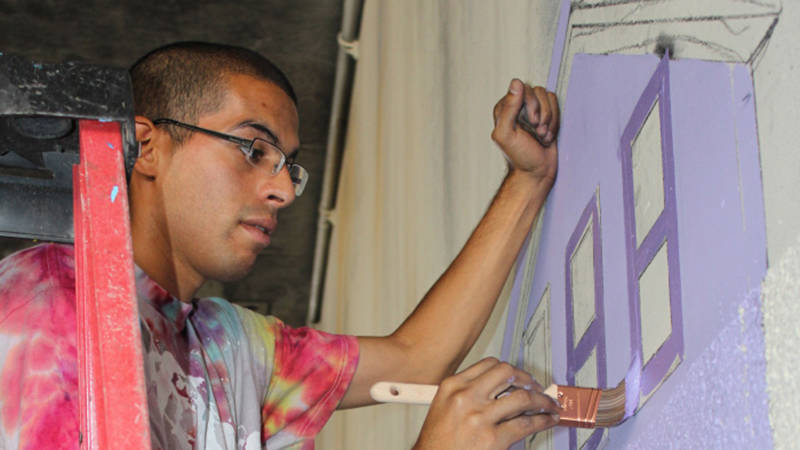
"caption": "Antonio Ramos working on the West Street Mural in Oakland.",
"description": null,
"title": "Ramos-vertical",
"credit": "Courtesy of Attitudinal Healing Connection of Oakland",
"status": "inherit",
"isLoading": false,
"fetchFailed": false
},
"news_11552046": {
"type": "attachments",
"id": "news_11552046",
"meta": {
"index": "attachments_1716263798",
"site": "news",
"id": "11552046",
"found": true
},
"parent": 11550056,
"imgSizes": {
"small": {
"file": "https://ww2.kqed.org/app/uploads/sites/10/2017/07/OaklandFireworks-520x316.jpg",
"width": 520,
"mimeType": "image/jpeg",
"height": 316
},
"twentyfourteen-full-width": {
"file": "https://ww2.kqed.org/app/uploads/sites/10/2017/07/OaklandFireworks-1038x576.jpg",
"width": 1038,
"mimeType": "image/jpeg",
"height": 576
},
"thumbnail": {
"file": "https://ww2.kqed.org/app/uploads/sites/10/2017/07/OaklandFireworks-160x97.jpg",
"width": 160,
"mimeType": "image/jpeg",
"height": 97
},
"fd-sm": {
"file": "https://ww2.kqed.org/app/uploads/sites/10/2017/07/OaklandFireworks-960x584.jpg",
"width": 960,
"mimeType": "image/jpeg",
"height": 584
},
"post-thumbnail": {
"file": "https://ww2.kqed.org/app/uploads/sites/10/2017/07/OaklandFireworks-672x372.jpg",
"width": 672,
"mimeType": "image/jpeg",
"height": 372
},
"xsmall": {
"file": "https://ww2.kqed.org/app/uploads/sites/10/2017/07/OaklandFireworks-375x228.jpg",
"width": 375,
"mimeType": "image/jpeg",
"height": 228
},
"kqedFullSize": {
"file": "https://ww2.kqed.org/app/uploads/sites/10/2017/07/OaklandFireworks.jpg",
"width": 1920,
"height": 1167
},
"large": {
"file": "https://ww2.kqed.org/app/uploads/sites/10/2017/07/OaklandFireworks-1020x620.jpg",
"width": 1020,
"mimeType": "image/jpeg",
"height": 620
},
"xlarge": {
"file": "https://ww2.kqed.org/app/uploads/sites/10/2017/07/OaklandFireworks-1180x717.jpg",
"width": 1180,
"mimeType": "image/jpeg",
"height": 717
},
"guest-author-50": {
"file": "https://ww2.kqed.org/app/uploads/sites/10/2017/07/OaklandFireworks-50x50.jpg",
"width": 50,
"mimeType": "image/jpeg",
"height": 50
},
"guest-author-96": {
"file": "https://ww2.kqed.org/app/uploads/sites/10/2017/07/OaklandFireworks-96x96.jpg",
"width": 96,
"mimeType": "image/jpeg",
"height": 96
},
"medium": {
"file": "https://ww2.kqed.org/app/uploads/sites/10/2017/07/OaklandFireworks-800x486.jpg",
"width": 800,
"mimeType": "image/jpeg",
"height": 486
},
"guest-author-64": {
"file": "https://ww2.kqed.org/app/uploads/sites/10/2017/07/OaklandFireworks-64x64.jpg",
"width": 64,
"mimeType": "image/jpeg",
"height": 64
},
"guest-author-32": {
"file": "https://ww2.kqed.org/app/uploads/sites/10/2017/07/OaklandFireworks-32x32.jpg",
"width": 32,
"mimeType": "image/jpeg",
"height": 32
},
"fd-lrg": {
"file": "https://ww2.kqed.org/app/uploads/sites/10/2017/07/OaklandFireworks-1920x1167.jpg",
"width": 1920,
"mimeType": "image/jpeg",
"height": 1167
},
"fd-med": {
"file": "https://ww2.kqed.org/app/uploads/sites/10/2017/07/OaklandFireworks-1180x717.jpg",
"width": 1180,
"mimeType": "image/jpeg",
"height": 717
},
"full-width": {
"file": "https://ww2.kqed.org/app/uploads/sites/10/2017/07/OaklandFireworks-1920x1167.jpg",
"width": 1920,
"mimeType": "image/jpeg",
"height": 1167
},
"detail": {
"file": "https://ww2.kqed.org/app/uploads/sites/10/2017/07/OaklandFireworks-150x150.jpg",
"width": 150,
"mimeType": "image/jpeg",
"height": 150
},
"guest-author-128": {
"file": "https://ww2.kqed.org/app/uploads/sites/10/2017/07/OaklandFireworks-128x128.jpg",
"width": 128,
"mimeType": "image/jpeg",
"height": 128
},
"xxsmall": {
"file": "https://ww2.kqed.org/app/uploads/sites/10/2017/07/OaklandFireworks-240x146.jpg",
"width": 240,
"mimeType": "image/jpeg",
"height": 146
}
},
"publishDate": 1499381803,
"modified": 1499381869,
"caption": "Unsanctioned fireworks are seen over Oakland on July 4, 2017.",
"description": "Unsanctioned fireworks are seen over Oakland on July 4, 2017.",
"title": "OaklandFireworks",
"credit": "Theodore Roddy/YouTube",
"status": "inherit",
"isLoading": false,
"fetchFailed": false
},
"news_11535097": {
"type": "attachments",
"id": "news_11535097",
"meta": {
"index": "attachments_1716263798",
"site": "news",
"id": "11535097",
"found": true
},
"parent": 11534977,
"imgSizes": {
"small": {
"file": "https://ww2.kqed.org/app/uploads/sites/10/2017/06/IMG_2771-520x347.jpg",
"width": 520,
"mimeType": "image/jpeg",
"height": 347
},
"twentyfourteen-full-width": {
"file": "https://ww2.kqed.org/app/uploads/sites/10/2017/06/IMG_2771-1038x576.jpg",
"width": 1038,
"mimeType": "image/jpeg",
"height": 576
},
"thumbnail": {
"file": "https://ww2.kqed.org/app/uploads/sites/10/2017/06/IMG_2771-160x107.jpg",
"width": 160,
"mimeType": "image/jpeg",
"height": 107
},
"fd-sm": {
"file": "https://ww2.kqed.org/app/uploads/sites/10/2017/06/IMG_2771-960x640.jpg",
"width": 960,
"mimeType": "image/jpeg",
"height": 640
},
"post-thumbnail": {
"file": "https://ww2.kqed.org/app/uploads/sites/10/2017/06/IMG_2771-672x372.jpg",
"width": 672,
"mimeType": "image/jpeg",
"height": 372
},
"xsmall": {
"file": "https://ww2.kqed.org/app/uploads/sites/10/2017/06/IMG_2771-375x250.jpg",
"width": 375,
"mimeType": "image/jpeg",
"height": 250
},
"kqedFullSize": {
"file": "https://ww2.kqed.org/app/uploads/sites/10/2017/06/IMG_2771-e1498602562976.jpg",
"width": 1920,
"height": 1280
},
"large": {
"file": "https://ww2.kqed.org/app/uploads/sites/10/2017/06/IMG_2771-1020x680.jpg",
"width": 1020,
"mimeType": "image/jpeg",
"height": 680
},
"xlarge": {
"file": "https://ww2.kqed.org/app/uploads/sites/10/2017/06/IMG_2771-1180x787.jpg",
"width": 1180,
"mimeType": "image/jpeg",
"height": 787
},
"guest-author-50": {
"file": "https://ww2.kqed.org/app/uploads/sites/10/2017/06/IMG_2771-50x50.jpg",
"width": 50,
"mimeType": "image/jpeg",
"height": 50
},
"guest-author-96": {
"file": "https://ww2.kqed.org/app/uploads/sites/10/2017/06/IMG_2771-96x96.jpg",
"width": 96,
"mimeType": "image/jpeg",
"height": 96
},
"medium": {
"file": "https://ww2.kqed.org/app/uploads/sites/10/2017/06/IMG_2771-800x533.jpg",
"width": 800,
"mimeType": "image/jpeg",
"height": 533
},
"guest-author-64": {
"file": "https://ww2.kqed.org/app/uploads/sites/10/2017/06/IMG_2771-64x64.jpg",
"width": 64,
"mimeType": "image/jpeg",
"height": 64
},
"guest-author-32": {
"file": "https://ww2.kqed.org/app/uploads/sites/10/2017/06/IMG_2771-32x32.jpg",
"width": 32,
"mimeType": "image/jpeg",
"height": 32
},
"fd-lrg": {
"file": "https://ww2.kqed.org/app/uploads/sites/10/2017/06/IMG_2771-1920x1280.jpg",
"width": 1920,
"mimeType": "image/jpeg",
"height": 1280
},
"fd-med": {
"file": "https://ww2.kqed.org/app/uploads/sites/10/2017/06/IMG_2771-1180x787.jpg",
"width": 1180,
"mimeType": "image/jpeg",
"height": 787
},
"full-width": {
"file": "https://ww2.kqed.org/app/uploads/sites/10/2017/06/IMG_2771-1920x1280.jpg",
"width": 1920,
"mimeType": "image/jpeg",
"height": 1280
},
"detail": {
"file": "https://ww2.kqed.org/app/uploads/sites/10/2017/06/IMG_2771-150x150.jpg",
"width": 150,
"mimeType": "image/jpeg",
"height": 150
},
"guest-author-128": {
"file": "https://ww2.kqed.org/app/uploads/sites/10/2017/06/IMG_2771-128x128.jpg",
"width": 128,
"mimeType": "image/jpeg",
"height": 128
},
"xxsmall": {
"file": "https://ww2.kqed.org/app/uploads/sites/10/2017/06/IMG_2771-240x160.jpg",
"width": 240,
"mimeType": "image/jpeg",
"height": 160
}
},
"publishDate": 1498582583,
"modified": 1498606740,
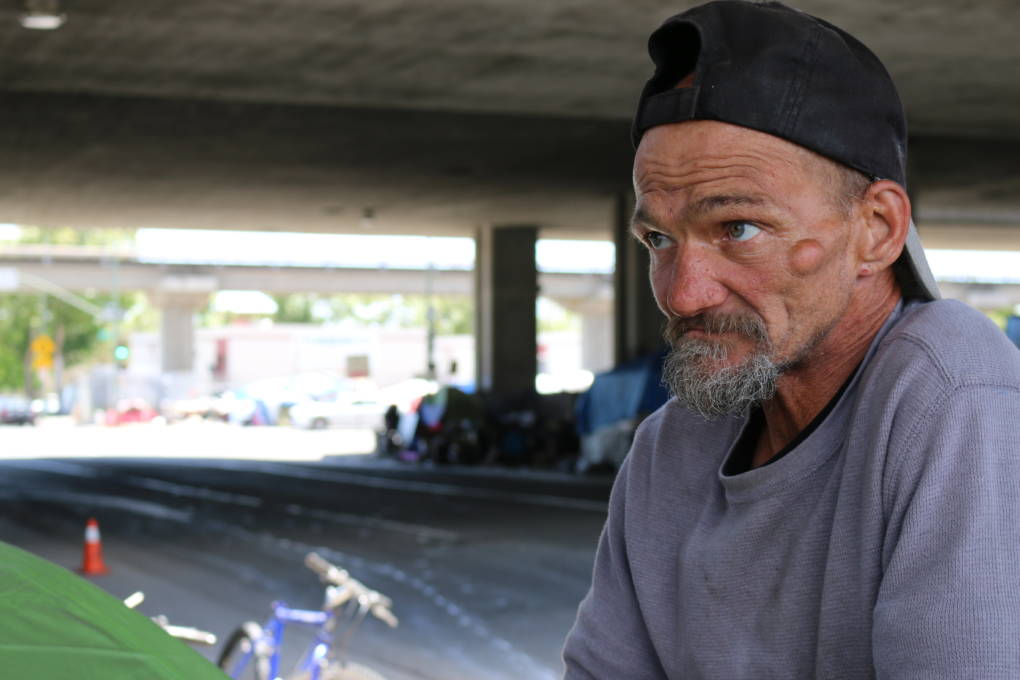
"caption": "Jeffrey Hill's tent burned down in an encampment fire in late May 2017. The cause of the fire is not known. Hill calls his encampment at Fifth and Brush streets a 'family,' but also says it has become harder to maintain order as the encampment has grown in size.",
"description": "Jeffrey Hill's tent burned down in an encampment fire in late May 2017. The cause of the fire is not known. Hill calls his encampment at 5th and Brush streets a 'family,' but also says it has become harder to maintain order as the encampment has grown in size.",
"title": "IMG_2771",
"credit": "Devin Katayama/KQED",
"status": "inherit",
"isLoading": false,
"fetchFailed": false
},
"news_11515003": {
"type": "attachments",
"id": "news_11515003",
"meta": {
"index": "attachments_1716263798",
"site": "news",
"id": "11515003",
"found": true
},
"parent": 11514821,
"imgSizes": {
"small": {
"file": "https://ww2.kqed.org/app/uploads/sites/10/2017/06/RS25724_IMG_1745-qut-520x390.jpg",
"width": 520,
"mimeType": "image/jpeg",
"height": 390
},
"twentyfourteen-full-width": {
"file": "https://ww2.kqed.org/app/uploads/sites/10/2017/06/RS25724_IMG_1745-qut-1038x576.jpg",
"width": 1038,
"mimeType": "image/jpeg",
"height": 576
},
"thumbnail": {
"file": "https://ww2.kqed.org/app/uploads/sites/10/2017/06/RS25724_IMG_1745-qut-160x120.jpg",
"width": 160,
"mimeType": "image/jpeg",
"height": 120
},
"fd-sm": {
"file": "https://ww2.kqed.org/app/uploads/sites/10/2017/06/RS25724_IMG_1745-qut-960x720.jpg",
"width": 960,
"mimeType": "image/jpeg",
"height": 720
},
"post-thumbnail": {
"file": "https://ww2.kqed.org/app/uploads/sites/10/2017/06/RS25724_IMG_1745-qut-672x372.jpg",
"width": 672,
"mimeType": "image/jpeg",
"height": 372
},
"xsmall": {
"file": "https://ww2.kqed.org/app/uploads/sites/10/2017/06/RS25724_IMG_1745-qut-375x281.jpg",
"width": 375,
"mimeType": "image/jpeg",
"height": 281
},
"kqedFullSize": {
"file": "https://ww2.kqed.org/app/uploads/sites/10/2017/06/RS25724_IMG_1745-qut.jpg",
"width": 1920,
"height": 1440
},
"large": {
"file": "https://ww2.kqed.org/app/uploads/sites/10/2017/06/RS25724_IMG_1745-qut-1020x765.jpg",
"width": 1020,
"mimeType": "image/jpeg",
"height": 765
},
"xlarge": {
"file": "https://ww2.kqed.org/app/uploads/sites/10/2017/06/RS25724_IMG_1745-qut-1180x885.jpg",
"width": 1180,
"mimeType": "image/jpeg",
"height": 885
},
"guest-author-50": {
"file": "https://ww2.kqed.org/app/uploads/sites/10/2017/06/RS25724_IMG_1745-qut-50x50.jpg",
"width": 50,
"mimeType": "image/jpeg",
"height": 50
},
"guest-author-96": {
"file": "https://ww2.kqed.org/app/uploads/sites/10/2017/06/RS25724_IMG_1745-qut-96x96.jpg",
"width": 96,
"mimeType": "image/jpeg",
"height": 96
},
"medium": {
"file": "https://ww2.kqed.org/app/uploads/sites/10/2017/06/RS25724_IMG_1745-qut-800x600.jpg",
"width": 800,
"mimeType": "image/jpeg",
"height": 600
},
"guest-author-64": {
"file": "https://ww2.kqed.org/app/uploads/sites/10/2017/06/RS25724_IMG_1745-qut-64x64.jpg",
"width": 64,
"mimeType": "image/jpeg",
"height": 64
},
"guest-author-32": {
"file": "https://ww2.kqed.org/app/uploads/sites/10/2017/06/RS25724_IMG_1745-qut-32x32.jpg",
"width": 32,
"mimeType": "image/jpeg",
"height": 32
},
"fd-lrg": {
"file": "https://ww2.kqed.org/app/uploads/sites/10/2017/06/RS25724_IMG_1745-qut-1920x1440.jpg",
"width": 1920,
"mimeType": "image/jpeg",
"height": 1440
},
"fd-med": {
"file": "https://ww2.kqed.org/app/uploads/sites/10/2017/06/RS25724_IMG_1745-qut-1180x885.jpg",
"width": 1180,
"mimeType": "image/jpeg",
"height": 885
},
"full-width": {
"file": "https://ww2.kqed.org/app/uploads/sites/10/2017/06/RS25724_IMG_1745-qut-1920x1440.jpg",
"width": 1920,
"mimeType": "image/jpeg",
"height": 1440
},
"detail": {
"file": "https://ww2.kqed.org/app/uploads/sites/10/2017/06/RS25724_IMG_1745-qut-150x150.jpg",
"width": 150,
"mimeType": "image/jpeg",
"height": 150
},
"guest-author-128": {
"file": "https://ww2.kqed.org/app/uploads/sites/10/2017/06/RS25724_IMG_1745-qut-128x128.jpg",
"width": 128,
"mimeType": "image/jpeg",
"height": 128
},
"xxsmall": {
"file": "https://ww2.kqed.org/app/uploads/sites/10/2017/06/RS25724_IMG_1745-qut-240x180.jpg",
"width": 240,
"mimeType": "image/jpeg",
"height": 180
}
},
"publishDate": 1497654178,
"modified": 1497901488,
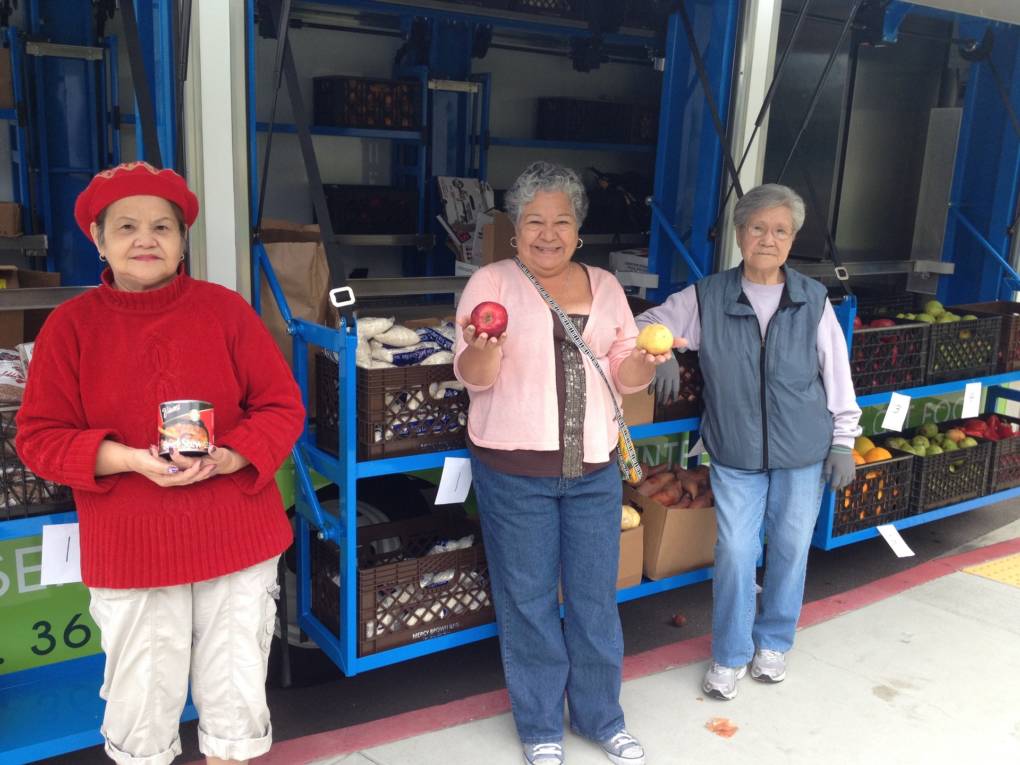
"caption": "Lilian Mira (center) ready to serve seniors with other grocery truck volunteers.",
"description": "Lilian Mira (center) is ready to serve seniors with other grocery truck volunteers.",
"title": "RS25724_IMG_1745-qut",
"credit": "Jenee Darden/KQED",
"status": "inherit",
"isLoading": false,
"fetchFailed": false
},
"news_11223235": {
"type": "attachments",
"id": "news_11223235",
"meta": {
"index": "attachments_1716263798",
"site": "news",
"id": "11223235",
"found": true
},
"parent": 11223222,
"imgSizes": {
"small": {
"file": "https://ww2.kqed.org/app/uploads/sites/10/2016/12/warehouse-fire-1920a-520x342.jpg",
"width": 520,
"mimeType": "image/jpeg",
"height": 342
},
"twentyfourteen-full-width": {
"file": "https://ww2.kqed.org/app/uploads/sites/10/2016/12/warehouse-fire-1920a-1038x576.jpg",
"width": 1038,
"mimeType": "image/jpeg",
"height": 576
},
"thumbnail": {
"file": "https://ww2.kqed.org/app/uploads/sites/10/2016/12/warehouse-fire-1920a-160x105.jpg",
"width": 160,
"mimeType": "image/jpeg",
"height": 105
},
"fd-sm": {
"file": "https://ww2.kqed.org/app/uploads/sites/10/2016/12/warehouse-fire-1920a-960x632.jpg",
"width": 960,
"mimeType": "image/jpeg",
"height": 632
},
"post-thumbnail": {
"file": "https://ww2.kqed.org/app/uploads/sites/10/2016/12/warehouse-fire-1920a-672x372.jpg",
"width": 672,
"mimeType": "image/jpeg",
"height": 372
},
"xsmall": {
"file": "https://ww2.kqed.org/app/uploads/sites/10/2016/12/warehouse-fire-1920a-375x247.jpg",
"width": 375,
"mimeType": "image/jpeg",
"height": 247
},
"kqedFullSize": {
"file": "https://ww2.kqed.org/app/uploads/sites/10/2016/12/warehouse-fire-1920a.jpg",
"width": 1920,
"height": 1264
},
"large": {
"file": "https://ww2.kqed.org/app/uploads/sites/10/2016/12/warehouse-fire-1920a-1020x672.jpg",
"width": 1020,
"mimeType": "image/jpeg",
"height": 672
},
"xlarge": {
"file": "https://ww2.kqed.org/app/uploads/sites/10/2016/12/warehouse-fire-1920a-1180x777.jpg",
"width": 1180,
"mimeType": "image/jpeg",
"height": 777
},
"guest-author-50": {
"file": "https://ww2.kqed.org/app/uploads/sites/10/2016/12/warehouse-fire-1920a-50x50.jpg",
"width": 50,
"mimeType": "image/jpeg",
"height": 50
},
"guest-author-96": {
"file": "https://ww2.kqed.org/app/uploads/sites/10/2016/12/warehouse-fire-1920a-96x96.jpg",
"width": 96,
"mimeType": "image/jpeg",
"height": 96
},
"medium": {
"file": "https://ww2.kqed.org/app/uploads/sites/10/2016/12/warehouse-fire-1920a-800x527.jpg",
"width": 800,
"mimeType": "image/jpeg",
"height": 527
},
"guest-author-64": {
"file": "https://ww2.kqed.org/app/uploads/sites/10/2016/12/warehouse-fire-1920a-64x64.jpg",
"width": 64,
"mimeType": "image/jpeg",
"height": 64
},
"guest-author-32": {
"file": "https://ww2.kqed.org/app/uploads/sites/10/2016/12/warehouse-fire-1920a-32x32.jpg",
"width": 32,
"mimeType": "image/jpeg",
"height": 32
},
"jmtc-small-thumb": {
"file": "https://ww2.kqed.org/app/uploads/sites/10/2016/12/warehouse-fire-1920a-280x150.jpg",
"width": 280,
"mimeType": "image/jpeg",
"height": 150
},
"fd-lrg": {
"file": "https://ww2.kqed.org/app/uploads/sites/10/2016/12/warehouse-fire-1920a-1920x1264.jpg",
"width": 1920,
"mimeType": "image/jpeg",
"height": 1264
},
"fd-med": {
"file": "https://ww2.kqed.org/app/uploads/sites/10/2016/12/warehouse-fire-1920a-1180x777.jpg",
"width": 1180,
"mimeType": "image/jpeg",
"height": 777
},
"full-width": {
"file": "https://ww2.kqed.org/app/uploads/sites/10/2016/12/warehouse-fire-1920a-1920x1264.jpg",
"width": 1920,
"mimeType": "image/jpeg",
"height": 1264
},
"detail": {
"file": "https://ww2.kqed.org/app/uploads/sites/10/2016/12/warehouse-fire-1920a-150x150.jpg",
"width": 150,
"mimeType": "image/jpeg",
"height": 150
},
"guest-author-128": {
"file": "https://ww2.kqed.org/app/uploads/sites/10/2016/12/warehouse-fire-1920a-128x128.jpg",
"width": 128,
"mimeType": "image/jpeg",
"height": 128
},
"xxsmall": {
"file": "https://ww2.kqed.org/app/uploads/sites/10/2016/12/warehouse-fire-1920a-240x158.jpg",
"width": 240,
"mimeType": "image/jpeg",
"height": 158
}
},
"publishDate": 1481916808,
"modified": 1501289062,
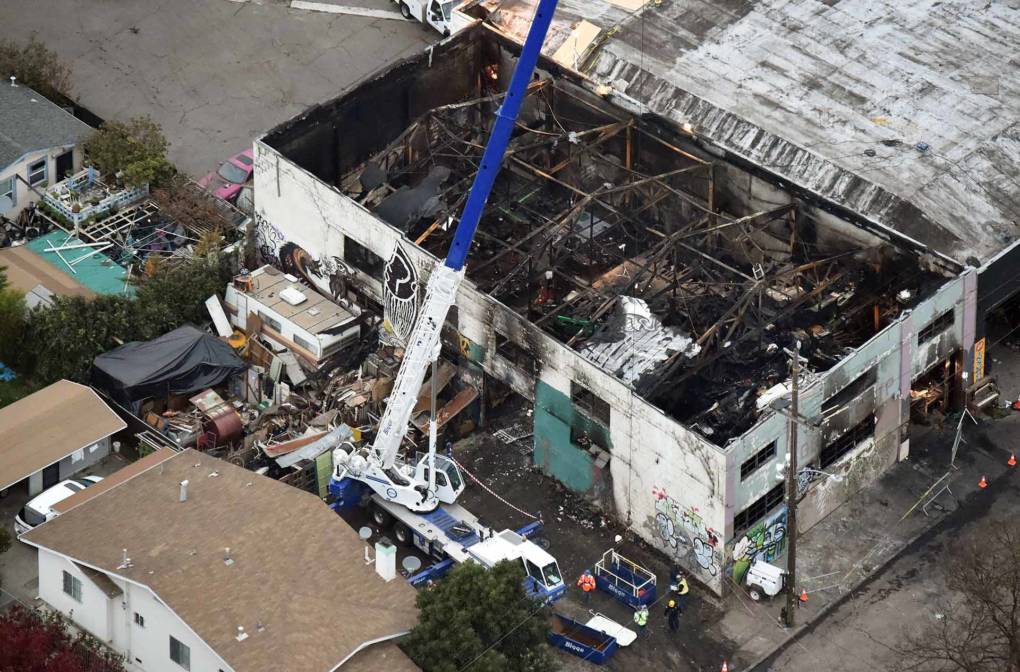
"caption": "A crane is used to lift wreckage as part of search efforts at the fire-ravaged Ghost Ship warehouse in December 2016. ",
"description": null,
"title": "Oakland-Ghost Ship Fire",
"credit": "Josh Edelson/AFP-Getty Image",
"status": "inherit",
"isLoading": false,
"fetchFailed": false
},
"news_11489027": {
"type": "attachments",
"id": "news_11489027",
"meta": {
"index": "attachments_1716263798",
"site": "news",
"id": "11489027",
"found": true
},
"parent": 11489025,
"imgSizes": {
"small": {
"file": "https://ww2.kqed.org/app/uploads/sites/10/2017/06/IMG_4881-520x390.jpg",
"width": 520,
"mimeType": "image/jpeg",
"height": 390
},
"twentyfourteen-full-width": {
"file": "https://ww2.kqed.org/app/uploads/sites/10/2017/06/IMG_4881-1038x576.jpg",
"width": 1038,
"mimeType": "image/jpeg",
"height": 576
},
"thumbnail": {
"file": "https://ww2.kqed.org/app/uploads/sites/10/2017/06/IMG_4881-160x120.jpg",
"width": 160,
"mimeType": "image/jpeg",
"height": 120
},
"fd-sm": {
"file": "https://ww2.kqed.org/app/uploads/sites/10/2017/06/IMG_4881-960x720.jpg",
"width": 960,
"mimeType": "image/jpeg",
"height": 720
},
"post-thumbnail": {
"file": "https://ww2.kqed.org/app/uploads/sites/10/2017/06/IMG_4881-672x372.jpg",
"width": 672,
"mimeType": "image/jpeg",
"height": 372
},
"xsmall": {
"file": "https://ww2.kqed.org/app/uploads/sites/10/2017/06/IMG_4881-375x281.jpg",
"width": 375,
"mimeType": "image/jpeg",
"height": 281
},
"kqedFullSize": {
"file": "https://ww2.kqed.org/app/uploads/sites/10/2017/06/IMG_4881-e1496338120767.jpg",
"width": 1920,
"height": 1440
},
"large": {
"file": "https://ww2.kqed.org/app/uploads/sites/10/2017/06/IMG_4881-1020x765.jpg",
"width": 1020,
"mimeType": "image/jpeg",
"height": 765
},
"xlarge": {
"file": "https://ww2.kqed.org/app/uploads/sites/10/2017/06/IMG_4881-1180x885.jpg",
"width": 1180,
"mimeType": "image/jpeg",
"height": 885
},
"guest-author-50": {
"file": "https://ww2.kqed.org/app/uploads/sites/10/2017/06/IMG_4881-50x50.jpg",
"width": 50,
"mimeType": "image/jpeg",
"height": 50
},
"guest-author-96": {
"file": "https://ww2.kqed.org/app/uploads/sites/10/2017/06/IMG_4881-96x96.jpg",
"width": 96,
"mimeType": "image/jpeg",
"height": 96
},
"medium": {
"file": "https://ww2.kqed.org/app/uploads/sites/10/2017/06/IMG_4881-800x600.jpg",
"width": 800,
"mimeType": "image/jpeg",
"height": 600
},
"guest-author-64": {
"file": "https://ww2.kqed.org/app/uploads/sites/10/2017/06/IMG_4881-64x64.jpg",
"width": 64,
"mimeType": "image/jpeg",
"height": 64
},
"guest-author-32": {
"file": "https://ww2.kqed.org/app/uploads/sites/10/2017/06/IMG_4881-32x32.jpg",
"width": 32,
"mimeType": "image/jpeg",
"height": 32
},
"fd-lrg": {
"file": "https://ww2.kqed.org/app/uploads/sites/10/2017/06/IMG_4881-1920x1440.jpg",
"width": 1920,
"mimeType": "image/jpeg",
"height": 1440
},
"fd-med": {
"file": "https://ww2.kqed.org/app/uploads/sites/10/2017/06/IMG_4881-1180x885.jpg",
"width": 1180,
"mimeType": "image/jpeg",
"height": 885
},
"full-width": {
"file": "https://ww2.kqed.org/app/uploads/sites/10/2017/06/IMG_4881-1920x1440.jpg",
"width": 1920,
"mimeType": "image/jpeg",
"height": 1440
},
"detail": {
"file": "https://ww2.kqed.org/app/uploads/sites/10/2017/06/IMG_4881-150x150.jpg",
"width": 150,
"mimeType": "image/jpeg",
"height": 150
},
"guest-author-128": {
"file": "https://ww2.kqed.org/app/uploads/sites/10/2017/06/IMG_4881-128x128.jpg",
"width": 128,
"mimeType": "image/jpeg",
"height": 128
},
"xxsmall": {
"file": "https://ww2.kqed.org/app/uploads/sites/10/2017/06/IMG_4881-240x180.jpg",
"width": 240,
"mimeType": "image/jpeg",
"height": 180
}
},
"publishDate": 1496335179,
"modified": 1496439392,
"caption": "Jasmine Abuslin with her attorney, John Burris, at a press conference on May 31, 2017.",
"description": null,
"title": "IMG_4881",
"credit": "Julie Small/KQED",
"status": "inherit",
"isLoading": false,
"fetchFailed": false
},
"news_11148466": {
"type": "attachments",
"id": "news_11148466",
"meta": {
"index": "attachments_1716263798",
"site": "news",
"id": "11148466",
"found": true
},
"parent": 11148307,
"imgSizes": {
"small": {
"file": "https://ww2.kqed.org/app/uploads/sites/10/2016/10/BART-sign-520x365.jpg",
"width": 520,
"mimeType": "image/jpeg",
"height": 365
},
"twentyfourteen-full-width": {
"file": "https://ww2.kqed.org/app/uploads/sites/10/2016/10/BART-sign-1038x576.jpg",
"width": 1038,
"mimeType": "image/jpeg",
"height": 576
},
"thumbnail": {
"file": "https://ww2.kqed.org/app/uploads/sites/10/2016/10/BART-sign-160x112.jpg",
"width": 160,
"mimeType": "image/jpeg",
"height": 112
},
"fd-sm": {
"file": "https://ww2.kqed.org/app/uploads/sites/10/2016/10/BART-sign-960x675.jpg",
"width": 960,
"mimeType": "image/jpeg",
"height": 675
},
"post-thumbnail": {
"file": "https://ww2.kqed.org/app/uploads/sites/10/2016/10/BART-sign-672x372.jpg",
"width": 672,
"mimeType": "image/jpeg",
"height": 372
},
"xsmall": {
"file": "https://ww2.kqed.org/app/uploads/sites/10/2016/10/BART-sign-375x264.jpg",
"width": 375,
"mimeType": "image/jpeg",
"height": 264
},
"kqedFullSize": {
"file": "https://ww2.kqed.org/app/uploads/sites/10/2016/10/BART-sign-e1477607376898.jpg",
"width": 1920,
"height": 1349
},
"large": {
"file": "https://ww2.kqed.org/app/uploads/sites/10/2016/10/BART-sign-1020x717.jpg",
"width": 1020,
"mimeType": "image/jpeg",
"height": 717
},
"xlarge": {
"file": "https://ww2.kqed.org/app/uploads/sites/10/2016/10/BART-sign-1180x829.jpg",
"width": 1180,
"mimeType": "image/jpeg",
"height": 829
},
"guest-author-50": {
"file": "https://ww2.kqed.org/app/uploads/sites/10/2016/10/BART-sign-50x50.jpg",
"width": 50,
"mimeType": "image/jpeg",
"height": 50
},
"guest-author-96": {
"file": "https://ww2.kqed.org/app/uploads/sites/10/2016/10/BART-sign-96x96.jpg",
"width": 96,
"mimeType": "image/jpeg",
"height": 96
},
"medium": {
"file": "https://ww2.kqed.org/app/uploads/sites/10/2016/10/BART-sign-800x562.jpg",
"width": 800,
"mimeType": "image/jpeg",
"height": 562
},
"guest-author-64": {
"file": "https://ww2.kqed.org/app/uploads/sites/10/2016/10/BART-sign-64x64.jpg",
"width": 64,
"mimeType": "image/jpeg",
"height": 64
},
"guest-author-32": {
"file": "https://ww2.kqed.org/app/uploads/sites/10/2016/10/BART-sign-32x32.jpg",
"width": 32,
"mimeType": "image/jpeg",
"height": 32
},
"jmtc-small-thumb": {
"file": "https://ww2.kqed.org/app/uploads/sites/10/2016/10/BART-sign-280x150.jpg",
"width": 280,
"mimeType": "image/jpeg",
"height": 150
},
"fd-lrg": {
"file": "https://ww2.kqed.org/app/uploads/sites/10/2016/10/BART-sign-1920x1349.jpg",
"width": 1920,
"mimeType": "image/jpeg",
"height": 1349
},
"fd-med": {
"file": "https://ww2.kqed.org/app/uploads/sites/10/2016/10/BART-sign-1180x829.jpg",
"width": 1180,
"mimeType": "image/jpeg",
"height": 829
},
"full-width": {
"file": "https://ww2.kqed.org/app/uploads/sites/10/2016/10/BART-sign-1920x1349.jpg",
"width": 1920,
"mimeType": "image/jpeg",
"height": 1349
},
"detail": {
"file": "https://ww2.kqed.org/app/uploads/sites/10/2016/10/BART-sign-150x150.jpg",
"width": 150,
"mimeType": "image/jpeg",
"height": 150
},
"guest-author-128": {
"file": "https://ww2.kqed.org/app/uploads/sites/10/2016/10/BART-sign-128x128.jpg",
"width": 128,
"mimeType": "image/jpeg",
"height": 128
},
"xxsmall": {
"file": "https://ww2.kqed.org/app/uploads/sites/10/2016/10/BART-sign-240x169.jpg",
"width": 240,
"mimeType": "image/jpeg",
"height": 169
}
},
"publishDate": 1477607346,
"modified": 1493078154,
"caption": "Outside BART's Lafayette Station. ",
"description": null,
"title": "BART",
"credit": "Justin Sullivan/Getty Images",
"status": "inherit",
"isLoading": false,
"fetchFailed": false
},
"arts_12452198": {
"type": "attachments",
"id": "arts_12452198",
"meta": {
"index": "attachments_1716263798",
"site": "arts",
"id": "12452198",
"found": true
},
"parent": 12452197,
"imgSizes": {
"small": {
"file": "https://ww2.kqed.org/app/uploads/sites/2/2016/12/12452197-thumb-520x293.jpg",
"width": 520,
"mimeType": "image/jpeg",
"height": 293
},
"twentyfourteen-full-width": {
"file": "https://ww2.kqed.org/app/uploads/sites/2/2016/12/12452197-thumb-1038x576.jpg",
"width": 1038,
"mimeType": "image/jpeg",
"height": 576
},
"thumbnail": {
"file": "https://ww2.kqed.org/app/uploads/sites/2/2016/12/12452197-thumb-160x90.jpg",
"width": 160,
"mimeType": "image/jpeg",
"height": 90
},
"fd-sm": {
"file": "https://ww2.kqed.org/app/uploads/sites/2/2016/12/12452197-thumb-960x540.jpg",
"width": 960,
"mimeType": "image/jpeg",
"height": 540
},
"post-thumbnail": {
"file": "https://ww2.kqed.org/app/uploads/sites/2/2016/12/12452197-thumb-672x372.jpg",
"width": 672,
"mimeType": "image/jpeg",
"height": 372
},
"xsmall": {
"file": "https://ww2.kqed.org/app/uploads/sites/2/2016/12/12452197-thumb-375x211.jpg",
"width": 375,
"mimeType": "image/jpeg",
"height": 211
},
"kqedFullSize": {
"file": "https://ww2.kqed.org/app/uploads/sites/2/2016/12/12452197-thumb.jpg",
"width": 1920,
"height": 1080
},
"large": {
"file": "https://ww2.kqed.org/app/uploads/sites/2/2016/12/12452197-thumb-1020x574.jpg",
"width": 1020,
"mimeType": "image/jpeg",
"height": 574
},
"xlarge": {
"file": "https://ww2.kqed.org/app/uploads/sites/2/2016/12/12452197-thumb-1180x664.jpg",
"width": 1180,
"mimeType": "image/jpeg",
"height": 664
},
"guest-author-50": {
"file": "https://ww2.kqed.org/app/uploads/sites/2/2016/12/12452197-thumb-50x50.jpg",
"width": 50,
"mimeType": "image/jpeg",
"height": 50
},
"guest-author-96": {
"file": "https://ww2.kqed.org/app/uploads/sites/2/2016/12/12452197-thumb-96x96.jpg",
"width": 96,
"mimeType": "image/jpeg",
"height": 96
},
"medium": {
"file": "https://ww2.kqed.org/app/uploads/sites/2/2016/12/12452197-thumb-800x450.jpg",
"width": 800,
"mimeType": "image/jpeg",
"height": 450
},
"guest-author-64": {
"file": "https://ww2.kqed.org/app/uploads/sites/2/2016/12/12452197-thumb-64x64.jpg",
"width": 64,
"mimeType": "image/jpeg",
"height": 64
},
"guest-author-32": {
"file": "https://ww2.kqed.org/app/uploads/sites/2/2016/12/12452197-thumb-32x32.jpg",
"width": 32,
"mimeType": "image/jpeg",
"height": 32
},
"fd-lrg": {
"file": "https://ww2.kqed.org/app/uploads/sites/2/2016/12/12452197-thumb-1920x1080.jpg",
"width": 1920,
"mimeType": "image/jpeg",
"height": 1080
},
"fd-med": {
"file": "https://ww2.kqed.org/app/uploads/sites/2/2016/12/12452197-thumb-1180x664.jpg",
"width": 1180,
"mimeType": "image/jpeg",
"height": 664
},
"full-width": {
"file": "https://ww2.kqed.org/app/uploads/sites/2/2016/12/12452197-thumb-1920x1080.jpg",
"width": 1920,
"mimeType": "image/jpeg",
"height": 1080
},
"detail": {
"file": "https://ww2.kqed.org/app/uploads/sites/2/2016/12/12452197-thumb-150x150.jpg",
"width": 150,
"mimeType": "image/jpeg",
"height": 150
},
"medium_large": {
"file": "https://ww2.kqed.org/app/uploads/sites/2/2016/12/12452197-thumb-768x432.jpg",
"width": 768,
"mimeType": "image/jpeg",
"height": 432
},
"guest-author-128": {
"file": "https://ww2.kqed.org/app/uploads/sites/2/2016/12/12452197-thumb-128x128.jpg",
"width": 128,
"mimeType": "image/jpeg",
"height": 128
},
"xxsmall": {
"file": "https://ww2.kqed.org/app/uploads/sites/2/2016/12/12452197-thumb-240x135.jpg",
"width": 240,
"mimeType": "image/jpeg",
"height": 135
}
},
"publishDate": 1481158625,
"modified": 1492552427,
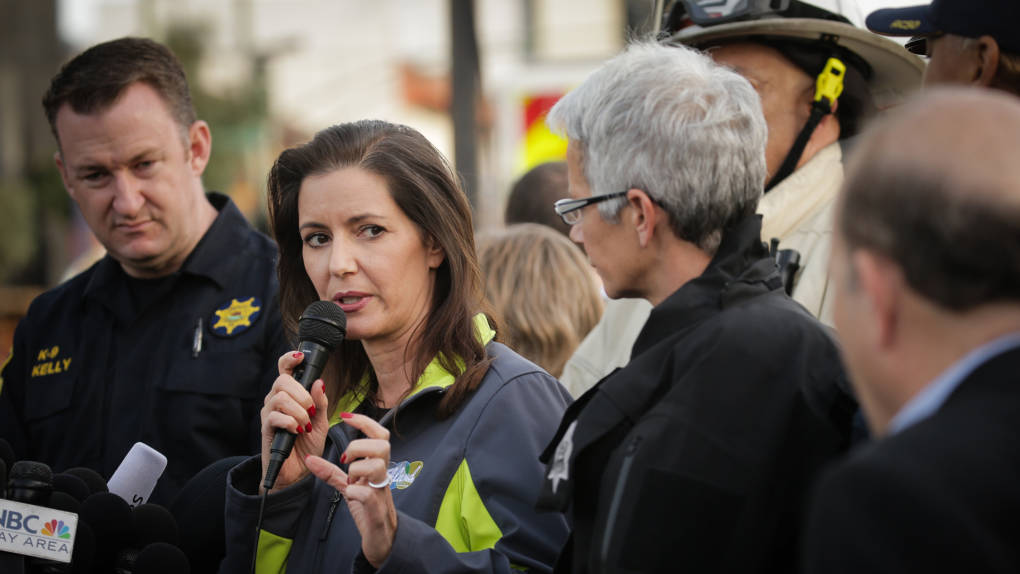
"caption": "Oakland Mayor Libby Schaaf at the Oakland warehouse known as the Ghost Ship.",
"description": "Oakland Mayor Libby Schaaf at the Oakland warehouse known as the Ghost Ship.",
"title": "Oakland Mayor Libby Schaaf at the Oakland Warehouse known as the Ghost Ship",
"credit": "Photo: Elijah Nouvelage/Getty Images",
"status": "inherit",
"isLoading": false,
"fetchFailed": false
},
"news_11379537": {
"type": "attachments",
"id": "news_11379537",
"meta": {
"index": "attachments_1716263798",
"site": "news",
"id": "11379537",
"found": true
},
"parent": 11379279,
"imgSizes": {
"small": {
"file": "https://ww2.kqed.org/app/uploads/sites/10/2017/03/Screenshot-2017-03-28-00.12.31-520x341.png",
"width": 520,
"mimeType": "image/png",
"height": 341
},
"twentyfourteen-full-width": {
"file": "https://ww2.kqed.org/app/uploads/sites/10/2017/03/Screenshot-2017-03-28-00.12.31-1038x576.png",
"width": 1038,
"mimeType": "image/png",
"height": 576
},
"thumbnail": {
"file": "https://ww2.kqed.org/app/uploads/sites/10/2017/03/Screenshot-2017-03-28-00.12.31-160x105.png",
"width": 160,
"mimeType": "image/png",
"height": 105
},
"fd-sm": {
"file": "https://ww2.kqed.org/app/uploads/sites/10/2017/03/Screenshot-2017-03-28-00.12.31-960x630.png",
"width": 960,
"mimeType": "image/png",
"height": 630
},
"post-thumbnail": {
"file": "https://ww2.kqed.org/app/uploads/sites/10/2017/03/Screenshot-2017-03-28-00.12.31-672x372.png",
"width": 672,
"mimeType": "image/png",
"height": 372
},
"xsmall": {
"file": "https://ww2.kqed.org/app/uploads/sites/10/2017/03/Screenshot-2017-03-28-00.12.31-375x246.png",
"width": 375,
"mimeType": "image/png",
"height": 246
},
"kqedFullSize": {
"file": "https://ww2.kqed.org/app/uploads/sites/10/2017/03/Screenshot-2017-03-28-00.12.31.png",
"width": 1038,
"height": 681
},
"large": {
"file": "https://ww2.kqed.org/app/uploads/sites/10/2017/03/Screenshot-2017-03-28-00.12.31-1020x669.png",
"width": 1020,
"mimeType": "image/png",
"height": 669
},
"guest-author-50": {
"file": "https://ww2.kqed.org/app/uploads/sites/10/2017/03/Screenshot-2017-03-28-00.12.31-50x50.png",
"width": 50,
"mimeType": "image/png",
"height": 50
},
"guest-author-96": {
"file": "https://ww2.kqed.org/app/uploads/sites/10/2017/03/Screenshot-2017-03-28-00.12.31-96x96.png",
"width": 96,
"mimeType": "image/png",
"height": 96
},
"medium": {
"file": "https://ww2.kqed.org/app/uploads/sites/10/2017/03/Screenshot-2017-03-28-00.12.31-800x525.png",
"width": 800,
"mimeType": "image/png",
"height": 525
},
"guest-author-64": {
"file": "https://ww2.kqed.org/app/uploads/sites/10/2017/03/Screenshot-2017-03-28-00.12.31-64x64.png",
"width": 64,
"mimeType": "image/png",
"height": 64
},
"guest-author-32": {
"file": "https://ww2.kqed.org/app/uploads/sites/10/2017/03/Screenshot-2017-03-28-00.12.31-32x32.png",
"width": 32,
"mimeType": "image/png",
"height": 32
},
"detail": {
"file": "https://ww2.kqed.org/app/uploads/sites/10/2017/03/Screenshot-2017-03-28-00.12.31-150x150.png",
"width": 150,
"mimeType": "image/png",
"height": 150
},
"guest-author-128": {
"file": "https://ww2.kqed.org/app/uploads/sites/10/2017/03/Screenshot-2017-03-28-00.12.31-128x128.png",
"width": 128,
"mimeType": "image/png",
"height": 128
},
"xxsmall": {
"file": "https://ww2.kqed.org/app/uploads/sites/10/2017/03/Screenshot-2017-03-28-00.12.31-240x157.png",
"width": 240,
"mimeType": "image/png",
"height": 157
}
},
"publishDate": 1490685198,
"modified": 1490685244,
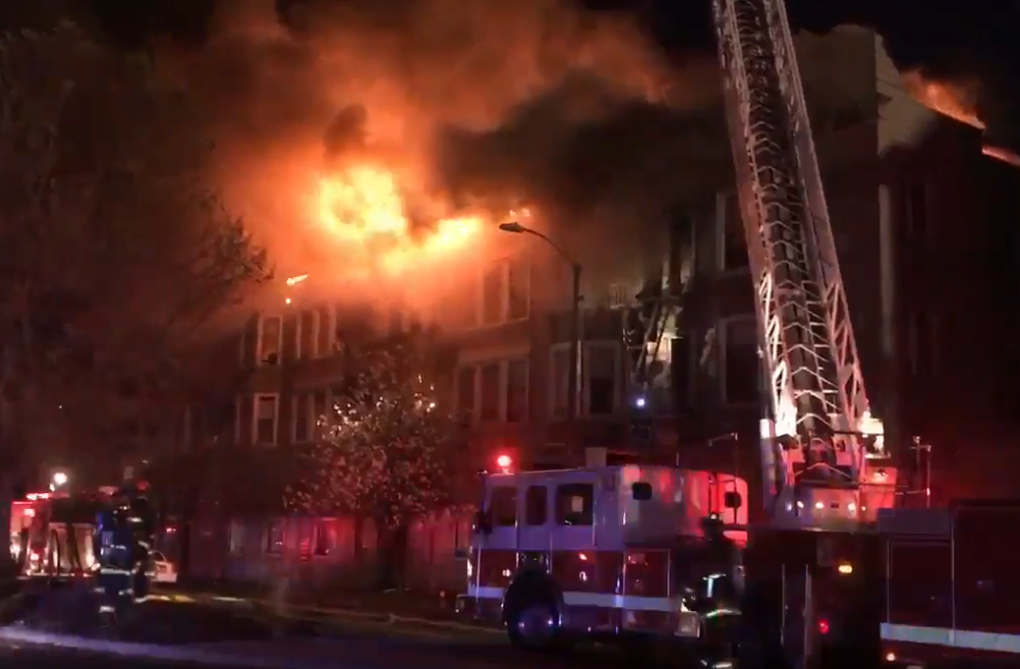
"caption": "Oakland firefighters on the scene of Mondays fatal apartment house fire on San Pablo Avenue.",
"description": null,
"title": "Oakland Fire-San Pablo Avenue",
"credit": "\u003ca href=\"https://twitter.com/OaklandFireLive\" target=\"_blank\">@OaklandFireLive\u003c/a>",
"status": "inherit",
"isLoading": false,
"fetchFailed": false
},
"news_10900611": {
"type": "attachments",
"id": "news_10900611",
"meta": {
"index": "attachments_1716263798",
"site": "news",
"id": "10900611",
"found": true
},
"parent": 10900605,
"imgSizes": {
"twentyfourteen-full-width": {
"file": "https://ww2.kqed.org/app/uploads/sites/10/2016/03/Screen-Shot-2016-03-17-at-3.56.55-PM-1038x576.png",
"width": 1038,
"mimeType": "image/png",
"height": 576
},
"thumbnail": {
"file": "https://ww2.kqed.org/app/uploads/sites/10/2016/03/Screen-Shot-2016-03-17-at-3.56.55-PM-400x225.png",
"width": 400,
"mimeType": "image/png",
"height": 225
},
"fd-sm": {
"file": "https://ww2.kqed.org/app/uploads/sites/10/2016/03/Screen-Shot-2016-03-17-at-3.56.55-PM-960x540.png",
"width": 960,
"mimeType": "image/png",
"height": 540
},
"post-thumbnail": {
"file": "https://ww2.kqed.org/app/uploads/sites/10/2016/03/Screen-Shot-2016-03-17-at-3.56.55-PM-672x372.png",
"width": 672,
"mimeType": "image/png",
"height": 372
},
"kqedFullSize": {
"file": "https://ww2.kqed.org/app/uploads/sites/10/2016/03/Screen-Shot-2016-03-17-at-3.56.55-PM.png",
"width": 2560,
"height": 1440
},
"large": {
"file": "https://ww2.kqed.org/app/uploads/sites/10/2016/03/Screen-Shot-2016-03-17-at-3.56.55-PM-1920x1080.png",
"width": 1920,
"mimeType": "image/png",
"height": 1080
},
"guest-author-96": {
"file": "https://ww2.kqed.org/app/uploads/sites/10/2016/03/Screen-Shot-2016-03-17-at-3.56.55-PM-96x96.png",
"width": 96,
"mimeType": "image/png",
"height": 96
},
"medium": {
"file": "https://ww2.kqed.org/app/uploads/sites/10/2016/03/Screen-Shot-2016-03-17-at-3.56.55-PM-800x450.png",
"width": 800,
"mimeType": "image/png",
"height": 450
},
"guest-author-64": {
"file": "https://ww2.kqed.org/app/uploads/sites/10/2016/03/Screen-Shot-2016-03-17-at-3.56.55-PM-64x64.png",
"width": 64,
"mimeType": "image/png",
"height": 64
},
"guest-author-32": {
"file": "https://ww2.kqed.org/app/uploads/sites/10/2016/03/Screen-Shot-2016-03-17-at-3.56.55-PM-32x32.png",
"width": 32,
"mimeType": "image/png",
"height": 32
},
"jmtc-small-thumb": {
"file": "https://ww2.kqed.org/app/uploads/sites/10/2016/03/Screen-Shot-2016-03-17-at-3.56.55-PM-280x150.png",
"width": 280,
"mimeType": "image/png",
"height": 150
},
"fd-lrg": {
"file": "https://ww2.kqed.org/app/uploads/sites/10/2016/03/Screen-Shot-2016-03-17-at-3.56.55-PM-1920x1080.png",
"width": 1920,
"mimeType": "image/png",
"height": 1080
},
"fd-med": {
"file": "https://ww2.kqed.org/app/uploads/sites/10/2016/03/Screen-Shot-2016-03-17-at-3.56.55-PM-1180x664.png",
"width": 1180,
"mimeType": "image/png",
"height": 664
},
"detail": {
"file": "https://ww2.kqed.org/app/uploads/sites/10/2016/03/Screen-Shot-2016-03-17-at-3.56.55-PM-75x75.png",
"width": 75,
"mimeType": "image/png",
"height": 75
},
"guest-author-128": {
"file": "https://ww2.kqed.org/app/uploads/sites/10/2016/03/Screen-Shot-2016-03-17-at-3.56.55-PM-128x128.png",
"width": 128,
"mimeType": "image/png",
"height": 128
}
},
"publishDate": 1458333466,
"modified": 1458685110,
"caption": "A view of Oakland from Lake Merritt.",
"description": null,
"title": "Screen-Shot-2016-03-17-at-3.56.55-PM",
"credit": "Adam Grossberg/KQED",
"status": "inherit",
"isLoading": false,
"fetchFailed": false
},
"news_11359779": {
"type": "attachments",
"id": "news_11359779",
"meta": {
"index": "attachments_1716263798",
"site": "news",
"id": "11359779",
"found": true
},
"parent": 11359312,
"imgSizes": {
"small": {
"file": "https://ww2.kqed.org/app/uploads/sites/10/2017/03/Registration-520x390.jpg",
"width": 520,
"mimeType": "image/jpeg",
"height": 390
},
"twentyfourteen-full-width": {
"file": "https://ww2.kqed.org/app/uploads/sites/10/2017/03/Registration-1038x576.jpg",
"width": 1038,
"mimeType": "image/jpeg",
"height": 576
},
"thumbnail": {
"file": "https://ww2.kqed.org/app/uploads/sites/10/2017/03/Registration-160x120.jpg",
"width": 160,
"mimeType": "image/jpeg",
"height": 120
},
"fd-sm": {
"file": "https://ww2.kqed.org/app/uploads/sites/10/2017/03/Registration-960x720.jpg",
"width": 960,
"mimeType": "image/jpeg",
"height": 720
},
"post-thumbnail": {
"file": "https://ww2.kqed.org/app/uploads/sites/10/2017/03/Registration-672x372.jpg",
"width": 672,
"mimeType": "image/jpeg",
"height": 372
},
"xsmall": {
"file": "https://ww2.kqed.org/app/uploads/sites/10/2017/03/Registration-375x281.jpg",
"width": 375,
"mimeType": "image/jpeg",
"height": 281
},
"kqedFullSize": {
"file": "https://ww2.kqed.org/app/uploads/sites/10/2017/03/Registration.jpg",
"width": 4032,
"height": 3024
},
"large": {
"file": "https://ww2.kqed.org/app/uploads/sites/10/2017/03/Registration-1020x765.jpg",
"width": 1020,
"mimeType": "image/jpeg",
"height": 765
},
"xlarge": {
"file": "https://ww2.kqed.org/app/uploads/sites/10/2017/03/Registration-1180x885.jpg",
"width": 1180,
"mimeType": "image/jpeg",
"height": 885
},
"guest-author-50": {
"file": "https://ww2.kqed.org/app/uploads/sites/10/2017/03/Registration-50x50.jpg",
"width": 50,
"mimeType": "image/jpeg",
"height": 50
},
"guest-author-96": {
"file": "https://ww2.kqed.org/app/uploads/sites/10/2017/03/Registration-96x96.jpg",
"width": 96,
"mimeType": "image/jpeg",
"height": 96
},
"medium": {
"file": "https://ww2.kqed.org/app/uploads/sites/10/2017/03/Registration-800x600.jpg",
"width": 800,
"mimeType": "image/jpeg",
"height": 600
},
"guest-author-64": {
"file": "https://ww2.kqed.org/app/uploads/sites/10/2017/03/Registration-64x64.jpg",
"width": 64,
"mimeType": "image/jpeg",
"height": 64
},
"guest-author-32": {
"file": "https://ww2.kqed.org/app/uploads/sites/10/2017/03/Registration-32x32.jpg",
"width": 32,
"mimeType": "image/jpeg",
"height": 32
},
"fd-lrg": {
"file": "https://ww2.kqed.org/app/uploads/sites/10/2017/03/Registration-1920x1440.jpg",
"width": 1920,
"mimeType": "image/jpeg",
"height": 1440
},
"fd-med": {
"file": "https://ww2.kqed.org/app/uploads/sites/10/2017/03/Registration-1180x885.jpg",
"width": 1180,
"mimeType": "image/jpeg",
"height": 885
},
"full-width": {
"file": "https://ww2.kqed.org/app/uploads/sites/10/2017/03/Registration-1920x1440.jpg",
"width": 1920,
"mimeType": "image/jpeg",
"height": 1440
},
"detail": {
"file": "https://ww2.kqed.org/app/uploads/sites/10/2017/03/Registration-150x150.jpg",
"width": 150,
"mimeType": "image/jpeg",
"height": 150
},
"guest-author-128": {
"file": "https://ww2.kqed.org/app/uploads/sites/10/2017/03/Registration-128x128.jpg",
"width": 128,
"mimeType": "image/jpeg",
"height": 128
},
"xxsmall": {
"file": "https://ww2.kqed.org/app/uploads/sites/10/2017/03/Registration-240x180.jpg",
"width": 240,
"mimeType": "image/jpeg",
"height": 180
}
},
"publishDate": 1489547702,
"modified": 1489551918,
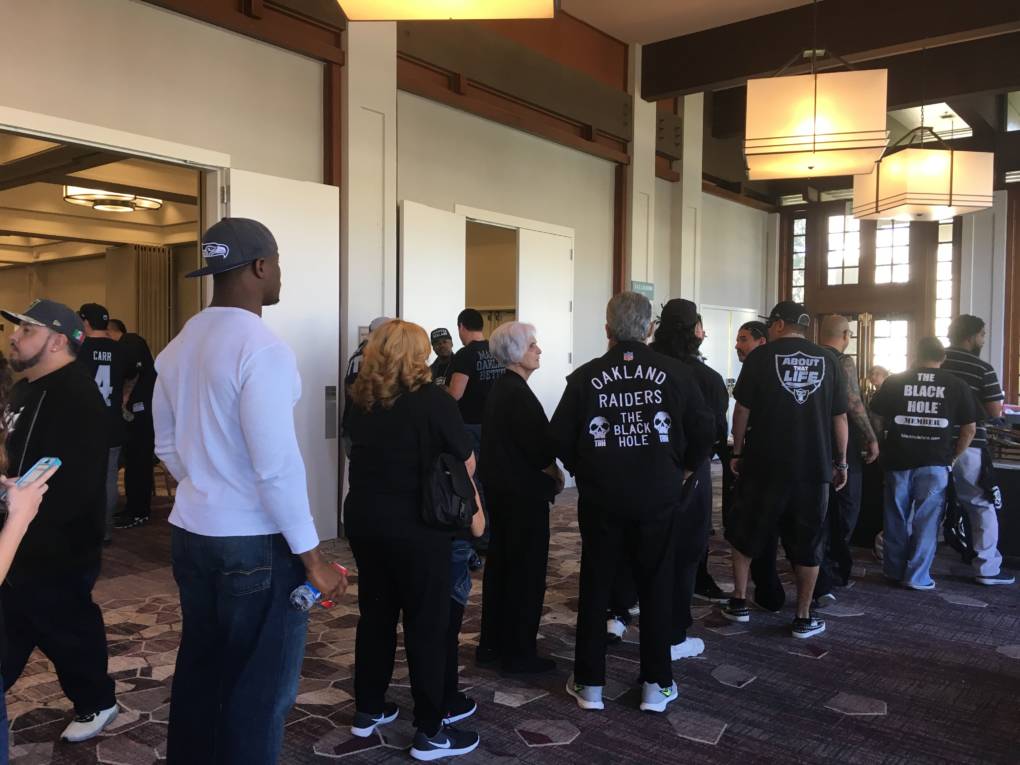
"caption": "Oakland Raiders fans wait in line for pizza and PowerPoint printouts on what they can do to save their team. ",
"description": null,
"title": "Registration",
"credit": "Nina Thorsen/KQED",
"status": "inherit",
"isLoading": false,
"fetchFailed": false
}
},
"audioPlayerReducer": {
"postId": "stream_live",
"isPaused": true,
"isPlaying": false,
"pfsActive": false,
"pledgeModalIsOpen": true,
"playerDrawerIsOpen": false,
"liveAudioPlayStartedAt": 0,
"liveAudioPlayContext": ""
},
"authorsReducer": {
"byline_news_11461422": {
"type": "authors",
"id": "byline_news_11461422",
"meta": {
"override": true
},
"slug": "byline_news_11461422",
"name": "\u003cstrong>Paul Elias\u003cbr />Associated Press\u003c/strong>",
"isLoading": false
},
"cmusiker": {
"type": "authors",
"id": "32",
"meta": {
"index": "authors_1716337520",
"id": "32",
"found": true
},
"name": "Cy Musiker",
"firstName": "Cy",
"lastName": "Musiker",
"slug": "cmusiker",
"email": "cmusiker@kqed.org",
"display_author_email": false,
"staff_mastheads": [],
"title": "KQED Contributor",
"bio": "Cy Musiker is a former co-host of The Do List and a former reporter covering the arts for KQED News and The California Report. He loves live performance, especially great theater, jazz, roots music, anything by Mahler. Cy has an MJ from UC Berkeley's School of Journalism, and got his BA from Hampshire College. His work has been recognized by the Society for Professional Journalists with their Sigma Delta Chi Award for Public Service in Journalism. When he can, Cy likes to swim in Tomales Bay, run with his dog in the East Bay Hills, and hike the Sierra.",
"avatar": "https://secure.gravatar.com/avatar/05eaba5c5696ce8f062e4ea2df428a43?s=600&d=blank&r=g",
"twitter": null,
"facebook": null,
"instagram": null,
"linkedin": null,
"sites": [
{
"site": "arts",
"roles": [
"Contributor",
"subscriber"
]
},
{
"site": "news",
"roles": [
"author"
]
},
{
"site": "bayareabites",
"roles": [
"contributor"
]
}
],
"headData": {
"title": "Cy Musiker | KQED",
"description": "KQED Contributor",
"ogImgSrc": "https://secure.gravatar.com/avatar/05eaba5c5696ce8f062e4ea2df428a43?s=600&d=blank&r=g",
"twImgSrc": "https://secure.gravatar.com/avatar/05eaba5c5696ce8f062e4ea2df428a43?s=600&d=blank&r=g"
},
"isLoading": false,
"link": "/author/cmusiker"
},
"danbrekke": {
"type": "authors",
"id": "222",
"meta": {
"index": "authors_1716337520",
"id": "222",
"found": true
},
"name": "Dan Brekke",
"firstName": "Dan",
"lastName": "Brekke",
"slug": "danbrekke",
"email": "dbrekke@kqed.org",
"display_author_email": true,
"staff_mastheads": [
"news",
"science"
],
"title": "KQED Editor and Reporter",
"bio": "Dan Brekke is a reporter and editor for KQED News, responsible for coverage of topics ranging from California water issues to the Bay Area's transportation challenges. In a newsroom career that began in Chicago in 1972, Dan has worked for \u003cem>The San Francisco Examiner,\u003c/em> Wired and TechTV and has been published in The New York Times, The New York Times Magazine, Business 2.0, Salon and elsewhere.\r\n\r\nSince joining KQED in 2007, Dan has reported, edited and produced both radio and online features and breaking news pieces. He has shared as both editor and reporter in four Society of Professional Journalists Norcal Excellence in Journalism awards and one Edward R. Murrow regional award. He was chosen for a spring 2017 residency at the Mesa Refuge to advance his research on California salmon.\r\n\r\nEmail Dan at: \u003ca href=\"mailto:dbrekke@kqed.org\">dbrekke@kqed.org\u003c/a>\r\n\r\n\u003cstrong>Twitter:\u003c/strong> \u003ca href=\"https://twitter.com/danbrekke\" rel=\"noopener noreferrer\">twitter.com/danbrekke\u003c/a>\r\n\u003cstrong>Facebook:\u003c/strong> \u003ca href=\"https://www.facebook.com/danbrekke\" rel=\"noopener noreferrer\">www.facebook.com/danbrekke\u003c/a>\r\n\u003cstrong>LinkedIn:\u003c/strong> \u003ca href=\"https://www.linkedin.com/in/danbrekke\" rel=\"noopener noreferrer\">www.linkedin.com/in/danbrekke\u003c/a>",
"avatar": "https://secure.gravatar.com/avatar/c8126230345efca3f7aa89b1a402be45?s=600&d=mm&r=g",
"twitter": "danbrekke",
"facebook": null,
"instagram": "https://www.instagram.com/dan.brekke/",
"linkedin": "https://www.linkedin.com/in/danbrekke/",
"sites": [
{
"site": "news",
"roles": [
"administrator",
"create_posts"
]
},
{
"site": "stateofhealth",
"roles": [
"editor"
]
},
{
"site": "science",
"roles": [
"editor"
]
},
{
"site": "quest",
"roles": [
"contributor"
]
},
{
"site": "food",
"roles": [
"contributor"
]
},
{
"site": "forum",
"roles": [
"contributor"
]
},
{
"site": "liveblog",
"roles": [
"editor"
]
}
],
"headData": {
"title": "Dan Brekke | KQED",
"description": "KQED Editor and Reporter",
"ogImgSrc": "https://secure.gravatar.com/avatar/c8126230345efca3f7aa89b1a402be45?s=600&d=mm&r=g",
"twImgSrc": "https://secure.gravatar.com/avatar/c8126230345efca3f7aa89b1a402be45?s=600&d=mm&r=g"
},
"isLoading": false,
"link": "/author/danbrekke"
},
"kqed": {
"type": "authors",
"id": "236",
"meta": {
"index": "authors_1716337520",
"id": "236",
"found": true
},
"name": "KQED News Staff",
"firstName": "KQED News Staff",
"lastName": null,
"slug": "kqed",
"email": "faq@kqed.org",
"display_author_email": false,
"staff_mastheads": [],
"title": null,
"bio": null,
"avatar": "https://secure.gravatar.com/avatar/ef0e801a68c4c54afa9180db14084167?s=600&d=blank&r=g",
"twitter": null,
"facebook": null,
"instagram": null,
"linkedin": null,
"sites": [
{
"site": "arts",
"roles": [
"contributor"
]
},
{
"site": "news",
"roles": [
"editor"
]
},
{
"site": "futureofyou",
"roles": [
"author"
]
}
],
"headData": {
"title": "KQED News Staff | KQED",
"description": null,
"ogImgSrc": "https://secure.gravatar.com/avatar/ef0e801a68c4c54afa9180db14084167?s=600&d=blank&r=g",
"twImgSrc": "https://secure.gravatar.com/avatar/ef0e801a68c4c54afa9180db14084167?s=600&d=blank&r=g"
},
"isLoading": false,
"link": "/author/kqed"
},
"ninathorsen": {
"type": "authors",
"id": "246",
"meta": {
"index": "authors_1716337520",
"id": "246",
"found": true
},
"name": "Nina Thorsen",
"firstName": "Nina",
"lastName": "Thorsen",
"slug": "ninathorsen",
"email": "nthorsen@kqed.org",
"display_author_email": false,
"staff_mastheads": [
"news"
],
"title": "Producer, Radio",
"bio": "\u003cspan style=\"color: #000000;\">Nina Thorsen is a KQED radio producer, and frequently reports on sports and culture. \u003c/span>\u003cspan style=\"color: #000000;\">She co-created and produced KQED's \u003cem>Pacific Time, \u003c/em> a weekly radio program on Asian and Asian American issues that aired from 2000 to 2007. Before coming to KQED, Thorsen was the deputy foreign editor for \u003cem>Marketplace, \u003c/em>and in her home state of Minnesota, worked for \u003cem>A Prairie Home Companion\u003c/em> and for Public Radio International. \u003c/span>",
"avatar": "https://secure.gravatar.com/avatar/e13dc7282cec33c15d973ebb56d57ead?s=600&d=blank&r=g",
"twitter": "NinaKQED",
"facebook": null,
"instagram": null,
"linkedin": null,
"sites": [
{
"site": "news",
"roles": [
"editor"
]
},
{
"site": "podcasts",
"roles": [
"editor"
]
}
],
"headData": {
"title": "Nina Thorsen | KQED",
"description": "Producer, Radio",
"ogImgSrc": "https://secure.gravatar.com/avatar/e13dc7282cec33c15d973ebb56d57ead?s=600&d=blank&r=g",
"twImgSrc": "https://secure.gravatar.com/avatar/e13dc7282cec33c15d973ebb56d57ead?s=600&d=blank&r=g"
},
"isLoading": false,
"link": "/author/ninathorsen"
},
"tarasiler": {
"type": "authors",
"id": "257",
"meta": {
"index": "authors_1716337520",
"id": "257",
"found": true
},
"name": "Tara Siler",
"firstName": "Tara",
"lastName": "Siler",
"slug": "tarasiler",
"email": "tsiler@kqed.org",
"display_author_email": false,
"staff_mastheads": [
"news"
],
"title": "KQED Contributor",
"bio": "Tara reports and anchors for KQED news. She covers a range of issues from community-police relations to local politics. Tara started out in community radio in the Bay Area, where she was raised. She eventually moved to Washington DC where she covered Congress for eight years for Pacifica and Monitor Radio. Her stories have also been heard on NPR's All Things Considered, Morning Edition and The World.\r\n\r\nTara lives with her husband in Oakland-- where they raised their two sons. She enjoys spending time with her family, gardening and hiking in the Oakland hills... and keeping up with the news.",
"avatar": "https://secure.gravatar.com/avatar/99802f9746fb80b65fd8ec6c57954450?s=600&d=blank&r=g",
"twitter": null,
"facebook": null,
"instagram": null,
"linkedin": null,
"sites": [
{
"site": "news",
"roles": [
"contributor",
"edit_others_posts"
]
},
{
"site": "stateofhealth",
"roles": [
"author"
]
}
],
"headData": {
"title": "Tara Siler | KQED",
"description": "KQED Contributor",
"ogImgSrc": "https://secure.gravatar.com/avatar/99802f9746fb80b65fd8ec6c57954450?s=600&d=blank&r=g",
"twImgSrc": "https://secure.gravatar.com/avatar/99802f9746fb80b65fd8ec6c57954450?s=600&d=blank&r=g"
},
"isLoading": false,
"link": "/author/tarasiler"
},
"aemslie": {
"type": "authors",
"id": "3206",
"meta": {
"index": "authors_1716337520",
"id": "3206",
"found": true
},
"name": "Alex Emslie",
"firstName": "Alex",
"lastName": "Emslie",
"slug": "aemslie",
"email": "aemslie@kqed.org",
"display_author_email": true,
"staff_mastheads": [
"news"
],
"title": "KQED Senior Editor",
"bio": "Alex Emslie is senior editor of talent and development at KQED, where he manages dozens of early career journalists and oversees news department internships.\r\n\r\nHe is a former carpenter and proud graduate of City College of San Francisco and San Francisco State University, where he studied journalism and criminal justice before joining KQED in 2013.\r\n\r\nAlex produced investigative journalism focused on \u003ca href=\"https://www.kqed.org/news/11667594/the-trials-of-marvin-mutch-video\">criminal justice\u003c/a> and policing for most of a decade. He has broken major stories about \u003ca href=\"https://www.kqed.org/news/135682/amid-a-series-of-vallejo-police-shootings-one-officers-name-stands-out\">police use of deadly force\u003c/a>, \u003ca href=\"https://www.kqed.org/news/10454955/racist-texts-prompt-sfpd-internal-investigation\">officer misconduct\u003c/a> and \u003ca href=\"https://www.kqed.org/news/11712239/terrorist-or-troll-judge-to-weigh-whether-oakland-man-really-intended-to-attack-bay-area\">other\u003c/a> \u003ca href=\"https://www.kqed.org/news/11221414/hayward-paid-159000-to-husband-of-retired-police-chief-documents-show\">high\u003c/a>-\u003ca href=\"https://www.kqed.org/news/10622762/the-forgotten-tracking-two-homicides-in-san-francisco-public-housing\">profile\u003c/a> \u003ca href=\"https://www.kqed.org/news/11624516/federal-agency-promoted-ranger-just-months-after-his-gun-was-stolen-and-used-in-steinle-killing\">cases\u003c/a>. He co-founded the \u003ca href=\"https://projects.scpr.org/california-reporting-project/\">California Reporting Project\u003c/a> in 2019 to obtain and report on previously confidential police internal investigations. The effort produced well over 100 original stories and changed the course of multiple criminal cases.\r\n\r\nHis work has been recognized with numerous journalism awards, including a national Edward R. Murrow award for several years of \u003ca href=\"https://www.kqed.org/news/11688481/sfpd-officers-in-mario-woods-case-recount-shooting-in-newly-filed-depositions\">reporting\u003c/a> on the San Francisco Police shooting of Mario Woods. His \u003ca href=\"https://www.kqed.org/news/147854/half-of-those-killed-by-san-francisco-police-are-mentally-ill\">reporting\u003c/a> on police killings of people in psychiatric crisis was cited in amicus briefs before the U.S. Supreme Court.\r\n\r\nAlex now enjoys mentoring the next generation of journalists at KQED.",
"avatar": "https://secure.gravatar.com/avatar/e691e65209f20e9da202bd730ead5663?s=600&d=blank&r=g",
"twitter": "SFNewsReporter",
"facebook": null,
"instagram": null,
"linkedin": null,
"sites": [
{
"site": "arts",
"roles": [
"editor"
]
},
{
"site": "news",
"roles": [
"editor"
]
},
{
"site": "mindshift",
"roles": [
"editor"
]
},
{
"site": "stateofhealth",
"roles": [
"editor"
]
},
{
"site": "science",
"roles": [
"administrator"
]
}
],
"headData": {
"title": "Alex Emslie | KQED",
"description": "KQED Senior Editor",
"ogImgSrc": "https://secure.gravatar.com/avatar/e691e65209f20e9da202bd730ead5663?s=600&d=blank&r=g",
"twImgSrc": "https://secure.gravatar.com/avatar/e691e65209f20e9da202bd730ead5663?s=600&d=blank&r=g"
},
"isLoading": false,
"link": "/author/aemslie"
},
"dkatayama": {
"type": "authors",
"id": "7240",
"meta": {
"index": "authors_1716337520",
"id": "7240",
"found": true
},
"name": "Devin Katayama",
"firstName": "Devin",
"lastName": "Katayama",
"slug": "dkatayama",
"email": "dkatayama@kqed.org",
"display_author_email": true,
"staff_mastheads": [
"news"
],
"title": "Editor of Talent and Development",
"bio": "Devin Katayama is former Editor of Talent and Development for KQED. He supported our internship program and on-call staff by looking for equitable opportunities to improve the newsroom.\r\n\r\nHe previously hosted The Bay and American Suburb podcasts from KQED News. Prior to returning to the Bay Area in 2015, Devin was the education reporter for WFPL in Louisville and worked as a producer with radio stations in Chicago and Portland, OR. His work has appeared on NPR’s \u003cem>Morning Edition, All Things Considered, The Takeaway\u003c/em> and \u003cem>Here and Now.\u003c/em>\r\n\r\nDevin earned his MA in Journalism from Columbia College Chicago, where he was a Follett Fellow and the recipient of the 2011 Studs Terkel Community Media Workshop Scholarship for his story on Chicago's homeless youth. He won WBUR's 2014 Daniel Schorr award and a regional RTNDA Edward R. Murrow Award for his documentary \"At Risk\" that looked at issues facing some of Louisville's students. Devin has also received numerous local awards from the Associated Press and the Society of Professional Journalists.",
"avatar": "https://secure.gravatar.com/avatar/d0d2978a31002fb2de107921a8e18405?s=600&d=blank&r=g",
"twitter": "RadioDevin",
"facebook": null,
"instagram": null,
"linkedin": null,
"sites": [
{
"site": "arts",
"roles": []
},
{
"site": "news",
"roles": [
"author"
]
},
{
"site": "stateofhealth",
"roles": [
"author"
]
},
{
"site": "forum",
"roles": [
"editor"
]
},
{
"site": "perspectives",
"roles": [
"editor"
]
}
],
"headData": {
"title": "Devin Katayama | KQED",
"description": "Editor of Talent and Development",
"ogImgSrc": "https://secure.gravatar.com/avatar/d0d2978a31002fb2de107921a8e18405?s=600&d=blank&r=g",
"twImgSrc": "https://secure.gravatar.com/avatar/d0d2978a31002fb2de107921a8e18405?s=600&d=blank&r=g"
},
"isLoading": false,
"link": "/author/dkatayama"
},
"jplaczek": {
"type": "authors",
"id": "8606",
"meta": {
"index": "authors_1716337520",
"id": "8606",
"found": true
},
"name": "Jessica Placzek",
"firstName": "Jessica",
"lastName": "Placzek",
"slug": "jplaczek",
"email": "jessicalplaczek@gmail.com",
"display_author_email": false,
"staff_mastheads": [
"news"
],
"title": "KQED Contributor",
"bio": "\u003cspan style=\"font-weight: 400;\">Jessica Placzek is a former senior editor of podcasts at KQED where she served as the editorial lead of the podcast department. She worked with shows like MindShift, Rightnowish, Consider This, SOLD OUT, Bay Curious and The Bay. She’s also been a reporter and audio producer at KQED, KPFA, and KALW. She taught audio production to men incarcerated at California State Prison Solano and edited pieces they produced for the Uncuffed podcast through KALW. In 2018 she co-hosted and produced the third season of Raw Material for SFMOMA. In New Orleans she wrote for the Nola Defender. Her work has also appeared on Marketplace, All Things Considered, The California Report, and Vice. You can find more at jessicaplaczek.com\u003c/span>",
"avatar": "https://secure.gravatar.com/avatar/4505f7be77b50826a2a1b8bd3a120685?s=600&d=blank&r=g",
"twitter": null,
"facebook": null,
"instagram": null,
"linkedin": null,
"sites": [
{
"site": "arts",
"roles": [
"editor"
]
},
{
"site": "news",
"roles": [
"subscriber"
]
},
{
"site": "stateofhealth",
"roles": [
"editor"
]
},
{
"site": "forum",
"roles": [
"editor"
]
}
],
"headData": {
"title": "Jessica Placzek | KQED",
"description": "KQED Contributor",
"ogImgSrc": "https://secure.gravatar.com/avatar/4505f7be77b50826a2a1b8bd3a120685?s=600&d=blank&r=g",
"twImgSrc": "https://secure.gravatar.com/avatar/4505f7be77b50826a2a1b8bd3a120685?s=600&d=blank&r=g"
},
"isLoading": false,
"link": "/author/jplaczek"
},
"jdarden": {
"type": "authors",
"id": "11225",
"meta": {
"index": "authors_1716337520",
"id": "11225",
"found": true
},
"name": "Jenee Darden",
"firstName": "Jenee",
"lastName": "Darden",
"slug": "jdarden",
"email": "jeneedarden@gmail.com",
"display_author_email": false,
"staff_mastheads": [],
"title": null,
"bio": "Jenee Darden is an award-winning journalist and proud native of Oakland. She has reported for NPR, Marketplace, Time magazine in Europe, The Southern Poverty Law Center, Huffington Post, The Root.com, and other news outlets. She is the creator and former host of the podcast Mental Health and Wellness Radio. Jenee holds a master's degree in journalism from the University of Southern California and a bachelor's degree in ethnic studies from UC San Diego.",
"avatar": "https://secure.gravatar.com/avatar/b1fb1f827a63e9eb8983345006721bd8?s=600&d=blank&r=g",
"twitter": "@jeneedarden ",
"facebook": null,
"instagram": null,
"linkedin": null,
"sites": [
{
"site": "news",
"roles": [
"author"
]
}
],
"headData": {
"title": "Jenee Darden | KQED",
"description": null,
"ogImgSrc": "https://secure.gravatar.com/avatar/b1fb1f827a63e9eb8983345006721bd8?s=600&d=blank&r=g",
"twImgSrc": "https://secure.gravatar.com/avatar/b1fb1f827a63e9eb8983345006721bd8?s=600&d=blank&r=g"
},
"isLoading": false,
"link": "/author/jdarden"
},
"ewirtschafter": {
"type": "authors",
"id": "11259",
"meta": {
"index": "authors_1716337520",
"id": "11259",
"found": true
},
"name": "Eli Wirtschafter",
"firstName": "Eli",
"lastName": "Wirtschafter",
"slug": "ewirtschafter",
"email": "ewirtschafter@KQED.org",
"display_author_email": false,
"staff_mastheads": [],
"title": "KQED Contributor",
"bio": "Eli Wirtschafter is a freelance reporter and producer focusing on transportation, art, and activism. He previously interned with \u003cem>The California Report\u003c/em> and KQED Local News\u003cem>.\u003c/em> Eli is also KALW's transportation reporter, and a graduate of KALW's \u003ca href=\"http://kalw.org/post/enrollment-now-open-kalws-audio-academy#stream/0\" target=\"_blank\" rel=\"noopener noreferrer\">Audio Academy.\u003c/a> Eli's work has been heard on NPR, Here & Now, and BackStory. Find him on Twitter at \u003ca href=\"https://twitter.com/RadioEli\" target=\"_blank\" rel=\"noopener noreferrer\">@RadioEli\u003c/a>.",
"avatar": "https://secure.gravatar.com/avatar/97a5920503f1b1bc629dc0827b971f5d?s=600&d=blank&r=g",
"twitter": "RadioEli",
"facebook": null,
"instagram": null,
"linkedin": null,
"sites": [
{
"site": "arts",
"roles": [
"author"
]
},
{
"site": "news",
"roles": [
"author"
]
},
{
"site": "science",
"roles": [
"author"
]
}
],
"headData": {
"title": "Eli Wirtschafter | KQED",
"description": "KQED Contributor",
"ogImgSrc": "https://secure.gravatar.com/avatar/97a5920503f1b1bc629dc0827b971f5d?s=600&d=blank&r=g",
"twImgSrc": "https://secure.gravatar.com/avatar/97a5920503f1b1bc629dc0827b971f5d?s=600&d=blank&r=g"
},
"isLoading": false,
"link": "/author/ewirtschafter"
}
},
"pagesReducer": {
"news_tag_oakland": {
"type": "terms",
"id": "news_34054",
"meta": {
"index": "terms_1716263798",
"site": "news",
"id": "34054",
"score": 6.8845096
},
"featImg": null,
"name": "oakland",
"description": null,
"taxonomy": "tag",
"headData": {
"twImgId": null,
"twTitle": null,
"ogTitle": null,
"ogImgId": null,
"twDescription": null,
"description": null,
"title": "oakland Archives | KQED News",
"ogDescription": null
},
"ttid": 34071,
"slug": "oakland",
"isLoading": false,
"title": "oakland",
"pageMeta": {
"site": "news",
"WpPageTemplate": "page-topic-editorial",
"currentPage": 56
},
"blocks": [
{
"blockName": "kqed/post-list",
"attrs": {
"layout": "cardArticle2",
"query": "posts/news?tag=oakland",
"seeMore": false,
"paginated": true,
"page": 56
}
},
{
"blockName": "kqed/ad"
}
]
}
},
"pfsSessionReducer": {},
"postsReducer": {
"stream_live": {
"type": "live",
"id": "stream_live",
"audioUrl": "https://streams.kqed.org/kqedradio",
"title": "Live Stream",
"excerpt": "Live Stream information currently unavailable.",
"link": "/radio",
"featImg": "",
"label": {
"name": "KQED Live",
"link": "/"
}
},
"stream_kqedNewscast": {
"type": "posts",
"id": "stream_kqedNewscast",
"audioUrl": "https://www.kqed.org/.stream/anon/radio/RDnews/newscast.mp3?_=1",
"title": "KQED Newscast",
"featImg": "",
"label": {
"name": "88.5 FM",
"link": "/"
}
},
"news_11610070": {
"type": "posts",
"id": "news_11610070",
"meta": {
"index": "posts_1716263798",
"site": "news",
"id": "11610070",
"score": null,
"sort": [
1501803792000
]
},
"parent": 0,
"labelTerm": {
"site": "news",
"term": 6944
},
"blocks": [],
"publishDate": 1501803792,
"format": "standard",
"disqusTitle": "Family Sues ICE Over Stolen Gun Used to Kill Mural Artist in Oakland",
"title": "Family Sues ICE Over Stolen Gun Used to Kill Mural Artist in Oakland",
"headTitle": "News Fix | KQED News",
"content": "\u003cp>The family of an artist killed with a federal agent's stolen gun is suing the U.S. Immigration and Customs Enforcement agency.\u003c/p>\n\u003cp>A gunman fatally shot 27-year-old Antonio Ramos in September 2015 while the artist was paining a mural in Oakland.\u003c/p>\n\u003cp>Investigators say a handgun stolen from an ICE agent's car parked in San Francisco was the murder weapon.\u003c/p>\n\u003cp>San Francisco was experiencing an epidemic of car burglaries and 57 firearms were reported stolen that year, including a number from law enforcement officials.\u003c/p>\n\u003cp>The gun used to kill Kate Steinle on the San Francisco waterfront in July 2015 was stolen from a Bureau of Land Management agent's vehicle. Steinle's family is suing BLM.\u003c/p>\n\u003cp>[ad fullwidth]\u003c/p>\n\u003cp>\u003c/p>\n\u003cp>ICE declined comment Thursday, a day after the wrongful death lawsuit was filed in San Francisco federal court.\u003c/p>\n\n",
"disqusIdentifier": "11610070 https://ww2.kqed.org/news/?p=11610070",
"disqusUrl": "https://ww2.kqed.org/news/2017/08/03/family-sues-ice-over-stolen-gun-used-to-kill-mural-artist-in-oakland/",
"stats": {
"hasVideo": false,
"hasChartOrMap": false,
"hasAudio": false,
"hasPolis": false,
"wordCount": 139,
"hasGoogleForm": false,
"hasGallery": false,
"hasHearkenModule": false,
"iframeSrcs": [],
"paragraphCount": 8
},
"modified": 1501803792,
"excerpt": "A gunman fatally shot 27-year-old Antonio Ramos in September 2015 while the artist was painting a mural in Oakland.",
"headData": {
"twImgId": "",
"twTitle": "",
"ogTitle": "",
"ogImgId": "",
"twDescription": "",
"description": "A gunman fatally shot 27-year-old Antonio Ramos in September 2015 while the artist was painting a mural in Oakland.",
"title": "Family Sues ICE Over Stolen Gun Used to Kill Mural Artist in Oakland | KQED",
"ogDescription": "",
"schema": {
"@context": "https://schema.org",
"@type": "NewsArticle",
"headline": "Family Sues ICE Over Stolen Gun Used to Kill Mural Artist in Oakland",
"datePublished": "2017-08-03T16:43:12-07:00",
"dateModified": "2017-08-03T16:43:12-07:00",
"image": "https://cdn.kqed.org/wp-content/uploads/2020/02/KQED-OG-Image@1x.png",
"isAccessibleForFree": "True",
"publisher": {
"@type": "NewsMediaOrganization",
"@id": "https://www.kqed.org/#organization",
"name": "KQED",
"logo": "https://cdn.kqed.org/wp-content/uploads/2020/02/KQED-OG-Image@1x.png",
"url": "https://www.kqed.org",
"sameAs": [
"https://www.facebook.com/KQED",
"https://twitter.com/KQED",
"https://www.instagram.com/kqed/",
"https://www.tiktok.com/@kqedofficial",
"https://www.linkedin.com/company/kqed",
"https://www.youtube.com/channel/UCeC0IOo7i1P_61zVUWbJ4nw"
]
}
}
},
"guestAuthors": [],
"slug": "family-sues-ice-over-stolen-gun-used-to-kill-mural-artist-in-oakland",
"status": "publish",
"path": "/news/11610070/family-sues-ice-over-stolen-gun-used-to-kill-mural-artist-in-oakland",
"audioTrackLength": null,
"parsedContent": [
{
"type": "contentString",
"content": "\u003cdiv class=\"post-body\">\u003cp>\u003cp>The family of an artist killed with a federal agent's stolen gun is suing the U.S. Immigration and Customs Enforcement agency.\u003c/p>\n\u003cp>A gunman fatally shot 27-year-old Antonio Ramos in September 2015 while the artist was paining a mural in Oakland.\u003c/p>\n\u003cp>Investigators say a handgun stolen from an ICE agent's car parked in San Francisco was the murder weapon.\u003c/p>\n\u003cp>San Francisco was experiencing an epidemic of car burglaries and 57 firearms were reported stolen that year, including a number from law enforcement officials.\u003c/p>\n\u003cp>The gun used to kill Kate Steinle on the San Francisco waterfront in July 2015 was stolen from a Bureau of Land Management agent's vehicle. Steinle's family is suing BLM.\u003c/p>\n\u003cp>\u003c/p>\u003c/div>",
"attributes": {
"named": {},
"numeric": []
}
},
{
"type": "component",
"content": "",
"name": "ad",
"attributes": {
"named": {
"label": "fullwidth"
},
"numeric": [
"fullwidth"
]
}
},
{
"type": "contentString",
"content": "\u003cdiv class=\"post-body\">\u003cp>\u003c/p>\n\u003cp>\u003c/p>\n\u003cp>ICE declined comment Thursday, a day after the wrongful death lawsuit was filed in San Francisco federal court.\u003c/p>\n\n\u003c/div>\u003c/p>",
"attributes": {
"named": {},
"numeric": []
}
}
],
"link": "/news/11610070/family-sues-ice-over-stolen-gun-used-to-kill-mural-artist-in-oakland",
"authors": [
"236"
],
"programs": [
"news_6944"
],
"categories": [
"news_223",
"news_6188"
],
"tags": [
"news_18687",
"news_18",
"news_20529"
],
"featImg": "news_11610071",
"label": "news_6944"
},
"news_11550056": {
"type": "posts",
"id": "news_11550056",
"meta": {
"index": "posts_1716263798",
"site": "news",
"id": "11550056",
"score": null,
"sort": [
1499305111000
]
},
"parent": 0,
"labelTerm": {
"site": "news",
"term": 6944
},
"blocks": [],
"publishDate": 1499305111,
"format": "standard",
"disqusTitle": "'Worst Ever' Year for Illegal Fireworks and Gunfire Shocks Oakland, Bay Area",
"title": "'Worst Ever' Year for Illegal Fireworks and Gunfire Shocks Oakland, Bay Area",
"headTitle": "News Fix | KQED News",
"content": "\u003cp>Most of San Francisco’s official Fourth of July fireworks display was lost in the fog, but an unsanctioned show exploding below the clouds lit up much of the central city for hours.\u003c/p>\n\u003cp>Same was true for Oakland, San Jose and other cities across the Bay Area, despite efforts of law enforcement and fire officials to crack down on illegal fireworks.\u003c/p>\n\u003cp>\"Trying to stop fireworks is like trying to stop it from raining,\" Alameda County sheriff's Sgt. Ray Kelly said. \"We try to step up enforcement. We try to do public safety campaigns. But it’s really like trying to stem the flow of sand at the beach. There’s just no way we can catch up to it.\"\u003c/p>\n\u003cp>Kelly said sheriff's deputies fielded 150 calls about illegal fireworks Tuesday evening and Wednesday morning. Deputies cited eight people for misdemeanors. Kelly said the citations typically carry a fine of a few hundred dollars.\u003c/p>\n\u003cp>He said East Bay law enforcement seized approximately 6,000 pounds of illegal fireworks in the past week, but collected only about 50 pounds Tuesday night.\u003c/p>\n\u003cp>[ad fullwidth]\u003c/p>\n\u003cp>\"That's very low,\" he said, adding that he hoped the prior seizures made a dent in the cacophony seen and heard throughout the Bay Area.\u003c/p>\n\u003cp>https://www.youtube.com/watch?v=NnDEOy1LGmU\u003c/p>\n\u003cp>The San Francisco Police Department did not respond to inquiries about fireworks calls and citations. But the city's Department of Emergency Management, which handles 911 dispatch and other calls for service, noted a steep increase in non-emergency calls over the Fourth of July, which spokesman Francis Zamora attributed to a public information campaign directing calls about illegal fireworks to the non-emergency line.\u003c/p>\n\u003cp>He said the jump from 522 non-emergency calls the evening of July 4, 2016 to 1,114 this year were mostly attributable to fireworks, though the department has no way to quickly separate that data.\u003c/p>\n\u003cp>\"It's a pretty safe bet,\" Zamora said.\u003c/p>\n\u003cp>An Oakland police dispatcher reported hundreds of unanswered fireworks-related calls and residents' frustration at slow or nonexistent police response just after 11 p.m. Tuesday night.\u003c/p>\n\u003cp>\"There's 205 calls standing -- more than two-thirds are firework related,\" the dispatcher said, \"and supervisors are getting complaints about units driving through the areas and not addressing the fireworks that are being present.\"\u003c/p>\n\u003cp>https://www.youtube.com/watch?v=KCzm5bhPeJc&feature=youtu.be\u003cbr>\n\u003cem>Fireworks are seen exploding over Oakland on the Fourth of July, 2017. Video by Tara Siler of KQED News.\u003c/em>\u003c/p>\n\u003cp>An OPD spokesman said the department had 100 extra officers on duty to field reports of fireworks and celebratory gunfire, and Oakland police responded to \"over 125 calls.\" More detailed numbers were not immediately available.\u003c/p>\n\u003cp>Oakland City Councilman Noel Gallo said he and his neighbors called police, but officers never showed up.\u003c/p>\n\u003cp>\"Having been in the city for all my life, I can honestly say this is the worst ever that I have witnessed,\" Gallo said. \"People pulling out their weapons and shooting them up in the air -- it was completely out of control. I did not witness any police response or fire response.\"\u003c/p>\n\u003cp>A resident of Gallo's district came to his office Wednesday morning to complain about chaos in the streets of his neighborhood and a non-response from police.\u003c/p>\n\u003cp>Everardo Rodriguez said he called police about 9:50 p.m. to report lots of fireworks and some gunfire in the streets outside his home in Oakland's Fruitvale neighborhood. The dispatcher told him police were on the way, but they never arrived.\u003c/p>\n\u003cp>\"Nobody showed up and then after 11 o’clock, that’s when they really went at it,\" he said. \"I mean they went down on it.\"\u003c/p>\n\u003cp>Rodriguez said he heard more than 100 gunshots and saw people firing automatic rifles into the air.\u003c/p>\n\u003cp>\u003c/p>\n\u003cp>\"It just got crazy, and at that point I was like, 'Oh, my God,' \" he said. \"The cops never came. They completely dropped the ball and it’s luck that nobody got hurt.\"\u003c/p>\n\n",
"disqusIdentifier": "11550056 https://ww2.kqed.org/news/?p=11550056",
"disqusUrl": "https://ww2.kqed.org/news/2017/07/05/worst-ever-year-for-illegal-fireworks-and-gunfire-shocks-oakland-bay-area/",
"stats": {
"hasVideo": true,
"hasChartOrMap": false,
"hasAudio": false,
"hasPolis": false,
"wordCount": 674,
"hasGoogleForm": false,
"hasGallery": false,
"hasHearkenModule": false,
"iframeSrcs": [],
"paragraphCount": 21
},
"modified": 1499390907,
"excerpt": "City officials, law enforcement and residents report a surprising amount of illegal fireworks -- and some gunfire -- for this year's Independence Day.",
"headData": {
"twImgId": "",
"twTitle": "",
"ogTitle": "",
"ogImgId": "",
"twDescription": "",
"description": "City officials, law enforcement and residents report a surprising amount of illegal fireworks -- and some gunfire -- for this year's Independence Day.",
"title": "'Worst Ever' Year for Illegal Fireworks and Gunfire Shocks Oakland, Bay Area | KQED",
"ogDescription": "",
"schema": {
"@context": "https://schema.org",
"@type": "NewsArticle",
"headline": "'Worst Ever' Year for Illegal Fireworks and Gunfire Shocks Oakland, Bay Area",
"datePublished": "2017-07-05T18:38:31-07:00",
"dateModified": "2017-07-06T18:28:27-07:00",
"image": "https://cdn.kqed.org/wp-content/uploads/2020/02/KQED-OG-Image@1x.png",
"isAccessibleForFree": "True",
"publisher": {
"@type": "NewsMediaOrganization",
"@id": "https://www.kqed.org/#organization",
"name": "KQED",
"logo": "https://cdn.kqed.org/wp-content/uploads/2020/02/KQED-OG-Image@1x.png",
"url": "https://www.kqed.org",
"sameAs": [
"https://www.facebook.com/KQED",
"https://twitter.com/KQED",
"https://www.instagram.com/kqed/",
"https://www.tiktok.com/@kqedofficial",
"https://www.linkedin.com/company/kqed",
"https://www.youtube.com/channel/UCeC0IOo7i1P_61zVUWbJ4nw"
]
}
}
},
"guestAuthors": [],
"slug": "worst-ever-year-for-illegal-fireworks-and-gunfire-shocks-oakland-bay-area",
"status": "publish",
"path": "/news/11550056/worst-ever-year-for-illegal-fireworks-and-gunfire-shocks-oakland-bay-area",
"audioTrackLength": null,
"parsedContent": [
{
"type": "contentString",
"content": "\u003cdiv class=\"post-body\">\u003cp>\u003cp>Most of San Francisco’s official Fourth of July fireworks display was lost in the fog, but an unsanctioned show exploding below the clouds lit up much of the central city for hours.\u003c/p>\n\u003cp>Same was true for Oakland, San Jose and other cities across the Bay Area, despite efforts of law enforcement and fire officials to crack down on illegal fireworks.\u003c/p>\n\u003cp>\"Trying to stop fireworks is like trying to stop it from raining,\" Alameda County sheriff's Sgt. Ray Kelly said. \"We try to step up enforcement. We try to do public safety campaigns. But it’s really like trying to stem the flow of sand at the beach. There’s just no way we can catch up to it.\"\u003c/p>\n\u003cp>Kelly said sheriff's deputies fielded 150 calls about illegal fireworks Tuesday evening and Wednesday morning. Deputies cited eight people for misdemeanors. Kelly said the citations typically carry a fine of a few hundred dollars.\u003c/p>\n\u003cp>He said East Bay law enforcement seized approximately 6,000 pounds of illegal fireworks in the past week, but collected only about 50 pounds Tuesday night.\u003c/p>\n\u003cp>\u003c/p>\u003c/div>",
"attributes": {
"named": {},
"numeric": []
}
},
{
"type": "component",
"content": "",
"name": "ad",
"attributes": {
"named": {
"label": "fullwidth"
},
"numeric": [
"fullwidth"
]
}
},
{
"type": "contentString",
"content": "\u003cdiv class=\"post-body\">\u003cp>\u003c/p>\n\u003cp>\"That's very low,\" he said, adding that he hoped the prior seizures made a dent in the cacophony seen and heard throughout the Bay Area.\u003c/p>\u003c/p>\u003cp>\u003cspan class='utils-parseShortcode-shortcodes-__youtubeShortcode__embedYoutube'>\n \u003cspan class='utils-parseShortcode-shortcodes-__youtubeShortcode__embedYoutubeInside'>\n \u003ciframe\n loading='lazy'\n class='utils-parseShortcode-shortcodes-__youtubeShortcode__youtubePlayer'\n type='text/html'\n src='//www.youtube.com/embed/NnDEOy1LGmU'\n title='//www.youtube.com/embed/NnDEOy1LGmU'\n allowfullscreen='true'\n style='border:0;'>\u003c/iframe>\n \u003c/span>\n \u003c/span>\u003c/p>\u003cp>\u003cp>The San Francisco Police Department did not respond to inquiries about fireworks calls and citations. But the city's Department of Emergency Management, which handles 911 dispatch and other calls for service, noted a steep increase in non-emergency calls over the Fourth of July, which spokesman Francis Zamora attributed to a public information campaign directing calls about illegal fireworks to the non-emergency line.\u003c/p>\n\u003cp>He said the jump from 522 non-emergency calls the evening of July 4, 2016 to 1,114 this year were mostly attributable to fireworks, though the department has no way to quickly separate that data.\u003c/p>\n\u003cp>\"It's a pretty safe bet,\" Zamora said.\u003c/p>\n\u003cp>An Oakland police dispatcher reported hundreds of unanswered fireworks-related calls and residents' frustration at slow or nonexistent police response just after 11 p.m. Tuesday night.\u003c/p>\n\u003cp>\"There's 205 calls standing -- more than two-thirds are firework related,\" the dispatcher said, \"and supervisors are getting complaints about units driving through the areas and not addressing the fireworks that are being present.\"\u003c/p>\n\u003cp>https://www.youtube.com/watch?v=KCzm5bhPeJc&feature=youtu.be\u003cbr>\n\u003cem>Fireworks are seen exploding over Oakland on the Fourth of July, 2017. Video by Tara Siler of KQED News.\u003c/em>\u003c/p>\n\u003cp>An OPD spokesman said the department had 100 extra officers on duty to field reports of fireworks and celebratory gunfire, and Oakland police responded to \"over 125 calls.\" More detailed numbers were not immediately available.\u003c/p>\n\u003cp>Oakland City Councilman Noel Gallo said he and his neighbors called police, but officers never showed up.\u003c/p>\n\u003cp>\"Having been in the city for all my life, I can honestly say this is the worst ever that I have witnessed,\" Gallo said. \"People pulling out their weapons and shooting them up in the air -- it was completely out of control. I did not witness any police response or fire response.\"\u003c/p>\n\u003cp>A resident of Gallo's district came to his office Wednesday morning to complain about chaos in the streets of his neighborhood and a non-response from police.\u003c/p>\n\u003cp>Everardo Rodriguez said he called police about 9:50 p.m. to report lots of fireworks and some gunfire in the streets outside his home in Oakland's Fruitvale neighborhood. The dispatcher told him police were on the way, but they never arrived.\u003c/p>\n\u003cp>\"Nobody showed up and then after 11 o’clock, that’s when they really went at it,\" he said. \"I mean they went down on it.\"\u003c/p>\n\u003cp>Rodriguez said he heard more than 100 gunshots and saw people firing automatic rifles into the air.\u003c/p>\n\u003cp>\u003c/p>\n\u003cp>\"It just got crazy, and at that point I was like, 'Oh, my God,' \" he said. \"The cops never came. They completely dropped the ball and it’s luck that nobody got hurt.\"\u003c/p>\n\n\u003c/div>\u003c/p>",
"attributes": {
"named": {},
"numeric": []
}
}
],
"link": "/news/11550056/worst-ever-year-for-illegal-fireworks-and-gunfire-shocks-oakland-bay-area",
"authors": [
"3206"
],
"programs": [
"news_6944"
],
"categories": [
"news_6188",
"news_8"
],
"tags": [
"news_1619",
"news_1616",
"news_18"
],
"featImg": "news_11552046",
"label": "news_6944"
},
"news_11534977": {
"type": "posts",
"id": "news_11534977",
"meta": {
"index": "posts_1716263798",
"site": "news",
"id": "11534977",
"score": null,
"sort": [
1498636834000
]
},
"parent": 0,
"labelTerm": {
"site": "news",
"term": 72
},
"blocks": [],
"publishDate": 1498636834,
"format": "standard",
"title": "Oakland Homeless Encampments: Too Big to Ignore",
"headTitle": "Oakland Homeless Encampments: Too Big to Ignore | KQED",
"content": "\u003cp>Tootsie Tages was shaken. Her tent, tucked in an encampment near Fifth and Brush streets in West Oakland, burned to the ground in late May. The fire allegedly happened because of a “miscommunication” over a cellphone, she said. The tent next to hers was the target. But Tages lost most of her belongings — including a TV and refrigerator — and two puppies died.\u003c/p>\n\u003cp>“I went from all that to just this,” an emotional Tages said, pointing to a small basket of things.\u003c/p>\n\u003cp>Several fires at tent encampments in Oakland have raised the already high profile of homelessness in a city that has experienced a \u003ca href=\"http://everyonehome.org/wp-content/uploads/2017/06/ALAEMDA_7-1.pdf\">37 percent\u003c/a> increase in the unsheltered population over the last two years. Even though Oakland is planning to invest tens of millions of dollars more in short- and long-term solutions, local leaders and advocates say it won’t be nearly enough to make a sizable dent in the city’s homeless crisis.\u003c/p>\n\u003cp>“I think it’s just the beginning,” said Michele Byrd, Oakland’s housing and community development director. “Everything’s on the table.”\u003c/p>\n\u003ch3>Balancing Immediate and Short-Term Solutions\u003c/h3>\n\u003cp>One estimate by homeless outreach provider \u003ca href=\"http://operationdignity.org/\">Operation Dignity\u003c/a> puts the number of Oakland homeless encampments as high as 200. Some encampments block sidewalks and spill into streets. The number of complaints the city has received about encampments grew by about 600 percent between 2011 and 2016.\u003c/p>\n\u003cp>[ad fullwidth]\u003c/p>\n\u003cp>Encampment residents like Jeffrey Hill, who said his tent was the target of the fire that also destroyed Tages’, thinks the city has been “fair” to his encampment in West Oakland, occasionally providing trash collection.\u003c/p>\n\u003cp>“They haven’t been bothering us as much,” he said.\u003c/p>\n\u003cp>But encampments like this one need more help than occasional trash removal. If the city provided bathrooms and places to clean up — like it has in other parts of the city — “it would save a lot of lives,” said Hill.\u003c/p>\n\u003cp>“A lot of us are getting sick out here,” he said. “It’s hard to go out here in the streets and go to the bathroom. You’re disrespecting other people, but that’s sometimes how it has to go because we don’t have a bathroom. This is our home.”\u003c/p>\n\u003cp>Some suspect that as the city gentrifies, development is pushing people from once unused and invisible spaces out into the open. Local leaders say they want to find compassionate solutions for homelessness, but critics say the city isn’t working fast enough. City officials have also taken heat for clearing encampments and moving people from sidewalks only for them to move back days later. These abatements are costly and ineffective, according to \u003ca href=\"https://gspp.berkeley.edu/assets/uploads/page/15-13160_-_Goldman_Student_Report_-_Final_Draft_-_May_11_2015_reduced_size.pdf.pdf\">a UC Berkeley report\u003c/a>.\u003c/p>\n\u003cfigure id=\"attachment_11535394\" class=\"wp-caption aligncenter\" style=\"max-width: 800px\">\u003cimg decoding=\"async\" loading=\"lazy\" class=\"size-medium wp-image-11535394\" src=\"https://ww2.kqed.org/news/wp-content/uploads/sites/10/2017/06/IMG_2773-800x533.jpg\" alt=\"\" width=\"800\" height=\"533\" srcset=\"https://ww2.kqed.org/app/uploads/sites/10/2017/06/IMG_2773-800x533.jpg 800w, https://ww2.kqed.org/app/uploads/sites/10/2017/06/IMG_2773-160x107.jpg 160w, https://ww2.kqed.org/app/uploads/sites/10/2017/06/IMG_2773-1020x680.jpg 1020w, https://ww2.kqed.org/app/uploads/sites/10/2017/06/IMG_2773-1920x1280.jpg 1920w, https://ww2.kqed.org/app/uploads/sites/10/2017/06/IMG_2773-1180x787.jpg 1180w, https://ww2.kqed.org/app/uploads/sites/10/2017/06/IMG_2773-960x640.jpg 960w, https://ww2.kqed.org/app/uploads/sites/10/2017/06/IMG_2773-240x160.jpg 240w, https://ww2.kqed.org/app/uploads/sites/10/2017/06/IMG_2773-375x250.jpg 375w, https://ww2.kqed.org/app/uploads/sites/10/2017/06/IMG_2773-520x347.jpg 520w\" sizes=\"(max-width: 800px) 100vw, 800px\">\u003cfigcaption class=\"wp-caption-text\">Jeffrey Hill lives in a tent encampment near Fifth and Brush streets in West Oakland. He says he knows other people living on the streets who have died from infection. Hill wants the city to provide bathrooms and sanitary stations to his encampment. \u003ccite>(Devin Katayama/KQED)\u003c/cite>\u003c/figcaption>\u003c/figure>\n\u003cp>The City Council is scheduled to pass a budget Thursday that is likely to include several short-term responses that deal specifically with homeless encampments. Among those responses: providing health and hygiene services at some encampments; creating an on-site navigation center where counseling and housing services can help find people permanent homes.\u003c/p>\n\u003cp>Homeless and housing advocates – including\u003ca href=\"http://www.ebho.org/\"> East Bay Housing Organizations\u003c/a> – support some level of immediate spending on keeping encampments safe and clean. But Oakland officials need to strike a balance between short- and long-term solutions, they say.\u003c/p>\n\u003cp>“Absolutely, I think we need some resources set aside for making sure the encampments are compassionate,” said Gloria Bruce, executive director of EBHO, the top local affordable housing advocate. “We’re just really concerned that it’s shortsighted for the City Council to say we’re going to show that we’re addressing homelessness by putting money into these short-term services because affordable housing is the solution to homelessness,” said\u003c/p>\n\u003ch3>Two Bond Measures Aren’t Enough\u003c/h3>\n\u003cp>If housing is the solution, Oakland is in a hole. State and federal governments have been cutting funds that cities were using for affordable housing over the years. Alameda County has lost about 74 percent of its state and federal affordable housing funding since 2008, according to the \u003ca href=\"http://1p08d91kd0c03rlxhmhtydpr.wpengine.netdna-cdn.com/wp-content/uploads/2017/05/Alameda-County-2017.pdf\">California Housing Partnership Corp\u003c/a>.\u003c/p>\n\u003cp>Voters in Alameda County passed a $580 million affordable housing bond measure last fall, while Oakland voters also passed a measure that included $100 million for affordable housing. At least 20 percent of both bonds have to go to housing for extremely low-income households. These are the dollars that will serve the homeless population.\u003c/p>\n\u003cp>“They are not enough, but they are an excellent start,” said Elaine de Coligny, executive director of EveryOne Home, which manages Alameda County’s homeless care system.\u003c/p>\n\u003cp>The amount of housing the bonds will generate is difficult to estimate, depending on land prices and project negotiations. But in general, lower-income housing costs more to build and often requires subsidies like government vouchers.\u003c/p>\n\u003cp>Housing experts estimate the county bond could create hundreds of units, maybe more than a thousand, for homeless residents. But the need is likely more than 10 times that amount, said de Coligny.\u003c/p>\n\u003cp>“It is shocking and disheartening — but not unbelievable — that after 20-plus years of spending increasingly less on housing, we are that far behind,” she said.\u003c/p>\n\u003cp>Oakland also needs to create more affordable housing where residents also receive social service supports. Permanent supportive housing is often touted by advocates as being the answer to solving homelessness, but it’s expensive. It costs thousands of dollars per person annually to maintain, although there are cost savings from fewer emergency room visits and reduced incarceration that more than make up those costs.\u003c/p>\n\u003cp>Lataisha Cork, who uses a wheelchair to get around her encampment underneath Interstate 580 in West Oakland, said she needs these kinds of supports and was getting them in a rehab program she was in for a couple of years.\u003c/p>\n\u003cp>“Your medications come on time, you eat there, you’ve got different friends, you go on trips, outings,” she said. “I miss it so much. I regret it. I left because I thought I could make it on my own.”\u003c/p>\n\u003ch3>Oakland’s First Priority Is to Get People Off Streets, Temporarily\u003c/h3>\n\u003cp>The Oakland City Council has committed $14 million to purchase at least one building to create a temporary residence for about 300 people annually who will receive counseling and housing services to get them into permanent homes.\u003c/p>\n\u003cp>A similar “navigation center” program exists in Oakland. It’s run by Bay Area Community Services through the downtown Henry Robinson facility and had more than an 80 percent success rate at finding housing solutions for those it served last year. In many cases, people didn’t have housing vouchers or program subsidies to help them pay rent, said Daniel Cooperman, program director.\u003c/p>\n\u003cp>“It’s about finding unique solutions,” he said. “A lot of it is a single room in a single-family residence, or matching people up with roommates,” he said.\u003c/p>\n\u003cp>Cooperman said if BACS was able to operate a second Henry Robinson facility he’s confident the program would be just as successful. But he acknowledges that finding people permanent homes is more difficult when more people are searching.\u003c/p>\n\u003ch3>How Encampments Are Trying to Survive\u003c/h3>\n\u003cp>In the meantime, tension around encampments is growing. In data provided to KQED, the Oakland Fire Department reports there were 58 fires related to homeless encampments in 2016. Through mid-June 2017, there have already been 50 incidents.\u003c/p>\n\u003cfigure id=\"attachment_11442422\" class=\"wp-caption aligncenter\" style=\"max-width: 800px\">\u003cimg decoding=\"async\" loading=\"lazy\" class=\"size-medium wp-image-11442422\" src=\"https://ww2.kqed.org/news/wp-content/uploads/sites/10/2017/05/IMG_1634-800x600.jpg\" alt=\"\" width=\"800\" height=\"600\" srcset=\"https://ww2.kqed.org/app/uploads/sites/10/2017/05/IMG_1634-800x600.jpg 800w, https://ww2.kqed.org/app/uploads/sites/10/2017/05/IMG_1634-160x120.jpg 160w, https://ww2.kqed.org/app/uploads/sites/10/2017/05/IMG_1634-1020x765.jpg 1020w, https://ww2.kqed.org/app/uploads/sites/10/2017/05/IMG_1634-1920x1440.jpg 1920w, https://ww2.kqed.org/app/uploads/sites/10/2017/05/IMG_1634-1180x885.jpg 1180w, https://ww2.kqed.org/app/uploads/sites/10/2017/05/IMG_1634-960x720.jpg 960w, https://ww2.kqed.org/app/uploads/sites/10/2017/05/IMG_1634-240x180.jpg 240w, https://ww2.kqed.org/app/uploads/sites/10/2017/05/IMG_1634-375x281.jpg 375w, https://ww2.kqed.org/app/uploads/sites/10/2017/05/IMG_1634-520x390.jpg 520w, https://ww2.kqed.org/app/uploads/sites/10/2017/05/IMG_1634.jpg 2048w\" sizes=\"(max-width: 800px) 100vw, 800px\">\u003cfigcaption class=\"wp-caption-text\">Oakland city crews asked residents at the sanctioned homeless encampment at 35th and Peralta streets to clear their belongings on May 5, 2017, after a fire broke out on the evening of May 1. \u003ccite>(Devin Katayama/KQED)\u003c/cite>\u003c/figcaption>\u003c/figure>\n\u003cp>Most of these incidents aren’t burning tents — rather, firefighters could be responding to an open flame or a trashcan fire, a fire spokesman said. The data show about three dozen fires have been flagged as possible arson, without any details about who might have started the flame.\u003c/p>\n\u003cp>The Red Cross says it has begun a yearlong partnership with Oakland and will respond to certain emergencies, like the fire last month that claimed the tents of Tages, Hill and one of their neighbors.\u003c/p>\n\u003cp>Hill doesn’t give many details about the incident that led to the fire. He has lived here for a few years, watching the encampment grow from a few tents to a few dozen.\u003c/p>\n\u003cp>He said there is still stealing and drug use, and fighting goes on, too. Respecting people’s personal space has gotten harder.\u003c/p>\n\u003cp>“Too many people living too close together,” he said.\u003c/p>\n\u003cp>“There are a lot of people who are new to the way we run things. The stumble, they trip and they fall. If they’re good people, if they’re worthy enough, we try to save them. If not, we kick them to the curb.”\u003c/p>\n\u003cp>In a study from \u003ca href=\"http://everyonehome.org/wp-content/uploads/2017/06/ALAEMDA_7-1.pdf\">EveryOne Home\u003c/a>, 98 percent of respondents said they would take housing if it existed. But Hill said he hasn’t tried to get off the streets — rents are way too high and his chances don’t look good.\u003c/p>\n\u003cp>[ad floatright]\u003c/p>\n\u003cp>He’s been on the streets so long that he has earned some respect out here. But that doesn’t mean he’s living a comfortable life.\u003c/p>\n\n",
"stats": {
"hasVideo": false,
"hasChartOrMap": false,
"hasAudio": false,
"hasPolis": false,
"wordCount": 1657,
"hasGoogleForm": false,
"hasGallery": false,
"hasHearkenModule": false,
"iframeSrcs": [],
"paragraphCount": 37
},
"modified": 1687380478,
"excerpt": "Although Oakland will invest tens of millions of dollars more in housing solutions, critics say it won’t make a sizable dent in the homeless crisis.",
"headData": {
"twImgId": "",
"twTitle": "",
"ogTitle": "",
"ogImgId": "",
"twDescription": "",
"description": "Although Oakland will invest tens of millions of dollars more in housing solutions, critics say it won’t make a sizable dent in the homeless crisis.",
"title": "Oakland Homeless Encampments: Too Big to Ignore | KQED",
"ogDescription": "",
"schema": {
"@context": "https://schema.org",
"@type": "NewsArticle",
"headline": "Oakland Homeless Encampments: Too Big to Ignore",
"datePublished": "2017-06-28T01:00:34-07:00",
"dateModified": "2023-06-21T13:47:58-07:00",
"image": "https://cdn.kqed.org/wp-content/uploads/2020/02/KQED-OG-Image@1x.png",
"isAccessibleForFree": "True",
"publisher": {
"@type": "NewsMediaOrganization",
"@id": "https://www.kqed.org/#organization",
"name": "KQED",
"logo": "https://cdn.kqed.org/wp-content/uploads/2020/02/KQED-OG-Image@1x.png",
"url": "https://www.kqed.org",
"sameAs": [
"https://www.facebook.com/KQED",
"https://twitter.com/KQED",
"https://www.instagram.com/kqed/",
"https://www.tiktok.com/@kqedofficial",
"https://www.linkedin.com/company/kqed",
"https://www.youtube.com/channel/UCeC0IOo7i1P_61zVUWbJ4nw"
]
}
}
},
"guestAuthors": [],
"slug": "fires-at-oaklands-homeless-camps-point-to-growing-homelessness-crisis",
"status": "publish",
"excludeFromSiteSearch": "Include",
"articleAge": "0",
"path": "/news/11534977/fires-at-oaklands-homeless-camps-point-to-growing-homelessness-crisis",
"audioTrackLength": null,
"parsedContent": [
{
"type": "contentString",
"content": "\u003cdiv class=\"post-body\">\u003cp>\u003cp>Tootsie Tages was shaken. Her tent, tucked in an encampment near Fifth and Brush streets in West Oakland, burned to the ground in late May. The fire allegedly happened because of a “miscommunication” over a cellphone, she said. The tent next to hers was the target. But Tages lost most of her belongings — including a TV and refrigerator — and two puppies died.\u003c/p>\n\u003cp>“I went from all that to just this,” an emotional Tages said, pointing to a small basket of things.\u003c/p>\n\u003cp>Several fires at tent encampments in Oakland have raised the already high profile of homelessness in a city that has experienced a \u003ca href=\"http://everyonehome.org/wp-content/uploads/2017/06/ALAEMDA_7-1.pdf\">37 percent\u003c/a> increase in the unsheltered population over the last two years. Even though Oakland is planning to invest tens of millions of dollars more in short- and long-term solutions, local leaders and advocates say it won’t be nearly enough to make a sizable dent in the city’s homeless crisis.\u003c/p>\n\u003cp>“I think it’s just the beginning,” said Michele Byrd, Oakland’s housing and community development director. “Everything’s on the table.”\u003c/p>\n\u003ch3>Balancing Immediate and Short-Term Solutions\u003c/h3>\n\u003cp>One estimate by homeless outreach provider \u003ca href=\"http://operationdignity.org/\">Operation Dignity\u003c/a> puts the number of Oakland homeless encampments as high as 200. Some encampments block sidewalks and spill into streets. The number of complaints the city has received about encampments grew by about 600 percent between 2011 and 2016.\u003c/p>\n\u003cp>\u003c/p>\u003c/div>",
"attributes": {
"named": {},
"numeric": []
}
},
{
"type": "component",
"content": "",
"name": "ad",
"attributes": {
"named": {
"label": "fullwidth"
},
"numeric": [
"fullwidth"
]
}
},
{
"type": "contentString",
"content": "\u003cdiv class=\"post-body\">\u003cp>\u003c/p>\n\u003cp>Encampment residents like Jeffrey Hill, who said his tent was the target of the fire that also destroyed Tages’, thinks the city has been “fair” to his encampment in West Oakland, occasionally providing trash collection.\u003c/p>\n\u003cp>“They haven’t been bothering us as much,” he said.\u003c/p>\n\u003cp>But encampments like this one need more help than occasional trash removal. If the city provided bathrooms and places to clean up — like it has in other parts of the city — “it would save a lot of lives,” said Hill.\u003c/p>\n\u003cp>“A lot of us are getting sick out here,” he said. “It’s hard to go out here in the streets and go to the bathroom. You’re disrespecting other people, but that’s sometimes how it has to go because we don’t have a bathroom. This is our home.”\u003c/p>\n\u003cp>Some suspect that as the city gentrifies, development is pushing people from once unused and invisible spaces out into the open. Local leaders say they want to find compassionate solutions for homelessness, but critics say the city isn’t working fast enough. City officials have also taken heat for clearing encampments and moving people from sidewalks only for them to move back days later. These abatements are costly and ineffective, according to \u003ca href=\"https://gspp.berkeley.edu/assets/uploads/page/15-13160_-_Goldman_Student_Report_-_Final_Draft_-_May_11_2015_reduced_size.pdf.pdf\">a UC Berkeley report\u003c/a>.\u003c/p>\n\u003cfigure id=\"attachment_11535394\" class=\"wp-caption aligncenter\" style=\"max-width: 800px\">\u003cimg decoding=\"async\" loading=\"lazy\" class=\"size-medium wp-image-11535394\" src=\"https://ww2.kqed.org/news/wp-content/uploads/sites/10/2017/06/IMG_2773-800x533.jpg\" alt=\"\" width=\"800\" height=\"533\" srcset=\"https://ww2.kqed.org/app/uploads/sites/10/2017/06/IMG_2773-800x533.jpg 800w, https://ww2.kqed.org/app/uploads/sites/10/2017/06/IMG_2773-160x107.jpg 160w, https://ww2.kqed.org/app/uploads/sites/10/2017/06/IMG_2773-1020x680.jpg 1020w, https://ww2.kqed.org/app/uploads/sites/10/2017/06/IMG_2773-1920x1280.jpg 1920w, https://ww2.kqed.org/app/uploads/sites/10/2017/06/IMG_2773-1180x787.jpg 1180w, https://ww2.kqed.org/app/uploads/sites/10/2017/06/IMG_2773-960x640.jpg 960w, https://ww2.kqed.org/app/uploads/sites/10/2017/06/IMG_2773-240x160.jpg 240w, https://ww2.kqed.org/app/uploads/sites/10/2017/06/IMG_2773-375x250.jpg 375w, https://ww2.kqed.org/app/uploads/sites/10/2017/06/IMG_2773-520x347.jpg 520w\" sizes=\"(max-width: 800px) 100vw, 800px\">\u003cfigcaption class=\"wp-caption-text\">Jeffrey Hill lives in a tent encampment near Fifth and Brush streets in West Oakland. He says he knows other people living on the streets who have died from infection. Hill wants the city to provide bathrooms and sanitary stations to his encampment. \u003ccite>(Devin Katayama/KQED)\u003c/cite>\u003c/figcaption>\u003c/figure>\n\u003cp>The City Council is scheduled to pass a budget Thursday that is likely to include several short-term responses that deal specifically with homeless encampments. Among those responses: providing health and hygiene services at some encampments; creating an on-site navigation center where counseling and housing services can help find people permanent homes.\u003c/p>\n\u003cp>Homeless and housing advocates – including\u003ca href=\"http://www.ebho.org/\"> East Bay Housing Organizations\u003c/a> – support some level of immediate spending on keeping encampments safe and clean. But Oakland officials need to strike a balance between short- and long-term solutions, they say.\u003c/p>\n\u003cp>“Absolutely, I think we need some resources set aside for making sure the encampments are compassionate,” said Gloria Bruce, executive director of EBHO, the top local affordable housing advocate. “We’re just really concerned that it’s shortsighted for the City Council to say we’re going to show that we’re addressing homelessness by putting money into these short-term services because affordable housing is the solution to homelessness,” said\u003c/p>\n\u003ch3>Two Bond Measures Aren’t Enough\u003c/h3>\n\u003cp>If housing is the solution, Oakland is in a hole. State and federal governments have been cutting funds that cities were using for affordable housing over the years. Alameda County has lost about 74 percent of its state and federal affordable housing funding since 2008, according to the \u003ca href=\"http://1p08d91kd0c03rlxhmhtydpr.wpengine.netdna-cdn.com/wp-content/uploads/2017/05/Alameda-County-2017.pdf\">California Housing Partnership Corp\u003c/a>.\u003c/p>\n\u003cp>Voters in Alameda County passed a $580 million affordable housing bond measure last fall, while Oakland voters also passed a measure that included $100 million for affordable housing. At least 20 percent of both bonds have to go to housing for extremely low-income households. These are the dollars that will serve the homeless population.\u003c/p>\n\u003cp>“They are not enough, but they are an excellent start,” said Elaine de Coligny, executive director of EveryOne Home, which manages Alameda County’s homeless care system.\u003c/p>\n\u003cp>The amount of housing the bonds will generate is difficult to estimate, depending on land prices and project negotiations. But in general, lower-income housing costs more to build and often requires subsidies like government vouchers.\u003c/p>\n\u003cp>Housing experts estimate the county bond could create hundreds of units, maybe more than a thousand, for homeless residents. But the need is likely more than 10 times that amount, said de Coligny.\u003c/p>\n\u003cp>“It is shocking and disheartening — but not unbelievable — that after 20-plus years of spending increasingly less on housing, we are that far behind,” she said.\u003c/p>\n\u003cp>Oakland also needs to create more affordable housing where residents also receive social service supports. Permanent supportive housing is often touted by advocates as being the answer to solving homelessness, but it’s expensive. It costs thousands of dollars per person annually to maintain, although there are cost savings from fewer emergency room visits and reduced incarceration that more than make up those costs.\u003c/p>\n\u003cp>Lataisha Cork, who uses a wheelchair to get around her encampment underneath Interstate 580 in West Oakland, said she needs these kinds of supports and was getting them in a rehab program she was in for a couple of years.\u003c/p>\n\u003cp>“Your medications come on time, you eat there, you’ve got different friends, you go on trips, outings,” she said. “I miss it so much. I regret it. I left because I thought I could make it on my own.”\u003c/p>\n\u003ch3>Oakland’s First Priority Is to Get People Off Streets, Temporarily\u003c/h3>\n\u003cp>The Oakland City Council has committed $14 million to purchase at least one building to create a temporary residence for about 300 people annually who will receive counseling and housing services to get them into permanent homes.\u003c/p>\n\u003cp>A similar “navigation center” program exists in Oakland. It’s run by Bay Area Community Services through the downtown Henry Robinson facility and had more than an 80 percent success rate at finding housing solutions for those it served last year. In many cases, people didn’t have housing vouchers or program subsidies to help them pay rent, said Daniel Cooperman, program director.\u003c/p>\n\u003cp>“It’s about finding unique solutions,” he said. “A lot of it is a single room in a single-family residence, or matching people up with roommates,” he said.\u003c/p>\n\u003cp>Cooperman said if BACS was able to operate a second Henry Robinson facility he’s confident the program would be just as successful. But he acknowledges that finding people permanent homes is more difficult when more people are searching.\u003c/p>\n\u003ch3>How Encampments Are Trying to Survive\u003c/h3>\n\u003cp>In the meantime, tension around encampments is growing. In data provided to KQED, the Oakland Fire Department reports there were 58 fires related to homeless encampments in 2016. Through mid-June 2017, there have already been 50 incidents.\u003c/p>\n\u003cfigure id=\"attachment_11442422\" class=\"wp-caption aligncenter\" style=\"max-width: 800px\">\u003cimg decoding=\"async\" loading=\"lazy\" class=\"size-medium wp-image-11442422\" src=\"https://ww2.kqed.org/news/wp-content/uploads/sites/10/2017/05/IMG_1634-800x600.jpg\" alt=\"\" width=\"800\" height=\"600\" srcset=\"https://ww2.kqed.org/app/uploads/sites/10/2017/05/IMG_1634-800x600.jpg 800w, https://ww2.kqed.org/app/uploads/sites/10/2017/05/IMG_1634-160x120.jpg 160w, https://ww2.kqed.org/app/uploads/sites/10/2017/05/IMG_1634-1020x765.jpg 1020w, https://ww2.kqed.org/app/uploads/sites/10/2017/05/IMG_1634-1920x1440.jpg 1920w, https://ww2.kqed.org/app/uploads/sites/10/2017/05/IMG_1634-1180x885.jpg 1180w, https://ww2.kqed.org/app/uploads/sites/10/2017/05/IMG_1634-960x720.jpg 960w, https://ww2.kqed.org/app/uploads/sites/10/2017/05/IMG_1634-240x180.jpg 240w, https://ww2.kqed.org/app/uploads/sites/10/2017/05/IMG_1634-375x281.jpg 375w, https://ww2.kqed.org/app/uploads/sites/10/2017/05/IMG_1634-520x390.jpg 520w, https://ww2.kqed.org/app/uploads/sites/10/2017/05/IMG_1634.jpg 2048w\" sizes=\"(max-width: 800px) 100vw, 800px\">\u003cfigcaption class=\"wp-caption-text\">Oakland city crews asked residents at the sanctioned homeless encampment at 35th and Peralta streets to clear their belongings on May 5, 2017, after a fire broke out on the evening of May 1. \u003ccite>(Devin Katayama/KQED)\u003c/cite>\u003c/figcaption>\u003c/figure>\n\u003cp>Most of these incidents aren’t burning tents — rather, firefighters could be responding to an open flame or a trashcan fire, a fire spokesman said. The data show about three dozen fires have been flagged as possible arson, without any details about who might have started the flame.\u003c/p>\n\u003cp>The Red Cross says it has begun a yearlong partnership with Oakland and will respond to certain emergencies, like the fire last month that claimed the tents of Tages, Hill and one of their neighbors.\u003c/p>\n\u003cp>Hill doesn’t give many details about the incident that led to the fire. He has lived here for a few years, watching the encampment grow from a few tents to a few dozen.\u003c/p>\n\u003cp>He said there is still stealing and drug use, and fighting goes on, too. Respecting people’s personal space has gotten harder.\u003c/p>\n\u003cp>“Too many people living too close together,” he said.\u003c/p>\n\u003cp>“There are a lot of people who are new to the way we run things. The stumble, they trip and they fall. If they’re good people, if they’re worthy enough, we try to save them. If not, we kick them to the curb.”\u003c/p>\n\u003cp>In a study from \u003ca href=\"http://everyonehome.org/wp-content/uploads/2017/06/ALAEMDA_7-1.pdf\">EveryOne Home\u003c/a>, 98 percent of respondents said they would take housing if it existed. But Hill said he hasn’t tried to get off the streets — rents are way too high and his chances don’t look good.\u003c/p>\n\u003cp>\u003c/p>\u003c/div>",
"attributes": {
"named": {},
"numeric": []
}
},
{
"type": "component",
"content": "",
"name": "ad",
"attributes": {
"named": {
"label": "floatright"
},
"numeric": [
"floatright"
]
}
},
{
"type": "contentString",
"content": "\u003cdiv class=\"post-body\">\u003cp>\u003c/p>\n\u003cp>He’s been on the streets so long that he has earned some respect out here. But that doesn’t mean he’s living a comfortable life.\u003c/p>\n\n\u003c/div>\u003c/p>",
"attributes": {
"named": {},
"numeric": []
}
}
],
"link": "/news/11534977/fires-at-oaklands-homeless-camps-point-to-growing-homelessness-crisis",
"authors": [
"7240"
],
"programs": [
"news_6944",
"news_72"
],
"series": [
"news_19491"
],
"categories": [
"news_457",
"news_6266",
"news_8"
],
"tags": [
"news_19542",
"news_4020",
"news_18"
],
"featImg": "news_11535097",
"label": "news_72"
},
"news_11514821": {
"type": "posts",
"id": "news_11514821",
"meta": {
"index": "posts_1716263798",
"site": "news",
"id": "11514821",
"score": null,
"sort": [
1497974429000
]
},
"parent": 0,
"labelTerm": {
"site": "news",
"term": 6944
},
"blocks": [],
"publishDate": 1497974429,
"format": "standard",
"disqusTitle": "Help Goes Mobile for Alameda County's Starving, Aging Population",
"title": "Help Goes Mobile for Alameda County's Starving, Aging Population",
"headTitle": "News Fix | KQED News",
"content": "\u003cp>Going to the mall with my grandmother has been a staple of our \"girls time\" for years. Now our shopping trips include stops at the supermarket.\u003c/p>\n\u003cp>Health issues have made it difficult for both her and my grandfather to drive to the grocery store, so sometimes I make the drive from Oakland to Richmond to take them there.\u003c/p>\n\u003cp>My grandparents are fortunate that they have family nearby to help them with their grocery shopping, but not everyone has access to that kind of support.\u003c/p>\n\u003cp>Some Oakland seniors report skipping meals to pay for housing and other necessities.\u003c/p>\n\u003cp>“We estimate somewhere between 20 and 30 percent of all seniors go hungry on a daily basis in Oakland,” said Bryan Ricks, a member of the Oakland Mayor’s Commission on Aging. He defines a person suffering from hunger as anyone who does not consume at least one meal a day.\u003c/p>\n\u003cp>[ad fullwidth]\u003c/p>\n\u003cp>“Probably the two biggest issues that are facing seniors are housing and hunger,\" Ricks said. \"People have to prioritize where to spend their resources.\"\u003c/p>\n\u003ch4>Help Hits the Road\u003c/h4>\n\u003cp>To help get food to seniors in need, \u003ca href=\"https://mercybrownbag.org/\" target=\"_blank\" rel=\"noopener noreferrer\">Mercy Brown Bag Program\u003c/a> launched a mobile grocery truck. The truck drives to seniors and, with the push of a button, features shelving that comes down to allow them to shop free of charge.\u003c/p>\n\u003cp>The truck is expected to feed 2,500 seniors annually, on top of Mercy Brown Bag's existing efforts to feed low-income seniors in Alameda County. A shortage of warehouse space and requests for easier access to food prompted the program to hit the road.\u003c/p>\n\u003cp>“We kept getting all of these phone calls from people who couldn’t make it to our sites who needed delivery and didn’t have anyone in the community to help them,\" said Mercy Brown Bag Program Director Krista Lucchesi. \"We wanted to make sure we could get to them.”\u003c/p>\n\u003cfigure id=\"attachment_11515001\" class=\"wp-caption alignnone\" style=\"max-width: 800px\">\u003cimg class=\"size-medium wp-image-11515001\" src=\"https://ww2.kqed.org/news/wp-content/uploads/sites/10/2017/06/IMG_1757-800x600.jpg\" alt=\"Grocery truck volunteer and recipient Iraneo Garcia chats with Mercy Brown Bag Program Assistant Director Nicole St. Lawrence about how to cook lentils.\" width=\"800\" height=\"600\" srcset=\"https://ww2.kqed.org/app/uploads/sites/10/2017/06/IMG_1757-800x600.jpg 800w, https://ww2.kqed.org/app/uploads/sites/10/2017/06/IMG_1757-160x120.jpg 160w, https://ww2.kqed.org/app/uploads/sites/10/2017/06/IMG_1757-1020x765.jpg 1020w, https://ww2.kqed.org/app/uploads/sites/10/2017/06/IMG_1757-1920x1440.jpg 1920w, https://ww2.kqed.org/app/uploads/sites/10/2017/06/IMG_1757-1180x885.jpg 1180w, https://ww2.kqed.org/app/uploads/sites/10/2017/06/IMG_1757-960x720.jpg 960w, https://ww2.kqed.org/app/uploads/sites/10/2017/06/IMG_1757-240x180.jpg 240w, https://ww2.kqed.org/app/uploads/sites/10/2017/06/IMG_1757-375x281.jpg 375w, https://ww2.kqed.org/app/uploads/sites/10/2017/06/IMG_1757-520x390.jpg 520w\" sizes=\"(max-width: 800px) 100vw, 800px\">\u003cfigcaption class=\"wp-caption-text\">Grocery truck volunteer and recipient Iraneo Garcia chats with Mercy Brown Bag Program Assistant Director Nicole St. Lawrence about how to cook lentils. \u003ccite>(Jenee Darden/KQED)\u003c/cite>\u003c/figcaption>\u003c/figure>\n\u003cp>I met up with Lucchesi and her staff at their pilot site at Eden Issei Terrace, a residential housing community for low-income seniors in Hayward. The truck's shelves hanging from the side are easily accessible for people in wheelchairs. Volunteers are there to help the recipients bag their goods.\u003c/p>\n\u003cp>One of those volunteers -- and recipients -- is 84-year-old Iraneo Garcia. He and his wife waited four years to get into Eden Issei Terrace. Garcia retired 17 years ago from the San Francisco Carpenters Union and said things were fine then. But as housing costs soared, his dollars didn’t stretch as far.\u003c/p>\n\u003cp>“The money doesn’t even reach a quarter of as far as I used to get,” said Garcia. “We rented one room from family because we could not afford a house or apartment. And we finally got this place, which is very nice. With this food [truck] around it helps us with the rent and our living. It’s good.”\u003c/p>\n\u003cp>I watched as people lined up to get their fresh fruits, veggies, lentils, rice and potatoes. I even shared with them how I prepare my yams and lentils. The mobile grocery truck allows a space for seniors to socialize too, which is a plus for seniors who face isolation.\u003c/p>\n\u003cp>\"The people here are happy,\" said volunteer Lilian Mira, who was all smiles. She doesn't drive and also uses the service. \"It will help our little economy.\"\u003c/p>\n\u003cfigure id=\"attachment_11514968\" class=\"wp-caption alignnone\" style=\"max-width: 800px\">\u003cimg class=\"size-medium wp-image-11514968\" src=\"https://ww2.kqed.org/news/wp-content/uploads/sites/10/2017/06/RS25723_IMG_1996-qut-800x600.jpg\" alt=\"Crates of fresh fruits and veggies line the inside of the grocery truck for seniors.\" width=\"800\" height=\"600\" srcset=\"https://ww2.kqed.org/app/uploads/sites/10/2017/06/RS25723_IMG_1996-qut-800x600.jpg 800w, https://ww2.kqed.org/app/uploads/sites/10/2017/06/RS25723_IMG_1996-qut-160x120.jpg 160w, https://ww2.kqed.org/app/uploads/sites/10/2017/06/RS25723_IMG_1996-qut-1020x765.jpg 1020w, https://ww2.kqed.org/app/uploads/sites/10/2017/06/RS25723_IMG_1996-qut.jpg 1920w, https://ww2.kqed.org/app/uploads/sites/10/2017/06/RS25723_IMG_1996-qut-1180x885.jpg 1180w, https://ww2.kqed.org/app/uploads/sites/10/2017/06/RS25723_IMG_1996-qut-960x720.jpg 960w, https://ww2.kqed.org/app/uploads/sites/10/2017/06/RS25723_IMG_1996-qut-240x180.jpg 240w, https://ww2.kqed.org/app/uploads/sites/10/2017/06/RS25723_IMG_1996-qut-375x281.jpg 375w, https://ww2.kqed.org/app/uploads/sites/10/2017/06/RS25723_IMG_1996-qut-520x390.jpg 520w\" sizes=\"(max-width: 800px) 100vw, 800px\">\u003cfigcaption class=\"wp-caption-text\">Crates of fresh fruits and veggies line the inside of the grocery truck for seniors. \u003ccite>(Jenee Darden/KQED)\u003c/cite>\u003c/figcaption>\u003c/figure>\n\u003cp>Health problems, high cost of living and lack of access to transportation make it difficult for seniors to get food. A long-term \u003ca href=\"https://www.aaa1b.org/wp-content/uploads/2010/07/Health-Consequences-of-Food-Insecurity-final.pdf\" target=\"_blank\" rel=\"noopener noreferrer\">study\u003c/a> from 2014 found there's a domino effect to senior hunger. Lack of nutrition -- whether from not eating or choosing cheaper and unhealthier food -- can increase a senior's risk of depression, heart failure, asthma and other ailments. Lucchesi and Ricks said it’s important to act now, especially as senior populations are expected to grow.\u003c/p>\n\u003cfigure id=\"attachment_11515004\" class=\"wp-caption alignnone\" style=\"max-width: 800px\">\u003cimg class=\"wp-image-11515004 size-medium\" src=\"https://ww2.kqed.org/news/wp-content/uploads/sites/10/2017/06/IMG_1760-800x600.jpg\" alt=\"(l-r) Mercy Brown Bag Program's Assistant Director Nicole St. Lawrence and Director Krista Lucchesi after supplying free groceries to seniors in Hayward with the truck.\" width=\"800\" height=\"600\" srcset=\"https://ww2.kqed.org/app/uploads/sites/10/2017/06/IMG_1760-800x600.jpg 800w, https://ww2.kqed.org/app/uploads/sites/10/2017/06/IMG_1760-160x120.jpg 160w, https://ww2.kqed.org/app/uploads/sites/10/2017/06/IMG_1760-1020x765.jpg 1020w, https://ww2.kqed.org/app/uploads/sites/10/2017/06/IMG_1760-1920x1440.jpg 1920w, https://ww2.kqed.org/app/uploads/sites/10/2017/06/IMG_1760-1180x885.jpg 1180w, https://ww2.kqed.org/app/uploads/sites/10/2017/06/IMG_1760-960x720.jpg 960w, https://ww2.kqed.org/app/uploads/sites/10/2017/06/IMG_1760-240x180.jpg 240w, https://ww2.kqed.org/app/uploads/sites/10/2017/06/IMG_1760-375x281.jpg 375w, https://ww2.kqed.org/app/uploads/sites/10/2017/06/IMG_1760-520x390.jpg 520w\" sizes=\"(max-width: 800px) 100vw, 800px\">\u003cfigcaption class=\"wp-caption-text\">(L-R) Mercy Brown Bag Program's Assistant Director Nicole St. Lawrence and Director Krista Lucchesi after supplying free groceries to seniors in Hayward. \u003ccite>(Jenee Darden/KQED)\u003c/cite>\u003c/figcaption>\u003c/figure>\n\u003cp>\u003c/p>\n\u003cp>People can visit the \u003ca href=\"https://mercybrownbag.org/\" target=\"_blank\" rel=\"noopener noreferrer\">Mercy Brown Bag Program\u003c/a> website or call them to find out where the truck is rolling to next. Lucchesi said the program needs more volunteers, especially to bring groceries to people who can’t physically make it to the truck when it stops in their area.\u003c/p>\n\n",
"disqusIdentifier": "11514821 https://ww2.kqed.org/news/?p=11514821",
"disqusUrl": "https://ww2.kqed.org/news/2017/06/20/help-goes-mobile-for-alameda-countys-starving-aging-population/",
"stats": {
"hasVideo": false,
"hasChartOrMap": false,
"hasAudio": false,
"hasPolis": false,
"wordCount": 784,
"hasGoogleForm": false,
"hasGallery": false,
"hasHearkenModule": false,
"iframeSrcs": [],
"paragraphCount": 18
},
"modified": 1497996039,
"excerpt": "Between 20 and 30 percent of all seniors go hungry on a daily basis in Oakland, according to the mayor's Commission on Aging.",
"headData": {
"twImgId": "",
"twTitle": "",
"ogTitle": "",
"ogImgId": "",
"twDescription": "",
"description": "Between 20 and 30 percent of all seniors go hungry on a daily basis in Oakland, according to the mayor's Commission on Aging.",
"title": "Help Goes Mobile for Alameda County's Starving, Aging Population | KQED",
"ogDescription": "",
"schema": {
"@context": "https://schema.org",
"@type": "NewsArticle",
"headline": "Help Goes Mobile for Alameda County's Starving, Aging Population",
"datePublished": "2017-06-20T09:00:29-07:00",
"dateModified": "2017-06-20T15:00:39-07:00",
"image": "https://cdn.kqed.org/wp-content/uploads/2020/02/KQED-OG-Image@1x.png",
"isAccessibleForFree": "True",
"publisher": {
"@type": "NewsMediaOrganization",
"@id": "https://www.kqed.org/#organization",
"name": "KQED",
"logo": "https://cdn.kqed.org/wp-content/uploads/2020/02/KQED-OG-Image@1x.png",
"url": "https://www.kqed.org",
"sameAs": [
"https://www.facebook.com/KQED",
"https://twitter.com/KQED",
"https://www.instagram.com/kqed/",
"https://www.tiktok.com/@kqedofficial",
"https://www.linkedin.com/company/kqed",
"https://www.youtube.com/channel/UCeC0IOo7i1P_61zVUWbJ4nw"
]
}
}
},
"guestAuthors": [],
"slug": "help-goes-mobile-for-alameda-countys-starving-aging-population",
"status": "publish",
"path": "/news/11514821/help-goes-mobile-for-alameda-countys-starving-aging-population",
"audioTrackLength": null,
"parsedContent": [
{
"type": "contentString",
"content": "\u003cdiv class=\"post-body\">\u003cp>\u003cp>Going to the mall with my grandmother has been a staple of our \"girls time\" for years. Now our shopping trips include stops at the supermarket.\u003c/p>\n\u003cp>Health issues have made it difficult for both her and my grandfather to drive to the grocery store, so sometimes I make the drive from Oakland to Richmond to take them there.\u003c/p>\n\u003cp>My grandparents are fortunate that they have family nearby to help them with their grocery shopping, but not everyone has access to that kind of support.\u003c/p>\n\u003cp>Some Oakland seniors report skipping meals to pay for housing and other necessities.\u003c/p>\n\u003cp>“We estimate somewhere between 20 and 30 percent of all seniors go hungry on a daily basis in Oakland,” said Bryan Ricks, a member of the Oakland Mayor’s Commission on Aging. He defines a person suffering from hunger as anyone who does not consume at least one meal a day.\u003c/p>\n\u003cp>\u003c/p>\u003c/div>",
"attributes": {
"named": {},
"numeric": []
}
},
{
"type": "component",
"content": "",
"name": "ad",
"attributes": {
"named": {
"label": "fullwidth"
},
"numeric": [
"fullwidth"
]
}
},
{
"type": "contentString",
"content": "\u003cdiv class=\"post-body\">\u003cp>\u003c/p>\n\u003cp>“Probably the two biggest issues that are facing seniors are housing and hunger,\" Ricks said. \"People have to prioritize where to spend their resources.\"\u003c/p>\n\u003ch4>Help Hits the Road\u003c/h4>\n\u003cp>To help get food to seniors in need, \u003ca href=\"https://mercybrownbag.org/\" target=\"_blank\" rel=\"noopener noreferrer\">Mercy Brown Bag Program\u003c/a> launched a mobile grocery truck. The truck drives to seniors and, with the push of a button, features shelving that comes down to allow them to shop free of charge.\u003c/p>\n\u003cp>The truck is expected to feed 2,500 seniors annually, on top of Mercy Brown Bag's existing efforts to feed low-income seniors in Alameda County. A shortage of warehouse space and requests for easier access to food prompted the program to hit the road.\u003c/p>\n\u003cp>“We kept getting all of these phone calls from people who couldn’t make it to our sites who needed delivery and didn’t have anyone in the community to help them,\" said Mercy Brown Bag Program Director Krista Lucchesi. \"We wanted to make sure we could get to them.”\u003c/p>\n\u003cfigure id=\"attachment_11515001\" class=\"wp-caption alignnone\" style=\"max-width: 800px\">\u003cimg class=\"size-medium wp-image-11515001\" src=\"https://ww2.kqed.org/news/wp-content/uploads/sites/10/2017/06/IMG_1757-800x600.jpg\" alt=\"Grocery truck volunteer and recipient Iraneo Garcia chats with Mercy Brown Bag Program Assistant Director Nicole St. Lawrence about how to cook lentils.\" width=\"800\" height=\"600\" srcset=\"https://ww2.kqed.org/app/uploads/sites/10/2017/06/IMG_1757-800x600.jpg 800w, https://ww2.kqed.org/app/uploads/sites/10/2017/06/IMG_1757-160x120.jpg 160w, https://ww2.kqed.org/app/uploads/sites/10/2017/06/IMG_1757-1020x765.jpg 1020w, https://ww2.kqed.org/app/uploads/sites/10/2017/06/IMG_1757-1920x1440.jpg 1920w, https://ww2.kqed.org/app/uploads/sites/10/2017/06/IMG_1757-1180x885.jpg 1180w, https://ww2.kqed.org/app/uploads/sites/10/2017/06/IMG_1757-960x720.jpg 960w, https://ww2.kqed.org/app/uploads/sites/10/2017/06/IMG_1757-240x180.jpg 240w, https://ww2.kqed.org/app/uploads/sites/10/2017/06/IMG_1757-375x281.jpg 375w, https://ww2.kqed.org/app/uploads/sites/10/2017/06/IMG_1757-520x390.jpg 520w\" sizes=\"(max-width: 800px) 100vw, 800px\">\u003cfigcaption class=\"wp-caption-text\">Grocery truck volunteer and recipient Iraneo Garcia chats with Mercy Brown Bag Program Assistant Director Nicole St. Lawrence about how to cook lentils. \u003ccite>(Jenee Darden/KQED)\u003c/cite>\u003c/figcaption>\u003c/figure>\n\u003cp>I met up with Lucchesi and her staff at their pilot site at Eden Issei Terrace, a residential housing community for low-income seniors in Hayward. The truck's shelves hanging from the side are easily accessible for people in wheelchairs. Volunteers are there to help the recipients bag their goods.\u003c/p>\n\u003cp>One of those volunteers -- and recipients -- is 84-year-old Iraneo Garcia. He and his wife waited four years to get into Eden Issei Terrace. Garcia retired 17 years ago from the San Francisco Carpenters Union and said things were fine then. But as housing costs soared, his dollars didn’t stretch as far.\u003c/p>\n\u003cp>“The money doesn’t even reach a quarter of as far as I used to get,” said Garcia. “We rented one room from family because we could not afford a house or apartment. And we finally got this place, which is very nice. With this food [truck] around it helps us with the rent and our living. It’s good.”\u003c/p>\n\u003cp>I watched as people lined up to get their fresh fruits, veggies, lentils, rice and potatoes. I even shared with them how I prepare my yams and lentils. The mobile grocery truck allows a space for seniors to socialize too, which is a plus for seniors who face isolation.\u003c/p>\n\u003cp>\"The people here are happy,\" said volunteer Lilian Mira, who was all smiles. She doesn't drive and also uses the service. \"It will help our little economy.\"\u003c/p>\n\u003cfigure id=\"attachment_11514968\" class=\"wp-caption alignnone\" style=\"max-width: 800px\">\u003cimg class=\"size-medium wp-image-11514968\" src=\"https://ww2.kqed.org/news/wp-content/uploads/sites/10/2017/06/RS25723_IMG_1996-qut-800x600.jpg\" alt=\"Crates of fresh fruits and veggies line the inside of the grocery truck for seniors.\" width=\"800\" height=\"600\" srcset=\"https://ww2.kqed.org/app/uploads/sites/10/2017/06/RS25723_IMG_1996-qut-800x600.jpg 800w, https://ww2.kqed.org/app/uploads/sites/10/2017/06/RS25723_IMG_1996-qut-160x120.jpg 160w, https://ww2.kqed.org/app/uploads/sites/10/2017/06/RS25723_IMG_1996-qut-1020x765.jpg 1020w, https://ww2.kqed.org/app/uploads/sites/10/2017/06/RS25723_IMG_1996-qut.jpg 1920w, https://ww2.kqed.org/app/uploads/sites/10/2017/06/RS25723_IMG_1996-qut-1180x885.jpg 1180w, https://ww2.kqed.org/app/uploads/sites/10/2017/06/RS25723_IMG_1996-qut-960x720.jpg 960w, https://ww2.kqed.org/app/uploads/sites/10/2017/06/RS25723_IMG_1996-qut-240x180.jpg 240w, https://ww2.kqed.org/app/uploads/sites/10/2017/06/RS25723_IMG_1996-qut-375x281.jpg 375w, https://ww2.kqed.org/app/uploads/sites/10/2017/06/RS25723_IMG_1996-qut-520x390.jpg 520w\" sizes=\"(max-width: 800px) 100vw, 800px\">\u003cfigcaption class=\"wp-caption-text\">Crates of fresh fruits and veggies line the inside of the grocery truck for seniors. \u003ccite>(Jenee Darden/KQED)\u003c/cite>\u003c/figcaption>\u003c/figure>\n\u003cp>Health problems, high cost of living and lack of access to transportation make it difficult for seniors to get food. A long-term \u003ca href=\"https://www.aaa1b.org/wp-content/uploads/2010/07/Health-Consequences-of-Food-Insecurity-final.pdf\" target=\"_blank\" rel=\"noopener noreferrer\">study\u003c/a> from 2014 found there's a domino effect to senior hunger. Lack of nutrition -- whether from not eating or choosing cheaper and unhealthier food -- can increase a senior's risk of depression, heart failure, asthma and other ailments. Lucchesi and Ricks said it’s important to act now, especially as senior populations are expected to grow.\u003c/p>\n\u003cfigure id=\"attachment_11515004\" class=\"wp-caption alignnone\" style=\"max-width: 800px\">\u003cimg class=\"wp-image-11515004 size-medium\" src=\"https://ww2.kqed.org/news/wp-content/uploads/sites/10/2017/06/IMG_1760-800x600.jpg\" alt=\"(l-r) Mercy Brown Bag Program's Assistant Director Nicole St. Lawrence and Director Krista Lucchesi after supplying free groceries to seniors in Hayward with the truck.\" width=\"800\" height=\"600\" srcset=\"https://ww2.kqed.org/app/uploads/sites/10/2017/06/IMG_1760-800x600.jpg 800w, https://ww2.kqed.org/app/uploads/sites/10/2017/06/IMG_1760-160x120.jpg 160w, https://ww2.kqed.org/app/uploads/sites/10/2017/06/IMG_1760-1020x765.jpg 1020w, https://ww2.kqed.org/app/uploads/sites/10/2017/06/IMG_1760-1920x1440.jpg 1920w, https://ww2.kqed.org/app/uploads/sites/10/2017/06/IMG_1760-1180x885.jpg 1180w, https://ww2.kqed.org/app/uploads/sites/10/2017/06/IMG_1760-960x720.jpg 960w, https://ww2.kqed.org/app/uploads/sites/10/2017/06/IMG_1760-240x180.jpg 240w, https://ww2.kqed.org/app/uploads/sites/10/2017/06/IMG_1760-375x281.jpg 375w, https://ww2.kqed.org/app/uploads/sites/10/2017/06/IMG_1760-520x390.jpg 520w\" sizes=\"(max-width: 800px) 100vw, 800px\">\u003cfigcaption class=\"wp-caption-text\">(L-R) Mercy Brown Bag Program's Assistant Director Nicole St. Lawrence and Director Krista Lucchesi after supplying free groceries to seniors in Hayward. \u003ccite>(Jenee Darden/KQED)\u003c/cite>\u003c/figcaption>\u003c/figure>\n\u003cp>\u003c/p>\n\u003cp>People can visit the \u003ca href=\"https://mercybrownbag.org/\" target=\"_blank\" rel=\"noopener noreferrer\">Mercy Brown Bag Program\u003c/a> website or call them to find out where the truck is rolling to next. Lucchesi said the program needs more volunteers, especially to bring groceries to people who can’t physically make it to the truck when it stops in their area.\u003c/p>\n\n\u003c/div>\u003c/p>",
"attributes": {
"named": {},
"numeric": []
}
}
],
"link": "/news/11514821/help-goes-mobile-for-alameda-countys-starving-aging-population",
"authors": [
"11225"
],
"programs": [
"news_6944"
],
"categories": [
"news_1758",
"news_457",
"news_8"
],
"tags": [
"news_260",
"news_333",
"news_1037",
"news_21161",
"news_18",
"news_2081"
],
"featImg": "news_11515003",
"label": "news_6944"
},
"news_11495325": {
"type": "posts",
"id": "news_11495325",
"meta": {
"index": "posts_1716263798",
"site": "news",
"id": "11495325",
"score": null,
"sort": [
1496685721000
]
},
"parent": 0,
"labelTerm": {
"site": "news",
"term": 72
},
"blocks": [],
"publishDate": 1496685721,
"format": "standard",
"disqusTitle": "Two Charged With Manslaughter in Oakland's Ghost Ship Fire",
"title": "Two Charged With Manslaughter in Oakland's Ghost Ship Fire",
"headTitle": "The California Report | KQED News",
"content": "\u003cp>\u003cem>Updated 4 p.m.\u003c/em>\u003c/p>\n\u003cp>Six months after the catastrophic fire that killed 36 people in East Oakland's Ghost Ship warehouse, Alameda County prosecutors are filing homicide charges in the case.\u003c/p>\n\u003cp>District Attorney Nancy O'Malley announced Monday her office is filing manslaughter charges against Derick Ion Almena, the Ghost Ship's master tenant, and Max Harris, one of those who rented space in the warehouse.\u003c/p>\n\u003cp>Each man faces 36 counts of involuntary manslaughter, and each could face 39 years in prison, O'Malley said.\u003c/p>\n\u003cp>\"Defendants Almena and Harris knowingly created a firetrap, with inadequate means of escape,\" O'Malley said. \"They then filled that area with human beings and are now facing the consequences of their actions.\"\u003c/p>\n\u003cp>[ad fullwidth]\u003c/p>\n\u003cp>She said those who died in the Dec. 2, 2016, fire \"faced a nearly impossible labyrinth of the defendants' making\" that prevented their escape.\u003c/p>\n\u003cp>Almena was arrested Monday in Lake County. Harris, who had described himself as \"second in command\" to Almena in managing the Ghost Ship, was arrested in Los Angeles.\u003c/p>\n\u003cp>[contextly_sidebar id=\"9LgoJQPqnbKXUT3UZDNmyoBxIbFxMW6i\"]\u003c/p>\n\u003cp>Almena's lawyers, including noted defense attorney Tony Serra, said in a brief written statement that the charges \"represent no less than a miscarriage of justice, and we are confident that this attempt to make a scapegoat out of our client will fail.\"\u003c/p>\n\u003cp>Deputy District Attorney Teresa Drenick said investigators had looked into the role of others in the events leading to the fire. She declined to say how many individuals had been investigated, and she declined to discuss whether further charges might be brought in the case. She said the office's inquiry into the blaze has ended.\u003c/p>\n\u003cp>In \u003ca href=\"https://www.documentcloud.org/documents/3767126-Alameda-County-District-Attorney-Probable-Cause.html\" target=\"_blank\" rel=\"noopener noreferrer\">a three-page declaration\u003c/a> filed in support of the charges against Almena and Harris, prosecutors outlined a history of what they describe as illegal and dangerous behavior.\u003c/p>\n\u003cp>In addition to the illegal conversion of the warehouse to a group residence, the declaration says, Almena \"substantially increased the risk to those living, working or visiting the building by storing enormous amounts of flammable material inside the warehouse. Witnesses describe wood and other flammable objects being stored from floor to ceiling on the first level. Storing that amount of flammable material in the manner described by witnesses and shown in photographs, created an extremely dangerous fire load and was a violation of the Oakland Municipal code and the California Fire Safety code.\"\u003c/p>\n\u003cp>The document describes Harris' role as \"creative director\" of the Ghost Ship facility, responsible for collecting monthly rent from the warehouse's approximately 25 residents, acting as go-between with the building's landlord and arranging entertainment events at the venue.\u003c/p>\n\u003cp>The night of the fire, the declaration alleges, Harris helped prepare for an electronic music performance on the building's second floor. The main access to the area was a jury-rigged staircase made of wooden pallets.\u003c/p>\n\u003cp>\"In the course of his preparation,\" the document says, \"Harris blocked off an area of the second floor that included a second stairwell, which effectively reduced the upstairs guests to a single point of escape. Because of the fire, the power to the building went out and the guests that could escape, were forced down the narrow makeshift stairs in complete darkness.\"\u003c/p>\n\u003cp>O'Malley said that under California's homicide statutes, prosecutors \"must be satisfied that any defendant acted with gross or reckless conduct akin to a disregard for human life, and that the deadly consequences of those actions were reasonably foreseeable.\"\u003c/p>\n\u003cp>Monday's charges and arrests come after a long series of reports that detailed dangerous living conditions in the 31st Avenue warehouse, which had been converted illegally into a residence. Those conditions -- also enumerated as allegations in lawsuits filed against Almena, the building's owners and others -- included \u003ca href=\"http://www.mercurynews.com/2017/03/24/exclusive-ghost-ship-owners-knew-of-dangerous-electrical-system-before-deadly-fire/\" target=\"_blank\" rel=\"noopener noreferrer\">substandard, unlicensed electrical work\u003c/a>.\u003c/p>\n\u003cfigure id=\"attachment_11495706\" class=\"wp-caption alignleft\" style=\"max-width: 800px\">\u003ca href=\"https://ww2.kqed.org/news/wp-content/uploads/sites/10/2017/06/ghostship1604.jpg\">\u003cimg class=\"size-medium wp-image-11495706\" src=\"https://ww2.kqed.org/news/wp-content/uploads/sites/10/2017/06/ghostship1604-800x1047.jpg\" alt=\"\" width=\"800\" height=\"1047\" srcset=\"https://ww2.kqed.org/app/uploads/sites/10/2017/06/ghostship1604-800x1047.jpg 800w, https://ww2.kqed.org/app/uploads/sites/10/2017/06/ghostship1604-160x209.jpg 160w, https://ww2.kqed.org/app/uploads/sites/10/2017/06/ghostship1604-1020x1335.jpg 1020w, https://ww2.kqed.org/app/uploads/sites/10/2017/06/ghostship1604-1180x1544.jpg 1180w, https://ww2.kqed.org/app/uploads/sites/10/2017/06/ghostship1604-960x1256.jpg 960w, https://ww2.kqed.org/app/uploads/sites/10/2017/06/ghostship1604-240x314.jpg 240w, https://ww2.kqed.org/app/uploads/sites/10/2017/06/ghostship1604-375x491.jpg 375w, https://ww2.kqed.org/app/uploads/sites/10/2017/06/ghostship1604-520x680.jpg 520w, https://ww2.kqed.org/app/uploads/sites/10/2017/06/ghostship1604.jpg 1242w\" sizes=\"(max-width: 800px) 100vw, 800px\">\u003c/a>\u003cfigcaption class=\"wp-caption-text\">A view down improvised stairway at the Ghost Ship warehouse, which burned in December 2016. The photo, taken in April 2016, shows a guest entering the space at upper right. The stairway was the only exit for guests in the East Oakland warehouse after fire broke out during a dance party. \u003ccite>(David Marks/KQED)\u003c/cite>\u003c/figcaption>\u003c/figure>\n\u003cp>Investigators still have not made an official ruling on exactly what sparked the fire, but reports in the days after the blaze suggested that an electrical fault was likely to blame.\u003c/p>\n\u003cp>The fire broke out just before 11:30 p.m. on Dec. 2 during a Friday night dance party at the warehouse. About 100 people were attending the event in a space that had never been inspected by the city or granted permits for public events. Perhaps two dozen Ghost Ship residents were also at home. Almena, his partner and their two children were staying in a hotel in downtown Oakland.\u003c/p>\n\u003cp>The blaze sent partygoers and residents scrambling to escape.\u003c/p>\n\u003cp>Those who fled, and the firefighters who attempted to enter the burning structure, described encountering a maze consisting of old pianos and furniture that, combined with heavy smoke, made it difficult to get out of or into the building.\u003c/p>\n\u003cp>The jury-rigged stairway made of wooden pallets burned, cutting off the escape route for dozens of people on the building's second floor.\u003c/p>\n\u003cp>Thirty-five concertgoers and one resident died.\u003c/p>\n\u003cp>The tragedy exposed a series of apparent failures or lack of follow-through in Oakland's fire and building inspections.\u003c/p>\n\u003cp>Although the Oakland Fire Department had said it conducted yearly inspections of the city's commercial and large residential buildings, it had no records of ever inspecting the Ghost Ship building.\u003c/p>\n\u003cp>The building and an adjacent property -- a debris- and vehicle-filled vacant lot also owned by landlord Chor Ng -- had been the subject of repeated blight complaints. The city's Planning and Building Department received at least two reports that suggested the structure had been converted, illegally, into a residence.\u003c/p>\n\u003cp>In one case, a city inspector said an unpermitted structure had been removed from the building. The city says that a second complaint, received three weeks before the fire, focused on the adjacent junk-strewn lot, not the warehouse itself.\u003c/p>\n\u003cp>Warehouse neighbors \u003ca href=\"https://ww2.kqed.org/news/2016/12/07/ghost-ship-neighbor-calls-to-police-brought-no-action-against-warehouse/\" target=\"_blank\" rel=\"noopener noreferrer\">reported\u003c/a> calling Oakland police repeatedly about noise and other issues at the warehouse -- including the possibility people were living there illegally.\u003c/p>\n\u003cp>The city later \u003ca href=\"https://ww2.kqed.org/news/2017/02/08/oakland-records-give-new-glimpses-into-history-preceding-ghost-ship-fire/\" target=\"_blank\" rel=\"noopener noreferrer\">released records\u003c/a> that showed 19 separate calls to respond to the warehouse.\u003c/p>\n\u003cp>Among those calls was a March 2015 incident in which officers responded to a 2 a.m. call that a rave, complete with illegal alcohol sales, was occurring in the building and that 15 people inside were not being allowed to leave. One of the responding officers confirmed the situation and notified an unidentified person at the Ghost Ship that the event was in violation of city ordinances, but decided not to issue a citation.\u003c/p>\n\u003cp>[ad floatright]\u003c/p>\n\u003cp>\u003cem>This post will be updated. \u003c/em>\u003c/p>\n\n",
"disqusIdentifier": "11495325 https://ww2.kqed.org/news/?p=11495325",
"disqusUrl": "https://ww2.kqed.org/news/2017/06/05/two-reportedly-charged-with-manslaughter-in-oaklands-ghost-ship-fire/",
"stats": {
"hasVideo": false,
"hasChartOrMap": false,
"hasAudio": false,
"hasPolis": false,
"wordCount": 1123,
"hasGoogleForm": false,
"hasGallery": false,
"hasHearkenModule": false,
"iframeSrcs": [],
"paragraphCount": 33
},
"modified": 1496704031,
"excerpt": "Police arrest warehouse master tenant and one other resident in December blaze that killed 36 partygoers.",
"headData": {
"twImgId": "",
"twTitle": "",
"ogTitle": "",
"ogImgId": "",
"twDescription": "",
"description": "Police arrest warehouse master tenant and one other resident in December blaze that killed 36 partygoers.",
"title": "Two Charged With Manslaughter in Oakland's Ghost Ship Fire | KQED",
"ogDescription": "",
"schema": {
"@context": "https://schema.org",
"@type": "NewsArticle",
"headline": "Two Charged With Manslaughter in Oakland's Ghost Ship Fire",
"datePublished": "2017-06-05T11:02:01-07:00",
"dateModified": "2017-06-05T16:07:11-07:00",
"image": "https://cdn.kqed.org/wp-content/uploads/2020/02/KQED-OG-Image@1x.png",
"isAccessibleForFree": "True",
"publisher": {
"@type": "NewsMediaOrganization",
"@id": "https://www.kqed.org/#organization",
"name": "KQED",
"logo": "https://cdn.kqed.org/wp-content/uploads/2020/02/KQED-OG-Image@1x.png",
"url": "https://www.kqed.org",
"sameAs": [
"https://www.facebook.com/KQED",
"https://twitter.com/KQED",
"https://www.instagram.com/kqed/",
"https://www.tiktok.com/@kqedofficial",
"https://www.linkedin.com/company/kqed",
"https://www.youtube.com/channel/UCeC0IOo7i1P_61zVUWbJ4nw"
]
}
}
},
"guestAuthors": [],
"slug": "two-reportedly-charged-with-manslaughter-in-oaklands-ghost-ship-fire",
"status": "publish",
"customPermalink": "2017/06/05/criminal-charges-announced-oakland-ghost-ship-fire/",
"path": "/news/11495325/two-reportedly-charged-with-manslaughter-in-oaklands-ghost-ship-fire",
"audioTrackLength": null,
"parsedContent": [
{
"type": "contentString",
"content": "\u003cdiv class=\"post-body\">\u003cp>\u003cp>\u003cem>Updated 4 p.m.\u003c/em>\u003c/p>\n\u003cp>Six months after the catastrophic fire that killed 36 people in East Oakland's Ghost Ship warehouse, Alameda County prosecutors are filing homicide charges in the case.\u003c/p>\n\u003cp>District Attorney Nancy O'Malley announced Monday her office is filing manslaughter charges against Derick Ion Almena, the Ghost Ship's master tenant, and Max Harris, one of those who rented space in the warehouse.\u003c/p>\n\u003cp>Each man faces 36 counts of involuntary manslaughter, and each could face 39 years in prison, O'Malley said.\u003c/p>\n\u003cp>\"Defendants Almena and Harris knowingly created a firetrap, with inadequate means of escape,\" O'Malley said. \"They then filled that area with human beings and are now facing the consequences of their actions.\"\u003c/p>\n\u003cp>\u003c/p>\u003c/div>",
"attributes": {
"named": {},
"numeric": []
}
},
{
"type": "component",
"content": "",
"name": "ad",
"attributes": {
"named": {
"label": "fullwidth"
},
"numeric": [
"fullwidth"
]
}
},
{
"type": "contentString",
"content": "\u003cdiv class=\"post-body\">\u003cp>\u003c/p>\n\u003cp>She said those who died in the Dec. 2, 2016, fire \"faced a nearly impossible labyrinth of the defendants' making\" that prevented their escape.\u003c/p>\n\u003cp>Almena was arrested Monday in Lake County. Harris, who had described himself as \"second in command\" to Almena in managing the Ghost Ship, was arrested in Los Angeles.\u003c/p>\n\u003cp>\u003c/p>\u003cp>\u003c/p>\u003cp>\u003c/p>\n\u003cp>Almena's lawyers, including noted defense attorney Tony Serra, said in a brief written statement that the charges \"represent no less than a miscarriage of justice, and we are confident that this attempt to make a scapegoat out of our client will fail.\"\u003c/p>\n\u003cp>Deputy District Attorney Teresa Drenick said investigators had looked into the role of others in the events leading to the fire. She declined to say how many individuals had been investigated, and she declined to discuss whether further charges might be brought in the case. She said the office's inquiry into the blaze has ended.\u003c/p>\n\u003cp>In \u003ca href=\"https://www.documentcloud.org/documents/3767126-Alameda-County-District-Attorney-Probable-Cause.html\" target=\"_blank\" rel=\"noopener noreferrer\">a three-page declaration\u003c/a> filed in support of the charges against Almena and Harris, prosecutors outlined a history of what they describe as illegal and dangerous behavior.\u003c/p>\n\u003cp>In addition to the illegal conversion of the warehouse to a group residence, the declaration says, Almena \"substantially increased the risk to those living, working or visiting the building by storing enormous amounts of flammable material inside the warehouse. Witnesses describe wood and other flammable objects being stored from floor to ceiling on the first level. Storing that amount of flammable material in the manner described by witnesses and shown in photographs, created an extremely dangerous fire load and was a violation of the Oakland Municipal code and the California Fire Safety code.\"\u003c/p>\n\u003cp>The document describes Harris' role as \"creative director\" of the Ghost Ship facility, responsible for collecting monthly rent from the warehouse's approximately 25 residents, acting as go-between with the building's landlord and arranging entertainment events at the venue.\u003c/p>\n\u003cp>The night of the fire, the declaration alleges, Harris helped prepare for an electronic music performance on the building's second floor. The main access to the area was a jury-rigged staircase made of wooden pallets.\u003c/p>\n\u003cp>\"In the course of his preparation,\" the document says, \"Harris blocked off an area of the second floor that included a second stairwell, which effectively reduced the upstairs guests to a single point of escape. Because of the fire, the power to the building went out and the guests that could escape, were forced down the narrow makeshift stairs in complete darkness.\"\u003c/p>\n\u003cp>O'Malley said that under California's homicide statutes, prosecutors \"must be satisfied that any defendant acted with gross or reckless conduct akin to a disregard for human life, and that the deadly consequences of those actions were reasonably foreseeable.\"\u003c/p>\n\u003cp>Monday's charges and arrests come after a long series of reports that detailed dangerous living conditions in the 31st Avenue warehouse, which had been converted illegally into a residence. Those conditions -- also enumerated as allegations in lawsuits filed against Almena, the building's owners and others -- included \u003ca href=\"http://www.mercurynews.com/2017/03/24/exclusive-ghost-ship-owners-knew-of-dangerous-electrical-system-before-deadly-fire/\" target=\"_blank\" rel=\"noopener noreferrer\">substandard, unlicensed electrical work\u003c/a>.\u003c/p>\n\u003cfigure id=\"attachment_11495706\" class=\"wp-caption alignleft\" style=\"max-width: 800px\">\u003ca href=\"https://ww2.kqed.org/news/wp-content/uploads/sites/10/2017/06/ghostship1604.jpg\">\u003cimg class=\"size-medium wp-image-11495706\" src=\"https://ww2.kqed.org/news/wp-content/uploads/sites/10/2017/06/ghostship1604-800x1047.jpg\" alt=\"\" width=\"800\" height=\"1047\" srcset=\"https://ww2.kqed.org/app/uploads/sites/10/2017/06/ghostship1604-800x1047.jpg 800w, https://ww2.kqed.org/app/uploads/sites/10/2017/06/ghostship1604-160x209.jpg 160w, https://ww2.kqed.org/app/uploads/sites/10/2017/06/ghostship1604-1020x1335.jpg 1020w, https://ww2.kqed.org/app/uploads/sites/10/2017/06/ghostship1604-1180x1544.jpg 1180w, https://ww2.kqed.org/app/uploads/sites/10/2017/06/ghostship1604-960x1256.jpg 960w, https://ww2.kqed.org/app/uploads/sites/10/2017/06/ghostship1604-240x314.jpg 240w, https://ww2.kqed.org/app/uploads/sites/10/2017/06/ghostship1604-375x491.jpg 375w, https://ww2.kqed.org/app/uploads/sites/10/2017/06/ghostship1604-520x680.jpg 520w, https://ww2.kqed.org/app/uploads/sites/10/2017/06/ghostship1604.jpg 1242w\" sizes=\"(max-width: 800px) 100vw, 800px\">\u003c/a>\u003cfigcaption class=\"wp-caption-text\">A view down improvised stairway at the Ghost Ship warehouse, which burned in December 2016. The photo, taken in April 2016, shows a guest entering the space at upper right. The stairway was the only exit for guests in the East Oakland warehouse after fire broke out during a dance party. \u003ccite>(David Marks/KQED)\u003c/cite>\u003c/figcaption>\u003c/figure>\n\u003cp>Investigators still have not made an official ruling on exactly what sparked the fire, but reports in the days after the blaze suggested that an electrical fault was likely to blame.\u003c/p>\n\u003cp>The fire broke out just before 11:30 p.m. on Dec. 2 during a Friday night dance party at the warehouse. About 100 people were attending the event in a space that had never been inspected by the city or granted permits for public events. Perhaps two dozen Ghost Ship residents were also at home. Almena, his partner and their two children were staying in a hotel in downtown Oakland.\u003c/p>\n\u003cp>The blaze sent partygoers and residents scrambling to escape.\u003c/p>\n\u003cp>Those who fled, and the firefighters who attempted to enter the burning structure, described encountering a maze consisting of old pianos and furniture that, combined with heavy smoke, made it difficult to get out of or into the building.\u003c/p>\n\u003cp>The jury-rigged stairway made of wooden pallets burned, cutting off the escape route for dozens of people on the building's second floor.\u003c/p>\n\u003cp>Thirty-five concertgoers and one resident died.\u003c/p>\n\u003cp>The tragedy exposed a series of apparent failures or lack of follow-through in Oakland's fire and building inspections.\u003c/p>\n\u003cp>Although the Oakland Fire Department had said it conducted yearly inspections of the city's commercial and large residential buildings, it had no records of ever inspecting the Ghost Ship building.\u003c/p>\n\u003cp>The building and an adjacent property -- a debris- and vehicle-filled vacant lot also owned by landlord Chor Ng -- had been the subject of repeated blight complaints. The city's Planning and Building Department received at least two reports that suggested the structure had been converted, illegally, into a residence.\u003c/p>\n\u003cp>In one case, a city inspector said an unpermitted structure had been removed from the building. The city says that a second complaint, received three weeks before the fire, focused on the adjacent junk-strewn lot, not the warehouse itself.\u003c/p>\n\u003cp>Warehouse neighbors \u003ca href=\"https://ww2.kqed.org/news/2016/12/07/ghost-ship-neighbor-calls-to-police-brought-no-action-against-warehouse/\" target=\"_blank\" rel=\"noopener noreferrer\">reported\u003c/a> calling Oakland police repeatedly about noise and other issues at the warehouse -- including the possibility people were living there illegally.\u003c/p>\n\u003cp>The city later \u003ca href=\"https://ww2.kqed.org/news/2017/02/08/oakland-records-give-new-glimpses-into-history-preceding-ghost-ship-fire/\" target=\"_blank\" rel=\"noopener noreferrer\">released records\u003c/a> that showed 19 separate calls to respond to the warehouse.\u003c/p>\n\u003cp>Among those calls was a March 2015 incident in which officers responded to a 2 a.m. call that a rave, complete with illegal alcohol sales, was occurring in the building and that 15 people inside were not being allowed to leave. One of the responding officers confirmed the situation and notified an unidentified person at the Ghost Ship that the event was in violation of city ordinances, but decided not to issue a citation.\u003c/p>\n\u003cp>\u003c/p>\u003c/div>",
"attributes": {
"named": {},
"numeric": []
}
},
{
"type": "component",
"content": "",
"name": "ad",
"attributes": {
"named": {
"label": "floatright"
},
"numeric": [
"floatright"
]
}
},
{
"type": "contentString",
"content": "\u003cdiv class=\"post-body\">\u003cp>\u003c/p>\n\u003cp>\u003cem>This post will be updated. \u003c/em>\u003c/p>\n\n\u003c/div>\u003c/p>",
"attributes": {
"named": {},
"numeric": []
}
}
],
"link": "/news/11495325/two-reportedly-charged-with-manslaughter-in-oaklands-ghost-ship-fire",
"authors": [
"222"
],
"programs": [
"news_6944",
"news_72"
],
"categories": [
"news_223",
"news_6188",
"news_8"
],
"tags": [
"news_19542",
"news_20258",
"news_18"
],
"featImg": "news_11223235",
"label": "news_72"
},
"news_11489025": {
"type": "posts",
"id": "news_11489025",
"meta": {
"index": "posts_1716263798",
"site": "news",
"id": "11489025",
"score": null,
"sort": [
1496342127000
]
},
"parent": 0,
"labelTerm": {
"site": "news",
"term": 6944
},
"blocks": [],
"publishDate": 1496342127,
"format": "standard",
"disqusTitle": "Teen Tied to Sexual Misconduct Case ‘Relieved’ by Oakland Settlement",
"title": "Teen Tied to Sexual Misconduct Case ‘Relieved’ by Oakland Settlement",
"headTitle": "News Fix | KQED News",
"content": "\u003cp>The teenager at the center of a \u003ca href=\"https://ww2.kqed.org/news/tag/police-sexual-exploitation/\" target=\"_blank\" rel=\"noopener noreferrer\">Bay Area police sexual exploitation scandal\u003c/a> says she's happy and relieved to have settled her civil rights claim against the city of Oakland for nearly $1 million.\u003c/p>\n\u003cp>Jasmine Abuslin, 19, who once identified as Celeste Guap, said last summer that she had sex with some 30 officers -- some while she was a minor. In addition to civil claims, six officers and sheriff's deputies were criminally charged in Alameda County.\u003c/p>\n\u003cp>Oakland’s City Council voted early Wednesday morning to approve the \u003ca href=\"https://oakland.legistar.com/LegislationDetail.aspx?ID=3057659&GUID=F21D4D70-AD30-4206-BAE4-47968DC7FEB7&Options=&Search=\" target=\"_blank\" rel=\"noopener noreferrer\">$989,000 settlement\u003c/a> -- with no admission of liability.\u003c/p>\n\u003cp>[contextly_sidebar id=\"ToYm97oJtUGaU8rGTDOgVp4SrO0j9ALy\"]\u003c/p>\n\u003cp>Abuslin is now out of the sex trade. She said she could not have imagined a year ago that she would now be in this position.\u003c/p>\n\u003cp>[ad fullwidth]\u003c/p>\n\u003cp>“I didn’t think anyone cared about prostitutes,” Abuslin said at a press conference on Wednesday.\u003c/p>\n\u003cp>She was not specific about her plans for the settlement money, and said only that she felt gratified that she “can now close this chapter and move on with my life.”\u003c/p>\n\u003cp>Eventually, she said, she would like to go to school and care for animals.\u003c/p>\n\u003cp>Abuslin is represented by civil rights attorney John Burris, who called the case particularly offensive given that the alleged abuse of the teen stretched across OPD and five other law enforcement agencies.\u003c/p>\n\u003cp>“It was like a cabal,\" Burris said. \"Officers were passing her around like a kickball.\"\u003c/p>\n\u003cp>Burris is representing Abuslin in similar civil rights claims against law enforcement agencies in San Francisco, Richmond and Livermore, as well as Contra Costa and Alameda counties.\u003c/p>\n\u003cp>Burris said the case was about more than the abuse of one teenager. The officers identified in all of the claims “believed they were above the law” and that no one would care because the teen’s credibility would be called into question, he said.\u003c/p>\n\u003cp>The officers are supposed to “protect girls young girls -- not take advantage of them,” Burris said.\u003c/p>\n\u003cp>The case shook the city last year and made national headlines following the sudden departure of Oakland Police Chief Sean Whent. Two following interim police chiefs also \u003ca href=\"https://ww2.kqed.org/news/2016/06/17/a-department-in-crisis-yet-another-oakland-police-chief-removed/\" target=\"_blank\" rel=\"noopener noreferrer\">resigned\u003c/a> within eight days of Whent's departure.\u003c/p>\n\u003cp>Police departments in Oakland and Richmond have disciplined, demoted and fired dozens of officers.\u003c/p>\n\u003cp>The \u003ca href=\"http://www.alcoda.org/\" target=\"_blank\" rel=\"noopener noreferrer\">Alameda County district attorney \u003c/a>has filed criminal charges against six officers, ranging from a misdemeanor for failing to report child abuse to felony oral copulation with a minor.\u003c/p>\n\u003cp>“The lesson here is if you engage in illegal, improper conduct in the dark,” Burris said, “it will come to light at some point.”\u003c/p>\n\u003cp>\u003c/p>\n\u003cp>Abuslin recently testified against one defendant and says she will continue to testify as needed against the others.\u003c/p>\n\n",
"disqusIdentifier": "11489025 https://ww2.kqed.org/news/?p=11489025",
"disqusUrl": "https://ww2.kqed.org/news/2017/06/01/teen-tied-to-sexual-misconduct-case-relieved-by-oakland-settlement/",
"stats": {
"hasVideo": false,
"hasChartOrMap": false,
"hasAudio": false,
"hasPolis": false,
"wordCount": 461,
"hasGoogleForm": false,
"hasGallery": false,
"hasHearkenModule": false,
"iframeSrcs": [],
"paragraphCount": 20
},
"modified": 1496352398,
"excerpt": "Teen says she will continue testifying against police officers and sheriff's deputies charged in scandal.",
"headData": {
"twImgId": "",
"twTitle": "",
"ogTitle": "",
"ogImgId": "",
"twDescription": "",
"description": "Teen says she will continue testifying against police officers and sheriff's deputies charged in scandal.",
"title": "Teen Tied to Sexual Misconduct Case ‘Relieved’ by Oakland Settlement | KQED",
"ogDescription": "",
"schema": {
"@context": "https://schema.org",
"@type": "NewsArticle",
"headline": "Teen Tied to Sexual Misconduct Case ‘Relieved’ by Oakland Settlement",
"datePublished": "2017-06-01T11:35:27-07:00",
"dateModified": "2017-06-01T14:26:38-07:00",
"image": "https://cdn.kqed.org/wp-content/uploads/2020/02/KQED-OG-Image@1x.png",
"isAccessibleForFree": "True",
"publisher": {
"@type": "NewsMediaOrganization",
"@id": "https://www.kqed.org/#organization",
"name": "KQED",
"logo": "https://cdn.kqed.org/wp-content/uploads/2020/02/KQED-OG-Image@1x.png",
"url": "https://www.kqed.org",
"sameAs": [
"https://www.facebook.com/KQED",
"https://twitter.com/KQED",
"https://www.instagram.com/kqed/",
"https://www.tiktok.com/@kqedofficial",
"https://www.linkedin.com/company/kqed",
"https://www.youtube.com/channel/UCeC0IOo7i1P_61zVUWbJ4nw"
]
}
}
},
"guestAuthors": [],
"slug": "teen-tied-to-sexual-misconduct-case-relieved-by-oakland-settlement",
"status": "publish",
"path": "/news/11489025/teen-tied-to-sexual-misconduct-case-relieved-by-oakland-settlement",
"audioTrackLength": null,
"parsedContent": [
{
"type": "contentString",
"content": "\u003cdiv class=\"post-body\">\u003cp>\u003cp>The teenager at the center of a \u003ca href=\"https://ww2.kqed.org/news/tag/police-sexual-exploitation/\" target=\"_blank\" rel=\"noopener noreferrer\">Bay Area police sexual exploitation scandal\u003c/a> says she's happy and relieved to have settled her civil rights claim against the city of Oakland for nearly $1 million.\u003c/p>\n\u003cp>Jasmine Abuslin, 19, who once identified as Celeste Guap, said last summer that she had sex with some 30 officers -- some while she was a minor. In addition to civil claims, six officers and sheriff's deputies were criminally charged in Alameda County.\u003c/p>\n\u003cp>Oakland’s City Council voted early Wednesday morning to approve the \u003ca href=\"https://oakland.legistar.com/LegislationDetail.aspx?ID=3057659&GUID=F21D4D70-AD30-4206-BAE4-47968DC7FEB7&Options=&Search=\" target=\"_blank\" rel=\"noopener noreferrer\">$989,000 settlement\u003c/a> -- with no admission of liability.\u003c/p>\n\u003cp>\u003c/p>\u003cp>\u003c/p>\u003cp>\u003c/p>\n\u003cp>Abuslin is now out of the sex trade. She said she could not have imagined a year ago that she would now be in this position.\u003c/p>\n\u003cp>\u003c/p>\u003c/div>",
"attributes": {
"named": {},
"numeric": []
}
},
{
"type": "component",
"content": "",
"name": "ad",
"attributes": {
"named": {
"label": "fullwidth"
},
"numeric": [
"fullwidth"
]
}
},
{
"type": "contentString",
"content": "\u003cdiv class=\"post-body\">\u003cp>\u003c/p>\n\u003cp>“I didn’t think anyone cared about prostitutes,” Abuslin said at a press conference on Wednesday.\u003c/p>\n\u003cp>She was not specific about her plans for the settlement money, and said only that she felt gratified that she “can now close this chapter and move on with my life.”\u003c/p>\n\u003cp>Eventually, she said, she would like to go to school and care for animals.\u003c/p>\n\u003cp>Abuslin is represented by civil rights attorney John Burris, who called the case particularly offensive given that the alleged abuse of the teen stretched across OPD and five other law enforcement agencies.\u003c/p>\n\u003cp>“It was like a cabal,\" Burris said. \"Officers were passing her around like a kickball.\"\u003c/p>\n\u003cp>Burris is representing Abuslin in similar civil rights claims against law enforcement agencies in San Francisco, Richmond and Livermore, as well as Contra Costa and Alameda counties.\u003c/p>\n\u003cp>Burris said the case was about more than the abuse of one teenager. The officers identified in all of the claims “believed they were above the law” and that no one would care because the teen’s credibility would be called into question, he said.\u003c/p>\n\u003cp>The officers are supposed to “protect girls young girls -- not take advantage of them,” Burris said.\u003c/p>\n\u003cp>The case shook the city last year and made national headlines following the sudden departure of Oakland Police Chief Sean Whent. Two following interim police chiefs also \u003ca href=\"https://ww2.kqed.org/news/2016/06/17/a-department-in-crisis-yet-another-oakland-police-chief-removed/\" target=\"_blank\" rel=\"noopener noreferrer\">resigned\u003c/a> within eight days of Whent's departure.\u003c/p>\n\u003cp>Police departments in Oakland and Richmond have disciplined, demoted and fired dozens of officers.\u003c/p>\n\u003cp>The \u003ca href=\"http://www.alcoda.org/\" target=\"_blank\" rel=\"noopener noreferrer\">Alameda County district attorney \u003c/a>has filed criminal charges against six officers, ranging from a misdemeanor for failing to report child abuse to felony oral copulation with a minor.\u003c/p>\n\u003cp>“The lesson here is if you engage in illegal, improper conduct in the dark,” Burris said, “it will come to light at some point.”\u003c/p>\n\u003cp>\u003c/p>\n\u003cp>Abuslin recently testified against one defendant and says she will continue to testify as needed against the others.\u003c/p>\n\n\u003c/div>\u003c/p>",
"attributes": {
"named": {},
"numeric": []
}
}
],
"link": "/news/11489025/teen-tied-to-sexual-misconduct-case-relieved-by-oakland-settlement",
"authors": [
"257"
],
"programs": [
"news_6944"
],
"categories": [
"news_6188",
"news_8"
],
"tags": [
"news_18",
"news_19969"
],
"featImg": "news_11489027",
"label": "news_6944"
},
"news_11461422": {
"type": "posts",
"id": "news_11461422",
"meta": {
"index": "posts_1716263798",
"site": "news",
"id": "11461422",
"score": null,
"sort": [
1494976088000
]
},
"parent": 0,
"labelTerm": {
"site": "news",
"term": 72
},
"blocks": [],
"publishDate": 1494976088,
"format": "standard",
"disqusTitle": "Relatives of Ghost Ship Fire Victims Add PG&E to Consolidated Lawsuit",
"title": "Relatives of Ghost Ship Fire Victims Add PG&E to Consolidated Lawsuit",
"headTitle": "The California Report | KQED News",
"content": "\u003cp>Relatives of 18 of the 36 people who died in Oakland's Ghost Ship warehouse fire added California's Pacific Gas & Electric utility on Tuesday as a defendant in their wrongful death lawsuits. They claimed the company should have known the warehouse's electrical hookups were hazardous and illegally installed.\u003c/p>\n\u003cp>Authorities have not disclosed what caused the Dec. 2 fire but have said they are investigating electrical causes. PG&E was added as a defendant to a \"master complaint\" lawsuit that combined the 18 separate lawsuits into one, lawyers for those relatives said.\u003c/p>\n\u003cp>PG&E \"contributed to this fire and horrible loss of life,\" attorney Mary Alexander said. \"It's not about deep pockets, it's about culpability.\"\u003c/p>\n\u003cp>The company responded, in a statement, that it had no reports of electrical theft or problems \"or any other anomalies from this location or the adjacent premises.\"\u003c/p>\n\u003cp>It added that the utility is cooperating with authorities investigating the fire and \"can say that our thoughts and prayers are with the families and friends of the victims of this tragic event.\"\u003c/p>\n\u003cp>[ad fullwidth]\u003c/p>\n\u003cp>[contextly_sidebar id=\"QVFJPGfAmJrCvx9zKiHkPpLNrGSF4wG0\"]\u003c/p>\n\u003cp>The lawsuits consolidated in Alameda County Superior Court also claimed that the building's owner, Chor Nar Siu Ng, and the building's leaseholder, Derick Almena, were responsible for the fire and deaths.\u003c/p>\n\u003cp>Ng's phone went unanswered Tuesday, and Almena did not immediately return a telephone message seeking comment.\u003c/p>\n\u003cp>Almena organized the Dec. 2 concert and charged an entrance fee. He and his family also lived in the warehouse and sublet living space to several self-described artists. The warehouse was not licensed for entertainment or residency.\u003c/p>\n\u003cp>The lawsuit claims the warehouse was a cluttered firetrap and that the owner and leaseholder negligently ignored safety hazards.\u003c/p>\n\u003cp>\"I don't have any fantasies this will bring back my baby,\" said Leisa Askew, the mother of 22-year-old Cash Askew, who died in the fire. \"But 36 people died and that is so wrong. Someone needs to be held accountable.\"\u003c/p>\n\u003cp>Alameda County District Attorney Nancy O'Malley said in an interview Monday that she is still investigating whether criminal charges should be filed against anyone in connection with the fire.\u003c/p>\n\u003cp>Oakland city records show neighbors, residents and visitors repeatedly complained about the warehouse to city officials -- citing safety problems, loud parties and other issues with the dilapidated building converted illegally into a living area.\u003c/p>\n\u003cp>Firefighters and other city officials also were called to the property and adjacent buildings. No citations were ever issued.\u003c/p>\n\u003cp>\u003c/p>\n\u003cp>PG&E was convicted in August by a federal jury of violating pipeline safety regulations in connection with a natural gas explosion seven years ago that killed eight people and destroyed 38 homes in San Bruno. Regulators also fined PG&E $1.6 billion.\u003c/p>\n\n",
"disqusIdentifier": "11461422 https://ww2.kqed.org/news/?p=11461422",
"disqusUrl": "https://ww2.kqed.org/news/2017/05/16/relatives-of-ghost-ship-fire-victims-add-pge-to-consolidated-lawsuit/",
"stats": {
"hasVideo": false,
"hasChartOrMap": false,
"hasAudio": false,
"hasPolis": false,
"wordCount": 465,
"hasGoogleForm": false,
"hasGallery": false,
"hasHearkenModule": false,
"iframeSrcs": [],
"paragraphCount": 17
},
"modified": 1495046392,
"excerpt": "Authorities have not disclosed what caused the Dec. 2 fire, but have said they are investigating electrical causes.",
"headData": {
"twImgId": "",
"twTitle": "",
"ogTitle": "",
"ogImgId": "",
"twDescription": "",
"description": "Authorities have not disclosed what caused the Dec. 2 fire, but have said they are investigating electrical causes.",
"title": "Relatives of Ghost Ship Fire Victims Add PG&E to Consolidated Lawsuit | KQED",
"ogDescription": "",
"schema": {
"@context": "https://schema.org",
"@type": "NewsArticle",
"headline": "Relatives of Ghost Ship Fire Victims Add PG&E to Consolidated Lawsuit",
"datePublished": "2017-05-16T16:08:08-07:00",
"dateModified": "2017-05-17T11:39:52-07:00",
"image": "https://cdn.kqed.org/wp-content/uploads/2020/02/KQED-OG-Image@1x.png",
"isAccessibleForFree": "True",
"publisher": {
"@type": "NewsMediaOrganization",
"@id": "https://www.kqed.org/#organization",
"name": "KQED",
"logo": "https://cdn.kqed.org/wp-content/uploads/2020/02/KQED-OG-Image@1x.png",
"url": "https://www.kqed.org",
"sameAs": [
"https://www.facebook.com/KQED",
"https://twitter.com/KQED",
"https://www.instagram.com/kqed/",
"https://www.tiktok.com/@kqedofficial",
"https://www.linkedin.com/company/kqed",
"https://www.youtube.com/channel/UCeC0IOo7i1P_61zVUWbJ4nw"
]
}
}
},
"guestAuthors": [],
"slug": "relatives-of-ghost-ship-fire-victims-add-pge-to-consolidated-lawsuit",
"status": "publish",
"nprByline": "\u003cstrong>Paul Elias\u003cbr />Associated Press\u003c/strong>",
"path": "/news/11461422/relatives-of-ghost-ship-fire-victims-add-pge-to-consolidated-lawsuit",
"audioTrackLength": null,
"parsedContent": [
{
"type": "contentString",
"content": "\u003cdiv class=\"post-body\">\u003cp>\u003cp>Relatives of 18 of the 36 people who died in Oakland's Ghost Ship warehouse fire added California's Pacific Gas & Electric utility on Tuesday as a defendant in their wrongful death lawsuits. They claimed the company should have known the warehouse's electrical hookups were hazardous and illegally installed.\u003c/p>\n\u003cp>Authorities have not disclosed what caused the Dec. 2 fire but have said they are investigating electrical causes. PG&E was added as a defendant to a \"master complaint\" lawsuit that combined the 18 separate lawsuits into one, lawyers for those relatives said.\u003c/p>\n\u003cp>PG&E \"contributed to this fire and horrible loss of life,\" attorney Mary Alexander said. \"It's not about deep pockets, it's about culpability.\"\u003c/p>\n\u003cp>The company responded, in a statement, that it had no reports of electrical theft or problems \"or any other anomalies from this location or the adjacent premises.\"\u003c/p>\n\u003cp>It added that the utility is cooperating with authorities investigating the fire and \"can say that our thoughts and prayers are with the families and friends of the victims of this tragic event.\"\u003c/p>\n\u003cp>\u003c/p>\u003c/div>",
"attributes": {
"named": {},
"numeric": []
}
},
{
"type": "component",
"content": "",
"name": "ad",
"attributes": {
"named": {
"label": "fullwidth"
},
"numeric": [
"fullwidth"
]
}
},
{
"type": "contentString",
"content": "\u003cdiv class=\"post-body\">\u003cp>\u003c/p>\n\u003cp>\u003c/p>\u003cp>\u003c/p>\u003cp>\u003c/p>\n\u003cp>The lawsuits consolidated in Alameda County Superior Court also claimed that the building's owner, Chor Nar Siu Ng, and the building's leaseholder, Derick Almena, were responsible for the fire and deaths.\u003c/p>\n\u003cp>Ng's phone went unanswered Tuesday, and Almena did not immediately return a telephone message seeking comment.\u003c/p>\n\u003cp>Almena organized the Dec. 2 concert and charged an entrance fee. He and his family also lived in the warehouse and sublet living space to several self-described artists. The warehouse was not licensed for entertainment or residency.\u003c/p>\n\u003cp>The lawsuit claims the warehouse was a cluttered firetrap and that the owner and leaseholder negligently ignored safety hazards.\u003c/p>\n\u003cp>\"I don't have any fantasies this will bring back my baby,\" said Leisa Askew, the mother of 22-year-old Cash Askew, who died in the fire. \"But 36 people died and that is so wrong. Someone needs to be held accountable.\"\u003c/p>\n\u003cp>Alameda County District Attorney Nancy O'Malley said in an interview Monday that she is still investigating whether criminal charges should be filed against anyone in connection with the fire.\u003c/p>\n\u003cp>Oakland city records show neighbors, residents and visitors repeatedly complained about the warehouse to city officials -- citing safety problems, loud parties and other issues with the dilapidated building converted illegally into a living area.\u003c/p>\n\u003cp>Firefighters and other city officials also were called to the property and adjacent buildings. No citations were ever issued.\u003c/p>\n\u003cp>\u003c/p>\n\u003cp>PG&E was convicted in August by a federal jury of violating pipeline safety regulations in connection with a natural gas explosion seven years ago that killed eight people and destroyed 38 homes in San Bruno. Regulators also fined PG&E $1.6 billion.\u003c/p>\n\n\u003c/div>\u003c/p>",
"attributes": {
"named": {},
"numeric": []
}
}
],
"link": "/news/11461422/relatives-of-ghost-ship-fire-victims-add-pge-to-consolidated-lawsuit",
"authors": [
"byline_news_11461422"
],
"programs": [
"news_6944",
"news_72"
],
"categories": [
"news_223",
"news_6188",
"news_8"
],
"tags": [
"news_20258",
"news_18",
"news_140"
],
"featImg": "news_11223235",
"label": "news_72"
},
"news_11424842": {
"type": "posts",
"id": "news_11424842",
"meta": {
"index": "posts_1716263798",
"site": "news",
"id": "11424842",
"score": null,
"sort": [
1494637252000
]
},
"parent": 0,
"labelTerm": {
"site": "news",
"term": 6944
},
"blocks": [],
"publishDate": 1494637252,
"format": "standard",
"disqusTitle": "Update: BART Still Beefing Up Patrols Weeks After Mass Robbery Incident",
"title": "Update: BART Still Beefing Up Patrols Weeks After Mass Robbery Incident",
"headTitle": "News Fix | KQED News",
"content": "\u003cp>\u003cstrong>Update, 5 p.m. Friday, May 12: \u003c/strong>\u003c/p>\n\u003cp>BART police say they are still sending beefed-up patrols to Fruitvale, Coliseum, San Leandro and Bay Fair stations almost three weeks after a group of 50 or so teenagers robbed passengers on a train at Coliseum Station on April 22.\u003c/p>\n\u003cp>The Saturday night incident punctuated a period of increased crime on BART. From January to March, crime rates in the system jumped 22 percent compared to the year before.\u003c/p>\n\u003cp>BART police say they had already increased patrols in Oakland starting mid-March, before the robbery.\u003c/p>\n\u003cp>After the incident, the department instituted what it calls \"emergency staffing\" -- all BART police are required to work an extra day each week.\u003c/p>\n\u003cp>[ad fullwidth]\u003c/p>\n\u003cp>A Dublin family attacked on the train is seeking $3 million from BART. Their attorney, Paul Justi, says the agency \"was grossly negligent in failing to ensure the safety of the passengers.\"\u003c/p>\n\u003cp>Justi says that the youths pounded on the doors and windows of the train before the operator allowed them to board. He also says that better communication with the Oakland Police Department could have prevented the incident.\u003c/p>\n\u003cp>A BART spokesperson said that since the robbery, the transit system's police department has been working to improve coordination with other agencies, including OPD.\u003c/p>\n\u003cp>Police have arrested two teens suspected in the robbery.\u003c/p>\n\u003cp>\u003cstrong>Update, 7:45 p.m. Friday, April 28:\u003c/strong>\u003c/p>\n\u003cp>BART police say they've made their first arrest in connection with last weekend's mass robbery at Oakland's Coliseum Station.\u003c/p>\n\u003cp>The agency, which reported earlier this week that it had used video from a train car and the station to identify \"multiple suspects\" and obtain arrest warrants, said officers took a male juvenile into custody on robbery charges early Friday afternoon.\u003c/p>\n\u003cp>The \u003ca href=\"http://www.mercurynews.com/2017/04/27/bart-police-chief-spike-in-crime-preceded-teen-mob-robbery-at-coliseum-saturday/\" target=\"_blank\" rel=\"noopener noreferrer\">East Bay Times quoted\u003c/a> BART's acting police chief, Jeffrey Jennings, as saying the suspect is a student at San Leandro High School.\u003c/p>\n\u003cp>Police say the incident, which occurred about 9:30 p.m. last Saturday, involved dozens of teenagers who jumped fare gates and barged onto a train that had just arrived at the platform. BART has said seven people were robbed and at least two passengers were beaten.\u003c/p>\n\u003cp>\"We've never had anything of this scale,\" Jennings said in answer to questions from BART board member Lateefah Simon at a Thursday night meeting. \"We've had several independent [incidents] of two to five to 12 -- nothing this large.\"\u003c/p>\n\u003cp>Jennings added that the crowd of juveniles, which BART says included both males and females, had been at a party in East Oakland that had been broken up by gunfire. He said not all of the crowd of youths present during the incident were involved in the robberies and assaults captured on video.\u003c/p>\n\u003cp>\"No -- not 50 of these kids were committing burglaries and robberies at that time,\" Jennings said. \"There was a group that were, and there was a group that were watching. ... The vast majority of kids -- they fare-evaded and they're watching, probably to call out when the police got there.\"\u003c/p>\n\u003cp>Jennings told the board that the incident came amid a 22 percent increase in crime in the first quarter of 2017, as compared to the same period a year earlier. That spike had already prompted BART police to increase officer overtime and focus \"crime suppression\" efforts on areas in San Francisco, Oakland and Pittsburg, Jennings said.\u003c/p>\n\u003cp>More recently, the department's attention had moved to the Fruitvale, Coliseum, San Leandro and Bay Fair stations \"due to an increase in juvenile activity,\" Jennings said.\u003c/p>\n\u003cp>He added that since March 11, BART police had arrested 19 people ages 12 to 21 \"working in concerted groups of two or more up to five to seven\" -- groups he suggested were involved in strong-arm robberies similar to those of last Saturday.\u003c/p>\n\u003cp>\u003c!-- iframe plugin v.4.3 wordpress.org/plugins/iframe/ -->\u003cbr>\n\u003ciframe width=\"800\" height=\"450\" src=\"https://www.youtube.com/embed/SqCOsdEf6zk\" frameborder=\"0\" scrolling=\"yes\" class=\"iframe-class\">\u003c/iframe>\u003c/p>\n\u003cp>Terence McCarty, BART's acting deputy chief, told KQED on Friday that the department will institute emergency staffing in response to the increase in crime. That means all of BART's 175 or so officers -- about 30 fewer than the department's authorized strength -- will be required to work overtime -- an extra day each week.\u003c/p>\n\u003cp>\u003cstrong>Update, 3:45 p.m. Wednesday, April 26:\u003c/strong>\u003c/p>\n\u003cp>BART police say they've identified \"multiple suspects\" in last weekend's mass robbery aboard a train in Oakland -- IDs the agency says were made possible by video from cameras aboard one of the train's nine cars.\u003c/p>\n\u003cp>Terence McCarty, acting deputy chief for the BART Police Department, said surveillance video recorded at the Coliseum station's fare gates, on the platform and aboard a train car showed 45 to 50 youths were involved in the incident.\u003c/p>\n\u003cp>Seven passengers were robbed and at least two were also beaten and required medical attention in an episode McCarty said took a total of four minutes. He said BART police arrived at the station within three minutes of receiving the first report that a robbery had occurred. By that time, he said, the suspects had already fled the station.\u003c/p>\n\u003cp>BART's midday Wednesday statement on the investigation did not say exactly how many suspects have been identified.\u003c/p>\n\u003cp>\"Because the investigation's ongoing, I'm not at liberty to say how many\" suspects have been identified, McCarty said. \"But we're pleased so far with the ones we've been able to identify and we expect to identify more.\"\u003c/p>\n\u003cp>BART said police are seeking arrest warrants and that investigators from partner agencies, including the Oakland police, have helped in identifying suspect.\u003c/p>\n\u003cp>BART began installing cameras on its train cars after a murder aboard a train at the West Oakland Station in January 2016. After the killing, it came to light that trains had been fitted previously with mostly camera decoys, not working cameras.\u003c/p>\n\u003cp>The agency says it will finish installing cameras on its entire fleet by July 1.\u003c/p>\n\u003cp>\u003cstrong>Original post, Monday, April 24:\u003c/strong> BART police and investigators from several other agencies are trying to identify those involved in a Saturday night incident in which 40 to 60 youths took over a train car at Oakland's Coliseum Station and robbed and beat passengers.\u003c/p>\n\u003cp>The initial BART police summary of the incident -- reported at 9:26 p.m. -- says dozens of juveniles jumped the gates at the station, dashed upstairs to the platform and rushed onto at least one car of a train headed to Dublin-Pleasanton.\u003c/p>\n\u003cp>Police say a total of seven passengers were the victims of strong-arm robbery. Items taken included five mobile phones, a purse and a duffel bag. Two people were beaten by the robbers and were treated by paramedics for head and facial injuries.\u003c/p>\n\u003cp>\"A bunch of these teenagers started banging on the door,\" said Justine Lin, who reported losing her iPhone in the robbery. \"Initially we were just kind of confused because it was very loud, a lot of commotion. I thought they were just messing around, horsing around, just being loud.\"\u003c/p>\n\u003cfigure id=\"attachment_11425097\" class=\"wp-caption aligncenter\" style=\"max-width: 800px\">\u003cimg class=\"size-medium wp-image-11425097\" src=\"https://ww2.kqed.org/news/wp-content/uploads/sites/10/2017/04/BartColiseum-800x510.jpg\" alt=\"A BART train at Oakland's Coliseum station, where 40 to 60 youths took over a train car and robbed and beat passengers.\" width=\"800\" height=\"510\" srcset=\"https://ww2.kqed.org/app/uploads/sites/10/2017/04/BartColiseum-800x510.jpg 800w, https://ww2.kqed.org/app/uploads/sites/10/2017/04/BartColiseum-160x102.jpg 160w, https://ww2.kqed.org/app/uploads/sites/10/2017/04/BartColiseum-1020x650.jpg 1020w, https://ww2.kqed.org/app/uploads/sites/10/2017/04/BartColiseum.jpg 1920w, https://ww2.kqed.org/app/uploads/sites/10/2017/04/BartColiseum-1180x752.jpg 1180w, https://ww2.kqed.org/app/uploads/sites/10/2017/04/BartColiseum-960x612.jpg 960w, https://ww2.kqed.org/app/uploads/sites/10/2017/04/BartColiseum-240x153.jpg 240w, https://ww2.kqed.org/app/uploads/sites/10/2017/04/BartColiseum-375x239.jpg 375w, https://ww2.kqed.org/app/uploads/sites/10/2017/04/BartColiseum-520x332.jpg 520w\" sizes=\"(max-width: 800px) 100vw, 800px\">\u003cfigcaption class=\"wp-caption-text\">A BART train at Oakland's Coliseum Station, where 40 to 60 youths took over a train car and robbed and beat passengers. \u003ccite>(Paul Sullivan/Flickr)\u003c/cite>\u003c/figcaption>\u003c/figure>\n\u003cp>Lin, 27, who was on her way home from San Francisco, said passengers began screaming as the youths began grabbing items from people on the car.\u003c/p>\n\u003cp>\"They started hitting passengers and stealing their stuff,\" Lin said. \"They were really attacking one family of three. ... They were hitting the dad a lot on his neck and on his head, they were trying to grab his phone. They hit the mother -- they stole her purse and her phone.\"\u003c/p>\n\u003cp>Lin said she was not harmed when one of the attackers grabbed her phone and ran. She said the entire episode lasted 30 to 60 seconds. Police say the suspects ran from the station and dispersed into the surrounding neighborhood. No arrests were made.\u003c/p>\n\u003cp>BART spokeswoman Alicia Trost said the agency's investigators are enlisting other agencies to try to track down the attackers.\u003c/p>\n\u003cp>\"We are in the process of pulling all the various surveillance images available to us and sharing them with Oakland police, Oakland Unified School police and Oakland Housing Authority to help identify them,\" Trost said.\u003c/p>\n\u003cp>She added that since the suspects are all believed to be juveniles, the images would not be released to the public.\u003c/p>\n\u003cp>Trost said six of the nine cars on the train had working security cameras. However, since victims could not say for sure which car they were on, police are in the process of looking at images from all six of the cars equipped with cameras.\u003c/p>\n\u003cp>BART is in the process of retrofitting all of its 600-plus cars with cameras, a process it says will be finished by July 1. The agency made that move after a murder last year led to \u003ca href=\"https://ww2.kqed.org/news/2016/01/21/bart-says-it-will-install-surveillance-cameras-on-every-car/\" target=\"_blank\" rel=\"noopener noreferrer\">the disclosure\u003c/a> that most trains carry only \"decoy\" cameras -- nonfunctional boxes, with red or green lights on them, that don't record or transmit anything.\u003c/p>\n\u003cp>Lin -- one of the passengers victimized Saturday -- said the episode and apparent lack of security cameras on trains has left her feeling uneasy about riding BART.\u003c/p>\n\u003cp>[ad floatright]\u003c/p>\n\u003cp>\"When I do need to go downtown, to San Francisco, I will BART,\" Lin said. \"But I'm kind of scared to now.\"\u003c/p>\n\n",
"disqusIdentifier": "11424842 https://ww2.kqed.org/news/?p=11424842",
"disqusUrl": "https://ww2.kqed.org/news/2017/05/12/bart-cops-investigating-weekend-train-robbery-in-oakland/",
"stats": {
"hasVideo": true,
"hasChartOrMap": false,
"hasAudio": false,
"hasPolis": false,
"wordCount": 1531,
"hasGoogleForm": false,
"hasGallery": false,
"hasHearkenModule": false,
"iframeSrcs": [],
"paragraphCount": 47
},
"modified": 1494641992,
"excerpt": "Crime rates in the system jumped 22 percent between January and March, compared to the year before.",
"headData": {
"twImgId": "",
"twTitle": "",
"ogTitle": "",
"ogImgId": "",
"twDescription": "",
"description": "Crime rates in the system jumped 22 percent between January and March, compared to the year before.",
"title": "Update: BART Still Beefing Up Patrols Weeks After Mass Robbery Incident | KQED",
"ogDescription": "",
"schema": {
"@context": "https://schema.org",
"@type": "NewsArticle",
"headline": "Update: BART Still Beefing Up Patrols Weeks After Mass Robbery Incident",
"datePublished": "2017-05-12T18:00:52-07:00",
"dateModified": "2017-05-12T19:19:52-07:00",
"image": "https://cdn.kqed.org/wp-content/uploads/2020/02/KQED-OG-Image@1x.png",
"isAccessibleForFree": "True",
"publisher": {
"@type": "NewsMediaOrganization",
"@id": "https://www.kqed.org/#organization",
"name": "KQED",
"logo": "https://cdn.kqed.org/wp-content/uploads/2020/02/KQED-OG-Image@1x.png",
"url": "https://www.kqed.org",
"sameAs": [
"https://www.facebook.com/KQED",
"https://twitter.com/KQED",
"https://www.instagram.com/kqed/",
"https://www.tiktok.com/@kqedofficial",
"https://www.linkedin.com/company/kqed",
"https://www.youtube.com/channel/UCeC0IOo7i1P_61zVUWbJ4nw"
]
}
}
},
"guestAuthors": [],
"slug": "bart-cops-investigating-weekend-train-robbery-in-oakland",
"status": "publish",
"customPermalink": "2017/04/28/bart-cops-investigating-weekend-train-robbery-in-oakland/",
"path": "/news/11424842/bart-cops-investigating-weekend-train-robbery-in-oakland",
"audioTrackLength": null,
"parsedContent": [
{
"type": "contentString",
"content": "\u003cdiv class=\"post-body\">\u003cp>\u003cp>\u003cstrong>Update, 5 p.m. Friday, May 12: \u003c/strong>\u003c/p>\n\u003cp>BART police say they are still sending beefed-up patrols to Fruitvale, Coliseum, San Leandro and Bay Fair stations almost three weeks after a group of 50 or so teenagers robbed passengers on a train at Coliseum Station on April 22.\u003c/p>\n\u003cp>The Saturday night incident punctuated a period of increased crime on BART. From January to March, crime rates in the system jumped 22 percent compared to the year before.\u003c/p>\n\u003cp>BART police say they had already increased patrols in Oakland starting mid-March, before the robbery.\u003c/p>\n\u003cp>After the incident, the department instituted what it calls \"emergency staffing\" -- all BART police are required to work an extra day each week.\u003c/p>\n\u003cp>\u003c/p>\u003c/div>",
"attributes": {
"named": {},
"numeric": []
}
},
{
"type": "component",
"content": "",
"name": "ad",
"attributes": {
"named": {
"label": "fullwidth"
},
"numeric": [
"fullwidth"
]
}
},
{
"type": "contentString",
"content": "\u003cdiv class=\"post-body\">\u003cp>\u003c/p>\n\u003cp>A Dublin family attacked on the train is seeking $3 million from BART. Their attorney, Paul Justi, says the agency \"was grossly negligent in failing to ensure the safety of the passengers.\"\u003c/p>\n\u003cp>Justi says that the youths pounded on the doors and windows of the train before the operator allowed them to board. He also says that better communication with the Oakland Police Department could have prevented the incident.\u003c/p>\n\u003cp>A BART spokesperson said that since the robbery, the transit system's police department has been working to improve coordination with other agencies, including OPD.\u003c/p>\n\u003cp>Police have arrested two teens suspected in the robbery.\u003c/p>\n\u003cp>\u003cstrong>Update, 7:45 p.m. Friday, April 28:\u003c/strong>\u003c/p>\n\u003cp>BART police say they've made their first arrest in connection with last weekend's mass robbery at Oakland's Coliseum Station.\u003c/p>\n\u003cp>The agency, which reported earlier this week that it had used video from a train car and the station to identify \"multiple suspects\" and obtain arrest warrants, said officers took a male juvenile into custody on robbery charges early Friday afternoon.\u003c/p>\n\u003cp>The \u003ca href=\"http://www.mercurynews.com/2017/04/27/bart-police-chief-spike-in-crime-preceded-teen-mob-robbery-at-coliseum-saturday/\" target=\"_blank\" rel=\"noopener noreferrer\">East Bay Times quoted\u003c/a> BART's acting police chief, Jeffrey Jennings, as saying the suspect is a student at San Leandro High School.\u003c/p>\n\u003cp>Police say the incident, which occurred about 9:30 p.m. last Saturday, involved dozens of teenagers who jumped fare gates and barged onto a train that had just arrived at the platform. BART has said seven people were robbed and at least two passengers were beaten.\u003c/p>\n\u003cp>\"We've never had anything of this scale,\" Jennings said in answer to questions from BART board member Lateefah Simon at a Thursday night meeting. \"We've had several independent [incidents] of two to five to 12 -- nothing this large.\"\u003c/p>\n\u003cp>Jennings added that the crowd of juveniles, which BART says included both males and females, had been at a party in East Oakland that had been broken up by gunfire. He said not all of the crowd of youths present during the incident were involved in the robberies and assaults captured on video.\u003c/p>\n\u003cp>\"No -- not 50 of these kids were committing burglaries and robberies at that time,\" Jennings said. \"There was a group that were, and there was a group that were watching. ... The vast majority of kids -- they fare-evaded and they're watching, probably to call out when the police got there.\"\u003c/p>\n\u003cp>Jennings told the board that the incident came amid a 22 percent increase in crime in the first quarter of 2017, as compared to the same period a year earlier. That spike had already prompted BART police to increase officer overtime and focus \"crime suppression\" efforts on areas in San Francisco, Oakland and Pittsburg, Jennings said.\u003c/p>\n\u003cp>More recently, the department's attention had moved to the Fruitvale, Coliseum, San Leandro and Bay Fair stations \"due to an increase in juvenile activity,\" Jennings said.\u003c/p>\n\u003cp>He added that since March 11, BART police had arrested 19 people ages 12 to 21 \"working in concerted groups of two or more up to five to seven\" -- groups he suggested were involved in strong-arm robberies similar to those of last Saturday.\u003c/p>\n\u003cp>\u003c!-- iframe plugin v.4.3 wordpress.org/plugins/iframe/ -->\u003cbr>\n\u003ciframe width=\"800\" height=\"450\" src=\"https://www.youtube.com/embed/SqCOsdEf6zk\" frameborder=\"0\" scrolling=\"yes\" class=\"iframe-class\">\u003c/iframe>\u003c/p>\n\u003cp>Terence McCarty, BART's acting deputy chief, told KQED on Friday that the department will institute emergency staffing in response to the increase in crime. That means all of BART's 175 or so officers -- about 30 fewer than the department's authorized strength -- will be required to work overtime -- an extra day each week.\u003c/p>\n\u003cp>\u003cstrong>Update, 3:45 p.m. Wednesday, April 26:\u003c/strong>\u003c/p>\n\u003cp>BART police say they've identified \"multiple suspects\" in last weekend's mass robbery aboard a train in Oakland -- IDs the agency says were made possible by video from cameras aboard one of the train's nine cars.\u003c/p>\n\u003cp>Terence McCarty, acting deputy chief for the BART Police Department, said surveillance video recorded at the Coliseum station's fare gates, on the platform and aboard a train car showed 45 to 50 youths were involved in the incident.\u003c/p>\n\u003cp>Seven passengers were robbed and at least two were also beaten and required medical attention in an episode McCarty said took a total of four minutes. He said BART police arrived at the station within three minutes of receiving the first report that a robbery had occurred. By that time, he said, the suspects had already fled the station.\u003c/p>\n\u003cp>BART's midday Wednesday statement on the investigation did not say exactly how many suspects have been identified.\u003c/p>\n\u003cp>\"Because the investigation's ongoing, I'm not at liberty to say how many\" suspects have been identified, McCarty said. \"But we're pleased so far with the ones we've been able to identify and we expect to identify more.\"\u003c/p>\n\u003cp>BART said police are seeking arrest warrants and that investigators from partner agencies, including the Oakland police, have helped in identifying suspect.\u003c/p>\n\u003cp>BART began installing cameras on its train cars after a murder aboard a train at the West Oakland Station in January 2016. After the killing, it came to light that trains had been fitted previously with mostly camera decoys, not working cameras.\u003c/p>\n\u003cp>The agency says it will finish installing cameras on its entire fleet by July 1.\u003c/p>\n\u003cp>\u003cstrong>Original post, Monday, April 24:\u003c/strong> BART police and investigators from several other agencies are trying to identify those involved in a Saturday night incident in which 40 to 60 youths took over a train car at Oakland's Coliseum Station and robbed and beat passengers.\u003c/p>\n\u003cp>The initial BART police summary of the incident -- reported at 9:26 p.m. -- says dozens of juveniles jumped the gates at the station, dashed upstairs to the platform and rushed onto at least one car of a train headed to Dublin-Pleasanton.\u003c/p>\n\u003cp>Police say a total of seven passengers were the victims of strong-arm robbery. Items taken included five mobile phones, a purse and a duffel bag. Two people were beaten by the robbers and were treated by paramedics for head and facial injuries.\u003c/p>\n\u003cp>\"A bunch of these teenagers started banging on the door,\" said Justine Lin, who reported losing her iPhone in the robbery. \"Initially we were just kind of confused because it was very loud, a lot of commotion. I thought they were just messing around, horsing around, just being loud.\"\u003c/p>\n\u003cfigure id=\"attachment_11425097\" class=\"wp-caption aligncenter\" style=\"max-width: 800px\">\u003cimg class=\"size-medium wp-image-11425097\" src=\"https://ww2.kqed.org/news/wp-content/uploads/sites/10/2017/04/BartColiseum-800x510.jpg\" alt=\"A BART train at Oakland's Coliseum station, where 40 to 60 youths took over a train car and robbed and beat passengers.\" width=\"800\" height=\"510\" srcset=\"https://ww2.kqed.org/app/uploads/sites/10/2017/04/BartColiseum-800x510.jpg 800w, https://ww2.kqed.org/app/uploads/sites/10/2017/04/BartColiseum-160x102.jpg 160w, https://ww2.kqed.org/app/uploads/sites/10/2017/04/BartColiseum-1020x650.jpg 1020w, https://ww2.kqed.org/app/uploads/sites/10/2017/04/BartColiseum.jpg 1920w, https://ww2.kqed.org/app/uploads/sites/10/2017/04/BartColiseum-1180x752.jpg 1180w, https://ww2.kqed.org/app/uploads/sites/10/2017/04/BartColiseum-960x612.jpg 960w, https://ww2.kqed.org/app/uploads/sites/10/2017/04/BartColiseum-240x153.jpg 240w, https://ww2.kqed.org/app/uploads/sites/10/2017/04/BartColiseum-375x239.jpg 375w, https://ww2.kqed.org/app/uploads/sites/10/2017/04/BartColiseum-520x332.jpg 520w\" sizes=\"(max-width: 800px) 100vw, 800px\">\u003cfigcaption class=\"wp-caption-text\">A BART train at Oakland's Coliseum Station, where 40 to 60 youths took over a train car and robbed and beat passengers. \u003ccite>(Paul Sullivan/Flickr)\u003c/cite>\u003c/figcaption>\u003c/figure>\n\u003cp>Lin, 27, who was on her way home from San Francisco, said passengers began screaming as the youths began grabbing items from people on the car.\u003c/p>\n\u003cp>\"They started hitting passengers and stealing their stuff,\" Lin said. \"They were really attacking one family of three. ... They were hitting the dad a lot on his neck and on his head, they were trying to grab his phone. They hit the mother -- they stole her purse and her phone.\"\u003c/p>\n\u003cp>Lin said she was not harmed when one of the attackers grabbed her phone and ran. She said the entire episode lasted 30 to 60 seconds. Police say the suspects ran from the station and dispersed into the surrounding neighborhood. No arrests were made.\u003c/p>\n\u003cp>BART spokeswoman Alicia Trost said the agency's investigators are enlisting other agencies to try to track down the attackers.\u003c/p>\n\u003cp>\"We are in the process of pulling all the various surveillance images available to us and sharing them with Oakland police, Oakland Unified School police and Oakland Housing Authority to help identify them,\" Trost said.\u003c/p>\n\u003cp>She added that since the suspects are all believed to be juveniles, the images would not be released to the public.\u003c/p>\n\u003cp>Trost said six of the nine cars on the train had working security cameras. However, since victims could not say for sure which car they were on, police are in the process of looking at images from all six of the cars equipped with cameras.\u003c/p>\n\u003cp>BART is in the process of retrofitting all of its 600-plus cars with cameras, a process it says will be finished by July 1. The agency made that move after a murder last year led to \u003ca href=\"https://ww2.kqed.org/news/2016/01/21/bart-says-it-will-install-surveillance-cameras-on-every-car/\" target=\"_blank\" rel=\"noopener noreferrer\">the disclosure\u003c/a> that most trains carry only \"decoy\" cameras -- nonfunctional boxes, with red or green lights on them, that don't record or transmit anything.\u003c/p>\n\u003cp>Lin -- one of the passengers victimized Saturday -- said the episode and apparent lack of security cameras on trains has left her feeling uneasy about riding BART.\u003c/p>\n\u003cp>\u003c/p>\u003c/div>",
"attributes": {
"named": {},
"numeric": []
}
},
{
"type": "component",
"content": "",
"name": "ad",
"attributes": {
"named": {
"label": "floatright"
},
"numeric": [
"floatright"
]
}
},
{
"type": "contentString",
"content": "\u003cdiv class=\"post-body\">\u003cp>\u003c/p>\n\u003cp>\"When I do need to go downtown, to San Francisco, I will BART,\" Lin said. \"But I'm kind of scared to now.\"\u003c/p>\n\n\u003c/div>\u003c/p>",
"attributes": {
"named": {},
"numeric": []
}
}
],
"link": "/news/11424842/bart-cops-investigating-weekend-train-robbery-in-oakland",
"authors": [
"222",
"11259"
],
"programs": [
"news_6944"
],
"categories": [
"news_8",
"news_1397"
],
"tags": [
"news_269",
"news_18",
"news_2684"
],
"featImg": "news_11148466",
"label": "news_6944"
},
"arts_13073250": {
"type": "posts",
"id": "arts_13073250",
"meta": {
"index": "posts_1716263798",
"site": "arts",
"id": "13073250",
"score": null,
"sort": [
1492552890000
]
},
"guestAuthors": [],
"slug": "mixed-reaction-from-arts-activists-as-oakland-mayor-says-shell-seek-another-term",
"title": "Mixed Reaction from Arts Activists as Oakland Mayor Says She'll Seek Another Term",
"publishDate": 1492552890,
"format": "standard",
"headTitle": "Mixed Reaction from Arts Activists as Oakland Mayor Says She’ll Seek Another Term | KQED",
"labelTerm": {
"site": "arts"
},
"content": "\u003cp>Give Oakland Mayor Libby Schaaf points for planning ahead: the mayoral election is nearly 19 months away, \u003ca href=\"https://libbyformayor.wordpress.com/\" target=\"_blank\" rel=\"noopener\">but she announced Monday plans to seek a second term in 2018\u003c/a>.\u003c/p>\n\u003cp>That’s prompting a mixed assessment from arts activists, who’ve been following Schaaf’s administration since the Ghost Ship fire — when 36 people died at a dance party in an Oakland warehouse that was home to many artists, but which had never been fully inspected by fire officials.\u003c/p>\n\u003cp>Since the tragedy, Schaaf has tried to walk a fine line between tougher safety enforcement and protecting artists from eviction. In announcing her plans for reelection, Schaaf wrote, “I will also fight to protect our small Oakland-grown businesses, artists and non-profit organizations from displacement.”\u003c/p>\n\u003cp>“Libby has really stepped out on a limb for us,” says \u003ca href=\"http://formandreform.com/\" target=\"_blank\" rel=\"noopener\">Jon Sarriugarte\u003c/a>, a commercial artist in West Oakland active in the group \u003ca href=\"http://artistsofthebay.org/\" target=\"_blank\" rel=\"noopener\">We the Artists of the Bay Area\u003c/a>. He also serves on a pair of mayoral committees including one on housing retention. “All of us have been grateful, and for her statement in support of balancing art and safety.”\u003c/p>\n\u003cfigure id=\"attachment_12632118\" class=\"wp-caption aligncenter\" style=\"max-width: 800px\">\u003cimg loading=\"lazy\" decoding=\"async\" class=\"wp-image-12632118 size-medium\" src=\"https://ww2.kqed.org/arts/wp-content/uploads/sites/2/2017/01/FullSizeRender-10-800x511.jpg\" alt=\"We the Artists of the Bay Area gave away free fire extinguishers and smoke alarms at a recent event\" width=\"800\" height=\"511\" srcset=\"https://cdn.kqed.org/wp-content/uploads/sites/2/2017/01/FullSizeRender-10-800x511.jpg 800w, https://cdn.kqed.org/wp-content/uploads/sites/2/2017/01/FullSizeRender-10-160x102.jpg 160w, https://cdn.kqed.org/wp-content/uploads/sites/2/2017/01/FullSizeRender-10-768x491.jpg 768w, https://cdn.kqed.org/wp-content/uploads/sites/2/2017/01/FullSizeRender-10-1020x652.jpg 1020w, https://cdn.kqed.org/wp-content/uploads/sites/2/2017/01/FullSizeRender-10-1920x1226.jpg 1920w, https://cdn.kqed.org/wp-content/uploads/sites/2/2017/01/FullSizeRender-10-1180x754.jpg 1180w, https://cdn.kqed.org/wp-content/uploads/sites/2/2017/01/FullSizeRender-10-960x613.jpg 960w, https://cdn.kqed.org/wp-content/uploads/sites/2/2017/01/FullSizeRender-10-240x153.jpg 240w, https://cdn.kqed.org/wp-content/uploads/sites/2/2017/01/FullSizeRender-10-375x240.jpg 375w, https://cdn.kqed.org/wp-content/uploads/sites/2/2017/01/FullSizeRender-10-520x332.jpg 520w, https://cdn.kqed.org/wp-content/uploads/sites/2/2017/01/FullSizeRender-10.jpg 2048w\" sizes=\"(max-width: 800px) 100vw, 800px\">\u003cfigcaption class=\"wp-caption-text\">Jon Sarriugarte and others with We the Artists of the Bay Area gave away free fire extinguishers and smoke alarms at an event in January of this year. \u003ccite>(Photo: Cy Musiker/KQED)\u003c/cite>\u003c/figcaption>\u003c/figure>\n\u003cp>In January, Schaaf issued an executive order aimed at improving safety at unpermitted warehouses, but also offering residents protections, such as requiring a five-day warning to tenants before any inspectors enter the property.\u003c/p>\n\u003cp>[ad fullwidth]\u003c/p>\n\u003cp>“I would say she’s definitely trying,” says David Keenan, a member of the Omni Commons, a DIY collective in North Oakland. “But she’s also facing substantial blocks from city agencies which move very slowly.”\u003c/p>\n\u003cp>After clearing an exhaustive planning review, Keenan’s own group briefly faced eviction when Oakland’s chief building official misread a zoning map.\u003c/p>\n\u003cp>Keenan said that despite Schaaf’s good intentions, landlords are still evicting artists even without pressure from city inspectors. “Basically two weeks doesn’t go by,” he says, “without my hearing about someone being given a 1-3 month notice to get out.”\u003c/p>\n\u003cfigure id=\"attachment_12631920\" class=\"wp-caption aligncenter\" style=\"max-width: 800px\">\u003cimg loading=\"lazy\" decoding=\"async\" class=\"size-medium wp-image-12631920\" src=\"https://ww2.kqed.org/arts/wp-content/uploads/sites/2/2017/01/007-e1484526233461-800x530.jpg\" alt=\"David Keenan, an organizer with the DIY Safety Group and the Omni Commons collective\" width=\"800\" height=\"530\" srcset=\"https://cdn.kqed.org/wp-content/uploads/sites/2/2017/01/007-e1484526233461-800x530.jpg 800w, https://cdn.kqed.org/wp-content/uploads/sites/2/2017/01/007-e1484526233461-160x106.jpg 160w, https://cdn.kqed.org/wp-content/uploads/sites/2/2017/01/007-e1484526233461-768x509.jpg 768w, https://cdn.kqed.org/wp-content/uploads/sites/2/2017/01/007-e1484526233461-1020x675.jpg 1020w, https://cdn.kqed.org/wp-content/uploads/sites/2/2017/01/007-e1484526233461-1920x1271.jpg 1920w, https://cdn.kqed.org/wp-content/uploads/sites/2/2017/01/007-e1484526233461-1180x781.jpg 1180w, https://cdn.kqed.org/wp-content/uploads/sites/2/2017/01/007-e1484526233461-960x636.jpg 960w, https://cdn.kqed.org/wp-content/uploads/sites/2/2017/01/007-e1484526233461-240x159.jpg 240w, https://cdn.kqed.org/wp-content/uploads/sites/2/2017/01/007-e1484526233461-375x248.jpg 375w, https://cdn.kqed.org/wp-content/uploads/sites/2/2017/01/007-e1484526233461-520x344.jpg 520w, https://cdn.kqed.org/wp-content/uploads/sites/2/2017/01/007-e1484526233461.jpg 2048w\" sizes=\"(max-width: 800px) 100vw, 800px\">\u003cfigcaption class=\"wp-caption-text\">David Keenan, an organizer with the DIY Safety Group and the Omni Commons collective. \u003ccite>(Photo: Cy Musiker/KQED)\u003c/cite>\u003c/figcaption>\u003c/figure>\n\u003cp>\u003c/p>\n\u003cp>Schaaf is recruiting a new fire chief, and Keenan says he’ll be watching to see if the Mayor finds someone who Keenan says “follows a philosophy of compassionate compliance, where officials balance concerns about whether the sprinklers are up to code with making sure the tenant has a roof over their head.”\u003c/p>\n\n",
"blocks": [],
"excerpt": "Arts activists give Mayor Libby Schaaf mixed reviews as she declares she'll seek reelection in 2018.",
"status": "publish",
"parent": 0,
"modified": 1726785674,
"stats": {
"hasAudio": false,
"hasVideo": false,
"hasChartOrMap": false,
"iframeSrcs": [],
"hasGoogleForm": false,
"hasGallery": false,
"hasHearkenModule": false,
"hasPolis": false,
"paragraphCount": 11,
"wordCount": 456
},
"headData": {
"title": "Mixed Reaction from Arts Activists as Oakland Mayor Says She'll Seek Another Term | KQED",
"description": "Arts activists give Mayor Libby Schaaf mixed reviews as she declares she'll seek reelection in 2018.",
"ogTitle": "",
"ogDescription": "",
"ogImgId": "",
"twTitle": "",
"twDescription": "",
"twImgId": "",
"schema": {
"@context": "https://schema.org",
"@type": "Article",
"headline": "Mixed Reaction from Arts Activists as Oakland Mayor Says She'll Seek Another Term",
"datePublished": "2017-04-18T15:01:30-07:00",
"dateModified": "2024-09-19T15:41:14-07:00",
"image": "https://cdn.kqed.org/wp-content/uploads/2020/02/KQED-OG-Image@1x.png"
}
},
"sticky": false,
"path": "/arts/13073250/mixed-reaction-from-arts-activists-as-oakland-mayor-says-shell-seek-another-term",
"audioTrackLength": null,
"parsedContent": [
{
"type": "contentString",
"content": "\u003cdiv class=\"post-body\">\u003cp>\u003cp>Give Oakland Mayor Libby Schaaf points for planning ahead: the mayoral election is nearly 19 months away, \u003ca href=\"https://libbyformayor.wordpress.com/\" target=\"_blank\" rel=\"noopener\">but she announced Monday plans to seek a second term in 2018\u003c/a>.\u003c/p>\n\u003cp>That’s prompting a mixed assessment from arts activists, who’ve been following Schaaf’s administration since the Ghost Ship fire — when 36 people died at a dance party in an Oakland warehouse that was home to many artists, but which had never been fully inspected by fire officials.\u003c/p>\n\u003cp>Since the tragedy, Schaaf has tried to walk a fine line between tougher safety enforcement and protecting artists from eviction. In announcing her plans for reelection, Schaaf wrote, “I will also fight to protect our small Oakland-grown businesses, artists and non-profit organizations from displacement.”\u003c/p>\n\u003cp>“Libby has really stepped out on a limb for us,” says \u003ca href=\"http://formandreform.com/\" target=\"_blank\" rel=\"noopener\">Jon Sarriugarte\u003c/a>, a commercial artist in West Oakland active in the group \u003ca href=\"http://artistsofthebay.org/\" target=\"_blank\" rel=\"noopener\">We the Artists of the Bay Area\u003c/a>. He also serves on a pair of mayoral committees including one on housing retention. “All of us have been grateful, and for her statement in support of balancing art and safety.”\u003c/p>\n\u003cfigure id=\"attachment_12632118\" class=\"wp-caption aligncenter\" style=\"max-width: 800px\">\u003cimg loading=\"lazy\" decoding=\"async\" class=\"wp-image-12632118 size-medium\" src=\"https://ww2.kqed.org/arts/wp-content/uploads/sites/2/2017/01/FullSizeRender-10-800x511.jpg\" alt=\"We the Artists of the Bay Area gave away free fire extinguishers and smoke alarms at a recent event\" width=\"800\" height=\"511\" srcset=\"https://cdn.kqed.org/wp-content/uploads/sites/2/2017/01/FullSizeRender-10-800x511.jpg 800w, https://cdn.kqed.org/wp-content/uploads/sites/2/2017/01/FullSizeRender-10-160x102.jpg 160w, https://cdn.kqed.org/wp-content/uploads/sites/2/2017/01/FullSizeRender-10-768x491.jpg 768w, https://cdn.kqed.org/wp-content/uploads/sites/2/2017/01/FullSizeRender-10-1020x652.jpg 1020w, https://cdn.kqed.org/wp-content/uploads/sites/2/2017/01/FullSizeRender-10-1920x1226.jpg 1920w, https://cdn.kqed.org/wp-content/uploads/sites/2/2017/01/FullSizeRender-10-1180x754.jpg 1180w, https://cdn.kqed.org/wp-content/uploads/sites/2/2017/01/FullSizeRender-10-960x613.jpg 960w, https://cdn.kqed.org/wp-content/uploads/sites/2/2017/01/FullSizeRender-10-240x153.jpg 240w, https://cdn.kqed.org/wp-content/uploads/sites/2/2017/01/FullSizeRender-10-375x240.jpg 375w, https://cdn.kqed.org/wp-content/uploads/sites/2/2017/01/FullSizeRender-10-520x332.jpg 520w, https://cdn.kqed.org/wp-content/uploads/sites/2/2017/01/FullSizeRender-10.jpg 2048w\" sizes=\"(max-width: 800px) 100vw, 800px\">\u003cfigcaption class=\"wp-caption-text\">Jon Sarriugarte and others with We the Artists of the Bay Area gave away free fire extinguishers and smoke alarms at an event in January of this year. \u003ccite>(Photo: Cy Musiker/KQED)\u003c/cite>\u003c/figcaption>\u003c/figure>\n\u003cp>In January, Schaaf issued an executive order aimed at improving safety at unpermitted warehouses, but also offering residents protections, such as requiring a five-day warning to tenants before any inspectors enter the property.\u003c/p>\n\u003cp>\u003c/p>\u003c/div>",
"attributes": {
"named": {},
"numeric": []
}
},
{
"type": "component",
"content": "",
"name": "ad",
"attributes": {
"named": {
"label": "fullwidth"
},
"numeric": [
"fullwidth"
]
}
},
{
"type": "contentString",
"content": "\u003cdiv class=\"post-body\">\u003cp>\u003c/p>\n\u003cp>“I would say she’s definitely trying,” says David Keenan, a member of the Omni Commons, a DIY collective in North Oakland. “But she’s also facing substantial blocks from city agencies which move very slowly.”\u003c/p>\n\u003cp>After clearing an exhaustive planning review, Keenan’s own group briefly faced eviction when Oakland’s chief building official misread a zoning map.\u003c/p>\n\u003cp>Keenan said that despite Schaaf’s good intentions, landlords are still evicting artists even without pressure from city inspectors. “Basically two weeks doesn’t go by,” he says, “without my hearing about someone being given a 1-3 month notice to get out.”\u003c/p>\n\u003cfigure id=\"attachment_12631920\" class=\"wp-caption aligncenter\" style=\"max-width: 800px\">\u003cimg loading=\"lazy\" decoding=\"async\" class=\"size-medium wp-image-12631920\" src=\"https://ww2.kqed.org/arts/wp-content/uploads/sites/2/2017/01/007-e1484526233461-800x530.jpg\" alt=\"David Keenan, an organizer with the DIY Safety Group and the Omni Commons collective\" width=\"800\" height=\"530\" srcset=\"https://cdn.kqed.org/wp-content/uploads/sites/2/2017/01/007-e1484526233461-800x530.jpg 800w, https://cdn.kqed.org/wp-content/uploads/sites/2/2017/01/007-e1484526233461-160x106.jpg 160w, https://cdn.kqed.org/wp-content/uploads/sites/2/2017/01/007-e1484526233461-768x509.jpg 768w, https://cdn.kqed.org/wp-content/uploads/sites/2/2017/01/007-e1484526233461-1020x675.jpg 1020w, https://cdn.kqed.org/wp-content/uploads/sites/2/2017/01/007-e1484526233461-1920x1271.jpg 1920w, https://cdn.kqed.org/wp-content/uploads/sites/2/2017/01/007-e1484526233461-1180x781.jpg 1180w, https://cdn.kqed.org/wp-content/uploads/sites/2/2017/01/007-e1484526233461-960x636.jpg 960w, https://cdn.kqed.org/wp-content/uploads/sites/2/2017/01/007-e1484526233461-240x159.jpg 240w, https://cdn.kqed.org/wp-content/uploads/sites/2/2017/01/007-e1484526233461-375x248.jpg 375w, https://cdn.kqed.org/wp-content/uploads/sites/2/2017/01/007-e1484526233461-520x344.jpg 520w, https://cdn.kqed.org/wp-content/uploads/sites/2/2017/01/007-e1484526233461.jpg 2048w\" sizes=\"(max-width: 800px) 100vw, 800px\">\u003cfigcaption class=\"wp-caption-text\">David Keenan, an organizer with the DIY Safety Group and the Omni Commons collective. \u003ccite>(Photo: Cy Musiker/KQED)\u003c/cite>\u003c/figcaption>\u003c/figure>\n\u003cp>\u003c/p>\n\u003cp>Schaaf is recruiting a new fire chief, and Keenan says he’ll be watching to see if the Mayor finds someone who Keenan says “follows a philosophy of compassionate compliance, where officials balance concerns about whether the sprinklers are up to code with making sure the tenant has a roof over their head.”\u003c/p>\n\n\u003c/div>\u003c/p>",
"attributes": {
"named": {},
"numeric": []
}
}
],
"link": "/arts/13073250/mixed-reaction-from-arts-activists-as-oakland-mayor-says-shell-seek-another-term",
"authors": [
"32"
],
"categories": [
"arts_1",
"arts_69",
"arts_235"
],
"tags": [
"arts_1448",
"arts_1118",
"arts_596",
"arts_1566"
],
"featImg": "arts_12452198",
"label": "arts"
},
"news_11379279": {
"type": "posts",
"id": "news_11379279",
"meta": {
"index": "posts_1716263798",
"site": "news",
"id": "11379279",
"score": null,
"sort": [
1490707441000
]
},
"parent": 0,
"labelTerm": {
"site": "news",
"term": 72
},
"blocks": [],
"publishDate": 1490707441,
"format": "standard",
"disqusTitle": "Oakland Fire Inspection Found Major Safety Violations Just Days Before Fatal Blaze",
"title": "Oakland Fire Inspection Found Major Safety Violations Just Days Before Fatal Blaze",
"headTitle": "The California Report | KQED News",
"content": "\u003cp>\u003cem>Updated Tuesday, 10:30 a.m.\u003c/em>\u003c/p>\n\u003cp>An Oakland Fire Department inspector visited the scene of Monday's deadly San Pablo Avenue apartment fire just four days ago, city records show, and found a long list of safety violations that he ordered the building's owner to correct immediately.\u003c/p>\n\u003cp>Alameda County Sheriff's officials say four people died in the four-alarm fire that swept through the dilapidated building before dawn. One resident is still reported missing, four were injured and about 80 others were displaced.\u003c/p>\n\u003cp>City documents released late Monday also add new details about the long history of code enforcement complaints concerning the building at 2551 San Pablo Ave., a property that was also in the midst of an eviction dispute when Monday's fire broke out.\u003c/p>\n\u003cp>Two Oakland organizations -- \u003ca href=\"http://www.urojas.org/\" target=\"_blank\">Urojas Community Services\u003c/a> and \u003ca href=\"http://dhwinc.org/\" target=\"_blank\">Dignity Housing West\u003c/a> -- rented space in the building for a variety of clients in need of housing assistance, medical and mental health care, and other services.\u003c/p>\n\u003cp>[ad fullwidth]\u003c/p>\n\u003cp>The property is owned by Mead Avenue Housing Associates, a family concern run by Keith Kim, who has listed addresses in both North Oakland and Piedmont.\u003c/p>\n\u003cp>The documents show that the Fire Department's attention was drawn to hazardous conditions at the three-story building after an engine company made a service call to the property on Feb. 25.\u003c/p>\n\u003cp>The Fire Department's initial attempts to reach Kim or his property manager, identified in documents as Monsa Nitoto, were unsuccessful, city records show, and the OFD's Fire Prevention Bureau received a second referral about the building on March 18.\u003c/p>\n\u003cp>That second alert finally led to an inspection of the property last Friday, March 24.\u003c/p>\n\u003cp>Inspector David Davis uncovered an extensive list of serious violations.\u003c/p>\n\u003cp>Oakland firefighters who responded to Monday's blaze said they were uncertain the building had working alarms or sprinklers, and Davis's report suggested both of those critical safety systems were nonfunctional and that other emergency equipment was missing altogether.\u003c/p>\n\u003cp>Davis's report ordered immediate certification and service for the building's fire alarm and sprinkler systems. He also directed the building owner to provide other basic fire safety equipment: fire extinguishers; smoke alarms, which are required in each residential unit; emergency lighting and exit signs; and evacuation maps.\u003c/p>\n\u003cp>Davis also found other fire hazards. Extension cords were being used in place of electrical outlets throughout the building, and he ordered them removed immediately.\u003c/p>\n\u003cp>Davis also reported several other safety issues at the property, including mattresses piled against one side of the building, a large hole in the ceiling of one of the building's corridors, furniture strewn in an interior courtyard, and apparently unpermitted construction.\u003c/p>\n\u003cp>Under the city's regulations, the property would have been due to be reinspected in 30 days to confirm compliance with the Fire Prevention Bureau's orders.\u003c/p>\n\u003cp>Under state law, local fire officials are responsible for inspecting large residential buildings like 2551 San Pablo on a yearly basis. The previous fire inspection history of the structure that burned Monday was not immediately available.\u003c/p>\n\u003cp>The fire safety violations found Friday were just the latest of about 30 blight and habitability complaints filed against the property by tenants and neighbors since Mead Avenue Housing Associates -- a Kim family limited partnership -- acquired 2551 San Pablo in 1991.\u003c/p>\n\u003cp>The most recent of those complaints was filed March 2, when Urojas Community Services and its founder, the Rev. Jasper Lowery, alleged the property was riddled with problems due to deferred maintenance. City records show one of the Planning and Building Department's code inspectors toured the building with Lowery and an associate, the Rev. Aurea Lewis, and documented violations in several locations.\u003c/p>\n\u003cp>\"They showed me a major plumbing leak which alleged to come from the 3rd floor affecting unit #215 and 113D, which had opened ceiling with leaking water,\" a note from inspector Jung W. Loo reported. \"Noted electrical violations and unit 218 had a toilet leak which damaged the flooding in the kitchen; took pictures.\"\u003c/p>\n\u003cp>The March 3 inspection occurred during an ongoing eviction dispute between property owner Keith Kim and Urojas.\u003c/p>\n\u003cp>In December, Kim sent Urojas a three-day eviction notice, citing non-payment of $118,000 in rent due on the property dating back to October 2015. Lowery and his Urojas organization retained attorney James Cook, an associate of civil rights lawyer John Burris, to fight the eviction.\u003c/p>\n\u003cp>According to emails provided by Cook, Oakland City Councilmember Lynette Gibson McElhaney met with Kim and representatives of Urojas in February to try to settle the dispute and find a way to facilitate repairs at 2551 San Pablo and continue providing services for local residents there. But that effort failed earlier this month, an email exchange involving McElhaney, Cook and the Rev. Lowery shows, when Lowery disputed McElhaney's suggestion that Urojas had agreed to vacate the building by April 1.\u003c/p>\n\u003cp>McElhaney told reporters at the scene of Monday's fire she had been involved in \"ongoing discussions to address some of the deferred maintenance issues and improve habitability in the building.\"\u003c/p>\n\u003cp>Kim filed a 30-day eviction notice against Urojas on March 17. Cook said in an interview Monday he was determined to fight the eviction, though earlier he had offered to settle the case with Kim in exchange for $180,000 and an agreement to give Urojas 90 days to vacate the San Pablo Avenue building.\u003c/p>\n\u003cp>Attempts on Monday to reach Kim for comment were not successful.\u003c/p>\n\u003cp>Monday’s fatal blaze comes nearly four months after Ghost Ship fire, which killed 36 people attending a dance party in an illegally converted warehouse on 31st Avenue in Oakland's Fruitvale district.\u003c/p>\n\u003cp>The Ghost Ship building had been the subject of a similarly troubled code enforcement history, with repeated complaints about blight and the construction of unpermitted living spaces. The tragedy also raised still-unresolved questions about the effectiveness of Oakland's code enforcement process -- questions that are sure to be revived by the 2551 San Pablo fire.\u003c/p>\n\u003cp>Other recent verified or open complaints on file against 2551 San Pablo Ave. include:\u003c/p>\n\u003cul>\n\u003cli>February 2017: Large amount of trash and debris, building materials, furniture in back of property. City records show the complaint was verified and a letter of violation sent to the building’s owner.\u003c/li>\n\u003cli>December 2016: No working heat throughout the building, electrical issues and a large pest infestation. The city says this complaint remains open.\u003c/li>\n\u003cli>September 2016: Pipe in a kitchen sink is missing causing water leakage and mold and the floor is caving in.\u003c/li>\n\u003c/ul>\n\u003cp>[ad floatright]\u003c/p>\n\u003cp>The building was also the subject of repeated complaints about the lack of hot water and electricity in some units and the presence of holes in floors, walls and the roof.\u003c/p>\n\n",
"disqusIdentifier": "11379279 https://ww2.kqed.org/news/?p=11379279",
"disqusUrl": "https://ww2.kqed.org/news/2017/03/28/oakland-fire-inspection-found-major-safety-violations-3-days-before-fatal-blaze/",
"stats": {
"hasVideo": false,
"hasChartOrMap": false,
"hasAudio": false,
"hasPolis": false,
"wordCount": 1125,
"hasGoogleForm": false,
"hasGallery": false,
"hasHearkenModule": false,
"iframeSrcs": [],
"paragraphCount": 31
},
"modified": 1490735997,
"excerpt": "Visit to property found safety equipment in poor condition or missing altogether. ",
"headData": {
"twImgId": "",
"twTitle": "",
"ogTitle": "",
"ogImgId": "",
"twDescription": "",
"description": "Visit to property found safety equipment in poor condition or missing altogether. ",
"title": "Oakland Fire Inspection Found Major Safety Violations Just Days Before Fatal Blaze | KQED",
"ogDescription": "",
"schema": {
"@context": "https://schema.org",
"@type": "NewsArticle",
"headline": "Oakland Fire Inspection Found Major Safety Violations Just Days Before Fatal Blaze",
"datePublished": "2017-03-28T06:24:01-07:00",
"dateModified": "2017-03-28T14:19:57-07:00",
"image": "https://cdn.kqed.org/wp-content/uploads/2020/02/KQED-OG-Image@1x.png",
"isAccessibleForFree": "True",
"publisher": {
"@type": "NewsMediaOrganization",
"@id": "https://www.kqed.org/#organization",
"name": "KQED",
"logo": "https://cdn.kqed.org/wp-content/uploads/2020/02/KQED-OG-Image@1x.png",
"url": "https://www.kqed.org",
"sameAs": [
"https://www.facebook.com/KQED",
"https://twitter.com/KQED",
"https://www.instagram.com/kqed/",
"https://www.tiktok.com/@kqedofficial",
"https://www.linkedin.com/company/kqed",
"https://www.youtube.com/channel/UCeC0IOo7i1P_61zVUWbJ4nw"
]
}
}
},
"guestAuthors": [],
"slug": "oakland-fire-inspection-found-major-safety-violations-3-days-before-fatal-blaze",
"status": "publish",
"path": "/news/11379279/oakland-fire-inspection-found-major-safety-violations-3-days-before-fatal-blaze",
"audioTrackLength": null,
"parsedContent": [
{
"type": "contentString",
"content": "\u003cdiv class=\"post-body\">\u003cp>\u003cp>\u003cem>Updated Tuesday, 10:30 a.m.\u003c/em>\u003c/p>\n\u003cp>An Oakland Fire Department inspector visited the scene of Monday's deadly San Pablo Avenue apartment fire just four days ago, city records show, and found a long list of safety violations that he ordered the building's owner to correct immediately.\u003c/p>\n\u003cp>Alameda County Sheriff's officials say four people died in the four-alarm fire that swept through the dilapidated building before dawn. One resident is still reported missing, four were injured and about 80 others were displaced.\u003c/p>\n\u003cp>City documents released late Monday also add new details about the long history of code enforcement complaints concerning the building at 2551 San Pablo Ave., a property that was also in the midst of an eviction dispute when Monday's fire broke out.\u003c/p>\n\u003cp>Two Oakland organizations -- \u003ca href=\"http://www.urojas.org/\" target=\"_blank\">Urojas Community Services\u003c/a> and \u003ca href=\"http://dhwinc.org/\" target=\"_blank\">Dignity Housing West\u003c/a> -- rented space in the building for a variety of clients in need of housing assistance, medical and mental health care, and other services.\u003c/p>\n\u003cp>\u003c/p>\u003c/div>",
"attributes": {
"named": {},
"numeric": []
}
},
{
"type": "component",
"content": "",
"name": "ad",
"attributes": {
"named": {
"label": "fullwidth"
},
"numeric": [
"fullwidth"
]
}
},
{
"type": "contentString",
"content": "\u003cdiv class=\"post-body\">\u003cp>\u003c/p>\n\u003cp>The property is owned by Mead Avenue Housing Associates, a family concern run by Keith Kim, who has listed addresses in both North Oakland and Piedmont.\u003c/p>\n\u003cp>The documents show that the Fire Department's attention was drawn to hazardous conditions at the three-story building after an engine company made a service call to the property on Feb. 25.\u003c/p>\n\u003cp>The Fire Department's initial attempts to reach Kim or his property manager, identified in documents as Monsa Nitoto, were unsuccessful, city records show, and the OFD's Fire Prevention Bureau received a second referral about the building on March 18.\u003c/p>\n\u003cp>That second alert finally led to an inspection of the property last Friday, March 24.\u003c/p>\n\u003cp>Inspector David Davis uncovered an extensive list of serious violations.\u003c/p>\n\u003cp>Oakland firefighters who responded to Monday's blaze said they were uncertain the building had working alarms or sprinklers, and Davis's report suggested both of those critical safety systems were nonfunctional and that other emergency equipment was missing altogether.\u003c/p>\n\u003cp>Davis's report ordered immediate certification and service for the building's fire alarm and sprinkler systems. He also directed the building owner to provide other basic fire safety equipment: fire extinguishers; smoke alarms, which are required in each residential unit; emergency lighting and exit signs; and evacuation maps.\u003c/p>\n\u003cp>Davis also found other fire hazards. Extension cords were being used in place of electrical outlets throughout the building, and he ordered them removed immediately.\u003c/p>\n\u003cp>Davis also reported several other safety issues at the property, including mattresses piled against one side of the building, a large hole in the ceiling of one of the building's corridors, furniture strewn in an interior courtyard, and apparently unpermitted construction.\u003c/p>\n\u003cp>Under the city's regulations, the property would have been due to be reinspected in 30 days to confirm compliance with the Fire Prevention Bureau's orders.\u003c/p>\n\u003cp>Under state law, local fire officials are responsible for inspecting large residential buildings like 2551 San Pablo on a yearly basis. The previous fire inspection history of the structure that burned Monday was not immediately available.\u003c/p>\n\u003cp>The fire safety violations found Friday were just the latest of about 30 blight and habitability complaints filed against the property by tenants and neighbors since Mead Avenue Housing Associates -- a Kim family limited partnership -- acquired 2551 San Pablo in 1991.\u003c/p>\n\u003cp>The most recent of those complaints was filed March 2, when Urojas Community Services and its founder, the Rev. Jasper Lowery, alleged the property was riddled with problems due to deferred maintenance. City records show one of the Planning and Building Department's code inspectors toured the building with Lowery and an associate, the Rev. Aurea Lewis, and documented violations in several locations.\u003c/p>\n\u003cp>\"They showed me a major plumbing leak which alleged to come from the 3rd floor affecting unit #215 and 113D, which had opened ceiling with leaking water,\" a note from inspector Jung W. Loo reported. \"Noted electrical violations and unit 218 had a toilet leak which damaged the flooding in the kitchen; took pictures.\"\u003c/p>\n\u003cp>The March 3 inspection occurred during an ongoing eviction dispute between property owner Keith Kim and Urojas.\u003c/p>\n\u003cp>In December, Kim sent Urojas a three-day eviction notice, citing non-payment of $118,000 in rent due on the property dating back to October 2015. Lowery and his Urojas organization retained attorney James Cook, an associate of civil rights lawyer John Burris, to fight the eviction.\u003c/p>\n\u003cp>According to emails provided by Cook, Oakland City Councilmember Lynette Gibson McElhaney met with Kim and representatives of Urojas in February to try to settle the dispute and find a way to facilitate repairs at 2551 San Pablo and continue providing services for local residents there. But that effort failed earlier this month, an email exchange involving McElhaney, Cook and the Rev. Lowery shows, when Lowery disputed McElhaney's suggestion that Urojas had agreed to vacate the building by April 1.\u003c/p>\n\u003cp>McElhaney told reporters at the scene of Monday's fire she had been involved in \"ongoing discussions to address some of the deferred maintenance issues and improve habitability in the building.\"\u003c/p>\n\u003cp>Kim filed a 30-day eviction notice against Urojas on March 17. Cook said in an interview Monday he was determined to fight the eviction, though earlier he had offered to settle the case with Kim in exchange for $180,000 and an agreement to give Urojas 90 days to vacate the San Pablo Avenue building.\u003c/p>\n\u003cp>Attempts on Monday to reach Kim for comment were not successful.\u003c/p>\n\u003cp>Monday’s fatal blaze comes nearly four months after Ghost Ship fire, which killed 36 people attending a dance party in an illegally converted warehouse on 31st Avenue in Oakland's Fruitvale district.\u003c/p>\n\u003cp>The Ghost Ship building had been the subject of a similarly troubled code enforcement history, with repeated complaints about blight and the construction of unpermitted living spaces. The tragedy also raised still-unresolved questions about the effectiveness of Oakland's code enforcement process -- questions that are sure to be revived by the 2551 San Pablo fire.\u003c/p>\n\u003cp>Other recent verified or open complaints on file against 2551 San Pablo Ave. include:\u003c/p>\n\u003cul>\n\u003cli>February 2017: Large amount of trash and debris, building materials, furniture in back of property. City records show the complaint was verified and a letter of violation sent to the building’s owner.\u003c/li>\n\u003cli>December 2016: No working heat throughout the building, electrical issues and a large pest infestation. The city says this complaint remains open.\u003c/li>\n\u003cli>September 2016: Pipe in a kitchen sink is missing causing water leakage and mold and the floor is caving in.\u003c/li>\n\u003c/ul>\n\u003cp>\u003c/p>\u003c/div>",
"attributes": {
"named": {},
"numeric": []
}
},
{
"type": "component",
"content": "",
"name": "ad",
"attributes": {
"named": {
"label": "floatright"
},
"numeric": [
"floatright"
]
}
},
{
"type": "contentString",
"content": "\u003cdiv class=\"post-body\">\u003cp>\u003c/p>\n\u003cp>The building was also the subject of repeated complaints about the lack of hot water and electricity in some units and the presence of holes in floors, walls and the roof.\u003c/p>\n\n\u003c/div>\u003c/p>",
"attributes": {
"named": {},
"numeric": []
}
}
],
"link": "/news/11379279/oakland-fire-inspection-found-major-safety-violations-3-days-before-fatal-blaze",
"authors": [
"222"
],
"programs": [
"news_6944",
"news_72"
],
"categories": [
"news_8"
],
"tags": [
"news_19542",
"news_18",
"news_1994"
],
"featImg": "news_11379537",
"label": "news_72"
},
"news_10900605": {
"type": "posts",
"id": "news_10900605",
"meta": {
"index": "posts_1716263798",
"site": "news",
"id": "10900605",
"score": null,
"sort": [
1490281240000
]
},
"parent": 0,
"labelTerm": {
"site": "news",
"term": 33523
},
"blocks": [],
"publishDate": 1490281240,
"format": "audio",
"title": "What Would It Take to Make Lake Merritt Swimmable?",
"headTitle": "What Would It Take to Make Lake Merritt Swimmable? | KQED",
"content": "\u003cp>\u003ci>This week’s \u003ca href=\"https://itunes.apple.com/us/podcast/bay-curious/id1172473406\" target=\"_blank\" rel=\"noopener\">Bay Curious podcast\u003c/a> tackles a question from the 7-year-old daughter of KQED’s Judy Campbell. Her name is Violet. She visits Lake Merritt a lot and she wants to know: \u003c/i>\u003c/p>\n\u003cp>\u003cb>What would it take to make Lake Merritt swimmable? \u003c/b>\u003c/p>\n\u003cp>Today, Lake Merritt is known as the Crown Jewel of Oakland, but it used to be called by a different name: the Lake of 1,000 Smells. To figure how to make it a swimming lake, it’d be good to know how it became un-swimmable in the first place.\u003c/p>\n\u003ch2>Before Lake Merritt Was A Lake\u003c/h2>\n\u003cp>Once upon a time, tides from the bay flowed freely in and out of Lake Merritt. In fact, Lake Merritt wasn’t a lake at all, but a tidal marsh, a slough. Water from the surrounding creeks flowed into the slough. During high tide, salt water filled the area. At low tide, when the water rushed back to the ocean, it left behind shimmering mudflats.\u003c/p>\n\u003cp>[baycuriouspodcastinfo]\u003c/p>\n\u003cp>In 1852, the city of Oakland was founded and its new residents took advantage of the tidal flow.\u003c/p>\n\u003cp>[ad fullwidth]\u003c/p>\n\u003cp>“Back then, putting sewage in Lake Merritt was somewhat reasonable … it flushed twice a day!” says Chris Read, museum docent and researcher of \u003ca href=\"http://www.cshouse.org/\" target=\"_blank\" rel=\"noopener\">the Camron-Stanford House\u003c/a> exhibition, “Slough, Cesspool, City Jewel: the Evolution of Lake Merritt.”\u003c/p>\n\u003cp>“Originally, the population was very small. In 1850, there were about 70 permanent residents. By 1860, there were about 1,500 residents,” says Read. “As the population grew, they continued to throw sewage into the slough.”\u003c/p>\n\u003cfigure id=\"attachment_10900608\" class=\"wp-caption alignnone\" style=\"max-width: 800px\">\u003cimg decoding=\"async\" loading=\"lazy\" class=\"size-medium wp-image-10900608\" src=\"http://ww2.kqed.org/news/wp-content/uploads/sites/10/2016/03/1857_U.S._Coast_Survey_Map_of_San_Antonio_Creek_and_Oakland_California_near_San_Francisco_-_Geographicus_-_SanAntonioCreek-uscs-1857-800x576.jpg\" alt=\"A map from 1957, back when Lake Merritt was known as the San Antonio Creek.\" width=\"800\" height=\"576\" srcset=\"https://ww2.kqed.org/app/uploads/sites/10/2016/03/1857_U.S._Coast_Survey_Map_of_San_Antonio_Creek_and_Oakland_California_near_San_Francisco_-_Geographicus_-_SanAntonioCreek-uscs-1857-800x576.jpg 800w, https://ww2.kqed.org/app/uploads/sites/10/2016/03/1857_U.S._Coast_Survey_Map_of_San_Antonio_Creek_and_Oakland_California_near_San_Francisco_-_Geographicus_-_SanAntonioCreek-uscs-1857-400x288.jpg 400w, https://ww2.kqed.org/app/uploads/sites/10/2016/03/1857_U.S._Coast_Survey_Map_of_San_Antonio_Creek_and_Oakland_California_near_San_Francisco_-_Geographicus_-_SanAntonioCreek-uscs-1857-1920x1382.jpg 1920w, https://ww2.kqed.org/app/uploads/sites/10/2016/03/1857_U.S._Coast_Survey_Map_of_San_Antonio_Creek_and_Oakland_California_near_San_Francisco_-_Geographicus_-_SanAntonioCreek-uscs-1857-1180x849.jpg 1180w, https://ww2.kqed.org/app/uploads/sites/10/2016/03/1857_U.S._Coast_Survey_Map_of_San_Antonio_Creek_and_Oakland_California_near_San_Francisco_-_Geographicus_-_SanAntonioCreek-uscs-1857-960x691.jpg 960w\" sizes=\"(max-width: 800px) 100vw, 800px\">\u003cfigcaption class=\"wp-caption-text\">A map from 1957, back when Lake Merritt was known as the San Antonio Creek.\u003c/figcaption>\u003c/figure>\n\u003cp>Around this time, Dr. Samuel Merritt, the 13th mayor of Oakland, began building homes near the marsh. “He thought the real estate would be better if the slough was instead a lake,” says Linda Nack, a Camron-Stanford House docent. A weir — a kind of barrier across a river — was built in 1869 to control tidal flow and create Merritt’s Lake.\u003c/p>\n\u003cp>“That led to problems. If you reduce the flow of water, oxygen is reduced and the water gets more polluted,” says Read.\u003c/p>\n\u003cp>The next year Lake Merritt was declared the first wildlife refuge in the country, although motivations were not purely conservational.\u003c/p>\n\u003cp>“Dr. Merritt had a big home along the lake and he had his window shot out by a hunter,” says Nack. “His neighbor’s cow was also killed by the hunters.”\u003c/p>\n\u003cp>https://www.youtube.com/watch?v=W3PkzIB7efk\u003c/p>\n\u003cp>Gradually, the duck poo began to build up and the water quality worsened.\u003c/p>\n\u003cp>“The lake did smell, but people tolerated it,” Nack says.\u003c/p>\n\u003cp>In 1897, swimming at Lake Merritt became illegal. Despite the ban, newspaper clippings from the time show a few sanctioned swim events even after it was outlawed.\u003c/p>\n\u003cfigure id=\"attachment_10900609\" class=\"wp-caption alignnone\" style=\"max-width: 800px\">\u003cimg decoding=\"async\" loading=\"lazy\" class=\"size-medium wp-image-10900609\" src=\"http://ww2.kqed.org/news/wp-content/uploads/sites/10/2016/03/ladies-rocks-800x489.jpg\" alt=\"Ladies throwing rocks along the Lake Merritt waterfront.\" width=\"800\" height=\"489\" srcset=\"https://ww2.kqed.org/app/uploads/sites/10/2016/03/ladies-rocks-800x489.jpg 800w, https://ww2.kqed.org/app/uploads/sites/10/2016/03/ladies-rocks-400x245.jpg 400w, https://ww2.kqed.org/app/uploads/sites/10/2016/03/ladies-rocks-1920x1175.jpg 1920w, https://ww2.kqed.org/app/uploads/sites/10/2016/03/ladies-rocks-1180x722.jpg 1180w, https://ww2.kqed.org/app/uploads/sites/10/2016/03/ladies-rocks-960x587.jpg 960w\" sizes=\"(max-width: 800px) 100vw, 800px\">\u003cfigcaption class=\"wp-caption-text\">Ladies throwing rocks along the Lake Merritt waterfront. (Prelinger Archives)\u003c/figcaption>\u003c/figure>\n\u003cp>Over the years, there have been various projects to improve the lake’s water quality. Human waste was diverted into sewer treatment systems and the lake was dredged a few times. However, smelly algae blooms, and trash and pollution issues plagued the lake throughout the 20th century.\u003c/p>\n\u003cp>By the 1960s, Lake Merritt had picked up its nickname: the Lake of a 1,000 Smells.\u003c/p>\n\u003ch2>The Lake Merritt of Today\u003c/h2>\n\u003cp>Lake Merritt is now a far cry from the poop swamp of yesteryear. Funds from Measure DD, passed in 2002, have been used to clean up the waterfront and restore the creek. This has increased the flow of water between Lake Merritt and the San Francisco Bay. Still, there’s a lot left to be done. The EPA has listed Lake Merritt as an impaired water body, citing low dissolved oxygen levels and trash.\u003c/p>\n\u003cfigure id=\"attachment_10900610\" class=\"wp-caption alignnone\" style=\"max-width: 800px\">\u003cimg decoding=\"async\" loading=\"lazy\" class=\"size-medium wp-image-10900610\" src=\"http://ww2.kqed.org/news/wp-content/uploads/sites/10/2016/03/Screen-Shot-2016-03-17-at-4.04.15-PM-800x450.png\" alt=\"Jessica Placzek talks to volunteers from the Lake Merritt Institute.\" width=\"800\" height=\"450\" srcset=\"https://ww2.kqed.org/app/uploads/sites/10/2016/03/Screen-Shot-2016-03-17-at-4.04.15-PM-800x450.png 800w, https://ww2.kqed.org/app/uploads/sites/10/2016/03/Screen-Shot-2016-03-17-at-4.04.15-PM-400x225.png 400w, https://ww2.kqed.org/app/uploads/sites/10/2016/03/Screen-Shot-2016-03-17-at-4.04.15-PM-1920x1080.png 1920w, https://ww2.kqed.org/app/uploads/sites/10/2016/03/Screen-Shot-2016-03-17-at-4.04.15-PM-1180x664.png 1180w, https://ww2.kqed.org/app/uploads/sites/10/2016/03/Screen-Shot-2016-03-17-at-4.04.15-PM-960x540.png 960w\" sizes=\"(max-width: 800px) 100vw, 800px\">\u003cfigcaption class=\"wp-caption-text\">Jessica Placzek talks to volunteers from the Lake Merritt Institute. \u003ccite>(Adam Grossberg/KQED)\u003c/cite>\u003c/figcaption>\u003c/figure>\n\u003cp>“We have 62-plus storm drains that drain into Lake Merritt, and the urban runoff from 7 square miles. It’s a lot,” says James Robinson, co-director of \u003ca href=\"http://www.lakemerrittinstitute.org/\" target=\"_blank\" rel=\"noopener\">the Lake Merritt Institute\u003c/a>, who helps organize volunteers to pick up trash around the lake.\u003c/p>\n\u003cp>In drier summer months, volunteers can pull 560 pounds of trash from the lake. But during wetter months crews pull out much, much more. In December 2015, 3,220 pounds of trash were pulled from the lake, says Robinson.\u003c/p>\n\u003cp>Lake Merritt Institute volunteers find all kinds of debris in the lake. The oddest items? A probation anklet, a bowling ball, a gerbil in a casket and a bag full of jewelry.\u003c/p>\n\u003cp>More commonly, volunteers pick up plastic bags, food, cigarette butts, children’s toys, used condoms, bottles and furniture.\u003c/p>\n\u003cfigure id=\"attachment_10900612\" class=\"wp-caption alignnone\" style=\"max-width: 800px\">\u003cimg decoding=\"async\" loading=\"lazy\" class=\"size-medium wp-image-10900612\" src=\"http://ww2.kqed.org/news/wp-content/uploads/sites/10/2016/03/Screen-Shot-2016-03-17-at-3.54.14-PM-800x450.png\" alt=\"A needle collected by volunteers at Lake Merritt.\" width=\"800\" height=\"450\" srcset=\"https://ww2.kqed.org/app/uploads/sites/10/2016/03/Screen-Shot-2016-03-17-at-3.54.14-PM-800x450.png 800w, https://ww2.kqed.org/app/uploads/sites/10/2016/03/Screen-Shot-2016-03-17-at-3.54.14-PM-400x225.png 400w, https://ww2.kqed.org/app/uploads/sites/10/2016/03/Screen-Shot-2016-03-17-at-3.54.14-PM-1920x1080.png 1920w, https://ww2.kqed.org/app/uploads/sites/10/2016/03/Screen-Shot-2016-03-17-at-3.54.14-PM-1180x664.png 1180w, https://ww2.kqed.org/app/uploads/sites/10/2016/03/Screen-Shot-2016-03-17-at-3.54.14-PM-960x540.png 960w\" sizes=\"(max-width: 800px) 100vw, 800px\">\u003cfigcaption class=\"wp-caption-text\">A needle collected by volunteers at Lake Merritt. \u003ccite>(Adam Grossberg/KQED)\u003c/cite>\u003c/figcaption>\u003c/figure>\n\u003cp>Oakland officials are currently working toward the goal of no visible trash in the lake by 2022.\u003c/p>\n\u003cp>But it’s more than just the visible trash that is harming the lake. Some of the worst pollutants are cleaning chemicals, pesticides, leaked gas and pet feces. Birds also poop directly into the lake and volunteers have even caught people using the lake as a toilet.\u003c/p>\n\u003cp>Part of the problem, though, is that even when people aren’t using the lake as a bathroom, their toilets can still cause sewage to end up in the water.\u003c/p>\n\u003cp>[contextly_sidebar id=”IFqngkyQqJWkmCCLWxaforsAvecAhKf1″]\u003c/p>\n\u003cp>“Our sewer lines go to a treatment plant, but our pipes are old. And, as systems get overloaded and overwhelmed, they can have leaks or spills underground. And that could end up in Lake Merritt,” says Kristine Shaff, from the Oakland Public Works Department.\u003c/p>\n\u003cp>Fecal matter is the biggest public health concern stopping swimmers in Lake Merritt. Human feces spread disease, and in order for the lake to be designated for swimming, there can’t be more than a minuscule amount of fecal matter in the water.\u003c/p>\n\u003cp>Since the lake is not currently open for swimmers, water quality tests are not regularly required, but are taken during special circumstances. One bacteria test, ordered after a sewage break, found that disease-causing pathogens were 20 times what is considered acceptable for swimming.\u003c/p>\n\u003cp>[baycuriousbug]\u003c/p>\n\u003cp>Even if testing were done more regularly, testing for feces is difficult. The lake is big and the water moves. A water sample collected next to Fairyland could be safe one minute, but five minutes later it could be bacteria-ridden.\u003c/p>\n\u003cp>While \u003cem>most\u003c/em> of the water in the lake likely would not make you sick, there is a risk. And so far that’s a risk that the city, and most people, are not willing to take.\u003c/p>\n\u003cfigure id=\"attachment_10900611\" class=\"wp-caption alignnone\" style=\"max-width: 800px\">\u003cimg decoding=\"async\" loading=\"lazy\" class=\"size-medium wp-image-10900611\" src=\"http://ww2.kqed.org/news/wp-content/uploads/sites/10/2016/03/Screen-Shot-2016-03-17-at-3.56.55-PM-800x450.png\" alt=\"A view of Oakland from Lake Merritt.\" width=\"800\" height=\"450\" srcset=\"https://ww2.kqed.org/app/uploads/sites/10/2016/03/Screen-Shot-2016-03-17-at-3.56.55-PM-800x450.png 800w, https://ww2.kqed.org/app/uploads/sites/10/2016/03/Screen-Shot-2016-03-17-at-3.56.55-PM-400x225.png 400w, https://ww2.kqed.org/app/uploads/sites/10/2016/03/Screen-Shot-2016-03-17-at-3.56.55-PM-1920x1080.png 1920w, https://ww2.kqed.org/app/uploads/sites/10/2016/03/Screen-Shot-2016-03-17-at-3.56.55-PM-1180x664.png 1180w, https://ww2.kqed.org/app/uploads/sites/10/2016/03/Screen-Shot-2016-03-17-at-3.56.55-PM-960x540.png 960w\" sizes=\"(max-width: 800px) 100vw, 800px\">\u003cfigcaption class=\"wp-caption-text\">A view of Oakland from Lake Merritt. \u003ccite>(Adam Grossberg/KQED)\u003c/cite>\u003c/figcaption>\u003c/figure>\n\u003ch2>Into the Realm of the Theoretical\u003c/h2>\n\u003cp>Shaff, from the Oakland Public Works Department, says there are no plans to create a swimming beach at Lake Merritt.\u003c/p>\n\u003cp>“There are \u003ca href=\"http://www2.oaklandnet.com/Government/o/opr/s/aquatics/index.htm\" target=\"_blank\" rel=\"noopener\">six city swimming pools run by Oakland Parks and Recreation\u003c/a>. One of them, \u003ca href=\"http://eastoaklandsportscenter.org/\" target=\"_blank\" rel=\"noopener\">the East Oakland Sports Center\u003c/a>, is a fabulous swimming venue, so take your kids there right away,” she says.\u003c/p>\n\u003cp>So from here on, our Bay Curious answer becomes purely theoretical.\u003c/p>\n\u003cp>“To make it a swimming lake, we would have to close off all of the pipes that drain into the lake,” says Shaff. “Then we’d be tearing up all kinds of streets, so that’s not really feasible.”\u003c/p>\n\u003cp>The second option would be to chlorinate the lake, or at least part of it. A similar project was done at \u003ca href=\"http://www.ebparks.org/parks/cull_canyon#about\" target=\"_blank\" rel=\"noopener\">Cull Canyon in Castro Valley\u003c/a>, where the park built a chlorinated swim lagoon.\u003c/p>\n\u003caside class=\"alignright\">\n\u003ch2>Take A Gondola Ride on Lake Merritt\u003c/h2>\n\u003cp>Make the video below fullscreen and use your mouse to click and drag around the 360-degree scene. (\u003ca href=\"https://support.google.com/youtube/answer/6178631?hl=en\" target=\"_blank\" rel=\"noopener\">See if your browser is compatible\u003c/a>.)\u003cbr>\nhttps://www.youtube.com/watch?v=2QgMw3CTJ8A&feature=youtu.be\u003c/p>\n\u003c/aside>\n\u003cp>But chlorine comes with its own environmental problems. While it kills bacteria, chlorine also kills other living things in the water. Lake Merritt is first and foremost a wildlife refuge, so chlorination wouldn’t fly.\u003c/p>\n\u003cp>The third option — and likely the most realistic — would be to build a few acres of wetlands.\u003c/p>\n\u003cp>“You can pump the water through a wetland and let the wetland remove the bacteria. In fact, you could clean it down to whatever level you want,” says Dr. Alex Horne, professor emeritus of ecological engineering at UC Berkeley. Horne has helped build wetlands around the world.\u003c/p>\n\u003cp>“It’s easy. You get wildlife; it can look good. People would want to live there, because it looks like little lakes and islands,” he says.\u003c/p>\n\u003cp>A small pilot wetland was built a few years ago, but failed due to lack of funding. Horne says a high-quality wetland might cost up to $75,000 an acre. Money would also be needed to pump the water, maintain the wetland, get regular water-quality tests and employ lifeguards.\u003c/p>\n\u003cp>All this being said, and despite the dangers, people do still end up swimming in the lake. Boats capsize and people fall in all the time.\u003c/p>\n\u003cp>[ad floatright]\u003c/p>\n\u003cp>\u003cem>Got a question you want the Bay Curious team to investigate? \u003ca href=\"http://ww2.kqed.org/news/series/baycurious\" target=\"_blank\" rel=\"noopener\">Ask!\u003c/a>\u003c/em>\u003c/p>\n\n",
"stats": {
"hasVideo": true,
"hasChartOrMap": false,
"hasAudio": false,
"hasPolis": false,
"wordCount": 1578,
"hasGoogleForm": false,
"hasGallery": false,
"hasHearkenModule": false,
"iframeSrcs": [],
"paragraphCount": 47
},
"modified": 1700597714,
"excerpt": "It would take a lot of money, work and imagination to turn Lake Merritt into a swimmable body of water.",
"headData": {
"twImgId": "",
"twTitle": "",
"ogTitle": "",
"ogImgId": "",
"twDescription": "",
"description": "It would take a lot of money, work and imagination to turn Lake Merritt into a swimmable body of water.",
"title": "What Would It Take to Make Lake Merritt Swimmable? | KQED",
"ogDescription": "",
"schema": {
"@context": "https://schema.org",
"@type": "NewsArticle",
"headline": "What Would It Take to Make Lake Merritt Swimmable?",
"datePublished": "2017-03-23T08:00:40-07:00",
"dateModified": "2023-11-21T12:15:14-08:00",
"image": "https://cdn.kqed.org/wp-content/uploads/2020/02/KQED-OG-Image@1x.png",
"isAccessibleForFree": "True",
"publisher": {
"@type": "NewsMediaOrganization",
"@id": "https://www.kqed.org/#organization",
"name": "KQED",
"logo": "https://cdn.kqed.org/wp-content/uploads/2020/02/KQED-OG-Image@1x.png",
"url": "https://www.kqed.org",
"sameAs": [
"https://www.facebook.com/KQED",
"https://twitter.com/KQED",
"https://www.instagram.com/kqed/",
"https://www.tiktok.com/@kqedofficial",
"https://www.linkedin.com/company/kqed",
"https://www.youtube.com/channel/UCeC0IOo7i1P_61zVUWbJ4nw"
]
}
}
},
"guestAuthors": [],
"slug": "what-would-it-take-to-make-lake-merritt-swimmable",
"status": "publish",
"customPermalink": "2016/03/22/what-would-it-take-to-make-lake-merritt-swimmable/",
"videoEmbed": "https://www.youtube.com/watch?v=W3PkzIB7efk&feature=youtu.be",
"audioUrl": "https://www.kqed.org/.stream/anon/radio/bay-curious/2017/03/LakeMerritt.mp3",
"path": "/news/10900605/what-would-it-take-to-make-lake-merritt-swimmable",
"audioDuration": 422000,
"audioTrackLength": null,
"parsedContent": [
{
"type": "contentString",
"content": "\u003cdiv class=\"post-body\">\u003cp>\u003cp>\u003ci>This week’s \u003ca href=\"https://itunes.apple.com/us/podcast/bay-curious/id1172473406\" target=\"_blank\" rel=\"noopener\">Bay Curious podcast\u003c/a> tackles a question from the 7-year-old daughter of KQED’s Judy Campbell. Her name is Violet. She visits Lake Merritt a lot and she wants to know: \u003c/i>\u003c/p>\n\u003cp>\u003cb>What would it take to make Lake Merritt swimmable? \u003c/b>\u003c/p>\n\u003cp>Today, Lake Merritt is known as the Crown Jewel of Oakland, but it used to be called by a different name: the Lake of 1,000 Smells. To figure how to make it a swimming lake, it’d be good to know how it became un-swimmable in the first place.\u003c/p>\n\u003ch2>Before Lake Merritt Was A Lake\u003c/h2>\n\u003cp>Once upon a time, tides from the bay flowed freely in and out of Lake Merritt. In fact, Lake Merritt wasn’t a lake at all, but a tidal marsh, a slough. Water from the surrounding creeks flowed into the slough. During high tide, salt water filled the area. At low tide, when the water rushed back to the ocean, it left behind shimmering mudflats.\u003c/p>\n\u003cp>\u003c/p>\u003cp>\u003caside class=\"alignleft utils-parseShortcode-shortcodes-__bayCuriousPodcastShortcode__bayCurious\">\u003cimg src=https://cdn.kqed.org/wp-content/uploads/2023/02/bayCuriousLogo.png alt=\"Bay Curious Podcast\" loading=\"lazy\" />\n \u003ca href=\"/news/series/baycurious\">Bay Curious\u003c/a> is a podcast that answers your questions about the Bay Area.\n Subscribe on \u003ca href=\"https://itunes.apple.com/us/podcast/bay-curious/id1172473406\" target=\"_blank\" rel=\"noopener noreferrer\">Apple Podcasts\u003c/a>,\n \u003ca href=\"http://www.npr.org/podcasts/500557090/bay-curious\" target=\"_blank\" rel=\"noopener noreferrer\">NPR One\u003c/a> or your favorite podcast platform.\u003c/aside>\u003c/p>\u003cp>\u003c/p>\n\u003cp>In 1852, the city of Oakland was founded and its new residents took advantage of the tidal flow.\u003c/p>\n\u003cp>\u003c/p>\u003c/div>",
"attributes": {
"named": {},
"numeric": []
}
},
{
"type": "component",
"content": "",
"name": "ad",
"attributes": {
"named": {
"label": "fullwidth"
},
"numeric": [
"fullwidth"
]
}
},
{
"type": "contentString",
"content": "\u003cdiv class=\"post-body\">\u003cp>\u003c/p>\n\u003cp>“Back then, putting sewage in Lake Merritt was somewhat reasonable … it flushed twice a day!” says Chris Read, museum docent and researcher of \u003ca href=\"http://www.cshouse.org/\" target=\"_blank\" rel=\"noopener\">the Camron-Stanford House\u003c/a> exhibition, “Slough, Cesspool, City Jewel: the Evolution of Lake Merritt.”\u003c/p>\n\u003cp>“Originally, the population was very small. In 1850, there were about 70 permanent residents. By 1860, there were about 1,500 residents,” says Read. “As the population grew, they continued to throw sewage into the slough.”\u003c/p>\n\u003cfigure id=\"attachment_10900608\" class=\"wp-caption alignnone\" style=\"max-width: 800px\">\u003cimg decoding=\"async\" loading=\"lazy\" class=\"size-medium wp-image-10900608\" src=\"http://ww2.kqed.org/news/wp-content/uploads/sites/10/2016/03/1857_U.S._Coast_Survey_Map_of_San_Antonio_Creek_and_Oakland_California_near_San_Francisco_-_Geographicus_-_SanAntonioCreek-uscs-1857-800x576.jpg\" alt=\"A map from 1957, back when Lake Merritt was known as the San Antonio Creek.\" width=\"800\" height=\"576\" srcset=\"https://ww2.kqed.org/app/uploads/sites/10/2016/03/1857_U.S._Coast_Survey_Map_of_San_Antonio_Creek_and_Oakland_California_near_San_Francisco_-_Geographicus_-_SanAntonioCreek-uscs-1857-800x576.jpg 800w, https://ww2.kqed.org/app/uploads/sites/10/2016/03/1857_U.S._Coast_Survey_Map_of_San_Antonio_Creek_and_Oakland_California_near_San_Francisco_-_Geographicus_-_SanAntonioCreek-uscs-1857-400x288.jpg 400w, https://ww2.kqed.org/app/uploads/sites/10/2016/03/1857_U.S._Coast_Survey_Map_of_San_Antonio_Creek_and_Oakland_California_near_San_Francisco_-_Geographicus_-_SanAntonioCreek-uscs-1857-1920x1382.jpg 1920w, https://ww2.kqed.org/app/uploads/sites/10/2016/03/1857_U.S._Coast_Survey_Map_of_San_Antonio_Creek_and_Oakland_California_near_San_Francisco_-_Geographicus_-_SanAntonioCreek-uscs-1857-1180x849.jpg 1180w, https://ww2.kqed.org/app/uploads/sites/10/2016/03/1857_U.S._Coast_Survey_Map_of_San_Antonio_Creek_and_Oakland_California_near_San_Francisco_-_Geographicus_-_SanAntonioCreek-uscs-1857-960x691.jpg 960w\" sizes=\"(max-width: 800px) 100vw, 800px\">\u003cfigcaption class=\"wp-caption-text\">A map from 1957, back when Lake Merritt was known as the San Antonio Creek.\u003c/figcaption>\u003c/figure>\n\u003cp>Around this time, Dr. Samuel Merritt, the 13th mayor of Oakland, began building homes near the marsh. “He thought the real estate would be better if the slough was instead a lake,” says Linda Nack, a Camron-Stanford House docent. A weir — a kind of barrier across a river — was built in 1869 to control tidal flow and create Merritt’s Lake.\u003c/p>\n\u003cp>“That led to problems. If you reduce the flow of water, oxygen is reduced and the water gets more polluted,” says Read.\u003c/p>\n\u003cp>The next year Lake Merritt was declared the first wildlife refuge in the country, although motivations were not purely conservational.\u003c/p>\n\u003cp>“Dr. Merritt had a big home along the lake and he had his window shot out by a hunter,” says Nack. “His neighbor’s cow was also killed by the hunters.”\u003c/p>\u003c/p>\u003cp>\u003cspan class='utils-parseShortcode-shortcodes-__youtubeShortcode__embedYoutube'>\n \u003cspan class='utils-parseShortcode-shortcodes-__youtubeShortcode__embedYoutubeInside'>\n \u003ciframe\n loading='lazy'\n class='utils-parseShortcode-shortcodes-__youtubeShortcode__youtubePlayer'\n type='text/html'\n src='//www.youtube.com/embed/W3PkzIB7efk'\n title='//www.youtube.com/embed/W3PkzIB7efk'\n allowfullscreen='true'\n style='border:0;'>\u003c/iframe>\n \u003c/span>\n \u003c/span>\u003c/p>\u003cp>\u003cp>Gradually, the duck poo began to build up and the water quality worsened.\u003c/p>\n\u003cp>“The lake did smell, but people tolerated it,” Nack says.\u003c/p>\n\u003cp>In 1897, swimming at Lake Merritt became illegal. Despite the ban, newspaper clippings from the time show a few sanctioned swim events even after it was outlawed.\u003c/p>\n\u003cfigure id=\"attachment_10900609\" class=\"wp-caption alignnone\" style=\"max-width: 800px\">\u003cimg decoding=\"async\" loading=\"lazy\" class=\"size-medium wp-image-10900609\" src=\"http://ww2.kqed.org/news/wp-content/uploads/sites/10/2016/03/ladies-rocks-800x489.jpg\" alt=\"Ladies throwing rocks along the Lake Merritt waterfront.\" width=\"800\" height=\"489\" srcset=\"https://ww2.kqed.org/app/uploads/sites/10/2016/03/ladies-rocks-800x489.jpg 800w, https://ww2.kqed.org/app/uploads/sites/10/2016/03/ladies-rocks-400x245.jpg 400w, https://ww2.kqed.org/app/uploads/sites/10/2016/03/ladies-rocks-1920x1175.jpg 1920w, https://ww2.kqed.org/app/uploads/sites/10/2016/03/ladies-rocks-1180x722.jpg 1180w, https://ww2.kqed.org/app/uploads/sites/10/2016/03/ladies-rocks-960x587.jpg 960w\" sizes=\"(max-width: 800px) 100vw, 800px\">\u003cfigcaption class=\"wp-caption-text\">Ladies throwing rocks along the Lake Merritt waterfront. (Prelinger Archives)\u003c/figcaption>\u003c/figure>\n\u003cp>Over the years, there have been various projects to improve the lake’s water quality. Human waste was diverted into sewer treatment systems and the lake was dredged a few times. However, smelly algae blooms, and trash and pollution issues plagued the lake throughout the 20th century.\u003c/p>\n\u003cp>By the 1960s, Lake Merritt had picked up its nickname: the Lake of a 1,000 Smells.\u003c/p>\n\u003ch2>The Lake Merritt of Today\u003c/h2>\n\u003cp>Lake Merritt is now a far cry from the poop swamp of yesteryear. Funds from Measure DD, passed in 2002, have been used to clean up the waterfront and restore the creek. This has increased the flow of water between Lake Merritt and the San Francisco Bay. Still, there’s a lot left to be done. The EPA has listed Lake Merritt as an impaired water body, citing low dissolved oxygen levels and trash.\u003c/p>\n\u003cfigure id=\"attachment_10900610\" class=\"wp-caption alignnone\" style=\"max-width: 800px\">\u003cimg decoding=\"async\" loading=\"lazy\" class=\"size-medium wp-image-10900610\" src=\"http://ww2.kqed.org/news/wp-content/uploads/sites/10/2016/03/Screen-Shot-2016-03-17-at-4.04.15-PM-800x450.png\" alt=\"Jessica Placzek talks to volunteers from the Lake Merritt Institute.\" width=\"800\" height=\"450\" srcset=\"https://ww2.kqed.org/app/uploads/sites/10/2016/03/Screen-Shot-2016-03-17-at-4.04.15-PM-800x450.png 800w, https://ww2.kqed.org/app/uploads/sites/10/2016/03/Screen-Shot-2016-03-17-at-4.04.15-PM-400x225.png 400w, https://ww2.kqed.org/app/uploads/sites/10/2016/03/Screen-Shot-2016-03-17-at-4.04.15-PM-1920x1080.png 1920w, https://ww2.kqed.org/app/uploads/sites/10/2016/03/Screen-Shot-2016-03-17-at-4.04.15-PM-1180x664.png 1180w, https://ww2.kqed.org/app/uploads/sites/10/2016/03/Screen-Shot-2016-03-17-at-4.04.15-PM-960x540.png 960w\" sizes=\"(max-width: 800px) 100vw, 800px\">\u003cfigcaption class=\"wp-caption-text\">Jessica Placzek talks to volunteers from the Lake Merritt Institute. \u003ccite>(Adam Grossberg/KQED)\u003c/cite>\u003c/figcaption>\u003c/figure>\n\u003cp>“We have 62-plus storm drains that drain into Lake Merritt, and the urban runoff from 7 square miles. It’s a lot,” says James Robinson, co-director of \u003ca href=\"http://www.lakemerrittinstitute.org/\" target=\"_blank\" rel=\"noopener\">the Lake Merritt Institute\u003c/a>, who helps organize volunteers to pick up trash around the lake.\u003c/p>\n\u003cp>In drier summer months, volunteers can pull 560 pounds of trash from the lake. But during wetter months crews pull out much, much more. In December 2015, 3,220 pounds of trash were pulled from the lake, says Robinson.\u003c/p>\n\u003cp>Lake Merritt Institute volunteers find all kinds of debris in the lake. The oddest items? A probation anklet, a bowling ball, a gerbil in a casket and a bag full of jewelry.\u003c/p>\n\u003cp>More commonly, volunteers pick up plastic bags, food, cigarette butts, children’s toys, used condoms, bottles and furniture.\u003c/p>\n\u003cfigure id=\"attachment_10900612\" class=\"wp-caption alignnone\" style=\"max-width: 800px\">\u003cimg decoding=\"async\" loading=\"lazy\" class=\"size-medium wp-image-10900612\" src=\"http://ww2.kqed.org/news/wp-content/uploads/sites/10/2016/03/Screen-Shot-2016-03-17-at-3.54.14-PM-800x450.png\" alt=\"A needle collected by volunteers at Lake Merritt.\" width=\"800\" height=\"450\" srcset=\"https://ww2.kqed.org/app/uploads/sites/10/2016/03/Screen-Shot-2016-03-17-at-3.54.14-PM-800x450.png 800w, https://ww2.kqed.org/app/uploads/sites/10/2016/03/Screen-Shot-2016-03-17-at-3.54.14-PM-400x225.png 400w, https://ww2.kqed.org/app/uploads/sites/10/2016/03/Screen-Shot-2016-03-17-at-3.54.14-PM-1920x1080.png 1920w, https://ww2.kqed.org/app/uploads/sites/10/2016/03/Screen-Shot-2016-03-17-at-3.54.14-PM-1180x664.png 1180w, https://ww2.kqed.org/app/uploads/sites/10/2016/03/Screen-Shot-2016-03-17-at-3.54.14-PM-960x540.png 960w\" sizes=\"(max-width: 800px) 100vw, 800px\">\u003cfigcaption class=\"wp-caption-text\">A needle collected by volunteers at Lake Merritt. \u003ccite>(Adam Grossberg/KQED)\u003c/cite>\u003c/figcaption>\u003c/figure>\n\u003cp>Oakland officials are currently working toward the goal of no visible trash in the lake by 2022.\u003c/p>\n\u003cp>But it’s more than just the visible trash that is harming the lake. Some of the worst pollutants are cleaning chemicals, pesticides, leaked gas and pet feces. Birds also poop directly into the lake and volunteers have even caught people using the lake as a toilet.\u003c/p>\n\u003cp>Part of the problem, though, is that even when people aren’t using the lake as a bathroom, their toilets can still cause sewage to end up in the water.\u003c/p>\n\u003cp>\u003c/p>\u003cp>\u003c/p>\u003cp>\u003c/p>\n\u003cp>“Our sewer lines go to a treatment plant, but our pipes are old. And, as systems get overloaded and overwhelmed, they can have leaks or spills underground. And that could end up in Lake Merritt,” says Kristine Shaff, from the Oakland Public Works Department.\u003c/p>\n\u003cp>Fecal matter is the biggest public health concern stopping swimmers in Lake Merritt. Human feces spread disease, and in order for the lake to be designated for swimming, there can’t be more than a minuscule amount of fecal matter in the water.\u003c/p>\n\u003cp>Since the lake is not currently open for swimmers, water quality tests are not regularly required, but are taken during special circumstances. One bacteria test, ordered after a sewage break, found that disease-causing pathogens were 20 times what is considered acceptable for swimming.\u003c/p>\n\u003cp>\u003c/p>\u003cp>\u003caside class=\"alignleft utils-parseShortcode-shortcodes-__bayCuriousPodcastShortcode__bayCurious\">\u003cimg src=https://cdn.kqed.org/wp-content/uploads/2023/02/bayCuriousLogo.png alt=\"Bay Curious Podcast\" loading=\"lazy\" />\n What do you wonder about the Bay Area, its culture or people that you want KQED to investigate?\n \u003ca href=\"/news/series/baycurious\">Ask Bay Curious.\u003c/a>\u003c/aside>\u003c/p>\u003cp>\u003c/p>\n\u003cp>Even if testing were done more regularly, testing for feces is difficult. The lake is big and the water moves. A water sample collected next to Fairyland could be safe one minute, but five minutes later it could be bacteria-ridden.\u003c/p>\n\u003cp>While \u003cem>most\u003c/em> of the water in the lake likely would not make you sick, there is a risk. And so far that’s a risk that the city, and most people, are not willing to take.\u003c/p>\n\u003cfigure id=\"attachment_10900611\" class=\"wp-caption alignnone\" style=\"max-width: 800px\">\u003cimg decoding=\"async\" loading=\"lazy\" class=\"size-medium wp-image-10900611\" src=\"http://ww2.kqed.org/news/wp-content/uploads/sites/10/2016/03/Screen-Shot-2016-03-17-at-3.56.55-PM-800x450.png\" alt=\"A view of Oakland from Lake Merritt.\" width=\"800\" height=\"450\" srcset=\"https://ww2.kqed.org/app/uploads/sites/10/2016/03/Screen-Shot-2016-03-17-at-3.56.55-PM-800x450.png 800w, https://ww2.kqed.org/app/uploads/sites/10/2016/03/Screen-Shot-2016-03-17-at-3.56.55-PM-400x225.png 400w, https://ww2.kqed.org/app/uploads/sites/10/2016/03/Screen-Shot-2016-03-17-at-3.56.55-PM-1920x1080.png 1920w, https://ww2.kqed.org/app/uploads/sites/10/2016/03/Screen-Shot-2016-03-17-at-3.56.55-PM-1180x664.png 1180w, https://ww2.kqed.org/app/uploads/sites/10/2016/03/Screen-Shot-2016-03-17-at-3.56.55-PM-960x540.png 960w\" sizes=\"(max-width: 800px) 100vw, 800px\">\u003cfigcaption class=\"wp-caption-text\">A view of Oakland from Lake Merritt. \u003ccite>(Adam Grossberg/KQED)\u003c/cite>\u003c/figcaption>\u003c/figure>\n\u003ch2>Into the Realm of the Theoretical\u003c/h2>\n\u003cp>Shaff, from the Oakland Public Works Department, says there are no plans to create a swimming beach at Lake Merritt.\u003c/p>\n\u003cp>“There are \u003ca href=\"http://www2.oaklandnet.com/Government/o/opr/s/aquatics/index.htm\" target=\"_blank\" rel=\"noopener\">six city swimming pools run by Oakland Parks and Recreation\u003c/a>. One of them, \u003ca href=\"http://eastoaklandsportscenter.org/\" target=\"_blank\" rel=\"noopener\">the East Oakland Sports Center\u003c/a>, is a fabulous swimming venue, so take your kids there right away,” she says.\u003c/p>\n\u003cp>So from here on, our Bay Curious answer becomes purely theoretical.\u003c/p>\n\u003cp>“To make it a swimming lake, we would have to close off all of the pipes that drain into the lake,” says Shaff. “Then we’d be tearing up all kinds of streets, so that’s not really feasible.”\u003c/p>\n\u003cp>The second option would be to chlorinate the lake, or at least part of it. A similar project was done at \u003ca href=\"http://www.ebparks.org/parks/cull_canyon#about\" target=\"_blank\" rel=\"noopener\">Cull Canyon in Castro Valley\u003c/a>, where the park built a chlorinated swim lagoon.\u003c/p>\n\u003caside class=\"alignright\">\n\u003ch2>Take A Gondola Ride on Lake Merritt\u003c/h2>\n\u003cp>Make the video below fullscreen and use your mouse to click and drag around the 360-degree scene. (\u003ca href=\"https://support.google.com/youtube/answer/6178631?hl=en\" target=\"_blank\" rel=\"noopener\">See if your browser is compatible\u003c/a>.)\u003cbr>\u003c/p>\u003cp>\u003cspan class='utils-parseShortcode-shortcodes-__youtubeShortcode__embedYoutube'>\n \u003cspan class='utils-parseShortcode-shortcodes-__youtubeShortcode__embedYoutubeInside'>\n \u003ciframe\n loading='lazy'\n class='utils-parseShortcode-shortcodes-__youtubeShortcode__youtubePlayer'\n type='text/html'\n src='//www.youtube.com/embed/2QgMw3CTJ8A'\n title='//www.youtube.com/embed/2QgMw3CTJ8A'\n allowfullscreen='true'\n style='border:0;'>\u003c/iframe>\n \u003c/span>\n \u003c/span>\u003c/p>\u003cp>\u003c/aside>\n\u003cp>But chlorine comes with its own environmental problems. While it kills bacteria, chlorine also kills other living things in the water. Lake Merritt is first and foremost a wildlife refuge, so chlorination wouldn’t fly.\u003c/p>\n\u003cp>The third option — and likely the most realistic — would be to build a few acres of wetlands.\u003c/p>\n\u003cp>“You can pump the water through a wetland and let the wetland remove the bacteria. In fact, you could clean it down to whatever level you want,” says Dr. Alex Horne, professor emeritus of ecological engineering at UC Berkeley. Horne has helped build wetlands around the world.\u003c/p>\n\u003cp>“It’s easy. You get wildlife; it can look good. People would want to live there, because it looks like little lakes and islands,” he says.\u003c/p>\n\u003cp>A small pilot wetland was built a few years ago, but failed due to lack of funding. Horne says a high-quality wetland might cost up to $75,000 an acre. Money would also be needed to pump the water, maintain the wetland, get regular water-quality tests and employ lifeguards.\u003c/p>\n\u003cp>All this being said, and despite the dangers, people do still end up swimming in the lake. Boats capsize and people fall in all the time.\u003c/p>\n\u003cp>\u003c/p>\u003c/div>",
"attributes": {
"named": {},
"numeric": []
}
},
{
"type": "component",
"content": "",
"name": "ad",
"attributes": {
"named": {
"label": "floatright"
},
"numeric": [
"floatright"
]
}
},
{
"type": "contentString",
"content": "\u003cdiv class=\"post-body\">\u003cp>\u003c/p>\n\u003cp>\u003cem>Got a question you want the Bay Curious team to investigate? \u003ca href=\"http://ww2.kqed.org/news/series/baycurious\" target=\"_blank\" rel=\"noopener\">Ask!\u003c/a>\u003c/em>\u003c/p>\n\n\u003c/div>\u003c/p>",
"attributes": {
"named": {},
"numeric": []
}
}
],
"link": "/news/10900605/what-would-it-take-to-make-lake-merritt-swimmable",
"authors": [
"8606"
],
"programs": [
"news_6944",
"news_33523"
],
"series": [
"news_17986"
],
"categories": [
"news_8",
"news_33520"
],
"tags": [
"news_23201",
"news_1604",
"news_18",
"news_18743",
"news_150"
],
"featImg": "news_10900611",
"label": "news_33523"
},
"news_11359312": {
"type": "posts",
"id": "news_11359312",
"meta": {
"index": "posts_1716263798",
"site": "news",
"id": "11359312",
"score": null,
"sort": [
1489613047000
]
},
"parent": 0,
"labelTerm": {
"site": "news",
"term": 72
},
"blocks": [],
"publishDate": 1489613047,
"format": "audio",
"disqusTitle": "Raider Fans Mount Last-Ditch Effort to Keep Team in Oakland",
"title": "Raider Fans Mount Last-Ditch Effort to Keep Team in Oakland",
"headTitle": "The California Report | KQED News",
"content": "\u003cp>The owners of the 32 teams in the NFL will gather March 26-29 for their annual meeting in Phoenix, and one item likely to be on their agenda is the \u003ca href=\"http://www.nfl.com/news/story/0ap3000000776434/article/oakland-raiders-file-las-vegas-relocation-paperwork\" target=\"_blank\">relocation application filed earlier this year\u003c/a> by the owners of the Oakland Raiders, who have an offer on the table to move to a new stadium in Las Vegas for the 2020 football season.\u003c/p>\n\u003cp>Raider Nation is a big tent, and there are many fans who like the idea of combining their football with the other attractions of Sin City. But especially here in the Bay Area, there's been\u003ca href=\"http://www.csnbayarea.com/raiders/raiders-fans-send-message-vegas-fly-banner-over-oakland-coliseum\" target=\"_blank\"> vocal, and visible, opposition\u003c/a> since the Vegas plan became public -- and even before, \u003ca href=\"https://ww2.kqed.org/news/2015/12/28/raiders-fans-have-faith-that-this-christmas-wasnt-last-in-oakland/\" target=\"_blank\">during a failed attempt \u003c/a>to take the team to Los Angeles for the second time. A new effort is underway to focus that opposition prior to any NFL vote.\u003c/p>\n\u003cp>That's why on a sunny Sunday in March, about 100 fans gathered in an Oakland hotel just down the street from the stadium where they've spent so many autumn Sundays. Instead of beers and barbecue at a tailgate, they picked up sodas and slices of pizza to accompany PowerPoint presentations and discussions of the finer points of NFL governance.\u003c/p>\n\u003cp>The gathering was organized by Ray Bobbitt, a local business owner who's calling his group the Oakland Coliseum Economic Impact and Legal Action Committee (OCEILAC). About that: \"People ask me, Ray, why would you have a name that long? And it's because then I don't have to explain what we're going to do if they try and move.\"\u003c/p>\n\u003cfigure id=\"attachment_11359776\" class=\"wp-caption alignnone\" style=\"max-width: 800px\">\u003cimg class=\"wp-image-11359776 size-medium\" src=\"https://ww2.kqed.org/news/wp-content/uploads/sites/10/2017/03/Bobbitt-800x800.jpg\" alt=\"Organizer Ray Bobbitt encouraged fans to get in touch with elected officials throughout the state,\" width=\"800\" height=\"800\" srcset=\"https://ww2.kqed.org/app/uploads/sites/10/2017/03/Bobbitt-800x800.jpg 800w, https://ww2.kqed.org/app/uploads/sites/10/2017/03/Bobbitt-160x160.jpg 160w, https://ww2.kqed.org/app/uploads/sites/10/2017/03/Bobbitt-1020x1020.jpg 1020w, https://ww2.kqed.org/app/uploads/sites/10/2017/03/Bobbitt-1920x1920.jpg 1920w, https://ww2.kqed.org/app/uploads/sites/10/2017/03/Bobbitt-1180x1180.jpg 1180w, https://ww2.kqed.org/app/uploads/sites/10/2017/03/Bobbitt-960x960.jpg 960w, https://ww2.kqed.org/app/uploads/sites/10/2017/03/Bobbitt-240x240.jpg 240w, https://ww2.kqed.org/app/uploads/sites/10/2017/03/Bobbitt-375x375.jpg 375w, https://ww2.kqed.org/app/uploads/sites/10/2017/03/Bobbitt-520x520.jpg 520w, https://ww2.kqed.org/app/uploads/sites/10/2017/03/Bobbitt-32x32.jpg 32w, https://ww2.kqed.org/app/uploads/sites/10/2017/03/Bobbitt-50x50.jpg 50w, https://ww2.kqed.org/app/uploads/sites/10/2017/03/Bobbitt-64x64.jpg 64w, https://ww2.kqed.org/app/uploads/sites/10/2017/03/Bobbitt-96x96.jpg 96w, https://ww2.kqed.org/app/uploads/sites/10/2017/03/Bobbitt-128x128.jpg 128w, https://ww2.kqed.org/app/uploads/sites/10/2017/03/Bobbitt-150x150.jpg 150w\" sizes=\"(max-width: 800px) 100vw, 800px\">\u003cfigcaption class=\"wp-caption-text\">Ray Bobbitt brought together fans, experts, celebrities and community organizers. \u003ccite>(Nina Thorsen/KQED)\u003c/cite>\u003c/figcaption>\u003c/figure>\n\u003cp>The \"economic impact\" part of the equation, says Bobbitt, includes construction jobs if a new stadium rises on the site of the existing Coliseum -- but in the longer term, the jobs it provides for neighborhood residents.\u003c/p>\n\u003cp>[ad fullwidth]\u003c/p>\n\u003cp>\"Entry-level positions, something they can do to develop a skill set, whether it be a young person or one of our grandparents that need to make ends meet,\" Bobbitt says. \"You go to the Coliseum now, and you'll see them at parking, at security, selling food. People take that for granted, and they don't understand the impact of that.\"\u003c/p>\n\u003cp>Community advocate John Jones III told the group he, too, wants the economic stimulus of a new stadium for the neighborhoods immediately around the Coliseum. But he said it's also important for the NFL to hear that they're not being asked to make a business decision on charitable grounds. Oakland and the East Bay are stronger economically than Las Vegas, he said, and the NFL can't afford to lose this market.\u003c/p>\n\u003cp>\"We know Uber's going to open at the old Sears building. Google is looking at the Fruitvale district,\" Jones says. \"The point is, this is not Oakland of 1995 when the Raiders came back. It's a very new, prosperous Oakland, and it does present the most viable opportunity for the Raiders.\"\u003c/p>\n\u003cp>NFL legend Ronnie Lott dropped by to greet the attendees -- he's leading the investment group that wants to build a new Raiders stadium here. Also making the case for Oakland: radio host Chuy Gomez, DJ TJ Martinez, and rapper and activist Stanley Cox, better known as Mistah F.A.B.\u003c/p>\n\u003cp>\"We're talking about our hometown here -- the kids, the influence, the jobs, the economy, the schools,\" Cox said. \"And for me, the most important part of this: football, sports, bring people under one roof that have never been in the same room together. Some of us would have never crossed paths if it wasn't for our aligned love and passion for sports.\"\u003c/p>\n\u003cp>Leo Bazile served on the Oakland City Council during the Raiders' 12 years in Los Angeles. He told fans that in those days team owners could play Northern and Southern California against each other, and state leaders stayed out of it.\u003c/p>\n\u003cp>\"How many of you realize that the fight you're in now is between California and Nevada?\" Bazile said. \"Now every elected official in California should support this team staying here. Organize your communication, start with Jerry Brown, Gavin Newsom, Kamala Harris, and say where are you on the Raiders deal? Because the more the drums are beating, the more the politicians are going to start looking for angles. Otherwise, out of sight?\" Bazile said, and the crowd responded, \"Out of mind.\"\u003c/p>\n\u003cfigure id=\"attachment_11359778\" class=\"wp-caption alignnone\" style=\"max-width: 800px\">\u003cimg class=\"size-medium wp-image-11359778\" src=\"https://ww2.kqed.org/news/wp-content/uploads/sites/10/2017/03/Fan-Vote-800x600.jpg\" alt=\"Fans representing some of the other NFL teams came to cast a symbolic vote against relocation.\" width=\"800\" height=\"600\" srcset=\"https://ww2.kqed.org/app/uploads/sites/10/2017/03/Fan-Vote-800x600.jpg 800w, https://ww2.kqed.org/app/uploads/sites/10/2017/03/Fan-Vote-160x120.jpg 160w, https://ww2.kqed.org/app/uploads/sites/10/2017/03/Fan-Vote-1020x765.jpg 1020w, https://ww2.kqed.org/app/uploads/sites/10/2017/03/Fan-Vote-1920x1440.jpg 1920w, https://ww2.kqed.org/app/uploads/sites/10/2017/03/Fan-Vote-1180x885.jpg 1180w, https://ww2.kqed.org/app/uploads/sites/10/2017/03/Fan-Vote-960x720.jpg 960w, https://ww2.kqed.org/app/uploads/sites/10/2017/03/Fan-Vote-240x180.jpg 240w, https://ww2.kqed.org/app/uploads/sites/10/2017/03/Fan-Vote-375x281.jpg 375w, https://ww2.kqed.org/app/uploads/sites/10/2017/03/Fan-Vote-520x390.jpg 520w\" sizes=\"(max-width: 800px) 100vw, 800px\">\u003cfigcaption class=\"wp-caption-text\">Fans representing some of the other NFL teams came to cast a symbolic vote against relocation. \u003ccite>(Nina Thorsen/KQED)\u003c/cite>\u003c/figcaption>\u003c/figure>\n\u003cp>The conference also featured a mock \"relocation vote,\" with members of fan groups for the 31 other teams in the NFL as well as the Raiders weighing in by text, email and in person. Not surprisingly, this vote was unanimously against the move. Nick Wilson, representing the Chicago Bears expressed a common concern: \"If the NFL can do this to Oakland, it raises the question of whose team is safe? What's the point of being a fan?\"\u003c/p>\n\u003cp>That sentiment was echoed by another guest, Patrick Healy, who has founded a national group called the \u003ca href=\"http://www.fanfairness.org/\" target=\"_blank\">FanFairness Initiative\u003c/a>.\u003c/p>\n\u003cp>\"Don't kid yourself. This is about money,\" Healy said. \"They're using your love and your passion for your team for their financial benefit. And the only way that I know to fix that is for fans across the country to organize themselves online to start a national movement.\"\u003c/p>\n\u003cp>Healy wants lovers of all four major sports to demand financial transparency from leagues and put an end to taxpayer funding of stadiums.\u003c/p>\n\u003cp>As the days tick down before the NFL meets, Ray Bobbitt's action items include setting up a meeting with Bank of America officials -- they're reportedly in line to finance the Vegas deal. He also wants state legislators to hold hearings on the relocation issue. And he plans a very visible show of support -- a human chain of fans linking arms to embrace the Oakland Coliseum. OCEILAS is signing people up through another fan group, \u003ca href=\"http://www.saveoaklandsports.net/\">Save Oakland Sports\u003c/a>.\u003c/p>\n\u003cp>Bobbitt's best-case scenario is that at least nine NFL team owners vote against relocation. It's also possible the league will postpone the vote until later this year, since Las Vegas doesn't have a draft lease agreement with the Raiders or a definite site for a stadium. He and other members of the group are staying positive and working their connections within the NFL as well as outside it. But if the worst case happens -- well, Bobbitt says, Raider fans aren't particularly renowned for their graceful acceptance of defeat.\u003c/p>\n\u003cp>\"It's in our blood that when people walk up to us, and they try to take something out of our hands, at a minimum they know that they've been in a fight,\" Bobbitt says. \"The last thing that's going to happen is that we'll allow the Raiders to pack up in the middle of the night, and all of us will go over to the Coliseum and burn a few jerseys and that's it. That's not going to happen.\u003c/p>\n\u003cp>[ad floatright]\u003c/p>\n\u003cp>\"We're going to take every legal action that we can to block relocation. This isn't going to be like [the last two cities to lose their teams] San Diego and St. Louis -- with all due respect to those fans. We're going to mobilize like they've never seen before.\"\u003c/p>\n\n",
"disqusIdentifier": "11359312 https://ww2.kqed.org/news/?p=11359312",
"disqusUrl": "https://ww2.kqed.org/news/2017/03/15/raider-fans-mount-last-ditch-effort-to-keep-team-in-oakland/",
"stats": {
"hasVideo": false,
"hasChartOrMap": false,
"hasAudio": false,
"hasPolis": false,
"wordCount": 1259,
"hasGoogleForm": false,
"hasGallery": false,
"hasHearkenModule": false,
"iframeSrcs": [],
"paragraphCount": 22
},
"modified": 1489615885,
"excerpt": "Organizers and activists are stressing the positive impacts of keeping the Raiders in Oakland.",
"headData": {
"twImgId": "",
"twTitle": "",
"ogTitle": "",
"ogImgId": "",
"twDescription": "",
"description": "Organizers and activists are stressing the positive impacts of keeping the Raiders in Oakland.",
"title": "Raider Fans Mount Last-Ditch Effort to Keep Team in Oakland | KQED",
"ogDescription": "",
"schema": {
"@context": "https://schema.org",
"@type": "NewsArticle",
"headline": "Raider Fans Mount Last-Ditch Effort to Keep Team in Oakland",
"datePublished": "2017-03-15T14:24:07-07:00",
"dateModified": "2017-03-15T15:11:25-07:00",
"image": "https://cdn.kqed.org/wp-content/uploads/2020/02/KQED-OG-Image@1x.png",
"isAccessibleForFree": "True",
"publisher": {
"@type": "NewsMediaOrganization",
"@id": "https://www.kqed.org/#organization",
"name": "KQED",
"logo": "https://cdn.kqed.org/wp-content/uploads/2020/02/KQED-OG-Image@1x.png",
"url": "https://www.kqed.org",
"sameAs": [
"https://www.facebook.com/KQED",
"https://twitter.com/KQED",
"https://www.instagram.com/kqed/",
"https://www.tiktok.com/@kqedofficial",
"https://www.linkedin.com/company/kqed",
"https://www.youtube.com/channel/UCeC0IOo7i1P_61zVUWbJ4nw"
]
}
}
},
"guestAuthors": [],
"slug": "raider-fans-mount-last-ditch-effort-to-keep-team-in-oakland",
"status": "publish",
"audioUrl": "http://www.kqed.org/.stream/anon/radio/RDnews/2017/03/.mp3",
"guestFields": "0",
"path": "/news/11359312/raider-fans-mount-last-ditch-effort-to-keep-team-in-oakland",
"audioTrackLength": null,
"parsedContent": [
{
"type": "contentString",
"content": "\u003cdiv class=\"post-body\">\u003cp>\u003cp>The owners of the 32 teams in the NFL will gather March 26-29 for their annual meeting in Phoenix, and one item likely to be on their agenda is the \u003ca href=\"http://www.nfl.com/news/story/0ap3000000776434/article/oakland-raiders-file-las-vegas-relocation-paperwork\" target=\"_blank\">relocation application filed earlier this year\u003c/a> by the owners of the Oakland Raiders, who have an offer on the table to move to a new stadium in Las Vegas for the 2020 football season.\u003c/p>\n\u003cp>Raider Nation is a big tent, and there are many fans who like the idea of combining their football with the other attractions of Sin City. But especially here in the Bay Area, there's been\u003ca href=\"http://www.csnbayarea.com/raiders/raiders-fans-send-message-vegas-fly-banner-over-oakland-coliseum\" target=\"_blank\"> vocal, and visible, opposition\u003c/a> since the Vegas plan became public -- and even before, \u003ca href=\"https://ww2.kqed.org/news/2015/12/28/raiders-fans-have-faith-that-this-christmas-wasnt-last-in-oakland/\" target=\"_blank\">during a failed attempt \u003c/a>to take the team to Los Angeles for the second time. A new effort is underway to focus that opposition prior to any NFL vote.\u003c/p>\n\u003cp>That's why on a sunny Sunday in March, about 100 fans gathered in an Oakland hotel just down the street from the stadium where they've spent so many autumn Sundays. Instead of beers and barbecue at a tailgate, they picked up sodas and slices of pizza to accompany PowerPoint presentations and discussions of the finer points of NFL governance.\u003c/p>\n\u003cp>The gathering was organized by Ray Bobbitt, a local business owner who's calling his group the Oakland Coliseum Economic Impact and Legal Action Committee (OCEILAC). About that: \"People ask me, Ray, why would you have a name that long? And it's because then I don't have to explain what we're going to do if they try and move.\"\u003c/p>\n\u003cfigure id=\"attachment_11359776\" class=\"wp-caption alignnone\" style=\"max-width: 800px\">\u003cimg class=\"wp-image-11359776 size-medium\" src=\"https://ww2.kqed.org/news/wp-content/uploads/sites/10/2017/03/Bobbitt-800x800.jpg\" alt=\"Organizer Ray Bobbitt encouraged fans to get in touch with elected officials throughout the state,\" width=\"800\" height=\"800\" srcset=\"https://ww2.kqed.org/app/uploads/sites/10/2017/03/Bobbitt-800x800.jpg 800w, https://ww2.kqed.org/app/uploads/sites/10/2017/03/Bobbitt-160x160.jpg 160w, https://ww2.kqed.org/app/uploads/sites/10/2017/03/Bobbitt-1020x1020.jpg 1020w, https://ww2.kqed.org/app/uploads/sites/10/2017/03/Bobbitt-1920x1920.jpg 1920w, https://ww2.kqed.org/app/uploads/sites/10/2017/03/Bobbitt-1180x1180.jpg 1180w, https://ww2.kqed.org/app/uploads/sites/10/2017/03/Bobbitt-960x960.jpg 960w, https://ww2.kqed.org/app/uploads/sites/10/2017/03/Bobbitt-240x240.jpg 240w, https://ww2.kqed.org/app/uploads/sites/10/2017/03/Bobbitt-375x375.jpg 375w, https://ww2.kqed.org/app/uploads/sites/10/2017/03/Bobbitt-520x520.jpg 520w, https://ww2.kqed.org/app/uploads/sites/10/2017/03/Bobbitt-32x32.jpg 32w, https://ww2.kqed.org/app/uploads/sites/10/2017/03/Bobbitt-50x50.jpg 50w, https://ww2.kqed.org/app/uploads/sites/10/2017/03/Bobbitt-64x64.jpg 64w, https://ww2.kqed.org/app/uploads/sites/10/2017/03/Bobbitt-96x96.jpg 96w, https://ww2.kqed.org/app/uploads/sites/10/2017/03/Bobbitt-128x128.jpg 128w, https://ww2.kqed.org/app/uploads/sites/10/2017/03/Bobbitt-150x150.jpg 150w\" sizes=\"(max-width: 800px) 100vw, 800px\">\u003cfigcaption class=\"wp-caption-text\">Ray Bobbitt brought together fans, experts, celebrities and community organizers. \u003ccite>(Nina Thorsen/KQED)\u003c/cite>\u003c/figcaption>\u003c/figure>\n\u003cp>The \"economic impact\" part of the equation, says Bobbitt, includes construction jobs if a new stadium rises on the site of the existing Coliseum -- but in the longer term, the jobs it provides for neighborhood residents.\u003c/p>\n\u003cp>\u003c/p>\u003c/div>",
"attributes": {
"named": {},
"numeric": []
}
},
{
"type": "component",
"content": "",
"name": "ad",
"attributes": {
"named": {
"label": "fullwidth"
},
"numeric": [
"fullwidth"
]
}
},
{
"type": "contentString",
"content": "\u003cdiv class=\"post-body\">\u003cp>\u003c/p>\n\u003cp>\"Entry-level positions, something they can do to develop a skill set, whether it be a young person or one of our grandparents that need to make ends meet,\" Bobbitt says. \"You go to the Coliseum now, and you'll see them at parking, at security, selling food. People take that for granted, and they don't understand the impact of that.\"\u003c/p>\n\u003cp>Community advocate John Jones III told the group he, too, wants the economic stimulus of a new stadium for the neighborhoods immediately around the Coliseum. But he said it's also important for the NFL to hear that they're not being asked to make a business decision on charitable grounds. Oakland and the East Bay are stronger economically than Las Vegas, he said, and the NFL can't afford to lose this market.\u003c/p>\n\u003cp>\"We know Uber's going to open at the old Sears building. Google is looking at the Fruitvale district,\" Jones says. \"The point is, this is not Oakland of 1995 when the Raiders came back. It's a very new, prosperous Oakland, and it does present the most viable opportunity for the Raiders.\"\u003c/p>\n\u003cp>NFL legend Ronnie Lott dropped by to greet the attendees -- he's leading the investment group that wants to build a new Raiders stadium here. Also making the case for Oakland: radio host Chuy Gomez, DJ TJ Martinez, and rapper and activist Stanley Cox, better known as Mistah F.A.B.\u003c/p>\n\u003cp>\"We're talking about our hometown here -- the kids, the influence, the jobs, the economy, the schools,\" Cox said. \"And for me, the most important part of this: football, sports, bring people under one roof that have never been in the same room together. Some of us would have never crossed paths if it wasn't for our aligned love and passion for sports.\"\u003c/p>\n\u003cp>Leo Bazile served on the Oakland City Council during the Raiders' 12 years in Los Angeles. He told fans that in those days team owners could play Northern and Southern California against each other, and state leaders stayed out of it.\u003c/p>\n\u003cp>\"How many of you realize that the fight you're in now is between California and Nevada?\" Bazile said. \"Now every elected official in California should support this team staying here. Organize your communication, start with Jerry Brown, Gavin Newsom, Kamala Harris, and say where are you on the Raiders deal? Because the more the drums are beating, the more the politicians are going to start looking for angles. Otherwise, out of sight?\" Bazile said, and the crowd responded, \"Out of mind.\"\u003c/p>\n\u003cfigure id=\"attachment_11359778\" class=\"wp-caption alignnone\" style=\"max-width: 800px\">\u003cimg class=\"size-medium wp-image-11359778\" src=\"https://ww2.kqed.org/news/wp-content/uploads/sites/10/2017/03/Fan-Vote-800x600.jpg\" alt=\"Fans representing some of the other NFL teams came to cast a symbolic vote against relocation.\" width=\"800\" height=\"600\" srcset=\"https://ww2.kqed.org/app/uploads/sites/10/2017/03/Fan-Vote-800x600.jpg 800w, https://ww2.kqed.org/app/uploads/sites/10/2017/03/Fan-Vote-160x120.jpg 160w, https://ww2.kqed.org/app/uploads/sites/10/2017/03/Fan-Vote-1020x765.jpg 1020w, https://ww2.kqed.org/app/uploads/sites/10/2017/03/Fan-Vote-1920x1440.jpg 1920w, https://ww2.kqed.org/app/uploads/sites/10/2017/03/Fan-Vote-1180x885.jpg 1180w, https://ww2.kqed.org/app/uploads/sites/10/2017/03/Fan-Vote-960x720.jpg 960w, https://ww2.kqed.org/app/uploads/sites/10/2017/03/Fan-Vote-240x180.jpg 240w, https://ww2.kqed.org/app/uploads/sites/10/2017/03/Fan-Vote-375x281.jpg 375w, https://ww2.kqed.org/app/uploads/sites/10/2017/03/Fan-Vote-520x390.jpg 520w\" sizes=\"(max-width: 800px) 100vw, 800px\">\u003cfigcaption class=\"wp-caption-text\">Fans representing some of the other NFL teams came to cast a symbolic vote against relocation. \u003ccite>(Nina Thorsen/KQED)\u003c/cite>\u003c/figcaption>\u003c/figure>\n\u003cp>The conference also featured a mock \"relocation vote,\" with members of fan groups for the 31 other teams in the NFL as well as the Raiders weighing in by text, email and in person. Not surprisingly, this vote was unanimously against the move. Nick Wilson, representing the Chicago Bears expressed a common concern: \"If the NFL can do this to Oakland, it raises the question of whose team is safe? What's the point of being a fan?\"\u003c/p>\n\u003cp>That sentiment was echoed by another guest, Patrick Healy, who has founded a national group called the \u003ca href=\"http://www.fanfairness.org/\" target=\"_blank\">FanFairness Initiative\u003c/a>.\u003c/p>\n\u003cp>\"Don't kid yourself. This is about money,\" Healy said. \"They're using your love and your passion for your team for their financial benefit. And the only way that I know to fix that is for fans across the country to organize themselves online to start a national movement.\"\u003c/p>\n\u003cp>Healy wants lovers of all four major sports to demand financial transparency from leagues and put an end to taxpayer funding of stadiums.\u003c/p>\n\u003cp>As the days tick down before the NFL meets, Ray Bobbitt's action items include setting up a meeting with Bank of America officials -- they're reportedly in line to finance the Vegas deal. He also wants state legislators to hold hearings on the relocation issue. And he plans a very visible show of support -- a human chain of fans linking arms to embrace the Oakland Coliseum. OCEILAS is signing people up through another fan group, \u003ca href=\"http://www.saveoaklandsports.net/\">Save Oakland Sports\u003c/a>.\u003c/p>\n\u003cp>Bobbitt's best-case scenario is that at least nine NFL team owners vote against relocation. It's also possible the league will postpone the vote until later this year, since Las Vegas doesn't have a draft lease agreement with the Raiders or a definite site for a stadium. He and other members of the group are staying positive and working their connections within the NFL as well as outside it. But if the worst case happens -- well, Bobbitt says, Raider fans aren't particularly renowned for their graceful acceptance of defeat.\u003c/p>\n\u003cp>\"It's in our blood that when people walk up to us, and they try to take something out of our hands, at a minimum they know that they've been in a fight,\" Bobbitt says. \"The last thing that's going to happen is that we'll allow the Raiders to pack up in the middle of the night, and all of us will go over to the Coliseum and burn a few jerseys and that's it. That's not going to happen.\u003c/p>\n\u003cp>\u003c/p>\u003c/div>",
"attributes": {
"named": {},
"numeric": []
}
},
{
"type": "component",
"content": "",
"name": "ad",
"attributes": {
"named": {
"label": "floatright"
},
"numeric": [
"floatright"
]
}
},
{
"type": "contentString",
"content": "\u003cdiv class=\"post-body\">\u003cp>\u003c/p>\n\u003cp>\"We're going to take every legal action that we can to block relocation. This isn't going to be like [the last two cities to lose their teams] San Diego and St. Louis -- with all due respect to those fans. We're going to mobilize like they've never seen before.\"\u003c/p>\n\n\u003c/div>\u003c/p>",
"attributes": {
"named": {},
"numeric": []
}
}
],
"link": "/news/11359312/raider-fans-mount-last-ditch-effort-to-keep-team-in-oakland",
"authors": [
"246"
],
"programs": [
"news_6944",
"news_72"
],
"categories": [
"news_1758",
"news_10"
],
"tags": [
"news_20426",
"news_18",
"news_366"
],
"featImg": "news_11359779",
"label": "news_72"
}
},
"podcastsReducer": {
"isFetching": false,
"fetchFailed": false,
"hasFetched": false,
"podcasts": {}
},
"radioProgramsReducer": {
"isFetching": false,
"fetchFailed": false,
"hasFetched": false,
"radioPrograms": {}
},
"programsReducer": {
"all-things-considered": {
"id": "all-things-considered",
"title": "All Things Considered",
"info": "Every weekday, \u003cem>All Things Considered\u003c/em> hosts Robert Siegel, Audie Cornish, Ari Shapiro, and Kelly McEvers present the program's trademark mix of news, interviews, commentaries, reviews, and offbeat features. Michel Martin hosts on the weekends.",
"airtime": "MON-FRI 1pm-2pm, 4:30pm-6:30pm\u003cbr />SAT-SUN 5pm-6pm",
"imageSrc": "https://cdn.kqed.org/wp-content/uploads/2024/04/All-Things-Considered-Podcast-Tile-360x360-1.jpg",
"officialWebsiteLink": "https://www.npr.org/programs/all-things-considered/",
"meta": {
"site": "news",
"source": "npr"
},
"link": "/radio/program/all-things-considered"
},
"american-suburb-podcast": {
"id": "american-suburb-podcast",
"title": "American Suburb: The Podcast",
"tagline": "The flip side of gentrification, told through one town",
"info": "Gentrification is changing cities across America, forcing people from neighborhoods they have long called home. Call them the displaced. Now those priced out of the Bay Area are looking for a better life in an unlikely place. American Suburb follows this migration to one California town along the Delta, 45 miles from San Francisco. But is this once sleepy suburb ready for them?",
"imageSrc": "https://cdn.kqed.org/wp-content/uploads/2024/04/American-Suburb-Podcast-Tile-703x703-1.jpg",
"officialWebsiteLink": "/news/series/american-suburb-podcast",
"meta": {
"site": "news",
"source": "kqed",
"order": 19
},
"link": "/news/series/american-suburb-podcast/",
"subscribe": {
"npr": "https://rpb3r.app.goo.gl/RBrW",
"apple": "https://itunes.apple.com/WebObjects/MZStore.woa/wa/viewPodcast?mt=2&id=1287748328",
"tuneIn": "https://tunein.com/radio/American-Suburb-p1086805/",
"rss": "https://ww2.kqed.org/news/series/american-suburb-podcast/feed/podcast",
"google": "https://podcasts.google.com/feed/aHR0cHM6Ly9mZWVkcy5tZWdhcGhvbmUuZm0vS1FJTkMzMDExODgxNjA5"
}
},
"baycurious": {
"id": "baycurious",
"title": "Bay Curious",
"tagline": "Exploring the Bay Area, one question at a time",
"info": "KQED’s new podcast, Bay Curious, gets to the bottom of the mysteries — both profound and peculiar — that give the Bay Area its unique identity. And we’ll do it with your help! You ask the questions. You decide what Bay Curious investigates. And you join us on the journey to find the answers.",
"imageSrc": "https://cdn.kqed.org/wp-content/uploads/2024/04/Bay-Curious-Podcast-Tile-703x703-1.jpg",
"imageAlt": "KQED Bay Curious",
"officialWebsiteLink": "/news/series/baycurious",
"meta": {
"site": "news",
"source": "kqed",
"order": 3
},
"link": "/podcasts/baycurious",
"subscribe": {
"apple": "https://podcasts.apple.com/us/podcast/bay-curious/id1172473406",
"npr": "https://www.npr.org/podcasts/500557090/bay-curious",
"rss": "https://ww2.kqed.org/news/category/bay-curious-podcast/feed/podcast",
"amazon": "https://music.amazon.com/podcasts/9a90d476-aa04-455d-9a4c-0871ed6216d4/bay-curious",
"stitcher": "https://www.stitcher.com/podcast/kqed/bay-curious",
"spotify": "https://open.spotify.com/show/6O76IdmhixfijmhTZLIJ8k"
}
},
"bbc-world-service": {
"id": "bbc-world-service",
"title": "BBC World Service",
"info": "The day's top stories from BBC News compiled twice daily in the week, once at weekends.",
"airtime": "MON-FRI 9pm-10pm, TUE-FRI 1am-2am",
"imageSrc": "https://cdn.kqed.org/wp-content/uploads/2024/04/BBC-World-Service-Podcast-Tile-360x360-1.jpg",
"officialWebsiteLink": "https://www.bbc.co.uk/sounds/play/live:bbc_world_service",
"meta": {
"site": "news",
"source": "BBC World Service"
},
"link": "/radio/program/bbc-world-service",
"subscribe": {
"apple": "https://itunes.apple.com/us/podcast/global-news-podcast/id135067274?mt=2",
"tuneIn": "https://tunein.com/radio/BBC-World-Service-p455581/",
"rss": "https://podcasts.files.bbci.co.uk/p02nq0gn.rss"
}
},
"californiareport": {
"id": "californiareport",
"title": "The California Report",
"tagline": "California, day by day",
"info": "KQED’s statewide radio news program providing daily coverage of issues, trends and public policy decisions.",
"imageSrc": "https://cdn.kqed.org/wp-content/uploads/2024/04/The-California-Report-Podcast-Tile-703x703-1.jpg",
"imageAlt": "KQED The California Report",
"officialWebsiteLink": "/californiareport",
"meta": {
"site": "news",
"source": "kqed",
"order": 8
},
"link": "/californiareport",
"subscribe": {
"apple": "https://podcasts.apple.com/us/podcast/kqeds-the-california-report/id79681292",
"amazon": "https://music.amazon.com/podcasts/26099305-72af-4542-9dde-ac1807fe36d5/kqed-s-the-california-report",
"npr": "https://www.npr.org/podcasts/432285393/the-california-report",
"stitcher": "https://www.stitcher.com/podcast/kqedfm-kqeds-the-california-report-podcast-8838",
"rss": "https://ww2.kqed.org/news/tag/tcram/feed/podcast"
}
},
"californiareportmagazine": {
"id": "californiareportmagazine",
"title": "The California Report Magazine",
"tagline": "Your state, your stories",
"info": "Every week, The California Report Magazine takes you on a road trip for the ears: to visit the places and meet the people who make California unique. The in-depth storytelling podcast from the California Report.",
"airtime": "FRI 4:30pm-5pm, 6:30pm-7pm, 11pm-11:30pm",
"imageSrc": "https://cdn.kqed.org/wp-content/uploads/2024/04/The-California-Report-Magazine-Podcast-Tile-703x703-1.jpg",
"imageAlt": "KQED The California Report Magazine",
"officialWebsiteLink": "/californiareportmagazine",
"meta": {
"site": "news",
"source": "kqed",
"order": 10
},
"link": "/californiareportmagazine",
"subscribe": {
"apple": "https://podcasts.apple.com/us/podcast/the-california-report-magazine/id1314750545",
"google": "https://podcasts.google.com/feed/aHR0cHM6Ly9mZWVkcy5tZWdhcGhvbmUuZm0vS1FJTkM3NjkwNjk1OTAz",
"npr": "https://www.npr.org/podcasts/564733126/the-california-report-magazine",
"stitcher": "https://www.stitcher.com/podcast/kqed/the-california-report-magazine",
"rss": "https://ww2.kqed.org/news/tag/tcrmag/feed/podcast"
}
},
"city-arts": {
"id": "city-arts",
"title": "City Arts & Lectures",
"info": "A one-hour radio program to hear celebrated writers, artists and thinkers address contemporary ideas and values, often discussing the creative process. Please note: tapes or transcripts are not available",
"imageSrc": "https://ww2.kqed.org/radio/wp-content/uploads/sites/50/2018/05/cityartsandlecture-300x300.jpg",
"officialWebsiteLink": "https://www.cityarts.net/",
"airtime": "SUN 1pm-2pm, TUE 10pm, WED 1am",
"meta": {
"site": "news",
"source": "City Arts & Lectures"
},
"link": "https://www.cityarts.net",
"subscribe": {
"tuneIn": "https://tunein.com/radio/City-Arts-and-Lectures-p692/",
"rss": "https://www.cityarts.net/feed/"
}
},
"closealltabs": {
"id": "closealltabs",
"title": "Close All Tabs",
"tagline": "Your irreverent guide to the trends redefining our world",
"info": "Close All Tabs breaks down how digital culture shapes our world through thoughtful insights and irreverent humor.",
"imageSrc": "https://cdn.kqed.org/wp-content/uploads/2025/02/CAT_2_Tile-scaled.jpg",
"imageAlt": "KQED Close All Tabs",
"officialWebsiteLink": "/podcasts/closealltabs",
"meta": {
"site": "news",
"source": "kqed",
"order": 1
},
"link": "/podcasts/closealltabs",
"subscribe": {
"apple": "https://podcasts.apple.com/us/podcast/close-all-tabs/id214663465",
"rss": "https://feeds.megaphone.fm/KQINC6993880386",
"amazon": "https://music.amazon.com/podcasts/92d9d4ac-67a3-4eed-b10a-fb45d45b1ef2/close-all-tabs",
"spotify": "https://open.spotify.com/show/6LAJFHnGK1pYXYzv6SIol6?si=deb0cae19813417c"
}
},
"code-switch-life-kit": {
"id": "code-switch-life-kit",
"title": "Code Switch / Life Kit",
"info": "\u003cem>Code Switch\u003c/em>, which listeners will hear in the first part of the hour, has fearless and much-needed conversations about race. Hosted by journalists of color, the show tackles the subject of race head-on, exploring how it impacts every part of society — from politics and pop culture to history, sports and more.\u003cbr />\u003cbr />\u003cem>Life Kit\u003c/em>, which will be in the second part of the hour, guides you through spaces and feelings no one prepares you for — from finances to mental health, from workplace microaggressions to imposter syndrome, from relationships to parenting. The show features experts with real world experience and shares their knowledge. Because everyone needs a little help being human.\u003cbr />\u003cbr />\u003ca href=\"https://www.npr.org/podcasts/510312/codeswitch\">\u003cem>Code Switch\u003c/em> offical site and podcast\u003c/a>\u003cbr />\u003ca href=\"https://www.npr.org/lifekit\">\u003cem>Life Kit\u003c/em> offical site and podcast\u003c/a>\u003cbr />",
"airtime": "SUN 9pm-10pm",
"imageSrc": "https://cdn.kqed.org/wp-content/uploads/2024/04/Code-Switch-Life-Kit-Podcast-Tile-360x360-1.jpg",
"meta": {
"site": "radio",
"source": "npr"
},
"link": "/radio/program/code-switch-life-kit",
"subscribe": {
"apple": "https://podcasts.apple.com/podcast/1112190608?mt=2&at=11l79Y&ct=nprdirectory",
"google": "https://podcasts.google.com/feed/aHR0cHM6Ly93d3cubnByLm9yZy9yc3MvcG9kY2FzdC5waHA_aWQ9NTEwMzEy",
"spotify": "https://open.spotify.com/show/3bExJ9JQpkwNhoHvaIIuyV",
"rss": "https://feeds.npr.org/510312/podcast.xml"
}
},
"commonwealth-club": {
"id": "commonwealth-club",
"title": "Commonwealth Club of California Podcast",
"info": "The Commonwealth Club of California is the nation's oldest and largest public affairs forum. As a non-partisan forum, The Club brings to the public airwaves diverse viewpoints on important topics. The Club's weekly radio broadcast - the oldest in the U.S., dating back to 1924 - is carried across the nation on public radio stations and is now podcasting. Our website archive features audio of our recent programs, as well as selected speeches from our long and distinguished history. This podcast feed is usually updated twice a week and is always un-edited.",
"airtime": "THU 10pm, FRI 1am",
"imageSrc": "https://cdn.kqed.org/wp-content/uploads/2024/04/Commonwealth-Club-Podcast-Tile-360x360-1.jpg",
"officialWebsiteLink": "https://www.commonwealthclub.org/podcasts",
"meta": {
"site": "news",
"source": "Commonwealth Club of California"
},
"link": "/radio/program/commonwealth-club",
"subscribe": {
"apple": "https://itunes.apple.com/us/podcast/commonwealth-club-of-california-podcast/id976334034?mt=2",
"google": "https://podcasts.google.com/feed/aHR0cDovL3d3dy5jb21tb253ZWFsdGhjbHViLm9yZy9hdWRpby9wb2RjYXN0L3dlZWtseS54bWw",
"tuneIn": "https://tunein.com/radio/Commonwealth-Club-of-California-p1060/"
}
},
"forum": {
"id": "forum",
"title": "Forum",
"tagline": "The conversation starts here",
"info": "KQED’s live call-in program discussing local, state, national and international issues, as well as in-depth interviews.",
"airtime": "MON-FRI 9am-11am, 10pm-11pm",
"imageSrc": "https://cdn.kqed.org/wp-content/uploads/2024/04/Forum-Podcast-Tile-703x703-1.jpg",
"imageAlt": "KQED Forum with Mina Kim and Alexis Madrigal",
"officialWebsiteLink": "/forum",
"meta": {
"site": "news",
"source": "kqed",
"order": 9
},
"link": "/forum",
"subscribe": {
"apple": "https://podcasts.apple.com/us/podcast/kqeds-forum/id73329719",
"google": "https://podcasts.google.com/feed/aHR0cHM6Ly9mZWVkcy5tZWdhcGhvbmUuZm0vS1FJTkM5NTU3MzgxNjMz",
"npr": "https://www.npr.org/podcasts/432307980/forum",
"stitcher": "https://www.stitcher.com/podcast/kqedfm-kqeds-forum-podcast",
"rss": "https://feeds.megaphone.fm/KQINC9557381633"
}
},
"freakonomics-radio": {
"id": "freakonomics-radio",
"title": "Freakonomics Radio",
"info": "Freakonomics Radio is a one-hour award-winning podcast and public-radio project hosted by Stephen Dubner, with co-author Steve Levitt as a regular guest. It is produced in partnership with WNYC.",
"imageSrc": "https://ww2.kqed.org/news/wp-content/uploads/sites/10/2018/05/freakonomicsRadio.png",
"officialWebsiteLink": "http://freakonomics.com/",
"airtime": "SUN 1am-2am, SAT 3pm-4pm",
"meta": {
"site": "radio",
"source": "WNYC"
},
"link": "/radio/program/freakonomics-radio",
"subscribe": {
"npr": "https://rpb3r.app.goo.gl/4s8b",
"apple": "https://itunes.apple.com/us/podcast/freakonomics-radio/id354668519",
"tuneIn": "https://tunein.com/podcasts/WNYC-Podcasts/Freakonomics-Radio-p272293/",
"rss": "https://feeds.feedburner.com/freakonomicsradio"
}
},
"fresh-air": {
"id": "fresh-air",
"title": "Fresh Air",
"info": "Hosted by Terry Gross, \u003cem>Fresh Air from WHYY\u003c/em> is the Peabody Award-winning weekday magazine of contemporary arts and issues. One of public radio's most popular programs, Fresh Air features intimate conversations with today's biggest luminaries.",
"airtime": "MON-FRI 7pm-8pm",
"imageSrc": "https://cdn.kqed.org/wp-content/uploads/2024/04/Fresh-Air-Podcast-Tile-360x360-1.jpg",
"officialWebsiteLink": "https://www.npr.org/programs/fresh-air/",
"meta": {
"site": "radio",
"source": "npr"
},
"link": "/radio/program/fresh-air",
"subscribe": {
"npr": "https://rpb3r.app.goo.gl/4s8b",
"apple": "https://itunes.apple.com/WebObjects/MZStore.woa/wa/viewPodcast?s=143441&mt=2&id=214089682&at=11l79Y&ct=nprdirectory",
"tuneIn": "https://tunein.com/radio/Fresh-Air-p17/",
"rss": "https://feeds.npr.org/381444908/podcast.xml"
}
},
"here-and-now": {
"id": "here-and-now",
"title": "Here & Now",
"info": "A live production of NPR and WBUR Boston, in collaboration with stations across the country, Here & Now reflects the fluid world of news as it's happening in the middle of the day, with timely, in-depth news, interviews and conversation. Hosted by Robin Young, Jeremy Hobson and Tonya Mosley.",
"airtime": "MON-THU 11am-12pm",
"imageSrc": "https://cdn.kqed.org/wp-content/uploads/2024/04/Here-And-Now-Podcast-Tile-360x360-1.jpg",
"officialWebsiteLink": "http://www.wbur.org/hereandnow",
"meta": {
"site": "news",
"source": "npr"
},
"link": "/radio/program/here-and-now",
"subsdcribe": {
"apple": "https://itunes.apple.com/WebObjects/MZStore.woa/wa/viewPodcast?mt=2&id=426698661",
"tuneIn": "https://tunein.com/radio/Here--Now-p211/",
"rss": "https://feeds.npr.org/510051/podcast.xml"
}
},
"hidden-brain": {
"id": "hidden-brain",
"title": "Hidden Brain",
"info": "Shankar Vedantam uses science and storytelling to reveal the unconscious patterns that drive human behavior, shape our choices and direct our relationships.",
"imageSrc": "https://ww2.kqed.org/radio/wp-content/uploads/sites/50/2018/05/hiddenbrain.jpg",
"officialWebsiteLink": "https://www.npr.org/series/423302056/hidden-brain",
"airtime": "SUN 7pm-8pm",
"meta": {
"site": "news",
"source": "NPR"
},
"link": "/radio/program/hidden-brain",
"subscribe": {
"apple": "https://itunes.apple.com/us/podcast/hidden-brain/id1028908750?mt=2",
"tuneIn": "https://tunein.com/podcasts/Science-Podcasts/Hidden-Brain-p787503/",
"rss": "https://feeds.npr.org/510308/podcast.xml"
}
},
"how-i-built-this": {
"id": "how-i-built-this",
"title": "How I Built This with Guy Raz",
"info": "Guy Raz dives into the stories behind some of the world's best known companies. How I Built This weaves a narrative journey about innovators, entrepreneurs and idealists—and the movements they built.",
"imageSrc": "https://ww2.kqed.org/news/wp-content/uploads/sites/10/2018/05/howIBuiltThis.png",
"officialWebsiteLink": "https://www.npr.org/podcasts/510313/how-i-built-this",
"airtime": "SUN 7:30pm-8pm",
"meta": {
"site": "news",
"source": "npr"
},
"link": "/radio/program/how-i-built-this",
"subscribe": {
"npr": "https://rpb3r.app.goo.gl/3zxy",
"apple": "https://itunes.apple.com/us/podcast/how-i-built-this-with-guy-raz/id1150510297?mt=2",
"tuneIn": "https://tunein.com/podcasts/Arts--Culture-Podcasts/How-I-Built-This-p910896/",
"rss": "https://feeds.npr.org/510313/podcast.xml"
}
},
"hyphenacion": {
"id": "hyphenacion",
"title": "Hyphenación",
"tagline": "Where conversation and cultura meet",
"info": "What kind of no sabo word is Hyphenación? For us, it’s about living within a hyphenation. Like being a third-gen Mexican-American from the Texas border now living that Bay Area Chicano life. Like Xorje! Each week we bring together a couple of hyphenated Latinos to talk all about personal life choices: family, careers, relationships, belonging … everything is on the table. ",
"imageSrc": "https://cdn.kqed.org/wp-content/uploads/2025/03/Hyphenacion_FinalAssets_PodcastTile.png",
"imageAlt": "KQED Hyphenación",
"officialWebsiteLink": "/podcasts/hyphenacion",
"meta": {
"site": "news",
"source": "kqed",
"order": 15
},
"link": "/podcasts/hyphenacion",
"subscribe": {
"apple": "https://podcasts.apple.com/us/podcast/hyphenaci%C3%B3n/id1191591838",
"spotify": "https://open.spotify.com/show/2p3Fifq96nw9BPcmFdIq0o?si=39209f7b25774f38",
"youtube": "https://www.youtube.com/c/kqedarts",
"amazon": "https://music.amazon.com/podcasts/6c3dd23c-93fb-4aab-97ba-1725fa6315f1/hyphenaci%C3%B3n",
"rss": "https://feeds.megaphone.fm/KQINC2275451163"
}
},
"jerrybrown": {
"id": "jerrybrown",
"title": "The Political Mind of Jerry Brown",
"tagline": "Lessons from a lifetime in politics",
"info": "The Political Mind of Jerry Brown brings listeners the wisdom of the former Governor, Mayor, and presidential candidate. Scott Shafer interviewed Brown for more than 40 hours, covering the former governor's life and half-century in the political game – and Brown has some lessons he'd like to share. ",
"imageSrc": "https://cdn.kqed.org/wp-content/uploads/2024/04/The-Political-Mind-of-Jerry-Brown-Podcast-Tile-703x703-1.jpg",
"imageAlt": "KQED The Political Mind of Jerry Brown",
"officialWebsiteLink": "/podcasts/jerrybrown",
"meta": {
"site": "news",
"source": "kqed",
"order": 18
},
"link": "/podcasts/jerrybrown",
"subscribe": {
"npr": "https://www.npr.org/podcasts/790253322/the-political-mind-of-jerry-brown",
"apple": "https://itunes.apple.com/us/podcast/id1492194549",
"rss": "https://ww2.kqed.org/news/series/jerrybrown/feed/podcast/",
"tuneIn": "http://tun.in/pjGcK",
"stitcher": "https://www.stitcher.com/podcast/kqed/the-political-mind-of-jerry-brown",
"spotify": "https://open.spotify.com/show/54C1dmuyFyKMFttY6X2j6r?si=K8SgRCoISNK6ZbjpXrX5-w",
"amazon": "https://music.amazon.com/podcasts/44420f75-3b0e-4301-ab3b-16da6b09e543/the-political-mind-of-jerry-brown"
}
},
"latino-usa": {
"id": "latino-usa",
"title": "Latino USA",
"airtime": "MON 1am-2am, SUN 6pm-7pm",
"info": "Latino USA, the radio journal of news and culture, is the only national, English-language radio program produced from a Latino perspective.",
"imageSrc": "https://ww2.kqed.org/radio/wp-content/uploads/sites/50/2018/04/latinoUsa.jpg",
"officialWebsiteLink": "http://latinousa.org/",
"meta": {
"site": "news",
"source": "npr"
},
"link": "/radio/program/latino-usa",
"subscribe": {
"npr": "https://rpb3r.app.goo.gl/xtTd",
"apple": "https://itunes.apple.com/WebObjects/MZStore.woa/wa/viewPodcast?s=143441&mt=2&id=79681317&at=11l79Y&ct=nprdirectory",
"tuneIn": "https://tunein.com/radio/Latino-USA-p621/",
"rss": "https://feeds.npr.org/510016/podcast.xml"
}
},
"marketplace": {
"id": "marketplace",
"title": "Marketplace",
"info": "Our flagship program, helmed by Kai Ryssdal, examines what the day in money delivered, through stories, conversations, newsworthy numbers and more. Updated Monday through Friday at about 3:30 p.m. PT.",
"airtime": "MON-FRI 4pm-4:30pm, MON-WED 6:30pm-7pm",
"imageSrc": "https://cdn.kqed.org/wp-content/uploads/2024/04/Marketplace-Podcast-Tile-360x360-1.jpg",
"officialWebsiteLink": "https://www.marketplace.org/",
"meta": {
"site": "news",
"source": "American Public Media"
},
"link": "/radio/program/marketplace",
"subscribe": {
"apple": "https://itunes.apple.com/WebObjects/MZStore.woa/wa/viewPodcast?s=143441&mt=2&id=201853034&at=11l79Y&ct=nprdirectory",
"tuneIn": "https://tunein.com/radio/APM-Marketplace-p88/",
"rss": "https://feeds.publicradio.org/public_feeds/marketplace-pm/rss/rss"
}
},
"masters-of-scale": {
"id": "masters-of-scale",
"title": "Masters of Scale",
"info": "Masters of Scale is an original podcast in which LinkedIn co-founder and Greylock Partner Reid Hoffman sets out to describe and prove theories that explain how great entrepreneurs take their companies from zero to a gazillion in ingenious fashion.",
"airtime": "Every other Wednesday June 12 through October 16 at 8pm (repeats Thursdays at 2am)",
"imageSrc": "https://cdn.kqed.org/wp-content/uploads/2024/04/Masters-of-Scale-Podcast-Tile-360x360-1.jpg",
"officialWebsiteLink": "https://mastersofscale.com/",
"meta": {
"site": "radio",
"source": "WaitWhat"
},
"link": "/radio/program/masters-of-scale",
"subscribe": {
"apple": "http://mastersofscale.app.link/",
"rss": "https://rss.art19.com/masters-of-scale"
}
},
"mindshift": {
"id": "mindshift",
"title": "MindShift",
"tagline": "A podcast about the future of learning and how we raise our kids",
"info": "The MindShift podcast explores the innovations in education that are shaping how kids learn. Hosts Ki Sung and Katrina Schwartz introduce listeners to educators, researchers, parents and students who are developing effective ways to improve how kids learn. We cover topics like how fed-up administrators are developing surprising tactics to deal with classroom disruptions; how listening to podcasts are helping kids develop reading skills; the consequences of overparenting; and why interdisciplinary learning can engage students on all ends of the traditional achievement spectrum. This podcast is part of the MindShift education site, a division of KQED News. KQED is an NPR/PBS member station based in San Francisco. You can also visit the MindShift website for episodes and supplemental blog posts or tweet us \u003ca href=\"https://twitter.com/MindShiftKQED\">@MindShiftKQED\u003c/a> or visit us at \u003ca href=\"/mindshift\">MindShift.KQED.org\u003c/a>",
"imageSrc": "https://cdn.kqed.org/wp-content/uploads/2024/04/Mindshift-Podcast-Tile-703x703-1.jpg",
"imageAlt": "KQED MindShift: How We Will Learn",
"officialWebsiteLink": "/mindshift/",
"meta": {
"site": "news",
"source": "kqed",
"order": 12
},
"link": "/podcasts/mindshift",
"subscribe": {
"apple": "https://podcasts.apple.com/us/podcast/mindshift-podcast/id1078765985",
"google": "https://podcasts.google.com/feed/aHR0cHM6Ly9mZWVkcy5tZWdhcGhvbmUuZm0vS1FJTkM1NzY0NjAwNDI5",
"npr": "https://www.npr.org/podcasts/464615685/mind-shift-podcast",
"stitcher": "https://www.stitcher.com/podcast/kqed/stories-teachers-share",
"spotify": "https://open.spotify.com/show/0MxSpNYZKNprFLCl7eEtyx"
}
},
"morning-edition": {
"id": "morning-edition",
"title": "Morning Edition",
"info": "\u003cem>Morning Edition\u003c/em> takes listeners around the country and the world with multi-faceted stories and commentaries every weekday. Hosts Steve Inskeep, David Greene and Rachel Martin bring you the latest breaking news and features to prepare you for the day.",
"airtime": "MON-FRI 3am-9am",
"imageSrc": "https://cdn.kqed.org/wp-content/uploads/2024/04/Morning-Edition-Podcast-Tile-360x360-1.jpg",
"officialWebsiteLink": "https://www.npr.org/programs/morning-edition/",
"meta": {
"site": "news",
"source": "npr"
},
"link": "/radio/program/morning-edition"
},
"onourwatch": {
"id": "onourwatch",
"title": "On Our Watch",
"tagline": "Deeply-reported investigative journalism",
"info": "For decades, the process for how police police themselves has been inconsistent – if not opaque. In some states, like California, these proceedings were completely hidden. After a new police transparency law unsealed scores of internal affairs files, our reporters set out to examine these cases and the shadow world of police discipline. On Our Watch brings listeners into the rooms where officers are questioned and witnesses are interrogated to find out who this system is really protecting. Is it the officers, or the public they've sworn to serve?",
"imageSrc": "https://cdn.kqed.org/wp-content/uploads/2024/04/On-Our-Watch-Podcast-Tile-703x703-1.jpg",
"imageAlt": "On Our Watch from NPR and KQED",
"officialWebsiteLink": "/podcasts/onourwatch",
"meta": {
"site": "news",
"source": "kqed",
"order": 11
},
"link": "/podcasts/onourwatch",
"subscribe": {
"apple": "https://podcasts.apple.com/podcast/id1567098962",
"google": "https://podcasts.google.com/feed/aHR0cHM6Ly9mZWVkcy5ucHIub3JnLzUxMDM2MC9wb2RjYXN0LnhtbD9zYz1nb29nbGVwb2RjYXN0cw",
"npr": "https://rpb3r.app.goo.gl/onourwatch",
"spotify": "https://open.spotify.com/show/0OLWoyizopu6tY1XiuX70x",
"tuneIn": "https://tunein.com/radio/On-Our-Watch-p1436229/",
"stitcher": "https://www.stitcher.com/show/on-our-watch",
"rss": "https://feeds.npr.org/510360/podcast.xml"
}
},
"on-the-media": {
"id": "on-the-media",
"title": "On The Media",
"info": "Our weekly podcast explores how the media 'sausage' is made, casts an incisive eye on fluctuations in the marketplace of ideas, and examines threats to the freedom of information and expression in America and abroad. For one hour a week, the show tries to lift the veil from the process of \"making media,\" especially news media, because it's through that lens that we see the world and the world sees us",
"airtime": "SUN 2pm-3pm, MON 12am-1am",
"imageSrc": "https://ww2.kqed.org/radio/wp-content/uploads/sites/50/2018/04/onTheMedia.png",
"officialWebsiteLink": "https://www.wnycstudios.org/shows/otm",
"meta": {
"site": "news",
"source": "wnyc"
},
"link": "/radio/program/on-the-media",
"subscribe": {
"apple": "https://itunes.apple.com/us/podcast/on-the-media/id73330715?mt=2",
"tuneIn": "https://tunein.com/radio/On-the-Media-p69/",
"rss": "http://feeds.wnyc.org/onthemedia"
}
},
"pbs-newshour": {
"id": "pbs-newshour",
"title": "PBS NewsHour",
"info": "Analysis, background reports and updates from the PBS NewsHour putting today's news in context.",
"airtime": "MON-FRI 3pm-4pm",
"imageSrc": "https://cdn.kqed.org/wp-content/uploads/2024/04/PBS-News-Hour-Podcast-Tile-360x360-1.jpg",
"officialWebsiteLink": "https://www.pbs.org/newshour/",
"meta": {
"site": "news",
"source": "pbs"
},
"link": "/radio/program/pbs-newshour",
"subscribe": {
"apple": "https://itunes.apple.com/us/podcast/pbs-newshour-full-show/id394432287?mt=2",
"tuneIn": "https://tunein.com/radio/PBS-NewsHour---Full-Show-p425698/",
"rss": "https://www.pbs.org/newshour/feeds/rss/podcasts/show"
}
},
"perspectives": {
"id": "perspectives",
"title": "Perspectives",
"tagline": "KQED's series of daily listener commentaries since 1991",
"info": "KQED's series of daily listener commentaries since 1991.",
"imageSrc": "https://cdn.kqed.org/wp-content/uploads/2025/01/Perspectives_Tile_Final.jpg",
"imageAlt": "KQED Perspectives",
"officialWebsiteLink": "/perspectives/",
"meta": {
"site": "radio",
"source": "kqed",
"order": 14
},
"link": "/perspectives",
"subscribe": {
"apple": "https://podcasts.apple.com/us/podcast/id73801135",
"npr": "https://www.npr.org/podcasts/432309616/perspectives",
"rss": "https://ww2.kqed.org/perspectives/category/perspectives/feed/",
"google": "https://podcasts.google.com/feed/aHR0cHM6Ly93dzIua3FlZC5vcmcvcGVyc3BlY3RpdmVzL2NhdGVnb3J5L3BlcnNwZWN0aXZlcy9mZWVkLw"
}
},
"planet-money": {
"id": "planet-money",
"title": "Planet Money",
"info": "The economy explained. Imagine you could call up a friend and say, Meet me at the bar and tell me what's going on with the economy. Now imagine that's actually a fun evening.",
"airtime": "SUN 3pm-4pm",
"imageSrc": "https://ww2.kqed.org/radio/wp-content/uploads/sites/50/2018/04/planetmoney.jpg",
"officialWebsiteLink": "https://www.npr.org/sections/money/",
"meta": {
"site": "news",
"source": "npr"
},
"link": "/radio/program/planet-money",
"subscribe": {
"npr": "https://rpb3r.app.goo.gl/M4f5",
"apple": "https://itunes.apple.com/us/podcast/planet-money/id290783428?mt=2",
"tuneIn": "https://tunein.com/podcasts/Business--Economics-Podcasts/Planet-Money-p164680/",
"rss": "https://feeds.npr.org/510289/podcast.xml"
}
},
"politicalbreakdown": {
"id": "politicalbreakdown",
"title": "Political Breakdown",
"tagline": "Politics from a personal perspective",
"info": "Political Breakdown is a new series that explores the political intersection of California and the nation. Each week hosts Scott Shafer and Marisa Lagos are joined with a new special guest to unpack politics -- with personality — and offer an insider’s glimpse at how politics happens.",
"airtime": "THU 6:30pm-7pm",
"imageSrc": "https://cdn.kqed.org/wp-content/uploads/2024/04/Political-Breakdown-2024-Podcast-Tile-703x703-1.jpg",
"imageAlt": "KQED Political Breakdown",
"officialWebsiteLink": "/podcasts/politicalbreakdown",
"meta": {
"site": "radio",
"source": "kqed",
"order": 5
},
"link": "/podcasts/politicalbreakdown",
"subscribe": {
"apple": "https://podcasts.apple.com/us/podcast/political-breakdown/id1327641087",
"amazon": "https://music.amazon.com/podcasts/e0c2d153-ad36-4c8d-901d-f1da6a724824/political-breakdown",
"npr": "https://www.npr.org/podcasts/572155894/political-breakdown",
"stitcher": "https://www.stitcher.com/podcast/kqed/political-breakdown",
"spotify": "https://open.spotify.com/show/07RVyIjIdk2WDuVehvBMoN",
"rss": "https://ww2.kqed.org/news/tag/political-breakdown/feed/podcast"
}
},
"possible": {
"id": "possible",
"title": "Possible",
"info": "Possible is hosted by entrepreneur Reid Hoffman and writer Aria Finger. Together in Possible, Hoffman and Finger lead enlightening discussions about building a brighter collective future. The show features interviews with visionary guests like Trevor Noah, Sam Altman and Janette Sadik-Khan. Possible paints an optimistic portrait of the world we can create through science, policy, business, art and our shared humanity. It asks: What if everything goes right for once? How can we get there? Each episode also includes a short fiction story generated by advanced AI GPT-4, serving as a thought-provoking springboard to speculate how humanity could leverage technology for good.",
"airtime": "SUN 2pm",
"imageSrc": "https://cdn.kqed.org/wp-content/uploads/2024/04/Possible-Podcast-Tile-360x360-1.jpg",
"officialWebsiteLink": "https://www.possible.fm/",
"meta": {
"site": "news",
"source": "Possible"
},
"link": "/radio/program/possible",
"subscribe": {
"apple": "https://podcasts.apple.com/us/podcast/possible/id1677184070",
"spotify": "https://open.spotify.com/show/730YpdUSNlMyPQwNnyjp4k"
}
},
"pri-the-world": {
"id": "pri-the-world",
"title": "PRI's The World: Latest Edition",
"info": "Each weekday, host Marco Werman and his team of producers bring you the world's most interesting stories in an hour of radio that reminds us just how small our planet really is.",
"airtime": "MON-FRI 2pm-3pm",
"imageSrc": "https://cdn.kqed.org/wp-content/uploads/2024/04/The-World-Podcast-Tile-360x360-1.jpg",
"officialWebsiteLink": "https://www.pri.org/programs/the-world",
"meta": {
"site": "news",
"source": "PRI"
},
"link": "/radio/program/pri-the-world",
"subscribe": {
"apple": "https://itunes.apple.com/us/podcast/pris-the-world-latest-edition/id278196007?mt=2",
"tuneIn": "https://tunein.com/podcasts/News--Politics-Podcasts/PRIs-The-World-p24/",
"rss": "http://feeds.feedburner.com/pri/theworld"
}
},
"radiolab": {
"id": "radiolab",
"title": "Radiolab",
"info": "A two-time Peabody Award-winner, Radiolab is an investigation told through sounds and stories, and centered around one big idea. In the Radiolab world, information sounds like music and science and culture collide. Hosted by Jad Abumrad and Robert Krulwich, the show is designed for listeners who demand skepticism, but appreciate wonder. WNYC Studios is the producer of other leading podcasts including Freakonomics Radio, Death, Sex & Money, On the Media and many more.",
"airtime": "SUN 12am-1am, SAT 2pm-3pm",
"imageSrc": "https://ww2.kqed.org/radio/wp-content/uploads/sites/50/2018/04/radiolab1400.png",
"officialWebsiteLink": "https://www.wnycstudios.org/shows/radiolab/",
"meta": {
"site": "science",
"source": "WNYC"
},
"link": "/radio/program/radiolab",
"subscribe": {
"apple": "https://itunes.apple.com/us/podcast/radiolab/id152249110?mt=2",
"tuneIn": "https://tunein.com/radio/RadioLab-p68032/",
"rss": "https://feeds.wnyc.org/radiolab"
}
},
"reveal": {
"id": "reveal",
"title": "Reveal",
"info": "Created by The Center for Investigative Reporting and PRX, Reveal is public radios first one-hour weekly radio show and podcast dedicated to investigative reporting. Credible, fact based and without a partisan agenda, Reveal combines the power and artistry of driveway moment storytelling with data-rich reporting on critically important issues. The result is stories that inform and inspire, arming our listeners with information to right injustices, hold the powerful accountable and improve lives.Reveal is hosted by Al Letson and showcases the award-winning work of CIR and newsrooms large and small across the nation. In a radio and podcast market crowded with choices, Reveal focuses on important and often surprising stories that illuminate the world for our listeners.",
"airtime": "SAT 4pm-5pm",
"imageSrc": "https://ww2.kqed.org/radio/wp-content/uploads/sites/50/2018/04/reveal300px.png",
"officialWebsiteLink": "https://www.revealnews.org/episodes/",
"meta": {
"site": "news",
"source": "npr"
},
"link": "/radio/program/reveal",
"subscribe": {
"apple": "https://itunes.apple.com/us/podcast/reveal/id886009669",
"tuneIn": "https://tunein.com/radio/Reveal-p679597/",
"rss": "http://feeds.revealradio.org/revealpodcast"
}
},
"rightnowish": {
"id": "rightnowish",
"title": "Rightnowish",
"tagline": "Art is where you find it",
"info": "Rightnowish digs into life in the Bay Area right now… ish. Journalist Pendarvis Harshaw takes us to galleries painted on the sides of liquor stores in West Oakland. We'll dance in warehouses in the Bayview, make smoothies with kids in South Berkeley, and listen to classical music in a 1984 Cutlass Supreme in Richmond. Every week, Pen talks to movers and shakers about how the Bay Area shapes what they create, and how they shape the place we call home.",
"imageSrc": "https://cdn.kqed.org/wp-content/uploads/2024/04/Rightnowish-Podcast-Tile-500x500-1.jpg",
"imageAlt": "KQED Rightnowish with Pendarvis Harshaw",
"officialWebsiteLink": "/podcasts/rightnowish",
"meta": {
"site": "arts",
"source": "kqed",
"order": 16
},
"link": "/podcasts/rightnowish",
"subscribe": {
"npr": "https://www.npr.org/podcasts/721590300/rightnowish",
"rss": "https://ww2.kqed.org/arts/programs/rightnowish/feed/podcast",
"apple": "https://podcasts.apple.com/us/podcast/rightnowish/id1482187648",
"stitcher": "https://www.stitcher.com/podcast/kqed/rightnowish",
"google": "https://podcasts.google.com/feed/aHR0cHM6Ly9mZWVkcy5tZWdhcGhvbmUuZm0vS1FJTkMxMjU5MTY3NDc4",
"spotify": "https://open.spotify.com/show/7kEJuafTzTVan7B78ttz1I"
}
},
"science-friday": {
"id": "science-friday",
"title": "Science Friday",
"info": "Science Friday is a weekly science talk show, broadcast live over public radio stations nationwide. Each week, the show focuses on science topics that are in the news and tries to bring an educated, balanced discussion to bear on the scientific issues at hand. Panels of expert guests join host Ira Flatow, a veteran science journalist, to discuss science and to take questions from listeners during the call-in portion of the program.",
"airtime": "FRI 11am-1pm",
"imageSrc": "https://cdn.kqed.org/wp-content/uploads/2024/04/Science-Friday-Podcast-Tile-360x360-1.jpg",
"officialWebsiteLink": "https://www.wnycstudios.org/shows/science-friday",
"meta": {
"site": "news",
"source": "npr"
},
"link": "/radio/program/science-friday",
"subscribe": {
"apple": "https://itunes.apple.com/WebObjects/MZStore.woa/wa/viewPodcast?s=143441&mt=2&id=73329284&at=11l79Y&ct=nprdirectory",
"tuneIn": "https://tunein.com/radio/Science-Friday-p394/",
"rss": "http://feeds.wnyc.org/science-friday"
}
},
"snap-judgment": {
"id": "snap-judgment",
"title": "Snap Judgment",
"tagline": "Real stories with killer beats",
"info": "The Snap Judgment radio show and podcast mixes real stories with killer beats to produce cinematic, dramatic radio. Snap's musical brand of storytelling dares listeners to see the world through the eyes of another. This is storytelling... with a BEAT!! Snap first aired on public radio stations nationwide in July 2010. Today, Snap Judgment airs on over 450 public radio stations and is brought to the airwaves by KQED & PRX.",
"airtime": "SAT 1pm-2pm, 9pm-10pm",
"imageSrc": "https://cdn.kqed.org/wp-content/uploads/2024/05/Snap-Judgment-Podcast-Tile-703x703-1.jpg",
"imageAlt": "KQED Snap Judgment",
"officialWebsiteLink": "https://snapjudgment.org",
"meta": {
"site": "arts",
"source": "kqed",
"order": 4
},
"link": "https://snapjudgment.org",
"subscribe": {
"apple": "https://podcasts.apple.com/us/podcast/snap-judgment/id283657561",
"npr": "https://www.npr.org/podcasts/449018144/snap-judgment",
"stitcher": "https://www.pandora.com/podcast/snap-judgment/PC:241?source=stitcher-sunset",
"spotify": "https://open.spotify.com/show/3Cct7ZWmxHNAtLgBTqjC5v",
"rss": "https://snap.feed.snapjudgment.org/"
}
},
"soldout": {
"id": "soldout",
"title": "SOLD OUT: Rethinking Housing in America",
"tagline": "A new future for housing",
"info": "Sold Out: Rethinking Housing in America",
"imageSrc": "https://cdn.kqed.org/wp-content/uploads/2024/04/Sold-Out-Podcast-Tile-703x703-1.jpg",
"imageAlt": "KQED Sold Out: Rethinking Housing in America",
"officialWebsiteLink": "/podcasts/soldout",
"meta": {
"site": "news",
"source": "kqed",
"order": 13
},
"link": "/podcasts/soldout",
"subscribe": {
"npr": "https://www.npr.org/podcasts/911586047/s-o-l-d-o-u-t-a-new-future-for-housing",
"apple": "https://podcasts.apple.com/us/podcast/introducing-sold-out-rethinking-housing-in-america/id1531354937",
"rss": "https://feeds.megaphone.fm/soldout",
"spotify": "https://open.spotify.com/show/38dTBSk2ISFoPiyYNoKn1X",
"stitcher": "https://www.stitcher.com/podcast/kqed/sold-out-rethinking-housing-in-america",
"tunein": "https://tunein.com/radio/SOLD-OUT-Rethinking-Housing-in-America-p1365871/"
}
},
"spooked": {
"id": "spooked",
"title": "Spooked",
"tagline": "True-life supernatural stories",
"info": "",
"imageSrc": "https://cdn.kqed.org/wp-content/uploads/2024/10/Spooked-Podcast-Tile-703x703-1.jpg",
"imageAlt": "KQED Spooked",
"officialWebsiteLink": "https://spookedpodcast.org/",
"meta": {
"site": "news",
"source": "kqed",
"order": 7
},
"link": "https://spookedpodcast.org/",
"subscribe": {
"apple": "https://podcasts.apple.com/us/podcast/spooked/id1279361017",
"npr": "https://www.npr.org/podcasts/549547848/snap-judgment-presents-spooked",
"spotify": "https://open.spotify.com/show/76571Rfl3m7PLJQZKQIGCT",
"rss": "https://feeds.simplecast.com/TBotaapn"
}
},
"tech-nation": {
"id": "tech-nation",
"title": "Tech Nation Radio Podcast",
"info": "Tech Nation is a weekly public radio program, hosted by Dr. Moira Gunn. Founded in 1993, it has grown from a simple interview show to a multi-faceted production, featuring conversations with noted technology and science leaders, and a weekly science and technology-related commentary.",
"airtime": "FRI 10pm",
"imageSrc": "https://cdn.kqed.org/wp-content/uploads/2024/04/Tech-Nation-Radio-Podcast-Tile-360x360-1.jpg",
"officialWebsiteLink": "http://technation.podomatic.com/",
"meta": {
"site": "science",
"source": "Tech Nation Media"
},
"link": "/radio/program/tech-nation",
"subscribe": {
"rss": "https://technation.podomatic.com/rss2.xml"
}
},
"ted-radio-hour": {
"id": "ted-radio-hour",
"title": "TED Radio Hour",
"info": "The TED Radio Hour is a journey through fascinating ideas, astonishing inventions, fresh approaches to old problems, and new ways to think and create.",
"airtime": "SUN 3pm-4pm, SAT 10pm-11pm",
"imageSrc": "https://ww2.kqed.org/radio/wp-content/uploads/sites/50/2018/04/tedRadioHour.jpg",
"officialWebsiteLink": "https://www.npr.org/programs/ted-radio-hour/?showDate=2018-06-22",
"meta": {
"site": "news",
"source": "npr"
},
"link": "/radio/program/ted-radio-hour",
"subscribe": {
"npr": "https://rpb3r.app.goo.gl/8vsS",
"apple": "https://itunes.apple.com/WebObjects/MZStore.woa/wa/viewPodcast?s=143441&mt=2&id=523121474&at=11l79Y&ct=nprdirectory",
"tuneIn": "https://tunein.com/radio/TED-Radio-Hour-p418021/",
"rss": "https://feeds.npr.org/510298/podcast.xml"
}
},
"thebay": {
"id": "thebay",
"title": "The Bay",
"tagline": "Local news to keep you rooted",
"info": "Host Devin Katayama walks you through the biggest story of the day with reporters and newsmakers.",
"imageSrc": "https://cdn.kqed.org/wp-content/uploads/2024/04/The-Bay-Podcast-Tile-703x703-1.jpg",
"imageAlt": "KQED The Bay",
"officialWebsiteLink": "/podcasts/thebay",
"meta": {
"site": "radio",
"source": "kqed",
"order": 2
},
"link": "/podcasts/thebay",
"subscribe": {
"apple": "https://podcasts.apple.com/us/podcast/the-bay/id1350043452",
"amazon": "https://music.amazon.com/podcasts/d800ea4c-7a2c-42f2-b861-edaf78a5db0b/the-bay",
"npr": "https://www.npr.org/podcasts/586725995/the-bay",
"stitcher": "https://www.stitcher.com/podcast/kqed/the-bay",
"spotify": "https://open.spotify.com/show/4BIKBKIujizLHlIlBNaAqQ",
"rss": "https://feeds.megaphone.fm/KQINC8259786327"
}
},
"thelatest": {
"id": "thelatest",
"title": "The Latest",
"tagline": "Trusted local news in real time",
"info": "",
"imageSrc": "https://cdn.kqed.org/wp-content/uploads/2025/05/The-Latest-2025-Podcast-Tile-703x703-1.jpg",
"imageAlt": "KQED The Latest",
"officialWebsiteLink": "/thelatest",
"meta": {
"site": "news",
"source": "kqed",
"order": 6
},
"link": "/thelatest",
"subscribe": {
"apple": "https://podcasts.apple.com/us/podcast/the-latest-from-kqed/id1197721799",
"npr": "https://www.npr.org/podcasts/1257949365/the-latest-from-k-q-e-d",
"spotify": "https://open.spotify.com/show/5KIIXMgM9GTi5AepwOYvIZ?si=bd3053fec7244dba",
"rss": "https://feeds.megaphone.fm/KQINC9137121918"
}
},
"theleap": {
"id": "theleap",
"title": "The Leap",
"tagline": "What if you closed your eyes, and jumped?",
"info": "Stories about people making dramatic, risky changes, told by award-winning public radio reporter Judy Campbell.",
"imageSrc": "https://cdn.kqed.org/wp-content/uploads/2024/04/The-Leap-Podcast-Tile-703x703-1.jpg",
"imageAlt": "KQED The Leap",
"officialWebsiteLink": "/podcasts/theleap",
"meta": {
"site": "news",
"source": "kqed",
"order": 17
},
"link": "/podcasts/theleap",
"subscribe": {
"apple": "https://podcasts.apple.com/us/podcast/the-leap/id1046668171",
"npr": "https://www.npr.org/podcasts/447248267/the-leap",
"stitcher": "https://www.stitcher.com/podcast/kqed/the-leap",
"spotify": "https://open.spotify.com/show/3sSlVHHzU0ytLwuGs1SD1U",
"rss": "https://ww2.kqed.org/news/programs/the-leap/feed/podcast"
}
},
"the-moth-radio-hour": {
"id": "the-moth-radio-hour",
"title": "The Moth Radio Hour",
"info": "Since its launch in 1997, The Moth has presented thousands of true stories, told live and without notes, to standing-room-only crowds worldwide. Moth storytellers stand alone, under a spotlight, with only a microphone and a roomful of strangers. The storyteller and the audience embark on a high-wire act of shared experience which is both terrifying and exhilarating. Since 2008, The Moth podcast has featured many of our favorite stories told live on Moth stages around the country. For information on all of our programs and live events, visit themoth.org.",
"airtime": "SAT 8pm-9pm and SUN 11am-12pm",
"imageSrc": "https://ww2.kqed.org/radio/wp-content/uploads/sites/50/2018/04/theMoth.jpg",
"officialWebsiteLink": "https://themoth.org/",
"meta": {
"site": "arts",
"source": "prx"
},
"link": "/radio/program/the-moth-radio-hour",
"subscribe": {
"apple": "https://itunes.apple.com/us/podcast/the-moth-podcast/id275699983?mt=2",
"tuneIn": "https://tunein.com/radio/The-Moth-p273888/",
"rss": "http://feeds.themoth.org/themothpodcast"
}
},
"the-new-yorker-radio-hour": {
"id": "the-new-yorker-radio-hour",
"title": "The New Yorker Radio Hour",
"info": "The New Yorker Radio Hour is a weekly program presented by the magazine's editor, David Remnick, and produced by WNYC Studios and The New Yorker. Each episode features a diverse mix of interviews, profiles, storytelling, and an occasional burst of humor inspired by the magazine, and shaped by its writers, artists, and editors. This isn't a radio version of a magazine, but something all its own, reflecting the rich possibilities of audio storytelling and conversation. Theme music for the show was composed and performed by Merrill Garbus of tUnE-YArDs.",
"airtime": "SAT 10am-11am",
"imageSrc": "https://cdn.kqed.org/wp-content/uploads/2024/04/The-New-Yorker-Podcast-Tile-360x360-1.jpg",
"officialWebsiteLink": "https://www.wnycstudios.org/shows/tnyradiohour",
"meta": {
"site": "arts",
"source": "WNYC"
},
"link": "/radio/program/the-new-yorker-radio-hour",
"subscribe": {
"apple": "https://itunes.apple.com/us/podcast/id1050430296",
"tuneIn": "https://tunein.com/podcasts/WNYC-Podcasts/New-Yorker-Radio-Hour-p803804/",
"rss": "https://feeds.feedburner.com/newyorkerradiohour"
}
},
"the-sam-sanders-show": {
"id": "the-sam-sanders-show",
"title": "The Sam Sanders Show",
"info": "One of public radio's most dynamic voices, Sam Sanders helped launch The NPR Politics Podcast and hosted NPR's hit show It's Been A Minute. Now, the award-winning host returns with something brand new, The Sam Sanders Show. Every week, Sam Sanders and friends dig into the culture that shapes our lives: what's driving the biggest trends, how artists really think, and even the memes you can't stop scrolling past. Sam is beloved for his way of unpacking the world and bringing you up close to fresh currents and engaging conversations. The Sam Sanders Show is smart, funny and always a good time.",
"airtime": "FRI 12-1pm AND SAT 11am-12pm",
"imageSrc": "https://cdn.kqed.org/wp-content/uploads/2025/11/The-Sam-Sanders-Show-Podcast-Tile-400x400-1.jpg",
"officialWebsiteLink": "https://www.kcrw.com/shows/the-sam-sanders-show/latest",
"meta": {
"site": "arts",
"source": "KCRW"
},
"link": "https://www.kcrw.com/shows/the-sam-sanders-show/latest",
"subscribe": {
"rss": "https://feed.cdnstream1.com/zjb/feed/download/ac/28/59/ac28594c-e1d0-4231-8728-61865cdc80e8.xml"
}
},
"the-splendid-table": {
"id": "the-splendid-table",
"title": "The Splendid Table",
"info": "\u003cem>The Splendid Table\u003c/em> hosts our nation's conversations about cooking, sustainability and food culture.",
"imageSrc": "https://cdn.kqed.org/wp-content/uploads/2024/04/The-Splendid-Table-Podcast-Tile-360x360-1.jpg",
"officialWebsiteLink": "https://www.splendidtable.org/",
"airtime": "SUN 10-11 pm",
"meta": {
"site": "radio",
"source": "npr"
},
"link": "/radio/program/the-splendid-table"
},
"this-american-life": {
"id": "this-american-life",
"title": "This American Life",
"info": "This American Life is a weekly public radio show, heard by 2.2 million people on more than 500 stations. Another 2.5 million people download the weekly podcast. It is hosted by Ira Glass, produced in collaboration with Chicago Public Media, delivered to stations by PRX The Public Radio Exchange, and has won all of the major broadcasting awards.",
"airtime": "SAT 12pm-1pm, 7pm-8pm",
"imageSrc": "https://ww2.kqed.org/radio/wp-content/uploads/sites/50/2018/04/thisAmericanLife.png",
"officialWebsiteLink": "https://www.thisamericanlife.org/",
"meta": {
"site": "news",
"source": "wbez"
},
"link": "/radio/program/this-american-life",
"subscribe": {
"apple": "https://itunes.apple.com/WebObjects/MZStore.woa/wa/viewPodcast?s=143441&mt=2&id=201671138&at=11l79Y&ct=nprdirectory",
"rss": "https://www.thisamericanlife.org/podcast/rss.xml"
}
},
"tinydeskradio": {
"id": "tinydeskradio",
"title": "Tiny Desk Radio",
"info": "We're bringing the best of Tiny Desk to the airwaves, only on public radio.",
"airtime": "SUN 8pm and SAT 9pm",
"imageSrc": "https://cdn.kqed.org/wp-content/uploads/2025/04/300x300-For-Member-Station-Logo-Tiny-Desk-Radio-@2x.png",
"officialWebsiteLink": "https://www.npr.org/series/g-s1-52030/tiny-desk-radio",
"meta": {
"site": "news",
"source": "npr"
},
"link": "/radio/program/tinydeskradio",
"subscribe": {
"rss": "https://feeds.npr.org/g-s1-52030/rss.xml"
}
},
"wait-wait-dont-tell-me": {
"id": "wait-wait-dont-tell-me",
"title": "Wait Wait... Don't Tell Me!",
"info": "Peter Sagal and Bill Kurtis host the weekly NPR News quiz show alongside some of the best and brightest news and entertainment personalities.",
"airtime": "SUN 10am-11am, SAT 11am-12pm, SAT 6pm-7pm",
"imageSrc": "https://cdn.kqed.org/wp-content/uploads/2024/04/Wait-Wait-Podcast-Tile-300x300-1.jpg",
"officialWebsiteLink": "https://www.npr.org/programs/wait-wait-dont-tell-me/",
"meta": {
"site": "news",
"source": "npr"
},
"link": "/radio/program/wait-wait-dont-tell-me",
"subscribe": {
"npr": "https://rpb3r.app.goo.gl/Xogv",
"apple": "https://itunes.apple.com/WebObjects/MZStore.woa/wa/viewPodcast?s=143441&mt=2&id=121493804&at=11l79Y&ct=nprdirectory",
"tuneIn": "https://tunein.com/radio/Wait-Wait-Dont-Tell-Me-p46/",
"rss": "https://feeds.npr.org/344098539/podcast.xml"
}
},
"weekend-edition-saturday": {
"id": "weekend-edition-saturday",
"title": "Weekend Edition Saturday",
"info": "Weekend Edition Saturday wraps up the week's news and offers a mix of analysis and features on a wide range of topics, including arts, sports, entertainment, and human interest stories. The two-hour program is hosted by NPR's Peabody Award-winning Scott Simon.",
"airtime": "SAT 5am-10am",
"imageSrc": "https://cdn.kqed.org/wp-content/uploads/2024/04/Weekend-Edition-Podcast-Tile-360x360-1.jpg",
"officialWebsiteLink": "https://www.npr.org/programs/weekend-edition-saturday/",
"meta": {
"site": "news",
"source": "npr"
},
"link": "/radio/program/weekend-edition-saturday"
},
"weekend-edition-sunday": {
"id": "weekend-edition-sunday",
"title": "Weekend Edition Sunday",
"info": "Weekend Edition Sunday features interviews with newsmakers, artists, scientists, politicians, musicians, writers, theologians and historians. The program has covered news events from Nelson Mandela's 1990 release from a South African prison to the capture of Saddam Hussein.",
"airtime": "SUN 5am-10am",
"imageSrc": "https://cdn.kqed.org/wp-content/uploads/2024/04/Weekend-Edition-Podcast-Tile-360x360-1.jpg",
"officialWebsiteLink": "https://www.npr.org/programs/weekend-edition-sunday/",
"meta": {
"site": "news",
"source": "npr"
},
"link": "/radio/program/weekend-edition-sunday"
}
},
"racesReducer": {},
"racesGenElectionReducer": {},
"racesGenElection2026Reducer": {},
"radioSchedulesReducer": {},
"listsReducer": {
"posts/news?tag=oakland": {
"isFetching": false,
"latestQuery": {
"from": 660,
"size": 12
},
"vitalsOnly": false,
"totalRequested": 12,
"isLoading": false,
"isLoadingMore": true,
"total": {
"value": 1207,
"relation": "eq"
},
"items": [
"news_11610070",
"news_11550056",
"news_11534977",
"news_11514821",
"news_11495325",
"news_11489025",
"news_11461422",
"news_11424842",
"arts_13073250",
"news_11379279",
"news_10900605",
"news_11359312"
],
"complete": true
}
},
"recallGuideReducer": {
"intros": {},
"policy": {},
"candidates": {}
},
"savedArticleReducer": {
"articles": [],
"status": {}
},
"newslettersReducer": {
"isFetching": false,
"fetchFailed": false,
"hasFetched": false,
"newsletters": {},
"isSubscribing": false,
"isUnsubscribing": false,
"subscribedNewsletters": {}
},
"termsReducer": {
"about": {
"name": "About",
"type": "terms",
"id": "about",
"slug": "about",
"link": "/about",
"taxonomy": "site"
},
"arts": {
"name": "Arts & Culture",
"grouping": [
"arts",
"pop",
"trulyca"
],
"description": "KQED Arts provides daily in-depth coverage of the Bay Area's music, art, film, performing arts, literature and arts news, as well as cultural commentary and criticism.",
"type": "terms",
"id": "arts",
"slug": "arts",
"link": "/arts",
"taxonomy": "site"
},
"artschool": {
"name": "Art School",
"parent": "arts",
"type": "terms",
"id": "artschool",
"slug": "artschool",
"link": "/artschool",
"taxonomy": "site"
},
"bayareabites": {
"name": "KQED food",
"grouping": [
"food",
"bayareabites",
"checkplease"
],
"parent": "food",
"type": "terms",
"id": "bayareabites",
"slug": "bayareabites",
"link": "/food",
"taxonomy": "site"
},
"bayareahiphop": {
"name": "Bay Area Hiphop",
"type": "terms",
"id": "bayareahiphop",
"slug": "bayareahiphop",
"link": "/bayareahiphop",
"taxonomy": "site"
},
"campaign21": {
"name": "Campaign 21",
"type": "terms",
"id": "campaign21",
"slug": "campaign21",
"link": "/campaign21",
"taxonomy": "site"
},
"careers": {
"name": "Careers",
"type": "terms",
"id": "careers",
"slug": "careers",
"link": "/careers",
"taxonomy": "site"
},
"checkplease": {
"name": "KQED food",
"grouping": [
"food",
"bayareabites",
"checkplease"
],
"parent": "food",
"type": "terms",
"id": "checkplease",
"slug": "checkplease",
"link": "/food",
"taxonomy": "site"
},
"education": {
"name": "Education",
"grouping": [
"education"
],
"type": "terms",
"id": "education",
"slug": "education",
"link": "/education",
"taxonomy": "site"
},
"elections": {
"name": "Elections",
"type": "terms",
"id": "elections",
"slug": "elections",
"link": "/elections",
"taxonomy": "site"
},
"events": {
"name": "Events",
"type": "terms",
"id": "events",
"slug": "events",
"link": "/events",
"taxonomy": "site"
},
"event": {
"name": "Event",
"alias": "events",
"type": "terms",
"id": "event",
"slug": "event",
"link": "/event",
"taxonomy": "site"
},
"filmschoolshorts": {
"name": "Film School Shorts",
"type": "terms",
"id": "filmschoolshorts",
"slug": "filmschoolshorts",
"link": "/filmschoolshorts",
"taxonomy": "site"
},
"food": {
"name": "KQED food",
"grouping": [
"food",
"bayareabites",
"checkplease"
],
"type": "terms",
"id": "food",
"slug": "food",
"link": "/food",
"taxonomy": "site"
},
"forum": {
"name": "Forum",
"relatedContentQuery": "posts/forum?",
"parent": "news",
"type": "terms",
"id": "forum",
"slug": "forum",
"link": "/forum",
"taxonomy": "site"
},
"futureofyou": {
"name": "Future of You",
"grouping": [
"science",
"futureofyou"
],
"parent": "science",
"type": "terms",
"id": "futureofyou",
"slug": "futureofyou",
"link": "/futureofyou",
"taxonomy": "site"
},
"jpepinheart": {
"name": "KQED food",
"relatedContentQuery": "posts/food,bayareabites,checkplease",
"parent": "food",
"type": "terms",
"id": "jpepinheart",
"slug": "jpepinheart",
"link": "/food",
"taxonomy": "site"
},
"liveblog": {
"name": "Live Blog",
"type": "terms",
"id": "liveblog",
"slug": "liveblog",
"link": "/liveblog",
"taxonomy": "site"
},
"livetv": {
"name": "Live TV",
"parent": "tv",
"type": "terms",
"id": "livetv",
"slug": "livetv",
"link": "/livetv",
"taxonomy": "site"
},
"lowdown": {
"name": "The Lowdown",
"relatedContentQuery": "posts/lowdown?",
"parent": "news",
"type": "terms",
"id": "lowdown",
"slug": "lowdown",
"link": "/lowdown",
"taxonomy": "site"
},
"mindshift": {
"name": "Mindshift",
"parent": "news",
"description": "MindShift explores the future of education by highlighting the innovative – and sometimes counterintuitive – ways educators and parents are helping all children succeed.",
"type": "terms",
"id": "mindshift",
"slug": "mindshift",
"link": "/mindshift",
"taxonomy": "site"
},
"news": {
"name": "News",
"grouping": [
"news",
"forum"
],
"type": "terms",
"id": "news",
"slug": "news",
"link": "/news",
"taxonomy": "site"
},
"newsletters": {
"name": "newsletters",
"type": "terms",
"id": "newsletters",
"slug": "newsletters",
"link": "/newsletters",
"taxonomy": "site"
},
"perspectives": {
"name": "Perspectives",
"parent": "radio",
"type": "terms",
"id": "perspectives",
"slug": "perspectives",
"link": "/perspectives",
"taxonomy": "site"
},
"podcasts": {
"name": "Podcasts",
"type": "terms",
"id": "podcasts",
"slug": "podcasts",
"link": "/podcasts",
"taxonomy": "site"
},
"pop": {
"name": "Pop",
"parent": "arts",
"type": "terms",
"id": "pop",
"slug": "pop",
"link": "/pop",
"taxonomy": "site"
},
"pressroom": {
"name": "Pressroom",
"type": "terms",
"id": "pressroom",
"slug": "pressroom",
"link": "/pressroom",
"taxonomy": "site"
},
"quest": {
"name": "Quest",
"parent": "science",
"type": "terms",
"id": "quest",
"slug": "quest",
"link": "/quest",
"taxonomy": "site"
},
"radio": {
"name": "Radio",
"grouping": [
"forum",
"perspectives"
],
"description": "Listen to KQED Public Radio – home of Forum and The California Report – on 88.5 FM in San Francisco, 89.3 FM in Sacramento, 88.3 FM in Santa Rosa and 88.1 FM in Martinez.",
"type": "terms",
"id": "radio",
"slug": "radio",
"link": "/radio",
"taxonomy": "site"
},
"root": {
"name": "KQED",
"image": "https://ww2.kqed.org/app/uploads/2020/02/KQED-OG-Image@1x.png",
"imageWidth": 1200,
"imageHeight": 630,
"headData": {
"title": "KQED | News, Radio, Podcasts, TV | Public Media for Northern California",
"description": "KQED provides public radio, television, and independent reporting on issues that matter to the Bay Area. We’re the NPR and PBS member station for Northern California."
},
"type": "terms",
"id": "root",
"slug": "root",
"link": "/root",
"taxonomy": "site"
},
"science": {
"name": "Science",
"grouping": [
"science",
"futureofyou"
],
"description": "KQED Science brings you award-winning science and environment coverage from the Bay Area and beyond.",
"type": "terms",
"id": "science",
"slug": "science",
"link": "/science",
"taxonomy": "site"
},
"stateofhealth": {
"name": "State of Health",
"parent": "science",
"type": "terms",
"id": "stateofhealth",
"slug": "stateofhealth",
"link": "/stateofhealth",
"taxonomy": "site"
},
"support": {
"name": "Support",
"type": "terms",
"id": "support",
"slug": "support",
"link": "/support",
"taxonomy": "site"
},
"thedolist": {
"name": "The Do List",
"parent": "arts",
"type": "terms",
"id": "thedolist",
"slug": "thedolist",
"link": "/thedolist",
"taxonomy": "site"
},
"trulyca": {
"name": "Truly CA",
"grouping": [
"arts",
"pop",
"trulyca"
],
"parent": "arts",
"type": "terms",
"id": "trulyca",
"slug": "trulyca",
"link": "/trulyca",
"taxonomy": "site"
},
"tv": {
"name": "TV",
"type": "terms",
"id": "tv",
"slug": "tv",
"link": "/tv",
"taxonomy": "site"
},
"voterguide": {
"name": "Voter Guide",
"parent": "elections",
"alias": "elections",
"type": "terms",
"id": "voterguide",
"slug": "voterguide",
"link": "/voterguide",
"taxonomy": "site"
},
"guiaelectoral": {
"name": "Guia Electoral",
"parent": "elections",
"alias": "elections",
"type": "terms",
"id": "guiaelectoral",
"slug": "guiaelectoral",
"link": "/guiaelectoral",
"taxonomy": "site"
},
"news_tag_oakland": {
"isLoading": true
},
"news_34054": {
"type": "terms",
"id": "news_34054",
"meta": "[Circular]",
"relationships": {},
"featImg": null,
"name": "oakland",
"description": null,
"taxonomy": "tag",
"headData": {
"twImgId": null,
"twTitle": null,
"ogTitle": null,
"ogImgId": null,
"twDescription": null,
"description": null,
"title": "oakland Archives | KQED News",
"ogDescription": null
},
"ttid": 34071,
"slug": "oakland",
"isLoading": false,
"link": "/news/tag/oakland"
},
"news_6944": {
"type": "terms",
"id": "news_6944",
"meta": {
"index": "terms_1716263798",
"site": "news",
"id": "6944",
"found": true
},
"relationships": {},
"featImg": "https://ww2.kqed.org/app/uploads/sites/10/2014/10/News-Fix-Logo-Web-Banners-04.png",
"name": "News Fix",
"description": null,
"taxonomy": "program",
"headData": {
"twImgId": null,
"twTitle": null,
"ogTitle": null,
"ogImgId": null,
"twDescription": null,
"description": "The News Fix is a daily news podcast from KQED that breaks down the latest headlines and provides in-depth analysis of the stories that matter to the Bay Area.",
"title": "News Fix - Daily Dose of Bay Area News | KQED",
"ogDescription": null
},
"ttid": 6968,
"slug": "news-fix",
"isLoading": false,
"link": "/news/program/news-fix"
},
"news_223": {
"type": "terms",
"id": "news_223",
"meta": {
"index": "terms_1716263798",
"site": "news",
"id": "223",
"found": true
},
"relationships": {},
"featImg": null,
"name": "Arts and Culture",
"description": null,
"taxonomy": "category",
"headData": {
"twImgId": null,
"twTitle": null,
"ogTitle": null,
"ogImgId": null,
"twDescription": null,
"description": null,
"title": "Arts and Culture Archives | KQED News",
"ogDescription": null
},
"ttid": 231,
"slug": "arts-and-culture",
"isLoading": false,
"link": "/news/category/arts-and-culture"
},
"news_6188": {
"type": "terms",
"id": "news_6188",
"meta": {
"index": "terms_1716263798",
"site": "news",
"id": "6188",
"found": true
},
"relationships": {},
"featImg": null,
"name": "Law and Justice",
"description": null,
"taxonomy": "category",
"headData": {
"twImgId": null,
"twTitle": null,
"ogTitle": null,
"ogImgId": null,
"twDescription": null,
"description": null,
"title": "Law and Justice Archives | KQED News",
"ogDescription": null
},
"ttid": 6212,
"slug": "law-and-justice",
"isLoading": false,
"link": "/news/category/law-and-justice"
},
"news_18687": {
"type": "terms",
"id": "news_18687",
"meta": {
"index": "terms_1716263798",
"site": "news",
"id": "18687",
"found": true
},
"relationships": {},
"featImg": null,
"name": "Antonio Ramos",
"description": null,
"taxonomy": "tag",
"headData": {
"twImgId": null,
"twTitle": null,
"ogTitle": null,
"ogImgId": null,
"twDescription": null,
"description": null,
"title": "Antonio Ramos Archives | KQED News",
"ogDescription": null
},
"ttid": 18704,
"slug": "antonio-ramos",
"isLoading": false,
"link": "/news/tag/antonio-ramos"
},
"news_20529": {
"type": "terms",
"id": "news_20529",
"meta": {
"index": "terms_1716263798",
"site": "news",
"id": "20529",
"found": true
},
"relationships": {},
"featImg": null,
"name": "U.S. Immigration and Customs Enforcement",
"description": null,
"taxonomy": "tag",
"headData": {
"twImgId": null,
"twTitle": null,
"ogTitle": null,
"ogImgId": null,
"twDescription": null,
"description": null,
"title": "U.S. Immigration and Customs Enforcement Archives | KQED News",
"ogDescription": null
},
"ttid": 20546,
"slug": "u-s-immigration-and-customs-enforcement",
"isLoading": false,
"link": "/news/tag/u-s-immigration-and-customs-enforcement"
},
"news_8": {
"type": "terms",
"id": "news_8",
"meta": {
"index": "terms_1716263798",
"site": "news",
"id": "8",
"found": true
},
"relationships": {},
"featImg": null,
"name": "News",
"description": null,
"taxonomy": "category",
"headData": {
"twImgId": null,
"twTitle": null,
"ogTitle": null,
"ogImgId": null,
"twDescription": null,
"description": null,
"title": "News Archives | KQED News",
"ogDescription": null
},
"ttid": 8,
"slug": "news",
"isLoading": false,
"link": "/news/category/news"
},
"news_1619": {
"type": "terms",
"id": "news_1619",
"meta": {
"index": "terms_1716263798",
"site": "news",
"id": "1619",
"found": true
},
"relationships": {},
"featImg": null,
"name": "fireworks",
"description": null,
"taxonomy": "tag",
"headData": {
"twImgId": null,
"twTitle": null,
"ogTitle": null,
"ogImgId": null,
"twDescription": null,
"description": null,
"title": "fireworks Archives | KQED News",
"ogDescription": null
},
"ttid": 1631,
"slug": "fireworks",
"isLoading": false,
"link": "/news/tag/fireworks"
},
"news_1616": {
"type": "terms",
"id": "news_1616",
"meta": {
"index": "terms_1716263798",
"site": "news",
"id": "1616",
"found": true
},
"relationships": {},
"featImg": null,
"name": "Fourth of July",
"description": null,
"taxonomy": "tag",
"headData": {
"twImgId": null,
"twTitle": null,
"ogTitle": null,
"ogImgId": null,
"twDescription": null,
"description": null,
"title": "Fourth of July Archives | KQED News",
"ogDescription": null
},
"ttid": 1628,
"slug": "fourth-of-july",
"isLoading": false,
"link": "/news/tag/fourth-of-july"
},
"news_72": {
"type": "terms",
"id": "news_72",
"meta": {
"index": "terms_1716263798",
"site": "news",
"id": "72",
"found": true
},
"relationships": {},
"featImg": "https://ww2.kqed.org/app/uploads/sites/10/2014/10/TCR-2-Logo-Web-Banners-03.png",
"name": "The California Report",
"description": null,
"taxonomy": "program",
"headData": {
"twImgId": null,
"twTitle": null,
"ogTitle": null,
"ogImgId": null,
"twDescription": null,
"description": null,
"title": "The California Report Archives | KQED News",
"ogDescription": null
},
"ttid": 6969,
"slug": "the-california-report",
"isLoading": false,
"link": "/news/program/the-california-report"
},
"news_19491": {
"type": "terms",
"id": "news_19491",
"meta": {
"index": "terms_1716263798",
"site": "news",
"id": "19491",
"found": true
},
"relationships": {},
"featImg": "https://ww2.kqed.org/app/uploads/sites/10/2016/06/SFHomeless_long_Horizontal-02-e1467163328567.png",
"name": "SF Homeless Project",
"description": "Thousands of people are homeless in San Francisco, and even more throughout the Bay Area. Despite years of concern and millions of dollars of investment, the problem persists.\r\n\r\nWho are the people who live on the streets and on the edge of homelessness? Why have we failed to create lasting change? And are there solutions that offer hope for the future? \u003cstrong>As part of a collaboration with dozens of Bay Area news organizations, KQED is exploring these questions, and more.\u003c/strong>",
"taxonomy": "series",
"headData": {
"twImgId": null,
"twTitle": null,
"ogTitle": null,
"ogImgId": null,
"twDescription": null,
"description": "KQED's SF Homeless Project is an in-depth look at homelessness in SF. We explore the causes, the challenges, and the efforts being made to address this crisis.",
"title": "SF Homeless Project: Diving into Homelessness in SF | KQED",
"ogDescription": null
},
"ttid": 19508,
"slug": "sf-homeless-project",
"isLoading": false,
"link": "/news/series/sf-homeless-project"
},
"news_457": {
"type": "terms",
"id": "news_457",
"meta": {
"index": "terms_1716263798",
"site": "news",
"id": "457",
"found": true
},
"relationships": {},
"featImg": null,
"name": "Health",
"description": null,
"taxonomy": "category",
"headData": {
"twImgId": null,
"twTitle": null,
"ogTitle": null,
"ogImgId": null,
"twDescription": null,
"description": null,
"title": "Health Archives | KQED News",
"ogDescription": null
},
"ttid": 16998,
"slug": "health",
"isLoading": false,
"link": "/news/category/health"
},
"news_6266": {
"type": "terms",
"id": "news_6266",
"meta": {
"index": "terms_1716263798",
"site": "news",
"id": "6266",
"found": true
},
"relationships": {},
"featImg": null,
"name": "Housing",
"description": null,
"taxonomy": "category",
"headData": {
"twImgId": null,
"twTitle": null,
"ogTitle": null,
"ogImgId": null,
"twDescription": null,
"description": null,
"title": "Housing Archives | KQED News",
"ogDescription": null
},
"ttid": 6290,
"slug": "housing",
"isLoading": false,
"link": "/news/category/housing"
},
"news_19542": {
"type": "terms",
"id": "news_19542",
"meta": {
"index": "terms_1716263798",
"site": "news",
"id": "19542",
"found": true
},
"relationships": {},
"featImg": null,
"name": "featured",
"description": null,
"taxonomy": "tag",
"headData": {
"twImgId": null,
"twTitle": null,
"ogTitle": null,
"ogImgId": null,
"twDescription": null,
"description": null,
"title": "featured Archives | KQED News",
"ogDescription": null
},
"ttid": 19559,
"slug": "featured",
"isLoading": false,
"link": "/news/tag/featured"
},
"news_4020": {
"type": "terms",
"id": "news_4020",
"meta": {
"index": "terms_1716263798",
"site": "news",
"id": "4020",
"found": true
},
"relationships": {},
"name": "Homelessness",
"slug": "homelessness",
"taxonomy": "tag",
"description": null,
"featImg": null,
"headData": {
"title": "Homelessness | KQED News",
"description": null,
"ogTitle": null,
"ogDescription": null,
"ogImgId": null,
"twTitle": null,
"twDescription": null,
"twImgId": null,
"metaRobotsNoIndex": "index"
},
"ttid": 4039,
"isLoading": false,
"link": "/news/tag/homelessness"
},
"news_1758": {
"type": "terms",
"id": "news_1758",
"meta": {
"index": "terms_1716263798",
"site": "news",
"id": "1758",
"found": true
},
"relationships": {},
"featImg": null,
"name": "Economy",
"description": null,
"taxonomy": "category",
"headData": {
"twImgId": null,
"twTitle": null,
"ogTitle": null,
"ogImgId": null,
"twDescription": null,
"description": "Full coverage of the economy",
"title": "Economy Archives | KQED News",
"ogDescription": null
},
"ttid": 2648,
"slug": "economy",
"isLoading": false,
"link": "/news/category/economy"
},
"news_260": {
"type": "terms",
"id": "news_260",
"meta": {
"index": "terms_1716263798",
"site": "news",
"id": "260",
"found": true
},
"relationships": {},
"featImg": null,
"name": "Alameda County",
"description": null,
"taxonomy": "tag",
"headData": {
"twImgId": null,
"twTitle": null,
"ogTitle": null,
"ogImgId": null,
"twDescription": null,
"description": null,
"title": "Alameda County Archives | KQED News",
"ogDescription": null
},
"ttid": 268,
"slug": "alameda-county",
"isLoading": false,
"link": "/news/tag/alameda-county"
},
"news_333": {
"type": "terms",
"id": "news_333",
"meta": {
"index": "terms_1716263798",
"site": "news",
"id": "333",
"found": true
},
"relationships": {},
"featImg": null,
"name": "Food",
"description": null,
"taxonomy": "tag",
"headData": {
"twImgId": null,
"twTitle": null,
"ogTitle": null,
"ogImgId": null,
"twDescription": null,
"description": null,
"title": "Food Archives | KQED News",
"ogDescription": null
},
"ttid": 341,
"slug": "food",
"isLoading": false,
"link": "/news/tag/food"
},
"news_21161": {
"type": "terms",
"id": "news_21161",
"meta": {
"index": "terms_1716263798",
"site": "news",
"id": "21161",
"found": true
},
"relationships": {},
"featImg": null,
"name": "hunger",
"description": null,
"taxonomy": "tag",
"headData": {
"twImgId": null,
"twTitle": null,
"ogTitle": null,
"ogImgId": null,
"twDescription": null,
"description": null,
"title": "hunger Archives | KQED News",
"ogDescription": null
},
"ttid": 21178,
"slug": "hunger",
"isLoading": false,
"link": "/news/tag/hunger"
},
"news_2081": {
"type": "terms",
"id": "news_2081",
"meta": {
"index": "terms_1716263798",
"site": "news",
"id": "2081",
"found": true
},
"relationships": {},
"featImg": null,
"name": "Seniors",
"description": null,
"taxonomy": "tag",
"headData": {
"twImgId": null,
"twTitle": null,
"ogTitle": null,
"ogImgId": null,
"twDescription": null,
"description": null,
"title": "Seniors Archives | KQED News",
"ogDescription": null
},
"ttid": 2096,
"slug": "seniors",
"isLoading": false,
"link": "/news/tag/seniors"
},
"news_20258": {
"type": "terms",
"id": "news_20258",
"meta": {
"index": "terms_1716263798",
"site": "news",
"id": "20258",
"found": true
},
"relationships": {},
"featImg": null,
"name": "Ghost Ship Fire",
"description": null,
"taxonomy": "tag",
"headData": {
"twImgId": null,
"twTitle": null,
"ogTitle": null,
"ogImgId": null,
"twDescription": null,
"description": null,
"title": "Ghost Ship Fire Archives | KQED News",
"ogDescription": null
},
"ttid": 20275,
"slug": "ghost-ship-fire",
"isLoading": false,
"link": "/news/tag/ghost-ship-fire"
},
"news_19969": {
"type": "terms",
"id": "news_19969",
"meta": {
"index": "terms_1716263798",
"site": "news",
"id": "19969",
"found": true
},
"relationships": {},
"featImg": null,
"name": "police sexual exploitation",
"description": null,
"taxonomy": "tag",
"headData": {
"twImgId": null,
"twTitle": null,
"ogTitle": null,
"ogImgId": null,
"twDescription": null,
"description": null,
"title": "police sexual exploitation Archives | KQED News",
"ogDescription": null
},
"ttid": 19986,
"slug": "police-sexual-exploitation",
"isLoading": false,
"link": "/news/tag/police-sexual-exploitation"
},
"news_140": {
"type": "terms",
"id": "news_140",
"meta": {
"index": "terms_1716263798",
"site": "news",
"id": "140",
"found": true
},
"relationships": {},
"featImg": null,
"name": "PG&E",
"description": null,
"taxonomy": "tag",
"headData": {
"twImgId": null,
"twTitle": null,
"ogTitle": null,
"ogImgId": null,
"twDescription": null,
"description": null,
"title": "PG&E Archives | KQED News",
"ogDescription": null
},
"ttid": 144,
"slug": "pge",
"isLoading": false,
"link": "/news/tag/pge"
},
"news_1397": {
"type": "terms",
"id": "news_1397",
"meta": {
"index": "terms_1716263798",
"site": "news",
"id": "1397",
"found": true
},
"relationships": {},
"featImg": null,
"name": "Transportation",
"description": null,
"taxonomy": "category",
"headData": {
"twImgId": null,
"twTitle": null,
"ogTitle": null,
"ogImgId": null,
"twDescription": null,
"description": null,
"title": "Transportation Archives | KQED News",
"ogDescription": null
},
"ttid": 1409,
"slug": "transportation",
"isLoading": false,
"link": "/news/category/transportation"
},
"news_269": {
"type": "terms",
"id": "news_269",
"meta": {
"index": "terms_1716263798",
"site": "news",
"id": "269",
"found": true
},
"relationships": {},
"featImg": null,
"name": "BART",
"description": null,
"taxonomy": "tag",
"headData": {
"twImgId": null,
"twTitle": null,
"ogTitle": null,
"ogImgId": null,
"twDescription": null,
"description": null,
"title": "BART Archives | KQED News",
"ogDescription": null
},
"ttid": 277,
"slug": "bart",
"isLoading": false,
"link": "/news/tag/bart"
},
"news_2684": {
"type": "terms",
"id": "news_2684",
"meta": {
"index": "terms_1716263798",
"site": "news",
"id": "2684",
"found": true
},
"relationships": {},
"featImg": null,
"name": "transit",
"description": null,
"taxonomy": "tag",
"headData": {
"twImgId": null,
"twTitle": null,
"ogTitle": null,
"ogImgId": null,
"twDescription": null,
"description": null,
"title": "transit Archives | KQED News",
"ogDescription": null
},
"ttid": 2701,
"slug": "transit",
"isLoading": false,
"link": "/news/tag/transit"
},
"arts_1": {
"type": "terms",
"id": "arts_1",
"meta": {
"index": "terms_1716263798",
"site": "arts",
"id": "1",
"found": true
},
"relationships": {},
"featImg": null,
"name": "Arts",
"description": null,
"taxonomy": "category",
"headData": {
"twImgId": null,
"twTitle": null,
"ogTitle": null,
"ogImgId": null,
"twDescription": null,
"description": null,
"title": "Arts Archives | KQED Arts",
"ogDescription": null
},
"ttid": 1,
"slug": "arts",
"isLoading": false,
"link": "/arts/category/arts"
},
"arts_69": {
"type": "terms",
"id": "arts_69",
"meta": {
"index": "terms_1716263798",
"site": "arts",
"id": "69",
"found": true
},
"relationships": {},
"featImg": null,
"name": "Music",
"description": null,
"taxonomy": "category",
"headData": {
"twImgId": null,
"twTitle": null,
"ogTitle": null,
"ogImgId": null,
"twDescription": null,
"description": null,
"title": "Music Archives | KQED Arts",
"ogDescription": null
},
"ttid": 70,
"slug": "music",
"isLoading": false,
"link": "/arts/category/music"
},
"arts_235": {
"type": "terms",
"id": "arts_235",
"meta": {
"index": "terms_1716263798",
"site": "arts",
"id": "235",
"found": true
},
"relationships": {},
"featImg": null,
"name": "News",
"description": null,
"taxonomy": "category",
"headData": {
"twImgId": null,
"twTitle": null,
"ogTitle": null,
"ogImgId": null,
"twDescription": null,
"description": null,
"title": "News Archives | KQED Arts",
"ogDescription": null
},
"ttid": 236,
"slug": "news",
"isLoading": false,
"link": "/arts/category/news"
},
"arts_1448": {
"type": "terms",
"id": "arts_1448",
"meta": {
"index": "terms_1716263798",
"site": "arts",
"id": "1448",
"found": true
},
"relationships": {},
"featImg": null,
"name": "art wire",
"description": null,
"taxonomy": "tag",
"headData": {
"twImgId": null,
"twTitle": null,
"ogTitle": null,
"ogImgId": null,
"twDescription": null,
"description": null,
"title": "art wire Archives | KQED Arts",
"ogDescription": null
},
"ttid": 1460,
"slug": "art-wire",
"isLoading": false,
"link": "/arts/tag/art-wire"
},
"arts_1118": {
"type": "terms",
"id": "arts_1118",
"meta": {
"index": "terms_1716263798",
"site": "arts",
"id": "1118",
"found": true
},
"relationships": {},
"featImg": null,
"name": "featured",
"description": null,
"taxonomy": "tag",
"headData": {
"twImgId": null,
"twTitle": null,
"ogTitle": null,
"ogImgId": null,
"twDescription": null,
"description": null,
"title": "featured Archives | KQED Arts",
"ogDescription": null
},
"ttid": 1135,
"slug": "featured",
"isLoading": false,
"link": "/arts/tag/featured"
},
"arts_596": {
"type": "terms",
"id": "arts_596",
"meta": {
"index": "terms_1716263798",
"site": "arts",
"id": "596",
"found": true
},
"relationships": {},
"featImg": null,
"name": "ntv",
"description": null,
"taxonomy": "tag",
"headData": {
"twImgId": null,
"twTitle": null,
"ogTitle": null,
"ogImgId": null,
"twDescription": null,
"description": null,
"title": "ntv Archives | KQED Arts",
"ogDescription": null
},
"ttid": 602,
"slug": "ntv",
"isLoading": false,
"link": "/arts/tag/ntv"
},
"arts_1566": {
"type": "terms",
"id": "arts_1566",
"meta": {
"index": "terms_1716263798",
"site": "arts",
"id": "1566",
"found": true
},
"relationships": {},
"featImg": null,
"name": "oakland warehouse memorial",
"description": null,
"taxonomy": "tag",
"headData": {
"twImgId": null,
"twTitle": null,
"ogTitle": null,
"ogImgId": null,
"twDescription": null,
"description": null,
"title": "oakland warehouse memorial Archives | KQED Arts",
"ogDescription": null
},
"ttid": 1578,
"slug": "oakland-warehouse-memorial",
"isLoading": false,
"link": "/arts/tag/oakland-warehouse-memorial"
},
"news_1994": {
"type": "terms",
"id": "news_1994",
"meta": {
"index": "terms_1716263798",
"site": "news",
"id": "1994",
"found": true
},
"relationships": {},
"featImg": null,
"name": "Oakland Fire Department",
"description": null,
"taxonomy": "tag",
"headData": {
"twImgId": null,
"twTitle": null,
"ogTitle": null,
"ogImgId": null,
"twDescription": null,
"description": null,
"title": "Oakland Fire Department Archives | KQED News",
"ogDescription": null
},
"ttid": 2009,
"slug": "oakland-fire-department",
"isLoading": false,
"link": "/news/tag/oakland-fire-department"
},
"news_33523": {
"type": "terms",
"id": "news_33523",
"meta": {
"index": "terms_1716263798",
"site": "news",
"id": "33523",
"found": true
},
"relationships": {},
"featImg": null,
"name": "Bay Curious",
"description": null,
"taxonomy": "program",
"headData": {
"twImgId": null,
"twTitle": null,
"ogTitle": null,
"ogImgId": null,
"twDescription": null,
"description": null,
"title": "Bay Curious Archives | KQED News",
"ogDescription": null
},
"ttid": 33540,
"slug": "bay-curious",
"isLoading": false,
"link": "/news/program/bay-curious"
},
"news_17986": {
"type": "terms",
"id": "news_17986",
"meta": {
"index": "terms_1716263798",
"site": "news",
"id": "17986",
"found": true
},
"relationships": {},
"featImg": "https://ww2.kqed.org/app/uploads/sites/10/2016/11/BayCuriousLogoFinal01-e1493662037229.png",
"name": "Bay Curious",
"description": "\u003ch2>A podcast exploring the Bay Area one question at a time\u003c/h2>\r\n\r\n\u003caside>\r\n\u003cdiv style=\"width: 100%; padding-right: 20px;\">\r\n\r\nKQED’s \u003cstrong>Bay Curious\u003c/strong> gets to the bottom of the mysteries — both profound and peculiar — that give the Bay Area its unique identity. And we’ll do it with your help! You ask the questions. You decide what Bay Curious investigates. And you join us on the journey to find the answers.\r\n\u003cbr />\r\n\u003cspan class=\"alignleft\">\u003ca href=\"https://itunes.apple.com/us/podcast/id1172473406\">\u003cimg width=\"75px\" src=\"https://ww2.kqed.org/news/wp-content/uploads/sites/10/2016/11/DownloadOniTunes_100x100.png\">\u003c/a> \u003ca href=\"https://goo.gl/app/playmusic?ibi=com.google.PlayMusic&isi=691797987&ius=googleplaymusic&link=https://play.google.com/music/m/Ipi2mc5aqfen4nr2daayiziiyuy?t%3DBay_Curious\">\u003cimg width=\"75px\" src=\"https://ww2.kqed.org/news/wp-content/uploads/sites/10/2016/11/Google_Play_100x100.png\">\u003c/a>\u003c/span>\u003c/div>\r\n\u003c/aside> \r\n\u003ch2>What's your question?\u003c/h2>\r\n\u003cdiv id=\"huxq6\" class=\"curiosity-module\" data-pym-src=\"//modules.wearehearken.com/kqed/curiosity_modules/133\">\u003c/div>\r\n\u003cscript src=\"//assets.wearehearken.com/production/thirdparty/p.m.js\">\u003c/script>\r\n\u003ch2>Bay Curious monthly newsletter\u003c/h2>\r\nWe're launching it soon! \u003ca href=\"https://docs.google.com/forms/d/e/1FAIpQLSdEtzbyNbSQkRHCCAkKhoGiAl3Bd0zWxhk0ZseJ1KH_o_ZDjQ/viewform\" target=\"_blank\">Sign up\u003c/a> so you don't miss it when it drops.\r\n",
"taxonomy": "series",
"headData": {
"twImgId": null,
"twTitle": null,
"ogTitle": null,
"ogImgId": null,
"twDescription": null,
"description": "A podcast exploring the Bay Area one question at a time KQED’s Bay Curious gets to the bottom of the mysteries — both profound and peculiar — that give the Bay Area its unique identity. And we’ll do it with your help! You ask the questions. You decide what Bay Curious investigates. And you join us on the journey to find the answers. What's your question? Bay Curious monthly newsletter We're launching it soon! Sign up so you don't miss it when it drops.",
"title": "Bay Curious Archives | KQED News",
"ogDescription": null
},
"ttid": 18020,
"slug": "baycurious",
"isLoading": false,
"link": "/news/series/baycurious"
},
"news_33520": {
"type": "terms",
"id": "news_33520",
"meta": {
"index": "terms_1716263798",
"site": "news",
"id": "33520",
"found": true
},
"relationships": {},
"featImg": null,
"name": "Podcast",
"description": null,
"taxonomy": "category",
"headData": {
"twImgId": null,
"twTitle": null,
"ogTitle": null,
"ogImgId": null,
"twDescription": null,
"description": null,
"title": "Podcast Archives | KQED News",
"ogDescription": null
},
"ttid": 33537,
"slug": "podcast",
"isLoading": false,
"link": "/news/category/podcast"
},
"news_23201": {
"type": "terms",
"id": "news_23201",
"meta": {
"index": "terms_1716263798",
"site": "news",
"id": "23201",
"found": true
},
"relationships": {},
"featImg": null,
"name": "Bay Curious Video",
"description": null,
"taxonomy": "tag",
"headData": {
"twImgId": null,
"twTitle": null,
"ogTitle": null,
"ogImgId": null,
"twDescription": null,
"description": null,
"title": "Bay Curious Video Archives | KQED News",
"ogDescription": null
},
"ttid": 23218,
"slug": "bay-curious-video",
"isLoading": false,
"link": "/news/tag/bay-curious-video"
},
"news_1604": {
"type": "terms",
"id": "news_1604",
"meta": {
"index": "terms_1716263798",
"site": "news",
"id": "1604",
"found": true
},
"relationships": {},
"featImg": null,
"name": "Lake Merritt",
"description": null,
"taxonomy": "tag",
"headData": {
"twImgId": null,
"twTitle": null,
"ogTitle": null,
"ogImgId": null,
"twDescription": null,
"description": null,
"title": "Lake Merritt Archives | KQED News",
"ogDescription": null
},
"ttid": 1616,
"slug": "lake-merritt",
"isLoading": false,
"link": "/news/tag/lake-merritt"
},
"news_18743": {
"type": "terms",
"id": "news_18743",
"meta": {
"index": "terms_1716263798",
"site": "news",
"id": "18743",
"found": true
},
"relationships": {},
"featImg": null,
"name": "Stories Shared on Instagram",
"description": null,
"taxonomy": "tag",
"headData": {
"twImgId": null,
"twTitle": null,
"ogTitle": null,
"ogImgId": null,
"twDescription": null,
"description": null,
"title": "Stories Shared on Instagram Archives | KQED News",
"ogDescription": null
},
"ttid": 18760,
"slug": "insta",
"isLoading": false,
"link": "/news/tag/insta"
},
"news_150": {
"type": "terms",
"id": "news_150",
"meta": {
"index": "terms_1716263798",
"site": "news",
"id": "150",
"found": true
},
"relationships": {},
"featImg": null,
"name": "video",
"description": null,
"taxonomy": "tag",
"headData": {
"twImgId": null,
"twTitle": null,
"ogTitle": null,
"ogImgId": null,
"twDescription": null,
"description": null,
"title": "video Archives | KQED News",
"ogDescription": null
},
"ttid": 157,
"slug": "video",
"isLoading": false,
"link": "/news/tag/video"
},
"news_10": {
"type": "terms",
"id": "news_10",
"meta": {
"index": "terms_1716263798",
"site": "news",
"id": "10",
"found": true
},
"relationships": {},
"featImg": null,
"name": "Sports",
"description": null,
"taxonomy": "category",
"headData": {
"twImgId": null,
"twTitle": null,
"ogTitle": null,
"ogImgId": null,
"twDescription": null,
"description": null,
"title": "Sports Archives | KQED News",
"ogDescription": null
},
"ttid": 10,
"slug": "sports",
"isLoading": false,
"link": "/news/category/sports"
},
"news_20426": {
"type": "terms",
"id": "news_20426",
"meta": {
"index": "terms_1716263798",
"site": "news",
"id": "20426",
"found": true
},
"relationships": {},
"featImg": null,
"name": "Las Vegas",
"description": null,
"taxonomy": "tag",
"headData": {
"twImgId": null,
"twTitle": null,
"ogTitle": null,
"ogImgId": null,
"twDescription": null,
"description": null,
"title": "Las Vegas Archives | KQED News",
"ogDescription": null
},
"ttid": 20443,
"slug": "las-vegas",
"isLoading": false,
"link": "/news/tag/las-vegas"
},
"news_366": {
"type": "terms",
"id": "news_366",
"meta": {
"index": "terms_1716263798",
"site": "news",
"id": "366",
"found": true
},
"relationships": {},
"featImg": null,
"name": "Oakland Raiders",
"description": null,
"taxonomy": "tag",
"headData": {
"twImgId": null,
"twTitle": null,
"ogTitle": null,
"ogImgId": null,
"twDescription": null,
"description": null,
"title": "Oakland Raiders Archives | KQED News",
"ogDescription": null
},
"ttid": 374,
"slug": "oakland-raiders",
"isLoading": false,
"link": "/news/tag/oakland-raiders"
}
},
"userPermissionsReducer": {
"wpLoggedIn": false
},
"eventsReducer": {},
"fssReducer": {},
"tvDailyScheduleReducer": {},
"tvWeeklyScheduleReducer": {},
"tvPrimetimeScheduleReducer": {},
"tvMonthlyScheduleReducer": {},
"userAccountReducer": {
"user": {
"email": null,
"emailStatus": "EMAIL_UNVALIDATED",
"loggedStatus": "LOGGED_OUT",
"loggingChecked": false,
"articles": [],
"firstName": null,
"lastName": null,
"phoneNumber": null,
"fetchingMembership": false,
"membershipError": false,
"memberships": [
{
"id": null,
"startDate": null,
"firstName": null,
"lastName": null,
"familyNumber": null,
"memberNumber": null,
"memberSince": null,
"expirationDate": null,
"pfsEligible": false,
"isSustaining": false,
"membershipLevel": "Prospect",
"membershipStatus": "Non Member",
"lastGiftDate": null,
"renewalDate": null,
"lastDonationAmount": null
}
]
},
"authModal": {
"isOpen": false,
"view": "LANDING_VIEW"
},
"error": null
},
"youthMediaReducer": {},
"checkPleaseReducer": {
"filterData": {
"region": {
"key": "Restaurant Region",
"filters": [
"Any Region"
]
},
"cuisine": {
"key": "Restaurant Cuisine",
"filters": [
"Any Cuisine"
]
}
},
"restaurantDataById": {},
"restaurantIdsSorted": [],
"error": null
},
"userAgentReducer": {
"userAgent": "Mozilla/5.0 AppleWebKit/537.36 (KHTML, like Gecko; compatible; ClaudeBot/1.0; +claudebot@anthropic.com)",
"isBot": true
}
}