window.__IS_SSR__=true
window.__INITIAL_STATE__={
"attachmentsReducer": {
"audio_0": {
"type": "attachments",
"id": "audio_0",
"imgSizes": {
"kqedFullSize": {
"file": "https://ww2.kqed.org/news/wp-content/themes/KQED-unified/img/audio_bgs/background0.jpg"
}
}
},
"audio_1": {
"type": "attachments",
"id": "audio_1",
"imgSizes": {
"kqedFullSize": {
"file": "https://ww2.kqed.org/news/wp-content/themes/KQED-unified/img/audio_bgs/background1.jpg"
}
}
},
"audio_2": {
"type": "attachments",
"id": "audio_2",
"imgSizes": {
"kqedFullSize": {
"file": "https://ww2.kqed.org/news/wp-content/themes/KQED-unified/img/audio_bgs/background2.jpg"
}
}
},
"audio_3": {
"type": "attachments",
"id": "audio_3",
"imgSizes": {
"kqedFullSize": {
"file": "https://ww2.kqed.org/news/wp-content/themes/KQED-unified/img/audio_bgs/background3.jpg"
}
}
},
"audio_4": {
"type": "attachments",
"id": "audio_4",
"imgSizes": {
"kqedFullSize": {
"file": "https://ww2.kqed.org/news/wp-content/themes/KQED-unified/img/audio_bgs/background4.jpg"
}
}
},
"placeholder": {
"type": "attachments",
"id": "placeholder",
"imgSizes": {
"thumbnail": {
"file": "https://cdn.kqed.org/wp-content/uploads/2024/12/KQED-Default-Image-816638274-2000x1333-1-160x107.jpg",
"width": 160,
"height": 107,
"mimeType": "image/jpeg"
},
"medium": {
"file": "https://cdn.kqed.org/wp-content/uploads/2024/12/KQED-Default-Image-816638274-2000x1333-1-800x533.jpg",
"width": 800,
"height": 533,
"mimeType": "image/jpeg"
},
"medium_large": {
"file": "https://cdn.kqed.org/wp-content/uploads/2024/12/KQED-Default-Image-816638274-2000x1333-1-768x512.jpg",
"width": 768,
"height": 512,
"mimeType": "image/jpeg"
},
"large": {
"file": "https://cdn.kqed.org/wp-content/uploads/2024/12/KQED-Default-Image-816638274-2000x1333-1-1020x680.jpg",
"width": 1020,
"height": 680,
"mimeType": "image/jpeg"
},
"1536x1536": {
"file": "https://cdn.kqed.org/wp-content/uploads/2024/12/KQED-Default-Image-816638274-2000x1333-1-1536x1024.jpg",
"width": 1536,
"height": 1024,
"mimeType": "image/jpeg"
},
"fd-lrg": {
"file": "https://cdn.kqed.org/wp-content/uploads/2024/12/KQED-Default-Image-816638274-2000x1333-1-1536x1024.jpg",
"width": 1536,
"height": 1024,
"mimeType": "image/jpeg"
},
"fd-med": {
"file": "https://cdn.kqed.org/wp-content/uploads/2024/12/KQED-Default-Image-816638274-2000x1333-1-1020x680.jpg",
"width": 1020,
"height": 680,
"mimeType": "image/jpeg"
},
"fd-sm": {
"file": "https://cdn.kqed.org/wp-content/uploads/2024/12/KQED-Default-Image-816638274-2000x1333-1-800x533.jpg",
"width": 800,
"height": 533,
"mimeType": "image/jpeg"
},
"post-thumbnail": {
"file": "https://cdn.kqed.org/wp-content/uploads/2024/12/KQED-Default-Image-816638274-2000x1333-1-672x372.jpg",
"width": 672,
"height": 372,
"mimeType": "image/jpeg"
},
"twentyfourteen-full-width": {
"file": "https://cdn.kqed.org/wp-content/uploads/2024/12/KQED-Default-Image-816638274-2000x1333-1-1038x576.jpg",
"width": 1038,
"height": 576,
"mimeType": "image/jpeg"
},
"xxsmall": {
"file": "https://cdn.kqed.org/wp-content/uploads/2024/12/KQED-Default-Image-816638274-2000x1333-1-160x107.jpg",
"width": 160,
"height": 107,
"mimeType": "image/jpeg"
},
"xsmall": {
"file": "https://cdn.kqed.org/wp-content/uploads/2024/12/KQED-Default-Image-816638274-2000x1333-1-672x372.jpg",
"width": 672,
"height": 372,
"mimeType": "image/jpeg"
},
"small": {
"file": "https://cdn.kqed.org/wp-content/uploads/2024/12/KQED-Default-Image-816638274-2000x1333-1-672x372.jpg",
"width": 672,
"height": 372,
"mimeType": "image/jpeg"
},
"xlarge": {
"file": "https://cdn.kqed.org/wp-content/uploads/2024/12/KQED-Default-Image-816638274-2000x1333-1-1020x680.jpg",
"width": 1020,
"height": 680,
"mimeType": "image/jpeg"
},
"full-width": {
"file": "https://cdn.kqed.org/wp-content/uploads/2024/12/KQED-Default-Image-816638274-2000x1333-1-1920x1280.jpg",
"width": 1920,
"height": 1280,
"mimeType": "image/jpeg"
},
"guest-author-32": {
"file": "https://cdn.kqed.org/wp-content/uploads/2025/01/KQED-Default-Image-816638274-1333x1333-1-160x160.jpg",
"width": 32,
"height": 32,
"mimeType": "image/jpeg"
},
"guest-author-50": {
"file": "https://cdn.kqed.org/wp-content/uploads/2025/01/KQED-Default-Image-816638274-1333x1333-1-160x160.jpg",
"width": 50,
"height": 50,
"mimeType": "image/jpeg"
},
"guest-author-64": {
"file": "https://cdn.kqed.org/wp-content/uploads/2025/01/KQED-Default-Image-816638274-1333x1333-1-160x160.jpg",
"width": 64,
"height": 64,
"mimeType": "image/jpeg"
},
"guest-author-96": {
"file": "https://cdn.kqed.org/wp-content/uploads/2025/01/KQED-Default-Image-816638274-1333x1333-1-160x160.jpg",
"width": 96,
"height": 96,
"mimeType": "image/jpeg"
},
"guest-author-128": {
"file": "https://cdn.kqed.org/wp-content/uploads/2025/01/KQED-Default-Image-816638274-1333x1333-1-160x160.jpg",
"width": 128,
"height": 128,
"mimeType": "image/jpeg"
},
"detail": {
"file": "https://cdn.kqed.org/wp-content/uploads/2025/01/KQED-Default-Image-816638274-1333x1333-1-160x160.jpg",
"width": 160,
"height": 160,
"mimeType": "image/jpeg"
},
"kqedFullSize": {
"file": "https://cdn.kqed.org/wp-content/uploads/2024/12/KQED-Default-Image-816638274-2000x1333-1.jpg",
"width": 2000,
"height": 1333
}
}
},
"news_11944729": {
"type": "attachments",
"id": "news_11944729",
"meta": {
"index": "attachments_1716263798",
"site": "news",
"id": "11944729",
"found": true
},
"parent": 11944699,
"imgSizes": {
"twentyfourteen-full-width": {
"file": "https://ww2.kqed.org/app/uploads/sites/10/2023/03/IMG_5241-1-1038x576.jpg",
"width": 1038,
"mimeType": "image/jpeg",
"height": 576
},
"thumbnail": {
"file": "https://ww2.kqed.org/app/uploads/sites/10/2023/03/IMG_5241-1-160x120.jpg",
"width": 160,
"mimeType": "image/jpeg",
"height": 120
},
"post-thumbnail": {
"file": "https://ww2.kqed.org/app/uploads/sites/10/2023/03/IMG_5241-1-672x372.jpg",
"width": 672,
"mimeType": "image/jpeg",
"height": 372
},
"kqedFullSize": {
"file": "https://ww2.kqed.org/app/uploads/sites/10/2023/03/IMG_5241-1.jpg",
"width": 1920,
"height": 1440
},
"large": {
"file": "https://ww2.kqed.org/app/uploads/sites/10/2023/03/IMG_5241-1-1020x765.jpg",
"width": 1020,
"mimeType": "image/jpeg",
"height": 765
},
"1536x1536": {
"file": "https://ww2.kqed.org/app/uploads/sites/10/2023/03/IMG_5241-1-1536x1152.jpg",
"width": 1536,
"mimeType": "image/jpeg",
"height": 1152
},
"medium": {
"file": "https://ww2.kqed.org/app/uploads/sites/10/2023/03/IMG_5241-1-800x600.jpg",
"width": 800,
"mimeType": "image/jpeg",
"height": 600
}
},
"publishDate": 1679686525,
"modified": 1679690688,
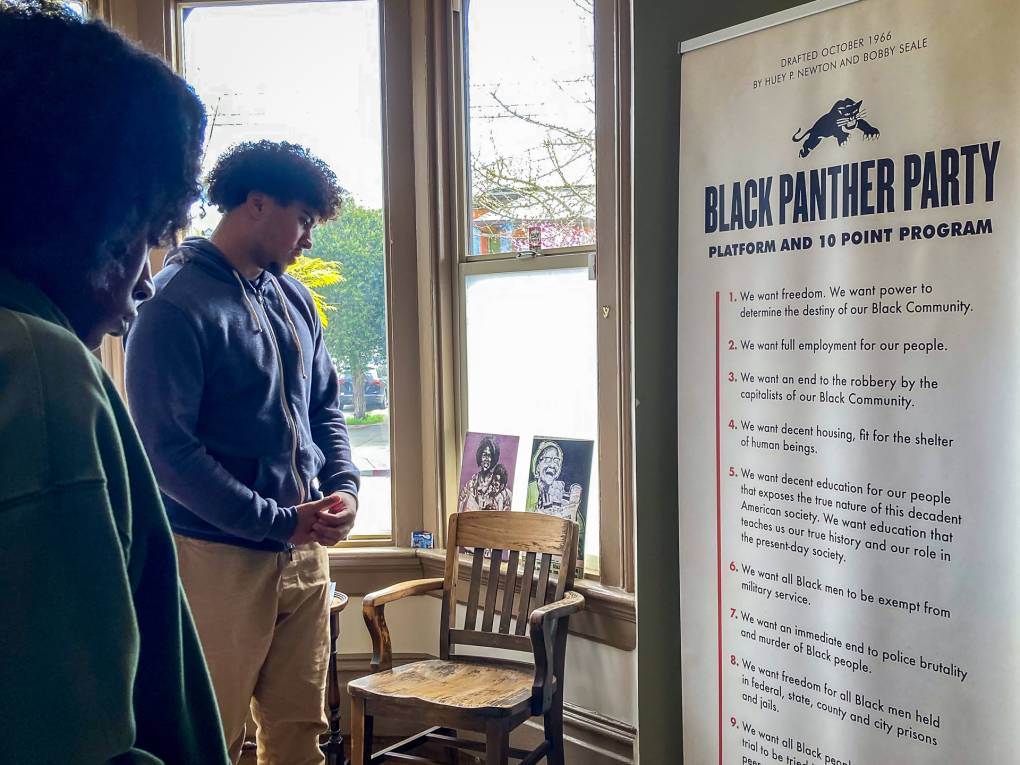
"caption": "On their field trip, students Olamide Ajike (left) and Zach Lee read the Black Panther Party's platform and 10-point program at a museum dedicated to the Party at the West Oakland Mural Project.",
"description": null,
"title": "IMG_5241-1",
"credit": "Sara Hossaini/KQED",
"status": "inherit",
"altTag": "Two high school students stand next to each other inside the West Oakland Mural Project, while reading text on a wall that outlines the Black Panther Party's platform and 10-point program.",
"isLoading": false,
"fetchFailed": false
},
"news_11889415": {
"type": "attachments",
"id": "news_11889415",
"meta": {
"index": "attachments_1716263798",
"site": "news",
"id": "11889415",
"found": true
},
"parent": 11889414,
"imgSizes": {
"twentyfourteen-full-width": {
"file": "https://ww2.kqed.org/app/uploads/sites/10/2021/09/RS49465_031_Oakland_NAACPGeorgeFloyd_05252021-1038x576.jpg",
"width": 1038,
"mimeType": "image/jpeg",
"height": 576
},
"thumbnail": {
"file": "https://ww2.kqed.org/app/uploads/sites/10/2021/09/RS49465_031_Oakland_NAACPGeorgeFloyd_05252021-160x106.jpg",
"width": 160,
"mimeType": "image/jpeg",
"height": 106
},
"post-thumbnail": {
"file": "https://ww2.kqed.org/app/uploads/sites/10/2021/09/RS49465_031_Oakland_NAACPGeorgeFloyd_05252021-672x372.jpg",
"width": 672,
"mimeType": "image/jpeg",
"height": 372
},
"kqedFullSize": {
"file": "https://ww2.kqed.org/app/uploads/sites/10/2021/09/RS49465_031_Oakland_NAACPGeorgeFloyd_05252021-scaled.jpg",
"width": 2560,
"height": 1704
},
"2048x2048": {
"file": "https://ww2.kqed.org/app/uploads/sites/10/2021/09/RS49465_031_Oakland_NAACPGeorgeFloyd_05252021-2048x1363.jpg",
"width": 2048,
"mimeType": "image/jpeg",
"height": 1363
},
"large": {
"file": "https://ww2.kqed.org/app/uploads/sites/10/2021/09/RS49465_031_Oakland_NAACPGeorgeFloyd_05252021-1020x679.jpg",
"width": 1020,
"mimeType": "image/jpeg",
"height": 679
},
"1536x1536": {
"file": "https://ww2.kqed.org/app/uploads/sites/10/2021/09/RS49465_031_Oakland_NAACPGeorgeFloyd_05252021-1536x1022.jpg",
"width": 1536,
"mimeType": "image/jpeg",
"height": 1022
},
"full-width": {
"file": "https://ww2.kqed.org/app/uploads/sites/10/2021/09/RS49465_031_Oakland_NAACPGeorgeFloyd_05252021-1920x1278.jpg",
"width": 1920,
"mimeType": "image/jpeg",
"height": 1278
},
"medium": {
"file": "https://ww2.kqed.org/app/uploads/sites/10/2021/09/RS49465_031_Oakland_NAACPGeorgeFloyd_05252021-800x532.jpg",
"width": 800,
"mimeType": "image/jpeg",
"height": 532
}
},
"publishDate": 1632325050,
"modified": 1677008186,
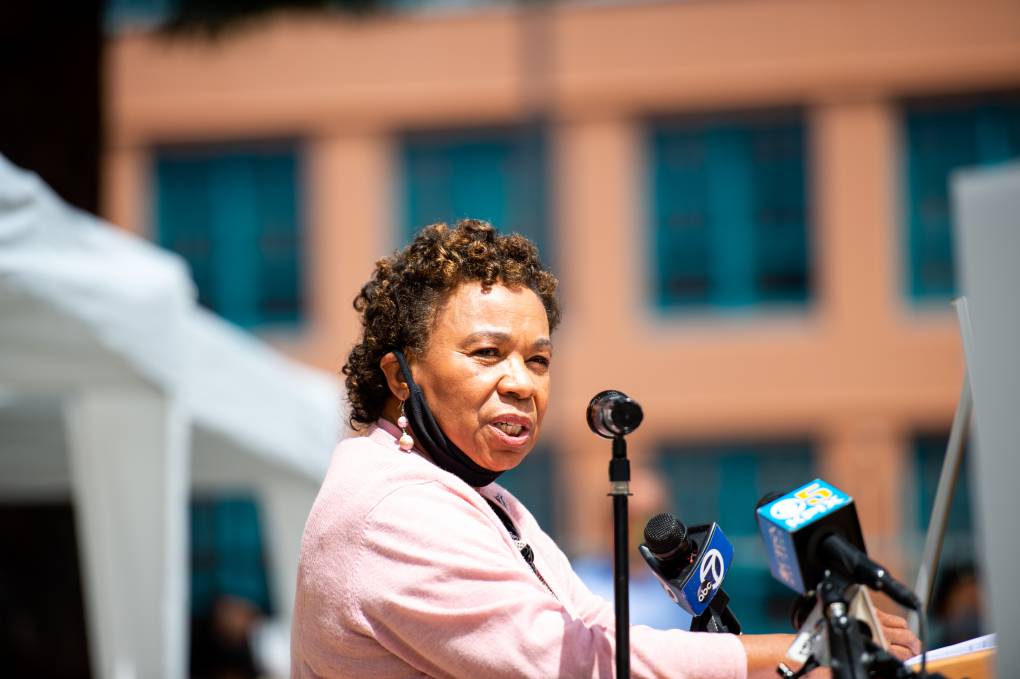
"caption": "US Rep. Barbara Lee speaks during a remembrance event to pay tribute to George Floyd held by the Oakland NAACP at Youth UpRising in Oakland on May 25, 2021.",
"description": null,
"title": "RS49465_031_Oakland_NAACPGeorgeFloyd_05252021",
"credit": "Beth LaBerge/KQED",
"status": "inherit",
"altTag": "Barbara Lee speaks in front of news microphones, wearing a light pink shirt with a mask under her chin.",
"isLoading": false,
"fetchFailed": false
},
"news_11939287": {
"type": "attachments",
"id": "news_11939287",
"meta": {
"index": "attachments_1716263798",
"site": "news",
"id": "11939287",
"found": true
},
"parent": 11939195,
"imgSizes": {
"twentyfourteen-full-width": {
"file": "https://ww2.kqed.org/app/uploads/sites/10/2023/01/RS62273_022_KQED_OaklandAAPIVigil_01252023-qut-1038x576.jpg",
"width": 1038,
"mimeType": "image/jpeg",
"height": 576
},
"thumbnail": {
"file": "https://ww2.kqed.org/app/uploads/sites/10/2023/01/RS62273_022_KQED_OaklandAAPIVigil_01252023-qut-160x107.jpg",
"width": 160,
"mimeType": "image/jpeg",
"height": 107
},
"post-thumbnail": {
"file": "https://ww2.kqed.org/app/uploads/sites/10/2023/01/RS62273_022_KQED_OaklandAAPIVigil_01252023-qut-672x372.jpg",
"width": 672,
"mimeType": "image/jpeg",
"height": 372
},
"kqedFullSize": {
"file": "https://ww2.kqed.org/app/uploads/sites/10/2023/01/RS62273_022_KQED_OaklandAAPIVigil_01252023-qut.jpg",
"width": 1920,
"height": 1280
},
"large": {
"file": "https://ww2.kqed.org/app/uploads/sites/10/2023/01/RS62273_022_KQED_OaklandAAPIVigil_01252023-qut-1020x680.jpg",
"width": 1020,
"mimeType": "image/jpeg",
"height": 680
},
"1536x1536": {
"file": "https://ww2.kqed.org/app/uploads/sites/10/2023/01/RS62273_022_KQED_OaklandAAPIVigil_01252023-qut-1536x1024.jpg",
"width": 1536,
"mimeType": "image/jpeg",
"height": 1024
},
"medium": {
"file": "https://ww2.kqed.org/app/uploads/sites/10/2023/01/RS62273_022_KQED_OaklandAAPIVigil_01252023-qut-800x533.jpg",
"width": 800,
"mimeType": "image/jpeg",
"height": 533
}
},
"publishDate": 1674753881,
"modified": 1674764387,
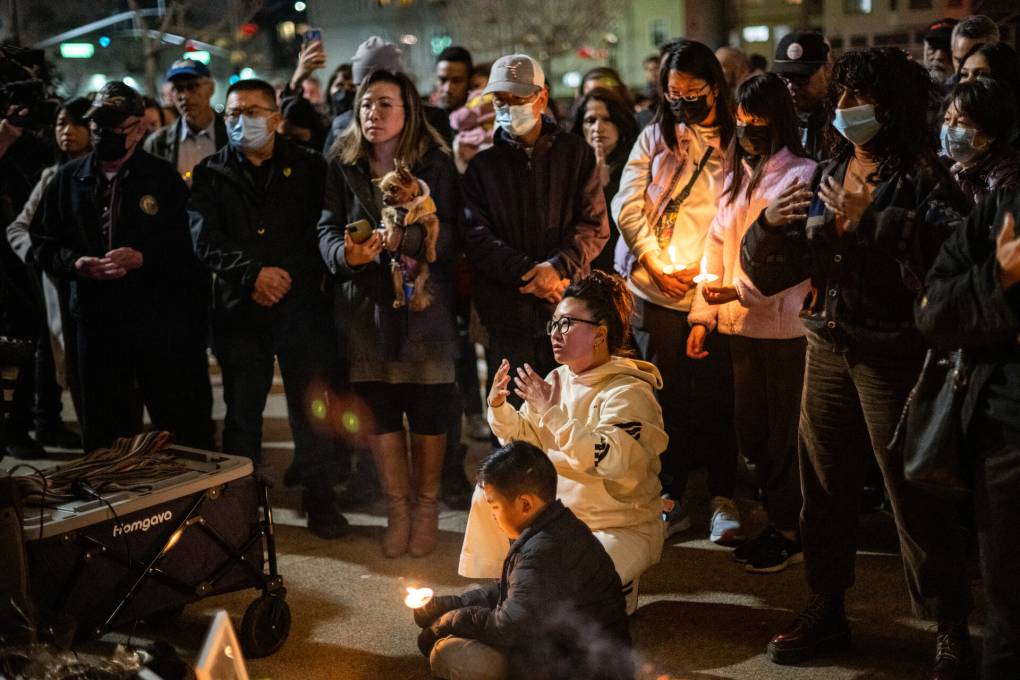
"caption": "A crowd gathers at Wilma Chan Park in Oakland on Wednesday evening, Jan. 25, 2023, for a vigil to remember the many victims of recent mass shootings across the state.",
"description": null,
"title": "RS62273_022_KQED_OaklandAAPIVigil_01252023-qut",
"credit": "Beth LaBerge/KQED",
"status": "inherit",
"altTag": "A group of people stand outside with some people crouching and sitting while holding a candle.",
"isLoading": false,
"fetchFailed": false
},
"news_11936609": {
"type": "attachments",
"id": "news_11936609",
"meta": {
"index": "attachments_1716263798",
"site": "news",
"id": "11936609",
"found": true
},
"parent": 11936608,
"imgSizes": {
"twentyfourteen-full-width": {
"file": "https://ww2.kqed.org/app/uploads/sites/10/2023/01/GettyImages-170527082-1038x576.jpg",
"width": 1038,
"mimeType": "image/jpeg",
"height": 576
},
"thumbnail": {
"file": "https://ww2.kqed.org/app/uploads/sites/10/2023/01/GettyImages-170527082-160x107.jpg",
"width": 160,
"mimeType": "image/jpeg",
"height": 107
},
"post-thumbnail": {
"file": "https://ww2.kqed.org/app/uploads/sites/10/2023/01/GettyImages-170527082-672x372.jpg",
"width": 672,
"mimeType": "image/jpeg",
"height": 372
},
"kqedFullSize": {
"file": "https://ww2.kqed.org/app/uploads/sites/10/2023/01/GettyImages-170527082-scaled.jpg",
"width": 2560,
"height": 1708
},
"2048x2048": {
"file": "https://ww2.kqed.org/app/uploads/sites/10/2023/01/GettyImages-170527082-2048x1367.jpg",
"width": 2048,
"mimeType": "image/jpeg",
"height": 1367
},
"large": {
"file": "https://ww2.kqed.org/app/uploads/sites/10/2023/01/GettyImages-170527082-1020x681.jpg",
"width": 1020,
"mimeType": "image/jpeg",
"height": 681
},
"1536x1536": {
"file": "https://ww2.kqed.org/app/uploads/sites/10/2023/01/GettyImages-170527082-1536x1025.jpg",
"width": 1536,
"mimeType": "image/jpeg",
"height": 1025
},
"full-width": {
"file": "https://ww2.kqed.org/app/uploads/sites/10/2023/01/GettyImages-170527082-1920x1281.jpg",
"width": 1920,
"mimeType": "image/jpeg",
"height": 1281
},
"medium": {
"file": "https://ww2.kqed.org/app/uploads/sites/10/2023/01/GettyImages-170527082-800x534.jpg",
"width": 800,
"mimeType": "image/jpeg",
"height": 534
}
},
"publishDate": 1672674185,
"modified": 1672770395,
"caption": "Singers Sadako Pointer Johnson, Anita Pointer and Ruth Pointer of The Pointer Sisters perform during an event in LA in 2013.",
"description": null,
"title": "2013 LA Gay Pride Festival - Day 3",
"credit": "Chelsea Guglielmino/FilmMagic",
"status": "inherit",
"altTag": "Three women with microphones and brightly colored dresses stand on stand",
"isLoading": false,
"fetchFailed": false
},
"news_11935148": {
"type": "attachments",
"id": "news_11935148",
"meta": {
"index": "attachments_1716263798",
"site": "news",
"id": "11935148",
"found": true
},
"parent": 11935131,
"imgSizes": {
"twentyfourteen-full-width": {
"file": "https://ww2.kqed.org/app/uploads/sites/10/2022/12/GettyImages-1445631257-1024x576.jpg",
"width": 1024,
"mimeType": "image/jpeg",
"height": 576
},
"thumbnail": {
"file": "https://ww2.kqed.org/app/uploads/sites/10/2022/12/GettyImages-1445631257-160x108.jpg",
"width": 160,
"mimeType": "image/jpeg",
"height": 108
},
"post-thumbnail": {
"file": "https://ww2.kqed.org/app/uploads/sites/10/2022/12/GettyImages-1445631257-672x372.jpg",
"width": 672,
"mimeType": "image/jpeg",
"height": 372
},
"kqedFullSize": {
"file": "https://ww2.kqed.org/app/uploads/sites/10/2022/12/GettyImages-1445631257.jpg",
"width": 1024,
"height": 688
},
"large": {
"file": "https://ww2.kqed.org/app/uploads/sites/10/2022/12/GettyImages-1445631257-1020x685.jpg",
"width": 1020,
"mimeType": "image/jpeg",
"height": 685
},
"medium": {
"file": "https://ww2.kqed.org/app/uploads/sites/10/2022/12/GettyImages-1445631257-800x538.jpg",
"width": 800,
"mimeType": "image/jpeg",
"height": 538
}
},
"publishDate": 1670967243,
"modified": 1671052935,
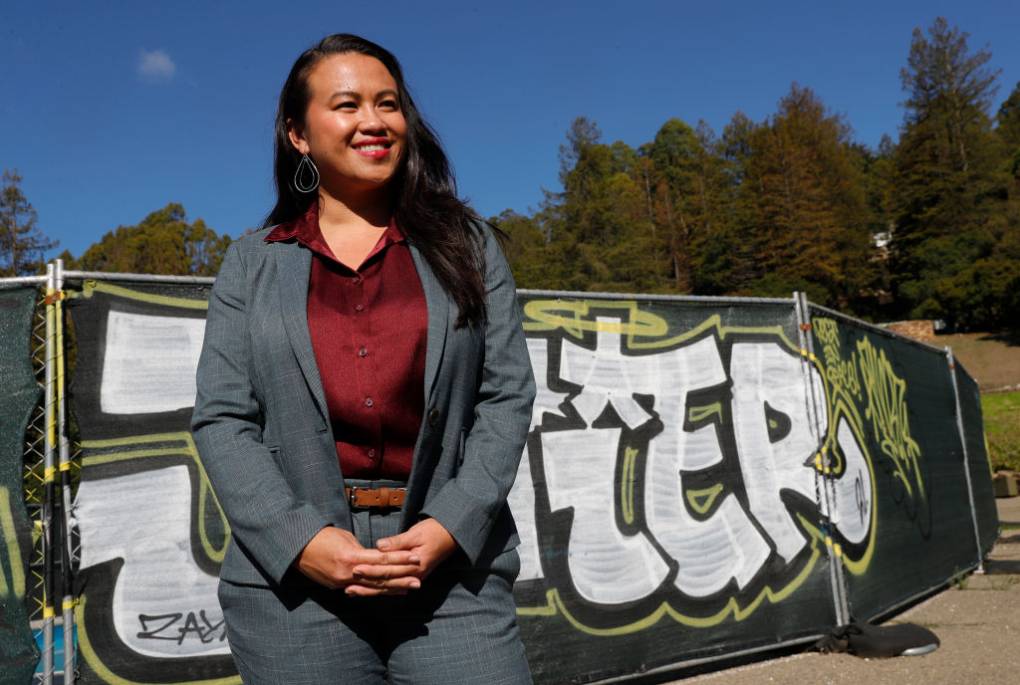
"caption": "Oakland City Council President Pro Tempore Sheng Thao is photographed at Woodminster Cascade at Joaquin Miller Park in Oakland, on Wednesday, Oct. 27, 2021. Thao was elected mayor in November 2022.",
"description": null,
"title": "Oakland Mayor-Elect Sheng Thao",
"credit": "Jane Tyska/Digital First Media/East Bay Times via Getty Images",
"status": "inherit",
"altTag": "An Asian woman standing with her fingers crossed wearing a business suit with a red dress shirt outside behind a graffiti banner.",
"isLoading": false,
"fetchFailed": false
},
"news_11934713": {
"type": "attachments",
"id": "news_11934713",
"meta": {
"index": "attachments_1716263798",
"site": "news",
"id": "11934713",
"found": true
},
"parent": 11934690,
"imgSizes": {
"twentyfourteen-full-width": {
"file": "https://ww2.kqed.org/app/uploads/sites/10/2022/12/RS61644_IMG_4620-qut-1038x576.jpg",
"width": 1038,
"mimeType": "image/jpeg",
"height": 576
},
"thumbnail": {
"file": "https://ww2.kqed.org/app/uploads/sites/10/2022/12/RS61644_IMG_4620-qut-160x120.jpg",
"width": 160,
"mimeType": "image/jpeg",
"height": 120
},
"post-thumbnail": {
"file": "https://ww2.kqed.org/app/uploads/sites/10/2022/12/RS61644_IMG_4620-qut-672x372.jpg",
"width": 672,
"mimeType": "image/jpeg",
"height": 372
},
"kqedFullSize": {
"file": "https://ww2.kqed.org/app/uploads/sites/10/2022/12/RS61644_IMG_4620-qut.jpg",
"width": 1920,
"height": 1440
},
"large": {
"file": "https://ww2.kqed.org/app/uploads/sites/10/2022/12/RS61644_IMG_4620-qut-1020x765.jpg",
"width": 1020,
"mimeType": "image/jpeg",
"height": 765
},
"1536x1536": {
"file": "https://ww2.kqed.org/app/uploads/sites/10/2022/12/RS61644_IMG_4620-qut-1536x1152.jpg",
"width": 1536,
"mimeType": "image/jpeg",
"height": 1152
},
"medium": {
"file": "https://ww2.kqed.org/app/uploads/sites/10/2022/12/RS61644_IMG_4620-qut-800x600.jpg",
"width": 800,
"mimeType": "image/jpeg",
"height": 600
}
},
"publishDate": 1670545534,
"modified": 1670545557,
"caption": "Oakland Mayor-Elect Sheng Thao joins Political Breakdown on December 8, 2022.",
"description": null,
"title": "RS61644_IMG_4620-qut",
"credit": "Guy Marzorati/KQED",
"status": "inherit",
"altTag": null,
"isLoading": false,
"fetchFailed": false
},
"news_11932676": {
"type": "attachments",
"id": "news_11932676",
"meta": {
"index": "attachments_1716263798",
"site": "news",
"id": "11932676",
"found": true
},
"title": "DSC06399_KQED_ArykCopley",
"publishDate": 1668738679,
"status": "inherit",
"parent": 11931436,
"modified": 1730331453,
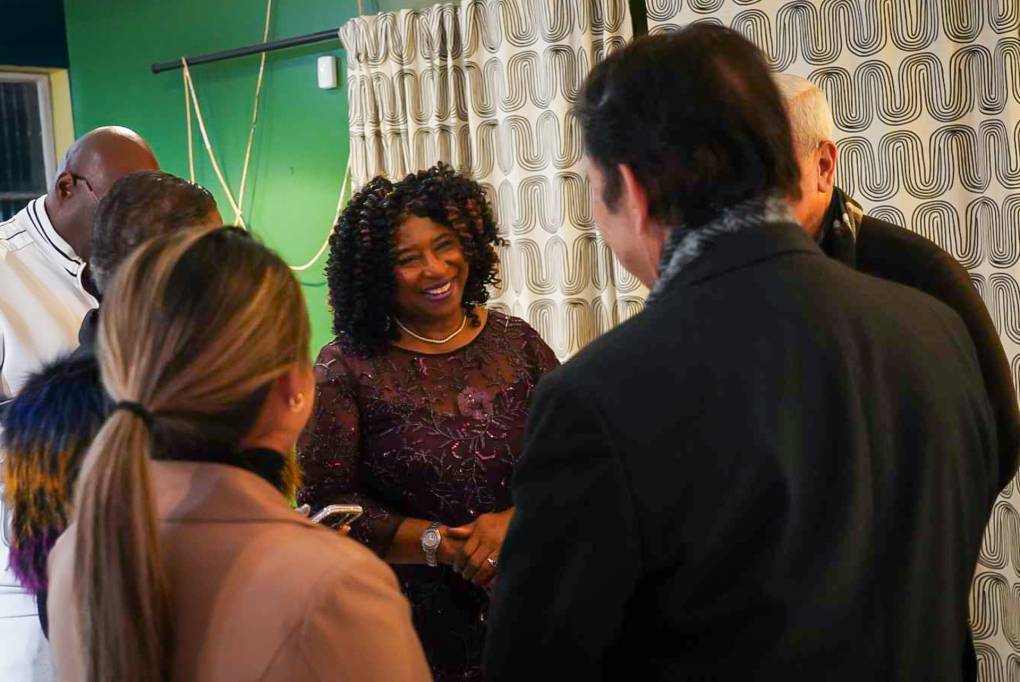
"caption": "Alameda County District Attorney Pamela Price speaks with supporters at her election night party at Q's Lounge in Oakland on Nov. 8, 2022.",
"credit": "Aryk Copley/KQED",
"altTag": "A Black woman smiles, surrounded by supporters.",
"description": null,
"imgSizes": {
"medium": {
"file": "https://cdn.kqed.org/wp-content/uploads/sites/10/2023/11/DSC06399_KQED_ArykCopley-800x535.jpg",
"width": 800,
"height": 535,
"mimeType": "image/jpeg"
},
"large": {
"file": "https://cdn.kqed.org/wp-content/uploads/sites/10/2023/11/DSC06399_KQED_ArykCopley-1020x682.jpg",
"width": 1020,
"height": 682,
"mimeType": "image/jpeg"
},
"thumbnail": {
"file": "https://cdn.kqed.org/wp-content/uploads/sites/10/2023/11/DSC06399_KQED_ArykCopley-160x107.jpg",
"width": 160,
"height": 107,
"mimeType": "image/jpeg"
},
"1536x1536": {
"file": "https://cdn.kqed.org/wp-content/uploads/sites/10/2023/11/DSC06399_KQED_ArykCopley-1536x1026.jpg",
"width": 1536,
"height": 1026,
"mimeType": "image/jpeg"
},
"post-thumbnail": {
"file": "https://cdn.kqed.org/wp-content/uploads/sites/10/2023/11/DSC06399_KQED_ArykCopley-672x372.jpg",
"width": 672,
"height": 372,
"mimeType": "image/jpeg"
},
"twentyfourteen-full-width": {
"file": "https://cdn.kqed.org/wp-content/uploads/sites/10/2023/11/DSC06399_KQED_ArykCopley-1038x576.jpg",
"width": 1038,
"height": 576,
"mimeType": "image/jpeg"
},
"kqedFullSize": {
"file": "https://cdn.kqed.org/wp-content/uploads/sites/10/2023/11/DSC06399_KQED_ArykCopley.jpg",
"width": 1920,
"height": 1283
}
},
"isLoading": false,
"fetchFailed": false
},
"news_11928750": {
"type": "attachments",
"id": "news_11928750",
"meta": {
"index": "attachments_1716263798",
"site": "news",
"id": "11928750",
"found": true
},
"parent": 11928655,
"imgSizes": {
"twentyfourteen-full-width": {
"file": "https://ww2.kqed.org/app/uploads/sites/10/2022/10/IMG_3593-1-scaled-e1665692344752-1038x576.jpg",
"width": 1038,
"mimeType": "image/jpeg",
"height": 576
},
"thumbnail": {
"file": "https://ww2.kqed.org/app/uploads/sites/10/2022/10/IMG_3593-1-scaled-e1665692344752-160x115.jpg",
"width": 160,
"mimeType": "image/jpeg",
"height": 115
},
"post-thumbnail": {
"file": "https://ww2.kqed.org/app/uploads/sites/10/2022/10/IMG_3593-1-scaled-e1665692344752-672x372.jpg",
"width": 672,
"mimeType": "image/jpeg",
"height": 372
},
"kqedFullSize": {
"file": "https://ww2.kqed.org/app/uploads/sites/10/2022/10/IMG_3593-1-scaled-e1665692344752.jpg",
"width": 1920,
"height": 1376
},
"2048x2048": {
"file": "https://ww2.kqed.org/app/uploads/sites/10/2022/10/IMG_3593-1-1536x2048.jpg",
"width": 1536,
"mimeType": "image/jpeg",
"height": 2048
},
"large": {
"file": "https://ww2.kqed.org/app/uploads/sites/10/2022/10/IMG_3593-1-scaled-e1665692344752-1020x731.jpg",
"width": 1020,
"mimeType": "image/jpeg",
"height": 731
},
"1536x1536": {
"file": "https://ww2.kqed.org/app/uploads/sites/10/2022/10/IMG_3593-1-scaled-e1665692344752-1536x1101.jpg",
"width": 1536,
"mimeType": "image/jpeg",
"height": 1101
},
"full-width": {
"file": "https://ww2.kqed.org/app/uploads/sites/10/2022/10/IMG_3593-1-1920x2560.jpg",
"width": 1920,
"mimeType": "image/jpeg",
"height": 2560
},
"medium": {
"file": "https://ww2.kqed.org/app/uploads/sites/10/2022/10/IMG_3593-1-scaled-e1665692344752-800x573.jpg",
"width": 800,
"mimeType": "image/jpeg",
"height": 573
}
},
"publishDate": 1665692109,
"modified": 1665696092,
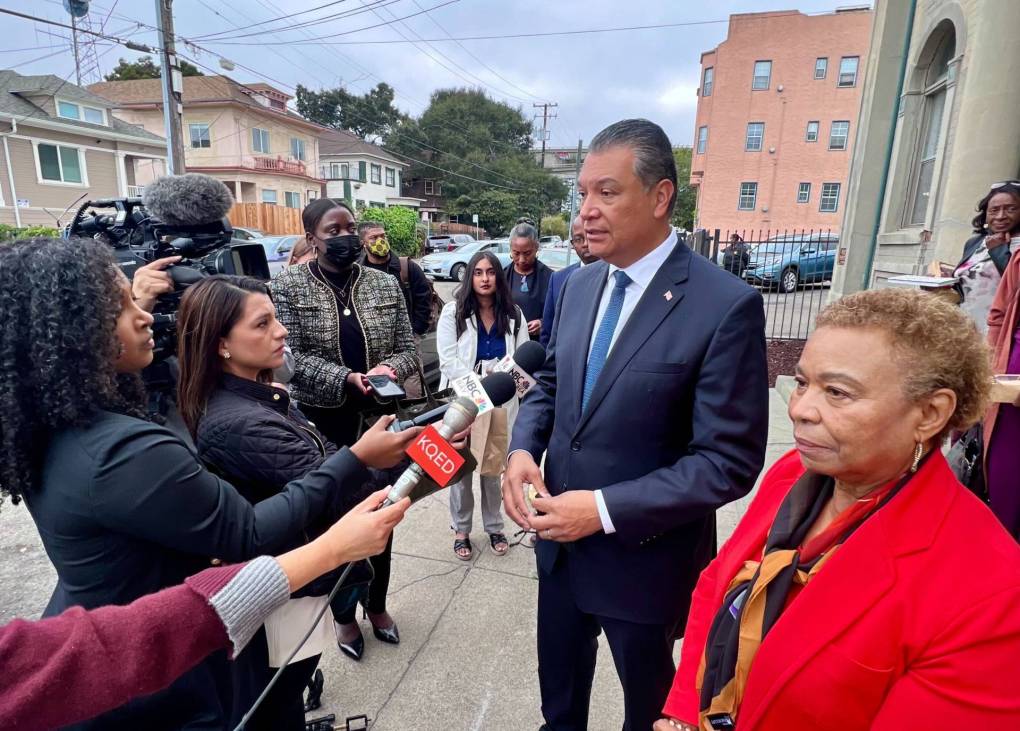
"caption": "US Sen. Alex Padilla and US Rep. Barbara Lee speak to reporters outside First AME Church in Oakland on Wednesday, Oct. 12, 2022, after meeting with Mayor Libby Schaaf and community leaders about violence prevention amid a rash of shootings in the East Bay city.",
"description": null,
"title": "IMG_3593",
"credit": "Courtesy of Edgar Rodriguez",
"status": "inherit",
"altTag": "An older man in a blue suit and tie and an older woman in a red jacket talk to reporters on the street outside of a church.",
"isLoading": false,
"fetchFailed": false
},
"news_11927669": {
"type": "attachments",
"id": "news_11927669",
"meta": {
"index": "attachments_1716263798",
"site": "news",
"id": "11927669",
"found": true
},
"parent": 11927541,
"imgSizes": {
"twentyfourteen-full-width": {
"file": "https://ww2.kqed.org/app/uploads/sites/10/2022/10/RS59000_KQED_Vigil_001-qut-1038x576.jpg",
"width": 1038,
"mimeType": "image/jpeg",
"height": 576
},
"thumbnail": {
"file": "https://ww2.kqed.org/app/uploads/sites/10/2022/10/RS59000_KQED_Vigil_001-qut-160x107.jpg",
"width": 160,
"mimeType": "image/jpeg",
"height": 107
},
"post-thumbnail": {
"file": "https://ww2.kqed.org/app/uploads/sites/10/2022/10/RS59000_KQED_Vigil_001-qut-672x372.jpg",
"width": 672,
"mimeType": "image/jpeg",
"height": 372
},
"kqedFullSize": {
"file": "https://ww2.kqed.org/app/uploads/sites/10/2022/10/RS59000_KQED_Vigil_001-qut.jpg",
"width": 1920,
"height": 1282
},
"large": {
"file": "https://ww2.kqed.org/app/uploads/sites/10/2022/10/RS59000_KQED_Vigil_001-qut-1020x681.jpg",
"width": 1020,
"mimeType": "image/jpeg",
"height": 681
},
"1536x1536": {
"file": "https://ww2.kqed.org/app/uploads/sites/10/2022/10/RS59000_KQED_Vigil_001-qut-1536x1026.jpg",
"width": 1536,
"mimeType": "image/jpeg",
"height": 1026
},
"medium": {
"file": "https://ww2.kqed.org/app/uploads/sites/10/2022/10/RS59000_KQED_Vigil_001-qut-800x534.jpg",
"width": 800,
"mimeType": "image/jpeg",
"height": 534
}
},
"publishDate": 1664910383,
"modified": 1664917415,
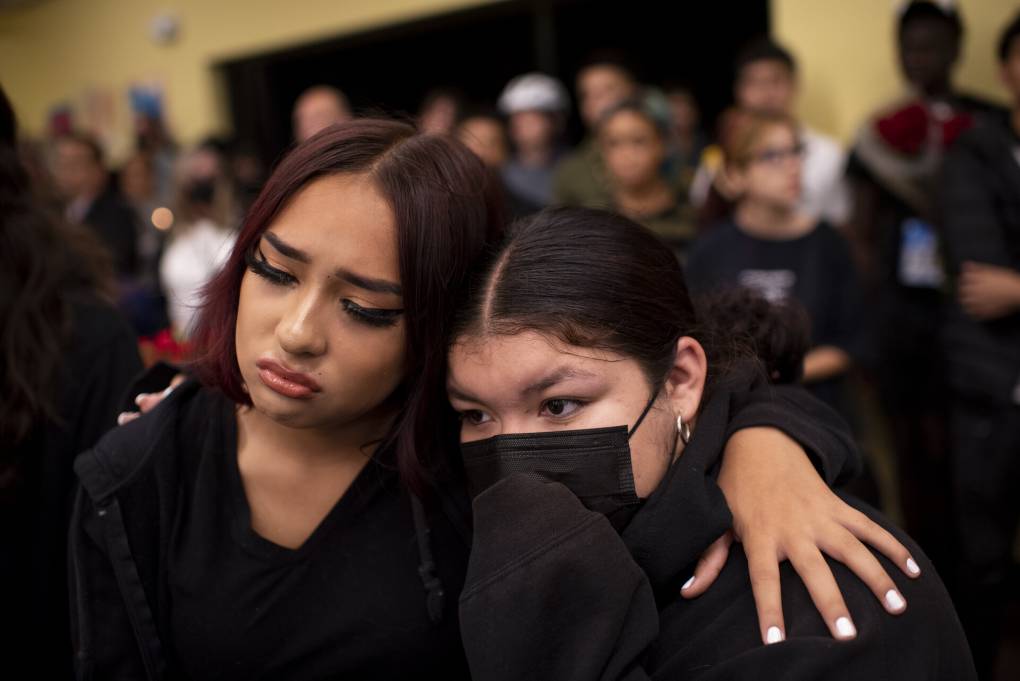
"caption": "Samantha Rodriguez (left), 15, and Abby Arcos, 14, both students at Berkeley High School, stand together during a vigil at Berkeley's Longfellow Middle School for brothers Angel and Jazy Sotelo Garcia, two Berkeley High School students who were killed in a shooting over the weekend.",
"description": null,
"title": "KQED_Vigil",
"credit": "Marlena Sloss/KQED",
"status": "inherit",
"altTag": "two young Latina women with their arms around each other at a vigil",
"isLoading": false,
"fetchFailed": false
},
"news_11927089": {
"type": "attachments",
"id": "news_11927089",
"meta": {
"index": "attachments_1716263798",
"site": "news",
"id": "11927089",
"found": true
},
"parent": 11927080,
"imgSizes": {
"twentyfourteen-full-width": {
"file": "https://ww2.kqed.org/app/uploads/sites/10/2022/09/GettyImages-1428570615-1024x576.jpg",
"width": 1024,
"mimeType": "image/jpeg",
"height": 576
},
"thumbnail": {
"file": "https://ww2.kqed.org/app/uploads/sites/10/2022/09/GettyImages-1428570615-160x107.jpg",
"width": 160,
"mimeType": "image/jpeg",
"height": 107
},
"post-thumbnail": {
"file": "https://ww2.kqed.org/app/uploads/sites/10/2022/09/GettyImages-1428570615-672x372.jpg",
"width": 672,
"mimeType": "image/jpeg",
"height": 372
},
"kqedFullSize": {
"file": "https://ww2.kqed.org/app/uploads/sites/10/2022/09/GettyImages-1428570615.jpg",
"width": 1024,
"height": 683
},
"large": {
"file": "https://ww2.kqed.org/app/uploads/sites/10/2022/09/GettyImages-1428570615-1020x680.jpg",
"width": 1020,
"mimeType": "image/jpeg",
"height": 680
},
"medium": {
"file": "https://ww2.kqed.org/app/uploads/sites/10/2022/09/GettyImages-1428570615-800x534.jpg",
"width": 800,
"mimeType": "image/jpeg",
"height": 534
}
},
"publishDate": 1664422570,
"modified": 1664427216,
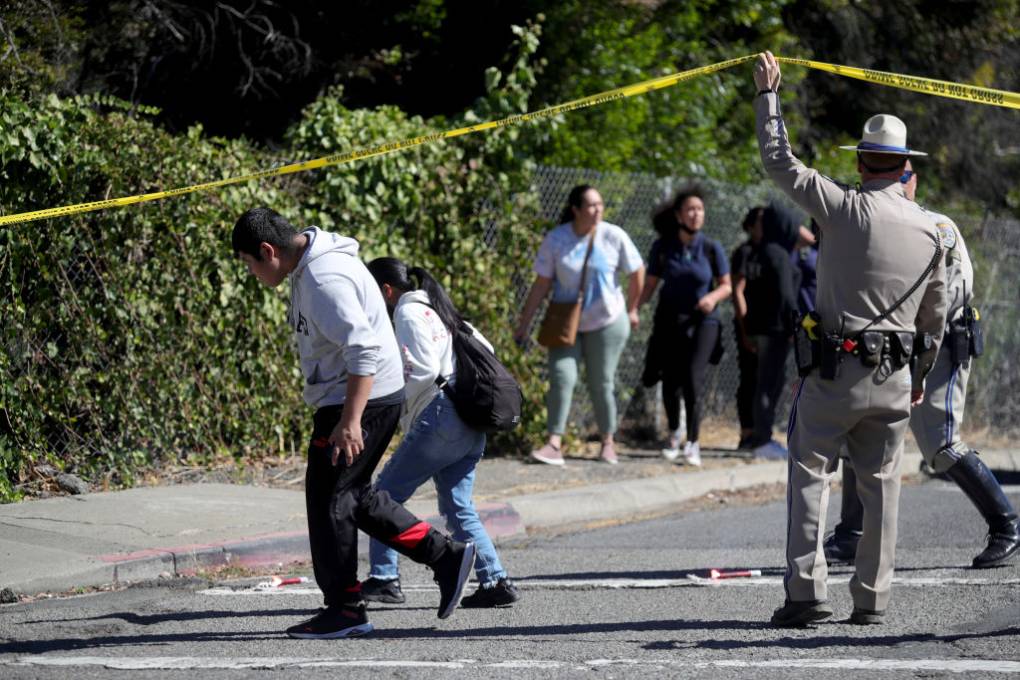
"caption": "A California Highway Patrol officer lifts caution tape to let parents and students leave the cordoned-off area on Fontaine Street in East Oakland, after six people were shot at the King Estates complex of schools on Sept. 28, 2022.",
"description": null,
"title": "Oakland School Shooting",
"credit": "Ray Chavez/MediaNews Group/East Bay Times via Getty Images",
"status": "inherit",
"altTag": "Two people walk underneath yellow police caution tape held up by a law enforcement officer.",
"isLoading": false,
"fetchFailed": false
},
"news_11922004": {
"type": "attachments",
"id": "news_11922004",
"meta": {
"index": "attachments_1716263798",
"site": "news",
"id": "11922004",
"found": true
},
"parent": 11921973,
"imgSizes": {
"twentyfourteen-full-width": {
"file": "https://ww2.kqed.org/app/uploads/sites/10/2022/08/RS12589_iStock_000005814659_Large-qut-1038x576.jpg",
"width": 1038,
"mimeType": "image/jpeg",
"height": 576
},
"thumbnail": {
"file": "https://ww2.kqed.org/app/uploads/sites/10/2022/08/RS12589_iStock_000005814659_Large-qut-160x106.jpg",
"width": 160,
"mimeType": "image/jpeg",
"height": 106
},
"post-thumbnail": {
"file": "https://ww2.kqed.org/app/uploads/sites/10/2022/08/RS12589_iStock_000005814659_Large-qut-672x372.jpg",
"width": 672,
"mimeType": "image/jpeg",
"height": 372
},
"kqedFullSize": {
"file": "https://ww2.kqed.org/app/uploads/sites/10/2022/08/RS12589_iStock_000005814659_Large-qut.jpg",
"width": 1400,
"height": 930
},
"large": {
"file": "https://ww2.kqed.org/app/uploads/sites/10/2022/08/RS12589_iStock_000005814659_Large-qut-1020x678.jpg",
"width": 1020,
"mimeType": "image/jpeg",
"height": 678
},
"medium": {
"file": "https://ww2.kqed.org/app/uploads/sites/10/2022/08/RS12589_iStock_000005814659_Large-qut-800x531.jpg",
"width": 800,
"mimeType": "image/jpeg",
"height": 531
}
},
"publishDate": 1659990729,
"modified": 1660002116,
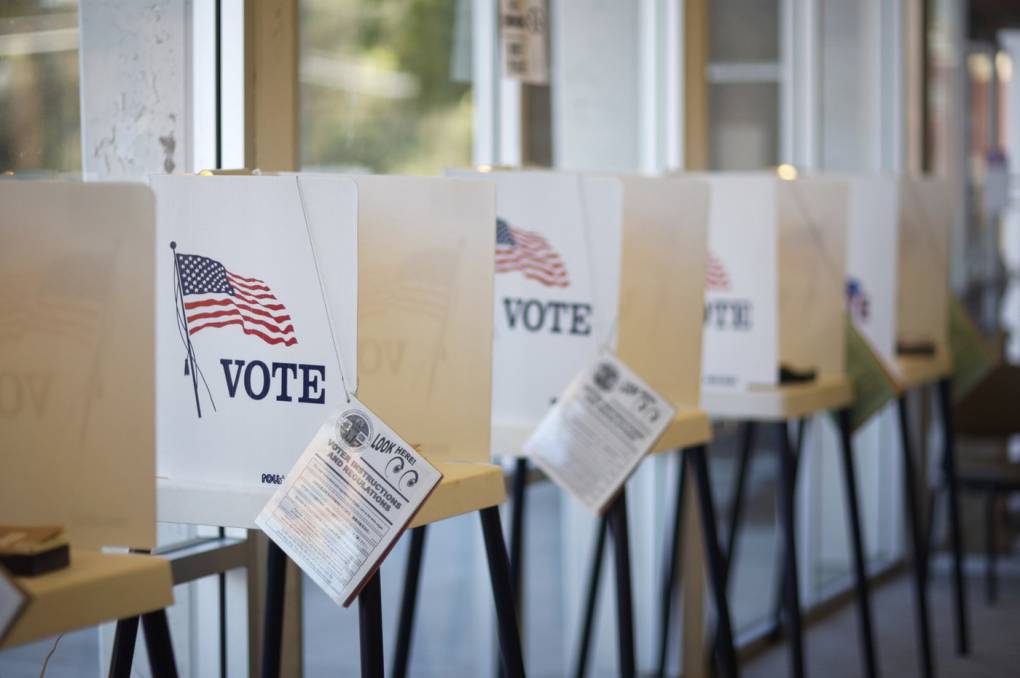
"caption": "Voting booths at Hermosa Beach City Hall during the California primary election. Recent efforts by Bay Area high school students to lower the voting age for school board elections have been popular with voters, but implementing them has proven a lengthy and difficult process.",
"description": null,
"title": "RS12589_iStock_000005814659_Large-qut",
"credit": "Daniel Sofer/hermosawave.net",
"status": "inherit",
"altTag": "a row of empty voting booths with the word \"vote\" and an illustration of the American flag",
"isLoading": false,
"fetchFailed": false
},
"news_11920798": {
"type": "attachments",
"id": "news_11920798",
"meta": {
"index": "attachments_1716263798",
"site": "news",
"id": "11920798",
"found": true
},
"parent": 11920767,
"imgSizes": {
"twentyfourteen-full-width": {
"file": "https://ww2.kqed.org/app/uploads/sites/10/2022/07/Image-from-iOS-6-1038x576.jpg",
"width": 1038,
"mimeType": "image/jpeg",
"height": 576
},
"thumbnail": {
"file": "https://ww2.kqed.org/app/uploads/sites/10/2022/07/Image-from-iOS-6-160x107.jpg",
"width": 160,
"mimeType": "image/jpeg",
"height": 107
},
"post-thumbnail": {
"file": "https://ww2.kqed.org/app/uploads/sites/10/2022/07/Image-from-iOS-6-672x372.jpg",
"width": 672,
"mimeType": "image/jpeg",
"height": 372
},
"kqedFullSize": {
"file": "https://ww2.kqed.org/app/uploads/sites/10/2022/07/Image-from-iOS-6.jpg",
"width": 1317,
"height": 878
},
"large": {
"file": "https://ww2.kqed.org/app/uploads/sites/10/2022/07/Image-from-iOS-6-1020x680.jpg",
"width": 1020,
"mimeType": "image/jpeg",
"height": 680
},
"medium": {
"file": "https://ww2.kqed.org/app/uploads/sites/10/2022/07/Image-from-iOS-6-800x533.jpg",
"width": 800,
"mimeType": "image/jpeg",
"height": 533
}
},
"publishDate": 1659052528,
"modified": 1659066921,
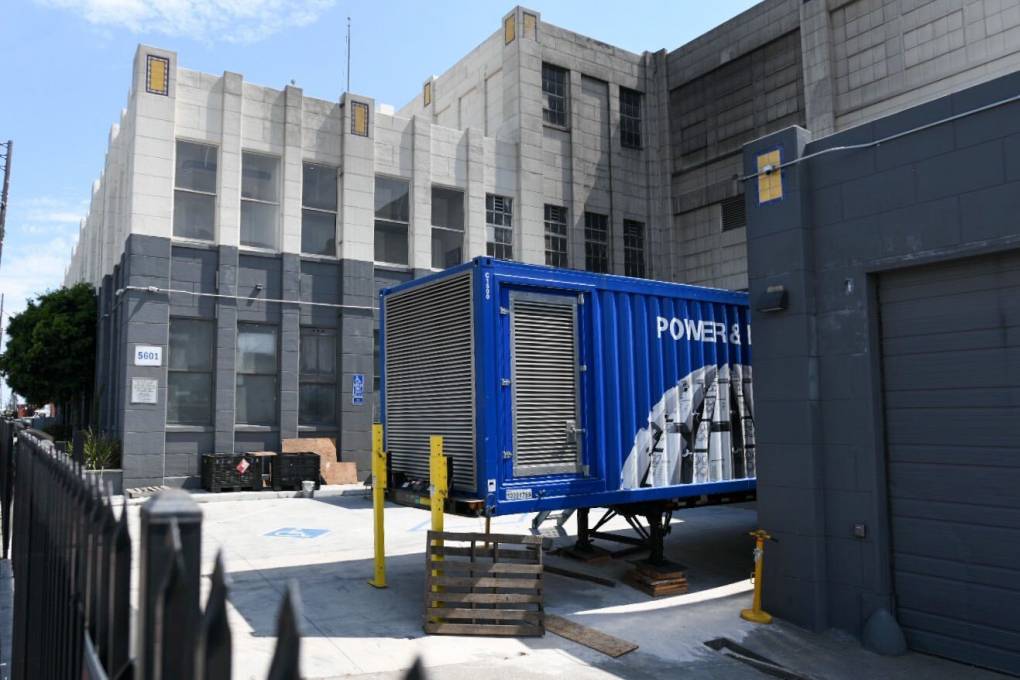
"caption": "Diesel-fueled generators supply power to cannabis production facilities at East Oakland properties owned by Denver-based Green Sage on July 28, 2022.",
"description": null,
"title": "Image from iOS (6)",
"credit": "Beth LaBerge/KQED",
"status": "inherit",
"altTag": "Generators behind a building.",
"isLoading": false,
"fetchFailed": false
}
},
"audioPlayerReducer": {
"postId": "stream_live",
"isPaused": true,
"isPlaying": false,
"pfsActive": false,
"pledgeModalIsOpen": true,
"playerDrawerIsOpen": false,
"liveAudioPlayStartedAt": 0,
"liveAudioPlayContext": ""
},
"authorsReducer": {
"byline_news_11936608": {
"type": "authors",
"id": "byline_news_11936608",
"meta": {
"override": true
},
"slug": "byline_news_11936608",
"name": "The Associated Press",
"isLoading": false
},
"byline_news_11921973": {
"type": "authors",
"id": "byline_news_11921973",
"meta": {
"override": true
},
"slug": "byline_news_11921973",
"name": "Carolyn Jones\u003cbr>EdSource",
"isLoading": false
},
"danbrekke": {
"type": "authors",
"id": "222",
"meta": {
"index": "authors_1716337520",
"id": "222",
"found": true
},
"name": "Dan Brekke",
"firstName": "Dan",
"lastName": "Brekke",
"slug": "danbrekke",
"email": "dbrekke@kqed.org",
"display_author_email": true,
"staff_mastheads": [
"news",
"science"
],
"title": "KQED Editor and Reporter",
"bio": "Dan Brekke is a reporter and editor for KQED News, responsible for coverage of topics ranging from California water issues to the Bay Area's transportation challenges. In a newsroom career that began in Chicago in 1972, Dan has worked for \u003cem>The San Francisco Examiner,\u003c/em> Wired and TechTV and has been published in The New York Times, The New York Times Magazine, Business 2.0, Salon and elsewhere.\r\n\r\nSince joining KQED in 2007, Dan has reported, edited and produced both radio and online features and breaking news pieces. He has shared as both editor and reporter in four Society of Professional Journalists Norcal Excellence in Journalism awards and one Edward R. Murrow regional award. He was chosen for a spring 2017 residency at the Mesa Refuge to advance his research on California salmon.\r\n\r\nEmail Dan at: \u003ca href=\"mailto:dbrekke@kqed.org\">dbrekke@kqed.org\u003c/a>\r\n\r\n\u003cstrong>Twitter:\u003c/strong> \u003ca href=\"https://twitter.com/danbrekke\" rel=\"noopener noreferrer\">twitter.com/danbrekke\u003c/a>\r\n\u003cstrong>Facebook:\u003c/strong> \u003ca href=\"https://www.facebook.com/danbrekke\" rel=\"noopener noreferrer\">www.facebook.com/danbrekke\u003c/a>\r\n\u003cstrong>LinkedIn:\u003c/strong> \u003ca href=\"https://www.linkedin.com/in/danbrekke\" rel=\"noopener noreferrer\">www.linkedin.com/in/danbrekke\u003c/a>",
"avatar": "https://secure.gravatar.com/avatar/c8126230345efca3f7aa89b1a402be45?s=600&d=mm&r=g",
"twitter": "danbrekke",
"facebook": null,
"instagram": "https://www.instagram.com/dan.brekke/",
"linkedin": "https://www.linkedin.com/in/danbrekke/",
"sites": [
{
"site": "news",
"roles": [
"administrator",
"create_posts"
]
},
{
"site": "stateofhealth",
"roles": [
"editor"
]
},
{
"site": "science",
"roles": [
"editor"
]
},
{
"site": "quest",
"roles": [
"contributor"
]
},
{
"site": "food",
"roles": [
"contributor"
]
},
{
"site": "forum",
"roles": [
"contributor"
]
},
{
"site": "liveblog",
"roles": [
"editor"
]
}
],
"headData": {
"title": "Dan Brekke | KQED",
"description": "KQED Editor and Reporter",
"ogImgSrc": "https://secure.gravatar.com/avatar/c8126230345efca3f7aa89b1a402be45?s=600&d=mm&r=g",
"twImgSrc": "https://secure.gravatar.com/avatar/c8126230345efca3f7aa89b1a402be45?s=600&d=mm&r=g"
},
"isLoading": false,
"link": "/author/danbrekke"
},
"kqednewsstaffandwires": {
"type": "authors",
"id": "237",
"meta": {
"index": "authors_1716337520",
"id": "237",
"found": true
},
"name": "KQED News Staff and Wires",
"firstName": "KQED News Staff and Wires",
"lastName": null,
"slug": "kqednewsstaffandwires",
"email": "onlinenewsstaff@kqed.org",
"display_author_email": false,
"staff_mastheads": [],
"title": null,
"bio": null,
"avatar": "https://secure.gravatar.com/avatar/72295af8ebbfbd19a4948f5271285664?s=600&d=blank&r=g",
"twitter": null,
"facebook": null,
"instagram": null,
"linkedin": null,
"sites": [
{
"site": "arts",
"roles": [
"contributor"
]
},
{
"site": "news",
"roles": [
"contributor"
]
},
{
"site": "lowdown",
"roles": [
"author"
]
},
{
"site": "stateofhealth",
"roles": [
"contributor"
]
},
{
"site": "food",
"roles": [
"author"
]
}
],
"headData": {
"title": "KQED News Staff and Wires | KQED",
"description": null,
"ogImgSrc": "https://secure.gravatar.com/avatar/72295af8ebbfbd19a4948f5271285664?s=600&d=blank&r=g",
"twImgSrc": "https://secure.gravatar.com/avatar/72295af8ebbfbd19a4948f5271285664?s=600&d=blank&r=g"
},
"isLoading": false,
"link": "/author/kqednewsstaffandwires"
},
"scottshafer": {
"type": "authors",
"id": "255",
"meta": {
"index": "authors_1716337520",
"id": "255",
"found": true
},
"name": "Scott Shafer",
"firstName": "Scott",
"lastName": "Shafer",
"slug": "scottshafer",
"email": "sshafer@kqed.org",
"display_author_email": false,
"staff_mastheads": [
"news"
],
"title": "KQED Contributor",
"bio": "Scott Shafer is a senior editor with the KQED Politics and Government desk. He is co-host of Political Breakdown, the award-winning radio show and podcast with a personal take on the world of politics. Scott came to KQED in 1998 to host the statewide\u003cem> California Report\u003c/em>. Prior to that he had extended stints in politics and government\u003cem>.\u003c/em> He uses that inside experience at KQED in his, reporting, hosting and analysis for the politics desk. Scott collaborated \u003cem>Political Breakdown a\u003c/em>nd on \u003cem>The Political Mind of Jerry Brown, \u003c/em>an eight-part series about the life and extraordinary political career of the former governor. For fun, he plays water polo with the San Francisco Tsunami.",
"avatar": "https://secure.gravatar.com/avatar/a62ebae45b79d7aed1a39a0e3bf68104?s=600&d=blank&r=g",
"twitter": "scottshafer",
"bluesky": null,
"facebook": null,
"instagram": null,
"linkedin": null,
"sites": [
{
"site": "news",
"roles": [
"editor"
]
},
{
"site": "stateofhealth",
"roles": [
"author"
]
},
{
"site": "science",
"roles": [
"author"
]
},
{
"site": "forum",
"roles": [
"subscriber"
]
},
{
"site": "liveblog",
"roles": [
"author"
]
}
],
"headData": {
"title": "Scott Shafer | KQED",
"description": "KQED Contributor",
"ogImgSrc": "https://secure.gravatar.com/avatar/a62ebae45b79d7aed1a39a0e3bf68104?s=600&d=blank&r=g",
"twImgSrc": "https://secure.gravatar.com/avatar/a62ebae45b79d7aed1a39a0e3bf68104?s=600&d=blank&r=g"
},
"isLoading": false,
"link": "/author/scottshafer"
},
"shossaini": {
"type": "authors",
"id": "3214",
"meta": {
"index": "authors_1716337520",
"id": "3214",
"found": true
},
"name": "Sara Hossaini",
"firstName": "Sara",
"lastName": "Hossaini",
"slug": "shossaini",
"email": "shossaini@kqed.org",
"display_author_email": true,
"staff_mastheads": [
"news"
],
"title": "KQED Reporter",
"bio": "Sara Hossaini came to general assignment reporting at KQED in 2013 after two winters reporting at Wyoming Public Radio. She holds a bachelor's degree in broadcast journalism from the University of Nebraska-Lincoln. Her radio romance began after a bitter breakup with documentary film (Ok, maybe it's still complicated). Her first simultaneous jobs in San Francisco were as Associate Producer on a PBS film series through the Center for Asian American Media and as a butler. She likes to trot, plot and make things with her hands.",
"avatar": "https://secure.gravatar.com/avatar/060e9f56b9554e17942e89f413242774?s=600&d=blank&r=g",
"twitter": "mshossaini",
"facebook": null,
"instagram": null,
"linkedin": null,
"sites": [
{
"site": "news",
"roles": [
"author"
]
},
{
"site": "stateofhealth",
"roles": [
"author"
]
}
],
"headData": {
"title": "Sara Hossaini | KQED",
"description": "KQED Reporter",
"ogImgSrc": "https://secure.gravatar.com/avatar/060e9f56b9554e17942e89f413242774?s=600&d=blank&r=g",
"twImgSrc": "https://secure.gravatar.com/avatar/060e9f56b9554e17942e89f413242774?s=600&d=blank&r=g"
},
"isLoading": false,
"link": "/author/shossaini"
},
"mlagos": {
"type": "authors",
"id": "3239",
"meta": {
"index": "authors_1716337520",
"id": "3239",
"found": true
},
"name": "Marisa Lagos",
"firstName": "Marisa",
"lastName": "Lagos",
"slug": "mlagos",
"email": "mlagos@kqed.org",
"display_author_email": false,
"staff_mastheads": [
"news"
],
"title": "KQED Contributor",
"bio": "Marisa Lagos is a correspondent for KQED’s California Politics and Government Desk and co-hosts the award-winning show and podcast, Political Breakdown. At KQED, Lagos also conducts reporting, analysis and investigations into state, local and national politics for radio, TV, online and onstage. In 2022, she and co-host, Scott Shafer, moderated the only gubernatorial debate in California. In 2020, the \u003ci>Washington Post\u003c/i> named her one of the top political journalists in California; she was nominated for a Peabody and won several other awards for her work investigating the 2017 California wildfires. She has worked at the \u003ci>San Francisco Chronicle\u003c/i>, \u003ci>San Francisco Examiner\u003c/i> and \u003ci>Los Angeles Times\u003c/i>. A UC Santa Barbara graduate, she lives in San Francisco with her two sons and husband.",
"avatar": "https://secure.gravatar.com/avatar/a261a0d3696fc066871ef96b85b5e7d2?s=600&d=blank&r=g",
"twitter": "@mlagos",
"facebook": null,
"instagram": null,
"linkedin": null,
"sites": [
{
"site": "arts",
"roles": [
"author"
]
},
{
"site": "news",
"roles": [
"editor"
]
},
{
"site": "science",
"roles": [
"editor"
]
},
{
"site": "forum",
"roles": [
"author"
]
},
{
"site": "liveblog",
"roles": [
"author"
]
}
],
"headData": {
"title": "Marisa Lagos | KQED",
"description": "KQED Contributor",
"ogImgSrc": "https://secure.gravatar.com/avatar/a261a0d3696fc066871ef96b85b5e7d2?s=600&d=blank&r=g",
"twImgSrc": "https://secure.gravatar.com/avatar/a261a0d3696fc066871ef96b85b5e7d2?s=600&d=blank&r=g"
},
"isLoading": false,
"link": "/author/mlagos"
},
"agonzalez": {
"type": "authors",
"id": "11724",
"meta": {
"index": "authors_1716337520",
"id": "11724",
"found": true
},
"name": "Alexander Gonzalez",
"firstName": "Alexander",
"lastName": "Gonzalez",
"slug": "agonzalez",
"email": "AlexanderGonzalez@KQED.org",
"display_author_email": false,
"staff_mastheads": [
"news"
],
"title": "KQED Contributor",
"bio": null,
"avatar": "https://secure.gravatar.com/avatar/9e291ed34e154df4c662edf858b641d70b4859939bfe40be478408f9dfd057d2?s=600&d=blank&r=g",
"twitter": null,
"bluesky": null,
"facebook": null,
"instagram": null,
"linkedin": null,
"sites": [
{
"site": "arts",
"roles": [
"editor"
]
},
{
"site": "news",
"roles": [
"editor"
]
},
{
"site": "science",
"roles": [
"editor"
]
}
],
"headData": {
"title": "Alexander Gonzalez | KQED",
"description": "KQED Contributor",
"ogImgSrc": "https://secure.gravatar.com/avatar/9e291ed34e154df4c662edf858b641d70b4859939bfe40be478408f9dfd057d2?s=600&d=blank&r=g",
"twImgSrc": "https://secure.gravatar.com/avatar/9e291ed34e154df4c662edf858b641d70b4859939bfe40be478408f9dfd057d2?s=600&d=blank&r=g"
},
"isLoading": false,
"link": "/author/agonzalez"
},
"afinney": {
"type": "authors",
"id": "11772",
"meta": {
"index": "authors_1716337520",
"id": "11772",
"found": true
},
"name": "Annelise Finney",
"firstName": "Annelise",
"lastName": "Finney",
"slug": "afinney",
"email": "afinney@kqed.org",
"display_author_email": true,
"staff_mastheads": [
"news"
],
"title": "Reporter",
"bio": "Annelise reports on reparations in California and East Bay politics. She co-produced the Sunday Music Drop, a limited-term radio series featuring Bay Area musicians that aired between Sept 2022 and Oct 2024. She joined KQED in 2021 as a general assignment reporter and is an alumna of KALW's Audio Academy. She was born and raised in the East Bay. She is currently away from KQED completing a year-long reporting project in Berlin, Germany as a Alexander Von Humboldt German Chancellor Fellow.",
"avatar": "https://secure.gravatar.com/avatar/5fded66cae47704cdfc5021cde0f3aa4?s=600&d=blank&r=g",
"twitter": null,
"facebook": null,
"instagram": null,
"linkedin": null,
"sites": [
{
"site": "news",
"roles": [
"editor"
]
},
{
"site": "liveblog",
"roles": [
"author"
]
}
],
"headData": {
"title": "Annelise Finney | KQED",
"description": "Reporter",
"ogImgSrc": "https://secure.gravatar.com/avatar/5fded66cae47704cdfc5021cde0f3aa4?s=600&d=blank&r=g",
"twImgSrc": "https://secure.gravatar.com/avatar/5fded66cae47704cdfc5021cde0f3aa4?s=600&d=blank&r=g"
},
"isLoading": false,
"link": "/author/afinney"
},
"swhitney": {
"type": "authors",
"id": "11784",
"meta": {
"index": "authors_1716337520",
"id": "11784",
"found": true
},
"name": "Spencer Whitney",
"firstName": "Spencer",
"lastName": "Whitney",
"slug": "swhitney",
"email": "swhitney@kqed.org",
"display_author_email": false,
"staff_mastheads": [],
"title": "KQED Digital Editor",
"bio": "Spencer Whitney is currently a Digital Editor for KQED News. Prior to joining KQED News, Spencer worked as the Multimedia Editor at the Oakland Post and an Assistant Editor in the Editorial department at the San Francisco Chronicle. He attended Howard University as an undergraduate and interned with SiriusXM. He also attended UC Berkeley's Graduate School of Journalism and had the opportunity to write for the hyperlocal news sites Richmond Confidential and Oakland North.",
"avatar": "https://secure.gravatar.com/avatar/e33ff4fd8b8f0d2796f36472fb32607ca8fc46ef5e537dcfdbdee688d8ea5b80?s=600&d=mm&r=g",
"twitter": null,
"bluesky": null,
"facebook": null,
"instagram": null,
"linkedin": null,
"sites": [
{
"site": "arts",
"roles": [
"editor"
]
},
{
"site": "news",
"roles": [
"editor"
]
},
{
"site": "science",
"roles": [
"editor"
]
},
{
"site": "perspectives",
"roles": [
"editor"
]
}
],
"headData": {
"title": "Spencer Whitney | KQED",
"description": "KQED Digital Editor",
"ogImgSrc": "https://secure.gravatar.com/avatar/e33ff4fd8b8f0d2796f36472fb32607ca8fc46ef5e537dcfdbdee688d8ea5b80?s=600&d=mm&r=g",
"twImgSrc": "https://secure.gravatar.com/avatar/e33ff4fd8b8f0d2796f36472fb32607ca8fc46ef5e537dcfdbdee688d8ea5b80?s=600&d=mm&r=g"
},
"isLoading": false,
"link": "/author/swhitney"
},
"daisynguyen": {
"type": "authors",
"id": "11829",
"meta": {
"index": "authors_1716337520",
"id": "11829",
"found": true
},
"name": "Daisy Nguyen",
"firstName": "Daisy",
"lastName": "Nguyen",
"slug": "daisynguyen",
"email": "daisynguyen@kqed.org",
"display_author_email": true,
"staff_mastheads": [
"news"
],
"title": "KQED Contributor",
"bio": "I have covered early childhood education and child care for KQED since 2022. I focus on policies aimed at increasing access to early care and education and how they shape individual lives. I've been a journalist for more than two decades, with most of that time devoted to covering breaking news throughout California for The Associated Press. I grew up in San Francisco and studied at UC Davis and Columbia University's Graduate School of Journalism. I live in Oakland with my husband and two kids.",
"avatar": "https://secure.gravatar.com/avatar/2da2127c27f7143b53ebd419800fd55f?s=600&d=blank&r=g",
"twitter": null,
"facebook": null,
"instagram": null,
"linkedin": "https://www.linkedin.com/in/daisynguyen/",
"sites": [
{
"site": "news",
"roles": [
"author"
]
},
{
"site": "liveblog",
"roles": [
"author"
]
}
],
"headData": {
"title": "Daisy Nguyen | KQED",
"description": "KQED Contributor",
"ogImgSrc": "https://secure.gravatar.com/avatar/2da2127c27f7143b53ebd419800fd55f?s=600&d=blank&r=g",
"twImgSrc": "https://secure.gravatar.com/avatar/2da2127c27f7143b53ebd419800fd55f?s=600&d=blank&r=g"
},
"isLoading": false,
"link": "/author/daisynguyen"
},
"sjohnson": {
"type": "authors",
"id": "11840",
"meta": {
"index": "authors_1716337520",
"id": "11840",
"found": true
},
"name": "Sydney Johnson",
"firstName": "Sydney",
"lastName": "Johnson",
"slug": "sjohnson",
"email": "sjohnson@kqed.org",
"display_author_email": false,
"staff_mastheads": [
"news"
],
"title": "KQED Reporter",
"bio": "Sydney Johnson is a general assignment reporter at KQED. She previously reported on public health and city government at the San Francisco Examiner, and before that, she covered statewide education policy for EdSource. Her reporting has won multiple local, state and national awards. Sydney is a graduate of the University of California, Berkeley and lives in San Francisco.",
"avatar": "https://secure.gravatar.com/avatar/97855f2719b72ad6190b7c535fe642c8?s=600&d=blank&r=g",
"twitter": "sydneyfjohnson",
"facebook": null,
"instagram": null,
"linkedin": null,
"sites": [
{
"site": "news",
"roles": [
"editor"
]
}
],
"headData": {
"title": "Sydney Johnson | KQED",
"description": "KQED Reporter",
"ogImgSrc": "https://secure.gravatar.com/avatar/97855f2719b72ad6190b7c535fe642c8?s=600&d=blank&r=g",
"twImgSrc": "https://secure.gravatar.com/avatar/97855f2719b72ad6190b7c535fe642c8?s=600&d=blank&r=g"
},
"isLoading": false,
"link": "/author/sjohnson"
}
},
"pagesReducer": {
"news_tag_oakland": {
"type": "terms",
"id": "news_34054",
"meta": {
"index": "terms_1716263798",
"site": "news",
"id": "34054",
"score": 6.8845096
},
"featImg": null,
"name": "oakland",
"description": null,
"taxonomy": "tag",
"headData": {
"twImgId": null,
"twTitle": null,
"ogTitle": null,
"ogImgId": null,
"twDescription": null,
"description": null,
"title": "oakland Archives | KQED News",
"ogDescription": null
},
"ttid": 34071,
"slug": "oakland",
"isLoading": false,
"title": "oakland",
"pageMeta": {
"site": "news",
"WpPageTemplate": "page-topic-editorial",
"currentPage": 40
},
"blocks": [
{
"blockName": "kqed/post-list",
"attrs": {
"layout": "cardArticle2",
"query": "posts/news?tag=oakland",
"seeMore": false,
"paginated": true,
"page": 40
}
},
{
"blockName": "kqed/ad"
}
]
}
},
"pfsSessionReducer": {},
"postsReducer": {
"stream_live": {
"type": "live",
"id": "stream_live",
"audioUrl": "https://streams.kqed.org/kqedradio",
"title": "Live Stream",
"excerpt": "Live Stream information currently unavailable.",
"link": "/radio",
"featImg": "",
"label": {
"name": "KQED Live",
"link": "/"
}
},
"stream_kqedNewscast": {
"type": "posts",
"id": "stream_kqedNewscast",
"audioUrl": "https://www.kqed.org/.stream/anon/radio/RDnews/newscast.mp3?_=1",
"title": "KQED Newscast",
"featImg": "",
"label": {
"name": "88.5 FM",
"link": "/"
}
},
"news_11944699": {
"type": "posts",
"id": "news_11944699",
"meta": {
"index": "posts_1716263798",
"site": "news",
"id": "11944699",
"score": null,
"sort": [
1679752854000
]
},
"guestAuthors": [],
"slug": "its-uplifting-all-of-us-oakland-high-school-students-experience-lessons-in-black-history-beyond-the-classroom",
"title": "'It's Uplifting All of Us': Oakland High School Students Experience Lessons in Black History Beyond the Classroom",
"publishDate": 1679752854,
"format": "standard",
"headTitle": "‘It’s Uplifting All of Us’: Oakland High School Students Experience Lessons in Black History Beyond the Classroom | KQED",
"labelTerm": {
"site": "news"
},
"content": "\u003cp>Lois the Pie Queen, considered one of the oldest \u003ca href=\"https://www.kqed.org/bayareabites/132331/your-guide-to-black-owned-eateries-around-the-bay\">Black-owned restaurants\u003c/a> in Northern California, recently served up a history lesson to Oakland high school students alongside its menu of soul food favorites.\u003c/p>\n\u003cp>“Buildings have been torn down. New buildings been built. But in terms of here, it’s always been the same. Everybody wants to find Lois the Pie Queen and see what it’s all about,” said restaurant owner Corey Jackson.\u003c/p>\n\u003cfigure id=\"attachment_11944744\" class=\"wp-caption aligncenter\" style=\"max-width: 1920px\">\u003cimg loading=\"lazy\" decoding=\"async\" class=\"size-full wp-image-11944744\" src=\"https://ww2.kqed.org/app/uploads/sites/10/2023/03/RS63804_007_KQED_LoisthePieQueenOakland_03222023-qut.jpg\" alt=\"\" width=\"1920\" height=\"1280\" srcset=\"https://cdn.kqed.org/wp-content/uploads/sites/10/2023/03/RS63804_007_KQED_LoisthePieQueenOakland_03222023-qut.jpg 1920w, https://cdn.kqed.org/wp-content/uploads/sites/10/2023/03/RS63804_007_KQED_LoisthePieQueenOakland_03222023-qut-800x533.jpg 800w, https://cdn.kqed.org/wp-content/uploads/sites/10/2023/03/RS63804_007_KQED_LoisthePieQueenOakland_03222023-qut-1020x680.jpg 1020w, https://cdn.kqed.org/wp-content/uploads/sites/10/2023/03/RS63804_007_KQED_LoisthePieQueenOakland_03222023-qut-160x107.jpg 160w, https://cdn.kqed.org/wp-content/uploads/sites/10/2023/03/RS63804_007_KQED_LoisthePieQueenOakland_03222023-qut-1536x1024.jpg 1536w\" sizes=\"auto, (max-width: 1920px) 100vw, 1920px\">\u003cfigcaption class=\"wp-caption-text\">Lois the Pie Queen restaurant in Oakland on March 22, 2023. \u003ccite>(Beth LaBerge/KQED)\u003c/cite>\u003c/figcaption>\u003c/figure>\n\u003cp>Lois the Pie Queen’s decades-long staying power in the community made it the ideal first stop during a high school field trip tour of historic Black sites in Oakland.\u003c/p>\n\u003cp>On Monday, Tony Green, a teacher at Bishop O’Dowd High School, led the field trip for a group of juniors and seniors enrolled in his Advanced Placement African American Studies class.\u003c/p>\n\u003cfigure id=\"attachment_11944785\" class=\"wp-caption aligncenter\" style=\"max-width: 1920px\">\u003cimg loading=\"lazy\" decoding=\"async\" class=\"size-full wp-image-11944785\" src=\"https://ww2.kqed.org/app/uploads/sites/10/2023/03/RS63800_001_KQED_LoisthePieQueenOakland_03222023-qut-1.jpg\" alt=\"A close up of a diner counter with hot sauce bottles, glass sugar containers, salt and pepper shakers, packets of jelly and plastic bottles of ketchup neatly arranged. In the background, a large collage of individually framed photos decorate the wall leaving no room between each frame. In the center, coffee pots warm on the coffee station.\" width=\"1920\" height=\"1280\" srcset=\"https://cdn.kqed.org/wp-content/uploads/sites/10/2023/03/RS63800_001_KQED_LoisthePieQueenOakland_03222023-qut-1.jpg 1920w, https://cdn.kqed.org/wp-content/uploads/sites/10/2023/03/RS63800_001_KQED_LoisthePieQueenOakland_03222023-qut-1-800x533.jpg 800w, https://cdn.kqed.org/wp-content/uploads/sites/10/2023/03/RS63800_001_KQED_LoisthePieQueenOakland_03222023-qut-1-1020x680.jpg 1020w, https://cdn.kqed.org/wp-content/uploads/sites/10/2023/03/RS63800_001_KQED_LoisthePieQueenOakland_03222023-qut-1-160x107.jpg 160w, https://cdn.kqed.org/wp-content/uploads/sites/10/2023/03/RS63800_001_KQED_LoisthePieQueenOakland_03222023-qut-1-1536x1024.jpg 1536w\" sizes=\"auto, (max-width: 1920px) 100vw, 1920px\">\u003cfigcaption class=\"wp-caption-text\">Photos fill the wall behind the lunch counter at Lois the Pie Queen restaurant in Oakland on March 22, 2023. \u003ccite>(Beth LaBerge/KQED)\u003c/cite>\u003c/figcaption>\u003c/figure>\n\u003cp>Throughout the year, Green said he’s taught his students about the wealth gap, redlining and gentrification.\u003c/p>\n\u003cp>“It’s meaningful because it’s an attempt at telling the actual truth about African Americans and their relationship with the rest of the world,” said Green, who’s been teaching a version of the class for 32 years.\u003c/p>\n\u003cfigure id=\"attachment_11944745\" class=\"wp-caption aligncenter\" style=\"max-width: 1920px\">\u003cimg loading=\"lazy\" decoding=\"async\" class=\"size-full wp-image-11944745\" src=\"https://ww2.kqed.org/app/uploads/sites/10/2023/03/RS63818_001_KQED_TonyGreenClassBishopODowd_03222023-qut.jpg\" alt=\"\" width=\"1920\" height=\"1280\" srcset=\"https://cdn.kqed.org/wp-content/uploads/sites/10/2023/03/RS63818_001_KQED_TonyGreenClassBishopODowd_03222023-qut.jpg 1920w, https://cdn.kqed.org/wp-content/uploads/sites/10/2023/03/RS63818_001_KQED_TonyGreenClassBishopODowd_03222023-qut-800x533.jpg 800w, https://cdn.kqed.org/wp-content/uploads/sites/10/2023/03/RS63818_001_KQED_TonyGreenClassBishopODowd_03222023-qut-1020x680.jpg 1020w, https://cdn.kqed.org/wp-content/uploads/sites/10/2023/03/RS63818_001_KQED_TonyGreenClassBishopODowd_03222023-qut-160x107.jpg 160w, https://cdn.kqed.org/wp-content/uploads/sites/10/2023/03/RS63818_001_KQED_TonyGreenClassBishopODowd_03222023-qut-1536x1024.jpg 1536w\" sizes=\"auto, (max-width: 1920px) 100vw, 1920px\">\u003cfigcaption class=\"wp-caption-text\">Teacher Tony Green speaks to his African American studies class at Bishop O’Dowd High School in Oakland on March 22, 2023, following a field trip to historic Black sites in Oakland. \u003ccite>(Beth LaBerge/KQED)\u003c/cite>\u003c/figcaption>\u003c/figure>\n\u003cp>Christian Colbert, a junior, said Green’s teaching style — which aims not only to explain historical facts, but to also show how they’re interconnected across time — resonated with him.\u003c/p>\n\u003cp>“I just feel like a lot of history classes are just like bits and pieces of history,” he said. “Classes like these, kind of give you the whole thing, from like, ancient in Mali, to like, all the way to the Black Panthers.”\u003c/p>\n\u003cfigure id=\"attachment_11944737\" class=\"wp-caption aligncenter\" style=\"max-width: 1920px\">\u003cimg loading=\"lazy\" decoding=\"async\" class=\"size-full wp-image-11944737\" src=\"https://ww2.kqed.org/app/uploads/sites/10/2023/03/RS63824_008_KQED_TonyGreenClassBishopODowd_03222023-qut.jpg\" alt=\"Students sit at desks inside a classroom. A projector displays a presentation. Three high school boys stand at the podium in front of the classroom ready to speak.\" width=\"1920\" height=\"1280\" srcset=\"https://cdn.kqed.org/wp-content/uploads/sites/10/2023/03/RS63824_008_KQED_TonyGreenClassBishopODowd_03222023-qut.jpg 1920w, https://cdn.kqed.org/wp-content/uploads/sites/10/2023/03/RS63824_008_KQED_TonyGreenClassBishopODowd_03222023-qut-800x533.jpg 800w, https://cdn.kqed.org/wp-content/uploads/sites/10/2023/03/RS63824_008_KQED_TonyGreenClassBishopODowd_03222023-qut-1020x680.jpg 1020w, https://cdn.kqed.org/wp-content/uploads/sites/10/2023/03/RS63824_008_KQED_TonyGreenClassBishopODowd_03222023-qut-160x107.jpg 160w, https://cdn.kqed.org/wp-content/uploads/sites/10/2023/03/RS63824_008_KQED_TonyGreenClassBishopODowd_03222023-qut-1536x1024.jpg 1536w\" sizes=\"auto, (max-width: 1920px) 100vw, 1920px\">\u003cfigcaption class=\"wp-caption-text\">Christian Colbert (right), a junior, speaks about urban development and redlining during a presentation in Tony Green’s African American studies class at Bishop O’Dowd High School in Oakland on March 22, 2023, following a field trip to historic Black sites in Oakland. \u003ccite>(Beth LaBerge/KQED)\u003c/cite>\u003c/figcaption>\u003c/figure>\n\u003cp>Bishop O’Dowd, a Catholic school, is among 60 schools in the U.S. currently piloting the \u003ca href=\"https://apcentral.collegeboard.org/media/pdf/ap-african-american-studies-course-framework.pdf\">College Board AP African American Studies curriculum (PDF)\u003c/a> — which covers early African societies, the slave trade and the history of resistance and resilience in the U.S.[pullquote size=\"medium\" align=\"right\" citation=\"Catherine Gholamipour, student\"]‘History is mainly white history. You don’t get a ton of exposure to stuff like this in other classes.’[/pullquote]Recently, the curriculum became part of a national political debate around teaching history in schools. The focus on topics such as Black feminism, among others, is one of the reasons why \u003ca href=\"https://www.npr.org/2023/02/01/1153434464/college-boards-revised-ap-african-american-studies-course-draws-new-criticism\">Florida Gov. Ron DeSantis\u003c/a> initially refused to offer the course in schools in that state.\u003c/p>\n\u003cp>California has also had its share of discussions around social studies requirements. Starting with the class of 2030, \u003ca href=\"https://www.kqed.org/news/11891396/new-california-law-will-require-ethnic-studies-class-for-high-schoolers\">a new law\u003c/a> mandates all high school students in the Golden State complete a semester of ethnic studies — in part to help students of color see themselves reflected.\u003c/p>\n\u003cp>[ad fullwidth]\u003c/p>\n\u003cp>“History is mainly white history,” said Catherine Gholamipour, a student in Green’s class. “You don’t get a ton of exposure to stuff like this in other classes.”\u003c/p>\n\u003cp>Her peer Nartan Farucht, a senior, echoed the importance of a class that fills in the gaps of other social studies classes.\u003c/p>\n\u003cfigure id=\"attachment_11944740\" class=\"wp-caption aligncenter\" style=\"max-width: 1920px\">\u003cimg loading=\"lazy\" decoding=\"async\" class=\"size-full wp-image-11944740\" src=\"https://ww2.kqed.org/app/uploads/sites/10/2023/03/RS63815_009_KQED_MarcusBooksOakland_03222023-qut.jpg\" alt='A sign hangs outside of a brick building reads \"Marcus Books.\"' width=\"1920\" height=\"1280\" srcset=\"https://cdn.kqed.org/wp-content/uploads/sites/10/2023/03/RS63815_009_KQED_MarcusBooksOakland_03222023-qut.jpg 1920w, https://cdn.kqed.org/wp-content/uploads/sites/10/2023/03/RS63815_009_KQED_MarcusBooksOakland_03222023-qut-800x533.jpg 800w, https://cdn.kqed.org/wp-content/uploads/sites/10/2023/03/RS63815_009_KQED_MarcusBooksOakland_03222023-qut-1020x680.jpg 1020w, https://cdn.kqed.org/wp-content/uploads/sites/10/2023/03/RS63815_009_KQED_MarcusBooksOakland_03222023-qut-160x107.jpg 160w, https://cdn.kqed.org/wp-content/uploads/sites/10/2023/03/RS63815_009_KQED_MarcusBooksOakland_03222023-qut-1536x1024.jpg 1536w\" sizes=\"auto, (max-width: 1920px) 100vw, 1920px\">\u003cfigcaption class=\"wp-caption-text\">A sign for Marcus Book Store hangs above the business in Oakland on March 22, 2023. \u003ccite>(Beth LaBerge/KQED)\u003c/cite>\u003c/figcaption>\u003c/figure>\n\u003cp>“You can’t actually talk about the way we built our government, where we built our cities, we built our schools, without talking about the slave trade and the people who actually built these locations on their backs,” Farucht said.[aside postID=news_11942006 hero='https://ww2.kqed.org/app/uploads/sites/10/2023/03/Mother-and-Son-1020x765.jpeg']Green and his students all live in Oakland, a city lush with history and the birthplace of the revolutionary Black Panther Party. During the field trip, the class made additional stops at Marcus Books, the oldest Black-owned bookstore in the country, and the West Oakland Mural Project, whose blue facade recognizes the women of the Black Panther Party and houses the only museum in the U.S. dedicated to the organization’s legacy.\u003c/p>\n\u003cp>Jilchristina Vest, the museum’s founder and curator, explained to Green’s class how the party was instrumental in community service efforts, offering free breakfast programs, health care and food co-ops.\u003c/p>\n\u003cp>“It’s uplifting all of us, and if I’m not allowed to learn my history as an American, then why do we have schools at all,” she said.\u003c/p>\n\u003cp>Tobias Aisien, a junior at Bishop O’Dowd, said the museum visit helped him make connections to the history he’s been studying.\u003c/p>\n\u003cfigure id=\"attachment_11944750\" class=\"wp-caption aligncenter\" style=\"max-width: 1920px\">\u003cimg loading=\"lazy\" decoding=\"async\" class=\"size-full wp-image-11944750\" src=\"https://ww2.kqed.org/app/uploads/sites/10/2023/03/RS63826_011_KQED_TonyGreenClassBishopODowd_03222023-qut.jpg\" alt=\"\" width=\"1920\" height=\"1280\" srcset=\"https://cdn.kqed.org/wp-content/uploads/sites/10/2023/03/RS63826_011_KQED_TonyGreenClassBishopODowd_03222023-qut.jpg 1920w, https://cdn.kqed.org/wp-content/uploads/sites/10/2023/03/RS63826_011_KQED_TonyGreenClassBishopODowd_03222023-qut-800x533.jpg 800w, https://cdn.kqed.org/wp-content/uploads/sites/10/2023/03/RS63826_011_KQED_TonyGreenClassBishopODowd_03222023-qut-1020x680.jpg 1020w, https://cdn.kqed.org/wp-content/uploads/sites/10/2023/03/RS63826_011_KQED_TonyGreenClassBishopODowd_03222023-qut-160x107.jpg 160w, https://cdn.kqed.org/wp-content/uploads/sites/10/2023/03/RS63826_011_KQED_TonyGreenClassBishopODowd_03222023-qut-1536x1024.jpg 1536w\" sizes=\"auto, (max-width: 1920px) 100vw, 1920px\">\u003cfigcaption class=\"wp-caption-text\">Tobias Aisien, a Bishop O’Dowd High School junior, listens to speakers during Tony Green’s African American studies class in Oakland on March 22, 2023, following a field trip to historic Black sites in Oakland. \u003ccite>(Beth LaBerge/KQED)\u003c/cite>\u003c/figcaption>\u003c/figure>\n\u003cp>“Women’s involvement in the Black Panthers, you don’t really learn about that in the history books. So it’s just really cool to see,” Aisien said.\u003c/p>\n\u003cp>Oakland’s contributions to Black history are highlighted in the AP course’s national curriculum, which includes a unit about the origins and contributions of the Black Panther Party.\u003c/p>\n\u003cfigure id=\"attachment_11944792\" class=\"wp-caption aligncenter\" style=\"max-width: 1920px\">\u003cimg loading=\"lazy\" decoding=\"async\" class=\"size-full wp-image-11944792\" src=\"https://ww2.kqed.org/app/uploads/sites/10/2023/03/RS63808_003_KQED_MarcusBooksOakland_03222023-qut.jpg\" alt=\"Inside a bookstore, a wall is covered in colorful imagery and black and white posters of historic figures such as James Baldwin, Paul Robeson, Malcolm X and Martin Luther King Jr.\" width=\"1920\" height=\"1280\" srcset=\"https://cdn.kqed.org/wp-content/uploads/sites/10/2023/03/RS63808_003_KQED_MarcusBooksOakland_03222023-qut.jpg 1920w, https://cdn.kqed.org/wp-content/uploads/sites/10/2023/03/RS63808_003_KQED_MarcusBooksOakland_03222023-qut-800x533.jpg 800w, https://cdn.kqed.org/wp-content/uploads/sites/10/2023/03/RS63808_003_KQED_MarcusBooksOakland_03222023-qut-1020x680.jpg 1020w, https://cdn.kqed.org/wp-content/uploads/sites/10/2023/03/RS63808_003_KQED_MarcusBooksOakland_03222023-qut-160x107.jpg 160w, https://cdn.kqed.org/wp-content/uploads/sites/10/2023/03/RS63808_003_KQED_MarcusBooksOakland_03222023-qut-1536x1024.jpg 1536w\" sizes=\"auto, (max-width: 1920px) 100vw, 1920px\">\u003cfigcaption class=\"wp-caption-text\">Black history posters line a wall at Marcus Book Store in Oakland on March 22, 2023. \u003ccite>(Beth LaBerge/KQED)\u003c/cite>\u003c/figcaption>\u003c/figure>\n\u003cp>Green said AP African American Studies is expected to expand to hundreds of schools nationwide next year.\u003c/p>\n\u003cp>“We are a very diverse country and everybody here has made contributions,” he said. “So that’s what history is supposed to be, right? It gives us, the citizens of society, a sense of who they are and what their values should be.”\u003c/p>\n\u003cp>\u003c/p>\n",
"blocks": [],
"excerpt": "Bishop O'Dowd, a Catholic high school in Oakland, is among 60 schools in the U.S. currently piloting the College Board AP African American Studies curriculum. Students recently took a field trip to learn more about important Black historical sites in their hometown.",
"status": "publish",
"parent": 0,
"modified": 1740613348,
"stats": {
"hasAudio": false,
"hasVideo": false,
"hasChartOrMap": false,
"iframeSrcs": [],
"hasGoogleForm": false,
"hasGallery": false,
"hasHearkenModule": false,
"hasPolis": false,
"paragraphCount": 22,
"wordCount": 1075
},
"headData": {
"title": "'It's Uplifting All of Us': Oakland High School Students Experience Lessons in Black History Beyond the Classroom | KQED",
"description": "Bishop O'Dowd, a Catholic high school in Oakland, is among 60 schools in the U.S. currently piloting the College Board AP African American Studies curriculum. Students recently took a field trip to learn more about important Black historical sites in their hometown.",
"ogTitle": "",
"ogDescription": "",
"ogImgId": "",
"twTitle": "",
"twDescription": "",
"twImgId": "",
"schema": {
"@context": "https://schema.org",
"@type": "NewsArticle",
"headline": "'It's Uplifting All of Us': Oakland High School Students Experience Lessons in Black History Beyond the Classroom",
"datePublished": "2023-03-25T07:00:54-07:00",
"dateModified": "2025-02-26T15:42:28-08:00",
"image": "https://cdn.kqed.org/wp-content/uploads/2020/02/KQED-OG-Image@1x.png",
"isAccessibleForFree": "True",
"publisher": {
"@type": "NewsMediaOrganization",
"@id": "https://www.kqed.org/#organization",
"name": "KQED",
"logo": "https://cdn.kqed.org/wp-content/uploads/2020/02/KQED-OG-Image@1x.png",
"url": "https://www.kqed.org",
"sameAs": [
"https://www.facebook.com/KQED",
"https://twitter.com/KQED",
"https://www.instagram.com/kqed/",
"https://www.tiktok.com/@kqedofficial",
"https://www.linkedin.com/company/kqed",
"https://www.youtube.com/channel/UCeC0IOo7i1P_61zVUWbJ4nw"
]
}
}
},
"audioUrl": "https://traffic.omny.fm/d/clips/0af137ef-751e-4b19-a055-aaef00d2d578/ffca7e9f-6831-4[…]f-aaef00f5a073/81907a4e-0a75-40e4-b7e9-afce0118fe7e/audio.mp3",
"sticky": false,
"excludeFromSiteSearch": "Include",
"showOnAuthorArchivePages": "No",
"articleAge": "0",
"path": "/news/11944699/its-uplifting-all-of-us-oakland-high-school-students-experience-lessons-in-black-history-beyond-the-classroom",
"audioTrackLength": null,
"parsedContent": [
{
"type": "contentString",
"content": "\u003cdiv class=\"post-body\">\u003cp>\u003cp>Lois the Pie Queen, considered one of the oldest \u003ca href=\"https://www.kqed.org/bayareabites/132331/your-guide-to-black-owned-eateries-around-the-bay\">Black-owned restaurants\u003c/a> in Northern California, recently served up a history lesson to Oakland high school students alongside its menu of soul food favorites.\u003c/p>\n\u003cp>“Buildings have been torn down. New buildings been built. But in terms of here, it’s always been the same. Everybody wants to find Lois the Pie Queen and see what it’s all about,” said restaurant owner Corey Jackson.\u003c/p>\n\u003cfigure id=\"attachment_11944744\" class=\"wp-caption aligncenter\" style=\"max-width: 1920px\">\u003cimg loading=\"lazy\" decoding=\"async\" class=\"size-full wp-image-11944744\" src=\"https://ww2.kqed.org/app/uploads/sites/10/2023/03/RS63804_007_KQED_LoisthePieQueenOakland_03222023-qut.jpg\" alt=\"\" width=\"1920\" height=\"1280\" srcset=\"https://cdn.kqed.org/wp-content/uploads/sites/10/2023/03/RS63804_007_KQED_LoisthePieQueenOakland_03222023-qut.jpg 1920w, https://cdn.kqed.org/wp-content/uploads/sites/10/2023/03/RS63804_007_KQED_LoisthePieQueenOakland_03222023-qut-800x533.jpg 800w, https://cdn.kqed.org/wp-content/uploads/sites/10/2023/03/RS63804_007_KQED_LoisthePieQueenOakland_03222023-qut-1020x680.jpg 1020w, https://cdn.kqed.org/wp-content/uploads/sites/10/2023/03/RS63804_007_KQED_LoisthePieQueenOakland_03222023-qut-160x107.jpg 160w, https://cdn.kqed.org/wp-content/uploads/sites/10/2023/03/RS63804_007_KQED_LoisthePieQueenOakland_03222023-qut-1536x1024.jpg 1536w\" sizes=\"auto, (max-width: 1920px) 100vw, 1920px\">\u003cfigcaption class=\"wp-caption-text\">Lois the Pie Queen restaurant in Oakland on March 22, 2023. \u003ccite>(Beth LaBerge/KQED)\u003c/cite>\u003c/figcaption>\u003c/figure>\n\u003cp>Lois the Pie Queen’s decades-long staying power in the community made it the ideal first stop during a high school field trip tour of historic Black sites in Oakland.\u003c/p>\n\u003cp>On Monday, Tony Green, a teacher at Bishop O’Dowd High School, led the field trip for a group of juniors and seniors enrolled in his Advanced Placement African American Studies class.\u003c/p>\n\u003cfigure id=\"attachment_11944785\" class=\"wp-caption aligncenter\" style=\"max-width: 1920px\">\u003cimg loading=\"lazy\" decoding=\"async\" class=\"size-full wp-image-11944785\" src=\"https://ww2.kqed.org/app/uploads/sites/10/2023/03/RS63800_001_KQED_LoisthePieQueenOakland_03222023-qut-1.jpg\" alt=\"A close up of a diner counter with hot sauce bottles, glass sugar containers, salt and pepper shakers, packets of jelly and plastic bottles of ketchup neatly arranged. In the background, a large collage of individually framed photos decorate the wall leaving no room between each frame. In the center, coffee pots warm on the coffee station.\" width=\"1920\" height=\"1280\" srcset=\"https://cdn.kqed.org/wp-content/uploads/sites/10/2023/03/RS63800_001_KQED_LoisthePieQueenOakland_03222023-qut-1.jpg 1920w, https://cdn.kqed.org/wp-content/uploads/sites/10/2023/03/RS63800_001_KQED_LoisthePieQueenOakland_03222023-qut-1-800x533.jpg 800w, https://cdn.kqed.org/wp-content/uploads/sites/10/2023/03/RS63800_001_KQED_LoisthePieQueenOakland_03222023-qut-1-1020x680.jpg 1020w, https://cdn.kqed.org/wp-content/uploads/sites/10/2023/03/RS63800_001_KQED_LoisthePieQueenOakland_03222023-qut-1-160x107.jpg 160w, https://cdn.kqed.org/wp-content/uploads/sites/10/2023/03/RS63800_001_KQED_LoisthePieQueenOakland_03222023-qut-1-1536x1024.jpg 1536w\" sizes=\"auto, (max-width: 1920px) 100vw, 1920px\">\u003cfigcaption class=\"wp-caption-text\">Photos fill the wall behind the lunch counter at Lois the Pie Queen restaurant in Oakland on March 22, 2023. \u003ccite>(Beth LaBerge/KQED)\u003c/cite>\u003c/figcaption>\u003c/figure>\n\u003cp>Throughout the year, Green said he’s taught his students about the wealth gap, redlining and gentrification.\u003c/p>\n\u003cp>“It’s meaningful because it’s an attempt at telling the actual truth about African Americans and their relationship with the rest of the world,” said Green, who’s been teaching a version of the class for 32 years.\u003c/p>\n\u003cfigure id=\"attachment_11944745\" class=\"wp-caption aligncenter\" style=\"max-width: 1920px\">\u003cimg loading=\"lazy\" decoding=\"async\" class=\"size-full wp-image-11944745\" src=\"https://ww2.kqed.org/app/uploads/sites/10/2023/03/RS63818_001_KQED_TonyGreenClassBishopODowd_03222023-qut.jpg\" alt=\"\" width=\"1920\" height=\"1280\" srcset=\"https://cdn.kqed.org/wp-content/uploads/sites/10/2023/03/RS63818_001_KQED_TonyGreenClassBishopODowd_03222023-qut.jpg 1920w, https://cdn.kqed.org/wp-content/uploads/sites/10/2023/03/RS63818_001_KQED_TonyGreenClassBishopODowd_03222023-qut-800x533.jpg 800w, https://cdn.kqed.org/wp-content/uploads/sites/10/2023/03/RS63818_001_KQED_TonyGreenClassBishopODowd_03222023-qut-1020x680.jpg 1020w, https://cdn.kqed.org/wp-content/uploads/sites/10/2023/03/RS63818_001_KQED_TonyGreenClassBishopODowd_03222023-qut-160x107.jpg 160w, https://cdn.kqed.org/wp-content/uploads/sites/10/2023/03/RS63818_001_KQED_TonyGreenClassBishopODowd_03222023-qut-1536x1024.jpg 1536w\" sizes=\"auto, (max-width: 1920px) 100vw, 1920px\">\u003cfigcaption class=\"wp-caption-text\">Teacher Tony Green speaks to his African American studies class at Bishop O’Dowd High School in Oakland on March 22, 2023, following a field trip to historic Black sites in Oakland. \u003ccite>(Beth LaBerge/KQED)\u003c/cite>\u003c/figcaption>\u003c/figure>\n\u003cp>Christian Colbert, a junior, said Green’s teaching style — which aims not only to explain historical facts, but to also show how they’re interconnected across time — resonated with him.\u003c/p>\n\u003cp>“I just feel like a lot of history classes are just like bits and pieces of history,” he said. “Classes like these, kind of give you the whole thing, from like, ancient in Mali, to like, all the way to the Black Panthers.”\u003c/p>\n\u003cfigure id=\"attachment_11944737\" class=\"wp-caption aligncenter\" style=\"max-width: 1920px\">\u003cimg loading=\"lazy\" decoding=\"async\" class=\"size-full wp-image-11944737\" src=\"https://ww2.kqed.org/app/uploads/sites/10/2023/03/RS63824_008_KQED_TonyGreenClassBishopODowd_03222023-qut.jpg\" alt=\"Students sit at desks inside a classroom. A projector displays a presentation. Three high school boys stand at the podium in front of the classroom ready to speak.\" width=\"1920\" height=\"1280\" srcset=\"https://cdn.kqed.org/wp-content/uploads/sites/10/2023/03/RS63824_008_KQED_TonyGreenClassBishopODowd_03222023-qut.jpg 1920w, https://cdn.kqed.org/wp-content/uploads/sites/10/2023/03/RS63824_008_KQED_TonyGreenClassBishopODowd_03222023-qut-800x533.jpg 800w, https://cdn.kqed.org/wp-content/uploads/sites/10/2023/03/RS63824_008_KQED_TonyGreenClassBishopODowd_03222023-qut-1020x680.jpg 1020w, https://cdn.kqed.org/wp-content/uploads/sites/10/2023/03/RS63824_008_KQED_TonyGreenClassBishopODowd_03222023-qut-160x107.jpg 160w, https://cdn.kqed.org/wp-content/uploads/sites/10/2023/03/RS63824_008_KQED_TonyGreenClassBishopODowd_03222023-qut-1536x1024.jpg 1536w\" sizes=\"auto, (max-width: 1920px) 100vw, 1920px\">\u003cfigcaption class=\"wp-caption-text\">Christian Colbert (right), a junior, speaks about urban development and redlining during a presentation in Tony Green’s African American studies class at Bishop O’Dowd High School in Oakland on March 22, 2023, following a field trip to historic Black sites in Oakland. \u003ccite>(Beth LaBerge/KQED)\u003c/cite>\u003c/figcaption>\u003c/figure>\n\u003cp>Bishop O’Dowd, a Catholic school, is among 60 schools in the U.S. currently piloting the \u003ca href=\"https://apcentral.collegeboard.org/media/pdf/ap-african-american-studies-course-framework.pdf\">College Board AP African American Studies curriculum (PDF)\u003c/a> — which covers early African societies, the slave trade and the history of resistance and resilience in the U.S.\u003c/p>\u003c/div>",
"attributes": {
"named": {},
"numeric": []
}
},
{
"type": "component",
"content": "‘History is mainly white history. You don’t get a ton of exposure to stuff like this in other classes.’",
"name": "pullquote",
"attributes": {
"named": {
"size": "medium",
"align": "right",
"citation": "Catherine Gholamipour, student",
"label": ""
},
"numeric": []
}
},
{
"type": "contentString",
"content": "\u003cdiv class=\"post-body\">\u003cp>Recently, the curriculum became part of a national political debate around teaching history in schools. The focus on topics such as Black feminism, among others, is one of the reasons why \u003ca href=\"https://www.npr.org/2023/02/01/1153434464/college-boards-revised-ap-african-american-studies-course-draws-new-criticism\">Florida Gov. Ron DeSantis\u003c/a> initially refused to offer the course in schools in that state.\u003c/p>\n\u003cp>California has also had its share of discussions around social studies requirements. Starting with the class of 2030, \u003ca href=\"https://www.kqed.org/news/11891396/new-california-law-will-require-ethnic-studies-class-for-high-schoolers\">a new law\u003c/a> mandates all high school students in the Golden State complete a semester of ethnic studies — in part to help students of color see themselves reflected.\u003c/p>\n\u003cp>\u003c/p>\u003c/div>",
"attributes": {
"named": {},
"numeric": []
}
},
{
"type": "component",
"content": "",
"name": "ad",
"attributes": {
"named": {
"label": "fullwidth"
},
"numeric": [
"fullwidth"
]
}
},
{
"type": "contentString",
"content": "\u003cdiv class=\"post-body\">\u003cp>\u003c/p>\n\u003cp>“History is mainly white history,” said Catherine Gholamipour, a student in Green’s class. “You don’t get a ton of exposure to stuff like this in other classes.”\u003c/p>\n\u003cp>Her peer Nartan Farucht, a senior, echoed the importance of a class that fills in the gaps of other social studies classes.\u003c/p>\n\u003cfigure id=\"attachment_11944740\" class=\"wp-caption aligncenter\" style=\"max-width: 1920px\">\u003cimg loading=\"lazy\" decoding=\"async\" class=\"size-full wp-image-11944740\" src=\"https://ww2.kqed.org/app/uploads/sites/10/2023/03/RS63815_009_KQED_MarcusBooksOakland_03222023-qut.jpg\" alt='A sign hangs outside of a brick building reads \"Marcus Books.\"' width=\"1920\" height=\"1280\" srcset=\"https://cdn.kqed.org/wp-content/uploads/sites/10/2023/03/RS63815_009_KQED_MarcusBooksOakland_03222023-qut.jpg 1920w, https://cdn.kqed.org/wp-content/uploads/sites/10/2023/03/RS63815_009_KQED_MarcusBooksOakland_03222023-qut-800x533.jpg 800w, https://cdn.kqed.org/wp-content/uploads/sites/10/2023/03/RS63815_009_KQED_MarcusBooksOakland_03222023-qut-1020x680.jpg 1020w, https://cdn.kqed.org/wp-content/uploads/sites/10/2023/03/RS63815_009_KQED_MarcusBooksOakland_03222023-qut-160x107.jpg 160w, https://cdn.kqed.org/wp-content/uploads/sites/10/2023/03/RS63815_009_KQED_MarcusBooksOakland_03222023-qut-1536x1024.jpg 1536w\" sizes=\"auto, (max-width: 1920px) 100vw, 1920px\">\u003cfigcaption class=\"wp-caption-text\">A sign for Marcus Book Store hangs above the business in Oakland on March 22, 2023. \u003ccite>(Beth LaBerge/KQED)\u003c/cite>\u003c/figcaption>\u003c/figure>\n\u003cp>“You can’t actually talk about the way we built our government, where we built our cities, we built our schools, without talking about the slave trade and the people who actually built these locations on their backs,” Farucht said.\u003c/p>\u003c/div>",
"attributes": {
"named": {},
"numeric": []
}
},
{
"type": "component",
"content": "",
"name": "aside",
"attributes": {
"named": {
"postid": "news_11942006",
"hero": "https://ww2.kqed.org/app/uploads/sites/10/2023/03/Mother-and-Son-1020x765.jpeg",
"label": ""
},
"numeric": []
}
},
{
"type": "contentString",
"content": "\u003cdiv class=\"post-body\">\u003cp>Green and his students all live in Oakland, a city lush with history and the birthplace of the revolutionary Black Panther Party. During the field trip, the class made additional stops at Marcus Books, the oldest Black-owned bookstore in the country, and the West Oakland Mural Project, whose blue facade recognizes the women of the Black Panther Party and houses the only museum in the U.S. dedicated to the organization’s legacy.\u003c/p>\n\u003cp>Jilchristina Vest, the museum’s founder and curator, explained to Green’s class how the party was instrumental in community service efforts, offering free breakfast programs, health care and food co-ops.\u003c/p>\n\u003cp>“It’s uplifting all of us, and if I’m not allowed to learn my history as an American, then why do we have schools at all,” she said.\u003c/p>\n\u003cp>Tobias Aisien, a junior at Bishop O’Dowd, said the museum visit helped him make connections to the history he’s been studying.\u003c/p>\n\u003cfigure id=\"attachment_11944750\" class=\"wp-caption aligncenter\" style=\"max-width: 1920px\">\u003cimg loading=\"lazy\" decoding=\"async\" class=\"size-full wp-image-11944750\" src=\"https://ww2.kqed.org/app/uploads/sites/10/2023/03/RS63826_011_KQED_TonyGreenClassBishopODowd_03222023-qut.jpg\" alt=\"\" width=\"1920\" height=\"1280\" srcset=\"https://cdn.kqed.org/wp-content/uploads/sites/10/2023/03/RS63826_011_KQED_TonyGreenClassBishopODowd_03222023-qut.jpg 1920w, https://cdn.kqed.org/wp-content/uploads/sites/10/2023/03/RS63826_011_KQED_TonyGreenClassBishopODowd_03222023-qut-800x533.jpg 800w, https://cdn.kqed.org/wp-content/uploads/sites/10/2023/03/RS63826_011_KQED_TonyGreenClassBishopODowd_03222023-qut-1020x680.jpg 1020w, https://cdn.kqed.org/wp-content/uploads/sites/10/2023/03/RS63826_011_KQED_TonyGreenClassBishopODowd_03222023-qut-160x107.jpg 160w, https://cdn.kqed.org/wp-content/uploads/sites/10/2023/03/RS63826_011_KQED_TonyGreenClassBishopODowd_03222023-qut-1536x1024.jpg 1536w\" sizes=\"auto, (max-width: 1920px) 100vw, 1920px\">\u003cfigcaption class=\"wp-caption-text\">Tobias Aisien, a Bishop O’Dowd High School junior, listens to speakers during Tony Green’s African American studies class in Oakland on March 22, 2023, following a field trip to historic Black sites in Oakland. \u003ccite>(Beth LaBerge/KQED)\u003c/cite>\u003c/figcaption>\u003c/figure>\n\u003cp>“Women’s involvement in the Black Panthers, you don’t really learn about that in the history books. So it’s just really cool to see,” Aisien said.\u003c/p>\n\u003cp>Oakland’s contributions to Black history are highlighted in the AP course’s national curriculum, which includes a unit about the origins and contributions of the Black Panther Party.\u003c/p>\n\u003cfigure id=\"attachment_11944792\" class=\"wp-caption aligncenter\" style=\"max-width: 1920px\">\u003cimg loading=\"lazy\" decoding=\"async\" class=\"size-full wp-image-11944792\" src=\"https://ww2.kqed.org/app/uploads/sites/10/2023/03/RS63808_003_KQED_MarcusBooksOakland_03222023-qut.jpg\" alt=\"Inside a bookstore, a wall is covered in colorful imagery and black and white posters of historic figures such as James Baldwin, Paul Robeson, Malcolm X and Martin Luther King Jr.\" width=\"1920\" height=\"1280\" srcset=\"https://cdn.kqed.org/wp-content/uploads/sites/10/2023/03/RS63808_003_KQED_MarcusBooksOakland_03222023-qut.jpg 1920w, https://cdn.kqed.org/wp-content/uploads/sites/10/2023/03/RS63808_003_KQED_MarcusBooksOakland_03222023-qut-800x533.jpg 800w, https://cdn.kqed.org/wp-content/uploads/sites/10/2023/03/RS63808_003_KQED_MarcusBooksOakland_03222023-qut-1020x680.jpg 1020w, https://cdn.kqed.org/wp-content/uploads/sites/10/2023/03/RS63808_003_KQED_MarcusBooksOakland_03222023-qut-160x107.jpg 160w, https://cdn.kqed.org/wp-content/uploads/sites/10/2023/03/RS63808_003_KQED_MarcusBooksOakland_03222023-qut-1536x1024.jpg 1536w\" sizes=\"auto, (max-width: 1920px) 100vw, 1920px\">\u003cfigcaption class=\"wp-caption-text\">Black history posters line a wall at Marcus Book Store in Oakland on March 22, 2023. \u003ccite>(Beth LaBerge/KQED)\u003c/cite>\u003c/figcaption>\u003c/figure>\n\u003cp>Green said AP African American Studies is expected to expand to hundreds of schools nationwide next year.\u003c/p>\n\u003cp>“We are a very diverse country and everybody here has made contributions,” he said. “So that’s what history is supposed to be, right? It gives us, the citizens of society, a sense of who they are and what their values should be.”\u003c/p>\n\u003cp>\u003c/p>\n\u003c/div>\u003c/p>",
"attributes": {
"named": {},
"numeric": []
}
}
],
"link": "/news/11944699/its-uplifting-all-of-us-oakland-high-school-students-experience-lessons-in-black-history-beyond-the-classroom",
"authors": [
"11724",
"3214"
],
"categories": [
"news_31795",
"news_18540",
"news_8"
],
"tags": [
"news_30074",
"news_29600",
"news_22590",
"news_18538",
"news_31933",
"news_4750",
"news_18066",
"news_20013",
"news_30211",
"news_5240",
"news_34054",
"news_3457",
"news_2318"
],
"featImg": "news_11944729",
"label": "news"
},
"news_11941420": {
"type": "posts",
"id": "news_11941420",
"meta": {
"index": "posts_1716263798",
"site": "news",
"id": "11941420",
"score": null,
"sort": [
1676990453000
]
},
"parent": 0,
"labelTerm": {
"site": "news"
},
"blocks": [],
"publishDate": 1676990453,
"format": "standard",
"title": "Oakland Rep. Barbara Lee Announces Bid for Dianne Feinstein's US Senate Seat",
"headTitle": "KQED News",
"content": "\u003cp>Oakland Rep. Barbara Lee, a longtime advocate for progressive issues and a leader in social justice and anti-war causes, on Tuesday formally announced her run for Dianne Feinstein’s highly coveted U.S. Senate seat.\u003c/p>\n\u003cp>In a \u003ca href=\"https://www.youtube.com/watch?v=-TX25hZ42FY\">video\u003c/a> released by her Senate campaign, Lee leans on her biography: growing up in the segregated South, her successful fight to integrate her high school cheerleading squad, escaping a violent marriage, her time as an unhoused mother and her determination to attend college as a single mom.\u003c/p>\n\u003cp>\"To do nothing has never been an option for me,\" Lee says in the nearly three-minute video produced by the political consulting firm Left Hook. The veteran Democrat, who is 76, also addresses those who say her age might be a liability.\u003c/p>\n\u003cp>\"For those who say my time has passed, well, when does making change go out of style?\" she asks in the video.\u003c/p>\n\u003cp>Lee has represented Oakland and neighboring East Bay cities in the U.S. Congress since 1998, when she won a special election to replace Ron Dellums — for whom she once worked as a staff member — after he resigned the seat. She has been easily reelected every two years since then.\u003c/p>\n\u003cp>[ad fullwidth]\u003c/p>\n\u003cp>Even before heading to Washington, Lee had a long history in public office, including stints in California’s state Assembly and Senate.\u003c/p>\n\u003cp>Lee is the third prominent Democratic member of Congress from California to join the increasingly crowded field of candidates seeking to replace Feinstein, who last week announced her plans to retire at the end of the current term after serving for more than 30 years. Even before Feinstein’s decision was made public, nationally recognized Reps. Katie Porter, of Orange County, and Adam Schiff, of Los Angeles, had already jumped into the race.\u003c/p>\n\u003cp>An aide to Lee says her campaign — launched during Black History Month — will emphasize the importance of representation in national government and remind voters that there are currently no Black women in the U.S. Senate. Kamala Harris, the last Black woman to serve in that chamber, resigned her seat in 2021 to become U.S. vice president. [aside label=\"More Stories on Sen. Dianne Feinstein\" tag=\"dianne-feinstein\"] \"[Lee] has been a lifelong champion and fighter for racial justice and equality,\" said Steve Phillips, founder of Democracy in Color, a San Francisco-based political organization, and author of the book \u003cem>How We Win the Civil War\u003c/em>. \"And there are very few people in politics in this country, period, who can put their resumes up against Barbara Lee’s on that front.\"\u003c/p>\n\u003cp>Lee was born in 1946 in El Paso, where her mother worked with the NAACP to integrate the University of Texas. After she and her family moved to Southern California in 1960, Lee picked up the mantle of civil rights warrior. As she told KQED’s Political Breakdown in 2018, she fought to integrate her high school cheerleading squad in the San Fernando Valley.\u003c/p>\n\u003cp>\"I was literally 15 years old, and I said, 'I really want to be a cheerleader and I can't because I don't look right,'\" Lee said. She teamed up with the NAACP, which approached the school and urged them to change the process for selecting cheerleaders to make it more fair.\u003c/p>\n\u003cp>\"And guess what? I won. So I was the first African American cheerleader at San Fernando High,\" Lee recalled.\u003c/p>\n\u003cp>Years later, as a single mother on public assistance, Lee went on to attend Mills College in Oakland, where she headed up its Black Student Union. In 1972, she invited Shirley Chisholm, the first Black woman elected to Congress, who was running for president that year, to speak to students on campus. The experience helped fuel her interest in politics.\u003c/p>\n\u003cp>\"She said, 'You have got to register to vote and get involved because you can't stay on the outside, you know, looking in and fighting from the outside,'\" Lee told KQED.\u003c/p>\n\u003cp>Around that time, Lee also coordinated fundraising efforts for the Oakland mayoral campaign of Black Panthers’ leader Bobby Seale, and later went on to work for Rep. Dellums, whose seat she would eventually take over.\u003c/p>\n\u003cp>In Congress in 2001, Lee gained national recognition when she famously cast the lone vote against giving President George W. Bush the authority to go to war with Afghanistan just days after the 9/11 attacks.\u003c/p>\n\u003cp>\"Our country is in a state of mourning,\" she said before casting her vote. \"Some of us must say, 'Let's step back for a moment. Let's just pause just for a minute and think through the implications of our actions today so that this does not spiral out of control.'\"\u003c/p>\n\u003cp>Just after casting the lone dissenting vote, Lee told KQED that some friends and colleagues had urged her to change her mind and support the war authorization. \"They said, ‘Barbara, you cannot let this one red light (signifying a no vote) stay up on that where you've got to change it. This is going to kill you literally, and your political life,\" she said.\u003c/p>\n\u003cp>But she stood her ground, and her vote against the war has stood the test of time, as the U.S. did in fact get mired in Afghanistan for nearly 20 years, costing thousands of lives, with little to show for it. In a blatant indication of defeat, Pres. Joe Biden in 2021 withdrew U.S. troops under violent, chaotic conditions, after the U.S.-backed president fled the country, leaving it under the control of the Taliban, much as it had been when the U.S. entered the conflict two decades earlier.\u003c/p>\n\u003cp>In her bid to replace Feinstein, who is 89 and has faced questions about her mental fitness, Lee, who will be 78 in November 2024, will also have to overcome the issue of age.\u003c/p>\n\u003cp>\"I don't think it's a question just of chronological age as much as attitude in relationship to the status quo,\" said Phillips of Democracy in Color. \"For young people, I think it's who's the biggest challenger to the status quo.\" [pullquote size='medium' align='right' citation=\"Steve Phillips, founder, Democracy in Color\"]'For young people, I think it's who's the biggest challenger to the status quo.'[/pullquote] At times Lee has used her credibility with the Democratic Party’s most liberal members to build bridges with moderates. After the bitter Democratic presidential primary in 2016 left supporters of Sen. Bernie Sanders angry toward the Democratic establishment and nominee Hillary Clinton, Lee helped mend the intraparty fissures that erupted at the Democratic National Convention that year, by hosting a unity event with Rev. Jesse Jackson.\u003c/p>\n\u003cp>Perhaps Lee’s biggest struggle of all will be raising enough money to compete with the likes of Schiff and Porter, who are both \u003ca href=\"https://www.kqed.org/news/11936335/california-politicians-stash-35-million-in-unused-campaign-funds-some-of-them-years-after-leaving-office\">prolific fundraisers\u003c/a>. According to campaign finance reports filed with the Federal Election Commission, \u003ca href=\"https://www.fec.gov/data/committee/C00331769/\">Lee ended 2022 with just $52,353\u003c/a> in her account. By comparison, Schiff ended the year with nearly $21 million while Porter had $7.4 million left after an expensive reelection campaign.\u003c/p>\n\u003cp>Before Lee formally announced her candidacy, former San Francisco Mayor Willie Brown, who served with Lee in the state Assembly decades ago, noted that fundraising was not her greatest strength.\u003c/p>\n\u003cp>\"She has all kinds of problems raising money,\" he said. \"She never will ask people for money. She doesn’t even ask me for money!\"\u003c/p>\n\u003cp>But Ludovic Blain, director of the California Donor Table, a statewide fundraising organization that invests in communities of color, said he believes a variety of progressive donors will step forward to support her.\u003c/p>\n\u003cp>\"Some of the same folks who supported folks like Stacey Abrams (in Georgia) on the other side of the country,\" he said. \"So I think that there is money for her to raise both from larger donors and from regular folk around the state and around the country.\"\u003c/p>\n\u003cp>Phillips noted that while Schiff and Porter have larger national profiles than Lee does, she’ll stand out to many voters as the only well-known candidate of color currently in the race.\u003c/p>\n\u003cp>\"So the majority of voters in California are people of color,\" Phillips said. \"Whoever California elects needs to represent, in particular, the communities of color that are under attack in our state and nationally from some of their would-be Senate colleagues.\"\u003c/p>\n\u003cp>But at the end of the day, Lee said in her 2018 KQED interview, \"You have to be authentic.\"\u003c/p>\n\u003cp>[ad floatright]\u003c/p>\n\u003cp>\"You have to really be able to let people know that you're there on their side and bring them in. And listen,\" she said.\u003c/p>\n\n",
"stats": {
"hasVideo": false,
"hasChartOrMap": false,
"hasAudio": false,
"hasPolis": false,
"wordCount": 1453,
"hasGoogleForm": false,
"hasGallery": false,
"hasHearkenModule": false,
"iframeSrcs": [],
"paragraphCount": 31
},
"modified": 1677008929,
"excerpt": "Barbara Lee, a longtime advocate for progressive issues and a leader in social justice and anti-war causes, has represented Oakland and neighboring East Bay cities in the US Congress since 1998.",
"headData": {
"twImgId": "",
"twTitle": "",
"ogTitle": "",
"ogImgId": "",
"twDescription": "",
"description": "Barbara Lee, a longtime advocate for progressive issues and a leader in social justice and anti-war causes, has represented Oakland and neighboring East Bay cities in the US Congress since 1998.",
"title": "Oakland Rep. Barbara Lee Announces Bid for Dianne Feinstein's US Senate Seat | KQED",
"ogDescription": "",
"schema": {
"@context": "https://schema.org",
"@type": "NewsArticle",
"headline": "Oakland Rep. Barbara Lee Announces Bid for Dianne Feinstein's US Senate Seat",
"datePublished": "2023-02-21T06:40:53-08:00",
"dateModified": "2023-02-21T11:48:49-08:00",
"image": "https://cdn.kqed.org/wp-content/uploads/2020/02/KQED-OG-Image@1x.png",
"isAccessibleForFree": "True",
"publisher": {
"@type": "NewsMediaOrganization",
"@id": "https://www.kqed.org/#organization",
"name": "KQED",
"logo": "https://cdn.kqed.org/wp-content/uploads/2020/02/KQED-OG-Image@1x.png",
"url": "https://www.kqed.org",
"sameAs": [
"https://www.facebook.com/KQED",
"https://twitter.com/KQED",
"https://www.instagram.com/kqed/",
"https://www.tiktok.com/@kqedofficial",
"https://www.linkedin.com/company/kqed",
"https://www.youtube.com/channel/UCeC0IOo7i1P_61zVUWbJ4nw"
]
}
}
},
"guestAuthors": [],
"slug": "oakland-congresswoman-barbara-lee-announces-bid-for-dianne-feinsteins-u-s-senate-seat",
"status": "publish",
"excludeFromSiteSearch": "Include",
"articleAge": "0",
"path": "/news/11941420/oakland-congresswoman-barbara-lee-announces-bid-for-dianne-feinsteins-u-s-senate-seat",
"audioTrackLength": null,
"parsedContent": [
{
"type": "contentString",
"content": "\u003cdiv class=\"post-body\">\u003cp>\u003cp>Oakland Rep. Barbara Lee, a longtime advocate for progressive issues and a leader in social justice and anti-war causes, on Tuesday formally announced her run for Dianne Feinstein’s highly coveted U.S. Senate seat.\u003c/p>\n\u003cp>In a \u003ca href=\"https://www.youtube.com/watch?v=-TX25hZ42FY\">video\u003c/a> released by her Senate campaign, Lee leans on her biography: growing up in the segregated South, her successful fight to integrate her high school cheerleading squad, escaping a violent marriage, her time as an unhoused mother and her determination to attend college as a single mom.\u003c/p>\n\u003cp>\"To do nothing has never been an option for me,\" Lee says in the nearly three-minute video produced by the political consulting firm Left Hook. The veteran Democrat, who is 76, also addresses those who say her age might be a liability.\u003c/p>\n\u003cp>\"For those who say my time has passed, well, when does making change go out of style?\" she asks in the video.\u003c/p>\n\u003cp>Lee has represented Oakland and neighboring East Bay cities in the U.S. Congress since 1998, when she won a special election to replace Ron Dellums — for whom she once worked as a staff member — after he resigned the seat. She has been easily reelected every two years since then.\u003c/p>\n\u003cp>\u003c/p>\u003c/div>",
"attributes": {
"named": {},
"numeric": []
}
},
{
"type": "component",
"content": "",
"name": "ad",
"attributes": {
"named": {
"label": "fullwidth"
},
"numeric": [
"fullwidth"
]
}
},
{
"type": "contentString",
"content": "\u003cdiv class=\"post-body\">\u003cp>\u003c/p>\n\u003cp>Even before heading to Washington, Lee had a long history in public office, including stints in California’s state Assembly and Senate.\u003c/p>\n\u003cp>Lee is the third prominent Democratic member of Congress from California to join the increasingly crowded field of candidates seeking to replace Feinstein, who last week announced her plans to retire at the end of the current term after serving for more than 30 years. Even before Feinstein’s decision was made public, nationally recognized Reps. Katie Porter, of Orange County, and Adam Schiff, of Los Angeles, had already jumped into the race.\u003c/p>\n\u003cp>An aide to Lee says her campaign — launched during Black History Month — will emphasize the importance of representation in national government and remind voters that there are currently no Black women in the U.S. Senate. Kamala Harris, the last Black woman to serve in that chamber, resigned her seat in 2021 to become U.S. vice president. \u003c/p>\u003c/div>",
"attributes": {
"named": {},
"numeric": []
}
},
{
"type": "component",
"content": "",
"name": "aside",
"attributes": {
"named": {
"label": "More Stories on Sen. Dianne Feinstein ",
"tag": "dianne-feinstein"
},
"numeric": []
}
},
{
"type": "contentString",
"content": "\u003cdiv class=\"post-body\">\u003cp> \"[Lee] has been a lifelong champion and fighter for racial justice and equality,\" said Steve Phillips, founder of Democracy in Color, a San Francisco-based political organization, and author of the book \u003cem>How We Win the Civil War\u003c/em>. \"And there are very few people in politics in this country, period, who can put their resumes up against Barbara Lee’s on that front.\"\u003c/p>\n\u003cp>Lee was born in 1946 in El Paso, where her mother worked with the NAACP to integrate the University of Texas. After she and her family moved to Southern California in 1960, Lee picked up the mantle of civil rights warrior. As she told KQED’s Political Breakdown in 2018, she fought to integrate her high school cheerleading squad in the San Fernando Valley.\u003c/p>\n\u003cp>\"I was literally 15 years old, and I said, 'I really want to be a cheerleader and I can't because I don't look right,'\" Lee said. She teamed up with the NAACP, which approached the school and urged them to change the process for selecting cheerleaders to make it more fair.\u003c/p>\n\u003cp>\"And guess what? I won. So I was the first African American cheerleader at San Fernando High,\" Lee recalled.\u003c/p>\n\u003cp>Years later, as a single mother on public assistance, Lee went on to attend Mills College in Oakland, where she headed up its Black Student Union. In 1972, she invited Shirley Chisholm, the first Black woman elected to Congress, who was running for president that year, to speak to students on campus. The experience helped fuel her interest in politics.\u003c/p>\n\u003cp>\"She said, 'You have got to register to vote and get involved because you can't stay on the outside, you know, looking in and fighting from the outside,'\" Lee told KQED.\u003c/p>\n\u003cp>Around that time, Lee also coordinated fundraising efforts for the Oakland mayoral campaign of Black Panthers’ leader Bobby Seale, and later went on to work for Rep. Dellums, whose seat she would eventually take over.\u003c/p>\n\u003cp>In Congress in 2001, Lee gained national recognition when she famously cast the lone vote against giving President George W. Bush the authority to go to war with Afghanistan just days after the 9/11 attacks.\u003c/p>\n\u003cp>\"Our country is in a state of mourning,\" she said before casting her vote. \"Some of us must say, 'Let's step back for a moment. Let's just pause just for a minute and think through the implications of our actions today so that this does not spiral out of control.'\"\u003c/p>\n\u003cp>Just after casting the lone dissenting vote, Lee told KQED that some friends and colleagues had urged her to change her mind and support the war authorization. \"They said, ‘Barbara, you cannot let this one red light (signifying a no vote) stay up on that where you've got to change it. This is going to kill you literally, and your political life,\" she said.\u003c/p>\n\u003cp>But she stood her ground, and her vote against the war has stood the test of time, as the U.S. did in fact get mired in Afghanistan for nearly 20 years, costing thousands of lives, with little to show for it. In a blatant indication of defeat, Pres. Joe Biden in 2021 withdrew U.S. troops under violent, chaotic conditions, after the U.S.-backed president fled the country, leaving it under the control of the Taliban, much as it had been when the U.S. entered the conflict two decades earlier.\u003c/p>\n\u003cp>In her bid to replace Feinstein, who is 89 and has faced questions about her mental fitness, Lee, who will be 78 in November 2024, will also have to overcome the issue of age.\u003c/p>\n\u003cp>\"I don't think it's a question just of chronological age as much as attitude in relationship to the status quo,\" said Phillips of Democracy in Color. \"For young people, I think it's who's the biggest challenger to the status quo.\" \u003c/p>\u003c/div>",
"attributes": {
"named": {},
"numeric": []
}
},
{
"type": "component",
"content": "'For young people, I think it's who's the biggest challenger to the status quo.'",
"name": "pullquote",
"attributes": {
"named": {
"size": "medium",
"align": "right",
"citation": "Steve Phillips, founder, Democracy in Color",
"label": ""
},
"numeric": []
}
},
{
"type": "contentString",
"content": "\u003cdiv class=\"post-body\">\u003cp> At times Lee has used her credibility with the Democratic Party’s most liberal members to build bridges with moderates. After the bitter Democratic presidential primary in 2016 left supporters of Sen. Bernie Sanders angry toward the Democratic establishment and nominee Hillary Clinton, Lee helped mend the intraparty fissures that erupted at the Democratic National Convention that year, by hosting a unity event with Rev. Jesse Jackson.\u003c/p>\n\u003cp>Perhaps Lee’s biggest struggle of all will be raising enough money to compete with the likes of Schiff and Porter, who are both \u003ca href=\"https://www.kqed.org/news/11936335/california-politicians-stash-35-million-in-unused-campaign-funds-some-of-them-years-after-leaving-office\">prolific fundraisers\u003c/a>. According to campaign finance reports filed with the Federal Election Commission, \u003ca href=\"https://www.fec.gov/data/committee/C00331769/\">Lee ended 2022 with just $52,353\u003c/a> in her account. By comparison, Schiff ended the year with nearly $21 million while Porter had $7.4 million left after an expensive reelection campaign.\u003c/p>\n\u003cp>Before Lee formally announced her candidacy, former San Francisco Mayor Willie Brown, who served with Lee in the state Assembly decades ago, noted that fundraising was not her greatest strength.\u003c/p>\n\u003cp>\"She has all kinds of problems raising money,\" he said. \"She never will ask people for money. She doesn’t even ask me for money!\"\u003c/p>\n\u003cp>But Ludovic Blain, director of the California Donor Table, a statewide fundraising organization that invests in communities of color, said he believes a variety of progressive donors will step forward to support her.\u003c/p>\n\u003cp>\"Some of the same folks who supported folks like Stacey Abrams (in Georgia) on the other side of the country,\" he said. \"So I think that there is money for her to raise both from larger donors and from regular folk around the state and around the country.\"\u003c/p>\n\u003cp>Phillips noted that while Schiff and Porter have larger national profiles than Lee does, she’ll stand out to many voters as the only well-known candidate of color currently in the race.\u003c/p>\n\u003cp>\"So the majority of voters in California are people of color,\" Phillips said. \"Whoever California elects needs to represent, in particular, the communities of color that are under attack in our state and nationally from some of their would-be Senate colleagues.\"\u003c/p>\n\u003cp>But at the end of the day, Lee said in her 2018 KQED interview, \"You have to be authentic.\"\u003c/p>\n\u003cp>\u003c/p>\u003c/div>",
"attributes": {
"named": {},
"numeric": []
}
},
{
"type": "component",
"content": "",
"name": "ad",
"attributes": {
"named": {
"label": "floatright"
},
"numeric": [
"floatright"
]
}
},
{
"type": "contentString",
"content": "\u003cdiv class=\"post-body\">\u003cp>\u003c/p>\n\u003cp>\"You have to really be able to let people know that you're there on their side and bring them in. And listen,\" she said.\u003c/p>\n\n\u003c/div>\u003c/p>",
"attributes": {
"named": {},
"numeric": []
}
}
],
"link": "/news/11941420/oakland-congresswoman-barbara-lee-announces-bid-for-dianne-feinsteins-u-s-senate-seat",
"authors": [
"255"
],
"categories": [
"news_8",
"news_13"
],
"tags": [
"news_22185",
"news_18538",
"news_274",
"news_27626",
"news_18",
"news_17968",
"news_24023",
"news_17628"
],
"featImg": "news_11889415",
"label": "news"
},
"news_11939195": {
"type": "posts",
"id": "news_11939195",
"meta": {
"index": "posts_1716263798",
"site": "news",
"id": "11939195",
"score": null,
"sort": [
1674762198000
]
},
"parent": 0,
"labelTerm": {
"site": "news"
},
"blocks": [],
"publishDate": 1674762198,
"format": "standard",
"title": "A Plea for 'Peace and Love' at Oakland Chinatown Vigil Honoring Victims of California's Recent Mass Shootings",
"headTitle": "KQED News",
"content": "\u003cp>Bay Area residents seeking to communally grieve and process the recent spate of mass shootings across California — including those in Half Moon Bay, Monterey Park and Oakland — gathered at a vigil in Oakland’s Chinatown on Wednesday evening to honor the many lives lost to senseless gun violence.\u003c/p>\n\u003cfigure id=\"attachment_11939282\" class=\"wp-caption alignnone\" style=\"max-width: 1920px\">\u003ca href=\"https://ww2.kqed.org/app/uploads/sites/10/2023/01/RS62262_007_KQED_OaklandAAPIVigil_01252023-qut.jpg\">\u003cimg decoding=\"async\" loading=\"lazy\" class=\"wp-image-11939282 size-full\" src=\"https://ww2.kqed.org/app/uploads/sites/10/2023/01/RS62262_007_KQED_OaklandAAPIVigil_01252023-qut.jpg\" alt=\"A woman wearing a light-colored hoodie and pants places a photo on a table next to framed pictures, electric candles and flowers outside.\" width=\"1920\" height=\"1280\" srcset=\"https://ww2.kqed.org/app/uploads/sites/10/2023/01/RS62262_007_KQED_OaklandAAPIVigil_01252023-qut.jpg 1920w, https://ww2.kqed.org/app/uploads/sites/10/2023/01/RS62262_007_KQED_OaklandAAPIVigil_01252023-qut-800x533.jpg 800w, https://ww2.kqed.org/app/uploads/sites/10/2023/01/RS62262_007_KQED_OaklandAAPIVigil_01252023-qut-1020x680.jpg 1020w, https://ww2.kqed.org/app/uploads/sites/10/2023/01/RS62262_007_KQED_OaklandAAPIVigil_01252023-qut-160x107.jpg 160w, https://ww2.kqed.org/app/uploads/sites/10/2023/01/RS62262_007_KQED_OaklandAAPIVigil_01252023-qut-1536x1024.jpg 1536w\" sizes=\"(max-width: 1920px) 100vw, 1920px\">\u003c/a>\u003cfigcaption class=\"wp-caption-text\">Michelle Mush Lee, with her son Manoah, 10, adds picture frames with the names of victims of recent mass shootings in Half Moon Bay, Oakland and Monterey Park to a vigil at Wilma Chan Park in Oakland organized by a host of local AAPI groups, on Jan. 25, 2023. \u003ccite>(Beth LaBerge/KQED)\u003c/cite>\u003c/figcaption>\u003c/figure>\n\u003cp>\"As a community, we come together to make sure that we are creating the language in order to tell the story about what's most important and what's most meaningful,\" Michelle Mush Lee, executive director of Youth Speaks, said to the crowd of several hundred people gathered at Wilma Chan Park. \"Not just in the lives of those who were killed, but what does this mean for those of us who are still here?\"\u003c/p>\n\u003cp>\"We also realize that there's intercommunal violence and that there's been a long-brewing story of domestic violence and gender-based violence in our communities that many of us don't talk about,\" she added. \"There's also a long history of inherited trauma from colonialism and just being a part of any diaspora that's forced to leave their homeland. And so we carry that.\"\u003c/p>\n\u003cfigure id=\"attachment_11939284\" class=\"wp-caption alignnone\" style=\"max-width: 1920px\">\u003ca href=\"https://ww2.kqed.org/app/uploads/sites/10/2023/01/RS62265_011_KQED_OaklandAAPIVigil_01252023-qut.jpg\">\u003cimg decoding=\"async\" loading=\"lazy\" class=\"wp-image-11939284 size-full\" src=\"https://ww2.kqed.org/app/uploads/sites/10/2023/01/RS62265_011_KQED_OaklandAAPIVigil_01252023-qut.jpg\" alt=\"A table with framed pictures, flowers and lights outside.\" width=\"1920\" height=\"1280\" srcset=\"https://ww2.kqed.org/app/uploads/sites/10/2023/01/RS62265_011_KQED_OaklandAAPIVigil_01252023-qut.jpg 1920w, https://ww2.kqed.org/app/uploads/sites/10/2023/01/RS62265_011_KQED_OaklandAAPIVigil_01252023-qut-800x533.jpg 800w, https://ww2.kqed.org/app/uploads/sites/10/2023/01/RS62265_011_KQED_OaklandAAPIVigil_01252023-qut-1020x680.jpg 1020w, https://ww2.kqed.org/app/uploads/sites/10/2023/01/RS62265_011_KQED_OaklandAAPIVigil_01252023-qut-160x107.jpg 160w, https://ww2.kqed.org/app/uploads/sites/10/2023/01/RS62265_011_KQED_OaklandAAPIVigil_01252023-qut-1536x1024.jpg 1536w\" sizes=\"(max-width: 1920px) 100vw, 1920px\">\u003c/a>\u003cfigcaption class=\"wp-caption-text\">Framed photos of victims of recent mass shootings in Half Moon Bay, Oakland and Monterey Park are displayed at Wednesday's vigil in Oakland's Wilma Chan Park. \u003ccite>(Beth LaBerge/KQED)\u003c/cite>\u003c/figcaption>\u003c/figure>\n\u003cp>\"I think spirituality and faith at a time like this is really important because we know that people are suffering and they're grieving and they're despairing,\" said Rev. Deborah Lee, executive director of the Interfaith Movement for Human Integrity, based in Oakland. \"Reconnecting with our faith and spirituality reminds us that we're together. We share values and believe we can achieve a different reality than what we currently have and that we can work together for peace, love and for a world where it's not easier to buy a gun than [it is] to get support when you actually need support.\"\u003c/p>\n\u003cfigure id=\"attachment_11939288\" class=\"wp-caption alignnone\" style=\"max-width: 1920px\">\u003ca href=\"https://ww2.kqed.org/app/uploads/sites/10/2023/01/RS62276_025_KQED_OaklandAAPIVigil_01252023-qut.jpg\">\u003cimg decoding=\"async\" loading=\"lazy\" class=\"wp-image-11939288 size-full\" src=\"https://ww2.kqed.org/app/uploads/sites/10/2023/01/RS62276_025_KQED_OaklandAAPIVigil_01252023-qut.jpg\" alt=\"A person wearing a dark yellow jacket stands in front of a crowd with some people holding candles outside.\" width=\"1920\" height=\"1280\" srcset=\"https://ww2.kqed.org/app/uploads/sites/10/2023/01/RS62276_025_KQED_OaklandAAPIVigil_01252023-qut.jpg 1920w, https://ww2.kqed.org/app/uploads/sites/10/2023/01/RS62276_025_KQED_OaklandAAPIVigil_01252023-qut-800x533.jpg 800w, https://ww2.kqed.org/app/uploads/sites/10/2023/01/RS62276_025_KQED_OaklandAAPIVigil_01252023-qut-1020x680.jpg 1020w, https://ww2.kqed.org/app/uploads/sites/10/2023/01/RS62276_025_KQED_OaklandAAPIVigil_01252023-qut-160x107.jpg 160w, https://ww2.kqed.org/app/uploads/sites/10/2023/01/RS62276_025_KQED_OaklandAAPIVigil_01252023-qut-1536x1024.jpg 1536w\" sizes=\"(max-width: 1920px) 100vw, 1920px\">\u003c/a>\u003cfigcaption class=\"wp-caption-text\">Sasanna Yee (center), a Bay Area community activist and yoga teacher, speaks to the crowd gathered at Oakland's Wilma Chan Park to honor the victims of recent mass shootings in the state. \u003ccite>(Beth LaBerge/KQED)\u003c/cite>\u003c/figcaption>\u003c/figure>\n\u003cp>\"It just felt like a time where it was really important to show up in person and be with the community when we're struggling with so many things,\" said Christine Miyashiro, policy director for Oakland Councilmember Rebecca Kaplan.\u003c/p>\n\u003cfigure id=\"attachment_11939289\" class=\"wp-caption alignnone\" style=\"max-width: 1920px\">\u003ca href=\"https://ww2.kqed.org/app/uploads/sites/10/2023/01/RS62281_030_KQED_OaklandAAPIVigil_01252023-qut.jpg\">\u003cimg decoding=\"async\" loading=\"lazy\" class=\"wp-image-11939289 size-full\" src=\"https://ww2.kqed.org/app/uploads/sites/10/2023/01/RS62281_030_KQED_OaklandAAPIVigil_01252023-qut.jpg\" alt=\"A man wearing glasses and a white mask holds a candle and has his arm around a woman wearing a mask who is also holding a candle.\" width=\"1920\" height=\"1280\" srcset=\"https://ww2.kqed.org/app/uploads/sites/10/2023/01/RS62281_030_KQED_OaklandAAPIVigil_01252023-qut.jpg 1920w, https://ww2.kqed.org/app/uploads/sites/10/2023/01/RS62281_030_KQED_OaklandAAPIVigil_01252023-qut-800x533.jpg 800w, https://ww2.kqed.org/app/uploads/sites/10/2023/01/RS62281_030_KQED_OaklandAAPIVigil_01252023-qut-1020x680.jpg 1020w, https://ww2.kqed.org/app/uploads/sites/10/2023/01/RS62281_030_KQED_OaklandAAPIVigil_01252023-qut-160x107.jpg 160w, https://ww2.kqed.org/app/uploads/sites/10/2023/01/RS62281_030_KQED_OaklandAAPIVigil_01252023-qut-1536x1024.jpg 1536w\" sizes=\"(max-width: 1920px) 100vw, 1920px\">\u003c/a>\u003cfigcaption class=\"wp-caption-text\">A family listens to speakers at Wilma Chan Park in Oakland during Wednesday's vigil for recent shooting victims. \u003ccite>(Beth LaBerge/KQED)\u003c/cite>\u003c/figcaption>\u003c/figure>\n\u003cp>The vigil, organized by a host of local AAPI groups, follows a seemingly unbelievable trail of gun-inflicted carnage across a state with some of the nation's strictest firearms regulations.\u003c/p>\n\u003cp>\"Oakland has done a lot of things around trying to stop the proliferation of ghost guns here,\" Miyashiro added. \"But we're only as strong as whatever is the weakest thing that surrounds us. And so this is a national problem.\"\u003c/p>\n\u003cp>Last Saturday, a gunman \u003ca href=\"https://www.kqed.org/news/11938828/la-mass-shooting-suspect-kills-10-near-lunar-new-year-fest\">shot and killed 11 people and injured nine others\u003c/a> at a dance studio in Monterey Park, a predominantly Asian community near Los Angeles. The suspect killed himself shortly thereafter. The motive for the attack remains unclear.\u003c/p>\n\u003cfigure id=\"attachment_11939286\" class=\"wp-caption alignnone\" style=\"max-width: 1920px\">\u003ca href=\"https://ww2.kqed.org/app/uploads/sites/10/2023/01/RS62272_016_KQED_OaklandAAPIVigil_01252023-qut.jpg\">\u003cimg decoding=\"async\" loading=\"lazy\" class=\"wp-image-11939286 size-full\" src=\"https://ww2.kqed.org/app/uploads/sites/10/2023/01/RS62272_016_KQED_OaklandAAPIVigil_01252023-qut.jpg\" alt=\"A group of people stand outside with some people crouching in front of framed photos.\" width=\"1920\" height=\"1280\" srcset=\"https://ww2.kqed.org/app/uploads/sites/10/2023/01/RS62272_016_KQED_OaklandAAPIVigil_01252023-qut.jpg 1920w, https://ww2.kqed.org/app/uploads/sites/10/2023/01/RS62272_016_KQED_OaklandAAPIVigil_01252023-qut-800x533.jpg 800w, https://ww2.kqed.org/app/uploads/sites/10/2023/01/RS62272_016_KQED_OaklandAAPIVigil_01252023-qut-1020x680.jpg 1020w, https://ww2.kqed.org/app/uploads/sites/10/2023/01/RS62272_016_KQED_OaklandAAPIVigil_01252023-qut-160x107.jpg 160w, https://ww2.kqed.org/app/uploads/sites/10/2023/01/RS62272_016_KQED_OaklandAAPIVigil_01252023-qut-1536x1024.jpg 1536w\" sizes=\"(max-width: 1920px) 100vw, 1920px\">\u003c/a>\u003cfigcaption class=\"wp-caption-text\">Participants in Wednesday's vigil at Wilma Chan Park kneel down to see photos of victims killed in the spate of recent mass shootings across the state. \u003ccite>(Beth LaBerge/KQED)\u003c/cite>\u003c/figcaption>\u003c/figure>\n\u003cp>Less than 48 hours later, seven farmworkers were killed and one was critically injured when a gunmen \u003ca href=\"https://www.kqed.org/news/11938972/7-killed-in-monday-shooting-massacre-in-half-moon-bay\">opened fire at two different mushroom farms in Half Moon Bay\u003c/a>. The suspect is an employee of one of the farms and had previously worked at the other.\u003c/p>\n\u003cp>Just the following day, a teenager was killed and multiple other people wounded in a shootout at an Oakland gas station. Witnesses said the gunfire erupted during the filming of a music video.\u003c/p>\n\u003cp>And the previous week, a 16-year-old mother and her 6-month-old baby were among \u003ca href=\"https://www.washingtonpost.com/nation/2023/01/16/visalia-goshen-california-baby-killed/\">six people killed in a shooting at a home in the Central Valley town of Goshen\u003c/a>, in what authorities believe was a targeted attack.\u003c/p>\n\u003cp>Altogether, 25 people were killed in those four mass shootings across the state within the last two weeks.\u003c/p>\n\u003cfigure id=\"attachment_11939290\" class=\"wp-caption alignnone\" style=\"max-width: 1920px\">\u003ca href=\"https://ww2.kqed.org/app/uploads/sites/10/2023/01/RS62282_032_KQED_OaklandAAPIVigil_01252023-qut.jpg\">\u003cimg decoding=\"async\" loading=\"lazy\" class=\"wp-image-11939290 size-full\" src=\"https://ww2.kqed.org/app/uploads/sites/10/2023/01/RS62282_032_KQED_OaklandAAPIVigil_01252023-qut.jpg\" alt=\"A woman wearing glasses holds a sign of a bright red heart above her head outside.\" width=\"1920\" height=\"1280\" srcset=\"https://ww2.kqed.org/app/uploads/sites/10/2023/01/RS62282_032_KQED_OaklandAAPIVigil_01252023-qut.jpg 1920w, https://ww2.kqed.org/app/uploads/sites/10/2023/01/RS62282_032_KQED_OaklandAAPIVigil_01252023-qut-800x533.jpg 800w, https://ww2.kqed.org/app/uploads/sites/10/2023/01/RS62282_032_KQED_OaklandAAPIVigil_01252023-qut-1020x680.jpg 1020w, https://ww2.kqed.org/app/uploads/sites/10/2023/01/RS62282_032_KQED_OaklandAAPIVigil_01252023-qut-160x107.jpg 160w, https://ww2.kqed.org/app/uploads/sites/10/2023/01/RS62282_032_KQED_OaklandAAPIVigil_01252023-qut-1536x1024.jpg 1536w\" sizes=\"(max-width: 1920px) 100vw, 1920px\">\u003c/a>\u003cfigcaption class=\"wp-caption-text\">Serena Morales holds a sign with a heart painted on it during Wednesday's vigil at Wilma Chan Park in Oakland. \u003ccite>(Beth LaBerge/KQED)\u003c/cite>\u003c/figcaption>\u003c/figure>\n\u003cfigure id=\"attachment_11939281\" class=\"wp-caption alignnone\" style=\"max-width: 1920px\">\u003ca href=\"https://ww2.kqed.org/app/uploads/sites/10/2023/01/001_KQED_OaklandAAPIVigil_01252023.jpg\">\u003cimg decoding=\"async\" loading=\"lazy\" class=\"wp-image-11939281 size-full\" src=\"https://ww2.kqed.org/app/uploads/sites/10/2023/01/001_KQED_OaklandAAPIVigil_01252023.jpg\" alt=\"A woman wearing a black shirt with intricate designs crouches down with flowers in her hand over a vigil outside.\" width=\"1920\" height=\"1280\" srcset=\"https://ww2.kqed.org/app/uploads/sites/10/2023/01/001_KQED_OaklandAAPIVigil_01252023.jpg 1920w, https://ww2.kqed.org/app/uploads/sites/10/2023/01/001_KQED_OaklandAAPIVigil_01252023-800x533.jpg 800w, https://ww2.kqed.org/app/uploads/sites/10/2023/01/001_KQED_OaklandAAPIVigil_01252023-1020x680.jpg 1020w, https://ww2.kqed.org/app/uploads/sites/10/2023/01/001_KQED_OaklandAAPIVigil_01252023-160x107.jpg 160w, https://ww2.kqed.org/app/uploads/sites/10/2023/01/001_KQED_OaklandAAPIVigil_01252023-1536x1024.jpg 1536w\" sizes=\"(max-width: 1920px) 100vw, 1920px\">\u003c/a>\u003cfigcaption class=\"wp-caption-text\">Alvina Wong, of the Asian Pacific Environmental Network, lays flowers at the vigil at Wilma Chan Park in Oakland. \u003ccite>(Beth LaBerge/KQED)\u003c/cite>\u003c/figcaption>\u003c/figure>\n\u003cp>A vigil for victims of the Monterey Park shooting will also be held on Thursday at Portsmouth Square in San Francisco’s Chinatown from 5:30–7:00 p.m.\u003c/p>\n\u003cp>\u003cem>This story includes reporting from KQED's Spencer Whitney.\u003c/em>\u003c/p>\n\u003cp>[ad fullwidth]\u003c/p>\n\u003cp>\u003c/p>\n",
"stats": {
"hasVideo": false,
"hasChartOrMap": false,
"hasAudio": false,
"hasPolis": false,
"wordCount": 847,
"hasGoogleForm": false,
"hasGallery": false,
"hasHearkenModule": false,
"iframeSrcs": [],
"paragraphCount": 16
},
"modified": 1674840397,
"excerpt": "Mourners gathered in Oakland's Chinatown to honor the many lives lost in a recent spate of mass shootings across the state.",
"headData": {
"twImgId": "",
"twTitle": "",
"ogTitle": "",
"ogImgId": "",
"twDescription": "",
"description": "Mourners gathered in Oakland's Chinatown to honor the many lives lost in a recent spate of mass shootings across the state.",
"title": "A Plea for 'Peace and Love' at Oakland Chinatown Vigil Honoring Victims of California's Recent Mass Shootings | KQED",
"ogDescription": "",
"schema": {
"@context": "https://schema.org",
"@type": "NewsArticle",
"headline": "A Plea for 'Peace and Love' at Oakland Chinatown Vigil Honoring Victims of California's Recent Mass Shootings",
"datePublished": "2023-01-26T11:43:18-08:00",
"dateModified": "2023-01-27T09:26:37-08:00",
"image": "https://cdn.kqed.org/wp-content/uploads/2020/02/KQED-OG-Image@1x.png",
"isAccessibleForFree": "True",
"publisher": {
"@type": "NewsMediaOrganization",
"@id": "https://www.kqed.org/#organization",
"name": "KQED",
"logo": "https://cdn.kqed.org/wp-content/uploads/2020/02/KQED-OG-Image@1x.png",
"url": "https://www.kqed.org",
"sameAs": [
"https://www.facebook.com/KQED",
"https://twitter.com/KQED",
"https://www.instagram.com/kqed/",
"https://www.tiktok.com/@kqedofficial",
"https://www.linkedin.com/company/kqed",
"https://www.youtube.com/channel/UCeC0IOo7i1P_61zVUWbJ4nw"
]
}
}
},
"guestAuthors": [],
"slug": "oakland-chinatown-vigil-honors-victims-of-californias-recent-mass-shootings",
"status": "publish",
"excludeFromSiteSearch": "Include",
"articleAge": "0",
"path": "/news/11939195/oakland-chinatown-vigil-honors-victims-of-californias-recent-mass-shootings",
"audioTrackLength": null,
"parsedContent": [
{
"type": "contentString",
"content": "\u003cdiv class=\"post-body\">\u003cp>\u003cp>Bay Area residents seeking to communally grieve and process the recent spate of mass shootings across California — including those in Half Moon Bay, Monterey Park and Oakland — gathered at a vigil in Oakland’s Chinatown on Wednesday evening to honor the many lives lost to senseless gun violence.\u003c/p>\n\u003cfigure id=\"attachment_11939282\" class=\"wp-caption alignnone\" style=\"max-width: 1920px\">\u003ca href=\"https://ww2.kqed.org/app/uploads/sites/10/2023/01/RS62262_007_KQED_OaklandAAPIVigil_01252023-qut.jpg\">\u003cimg decoding=\"async\" loading=\"lazy\" class=\"wp-image-11939282 size-full\" src=\"https://ww2.kqed.org/app/uploads/sites/10/2023/01/RS62262_007_KQED_OaklandAAPIVigil_01252023-qut.jpg\" alt=\"A woman wearing a light-colored hoodie and pants places a photo on a table next to framed pictures, electric candles and flowers outside.\" width=\"1920\" height=\"1280\" srcset=\"https://ww2.kqed.org/app/uploads/sites/10/2023/01/RS62262_007_KQED_OaklandAAPIVigil_01252023-qut.jpg 1920w, https://ww2.kqed.org/app/uploads/sites/10/2023/01/RS62262_007_KQED_OaklandAAPIVigil_01252023-qut-800x533.jpg 800w, https://ww2.kqed.org/app/uploads/sites/10/2023/01/RS62262_007_KQED_OaklandAAPIVigil_01252023-qut-1020x680.jpg 1020w, https://ww2.kqed.org/app/uploads/sites/10/2023/01/RS62262_007_KQED_OaklandAAPIVigil_01252023-qut-160x107.jpg 160w, https://ww2.kqed.org/app/uploads/sites/10/2023/01/RS62262_007_KQED_OaklandAAPIVigil_01252023-qut-1536x1024.jpg 1536w\" sizes=\"(max-width: 1920px) 100vw, 1920px\">\u003c/a>\u003cfigcaption class=\"wp-caption-text\">Michelle Mush Lee, with her son Manoah, 10, adds picture frames with the names of victims of recent mass shootings in Half Moon Bay, Oakland and Monterey Park to a vigil at Wilma Chan Park in Oakland organized by a host of local AAPI groups, on Jan. 25, 2023. \u003ccite>(Beth LaBerge/KQED)\u003c/cite>\u003c/figcaption>\u003c/figure>\n\u003cp>\"As a community, we come together to make sure that we are creating the language in order to tell the story about what's most important and what's most meaningful,\" Michelle Mush Lee, executive director of Youth Speaks, said to the crowd of several hundred people gathered at Wilma Chan Park. \"Not just in the lives of those who were killed, but what does this mean for those of us who are still here?\"\u003c/p>\n\u003cp>\"We also realize that there's intercommunal violence and that there's been a long-brewing story of domestic violence and gender-based violence in our communities that many of us don't talk about,\" she added. \"There's also a long history of inherited trauma from colonialism and just being a part of any diaspora that's forced to leave their homeland. And so we carry that.\"\u003c/p>\n\u003cfigure id=\"attachment_11939284\" class=\"wp-caption alignnone\" style=\"max-width: 1920px\">\u003ca href=\"https://ww2.kqed.org/app/uploads/sites/10/2023/01/RS62265_011_KQED_OaklandAAPIVigil_01252023-qut.jpg\">\u003cimg decoding=\"async\" loading=\"lazy\" class=\"wp-image-11939284 size-full\" src=\"https://ww2.kqed.org/app/uploads/sites/10/2023/01/RS62265_011_KQED_OaklandAAPIVigil_01252023-qut.jpg\" alt=\"A table with framed pictures, flowers and lights outside.\" width=\"1920\" height=\"1280\" srcset=\"https://ww2.kqed.org/app/uploads/sites/10/2023/01/RS62265_011_KQED_OaklandAAPIVigil_01252023-qut.jpg 1920w, https://ww2.kqed.org/app/uploads/sites/10/2023/01/RS62265_011_KQED_OaklandAAPIVigil_01252023-qut-800x533.jpg 800w, https://ww2.kqed.org/app/uploads/sites/10/2023/01/RS62265_011_KQED_OaklandAAPIVigil_01252023-qut-1020x680.jpg 1020w, https://ww2.kqed.org/app/uploads/sites/10/2023/01/RS62265_011_KQED_OaklandAAPIVigil_01252023-qut-160x107.jpg 160w, https://ww2.kqed.org/app/uploads/sites/10/2023/01/RS62265_011_KQED_OaklandAAPIVigil_01252023-qut-1536x1024.jpg 1536w\" sizes=\"(max-width: 1920px) 100vw, 1920px\">\u003c/a>\u003cfigcaption class=\"wp-caption-text\">Framed photos of victims of recent mass shootings in Half Moon Bay, Oakland and Monterey Park are displayed at Wednesday's vigil in Oakland's Wilma Chan Park. \u003ccite>(Beth LaBerge/KQED)\u003c/cite>\u003c/figcaption>\u003c/figure>\n\u003cp>\"I think spirituality and faith at a time like this is really important because we know that people are suffering and they're grieving and they're despairing,\" said Rev. Deborah Lee, executive director of the Interfaith Movement for Human Integrity, based in Oakland. \"Reconnecting with our faith and spirituality reminds us that we're together. We share values and believe we can achieve a different reality than what we currently have and that we can work together for peace, love and for a world where it's not easier to buy a gun than [it is] to get support when you actually need support.\"\u003c/p>\n\u003cfigure id=\"attachment_11939288\" class=\"wp-caption alignnone\" style=\"max-width: 1920px\">\u003ca href=\"https://ww2.kqed.org/app/uploads/sites/10/2023/01/RS62276_025_KQED_OaklandAAPIVigil_01252023-qut.jpg\">\u003cimg decoding=\"async\" loading=\"lazy\" class=\"wp-image-11939288 size-full\" src=\"https://ww2.kqed.org/app/uploads/sites/10/2023/01/RS62276_025_KQED_OaklandAAPIVigil_01252023-qut.jpg\" alt=\"A person wearing a dark yellow jacket stands in front of a crowd with some people holding candles outside.\" width=\"1920\" height=\"1280\" srcset=\"https://ww2.kqed.org/app/uploads/sites/10/2023/01/RS62276_025_KQED_OaklandAAPIVigil_01252023-qut.jpg 1920w, https://ww2.kqed.org/app/uploads/sites/10/2023/01/RS62276_025_KQED_OaklandAAPIVigil_01252023-qut-800x533.jpg 800w, https://ww2.kqed.org/app/uploads/sites/10/2023/01/RS62276_025_KQED_OaklandAAPIVigil_01252023-qut-1020x680.jpg 1020w, https://ww2.kqed.org/app/uploads/sites/10/2023/01/RS62276_025_KQED_OaklandAAPIVigil_01252023-qut-160x107.jpg 160w, https://ww2.kqed.org/app/uploads/sites/10/2023/01/RS62276_025_KQED_OaklandAAPIVigil_01252023-qut-1536x1024.jpg 1536w\" sizes=\"(max-width: 1920px) 100vw, 1920px\">\u003c/a>\u003cfigcaption class=\"wp-caption-text\">Sasanna Yee (center), a Bay Area community activist and yoga teacher, speaks to the crowd gathered at Oakland's Wilma Chan Park to honor the victims of recent mass shootings in the state. \u003ccite>(Beth LaBerge/KQED)\u003c/cite>\u003c/figcaption>\u003c/figure>\n\u003cp>\"It just felt like a time where it was really important to show up in person and be with the community when we're struggling with so many things,\" said Christine Miyashiro, policy director for Oakland Councilmember Rebecca Kaplan.\u003c/p>\n\u003cfigure id=\"attachment_11939289\" class=\"wp-caption alignnone\" style=\"max-width: 1920px\">\u003ca href=\"https://ww2.kqed.org/app/uploads/sites/10/2023/01/RS62281_030_KQED_OaklandAAPIVigil_01252023-qut.jpg\">\u003cimg decoding=\"async\" loading=\"lazy\" class=\"wp-image-11939289 size-full\" src=\"https://ww2.kqed.org/app/uploads/sites/10/2023/01/RS62281_030_KQED_OaklandAAPIVigil_01252023-qut.jpg\" alt=\"A man wearing glasses and a white mask holds a candle and has his arm around a woman wearing a mask who is also holding a candle.\" width=\"1920\" height=\"1280\" srcset=\"https://ww2.kqed.org/app/uploads/sites/10/2023/01/RS62281_030_KQED_OaklandAAPIVigil_01252023-qut.jpg 1920w, https://ww2.kqed.org/app/uploads/sites/10/2023/01/RS62281_030_KQED_OaklandAAPIVigil_01252023-qut-800x533.jpg 800w, https://ww2.kqed.org/app/uploads/sites/10/2023/01/RS62281_030_KQED_OaklandAAPIVigil_01252023-qut-1020x680.jpg 1020w, https://ww2.kqed.org/app/uploads/sites/10/2023/01/RS62281_030_KQED_OaklandAAPIVigil_01252023-qut-160x107.jpg 160w, https://ww2.kqed.org/app/uploads/sites/10/2023/01/RS62281_030_KQED_OaklandAAPIVigil_01252023-qut-1536x1024.jpg 1536w\" sizes=\"(max-width: 1920px) 100vw, 1920px\">\u003c/a>\u003cfigcaption class=\"wp-caption-text\">A family listens to speakers at Wilma Chan Park in Oakland during Wednesday's vigil for recent shooting victims. \u003ccite>(Beth LaBerge/KQED)\u003c/cite>\u003c/figcaption>\u003c/figure>\n\u003cp>The vigil, organized by a host of local AAPI groups, follows a seemingly unbelievable trail of gun-inflicted carnage across a state with some of the nation's strictest firearms regulations.\u003c/p>\n\u003cp>\"Oakland has done a lot of things around trying to stop the proliferation of ghost guns here,\" Miyashiro added. \"But we're only as strong as whatever is the weakest thing that surrounds us. And so this is a national problem.\"\u003c/p>\n\u003cp>Last Saturday, a gunman \u003ca href=\"https://www.kqed.org/news/11938828/la-mass-shooting-suspect-kills-10-near-lunar-new-year-fest\">shot and killed 11 people and injured nine others\u003c/a> at a dance studio in Monterey Park, a predominantly Asian community near Los Angeles. The suspect killed himself shortly thereafter. The motive for the attack remains unclear.\u003c/p>\n\u003cfigure id=\"attachment_11939286\" class=\"wp-caption alignnone\" style=\"max-width: 1920px\">\u003ca href=\"https://ww2.kqed.org/app/uploads/sites/10/2023/01/RS62272_016_KQED_OaklandAAPIVigil_01252023-qut.jpg\">\u003cimg decoding=\"async\" loading=\"lazy\" class=\"wp-image-11939286 size-full\" src=\"https://ww2.kqed.org/app/uploads/sites/10/2023/01/RS62272_016_KQED_OaklandAAPIVigil_01252023-qut.jpg\" alt=\"A group of people stand outside with some people crouching in front of framed photos.\" width=\"1920\" height=\"1280\" srcset=\"https://ww2.kqed.org/app/uploads/sites/10/2023/01/RS62272_016_KQED_OaklandAAPIVigil_01252023-qut.jpg 1920w, https://ww2.kqed.org/app/uploads/sites/10/2023/01/RS62272_016_KQED_OaklandAAPIVigil_01252023-qut-800x533.jpg 800w, https://ww2.kqed.org/app/uploads/sites/10/2023/01/RS62272_016_KQED_OaklandAAPIVigil_01252023-qut-1020x680.jpg 1020w, https://ww2.kqed.org/app/uploads/sites/10/2023/01/RS62272_016_KQED_OaklandAAPIVigil_01252023-qut-160x107.jpg 160w, https://ww2.kqed.org/app/uploads/sites/10/2023/01/RS62272_016_KQED_OaklandAAPIVigil_01252023-qut-1536x1024.jpg 1536w\" sizes=\"(max-width: 1920px) 100vw, 1920px\">\u003c/a>\u003cfigcaption class=\"wp-caption-text\">Participants in Wednesday's vigil at Wilma Chan Park kneel down to see photos of victims killed in the spate of recent mass shootings across the state. \u003ccite>(Beth LaBerge/KQED)\u003c/cite>\u003c/figcaption>\u003c/figure>\n\u003cp>Less than 48 hours later, seven farmworkers were killed and one was critically injured when a gunmen \u003ca href=\"https://www.kqed.org/news/11938972/7-killed-in-monday-shooting-massacre-in-half-moon-bay\">opened fire at two different mushroom farms in Half Moon Bay\u003c/a>. The suspect is an employee of one of the farms and had previously worked at the other.\u003c/p>\n\u003cp>Just the following day, a teenager was killed and multiple other people wounded in a shootout at an Oakland gas station. Witnesses said the gunfire erupted during the filming of a music video.\u003c/p>\n\u003cp>And the previous week, a 16-year-old mother and her 6-month-old baby were among \u003ca href=\"https://www.washingtonpost.com/nation/2023/01/16/visalia-goshen-california-baby-killed/\">six people killed in a shooting at a home in the Central Valley town of Goshen\u003c/a>, in what authorities believe was a targeted attack.\u003c/p>\n\u003cp>Altogether, 25 people were killed in those four mass shootings across the state within the last two weeks.\u003c/p>\n\u003cfigure id=\"attachment_11939290\" class=\"wp-caption alignnone\" style=\"max-width: 1920px\">\u003ca href=\"https://ww2.kqed.org/app/uploads/sites/10/2023/01/RS62282_032_KQED_OaklandAAPIVigil_01252023-qut.jpg\">\u003cimg decoding=\"async\" loading=\"lazy\" class=\"wp-image-11939290 size-full\" src=\"https://ww2.kqed.org/app/uploads/sites/10/2023/01/RS62282_032_KQED_OaklandAAPIVigil_01252023-qut.jpg\" alt=\"A woman wearing glasses holds a sign of a bright red heart above her head outside.\" width=\"1920\" height=\"1280\" srcset=\"https://ww2.kqed.org/app/uploads/sites/10/2023/01/RS62282_032_KQED_OaklandAAPIVigil_01252023-qut.jpg 1920w, https://ww2.kqed.org/app/uploads/sites/10/2023/01/RS62282_032_KQED_OaklandAAPIVigil_01252023-qut-800x533.jpg 800w, https://ww2.kqed.org/app/uploads/sites/10/2023/01/RS62282_032_KQED_OaklandAAPIVigil_01252023-qut-1020x680.jpg 1020w, https://ww2.kqed.org/app/uploads/sites/10/2023/01/RS62282_032_KQED_OaklandAAPIVigil_01252023-qut-160x107.jpg 160w, https://ww2.kqed.org/app/uploads/sites/10/2023/01/RS62282_032_KQED_OaklandAAPIVigil_01252023-qut-1536x1024.jpg 1536w\" sizes=\"(max-width: 1920px) 100vw, 1920px\">\u003c/a>\u003cfigcaption class=\"wp-caption-text\">Serena Morales holds a sign with a heart painted on it during Wednesday's vigil at Wilma Chan Park in Oakland. \u003ccite>(Beth LaBerge/KQED)\u003c/cite>\u003c/figcaption>\u003c/figure>\n\u003cfigure id=\"attachment_11939281\" class=\"wp-caption alignnone\" style=\"max-width: 1920px\">\u003ca href=\"https://ww2.kqed.org/app/uploads/sites/10/2023/01/001_KQED_OaklandAAPIVigil_01252023.jpg\">\u003cimg decoding=\"async\" loading=\"lazy\" class=\"wp-image-11939281 size-full\" src=\"https://ww2.kqed.org/app/uploads/sites/10/2023/01/001_KQED_OaklandAAPIVigil_01252023.jpg\" alt=\"A woman wearing a black shirt with intricate designs crouches down with flowers in her hand over a vigil outside.\" width=\"1920\" height=\"1280\" srcset=\"https://ww2.kqed.org/app/uploads/sites/10/2023/01/001_KQED_OaklandAAPIVigil_01252023.jpg 1920w, https://ww2.kqed.org/app/uploads/sites/10/2023/01/001_KQED_OaklandAAPIVigil_01252023-800x533.jpg 800w, https://ww2.kqed.org/app/uploads/sites/10/2023/01/001_KQED_OaklandAAPIVigil_01252023-1020x680.jpg 1020w, https://ww2.kqed.org/app/uploads/sites/10/2023/01/001_KQED_OaklandAAPIVigil_01252023-160x107.jpg 160w, https://ww2.kqed.org/app/uploads/sites/10/2023/01/001_KQED_OaklandAAPIVigil_01252023-1536x1024.jpg 1536w\" sizes=\"(max-width: 1920px) 100vw, 1920px\">\u003c/a>\u003cfigcaption class=\"wp-caption-text\">Alvina Wong, of the Asian Pacific Environmental Network, lays flowers at the vigil at Wilma Chan Park in Oakland. \u003ccite>(Beth LaBerge/KQED)\u003c/cite>\u003c/figcaption>\u003c/figure>\n\u003cp>A vigil for victims of the Monterey Park shooting will also be held on Thursday at Portsmouth Square in San Francisco’s Chinatown from 5:30–7:00 p.m.\u003c/p>\n\u003cp>\u003cem>This story includes reporting from KQED's Spencer Whitney.\u003c/em>\u003c/p>\n\u003cp>\u003c/p>\u003c/div>",
"attributes": {
"named": {},
"numeric": []
}
},
{
"type": "component",
"content": "",
"name": "ad",
"attributes": {
"named": {
"label": "fullwidth"
},
"numeric": [
"fullwidth"
]
}
},
{
"type": "contentString",
"content": "\u003cdiv class=\"post-body\">\u003cp>\u003c/p>\n\u003cp>\u003c/p>\n\u003c/div>\u003c/p>",
"attributes": {
"named": {},
"numeric": []
}
}
],
"link": "/news/11939195/oakland-chinatown-vigil-honors-victims-of-californias-recent-mass-shootings",
"authors": [
"11840",
"11772"
],
"categories": [
"news_8"
],
"tags": [
"news_29182",
"news_18246",
"news_32332",
"news_18939",
"news_32324",
"news_18"
],
"featImg": "news_11939287",
"label": "news"
},
"news_11936608": {
"type": "posts",
"id": "news_11936608",
"meta": {
"index": "posts_1716263798",
"site": "news",
"id": "11936608",
"score": null,
"sort": [
1672680616000
]
},
"parent": 0,
"labelTerm": {
"site": "news"
},
"blocks": [],
"publishDate": 1672680616,
"format": "standard",
"title": "Oakland's Anita Pointer of The Pointer Sisters Dies at 74",
"headTitle": "KQED News",
"content": "\u003cp>Anita Pointer, one of four sibling singers who earned pop success and critical acclaim as The Pointer Sisters, died Saturday at the age of 74, her publicist announced.\u003c/p>\n\u003cp>The Grammy winner passed away while she was with family members, publicist Roger Neal said in a statement. A cause of death was not immediately revealed.\u003c/p>\n\u003cp>“While we are deeply saddened by the loss of Anita, we are comforted in knowing she is now with her daughter Jada and her sisters June & Bonnie and at peace. She was the one that kept all of us close and together for so long,” her sister Ruth, brothers Aaron and Fritz and granddaughter Roxie McKain Pointer said in the statement.\u003c/p>\n\u003cp>Anita Pointer’s only daughter, Jada Pointer, died in 2003.\u003c/p>\n\u003cp>Anita, Ruth, Bonnie and June Pointer, born the daughters of a minister, grew up singing in their father’s church in Oakland.\u003c/p>\n\u003cp>[ad fullwidth]\u003c/p>\n\u003cp>The group’s 1973 self-titled debut album included the breakout hit “Yes We Can Can.” Known for hit songs including “I’m So Excited,” “Slow Hand,” “Neutron Dance” and “Jump (For My Love),” the singers gained a star on the Hollywood Walk of Fame in 1994.\u003c/p>\n\u003cp>The 1983 album \u003cem>Break Out\u003c/em> went triple platinum and garnered two American Music Awards. The group won three Grammy Awards and had 13 U.S. top 20 hit songs between 1973 and 1985, Neal said.\u003c/p>\n\u003cp>The Pointer Sisters also were the first African American group to perform on the \u003cem>Grand Ole Opry\u003c/em> program and the first contemporary act to perform at the San Francisco Opera House, Neal said.\u003c/p>\n\u003cp>Bonnie Pointer left the group in 1977, signing a solo deal with Motown Records but enjoying only modest success. “We were devastated,” Anita Pointer said in 1990 of the departure. “We did a show the night she left, but after that, we just stopped. We thought it wasn’t going to work without Bonnie.”\u003c/p>\n\u003cp>The group, in various lineups including younger family members, continued recording through 1993.\u003c/p>\n\u003cp>June Pointer died of cancer at the age of 52 in 2006.\u003c/p>\n\u003cp>\u003c/p>\n\u003cp>Anita Pointer announced Bonnie Pointer’s death at the age 69 from cardiac arrest in 2020. “The Pointer Sisters would never have happened had it not been for Bonnie,” she said in a statement.\u003c/p>\n\n",
"stats": {
"hasVideo": false,
"hasChartOrMap": false,
"hasAudio": false,
"hasPolis": false,
"wordCount": 402,
"hasGoogleForm": false,
"hasGallery": false,
"hasHearkenModule": false,
"iframeSrcs": [],
"paragraphCount": 14
},
"modified": 1672770638,
"excerpt": "Anita Pointer, one of four sibling singers who earned pop success and critical acclaim as The Pointer Sisters, died Saturday at the age of 74, her publicist announced.",
"headData": {
"twImgId": "",
"twTitle": "",
"ogTitle": "",
"ogImgId": "",
"twDescription": "",
"description": "Anita Pointer, one of four sibling singers who earned pop success and critical acclaim as The Pointer Sisters, died Saturday at the age of 74, her publicist announced.",
"title": "Oakland's Anita Pointer of The Pointer Sisters Dies at 74 | KQED",
"ogDescription": "",
"schema": {
"@context": "https://schema.org",
"@type": "NewsArticle",
"headline": "Oakland's Anita Pointer of The Pointer Sisters Dies at 74",
"datePublished": "2023-01-02T09:30:16-08:00",
"dateModified": "2023-01-03T10:30:38-08:00",
"image": "https://cdn.kqed.org/wp-content/uploads/2020/02/KQED-OG-Image@1x.png",
"isAccessibleForFree": "True",
"publisher": {
"@type": "NewsMediaOrganization",
"@id": "https://www.kqed.org/#organization",
"name": "KQED",
"logo": "https://cdn.kqed.org/wp-content/uploads/2020/02/KQED-OG-Image@1x.png",
"url": "https://www.kqed.org",
"sameAs": [
"https://www.facebook.com/KQED",
"https://twitter.com/KQED",
"https://www.instagram.com/kqed/",
"https://www.tiktok.com/@kqedofficial",
"https://www.linkedin.com/company/kqed",
"https://www.youtube.com/channel/UCeC0IOo7i1P_61zVUWbJ4nw"
]
}
}
},
"guestAuthors": [],
"slug": "singer-anita-pointer-of-the-pointer-sisters-dies-at-age-74",
"status": "publish",
"nprByline": "The Associated Press",
"excludeFromSiteSearch": "Include",
"showOnAuthorArchivePages": "No",
"articleAge": "0",
"path": "/news/11936608/singer-anita-pointer-of-the-pointer-sisters-dies-at-age-74",
"audioTrackLength": null,
"parsedContent": [
{
"type": "contentString",
"content": "\u003cdiv class=\"post-body\">\u003cp>\u003cp>Anita Pointer, one of four sibling singers who earned pop success and critical acclaim as The Pointer Sisters, died Saturday at the age of 74, her publicist announced.\u003c/p>\n\u003cp>The Grammy winner passed away while she was with family members, publicist Roger Neal said in a statement. A cause of death was not immediately revealed.\u003c/p>\n\u003cp>“While we are deeply saddened by the loss of Anita, we are comforted in knowing she is now with her daughter Jada and her sisters June & Bonnie and at peace. She was the one that kept all of us close and together for so long,” her sister Ruth, brothers Aaron and Fritz and granddaughter Roxie McKain Pointer said in the statement.\u003c/p>\n\u003cp>Anita Pointer’s only daughter, Jada Pointer, died in 2003.\u003c/p>\n\u003cp>Anita, Ruth, Bonnie and June Pointer, born the daughters of a minister, grew up singing in their father’s church in Oakland.\u003c/p>\n\u003cp>\u003c/p>\u003c/div>",
"attributes": {
"named": {},
"numeric": []
}
},
{
"type": "component",
"content": "",
"name": "ad",
"attributes": {
"named": {
"label": "fullwidth"
},
"numeric": [
"fullwidth"
]
}
},
{
"type": "contentString",
"content": "\u003cdiv class=\"post-body\">\u003cp>\u003c/p>\n\u003cp>The group’s 1973 self-titled debut album included the breakout hit “Yes We Can Can.” Known for hit songs including “I’m So Excited,” “Slow Hand,” “Neutron Dance” and “Jump (For My Love),” the singers gained a star on the Hollywood Walk of Fame in 1994.\u003c/p>\n\u003cp>The 1983 album \u003cem>Break Out\u003c/em> went triple platinum and garnered two American Music Awards. The group won three Grammy Awards and had 13 U.S. top 20 hit songs between 1973 and 1985, Neal said.\u003c/p>\n\u003cp>The Pointer Sisters also were the first African American group to perform on the \u003cem>Grand Ole Opry\u003c/em> program and the first contemporary act to perform at the San Francisco Opera House, Neal said.\u003c/p>\n\u003cp>Bonnie Pointer left the group in 1977, signing a solo deal with Motown Records but enjoying only modest success. “We were devastated,” Anita Pointer said in 1990 of the departure. “We did a show the night she left, but after that, we just stopped. We thought it wasn’t going to work without Bonnie.”\u003c/p>\n\u003cp>The group, in various lineups including younger family members, continued recording through 1993.\u003c/p>\n\u003cp>June Pointer died of cancer at the age of 52 in 2006.\u003c/p>\n\u003cp>\u003c/p>\n\u003cp>Anita Pointer announced Bonnie Pointer’s death at the age 69 from cardiac arrest in 2020. “The Pointer Sisters would never have happened had it not been for Bonnie,” she said in a statement.\u003c/p>\n\n\u003c/div>\u003c/p>",
"attributes": {
"named": {},
"numeric": []
}
}
],
"link": "/news/11936608/singer-anita-pointer-of-the-pointer-sisters-dies-at-age-74",
"authors": [
"byline_news_11936608"
],
"categories": [
"news_29992",
"news_8"
],
"tags": [
"news_32242",
"news_18"
],
"featImg": "news_11936609",
"label": "news"
},
"news_11935131": {
"type": "posts",
"id": "news_11935131",
"meta": {
"index": "posts_1716263798",
"site": "news",
"id": "11935131",
"score": null,
"sort": [
1671053783000
]
},
"parent": 0,
"labelTerm": {
"site": "news"
},
"blocks": [],
"publishDate": 1671053783,
"format": "standard",
"title": "'It's About Bringing People Together': Oakland Mayor-Elect Sheng Thao on Her Vision for The Town",
"headTitle": "KQED News",
"content": "\u003cp>Progressive Oakland City Councilmember Sheng Thao is gearing up to take the reins as the city's next mayor, after defeating more moderate fellow Councilmember Loren Taylor by \u003ca href=\"https://www.acgov.org/rovresults/rcv/248/rcvresults.htm?race=Oakland%2F001-Mayor\">the narrowest of margins\u003c/a> last month in the drawn-out, ranked choice voting tally.\u003c/p>\n\u003cp>At 37, Thao will not only be one of Oakland's youngest mayors, but also the first Hmong American to lead the city, when she replaces current Mayor Libby Schaaf in January. The UC Berkeley graduate was first elected in 2018 to represent District 4 on the Council (including parts of East Oakland, Montclair and the Oakland hills), and has since become its president pro tempore.\u003c/p>\n\u003cp>Born and raised in Stockton, Thao is the daughter of Laotian refugees and the seventh of 10 children. The family lived for years in public housing. She left home at a young age and for a brief period was unhoused, sleeping in her car with her infant son to escape an abusive relationship.\u003c/p>\n\u003cp>As Oakland's next mayor, Thao faces a myriad of challenges, including the city's homelessness crisis, the need to build significantly more affordable housing, and mounting crime. Last week, KQED Political Breakdown's Marisa Lagos and Scott Shafer sat down in the studio with the mayor-elect to talk about her life story, her vision for Oakland and how she plans to hit the ground running next month.\u003c/p>\n\u003cp>\u003cem>This interview has been edited for brevity and clarity.\u003c/em>\u003c/p>\n\u003cp>\u003cstrong>So we want to talk about all your plans for Oakland, but we would like to start with your very compelling life story. Your parents left Laos as refugees. Tell us a little bit about before they came here and had 10 kids. What was their journey like to America?\u003c/strong>[pullquote size=\"medium\" align=\"right\" citation=\"Oakland Mayor-Elect Sheng Thao\"]'I do believe that if we support those who are on the margins, then we all can have a better quality of life.'[/pullquote]\u003c/p>\n\u003cp>So my parents, it wasn't a fairy tale love story or anything like that. It was during the Vietnam War. The Hmong people live in the jungles and in the hills of Laos mainly, but also you can also find people in the jungles and mountains of Vietnam and China as well. But because of that, the Hmong people had to choose between joining forces with American CIA or joining forces with the communists and Vietcong. And then not just that, but the Laos as well, too.\u003c/p>\n\u003cp>And so many of the Hmong actually chose to be part of the CIA. And because of that, they helped a lot in regards to navigating the jungles for the Americans and not just that, but really helping with those who were hurt on the ground. And my parents fled. I heard a lot of stories about how families fled. And when you had an infant or a small younger child, they fed them little pieces of opium so they would go to sleep so they wouldn't be loud. Sometimes babies never woke up. Sometimes their parents refused to leave their kids or give kids opium, and so they stayed behind. No one knows what happened to them.\u003c/p>\n\u003cp>\u003cstrong>Oftentimes we hear about refugees coming to this country, whether it's Vietnam or Cuba. And it really affects the way they look at the world and politics. And I'm wondering, how did that affect your worldview as a kid based on what your parents told you? \u003c/strong>\u003c/p>\n\u003cp>I remember the day that my dad became a citizen and he was able to vote and he was just so excited, excited to vote and be part of the political world here in the United States. And so politics is important to the Hmong community. It's about activation. They do believe in making sure that their voices are heard. But for me, how that shaped me is that we have our own politics within the Hmong clans as well.\u003c/p>\n\u003cp>We have 18 clans. And so my dad, being a leader in our clan, really shaped how I view American politics. And the view was always around building community. If you build on community, then that's how you keep yourself safer. And not just that, but that's how you understand what resources are needed so that you can deliver on your promises. And so that's kind of the leadership that I lead with right now.\u003c/p>\n\u003cp>\u003cstrong>What made you decide to run? Was there a moment or did somebody encourage you? \u003c/strong>[aside postID=\"news_11931400,news_11934690\" label=\"Related Posts\"]So when I ran for my City Council seat, it was a lot of community who really pushed me to really run for that seat. And I'll be very honest with you, my response was, 'Well, I don't come from money and I don't look like how politicians look, and I don't talk like them.' But it took the community to really allow me to see that's why I was needed. And that they would help and support. And then I threw my name in the hat, saying, like, 'OK, well, if you're willing to support me and if you feel like I can be best fit in this position, then I will try it.'\u003c/p>\n\u003cp>And now I have grown into this politician role, and it's not about a look at all. The problem was that we didn't have enough people with my life experience that look like me or that have you in these positions. And it's important to make sure that we have that diversity.\u003c/p>\n\u003cp>\u003cstrong>You were really seen as the progressive candidate in this race. You got a lot of labor support. What does that title mean to you, and what do you think it means to the people who supported you as you enter this office? \u003c/strong>\u003c/p>\n\u003cp>Yeah, I am a progressive. And I think that over many years, somehow being a progressive has been kind of looked down on just because of what people are ascribing to it. But I am a progressive in the sense that I want to move the city forward for working families. I do believe that if we support those who are on the margins, then we all can have a better quality of life. So lifting from the bottom up.\u003c/p>\n\u003cp>\u003cstrong>What does that mean in terms of policies?\u003c/strong>\u003c/p>\n\u003cp>So what did that mean in regards to policy is renter protections. So I'm a strong advocate of passing strong renter protections and ensuring that renters can have access and pathways to homeownership. We know that's intergenerational wealth. So it's taking down some of those barriers. What that also looks like is making sure our school system is accessible and that they're doing their part in regards to delivering what our students need.\u003c/p>\n\u003cp>And so it's really about looking at those who are most on the margins to see what resources they need and then making sure that you are delivering those resources. I see all of this as the ecosystem, they're all interconnected. If our kids are safe and kept busy and money in their pockets, then we, for public safety, would be better off for them.\u003c/p>\n\u003cp>\u003cstrong>So how do you think about public safety in Oakland and your relationship with police? Will you keep the police chief? \u003c/strong>\u003c/p>\n\u003cp>I am going to keep the police chief. Chief LeRonne Armstrong and I have a pretty strong relationship. Even as a council president pro tem, I was able to really champion and author policies that we are seeing that are actually getting us to the numbers that we need to be at. We are funded for 752 officers and for the first time ever, because of the policies that I authored, we're at 700 officers. For me, I think it's a comprehensive approach.\u003c/p>\n\u003cp>If you talk about public safety, you have to talk about investments directly to communities and investment directly to our youth. I just came out of a meeting where we talked about year-round youth paid jobs. That's also public safety. But the response to me is also incredibly important, being a victim of crime myself, where they broke into my home, saw my son, and they didn't care. They just went forward. It was traumatizing for my son. He's 16 now and he's still traumatized. So the response of feeling like government will respond to things that are traumatic like that is incredibly important to me as well.\u003c/p>\n\u003cp>\u003cstrong>You are going to be following Mayor Libby Schaaf, who's leaving. She did not endorse you. What are your thoughts of her mayoralty? What did she do right? What did she do wrong? And most importantly, what will you do differently? \u003c/strong>\u003c/p>\n\u003cp>It's a hard question, right? Because until you're in the hot seat, you don't know all the nuances that goes on. And there are a lot of nuances. What I can say that I would be different is around our unhoused community. Being a single mom, I know that I wouldn't feel comfortable if I went to a park and it was full of tents. And so for me, it's like we need to have dignified housing. We need to make sure that we are bringing the services to our own house. And that means opening up our public parcels and getting them off our streets, out of the parks and onto these parcels with pallet shelters and electricity. Bring them the services they need so that we can have a safe space for them.\u003c/p>\n\u003cp>And then at the same time, we have to build, build, build, right? That's affordable housing, deeply affordable housing, social housing, workforce housing and moderate rate housing. And so I'm a champion right now as a legislator for the safety, which is a way that we would be able to fund.\u003c/p>\n\u003cp>\u003cstrong>I know you and most of the council are committed to keeping the A's in Oakland, that you want this waterfront ballpark. And you've said you don't want to use public money. Is that a red line? Like, would you consider any general fund money? And what are the financing options if taxpayers don't step up?\u003c/strong>\u003c/p>\n\u003cp>Well, right now we have so many grant dollars that have already been secured at the Senate level, Assembly level. And so I am a huge proponent of moving forward with keeping the A's rooted here in Oakland. But again, it is a hard line in regards to taxpayers' dollars.\u003c/p>\n\u003cp>I will not be OK with using taxpayers' dollars for building out of the stadium. There's going to be grant funding that are already coming in and secured. Hopefully, there will be more secure grant funding in the future. And then not just that, but really, you know, I am hopeful that the A's will come to the table and keep an open mind.\u003c/p>\n\u003cp>\u003cstrong>You won this election by [under] 700 votes. There was a lot initially, you were behind. And then with ranked choice voting, you caught up and ultimately went ahead. Does that affect the way you think about reaching out to voters who didn't vote for you or for whom you weren't their second or third choice? \u003c/strong>\u003c/p>\n\u003cp>Absolutely. I mean, it shows that the city is divided in regards to how we're facing the different crises that we're going through. But for me, as mayor of the city of Oakland, I represent everyone. And it is going to be my responsibility to reach out to those who may have maybe put me as No. 2, 3 or 4 or 5 or maybe I did a million on their ballot. And I take that very seriously. So I, you know, it's about being in community. It's about relaying to the community what the plans are and how we gain a better, stronger quality of life.\u003c/p>\n\u003cp>And that's truly what the call to action is. Our streets are the dirtiest it's ever been. Let's clean it up. Our unhoused community is out of control. Let's figure out the root causes for public safety. For me, it's about delivering on the promises that I made in my campaign, which touches on all of these points. And I think through that, I'll be really representing the city of Oakland.\u003c/p>\n\u003cp>[ad fullwidth]\u003c/p>\n\u003cp>[ad floatright]\u003c/p>\n",
"stats": {
"hasVideo": false,
"hasChartOrMap": false,
"hasAudio": false,
"hasPolis": false,
"wordCount": 2093,
"hasGoogleForm": false,
"hasGallery": false,
"hasHearkenModule": false,
"iframeSrcs": [],
"paragraphCount": 32
},
"modified": 1671054788,
"excerpt": "KQED's Marisa Lagos and Scott Shafer sat down with newly elected Oakland Mayor Sheng Thao to discuss her background, the election and what she hopes to accomplish in Oakland.",
"headData": {
"twImgId": "",
"twTitle": "",
"ogTitle": "",
"ogImgId": "",
"twDescription": "",
"description": "KQED's Marisa Lagos and Scott Shafer sat down with newly elected Oakland Mayor Sheng Thao to discuss her background, the election and what she hopes to accomplish in Oakland.",
"title": "'It's About Bringing People Together': Oakland Mayor-Elect Sheng Thao on Her Vision for The Town | KQED",
"ogDescription": "",
"schema": {
"@context": "https://schema.org",
"@type": "NewsArticle",
"headline": "'It's About Bringing People Together': Oakland Mayor-Elect Sheng Thao on Her Vision for The Town",
"datePublished": "2022-12-14T13:36:23-08:00",
"dateModified": "2022-12-14T13:53:08-08:00",
"image": "https://cdn.kqed.org/wp-content/uploads/2020/02/KQED-OG-Image@1x.png",
"isAccessibleForFree": "True",
"publisher": {
"@type": "NewsMediaOrganization",
"@id": "https://www.kqed.org/#organization",
"name": "KQED",
"logo": "https://cdn.kqed.org/wp-content/uploads/2020/02/KQED-OG-Image@1x.png",
"url": "https://www.kqed.org",
"sameAs": [
"https://www.facebook.com/KQED",
"https://twitter.com/KQED",
"https://www.instagram.com/kqed/",
"https://www.tiktok.com/@kqedofficial",
"https://www.linkedin.com/company/kqed",
"https://www.youtube.com/channel/UCeC0IOo7i1P_61zVUWbJ4nw"
]
}
}
},
"guestAuthors": [],
"slug": "its-about-bringing-people-together-oakland-mayor-elect-sheng-thao-on-her-vision-for-the-town",
"status": "publish",
"audioUrl": "https://www.podtrac.com/pts/redirect.mp3/traffic.megaphone.fm/KQINC4196379958.mp3?updated=1670547111",
"excludeFromSiteSearch": "Include",
"path": "/news/11935131/its-about-bringing-people-together-oakland-mayor-elect-sheng-thao-on-her-vision-for-the-town",
"audioTrackLength": null,
"parsedContent": [
{
"type": "contentString",
"content": "\u003cdiv class=\"post-body\">\u003cp>\u003cp>Progressive Oakland City Councilmember Sheng Thao is gearing up to take the reins as the city's next mayor, after defeating more moderate fellow Councilmember Loren Taylor by \u003ca href=\"https://www.acgov.org/rovresults/rcv/248/rcvresults.htm?race=Oakland%2F001-Mayor\">the narrowest of margins\u003c/a> last month in the drawn-out, ranked choice voting tally.\u003c/p>\n\u003cp>At 37, Thao will not only be one of Oakland's youngest mayors, but also the first Hmong American to lead the city, when she replaces current Mayor Libby Schaaf in January. The UC Berkeley graduate was first elected in 2018 to represent District 4 on the Council (including parts of East Oakland, Montclair and the Oakland hills), and has since become its president pro tempore.\u003c/p>\n\u003cp>Born and raised in Stockton, Thao is the daughter of Laotian refugees and the seventh of 10 children. The family lived for years in public housing. She left home at a young age and for a brief period was unhoused, sleeping in her car with her infant son to escape an abusive relationship.\u003c/p>\n\u003cp>As Oakland's next mayor, Thao faces a myriad of challenges, including the city's homelessness crisis, the need to build significantly more affordable housing, and mounting crime. Last week, KQED Political Breakdown's Marisa Lagos and Scott Shafer sat down in the studio with the mayor-elect to talk about her life story, her vision for Oakland and how she plans to hit the ground running next month.\u003c/p>\n\u003cp>\u003cem>This interview has been edited for brevity and clarity.\u003c/em>\u003c/p>\n\u003cp>\u003cstrong>So we want to talk about all your plans for Oakland, but we would like to start with your very compelling life story. Your parents left Laos as refugees. Tell us a little bit about before they came here and had 10 kids. What was their journey like to America?\u003c/strong>\u003c/p>\u003c/div>",
"attributes": {
"named": {},
"numeric": []
}
},
{
"type": "component",
"content": "'I do believe that if we support those who are on the margins, then we all can have a better quality of life.'",
"name": "pullquote",
"attributes": {
"named": {
"size": "medium",
"align": "right",
"citation": "Oakland Mayor-Elect Sheng Thao",
"label": ""
},
"numeric": []
}
},
{
"type": "contentString",
"content": "\u003cdiv class=\"post-body\">\u003cp>\u003c/p>\n\u003cp>So my parents, it wasn't a fairy tale love story or anything like that. It was during the Vietnam War. The Hmong people live in the jungles and in the hills of Laos mainly, but also you can also find people in the jungles and mountains of Vietnam and China as well. But because of that, the Hmong people had to choose between joining forces with American CIA or joining forces with the communists and Vietcong. And then not just that, but the Laos as well, too.\u003c/p>\n\u003cp>And so many of the Hmong actually chose to be part of the CIA. And because of that, they helped a lot in regards to navigating the jungles for the Americans and not just that, but really helping with those who were hurt on the ground. And my parents fled. I heard a lot of stories about how families fled. And when you had an infant or a small younger child, they fed them little pieces of opium so they would go to sleep so they wouldn't be loud. Sometimes babies never woke up. Sometimes their parents refused to leave their kids or give kids opium, and so they stayed behind. No one knows what happened to them.\u003c/p>\n\u003cp>\u003cstrong>Oftentimes we hear about refugees coming to this country, whether it's Vietnam or Cuba. And it really affects the way they look at the world and politics. And I'm wondering, how did that affect your worldview as a kid based on what your parents told you? \u003c/strong>\u003c/p>\n\u003cp>I remember the day that my dad became a citizen and he was able to vote and he was just so excited, excited to vote and be part of the political world here in the United States. And so politics is important to the Hmong community. It's about activation. They do believe in making sure that their voices are heard. But for me, how that shaped me is that we have our own politics within the Hmong clans as well.\u003c/p>\n\u003cp>We have 18 clans. And so my dad, being a leader in our clan, really shaped how I view American politics. And the view was always around building community. If you build on community, then that's how you keep yourself safer. And not just that, but that's how you understand what resources are needed so that you can deliver on your promises. And so that's kind of the leadership that I lead with right now.\u003c/p>\n\u003cp>\u003cstrong>What made you decide to run? Was there a moment or did somebody encourage you? \u003c/strong>\u003c/p>\u003c/div>",
"attributes": {
"named": {},
"numeric": []
}
},
{
"type": "component",
"content": "",
"name": "aside",
"attributes": {
"named": {
"postid": "news_11931400,news_11934690",
"label": "Related Posts "
},
"numeric": []
}
},
{
"type": "contentString",
"content": "\u003cdiv class=\"post-body\">\u003cp>So when I ran for my City Council seat, it was a lot of community who really pushed me to really run for that seat. And I'll be very honest with you, my response was, 'Well, I don't come from money and I don't look like how politicians look, and I don't talk like them.' But it took the community to really allow me to see that's why I was needed. And that they would help and support. And then I threw my name in the hat, saying, like, 'OK, well, if you're willing to support me and if you feel like I can be best fit in this position, then I will try it.'\u003c/p>\n\u003cp>And now I have grown into this politician role, and it's not about a look at all. The problem was that we didn't have enough people with my life experience that look like me or that have you in these positions. And it's important to make sure that we have that diversity.\u003c/p>\n\u003cp>\u003cstrong>You were really seen as the progressive candidate in this race. You got a lot of labor support. What does that title mean to you, and what do you think it means to the people who supported you as you enter this office? \u003c/strong>\u003c/p>\n\u003cp>Yeah, I am a progressive. And I think that over many years, somehow being a progressive has been kind of looked down on just because of what people are ascribing to it. But I am a progressive in the sense that I want to move the city forward for working families. I do believe that if we support those who are on the margins, then we all can have a better quality of life. So lifting from the bottom up.\u003c/p>\n\u003cp>\u003cstrong>What does that mean in terms of policies?\u003c/strong>\u003c/p>\n\u003cp>So what did that mean in regards to policy is renter protections. So I'm a strong advocate of passing strong renter protections and ensuring that renters can have access and pathways to homeownership. We know that's intergenerational wealth. So it's taking down some of those barriers. What that also looks like is making sure our school system is accessible and that they're doing their part in regards to delivering what our students need.\u003c/p>\n\u003cp>And so it's really about looking at those who are most on the margins to see what resources they need and then making sure that you are delivering those resources. I see all of this as the ecosystem, they're all interconnected. If our kids are safe and kept busy and money in their pockets, then we, for public safety, would be better off for them.\u003c/p>\n\u003cp>\u003cstrong>So how do you think about public safety in Oakland and your relationship with police? Will you keep the police chief? \u003c/strong>\u003c/p>\n\u003cp>I am going to keep the police chief. Chief LeRonne Armstrong and I have a pretty strong relationship. Even as a council president pro tem, I was able to really champion and author policies that we are seeing that are actually getting us to the numbers that we need to be at. We are funded for 752 officers and for the first time ever, because of the policies that I authored, we're at 700 officers. For me, I think it's a comprehensive approach.\u003c/p>\n\u003cp>If you talk about public safety, you have to talk about investments directly to communities and investment directly to our youth. I just came out of a meeting where we talked about year-round youth paid jobs. That's also public safety. But the response to me is also incredibly important, being a victim of crime myself, where they broke into my home, saw my son, and they didn't care. They just went forward. It was traumatizing for my son. He's 16 now and he's still traumatized. So the response of feeling like government will respond to things that are traumatic like that is incredibly important to me as well.\u003c/p>\n\u003cp>\u003cstrong>You are going to be following Mayor Libby Schaaf, who's leaving. She did not endorse you. What are your thoughts of her mayoralty? What did she do right? What did she do wrong? And most importantly, what will you do differently? \u003c/strong>\u003c/p>\n\u003cp>It's a hard question, right? Because until you're in the hot seat, you don't know all the nuances that goes on. And there are a lot of nuances. What I can say that I would be different is around our unhoused community. Being a single mom, I know that I wouldn't feel comfortable if I went to a park and it was full of tents. And so for me, it's like we need to have dignified housing. We need to make sure that we are bringing the services to our own house. And that means opening up our public parcels and getting them off our streets, out of the parks and onto these parcels with pallet shelters and electricity. Bring them the services they need so that we can have a safe space for them.\u003c/p>\n\u003cp>And then at the same time, we have to build, build, build, right? That's affordable housing, deeply affordable housing, social housing, workforce housing and moderate rate housing. And so I'm a champion right now as a legislator for the safety, which is a way that we would be able to fund.\u003c/p>\n\u003cp>\u003cstrong>I know you and most of the council are committed to keeping the A's in Oakland, that you want this waterfront ballpark. And you've said you don't want to use public money. Is that a red line? Like, would you consider any general fund money? And what are the financing options if taxpayers don't step up?\u003c/strong>\u003c/p>\n\u003cp>Well, right now we have so many grant dollars that have already been secured at the Senate level, Assembly level. And so I am a huge proponent of moving forward with keeping the A's rooted here in Oakland. But again, it is a hard line in regards to taxpayers' dollars.\u003c/p>\n\u003cp>I will not be OK with using taxpayers' dollars for building out of the stadium. There's going to be grant funding that are already coming in and secured. Hopefully, there will be more secure grant funding in the future. And then not just that, but really, you know, I am hopeful that the A's will come to the table and keep an open mind.\u003c/p>\n\u003cp>\u003cstrong>You won this election by [under] 700 votes. There was a lot initially, you were behind. And then with ranked choice voting, you caught up and ultimately went ahead. Does that affect the way you think about reaching out to voters who didn't vote for you or for whom you weren't their second or third choice? \u003c/strong>\u003c/p>\n\u003cp>Absolutely. I mean, it shows that the city is divided in regards to how we're facing the different crises that we're going through. But for me, as mayor of the city of Oakland, I represent everyone. And it is going to be my responsibility to reach out to those who may have maybe put me as No. 2, 3 or 4 or 5 or maybe I did a million on their ballot. And I take that very seriously. So I, you know, it's about being in community. It's about relaying to the community what the plans are and how we gain a better, stronger quality of life.\u003c/p>\n\u003cp>And that's truly what the call to action is. Our streets are the dirtiest it's ever been. Let's clean it up. Our unhoused community is out of control. Let's figure out the root causes for public safety. For me, it's about delivering on the promises that I made in my campaign, which touches on all of these points. And I think through that, I'll be really representing the city of Oakland.\u003c/p>\n\u003cp>\u003c/p>\u003c/div>",
"attributes": {
"named": {},
"numeric": []
}
},
{
"type": "component",
"content": "",
"name": "ad",
"attributes": {
"named": {
"label": "fullwidth"
},
"numeric": [
"fullwidth"
]
}
},
{
"type": "contentString",
"content": "\u003cdiv class=\"post-body\">\u003cp>\u003c/p>\n\u003cp>\u003c/p>\u003c/div>",
"attributes": {
"named": {},
"numeric": []
}
},
{
"type": "component",
"content": "",
"name": "ad",
"attributes": {
"named": {
"label": "floatright"
},
"numeric": [
"floatright"
]
}
},
{
"type": "contentString",
"content": "\u003cdiv class=\"post-body\">\u003cp>\u003c/p>\n\u003c/div>\u003c/p>",
"attributes": {
"named": {},
"numeric": []
}
}
],
"link": "/news/11935131/its-about-bringing-people-together-oakland-mayor-elect-sheng-thao-on-her-vision-for-the-town",
"authors": [
"3239",
"255",
"11784"
],
"categories": [
"news_8"
],
"tags": [
"news_27626",
"news_18",
"news_210",
"news_31962"
],
"featImg": "news_11935148",
"label": "news"
},
"news_11934690": {
"type": "posts",
"id": "news_11934690",
"meta": {
"index": "posts_1716263798",
"site": "news",
"id": "11934690",
"score": null,
"sort": [
1670552434000
]
},
"parent": 0,
"labelTerm": {},
"blocks": [],
"publishDate": 1670552434,
"format": "audio",
"title": "Sheng Thao on Her Mayoral Victory and Oakland's Future",
"headTitle": "Sheng Thao on Her Mayoral Victory and Oakland’s Future | KQED",
"content": "\u003cp>Marisa and Scott discuss Governor Gavin Newsom’s legislation targeting oil companies and what Congress’ passage of the Respect for Marriage Act means for Speaker Nancy Pelosi. Then, Oakland Mayor-Elect Sheng Thao joins to discuss her family’s journey from Laos, experiencing homelessness and living in “survival mode,” the internship at Oakland city hall that changed her life, and how she’ll deal with public safety, homelessness and the Oakland A’s.\u003c/p>\n\u003cp>[ad fullwidth]\u003c/p>\u003cp>\u003c/p>\n",
"stats": {
"hasVideo": false,
"hasChartOrMap": false,
"hasAudio": false,
"hasPolis": false,
"wordCount": 83,
"hasGoogleForm": false,
"hasGallery": false,
"hasHearkenModule": false,
"iframeSrcs": [],
"paragraphCount": 3
},
"modified": 1700874761,
"excerpt": "Oakland's mayor-elect on her family's journey from Laos and her plans for public safety, homelessness and the Oakland A's.",
"headData": {
"twImgId": "",
"twTitle": "",
"ogTitle": "",
"ogImgId": "",
"twDescription": "",
"description": "Oakland's mayor-elect on her family's journey from Laos and her plans for public safety, homelessness and the Oakland A's.",
"title": "Sheng Thao on Her Mayoral Victory and Oakland's Future | KQED",
"ogDescription": "",
"schema": {
"@context": "https://schema.org",
"@type": "NewsArticle",
"headline": "Sheng Thao on Her Mayoral Victory and Oakland's Future",
"datePublished": "2022-12-08T18:20:34-08:00",
"dateModified": "2023-11-24T17:12:41-08:00",
"image": "https://cdn.kqed.org/wp-content/uploads/2020/02/KQED-OG-Image@1x.png",
"isAccessibleForFree": "True",
"publisher": {
"@type": "NewsMediaOrganization",
"@id": "https://www.kqed.org/#organization",
"name": "KQED",
"logo": "https://cdn.kqed.org/wp-content/uploads/2020/02/KQED-OG-Image@1x.png",
"url": "https://www.kqed.org",
"sameAs": [
"https://www.facebook.com/KQED",
"https://twitter.com/KQED",
"https://www.instagram.com/kqed/",
"https://www.tiktok.com/@kqedofficial",
"https://www.linkedin.com/company/kqed",
"https://www.youtube.com/channel/UCeC0IOo7i1P_61zVUWbJ4nw"
]
}
}
},
"guestAuthors": [],
"slug": "sheng-thao-on-her-mayoral-victory-and-oaklands-future",
"status": "publish",
"audioUrl": "https://www.podtrac.com/pts/redirect.mp3/traffic.megaphone.fm/KQINC4196379958.mp3",
"excludeFromSiteSearch": "Include",
"source": "Political Breakdown",
"path": "/news/11934690/sheng-thao-on-her-mayoral-victory-and-oaklands-future",
"audioDuration": 1696000,
"audioTrackLength": null,
"parsedContent": [
{
"type": "contentString",
"content": "\u003cdiv class=\"post-body\">\u003cp>\u003cp>Marisa and Scott discuss Governor Gavin Newsom’s legislation targeting oil companies and what Congress’ passage of the Respect for Marriage Act means for Speaker Nancy Pelosi. Then, Oakland Mayor-Elect Sheng Thao joins to discuss her family’s journey from Laos, experiencing homelessness and living in “survival mode,” the internship at Oakland city hall that changed her life, and how she’ll deal with public safety, homelessness and the Oakland A’s.\u003c/p>\n\u003cp>\u003c/p>\u003c/div>",
"attributes": {
"named": {},
"numeric": []
}
},
{
"type": "component",
"content": "",
"name": "ad",
"attributes": {
"named": {
"label": "fullwidth"
},
"numeric": [
"fullwidth"
]
}
},
{
"type": "contentString",
"content": "\u003cdiv class=\"post-body\">\u003cp>\u003c/p>\u003cp>\u003c/p>\n\u003c/div>\u003c/p>",
"attributes": {
"named": {},
"numeric": []
}
}
],
"link": "/news/11934690/sheng-thao-on-her-mayoral-victory-and-oaklands-future",
"authors": [
"3239",
"255"
],
"programs": [
"news_33544"
],
"categories": [
"news_8",
"news_33520"
],
"tags": [
"news_18",
"news_22235",
"news_31962"
],
"featImg": "news_11934713",
"label": "source_news_11934690"
},
"news_11931436": {
"type": "posts",
"id": "news_11931436",
"meta": {
"index": "posts_1716263798",
"site": "news",
"id": "11931436",
"score": null,
"sort": [
1668885035000
]
},
"parent": 0,
"labelTerm": {
"site": "news"
},
"blocks": [],
"publishDate": 1668885035,
"format": "standard",
"disqusTitle": "Pamela Price Becomes First African American DA of Alameda County",
"title": "Pamela Price Becomes First African American DA of Alameda County",
"headTitle": "KQED News",
"content": "\u003cp>\u003cem>Updated 6:30 p.m. Saturday\u003c/em>\u003c/p>\n\u003cp>Pamela Price has won the closely watched and closely contested Alameda County district attorney’s race, with opponent Terry Wiley conceding the race late Saturday.\u003c/p>\n\u003cp>“I want to thank my family and everyone who supported me in my campaign, including my volunteers and everyone who voted for me,” Wiley said Saturday. “Although I expected a different result, I’m grateful for everyone’s support. I congratulate Pamela Price on becoming Alameda County’s first-ever African American District Attorney. I look forward to working with Pamela in her transition to District Attorney.”\u003c/p>\n\u003cp>Price, a progressive civil-rights attorney, had over 53% of the vote in the latest results Saturday, and Wiley — the county’s chief assistant district attorney under retiring DA Nancy O'Malley — had just under 47%, a difference of nearly 27,000 votes. Price had already \u003ca href=\"https://twitter.com/PPriceCares/status/1593818402992308225\">declared herself the victor on Friday\u003c/a> with a tweet that said “WE DID IT!”\u003c/p>\n\u003cp>The hotly contested race reflected two starkly different approaches to crime, which Alameda County voters consistently named a top priority — the increase in gun violence in Oakland, in particular — during the months leading up to the election. Price's win seems to reflect East Bay voters' appetite for progressive criminal justice reform: Her campaign offered voters a vision for a district attorney who proposed bold stances to eliminate racial inequity in the criminal legal system and provide alternatives to incarceration focused on healing.\u003c/p>\n\u003cp>Wiley, a career prosecutor, offered a more moderate approach, calling for flexibility and arguing that pretrial detention and life-without-parole sentencing — things that Price spoke out against using — are sometimes necessary to protect public safety. Among other campaign promises, Wiley proposed to focus his office's work on what he called \"the 2,000 repeat offenders who commit the majority of crime in Alameda County,\" and increasing referrals from the court system to the county's drug and mental health care treatment programs. A win for Wiley would have preserved much of the status quo with the Alameda district attorney's office, whose work he defended on the campaign trail.\u003c/p>\n\u003cp>In the June primary, Price was the favorite, taking 40% of the vote over Terry Wiley, who garnered slightly less than 30%.\u003c/p>\n\u003cfigure id=\"attachment_11932395\" class=\"wp-caption aligncenter\" style=\"max-width: 800px\">\u003ca href=\"https://ww2.kqed.org/app/uploads/sites/10/2023/11/IMG_9030-1020x765-1.jpg\">\u003cimg class=\"size-medium wp-image-11932395\" src=\"https://ww2.kqed.org/app/uploads/sites/10/2023/11/IMG_9030-1020x765-1-800x600.jpg\" alt=\"a young Black man in a black coat smiles in a portrait at the library\" width=\"800\" height=\"600\" srcset=\"https://ww2.kqed.org/app/uploads/sites/10/2023/11/IMG_9030-1020x765-1-800x600.jpg 800w, https://ww2.kqed.org/app/uploads/sites/10/2023/11/IMG_9030-1020x765-1-160x120.jpg 160w, https://ww2.kqed.org/app/uploads/sites/10/2023/11/IMG_9030-1020x765-1.jpg 1020w\" sizes=\"(max-width: 800px) 100vw, 800px\">\u003c/a>\u003cfigcaption class=\"wp-caption-text\">Leron Garret voted at the Oakland Public Library on Nov. 8, 2022. \u003ccite>(Annelise Finney/KQED)\u003c/cite>\u003c/figcaption>\u003c/figure>\n\u003cp>On Election Day, voters at the Oakland Public Library on 14th Street said they had been closely following the candidates' campaigns. Oakland resident Leron Garret didn’t share whom he voted for, but said he felt like crime had gotten worse in the city, and he wanted a DA who would thoughtfully address it — within reason.\u003c/p>\n\u003cp>“It’s very nuanced, especially when you consider the deleterious effects of long sentences and what it can do to someone’s life long-term,” he said.\u003c/p>\n\u003cp>Another voter, teacher Erin Hartfield, said voting for a Black candidate was important to her. Both Wiley and Price are Black. But Price, who opposes cash bail and charging youths as adults, won Hartfield's support.\u003c/p>\n\u003cp>“She actually thinks about the youth and is very strategic about saying that,” said Hartfield.\u003c/p>\n\u003cfigure id=\"attachment_11931624\" class=\"wp-caption aligncenter\" style=\"max-width: 800px\">\u003ca href=\"https://ww2.kqed.org/app/uploads/sites/10/2023/11/TerryWiley.THUMBNAIL.jpg\">\u003cimg class=\"wp-image-11931624 size-medium\" src=\"https://ww2.kqed.org/app/uploads/sites/10/2023/11/TerryWiley.THUMBNAIL-800x450.jpg\" alt=\"A Black man smiling broadly and looking directly at the camera, with a bald head and wire-rimmed glasses, dressed in a dark gray suit, a light dress shirt, and a tie with diagonal blue and red stripes.\" width=\"800\" height=\"450\" srcset=\"https://ww2.kqed.org/app/uploads/sites/10/2023/11/TerryWiley.THUMBNAIL-800x450.jpg 800w, https://ww2.kqed.org/app/uploads/sites/10/2023/11/TerryWiley.THUMBNAIL-1020x574.jpg 1020w, https://ww2.kqed.org/app/uploads/sites/10/2023/11/TerryWiley.THUMBNAIL-160x90.jpg 160w, https://ww2.kqed.org/app/uploads/sites/10/2023/11/TerryWiley.THUMBNAIL-1536x864.jpg 1536w, https://ww2.kqed.org/app/uploads/sites/10/2023/11/TerryWiley.THUMBNAIL-2048x1152.jpg 2048w, https://ww2.kqed.org/app/uploads/sites/10/2023/11/TerryWiley.THUMBNAIL-1920x1080.jpg 1920w\" sizes=\"(max-width: 800px) 100vw, 800px\">\u003c/a>\u003cfigcaption class=\"wp-caption-text\">Terry Wiley is seen among supporters at a campaign party held at Mimosa 2 in Oakland on Nov. 8, 2022. \u003ccite>(Annelise Finney/KQED)\u003c/cite>\u003c/figcaption>\u003c/figure>\n\u003cp>Wiley was widely endorsed by elected officials including the mayors of several Alameda County cities, California Attorney General Rob Bonta and U.S. Representative Eric Swalwell. He also had the support of local and state district attorneys’ associations and police and sheriffs’ associations.\u003c/p>\n\u003cp>Wiley's campaign often took aim at his competitor’s lack of prosecutorial and managerial experience. Price’s detractors were also quick to draw parallels between her and San Francisco’s recently recalled former District Attorney Chesa Boudin — including at Wiley's election night party.\u003c/p>\n\u003cp>\"The Chesa Boudin experiment was tried in San Francisco and it failed,\" Deputy District Attorney Butch Ford told the crowd, referring to the former DA across the bay whose tenure was marked by efforts to end cash bail, reduce jail time, and criminally charge police accused of misconduct. Ford continued, saying that Wiley \"made it real clear he'd be damned that the 'Pamela Price experiment' be tried here.\"\u003c/p>\n\u003cp>Price shares Boudin's opposition to cash bail and to charging youths as adults, put forth ambitious plans to combat sex trafficking, and sought to expand the role the DA plays in advocating for mental health care services and affordable housing.\u003c/p>\n\u003cp>Price’s campaign, her second for Alameda DA after an unsuccessful run in 2018, was widely endorsed by local Democratic clubs, progressive labor unions and justice reform advocacy groups including Oakland’s Anti Police-Terror Project and the Ella Baker Center for Human Rights.\u003c/p>\n\u003cfigure id=\"attachment_11931593\" class=\"wp-caption aligncenter\" style=\"max-width: 1616px\">\u003cimg class=\"wp-image-11931593 size-full\" src=\"https://ww2.kqed.org/app/uploads/sites/10/2022/11/IMG_0519.jpg\" alt=\"A Black woman with long, curly black hair dressed in a purple sequin dress smiles among people smiling at her.\" width=\"1616\" height=\"1080\" srcset=\"https://ww2.kqed.org/app/uploads/sites/10/2022/11/IMG_0519.jpg 1616w, https://ww2.kqed.org/app/uploads/sites/10/2022/11/IMG_0519-800x535.jpg 800w, https://ww2.kqed.org/app/uploads/sites/10/2022/11/IMG_0519-1020x682.jpg 1020w, https://ww2.kqed.org/app/uploads/sites/10/2022/11/IMG_0519-160x107.jpg 160w, https://ww2.kqed.org/app/uploads/sites/10/2022/11/IMG_0519-1536x1027.jpg 1536w\" sizes=\"(max-width: 1616px) 100vw, 1616px\">\u003cfigcaption class=\"wp-caption-text\">Alameda county district attorney candidate Pamela Price greets guests at her election night party at Q's Lounge in Oakland on Nov. 8, 2022. \u003ccite>(Aryk Copley/KQED)\u003c/cite>\u003c/figcaption>\u003c/figure>\n\u003cp>Unsurprisingly, campaign funding flowed to the candidates from different sides of the courtroom. Current attorneys and inspectors for the Alameda County district attorney’s office contributed heavily to Wiley’s campaign, both individually and collectively, including a $75,000 donation from the Alameda County Prosecutors’ Association. Over the course of his two-year campaign, Wiley raised more than $1 million.\u003c/p>\n\u003cp>Price received numerous individual donations from attorneys in the Alameda County Public Defender’s office. Price began fundraising for her 2022 campaign in 2018, and though she pulled in money more slowly, her fundraising for this election surpassed the $1 million mark as well.\u003c/p>\n\u003cp>Separately, the California Correctional Peace Officers Association and the Fremont Police Department funded attack ads through the Golden State Communities Project targeting Price and hyperbolizing about crime in the Bay Area, which, though perhaps unsolicited by Wiley, certainly benefited him.\u003c/p>\n\u003cp>Price will be the first Black district attorney in Alameda County history. Aside from gun violence in Oakland, she inherits issues such as accusations of misconduct within the current DA’s office and a growing number of deaths at the county jail, where at least two people have died in the last four weeks.\u003c/p>\n\u003cp>[ad fullwidth]\u003c/p>\n\u003cp>\u003c/p>\n",
"disqusIdentifier": "11931436 https://ww2.kqed.org/news/?p=11931436",
"disqusUrl": "https://ww2.kqed.org/news/2022/11/19/alameda-county-da/",
"stats": {
"hasVideo": false,
"hasChartOrMap": false,
"hasAudio": false,
"hasPolis": false,
"wordCount": 1053,
"hasGoogleForm": false,
"hasGallery": false,
"hasHearkenModule": false,
"iframeSrcs": [],
"paragraphCount": 22
},
"modified": 1669053539,
"excerpt": "Price wins a closely fought race against Terry Wiley that drew national attention as a test of Bay Area voters' appetite for progressive criminal justice reform policies.",
"headData": {
"twImgId": "",
"twTitle": "",
"ogTitle": "",
"ogImgId": "",
"twDescription": "",
"description": "Price wins a closely fought race against Terry Wiley that drew national attention as a test of Bay Area voters' appetite for progressive criminal justice reform policies.",
"title": "Pamela Price Becomes First African American DA of Alameda County | KQED",
"ogDescription": "",
"schema": {
"@context": "https://schema.org",
"@type": "NewsArticle",
"headline": "Pamela Price Becomes First African American DA of Alameda County",
"datePublished": "2022-11-19T11:10:35-08:00",
"dateModified": "2022-11-21T09:58:59-08:00",
"image": "https://cdn.kqed.org/wp-content/uploads/2020/02/KQED-OG-Image@1x.png",
"isAccessibleForFree": "True",
"publisher": {
"@type": "NewsMediaOrganization",
"@id": "https://www.kqed.org/#organization",
"name": "KQED",
"logo": "https://cdn.kqed.org/wp-content/uploads/2020/02/KQED-OG-Image@1x.png",
"url": "https://www.kqed.org",
"sameAs": [
"https://www.facebook.com/KQED",
"https://twitter.com/KQED",
"https://www.instagram.com/kqed/",
"https://www.tiktok.com/@kqedofficial",
"https://www.linkedin.com/company/kqed",
"https://www.youtube.com/channel/UCeC0IOo7i1P_61zVUWbJ4nw"
]
}
}
},
"guestAuthors": [],
"slug": "alameda-county-da",
"status": "publish",
"templateType": "standard",
"excludeFromSiteSearch": "Include",
"featuredImageType": "standard",
"WpOldSlug": "elex-pre-write-alameda-county-da",
"path": "/news/11931436/alameda-county-da",
"audioTrackLength": null,
"parsedContent": [
{
"type": "contentString",
"content": "\u003cdiv class=\"post-body\">\u003cp>\u003cp>\u003cem>Updated 6:30 p.m. Saturday\u003c/em>\u003c/p>\n\u003cp>Pamela Price has won the closely watched and closely contested Alameda County district attorney’s race, with opponent Terry Wiley conceding the race late Saturday.\u003c/p>\n\u003cp>“I want to thank my family and everyone who supported me in my campaign, including my volunteers and everyone who voted for me,” Wiley said Saturday. “Although I expected a different result, I’m grateful for everyone’s support. I congratulate Pamela Price on becoming Alameda County’s first-ever African American District Attorney. I look forward to working with Pamela in her transition to District Attorney.”\u003c/p>\n\u003cp>Price, a progressive civil-rights attorney, had over 53% of the vote in the latest results Saturday, and Wiley — the county’s chief assistant district attorney under retiring DA Nancy O'Malley — had just under 47%, a difference of nearly 27,000 votes. Price had already \u003ca href=\"https://twitter.com/PPriceCares/status/1593818402992308225\">declared herself the victor on Friday\u003c/a> with a tweet that said “WE DID IT!”\u003c/p>\n\u003cp>The hotly contested race reflected two starkly different approaches to crime, which Alameda County voters consistently named a top priority — the increase in gun violence in Oakland, in particular — during the months leading up to the election. Price's win seems to reflect East Bay voters' appetite for progressive criminal justice reform: Her campaign offered voters a vision for a district attorney who proposed bold stances to eliminate racial inequity in the criminal legal system and provide alternatives to incarceration focused on healing.\u003c/p>\n\u003cp>Wiley, a career prosecutor, offered a more moderate approach, calling for flexibility and arguing that pretrial detention and life-without-parole sentencing — things that Price spoke out against using — are sometimes necessary to protect public safety. Among other campaign promises, Wiley proposed to focus his office's work on what he called \"the 2,000 repeat offenders who commit the majority of crime in Alameda County,\" and increasing referrals from the court system to the county's drug and mental health care treatment programs. A win for Wiley would have preserved much of the status quo with the Alameda district attorney's office, whose work he defended on the campaign trail.\u003c/p>\n\u003cp>In the June primary, Price was the favorite, taking 40% of the vote over Terry Wiley, who garnered slightly less than 30%.\u003c/p>\n\u003cfigure id=\"attachment_11932395\" class=\"wp-caption aligncenter\" style=\"max-width: 800px\">\u003ca href=\"https://ww2.kqed.org/app/uploads/sites/10/2023/11/IMG_9030-1020x765-1.jpg\">\u003cimg class=\"size-medium wp-image-11932395\" src=\"https://ww2.kqed.org/app/uploads/sites/10/2023/11/IMG_9030-1020x765-1-800x600.jpg\" alt=\"a young Black man in a black coat smiles in a portrait at the library\" width=\"800\" height=\"600\" srcset=\"https://ww2.kqed.org/app/uploads/sites/10/2023/11/IMG_9030-1020x765-1-800x600.jpg 800w, https://ww2.kqed.org/app/uploads/sites/10/2023/11/IMG_9030-1020x765-1-160x120.jpg 160w, https://ww2.kqed.org/app/uploads/sites/10/2023/11/IMG_9030-1020x765-1.jpg 1020w\" sizes=\"(max-width: 800px) 100vw, 800px\">\u003c/a>\u003cfigcaption class=\"wp-caption-text\">Leron Garret voted at the Oakland Public Library on Nov. 8, 2022. \u003ccite>(Annelise Finney/KQED)\u003c/cite>\u003c/figcaption>\u003c/figure>\n\u003cp>On Election Day, voters at the Oakland Public Library on 14th Street said they had been closely following the candidates' campaigns. Oakland resident Leron Garret didn’t share whom he voted for, but said he felt like crime had gotten worse in the city, and he wanted a DA who would thoughtfully address it — within reason.\u003c/p>\n\u003cp>“It’s very nuanced, especially when you consider the deleterious effects of long sentences and what it can do to someone’s life long-term,” he said.\u003c/p>\n\u003cp>Another voter, teacher Erin Hartfield, said voting for a Black candidate was important to her. Both Wiley and Price are Black. But Price, who opposes cash bail and charging youths as adults, won Hartfield's support.\u003c/p>\n\u003cp>“She actually thinks about the youth and is very strategic about saying that,” said Hartfield.\u003c/p>\n\u003cfigure id=\"attachment_11931624\" class=\"wp-caption aligncenter\" style=\"max-width: 800px\">\u003ca href=\"https://ww2.kqed.org/app/uploads/sites/10/2023/11/TerryWiley.THUMBNAIL.jpg\">\u003cimg class=\"wp-image-11931624 size-medium\" src=\"https://ww2.kqed.org/app/uploads/sites/10/2023/11/TerryWiley.THUMBNAIL-800x450.jpg\" alt=\"A Black man smiling broadly and looking directly at the camera, with a bald head and wire-rimmed glasses, dressed in a dark gray suit, a light dress shirt, and a tie with diagonal blue and red stripes.\" width=\"800\" height=\"450\" srcset=\"https://ww2.kqed.org/app/uploads/sites/10/2023/11/TerryWiley.THUMBNAIL-800x450.jpg 800w, https://ww2.kqed.org/app/uploads/sites/10/2023/11/TerryWiley.THUMBNAIL-1020x574.jpg 1020w, https://ww2.kqed.org/app/uploads/sites/10/2023/11/TerryWiley.THUMBNAIL-160x90.jpg 160w, https://ww2.kqed.org/app/uploads/sites/10/2023/11/TerryWiley.THUMBNAIL-1536x864.jpg 1536w, https://ww2.kqed.org/app/uploads/sites/10/2023/11/TerryWiley.THUMBNAIL-2048x1152.jpg 2048w, https://ww2.kqed.org/app/uploads/sites/10/2023/11/TerryWiley.THUMBNAIL-1920x1080.jpg 1920w\" sizes=\"(max-width: 800px) 100vw, 800px\">\u003c/a>\u003cfigcaption class=\"wp-caption-text\">Terry Wiley is seen among supporters at a campaign party held at Mimosa 2 in Oakland on Nov. 8, 2022. \u003ccite>(Annelise Finney/KQED)\u003c/cite>\u003c/figcaption>\u003c/figure>\n\u003cp>Wiley was widely endorsed by elected officials including the mayors of several Alameda County cities, California Attorney General Rob Bonta and U.S. Representative Eric Swalwell. He also had the support of local and state district attorneys’ associations and police and sheriffs’ associations.\u003c/p>\n\u003cp>Wiley's campaign often took aim at his competitor’s lack of prosecutorial and managerial experience. Price’s detractors were also quick to draw parallels between her and San Francisco’s recently recalled former District Attorney Chesa Boudin — including at Wiley's election night party.\u003c/p>\n\u003cp>\"The Chesa Boudin experiment was tried in San Francisco and it failed,\" Deputy District Attorney Butch Ford told the crowd, referring to the former DA across the bay whose tenure was marked by efforts to end cash bail, reduce jail time, and criminally charge police accused of misconduct. Ford continued, saying that Wiley \"made it real clear he'd be damned that the 'Pamela Price experiment' be tried here.\"\u003c/p>\n\u003cp>Price shares Boudin's opposition to cash bail and to charging youths as adults, put forth ambitious plans to combat sex trafficking, and sought to expand the role the DA plays in advocating for mental health care services and affordable housing.\u003c/p>\n\u003cp>Price’s campaign, her second for Alameda DA after an unsuccessful run in 2018, was widely endorsed by local Democratic clubs, progressive labor unions and justice reform advocacy groups including Oakland’s Anti Police-Terror Project and the Ella Baker Center for Human Rights.\u003c/p>\n\u003cfigure id=\"attachment_11931593\" class=\"wp-caption aligncenter\" style=\"max-width: 1616px\">\u003cimg class=\"wp-image-11931593 size-full\" src=\"https://ww2.kqed.org/app/uploads/sites/10/2022/11/IMG_0519.jpg\" alt=\"A Black woman with long, curly black hair dressed in a purple sequin dress smiles among people smiling at her.\" width=\"1616\" height=\"1080\" srcset=\"https://ww2.kqed.org/app/uploads/sites/10/2022/11/IMG_0519.jpg 1616w, https://ww2.kqed.org/app/uploads/sites/10/2022/11/IMG_0519-800x535.jpg 800w, https://ww2.kqed.org/app/uploads/sites/10/2022/11/IMG_0519-1020x682.jpg 1020w, https://ww2.kqed.org/app/uploads/sites/10/2022/11/IMG_0519-160x107.jpg 160w, https://ww2.kqed.org/app/uploads/sites/10/2022/11/IMG_0519-1536x1027.jpg 1536w\" sizes=\"(max-width: 1616px) 100vw, 1616px\">\u003cfigcaption class=\"wp-caption-text\">Alameda county district attorney candidate Pamela Price greets guests at her election night party at Q's Lounge in Oakland on Nov. 8, 2022. \u003ccite>(Aryk Copley/KQED)\u003c/cite>\u003c/figcaption>\u003c/figure>\n\u003cp>Unsurprisingly, campaign funding flowed to the candidates from different sides of the courtroom. Current attorneys and inspectors for the Alameda County district attorney’s office contributed heavily to Wiley’s campaign, both individually and collectively, including a $75,000 donation from the Alameda County Prosecutors’ Association. Over the course of his two-year campaign, Wiley raised more than $1 million.\u003c/p>\n\u003cp>Price received numerous individual donations from attorneys in the Alameda County Public Defender’s office. Price began fundraising for her 2022 campaign in 2018, and though she pulled in money more slowly, her fundraising for this election surpassed the $1 million mark as well.\u003c/p>\n\u003cp>Separately, the California Correctional Peace Officers Association and the Fremont Police Department funded attack ads through the Golden State Communities Project targeting Price and hyperbolizing about crime in the Bay Area, which, though perhaps unsolicited by Wiley, certainly benefited him.\u003c/p>\n\u003cp>Price will be the first Black district attorney in Alameda County history. Aside from gun violence in Oakland, she inherits issues such as accusations of misconduct within the current DA’s office and a growing number of deaths at the county jail, where at least two people have died in the last four weeks.\u003c/p>\n\u003cp>\u003c/p>\u003c/div>",
"attributes": {
"named": {},
"numeric": []
}
},
{
"type": "component",
"content": "",
"name": "ad",
"attributes": {
"named": {
"label": "fullwidth"
},
"numeric": [
"fullwidth"
]
}
},
{
"type": "contentString",
"content": "\u003cdiv class=\"post-body\">\u003cp>\u003c/p>\n\u003cp>\u003c/p>\n\u003c/div>\u003c/p>",
"attributes": {
"named": {},
"numeric": []
}
}
],
"link": "/news/11931436/alameda-county-da",
"authors": [
"11772"
],
"categories": [
"news_6188",
"news_28250",
"news_8",
"news_13"
],
"tags": [
"news_260",
"news_17626",
"news_17725",
"news_30879",
"news_27626",
"news_18",
"news_24461",
"news_31959"
],
"featImg": "news_11932676",
"label": "news"
},
"news_11928655": {
"type": "posts",
"id": "news_11928655",
"meta": {
"index": "posts_1716263798",
"site": "news",
"id": "11928655",
"score": null,
"sort": [
1665696300000
]
},
"parent": 0,
"labelTerm": {
"site": "news"
},
"blocks": [],
"publishDate": 1665696300,
"format": "standard",
"disqusTitle": "Amid Surge in Violent Crime, Oakland Mayor Calls for a Federal Health Emergency",
"title": "Amid Surge in Violent Crime, Oakland Mayor Calls for a Federal Health Emergency",
"headTitle": "KQED News",
"content": "\u003cp>A rash of gun violence in Oakland should be treated as a public health crisis so the city can receive federal aid to support its violence prevention work, Mayor Libby Schaaf said Wednesday.\u003c/p>\n\u003cp>After meeting with U.S. Senator Alex Padilla, Oakland Congressmember Barbara Lee and community leaders to discuss the problem, Schaaf praised the idea of declaring a federal health emergency to bolster Medi-Cal reimbursements for violence prevention initiatives.\u003c/p>\n\u003cp>\"The federal government needs ... to declare a health emergency so that we can use health funding to do the deep violence prevention and intervention work that we know is needed, particularly as we are seeing more and more young people not only be the victims of crime but be the perpetrators of crime,\" Schaaf said.[aside postID=news_11927904 hero='https://ww2.kqed.org/app/uploads/sites/10/2022/10/RS8295_Cropped-JPG-File-1020x680.jpg']The discussion at First AME Church in Oakland’s Mosswood neighborhood was not open to the media. But Padilla told reporters afterward that it was a timely discussion, given a recent gang-related shooting on September 28 that \u003ca href=\"https://www.kqed.org/news/11927080/six-people-wounded-at-high-school-shooting-in-oakland-oakcrime\">wounded six people at a school complex in East Oakland\u003c/a> and another shooting near UC Berkeley on October 8 \u003ca href=\"https://www.latimes.com/california/story/2022-10-08/four-men-shot-one-killed-berkeley\">that left one man dead and three others injured\u003c/a>.\u003c/p>\n\u003cp>After a decade where homicides were down to a half-century low in the 2010s, \u003ca href=\"https://www.npr.org/2021/01/06/953254623/massive-1-year-rise-in-homicide-rates-collided-with-the-pandemic-in-2020\">the whole Bay Area saw an increase in violence since the pandemic began in 2020\u003c/a>. Oakland police investigated 134 homicides in 2021 — the most since 2012 — and already this year authorities have reported 103 homicides.\u003c/p>\n\u003cp>Last month, Police Chief LeRonne L. Armstrong said group and gang violence was the predominant driver of crimes in the city. He added that officers have recovered an astounding number of firearms: 1,132 so far, compared to nearly 1,200 last year, many of which are \"ghost guns,\" which are untraceable.\u003c/p>\n\u003cp>Padilla said the federal Safer Communities Act, signed into law in June, provides hundreds of millions of dollars for community-based violence prevention initiatives like the \u003ca href=\"https://www.oaklandca.gov/projects/macro-mobile-assistance-community-responders-of-oakland\">Mobile Assistance Community Responders of Oakland Program\u003c/a>, or MACRO, which was modeled after the Eugene, Oregon, Crisis Assistance Helping Out On The Streets (CAHOOTS) model, widely recognized as a non-law enforcement mobile crisis intervention program that has seen significant success over the last 31 years.[pullquote size=\"medium\" align=\"right\" citation=\"Barbara Lee, U.S. representative\"]'Our young people deserve investments in education, jobs, housing, mental health, social and racial justice efforts and more to ensure the quality of life they deserve.'[/pullquote]The six-month-old MACRO program sends a team of crisis intervention specialists to respond to nonviolent 911 calls, helping to deescalate crises without police intervention, thereby reducing police responses to behavioral health issues so they can focus on crime instead, at a time when the OPD has been \u003ca href=\"https://www.npr.org/2021/06/24/1009578809/cops-say-low-morale-and-department-scrutiny-are-driving-them-away-from-the-job\">understaffed and overwhelmed since the start of the pandemic\u003c/a>. The city is testing the program for 18 months, limiting service to just East and West Oakland between 7 a.m. and 11 p.m., with three teams on two shifts.\u003c/p>\n\u003cp>Padilla thinks federal dollars can increase staff and expand hours and area of coverage.\u003c/p>\n\u003cp>“That’s the objective: not just trying to find those new solutions, new initiatives but looking at what has been proven, that can have a bigger impact if we’re able to scale up with more resources, hiring more teams to do the work on the ground,” he said.\u003c/p>\n\u003cp>Barbara Lee later told reporters that the closed-door conversation delved into systemic racism as one major root cause of crimes, given that a majority of victims of gun violence are Black and brown people from under-resourced communities and lower-income neighborhoods where gang violence often takes root. As a member of the House Appropriations Committee, she said she’s been working to boost federal funding for grassroots violence prevention programs that employ young people as “violence interrupters.”\u003c/p>\n\u003cp>“Our young people deserve investments in education, jobs, housing, mental health, social and racial justice efforts and more to ensure the quality of life they deserve,” she said.\u003c/p>\n\u003cp>[ad fullwidth]\u003c/p>\n\u003cp>\u003c/p>\n",
"disqusIdentifier": "11928655 https://ww2.kqed.org/news/?p=11928655",
"disqusUrl": "https://ww2.kqed.org/news/2022/10/13/amid-surge-in-violent-crime-oakland-mayor-calls-for-a-federal-health-emergency/",
"stats": {
"hasVideo": false,
"hasChartOrMap": false,
"hasAudio": false,
"hasPolis": false,
"wordCount": 696,
"hasGoogleForm": false,
"hasGallery": false,
"hasHearkenModule": false,
"iframeSrcs": [],
"paragraphCount": 12
},
"modified": 1665699849,
"excerpt": "Mayor Libby Schaaf, U.S. Sen. Alex Padilla and U.S. Rep. Barbara Lee stressed the need for federal aid in dealing with Oakland's deadly crime surge.",
"headData": {
"twImgId": "",
"twTitle": "",
"ogTitle": "",
"ogImgId": "",
"twDescription": "",
"description": "Mayor Libby Schaaf, U.S. Sen. Alex Padilla and U.S. Rep. Barbara Lee stressed the need for federal aid in dealing with Oakland's deadly crime surge.",
"title": "Amid Surge in Violent Crime, Oakland Mayor Calls for a Federal Health Emergency | KQED",
"ogDescription": "",
"schema": {
"@context": "https://schema.org",
"@type": "NewsArticle",
"headline": "Amid Surge in Violent Crime, Oakland Mayor Calls for a Federal Health Emergency",
"datePublished": "2022-10-13T14:25:00-07:00",
"dateModified": "2022-10-13T15:24:09-07:00",
"image": "https://cdn.kqed.org/wp-content/uploads/2020/02/KQED-OG-Image@1x.png",
"isAccessibleForFree": "True",
"publisher": {
"@type": "NewsMediaOrganization",
"@id": "https://www.kqed.org/#organization",
"name": "KQED",
"logo": "https://cdn.kqed.org/wp-content/uploads/2020/02/KQED-OG-Image@1x.png",
"url": "https://www.kqed.org",
"sameAs": [
"https://www.facebook.com/KQED",
"https://twitter.com/KQED",
"https://www.instagram.com/kqed/",
"https://www.tiktok.com/@kqedofficial",
"https://www.linkedin.com/company/kqed",
"https://www.youtube.com/channel/UCeC0IOo7i1P_61zVUWbJ4nw"
]
}
}
},
"guestAuthors": [],
"slug": "amid-surge-in-violent-crime-oakland-mayor-calls-for-a-federal-health-emergency",
"status": "publish",
"excludeFromSiteSearch": "Include",
"path": "/news/11928655/amid-surge-in-violent-crime-oakland-mayor-calls-for-a-federal-health-emergency",
"audioTrackLength": null,
"parsedContent": [
{
"type": "contentString",
"content": "\u003cdiv class=\"post-body\">\u003cp>\u003cp>A rash of gun violence in Oakland should be treated as a public health crisis so the city can receive federal aid to support its violence prevention work, Mayor Libby Schaaf said Wednesday.\u003c/p>\n\u003cp>After meeting with U.S. Senator Alex Padilla, Oakland Congressmember Barbara Lee and community leaders to discuss the problem, Schaaf praised the idea of declaring a federal health emergency to bolster Medi-Cal reimbursements for violence prevention initiatives.\u003c/p>\n\u003cp>\"The federal government needs ... to declare a health emergency so that we can use health funding to do the deep violence prevention and intervention work that we know is needed, particularly as we are seeing more and more young people not only be the victims of crime but be the perpetrators of crime,\" Schaaf said.\u003c/p>\u003c/div>",
"attributes": {
"named": {},
"numeric": []
}
},
{
"type": "component",
"content": "",
"name": "aside",
"attributes": {
"named": {
"postid": "news_11927904",
"hero": "https://ww2.kqed.org/app/uploads/sites/10/2022/10/RS8295_Cropped-JPG-File-1020x680.jpg",
"label": ""
},
"numeric": []
}
},
{
"type": "contentString",
"content": "\u003cdiv class=\"post-body\">\u003cp>The discussion at First AME Church in Oakland’s Mosswood neighborhood was not open to the media. But Padilla told reporters afterward that it was a timely discussion, given a recent gang-related shooting on September 28 that \u003ca href=\"https://www.kqed.org/news/11927080/six-people-wounded-at-high-school-shooting-in-oakland-oakcrime\">wounded six people at a school complex in East Oakland\u003c/a> and another shooting near UC Berkeley on October 8 \u003ca href=\"https://www.latimes.com/california/story/2022-10-08/four-men-shot-one-killed-berkeley\">that left one man dead and three others injured\u003c/a>.\u003c/p>\n\u003cp>After a decade where homicides were down to a half-century low in the 2010s, \u003ca href=\"https://www.npr.org/2021/01/06/953254623/massive-1-year-rise-in-homicide-rates-collided-with-the-pandemic-in-2020\">the whole Bay Area saw an increase in violence since the pandemic began in 2020\u003c/a>. Oakland police investigated 134 homicides in 2021 — the most since 2012 — and already this year authorities have reported 103 homicides.\u003c/p>\n\u003cp>Last month, Police Chief LeRonne L. Armstrong said group and gang violence was the predominant driver of crimes in the city. He added that officers have recovered an astounding number of firearms: 1,132 so far, compared to nearly 1,200 last year, many of which are \"ghost guns,\" which are untraceable.\u003c/p>\n\u003cp>Padilla said the federal Safer Communities Act, signed into law in June, provides hundreds of millions of dollars for community-based violence prevention initiatives like the \u003ca href=\"https://www.oaklandca.gov/projects/macro-mobile-assistance-community-responders-of-oakland\">Mobile Assistance Community Responders of Oakland Program\u003c/a>, or MACRO, which was modeled after the Eugene, Oregon, Crisis Assistance Helping Out On The Streets (CAHOOTS) model, widely recognized as a non-law enforcement mobile crisis intervention program that has seen significant success over the last 31 years.\u003c/p>\u003c/div>",
"attributes": {
"named": {},
"numeric": []
}
},
{
"type": "component",
"content": "'Our young people deserve investments in education, jobs, housing, mental health, social and racial justice efforts and more to ensure the quality of life they deserve.'",
"name": "pullquote",
"attributes": {
"named": {
"size": "medium",
"align": "right",
"citation": "Barbara Lee, U.S. representative",
"label": ""
},
"numeric": []
}
},
{
"type": "contentString",
"content": "\u003cdiv class=\"post-body\">\u003cp>The six-month-old MACRO program sends a team of crisis intervention specialists to respond to nonviolent 911 calls, helping to deescalate crises without police intervention, thereby reducing police responses to behavioral health issues so they can focus on crime instead, at a time when the OPD has been \u003ca href=\"https://www.npr.org/2021/06/24/1009578809/cops-say-low-morale-and-department-scrutiny-are-driving-them-away-from-the-job\">understaffed and overwhelmed since the start of the pandemic\u003c/a>. The city is testing the program for 18 months, limiting service to just East and West Oakland between 7 a.m. and 11 p.m., with three teams on two shifts.\u003c/p>\n\u003cp>Padilla thinks federal dollars can increase staff and expand hours and area of coverage.\u003c/p>\n\u003cp>“That’s the objective: not just trying to find those new solutions, new initiatives but looking at what has been proven, that can have a bigger impact if we’re able to scale up with more resources, hiring more teams to do the work on the ground,” he said.\u003c/p>\n\u003cp>Barbara Lee later told reporters that the closed-door conversation delved into systemic racism as one major root cause of crimes, given that a majority of victims of gun violence are Black and brown people from under-resourced communities and lower-income neighborhoods where gang violence often takes root. As a member of the House Appropriations Committee, she said she’s been working to boost federal funding for grassroots violence prevention programs that employ young people as “violence interrupters.”\u003c/p>\n\u003cp>“Our young people deserve investments in education, jobs, housing, mental health, social and racial justice efforts and more to ensure the quality of life they deserve,” she said.\u003c/p>\n\u003cp>\u003c/p>\u003c/div>",
"attributes": {
"named": {},
"numeric": []
}
},
{
"type": "component",
"content": "",
"name": "ad",
"attributes": {
"named": {
"label": "fullwidth"
},
"numeric": [
"fullwidth"
]
}
},
{
"type": "contentString",
"content": "\u003cdiv class=\"post-body\">\u003cp>\u003c/p>\n\u003cp>\u003c/p>\n\u003c/div>\u003c/p>",
"attributes": {
"named": {},
"numeric": []
}
}
],
"link": "/news/11928655/amid-surge-in-violent-crime-oakland-mayor-calls-for-a-federal-health-emergency",
"authors": [
"11829"
],
"categories": [
"news_457",
"news_6188",
"news_8",
"news_13"
],
"tags": [
"news_31819",
"news_19112",
"news_22185",
"news_27626",
"news_18246",
"news_6905",
"news_18"
],
"featImg": "news_11928750",
"label": "news"
},
"news_11927541": {
"type": "posts",
"id": "news_11927541",
"meta": {
"index": "posts_1716263798",
"site": "news",
"id": "11927541",
"score": null,
"sort": [
1664917669000
]
},
"parent": 0,
"labelTerm": {
"site": "news"
},
"blocks": [],
"publishDate": 1664917669,
"format": "standard",
"disqusTitle": "'Humble' and 'Joyous': Berkeley High Community Mourns Teenage Brothers Killed in Weekend House Party Shooting",
"title": "'Humble' and 'Joyous': Berkeley High Community Mourns Teenage Brothers Killed in Weekend House Party Shooting",
"headTitle": "KQED News",
"content": "\u003cp>As the oldest brother in a family of six kids and a single mom, Jazy Sotelo Garcia, 17, naturally assumed the role of protector and caregiver, according to his cousin Melani Garcia.\u003c/p>\n\u003cp>\"He was always kind of checking in on people, making sure everybody had their needs met,\" Garcia told KQED.\u003c/p>\n\u003cp>His brother Angel, 15, was more of a social butterfly. He was \"very comedic and joyous,\" Garcia said. \"If he noticed something was up with you, his first instinct would be to just make you laugh and smile.\"\u003c/p>\n\u003cp>Garcia and the rest of her family are in shock after both brothers were killed in a shooting Saturday night in North Oakland. Two other people were wounded in the shooting, police said Monday.\u003c/p>\n\u003cfigure id=\"attachment_11927662\" class=\"wp-caption aligncenter\" style=\"max-width: 800px\">\u003ca href=\"https://ww2.kqed.org/app/uploads/sites/10/2022/10/Screen-Shot-2022-10-04-at-11.54.47-AM.jpg\">\u003cimg class=\"size-medium wp-image-11927662\" src=\"https://ww2.kqed.org/app/uploads/sites/10/2022/10/Screen-Shot-2022-10-04-at-11.54.47-AM-800x450.jpg\" alt=\"a photo of two Latino teenage boys standing outside\" width=\"800\" height=\"450\" srcset=\"https://ww2.kqed.org/app/uploads/sites/10/2022/10/Screen-Shot-2022-10-04-at-11.54.47-AM-800x450.jpg 800w, https://ww2.kqed.org/app/uploads/sites/10/2022/10/Screen-Shot-2022-10-04-at-11.54.47-AM-1020x574.jpg 1020w, https://ww2.kqed.org/app/uploads/sites/10/2022/10/Screen-Shot-2022-10-04-at-11.54.47-AM-160x90.jpg 160w, https://ww2.kqed.org/app/uploads/sites/10/2022/10/Screen-Shot-2022-10-04-at-11.54.47-AM.jpg 1442w\" sizes=\"(max-width: 800px) 100vw, 800px\">\u003c/a>\u003cfigcaption class=\"wp-caption-text\">Brothers Jazy Sotelo Garcia (left), 17, and Angel Sotelo Garcia, 15, were killed in a shooting Saturday, Oct. 1, 2022, at a house party in Oakland. Friends and family remembered the Berkeley High students as loving, community-minded boys with lots of friends. \u003ccite>(\u003ca href=\"https://www.gofundme.com/f/funeral-help-for-15-and-17-year-old-sons\">Erika Galavis, GoFundMe site\u003c/a>)\u003c/cite>\u003c/figcaption>\u003c/figure>\n\u003cp>The shooting occurred shortly before 10 p.m. in the 900 block of Apgar Street near Emeryville. Officers who went to the location found multiple gunshot victims, according to police. Officers tried to save the boys' lives, but they died at the scene, police said.\u003c/p>\n\u003cp>A third victim located by Oakland police was taken to a hospital and is in stable condition, according to police. Emeryville police located a fourth victim, who also is in stable condition at a hospital, Oakland police said.\u003c/p>\n\u003cp>According to Oakland Police Chief LeRonne Armstrong on Monday, the shooting was not gang-related and appeared to be tied to a previous conflict that happened at Berkeley High School.\u003c/p>\n\u003cp>“We do believe that three individuals came in a vehicle, entered the home, two of which began to fire rounds,” said Armstrong, adding that both handguns and rifles were used in the shooting.\u003c/p>\n\u003cp>On Monday evening, a crowd of more than 200 people gathered at Longfellow Middle School in Berkeley for a vigil in honor of the brothers. Among them were Jazy and Angel's four younger siblings — including 13-year-old Josue, now the eldest — and their mother, Maria Garcia, who spoke about always keeping an open door for her kids' friends.\u003c/p>\n\u003cfigure id=\"attachment_11927675\" class=\"wp-caption aligncenter\" style=\"max-width: 800px\">\u003ca href=\"https://ww2.kqed.org/app/uploads/sites/10/2022/10/RS59001_KQED_Vigil_005-qut.jpg\">\u003cimg class=\"size-medium wp-image-11927675\" src=\"https://ww2.kqed.org/app/uploads/sites/10/2022/10/RS59001_KQED_Vigil_005-qut-800x534.jpg\" alt=\"a group of people gathered in a room for a memorial\" width=\"800\" height=\"534\" srcset=\"https://ww2.kqed.org/app/uploads/sites/10/2022/10/RS59001_KQED_Vigil_005-qut-800x534.jpg 800w, https://ww2.kqed.org/app/uploads/sites/10/2022/10/RS59001_KQED_Vigil_005-qut-1020x681.jpg 1020w, https://ww2.kqed.org/app/uploads/sites/10/2022/10/RS59001_KQED_Vigil_005-qut-160x107.jpg 160w, https://ww2.kqed.org/app/uploads/sites/10/2022/10/RS59001_KQED_Vigil_005-qut-1536x1025.jpg 1536w, https://ww2.kqed.org/app/uploads/sites/10/2022/10/RS59001_KQED_Vigil_005-qut.jpg 1920w\" sizes=\"(max-width: 800px) 100vw, 800px\">\u003c/a>\u003cfigcaption class=\"wp-caption-text\">People listen to speakers during a vigil for Angel and Jazy Sotelo Garcia, the two Berkeley High School students killed in a shooting over the weekend in Oakland’s Longfellow neighborhood, at Longfellow Middle School in Berkeley on Monday, Oct. 3, 2022. Over 200 people attended the vigil. \u003ccite>(Marlena Sloss/KQED)\u003c/cite>\u003c/figcaption>\u003c/figure>\n\u003cp>Abby Arcos, 14, a student at Berkeley High School, also was among the attendees. “I just know [the brothers] as being a part of my community at Berkeley High, and close to many of my friends,” Arcos said. “I feel very heartbroken for the family and I just hope they heal.”\u003c/p>\n\u003cp>Cheryl Wilson, formerly the principal at Sylvia Mendez Elementary School (previously Le Conte), which both brothers attended, led the boys' friends and classmates in a vow to their deceased friends. “I promise myself,” Wilson had them repeat, “that if I loved them, that if I cared about them, I will help their dreams come true by living the best life I can ... I will not let the loss of their lives be in vain.\"\u003c/p>\n\u003cp>Many of those gathered were extended family members.\u003c/p>\n\u003cp>\"We're a huge family. We're Mexican. Our culture is really big on big families and tight-knit communities, and our parents made sure to instill that in us during our childhood, which is why we're really close,\" said cousin Garcia, describing camping trips and Disneyland excursions with her cousins. \"It's really disheartening to know that we grew up together, but we're not going to be able to grow old together.\"\u003c/p>\n\u003cfigure id=\"attachment_11927679\" class=\"wp-caption aligncenter\" style=\"max-width: 800px\">\u003ca href=\"https://ww2.kqed.org/app/uploads/sites/10/2022/10/RS59002_KQED_Vigil_003-qut.jpg\">\u003cimg class=\"size-medium wp-image-11927679\" src=\"https://ww2.kqed.org/app/uploads/sites/10/2022/10/RS59002_KQED_Vigil_003-qut-800x534.jpg\" alt=\"a bouquet of red and yellow flowers and card depicting two young Latino boys as angels\" width=\"800\" height=\"534\" srcset=\"https://ww2.kqed.org/app/uploads/sites/10/2022/10/RS59002_KQED_Vigil_003-qut-800x534.jpg 800w, https://ww2.kqed.org/app/uploads/sites/10/2022/10/RS59002_KQED_Vigil_003-qut-1020x681.jpg 1020w, https://ww2.kqed.org/app/uploads/sites/10/2022/10/RS59002_KQED_Vigil_003-qut-160x107.jpg 160w, https://ww2.kqed.org/app/uploads/sites/10/2022/10/RS59002_KQED_Vigil_003-qut-1536x1025.jpg 1536w, https://ww2.kqed.org/app/uploads/sites/10/2022/10/RS59002_KQED_Vigil_003-qut.jpg 1920w\" sizes=\"(max-width: 800px) 100vw, 800px\">\u003c/a>\u003cfigcaption class=\"wp-caption-text\">An attendee holds flowers and wears a piece of art depicting Angel and Jazy Sotelo Garcia as angels during a vigil for the two Berkeley High School students who were killed in a shooting at a house party over the weekend in Oakland. \u003ccite>(Marlena Sloss/KQED)\u003c/cite>\u003c/figcaption>\u003c/figure>\n\u003cp>A letter from Berkeley Unified School District Superintendent Enikia Ford Morthel on Monday called for compassion and support.\u003c/p>\n\u003cp>\"We are a district community in grief,\" \u003ca href=\"https://www.berkeleyschools.net/2022/10/a-tragic-loss-in-the-berkeley-school-community-una-tragica-perdida-en-la-comunidad-escolar-de-berkeley/\">read the statement\u003c/a>. \"We’ve lost two beautiful Berkeley High School (BHS) students this weekend to a senseless act of gun violence. Berkeley is a small and tightly-knit community. A tragedy like this affects all of us, and it will also take all of us together, supporting one another, being kind to one another, listening to one another, and being compassionate to get through.\"\u003c/p>\n\u003cp>[pullquote align=\"right\" size=\"medium\" citation=\"Melani Garcia, cousin of Jazy and Angel Sotelo Garcia \"]'They never went into any kind of trouble. They were ... humble and sweet and community- and family-oriented. I just ask people to be mindful that these were kids.'[/pullquote]A \u003ca href=\"https://www.gofundme.com/f/funeral-help-for-15-and-17-year-old-sons\">GoFundMe page\u003c/a> for the family, which had raised more than $96,000 by Tuesday morning, aims to help the boys' mother pay for funeral and other expenses.\u003c/p>\n\u003cp>Melani Garcia said she has no doubts that her cousins were innocent bystanders hit by stray bullets. \"I've seen some narratives pushed around that they were affiliated with a gang ... or that they were asking for it by going to a house party in Oakland,\" she said. \"And I really want to clear that up. They never went into any kind of trouble. They were just all-around really well-rounded kids. Humble and sweet and community- and family-oriented.\u003c/p>\n\u003cp>\"I just ask people to be mindful that these were kids,\" she said.\u003c/p>\n\u003cp>\u003cem>\u003ci data-stringify-type=\"italic\">This story includes reporting from Bay City News, The Associated Press and KQED's Sara Hossaini, Emma Silvers and Marlena Sloss.\u003c/i>\u003c/em>\u003c/p>\n\u003cp>[ad fullwidth]\u003c/p>\n\u003cp>\u003c/p>\n",
"disqusIdentifier": "11927541 https://ww2.kqed.org/news/?p=11927541",
"disqusUrl": "https://ww2.kqed.org/news/2022/10/04/humble-and-joyous-berkeley-high-community-mourns-teenage-brothers-killed-in-weekend-house-party-shooting-oakcrime/",
"stats": {
"hasVideo": false,
"hasChartOrMap": false,
"hasAudio": false,
"hasPolis": false,
"wordCount": 974,
"hasGoogleForm": false,
"hasGallery": false,
"hasHearkenModule": false,
"iframeSrcs": [],
"paragraphCount": 21
},
"modified": 1665096001,
"excerpt": "Jazy Sotelo Garcia, 17, and his brother Angel Sotelo Garcia, 15, both were killed at a birthday party in Oakland on Saturday that left two other teens injured. Their tight-knit extended family and Berkeley High School community are reeling. ",
"headData": {
"twImgId": "",
"twTitle": "",
"ogTitle": "",
"ogImgId": "",
"twDescription": "",
"description": "Jazy Sotelo Garcia, 17, and his brother Angel Sotelo Garcia, 15, both were killed at a birthday party in Oakland on Saturday that left two other teens injured. Their tight-knit extended family and Berkeley High School community are reeling. ",
"title": "'Humble' and 'Joyous': Berkeley High Community Mourns Teenage Brothers Killed in Weekend House Party Shooting | KQED",
"ogDescription": "",
"schema": {
"@context": "https://schema.org",
"@type": "NewsArticle",
"headline": "'Humble' and 'Joyous': Berkeley High Community Mourns Teenage Brothers Killed in Weekend House Party Shooting",
"datePublished": "2022-10-04T14:07:49-07:00",
"dateModified": "2022-10-06T15:40:01-07:00",
"image": "https://cdn.kqed.org/wp-content/uploads/2020/02/KQED-OG-Image@1x.png",
"isAccessibleForFree": "True",
"publisher": {
"@type": "NewsMediaOrganization",
"@id": "https://www.kqed.org/#organization",
"name": "KQED",
"logo": "https://cdn.kqed.org/wp-content/uploads/2020/02/KQED-OG-Image@1x.png",
"url": "https://www.kqed.org",
"sameAs": [
"https://www.facebook.com/KQED",
"https://twitter.com/KQED",
"https://www.instagram.com/kqed/",
"https://www.tiktok.com/@kqedofficial",
"https://www.linkedin.com/company/kqed",
"https://www.youtube.com/channel/UCeC0IOo7i1P_61zVUWbJ4nw"
]
}
}
},
"guestAuthors": [],
"slug": "humble-and-joyous-berkeley-high-community-mourns-teenage-brothers-killed-in-weekend-house-party-shooting-oakcrime",
"status": "publish",
"excludeFromSiteSearch": "Include",
"WpOldSlug": "humble-and-joyous-berkeley-high-community-mourns-teenage-brothers-killed-in-weekend-house-party-shooting",
"path": "/news/11927541/humble-and-joyous-berkeley-high-community-mourns-teenage-brothers-killed-in-weekend-house-party-shooting-oakcrime",
"audioTrackLength": null,
"parsedContent": [
{
"type": "contentString",
"content": "\u003cdiv class=\"post-body\">\u003cp>\u003cp>As the oldest brother in a family of six kids and a single mom, Jazy Sotelo Garcia, 17, naturally assumed the role of protector and caregiver, according to his cousin Melani Garcia.\u003c/p>\n\u003cp>\"He was always kind of checking in on people, making sure everybody had their needs met,\" Garcia told KQED.\u003c/p>\n\u003cp>His brother Angel, 15, was more of a social butterfly. He was \"very comedic and joyous,\" Garcia said. \"If he noticed something was up with you, his first instinct would be to just make you laugh and smile.\"\u003c/p>\n\u003cp>Garcia and the rest of her family are in shock after both brothers were killed in a shooting Saturday night in North Oakland. Two other people were wounded in the shooting, police said Monday.\u003c/p>\n\u003cfigure id=\"attachment_11927662\" class=\"wp-caption aligncenter\" style=\"max-width: 800px\">\u003ca href=\"https://ww2.kqed.org/app/uploads/sites/10/2022/10/Screen-Shot-2022-10-04-at-11.54.47-AM.jpg\">\u003cimg class=\"size-medium wp-image-11927662\" src=\"https://ww2.kqed.org/app/uploads/sites/10/2022/10/Screen-Shot-2022-10-04-at-11.54.47-AM-800x450.jpg\" alt=\"a photo of two Latino teenage boys standing outside\" width=\"800\" height=\"450\" srcset=\"https://ww2.kqed.org/app/uploads/sites/10/2022/10/Screen-Shot-2022-10-04-at-11.54.47-AM-800x450.jpg 800w, https://ww2.kqed.org/app/uploads/sites/10/2022/10/Screen-Shot-2022-10-04-at-11.54.47-AM-1020x574.jpg 1020w, https://ww2.kqed.org/app/uploads/sites/10/2022/10/Screen-Shot-2022-10-04-at-11.54.47-AM-160x90.jpg 160w, https://ww2.kqed.org/app/uploads/sites/10/2022/10/Screen-Shot-2022-10-04-at-11.54.47-AM.jpg 1442w\" sizes=\"(max-width: 800px) 100vw, 800px\">\u003c/a>\u003cfigcaption class=\"wp-caption-text\">Brothers Jazy Sotelo Garcia (left), 17, and Angel Sotelo Garcia, 15, were killed in a shooting Saturday, Oct. 1, 2022, at a house party in Oakland. Friends and family remembered the Berkeley High students as loving, community-minded boys with lots of friends. \u003ccite>(\u003ca href=\"https://www.gofundme.com/f/funeral-help-for-15-and-17-year-old-sons\">Erika Galavis, GoFundMe site\u003c/a>)\u003c/cite>\u003c/figcaption>\u003c/figure>\n\u003cp>The shooting occurred shortly before 10 p.m. in the 900 block of Apgar Street near Emeryville. Officers who went to the location found multiple gunshot victims, according to police. Officers tried to save the boys' lives, but they died at the scene, police said.\u003c/p>\n\u003cp>A third victim located by Oakland police was taken to a hospital and is in stable condition, according to police. Emeryville police located a fourth victim, who also is in stable condition at a hospital, Oakland police said.\u003c/p>\n\u003cp>According to Oakland Police Chief LeRonne Armstrong on Monday, the shooting was not gang-related and appeared to be tied to a previous conflict that happened at Berkeley High School.\u003c/p>\n\u003cp>“We do believe that three individuals came in a vehicle, entered the home, two of which began to fire rounds,” said Armstrong, adding that both handguns and rifles were used in the shooting.\u003c/p>\n\u003cp>On Monday evening, a crowd of more than 200 people gathered at Longfellow Middle School in Berkeley for a vigil in honor of the brothers. Among them were Jazy and Angel's four younger siblings — including 13-year-old Josue, now the eldest — and their mother, Maria Garcia, who spoke about always keeping an open door for her kids' friends.\u003c/p>\n\u003cfigure id=\"attachment_11927675\" class=\"wp-caption aligncenter\" style=\"max-width: 800px\">\u003ca href=\"https://ww2.kqed.org/app/uploads/sites/10/2022/10/RS59001_KQED_Vigil_005-qut.jpg\">\u003cimg class=\"size-medium wp-image-11927675\" src=\"https://ww2.kqed.org/app/uploads/sites/10/2022/10/RS59001_KQED_Vigil_005-qut-800x534.jpg\" alt=\"a group of people gathered in a room for a memorial\" width=\"800\" height=\"534\" srcset=\"https://ww2.kqed.org/app/uploads/sites/10/2022/10/RS59001_KQED_Vigil_005-qut-800x534.jpg 800w, https://ww2.kqed.org/app/uploads/sites/10/2022/10/RS59001_KQED_Vigil_005-qut-1020x681.jpg 1020w, https://ww2.kqed.org/app/uploads/sites/10/2022/10/RS59001_KQED_Vigil_005-qut-160x107.jpg 160w, https://ww2.kqed.org/app/uploads/sites/10/2022/10/RS59001_KQED_Vigil_005-qut-1536x1025.jpg 1536w, https://ww2.kqed.org/app/uploads/sites/10/2022/10/RS59001_KQED_Vigil_005-qut.jpg 1920w\" sizes=\"(max-width: 800px) 100vw, 800px\">\u003c/a>\u003cfigcaption class=\"wp-caption-text\">People listen to speakers during a vigil for Angel and Jazy Sotelo Garcia, the two Berkeley High School students killed in a shooting over the weekend in Oakland’s Longfellow neighborhood, at Longfellow Middle School in Berkeley on Monday, Oct. 3, 2022. Over 200 people attended the vigil. \u003ccite>(Marlena Sloss/KQED)\u003c/cite>\u003c/figcaption>\u003c/figure>\n\u003cp>Abby Arcos, 14, a student at Berkeley High School, also was among the attendees. “I just know [the brothers] as being a part of my community at Berkeley High, and close to many of my friends,” Arcos said. “I feel very heartbroken for the family and I just hope they heal.”\u003c/p>\n\u003cp>Cheryl Wilson, formerly the principal at Sylvia Mendez Elementary School (previously Le Conte), which both brothers attended, led the boys' friends and classmates in a vow to their deceased friends. “I promise myself,” Wilson had them repeat, “that if I loved them, that if I cared about them, I will help their dreams come true by living the best life I can ... I will not let the loss of their lives be in vain.\"\u003c/p>\n\u003cp>Many of those gathered were extended family members.\u003c/p>\n\u003cp>\"We're a huge family. We're Mexican. Our culture is really big on big families and tight-knit communities, and our parents made sure to instill that in us during our childhood, which is why we're really close,\" said cousin Garcia, describing camping trips and Disneyland excursions with her cousins. \"It's really disheartening to know that we grew up together, but we're not going to be able to grow old together.\"\u003c/p>\n\u003cfigure id=\"attachment_11927679\" class=\"wp-caption aligncenter\" style=\"max-width: 800px\">\u003ca href=\"https://ww2.kqed.org/app/uploads/sites/10/2022/10/RS59002_KQED_Vigil_003-qut.jpg\">\u003cimg class=\"size-medium wp-image-11927679\" src=\"https://ww2.kqed.org/app/uploads/sites/10/2022/10/RS59002_KQED_Vigil_003-qut-800x534.jpg\" alt=\"a bouquet of red and yellow flowers and card depicting two young Latino boys as angels\" width=\"800\" height=\"534\" srcset=\"https://ww2.kqed.org/app/uploads/sites/10/2022/10/RS59002_KQED_Vigil_003-qut-800x534.jpg 800w, https://ww2.kqed.org/app/uploads/sites/10/2022/10/RS59002_KQED_Vigil_003-qut-1020x681.jpg 1020w, https://ww2.kqed.org/app/uploads/sites/10/2022/10/RS59002_KQED_Vigil_003-qut-160x107.jpg 160w, https://ww2.kqed.org/app/uploads/sites/10/2022/10/RS59002_KQED_Vigil_003-qut-1536x1025.jpg 1536w, https://ww2.kqed.org/app/uploads/sites/10/2022/10/RS59002_KQED_Vigil_003-qut.jpg 1920w\" sizes=\"(max-width: 800px) 100vw, 800px\">\u003c/a>\u003cfigcaption class=\"wp-caption-text\">An attendee holds flowers and wears a piece of art depicting Angel and Jazy Sotelo Garcia as angels during a vigil for the two Berkeley High School students who were killed in a shooting at a house party over the weekend in Oakland. \u003ccite>(Marlena Sloss/KQED)\u003c/cite>\u003c/figcaption>\u003c/figure>\n\u003cp>A letter from Berkeley Unified School District Superintendent Enikia Ford Morthel on Monday called for compassion and support.\u003c/p>\n\u003cp>\"We are a district community in grief,\" \u003ca href=\"https://www.berkeleyschools.net/2022/10/a-tragic-loss-in-the-berkeley-school-community-una-tragica-perdida-en-la-comunidad-escolar-de-berkeley/\">read the statement\u003c/a>. \"We’ve lost two beautiful Berkeley High School (BHS) students this weekend to a senseless act of gun violence. Berkeley is a small and tightly-knit community. A tragedy like this affects all of us, and it will also take all of us together, supporting one another, being kind to one another, listening to one another, and being compassionate to get through.\"\u003c/p>\n\u003cp>\u003c/p>\u003c/div>",
"attributes": {
"named": {},
"numeric": []
}
},
{
"type": "component",
"content": "'They never went into any kind of trouble. They were ... humble and sweet and community- and family-oriented. I just ask people to be mindful that these were kids.'",
"name": "pullquote",
"attributes": {
"named": {
"align": "right",
"size": "medium",
"citation": "Melani Garcia, cousin of Jazy and Angel Sotelo Garcia ",
"label": ""
},
"numeric": []
}
},
{
"type": "contentString",
"content": "\u003cdiv class=\"post-body\">\u003cp>A \u003ca href=\"https://www.gofundme.com/f/funeral-help-for-15-and-17-year-old-sons\">GoFundMe page\u003c/a> for the family, which had raised more than $96,000 by Tuesday morning, aims to help the boys' mother pay for funeral and other expenses.\u003c/p>\n\u003cp>Melani Garcia said she has no doubts that her cousins were innocent bystanders hit by stray bullets. \"I've seen some narratives pushed around that they were affiliated with a gang ... or that they were asking for it by going to a house party in Oakland,\" she said. \"And I really want to clear that up. They never went into any kind of trouble. They were just all-around really well-rounded kids. Humble and sweet and community- and family-oriented.\u003c/p>\n\u003cp>\"I just ask people to be mindful that these were kids,\" she said.\u003c/p>\n\u003cp>\u003cem>\u003ci data-stringify-type=\"italic\">This story includes reporting from Bay City News, The Associated Press and KQED's Sara Hossaini, Emma Silvers and Marlena Sloss.\u003c/i>\u003c/em>\u003c/p>\n\u003cp>\u003c/p>\u003c/div>",
"attributes": {
"named": {},
"numeric": []
}
},
{
"type": "component",
"content": "",
"name": "ad",
"attributes": {
"named": {
"label": "fullwidth"
},
"numeric": [
"fullwidth"
]
}
},
{
"type": "contentString",
"content": "\u003cdiv class=\"post-body\">\u003cp>\u003c/p>\n\u003cp>\u003c/p>\n\u003c/div>\u003c/p>",
"attributes": {
"named": {},
"numeric": []
}
}
],
"link": "/news/11927541/humble-and-joyous-berkeley-high-community-mourns-teenage-brothers-killed-in-weekend-house-party-shooting-oakcrime",
"authors": [
"237"
],
"categories": [
"news_8"
],
"tags": [
"news_1101",
"news_18246",
"news_18",
"news_1102"
],
"featImg": "news_11927669",
"label": "news"
},
"news_11927080": {
"type": "posts",
"id": "news_11927080",
"meta": {
"index": "posts_1716263798",
"site": "news",
"id": "11927080",
"score": null,
"sort": [
1664421612000
]
},
"parent": 0,
"labelTerm": {
"site": "news"
},
"blocks": [],
"publishDate": 1664421612,
"format": "standard",
"disqusTitle": "6 Adults, Including 2 Students, Wounded in High School Shooting in Oakland",
"title": "6 Adults, Including 2 Students, Wounded in High School Shooting in Oakland",
"headTitle": "KQED News",
"content": "\u003cp>\u003cstrong>Update, 12:30 p.m. Thursday: \u003c/strong>At least two, still-unidentified assailants armed with handguns, and an accomplice, breached the entrance of Rudsdale High School on the King Estates campus in East Oakland early Wednesday afternoon, firing more than 30 rounds and wounding six adults, including two students, Oakland Police Chief LeRonne Armstrong said during a Thursday press conference.\u003c/p>\n\u003cp>The assailants did not make it far inside the school, and appeared to be targeting specific people, although their motive is still unclear, Armstrong said. Those wounded, he noted, \"were not the targets.\" Along with the two adult students, the victims include a counselor, a security guard and two other people who work at the school. Three of them remain hospitalized, two in critical condition, he said. The other three have been treated and released.\u003c/p>\n\u003cp>All three schools on the Kings Estates campus remained closed on Thursday, according to Oakland Unified spokesperson John Sasaki. “And they will, at least for the time being, remain closed because of the fact that we have to repair a lot of damage on the campus that occurred yesterday,” he said. The district, he added, is offering support services to students and their families.\u003c/p>\n\u003cp>\u003cstrong>Original post, 8:30 p.m. Wednesday: \u003c/strong>Six adults were wounded, including two in critical condition, during a shooting at a school campus in East Oakland on Wednesday, authorities said.\u003c/p>\n\u003cp>The shooting occurred around 12:45 p.m. at the King Estates campus of schools located on the 8200 block of Fontaine Street, near Interstate Highway 580 in Oakland's Oak Knoll/Golf Links neighborhood. The site houses three schools, including the Bay Area Technology School (BayTech), Sojourner Truth Independent Study and Rudsdale High School, which has a program that serves recent immigrants ages 16-21 who have fled violence and instability in their home countries.\u003c/p>\n\u003cp>[ad fullwidth]\u003c/p>\n\u003cp>Officials confirmed that all the victims are adults, but have not yet said whether any are older students.\u003c/p>\n\u003cp>\"The victims were affiliated with the school, and we are determining the affiliation at this time,\" Oakland Assistant Police Chief Darren Allison said, although he declined to say whether any students or teachers were involved.\u003c/p>\n\u003cp>Allison said police were seeking at least one suspect but did not have anyone in custody. The federal Bureau of Alcohol, Tobacco, Firearms and Explosives is also taking part in the investigation.\u003c/p>\n\u003cp>Three of the wounded were taken to Highland Hospital in Oakland, while the other three were taken to Eden Medical Center in Castro Valley, Allison said. Of those victims, he added, three remained hospitalized Wednesday evening, two of them with life-threatening injuries, while one person had been released and two others were expected to be released soon.\u003c/p>\n\u003cp>John Sasaki, a spokesperson for Oakland Unified School District, said in a statement that district officials “do not have any information beyond what Oakland Police are reporting.” He said counselors were being made available for students, but did not say whether the schools at the site would be open Thursday.\u003c/p>\n\u003cp>\"We want these [schools] to be oases for our kids. These are safe places,\" he said. \"This has to stop. Our city cannot keep going on like this.\"\u003c/p>\n\u003cp>Just last month, a 13-year-old student was shot and wounded by a peer at Madison Park Academy, a nearby middle school, in an incident police \u003ca href=\"https://www.sfchronicle.com/bayarea/article/Madison-Park-Academy-shooting-was-not-deliberate-17411647.php\">later determined to be an accident\u003c/a>.\u003c/p>\n\u003cp>In a statement, teachers with the Oakland Education Association, the teachers union, said, \"We call on the Oakland Unified School District to support Black and Brown students, listen to the concerns of Oakland's communities about keeping schools open as safe spaces, retain staff, attract more mental health professionals, and put more investment in community schools to support every student's entire well-being.\"\u003c/p>\n\u003cp>Television footage showed dozens of police cars and yellow tape on the street outside the campus as students poured out of buildings.\u003c/p>\n\u003cp>Some parents waited in backed-up traffic for more than an hour to get to their children.\u003c/p>\n\u003cp>\"You go on autopilot. You do what you can to get straight there,\" said Clarisse Woods, who rushed to the area after being alerted that her kids' nearby elementary school was on lockdown. \"It was scary.\"\u003c/p>\n\u003cp>Oakland Mayor Libby Schaaf said on Twitter that Wednesday's gun violence \"shocks the soul — our schools are sanctuaries for our children. The unbridled access to firearms in our country is inexcusable.\"\u003c/p>\n\u003cp>https://twitter.com/LibbySchaaf/status/1575246314454908928\u003c/p>\n\u003cp>Oakland City Councilmember Treva Reid said investigators told her the shooting may be tied to rising “group and gang violence.”\u003c/p>\n\u003cp>The shooting comes just a day after Oakland's 96th homicide of the year, which was one of the more than half a dozen within the last two weeks. On Tuesday, Oakland Police Chief LeRonne Armstrong announced his department was \"going all-hands-on-deck to address gun violence in the city,\" with plans to deploy additional officers in parts of East and West Oakland in areas where he said armed \"groups and gangs\" responsible for many of the shootings are known to congregate.\u003c/p>\n\u003cp>\"This is a difficult time in the city of Oakland,\" he added.\u003c/p>\n\u003cp>James Jackson, chief executive of Alameda Health System, also noted an increase in violence.\u003c/p>\n\u003cp>\"We’ve seen almost a doubling of the violent crimes victims that we’re seeing here at our facility [Highland Hospital]. So something has changed,\" Jackson said.\u003c/p>\n\u003cp>\u003ci>Correction (Sept. 29): The original version of this story stated there were four schools, rather than three, at the King Estates complex — based on information OUSD conveyed during its initial press briefing on Wednesday. The district has since retracted that statement, noting that two of those schools — Rudsdale Continuation and Rudsdale Newcomer high schools — are now merged as Rudsdale High School.\u003c/i>\u003c/p>\n\u003cp>\u003c/p>\n\u003cp>\u003cem>This story includes reporting from The Associated Press, Bay City News and KQED's Sara Hossaini, Julia McEvoy and Matthew Green.\u003c/em>\u003c/p>\n\n",
"disqusIdentifier": "11927080 https://ww2.kqed.org/news/?p=11927080",
"disqusUrl": "https://ww2.kqed.org/news/2022/09/28/six-people-wounded-at-high-school-shooting-in-oakland-oakcrime/",
"stats": {
"hasVideo": false,
"hasChartOrMap": false,
"hasAudio": false,
"hasPolis": false,
"wordCount": 990,
"hasGoogleForm": false,
"hasGallery": false,
"hasHearkenModule": false,
"iframeSrcs": [],
"paragraphCount": 26
},
"modified": 1665096079,
"excerpt": "The shooting occurred just after 12:45 p.m. at the King Estates campus of schools in East Oakland's Oak Knoll/Golf Links neighborhood. The campus houses three schools, including the Bay Area Technology School (BayTech), Sojourner Truth Independent Study and Rudsdale High School.",
"headData": {
"twImgId": "",
"twTitle": "",
"ogTitle": "",
"ogImgId": "",
"twDescription": "",
"description": "The shooting occurred just after 12:45 p.m. at the King Estates campus of schools in East Oakland's Oak Knoll/Golf Links neighborhood. The campus houses three schools, including the Bay Area Technology School (BayTech), Sojourner Truth Independent Study and Rudsdale High School.",
"title": "6 Adults, Including 2 Students, Wounded in High School Shooting in Oakland | KQED",
"ogDescription": "",
"schema": {
"@context": "https://schema.org",
"@type": "NewsArticle",
"headline": "6 Adults, Including 2 Students, Wounded in High School Shooting in Oakland",
"datePublished": "2022-09-28T20:20:12-07:00",
"dateModified": "2022-10-06T15:41:19-07:00",
"image": "https://cdn.kqed.org/wp-content/uploads/2020/02/KQED-OG-Image@1x.png",
"isAccessibleForFree": "True",
"publisher": {
"@type": "NewsMediaOrganization",
"@id": "https://www.kqed.org/#organization",
"name": "KQED",
"logo": "https://cdn.kqed.org/wp-content/uploads/2020/02/KQED-OG-Image@1x.png",
"url": "https://www.kqed.org",
"sameAs": [
"https://www.facebook.com/KQED",
"https://twitter.com/KQED",
"https://www.instagram.com/kqed/",
"https://www.tiktok.com/@kqedofficial",
"https://www.linkedin.com/company/kqed",
"https://www.youtube.com/channel/UCeC0IOo7i1P_61zVUWbJ4nw"
]
}
}
},
"guestAuthors": [],
"slug": "six-people-wounded-at-high-school-shooting-in-oakland-oakcrime",
"status": "publish",
"excludeFromSiteSearch": "Include",
"WpOldSlug": "six-people-wounded-at-high-school-shooting-in-oakland",
"path": "/news/11927080/six-people-wounded-at-high-school-shooting-in-oakland-oakcrime",
"audioTrackLength": null,
"parsedContent": [
{
"type": "contentString",
"content": "\u003cdiv class=\"post-body\">\u003cp>\u003cp>\u003cstrong>Update, 12:30 p.m. Thursday: \u003c/strong>At least two, still-unidentified assailants armed with handguns, and an accomplice, breached the entrance of Rudsdale High School on the King Estates campus in East Oakland early Wednesday afternoon, firing more than 30 rounds and wounding six adults, including two students, Oakland Police Chief LeRonne Armstrong said during a Thursday press conference.\u003c/p>\n\u003cp>The assailants did not make it far inside the school, and appeared to be targeting specific people, although their motive is still unclear, Armstrong said. Those wounded, he noted, \"were not the targets.\" Along with the two adult students, the victims include a counselor, a security guard and two other people who work at the school. Three of them remain hospitalized, two in critical condition, he said. The other three have been treated and released.\u003c/p>\n\u003cp>All three schools on the Kings Estates campus remained closed on Thursday, according to Oakland Unified spokesperson John Sasaki. “And they will, at least for the time being, remain closed because of the fact that we have to repair a lot of damage on the campus that occurred yesterday,” he said. The district, he added, is offering support services to students and their families.\u003c/p>\n\u003cp>\u003cstrong>Original post, 8:30 p.m. Wednesday: \u003c/strong>Six adults were wounded, including two in critical condition, during a shooting at a school campus in East Oakland on Wednesday, authorities said.\u003c/p>\n\u003cp>The shooting occurred around 12:45 p.m. at the King Estates campus of schools located on the 8200 block of Fontaine Street, near Interstate Highway 580 in Oakland's Oak Knoll/Golf Links neighborhood. The site houses three schools, including the Bay Area Technology School (BayTech), Sojourner Truth Independent Study and Rudsdale High School, which has a program that serves recent immigrants ages 16-21 who have fled violence and instability in their home countries.\u003c/p>\n\u003cp>\u003c/p>\u003c/div>",
"attributes": {
"named": {},
"numeric": []
}
},
{
"type": "component",
"content": "",
"name": "ad",
"attributes": {
"named": {
"label": "fullwidth"
},
"numeric": [
"fullwidth"
]
}
},
{
"type": "contentString",
"content": "\u003cdiv class=\"post-body\">\u003cp>\u003c/p>\n\u003cp>Officials confirmed that all the victims are adults, but have not yet said whether any are older students.\u003c/p>\n\u003cp>\"The victims were affiliated with the school, and we are determining the affiliation at this time,\" Oakland Assistant Police Chief Darren Allison said, although he declined to say whether any students or teachers were involved.\u003c/p>\n\u003cp>Allison said police were seeking at least one suspect but did not have anyone in custody. The federal Bureau of Alcohol, Tobacco, Firearms and Explosives is also taking part in the investigation.\u003c/p>\n\u003cp>Three of the wounded were taken to Highland Hospital in Oakland, while the other three were taken to Eden Medical Center in Castro Valley, Allison said. Of those victims, he added, three remained hospitalized Wednesday evening, two of them with life-threatening injuries, while one person had been released and two others were expected to be released soon.\u003c/p>\n\u003cp>John Sasaki, a spokesperson for Oakland Unified School District, said in a statement that district officials “do not have any information beyond what Oakland Police are reporting.” He said counselors were being made available for students, but did not say whether the schools at the site would be open Thursday.\u003c/p>\n\u003cp>\"We want these [schools] to be oases for our kids. These are safe places,\" he said. \"This has to stop. Our city cannot keep going on like this.\"\u003c/p>\n\u003cp>Just last month, a 13-year-old student was shot and wounded by a peer at Madison Park Academy, a nearby middle school, in an incident police \u003ca href=\"https://www.sfchronicle.com/bayarea/article/Madison-Park-Academy-shooting-was-not-deliberate-17411647.php\">later determined to be an accident\u003c/a>.\u003c/p>\n\u003cp>In a statement, teachers with the Oakland Education Association, the teachers union, said, \"We call on the Oakland Unified School District to support Black and Brown students, listen to the concerns of Oakland's communities about keeping schools open as safe spaces, retain staff, attract more mental health professionals, and put more investment in community schools to support every student's entire well-being.\"\u003c/p>\n\u003cp>Television footage showed dozens of police cars and yellow tape on the street outside the campus as students poured out of buildings.\u003c/p>\n\u003cp>Some parents waited in backed-up traffic for more than an hour to get to their children.\u003c/p>\n\u003cp>\"You go on autopilot. You do what you can to get straight there,\" said Clarisse Woods, who rushed to the area after being alerted that her kids' nearby elementary school was on lockdown. \"It was scary.\"\u003c/p>\n\u003cp>Oakland Mayor Libby Schaaf said on Twitter that Wednesday's gun violence \"shocks the soul — our schools are sanctuaries for our children. The unbridled access to firearms in our country is inexcusable.\"\u003c/p>\u003c/p>\u003c/div>",
"attributes": {
"named": {},
"numeric": []
}
},
{
"type": "component",
"content": "",
"name": "singleTwitterStatus",
"attributes": {
"named": {
"id": "1575246314454908928"
},
"numeric": []
}
},
{
"type": "contentString",
"content": "\u003cdiv class=\"post-body\">\u003cp>\n\u003cp>Oakland City Councilmember Treva Reid said investigators told her the shooting may be tied to rising “group and gang violence.”\u003c/p>\n\u003cp>The shooting comes just a day after Oakland's 96th homicide of the year, which was one of the more than half a dozen within the last two weeks. On Tuesday, Oakland Police Chief LeRonne Armstrong announced his department was \"going all-hands-on-deck to address gun violence in the city,\" with plans to deploy additional officers in parts of East and West Oakland in areas where he said armed \"groups and gangs\" responsible for many of the shootings are known to congregate.\u003c/p>\n\u003cp>\"This is a difficult time in the city of Oakland,\" he added.\u003c/p>\n\u003cp>James Jackson, chief executive of Alameda Health System, also noted an increase in violence.\u003c/p>\n\u003cp>\"We’ve seen almost a doubling of the violent crimes victims that we’re seeing here at our facility [Highland Hospital]. So something has changed,\" Jackson said.\u003c/p>\n\u003cp>\u003ci>Correction (Sept. 29): The original version of this story stated there were four schools, rather than three, at the King Estates complex — based on information OUSD conveyed during its initial press briefing on Wednesday. The district has since retracted that statement, noting that two of those schools — Rudsdale Continuation and Rudsdale Newcomer high schools — are now merged as Rudsdale High School.\u003c/i>\u003c/p>\n\u003cp>\u003c/p>\n\u003cp>\u003cem>This story includes reporting from The Associated Press, Bay City News and KQED's Sara Hossaini, Julia McEvoy and Matthew Green.\u003c/em>\u003c/p>\n\n\u003c/div>\u003c/p>",
"attributes": {
"named": {},
"numeric": []
}
}
],
"link": "/news/11927080/six-people-wounded-at-high-school-shooting-in-oakland-oakcrime",
"authors": [
"237"
],
"categories": [
"news_8"
],
"tags": [
"news_18246",
"news_18",
"news_31708",
"news_3366",
"news_27923",
"news_22766"
],
"featImg": "news_11927089",
"label": "news"
},
"news_11921973": {
"type": "posts",
"id": "news_11921973",
"meta": {
"index": "posts_1716263798",
"site": "news",
"id": "11921973",
"score": null,
"sort": [
1659997976000
]
},
"parent": 0,
"labelTerm": {},
"blocks": [],
"publishDate": 1659997976,
"format": "standard",
"disqusTitle": "Berkeley and Oakland Passed Measures to Let 16- and 17-Year-Olds Participate in School Board Elections. So Why Can't They Vote Yet?",
"title": "Berkeley and Oakland Passed Measures to Let 16- and 17-Year-Olds Participate in School Board Elections. So Why Can't They Vote Yet?",
"headTitle": "KQED News",
"content": "\u003cp>Three years ago, Melissa Rodriguez and dozens of her peers in Oakland Unified had a bold idea. Unhappy with the civics education at their schools, among other issues, they decided to enact their own real-life civics lesson: by fighting for 16- and 17-year-olds to have the right to vote in school board elections.\u003c/p>\n\u003cp>They circulated petitions. They went door to door in every neighborhood of the city. They collected endorsements and raised money for advertising. They did email blasts, social media campaigns and phone banking. And in the fall 2020 election, they won. \u003ca href=\"https://ballotpedia.org/Oakland,_California,_Measure_QQ,_Allow_16-Year-Olds_to_Vote_for_School_Board_Director_Charter_Amendment_(November_2020)\">Measure QQ\u003c/a> passed with almost 68% of the vote.\u003c/p>\n\u003cp>[aside label=\"Related Stories\" postID=\"mindshift_56725,arts_13889129\"]But that, so far, is where the story ends. The Alameda County Registrar of Voters has yet to implement Measure QQ, as well as \u003ca href=\"https://ballotpedia.org/Berkeley,_California,_School_Director_Election_Youth_Voting,_Measure_Y1_(November_2016)\">a similar measure, Y1\u003c/a>, that passed in Berkeley in 2016.\u003c/p>\n\u003cp>“It’s so disappointing. As much as we tried to hold adults accountable, it didn’t happen. Even when they promised it would,” Rodriguez said. “And it’s not even our fault. No matter how much work we put into something, it doesn’t change anything. It makes me really mad.”\u003c/p>\n\u003cp>The situation in Oakland and Berkeley isn’t unique. Youth-led civic engagement initiatives typically struggle to maintain momentum, said Chuck Corra, associate director at Generation Citizen, which advocates for youth civics education. Students graduate and move on, priorities change, and — as any policy wonk will attest — the wheels of democracy can grind maddeningly slowly.\u003c/p>\n\u003cp>“It can be frustrating. Sometimes municipalities drag their feet,” Corra said. “There’s all this grassroots activism and then nothing happens. … Young people are tired of seeing a lot of talk on issues that affect them. They want a seat at the table.”\u003c/p>\n\u003cp>In the case of youth voting initiatives in Berkeley and Oakland, the measures have stalled at the registrar’s office, where staff have hired a consultant and an attorney to work out the complexities of issuing ballots, in multiple languages, to a select group of voters for only one race: school board. The ballots and voting methods also must be accessible to people with disabilities.\u003c/p>\n\u003cp>The goal is to integrate the voting rolls, so students who vote in school board races and \u003ca href=\"https://www.sos.ca.gov/elections/pre-register-16-vote-18\">those who’ve preregistered\u003c/a>, which became legal in California in 2017, can seamlessly join the regular rolls once they turn 18, according to Cynthia Cornejo, deputy registrar in Alameda County.\u003c/p>\n\u003cp>“In a perfect world, this would be easy to implement. But we want to make sure we do it right,” Cornejo said. “I completely understand how frustrated people are. We all hoped this would be done sooner. … We’ve done a lot of work on this already, and it’s going well. We’re very close.”\u003c/p>\n\u003cp>[pullquote align=\"right\" size=\"medium\" citation=\"Zo Pancoast, student activist\"]'People have this anger ... but there's also hope. It feels like there's a renewed momentum.'[/pullquote]California election law is unclear as to how long an agency can wait before implementing a voter-approved measure. But some delays related to Measures QQ and Y1 might be unique to Alameda County. Youth voting measures in Maryland and other states have passed and been implemented with little trouble.\u003c/p>\n\u003cp>Zo Pancoast, who was among the Berkeley students who pushed for Y1 six years ago, said the delay is disappointing, but it hasn’t deterred her and her peers from fighting for change. Now a student at Scripps College in Claremont, she’s remained active with \u003ca href=\"https://generationcitizen.org/policy-and-advocacy/vote16usa/\">Vote16USA\u003c/a>, a movement to lower the voting age, and is busy working on other political issues. Although she noted a “definite relaxation after the 2020 election,” young people are now launching new initiatives aimed at reproductive rights, affordable housing, mental health services in schools and other issues.\u003c/p>\n\u003cp>“People have this anger. They’re madder than I’ve seen them in a long time,” she said. “But there’s also hope. It feels like there’s a renewed momentum.”\u003c/p>\n\u003cfigure id=\"attachment_11921998\" class=\"wp-caption alignright\" style=\"max-width: 450px\">\u003ca href=\"https://ww2.kqed.org/app/uploads/sites/10/2022/08/Student_march_full-1.jpg\">\u003cimg class=\"size-full wp-image-11921998\" src=\"https://ww2.kqed.org/app/uploads/sites/10/2022/08/Student_march_full-1.jpg\" alt=\"a black and white photo of a student march in Seattle in 1969\" width=\"450\" height=\"302\" srcset=\"https://ww2.kqed.org/app/uploads/sites/10/2022/08/Student_march_full-1.jpg 450w, https://ww2.kqed.org/app/uploads/sites/10/2022/08/Student_march_full-1-160x107.jpg 160w\" sizes=\"(max-width: 450px) 100vw, 450px\">\u003c/a>\u003cfigcaption class=\"wp-caption-text\">Young people in Seattle march in support of lowering the national voting age to 18, circa 1969. \u003ccite>(Post-Intelligencer Collection, Museum of History & Industry)\u003c/cite>\u003c/figcaption>\u003c/figure>\n\u003cp>One place of momentum is Culver City in Los Angeles County, where high school students have successfully campaigned to get a youth voting measure on the Nov. 8 ballot. If it passes, 16- and 17-year-olds will be able to vote for school board, city council and local measures.\u003c/p>\n\u003cp>Ada Meighan-Thiel, Ava Frans and Julia Rottenberg, students at Culver City High School, are among a group who’ve been organizing for years to bring the measure to voters. For them, the idea is not radical. After all, the national voting age was lowered to 18 only in 1971, through the \u003ca href=\"https://constitutioncenter.org/interactive-constitution/amendment/amendment-xxvi\">26th Amendment\u003c/a>, and suffrage movements are as old as the country itself.\u003c/p>\n\u003cp>They also note that 16-year-olds can vote in numerous other countries, including Brazil, Scotland, Argentina and Austria.\u003c/p>\n\u003cp>And since young people work, pay taxes, drive and have a stake in their communities, they should have a right to vote, they said. Shutting them out of the electoral process is essentially taxation without representation, they said.\u003c/p>\n\u003cp>“Our voices do matter, and we have this opportunity to create substantive change,” Meighan-Thiel said. “Hopefully this leads to something meaningful.”\u003c/p>\n\u003cp>[pullquote align=\"right\" size=\"medium\" citation=\"Ada Meighan-Thiel, student activist\"]'Our voices do matter, and we have this opportunity to create substantive change. Hopefully this leads to something meaningful.'[/pullquote]For Frans, the top issue for which she’d like to hold local leaders accountable is climate change and environmental sustainability. She wants to see schools in Culver City have plant-based, organic food and generate less food waste in the cafeterias; use more renewable energy, such as solar power; and use less plastic.\u003c/p>\n\u003cp>For Meighan-Thiel, the issue is affordable housing. As in many parts of California, housing is increasingly out of reach for young people in Culver City, and homelessness is an urgent concern. For Rottenberg, social justice and civil rights are the most pressing issues she’d like to see local officials address.\u003c/p>\n\u003cp>“Why can’t we take these theoretical things we do in school, like debate and Model U.N., and apply them to tangible, real-world problems?” she said. “We’re not exempt from things that happen in our community. We should have a voice in the things that affect us.”\u003c/p>\n\u003cfigure id=\"attachment_11921999\" class=\"wp-caption alignright\" style=\"max-width: 600px\">\u003ca href=\"https://ww2.kqed.org/app/uploads/sites/10/2022/08/IMG_1079-600x800-1.jpg\">\u003cimg class=\"wp-image-11921999 size-full\" src=\"https://ww2.kqed.org/app/uploads/sites/10/2022/08/IMG_1079-600x800-1.jpg\" alt=\"a young woman sits in a car in a green shirt \" width=\"600\" height=\"800\" srcset=\"https://ww2.kqed.org/app/uploads/sites/10/2022/08/IMG_1079-600x800-1.jpg 600w, https://ww2.kqed.org/app/uploads/sites/10/2022/08/IMG_1079-600x800-1-160x213.jpg 160w\" sizes=\"(max-width: 600px) 100vw, 600px\">\u003c/a>\u003cfigcaption class=\"wp-caption-text\">Ixchel Arista, a senior at Oakland High, was among the students who campaigned for Alameda County Measure QQ in 2020. \u003ccite>(EdSource)\u003c/cite>\u003c/figcaption>\u003c/figure>\n\u003cp>In Oakland, Rodriguez and her peers, who’ve been working closely with a local advocacy group called \u003ca href=\"https://www.oaklandkidsfirst.org/\">Oakland Kids First\u003c/a>, are hopeful that the county registrar will eventually implement Measure QQ so some future cohort of 16-year-olds can finally have their say at the voting box.\u003c/p>\n\u003cp>And meanwhile, they believe they’ve learned some important lessons about the powers and limitations of activism.\u003c/p>\n\u003cp>“It feels like we’re leaving a legacy,” said Holly Yu, a graduate of Oakland High who’s planning to attend UC Merced this fall. “Social justice and change are a marathon. They don’t happen overnight. They don’t even happen in a generation.”\u003c/p>\n\u003cp>Ixchel Arista, an incoming senior at Oakland High, said she’s comforted by the hope that her younger sister “and countless others” will benefit from Measure QQ. And she’s also grateful for the experience.\u003c/p>\n\u003cp>“For me, personally, my eyes were so closed to the potential that young people have,” she said. “I would get so mad about things, and say, ‘Oh, my God, this is outrageous,’ but I didn’t realize that we have the power to make a difference. Knowing that now, that’s what keeps me going.”\u003c/p>\n\u003cp>[ad fullwidth]\u003c/p>\n\u003cp>[ad floatright]\u003c/p>\n",
"disqusIdentifier": "11921973 https://ww2.kqed.org/news/?p=11921973",
"disqusUrl": "https://ww2.kqed.org/news/2022/08/08/berkeley-and-oakland-passed-measures-to-let-16-and-17-year-olds-participate-in-school-board-elections-so-why-cant-they-vote-yet/",
"stats": {
"hasVideo": false,
"hasChartOrMap": false,
"hasAudio": false,
"hasPolis": false,
"wordCount": 1369,
"hasGoogleForm": false,
"hasGallery": false,
"hasHearkenModule": false,
"iframeSrcs": [],
"paragraphCount": 27
},
"modified": 1660002542,
"excerpt": "According to the Alameda County registrar's office, the logistics of implementing such measures are more complicated than they seem.",
"headData": {
"twImgId": "",
"twTitle": "",
"ogTitle": "",
"ogImgId": "",
"twDescription": "",
"description": "According to the Alameda County registrar's office, the logistics of implementing such measures are more complicated than they seem.",
"title": "Berkeley and Oakland Passed Measures to Let 16- and 17-Year-Olds Participate in School Board Elections. So Why Can't They Vote Yet? | KQED",
"ogDescription": "",
"schema": {
"@context": "https://schema.org",
"@type": "NewsArticle",
"headline": "Berkeley and Oakland Passed Measures to Let 16- and 17-Year-Olds Participate in School Board Elections. So Why Can't They Vote Yet?",
"datePublished": "2022-08-08T15:32:56-07:00",
"dateModified": "2022-08-08T16:49:02-07:00",
"image": "https://cdn.kqed.org/wp-content/uploads/2020/02/KQED-OG-Image@1x.png",
"isAccessibleForFree": "True",
"publisher": {
"@type": "NewsMediaOrganization",
"@id": "https://www.kqed.org/#organization",
"name": "KQED",
"logo": "https://cdn.kqed.org/wp-content/uploads/2020/02/KQED-OG-Image@1x.png",
"url": "https://www.kqed.org",
"sameAs": [
"https://www.facebook.com/KQED",
"https://twitter.com/KQED",
"https://www.instagram.com/kqed/",
"https://www.tiktok.com/@kqedofficial",
"https://www.linkedin.com/company/kqed",
"https://www.youtube.com/channel/UCeC0IOo7i1P_61zVUWbJ4nw"
]
}
}
},
"guestAuthors": [],
"slug": "berkeley-and-oakland-passed-measures-to-let-16-and-17-year-olds-participate-in-school-board-elections-so-why-cant-they-vote-yet",
"status": "publish",
"sourceUrl": "https://edsource.org",
"nprByline": "Carolyn Jones\u003cbr>EdSource",
"excludeFromSiteSearch": "Include",
"source": "EdSource",
"showOnAuthorArchivePages": "No",
"path": "/news/11921973/berkeley-and-oakland-passed-measures-to-let-16-and-17-year-olds-participate-in-school-board-elections-so-why-cant-they-vote-yet",
"audioTrackLength": null,
"parsedContent": [
{
"type": "contentString",
"content": "\u003cdiv class=\"post-body\">\u003cp>\u003cp>Three years ago, Melissa Rodriguez and dozens of her peers in Oakland Unified had a bold idea. Unhappy with the civics education at their schools, among other issues, they decided to enact their own real-life civics lesson: by fighting for 16- and 17-year-olds to have the right to vote in school board elections.\u003c/p>\n\u003cp>They circulated petitions. They went door to door in every neighborhood of the city. They collected endorsements and raised money for advertising. They did email blasts, social media campaigns and phone banking. And in the fall 2020 election, they won. \u003ca href=\"https://ballotpedia.org/Oakland,_California,_Measure_QQ,_Allow_16-Year-Olds_to_Vote_for_School_Board_Director_Charter_Amendment_(November_2020)\">Measure QQ\u003c/a> passed with almost 68% of the vote.\u003c/p>\n\u003cp>\u003c/p>\u003c/div>",
"attributes": {
"named": {},
"numeric": []
}
},
{
"type": "component",
"content": "",
"name": "aside",
"attributes": {
"named": {
"label": "Related Stories ",
"postid": "mindshift_56725,arts_13889129"
},
"numeric": []
}
},
{
"type": "contentString",
"content": "\u003cdiv class=\"post-body\">\u003cp>But that, so far, is where the story ends. The Alameda County Registrar of Voters has yet to implement Measure QQ, as well as \u003ca href=\"https://ballotpedia.org/Berkeley,_California,_School_Director_Election_Youth_Voting,_Measure_Y1_(November_2016)\">a similar measure, Y1\u003c/a>, that passed in Berkeley in 2016.\u003c/p>\n\u003cp>“It’s so disappointing. As much as we tried to hold adults accountable, it didn’t happen. Even when they promised it would,” Rodriguez said. “And it’s not even our fault. No matter how much work we put into something, it doesn’t change anything. It makes me really mad.”\u003c/p>\n\u003cp>The situation in Oakland and Berkeley isn’t unique. Youth-led civic engagement initiatives typically struggle to maintain momentum, said Chuck Corra, associate director at Generation Citizen, which advocates for youth civics education. Students graduate and move on, priorities change, and — as any policy wonk will attest — the wheels of democracy can grind maddeningly slowly.\u003c/p>\n\u003cp>“It can be frustrating. Sometimes municipalities drag their feet,” Corra said. “There’s all this grassroots activism and then nothing happens. … Young people are tired of seeing a lot of talk on issues that affect them. They want a seat at the table.”\u003c/p>\n\u003cp>In the case of youth voting initiatives in Berkeley and Oakland, the measures have stalled at the registrar’s office, where staff have hired a consultant and an attorney to work out the complexities of issuing ballots, in multiple languages, to a select group of voters for only one race: school board. The ballots and voting methods also must be accessible to people with disabilities.\u003c/p>\n\u003cp>The goal is to integrate the voting rolls, so students who vote in school board races and \u003ca href=\"https://www.sos.ca.gov/elections/pre-register-16-vote-18\">those who’ve preregistered\u003c/a>, which became legal in California in 2017, can seamlessly join the regular rolls once they turn 18, according to Cynthia Cornejo, deputy registrar in Alameda County.\u003c/p>\n\u003cp>“In a perfect world, this would be easy to implement. But we want to make sure we do it right,” Cornejo said. “I completely understand how frustrated people are. We all hoped this would be done sooner. … We’ve done a lot of work on this already, and it’s going well. We’re very close.”\u003c/p>\n\u003cp>\u003c/p>\u003c/div>",
"attributes": {
"named": {},
"numeric": []
}
},
{
"type": "component",
"content": "'People have this anger ... but there's also hope. It feels like there's a renewed momentum.'",
"name": "pullquote",
"attributes": {
"named": {
"align": "right",
"size": "medium",
"citation": "Zo Pancoast, student activist",
"label": ""
},
"numeric": []
}
},
{
"type": "contentString",
"content": "\u003cdiv class=\"post-body\">\u003cp>California election law is unclear as to how long an agency can wait before implementing a voter-approved measure. But some delays related to Measures QQ and Y1 might be unique to Alameda County. Youth voting measures in Maryland and other states have passed and been implemented with little trouble.\u003c/p>\n\u003cp>Zo Pancoast, who was among the Berkeley students who pushed for Y1 six years ago, said the delay is disappointing, but it hasn’t deterred her and her peers from fighting for change. Now a student at Scripps College in Claremont, she’s remained active with \u003ca href=\"https://generationcitizen.org/policy-and-advocacy/vote16usa/\">Vote16USA\u003c/a>, a movement to lower the voting age, and is busy working on other political issues. Although she noted a “definite relaxation after the 2020 election,” young people are now launching new initiatives aimed at reproductive rights, affordable housing, mental health services in schools and other issues.\u003c/p>\n\u003cp>“People have this anger. They’re madder than I’ve seen them in a long time,” she said. “But there’s also hope. It feels like there’s a renewed momentum.”\u003c/p>\n\u003cfigure id=\"attachment_11921998\" class=\"wp-caption alignright\" style=\"max-width: 450px\">\u003ca href=\"https://ww2.kqed.org/app/uploads/sites/10/2022/08/Student_march_full-1.jpg\">\u003cimg class=\"size-full wp-image-11921998\" src=\"https://ww2.kqed.org/app/uploads/sites/10/2022/08/Student_march_full-1.jpg\" alt=\"a black and white photo of a student march in Seattle in 1969\" width=\"450\" height=\"302\" srcset=\"https://ww2.kqed.org/app/uploads/sites/10/2022/08/Student_march_full-1.jpg 450w, https://ww2.kqed.org/app/uploads/sites/10/2022/08/Student_march_full-1-160x107.jpg 160w\" sizes=\"(max-width: 450px) 100vw, 450px\">\u003c/a>\u003cfigcaption class=\"wp-caption-text\">Young people in Seattle march in support of lowering the national voting age to 18, circa 1969. \u003ccite>(Post-Intelligencer Collection, Museum of History & Industry)\u003c/cite>\u003c/figcaption>\u003c/figure>\n\u003cp>One place of momentum is Culver City in Los Angeles County, where high school students have successfully campaigned to get a youth voting measure on the Nov. 8 ballot. If it passes, 16- and 17-year-olds will be able to vote for school board, city council and local measures.\u003c/p>\n\u003cp>Ada Meighan-Thiel, Ava Frans and Julia Rottenberg, students at Culver City High School, are among a group who’ve been organizing for years to bring the measure to voters. For them, the idea is not radical. After all, the national voting age was lowered to 18 only in 1971, through the \u003ca href=\"https://constitutioncenter.org/interactive-constitution/amendment/amendment-xxvi\">26th Amendment\u003c/a>, and suffrage movements are as old as the country itself.\u003c/p>\n\u003cp>They also note that 16-year-olds can vote in numerous other countries, including Brazil, Scotland, Argentina and Austria.\u003c/p>\n\u003cp>And since young people work, pay taxes, drive and have a stake in their communities, they should have a right to vote, they said. Shutting them out of the electoral process is essentially taxation without representation, they said.\u003c/p>\n\u003cp>“Our voices do matter, and we have this opportunity to create substantive change,” Meighan-Thiel said. “Hopefully this leads to something meaningful.”\u003c/p>\n\u003cp>\u003c/p>\u003c/div>",
"attributes": {
"named": {},
"numeric": []
}
},
{
"type": "component",
"content": "'Our voices do matter, and we have this opportunity to create substantive change. Hopefully this leads to something meaningful.'",
"name": "pullquote",
"attributes": {
"named": {
"align": "right",
"size": "medium",
"citation": "Ada Meighan-Thiel, student activist",
"label": ""
},
"numeric": []
}
},
{
"type": "contentString",
"content": "\u003cdiv class=\"post-body\">\u003cp>For Frans, the top issue for which she’d like to hold local leaders accountable is climate change and environmental sustainability. She wants to see schools in Culver City have plant-based, organic food and generate less food waste in the cafeterias; use more renewable energy, such as solar power; and use less plastic.\u003c/p>\n\u003cp>For Meighan-Thiel, the issue is affordable housing. As in many parts of California, housing is increasingly out of reach for young people in Culver City, and homelessness is an urgent concern. For Rottenberg, social justice and civil rights are the most pressing issues she’d like to see local officials address.\u003c/p>\n\u003cp>“Why can’t we take these theoretical things we do in school, like debate and Model U.N., and apply them to tangible, real-world problems?” she said. “We’re not exempt from things that happen in our community. We should have a voice in the things that affect us.”\u003c/p>\n\u003cfigure id=\"attachment_11921999\" class=\"wp-caption alignright\" style=\"max-width: 600px\">\u003ca href=\"https://ww2.kqed.org/app/uploads/sites/10/2022/08/IMG_1079-600x800-1.jpg\">\u003cimg class=\"wp-image-11921999 size-full\" src=\"https://ww2.kqed.org/app/uploads/sites/10/2022/08/IMG_1079-600x800-1.jpg\" alt=\"a young woman sits in a car in a green shirt \" width=\"600\" height=\"800\" srcset=\"https://ww2.kqed.org/app/uploads/sites/10/2022/08/IMG_1079-600x800-1.jpg 600w, https://ww2.kqed.org/app/uploads/sites/10/2022/08/IMG_1079-600x800-1-160x213.jpg 160w\" sizes=\"(max-width: 600px) 100vw, 600px\">\u003c/a>\u003cfigcaption class=\"wp-caption-text\">Ixchel Arista, a senior at Oakland High, was among the students who campaigned for Alameda County Measure QQ in 2020. \u003ccite>(EdSource)\u003c/cite>\u003c/figcaption>\u003c/figure>\n\u003cp>In Oakland, Rodriguez and her peers, who’ve been working closely with a local advocacy group called \u003ca href=\"https://www.oaklandkidsfirst.org/\">Oakland Kids First\u003c/a>, are hopeful that the county registrar will eventually implement Measure QQ so some future cohort of 16-year-olds can finally have their say at the voting box.\u003c/p>\n\u003cp>And meanwhile, they believe they’ve learned some important lessons about the powers and limitations of activism.\u003c/p>\n\u003cp>“It feels like we’re leaving a legacy,” said Holly Yu, a graduate of Oakland High who’s planning to attend UC Merced this fall. “Social justice and change are a marathon. They don’t happen overnight. They don’t even happen in a generation.”\u003c/p>\n\u003cp>Ixchel Arista, an incoming senior at Oakland High, said she’s comforted by the hope that her younger sister “and countless others” will benefit from Measure QQ. And she’s also grateful for the experience.\u003c/p>\n\u003cp>“For me, personally, my eyes were so closed to the potential that young people have,” she said. “I would get so mad about things, and say, ‘Oh, my God, this is outrageous,’ but I didn’t realize that we have the power to make a difference. Knowing that now, that’s what keeps me going.”\u003c/p>\n\u003cp>\u003c/p>\u003c/div>",
"attributes": {
"named": {},
"numeric": []
}
},
{
"type": "component",
"content": "",
"name": "ad",
"attributes": {
"named": {
"label": "fullwidth"
},
"numeric": [
"fullwidth"
]
}
},
{
"type": "contentString",
"content": "\u003cdiv class=\"post-body\">\u003cp>\u003c/p>\n\u003cp>\u003c/p>\u003c/div>",
"attributes": {
"named": {},
"numeric": []
}
},
{
"type": "component",
"content": "",
"name": "ad",
"attributes": {
"named": {
"label": "floatright"
},
"numeric": [
"floatright"
]
}
},
{
"type": "contentString",
"content": "\u003cdiv class=\"post-body\">\u003cp>\u003c/p>\n\u003c/div>\u003c/p>",
"attributes": {
"named": {},
"numeric": []
}
}
],
"link": "/news/11921973/berkeley-and-oakland-passed-measures-to-let-16-and-17-year-olds-participate-in-school-board-elections-so-why-cant-they-vote-yet",
"authors": [
"byline_news_11921973"
],
"categories": [
"news_8"
],
"tags": [
"news_260",
"news_129",
"news_20013",
"news_18",
"news_2027",
"news_31435",
"news_24431"
],
"featImg": "news_11922004",
"label": "source_news_11921973"
},
"news_11920767": {
"type": "posts",
"id": "news_11920767",
"meta": {
"index": "posts_1716263798",
"site": "news",
"id": "11920767",
"score": null,
"sort": [
1659053316000
]
},
"parent": 0,
"labelTerm": {
"site": "news"
},
"blocks": [],
"publishDate": 1659053316,
"format": "standard",
"disqusTitle": "A Cannabis Landlord in East Oakland Seeks to Overturn Order to Shut Down Diesel Generators",
"title": "A Cannabis Landlord in East Oakland Seeks to Overturn Order to Shut Down Diesel Generators",
"headTitle": "KQED News",
"content": "\u003cp>\u003cem>Updated 3 p.m. Friday\u003c/em>\u003c/p>\n\u003cp>Regional air regulators are locked in a court dispute with an Oakland cannabis landlord that has been running massive diesel generators without permits for nearly two years.\u003c/p>\n\u003cp>The Bay Area Air Quality Management District (BAAQMD) filed an \u003ca href=\"https://s3.documentcloud.org/documents/22123043/baaqmd-v-green-sage-management-et-al.pdf\" target=\"_blank\" rel=\"noopener noreferrer\">injunction request\u003c/a> late Thursday in Alameda County Superior Court seeking enforcement of an abatement order issued against Denver-based firm Green Sage last week by the agency's independent hearing board.\u003c/p>\n\u003cp>In addition to seeking an injunction against Green Sage, the district is seeking penalties of up to $175,000 a day for continued violations of the abatement order and state air pollution laws. The district's legal action also targets cannabis growers in the Green Sage complex.\u003c/p>\n\u003cp>The district's action came hours after Green Sage \u003ca href=\"https://s3.documentcloud.org/documents/22123601/green-sage-request-for-writ-of-mandate-220728.pdf\" target=\"_blank\" rel=\"noopener noreferrer\">asked the court\u003c/a> to block the abatement order.\u003c/p>\n\u003cp>[ad fullwidth]\u003c/p>\n\u003cp>The company argued the generators are necessary because existing PG&E power supplies are insufficient to power cannabis growth at its properties and claims that pot worth millions of dollars will be lost if they're turned off.\u003c/p>\n\u003cp>The air district hearing board issued \u003ca href=\"https://s3.documentcloud.org/documents/22122163/2022-07-21-order-for-abatement.pdf\">its formal order\u003c/a> last week directing Green Sage to immediately cease operating generators at its two San Leandro Street buildings until it gets air district permits.\u003c/p>\n\u003cp>The air district had already indicated that Green Sage was likely ineligible for such permits. That's because the firm has used the diesel generators as the primary source of power for nearly two years in violation of air district rules.\u003c/p>\n\u003cp>[pullquote size=\"medium\" align=\"right\" citation=\"Oakland residents, Center for Environmental Health, Environmental Democracy Project\"]'We've spent hundreds of hours on the board's abatement process because Green Sage's conduct is so obviously at odds with the district's regulations.'[/pullquote]Green Sage began leasing generators to provide power for cannabis tenants beginning in October 2020. At one point, \u003ca href=\"https://s3.documentcloud.org/documents/22076676/mills-report-green-sage-generators.pdf\">an expert for the air district found\u003c/a>, the firm had a dozen generators running simultaneously, producing 11.1 megawatts of electricity – enough to power about 9,000 California homes.\u003c/p>\n\u003cp>Green Sage residential tenants first complained to the air district about the generators last September, saying they're beyond frustrated with the engines' continued around-the-clock operation.\u003c/p>\n\u003cp>[aside postID=\"news_11918216,news_11911263,news_11908979\" label=\"Related Posts\"]In \u003ca href=\"https://s3.documentcloud.org/documents/22122200/residents-letter-to-baaqmd-green-sage-enforcement.pdf\">a letter to the air district\u003c/a> joined by environmental advocates and community supporters, they said they were disillusioned with the district's hearing process and demanded immediate enforcement of its order.\u003c/p>\n\u003cp>\"We placed faith in this system and were extremely patient,\" the joint letter from residents, the \u003ca href=\"https://ceh.org/\">Center for Environmental Health\u003c/a> and the \u003ca href=\"https://www.edpcal.org/\">Environmental Democracy Project\u003c/a> said. \"We’ve spent hundreds of hours on the board’s abatement process because Green Sage’s conduct is so obviously at odds with the district’s regulations. After all that investment of our time, it seems that we were misled into believing that the district would actually shut the generators down.\"\u003c/p>\n\u003cp>\u003cspan style=\"font-weight: 400\">The letter complained that \"Green Sage has been afforded every opportunity to appeal, delay, and ignore the law without consequence.\"\u003c/span>\u003c/p>\n\u003cp>\u003cspan style=\"font-weight: 400\">In response, the air district issued a statement calling Green Sage's continued generator use \u003c/span>\u003cspan style=\"font-weight: 400\">\"alarming and unacceptable.\" The district said it \"will deploy all our available tools and work with other enforcement agencies to hold Green Sage accountable and shut down these generators, which are a threat to air quality and public health in the surrounding community.\"\u003c/span>\u003c/p>\n\u003cp>\u003cspan style=\"font-weight: 400\">The air district's hearing board process gives Green Sage 30 days to appeal last week's abatement order. The company would also need to seek a separate court order to delay enforcement of the air district's shutdown decree.\u003c/span>\u003c/p>\n\u003cp>\u003cspan style=\"font-weight: 400\">Green Sage, which has failed to comply with at least three other city and air district violation notices related to the diesel generators since late last year, did not respond to questions this week about whether it will contest the abatement order. Prior to filing Thursday's injunction request, air district officials said they had not received notice that Green Sage would appeal. \u003c/span>\u003c/p>\n\u003cp>\u003cspan style=\"font-weight: 400\">Testifying before the hearing board on July 12, Green Sage Managing Director Ken Greer argued the generators are necessary to preserve cannabis crops worth millions of dollars.\u003c/span>\u003c/p>\n\u003cp>\u003cspan style=\"font-weight: 400\">Greer also said that PG&E power upgrades will be complete for one of the two Green Sage buildings by the end of September and asked the board to hold off on an abatement order until that work is complete. \u003c/span>\u003c/p>\n\u003cp>\u003cspan style=\"font-weight: 400\">But he maintained that even with the PG&E upgrade in place, more power will be needed to keep cannabis operations running. He said that could be supplied by a company he's formed, New Grass Power, which would generate electricity using natural gas turbines fueled by methane from dairy waste. \u003c/span>\u003c/p>\n\u003cp>\u003cspan style=\"font-weight: 400\">\"We're desperately trying to get off the diesel generators,\" Greer told the hearing board. \u003c/span>\u003cspan style=\"font-weight: 400\">\"We can't afford them. We don't want them. But we have no other alternative.\" \u003c/span>\u003c/p>\n\u003cfigure id=\"attachment_11920839\" class=\"wp-caption alignnone\" style=\"max-width: 800px\">\u003ca href=\"https://ww2.kqed.org/app/uploads/sites/10/2022/07/greer220712-scaled.jpg\">\u003cimg class=\"size-medium wp-image-11920839\" src=\"https://ww2.kqed.org/app/uploads/sites/10/2022/07/greer220712-800x518.jpg\" alt=\"Ken Greer of Green Sage testifying before air district hearing board via Zoom. \" width=\"800\" height=\"518\" srcset=\"https://ww2.kqed.org/app/uploads/sites/10/2022/07/greer220712-800x518.jpg 800w, https://ww2.kqed.org/app/uploads/sites/10/2022/07/greer220712-1020x660.jpg 1020w, https://ww2.kqed.org/app/uploads/sites/10/2022/07/greer220712-160x104.jpg 160w, https://ww2.kqed.org/app/uploads/sites/10/2022/07/greer220712-1536x994.jpg 1536w, https://ww2.kqed.org/app/uploads/sites/10/2022/07/greer220712-2048x1325.jpg 2048w, https://ww2.kqed.org/app/uploads/sites/10/2022/07/greer220712-1920x1242.jpg 1920w\" sizes=\"(max-width: 800px) 100vw, 800px\">\u003c/a>\u003cfigcaption class=\"wp-caption-text\">Green Sage Managing Director Ken Greer testifying before the Bay Area Air Quality Management District hearing board on July 12, 2022. \u003ccite>(BAAQMD)\u003c/cite>\u003c/figcaption>\u003c/figure>\n\u003cp>\u003cspan style=\"font-weight: 400\">Evidence produced during the hearing board's three sessions showed Green Sage began relying on generators as an ongoing source of supplemental power nearly two years ago, and \u003c/span>\u003ca href=\"https://s3.documentcloud.org/documents/21423328/americas-brickworks-v-220111-greer-declaration.pdf\">\u003cspan style=\"font-weight: 400\">a January 2022 court filing by Greer\u003c/span>\u003c/a>\u003cspan style=\"font-weight: 400\"> indicated that supplying diesel generators for cannabis operations had become Green Sage's standard operating procedure. \u003c/span>\u003c/p>\n\u003cp>\u003cspan style=\"font-weight: 400\">The city of Oakland issued notices of violation last December and again in April warning Green Sage that the unpermitted generators must be shut down. The April notice is under appeal, and the generators continued to run. \u003c/span>\u003c/p>\n\u003cp>\u003cspan style=\"font-weight: 400\">The air district issued its own notice of violation in February because the generators had been set up and operated without district permits. After Green Sage filed only incomplete permit applications, \u003c/span>\u003ca href=\"https://www.kqed.org/news/11911263/regulator-moves-to-shut-down-diesel-generators-at-east-oakland-cannabis-facility\">\u003cspan style=\"font-weight: 400\">the district issued a formal \"accusation\" in April\u003c/span>\u003c/a>\u003cspan style=\"font-weight: 400\"> charging Green Sage with violating generator regulations. \u003c/span>\u003c/p>\n\u003cp>\u003cspan style=\"font-weight: 400\">That accusation led to the hearing board, which met for three days to consider the case, and its subsequent abatement order. \u003c/span>\u003c/p>\n\u003cp>\u003cspan style=\"font-weight: 400\">Tanya Boyce, a longtime East Oakland resident, former city of Oakland planner and executive director of the Environmental Democracy Project, which is suing Green Sage, said this week she's infuriated that the enforcement process has taken so long and produced such a lack of results. \u003c/span>\u003c/p>\n\u003cp>\u003cspan style=\"font-weight: 400\">\"This is total and complete fuckery,\" Boyce said.\u003c/span>\u003c/p>\n\u003cp>\u003cspan style=\"font-weight: 400\">In her hearing board appearance earlier this month, Boyce testified about recently produced city data that show the neighborhoods most likely to be affected by fallout from Green Sage's generators are also those that already suffer Oakland's highest levels of air pollution.\u003c/span>\u003c/p>\n\u003cp>\u003cspan style=\"font-weight: 400\">She says she sees a connection to fallout from another crisis.\u003c/span>\u003c/p>\n\u003cp>\u003cspan style=\"font-weight: 400\">\"This ultra-deference for the environmental criminal is absolutely insulting to Black and brown communities that have been completely devastated by the war on drugs,\" Boyce said. \"I know a lot of street drug dealers. Imagine how different the world would be if they were given the same respect as Green Sage. Imagine if crack dealers went through such an administrative process with the right to appeal before they stopped selling crack.\"\u003c/span>\u003c/p>\n\u003cp>\u003ca href=\"https://greensagemb.com/\">\u003cspan style=\"font-weight: 400\">Green Sage\u003c/span>\u003c/a>\u003cspan style=\"font-weight: 400\"> acquired its two East Oakland properties — The Tinnery, at 5601 San Leandro St., and The Cannery, at 5733 San Leandro St., a historic live/work building — in 2016 and 2017. \u003c/span>\u003c/p>\n\u003cp>\u003cspan style=\"font-weight: 400\">The firm attracted investors with a vision of converting the two 1930-era buildings into one of California's largest cannabis production facilities. But the project has run into a long series of legal disputes and financial and infrastructural problems. \u003c/span>\u003c/p>\n\u003cp>\u003cspan style=\"font-weight: 400\">Over the past 4 1/2 years, Green Sage has been sued nearly two dozen times in California, Colorado, Virginia and Nevada. \u003c/span>\u003ca href=\"https://docs.google.com/spreadsheets/d/1K1_F2HesfIuiH2L0dGGbK_j6L9wm8mI0PgZxqc-XPc0/edit?usp=sharing\">\u003cspan style=\"font-weight: 400\">Those suits \u003c/span>\u003c/a>\u003cspan style=\"font-weight: 400\">include complaints filed by investors, a former business partner, contractors, a generator rental firm, cannabis tenants and The Cannery's current and former residents. The most recent actions were filed over the past month by environmental groups and tenants alleging the company has violated the federal Clean Air Act and California's \u003c/span>\u003ca href=\"https://www.kqed.org/news/11918216/environmental-groups-line-up-behind-residents-to-try-to-shut-down-diesel-generators-at-oakland-cannabis-facility\">\u003cspan style=\"font-weight: 400\">Proposition 65 toxics law\u003c/span>\u003c/a>\u003cspan style=\"font-weight: 400\">. \u003c/span>\u003c/p>\n\u003cp>[ad floatright]\u003c/p>\n\u003cp>\u003cspan style=\"font-weight: 400\">Green Sage defaulted on its $54.5 million mortgage last year and faces a possible foreclosure auction on Aug. 3.\u003cbr>\n\u003c/span>\u003c/p>\n\n",
"disqusIdentifier": "11920767 https://ww2.kqed.org/news/?p=11920767",
"disqusUrl": "https://ww2.kqed.org/news/2022/07/28/a-cannabis-business-in-east-oakland-continues-to-ignore-orders-to-shut-down-its-diesel-powered-generators/",
"stats": {
"hasVideo": false,
"hasChartOrMap": false,
"hasAudio": false,
"hasPolis": false,
"wordCount": 1368,
"hasGoogleForm": false,
"hasGallery": false,
"hasHearkenModule": false,
"iframeSrcs": [],
"paragraphCount": 35
},
"modified": 1659549608,
"excerpt": "The Bay Area Air Quality Management District is locked in a legal dispute with a Denver-based firm that has operated massive generators without permits for nearly two years. ",
"headData": {
"twImgId": "",
"twTitle": "",
"ogTitle": "",
"ogImgId": "",
"twDescription": "",
"description": "The Bay Area Air Quality Management District is locked in a legal dispute with a Denver-based firm that has operated massive generators without permits for nearly two years. ",
"title": "A Cannabis Landlord in East Oakland Seeks to Overturn Order to Shut Down Diesel Generators | KQED",
"ogDescription": "",
"schema": {
"@context": "https://schema.org",
"@type": "NewsArticle",
"headline": "A Cannabis Landlord in East Oakland Seeks to Overturn Order to Shut Down Diesel Generators",
"datePublished": "2022-07-28T17:08:36-07:00",
"dateModified": "2022-08-03T11:00:08-07:00",
"image": "https://cdn.kqed.org/wp-content/uploads/2020/02/KQED-OG-Image@1x.png",
"isAccessibleForFree": "True",
"publisher": {
"@type": "NewsMediaOrganization",
"@id": "https://www.kqed.org/#organization",
"name": "KQED",
"logo": "https://cdn.kqed.org/wp-content/uploads/2020/02/KQED-OG-Image@1x.png",
"url": "https://www.kqed.org",
"sameAs": [
"https://www.facebook.com/KQED",
"https://twitter.com/KQED",
"https://www.instagram.com/kqed/",
"https://www.tiktok.com/@kqedofficial",
"https://www.linkedin.com/company/kqed",
"https://www.youtube.com/channel/UCeC0IOo7i1P_61zVUWbJ4nw"
]
}
}
},
"guestAuthors": [],
"slug": "a-cannabis-business-in-east-oakland-continues-to-ignore-orders-to-shut-down-its-diesel-powered-generators",
"status": "publish",
"excludeFromSiteSearch": "Include",
"path": "/news/11920767/a-cannabis-business-in-east-oakland-continues-to-ignore-orders-to-shut-down-its-diesel-powered-generators",
"audioTrackLength": null,
"parsedContent": [
{
"type": "contentString",
"content": "\u003cdiv class=\"post-body\">\u003cp>\u003cp>\u003cem>Updated 3 p.m. Friday\u003c/em>\u003c/p>\n\u003cp>Regional air regulators are locked in a court dispute with an Oakland cannabis landlord that has been running massive diesel generators without permits for nearly two years.\u003c/p>\n\u003cp>The Bay Area Air Quality Management District (BAAQMD) filed an \u003ca href=\"https://s3.documentcloud.org/documents/22123043/baaqmd-v-green-sage-management-et-al.pdf\" target=\"_blank\" rel=\"noopener noreferrer\">injunction request\u003c/a> late Thursday in Alameda County Superior Court seeking enforcement of an abatement order issued against Denver-based firm Green Sage last week by the agency's independent hearing board.\u003c/p>\n\u003cp>In addition to seeking an injunction against Green Sage, the district is seeking penalties of up to $175,000 a day for continued violations of the abatement order and state air pollution laws. The district's legal action also targets cannabis growers in the Green Sage complex.\u003c/p>\n\u003cp>The district's action came hours after Green Sage \u003ca href=\"https://s3.documentcloud.org/documents/22123601/green-sage-request-for-writ-of-mandate-220728.pdf\" target=\"_blank\" rel=\"noopener noreferrer\">asked the court\u003c/a> to block the abatement order.\u003c/p>\n\u003cp>\u003c/p>\u003c/div>",
"attributes": {
"named": {},
"numeric": []
}
},
{
"type": "component",
"content": "",
"name": "ad",
"attributes": {
"named": {
"label": "fullwidth"
},
"numeric": [
"fullwidth"
]
}
},
{
"type": "contentString",
"content": "\u003cdiv class=\"post-body\">\u003cp>\u003c/p>\n\u003cp>The company argued the generators are necessary because existing PG&E power supplies are insufficient to power cannabis growth at its properties and claims that pot worth millions of dollars will be lost if they're turned off.\u003c/p>\n\u003cp>The air district hearing board issued \u003ca href=\"https://s3.documentcloud.org/documents/22122163/2022-07-21-order-for-abatement.pdf\">its formal order\u003c/a> last week directing Green Sage to immediately cease operating generators at its two San Leandro Street buildings until it gets air district permits.\u003c/p>\n\u003cp>The air district had already indicated that Green Sage was likely ineligible for such permits. That's because the firm has used the diesel generators as the primary source of power for nearly two years in violation of air district rules.\u003c/p>\n\u003cp>\u003c/p>\u003c/div>",
"attributes": {
"named": {},
"numeric": []
}
},
{
"type": "component",
"content": "'We've spent hundreds of hours on the board's abatement process because Green Sage's conduct is so obviously at odds with the district's regulations.'",
"name": "pullquote",
"attributes": {
"named": {
"size": "medium",
"align": "right",
"citation": "Oakland residents, Center for Environmental Health, Environmental Democracy Project",
"label": ""
},
"numeric": []
}
},
{
"type": "contentString",
"content": "\u003cdiv class=\"post-body\">\u003cp>Green Sage began leasing generators to provide power for cannabis tenants beginning in October 2020. At one point, \u003ca href=\"https://s3.documentcloud.org/documents/22076676/mills-report-green-sage-generators.pdf\">an expert for the air district found\u003c/a>, the firm had a dozen generators running simultaneously, producing 11.1 megawatts of electricity – enough to power about 9,000 California homes.\u003c/p>\n\u003cp>Green Sage residential tenants first complained to the air district about the generators last September, saying they're beyond frustrated with the engines' continued around-the-clock operation.\u003c/p>\n\u003cp>\u003c/p>\u003c/div>",
"attributes": {
"named": {},
"numeric": []
}
},
{
"type": "component",
"content": "",
"name": "aside",
"attributes": {
"named": {
"postid": "news_11918216,news_11911263,news_11908979",
"label": "Related Posts "
},
"numeric": []
}
},
{
"type": "contentString",
"content": "\u003cdiv class=\"post-body\">\u003cp>In \u003ca href=\"https://s3.documentcloud.org/documents/22122200/residents-letter-to-baaqmd-green-sage-enforcement.pdf\">a letter to the air district\u003c/a> joined by environmental advocates and community supporters, they said they were disillusioned with the district's hearing process and demanded immediate enforcement of its order.\u003c/p>\n\u003cp>\"We placed faith in this system and were extremely patient,\" the joint letter from residents, the \u003ca href=\"https://ceh.org/\">Center for Environmental Health\u003c/a> and the \u003ca href=\"https://www.edpcal.org/\">Environmental Democracy Project\u003c/a> said. \"We’ve spent hundreds of hours on the board’s abatement process because Green Sage’s conduct is so obviously at odds with the district’s regulations. After all that investment of our time, it seems that we were misled into believing that the district would actually shut the generators down.\"\u003c/p>\n\u003cp>\u003cspan style=\"font-weight: 400\">The letter complained that \"Green Sage has been afforded every opportunity to appeal, delay, and ignore the law without consequence.\"\u003c/span>\u003c/p>\n\u003cp>\u003cspan style=\"font-weight: 400\">In response, the air district issued a statement calling Green Sage's continued generator use \u003c/span>\u003cspan style=\"font-weight: 400\">\"alarming and unacceptable.\" The district said it \"will deploy all our available tools and work with other enforcement agencies to hold Green Sage accountable and shut down these generators, which are a threat to air quality and public health in the surrounding community.\"\u003c/span>\u003c/p>\n\u003cp>\u003cspan style=\"font-weight: 400\">The air district's hearing board process gives Green Sage 30 days to appeal last week's abatement order. The company would also need to seek a separate court order to delay enforcement of the air district's shutdown decree.\u003c/span>\u003c/p>\n\u003cp>\u003cspan style=\"font-weight: 400\">Green Sage, which has failed to comply with at least three other city and air district violation notices related to the diesel generators since late last year, did not respond to questions this week about whether it will contest the abatement order. Prior to filing Thursday's injunction request, air district officials said they had not received notice that Green Sage would appeal. \u003c/span>\u003c/p>\n\u003cp>\u003cspan style=\"font-weight: 400\">Testifying before the hearing board on July 12, Green Sage Managing Director Ken Greer argued the generators are necessary to preserve cannabis crops worth millions of dollars.\u003c/span>\u003c/p>\n\u003cp>\u003cspan style=\"font-weight: 400\">Greer also said that PG&E power upgrades will be complete for one of the two Green Sage buildings by the end of September and asked the board to hold off on an abatement order until that work is complete. \u003c/span>\u003c/p>\n\u003cp>\u003cspan style=\"font-weight: 400\">But he maintained that even with the PG&E upgrade in place, more power will be needed to keep cannabis operations running. He said that could be supplied by a company he's formed, New Grass Power, which would generate electricity using natural gas turbines fueled by methane from dairy waste. \u003c/span>\u003c/p>\n\u003cp>\u003cspan style=\"font-weight: 400\">\"We're desperately trying to get off the diesel generators,\" Greer told the hearing board. \u003c/span>\u003cspan style=\"font-weight: 400\">\"We can't afford them. We don't want them. But we have no other alternative.\" \u003c/span>\u003c/p>\n\u003cfigure id=\"attachment_11920839\" class=\"wp-caption alignnone\" style=\"max-width: 800px\">\u003ca href=\"https://ww2.kqed.org/app/uploads/sites/10/2022/07/greer220712-scaled.jpg\">\u003cimg class=\"size-medium wp-image-11920839\" src=\"https://ww2.kqed.org/app/uploads/sites/10/2022/07/greer220712-800x518.jpg\" alt=\"Ken Greer of Green Sage testifying before air district hearing board via Zoom. \" width=\"800\" height=\"518\" srcset=\"https://ww2.kqed.org/app/uploads/sites/10/2022/07/greer220712-800x518.jpg 800w, https://ww2.kqed.org/app/uploads/sites/10/2022/07/greer220712-1020x660.jpg 1020w, https://ww2.kqed.org/app/uploads/sites/10/2022/07/greer220712-160x104.jpg 160w, https://ww2.kqed.org/app/uploads/sites/10/2022/07/greer220712-1536x994.jpg 1536w, https://ww2.kqed.org/app/uploads/sites/10/2022/07/greer220712-2048x1325.jpg 2048w, https://ww2.kqed.org/app/uploads/sites/10/2022/07/greer220712-1920x1242.jpg 1920w\" sizes=\"(max-width: 800px) 100vw, 800px\">\u003c/a>\u003cfigcaption class=\"wp-caption-text\">Green Sage Managing Director Ken Greer testifying before the Bay Area Air Quality Management District hearing board on July 12, 2022. \u003ccite>(BAAQMD)\u003c/cite>\u003c/figcaption>\u003c/figure>\n\u003cp>\u003cspan style=\"font-weight: 400\">Evidence produced during the hearing board's three sessions showed Green Sage began relying on generators as an ongoing source of supplemental power nearly two years ago, and \u003c/span>\u003ca href=\"https://s3.documentcloud.org/documents/21423328/americas-brickworks-v-220111-greer-declaration.pdf\">\u003cspan style=\"font-weight: 400\">a January 2022 court filing by Greer\u003c/span>\u003c/a>\u003cspan style=\"font-weight: 400\"> indicated that supplying diesel generators for cannabis operations had become Green Sage's standard operating procedure. \u003c/span>\u003c/p>\n\u003cp>\u003cspan style=\"font-weight: 400\">The city of Oakland issued notices of violation last December and again in April warning Green Sage that the unpermitted generators must be shut down. The April notice is under appeal, and the generators continued to run. \u003c/span>\u003c/p>\n\u003cp>\u003cspan style=\"font-weight: 400\">The air district issued its own notice of violation in February because the generators had been set up and operated without district permits. After Green Sage filed only incomplete permit applications, \u003c/span>\u003ca href=\"https://www.kqed.org/news/11911263/regulator-moves-to-shut-down-diesel-generators-at-east-oakland-cannabis-facility\">\u003cspan style=\"font-weight: 400\">the district issued a formal \"accusation\" in April\u003c/span>\u003c/a>\u003cspan style=\"font-weight: 400\"> charging Green Sage with violating generator regulations. \u003c/span>\u003c/p>\n\u003cp>\u003cspan style=\"font-weight: 400\">That accusation led to the hearing board, which met for three days to consider the case, and its subsequent abatement order. \u003c/span>\u003c/p>\n\u003cp>\u003cspan style=\"font-weight: 400\">Tanya Boyce, a longtime East Oakland resident, former city of Oakland planner and executive director of the Environmental Democracy Project, which is suing Green Sage, said this week she's infuriated that the enforcement process has taken so long and produced such a lack of results. \u003c/span>\u003c/p>\n\u003cp>\u003cspan style=\"font-weight: 400\">\"This is total and complete fuckery,\" Boyce said.\u003c/span>\u003c/p>\n\u003cp>\u003cspan style=\"font-weight: 400\">In her hearing board appearance earlier this month, Boyce testified about recently produced city data that show the neighborhoods most likely to be affected by fallout from Green Sage's generators are also those that already suffer Oakland's highest levels of air pollution.\u003c/span>\u003c/p>\n\u003cp>\u003cspan style=\"font-weight: 400\">She says she sees a connection to fallout from another crisis.\u003c/span>\u003c/p>\n\u003cp>\u003cspan style=\"font-weight: 400\">\"This ultra-deference for the environmental criminal is absolutely insulting to Black and brown communities that have been completely devastated by the war on drugs,\" Boyce said. \"I know a lot of street drug dealers. Imagine how different the world would be if they were given the same respect as Green Sage. Imagine if crack dealers went through such an administrative process with the right to appeal before they stopped selling crack.\"\u003c/span>\u003c/p>\n\u003cp>\u003ca href=\"https://greensagemb.com/\">\u003cspan style=\"font-weight: 400\">Green Sage\u003c/span>\u003c/a>\u003cspan style=\"font-weight: 400\"> acquired its two East Oakland properties — The Tinnery, at 5601 San Leandro St., and The Cannery, at 5733 San Leandro St., a historic live/work building — in 2016 and 2017. \u003c/span>\u003c/p>\n\u003cp>\u003cspan style=\"font-weight: 400\">The firm attracted investors with a vision of converting the two 1930-era buildings into one of California's largest cannabis production facilities. But the project has run into a long series of legal disputes and financial and infrastructural problems. \u003c/span>\u003c/p>\n\u003cp>\u003cspan style=\"font-weight: 400\">Over the past 4 1/2 years, Green Sage has been sued nearly two dozen times in California, Colorado, Virginia and Nevada. \u003c/span>\u003ca href=\"https://docs.google.com/spreadsheets/d/1K1_F2HesfIuiH2L0dGGbK_j6L9wm8mI0PgZxqc-XPc0/edit?usp=sharing\">\u003cspan style=\"font-weight: 400\">Those suits \u003c/span>\u003c/a>\u003cspan style=\"font-weight: 400\">include complaints filed by investors, a former business partner, contractors, a generator rental firm, cannabis tenants and The Cannery's current and former residents. The most recent actions were filed over the past month by environmental groups and tenants alleging the company has violated the federal Clean Air Act and California's \u003c/span>\u003ca href=\"https://www.kqed.org/news/11918216/environmental-groups-line-up-behind-residents-to-try-to-shut-down-diesel-generators-at-oakland-cannabis-facility\">\u003cspan style=\"font-weight: 400\">Proposition 65 toxics law\u003c/span>\u003c/a>\u003cspan style=\"font-weight: 400\">. \u003c/span>\u003c/p>\n\u003cp>\u003c/p>\u003c/div>",
"attributes": {
"named": {},
"numeric": []
}
},
{
"type": "component",
"content": "",
"name": "ad",
"attributes": {
"named": {
"label": "floatright"
},
"numeric": [
"floatright"
]
}
},
{
"type": "contentString",
"content": "\u003cdiv class=\"post-body\">\u003cp>\u003c/p>\n\u003cp>\u003cspan style=\"font-weight: 400\">Green Sage defaulted on its $54.5 million mortgage last year and faces a possible foreclosure auction on Aug. 3.\u003cbr>\n\u003c/span>\u003c/p>\n\n\u003c/div>\u003c/p>",
"attributes": {
"named": {},
"numeric": []
}
}
],
"link": "/news/11920767/a-cannabis-business-in-east-oakland-continues-to-ignore-orders-to-shut-down-its-diesel-powered-generators",
"authors": [
"222"
],
"categories": [
"news_19906",
"news_8"
],
"tags": [
"news_2036",
"news_20628",
"news_31394",
"news_18066",
"news_30801",
"news_18",
"news_2920"
],
"featImg": "news_11920798",
"label": "news"
}
},
"podcastsReducer": {
"isFetching": false,
"fetchFailed": false,
"hasFetched": false,
"podcasts": {}
},
"radioProgramsReducer": {
"isFetching": false,
"fetchFailed": false,
"hasFetched": false,
"radioPrograms": {}
},
"programsReducer": {
"all-things-considered": {
"id": "all-things-considered",
"title": "All Things Considered",
"info": "Every weekday, \u003cem>All Things Considered\u003c/em> hosts Robert Siegel, Audie Cornish, Ari Shapiro, and Kelly McEvers present the program's trademark mix of news, interviews, commentaries, reviews, and offbeat features. Michel Martin hosts on the weekends.",
"airtime": "MON-FRI 1pm-2pm, 4:30pm-6:30pm\u003cbr />SAT-SUN 5pm-6pm",
"imageSrc": "https://cdn.kqed.org/wp-content/uploads/2024/04/All-Things-Considered-Podcast-Tile-360x360-1.jpg",
"officialWebsiteLink": "https://www.npr.org/programs/all-things-considered/",
"meta": {
"site": "news",
"source": "npr"
},
"link": "/radio/program/all-things-considered"
},
"american-suburb-podcast": {
"id": "american-suburb-podcast",
"title": "American Suburb: The Podcast",
"tagline": "The flip side of gentrification, told through one town",
"info": "Gentrification is changing cities across America, forcing people from neighborhoods they have long called home. Call them the displaced. Now those priced out of the Bay Area are looking for a better life in an unlikely place. American Suburb follows this migration to one California town along the Delta, 45 miles from San Francisco. But is this once sleepy suburb ready for them?",
"imageSrc": "https://cdn.kqed.org/wp-content/uploads/2024/04/American-Suburb-Podcast-Tile-703x703-1.jpg",
"officialWebsiteLink": "/news/series/american-suburb-podcast",
"meta": {
"site": "news",
"source": "kqed",
"order": 19
},
"link": "/news/series/american-suburb-podcast/",
"subscribe": {
"npr": "https://rpb3r.app.goo.gl/RBrW",
"apple": "https://itunes.apple.com/WebObjects/MZStore.woa/wa/viewPodcast?mt=2&id=1287748328",
"tuneIn": "https://tunein.com/radio/American-Suburb-p1086805/",
"rss": "https://ww2.kqed.org/news/series/american-suburb-podcast/feed/podcast",
"google": "https://podcasts.google.com/feed/aHR0cHM6Ly9mZWVkcy5tZWdhcGhvbmUuZm0vS1FJTkMzMDExODgxNjA5"
}
},
"baycurious": {
"id": "baycurious",
"title": "Bay Curious",
"tagline": "Exploring the Bay Area, one question at a time",
"info": "KQED’s new podcast, Bay Curious, gets to the bottom of the mysteries — both profound and peculiar — that give the Bay Area its unique identity. And we’ll do it with your help! You ask the questions. You decide what Bay Curious investigates. And you join us on the journey to find the answers.",
"imageSrc": "https://cdn.kqed.org/wp-content/uploads/2024/04/Bay-Curious-Podcast-Tile-703x703-1.jpg",
"imageAlt": "KQED Bay Curious",
"officialWebsiteLink": "/news/series/baycurious",
"meta": {
"site": "news",
"source": "kqed",
"order": 3
},
"link": "/podcasts/baycurious",
"subscribe": {
"apple": "https://podcasts.apple.com/us/podcast/bay-curious/id1172473406",
"npr": "https://www.npr.org/podcasts/500557090/bay-curious",
"rss": "https://ww2.kqed.org/news/category/bay-curious-podcast/feed/podcast",
"amazon": "https://music.amazon.com/podcasts/9a90d476-aa04-455d-9a4c-0871ed6216d4/bay-curious",
"stitcher": "https://www.stitcher.com/podcast/kqed/bay-curious",
"spotify": "https://open.spotify.com/show/6O76IdmhixfijmhTZLIJ8k"
}
},
"bbc-world-service": {
"id": "bbc-world-service",
"title": "BBC World Service",
"info": "The day's top stories from BBC News compiled twice daily in the week, once at weekends.",
"airtime": "MON-FRI 9pm-10pm, TUE-FRI 1am-2am",
"imageSrc": "https://cdn.kqed.org/wp-content/uploads/2024/04/BBC-World-Service-Podcast-Tile-360x360-1.jpg",
"officialWebsiteLink": "https://www.bbc.co.uk/sounds/play/live:bbc_world_service",
"meta": {
"site": "news",
"source": "BBC World Service"
},
"link": "/radio/program/bbc-world-service",
"subscribe": {
"apple": "https://itunes.apple.com/us/podcast/global-news-podcast/id135067274?mt=2",
"tuneIn": "https://tunein.com/radio/BBC-World-Service-p455581/",
"rss": "https://podcasts.files.bbci.co.uk/p02nq0gn.rss"
}
},
"californiareport": {
"id": "californiareport",
"title": "The California Report",
"tagline": "California, day by day",
"info": "KQED’s statewide radio news program providing daily coverage of issues, trends and public policy decisions.",
"imageSrc": "https://cdn.kqed.org/wp-content/uploads/2024/04/The-California-Report-Podcast-Tile-703x703-1.jpg",
"imageAlt": "KQED The California Report",
"officialWebsiteLink": "/californiareport",
"meta": {
"site": "news",
"source": "kqed",
"order": 8
},
"link": "/californiareport",
"subscribe": {
"apple": "https://podcasts.apple.com/us/podcast/kqeds-the-california-report/id79681292",
"amazon": "https://music.amazon.com/podcasts/26099305-72af-4542-9dde-ac1807fe36d5/kqed-s-the-california-report",
"npr": "https://www.npr.org/podcasts/432285393/the-california-report",
"stitcher": "https://www.stitcher.com/podcast/kqedfm-kqeds-the-california-report-podcast-8838",
"rss": "https://ww2.kqed.org/news/tag/tcram/feed/podcast"
}
},
"californiareportmagazine": {
"id": "californiareportmagazine",
"title": "The California Report Magazine",
"tagline": "Your state, your stories",
"info": "Every week, The California Report Magazine takes you on a road trip for the ears: to visit the places and meet the people who make California unique. The in-depth storytelling podcast from the California Report.",
"airtime": "FRI 4:30pm-5pm, 6:30pm-7pm, 11pm-11:30pm",
"imageSrc": "https://cdn.kqed.org/wp-content/uploads/2024/04/The-California-Report-Magazine-Podcast-Tile-703x703-1.jpg",
"imageAlt": "KQED The California Report Magazine",
"officialWebsiteLink": "/californiareportmagazine",
"meta": {
"site": "news",
"source": "kqed",
"order": 10
},
"link": "/californiareportmagazine",
"subscribe": {
"apple": "https://podcasts.apple.com/us/podcast/the-california-report-magazine/id1314750545",
"google": "https://podcasts.google.com/feed/aHR0cHM6Ly9mZWVkcy5tZWdhcGhvbmUuZm0vS1FJTkM3NjkwNjk1OTAz",
"npr": "https://www.npr.org/podcasts/564733126/the-california-report-magazine",
"stitcher": "https://www.stitcher.com/podcast/kqed/the-california-report-magazine",
"rss": "https://ww2.kqed.org/news/tag/tcrmag/feed/podcast"
}
},
"city-arts": {
"id": "city-arts",
"title": "City Arts & Lectures",
"info": "A one-hour radio program to hear celebrated writers, artists and thinkers address contemporary ideas and values, often discussing the creative process. Please note: tapes or transcripts are not available",
"imageSrc": "https://ww2.kqed.org/radio/wp-content/uploads/sites/50/2018/05/cityartsandlecture-300x300.jpg",
"officialWebsiteLink": "https://www.cityarts.net/",
"airtime": "SUN 1pm-2pm, TUE 10pm, WED 1am",
"meta": {
"site": "news",
"source": "City Arts & Lectures"
},
"link": "https://www.cityarts.net",
"subscribe": {
"tuneIn": "https://tunein.com/radio/City-Arts-and-Lectures-p692/",
"rss": "https://www.cityarts.net/feed/"
}
},
"closealltabs": {
"id": "closealltabs",
"title": "Close All Tabs",
"tagline": "Your irreverent guide to the trends redefining our world",
"info": "Close All Tabs breaks down how digital culture shapes our world through thoughtful insights and irreverent humor.",
"imageSrc": "https://cdn.kqed.org/wp-content/uploads/2025/02/CAT_2_Tile-scaled.jpg",
"imageAlt": "KQED Close All Tabs",
"officialWebsiteLink": "/podcasts/closealltabs",
"meta": {
"site": "news",
"source": "kqed",
"order": 1
},
"link": "/podcasts/closealltabs",
"subscribe": {
"apple": "https://podcasts.apple.com/us/podcast/close-all-tabs/id214663465",
"rss": "https://feeds.megaphone.fm/KQINC6993880386",
"amazon": "https://music.amazon.com/podcasts/92d9d4ac-67a3-4eed-b10a-fb45d45b1ef2/close-all-tabs",
"spotify": "https://open.spotify.com/show/6LAJFHnGK1pYXYzv6SIol6?si=deb0cae19813417c"
}
},
"code-switch-life-kit": {
"id": "code-switch-life-kit",
"title": "Code Switch / Life Kit",
"info": "\u003cem>Code Switch\u003c/em>, which listeners will hear in the first part of the hour, has fearless and much-needed conversations about race. Hosted by journalists of color, the show tackles the subject of race head-on, exploring how it impacts every part of society — from politics and pop culture to history, sports and more.\u003cbr />\u003cbr />\u003cem>Life Kit\u003c/em>, which will be in the second part of the hour, guides you through spaces and feelings no one prepares you for — from finances to mental health, from workplace microaggressions to imposter syndrome, from relationships to parenting. The show features experts with real world experience and shares their knowledge. Because everyone needs a little help being human.\u003cbr />\u003cbr />\u003ca href=\"https://www.npr.org/podcasts/510312/codeswitch\">\u003cem>Code Switch\u003c/em> offical site and podcast\u003c/a>\u003cbr />\u003ca href=\"https://www.npr.org/lifekit\">\u003cem>Life Kit\u003c/em> offical site and podcast\u003c/a>\u003cbr />",
"airtime": "SUN 9pm-10pm",
"imageSrc": "https://cdn.kqed.org/wp-content/uploads/2024/04/Code-Switch-Life-Kit-Podcast-Tile-360x360-1.jpg",
"meta": {
"site": "radio",
"source": "npr"
},
"link": "/radio/program/code-switch-life-kit",
"subscribe": {
"apple": "https://podcasts.apple.com/podcast/1112190608?mt=2&at=11l79Y&ct=nprdirectory",
"google": "https://podcasts.google.com/feed/aHR0cHM6Ly93d3cubnByLm9yZy9yc3MvcG9kY2FzdC5waHA_aWQ9NTEwMzEy",
"spotify": "https://open.spotify.com/show/3bExJ9JQpkwNhoHvaIIuyV",
"rss": "https://feeds.npr.org/510312/podcast.xml"
}
},
"commonwealth-club": {
"id": "commonwealth-club",
"title": "Commonwealth Club of California Podcast",
"info": "The Commonwealth Club of California is the nation's oldest and largest public affairs forum. As a non-partisan forum, The Club brings to the public airwaves diverse viewpoints on important topics. The Club's weekly radio broadcast - the oldest in the U.S., dating back to 1924 - is carried across the nation on public radio stations and is now podcasting. Our website archive features audio of our recent programs, as well as selected speeches from our long and distinguished history. This podcast feed is usually updated twice a week and is always un-edited.",
"airtime": "THU 10pm, FRI 1am",
"imageSrc": "https://cdn.kqed.org/wp-content/uploads/2024/04/Commonwealth-Club-Podcast-Tile-360x360-1.jpg",
"officialWebsiteLink": "https://www.commonwealthclub.org/podcasts",
"meta": {
"site": "news",
"source": "Commonwealth Club of California"
},
"link": "/radio/program/commonwealth-club",
"subscribe": {
"apple": "https://itunes.apple.com/us/podcast/commonwealth-club-of-california-podcast/id976334034?mt=2",
"google": "https://podcasts.google.com/feed/aHR0cDovL3d3dy5jb21tb253ZWFsdGhjbHViLm9yZy9hdWRpby9wb2RjYXN0L3dlZWtseS54bWw",
"tuneIn": "https://tunein.com/radio/Commonwealth-Club-of-California-p1060/"
}
},
"forum": {
"id": "forum",
"title": "Forum",
"tagline": "The conversation starts here",
"info": "KQED’s live call-in program discussing local, state, national and international issues, as well as in-depth interviews.",
"airtime": "MON-FRI 9am-11am, 10pm-11pm",
"imageSrc": "https://cdn.kqed.org/wp-content/uploads/2024/04/Forum-Podcast-Tile-703x703-1.jpg",
"imageAlt": "KQED Forum with Mina Kim and Alexis Madrigal",
"officialWebsiteLink": "/forum",
"meta": {
"site": "news",
"source": "kqed",
"order": 9
},
"link": "/forum",
"subscribe": {
"apple": "https://podcasts.apple.com/us/podcast/kqeds-forum/id73329719",
"google": "https://podcasts.google.com/feed/aHR0cHM6Ly9mZWVkcy5tZWdhcGhvbmUuZm0vS1FJTkM5NTU3MzgxNjMz",
"npr": "https://www.npr.org/podcasts/432307980/forum",
"stitcher": "https://www.stitcher.com/podcast/kqedfm-kqeds-forum-podcast",
"rss": "https://feeds.megaphone.fm/KQINC9557381633"
}
},
"freakonomics-radio": {
"id": "freakonomics-radio",
"title": "Freakonomics Radio",
"info": "Freakonomics Radio is a one-hour award-winning podcast and public-radio project hosted by Stephen Dubner, with co-author Steve Levitt as a regular guest. It is produced in partnership with WNYC.",
"imageSrc": "https://ww2.kqed.org/news/wp-content/uploads/sites/10/2018/05/freakonomicsRadio.png",
"officialWebsiteLink": "http://freakonomics.com/",
"airtime": "SUN 1am-2am, SAT 3pm-4pm",
"meta": {
"site": "radio",
"source": "WNYC"
},
"link": "/radio/program/freakonomics-radio",
"subscribe": {
"npr": "https://rpb3r.app.goo.gl/4s8b",
"apple": "https://itunes.apple.com/us/podcast/freakonomics-radio/id354668519",
"tuneIn": "https://tunein.com/podcasts/WNYC-Podcasts/Freakonomics-Radio-p272293/",
"rss": "https://feeds.feedburner.com/freakonomicsradio"
}
},
"fresh-air": {
"id": "fresh-air",
"title": "Fresh Air",
"info": "Hosted by Terry Gross, \u003cem>Fresh Air from WHYY\u003c/em> is the Peabody Award-winning weekday magazine of contemporary arts and issues. One of public radio's most popular programs, Fresh Air features intimate conversations with today's biggest luminaries.",
"airtime": "MON-FRI 7pm-8pm",
"imageSrc": "https://cdn.kqed.org/wp-content/uploads/2024/04/Fresh-Air-Podcast-Tile-360x360-1.jpg",
"officialWebsiteLink": "https://www.npr.org/programs/fresh-air/",
"meta": {
"site": "radio",
"source": "npr"
},
"link": "/radio/program/fresh-air",
"subscribe": {
"npr": "https://rpb3r.app.goo.gl/4s8b",
"apple": "https://itunes.apple.com/WebObjects/MZStore.woa/wa/viewPodcast?s=143441&mt=2&id=214089682&at=11l79Y&ct=nprdirectory",
"tuneIn": "https://tunein.com/radio/Fresh-Air-p17/",
"rss": "https://feeds.npr.org/381444908/podcast.xml"
}
},
"here-and-now": {
"id": "here-and-now",
"title": "Here & Now",
"info": "A live production of NPR and WBUR Boston, in collaboration with stations across the country, Here & Now reflects the fluid world of news as it's happening in the middle of the day, with timely, in-depth news, interviews and conversation. Hosted by Robin Young, Jeremy Hobson and Tonya Mosley.",
"airtime": "MON-THU 11am-12pm",
"imageSrc": "https://cdn.kqed.org/wp-content/uploads/2024/04/Here-And-Now-Podcast-Tile-360x360-1.jpg",
"officialWebsiteLink": "http://www.wbur.org/hereandnow",
"meta": {
"site": "news",
"source": "npr"
},
"link": "/radio/program/here-and-now",
"subsdcribe": {
"apple": "https://itunes.apple.com/WebObjects/MZStore.woa/wa/viewPodcast?mt=2&id=426698661",
"tuneIn": "https://tunein.com/radio/Here--Now-p211/",
"rss": "https://feeds.npr.org/510051/podcast.xml"
}
},
"hidden-brain": {
"id": "hidden-brain",
"title": "Hidden Brain",
"info": "Shankar Vedantam uses science and storytelling to reveal the unconscious patterns that drive human behavior, shape our choices and direct our relationships.",
"imageSrc": "https://ww2.kqed.org/radio/wp-content/uploads/sites/50/2018/05/hiddenbrain.jpg",
"officialWebsiteLink": "https://www.npr.org/series/423302056/hidden-brain",
"airtime": "SUN 7pm-8pm",
"meta": {
"site": "news",
"source": "NPR"
},
"link": "/radio/program/hidden-brain",
"subscribe": {
"apple": "https://itunes.apple.com/us/podcast/hidden-brain/id1028908750?mt=2",
"tuneIn": "https://tunein.com/podcasts/Science-Podcasts/Hidden-Brain-p787503/",
"rss": "https://feeds.npr.org/510308/podcast.xml"
}
},
"how-i-built-this": {
"id": "how-i-built-this",
"title": "How I Built This with Guy Raz",
"info": "Guy Raz dives into the stories behind some of the world's best known companies. How I Built This weaves a narrative journey about innovators, entrepreneurs and idealists—and the movements they built.",
"imageSrc": "https://ww2.kqed.org/news/wp-content/uploads/sites/10/2018/05/howIBuiltThis.png",
"officialWebsiteLink": "https://www.npr.org/podcasts/510313/how-i-built-this",
"airtime": "SUN 7:30pm-8pm",
"meta": {
"site": "news",
"source": "npr"
},
"link": "/radio/program/how-i-built-this",
"subscribe": {
"npr": "https://rpb3r.app.goo.gl/3zxy",
"apple": "https://itunes.apple.com/us/podcast/how-i-built-this-with-guy-raz/id1150510297?mt=2",
"tuneIn": "https://tunein.com/podcasts/Arts--Culture-Podcasts/How-I-Built-This-p910896/",
"rss": "https://feeds.npr.org/510313/podcast.xml"
}
},
"hyphenacion": {
"id": "hyphenacion",
"title": "Hyphenación",
"tagline": "Where conversation and cultura meet",
"info": "What kind of no sabo word is Hyphenación? For us, it’s about living within a hyphenation. Like being a third-gen Mexican-American from the Texas border now living that Bay Area Chicano life. Like Xorje! Each week we bring together a couple of hyphenated Latinos to talk all about personal life choices: family, careers, relationships, belonging … everything is on the table. ",
"imageSrc": "https://cdn.kqed.org/wp-content/uploads/2025/03/Hyphenacion_FinalAssets_PodcastTile.png",
"imageAlt": "KQED Hyphenación",
"officialWebsiteLink": "/podcasts/hyphenacion",
"meta": {
"site": "news",
"source": "kqed",
"order": 15
},
"link": "/podcasts/hyphenacion",
"subscribe": {
"apple": "https://podcasts.apple.com/us/podcast/hyphenaci%C3%B3n/id1191591838",
"spotify": "https://open.spotify.com/show/2p3Fifq96nw9BPcmFdIq0o?si=39209f7b25774f38",
"youtube": "https://www.youtube.com/c/kqedarts",
"amazon": "https://music.amazon.com/podcasts/6c3dd23c-93fb-4aab-97ba-1725fa6315f1/hyphenaci%C3%B3n",
"rss": "https://feeds.megaphone.fm/KQINC2275451163"
}
},
"jerrybrown": {
"id": "jerrybrown",
"title": "The Political Mind of Jerry Brown",
"tagline": "Lessons from a lifetime in politics",
"info": "The Political Mind of Jerry Brown brings listeners the wisdom of the former Governor, Mayor, and presidential candidate. Scott Shafer interviewed Brown for more than 40 hours, covering the former governor's life and half-century in the political game – and Brown has some lessons he'd like to share. ",
"imageSrc": "https://cdn.kqed.org/wp-content/uploads/2024/04/The-Political-Mind-of-Jerry-Brown-Podcast-Tile-703x703-1.jpg",
"imageAlt": "KQED The Political Mind of Jerry Brown",
"officialWebsiteLink": "/podcasts/jerrybrown",
"meta": {
"site": "news",
"source": "kqed",
"order": 18
},
"link": "/podcasts/jerrybrown",
"subscribe": {
"npr": "https://www.npr.org/podcasts/790253322/the-political-mind-of-jerry-brown",
"apple": "https://itunes.apple.com/us/podcast/id1492194549",
"rss": "https://ww2.kqed.org/news/series/jerrybrown/feed/podcast/",
"tuneIn": "http://tun.in/pjGcK",
"stitcher": "https://www.stitcher.com/podcast/kqed/the-political-mind-of-jerry-brown",
"spotify": "https://open.spotify.com/show/54C1dmuyFyKMFttY6X2j6r?si=K8SgRCoISNK6ZbjpXrX5-w",
"amazon": "https://music.amazon.com/podcasts/44420f75-3b0e-4301-ab3b-16da6b09e543/the-political-mind-of-jerry-brown"
}
},
"latino-usa": {
"id": "latino-usa",
"title": "Latino USA",
"airtime": "MON 1am-2am, SUN 6pm-7pm",
"info": "Latino USA, the radio journal of news and culture, is the only national, English-language radio program produced from a Latino perspective.",
"imageSrc": "https://ww2.kqed.org/radio/wp-content/uploads/sites/50/2018/04/latinoUsa.jpg",
"officialWebsiteLink": "http://latinousa.org/",
"meta": {
"site": "news",
"source": "npr"
},
"link": "/radio/program/latino-usa",
"subscribe": {
"npr": "https://rpb3r.app.goo.gl/xtTd",
"apple": "https://itunes.apple.com/WebObjects/MZStore.woa/wa/viewPodcast?s=143441&mt=2&id=79681317&at=11l79Y&ct=nprdirectory",
"tuneIn": "https://tunein.com/radio/Latino-USA-p621/",
"rss": "https://feeds.npr.org/510016/podcast.xml"
}
},
"marketplace": {
"id": "marketplace",
"title": "Marketplace",
"info": "Our flagship program, helmed by Kai Ryssdal, examines what the day in money delivered, through stories, conversations, newsworthy numbers and more. Updated Monday through Friday at about 3:30 p.m. PT.",
"airtime": "MON-FRI 4pm-4:30pm, MON-WED 6:30pm-7pm",
"imageSrc": "https://cdn.kqed.org/wp-content/uploads/2024/04/Marketplace-Podcast-Tile-360x360-1.jpg",
"officialWebsiteLink": "https://www.marketplace.org/",
"meta": {
"site": "news",
"source": "American Public Media"
},
"link": "/radio/program/marketplace",
"subscribe": {
"apple": "https://itunes.apple.com/WebObjects/MZStore.woa/wa/viewPodcast?s=143441&mt=2&id=201853034&at=11l79Y&ct=nprdirectory",
"tuneIn": "https://tunein.com/radio/APM-Marketplace-p88/",
"rss": "https://feeds.publicradio.org/public_feeds/marketplace-pm/rss/rss"
}
},
"masters-of-scale": {
"id": "masters-of-scale",
"title": "Masters of Scale",
"info": "Masters of Scale is an original podcast in which LinkedIn co-founder and Greylock Partner Reid Hoffman sets out to describe and prove theories that explain how great entrepreneurs take their companies from zero to a gazillion in ingenious fashion.",
"airtime": "Every other Wednesday June 12 through October 16 at 8pm (repeats Thursdays at 2am)",
"imageSrc": "https://cdn.kqed.org/wp-content/uploads/2024/04/Masters-of-Scale-Podcast-Tile-360x360-1.jpg",
"officialWebsiteLink": "https://mastersofscale.com/",
"meta": {
"site": "radio",
"source": "WaitWhat"
},
"link": "/radio/program/masters-of-scale",
"subscribe": {
"apple": "http://mastersofscale.app.link/",
"rss": "https://rss.art19.com/masters-of-scale"
}
},
"mindshift": {
"id": "mindshift",
"title": "MindShift",
"tagline": "A podcast about the future of learning and how we raise our kids",
"info": "The MindShift podcast explores the innovations in education that are shaping how kids learn. Hosts Ki Sung and Katrina Schwartz introduce listeners to educators, researchers, parents and students who are developing effective ways to improve how kids learn. We cover topics like how fed-up administrators are developing surprising tactics to deal with classroom disruptions; how listening to podcasts are helping kids develop reading skills; the consequences of overparenting; and why interdisciplinary learning can engage students on all ends of the traditional achievement spectrum. This podcast is part of the MindShift education site, a division of KQED News. KQED is an NPR/PBS member station based in San Francisco. You can also visit the MindShift website for episodes and supplemental blog posts or tweet us \u003ca href=\"https://twitter.com/MindShiftKQED\">@MindShiftKQED\u003c/a> or visit us at \u003ca href=\"/mindshift\">MindShift.KQED.org\u003c/a>",
"imageSrc": "https://cdn.kqed.org/wp-content/uploads/2024/04/Mindshift-Podcast-Tile-703x703-1.jpg",
"imageAlt": "KQED MindShift: How We Will Learn",
"officialWebsiteLink": "/mindshift/",
"meta": {
"site": "news",
"source": "kqed",
"order": 12
},
"link": "/podcasts/mindshift",
"subscribe": {
"apple": "https://podcasts.apple.com/us/podcast/mindshift-podcast/id1078765985",
"google": "https://podcasts.google.com/feed/aHR0cHM6Ly9mZWVkcy5tZWdhcGhvbmUuZm0vS1FJTkM1NzY0NjAwNDI5",
"npr": "https://www.npr.org/podcasts/464615685/mind-shift-podcast",
"stitcher": "https://www.stitcher.com/podcast/kqed/stories-teachers-share",
"spotify": "https://open.spotify.com/show/0MxSpNYZKNprFLCl7eEtyx"
}
},
"morning-edition": {
"id": "morning-edition",
"title": "Morning Edition",
"info": "\u003cem>Morning Edition\u003c/em> takes listeners around the country and the world with multi-faceted stories and commentaries every weekday. Hosts Steve Inskeep, David Greene and Rachel Martin bring you the latest breaking news and features to prepare you for the day.",
"airtime": "MON-FRI 3am-9am",
"imageSrc": "https://cdn.kqed.org/wp-content/uploads/2024/04/Morning-Edition-Podcast-Tile-360x360-1.jpg",
"officialWebsiteLink": "https://www.npr.org/programs/morning-edition/",
"meta": {
"site": "news",
"source": "npr"
},
"link": "/radio/program/morning-edition"
},
"onourwatch": {
"id": "onourwatch",
"title": "On Our Watch",
"tagline": "Deeply-reported investigative journalism",
"info": "For decades, the process for how police police themselves has been inconsistent – if not opaque. In some states, like California, these proceedings were completely hidden. After a new police transparency law unsealed scores of internal affairs files, our reporters set out to examine these cases and the shadow world of police discipline. On Our Watch brings listeners into the rooms where officers are questioned and witnesses are interrogated to find out who this system is really protecting. Is it the officers, or the public they've sworn to serve?",
"imageSrc": "https://cdn.kqed.org/wp-content/uploads/2024/04/On-Our-Watch-Podcast-Tile-703x703-1.jpg",
"imageAlt": "On Our Watch from NPR and KQED",
"officialWebsiteLink": "/podcasts/onourwatch",
"meta": {
"site": "news",
"source": "kqed",
"order": 11
},
"link": "/podcasts/onourwatch",
"subscribe": {
"apple": "https://podcasts.apple.com/podcast/id1567098962",
"google": "https://podcasts.google.com/feed/aHR0cHM6Ly9mZWVkcy5ucHIub3JnLzUxMDM2MC9wb2RjYXN0LnhtbD9zYz1nb29nbGVwb2RjYXN0cw",
"npr": "https://rpb3r.app.goo.gl/onourwatch",
"spotify": "https://open.spotify.com/show/0OLWoyizopu6tY1XiuX70x",
"tuneIn": "https://tunein.com/radio/On-Our-Watch-p1436229/",
"stitcher": "https://www.stitcher.com/show/on-our-watch",
"rss": "https://feeds.npr.org/510360/podcast.xml"
}
},
"on-the-media": {
"id": "on-the-media",
"title": "On The Media",
"info": "Our weekly podcast explores how the media 'sausage' is made, casts an incisive eye on fluctuations in the marketplace of ideas, and examines threats to the freedom of information and expression in America and abroad. For one hour a week, the show tries to lift the veil from the process of \"making media,\" especially news media, because it's through that lens that we see the world and the world sees us",
"airtime": "SUN 2pm-3pm, MON 12am-1am",
"imageSrc": "https://ww2.kqed.org/radio/wp-content/uploads/sites/50/2018/04/onTheMedia.png",
"officialWebsiteLink": "https://www.wnycstudios.org/shows/otm",
"meta": {
"site": "news",
"source": "wnyc"
},
"link": "/radio/program/on-the-media",
"subscribe": {
"apple": "https://itunes.apple.com/us/podcast/on-the-media/id73330715?mt=2",
"tuneIn": "https://tunein.com/radio/On-the-Media-p69/",
"rss": "http://feeds.wnyc.org/onthemedia"
}
},
"pbs-newshour": {
"id": "pbs-newshour",
"title": "PBS NewsHour",
"info": "Analysis, background reports and updates from the PBS NewsHour putting today's news in context.",
"airtime": "MON-FRI 3pm-4pm",
"imageSrc": "https://cdn.kqed.org/wp-content/uploads/2024/04/PBS-News-Hour-Podcast-Tile-360x360-1.jpg",
"officialWebsiteLink": "https://www.pbs.org/newshour/",
"meta": {
"site": "news",
"source": "pbs"
},
"link": "/radio/program/pbs-newshour",
"subscribe": {
"apple": "https://itunes.apple.com/us/podcast/pbs-newshour-full-show/id394432287?mt=2",
"tuneIn": "https://tunein.com/radio/PBS-NewsHour---Full-Show-p425698/",
"rss": "https://www.pbs.org/newshour/feeds/rss/podcasts/show"
}
},
"perspectives": {
"id": "perspectives",
"title": "Perspectives",
"tagline": "KQED's series of daily listener commentaries since 1991",
"info": "KQED's series of daily listener commentaries since 1991.",
"imageSrc": "https://cdn.kqed.org/wp-content/uploads/2025/01/Perspectives_Tile_Final.jpg",
"imageAlt": "KQED Perspectives",
"officialWebsiteLink": "/perspectives/",
"meta": {
"site": "radio",
"source": "kqed",
"order": 14
},
"link": "/perspectives",
"subscribe": {
"apple": "https://podcasts.apple.com/us/podcast/id73801135",
"npr": "https://www.npr.org/podcasts/432309616/perspectives",
"rss": "https://ww2.kqed.org/perspectives/category/perspectives/feed/",
"google": "https://podcasts.google.com/feed/aHR0cHM6Ly93dzIua3FlZC5vcmcvcGVyc3BlY3RpdmVzL2NhdGVnb3J5L3BlcnNwZWN0aXZlcy9mZWVkLw"
}
},
"planet-money": {
"id": "planet-money",
"title": "Planet Money",
"info": "The economy explained. Imagine you could call up a friend and say, Meet me at the bar and tell me what's going on with the economy. Now imagine that's actually a fun evening.",
"airtime": "SUN 3pm-4pm",
"imageSrc": "https://ww2.kqed.org/radio/wp-content/uploads/sites/50/2018/04/planetmoney.jpg",
"officialWebsiteLink": "https://www.npr.org/sections/money/",
"meta": {
"site": "news",
"source": "npr"
},
"link": "/radio/program/planet-money",
"subscribe": {
"npr": "https://rpb3r.app.goo.gl/M4f5",
"apple": "https://itunes.apple.com/us/podcast/planet-money/id290783428?mt=2",
"tuneIn": "https://tunein.com/podcasts/Business--Economics-Podcasts/Planet-Money-p164680/",
"rss": "https://feeds.npr.org/510289/podcast.xml"
}
},
"politicalbreakdown": {
"id": "politicalbreakdown",
"title": "Political Breakdown",
"tagline": "Politics from a personal perspective",
"info": "Political Breakdown is a new series that explores the political intersection of California and the nation. Each week hosts Scott Shafer and Marisa Lagos are joined with a new special guest to unpack politics -- with personality — and offer an insider’s glimpse at how politics happens.",
"airtime": "THU 6:30pm-7pm",
"imageSrc": "https://cdn.kqed.org/wp-content/uploads/2024/04/Political-Breakdown-2024-Podcast-Tile-703x703-1.jpg",
"imageAlt": "KQED Political Breakdown",
"officialWebsiteLink": "/podcasts/politicalbreakdown",
"meta": {
"site": "radio",
"source": "kqed",
"order": 5
},
"link": "/podcasts/politicalbreakdown",
"subscribe": {
"apple": "https://podcasts.apple.com/us/podcast/political-breakdown/id1327641087",
"amazon": "https://music.amazon.com/podcasts/e0c2d153-ad36-4c8d-901d-f1da6a724824/political-breakdown",
"npr": "https://www.npr.org/podcasts/572155894/political-breakdown",
"stitcher": "https://www.stitcher.com/podcast/kqed/political-breakdown",
"spotify": "https://open.spotify.com/show/07RVyIjIdk2WDuVehvBMoN",
"rss": "https://ww2.kqed.org/news/tag/political-breakdown/feed/podcast"
}
},
"possible": {
"id": "possible",
"title": "Possible",
"info": "Possible is hosted by entrepreneur Reid Hoffman and writer Aria Finger. Together in Possible, Hoffman and Finger lead enlightening discussions about building a brighter collective future. The show features interviews with visionary guests like Trevor Noah, Sam Altman and Janette Sadik-Khan. Possible paints an optimistic portrait of the world we can create through science, policy, business, art and our shared humanity. It asks: What if everything goes right for once? How can we get there? Each episode also includes a short fiction story generated by advanced AI GPT-4, serving as a thought-provoking springboard to speculate how humanity could leverage technology for good.",
"airtime": "SUN 2pm",
"imageSrc": "https://cdn.kqed.org/wp-content/uploads/2024/04/Possible-Podcast-Tile-360x360-1.jpg",
"officialWebsiteLink": "https://www.possible.fm/",
"meta": {
"site": "news",
"source": "Possible"
},
"link": "/radio/program/possible",
"subscribe": {
"apple": "https://podcasts.apple.com/us/podcast/possible/id1677184070",
"spotify": "https://open.spotify.com/show/730YpdUSNlMyPQwNnyjp4k"
}
},
"pri-the-world": {
"id": "pri-the-world",
"title": "PRI's The World: Latest Edition",
"info": "Each weekday, host Marco Werman and his team of producers bring you the world's most interesting stories in an hour of radio that reminds us just how small our planet really is.",
"airtime": "MON-FRI 2pm-3pm",
"imageSrc": "https://cdn.kqed.org/wp-content/uploads/2024/04/The-World-Podcast-Tile-360x360-1.jpg",
"officialWebsiteLink": "https://www.pri.org/programs/the-world",
"meta": {
"site": "news",
"source": "PRI"
},
"link": "/radio/program/pri-the-world",
"subscribe": {
"apple": "https://itunes.apple.com/us/podcast/pris-the-world-latest-edition/id278196007?mt=2",
"tuneIn": "https://tunein.com/podcasts/News--Politics-Podcasts/PRIs-The-World-p24/",
"rss": "http://feeds.feedburner.com/pri/theworld"
}
},
"radiolab": {
"id": "radiolab",
"title": "Radiolab",
"info": "A two-time Peabody Award-winner, Radiolab is an investigation told through sounds and stories, and centered around one big idea. In the Radiolab world, information sounds like music and science and culture collide. Hosted by Jad Abumrad and Robert Krulwich, the show is designed for listeners who demand skepticism, but appreciate wonder. WNYC Studios is the producer of other leading podcasts including Freakonomics Radio, Death, Sex & Money, On the Media and many more.",
"airtime": "SUN 12am-1am, SAT 2pm-3pm",
"imageSrc": "https://ww2.kqed.org/radio/wp-content/uploads/sites/50/2018/04/radiolab1400.png",
"officialWebsiteLink": "https://www.wnycstudios.org/shows/radiolab/",
"meta": {
"site": "science",
"source": "WNYC"
},
"link": "/radio/program/radiolab",
"subscribe": {
"apple": "https://itunes.apple.com/us/podcast/radiolab/id152249110?mt=2",
"tuneIn": "https://tunein.com/radio/RadioLab-p68032/",
"rss": "https://feeds.wnyc.org/radiolab"
}
},
"reveal": {
"id": "reveal",
"title": "Reveal",
"info": "Created by The Center for Investigative Reporting and PRX, Reveal is public radios first one-hour weekly radio show and podcast dedicated to investigative reporting. Credible, fact based and without a partisan agenda, Reveal combines the power and artistry of driveway moment storytelling with data-rich reporting on critically important issues. The result is stories that inform and inspire, arming our listeners with information to right injustices, hold the powerful accountable and improve lives.Reveal is hosted by Al Letson and showcases the award-winning work of CIR and newsrooms large and small across the nation. In a radio and podcast market crowded with choices, Reveal focuses on important and often surprising stories that illuminate the world for our listeners.",
"airtime": "SAT 4pm-5pm",
"imageSrc": "https://ww2.kqed.org/radio/wp-content/uploads/sites/50/2018/04/reveal300px.png",
"officialWebsiteLink": "https://www.revealnews.org/episodes/",
"meta": {
"site": "news",
"source": "npr"
},
"link": "/radio/program/reveal",
"subscribe": {
"apple": "https://itunes.apple.com/us/podcast/reveal/id886009669",
"tuneIn": "https://tunein.com/radio/Reveal-p679597/",
"rss": "http://feeds.revealradio.org/revealpodcast"
}
},
"rightnowish": {
"id": "rightnowish",
"title": "Rightnowish",
"tagline": "Art is where you find it",
"info": "Rightnowish digs into life in the Bay Area right now… ish. Journalist Pendarvis Harshaw takes us to galleries painted on the sides of liquor stores in West Oakland. We'll dance in warehouses in the Bayview, make smoothies with kids in South Berkeley, and listen to classical music in a 1984 Cutlass Supreme in Richmond. Every week, Pen talks to movers and shakers about how the Bay Area shapes what they create, and how they shape the place we call home.",
"imageSrc": "https://cdn.kqed.org/wp-content/uploads/2024/04/Rightnowish-Podcast-Tile-500x500-1.jpg",
"imageAlt": "KQED Rightnowish with Pendarvis Harshaw",
"officialWebsiteLink": "/podcasts/rightnowish",
"meta": {
"site": "arts",
"source": "kqed",
"order": 16
},
"link": "/podcasts/rightnowish",
"subscribe": {
"npr": "https://www.npr.org/podcasts/721590300/rightnowish",
"rss": "https://ww2.kqed.org/arts/programs/rightnowish/feed/podcast",
"apple": "https://podcasts.apple.com/us/podcast/rightnowish/id1482187648",
"stitcher": "https://www.stitcher.com/podcast/kqed/rightnowish",
"google": "https://podcasts.google.com/feed/aHR0cHM6Ly9mZWVkcy5tZWdhcGhvbmUuZm0vS1FJTkMxMjU5MTY3NDc4",
"spotify": "https://open.spotify.com/show/7kEJuafTzTVan7B78ttz1I"
}
},
"science-friday": {
"id": "science-friday",
"title": "Science Friday",
"info": "Science Friday is a weekly science talk show, broadcast live over public radio stations nationwide. Each week, the show focuses on science topics that are in the news and tries to bring an educated, balanced discussion to bear on the scientific issues at hand. Panels of expert guests join host Ira Flatow, a veteran science journalist, to discuss science and to take questions from listeners during the call-in portion of the program.",
"airtime": "FRI 11am-1pm",
"imageSrc": "https://cdn.kqed.org/wp-content/uploads/2024/04/Science-Friday-Podcast-Tile-360x360-1.jpg",
"officialWebsiteLink": "https://www.wnycstudios.org/shows/science-friday",
"meta": {
"site": "news",
"source": "npr"
},
"link": "/radio/program/science-friday",
"subscribe": {
"apple": "https://itunes.apple.com/WebObjects/MZStore.woa/wa/viewPodcast?s=143441&mt=2&id=73329284&at=11l79Y&ct=nprdirectory",
"tuneIn": "https://tunein.com/radio/Science-Friday-p394/",
"rss": "http://feeds.wnyc.org/science-friday"
}
},
"snap-judgment": {
"id": "snap-judgment",
"title": "Snap Judgment",
"tagline": "Real stories with killer beats",
"info": "The Snap Judgment radio show and podcast mixes real stories with killer beats to produce cinematic, dramatic radio. Snap's musical brand of storytelling dares listeners to see the world through the eyes of another. This is storytelling... with a BEAT!! Snap first aired on public radio stations nationwide in July 2010. Today, Snap Judgment airs on over 450 public radio stations and is brought to the airwaves by KQED & PRX.",
"airtime": "SAT 1pm-2pm, 9pm-10pm",
"imageSrc": "https://cdn.kqed.org/wp-content/uploads/2024/05/Snap-Judgment-Podcast-Tile-703x703-1.jpg",
"imageAlt": "KQED Snap Judgment",
"officialWebsiteLink": "https://snapjudgment.org",
"meta": {
"site": "arts",
"source": "kqed",
"order": 4
},
"link": "https://snapjudgment.org",
"subscribe": {
"apple": "https://podcasts.apple.com/us/podcast/snap-judgment/id283657561",
"npr": "https://www.npr.org/podcasts/449018144/snap-judgment",
"stitcher": "https://www.pandora.com/podcast/snap-judgment/PC:241?source=stitcher-sunset",
"spotify": "https://open.spotify.com/show/3Cct7ZWmxHNAtLgBTqjC5v",
"rss": "https://snap.feed.snapjudgment.org/"
}
},
"soldout": {
"id": "soldout",
"title": "SOLD OUT: Rethinking Housing in America",
"tagline": "A new future for housing",
"info": "Sold Out: Rethinking Housing in America",
"imageSrc": "https://cdn.kqed.org/wp-content/uploads/2024/04/Sold-Out-Podcast-Tile-703x703-1.jpg",
"imageAlt": "KQED Sold Out: Rethinking Housing in America",
"officialWebsiteLink": "/podcasts/soldout",
"meta": {
"site": "news",
"source": "kqed",
"order": 13
},
"link": "/podcasts/soldout",
"subscribe": {
"npr": "https://www.npr.org/podcasts/911586047/s-o-l-d-o-u-t-a-new-future-for-housing",
"apple": "https://podcasts.apple.com/us/podcast/introducing-sold-out-rethinking-housing-in-america/id1531354937",
"rss": "https://feeds.megaphone.fm/soldout",
"spotify": "https://open.spotify.com/show/38dTBSk2ISFoPiyYNoKn1X",
"stitcher": "https://www.stitcher.com/podcast/kqed/sold-out-rethinking-housing-in-america",
"tunein": "https://tunein.com/radio/SOLD-OUT-Rethinking-Housing-in-America-p1365871/"
}
},
"spooked": {
"id": "spooked",
"title": "Spooked",
"tagline": "True-life supernatural stories",
"info": "",
"imageSrc": "https://cdn.kqed.org/wp-content/uploads/2024/10/Spooked-Podcast-Tile-703x703-1.jpg",
"imageAlt": "KQED Spooked",
"officialWebsiteLink": "https://spookedpodcast.org/",
"meta": {
"site": "news",
"source": "kqed",
"order": 7
},
"link": "https://spookedpodcast.org/",
"subscribe": {
"apple": "https://podcasts.apple.com/us/podcast/spooked/id1279361017",
"npr": "https://www.npr.org/podcasts/549547848/snap-judgment-presents-spooked",
"spotify": "https://open.spotify.com/show/76571Rfl3m7PLJQZKQIGCT",
"rss": "https://feeds.simplecast.com/TBotaapn"
}
},
"tech-nation": {
"id": "tech-nation",
"title": "Tech Nation Radio Podcast",
"info": "Tech Nation is a weekly public radio program, hosted by Dr. Moira Gunn. Founded in 1993, it has grown from a simple interview show to a multi-faceted production, featuring conversations with noted technology and science leaders, and a weekly science and technology-related commentary.",
"airtime": "FRI 10pm",
"imageSrc": "https://cdn.kqed.org/wp-content/uploads/2024/04/Tech-Nation-Radio-Podcast-Tile-360x360-1.jpg",
"officialWebsiteLink": "http://technation.podomatic.com/",
"meta": {
"site": "science",
"source": "Tech Nation Media"
},
"link": "/radio/program/tech-nation",
"subscribe": {
"rss": "https://technation.podomatic.com/rss2.xml"
}
},
"ted-radio-hour": {
"id": "ted-radio-hour",
"title": "TED Radio Hour",
"info": "The TED Radio Hour is a journey through fascinating ideas, astonishing inventions, fresh approaches to old problems, and new ways to think and create.",
"airtime": "SUN 3pm-4pm, SAT 10pm-11pm",
"imageSrc": "https://ww2.kqed.org/radio/wp-content/uploads/sites/50/2018/04/tedRadioHour.jpg",
"officialWebsiteLink": "https://www.npr.org/programs/ted-radio-hour/?showDate=2018-06-22",
"meta": {
"site": "news",
"source": "npr"
},
"link": "/radio/program/ted-radio-hour",
"subscribe": {
"npr": "https://rpb3r.app.goo.gl/8vsS",
"apple": "https://itunes.apple.com/WebObjects/MZStore.woa/wa/viewPodcast?s=143441&mt=2&id=523121474&at=11l79Y&ct=nprdirectory",
"tuneIn": "https://tunein.com/radio/TED-Radio-Hour-p418021/",
"rss": "https://feeds.npr.org/510298/podcast.xml"
}
},
"thebay": {
"id": "thebay",
"title": "The Bay",
"tagline": "Local news to keep you rooted",
"info": "Host Devin Katayama walks you through the biggest story of the day with reporters and newsmakers.",
"imageSrc": "https://cdn.kqed.org/wp-content/uploads/2024/04/The-Bay-Podcast-Tile-703x703-1.jpg",
"imageAlt": "KQED The Bay",
"officialWebsiteLink": "/podcasts/thebay",
"meta": {
"site": "radio",
"source": "kqed",
"order": 2
},
"link": "/podcasts/thebay",
"subscribe": {
"apple": "https://podcasts.apple.com/us/podcast/the-bay/id1350043452",
"amazon": "https://music.amazon.com/podcasts/d800ea4c-7a2c-42f2-b861-edaf78a5db0b/the-bay",
"npr": "https://www.npr.org/podcasts/586725995/the-bay",
"stitcher": "https://www.stitcher.com/podcast/kqed/the-bay",
"spotify": "https://open.spotify.com/show/4BIKBKIujizLHlIlBNaAqQ",
"rss": "https://feeds.megaphone.fm/KQINC8259786327"
}
},
"thelatest": {
"id": "thelatest",
"title": "The Latest",
"tagline": "Trusted local news in real time",
"info": "",
"imageSrc": "https://cdn.kqed.org/wp-content/uploads/2025/05/The-Latest-2025-Podcast-Tile-703x703-1.jpg",
"imageAlt": "KQED The Latest",
"officialWebsiteLink": "/thelatest",
"meta": {
"site": "news",
"source": "kqed",
"order": 6
},
"link": "/thelatest",
"subscribe": {
"apple": "https://podcasts.apple.com/us/podcast/the-latest-from-kqed/id1197721799",
"npr": "https://www.npr.org/podcasts/1257949365/the-latest-from-k-q-e-d",
"spotify": "https://open.spotify.com/show/5KIIXMgM9GTi5AepwOYvIZ?si=bd3053fec7244dba",
"rss": "https://feeds.megaphone.fm/KQINC9137121918"
}
},
"theleap": {
"id": "theleap",
"title": "The Leap",
"tagline": "What if you closed your eyes, and jumped?",
"info": "Stories about people making dramatic, risky changes, told by award-winning public radio reporter Judy Campbell.",
"imageSrc": "https://cdn.kqed.org/wp-content/uploads/2024/04/The-Leap-Podcast-Tile-703x703-1.jpg",
"imageAlt": "KQED The Leap",
"officialWebsiteLink": "/podcasts/theleap",
"meta": {
"site": "news",
"source": "kqed",
"order": 17
},
"link": "/podcasts/theleap",
"subscribe": {
"apple": "https://podcasts.apple.com/us/podcast/the-leap/id1046668171",
"npr": "https://www.npr.org/podcasts/447248267/the-leap",
"stitcher": "https://www.stitcher.com/podcast/kqed/the-leap",
"spotify": "https://open.spotify.com/show/3sSlVHHzU0ytLwuGs1SD1U",
"rss": "https://ww2.kqed.org/news/programs/the-leap/feed/podcast"
}
},
"the-moth-radio-hour": {
"id": "the-moth-radio-hour",
"title": "The Moth Radio Hour",
"info": "Since its launch in 1997, The Moth has presented thousands of true stories, told live and without notes, to standing-room-only crowds worldwide. Moth storytellers stand alone, under a spotlight, with only a microphone and a roomful of strangers. The storyteller and the audience embark on a high-wire act of shared experience which is both terrifying and exhilarating. Since 2008, The Moth podcast has featured many of our favorite stories told live on Moth stages around the country. For information on all of our programs and live events, visit themoth.org.",
"airtime": "SAT 8pm-9pm and SUN 11am-12pm",
"imageSrc": "https://ww2.kqed.org/radio/wp-content/uploads/sites/50/2018/04/theMoth.jpg",
"officialWebsiteLink": "https://themoth.org/",
"meta": {
"site": "arts",
"source": "prx"
},
"link": "/radio/program/the-moth-radio-hour",
"subscribe": {
"apple": "https://itunes.apple.com/us/podcast/the-moth-podcast/id275699983?mt=2",
"tuneIn": "https://tunein.com/radio/The-Moth-p273888/",
"rss": "http://feeds.themoth.org/themothpodcast"
}
},
"the-new-yorker-radio-hour": {
"id": "the-new-yorker-radio-hour",
"title": "The New Yorker Radio Hour",
"info": "The New Yorker Radio Hour is a weekly program presented by the magazine's editor, David Remnick, and produced by WNYC Studios and The New Yorker. Each episode features a diverse mix of interviews, profiles, storytelling, and an occasional burst of humor inspired by the magazine, and shaped by its writers, artists, and editors. This isn't a radio version of a magazine, but something all its own, reflecting the rich possibilities of audio storytelling and conversation. Theme music for the show was composed and performed by Merrill Garbus of tUnE-YArDs.",
"airtime": "SAT 10am-11am",
"imageSrc": "https://cdn.kqed.org/wp-content/uploads/2024/04/The-New-Yorker-Podcast-Tile-360x360-1.jpg",
"officialWebsiteLink": "https://www.wnycstudios.org/shows/tnyradiohour",
"meta": {
"site": "arts",
"source": "WNYC"
},
"link": "/radio/program/the-new-yorker-radio-hour",
"subscribe": {
"apple": "https://itunes.apple.com/us/podcast/id1050430296",
"tuneIn": "https://tunein.com/podcasts/WNYC-Podcasts/New-Yorker-Radio-Hour-p803804/",
"rss": "https://feeds.feedburner.com/newyorkerradiohour"
}
},
"the-sam-sanders-show": {
"id": "the-sam-sanders-show",
"title": "The Sam Sanders Show",
"info": "One of public radio's most dynamic voices, Sam Sanders helped launch The NPR Politics Podcast and hosted NPR's hit show It's Been A Minute. Now, the award-winning host returns with something brand new, The Sam Sanders Show. Every week, Sam Sanders and friends dig into the culture that shapes our lives: what's driving the biggest trends, how artists really think, and even the memes you can't stop scrolling past. Sam is beloved for his way of unpacking the world and bringing you up close to fresh currents and engaging conversations. The Sam Sanders Show is smart, funny and always a good time.",
"airtime": "FRI 12-1pm AND SAT 11am-12pm",
"imageSrc": "https://cdn.kqed.org/wp-content/uploads/2025/11/The-Sam-Sanders-Show-Podcast-Tile-400x400-1.jpg",
"officialWebsiteLink": "https://www.kcrw.com/shows/the-sam-sanders-show/latest",
"meta": {
"site": "arts",
"source": "KCRW"
},
"link": "https://www.kcrw.com/shows/the-sam-sanders-show/latest",
"subscribe": {
"rss": "https://feed.cdnstream1.com/zjb/feed/download/ac/28/59/ac28594c-e1d0-4231-8728-61865cdc80e8.xml"
}
},
"the-splendid-table": {
"id": "the-splendid-table",
"title": "The Splendid Table",
"info": "\u003cem>The Splendid Table\u003c/em> hosts our nation's conversations about cooking, sustainability and food culture.",
"imageSrc": "https://cdn.kqed.org/wp-content/uploads/2024/04/The-Splendid-Table-Podcast-Tile-360x360-1.jpg",
"officialWebsiteLink": "https://www.splendidtable.org/",
"airtime": "SUN 10-11 pm",
"meta": {
"site": "radio",
"source": "npr"
},
"link": "/radio/program/the-splendid-table"
},
"this-american-life": {
"id": "this-american-life",
"title": "This American Life",
"info": "This American Life is a weekly public radio show, heard by 2.2 million people on more than 500 stations. Another 2.5 million people download the weekly podcast. It is hosted by Ira Glass, produced in collaboration with Chicago Public Media, delivered to stations by PRX The Public Radio Exchange, and has won all of the major broadcasting awards.",
"airtime": "SAT 12pm-1pm, 7pm-8pm",
"imageSrc": "https://ww2.kqed.org/radio/wp-content/uploads/sites/50/2018/04/thisAmericanLife.png",
"officialWebsiteLink": "https://www.thisamericanlife.org/",
"meta": {
"site": "news",
"source": "wbez"
},
"link": "/radio/program/this-american-life",
"subscribe": {
"apple": "https://itunes.apple.com/WebObjects/MZStore.woa/wa/viewPodcast?s=143441&mt=2&id=201671138&at=11l79Y&ct=nprdirectory",
"rss": "https://www.thisamericanlife.org/podcast/rss.xml"
}
},
"tinydeskradio": {
"id": "tinydeskradio",
"title": "Tiny Desk Radio",
"info": "We're bringing the best of Tiny Desk to the airwaves, only on public radio.",
"airtime": "SUN 8pm and SAT 9pm",
"imageSrc": "https://cdn.kqed.org/wp-content/uploads/2025/04/300x300-For-Member-Station-Logo-Tiny-Desk-Radio-@2x.png",
"officialWebsiteLink": "https://www.npr.org/series/g-s1-52030/tiny-desk-radio",
"meta": {
"site": "news",
"source": "npr"
},
"link": "/radio/program/tinydeskradio",
"subscribe": {
"rss": "https://feeds.npr.org/g-s1-52030/rss.xml"
}
},
"wait-wait-dont-tell-me": {
"id": "wait-wait-dont-tell-me",
"title": "Wait Wait... Don't Tell Me!",
"info": "Peter Sagal and Bill Kurtis host the weekly NPR News quiz show alongside some of the best and brightest news and entertainment personalities.",
"airtime": "SUN 10am-11am, SAT 11am-12pm, SAT 6pm-7pm",
"imageSrc": "https://cdn.kqed.org/wp-content/uploads/2024/04/Wait-Wait-Podcast-Tile-300x300-1.jpg",
"officialWebsiteLink": "https://www.npr.org/programs/wait-wait-dont-tell-me/",
"meta": {
"site": "news",
"source": "npr"
},
"link": "/radio/program/wait-wait-dont-tell-me",
"subscribe": {
"npr": "https://rpb3r.app.goo.gl/Xogv",
"apple": "https://itunes.apple.com/WebObjects/MZStore.woa/wa/viewPodcast?s=143441&mt=2&id=121493804&at=11l79Y&ct=nprdirectory",
"tuneIn": "https://tunein.com/radio/Wait-Wait-Dont-Tell-Me-p46/",
"rss": "https://feeds.npr.org/344098539/podcast.xml"
}
},
"weekend-edition-saturday": {
"id": "weekend-edition-saturday",
"title": "Weekend Edition Saturday",
"info": "Weekend Edition Saturday wraps up the week's news and offers a mix of analysis and features on a wide range of topics, including arts, sports, entertainment, and human interest stories. The two-hour program is hosted by NPR's Peabody Award-winning Scott Simon.",
"airtime": "SAT 5am-10am",
"imageSrc": "https://cdn.kqed.org/wp-content/uploads/2024/04/Weekend-Edition-Podcast-Tile-360x360-1.jpg",
"officialWebsiteLink": "https://www.npr.org/programs/weekend-edition-saturday/",
"meta": {
"site": "news",
"source": "npr"
},
"link": "/radio/program/weekend-edition-saturday"
},
"weekend-edition-sunday": {
"id": "weekend-edition-sunday",
"title": "Weekend Edition Sunday",
"info": "Weekend Edition Sunday features interviews with newsmakers, artists, scientists, politicians, musicians, writers, theologians and historians. The program has covered news events from Nelson Mandela's 1990 release from a South African prison to the capture of Saddam Hussein.",
"airtime": "SUN 5am-10am",
"imageSrc": "https://cdn.kqed.org/wp-content/uploads/2024/04/Weekend-Edition-Podcast-Tile-360x360-1.jpg",
"officialWebsiteLink": "https://www.npr.org/programs/weekend-edition-sunday/",
"meta": {
"site": "news",
"source": "npr"
},
"link": "/radio/program/weekend-edition-sunday"
}
},
"racesReducer": {},
"racesGenElectionReducer": {},
"racesGenElection2026Reducer": {},
"radioSchedulesReducer": {},
"listsReducer": {
"posts/news?tag=oakland": {
"isFetching": false,
"latestQuery": {
"from": 468,
"size": 12
},
"vitalsOnly": false,
"totalRequested": 12,
"isLoading": false,
"isLoadingMore": true,
"total": {
"value": 1206,
"relation": "eq"
},
"items": [
"news_11944699",
"news_11941420",
"news_11939195",
"news_11936608",
"news_11935131",
"news_11934690",
"news_11931436",
"news_11928655",
"news_11927541",
"news_11927080",
"news_11921973",
"news_11920767"
],
"complete": true
}
},
"recallGuideReducer": {
"intros": {},
"policy": {},
"candidates": {}
},
"savedArticleReducer": {
"articles": [],
"status": {}
},
"newslettersReducer": {
"isFetching": false,
"fetchFailed": false,
"hasFetched": false,
"newsletters": {},
"isSubscribing": false,
"isUnsubscribing": false,
"subscribedNewsletters": {}
},
"termsReducer": {
"about": {
"name": "About",
"type": "terms",
"id": "about",
"slug": "about",
"link": "/about",
"taxonomy": "site"
},
"arts": {
"name": "Arts & Culture",
"grouping": [
"arts",
"pop",
"trulyca"
],
"description": "KQED Arts provides daily in-depth coverage of the Bay Area's music, art, film, performing arts, literature and arts news, as well as cultural commentary and criticism.",
"type": "terms",
"id": "arts",
"slug": "arts",
"link": "/arts",
"taxonomy": "site"
},
"artschool": {
"name": "Art School",
"parent": "arts",
"type": "terms",
"id": "artschool",
"slug": "artschool",
"link": "/artschool",
"taxonomy": "site"
},
"bayareabites": {
"name": "KQED food",
"grouping": [
"food",
"bayareabites",
"checkplease"
],
"parent": "food",
"type": "terms",
"id": "bayareabites",
"slug": "bayareabites",
"link": "/food",
"taxonomy": "site"
},
"bayareahiphop": {
"name": "Bay Area Hiphop",
"type": "terms",
"id": "bayareahiphop",
"slug": "bayareahiphop",
"link": "/bayareahiphop",
"taxonomy": "site"
},
"campaign21": {
"name": "Campaign 21",
"type": "terms",
"id": "campaign21",
"slug": "campaign21",
"link": "/campaign21",
"taxonomy": "site"
},
"careers": {
"name": "Careers",
"type": "terms",
"id": "careers",
"slug": "careers",
"link": "/careers",
"taxonomy": "site"
},
"checkplease": {
"name": "KQED food",
"grouping": [
"food",
"bayareabites",
"checkplease"
],
"parent": "food",
"type": "terms",
"id": "checkplease",
"slug": "checkplease",
"link": "/food",
"taxonomy": "site"
},
"education": {
"name": "Education",
"grouping": [
"education"
],
"type": "terms",
"id": "education",
"slug": "education",
"link": "/education",
"taxonomy": "site"
},
"elections": {
"name": "Elections",
"type": "terms",
"id": "elections",
"slug": "elections",
"link": "/elections",
"taxonomy": "site"
},
"events": {
"name": "Events",
"type": "terms",
"id": "events",
"slug": "events",
"link": "/events",
"taxonomy": "site"
},
"event": {
"name": "Event",
"alias": "events",
"type": "terms",
"id": "event",
"slug": "event",
"link": "/event",
"taxonomy": "site"
},
"filmschoolshorts": {
"name": "Film School Shorts",
"type": "terms",
"id": "filmschoolshorts",
"slug": "filmschoolshorts",
"link": "/filmschoolshorts",
"taxonomy": "site"
},
"food": {
"name": "KQED food",
"grouping": [
"food",
"bayareabites",
"checkplease"
],
"type": "terms",
"id": "food",
"slug": "food",
"link": "/food",
"taxonomy": "site"
},
"forum": {
"name": "Forum",
"relatedContentQuery": "posts/forum?",
"parent": "news",
"type": "terms",
"id": "forum",
"slug": "forum",
"link": "/forum",
"taxonomy": "site"
},
"futureofyou": {
"name": "Future of You",
"grouping": [
"science",
"futureofyou"
],
"parent": "science",
"type": "terms",
"id": "futureofyou",
"slug": "futureofyou",
"link": "/futureofyou",
"taxonomy": "site"
},
"jpepinheart": {
"name": "KQED food",
"relatedContentQuery": "posts/food,bayareabites,checkplease",
"parent": "food",
"type": "terms",
"id": "jpepinheart",
"slug": "jpepinheart",
"link": "/food",
"taxonomy": "site"
},
"liveblog": {
"name": "Live Blog",
"type": "terms",
"id": "liveblog",
"slug": "liveblog",
"link": "/liveblog",
"taxonomy": "site"
},
"livetv": {
"name": "Live TV",
"parent": "tv",
"type": "terms",
"id": "livetv",
"slug": "livetv",
"link": "/livetv",
"taxonomy": "site"
},
"lowdown": {
"name": "The Lowdown",
"relatedContentQuery": "posts/lowdown?",
"parent": "news",
"type": "terms",
"id": "lowdown",
"slug": "lowdown",
"link": "/lowdown",
"taxonomy": "site"
},
"mindshift": {
"name": "Mindshift",
"parent": "news",
"description": "MindShift explores the future of education by highlighting the innovative – and sometimes counterintuitive – ways educators and parents are helping all children succeed.",
"type": "terms",
"id": "mindshift",
"slug": "mindshift",
"link": "/mindshift",
"taxonomy": "site"
},
"news": {
"name": "News",
"grouping": [
"news",
"forum"
],
"type": "terms",
"id": "news",
"slug": "news",
"link": "/news",
"taxonomy": "site"
},
"newsletters": {
"name": "newsletters",
"type": "terms",
"id": "newsletters",
"slug": "newsletters",
"link": "/newsletters",
"taxonomy": "site"
},
"perspectives": {
"name": "Perspectives",
"parent": "radio",
"type": "terms",
"id": "perspectives",
"slug": "perspectives",
"link": "/perspectives",
"taxonomy": "site"
},
"podcasts": {
"name": "Podcasts",
"type": "terms",
"id": "podcasts",
"slug": "podcasts",
"link": "/podcasts",
"taxonomy": "site"
},
"pop": {
"name": "Pop",
"parent": "arts",
"type": "terms",
"id": "pop",
"slug": "pop",
"link": "/pop",
"taxonomy": "site"
},
"pressroom": {
"name": "Pressroom",
"type": "terms",
"id": "pressroom",
"slug": "pressroom",
"link": "/pressroom",
"taxonomy": "site"
},
"quest": {
"name": "Quest",
"parent": "science",
"type": "terms",
"id": "quest",
"slug": "quest",
"link": "/quest",
"taxonomy": "site"
},
"radio": {
"name": "Radio",
"grouping": [
"forum",
"perspectives"
],
"description": "Listen to KQED Public Radio – home of Forum and The California Report – on 88.5 FM in San Francisco, 89.3 FM in Sacramento, 88.3 FM in Santa Rosa and 88.1 FM in Martinez.",
"type": "terms",
"id": "radio",
"slug": "radio",
"link": "/radio",
"taxonomy": "site"
},
"root": {
"name": "KQED",
"image": "https://ww2.kqed.org/app/uploads/2020/02/KQED-OG-Image@1x.png",
"imageWidth": 1200,
"imageHeight": 630,
"headData": {
"title": "KQED | News, Radio, Podcasts, TV | Public Media for Northern California",
"description": "KQED provides public radio, television, and independent reporting on issues that matter to the Bay Area. We’re the NPR and PBS member station for Northern California."
},
"type": "terms",
"id": "root",
"slug": "root",
"link": "/root",
"taxonomy": "site"
},
"science": {
"name": "Science",
"grouping": [
"science",
"futureofyou"
],
"description": "KQED Science brings you award-winning science and environment coverage from the Bay Area and beyond.",
"type": "terms",
"id": "science",
"slug": "science",
"link": "/science",
"taxonomy": "site"
},
"stateofhealth": {
"name": "State of Health",
"parent": "science",
"type": "terms",
"id": "stateofhealth",
"slug": "stateofhealth",
"link": "/stateofhealth",
"taxonomy": "site"
},
"support": {
"name": "Support",
"type": "terms",
"id": "support",
"slug": "support",
"link": "/support",
"taxonomy": "site"
},
"thedolist": {
"name": "The Do List",
"parent": "arts",
"type": "terms",
"id": "thedolist",
"slug": "thedolist",
"link": "/thedolist",
"taxonomy": "site"
},
"trulyca": {
"name": "Truly CA",
"grouping": [
"arts",
"pop",
"trulyca"
],
"parent": "arts",
"type": "terms",
"id": "trulyca",
"slug": "trulyca",
"link": "/trulyca",
"taxonomy": "site"
},
"tv": {
"name": "TV",
"type": "terms",
"id": "tv",
"slug": "tv",
"link": "/tv",
"taxonomy": "site"
},
"voterguide": {
"name": "Voter Guide",
"parent": "elections",
"alias": "elections",
"type": "terms",
"id": "voterguide",
"slug": "voterguide",
"link": "/voterguide",
"taxonomy": "site"
},
"guiaelectoral": {
"name": "Guia Electoral",
"parent": "elections",
"alias": "elections",
"type": "terms",
"id": "guiaelectoral",
"slug": "guiaelectoral",
"link": "/guiaelectoral",
"taxonomy": "site"
},
"news_tag_oakland": {
"isLoading": true
},
"news_34054": {
"type": "terms",
"id": "news_34054",
"meta": {
"index": "terms_1716263798",
"site": "news",
"id": "34054",
"found": true
},
"relationships": {},
"featImg": null,
"name": "oakland",
"description": null,
"taxonomy": "tag",
"headData": {
"twImgId": null,
"twTitle": null,
"ogTitle": null,
"ogImgId": null,
"twDescription": null,
"description": null,
"title": "oakland Archives | KQED News",
"ogDescription": null
},
"ttid": 34071,
"slug": "oakland",
"isLoading": false,
"link": "/news/tag/oakland"
},
"source_news_11934690": {
"type": "terms",
"id": "source_news_11934690",
"meta": {
"override": true
},
"name": "Political Breakdown",
"isLoading": false
},
"source_news_11921973": {
"type": "terms",
"id": "source_news_11921973",
"meta": {
"override": true
},
"name": "EdSource",
"link": "https://edsource.org",
"isLoading": false
},
"news_31795": {
"type": "terms",
"id": "news_31795",
"meta": {
"index": "terms_1716263798",
"site": "news",
"id": "31795",
"found": true
},
"relationships": {},
"featImg": null,
"name": "California",
"description": null,
"taxonomy": "category",
"headData": {
"twImgId": null,
"twTitle": null,
"ogTitle": null,
"ogImgId": null,
"twDescription": null,
"description": null,
"title": "California Archives | KQED News",
"ogDescription": null
},
"ttid": 31812,
"slug": "california",
"isLoading": false,
"link": "/news/category/california"
},
"news_18540": {
"type": "terms",
"id": "news_18540",
"meta": {
"index": "terms_1716263798",
"site": "news",
"id": "18540",
"found": true
},
"relationships": {},
"featImg": null,
"name": "Education",
"description": null,
"taxonomy": "category",
"headData": {
"twImgId": null,
"twTitle": null,
"ogTitle": null,
"ogImgId": null,
"twDescription": null,
"description": null,
"title": "Education Archives | KQED News",
"ogDescription": null
},
"ttid": 2595,
"slug": "education",
"isLoading": false,
"link": "/news/category/education"
},
"news_8": {
"type": "terms",
"id": "news_8",
"meta": {
"index": "terms_1716263798",
"site": "news",
"id": "8",
"found": true
},
"relationships": {},
"featImg": null,
"name": "News",
"description": null,
"taxonomy": "category",
"headData": {
"twImgId": null,
"twTitle": null,
"ogTitle": null,
"ogImgId": null,
"twDescription": null,
"description": null,
"title": "News Archives | KQED News",
"ogDescription": null
},
"ttid": 8,
"slug": "news",
"isLoading": false,
"link": "/news/category/news"
},
"news_30074": {
"type": "terms",
"id": "news_30074",
"meta": {
"index": "terms_1716263798",
"site": "news",
"id": "30074",
"found": true
},
"relationships": {},
"name": "Bishop O'Dowd High School",
"slug": "bishop-odowd-high-school",
"taxonomy": "tag",
"description": null,
"featImg": null,
"headData": {
"title": "Bishop O'Dowd High School | KQED News",
"description": null,
"ogTitle": null,
"ogDescription": null,
"ogImgId": null,
"twTitle": null,
"twDescription": null,
"twImgId": null,
"metaRobotsNoIndex": "noindex"
},
"ttid": 30091,
"isLoading": false,
"link": "/news/tag/bishop-odowd-high-school"
},
"news_29600": {
"type": "terms",
"id": "news_29600",
"meta": {
"index": "terms_1716263798",
"site": "news",
"id": "29600",
"found": true
},
"relationships": {},
"featImg": null,
"name": "black history",
"description": null,
"taxonomy": "tag",
"headData": {
"twImgId": null,
"twTitle": null,
"ogTitle": null,
"ogImgId": null,
"twDescription": null,
"description": null,
"title": "black history Archives | KQED News",
"ogDescription": null
},
"ttid": 29617,
"slug": "black-history",
"isLoading": false,
"link": "/news/tag/black-history"
},
"news_22590": {
"type": "terms",
"id": "news_22590",
"meta": {
"index": "terms_1716263798",
"site": "news",
"id": "22590",
"found": true
},
"relationships": {},
"featImg": null,
"name": "Black Panther Party",
"description": null,
"taxonomy": "tag",
"headData": {
"twImgId": null,
"twTitle": null,
"ogTitle": null,
"ogImgId": null,
"twDescription": null,
"description": null,
"title": "Black Panther Party Archives | KQED News",
"ogDescription": null
},
"ttid": 22607,
"slug": "black-panther-party",
"isLoading": false,
"link": "/news/tag/black-panther-party"
},
"news_18538": {
"type": "terms",
"id": "news_18538",
"meta": {
"index": "terms_1716263798",
"site": "news",
"id": "18538",
"found": true
},
"relationships": {},
"featImg": null,
"name": "California",
"description": null,
"taxonomy": "tag",
"headData": {
"twImgId": null,
"twTitle": null,
"ogTitle": null,
"ogImgId": null,
"twDescription": null,
"description": null,
"title": "California Archives | KQED News",
"ogDescription": null
},
"ttid": 31,
"slug": "california",
"isLoading": false,
"link": "/news/tag/california"
},
"news_31933": {
"type": "terms",
"id": "news_31933",
"meta": {
"index": "terms_1716263798",
"site": "news",
"id": "31933",
"found": true
},
"relationships": {},
"featImg": null,
"name": "California education",
"description": null,
"taxonomy": "tag",
"headData": {
"twImgId": null,
"twTitle": null,
"ogTitle": null,
"ogImgId": null,
"twDescription": null,
"description": null,
"title": "California education Archives | KQED News",
"ogDescription": null
},
"ttid": 31950,
"slug": "california-education",
"isLoading": false,
"link": "/news/tag/california-education"
},
"news_4750": {
"type": "terms",
"id": "news_4750",
"meta": {
"index": "terms_1716263798",
"site": "news",
"id": "4750",
"found": true
},
"relationships": {},
"featImg": null,
"name": "civil rights",
"description": null,
"taxonomy": "tag",
"headData": {
"twImgId": null,
"twTitle": null,
"ogTitle": null,
"ogImgId": null,
"twDescription": null,
"description": null,
"title": "civil rights Archives | KQED News",
"ogDescription": null
},
"ttid": 4769,
"slug": "civil-rights",
"isLoading": false,
"link": "/news/tag/civil-rights"
},
"news_18066": {
"type": "terms",
"id": "news_18066",
"meta": {
"index": "terms_1716263798",
"site": "news",
"id": "18066",
"found": true
},
"relationships": {},
"featImg": null,
"name": "east oakland",
"description": null,
"taxonomy": "tag",
"headData": {
"twImgId": null,
"twTitle": null,
"ogTitle": null,
"ogImgId": null,
"twDescription": null,
"description": null,
"title": "east oakland Archives | KQED News",
"ogDescription": null
},
"ttid": 18100,
"slug": "east-oakland",
"isLoading": false,
"link": "/news/tag/east-oakland"
},
"news_20013": {
"type": "terms",
"id": "news_20013",
"meta": {
"index": "terms_1716263798",
"site": "news",
"id": "20013",
"found": true
},
"relationships": {},
"featImg": null,
"name": "education",
"description": null,
"taxonomy": "tag",
"headData": {
"twImgId": null,
"twTitle": null,
"ogTitle": null,
"ogImgId": null,
"twDescription": null,
"description": null,
"title": "education Archives | KQED News",
"ogDescription": null
},
"ttid": 20030,
"slug": "education",
"isLoading": false,
"link": "/news/tag/education"
},
"news_30211": {
"type": "terms",
"id": "news_30211",
"meta": {
"index": "terms_1716263798",
"site": "news",
"id": "30211",
"found": true
},
"relationships": {},
"featImg": null,
"name": "education equity",
"description": null,
"taxonomy": "tag",
"headData": {
"twImgId": null,
"twTitle": null,
"ogTitle": null,
"ogImgId": null,
"twDescription": null,
"description": null,
"title": "education equity Archives | KQED News",
"ogDescription": null
},
"ttid": 30228,
"slug": "education-equity",
"isLoading": false,
"link": "/news/tag/education-equity"
},
"news_5240": {
"type": "terms",
"id": "news_5240",
"meta": {
"index": "terms_1716263798",
"site": "news",
"id": "5240",
"found": true
},
"relationships": {},
"name": "Marcus Books",
"slug": "marcus-books",
"taxonomy": "tag",
"description": null,
"featImg": null,
"headData": {
"title": "Marcus Books | KQED News",
"description": null,
"ogTitle": null,
"ogDescription": null,
"ogImgId": null,
"twTitle": null,
"twDescription": null,
"twImgId": null,
"metaRobotsNoIndex": "noindex"
},
"ttid": 5262,
"isLoading": false,
"link": "/news/tag/marcus-books"
},
"news_3457": {
"type": "terms",
"id": "news_3457",
"meta": {
"index": "terms_1716263798",
"site": "news",
"id": "3457",
"found": true
},
"relationships": {},
"name": "Students",
"slug": "students",
"taxonomy": "tag",
"description": null,
"featImg": null,
"headData": {
"title": "Students | KQED News",
"description": null,
"ogTitle": null,
"ogDescription": null,
"ogImgId": null,
"twTitle": null,
"twDescription": null,
"twImgId": null
},
"ttid": 3475,
"isLoading": false,
"link": "/news/tag/students"
},
"news_2318": {
"type": "terms",
"id": "news_2318",
"meta": {
"index": "terms_1716263798",
"site": "news",
"id": "2318",
"found": true
},
"relationships": {},
"featImg": null,
"name": "West Oakland",
"description": null,
"taxonomy": "tag",
"headData": {
"twImgId": null,
"twTitle": null,
"ogTitle": null,
"ogImgId": null,
"twDescription": null,
"description": null,
"title": "West Oakland Archives | KQED News",
"ogDescription": null
},
"ttid": 2333,
"slug": "west-oakland",
"isLoading": false,
"link": "/news/tag/west-oakland"
},
"news_13": {
"type": "terms",
"id": "news_13",
"meta": {
"index": "terms_1716263798",
"site": "news",
"id": "13",
"found": true
},
"relationships": {},
"name": "Politics",
"slug": "politics",
"taxonomy": "category",
"description": null,
"featImg": null,
"headData": {
"title": "Politics | KQED News",
"description": null,
"ogTitle": null,
"ogDescription": null,
"ogImgId": null,
"twTitle": null,
"twDescription": null,
"twImgId": null
},
"ttid": 13,
"isLoading": false,
"link": "/news/category/politics"
},
"news_22185": {
"type": "terms",
"id": "news_22185",
"meta": {
"index": "terms_1716263798",
"site": "news",
"id": "22185",
"found": true
},
"relationships": {},
"featImg": null,
"name": "Barbara Lee",
"description": null,
"taxonomy": "tag",
"headData": {
"twImgId": null,
"twTitle": null,
"ogTitle": null,
"ogImgId": null,
"twDescription": null,
"description": null,
"title": "Barbara Lee Archives | KQED News",
"ogDescription": null
},
"ttid": 22202,
"slug": "barbara-lee",
"isLoading": false,
"link": "/news/tag/barbara-lee"
},
"news_274": {
"type": "terms",
"id": "news_274",
"meta": {
"index": "terms_1716263798",
"site": "news",
"id": "274",
"found": true
},
"relationships": {},
"featImg": null,
"name": "Dianne Feinstein",
"description": null,
"taxonomy": "tag",
"headData": {
"twImgId": null,
"twTitle": null,
"ogTitle": null,
"ogImgId": null,
"twDescription": null,
"description": null,
"title": "Dianne Feinstein Archives | KQED News",
"ogDescription": null
},
"ttid": 282,
"slug": "dianne-feinstein",
"isLoading": false,
"link": "/news/tag/dianne-feinstein"
},
"news_27626": {
"type": "terms",
"id": "news_27626",
"meta": {
"index": "terms_1716263798",
"site": "news",
"id": "27626",
"found": true
},
"relationships": {},
"featImg": null,
"name": "featured-news",
"description": null,
"taxonomy": "tag",
"headData": {
"twImgId": null,
"twTitle": null,
"ogTitle": null,
"ogImgId": null,
"twDescription": null,
"description": null,
"title": "featured-news Archives | KQED News",
"ogDescription": null
},
"ttid": 27643,
"slug": "featured-news",
"isLoading": false,
"link": "/news/tag/featured-news"
},
"news_17968": {
"type": "terms",
"id": "news_17968",
"meta": {
"index": "terms_1716263798",
"site": "news",
"id": "17968",
"found": true
},
"relationships": {},
"name": "Politics",
"slug": "politics",
"taxonomy": "tag",
"description": null,
"featImg": null,
"headData": {
"title": "Politics | KQED News",
"description": null,
"ogTitle": null,
"ogDescription": null,
"ogImgId": null,
"twTitle": null,
"twDescription": null,
"twImgId": null
},
"ttid": 18002,
"isLoading": false,
"link": "/news/tag/politics"
},
"news_24023": {
"type": "terms",
"id": "news_24023",
"meta": {
"index": "terms_1716263798",
"site": "news",
"id": "24023",
"found": true
},
"relationships": {},
"featImg": null,
"name": "Senate",
"description": null,
"taxonomy": "tag",
"headData": {
"twImgId": null,
"twTitle": null,
"ogTitle": null,
"ogImgId": null,
"twDescription": null,
"description": null,
"title": "Senate Archives | KQED News",
"ogDescription": null
},
"ttid": 24040,
"slug": "senate",
"isLoading": false,
"link": "/news/tag/senate"
},
"news_17628": {
"type": "terms",
"id": "news_17628",
"meta": {
"index": "terms_1716263798",
"site": "news",
"id": "17628",
"found": true
},
"relationships": {},
"featImg": null,
"name": "U.S. Senate",
"description": null,
"taxonomy": "tag",
"headData": {
"twImgId": null,
"twTitle": null,
"ogTitle": null,
"ogImgId": null,
"twDescription": null,
"description": null,
"title": "U.S. Senate Archives | KQED News",
"ogDescription": null
},
"ttid": 17662,
"slug": "u-s-senate",
"isLoading": false,
"link": "/news/tag/u-s-senate"
},
"news_29182": {
"type": "terms",
"id": "news_29182",
"meta": {
"index": "terms_1716263798",
"site": "news",
"id": "29182",
"found": true
},
"relationships": {},
"featImg": null,
"name": "AAPI",
"description": null,
"taxonomy": "tag",
"headData": {
"twImgId": null,
"twTitle": null,
"ogTitle": null,
"ogImgId": null,
"twDescription": null,
"description": null,
"title": "AAPI Archives | KQED News",
"ogDescription": null
},
"ttid": 29199,
"slug": "aapi",
"isLoading": false,
"link": "/news/tag/aapi"
},
"news_32332": {
"type": "terms",
"id": "news_32332",
"meta": {
"index": "terms_1716263798",
"site": "news",
"id": "32332",
"found": true
},
"relationships": {},
"featImg": null,
"name": "half moon bay shooting",
"description": null,
"taxonomy": "tag",
"headData": {
"twImgId": null,
"twTitle": null,
"ogTitle": null,
"ogImgId": null,
"twDescription": null,
"description": null,
"title": "half moon bay shooting Archives | KQED News",
"ogDescription": null
},
"ttid": 32349,
"slug": "half-moon-bay-shooting",
"isLoading": false,
"link": "/news/tag/half-moon-bay-shooting"
},
"news_18939": {
"type": "terms",
"id": "news_18939",
"meta": {
"index": "terms_1716263798",
"site": "news",
"id": "18939",
"found": true
},
"relationships": {},
"featImg": null,
"name": "mass shootings",
"description": null,
"taxonomy": "tag",
"headData": {
"twImgId": null,
"twTitle": null,
"ogTitle": null,
"ogImgId": null,
"twDescription": null,
"description": null,
"title": "mass shootings Archives | KQED News",
"ogDescription": null
},
"ttid": 18956,
"slug": "mass-shootings",
"isLoading": false,
"link": "/news/tag/mass-shootings"
},
"news_32324": {
"type": "terms",
"id": "news_32324",
"meta": {
"index": "terms_1716263798",
"site": "news",
"id": "32324",
"found": true
},
"relationships": {},
"featImg": null,
"name": "monterey park",
"description": null,
"taxonomy": "tag",
"headData": {
"twImgId": null,
"twTitle": null,
"ogTitle": null,
"ogImgId": null,
"twDescription": null,
"description": null,
"title": "monterey park Archives | KQED News",
"ogDescription": null
},
"ttid": 32341,
"slug": "monterey-park",
"isLoading": false,
"link": "/news/tag/monterey-park"
},
"news_29992": {
"type": "terms",
"id": "news_29992",
"meta": {
"index": "terms_1716263798",
"site": "news",
"id": "29992",
"found": true
},
"relationships": {},
"featImg": null,
"name": "Arts",
"description": null,
"taxonomy": "category",
"headData": {
"twImgId": null,
"twTitle": null,
"ogTitle": null,
"ogImgId": null,
"twDescription": null,
"description": null,
"title": "Arts Archives | KQED News",
"ogDescription": null
},
"ttid": 30009,
"slug": "arts",
"isLoading": false,
"link": "/news/category/arts"
},
"news_210": {
"type": "terms",
"id": "news_210",
"meta": {
"index": "terms_1716263798",
"site": "news",
"id": "210",
"found": true
},
"relationships": {},
"name": "Oakland Mayor Election",
"slug": "oakland-mayor-election",
"taxonomy": "tag",
"description": null,
"featImg": null,
"headData": {
"title": "Oakland Mayor Election | KQED News",
"description": null,
"ogTitle": null,
"ogDescription": null,
"ogImgId": null,
"twTitle": null,
"twDescription": null,
"twImgId": null
},
"ttid": 218,
"isLoading": false,
"link": "/news/tag/oakland-mayor-election"
},
"news_31962": {
"type": "terms",
"id": "news_31962",
"meta": {
"index": "terms_1716263798",
"site": "news",
"id": "31962",
"found": true
},
"relationships": {},
"name": "Sheng Thao",
"slug": "sheng-thao",
"taxonomy": "tag",
"description": null,
"featImg": null,
"headData": {
"title": "Sheng Thao Archives | KQED News",
"description": null,
"ogTitle": null,
"ogDescription": null,
"ogImgId": null,
"twTitle": null,
"twDescription": null,
"twImgId": null
},
"ttid": 31979,
"isLoading": false,
"link": "/news/tag/sheng-thao"
},
"news_33544": {
"type": "terms",
"id": "news_33544",
"meta": {
"index": "terms_1716263798",
"site": "news",
"id": "33544",
"found": true
},
"relationships": {},
"featImg": null,
"name": "Political Breakdown",
"description": null,
"taxonomy": "program",
"headData": {
"twImgId": null,
"twTitle": null,
"ogTitle": null,
"ogImgId": null,
"twDescription": null,
"description": null,
"title": "Political Breakdown Archives | KQED News",
"ogDescription": null
},
"ttid": 33561,
"slug": "political-breakdown",
"isLoading": false,
"link": "/news/program/political-breakdown"
},
"news_33520": {
"type": "terms",
"id": "news_33520",
"meta": {
"index": "terms_1716263798",
"site": "news",
"id": "33520",
"found": true
},
"relationships": {},
"featImg": null,
"name": "Podcast",
"description": null,
"taxonomy": "category",
"headData": {
"twImgId": null,
"twTitle": null,
"ogTitle": null,
"ogImgId": null,
"twDescription": null,
"description": null,
"title": "Podcast Archives | KQED News",
"ogDescription": null
},
"ttid": 33537,
"slug": "podcast",
"isLoading": false,
"link": "/news/category/podcast"
},
"news_22235": {
"type": "terms",
"id": "news_22235",
"meta": {
"index": "terms_1716263798",
"site": "news",
"id": "22235",
"found": true
},
"relationships": {},
"featImg": null,
"name": "Political Breakdown",
"description": "\u003cimg class=\"alignnone size-medium wp-image-11638190\" src=\"https://ww2.kqed.org/news/wp-content/uploads/sites/10/2018/01/PB-for-FB-links.png\" alt=\"\" />\r\n\r\nJoin hosts\u003cstrong> Scott Shafer\u003c/strong> and \u003cstrong>Marisa Lagos\u003c/strong> as they unpack the week in politics with a California perspective. Featuring interviews with reporters and other insiders involved in the craft of politics—including elected officials, candidates, pollsters, campaign managers, fundraisers, and other political players—\u003ci>Political Breakdown \u003c/i>pulls back the curtain to offer an insider’s glimpse at how politics works today.\r\n\r\n\u003ca href=\"https://itunes.apple.com/us/podcast/political-breakdown/id1327641087?mt=2\">\u003cimg src=\"https://ww2.kqed.org/news/wp-content/uploads/sites/10/2018/01/Listen_on_Apple_Podcasts_sRGB_US-e1515635079510.png\" />\u003c/a>",
"taxonomy": "tag",
"headData": {
"twImgId": null,
"twTitle": null,
"ogTitle": null,
"ogImgId": null,
"twDescription": null,
"description": "Join hosts Scott Shafer and Marisa Lagos as they unpack the week in politics with a California perspective. Featuring interviews with reporters and other insiders involved in the craft of politics—including elected officials, candidates, pollsters, campaign managers, fundraisers, and other political players—Political Breakdown pulls back the curtain to offer an insider’s glimpse at how politics works today.",
"title": "Political Breakdown Archives | KQED News",
"ogDescription": null
},
"ttid": 22252,
"slug": "political-breakdown",
"isLoading": false,
"link": "/news/tag/political-breakdown"
},
"news_6188": {
"type": "terms",
"id": "news_6188",
"meta": {
"index": "terms_1716263798",
"site": "news",
"id": "6188",
"found": true
},
"relationships": {},
"featImg": null,
"name": "Law and Justice",
"description": null,
"taxonomy": "category",
"headData": {
"twImgId": null,
"twTitle": null,
"ogTitle": null,
"ogImgId": null,
"twDescription": null,
"description": null,
"title": "Law and Justice Archives | KQED News",
"ogDescription": null
},
"ttid": 6212,
"slug": "law-and-justice",
"isLoading": false,
"link": "/news/category/law-and-justice"
},
"news_28250": {
"type": "terms",
"id": "news_28250",
"meta": {
"index": "terms_1716263798",
"site": "news",
"id": "28250",
"found": true
},
"relationships": {},
"featImg": null,
"name": "Local",
"description": null,
"taxonomy": "category",
"headData": {
"twImgId": null,
"twTitle": null,
"ogTitle": null,
"ogImgId": null,
"twDescription": null,
"description": null,
"title": "Local Archives | KQED News",
"ogDescription": null
},
"ttid": 28267,
"slug": "local",
"isLoading": false,
"link": "/news/category/local"
},
"news_260": {
"type": "terms",
"id": "news_260",
"meta": {
"index": "terms_1716263798",
"site": "news",
"id": "260",
"found": true
},
"relationships": {},
"featImg": null,
"name": "Alameda County",
"description": null,
"taxonomy": "tag",
"headData": {
"twImgId": null,
"twTitle": null,
"ogTitle": null,
"ogImgId": null,
"twDescription": null,
"description": null,
"title": "Alameda County Archives | KQED News",
"ogDescription": null
},
"ttid": 268,
"slug": "alameda-county",
"isLoading": false,
"link": "/news/tag/alameda-county"
},
"news_17626": {
"type": "terms",
"id": "news_17626",
"meta": {
"index": "terms_1716263798",
"site": "news",
"id": "17626",
"found": true
},
"relationships": {},
"featImg": null,
"name": "crime",
"description": null,
"taxonomy": "tag",
"headData": {
"twImgId": null,
"twTitle": null,
"ogTitle": null,
"ogImgId": null,
"twDescription": null,
"description": null,
"title": "crime Archives | KQED News",
"ogDescription": null
},
"ttid": 17660,
"slug": "crime",
"isLoading": false,
"link": "/news/tag/crime"
},
"news_17725": {
"type": "terms",
"id": "news_17725",
"meta": {
"index": "terms_1716263798",
"site": "news",
"id": "17725",
"found": true
},
"relationships": {},
"featImg": null,
"name": "criminal justice",
"description": null,
"taxonomy": "tag",
"headData": {
"twImgId": null,
"twTitle": null,
"ogTitle": null,
"ogImgId": null,
"twDescription": null,
"description": null,
"title": "criminal justice Archives | KQED News",
"ogDescription": null
},
"ttid": 17759,
"slug": "criminal-justice",
"isLoading": false,
"link": "/news/tag/criminal-justice"
},
"news_30879": {
"type": "terms",
"id": "news_30879",
"meta": {
"index": "terms_1716263798",
"site": "news",
"id": "30879",
"found": true
},
"relationships": {},
"name": "Election 2022",
"slug": "election-2022",
"taxonomy": "tag",
"description": null,
"featImg": null,
"headData": {
"title": "Election 2022 | KQED News",
"description": null,
"ogTitle": null,
"ogDescription": null,
"ogImgId": null,
"twTitle": null,
"twDescription": null,
"twImgId": null
},
"ttid": 30896,
"isLoading": false,
"link": "/news/tag/election-2022"
},
"news_24461": {
"type": "terms",
"id": "news_24461",
"meta": {
"index": "terms_1716263798",
"site": "news",
"id": "24461",
"found": true
},
"relationships": {},
"name": "Pamela Price",
"slug": "pamela-price",
"taxonomy": "tag",
"description": null,
"featImg": null,
"headData": {
"title": "Pamela Price | KQED News",
"description": null,
"ogTitle": null,
"ogDescription": null,
"ogImgId": null,
"twTitle": null,
"twDescription": null,
"twImgId": null
},
"ttid": 24478,
"isLoading": false,
"link": "/news/tag/pamela-price"
},
"news_457": {
"type": "terms",
"id": "news_457",
"meta": {
"index": "terms_1716263798",
"site": "news",
"id": "457",
"found": true
},
"relationships": {},
"featImg": null,
"name": "Health",
"description": null,
"taxonomy": "category",
"headData": {
"twImgId": null,
"twTitle": null,
"ogTitle": null,
"ogImgId": null,
"twDescription": null,
"description": null,
"title": "Health Archives | KQED News",
"ogDescription": null
},
"ttid": 16998,
"slug": "health",
"isLoading": false,
"link": "/news/category/health"
},
"news_19112": {
"type": "terms",
"id": "news_19112",
"meta": {
"index": "terms_1716263798",
"site": "news",
"id": "19112",
"found": true
},
"relationships": {},
"featImg": null,
"name": "Alex Padilla",
"description": null,
"taxonomy": "tag",
"headData": {
"twImgId": null,
"twTitle": null,
"ogTitle": null,
"ogImgId": null,
"twDescription": null,
"description": null,
"title": "Alex Padilla Archives | KQED News",
"ogDescription": null
},
"ttid": 19129,
"slug": "alex-padilla",
"isLoading": false,
"link": "/news/tag/alex-padilla"
},
"news_6905": {
"type": "terms",
"id": "news_6905",
"meta": {
"index": "terms_1716263798",
"site": "news",
"id": "6905",
"found": true
},
"relationships": {},
"featImg": null,
"name": "Libby Schaaf",
"description": null,
"taxonomy": "tag",
"headData": {
"twImgId": null,
"twTitle": null,
"ogTitle": null,
"ogImgId": null,
"twDescription": null,
"description": null,
"title": "Libby Schaaf Archives | KQED News",
"ogDescription": null
},
"ttid": 6929,
"slug": "libby-schaaf",
"isLoading": false,
"link": "/news/tag/libby-schaaf"
},
"news_1101": {
"type": "terms",
"id": "news_1101",
"meta": {
"index": "terms_1716263798",
"site": "news",
"id": "1101",
"found": true
},
"relationships": {},
"featImg": null,
"name": "Berkeley High School",
"description": null,
"taxonomy": "tag",
"headData": {
"twImgId": null,
"twTitle": null,
"ogTitle": null,
"ogImgId": null,
"twDescription": null,
"description": null,
"title": "Berkeley High School Archives | KQED News",
"ogDescription": null
},
"ttid": 1112,
"slug": "berkeley-high-school",
"isLoading": false,
"link": "/news/tag/berkeley-high-school"
},
"news_1102": {
"type": "terms",
"id": "news_1102",
"meta": {
"index": "terms_1716263798",
"site": "news",
"id": "1102",
"found": true
},
"relationships": {},
"featImg": null,
"name": "shooting",
"description": null,
"taxonomy": "tag",
"headData": {
"twImgId": null,
"twTitle": null,
"ogTitle": null,
"ogImgId": null,
"twDescription": null,
"description": null,
"title": "shooting Archives | KQED News",
"ogDescription": null
},
"ttid": 1113,
"slug": "shooting",
"isLoading": false,
"link": "/news/tag/shooting"
},
"news_3366": {
"type": "terms",
"id": "news_3366",
"meta": {
"index": "terms_1716263798",
"site": "news",
"id": "3366",
"found": true
},
"relationships": {},
"featImg": null,
"name": "OUSD",
"description": null,
"taxonomy": "tag",
"headData": {
"twImgId": null,
"twTitle": null,
"ogTitle": null,
"ogImgId": null,
"twDescription": null,
"description": null,
"title": "OUSD Archives | KQED News",
"ogDescription": null
},
"ttid": 3384,
"slug": "ousd",
"isLoading": false,
"link": "/news/tag/ousd"
},
"news_27923": {
"type": "terms",
"id": "news_27923",
"meta": {
"index": "terms_1716263798",
"site": "news",
"id": "27923",
"found": true
},
"relationships": {},
"name": "Rudsdale Newcomer High School",
"slug": "rudsdale-newcomer-high-school",
"taxonomy": "tag",
"description": null,
"featImg": null,
"headData": {
"title": "Rudsdale Newcomer High School | KQED News",
"description": null,
"ogTitle": null,
"ogDescription": null,
"ogImgId": null,
"twTitle": null,
"twDescription": null,
"twImgId": null,
"metaRobotsNoIndex": "noindex"
},
"ttid": 27940,
"isLoading": false,
"link": "/news/tag/rudsdale-newcomer-high-school"
},
"news_22766": {
"type": "terms",
"id": "news_22766",
"meta": {
"index": "terms_1716263798",
"site": "news",
"id": "22766",
"found": true
},
"relationships": {},
"featImg": null,
"name": "school shootings",
"description": null,
"taxonomy": "tag",
"headData": {
"twImgId": null,
"twTitle": null,
"ogTitle": null,
"ogImgId": null,
"twDescription": null,
"description": null,
"title": "school shootings Archives | KQED News",
"ogDescription": null
},
"ttid": 22783,
"slug": "school-shootings",
"isLoading": false,
"link": "/news/tag/school-shootings"
},
"news_129": {
"type": "terms",
"id": "news_129",
"meta": {
"index": "terms_1716263798",
"site": "news",
"id": "129",
"found": true
},
"relationships": {},
"featImg": null,
"name": "Berkeley",
"description": null,
"taxonomy": "tag",
"headData": {
"twImgId": null,
"twTitle": null,
"ogTitle": null,
"ogImgId": null,
"twDescription": null,
"description": null,
"title": "Berkeley Archives | KQED News",
"ogDescription": null
},
"ttid": 133,
"slug": "berkeley",
"isLoading": false,
"link": "/news/tag/berkeley"
},
"news_2027": {
"type": "terms",
"id": "news_2027",
"meta": {
"index": "terms_1716263798",
"site": "news",
"id": "2027",
"found": true
},
"relationships": {},
"featImg": null,
"name": "voting",
"description": null,
"taxonomy": "tag",
"headData": {
"twImgId": null,
"twTitle": null,
"ogTitle": null,
"ogImgId": null,
"twDescription": null,
"description": null,
"title": "voting Archives | KQED News",
"ogDescription": null
},
"ttid": 2042,
"slug": "voting",
"isLoading": false,
"link": "/news/tag/voting"
},
"news_24431": {
"type": "terms",
"id": "news_24431",
"meta": {
"index": "terms_1716263798",
"site": "news",
"id": "24431",
"found": true
},
"relationships": {},
"featImg": null,
"name": "youth vote",
"description": null,
"taxonomy": "tag",
"headData": {
"twImgId": null,
"twTitle": null,
"ogTitle": null,
"ogImgId": null,
"twDescription": null,
"description": null,
"title": "youth vote Archives | KQED News",
"ogDescription": null
},
"ttid": 24448,
"slug": "youth-vote",
"isLoading": false,
"link": "/news/tag/youth-vote"
},
"news_19906": {
"type": "terms",
"id": "news_19906",
"meta": {
"index": "terms_1716263798",
"site": "news",
"id": "19906",
"found": true
},
"relationships": {},
"featImg": null,
"name": "Environment",
"description": null,
"taxonomy": "category",
"headData": {
"twImgId": null,
"twTitle": null,
"ogTitle": null,
"ogImgId": null,
"twDescription": null,
"description": null,
"title": "Environment Archives | KQED News",
"ogDescription": null
},
"ttid": 19923,
"slug": "environment",
"isLoading": false,
"link": "/news/category/environment"
},
"news_2036": {
"type": "terms",
"id": "news_2036",
"meta": {
"index": "terms_1716263798",
"site": "news",
"id": "2036",
"found": true
},
"relationships": {},
"featImg": null,
"name": "air pollution",
"description": null,
"taxonomy": "tag",
"headData": {
"twImgId": null,
"twTitle": null,
"ogTitle": null,
"ogImgId": null,
"twDescription": null,
"description": null,
"title": "air pollution Archives | KQED News",
"ogDescription": null
},
"ttid": 2051,
"slug": "air-pollution",
"isLoading": false,
"link": "/news/tag/air-pollution"
},
"news_20628": {
"type": "terms",
"id": "news_20628",
"meta": {
"index": "terms_1716263798",
"site": "news",
"id": "20628",
"found": true
},
"relationships": {},
"featImg": null,
"name": "Bay Area Air Quality Management District",
"description": null,
"taxonomy": "tag",
"headData": {
"twImgId": null,
"twTitle": null,
"ogTitle": null,
"ogImgId": null,
"twDescription": null,
"description": null,
"title": "Bay Area Air Quality Management District Archives | KQED News",
"ogDescription": null
},
"ttid": 20645,
"slug": "bay-area-air-quality-management-district",
"isLoading": false,
"link": "/news/tag/bay-area-air-quality-management-district"
},
"news_31394": {
"type": "terms",
"id": "news_31394",
"meta": {
"index": "terms_1716263798",
"site": "news",
"id": "31394",
"found": true
},
"relationships": {},
"featImg": null,
"name": "Diesel generators",
"description": null,
"taxonomy": "tag",
"headData": {
"twImgId": null,
"twTitle": null,
"ogTitle": null,
"ogImgId": null,
"twDescription": null,
"description": null,
"title": "Diesel generators Archives | KQED News",
"ogDescription": null
},
"ttid": 31411,
"slug": "diesel-generators",
"isLoading": false,
"link": "/news/tag/diesel-generators"
},
"news_30801": {
"type": "terms",
"id": "news_30801",
"meta": {
"index": "terms_1716263798",
"site": "news",
"id": "30801",
"found": true
},
"relationships": {},
"featImg": null,
"name": "Green Sage",
"description": null,
"taxonomy": "tag",
"headData": {
"twImgId": null,
"twTitle": null,
"ogTitle": null,
"ogImgId": null,
"twDescription": null,
"description": null,
"title": "Green Sage Archives | KQED News",
"ogDescription": null
},
"ttid": 30818,
"slug": "green-sage",
"isLoading": false,
"link": "/news/tag/green-sage"
},
"news_2920": {
"type": "terms",
"id": "news_2920",
"meta": {
"index": "terms_1716263798",
"site": "news",
"id": "2920",
"found": true
},
"relationships": {},
"featImg": null,
"name": "pollution",
"description": null,
"taxonomy": "tag",
"headData": {
"twImgId": null,
"twTitle": null,
"ogTitle": null,
"ogImgId": null,
"twDescription": null,
"description": null,
"title": "pollution Archives | KQED News",
"ogDescription": null
},
"ttid": 2938,
"slug": "pollution",
"isLoading": false,
"link": "/news/tag/pollution"
}
},
"userPermissionsReducer": {
"wpLoggedIn": false
},
"eventsReducer": {},
"fssReducer": {},
"tvDailyScheduleReducer": {},
"tvWeeklyScheduleReducer": {},
"tvPrimetimeScheduleReducer": {},
"tvMonthlyScheduleReducer": {},
"userAccountReducer": {
"user": {
"email": null,
"emailStatus": "EMAIL_UNVALIDATED",
"loggedStatus": "LOGGED_OUT",
"loggingChecked": false,
"articles": [],
"firstName": null,
"lastName": null,
"phoneNumber": null,
"fetchingMembership": false,
"membershipError": false,
"memberships": [
{
"id": null,
"startDate": null,
"firstName": null,
"lastName": null,
"familyNumber": null,
"memberNumber": null,
"memberSince": null,
"expirationDate": null,
"pfsEligible": false,
"isSustaining": false,
"membershipLevel": "Prospect",
"membershipStatus": "Non Member",
"lastGiftDate": null,
"renewalDate": null,
"lastDonationAmount": null
}
]
},
"authModal": {
"isOpen": false,
"view": "LANDING_VIEW"
},
"error": null
},
"youthMediaReducer": {},
"checkPleaseReducer": {
"filterData": {
"region": {
"key": "Restaurant Region",
"filters": [
"Any Region"
]
},
"cuisine": {
"key": "Restaurant Cuisine",
"filters": [
"Any Cuisine"
]
}
},
"restaurantDataById": {},
"restaurantIdsSorted": [],
"error": null
},
"userAgentReducer": {
"userAgent": "Mozilla/5.0 AppleWebKit/537.36 (KHTML, like Gecko; compatible; ClaudeBot/1.0; +claudebot@anthropic.com)",
"isBot": true
}
}