window.__IS_SSR__=true
window.__INITIAL_STATE__={
"attachmentsReducer": {
"audio_0": {
"type": "attachments",
"id": "audio_0",
"imgSizes": {
"kqedFullSize": {
"file": "https://ww2.kqed.org/news/wp-content/themes/KQED-unified/img/audio_bgs/background0.jpg"
}
}
},
"audio_1": {
"type": "attachments",
"id": "audio_1",
"imgSizes": {
"kqedFullSize": {
"file": "https://ww2.kqed.org/news/wp-content/themes/KQED-unified/img/audio_bgs/background1.jpg"
}
}
},
"audio_2": {
"type": "attachments",
"id": "audio_2",
"imgSizes": {
"kqedFullSize": {
"file": "https://ww2.kqed.org/news/wp-content/themes/KQED-unified/img/audio_bgs/background2.jpg"
}
}
},
"audio_3": {
"type": "attachments",
"id": "audio_3",
"imgSizes": {
"kqedFullSize": {
"file": "https://ww2.kqed.org/news/wp-content/themes/KQED-unified/img/audio_bgs/background3.jpg"
}
}
},
"audio_4": {
"type": "attachments",
"id": "audio_4",
"imgSizes": {
"kqedFullSize": {
"file": "https://ww2.kqed.org/news/wp-content/themes/KQED-unified/img/audio_bgs/background4.jpg"
}
}
},
"placeholder": {
"type": "attachments",
"id": "placeholder",
"imgSizes": {
"thumbnail": {
"file": "https://cdn.kqed.org/wp-content/uploads/2024/12/KQED-Default-Image-816638274-2000x1333-1-160x107.jpg",
"width": 160,
"height": 107,
"mimeType": "image/jpeg"
},
"medium": {
"file": "https://cdn.kqed.org/wp-content/uploads/2024/12/KQED-Default-Image-816638274-2000x1333-1-800x533.jpg",
"width": 800,
"height": 533,
"mimeType": "image/jpeg"
},
"medium_large": {
"file": "https://cdn.kqed.org/wp-content/uploads/2024/12/KQED-Default-Image-816638274-2000x1333-1-768x512.jpg",
"width": 768,
"height": 512,
"mimeType": "image/jpeg"
},
"large": {
"file": "https://cdn.kqed.org/wp-content/uploads/2024/12/KQED-Default-Image-816638274-2000x1333-1-1020x680.jpg",
"width": 1020,
"height": 680,
"mimeType": "image/jpeg"
},
"1536x1536": {
"file": "https://cdn.kqed.org/wp-content/uploads/2024/12/KQED-Default-Image-816638274-2000x1333-1-1536x1024.jpg",
"width": 1536,
"height": 1024,
"mimeType": "image/jpeg"
},
"fd-lrg": {
"file": "https://cdn.kqed.org/wp-content/uploads/2024/12/KQED-Default-Image-816638274-2000x1333-1-1536x1024.jpg",
"width": 1536,
"height": 1024,
"mimeType": "image/jpeg"
},
"fd-med": {
"file": "https://cdn.kqed.org/wp-content/uploads/2024/12/KQED-Default-Image-816638274-2000x1333-1-1020x680.jpg",
"width": 1020,
"height": 680,
"mimeType": "image/jpeg"
},
"fd-sm": {
"file": "https://cdn.kqed.org/wp-content/uploads/2024/12/KQED-Default-Image-816638274-2000x1333-1-800x533.jpg",
"width": 800,
"height": 533,
"mimeType": "image/jpeg"
},
"post-thumbnail": {
"file": "https://cdn.kqed.org/wp-content/uploads/2024/12/KQED-Default-Image-816638274-2000x1333-1-672x372.jpg",
"width": 672,
"height": 372,
"mimeType": "image/jpeg"
},
"twentyfourteen-full-width": {
"file": "https://cdn.kqed.org/wp-content/uploads/2024/12/KQED-Default-Image-816638274-2000x1333-1-1038x576.jpg",
"width": 1038,
"height": 576,
"mimeType": "image/jpeg"
},
"xxsmall": {
"file": "https://cdn.kqed.org/wp-content/uploads/2024/12/KQED-Default-Image-816638274-2000x1333-1-160x107.jpg",
"width": 160,
"height": 107,
"mimeType": "image/jpeg"
},
"xsmall": {
"file": "https://cdn.kqed.org/wp-content/uploads/2024/12/KQED-Default-Image-816638274-2000x1333-1-672x372.jpg",
"width": 672,
"height": 372,
"mimeType": "image/jpeg"
},
"small": {
"file": "https://cdn.kqed.org/wp-content/uploads/2024/12/KQED-Default-Image-816638274-2000x1333-1-672x372.jpg",
"width": 672,
"height": 372,
"mimeType": "image/jpeg"
},
"xlarge": {
"file": "https://cdn.kqed.org/wp-content/uploads/2024/12/KQED-Default-Image-816638274-2000x1333-1-1020x680.jpg",
"width": 1020,
"height": 680,
"mimeType": "image/jpeg"
},
"full-width": {
"file": "https://cdn.kqed.org/wp-content/uploads/2024/12/KQED-Default-Image-816638274-2000x1333-1-1920x1280.jpg",
"width": 1920,
"height": 1280,
"mimeType": "image/jpeg"
},
"guest-author-32": {
"file": "https://cdn.kqed.org/wp-content/uploads/2025/01/KQED-Default-Image-816638274-1333x1333-1-160x160.jpg",
"width": 32,
"height": 32,
"mimeType": "image/jpeg"
},
"guest-author-50": {
"file": "https://cdn.kqed.org/wp-content/uploads/2025/01/KQED-Default-Image-816638274-1333x1333-1-160x160.jpg",
"width": 50,
"height": 50,
"mimeType": "image/jpeg"
},
"guest-author-64": {
"file": "https://cdn.kqed.org/wp-content/uploads/2025/01/KQED-Default-Image-816638274-1333x1333-1-160x160.jpg",
"width": 64,
"height": 64,
"mimeType": "image/jpeg"
},
"guest-author-96": {
"file": "https://cdn.kqed.org/wp-content/uploads/2025/01/KQED-Default-Image-816638274-1333x1333-1-160x160.jpg",
"width": 96,
"height": 96,
"mimeType": "image/jpeg"
},
"guest-author-128": {
"file": "https://cdn.kqed.org/wp-content/uploads/2025/01/KQED-Default-Image-816638274-1333x1333-1-160x160.jpg",
"width": 128,
"height": 128,
"mimeType": "image/jpeg"
},
"detail": {
"file": "https://cdn.kqed.org/wp-content/uploads/2025/01/KQED-Default-Image-816638274-1333x1333-1-160x160.jpg",
"width": 160,
"height": 160,
"mimeType": "image/jpeg"
},
"kqedFullSize": {
"file": "https://cdn.kqed.org/wp-content/uploads/2024/12/KQED-Default-Image-816638274-2000x1333-1.jpg",
"width": 2000,
"height": 1333
}
}
},
"news_11996128": {
"type": "attachments",
"id": "news_11996128",
"meta": {
"index": "attachments_1716263798",
"site": "news",
"id": "11996128",
"found": true
},
"title": "240716-GLITTER-30-BL-KQED",
"publishDate": 1721252340,
"status": "inherit",
"parent": 0,
"modified": 1721261353,
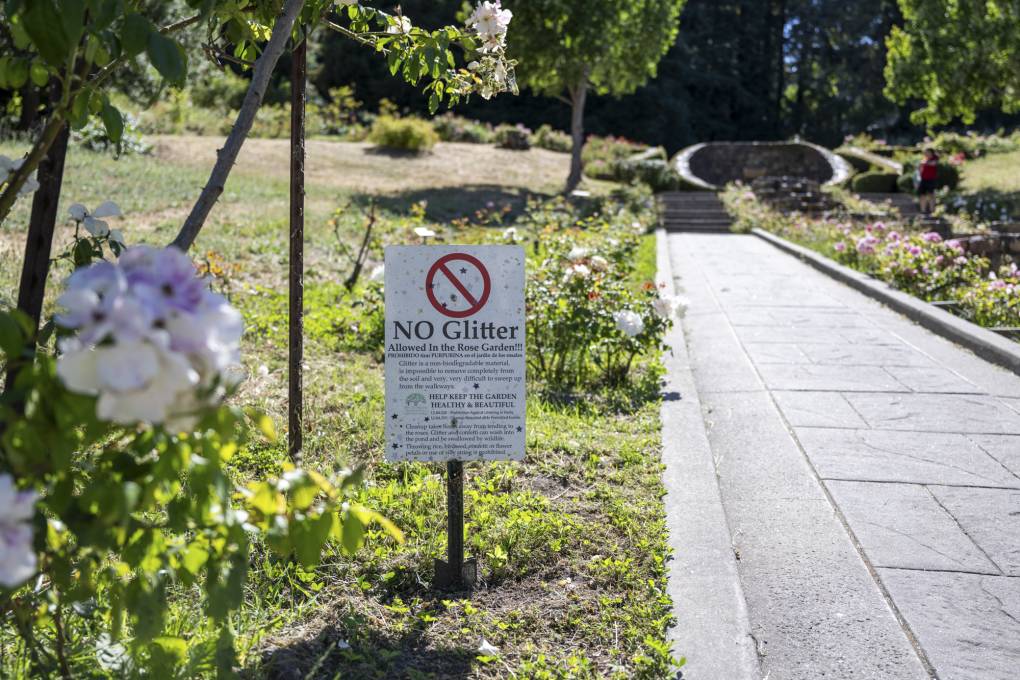
"caption": "A sign says, 'No Glitter' at the Morcom Rose Garden in Oakland on July 16, 2024.",
"credit": "Beth LaBerge/KQED",
"altTag": "The image shows a cement pathway leading through a rose garden. To the left of the path on the grass is a sign that reads \"NO GLITTER.\"",
"description": null,
"imgSizes": {
"medium": {
"file": "https://cdn.kqed.org/wp-content/uploads/sites/10/2024/07/240716-GLITTER-30-BL-KQED-800x533.jpg",
"width": 800,
"height": 533,
"mimeType": "image/jpeg"
},
"large": {
"file": "https://cdn.kqed.org/wp-content/uploads/sites/10/2024/07/240716-GLITTER-30-BL-KQED-1020x680.jpg",
"width": 1020,
"height": 680,
"mimeType": "image/jpeg"
},
"thumbnail": {
"file": "https://cdn.kqed.org/wp-content/uploads/sites/10/2024/07/240716-GLITTER-30-BL-KQED-160x107.jpg",
"width": 160,
"height": 107,
"mimeType": "image/jpeg"
},
"1536x1536": {
"file": "https://cdn.kqed.org/wp-content/uploads/sites/10/2024/07/240716-GLITTER-30-BL-KQED-1536x1024.jpg",
"width": 1536,
"height": 1024,
"mimeType": "image/jpeg"
},
"post-thumbnail": {
"file": "https://cdn.kqed.org/wp-content/uploads/sites/10/2024/07/240716-GLITTER-30-BL-KQED-672x372.jpg",
"width": 672,
"height": 372,
"mimeType": "image/jpeg"
},
"twentyfourteen-full-width": {
"file": "https://cdn.kqed.org/wp-content/uploads/sites/10/2024/07/240716-GLITTER-30-BL-KQED-1038x576.jpg",
"width": 1038,
"height": 576,
"mimeType": "image/jpeg"
},
"full-width": {
"file": "https://cdn.kqed.org/wp-content/uploads/sites/10/2024/07/240716-GLITTER-30-BL-KQED-1920x1280.jpg",
"width": 1920,
"height": 1280,
"mimeType": "image/jpeg"
},
"kqedFullSize": {
"file": "https://cdn.kqed.org/wp-content/uploads/sites/10/2024/07/240716-GLITTER-30-BL-KQED.jpg",
"width": 2000,
"height": 1333
}
},
"isLoading": false,
"fetchFailed": false
},
"news_11950162": {
"type": "attachments",
"id": "news_11950162",
"meta": {
"index": "attachments_1716263798",
"site": "news",
"id": "11950162",
"found": true
},
"title": "013_KQED_WoodStreet_JessicaFountaine_09082022",
"publishDate": 1684462667,
"status": "inherit",
"parent": 11949978,
"modified": 1720550121,
"caption": "Signs cover 2 RVs at the Wood Street encampment as Caltrans moved in to clear the area on May 18, 2023.",
"credit": "Beth LaBerge/KQED",
"altTag": "RVs in an encampment under a freeway ramp with signs that say 'Where do we go?' draped on the nearest RV.",
"description": null,
"imgSizes": {
"medium": {
"file": "https://cdn.kqed.org/wp-content/uploads/sites/10/2023/05/013_KQED_WoodStreet_JessicaFountaine_09082022-800x533.jpg",
"width": 800,
"height": 533,
"mimeType": "image/jpeg"
},
"large": {
"file": "https://cdn.kqed.org/wp-content/uploads/sites/10/2023/05/013_KQED_WoodStreet_JessicaFountaine_09082022-1020x680.jpg",
"width": 1020,
"height": 680,
"mimeType": "image/jpeg"
},
"thumbnail": {
"file": "https://cdn.kqed.org/wp-content/uploads/sites/10/2023/05/013_KQED_WoodStreet_JessicaFountaine_09082022-160x107.jpg",
"width": 160,
"height": 107,
"mimeType": "image/jpeg"
},
"1536x1536": {
"file": "https://cdn.kqed.org/wp-content/uploads/sites/10/2023/05/013_KQED_WoodStreet_JessicaFountaine_09082022-1536x1024.jpg",
"width": 1536,
"height": 1024,
"mimeType": "image/jpeg"
},
"post-thumbnail": {
"file": "https://cdn.kqed.org/wp-content/uploads/sites/10/2023/05/013_KQED_WoodStreet_JessicaFountaine_09082022-672x372.jpg",
"width": 672,
"height": 372,
"mimeType": "image/jpeg"
},
"twentyfourteen-full-width": {
"file": "https://cdn.kqed.org/wp-content/uploads/sites/10/2023/05/013_KQED_WoodStreet_JessicaFountaine_09082022-1038x576.jpg",
"width": 1038,
"height": 576,
"mimeType": "image/jpeg"
},
"kqedFullSize": {
"file": "https://cdn.kqed.org/wp-content/uploads/sites/10/2023/05/013_KQED_WoodStreet_JessicaFountaine_09082022.jpg",
"width": 1920,
"height": 1280
}
},
"isLoading": false,
"fetchFailed": false
},
"news_11993653": {
"type": "attachments",
"id": "news_11993653",
"meta": {
"index": "attachments_1716263798",
"site": "news",
"id": "11993653",
"found": true
},
"title": "240711-NEWSOM CARS-AF-01-KQED",
"publishDate": 1720723932,
"status": "inherit",
"parent": 12059728,
"modified": 1760392743,
"caption": "Gov, Gavin Newsom announced a fourfold increase in California Highway Patrol operations in the East Bay on July 11, 2024, at Berry Bros. Towing in West Oakland, backed by rows of cars recovered by CHP. He was joined by Oakland Police Chief Floyd Mitchell (left) and CHP Commissioner Sean Duryee (right).",
"credit": "Annelise Finney/KQED",
"altTag": null,
"description": null,
"imgSizes": {
"medium": {
"file": "https://cdn.kqed.org/wp-content/uploads/sites/10/2024/07/240711-NEWSOM-CARS-AF-01-KQED-800x533.jpg",
"width": 800,
"height": 533,
"mimeType": "image/jpeg"
},
"large": {
"file": "https://cdn.kqed.org/wp-content/uploads/sites/10/2024/07/240711-NEWSOM-CARS-AF-01-KQED-1020x680.jpg",
"width": 1020,
"height": 680,
"mimeType": "image/jpeg"
},
"thumbnail": {
"file": "https://cdn.kqed.org/wp-content/uploads/sites/10/2024/07/240711-NEWSOM-CARS-AF-01-KQED-160x107.jpg",
"width": 160,
"height": 107,
"mimeType": "image/jpeg"
},
"1536x1536": {
"file": "https://cdn.kqed.org/wp-content/uploads/sites/10/2024/07/240711-NEWSOM-CARS-AF-01-KQED-1536x1024.jpg",
"width": 1536,
"height": 1024,
"mimeType": "image/jpeg"
},
"post-thumbnail": {
"file": "https://cdn.kqed.org/wp-content/uploads/sites/10/2024/07/240711-NEWSOM-CARS-AF-01-KQED-672x372.jpg",
"width": 672,
"height": 372,
"mimeType": "image/jpeg"
},
"twentyfourteen-full-width": {
"file": "https://cdn.kqed.org/wp-content/uploads/sites/10/2024/07/240711-NEWSOM-CARS-AF-01-KQED-1038x576.jpg",
"width": 1038,
"height": 576,
"mimeType": "image/jpeg"
},
"full-width": {
"file": "https://cdn.kqed.org/wp-content/uploads/sites/10/2024/07/240711-NEWSOM-CARS-AF-01-KQED-1920x1280.jpg",
"width": 1920,
"height": 1280,
"mimeType": "image/jpeg"
},
"kqedFullSize": {
"file": "https://cdn.kqed.org/wp-content/uploads/sites/10/2024/07/240711-NEWSOM-CARS-AF-01-KQED.jpg",
"width": 2000,
"height": 1333
}
},
"isLoading": false,
"fetchFailed": false
},
"news_11991627": {
"type": "attachments",
"id": "news_11991627",
"meta": {
"index": "attachments_1716263798",
"site": "news",
"id": "11991627",
"found": true
},
"title": "GettyImages-2157862759-KQED",
"publishDate": 1719154409,
"status": "inherit",
"parent": 12064908,
"modified": 1763682798,
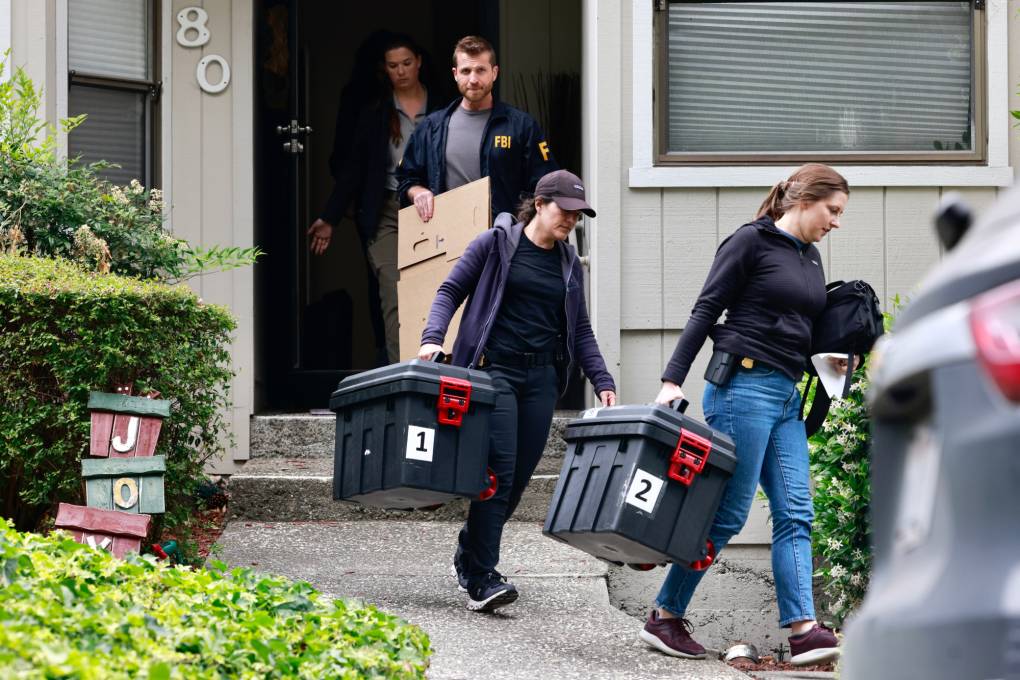
"caption": "FBI agents raid the Maiden Lane home of Oakland Mayor Sheng Thao on June 20, 2024. ",
"credit": "Jessica Christian/San Francisco Chronicle via Getty Images",
"altTag": null,
"description": null,
"imgSizes": {
"medium": {
"file": "https://cdn.kqed.org/wp-content/uploads/sites/10/2024/06/GettyImages-2157862759-KQED-800x534.jpg",
"width": 800,
"height": 534,
"mimeType": "image/jpeg"
},
"large": {
"file": "https://cdn.kqed.org/wp-content/uploads/sites/10/2024/06/GettyImages-2157862759-KQED-1020x680.jpg",
"width": 1020,
"height": 680,
"mimeType": "image/jpeg"
},
"thumbnail": {
"file": "https://cdn.kqed.org/wp-content/uploads/sites/10/2024/06/GettyImages-2157862759-KQED-160x107.jpg",
"width": 160,
"height": 107,
"mimeType": "image/jpeg"
},
"1536x1536": {
"file": "https://cdn.kqed.org/wp-content/uploads/sites/10/2024/06/GettyImages-2157862759-KQED-1536x1025.jpg",
"width": 1536,
"height": 1025,
"mimeType": "image/jpeg"
},
"post-thumbnail": {
"file": "https://cdn.kqed.org/wp-content/uploads/sites/10/2024/06/GettyImages-2157862759-KQED-672x372.jpg",
"width": 672,
"height": 372,
"mimeType": "image/jpeg"
},
"twentyfourteen-full-width": {
"file": "https://cdn.kqed.org/wp-content/uploads/sites/10/2024/06/GettyImages-2157862759-KQED-1038x576.jpg",
"width": 1038,
"height": 576,
"mimeType": "image/jpeg"
},
"full-width": {
"file": "https://cdn.kqed.org/wp-content/uploads/sites/10/2024/06/GettyImages-2157862759-KQED-1920x1281.jpg",
"width": 1920,
"height": 1281,
"mimeType": "image/jpeg"
},
"kqedFullSize": {
"file": "https://cdn.kqed.org/wp-content/uploads/sites/10/2024/06/GettyImages-2157862759-KQED.jpg",
"width": 2000,
"height": 1334
}
},
"isLoading": false,
"fetchFailed": false
},
"news_11992891": {
"type": "attachments",
"id": "news_11992891",
"meta": {
"index": "attachments_1716263798",
"site": "news",
"id": "11992891",
"found": true
},
"title": "Seattle Mariners v Oakland Athletics",
"publishDate": 1719963193,
"status": "inherit",
"parent": 11992883,
"modified": 1719965246,
"caption": "During Tuesday’s meeting, the Oakland City Council voted 5–3 to approve a version of the city budget originally introduced by Mayor Sheng Thao’s office on May 24, with a contingency plan should the Coliseum sale not go through by September.",
"credit": "Thearon W. Henderson/Getty Images",
"altTag": null,
"description": null,
"imgSizes": {
"medium": {
"file": "https://cdn.kqed.org/wp-content/uploads/sites/10/2024/07/Oakland-Coliseum_-Getty-Images-800x540.jpg",
"width": 800,
"height": 540,
"mimeType": "image/jpeg"
},
"large": {
"file": "https://cdn.kqed.org/wp-content/uploads/sites/10/2024/07/Oakland-Coliseum_-Getty-Images-1020x689.jpg",
"width": 1020,
"height": 689,
"mimeType": "image/jpeg"
},
"thumbnail": {
"file": "https://cdn.kqed.org/wp-content/uploads/sites/10/2024/07/Oakland-Coliseum_-Getty-Images-160x108.jpg",
"width": 160,
"height": 108,
"mimeType": "image/jpeg"
},
"1536x1536": {
"file": "https://cdn.kqed.org/wp-content/uploads/sites/10/2024/07/Oakland-Coliseum_-Getty-Images-1536x1037.jpg",
"width": 1536,
"height": 1037,
"mimeType": "image/jpeg"
},
"post-thumbnail": {
"file": "https://cdn.kqed.org/wp-content/uploads/sites/10/2024/07/Oakland-Coliseum_-Getty-Images-672x372.jpg",
"width": 672,
"height": 372,
"mimeType": "image/jpeg"
},
"twentyfourteen-full-width": {
"file": "https://cdn.kqed.org/wp-content/uploads/sites/10/2024/07/Oakland-Coliseum_-Getty-Images-1038x576.jpg",
"width": 1038,
"height": 576,
"mimeType": "image/jpeg"
},
"full-width": {
"file": "https://cdn.kqed.org/wp-content/uploads/sites/10/2024/07/Oakland-Coliseum_-Getty-Images-1920x1296.jpg",
"width": 1920,
"height": 1296,
"mimeType": "image/jpeg"
},
"kqedFullSize": {
"file": "https://cdn.kqed.org/wp-content/uploads/sites/10/2024/07/Oakland-Coliseum_-Getty-Images.jpg",
"width": 2000,
"height": 1350
}
},
"isLoading": false,
"fetchFailed": false
},
"news_11992755": {
"type": "attachments",
"id": "news_11992755",
"meta": {
"index": "attachments_1716263798",
"site": "news",
"id": "11992755",
"found": true
},
"title": "230802-OAKLAND CITY HALL-MHN-03",
"publishDate": 1719875843,
"status": "inherit",
"parent": 11992752,
"modified": 1728341527,
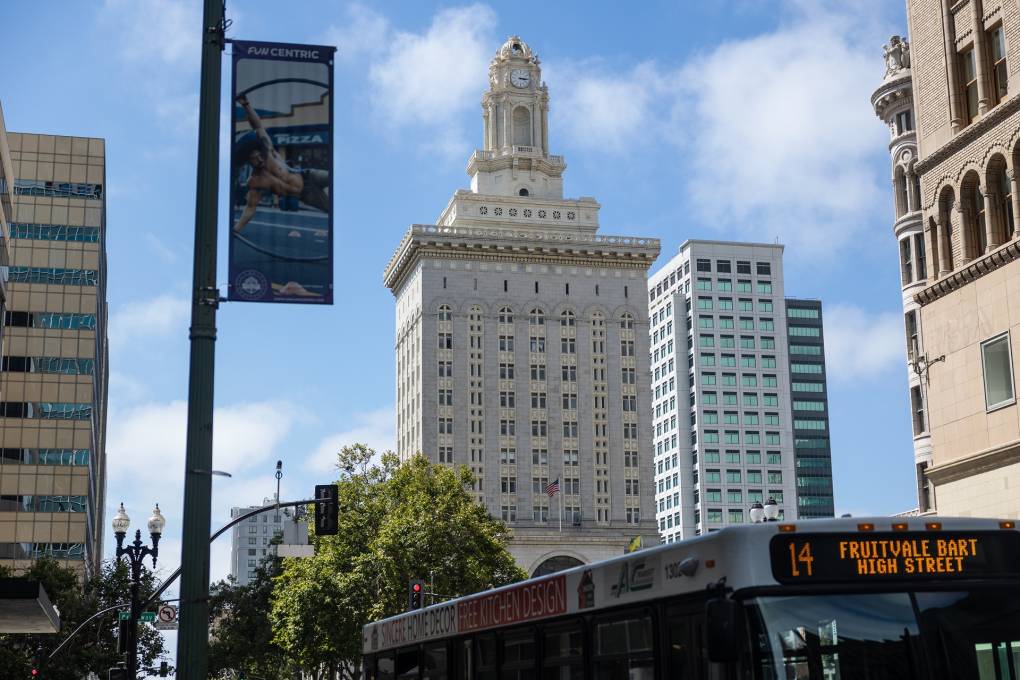
"caption": "Oakland City Hall in downtown Oakland on Aug. 2, 2023. ",
"credit": "Martin do Nascimento/KQED",
"altTag": null,
"description": null,
"imgSizes": {
"medium": {
"file": "https://cdn.kqed.org/wp-content/uploads/sites/10/2024/07/230802-OAKLAND-CITY-HALL-MHN-03-800x533.jpg",
"width": 800,
"height": 533,
"mimeType": "image/jpeg"
},
"large": {
"file": "https://cdn.kqed.org/wp-content/uploads/sites/10/2024/07/230802-OAKLAND-CITY-HALL-MHN-03-1020x680.jpg",
"width": 1020,
"height": 680,
"mimeType": "image/jpeg"
},
"thumbnail": {
"file": "https://cdn.kqed.org/wp-content/uploads/sites/10/2024/07/230802-OAKLAND-CITY-HALL-MHN-03-160x107.jpg",
"width": 160,
"height": 107,
"mimeType": "image/jpeg"
},
"1536x1536": {
"file": "https://cdn.kqed.org/wp-content/uploads/sites/10/2024/07/230802-OAKLAND-CITY-HALL-MHN-03-1536x1024.jpg",
"width": 1536,
"height": 1024,
"mimeType": "image/jpeg"
},
"post-thumbnail": {
"file": "https://cdn.kqed.org/wp-content/uploads/sites/10/2024/07/230802-OAKLAND-CITY-HALL-MHN-03-672x372.jpg",
"width": 672,
"height": 372,
"mimeType": "image/jpeg"
},
"twentyfourteen-full-width": {
"file": "https://cdn.kqed.org/wp-content/uploads/sites/10/2024/07/230802-OAKLAND-CITY-HALL-MHN-03-1038x576.jpg",
"width": 1038,
"height": 576,
"mimeType": "image/jpeg"
},
"full-width": {
"file": "https://cdn.kqed.org/wp-content/uploads/sites/10/2024/07/230802-OAKLAND-CITY-HALL-MHN-03-1920x1280.jpg",
"width": 1920,
"height": 1280,
"mimeType": "image/jpeg"
},
"kqedFullSize": {
"file": "https://cdn.kqed.org/wp-content/uploads/sites/10/2024/07/230802-OAKLAND-CITY-HALL-MHN-03.jpg",
"width": 2000,
"height": 1333
}
},
"isLoading": false,
"fetchFailed": false
},
"news_11992371": {
"type": "attachments",
"id": "news_11992371",
"meta": {
"index": "attachments_1716263798",
"site": "news",
"id": "11992371",
"found": true
},
"title": "230802-OAKLAND CITY HALL-MHN-01",
"publishDate": 1719593404,
"status": "inherit",
"parent": 11992367,
"modified": 1719593445,
"caption": "Oakland City Hall in downtown Oakland on Aug. 2, 2023.",
"credit": "Martin do Nascimento/KQED",
"altTag": null,
"description": null,
"imgSizes": {
"medium": {
"file": "https://cdn.kqed.org/wp-content/uploads/sites/10/2024/06/230802-OAKLAND-CITY-HALL-MHN-01-800x533.jpg",
"width": 800,
"height": 533,
"mimeType": "image/jpeg"
},
"large": {
"file": "https://cdn.kqed.org/wp-content/uploads/sites/10/2024/06/230802-OAKLAND-CITY-HALL-MHN-01-1020x680.jpg",
"width": 1020,
"height": 680,
"mimeType": "image/jpeg"
},
"thumbnail": {
"file": "https://cdn.kqed.org/wp-content/uploads/sites/10/2024/06/230802-OAKLAND-CITY-HALL-MHN-01-160x107.jpg",
"width": 160,
"height": 107,
"mimeType": "image/jpeg"
},
"1536x1536": {
"file": "https://cdn.kqed.org/wp-content/uploads/sites/10/2024/06/230802-OAKLAND-CITY-HALL-MHN-01-1536x1024.jpg",
"width": 1536,
"height": 1024,
"mimeType": "image/jpeg"
},
"post-thumbnail": {
"file": "https://cdn.kqed.org/wp-content/uploads/sites/10/2024/06/230802-OAKLAND-CITY-HALL-MHN-01-672x372.jpg",
"width": 672,
"height": 372,
"mimeType": "image/jpeg"
},
"twentyfourteen-full-width": {
"file": "https://cdn.kqed.org/wp-content/uploads/sites/10/2024/06/230802-OAKLAND-CITY-HALL-MHN-01-1038x576.jpg",
"width": 1038,
"height": 576,
"mimeType": "image/jpeg"
},
"kqedFullSize": {
"file": "https://cdn.kqed.org/wp-content/uploads/sites/10/2024/06/230802-OAKLAND-CITY-HALL-MHN-01.jpg",
"width": 1920,
"height": 1280
}
},
"isLoading": false,
"fetchFailed": false
},
"news_11988349": {
"type": "attachments",
"id": "news_11988349",
"meta": {
"index": "attachments_1716263798",
"site": "news",
"id": "11988349",
"found": true
},
"title": "KQED_Podcast_tiles_-_NPR_network_The_Bay",
"publishDate": 1717110998,
"status": "inherit",
"parent": 11988346,
"modified": 1717110998,
"caption": null,
"credit": null,
"altTag": null,
"description": null,
"imgSizes": {
"thumbnail": {
"file": "https://cdn.kqed.org/wp-content/uploads/sites/10/2024/05/KQED_Podcast_tiles_-_NPR_network_The_Bay-2-160x160.png",
"width": 160,
"height": 160,
"mimeType": "image/png"
},
"kqedFullSize": {
"file": "https://cdn.kqed.org/wp-content/uploads/sites/10/2024/05/KQED_Podcast_tiles_-_NPR_network_The_Bay-2.png",
"width": 300,
"height": 300
}
},
"isLoading": false,
"fetchFailed": false
},
"news_11992217": {
"type": "attachments",
"id": "news_11992217",
"meta": {
"index": "attachments_1716263798",
"site": "news",
"id": "11992217",
"found": true
},
"title": "oakland warehouse fire",
"publishDate": 1719503380,
"status": "inherit",
"parent": 11992215,
"modified": 1719503454,
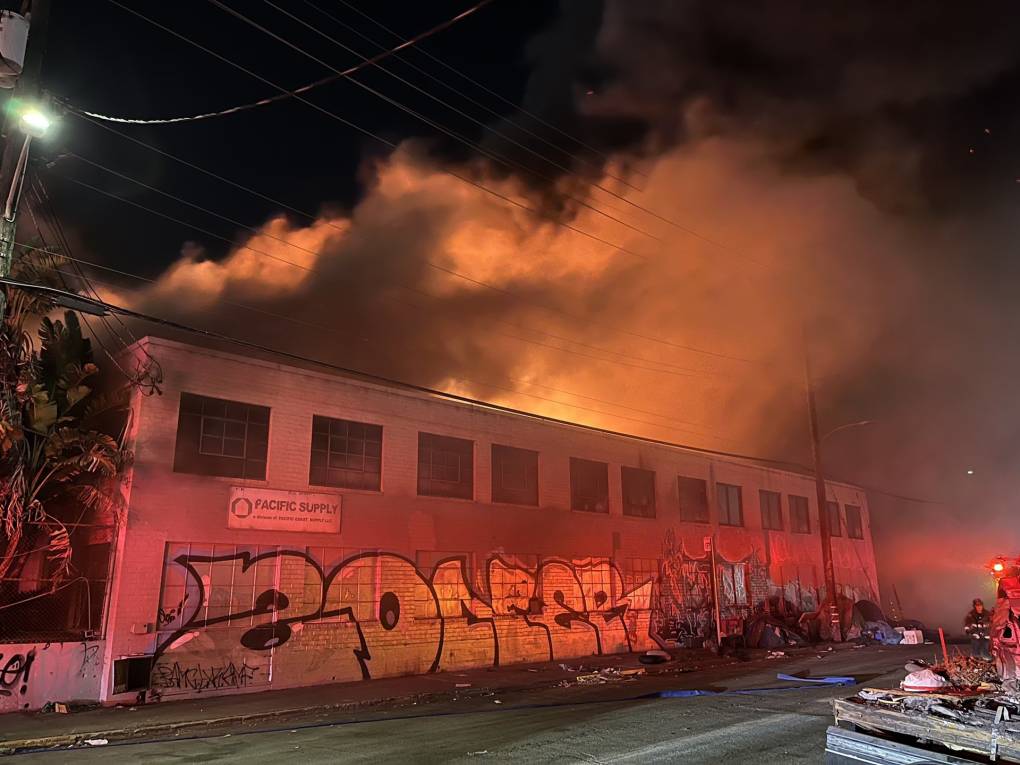
"caption": "Oakland firefighters battle a three-alarm fire at a warehouse near Interstate 880 late the night of June 26, 2024.",
"credit": "Courtesy of Oakland Fire Department",
"altTag": null,
"description": null,
"imgSizes": {
"medium": {
"file": "https://cdn.kqed.org/wp-content/uploads/sites/10/2024/06/oakland-warehouse-fire-800x600.jpg",
"width": 800,
"height": 600,
"mimeType": "image/jpeg"
},
"large": {
"file": "https://cdn.kqed.org/wp-content/uploads/sites/10/2024/06/oakland-warehouse-fire-1020x765.jpg",
"width": 1020,
"height": 765,
"mimeType": "image/jpeg"
},
"thumbnail": {
"file": "https://cdn.kqed.org/wp-content/uploads/sites/10/2024/06/oakland-warehouse-fire-160x120.jpg",
"width": 160,
"height": 120,
"mimeType": "image/jpeg"
},
"1536x1536": {
"file": "https://cdn.kqed.org/wp-content/uploads/sites/10/2024/06/oakland-warehouse-fire-1536x1152.jpg",
"width": 1536,
"height": 1152,
"mimeType": "image/jpeg"
},
"post-thumbnail": {
"file": "https://cdn.kqed.org/wp-content/uploads/sites/10/2024/06/oakland-warehouse-fire-672x372.jpg",
"width": 672,
"height": 372,
"mimeType": "image/jpeg"
},
"twentyfourteen-full-width": {
"file": "https://cdn.kqed.org/wp-content/uploads/sites/10/2024/06/oakland-warehouse-fire-1038x576.jpg",
"width": 1038,
"height": 576,
"mimeType": "image/jpeg"
},
"kqedFullSize": {
"file": "https://cdn.kqed.org/wp-content/uploads/sites/10/2024/06/oakland-warehouse-fire.jpg",
"width": 1920,
"height": 1440
}
},
"isLoading": false,
"fetchFailed": false
},
"news_11992199": {
"type": "attachments",
"id": "news_11992199",
"meta": {
"index": "attachments_1716263798",
"site": "news",
"id": "11992199",
"found": true
},
"title": "image",
"publishDate": 1719457477,
"status": "inherit",
"parent": 11992142,
"modified": 1719459134,
"caption": "Children play under a giant parachute at Lincoln Square Park in Oakland on May 24, 2024. Last year, the city of Oakland introduced its 'Ready, Set, Go' program, providing educational and social services to families experiencing housing instability, via an RV converted into a mobile Head Start classroom. ",
"credit": "Gina Castro/KQED",
"altTag": "A small Asian boy runs, smiling, under a multicolored parachute, as his mother and another younger boy watch.",
"description": null,
"imgSizes": {
"medium": {
"file": "https://cdn.kqed.org/wp-content/uploads/sites/10/2024/06/image-800x536.png",
"width": 800,
"height": 536,
"mimeType": "image/png"
},
"large": {
"file": "https://cdn.kqed.org/wp-content/uploads/sites/10/2024/06/image-1020x684.png",
"width": 1020,
"height": 684,
"mimeType": "image/png"
},
"thumbnail": {
"file": "https://cdn.kqed.org/wp-content/uploads/sites/10/2024/06/image-160x107.png",
"width": 160,
"height": 107,
"mimeType": "image/png"
},
"post-thumbnail": {
"file": "https://cdn.kqed.org/wp-content/uploads/sites/10/2024/06/image-672x372.png",
"width": 672,
"height": 372,
"mimeType": "image/png"
},
"twentyfourteen-full-width": {
"file": "https://cdn.kqed.org/wp-content/uploads/sites/10/2024/06/image-1038x576.png",
"width": 1038,
"height": 576,
"mimeType": "image/png"
},
"kqedFullSize": {
"file": "https://cdn.kqed.org/wp-content/uploads/sites/10/2024/06/image.png",
"width": 1193,
"height": 800
}
},
"isLoading": false,
"fetchFailed": false
},
"news_11992169": {
"type": "attachments",
"id": "news_11992169",
"meta": {
"index": "attachments_1716263798",
"site": "news",
"id": "11992169",
"found": true
},
"title": "SFChronicleVirusDaily",
"publishDate": 1719445125,
"status": "inherit",
"parent": 11992073,
"modified": 1769723580,
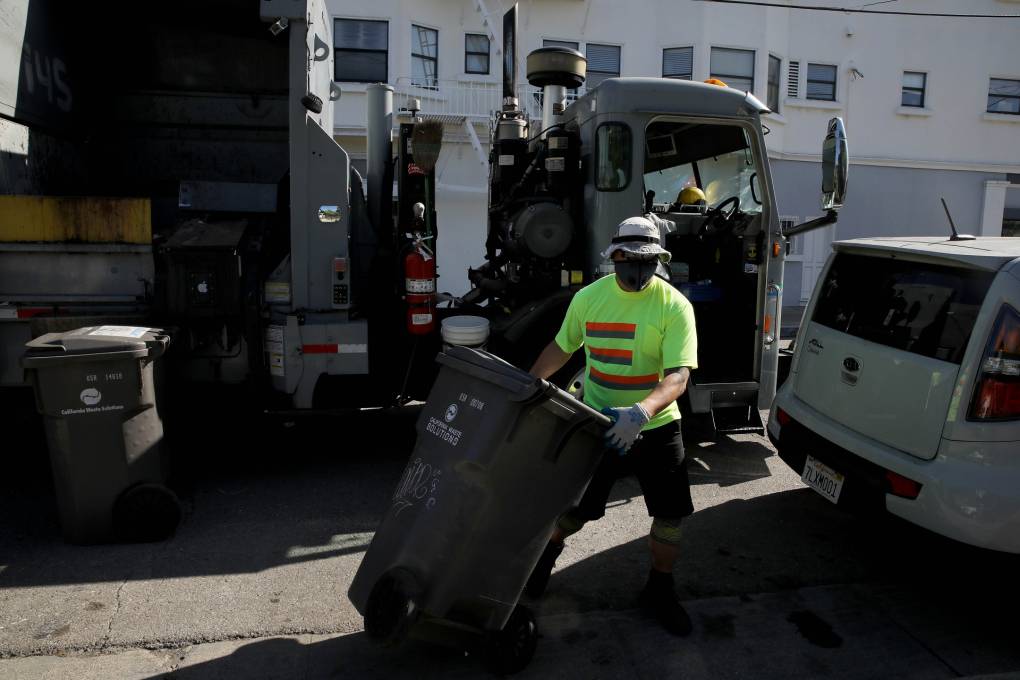
"caption": "A California Waste Solutions worker empties recycling bins in the Rockridge neighborhood on April 22, 2020, in Oakland, California. A campaign finance investigation into the city’s curbside recycling contractor, has received renewed attention since the FBI raids.",
"credit": "Yalonda M. James/The San Francisco Chronicle via Getty Images",
"altTag": null,
"description": null,
"imgSizes": {
"medium": {
"file": "https://cdn.kqed.org/wp-content/uploads/sites/10/2024/06/CalWasteSolutionsWorker01-800x533.jpg",
"width": 800,
"height": 533,
"mimeType": "image/jpeg"
},
"large": {
"file": "https://cdn.kqed.org/wp-content/uploads/sites/10/2024/06/CalWasteSolutionsWorker01-1020x680.jpg",
"width": 1020,
"height": 680,
"mimeType": "image/jpeg"
},
"thumbnail": {
"file": "https://cdn.kqed.org/wp-content/uploads/sites/10/2024/06/CalWasteSolutionsWorker01-160x107.jpg",
"width": 160,
"height": 107,
"mimeType": "image/jpeg"
},
"1536x1536": {
"file": "https://cdn.kqed.org/wp-content/uploads/sites/10/2024/06/CalWasteSolutionsWorker01-1536x1024.jpg",
"width": 1536,
"height": 1024,
"mimeType": "image/jpeg"
},
"post-thumbnail": {
"file": "https://cdn.kqed.org/wp-content/uploads/sites/10/2024/06/CalWasteSolutionsWorker01-672x372.jpg",
"width": 672,
"height": 372,
"mimeType": "image/jpeg"
},
"twentyfourteen-full-width": {
"file": "https://cdn.kqed.org/wp-content/uploads/sites/10/2024/06/CalWasteSolutionsWorker01-1038x576.jpg",
"width": 1038,
"height": 576,
"mimeType": "image/jpeg"
},
"kqedFullSize": {
"file": "https://cdn.kqed.org/wp-content/uploads/sites/10/2024/06/CalWasteSolutionsWorker01.jpg",
"width": 1920,
"height": 1280
}
},
"isLoading": false,
"fetchFailed": false
},
"news_11992098": {
"type": "attachments",
"id": "news_11992098",
"meta": {
"index": "attachments_1716263798",
"site": "news",
"id": "11992098",
"found": true
},
"title": "240313-BART CRISIS INTERVENTION UNIT-MD-15",
"publishDate": 1719434084,
"status": "inherit",
"parent": 11992041,
"modified": 1726695343,
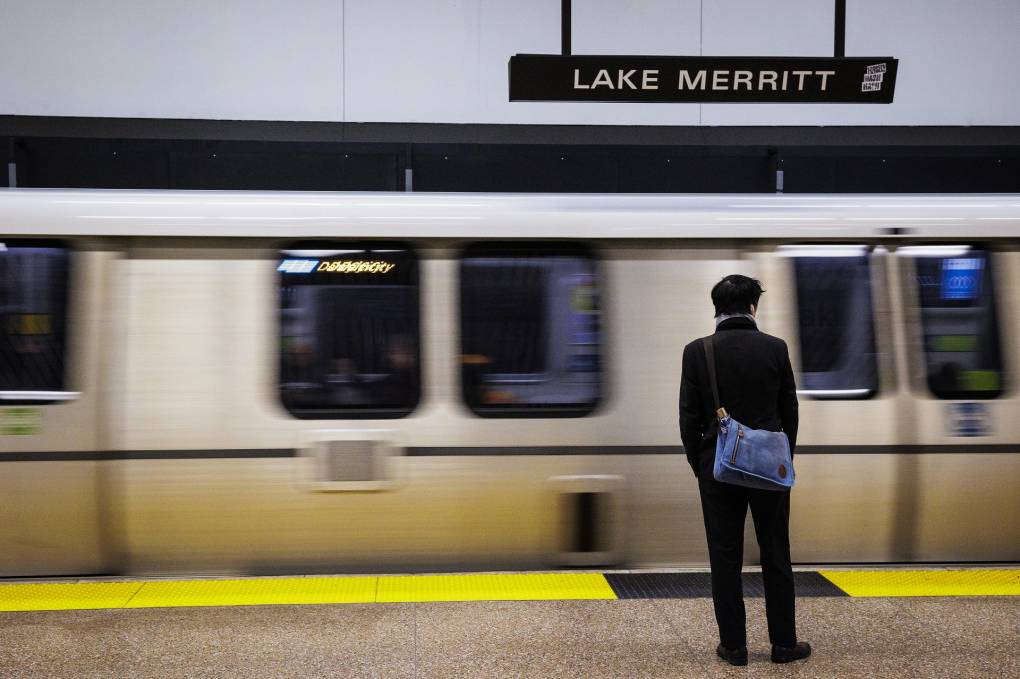
"caption": "A passenger watches a train go by at the Lake Merritt BART station on March 13, 2024.",
"credit": "Martin do Nascimento/KQED",
"altTag": "A man stands at a train platform as a train leaves the station. A sign above says \"Lake Merritt.\"",
"description": null,
"imgSizes": {
"medium": {
"file": "https://cdn.kqed.org/wp-content/uploads/sites/10/2024/06/240313-BART-CRISIS-INTERVENTION-UNIT-MD-15-800x533.jpg",
"width": 800,
"height": 533,
"mimeType": "image/jpeg"
},
"large": {
"file": "https://cdn.kqed.org/wp-content/uploads/sites/10/2024/06/240313-BART-CRISIS-INTERVENTION-UNIT-MD-15-1020x679.jpg",
"width": 1020,
"height": 679,
"mimeType": "image/jpeg"
},
"thumbnail": {
"file": "https://cdn.kqed.org/wp-content/uploads/sites/10/2024/06/240313-BART-CRISIS-INTERVENTION-UNIT-MD-15-160x107.jpg",
"width": 160,
"height": 107,
"mimeType": "image/jpeg"
},
"1536x1536": {
"file": "https://cdn.kqed.org/wp-content/uploads/sites/10/2024/06/240313-BART-CRISIS-INTERVENTION-UNIT-MD-15-1536x1023.jpg",
"width": 1536,
"height": 1023,
"mimeType": "image/jpeg"
},
"post-thumbnail": {
"file": "https://cdn.kqed.org/wp-content/uploads/sites/10/2024/06/240313-BART-CRISIS-INTERVENTION-UNIT-MD-15-672x372.jpg",
"width": 672,
"height": 372,
"mimeType": "image/jpeg"
},
"twentyfourteen-full-width": {
"file": "https://cdn.kqed.org/wp-content/uploads/sites/10/2024/06/240313-BART-CRISIS-INTERVENTION-UNIT-MD-15-1038x576.jpg",
"width": 1038,
"height": 576,
"mimeType": "image/jpeg"
},
"kqedFullSize": {
"file": "https://cdn.kqed.org/wp-content/uploads/sites/10/2024/06/240313-BART-CRISIS-INTERVENTION-UNIT-MD-15.jpg",
"width": 1920,
"height": 1279
}
},
"isLoading": false,
"fetchFailed": false
}
},
"audioPlayerReducer": {
"postId": "stream_live",
"isPaused": true,
"isPlaying": false,
"pfsActive": false,
"pledgeModalIsOpen": true,
"playerDrawerIsOpen": false,
"liveAudioPlayStartedAt": 0,
"liveAudioPlayContext": ""
},
"authorsReducer": {
"danbrekke": {
"type": "authors",
"id": "222",
"meta": {
"index": "authors_1716337520",
"id": "222",
"found": true
},
"name": "Dan Brekke",
"firstName": "Dan",
"lastName": "Brekke",
"slug": "danbrekke",
"email": "dbrekke@kqed.org",
"display_author_email": true,
"staff_mastheads": [
"news",
"science"
],
"title": "KQED Editor and Reporter",
"bio": "Dan Brekke is a reporter and editor for KQED News, responsible for coverage of topics ranging from California water issues to the Bay Area's transportation challenges. In a newsroom career that began in Chicago in 1972, Dan has worked for \u003cem>The San Francisco Examiner,\u003c/em> Wired and TechTV and has been published in The New York Times, The New York Times Magazine, Business 2.0, Salon and elsewhere.\r\n\r\nSince joining KQED in 2007, Dan has reported, edited and produced both radio and online features and breaking news pieces. He has shared as both editor and reporter in four Society of Professional Journalists Norcal Excellence in Journalism awards and one Edward R. Murrow regional award. He was chosen for a spring 2017 residency at the Mesa Refuge to advance his research on California salmon.\r\n\r\nEmail Dan at: \u003ca href=\"mailto:dbrekke@kqed.org\">dbrekke@kqed.org\u003c/a>\r\n\r\n\u003cstrong>Twitter:\u003c/strong> \u003ca href=\"https://twitter.com/danbrekke\" rel=\"noopener noreferrer\">twitter.com/danbrekke\u003c/a>\r\n\u003cstrong>Facebook:\u003c/strong> \u003ca href=\"https://www.facebook.com/danbrekke\" rel=\"noopener noreferrer\">www.facebook.com/danbrekke\u003c/a>\r\n\u003cstrong>LinkedIn:\u003c/strong> \u003ca href=\"https://www.linkedin.com/in/danbrekke\" rel=\"noopener noreferrer\">www.linkedin.com/in/danbrekke\u003c/a>",
"avatar": "https://secure.gravatar.com/avatar/c8126230345efca3f7aa89b1a402be45?s=600&d=mm&r=g",
"twitter": "danbrekke",
"facebook": null,
"instagram": "https://www.instagram.com/dan.brekke/",
"linkedin": "https://www.linkedin.com/in/danbrekke/",
"sites": [
{
"site": "news",
"roles": [
"administrator",
"create_posts"
]
},
{
"site": "stateofhealth",
"roles": [
"editor"
]
},
{
"site": "science",
"roles": [
"editor"
]
},
{
"site": "quest",
"roles": [
"contributor"
]
},
{
"site": "food",
"roles": [
"contributor"
]
},
{
"site": "forum",
"roles": [
"contributor"
]
},
{
"site": "liveblog",
"roles": [
"editor"
]
}
],
"headData": {
"title": "Dan Brekke | KQED",
"description": "KQED Editor and Reporter",
"ogImgSrc": "https://secure.gravatar.com/avatar/c8126230345efca3f7aa89b1a402be45?s=600&d=mm&r=g",
"twImgSrc": "https://secure.gravatar.com/avatar/c8126230345efca3f7aa89b1a402be45?s=600&d=mm&r=g"
},
"isLoading": false,
"link": "/author/danbrekke"
},
"ecruzguevarra": {
"type": "authors",
"id": "8654",
"meta": {
"index": "authors_1716337520",
"id": "8654",
"found": true
},
"name": "Ericka Cruz Guevarra",
"firstName": "Ericka",
"lastName": "Cruz Guevarra",
"slug": "ecruzguevarra",
"email": "ecruzguevarra@kqed.org",
"display_author_email": true,
"staff_mastheads": [
"news"
],
"title": "Producer, The Bay Podcast",
"bio": "Ericka Cruz Guevarra is host of \u003ca href=\"https://www.kqed.org/podcasts/thebay\">\u003cem>The Bay\u003c/em>\u003c/a> podcast at KQED. Before host, she was the show’s producer. Her work in that capacity includes a three-part reported series on policing in Vallejo, which won a 2020 excellence in journalism award from the Society of Professional Journalists. Ericka has worked as a breaking news reporter at Oregon Public Broadcasting, helped produce the Code Switch podcast, and was KQED’s inaugural Raul Ramirez Diversity Fund intern. She’s also an alumna of NPR’s Next Generation Radio program. Send her an email if you have strong feelings about whether Fairfield and Suisun City are the Bay. Ericka is represented by SAG-AFTRA.",
"avatar": "https://secure.gravatar.com/avatar/25e5ab8d3d53fad2dcc7bb2b5c506b1a?s=600&d=blank&r=g",
"twitter": "NotoriousECG",
"facebook": null,
"instagram": null,
"linkedin": null,
"sites": [
{
"site": "arts",
"roles": [
"subscriber"
]
},
{
"site": "news",
"roles": [
"editor",
"manage_categories"
]
},
{
"site": "futureofyou",
"roles": [
"subscriber"
]
},
{
"site": "stateofhealth",
"roles": [
"subscriber"
]
},
{
"site": "science",
"roles": [
"editor"
]
},
{
"site": "forum",
"roles": [
"subscriber"
]
}
],
"headData": {
"title": "Ericka Cruz Guevarra | KQED",
"description": "Producer, The Bay Podcast",
"ogImgSrc": "https://secure.gravatar.com/avatar/25e5ab8d3d53fad2dcc7bb2b5c506b1a?s=600&d=blank&r=g",
"twImgSrc": "https://secure.gravatar.com/avatar/25e5ab8d3d53fad2dcc7bb2b5c506b1a?s=600&d=blank&r=g"
},
"isLoading": false,
"link": "/author/ecruzguevarra"
},
"vrancano": {
"type": "authors",
"id": "11276",
"meta": {
"index": "authors_1716337520",
"id": "11276",
"found": true
},
"name": "Vanessa Rancaño",
"firstName": "Vanessa",
"lastName": "Rancaño",
"slug": "vrancano",
"email": "vrancano@kqed.org",
"display_author_email": false,
"staff_mastheads": [
"news"
],
"title": "Reporter",
"bio": "Vanessa Rancaño is a features reporter for KQED. She’s also covered homelessness and education for the station and reported from the Central Valley. Her work has aired across public radio, from flagship national news shows to longform narrative podcasts. Before taking up a mic, she worked as a freelance print journalist. She’s been recognized with a number of national and regional awards. Vanessa grew up in California's Central Valley. She's a former NPR Kroc Fellow, and a graduate of the UC Berkeley Graduate School of Journalism.",
"avatar": "https://secure.gravatar.com/avatar/b3a383dfb0e7ee1c17568f2cf067904ab654d6e3de9743fc661f3c788ade1bed?s=600&d=blank&r=g",
"twitter": "vanessarancano",
"bluesky": null,
"facebook": null,
"instagram": null,
"linkedin": null,
"sites": [
{
"site": "arts",
"roles": [
"editor"
]
},
{
"site": "news",
"roles": [
"editor"
]
},
{
"site": "liveblog",
"roles": [
"contributor"
]
}
],
"headData": {
"title": "Vanessa Rancaño | KQED",
"description": "Reporter",
"ogImgSrc": "https://secure.gravatar.com/avatar/b3a383dfb0e7ee1c17568f2cf067904ab654d6e3de9743fc661f3c788ade1bed?s=600&d=blank&r=g",
"twImgSrc": "https://secure.gravatar.com/avatar/b3a383dfb0e7ee1c17568f2cf067904ab654d6e3de9743fc661f3c788ade1bed?s=600&d=blank&r=g"
},
"isLoading": false,
"link": "/author/vrancano"
},
"amontecillo": {
"type": "authors",
"id": "11649",
"meta": {
"index": "authors_1716337520",
"id": "11649",
"found": true
},
"name": "Alan Montecillo",
"firstName": "Alan",
"lastName": "Montecillo",
"slug": "amontecillo",
"email": "amontecillo@kqed.org",
"display_author_email": false,
"staff_mastheads": [
"news"
],
"title": "KQED Contributor",
"bio": "Alan Montecillo is the senior editor of \u003cem>\u003ca href=\"http://kqed.org/thebay\">The Bay\u003c/a>, \u003c/em> KQED's local news podcast. Before moving to the Bay Area, he worked as a senior talk show producer for WILL in Champaign-Urbana, Illinois and at Oregon Public Broadcasting in Portland, Oregon. He has won journalism awards from the Society of Professional Journalists Northern California, the Public Media Journalists Association, The Signal Awards, and has also received a regional Edward R. Murrow award. Alan is a Filipino American from Hong Kong and a graduate of Reed College.",
"avatar": "https://secure.gravatar.com/avatar/d5e4e7a76481969ccba76f4e2b5ccabc?s=600&d=blank&r=g",
"twitter": "alanmontecillo",
"facebook": null,
"instagram": null,
"linkedin": null,
"sites": [
{
"site": "",
"roles": [
"editor"
]
},
{
"site": "news",
"roles": [
"editor",
"manage_categories"
]
}
],
"headData": {
"title": "Alan Montecillo | KQED",
"description": "KQED Contributor",
"ogImgSrc": "https://secure.gravatar.com/avatar/d5e4e7a76481969ccba76f4e2b5ccabc?s=600&d=blank&r=g",
"twImgSrc": "https://secure.gravatar.com/avatar/d5e4e7a76481969ccba76f4e2b5ccabc?s=600&d=blank&r=g"
},
"isLoading": false,
"link": "/author/amontecillo"
},
"cbeale": {
"type": "authors",
"id": "11749",
"meta": {
"index": "authors_1716337520",
"id": "11749",
"found": true
},
"name": "Christopher Beale",
"firstName": "Christopher",
"lastName": "Beale",
"slug": "cbeale",
"email": "cbeale@kqed.org",
"display_author_email": true,
"staff_mastheads": [
"news"
],
"title": "Engineer/Producer/Reporter",
"bio": "\u003ca href=\"https://linktr.ee/realchrisjbeale\" rel=\"noopener noreferrer\">Christopher J. Beale\u003c/a> is an award winning journalist, audio engineer, and media host living in San Francisco. \r\n\r\nChristopher works primarily as an audio engineer at KQED and serves as the sound designer for both the Bay Curious and Rightnowish podcasts. He is the host and producer of the LGBTQIA podcast and radio segment \u003ca href=\"https://stereotypespodcast.org\">Stereotypes\u003c/a>.",
"avatar": "https://secure.gravatar.com/avatar/dc485bf84788eb7e7414eb638e72407e?s=600&d=blank&r=g",
"twitter": "realchrisjbeale",
"facebook": null,
"instagram": "http://instagram.com/realchrisjbeale",
"linkedin": null,
"sites": [
{
"site": "arts",
"roles": [
"contributor"
]
},
{
"site": "news",
"roles": [
"editor"
]
},
{
"site": "forum",
"roles": [
"editor"
]
}
],
"headData": {
"title": "Christopher Beale | KQED",
"description": "Engineer/Producer/Reporter",
"ogImgSrc": "https://secure.gravatar.com/avatar/dc485bf84788eb7e7414eb638e72407e?s=600&d=blank&r=g",
"twImgSrc": "https://secure.gravatar.com/avatar/dc485bf84788eb7e7414eb638e72407e?s=600&d=blank&r=g"
},
"isLoading": false,
"link": "/author/cbeale"
},
"afinney": {
"type": "authors",
"id": "11772",
"meta": {
"index": "authors_1716337520",
"id": "11772",
"found": true
},
"name": "Annelise Finney",
"firstName": "Annelise",
"lastName": "Finney",
"slug": "afinney",
"email": "afinney@kqed.org",
"display_author_email": true,
"staff_mastheads": [
"news"
],
"title": "Reporter",
"bio": "Annelise reports on reparations in California and East Bay politics. She co-produced the Sunday Music Drop, a limited-term radio series featuring Bay Area musicians that aired between Sept 2022 and Oct 2024. She joined KQED in 2021 as a general assignment reporter and is an alumna of KALW's Audio Academy. She was born and raised in the East Bay. She is currently away from KQED completing a year-long reporting project in Berlin, Germany as a Alexander Von Humboldt German Chancellor Fellow.",
"avatar": "https://secure.gravatar.com/avatar/5fded66cae47704cdfc5021cde0f3aa4?s=600&d=blank&r=g",
"twitter": null,
"facebook": null,
"instagram": null,
"linkedin": null,
"sites": [
{
"site": "news",
"roles": [
"editor"
]
},
{
"site": "liveblog",
"roles": [
"author"
]
}
],
"headData": {
"title": "Annelise Finney | KQED",
"description": "Reporter",
"ogImgSrc": "https://secure.gravatar.com/avatar/5fded66cae47704cdfc5021cde0f3aa4?s=600&d=blank&r=g",
"twImgSrc": "https://secure.gravatar.com/avatar/5fded66cae47704cdfc5021cde0f3aa4?s=600&d=blank&r=g"
},
"isLoading": false,
"link": "/author/afinney"
},
"daisynguyen": {
"type": "authors",
"id": "11829",
"meta": {
"index": "authors_1716337520",
"id": "11829",
"found": true
},
"name": "Daisy Nguyen",
"firstName": "Daisy",
"lastName": "Nguyen",
"slug": "daisynguyen",
"email": "daisynguyen@kqed.org",
"display_author_email": true,
"staff_mastheads": [
"news"
],
"title": "KQED Contributor",
"bio": "I have covered early childhood education and child care for KQED since 2022. I focus on policies aimed at increasing access to early care and education and how they shape individual lives. I've been a journalist for more than two decades, with most of that time devoted to covering breaking news throughout California for The Associated Press. I grew up in San Francisco and studied at UC Davis and Columbia University's Graduate School of Journalism. I live in Oakland with my husband and two kids.",
"avatar": "https://secure.gravatar.com/avatar/2da2127c27f7143b53ebd419800fd55f?s=600&d=blank&r=g",
"twitter": null,
"facebook": null,
"instagram": null,
"linkedin": "https://www.linkedin.com/in/daisynguyen/",
"sites": [
{
"site": "news",
"roles": [
"author"
]
},
{
"site": "liveblog",
"roles": [
"author"
]
}
],
"headData": {
"title": "Daisy Nguyen | KQED",
"description": "KQED Contributor",
"ogImgSrc": "https://secure.gravatar.com/avatar/2da2127c27f7143b53ebd419800fd55f?s=600&d=blank&r=g",
"twImgSrc": "https://secure.gravatar.com/avatar/2da2127c27f7143b53ebd419800fd55f?s=600&d=blank&r=g"
},
"isLoading": false,
"link": "/author/daisynguyen"
},
"eprickettmorgan": {
"type": "authors",
"id": "11898",
"meta": {
"index": "authors_1716337520",
"id": "11898",
"found": true
},
"name": "Ellie Prickett-Morgan",
"firstName": "Ellie",
"lastName": "Prickett-Morgan",
"slug": "eprickettmorgan",
"email": "eprickettmorgan@kqed.org",
"display_author_email": false,
"staff_mastheads": [],
"title": "KQED Contributor",
"bio": null,
"avatar": "https://secure.gravatar.com/avatar/fb236cba85704b1a64dc213889cd2886?s=600&d=blank&r=g",
"twitter": null,
"facebook": null,
"instagram": null,
"linkedin": null,
"sites": [
{
"site": "news",
"roles": []
}
],
"headData": {
"title": "Ellie Prickett-Morgan | KQED",
"description": "KQED Contributor",
"ogImgSrc": "https://secure.gravatar.com/avatar/fb236cba85704b1a64dc213889cd2886?s=600&d=blank&r=g",
"twImgSrc": "https://secure.gravatar.com/avatar/fb236cba85704b1a64dc213889cd2886?s=600&d=blank&r=g"
},
"isLoading": false,
"link": "/author/eprickettmorgan"
},
"kdebenedetti": {
"type": "authors",
"id": "11913",
"meta": {
"index": "authors_1716337520",
"id": "11913",
"found": true
},
"name": "Katie DeBenedetti",
"firstName": "Katie",
"lastName": "DeBenedetti",
"slug": "kdebenedetti",
"email": "kdebenedetti@kqed.org",
"display_author_email": false,
"staff_mastheads": [
"news",
"science"
],
"title": "KQED Contributor",
"bio": "Katie DeBenedetti is a digital reporter covering daily news for the Express Desk. Prior to joining KQED as a culture reporting intern in January 2024, she covered education and city government for the Napa Valley Register.",
"avatar": "https://secure.gravatar.com/avatar/6e31073cb8f7e4214ab03f42771d0f45?s=600&d=blank&r=g",
"twitter": null,
"facebook": null,
"instagram": null,
"linkedin": null,
"sites": [
{
"site": "news",
"roles": [
"author"
]
},
{
"site": "science",
"roles": [
"author"
]
},
{
"site": "liveblog",
"roles": [
"author"
]
}
],
"headData": {
"title": "Katie DeBenedetti | KQED",
"description": "KQED Contributor",
"ogImgSrc": "https://secure.gravatar.com/avatar/6e31073cb8f7e4214ab03f42771d0f45?s=600&d=blank&r=g",
"twImgSrc": "https://secure.gravatar.com/avatar/6e31073cb8f7e4214ab03f42771d0f45?s=600&d=blank&r=g"
},
"isLoading": false,
"link": "/author/kdebenedetti"
}
},
"pagesReducer": {
"news_tag_oakland": {
"type": "terms",
"id": "news_34054",
"meta": {
"index": "terms_1716263798",
"site": "news",
"id": "34054",
"score": 6.8845096
},
"featImg": null,
"name": "oakland",
"description": null,
"taxonomy": "tag",
"headData": {
"twImgId": null,
"twTitle": null,
"ogTitle": null,
"ogImgId": null,
"twDescription": null,
"description": null,
"title": "oakland Archives | KQED News",
"ogDescription": null
},
"ttid": 34071,
"slug": "oakland",
"isLoading": false,
"title": "oakland",
"pageMeta": {
"site": "news",
"WpPageTemplate": "page-topic-editorial",
"currentPage": 36
},
"blocks": [
{
"blockName": "kqed/post-list",
"attrs": {
"layout": "cardArticle2",
"query": "posts/news?tag=oakland",
"seeMore": false,
"paginated": true,
"page": 36
}
},
{
"blockName": "kqed/ad"
}
]
}
},
"pfsSessionReducer": {},
"postsReducer": {
"stream_live": {
"type": "live",
"id": "stream_live",
"audioUrl": "https://streams.kqed.org/kqedradio",
"title": "Live Stream",
"excerpt": "Live Stream information currently unavailable.",
"link": "/radio",
"featImg": "",
"label": {
"name": "KQED Live",
"link": "/"
}
},
"stream_kqedNewscast": {
"type": "posts",
"id": "stream_kqedNewscast",
"audioUrl": "https://www.kqed.org/.stream/anon/radio/RDnews/newscast.mp3?_=1",
"title": "KQED Newscast",
"featImg": "",
"label": {
"name": "88.5 FM",
"link": "/"
}
},
"news_11994024": {
"type": "posts",
"id": "news_11994024",
"meta": {
"index": "posts_1716263798",
"site": "news",
"id": "11994024",
"score": null,
"sort": [
1721296833000
]
},
"guestAuthors": [],
"slug": "heading-to-morcom-rose-garden-better-leave-your-glitter-at-home",
"title": "Heading to Morcom Rose Garden? Better Leave Your Glitter at Home",
"publishDate": 1721296833,
"format": "standard",
"headTitle": "Heading to Morcom Rose Garden? Better Leave Your Glitter at Home | KQED",
"labelTerm": {
"term": 33523,
"site": "news"
},
"content": "\u003cp>\u003ca href=\"#episode-transcript\">Read a transcript of this episode.\u003c/a>\u003c/p>\n\u003cp>One of the nice things about living in the San Francisco Bay Area is that our cities are not, for the most part, endless concrete jungles. We are surrounded by wild open spaces and mountain ranges for exploring, city parks for gathering and a fair number of beautiful rose gardens dotted around the region.\u003c/p>\n\u003cp>[baycuriouspodcastinfo]\u003c/p>\n\u003cp>Take, for example, the \u003ca href=\"https://friendsofoaklandrose.org/\">Morcom Rose Garden\u003c/a> at 700 Jean St. in Oakland. Home to more than 2,300 different rose bushes representing an array of species, both common and rare, this garden sits tucked away between Lake Merritt and the Piedmont neighborhood. But what do people use rose gardens for?\u003c/p>\n\u003cp>“It’s a place for joy. Many people live in apartments, and this is a place where they can get with nature nearby,” Royal Kreiger said. He is a volunteer consulting rosarian—that is, someone who cultivates roses—at Morcom since the 80s.\u003c/p>\n\u003cfigure id=\"attachment_11996145\" class=\"wp-caption aligncenter\" style=\"max-width: 800px\">\u003ca href=\"https://cdn.kqed.org/wp-content/uploads/sites/10/2024/07/240716-Glitter-14-BL_qed.jpg\">\u003cimg loading=\"lazy\" decoding=\"async\" class=\"size-medium wp-image-11996145\" src=\"https://cdn.kqed.org/wp-content/uploads/sites/10/2024/07/240716-Glitter-14-BL_qed-800x533.jpg\" alt=\"Older man wearing jeans, a pale blue button down shirt and gardening gloves sits on a bench in front of a large rose bush. \" width=\"800\" height=\"533\" srcset=\"https://cdn.kqed.org/wp-content/uploads/sites/10/2024/07/240716-Glitter-14-BL_qed-800x533.jpg 800w, https://cdn.kqed.org/wp-content/uploads/sites/10/2024/07/240716-Glitter-14-BL_qed-1020x680.jpg 1020w, https://cdn.kqed.org/wp-content/uploads/sites/10/2024/07/240716-Glitter-14-BL_qed-160x107.jpg 160w, https://cdn.kqed.org/wp-content/uploads/sites/10/2024/07/240716-Glitter-14-BL_qed-1536x1024.jpg 1536w, https://cdn.kqed.org/wp-content/uploads/sites/10/2024/07/240716-Glitter-14-BL_qed-1920x1280.jpg 1920w, https://cdn.kqed.org/wp-content/uploads/sites/10/2024/07/240716-Glitter-14-BL_qed.jpg 1999w\" sizes=\"(max-width: 800px) 100vw, 800px\">\u003c/a>\u003cfigcaption class=\"wp-caption-text\">Rosarian Royal Kreiger sits in the Morcom Rose Garden in Oakland on July 16, 2024.\u003c/figcaption>\u003c/figure>\n\u003cp>For generations, this place of joy has been the backdrop for celebrations big and small, “We get weddings obviously, quinceañeras,” Kreiger said, “and we have a lot of kids that before their proms they meet here, and the parents will come, and they shoot a lot of pictures.”\u003c/p>\n\u003cp>[ad fullwidth]\u003c/p>\n\u003cp>These photoshoots became problematic when a seemingly benign substance commonly used in celebrations came into play.\u003c/p>\n\u003cp>Glitter.\u003c/p>\n\u003cp>“For some reason, when folks come here to celebrate, it seems appropriate to them to bring glitter,” Kreiger said, “and then when they’re shooting the pictures, they throw it in the air.” This is a cool and somewhat trendy effect visually, but it turns out it’s not good for roses.\u003c/p>\n\u003cfigure id=\"attachment_11996127\" class=\"wp-caption aligncenter\" style=\"max-width: 800px\">\u003ca href=\"https://cdn.kqed.org/wp-content/uploads/sites/10/2024/07/240716-GLITTER-18-BL-KQED.jpg\">\u003cimg loading=\"lazy\" decoding=\"async\" class=\"size-medium wp-image-11996127\" src=\"https://cdn.kqed.org/wp-content/uploads/sites/10/2024/07/240716-GLITTER-18-BL-KQED-800x533.jpg\" alt=\"Close up image of a large rose bush with numerous pink blooms. A man wearing gardening gloves gently touches the flowers.\" width=\"800\" height=\"533\" srcset=\"https://cdn.kqed.org/wp-content/uploads/sites/10/2024/07/240716-GLITTER-18-BL-KQED-800x533.jpg 800w, https://cdn.kqed.org/wp-content/uploads/sites/10/2024/07/240716-GLITTER-18-BL-KQED-1020x680.jpg 1020w, https://cdn.kqed.org/wp-content/uploads/sites/10/2024/07/240716-GLITTER-18-BL-KQED-160x107.jpg 160w, https://cdn.kqed.org/wp-content/uploads/sites/10/2024/07/240716-GLITTER-18-BL-KQED-1536x1024.jpg 1536w, https://cdn.kqed.org/wp-content/uploads/sites/10/2024/07/240716-GLITTER-18-BL-KQED-1920x1280.jpg 1920w, https://cdn.kqed.org/wp-content/uploads/sites/10/2024/07/240716-GLITTER-18-BL-KQED.jpg 2000w\" sizes=\"(max-width: 800px) 100vw, 800px\">\u003c/a>\u003cfigcaption class=\"wp-caption-text\">Rosarian Royal Kreiger looks at a rose bush in the Morcom Rose Garden in Oakland on July 16, 2024. \u003ccite>(Beth LaBerge/KQED)\u003c/cite>\u003c/figcaption>\u003c/figure>\n\u003cp>“Then the wind blows it around, and it spreads all over,” Kreiger said, “it’s impossible to pick up. Now, we got glitter all over in the beds. We’re concerned about birds being attracted to it.” Krieger said they’d turn the soil sometime, and there would be glitter throughout, “and that’s not good.” Not good because glitter is, despite being pretty and fabulous and sparkly, in fact, pretty bad for the environment.\u003c/p>\n\u003cp>According to the University of Washington, “Glitter is made of the common plastics PET or PVC and coated with aluminum or other synthetic materials to make it reflective. The chemical substances used during the production of glitter have been found to adversely affect human health—including causing damage to our immune and reproductive systems and potentially leading to developmental delays and cancers—and environmental health, contaminating our soil, air, water and food.”\u003c/p>\n\u003cp>Glitter is \u003ca href=\"https://www.pbs.org/newshour/science/analysis-how-decorative-glitter-contributes-to-microplastic-pollution\">bad stuff\u003c/a>. Sorry about it.\u003c/p>\n\u003cp>So the team at Morcom Rose Garden, a small but mighty group of enthusiastic volunteers, took it upon themselves to try to do something about the glitter infestation at Morcom.\u003c/p>\n\u003cp>They put up signs in the garden that say:\u003c/p>\n\u003cp style=\"text-align: center\">\u003cstrong>NO Glitter\u003c/strong>\u003cbr>\n\u003cstrong>Allowed In the Rose Garden!!!\u003c/strong>\u003cbr>\n\u003cstrong>PROHIBIDO tirar PURPURINA en el jardín de los rosales\u003c/strong>\u003c/p>\n\u003cp>The sign with an official City of Oakland logo continues, “Glitter is a non-biodegradable material, is impossible to remove completely from the soil and very, very difficult to sweep up from the walkways. Help Keep The Garden Healthy & Beautiful.”\u003c/p>\n\u003cfigure id=\"attachment_11996129\" class=\"wp-caption aligncenter\" style=\"max-width: 800px\">\u003ca href=\"https://cdn.kqed.org/wp-content/uploads/sites/10/2024/07/240716-GLITTER-33-BL-KQED.jpg\">\u003cimg loading=\"lazy\" decoding=\"async\" class=\"size-medium wp-image-11996129\" src=\"https://cdn.kqed.org/wp-content/uploads/sites/10/2024/07/240716-GLITTER-33-BL-KQED-800x533.jpg\" alt=\"A large rose garden with a winding cement pathway. The day is sunny and clear. \" width=\"800\" height=\"533\" srcset=\"https://cdn.kqed.org/wp-content/uploads/sites/10/2024/07/240716-GLITTER-33-BL-KQED-800x533.jpg 800w, https://cdn.kqed.org/wp-content/uploads/sites/10/2024/07/240716-GLITTER-33-BL-KQED-1020x680.jpg 1020w, https://cdn.kqed.org/wp-content/uploads/sites/10/2024/07/240716-GLITTER-33-BL-KQED-160x107.jpg 160w, https://cdn.kqed.org/wp-content/uploads/sites/10/2024/07/240716-GLITTER-33-BL-KQED-1536x1024.jpg 1536w, https://cdn.kqed.org/wp-content/uploads/sites/10/2024/07/240716-GLITTER-33-BL-KQED-1920x1280.jpg 1920w, https://cdn.kqed.org/wp-content/uploads/sites/10/2024/07/240716-GLITTER-33-BL-KQED.jpg 2000w\" sizes=\"(max-width: 800px) 100vw, 800px\">\u003c/a>\u003cfigcaption class=\"wp-caption-text\">The Morcom Rose Garden in Oakland on July 16, 2024. \u003ccite>(Beth LaBerge/KQED)\u003c/cite>\u003c/figcaption>\u003c/figure>\n\u003cp>“It’s been reasonably effective,” Kreiger said, “we still have some problems, but nothing like we used to have.”\u003c/p>\n\u003cp>During my June visit to Morcom, there wasn’t an ounce of glitter in sight, which is a good sign.\u003c/p>\n\u003cp>If you’d like to celebrate, glitter-free of course, Royal Kreiger might just greet you himself at the Morcom Rose Garden. For more information, check out the \u003ca href=\"https://www.visitoakland.com/listing/morcom-rose-garden/220/\">City of Oakland’s website\u003c/a>.\u003c/p>\n\u003cp>[baycuriousquestion]\u003c/p>\n\u003ch2 id=\"episode-transcript\">Episode Transcript\u003c/h2>\n\u003cp>\u003cb>Olivia Allen-Price: \u003c/b>\u003cspan style=\"font-weight: 400\">Welcome to Bay Curious, the show where we answer listener questions about the San Francisco Bay Area. I’m Olivia Allen-Price.\u003c/span>\u003c/p>\n\u003cp>\u003cb>Olivia Allen-Price: \u003c/b>\u003cspan style=\"font-weight: 400\">Have you been to one of the beautiful rose gardens dotted around the Bay Area? Whether in San Francisco, Berkeley or San Jose, rose gardens are little escape from the hustle of life in a city. One example, in Oakland, is wedged between picturesque Lake Merritt and the Piedmont neighborhood.\u003c/span>\u003c/p>\n\u003cp>\u003cb>Julia Fogelson:\u003c/b>\u003cspan style=\"font-weight: 400\"> It really is just this gem, feels like a little European oasis here in Oakland.\u003c/span>\u003c/p>\n\u003cp>\u003cb>Olivia Allen-Price: \u003c/b>\u003cspan style=\"font-weight: 400\">Bay Curious listener Julia Fogelson discovered Morcom Rose Garden only recently…\u003c/span>\u003c/p>\n\u003cp>\u003cb>Julia Fogelson:\u003c/b>\u003cspan style=\"font-weight: 400\"> Despite living, I don’t know, three blocks away for the last five years.\u003c/span>\u003c/p>\n\u003cp>\u003cb>Olivia Allen-Price: \u003c/b>\u003cspan style=\"font-weight: 400\">From the outside, it’s easy to miss the garden altogether, but once inside, you are met with acres of open space and countless varieties of roses, blushing in pink, blue, purple and orange. Now, Julia likes to walk through the park on her way to work, and one day, she noticed \u003c/span>\u003ci>\u003cspan style=\"font-weight: 400\">an abundance\u003c/span>\u003c/i>\u003cspan style=\"font-weight: 400\"> of something sort of curious.\u003c/span>\u003c/p>\n\u003cp>\u003cb>Julia Fogelson:\u003c/b>\u003cspan style=\"font-weight: 400\"> I saw all of these signs that said no glitter.\u003c/span>\u003c/p>\n\u003cp>\u003cb>Olivia Allen-Price: \u003c/b>\u003cspan style=\"font-weight: 400\">Pretty specific, huh? We thought so, too.\u003c/span>\u003c/p>\n\u003cp>\u003cb>Julia Fogelson:\u003c/b>\u003cspan style=\"font-weight: 400\"> I would love to know what happened at the rose garden to warrant so many signs.\u003c/span>\u003c/p>\n\u003cp>\u003cb>Olivia Allen-Price: \u003c/b>\u003cspan style=\"font-weight: 400\">Julia’s question was selected by you, our listeners, in a recent public voting round on our website, BayCurious.org. So today on the show, we’re going in search of the story behind all those “No Glitter” signs at Morcom Rose Garden. Turns out that not\u003c/span>\u003ci>\u003cspan style=\"font-weight: 400\"> all\u003c/span>\u003c/i>\u003cspan style=\"font-weight: 400\"> that glitters is gold. I’m Olivia Allen-Price. Back after this quick break…\u003c/span>\u003c/p>\n\u003cp>\u003cspan style=\"font-weight: 400\">[SPONSORSHIP MESSAGE]\u003c/span>\u003c/p>\n\u003cp>\u003cspan style=\"font-weight: 400\">Every hundred feet or so along the walking paths at Oakland’s Morcom Rose Garden, there are signs that say “NO GLITTER” in big letters. Bay Curious listener Julia Fogelson wanted to know why. We sent KQED’s Christopher Beale to Oakland to find out.\u003c/span>\u003c/p>\n\u003cp>\u003ci>\u003cspan style=\"font-weight: 400\">[sound of birds chirping]\u003c/span>\u003c/i>\u003c/p>\n\u003cp>\u003cb>Christopher Beale:\u003c/b>\u003cspan style=\"font-weight: 400\"> In the Grand Lake area of Oakland, just a little to the northeast of Lake Merritt, if you know where to look, you’ll find Oakland’s Morcom Rose Garden. The address is 700 Jean St. Now, you also know where to look.\u003c/span>\u003c/p>\n\u003cp>\u003cb>Christopher Beale:\u003c/b>\u003cspan style=\"font-weight: 400\"> Out in front, you’re greeted first by a big sign welcoming you to the rose garden; there is a map there, too, to help you navigate the 7 1/2-acre site. In my case, I was greeted right away by the garden’s consulting rosarian, Royal Krieger. He’s who I’m here to meet.\u003c/span>\u003c/p>\n\u003cp>\u003cb>Christopher Beale:\u003c/b>\u003cspan style=\"font-weight: 400\"> Hi Royal? \u003c/span>\u003c/p>\n\u003cp>\u003cb>Royal Krieger:\u003c/b>\u003cspan style=\"font-weight: 400\"> Christopher? Yeah.\u003c/span>\u003c/p>\n\u003cp>\u003cb>Christopher Beale:\u003c/b>\u003cspan style=\"font-weight: 400\"> Nice to meet you!\u003c/span>\u003c/p>\n\u003cp>\u003cb>Christopher Beale:\u003c/b>\u003cspan style=\"font-weight: 400\"> You might be asking yourself, rosarian? What the heck is that? Well, Royal says basically that’s a rose authority.\u003c/span>\u003c/p>\n\u003cp>\u003cb>Christopher Beale:\u003c/b>\u003cspan style=\"font-weight: 400\"> How long have you been a rose authority?\u003c/span>\u003c/p>\n\u003cp>\u003cb>Royal Krieger:\u003c/b>\u003cspan style=\"font-weight: 400\"> Well, I gave my first rose-pulling demonstration here in 1985.\u003c/span>\u003c/p>\n\u003cp>\u003cb>Christopher Beale:\u003c/b>\u003cspan style=\"font-weight: 400\"> Royal is a volunteer, but he has a personal attachment to the rose garden and loves to give tours.\u003c/span>\u003c/p>\n\u003cp>\u003cb>Royal Krieger:\u003c/b>\u003cspan style=\"font-weight: 400\"> The land was purchased in 1912 by the city. It officially became a park in 1915.\u003c/span>\u003c/p>\n\u003cp>\u003cb>Christopher Beale:\u003c/b>\u003cspan style=\"font-weight: 400\"> In 1933, Mayor Fred Morcom planted the first rose here in the garden, and more and more have been added over the decades. There are currently about 6000 different rose plants in the garden, representing some common and some rare varieties of roses. Some of them are even delicious to local wildlife. The garden attracts deer, and they eat the roses.\u003c/span>\u003c/p>\n\u003cp>\u003cb>Royal Krieger:\u003c/b>\u003cspan style=\"font-weight: 400\"> Oh yeah. They certainly do. They’d love all the new growth in the roses.\u003c/span>\u003c/p>\n\u003cp>\u003cb>Christopher Beale:\u003c/b>\u003cspan style=\"font-weight: 400\"> What types of things do people use the Rose Garden for on a daily basis? \u003c/span>\u003c/p>\n\u003cp>\u003cb>Royal Krieger:\u003c/b>\u003cspan style=\"font-weight: 400\"> It’s a place for joy. Uh, we have a lot of kids that, before their proms, they meet here, and the parents will come and family, and they shoot a lot of pictures. Weddings, obviously, uh, quinceañeras and for many people also, uh, they live in apartments and uh, so it’s a place where they can get, get with nature, uh, nearby.\u003c/span>\u003c/p>\n\u003cp>\u003cb>Christopher Beale:\u003c/b>\u003cspan style=\"font-weight: 400\"> We got a question from a Bay Curious listener who’s a big fan of the garden, walks around all the time, finds a lot of peace here, and noticed that you have signs up throughout the garden that ban a very specific item. Do you know what I’m talking about? \u003c/span>\u003c/p>\n\u003cp>\u003cb>Royal Krieger:\u003c/b>\u003cspan style=\"font-weight: 400\"> Oh, I sure do. The glitter. \u003c/span>\u003c/p>\n\u003cp>\u003cb>Christopher Beale:\u003c/b>\u003cspan style=\"font-weight: 400\"> Yes. Okay, obviously, this brings up the question. It’s a very specific thing. Why do you have signs all over the garden that say “no glitter”? \u003c/span>\u003c/p>\n\u003cp>\u003cb>Royal Krieger:\u003c/b>\u003cspan style=\"font-weight: 400\"> Well, for whatever reason, uh, when people come to celebrate a birthday or graduation or whatever, it seems appropriate to them to bring, uh, glitter or, uh, confetti of some sort, and then they’re shooting the pictures, they throw it in the air, and then the wind blows it around.\u003c/span> \u003cspan style=\"font-weight: 400\">The glitter, which is the worst, is very small, and now they can get it in the form of a, like a bomb, and they fire this thing well up into the air, \u003c/span>\u003c/p>\n\u003cp>\u003cspan style=\"font-weight: 400\">[pop sound effect]\u003c/span>\u003c/p>\n\u003cp>\u003cb>Royal Krieger:\u003c/b>\u003cspan style=\"font-weight: 400\"> …and it spreads all over. It’s impossible to pick up. Now we got glitter all over in the beds. We’re concerned about birds and whatever being attracted to it. Plus, it gets into the water areas, and there’s some plugging issues, etc. \u003c/span>\u003c/p>\n\u003cp>\u003cb>Christopher Beale:\u003c/b>\u003cspan style=\"font-weight: 400\"> Is something about the glitter specifically bad for the roses, too? Like, does it actually harm the flowers? \u003c/span>\u003c/p>\n\u003cp>\u003cb>Royal Krieger:\u003c/b>\u003cspan style=\"font-weight: 400\"> Well, I mean, you’re introducing, uh, you know, little teeny particles of metal or, uh, you know, some, uh, whatever the glitter is.\u003c/span>\u003c/p>\n\u003cp>\u003cb>Christopher Beale:\u003c/b>\u003cspan style=\"font-weight: 400\"> Microplastics. \u003c/span>\u003c/p>\n\u003cp>\u003cb>Royal Krieger: \u003c/b>\u003cspan style=\"font-weight: 400\">Yeah, micro, yeah, microplastics, you know, I mean, and, uh, that stuff just doesn’t, uh, you know, decompose and rot away. I mean, uh, so that’s, that’s the problem. Once it’s in there, I’ll turn the soil, and I’ll see glitter in there. \u003c/span>\u003c/p>\n\u003cp>\u003cb>Christopher Beale:\u003c/b>\u003cspan style=\"font-weight: 400\"> Mmm.\u003c/span>\u003c/p>\n\u003cp>\u003cb>Royal Krieger:\u003c/b>\u003cspan style=\"font-weight: 400\"> You know, and that was, that’s not good. And it’s not necessary. We finally had to put the signs up, and it’s been reasonably effective. We still have some problems but nothing like we used to have. \u003c/span>\u003c/p>\n\u003cp>\u003cb>Christopher Beale:\u003c/b>\u003cspan style=\"font-weight: 400\"> I don’t want to encourage this, but if you check Pinterest, you’ll see that this “glitter in a rose garden” photoshoot idea was and is a whole thing. Please do not do this.\u003c/span>\u003c/p>\n\u003cp>\u003cb>Christopher Beale:\u003c/b>\u003cspan style=\"font-weight: 400\"> How many times would you say you personally have had to clean up glitter in the garden here? \u003c/span>\u003c/p>\n\u003cp>\u003cb>Royal Krieger:\u003c/b>\u003cspan style=\"font-weight: 400\"> [laughs] I, I, you know, I, I didn’t go to Sesame Street, so I can only count so high, but it’s higher than that.\u003c/span>\u003c/p>\n\u003cp>\u003cspan style=\"font-weight: 400\">[laugh]\u003c/span>\u003c/p>\n\u003cp>\u003cb>Christopher Beale:\u003c/b>\u003cspan style=\"font-weight: 400\"> Julia, our question asker, met me at Morcom Rose Garden on a breezy afternoon. And I told her the whole thing about the history and the variety of roses and the weddings and the joy and the glitter. And I asked her what she thought.\u003c/span>\u003c/p>\n\u003cp>\u003cb>Julia Fogelson:\u003c/b>\u003cspan style=\"font-weight: 400\"> I would hope knowing that other people would refrain from using glitter since it does not, it’s not biodegradable.\u003c/span>\u003c/p>\n\u003cp>\u003cb>Julia Fogelson:\u003c/b>\u003cspan style=\"font-weight: 400\"> And you can just use AI or Photoshop at this point, right? \u003c/span>\u003c/p>\n\u003cp>\u003cb>Christopher Beale:\u003c/b>\u003cspan style=\"font-weight: 400\"> There are no more excuses to throw glitter around. \u003c/span>\u003c/p>\n\u003cp>\u003cb>Julia Fogelson:\u003c/b>\u003cspan style=\"font-weight: 400\"> Yeah, we don’t need analog glitter anymore. \u003c/span>\u003c/p>\n\u003cp>\u003cspan style=\"font-weight: 400\">[laughter]\u003c/span>\u003c/p>\n\u003cp>\u003cb>Christopher Beale:\u003c/b>\u003cspan style=\"font-weight: 400\"> Royal Krieger wants you to please come enjoy the sights and sounds and smells of Morcom Rose Garden, but just don’t celebrate in a destructive way. \u003c/span>\u003c/p>\n\u003cp>\u003cb>Christopher Beale:\u003c/b>\u003cspan style=\"font-weight: 400\"> What’s another fun way you might suggest that I celebrate joy here in the park that doesn’t harm the roses? \u003c/span>\u003c/p>\n\u003cp>\u003cb>Royal Krieger:\u003c/b>\u003cspan style=\"font-weight: 400\"> Well, you can breakdance on the, uh, walkways, I suppose.\u003c/span>\u003c/p>\n\u003cp>\u003cb>Christopher Beale:\u003c/b>\u003cspan style=\"font-weight: 400\"> Wait, can you do that? \u003c/span>\u003c/p>\n\u003cp>\u003cb>Royal Krieger:\u003c/b>\u003cspan style=\"font-weight: 400\"> No! [laughter]\u003c/span>\u003c/p>\n\u003cp>\u003cb>Olivia Allen-Price: \u003c/b>\u003cspan style=\"font-weight: 400\">That was KQED’s Christopher Beale. Every month, we have a new public voting round-up at BayCurious.org, and today’s question was selected by you. Head online now to cast your vote for the latest round of questions. Here are your options:\u003c/span>\u003c/p>\n\u003cp>\u003cb>Voice 1:\u003c/b>\u003cspan style=\"font-weight: 400\"> I recently saw Komandorski Village on a map near Dublin. What is, or was Komandorski Village?\u003c/span>\u003c/p>\n\u003cp>\u003cb>Voice 2: \u003c/b>\u003cspan style=\"font-weight: 400\">Who made the wave organ, and when is the best time to hear it?\u003c/span>\u003c/p>\n\u003cp>\u003cb>Voice 3:\u003c/b> \u003cspan style=\"font-weight: 400\">How much do the billboards next to I-80 through San Francisco earn? And if it’s a significant amount, why doesn’t every skyscraper in San Francisco have a billboard?\u003c/span>\u003c/p>\n\u003cp>\u003cb>Olivia Allen-Price: \u003c/b>\u003cspan style=\"font-weight: 400\">Again, vote at BayCurious.org. \u003c/span>\u003cspan style=\"font-weight: 400\">Big thanks to Julia Fogelson for asking today’s question.\u003c/span>\u003c/p>\n\u003cp>\u003cb>Julia Fogelson:\u003c/b>\u003cspan style=\"font-weight: 400\"> Bay Curious is made in San Francisco at member-supported KQED.\u003c/span>\u003c/p>\n\u003cp>\u003cb>Olivia Allen-Price: \u003c/b>\u003cspan style=\"font-weight: 400\">If you’d like to support Bay Curious by becoming a member of KQED, head to \u003c/span>\u003ca href=\"http://kqed.org/donate\">\u003cspan style=\"font-weight: 400\">KQED.org/donate\u003c/span>\u003c/a>\u003cspan style=\"font-weight: 400\">. Thanks!\u003c/span>\u003c/p>\n\u003cp>\u003cb>Katrina Schwartz: \u003c/b>\u003cspan style=\"font-weight: 400\">This episode was edited by Katrina Schwartz.\u003c/span>\u003c/p>\n\u003cp>[ad floatright]\u003c/p>\n\u003cp>\u003cb>Olivia Allen-Price: \u003c/b>\u003cspan style=\"font-weight: 400\">It was produced by \u003c/span>Olivia Allen-Price\u003cspan style=\"font-weight: 400\">, Amanda Font, Ana De Almeida Amaral and Christopher Beale. With support from: Jen Chien, Katie Sprenger, Holly Kernan and the whole KQED family. I’m Olivia Allen-Price, and hey, have a great week.\u003c/span>\u003c/p>\n\n",
"blocks": [],
"excerpt": "Roses are red. Glitter is plastic. Leave the sparkles at home, and you'll be fantastic. ",
"status": "publish",
"parent": 0,
"modified": 1721861077,
"stats": {
"hasAudio": false,
"hasVideo": false,
"hasChartOrMap": false,
"iframeSrcs": [],
"hasGoogleForm": false,
"hasGallery": false,
"hasHearkenModule": true,
"hasPolis": false,
"paragraphCount": 84,
"wordCount": 2344
},
"headData": {
"title": "Heading to Morcom Rose Garden? Better Leave Your Glitter at Home | KQED",
"description": "Roses are red. Glitter is plastic. Leave the sparkles at home, and you'll be fantastic.",
"ogTitle": "",
"ogDescription": "",
"ogImgId": "",
"twTitle": "",
"twDescription": "",
"twImgId": "",
"socialDescription": "Roses are red. Glitter is plastic. Leave the sparkles at home, and you'll be fantastic.",
"schema": {
"@context": "https://schema.org",
"@type": "NewsArticle",
"headline": "Heading to Morcom Rose Garden? Better Leave Your Glitter at Home",
"datePublished": "2024-07-18T03:00:33-07:00",
"dateModified": "2024-07-24T15:44:37-07:00",
"image": "https://cdn.kqed.org/wp-content/uploads/2020/02/KQED-OG-Image@1x.png",
"isAccessibleForFree": "True",
"publisher": {
"@type": "NewsMediaOrganization",
"@id": "https://www.kqed.org/#organization",
"name": "KQED",
"logo": "https://cdn.kqed.org/wp-content/uploads/2020/02/KQED-OG-Image@1x.png",
"url": "https://www.kqed.org",
"sameAs": [
"https://www.facebook.com/KQED",
"https://twitter.com/KQED",
"https://www.instagram.com/kqed/",
"https://www.tiktok.com/@kqedofficial",
"https://www.linkedin.com/company/kqed",
"https://www.youtube.com/channel/UCeC0IOo7i1P_61zVUWbJ4nw"
]
}
}
},
"audioUrl": "https://www.podtrac.com/pts/redirect.mp3/pdst.fm/e/chrt.fm/track/G6C7C3/traffic.megaphone.fm/KQINC7359918514.mp3?updated=1721237774",
"sticky": false,
"nprStoryId": "kqed-11994024",
"excludeFromSiteSearch": "Include",
"articleAge": "0",
"path": "/news/11994024/heading-to-morcom-rose-garden-better-leave-your-glitter-at-home",
"audioTrackLength": null,
"parsedContent": [
{
"type": "contentString",
"content": "\u003cdiv class=\"post-body\">\u003cp>\u003cp>\u003ca href=\"#episode-transcript\">Read a transcript of this episode.\u003c/a>\u003c/p>\n\u003cp>One of the nice things about living in the San Francisco Bay Area is that our cities are not, for the most part, endless concrete jungles. We are surrounded by wild open spaces and mountain ranges for exploring, city parks for gathering and a fair number of beautiful rose gardens dotted around the region.\u003c/p>\n\u003cp>\u003c/p>\u003cp>\u003caside class=\"alignleft utils-parseShortcode-shortcodes-__bayCuriousPodcastShortcode__bayCurious\">\u003cimg src=https://cdn.kqed.org/wp-content/uploads/2023/02/bayCuriousLogo.png alt=\"Bay Curious Podcast\" loading=\"lazy\" />\n \u003ca href=\"/news/series/baycurious\">Bay Curious\u003c/a> is a podcast that answers your questions about the Bay Area.\n Subscribe on \u003ca href=\"https://itunes.apple.com/us/podcast/bay-curious/id1172473406\" target=\"_blank\" rel=\"noopener noreferrer\">Apple Podcasts\u003c/a>,\n \u003ca href=\"http://www.npr.org/podcasts/500557090/bay-curious\" target=\"_blank\" rel=\"noopener noreferrer\">NPR One\u003c/a> or your favorite podcast platform.\u003c/aside>\u003c/p>\u003cp>\u003c/p>\n\u003cp>Take, for example, the \u003ca href=\"https://friendsofoaklandrose.org/\">Morcom Rose Garden\u003c/a> at 700 Jean St. in Oakland. Home to more than 2,300 different rose bushes representing an array of species, both common and rare, this garden sits tucked away between Lake Merritt and the Piedmont neighborhood. But what do people use rose gardens for?\u003c/p>\n\u003cp>“It’s a place for joy. Many people live in apartments, and this is a place where they can get with nature nearby,” Royal Kreiger said. He is a volunteer consulting rosarian—that is, someone who cultivates roses—at Morcom since the 80s.\u003c/p>\n\u003cfigure id=\"attachment_11996145\" class=\"wp-caption aligncenter\" style=\"max-width: 800px\">\u003ca href=\"https://cdn.kqed.org/wp-content/uploads/sites/10/2024/07/240716-Glitter-14-BL_qed.jpg\">\u003cimg loading=\"lazy\" decoding=\"async\" class=\"size-medium wp-image-11996145\" src=\"https://cdn.kqed.org/wp-content/uploads/sites/10/2024/07/240716-Glitter-14-BL_qed-800x533.jpg\" alt=\"Older man wearing jeans, a pale blue button down shirt and gardening gloves sits on a bench in front of a large rose bush. \" width=\"800\" height=\"533\" srcset=\"https://cdn.kqed.org/wp-content/uploads/sites/10/2024/07/240716-Glitter-14-BL_qed-800x533.jpg 800w, https://cdn.kqed.org/wp-content/uploads/sites/10/2024/07/240716-Glitter-14-BL_qed-1020x680.jpg 1020w, https://cdn.kqed.org/wp-content/uploads/sites/10/2024/07/240716-Glitter-14-BL_qed-160x107.jpg 160w, https://cdn.kqed.org/wp-content/uploads/sites/10/2024/07/240716-Glitter-14-BL_qed-1536x1024.jpg 1536w, https://cdn.kqed.org/wp-content/uploads/sites/10/2024/07/240716-Glitter-14-BL_qed-1920x1280.jpg 1920w, https://cdn.kqed.org/wp-content/uploads/sites/10/2024/07/240716-Glitter-14-BL_qed.jpg 1999w\" sizes=\"(max-width: 800px) 100vw, 800px\">\u003c/a>\u003cfigcaption class=\"wp-caption-text\">Rosarian Royal Kreiger sits in the Morcom Rose Garden in Oakland on July 16, 2024.\u003c/figcaption>\u003c/figure>\n\u003cp>For generations, this place of joy has been the backdrop for celebrations big and small, “We get weddings obviously, quinceañeras,” Kreiger said, “and we have a lot of kids that before their proms they meet here, and the parents will come, and they shoot a lot of pictures.”\u003c/p>\n\u003cp>\u003c/p>\u003c/div>",
"attributes": {
"named": {},
"numeric": []
}
},
{
"type": "component",
"content": "",
"name": "ad",
"attributes": {
"named": {
"label": "fullwidth"
},
"numeric": [
"fullwidth"
]
}
},
{
"type": "contentString",
"content": "\u003cdiv class=\"post-body\">\u003cp>\u003c/p>\n\u003cp>These photoshoots became problematic when a seemingly benign substance commonly used in celebrations came into play.\u003c/p>\n\u003cp>Glitter.\u003c/p>\n\u003cp>“For some reason, when folks come here to celebrate, it seems appropriate to them to bring glitter,” Kreiger said, “and then when they’re shooting the pictures, they throw it in the air.” This is a cool and somewhat trendy effect visually, but it turns out it’s not good for roses.\u003c/p>\n\u003cfigure id=\"attachment_11996127\" class=\"wp-caption aligncenter\" style=\"max-width: 800px\">\u003ca href=\"https://cdn.kqed.org/wp-content/uploads/sites/10/2024/07/240716-GLITTER-18-BL-KQED.jpg\">\u003cimg loading=\"lazy\" decoding=\"async\" class=\"size-medium wp-image-11996127\" src=\"https://cdn.kqed.org/wp-content/uploads/sites/10/2024/07/240716-GLITTER-18-BL-KQED-800x533.jpg\" alt=\"Close up image of a large rose bush with numerous pink blooms. A man wearing gardening gloves gently touches the flowers.\" width=\"800\" height=\"533\" srcset=\"https://cdn.kqed.org/wp-content/uploads/sites/10/2024/07/240716-GLITTER-18-BL-KQED-800x533.jpg 800w, https://cdn.kqed.org/wp-content/uploads/sites/10/2024/07/240716-GLITTER-18-BL-KQED-1020x680.jpg 1020w, https://cdn.kqed.org/wp-content/uploads/sites/10/2024/07/240716-GLITTER-18-BL-KQED-160x107.jpg 160w, https://cdn.kqed.org/wp-content/uploads/sites/10/2024/07/240716-GLITTER-18-BL-KQED-1536x1024.jpg 1536w, https://cdn.kqed.org/wp-content/uploads/sites/10/2024/07/240716-GLITTER-18-BL-KQED-1920x1280.jpg 1920w, https://cdn.kqed.org/wp-content/uploads/sites/10/2024/07/240716-GLITTER-18-BL-KQED.jpg 2000w\" sizes=\"(max-width: 800px) 100vw, 800px\">\u003c/a>\u003cfigcaption class=\"wp-caption-text\">Rosarian Royal Kreiger looks at a rose bush in the Morcom Rose Garden in Oakland on July 16, 2024. \u003ccite>(Beth LaBerge/KQED)\u003c/cite>\u003c/figcaption>\u003c/figure>\n\u003cp>“Then the wind blows it around, and it spreads all over,” Kreiger said, “it’s impossible to pick up. Now, we got glitter all over in the beds. We’re concerned about birds being attracted to it.” Krieger said they’d turn the soil sometime, and there would be glitter throughout, “and that’s not good.” Not good because glitter is, despite being pretty and fabulous and sparkly, in fact, pretty bad for the environment.\u003c/p>\n\u003cp>According to the University of Washington, “Glitter is made of the common plastics PET or PVC and coated with aluminum or other synthetic materials to make it reflective. The chemical substances used during the production of glitter have been found to adversely affect human health—including causing damage to our immune and reproductive systems and potentially leading to developmental delays and cancers—and environmental health, contaminating our soil, air, water and food.”\u003c/p>\n\u003cp>Glitter is \u003ca href=\"https://www.pbs.org/newshour/science/analysis-how-decorative-glitter-contributes-to-microplastic-pollution\">bad stuff\u003c/a>. Sorry about it.\u003c/p>\n\u003cp>So the team at Morcom Rose Garden, a small but mighty group of enthusiastic volunteers, took it upon themselves to try to do something about the glitter infestation at Morcom.\u003c/p>\n\u003cp>They put up signs in the garden that say:\u003c/p>\n\u003cp style=\"text-align: center\">\u003cstrong>NO Glitter\u003c/strong>\u003cbr>\n\u003cstrong>Allowed In the Rose Garden!!!\u003c/strong>\u003cbr>\n\u003cstrong>PROHIBIDO tirar PURPURINA en el jardín de los rosales\u003c/strong>\u003c/p>\n\u003cp>The sign with an official City of Oakland logo continues, “Glitter is a non-biodegradable material, is impossible to remove completely from the soil and very, very difficult to sweep up from the walkways. Help Keep The Garden Healthy & Beautiful.”\u003c/p>\n\u003cfigure id=\"attachment_11996129\" class=\"wp-caption aligncenter\" style=\"max-width: 800px\">\u003ca href=\"https://cdn.kqed.org/wp-content/uploads/sites/10/2024/07/240716-GLITTER-33-BL-KQED.jpg\">\u003cimg loading=\"lazy\" decoding=\"async\" class=\"size-medium wp-image-11996129\" src=\"https://cdn.kqed.org/wp-content/uploads/sites/10/2024/07/240716-GLITTER-33-BL-KQED-800x533.jpg\" alt=\"A large rose garden with a winding cement pathway. The day is sunny and clear. \" width=\"800\" height=\"533\" srcset=\"https://cdn.kqed.org/wp-content/uploads/sites/10/2024/07/240716-GLITTER-33-BL-KQED-800x533.jpg 800w, https://cdn.kqed.org/wp-content/uploads/sites/10/2024/07/240716-GLITTER-33-BL-KQED-1020x680.jpg 1020w, https://cdn.kqed.org/wp-content/uploads/sites/10/2024/07/240716-GLITTER-33-BL-KQED-160x107.jpg 160w, https://cdn.kqed.org/wp-content/uploads/sites/10/2024/07/240716-GLITTER-33-BL-KQED-1536x1024.jpg 1536w, https://cdn.kqed.org/wp-content/uploads/sites/10/2024/07/240716-GLITTER-33-BL-KQED-1920x1280.jpg 1920w, https://cdn.kqed.org/wp-content/uploads/sites/10/2024/07/240716-GLITTER-33-BL-KQED.jpg 2000w\" sizes=\"(max-width: 800px) 100vw, 800px\">\u003c/a>\u003cfigcaption class=\"wp-caption-text\">The Morcom Rose Garden in Oakland on July 16, 2024. \u003ccite>(Beth LaBerge/KQED)\u003c/cite>\u003c/figcaption>\u003c/figure>\n\u003cp>“It’s been reasonably effective,” Kreiger said, “we still have some problems, but nothing like we used to have.”\u003c/p>\n\u003cp>During my June visit to Morcom, there wasn’t an ounce of glitter in sight, which is a good sign.\u003c/p>\n\u003cp>If you’d like to celebrate, glitter-free of course, Royal Kreiger might just greet you himself at the Morcom Rose Garden. For more information, check out the \u003ca href=\"https://www.visitoakland.com/listing/morcom-rose-garden/220/\">City of Oakland’s website\u003c/a>.\u003c/p>\n\u003cp>\u003c/p>\u003c/div>",
"attributes": {
"named": {},
"numeric": []
}
},
{
"type": "component",
"content": "",
"name": "baycuriousquestion",
"attributes": {
"named": {
"label": ""
},
"numeric": []
}
},
{
"type": "contentString",
"content": "\u003cdiv class=\"post-body\">\u003c/div>",
"attributes": {
"named": {},
"numeric": []
}
},
{
"type": "contentString",
"content": "\u003cdiv class=\"post-content post-body\">\u003ch2 id=\"episode-transcript\">Episode Transcript\u003c/h2>\n\u003cp>\u003cb>Olivia Allen-Price: \u003c/b>\u003cspan style=\"font-weight: 400\">Welcome to Bay Curious, the show where we answer listener questions about the San Francisco Bay Area. I’m Olivia Allen-Price.\u003c/span>\u003c/p>\n\u003cp>\u003cb>Olivia Allen-Price: \u003c/b>\u003cspan style=\"font-weight: 400\">Have you been to one of the beautiful rose gardens dotted around the Bay Area? Whether in San Francisco, Berkeley or San Jose, rose gardens are little escape from the hustle of life in a city. One example, in Oakland, is wedged between picturesque Lake Merritt and the Piedmont neighborhood.\u003c/span>\u003c/p>\n\u003cp>\u003cb>Julia Fogelson:\u003c/b>\u003cspan style=\"font-weight: 400\"> It really is just this gem, feels like a little European oasis here in Oakland.\u003c/span>\u003c/p>\n\u003cp>\u003cb>Olivia Allen-Price: \u003c/b>\u003cspan style=\"font-weight: 400\">Bay Curious listener Julia Fogelson discovered Morcom Rose Garden only recently…\u003c/span>\u003c/p>\n\u003cp>\u003cb>Julia Fogelson:\u003c/b>\u003cspan style=\"font-weight: 400\"> Despite living, I don’t know, three blocks away for the last five years.\u003c/span>\u003c/p>\n\u003cp>\u003cb>Olivia Allen-Price: \u003c/b>\u003cspan style=\"font-weight: 400\">From the outside, it’s easy to miss the garden altogether, but once inside, you are met with acres of open space and countless varieties of roses, blushing in pink, blue, purple and orange. Now, Julia likes to walk through the park on her way to work, and one day, she noticed \u003c/span>\u003ci>\u003cspan style=\"font-weight: 400\">an abundance\u003c/span>\u003c/i>\u003cspan style=\"font-weight: 400\"> of something sort of curious.\u003c/span>\u003c/p>\n\u003cp>\u003cb>Julia Fogelson:\u003c/b>\u003cspan style=\"font-weight: 400\"> I saw all of these signs that said no glitter.\u003c/span>\u003c/p>\n\u003cp>\u003cb>Olivia Allen-Price: \u003c/b>\u003cspan style=\"font-weight: 400\">Pretty specific, huh? We thought so, too.\u003c/span>\u003c/p>\n\u003cp>\u003cb>Julia Fogelson:\u003c/b>\u003cspan style=\"font-weight: 400\"> I would love to know what happened at the rose garden to warrant so many signs.\u003c/span>\u003c/p>\n\u003cp>\u003cb>Olivia Allen-Price: \u003c/b>\u003cspan style=\"font-weight: 400\">Julia’s question was selected by you, our listeners, in a recent public voting round on our website, BayCurious.org. So today on the show, we’re going in search of the story behind all those “No Glitter” signs at Morcom Rose Garden. Turns out that not\u003c/span>\u003ci>\u003cspan style=\"font-weight: 400\"> all\u003c/span>\u003c/i>\u003cspan style=\"font-weight: 400\"> that glitters is gold. I’m Olivia Allen-Price. Back after this quick break…\u003c/span>\u003c/p>\n\u003cp>\u003cspan style=\"font-weight: 400\">[SPONSORSHIP MESSAGE]\u003c/span>\u003c/p>\n\u003cp>\u003cspan style=\"font-weight: 400\">Every hundred feet or so along the walking paths at Oakland’s Morcom Rose Garden, there are signs that say “NO GLITTER” in big letters. Bay Curious listener Julia Fogelson wanted to know why. We sent KQED’s Christopher Beale to Oakland to find out.\u003c/span>\u003c/p>\n\u003cp>\u003ci>\u003cspan style=\"font-weight: 400\">[sound of birds chirping]\u003c/span>\u003c/i>\u003c/p>\n\u003cp>\u003cb>Christopher Beale:\u003c/b>\u003cspan style=\"font-weight: 400\"> In the Grand Lake area of Oakland, just a little to the northeast of Lake Merritt, if you know where to look, you’ll find Oakland’s Morcom Rose Garden. The address is 700 Jean St. Now, you also know where to look.\u003c/span>\u003c/p>\n\u003cp>\u003cb>Christopher Beale:\u003c/b>\u003cspan style=\"font-weight: 400\"> Out in front, you’re greeted first by a big sign welcoming you to the rose garden; there is a map there, too, to help you navigate the 7 1/2-acre site. In my case, I was greeted right away by the garden’s consulting rosarian, Royal Krieger. He’s who I’m here to meet.\u003c/span>\u003c/p>\n\u003cp>\u003cb>Christopher Beale:\u003c/b>\u003cspan style=\"font-weight: 400\"> Hi Royal? \u003c/span>\u003c/p>\n\u003cp>\u003cb>Royal Krieger:\u003c/b>\u003cspan style=\"font-weight: 400\"> Christopher? Yeah.\u003c/span>\u003c/p>\n\u003cp>\u003cb>Christopher Beale:\u003c/b>\u003cspan style=\"font-weight: 400\"> Nice to meet you!\u003c/span>\u003c/p>\n\u003cp>\u003cb>Christopher Beale:\u003c/b>\u003cspan style=\"font-weight: 400\"> You might be asking yourself, rosarian? What the heck is that? Well, Royal says basically that’s a rose authority.\u003c/span>\u003c/p>\n\u003cp>\u003cb>Christopher Beale:\u003c/b>\u003cspan style=\"font-weight: 400\"> How long have you been a rose authority?\u003c/span>\u003c/p>\n\u003cp>\u003cb>Royal Krieger:\u003c/b>\u003cspan style=\"font-weight: 400\"> Well, I gave my first rose-pulling demonstration here in 1985.\u003c/span>\u003c/p>\n\u003cp>\u003cb>Christopher Beale:\u003c/b>\u003cspan style=\"font-weight: 400\"> Royal is a volunteer, but he has a personal attachment to the rose garden and loves to give tours.\u003c/span>\u003c/p>\n\u003cp>\u003cb>Royal Krieger:\u003c/b>\u003cspan style=\"font-weight: 400\"> The land was purchased in 1912 by the city. It officially became a park in 1915.\u003c/span>\u003c/p>\n\u003cp>\u003cb>Christopher Beale:\u003c/b>\u003cspan style=\"font-weight: 400\"> In 1933, Mayor Fred Morcom planted the first rose here in the garden, and more and more have been added over the decades. There are currently about 6000 different rose plants in the garden, representing some common and some rare varieties of roses. Some of them are even delicious to local wildlife. The garden attracts deer, and they eat the roses.\u003c/span>\u003c/p>\n\u003cp>\u003cb>Royal Krieger:\u003c/b>\u003cspan style=\"font-weight: 400\"> Oh yeah. They certainly do. They’d love all the new growth in the roses.\u003c/span>\u003c/p>\n\u003cp>\u003cb>Christopher Beale:\u003c/b>\u003cspan style=\"font-weight: 400\"> What types of things do people use the Rose Garden for on a daily basis? \u003c/span>\u003c/p>\n\u003cp>\u003cb>Royal Krieger:\u003c/b>\u003cspan style=\"font-weight: 400\"> It’s a place for joy. Uh, we have a lot of kids that, before their proms, they meet here, and the parents will come and family, and they shoot a lot of pictures. Weddings, obviously, uh, quinceañeras and for many people also, uh, they live in apartments and uh, so it’s a place where they can get, get with nature, uh, nearby.\u003c/span>\u003c/p>\n\u003cp>\u003cb>Christopher Beale:\u003c/b>\u003cspan style=\"font-weight: 400\"> We got a question from a Bay Curious listener who’s a big fan of the garden, walks around all the time, finds a lot of peace here, and noticed that you have signs up throughout the garden that ban a very specific item. Do you know what I’m talking about? \u003c/span>\u003c/p>\n\u003cp>\u003cb>Royal Krieger:\u003c/b>\u003cspan style=\"font-weight: 400\"> Oh, I sure do. The glitter. \u003c/span>\u003c/p>\n\u003cp>\u003cb>Christopher Beale:\u003c/b>\u003cspan style=\"font-weight: 400\"> Yes. Okay, obviously, this brings up the question. It’s a very specific thing. Why do you have signs all over the garden that say “no glitter”? \u003c/span>\u003c/p>\n\u003cp>\u003cb>Royal Krieger:\u003c/b>\u003cspan style=\"font-weight: 400\"> Well, for whatever reason, uh, when people come to celebrate a birthday or graduation or whatever, it seems appropriate to them to bring, uh, glitter or, uh, confetti of some sort, and then they’re shooting the pictures, they throw it in the air, and then the wind blows it around.\u003c/span> \u003cspan style=\"font-weight: 400\">The glitter, which is the worst, is very small, and now they can get it in the form of a, like a bomb, and they fire this thing well up into the air, \u003c/span>\u003c/p>\n\u003cp>\u003cspan style=\"font-weight: 400\">[pop sound effect]\u003c/span>\u003c/p>\n\u003cp>\u003cb>Royal Krieger:\u003c/b>\u003cspan style=\"font-weight: 400\"> …and it spreads all over. It’s impossible to pick up. Now we got glitter all over in the beds. We’re concerned about birds and whatever being attracted to it. Plus, it gets into the water areas, and there’s some plugging issues, etc. \u003c/span>\u003c/p>\n\u003cp>\u003cb>Christopher Beale:\u003c/b>\u003cspan style=\"font-weight: 400\"> Is something about the glitter specifically bad for the roses, too? Like, does it actually harm the flowers? \u003c/span>\u003c/p>\n\u003cp>\u003cb>Royal Krieger:\u003c/b>\u003cspan style=\"font-weight: 400\"> Well, I mean, you’re introducing, uh, you know, little teeny particles of metal or, uh, you know, some, uh, whatever the glitter is.\u003c/span>\u003c/p>\n\u003cp>\u003cb>Christopher Beale:\u003c/b>\u003cspan style=\"font-weight: 400\"> Microplastics. \u003c/span>\u003c/p>\n\u003cp>\u003cb>Royal Krieger: \u003c/b>\u003cspan style=\"font-weight: 400\">Yeah, micro, yeah, microplastics, you know, I mean, and, uh, that stuff just doesn’t, uh, you know, decompose and rot away. I mean, uh, so that’s, that’s the problem. Once it’s in there, I’ll turn the soil, and I’ll see glitter in there. \u003c/span>\u003c/p>\n\u003cp>\u003cb>Christopher Beale:\u003c/b>\u003cspan style=\"font-weight: 400\"> Mmm.\u003c/span>\u003c/p>\n\u003cp>\u003cb>Royal Krieger:\u003c/b>\u003cspan style=\"font-weight: 400\"> You know, and that was, that’s not good. And it’s not necessary. We finally had to put the signs up, and it’s been reasonably effective. We still have some problems but nothing like we used to have. \u003c/span>\u003c/p>\n\u003cp>\u003cb>Christopher Beale:\u003c/b>\u003cspan style=\"font-weight: 400\"> I don’t want to encourage this, but if you check Pinterest, you’ll see that this “glitter in a rose garden” photoshoot idea was and is a whole thing. Please do not do this.\u003c/span>\u003c/p>\n\u003cp>\u003cb>Christopher Beale:\u003c/b>\u003cspan style=\"font-weight: 400\"> How many times would you say you personally have had to clean up glitter in the garden here? \u003c/span>\u003c/p>\n\u003cp>\u003cb>Royal Krieger:\u003c/b>\u003cspan style=\"font-weight: 400\"> [laughs] I, I, you know, I, I didn’t go to Sesame Street, so I can only count so high, but it’s higher than that.\u003c/span>\u003c/p>\n\u003cp>\u003cspan style=\"font-weight: 400\">[laugh]\u003c/span>\u003c/p>\n\u003cp>\u003cb>Christopher Beale:\u003c/b>\u003cspan style=\"font-weight: 400\"> Julia, our question asker, met me at Morcom Rose Garden on a breezy afternoon. And I told her the whole thing about the history and the variety of roses and the weddings and the joy and the glitter. And I asked her what she thought.\u003c/span>\u003c/p>\n\u003cp>\u003cb>Julia Fogelson:\u003c/b>\u003cspan style=\"font-weight: 400\"> I would hope knowing that other people would refrain from using glitter since it does not, it’s not biodegradable.\u003c/span>\u003c/p>\n\u003cp>\u003cb>Julia Fogelson:\u003c/b>\u003cspan style=\"font-weight: 400\"> And you can just use AI or Photoshop at this point, right? \u003c/span>\u003c/p>\n\u003cp>\u003cb>Christopher Beale:\u003c/b>\u003cspan style=\"font-weight: 400\"> There are no more excuses to throw glitter around. \u003c/span>\u003c/p>\n\u003cp>\u003cb>Julia Fogelson:\u003c/b>\u003cspan style=\"font-weight: 400\"> Yeah, we don’t need analog glitter anymore. \u003c/span>\u003c/p>\n\u003cp>\u003cspan style=\"font-weight: 400\">[laughter]\u003c/span>\u003c/p>\n\u003cp>\u003cb>Christopher Beale:\u003c/b>\u003cspan style=\"font-weight: 400\"> Royal Krieger wants you to please come enjoy the sights and sounds and smells of Morcom Rose Garden, but just don’t celebrate in a destructive way. \u003c/span>\u003c/p>\n\u003cp>\u003cb>Christopher Beale:\u003c/b>\u003cspan style=\"font-weight: 400\"> What’s another fun way you might suggest that I celebrate joy here in the park that doesn’t harm the roses? \u003c/span>\u003c/p>\n\u003cp>\u003cb>Royal Krieger:\u003c/b>\u003cspan style=\"font-weight: 400\"> Well, you can breakdance on the, uh, walkways, I suppose.\u003c/span>\u003c/p>\n\u003cp>\u003cb>Christopher Beale:\u003c/b>\u003cspan style=\"font-weight: 400\"> Wait, can you do that? \u003c/span>\u003c/p>\n\u003cp>\u003cb>Royal Krieger:\u003c/b>\u003cspan style=\"font-weight: 400\"> No! [laughter]\u003c/span>\u003c/p>\n\u003cp>\u003cb>Olivia Allen-Price: \u003c/b>\u003cspan style=\"font-weight: 400\">That was KQED’s Christopher Beale. Every month, we have a new public voting round-up at BayCurious.org, and today’s question was selected by you. Head online now to cast your vote for the latest round of questions. Here are your options:\u003c/span>\u003c/p>\n\u003cp>\u003cb>Voice 1:\u003c/b>\u003cspan style=\"font-weight: 400\"> I recently saw Komandorski Village on a map near Dublin. What is, or was Komandorski Village?\u003c/span>\u003c/p>\n\u003cp>\u003cb>Voice 2: \u003c/b>\u003cspan style=\"font-weight: 400\">Who made the wave organ, and when is the best time to hear it?\u003c/span>\u003c/p>\n\u003cp>\u003cb>Voice 3:\u003c/b> \u003cspan style=\"font-weight: 400\">How much do the billboards next to I-80 through San Francisco earn? And if it’s a significant amount, why doesn’t every skyscraper in San Francisco have a billboard?\u003c/span>\u003c/p>\n\u003cp>\u003cb>Olivia Allen-Price: \u003c/b>\u003cspan style=\"font-weight: 400\">Again, vote at BayCurious.org. \u003c/span>\u003cspan style=\"font-weight: 400\">Big thanks to Julia Fogelson for asking today’s question.\u003c/span>\u003c/p>\n\u003cp>\u003cb>Julia Fogelson:\u003c/b>\u003cspan style=\"font-weight: 400\"> Bay Curious is made in San Francisco at member-supported KQED.\u003c/span>\u003c/p>\n\u003cp>\u003cb>Olivia Allen-Price: \u003c/b>\u003cspan style=\"font-weight: 400\">If you’d like to support Bay Curious by becoming a member of KQED, head to \u003c/span>\u003ca href=\"http://kqed.org/donate\">\u003cspan style=\"font-weight: 400\">KQED.org/donate\u003c/span>\u003c/a>\u003cspan style=\"font-weight: 400\">. Thanks!\u003c/span>\u003c/p>\n\u003cp>\u003cb>Katrina Schwartz: \u003c/b>\u003cspan style=\"font-weight: 400\">This episode was edited by Katrina Schwartz.\u003c/span>\u003c/p>\n\u003cp>\u003c/p>\n\u003cp>\u003cb>Olivia Allen-Price: \u003c/b>\u003cspan style=\"font-weight: 400\">It was produced by \u003c/span>Olivia Allen-Price\u003cspan style=\"font-weight: 400\">, Amanda Font, Ana De Almeida Amaral and Christopher Beale. With support from: Jen Chien, Katie Sprenger, Holly Kernan and the whole KQED family. I’m Olivia Allen-Price, and hey, have a great week.\u003c/span>\u003c/p>\n\n\u003c/div>"
}
],
"link": "/news/11994024/heading-to-morcom-rose-garden-better-leave-your-glitter-at-home",
"authors": [
"11749"
],
"programs": [
"news_33523"
],
"series": [
"news_17986"
],
"categories": [
"news_8"
],
"tags": [
"news_27626",
"news_5620",
"news_34054"
],
"featImg": "news_11996128",
"label": "news_33523"
},
"news_11993380": {
"type": "posts",
"id": "news_11993380",
"meta": {
"index": "posts_1716263798",
"site": "news",
"id": "11993380",
"score": null,
"sort": [
1720729470000
]
},
"guestAuthors": [],
"slug": "unhoused-oakland-residents-eviction-battle-is-early-test-of-supreme-court-ruling",
"title": "Unhoused Oakland Residents Win Order Delaying Eviction in Early Test of Supreme Court Ruling",
"publishDate": 1720729470,
"format": "standard",
"headTitle": "Unhoused Oakland Residents Win Order Delaying Eviction in Early Test of Supreme Court Ruling | KQED",
"labelTerm": {
"site": "news"
},
"content": "\u003cp>\u003cem>Updated 1:24 p.m. Thursday\u003c/em>\u003c/p>\n\u003cp>Residents of an Oakland encampment won a temporary restraining order staving off their eviction in a federal court case that represents one of the first local tests of cities’ ability to police homelessness since a major \u003ca href=\"https://www.kqed.org/news/11991340/supreme-court-says-laws-criminalizing-homeless-camping-do-not-violate-constitution\">Supreme Court ruling\u003c/a> last month.\u003c/p>\n\u003cp>Senior District Judge Susan Illston granted the order Wednesday night, barring the city from removing the residents’ dwellings and other property until 5 p.m. on July 18. The order allows officials to keep clearing trash and abandoned cars.\u003c/p>\n\u003cp>The city had given roughly a dozen residents living on a beach alongside Interstate 80 at the foot of the Bay Bridge until Tuesday to leave, citing a notice from the San Francisco Bay Conservation and Development Commission (BCDC) that threatened daily fines over environmental and public access concerns.\u003c/p>\n\u003cp>Residents argued at a hearing Tuesday that the city hadn’t offered them a feasible alternative to the camp before moving ahead with the eviction.\u003c/p>\n\u003cp>“These are the most vulnerable that you’re evicting,” said attorney Andrea Henson, a longtime homeless advocate who appeared in court on behalf of the plaintiffs. “There’s nowhere for them to go.”\u003c/p>\n\u003cp>[ad fullwidth]\u003c/p>\n\u003cp>Unhoused people and their allies have used similar arguments in recent years to successfully delay encampment sweeps around the Bay Area and beyond. But those claims relied on \u003ca href=\"https://www.kqed.org/news/11983492/how-a-pivotal-case-on-homelessness-could-redefine-policies-in-california-and-the-nation\">a key legal precedent\u003c/a> that fining or jailing people for public camping when there isn’t enough shelter available amounts to cruel and unusual punishment, which is prohibited under the Eighth Amendment. With the precedent now overturned by the Supreme Court, giving cities expanded authority to police encampments, the viability of that approach is in question.\u003c/p>\n\u003cp>The temporary restraining order in the Oakland case came after Illson found status reports she had requested from the unhoused plaintiffs and city outreach workers on shelter options “difficult to reconcile.”\u003c/p>\n\u003cp>In the reports, plaintiffs said they hadn’t been offered shelter, but the city described limited offers that were largely declined. In one case, the city said staff tried to connect a resident with a housing program for people living with AIDS, “but he wants to keep his pets (dogs), which present an obstacle (not allowed),” according to the report.\u003c/p>\n\u003cp>In other cases, the city said residents were willing to consider a spot at a tiny home emergency shelter site, but not at the Mandela Parkway-Beach Street location on offer, or not if their pets couldn’t join. Other residents asked for motel rooms, which aren’t an option, according to the report, and one refused services because he plans to relocate in one of his vehicles.\u003c/p>\n\u003cp>The only relatively consistent account describes a tiny home offer made to Ronnie Simpson and his father, who also lives at the camp and has dementia. In that case, the pair declined the offer because the father’s condition makes it untenable.\u003c/p>\n\u003ch2>Fallout from Supreme Court decision\u003c/h2>\n\u003cp>Without using the Eighth Amendment argument that encampment sweeps amount to cruel and unusual punishment if shelter isn’t available, homeless advocates must turn to other legal strategies.\u003c/p>\n\u003cp>“We’ve lost a really important tool in our toolbox,” said Brigitte Nicoletti, a staff attorney with the East Bay Community Law Center, who’s worked on encampment litigation. “You’re also seeing the fact that advocates are not going to stop advocating. You may have lost one tool, but we have a lot more.”\u003c/p>\n\u003cp>Nicoletti isn’t involved in the Oakland case but has followed it closely in light of the Supreme Court decision. Before that ruling, she said, attorneys would likely have relied at least in part on an Eighth Amendment claim in fighting an eviction like this one.\u003c/p>\n\u003cp>The plaintiffs in this case instead argue the eviction will expose them to state-created danger, a violation of the 14th Amendment, and allege the city is violating their rights under the Americans with Disabilities Act (ADA). The plaintiffs also argue the city is violating the terms of a settlement agreement that prohibits sweeps during extreme weather. There is a heat advisory in place for the Bay Area until Friday.\u003c/p>\n\u003cfigure id=\"attachment_11993513\" class=\"wp-caption aligncenter\" style=\"max-width: 2000px\">\u003cimg loading=\"lazy\" decoding=\"async\" class=\"size-full wp-image-11993513\" src=\"https://cdn.kqed.org/wp-content/uploads/sites/10/2024/07/008_Oakland_LakeviewVillageTinyHomes_11032021_qed.jpg\" alt=\"\" width=\"2000\" height=\"1333\" srcset=\"https://cdn.kqed.org/wp-content/uploads/sites/10/2024/07/008_Oakland_LakeviewVillageTinyHomes_11032021_qed.jpg 2000w, https://cdn.kqed.org/wp-content/uploads/sites/10/2024/07/008_Oakland_LakeviewVillageTinyHomes_11032021_qed-800x533.jpg 800w, https://cdn.kqed.org/wp-content/uploads/sites/10/2024/07/008_Oakland_LakeviewVillageTinyHomes_11032021_qed-1020x680.jpg 1020w, https://cdn.kqed.org/wp-content/uploads/sites/10/2024/07/008_Oakland_LakeviewVillageTinyHomes_11032021_qed-160x107.jpg 160w, https://cdn.kqed.org/wp-content/uploads/sites/10/2024/07/008_Oakland_LakeviewVillageTinyHomes_11032021_qed-1536x1024.jpg 1536w, https://cdn.kqed.org/wp-content/uploads/sites/10/2024/07/008_Oakland_LakeviewVillageTinyHomes_11032021_qed-1920x1280.jpg 1920w\" sizes=\"auto, (max-width: 2000px) 100vw, 2000px\">\u003cfigcaption class=\"wp-caption-text\">Rows of tiny homes line Lakeview Village, a community that can house 71 people, in Oakland near Lake Merritt on Nov. 3, 2021. \u003ccite>(Beth LaBerge/KQED)\u003c/cite>\u003c/figcaption>\u003c/figure>\n\u003cp>“Failing to provide shelter options to unhoused people that meet their disability-related needs … means that shelter is functionally unavailable to them,” the complaint reads.\u003c/p>\n\u003cp>The eviction follows a two-year campaign by the San Francisco Boardsailing Association to get the camp cleared. On its website, the organization said the camp has “created an epicenter for car break-ins while increased trash and direct sewage runoff have been flowing directly into the waters there.”\u003c/p>\n\u003cp>Henson believes that effort may have spurred BCDC’s letter threatening fines to the city. The agency did not respond to questions about the role of those complaints in its actions.\u003c/p>\n\u003cp>While less tested, the ADA claim may prove to be a powerful tool to block encampment evictions, Nicoletti noted, although it doesn’t provide blanket protection applicable to a whole community the way the Eighth Amendment protections did. Instead, she said courts require detailed analysis of each person’s disabilities and whether or not the city is accommodating them.\u003c/p>\n\u003cp>Both Nicoletti and homeless advocate Robbie Powelson, who’s been involved in several lawsuits over encampment sweeps in the Bay Area, have found success stalling sweeps using state-created harm arguments in the past.\u003c/p>\n\u003cp>“Cities are going to perceive that they have a blank check to steamroll people’s rights,” Powelson said. “There’s many rights that still exist and are enforceable.”\u003c/p>\n\u003cp>In San Francisco, the Supreme Court ruling has already affected an ongoing lawsuit filed by unhoused residents over the city’s homelessness policies. The Eighth Amendment claims in the suit no longer hold water, but the suit will move forward based on its other 13 claims. Earlier this week, a temporary injunction barring the city from enforcing laws against public camping without first offering a shelter bed \u003ca href=\"https://www.kqed.org/news/11993312/court-lifts-restrictions-on-sf-encampment-sweeps\">was vacated\u003c/a>.\u003c/p>\n\u003cfigure id=\"attachment_11993518\" class=\"wp-caption aligncenter\" style=\"max-width: 1999px\">\u003cimg loading=\"lazy\" decoding=\"async\" class=\"size-full wp-image-11993518\" src=\"https://cdn.kqed.org/wp-content/uploads/sites/10/2024/07/011_KQED_SanFrancisco_TentEncampments_05052020_qed.jpg\" alt=\"\" width=\"1999\" height=\"1333\" srcset=\"https://cdn.kqed.org/wp-content/uploads/sites/10/2024/07/011_KQED_SanFrancisco_TentEncampments_05052020_qed.jpg 1999w, https://cdn.kqed.org/wp-content/uploads/sites/10/2024/07/011_KQED_SanFrancisco_TentEncampments_05052020_qed-800x533.jpg 800w, https://cdn.kqed.org/wp-content/uploads/sites/10/2024/07/011_KQED_SanFrancisco_TentEncampments_05052020_qed-1020x680.jpg 1020w, https://cdn.kqed.org/wp-content/uploads/sites/10/2024/07/011_KQED_SanFrancisco_TentEncampments_05052020_qed-160x107.jpg 160w, https://cdn.kqed.org/wp-content/uploads/sites/10/2024/07/011_KQED_SanFrancisco_TentEncampments_05052020_qed-1536x1024.jpg 1536w, https://cdn.kqed.org/wp-content/uploads/sites/10/2024/07/011_KQED_SanFrancisco_TentEncampments_05052020_qed-1920x1280.jpg 1920w\" sizes=\"auto, (max-width: 1999px) 100vw, 1999px\">\u003cfigcaption class=\"wp-caption-text\">Tents line Fulton Street near San Francisco City Hall on April 5, 2020. \u003ccite>(Beth LaBerge/KQED)\u003c/cite>\u003c/figcaption>\u003c/figure>\n\u003cp>“If the city follows its own policies, we should continue to see offers of shelter prior to any kind of enforcement,” said Nisha Kashyap, an attorney with the Lawyers’ Committee for Civil Rights of San Francisco, who represents the plaintiffs. “Now, our clients brought this lawsuit because there was a gap between what the city said it was doing and what it actually was doing.”\u003c/p>\n\u003cp>Other cities, including Oakland, have policies requiring officials to make shelter offers before clearing camps, but Nicoletti said the Supreme Court’s ruling makes it challenging to enforce those.\u003c/p>\n\u003cp>“It’s harder and sometimes slower to hold the city accountable for following its own policies when there’s no teeth behind it,” she said.\u003c/p>\n\u003cp>In Berkeley, city leaders are considering a resolution reaffirming the city will not take additional steps to criminalize unhoused people in the wake of the Supreme Court decision.\u003c/p>\n\u003cp>At Tuesday’s hearing in the Oakland case, Illston asked whether the city had offered residents shelter, to which Deputy City Attorney Jamilah Jefferson responded, “Everyone has been offered shelter. Whether or not they have accepted is a different story.” She noted camp residents were first given notice in May that they’d have to move.\u003c/p>\n\u003cp>Harold Duffey, assistant city administrator and acting homeless administrator, emphasized that the shelter being offered was only a temporary entry point to a service system that would eventually secure residents permanent housing.\u003c/p>\n\u003cp>Henson said that assessment missed the point.\u003c/p>\n\u003cp>“The issue here is not about whether they offered an option, it’s about whether that option is reasonably accessible,” she said, calling the city’s offer of group shelter a “death sentence” for the medically fragile residents.\u003c/p>\n\u003cp>“The city is under no obligation to fundamentally alter its programs to address the needs of all individuals,” Jefferson later said.\u003c/p>\n\u003cp>The judge ultimately ordered the residents to discuss their needs with outreach workers, and outreach workers to make accommodations where feasible, and to report their progress to the court by Wednesday evening.\u003c/p>\n\u003cp>Finding little common ground in the reports, Ilson issued the temporary restraining order.\u003c/p>\n\u003cp>[ad floatright]\u003c/p>\n",
"blocks": [],
"excerpt": "After the Supreme Court granted cities broader power to clear homeless encampments, a new lawsuit filed by a group of unhoused Oakland residents over a sweep will test the ruling's limits.",
"status": "publish",
"parent": 0,
"modified": 1740517018,
"stats": {
"hasAudio": false,
"hasVideo": false,
"hasChartOrMap": false,
"iframeSrcs": [],
"hasGoogleForm": false,
"hasGallery": false,
"hasHearkenModule": false,
"hasPolis": false,
"paragraphCount": 35,
"wordCount": 1434
},
"headData": {
"title": "Unhoused Oakland Residents Win Order Delaying Eviction in Early Test of Supreme Court Ruling | KQED",
"description": "After the Supreme Court granted cities broader power to clear homeless encampments, a new lawsuit filed by a group of unhoused Oakland residents over a sweep will test the ruling's limits.",
"ogTitle": "",
"ogDescription": "",
"ogImgId": "",
"twTitle": "",
"twDescription": "",
"twImgId": "",
"schema": {
"@context": "https://schema.org",
"@type": "NewsArticle",
"headline": "Unhoused Oakland Residents Win Order Delaying Eviction in Early Test of Supreme Court Ruling",
"datePublished": "2024-07-11T13:24:30-07:00",
"dateModified": "2025-02-25T12:56:58-08:00",
"image": "https://cdn.kqed.org/wp-content/uploads/2020/02/KQED-OG-Image@1x.png",
"isAccessibleForFree": "True",
"publisher": {
"@type": "NewsMediaOrganization",
"@id": "https://www.kqed.org/#organization",
"name": "KQED",
"logo": "https://cdn.kqed.org/wp-content/uploads/2020/02/KQED-OG-Image@1x.png",
"url": "https://www.kqed.org",
"sameAs": [
"https://www.facebook.com/KQED",
"https://twitter.com/KQED",
"https://www.instagram.com/kqed/",
"https://www.tiktok.com/@kqedofficial",
"https://www.linkedin.com/company/kqed",
"https://www.youtube.com/channel/UCeC0IOo7i1P_61zVUWbJ4nw"
]
}
}
},
"sticky": false,
"nprStoryId": "kqed-11993380",
"excludeFromSiteSearch": "Include",
"articleAge": "0",
"path": "/news/11993380/unhoused-oakland-residents-eviction-battle-is-early-test-of-supreme-court-ruling",
"audioTrackLength": null,
"parsedContent": [
{
"type": "contentString",
"content": "\u003cdiv class=\"post-body\">\u003cp>\u003cp>\u003cem>Updated 1:24 p.m. Thursday\u003c/em>\u003c/p>\n\u003cp>Residents of an Oakland encampment won a temporary restraining order staving off their eviction in a federal court case that represents one of the first local tests of cities’ ability to police homelessness since a major \u003ca href=\"https://www.kqed.org/news/11991340/supreme-court-says-laws-criminalizing-homeless-camping-do-not-violate-constitution\">Supreme Court ruling\u003c/a> last month.\u003c/p>\n\u003cp>Senior District Judge Susan Illston granted the order Wednesday night, barring the city from removing the residents’ dwellings and other property until 5 p.m. on July 18. The order allows officials to keep clearing trash and abandoned cars.\u003c/p>\n\u003cp>The city had given roughly a dozen residents living on a beach alongside Interstate 80 at the foot of the Bay Bridge until Tuesday to leave, citing a notice from the San Francisco Bay Conservation and Development Commission (BCDC) that threatened daily fines over environmental and public access concerns.\u003c/p>\n\u003cp>Residents argued at a hearing Tuesday that the city hadn’t offered them a feasible alternative to the camp before moving ahead with the eviction.\u003c/p>\n\u003cp>“These are the most vulnerable that you’re evicting,” said attorney Andrea Henson, a longtime homeless advocate who appeared in court on behalf of the plaintiffs. “There’s nowhere for them to go.”\u003c/p>\n\u003cp>\u003c/p>\u003c/div>",
"attributes": {
"named": {},
"numeric": []
}
},
{
"type": "component",
"content": "",
"name": "ad",
"attributes": {
"named": {
"label": "fullwidth"
},
"numeric": [
"fullwidth"
]
}
},
{
"type": "contentString",
"content": "\u003cdiv class=\"post-body\">\u003cp>\u003c/p>\n\u003cp>Unhoused people and their allies have used similar arguments in recent years to successfully delay encampment sweeps around the Bay Area and beyond. But those claims relied on \u003ca href=\"https://www.kqed.org/news/11983492/how-a-pivotal-case-on-homelessness-could-redefine-policies-in-california-and-the-nation\">a key legal precedent\u003c/a> that fining or jailing people for public camping when there isn’t enough shelter available amounts to cruel and unusual punishment, which is prohibited under the Eighth Amendment. With the precedent now overturned by the Supreme Court, giving cities expanded authority to police encampments, the viability of that approach is in question.\u003c/p>\n\u003cp>The temporary restraining order in the Oakland case came after Illson found status reports she had requested from the unhoused plaintiffs and city outreach workers on shelter options “difficult to reconcile.”\u003c/p>\n\u003cp>In the reports, plaintiffs said they hadn’t been offered shelter, but the city described limited offers that were largely declined. In one case, the city said staff tried to connect a resident with a housing program for people living with AIDS, “but he wants to keep his pets (dogs), which present an obstacle (not allowed),” according to the report.\u003c/p>\n\u003cp>In other cases, the city said residents were willing to consider a spot at a tiny home emergency shelter site, but not at the Mandela Parkway-Beach Street location on offer, or not if their pets couldn’t join. Other residents asked for motel rooms, which aren’t an option, according to the report, and one refused services because he plans to relocate in one of his vehicles.\u003c/p>\n\u003cp>The only relatively consistent account describes a tiny home offer made to Ronnie Simpson and his father, who also lives at the camp and has dementia. In that case, the pair declined the offer because the father’s condition makes it untenable.\u003c/p>\n\u003ch2>Fallout from Supreme Court decision\u003c/h2>\n\u003cp>Without using the Eighth Amendment argument that encampment sweeps amount to cruel and unusual punishment if shelter isn’t available, homeless advocates must turn to other legal strategies.\u003c/p>\n\u003cp>“We’ve lost a really important tool in our toolbox,” said Brigitte Nicoletti, a staff attorney with the East Bay Community Law Center, who’s worked on encampment litigation. “You’re also seeing the fact that advocates are not going to stop advocating. You may have lost one tool, but we have a lot more.”\u003c/p>\n\u003cp>Nicoletti isn’t involved in the Oakland case but has followed it closely in light of the Supreme Court decision. Before that ruling, she said, attorneys would likely have relied at least in part on an Eighth Amendment claim in fighting an eviction like this one.\u003c/p>\n\u003cp>The plaintiffs in this case instead argue the eviction will expose them to state-created danger, a violation of the 14th Amendment, and allege the city is violating their rights under the Americans with Disabilities Act (ADA). The plaintiffs also argue the city is violating the terms of a settlement agreement that prohibits sweeps during extreme weather. There is a heat advisory in place for the Bay Area until Friday.\u003c/p>\n\u003cfigure id=\"attachment_11993513\" class=\"wp-caption aligncenter\" style=\"max-width: 2000px\">\u003cimg loading=\"lazy\" decoding=\"async\" class=\"size-full wp-image-11993513\" src=\"https://cdn.kqed.org/wp-content/uploads/sites/10/2024/07/008_Oakland_LakeviewVillageTinyHomes_11032021_qed.jpg\" alt=\"\" width=\"2000\" height=\"1333\" srcset=\"https://cdn.kqed.org/wp-content/uploads/sites/10/2024/07/008_Oakland_LakeviewVillageTinyHomes_11032021_qed.jpg 2000w, https://cdn.kqed.org/wp-content/uploads/sites/10/2024/07/008_Oakland_LakeviewVillageTinyHomes_11032021_qed-800x533.jpg 800w, https://cdn.kqed.org/wp-content/uploads/sites/10/2024/07/008_Oakland_LakeviewVillageTinyHomes_11032021_qed-1020x680.jpg 1020w, https://cdn.kqed.org/wp-content/uploads/sites/10/2024/07/008_Oakland_LakeviewVillageTinyHomes_11032021_qed-160x107.jpg 160w, https://cdn.kqed.org/wp-content/uploads/sites/10/2024/07/008_Oakland_LakeviewVillageTinyHomes_11032021_qed-1536x1024.jpg 1536w, https://cdn.kqed.org/wp-content/uploads/sites/10/2024/07/008_Oakland_LakeviewVillageTinyHomes_11032021_qed-1920x1280.jpg 1920w\" sizes=\"auto, (max-width: 2000px) 100vw, 2000px\">\u003cfigcaption class=\"wp-caption-text\">Rows of tiny homes line Lakeview Village, a community that can house 71 people, in Oakland near Lake Merritt on Nov. 3, 2021. \u003ccite>(Beth LaBerge/KQED)\u003c/cite>\u003c/figcaption>\u003c/figure>\n\u003cp>“Failing to provide shelter options to unhoused people that meet their disability-related needs … means that shelter is functionally unavailable to them,” the complaint reads.\u003c/p>\n\u003cp>The eviction follows a two-year campaign by the San Francisco Boardsailing Association to get the camp cleared. On its website, the organization said the camp has “created an epicenter for car break-ins while increased trash and direct sewage runoff have been flowing directly into the waters there.”\u003c/p>\n\u003cp>Henson believes that effort may have spurred BCDC’s letter threatening fines to the city. The agency did not respond to questions about the role of those complaints in its actions.\u003c/p>\n\u003cp>While less tested, the ADA claim may prove to be a powerful tool to block encampment evictions, Nicoletti noted, although it doesn’t provide blanket protection applicable to a whole community the way the Eighth Amendment protections did. Instead, she said courts require detailed analysis of each person’s disabilities and whether or not the city is accommodating them.\u003c/p>\n\u003cp>Both Nicoletti and homeless advocate Robbie Powelson, who’s been involved in several lawsuits over encampment sweeps in the Bay Area, have found success stalling sweeps using state-created harm arguments in the past.\u003c/p>\n\u003cp>“Cities are going to perceive that they have a blank check to steamroll people’s rights,” Powelson said. “There’s many rights that still exist and are enforceable.”\u003c/p>\n\u003cp>In San Francisco, the Supreme Court ruling has already affected an ongoing lawsuit filed by unhoused residents over the city’s homelessness policies. The Eighth Amendment claims in the suit no longer hold water, but the suit will move forward based on its other 13 claims. Earlier this week, a temporary injunction barring the city from enforcing laws against public camping without first offering a shelter bed \u003ca href=\"https://www.kqed.org/news/11993312/court-lifts-restrictions-on-sf-encampment-sweeps\">was vacated\u003c/a>.\u003c/p>\n\u003cfigure id=\"attachment_11993518\" class=\"wp-caption aligncenter\" style=\"max-width: 1999px\">\u003cimg loading=\"lazy\" decoding=\"async\" class=\"size-full wp-image-11993518\" src=\"https://cdn.kqed.org/wp-content/uploads/sites/10/2024/07/011_KQED_SanFrancisco_TentEncampments_05052020_qed.jpg\" alt=\"\" width=\"1999\" height=\"1333\" srcset=\"https://cdn.kqed.org/wp-content/uploads/sites/10/2024/07/011_KQED_SanFrancisco_TentEncampments_05052020_qed.jpg 1999w, https://cdn.kqed.org/wp-content/uploads/sites/10/2024/07/011_KQED_SanFrancisco_TentEncampments_05052020_qed-800x533.jpg 800w, https://cdn.kqed.org/wp-content/uploads/sites/10/2024/07/011_KQED_SanFrancisco_TentEncampments_05052020_qed-1020x680.jpg 1020w, https://cdn.kqed.org/wp-content/uploads/sites/10/2024/07/011_KQED_SanFrancisco_TentEncampments_05052020_qed-160x107.jpg 160w, https://cdn.kqed.org/wp-content/uploads/sites/10/2024/07/011_KQED_SanFrancisco_TentEncampments_05052020_qed-1536x1024.jpg 1536w, https://cdn.kqed.org/wp-content/uploads/sites/10/2024/07/011_KQED_SanFrancisco_TentEncampments_05052020_qed-1920x1280.jpg 1920w\" sizes=\"auto, (max-width: 1999px) 100vw, 1999px\">\u003cfigcaption class=\"wp-caption-text\">Tents line Fulton Street near San Francisco City Hall on April 5, 2020. \u003ccite>(Beth LaBerge/KQED)\u003c/cite>\u003c/figcaption>\u003c/figure>\n\u003cp>“If the city follows its own policies, we should continue to see offers of shelter prior to any kind of enforcement,” said Nisha Kashyap, an attorney with the Lawyers’ Committee for Civil Rights of San Francisco, who represents the plaintiffs. “Now, our clients brought this lawsuit because there was a gap between what the city said it was doing and what it actually was doing.”\u003c/p>\n\u003cp>Other cities, including Oakland, have policies requiring officials to make shelter offers before clearing camps, but Nicoletti said the Supreme Court’s ruling makes it challenging to enforce those.\u003c/p>\n\u003cp>“It’s harder and sometimes slower to hold the city accountable for following its own policies when there’s no teeth behind it,” she said.\u003c/p>\n\u003cp>In Berkeley, city leaders are considering a resolution reaffirming the city will not take additional steps to criminalize unhoused people in the wake of the Supreme Court decision.\u003c/p>\n\u003cp>At Tuesday’s hearing in the Oakland case, Illston asked whether the city had offered residents shelter, to which Deputy City Attorney Jamilah Jefferson responded, “Everyone has been offered shelter. Whether or not they have accepted is a different story.” She noted camp residents were first given notice in May that they’d have to move.\u003c/p>\n\u003cp>Harold Duffey, assistant city administrator and acting homeless administrator, emphasized that the shelter being offered was only a temporary entry point to a service system that would eventually secure residents permanent housing.\u003c/p>\n\u003cp>Henson said that assessment missed the point.\u003c/p>\n\u003cp>“The issue here is not about whether they offered an option, it’s about whether that option is reasonably accessible,” she said, calling the city’s offer of group shelter a “death sentence” for the medically fragile residents.\u003c/p>\n\u003cp>“The city is under no obligation to fundamentally alter its programs to address the needs of all individuals,” Jefferson later said.\u003c/p>\n\u003cp>The judge ultimately ordered the residents to discuss their needs with outreach workers, and outreach workers to make accommodations where feasible, and to report their progress to the court by Wednesday evening.\u003c/p>\n\u003cp>Finding little common ground in the reports, Ilson issued the temporary restraining order.\u003c/p>\n\u003cp>\u003c/p>\u003c/div>",
"attributes": {
"named": {},
"numeric": []
}
},
{
"type": "component",
"content": "",
"name": "ad",
"attributes": {
"named": {
"label": "floatright"
},
"numeric": [
"floatright"
]
}
},
{
"type": "contentString",
"content": "\u003cdiv class=\"post-body\">\u003cp>\u003c/p>\n\u003c/div>\u003c/p>",
"attributes": {
"named": {},
"numeric": []
}
}
],
"link": "/news/11993380/unhoused-oakland-residents-eviction-battle-is-early-test-of-supreme-court-ruling",
"authors": [
"11276"
],
"categories": [
"news_6266",
"news_8"
],
"tags": [
"news_3921",
"news_18538",
"news_21214",
"news_4020",
"news_1775",
"news_34054",
"news_38",
"news_1172",
"news_29607"
],
"featImg": "news_11950162",
"label": "news"
},
"news_11993611": {
"type": "posts",
"id": "news_11993611",
"meta": {
"index": "posts_1716263798",
"site": "news",
"id": "11993611",
"score": null,
"sort": [
1720726476000
]
},
"guestAuthors": [],
"slug": "newsom-to-quadruple-chp-deployment-in-oakland-ramping-up-states-policing-role",
"title": "Newsom to Quadruple CHP Deployment in Oakland, Ramping Up State's Policing Role",
"publishDate": 1720726476,
"format": "standard",
"headTitle": "Newsom to Quadruple CHP Deployment in Oakland, Ramping Up State’s Policing Role | KQED",
"labelTerm": {
"site": "news"
},
"content": "\u003cp>Gov. Gavin Newsom on Thursday announced a four-fold expansion of California Highway Patrol operations in the East Bay, stepping up the state’s law enforcement role as local authorities face criticism over crime and public safety.\u003c/p>\n\u003cp>Starting next week and continuing through the next four months, CHP officers will be on Oakland streets seven days a week assisting with traffic enforcement, efforts to curtail sideshows and recovering stolen cars.\u003c/p>\n\u003cp>The deployment builds on CHP operations that started late last year and \u003ca href=\"https://www.kqed.org/news/11974920/newsom-to-deploy-120-chp-officers-to-fight-crime-surge-in-oakland\">expanded in February\u003c/a>.\u003c/p>\n\u003cp>“We are back in Oakland mindful that there is still more work to be done, mindful that we need to step up our resources,” Newsom said at a news conference at Berry Bros. Towing in West Oakland, backed by rows of cars recovered by CHP. He was joined by Oakland Police Chief Floyd Mitchell and CHP Commissioner Sean Duryee.\u003c/p>\n\u003cp>[ad fullwidth]\u003c/p>\n\u003cp>So far, CHP operations in the East Bay have resulted in 562 arrests, the recovery of 1,162 stolen cars and the seizure of 55 firearms linked to crimes, according to the governor.\u003c/p>\n\u003cp>The February deployment led to the creation of a CHP crime suppression team that patrols hotspots such as Hegenberger Road in East Oakland. The CHP team also collaborates with other agencies on sideshow operations, combating vehicle theft, recovering cargo containers stolen from the Port of Oakland and tackling fencing operations at Oakland flea markets, among other things.\u003c/p>\n\u003cp>The number of CHP officers on assignment in Oakland each week will rise from seven to 20.\u003c/p>\n\u003cp>“I am deeply grateful to Governor Newsom for providing these critical resources to support Oakland’s public safety strategy,” Oakland Mayor Sheng Thao said in a statement. “After years of rising crime rates, we are seeing a steady decrease — and we know this is in part because of the strong partnership between the Oakland Police Department and the California Highway Patrol.”\u003c/p>\n\u003cp>The announcement of the increased CHP presence comes amid reports that Newsom is rescinding an offer to send state attorneys to Oakland to help prosecute serious and complex crimes. The state provided similar assistance to San Francisco’s district attorney for fentanyl trafficking prosecutions last year. In \u003ca href=\"https://drive.google.com/file/d/10yZPFwURVv0Qx4seEL4KnhQT6557Wmnu/view?usp=sharing\">a letter sent to Alameda County District Attorney Pamela Price\u003c/a> Wednesday, Newsom’s administration accused Price’s office of failing to make use of the state’s resources.\u003c/p>\n\u003cp>“Our hope was that these resources could be used to support efforts to prosecute violent and drug-related crimes and meaningfully improve public safety in Alameda County,” Ann Patterson, Newsom’s cabinet secretary, wrote. “Despite our outreach, your office has yet to make use of these resources.”\u003c/p>\n\u003cp>“We are mindful that we need to be more aggressive as it relates to the investigations and accountability, the prosecution of some of these cases.” Newsom said at the press conference. “So we’re moving forward.”\u003c/p>\n\u003cp>He added that the California National Guard attorney intended for the Alameda County DA’s office is being sent to the state Attorney General’s office, where they will prosecute state led cases involving crimes committed in Alameda County.\u003c/p>\n\u003cp>In a separate press conference Thursday afternoon, Price said Newsom’s characterization of her interest in the assistance was incorrect and misleading.\u003c/p>\n\u003cp>She said her office was offered one attorney to work on drug cases for 60 days with the possibility of extending to 90 days. She said her deputies were provided a written agreement to bring on that attorney in April and were working to finalize it. She said miscommunication, summer vacations and other bureaucratic hurdles had led to delays.\u003c/p>\n\u003cp>“My primary concern was the amount of time that, if we’re going to bring someone on and train them and embed them in the office, I would want them to be here longer,” she said.\u003c/p>\n\u003cp>“The devil is in the details,” Price continued. “And those details were in the process of being worked out. I hope that the governor will get the facts and call us.”\u003c/p>\n\u003cp>The plan to send state prosecutors to Oakland, \u003ca href=\"https://www.kqed.org/news/11975161/newsom-to-send-state-prosecutors-to-oakland-to-help-crack-down-on-rising-crime\">announced in February,\u003c/a> came on the heels of the governor’s decision to send 120 CHP officers to Oakland, where violent crimes — homicide, aggravated assault, robbery and rape — rose 21% from 2022 to 2023, according to \u003ca href=\"https://cityofoakland2.app.box.com/s/sjiq7usfy27gy9dfe51hp8arz5l1ixad/file/1404598604813\">Oakland Police Department data\u003c/a>.\u003c/p>\n\u003cp>The Citywide Weekly Crime Report posted earlier this week by OPD shows that violent crime is \u003ca href=\"https://cityofoakland2.app.box.com/s/sjiq7usfy27gy9dfe51hp8arz5l1ixad/file/1583885461436\">down 13%\u003c/a> from this point in 2023. But on Wednesday, \u003ca href=\"https://www.sfchronicle.com/crime/article/oakland-police-data-reports-19545681.php\">the \u003cem>San Francisco Chronicle\u003c/em> reported\u003c/a> that Oakland has been publishing misleading crime data for years.\u003c/p>\n\u003cp>While crime was almost certainly down in Oakland through April, the \u003cem>Chronicle’s\u003c/em> review of flawed Oakland police data found the city has been overstating the crime reduction, though it did find OPD’s data for homicides and violent crimes to be “mostly accurate.”\u003c/p>\n\u003cp>At the Newsom press conference, Mitchell acknowledged the lag in the department’s reporting on property crime, however he insisted the data on crimes against people, like homicide and assault, are accurate. He said the department is in the process of implementing a new computer-aided dispatch program and a new records management system.\u003c/p>\n\u003cp>\u003c/p>\n",
"blocks": [],
"excerpt": "Gov. Gavin Newsom said California Highway Patrol officers will be on Oakland streets seven days a week assisting with traffic enforcement, efforts to curtail sideshows and recovering stolen cars.",
"status": "publish",
"parent": 0,
"modified": 1725490731,
"stats": {
"hasAudio": false,
"hasVideo": false,
"hasChartOrMap": false,
"iframeSrcs": [],
"hasGoogleForm": false,
"hasGallery": false,
"hasHearkenModule": false,
"hasPolis": false,
"paragraphCount": 22,
"wordCount": 887
},
"headData": {
"title": "Newsom to Quadruple CHP Deployment in Oakland, Ramping Up State's Policing Role | KQED",
"description": "Gov. Gavin Newsom said California Highway Patrol officers will be on Oakland streets seven days a week assisting with traffic enforcement, efforts to curtail sideshows and recovering stolen cars.",
"ogTitle": "",
"ogDescription": "",
"ogImgId": "",
"twTitle": "",
"twDescription": "",
"twImgId": "",
"schema": {
"@context": "https://schema.org",
"@type": "NewsArticle",
"headline": "Newsom to Quadruple CHP Deployment in Oakland, Ramping Up State's Policing Role",
"datePublished": "2024-07-11T12:34:36-07:00",
"dateModified": "2024-09-04T15:58:51-07:00",
"image": "https://cdn.kqed.org/wp-content/uploads/2020/02/KQED-OG-Image@1x.png",
"isAccessibleForFree": "True",
"publisher": {
"@type": "NewsMediaOrganization",
"@id": "https://www.kqed.org/#organization",
"name": "KQED",
"logo": "https://cdn.kqed.org/wp-content/uploads/2020/02/KQED-OG-Image@1x.png",
"url": "https://www.kqed.org",
"sameAs": [
"https://www.facebook.com/KQED",
"https://twitter.com/KQED",
"https://www.instagram.com/kqed/",
"https://www.tiktok.com/@kqedofficial",
"https://www.linkedin.com/company/kqed",
"https://www.youtube.com/channel/UCeC0IOo7i1P_61zVUWbJ4nw"
]
}
}
},
"sticky": false,
"nprStoryId": "kqed-11993611",
"excludeFromSiteSearch": "Include",
"articleAge": "0",
"path": "/news/11993611/newsom-to-quadruple-chp-deployment-in-oakland-ramping-up-states-policing-role",
"audioTrackLength": null,
"parsedContent": [
{
"type": "contentString",
"content": "\u003cdiv class=\"post-body\">\u003cp>\u003cp>Gov. Gavin Newsom on Thursday announced a four-fold expansion of California Highway Patrol operations in the East Bay, stepping up the state’s law enforcement role as local authorities face criticism over crime and public safety.\u003c/p>\n\u003cp>Starting next week and continuing through the next four months, CHP officers will be on Oakland streets seven days a week assisting with traffic enforcement, efforts to curtail sideshows and recovering stolen cars.\u003c/p>\n\u003cp>The deployment builds on CHP operations that started late last year and \u003ca href=\"https://www.kqed.org/news/11974920/newsom-to-deploy-120-chp-officers-to-fight-crime-surge-in-oakland\">expanded in February\u003c/a>.\u003c/p>\n\u003cp>“We are back in Oakland mindful that there is still more work to be done, mindful that we need to step up our resources,” Newsom said at a news conference at Berry Bros. Towing in West Oakland, backed by rows of cars recovered by CHP. He was joined by Oakland Police Chief Floyd Mitchell and CHP Commissioner Sean Duryee.\u003c/p>\n\u003cp>\u003c/p>\u003c/div>",
"attributes": {
"named": {},
"numeric": []
}
},
{
"type": "component",
"content": "",
"name": "ad",
"attributes": {
"named": {
"label": "fullwidth"
},
"numeric": [
"fullwidth"
]
}
},
{
"type": "contentString",
"content": "\u003cdiv class=\"post-body\">\u003cp>\u003c/p>\n\u003cp>So far, CHP operations in the East Bay have resulted in 562 arrests, the recovery of 1,162 stolen cars and the seizure of 55 firearms linked to crimes, according to the governor.\u003c/p>\n\u003cp>The February deployment led to the creation of a CHP crime suppression team that patrols hotspots such as Hegenberger Road in East Oakland. The CHP team also collaborates with other agencies on sideshow operations, combating vehicle theft, recovering cargo containers stolen from the Port of Oakland and tackling fencing operations at Oakland flea markets, among other things.\u003c/p>\n\u003cp>The number of CHP officers on assignment in Oakland each week will rise from seven to 20.\u003c/p>\n\u003cp>“I am deeply grateful to Governor Newsom for providing these critical resources to support Oakland’s public safety strategy,” Oakland Mayor Sheng Thao said in a statement. “After years of rising crime rates, we are seeing a steady decrease — and we know this is in part because of the strong partnership between the Oakland Police Department and the California Highway Patrol.”\u003c/p>\n\u003cp>The announcement of the increased CHP presence comes amid reports that Newsom is rescinding an offer to send state attorneys to Oakland to help prosecute serious and complex crimes. The state provided similar assistance to San Francisco’s district attorney for fentanyl trafficking prosecutions last year. In \u003ca href=\"https://drive.google.com/file/d/10yZPFwURVv0Qx4seEL4KnhQT6557Wmnu/view?usp=sharing\">a letter sent to Alameda County District Attorney Pamela Price\u003c/a> Wednesday, Newsom’s administration accused Price’s office of failing to make use of the state’s resources.\u003c/p>\n\u003cp>“Our hope was that these resources could be used to support efforts to prosecute violent and drug-related crimes and meaningfully improve public safety in Alameda County,” Ann Patterson, Newsom’s cabinet secretary, wrote. “Despite our outreach, your office has yet to make use of these resources.”\u003c/p>\n\u003cp>“We are mindful that we need to be more aggressive as it relates to the investigations and accountability, the prosecution of some of these cases.” Newsom said at the press conference. “So we’re moving forward.”\u003c/p>\n\u003cp>He added that the California National Guard attorney intended for the Alameda County DA’s office is being sent to the state Attorney General’s office, where they will prosecute state led cases involving crimes committed in Alameda County.\u003c/p>\n\u003cp>In a separate press conference Thursday afternoon, Price said Newsom’s characterization of her interest in the assistance was incorrect and misleading.\u003c/p>\n\u003cp>She said her office was offered one attorney to work on drug cases for 60 days with the possibility of extending to 90 days. She said her deputies were provided a written agreement to bring on that attorney in April and were working to finalize it. She said miscommunication, summer vacations and other bureaucratic hurdles had led to delays.\u003c/p>\n\u003cp>“My primary concern was the amount of time that, if we’re going to bring someone on and train them and embed them in the office, I would want them to be here longer,” she said.\u003c/p>\n\u003cp>“The devil is in the details,” Price continued. “And those details were in the process of being worked out. I hope that the governor will get the facts and call us.”\u003c/p>\n\u003cp>The plan to send state prosecutors to Oakland, \u003ca href=\"https://www.kqed.org/news/11975161/newsom-to-send-state-prosecutors-to-oakland-to-help-crack-down-on-rising-crime\">announced in February,\u003c/a> came on the heels of the governor’s decision to send 120 CHP officers to Oakland, where violent crimes — homicide, aggravated assault, robbery and rape — rose 21% from 2022 to 2023, according to \u003ca href=\"https://cityofoakland2.app.box.com/s/sjiq7usfy27gy9dfe51hp8arz5l1ixad/file/1404598604813\">Oakland Police Department data\u003c/a>.\u003c/p>\n\u003cp>The Citywide Weekly Crime Report posted earlier this week by OPD shows that violent crime is \u003ca href=\"https://cityofoakland2.app.box.com/s/sjiq7usfy27gy9dfe51hp8arz5l1ixad/file/1583885461436\">down 13%\u003c/a> from this point in 2023. But on Wednesday, \u003ca href=\"https://www.sfchronicle.com/crime/article/oakland-police-data-reports-19545681.php\">the \u003cem>San Francisco Chronicle\u003c/em> reported\u003c/a> that Oakland has been publishing misleading crime data for years.\u003c/p>\n\u003cp>While crime was almost certainly down in Oakland through April, the \u003cem>Chronicle’s\u003c/em> review of flawed Oakland police data found the city has been overstating the crime reduction, though it did find OPD’s data for homicides and violent crimes to be “mostly accurate.”\u003c/p>\n\u003cp>At the Newsom press conference, Mitchell acknowledged the lag in the department’s reporting on property crime, however he insisted the data on crimes against people, like homicide and assault, are accurate. He said the department is in the process of implementing a new computer-aided dispatch program and a new records management system.\u003c/p>\n\u003cp>\u003c/p>\n\u003c/div>\u003c/p>",
"attributes": {
"named": {},
"numeric": []
}
}
],
"link": "/news/11993611/newsom-to-quadruple-chp-deployment-in-oakland-ramping-up-states-policing-role",
"authors": [
"11772"
],
"categories": [
"news_8"
],
"tags": [
"news_21546",
"news_18352",
"news_16",
"news_34054",
"news_416",
"news_17968",
"news_22456"
],
"featImg": "news_11993653",
"label": "news"
},
"news_11993390": {
"type": "posts",
"id": "news_11993390",
"meta": {
"index": "posts_1716263798",
"site": "news",
"id": "11993390",
"score": null,
"sort": [
1720720835000
]
},
"guestAuthors": [],
"slug": "oaklands-federal-subpoena-deadline-is-here-whats-next-in-the-investigation",
"title": "Oakland Ordered to Turn Over Records as Federal Probe Escalates After FBI Raids",
"publishDate": 1720720835,
"format": "standard",
"headTitle": "Oakland Ordered to Turn Over Records as Federal Probe Escalates After FBI Raids | KQED",
"labelTerm": {
"site": "news"
},
"content": "\u003cp>Ever since a series of early morning FBI raids last month exposed the existence of a federal criminal investigation involving Oakland elected officials, each week seems to bring a trickle of public updates. The latest: City officials were given until Thursday morning to turn over records in response to a grand jury subpoena.\u003c/p>\n\u003cp>An assistant U.S. attorney signed the order seeking a far-reaching collection of records a few days after Oakland Mayor Sheng Thao’s home and three properties related to \u003ca href=\"https://www.kqed.org/news/11991426/oakland-fbi-raids-also-targeted-this-powerful-family-heres-what-we-know\">the politically connected Duong family\u003c/a> were \u003ca href=\"https://www.kqed.org/news/11991242/fbi-agents-raid-home-of-oakland-mayor-sheng-thao\">searched by federal law enforcement\u003c/a>. The \u003cem>San Francisco Chronicle\u003c/em> \u003ca href=\"https://www.sfchronicle.com/eastbay/article/oakland-staff-told-retain-files-federal-subpoena-19556993.php\">first reported\u003c/a> the subpoena last week.\u003c/p>\n\u003cp>Oakland’s city attorney did not respond to a request for comment Thursday on whether the city met the deadline set forth in the subpoena.\u003c/p>\n\u003cp>[ad fullwidth]\u003c/p>\n\u003cp>So far no indictments related to the federal law enforcement searches have been made public. Thao said \u003ca href=\"https://www.kqed.org/news/11991658/oakland-mayor-sheng-thao-to-make-first-public-comments-since-fbi-raids\">in an address\u003c/a> that she has not committed any crime, and a spokesperson for California Waste Solutions, a business run by the Duong family, told KQED “we have not engaged in or committed any illegal activities.”\u003c/p>\n\u003cp>Here’s a breakdown of what \u003ca href=\"https://drive.google.com/file/d/1-d940LcXr_T65z6QWwXQyEyIyTgWwYyV/view?usp=sharing\">the subpoena (PDF)\u003c/a> requires and what to expect next from the government investigation.\u003c/p>\n\u003ch2>The order\u003c/h2>\n\u003cp>The subpoena orders Oakland to turn over records from the start of 2022 to the present, including all city communications with two companies related to the Duongs: California Waste Solutions, the city’s curbside recycling contractor, and Evolutionary Homes LLC. According to a \u003ca href=\"https://www.youtube.com/watch?v=knI-R4vOaLo\">2023 YouTube interview\u003c/a> with business co-owner Mario Juarez, the business designs and builds modular homes for people experiencing homelessness.\u003c/p>\n\u003cp>The subpoena also seeks all records related to the 2022 mayoral election, all records related to development at the former Oakland Army Base, all communications with waste management companies, any plans to declare a local state of emergency related to homelessness, and appointments to official positions within the Oakland government.\u003c/p>\n\u003cp>Finally, the order targets all communications with Thao’s partner, Andre Jones, as well as any records of meetings involving Jones or Thao.\u003c/p>\n\u003ch2>What we know\u003c/h2>\n\u003cp>Although federal authorities have not disclosed most details about the investigation, local journalism is turning up lots of potential hints.\u003c/p>\n\u003cp>Court records reviewed by KQED show the assistant U.S. attorney who signed off on the subpoena also requested two search warrants in Alameda County on the day of the searches in Oakland. Those applications say the search warrants are needed to investigate allegations of witness tampering and fraud, among other unspecified charges. It is not confirmed these warrants are the same warrants used to search Thao’s home or the Duongs’ properties.\u003c/p>\n\u003cp>Members of the Duong family are currently under investigation by state and local elections officials for illegally passing donations through other people to political candidates in Oakland. Oakland elected officials are barred from receiving donations from city contractors, like the Duongs, who run the city’s recycling service.\u003c/p>\n\u003cp>The business has been planning to build a new facility at the former Oakland Army Base for years — they are currently in the process of getting permits from the city, according to a report by the \u003ca href=\"https://www.sfchronicle.com/eastbay/article/former-oakland-army-base-emerges-target-sprawling-19561676.php\">\u003cem>San Francisco Chronicle\u003c/em>\u003c/a>.\u003c/p>\n\u003cp>The Duongs and Juarez, their business partner in Evolutionary Homes LLC, may have had a violent falling out prior to the searches, according to reporting by \u003ca href=\"https://oaklandside.org/2024/06/28/duong-andy-david-mario-juarez-evolutionary-homes-thao-fbu-raid/\">The Oaklandside\u003c/a>. Earlier in June, Juarez was shot outside of his Oakland home. He told police he was being targeted because of his involvement in an “investigation,” according to reporting by \u003ca href=\"https://www.mercurynews.com/2024/07/10/when-assassins-came-to-his-home-oakland-political-operative-fired-back-then-told-police-hed-been-targeted-over-criminal-probe/\">\u003cem>The Mercury News\u003c/em>\u003c/a>. Juarez, who’s been involved in local politics for decades, currently faces felony charges in Alameda County for allegedly passing bad checks while printing political mailers targeting 2022 mayoral candidate Loren Taylor.\u003c/p>\n\u003cp>And Jones, Thao’s partner who was also named in the subpoena, has been accused by a former Thao staffer of offering political appointments in a pay-to-play scheme, according to \u003ca href=\"https://abc7news.com/post/oakland-mayor-sheng-thao-former-chief-staff-fbi-meeting-raid/14986285/\">reporting by ABC 7\u003c/a>. In the interview, the staffer said she had spoken with the FBI.\u003c/p>\n\u003cfigure id=\"attachment_11991721\" class=\"wp-caption aligncenter\" style=\"max-width: 2000px\">\u003cimg loading=\"lazy\" decoding=\"async\" class=\"size-full wp-image-11991721\" src=\"https://cdn.kqed.org/wp-content/uploads/sites/10/2024/06/240624-THAO-FBI-PRESSER-MD-03-KQED-3.jpg\" alt=\"\" width=\"2000\" height=\"1333\" srcset=\"https://cdn.kqed.org/wp-content/uploads/sites/10/2024/06/240624-THAO-FBI-PRESSER-MD-03-KQED-3.jpg 2000w, https://cdn.kqed.org/wp-content/uploads/sites/10/2024/06/240624-THAO-FBI-PRESSER-MD-03-KQED-3-800x533.jpg 800w, https://cdn.kqed.org/wp-content/uploads/sites/10/2024/06/240624-THAO-FBI-PRESSER-MD-03-KQED-3-1020x680.jpg 1020w, https://cdn.kqed.org/wp-content/uploads/sites/10/2024/06/240624-THAO-FBI-PRESSER-MD-03-KQED-3-160x107.jpg 160w, https://cdn.kqed.org/wp-content/uploads/sites/10/2024/06/240624-THAO-FBI-PRESSER-MD-03-KQED-3-1536x1024.jpg 1536w, https://cdn.kqed.org/wp-content/uploads/sites/10/2024/06/240624-THAO-FBI-PRESSER-MD-03-KQED-3-1920x1280.jpg 1920w\" sizes=\"(max-width: 2000px) 100vw, 2000px\">\u003cfigcaption class=\"wp-caption-text\">Oakland Mayor Sheng Thao holds a press conference at Oakland City Hall on June 24, 2024. \u003ccite>(Martin do Nascimento/KQED)\u003c/cite>\u003c/figcaption>\u003c/figure>\n\u003ch2>\u003cstrong>What’s next?\u003c/strong>\u003c/h2>\n\u003cp>Federal investigations rarely follow a set playbook, but according to UC Law San Francisco Professor Jonathan Abel, more public moves such as the searches and the subpoena likely mean the initial steps of the FBI’s investigation are done.\u003c/p>\n\u003cp>“I would guess that at the beginning of the investigation they did as much as they could kind of under the radar,” Abel said. “You wouldn’t want to tip everyone off to what you’re doing because you want to get evidence without it being disturbed.”\u003c/p>\n\u003cp>If the city turns over all of the records requested, it could still take investigators a while to bring charges, says Stanford Law professor Robert Weisberg.\u003c/p>\n\u003cp>“Just analyzing the documentation which the subpoena will produce is itself a complicated matter,” Weisberg said. “The prosecutor has to look through it all and see what dots look connectable.”\u003c/p>\n\u003cp>If the FBI and federal prosecutors end up with what they think is enough proof of a crime, they will present their case to a federal grand jury.\u003c/p>\n\u003cp>Grand juries are not open to the public. They involve a group of randomly selected citizens who will listen to the prosecutor’s case, often look at physical evidence and hear witness testimony, then decide whether there is probable cause to indict anyone. The people being accused are not present.\u003c/p>\n\u003cp>It’s a low bar for the government to clear, Abel said.\u003c/p>\n\u003cp>“Probable cause means a reasonable probability,” he said. “It doesn’t even mean 50% or more [likely]. It’s kind of this free-floating standard where a reasonably prudent person would think that a crime has been committed.”\u003c/p>\n\u003cp>Grand jury indictments are sometimes kept secret while the investigators work to bring indictments against people connected to the crime being prosecuted.\u003c/p>\n\u003cp>In total, Weisberg said it could be months before federal authorities publicly share what they’ve been working on.\u003c/p>\n\u003cp>\u003c/p>\n",
"blocks": [],
"excerpt": "Oakland city officials had until Thursday morning to comply with a subpoena seeking a wide range of records in the wake of last month’s FBI raids.",
"status": "publish",
"parent": 0,
"modified": 1725490739,
"stats": {
"hasAudio": false,
"hasVideo": false,
"hasChartOrMap": false,
"iframeSrcs": [],
"hasGoogleForm": false,
"hasGallery": false,
"hasHearkenModule": false,
"hasPolis": false,
"paragraphCount": 26,
"wordCount": 1034
},
"headData": {
"title": "Oakland Ordered to Turn Over Records as Federal Probe Escalates After FBI Raids | KQED",
"description": "Oakland city officials had until Thursday morning to comply with a subpoena seeking a wide range of records in the wake of last month’s FBI raids.",
"ogTitle": "",
"ogDescription": "",
"ogImgId": "",
"twTitle": "",
"twDescription": "",
"twImgId": "",
"schema": {
"@context": "https://schema.org",
"@type": "NewsArticle",
"headline": "Oakland Ordered to Turn Over Records as Federal Probe Escalates After FBI Raids",
"datePublished": "2024-07-11T11:00:35-07:00",
"dateModified": "2024-09-04T15:58:59-07:00",
"image": "https://cdn.kqed.org/wp-content/uploads/2020/02/KQED-OG-Image@1x.png",
"isAccessibleForFree": "True",
"publisher": {
"@type": "NewsMediaOrganization",
"@id": "https://www.kqed.org/#organization",
"name": "KQED",
"logo": "https://cdn.kqed.org/wp-content/uploads/2020/02/KQED-OG-Image@1x.png",
"url": "https://www.kqed.org",
"sameAs": [
"https://www.facebook.com/KQED",
"https://twitter.com/KQED",
"https://www.instagram.com/kqed/",
"https://www.tiktok.com/@kqedofficial",
"https://www.linkedin.com/company/kqed",
"https://www.youtube.com/channel/UCeC0IOo7i1P_61zVUWbJ4nw"
]
}
}
},
"sticky": false,
"nprStoryId": "kqed-11993390",
"excludeFromSiteSearch": "Include",
"articleAge": "0",
"path": "/news/11993390/oaklands-federal-subpoena-deadline-is-here-whats-next-in-the-investigation",
"audioTrackLength": null,
"parsedContent": [
{
"type": "contentString",
"content": "\u003cdiv class=\"post-body\">\u003cp>\u003cp>Ever since a series of early morning FBI raids last month exposed the existence of a federal criminal investigation involving Oakland elected officials, each week seems to bring a trickle of public updates. The latest: City officials were given until Thursday morning to turn over records in response to a grand jury subpoena.\u003c/p>\n\u003cp>An assistant U.S. attorney signed the order seeking a far-reaching collection of records a few days after Oakland Mayor Sheng Thao’s home and three properties related to \u003ca href=\"https://www.kqed.org/news/11991426/oakland-fbi-raids-also-targeted-this-powerful-family-heres-what-we-know\">the politically connected Duong family\u003c/a> were \u003ca href=\"https://www.kqed.org/news/11991242/fbi-agents-raid-home-of-oakland-mayor-sheng-thao\">searched by federal law enforcement\u003c/a>. The \u003cem>San Francisco Chronicle\u003c/em> \u003ca href=\"https://www.sfchronicle.com/eastbay/article/oakland-staff-told-retain-files-federal-subpoena-19556993.php\">first reported\u003c/a> the subpoena last week.\u003c/p>\n\u003cp>Oakland’s city attorney did not respond to a request for comment Thursday on whether the city met the deadline set forth in the subpoena.\u003c/p>\n\u003cp>\u003c/p>\u003c/div>",
"attributes": {
"named": {},
"numeric": []
}
},
{
"type": "component",
"content": "",
"name": "ad",
"attributes": {
"named": {
"label": "fullwidth"
},
"numeric": [
"fullwidth"
]
}
},
{
"type": "contentString",
"content": "\u003cdiv class=\"post-body\">\u003cp>\u003c/p>\n\u003cp>So far no indictments related to the federal law enforcement searches have been made public. Thao said \u003ca href=\"https://www.kqed.org/news/11991658/oakland-mayor-sheng-thao-to-make-first-public-comments-since-fbi-raids\">in an address\u003c/a> that she has not committed any crime, and a spokesperson for California Waste Solutions, a business run by the Duong family, told KQED “we have not engaged in or committed any illegal activities.”\u003c/p>\n\u003cp>Here’s a breakdown of what \u003ca href=\"https://drive.google.com/file/d/1-d940LcXr_T65z6QWwXQyEyIyTgWwYyV/view?usp=sharing\">the subpoena (PDF)\u003c/a> requires and what to expect next from the government investigation.\u003c/p>\n\u003ch2>The order\u003c/h2>\n\u003cp>The subpoena orders Oakland to turn over records from the start of 2022 to the present, including all city communications with two companies related to the Duongs: California Waste Solutions, the city’s curbside recycling contractor, and Evolutionary Homes LLC. According to a \u003ca href=\"https://www.youtube.com/watch?v=knI-R4vOaLo\">2023 YouTube interview\u003c/a> with business co-owner Mario Juarez, the business designs and builds modular homes for people experiencing homelessness.\u003c/p>\n\u003cp>The subpoena also seeks all records related to the 2022 mayoral election, all records related to development at the former Oakland Army Base, all communications with waste management companies, any plans to declare a local state of emergency related to homelessness, and appointments to official positions within the Oakland government.\u003c/p>\n\u003cp>Finally, the order targets all communications with Thao’s partner, Andre Jones, as well as any records of meetings involving Jones or Thao.\u003c/p>\n\u003ch2>What we know\u003c/h2>\n\u003cp>Although federal authorities have not disclosed most details about the investigation, local journalism is turning up lots of potential hints.\u003c/p>\n\u003cp>Court records reviewed by KQED show the assistant U.S. attorney who signed off on the subpoena also requested two search warrants in Alameda County on the day of the searches in Oakland. Those applications say the search warrants are needed to investigate allegations of witness tampering and fraud, among other unspecified charges. It is not confirmed these warrants are the same warrants used to search Thao’s home or the Duongs’ properties.\u003c/p>\n\u003cp>Members of the Duong family are currently under investigation by state and local elections officials for illegally passing donations through other people to political candidates in Oakland. Oakland elected officials are barred from receiving donations from city contractors, like the Duongs, who run the city’s recycling service.\u003c/p>\n\u003cp>The business has been planning to build a new facility at the former Oakland Army Base for years — they are currently in the process of getting permits from the city, according to a report by the \u003ca href=\"https://www.sfchronicle.com/eastbay/article/former-oakland-army-base-emerges-target-sprawling-19561676.php\">\u003cem>San Francisco Chronicle\u003c/em>\u003c/a>.\u003c/p>\n\u003cp>The Duongs and Juarez, their business partner in Evolutionary Homes LLC, may have had a violent falling out prior to the searches, according to reporting by \u003ca href=\"https://oaklandside.org/2024/06/28/duong-andy-david-mario-juarez-evolutionary-homes-thao-fbu-raid/\">The Oaklandside\u003c/a>. Earlier in June, Juarez was shot outside of his Oakland home. He told police he was being targeted because of his involvement in an “investigation,” according to reporting by \u003ca href=\"https://www.mercurynews.com/2024/07/10/when-assassins-came-to-his-home-oakland-political-operative-fired-back-then-told-police-hed-been-targeted-over-criminal-probe/\">\u003cem>The Mercury News\u003c/em>\u003c/a>. Juarez, who’s been involved in local politics for decades, currently faces felony charges in Alameda County for allegedly passing bad checks while printing political mailers targeting 2022 mayoral candidate Loren Taylor.\u003c/p>\n\u003cp>And Jones, Thao’s partner who was also named in the subpoena, has been accused by a former Thao staffer of offering political appointments in a pay-to-play scheme, according to \u003ca href=\"https://abc7news.com/post/oakland-mayor-sheng-thao-former-chief-staff-fbi-meeting-raid/14986285/\">reporting by ABC 7\u003c/a>. In the interview, the staffer said she had spoken with the FBI.\u003c/p>\n\u003cfigure id=\"attachment_11991721\" class=\"wp-caption aligncenter\" style=\"max-width: 2000px\">\u003cimg loading=\"lazy\" decoding=\"async\" class=\"size-full wp-image-11991721\" src=\"https://cdn.kqed.org/wp-content/uploads/sites/10/2024/06/240624-THAO-FBI-PRESSER-MD-03-KQED-3.jpg\" alt=\"\" width=\"2000\" height=\"1333\" srcset=\"https://cdn.kqed.org/wp-content/uploads/sites/10/2024/06/240624-THAO-FBI-PRESSER-MD-03-KQED-3.jpg 2000w, https://cdn.kqed.org/wp-content/uploads/sites/10/2024/06/240624-THAO-FBI-PRESSER-MD-03-KQED-3-800x533.jpg 800w, https://cdn.kqed.org/wp-content/uploads/sites/10/2024/06/240624-THAO-FBI-PRESSER-MD-03-KQED-3-1020x680.jpg 1020w, https://cdn.kqed.org/wp-content/uploads/sites/10/2024/06/240624-THAO-FBI-PRESSER-MD-03-KQED-3-160x107.jpg 160w, https://cdn.kqed.org/wp-content/uploads/sites/10/2024/06/240624-THAO-FBI-PRESSER-MD-03-KQED-3-1536x1024.jpg 1536w, https://cdn.kqed.org/wp-content/uploads/sites/10/2024/06/240624-THAO-FBI-PRESSER-MD-03-KQED-3-1920x1280.jpg 1920w\" sizes=\"(max-width: 2000px) 100vw, 2000px\">\u003cfigcaption class=\"wp-caption-text\">Oakland Mayor Sheng Thao holds a press conference at Oakland City Hall on June 24, 2024. \u003ccite>(Martin do Nascimento/KQED)\u003c/cite>\u003c/figcaption>\u003c/figure>\n\u003ch2>\u003cstrong>What’s next?\u003c/strong>\u003c/h2>\n\u003cp>Federal investigations rarely follow a set playbook, but according to UC Law San Francisco Professor Jonathan Abel, more public moves such as the searches and the subpoena likely mean the initial steps of the FBI’s investigation are done.\u003c/p>\n\u003cp>“I would guess that at the beginning of the investigation they did as much as they could kind of under the radar,” Abel said. “You wouldn’t want to tip everyone off to what you’re doing because you want to get evidence without it being disturbed.”\u003c/p>\n\u003cp>If the city turns over all of the records requested, it could still take investigators a while to bring charges, says Stanford Law professor Robert Weisberg.\u003c/p>\n\u003cp>“Just analyzing the documentation which the subpoena will produce is itself a complicated matter,” Weisberg said. “The prosecutor has to look through it all and see what dots look connectable.”\u003c/p>\n\u003cp>If the FBI and federal prosecutors end up with what they think is enough proof of a crime, they will present their case to a federal grand jury.\u003c/p>\n\u003cp>Grand juries are not open to the public. They involve a group of randomly selected citizens who will listen to the prosecutor’s case, often look at physical evidence and hear witness testimony, then decide whether there is probable cause to indict anyone. The people being accused are not present.\u003c/p>\n\u003cp>It’s a low bar for the government to clear, Abel said.\u003c/p>\n\u003cp>“Probable cause means a reasonable probability,” he said. “It doesn’t even mean 50% or more [likely]. It’s kind of this free-floating standard where a reasonably prudent person would think that a crime has been committed.”\u003c/p>\n\u003cp>Grand jury indictments are sometimes kept secret while the investigators work to bring indictments against people connected to the crime being prosecuted.\u003c/p>\n\u003cp>In total, Weisberg said it could be months before federal authorities publicly share what they’ve been working on.\u003c/p>\n\u003cp>\u003c/p>\n\u003c/div>\u003c/p>",
"attributes": {
"named": {},
"numeric": []
}
}
],
"link": "/news/11993390/oaklands-federal-subpoena-deadline-is-here-whats-next-in-the-investigation",
"authors": [
"11772"
],
"categories": [
"news_8"
],
"tags": [
"news_425",
"news_34054",
"news_17968",
"news_31962"
],
"featImg": "news_11991627",
"label": "news"
},
"news_11992883": {
"type": "posts",
"id": "news_11992883",
"meta": {
"index": "posts_1716263798",
"site": "news",
"id": "11992883",
"score": null,
"sort": [
1719964006000
]
},
"guestAuthors": [],
"slug": "oakland-city-council-passes-budget-amid-concerns-over-pending-coliseum-sale",
"title": "Oakland City Council Passes Budget Amid Concerns Over Pending Coliseum Sale",
"publishDate": 1719964006,
"format": "standard",
"headTitle": "Oakland City Council Passes Budget Amid Concerns Over Pending Coliseum Sale | KQED",
"labelTerm": {
"site": "news"
},
"content": "\u003cp>After last-minute spending changes and \u003ca href=\"https://www.kqed.org/news/11992752/oakland-budget-talks-drag-on-as-council-faces-huge-deficit-last-minute-changes\">two long days of public hearings and deliberation\u003c/a>, Oakland City Council passed a budget on Tuesday for the fiscal year that started this week. The council approved an amended version of \u003ca href=\"https://www.kqed.org/news/11991794/oakland-mayors-press-chief-resigns-after-fbi-raids-as-turmoil-mounts\">Mayor Sheng Thao\u003c/a>’s proposal that hopes to largely maintain public safety services despite a massive deficit.\u003c/p>\n\u003cp>The process has been complicated by the city’s plan to use funds from the pending sale of its half of the Oakland Coliseum site, raising concerns about Oakland’s future financial stability and its ability to maintain police and fire services.\u003c/p>\n\u003cp>During Tuesday’s meeting, the council voted 5–3 to approve a version of the budget originally introduced by Thao’s office on May 24, with a contingency plan should the Coliseum sale not go through by September. Councilmembers Janani Ramachandran, Treva Reid and Noel Gallo voted against the budget, though the council unanimously voted in favor of an amendment that reallocates $900,000 to maintain three community safety ambassador programs in East Oakland.\u003c/p>\n\u003cp>[ad fullwidth]\u003c/p>\n\u003cp>Council President Nikki Fortunato Bas said during the meeting that she believes the budget passed by the council best prioritizes public safety.\u003c/p>\n\u003cp>“The reason that my budget team has put forward this motion is because we take our responsibility to the people of Oakland seriously … We believe this is the best option to maintain the same level of service” for public safety programs, she said.\u003c/p>\n\u003cp>The newly passed budget will utilize $63 million of expected revenue from the Coliseum sale to help close the city’s deficit without laying off city employees or cutting public safety services. Additionally, it includes a contingency plan with significant cuts should the Coliseum revenue not begin to become available by the fall.\u003c/p>\n\u003cp>The biggest cuts under the contingency would be to public safety departments, including brownouts, or rotating shutdowns, of five fire engine companies, reducing the number of sworn police officers from 709 to about 600 through attrition, and freezing or eliminating violence prevention positions.\u003c/p>\n\u003cp>“It is going to have a major impact on my ability to cover patrol shifts and provide basic response services to the citizens of Oakland,” Police Chief Floyd Mitchell told council members of the contingency plan on Friday.\u003c/p>\n\u003cp>It would also trigger a citywide halt of hiring, contracting and travel and could cause a multi-year delay or cancellation of $200 million in planned bond-funded infrastructure, affordable housing and other projects slated for the coming fiscal year.\u003c/p>\n\u003cp>However, these cuts will not be implemented should the funds from the Coliseum sale begin to be available by September. On Friday, Bas said she was confident that negotiations on the sale were on track.\u003c/p>\n\u003cp>\u003c/p>\n",
"blocks": [],
"excerpt": "During Tuesday’s meeting, the Oakland City Council voted 5–3 to approve a version of the city budget initially introduced by Mayor Sheng Thao’s office in May. The budget includes a contingency plan if the Coliseum sale does not go through by September.",
"status": "publish",
"parent": 0,
"modified": 1725490762,
"stats": {
"hasAudio": false,
"hasVideo": false,
"hasChartOrMap": false,
"iframeSrcs": [],
"hasGoogleForm": false,
"hasGallery": false,
"hasHearkenModule": false,
"hasPolis": false,
"paragraphCount": 12,
"wordCount": 458
},
"headData": {
"title": "Oakland City Council Passes Budget Amid Concerns Over Pending Coliseum Sale | KQED",
"description": "During Tuesday’s meeting, the Oakland City Council voted 5–3 to approve a version of the city budget initially introduced by Mayor Sheng Thao’s office in May. The budget includes a contingency plan if the Coliseum sale does not go through by September.",
"ogTitle": "",
"ogDescription": "",
"ogImgId": "",
"twTitle": "",
"twDescription": "",
"twImgId": "",
"schema": {
"@context": "https://schema.org",
"@type": "NewsArticle",
"headline": "Oakland City Council Passes Budget Amid Concerns Over Pending Coliseum Sale",
"datePublished": "2024-07-02T16:46:46-07:00",
"dateModified": "2024-09-04T15:59:22-07:00",
"image": "https://cdn.kqed.org/wp-content/uploads/2020/02/KQED-OG-Image@1x.png",
"isAccessibleForFree": "True",
"publisher": {
"@type": "NewsMediaOrganization",
"@id": "https://www.kqed.org/#organization",
"name": "KQED",
"logo": "https://cdn.kqed.org/wp-content/uploads/2020/02/KQED-OG-Image@1x.png",
"url": "https://www.kqed.org",
"sameAs": [
"https://www.facebook.com/KQED",
"https://twitter.com/KQED",
"https://www.instagram.com/kqed/",
"https://www.tiktok.com/@kqedofficial",
"https://www.linkedin.com/company/kqed",
"https://www.youtube.com/channel/UCeC0IOo7i1P_61zVUWbJ4nw"
]
}
}
},
"sticky": false,
"nprStoryId": "kqed-11992883",
"excludeFromSiteSearch": "Include",
"articleAge": "0",
"path": "/news/11992883/oakland-city-council-passes-budget-amid-concerns-over-pending-coliseum-sale",
"audioTrackLength": null,
"parsedContent": [
{
"type": "contentString",
"content": "\u003cdiv class=\"post-body\">\u003cp>\u003cp>After last-minute spending changes and \u003ca href=\"https://www.kqed.org/news/11992752/oakland-budget-talks-drag-on-as-council-faces-huge-deficit-last-minute-changes\">two long days of public hearings and deliberation\u003c/a>, Oakland City Council passed a budget on Tuesday for the fiscal year that started this week. The council approved an amended version of \u003ca href=\"https://www.kqed.org/news/11991794/oakland-mayors-press-chief-resigns-after-fbi-raids-as-turmoil-mounts\">Mayor Sheng Thao\u003c/a>’s proposal that hopes to largely maintain public safety services despite a massive deficit.\u003c/p>\n\u003cp>The process has been complicated by the city’s plan to use funds from the pending sale of its half of the Oakland Coliseum site, raising concerns about Oakland’s future financial stability and its ability to maintain police and fire services.\u003c/p>\n\u003cp>During Tuesday’s meeting, the council voted 5–3 to approve a version of the budget originally introduced by Thao’s office on May 24, with a contingency plan should the Coliseum sale not go through by September. Councilmembers Janani Ramachandran, Treva Reid and Noel Gallo voted against the budget, though the council unanimously voted in favor of an amendment that reallocates $900,000 to maintain three community safety ambassador programs in East Oakland.\u003c/p>\n\u003cp>\u003c/p>\u003c/div>",
"attributes": {
"named": {},
"numeric": []
}
},
{
"type": "component",
"content": "",
"name": "ad",
"attributes": {
"named": {
"label": "fullwidth"
},
"numeric": [
"fullwidth"
]
}
},
{
"type": "contentString",
"content": "\u003cdiv class=\"post-body\">\u003cp>\u003c/p>\n\u003cp>Council President Nikki Fortunato Bas said during the meeting that she believes the budget passed by the council best prioritizes public safety.\u003c/p>\n\u003cp>“The reason that my budget team has put forward this motion is because we take our responsibility to the people of Oakland seriously … We believe this is the best option to maintain the same level of service” for public safety programs, she said.\u003c/p>\n\u003cp>The newly passed budget will utilize $63 million of expected revenue from the Coliseum sale to help close the city’s deficit without laying off city employees or cutting public safety services. Additionally, it includes a contingency plan with significant cuts should the Coliseum revenue not begin to become available by the fall.\u003c/p>\n\u003cp>The biggest cuts under the contingency would be to public safety departments, including brownouts, or rotating shutdowns, of five fire engine companies, reducing the number of sworn police officers from 709 to about 600 through attrition, and freezing or eliminating violence prevention positions.\u003c/p>\n\u003cp>“It is going to have a major impact on my ability to cover patrol shifts and provide basic response services to the citizens of Oakland,” Police Chief Floyd Mitchell told council members of the contingency plan on Friday.\u003c/p>\n\u003cp>It would also trigger a citywide halt of hiring, contracting and travel and could cause a multi-year delay or cancellation of $200 million in planned bond-funded infrastructure, affordable housing and other projects slated for the coming fiscal year.\u003c/p>\n\u003cp>However, these cuts will not be implemented should the funds from the Coliseum sale begin to be available by September. On Friday, Bas said she was confident that negotiations on the sale were on track.\u003c/p>\n\u003cp>\u003c/p>\n\u003c/div>\u003c/p>",
"attributes": {
"named": {},
"numeric": []
}
}
],
"link": "/news/11992883/oakland-city-council-passes-budget-amid-concerns-over-pending-coliseum-sale",
"authors": [
"11913"
],
"categories": [
"news_8",
"news_13"
],
"tags": [
"news_32983",
"news_34054",
"news_643",
"news_17596",
"news_17968",
"news_31962"
],
"featImg": "news_11992891",
"label": "news"
},
"news_11992752": {
"type": "posts",
"id": "news_11992752",
"meta": {
"index": "posts_1716263798",
"site": "news",
"id": "11992752",
"score": null,
"sort": [
1719930647000
]
},
"guestAuthors": [],
"slug": "oakland-budget-talks-drag-on-as-council-faces-huge-deficit-last-minute-changes",
"title": "Oakland Budget Talks Drag On as Council Faces Huge Deficit, Last-Minute Changes",
"publishDate": 1719930647,
"format": "standard",
"headTitle": "Oakland Budget Talks Drag On as Council Faces Huge Deficit, Last-Minute Changes | KQED",
"labelTerm": {
"site": "news"
},
"content": "\u003cp>After a marathon special hearing ended without a budget deal last week, \u003ca href=\"https://www.kqed.org/news/tag/oakland-city-council\">Oakland City Council\u003c/a> members will meet on Tuesday hoping to pass one of two proposals as concerns about the city’s future financial state and ability to deliver public safety services loom.\u003c/p>\n\u003cp>The process has been complicated by a massive deficit, the city’s pending sale of its half of the Oakland Coliseum site and last-minute changes to the spending plan, which the council usually passes before July 1.\u003c/p>\n\u003cp>During the nearly eight-hour hearing on Friday, council members were presented with two proposals. The first, introduced by Mayor Sheng Thao’s office on May 24, includes $63 million in one-time funds that could \u003ca href=\"https://www.kqed.org/news/11987568/oakland-coliseum-sale-expected-to-help-city-avoid-drastic-budget-cuts\">come from the Coliseum sale\u003c/a> as well as a contingency plan in the event those funds aren’t available by September. The second proposal, requested by some council members, cuts those funds from the outset.\u003c/p>\n\u003cp>Without the speedy sale of the Coliseum, both proposals outline broad spending reductions and significant cuts to public safety departments.\u003c/p>\n\u003cp>[ad fullwidth]\u003c/p>\n\u003cp>Should the sale not go through, council members will have to choose between “stepping on the brake pedal versus pulling the emergency brake,” budget administrator Bradley Johnson said during the hearing.\u003c/p>\n\u003ch2>Mayor Sheng Thao’s contingency plan\u003c/h2>\n\u003cp>The proposal introduced by Thao’s office uses one-time funds from the Coliseum, helping reduce Oakland’s existing budget deficit, which is more than $100 million. But if the money doesn’t become available this fall, a contingency plan will go into effect with severe cuts.\u003c/p>\n\u003cp>The biggest would come from public safety departments, including brownouts, or rotating shutdowns, of five fire engine companies, allowing the number of sworn police officers to shrink from 709 to about 600 through attrition and freeze or eliminate violence prevention positions.\u003c/p>\n\u003cp>“It is going to have a major impact on my ability to cover patrol shifts and provide basic response services to the citizens of Oakland,” Police Chief Floyd Mitchell told council members on Friday.\u003c/p>\n\u003cp>The contingency plan would also trigger a citywide halt of hiring, contracting and travel and could lead to a multi-year delay or cancellation of $200 million in planned bond-funded infrastructure, affordable housing, and other projects planned for the coming fiscal year.\u003c/p>\n\u003cp>Should the funds from the Coliseum sale begin to be available by September, though, these cuts would not be implemented. On Friday, Council President Nikki Fortunato Bas said she was confident that negotiations on the Coliseum sale were on track.\u003c/p>\n\u003ch2>The alternative budget\u003c/h2>\n\u003cp>The council’s other budget option forgoes using Coliseum sale funds from the get-go \u003cspan style=\"font-weight: 400\">— \u003c/span>with the opportunity to add back services if the funds become available.\u003c/p>\n\u003cp>That would allow for a “smoother and slightly more flexible” reduction in services than the contingency budget, Johnson said, but it involves similar \u003cspan style=\"font-weight: 400\">—\u003c/span> though slightly fewer \u003cspan style=\"font-weight: 400\">—\u003c/span> cuts to public safety resources. One fewer fire engine company would be browned out. and Oakland PD would be able to maintain 10 more sworn officers. Hiring violence prevention positions would be delayed.\u003c/p>\n\u003cp>This budget plan would also assure that the bond-funded capital investment projects could progress, Johnson said in his presentation.\u003c/p>\n\u003ch2>Where the council stands\u003c/h2>\n\u003cp>Before Friday’s meeting, Councilmember Dan Kalb called the cuts that would have to be made without Coliseum sale funds “horribly draconian.”\u003c/p>\n\u003cp>“We are making some tough decisions,” he told KQED. “The $63 million allows us to spread that out instead of having to do all of those things now, which would be a huge impact, a huge punch in the gut to the city.”\u003c/p>\n\u003cp>But Councilmember Janani Ramachandran believes that using those funds would be irresponsible.\u003c/p>\n\u003cp>“The money that would be sale proceeds from the Coliseum is non-existent at this point,” she told KQED. “We don’t have a deal signed, and we’re nowhere near having a deal signed. Any version of this budget that incorporates $63 million from the sale proceeds of the Coliseum is a non-starter for me.”\u003c/p>\n\u003cp>Most of the council members expressed concern over the cuts that either the contingency or reduced budget would make to public safety departments. In recent weeks, Oakland has experienced \u003ca href=\"https://www.kqed.org/news/11992215/firefighters-battle-massive-west-oakland-warehouse-fire-overnight\">multiple fires\u003c/a>, and experts anticipate a busy fire season this summer. Police Chief Mitchell said that the reduced police staffing would have major impacts on the department’s services and the safety of the city.\u003c/p>\n\u003ch2>Adding to turmoil in Oakland\u003c/h2>\n\u003cp>Councilmember Treva Reid blamed Thao for lacking time to review the consequential budgets.\u003c/p>\n\u003cp>“This budget was ready for our review on May 17, and the mayor, the CEO of our city, elected not to provide the accurate and more truthful budget to be presented for us to have enough time to sufficiently review, make amendments and weigh in,” Reid said. “We are now [within] days of making critical decisions on how we are going to show up and serve our city, and that is thoroughly disappointing.”\u003cstrong> \u003c/strong>\u003c/p>\n\u003cp>The contingency and alternative budget the council is considering were introduced in the days leading up to the special hearing amid a tumultuous time for Oakland — on June 19, 14 people were shot near Lake Merritt after a Juneteenth celebration, and the next morning, FBI agents \u003ca href=\"https://www.kqed.org/news/11991658/oakland-mayor-sheng-thao-to-make-first-public-comments-since-fbi-raids\">raided the mayor’s home\u003c/a> along with the homes of two members of a politically connected family and the offices of their recycling company. Earlier in June, an effort to recall Thao qualified for the November ballot.\u003c/p>\n\u003cp>While Bas, Ramachandran and Councilmember Rebecca Kaplan all proposed amendments to the budget on Friday, it’s unclear whether there will be time to make changes to either proposal.\u003c/p>\n\u003cp>\u003c/p>\n",
"blocks": [],
"excerpt": "The Oakland City Council will meet on Tuesday hoping to pass a balanced budget, a process complicated by the city’s pending Coliseum sale.",
"status": "publish",
"parent": 0,
"modified": 1722643576,
"stats": {
"hasAudio": false,
"hasVideo": false,
"hasChartOrMap": false,
"iframeSrcs": [],
"hasGoogleForm": false,
"hasGallery": false,
"hasHearkenModule": false,
"hasPolis": false,
"paragraphCount": 24,
"wordCount": 971
},
"headData": {
"title": "Oakland Budget Talks Drag On as Council Faces Huge Deficit, Last-Minute Changes | KQED",
"description": "The Oakland City Council will meet on Tuesday hoping to pass a balanced budget, a process complicated by the city’s pending Coliseum sale.",
"ogTitle": "",
"ogDescription": "",
"ogImgId": "",
"twTitle": "",
"twDescription": "",
"twImgId": "",
"schema": {
"@context": "https://schema.org",
"@type": "NewsArticle",
"headline": "Oakland Budget Talks Drag On as Council Faces Huge Deficit, Last-Minute Changes",
"datePublished": "2024-07-02T07:30:47-07:00",
"dateModified": "2024-08-02T17:06:16-07:00",
"image": "https://cdn.kqed.org/wp-content/uploads/2020/02/KQED-OG-Image@1x.png",
"isAccessibleForFree": "True",
"publisher": {
"@type": "NewsMediaOrganization",
"@id": "https://www.kqed.org/#organization",
"name": "KQED",
"logo": "https://cdn.kqed.org/wp-content/uploads/2020/02/KQED-OG-Image@1x.png",
"url": "https://www.kqed.org",
"sameAs": [
"https://www.facebook.com/KQED",
"https://twitter.com/KQED",
"https://www.instagram.com/kqed/",
"https://www.tiktok.com/@kqedofficial",
"https://www.linkedin.com/company/kqed",
"https://www.youtube.com/channel/UCeC0IOo7i1P_61zVUWbJ4nw"
]
}
}
},
"sticky": false,
"nprStoryId": "kqed-11992752",
"excludeFromSiteSearch": "Include",
"articleAge": "0",
"path": "/news/11992752/oakland-budget-talks-drag-on-as-council-faces-huge-deficit-last-minute-changes",
"audioTrackLength": null,
"parsedContent": [
{
"type": "contentString",
"content": "\u003cdiv class=\"post-body\">\u003cp>\u003cp>After a marathon special hearing ended without a budget deal last week, \u003ca href=\"https://www.kqed.org/news/tag/oakland-city-council\">Oakland City Council\u003c/a> members will meet on Tuesday hoping to pass one of two proposals as concerns about the city’s future financial state and ability to deliver public safety services loom.\u003c/p>\n\u003cp>The process has been complicated by a massive deficit, the city’s pending sale of its half of the Oakland Coliseum site and last-minute changes to the spending plan, which the council usually passes before July 1.\u003c/p>\n\u003cp>During the nearly eight-hour hearing on Friday, council members were presented with two proposals. The first, introduced by Mayor Sheng Thao’s office on May 24, includes $63 million in one-time funds that could \u003ca href=\"https://www.kqed.org/news/11987568/oakland-coliseum-sale-expected-to-help-city-avoid-drastic-budget-cuts\">come from the Coliseum sale\u003c/a> as well as a contingency plan in the event those funds aren’t available by September. The second proposal, requested by some council members, cuts those funds from the outset.\u003c/p>\n\u003cp>Without the speedy sale of the Coliseum, both proposals outline broad spending reductions and significant cuts to public safety departments.\u003c/p>\n\u003cp>\u003c/p>\u003c/div>",
"attributes": {
"named": {},
"numeric": []
}
},
{
"type": "component",
"content": "",
"name": "ad",
"attributes": {
"named": {
"label": "fullwidth"
},
"numeric": [
"fullwidth"
]
}
},
{
"type": "contentString",
"content": "\u003cdiv class=\"post-body\">\u003cp>\u003c/p>\n\u003cp>Should the sale not go through, council members will have to choose between “stepping on the brake pedal versus pulling the emergency brake,” budget administrator Bradley Johnson said during the hearing.\u003c/p>\n\u003ch2>Mayor Sheng Thao’s contingency plan\u003c/h2>\n\u003cp>The proposal introduced by Thao’s office uses one-time funds from the Coliseum, helping reduce Oakland’s existing budget deficit, which is more than $100 million. But if the money doesn’t become available this fall, a contingency plan will go into effect with severe cuts.\u003c/p>\n\u003cp>The biggest would come from public safety departments, including brownouts, or rotating shutdowns, of five fire engine companies, allowing the number of sworn police officers to shrink from 709 to about 600 through attrition and freeze or eliminate violence prevention positions.\u003c/p>\n\u003cp>“It is going to have a major impact on my ability to cover patrol shifts and provide basic response services to the citizens of Oakland,” Police Chief Floyd Mitchell told council members on Friday.\u003c/p>\n\u003cp>The contingency plan would also trigger a citywide halt of hiring, contracting and travel and could lead to a multi-year delay or cancellation of $200 million in planned bond-funded infrastructure, affordable housing, and other projects planned for the coming fiscal year.\u003c/p>\n\u003cp>Should the funds from the Coliseum sale begin to be available by September, though, these cuts would not be implemented. On Friday, Council President Nikki Fortunato Bas said she was confident that negotiations on the Coliseum sale were on track.\u003c/p>\n\u003ch2>The alternative budget\u003c/h2>\n\u003cp>The council’s other budget option forgoes using Coliseum sale funds from the get-go \u003cspan style=\"font-weight: 400\">— \u003c/span>with the opportunity to add back services if the funds become available.\u003c/p>\n\u003cp>That would allow for a “smoother and slightly more flexible” reduction in services than the contingency budget, Johnson said, but it involves similar \u003cspan style=\"font-weight: 400\">—\u003c/span> though slightly fewer \u003cspan style=\"font-weight: 400\">—\u003c/span> cuts to public safety resources. One fewer fire engine company would be browned out. and Oakland PD would be able to maintain 10 more sworn officers. Hiring violence prevention positions would be delayed.\u003c/p>\n\u003cp>This budget plan would also assure that the bond-funded capital investment projects could progress, Johnson said in his presentation.\u003c/p>\n\u003ch2>Where the council stands\u003c/h2>\n\u003cp>Before Friday’s meeting, Councilmember Dan Kalb called the cuts that would have to be made without Coliseum sale funds “horribly draconian.”\u003c/p>\n\u003cp>“We are making some tough decisions,” he told KQED. “The $63 million allows us to spread that out instead of having to do all of those things now, which would be a huge impact, a huge punch in the gut to the city.”\u003c/p>\n\u003cp>But Councilmember Janani Ramachandran believes that using those funds would be irresponsible.\u003c/p>\n\u003cp>“The money that would be sale proceeds from the Coliseum is non-existent at this point,” she told KQED. “We don’t have a deal signed, and we’re nowhere near having a deal signed. Any version of this budget that incorporates $63 million from the sale proceeds of the Coliseum is a non-starter for me.”\u003c/p>\n\u003cp>Most of the council members expressed concern over the cuts that either the contingency or reduced budget would make to public safety departments. In recent weeks, Oakland has experienced \u003ca href=\"https://www.kqed.org/news/11992215/firefighters-battle-massive-west-oakland-warehouse-fire-overnight\">multiple fires\u003c/a>, and experts anticipate a busy fire season this summer. Police Chief Mitchell said that the reduced police staffing would have major impacts on the department’s services and the safety of the city.\u003c/p>\n\u003ch2>Adding to turmoil in Oakland\u003c/h2>\n\u003cp>Councilmember Treva Reid blamed Thao for lacking time to review the consequential budgets.\u003c/p>\n\u003cp>“This budget was ready for our review on May 17, and the mayor, the CEO of our city, elected not to provide the accurate and more truthful budget to be presented for us to have enough time to sufficiently review, make amendments and weigh in,” Reid said. “We are now [within] days of making critical decisions on how we are going to show up and serve our city, and that is thoroughly disappointing.”\u003cstrong> \u003c/strong>\u003c/p>\n\u003cp>The contingency and alternative budget the council is considering were introduced in the days leading up to the special hearing amid a tumultuous time for Oakland — on June 19, 14 people were shot near Lake Merritt after a Juneteenth celebration, and the next morning, FBI agents \u003ca href=\"https://www.kqed.org/news/11991658/oakland-mayor-sheng-thao-to-make-first-public-comments-since-fbi-raids\">raided the mayor’s home\u003c/a> along with the homes of two members of a politically connected family and the offices of their recycling company. Earlier in June, an effort to recall Thao qualified for the November ballot.\u003c/p>\n\u003cp>While Bas, Ramachandran and Councilmember Rebecca Kaplan all proposed amendments to the budget on Friday, it’s unclear whether there will be time to make changes to either proposal.\u003c/p>\n\u003cp>\u003c/p>\n\u003c/div>\u003c/p>",
"attributes": {
"named": {},
"numeric": []
}
}
],
"link": "/news/11992752/oakland-budget-talks-drag-on-as-council-faces-huge-deficit-last-minute-changes",
"authors": [
"11913"
],
"categories": [
"news_8"
],
"tags": [
"news_32983",
"news_34054",
"news_643",
"news_31962"
],
"featImg": "news_11992755",
"label": "news"
},
"news_11992367": {
"type": "posts",
"id": "news_11992367",
"meta": {
"index": "posts_1716263798",
"site": "news",
"id": "11992367",
"score": null,
"sort": [
1719609468000
]
},
"guestAuthors": [],
"slug": "oakland-budget-crisis-adds-to-citys-turmoil-with-a-deadline-around-the-corner",
"title": "Oakland Budget Crisis Adds to City's Turmoil, With a Deadline Around the Corner",
"publishDate": 1719609468,
"format": "standard",
"headTitle": "Oakland Budget Crisis Adds to City’s Turmoil, With a Deadline Around the Corner | KQED",
"labelTerm": {
"site": "news"
},
"content": "\u003cp>After a \u003ca href=\"https://www.kqed.org/news/11991794/oakland-mayors-press-chief-resigns-after-fbi-raids-as-turmoil-mounts\">turbulent week at Oakland City Hall\u003c/a>, council members expressed frustration ahead of a special budget hearing on Friday in the face of a massive deficit, a fast-approaching deadline to pass a balanced budget and questions over a windfall the city was counting on from the pending sale of the Oakland Coliseum.\u003c/p>\n\u003cp>Facing a July 1 deadline, the City Council is being asked to adopt one of two budget proposals. The proposal introduced by Mayor Sheng Thao’s office includes $63 million in one-time funds that could \u003ca href=\"https://www.kqed.org/news/11987568/oakland-coliseum-sale-expected-to-help-city-avoid-drastic-budget-cuts\">come from the Coliseum sale\u003c/a> and a contingency plan in the event those funds aren’t available by September. A second proposal, requested by some council members, cuts those funds from the outset.\u003c/p>\n\u003cp>Ahead of the meeting on Friday, Councilmember Janani Ramachandran said the budget that counts on proceeds from the Coliseum sale is a “nonstarter” because the city is “nowhere near having a deal signed.”\u003c/p>\n\u003cp>[ad fullwidth]\u003c/p>\n\u003cp>“The other budget that’s presented as an alternative is really the only option that we have to work with,” she told KQED. “To be presented with a drastically new budget three days before the day we have to vote is outrageous and unheard of.”\u003c/p>\n\u003cp>Both the contingency and the budget that forgoes Coliseum revenue completely would include significant public safety funding reductions. In addition to hiring freezes on fire and police department positions already included in the main budget proposal, the building of a new fire station would be deferred. This comes as Oakland has experienced \u003ca href=\"https://www.kqed.org/news/11992215/firefighters-battle-massive-west-oakland-warehouse-fire-overnight\">multiple fires in the past week\u003c/a>, and experts anticipate a busy fire season this summer.\u003c/p>\n\u003cp>The tighter budget would also freeze 78 sworn police officer positions and additional civilian positions.\u003c/p>\n\u003cp>Councilmember Dan Kalb said before the meeting that he planned to support the budget that includes Coliseum sale funds, saying that the alternative budget includes “horribly draconian cuts” to public safety positions.\u003c/p>\n\u003cp>“We are making some tough decisions,” he told KQED. “The $63 million allows us to spread that out instead of having to do all of those things now, which would be a huge impact, a huge punch in the gut to the city.”\u003c/p>\n\u003cp>The July 1 budget deadline comes quickly after Oakland was plunged deep into turmoil — on June 19, 14 people were shot near Lake Merritt after a Juneteenth celebration, and the next morning, FBI agents \u003ca href=\"https://www.kqed.org/news/11991658/oakland-mayor-sheng-thao-to-make-first-public-comments-since-fbi-raids\">raided the mayor’s home\u003c/a> along with the homes of two members of a politically connected family and the offices of their recycling company. Earlier in the week, an effort to recall Thao qualified for the November ballot.\u003c/p>\n\u003cp>Both the contingency and alternative budget that the council will consider were introduced in recent days, amid the upheaval.\u003c/p>\n\u003cp>Since the FBI raids, council members’ responses have centered largely on their focus on the budget process. Kalb said he feels confident the council will be able to approve a budget in the coming days, but Ramachandran said that she doesn’t believe they’ve had enough time to examine and propose amendments to the plan.\u003c/p>\n\u003cp>“I just know, personally, in good conscience, I can’t make a vote today on either of these budget scenarios,” she said.\u003c/p>\n\u003cp>\u003cem>June 28: The original version of this report incorrectly said an effort to recall District Attorney Pamela Price qualified last week for the November ballot. That happened earlier; it was the recall effort against Mayor Sheng Thao that qualified last week. The story has been edited to correct the inaccuracy.\u003c/em>\u003c/p>\n\u003cp>\u003c/p>\n",
"blocks": [],
"excerpt": "The City Council must pass a balanced budget by July 1, and uncertainty over the Oakland Coliseum sale could force further cuts.",
"status": "publish",
"parent": 0,
"modified": 1725490771,
"stats": {
"hasAudio": false,
"hasVideo": false,
"hasChartOrMap": false,
"iframeSrcs": [],
"hasGoogleForm": false,
"hasGallery": false,
"hasHearkenModule": false,
"hasPolis": false,
"paragraphCount": 15,
"wordCount": 604
},
"headData": {
"title": "Oakland Budget Crisis Adds to City's Turmoil, With a Deadline Around the Corner | KQED",
"description": "The City Council must pass a balanced budget by July 1, and uncertainty over the Oakland Coliseum sale could force further cuts.",
"ogTitle": "",
"ogDescription": "",
"ogImgId": "",
"twTitle": "",
"twDescription": "",
"twImgId": "",
"schema": {
"@context": "https://schema.org",
"@type": "NewsArticle",
"headline": "Oakland Budget Crisis Adds to City's Turmoil, With a Deadline Around the Corner",
"datePublished": "2024-06-28T14:17:48-07:00",
"dateModified": "2024-09-04T15:59:31-07:00",
"image": "https://cdn.kqed.org/wp-content/uploads/2020/02/KQED-OG-Image@1x.png",
"isAccessibleForFree": "True",
"publisher": {
"@type": "NewsMediaOrganization",
"@id": "https://www.kqed.org/#organization",
"name": "KQED",
"logo": "https://cdn.kqed.org/wp-content/uploads/2020/02/KQED-OG-Image@1x.png",
"url": "https://www.kqed.org",
"sameAs": [
"https://www.facebook.com/KQED",
"https://twitter.com/KQED",
"https://www.instagram.com/kqed/",
"https://www.tiktok.com/@kqedofficial",
"https://www.linkedin.com/company/kqed",
"https://www.youtube.com/channel/UCeC0IOo7i1P_61zVUWbJ4nw"
]
}
}
},
"sticky": false,
"nprStoryId": "kqed-11992367",
"excludeFromSiteSearch": "Include",
"articleAge": "0",
"path": "/news/11992367/oakland-budget-crisis-adds-to-citys-turmoil-with-a-deadline-around-the-corner",
"audioTrackLength": null,
"parsedContent": [
{
"type": "contentString",
"content": "\u003cdiv class=\"post-body\">\u003cp>\u003cp>After a \u003ca href=\"https://www.kqed.org/news/11991794/oakland-mayors-press-chief-resigns-after-fbi-raids-as-turmoil-mounts\">turbulent week at Oakland City Hall\u003c/a>, council members expressed frustration ahead of a special budget hearing on Friday in the face of a massive deficit, a fast-approaching deadline to pass a balanced budget and questions over a windfall the city was counting on from the pending sale of the Oakland Coliseum.\u003c/p>\n\u003cp>Facing a July 1 deadline, the City Council is being asked to adopt one of two budget proposals. The proposal introduced by Mayor Sheng Thao’s office includes $63 million in one-time funds that could \u003ca href=\"https://www.kqed.org/news/11987568/oakland-coliseum-sale-expected-to-help-city-avoid-drastic-budget-cuts\">come from the Coliseum sale\u003c/a> and a contingency plan in the event those funds aren’t available by September. A second proposal, requested by some council members, cuts those funds from the outset.\u003c/p>\n\u003cp>Ahead of the meeting on Friday, Councilmember Janani Ramachandran said the budget that counts on proceeds from the Coliseum sale is a “nonstarter” because the city is “nowhere near having a deal signed.”\u003c/p>\n\u003cp>\u003c/p>\u003c/div>",
"attributes": {
"named": {},
"numeric": []
}
},
{
"type": "component",
"content": "",
"name": "ad",
"attributes": {
"named": {
"label": "fullwidth"
},
"numeric": [
"fullwidth"
]
}
},
{
"type": "contentString",
"content": "\u003cdiv class=\"post-body\">\u003cp>\u003c/p>\n\u003cp>“The other budget that’s presented as an alternative is really the only option that we have to work with,” she told KQED. “To be presented with a drastically new budget three days before the day we have to vote is outrageous and unheard of.”\u003c/p>\n\u003cp>Both the contingency and the budget that forgoes Coliseum revenue completely would include significant public safety funding reductions. In addition to hiring freezes on fire and police department positions already included in the main budget proposal, the building of a new fire station would be deferred. This comes as Oakland has experienced \u003ca href=\"https://www.kqed.org/news/11992215/firefighters-battle-massive-west-oakland-warehouse-fire-overnight\">multiple fires in the past week\u003c/a>, and experts anticipate a busy fire season this summer.\u003c/p>\n\u003cp>The tighter budget would also freeze 78 sworn police officer positions and additional civilian positions.\u003c/p>\n\u003cp>Councilmember Dan Kalb said before the meeting that he planned to support the budget that includes Coliseum sale funds, saying that the alternative budget includes “horribly draconian cuts” to public safety positions.\u003c/p>\n\u003cp>“We are making some tough decisions,” he told KQED. “The $63 million allows us to spread that out instead of having to do all of those things now, which would be a huge impact, a huge punch in the gut to the city.”\u003c/p>\n\u003cp>The July 1 budget deadline comes quickly after Oakland was plunged deep into turmoil — on June 19, 14 people were shot near Lake Merritt after a Juneteenth celebration, and the next morning, FBI agents \u003ca href=\"https://www.kqed.org/news/11991658/oakland-mayor-sheng-thao-to-make-first-public-comments-since-fbi-raids\">raided the mayor’s home\u003c/a> along with the homes of two members of a politically connected family and the offices of their recycling company. Earlier in the week, an effort to recall Thao qualified for the November ballot.\u003c/p>\n\u003cp>Both the contingency and alternative budget that the council will consider were introduced in recent days, amid the upheaval.\u003c/p>\n\u003cp>Since the FBI raids, council members’ responses have centered largely on their focus on the budget process. Kalb said he feels confident the council will be able to approve a budget in the coming days, but Ramachandran said that she doesn’t believe they’ve had enough time to examine and propose amendments to the plan.\u003c/p>\n\u003cp>“I just know, personally, in good conscience, I can’t make a vote today on either of these budget scenarios,” she said.\u003c/p>\n\u003cp>\u003cem>June 28: The original version of this report incorrectly said an effort to recall District Attorney Pamela Price qualified last week for the November ballot. That happened earlier; it was the recall effort against Mayor Sheng Thao that qualified last week. The story has been edited to correct the inaccuracy.\u003c/em>\u003c/p>\n\u003cp>\u003c/p>\n\u003c/div>\u003c/p>",
"attributes": {
"named": {},
"numeric": []
}
}
],
"link": "/news/11992367/oakland-budget-crisis-adds-to-citys-turmoil-with-a-deadline-around-the-corner",
"authors": [
"11913"
],
"categories": [
"news_8",
"news_13"
],
"tags": [
"news_32983",
"news_34054",
"news_643",
"news_17968",
"news_31962"
],
"featImg": "news_11992371",
"label": "news"
},
"news_11992271": {
"type": "posts",
"id": "news_11992271",
"meta": {
"index": "posts_1716263798",
"site": "news",
"id": "11992271",
"score": null,
"sort": [
1719568854000
]
},
"guestAuthors": [],
"slug": "fbi-raids-home-of-oakland-mayor-sheng-thao-a-state-budget-deal-and-wildfire-season",
"title": "FBI Raids Home of Oakland Mayor Sheng Thao, a State Budget Deal, and Wildfire Season",
"publishDate": 1719568854,
"format": "audio",
"headTitle": "FBI Raids Home of Oakland Mayor Sheng Thao, a State Budget Deal, and Wildfire Season | KQED",
"labelTerm": {},
"content": "\u003cp>\u003cspan style=\"font-weight: 400\">In this edition of The Bay’s monthly news roundup, we discuss last week’s FBI raid on the home of Oakland Mayor Sheng Thao, what lawmakers and Gov. Gavin Newsom cut in order to close California’s budget deficit, and what climate experts are expecting this fire season. Plus, we say goodbye to our intern, Ellie Prickett-Morgan.\u003c/span>\u003c/p>\n\u003cdiv class=\"card card--enclosed grey\">\n\u003cp id=\"embed-code\" class=\"inconsolata\">\n\u003c!-- iframe plugin v.4.3 wordpress.org/plugins/iframe/ -->\u003cbr>\n\u003ciframe loading=\"lazy\" frameborder=\"0\" height=\"200\" scrolling=\"no\" src=\"https://playlist.megaphone.fm/?e=KQINC4799927588&light=true\" width=\"100%\" class=\"iframe-class\">\u003c/iframe>\n\u003c/p>\n\u003c/div>\n\u003cp>\u003cem>In this episode we state that the FBI raided three homes belonging to the Duong family. The FBI raided two homes belonging to the Duong family, along with the corporate headquarters of their company California Waste Solutions. \u003c/em>\u003c/p>\n\u003cp>\u003cstrong>Links: \u003c/strong>\u003c/p>\n\u003cul>\n\u003cli>\u003ca href=\"https://oaklandside.org/2024/06/25/fbi-raids-in-oakland-heres-what-we-know-and-dont-know/\">5 days after Oakland FBI raids, here’s what we do—and don’t—know\u003c/a>\u003c/li>\n\u003cli>\u003ca href=\"https://www.kqed.org/news/11991747/heres-what-you-should-know-about-californias-budget-deal\">Here’s What You Should Know About California’s Budget Deal\u003c/a>\u003c/li>\n\u003cli>\n\u003cdiv class=\"routes-Site-routes-Post-SinglePost-__SinglePost__mpost_Title\">\n\u003cdiv>\n\u003cp class=\"routes-Site-routes-Post-Title-__Title__title\">\u003ca href=\"https://www.kqed.org/science/1993411/sonoma-county-point-fire-foreshadows-a-busy-summer-to-come-climate-expert-says\">Sonoma County Point Fire Foreshadows a Busy Summer to Come, Climate Expert Says\u003c/a>\u003c/p>\n\u003c/div>\n\u003c/div>\n\u003c/li>\n\u003c/ul>\n\u003cp>[ad fullwidth]\u003c/p>\u003cp>\u003c/p>\n",
"blocks": [],
"excerpt": "The Bay team sits down for its monthly news roundup.",
"status": "publish",
"parent": 0,
"modified": 1722638063,
"stats": {
"hasAudio": true,
"hasVideo": false,
"hasChartOrMap": false,
"iframeSrcs": [],
"hasGoogleForm": false,
"hasGallery": false,
"hasHearkenModule": false,
"hasPolis": false,
"paragraphCount": 5,
"wordCount": 148
},
"headData": {
"title": "FBI Raids Home of Oakland Mayor Sheng Thao, a State Budget Deal, and Wildfire Season | KQED",
"description": "The Bay team sits down for its monthly news roundup.",
"ogTitle": "",
"ogDescription": "",
"ogImgId": "",
"twTitle": "",
"twDescription": "",
"twImgId": "",
"schema": {
"@context": "https://schema.org",
"@type": "NewsArticle",
"headline": "FBI Raids Home of Oakland Mayor Sheng Thao, a State Budget Deal, and Wildfire Season",
"datePublished": "2024-06-28T03:00:54-07:00",
"dateModified": "2024-08-02T15:34:23-07:00",
"image": "https://cdn.kqed.org/wp-content/uploads/2020/02/KQED-OG-Image@1x.png",
"isAccessibleForFree": "True",
"publisher": {
"@type": "NewsMediaOrganization",
"@id": "https://www.kqed.org/#organization",
"name": "KQED",
"logo": "https://cdn.kqed.org/wp-content/uploads/2020/02/KQED-OG-Image@1x.png",
"url": "https://www.kqed.org",
"sameAs": [
"https://www.facebook.com/KQED",
"https://twitter.com/KQED",
"https://www.instagram.com/kqed/",
"https://www.tiktok.com/@kqedofficial",
"https://www.linkedin.com/company/kqed",
"https://www.youtube.com/channel/UCeC0IOo7i1P_61zVUWbJ4nw"
]
}
}
},
"source": "The Bay",
"sourceUrl": "https://www.kqed.org/podcasts/thebay",
"audioUrl": "https://www.podtrac.com/pts/redirect.mp3/chrt.fm/track/G6C7C3/traffic.megaphone.fm/KQINC4799927588.mp3?updated=1719515690",
"sticky": false,
"excludeFromSiteSearch": "Include",
"articleAge": "0",
"path": "/news/11992271/fbi-raids-home-of-oakland-mayor-sheng-thao-a-state-budget-deal-and-wildfire-season",
"audioTrackLength": null,
"parsedContent": [
{
"type": "contentString",
"content": "\u003cdiv class=\"post-body\">\u003cp>\u003cp>\u003cspan style=\"font-weight: 400\">In this edition of The Bay’s monthly news roundup, we discuss last week’s FBI raid on the home of Oakland Mayor Sheng Thao, what lawmakers and Gov. Gavin Newsom cut in order to close California’s budget deficit, and what climate experts are expecting this fire season. Plus, we say goodbye to our intern, Ellie Prickett-Morgan.\u003c/span>\u003c/p>\n\u003cdiv class=\"card card--enclosed grey\">\n\u003cp id=\"embed-code\" class=\"inconsolata\">\n\u003c!-- iframe plugin v.4.3 wordpress.org/plugins/iframe/ -->\u003cbr>\n\u003ciframe loading=\"lazy\" frameborder=\"0\" height=\"200\" scrolling=\"no\" src=\"https://playlist.megaphone.fm/?e=KQINC4799927588&light=true\" width=\"100%\" class=\"iframe-class\">\u003c/iframe>\n\u003c/p>\n\u003c/div>\n\u003cp>\u003cem>In this episode we state that the FBI raided three homes belonging to the Duong family. The FBI raided two homes belonging to the Duong family, along with the corporate headquarters of their company California Waste Solutions. \u003c/em>\u003c/p>\n\u003cp>\u003cstrong>Links: \u003c/strong>\u003c/p>\n\u003cul>\n\u003cli>\u003ca href=\"https://oaklandside.org/2024/06/25/fbi-raids-in-oakland-heres-what-we-know-and-dont-know/\">5 days after Oakland FBI raids, here’s what we do—and don’t—know\u003c/a>\u003c/li>\n\u003cli>\u003ca href=\"https://www.kqed.org/news/11991747/heres-what-you-should-know-about-californias-budget-deal\">Here’s What You Should Know About California’s Budget Deal\u003c/a>\u003c/li>\n\u003cli>\n\u003cdiv class=\"routes-Site-routes-Post-SinglePost-__SinglePost__mpost_Title\">\n\u003cdiv>\n\u003cp class=\"routes-Site-routes-Post-Title-__Title__title\">\u003ca href=\"https://www.kqed.org/science/1993411/sonoma-county-point-fire-foreshadows-a-busy-summer-to-come-climate-expert-says\">Sonoma County Point Fire Foreshadows a Busy Summer to Come, Climate Expert Says\u003c/a>\u003c/p>\n\u003c/div>\n\u003c/div>\n\u003c/li>\n\u003c/ul>\n\u003cp>\u003c/p>\u003c/div>",
"attributes": {
"named": {},
"numeric": []
}
},
{
"type": "component",
"content": "",
"name": "ad",
"attributes": {
"named": {
"label": "fullwidth"
},
"numeric": [
"fullwidth"
]
}
},
{
"type": "contentString",
"content": "\u003cdiv class=\"post-body\">\u003cp>\u003c/p>\u003cp>\u003c/p>\n\u003c/div>\u003c/p>",
"attributes": {
"named": {},
"numeric": []
}
}
],
"link": "/news/11992271/fbi-raids-home-of-oakland-mayor-sheng-thao-a-state-budget-deal-and-wildfire-season",
"authors": [
"8654",
"11898",
"11649"
],
"categories": [
"news_8"
],
"tags": [
"news_33812",
"news_34236",
"news_34054",
"news_31962",
"news_22598",
"news_4463"
],
"featImg": "news_11988349",
"label": "source_news_11992271"
},
"news_11992215": {
"type": "posts",
"id": "news_11992215",
"meta": {
"index": "posts_1716263798",
"site": "news",
"id": "11992215",
"score": null,
"sort": [
1719503497000
]
},
"guestAuthors": [],
"slug": "firefighters-battle-massive-west-oakland-warehouse-fire-overnight",
"title": "Firefighters Battle Massive West Oakland Warehouse Fire Overnight",
"publishDate": 1719503497,
"format": "standard",
"headTitle": "Firefighters Battle Massive West Oakland Warehouse Fire Overnight | KQED",
"labelTerm": {
"site": "news"
},
"content": "\u003cp>\u003cem>Updated 12:55 p.m. Thursday\u003c/em>\u003c/p>\n\u003cp>Firefighters battled a massive fire overnight and into Thursday morning that destroyed an Oakland warehouse and sent smoke plumes into the sky.\u003c/p>\n\u003cp>The fire on the 1700 block of 24th Street near Interstate 880 broke out around 10 p.m. on Wednesday, according to Michael Hunt, a spokesperson for the Oakland Fire Department. By 1 a.m., more than 70 firefighters on the scene had \u003ca href=\"https://x.com/OaklandFireCA/status/1806229645475656040\">contained the blaze\u003c/a> to the main building of the roofing supply company warehouse of Pacific Supply.\u003c/p>\n\u003cp>As of Thursday morning, crews remain on-site to mitigate hotspots and evaluate damage from the fire.\u003c/p>\n\u003cp>No injuries have been reported, but the warehouse structure along Wood Street is likely a total loss, Hunt said. The cause of the fire is under investigation. Streets surrounding the scene were closed due to water, and residents were asked to keep their windows closed.\u003c/p>\n\u003cp>[ad fullwidth]\u003c/p>\n\u003cp>The fire is the third in the neighborhood in the past week. On Friday, an RV caught fire at Wood and 17th streets in what fire officials believe was an arson attack.\u003c/p>\n\u003cp>The next day, a fire broke out in another RV on West Grand Avenue and Willow Street near Raimondi Park, the Mercury News reported. The cause of the fire was not clear.\u003c/p>\n\u003cp>Frequent fires aren’t new to the area of West Oakland near Wood Street. Over a span of 2 1/2 years, 200 fires were reported along the road, where about a mile-long stretch was a settlement for over 300 unhoused people until \u003ca href=\"https://www.kqed.org/news/11945422/end-of-an-era-last-remaining-unhoused-residents-at-oaklands-wood-street-commons-getting-evicted\">city officials evicted them\u003c/a> in 2023.\u003c/p>\n\u003cp>During that time, fires’ causes weren’t often investigated, as their starting places were often obscured by propane tanks, lighters, and flammable siding on RVs, Hunt \u003ca href=\"https://www.kqed.org/news/11949327/the-end-of-wood-street-inside-the-struggle-for-stability-housing-on-the-margins-of-the-bay-area\">told KQED in May of last year\u003c/a>, but some residents believed the fires could have been arson.\u003c/p>\n\u003cp>Pacific Supply’s warehouse is across the street from a city-run RV parking lot that runs from 24th Street to about West Grand Avenue.\u003c/p>\n\u003cp>\u003c/p>\n\u003cp>\u003cem>KQED’s Erin Baldassari contributed to this report.\u003c/em>\u003c/p>\n\n",
"blocks": [],
"excerpt": "The fire on the 1700 block of 24th Street near Interstate 880 took more than 70 firefighters to contain.",
"status": "publish",
"parent": 0,
"modified": 1719518278,
"stats": {
"hasAudio": false,
"hasVideo": false,
"hasChartOrMap": false,
"iframeSrcs": [],
"hasGoogleForm": false,
"hasGallery": false,
"hasHearkenModule": false,
"hasPolis": false,
"paragraphCount": 13,
"wordCount": 346
},
"headData": {
"title": "Firefighters Battle Massive West Oakland Warehouse Fire Overnight | KQED",
"description": "The fire on the 1700 block of 24th Street near Interstate 880 took more than 70 firefighters to contain.",
"ogTitle": "",
"ogDescription": "",
"ogImgId": "",
"twTitle": "",
"twDescription": "",
"twImgId": "",
"schema": {
"@context": "https://schema.org",
"@type": "NewsArticle",
"headline": "Firefighters Battle Massive West Oakland Warehouse Fire Overnight",
"datePublished": "2024-06-27T08:51:37-07:00",
"dateModified": "2024-06-27T12:57:58-07:00",
"image": "https://cdn.kqed.org/wp-content/uploads/2020/02/KQED-OG-Image@1x.png",
"isAccessibleForFree": "True",
"publisher": {
"@type": "NewsMediaOrganization",
"@id": "https://www.kqed.org/#organization",
"name": "KQED",
"logo": "https://cdn.kqed.org/wp-content/uploads/2020/02/KQED-OG-Image@1x.png",
"url": "https://www.kqed.org",
"sameAs": [
"https://www.facebook.com/KQED",
"https://twitter.com/KQED",
"https://www.instagram.com/kqed/",
"https://www.tiktok.com/@kqedofficial",
"https://www.linkedin.com/company/kqed",
"https://www.youtube.com/channel/UCeC0IOo7i1P_61zVUWbJ4nw"
]
}
}
},
"sticky": false,
"nprStoryId": "kqed-11992215",
"excludeFromSiteSearch": "Include",
"articleAge": "0",
"path": "/news/11992215/firefighters-battle-massive-west-oakland-warehouse-fire-overnight",
"audioTrackLength": null,
"parsedContent": [
{
"type": "contentString",
"content": "\u003cdiv class=\"post-body\">\u003cp>\u003cp>\u003cem>Updated 12:55 p.m. Thursday\u003c/em>\u003c/p>\n\u003cp>Firefighters battled a massive fire overnight and into Thursday morning that destroyed an Oakland warehouse and sent smoke plumes into the sky.\u003c/p>\n\u003cp>The fire on the 1700 block of 24th Street near Interstate 880 broke out around 10 p.m. on Wednesday, according to Michael Hunt, a spokesperson for the Oakland Fire Department. By 1 a.m., more than 70 firefighters on the scene had \u003ca href=\"https://x.com/OaklandFireCA/status/1806229645475656040\">contained the blaze\u003c/a> to the main building of the roofing supply company warehouse of Pacific Supply.\u003c/p>\n\u003cp>As of Thursday morning, crews remain on-site to mitigate hotspots and evaluate damage from the fire.\u003c/p>\n\u003cp>No injuries have been reported, but the warehouse structure along Wood Street is likely a total loss, Hunt said. The cause of the fire is under investigation. Streets surrounding the scene were closed due to water, and residents were asked to keep their windows closed.\u003c/p>\n\u003cp>\u003c/p>\u003c/div>",
"attributes": {
"named": {},
"numeric": []
}
},
{
"type": "component",
"content": "",
"name": "ad",
"attributes": {
"named": {
"label": "fullwidth"
},
"numeric": [
"fullwidth"
]
}
},
{
"type": "contentString",
"content": "\u003cdiv class=\"post-body\">\u003cp>\u003c/p>\n\u003cp>The fire is the third in the neighborhood in the past week. On Friday, an RV caught fire at Wood and 17th streets in what fire officials believe was an arson attack.\u003c/p>\n\u003cp>The next day, a fire broke out in another RV on West Grand Avenue and Willow Street near Raimondi Park, the Mercury News reported. The cause of the fire was not clear.\u003c/p>\n\u003cp>Frequent fires aren’t new to the area of West Oakland near Wood Street. Over a span of 2 1/2 years, 200 fires were reported along the road, where about a mile-long stretch was a settlement for over 300 unhoused people until \u003ca href=\"https://www.kqed.org/news/11945422/end-of-an-era-last-remaining-unhoused-residents-at-oaklands-wood-street-commons-getting-evicted\">city officials evicted them\u003c/a> in 2023.\u003c/p>\n\u003cp>During that time, fires’ causes weren’t often investigated, as their starting places were often obscured by propane tanks, lighters, and flammable siding on RVs, Hunt \u003ca href=\"https://www.kqed.org/news/11949327/the-end-of-wood-street-inside-the-struggle-for-stability-housing-on-the-margins-of-the-bay-area\">told KQED in May of last year\u003c/a>, but some residents believed the fires could have been arson.\u003c/p>\n\u003cp>Pacific Supply’s warehouse is across the street from a city-run RV parking lot that runs from 24th Street to about West Grand Avenue.\u003c/p>\n\u003cp>\u003c/p>\n\u003cp>\u003cem>KQED’s Erin Baldassari contributed to this report.\u003c/em>\u003c/p>\n\n\u003c/div>\u003c/p>",
"attributes": {
"named": {},
"numeric": []
}
}
],
"link": "/news/11992215/firefighters-battle-massive-west-oakland-warehouse-fire-overnight",
"authors": [
"11913"
],
"categories": [
"news_8"
],
"tags": [
"news_4462",
"news_34054",
"news_2318"
],
"featImg": "news_11992217",
"label": "news"
},
"news_11992142": {
"type": "posts",
"id": "news_11992142",
"meta": {
"index": "posts_1716263798",
"site": "news",
"id": "11992142",
"score": null,
"sort": [
1719486058000
]
},
"guestAuthors": [],
"slug": "how-this-classroom-on-wheels-is-meeting-oaklands-unhoused-kids-where-they-are",
"title": "How This Classroom on Wheels Is Meeting Oakland's Unhoused Kids Where They Are",
"publishDate": 1719486058,
"format": "standard",
"headTitle": "How This Classroom on Wheels Is Meeting Oakland’s Unhoused Kids Where They Are | KQED",
"labelTerm": {
"site": "news"
},
"content": "\u003cp>From a distance, the lime-green vehicle with wide awnings looks like a fancy food truck.\u003c/p>\n\u003cp>But the tricked-out RV has all the necessities of a preschool classroom, including a short toilet and sink, carpeted play area and cabinets full of building blocks, musical instruments and art supplies.\u003c/p>\n\u003cp>One recent morning, the mobile classroom was parked near a recreation center in Oakland’s Chinatown.\u003c/p>\n\u003cp>Outside, staffers rolled out rugs and laid out books, toys and snacks before gathering a group of children for a singalong. A flat-screen TV hanging on one side of the RV showed “Sesame Street,” but the roughly two dozen toddlers were more interested in chasing bubbles and playing at the sand table.\u003c/p>\n\u003cp>Since its launch in November, this preschool on wheels has been going to homeless shelters and city parks in Oakland in an effort to keep more children enrolled in Head Start and Early Head Start programs, which serve children from lower-income families. The stop in Chinatown gives parents who signed up for Head Start’s home visiting program a chance to socialize and get information about their children’s development.\u003c/p>\n\u003cp>[ad fullwidth]\u003c/p>\n\u003cp>Previously, many children weren’t showing up consistently or on time, and a significant number inevitably dropped out, particularly those who didn’t have a stable place to live.\u003c/p>\n\u003cp>This most recent school year, 78 out 423 Oakland families — or more than 18% — who qualified for Head Start, experienced homelessness, according to Everardo Mendoza, the program’s recruitment and enrollment coordinator. These families can’t afford rent on their own, he said, so they tend to “double up or triple up” in small apartments with other families or sleep in shelters or their cars.\u003c/p>\n\u003cp>It’s a way to meet kids and families where they are, Mendoza said.\u003c/p>\n\u003cfigure id=\"attachment_11988306\" class=\"wp-caption alignnone\" style=\"max-width: 1920px\">\u003ca href=\"https://cdn.kqed.org/wp-content/uploads/sites/10/2024/05/20240524_MobileHeadStart-34_qut.jpg\">\u003cimg loading=\"lazy\" decoding=\"async\" class=\"size-full wp-image-11988306\" src=\"https://cdn.kqed.org/wp-content/uploads/sites/10/2024/05/20240524_MobileHeadStart-34_qut.jpg\" alt=\"Two mothers play with their young children on a green rug inside a classroom.\" width=\"1920\" height=\"1280\" srcset=\"https://cdn.kqed.org/wp-content/uploads/sites/10/2024/05/20240524_MobileHeadStart-34_qut.jpg 1920w, https://cdn.kqed.org/wp-content/uploads/sites/10/2024/05/20240524_MobileHeadStart-34_qut-800x533.jpg 800w, https://cdn.kqed.org/wp-content/uploads/sites/10/2024/05/20240524_MobileHeadStart-34_qut-1020x680.jpg 1020w, https://cdn.kqed.org/wp-content/uploads/sites/10/2024/05/20240524_MobileHeadStart-34_qut-160x107.jpg 160w, https://cdn.kqed.org/wp-content/uploads/sites/10/2024/05/20240524_MobileHeadStart-34_qut-1536x1024.jpg 1536w\" sizes=\"(max-width: 1920px) 100vw, 1920px\">\u003c/a>\u003cfigcaption class=\"wp-caption-text\">Families play with their children inside Oakland’s Head Start mobile classroom on May 24, 2024. \u003ccite>(Gina Castro/KQED)\u003c/cite>\u003c/figcaption>\u003c/figure>\n\u003cp>“We didn’t want families to be dropping because they don’t have control of their housing situation,” he said. “We wanted to follow them to wherever they go and continue to provide the services that they need.”\u003c/p>\n\u003cp>Mobile classrooms are increasingly being deployed in places short on accessible and affordable preschools.\u003c/p>\n\u003cp>In Colorado, a preschool on wheels rolls up to \u003ca href=\"https://unitedwaydenver.org/news_post/first-mobile-preschool-in-denver-launched/\">Denver neighborhoods with few child care options\u003c/a> and a bilingual preschool on wheels called \u003ca href=\"https://www.aspenpublicradio.org/education/2019-09-09/the-wheels-on-the-bus-el-busesito-preschool-takes-school-on-wheels\">El Busesito\u003c/a> serves Spanish-speaking families in the Roaring Fork Valley. The \u003ca href=\"https://www.lasvegasnevada.gov/Residents/Education/Strong-Start-Academies\">city of Las Vegas\u003c/a> and \u003ca href=\"https://www.xiente.org/programs/preschool-youth-services/mobile-preschool/\">a nonprofit in Philadelphia\u003c/a> also provide half-day early learning programs in their mobile classrooms.\u003c/p>\n\u003cp>Oakland’s $530,000 investment in its mobile classroom is helping the city meet the growing demand for Head Start. There are more than 400 families on the waitlist for the program, according to the city’s Head Start program director, Diveena Cooppan, who said the program has wrestled with finding enough workers and facilities.\u003c/p>\n\u003cp>[aside label=\"more on early childhood education\" tag=\"early-childhood-education\"]“A facility where we could have that space for all those classrooms, from infants to preschool, is ideal but rare and hard to find,” she said. “So this model is actually more cost-effective than [operating a center].”\u003c/p>\n\u003cp>Throughout Alameda County, almost 700 families are experiencing homelessness, according to \u003ca href=\"https://everyonehome.org/main/continuum-of-care/point-in-time-count-2024/\">a January point-in-time count survey\u003c/a> — down 17% from two years ago. But experts say that’s likely an undercount because families with young kids often get overlooked, as they are more likely to sleep in motels, their cars or on someone’s couch, as opposed to on the street or in a shelter.\u003c/p>\n\u003cp>“That’s why we call it hidden homelessness,” said Erin Patterson, director of education initiatives at SchoolHouse Connection, a nonprofit in Washington, D.C., focused on youth homelessness. “And so it really feels like we are ignoring this whole portion of the homeless population.”\u003c/p>\n\u003cp>SchoolHouse Connection \u003ca href=\"https://schoolhouseconnection.org/wp-content/uploads/2024/04/Infant-and-Toddler-Homelessness-Across-50-States-2021-2022.pdf\">estimates that in California\u003c/a>, only one in six infants and toddlers experiencing homelessness are enrolled in early childhood development programs like Head Start.\u003c/p>\n\u003cp>It’s a heartbreaking statistic, Patterson said, because these are the kids who need it most.\u003c/p>\n\u003cp>“For an infant or toddler to be experiencing homelessness and not knowing where they’re going to sleep during a time when they’re supposed to be potty trained and have routine and consistency, that’s difficult enough,” she said.\u003c/p>\n\u003cp>Programs like Head Start offer a range of support for unhoused families, from free diapers to access to educators who are trained in caring for children affected by trauma.\u003c/p>\n\u003cfigure id=\"attachment_11988312\" class=\"wp-caption alignnone\" style=\"max-width: 1920px\">\u003ca href=\"https://cdn.kqed.org/wp-content/uploads/sites/10/2024/05/20240524_MobileHeadStart-38_qut.jpg\">\u003cimg loading=\"lazy\" decoding=\"async\" class=\"size-full wp-image-11988312\" src=\"https://cdn.kqed.org/wp-content/uploads/sites/10/2024/05/20240524_MobileHeadStart-38_qut.jpg\" alt=\"Two parents play with a small child outside as a large green truck with the letters 'ready set go' printed on it appears in the background\" width=\"1920\" height=\"1280\" srcset=\"https://cdn.kqed.org/wp-content/uploads/sites/10/2024/05/20240524_MobileHeadStart-38_qut.jpg 1920w, https://cdn.kqed.org/wp-content/uploads/sites/10/2024/05/20240524_MobileHeadStart-38_qut-800x533.jpg 800w, https://cdn.kqed.org/wp-content/uploads/sites/10/2024/05/20240524_MobileHeadStart-38_qut-1020x680.jpg 1020w, https://cdn.kqed.org/wp-content/uploads/sites/10/2024/05/20240524_MobileHeadStart-38_qut-160x107.jpg 160w, https://cdn.kqed.org/wp-content/uploads/sites/10/2024/05/20240524_MobileHeadStart-38_qut-1536x1024.jpg 1536w\" sizes=\"(max-width: 1920px) 100vw, 1920px\">\u003c/a>\u003cfigcaption class=\"wp-caption-text\">Parents Jay and Jasmine play with their 18-month-old son, Jayden, outside Oakland’s Head Start mobile classroom at Lincoln Square Park in Oakland on May 24, 2024. \u003ccite>(Gina Castro/KQED)\u003c/cite>\u003c/figcaption>\u003c/figure>\n\u003cp>“Everything the parent or the adult in the situation is experiencing in terms of trauma, the child is also experiencing,” Patterson said. “Babies experiencing homelessness carry trauma. They feel stress, but they can’t articulate it with words yet. And so that’s why it’s even more critical to get interventions and supports to them as early as possible.”\u003c/p>\n\u003cp>Oakland Mayor Sheng Thao, who leaned on Head Start services for her son when she was a single mother experiencing homelessness, called the city’s new mobile classroom a “huge game changer.”\u003c/p>\n\u003cp>“Just because your family is going through some housing issues or housing insecurity doesn’t mean that the resources for your children should stop,” she said \u003ca href=\"https://www.instagram.com/reel/CzpQnYLNe2V/?igsh=MTc4MmM1YmI2Ng%3D%3D\">at a news conference\u003c/a> announcing the program last November. “It actually means that you need it more.”\u003c/p>\n\u003cp>The mobile Head Start classroom currently serves families who signed up for home visits but may not have a steady place to live.\u003c/p>\n\u003cp>The rest of the mobile classroom’s spacious interior includes a kitchenette, a health-check station and a computer area — equipped with its own server— where parents can access the Internet to work on job or housing applications.\u003c/p>\n\u003cfigure id=\"attachment_11988309\" class=\"wp-caption alignnone\" style=\"max-width: 1920px\">\u003ca href=\"https://cdn.kqed.org/wp-content/uploads/sites/10/2024/05/20240524_MobileHeadStart-40_qut.jpg\">\u003cimg loading=\"lazy\" decoding=\"async\" class=\"size-full wp-image-11988309\" src=\"https://cdn.kqed.org/wp-content/uploads/sites/10/2024/05/20240524_MobileHeadStart-40_qut.jpg\" alt=\"A small Asian boy sits on an outside map on the ground, playing with toys.\" width=\"1920\" height=\"1280\" srcset=\"https://cdn.kqed.org/wp-content/uploads/sites/10/2024/05/20240524_MobileHeadStart-40_qut.jpg 1920w, https://cdn.kqed.org/wp-content/uploads/sites/10/2024/05/20240524_MobileHeadStart-40_qut-800x533.jpg 800w, https://cdn.kqed.org/wp-content/uploads/sites/10/2024/05/20240524_MobileHeadStart-40_qut-1020x680.jpg 1020w, https://cdn.kqed.org/wp-content/uploads/sites/10/2024/05/20240524_MobileHeadStart-40_qut-160x107.jpg 160w, https://cdn.kqed.org/wp-content/uploads/sites/10/2024/05/20240524_MobileHeadStart-40_qut-1536x1024.jpg 1536w\" sizes=\"(max-width: 1920px) 100vw, 1920px\">\u003c/a>\u003cfigcaption class=\"wp-caption-text\">Shi Li Zhong (right) with her two young sons outside the Head Start mobile classroom at Lincoln Square Park in Oakland on May 24, 2024. \u003ccite>(Gina Castro/KQED)\u003c/cite>\u003c/figcaption>\u003c/figure>\n\u003cp>“We know that in a lot of different areas that we are in, there may not be access to technology, so we want to ensure that’s not a barrier to families,” said Shelley Taylor, who oversees Head Start facilities for the city.\u003c/p>\n\u003cp>Staffers also use the space to conduct developmental screenings.\u003c/p>\n\u003cp>Shi Li Zhong, who came to the mobile classroom event in Chinatown, said she didn’t know her older son had a speech delay until he was enrolled in Head Start when he was almost 2 years old. A caseworker referred her to a speech therapist, and she said her son is now starting to talk more.\u003c/p>\n\u003cp>“There were a lot of things I didn’t know,” Zhong said about being a first-time parent.\u003c/p>\n\u003cp>[ad floatright]\u003c/p>\n\u003cp>She came to this event with her second son, who is almost 1, to give him a chance to interact with other children and for her a chance to build community.\u003c/p>\n\n",
"blocks": [],
"excerpt": "In Oakland, nearly 20% of young children enrolled in Head Start are experiencing homelessness — prompting the city to create a preschool on wheels to reach them where they are. ",
"status": "publish",
"parent": 0,
"modified": 1719511134,
"stats": {
"hasAudio": false,
"hasVideo": false,
"hasChartOrMap": false,
"iframeSrcs": [],
"hasGoogleForm": false,
"hasGallery": false,
"hasHearkenModule": false,
"hasPolis": false,
"paragraphCount": 31,
"wordCount": 1232
},
"headData": {
"title": "How This Classroom on Wheels Is Meeting Oakland's Unhoused Kids Where They Are | KQED",
"description": "In Oakland, nearly 20% of young children enrolled in Head Start are experiencing homelessness — prompting the city to create a preschool on wheels to reach them where they are. ",
"ogTitle": "",
"ogDescription": "",
"ogImgId": "",
"twTitle": "",
"twDescription": "",
"twImgId": "",
"schema": {
"@context": "https://schema.org",
"@type": "NewsArticle",
"headline": "How This Classroom on Wheels Is Meeting Oakland's Unhoused Kids Where They Are",
"datePublished": "2024-06-27T04:00:58-07:00",
"dateModified": "2024-06-27T10:58:54-07:00",
"image": "https://cdn.kqed.org/wp-content/uploads/2020/02/KQED-OG-Image@1x.png",
"isAccessibleForFree": "True",
"publisher": {
"@type": "NewsMediaOrganization",
"@id": "https://www.kqed.org/#organization",
"name": "KQED",
"logo": "https://cdn.kqed.org/wp-content/uploads/2020/02/KQED-OG-Image@1x.png",
"url": "https://www.kqed.org",
"sameAs": [
"https://www.facebook.com/KQED",
"https://twitter.com/KQED",
"https://www.instagram.com/kqed/",
"https://www.tiktok.com/@kqedofficial",
"https://www.linkedin.com/company/kqed",
"https://www.youtube.com/channel/UCeC0IOo7i1P_61zVUWbJ4nw"
]
}
}
},
"audioUrl": "https://traffic.omny.fm/d/clips/0af137ef-751e-4b19-a055-aaef00d2d578/ffca7e9f-6831-41c5-bcaf-aaef00f5a073/3b01413c-236f-4f82-b488-b19c00f4bc40/audio.mp3",
"sticky": false,
"nprStoryId": "kqed-11992142",
"excludeFromSiteSearch": "Include",
"articleAge": "0",
"path": "/news/11992142/how-this-classroom-on-wheels-is-meeting-oaklands-unhoused-kids-where-they-are",
"audioTrackLength": null,
"parsedContent": [
{
"type": "contentString",
"content": "\u003cdiv class=\"post-body\">\u003cp>\u003cp>From a distance, the lime-green vehicle with wide awnings looks like a fancy food truck.\u003c/p>\n\u003cp>But the tricked-out RV has all the necessities of a preschool classroom, including a short toilet and sink, carpeted play area and cabinets full of building blocks, musical instruments and art supplies.\u003c/p>\n\u003cp>One recent morning, the mobile classroom was parked near a recreation center in Oakland’s Chinatown.\u003c/p>\n\u003cp>Outside, staffers rolled out rugs and laid out books, toys and snacks before gathering a group of children for a singalong. A flat-screen TV hanging on one side of the RV showed “Sesame Street,” but the roughly two dozen toddlers were more interested in chasing bubbles and playing at the sand table.\u003c/p>\n\u003cp>Since its launch in November, this preschool on wheels has been going to homeless shelters and city parks in Oakland in an effort to keep more children enrolled in Head Start and Early Head Start programs, which serve children from lower-income families. The stop in Chinatown gives parents who signed up for Head Start’s home visiting program a chance to socialize and get information about their children’s development.\u003c/p>\n\u003cp>\u003c/p>\u003c/div>",
"attributes": {
"named": {},
"numeric": []
}
},
{
"type": "component",
"content": "",
"name": "ad",
"attributes": {
"named": {
"label": "fullwidth"
},
"numeric": [
"fullwidth"
]
}
},
{
"type": "contentString",
"content": "\u003cdiv class=\"post-body\">\u003cp>\u003c/p>\n\u003cp>Previously, many children weren’t showing up consistently or on time, and a significant number inevitably dropped out, particularly those who didn’t have a stable place to live.\u003c/p>\n\u003cp>This most recent school year, 78 out 423 Oakland families — or more than 18% — who qualified for Head Start, experienced homelessness, according to Everardo Mendoza, the program’s recruitment and enrollment coordinator. These families can’t afford rent on their own, he said, so they tend to “double up or triple up” in small apartments with other families or sleep in shelters or their cars.\u003c/p>\n\u003cp>It’s a way to meet kids and families where they are, Mendoza said.\u003c/p>\n\u003cfigure id=\"attachment_11988306\" class=\"wp-caption alignnone\" style=\"max-width: 1920px\">\u003ca href=\"https://cdn.kqed.org/wp-content/uploads/sites/10/2024/05/20240524_MobileHeadStart-34_qut.jpg\">\u003cimg loading=\"lazy\" decoding=\"async\" class=\"size-full wp-image-11988306\" src=\"https://cdn.kqed.org/wp-content/uploads/sites/10/2024/05/20240524_MobileHeadStart-34_qut.jpg\" alt=\"Two mothers play with their young children on a green rug inside a classroom.\" width=\"1920\" height=\"1280\" srcset=\"https://cdn.kqed.org/wp-content/uploads/sites/10/2024/05/20240524_MobileHeadStart-34_qut.jpg 1920w, https://cdn.kqed.org/wp-content/uploads/sites/10/2024/05/20240524_MobileHeadStart-34_qut-800x533.jpg 800w, https://cdn.kqed.org/wp-content/uploads/sites/10/2024/05/20240524_MobileHeadStart-34_qut-1020x680.jpg 1020w, https://cdn.kqed.org/wp-content/uploads/sites/10/2024/05/20240524_MobileHeadStart-34_qut-160x107.jpg 160w, https://cdn.kqed.org/wp-content/uploads/sites/10/2024/05/20240524_MobileHeadStart-34_qut-1536x1024.jpg 1536w\" sizes=\"(max-width: 1920px) 100vw, 1920px\">\u003c/a>\u003cfigcaption class=\"wp-caption-text\">Families play with their children inside Oakland’s Head Start mobile classroom on May 24, 2024. \u003ccite>(Gina Castro/KQED)\u003c/cite>\u003c/figcaption>\u003c/figure>\n\u003cp>“We didn’t want families to be dropping because they don’t have control of their housing situation,” he said. “We wanted to follow them to wherever they go and continue to provide the services that they need.”\u003c/p>\n\u003cp>Mobile classrooms are increasingly being deployed in places short on accessible and affordable preschools.\u003c/p>\n\u003cp>In Colorado, a preschool on wheels rolls up to \u003ca href=\"https://unitedwaydenver.org/news_post/first-mobile-preschool-in-denver-launched/\">Denver neighborhoods with few child care options\u003c/a> and a bilingual preschool on wheels called \u003ca href=\"https://www.aspenpublicradio.org/education/2019-09-09/the-wheels-on-the-bus-el-busesito-preschool-takes-school-on-wheels\">El Busesito\u003c/a> serves Spanish-speaking families in the Roaring Fork Valley. The \u003ca href=\"https://www.lasvegasnevada.gov/Residents/Education/Strong-Start-Academies\">city of Las Vegas\u003c/a> and \u003ca href=\"https://www.xiente.org/programs/preschool-youth-services/mobile-preschool/\">a nonprofit in Philadelphia\u003c/a> also provide half-day early learning programs in their mobile classrooms.\u003c/p>\n\u003cp>Oakland’s $530,000 investment in its mobile classroom is helping the city meet the growing demand for Head Start. There are more than 400 families on the waitlist for the program, according to the city’s Head Start program director, Diveena Cooppan, who said the program has wrestled with finding enough workers and facilities.\u003c/p>\n\u003cp>\u003c/p>\u003c/div>",
"attributes": {
"named": {},
"numeric": []
}
},
{
"type": "component",
"content": "",
"name": "aside",
"attributes": {
"named": {
"label": "more on early childhood education ",
"tag": "early-childhood-education"
},
"numeric": []
}
},
{
"type": "contentString",
"content": "\u003cdiv class=\"post-body\">\u003cp>“A facility where we could have that space for all those classrooms, from infants to preschool, is ideal but rare and hard to find,” she said. “So this model is actually more cost-effective than [operating a center].”\u003c/p>\n\u003cp>Throughout Alameda County, almost 700 families are experiencing homelessness, according to \u003ca href=\"https://everyonehome.org/main/continuum-of-care/point-in-time-count-2024/\">a January point-in-time count survey\u003c/a> — down 17% from two years ago. But experts say that’s likely an undercount because families with young kids often get overlooked, as they are more likely to sleep in motels, their cars or on someone’s couch, as opposed to on the street or in a shelter.\u003c/p>\n\u003cp>“That’s why we call it hidden homelessness,” said Erin Patterson, director of education initiatives at SchoolHouse Connection, a nonprofit in Washington, D.C., focused on youth homelessness. “And so it really feels like we are ignoring this whole portion of the homeless population.”\u003c/p>\n\u003cp>SchoolHouse Connection \u003ca href=\"https://schoolhouseconnection.org/wp-content/uploads/2024/04/Infant-and-Toddler-Homelessness-Across-50-States-2021-2022.pdf\">estimates that in California\u003c/a>, only one in six infants and toddlers experiencing homelessness are enrolled in early childhood development programs like Head Start.\u003c/p>\n\u003cp>It’s a heartbreaking statistic, Patterson said, because these are the kids who need it most.\u003c/p>\n\u003cp>“For an infant or toddler to be experiencing homelessness and not knowing where they’re going to sleep during a time when they’re supposed to be potty trained and have routine and consistency, that’s difficult enough,” she said.\u003c/p>\n\u003cp>Programs like Head Start offer a range of support for unhoused families, from free diapers to access to educators who are trained in caring for children affected by trauma.\u003c/p>\n\u003cfigure id=\"attachment_11988312\" class=\"wp-caption alignnone\" style=\"max-width: 1920px\">\u003ca href=\"https://cdn.kqed.org/wp-content/uploads/sites/10/2024/05/20240524_MobileHeadStart-38_qut.jpg\">\u003cimg loading=\"lazy\" decoding=\"async\" class=\"size-full wp-image-11988312\" src=\"https://cdn.kqed.org/wp-content/uploads/sites/10/2024/05/20240524_MobileHeadStart-38_qut.jpg\" alt=\"Two parents play with a small child outside as a large green truck with the letters 'ready set go' printed on it appears in the background\" width=\"1920\" height=\"1280\" srcset=\"https://cdn.kqed.org/wp-content/uploads/sites/10/2024/05/20240524_MobileHeadStart-38_qut.jpg 1920w, https://cdn.kqed.org/wp-content/uploads/sites/10/2024/05/20240524_MobileHeadStart-38_qut-800x533.jpg 800w, https://cdn.kqed.org/wp-content/uploads/sites/10/2024/05/20240524_MobileHeadStart-38_qut-1020x680.jpg 1020w, https://cdn.kqed.org/wp-content/uploads/sites/10/2024/05/20240524_MobileHeadStart-38_qut-160x107.jpg 160w, https://cdn.kqed.org/wp-content/uploads/sites/10/2024/05/20240524_MobileHeadStart-38_qut-1536x1024.jpg 1536w\" sizes=\"(max-width: 1920px) 100vw, 1920px\">\u003c/a>\u003cfigcaption class=\"wp-caption-text\">Parents Jay and Jasmine play with their 18-month-old son, Jayden, outside Oakland’s Head Start mobile classroom at Lincoln Square Park in Oakland on May 24, 2024. \u003ccite>(Gina Castro/KQED)\u003c/cite>\u003c/figcaption>\u003c/figure>\n\u003cp>“Everything the parent or the adult in the situation is experiencing in terms of trauma, the child is also experiencing,” Patterson said. “Babies experiencing homelessness carry trauma. They feel stress, but they can’t articulate it with words yet. And so that’s why it’s even more critical to get interventions and supports to them as early as possible.”\u003c/p>\n\u003cp>Oakland Mayor Sheng Thao, who leaned on Head Start services for her son when she was a single mother experiencing homelessness, called the city’s new mobile classroom a “huge game changer.”\u003c/p>\n\u003cp>“Just because your family is going through some housing issues or housing insecurity doesn’t mean that the resources for your children should stop,” she said \u003ca href=\"https://www.instagram.com/reel/CzpQnYLNe2V/?igsh=MTc4MmM1YmI2Ng%3D%3D\">at a news conference\u003c/a> announcing the program last November. “It actually means that you need it more.”\u003c/p>\n\u003cp>The mobile Head Start classroom currently serves families who signed up for home visits but may not have a steady place to live.\u003c/p>\n\u003cp>The rest of the mobile classroom’s spacious interior includes a kitchenette, a health-check station and a computer area — equipped with its own server— where parents can access the Internet to work on job or housing applications.\u003c/p>\n\u003cfigure id=\"attachment_11988309\" class=\"wp-caption alignnone\" style=\"max-width: 1920px\">\u003ca href=\"https://cdn.kqed.org/wp-content/uploads/sites/10/2024/05/20240524_MobileHeadStart-40_qut.jpg\">\u003cimg loading=\"lazy\" decoding=\"async\" class=\"size-full wp-image-11988309\" src=\"https://cdn.kqed.org/wp-content/uploads/sites/10/2024/05/20240524_MobileHeadStart-40_qut.jpg\" alt=\"A small Asian boy sits on an outside map on the ground, playing with toys.\" width=\"1920\" height=\"1280\" srcset=\"https://cdn.kqed.org/wp-content/uploads/sites/10/2024/05/20240524_MobileHeadStart-40_qut.jpg 1920w, https://cdn.kqed.org/wp-content/uploads/sites/10/2024/05/20240524_MobileHeadStart-40_qut-800x533.jpg 800w, https://cdn.kqed.org/wp-content/uploads/sites/10/2024/05/20240524_MobileHeadStart-40_qut-1020x680.jpg 1020w, https://cdn.kqed.org/wp-content/uploads/sites/10/2024/05/20240524_MobileHeadStart-40_qut-160x107.jpg 160w, https://cdn.kqed.org/wp-content/uploads/sites/10/2024/05/20240524_MobileHeadStart-40_qut-1536x1024.jpg 1536w\" sizes=\"(max-width: 1920px) 100vw, 1920px\">\u003c/a>\u003cfigcaption class=\"wp-caption-text\">Shi Li Zhong (right) with her two young sons outside the Head Start mobile classroom at Lincoln Square Park in Oakland on May 24, 2024. \u003ccite>(Gina Castro/KQED)\u003c/cite>\u003c/figcaption>\u003c/figure>\n\u003cp>“We know that in a lot of different areas that we are in, there may not be access to technology, so we want to ensure that’s not a barrier to families,” said Shelley Taylor, who oversees Head Start facilities for the city.\u003c/p>\n\u003cp>Staffers also use the space to conduct developmental screenings.\u003c/p>\n\u003cp>Shi Li Zhong, who came to the mobile classroom event in Chinatown, said she didn’t know her older son had a speech delay until he was enrolled in Head Start when he was almost 2 years old. A caseworker referred her to a speech therapist, and she said her son is now starting to talk more.\u003c/p>\n\u003cp>“There were a lot of things I didn’t know,” Zhong said about being a first-time parent.\u003c/p>\n\u003cp>\u003c/p>\u003c/div>",
"attributes": {
"named": {},
"numeric": []
}
},
{
"type": "component",
"content": "",
"name": "ad",
"attributes": {
"named": {
"label": "floatright"
},
"numeric": [
"floatright"
]
}
},
{
"type": "contentString",
"content": "\u003cdiv class=\"post-body\">\u003cp>\u003c/p>\n\u003cp>She came to this event with her second son, who is almost 1, to give him a chance to interact with other children and for her a chance to build community.\u003c/p>\n\n\u003c/div>\u003c/p>",
"attributes": {
"named": {},
"numeric": []
}
}
],
"link": "/news/11992142/how-this-classroom-on-wheels-is-meeting-oaklands-unhoused-kids-where-they-are",
"authors": [
"11829"
],
"categories": [
"news_18540",
"news_6266",
"news_8"
],
"tags": [
"news_32102",
"news_20013",
"news_27626",
"news_33388",
"news_1775",
"news_34054"
],
"featImg": "news_11992199",
"label": "news"
},
"news_11992073": {
"type": "posts",
"id": "news_11992073",
"meta": {
"index": "posts_1716263798",
"site": "news",
"id": "11992073",
"score": null,
"sort": [
1719445573000
]
},
"guestAuthors": [],
"slug": "oakland-fbi-raids-and-straw-donor-probe-spur-allegations-of-corruption",
"title": "Oakland FBI Raids and 'Straw Donor' Probe Spur Allegations of Corruption",
"publishDate": 1719445573,
"format": "standard",
"headTitle": "Oakland FBI Raids and ‘Straw Donor’ Probe Spur Allegations of Corruption | KQED",
"labelTerm": {
"site": "news"
},
"content": "\u003cp>\u003cem>\u003ca href=\"#anchor\">This report contains a correction.\u003c/a>\u003c/em>\u003c/p>\n\u003cp>Last week’s \u003ca href=\"https://www.kqed.org/news/11991242/fbi-agents-raid-home-of-oakland-mayor-sheng-thao\">FBI raids in Oakland\u003c/a> have brought renewed attention to a campaign finance investigation into the city’s curbside recycling contractor. On Wednesday, the daughter of a man who was tied up in that investigation suggested it was politically motivated and emblematic of a “corrupt game of local politics.”\u003c/p>\n\u003cp>Jennifer Tran, president of the Oakland Vietnamese Chamber of Commerce and a congressional candidate, said she believes the straw donation probe launched years ago by local and state political watchdogs into California Waste Solutions was fueled by a desire for leverage against the family who owns the recycling company.\u003c/p>\n\u003cp>The FBI has not disclosed what it was searching for in the raids, which targeted Thao’s home, Cal Waste’s waterfront offices and two homes connected to the Duong family. However, the raids raised renewed questions about the \u003ca href=\"https://www.kqed.org/news/11991426/oakland-fbi-raids-also-targeted-this-powerful-family-heres-what-we-know\">politically connected family\u003c/a> and an investigation into campaign donations linked to Cal Waste and the son of founder David Duong, Andy.\u003c/p>\n\u003cp>In a probable cause report filed in 2021, the California Fair Political Practices Commission and Oakland Public Ethics Commission alleged that Cal Waste was the “true source” of at least 93 donations filed under different peoples’ names — including seven by Tran’s father, Phuc Tran — in a “campaign contribution laundering scheme,” according to court records first obtained by the Oaklandside. The investigation is pending, according to the commission’s case portal.\u003c/p>\n\u003cp>[ad fullwidth]\u003c/p>\n\u003cp>Tran, who is running for the House seat that will be vacated by Rep. Barbara Lee (D-Oakland), said Wednesday that the probe was conducted during a lawsuit and countersuit over Oakland’s recycling contract with Cal Waste.\u003c/p>\n\u003cp>“It strongly appeared that the city was investigating the Duongs as vindictive leverage for the lawsuits. The investigators harass and antagonize dozens of immigrant small business owners in the Vietnamese community, just like my father,” she told reporters.\u003c/p>\n\u003cp>She said that she does not believe her father was aware of the straw donation allegations but that if either he or the Duongs committed a crime, she was confident they would “do the time.”\u003c/p>\n\u003cp>“Within the immigrant community, a lot can be missed with translation and I was not aware,” she said. “It wasn’t until these FBI raids that I actually looked at the investigation.”\u003c/p>\n\u003cp>Tran’s congressional campaign has received four donations from the Duong family totaling $13,200, which she said she would return even though they were legally contributed.\u003c/p>\n\u003cp>Earlier on Wednesday, Oakland Councilmember Carroll Fife, who has been an ally of Thao, spoke about the raids for the first time, saying she had limited information but did not believe Thao is the target of a federal investigation and was focused on her council duties.\u003c/p>\n\u003cp>“The council is intact and united, so legislatively, we’re going to do our jobs, and our jobs right now are focusing on passing a balanced budget,” she told KQED.\u003c/p>\n\u003cp>This week, the City Council must approve a balanced budget for the 2024-2025 fiscal year ahead of the July 1 deadline. They are slated to meet on Friday to cut $63 million from the budget as the city is still trying to finalize the sale of the Oakland Coliseum, estimated to generate that amount.\u003c/p>\n\u003cp>The city, already facing a budget shortfall of over $100 million, is also set to declare a “state of extreme fiscal necessity and the existence of a severe and unanticipated financial event” at the meeting.\u003c/p>\n\u003cp>\u003cem>KQED’s \u003ca href=\"https://www.kqed.org/author/naltenberg\">Nik Altenberg\u003c/a> contributed to this report.\u003c/em>\u003c/p>\n\u003cp>\u003ca id=\"anchor\">\u003c/a>\u003cbr>\n\u003cem>June 27: The original version of this report incorrectly said the California Fair Political Practices Commission and Oakland Public Ethics Commission published a probable cause report in 2021. The document was never published by the commission but appeared in public court record. The story has been edited to correct the inaccuracy.\u003c/em>\u003c/p>\n\u003cp>\u003c/p>\n",
"blocks": [],
"excerpt": "A campaign finance investigation into Oakland’s curbside recycling contractor has gotten renewed attention since last week’s FBI raids.",
"status": "publish",
"parent": 0,
"modified": 1725490775,
"stats": {
"hasAudio": false,
"hasVideo": false,
"hasChartOrMap": false,
"iframeSrcs": [],
"hasGoogleForm": false,
"hasGallery": false,
"hasHearkenModule": false,
"hasPolis": false,
"paragraphCount": 18,
"wordCount": 665
},
"headData": {
"title": "Oakland FBI Raids and 'Straw Donor' Probe Spur Allegations of Corruption | KQED",
"description": "A campaign finance investigation into Oakland’s curbside recycling contractor has gotten renewed attention since last week’s FBI raids.",
"ogTitle": "",
"ogDescription": "",
"ogImgId": "",
"twTitle": "",
"twDescription": "",
"twImgId": "",
"schema": {
"@context": "https://schema.org",
"@type": "NewsArticle",
"headline": "Oakland FBI Raids and 'Straw Donor' Probe Spur Allegations of Corruption",
"datePublished": "2024-06-26T16:46:13-07:00",
"dateModified": "2024-09-04T15:59:35-07:00",
"image": "https://cdn.kqed.org/wp-content/uploads/2020/02/KQED-OG-Image@1x.png",
"isAccessibleForFree": "True",
"publisher": {
"@type": "NewsMediaOrganization",
"@id": "https://www.kqed.org/#organization",
"name": "KQED",
"logo": "https://cdn.kqed.org/wp-content/uploads/2020/02/KQED-OG-Image@1x.png",
"url": "https://www.kqed.org",
"sameAs": [
"https://www.facebook.com/KQED",
"https://twitter.com/KQED",
"https://www.instagram.com/kqed/",
"https://www.tiktok.com/@kqedofficial",
"https://www.linkedin.com/company/kqed",
"https://www.youtube.com/channel/UCeC0IOo7i1P_61zVUWbJ4nw"
]
}
}
},
"sticky": false,
"nprStoryId": "kqed-11992073",
"excludeFromSiteSearch": "Include",
"articleAge": "0",
"path": "/news/11992073/oakland-fbi-raids-and-straw-donor-probe-spur-allegations-of-corruption",
"audioTrackLength": null,
"parsedContent": [
{
"type": "contentString",
"content": "\u003cdiv class=\"post-body\">\u003cp>\u003cp>\u003cem>\u003ca href=\"#anchor\">This report contains a correction.\u003c/a>\u003c/em>\u003c/p>\n\u003cp>Last week’s \u003ca href=\"https://www.kqed.org/news/11991242/fbi-agents-raid-home-of-oakland-mayor-sheng-thao\">FBI raids in Oakland\u003c/a> have brought renewed attention to a campaign finance investigation into the city’s curbside recycling contractor. On Wednesday, the daughter of a man who was tied up in that investigation suggested it was politically motivated and emblematic of a “corrupt game of local politics.”\u003c/p>\n\u003cp>Jennifer Tran, president of the Oakland Vietnamese Chamber of Commerce and a congressional candidate, said she believes the straw donation probe launched years ago by local and state political watchdogs into California Waste Solutions was fueled by a desire for leverage against the family who owns the recycling company.\u003c/p>\n\u003cp>The FBI has not disclosed what it was searching for in the raids, which targeted Thao’s home, Cal Waste’s waterfront offices and two homes connected to the Duong family. However, the raids raised renewed questions about the \u003ca href=\"https://www.kqed.org/news/11991426/oakland-fbi-raids-also-targeted-this-powerful-family-heres-what-we-know\">politically connected family\u003c/a> and an investigation into campaign donations linked to Cal Waste and the son of founder David Duong, Andy.\u003c/p>\n\u003cp>In a probable cause report filed in 2021, the California Fair Political Practices Commission and Oakland Public Ethics Commission alleged that Cal Waste was the “true source” of at least 93 donations filed under different peoples’ names — including seven by Tran’s father, Phuc Tran — in a “campaign contribution laundering scheme,” according to court records first obtained by the Oaklandside. The investigation is pending, according to the commission’s case portal.\u003c/p>\n\u003cp>\u003c/p>\u003c/div>",
"attributes": {
"named": {},
"numeric": []
}
},
{
"type": "component",
"content": "",
"name": "ad",
"attributes": {
"named": {
"label": "fullwidth"
},
"numeric": [
"fullwidth"
]
}
},
{
"type": "contentString",
"content": "\u003cdiv class=\"post-body\">\u003cp>\u003c/p>\n\u003cp>Tran, who is running for the House seat that will be vacated by Rep. Barbara Lee (D-Oakland), said Wednesday that the probe was conducted during a lawsuit and countersuit over Oakland’s recycling contract with Cal Waste.\u003c/p>\n\u003cp>“It strongly appeared that the city was investigating the Duongs as vindictive leverage for the lawsuits. The investigators harass and antagonize dozens of immigrant small business owners in the Vietnamese community, just like my father,” she told reporters.\u003c/p>\n\u003cp>She said that she does not believe her father was aware of the straw donation allegations but that if either he or the Duongs committed a crime, she was confident they would “do the time.”\u003c/p>\n\u003cp>“Within the immigrant community, a lot can be missed with translation and I was not aware,” she said. “It wasn’t until these FBI raids that I actually looked at the investigation.”\u003c/p>\n\u003cp>Tran’s congressional campaign has received four donations from the Duong family totaling $13,200, which she said she would return even though they were legally contributed.\u003c/p>\n\u003cp>Earlier on Wednesday, Oakland Councilmember Carroll Fife, who has been an ally of Thao, spoke about the raids for the first time, saying she had limited information but did not believe Thao is the target of a federal investigation and was focused on her council duties.\u003c/p>\n\u003cp>“The council is intact and united, so legislatively, we’re going to do our jobs, and our jobs right now are focusing on passing a balanced budget,” she told KQED.\u003c/p>\n\u003cp>This week, the City Council must approve a balanced budget for the 2024-2025 fiscal year ahead of the July 1 deadline. They are slated to meet on Friday to cut $63 million from the budget as the city is still trying to finalize the sale of the Oakland Coliseum, estimated to generate that amount.\u003c/p>\n\u003cp>The city, already facing a budget shortfall of over $100 million, is also set to declare a “state of extreme fiscal necessity and the existence of a severe and unanticipated financial event” at the meeting.\u003c/p>\n\u003cp>\u003cem>KQED’s \u003ca href=\"https://www.kqed.org/author/naltenberg\">Nik Altenberg\u003c/a> contributed to this report.\u003c/em>\u003c/p>\n\u003cp>\u003ca id=\"anchor\">\u003c/a>\u003cbr>\n\u003cem>June 27: The original version of this report incorrectly said the California Fair Political Practices Commission and Oakland Public Ethics Commission published a probable cause report in 2021. The document was never published by the commission but appeared in public court record. The story has been edited to correct the inaccuracy.\u003c/em>\u003c/p>\n\u003cp>\u003c/p>\n\u003c/div>\u003c/p>",
"attributes": {
"named": {},
"numeric": []
}
}
],
"link": "/news/11992073/oakland-fbi-raids-and-straw-donor-probe-spur-allegations-of-corruption",
"authors": [
"11913"
],
"categories": [
"news_8",
"news_13"
],
"tags": [
"news_425",
"news_34054",
"news_643",
"news_17968",
"news_31962"
],
"featImg": "news_11992169",
"label": "news"
},
"news_11992041": {
"type": "posts",
"id": "news_11992041",
"meta": {
"index": "posts_1716263798",
"site": "news",
"id": "11992041",
"score": null,
"sort": [
1719434476000
]
},
"guestAuthors": [],
"slug": "barts-latest-service-meltdown-comes-at-a-tricky-time-for-transit-agency",
"title": "BART's Latest Service Meltdown Comes at a Tricky Time for Transit Agency",
"publishDate": 1719434476,
"format": "standard",
"headTitle": "BART’s Latest Service Meltdown Comes at a Tricky Time for Transit Agency | KQED",
"labelTerm": {
"site": "news"
},
"content": "\u003cp>For the second time in less than 72 hours, \u003ca href=\"https://www.kqed.org/news/tag/bart\">BART\u003c/a> suffered a service meltdown on Wednesday morning due to problems along its tracks near downtown Oakland.\u003c/p>\n\u003cp>A rail maintenance vehicle derailed near Oakland’s 19th Street station around 3:30 a.m., about an hour and a half before the day’s first trains were scheduled to run through the area, the agency said.\u003c/p>\n\u003cp>The lengthy process of getting the maintenance vehicle back on the rails prompted BART to cancel service on its Red Line between Richmond, San Francisco International Airport and Millbrae.\u003c/p>\n\u003cp>[ad fullwidth]\u003c/p>\n\u003cp>Other service impacts included:\u003c/p>\n\u003cul>\n\u003cli>Passengers from the six East Bay stations the Red Line serves exclusively — Richmond, El Cerrito del Norte, El Cerrito Plaza, North Berkeley, Downtown Berkeley and Ashby — were advised to get on Orange Line/Berryessa trains and transfer to Yellow Line trains for the trip across the bay.\u003c/li>\n\u003cli>Riders needing to get to Millbrae, where they can make a direct connection to Caltrain, were told to transfer to a shuttle at SFO.\u003c/li>\n\u003cli>Trains on the southbound Orange Line running to Berryessa\u003cbr>\nstation in northeast San José were forced to detour from 12th Street in downtown Oakland to West Oakland before then turning around to continue to Lake Merritt.\u003c/li>\n\u003c/ul>\n\u003cp>BART offered no estimate of when normal service would resume.\u003c/p>\n\u003cp>Wednesday’s problems follow a major disruption on Sunday afternoon that started around 2:30 p.m. when a train suffered an equipment problem and stopped between Lake Merritt and West Oakland.\u003c/p>\n\u003cp>“The train wouldn’t move, so we coupled it with another train and towed it out of the way,” Alicia Trost, BART’s chief communications officer, said in an email.\u003c/p>\n\u003cp>But the delays weren’t over. Shortly afterward, Trost said, a rail defect was found at an interlocking — a switch point where trains can cross over from one set of tracks to another — outside West Oakland station.\u003c/p>\n\u003cp>Crews repaired that problem. Then, yet another train suffered an equipment issue, this time while traveling through the Transbay Tube.\u003c/p>\n\u003cp>Via social media, BART reported major delays for more than four hours into early Sunday evening and was forced to halt direct trains between Berryessa and San Francisco and limit service between Dublin/Pleasanton and the city.\u003c/p>\n\u003cp>https://twitter.com/SFBARTalert/status/1805045211275673729\u003c/p>\n\u003cp>The latest disruptions come at an especially sensitive time for BART, which is joining with other transit operators in a campaign to craft a 2026 tax measure that would help the agencies head off a fiscal catastrophe resulting from fare revenue lost in the wake of the COVID-19 pandemic.\u003c/p>\n\u003cp>Facing annual deficits of more than $350 million a year starting in July 2026, BART has said it would consider cutting some lines, reducing service hours and closing some stations if it doesn’t identify new sources of revenue.\u003c/p>\n\u003cp>In an email last week to a new Metropolitan Transportation Commission committee charged with crafting the tax proposal, BART General Manager Bob Powers highlighted the ambitious program of service improvements the agency has undertaken in response to long-standing rider complaints about service reliability, crime, cleanliness, fare evasion and the growing presence of people on the system suffering various modes of crisis.\u003c/p>\n\u003cp>Those improvements are partly driven by demands from state lawmakers, who agreed to approve emergency operating funds for BART and other agencies on the condition they address concerns about their service.\u003c/p>\n\u003cp>BART’s efforts have included increasing police presence, hiring crisis intervention specialists, rolling out new fare gates, a focused effort to keep trains and stations clean, a customer-friendly night and weekend schedule and operating all of its service with its new generation of train cars. The agency has even hired attendants at its busiest stations to ensure clean restrooms are available for customers.\u003c/p>\n\u003cp>But those efforts don’t appear to be luring customers back to the system, largely because of the continuing pandemic-driven shift in work habits. BART ridership has returned to just 43% of its 2019 level, and that growth has slowed dramatically in the past year.\u003c/p>\n\u003cp>In a Monday afternoon meeting of transportation agency executives, Powers warned that without a workable tax measure, BART would be forced to consider service reductions that would be felt throughout the region.\u003c/p>\n\u003cp>“I’m well on the way to do a Plan B and a Plan C,” Powers said. “… Nobody’s going to like my Plan B. … It’s going to impact every single person around this table one way or the other. And my Plan C is going to be catastrophic for many people around this table.”\u003c/p>\n\u003cp>\u003c/p>\n",
"blocks": [],
"excerpt": "BART’s Red Line service was shut down after a maintenance vehicle derailed in Oakland, which is the latest headache for a transit agency facing a fiscal crisis.",
"status": "publish",
"parent": 0,
"modified": 1719440854,
"stats": {
"hasAudio": false,
"hasVideo": false,
"hasChartOrMap": false,
"iframeSrcs": [],
"hasGoogleForm": false,
"hasGallery": false,
"hasHearkenModule": false,
"hasPolis": false,
"paragraphCount": 20,
"wordCount": 783
},
"headData": {
"title": "BART's Latest Service Meltdown Comes at a Tricky Time for Transit Agency | KQED",
"description": "BART’s Red Line service was shut down after a maintenance vehicle derailed in Oakland, which is the latest headache for a transit agency facing a fiscal crisis.",
"ogTitle": "",
"ogDescription": "",
"ogImgId": "",
"twTitle": "",
"twDescription": "",
"twImgId": "",
"schema": {
"@context": "https://schema.org",
"@type": "NewsArticle",
"headline": "BART's Latest Service Meltdown Comes at a Tricky Time for Transit Agency",
"datePublished": "2024-06-26T13:41:16-07:00",
"dateModified": "2024-06-26T15:27:34-07:00",
"image": "https://cdn.kqed.org/wp-content/uploads/2020/02/KQED-OG-Image@1x.png",
"isAccessibleForFree": "True",
"publisher": {
"@type": "NewsMediaOrganization",
"@id": "https://www.kqed.org/#organization",
"name": "KQED",
"logo": "https://cdn.kqed.org/wp-content/uploads/2020/02/KQED-OG-Image@1x.png",
"url": "https://www.kqed.org",
"sameAs": [
"https://www.facebook.com/KQED",
"https://twitter.com/KQED",
"https://www.instagram.com/kqed/",
"https://www.tiktok.com/@kqedofficial",
"https://www.linkedin.com/company/kqed",
"https://www.youtube.com/channel/UCeC0IOo7i1P_61zVUWbJ4nw"
]
}
}
},
"sticky": false,
"nprStoryId": "kqed-11992041",
"excludeFromSiteSearch": "Include",
"articleAge": "0",
"path": "/news/11992041/barts-latest-service-meltdown-comes-at-a-tricky-time-for-transit-agency",
"audioTrackLength": null,
"parsedContent": [
{
"type": "contentString",
"content": "\u003cdiv class=\"post-body\">\u003cp>\u003cp>For the second time in less than 72 hours, \u003ca href=\"https://www.kqed.org/news/tag/bart\">BART\u003c/a> suffered a service meltdown on Wednesday morning due to problems along its tracks near downtown Oakland.\u003c/p>\n\u003cp>A rail maintenance vehicle derailed near Oakland’s 19th Street station around 3:30 a.m., about an hour and a half before the day’s first trains were scheduled to run through the area, the agency said.\u003c/p>\n\u003cp>The lengthy process of getting the maintenance vehicle back on the rails prompted BART to cancel service on its Red Line between Richmond, San Francisco International Airport and Millbrae.\u003c/p>\n\u003cp>\u003c/p>\u003c/div>",
"attributes": {
"named": {},
"numeric": []
}
},
{
"type": "component",
"content": "",
"name": "ad",
"attributes": {
"named": {
"label": "fullwidth"
},
"numeric": [
"fullwidth"
]
}
},
{
"type": "contentString",
"content": "\u003cdiv class=\"post-body\">\u003cp>\u003c/p>\n\u003cp>Other service impacts included:\u003c/p>\n\u003cul>\n\u003cli>Passengers from the six East Bay stations the Red Line serves exclusively — Richmond, El Cerrito del Norte, El Cerrito Plaza, North Berkeley, Downtown Berkeley and Ashby — were advised to get on Orange Line/Berryessa trains and transfer to Yellow Line trains for the trip across the bay.\u003c/li>\n\u003cli>Riders needing to get to Millbrae, where they can make a direct connection to Caltrain, were told to transfer to a shuttle at SFO.\u003c/li>\n\u003cli>Trains on the southbound Orange Line running to Berryessa\u003cbr>\nstation in northeast San José were forced to detour from 12th Street in downtown Oakland to West Oakland before then turning around to continue to Lake Merritt.\u003c/li>\n\u003c/ul>\n\u003cp>BART offered no estimate of when normal service would resume.\u003c/p>\n\u003cp>Wednesday’s problems follow a major disruption on Sunday afternoon that started around 2:30 p.m. when a train suffered an equipment problem and stopped between Lake Merritt and West Oakland.\u003c/p>\n\u003cp>“The train wouldn’t move, so we coupled it with another train and towed it out of the way,” Alicia Trost, BART’s chief communications officer, said in an email.\u003c/p>\n\u003cp>But the delays weren’t over. Shortly afterward, Trost said, a rail defect was found at an interlocking — a switch point where trains can cross over from one set of tracks to another — outside West Oakland station.\u003c/p>\n\u003cp>Crews repaired that problem. Then, yet another train suffered an equipment issue, this time while traveling through the Transbay Tube.\u003c/p>\n\u003cp>Via social media, BART reported major delays for more than four hours into early Sunday evening and was forced to halt direct trains between Berryessa and San Francisco and limit service between Dublin/Pleasanton and the city.\u003c/p>\u003c/p>\u003c/div>",
"attributes": {
"named": {},
"numeric": []
}
},
{
"type": "component",
"content": "",
"name": "singleTwitterStatus",
"attributes": {
"named": {
"id": "1805045211275673729"
},
"numeric": []
}
},
{
"type": "contentString",
"content": "\u003cdiv class=\"post-body\">\u003cp>\n\u003cp>The latest disruptions come at an especially sensitive time for BART, which is joining with other transit operators in a campaign to craft a 2026 tax measure that would help the agencies head off a fiscal catastrophe resulting from fare revenue lost in the wake of the COVID-19 pandemic.\u003c/p>\n\u003cp>Facing annual deficits of more than $350 million a year starting in July 2026, BART has said it would consider cutting some lines, reducing service hours and closing some stations if it doesn’t identify new sources of revenue.\u003c/p>\n\u003cp>In an email last week to a new Metropolitan Transportation Commission committee charged with crafting the tax proposal, BART General Manager Bob Powers highlighted the ambitious program of service improvements the agency has undertaken in response to long-standing rider complaints about service reliability, crime, cleanliness, fare evasion and the growing presence of people on the system suffering various modes of crisis.\u003c/p>\n\u003cp>Those improvements are partly driven by demands from state lawmakers, who agreed to approve emergency operating funds for BART and other agencies on the condition they address concerns about their service.\u003c/p>\n\u003cp>BART’s efforts have included increasing police presence, hiring crisis intervention specialists, rolling out new fare gates, a focused effort to keep trains and stations clean, a customer-friendly night and weekend schedule and operating all of its service with its new generation of train cars. The agency has even hired attendants at its busiest stations to ensure clean restrooms are available for customers.\u003c/p>\n\u003cp>But those efforts don’t appear to be luring customers back to the system, largely because of the continuing pandemic-driven shift in work habits. BART ridership has returned to just 43% of its 2019 level, and that growth has slowed dramatically in the past year.\u003c/p>\n\u003cp>In a Monday afternoon meeting of transportation agency executives, Powers warned that without a workable tax measure, BART would be forced to consider service reductions that would be felt throughout the region.\u003c/p>\n\u003cp>“I’m well on the way to do a Plan B and a Plan C,” Powers said. “… Nobody’s going to like my Plan B. … It’s going to impact every single person around this table one way or the other. And my Plan C is going to be catastrophic for many people around this table.”\u003c/p>\n\u003cp>\u003c/p>\n\u003c/div>\u003c/p>",
"attributes": {
"named": {},
"numeric": []
}
}
],
"link": "/news/11992041/barts-latest-service-meltdown-comes-at-a-tricky-time-for-transit-agency",
"authors": [
"222"
],
"categories": [
"news_8",
"news_1397"
],
"tags": [
"news_269",
"news_5226",
"news_33084",
"news_34054",
"news_1764",
"news_20517"
],
"featImg": "news_11992098",
"label": "news"
}
},
"podcastsReducer": {
"isFetching": false,
"fetchFailed": false,
"hasFetched": false,
"podcasts": {}
},
"radioProgramsReducer": {
"isFetching": false,
"fetchFailed": false,
"hasFetched": false,
"radioPrograms": {}
},
"programsReducer": {
"all-things-considered": {
"id": "all-things-considered",
"title": "All Things Considered",
"info": "Every weekday, \u003cem>All Things Considered\u003c/em> hosts Robert Siegel, Audie Cornish, Ari Shapiro, and Kelly McEvers present the program's trademark mix of news, interviews, commentaries, reviews, and offbeat features. Michel Martin hosts on the weekends.",
"airtime": "MON-FRI 1pm-2pm, 4:30pm-6:30pm\u003cbr />SAT-SUN 5pm-6pm",
"imageSrc": "https://cdn.kqed.org/wp-content/uploads/2024/04/All-Things-Considered-Podcast-Tile-360x360-1.jpg",
"officialWebsiteLink": "https://www.npr.org/programs/all-things-considered/",
"meta": {
"site": "news",
"source": "npr"
},
"link": "/radio/program/all-things-considered"
},
"american-suburb-podcast": {
"id": "american-suburb-podcast",
"title": "American Suburb: The Podcast",
"tagline": "The flip side of gentrification, told through one town",
"info": "Gentrification is changing cities across America, forcing people from neighborhoods they have long called home. Call them the displaced. Now those priced out of the Bay Area are looking for a better life in an unlikely place. American Suburb follows this migration to one California town along the Delta, 45 miles from San Francisco. But is this once sleepy suburb ready for them?",
"imageSrc": "https://cdn.kqed.org/wp-content/uploads/2024/04/American-Suburb-Podcast-Tile-703x703-1.jpg",
"officialWebsiteLink": "/news/series/american-suburb-podcast",
"meta": {
"site": "news",
"source": "kqed",
"order": 19
},
"link": "/news/series/american-suburb-podcast/",
"subscribe": {
"npr": "https://rpb3r.app.goo.gl/RBrW",
"apple": "https://itunes.apple.com/WebObjects/MZStore.woa/wa/viewPodcast?mt=2&id=1287748328",
"tuneIn": "https://tunein.com/radio/American-Suburb-p1086805/",
"rss": "https://ww2.kqed.org/news/series/american-suburb-podcast/feed/podcast",
"google": "https://podcasts.google.com/feed/aHR0cHM6Ly9mZWVkcy5tZWdhcGhvbmUuZm0vS1FJTkMzMDExODgxNjA5"
}
},
"baycurious": {
"id": "baycurious",
"title": "Bay Curious",
"tagline": "Exploring the Bay Area, one question at a time",
"info": "KQED’s new podcast, Bay Curious, gets to the bottom of the mysteries — both profound and peculiar — that give the Bay Area its unique identity. And we’ll do it with your help! You ask the questions. You decide what Bay Curious investigates. And you join us on the journey to find the answers.",
"imageSrc": "https://cdn.kqed.org/wp-content/uploads/2024/04/Bay-Curious-Podcast-Tile-703x703-1.jpg",
"imageAlt": "KQED Bay Curious",
"officialWebsiteLink": "/news/series/baycurious",
"meta": {
"site": "news",
"source": "kqed",
"order": 3
},
"link": "/podcasts/baycurious",
"subscribe": {
"apple": "https://podcasts.apple.com/us/podcast/bay-curious/id1172473406",
"npr": "https://www.npr.org/podcasts/500557090/bay-curious",
"rss": "https://ww2.kqed.org/news/category/bay-curious-podcast/feed/podcast",
"amazon": "https://music.amazon.com/podcasts/9a90d476-aa04-455d-9a4c-0871ed6216d4/bay-curious",
"stitcher": "https://www.stitcher.com/podcast/kqed/bay-curious",
"spotify": "https://open.spotify.com/show/6O76IdmhixfijmhTZLIJ8k"
}
},
"bbc-world-service": {
"id": "bbc-world-service",
"title": "BBC World Service",
"info": "The day's top stories from BBC News compiled twice daily in the week, once at weekends.",
"airtime": "MON-FRI 9pm-10pm, TUE-FRI 1am-2am",
"imageSrc": "https://cdn.kqed.org/wp-content/uploads/2024/04/BBC-World-Service-Podcast-Tile-360x360-1.jpg",
"officialWebsiteLink": "https://www.bbc.co.uk/sounds/play/live:bbc_world_service",
"meta": {
"site": "news",
"source": "BBC World Service"
},
"link": "/radio/program/bbc-world-service",
"subscribe": {
"apple": "https://itunes.apple.com/us/podcast/global-news-podcast/id135067274?mt=2",
"tuneIn": "https://tunein.com/radio/BBC-World-Service-p455581/",
"rss": "https://podcasts.files.bbci.co.uk/p02nq0gn.rss"
}
},
"californiareport": {
"id": "californiareport",
"title": "The California Report",
"tagline": "California, day by day",
"info": "KQED’s statewide radio news program providing daily coverage of issues, trends and public policy decisions.",
"imageSrc": "https://cdn.kqed.org/wp-content/uploads/2024/04/The-California-Report-Podcast-Tile-703x703-1.jpg",
"imageAlt": "KQED The California Report",
"officialWebsiteLink": "/californiareport",
"meta": {
"site": "news",
"source": "kqed",
"order": 8
},
"link": "/californiareport",
"subscribe": {
"apple": "https://podcasts.apple.com/us/podcast/kqeds-the-california-report/id79681292",
"amazon": "https://music.amazon.com/podcasts/26099305-72af-4542-9dde-ac1807fe36d5/kqed-s-the-california-report",
"npr": "https://www.npr.org/podcasts/432285393/the-california-report",
"stitcher": "https://www.stitcher.com/podcast/kqedfm-kqeds-the-california-report-podcast-8838",
"rss": "https://ww2.kqed.org/news/tag/tcram/feed/podcast"
}
},
"californiareportmagazine": {
"id": "californiareportmagazine",
"title": "The California Report Magazine",
"tagline": "Your state, your stories",
"info": "Every week, The California Report Magazine takes you on a road trip for the ears: to visit the places and meet the people who make California unique. The in-depth storytelling podcast from the California Report.",
"airtime": "FRI 4:30pm-5pm, 6:30pm-7pm, 11pm-11:30pm",
"imageSrc": "https://cdn.kqed.org/wp-content/uploads/2024/04/The-California-Report-Magazine-Podcast-Tile-703x703-1.jpg",
"imageAlt": "KQED The California Report Magazine",
"officialWebsiteLink": "/californiareportmagazine",
"meta": {
"site": "news",
"source": "kqed",
"order": 10
},
"link": "/californiareportmagazine",
"subscribe": {
"apple": "https://podcasts.apple.com/us/podcast/the-california-report-magazine/id1314750545",
"google": "https://podcasts.google.com/feed/aHR0cHM6Ly9mZWVkcy5tZWdhcGhvbmUuZm0vS1FJTkM3NjkwNjk1OTAz",
"npr": "https://www.npr.org/podcasts/564733126/the-california-report-magazine",
"stitcher": "https://www.stitcher.com/podcast/kqed/the-california-report-magazine",
"rss": "https://ww2.kqed.org/news/tag/tcrmag/feed/podcast"
}
},
"city-arts": {
"id": "city-arts",
"title": "City Arts & Lectures",
"info": "A one-hour radio program to hear celebrated writers, artists and thinkers address contemporary ideas and values, often discussing the creative process. Please note: tapes or transcripts are not available",
"imageSrc": "https://ww2.kqed.org/radio/wp-content/uploads/sites/50/2018/05/cityartsandlecture-300x300.jpg",
"officialWebsiteLink": "https://www.cityarts.net/",
"airtime": "SUN 1pm-2pm, TUE 10pm, WED 1am",
"meta": {
"site": "news",
"source": "City Arts & Lectures"
},
"link": "https://www.cityarts.net",
"subscribe": {
"tuneIn": "https://tunein.com/radio/City-Arts-and-Lectures-p692/",
"rss": "https://www.cityarts.net/feed/"
}
},
"closealltabs": {
"id": "closealltabs",
"title": "Close All Tabs",
"tagline": "Your irreverent guide to the trends redefining our world",
"info": "Close All Tabs breaks down how digital culture shapes our world through thoughtful insights and irreverent humor.",
"imageSrc": "https://cdn.kqed.org/wp-content/uploads/2025/02/CAT_2_Tile-scaled.jpg",
"imageAlt": "KQED Close All Tabs",
"officialWebsiteLink": "/podcasts/closealltabs",
"meta": {
"site": "news",
"source": "kqed",
"order": 1
},
"link": "/podcasts/closealltabs",
"subscribe": {
"apple": "https://podcasts.apple.com/us/podcast/close-all-tabs/id214663465",
"rss": "https://feeds.megaphone.fm/KQINC6993880386",
"amazon": "https://music.amazon.com/podcasts/92d9d4ac-67a3-4eed-b10a-fb45d45b1ef2/close-all-tabs",
"spotify": "https://open.spotify.com/show/6LAJFHnGK1pYXYzv6SIol6?si=deb0cae19813417c"
}
},
"code-switch-life-kit": {
"id": "code-switch-life-kit",
"title": "Code Switch / Life Kit",
"info": "\u003cem>Code Switch\u003c/em>, which listeners will hear in the first part of the hour, has fearless and much-needed conversations about race. Hosted by journalists of color, the show tackles the subject of race head-on, exploring how it impacts every part of society — from politics and pop culture to history, sports and more.\u003cbr />\u003cbr />\u003cem>Life Kit\u003c/em>, which will be in the second part of the hour, guides you through spaces and feelings no one prepares you for — from finances to mental health, from workplace microaggressions to imposter syndrome, from relationships to parenting. The show features experts with real world experience and shares their knowledge. Because everyone needs a little help being human.\u003cbr />\u003cbr />\u003ca href=\"https://www.npr.org/podcasts/510312/codeswitch\">\u003cem>Code Switch\u003c/em> offical site and podcast\u003c/a>\u003cbr />\u003ca href=\"https://www.npr.org/lifekit\">\u003cem>Life Kit\u003c/em> offical site and podcast\u003c/a>\u003cbr />",
"airtime": "SUN 9pm-10pm",
"imageSrc": "https://cdn.kqed.org/wp-content/uploads/2024/04/Code-Switch-Life-Kit-Podcast-Tile-360x360-1.jpg",
"meta": {
"site": "radio",
"source": "npr"
},
"link": "/radio/program/code-switch-life-kit",
"subscribe": {
"apple": "https://podcasts.apple.com/podcast/1112190608?mt=2&at=11l79Y&ct=nprdirectory",
"google": "https://podcasts.google.com/feed/aHR0cHM6Ly93d3cubnByLm9yZy9yc3MvcG9kY2FzdC5waHA_aWQ9NTEwMzEy",
"spotify": "https://open.spotify.com/show/3bExJ9JQpkwNhoHvaIIuyV",
"rss": "https://feeds.npr.org/510312/podcast.xml"
}
},
"commonwealth-club": {
"id": "commonwealth-club",
"title": "Commonwealth Club of California Podcast",
"info": "The Commonwealth Club of California is the nation's oldest and largest public affairs forum. As a non-partisan forum, The Club brings to the public airwaves diverse viewpoints on important topics. The Club's weekly radio broadcast - the oldest in the U.S., dating back to 1924 - is carried across the nation on public radio stations and is now podcasting. Our website archive features audio of our recent programs, as well as selected speeches from our long and distinguished history. This podcast feed is usually updated twice a week and is always un-edited.",
"airtime": "THU 10pm, FRI 1am",
"imageSrc": "https://cdn.kqed.org/wp-content/uploads/2024/04/Commonwealth-Club-Podcast-Tile-360x360-1.jpg",
"officialWebsiteLink": "https://www.commonwealthclub.org/podcasts",
"meta": {
"site": "news",
"source": "Commonwealth Club of California"
},
"link": "/radio/program/commonwealth-club",
"subscribe": {
"apple": "https://itunes.apple.com/us/podcast/commonwealth-club-of-california-podcast/id976334034?mt=2",
"google": "https://podcasts.google.com/feed/aHR0cDovL3d3dy5jb21tb253ZWFsdGhjbHViLm9yZy9hdWRpby9wb2RjYXN0L3dlZWtseS54bWw",
"tuneIn": "https://tunein.com/radio/Commonwealth-Club-of-California-p1060/"
}
},
"forum": {
"id": "forum",
"title": "Forum",
"tagline": "The conversation starts here",
"info": "KQED’s live call-in program discussing local, state, national and international issues, as well as in-depth interviews.",
"airtime": "MON-FRI 9am-11am, 10pm-11pm",
"imageSrc": "https://cdn.kqed.org/wp-content/uploads/2024/04/Forum-Podcast-Tile-703x703-1.jpg",
"imageAlt": "KQED Forum with Mina Kim and Alexis Madrigal",
"officialWebsiteLink": "/forum",
"meta": {
"site": "news",
"source": "kqed",
"order": 9
},
"link": "/forum",
"subscribe": {
"apple": "https://podcasts.apple.com/us/podcast/kqeds-forum/id73329719",
"google": "https://podcasts.google.com/feed/aHR0cHM6Ly9mZWVkcy5tZWdhcGhvbmUuZm0vS1FJTkM5NTU3MzgxNjMz",
"npr": "https://www.npr.org/podcasts/432307980/forum",
"stitcher": "https://www.stitcher.com/podcast/kqedfm-kqeds-forum-podcast",
"rss": "https://feeds.megaphone.fm/KQINC9557381633"
}
},
"freakonomics-radio": {
"id": "freakonomics-radio",
"title": "Freakonomics Radio",
"info": "Freakonomics Radio is a one-hour award-winning podcast and public-radio project hosted by Stephen Dubner, with co-author Steve Levitt as a regular guest. It is produced in partnership with WNYC.",
"imageSrc": "https://ww2.kqed.org/news/wp-content/uploads/sites/10/2018/05/freakonomicsRadio.png",
"officialWebsiteLink": "http://freakonomics.com/",
"airtime": "SUN 1am-2am, SAT 3pm-4pm",
"meta": {
"site": "radio",
"source": "WNYC"
},
"link": "/radio/program/freakonomics-radio",
"subscribe": {
"npr": "https://rpb3r.app.goo.gl/4s8b",
"apple": "https://itunes.apple.com/us/podcast/freakonomics-radio/id354668519",
"tuneIn": "https://tunein.com/podcasts/WNYC-Podcasts/Freakonomics-Radio-p272293/",
"rss": "https://feeds.feedburner.com/freakonomicsradio"
}
},
"fresh-air": {
"id": "fresh-air",
"title": "Fresh Air",
"info": "Hosted by Terry Gross, \u003cem>Fresh Air from WHYY\u003c/em> is the Peabody Award-winning weekday magazine of contemporary arts and issues. One of public radio's most popular programs, Fresh Air features intimate conversations with today's biggest luminaries.",
"airtime": "MON-FRI 7pm-8pm",
"imageSrc": "https://cdn.kqed.org/wp-content/uploads/2024/04/Fresh-Air-Podcast-Tile-360x360-1.jpg",
"officialWebsiteLink": "https://www.npr.org/programs/fresh-air/",
"meta": {
"site": "radio",
"source": "npr"
},
"link": "/radio/program/fresh-air",
"subscribe": {
"npr": "https://rpb3r.app.goo.gl/4s8b",
"apple": "https://itunes.apple.com/WebObjects/MZStore.woa/wa/viewPodcast?s=143441&mt=2&id=214089682&at=11l79Y&ct=nprdirectory",
"tuneIn": "https://tunein.com/radio/Fresh-Air-p17/",
"rss": "https://feeds.npr.org/381444908/podcast.xml"
}
},
"here-and-now": {
"id": "here-and-now",
"title": "Here & Now",
"info": "A live production of NPR and WBUR Boston, in collaboration with stations across the country, Here & Now reflects the fluid world of news as it's happening in the middle of the day, with timely, in-depth news, interviews and conversation. Hosted by Robin Young, Jeremy Hobson and Tonya Mosley.",
"airtime": "MON-THU 11am-12pm",
"imageSrc": "https://cdn.kqed.org/wp-content/uploads/2024/04/Here-And-Now-Podcast-Tile-360x360-1.jpg",
"officialWebsiteLink": "http://www.wbur.org/hereandnow",
"meta": {
"site": "news",
"source": "npr"
},
"link": "/radio/program/here-and-now",
"subsdcribe": {
"apple": "https://itunes.apple.com/WebObjects/MZStore.woa/wa/viewPodcast?mt=2&id=426698661",
"tuneIn": "https://tunein.com/radio/Here--Now-p211/",
"rss": "https://feeds.npr.org/510051/podcast.xml"
}
},
"hidden-brain": {
"id": "hidden-brain",
"title": "Hidden Brain",
"info": "Shankar Vedantam uses science and storytelling to reveal the unconscious patterns that drive human behavior, shape our choices and direct our relationships.",
"imageSrc": "https://ww2.kqed.org/radio/wp-content/uploads/sites/50/2018/05/hiddenbrain.jpg",
"officialWebsiteLink": "https://www.npr.org/series/423302056/hidden-brain",
"airtime": "SUN 7pm-8pm",
"meta": {
"site": "news",
"source": "NPR"
},
"link": "/radio/program/hidden-brain",
"subscribe": {
"apple": "https://itunes.apple.com/us/podcast/hidden-brain/id1028908750?mt=2",
"tuneIn": "https://tunein.com/podcasts/Science-Podcasts/Hidden-Brain-p787503/",
"rss": "https://feeds.npr.org/510308/podcast.xml"
}
},
"how-i-built-this": {
"id": "how-i-built-this",
"title": "How I Built This with Guy Raz",
"info": "Guy Raz dives into the stories behind some of the world's best known companies. How I Built This weaves a narrative journey about innovators, entrepreneurs and idealists—and the movements they built.",
"imageSrc": "https://ww2.kqed.org/news/wp-content/uploads/sites/10/2018/05/howIBuiltThis.png",
"officialWebsiteLink": "https://www.npr.org/podcasts/510313/how-i-built-this",
"airtime": "SUN 7:30pm-8pm",
"meta": {
"site": "news",
"source": "npr"
},
"link": "/radio/program/how-i-built-this",
"subscribe": {
"npr": "https://rpb3r.app.goo.gl/3zxy",
"apple": "https://itunes.apple.com/us/podcast/how-i-built-this-with-guy-raz/id1150510297?mt=2",
"tuneIn": "https://tunein.com/podcasts/Arts--Culture-Podcasts/How-I-Built-This-p910896/",
"rss": "https://feeds.npr.org/510313/podcast.xml"
}
},
"hyphenacion": {
"id": "hyphenacion",
"title": "Hyphenación",
"tagline": "Where conversation and cultura meet",
"info": "What kind of no sabo word is Hyphenación? For us, it’s about living within a hyphenation. Like being a third-gen Mexican-American from the Texas border now living that Bay Area Chicano life. Like Xorje! Each week we bring together a couple of hyphenated Latinos to talk all about personal life choices: family, careers, relationships, belonging … everything is on the table. ",
"imageSrc": "https://cdn.kqed.org/wp-content/uploads/2025/03/Hyphenacion_FinalAssets_PodcastTile.png",
"imageAlt": "KQED Hyphenación",
"officialWebsiteLink": "/podcasts/hyphenacion",
"meta": {
"site": "news",
"source": "kqed",
"order": 15
},
"link": "/podcasts/hyphenacion",
"subscribe": {
"apple": "https://podcasts.apple.com/us/podcast/hyphenaci%C3%B3n/id1191591838",
"spotify": "https://open.spotify.com/show/2p3Fifq96nw9BPcmFdIq0o?si=39209f7b25774f38",
"youtube": "https://www.youtube.com/c/kqedarts",
"amazon": "https://music.amazon.com/podcasts/6c3dd23c-93fb-4aab-97ba-1725fa6315f1/hyphenaci%C3%B3n",
"rss": "https://feeds.megaphone.fm/KQINC2275451163"
}
},
"jerrybrown": {
"id": "jerrybrown",
"title": "The Political Mind of Jerry Brown",
"tagline": "Lessons from a lifetime in politics",
"info": "The Political Mind of Jerry Brown brings listeners the wisdom of the former Governor, Mayor, and presidential candidate. Scott Shafer interviewed Brown for more than 40 hours, covering the former governor's life and half-century in the political game – and Brown has some lessons he'd like to share. ",
"imageSrc": "https://cdn.kqed.org/wp-content/uploads/2024/04/The-Political-Mind-of-Jerry-Brown-Podcast-Tile-703x703-1.jpg",
"imageAlt": "KQED The Political Mind of Jerry Brown",
"officialWebsiteLink": "/podcasts/jerrybrown",
"meta": {
"site": "news",
"source": "kqed",
"order": 18
},
"link": "/podcasts/jerrybrown",
"subscribe": {
"npr": "https://www.npr.org/podcasts/790253322/the-political-mind-of-jerry-brown",
"apple": "https://itunes.apple.com/us/podcast/id1492194549",
"rss": "https://ww2.kqed.org/news/series/jerrybrown/feed/podcast/",
"tuneIn": "http://tun.in/pjGcK",
"stitcher": "https://www.stitcher.com/podcast/kqed/the-political-mind-of-jerry-brown",
"spotify": "https://open.spotify.com/show/54C1dmuyFyKMFttY6X2j6r?si=K8SgRCoISNK6ZbjpXrX5-w",
"amazon": "https://music.amazon.com/podcasts/44420f75-3b0e-4301-ab3b-16da6b09e543/the-political-mind-of-jerry-brown"
}
},
"latino-usa": {
"id": "latino-usa",
"title": "Latino USA",
"airtime": "MON 1am-2am, SUN 6pm-7pm",
"info": "Latino USA, the radio journal of news and culture, is the only national, English-language radio program produced from a Latino perspective.",
"imageSrc": "https://ww2.kqed.org/radio/wp-content/uploads/sites/50/2018/04/latinoUsa.jpg",
"officialWebsiteLink": "http://latinousa.org/",
"meta": {
"site": "news",
"source": "npr"
},
"link": "/radio/program/latino-usa",
"subscribe": {
"npr": "https://rpb3r.app.goo.gl/xtTd",
"apple": "https://itunes.apple.com/WebObjects/MZStore.woa/wa/viewPodcast?s=143441&mt=2&id=79681317&at=11l79Y&ct=nprdirectory",
"tuneIn": "https://tunein.com/radio/Latino-USA-p621/",
"rss": "https://feeds.npr.org/510016/podcast.xml"
}
},
"marketplace": {
"id": "marketplace",
"title": "Marketplace",
"info": "Our flagship program, helmed by Kai Ryssdal, examines what the day in money delivered, through stories, conversations, newsworthy numbers and more. Updated Monday through Friday at about 3:30 p.m. PT.",
"airtime": "MON-FRI 4pm-4:30pm, MON-WED 6:30pm-7pm",
"imageSrc": "https://cdn.kqed.org/wp-content/uploads/2024/04/Marketplace-Podcast-Tile-360x360-1.jpg",
"officialWebsiteLink": "https://www.marketplace.org/",
"meta": {
"site": "news",
"source": "American Public Media"
},
"link": "/radio/program/marketplace",
"subscribe": {
"apple": "https://itunes.apple.com/WebObjects/MZStore.woa/wa/viewPodcast?s=143441&mt=2&id=201853034&at=11l79Y&ct=nprdirectory",
"tuneIn": "https://tunein.com/radio/APM-Marketplace-p88/",
"rss": "https://feeds.publicradio.org/public_feeds/marketplace-pm/rss/rss"
}
},
"masters-of-scale": {
"id": "masters-of-scale",
"title": "Masters of Scale",
"info": "Masters of Scale is an original podcast in which LinkedIn co-founder and Greylock Partner Reid Hoffman sets out to describe and prove theories that explain how great entrepreneurs take their companies from zero to a gazillion in ingenious fashion.",
"airtime": "Every other Wednesday June 12 through October 16 at 8pm (repeats Thursdays at 2am)",
"imageSrc": "https://cdn.kqed.org/wp-content/uploads/2024/04/Masters-of-Scale-Podcast-Tile-360x360-1.jpg",
"officialWebsiteLink": "https://mastersofscale.com/",
"meta": {
"site": "radio",
"source": "WaitWhat"
},
"link": "/radio/program/masters-of-scale",
"subscribe": {
"apple": "http://mastersofscale.app.link/",
"rss": "https://rss.art19.com/masters-of-scale"
}
},
"mindshift": {
"id": "mindshift",
"title": "MindShift",
"tagline": "A podcast about the future of learning and how we raise our kids",
"info": "The MindShift podcast explores the innovations in education that are shaping how kids learn. Hosts Ki Sung and Katrina Schwartz introduce listeners to educators, researchers, parents and students who are developing effective ways to improve how kids learn. We cover topics like how fed-up administrators are developing surprising tactics to deal with classroom disruptions; how listening to podcasts are helping kids develop reading skills; the consequences of overparenting; and why interdisciplinary learning can engage students on all ends of the traditional achievement spectrum. This podcast is part of the MindShift education site, a division of KQED News. KQED is an NPR/PBS member station based in San Francisco. You can also visit the MindShift website for episodes and supplemental blog posts or tweet us \u003ca href=\"https://twitter.com/MindShiftKQED\">@MindShiftKQED\u003c/a> or visit us at \u003ca href=\"/mindshift\">MindShift.KQED.org\u003c/a>",
"imageSrc": "https://cdn.kqed.org/wp-content/uploads/2024/04/Mindshift-Podcast-Tile-703x703-1.jpg",
"imageAlt": "KQED MindShift: How We Will Learn",
"officialWebsiteLink": "/mindshift/",
"meta": {
"site": "news",
"source": "kqed",
"order": 12
},
"link": "/podcasts/mindshift",
"subscribe": {
"apple": "https://podcasts.apple.com/us/podcast/mindshift-podcast/id1078765985",
"google": "https://podcasts.google.com/feed/aHR0cHM6Ly9mZWVkcy5tZWdhcGhvbmUuZm0vS1FJTkM1NzY0NjAwNDI5",
"npr": "https://www.npr.org/podcasts/464615685/mind-shift-podcast",
"stitcher": "https://www.stitcher.com/podcast/kqed/stories-teachers-share",
"spotify": "https://open.spotify.com/show/0MxSpNYZKNprFLCl7eEtyx"
}
},
"morning-edition": {
"id": "morning-edition",
"title": "Morning Edition",
"info": "\u003cem>Morning Edition\u003c/em> takes listeners around the country and the world with multi-faceted stories and commentaries every weekday. Hosts Steve Inskeep, David Greene and Rachel Martin bring you the latest breaking news and features to prepare you for the day.",
"airtime": "MON-FRI 3am-9am",
"imageSrc": "https://cdn.kqed.org/wp-content/uploads/2024/04/Morning-Edition-Podcast-Tile-360x360-1.jpg",
"officialWebsiteLink": "https://www.npr.org/programs/morning-edition/",
"meta": {
"site": "news",
"source": "npr"
},
"link": "/radio/program/morning-edition"
},
"onourwatch": {
"id": "onourwatch",
"title": "On Our Watch",
"tagline": "Deeply-reported investigative journalism",
"info": "For decades, the process for how police police themselves has been inconsistent – if not opaque. In some states, like California, these proceedings were completely hidden. After a new police transparency law unsealed scores of internal affairs files, our reporters set out to examine these cases and the shadow world of police discipline. On Our Watch brings listeners into the rooms where officers are questioned and witnesses are interrogated to find out who this system is really protecting. Is it the officers, or the public they've sworn to serve?",
"imageSrc": "https://cdn.kqed.org/wp-content/uploads/2024/04/On-Our-Watch-Podcast-Tile-703x703-1.jpg",
"imageAlt": "On Our Watch from NPR and KQED",
"officialWebsiteLink": "/podcasts/onourwatch",
"meta": {
"site": "news",
"source": "kqed",
"order": 11
},
"link": "/podcasts/onourwatch",
"subscribe": {
"apple": "https://podcasts.apple.com/podcast/id1567098962",
"google": "https://podcasts.google.com/feed/aHR0cHM6Ly9mZWVkcy5ucHIub3JnLzUxMDM2MC9wb2RjYXN0LnhtbD9zYz1nb29nbGVwb2RjYXN0cw",
"npr": "https://rpb3r.app.goo.gl/onourwatch",
"spotify": "https://open.spotify.com/show/0OLWoyizopu6tY1XiuX70x",
"tuneIn": "https://tunein.com/radio/On-Our-Watch-p1436229/",
"stitcher": "https://www.stitcher.com/show/on-our-watch",
"rss": "https://feeds.npr.org/510360/podcast.xml"
}
},
"on-the-media": {
"id": "on-the-media",
"title": "On The Media",
"info": "Our weekly podcast explores how the media 'sausage' is made, casts an incisive eye on fluctuations in the marketplace of ideas, and examines threats to the freedom of information and expression in America and abroad. For one hour a week, the show tries to lift the veil from the process of \"making media,\" especially news media, because it's through that lens that we see the world and the world sees us",
"airtime": "SUN 2pm-3pm, MON 12am-1am",
"imageSrc": "https://ww2.kqed.org/radio/wp-content/uploads/sites/50/2018/04/onTheMedia.png",
"officialWebsiteLink": "https://www.wnycstudios.org/shows/otm",
"meta": {
"site": "news",
"source": "wnyc"
},
"link": "/radio/program/on-the-media",
"subscribe": {
"apple": "https://itunes.apple.com/us/podcast/on-the-media/id73330715?mt=2",
"tuneIn": "https://tunein.com/radio/On-the-Media-p69/",
"rss": "http://feeds.wnyc.org/onthemedia"
}
},
"pbs-newshour": {
"id": "pbs-newshour",
"title": "PBS NewsHour",
"info": "Analysis, background reports and updates from the PBS NewsHour putting today's news in context.",
"airtime": "MON-FRI 3pm-4pm",
"imageSrc": "https://cdn.kqed.org/wp-content/uploads/2024/04/PBS-News-Hour-Podcast-Tile-360x360-1.jpg",
"officialWebsiteLink": "https://www.pbs.org/newshour/",
"meta": {
"site": "news",
"source": "pbs"
},
"link": "/radio/program/pbs-newshour",
"subscribe": {
"apple": "https://itunes.apple.com/us/podcast/pbs-newshour-full-show/id394432287?mt=2",
"tuneIn": "https://tunein.com/radio/PBS-NewsHour---Full-Show-p425698/",
"rss": "https://www.pbs.org/newshour/feeds/rss/podcasts/show"
}
},
"perspectives": {
"id": "perspectives",
"title": "Perspectives",
"tagline": "KQED's series of daily listener commentaries since 1991",
"info": "KQED's series of daily listener commentaries since 1991.",
"imageSrc": "https://cdn.kqed.org/wp-content/uploads/2025/01/Perspectives_Tile_Final.jpg",
"imageAlt": "KQED Perspectives",
"officialWebsiteLink": "/perspectives/",
"meta": {
"site": "radio",
"source": "kqed",
"order": 14
},
"link": "/perspectives",
"subscribe": {
"apple": "https://podcasts.apple.com/us/podcast/id73801135",
"npr": "https://www.npr.org/podcasts/432309616/perspectives",
"rss": "https://ww2.kqed.org/perspectives/category/perspectives/feed/",
"google": "https://podcasts.google.com/feed/aHR0cHM6Ly93dzIua3FlZC5vcmcvcGVyc3BlY3RpdmVzL2NhdGVnb3J5L3BlcnNwZWN0aXZlcy9mZWVkLw"
}
},
"planet-money": {
"id": "planet-money",
"title": "Planet Money",
"info": "The economy explained. Imagine you could call up a friend and say, Meet me at the bar and tell me what's going on with the economy. Now imagine that's actually a fun evening.",
"airtime": "SUN 3pm-4pm",
"imageSrc": "https://ww2.kqed.org/radio/wp-content/uploads/sites/50/2018/04/planetmoney.jpg",
"officialWebsiteLink": "https://www.npr.org/sections/money/",
"meta": {
"site": "news",
"source": "npr"
},
"link": "/radio/program/planet-money",
"subscribe": {
"npr": "https://rpb3r.app.goo.gl/M4f5",
"apple": "https://itunes.apple.com/us/podcast/planet-money/id290783428?mt=2",
"tuneIn": "https://tunein.com/podcasts/Business--Economics-Podcasts/Planet-Money-p164680/",
"rss": "https://feeds.npr.org/510289/podcast.xml"
}
},
"politicalbreakdown": {
"id": "politicalbreakdown",
"title": "Political Breakdown",
"tagline": "Politics from a personal perspective",
"info": "Political Breakdown is a new series that explores the political intersection of California and the nation. Each week hosts Scott Shafer and Marisa Lagos are joined with a new special guest to unpack politics -- with personality — and offer an insider’s glimpse at how politics happens.",
"airtime": "THU 6:30pm-7pm",
"imageSrc": "https://cdn.kqed.org/wp-content/uploads/2024/04/Political-Breakdown-2024-Podcast-Tile-703x703-1.jpg",
"imageAlt": "KQED Political Breakdown",
"officialWebsiteLink": "/podcasts/politicalbreakdown",
"meta": {
"site": "radio",
"source": "kqed",
"order": 5
},
"link": "/podcasts/politicalbreakdown",
"subscribe": {
"apple": "https://podcasts.apple.com/us/podcast/political-breakdown/id1327641087",
"amazon": "https://music.amazon.com/podcasts/e0c2d153-ad36-4c8d-901d-f1da6a724824/political-breakdown",
"npr": "https://www.npr.org/podcasts/572155894/political-breakdown",
"stitcher": "https://www.stitcher.com/podcast/kqed/political-breakdown",
"spotify": "https://open.spotify.com/show/07RVyIjIdk2WDuVehvBMoN",
"rss": "https://ww2.kqed.org/news/tag/political-breakdown/feed/podcast"
}
},
"possible": {
"id": "possible",
"title": "Possible",
"info": "Possible is hosted by entrepreneur Reid Hoffman and writer Aria Finger. Together in Possible, Hoffman and Finger lead enlightening discussions about building a brighter collective future. The show features interviews with visionary guests like Trevor Noah, Sam Altman and Janette Sadik-Khan. Possible paints an optimistic portrait of the world we can create through science, policy, business, art and our shared humanity. It asks: What if everything goes right for once? How can we get there? Each episode also includes a short fiction story generated by advanced AI GPT-4, serving as a thought-provoking springboard to speculate how humanity could leverage technology for good.",
"airtime": "SUN 2pm",
"imageSrc": "https://cdn.kqed.org/wp-content/uploads/2024/04/Possible-Podcast-Tile-360x360-1.jpg",
"officialWebsiteLink": "https://www.possible.fm/",
"meta": {
"site": "news",
"source": "Possible"
},
"link": "/radio/program/possible",
"subscribe": {
"apple": "https://podcasts.apple.com/us/podcast/possible/id1677184070",
"spotify": "https://open.spotify.com/show/730YpdUSNlMyPQwNnyjp4k"
}
},
"pri-the-world": {
"id": "pri-the-world",
"title": "PRI's The World: Latest Edition",
"info": "Each weekday, host Marco Werman and his team of producers bring you the world's most interesting stories in an hour of radio that reminds us just how small our planet really is.",
"airtime": "MON-FRI 2pm-3pm",
"imageSrc": "https://cdn.kqed.org/wp-content/uploads/2024/04/The-World-Podcast-Tile-360x360-1.jpg",
"officialWebsiteLink": "https://www.pri.org/programs/the-world",
"meta": {
"site": "news",
"source": "PRI"
},
"link": "/radio/program/pri-the-world",
"subscribe": {
"apple": "https://itunes.apple.com/us/podcast/pris-the-world-latest-edition/id278196007?mt=2",
"tuneIn": "https://tunein.com/podcasts/News--Politics-Podcasts/PRIs-The-World-p24/",
"rss": "http://feeds.feedburner.com/pri/theworld"
}
},
"radiolab": {
"id": "radiolab",
"title": "Radiolab",
"info": "A two-time Peabody Award-winner, Radiolab is an investigation told through sounds and stories, and centered around one big idea. In the Radiolab world, information sounds like music and science and culture collide. Hosted by Jad Abumrad and Robert Krulwich, the show is designed for listeners who demand skepticism, but appreciate wonder. WNYC Studios is the producer of other leading podcasts including Freakonomics Radio, Death, Sex & Money, On the Media and many more.",
"airtime": "SUN 12am-1am, SAT 2pm-3pm",
"imageSrc": "https://ww2.kqed.org/radio/wp-content/uploads/sites/50/2018/04/radiolab1400.png",
"officialWebsiteLink": "https://www.wnycstudios.org/shows/radiolab/",
"meta": {
"site": "science",
"source": "WNYC"
},
"link": "/radio/program/radiolab",
"subscribe": {
"apple": "https://itunes.apple.com/us/podcast/radiolab/id152249110?mt=2",
"tuneIn": "https://tunein.com/radio/RadioLab-p68032/",
"rss": "https://feeds.wnyc.org/radiolab"
}
},
"reveal": {
"id": "reveal",
"title": "Reveal",
"info": "Created by The Center for Investigative Reporting and PRX, Reveal is public radios first one-hour weekly radio show and podcast dedicated to investigative reporting. Credible, fact based and without a partisan agenda, Reveal combines the power and artistry of driveway moment storytelling with data-rich reporting on critically important issues. The result is stories that inform and inspire, arming our listeners with information to right injustices, hold the powerful accountable and improve lives.Reveal is hosted by Al Letson and showcases the award-winning work of CIR and newsrooms large and small across the nation. In a radio and podcast market crowded with choices, Reveal focuses on important and often surprising stories that illuminate the world for our listeners.",
"airtime": "SAT 4pm-5pm",
"imageSrc": "https://ww2.kqed.org/radio/wp-content/uploads/sites/50/2018/04/reveal300px.png",
"officialWebsiteLink": "https://www.revealnews.org/episodes/",
"meta": {
"site": "news",
"source": "npr"
},
"link": "/radio/program/reveal",
"subscribe": {
"apple": "https://itunes.apple.com/us/podcast/reveal/id886009669",
"tuneIn": "https://tunein.com/radio/Reveal-p679597/",
"rss": "http://feeds.revealradio.org/revealpodcast"
}
},
"rightnowish": {
"id": "rightnowish",
"title": "Rightnowish",
"tagline": "Art is where you find it",
"info": "Rightnowish digs into life in the Bay Area right now… ish. Journalist Pendarvis Harshaw takes us to galleries painted on the sides of liquor stores in West Oakland. We'll dance in warehouses in the Bayview, make smoothies with kids in South Berkeley, and listen to classical music in a 1984 Cutlass Supreme in Richmond. Every week, Pen talks to movers and shakers about how the Bay Area shapes what they create, and how they shape the place we call home.",
"imageSrc": "https://cdn.kqed.org/wp-content/uploads/2024/04/Rightnowish-Podcast-Tile-500x500-1.jpg",
"imageAlt": "KQED Rightnowish with Pendarvis Harshaw",
"officialWebsiteLink": "/podcasts/rightnowish",
"meta": {
"site": "arts",
"source": "kqed",
"order": 16
},
"link": "/podcasts/rightnowish",
"subscribe": {
"npr": "https://www.npr.org/podcasts/721590300/rightnowish",
"rss": "https://ww2.kqed.org/arts/programs/rightnowish/feed/podcast",
"apple": "https://podcasts.apple.com/us/podcast/rightnowish/id1482187648",
"stitcher": "https://www.stitcher.com/podcast/kqed/rightnowish",
"google": "https://podcasts.google.com/feed/aHR0cHM6Ly9mZWVkcy5tZWdhcGhvbmUuZm0vS1FJTkMxMjU5MTY3NDc4",
"spotify": "https://open.spotify.com/show/7kEJuafTzTVan7B78ttz1I"
}
},
"science-friday": {
"id": "science-friday",
"title": "Science Friday",
"info": "Science Friday is a weekly science talk show, broadcast live over public radio stations nationwide. Each week, the show focuses on science topics that are in the news and tries to bring an educated, balanced discussion to bear on the scientific issues at hand. Panels of expert guests join host Ira Flatow, a veteran science journalist, to discuss science and to take questions from listeners during the call-in portion of the program.",
"airtime": "FRI 11am-1pm",
"imageSrc": "https://cdn.kqed.org/wp-content/uploads/2024/04/Science-Friday-Podcast-Tile-360x360-1.jpg",
"officialWebsiteLink": "https://www.wnycstudios.org/shows/science-friday",
"meta": {
"site": "news",
"source": "npr"
},
"link": "/radio/program/science-friday",
"subscribe": {
"apple": "https://itunes.apple.com/WebObjects/MZStore.woa/wa/viewPodcast?s=143441&mt=2&id=73329284&at=11l79Y&ct=nprdirectory",
"tuneIn": "https://tunein.com/radio/Science-Friday-p394/",
"rss": "http://feeds.wnyc.org/science-friday"
}
},
"snap-judgment": {
"id": "snap-judgment",
"title": "Snap Judgment",
"tagline": "Real stories with killer beats",
"info": "The Snap Judgment radio show and podcast mixes real stories with killer beats to produce cinematic, dramatic radio. Snap's musical brand of storytelling dares listeners to see the world through the eyes of another. This is storytelling... with a BEAT!! Snap first aired on public radio stations nationwide in July 2010. Today, Snap Judgment airs on over 450 public radio stations and is brought to the airwaves by KQED & PRX.",
"airtime": "SAT 1pm-2pm, 9pm-10pm",
"imageSrc": "https://cdn.kqed.org/wp-content/uploads/2024/05/Snap-Judgment-Podcast-Tile-703x703-1.jpg",
"imageAlt": "KQED Snap Judgment",
"officialWebsiteLink": "https://snapjudgment.org",
"meta": {
"site": "arts",
"source": "kqed",
"order": 4
},
"link": "https://snapjudgment.org",
"subscribe": {
"apple": "https://podcasts.apple.com/us/podcast/snap-judgment/id283657561",
"npr": "https://www.npr.org/podcasts/449018144/snap-judgment",
"stitcher": "https://www.pandora.com/podcast/snap-judgment/PC:241?source=stitcher-sunset",
"spotify": "https://open.spotify.com/show/3Cct7ZWmxHNAtLgBTqjC5v",
"rss": "https://snap.feed.snapjudgment.org/"
}
},
"soldout": {
"id": "soldout",
"title": "SOLD OUT: Rethinking Housing in America",
"tagline": "A new future for housing",
"info": "Sold Out: Rethinking Housing in America",
"imageSrc": "https://cdn.kqed.org/wp-content/uploads/2024/04/Sold-Out-Podcast-Tile-703x703-1.jpg",
"imageAlt": "KQED Sold Out: Rethinking Housing in America",
"officialWebsiteLink": "/podcasts/soldout",
"meta": {
"site": "news",
"source": "kqed",
"order": 13
},
"link": "/podcasts/soldout",
"subscribe": {
"npr": "https://www.npr.org/podcasts/911586047/s-o-l-d-o-u-t-a-new-future-for-housing",
"apple": "https://podcasts.apple.com/us/podcast/introducing-sold-out-rethinking-housing-in-america/id1531354937",
"rss": "https://feeds.megaphone.fm/soldout",
"spotify": "https://open.spotify.com/show/38dTBSk2ISFoPiyYNoKn1X",
"stitcher": "https://www.stitcher.com/podcast/kqed/sold-out-rethinking-housing-in-america",
"tunein": "https://tunein.com/radio/SOLD-OUT-Rethinking-Housing-in-America-p1365871/"
}
},
"spooked": {
"id": "spooked",
"title": "Spooked",
"tagline": "True-life supernatural stories",
"info": "",
"imageSrc": "https://cdn.kqed.org/wp-content/uploads/2024/10/Spooked-Podcast-Tile-703x703-1.jpg",
"imageAlt": "KQED Spooked",
"officialWebsiteLink": "https://spookedpodcast.org/",
"meta": {
"site": "news",
"source": "kqed",
"order": 7
},
"link": "https://spookedpodcast.org/",
"subscribe": {
"apple": "https://podcasts.apple.com/us/podcast/spooked/id1279361017",
"npr": "https://www.npr.org/podcasts/549547848/snap-judgment-presents-spooked",
"spotify": "https://open.spotify.com/show/76571Rfl3m7PLJQZKQIGCT",
"rss": "https://feeds.simplecast.com/TBotaapn"
}
},
"tech-nation": {
"id": "tech-nation",
"title": "Tech Nation Radio Podcast",
"info": "Tech Nation is a weekly public radio program, hosted by Dr. Moira Gunn. Founded in 1993, it has grown from a simple interview show to a multi-faceted production, featuring conversations with noted technology and science leaders, and a weekly science and technology-related commentary.",
"airtime": "FRI 10pm",
"imageSrc": "https://cdn.kqed.org/wp-content/uploads/2024/04/Tech-Nation-Radio-Podcast-Tile-360x360-1.jpg",
"officialWebsiteLink": "http://technation.podomatic.com/",
"meta": {
"site": "science",
"source": "Tech Nation Media"
},
"link": "/radio/program/tech-nation",
"subscribe": {
"rss": "https://technation.podomatic.com/rss2.xml"
}
},
"ted-radio-hour": {
"id": "ted-radio-hour",
"title": "TED Radio Hour",
"info": "The TED Radio Hour is a journey through fascinating ideas, astonishing inventions, fresh approaches to old problems, and new ways to think and create.",
"airtime": "SUN 3pm-4pm, SAT 10pm-11pm",
"imageSrc": "https://ww2.kqed.org/radio/wp-content/uploads/sites/50/2018/04/tedRadioHour.jpg",
"officialWebsiteLink": "https://www.npr.org/programs/ted-radio-hour/?showDate=2018-06-22",
"meta": {
"site": "news",
"source": "npr"
},
"link": "/radio/program/ted-radio-hour",
"subscribe": {
"npr": "https://rpb3r.app.goo.gl/8vsS",
"apple": "https://itunes.apple.com/WebObjects/MZStore.woa/wa/viewPodcast?s=143441&mt=2&id=523121474&at=11l79Y&ct=nprdirectory",
"tuneIn": "https://tunein.com/radio/TED-Radio-Hour-p418021/",
"rss": "https://feeds.npr.org/510298/podcast.xml"
}
},
"thebay": {
"id": "thebay",
"title": "The Bay",
"tagline": "Local news to keep you rooted",
"info": "Host Devin Katayama walks you through the biggest story of the day with reporters and newsmakers.",
"imageSrc": "https://cdn.kqed.org/wp-content/uploads/2024/04/The-Bay-Podcast-Tile-703x703-1.jpg",
"imageAlt": "KQED The Bay",
"officialWebsiteLink": "/podcasts/thebay",
"meta": {
"site": "radio",
"source": "kqed",
"order": 2
},
"link": "/podcasts/thebay",
"subscribe": {
"apple": "https://podcasts.apple.com/us/podcast/the-bay/id1350043452",
"amazon": "https://music.amazon.com/podcasts/d800ea4c-7a2c-42f2-b861-edaf78a5db0b/the-bay",
"npr": "https://www.npr.org/podcasts/586725995/the-bay",
"stitcher": "https://www.stitcher.com/podcast/kqed/the-bay",
"spotify": "https://open.spotify.com/show/4BIKBKIujizLHlIlBNaAqQ",
"rss": "https://feeds.megaphone.fm/KQINC8259786327"
}
},
"thelatest": {
"id": "thelatest",
"title": "The Latest",
"tagline": "Trusted local news in real time",
"info": "",
"imageSrc": "https://cdn.kqed.org/wp-content/uploads/2025/05/The-Latest-2025-Podcast-Tile-703x703-1.jpg",
"imageAlt": "KQED The Latest",
"officialWebsiteLink": "/thelatest",
"meta": {
"site": "news",
"source": "kqed",
"order": 6
},
"link": "/thelatest",
"subscribe": {
"apple": "https://podcasts.apple.com/us/podcast/the-latest-from-kqed/id1197721799",
"npr": "https://www.npr.org/podcasts/1257949365/the-latest-from-k-q-e-d",
"spotify": "https://open.spotify.com/show/5KIIXMgM9GTi5AepwOYvIZ?si=bd3053fec7244dba",
"rss": "https://feeds.megaphone.fm/KQINC9137121918"
}
},
"theleap": {
"id": "theleap",
"title": "The Leap",
"tagline": "What if you closed your eyes, and jumped?",
"info": "Stories about people making dramatic, risky changes, told by award-winning public radio reporter Judy Campbell.",
"imageSrc": "https://cdn.kqed.org/wp-content/uploads/2024/04/The-Leap-Podcast-Tile-703x703-1.jpg",
"imageAlt": "KQED The Leap",
"officialWebsiteLink": "/podcasts/theleap",
"meta": {
"site": "news",
"source": "kqed",
"order": 17
},
"link": "/podcasts/theleap",
"subscribe": {
"apple": "https://podcasts.apple.com/us/podcast/the-leap/id1046668171",
"npr": "https://www.npr.org/podcasts/447248267/the-leap",
"stitcher": "https://www.stitcher.com/podcast/kqed/the-leap",
"spotify": "https://open.spotify.com/show/3sSlVHHzU0ytLwuGs1SD1U",
"rss": "https://ww2.kqed.org/news/programs/the-leap/feed/podcast"
}
},
"the-moth-radio-hour": {
"id": "the-moth-radio-hour",
"title": "The Moth Radio Hour",
"info": "Since its launch in 1997, The Moth has presented thousands of true stories, told live and without notes, to standing-room-only crowds worldwide. Moth storytellers stand alone, under a spotlight, with only a microphone and a roomful of strangers. The storyteller and the audience embark on a high-wire act of shared experience which is both terrifying and exhilarating. Since 2008, The Moth podcast has featured many of our favorite stories told live on Moth stages around the country. For information on all of our programs and live events, visit themoth.org.",
"airtime": "SAT 8pm-9pm and SUN 11am-12pm",
"imageSrc": "https://ww2.kqed.org/radio/wp-content/uploads/sites/50/2018/04/theMoth.jpg",
"officialWebsiteLink": "https://themoth.org/",
"meta": {
"site": "arts",
"source": "prx"
},
"link": "/radio/program/the-moth-radio-hour",
"subscribe": {
"apple": "https://itunes.apple.com/us/podcast/the-moth-podcast/id275699983?mt=2",
"tuneIn": "https://tunein.com/radio/The-Moth-p273888/",
"rss": "http://feeds.themoth.org/themothpodcast"
}
},
"the-new-yorker-radio-hour": {
"id": "the-new-yorker-radio-hour",
"title": "The New Yorker Radio Hour",
"info": "The New Yorker Radio Hour is a weekly program presented by the magazine's editor, David Remnick, and produced by WNYC Studios and The New Yorker. Each episode features a diverse mix of interviews, profiles, storytelling, and an occasional burst of humor inspired by the magazine, and shaped by its writers, artists, and editors. This isn't a radio version of a magazine, but something all its own, reflecting the rich possibilities of audio storytelling and conversation. Theme music for the show was composed and performed by Merrill Garbus of tUnE-YArDs.",
"airtime": "SAT 10am-11am",
"imageSrc": "https://cdn.kqed.org/wp-content/uploads/2024/04/The-New-Yorker-Podcast-Tile-360x360-1.jpg",
"officialWebsiteLink": "https://www.wnycstudios.org/shows/tnyradiohour",
"meta": {
"site": "arts",
"source": "WNYC"
},
"link": "/radio/program/the-new-yorker-radio-hour",
"subscribe": {
"apple": "https://itunes.apple.com/us/podcast/id1050430296",
"tuneIn": "https://tunein.com/podcasts/WNYC-Podcasts/New-Yorker-Radio-Hour-p803804/",
"rss": "https://feeds.feedburner.com/newyorkerradiohour"
}
},
"the-sam-sanders-show": {
"id": "the-sam-sanders-show",
"title": "The Sam Sanders Show",
"info": "One of public radio's most dynamic voices, Sam Sanders helped launch The NPR Politics Podcast and hosted NPR's hit show It's Been A Minute. Now, the award-winning host returns with something brand new, The Sam Sanders Show. Every week, Sam Sanders and friends dig into the culture that shapes our lives: what's driving the biggest trends, how artists really think, and even the memes you can't stop scrolling past. Sam is beloved for his way of unpacking the world and bringing you up close to fresh currents and engaging conversations. The Sam Sanders Show is smart, funny and always a good time.",
"airtime": "FRI 12-1pm AND SAT 11am-12pm",
"imageSrc": "https://cdn.kqed.org/wp-content/uploads/2025/11/The-Sam-Sanders-Show-Podcast-Tile-400x400-1.jpg",
"officialWebsiteLink": "https://www.kcrw.com/shows/the-sam-sanders-show/latest",
"meta": {
"site": "arts",
"source": "KCRW"
},
"link": "https://www.kcrw.com/shows/the-sam-sanders-show/latest",
"subscribe": {
"rss": "https://feed.cdnstream1.com/zjb/feed/download/ac/28/59/ac28594c-e1d0-4231-8728-61865cdc80e8.xml"
}
},
"the-splendid-table": {
"id": "the-splendid-table",
"title": "The Splendid Table",
"info": "\u003cem>The Splendid Table\u003c/em> hosts our nation's conversations about cooking, sustainability and food culture.",
"imageSrc": "https://cdn.kqed.org/wp-content/uploads/2024/04/The-Splendid-Table-Podcast-Tile-360x360-1.jpg",
"officialWebsiteLink": "https://www.splendidtable.org/",
"airtime": "SUN 10-11 pm",
"meta": {
"site": "radio",
"source": "npr"
},
"link": "/radio/program/the-splendid-table"
},
"this-american-life": {
"id": "this-american-life",
"title": "This American Life",
"info": "This American Life is a weekly public radio show, heard by 2.2 million people on more than 500 stations. Another 2.5 million people download the weekly podcast. It is hosted by Ira Glass, produced in collaboration with Chicago Public Media, delivered to stations by PRX The Public Radio Exchange, and has won all of the major broadcasting awards.",
"airtime": "SAT 12pm-1pm, 7pm-8pm",
"imageSrc": "https://ww2.kqed.org/radio/wp-content/uploads/sites/50/2018/04/thisAmericanLife.png",
"officialWebsiteLink": "https://www.thisamericanlife.org/",
"meta": {
"site": "news",
"source": "wbez"
},
"link": "/radio/program/this-american-life",
"subscribe": {
"apple": "https://itunes.apple.com/WebObjects/MZStore.woa/wa/viewPodcast?s=143441&mt=2&id=201671138&at=11l79Y&ct=nprdirectory",
"rss": "https://www.thisamericanlife.org/podcast/rss.xml"
}
},
"tinydeskradio": {
"id": "tinydeskradio",
"title": "Tiny Desk Radio",
"info": "We're bringing the best of Tiny Desk to the airwaves, only on public radio.",
"airtime": "SUN 8pm and SAT 9pm",
"imageSrc": "https://cdn.kqed.org/wp-content/uploads/2025/04/300x300-For-Member-Station-Logo-Tiny-Desk-Radio-@2x.png",
"officialWebsiteLink": "https://www.npr.org/series/g-s1-52030/tiny-desk-radio",
"meta": {
"site": "news",
"source": "npr"
},
"link": "/radio/program/tinydeskradio",
"subscribe": {
"rss": "https://feeds.npr.org/g-s1-52030/rss.xml"
}
},
"wait-wait-dont-tell-me": {
"id": "wait-wait-dont-tell-me",
"title": "Wait Wait... Don't Tell Me!",
"info": "Peter Sagal and Bill Kurtis host the weekly NPR News quiz show alongside some of the best and brightest news and entertainment personalities.",
"airtime": "SUN 10am-11am, SAT 11am-12pm, SAT 6pm-7pm",
"imageSrc": "https://cdn.kqed.org/wp-content/uploads/2024/04/Wait-Wait-Podcast-Tile-300x300-1.jpg",
"officialWebsiteLink": "https://www.npr.org/programs/wait-wait-dont-tell-me/",
"meta": {
"site": "news",
"source": "npr"
},
"link": "/radio/program/wait-wait-dont-tell-me",
"subscribe": {
"npr": "https://rpb3r.app.goo.gl/Xogv",
"apple": "https://itunes.apple.com/WebObjects/MZStore.woa/wa/viewPodcast?s=143441&mt=2&id=121493804&at=11l79Y&ct=nprdirectory",
"tuneIn": "https://tunein.com/radio/Wait-Wait-Dont-Tell-Me-p46/",
"rss": "https://feeds.npr.org/344098539/podcast.xml"
}
},
"weekend-edition-saturday": {
"id": "weekend-edition-saturday",
"title": "Weekend Edition Saturday",
"info": "Weekend Edition Saturday wraps up the week's news and offers a mix of analysis and features on a wide range of topics, including arts, sports, entertainment, and human interest stories. The two-hour program is hosted by NPR's Peabody Award-winning Scott Simon.",
"airtime": "SAT 5am-10am",
"imageSrc": "https://cdn.kqed.org/wp-content/uploads/2024/04/Weekend-Edition-Podcast-Tile-360x360-1.jpg",
"officialWebsiteLink": "https://www.npr.org/programs/weekend-edition-saturday/",
"meta": {
"site": "news",
"source": "npr"
},
"link": "/radio/program/weekend-edition-saturday"
},
"weekend-edition-sunday": {
"id": "weekend-edition-sunday",
"title": "Weekend Edition Sunday",
"info": "Weekend Edition Sunday features interviews with newsmakers, artists, scientists, politicians, musicians, writers, theologians and historians. The program has covered news events from Nelson Mandela's 1990 release from a South African prison to the capture of Saddam Hussein.",
"airtime": "SUN 5am-10am",
"imageSrc": "https://cdn.kqed.org/wp-content/uploads/2024/04/Weekend-Edition-Podcast-Tile-360x360-1.jpg",
"officialWebsiteLink": "https://www.npr.org/programs/weekend-edition-sunday/",
"meta": {
"site": "news",
"source": "npr"
},
"link": "/radio/program/weekend-edition-sunday"
}
},
"racesReducer": {},
"racesGenElectionReducer": {},
"racesGenElection2026Reducer": {},
"radioSchedulesReducer": {},
"listsReducer": {
"posts/news?tag=oakland": {
"isFetching": false,
"latestQuery": {
"from": 420,
"size": 12
},
"vitalsOnly": false,
"totalRequested": 12,
"isLoading": false,
"isLoadingMore": true,
"total": {
"value": 1206,
"relation": "eq"
},
"items": [
"news_11994024",
"news_11993380",
"news_11993611",
"news_11993390",
"news_11992883",
"news_11992752",
"news_11992367",
"news_11992271",
"news_11992215",
"news_11992142",
"news_11992073",
"news_11992041"
],
"complete": true
}
},
"recallGuideReducer": {
"intros": {},
"policy": {},
"candidates": {}
},
"savedArticleReducer": {
"articles": [],
"status": {}
},
"newslettersReducer": {
"isFetching": false,
"fetchFailed": false,
"hasFetched": false,
"newsletters": {},
"isSubscribing": false,
"isUnsubscribing": false,
"subscribedNewsletters": {}
},
"termsReducer": {
"about": {
"name": "About",
"type": "terms",
"id": "about",
"slug": "about",
"link": "/about",
"taxonomy": "site"
},
"arts": {
"name": "Arts & Culture",
"grouping": [
"arts",
"pop",
"trulyca"
],
"description": "KQED Arts provides daily in-depth coverage of the Bay Area's music, art, film, performing arts, literature and arts news, as well as cultural commentary and criticism.",
"type": "terms",
"id": "arts",
"slug": "arts",
"link": "/arts",
"taxonomy": "site"
},
"artschool": {
"name": "Art School",
"parent": "arts",
"type": "terms",
"id": "artschool",
"slug": "artschool",
"link": "/artschool",
"taxonomy": "site"
},
"bayareabites": {
"name": "KQED food",
"grouping": [
"food",
"bayareabites",
"checkplease"
],
"parent": "food",
"type": "terms",
"id": "bayareabites",
"slug": "bayareabites",
"link": "/food",
"taxonomy": "site"
},
"bayareahiphop": {
"name": "Bay Area Hiphop",
"type": "terms",
"id": "bayareahiphop",
"slug": "bayareahiphop",
"link": "/bayareahiphop",
"taxonomy": "site"
},
"campaign21": {
"name": "Campaign 21",
"type": "terms",
"id": "campaign21",
"slug": "campaign21",
"link": "/campaign21",
"taxonomy": "site"
},
"careers": {
"name": "Careers",
"type": "terms",
"id": "careers",
"slug": "careers",
"link": "/careers",
"taxonomy": "site"
},
"checkplease": {
"name": "KQED food",
"grouping": [
"food",
"bayareabites",
"checkplease"
],
"parent": "food",
"type": "terms",
"id": "checkplease",
"slug": "checkplease",
"link": "/food",
"taxonomy": "site"
},
"education": {
"name": "Education",
"grouping": [
"education"
],
"type": "terms",
"id": "education",
"slug": "education",
"link": "/education",
"taxonomy": "site"
},
"elections": {
"name": "Elections",
"type": "terms",
"id": "elections",
"slug": "elections",
"link": "/elections",
"taxonomy": "site"
},
"events": {
"name": "Events",
"type": "terms",
"id": "events",
"slug": "events",
"link": "/events",
"taxonomy": "site"
},
"event": {
"name": "Event",
"alias": "events",
"type": "terms",
"id": "event",
"slug": "event",
"link": "/event",
"taxonomy": "site"
},
"filmschoolshorts": {
"name": "Film School Shorts",
"type": "terms",
"id": "filmschoolshorts",
"slug": "filmschoolshorts",
"link": "/filmschoolshorts",
"taxonomy": "site"
},
"food": {
"name": "KQED food",
"grouping": [
"food",
"bayareabites",
"checkplease"
],
"type": "terms",
"id": "food",
"slug": "food",
"link": "/food",
"taxonomy": "site"
},
"forum": {
"name": "Forum",
"relatedContentQuery": "posts/forum?",
"parent": "news",
"type": "terms",
"id": "forum",
"slug": "forum",
"link": "/forum",
"taxonomy": "site"
},
"futureofyou": {
"name": "Future of You",
"grouping": [
"science",
"futureofyou"
],
"parent": "science",
"type": "terms",
"id": "futureofyou",
"slug": "futureofyou",
"link": "/futureofyou",
"taxonomy": "site"
},
"jpepinheart": {
"name": "KQED food",
"relatedContentQuery": "posts/food,bayareabites,checkplease",
"parent": "food",
"type": "terms",
"id": "jpepinheart",
"slug": "jpepinheart",
"link": "/food",
"taxonomy": "site"
},
"liveblog": {
"name": "Live Blog",
"type": "terms",
"id": "liveblog",
"slug": "liveblog",
"link": "/liveblog",
"taxonomy": "site"
},
"livetv": {
"name": "Live TV",
"parent": "tv",
"type": "terms",
"id": "livetv",
"slug": "livetv",
"link": "/livetv",
"taxonomy": "site"
},
"lowdown": {
"name": "The Lowdown",
"relatedContentQuery": "posts/lowdown?",
"parent": "news",
"type": "terms",
"id": "lowdown",
"slug": "lowdown",
"link": "/lowdown",
"taxonomy": "site"
},
"mindshift": {
"name": "Mindshift",
"parent": "news",
"description": "MindShift explores the future of education by highlighting the innovative – and sometimes counterintuitive – ways educators and parents are helping all children succeed.",
"type": "terms",
"id": "mindshift",
"slug": "mindshift",
"link": "/mindshift",
"taxonomy": "site"
},
"news": {
"name": "News",
"grouping": [
"news",
"forum"
],
"type": "terms",
"id": "news",
"slug": "news",
"link": "/news",
"taxonomy": "site"
},
"newsletters": {
"name": "newsletters",
"type": "terms",
"id": "newsletters",
"slug": "newsletters",
"link": "/newsletters",
"taxonomy": "site"
},
"perspectives": {
"name": "Perspectives",
"parent": "radio",
"type": "terms",
"id": "perspectives",
"slug": "perspectives",
"link": "/perspectives",
"taxonomy": "site"
},
"podcasts": {
"name": "Podcasts",
"type": "terms",
"id": "podcasts",
"slug": "podcasts",
"link": "/podcasts",
"taxonomy": "site"
},
"pop": {
"name": "Pop",
"parent": "arts",
"type": "terms",
"id": "pop",
"slug": "pop",
"link": "/pop",
"taxonomy": "site"
},
"pressroom": {
"name": "Pressroom",
"type": "terms",
"id": "pressroom",
"slug": "pressroom",
"link": "/pressroom",
"taxonomy": "site"
},
"quest": {
"name": "Quest",
"parent": "science",
"type": "terms",
"id": "quest",
"slug": "quest",
"link": "/quest",
"taxonomy": "site"
},
"radio": {
"name": "Radio",
"grouping": [
"forum",
"perspectives"
],
"description": "Listen to KQED Public Radio – home of Forum and The California Report – on 88.5 FM in San Francisco, 89.3 FM in Sacramento, 88.3 FM in Santa Rosa and 88.1 FM in Martinez.",
"type": "terms",
"id": "radio",
"slug": "radio",
"link": "/radio",
"taxonomy": "site"
},
"root": {
"name": "KQED",
"image": "https://ww2.kqed.org/app/uploads/2020/02/KQED-OG-Image@1x.png",
"imageWidth": 1200,
"imageHeight": 630,
"headData": {
"title": "KQED | News, Radio, Podcasts, TV | Public Media for Northern California",
"description": "KQED provides public radio, television, and independent reporting on issues that matter to the Bay Area. We’re the NPR and PBS member station for Northern California."
},
"type": "terms",
"id": "root",
"slug": "root",
"link": "/root",
"taxonomy": "site"
},
"science": {
"name": "Science",
"grouping": [
"science",
"futureofyou"
],
"description": "KQED Science brings you award-winning science and environment coverage from the Bay Area and beyond.",
"type": "terms",
"id": "science",
"slug": "science",
"link": "/science",
"taxonomy": "site"
},
"stateofhealth": {
"name": "State of Health",
"parent": "science",
"type": "terms",
"id": "stateofhealth",
"slug": "stateofhealth",
"link": "/stateofhealth",
"taxonomy": "site"
},
"support": {
"name": "Support",
"type": "terms",
"id": "support",
"slug": "support",
"link": "/support",
"taxonomy": "site"
},
"thedolist": {
"name": "The Do List",
"parent": "arts",
"type": "terms",
"id": "thedolist",
"slug": "thedolist",
"link": "/thedolist",
"taxonomy": "site"
},
"trulyca": {
"name": "Truly CA",
"grouping": [
"arts",
"pop",
"trulyca"
],
"parent": "arts",
"type": "terms",
"id": "trulyca",
"slug": "trulyca",
"link": "/trulyca",
"taxonomy": "site"
},
"tv": {
"name": "TV",
"type": "terms",
"id": "tv",
"slug": "tv",
"link": "/tv",
"taxonomy": "site"
},
"voterguide": {
"name": "Voter Guide",
"parent": "elections",
"alias": "elections",
"type": "terms",
"id": "voterguide",
"slug": "voterguide",
"link": "/voterguide",
"taxonomy": "site"
},
"guiaelectoral": {
"name": "Guia Electoral",
"parent": "elections",
"alias": "elections",
"type": "terms",
"id": "guiaelectoral",
"slug": "guiaelectoral",
"link": "/guiaelectoral",
"taxonomy": "site"
},
"news_tag_oakland": {
"isLoading": true
},
"news_34054": {
"type": "terms",
"id": "news_34054",
"meta": {
"index": "terms_1716263798",
"site": "news",
"id": "34054",
"found": true
},
"relationships": {},
"featImg": null,
"name": "oakland",
"description": null,
"taxonomy": "tag",
"headData": {
"twImgId": null,
"twTitle": null,
"ogTitle": null,
"ogImgId": null,
"twDescription": null,
"description": null,
"title": "oakland Archives | KQED News",
"ogDescription": null
},
"ttid": 34071,
"slug": "oakland",
"isLoading": false,
"link": "/news/tag/oakland"
},
"source_news_11992271": {
"type": "terms",
"id": "source_news_11992271",
"meta": {
"override": true
},
"name": "The Bay",
"link": "https://www.kqed.org/podcasts/thebay",
"isLoading": false
},
"news_33523": {
"type": "terms",
"id": "news_33523",
"meta": {
"index": "terms_1716263798",
"site": "news",
"id": "33523",
"found": true
},
"relationships": {},
"featImg": null,
"name": "Bay Curious",
"description": null,
"taxonomy": "program",
"headData": {
"twImgId": null,
"twTitle": null,
"ogTitle": null,
"ogImgId": null,
"twDescription": null,
"description": null,
"title": "Bay Curious Archives | KQED News",
"ogDescription": null
},
"ttid": 33540,
"slug": "bay-curious",
"isLoading": false,
"link": "/news/program/bay-curious"
},
"news_17986": {
"type": "terms",
"id": "news_17986",
"meta": {
"index": "terms_1716263798",
"site": "news",
"id": "17986",
"found": true
},
"relationships": {},
"featImg": "https://ww2.kqed.org/app/uploads/sites/10/2016/11/BayCuriousLogoFinal01-e1493662037229.png",
"name": "Bay Curious",
"description": "\u003ch2>A podcast exploring the Bay Area one question at a time\u003c/h2>\r\n\r\n\u003caside>\r\n\u003cdiv style=\"width: 100%; padding-right: 20px;\">\r\n\r\nKQED’s \u003cstrong>Bay Curious\u003c/strong> gets to the bottom of the mysteries — both profound and peculiar — that give the Bay Area its unique identity. And we’ll do it with your help! You ask the questions. You decide what Bay Curious investigates. And you join us on the journey to find the answers.\r\n\u003cbr />\r\n\u003cspan class=\"alignleft\">\u003ca href=\"https://itunes.apple.com/us/podcast/id1172473406\">\u003cimg width=\"75px\" src=\"https://ww2.kqed.org/news/wp-content/uploads/sites/10/2016/11/DownloadOniTunes_100x100.png\">\u003c/a> \u003ca href=\"https://goo.gl/app/playmusic?ibi=com.google.PlayMusic&isi=691797987&ius=googleplaymusic&link=https://play.google.com/music/m/Ipi2mc5aqfen4nr2daayiziiyuy?t%3DBay_Curious\">\u003cimg width=\"75px\" src=\"https://ww2.kqed.org/news/wp-content/uploads/sites/10/2016/11/Google_Play_100x100.png\">\u003c/a>\u003c/span>\u003c/div>\r\n\u003c/aside> \r\n\u003ch2>What's your question?\u003c/h2>\r\n\u003cdiv id=\"huxq6\" class=\"curiosity-module\" data-pym-src=\"//modules.wearehearken.com/kqed/curiosity_modules/133\">\u003c/div>\r\n\u003cscript src=\"//assets.wearehearken.com/production/thirdparty/p.m.js\">\u003c/script>\r\n\u003ch2>Bay Curious monthly newsletter\u003c/h2>\r\nWe're launching it soon! \u003ca href=\"https://docs.google.com/forms/d/e/1FAIpQLSdEtzbyNbSQkRHCCAkKhoGiAl3Bd0zWxhk0ZseJ1KH_o_ZDjQ/viewform\" target=\"_blank\">Sign up\u003c/a> so you don't miss it when it drops.\r\n",
"taxonomy": "series",
"headData": {
"twImgId": null,
"twTitle": null,
"ogTitle": null,
"ogImgId": null,
"twDescription": null,
"description": "A podcast exploring the Bay Area one question at a time KQED’s Bay Curious gets to the bottom of the mysteries — both profound and peculiar — that give the Bay Area its unique identity. And we’ll do it with your help! You ask the questions. You decide what Bay Curious investigates. And you join us on the journey to find the answers. What's your question? Bay Curious monthly newsletter We're launching it soon! Sign up so you don't miss it when it drops.",
"title": "Bay Curious Archives | KQED News",
"ogDescription": null
},
"ttid": 18020,
"slug": "baycurious",
"isLoading": false,
"link": "/news/series/baycurious"
},
"news_8": {
"type": "terms",
"id": "news_8",
"meta": {
"index": "terms_1716263798",
"site": "news",
"id": "8",
"found": true
},
"relationships": {},
"featImg": null,
"name": "News",
"description": null,
"taxonomy": "category",
"headData": {
"twImgId": null,
"twTitle": null,
"ogTitle": null,
"ogImgId": null,
"twDescription": null,
"description": null,
"title": "News Archives | KQED News",
"ogDescription": null
},
"ttid": 8,
"slug": "news",
"isLoading": false,
"link": "/news/category/news"
},
"news_27626": {
"type": "terms",
"id": "news_27626",
"meta": {
"index": "terms_1716263798",
"site": "news",
"id": "27626",
"found": true
},
"relationships": {},
"featImg": null,
"name": "featured-news",
"description": null,
"taxonomy": "tag",
"headData": {
"twImgId": null,
"twTitle": null,
"ogTitle": null,
"ogImgId": null,
"twDescription": null,
"description": null,
"title": "featured-news Archives | KQED News",
"ogDescription": null
},
"ttid": 27643,
"slug": "featured-news",
"isLoading": false,
"link": "/news/tag/featured-news"
},
"news_5620": {
"type": "terms",
"id": "news_5620",
"meta": {
"index": "terms_1716263798",
"site": "news",
"id": "5620",
"found": true
},
"relationships": {},
"featImg": null,
"name": "gardening",
"description": null,
"taxonomy": "tag",
"headData": {
"twImgId": null,
"twTitle": null,
"ogTitle": null,
"ogImgId": null,
"twDescription": null,
"description": null,
"title": "gardening Archives | KQED News",
"ogDescription": null
},
"ttid": 5644,
"slug": "gardening",
"isLoading": false,
"link": "/news/tag/gardening"
},
"news_6266": {
"type": "terms",
"id": "news_6266",
"meta": {
"index": "terms_1716263798",
"site": "news",
"id": "6266",
"found": true
},
"relationships": {},
"featImg": null,
"name": "Housing",
"description": null,
"taxonomy": "category",
"headData": {
"twImgId": null,
"twTitle": null,
"ogTitle": null,
"ogImgId": null,
"twDescription": null,
"description": null,
"title": "Housing Archives | KQED News",
"ogDescription": null
},
"ttid": 6290,
"slug": "housing",
"isLoading": false,
"link": "/news/category/housing"
},
"news_3921": {
"type": "terms",
"id": "news_3921",
"meta": {
"index": "terms_1716263798",
"site": "news",
"id": "3921",
"found": true
},
"relationships": {},
"featImg": null,
"name": "affordable housing",
"description": null,
"taxonomy": "tag",
"headData": {
"twImgId": null,
"twTitle": null,
"ogTitle": null,
"ogImgId": null,
"twDescription": null,
"description": null,
"title": "affordable housing Archives | KQED News",
"ogDescription": null
},
"ttid": 3940,
"slug": "affordable-housing",
"isLoading": false,
"link": "/news/tag/affordable-housing"
},
"news_18538": {
"type": "terms",
"id": "news_18538",
"meta": {
"index": "terms_1716263798",
"site": "news",
"id": "18538",
"found": true
},
"relationships": {},
"featImg": null,
"name": "California",
"description": null,
"taxonomy": "tag",
"headData": {
"twImgId": null,
"twTitle": null,
"ogTitle": null,
"ogImgId": null,
"twDescription": null,
"description": null,
"title": "California Archives | KQED News",
"ogDescription": null
},
"ttid": 31,
"slug": "california",
"isLoading": false,
"link": "/news/tag/california"
},
"news_21214": {
"type": "terms",
"id": "news_21214",
"meta": {
"index": "terms_1716263798",
"site": "news",
"id": "21214",
"found": true
},
"relationships": {},
"featImg": null,
"name": "homeless encampments",
"description": null,
"taxonomy": "tag",
"headData": {
"twImgId": null,
"twTitle": null,
"ogTitle": null,
"ogImgId": null,
"twDescription": null,
"description": null,
"title": "homeless encampments Archives | KQED News",
"ogDescription": null
},
"ttid": 21231,
"slug": "homeless-encampments",
"isLoading": false,
"link": "/news/tag/homeless-encampments"
},
"news_4020": {
"type": "terms",
"id": "news_4020",
"meta": {
"index": "terms_1716263798",
"site": "news",
"id": "4020",
"found": true
},
"relationships": {},
"name": "Homelessness",
"slug": "homelessness",
"taxonomy": "tag",
"description": null,
"featImg": null,
"headData": {
"title": "Homelessness | KQED News",
"description": null,
"ogTitle": null,
"ogDescription": null,
"ogImgId": null,
"twTitle": null,
"twDescription": null,
"twImgId": null,
"metaRobotsNoIndex": "index"
},
"ttid": 4039,
"isLoading": false,
"link": "/news/tag/homelessness"
},
"news_1775": {
"type": "terms",
"id": "news_1775",
"meta": {
"index": "terms_1716263798",
"site": "news",
"id": "1775",
"found": true
},
"relationships": {},
"featImg": null,
"name": "housing",
"description": null,
"taxonomy": "tag",
"headData": {
"twImgId": null,
"twTitle": null,
"ogTitle": null,
"ogImgId": null,
"twDescription": null,
"description": null,
"title": "housing Archives | KQED News",
"ogDescription": null
},
"ttid": 1790,
"slug": "housing",
"isLoading": false,
"link": "/news/tag/housing"
},
"news_38": {
"type": "terms",
"id": "news_38",
"meta": {
"index": "terms_1716263798",
"site": "news",
"id": "38",
"found": true
},
"relationships": {},
"featImg": null,
"name": "San Francisco",
"description": null,
"taxonomy": "tag",
"headData": {
"twImgId": null,
"twTitle": null,
"ogTitle": null,
"ogImgId": null,
"twDescription": null,
"description": null,
"title": "San Francisco Archives | KQED News",
"ogDescription": null
},
"ttid": 58,
"slug": "san-francisco",
"isLoading": false,
"link": "/news/tag/san-francisco"
},
"news_1172": {
"type": "terms",
"id": "news_1172",
"meta": {
"index": "terms_1716263798",
"site": "news",
"id": "1172",
"found": true
},
"relationships": {},
"featImg": null,
"name": "U.S. Supreme Court",
"description": null,
"taxonomy": "tag",
"headData": {
"twImgId": null,
"twTitle": null,
"ogTitle": null,
"ogImgId": null,
"twDescription": null,
"description": null,
"title": "U.S. Supreme Court Archives | KQED News",
"ogDescription": null
},
"ttid": 1183,
"slug": "u-s-supreme-court",
"isLoading": false,
"link": "/news/tag/u-s-supreme-court"
},
"news_29607": {
"type": "terms",
"id": "news_29607",
"meta": {
"index": "terms_1716263798",
"site": "news",
"id": "29607",
"found": true
},
"relationships": {},
"featImg": null,
"name": "unhoused",
"description": null,
"taxonomy": "tag",
"headData": {
"twImgId": null,
"twTitle": null,
"ogTitle": null,
"ogImgId": null,
"twDescription": null,
"description": null,
"title": "unhoused Archives | KQED News",
"ogDescription": null
},
"ttid": 29624,
"slug": "unhoused",
"isLoading": false,
"link": "/news/tag/unhoused"
},
"news_33738": {
"type": "terms",
"id": "news_33738",
"meta": {
"index": "terms_1716263798",
"site": "news",
"id": "33738",
"found": true
},
"relationships": {},
"featImg": null,
"name": "California",
"description": null,
"taxonomy": "interest",
"headData": {
"twImgId": null,
"twTitle": null,
"ogTitle": null,
"ogImgId": null,
"twDescription": null,
"description": null,
"title": "California Archives | KQED News",
"ogDescription": null
},
"ttid": 33755,
"slug": "california",
"isLoading": false,
"link": "/news/interest/california"
},
"news_33739": {
"type": "terms",
"id": "news_33739",
"meta": {
"index": "terms_1716263798",
"site": "news",
"id": "33739",
"found": true
},
"relationships": {},
"featImg": null,
"name": "Housing",
"description": null,
"taxonomy": "interest",
"headData": {
"twImgId": null,
"twTitle": null,
"ogTitle": null,
"ogImgId": null,
"twDescription": null,
"description": null,
"title": "Housing Archives | KQED News",
"ogDescription": null
},
"ttid": 33756,
"slug": "housing",
"isLoading": false,
"link": "/news/interest/housing"
},
"news_33730": {
"type": "terms",
"id": "news_33730",
"meta": {
"index": "terms_1716263798",
"site": "news",
"id": "33730",
"found": true
},
"relationships": {},
"featImg": null,
"name": "Oakland",
"description": null,
"taxonomy": "interest",
"headData": {
"twImgId": null,
"twTitle": null,
"ogTitle": null,
"ogImgId": null,
"twDescription": null,
"description": null,
"title": "Oakland Archives | KQED News",
"ogDescription": null
},
"ttid": 33747,
"slug": "oakland",
"isLoading": false,
"link": "/news/interest/oakland"
},
"news_21546": {
"type": "terms",
"id": "news_21546",
"meta": {
"index": "terms_1716263798",
"site": "news",
"id": "21546",
"found": true
},
"relationships": {},
"featImg": null,
"name": "California Highway Patrol",
"description": null,
"taxonomy": "tag",
"headData": {
"twImgId": null,
"twTitle": null,
"ogTitle": null,
"ogImgId": null,
"twDescription": null,
"description": null,
"title": "California Highway Patrol Archives | KQED News",
"ogDescription": null
},
"ttid": 21563,
"slug": "california-highway-patrol",
"isLoading": false,
"link": "/news/tag/california-highway-patrol"
},
"news_18352": {
"type": "terms",
"id": "news_18352",
"meta": {
"index": "terms_1716263798",
"site": "news",
"id": "18352",
"found": true
},
"relationships": {},
"featImg": null,
"name": "East Bay",
"description": null,
"taxonomy": "tag",
"headData": {
"twImgId": null,
"twTitle": null,
"ogTitle": null,
"ogImgId": null,
"twDescription": null,
"description": null,
"title": "East Bay Archives | KQED News",
"ogDescription": null
},
"ttid": 18386,
"slug": "east-bay",
"isLoading": false,
"link": "/news/tag/east-bay"
},
"news_16": {
"type": "terms",
"id": "news_16",
"meta": {
"index": "terms_1716263798",
"site": "news",
"id": "16",
"found": true
},
"relationships": {},
"featImg": null,
"name": "Gavin Newsom",
"description": null,
"taxonomy": "tag",
"headData": {
"twImgId": null,
"twTitle": null,
"ogTitle": null,
"ogImgId": null,
"twDescription": null,
"description": null,
"title": "Gavin Newsom Archives | KQED News",
"ogDescription": null
},
"ttid": 16,
"slug": "gavin-newsom",
"isLoading": false,
"link": "/news/tag/gavin-newsom"
},
"news_416": {
"type": "terms",
"id": "news_416",
"meta": {
"index": "terms_1716263798",
"site": "news",
"id": "416",
"found": true
},
"relationships": {},
"featImg": null,
"name": "Oakland Police Department",
"description": null,
"taxonomy": "tag",
"headData": {
"twImgId": null,
"twTitle": null,
"ogTitle": null,
"ogImgId": null,
"twDescription": null,
"description": null,
"title": "Oakland Police Department Archives | KQED News",
"ogDescription": null
},
"ttid": 425,
"slug": "oakland-police-department",
"isLoading": false,
"link": "/news/tag/oakland-police-department"
},
"news_17968": {
"type": "terms",
"id": "news_17968",
"meta": {
"index": "terms_1716263798",
"site": "news",
"id": "17968",
"found": true
},
"relationships": {},
"name": "Politics",
"slug": "politics",
"taxonomy": "tag",
"description": null,
"featImg": null,
"headData": {
"title": "Politics | KQED News",
"description": null,
"ogTitle": null,
"ogDescription": null,
"ogImgId": null,
"twTitle": null,
"twDescription": null,
"twImgId": null
},
"ttid": 18002,
"isLoading": false,
"link": "/news/tag/politics"
},
"news_22456": {
"type": "terms",
"id": "news_22456",
"meta": {
"index": "terms_1716263798",
"site": "news",
"id": "22456",
"found": true
},
"relationships": {},
"featImg": null,
"name": "public safety",
"description": null,
"taxonomy": "tag",
"headData": {
"twImgId": null,
"twTitle": null,
"ogTitle": null,
"ogImgId": null,
"twDescription": null,
"description": null,
"title": "public safety Archives | KQED News",
"ogDescription": null
},
"ttid": 22473,
"slug": "public-safety",
"isLoading": false,
"link": "/news/tag/public-safety"
},
"news_33734": {
"type": "terms",
"id": "news_33734",
"meta": {
"index": "terms_1716263798",
"site": "news",
"id": "33734",
"found": true
},
"relationships": {},
"featImg": null,
"name": "Local Politics",
"description": null,
"taxonomy": "interest",
"headData": {
"twImgId": null,
"twTitle": null,
"ogTitle": null,
"ogImgId": null,
"twDescription": null,
"description": null,
"title": "Local Politics Archives | KQED News",
"ogDescription": null
},
"ttid": 33751,
"slug": "local-politics",
"isLoading": false,
"link": "/news/interest/local-politics"
},
"news_33733": {
"type": "terms",
"id": "news_33733",
"meta": {
"index": "terms_1716263798",
"site": "news",
"id": "33733",
"found": true
},
"relationships": {},
"featImg": null,
"name": "News",
"description": null,
"taxonomy": "interest",
"headData": {
"twImgId": null,
"twTitle": null,
"ogTitle": null,
"ogImgId": null,
"twDescription": null,
"description": null,
"title": "News Archives | KQED News",
"ogDescription": null
},
"ttid": 33750,
"slug": "news",
"isLoading": false,
"link": "/news/interest/news"
},
"news_425": {
"type": "terms",
"id": "news_425",
"meta": {
"index": "terms_1716263798",
"site": "news",
"id": "425",
"found": true
},
"relationships": {},
"featImg": null,
"name": "FBI",
"description": null,
"taxonomy": "tag",
"headData": {
"twImgId": null,
"twTitle": null,
"ogTitle": null,
"ogImgId": null,
"twDescription": null,
"description": null,
"title": "FBI Archives | KQED News",
"ogDescription": null
},
"ttid": 434,
"slug": "fbi",
"isLoading": false,
"link": "/news/tag/fbi"
},
"news_31962": {
"type": "terms",
"id": "news_31962",
"meta": {
"index": "terms_1716263798",
"site": "news",
"id": "31962",
"found": true
},
"relationships": {},
"name": "Sheng Thao",
"slug": "sheng-thao",
"taxonomy": "tag",
"description": null,
"featImg": null,
"headData": {
"title": "Sheng Thao Archives | KQED News",
"description": null,
"ogTitle": null,
"ogDescription": null,
"ogImgId": null,
"twTitle": null,
"twDescription": null,
"twImgId": null
},
"ttid": 31979,
"isLoading": false,
"link": "/news/tag/sheng-thao"
},
"news_13": {
"type": "terms",
"id": "news_13",
"meta": {
"index": "terms_1716263798",
"site": "news",
"id": "13",
"found": true
},
"relationships": {},
"name": "Politics",
"slug": "politics",
"taxonomy": "category",
"description": null,
"featImg": null,
"headData": {
"title": "Politics | KQED News",
"description": null,
"ogTitle": null,
"ogDescription": null,
"ogImgId": null,
"twTitle": null,
"twDescription": null,
"twImgId": null
},
"ttid": 13,
"isLoading": false,
"link": "/news/category/politics"
},
"news_32983": {
"type": "terms",
"id": "news_32983",
"meta": {
"index": "terms_1716263798",
"site": "news",
"id": "32983",
"found": true
},
"relationships": {},
"featImg": null,
"name": "city budgets",
"description": null,
"taxonomy": "tag",
"headData": {
"twImgId": null,
"twTitle": null,
"ogTitle": null,
"ogImgId": null,
"twDescription": null,
"description": null,
"title": "city budgets Archives | KQED News",
"ogDescription": null
},
"ttid": 33000,
"slug": "city-budgets",
"isLoading": false,
"link": "/news/tag/city-budgets"
},
"news_643": {
"type": "terms",
"id": "news_643",
"meta": {
"index": "terms_1716263798",
"site": "news",
"id": "643",
"found": true
},
"relationships": {},
"featImg": null,
"name": "Oakland City Council",
"description": null,
"taxonomy": "tag",
"headData": {
"twImgId": null,
"twTitle": null,
"ogTitle": null,
"ogImgId": null,
"twDescription": null,
"description": null,
"title": "Oakland City Council Archives | KQED News",
"ogDescription": null
},
"ttid": 652,
"slug": "oakland-city-council",
"isLoading": false,
"link": "/news/tag/oakland-city-council"
},
"news_17596": {
"type": "terms",
"id": "news_17596",
"meta": {
"index": "terms_1716263798",
"site": "news",
"id": "17596",
"found": true
},
"relationships": {},
"featImg": null,
"name": "Oakland Coliseum",
"description": null,
"taxonomy": "tag",
"headData": {
"twImgId": null,
"twTitle": null,
"ogTitle": null,
"ogImgId": null,
"twDescription": null,
"description": null,
"title": "Oakland Coliseum Archives | KQED News",
"ogDescription": null
},
"ttid": 17630,
"slug": "oakland-coliseum",
"isLoading": false,
"link": "/news/tag/oakland-coliseum"
},
"news_33812": {
"type": "terms",
"id": "news_33812",
"meta": {
"index": "terms_1716263798",
"site": "news",
"id": "33812",
"found": true
},
"relationships": {},
"featImg": null,
"name": "Interests",
"description": null,
"taxonomy": "tag",
"headData": {
"twImgId": null,
"twTitle": null,
"ogTitle": null,
"ogImgId": null,
"twDescription": null,
"description": null,
"title": "Interests Archives | KQED News",
"ogDescription": null
},
"ttid": 33829,
"slug": "interests",
"isLoading": false,
"link": "/news/tag/interests"
},
"news_34236": {
"type": "terms",
"id": "news_34236",
"meta": {
"index": "terms_1716263798",
"site": "news",
"id": "34236",
"found": true
},
"relationships": {},
"name": "June",
"slug": "june",
"taxonomy": "tag",
"description": null,
"featImg": null,
"headData": {
"title": "June Archives | KQED News",
"description": null,
"ogTitle": null,
"ogDescription": null,
"ogImgId": null,
"twTitle": null,
"twDescription": null,
"twImgId": null
},
"ttid": 34253,
"isLoading": false,
"link": "/news/tag/june"
},
"news_22598": {
"type": "terms",
"id": "news_22598",
"meta": {
"index": "terms_1716263798",
"site": "news",
"id": "22598",
"found": true
},
"relationships": {},
"featImg": null,
"name": "The Bay",
"description": "\u003cimg class=\"alignnone size-medium wp-image-11638190\" src=\"https://ww2.kqed.org/news/wp-content/uploads/sites/10/2018/02/TheBay_1200x6301.png\" alt=\"\" />\r\n\u003cbr/>\r\n\r\nEvery good story starts local. So that’s where we start. \u003ci>The Bay\u003c/i> is storytelling for daily news. KQED host Devin Katayama talks with reporters to help us make sense of what’s happening in the Bay Area. One story. One conversation. One idea.\r\n\r\n\u003cstrong>Subscribe to The Bay:\u003c/strong>\r\n\r\n\u003ca href=\"https://itunes.apple.com/us/podcast/the-bay/id1350043452?mt=2\">\u003cimg src=\"https://ww2.kqed.org/news/wp-content/uploads/sites/10/2018/01/Listen_on_Apple_Podcasts_sRGB_US-e1515635079510.png\" />\u003c/a>",
"taxonomy": "tag",
"headData": {
"twImgId": null,
"twTitle": null,
"ogTitle": null,
"ogImgId": null,
"twDescription": null,
"description": "Every good story starts local. So that’s where we start. The Bay is storytelling for daily news. KQED host Devin Katayama talks with reporters to help us make sense of what’s happening in the Bay Area. One story. One conversation. One idea. Subscribe to The Bay:",
"title": "The Bay Archives | KQED News",
"ogDescription": null
},
"ttid": 22615,
"slug": "the-bay",
"isLoading": false,
"link": "/news/tag/the-bay"
},
"news_4463": {
"type": "terms",
"id": "news_4463",
"meta": {
"index": "terms_1716263798",
"site": "news",
"id": "4463",
"found": true
},
"relationships": {},
"featImg": null,
"name": "wildfires",
"description": null,
"taxonomy": "tag",
"headData": {
"twImgId": null,
"twTitle": null,
"ogTitle": null,
"ogImgId": null,
"twDescription": null,
"description": null,
"title": "wildfires Archives | KQED News",
"ogDescription": null
},
"ttid": 4482,
"slug": "wildfires",
"isLoading": false,
"link": "/news/tag/wildfires"
},
"news_4462": {
"type": "terms",
"id": "news_4462",
"meta": {
"index": "terms_1716263798",
"site": "news",
"id": "4462",
"found": true
},
"relationships": {},
"featImg": null,
"name": "fires",
"description": null,
"taxonomy": "tag",
"headData": {
"twImgId": null,
"twTitle": null,
"ogTitle": null,
"ogImgId": null,
"twDescription": null,
"description": null,
"title": "fires Archives | KQED News",
"ogDescription": null
},
"ttid": 4481,
"slug": "fires",
"isLoading": false,
"link": "/news/tag/fires"
},
"news_2318": {
"type": "terms",
"id": "news_2318",
"meta": {
"index": "terms_1716263798",
"site": "news",
"id": "2318",
"found": true
},
"relationships": {},
"featImg": null,
"name": "West Oakland",
"description": null,
"taxonomy": "tag",
"headData": {
"twImgId": null,
"twTitle": null,
"ogTitle": null,
"ogImgId": null,
"twDescription": null,
"description": null,
"title": "West Oakland Archives | KQED News",
"ogDescription": null
},
"ttid": 2333,
"slug": "west-oakland",
"isLoading": false,
"link": "/news/tag/west-oakland"
},
"news_33741": {
"type": "terms",
"id": "news_33741",
"meta": {
"index": "terms_1716263798",
"site": "news",
"id": "33741",
"found": true
},
"relationships": {},
"featImg": null,
"name": "East Bay",
"description": null,
"taxonomy": "interest",
"headData": {
"twImgId": null,
"twTitle": null,
"ogTitle": null,
"ogImgId": null,
"twDescription": null,
"description": null,
"title": "East Bay Archives | KQED News",
"ogDescription": null
},
"ttid": 33758,
"slug": "east-bay",
"isLoading": false,
"link": "/news/interest/east-bay"
},
"news_18540": {
"type": "terms",
"id": "news_18540",
"meta": {
"index": "terms_1716263798",
"site": "news",
"id": "18540",
"found": true
},
"relationships": {},
"featImg": null,
"name": "Education",
"description": null,
"taxonomy": "category",
"headData": {
"twImgId": null,
"twTitle": null,
"ogTitle": null,
"ogImgId": null,
"twDescription": null,
"description": null,
"title": "Education Archives | KQED News",
"ogDescription": null
},
"ttid": 2595,
"slug": "education",
"isLoading": false,
"link": "/news/category/education"
},
"news_32102": {
"type": "terms",
"id": "news_32102",
"meta": {
"index": "terms_1716263798",
"site": "news",
"id": "32102",
"found": true
},
"relationships": {},
"featImg": null,
"name": "early childhood education and care",
"description": null,
"taxonomy": "tag",
"headData": {
"twImgId": null,
"twTitle": null,
"ogTitle": null,
"ogImgId": null,
"twDescription": null,
"description": null,
"title": "early childhood education and care Archives | KQED News",
"ogDescription": null
},
"ttid": 32119,
"slug": "early-childhood-education-and-care",
"isLoading": false,
"link": "/news/tag/early-childhood-education-and-care"
},
"news_20013": {
"type": "terms",
"id": "news_20013",
"meta": {
"index": "terms_1716263798",
"site": "news",
"id": "20013",
"found": true
},
"relationships": {},
"featImg": null,
"name": "education",
"description": null,
"taxonomy": "tag",
"headData": {
"twImgId": null,
"twTitle": null,
"ogTitle": null,
"ogImgId": null,
"twDescription": null,
"description": null,
"title": "education Archives | KQED News",
"ogDescription": null
},
"ttid": 20030,
"slug": "education",
"isLoading": false,
"link": "/news/tag/education"
},
"news_33388": {
"type": "terms",
"id": "news_33388",
"meta": {
"index": "terms_1716263798",
"site": "news",
"id": "33388",
"found": true
},
"relationships": {},
"featImg": null,
"name": "Head Start",
"description": null,
"taxonomy": "tag",
"headData": {
"twImgId": null,
"twTitle": null,
"ogTitle": null,
"ogImgId": null,
"twDescription": null,
"description": null,
"title": "Head Start Archives | KQED News",
"ogDescription": null
},
"ttid": 33405,
"slug": "head-start",
"isLoading": false,
"link": "/news/tag/head-start"
},
"news_33746": {
"type": "terms",
"id": "news_33746",
"meta": {
"index": "terms_1716263798",
"site": "news",
"id": "33746",
"found": true
},
"relationships": {},
"featImg": null,
"name": "Education",
"description": null,
"taxonomy": "interest",
"headData": {
"twImgId": null,
"twTitle": null,
"ogTitle": null,
"ogImgId": null,
"twDescription": null,
"description": null,
"title": "Education Archives | KQED News",
"ogDescription": null
},
"ttid": 33763,
"slug": "education",
"isLoading": false,
"link": "/news/interest/education"
},
"news_1397": {
"type": "terms",
"id": "news_1397",
"meta": {
"index": "terms_1716263798",
"site": "news",
"id": "1397",
"found": true
},
"relationships": {},
"featImg": null,
"name": "Transportation",
"description": null,
"taxonomy": "category",
"headData": {
"twImgId": null,
"twTitle": null,
"ogTitle": null,
"ogImgId": null,
"twDescription": null,
"description": null,
"title": "Transportation Archives | KQED News",
"ogDescription": null
},
"ttid": 1409,
"slug": "transportation",
"isLoading": false,
"link": "/news/category/transportation"
},
"news_269": {
"type": "terms",
"id": "news_269",
"meta": {
"index": "terms_1716263798",
"site": "news",
"id": "269",
"found": true
},
"relationships": {},
"featImg": null,
"name": "BART",
"description": null,
"taxonomy": "tag",
"headData": {
"twImgId": null,
"twTitle": null,
"ogTitle": null,
"ogImgId": null,
"twDescription": null,
"description": null,
"title": "BART Archives | KQED News",
"ogDescription": null
},
"ttid": 277,
"slug": "bart",
"isLoading": false,
"link": "/news/tag/bart"
},
"news_5226": {
"type": "terms",
"id": "news_5226",
"meta": {
"index": "terms_1716263798",
"site": "news",
"id": "5226",
"found": true
},
"relationships": {},
"featImg": null,
"name": "BART delays",
"description": null,
"taxonomy": "tag",
"headData": {
"twImgId": null,
"twTitle": null,
"ogTitle": null,
"ogImgId": null,
"twDescription": null,
"description": null,
"title": "BART delays Archives | KQED News",
"ogDescription": null
},
"ttid": 5247,
"slug": "bart-delays",
"isLoading": false,
"link": "/news/tag/bart-delays"
},
"news_33084": {
"type": "terms",
"id": "news_33084",
"meta": {
"index": "terms_1716263798",
"site": "news",
"id": "33084",
"found": true
},
"relationships": {},
"featImg": null,
"name": "BART schedule",
"description": null,
"taxonomy": "tag",
"headData": {
"twImgId": null,
"twTitle": null,
"ogTitle": null,
"ogImgId": null,
"twDescription": null,
"description": null,
"title": "BART schedule Archives | KQED News",
"ogDescription": null
},
"ttid": 33101,
"slug": "bart-schedule",
"isLoading": false,
"link": "/news/tag/bart-schedule"
},
"news_1764": {
"type": "terms",
"id": "news_1764",
"meta": {
"index": "terms_1716263798",
"site": "news",
"id": "1764",
"found": true
},
"relationships": {},
"featImg": null,
"name": "public transit",
"description": null,
"taxonomy": "tag",
"headData": {
"twImgId": null,
"twTitle": null,
"ogTitle": null,
"ogImgId": null,
"twDescription": null,
"description": null,
"title": "public transit Archives | KQED News",
"ogDescription": null
},
"ttid": 1777,
"slug": "public-transit",
"isLoading": false,
"link": "/news/tag/public-transit"
},
"news_20517": {
"type": "terms",
"id": "news_20517",
"meta": {
"index": "terms_1716263798",
"site": "news",
"id": "20517",
"found": true
},
"relationships": {},
"featImg": null,
"name": "transportation",
"description": null,
"taxonomy": "tag",
"headData": {
"twImgId": null,
"twTitle": null,
"ogTitle": null,
"ogImgId": null,
"twDescription": null,
"description": null,
"title": "transportation Archives | KQED News",
"ogDescription": null
},
"ttid": 20534,
"slug": "transportation",
"isLoading": false,
"link": "/news/tag/transportation"
}
},
"userPermissionsReducer": {
"wpLoggedIn": false
},
"eventsReducer": {},
"fssReducer": {},
"tvDailyScheduleReducer": {},
"tvWeeklyScheduleReducer": {},
"tvPrimetimeScheduleReducer": {},
"tvMonthlyScheduleReducer": {},
"userAccountReducer": {
"user": {
"email": null,
"emailStatus": "EMAIL_UNVALIDATED",
"loggedStatus": "LOGGED_OUT",
"loggingChecked": false,
"articles": [],
"firstName": null,
"lastName": null,
"phoneNumber": null,
"fetchingMembership": false,
"membershipError": false,
"memberships": [
{
"id": null,
"startDate": null,
"firstName": null,
"lastName": null,
"familyNumber": null,
"memberNumber": null,
"memberSince": null,
"expirationDate": null,
"pfsEligible": false,
"isSustaining": false,
"membershipLevel": "Prospect",
"membershipStatus": "Non Member",
"lastGiftDate": null,
"renewalDate": null,
"lastDonationAmount": null
}
]
},
"authModal": {
"isOpen": false,
"view": "LANDING_VIEW"
},
"error": null
},
"youthMediaReducer": {},
"checkPleaseReducer": {
"filterData": {
"region": {
"key": "Restaurant Region",
"filters": [
"Any Region"
]
},
"cuisine": {
"key": "Restaurant Cuisine",
"filters": [
"Any Cuisine"
]
}
},
"restaurantDataById": {},
"restaurantIdsSorted": [],
"error": null
},
"userAgentReducer": {
"userAgent": "Mozilla/5.0 AppleWebKit/537.36 (KHTML, like Gecko; compatible; ClaudeBot/1.0; +claudebot@anthropic.com)",
"isBot": true
}
}