window.__IS_SSR__=true
window.__INITIAL_STATE__={
"attachmentsReducer": {
"audio_0": {
"type": "attachments",
"id": "audio_0",
"imgSizes": {
"kqedFullSize": {
"file": "https://ww2.kqed.org/news/wp-content/themes/KQED-unified/img/audio_bgs/background0.jpg"
}
}
},
"audio_1": {
"type": "attachments",
"id": "audio_1",
"imgSizes": {
"kqedFullSize": {
"file": "https://ww2.kqed.org/news/wp-content/themes/KQED-unified/img/audio_bgs/background1.jpg"
}
}
},
"audio_2": {
"type": "attachments",
"id": "audio_2",
"imgSizes": {
"kqedFullSize": {
"file": "https://ww2.kqed.org/news/wp-content/themes/KQED-unified/img/audio_bgs/background2.jpg"
}
}
},
"audio_3": {
"type": "attachments",
"id": "audio_3",
"imgSizes": {
"kqedFullSize": {
"file": "https://ww2.kqed.org/news/wp-content/themes/KQED-unified/img/audio_bgs/background3.jpg"
}
}
},
"audio_4": {
"type": "attachments",
"id": "audio_4",
"imgSizes": {
"kqedFullSize": {
"file": "https://ww2.kqed.org/news/wp-content/themes/KQED-unified/img/audio_bgs/background4.jpg"
}
}
},
"placeholder": {
"type": "attachments",
"id": "placeholder",
"imgSizes": {
"thumbnail": {
"file": "https://cdn.kqed.org/wp-content/uploads/2024/12/KQED-Default-Image-816638274-2000x1333-1-160x107.jpg",
"width": 160,
"height": 107,
"mimeType": "image/jpeg"
},
"medium": {
"file": "https://cdn.kqed.org/wp-content/uploads/2024/12/KQED-Default-Image-816638274-2000x1333-1-800x533.jpg",
"width": 800,
"height": 533,
"mimeType": "image/jpeg"
},
"medium_large": {
"file": "https://cdn.kqed.org/wp-content/uploads/2024/12/KQED-Default-Image-816638274-2000x1333-1-768x512.jpg",
"width": 768,
"height": 512,
"mimeType": "image/jpeg"
},
"large": {
"file": "https://cdn.kqed.org/wp-content/uploads/2024/12/KQED-Default-Image-816638274-2000x1333-1-1020x680.jpg",
"width": 1020,
"height": 680,
"mimeType": "image/jpeg"
},
"1536x1536": {
"file": "https://cdn.kqed.org/wp-content/uploads/2024/12/KQED-Default-Image-816638274-2000x1333-1-1536x1024.jpg",
"width": 1536,
"height": 1024,
"mimeType": "image/jpeg"
},
"fd-lrg": {
"file": "https://cdn.kqed.org/wp-content/uploads/2024/12/KQED-Default-Image-816638274-2000x1333-1-1536x1024.jpg",
"width": 1536,
"height": 1024,
"mimeType": "image/jpeg"
},
"fd-med": {
"file": "https://cdn.kqed.org/wp-content/uploads/2024/12/KQED-Default-Image-816638274-2000x1333-1-1020x680.jpg",
"width": 1020,
"height": 680,
"mimeType": "image/jpeg"
},
"fd-sm": {
"file": "https://cdn.kqed.org/wp-content/uploads/2024/12/KQED-Default-Image-816638274-2000x1333-1-800x533.jpg",
"width": 800,
"height": 533,
"mimeType": "image/jpeg"
},
"post-thumbnail": {
"file": "https://cdn.kqed.org/wp-content/uploads/2024/12/KQED-Default-Image-816638274-2000x1333-1-672x372.jpg",
"width": 672,
"height": 372,
"mimeType": "image/jpeg"
},
"twentyfourteen-full-width": {
"file": "https://cdn.kqed.org/wp-content/uploads/2024/12/KQED-Default-Image-816638274-2000x1333-1-1038x576.jpg",
"width": 1038,
"height": 576,
"mimeType": "image/jpeg"
},
"xxsmall": {
"file": "https://cdn.kqed.org/wp-content/uploads/2024/12/KQED-Default-Image-816638274-2000x1333-1-160x107.jpg",
"width": 160,
"height": 107,
"mimeType": "image/jpeg"
},
"xsmall": {
"file": "https://cdn.kqed.org/wp-content/uploads/2024/12/KQED-Default-Image-816638274-2000x1333-1-672x372.jpg",
"width": 672,
"height": 372,
"mimeType": "image/jpeg"
},
"small": {
"file": "https://cdn.kqed.org/wp-content/uploads/2024/12/KQED-Default-Image-816638274-2000x1333-1-672x372.jpg",
"width": 672,
"height": 372,
"mimeType": "image/jpeg"
},
"xlarge": {
"file": "https://cdn.kqed.org/wp-content/uploads/2024/12/KQED-Default-Image-816638274-2000x1333-1-1020x680.jpg",
"width": 1020,
"height": 680,
"mimeType": "image/jpeg"
},
"full-width": {
"file": "https://cdn.kqed.org/wp-content/uploads/2024/12/KQED-Default-Image-816638274-2000x1333-1-1920x1280.jpg",
"width": 1920,
"height": 1280,
"mimeType": "image/jpeg"
},
"guest-author-32": {
"file": "https://cdn.kqed.org/wp-content/uploads/2025/01/KQED-Default-Image-816638274-1333x1333-1-160x160.jpg",
"width": 32,
"height": 32,
"mimeType": "image/jpeg"
},
"guest-author-50": {
"file": "https://cdn.kqed.org/wp-content/uploads/2025/01/KQED-Default-Image-816638274-1333x1333-1-160x160.jpg",
"width": 50,
"height": 50,
"mimeType": "image/jpeg"
},
"guest-author-64": {
"file": "https://cdn.kqed.org/wp-content/uploads/2025/01/KQED-Default-Image-816638274-1333x1333-1-160x160.jpg",
"width": 64,
"height": 64,
"mimeType": "image/jpeg"
},
"guest-author-96": {
"file": "https://cdn.kqed.org/wp-content/uploads/2025/01/KQED-Default-Image-816638274-1333x1333-1-160x160.jpg",
"width": 96,
"height": 96,
"mimeType": "image/jpeg"
},
"guest-author-128": {
"file": "https://cdn.kqed.org/wp-content/uploads/2025/01/KQED-Default-Image-816638274-1333x1333-1-160x160.jpg",
"width": 128,
"height": 128,
"mimeType": "image/jpeg"
},
"detail": {
"file": "https://cdn.kqed.org/wp-content/uploads/2025/01/KQED-Default-Image-816638274-1333x1333-1-160x160.jpg",
"width": 160,
"height": 160,
"mimeType": "image/jpeg"
},
"kqedFullSize": {
"file": "https://cdn.kqed.org/wp-content/uploads/2024/12/KQED-Default-Image-816638274-2000x1333-1.jpg",
"width": 2000,
"height": 1333
}
}
},
"news_12012632": {
"type": "attachments",
"id": "news_12012632",
"meta": {
"index": "attachments_1716263798",
"site": "news",
"id": "12012632",
"found": true
},
"title": "2016Election1",
"publishDate": 1730767969,
"status": "inherit",
"parent": 12012421,
"modified": 1730768166,
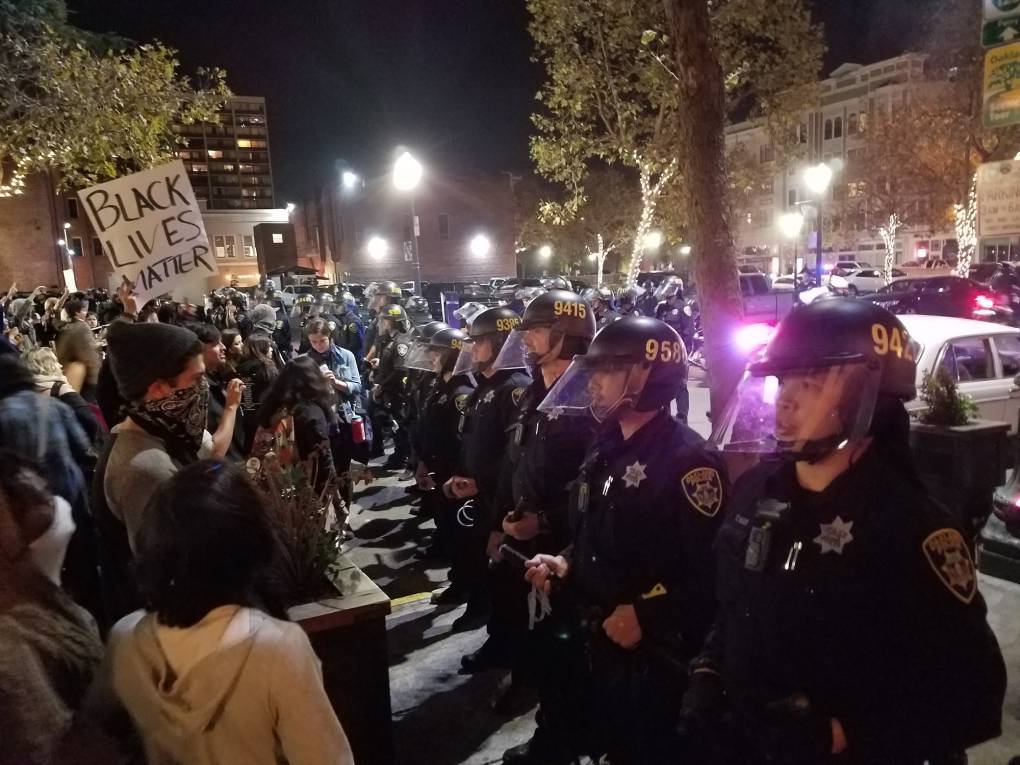
"caption": "Protests in Oakland on Nov. 9, 2016, in reaction to the election of Donald Trump to President of the United States.",
"credit": "Alex Emslie/KQED",
"altTag": null,
"description": null,
"imgSizes": {
"medium": {
"file": "https://cdn.kqed.org/wp-content/uploads/sites/10/2024/11/2016Election1-800x600.jpg",
"width": 800,
"height": 600,
"mimeType": "image/jpeg"
},
"large": {
"file": "https://cdn.kqed.org/wp-content/uploads/sites/10/2024/11/2016Election1-1020x765.jpg",
"width": 1020,
"height": 765,
"mimeType": "image/jpeg"
},
"thumbnail": {
"file": "https://cdn.kqed.org/wp-content/uploads/sites/10/2024/11/2016Election1-160x120.jpg",
"width": 160,
"height": 120,
"mimeType": "image/jpeg"
},
"1536x1536": {
"file": "https://cdn.kqed.org/wp-content/uploads/sites/10/2024/11/2016Election1-1536x1152.jpg",
"width": 1536,
"height": 1152,
"mimeType": "image/jpeg"
},
"post-thumbnail": {
"file": "https://cdn.kqed.org/wp-content/uploads/sites/10/2024/11/2016Election1-672x372.jpg",
"width": 672,
"height": 372,
"mimeType": "image/jpeg"
},
"twentyfourteen-full-width": {
"file": "https://cdn.kqed.org/wp-content/uploads/sites/10/2024/11/2016Election1-1038x576.jpg",
"width": 1038,
"height": 576,
"mimeType": "image/jpeg"
},
"full-width": {
"file": "https://cdn.kqed.org/wp-content/uploads/sites/10/2024/11/2016Election1-1920x1440.jpg",
"width": 1920,
"height": 1440,
"mimeType": "image/jpeg"
},
"kqedFullSize": {
"file": "https://cdn.kqed.org/wp-content/uploads/sites/10/2024/11/2016Election1.jpg",
"width": 2000,
"height": 1500
}
},
"isLoading": false,
"fetchFailed": false
},
"news_12012233": {
"type": "attachments",
"id": "news_12012233",
"meta": {
"index": "attachments_1716263798",
"site": "news",
"id": "12012233",
"found": true
},
"title": "10.28.2024_MeasureS-01-scaled",
"publishDate": 1730501149,
"status": "inherit",
"parent": 0,
"modified": 1730501368,
"caption": "Noncitizens make up 14% of Oakland’s population. Including immigrant parents in conversations about curriculum, staff and language used in class could lead to better academic outcomes for students, the original resolution for Measure S stated.",
"credit": "Hiram Alejandro Durán for El Tímpano/CatchLight Local/Report for America corps member",
"altTag": null,
"description": null,
"imgSizes": {
"medium": {
"file": "https://cdn.kqed.org/wp-content/uploads/sites/10/2024/11/10.28.2024_MeasureS-01-scaled-1-800x532.jpeg",
"width": 800,
"height": 532,
"mimeType": "image/jpeg"
},
"large": {
"file": "https://cdn.kqed.org/wp-content/uploads/sites/10/2024/11/10.28.2024_MeasureS-01-scaled-1-1020x679.jpeg",
"width": 1020,
"height": 679,
"mimeType": "image/jpeg"
},
"thumbnail": {
"file": "https://cdn.kqed.org/wp-content/uploads/sites/10/2024/11/10.28.2024_MeasureS-01-scaled-1-160x106.jpeg",
"width": 160,
"height": 106,
"mimeType": "image/jpeg"
},
"1536x1536": {
"file": "https://cdn.kqed.org/wp-content/uploads/sites/10/2024/11/10.28.2024_MeasureS-01-scaled-1-1536x1022.jpeg",
"width": 1536,
"height": 1022,
"mimeType": "image/jpeg"
},
"post-thumbnail": {
"file": "https://cdn.kqed.org/wp-content/uploads/sites/10/2024/11/10.28.2024_MeasureS-01-scaled-1-672x372.jpeg",
"width": 672,
"height": 372,
"mimeType": "image/jpeg"
},
"twentyfourteen-full-width": {
"file": "https://cdn.kqed.org/wp-content/uploads/sites/10/2024/11/10.28.2024_MeasureS-01-scaled-1-1038x576.jpeg",
"width": 1038,
"height": 576,
"mimeType": "image/jpeg"
},
"full-width": {
"file": "https://cdn.kqed.org/wp-content/uploads/sites/10/2024/11/10.28.2024_MeasureS-01-scaled-1-1920x1278.jpeg",
"width": 1920,
"height": 1278,
"mimeType": "image/jpeg"
},
"kqedFullSize": {
"file": "https://cdn.kqed.org/wp-content/uploads/sites/10/2024/11/10.28.2024_MeasureS-01-scaled-1.jpeg",
"width": 2000,
"height": 1331
}
},
"isLoading": false,
"fetchFailed": false
},
"news_12011588": {
"type": "attachments",
"id": "news_12011588",
"meta": {
"index": "attachments_1716263798",
"site": "news",
"id": "12011588",
"found": true
},
"title": "241029-OAKLANDSCHOLARSHIPSTUDENTS-17-BL-KQED",
"publishDate": 1730242132,
"status": "inherit",
"parent": 0,
"modified": 1730242192,
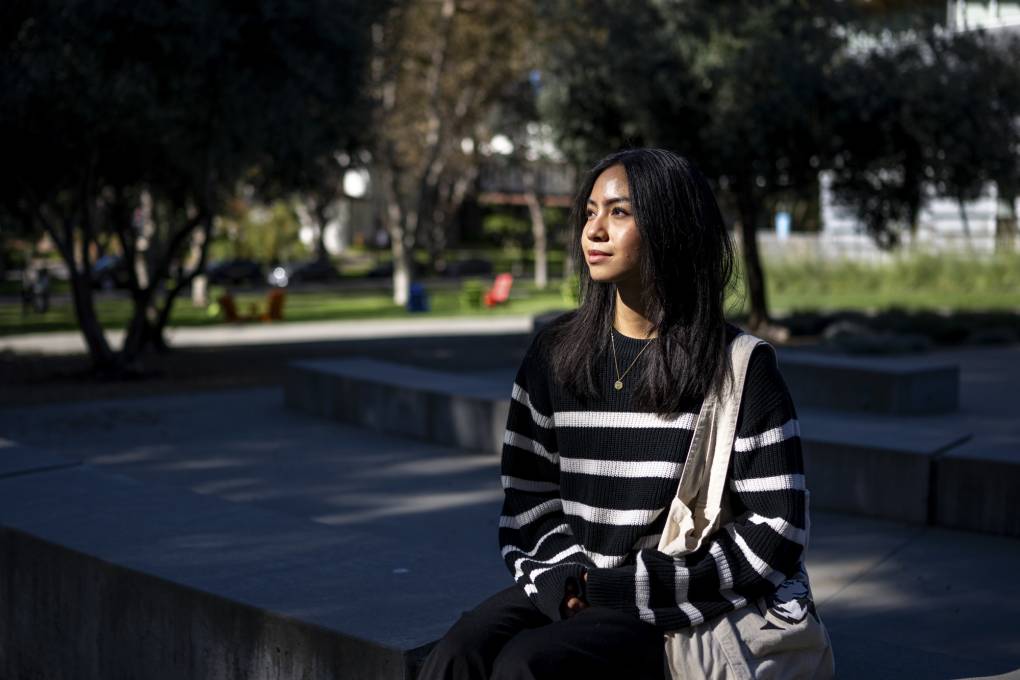
"caption": "Student Angela Vergara sits on the Northeastern University campus in Oakland on Oct. 29, 2024. Vergara received an Oakland Opportunity Scholarship to attend the university through Upward Bound, a federally funded program that helps first-generation college students from underrepresented communities.",
"credit": "Beth LaBerge/KQED",
"altTag": null,
"description": null,
"imgSizes": {
"medium": {
"file": "https://cdn.kqed.org/wp-content/uploads/sites/10/2024/10/241029-OAKLANDSCHOLARSHIPSTUDENTS-17-BL-KQED-800x533.jpg",
"width": 800,
"height": 533,
"mimeType": "image/jpeg"
},
"large": {
"file": "https://cdn.kqed.org/wp-content/uploads/sites/10/2024/10/241029-OAKLANDSCHOLARSHIPSTUDENTS-17-BL-KQED-1020x680.jpg",
"width": 1020,
"height": 680,
"mimeType": "image/jpeg"
},
"thumbnail": {
"file": "https://cdn.kqed.org/wp-content/uploads/sites/10/2024/10/241029-OAKLANDSCHOLARSHIPSTUDENTS-17-BL-KQED-160x107.jpg",
"width": 160,
"height": 107,
"mimeType": "image/jpeg"
},
"1536x1536": {
"file": "https://cdn.kqed.org/wp-content/uploads/sites/10/2024/10/241029-OAKLANDSCHOLARSHIPSTUDENTS-17-BL-KQED-1536x1024.jpg",
"width": 1536,
"height": 1024,
"mimeType": "image/jpeg"
},
"post-thumbnail": {
"file": "https://cdn.kqed.org/wp-content/uploads/sites/10/2024/10/241029-OAKLANDSCHOLARSHIPSTUDENTS-17-BL-KQED-672x372.jpg",
"width": 672,
"height": 372,
"mimeType": "image/jpeg"
},
"twentyfourteen-full-width": {
"file": "https://cdn.kqed.org/wp-content/uploads/sites/10/2024/10/241029-OAKLANDSCHOLARSHIPSTUDENTS-17-BL-KQED-1038x576.jpg",
"width": 1038,
"height": 576,
"mimeType": "image/jpeg"
},
"full-width": {
"file": "https://cdn.kqed.org/wp-content/uploads/sites/10/2024/10/241029-OAKLANDSCHOLARSHIPSTUDENTS-17-BL-KQED-1920x1280.jpg",
"width": 1920,
"height": 1280,
"mimeType": "image/jpeg"
},
"kqedFullSize": {
"file": "https://cdn.kqed.org/wp-content/uploads/sites/10/2024/10/241029-OAKLANDSCHOLARSHIPSTUDENTS-17-BL-KQED.jpg",
"width": 2000,
"height": 1333
}
},
"isLoading": false,
"fetchFailed": false
},
"news_12011100": {
"type": "attachments",
"id": "news_12011100",
"meta": {
"index": "attachments_1716263798",
"site": "news",
"id": "12011100",
"found": true
},
"title": "Allen Temple Baptist Church in Oakland on July 29, 2024.",
"publishDate": 1729875301,
"status": "inherit",
"parent": 12011095,
"modified": 1729875301,
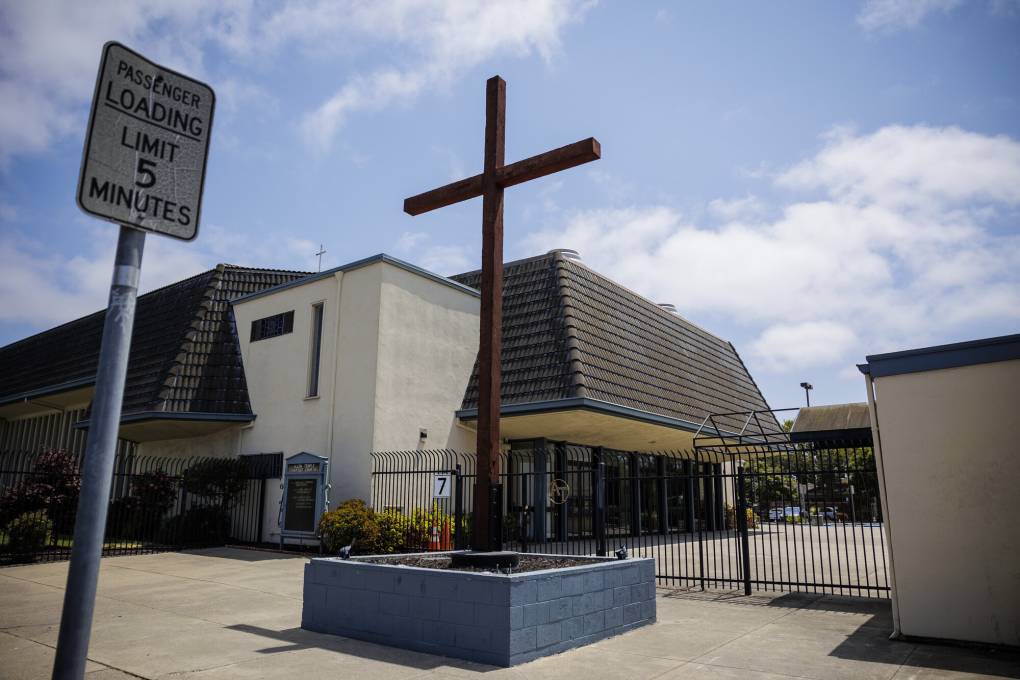
"caption": "Allen Temple Baptist Church in Oakland on July 29, 2024.",
"credit": null,
"altTag": null,
"description": null,
"imgSizes": {
"medium": {
"file": "https://cdn.kqed.org/wp-content/uploads/sites/10/2024/10/240729-GREEN-THE-CHURCH-MD-11_qed-800x533.jpg",
"width": 800,
"height": 533,
"mimeType": "image/jpeg"
},
"large": {
"file": "https://cdn.kqed.org/wp-content/uploads/sites/10/2024/10/240729-GREEN-THE-CHURCH-MD-11_qed-1020x680.jpg",
"width": 1020,
"height": 680,
"mimeType": "image/jpeg"
},
"thumbnail": {
"file": "https://cdn.kqed.org/wp-content/uploads/sites/10/2024/10/240729-GREEN-THE-CHURCH-MD-11_qed-160x107.jpg",
"width": 160,
"height": 107,
"mimeType": "image/jpeg"
},
"1536x1536": {
"file": "https://cdn.kqed.org/wp-content/uploads/sites/10/2024/10/240729-GREEN-THE-CHURCH-MD-11_qed-1536x1024.jpg",
"width": 1536,
"height": 1024,
"mimeType": "image/jpeg"
},
"post-thumbnail": {
"file": "https://cdn.kqed.org/wp-content/uploads/sites/10/2024/10/240729-GREEN-THE-CHURCH-MD-11_qed-672x372.jpg",
"width": 672,
"height": 372,
"mimeType": "image/jpeg"
},
"twentyfourteen-full-width": {
"file": "https://cdn.kqed.org/wp-content/uploads/sites/10/2024/10/240729-GREEN-THE-CHURCH-MD-11_qed-1038x576.jpg",
"width": 1038,
"height": 576,
"mimeType": "image/jpeg"
},
"full-width": {
"file": "https://cdn.kqed.org/wp-content/uploads/sites/10/2024/10/240729-GREEN-THE-CHURCH-MD-11_qed-1920x1280.jpg",
"width": 1920,
"height": 1280,
"mimeType": "image/jpeg"
},
"kqedFullSize": {
"file": "https://cdn.kqed.org/wp-content/uploads/sites/10/2024/10/240729-GREEN-THE-CHURCH-MD-11_qed.jpg",
"width": 2000,
"height": 1333
}
},
"isLoading": false,
"fetchFailed": false
},
"news_12010583": {
"type": "attachments",
"id": "news_12010583",
"meta": {
"index": "attachments_1716263798",
"site": "news",
"id": "12010583",
"found": true
},
"title": "20241014_MixedRevisited_GC-2_qed",
"publishDate": 1729632445,
"status": "inherit",
"parent": 12010482,
"modified": 1729711978,
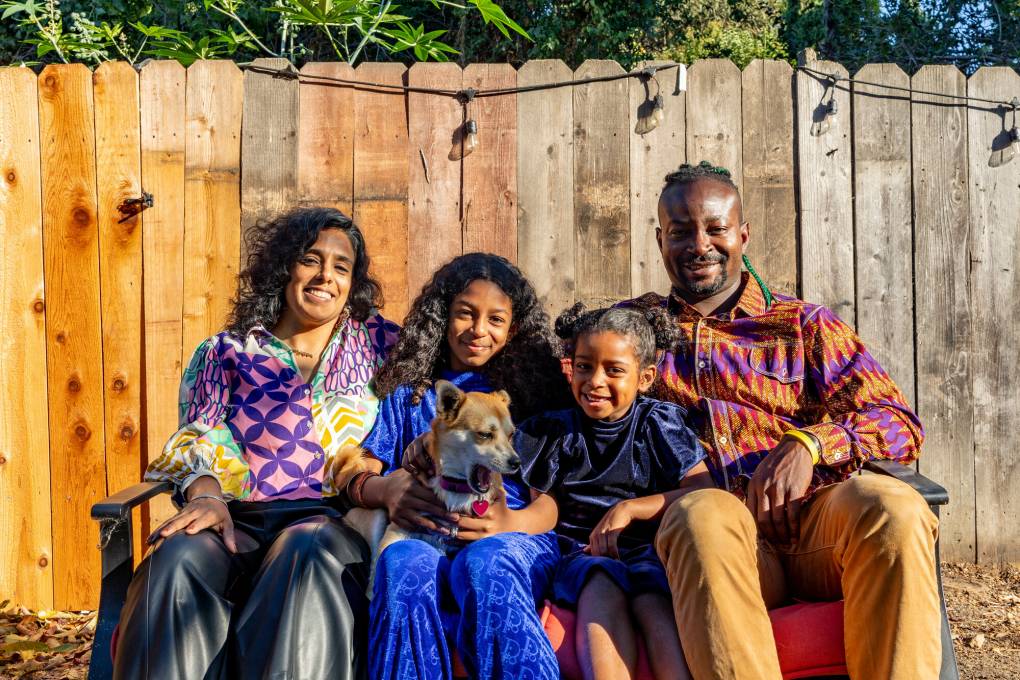
"caption": "The Singh-Sidibe family and their dog Samosa pose for a portrait at their home in Oakland on Oct. 14, 2024.",
"credit": "Gina Castro/KQED",
"altTag": "An Indian woman and a Black man sit on both sides of two young girls of mixed identities.",
"description": null,
"imgSizes": {
"medium": {
"file": "https://cdn.kqed.org/wp-content/uploads/sites/10/2024/10/20241014_MixedRevisited_GC-2_qed-800x533.jpg",
"width": 800,
"height": 533,
"mimeType": "image/jpeg"
},
"large": {
"file": "https://cdn.kqed.org/wp-content/uploads/sites/10/2024/10/20241014_MixedRevisited_GC-2_qed-1020x680.jpg",
"width": 1020,
"height": 680,
"mimeType": "image/jpeg"
},
"thumbnail": {
"file": "https://cdn.kqed.org/wp-content/uploads/sites/10/2024/10/20241014_MixedRevisited_GC-2_qed-160x107.jpg",
"width": 160,
"height": 107,
"mimeType": "image/jpeg"
},
"1536x1536": {
"file": "https://cdn.kqed.org/wp-content/uploads/sites/10/2024/10/20241014_MixedRevisited_GC-2_qed-1536x1024.jpg",
"width": 1536,
"height": 1024,
"mimeType": "image/jpeg"
},
"post-thumbnail": {
"file": "https://cdn.kqed.org/wp-content/uploads/sites/10/2024/10/20241014_MixedRevisited_GC-2_qed-672x372.jpg",
"width": 672,
"height": 372,
"mimeType": "image/jpeg"
},
"twentyfourteen-full-width": {
"file": "https://cdn.kqed.org/wp-content/uploads/sites/10/2024/10/20241014_MixedRevisited_GC-2_qed-1038x576.jpg",
"width": 1038,
"height": 576,
"mimeType": "image/jpeg"
},
"full-width": {
"file": "https://cdn.kqed.org/wp-content/uploads/sites/10/2024/10/20241014_MixedRevisited_GC-2_qed-1920x1280.jpg",
"width": 1920,
"height": 1280,
"mimeType": "image/jpeg"
},
"kqedFullSize": {
"file": "https://cdn.kqed.org/wp-content/uploads/sites/10/2024/10/20241014_MixedRevisited_GC-2_qed.jpg",
"width": 2000,
"height": 1333
}
},
"isLoading": false,
"fetchFailed": false
},
"news_12010226": {
"type": "attachments",
"id": "news_12010226",
"meta": {
"index": "attachments_1716263798",
"site": "news",
"id": "12010226",
"found": true
},
"title": "Fire crews respond to the Keller Fire in Oakland on Oct. 18, 2024.",
"publishDate": 1729296373,
"status": "inherit",
"parent": 0,
"modified": 1736902820,
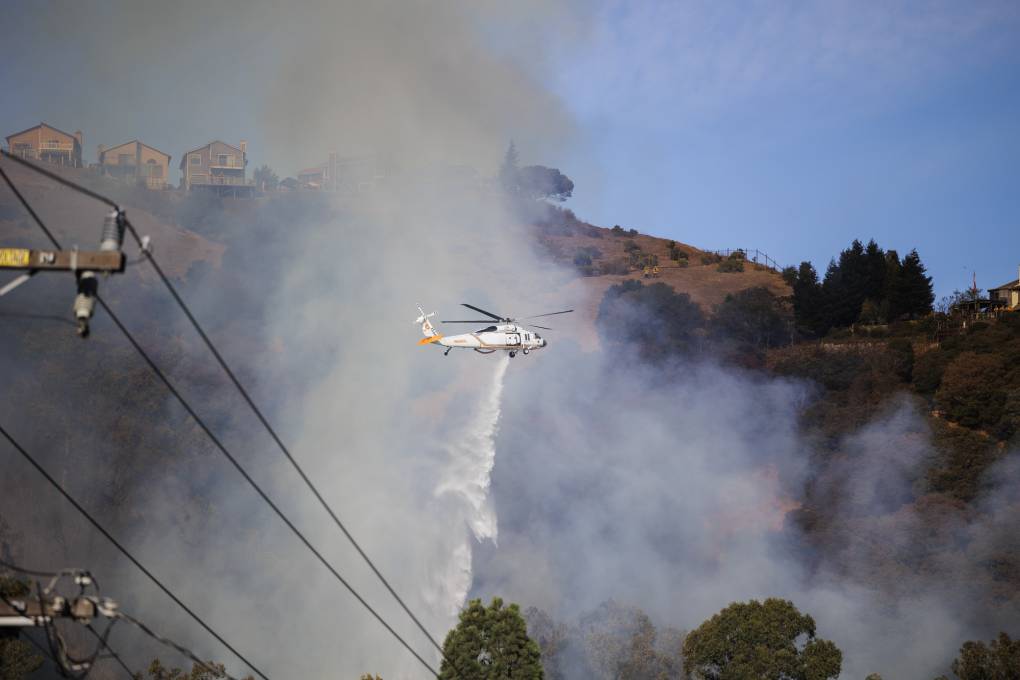
"caption": "Fire crews respond to the Keller Fire in Oakland on Oct. 18, 2024.",
"credit": "Martin do Nascimento/KQED",
"altTag": null,
"description": null,
"imgSizes": {
"medium": {
"file": "https://cdn.kqed.org/wp-content/uploads/sites/10/2024/10/241018-KELLER-FIRE-MD-07-KQED-800x533.jpg",
"width": 800,
"height": 533,
"mimeType": "image/jpeg"
},
"large": {
"file": "https://cdn.kqed.org/wp-content/uploads/sites/10/2024/10/241018-KELLER-FIRE-MD-07-KQED-1020x680.jpg",
"width": 1020,
"height": 680,
"mimeType": "image/jpeg"
},
"thumbnail": {
"file": "https://cdn.kqed.org/wp-content/uploads/sites/10/2024/10/241018-KELLER-FIRE-MD-07-KQED-160x107.jpg",
"width": 160,
"height": 107,
"mimeType": "image/jpeg"
},
"1536x1536": {
"file": "https://cdn.kqed.org/wp-content/uploads/sites/10/2024/10/241018-KELLER-FIRE-MD-07-KQED-1536x1024.jpg",
"width": 1536,
"height": 1024,
"mimeType": "image/jpeg"
},
"post-thumbnail": {
"file": "https://cdn.kqed.org/wp-content/uploads/sites/10/2024/10/241018-KELLER-FIRE-MD-07-KQED-672x372.jpg",
"width": 672,
"height": 372,
"mimeType": "image/jpeg"
},
"twentyfourteen-full-width": {
"file": "https://cdn.kqed.org/wp-content/uploads/sites/10/2024/10/241018-KELLER-FIRE-MD-07-KQED-1038x576.jpg",
"width": 1038,
"height": 576,
"mimeType": "image/jpeg"
},
"full-width": {
"file": "https://cdn.kqed.org/wp-content/uploads/sites/10/2024/10/241018-KELLER-FIRE-MD-07-KQED-1920x1280.jpg",
"width": 1920,
"height": 1280,
"mimeType": "image/jpeg"
},
"kqedFullSize": {
"file": "https://cdn.kqed.org/wp-content/uploads/sites/10/2024/10/241018-KELLER-FIRE-MD-07-KQED.jpg",
"width": 2000,
"height": 1333
}
},
"isLoading": false,
"fetchFailed": false
},
"news_12010891": {
"type": "attachments",
"id": "news_12010891",
"meta": {
"index": "attachments_1716263798",
"site": "news",
"id": "12010891",
"found": true
},
"title": "OMalleyPrice",
"publishDate": 1729788912,
"status": "inherit",
"parent": 12010885,
"modified": 1729802537,
"caption": "Hours after former District Attorney Nancy O'Malley endorsed her recall, Alameda County DA Pamela Price held a press conference about the office's practice of excluding Black and Jewish jurors in death penalty cases under prior administrations. Price suggested the endorsement was timed to deflect from new evidence as their rivalry escalates ahead of the recall vote.",
"credit": "Jonathan Gibby/Getty Images, Beth LaBerge/KQED",
"altTag": null,
"description": null,
"imgSizes": {
"medium": {
"file": "https://cdn.kqed.org/wp-content/uploads/sites/10/2024/10/OMalleyPrice-e1729797032897-800x534.jpg",
"width": 800,
"height": 534,
"mimeType": "image/jpeg"
},
"large": {
"file": "https://cdn.kqed.org/wp-content/uploads/sites/10/2024/10/OMalleyPrice-e1729797032897-1020x681.jpg",
"width": 1020,
"height": 681,
"mimeType": "image/jpeg"
},
"thumbnail": {
"file": "https://cdn.kqed.org/wp-content/uploads/sites/10/2024/10/OMalleyPrice-e1729797032897-160x107.jpg",
"width": 160,
"height": 107,
"mimeType": "image/jpeg"
},
"1536x1536": {
"file": "https://cdn.kqed.org/wp-content/uploads/sites/10/2024/10/OMalleyPrice-e1729797032897-1536x1026.jpg",
"width": 1536,
"height": 1026,
"mimeType": "image/jpeg"
},
"post-thumbnail": {
"file": "https://cdn.kqed.org/wp-content/uploads/sites/10/2024/10/OMalleyPrice-e1729797032897-672x372.jpg",
"width": 672,
"height": 372,
"mimeType": "image/jpeg"
},
"twentyfourteen-full-width": {
"file": "https://cdn.kqed.org/wp-content/uploads/sites/10/2024/10/OMalleyPrice-e1729797032897-1038x576.jpg",
"width": 1038,
"height": 576,
"mimeType": "image/jpeg"
},
"full-width": {
"file": "https://cdn.kqed.org/wp-content/uploads/sites/10/2024/10/OMalleyPrice-e1729797032897-1920x1282.jpg",
"width": 1920,
"height": 1282,
"mimeType": "image/jpeg"
},
"kqedFullSize": {
"file": "https://cdn.kqed.org/wp-content/uploads/sites/10/2024/10/OMalleyPrice-e1729797032897.jpg",
"width": 1996,
"height": 1333
}
},
"isLoading": false,
"fetchFailed": false
},
"news_12009484": {
"type": "attachments",
"id": "news_12009484",
"meta": {
"index": "attachments_1716263798",
"site": "news",
"id": "12009484",
"found": true
},
"title": "241012-WEST BANK AID-MD-11-KQED",
"publishDate": 1729016627,
"status": "inherit",
"parent": 0,
"modified": 1729707770,
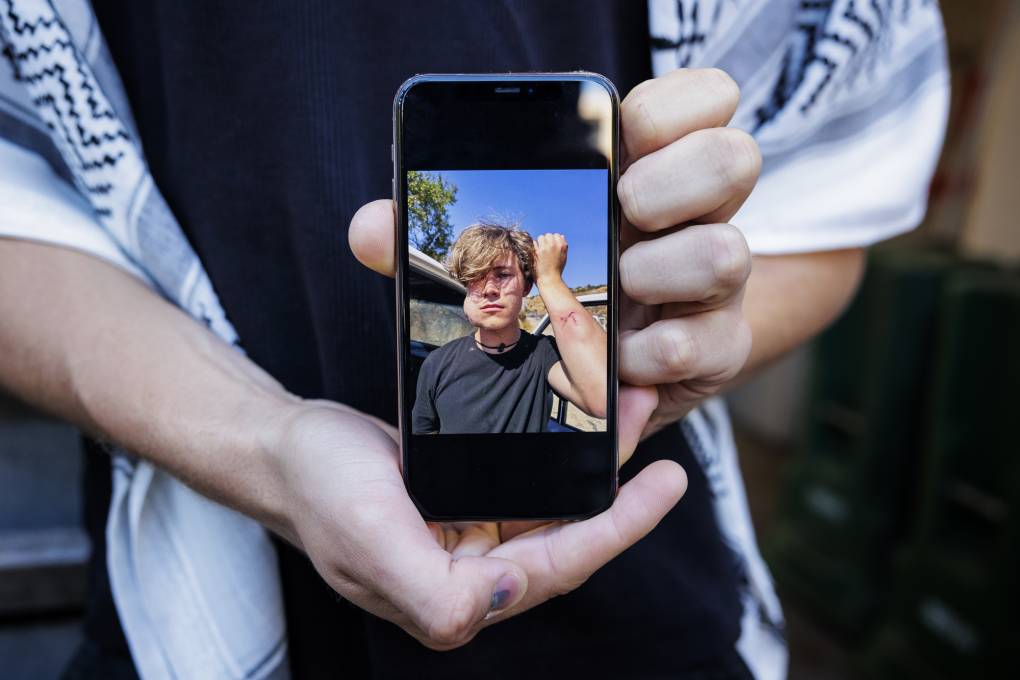
"caption": "David Hummel shows a photo of his injuries from his trip to the West Bank in July.",
"credit": "Martin do Nascimento/KQED",
"altTag": null,
"description": null,
"imgSizes": {
"medium": {
"file": "https://cdn.kqed.org/wp-content/uploads/sites/10/2024/10/241012-WEST-BANK-AID-MD-11-KQED-800x533.jpg",
"width": 800,
"height": 533,
"mimeType": "image/jpeg"
},
"large": {
"file": "https://cdn.kqed.org/wp-content/uploads/sites/10/2024/10/241012-WEST-BANK-AID-MD-11-KQED-1020x680.jpg",
"width": 1020,
"height": 680,
"mimeType": "image/jpeg"
},
"thumbnail": {
"file": "https://cdn.kqed.org/wp-content/uploads/sites/10/2024/10/241012-WEST-BANK-AID-MD-11-KQED-160x107.jpg",
"width": 160,
"height": 107,
"mimeType": "image/jpeg"
},
"1536x1536": {
"file": "https://cdn.kqed.org/wp-content/uploads/sites/10/2024/10/241012-WEST-BANK-AID-MD-11-KQED-1536x1024.jpg",
"width": 1536,
"height": 1024,
"mimeType": "image/jpeg"
},
"post-thumbnail": {
"file": "https://cdn.kqed.org/wp-content/uploads/sites/10/2024/10/241012-WEST-BANK-AID-MD-11-KQED-672x372.jpg",
"width": 672,
"height": 372,
"mimeType": "image/jpeg"
},
"twentyfourteen-full-width": {
"file": "https://cdn.kqed.org/wp-content/uploads/sites/10/2024/10/241012-WEST-BANK-AID-MD-11-KQED-1038x576.jpg",
"width": 1038,
"height": 576,
"mimeType": "image/jpeg"
},
"full-width": {
"file": "https://cdn.kqed.org/wp-content/uploads/sites/10/2024/10/241012-WEST-BANK-AID-MD-11-KQED-1920x1280.jpg",
"width": 1920,
"height": 1280,
"mimeType": "image/jpeg"
},
"kqedFullSize": {
"file": "https://cdn.kqed.org/wp-content/uploads/sites/10/2024/10/241012-WEST-BANK-AID-MD-11-KQED.jpg",
"width": 2000,
"height": 1333
}
},
"isLoading": false,
"fetchFailed": false
},
"news_12010526": {
"type": "attachments",
"id": "news_12010526",
"meta": {
"index": "attachments_1716263798",
"site": "news",
"id": "12010526",
"found": true
},
"title": "Rangers Athletics Baseball",
"publishDate": 1729618348,
"status": "inherit",
"parent": 12010521,
"modified": 1729639505,
"caption": "A member of the Oakland Athletics grounds crew works on the outfield before the team's last home baseball game against the Texas Rangers at the Coliseum on Sept. 26, 2024.",
"credit": "Godofredo A. Vásquez/AP Photo",
"altTag": null,
"description": null,
"imgSizes": {
"medium": {
"file": "https://cdn.kqed.org/wp-content/uploads/sites/10/2024/10/OaklandColiseumAP2-800x533.jpg",
"width": 800,
"height": 533,
"mimeType": "image/jpeg"
},
"large": {
"file": "https://cdn.kqed.org/wp-content/uploads/sites/10/2024/10/OaklandColiseumAP2-1020x680.jpg",
"width": 1020,
"height": 680,
"mimeType": "image/jpeg"
},
"thumbnail": {
"file": "https://cdn.kqed.org/wp-content/uploads/sites/10/2024/10/OaklandColiseumAP2-160x107.jpg",
"width": 160,
"height": 107,
"mimeType": "image/jpeg"
},
"1536x1536": {
"file": "https://cdn.kqed.org/wp-content/uploads/sites/10/2024/10/OaklandColiseumAP2-1536x1024.jpg",
"width": 1536,
"height": 1024,
"mimeType": "image/jpeg"
},
"post-thumbnail": {
"file": "https://cdn.kqed.org/wp-content/uploads/sites/10/2024/10/OaklandColiseumAP2-672x372.jpg",
"width": 672,
"height": 372,
"mimeType": "image/jpeg"
},
"twentyfourteen-full-width": {
"file": "https://cdn.kqed.org/wp-content/uploads/sites/10/2024/10/OaklandColiseumAP2-1038x576.jpg",
"width": 1038,
"height": 576,
"mimeType": "image/jpeg"
},
"full-width": {
"file": "https://cdn.kqed.org/wp-content/uploads/sites/10/2024/10/OaklandColiseumAP2-1920x1280.jpg",
"width": 1920,
"height": 1280,
"mimeType": "image/jpeg"
},
"kqedFullSize": {
"file": "https://cdn.kqed.org/wp-content/uploads/sites/10/2024/10/OaklandColiseumAP2.jpg",
"width": 2000,
"height": 1333
}
},
"isLoading": false,
"fetchFailed": false
},
"news_12010461": {
"type": "attachments",
"id": "news_12010461",
"meta": {
"index": "attachments_1716263798",
"site": "news",
"id": "12010461",
"found": true
},
"title": "241021-OaklandPDDrunkDriving-33-BL_qed",
"publishDate": 1729543557,
"status": "inherit",
"parent": 0,
"modified": 1729718422,
"caption": "Alameda County District Attorney Pamela Price speaks at a press conference in Oakland on Oct. 21, 2024.",
"credit": "Beth LaBerge/KQED",
"altTag": null,
"description": null,
"imgSizes": {
"medium": {
"file": "https://cdn.kqed.org/wp-content/uploads/sites/10/2024/10/241021-OaklandPDDrunkDriving-33-BL_qed-800x533.jpg",
"width": 800,
"height": 533,
"mimeType": "image/jpeg"
},
"large": {
"file": "https://cdn.kqed.org/wp-content/uploads/sites/10/2024/10/241021-OaklandPDDrunkDriving-33-BL_qed-1020x680.jpg",
"width": 1020,
"height": 680,
"mimeType": "image/jpeg"
},
"thumbnail": {
"file": "https://cdn.kqed.org/wp-content/uploads/sites/10/2024/10/241021-OaklandPDDrunkDriving-33-BL_qed-160x107.jpg",
"width": 160,
"height": 107,
"mimeType": "image/jpeg"
},
"1536x1536": {
"file": "https://cdn.kqed.org/wp-content/uploads/sites/10/2024/10/241021-OaklandPDDrunkDriving-33-BL_qed-1536x1024.jpg",
"width": 1536,
"height": 1024,
"mimeType": "image/jpeg"
},
"post-thumbnail": {
"file": "https://cdn.kqed.org/wp-content/uploads/sites/10/2024/10/241021-OaklandPDDrunkDriving-33-BL_qed-672x372.jpg",
"width": 672,
"height": 372,
"mimeType": "image/jpeg"
},
"twentyfourteen-full-width": {
"file": "https://cdn.kqed.org/wp-content/uploads/sites/10/2024/10/241021-OaklandPDDrunkDriving-33-BL_qed-1038x576.jpg",
"width": 1038,
"height": 576,
"mimeType": "image/jpeg"
},
"full-width": {
"file": "https://cdn.kqed.org/wp-content/uploads/sites/10/2024/10/241021-OaklandPDDrunkDriving-33-BL_qed-1920x1280.jpg",
"width": 1920,
"height": 1280,
"mimeType": "image/jpeg"
},
"kqedFullSize": {
"file": "https://cdn.kqed.org/wp-content/uploads/sites/10/2024/10/241021-OaklandPDDrunkDriving-33-BL_qed.jpg",
"width": 2000,
"height": 1333
}
},
"isLoading": false,
"fetchFailed": false
},
"news_12010222": {
"type": "attachments",
"id": "news_12010222",
"meta": {
"index": "attachments_1716263798",
"site": "news",
"id": "12010222",
"found": true
},
"title": "A structure damaged by the Keller Fire in Oakland on Oct. 18, 2024.",
"publishDate": 1729296351,
"status": "inherit",
"parent": 0,
"modified": 1729296688,
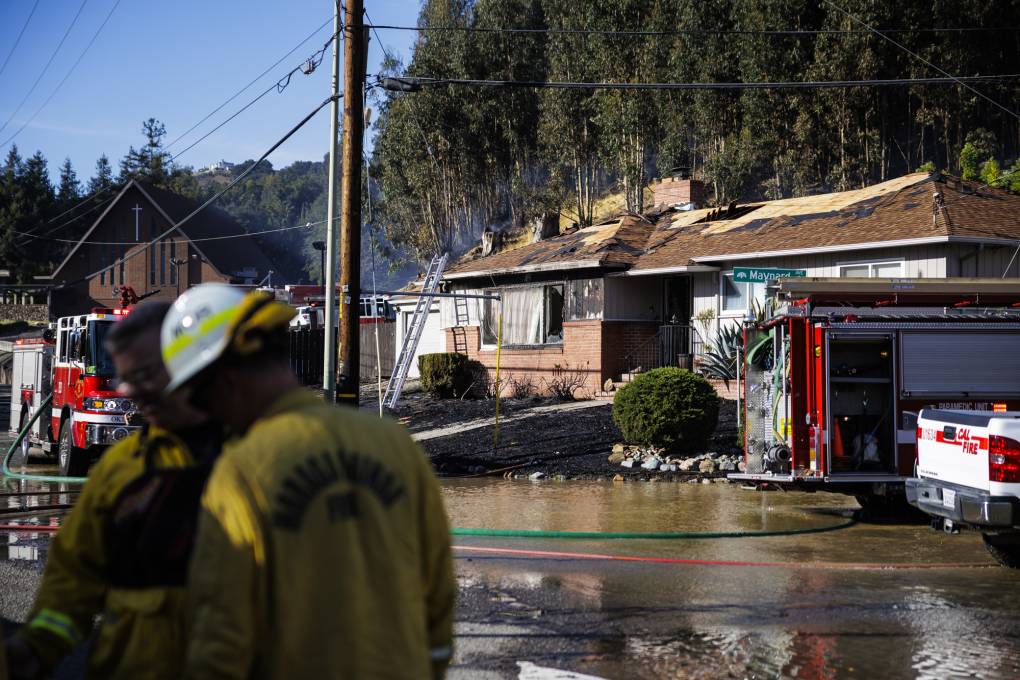
"caption": "A structure that was damaged by the Keller Fire in Oakland on Oct. 18, 2024.",
"credit": "Martin do Nascimento/KQED",
"altTag": null,
"description": null,
"imgSizes": {
"medium": {
"file": "https://cdn.kqed.org/wp-content/uploads/sites/10/2024/10/241018-KELLER-FIRE-MD-03-KQED-800x533.jpg",
"width": 800,
"height": 533,
"mimeType": "image/jpeg"
},
"large": {
"file": "https://cdn.kqed.org/wp-content/uploads/sites/10/2024/10/241018-KELLER-FIRE-MD-03-KQED-1020x680.jpg",
"width": 1020,
"height": 680,
"mimeType": "image/jpeg"
},
"thumbnail": {
"file": "https://cdn.kqed.org/wp-content/uploads/sites/10/2024/10/241018-KELLER-FIRE-MD-03-KQED-160x107.jpg",
"width": 160,
"height": 107,
"mimeType": "image/jpeg"
},
"1536x1536": {
"file": "https://cdn.kqed.org/wp-content/uploads/sites/10/2024/10/241018-KELLER-FIRE-MD-03-KQED-1536x1024.jpg",
"width": 1536,
"height": 1024,
"mimeType": "image/jpeg"
},
"post-thumbnail": {
"file": "https://cdn.kqed.org/wp-content/uploads/sites/10/2024/10/241018-KELLER-FIRE-MD-03-KQED-672x372.jpg",
"width": 672,
"height": 372,
"mimeType": "image/jpeg"
},
"twentyfourteen-full-width": {
"file": "https://cdn.kqed.org/wp-content/uploads/sites/10/2024/10/241018-KELLER-FIRE-MD-03-KQED-1038x576.jpg",
"width": 1038,
"height": 576,
"mimeType": "image/jpeg"
},
"full-width": {
"file": "https://cdn.kqed.org/wp-content/uploads/sites/10/2024/10/241018-KELLER-FIRE-MD-03-KQED-1920x1280.jpg",
"width": 1920,
"height": 1280,
"mimeType": "image/jpeg"
},
"kqedFullSize": {
"file": "https://cdn.kqed.org/wp-content/uploads/sites/10/2024/10/241018-KELLER-FIRE-MD-03-KQED.jpg",
"width": 2000,
"height": 1333
}
},
"isLoading": false,
"fetchFailed": false
},
"news_12010044": {
"type": "attachments",
"id": "news_12010044",
"meta": {
"index": "attachments_1716263798",
"site": "news",
"id": "12010044",
"found": true
},
"title": "241017-LIBBY SCHAAF-MD-01-KQED-2",
"publishDate": 1729273781,
"status": "inherit",
"parent": 0,
"modified": 1729283847,
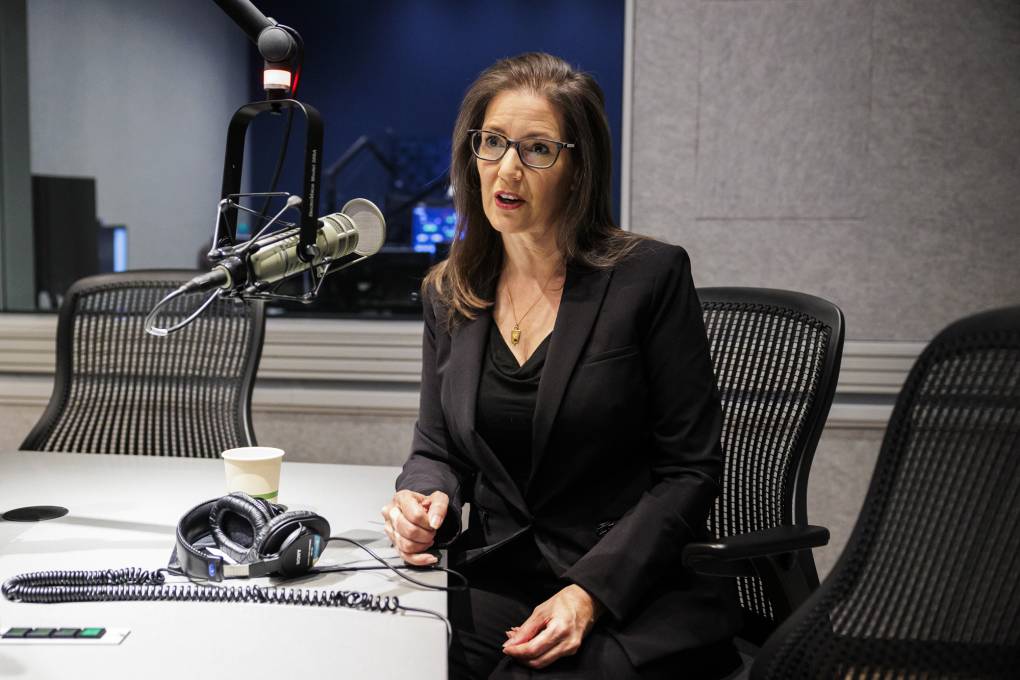
"caption": "Former Oakland Mayor Libby Schaaf speaks with KQED's Scott Shafer at KQED in San Francisco on Oct. 18, 2024.",
"credit": "Martin do Nascimento/KQED",
"altTag": null,
"description": null,
"imgSizes": {
"medium": {
"file": "https://cdn.kqed.org/wp-content/uploads/sites/10/2024/10/241017-LIBBY-SCHAAF-MD-01-KQED-2-800x533.jpg",
"width": 800,
"height": 533,
"mimeType": "image/jpeg"
},
"large": {
"file": "https://cdn.kqed.org/wp-content/uploads/sites/10/2024/10/241017-LIBBY-SCHAAF-MD-01-KQED-2-1020x680.jpg",
"width": 1020,
"height": 680,
"mimeType": "image/jpeg"
},
"thumbnail": {
"file": "https://cdn.kqed.org/wp-content/uploads/sites/10/2024/10/241017-LIBBY-SCHAAF-MD-01-KQED-2-160x107.jpg",
"width": 160,
"height": 107,
"mimeType": "image/jpeg"
},
"1536x1536": {
"file": "https://cdn.kqed.org/wp-content/uploads/sites/10/2024/10/241017-LIBBY-SCHAAF-MD-01-KQED-2-1536x1024.jpg",
"width": 1536,
"height": 1024,
"mimeType": "image/jpeg"
},
"post-thumbnail": {
"file": "https://cdn.kqed.org/wp-content/uploads/sites/10/2024/10/241017-LIBBY-SCHAAF-MD-01-KQED-2-672x372.jpg",
"width": 672,
"height": 372,
"mimeType": "image/jpeg"
},
"twentyfourteen-full-width": {
"file": "https://cdn.kqed.org/wp-content/uploads/sites/10/2024/10/241017-LIBBY-SCHAAF-MD-01-KQED-2-1038x576.jpg",
"width": 1038,
"height": 576,
"mimeType": "image/jpeg"
},
"full-width": {
"file": "https://cdn.kqed.org/wp-content/uploads/sites/10/2024/10/241017-LIBBY-SCHAAF-MD-01-KQED-2-1920x1280.jpg",
"width": 1920,
"height": 1280,
"mimeType": "image/jpeg"
},
"kqedFullSize": {
"file": "https://cdn.kqed.org/wp-content/uploads/sites/10/2024/10/241017-LIBBY-SCHAAF-MD-01-KQED-2.jpg",
"width": 2000,
"height": 1333
}
},
"isLoading": false,
"fetchFailed": false
}
},
"audioPlayerReducer": {
"postId": "stream_live",
"isPaused": true,
"isPlaying": false,
"pfsActive": false,
"pledgeModalIsOpen": true,
"playerDrawerIsOpen": false,
"liveAudioPlayStartedAt": 0,
"liveAudioPlayContext": ""
},
"authorsReducer": {
"byline_news_12012228": {
"type": "authors",
"id": "byline_news_12012228",
"meta": {
"override": true
},
"slug": "byline_news_12012228",
"name": "Vanessa Flores and Ximena Loeza, El Tímpano",
"isLoading": false
},
"gmarzorati": {
"type": "authors",
"id": "227",
"meta": {
"index": "authors_1716337520",
"id": "227",
"found": true
},
"name": "Guy Marzorati",
"firstName": "Guy",
"lastName": "Marzorati",
"slug": "gmarzorati",
"email": "gmarzorati@KQED.org",
"display_author_email": true,
"staff_mastheads": [
"news"
],
"title": "Correspondent",
"bio": "Guy Marzorati is a correspondent on KQED's California Politics and Government Desk, based in San Jose. A graduate of Santa Clara University, Guy joined KQED in 2013. He reports on state and local politics and produces KQED's digital voter guide.",
"avatar": "https://secure.gravatar.com/avatar/e7038b8dbfd55b104369b76b1cd0b9de?s=600&d=blank&r=g",
"twitter": "guymarzorati",
"facebook": null,
"instagram": null,
"linkedin": null,
"sites": [
{
"site": "",
"roles": [
"editor"
]
},
{
"site": "news",
"roles": [
"editor"
]
},
{
"site": "science",
"roles": [
"editor"
]
},
{
"site": "forum",
"roles": [
"editor"
]
},
{
"site": "elections",
"roles": [
"editor"
]
},
{
"site": "liveblog",
"roles": [
"editor"
]
}
],
"headData": {
"title": "Guy Marzorati | KQED",
"description": "Correspondent",
"ogImgSrc": "https://secure.gravatar.com/avatar/e7038b8dbfd55b104369b76b1cd0b9de?s=600&d=blank&r=g",
"twImgSrc": "https://secure.gravatar.com/avatar/e7038b8dbfd55b104369b76b1cd0b9de?s=600&d=blank&r=g"
},
"isLoading": false,
"link": "/author/gmarzorati"
},
"sasha-khokha": {
"type": "authors",
"id": "254",
"meta": {
"index": "authors_1716337520",
"id": "254",
"found": true
},
"name": "Sasha Khokha",
"firstName": "Sasha",
"lastName": "Khokha",
"slug": "sasha-khokha",
"email": "skhokha@kqed.org",
"display_author_email": true,
"staff_mastheads": [
"news"
],
"title": "Host, The California Report Magazine",
"bio": "Sasha Khokha is the host of \u003cem>The California Report's \u003c/em> weekly magazine program, which takes listeners on sound-rich excursions to meet the people that make the Golden State unique -- through audio documentaries and long-form stories. As \u003cem>The California Report's\u003c/em> Central Valley Bureau Chief based in Fresno for nearly a dozen years, Sasha brought the lives and concerns of rural Californians to listeners around the state. Her reporting helped expose the hidden price immigrant women janitors and farmworkers may pay to keep their jobs: sexual assault at work. It inspired two new California laws to protect them from sexual harassment. She was a key member of the reporting team for the Frontline film \u003cem>Rape on the Night Shift, \u003c/em>which was nominated for two national Emmys. Sasha has also won a national Edward R. Murrow and a national PRNDI award for investigative reporting, as well as multiple prizes from the Society for Professional Journalists. Sasha is a proud alum of the UC Berkeley Graduate School of Journalism and Brown University and a member of the South Asian Journalists Association.",
"avatar": "https://secure.gravatar.com/avatar/e4b5e1541aaeea2aa356aa1fb2a68950?s=600&d=blank&r=g",
"twitter": "KQEDSashaKhokha",
"facebook": null,
"instagram": null,
"linkedin": null,
"sites": [
{
"site": "news",
"roles": [
"editor"
]
},
{
"site": "stateofhealth",
"roles": [
"author"
]
},
{
"site": "science",
"roles": [
"author"
]
},
{
"site": "quest",
"roles": [
"subscriber"
]
}
],
"headData": {
"title": "Sasha Khokha | KQED",
"description": "Host, The California Report Magazine",
"ogImgSrc": "https://secure.gravatar.com/avatar/e4b5e1541aaeea2aa356aa1fb2a68950?s=600&d=blank&r=g",
"twImgSrc": "https://secure.gravatar.com/avatar/e4b5e1541aaeea2aa356aa1fb2a68950?s=600&d=blank&r=g"
},
"isLoading": false,
"link": "/author/sasha-khokha"
},
"scottshafer": {
"type": "authors",
"id": "255",
"meta": {
"index": "authors_1716337520",
"id": "255",
"found": true
},
"name": "Scott Shafer",
"firstName": "Scott",
"lastName": "Shafer",
"slug": "scottshafer",
"email": "sshafer@kqed.org",
"display_author_email": false,
"staff_mastheads": [
"news"
],
"title": "KQED Contributor",
"bio": "Scott Shafer is a senior editor with the KQED Politics and Government desk. He is co-host of Political Breakdown, the award-winning radio show and podcast with a personal take on the world of politics. Scott came to KQED in 1998 to host the statewide\u003cem> California Report\u003c/em>. Prior to that he had extended stints in politics and government\u003cem>.\u003c/em> He uses that inside experience at KQED in his, reporting, hosting and analysis for the politics desk. Scott collaborated \u003cem>Political Breakdown a\u003c/em>nd on \u003cem>The Political Mind of Jerry Brown, \u003c/em>an eight-part series about the life and extraordinary political career of the former governor. For fun, he plays water polo with the San Francisco Tsunami.",
"avatar": "https://secure.gravatar.com/avatar/a62ebae45b79d7aed1a39a0e3bf68104?s=600&d=blank&r=g",
"twitter": "scottshafer",
"bluesky": null,
"facebook": null,
"instagram": null,
"linkedin": null,
"sites": [
{
"site": "news",
"roles": [
"editor"
]
},
{
"site": "stateofhealth",
"roles": [
"author"
]
},
{
"site": "science",
"roles": [
"author"
]
},
{
"site": "forum",
"roles": [
"subscriber"
]
},
{
"site": "liveblog",
"roles": [
"author"
]
}
],
"headData": {
"title": "Scott Shafer | KQED",
"description": "KQED Contributor",
"ogImgSrc": "https://secure.gravatar.com/avatar/a62ebae45b79d7aed1a39a0e3bf68104?s=600&d=blank&r=g",
"twImgSrc": "https://secure.gravatar.com/avatar/a62ebae45b79d7aed1a39a0e3bf68104?s=600&d=blank&r=g"
},
"isLoading": false,
"link": "/author/scottshafer"
},
"shossaini": {
"type": "authors",
"id": "3214",
"meta": {
"index": "authors_1716337520",
"id": "3214",
"found": true
},
"name": "Sara Hossaini",
"firstName": "Sara",
"lastName": "Hossaini",
"slug": "shossaini",
"email": "shossaini@kqed.org",
"display_author_email": true,
"staff_mastheads": [
"news"
],
"title": "KQED Reporter",
"bio": "Sara Hossaini came to general assignment reporting at KQED in 2013 after two winters reporting at Wyoming Public Radio. She holds a bachelor's degree in broadcast journalism from the University of Nebraska-Lincoln. Her radio romance began after a bitter breakup with documentary film (Ok, maybe it's still complicated). Her first simultaneous jobs in San Francisco were as Associate Producer on a PBS film series through the Center for Asian American Media and as a butler. She likes to trot, plot and make things with her hands.",
"avatar": "https://secure.gravatar.com/avatar/060e9f56b9554e17942e89f413242774?s=600&d=blank&r=g",
"twitter": "mshossaini",
"facebook": null,
"instagram": null,
"linkedin": null,
"sites": [
{
"site": "news",
"roles": [
"author"
]
},
{
"site": "stateofhealth",
"roles": [
"author"
]
}
],
"headData": {
"title": "Sara Hossaini | KQED",
"description": "KQED Reporter",
"ogImgSrc": "https://secure.gravatar.com/avatar/060e9f56b9554e17942e89f413242774?s=600&d=blank&r=g",
"twImgSrc": "https://secure.gravatar.com/avatar/060e9f56b9554e17942e89f413242774?s=600&d=blank&r=g"
},
"isLoading": false,
"link": "/author/shossaini"
},
"mlagos": {
"type": "authors",
"id": "3239",
"meta": {
"index": "authors_1716337520",
"id": "3239",
"found": true
},
"name": "Marisa Lagos",
"firstName": "Marisa",
"lastName": "Lagos",
"slug": "mlagos",
"email": "mlagos@kqed.org",
"display_author_email": false,
"staff_mastheads": [
"news"
],
"title": "KQED Contributor",
"bio": "Marisa Lagos is a correspondent for KQED’s California Politics and Government Desk and co-hosts the award-winning show and podcast, Political Breakdown. At KQED, Lagos also conducts reporting, analysis and investigations into state, local and national politics for radio, TV, online and onstage. In 2022, she and co-host, Scott Shafer, moderated the only gubernatorial debate in California. In 2020, the \u003ci>Washington Post\u003c/i> named her one of the top political journalists in California; she was nominated for a Peabody and won several other awards for her work investigating the 2017 California wildfires. She has worked at the \u003ci>San Francisco Chronicle\u003c/i>, \u003ci>San Francisco Examiner\u003c/i> and \u003ci>Los Angeles Times\u003c/i>. A UC Santa Barbara graduate, she lives in San Francisco with her two sons and husband.",
"avatar": "https://secure.gravatar.com/avatar/a261a0d3696fc066871ef96b85b5e7d2?s=600&d=blank&r=g",
"twitter": "@mlagos",
"facebook": null,
"instagram": null,
"linkedin": null,
"sites": [
{
"site": "arts",
"roles": [
"author"
]
},
{
"site": "news",
"roles": [
"editor"
]
},
{
"site": "science",
"roles": [
"editor"
]
},
{
"site": "forum",
"roles": [
"author"
]
},
{
"site": "liveblog",
"roles": [
"author"
]
}
],
"headData": {
"title": "Marisa Lagos | KQED",
"description": "KQED Contributor",
"ogImgSrc": "https://secure.gravatar.com/avatar/a261a0d3696fc066871ef96b85b5e7d2?s=600&d=blank&r=g",
"twImgSrc": "https://secure.gravatar.com/avatar/a261a0d3696fc066871ef96b85b5e7d2?s=600&d=blank&r=g"
},
"isLoading": false,
"link": "/author/mlagos"
},
"lklivans": {
"type": "authors",
"id": "8648",
"meta": {
"index": "authors_1716337520",
"id": "8648",
"found": true
},
"name": "Laura Klivans",
"firstName": "Laura",
"lastName": "Klivans",
"slug": "lklivans",
"email": "lklivans@kqed.org",
"display_author_email": true,
"staff_mastheads": [
"news",
"science"
],
"title": "Reporter",
"bio": "Laura Klivans is an award-winning science reporter for KQED News, where she covers climate change with an eye on both groundbreaking progress and gaps in action. She is the former host of KQED's blockbuster video series about tiny, amazing animals, \u003cem>Deep Look\u003c/em>. Her work reaches national audiences through NPR, \u003cem>Here & Now, \u003c/em>PRI, and other major outlets. \r\n\r\nLaura’s won five Northern California Area Emmy Awards for Deep Look and First Place in the Greater Bay Area Journalism Awards for a podcast exploring how one Oakland neighborhood teamed up to reduce planet-heating pollution.\r\n\r\nBeyond her reporting, she hosts and moderates events. In the past, she taught audio storytelling at the UC Berkeley Graduate School of Journalism, led international education programs, worked with immigrants and refugees along the Thai-Burmese border, taught high schoolers sex ed, and was an actress. \r\n\r\nShe's a former UC Berkeley Human Rights Fellow, USC Center for Health Journalism's California Fellow and Coro Fellow in Public Affairs. Laura has a master’s in journalism from UC Berkeley, a master’s in education from Harvard, and an undergraduate degree from Northwestern University.\r\n\r\nShe loves trying to riddle the meaning out of vanity license plates.",
"avatar": "https://secure.gravatar.com/avatar/af8e757bb8ce7b7fee6160ba66e37327?s=600&d=blank&r=g",
"twitter": "lauraklivans",
"facebook": null,
"instagram": null,
"linkedin": null,
"sites": [
{
"site": "news",
"roles": [
"editor"
]
},
{
"site": "stateofhealth",
"roles": [
"contributor",
"editor"
]
},
{
"site": "science",
"roles": [
"editor"
]
},
{
"site": "forum",
"roles": [
"editor"
]
}
],
"headData": {
"title": "Laura Klivans | KQED",
"description": "Reporter",
"ogImgSrc": "https://secure.gravatar.com/avatar/af8e757bb8ce7b7fee6160ba66e37327?s=600&d=blank&r=g",
"twImgSrc": "https://secure.gravatar.com/avatar/af8e757bb8ce7b7fee6160ba66e37327?s=600&d=blank&r=g"
},
"isLoading": false,
"link": "/author/lklivans"
},
"ecruzguevarra": {
"type": "authors",
"id": "8654",
"meta": {
"index": "authors_1716337520",
"id": "8654",
"found": true
},
"name": "Ericka Cruz Guevarra",
"firstName": "Ericka",
"lastName": "Cruz Guevarra",
"slug": "ecruzguevarra",
"email": "ecruzguevarra@kqed.org",
"display_author_email": true,
"staff_mastheads": [
"news"
],
"title": "Producer, The Bay Podcast",
"bio": "Ericka Cruz Guevarra is host of \u003ca href=\"https://www.kqed.org/podcasts/thebay\">\u003cem>The Bay\u003c/em>\u003c/a> podcast at KQED. Before host, she was the show’s producer. Her work in that capacity includes a three-part reported series on policing in Vallejo, which won a 2020 excellence in journalism award from the Society of Professional Journalists. Ericka has worked as a breaking news reporter at Oregon Public Broadcasting, helped produce the Code Switch podcast, and was KQED’s inaugural Raul Ramirez Diversity Fund intern. She’s also an alumna of NPR’s Next Generation Radio program. Send her an email if you have strong feelings about whether Fairfield and Suisun City are the Bay. Ericka is represented by SAG-AFTRA.",
"avatar": "https://secure.gravatar.com/avatar/25e5ab8d3d53fad2dcc7bb2b5c506b1a?s=600&d=blank&r=g",
"twitter": "NotoriousECG",
"facebook": null,
"instagram": null,
"linkedin": null,
"sites": [
{
"site": "arts",
"roles": [
"subscriber"
]
},
{
"site": "news",
"roles": [
"editor",
"manage_categories"
]
},
{
"site": "futureofyou",
"roles": [
"subscriber"
]
},
{
"site": "stateofhealth",
"roles": [
"subscriber"
]
},
{
"site": "science",
"roles": [
"editor"
]
},
{
"site": "forum",
"roles": [
"subscriber"
]
}
],
"headData": {
"title": "Ericka Cruz Guevarra | KQED",
"description": "Producer, The Bay Podcast",
"ogImgSrc": "https://secure.gravatar.com/avatar/25e5ab8d3d53fad2dcc7bb2b5c506b1a?s=600&d=blank&r=g",
"twImgSrc": "https://secure.gravatar.com/avatar/25e5ab8d3d53fad2dcc7bb2b5c506b1a?s=600&d=blank&r=g"
},
"isLoading": false,
"link": "/author/ecruzguevarra"
},
"fjhabvala": {
"type": "authors",
"id": "8659",
"meta": {
"index": "authors_1716337520",
"id": "8659",
"found": true
},
"name": "Farida Jhabvala Romero",
"firstName": "Farida",
"lastName": "Jhabvala Romero",
"slug": "fjhabvala",
"email": "fjhabvala@kqed.org",
"display_author_email": true,
"staff_mastheads": [
"news"
],
"title": "KQED Contributor",
"bio": "\u003cspan style=\"font-weight: 400;\">Farida Jhabvala Romero is a Labor Correspondent for KQED. She previously covered immigration. Farida was \u003ca href=\"https://www.ccnma.org/2022-most-influential-latina-journalists\">named\u003c/a> one of the 10 Most Influential Latina Journalists in California in 2022 by the California Chicano News Media Association. Her work has won awards from the Society of Professional Journalists (Northern California), as well as a national and regional Edward M. Murrow Award for the collaborative reporting projects “Dangerous Air” and “Graying California.” \u003c/span>\u003cspan style=\"font-weight: 400;\">Before joining KQED, Farida worked as a producer at Radio Bilingüe, a national public radio network. Farida earned her master’s degree in journalism from Stanford University.\u003c/span>",
"avatar": "https://secure.gravatar.com/avatar/c3ab27c5554b67b478f80971e515aa02?s=600&d=blank&r=g",
"twitter": "FaridaJhabvala",
"facebook": null,
"instagram": null,
"linkedin": "https://www.linkedin.com/in/faridajhabvala/",
"sites": [
{
"site": "news",
"roles": [
"editor"
]
},
{
"site": "stateofhealth",
"roles": [
"author"
]
}
],
"headData": {
"title": "Farida Jhabvala Romero | KQED",
"description": "KQED Contributor",
"ogImgSrc": "https://secure.gravatar.com/avatar/c3ab27c5554b67b478f80971e515aa02?s=600&d=blank&r=g",
"twImgSrc": "https://secure.gravatar.com/avatar/c3ab27c5554b67b478f80971e515aa02?s=600&d=blank&r=g"
},
"isLoading": false,
"link": "/author/fjhabvala"
},
"dcronin": {
"type": "authors",
"id": "11362",
"meta": {
"index": "authors_1716337520",
"id": "11362",
"found": true
},
"name": "Dana Cronin",
"firstName": "Dana",
"lastName": "Cronin",
"slug": "dcronin",
"email": "dcronin@KQED.org",
"display_author_email": true,
"staff_mastheads": [],
"title": "KQED Contributor",
"bio": "Dana Cronin is a reporter for KQED News. She loves writing stories about climate change, environmental issues, food and agriculture. She's reported across the country, from Colorado to Washington D.C. to Illinois, and has won numerous awards for her coverage. Her work is regularly featured on national broadcasts, including NPR’s Morning Edition, All Things Considered, PBS Newshour and Science Friday. She lives in Oakland and has an avocado tree in her back yard.",
"avatar": "https://secure.gravatar.com/avatar/bcf89e3455ff7235f96ab6fa7258dd95?s=600&d=blank&r=g",
"twitter": "DanaHCronin",
"facebook": null,
"instagram": null,
"linkedin": null,
"sites": [
{
"site": "arts",
"roles": [
"author"
]
},
{
"site": "news",
"roles": [
"editor"
]
},
{
"site": "science",
"roles": [
"author"
]
},
{
"site": "liveblog",
"roles": [
"author"
]
}
],
"headData": {
"title": "Dana Cronin | KQED",
"description": "KQED Contributor",
"ogImgSrc": "https://secure.gravatar.com/avatar/bcf89e3455ff7235f96ab6fa7258dd95?s=600&d=blank&r=g",
"twImgSrc": "https://secure.gravatar.com/avatar/bcf89e3455ff7235f96ab6fa7258dd95?s=600&d=blank&r=g"
},
"isLoading": false,
"link": "/author/dcronin"
},
"kevinstark": {
"type": "authors",
"id": "11608",
"meta": {
"index": "authors_1716337520",
"id": "11608",
"found": true
},
"name": "Kevin Stark",
"firstName": "Kevin",
"lastName": "Stark",
"slug": "kevinstark",
"email": "kstark@kqed.org",
"display_author_email": true,
"staff_mastheads": [
"science"
],
"title": "Senior Editor",
"bio": "Kevin is a senior editor for KQED Science, managing the station's health and climate desks. His journalism career began in the Pacific Northwest, and he later became a lead reporter for the San Francisco Public Press. His work has appeared in Pacific Standard magazine, the Energy News Network, the Center for Investigative Reporting's Reveal and WBEZ in Chicago. Kevin joined KQED in 2019, and has covered issues related to energy, wildfire, climate change and the environment.",
"avatar": "https://secure.gravatar.com/avatar/1f646bf546a63d638e04ff23b52b0e79?s=600&d=blank&r=g",
"twitter": "starkkev",
"facebook": null,
"instagram": null,
"linkedin": null,
"sites": [
{
"site": "",
"roles": [
"editor"
]
},
{
"site": "news",
"roles": [
"editor"
]
},
{
"site": "science",
"roles": [
"administrator"
]
}
],
"headData": {
"title": "Kevin Stark | KQED",
"description": "Senior Editor",
"ogImgSrc": "https://secure.gravatar.com/avatar/1f646bf546a63d638e04ff23b52b0e79?s=600&d=blank&r=g",
"twImgSrc": "https://secure.gravatar.com/avatar/1f646bf546a63d638e04ff23b52b0e79?s=600&d=blank&r=g"
},
"isLoading": false,
"link": "/author/kevinstark"
},
"amontecillo": {
"type": "authors",
"id": "11649",
"meta": {
"index": "authors_1716337520",
"id": "11649",
"found": true
},
"name": "Alan Montecillo",
"firstName": "Alan",
"lastName": "Montecillo",
"slug": "amontecillo",
"email": "amontecillo@kqed.org",
"display_author_email": false,
"staff_mastheads": [
"news"
],
"title": "KQED Contributor",
"bio": "Alan Montecillo is the senior editor of \u003cem>\u003ca href=\"http://kqed.org/thebay\">The Bay\u003c/a>, \u003c/em> KQED's local news podcast. Before moving to the Bay Area, he worked as a senior talk show producer for WILL in Champaign-Urbana, Illinois and at Oregon Public Broadcasting in Portland, Oregon. He has won journalism awards from the Society of Professional Journalists Northern California, the Public Media Journalists Association, The Signal Awards, and has also received a regional Edward R. Murrow award. Alan is a Filipino American from Hong Kong and a graduate of Reed College.",
"avatar": "https://secure.gravatar.com/avatar/d5e4e7a76481969ccba76f4e2b5ccabc?s=600&d=blank&r=g",
"twitter": "alanmontecillo",
"facebook": null,
"instagram": null,
"linkedin": null,
"sites": [
{
"site": "",
"roles": [
"editor"
]
},
{
"site": "news",
"roles": [
"editor",
"manage_categories"
]
}
],
"headData": {
"title": "Alan Montecillo | KQED",
"description": "KQED Contributor",
"ogImgSrc": "https://secure.gravatar.com/avatar/d5e4e7a76481969ccba76f4e2b5ccabc?s=600&d=blank&r=g",
"twImgSrc": "https://secure.gravatar.com/avatar/d5e4e7a76481969ccba76f4e2b5ccabc?s=600&d=blank&r=g"
},
"isLoading": false,
"link": "/author/amontecillo"
},
"jessicakariisa": {
"type": "authors",
"id": "11831",
"meta": {
"index": "authors_1716337520",
"id": "11831",
"found": true
},
"name": "Jessica Kariisa",
"firstName": "Jessica",
"lastName": "Kariisa",
"slug": "jessicakariisa",
"email": "jkariisa@kqed.org",
"display_author_email": false,
"staff_mastheads": [],
"title": "Producer, The Bay",
"bio": "Jessica Kariisa is the producer of The Bay. She first joined KQED as an intern for The California Report Magazine, after which she became an on-call producer. She reported a Bay Curious episode on the use of rap lyrics in criminal trials which won a Society of Professional Journalists award in 2023 for Excellence in Features Journalism and the 2023 Signal Award for Best Conversation Starter. She’s worked on podcasts for Snap Judgment and American Public Media. Before embarking on her audio career, she was a music journalist.\r\n\r\nJessica Kariisa is represented by SAG-AFTRA.",
"avatar": "https://secure.gravatar.com/avatar/522e97b28ac0b3d411621c0fde8f3419c7b71ea2c5c262c57c4bb600963f328c?s=600&d=blank&r=g",
"twitter": null,
"bluesky": null,
"facebook": null,
"instagram": null,
"linkedin": null,
"sites": [
{
"site": "arts",
"roles": [
"author"
]
},
{
"site": "news",
"roles": [
"editor",
"manage_categories"
]
}
],
"headData": {
"title": "Jessica Kariisa | KQED",
"description": "Producer, The Bay",
"ogImgSrc": "https://secure.gravatar.com/avatar/522e97b28ac0b3d411621c0fde8f3419c7b71ea2c5c262c57c4bb600963f328c?s=600&d=blank&r=g",
"twImgSrc": "https://secure.gravatar.com/avatar/522e97b28ac0b3d411621c0fde8f3419c7b71ea2c5c262c57c4bb600963f328c?s=600&d=blank&r=g"
},
"isLoading": false,
"link": "/author/jessicakariisa"
},
"nkhan": {
"type": "authors",
"id": "11867",
"meta": {
"index": "authors_1716337520",
"id": "11867",
"found": true
},
"name": "Nisa Khan",
"firstName": "Nisa",
"lastName": "Khan",
"slug": "nkhan",
"email": "nkhan@kqed.org",
"display_author_email": false,
"staff_mastheads": [],
"title": "KQED Contributor",
"bio": "Nisa Khan is a reporter for KQED's Audience News Desk. She was formerly a data reporter at Michigan Radio. She earned a Bachelor of Science in Information from the University of Michigan and a Master of Arts in Communication from Stanford University.",
"avatar": "https://secure.gravatar.com/avatar/a3bf1efcfbe7658d13a434cc54d0b2e3?s=600&d=blank&r=g",
"twitter": "mnisakhan",
"bluesky": null,
"facebook": null,
"instagram": null,
"linkedin": null,
"sites": [
{
"site": "arts",
"roles": [
"editor"
]
},
{
"site": "news",
"roles": [
"editor"
]
},
{
"site": "science",
"roles": [
"editor",
"author"
]
},
{
"site": "forum",
"roles": [
"editor"
]
},
{
"site": "liveblog",
"roles": [
"contributor"
]
}
],
"headData": {
"title": "Nisa Khan | KQED",
"description": "KQED Contributor",
"ogImgSrc": "https://secure.gravatar.com/avatar/a3bf1efcfbe7658d13a434cc54d0b2e3?s=600&d=blank&r=g",
"twImgSrc": "https://secure.gravatar.com/avatar/a3bf1efcfbe7658d13a434cc54d0b2e3?s=600&d=blank&r=g"
},
"isLoading": false,
"link": "/author/nkhan"
},
"kdebenedetti": {
"type": "authors",
"id": "11913",
"meta": {
"index": "authors_1716337520",
"id": "11913",
"found": true
},
"name": "Katie DeBenedetti",
"firstName": "Katie",
"lastName": "DeBenedetti",
"slug": "kdebenedetti",
"email": "kdebenedetti@kqed.org",
"display_author_email": false,
"staff_mastheads": [
"news",
"science"
],
"title": "KQED Contributor",
"bio": "Katie DeBenedetti is a digital reporter covering daily news for the Express Desk. Prior to joining KQED as a culture reporting intern in January 2024, she covered education and city government for the Napa Valley Register.",
"avatar": "https://secure.gravatar.com/avatar/6e31073cb8f7e4214ab03f42771d0f45?s=600&d=blank&r=g",
"twitter": null,
"facebook": null,
"instagram": null,
"linkedin": null,
"sites": [
{
"site": "news",
"roles": [
"author"
]
},
{
"site": "science",
"roles": [
"author"
]
},
{
"site": "liveblog",
"roles": [
"author"
]
}
],
"headData": {
"title": "Katie DeBenedetti | KQED",
"description": "KQED Contributor",
"ogImgSrc": "https://secure.gravatar.com/avatar/6e31073cb8f7e4214ab03f42771d0f45?s=600&d=blank&r=g",
"twImgSrc": "https://secure.gravatar.com/avatar/6e31073cb8f7e4214ab03f42771d0f45?s=600&d=blank&r=g"
},
"isLoading": false,
"link": "/author/kdebenedetti"
},
"bkrans": {
"type": "authors",
"id": "11923",
"meta": {
"index": "authors_1716337520",
"id": "11923",
"found": true
},
"name": "Brian Krans",
"firstName": "Brian",
"lastName": "Krans",
"slug": "bkrans",
"email": "bkrans@kqed.org",
"display_author_email": false,
"staff_mastheads": [
"news"
],
"title": "KQED Contributing Reporter",
"bio": "Brian Krans is an award-winning local news and investigative reporter who has been proudly working as a general assignment reporter for KQED since August 2023. He lives in Richmond, where he also reports on air pollution for Richmondside. He is also a founding member of the Vallejo Sun.",
"avatar": "https://secure.gravatar.com/avatar/d1014d604089314a94807d2c4f2d3e06?s=600&d=blank&r=g",
"twitter": "citizenkrans",
"facebook": null,
"instagram": null,
"linkedin": null,
"sites": [
{
"site": "news",
"roles": [
"editor"
]
}
],
"headData": {
"title": "Brian Krans | KQED",
"description": "KQED Contributing Reporter",
"ogImgSrc": "https://secure.gravatar.com/avatar/d1014d604089314a94807d2c4f2d3e06?s=600&d=blank&r=g",
"twImgSrc": "https://secure.gravatar.com/avatar/d1014d604089314a94807d2c4f2d3e06?s=600&d=blank&r=g"
},
"isLoading": false,
"link": "/author/bkrans"
}
},
"pagesReducer": {
"news_tag_oakland": {
"type": "terms",
"id": "news_34054",
"meta": {
"index": "terms_1716263798",
"site": "news",
"id": "34054",
"score": 6.883923
},
"featImg": null,
"name": "oakland",
"description": null,
"taxonomy": "tag",
"headData": {
"twImgId": null,
"twTitle": null,
"ogTitle": null,
"ogImgId": null,
"twDescription": null,
"description": null,
"title": "oakland Archives | KQED News",
"ogDescription": null
},
"ttid": 34071,
"slug": "oakland",
"isLoading": false,
"title": "oakland",
"pageMeta": {
"site": "news",
"WpPageTemplate": "page-topic-editorial",
"currentPage": 31
},
"blocks": [
{
"blockName": "kqed/post-list",
"attrs": {
"layout": "cardArticle2",
"query": "posts/news?tag=oakland",
"seeMore": false,
"paginated": true,
"page": 31
}
},
{
"blockName": "kqed/ad"
}
]
}
},
"pfsSessionReducer": {},
"postsReducer": {
"stream_live": {
"type": "live",
"id": "stream_live",
"audioUrl": "https://streams.kqed.org/kqedradio",
"title": "Live Stream",
"excerpt": "Live Stream information currently unavailable.",
"link": "/radio",
"featImg": "",
"label": {
"name": "KQED Live",
"link": "/"
}
},
"stream_kqedNewscast": {
"type": "posts",
"id": "stream_kqedNewscast",
"audioUrl": "https://www.kqed.org/.stream/anon/radio/RDnews/newscast.mp3?_=1",
"title": "KQED Newscast",
"featImg": "",
"label": {
"name": "88.5 FM",
"link": "/"
}
},
"news_12012421": {
"type": "posts",
"id": "news_12012421",
"meta": {
"index": "posts_1716263798",
"site": "news",
"id": "12012421",
"score": null,
"sort": [
1730808025000
]
},
"guestAuthors": [],
"slug": "law-enforcement-schools-bay-area-prepare-post-election-turmoil",
"title": "Law Enforcement, Schools in the Bay Area Prepare for Post-Election Turmoil",
"publishDate": 1730808025,
"format": "standard",
"headTitle": "Law Enforcement, Schools in the Bay Area Prepare for Post-Election Turmoil | KQED",
"labelTerm": {
"site": "news"
},
"content": "\u003cp>\u003cem>Updated 11:30 a.m. Tuesday\u003c/em>\u003c/p>\n\u003cp>State and local law enforcement officers are preparing for the possibility of mass protests — and even violent riots — if Republican nominee Donald Trump wins the 2024 presidential election.\u003c/p>\n\u003cp>His 2016 election win \u003ca href=\"https://www.kqed.org/news/11168447/photos-days-of-protest-in-the-bay-area-after-the-election\">touched off a week of continuous protests\u003c/a> across the Bay Area, including in Oakland, Berkeley, San Francisco and San José. A few turned violent, \u003ca href=\"https://www.kqed.org/forum/2010101857514/after-trump-victory-protest-conflict-at-bay-area-schools\">including at some schools across the region\u003c/a>.\u003c/p>\n\u003cp>“There was a lot of vandalism, destruction, things set on fire, things like that,” said Huy Nguyen, president of the Oakland Police Officers’ Association.\u003c/p>\n\u003cp>[ad fullwidth]\u003c/p>\n\u003cp>Law enforcement agencies are calling for peaceful demonstrations this week should there be similar unrest as election results roll in.\u003c/p>\n\u003cp>“Our officers are out there to help make sure that every resident out there has the opportunity to express their First Amendment right, the freedom of speech,” Nguyen said.\u003c/p>\n\u003cfigure id=\"attachment_12012625\" class=\"wp-caption aligncenter\" style=\"max-width: 1920px\">\u003cimg loading=\"lazy\" decoding=\"async\" class=\"size-full wp-image-12012625\" src=\"https://cdn.kqed.org/wp-content/uploads/sites/10/2024/11/161109_OaklandProtest_bhs08.jpg\" alt=\"\" width=\"1920\" height=\"1280\" srcset=\"https://cdn.kqed.org/wp-content/uploads/sites/10/2024/11/161109_OaklandProtest_bhs08.jpg 1920w, https://cdn.kqed.org/wp-content/uploads/sites/10/2024/11/161109_OaklandProtest_bhs08-800x533.jpg 800w, https://cdn.kqed.org/wp-content/uploads/sites/10/2024/11/161109_OaklandProtest_bhs08-1020x680.jpg 1020w, https://cdn.kqed.org/wp-content/uploads/sites/10/2024/11/161109_OaklandProtest_bhs08-160x107.jpg 160w, https://cdn.kqed.org/wp-content/uploads/sites/10/2024/11/161109_OaklandProtest_bhs08-1536x1024.jpg 1536w\" sizes=\"(max-width: 1920px) 100vw, 1920px\">\u003cfigcaption class=\"wp-caption-text\">Thousands of people attended the anti-Trump protest in Oakland, California, on Nov. 9, 2016 \u003ccite>(Alex Emslie/KQED)\u003c/cite>\u003c/figcaption>\u003c/figure>\n\u003cp>The Oakland Police Department, which \u003ca href=\"https://abc7news.com/donald-trump-protest-oakland-protests/1599421/\">dealt with vandalism, Molotov cocktails and fires\u003c/a> in 2016, said it plans to provide extra staffing this year “to facilitate people’s rights to peaceful gatherings and to address any crime-related incidents.” The department also said it’s coordinating with law enforcement agencies in other cities, “enabling a regional response if needed.”\u003c/p>\n\u003cp>Some buildings in downtown Oakland were reportedly boarded up Monday night, and Oakland police headquarters was surrounded by barricades.\u003c/p>\n\u003cp>The Berkeley Police Department declined to share its plans to address potential civil unrest, but a spokesperson said the department is unaware of any specific threats or large-scale events related to the election.\u003c/p>\n\u003cp>In San Francisco, the police department said its stations are fully staffed and prepared to respond to emergencies on the day and night of Tuesday’s election.\u003c/p>\n\u003cp>“People are welcome to exercise their First Amendment rights. We will not tolerate acts of violence nor the destruction of property,” a spokesperson for SFPD said in a statement.\u003c/p>\n\u003cp>\u003ca href=\"https://x.com/SanJosePD/status/1851388772535132217\">In a statement on social media platform X\u003c/a>, the San José Police Department said it won’t be sending officers to polling locations but that it’s in close contact with the registrar of voters to ensure a safe voting environment.\u003c/p>\n\u003cp>Some Bay Area schools are also preparing for potential demonstrations in the coming days.\u003c/p>\n\u003cp>[aside label=\"From the 2024 Voter Guide\" link1='https://www.kqed.org/voterguide/president,Learn about the U.S. Presidential Election' hero=https://cdn.kqed.org/wp-content/uploads/sites/80/2024/09/Aside-Presidential-2024-General-Election-1200x1200-1.png]\u003c/p>\n\u003cp>At Sonoma State University, school staff and campus police officers recently participated in a preparation exercise with local and state agencies.\u003c/p>\n\u003cp>Some states have \u003ca href=\"https://www.cnn.com/2024/11/02/us/washington-oregon-nevada-national-guard-election/index.html\">National Guard troops on standby\u003c/a>, including Washington and Oregon, where officials say \u003ca href=\"https://www.kqed.org/news/12011898/after-ballot-box-fires-elsewhere-bay-area-elections-officials-urge-trust-in-the-vote\">hundreds of ballots were damaged\u003c/a> or destroyed after three ballot boxes were set on fire.\u003c/p>\n\u003cp>So far, Gov. Gavin Newsom has not taken similar precautions, though his department is coordinating with the secretary of state and the attorney general’s office, as well as federal, state and local law enforcement agencies to ensure potential demonstrations remain peaceful.\u003c/p>\n\u003cp>“Californians’ right to vote, demonstrate peacefully, and live safely and free from violence, intimidation and fear are core democratic values that our state will always stand ready to protect,” Newsom’s office said in a statement.\u003c/p>\n\u003cp>The Bay Area is no stranger to mass demonstrations, and public safety experts say \u003ca href=\"https://www.kqed.org/news/11821950/how-to-safely-attend-a-protest-in-the-bay-area\">there are a number\u003c/a> of ways participants can keep themselves safe, including making a plan ahead of time.\u003c/p>\n\u003cp>“Suss out the location that you’re going to for the protest. Understand what precautions have been put in place, understand that location in terms of exits and where you will be situated,” said Stephanie Cyr, faculty lecturer of personal defense at San Francisco State University.\u003c/p>\n\u003cp>If you’re out there, she said, stay aware and use your internal alarm system, as things can change quickly.\u003c/p>\n\u003cp>“Listen to your gut. Take a look around. Always, even when you’re relaxed and alert, you should be scanning your environment,” she said.\u003c/p>\n\u003cp>If a protest turns violent, Cyr’s advice is simple: run.\u003c/p>\n\u003cp>\u003c/p>\n",
"blocks": [],
"excerpt": "Bay Area law enforcement agencies in Oakland, San Francisco and Berkeley are bracing for unrest, depending on who wins the presidential election.\r\n",
"status": "publish",
"parent": 0,
"modified": 1730856862,
"stats": {
"hasAudio": false,
"hasVideo": false,
"hasChartOrMap": false,
"iframeSrcs": [],
"hasGoogleForm": false,
"hasGallery": false,
"hasHearkenModule": false,
"hasPolis": false,
"paragraphCount": 25,
"wordCount": 720
},
"headData": {
"title": "Law Enforcement, Schools in the Bay Area Prepare for Post-Election Turmoil | KQED",
"description": "Bay Area law enforcement agencies in Oakland, San Francisco and Berkeley are bracing for unrest, depending on who wins the presidential election.\r\n",
"ogTitle": "",
"ogDescription": "",
"ogImgId": "",
"twTitle": "",
"twDescription": "",
"twImgId": "",
"schema": {
"@context": "https://schema.org",
"@type": "NewsArticle",
"headline": "Law Enforcement, Schools in the Bay Area Prepare for Post-Election Turmoil",
"datePublished": "2024-11-05T04:00:25-08:00",
"dateModified": "2024-11-05T17:34:22-08:00",
"image": "https://cdn.kqed.org/wp-content/uploads/2020/02/KQED-OG-Image@1x.png",
"isAccessibleForFree": "True",
"publisher": {
"@type": "NewsMediaOrganization",
"@id": "https://www.kqed.org/#organization",
"name": "KQED",
"logo": "https://cdn.kqed.org/wp-content/uploads/2020/02/KQED-OG-Image@1x.png",
"url": "https://www.kqed.org",
"sameAs": [
"https://www.facebook.com/KQED",
"https://twitter.com/KQED",
"https://www.instagram.com/kqed/",
"https://www.tiktok.com/@kqedofficial",
"https://www.linkedin.com/company/kqed",
"https://www.youtube.com/channel/UCeC0IOo7i1P_61zVUWbJ4nw"
]
}
}
},
"sticky": false,
"nprStoryId": "kqed-12012421",
"excludeFromSiteSearch": "Include",
"articleAge": "0",
"path": "/news/12012421/law-enforcement-schools-bay-area-prepare-post-election-turmoil",
"audioTrackLength": null,
"parsedContent": [
{
"type": "contentString",
"content": "\u003cdiv class=\"post-body\">\u003cp>\u003cp>\u003cem>Updated 11:30 a.m. Tuesday\u003c/em>\u003c/p>\n\u003cp>State and local law enforcement officers are preparing for the possibility of mass protests — and even violent riots — if Republican nominee Donald Trump wins the 2024 presidential election.\u003c/p>\n\u003cp>His 2016 election win \u003ca href=\"https://www.kqed.org/news/11168447/photos-days-of-protest-in-the-bay-area-after-the-election\">touched off a week of continuous protests\u003c/a> across the Bay Area, including in Oakland, Berkeley, San Francisco and San José. A few turned violent, \u003ca href=\"https://www.kqed.org/forum/2010101857514/after-trump-victory-protest-conflict-at-bay-area-schools\">including at some schools across the region\u003c/a>.\u003c/p>\n\u003cp>“There was a lot of vandalism, destruction, things set on fire, things like that,” said Huy Nguyen, president of the Oakland Police Officers’ Association.\u003c/p>\n\u003cp>\u003c/p>\u003c/div>",
"attributes": {
"named": {},
"numeric": []
}
},
{
"type": "component",
"content": "",
"name": "ad",
"attributes": {
"named": {
"label": "fullwidth"
},
"numeric": [
"fullwidth"
]
}
},
{
"type": "contentString",
"content": "\u003cdiv class=\"post-body\">\u003cp>\u003c/p>\n\u003cp>Law enforcement agencies are calling for peaceful demonstrations this week should there be similar unrest as election results roll in.\u003c/p>\n\u003cp>“Our officers are out there to help make sure that every resident out there has the opportunity to express their First Amendment right, the freedom of speech,” Nguyen said.\u003c/p>\n\u003cfigure id=\"attachment_12012625\" class=\"wp-caption aligncenter\" style=\"max-width: 1920px\">\u003cimg loading=\"lazy\" decoding=\"async\" class=\"size-full wp-image-12012625\" src=\"https://cdn.kqed.org/wp-content/uploads/sites/10/2024/11/161109_OaklandProtest_bhs08.jpg\" alt=\"\" width=\"1920\" height=\"1280\" srcset=\"https://cdn.kqed.org/wp-content/uploads/sites/10/2024/11/161109_OaklandProtest_bhs08.jpg 1920w, https://cdn.kqed.org/wp-content/uploads/sites/10/2024/11/161109_OaklandProtest_bhs08-800x533.jpg 800w, https://cdn.kqed.org/wp-content/uploads/sites/10/2024/11/161109_OaklandProtest_bhs08-1020x680.jpg 1020w, https://cdn.kqed.org/wp-content/uploads/sites/10/2024/11/161109_OaklandProtest_bhs08-160x107.jpg 160w, https://cdn.kqed.org/wp-content/uploads/sites/10/2024/11/161109_OaklandProtest_bhs08-1536x1024.jpg 1536w\" sizes=\"(max-width: 1920px) 100vw, 1920px\">\u003cfigcaption class=\"wp-caption-text\">Thousands of people attended the anti-Trump protest in Oakland, California, on Nov. 9, 2016 \u003ccite>(Alex Emslie/KQED)\u003c/cite>\u003c/figcaption>\u003c/figure>\n\u003cp>The Oakland Police Department, which \u003ca href=\"https://abc7news.com/donald-trump-protest-oakland-protests/1599421/\">dealt with vandalism, Molotov cocktails and fires\u003c/a> in 2016, said it plans to provide extra staffing this year “to facilitate people’s rights to peaceful gatherings and to address any crime-related incidents.” The department also said it’s coordinating with law enforcement agencies in other cities, “enabling a regional response if needed.”\u003c/p>\n\u003cp>Some buildings in downtown Oakland were reportedly boarded up Monday night, and Oakland police headquarters was surrounded by barricades.\u003c/p>\n\u003cp>The Berkeley Police Department declined to share its plans to address potential civil unrest, but a spokesperson said the department is unaware of any specific threats or large-scale events related to the election.\u003c/p>\n\u003cp>In San Francisco, the police department said its stations are fully staffed and prepared to respond to emergencies on the day and night of Tuesday’s election.\u003c/p>\n\u003cp>“People are welcome to exercise their First Amendment rights. We will not tolerate acts of violence nor the destruction of property,” a spokesperson for SFPD said in a statement.\u003c/p>\n\u003cp>\u003ca href=\"https://x.com/SanJosePD/status/1851388772535132217\">In a statement on social media platform X\u003c/a>, the San José Police Department said it won’t be sending officers to polling locations but that it’s in close contact with the registrar of voters to ensure a safe voting environment.\u003c/p>\n\u003cp>Some Bay Area schools are also preparing for potential demonstrations in the coming days.\u003c/p>\n\u003cp>\u003c/p>\u003c/div>",
"attributes": {
"named": {},
"numeric": []
}
},
{
"type": "component",
"content": "",
"name": "aside",
"attributes": {
"named": {
"label": "From the 2024 Voter Guide ",
"link1": "https://www.kqed.org/voterguide/president,Learn about the U.S. Presidential Election",
"hero": "https://cdn.kqed.org/wp-content/uploads/sites/80/2024/09/Aside-Presidential-2024-General-Election-1200x1200-1.png"
},
"numeric": []
}
},
{
"type": "contentString",
"content": "\u003cdiv class=\"post-body\">\u003cp>\u003c/p>\n\u003cp>At Sonoma State University, school staff and campus police officers recently participated in a preparation exercise with local and state agencies.\u003c/p>\n\u003cp>Some states have \u003ca href=\"https://www.cnn.com/2024/11/02/us/washington-oregon-nevada-national-guard-election/index.html\">National Guard troops on standby\u003c/a>, including Washington and Oregon, where officials say \u003ca href=\"https://www.kqed.org/news/12011898/after-ballot-box-fires-elsewhere-bay-area-elections-officials-urge-trust-in-the-vote\">hundreds of ballots were damaged\u003c/a> or destroyed after three ballot boxes were set on fire.\u003c/p>\n\u003cp>So far, Gov. Gavin Newsom has not taken similar precautions, though his department is coordinating with the secretary of state and the attorney general’s office, as well as federal, state and local law enforcement agencies to ensure potential demonstrations remain peaceful.\u003c/p>\n\u003cp>“Californians’ right to vote, demonstrate peacefully, and live safely and free from violence, intimidation and fear are core democratic values that our state will always stand ready to protect,” Newsom’s office said in a statement.\u003c/p>\n\u003cp>The Bay Area is no stranger to mass demonstrations, and public safety experts say \u003ca href=\"https://www.kqed.org/news/11821950/how-to-safely-attend-a-protest-in-the-bay-area\">there are a number\u003c/a> of ways participants can keep themselves safe, including making a plan ahead of time.\u003c/p>\n\u003cp>“Suss out the location that you’re going to for the protest. Understand what precautions have been put in place, understand that location in terms of exits and where you will be situated,” said Stephanie Cyr, faculty lecturer of personal defense at San Francisco State University.\u003c/p>\n\u003cp>If you’re out there, she said, stay aware and use your internal alarm system, as things can change quickly.\u003c/p>\n\u003cp>“Listen to your gut. Take a look around. Always, even when you’re relaxed and alert, you should be scanning your environment,” she said.\u003c/p>\n\u003cp>If a protest turns violent, Cyr’s advice is simple: run.\u003c/p>\n\u003cp>\u003c/p>\n\u003c/div>\u003c/p>",
"attributes": {
"named": {},
"numeric": []
}
}
],
"link": "/news/12012421/law-enforcement-schools-bay-area-prepare-post-election-turmoil",
"authors": [
"11362"
],
"categories": [
"news_31795",
"news_8",
"news_13"
],
"tags": [
"news_1386",
"news_129",
"news_18199",
"news_32839",
"news_34377",
"news_19903",
"news_34054",
"news_416",
"news_17968",
"news_29111",
"news_745",
"news_38",
"news_559",
"news_34371",
"news_545",
"news_18541",
"news_20331"
],
"featImg": "news_12012632",
"label": "news"
},
"news_12012228": {
"type": "posts",
"id": "news_12012228",
"meta": {
"index": "posts_1716263798",
"site": "news",
"id": "12012228",
"score": null,
"sort": [
1730656836000
]
},
"guestAuthors": [],
"slug": "after-two-years-of-waiting-noncitizen-parents-still-cant-vote-in-oakland-school-board-elections",
"title": "After 2 Years of Waiting, Noncitizen Parents Still Can’t Vote in Oakland School Board Elections",
"publishDate": 1730656836,
"format": "standard",
"headTitle": "After 2 Years of Waiting, Noncitizen Parents Still Can’t Vote in Oakland School Board Elections | KQED",
"labelTerm": {},
"content": "\u003cp>\u003cem>This story was produced by \u003ca href=\"https://www.eltimpano.org/\">El Tímpano\u003c/a>, a bilingual nonprofit news outlet that amplifies the voices of Latino and Mayan immigrants in Oakland and the wider Bay Area. The original version of the story can be found \u003ca href=\"https://www.eltimpano.org/education/after-two-years-of-waiting-noncitizen-parents-still-cant-vote-in-oakland-school-board-elections/\">here\u003c/a>.\u003c/em>\u003c/p>\n\u003cp>[dropcap]N[/dropcap]oncitizen parents and guardians with students enrolled in Oakland Unified School District won the right to vote in school board elections two years ago. But they won’t be casting their ballots anytime soon.\u003c/p>\n\u003cp>Oakland ballot Measure S, passed in 2022, allows noncitizen parents, including those lacking permanent legal status, green card holders and asylum seekers, to vote in school board elections. But the city has yet to begin creating a process for people to register and cast ballots as noncitizens, El Tímpano found.\u003c/p>\n\u003cp>The delay has disappointed immigrant parents like Maria Cordova, a 47-year-old immigrant from El Salvador. Her 12-year-old daughter is in fifth grade at Fruitvale Elementary, and she said she was looking forward to voting. “I want to be able to vote because we can decide who can offer better opportunities for the children,” Cordova said. “So that we all, as parents and our children, have the opportunity to have a better life.”\u003c/p>\n\u003cp>A coalition of groups that support immigrants and their families in Oakland also \u003ca href=\"https://www.oaklandca.gov/news/councilmembers-vote-to-send-non-citizen-voting-ballot-measure-for-ousd-school-board-elections-to-november-general-election-ballot\">supported\u003c/a> Measure S, including The Unity Council and Homies Empowerment.\u003c/p>\n\u003cp>[ad fullwidth]\u003c/p>\n\u003cp>The failure of an \u003ca href=\"https://www.sfchronicle.com/politics/article/New-court-order-means-noncitizen-parents-can-vote-17430973.php\">appeals court case\u003c/a> challenging a similar ordinance in San Francisco cleared the way for Measure S to move forward without facing potential legal complications in late 2023.\u003c/p>\n\u003cp>Oakland City Council supported the \u003ca href=\"https://cao-94612.s3.amazonaws.com/documents/RESO-89281-Non-Citizen-Vote-filed-materials_2022-07-30-033334_eazb.pdf\">resolution\u003c/a> from councilmembers Treva Reid and Dan Kalb to include Measure S on the 2022 general election ballot. The measure allowed the city to amend the Oakland city charter and permit undocumented residents who are the parents, legal guardians or legally recognized caregivers of a child residing in Oakland to vote in elections for Oakland Unified School District. Most Oaklanders — \u003ca href=\"https://ballotpedia.org/Oakland,_California,_Measure_S,_Noncitizen_Residents_Voting_Measure_(November_2022)\">66%\u003c/a> of voters — approved the measure.\u003c/p>\n\u003cp>\u003cspan style=\"font-weight: 400\">[aside label=\"2024 California Voter Guide\" link1='https://www.kqed.org/voterguide,Learn everything you need to cast an informed ballot for the 2024 general election' hero=https://cdn.kqed.org/wp-content/uploads/sites/80/2024/09/Aside-California-Voter-Guide-2024-General-Election-1200x1200-1.png]\u003c/span>\u003c/p>\n\u003cp>“The hope is that parents of school-aged children should be able to decide who runs the [Oakland] school system,” Councilmember Kalb told El Tímpano. “Those parents, whether they’re citizens or not, shouldn’t be a factor [in voting], and so we want that to be a reality.”\u003c/p>\n\u003cp>Noncitizens make up 14% of Oakland’s population, and there are more than 13,000 noncitizen parents who send their children to school in Oakland, the resolution noted. Including immigrant parents in conversations about curriculum, staff and language used in class could lead to better academic outcomes for students, it stated.\u003c/p>\n\u003cp>Kalb attributed the delay in implementing Measure S to another measure passed in 2020, Measure QQ, allowing 16 and 17-year-old students in Oakland Unified School District to vote in school board elections. That process has now been created, and 16 and 17-year-old students can vote in the upcoming elections for the first time.\u003c/p>\n\u003cp>According to Kalb, the Oakland city clerk recommended pausing Measure S until after the 2024 election, as they were still managing the complexities of rolling out the youth vote.\u003c/p>\n\u003cp>Currently, Measure S has no timeline for implementation.\u003c/p>\n\u003cp>Kalb said he intends to meet with the city clerk after the November elections to set in motion the process of allowing noncitizen parents to vote. “The hope is that the council will pass an ordinance sometime in the next few months or next six months,” he said.\u003c/p>\n\u003cp>Oakland’s city clerk referred El Tímpano’s questions about implementing Measure S to an Oakland public information officer, who did not comment on the record for this story.\u003c/p>\n\u003cfigure id=\"attachment_12012234\" class=\"wp-caption alignnone\" style=\"max-width: 1200px\">\u003cimg loading=\"lazy\" decoding=\"async\" class=\"wp-image-12012234 size-full\" src=\"https://cdn.kqed.org/wp-content/uploads/sites/10/2024/11/10.28.2024_MeasureS-03-scaled-1.jpeg\" alt=\"\" width=\"1200\" height=\"798\" srcset=\"https://cdn.kqed.org/wp-content/uploads/sites/10/2024/11/10.28.2024_MeasureS-03-scaled-1.jpeg 1200w, https://cdn.kqed.org/wp-content/uploads/sites/10/2024/11/10.28.2024_MeasureS-03-scaled-1-800x532.jpeg 800w, https://cdn.kqed.org/wp-content/uploads/sites/10/2024/11/10.28.2024_MeasureS-03-scaled-1-1020x678.jpeg 1020w, https://cdn.kqed.org/wp-content/uploads/sites/10/2024/11/10.28.2024_MeasureS-03-scaled-1-160x106.jpeg 160w\" sizes=\"(max-width: 1200px) 100vw, 1200px\">\u003cfigcaption class=\"wp-caption-text\">Councilmember Dan Kalb attributed the delay in implementing Measure S to another measure passed in 2020, Measure QQ, allowing 16 and 17-year-old students in Oakland Unified School District to vote in school board elections. That process has now been created, and 16 and 17-year-old students can vote in the upcoming elections for the first time. \u003ccite>(Hiram Alejandro Durán for El Tímpano/CatchLight Local/Report for America corps member)\u003c/cite>\u003c/figcaption>\u003c/figure>\n\u003ch2>Creating a new category of voters\u003c/h2>\n\u003cp>San Francisco and \u003ca href=\"https://www.newsweek.com/immigrants-are-getting-right-vote-cities-across-america-664467\">other cities\u003c/a> have already made noncitizen voting a reality. In 2016, San Francisco voters approved Proposition N, which extended voting rights to noncitizens at the school board level. The law took effect in 2018.\u003c/p>\n\u003cp>School board members have several key responsibilities that directly affect the district’s quality of education and student experience. They include overseeing the district’s budget, developing and approving policies, negotiating teacher and staff contracts and other key decisions that shape the educational landscape.\u003c/p>\n\u003cp>Parents who voted in San Francisco’s school board election said the experience motivated them to become more involved with their children’s school, according to a \u003ca href=\"https://caasf.org/wp-content/uploads/2023/09/23-CAA-ImmigrationVotingReport-F2.pdf\">report\u003c/a> by Chinese for Affirmative Action, which supported giving noncitizens the right to vote in school board elections. One parent said they were inspired to volunteer and assume leadership positions in school committees and councils after voting for the first time in a school board election.\u003c/p>\n\u003ch2>Protecting noncitizen voters\u003c/h2>\n\u003cp>Voting rights for noncitizens come as part of a long push-back against anti-immigrant sentiment. Proposition 187, passed in 1993, mobilized immigrant organizations to create and back measures that expanded rights and access to services, said Ron Hayduk, a political science professor at San Francisco State University and co-author of the study “Immigrant Voting and the Movement for Inclusion in San Francisco.”\u003c/p>\n\u003cp>“California went from being worse on immigrant rights to first on immigrant rights in a lot of ways,” he added.\u003c/p>\n\u003cp>Figuring out how to better protect immigrants can make a difference in how or if they want to participate in local elections. The number of noncitizen voters in San Francisco has fluctuated between small and nearly nonexistent: 59 parents voted in the \u003ca href=\"https://abc7news.com/noncitizen-voting-san-francisco-recall-election-rights-jose/11556464/\">2018 election\u003c/a>, but only two noncitizens voted in \u003ca href=\"https://www.sfexaminer.com/news/politics/why-more-noncitizens-arent-voting-in-sf-school-races/article_be7cd5b4-37d1-11ee-bc57-97bd1533bffd.html\">2019\u003c/a>. The low turnout was attributed mainly to fear, though language barriers and a need for better voter mobilization likely also contributed to the low initial turnout, according to the report from Chinese for Affirmative Action.\u003c/p>\n\u003cp>More than 300 noncitizen parents voted in a \u003ca href=\"https://sfstandard.com/2022/09/16/sf-noncitizen-parents/\">2022 recall election\u003c/a>, but no noncitizen parents voted in 2023 because of a pending court challenge to the law’s constitutionality. Because the law has now been ruled constitutional, noncitizen parents can resume voting, starting with the 2024 school board election.\u003c/p>\n\u003cp>Noncitizen voting has become a flashpoint amid unfounded accusations that people lacking permanent legal status have been voting in federal and state elections. Multiple news outlets have noted that former president Donald Trump’s 2024 campaign has spread \u003ca href=\"https://www.npr.org/2024/10/12/nx-s1-5147789/voting-election-2024-noncitizen-fact-check-trump\">misinformation\u003c/a> about noncitizen voting to set the stage for \u003ca href=\"https://www.nbcnews.com/politics/2024-election/trump-election-results-2024-noncitizens-voting-big-lie-rcna175552\">challenging\u003c/a> the \u003ca href=\"https://www.theguardian.com/us-news/2024/oct/03/trump-republicans-non-citizen-voters-myth-stolen-election\">legitimacy\u003c/a> of the presidential election if Trump loses.\u003c/p>\n\u003cp>People lacking permanent legal status may be reluctant to call attention to their status by registering to vote as noncitizens in local elections, Hayduk said.\u003c/p>\n\u003cp>“Some folks have looked into whether or not people’s names could be protected like victims of domestic violence or police officers — they can register to vote, but their names don’t appear on a public voter registration list,” he said. “So, why not for immigrants? But that change needs to happen at the state level.”\u003c/p>\n\u003cp>Yet, despite the fear, there are parents who still want to vote in Oakland’s school board elections and are disappointed that they cannot vote in 2024.\u003c/p>\n\u003cp>[ad floatright]\u003c/p>\n\u003cp>“It frustrates me,” OUSD parent Cordova said. “It feels like we are not taken into account just because we are immigrants.”\u003c/p>\n\n",
"blocks": [],
"excerpt": null,
"status": "publish",
"parent": 0,
"modified": 1730505192,
"stats": {
"hasAudio": false,
"hasVideo": false,
"hasChartOrMap": false,
"iframeSrcs": [],
"hasGoogleForm": false,
"hasGallery": false,
"hasHearkenModule": false,
"hasPolis": false,
"paragraphCount": 29,
"wordCount": 1346
},
"headData": {
"title": "After 2 Years of Waiting, Noncitizen Parents Still Can’t Vote in Oakland School Board Elections | KQED",
"description": "This story was produced by El Tímpano, a bilingual nonprofit news outlet that amplifies the voices of Latino and Mayan immigrants in Oakland and the wider Bay Area. The original version of the story can be found here. oncitizen parents and guardians with students enrolled in Oakland Unified School District won the right to vote in school",
"ogTitle": "",
"ogDescription": "",
"ogImgId": "",
"twTitle": "",
"twDescription": "",
"twImgId": "",
"schema": {
"@context": "https://schema.org",
"@type": "NewsArticle",
"headline": "After 2 Years of Waiting, Noncitizen Parents Still Can’t Vote in Oakland School Board Elections",
"datePublished": "2024-11-03T10:00:36-08:00",
"dateModified": "2024-11-01T16:53:12-07:00",
"image": "https://cdn.kqed.org/wp-content/uploads/2020/02/KQED-OG-Image@1x.png",
"isAccessibleForFree": "True",
"publisher": {
"@type": "NewsMediaOrganization",
"@id": "https://www.kqed.org/#organization",
"name": "KQED",
"logo": "https://cdn.kqed.org/wp-content/uploads/2020/02/KQED-OG-Image@1x.png",
"url": "https://www.kqed.org",
"sameAs": [
"https://www.facebook.com/KQED",
"https://twitter.com/KQED",
"https://www.instagram.com/kqed/",
"https://www.tiktok.com/@kqedofficial",
"https://www.linkedin.com/company/kqed",
"https://www.youtube.com/channel/UCeC0IOo7i1P_61zVUWbJ4nw"
]
}
}
},
"source": "El Tímpano",
"sourceUrl": "https://www.eltimpano.org/",
"sticky": false,
"nprByline": "Vanessa Flores and Ximena Loeza, El Tímpano",
"subhead": "A 2022 ballot measure gave noncitizen parents the right to vote for their school boards, but the city hasn’t yet moved to make their right a reality.",
"excludeFromSiteSearch": "Include",
"showOnAuthorArchivePages": "No",
"articleAge": "0",
"path": "/news/12012228/after-two-years-of-waiting-noncitizen-parents-still-cant-vote-in-oakland-school-board-elections",
"audioTrackLength": null,
"parsedContent": [
{
"type": "contentString",
"content": "\u003cdiv class=\"post-body\">\u003cp>\u003cp>\u003cem>This story was produced by \u003ca href=\"https://www.eltimpano.org/\">El Tímpano\u003c/a>, a bilingual nonprofit news outlet that amplifies the voices of Latino and Mayan immigrants in Oakland and the wider Bay Area. The original version of the story can be found \u003ca href=\"https://www.eltimpano.org/education/after-two-years-of-waiting-noncitizen-parents-still-cant-vote-in-oakland-school-board-elections/\">here\u003c/a>.\u003c/em>\u003c/p>\n\u003cp>\u003c/p>\u003cp>\u003cspan class=\"utils-parseShortcode-shortcodes-__dropcapShortcode__dropcap\">N\u003c/span>\u003c/p>\u003cp>oncitizen parents and guardians with students enrolled in Oakland Unified School District won the right to vote in school board elections two years ago. But they won’t be casting their ballots anytime soon.\u003c/p>\n\u003cp>Oakland ballot Measure S, passed in 2022, allows noncitizen parents, including those lacking permanent legal status, green card holders and asylum seekers, to vote in school board elections. But the city has yet to begin creating a process for people to register and cast ballots as noncitizens, El Tímpano found.\u003c/p>\n\u003cp>The delay has disappointed immigrant parents like Maria Cordova, a 47-year-old immigrant from El Salvador. Her 12-year-old daughter is in fifth grade at Fruitvale Elementary, and she said she was looking forward to voting. “I want to be able to vote because we can decide who can offer better opportunities for the children,” Cordova said. “So that we all, as parents and our children, have the opportunity to have a better life.”\u003c/p>\n\u003cp>A coalition of groups that support immigrants and their families in Oakland also \u003ca href=\"https://www.oaklandca.gov/news/councilmembers-vote-to-send-non-citizen-voting-ballot-measure-for-ousd-school-board-elections-to-november-general-election-ballot\">supported\u003c/a> Measure S, including The Unity Council and Homies Empowerment.\u003c/p>\n\u003cp>\u003c/p>\u003c/div>",
"attributes": {
"named": {},
"numeric": []
}
},
{
"type": "component",
"content": "",
"name": "ad",
"attributes": {
"named": {
"label": "fullwidth"
},
"numeric": [
"fullwidth"
]
}
},
{
"type": "contentString",
"content": "\u003cdiv class=\"post-body\">\u003cp>\u003c/p>\n\u003cp>The failure of an \u003ca href=\"https://www.sfchronicle.com/politics/article/New-court-order-means-noncitizen-parents-can-vote-17430973.php\">appeals court case\u003c/a> challenging a similar ordinance in San Francisco cleared the way for Measure S to move forward without facing potential legal complications in late 2023.\u003c/p>\n\u003cp>Oakland City Council supported the \u003ca href=\"https://cao-94612.s3.amazonaws.com/documents/RESO-89281-Non-Citizen-Vote-filed-materials_2022-07-30-033334_eazb.pdf\">resolution\u003c/a> from councilmembers Treva Reid and Dan Kalb to include Measure S on the 2022 general election ballot. The measure allowed the city to amend the Oakland city charter and permit undocumented residents who are the parents, legal guardians or legally recognized caregivers of a child residing in Oakland to vote in elections for Oakland Unified School District. Most Oaklanders — \u003ca href=\"https://ballotpedia.org/Oakland,_California,_Measure_S,_Noncitizen_Residents_Voting_Measure_(November_2022)\">66%\u003c/a> of voters — approved the measure.\u003c/p>\n\u003cp>\u003cspan style=\"font-weight: 400\">\u003c/p>\u003c/div>",
"attributes": {
"named": {},
"numeric": []
}
},
{
"type": "component",
"content": "",
"name": "aside",
"attributes": {
"named": {
"label": "2024 California Voter Guide ",
"link1": "https://www.kqed.org/voterguide,Learn everything you need to cast an informed ballot for the 2024 general election",
"hero": "https://cdn.kqed.org/wp-content/uploads/sites/80/2024/09/Aside-California-Voter-Guide-2024-General-Election-1200x1200-1.png"
},
"numeric": []
}
},
{
"type": "contentString",
"content": "\u003cdiv class=\"post-body\">\u003cp>\u003c/span>\u003c/p>\n\u003cp>“The hope is that parents of school-aged children should be able to decide who runs the [Oakland] school system,” Councilmember Kalb told El Tímpano. “Those parents, whether they’re citizens or not, shouldn’t be a factor [in voting], and so we want that to be a reality.”\u003c/p>\n\u003cp>Noncitizens make up 14% of Oakland’s population, and there are more than 13,000 noncitizen parents who send their children to school in Oakland, the resolution noted. Including immigrant parents in conversations about curriculum, staff and language used in class could lead to better academic outcomes for students, it stated.\u003c/p>\n\u003cp>Kalb attributed the delay in implementing Measure S to another measure passed in 2020, Measure QQ, allowing 16 and 17-year-old students in Oakland Unified School District to vote in school board elections. That process has now been created, and 16 and 17-year-old students can vote in the upcoming elections for the first time.\u003c/p>\n\u003cp>According to Kalb, the Oakland city clerk recommended pausing Measure S until after the 2024 election, as they were still managing the complexities of rolling out the youth vote.\u003c/p>\n\u003cp>Currently, Measure S has no timeline for implementation.\u003c/p>\n\u003cp>Kalb said he intends to meet with the city clerk after the November elections to set in motion the process of allowing noncitizen parents to vote. “The hope is that the council will pass an ordinance sometime in the next few months or next six months,” he said.\u003c/p>\n\u003cp>Oakland’s city clerk referred El Tímpano’s questions about implementing Measure S to an Oakland public information officer, who did not comment on the record for this story.\u003c/p>\n\u003cfigure id=\"attachment_12012234\" class=\"wp-caption alignnone\" style=\"max-width: 1200px\">\u003cimg loading=\"lazy\" decoding=\"async\" class=\"wp-image-12012234 size-full\" src=\"https://cdn.kqed.org/wp-content/uploads/sites/10/2024/11/10.28.2024_MeasureS-03-scaled-1.jpeg\" alt=\"\" width=\"1200\" height=\"798\" srcset=\"https://cdn.kqed.org/wp-content/uploads/sites/10/2024/11/10.28.2024_MeasureS-03-scaled-1.jpeg 1200w, https://cdn.kqed.org/wp-content/uploads/sites/10/2024/11/10.28.2024_MeasureS-03-scaled-1-800x532.jpeg 800w, https://cdn.kqed.org/wp-content/uploads/sites/10/2024/11/10.28.2024_MeasureS-03-scaled-1-1020x678.jpeg 1020w, https://cdn.kqed.org/wp-content/uploads/sites/10/2024/11/10.28.2024_MeasureS-03-scaled-1-160x106.jpeg 160w\" sizes=\"(max-width: 1200px) 100vw, 1200px\">\u003cfigcaption class=\"wp-caption-text\">Councilmember Dan Kalb attributed the delay in implementing Measure S to another measure passed in 2020, Measure QQ, allowing 16 and 17-year-old students in Oakland Unified School District to vote in school board elections. That process has now been created, and 16 and 17-year-old students can vote in the upcoming elections for the first time. \u003ccite>(Hiram Alejandro Durán for El Tímpano/CatchLight Local/Report for America corps member)\u003c/cite>\u003c/figcaption>\u003c/figure>\n\u003ch2>Creating a new category of voters\u003c/h2>\n\u003cp>San Francisco and \u003ca href=\"https://www.newsweek.com/immigrants-are-getting-right-vote-cities-across-america-664467\">other cities\u003c/a> have already made noncitizen voting a reality. In 2016, San Francisco voters approved Proposition N, which extended voting rights to noncitizens at the school board level. The law took effect in 2018.\u003c/p>\n\u003cp>School board members have several key responsibilities that directly affect the district’s quality of education and student experience. They include overseeing the district’s budget, developing and approving policies, negotiating teacher and staff contracts and other key decisions that shape the educational landscape.\u003c/p>\n\u003cp>Parents who voted in San Francisco’s school board election said the experience motivated them to become more involved with their children’s school, according to a \u003ca href=\"https://caasf.org/wp-content/uploads/2023/09/23-CAA-ImmigrationVotingReport-F2.pdf\">report\u003c/a> by Chinese for Affirmative Action, which supported giving noncitizens the right to vote in school board elections. One parent said they were inspired to volunteer and assume leadership positions in school committees and councils after voting for the first time in a school board election.\u003c/p>\n\u003ch2>Protecting noncitizen voters\u003c/h2>\n\u003cp>Voting rights for noncitizens come as part of a long push-back against anti-immigrant sentiment. Proposition 187, passed in 1993, mobilized immigrant organizations to create and back measures that expanded rights and access to services, said Ron Hayduk, a political science professor at San Francisco State University and co-author of the study “Immigrant Voting and the Movement for Inclusion in San Francisco.”\u003c/p>\n\u003cp>“California went from being worse on immigrant rights to first on immigrant rights in a lot of ways,” he added.\u003c/p>\n\u003cp>Figuring out how to better protect immigrants can make a difference in how or if they want to participate in local elections. The number of noncitizen voters in San Francisco has fluctuated between small and nearly nonexistent: 59 parents voted in the \u003ca href=\"https://abc7news.com/noncitizen-voting-san-francisco-recall-election-rights-jose/11556464/\">2018 election\u003c/a>, but only two noncitizens voted in \u003ca href=\"https://www.sfexaminer.com/news/politics/why-more-noncitizens-arent-voting-in-sf-school-races/article_be7cd5b4-37d1-11ee-bc57-97bd1533bffd.html\">2019\u003c/a>. The low turnout was attributed mainly to fear, though language barriers and a need for better voter mobilization likely also contributed to the low initial turnout, according to the report from Chinese for Affirmative Action.\u003c/p>\n\u003cp>More than 300 noncitizen parents voted in a \u003ca href=\"https://sfstandard.com/2022/09/16/sf-noncitizen-parents/\">2022 recall election\u003c/a>, but no noncitizen parents voted in 2023 because of a pending court challenge to the law’s constitutionality. Because the law has now been ruled constitutional, noncitizen parents can resume voting, starting with the 2024 school board election.\u003c/p>\n\u003cp>Noncitizen voting has become a flashpoint amid unfounded accusations that people lacking permanent legal status have been voting in federal and state elections. Multiple news outlets have noted that former president Donald Trump’s 2024 campaign has spread \u003ca href=\"https://www.npr.org/2024/10/12/nx-s1-5147789/voting-election-2024-noncitizen-fact-check-trump\">misinformation\u003c/a> about noncitizen voting to set the stage for \u003ca href=\"https://www.nbcnews.com/politics/2024-election/trump-election-results-2024-noncitizens-voting-big-lie-rcna175552\">challenging\u003c/a> the \u003ca href=\"https://www.theguardian.com/us-news/2024/oct/03/trump-republicans-non-citizen-voters-myth-stolen-election\">legitimacy\u003c/a> of the presidential election if Trump loses.\u003c/p>\n\u003cp>People lacking permanent legal status may be reluctant to call attention to their status by registering to vote as noncitizens in local elections, Hayduk said.\u003c/p>\n\u003cp>“Some folks have looked into whether or not people’s names could be protected like victims of domestic violence or police officers — they can register to vote, but their names don’t appear on a public voter registration list,” he said. “So, why not for immigrants? But that change needs to happen at the state level.”\u003c/p>\n\u003cp>Yet, despite the fear, there are parents who still want to vote in Oakland’s school board elections and are disappointed that they cannot vote in 2024.\u003c/p>\n\u003cp>\u003c/p>\u003c/div>",
"attributes": {
"named": {},
"numeric": []
}
},
{
"type": "component",
"content": "",
"name": "ad",
"attributes": {
"named": {
"label": "floatright"
},
"numeric": [
"floatright"
]
}
},
{
"type": "contentString",
"content": "\u003cdiv class=\"post-body\">\u003cp>\u003c/p>\n\u003cp>“It frustrates me,” OUSD parent Cordova said. “It feels like we are not taken into account just because we are immigrants.”\u003c/p>\n\n\u003c/div>\u003c/p>",
"attributes": {
"named": {},
"numeric": []
}
}
],
"link": "/news/12012228/after-two-years-of-waiting-noncitizen-parents-still-cant-vote-in-oakland-school-board-elections",
"authors": [
"byline_news_12012228"
],
"categories": [
"news_31795",
"news_1169",
"news_8",
"news_13"
],
"tags": [
"news_32839",
"news_20202",
"news_34054",
"news_4281",
"news_1826"
],
"featImg": "news_12012233",
"label": "source_news_12012228"
},
"news_12011539": {
"type": "posts",
"id": "news_12011539",
"meta": {
"index": "posts_1716263798",
"site": "news",
"id": "12011539",
"score": null,
"sort": [
1730471451000
]
},
"guestAuthors": [],
"slug": "many-oakland-students-dont-go-to-college-this-new-scholarship-gives-some-a-chance",
"title": "Many Oakland Students Don’t Go to College. This New Scholarship Gives Some a Chance",
"publishDate": 1730471451,
"format": "standard",
"headTitle": "Many Oakland Students Don’t Go to College. This New Scholarship Gives Some a Chance | KQED",
"labelTerm": {
"site": "news"
},
"content": "\u003cp>It’s been about a year since Angela Vergara anxiously opened an email in her Oakland Tech guidance counselor’s office that would change her life.\u003c/p>\n\u003cp>She was venting to her counselor about the stress of waiting for college decisions when the message from Northeastern University Oakland arrived in her inbox — she had gotten into a new partner program between the university and \u003ca href=\"https://www.kqed.org/news/tag/oakland-unified-school-district\">Oakland Unified School District\u003c/a> offering admission and funding for four years of college.\u003c/p>\n\u003cp>“I cried when I saw it. I had to take a lap around the school; I could not believe it,” Vergara said this week, walking past her dorm room and the grassy, secluded campus’ mental health center. “I called my mom right away, like, ‘Mom, you won’t believe it,’ and she also cried — we all cried. It was just a really, really amazing opportunity.”\u003c/p>\n\u003cp>[ad fullwidth]\u003c/p>\n\u003cp>Vergara, who moved to Oakland from the Philippines in middle school, is one of seven OUSD students who started at Northeastern’s Bay Area campus this fall through the Oakland Opportunity Scholarship Program. They are the first class to enroll in the scholarship program since Northeastern University opened on the former site of Mills College in 2022 after the two merged.\u003c/p>\n\u003cp>Vergara applied to many schools, but she was considering going to a community college for two years to lessen the financial burden on her parents, who are already putting her two sisters — all of them first-generation college students — through school.\u003c/p>\n\u003cp>Through the Oakland Opportunity Scholarship Program, she will be able to graduate without debt or straining her parents’ finances. Students — who must qualify for a Pell Grant, which is awarded to students with \u003ca href=\"https://studentaid.gov/understand-aid/types/grants/pell\">great financial need\u003c/a> — receive free tuition, room and board for four years of education, which comes out to more than $340,000 each, according to OUSD spokesperson John Sasaki.\u003c/p>\n\u003cfigure id=\"attachment_12011589\" class=\"wp-caption aligncenter\" style=\"max-width: 2000px\">\u003cimg loading=\"lazy\" decoding=\"async\" class=\"size-full wp-image-12011589\" src=\"https://cdn.kqed.org/wp-content/uploads/sites/10/2024/10/241029-OAKLANDSCHOLARSHIPSTUDENTS-26-BL-KQED.jpg\" alt=\"\" width=\"2000\" height=\"1333\" srcset=\"https://cdn.kqed.org/wp-content/uploads/sites/10/2024/10/241029-OAKLANDSCHOLARSHIPSTUDENTS-26-BL-KQED.jpg 2000w, https://cdn.kqed.org/wp-content/uploads/sites/10/2024/10/241029-OAKLANDSCHOLARSHIPSTUDENTS-26-BL-KQED-800x533.jpg 800w, https://cdn.kqed.org/wp-content/uploads/sites/10/2024/10/241029-OAKLANDSCHOLARSHIPSTUDENTS-26-BL-KQED-1020x680.jpg 1020w, https://cdn.kqed.org/wp-content/uploads/sites/10/2024/10/241029-OAKLANDSCHOLARSHIPSTUDENTS-26-BL-KQED-160x107.jpg 160w, https://cdn.kqed.org/wp-content/uploads/sites/10/2024/10/241029-OAKLANDSCHOLARSHIPSTUDENTS-26-BL-KQED-1536x1024.jpg 1536w, https://cdn.kqed.org/wp-content/uploads/sites/10/2024/10/241029-OAKLANDSCHOLARSHIPSTUDENTS-26-BL-KQED-1920x1280.jpg 1920w\" sizes=\"(max-width: 2000px) 100vw, 2000px\">\u003cfigcaption class=\"wp-caption-text\">The campus of Northeastern University, formerly Mills College, on Oct. 29, 2024. \u003ccite>(Beth LaBerge/KQED)\u003c/cite>\u003c/figcaption>\u003c/figure>\n\u003cp>The program is an extension of a similar one on Northeastern University’s Boston campus. Officials hope to expand the Oakland program from seven to 10 students in future years.\u003c/p>\n\u003cp>“It seemed natural when we came to Oakland to bring that kind of program here, where we’re equally invested in growing and supporting the greater Oakland community,” Northeastern Oakland Dean Daniel Sachs told KQED. “One of those ways, of course, is by supporting the youth and the students in the public school system.”\u003c/p>\n\u003cp>Oakland public schools have had more than their share of problems. Amid steadily declining enrollment, the district faces a huge budget deficit that could lead to a proposal to \u003ca href=\"https://www.kqed.org/news/12011731/oakland-school-closures-are-back-on-the-table-less-than-2-years-after-plan-was-axed\">shutter some campuses\u003c/a>, and a persistent lead contamination issue plaguing many of its schools is likely to \u003ca href=\"https://www.kqed.org/news/12007326/lead-problems-in-oakland-schools-drinking-water-could-cost-over-50-million-to-fix\">cost tens of millions of dollars to fix\u003c/a>.\u003c/p>\n\u003cp>Many students who come up through the embattled Oakland school district don’t end up in college.\u003c/p>\n\u003cp>In 2020, only about 44% of OUSD graduates enrolled in a four-year university or community college. That’s far below the 72% of Bay Area graduates who went to college that year, according to the Public Policy Institute of California.\u003c/p>\n\u003cp>[aside postID=news_12011731 hero='https://cdn.kqed.org/wp-content/uploads/sites/10/2022/04/GettyImages-1382772776.jpg']\u003c/p>\n\u003cp>Last year’s figures showed improvement, with about 35% of OUSD’s graduating seniors enrolling in four-year universities and 20% more in two-year programs, but Oakland is still behind the curve.\u003c/p>\n\u003cp>A scholarship model like the Oakland Opportunity program, though, helps students not only get into college but earn a degree, said Tolani Britton, a professor at UC Berkeley’s School of Education.\u003c/p>\n\u003cp>“Part of what the research tells us is that it’s not simply that students need more information to get to and through college. They need wraparound services,” she said. “Students are actually guaranteed housing, food, tuition and fees so that they can put their energies in many ways towards succeeding in that environment as opposed to trying to figure out how they stay there.”\u003c/p>\n\u003cp>The scholarship students applied through the general Northeastern application and selected the Oakland campus as their top choice for their first year. Most were nominated by a counselor or another staff member at their high school.\u003c/p>\n\u003cp>After the OUSD students complete their first year in Oakland, they can choose to stay in the Bay Area or transfer to any of Northeastern’s 13 campuses in three countries.\u003c/p>\n\u003cp>If more local students attend college close to home and potentially join the workforce there after they graduate, it benefits the whole community economically, Britton said. But whether they stay in the area or not, it can also affect future generations of students.\u003c/p>\n\u003cp>“In addition to the resources you’re bringing after you graduate to your family, there’s also, I absolutely believe, a role model factor, particularly if you’re still local,” Britton said. “You may have that younger cousin who didn’t necessarily see four-year college as a possibility. That younger cousin then sees you graduate and the opportunity that you had. It means something about what is possible.”\u003c/p>\n\u003cfigure id=\"attachment_12011587\" class=\"wp-caption aligncenter\" style=\"max-width: 2000px\">\u003cimg loading=\"lazy\" decoding=\"async\" class=\"size-full wp-image-12011587\" src=\"https://cdn.kqed.org/wp-content/uploads/sites/10/2024/10/241029-OAKLANDSCHOLARSHIPSTUDENTS-12-BL-KQED.jpg\" alt=\"\" width=\"2000\" height=\"1333\" srcset=\"https://cdn.kqed.org/wp-content/uploads/sites/10/2024/10/241029-OAKLANDSCHOLARSHIPSTUDENTS-12-BL-KQED.jpg 2000w, https://cdn.kqed.org/wp-content/uploads/sites/10/2024/10/241029-OAKLANDSCHOLARSHIPSTUDENTS-12-BL-KQED-800x533.jpg 800w, https://cdn.kqed.org/wp-content/uploads/sites/10/2024/10/241029-OAKLANDSCHOLARSHIPSTUDENTS-12-BL-KQED-1020x680.jpg 1020w, https://cdn.kqed.org/wp-content/uploads/sites/10/2024/10/241029-OAKLANDSCHOLARSHIPSTUDENTS-12-BL-KQED-160x107.jpg 160w, https://cdn.kqed.org/wp-content/uploads/sites/10/2024/10/241029-OAKLANDSCHOLARSHIPSTUDENTS-12-BL-KQED-1536x1024.jpg 1536w, https://cdn.kqed.org/wp-content/uploads/sites/10/2024/10/241029-OAKLANDSCHOLARSHIPSTUDENTS-12-BL-KQED-1920x1280.jpg 1920w\" sizes=\"(max-width: 2000px) 100vw, 2000px\">\u003cfigcaption class=\"wp-caption-text\">Angela Vergara is one of seven OUSD students who started at Northeastern’s Bay Area campus this fall through the Oakland Opportunity Scholarship Program. \u003ccite>(Beth LaBerge/KQED)\u003c/cite>\u003c/figcaption>\u003c/figure>\n\u003cp>Vergara, who is studying politics, philosophy and economics, plans to transfer to Boston next fall.\u003c/p>\n\u003cp>“I’m definitely making the most out of my opportunity,” she said. “My plan is [that] after this year, I’m going to transition to Boston and then hopefully London and as many campuses as I can.”\u003c/p>\n\u003cp>She’s most excited about the opportunity to do one of Northeastern’s cooperative education programs, which connect students with semester-long, full-time work experiences. Vergara isn’t 100% sure what she wants to pursue after graduation, but she said she hopes to explore law during her co-op semester.\u003c/p>\n\u003cp>“The campus is in the heart of Boston, which opens you up to so many opportunities,” she said. “There’s lots of law firms there that [Northeastern] has connections with.”\u003c/p>\n\u003cp>While she’s in Oakland, though, she’s already taking full advantage of the school’s resources. She’s a part of the campus’ Trailblazer Program, which connects first-generation students before they begin their first year and provides them with additional advising and monthly meetings to learn about campus resources.[aside postID=news_12007326 hero='https://cdn.kqed.org/wp-content/uploads/sites/10/2024/08/240827-OUSD-LEAD-FOLO-MD-03-KQED.jpg']\u003c/p>\n\u003cp>Vergara took a school-sponsored trip to Lake Tahoe this fall and has joined clubs on campus, like the Women’s Interdisciplinary Society of Entrepreneurship, whose tech networking event she was headed to with her roommate Tuesday afternoon. Then, she was rushing over to economics office hours and studying for midterms later in the week.\u003c/p>\n\u003cp>She said navigating the first few weeks of freshman year has been challenging but exciting.\u003c/p>\n\u003cp>“At first, it was overwhelming because I’m new to campus; I didn’t know anything,” she said. “But I just remember we’re all in the same boat.”\u003c/p>\n\u003cp>[ad floatright]\u003c/p>\n",
"blocks": [],
"excerpt": "A partnership between the Oakland Unified School District and Northeastern University Oakland has its first class of students attending college tuition-free this fall.",
"status": "publish",
"parent": 0,
"modified": 1730501617,
"stats": {
"hasAudio": false,
"hasVideo": false,
"hasChartOrMap": false,
"iframeSrcs": [],
"hasGoogleForm": false,
"hasGallery": false,
"hasHearkenModule": false,
"hasPolis": false,
"paragraphCount": 29,
"wordCount": 1251
},
"headData": {
"title": "Many Oakland Students Don’t Go to College. This New Scholarship Gives Some a Chance | KQED",
"description": "A partnership between the Oakland Unified School District and Northeastern University Oakland has its first class of students attending college tuition-free this fall.",
"ogTitle": "",
"ogDescription": "",
"ogImgId": "",
"twTitle": "",
"twDescription": "",
"twImgId": "",
"schema": {
"@context": "https://schema.org",
"@type": "NewsArticle",
"headline": "Many Oakland Students Don’t Go to College. This New Scholarship Gives Some a Chance",
"datePublished": "2024-11-01T07:30:51-07:00",
"dateModified": "2024-11-01T15:53:37-07:00",
"image": "https://cdn.kqed.org/wp-content/uploads/2020/02/KQED-OG-Image@1x.png",
"isAccessibleForFree": "True",
"publisher": {
"@type": "NewsMediaOrganization",
"@id": "https://www.kqed.org/#organization",
"name": "KQED",
"logo": "https://cdn.kqed.org/wp-content/uploads/2020/02/KQED-OG-Image@1x.png",
"url": "https://www.kqed.org",
"sameAs": [
"https://www.facebook.com/KQED",
"https://twitter.com/KQED",
"https://www.instagram.com/kqed/",
"https://www.tiktok.com/@kqedofficial",
"https://www.linkedin.com/company/kqed",
"https://www.youtube.com/channel/UCeC0IOo7i1P_61zVUWbJ4nw"
]
}
}
},
"sticky": false,
"nprStoryId": "kqed-12011539",
"excludeFromSiteSearch": "Include",
"articleAge": "0",
"path": "/news/12011539/many-oakland-students-dont-go-to-college-this-new-scholarship-gives-some-a-chance",
"audioTrackLength": null,
"parsedContent": [
{
"type": "contentString",
"content": "\u003cdiv class=\"post-body\">\u003cp>\u003cp>It’s been about a year since Angela Vergara anxiously opened an email in her Oakland Tech guidance counselor’s office that would change her life.\u003c/p>\n\u003cp>She was venting to her counselor about the stress of waiting for college decisions when the message from Northeastern University Oakland arrived in her inbox — she had gotten into a new partner program between the university and \u003ca href=\"https://www.kqed.org/news/tag/oakland-unified-school-district\">Oakland Unified School District\u003c/a> offering admission and funding for four years of college.\u003c/p>\n\u003cp>“I cried when I saw it. I had to take a lap around the school; I could not believe it,” Vergara said this week, walking past her dorm room and the grassy, secluded campus’ mental health center. “I called my mom right away, like, ‘Mom, you won’t believe it,’ and she also cried — we all cried. It was just a really, really amazing opportunity.”\u003c/p>\n\u003cp>\u003c/p>\u003c/div>",
"attributes": {
"named": {},
"numeric": []
}
},
{
"type": "component",
"content": "",
"name": "ad",
"attributes": {
"named": {
"label": "fullwidth"
},
"numeric": [
"fullwidth"
]
}
},
{
"type": "contentString",
"content": "\u003cdiv class=\"post-body\">\u003cp>\u003c/p>\n\u003cp>Vergara, who moved to Oakland from the Philippines in middle school, is one of seven OUSD students who started at Northeastern’s Bay Area campus this fall through the Oakland Opportunity Scholarship Program. They are the first class to enroll in the scholarship program since Northeastern University opened on the former site of Mills College in 2022 after the two merged.\u003c/p>\n\u003cp>Vergara applied to many schools, but she was considering going to a community college for two years to lessen the financial burden on her parents, who are already putting her two sisters — all of them first-generation college students — through school.\u003c/p>\n\u003cp>Through the Oakland Opportunity Scholarship Program, she will be able to graduate without debt or straining her parents’ finances. Students — who must qualify for a Pell Grant, which is awarded to students with \u003ca href=\"https://studentaid.gov/understand-aid/types/grants/pell\">great financial need\u003c/a> — receive free tuition, room and board for four years of education, which comes out to more than $340,000 each, according to OUSD spokesperson John Sasaki.\u003c/p>\n\u003cfigure id=\"attachment_12011589\" class=\"wp-caption aligncenter\" style=\"max-width: 2000px\">\u003cimg loading=\"lazy\" decoding=\"async\" class=\"size-full wp-image-12011589\" src=\"https://cdn.kqed.org/wp-content/uploads/sites/10/2024/10/241029-OAKLANDSCHOLARSHIPSTUDENTS-26-BL-KQED.jpg\" alt=\"\" width=\"2000\" height=\"1333\" srcset=\"https://cdn.kqed.org/wp-content/uploads/sites/10/2024/10/241029-OAKLANDSCHOLARSHIPSTUDENTS-26-BL-KQED.jpg 2000w, https://cdn.kqed.org/wp-content/uploads/sites/10/2024/10/241029-OAKLANDSCHOLARSHIPSTUDENTS-26-BL-KQED-800x533.jpg 800w, https://cdn.kqed.org/wp-content/uploads/sites/10/2024/10/241029-OAKLANDSCHOLARSHIPSTUDENTS-26-BL-KQED-1020x680.jpg 1020w, https://cdn.kqed.org/wp-content/uploads/sites/10/2024/10/241029-OAKLANDSCHOLARSHIPSTUDENTS-26-BL-KQED-160x107.jpg 160w, https://cdn.kqed.org/wp-content/uploads/sites/10/2024/10/241029-OAKLANDSCHOLARSHIPSTUDENTS-26-BL-KQED-1536x1024.jpg 1536w, https://cdn.kqed.org/wp-content/uploads/sites/10/2024/10/241029-OAKLANDSCHOLARSHIPSTUDENTS-26-BL-KQED-1920x1280.jpg 1920w\" sizes=\"(max-width: 2000px) 100vw, 2000px\">\u003cfigcaption class=\"wp-caption-text\">The campus of Northeastern University, formerly Mills College, on Oct. 29, 2024. \u003ccite>(Beth LaBerge/KQED)\u003c/cite>\u003c/figcaption>\u003c/figure>\n\u003cp>The program is an extension of a similar one on Northeastern University’s Boston campus. Officials hope to expand the Oakland program from seven to 10 students in future years.\u003c/p>\n\u003cp>“It seemed natural when we came to Oakland to bring that kind of program here, where we’re equally invested in growing and supporting the greater Oakland community,” Northeastern Oakland Dean Daniel Sachs told KQED. “One of those ways, of course, is by supporting the youth and the students in the public school system.”\u003c/p>\n\u003cp>Oakland public schools have had more than their share of problems. Amid steadily declining enrollment, the district faces a huge budget deficit that could lead to a proposal to \u003ca href=\"https://www.kqed.org/news/12011731/oakland-school-closures-are-back-on-the-table-less-than-2-years-after-plan-was-axed\">shutter some campuses\u003c/a>, and a persistent lead contamination issue plaguing many of its schools is likely to \u003ca href=\"https://www.kqed.org/news/12007326/lead-problems-in-oakland-schools-drinking-water-could-cost-over-50-million-to-fix\">cost tens of millions of dollars to fix\u003c/a>.\u003c/p>\n\u003cp>Many students who come up through the embattled Oakland school district don’t end up in college.\u003c/p>\n\u003cp>In 2020, only about 44% of OUSD graduates enrolled in a four-year university or community college. That’s far below the 72% of Bay Area graduates who went to college that year, according to the Public Policy Institute of California.\u003c/p>\n\u003cp>\u003c/p>\u003c/div>",
"attributes": {
"named": {},
"numeric": []
}
},
{
"type": "component",
"content": "",
"name": "aside",
"attributes": {
"named": {
"postid": "news_12011731",
"hero": "https://cdn.kqed.org/wp-content/uploads/sites/10/2022/04/GettyImages-1382772776.jpg",
"label": ""
},
"numeric": []
}
},
{
"type": "contentString",
"content": "\u003cdiv class=\"post-body\">\u003cp>\u003c/p>\n\u003cp>Last year’s figures showed improvement, with about 35% of OUSD’s graduating seniors enrolling in four-year universities and 20% more in two-year programs, but Oakland is still behind the curve.\u003c/p>\n\u003cp>A scholarship model like the Oakland Opportunity program, though, helps students not only get into college but earn a degree, said Tolani Britton, a professor at UC Berkeley’s School of Education.\u003c/p>\n\u003cp>“Part of what the research tells us is that it’s not simply that students need more information to get to and through college. They need wraparound services,” she said. “Students are actually guaranteed housing, food, tuition and fees so that they can put their energies in many ways towards succeeding in that environment as opposed to trying to figure out how they stay there.”\u003c/p>\n\u003cp>The scholarship students applied through the general Northeastern application and selected the Oakland campus as their top choice for their first year. Most were nominated by a counselor or another staff member at their high school.\u003c/p>\n\u003cp>After the OUSD students complete their first year in Oakland, they can choose to stay in the Bay Area or transfer to any of Northeastern’s 13 campuses in three countries.\u003c/p>\n\u003cp>If more local students attend college close to home and potentially join the workforce there after they graduate, it benefits the whole community economically, Britton said. But whether they stay in the area or not, it can also affect future generations of students.\u003c/p>\n\u003cp>“In addition to the resources you’re bringing after you graduate to your family, there’s also, I absolutely believe, a role model factor, particularly if you’re still local,” Britton said. “You may have that younger cousin who didn’t necessarily see four-year college as a possibility. That younger cousin then sees you graduate and the opportunity that you had. It means something about what is possible.”\u003c/p>\n\u003cfigure id=\"attachment_12011587\" class=\"wp-caption aligncenter\" style=\"max-width: 2000px\">\u003cimg loading=\"lazy\" decoding=\"async\" class=\"size-full wp-image-12011587\" src=\"https://cdn.kqed.org/wp-content/uploads/sites/10/2024/10/241029-OAKLANDSCHOLARSHIPSTUDENTS-12-BL-KQED.jpg\" alt=\"\" width=\"2000\" height=\"1333\" srcset=\"https://cdn.kqed.org/wp-content/uploads/sites/10/2024/10/241029-OAKLANDSCHOLARSHIPSTUDENTS-12-BL-KQED.jpg 2000w, https://cdn.kqed.org/wp-content/uploads/sites/10/2024/10/241029-OAKLANDSCHOLARSHIPSTUDENTS-12-BL-KQED-800x533.jpg 800w, https://cdn.kqed.org/wp-content/uploads/sites/10/2024/10/241029-OAKLANDSCHOLARSHIPSTUDENTS-12-BL-KQED-1020x680.jpg 1020w, https://cdn.kqed.org/wp-content/uploads/sites/10/2024/10/241029-OAKLANDSCHOLARSHIPSTUDENTS-12-BL-KQED-160x107.jpg 160w, https://cdn.kqed.org/wp-content/uploads/sites/10/2024/10/241029-OAKLANDSCHOLARSHIPSTUDENTS-12-BL-KQED-1536x1024.jpg 1536w, https://cdn.kqed.org/wp-content/uploads/sites/10/2024/10/241029-OAKLANDSCHOLARSHIPSTUDENTS-12-BL-KQED-1920x1280.jpg 1920w\" sizes=\"(max-width: 2000px) 100vw, 2000px\">\u003cfigcaption class=\"wp-caption-text\">Angela Vergara is one of seven OUSD students who started at Northeastern’s Bay Area campus this fall through the Oakland Opportunity Scholarship Program. \u003ccite>(Beth LaBerge/KQED)\u003c/cite>\u003c/figcaption>\u003c/figure>\n\u003cp>Vergara, who is studying politics, philosophy and economics, plans to transfer to Boston next fall.\u003c/p>\n\u003cp>“I’m definitely making the most out of my opportunity,” she said. “My plan is [that] after this year, I’m going to transition to Boston and then hopefully London and as many campuses as I can.”\u003c/p>\n\u003cp>She’s most excited about the opportunity to do one of Northeastern’s cooperative education programs, which connect students with semester-long, full-time work experiences. Vergara isn’t 100% sure what she wants to pursue after graduation, but she said she hopes to explore law during her co-op semester.\u003c/p>\n\u003cp>“The campus is in the heart of Boston, which opens you up to so many opportunities,” she said. “There’s lots of law firms there that [Northeastern] has connections with.”\u003c/p>\n\u003cp>While she’s in Oakland, though, she’s already taking full advantage of the school’s resources. She’s a part of the campus’ Trailblazer Program, which connects first-generation students before they begin their first year and provides them with additional advising and monthly meetings to learn about campus resources.\u003c/p>\u003c/div>",
"attributes": {
"named": {},
"numeric": []
}
},
{
"type": "component",
"content": "",
"name": "aside",
"attributes": {
"named": {
"postid": "news_12007326",
"hero": "https://cdn.kqed.org/wp-content/uploads/sites/10/2024/08/240827-OUSD-LEAD-FOLO-MD-03-KQED.jpg",
"label": ""
},
"numeric": []
}
},
{
"type": "contentString",
"content": "\u003cdiv class=\"post-body\">\u003cp>\u003c/p>\n\u003cp>Vergara took a school-sponsored trip to Lake Tahoe this fall and has joined clubs on campus, like the Women’s Interdisciplinary Society of Entrepreneurship, whose tech networking event she was headed to with her roommate Tuesday afternoon. Then, she was rushing over to economics office hours and studying for midterms later in the week.\u003c/p>\n\u003cp>She said navigating the first few weeks of freshman year has been challenging but exciting.\u003c/p>\n\u003cp>“At first, it was overwhelming because I’m new to campus; I didn’t know anything,” she said. “But I just remember we’re all in the same boat.”\u003c/p>\n\u003cp>\u003c/p>\u003c/div>",
"attributes": {
"named": {},
"numeric": []
}
},
{
"type": "component",
"content": "",
"name": "ad",
"attributes": {
"named": {
"label": "floatright"
},
"numeric": [
"floatright"
]
}
},
{
"type": "contentString",
"content": "\u003cdiv class=\"post-body\">\u003cp>\u003c/p>\n\u003c/div>\u003c/p>",
"attributes": {
"named": {},
"numeric": []
}
}
],
"link": "/news/12011539/many-oakland-students-dont-go-to-college-this-new-scholarship-gives-some-a-chance",
"authors": [
"11913"
],
"categories": [
"news_31795",
"news_18540",
"news_19906",
"news_28250",
"news_8"
],
"tags": [
"news_20013",
"news_27626",
"news_34054",
"news_1826",
"news_3366"
],
"featImg": "news_12011588",
"label": "news"
},
"news_12011095": {
"type": "posts",
"id": "news_12011095",
"meta": {
"index": "posts_1716263798",
"site": "news",
"id": "12011095",
"score": null,
"sort": [
1730109622000
]
},
"guestAuthors": [],
"slug": "how-bay-area-churches-are-becoming-hubs-for-climate-change-solutions",
"title": "How Bay Area Churches Are Becoming Hubs for Climate Change Solutions",
"publishDate": 1730109622,
"format": "audio",
"headTitle": "How Bay Area Churches Are Becoming Hubs for Climate Change Solutions | KQED",
"labelTerm": {},
"content": "\u003cp>Black churches in the Bay Area are taking the lead on retrofitting their buildings with clean energy to become ‘resilience hubs’ in the event of a major storm or climate-related event. It’s part of a national movement called Green The Church, an organization merging the Black faith community and environmental justice.\u003c/p>\n\u003cp>\u003c!-- iframe plugin v.4.3 wordpress.org/plugins/iframe/ -->\u003cbr>\n\u003ciframe loading=\"lazy\" frameborder=\"0\" height=\"200\" scrolling=\"no\" src=\"https://playlist.megaphone.fm?e=KQINC2102720069&light=true\" width=\"100%\" class=\"iframe-class\">\u003c/iframe>\u003c/p>\n\u003cp>\u003cem>This is a computer-generated transcript. While our team has reviewed it, there may be errors.\u003c/em>\u003c/p>\n\u003cp style=\"font-weight: 400\">\u003cstrong>Laura Klivans \u003c/strong>[00:01:34] So Allen Temple Baptist Church is in East Oakland. It is a huge facility. It takes up about a city block. They not only have a congregation, but they do all sorts of things. They have a preschool, they have classrooms, they have a whole gym, a family life center, a bunch of stuff.\u003c/p>\n\u003cp style=\"font-weight: 400\">I went to meet Ambia McLendon.\u003c/p>\n\u003cp>[ad fullwidth]\u003c/p>\n\u003cp style=\"font-weight: 400\">\u003cstrong>Ambia McClendon \u003c/strong>[00:02:00] My name is Ambia McClendon and I am the campus manager here at Allen Temple.\u003c/p>\n\u003cp style=\"font-weight: 400\">\u003cstrong>Laura Klivans \u003c/strong>[00:02:04] She kindly showed us to a sort of courtyard area where we saw these big humming white boxes which were backup batteries.\u003c/p>\n\u003cp style=\"font-weight: 400\">\u003cstrong>Ambia McClendon \u003c/strong>[00:02:14] They are big white boxes or big white cases. They have like gridded doors, I guess you could say, on the outside that store, like these little battery packs, essentially.\u003c/p>\n\u003cp style=\"font-weight: 400\">\u003cstrong>Laura Klivans \u003c/strong>[00:02:24] Do they look like flat shelves?\u003c/p>\n\u003cp style=\"font-weight: 400\">\u003cstrong>Ambia McClendon \u003c/strong>[00:02:27] Kind of like shelving. Yeah. They kind of like.\u003c/p>\n\u003cp style=\"font-weight: 400\">\u003cstrong>Laura Klivans \u003c/strong>[00:02:29] Sitting atop the gym is an array of about 270 solar panels. So a huge array of solar panels which you cannot see from the road. What happens is the energy from those solar panels is used to power the building below. And the extra energy that those panels create go to these batteries. When the sun is not shining, those batteries then drain the energy back into and they pour the energy back into the building and power the building.\u003c/p>\n\u003cp style=\"font-weight: 400\">\u003cstrong>Ambia McClendon \u003c/strong>[00:02:57] We did have an outage and still were able to automatically kicked in. There was nothing we had to do. We didn’t have to turn on anything. You know, the rest of the campus didn’t have power. But here we are completely lit up and able to function.\u003c/p>\n\u003cp style=\"font-weight: 400\">\u003cstrong>Ericka Cruz Guevarra \u003c/strong>[00:03:11] And what is so unique about a church that has solar panels like this? Like, why did you want to visit this particular church?\u003c/p>\n\u003cp style=\"font-weight: 400\">\u003cstrong>Laura Klivans \u003c/strong>[00:03:21] What’s so neat about this is that houses of worship are huge. They are community fixtures. Visually, you see them so they represent clean energy. They show you the potential of clean energy. And they also socially have this ability to share the potential for using renewables.\u003c/p>\n\u003cp style=\"font-weight: 400\">\u003cstrong>Ericka Cruz Guevarra \u003c/strong>[00:03:44] And Allen Temple is one example of something called Green the church. What is green? The church, and how did it get started?\u003c/p>\n\u003cp style=\"font-weight: 400\">\u003cstrong>Laura Klivans \u003c/strong>[00:03:53] That is all the brainchild of this guy named Reverend Ambrose Carroll. He, 14 years ago founded an organization called Green The Church.\u003c/p>\n\u003cp style=\"font-weight: 400\">\u003cstrong>Rev. Ambrose Carroll \u003c/strong>[00:04:03] This faith based national organization at the intersection of the environment, sustainability and the black church.\u003c/p>\n\u003cp style=\"font-weight: 400\">\u003cstrong>Laura Klivans \u003c/strong>[00:04:11] And what he’s working on right now is to transform these these houses of worship into what he’s calling resilience hubs. And what a resilience hub is, is that these churches are not just places that are cutting down on emissions, but they’re also helping the surrounding community. When we have extreme weather or power outages.\u003c/p>\n\u003cp style=\"font-weight: 400\">\u003cstrong>Rev. Ambrose Carroll \u003c/strong>[00:04:32] When done right, they can be centers of resilience. They can be places that in times of storm and disaster, the community can run to.\u003c/p>\n\u003cp style=\"font-weight: 400\">\u003cstrong>Ericka Cruz Guevarra \u003c/strong>[00:04:41] And what did Reverend Carroll tell you about why it was so important for him to do this, to get black religious leaders specifically talking about faith and the environment?\u003c/p>\n\u003cp style=\"font-weight: 400\">\u003cstrong>Laura Klivans \u003c/strong>[00:04:55] What Reverend Carroll is saying is like climate and environment are so central to the black community.\u003c/p>\n\u003cp style=\"font-weight: 400\">\u003cstrong>Rev. Ambrose Carroll \u003c/strong>[00:05:01] We are in the midst of planes, trains and automobiles.\u003c/p>\n\u003cp style=\"font-weight: 400\">\u003cstrong>Laura Klivans \u003c/strong>[00:05:06] Like if you go to East Oakland and West Oakland, we see the highest rates of asthma in the region. And this is a result of pollution, right? This is an air quality issue. This is this is all connected to climate change. And so people in the black church are talking about asthma. They’re talking about cardiovascular health. They’re not saying I’m an environmentalist.\u003c/p>\n\u003cp style=\"font-weight: 400\">\u003cstrong>Rev. Ambrose Carroll \u003c/strong>[00:05:28] When people are talking about saving the polar bears, that’s good. But we want to know that you care about our cousin Pookie and not just the polar bear. And so there’s always been that estrangement. And so we have created green the church for us to talk about it from our historical lens with our own language. We don’t always consider ourselves as environmentalists, but we consider ourselves revivalist.\u003c/p>\n\u003cp style=\"font-weight: 400\">\u003cstrong>Ericka Cruz Guevarra \u003c/strong>[00:05:56] How our churches like Allen Temple able to do this.\u003c/p>\n\u003cp style=\"font-weight: 400\">\u003cstrong>Laura Klivans \u003c/strong>[00:06:01] So in terms of price for Allen Temple, it costs about $1 million to do their project. It was fully covered by a grant from Tesla. They spent about $700,000 on solar panels and batteries. And then they had to redo their roof, which was about $300,000. Obviously, these prices differ. That’s a really big building that they covered in solar panels. Some churches are just these smaller buildings like storefronts. So it would differ. The other ways that you can finance it. It’s through fundraising, through the church, it’s through outside grants and then also through through congressional legislation. The most major landmark climate law that we had a few years ago. Churches now can gain back about 30% of the investments they put into things like solar panels.\u003c/p>\n\u003cp style=\"font-weight: 400\">\u003cstrong>Ericka Cruz Guevarra \u003c/strong>[00:06:49] Besides solar panels, what are other ways greening the church looks like?\u003c/p>\n\u003cp style=\"font-weight: 400\">\u003cstrong>Laura Klivans \u003c/strong>[00:06:54] So there would be weatherizing a building. So that sounds like super boring, but it’s actually really important. It’s like changing out the windows. Four double pane windows insulation really helps. There’s changing out the way that we heat and cool our spaces and also our water. So, you know, now all the rage is our heat pumps, which are electric, and then the car chargers and the solar and the backup batteries.\u003c/p>\n\u003cp style=\"font-weight: 400\">\u003cstrong>Rev. Ambrose Carroll \u003c/strong>[00:07:21] We want to be a part of making sure that all of those buildings have clean air and clean water. How’s the energy? Do we have a heat pump, water heater? Are we going to change our stoves out from these gas ovens to electric ovens? All of those are environmental conversations.\u003c/p>\n\u003cp style=\"font-weight: 400\">\u003cstrong>Ericka Cruz Guevarra \u003c/strong>[00:07:40] Have these solar panels already helped Allen Temple in some way?\u003c/p>\n\u003cp style=\"font-weight: 400\">\u003cstrong>Laura Klivans \u003c/strong>[00:07:46] Yeah. Yeah. It’s so amazing. They are saving about $20,000 annually on utility bills.\u003c/p>\n\u003cp style=\"font-weight: 400\">\u003cstrong>Ericka Cruz Guevarra \u003c/strong>[00:07:52] Wow. That’s a lot of money.\u003c/p>\n\u003cp style=\"font-weight: 400\">\u003cstrong>Laura Klivans \u003c/strong>[00:07:54] Yeah. And so for them, they’re excited because like, they’re able to do more of the work in the community that they do to support the community in all sorts of ways beyond.\u003c/p>\n\u003cp style=\"font-weight: 400\">\u003cstrong>Ericka Cruz Guevarra \u003c/strong>[00:08:05] You know, retrofitting your church, being something that like, we should just be doing right because it’s good for the planet. How do black church leaders talk about their place in the environmental movement or why it’s important for them to do this?\u003c/p>\n\u003cp style=\"font-weight: 400\">\u003cstrong>Laura Klivans \u003c/strong>[00:08:22] So the folks that I spoke to were talking about this with language that resonates with churches.\u003c/p>\n\u003cp style=\"font-weight: 400\">\u003cstrong>Rev. Jacqueline Thompson \u003c/strong>[00:08:29] For a lot of people. When you just say an environmentalist, they think it is, you know, having a lot of leisure time to walk around the redwood trees and hug trees.\u003c/p>\n\u003cp style=\"font-weight: 400\">\u003cstrong>Laura Klivans \u003c/strong>[00:08:39] Just one person I spoke to with Reverend Jacqueline Thompson. She’s the senior pastor of Allen Temple. She mentions that her grandmother picked cotton. And so like to say like, okay, let’s get involved in the environment. Let’s be environmentalists. Like it has a much more just so much more like historical baggage with a word like that at a black church.\u003c/p>\n\u003cp style=\"font-weight: 400\">\u003cstrong>Rev. Jacqueline Thompson \u003c/strong>[00:09:01] That concept of building bicycles is the concept of being concerned about the total and complete health of the person. Because we believe God is concerned about the total and complete health of humanity. And so that’s a lot of the work that we do is driven by that holistic understanding of ministry. And environmental issues are no different.\u003c/p>\n\u003cp style=\"font-weight: 400\">\u003cstrong>Ericka Cruz Guevarra \u003c/strong>[00:09:27] How do members of the congregation talk about the effect that this work is having on them?\u003c/p>\n\u003cp style=\"font-weight: 400\">\u003cstrong>Ambia McClendon \u003c/strong>[00:09:34] It’s made me even think about it from my own home, right? Like how I can be more environmentally conscious.\u003c/p>\n\u003cp style=\"font-weight: 400\">\u003cstrong>Laura Klivans \u003c/strong>[00:09:41] Ambia McClendon who’s who works at Allen Temple and also is a member. It’s one of the things that she said was that it had made its way into her life at home, that she thinks about consumption at home. She thinks about like her energy.\u003c/p>\n\u003cp style=\"font-weight: 400\">\u003cstrong>Ambia McClendon \u003c/strong>[00:09:54] Even just a simple stuff that, the piece of paper I dropped on my hand, like picking it up and just those little things that made me all around. Take a look at my life in general and say, how am I, you know, contributing to the environment and then being able to be in a space that is moving that forward.\u003c/p>\n\u003cp style=\"font-weight: 400\">\u003cstrong>Laura Klivans \u003c/strong>[00:10:12] There’s outside research that shows how solar spreads. A really cool weather that people use with it is seeding solar, right? And so the seed is that at the church right now. And what this research that was done by the Lawrence Berkeley National Lab showed was that for every house of worship that adopted solar for surrounding homes would put solar on their roofs annually. And from there, that has like a, you know, a ballooning effect rate because like, then other people see their neighbors. And so it’s like it’s just sort of exponentially has the potential to grow. But you’re not going to necessarily do solar if you don’t have any example of it because it’s just it’s like a new thing, right? You need to see your friend has an iPhone and it’s so cool. And so then you’re like, okay, I get my phone.\u003c/p>\n\u003cp style=\"font-weight: 400\">\u003cstrong>Ericka Cruz Guevarra \u003c/strong>[00:10:59] Yeah. And it’s not enough to just tell people like, You should get solar because it’s good for the planet.\u003c/p>\n\u003cp style=\"font-weight: 400\">\u003cstrong>Laura Klivans \u003c/strong>[00:11:04] For sure. Yeah. You need to know how to practically do that and who to talk to. And Reverend Thompson said that that some of the churches had have people saying, let’s put solar on the church and some companies had been predatory towards the churches. And so there was some distrust prior to it. So when Allen Temple got solar, you know, they have all the contacts they can they can talk people through the process that they used.\u003c/p>\n\u003cp style=\"font-weight: 400\">\u003cstrong>Ericka Cruz Guevarra \u003c/strong>[00:11:27] And how, I guess, would green the church. And Reverend Carroll like to spread efforts like this even further?\u003c/p>\n\u003cp style=\"font-weight: 400\">\u003cstrong>Laura Klivans \u003c/strong>[00:11:35] So one thing that’s really special about the church building in a black community is this is a building that is owned by the community. And so Reverend Carroll is trying to take this model beyond just the Bay Area. And ideally, he has this goal of making 2000 resilience hubs in the next few years, which I was when I first heard that, I was like, that sounds amazing. And also maybe impossible. But I asked him more about it and he was like, Here is why I’m thinking about this. There are billions of dollars that have been through federal legislation that are specifically for disadvantaged communities. Who owns the buildings, What buildings we own. We own churches. Like, this is the perfect situation if we’re going to have, you know, millions of dollars coming in towards East 14th Street, like let’s we’re going to put on the church.\u003c/p>\n\u003cp style=\"font-weight: 400\">\u003cstrong>Rev. Ambrose Carroll \u003c/strong>[00:12:19] This is the center of resilience for our people. And we believe that can happen again. We believe that because of the Biden administration infrastructure bill, the IRA, Justice 40 mandate that brings $150 billion to inner city or urban or marginalized communities that we can leverage all of that in this space and spaces like it all around the country.\u003c/p>\n\u003cp style=\"font-weight: 400\">\u003cstrong>Laura Klivans \u003c/strong>[00:12:42] And what’s cool about this idea is that houses of worship make up 3% of energy consumption of all commercial buildings. So, you know, that’s that’s something it’s not huge, but it’s a part of the pie.\u003c/p>\n\u003cp style=\"font-weight: 400\">\u003cstrong>Ericka Cruz Guevarra \u003c/strong>[00:13:00] I mean, Laura, you report on climate around the Bay Area, California. What about this story? Do you think we could really learn from it?\u003c/p>\n\u003cp style=\"font-weight: 400\">\u003cstrong>Laura Klivans \u003c/strong>[00:13:11] I think what’s so cool about this story is that it is community specific solutions. Here’s this national organization saying like, here’s this idea we have. But the way that they’re, you know, handing this off to churches is like you decide how you do it and how you implement it. You use the language that makes sense for your congregation.\u003c/p>\n\u003cp style=\"font-weight: 400\">\u003cstrong>Ericka Cruz Guevarra \u003c/strong>[00:13:34] And it feels more doable, I guess, than some of the other like big things that we think about when addressing climate change. Doing this locally feels, I don’t know. It feels within reach, I guess.\u003c/p>\n\u003cp style=\"font-weight: 400\">\u003cstrong>Laura Klivans \u003c/strong>[00:13:48] Yeah, I think that’s a good, good way to say it because it’s like we think about like, offshore wind or building new nuclear. And these projects have really big runways. You know, I think that locally grown climate solutions are like going to be the most effective. And this. Like, I’m really having trouble trying to find like any sort of negative of this, right? It’s like about agency and local projects and education. Yeah. I just I think this is like a real win win win.\u003c/p>\n\u003cp style=\"font-weight: 400\">\u003cstrong>Ericka Cruz Guevarra \u003c/strong>[00:14:19] Well, I love a good feel good climate story. So thank you for bringing it, Laura. I appreciate it.\u003c/p>\n\u003cp>[ad floatright]\u003c/p>\n\u003cp style=\"font-weight: 400\">\u003cstrong>Laura Klivans \u003c/strong>[00:14:24] You are welcome. Thank you for having me.\u003c/p>\n\n",
"blocks": [],
"excerpt": "KQED climate reporter Laura Klivans takes us to a church in East Oakland that is leading the charge in clean energy and climate resilience. ",
"status": "publish",
"parent": 0,
"modified": 1730413171,
"stats": {
"hasAudio": true,
"hasVideo": false,
"hasChartOrMap": false,
"iframeSrcs": [],
"hasGoogleForm": false,
"hasGallery": false,
"hasHearkenModule": false,
"hasPolis": false,
"paragraphCount": 5,
"wordCount": 2612
},
"headData": {
"title": "How Bay Area Churches Are Becoming Hubs for Climate Change Solutions | KQED",
"description": "KQED climate reporter Laura Klivans takes us to a church in East Oakland that is leading the charge in clean energy and climate resilience. ",
"ogTitle": "",
"ogDescription": "",
"ogImgId": "",
"twTitle": "",
"twDescription": "",
"twImgId": "",
"schema": {
"@context": "https://schema.org",
"@type": "NewsArticle",
"headline": "How Bay Area Churches Are Becoming Hubs for Climate Change Solutions",
"datePublished": "2024-10-28T03:00:22-07:00",
"dateModified": "2024-10-31T15:19:31-07:00",
"image": "https://cdn.kqed.org/wp-content/uploads/2020/02/KQED-OG-Image@1x.png",
"isAccessibleForFree": "True",
"publisher": {
"@type": "NewsMediaOrganization",
"@id": "https://www.kqed.org/#organization",
"name": "KQED",
"logo": "https://cdn.kqed.org/wp-content/uploads/2020/02/KQED-OG-Image@1x.png",
"url": "https://www.kqed.org",
"sameAs": [
"https://www.facebook.com/KQED",
"https://twitter.com/KQED",
"https://www.instagram.com/kqed/",
"https://www.tiktok.com/@kqedofficial",
"https://www.linkedin.com/company/kqed",
"https://www.youtube.com/channel/UCeC0IOo7i1P_61zVUWbJ4nw"
]
}
}
},
"source": "The Bay",
"sourceUrl": "https://www.kqed.org/podcasts/thebay",
"audioUrl": "https://www.podtrac.com/pts/redirect.mp3/chrt.fm/track/G6C7C3/traffic.megaphone.fm/KQINC2102720069.mp3?updated=1729874208",
"sticky": false,
"nprStoryId": "kqed-12011095",
"excludeFromSiteSearch": "Include",
"articleAge": "0",
"path": "/news/12011095/how-bay-area-churches-are-becoming-hubs-for-climate-change-solutions",
"audioTrackLength": null,
"parsedContent": [
{
"type": "contentString",
"content": "\u003cdiv class=\"post-body\">\u003cp>\u003cp>Black churches in the Bay Area are taking the lead on retrofitting their buildings with clean energy to become ‘resilience hubs’ in the event of a major storm or climate-related event. It’s part of a national movement called Green The Church, an organization merging the Black faith community and environmental justice.\u003c/p>\n\u003cp>\u003c!-- iframe plugin v.4.3 wordpress.org/plugins/iframe/ -->\u003cbr>\n\u003ciframe loading=\"lazy\" frameborder=\"0\" height=\"200\" scrolling=\"no\" src=\"https://playlist.megaphone.fm?e=KQINC2102720069&light=true\" width=\"100%\" class=\"iframe-class\">\u003c/iframe>\u003c/p>\n\u003cp>\u003cem>This is a computer-generated transcript. While our team has reviewed it, there may be errors.\u003c/em>\u003c/p>\n\u003cp style=\"font-weight: 400\">\u003cstrong>Laura Klivans \u003c/strong>[00:01:34] So Allen Temple Baptist Church is in East Oakland. It is a huge facility. It takes up about a city block. They not only have a congregation, but they do all sorts of things. They have a preschool, they have classrooms, they have a whole gym, a family life center, a bunch of stuff.\u003c/p>\n\u003cp style=\"font-weight: 400\">I went to meet Ambia McLendon.\u003c/p>\n\u003cp>\u003c/p>\u003c/div>",
"attributes": {
"named": {},
"numeric": []
}
},
{
"type": "component",
"content": "",
"name": "ad",
"attributes": {
"named": {
"label": "fullwidth"
},
"numeric": [
"fullwidth"
]
}
},
{
"type": "contentString",
"content": "\u003cdiv class=\"post-body\">\u003cp>\u003c/p>\n\u003cp style=\"font-weight: 400\">\u003cstrong>Ambia McClendon \u003c/strong>[00:02:00] My name is Ambia McClendon and I am the campus manager here at Allen Temple.\u003c/p>\n\u003cp style=\"font-weight: 400\">\u003cstrong>Laura Klivans \u003c/strong>[00:02:04] She kindly showed us to a sort of courtyard area where we saw these big humming white boxes which were backup batteries.\u003c/p>\n\u003cp style=\"font-weight: 400\">\u003cstrong>Ambia McClendon \u003c/strong>[00:02:14] They are big white boxes or big white cases. They have like gridded doors, I guess you could say, on the outside that store, like these little battery packs, essentially.\u003c/p>\n\u003cp style=\"font-weight: 400\">\u003cstrong>Laura Klivans \u003c/strong>[00:02:24] Do they look like flat shelves?\u003c/p>\n\u003cp style=\"font-weight: 400\">\u003cstrong>Ambia McClendon \u003c/strong>[00:02:27] Kind of like shelving. Yeah. They kind of like.\u003c/p>\n\u003cp style=\"font-weight: 400\">\u003cstrong>Laura Klivans \u003c/strong>[00:02:29] Sitting atop the gym is an array of about 270 solar panels. So a huge array of solar panels which you cannot see from the road. What happens is the energy from those solar panels is used to power the building below. And the extra energy that those panels create go to these batteries. When the sun is not shining, those batteries then drain the energy back into and they pour the energy back into the building and power the building.\u003c/p>\n\u003cp style=\"font-weight: 400\">\u003cstrong>Ambia McClendon \u003c/strong>[00:02:57] We did have an outage and still were able to automatically kicked in. There was nothing we had to do. We didn’t have to turn on anything. You know, the rest of the campus didn’t have power. But here we are completely lit up and able to function.\u003c/p>\n\u003cp style=\"font-weight: 400\">\u003cstrong>Ericka Cruz Guevarra \u003c/strong>[00:03:11] And what is so unique about a church that has solar panels like this? Like, why did you want to visit this particular church?\u003c/p>\n\u003cp style=\"font-weight: 400\">\u003cstrong>Laura Klivans \u003c/strong>[00:03:21] What’s so neat about this is that houses of worship are huge. They are community fixtures. Visually, you see them so they represent clean energy. They show you the potential of clean energy. And they also socially have this ability to share the potential for using renewables.\u003c/p>\n\u003cp style=\"font-weight: 400\">\u003cstrong>Ericka Cruz Guevarra \u003c/strong>[00:03:44] And Allen Temple is one example of something called Green the church. What is green? The church, and how did it get started?\u003c/p>\n\u003cp style=\"font-weight: 400\">\u003cstrong>Laura Klivans \u003c/strong>[00:03:53] That is all the brainchild of this guy named Reverend Ambrose Carroll. He, 14 years ago founded an organization called Green The Church.\u003c/p>\n\u003cp style=\"font-weight: 400\">\u003cstrong>Rev. Ambrose Carroll \u003c/strong>[00:04:03] This faith based national organization at the intersection of the environment, sustainability and the black church.\u003c/p>\n\u003cp style=\"font-weight: 400\">\u003cstrong>Laura Klivans \u003c/strong>[00:04:11] And what he’s working on right now is to transform these these houses of worship into what he’s calling resilience hubs. And what a resilience hub is, is that these churches are not just places that are cutting down on emissions, but they’re also helping the surrounding community. When we have extreme weather or power outages.\u003c/p>\n\u003cp style=\"font-weight: 400\">\u003cstrong>Rev. Ambrose Carroll \u003c/strong>[00:04:32] When done right, they can be centers of resilience. They can be places that in times of storm and disaster, the community can run to.\u003c/p>\n\u003cp style=\"font-weight: 400\">\u003cstrong>Ericka Cruz Guevarra \u003c/strong>[00:04:41] And what did Reverend Carroll tell you about why it was so important for him to do this, to get black religious leaders specifically talking about faith and the environment?\u003c/p>\n\u003cp style=\"font-weight: 400\">\u003cstrong>Laura Klivans \u003c/strong>[00:04:55] What Reverend Carroll is saying is like climate and environment are so central to the black community.\u003c/p>\n\u003cp style=\"font-weight: 400\">\u003cstrong>Rev. Ambrose Carroll \u003c/strong>[00:05:01] We are in the midst of planes, trains and automobiles.\u003c/p>\n\u003cp style=\"font-weight: 400\">\u003cstrong>Laura Klivans \u003c/strong>[00:05:06] Like if you go to East Oakland and West Oakland, we see the highest rates of asthma in the region. And this is a result of pollution, right? This is an air quality issue. This is this is all connected to climate change. And so people in the black church are talking about asthma. They’re talking about cardiovascular health. They’re not saying I’m an environmentalist.\u003c/p>\n\u003cp style=\"font-weight: 400\">\u003cstrong>Rev. Ambrose Carroll \u003c/strong>[00:05:28] When people are talking about saving the polar bears, that’s good. But we want to know that you care about our cousin Pookie and not just the polar bear. And so there’s always been that estrangement. And so we have created green the church for us to talk about it from our historical lens with our own language. We don’t always consider ourselves as environmentalists, but we consider ourselves revivalist.\u003c/p>\n\u003cp style=\"font-weight: 400\">\u003cstrong>Ericka Cruz Guevarra \u003c/strong>[00:05:56] How our churches like Allen Temple able to do this.\u003c/p>\n\u003cp style=\"font-weight: 400\">\u003cstrong>Laura Klivans \u003c/strong>[00:06:01] So in terms of price for Allen Temple, it costs about $1 million to do their project. It was fully covered by a grant from Tesla. They spent about $700,000 on solar panels and batteries. And then they had to redo their roof, which was about $300,000. Obviously, these prices differ. That’s a really big building that they covered in solar panels. Some churches are just these smaller buildings like storefronts. So it would differ. The other ways that you can finance it. It’s through fundraising, through the church, it’s through outside grants and then also through through congressional legislation. The most major landmark climate law that we had a few years ago. Churches now can gain back about 30% of the investments they put into things like solar panels.\u003c/p>\n\u003cp style=\"font-weight: 400\">\u003cstrong>Ericka Cruz Guevarra \u003c/strong>[00:06:49] Besides solar panels, what are other ways greening the church looks like?\u003c/p>\n\u003cp style=\"font-weight: 400\">\u003cstrong>Laura Klivans \u003c/strong>[00:06:54] So there would be weatherizing a building. So that sounds like super boring, but it’s actually really important. It’s like changing out the windows. Four double pane windows insulation really helps. There’s changing out the way that we heat and cool our spaces and also our water. So, you know, now all the rage is our heat pumps, which are electric, and then the car chargers and the solar and the backup batteries.\u003c/p>\n\u003cp style=\"font-weight: 400\">\u003cstrong>Rev. Ambrose Carroll \u003c/strong>[00:07:21] We want to be a part of making sure that all of those buildings have clean air and clean water. How’s the energy? Do we have a heat pump, water heater? Are we going to change our stoves out from these gas ovens to electric ovens? All of those are environmental conversations.\u003c/p>\n\u003cp style=\"font-weight: 400\">\u003cstrong>Ericka Cruz Guevarra \u003c/strong>[00:07:40] Have these solar panels already helped Allen Temple in some way?\u003c/p>\n\u003cp style=\"font-weight: 400\">\u003cstrong>Laura Klivans \u003c/strong>[00:07:46] Yeah. Yeah. It’s so amazing. They are saving about $20,000 annually on utility bills.\u003c/p>\n\u003cp style=\"font-weight: 400\">\u003cstrong>Ericka Cruz Guevarra \u003c/strong>[00:07:52] Wow. That’s a lot of money.\u003c/p>\n\u003cp style=\"font-weight: 400\">\u003cstrong>Laura Klivans \u003c/strong>[00:07:54] Yeah. And so for them, they’re excited because like, they’re able to do more of the work in the community that they do to support the community in all sorts of ways beyond.\u003c/p>\n\u003cp style=\"font-weight: 400\">\u003cstrong>Ericka Cruz Guevarra \u003c/strong>[00:08:05] You know, retrofitting your church, being something that like, we should just be doing right because it’s good for the planet. How do black church leaders talk about their place in the environmental movement or why it’s important for them to do this?\u003c/p>\n\u003cp style=\"font-weight: 400\">\u003cstrong>Laura Klivans \u003c/strong>[00:08:22] So the folks that I spoke to were talking about this with language that resonates with churches.\u003c/p>\n\u003cp style=\"font-weight: 400\">\u003cstrong>Rev. Jacqueline Thompson \u003c/strong>[00:08:29] For a lot of people. When you just say an environmentalist, they think it is, you know, having a lot of leisure time to walk around the redwood trees and hug trees.\u003c/p>\n\u003cp style=\"font-weight: 400\">\u003cstrong>Laura Klivans \u003c/strong>[00:08:39] Just one person I spoke to with Reverend Jacqueline Thompson. She’s the senior pastor of Allen Temple. She mentions that her grandmother picked cotton. And so like to say like, okay, let’s get involved in the environment. Let’s be environmentalists. Like it has a much more just so much more like historical baggage with a word like that at a black church.\u003c/p>\n\u003cp style=\"font-weight: 400\">\u003cstrong>Rev. Jacqueline Thompson \u003c/strong>[00:09:01] That concept of building bicycles is the concept of being concerned about the total and complete health of the person. Because we believe God is concerned about the total and complete health of humanity. And so that’s a lot of the work that we do is driven by that holistic understanding of ministry. And environmental issues are no different.\u003c/p>\n\u003cp style=\"font-weight: 400\">\u003cstrong>Ericka Cruz Guevarra \u003c/strong>[00:09:27] How do members of the congregation talk about the effect that this work is having on them?\u003c/p>\n\u003cp style=\"font-weight: 400\">\u003cstrong>Ambia McClendon \u003c/strong>[00:09:34] It’s made me even think about it from my own home, right? Like how I can be more environmentally conscious.\u003c/p>\n\u003cp style=\"font-weight: 400\">\u003cstrong>Laura Klivans \u003c/strong>[00:09:41] Ambia McClendon who’s who works at Allen Temple and also is a member. It’s one of the things that she said was that it had made its way into her life at home, that she thinks about consumption at home. She thinks about like her energy.\u003c/p>\n\u003cp style=\"font-weight: 400\">\u003cstrong>Ambia McClendon \u003c/strong>[00:09:54] Even just a simple stuff that, the piece of paper I dropped on my hand, like picking it up and just those little things that made me all around. Take a look at my life in general and say, how am I, you know, contributing to the environment and then being able to be in a space that is moving that forward.\u003c/p>\n\u003cp style=\"font-weight: 400\">\u003cstrong>Laura Klivans \u003c/strong>[00:10:12] There’s outside research that shows how solar spreads. A really cool weather that people use with it is seeding solar, right? And so the seed is that at the church right now. And what this research that was done by the Lawrence Berkeley National Lab showed was that for every house of worship that adopted solar for surrounding homes would put solar on their roofs annually. And from there, that has like a, you know, a ballooning effect rate because like, then other people see their neighbors. And so it’s like it’s just sort of exponentially has the potential to grow. But you’re not going to necessarily do solar if you don’t have any example of it because it’s just it’s like a new thing, right? You need to see your friend has an iPhone and it’s so cool. And so then you’re like, okay, I get my phone.\u003c/p>\n\u003cp style=\"font-weight: 400\">\u003cstrong>Ericka Cruz Guevarra \u003c/strong>[00:10:59] Yeah. And it’s not enough to just tell people like, You should get solar because it’s good for the planet.\u003c/p>\n\u003cp style=\"font-weight: 400\">\u003cstrong>Laura Klivans \u003c/strong>[00:11:04] For sure. Yeah. You need to know how to practically do that and who to talk to. And Reverend Thompson said that that some of the churches had have people saying, let’s put solar on the church and some companies had been predatory towards the churches. And so there was some distrust prior to it. So when Allen Temple got solar, you know, they have all the contacts they can they can talk people through the process that they used.\u003c/p>\n\u003cp style=\"font-weight: 400\">\u003cstrong>Ericka Cruz Guevarra \u003c/strong>[00:11:27] And how, I guess, would green the church. And Reverend Carroll like to spread efforts like this even further?\u003c/p>\n\u003cp style=\"font-weight: 400\">\u003cstrong>Laura Klivans \u003c/strong>[00:11:35] So one thing that’s really special about the church building in a black community is this is a building that is owned by the community. And so Reverend Carroll is trying to take this model beyond just the Bay Area. And ideally, he has this goal of making 2000 resilience hubs in the next few years, which I was when I first heard that, I was like, that sounds amazing. And also maybe impossible. But I asked him more about it and he was like, Here is why I’m thinking about this. There are billions of dollars that have been through federal legislation that are specifically for disadvantaged communities. Who owns the buildings, What buildings we own. We own churches. Like, this is the perfect situation if we’re going to have, you know, millions of dollars coming in towards East 14th Street, like let’s we’re going to put on the church.\u003c/p>\n\u003cp style=\"font-weight: 400\">\u003cstrong>Rev. Ambrose Carroll \u003c/strong>[00:12:19] This is the center of resilience for our people. And we believe that can happen again. We believe that because of the Biden administration infrastructure bill, the IRA, Justice 40 mandate that brings $150 billion to inner city or urban or marginalized communities that we can leverage all of that in this space and spaces like it all around the country.\u003c/p>\n\u003cp style=\"font-weight: 400\">\u003cstrong>Laura Klivans \u003c/strong>[00:12:42] And what’s cool about this idea is that houses of worship make up 3% of energy consumption of all commercial buildings. So, you know, that’s that’s something it’s not huge, but it’s a part of the pie.\u003c/p>\n\u003cp style=\"font-weight: 400\">\u003cstrong>Ericka Cruz Guevarra \u003c/strong>[00:13:00] I mean, Laura, you report on climate around the Bay Area, California. What about this story? Do you think we could really learn from it?\u003c/p>\n\u003cp style=\"font-weight: 400\">\u003cstrong>Laura Klivans \u003c/strong>[00:13:11] I think what’s so cool about this story is that it is community specific solutions. Here’s this national organization saying like, here’s this idea we have. But the way that they’re, you know, handing this off to churches is like you decide how you do it and how you implement it. You use the language that makes sense for your congregation.\u003c/p>\n\u003cp style=\"font-weight: 400\">\u003cstrong>Ericka Cruz Guevarra \u003c/strong>[00:13:34] And it feels more doable, I guess, than some of the other like big things that we think about when addressing climate change. Doing this locally feels, I don’t know. It feels within reach, I guess.\u003c/p>\n\u003cp style=\"font-weight: 400\">\u003cstrong>Laura Klivans \u003c/strong>[00:13:48] Yeah, I think that’s a good, good way to say it because it’s like we think about like, offshore wind or building new nuclear. And these projects have really big runways. You know, I think that locally grown climate solutions are like going to be the most effective. And this. Like, I’m really having trouble trying to find like any sort of negative of this, right? It’s like about agency and local projects and education. Yeah. I just I think this is like a real win win win.\u003c/p>\n\u003cp style=\"font-weight: 400\">\u003cstrong>Ericka Cruz Guevarra \u003c/strong>[00:14:19] Well, I love a good feel good climate story. So thank you for bringing it, Laura. I appreciate it.\u003c/p>\n\u003cp>\u003c/p>\u003c/div>",
"attributes": {
"named": {},
"numeric": []
}
},
{
"type": "component",
"content": "",
"name": "ad",
"attributes": {
"named": {
"label": "floatright"
},
"numeric": [
"floatright"
]
}
},
{
"type": "contentString",
"content": "\u003cdiv class=\"post-body\">\u003cp>\u003c/p>\n\u003cp style=\"font-weight: 400\">\u003cstrong>Laura Klivans \u003c/strong>[00:14:24] You are welcome. Thank you for having me.\u003c/p>\n\n\u003c/div>\u003c/p>",
"attributes": {
"named": {},
"numeric": []
}
}
],
"link": "/news/12011095/how-bay-area-churches-are-becoming-hubs-for-climate-change-solutions",
"authors": [
"8654",
"8648",
"11831",
"11649"
],
"categories": [
"news_8"
],
"tags": [
"news_21641",
"news_33812",
"news_34054",
"news_22598"
],
"featImg": "news_12011100",
"label": "source_news_12011095"
},
"news_12010482": {
"type": "posts",
"id": "news_12010482",
"meta": {
"index": "posts_1716263798",
"site": "news",
"id": "12010482",
"score": null,
"sort": [
1729854004000
]
},
"guestAuthors": [],
"slug": "a-10-year-olds-advice-for-kamala-harris-on-embracing-her-mixed-heritage",
"title": "A 10-Year-Old’s Advice for Kamala Harris on Embracing Her Mixed Heritage",
"publishDate": 1729854004,
"format": "standard",
"headTitle": "A 10-Year-Old’s Advice for Kamala Harris on Embracing Her Mixed Heritage | KQED",
"labelTerm": {
"term": 26731,
"site": "news"
},
"content": "\u003cp>Even though Sumaya Kaur Sidibe was just 6 years old when Kamala Harris was inaugurated as vice president, she understood the significance of the moment.\u003c/p>\n\u003cp>“Kamala Harris is Black and Indian. She was awesome because it felt great to have another Black and Asian person. I’m mixed, and I’m proud of it,” then-6-year-old Sumaya said.\u003c/p>\n\u003cp>Back then, The California Report Magazine brought you a \u003ca href=\"https://www.kqed.org/news/11856610/shes-black-and-indian-like-me-what-seeing-kamala-harris-means-to-6-year-old-sumaya-and-her-parents\">story\u003c/a> about Sumaya watching the 2021 inauguration with her two-year-old sister, Jaleela, and her parents, Joti Singh and Bongo Sidibe. The Bay Area family whooped and cheered “Ka-ma-la” as the trumpets blared from the television, the kids adding some impromptu harmonica solos.\u003c/p>\n\u003cp>“We keep telling them, ‘You know, she’s just like you. She’s Black and Indian,’” Sidibe said in 2021. “That gives the little ones more hope that they can do something like that. I mean, when you look at the history of the United States, there’s never been a woman as a vice president, especially a woman of color. That’s a big, big step.”\u003c/p>\n\u003cfigure id=\"attachment_11856617\" class=\"wp-caption aligncenter\" style=\"max-width: 2560px\">\u003ca href=\"https://cdn.kqed.org/wp-content/uploads/sites/10/2021/01/PXL_20210120_165110631-scaled.jpg\">\u003cimg loading=\"lazy\" decoding=\"async\" class=\"size-full wp-image-11856617\" src=\"https://cdn.kqed.org/wp-content/uploads/sites/10/2021/01/PXL_20210120_165110631-scaled.jpg\" alt=\"A Black man and Indian woman sit next to two small children of mixed heritage looking at a screen off-camera.\" width=\"2560\" height=\"1920\" srcset=\"https://cdn.kqed.org/wp-content/uploads/sites/10/2021/01/PXL_20210120_165110631-scaled.jpg 2560w, https://cdn.kqed.org/wp-content/uploads/sites/10/2021/01/PXL_20210120_165110631-800x600.jpg 800w, https://cdn.kqed.org/wp-content/uploads/sites/10/2021/01/PXL_20210120_165110631-1020x765.jpg 1020w, https://cdn.kqed.org/wp-content/uploads/sites/10/2021/01/PXL_20210120_165110631-160x120.jpg 160w, https://cdn.kqed.org/wp-content/uploads/sites/10/2021/01/PXL_20210120_165110631-1536x1152.jpg 1536w, https://cdn.kqed.org/wp-content/uploads/sites/10/2021/01/PXL_20210120_165110631-2048x1536.jpg 2048w, https://cdn.kqed.org/wp-content/uploads/sites/10/2021/01/PXL_20210120_165110631-1920x1440.jpg 1920w, https://cdn.kqed.org/wp-content/uploads/sites/10/2021/01/PXL_20210120_165110631-1832x1374.jpg 1832w, https://cdn.kqed.org/wp-content/uploads/sites/10/2021/01/PXL_20210120_165110631-1376x1032.jpg 1376w, https://cdn.kqed.org/wp-content/uploads/sites/10/2021/01/PXL_20210120_165110631-1044x783.jpg 1044w, https://cdn.kqed.org/wp-content/uploads/sites/10/2021/01/PXL_20210120_165110631-632x474.jpg 632w, https://cdn.kqed.org/wp-content/uploads/sites/10/2021/01/PXL_20210120_165110631-536x402.jpg 536w\" sizes=\"(max-width: 2560px) 100vw, 2560px\">\u003c/a>\u003cfigcaption class=\"wp-caption-text\">The Sidibe-Singh Family watch the inauguration of Joe Biden and Kamala Harris in 2021: Bongo Sidibe, Jaleela Aissata Singh, Joti Singh and Sumaya Kaur Sidibe (left-right). \u003ccite>(Courtesy of Bongo Sidibe and Joti Singh)\u003c/cite>\u003c/figcaption>\u003c/figure>\n\u003ch2>“It would have been really great for her to say, ‘I’m both’ ”\u003c/h2>\n\u003cp>Nearly four years later, the Singh-Sidibe family is not nearly as enthusiastic about Kamala Harris as they were on Inauguration Day 2021.\u003c/p>\n\u003cp>[ad fullwidth]\u003c/p>\n\u003cp>Sumaya is now 10, and her sense of her identity has developed as her family has visited relatives in India, where her maternal grandparents came from, and Guinea, where her father was born. Her family uses the term “Blazian” to describe their mixed-race daughters, and she proudly claims both Black and South Asian heritage.\u003c/p>\n\u003cfigure id=\"attachment_12009594\" class=\"wp-caption aligncenter\" style=\"max-width: 2000px\">\u003ca href=\"https://cdn.kqed.org/wp-content/uploads/sites/10/2024/10/20241014_MIXEDREVISITED_GC-17-KQED.jpg\">\u003cimg loading=\"lazy\" decoding=\"async\" class=\"size-full wp-image-12009594\" src=\"https://cdn.kqed.org/wp-content/uploads/sites/10/2024/10/20241014_MIXEDREVISITED_GC-17-KQED.jpg\" alt=\"\" width=\"2000\" height=\"1333\" srcset=\"https://cdn.kqed.org/wp-content/uploads/sites/10/2024/10/20241014_MIXEDREVISITED_GC-17-KQED.jpg 2000w, https://cdn.kqed.org/wp-content/uploads/sites/10/2024/10/20241014_MIXEDREVISITED_GC-17-KQED-800x533.jpg 800w, https://cdn.kqed.org/wp-content/uploads/sites/10/2024/10/20241014_MIXEDREVISITED_GC-17-KQED-1020x680.jpg 1020w, https://cdn.kqed.org/wp-content/uploads/sites/10/2024/10/20241014_MIXEDREVISITED_GC-17-KQED-160x107.jpg 160w, https://cdn.kqed.org/wp-content/uploads/sites/10/2024/10/20241014_MIXEDREVISITED_GC-17-KQED-1536x1024.jpg 1536w, https://cdn.kqed.org/wp-content/uploads/sites/10/2024/10/20241014_MIXEDREVISITED_GC-17-KQED-1920x1280.jpg 1920w\" sizes=\"(max-width: 2000px) 100vw, 2000px\">\u003c/a>\u003cfigcaption class=\"wp-caption-text\">Sisters Jaleela Aissata Singh, 5, and Sumaya Kaur Sidibe, 10, pose for a portrait at their home in Oakland. \u003ccite>(Gina Castro/KQED)\u003c/cite>\u003c/figcaption>\u003c/figure>\n\u003cp>Sumaya is disappointed Harris hasn’t \u003ca href=\"https://www.npr.org/2024/10/14/1211483987/what-would-a-mixed-race-president-mean-for-the-u-s\">talked more about her mixed-race identity\u003c/a> as she tries to tell the nation her story on the campaign trail. She thinks Harris could have pushed back more forcefully against \u003ca href=\"https://www.npr.org/2024/08/01/nx-s1-5059200/at-black-journalism-convention-trump-attacks-kamala-harris-racial-identity\">false claims by Donald Trump \u003c/a>that she hasn’t always been Black or that she’s monoracial, with only Indian heritage.\u003c/p>\n\u003cp>“[Trump’s] not mixed race, so he doesn’t know how she feels about who she is. That wasn’t cool.” Sumaya said at her home in Oakland recently. “She should have been like, ‘I am mixed race, and I’m proud of it. No one can tell me I’m not or who I am.’ It would have been really great for her to say, ‘I’m both.’ ”\u003cb> \u003c/b>\u003c/p>\n\u003cp>“People really don’t understand that you can have two identities that are meshed into one, that you can embody being Black and Indian, that you can have both of those,” added Singh. “I think that was a moment for [Harris] to really speak to that. She’s not embracing and reaching out to the mixed-race community. She’s not like putting that at the forefront: ‘Yes, I’m one of you, and I see you.’\u003c/p>\n\u003cfigure id=\"attachment_12010572\" class=\"wp-caption aligncenter\" style=\"max-width: 2560px\">\u003ca href=\"https://cdn.kqed.org/wp-content/uploads/sites/10/2024/10/Vijay-Rakhra-scaled.jpg\">\u003cimg loading=\"lazy\" decoding=\"async\" class=\"size-full wp-image-12010572\" src=\"https://cdn.kqed.org/wp-content/uploads/sites/10/2024/10/Vijay-Rakhra-scaled.jpg\" alt=\"A group of mostly women wearing colorful clothing dance on a stage.\" width=\"2560\" height=\"1707\" srcset=\"https://cdn.kqed.org/wp-content/uploads/sites/10/2024/10/Vijay-Rakhra-scaled.jpg 2560w, https://cdn.kqed.org/wp-content/uploads/sites/10/2024/10/Vijay-Rakhra-800x533.jpg 800w, https://cdn.kqed.org/wp-content/uploads/sites/10/2024/10/Vijay-Rakhra-1020x680.jpg 1020w, https://cdn.kqed.org/wp-content/uploads/sites/10/2024/10/Vijay-Rakhra-160x107.jpg 160w, https://cdn.kqed.org/wp-content/uploads/sites/10/2024/10/Vijay-Rakhra-1536x1024.jpg 1536w, https://cdn.kqed.org/wp-content/uploads/sites/10/2024/10/Vijay-Rakhra-2048x1365.jpg 2048w, https://cdn.kqed.org/wp-content/uploads/sites/10/2024/10/Vijay-Rakhra-1920x1280.jpg 1920w\" sizes=\"(max-width: 2560px) 100vw, 2560px\">\u003c/a>\u003cfigcaption class=\"wp-caption-text\">Joti Singh leads a dance lesson at the 10th-anniversary celebration of Duniya Dance and Drum Company at Dance Mission Theater in 2018. \u003ccite>(Courtesy of Vijay Rakhra)\u003c/cite>\u003c/figcaption>\u003c/figure>\n\u003cp>The Sidibe-Singh family celebrates the fusion of Black and South Asian identities not only at home but in their professional lives. Singh is trained in Indian dance, Sidibe is a West African drummer. Together, they run the Bay Area-based \u003ca href=\"https://www.duniyadance.com/\">Duniya Dance and Drum Company\u003c/a>, which blends dance forms from Punjab, like bhangra, with Guinean drumming and dance.\u003c/p>\n\u003cfigure id=\"attachment_12010581\" class=\"wp-caption aligncenter\" style=\"max-width: 2560px\">\u003ca href=\"https://cdn.kqed.org/wp-content/uploads/sites/10/2024/10/Paul-K-Benjamin-scaled.jpeg\">\u003cimg loading=\"lazy\" decoding=\"async\" class=\"size-full wp-image-12010581\" src=\"https://cdn.kqed.org/wp-content/uploads/sites/10/2024/10/Paul-K-Benjamin-scaled.jpeg\" alt=\"An Indian woman dressed in orange and black and a Black man dressed in white playing a drum perform on a stage.\" width=\"2560\" height=\"1703\" srcset=\"https://cdn.kqed.org/wp-content/uploads/sites/10/2024/10/Paul-K-Benjamin-scaled.jpeg 2560w, https://cdn.kqed.org/wp-content/uploads/sites/10/2024/10/Paul-K-Benjamin-800x532.jpeg 800w, https://cdn.kqed.org/wp-content/uploads/sites/10/2024/10/Paul-K-Benjamin-1020x679.jpeg 1020w, https://cdn.kqed.org/wp-content/uploads/sites/10/2024/10/Paul-K-Benjamin-160x106.jpeg 160w, https://cdn.kqed.org/wp-content/uploads/sites/10/2024/10/Paul-K-Benjamin-1536x1022.jpeg 1536w, https://cdn.kqed.org/wp-content/uploads/sites/10/2024/10/Paul-K-Benjamin-2048x1363.jpeg 2048w, https://cdn.kqed.org/wp-content/uploads/sites/10/2024/10/Paul-K-Benjamin-1920x1278.jpeg 1920w\" sizes=\"(max-width: 2560px) 100vw, 2560px\">\u003c/a>\u003cfigcaption class=\"wp-caption-text\">Joti Singh and Bongo Sidibe perform “Half and Halves,” a show about the history of mixed Punjabi-Mexican families in California. \u003ccite>(Courtesy of Paul K. Benjamin)\u003c/cite>\u003c/figcaption>\u003c/figure>\n\u003cp>Sumaya and Jaleela grew up watching rehearsals, and Sumaya performed in some of the company’s shows.\u003c/p>\n\u003cp>“I think it’s a really powerful way for the kids to also understand and be able to embody both of the cultures where they come from and learn about these stories that are part of their ancestral stories,” Singh said. “They understand they’re not just one or the other. They don’t have to choose. They get to have both of these really, really rich cultures, and that’s a blessing.”\u003c/p>\n\u003cfigure id=\"attachment_12010570\" class=\"wp-caption aligncenter\" style=\"max-width: 2560px\">\u003ca href=\"https://cdn.kqed.org/wp-content/uploads/sites/10/2024/10/Amal-Bisharat-4-scaled.jpg\">\u003cimg loading=\"lazy\" decoding=\"async\" class=\"size-full wp-image-12010570\" src=\"https://cdn.kqed.org/wp-content/uploads/sites/10/2024/10/Amal-Bisharat-4-scaled.jpg\" alt=\"A Black man stands to the left side of a stage holding a drum while an Indian woman and a younger mixed race girl dance wearing purple, green and yellow clothing.\" width=\"2560\" height=\"1709\" srcset=\"https://cdn.kqed.org/wp-content/uploads/sites/10/2024/10/Amal-Bisharat-4-scaled.jpg 2560w, https://cdn.kqed.org/wp-content/uploads/sites/10/2024/10/Amal-Bisharat-4-800x534.jpg 800w, https://cdn.kqed.org/wp-content/uploads/sites/10/2024/10/Amal-Bisharat-4-1020x681.jpg 1020w, https://cdn.kqed.org/wp-content/uploads/sites/10/2024/10/Amal-Bisharat-4-160x107.jpg 160w, https://cdn.kqed.org/wp-content/uploads/sites/10/2024/10/Amal-Bisharat-4-1536x1025.jpg 1536w, https://cdn.kqed.org/wp-content/uploads/sites/10/2024/10/Amal-Bisharat-4-2048x1367.jpg 2048w, https://cdn.kqed.org/wp-content/uploads/sites/10/2024/10/Amal-Bisharat-4-1920x1282.jpg 1920w\" sizes=\"(max-width: 2560px) 100vw, 2560px\">\u003c/a>\u003cfigcaption class=\"wp-caption-text\">Joti Singh (center) dances with her daughter Sumaya Kaur Sidibe (right) as Bongo Sidibe drums (left) at a performance at the Yerba Buena Gardens Festival in 2022. The show, called Ghadar Geet, highlights the early 20th-century history of the Ghadar Party, which fought for India’s independence from its headquarters in San Francisco. \u003ccite>(Courtesy of Amal Bisharat)\u003c/cite>\u003c/figcaption>\u003c/figure>\n\u003ch2>Representation is not enough\u003c/h2>\n\u003cp>While many Indian Americans \u003ca href=\"https://x.com/ajainb/status/1847057088339726751?ref_src=twsrc%5Etfw%7Ctwcamp%5Etweetembed%7Ctwterm%5E1847057088339726751%7Ctwgr%5Ecc8e4e0b97076a50d6a5c076c188598689ca1e59%7Ctwcon%5Es1_&ref_url=https%3A%2F%2Ftimesofindia.indiatimes.com%2Fworld%2Fus%2Fwatch-indian-americans-rolls-out-bollywood-inspired-video-to-support-kamala-harris%2Farticleshow%2F114332395.cms\">support Harris\u003c/a>, Singh is among a group of South Asian progressives who say she \u003ca href=\"https://www.npr.org/2024/10/08/nx-s1-5131223/some-indian-american-democrats-see-themselves-in-harris-others-see-the-limits\">doesn’t reflect their priorities\u003c/a>.\u003cbr>\n\u003cb>\u003cbr>\n\u003c/b>The conflict in Gaza is the issue that’s really dampened the Sidibe-Singh family’s enthusiasm for the Harris campaign. They’ve taken their kids to protests. Signs reading ‘Asians for a Liberated Palestine’ and ‘Black Power for Palestinian Resistance’ hang in their front window.\u003c/p>\n\u003cfigure id=\"attachment_12010735\" class=\"wp-caption aligncenter\" style=\"max-width: 2000px\">\u003ca href=\"https://cdn.kqed.org/wp-content/uploads/sites/10/2024/10/20241014_MIXEDREVISITED_GC-30_QED-KQED.jpg\">\u003cimg loading=\"lazy\" decoding=\"async\" class=\"size-full wp-image-12010735\" src=\"https://cdn.kqed.org/wp-content/uploads/sites/10/2024/10/20241014_MIXEDREVISITED_GC-30_QED-KQED.jpg\" alt=\"Two young mixed race girls stand and sit playing the drums next to an Indian woman and Black man.\" width=\"2000\" height=\"1333\" srcset=\"https://cdn.kqed.org/wp-content/uploads/sites/10/2024/10/20241014_MIXEDREVISITED_GC-30_QED-KQED.jpg 2000w, https://cdn.kqed.org/wp-content/uploads/sites/10/2024/10/20241014_MIXEDREVISITED_GC-30_QED-KQED-800x533.jpg 800w, https://cdn.kqed.org/wp-content/uploads/sites/10/2024/10/20241014_MIXEDREVISITED_GC-30_QED-KQED-1020x680.jpg 1020w, https://cdn.kqed.org/wp-content/uploads/sites/10/2024/10/20241014_MIXEDREVISITED_GC-30_QED-KQED-160x107.jpg 160w, https://cdn.kqed.org/wp-content/uploads/sites/10/2024/10/20241014_MIXEDREVISITED_GC-30_QED-KQED-1536x1024.jpg 1536w, https://cdn.kqed.org/wp-content/uploads/sites/10/2024/10/20241014_MIXEDREVISITED_GC-30_QED-KQED-1920x1280.jpg 1920w\" sizes=\"(max-width: 2000px) 100vw, 2000px\">\u003c/a>\u003cfigcaption class=\"wp-caption-text\">The Singh-Sidibe family practices drumming in their backyard in Oakland. \u003ccite>(Gina Castro/KQED)\u003c/cite>\u003c/figcaption>\u003c/figure>\n\u003cp>“That’s my main concern,” Sidibe said. “Is she going to try to help stop the war in Palestine? Is she going to stop sending weapons to Israel?”\u003c/p>\n\u003cp>Despite his opposition to Donald Trump, Sidibe is unsure he’ll vote for Harris. Singh has decided to vote third party instead.\u003c/p>\n\u003cp>“We’re getting messages about \u003ca href=\"https://www.kqed.org/news/12000525/water-at-22-oakland-schools-tested-high-for-lead-its-no-surprise-parents-and-teachers-say\">lead being in the water at schools\u003c/a> [in Oakland]. It’s just so infuriating that on our local level, we’re dealing with these issues, and we have to read every day about how our president, our vice president, our Congress is sending billions of dollars in weapons to Israel,” Singh said. “I don’t have any faith that [Harris] is going to change that. People have just given her their vote so easily without even holding her accountable for these things. ‘But she’s not Donald Trump.’ That’s not enough.”\u003c/p>\n\u003cfigure id=\"attachment_12009593\" class=\"wp-caption aligncenter\" style=\"max-width: 2000px\">\u003ca href=\"https://cdn.kqed.org/wp-content/uploads/sites/10/2024/10/20241014_MIXEDREVISITED_GC-11-KQED.jpg\">\u003cimg loading=\"lazy\" decoding=\"async\" class=\"size-full wp-image-12009593\" src=\"https://cdn.kqed.org/wp-content/uploads/sites/10/2024/10/20241014_MIXEDREVISITED_GC-11-KQED.jpg\" alt=\"\" width=\"2000\" height=\"1333\" srcset=\"https://cdn.kqed.org/wp-content/uploads/sites/10/2024/10/20241014_MIXEDREVISITED_GC-11-KQED.jpg 2000w, https://cdn.kqed.org/wp-content/uploads/sites/10/2024/10/20241014_MIXEDREVISITED_GC-11-KQED-800x533.jpg 800w, https://cdn.kqed.org/wp-content/uploads/sites/10/2024/10/20241014_MIXEDREVISITED_GC-11-KQED-1020x680.jpg 1020w, https://cdn.kqed.org/wp-content/uploads/sites/10/2024/10/20241014_MIXEDREVISITED_GC-11-KQED-160x107.jpg 160w, https://cdn.kqed.org/wp-content/uploads/sites/10/2024/10/20241014_MIXEDREVISITED_GC-11-KQED-1536x1024.jpg 1536w, https://cdn.kqed.org/wp-content/uploads/sites/10/2024/10/20241014_MIXEDREVISITED_GC-11-KQED-1920x1280.jpg 1920w\" sizes=\"(max-width: 2000px) 100vw, 2000px\">\u003c/a>\u003cfigcaption class=\"wp-caption-text\">The Singh-Sidibe family pose for a portrait at their home in Oakland. \u003ccite>(Gina Castro/KQED)\u003c/cite>\u003c/figcaption>\u003c/figure>\n\u003cp>Even though Kamala Harris is Black and Indian and from Oakland, just like her kids, representation only goes so far, Singh said.\u003c/p>\n\u003cp>“You have to peel away layers and look deeper,” she said. “Honestly, if we had a candidate that was closer to my values but was a white man, I would vote for him.”\u003c/p>\n\u003cp>As for Sumaya, she’s just frustrated that, as a 10-year-old, she doesn’t get to cast a ballot. But if she could, she would vote for Harris over Trump and hand Harris a list of priorities to tackle as president.\u003c/p>\n\u003cp>[ad floatright]\u003c/p>\n\u003cp>“Peace and human rights. Human rights are like free health care for everybody. Food and shelter for everybody,” she said. “No one [should be] discriminated against just because they’re them. And [the president should be] inspiring or encouraging people to show who they are.”\u003c/p>\n\n",
"blocks": [],
"excerpt": "Like Kamala Harris, Sumaya Kaur Sidibe is Black and South Asian, and she's from Oakland. She’s got some ideas about what the candidate should say when Donald Trump — or anyone else — questions her racial identity.",
"status": "publish",
"parent": 0,
"modified": 1729801114,
"stats": {
"hasAudio": false,
"hasVideo": false,
"hasChartOrMap": false,
"iframeSrcs": [],
"hasGoogleForm": false,
"hasGallery": false,
"hasHearkenModule": false,
"hasPolis": false,
"paragraphCount": 22,
"wordCount": 1288
},
"headData": {
"title": "A 10-Year-Old’s Advice for Kamala Harris on Embracing Her Mixed Heritage | KQED",
"description": "Like Kamala Harris, Sumaya Kaur Sidibe is Black and South Asian, and she's from Oakland. She’s got some ideas about what the candidate should say when Donald Trump — or anyone else — questions her racial identity.",
"ogTitle": "",
"ogDescription": "",
"ogImgId": "",
"twTitle": "",
"twDescription": "",
"twImgId": "",
"schema": {
"@context": "https://schema.org",
"@type": "NewsArticle",
"headline": "A 10-Year-Old’s Advice for Kamala Harris on Embracing Her Mixed Heritage",
"datePublished": "2024-10-25T04:00:04-07:00",
"dateModified": "2024-10-24T13:18:34-07:00",
"image": "https://cdn.kqed.org/wp-content/uploads/2020/02/KQED-OG-Image@1x.png",
"isAccessibleForFree": "True",
"publisher": {
"@type": "NewsMediaOrganization",
"@id": "https://www.kqed.org/#organization",
"name": "KQED",
"logo": "https://cdn.kqed.org/wp-content/uploads/2020/02/KQED-OG-Image@1x.png",
"url": "https://www.kqed.org",
"sameAs": [
"https://www.facebook.com/KQED",
"https://twitter.com/KQED",
"https://www.instagram.com/kqed/",
"https://www.tiktok.com/@kqedofficial",
"https://www.linkedin.com/company/kqed",
"https://www.youtube.com/channel/UCeC0IOo7i1P_61zVUWbJ4nw"
]
}
}
},
"audioUrl": "https://traffic.omny.fm/d/clips/0af137ef-751e-4b19-a055-aaef00d2d578/ffca7e9f-6831-41c5-bcaf-aaef00f5a073/831c054e-996c-45fc-9cf3-b211013cd96c/audio.mp3",
"sticky": false,
"excludeFromSiteSearch": "Include",
"articleAge": "0",
"path": "/news/12010482/a-10-year-olds-advice-for-kamala-harris-on-embracing-her-mixed-heritage",
"audioTrackLength": null,
"parsedContent": [
{
"type": "contentString",
"content": "\u003cdiv class=\"post-body\">\u003cp>\u003cp>Even though Sumaya Kaur Sidibe was just 6 years old when Kamala Harris was inaugurated as vice president, she understood the significance of the moment.\u003c/p>\n\u003cp>“Kamala Harris is Black and Indian. She was awesome because it felt great to have another Black and Asian person. I’m mixed, and I’m proud of it,” then-6-year-old Sumaya said.\u003c/p>\n\u003cp>Back then, The California Report Magazine brought you a \u003ca href=\"https://www.kqed.org/news/11856610/shes-black-and-indian-like-me-what-seeing-kamala-harris-means-to-6-year-old-sumaya-and-her-parents\">story\u003c/a> about Sumaya watching the 2021 inauguration with her two-year-old sister, Jaleela, and her parents, Joti Singh and Bongo Sidibe. The Bay Area family whooped and cheered “Ka-ma-la” as the trumpets blared from the television, the kids adding some impromptu harmonica solos.\u003c/p>\n\u003cp>“We keep telling them, ‘You know, she’s just like you. She’s Black and Indian,’” Sidibe said in 2021. “That gives the little ones more hope that they can do something like that. I mean, when you look at the history of the United States, there’s never been a woman as a vice president, especially a woman of color. That’s a big, big step.”\u003c/p>\n\u003cfigure id=\"attachment_11856617\" class=\"wp-caption aligncenter\" style=\"max-width: 2560px\">\u003ca href=\"https://cdn.kqed.org/wp-content/uploads/sites/10/2021/01/PXL_20210120_165110631-scaled.jpg\">\u003cimg loading=\"lazy\" decoding=\"async\" class=\"size-full wp-image-11856617\" src=\"https://cdn.kqed.org/wp-content/uploads/sites/10/2021/01/PXL_20210120_165110631-scaled.jpg\" alt=\"A Black man and Indian woman sit next to two small children of mixed heritage looking at a screen off-camera.\" width=\"2560\" height=\"1920\" srcset=\"https://cdn.kqed.org/wp-content/uploads/sites/10/2021/01/PXL_20210120_165110631-scaled.jpg 2560w, https://cdn.kqed.org/wp-content/uploads/sites/10/2021/01/PXL_20210120_165110631-800x600.jpg 800w, https://cdn.kqed.org/wp-content/uploads/sites/10/2021/01/PXL_20210120_165110631-1020x765.jpg 1020w, https://cdn.kqed.org/wp-content/uploads/sites/10/2021/01/PXL_20210120_165110631-160x120.jpg 160w, https://cdn.kqed.org/wp-content/uploads/sites/10/2021/01/PXL_20210120_165110631-1536x1152.jpg 1536w, https://cdn.kqed.org/wp-content/uploads/sites/10/2021/01/PXL_20210120_165110631-2048x1536.jpg 2048w, https://cdn.kqed.org/wp-content/uploads/sites/10/2021/01/PXL_20210120_165110631-1920x1440.jpg 1920w, https://cdn.kqed.org/wp-content/uploads/sites/10/2021/01/PXL_20210120_165110631-1832x1374.jpg 1832w, https://cdn.kqed.org/wp-content/uploads/sites/10/2021/01/PXL_20210120_165110631-1376x1032.jpg 1376w, https://cdn.kqed.org/wp-content/uploads/sites/10/2021/01/PXL_20210120_165110631-1044x783.jpg 1044w, https://cdn.kqed.org/wp-content/uploads/sites/10/2021/01/PXL_20210120_165110631-632x474.jpg 632w, https://cdn.kqed.org/wp-content/uploads/sites/10/2021/01/PXL_20210120_165110631-536x402.jpg 536w\" sizes=\"(max-width: 2560px) 100vw, 2560px\">\u003c/a>\u003cfigcaption class=\"wp-caption-text\">The Sidibe-Singh Family watch the inauguration of Joe Biden and Kamala Harris in 2021: Bongo Sidibe, Jaleela Aissata Singh, Joti Singh and Sumaya Kaur Sidibe (left-right). \u003ccite>(Courtesy of Bongo Sidibe and Joti Singh)\u003c/cite>\u003c/figcaption>\u003c/figure>\n\u003ch2>“It would have been really great for her to say, ‘I’m both’ ”\u003c/h2>\n\u003cp>Nearly four years later, the Singh-Sidibe family is not nearly as enthusiastic about Kamala Harris as they were on Inauguration Day 2021.\u003c/p>\n\u003cp>\u003c/p>\u003c/div>",
"attributes": {
"named": {},
"numeric": []
}
},
{
"type": "component",
"content": "",
"name": "ad",
"attributes": {
"named": {
"label": "fullwidth"
},
"numeric": [
"fullwidth"
]
}
},
{
"type": "contentString",
"content": "\u003cdiv class=\"post-body\">\u003cp>\u003c/p>\n\u003cp>Sumaya is now 10, and her sense of her identity has developed as her family has visited relatives in India, where her maternal grandparents came from, and Guinea, where her father was born. Her family uses the term “Blazian” to describe their mixed-race daughters, and she proudly claims both Black and South Asian heritage.\u003c/p>\n\u003cfigure id=\"attachment_12009594\" class=\"wp-caption aligncenter\" style=\"max-width: 2000px\">\u003ca href=\"https://cdn.kqed.org/wp-content/uploads/sites/10/2024/10/20241014_MIXEDREVISITED_GC-17-KQED.jpg\">\u003cimg loading=\"lazy\" decoding=\"async\" class=\"size-full wp-image-12009594\" src=\"https://cdn.kqed.org/wp-content/uploads/sites/10/2024/10/20241014_MIXEDREVISITED_GC-17-KQED.jpg\" alt=\"\" width=\"2000\" height=\"1333\" srcset=\"https://cdn.kqed.org/wp-content/uploads/sites/10/2024/10/20241014_MIXEDREVISITED_GC-17-KQED.jpg 2000w, https://cdn.kqed.org/wp-content/uploads/sites/10/2024/10/20241014_MIXEDREVISITED_GC-17-KQED-800x533.jpg 800w, https://cdn.kqed.org/wp-content/uploads/sites/10/2024/10/20241014_MIXEDREVISITED_GC-17-KQED-1020x680.jpg 1020w, https://cdn.kqed.org/wp-content/uploads/sites/10/2024/10/20241014_MIXEDREVISITED_GC-17-KQED-160x107.jpg 160w, https://cdn.kqed.org/wp-content/uploads/sites/10/2024/10/20241014_MIXEDREVISITED_GC-17-KQED-1536x1024.jpg 1536w, https://cdn.kqed.org/wp-content/uploads/sites/10/2024/10/20241014_MIXEDREVISITED_GC-17-KQED-1920x1280.jpg 1920w\" sizes=\"(max-width: 2000px) 100vw, 2000px\">\u003c/a>\u003cfigcaption class=\"wp-caption-text\">Sisters Jaleela Aissata Singh, 5, and Sumaya Kaur Sidibe, 10, pose for a portrait at their home in Oakland. \u003ccite>(Gina Castro/KQED)\u003c/cite>\u003c/figcaption>\u003c/figure>\n\u003cp>Sumaya is disappointed Harris hasn’t \u003ca href=\"https://www.npr.org/2024/10/14/1211483987/what-would-a-mixed-race-president-mean-for-the-u-s\">talked more about her mixed-race identity\u003c/a> as she tries to tell the nation her story on the campaign trail. She thinks Harris could have pushed back more forcefully against \u003ca href=\"https://www.npr.org/2024/08/01/nx-s1-5059200/at-black-journalism-convention-trump-attacks-kamala-harris-racial-identity\">false claims by Donald Trump \u003c/a>that she hasn’t always been Black or that she’s monoracial, with only Indian heritage.\u003c/p>\n\u003cp>“[Trump’s] not mixed race, so he doesn’t know how she feels about who she is. That wasn’t cool.” Sumaya said at her home in Oakland recently. “She should have been like, ‘I am mixed race, and I’m proud of it. No one can tell me I’m not or who I am.’ It would have been really great for her to say, ‘I’m both.’ ”\u003cb> \u003c/b>\u003c/p>\n\u003cp>“People really don’t understand that you can have two identities that are meshed into one, that you can embody being Black and Indian, that you can have both of those,” added Singh. “I think that was a moment for [Harris] to really speak to that. She’s not embracing and reaching out to the mixed-race community. She’s not like putting that at the forefront: ‘Yes, I’m one of you, and I see you.’\u003c/p>\n\u003cfigure id=\"attachment_12010572\" class=\"wp-caption aligncenter\" style=\"max-width: 2560px\">\u003ca href=\"https://cdn.kqed.org/wp-content/uploads/sites/10/2024/10/Vijay-Rakhra-scaled.jpg\">\u003cimg loading=\"lazy\" decoding=\"async\" class=\"size-full wp-image-12010572\" src=\"https://cdn.kqed.org/wp-content/uploads/sites/10/2024/10/Vijay-Rakhra-scaled.jpg\" alt=\"A group of mostly women wearing colorful clothing dance on a stage.\" width=\"2560\" height=\"1707\" srcset=\"https://cdn.kqed.org/wp-content/uploads/sites/10/2024/10/Vijay-Rakhra-scaled.jpg 2560w, https://cdn.kqed.org/wp-content/uploads/sites/10/2024/10/Vijay-Rakhra-800x533.jpg 800w, https://cdn.kqed.org/wp-content/uploads/sites/10/2024/10/Vijay-Rakhra-1020x680.jpg 1020w, https://cdn.kqed.org/wp-content/uploads/sites/10/2024/10/Vijay-Rakhra-160x107.jpg 160w, https://cdn.kqed.org/wp-content/uploads/sites/10/2024/10/Vijay-Rakhra-1536x1024.jpg 1536w, https://cdn.kqed.org/wp-content/uploads/sites/10/2024/10/Vijay-Rakhra-2048x1365.jpg 2048w, https://cdn.kqed.org/wp-content/uploads/sites/10/2024/10/Vijay-Rakhra-1920x1280.jpg 1920w\" sizes=\"(max-width: 2560px) 100vw, 2560px\">\u003c/a>\u003cfigcaption class=\"wp-caption-text\">Joti Singh leads a dance lesson at the 10th-anniversary celebration of Duniya Dance and Drum Company at Dance Mission Theater in 2018. \u003ccite>(Courtesy of Vijay Rakhra)\u003c/cite>\u003c/figcaption>\u003c/figure>\n\u003cp>The Sidibe-Singh family celebrates the fusion of Black and South Asian identities not only at home but in their professional lives. Singh is trained in Indian dance, Sidibe is a West African drummer. Together, they run the Bay Area-based \u003ca href=\"https://www.duniyadance.com/\">Duniya Dance and Drum Company\u003c/a>, which blends dance forms from Punjab, like bhangra, with Guinean drumming and dance.\u003c/p>\n\u003cfigure id=\"attachment_12010581\" class=\"wp-caption aligncenter\" style=\"max-width: 2560px\">\u003ca href=\"https://cdn.kqed.org/wp-content/uploads/sites/10/2024/10/Paul-K-Benjamin-scaled.jpeg\">\u003cimg loading=\"lazy\" decoding=\"async\" class=\"size-full wp-image-12010581\" src=\"https://cdn.kqed.org/wp-content/uploads/sites/10/2024/10/Paul-K-Benjamin-scaled.jpeg\" alt=\"An Indian woman dressed in orange and black and a Black man dressed in white playing a drum perform on a stage.\" width=\"2560\" height=\"1703\" srcset=\"https://cdn.kqed.org/wp-content/uploads/sites/10/2024/10/Paul-K-Benjamin-scaled.jpeg 2560w, https://cdn.kqed.org/wp-content/uploads/sites/10/2024/10/Paul-K-Benjamin-800x532.jpeg 800w, https://cdn.kqed.org/wp-content/uploads/sites/10/2024/10/Paul-K-Benjamin-1020x679.jpeg 1020w, https://cdn.kqed.org/wp-content/uploads/sites/10/2024/10/Paul-K-Benjamin-160x106.jpeg 160w, https://cdn.kqed.org/wp-content/uploads/sites/10/2024/10/Paul-K-Benjamin-1536x1022.jpeg 1536w, https://cdn.kqed.org/wp-content/uploads/sites/10/2024/10/Paul-K-Benjamin-2048x1363.jpeg 2048w, https://cdn.kqed.org/wp-content/uploads/sites/10/2024/10/Paul-K-Benjamin-1920x1278.jpeg 1920w\" sizes=\"(max-width: 2560px) 100vw, 2560px\">\u003c/a>\u003cfigcaption class=\"wp-caption-text\">Joti Singh and Bongo Sidibe perform “Half and Halves,” a show about the history of mixed Punjabi-Mexican families in California. \u003ccite>(Courtesy of Paul K. Benjamin)\u003c/cite>\u003c/figcaption>\u003c/figure>\n\u003cp>Sumaya and Jaleela grew up watching rehearsals, and Sumaya performed in some of the company’s shows.\u003c/p>\n\u003cp>“I think it’s a really powerful way for the kids to also understand and be able to embody both of the cultures where they come from and learn about these stories that are part of their ancestral stories,” Singh said. “They understand they’re not just one or the other. They don’t have to choose. They get to have both of these really, really rich cultures, and that’s a blessing.”\u003c/p>\n\u003cfigure id=\"attachment_12010570\" class=\"wp-caption aligncenter\" style=\"max-width: 2560px\">\u003ca href=\"https://cdn.kqed.org/wp-content/uploads/sites/10/2024/10/Amal-Bisharat-4-scaled.jpg\">\u003cimg loading=\"lazy\" decoding=\"async\" class=\"size-full wp-image-12010570\" src=\"https://cdn.kqed.org/wp-content/uploads/sites/10/2024/10/Amal-Bisharat-4-scaled.jpg\" alt=\"A Black man stands to the left side of a stage holding a drum while an Indian woman and a younger mixed race girl dance wearing purple, green and yellow clothing.\" width=\"2560\" height=\"1709\" srcset=\"https://cdn.kqed.org/wp-content/uploads/sites/10/2024/10/Amal-Bisharat-4-scaled.jpg 2560w, https://cdn.kqed.org/wp-content/uploads/sites/10/2024/10/Amal-Bisharat-4-800x534.jpg 800w, https://cdn.kqed.org/wp-content/uploads/sites/10/2024/10/Amal-Bisharat-4-1020x681.jpg 1020w, https://cdn.kqed.org/wp-content/uploads/sites/10/2024/10/Amal-Bisharat-4-160x107.jpg 160w, https://cdn.kqed.org/wp-content/uploads/sites/10/2024/10/Amal-Bisharat-4-1536x1025.jpg 1536w, https://cdn.kqed.org/wp-content/uploads/sites/10/2024/10/Amal-Bisharat-4-2048x1367.jpg 2048w, https://cdn.kqed.org/wp-content/uploads/sites/10/2024/10/Amal-Bisharat-4-1920x1282.jpg 1920w\" sizes=\"(max-width: 2560px) 100vw, 2560px\">\u003c/a>\u003cfigcaption class=\"wp-caption-text\">Joti Singh (center) dances with her daughter Sumaya Kaur Sidibe (right) as Bongo Sidibe drums (left) at a performance at the Yerba Buena Gardens Festival in 2022. The show, called Ghadar Geet, highlights the early 20th-century history of the Ghadar Party, which fought for India’s independence from its headquarters in San Francisco. \u003ccite>(Courtesy of Amal Bisharat)\u003c/cite>\u003c/figcaption>\u003c/figure>\n\u003ch2>Representation is not enough\u003c/h2>\n\u003cp>While many Indian Americans \u003ca href=\"https://x.com/ajainb/status/1847057088339726751?ref_src=twsrc%5Etfw%7Ctwcamp%5Etweetembed%7Ctwterm%5E1847057088339726751%7Ctwgr%5Ecc8e4e0b97076a50d6a5c076c188598689ca1e59%7Ctwcon%5Es1_&ref_url=https%3A%2F%2Ftimesofindia.indiatimes.com%2Fworld%2Fus%2Fwatch-indian-americans-rolls-out-bollywood-inspired-video-to-support-kamala-harris%2Farticleshow%2F114332395.cms\">support Harris\u003c/a>, Singh is among a group of South Asian progressives who say she \u003ca href=\"https://www.npr.org/2024/10/08/nx-s1-5131223/some-indian-american-democrats-see-themselves-in-harris-others-see-the-limits\">doesn’t reflect their priorities\u003c/a>.\u003cbr>\n\u003cb>\u003cbr>\n\u003c/b>The conflict in Gaza is the issue that’s really dampened the Sidibe-Singh family’s enthusiasm for the Harris campaign. They’ve taken their kids to protests. Signs reading ‘Asians for a Liberated Palestine’ and ‘Black Power for Palestinian Resistance’ hang in their front window.\u003c/p>\n\u003cfigure id=\"attachment_12010735\" class=\"wp-caption aligncenter\" style=\"max-width: 2000px\">\u003ca href=\"https://cdn.kqed.org/wp-content/uploads/sites/10/2024/10/20241014_MIXEDREVISITED_GC-30_QED-KQED.jpg\">\u003cimg loading=\"lazy\" decoding=\"async\" class=\"size-full wp-image-12010735\" src=\"https://cdn.kqed.org/wp-content/uploads/sites/10/2024/10/20241014_MIXEDREVISITED_GC-30_QED-KQED.jpg\" alt=\"Two young mixed race girls stand and sit playing the drums next to an Indian woman and Black man.\" width=\"2000\" height=\"1333\" srcset=\"https://cdn.kqed.org/wp-content/uploads/sites/10/2024/10/20241014_MIXEDREVISITED_GC-30_QED-KQED.jpg 2000w, https://cdn.kqed.org/wp-content/uploads/sites/10/2024/10/20241014_MIXEDREVISITED_GC-30_QED-KQED-800x533.jpg 800w, https://cdn.kqed.org/wp-content/uploads/sites/10/2024/10/20241014_MIXEDREVISITED_GC-30_QED-KQED-1020x680.jpg 1020w, https://cdn.kqed.org/wp-content/uploads/sites/10/2024/10/20241014_MIXEDREVISITED_GC-30_QED-KQED-160x107.jpg 160w, https://cdn.kqed.org/wp-content/uploads/sites/10/2024/10/20241014_MIXEDREVISITED_GC-30_QED-KQED-1536x1024.jpg 1536w, https://cdn.kqed.org/wp-content/uploads/sites/10/2024/10/20241014_MIXEDREVISITED_GC-30_QED-KQED-1920x1280.jpg 1920w\" sizes=\"(max-width: 2000px) 100vw, 2000px\">\u003c/a>\u003cfigcaption class=\"wp-caption-text\">The Singh-Sidibe family practices drumming in their backyard in Oakland. \u003ccite>(Gina Castro/KQED)\u003c/cite>\u003c/figcaption>\u003c/figure>\n\u003cp>“That’s my main concern,” Sidibe said. “Is she going to try to help stop the war in Palestine? Is she going to stop sending weapons to Israel?”\u003c/p>\n\u003cp>Despite his opposition to Donald Trump, Sidibe is unsure he’ll vote for Harris. Singh has decided to vote third party instead.\u003c/p>\n\u003cp>“We’re getting messages about \u003ca href=\"https://www.kqed.org/news/12000525/water-at-22-oakland-schools-tested-high-for-lead-its-no-surprise-parents-and-teachers-say\">lead being in the water at schools\u003c/a> [in Oakland]. It’s just so infuriating that on our local level, we’re dealing with these issues, and we have to read every day about how our president, our vice president, our Congress is sending billions of dollars in weapons to Israel,” Singh said. “I don’t have any faith that [Harris] is going to change that. People have just given her their vote so easily without even holding her accountable for these things. ‘But she’s not Donald Trump.’ That’s not enough.”\u003c/p>\n\u003cfigure id=\"attachment_12009593\" class=\"wp-caption aligncenter\" style=\"max-width: 2000px\">\u003ca href=\"https://cdn.kqed.org/wp-content/uploads/sites/10/2024/10/20241014_MIXEDREVISITED_GC-11-KQED.jpg\">\u003cimg loading=\"lazy\" decoding=\"async\" class=\"size-full wp-image-12009593\" src=\"https://cdn.kqed.org/wp-content/uploads/sites/10/2024/10/20241014_MIXEDREVISITED_GC-11-KQED.jpg\" alt=\"\" width=\"2000\" height=\"1333\" srcset=\"https://cdn.kqed.org/wp-content/uploads/sites/10/2024/10/20241014_MIXEDREVISITED_GC-11-KQED.jpg 2000w, https://cdn.kqed.org/wp-content/uploads/sites/10/2024/10/20241014_MIXEDREVISITED_GC-11-KQED-800x533.jpg 800w, https://cdn.kqed.org/wp-content/uploads/sites/10/2024/10/20241014_MIXEDREVISITED_GC-11-KQED-1020x680.jpg 1020w, https://cdn.kqed.org/wp-content/uploads/sites/10/2024/10/20241014_MIXEDREVISITED_GC-11-KQED-160x107.jpg 160w, https://cdn.kqed.org/wp-content/uploads/sites/10/2024/10/20241014_MIXEDREVISITED_GC-11-KQED-1536x1024.jpg 1536w, https://cdn.kqed.org/wp-content/uploads/sites/10/2024/10/20241014_MIXEDREVISITED_GC-11-KQED-1920x1280.jpg 1920w\" sizes=\"(max-width: 2000px) 100vw, 2000px\">\u003c/a>\u003cfigcaption class=\"wp-caption-text\">The Singh-Sidibe family pose for a portrait at their home in Oakland. \u003ccite>(Gina Castro/KQED)\u003c/cite>\u003c/figcaption>\u003c/figure>\n\u003cp>Even though Kamala Harris is Black and Indian and from Oakland, just like her kids, representation only goes so far, Singh said.\u003c/p>\n\u003cp>“You have to peel away layers and look deeper,” she said. “Honestly, if we had a candidate that was closer to my values but was a white man, I would vote for him.”\u003c/p>\n\u003cp>As for Sumaya, she’s just frustrated that, as a 10-year-old, she doesn’t get to cast a ballot. But if she could, she would vote for Harris over Trump and hand Harris a list of priorities to tackle as president.\u003c/p>\n\u003cp>\u003c/p>\u003c/div>",
"attributes": {
"named": {},
"numeric": []
}
},
{
"type": "component",
"content": "",
"name": "ad",
"attributes": {
"named": {
"label": "floatright"
},
"numeric": [
"floatright"
]
}
},
{
"type": "contentString",
"content": "\u003cdiv class=\"post-body\">\u003cp>\u003c/p>\n\u003cp>“Peace and human rights. Human rights are like free health care for everybody. Food and shelter for everybody,” she said. “No one [should be] discriminated against just because they’re them. And [the president should be] inspiring or encouraging people to show who they are.”\u003c/p>\n\n\u003c/div>\u003c/p>",
"attributes": {
"named": {},
"numeric": []
}
}
],
"link": "/news/12010482/a-10-year-olds-advice-for-kamala-harris-on-embracing-her-mixed-heritage",
"authors": [
"254"
],
"programs": [
"news_72",
"news_26731"
],
"categories": [
"news_223",
"news_8",
"news_13"
],
"tags": [
"news_27626",
"news_34054"
],
"featImg": "news_12010583",
"label": "news_26731"
},
"news_12010978": {
"type": "posts",
"id": "news_12010978",
"meta": {
"index": "posts_1716263798",
"site": "news",
"id": "12010978",
"score": null,
"sort": [
1729850410000
]
},
"guestAuthors": [],
"slug": "could-the-oakland-hills-burn-again",
"title": "Could the Oakland Hills Burn Again?",
"publishDate": 1729850410,
"format": "audio",
"headTitle": "Could the Oakland Hills Burn Again? | KQED",
"labelTerm": {},
"content": "\u003cp>The Keller Fire, which ignited last Friday in the Oakland Hills, has been contained after burning 15 acres. It temporarily displaced more than 500 residents and damaged two homes.\u003c/p>\n\u003cp>33 years ago — almost to the day — a much larger and more catastrophic fire burned through the Oakland Hills, killing 25 people and destroying thousands of buildings. It’s a stark reminder of what can happen when wildfires spread in an urban area.\u003c/p>\n\u003cp>\u003cem>This episode originally aired on Oct. 20, 2021. \u003c/em>\u003c/p>\n\u003cp>\u003c!-- iframe plugin v.4.3 wordpress.org/plugins/iframe/ -->\u003cbr>\n\u003ciframe loading=\"lazy\" frameborder=\"0\" height=\"200\" scrolling=\"no\" src=\"https://playlist.megaphone.fm?e=KQINC6468478060&light=true\" width=\"100%\" class=\"iframe-class\">\u003c/iframe>\u003c/p>\n\u003cp>[ad fullwidth]\u003c/p>\u003cp>\u003c/p>\n",
"blocks": [],
"excerpt": "The Keller Fire has been contained. But it could have been much worse; just ask residents who were there for the 1991 Oakland Hills fire.",
"status": "publish",
"parent": 0,
"modified": 1729805180,
"stats": {
"hasAudio": true,
"hasVideo": false,
"hasChartOrMap": false,
"iframeSrcs": [],
"hasGoogleForm": false,
"hasGallery": false,
"hasHearkenModule": false,
"hasPolis": false,
"paragraphCount": 6,
"wordCount": 86
},
"headData": {
"title": "Could the Oakland Hills Burn Again? | KQED",
"description": "The Keller Fire has been contained. But it could have been much worse; just ask residents who were there for the 1991 Oakland Hills fire.",
"ogTitle": "",
"ogDescription": "",
"ogImgId": "",
"twTitle": "",
"twDescription": "",
"twImgId": "",
"schema": {
"@context": "https://schema.org",
"@type": "NewsArticle",
"headline": "Could the Oakland Hills Burn Again?",
"datePublished": "2024-10-25T03:00:10-07:00",
"dateModified": "2024-10-24T14:26:20-07:00",
"image": "https://cdn.kqed.org/wp-content/uploads/2020/02/KQED-OG-Image@1x.png",
"isAccessibleForFree": "True",
"publisher": {
"@type": "NewsMediaOrganization",
"@id": "https://www.kqed.org/#organization",
"name": "KQED",
"logo": "https://cdn.kqed.org/wp-content/uploads/2020/02/KQED-OG-Image@1x.png",
"url": "https://www.kqed.org",
"sameAs": [
"https://www.facebook.com/KQED",
"https://twitter.com/KQED",
"https://www.instagram.com/kqed/",
"https://www.tiktok.com/@kqedofficial",
"https://www.linkedin.com/company/kqed",
"https://www.youtube.com/channel/UCeC0IOo7i1P_61zVUWbJ4nw"
]
}
}
},
"source": "The Bay",
"sourceUrl": "https://www.kqed.org/podcasts/thebay",
"audioUrl": "https://www.podtrac.com/pts/redirect.mp3/chrt.fm/track/G6C7C3/traffic.megaphone.fm/KQINC6468478060.mp3?updated=1729805282",
"sticky": false,
"excludeFromSiteSearch": "Include",
"articleAge": "0",
"path": "/news/12010978/could-the-oakland-hills-burn-again",
"audioTrackLength": null,
"parsedContent": [
{
"type": "contentString",
"content": "\u003cdiv class=\"post-body\">\u003cp>\u003cp>The Keller Fire, which ignited last Friday in the Oakland Hills, has been contained after burning 15 acres. It temporarily displaced more than 500 residents and damaged two homes.\u003c/p>\n\u003cp>33 years ago — almost to the day — a much larger and more catastrophic fire burned through the Oakland Hills, killing 25 people and destroying thousands of buildings. It’s a stark reminder of what can happen when wildfires spread in an urban area.\u003c/p>\n\u003cp>\u003cem>This episode originally aired on Oct. 20, 2021. \u003c/em>\u003c/p>\n\u003cp>\u003c!-- iframe plugin v.4.3 wordpress.org/plugins/iframe/ -->\u003cbr>\n\u003ciframe loading=\"lazy\" frameborder=\"0\" height=\"200\" scrolling=\"no\" src=\"https://playlist.megaphone.fm?e=KQINC6468478060&light=true\" width=\"100%\" class=\"iframe-class\">\u003c/iframe>\u003c/p>\n\u003cp>\u003c/p>\u003c/div>",
"attributes": {
"named": {},
"numeric": []
}
},
{
"type": "component",
"content": "",
"name": "ad",
"attributes": {
"named": {
"label": "fullwidth"
},
"numeric": [
"fullwidth"
]
}
},
{
"type": "contentString",
"content": "\u003cdiv class=\"post-body\">\u003cp>\u003c/p>\u003cp>\u003c/p>\n\u003c/div>\u003c/p>",
"attributes": {
"named": {},
"numeric": []
}
}
],
"link": "/news/12010978/could-the-oakland-hills-burn-again",
"authors": [
"11649",
"11923",
"8654"
],
"categories": [
"news_8"
],
"tags": [
"news_212",
"news_34054",
"news_22598"
],
"featImg": "news_12010226",
"label": "source_news_12010978"
},
"news_12010885": {
"type": "posts",
"id": "news_12010885",
"meta": {
"index": "posts_1716263798",
"site": "news",
"id": "12010885",
"score": null,
"sort": [
1729798175000
]
},
"guestAuthors": [],
"slug": "bad-blood-between-alameda-county-das-boils-over-ahead-of-recall-vote",
"title": "Bad Blood Between Alameda County DAs Boils Over Ahead of Recall Vote",
"publishDate": 1729798175,
"format": "standard",
"headTitle": "Bad Blood Between Alameda County DAs Boils Over Ahead of Recall Vote | KQED",
"labelTerm": {
"site": "news"
},
"content": "\u003cp>Alameda County \u003ca href=\"https://www.kqed.org/news/tag/pamela-price\">District Attorney Pamela Price\u003c/a> and her predecessor, Nancy O’Malley, have years’ worth of bad blood between them. Now, with Price’s tight \u003ca href=\"https://www.kqed.org/news/12009700/whos-paying-for-the-recall-of-alameda-county-da-pamela-price-these-charts-break-it-down\">recall election\u003c/a> less than two weeks away, their jabs at each other are escalating.\u003c/p>\n\u003cp>After O’Malley announced Wednesday that she was \u003ca href=\"https://www.kqed.org/news/12010683/former-alameda-county-da-nancy-omalley-endorses-recall-pamela-price\">backing Price’s recall\u003c/a>, Price questioned the timing — suggesting in her own press conference hours later that the endorsement was motivated by her plans to reveal the district attorney’s office’s history of prosecutorial misconduct. Price said she had evidence that, under past administrations, the office covered up its practice of excluding Black and Jewish jurors from death penalty cases.\u003c/p>\n\u003cp>“What the public should know is that this is a sign apparently that we must be getting close to uncovering the role that Ms. O’Malley played as the former leader of this office when the prosecutorial misconduct actually was taking place,” Price said.\u003c/p>\n\u003cp>Price revealed a 2004 note from a former district attorney’s office employee, which she said shows that Morris Jacobson — then a senior prosecutor in the office and now an Alameda County Superior Court judge — covered up the misconduct, going “to great lengths to distract the courts.”\u003c/p>\n\u003cp>A spokesperson for O’Malley, who served as district attorney from 2009 to January 2023, said in a statement that she was not the district attorney when the alleged misconduct occurred.\u003c/p>\n\u003cp>[ad fullwidth]\u003c/p>\n\u003cp>“These false or misleading allegations by [Pamela] Price demonstrate my point that Price is unqualified to hold public office,” O’Malley told KQED via email. “Price is dishonest. She manufacturers cocktails of misinformation that deliberately mix falsehoods with a dash of data with the intent to deceive. [Price] will pay a price for her deceptions on election day.”\u003c/p>\n\u003cp>Price was ordered by a federal judge to review Alameda County \u003ca href=\"https://www.kqed.org/news/11983705/allegations-of-prosecutorial-bias-spark-review-of-death-penalty-convictions-in-alameda-county\">death penalty cases\u003c/a> in April after evidence was found indicating that the district attorney’s office may have systematically excluded Black and Jewish jurors in the case of Ernest Dykes, who is still on death row for the 1993 killing of a 9-year-old boy.\u003c/p>\n\u003cp>Amid the investigation, Price said she found a note suggesting Jacobson and other office employees attempted to distract from allegations made by whistleblower Jack Quatman, a former capital trial prosecutor. He signed a declaration saying he and others routinely struck Black women and Jewish people from juries in death penalty cases.\u003c/p>\n\u003cp>The note reads: “[Jacobson] saying he would give us direction. Wants to find dirt on Quatman.”\u003c/p>\n\u003cp>[aside label='Related Coverage' tag='pamela-price']\u003c/p>\n\u003cp>It was written in a meeting led by Jacobson preparing for an evidentiary hearing in 2004 over the case of Fred Freeman, in which Quatman was a prosecutor. Freeman was convicted of murder in 1987 and died of natural causes in 2009 while on death row.\u003c/p>\n\u003cp>“Prosecutors have special duties as ministers of justice, not simply to secure a conviction, but to uphold the Constitution, which guarantees the right to a fair trial and to be judged by a jury of one’s peers, regardless of race, religion or any other considerations such as sexual orientation,” Price said during the press conference.\u003c/p>\n\u003cp>Price and O’Malley have sparred for years. Price ran an unsuccessful campaign to unseat O’Malley in 2018 and beat out her deputy, Terry Wiley, with 53% of the vote in 2022.\u003c/p>\n\u003cp>She’s accused O’Malley of creating a “culture of fear,” not pursuing prosecutorial misconduct and leaving the office in “disarray.”\u003c/p>\n\u003cp>O’Malley said Wednesday that Price had used the office improperly.\u003c/p>\n\u003cp>“She uses it to intimidate,” O’Malley said, announcing her endorsement of the recall. “Of course, she takes any chance to criticize me erroneously for things that I didn’t do.”\u003c/p>\n\u003cp>\u003c/p>\n\u003cp>Whether or not Price will remain in office and continue to lead this investigation will be up to voters on Nov. 5.\u003c/p>\n\n",
"blocks": [],
"excerpt": "District Attorney Pamela Price and her predecessor, Nancy O’Malley, escalated their jabs at each other over allegations of past prosecutorial misconduct in the DA’s office.\r\n",
"status": "publish",
"parent": 0,
"modified": 1729802730,
"stats": {
"hasAudio": false,
"hasVideo": false,
"hasChartOrMap": false,
"iframeSrcs": [],
"hasGoogleForm": false,
"hasGallery": false,
"hasHearkenModule": false,
"hasPolis": false,
"paragraphCount": 19,
"wordCount": 684
},
"headData": {
"title": "Bad Blood Between Alameda County DAs Boils Over Ahead of Recall Vote | KQED",
"description": "District Attorney Pamela Price and her predecessor, Nancy O’Malley, escalated their jabs at each other over allegations of past prosecutorial misconduct in the DA’s office.\r\n",
"ogTitle": "",
"ogDescription": "",
"ogImgId": "",
"twTitle": "",
"twDescription": "",
"twImgId": "",
"schema": {
"@context": "https://schema.org",
"@type": "NewsArticle",
"headline": "Bad Blood Between Alameda County DAs Boils Over Ahead of Recall Vote",
"datePublished": "2024-10-24T12:29:35-07:00",
"dateModified": "2024-10-24T13:45:30-07:00",
"image": "https://cdn.kqed.org/wp-content/uploads/2020/02/KQED-OG-Image@1x.png",
"isAccessibleForFree": "True",
"publisher": {
"@type": "NewsMediaOrganization",
"@id": "https://www.kqed.org/#organization",
"name": "KQED",
"logo": "https://cdn.kqed.org/wp-content/uploads/2020/02/KQED-OG-Image@1x.png",
"url": "https://www.kqed.org",
"sameAs": [
"https://www.facebook.com/KQED",
"https://twitter.com/KQED",
"https://www.instagram.com/kqed/",
"https://www.tiktok.com/@kqedofficial",
"https://www.linkedin.com/company/kqed",
"https://www.youtube.com/channel/UCeC0IOo7i1P_61zVUWbJ4nw"
]
}
}
},
"sticky": false,
"nprStoryId": "kqed-12010885",
"excludeFromSiteSearch": "Include",
"articleAge": "0",
"path": "/news/12010885/bad-blood-between-alameda-county-das-boils-over-ahead-of-recall-vote",
"audioTrackLength": null,
"parsedContent": [
{
"type": "contentString",
"content": "\u003cdiv class=\"post-body\">\u003cp>\u003cp>Alameda County \u003ca href=\"https://www.kqed.org/news/tag/pamela-price\">District Attorney Pamela Price\u003c/a> and her predecessor, Nancy O’Malley, have years’ worth of bad blood between them. Now, with Price’s tight \u003ca href=\"https://www.kqed.org/news/12009700/whos-paying-for-the-recall-of-alameda-county-da-pamela-price-these-charts-break-it-down\">recall election\u003c/a> less than two weeks away, their jabs at each other are escalating.\u003c/p>\n\u003cp>After O’Malley announced Wednesday that she was \u003ca href=\"https://www.kqed.org/news/12010683/former-alameda-county-da-nancy-omalley-endorses-recall-pamela-price\">backing Price’s recall\u003c/a>, Price questioned the timing — suggesting in her own press conference hours later that the endorsement was motivated by her plans to reveal the district attorney’s office’s history of prosecutorial misconduct. Price said she had evidence that, under past administrations, the office covered up its practice of excluding Black and Jewish jurors from death penalty cases.\u003c/p>\n\u003cp>“What the public should know is that this is a sign apparently that we must be getting close to uncovering the role that Ms. O’Malley played as the former leader of this office when the prosecutorial misconduct actually was taking place,” Price said.\u003c/p>\n\u003cp>Price revealed a 2004 note from a former district attorney’s office employee, which she said shows that Morris Jacobson — then a senior prosecutor in the office and now an Alameda County Superior Court judge — covered up the misconduct, going “to great lengths to distract the courts.”\u003c/p>\n\u003cp>A spokesperson for O’Malley, who served as district attorney from 2009 to January 2023, said in a statement that she was not the district attorney when the alleged misconduct occurred.\u003c/p>\n\u003cp>\u003c/p>\u003c/div>",
"attributes": {
"named": {},
"numeric": []
}
},
{
"type": "component",
"content": "",
"name": "ad",
"attributes": {
"named": {
"label": "fullwidth"
},
"numeric": [
"fullwidth"
]
}
},
{
"type": "contentString",
"content": "\u003cdiv class=\"post-body\">\u003cp>\u003c/p>\n\u003cp>“These false or misleading allegations by [Pamela] Price demonstrate my point that Price is unqualified to hold public office,” O’Malley told KQED via email. “Price is dishonest. She manufacturers cocktails of misinformation that deliberately mix falsehoods with a dash of data with the intent to deceive. [Price] will pay a price for her deceptions on election day.”\u003c/p>\n\u003cp>Price was ordered by a federal judge to review Alameda County \u003ca href=\"https://www.kqed.org/news/11983705/allegations-of-prosecutorial-bias-spark-review-of-death-penalty-convictions-in-alameda-county\">death penalty cases\u003c/a> in April after evidence was found indicating that the district attorney’s office may have systematically excluded Black and Jewish jurors in the case of Ernest Dykes, who is still on death row for the 1993 killing of a 9-year-old boy.\u003c/p>\n\u003cp>Amid the investigation, Price said she found a note suggesting Jacobson and other office employees attempted to distract from allegations made by whistleblower Jack Quatman, a former capital trial prosecutor. He signed a declaration saying he and others routinely struck Black women and Jewish people from juries in death penalty cases.\u003c/p>\n\u003cp>The note reads: “[Jacobson] saying he would give us direction. Wants to find dirt on Quatman.”\u003c/p>\n\u003cp>\u003c/p>\u003c/div>",
"attributes": {
"named": {},
"numeric": []
}
},
{
"type": "component",
"content": "",
"name": "aside",
"attributes": {
"named": {
"label": "Related Coverage ",
"tag": "pamela-price"
},
"numeric": []
}
},
{
"type": "contentString",
"content": "\u003cdiv class=\"post-body\">\u003cp>\u003c/p>\n\u003cp>It was written in a meeting led by Jacobson preparing for an evidentiary hearing in 2004 over the case of Fred Freeman, in which Quatman was a prosecutor. Freeman was convicted of murder in 1987 and died of natural causes in 2009 while on death row.\u003c/p>\n\u003cp>“Prosecutors have special duties as ministers of justice, not simply to secure a conviction, but to uphold the Constitution, which guarantees the right to a fair trial and to be judged by a jury of one’s peers, regardless of race, religion or any other considerations such as sexual orientation,” Price said during the press conference.\u003c/p>\n\u003cp>Price and O’Malley have sparred for years. Price ran an unsuccessful campaign to unseat O’Malley in 2018 and beat out her deputy, Terry Wiley, with 53% of the vote in 2022.\u003c/p>\n\u003cp>She’s accused O’Malley of creating a “culture of fear,” not pursuing prosecutorial misconduct and leaving the office in “disarray.”\u003c/p>\n\u003cp>O’Malley said Wednesday that Price had used the office improperly.\u003c/p>\n\u003cp>“She uses it to intimidate,” O’Malley said, announcing her endorsement of the recall. “Of course, she takes any chance to criticize me erroneously for things that I didn’t do.”\u003c/p>\n\u003cp>\u003c/p>\n\u003cp>Whether or not Price will remain in office and continue to lead this investigation will be up to voters on Nov. 5.\u003c/p>\n\n\u003c/div>\u003c/p>",
"attributes": {
"named": {},
"numeric": []
}
}
],
"link": "/news/12010885/bad-blood-between-alameda-county-das-boils-over-ahead-of-recall-vote",
"authors": [
"11913"
],
"categories": [
"news_28250",
"news_8",
"news_13"
],
"tags": [
"news_34377",
"news_34054",
"news_24461",
"news_17968",
"news_21509"
],
"featImg": "news_12010891",
"label": "news"
},
"news_12010352": {
"type": "posts",
"id": "news_12010352",
"meta": {
"index": "posts_1716263798",
"site": "news",
"id": "12010352",
"score": null,
"sort": [
1729767616000
]
},
"guestAuthors": [],
"slug": "apocalyptic-horror-movie-what-bay-area-volunteers-witnessed-gaza-west-bank",
"title": "‘Apocalyptic Horror Movie’: What Bay Area Volunteers Witnessed in Gaza, the West Bank",
"publishDate": 1729767616,
"format": "standard",
"headTitle": "‘Apocalyptic Horror Movie’: What Bay Area Volunteers Witnessed in Gaza, the West Bank | KQED",
"labelTerm": {
"site": "news"
},
"content": "\u003cp>David Hummel, a Berkeley City College student, attended the \u003ca href=\"https://www.kqed.org/news/12007970/1-year-later-the-impact-of-oct-7-siege-of-gaza-on-life-in-the-bay-area#Campuslife\">pro-Palestinian demonstrations\u003c/a> that were part of a national protest movement on school campuses, and he was looking to do more.\u003c/p>\n\u003cp>“I think it’s just about being human, really,” Hummel, 20, said. “To be blind to the suffering of people just because they happen to be born in other places in the world. If you do know about it and decide to just do nothing, then I don’t think I could live with myself.”\u003c/p>\n\u003cp>Israel’s military assault on Gaza began after the Oct. 7, 2023, attack in southern Israel by Hamas-led militants, who killed roughly 1,200 people and took about 240 hostages, according to Israeli authorities. More than 100 hostages have been released or rescued.\u003c/p>\n\u003cp>[ad fullwidth]\u003c/p>\n\u003cp>Israel’s retaliation has killed more than \u003ca href=\"https://www.ochaopt.org/\">42,000 Palestinians\u003c/a>, according to Gaza health officials. \u003ca href=\"https://www.reuters.com/world/middle-east/gaza-death-toll-how-many-palestinians-has-israels-campaign-killed-2024-07-25/\">U.N. human rights officials say\u003c/a> the number is likely an undercount. The bombardment of Gaza sparked protests demanding a cease-fire. In the Bay Area, residents have organized and joined a flurry of spirited protests and marches critical of \u003ca href=\"https://watson.brown.edu/costsofwar/papers/2024/USspendingIsrael\">the United States’ support of Israel.\u003c/a>\u003c/p>\n\u003cp>The war has impacted Bay Area life, \u003ca href=\"https://www.kqed.org/news/12007970/1-year-later-the-impact-of-oct-7-siege-of-gaza-on-life-in-the-bay-area\">from politics to Silicon Valley to campus culture\u003c/a>.\u003c/p>\n\u003cp>Hummel is just one of the Bay Area residents who moved by the protests, traveled to the West Bank to volunteer. Through other activists, Hummel heard about the \u003ca href=\"https://www.defendpalestine.org/\">advocacy group Faz3a\u003c/a>, which trains people for organized trips to the West Bank to provide \u003ca href=\"https://www.defendpalestine.org/\">“a mass presence of internationals on the ground, providing direct protection for Palestinians, under local Palestinian guidance.”\u003c/a>\u003c/p>\n\u003cfigure id=\"attachment_12009485\" class=\"wp-caption aligncenter\" style=\"max-width: 843px\">\u003cimg loading=\"lazy\" decoding=\"async\" class=\"size-full wp-image-12009485\" src=\"https://cdn.kqed.org/wp-content/uploads/sites/10/2024/10/241013-WEST-BANK-AID-SL-01-KQED.jpg\" alt=\"\" width=\"843\" height=\"562\" srcset=\"https://cdn.kqed.org/wp-content/uploads/sites/10/2024/10/241013-WEST-BANK-AID-SL-01-KQED.jpg 843w, https://cdn.kqed.org/wp-content/uploads/sites/10/2024/10/241013-WEST-BANK-AID-SL-01-KQED-800x533.jpg 800w, https://cdn.kqed.org/wp-content/uploads/sites/10/2024/10/241013-WEST-BANK-AID-SL-01-KQED-160x107.jpg 160w\" sizes=\"auto, (max-width: 843px) 100vw, 843px\">\u003cfigcaption class=\"wp-caption-text\">A photo by Sydney Levy from a visit to the West Bank that he said shows four Israeli settlers harassing and threatening a Palestinian woman and her family in the village of Susya in the South Hebron Hills on Aug. 4, 2024. \u003ccite>(Courtesy of Sydney Levy)\u003c/cite>\u003c/figcaption>\u003c/figure>\n\u003cp>“Once I heard about the opportunity to go to the West Bank, I really couldn’t take my eyes and mind off of it, really,” he said.\u003c/p>\n\u003cp>He arrived in the Middle East in early July. He traveled with Faz3a to Qusra, a village north of Jerusalem, where he spent most of his time. On July 21, Hummel and eight other volunteers were walking with a Palestinian farmer to his olive groves in an area that was cut off to Palestinians. The farmer hadn’t seen the trees in eight months.\u003c/p>\n\u003cp>While they were in the olive groves, Hummel said a group of Israeli settlers drove near the fields. More joined them, roaming the groves on foot. Hummel described the settlers, who wielded metal sticks and wooden bats, as “relatively young looking.”\u003c/p>\n\u003cp>Hummel and the volunteers recorded the settlers while the Palestinian farmer slipped away. Then, Hummel said, one settler took charge.\u003c/p>\n\u003cp>“I was hit in the face by these wooden bats, and I had significant swelling, and as well on my arm,” he said. “The other volunteers were also badly beaten. One woman, she couldn’t walk for a few days after.”\u003c/p>\n\u003cfigure id=\"attachment_12009483\" class=\"wp-caption aligncenter\" style=\"max-width: 2000px\">\u003cimg loading=\"lazy\" decoding=\"async\" class=\"size-full wp-image-12009483\" src=\"https://cdn.kqed.org/wp-content/uploads/sites/10/2024/10/241012-WEST-BANK-AID-MD-10-KQED.jpg\" alt=\"\" width=\"2000\" height=\"1333\" srcset=\"https://cdn.kqed.org/wp-content/uploads/sites/10/2024/10/241012-WEST-BANK-AID-MD-10-KQED.jpg 2000w, https://cdn.kqed.org/wp-content/uploads/sites/10/2024/10/241012-WEST-BANK-AID-MD-10-KQED-800x533.jpg 800w, https://cdn.kqed.org/wp-content/uploads/sites/10/2024/10/241012-WEST-BANK-AID-MD-10-KQED-1020x680.jpg 1020w, https://cdn.kqed.org/wp-content/uploads/sites/10/2024/10/241012-WEST-BANK-AID-MD-10-KQED-160x107.jpg 160w, https://cdn.kqed.org/wp-content/uploads/sites/10/2024/10/241012-WEST-BANK-AID-MD-10-KQED-1536x1024.jpg 1536w, https://cdn.kqed.org/wp-content/uploads/sites/10/2024/10/241012-WEST-BANK-AID-MD-10-KQED-1920x1280.jpg 1920w\" sizes=\"auto, (max-width: 2000px) 100vw, 2000px\">\u003cfigcaption class=\"wp-caption-text\">David Hummel outside the student housing where he lives in Berkeley on Oct. 15, 2024. \u003ccite>(Martin do Nascimento/KQED)\u003c/cite>\u003c/figcaption>\u003c/figure>\n\u003cp>Hummel said the Israeli army arrived soon after but did not pursue the attackers, instead firing shots in the direction of the Palestinian man who was with the volunteers.\u003c/p>\n\u003cp>Faz3a confirmed the incident to KQED and other \u003ca href=\"https://www.france24.com/en/live-news/20240721-israeli-settlers-beat-foreign-volunteers-in-occupied-west-bank\">news outlets\u003c/a>. CNN \u003ca href=\"https://www.cnn.com/2024/07/22/middleeast/west-bank-attacks-qusra-intl/index.html\">reported that the Israeli military acknowledged\u003c/a> that “a number of masked Israeli civilians assaulted a group of foreign citizens while they were planting trees in the area.”\u003c/p>\n\u003cp>On July 24, Hummel filed a report, viewed by KQED, with Israeli law enforcement but said there was no response. During his weeks in the West Bank, Hummel heard story after story from Palestinians about life under Israeli surveillance. He said what he endured was “just a small fraction” of what Palestinians experienced.\u003c/p>\n\u003ch2>Volunteering in the Middle East\u003c/h2>\n\u003cp>Israel’s unrelenting assault on Gaza has injured more than \u003ca href=\"https://www.ochaopt.org/\">97,000 Palestinians\u003c/a> and displaced 1.9 million people, almost the entire population of Gaza. With \u003ca href=\"https://www.kqed.org/news/11981650/world-central-kitchen-has-fed-crisis-zones-for-years-including-in-california\">Israeli strikes killing aid workers\u003c/a> and destroying hospitals, \u003ca href=\"https://www.csis.org/analysis/famine-gaza\">a humanitarian crisis\u003c/a>, including sickness and starvation, has unfolded.\u003c/p>\n\u003cp>On Sept. 30, Israel launched a ground invasion into Southern Lebanon it described as targeting Iran-backed Hezbollah. According to the Lebanese health ministry’s \u003ca href=\"https://www.bbc.com/news/articles/c93p3g1v1z4o\">most recent figures\u003c/a>, around 2,400 people have been killed in Lebanon since October 2023, many in the past month.\u003c/p>\n\u003cfigure id=\"attachment_11981878\" class=\"wp-caption aligncenter\" style=\"max-width: 2000px\">\u003cimg loading=\"lazy\" decoding=\"async\" class=\"size-full wp-image-11981878\" src=\"https://cdn.kqed.org/wp-content/uploads/sites/10/2024/04/240403-DRSUBEH-005-BL-KQED.jpg\" alt=\"\" width=\"2000\" height=\"1333\" srcset=\"https://cdn.kqed.org/wp-content/uploads/sites/10/2024/04/240403-DRSUBEH-005-BL-KQED.jpg 2000w, https://cdn.kqed.org/wp-content/uploads/sites/10/2024/04/240403-DRSUBEH-005-BL-KQED-800x533.jpg 800w, https://cdn.kqed.org/wp-content/uploads/sites/10/2024/04/240403-DRSUBEH-005-BL-KQED-1020x680.jpg 1020w, https://cdn.kqed.org/wp-content/uploads/sites/10/2024/04/240403-DRSUBEH-005-BL-KQED-160x107.jpg 160w, https://cdn.kqed.org/wp-content/uploads/sites/10/2024/04/240403-DRSUBEH-005-BL-KQED-1536x1024.jpg 1536w, https://cdn.kqed.org/wp-content/uploads/sites/10/2024/04/240403-DRSUBEH-005-BL-KQED-1920x1280.jpg 1920w\" sizes=\"auto, (max-width: 2000px) 100vw, 2000px\">\u003cfigcaption class=\"wp-caption-text\">Dr. Mohammad Subeh poses for a portrait in San Francisco on April 3, 2024, after a medical mission in Gaza. \u003ccite>(Beth LaBerge/KQED)\u003c/cite>\u003c/figcaption>\u003c/figure>\n\u003cp>The strikes in Lebanon have also killed \u003ca href=\"https://www.theguardian.com/world/2024/oct/03/lebanese-healthcare-workers-fearful-as-growing-numbers-killed-in-strikes\">paramedics and health care workers\u003c/a> and closed \u003ca href=\"https://www.youtube.com/watch?v=G0J5HbBlPu4\">major hospitals\u003c/a>, driving South Bay resident Mohammad Subeh to get on a plane.\u003c/p>\n\u003cp>“Safety is not guaranteed,” Subeh, an emergency room physician, told reporters on Oct. 4 in front of San Francisco International Airport before he left for Lebanon. “I don’t let that kind of overwhelm me too much because, ultimately, we’re there to help the people on the ground. They have nothing, no other alternatives available to them.”\u003c/p>\n\u003cp>Subeh, who is Palestinian and has family in Gaza, said he would be leading a team of six doctors and surgeons assisting with treating the injuries — amputations, head wounds, burns and more — of survivors. He also was in Gaza earlier this year.\u003c/p>\n\u003cfigure id=\"attachment_11981877\" class=\"wp-caption aligncenter\" style=\"max-width: 2000px\">\u003cimg loading=\"lazy\" decoding=\"async\" class=\"size-full wp-image-11981877\" src=\"https://cdn.kqed.org/wp-content/uploads/sites/10/2024/04/240403-DRSUBEH-002-BL-KQED.jpg\" alt=\"\" width=\"2000\" height=\"1333\" srcset=\"https://cdn.kqed.org/wp-content/uploads/sites/10/2024/04/240403-DRSUBEH-002-BL-KQED.jpg 2000w, https://cdn.kqed.org/wp-content/uploads/sites/10/2024/04/240403-DRSUBEH-002-BL-KQED-800x533.jpg 800w, https://cdn.kqed.org/wp-content/uploads/sites/10/2024/04/240403-DRSUBEH-002-BL-KQED-1020x680.jpg 1020w, https://cdn.kqed.org/wp-content/uploads/sites/10/2024/04/240403-DRSUBEH-002-BL-KQED-160x107.jpg 160w, https://cdn.kqed.org/wp-content/uploads/sites/10/2024/04/240403-DRSUBEH-002-BL-KQED-1536x1024.jpg 1536w, https://cdn.kqed.org/wp-content/uploads/sites/10/2024/04/240403-DRSUBEH-002-BL-KQED-1920x1280.jpg 1920w\" sizes=\"auto, (max-width: 2000px) 100vw, 2000px\">\u003cfigcaption class=\"wp-caption-text\">Dr. Mohammad Subeh holds a photo of two children he met in Gaza during a medical mission in San Francisco on April 3, 2024. \u003ccite>(Beth LaBerge/KQED)\u003c/cite>\u003c/figcaption>\u003c/figure>\n\u003cp>“After going through the process of entering into my first drive through the encampments, you feel like you’ve entered this apocalyptic horror movie. It’s like, ‘Is this really 2024? Is this earth right now?’” he said on \u003ca href=\"https://www.kqed.org/news/11981941/hopeandlossingaza\">KQED’s \u003cem>The Bay\u003c/em> in April\u003c/a>. “You start hearing missile strike after missile strike, and it just shakes the whole vehicle.\u003c/p>\n\u003cp>“For me, it was very startling. It took me almost a week to actually kind of drown out the missile strikes.”\u003c/p>\n\u003cp>He recalled operating on a young girl named Reema, who had been shot. She was screaming in pain after the surgery because they didn’t have pain medicine.\u003c/p>\n\u003cp>“I never imagined seeing so many dead children in front of me,” Subeh said. “Mothers, family members screaming, crying. There was so much that I was seeing that I was not used to. I wasn’t prepared to see.”\u003c/p>\n\u003ch2>Protective presence in the West Bank\u003c/h2>\n\u003cp>Not all volunteers can enter Gaza. Some, like Hummel, joined groups that assist Palestinians in the West Bank through what is called protective presence work.\u003c/p>\n\u003cp>The Center for Jewish Nonviolence organized protective presence volunteers. The center has partnered with Palestinian families living in the West Bank for over a decade.\u003c/p>\n\u003cp>The West Bank is divided into three sections — \u003ca href=\"https://www.anera.org/what-are-area-a-area-b-and-area-c-in-the-west-bank/\">A, B and C\u003c/a> — and center volunteers tend to go to Area C since it is fully controlled by Israel. In July, the International Court of Justice, the world court in The Hague that was first established in \u003ca href=\"https://www.icj-cij.org/history\">San Francisco in 1945\u003c/a>, ruled that \u003ca href=\"https://www.theguardian.com/world/live/2024/jul/19/israel-gaza-war-live-idf-explosion-tel-aviv-benjamin-netanyahu-visit-rafah\">Israel’s settlement policies in the Palestinian territories\u003c/a> violated international law.\u003c/p>\n\u003cp>[aside postID=news_12007970 hero='https://cdn.kqed.org/wp-content/uploads/sites/10/2024/10/RS49114_037_SanFrancisco_PalestineRally_05182021-qut-1020x680.jpg']\u003c/p>\n\u003cp>“Protective presence work is when basically activists accompany Palestinians in the West Bank,” explained Chase Carter, a San Francisco resident who works with the center. “The reason this accompanying work is needed is because these communities are really vulnerable to attacks from Israeli settlers, as well as harassment, arrests and violence from soldiers that are also trying to prevent them from living their daily lives.”\u003c/p>\n\u003cp>According to the UN, since Oct. 7, \u003ca href=\"https://www.ochaopt.org/data/casualties\">more than 700 Palestinians and 40 Israelis have been killed\u003c/a> in the West Bank, with \u003ca href=\"https://www.npr.org/2024/10/12/g-s1-27704/west-bank-palestinians-violence-israel-settlers\">increased instances\u003c/a> of Israeli settler violence against Palestinians. A \u003ca href=\"https://news.gallup.com/poll/651098/palestinian-life-west-bank-east-jerusalem-oct.aspx\">recent Gallup poll\u003c/a> shows that Palestinians living in the West Bank say their lives are worse than ever before.\u003c/p>\n\u003cp>Volunteers from places like the United States, Canada and Europe are often asked to do presence work because of certain privileges they have as international citizens, Chase said. Author Ta-Nehisi Coates noted the restrictions in \u003ca href=\"https://www.youtube.com/watch?v=qgWt-QcPYMo\">his recent appearance on CBS\u003c/a>, where he described his time in the West Bank.\u003c/p>\n\u003cp>“The person that is guiding me is a Palestinian whose father — whose grandfather and grandmother — were born in this town, and I have more freedom to walk than he does,” Coates said. “He can’t ride on certain roads. He can’t get water in the same way that Israeli citizens who live less than a mile away from him can. Why is that OK?”\u003c/p>\n\u003cp>Carter said volunteers also aim to document any possible human rights abuses to submit to experts or lawyers “that can then lead, potentially, to repercussions for the individuals or the organizations that sponsor this kind of extremist violence.”\u003c/p>\n\u003cp>For example, on Oct. 1, the U.S. sanctioned \u003ca href=\"https://home.treasury.gov/news/press-releases/jy2622\">Hilltop Youth\u003c/a>, a \u003ca href=\"https://www.youtube.com/watch?app=desktop&v=GqSfrluRGAc\">far-right group\u003c/a> that, according to \u003ca href=\"https://home.treasury.gov/news/press-releases/jy2622\">the federal government\u003c/a>, “repeatedly attacked Palestinians and destroyed Palestinian homes and property in the West Bank.”\u003c/p>\n\u003cp>Like in Hummel’s case, there are immense risks.\u003c/p>\n\u003cp>In September, Israeli troops in the West Bank shot and killed \u003ca href=\"https://www.aljazeera.com/news/2024/9/13/whats-being-said-about-israel-killing-aysenur-turkish-american-activist\">26-year-old Aysenur Ezgi Eygi\u003c/a> of Seattle. Eygi was working with the \u003ca href=\"https://palsolidarity.org/2024/09/israeli-army-kills-turkish-american-citizen-during-demonstration-in-beita-nablus/https:/palsolidarity.org/2024/09/israeli-army-kills-turkish-american-citizen-during-demonstration-in-beita-nablus/\">International Solidarity Movement\u003c/a>, which also does protective presence work.\u003c/p>\n\u003cfigure id=\"attachment_12009481\" class=\"wp-caption aligncenter\" style=\"max-width: 2000px\">\u003cimg loading=\"lazy\" decoding=\"async\" class=\"size-full wp-image-12009481\" src=\"https://cdn.kqed.org/wp-content/uploads/sites/10/2024/10/241012-WEST-BANK-AID-MD-04-KQED.jpg\" alt=\"\" width=\"2000\" height=\"1333\" srcset=\"https://cdn.kqed.org/wp-content/uploads/sites/10/2024/10/241012-WEST-BANK-AID-MD-04-KQED.jpg 2000w, https://cdn.kqed.org/wp-content/uploads/sites/10/2024/10/241012-WEST-BANK-AID-MD-04-KQED-800x533.jpg 800w, https://cdn.kqed.org/wp-content/uploads/sites/10/2024/10/241012-WEST-BANK-AID-MD-04-KQED-1020x680.jpg 1020w, https://cdn.kqed.org/wp-content/uploads/sites/10/2024/10/241012-WEST-BANK-AID-MD-04-KQED-160x107.jpg 160w, https://cdn.kqed.org/wp-content/uploads/sites/10/2024/10/241012-WEST-BANK-AID-MD-04-KQED-1536x1024.jpg 1536w, https://cdn.kqed.org/wp-content/uploads/sites/10/2024/10/241012-WEST-BANK-AID-MD-04-KQED-1920x1280.jpg 1920w\" sizes=\"auto, (max-width: 2000px) 100vw, 2000px\">\u003cfigcaption class=\"wp-caption-text\">Sydney Levy outside his home in Oakland on Oct. 12, 2024. \u003ccite>(Martin do Nascimento/KQED)\u003c/cite>\u003c/figcaption>\u003c/figure>\n\u003cp>Sydney Levy was preparing to go to the West Bank when he heard about Hummel’s experience.\u003c/p>\n\u003cp>“I had to discuss it with my husband just before going, saying, ‘Hey, you know, what do you think? What should I do?’” Levy, an Oakland resident, recalled.\u003c/p>\n\u003cp>He has been involved with pro-Palestinian activism for more than two decades and has lived in Jerusalem. He ultimately decided to go through the Center for Jewish Nonviolence and was there for over a week in the summer.\u003c/p>\n\u003cp>[aside postID=news_11981941 hero='https://cdn.kqed.org/wp-content/uploads/sites/10/2024/04/240403-DRSUBEH-005-BL-KQED-1020x680.jpg']\u003c/p>\n\u003cp>Levy, who is Jewish American and speaks Hebrew, said he felt a sense of futility when communicating with Israeli police or the Israeli army. He saw homes demolished and a lack of action from the justice system.\u003c/p>\n\u003cp>“It was relentless,” he said. “It was almost every two to three hours, the same story repeated again and again. The police would never come. Or when they came, they would never side with the Palestinian villagers.”\u003c/p>\n\u003cp>Levy said he has been “speaking with all of my friends, saying we need to go again and again because we cannot let these tactics of intimidation stop us from standing in solidarity with Palestinians.”\u003c/p>\n\u003cp>Hummel was similarly emboldened, especially as he shared his experiences with his classmates this fall.\u003c/p>\n\u003cp>“I’ve gotten a lot of requests from people asking, ‘How do I get involved in this as well?’” he said. “And so, that’s been powerful to bring this type of work or this organization to more people.\u003c/p>\n\u003cp>“I’m looking to go back as soon as possible.”\u003c/p>\n\u003cp>\u003cem>KQED’s \u003c/em>\u003ca href=\"https://www.kqed.org/author/slim\">\u003cem>Samantha Lim\u003c/em>\u003c/a>\u003cem> contributed to this story.\u003c/em>\u003c/p>\n\u003cp>[ad floatright]\u003c/p>\n",
"blocks": [],
"excerpt": "As the Israel-Hamas war enters its second year, Bay Area activists continue to travel to the West Bank to support humanitarian efforts in Gaza. The work carries grave risks.",
"status": "publish",
"parent": 0,
"modified": 1753391479,
"stats": {
"hasAudio": false,
"hasVideo": false,
"hasChartOrMap": false,
"iframeSrcs": [],
"hasGoogleForm": false,
"hasGallery": false,
"hasHearkenModule": false,
"hasPolis": false,
"paragraphCount": 48,
"wordCount": 1943
},
"headData": {
"title": "‘Apocalyptic Horror Movie’: What Bay Area Volunteers Witnessed in Gaza, the West Bank | KQED",
"description": "As the Israel-Hamas war enters its second year, Bay Area activists continue to travel to the West Bank to support humanitarian efforts in Gaza. The work carries grave risks.",
"ogTitle": "",
"ogDescription": "",
"ogImgId": "",
"twTitle": "",
"twDescription": "",
"twImgId": "",
"schema": {
"@context": "https://schema.org",
"@type": "NewsArticle",
"headline": "‘Apocalyptic Horror Movie’: What Bay Area Volunteers Witnessed in Gaza, the West Bank",
"datePublished": "2024-10-24T04:00:16-07:00",
"dateModified": "2025-07-24T14:11:19-07:00",
"image": "https://cdn.kqed.org/wp-content/uploads/2020/02/KQED-OG-Image@1x.png",
"isAccessibleForFree": "True",
"publisher": {
"@type": "NewsMediaOrganization",
"@id": "https://www.kqed.org/#organization",
"name": "KQED",
"logo": "https://cdn.kqed.org/wp-content/uploads/2020/02/KQED-OG-Image@1x.png",
"url": "https://www.kqed.org",
"sameAs": [
"https://www.facebook.com/KQED",
"https://twitter.com/KQED",
"https://www.instagram.com/kqed/",
"https://www.tiktok.com/@kqedofficial",
"https://www.linkedin.com/company/kqed",
"https://www.youtube.com/channel/UCeC0IOo7i1P_61zVUWbJ4nw"
]
}
}
},
"primaryCategory": {
"termId": 8,
"slug": "news",
"name": "News"
},
"audioUrl": "https://traffic.omny.fm/d/clips/0af137ef-751e-4b19-a055-aaef00d2d578/ffca7e9f-6831-41c5-bcaf-aaef00f5a073/6efb1493-406b-4c49-a6ac-b20501080c43/audio.mp3?accessToken=eyJhbGciOiJIUzI1NiIsImtpZCI6IjlzYTZ6N20wdUVtT0VhcnZBUGdxVHciLCJ0eXAiOiJKV1QifQ.eyJjbGlwIjoiNmVmYjE0OTMtNDA2Yi00YzQ5LWE2YWMtYjIwNTAxMDgwYzQzIiwiYWRzIjowfQ.YTaC5zEo76ymFVFmnI_z5hQC1d_YfRl8V433TRLlhK4",
"sticky": false,
"nprStoryId": "kqed-12010352",
"templateType": "standard",
"featuredImageType": "standard",
"excludeFromSiteSearch": "Include",
"articleAge": "0",
"path": "/news/12010352/apocalyptic-horror-movie-what-bay-area-volunteers-witnessed-gaza-west-bank",
"audioTrackLength": null,
"parsedContent": [
{
"type": "contentString",
"content": "\u003cdiv class=\"post-body\">\u003cp>\u003cp>David Hummel, a Berkeley City College student, attended the \u003ca href=\"https://www.kqed.org/news/12007970/1-year-later-the-impact-of-oct-7-siege-of-gaza-on-life-in-the-bay-area#Campuslife\">pro-Palestinian demonstrations\u003c/a> that were part of a national protest movement on school campuses, and he was looking to do more.\u003c/p>\n\u003cp>“I think it’s just about being human, really,” Hummel, 20, said. “To be blind to the suffering of people just because they happen to be born in other places in the world. If you do know about it and decide to just do nothing, then I don’t think I could live with myself.”\u003c/p>\n\u003cp>Israel’s military assault on Gaza began after the Oct. 7, 2023, attack in southern Israel by Hamas-led militants, who killed roughly 1,200 people and took about 240 hostages, according to Israeli authorities. More than 100 hostages have been released or rescued.\u003c/p>\n\u003cp>\u003c/p>\u003c/div>",
"attributes": {
"named": {},
"numeric": []
}
},
{
"type": "component",
"content": "",
"name": "ad",
"attributes": {
"named": {
"label": "fullwidth"
},
"numeric": [
"fullwidth"
]
}
},
{
"type": "contentString",
"content": "\u003cdiv class=\"post-body\">\u003cp>\u003c/p>\n\u003cp>Israel’s retaliation has killed more than \u003ca href=\"https://www.ochaopt.org/\">42,000 Palestinians\u003c/a>, according to Gaza health officials. \u003ca href=\"https://www.reuters.com/world/middle-east/gaza-death-toll-how-many-palestinians-has-israels-campaign-killed-2024-07-25/\">U.N. human rights officials say\u003c/a> the number is likely an undercount. The bombardment of Gaza sparked protests demanding a cease-fire. In the Bay Area, residents have organized and joined a flurry of spirited protests and marches critical of \u003ca href=\"https://watson.brown.edu/costsofwar/papers/2024/USspendingIsrael\">the United States’ support of Israel.\u003c/a>\u003c/p>\n\u003cp>The war has impacted Bay Area life, \u003ca href=\"https://www.kqed.org/news/12007970/1-year-later-the-impact-of-oct-7-siege-of-gaza-on-life-in-the-bay-area\">from politics to Silicon Valley to campus culture\u003c/a>.\u003c/p>\n\u003cp>Hummel is just one of the Bay Area residents who moved by the protests, traveled to the West Bank to volunteer. Through other activists, Hummel heard about the \u003ca href=\"https://www.defendpalestine.org/\">advocacy group Faz3a\u003c/a>, which trains people for organized trips to the West Bank to provide \u003ca href=\"https://www.defendpalestine.org/\">“a mass presence of internationals on the ground, providing direct protection for Palestinians, under local Palestinian guidance.”\u003c/a>\u003c/p>\n\u003cfigure id=\"attachment_12009485\" class=\"wp-caption aligncenter\" style=\"max-width: 843px\">\u003cimg loading=\"lazy\" decoding=\"async\" class=\"size-full wp-image-12009485\" src=\"https://cdn.kqed.org/wp-content/uploads/sites/10/2024/10/241013-WEST-BANK-AID-SL-01-KQED.jpg\" alt=\"\" width=\"843\" height=\"562\" srcset=\"https://cdn.kqed.org/wp-content/uploads/sites/10/2024/10/241013-WEST-BANK-AID-SL-01-KQED.jpg 843w, https://cdn.kqed.org/wp-content/uploads/sites/10/2024/10/241013-WEST-BANK-AID-SL-01-KQED-800x533.jpg 800w, https://cdn.kqed.org/wp-content/uploads/sites/10/2024/10/241013-WEST-BANK-AID-SL-01-KQED-160x107.jpg 160w\" sizes=\"auto, (max-width: 843px) 100vw, 843px\">\u003cfigcaption class=\"wp-caption-text\">A photo by Sydney Levy from a visit to the West Bank that he said shows four Israeli settlers harassing and threatening a Palestinian woman and her family in the village of Susya in the South Hebron Hills on Aug. 4, 2024. \u003ccite>(Courtesy of Sydney Levy)\u003c/cite>\u003c/figcaption>\u003c/figure>\n\u003cp>“Once I heard about the opportunity to go to the West Bank, I really couldn’t take my eyes and mind off of it, really,” he said.\u003c/p>\n\u003cp>He arrived in the Middle East in early July. He traveled with Faz3a to Qusra, a village north of Jerusalem, where he spent most of his time. On July 21, Hummel and eight other volunteers were walking with a Palestinian farmer to his olive groves in an area that was cut off to Palestinians. The farmer hadn’t seen the trees in eight months.\u003c/p>\n\u003cp>While they were in the olive groves, Hummel said a group of Israeli settlers drove near the fields. More joined them, roaming the groves on foot. Hummel described the settlers, who wielded metal sticks and wooden bats, as “relatively young looking.”\u003c/p>\n\u003cp>Hummel and the volunteers recorded the settlers while the Palestinian farmer slipped away. Then, Hummel said, one settler took charge.\u003c/p>\n\u003cp>“I was hit in the face by these wooden bats, and I had significant swelling, and as well on my arm,” he said. “The other volunteers were also badly beaten. One woman, she couldn’t walk for a few days after.”\u003c/p>\n\u003cfigure id=\"attachment_12009483\" class=\"wp-caption aligncenter\" style=\"max-width: 2000px\">\u003cimg loading=\"lazy\" decoding=\"async\" class=\"size-full wp-image-12009483\" src=\"https://cdn.kqed.org/wp-content/uploads/sites/10/2024/10/241012-WEST-BANK-AID-MD-10-KQED.jpg\" alt=\"\" width=\"2000\" height=\"1333\" srcset=\"https://cdn.kqed.org/wp-content/uploads/sites/10/2024/10/241012-WEST-BANK-AID-MD-10-KQED.jpg 2000w, https://cdn.kqed.org/wp-content/uploads/sites/10/2024/10/241012-WEST-BANK-AID-MD-10-KQED-800x533.jpg 800w, https://cdn.kqed.org/wp-content/uploads/sites/10/2024/10/241012-WEST-BANK-AID-MD-10-KQED-1020x680.jpg 1020w, https://cdn.kqed.org/wp-content/uploads/sites/10/2024/10/241012-WEST-BANK-AID-MD-10-KQED-160x107.jpg 160w, https://cdn.kqed.org/wp-content/uploads/sites/10/2024/10/241012-WEST-BANK-AID-MD-10-KQED-1536x1024.jpg 1536w, https://cdn.kqed.org/wp-content/uploads/sites/10/2024/10/241012-WEST-BANK-AID-MD-10-KQED-1920x1280.jpg 1920w\" sizes=\"auto, (max-width: 2000px) 100vw, 2000px\">\u003cfigcaption class=\"wp-caption-text\">David Hummel outside the student housing where he lives in Berkeley on Oct. 15, 2024. \u003ccite>(Martin do Nascimento/KQED)\u003c/cite>\u003c/figcaption>\u003c/figure>\n\u003cp>Hummel said the Israeli army arrived soon after but did not pursue the attackers, instead firing shots in the direction of the Palestinian man who was with the volunteers.\u003c/p>\n\u003cp>Faz3a confirmed the incident to KQED and other \u003ca href=\"https://www.france24.com/en/live-news/20240721-israeli-settlers-beat-foreign-volunteers-in-occupied-west-bank\">news outlets\u003c/a>. CNN \u003ca href=\"https://www.cnn.com/2024/07/22/middleeast/west-bank-attacks-qusra-intl/index.html\">reported that the Israeli military acknowledged\u003c/a> that “a number of masked Israeli civilians assaulted a group of foreign citizens while they were planting trees in the area.”\u003c/p>\n\u003cp>On July 24, Hummel filed a report, viewed by KQED, with Israeli law enforcement but said there was no response. During his weeks in the West Bank, Hummel heard story after story from Palestinians about life under Israeli surveillance. He said what he endured was “just a small fraction” of what Palestinians experienced.\u003c/p>\n\u003ch2>Volunteering in the Middle East\u003c/h2>\n\u003cp>Israel’s unrelenting assault on Gaza has injured more than \u003ca href=\"https://www.ochaopt.org/\">97,000 Palestinians\u003c/a> and displaced 1.9 million people, almost the entire population of Gaza. With \u003ca href=\"https://www.kqed.org/news/11981650/world-central-kitchen-has-fed-crisis-zones-for-years-including-in-california\">Israeli strikes killing aid workers\u003c/a> and destroying hospitals, \u003ca href=\"https://www.csis.org/analysis/famine-gaza\">a humanitarian crisis\u003c/a>, including sickness and starvation, has unfolded.\u003c/p>\n\u003cp>On Sept. 30, Israel launched a ground invasion into Southern Lebanon it described as targeting Iran-backed Hezbollah. According to the Lebanese health ministry’s \u003ca href=\"https://www.bbc.com/news/articles/c93p3g1v1z4o\">most recent figures\u003c/a>, around 2,400 people have been killed in Lebanon since October 2023, many in the past month.\u003c/p>\n\u003cfigure id=\"attachment_11981878\" class=\"wp-caption aligncenter\" style=\"max-width: 2000px\">\u003cimg loading=\"lazy\" decoding=\"async\" class=\"size-full wp-image-11981878\" src=\"https://cdn.kqed.org/wp-content/uploads/sites/10/2024/04/240403-DRSUBEH-005-BL-KQED.jpg\" alt=\"\" width=\"2000\" height=\"1333\" srcset=\"https://cdn.kqed.org/wp-content/uploads/sites/10/2024/04/240403-DRSUBEH-005-BL-KQED.jpg 2000w, https://cdn.kqed.org/wp-content/uploads/sites/10/2024/04/240403-DRSUBEH-005-BL-KQED-800x533.jpg 800w, https://cdn.kqed.org/wp-content/uploads/sites/10/2024/04/240403-DRSUBEH-005-BL-KQED-1020x680.jpg 1020w, https://cdn.kqed.org/wp-content/uploads/sites/10/2024/04/240403-DRSUBEH-005-BL-KQED-160x107.jpg 160w, https://cdn.kqed.org/wp-content/uploads/sites/10/2024/04/240403-DRSUBEH-005-BL-KQED-1536x1024.jpg 1536w, https://cdn.kqed.org/wp-content/uploads/sites/10/2024/04/240403-DRSUBEH-005-BL-KQED-1920x1280.jpg 1920w\" sizes=\"auto, (max-width: 2000px) 100vw, 2000px\">\u003cfigcaption class=\"wp-caption-text\">Dr. Mohammad Subeh poses for a portrait in San Francisco on April 3, 2024, after a medical mission in Gaza. \u003ccite>(Beth LaBerge/KQED)\u003c/cite>\u003c/figcaption>\u003c/figure>\n\u003cp>The strikes in Lebanon have also killed \u003ca href=\"https://www.theguardian.com/world/2024/oct/03/lebanese-healthcare-workers-fearful-as-growing-numbers-killed-in-strikes\">paramedics and health care workers\u003c/a> and closed \u003ca href=\"https://www.youtube.com/watch?v=G0J5HbBlPu4\">major hospitals\u003c/a>, driving South Bay resident Mohammad Subeh to get on a plane.\u003c/p>\n\u003cp>“Safety is not guaranteed,” Subeh, an emergency room physician, told reporters on Oct. 4 in front of San Francisco International Airport before he left for Lebanon. “I don’t let that kind of overwhelm me too much because, ultimately, we’re there to help the people on the ground. They have nothing, no other alternatives available to them.”\u003c/p>\n\u003cp>Subeh, who is Palestinian and has family in Gaza, said he would be leading a team of six doctors and surgeons assisting with treating the injuries — amputations, head wounds, burns and more — of survivors. He also was in Gaza earlier this year.\u003c/p>\n\u003cfigure id=\"attachment_11981877\" class=\"wp-caption aligncenter\" style=\"max-width: 2000px\">\u003cimg loading=\"lazy\" decoding=\"async\" class=\"size-full wp-image-11981877\" src=\"https://cdn.kqed.org/wp-content/uploads/sites/10/2024/04/240403-DRSUBEH-002-BL-KQED.jpg\" alt=\"\" width=\"2000\" height=\"1333\" srcset=\"https://cdn.kqed.org/wp-content/uploads/sites/10/2024/04/240403-DRSUBEH-002-BL-KQED.jpg 2000w, https://cdn.kqed.org/wp-content/uploads/sites/10/2024/04/240403-DRSUBEH-002-BL-KQED-800x533.jpg 800w, https://cdn.kqed.org/wp-content/uploads/sites/10/2024/04/240403-DRSUBEH-002-BL-KQED-1020x680.jpg 1020w, https://cdn.kqed.org/wp-content/uploads/sites/10/2024/04/240403-DRSUBEH-002-BL-KQED-160x107.jpg 160w, https://cdn.kqed.org/wp-content/uploads/sites/10/2024/04/240403-DRSUBEH-002-BL-KQED-1536x1024.jpg 1536w, https://cdn.kqed.org/wp-content/uploads/sites/10/2024/04/240403-DRSUBEH-002-BL-KQED-1920x1280.jpg 1920w\" sizes=\"auto, (max-width: 2000px) 100vw, 2000px\">\u003cfigcaption class=\"wp-caption-text\">Dr. Mohammad Subeh holds a photo of two children he met in Gaza during a medical mission in San Francisco on April 3, 2024. \u003ccite>(Beth LaBerge/KQED)\u003c/cite>\u003c/figcaption>\u003c/figure>\n\u003cp>“After going through the process of entering into my first drive through the encampments, you feel like you’ve entered this apocalyptic horror movie. It’s like, ‘Is this really 2024? Is this earth right now?’” he said on \u003ca href=\"https://www.kqed.org/news/11981941/hopeandlossingaza\">KQED’s \u003cem>The Bay\u003c/em> in April\u003c/a>. “You start hearing missile strike after missile strike, and it just shakes the whole vehicle.\u003c/p>\n\u003cp>“For me, it was very startling. It took me almost a week to actually kind of drown out the missile strikes.”\u003c/p>\n\u003cp>He recalled operating on a young girl named Reema, who had been shot. She was screaming in pain after the surgery because they didn’t have pain medicine.\u003c/p>\n\u003cp>“I never imagined seeing so many dead children in front of me,” Subeh said. “Mothers, family members screaming, crying. There was so much that I was seeing that I was not used to. I wasn’t prepared to see.”\u003c/p>\n\u003ch2>Protective presence in the West Bank\u003c/h2>\n\u003cp>Not all volunteers can enter Gaza. Some, like Hummel, joined groups that assist Palestinians in the West Bank through what is called protective presence work.\u003c/p>\n\u003cp>The Center for Jewish Nonviolence organized protective presence volunteers. The center has partnered with Palestinian families living in the West Bank for over a decade.\u003c/p>\n\u003cp>The West Bank is divided into three sections — \u003ca href=\"https://www.anera.org/what-are-area-a-area-b-and-area-c-in-the-west-bank/\">A, B and C\u003c/a> — and center volunteers tend to go to Area C since it is fully controlled by Israel. In July, the International Court of Justice, the world court in The Hague that was first established in \u003ca href=\"https://www.icj-cij.org/history\">San Francisco in 1945\u003c/a>, ruled that \u003ca href=\"https://www.theguardian.com/world/live/2024/jul/19/israel-gaza-war-live-idf-explosion-tel-aviv-benjamin-netanyahu-visit-rafah\">Israel’s settlement policies in the Palestinian territories\u003c/a> violated international law.\u003c/p>\n\u003cp>\u003c/p>\u003c/div>",
"attributes": {
"named": {},
"numeric": []
}
},
{
"type": "component",
"content": "",
"name": "aside",
"attributes": {
"named": {
"postid": "news_12007970",
"hero": "https://cdn.kqed.org/wp-content/uploads/sites/10/2024/10/RS49114_037_SanFrancisco_PalestineRally_05182021-qut-1020x680.jpg",
"label": ""
},
"numeric": []
}
},
{
"type": "contentString",
"content": "\u003cdiv class=\"post-body\">\u003cp>\u003c/p>\n\u003cp>“Protective presence work is when basically activists accompany Palestinians in the West Bank,” explained Chase Carter, a San Francisco resident who works with the center. “The reason this accompanying work is needed is because these communities are really vulnerable to attacks from Israeli settlers, as well as harassment, arrests and violence from soldiers that are also trying to prevent them from living their daily lives.”\u003c/p>\n\u003cp>According to the UN, since Oct. 7, \u003ca href=\"https://www.ochaopt.org/data/casualties\">more than 700 Palestinians and 40 Israelis have been killed\u003c/a> in the West Bank, with \u003ca href=\"https://www.npr.org/2024/10/12/g-s1-27704/west-bank-palestinians-violence-israel-settlers\">increased instances\u003c/a> of Israeli settler violence against Palestinians. A \u003ca href=\"https://news.gallup.com/poll/651098/palestinian-life-west-bank-east-jerusalem-oct.aspx\">recent Gallup poll\u003c/a> shows that Palestinians living in the West Bank say their lives are worse than ever before.\u003c/p>\n\u003cp>Volunteers from places like the United States, Canada and Europe are often asked to do presence work because of certain privileges they have as international citizens, Chase said. Author Ta-Nehisi Coates noted the restrictions in \u003ca href=\"https://www.youtube.com/watch?v=qgWt-QcPYMo\">his recent appearance on CBS\u003c/a>, where he described his time in the West Bank.\u003c/p>\n\u003cp>“The person that is guiding me is a Palestinian whose father — whose grandfather and grandmother — were born in this town, and I have more freedom to walk than he does,” Coates said. “He can’t ride on certain roads. He can’t get water in the same way that Israeli citizens who live less than a mile away from him can. Why is that OK?”\u003c/p>\n\u003cp>Carter said volunteers also aim to document any possible human rights abuses to submit to experts or lawyers “that can then lead, potentially, to repercussions for the individuals or the organizations that sponsor this kind of extremist violence.”\u003c/p>\n\u003cp>For example, on Oct. 1, the U.S. sanctioned \u003ca href=\"https://home.treasury.gov/news/press-releases/jy2622\">Hilltop Youth\u003c/a>, a \u003ca href=\"https://www.youtube.com/watch?app=desktop&v=GqSfrluRGAc\">far-right group\u003c/a> that, according to \u003ca href=\"https://home.treasury.gov/news/press-releases/jy2622\">the federal government\u003c/a>, “repeatedly attacked Palestinians and destroyed Palestinian homes and property in the West Bank.”\u003c/p>\n\u003cp>Like in Hummel’s case, there are immense risks.\u003c/p>\n\u003cp>In September, Israeli troops in the West Bank shot and killed \u003ca href=\"https://www.aljazeera.com/news/2024/9/13/whats-being-said-about-israel-killing-aysenur-turkish-american-activist\">26-year-old Aysenur Ezgi Eygi\u003c/a> of Seattle. Eygi was working with the \u003ca href=\"https://palsolidarity.org/2024/09/israeli-army-kills-turkish-american-citizen-during-demonstration-in-beita-nablus/https:/palsolidarity.org/2024/09/israeli-army-kills-turkish-american-citizen-during-demonstration-in-beita-nablus/\">International Solidarity Movement\u003c/a>, which also does protective presence work.\u003c/p>\n\u003cfigure id=\"attachment_12009481\" class=\"wp-caption aligncenter\" style=\"max-width: 2000px\">\u003cimg loading=\"lazy\" decoding=\"async\" class=\"size-full wp-image-12009481\" src=\"https://cdn.kqed.org/wp-content/uploads/sites/10/2024/10/241012-WEST-BANK-AID-MD-04-KQED.jpg\" alt=\"\" width=\"2000\" height=\"1333\" srcset=\"https://cdn.kqed.org/wp-content/uploads/sites/10/2024/10/241012-WEST-BANK-AID-MD-04-KQED.jpg 2000w, https://cdn.kqed.org/wp-content/uploads/sites/10/2024/10/241012-WEST-BANK-AID-MD-04-KQED-800x533.jpg 800w, https://cdn.kqed.org/wp-content/uploads/sites/10/2024/10/241012-WEST-BANK-AID-MD-04-KQED-1020x680.jpg 1020w, https://cdn.kqed.org/wp-content/uploads/sites/10/2024/10/241012-WEST-BANK-AID-MD-04-KQED-160x107.jpg 160w, https://cdn.kqed.org/wp-content/uploads/sites/10/2024/10/241012-WEST-BANK-AID-MD-04-KQED-1536x1024.jpg 1536w, https://cdn.kqed.org/wp-content/uploads/sites/10/2024/10/241012-WEST-BANK-AID-MD-04-KQED-1920x1280.jpg 1920w\" sizes=\"auto, (max-width: 2000px) 100vw, 2000px\">\u003cfigcaption class=\"wp-caption-text\">Sydney Levy outside his home in Oakland on Oct. 12, 2024. \u003ccite>(Martin do Nascimento/KQED)\u003c/cite>\u003c/figcaption>\u003c/figure>\n\u003cp>Sydney Levy was preparing to go to the West Bank when he heard about Hummel’s experience.\u003c/p>\n\u003cp>“I had to discuss it with my husband just before going, saying, ‘Hey, you know, what do you think? What should I do?’” Levy, an Oakland resident, recalled.\u003c/p>\n\u003cp>He has been involved with pro-Palestinian activism for more than two decades and has lived in Jerusalem. He ultimately decided to go through the Center for Jewish Nonviolence and was there for over a week in the summer.\u003c/p>\n\u003cp>\u003c/p>\u003c/div>",
"attributes": {
"named": {},
"numeric": []
}
},
{
"type": "component",
"content": "",
"name": "aside",
"attributes": {
"named": {
"postid": "news_11981941",
"hero": "https://cdn.kqed.org/wp-content/uploads/sites/10/2024/04/240403-DRSUBEH-005-BL-KQED-1020x680.jpg",
"label": ""
},
"numeric": []
}
},
{
"type": "contentString",
"content": "\u003cdiv class=\"post-body\">\u003cp>\u003c/p>\n\u003cp>Levy, who is Jewish American and speaks Hebrew, said he felt a sense of futility when communicating with Israeli police or the Israeli army. He saw homes demolished and a lack of action from the justice system.\u003c/p>\n\u003cp>“It was relentless,” he said. “It was almost every two to three hours, the same story repeated again and again. The police would never come. Or when they came, they would never side with the Palestinian villagers.”\u003c/p>\n\u003cp>Levy said he has been “speaking with all of my friends, saying we need to go again and again because we cannot let these tactics of intimidation stop us from standing in solidarity with Palestinians.”\u003c/p>\n\u003cp>Hummel was similarly emboldened, especially as he shared his experiences with his classmates this fall.\u003c/p>\n\u003cp>“I’ve gotten a lot of requests from people asking, ‘How do I get involved in this as well?’” he said. “And so, that’s been powerful to bring this type of work or this organization to more people.\u003c/p>\n\u003cp>“I’m looking to go back as soon as possible.”\u003c/p>\n\u003cp>\u003cem>KQED’s \u003c/em>\u003ca href=\"https://www.kqed.org/author/slim\">\u003cem>Samantha Lim\u003c/em>\u003c/a>\u003cem> contributed to this story.\u003c/em>\u003c/p>\n\u003cp>\u003c/p>\u003c/div>",
"attributes": {
"named": {},
"numeric": []
}
},
{
"type": "component",
"content": "",
"name": "ad",
"attributes": {
"named": {
"label": "floatright"
},
"numeric": [
"floatright"
]
}
},
{
"type": "contentString",
"content": "\u003cdiv class=\"post-body\">\u003cp>\u003c/p>\n\u003c/div>\u003c/p>",
"attributes": {
"named": {},
"numeric": []
}
}
],
"link": "/news/12010352/apocalyptic-horror-movie-what-bay-area-volunteers-witnessed-gaza-west-bank",
"authors": [
"11867"
],
"categories": [
"news_31795",
"news_8",
"news_13"
],
"tags": [
"news_21077",
"news_129",
"news_18538",
"news_27626",
"news_34377",
"news_6631",
"news_1741",
"news_34054",
"news_33440",
"news_17968"
],
"featImg": "news_12009484",
"label": "news"
},
"news_12010521": {
"type": "posts",
"id": "news_12010521",
"meta": {
"index": "posts_1716263798",
"site": "news",
"id": "12010521",
"score": null,
"sort": [
1729637845000
]
},
"guestAuthors": [],
"slug": "oaklands-fiscal-crisis-budget-cuts-coming-even-with-coliseum-sale",
"title": "Oakland’s Fiscal Crisis Means Budget Cuts Are Coming, Even With the Coliseum Sale",
"publishDate": 1729637845,
"format": "standard",
"headTitle": "Oakland’s Fiscal Crisis Means Budget Cuts Are Coming, Even With the Coliseum Sale | KQED",
"labelTerm": {
"site": "news"
},
"content": "\u003cp>\u003ca href=\"https://www.kqed.org/news/12009486/oaklands-finances-significant-risk-report-warns-coliseum-sale-raises-questions\">Oakland’s fiscal crisis\u003c/a> appears to be reaching a tipping point after its contingency budget was triggered this month, and the city is on track to continue overspending, according to a City Council committee meeting on Tuesday.\u003c/p>\n\u003cp>The city’s precarious position is partly due to a revised agreement on selling its share of the \u003ca href=\"https://www.kqed.org/news/tag/oakland-coliseum\">Oakland Coliseum\u003c/a>, which \u003ca href=\"https://www.kqed.org/news/12007771/new-oakland-coliseum-sale-deal-raises-questions-about-delayed-payment-and-citys-budget\">delayed payments\u003c/a> it relied on to patch over $60 million of a massive budget shortfall.\u003c/p>\n\u003cp>When the council \u003ca href=\"https://www.kqed.org/news/11992883/oakland-city-council-passes-budget-amid-concerns-over-pending-coliseum-sale\">passed that budget\u003c/a> in July, it included a contingency plan with cuts to public safety and a hiring freeze should the sale funds not begin to come through by September. During a finance and management committee meeting on Tuesday, the city attorney’s office said that since those parameters have been met, the contingency budget is going into effect, but it’s still uncertain when those cuts would go into place or whether some could be avoided.\u003c/p>\n\u003cp>[ad fullwidth]\u003c/p>\n\u003cp>“The contingency budget that was referenced in the council’s midcycle budget resolution is in place, and there has not been any other legislation that has superseded that,” a representative for the city attorney’s office said.\u003c/p>\n\u003cp>One of the contingency measures is a travel and hiring freeze for non-public safety positions, which the city began to put in place in March ahead of the budget deadline, according to Mayor Sheng Thao’s office. Jobs are still being posted, though — five were put up by the city this week, and there are currently 31 listings on the city’s site.\u003c/p>\n\u003cp>The contingency plan also calls for brownouts, or rotating shutdowns, of five fire stations and cutting the number of sworn police officers from over 700 to 610 through attrition, but Thao told KQED that the council would decide whether to make those cuts after receiving the city’s first-quarter fiscal report in mid-November.\u003c/p>\n\u003cfigure id=\"attachment_11957278\" class=\"wp-caption aligncenter\" style=\"max-width: 2000px\">\u003cimg loading=\"lazy\" decoding=\"async\" class=\"size-full wp-image-11957278\" src=\"https://cdn.kqed.org/wp-content/uploads/sites/10/2023/08/230802-OAKLAND-CITY-HALL-MHN-05-KQED.jpg\" alt=\"Oakland's City Hall is seen in between other tall buildings.\" width=\"2000\" height=\"1333\" srcset=\"https://cdn.kqed.org/wp-content/uploads/sites/10/2023/08/230802-OAKLAND-CITY-HALL-MHN-05-KQED.jpg 2000w, https://cdn.kqed.org/wp-content/uploads/sites/10/2023/08/230802-OAKLAND-CITY-HALL-MHN-05-KQED-800x533.jpg 800w, https://cdn.kqed.org/wp-content/uploads/sites/10/2023/08/230802-OAKLAND-CITY-HALL-MHN-05-KQED-1020x680.jpg 1020w, https://cdn.kqed.org/wp-content/uploads/sites/10/2023/08/230802-OAKLAND-CITY-HALL-MHN-05-KQED-160x107.jpg 160w, https://cdn.kqed.org/wp-content/uploads/sites/10/2023/08/230802-OAKLAND-CITY-HALL-MHN-05-KQED-1536x1024.jpg 1536w, https://cdn.kqed.org/wp-content/uploads/sites/10/2023/08/230802-OAKLAND-CITY-HALL-MHN-05-KQED-1920x1280.jpg 1920w\" sizes=\"(max-width: 2000px) 100vw, 2000px\">\u003cfigcaption class=\"wp-caption-text\">Oakland City Hall in downtown Oakland on Aug. 2, 2023. \u003ccite>(Martin do Nascimento/KQED)\u003c/cite>\u003c/figcaption>\u003c/figure>\n\u003cp>“That’s an opportunity for the City Council to actually make changes and make those decisions that they want to, which is browning out fire stations and lowering the number of officers,” she said on \u003cem>Forum.\u003c/em>\u003c/p>\n\u003cp>Thao spokesperson Casey Pratt said that once the council gets the first-quarter fiscal report, it “can choose to responsibly recalibrate based on the full financial picture” with “a lot more clarity on the Coliseum deal funds.”\u003c/p>\n\u003cp>Under the original $105 million Coliseum sale agreement with the African American Sports and Entertainment Group — the developers buying the property — Oakland received a $5 million payment upon signing and was scheduled for payments in September, November and January, totaling $58 million. The remaining $42 million was due by closing in June 2026.\u003c/p>\n\u003cp>[aside postID=news_12009486 hero='https://cdn.kqed.org/wp-content/uploads/sites/10/2024/10/OaklandColiseumEmptyGetty-1020x680.jpg']\u003c/p>\n\u003cp>The city’s new agreement maintains that initial $5 million but shifts other payments later — and bumps up the total price to $110 million. A $10 million payment due in November is in escrow, and a remaining lump sum of $95 million is due in May 2025. The money will stay in escrow until the deal closes, but after Nov. 9, the city will keep it even if AASEG pulls out.\u003c/p>\n\u003cp>That agreement accelerates the closing date so that all of the funds would be received by the end of the current fiscal year, but it doesn’t change the budget resolution that the council passed in July, which said that if any of the original payment dates are missed, the contingency budget is triggered.\u003c/p>\n\u003cp>During Tuesday’s meeting, budget administrator Brad Johnson said discussions about cuts under the contingency budget will take place in November.\u003c/p>\n\u003cp>Some major cuts will likely have to be made. Johnson said the city overspent in the final quarter of last fiscal year and is on track to overspend again this quarter. Council members will need to consider what Oakland can and cannot “live without” before that November discussion, he said.\u003c/p>\n\u003cp>“We ran a real operating deficit last year. We really did go into our reserves by $80 million, and that in the long run is unsustainable,” Johnson said. “We’re already overspending in the current year. We’ve met the criteria for triggering what needed to be another $63 million in reductions.”\u003c/p>\n\u003cp>Council members at Tuesday’s hearing questioned how they could prevent potential deep cuts to public safety services — especially after \u003ca href=\"https://www.kqed.org/news/12010151/oakland-fire-spreads-to-nearby-homes-amid-dry-windy-conditions\">the Keller Fire in the Oakland Hills\u003c/a> over the weekend.\u003c/p>\n\u003cp>Fire Chief Damon Covington warned that with brownouts, the department’s quick response to protect homes wouldn’t have been possible.\u003c/p>\n\u003cp>“We came within 200 yards of Campus Drive,” Covington said. “Very little math will tell you that we would have probably lost those homes on Campus Drive at a minimum.”\u003c/p>\n\u003cp>\u003c/p>\n",
"blocks": [],
"excerpt": "Oakland’s contingency budget with cuts has been triggered. Its precarious position is partly due to a revised Coliseum sale agreement and continued overspending.",
"status": "publish",
"parent": 0,
"modified": 1729640375,
"stats": {
"hasAudio": false,
"hasVideo": false,
"hasChartOrMap": false,
"iframeSrcs": [],
"hasGoogleForm": false,
"hasGallery": false,
"hasHearkenModule": false,
"hasPolis": false,
"paragraphCount": 20,
"wordCount": 839
},
"headData": {
"title": "Oakland’s Fiscal Crisis Means Budget Cuts Are Coming, Even With the Coliseum Sale | KQED",
"description": "Oakland’s contingency budget with cuts has been triggered. Its precarious position is partly due to a revised Coliseum sale agreement and continued overspending.",
"ogTitle": "",
"ogDescription": "",
"ogImgId": "",
"twTitle": "",
"twDescription": "",
"twImgId": "",
"schema": {
"@context": "https://schema.org",
"@type": "NewsArticle",
"headline": "Oakland’s Fiscal Crisis Means Budget Cuts Are Coming, Even With the Coliseum Sale",
"datePublished": "2024-10-22T15:57:25-07:00",
"dateModified": "2024-10-22T16:39:35-07:00",
"image": "https://cdn.kqed.org/wp-content/uploads/2020/02/KQED-OG-Image@1x.png",
"isAccessibleForFree": "True",
"publisher": {
"@type": "NewsMediaOrganization",
"@id": "https://www.kqed.org/#organization",
"name": "KQED",
"logo": "https://cdn.kqed.org/wp-content/uploads/2020/02/KQED-OG-Image@1x.png",
"url": "https://www.kqed.org",
"sameAs": [
"https://www.facebook.com/KQED",
"https://twitter.com/KQED",
"https://www.instagram.com/kqed/",
"https://www.tiktok.com/@kqedofficial",
"https://www.linkedin.com/company/kqed",
"https://www.youtube.com/channel/UCeC0IOo7i1P_61zVUWbJ4nw"
]
}
}
},
"sticky": false,
"nprStoryId": "kqed-12010521",
"excludeFromSiteSearch": "Include",
"articleAge": "0",
"path": "/news/12010521/oaklands-fiscal-crisis-budget-cuts-coming-even-with-coliseum-sale",
"audioTrackLength": null,
"parsedContent": [
{
"type": "contentString",
"content": "\u003cdiv class=\"post-body\">\u003cp>\u003cp>\u003ca href=\"https://www.kqed.org/news/12009486/oaklands-finances-significant-risk-report-warns-coliseum-sale-raises-questions\">Oakland’s fiscal crisis\u003c/a> appears to be reaching a tipping point after its contingency budget was triggered this month, and the city is on track to continue overspending, according to a City Council committee meeting on Tuesday.\u003c/p>\n\u003cp>The city’s precarious position is partly due to a revised agreement on selling its share of the \u003ca href=\"https://www.kqed.org/news/tag/oakland-coliseum\">Oakland Coliseum\u003c/a>, which \u003ca href=\"https://www.kqed.org/news/12007771/new-oakland-coliseum-sale-deal-raises-questions-about-delayed-payment-and-citys-budget\">delayed payments\u003c/a> it relied on to patch over $60 million of a massive budget shortfall.\u003c/p>\n\u003cp>When the council \u003ca href=\"https://www.kqed.org/news/11992883/oakland-city-council-passes-budget-amid-concerns-over-pending-coliseum-sale\">passed that budget\u003c/a> in July, it included a contingency plan with cuts to public safety and a hiring freeze should the sale funds not begin to come through by September. During a finance and management committee meeting on Tuesday, the city attorney’s office said that since those parameters have been met, the contingency budget is going into effect, but it’s still uncertain when those cuts would go into place or whether some could be avoided.\u003c/p>\n\u003cp>\u003c/p>\u003c/div>",
"attributes": {
"named": {},
"numeric": []
}
},
{
"type": "component",
"content": "",
"name": "ad",
"attributes": {
"named": {
"label": "fullwidth"
},
"numeric": [
"fullwidth"
]
}
},
{
"type": "contentString",
"content": "\u003cdiv class=\"post-body\">\u003cp>\u003c/p>\n\u003cp>“The contingency budget that was referenced in the council’s midcycle budget resolution is in place, and there has not been any other legislation that has superseded that,” a representative for the city attorney’s office said.\u003c/p>\n\u003cp>One of the contingency measures is a travel and hiring freeze for non-public safety positions, which the city began to put in place in March ahead of the budget deadline, according to Mayor Sheng Thao’s office. Jobs are still being posted, though — five were put up by the city this week, and there are currently 31 listings on the city’s site.\u003c/p>\n\u003cp>The contingency plan also calls for brownouts, or rotating shutdowns, of five fire stations and cutting the number of sworn police officers from over 700 to 610 through attrition, but Thao told KQED that the council would decide whether to make those cuts after receiving the city’s first-quarter fiscal report in mid-November.\u003c/p>\n\u003cfigure id=\"attachment_11957278\" class=\"wp-caption aligncenter\" style=\"max-width: 2000px\">\u003cimg loading=\"lazy\" decoding=\"async\" class=\"size-full wp-image-11957278\" src=\"https://cdn.kqed.org/wp-content/uploads/sites/10/2023/08/230802-OAKLAND-CITY-HALL-MHN-05-KQED.jpg\" alt=\"Oakland's City Hall is seen in between other tall buildings.\" width=\"2000\" height=\"1333\" srcset=\"https://cdn.kqed.org/wp-content/uploads/sites/10/2023/08/230802-OAKLAND-CITY-HALL-MHN-05-KQED.jpg 2000w, https://cdn.kqed.org/wp-content/uploads/sites/10/2023/08/230802-OAKLAND-CITY-HALL-MHN-05-KQED-800x533.jpg 800w, https://cdn.kqed.org/wp-content/uploads/sites/10/2023/08/230802-OAKLAND-CITY-HALL-MHN-05-KQED-1020x680.jpg 1020w, https://cdn.kqed.org/wp-content/uploads/sites/10/2023/08/230802-OAKLAND-CITY-HALL-MHN-05-KQED-160x107.jpg 160w, https://cdn.kqed.org/wp-content/uploads/sites/10/2023/08/230802-OAKLAND-CITY-HALL-MHN-05-KQED-1536x1024.jpg 1536w, https://cdn.kqed.org/wp-content/uploads/sites/10/2023/08/230802-OAKLAND-CITY-HALL-MHN-05-KQED-1920x1280.jpg 1920w\" sizes=\"(max-width: 2000px) 100vw, 2000px\">\u003cfigcaption class=\"wp-caption-text\">Oakland City Hall in downtown Oakland on Aug. 2, 2023. \u003ccite>(Martin do Nascimento/KQED)\u003c/cite>\u003c/figcaption>\u003c/figure>\n\u003cp>“That’s an opportunity for the City Council to actually make changes and make those decisions that they want to, which is browning out fire stations and lowering the number of officers,” she said on \u003cem>Forum.\u003c/em>\u003c/p>\n\u003cp>Thao spokesperson Casey Pratt said that once the council gets the first-quarter fiscal report, it “can choose to responsibly recalibrate based on the full financial picture” with “a lot more clarity on the Coliseum deal funds.”\u003c/p>\n\u003cp>Under the original $105 million Coliseum sale agreement with the African American Sports and Entertainment Group — the developers buying the property — Oakland received a $5 million payment upon signing and was scheduled for payments in September, November and January, totaling $58 million. The remaining $42 million was due by closing in June 2026.\u003c/p>\n\u003cp>\u003c/p>\u003c/div>",
"attributes": {
"named": {},
"numeric": []
}
},
{
"type": "component",
"content": "",
"name": "aside",
"attributes": {
"named": {
"postid": "news_12009486",
"hero": "https://cdn.kqed.org/wp-content/uploads/sites/10/2024/10/OaklandColiseumEmptyGetty-1020x680.jpg",
"label": ""
},
"numeric": []
}
},
{
"type": "contentString",
"content": "\u003cdiv class=\"post-body\">\u003cp>\u003c/p>\n\u003cp>The city’s new agreement maintains that initial $5 million but shifts other payments later — and bumps up the total price to $110 million. A $10 million payment due in November is in escrow, and a remaining lump sum of $95 million is due in May 2025. The money will stay in escrow until the deal closes, but after Nov. 9, the city will keep it even if AASEG pulls out.\u003c/p>\n\u003cp>That agreement accelerates the closing date so that all of the funds would be received by the end of the current fiscal year, but it doesn’t change the budget resolution that the council passed in July, which said that if any of the original payment dates are missed, the contingency budget is triggered.\u003c/p>\n\u003cp>During Tuesday’s meeting, budget administrator Brad Johnson said discussions about cuts under the contingency budget will take place in November.\u003c/p>\n\u003cp>Some major cuts will likely have to be made. Johnson said the city overspent in the final quarter of last fiscal year and is on track to overspend again this quarter. Council members will need to consider what Oakland can and cannot “live without” before that November discussion, he said.\u003c/p>\n\u003cp>“We ran a real operating deficit last year. We really did go into our reserves by $80 million, and that in the long run is unsustainable,” Johnson said. “We’re already overspending in the current year. We’ve met the criteria for triggering what needed to be another $63 million in reductions.”\u003c/p>\n\u003cp>Council members at Tuesday’s hearing questioned how they could prevent potential deep cuts to public safety services — especially after \u003ca href=\"https://www.kqed.org/news/12010151/oakland-fire-spreads-to-nearby-homes-amid-dry-windy-conditions\">the Keller Fire in the Oakland Hills\u003c/a> over the weekend.\u003c/p>\n\u003cp>Fire Chief Damon Covington warned that with brownouts, the department’s quick response to protect homes wouldn’t have been possible.\u003c/p>\n\u003cp>“We came within 200 yards of Campus Drive,” Covington said. “Very little math will tell you that we would have probably lost those homes on Campus Drive at a minimum.”\u003c/p>\n\u003cp>\u003c/p>\n\u003c/div>\u003c/p>",
"attributes": {
"named": {},
"numeric": []
}
}
],
"link": "/news/12010521/oaklands-fiscal-crisis-budget-cuts-coming-even-with-coliseum-sale",
"authors": [
"11913"
],
"categories": [
"news_31795",
"news_8",
"news_13"
],
"tags": [
"news_32983",
"news_34377",
"news_34054",
"news_643",
"news_17596",
"news_17968",
"news_31962"
],
"featImg": "news_12010526",
"label": "news"
},
"news_12010377": {
"type": "posts",
"id": "news_12010377",
"meta": {
"index": "posts_1716263798",
"site": "news",
"id": "12010377",
"score": null,
"sort": [
1729548878000
]
},
"guestAuthors": [],
"slug": "2-oakland-police-officers-face-on-duty-dui-charges-drawing-concerns-from-da",
"title": "2 Oakland Police Officers Face On-Duty DUI Charges, Drawing Concerns From DA",
"publishDate": 1729548878,
"format": "standard",
"headTitle": "2 Oakland Police Officers Face On-Duty DUI Charges, Drawing Concerns From DA | KQED",
"labelTerm": {
"site": "news"
},
"content": "\u003cp>\u003cem>Updated 4:40 p.m. Monday\u003c/em>\u003c/p>\n\u003cp>After filing DUI charges against two Oakland police officers, \u003ca href=\"https://www.kqed.org/news/tag/pamela-price\">Alameda County District Attorney Pamela Price\u003c/a> is asking the city’s new police chief to step up to address what she describes as a spike in officers driving drunk on the job.\u003c/p>\n\u003cp>At a press conference on Monday, Price confirmed the charges against the officers, whose cases are pending, and read from a new letter in which she urged department leaders to address officer behavior, saying the on-duty arrests are a “substantial and sudden increase and represent an alarming trend within the Oakland Police Department.” Her focus on police misconduct is intensifying alongside \u003ca href=\"https://www.kqed.org/news/12008868/east-bay-politicians-speak-out-against-recall-of-alameda-county-da-pamela-price\">discord\u003c/a> with the county’s police unions, all 14 of which have come out in support of her recall this November.\u003c/p>\n\u003cp>Price spoke generally and declined to share specifics about the incidents, which came to light in news \u003ca href=\"https://oaklandside.org/2024/10/18/2-oakland-police-officers-were-arrested-for-on-duty-duis-last-year/\">reports\u003c/a> last week describing the arrests of Officers Nathaniel Walker and Trevor Harley.\u003c/p>\n\u003cp>In the most recent complaint, filed Sept. 19, the district attorney’s office accuses Harley of driving with an open container and a blood-alcohol level of 0.08% or more in October 2023.\u003c/p>\n\u003cp>[ad fullwidth]\u003c/p>\n\u003cp>Prosecutors accuse Walker of two incidents; the first in March 2023, in which California Highway Patrol officers allegedly stopped him after observing him driving more than 95 mph without tail lights on. Walker allegedly told them he was an OPD officer driving home after getting off from work. During field sobriety tests, law enforcement observed “red and watery eyes, slow and slurred speech, and a noticeable odor of alcohol emanating from his breath and person,” according to court documents. His blood alcohol was recorded at 0.28%.\u003c/p>\n\u003cp>The following month, he was stopped again — this time while driving a patrol vehicle — and again failed field and blood-alcohol level tests, according to Price’s office.\u003c/p>\n\u003cp>[aside label='Related Coverage' tag='pamela-price']\u003c/p>\n\u003cp>In her letter to Chief Floyd Mitchell, who was \u003ca href=\"https://www.kqed.org/news/11980455/oakland-mayor-sheng-thao-appoints-floyd-mitchell-as-new-police-chief\">hired\u003c/a> in the spring after more than a yearlong search, and Acting Chief James Beere, who is temporarily leading the department while Mitchell completes state-mandated training, Price said she wants them to develop and implement clear policies related to on- and off-duty intoxication, citing OPD’s “documented history of mishandling disciplinary matters.”\u003c/p>\n\u003cp>“As you know, my office cannot act to hold officers appropriately accountable if the responsible agency does not conduct a prompt and thorough investigation of the officers’ behavior,” Price said. “Having police officers intoxicated while on or off-duty represents a clear and present danger to the officer and the public.”\u003c/p>\n\u003cp>Last month, in the latest chapter of OPD’s more than 20-year struggle to emerge from federal oversight following a police misconduct settlement in the \u003ca href=\"https://www.kqed.org/news/11910447/from-scandal-to-scrutiny-how-vigilant-citizen-oversight-helped-reshape-oaklands-police-force\">Riders case\u003c/a>, a court ordered the chief of police to personally oversee the department’s investigations into OPD officers. In the order, U.S. District Judge William Orrick said he could “no longer tolerate the lack of integrity, consistency, and transparency with which Internal Affairs has operated.”\u003c/p>\n\u003cp>The police chief is now required to discuss how the department is policing itself with city leaders every two weeks, alongside regular updates to the court. OPD still has yet to complete the last two of 55 court-ordered reforms related to the internal affairs investigations of officers suspected of on-the-job misconduct and ensuring that officers are disciplined consistently regardless of their race.\u003c/p>\n\u003cp>Price has said tension with the county’s police unions stems from her bringing \u003ca href=\"https://www.kqed.org/news/12009076/mario-gonzalez-supporters-call-das-error-a-shame-as-2-officers-avoid-charges\">criminal charges against law enforcement officers\u003c/a> who killed civilians in the line of duty, something Price’s predecessor Nancy O’Malley did once during her nearly 14 years in office. Police unions have accused her of failing to hold criminals accountable for their actions.\u003c/p>\n\u003cp>In a statement, an OPD spokesperson said neither Chief Mitchell nor Assistant Chief Beere had received the letter from the Alameda County District Attorney’s Office. The department said it’s aware of the allegations made against its members and is cooperating with our outside law enforcement agencies on each case.\u003c/p>\n\u003cp>“The employees in question were placed on administrative leave in June of 2023 and October of 2023, and the matters are under investigation,” the statement read.\u003c/p>\n\u003cp>The Oakland Police Officers Association did not immediately respond to a request for comment.\u003c/p>\n\u003cp>\u003c/p>\n\u003cp>Court records show Harley is due in court on Oct. 31 for arraignment. Walker next appears on Nov. 8 for a pretrial hearing related to his two DUIs, which have been consolidated into one case.\u003c/p>\n\n",
"blocks": [],
"excerpt": "Alameda County District Attorney Pamela Price urged Oakland police leaders to address officer behavior, saying the arrests “represent an alarming trend” within the department. ",
"status": "publish",
"parent": 0,
"modified": 1729555249,
"stats": {
"hasAudio": false,
"hasVideo": false,
"hasChartOrMap": false,
"iframeSrcs": [],
"hasGoogleForm": false,
"hasGallery": false,
"hasHearkenModule": false,
"hasPolis": false,
"paragraphCount": 19,
"wordCount": 781
},
"headData": {
"title": "2 Oakland Police Officers Face On-Duty DUI Charges, Drawing Concerns From DA | KQED",
"description": "Alameda County District Attorney Pamela Price urged Oakland police leaders to address officer behavior, saying the arrests “represent an alarming trend” within the department. ",
"ogTitle": "",
"ogDescription": "",
"ogImgId": "",
"twTitle": "",
"twDescription": "",
"twImgId": "",
"schema": {
"@context": "https://schema.org",
"@type": "NewsArticle",
"headline": "2 Oakland Police Officers Face On-Duty DUI Charges, Drawing Concerns From DA",
"datePublished": "2024-10-21T15:14:38-07:00",
"dateModified": "2024-10-21T17:00:49-07:00",
"image": "https://cdn.kqed.org/wp-content/uploads/2020/02/KQED-OG-Image@1x.png",
"isAccessibleForFree": "True",
"publisher": {
"@type": "NewsMediaOrganization",
"@id": "https://www.kqed.org/#organization",
"name": "KQED",
"logo": "https://cdn.kqed.org/wp-content/uploads/2020/02/KQED-OG-Image@1x.png",
"url": "https://www.kqed.org",
"sameAs": [
"https://www.facebook.com/KQED",
"https://twitter.com/KQED",
"https://www.instagram.com/kqed/",
"https://www.tiktok.com/@kqedofficial",
"https://www.linkedin.com/company/kqed",
"https://www.youtube.com/channel/UCeC0IOo7i1P_61zVUWbJ4nw"
]
}
}
},
"sticky": false,
"nprStoryId": "kqed-12010377",
"excludeFromSiteSearch": "Include",
"articleAge": "0",
"path": "/news/12010377/2-oakland-police-officers-face-on-duty-dui-charges-drawing-concerns-from-da",
"audioTrackLength": null,
"parsedContent": [
{
"type": "contentString",
"content": "\u003cdiv class=\"post-body\">\u003cp>\u003cp>\u003cem>Updated 4:40 p.m. Monday\u003c/em>\u003c/p>\n\u003cp>After filing DUI charges against two Oakland police officers, \u003ca href=\"https://www.kqed.org/news/tag/pamela-price\">Alameda County District Attorney Pamela Price\u003c/a> is asking the city’s new police chief to step up to address what she describes as a spike in officers driving drunk on the job.\u003c/p>\n\u003cp>At a press conference on Monday, Price confirmed the charges against the officers, whose cases are pending, and read from a new letter in which she urged department leaders to address officer behavior, saying the on-duty arrests are a “substantial and sudden increase and represent an alarming trend within the Oakland Police Department.” Her focus on police misconduct is intensifying alongside \u003ca href=\"https://www.kqed.org/news/12008868/east-bay-politicians-speak-out-against-recall-of-alameda-county-da-pamela-price\">discord\u003c/a> with the county’s police unions, all 14 of which have come out in support of her recall this November.\u003c/p>\n\u003cp>Price spoke generally and declined to share specifics about the incidents, which came to light in news \u003ca href=\"https://oaklandside.org/2024/10/18/2-oakland-police-officers-were-arrested-for-on-duty-duis-last-year/\">reports\u003c/a> last week describing the arrests of Officers Nathaniel Walker and Trevor Harley.\u003c/p>\n\u003cp>In the most recent complaint, filed Sept. 19, the district attorney’s office accuses Harley of driving with an open container and a blood-alcohol level of 0.08% or more in October 2023.\u003c/p>\n\u003cp>\u003c/p>\u003c/div>",
"attributes": {
"named": {},
"numeric": []
}
},
{
"type": "component",
"content": "",
"name": "ad",
"attributes": {
"named": {
"label": "fullwidth"
},
"numeric": [
"fullwidth"
]
}
},
{
"type": "contentString",
"content": "\u003cdiv class=\"post-body\">\u003cp>\u003c/p>\n\u003cp>Prosecutors accuse Walker of two incidents; the first in March 2023, in which California Highway Patrol officers allegedly stopped him after observing him driving more than 95 mph without tail lights on. Walker allegedly told them he was an OPD officer driving home after getting off from work. During field sobriety tests, law enforcement observed “red and watery eyes, slow and slurred speech, and a noticeable odor of alcohol emanating from his breath and person,” according to court documents. His blood alcohol was recorded at 0.28%.\u003c/p>\n\u003cp>The following month, he was stopped again — this time while driving a patrol vehicle — and again failed field and blood-alcohol level tests, according to Price’s office.\u003c/p>\n\u003cp>\u003c/p>\u003c/div>",
"attributes": {
"named": {},
"numeric": []
}
},
{
"type": "component",
"content": "",
"name": "aside",
"attributes": {
"named": {
"label": "Related Coverage ",
"tag": "pamela-price"
},
"numeric": []
}
},
{
"type": "contentString",
"content": "\u003cdiv class=\"post-body\">\u003cp>\u003c/p>\n\u003cp>In her letter to Chief Floyd Mitchell, who was \u003ca href=\"https://www.kqed.org/news/11980455/oakland-mayor-sheng-thao-appoints-floyd-mitchell-as-new-police-chief\">hired\u003c/a> in the spring after more than a yearlong search, and Acting Chief James Beere, who is temporarily leading the department while Mitchell completes state-mandated training, Price said she wants them to develop and implement clear policies related to on- and off-duty intoxication, citing OPD’s “documented history of mishandling disciplinary matters.”\u003c/p>\n\u003cp>“As you know, my office cannot act to hold officers appropriately accountable if the responsible agency does not conduct a prompt and thorough investigation of the officers’ behavior,” Price said. “Having police officers intoxicated while on or off-duty represents a clear and present danger to the officer and the public.”\u003c/p>\n\u003cp>Last month, in the latest chapter of OPD’s more than 20-year struggle to emerge from federal oversight following a police misconduct settlement in the \u003ca href=\"https://www.kqed.org/news/11910447/from-scandal-to-scrutiny-how-vigilant-citizen-oversight-helped-reshape-oaklands-police-force\">Riders case\u003c/a>, a court ordered the chief of police to personally oversee the department’s investigations into OPD officers. In the order, U.S. District Judge William Orrick said he could “no longer tolerate the lack of integrity, consistency, and transparency with which Internal Affairs has operated.”\u003c/p>\n\u003cp>The police chief is now required to discuss how the department is policing itself with city leaders every two weeks, alongside regular updates to the court. OPD still has yet to complete the last two of 55 court-ordered reforms related to the internal affairs investigations of officers suspected of on-the-job misconduct and ensuring that officers are disciplined consistently regardless of their race.\u003c/p>\n\u003cp>Price has said tension with the county’s police unions stems from her bringing \u003ca href=\"https://www.kqed.org/news/12009076/mario-gonzalez-supporters-call-das-error-a-shame-as-2-officers-avoid-charges\">criminal charges against law enforcement officers\u003c/a> who killed civilians in the line of duty, something Price’s predecessor Nancy O’Malley did once during her nearly 14 years in office. Police unions have accused her of failing to hold criminals accountable for their actions.\u003c/p>\n\u003cp>In a statement, an OPD spokesperson said neither Chief Mitchell nor Assistant Chief Beere had received the letter from the Alameda County District Attorney’s Office. The department said it’s aware of the allegations made against its members and is cooperating with our outside law enforcement agencies on each case.\u003c/p>\n\u003cp>“The employees in question were placed on administrative leave in June of 2023 and October of 2023, and the matters are under investigation,” the statement read.\u003c/p>\n\u003cp>The Oakland Police Officers Association did not immediately respond to a request for comment.\u003c/p>\n\u003cp>\u003c/p>\n\u003cp>Court records show Harley is due in court on Oct. 31 for arraignment. Walker next appears on Nov. 8 for a pretrial hearing related to his two DUIs, which have been consolidated into one case.\u003c/p>\n\n\u003c/div>\u003c/p>",
"attributes": {
"named": {},
"numeric": []
}
}
],
"link": "/news/12010377/2-oakland-police-officers-face-on-duty-dui-charges-drawing-concerns-from-da",
"authors": [
"3214"
],
"categories": [
"news_34167",
"news_28250",
"news_8"
],
"tags": [
"news_1386",
"news_18538",
"news_17626",
"news_27626",
"news_34054",
"news_412",
"news_416"
],
"featImg": "news_12010461",
"label": "news"
},
"news_12010151": {
"type": "posts",
"id": "news_12010151",
"meta": {
"index": "posts_1716263798",
"site": "news",
"id": "12010151",
"score": null,
"sort": [
1729368020000
]
},
"guestAuthors": [],
"slug": "oakland-fire-spreads-to-nearby-homes-amid-dry-windy-conditions",
"title": "Firefighters to Watch Oakland Hills Fire Overnight",
"publishDate": 1729368020,
"format": "standard",
"headTitle": "Firefighters to Watch Oakland Hills Fire Overnight | KQED",
"labelTerm": {
"site": "news"
},
"content": "\u003cp>\u003cstrong>Update, 8 a.m. Sunday: \u003c/strong>The Keller Fire that erupted Friday afternoon in the Oakland Hills burning two homes and up to 15 acres is now 50% contained, according to fire officials.\u003c/p>\n\u003cp>In a press conference early Saturday afternoon, Oakland Fire Chief Damon Covington said up to 200 firefighters worked overnight on the fire. On Saturday several crews from other fire departments were helping Oakland firefighters.\u003c/p>\n\u003cp>“We’re hopeful. The firefight is still going, and while it’s contained, it’s not extinguished,” said Covington, who emphasized the strong winds were still a concern. “We have a lot of work to do. I see us being out here definitely through tonight and until tomorrow, minimum, making sure we have the fire fully extinguished.”\u003c/p>\n\u003cp>Covington said that evacuation orders were still in place for many residents due to the strong gusts and the danger of flames rekindling. Eucalyptus trees, notorious for their flammability, were especially dangerous near the scene of the fire, in the Caballo Hills near the I-580.\u003c/p>\n\u003cp>“Our job right now is to get the hot spots extinguished so we don’t have to worry as much about the eucalyptus,” Covington said. “I know it’s a very trying time for everyone living in that community but we’ll get them back into their homes as soon as possible.”\u003c/p>\n\u003cp>The National Weather Service meanwhile says conditions should start to ease.\u003c/p>\n\u003cp>https://twitter.com/NWSBayArea/status/1847572828243316950\u003c/p>\n\u003cp>Agency meteorologist Rick Canepa said “Everything’s on track, we’re expecting the Red Flag Warning until 5 p.m. today then plan to let it expire. It’s mostly in the hills and mountaintops where there’s still some wind gusts.”\u003c/p>\n\u003cp>PG&E \u003ca href=\"https://www.pgecurrents.com/articles/4063-psps-update-week-october-14-2024\">wrote in a statement on Saturday evening\u003c/a> that approximately 1,300 customers are still without power — with most of the those people located in the Napa County area. The estimated time of restoration for all customers is Sunday at noon.\u003c/p>\n\u003cp>The utility has issued all-clears for high winds and is assessing damages, anticipating that power will be restored to all affected customers by Sunday noon. Five Bay Area counties are impacted by the outages, and PG&E says it will keep its \u003ca href=\"https://pgealerts.alerts.pge.com/ways-we-can-help/?WT.mc_id=Vanity_crc\">Community Resource Centers\u003c/a> open until all outages have been restored.\u003c/p>\n\u003cp>[ad fullwidth]\u003c/p>\n\u003cp>\u003cstrong>Original story, 3:25 p.m. Friday:\u003c/strong> Firefighters have stopped forward progress on a five-alarm \u003ca href=\"https://www.kqed.org/wildfires\">fire\u003c/a> that began Friday afternoon off Interstate 580 in the Oakland hills and spread into nearby homes amid strong, dry winds.\u003c/p>\n\u003cp>The fire has burned thirteen acres and damaged less than 10 structures, but no injuries have been reported, according to Oakland Fire Chief Damon Covington.\u003c/p>\n\u003cp>Residents were \u003ca href=\"https://x.com/OaklandFireCA/status/1847384515842572752\">told to evacuate\u003c/a> from their homes on Campus Drive and Crystal Ridge Court in the Caballo Hills neighborhood.\u003c/p>\n\u003cp>“It was more of an evacuation caution, because of the eucalyptus grove, because of the wind blowing, because of the red flag day, the fire was fast moving. And before we could get in front of it, we had to make evacuations,” Covington said.\u003c/p>\n\u003cp>Cars jammed up on I-580 near Keller Avenue, with a huge plume of thick, dark brown smoke visible billowing from around the neighborhoods.\u003c/p>\n\u003cfigure id=\"attachment_12010273\" class=\"wp-caption aligncenter\" style=\"max-width: 2000px\">\u003cimg loading=\"lazy\" decoding=\"async\" class=\"wp-image-12010273 size-full\" src=\"https://cdn.kqed.org/wp-content/uploads/sites/10/2024/10/241018-KELLER-FIRE-MD-04-KQED-1.jpg\" alt=\"\" width=\"2000\" height=\"1333\" srcset=\"https://cdn.kqed.org/wp-content/uploads/sites/10/2024/10/241018-KELLER-FIRE-MD-04-KQED-1.jpg 2000w, https://cdn.kqed.org/wp-content/uploads/sites/10/2024/10/241018-KELLER-FIRE-MD-04-KQED-1-800x533.jpg 800w, https://cdn.kqed.org/wp-content/uploads/sites/10/2024/10/241018-KELLER-FIRE-MD-04-KQED-1-1020x680.jpg 1020w, https://cdn.kqed.org/wp-content/uploads/sites/10/2024/10/241018-KELLER-FIRE-MD-04-KQED-1-160x107.jpg 160w, https://cdn.kqed.org/wp-content/uploads/sites/10/2024/10/241018-KELLER-FIRE-MD-04-KQED-1-1536x1024.jpg 1536w, https://cdn.kqed.org/wp-content/uploads/sites/10/2024/10/241018-KELLER-FIRE-MD-04-KQED-1-1920x1280.jpg 1920w\" sizes=\"(max-width: 2000px) 100vw, 2000px\">\u003cfigcaption class=\"wp-caption-text\">Oakland Fire Chief Damon Covington speaks with evacuees from the Keller Fire in Oakland on Oct. 18, 2024. \u003ccite>(Martin do Nascimento/KQED)\u003c/cite>\u003c/figcaption>\u003c/figure>\n\u003cp>Westbound traffic on I-580 was closed at Keller Avenue but is now open again, according to the California Highway Patrol.\u003c/p>\n\u003cp>Airplanes and helicopters buzzed low over eucalyptus and other trees as they dropped water and retardant on the fire.\u003c/p>\n\u003cp>Merritt College has closed its campus and canceled in-person classes until further notice.\u003c/p>\n\u003cp>Video posted online by the department showed firefighters dousing a smoldering home at Mountain Boulevard and Maynard Avenue as smoke rises from the hillside behind it.\u003c/p>\n\u003cp>https://twitter.com/OaklandFireCA/status/1847526267454968287\u003c/p>\n\u003cp>More than 100 firefighters joined from throughout the region, including Marin, Berkeley and San Francisco.\u003c/p>\n\u003cp>It’s one of numerous fires to touch off this afternoon amid dry and windy conditions that have spurred red flag warnings across California.\u003c/p>\n\u003cp>Firefighters are also battling the Hay Fire in Solano County, a grass fire that quickly spread to at least 890 acres, according to Cal Fire.\u003c/p>\n\u003cfigure id=\"attachment_12010271\" class=\"wp-caption alignnone\" style=\"max-width: 2000px\">\u003cimg loading=\"lazy\" decoding=\"async\" class=\"wp-image-12010271 size-full\" src=\"https://cdn.kqed.org/wp-content/uploads/sites/10/2024/10/241018-KELLER-FIRE-MD-08-KQED-1.jpg\" alt=\"\" width=\"2000\" height=\"1333\" srcset=\"https://cdn.kqed.org/wp-content/uploads/sites/10/2024/10/241018-KELLER-FIRE-MD-08-KQED-1.jpg 2000w, https://cdn.kqed.org/wp-content/uploads/sites/10/2024/10/241018-KELLER-FIRE-MD-08-KQED-1-800x533.jpg 800w, https://cdn.kqed.org/wp-content/uploads/sites/10/2024/10/241018-KELLER-FIRE-MD-08-KQED-1-1020x680.jpg 1020w, https://cdn.kqed.org/wp-content/uploads/sites/10/2024/10/241018-KELLER-FIRE-MD-08-KQED-1-160x107.jpg 160w, https://cdn.kqed.org/wp-content/uploads/sites/10/2024/10/241018-KELLER-FIRE-MD-08-KQED-1-1536x1024.jpg 1536w, https://cdn.kqed.org/wp-content/uploads/sites/10/2024/10/241018-KELLER-FIRE-MD-08-KQED-1-1920x1280.jpg 1920w\" sizes=\"(max-width: 2000px) 100vw, 2000px\">\u003cfigcaption class=\"wp-caption-text\">Fire crews respond to the Keller Fire in Oakland on Oct. 18, 2024. \u003ccite>(Martin do Nascimento)\u003c/cite>\u003c/figcaption>\u003c/figure>\n\u003cp>With windy conditions expected to last through the night, \u003ca href=\"https://berkeleyca.gov/community-recreation/news/fire-weather-October-18-19-2024\">the city of Berkeley is recommending\u003c/a> that some residents of the hills stay on heightened alert and consider leaving, especially if they may have trouble evacuating quickly.\u003c/p>\n\u003cp>PG&E had \u003ca href=\"https://www.kqed.org/science/1994844/pge-cuts-power-to-15000-customers-as-dry-winds-whip-across-california\">shut off power to thousands of customers\u003c/a> to avoid having downed trees or limbs fall on power lines and ignite a fire that would spread rapidly in the windy conditions.\u003c/p>\n\u003cp>The cause of Friday’s fires was not immediately clear.\u003c/p>\n\u003cp>\u003cem>KQED’s Riley Cooke, Christopher Alam, Attila Pelit and Ted Goldberg contributed to this developing story, which will be updated. \u003c/em>\u003c/p>\n\u003cp>\u003c/p>\n",
"blocks": [],
"excerpt": "Firefighters are still battling the Keller Fire that forced evacuation orders in the Oakland hills, with the blaze now 50% contained. Meanwhile, the Hay Fire in Solano County has burned hundreds of acres.",
"status": "publish",
"parent": 0,
"modified": 1729537423,
"stats": {
"hasAudio": false,
"hasVideo": false,
"hasChartOrMap": false,
"iframeSrcs": [],
"hasGoogleForm": false,
"hasGallery": false,
"hasHearkenModule": false,
"hasPolis": false,
"paragraphCount": 27,
"wordCount": 844
},
"headData": {
"title": "Firefighters to Watch Oakland Hills Fire Overnight | KQED",
"description": "Firefighters are still battling the Keller Fire that forced evacuation orders in the Oakland hills, with the blaze now 50% contained. Meanwhile, the Hay Fire in Solano County has burned hundreds of acres.",
"ogTitle": "",
"ogDescription": "",
"ogImgId": "",
"twTitle": "",
"twDescription": "",
"twImgId": "",
"schema": {
"@context": "https://schema.org",
"@type": "NewsArticle",
"headline": "Firefighters to Watch Oakland Hills Fire Overnight",
"datePublished": "2024-10-19T13:00:20-07:00",
"dateModified": "2024-10-21T12:03:43-07:00",
"image": "https://cdn.kqed.org/wp-content/uploads/2020/02/KQED-OG-Image@1x.png",
"isAccessibleForFree": "True",
"publisher": {
"@type": "NewsMediaOrganization",
"@id": "https://www.kqed.org/#organization",
"name": "KQED",
"logo": "https://cdn.kqed.org/wp-content/uploads/2020/02/KQED-OG-Image@1x.png",
"url": "https://www.kqed.org",
"sameAs": [
"https://www.facebook.com/KQED",
"https://twitter.com/KQED",
"https://www.instagram.com/kqed/",
"https://www.tiktok.com/@kqedofficial",
"https://www.linkedin.com/company/kqed",
"https://www.youtube.com/channel/UCeC0IOo7i1P_61zVUWbJ4nw"
]
}
}
},
"audioUrl": "https://traffic.omny.fm/d/clips/0af137ef-751e-4b19-a055-aaef00d2d578/ffca7e9f-6831-4[…]f-aaef00f5a073/8d6ec517-e301-4ff1-9889-b20e000ac12b/audio.mp3",
"sticky": false,
"nprStoryId": "kqed-12010151",
"excludeFromSiteSearch": "Include",
"articleAge": "0",
"path": "/news/12010151/oakland-fire-spreads-to-nearby-homes-amid-dry-windy-conditions",
"audioTrackLength": null,
"parsedContent": [
{
"type": "contentString",
"content": "\u003cdiv class=\"post-body\">\u003cp>\u003cp>\u003cstrong>Update, 8 a.m. Sunday: \u003c/strong>The Keller Fire that erupted Friday afternoon in the Oakland Hills burning two homes and up to 15 acres is now 50% contained, according to fire officials.\u003c/p>\n\u003cp>In a press conference early Saturday afternoon, Oakland Fire Chief Damon Covington said up to 200 firefighters worked overnight on the fire. On Saturday several crews from other fire departments were helping Oakland firefighters.\u003c/p>\n\u003cp>“We’re hopeful. The firefight is still going, and while it’s contained, it’s not extinguished,” said Covington, who emphasized the strong winds were still a concern. “We have a lot of work to do. I see us being out here definitely through tonight and until tomorrow, minimum, making sure we have the fire fully extinguished.”\u003c/p>\n\u003cp>Covington said that evacuation orders were still in place for many residents due to the strong gusts and the danger of flames rekindling. Eucalyptus trees, notorious for their flammability, were especially dangerous near the scene of the fire, in the Caballo Hills near the I-580.\u003c/p>\n\u003cp>“Our job right now is to get the hot spots extinguished so we don’t have to worry as much about the eucalyptus,” Covington said. “I know it’s a very trying time for everyone living in that community but we’ll get them back into their homes as soon as possible.”\u003c/p>\n\u003cp>The National Weather Service meanwhile says conditions should start to ease.\u003c/p>\u003c/p>\u003c/div>",
"attributes": {
"named": {},
"numeric": []
}
},
{
"type": "component",
"content": "",
"name": "singleTwitterStatus",
"attributes": {
"named": {
"id": "1847572828243316950"
},
"numeric": []
}
},
{
"type": "contentString",
"content": "\u003cdiv class=\"post-body\">\u003cp>\n\u003cp>Agency meteorologist Rick Canepa said “Everything’s on track, we’re expecting the Red Flag Warning until 5 p.m. today then plan to let it expire. It’s mostly in the hills and mountaintops where there’s still some wind gusts.”\u003c/p>\n\u003cp>PG&E \u003ca href=\"https://www.pgecurrents.com/articles/4063-psps-update-week-october-14-2024\">wrote in a statement on Saturday evening\u003c/a> that approximately 1,300 customers are still without power — with most of the those people located in the Napa County area. The estimated time of restoration for all customers is Sunday at noon.\u003c/p>\n\u003cp>The utility has issued all-clears for high winds and is assessing damages, anticipating that power will be restored to all affected customers by Sunday noon. Five Bay Area counties are impacted by the outages, and PG&E says it will keep its \u003ca href=\"https://pgealerts.alerts.pge.com/ways-we-can-help/?WT.mc_id=Vanity_crc\">Community Resource Centers\u003c/a> open until all outages have been restored.\u003c/p>\n\u003cp>\u003c/p>\u003c/div>",
"attributes": {
"named": {},
"numeric": []
}
},
{
"type": "component",
"content": "",
"name": "ad",
"attributes": {
"named": {
"label": "fullwidth"
},
"numeric": [
"fullwidth"
]
}
},
{
"type": "contentString",
"content": "\u003cdiv class=\"post-body\">\u003cp>\u003c/p>\n\u003cp>\u003cstrong>Original story, 3:25 p.m. Friday:\u003c/strong> Firefighters have stopped forward progress on a five-alarm \u003ca href=\"https://www.kqed.org/wildfires\">fire\u003c/a> that began Friday afternoon off Interstate 580 in the Oakland hills and spread into nearby homes amid strong, dry winds.\u003c/p>\n\u003cp>The fire has burned thirteen acres and damaged less than 10 structures, but no injuries have been reported, according to Oakland Fire Chief Damon Covington.\u003c/p>\n\u003cp>Residents were \u003ca href=\"https://x.com/OaklandFireCA/status/1847384515842572752\">told to evacuate\u003c/a> from their homes on Campus Drive and Crystal Ridge Court in the Caballo Hills neighborhood.\u003c/p>\n\u003cp>“It was more of an evacuation caution, because of the eucalyptus grove, because of the wind blowing, because of the red flag day, the fire was fast moving. And before we could get in front of it, we had to make evacuations,” Covington said.\u003c/p>\n\u003cp>Cars jammed up on I-580 near Keller Avenue, with a huge plume of thick, dark brown smoke visible billowing from around the neighborhoods.\u003c/p>\n\u003cfigure id=\"attachment_12010273\" class=\"wp-caption aligncenter\" style=\"max-width: 2000px\">\u003cimg loading=\"lazy\" decoding=\"async\" class=\"wp-image-12010273 size-full\" src=\"https://cdn.kqed.org/wp-content/uploads/sites/10/2024/10/241018-KELLER-FIRE-MD-04-KQED-1.jpg\" alt=\"\" width=\"2000\" height=\"1333\" srcset=\"https://cdn.kqed.org/wp-content/uploads/sites/10/2024/10/241018-KELLER-FIRE-MD-04-KQED-1.jpg 2000w, https://cdn.kqed.org/wp-content/uploads/sites/10/2024/10/241018-KELLER-FIRE-MD-04-KQED-1-800x533.jpg 800w, https://cdn.kqed.org/wp-content/uploads/sites/10/2024/10/241018-KELLER-FIRE-MD-04-KQED-1-1020x680.jpg 1020w, https://cdn.kqed.org/wp-content/uploads/sites/10/2024/10/241018-KELLER-FIRE-MD-04-KQED-1-160x107.jpg 160w, https://cdn.kqed.org/wp-content/uploads/sites/10/2024/10/241018-KELLER-FIRE-MD-04-KQED-1-1536x1024.jpg 1536w, https://cdn.kqed.org/wp-content/uploads/sites/10/2024/10/241018-KELLER-FIRE-MD-04-KQED-1-1920x1280.jpg 1920w\" sizes=\"(max-width: 2000px) 100vw, 2000px\">\u003cfigcaption class=\"wp-caption-text\">Oakland Fire Chief Damon Covington speaks with evacuees from the Keller Fire in Oakland on Oct. 18, 2024. \u003ccite>(Martin do Nascimento/KQED)\u003c/cite>\u003c/figcaption>\u003c/figure>\n\u003cp>Westbound traffic on I-580 was closed at Keller Avenue but is now open again, according to the California Highway Patrol.\u003c/p>\n\u003cp>Airplanes and helicopters buzzed low over eucalyptus and other trees as they dropped water and retardant on the fire.\u003c/p>\n\u003cp>Merritt College has closed its campus and canceled in-person classes until further notice.\u003c/p>\n\u003cp>Video posted online by the department showed firefighters dousing a smoldering home at Mountain Boulevard and Maynard Avenue as smoke rises from the hillside behind it.\u003c/p>\u003c/p>\u003c/div>",
"attributes": {
"named": {},
"numeric": []
}
},
{
"type": "component",
"content": "",
"name": "singleTwitterStatus",
"attributes": {
"named": {
"id": "1847526267454968287"
},
"numeric": []
}
},
{
"type": "contentString",
"content": "\u003cdiv class=\"post-body\">\u003cp>\n\u003cp>More than 100 firefighters joined from throughout the region, including Marin, Berkeley and San Francisco.\u003c/p>\n\u003cp>It’s one of numerous fires to touch off this afternoon amid dry and windy conditions that have spurred red flag warnings across California.\u003c/p>\n\u003cp>Firefighters are also battling the Hay Fire in Solano County, a grass fire that quickly spread to at least 890 acres, according to Cal Fire.\u003c/p>\n\u003cfigure id=\"attachment_12010271\" class=\"wp-caption alignnone\" style=\"max-width: 2000px\">\u003cimg loading=\"lazy\" decoding=\"async\" class=\"wp-image-12010271 size-full\" src=\"https://cdn.kqed.org/wp-content/uploads/sites/10/2024/10/241018-KELLER-FIRE-MD-08-KQED-1.jpg\" alt=\"\" width=\"2000\" height=\"1333\" srcset=\"https://cdn.kqed.org/wp-content/uploads/sites/10/2024/10/241018-KELLER-FIRE-MD-08-KQED-1.jpg 2000w, https://cdn.kqed.org/wp-content/uploads/sites/10/2024/10/241018-KELLER-FIRE-MD-08-KQED-1-800x533.jpg 800w, https://cdn.kqed.org/wp-content/uploads/sites/10/2024/10/241018-KELLER-FIRE-MD-08-KQED-1-1020x680.jpg 1020w, https://cdn.kqed.org/wp-content/uploads/sites/10/2024/10/241018-KELLER-FIRE-MD-08-KQED-1-160x107.jpg 160w, https://cdn.kqed.org/wp-content/uploads/sites/10/2024/10/241018-KELLER-FIRE-MD-08-KQED-1-1536x1024.jpg 1536w, https://cdn.kqed.org/wp-content/uploads/sites/10/2024/10/241018-KELLER-FIRE-MD-08-KQED-1-1920x1280.jpg 1920w\" sizes=\"(max-width: 2000px) 100vw, 2000px\">\u003cfigcaption class=\"wp-caption-text\">Fire crews respond to the Keller Fire in Oakland on Oct. 18, 2024. \u003ccite>(Martin do Nascimento)\u003c/cite>\u003c/figcaption>\u003c/figure>\n\u003cp>With windy conditions expected to last through the night, \u003ca href=\"https://berkeleyca.gov/community-recreation/news/fire-weather-October-18-19-2024\">the city of Berkeley is recommending\u003c/a> that some residents of the hills stay on heightened alert and consider leaving, especially if they may have trouble evacuating quickly.\u003c/p>\n\u003cp>PG&E had \u003ca href=\"https://www.kqed.org/science/1994844/pge-cuts-power-to-15000-customers-as-dry-winds-whip-across-california\">shut off power to thousands of customers\u003c/a> to avoid having downed trees or limbs fall on power lines and ignite a fire that would spread rapidly in the windy conditions.\u003c/p>\n\u003cp>The cause of Friday’s fires was not immediately clear.\u003c/p>\n\u003cp>\u003cem>KQED’s Riley Cooke, Christopher Alam, Attila Pelit and Ted Goldberg contributed to this developing story, which will be updated. \u003c/em>\u003c/p>\n\u003cp>\u003c/p>\n\u003c/div>\u003c/p>",
"attributes": {
"named": {},
"numeric": []
}
}
],
"link": "/news/12010151/oakland-fire-spreads-to-nearby-homes-amid-dry-windy-conditions",
"authors": [
"11608",
"8659"
],
"categories": [
"news_31795",
"news_34165",
"news_8",
"news_356"
],
"tags": [
"news_34054",
"news_34684",
"news_4463"
],
"featImg": "news_12010222",
"label": "news"
},
"news_12010129": {
"type": "posts",
"id": "news_12010129",
"meta": {
"index": "posts_1716263798",
"site": "news",
"id": "12010129",
"score": null,
"sort": [
1729296358000
]
},
"guestAuthors": [],
"slug": "former-mayor-libby-schaaf-endorses-recall-of-oakland-mayor-sheng-thao",
"title": "Former Mayor Libby Schaaf Endorses Recall of Oakland Mayor Sheng Thao",
"publishDate": 1729296358,
"format": "audio",
"headTitle": "Former Mayor Libby Schaaf Endorses Recall of Oakland Mayor Sheng Thao | KQED",
"labelTerm": {},
"content": "\u003cp>With the election less than three weeks away, the temperature is rising, the attacks are escalating and the candidates are making last minute moves with an eye toward the finish line.\u003c/p>\n\u003cp>In Oakland, the proposed recall of Mayor Sheng Thao is heating up. Thao has been on a media blitz this week, pushing back against the recall, which will appear on the November ballot. This morning, former \u003ca href=\"https://www.kqed.org/news/12010065/exclusive-oakland-mayor-sheng-thao-should-be-recalled-libby-schaaf-says\">Oakland Mayor Libby Schaaf told Scott that she supports the recall\u003c/a> of Thao. Marisa, Scott and Guy discuss this East Bay political battle.\u003c/p>\n\u003cp>Listen to Thao’s interview on Political Breakdown from earlier this week: \u003ca href=\"https://www.kqed.org/news/12009615/oakland-mayor-sheng-thao-makes-her-case-against-a-recall\">Oakland Mayor Sheng Thao Makes Her Case Against A Recall\u003c/a>\u003c/p>\n\u003cp>[ad fullwidth]\u003c/p>\u003cp>\u003c/p>\n",
"blocks": [],
"excerpt": null,
"status": "publish",
"parent": 0,
"modified": 1729617732,
"stats": {
"hasAudio": false,
"hasVideo": false,
"hasChartOrMap": false,
"iframeSrcs": [],
"hasGoogleForm": false,
"hasGallery": false,
"hasHearkenModule": false,
"hasPolis": false,
"paragraphCount": 5,
"wordCount": 115
},
"headData": {
"title": "Former Mayor Libby Schaaf Endorses Recall of Oakland Mayor Sheng Thao | KQED",
"description": "With the election less than three weeks away, the temperature is rising, the attacks are escalating and the candidates are making last minute moves with an eye toward the finish line. In Oakland, the proposed recall of Mayor Sheng Thao is heating up. Thao has been on a media blitz this week, pushing back against the recall, which will appear on the November ballot. This morning, former Oakland Mayor Libby Schaaf told Scott that she supports the recall of Thao. Marisa, Scott and Guy discuss this East Bay political battle. Listen to Thao's interview on Political Breakdown from earlier this",
"ogTitle": "",
"ogDescription": "",
"ogImgId": "",
"twTitle": "",
"twDescription": "",
"twImgId": "",
"schema": {
"@context": "https://schema.org",
"@type": "NewsArticle",
"headline": "Former Mayor Libby Schaaf Endorses Recall of Oakland Mayor Sheng Thao",
"datePublished": "2024-10-18T17:05:58-07:00",
"dateModified": "2024-10-22T10:22:12-07:00",
"image": "https://cdn.kqed.org/wp-content/uploads/2020/02/KQED-OG-Image@1x.png",
"isAccessibleForFree": "True",
"publisher": {
"@type": "NewsMediaOrganization",
"@id": "https://www.kqed.org/#organization",
"name": "KQED",
"logo": "https://cdn.kqed.org/wp-content/uploads/2020/02/KQED-OG-Image@1x.png",
"url": "https://www.kqed.org",
"sameAs": [
"https://www.facebook.com/KQED",
"https://twitter.com/KQED",
"https://www.instagram.com/kqed/",
"https://www.tiktok.com/@kqedofficial",
"https://www.linkedin.com/company/kqed",
"https://www.youtube.com/channel/UCeC0IOo7i1P_61zVUWbJ4nw"
]
}
}
},
"source": "Political Breakdown",
"audioUrl": "https://www.podtrac.com/pts/redirect.mp3/chrt.fm/track/G6C7C3/traffic.megaphone.fm/KQINC3189526870.mp3?updated=1729289496",
"sticky": false,
"nprStoryId": "kqed-12010129",
"excludeFromSiteSearch": "Include",
"articleAge": "0",
"path": "/news/12010129/former-mayor-libby-schaaf-endorses-recall-of-oakland-mayor-sheng-thao",
"audioTrackLength": null,
"parsedContent": [
{
"type": "contentString",
"content": "\u003cdiv class=\"post-body\">\u003cp>\u003cp>With the election less than three weeks away, the temperature is rising, the attacks are escalating and the candidates are making last minute moves with an eye toward the finish line.\u003c/p>\n\u003cp>In Oakland, the proposed recall of Mayor Sheng Thao is heating up. Thao has been on a media blitz this week, pushing back against the recall, which will appear on the November ballot. This morning, former \u003ca href=\"https://www.kqed.org/news/12010065/exclusive-oakland-mayor-sheng-thao-should-be-recalled-libby-schaaf-says\">Oakland Mayor Libby Schaaf told Scott that she supports the recall\u003c/a> of Thao. Marisa, Scott and Guy discuss this East Bay political battle.\u003c/p>\n\u003cp>Listen to Thao’s interview on Political Breakdown from earlier this week: \u003ca href=\"https://www.kqed.org/news/12009615/oakland-mayor-sheng-thao-makes-her-case-against-a-recall\">Oakland Mayor Sheng Thao Makes Her Case Against A Recall\u003c/a>\u003c/p>\n\u003cp>\u003c/p>\u003c/div>",
"attributes": {
"named": {},
"numeric": []
}
},
{
"type": "component",
"content": "",
"name": "ad",
"attributes": {
"named": {
"label": "fullwidth"
},
"numeric": [
"fullwidth"
]
}
},
{
"type": "contentString",
"content": "\u003cdiv class=\"post-body\">\u003cp>\u003c/p>\u003cp>\u003c/p>\n\u003c/div>\u003c/p>",
"attributes": {
"named": {},
"numeric": []
}
}
],
"link": "/news/12010129/former-mayor-libby-schaaf-endorses-recall-of-oakland-mayor-sheng-thao",
"authors": [
"3239",
"255",
"227"
],
"programs": [
"news_33544"
],
"categories": [
"news_8"
],
"tags": [
"news_32839",
"news_6905",
"news_34054",
"news_24461",
"news_22235",
"news_17968",
"news_34624",
"news_21509",
"news_31962"
],
"featImg": "news_12010044",
"label": "source_news_12010129"
}
},
"podcastsReducer": {
"isFetching": false,
"fetchFailed": false,
"hasFetched": false,
"podcasts": {}
},
"radioProgramsReducer": {
"isFetching": false,
"fetchFailed": false,
"hasFetched": false,
"radioPrograms": {}
},
"programsReducer": {
"all-things-considered": {
"id": "all-things-considered",
"title": "All Things Considered",
"info": "Every weekday, \u003cem>All Things Considered\u003c/em> hosts Robert Siegel, Audie Cornish, Ari Shapiro, and Kelly McEvers present the program's trademark mix of news, interviews, commentaries, reviews, and offbeat features. Michel Martin hosts on the weekends.",
"airtime": "MON-FRI 1pm-2pm, 4:30pm-6:30pm\u003cbr />SAT-SUN 5pm-6pm",
"imageSrc": "https://cdn.kqed.org/wp-content/uploads/2024/04/All-Things-Considered-Podcast-Tile-360x360-1.jpg",
"officialWebsiteLink": "https://www.npr.org/programs/all-things-considered/",
"meta": {
"site": "news",
"source": "npr"
},
"link": "/radio/program/all-things-considered"
},
"american-suburb-podcast": {
"id": "american-suburb-podcast",
"title": "American Suburb: The Podcast",
"tagline": "The flip side of gentrification, told through one town",
"info": "Gentrification is changing cities across America, forcing people from neighborhoods they have long called home. Call them the displaced. Now those priced out of the Bay Area are looking for a better life in an unlikely place. American Suburb follows this migration to one California town along the Delta, 45 miles from San Francisco. But is this once sleepy suburb ready for them?",
"imageSrc": "https://cdn.kqed.org/wp-content/uploads/2024/04/American-Suburb-Podcast-Tile-703x703-1.jpg",
"officialWebsiteLink": "/news/series/american-suburb-podcast",
"meta": {
"site": "news",
"source": "kqed",
"order": 19
},
"link": "/news/series/american-suburb-podcast/",
"subscribe": {
"npr": "https://rpb3r.app.goo.gl/RBrW",
"apple": "https://itunes.apple.com/WebObjects/MZStore.woa/wa/viewPodcast?mt=2&id=1287748328",
"tuneIn": "https://tunein.com/radio/American-Suburb-p1086805/",
"rss": "https://ww2.kqed.org/news/series/american-suburb-podcast/feed/podcast",
"google": "https://podcasts.google.com/feed/aHR0cHM6Ly9mZWVkcy5tZWdhcGhvbmUuZm0vS1FJTkMzMDExODgxNjA5"
}
},
"baycurious": {
"id": "baycurious",
"title": "Bay Curious",
"tagline": "Exploring the Bay Area, one question at a time",
"info": "KQED’s new podcast, Bay Curious, gets to the bottom of the mysteries — both profound and peculiar — that give the Bay Area its unique identity. And we’ll do it with your help! You ask the questions. You decide what Bay Curious investigates. And you join us on the journey to find the answers.",
"imageSrc": "https://cdn.kqed.org/wp-content/uploads/2024/04/Bay-Curious-Podcast-Tile-703x703-1.jpg",
"imageAlt": "KQED Bay Curious",
"officialWebsiteLink": "/news/series/baycurious",
"meta": {
"site": "news",
"source": "kqed",
"order": 3
},
"link": "/podcasts/baycurious",
"subscribe": {
"apple": "https://podcasts.apple.com/us/podcast/bay-curious/id1172473406",
"npr": "https://www.npr.org/podcasts/500557090/bay-curious",
"rss": "https://ww2.kqed.org/news/category/bay-curious-podcast/feed/podcast",
"amazon": "https://music.amazon.com/podcasts/9a90d476-aa04-455d-9a4c-0871ed6216d4/bay-curious",
"stitcher": "https://www.stitcher.com/podcast/kqed/bay-curious",
"spotify": "https://open.spotify.com/show/6O76IdmhixfijmhTZLIJ8k"
}
},
"bbc-world-service": {
"id": "bbc-world-service",
"title": "BBC World Service",
"info": "The day's top stories from BBC News compiled twice daily in the week, once at weekends.",
"airtime": "MON-FRI 9pm-10pm, TUE-FRI 1am-2am",
"imageSrc": "https://cdn.kqed.org/wp-content/uploads/2024/04/BBC-World-Service-Podcast-Tile-360x360-1.jpg",
"officialWebsiteLink": "https://www.bbc.co.uk/sounds/play/live:bbc_world_service",
"meta": {
"site": "news",
"source": "BBC World Service"
},
"link": "/radio/program/bbc-world-service",
"subscribe": {
"apple": "https://itunes.apple.com/us/podcast/global-news-podcast/id135067274?mt=2",
"tuneIn": "https://tunein.com/radio/BBC-World-Service-p455581/",
"rss": "https://podcasts.files.bbci.co.uk/p02nq0gn.rss"
}
},
"californiareport": {
"id": "californiareport",
"title": "The California Report",
"tagline": "California, day by day",
"info": "KQED’s statewide radio news program providing daily coverage of issues, trends and public policy decisions.",
"imageSrc": "https://cdn.kqed.org/wp-content/uploads/2024/04/The-California-Report-Podcast-Tile-703x703-1.jpg",
"imageAlt": "KQED The California Report",
"officialWebsiteLink": "/californiareport",
"meta": {
"site": "news",
"source": "kqed",
"order": 8
},
"link": "/californiareport",
"subscribe": {
"apple": "https://podcasts.apple.com/us/podcast/kqeds-the-california-report/id79681292",
"amazon": "https://music.amazon.com/podcasts/26099305-72af-4542-9dde-ac1807fe36d5/kqed-s-the-california-report",
"npr": "https://www.npr.org/podcasts/432285393/the-california-report",
"stitcher": "https://www.stitcher.com/podcast/kqedfm-kqeds-the-california-report-podcast-8838",
"rss": "https://ww2.kqed.org/news/tag/tcram/feed/podcast"
}
},
"californiareportmagazine": {
"id": "californiareportmagazine",
"title": "The California Report Magazine",
"tagline": "Your state, your stories",
"info": "Every week, The California Report Magazine takes you on a road trip for the ears: to visit the places and meet the people who make California unique. The in-depth storytelling podcast from the California Report.",
"airtime": "FRI 4:30pm-5pm, 6:30pm-7pm, 11pm-11:30pm",
"imageSrc": "https://cdn.kqed.org/wp-content/uploads/2024/04/The-California-Report-Magazine-Podcast-Tile-703x703-1.jpg",
"imageAlt": "KQED The California Report Magazine",
"officialWebsiteLink": "/californiareportmagazine",
"meta": {
"site": "news",
"source": "kqed",
"order": 10
},
"link": "/californiareportmagazine",
"subscribe": {
"apple": "https://podcasts.apple.com/us/podcast/the-california-report-magazine/id1314750545",
"google": "https://podcasts.google.com/feed/aHR0cHM6Ly9mZWVkcy5tZWdhcGhvbmUuZm0vS1FJTkM3NjkwNjk1OTAz",
"npr": "https://www.npr.org/podcasts/564733126/the-california-report-magazine",
"stitcher": "https://www.stitcher.com/podcast/kqed/the-california-report-magazine",
"rss": "https://ww2.kqed.org/news/tag/tcrmag/feed/podcast"
}
},
"city-arts": {
"id": "city-arts",
"title": "City Arts & Lectures",
"info": "A one-hour radio program to hear celebrated writers, artists and thinkers address contemporary ideas and values, often discussing the creative process. Please note: tapes or transcripts are not available",
"imageSrc": "https://ww2.kqed.org/radio/wp-content/uploads/sites/50/2018/05/cityartsandlecture-300x300.jpg",
"officialWebsiteLink": "https://www.cityarts.net/",
"airtime": "SUN 1pm-2pm, TUE 10pm, WED 1am",
"meta": {
"site": "news",
"source": "City Arts & Lectures"
},
"link": "https://www.cityarts.net",
"subscribe": {
"tuneIn": "https://tunein.com/radio/City-Arts-and-Lectures-p692/",
"rss": "https://www.cityarts.net/feed/"
}
},
"closealltabs": {
"id": "closealltabs",
"title": "Close All Tabs",
"tagline": "Your irreverent guide to the trends redefining our world",
"info": "Close All Tabs breaks down how digital culture shapes our world through thoughtful insights and irreverent humor.",
"imageSrc": "https://cdn.kqed.org/wp-content/uploads/2025/02/CAT_2_Tile-scaled.jpg",
"imageAlt": "KQED Close All Tabs",
"officialWebsiteLink": "/podcasts/closealltabs",
"meta": {
"site": "news",
"source": "kqed",
"order": 1
},
"link": "/podcasts/closealltabs",
"subscribe": {
"apple": "https://podcasts.apple.com/us/podcast/close-all-tabs/id214663465",
"rss": "https://feeds.megaphone.fm/KQINC6993880386",
"amazon": "https://music.amazon.com/podcasts/92d9d4ac-67a3-4eed-b10a-fb45d45b1ef2/close-all-tabs",
"spotify": "https://open.spotify.com/show/6LAJFHnGK1pYXYzv6SIol6?si=deb0cae19813417c"
}
},
"code-switch-life-kit": {
"id": "code-switch-life-kit",
"title": "Code Switch / Life Kit",
"info": "\u003cem>Code Switch\u003c/em>, which listeners will hear in the first part of the hour, has fearless and much-needed conversations about race. Hosted by journalists of color, the show tackles the subject of race head-on, exploring how it impacts every part of society — from politics and pop culture to history, sports and more.\u003cbr />\u003cbr />\u003cem>Life Kit\u003c/em>, which will be in the second part of the hour, guides you through spaces and feelings no one prepares you for — from finances to mental health, from workplace microaggressions to imposter syndrome, from relationships to parenting. The show features experts with real world experience and shares their knowledge. Because everyone needs a little help being human.\u003cbr />\u003cbr />\u003ca href=\"https://www.npr.org/podcasts/510312/codeswitch\">\u003cem>Code Switch\u003c/em> offical site and podcast\u003c/a>\u003cbr />\u003ca href=\"https://www.npr.org/lifekit\">\u003cem>Life Kit\u003c/em> offical site and podcast\u003c/a>\u003cbr />",
"airtime": "SUN 9pm-10pm",
"imageSrc": "https://cdn.kqed.org/wp-content/uploads/2024/04/Code-Switch-Life-Kit-Podcast-Tile-360x360-1.jpg",
"meta": {
"site": "radio",
"source": "npr"
},
"link": "/radio/program/code-switch-life-kit",
"subscribe": {
"apple": "https://podcasts.apple.com/podcast/1112190608?mt=2&at=11l79Y&ct=nprdirectory",
"google": "https://podcasts.google.com/feed/aHR0cHM6Ly93d3cubnByLm9yZy9yc3MvcG9kY2FzdC5waHA_aWQ9NTEwMzEy",
"spotify": "https://open.spotify.com/show/3bExJ9JQpkwNhoHvaIIuyV",
"rss": "https://feeds.npr.org/510312/podcast.xml"
}
},
"commonwealth-club": {
"id": "commonwealth-club",
"title": "Commonwealth Club of California Podcast",
"info": "The Commonwealth Club of California is the nation's oldest and largest public affairs forum. As a non-partisan forum, The Club brings to the public airwaves diverse viewpoints on important topics. The Club's weekly radio broadcast - the oldest in the U.S., dating back to 1924 - is carried across the nation on public radio stations and is now podcasting. Our website archive features audio of our recent programs, as well as selected speeches from our long and distinguished history. This podcast feed is usually updated twice a week and is always un-edited.",
"airtime": "THU 10pm, FRI 1am",
"imageSrc": "https://cdn.kqed.org/wp-content/uploads/2024/04/Commonwealth-Club-Podcast-Tile-360x360-1.jpg",
"officialWebsiteLink": "https://www.commonwealthclub.org/podcasts",
"meta": {
"site": "news",
"source": "Commonwealth Club of California"
},
"link": "/radio/program/commonwealth-club",
"subscribe": {
"apple": "https://itunes.apple.com/us/podcast/commonwealth-club-of-california-podcast/id976334034?mt=2",
"google": "https://podcasts.google.com/feed/aHR0cDovL3d3dy5jb21tb253ZWFsdGhjbHViLm9yZy9hdWRpby9wb2RjYXN0L3dlZWtseS54bWw",
"tuneIn": "https://tunein.com/radio/Commonwealth-Club-of-California-p1060/"
}
},
"forum": {
"id": "forum",
"title": "Forum",
"tagline": "The conversation starts here",
"info": "KQED’s live call-in program discussing local, state, national and international issues, as well as in-depth interviews.",
"airtime": "MON-FRI 9am-11am, 10pm-11pm",
"imageSrc": "https://cdn.kqed.org/wp-content/uploads/2024/04/Forum-Podcast-Tile-703x703-1.jpg",
"imageAlt": "KQED Forum with Mina Kim and Alexis Madrigal",
"officialWebsiteLink": "/forum",
"meta": {
"site": "news",
"source": "kqed",
"order": 9
},
"link": "/forum",
"subscribe": {
"apple": "https://podcasts.apple.com/us/podcast/kqeds-forum/id73329719",
"google": "https://podcasts.google.com/feed/aHR0cHM6Ly9mZWVkcy5tZWdhcGhvbmUuZm0vS1FJTkM5NTU3MzgxNjMz",
"npr": "https://www.npr.org/podcasts/432307980/forum",
"stitcher": "https://www.stitcher.com/podcast/kqedfm-kqeds-forum-podcast",
"rss": "https://feeds.megaphone.fm/KQINC9557381633"
}
},
"freakonomics-radio": {
"id": "freakonomics-radio",
"title": "Freakonomics Radio",
"info": "Freakonomics Radio is a one-hour award-winning podcast and public-radio project hosted by Stephen Dubner, with co-author Steve Levitt as a regular guest. It is produced in partnership with WNYC.",
"imageSrc": "https://ww2.kqed.org/news/wp-content/uploads/sites/10/2018/05/freakonomicsRadio.png",
"officialWebsiteLink": "http://freakonomics.com/",
"airtime": "SUN 1am-2am, SAT 3pm-4pm",
"meta": {
"site": "radio",
"source": "WNYC"
},
"link": "/radio/program/freakonomics-radio",
"subscribe": {
"npr": "https://rpb3r.app.goo.gl/4s8b",
"apple": "https://itunes.apple.com/us/podcast/freakonomics-radio/id354668519",
"tuneIn": "https://tunein.com/podcasts/WNYC-Podcasts/Freakonomics-Radio-p272293/",
"rss": "https://feeds.feedburner.com/freakonomicsradio"
}
},
"fresh-air": {
"id": "fresh-air",
"title": "Fresh Air",
"info": "Hosted by Terry Gross, \u003cem>Fresh Air from WHYY\u003c/em> is the Peabody Award-winning weekday magazine of contemporary arts and issues. One of public radio's most popular programs, Fresh Air features intimate conversations with today's biggest luminaries.",
"airtime": "MON-FRI 7pm-8pm",
"imageSrc": "https://cdn.kqed.org/wp-content/uploads/2024/04/Fresh-Air-Podcast-Tile-360x360-1.jpg",
"officialWebsiteLink": "https://www.npr.org/programs/fresh-air/",
"meta": {
"site": "radio",
"source": "npr"
},
"link": "/radio/program/fresh-air",
"subscribe": {
"npr": "https://rpb3r.app.goo.gl/4s8b",
"apple": "https://itunes.apple.com/WebObjects/MZStore.woa/wa/viewPodcast?s=143441&mt=2&id=214089682&at=11l79Y&ct=nprdirectory",
"tuneIn": "https://tunein.com/radio/Fresh-Air-p17/",
"rss": "https://feeds.npr.org/381444908/podcast.xml"
}
},
"here-and-now": {
"id": "here-and-now",
"title": "Here & Now",
"info": "A live production of NPR and WBUR Boston, in collaboration with stations across the country, Here & Now reflects the fluid world of news as it's happening in the middle of the day, with timely, in-depth news, interviews and conversation. Hosted by Robin Young, Jeremy Hobson and Tonya Mosley.",
"airtime": "MON-THU 11am-12pm",
"imageSrc": "https://cdn.kqed.org/wp-content/uploads/2024/04/Here-And-Now-Podcast-Tile-360x360-1.jpg",
"officialWebsiteLink": "http://www.wbur.org/hereandnow",
"meta": {
"site": "news",
"source": "npr"
},
"link": "/radio/program/here-and-now",
"subsdcribe": {
"apple": "https://itunes.apple.com/WebObjects/MZStore.woa/wa/viewPodcast?mt=2&id=426698661",
"tuneIn": "https://tunein.com/radio/Here--Now-p211/",
"rss": "https://feeds.npr.org/510051/podcast.xml"
}
},
"hidden-brain": {
"id": "hidden-brain",
"title": "Hidden Brain",
"info": "Shankar Vedantam uses science and storytelling to reveal the unconscious patterns that drive human behavior, shape our choices and direct our relationships.",
"imageSrc": "https://ww2.kqed.org/radio/wp-content/uploads/sites/50/2018/05/hiddenbrain.jpg",
"officialWebsiteLink": "https://www.npr.org/series/423302056/hidden-brain",
"airtime": "SUN 7pm-8pm",
"meta": {
"site": "news",
"source": "NPR"
},
"link": "/radio/program/hidden-brain",
"subscribe": {
"apple": "https://itunes.apple.com/us/podcast/hidden-brain/id1028908750?mt=2",
"tuneIn": "https://tunein.com/podcasts/Science-Podcasts/Hidden-Brain-p787503/",
"rss": "https://feeds.npr.org/510308/podcast.xml"
}
},
"how-i-built-this": {
"id": "how-i-built-this",
"title": "How I Built This with Guy Raz",
"info": "Guy Raz dives into the stories behind some of the world's best known companies. How I Built This weaves a narrative journey about innovators, entrepreneurs and idealists—and the movements they built.",
"imageSrc": "https://ww2.kqed.org/news/wp-content/uploads/sites/10/2018/05/howIBuiltThis.png",
"officialWebsiteLink": "https://www.npr.org/podcasts/510313/how-i-built-this",
"airtime": "SUN 7:30pm-8pm",
"meta": {
"site": "news",
"source": "npr"
},
"link": "/radio/program/how-i-built-this",
"subscribe": {
"npr": "https://rpb3r.app.goo.gl/3zxy",
"apple": "https://itunes.apple.com/us/podcast/how-i-built-this-with-guy-raz/id1150510297?mt=2",
"tuneIn": "https://tunein.com/podcasts/Arts--Culture-Podcasts/How-I-Built-This-p910896/",
"rss": "https://feeds.npr.org/510313/podcast.xml"
}
},
"hyphenacion": {
"id": "hyphenacion",
"title": "Hyphenación",
"tagline": "Where conversation and cultura meet",
"info": "What kind of no sabo word is Hyphenación? For us, it’s about living within a hyphenation. Like being a third-gen Mexican-American from the Texas border now living that Bay Area Chicano life. Like Xorje! Each week we bring together a couple of hyphenated Latinos to talk all about personal life choices: family, careers, relationships, belonging … everything is on the table. ",
"imageSrc": "https://cdn.kqed.org/wp-content/uploads/2025/03/Hyphenacion_FinalAssets_PodcastTile.png",
"imageAlt": "KQED Hyphenación",
"officialWebsiteLink": "/podcasts/hyphenacion",
"meta": {
"site": "news",
"source": "kqed",
"order": 15
},
"link": "/podcasts/hyphenacion",
"subscribe": {
"apple": "https://podcasts.apple.com/us/podcast/hyphenaci%C3%B3n/id1191591838",
"spotify": "https://open.spotify.com/show/2p3Fifq96nw9BPcmFdIq0o?si=39209f7b25774f38",
"youtube": "https://www.youtube.com/c/kqedarts",
"amazon": "https://music.amazon.com/podcasts/6c3dd23c-93fb-4aab-97ba-1725fa6315f1/hyphenaci%C3%B3n",
"rss": "https://feeds.megaphone.fm/KQINC2275451163"
}
},
"jerrybrown": {
"id": "jerrybrown",
"title": "The Political Mind of Jerry Brown",
"tagline": "Lessons from a lifetime in politics",
"info": "The Political Mind of Jerry Brown brings listeners the wisdom of the former Governor, Mayor, and presidential candidate. Scott Shafer interviewed Brown for more than 40 hours, covering the former governor's life and half-century in the political game – and Brown has some lessons he'd like to share. ",
"imageSrc": "https://cdn.kqed.org/wp-content/uploads/2024/04/The-Political-Mind-of-Jerry-Brown-Podcast-Tile-703x703-1.jpg",
"imageAlt": "KQED The Political Mind of Jerry Brown",
"officialWebsiteLink": "/podcasts/jerrybrown",
"meta": {
"site": "news",
"source": "kqed",
"order": 18
},
"link": "/podcasts/jerrybrown",
"subscribe": {
"npr": "https://www.npr.org/podcasts/790253322/the-political-mind-of-jerry-brown",
"apple": "https://itunes.apple.com/us/podcast/id1492194549",
"rss": "https://ww2.kqed.org/news/series/jerrybrown/feed/podcast/",
"tuneIn": "http://tun.in/pjGcK",
"stitcher": "https://www.stitcher.com/podcast/kqed/the-political-mind-of-jerry-brown",
"spotify": "https://open.spotify.com/show/54C1dmuyFyKMFttY6X2j6r?si=K8SgRCoISNK6ZbjpXrX5-w",
"amazon": "https://music.amazon.com/podcasts/44420f75-3b0e-4301-ab3b-16da6b09e543/the-political-mind-of-jerry-brown"
}
},
"latino-usa": {
"id": "latino-usa",
"title": "Latino USA",
"airtime": "MON 1am-2am, SUN 6pm-7pm",
"info": "Latino USA, the radio journal of news and culture, is the only national, English-language radio program produced from a Latino perspective.",
"imageSrc": "https://ww2.kqed.org/radio/wp-content/uploads/sites/50/2018/04/latinoUsa.jpg",
"officialWebsiteLink": "http://latinousa.org/",
"meta": {
"site": "news",
"source": "npr"
},
"link": "/radio/program/latino-usa",
"subscribe": {
"npr": "https://rpb3r.app.goo.gl/xtTd",
"apple": "https://itunes.apple.com/WebObjects/MZStore.woa/wa/viewPodcast?s=143441&mt=2&id=79681317&at=11l79Y&ct=nprdirectory",
"tuneIn": "https://tunein.com/radio/Latino-USA-p621/",
"rss": "https://feeds.npr.org/510016/podcast.xml"
}
},
"marketplace": {
"id": "marketplace",
"title": "Marketplace",
"info": "Our flagship program, helmed by Kai Ryssdal, examines what the day in money delivered, through stories, conversations, newsworthy numbers and more. Updated Monday through Friday at about 3:30 p.m. PT.",
"airtime": "MON-FRI 4pm-4:30pm, MON-WED 6:30pm-7pm",
"imageSrc": "https://cdn.kqed.org/wp-content/uploads/2024/04/Marketplace-Podcast-Tile-360x360-1.jpg",
"officialWebsiteLink": "https://www.marketplace.org/",
"meta": {
"site": "news",
"source": "American Public Media"
},
"link": "/radio/program/marketplace",
"subscribe": {
"apple": "https://itunes.apple.com/WebObjects/MZStore.woa/wa/viewPodcast?s=143441&mt=2&id=201853034&at=11l79Y&ct=nprdirectory",
"tuneIn": "https://tunein.com/radio/APM-Marketplace-p88/",
"rss": "https://feeds.publicradio.org/public_feeds/marketplace-pm/rss/rss"
}
},
"masters-of-scale": {
"id": "masters-of-scale",
"title": "Masters of Scale",
"info": "Masters of Scale is an original podcast in which LinkedIn co-founder and Greylock Partner Reid Hoffman sets out to describe and prove theories that explain how great entrepreneurs take their companies from zero to a gazillion in ingenious fashion.",
"airtime": "Every other Wednesday June 12 through October 16 at 8pm (repeats Thursdays at 2am)",
"imageSrc": "https://cdn.kqed.org/wp-content/uploads/2024/04/Masters-of-Scale-Podcast-Tile-360x360-1.jpg",
"officialWebsiteLink": "https://mastersofscale.com/",
"meta": {
"site": "radio",
"source": "WaitWhat"
},
"link": "/radio/program/masters-of-scale",
"subscribe": {
"apple": "http://mastersofscale.app.link/",
"rss": "https://rss.art19.com/masters-of-scale"
}
},
"mindshift": {
"id": "mindshift",
"title": "MindShift",
"tagline": "A podcast about the future of learning and how we raise our kids",
"info": "The MindShift podcast explores the innovations in education that are shaping how kids learn. Hosts Ki Sung and Katrina Schwartz introduce listeners to educators, researchers, parents and students who are developing effective ways to improve how kids learn. We cover topics like how fed-up administrators are developing surprising tactics to deal with classroom disruptions; how listening to podcasts are helping kids develop reading skills; the consequences of overparenting; and why interdisciplinary learning can engage students on all ends of the traditional achievement spectrum. This podcast is part of the MindShift education site, a division of KQED News. KQED is an NPR/PBS member station based in San Francisco. You can also visit the MindShift website for episodes and supplemental blog posts or tweet us \u003ca href=\"https://twitter.com/MindShiftKQED\">@MindShiftKQED\u003c/a> or visit us at \u003ca href=\"/mindshift\">MindShift.KQED.org\u003c/a>",
"imageSrc": "https://cdn.kqed.org/wp-content/uploads/2024/04/Mindshift-Podcast-Tile-703x703-1.jpg",
"imageAlt": "KQED MindShift: How We Will Learn",
"officialWebsiteLink": "/mindshift/",
"meta": {
"site": "news",
"source": "kqed",
"order": 12
},
"link": "/podcasts/mindshift",
"subscribe": {
"apple": "https://podcasts.apple.com/us/podcast/mindshift-podcast/id1078765985",
"google": "https://podcasts.google.com/feed/aHR0cHM6Ly9mZWVkcy5tZWdhcGhvbmUuZm0vS1FJTkM1NzY0NjAwNDI5",
"npr": "https://www.npr.org/podcasts/464615685/mind-shift-podcast",
"stitcher": "https://www.stitcher.com/podcast/kqed/stories-teachers-share",
"spotify": "https://open.spotify.com/show/0MxSpNYZKNprFLCl7eEtyx"
}
},
"morning-edition": {
"id": "morning-edition",
"title": "Morning Edition",
"info": "\u003cem>Morning Edition\u003c/em> takes listeners around the country and the world with multi-faceted stories and commentaries every weekday. Hosts Steve Inskeep, David Greene and Rachel Martin bring you the latest breaking news and features to prepare you for the day.",
"airtime": "MON-FRI 3am-9am",
"imageSrc": "https://cdn.kqed.org/wp-content/uploads/2024/04/Morning-Edition-Podcast-Tile-360x360-1.jpg",
"officialWebsiteLink": "https://www.npr.org/programs/morning-edition/",
"meta": {
"site": "news",
"source": "npr"
},
"link": "/radio/program/morning-edition"
},
"onourwatch": {
"id": "onourwatch",
"title": "On Our Watch",
"tagline": "Deeply-reported investigative journalism",
"info": "For decades, the process for how police police themselves has been inconsistent – if not opaque. In some states, like California, these proceedings were completely hidden. After a new police transparency law unsealed scores of internal affairs files, our reporters set out to examine these cases and the shadow world of police discipline. On Our Watch brings listeners into the rooms where officers are questioned and witnesses are interrogated to find out who this system is really protecting. Is it the officers, or the public they've sworn to serve?",
"imageSrc": "https://cdn.kqed.org/wp-content/uploads/2024/04/On-Our-Watch-Podcast-Tile-703x703-1.jpg",
"imageAlt": "On Our Watch from NPR and KQED",
"officialWebsiteLink": "/podcasts/onourwatch",
"meta": {
"site": "news",
"source": "kqed",
"order": 11
},
"link": "/podcasts/onourwatch",
"subscribe": {
"apple": "https://podcasts.apple.com/podcast/id1567098962",
"google": "https://podcasts.google.com/feed/aHR0cHM6Ly9mZWVkcy5ucHIub3JnLzUxMDM2MC9wb2RjYXN0LnhtbD9zYz1nb29nbGVwb2RjYXN0cw",
"npr": "https://rpb3r.app.goo.gl/onourwatch",
"spotify": "https://open.spotify.com/show/0OLWoyizopu6tY1XiuX70x",
"tuneIn": "https://tunein.com/radio/On-Our-Watch-p1436229/",
"stitcher": "https://www.stitcher.com/show/on-our-watch",
"rss": "https://feeds.npr.org/510360/podcast.xml"
}
},
"on-the-media": {
"id": "on-the-media",
"title": "On The Media",
"info": "Our weekly podcast explores how the media 'sausage' is made, casts an incisive eye on fluctuations in the marketplace of ideas, and examines threats to the freedom of information and expression in America and abroad. For one hour a week, the show tries to lift the veil from the process of \"making media,\" especially news media, because it's through that lens that we see the world and the world sees us",
"airtime": "SUN 2pm-3pm, MON 12am-1am",
"imageSrc": "https://ww2.kqed.org/radio/wp-content/uploads/sites/50/2018/04/onTheMedia.png",
"officialWebsiteLink": "https://www.wnycstudios.org/shows/otm",
"meta": {
"site": "news",
"source": "wnyc"
},
"link": "/radio/program/on-the-media",
"subscribe": {
"apple": "https://itunes.apple.com/us/podcast/on-the-media/id73330715?mt=2",
"tuneIn": "https://tunein.com/radio/On-the-Media-p69/",
"rss": "http://feeds.wnyc.org/onthemedia"
}
},
"pbs-newshour": {
"id": "pbs-newshour",
"title": "PBS NewsHour",
"info": "Analysis, background reports and updates from the PBS NewsHour putting today's news in context.",
"airtime": "MON-FRI 3pm-4pm",
"imageSrc": "https://cdn.kqed.org/wp-content/uploads/2024/04/PBS-News-Hour-Podcast-Tile-360x360-1.jpg",
"officialWebsiteLink": "https://www.pbs.org/newshour/",
"meta": {
"site": "news",
"source": "pbs"
},
"link": "/radio/program/pbs-newshour",
"subscribe": {
"apple": "https://itunes.apple.com/us/podcast/pbs-newshour-full-show/id394432287?mt=2",
"tuneIn": "https://tunein.com/radio/PBS-NewsHour---Full-Show-p425698/",
"rss": "https://www.pbs.org/newshour/feeds/rss/podcasts/show"
}
},
"perspectives": {
"id": "perspectives",
"title": "Perspectives",
"tagline": "KQED's series of daily listener commentaries since 1991",
"info": "KQED's series of daily listener commentaries since 1991.",
"imageSrc": "https://cdn.kqed.org/wp-content/uploads/2025/01/Perspectives_Tile_Final.jpg",
"imageAlt": "KQED Perspectives",
"officialWebsiteLink": "/perspectives/",
"meta": {
"site": "radio",
"source": "kqed",
"order": 14
},
"link": "/perspectives",
"subscribe": {
"apple": "https://podcasts.apple.com/us/podcast/id73801135",
"npr": "https://www.npr.org/podcasts/432309616/perspectives",
"rss": "https://ww2.kqed.org/perspectives/category/perspectives/feed/",
"google": "https://podcasts.google.com/feed/aHR0cHM6Ly93dzIua3FlZC5vcmcvcGVyc3BlY3RpdmVzL2NhdGVnb3J5L3BlcnNwZWN0aXZlcy9mZWVkLw"
}
},
"planet-money": {
"id": "planet-money",
"title": "Planet Money",
"info": "The economy explained. Imagine you could call up a friend and say, Meet me at the bar and tell me what's going on with the economy. Now imagine that's actually a fun evening.",
"airtime": "SUN 3pm-4pm",
"imageSrc": "https://ww2.kqed.org/radio/wp-content/uploads/sites/50/2018/04/planetmoney.jpg",
"officialWebsiteLink": "https://www.npr.org/sections/money/",
"meta": {
"site": "news",
"source": "npr"
},
"link": "/radio/program/planet-money",
"subscribe": {
"npr": "https://rpb3r.app.goo.gl/M4f5",
"apple": "https://itunes.apple.com/us/podcast/planet-money/id290783428?mt=2",
"tuneIn": "https://tunein.com/podcasts/Business--Economics-Podcasts/Planet-Money-p164680/",
"rss": "https://feeds.npr.org/510289/podcast.xml"
}
},
"politicalbreakdown": {
"id": "politicalbreakdown",
"title": "Political Breakdown",
"tagline": "Politics from a personal perspective",
"info": "Political Breakdown is a new series that explores the political intersection of California and the nation. Each week hosts Scott Shafer and Marisa Lagos are joined with a new special guest to unpack politics -- with personality — and offer an insider’s glimpse at how politics happens.",
"airtime": "THU 6:30pm-7pm",
"imageSrc": "https://cdn.kqed.org/wp-content/uploads/2024/04/Political-Breakdown-2024-Podcast-Tile-703x703-1.jpg",
"imageAlt": "KQED Political Breakdown",
"officialWebsiteLink": "/podcasts/politicalbreakdown",
"meta": {
"site": "radio",
"source": "kqed",
"order": 5
},
"link": "/podcasts/politicalbreakdown",
"subscribe": {
"apple": "https://podcasts.apple.com/us/podcast/political-breakdown/id1327641087",
"amazon": "https://music.amazon.com/podcasts/e0c2d153-ad36-4c8d-901d-f1da6a724824/political-breakdown",
"npr": "https://www.npr.org/podcasts/572155894/political-breakdown",
"stitcher": "https://www.stitcher.com/podcast/kqed/political-breakdown",
"spotify": "https://open.spotify.com/show/07RVyIjIdk2WDuVehvBMoN",
"rss": "https://ww2.kqed.org/news/tag/political-breakdown/feed/podcast"
}
},
"possible": {
"id": "possible",
"title": "Possible",
"info": "Possible is hosted by entrepreneur Reid Hoffman and writer Aria Finger. Together in Possible, Hoffman and Finger lead enlightening discussions about building a brighter collective future. The show features interviews with visionary guests like Trevor Noah, Sam Altman and Janette Sadik-Khan. Possible paints an optimistic portrait of the world we can create through science, policy, business, art and our shared humanity. It asks: What if everything goes right for once? How can we get there? Each episode also includes a short fiction story generated by advanced AI GPT-4, serving as a thought-provoking springboard to speculate how humanity could leverage technology for good.",
"airtime": "SUN 2pm",
"imageSrc": "https://cdn.kqed.org/wp-content/uploads/2024/04/Possible-Podcast-Tile-360x360-1.jpg",
"officialWebsiteLink": "https://www.possible.fm/",
"meta": {
"site": "news",
"source": "Possible"
},
"link": "/radio/program/possible",
"subscribe": {
"apple": "https://podcasts.apple.com/us/podcast/possible/id1677184070",
"spotify": "https://open.spotify.com/show/730YpdUSNlMyPQwNnyjp4k"
}
},
"pri-the-world": {
"id": "pri-the-world",
"title": "PRI's The World: Latest Edition",
"info": "Each weekday, host Marco Werman and his team of producers bring you the world's most interesting stories in an hour of radio that reminds us just how small our planet really is.",
"airtime": "MON-FRI 2pm-3pm",
"imageSrc": "https://cdn.kqed.org/wp-content/uploads/2024/04/The-World-Podcast-Tile-360x360-1.jpg",
"officialWebsiteLink": "https://www.pri.org/programs/the-world",
"meta": {
"site": "news",
"source": "PRI"
},
"link": "/radio/program/pri-the-world",
"subscribe": {
"apple": "https://itunes.apple.com/us/podcast/pris-the-world-latest-edition/id278196007?mt=2",
"tuneIn": "https://tunein.com/podcasts/News--Politics-Podcasts/PRIs-The-World-p24/",
"rss": "http://feeds.feedburner.com/pri/theworld"
}
},
"radiolab": {
"id": "radiolab",
"title": "Radiolab",
"info": "A two-time Peabody Award-winner, Radiolab is an investigation told through sounds and stories, and centered around one big idea. In the Radiolab world, information sounds like music and science and culture collide. Hosted by Jad Abumrad and Robert Krulwich, the show is designed for listeners who demand skepticism, but appreciate wonder. WNYC Studios is the producer of other leading podcasts including Freakonomics Radio, Death, Sex & Money, On the Media and many more.",
"airtime": "SUN 12am-1am, SAT 2pm-3pm",
"imageSrc": "https://ww2.kqed.org/radio/wp-content/uploads/sites/50/2018/04/radiolab1400.png",
"officialWebsiteLink": "https://www.wnycstudios.org/shows/radiolab/",
"meta": {
"site": "science",
"source": "WNYC"
},
"link": "/radio/program/radiolab",
"subscribe": {
"apple": "https://itunes.apple.com/us/podcast/radiolab/id152249110?mt=2",
"tuneIn": "https://tunein.com/radio/RadioLab-p68032/",
"rss": "https://feeds.wnyc.org/radiolab"
}
},
"reveal": {
"id": "reveal",
"title": "Reveal",
"info": "Created by The Center for Investigative Reporting and PRX, Reveal is public radios first one-hour weekly radio show and podcast dedicated to investigative reporting. Credible, fact based and without a partisan agenda, Reveal combines the power and artistry of driveway moment storytelling with data-rich reporting on critically important issues. The result is stories that inform and inspire, arming our listeners with information to right injustices, hold the powerful accountable and improve lives.Reveal is hosted by Al Letson and showcases the award-winning work of CIR and newsrooms large and small across the nation. In a radio and podcast market crowded with choices, Reveal focuses on important and often surprising stories that illuminate the world for our listeners.",
"airtime": "SAT 4pm-5pm",
"imageSrc": "https://ww2.kqed.org/radio/wp-content/uploads/sites/50/2018/04/reveal300px.png",
"officialWebsiteLink": "https://www.revealnews.org/episodes/",
"meta": {
"site": "news",
"source": "npr"
},
"link": "/radio/program/reveal",
"subscribe": {
"apple": "https://itunes.apple.com/us/podcast/reveal/id886009669",
"tuneIn": "https://tunein.com/radio/Reveal-p679597/",
"rss": "http://feeds.revealradio.org/revealpodcast"
}
},
"rightnowish": {
"id": "rightnowish",
"title": "Rightnowish",
"tagline": "Art is where you find it",
"info": "Rightnowish digs into life in the Bay Area right now… ish. Journalist Pendarvis Harshaw takes us to galleries painted on the sides of liquor stores in West Oakland. We'll dance in warehouses in the Bayview, make smoothies with kids in South Berkeley, and listen to classical music in a 1984 Cutlass Supreme in Richmond. Every week, Pen talks to movers and shakers about how the Bay Area shapes what they create, and how they shape the place we call home.",
"imageSrc": "https://cdn.kqed.org/wp-content/uploads/2024/04/Rightnowish-Podcast-Tile-500x500-1.jpg",
"imageAlt": "KQED Rightnowish with Pendarvis Harshaw",
"officialWebsiteLink": "/podcasts/rightnowish",
"meta": {
"site": "arts",
"source": "kqed",
"order": 16
},
"link": "/podcasts/rightnowish",
"subscribe": {
"npr": "https://www.npr.org/podcasts/721590300/rightnowish",
"rss": "https://ww2.kqed.org/arts/programs/rightnowish/feed/podcast",
"apple": "https://podcasts.apple.com/us/podcast/rightnowish/id1482187648",
"stitcher": "https://www.stitcher.com/podcast/kqed/rightnowish",
"google": "https://podcasts.google.com/feed/aHR0cHM6Ly9mZWVkcy5tZWdhcGhvbmUuZm0vS1FJTkMxMjU5MTY3NDc4",
"spotify": "https://open.spotify.com/show/7kEJuafTzTVan7B78ttz1I"
}
},
"science-friday": {
"id": "science-friday",
"title": "Science Friday",
"info": "Science Friday is a weekly science talk show, broadcast live over public radio stations nationwide. Each week, the show focuses on science topics that are in the news and tries to bring an educated, balanced discussion to bear on the scientific issues at hand. Panels of expert guests join host Ira Flatow, a veteran science journalist, to discuss science and to take questions from listeners during the call-in portion of the program.",
"airtime": "FRI 11am-1pm",
"imageSrc": "https://cdn.kqed.org/wp-content/uploads/2024/04/Science-Friday-Podcast-Tile-360x360-1.jpg",
"officialWebsiteLink": "https://www.wnycstudios.org/shows/science-friday",
"meta": {
"site": "news",
"source": "npr"
},
"link": "/radio/program/science-friday",
"subscribe": {
"apple": "https://itunes.apple.com/WebObjects/MZStore.woa/wa/viewPodcast?s=143441&mt=2&id=73329284&at=11l79Y&ct=nprdirectory",
"tuneIn": "https://tunein.com/radio/Science-Friday-p394/",
"rss": "http://feeds.wnyc.org/science-friday"
}
},
"snap-judgment": {
"id": "snap-judgment",
"title": "Snap Judgment",
"tagline": "Real stories with killer beats",
"info": "The Snap Judgment radio show and podcast mixes real stories with killer beats to produce cinematic, dramatic radio. Snap's musical brand of storytelling dares listeners to see the world through the eyes of another. This is storytelling... with a BEAT!! Snap first aired on public radio stations nationwide in July 2010. Today, Snap Judgment airs on over 450 public radio stations and is brought to the airwaves by KQED & PRX.",
"airtime": "SAT 1pm-2pm, 9pm-10pm",
"imageSrc": "https://cdn.kqed.org/wp-content/uploads/2024/05/Snap-Judgment-Podcast-Tile-703x703-1.jpg",
"imageAlt": "KQED Snap Judgment",
"officialWebsiteLink": "https://snapjudgment.org",
"meta": {
"site": "arts",
"source": "kqed",
"order": 4
},
"link": "https://snapjudgment.org",
"subscribe": {
"apple": "https://podcasts.apple.com/us/podcast/snap-judgment/id283657561",
"npr": "https://www.npr.org/podcasts/449018144/snap-judgment",
"stitcher": "https://www.pandora.com/podcast/snap-judgment/PC:241?source=stitcher-sunset",
"spotify": "https://open.spotify.com/show/3Cct7ZWmxHNAtLgBTqjC5v",
"rss": "https://snap.feed.snapjudgment.org/"
}
},
"soldout": {
"id": "soldout",
"title": "SOLD OUT: Rethinking Housing in America",
"tagline": "A new future for housing",
"info": "Sold Out: Rethinking Housing in America",
"imageSrc": "https://cdn.kqed.org/wp-content/uploads/2024/04/Sold-Out-Podcast-Tile-703x703-1.jpg",
"imageAlt": "KQED Sold Out: Rethinking Housing in America",
"officialWebsiteLink": "/podcasts/soldout",
"meta": {
"site": "news",
"source": "kqed",
"order": 13
},
"link": "/podcasts/soldout",
"subscribe": {
"npr": "https://www.npr.org/podcasts/911586047/s-o-l-d-o-u-t-a-new-future-for-housing",
"apple": "https://podcasts.apple.com/us/podcast/introducing-sold-out-rethinking-housing-in-america/id1531354937",
"rss": "https://feeds.megaphone.fm/soldout",
"spotify": "https://open.spotify.com/show/38dTBSk2ISFoPiyYNoKn1X",
"stitcher": "https://www.stitcher.com/podcast/kqed/sold-out-rethinking-housing-in-america",
"tunein": "https://tunein.com/radio/SOLD-OUT-Rethinking-Housing-in-America-p1365871/"
}
},
"spooked": {
"id": "spooked",
"title": "Spooked",
"tagline": "True-life supernatural stories",
"info": "",
"imageSrc": "https://cdn.kqed.org/wp-content/uploads/2024/10/Spooked-Podcast-Tile-703x703-1.jpg",
"imageAlt": "KQED Spooked",
"officialWebsiteLink": "https://spookedpodcast.org/",
"meta": {
"site": "news",
"source": "kqed",
"order": 7
},
"link": "https://spookedpodcast.org/",
"subscribe": {
"apple": "https://podcasts.apple.com/us/podcast/spooked/id1279361017",
"npr": "https://www.npr.org/podcasts/549547848/snap-judgment-presents-spooked",
"spotify": "https://open.spotify.com/show/76571Rfl3m7PLJQZKQIGCT",
"rss": "https://feeds.simplecast.com/TBotaapn"
}
},
"tech-nation": {
"id": "tech-nation",
"title": "Tech Nation Radio Podcast",
"info": "Tech Nation is a weekly public radio program, hosted by Dr. Moira Gunn. Founded in 1993, it has grown from a simple interview show to a multi-faceted production, featuring conversations with noted technology and science leaders, and a weekly science and technology-related commentary.",
"airtime": "FRI 10pm",
"imageSrc": "https://cdn.kqed.org/wp-content/uploads/2024/04/Tech-Nation-Radio-Podcast-Tile-360x360-1.jpg",
"officialWebsiteLink": "http://technation.podomatic.com/",
"meta": {
"site": "science",
"source": "Tech Nation Media"
},
"link": "/radio/program/tech-nation",
"subscribe": {
"rss": "https://technation.podomatic.com/rss2.xml"
}
},
"ted-radio-hour": {
"id": "ted-radio-hour",
"title": "TED Radio Hour",
"info": "The TED Radio Hour is a journey through fascinating ideas, astonishing inventions, fresh approaches to old problems, and new ways to think and create.",
"airtime": "SUN 3pm-4pm, SAT 10pm-11pm",
"imageSrc": "https://ww2.kqed.org/radio/wp-content/uploads/sites/50/2018/04/tedRadioHour.jpg",
"officialWebsiteLink": "https://www.npr.org/programs/ted-radio-hour/?showDate=2018-06-22",
"meta": {
"site": "news",
"source": "npr"
},
"link": "/radio/program/ted-radio-hour",
"subscribe": {
"npr": "https://rpb3r.app.goo.gl/8vsS",
"apple": "https://itunes.apple.com/WebObjects/MZStore.woa/wa/viewPodcast?s=143441&mt=2&id=523121474&at=11l79Y&ct=nprdirectory",
"tuneIn": "https://tunein.com/radio/TED-Radio-Hour-p418021/",
"rss": "https://feeds.npr.org/510298/podcast.xml"
}
},
"thebay": {
"id": "thebay",
"title": "The Bay",
"tagline": "Local news to keep you rooted",
"info": "Host Devin Katayama walks you through the biggest story of the day with reporters and newsmakers.",
"imageSrc": "https://cdn.kqed.org/wp-content/uploads/2024/04/The-Bay-Podcast-Tile-703x703-1.jpg",
"imageAlt": "KQED The Bay",
"officialWebsiteLink": "/podcasts/thebay",
"meta": {
"site": "radio",
"source": "kqed",
"order": 2
},
"link": "/podcasts/thebay",
"subscribe": {
"apple": "https://podcasts.apple.com/us/podcast/the-bay/id1350043452",
"amazon": "https://music.amazon.com/podcasts/d800ea4c-7a2c-42f2-b861-edaf78a5db0b/the-bay",
"npr": "https://www.npr.org/podcasts/586725995/the-bay",
"stitcher": "https://www.stitcher.com/podcast/kqed/the-bay",
"spotify": "https://open.spotify.com/show/4BIKBKIujizLHlIlBNaAqQ",
"rss": "https://feeds.megaphone.fm/KQINC8259786327"
}
},
"thelatest": {
"id": "thelatest",
"title": "The Latest",
"tagline": "Trusted local news in real time",
"info": "",
"imageSrc": "https://cdn.kqed.org/wp-content/uploads/2025/05/The-Latest-2025-Podcast-Tile-703x703-1.jpg",
"imageAlt": "KQED The Latest",
"officialWebsiteLink": "/thelatest",
"meta": {
"site": "news",
"source": "kqed",
"order": 6
},
"link": "/thelatest",
"subscribe": {
"apple": "https://podcasts.apple.com/us/podcast/the-latest-from-kqed/id1197721799",
"npr": "https://www.npr.org/podcasts/1257949365/the-latest-from-k-q-e-d",
"spotify": "https://open.spotify.com/show/5KIIXMgM9GTi5AepwOYvIZ?si=bd3053fec7244dba",
"rss": "https://feeds.megaphone.fm/KQINC9137121918"
}
},
"theleap": {
"id": "theleap",
"title": "The Leap",
"tagline": "What if you closed your eyes, and jumped?",
"info": "Stories about people making dramatic, risky changes, told by award-winning public radio reporter Judy Campbell.",
"imageSrc": "https://cdn.kqed.org/wp-content/uploads/2024/04/The-Leap-Podcast-Tile-703x703-1.jpg",
"imageAlt": "KQED The Leap",
"officialWebsiteLink": "/podcasts/theleap",
"meta": {
"site": "news",
"source": "kqed",
"order": 17
},
"link": "/podcasts/theleap",
"subscribe": {
"apple": "https://podcasts.apple.com/us/podcast/the-leap/id1046668171",
"npr": "https://www.npr.org/podcasts/447248267/the-leap",
"stitcher": "https://www.stitcher.com/podcast/kqed/the-leap",
"spotify": "https://open.spotify.com/show/3sSlVHHzU0ytLwuGs1SD1U",
"rss": "https://ww2.kqed.org/news/programs/the-leap/feed/podcast"
}
},
"the-moth-radio-hour": {
"id": "the-moth-radio-hour",
"title": "The Moth Radio Hour",
"info": "Since its launch in 1997, The Moth has presented thousands of true stories, told live and without notes, to standing-room-only crowds worldwide. Moth storytellers stand alone, under a spotlight, with only a microphone and a roomful of strangers. The storyteller and the audience embark on a high-wire act of shared experience which is both terrifying and exhilarating. Since 2008, The Moth podcast has featured many of our favorite stories told live on Moth stages around the country. For information on all of our programs and live events, visit themoth.org.",
"airtime": "SAT 8pm-9pm and SUN 11am-12pm",
"imageSrc": "https://ww2.kqed.org/radio/wp-content/uploads/sites/50/2018/04/theMoth.jpg",
"officialWebsiteLink": "https://themoth.org/",
"meta": {
"site": "arts",
"source": "prx"
},
"link": "/radio/program/the-moth-radio-hour",
"subscribe": {
"apple": "https://itunes.apple.com/us/podcast/the-moth-podcast/id275699983?mt=2",
"tuneIn": "https://tunein.com/radio/The-Moth-p273888/",
"rss": "http://feeds.themoth.org/themothpodcast"
}
},
"the-new-yorker-radio-hour": {
"id": "the-new-yorker-radio-hour",
"title": "The New Yorker Radio Hour",
"info": "The New Yorker Radio Hour is a weekly program presented by the magazine's editor, David Remnick, and produced by WNYC Studios and The New Yorker. Each episode features a diverse mix of interviews, profiles, storytelling, and an occasional burst of humor inspired by the magazine, and shaped by its writers, artists, and editors. This isn't a radio version of a magazine, but something all its own, reflecting the rich possibilities of audio storytelling and conversation. Theme music for the show was composed and performed by Merrill Garbus of tUnE-YArDs.",
"airtime": "SAT 10am-11am",
"imageSrc": "https://cdn.kqed.org/wp-content/uploads/2024/04/The-New-Yorker-Podcast-Tile-360x360-1.jpg",
"officialWebsiteLink": "https://www.wnycstudios.org/shows/tnyradiohour",
"meta": {
"site": "arts",
"source": "WNYC"
},
"link": "/radio/program/the-new-yorker-radio-hour",
"subscribe": {
"apple": "https://itunes.apple.com/us/podcast/id1050430296",
"tuneIn": "https://tunein.com/podcasts/WNYC-Podcasts/New-Yorker-Radio-Hour-p803804/",
"rss": "https://feeds.feedburner.com/newyorkerradiohour"
}
},
"the-sam-sanders-show": {
"id": "the-sam-sanders-show",
"title": "The Sam Sanders Show",
"info": "One of public radio's most dynamic voices, Sam Sanders helped launch The NPR Politics Podcast and hosted NPR's hit show It's Been A Minute. Now, the award-winning host returns with something brand new, The Sam Sanders Show. Every week, Sam Sanders and friends dig into the culture that shapes our lives: what's driving the biggest trends, how artists really think, and even the memes you can't stop scrolling past. Sam is beloved for his way of unpacking the world and bringing you up close to fresh currents and engaging conversations. The Sam Sanders Show is smart, funny and always a good time.",
"airtime": "FRI 12-1pm AND SAT 11am-12pm",
"imageSrc": "https://cdn.kqed.org/wp-content/uploads/2025/11/The-Sam-Sanders-Show-Podcast-Tile-400x400-1.jpg",
"officialWebsiteLink": "https://www.kcrw.com/shows/the-sam-sanders-show/latest",
"meta": {
"site": "arts",
"source": "KCRW"
},
"link": "https://www.kcrw.com/shows/the-sam-sanders-show/latest",
"subscribe": {
"rss": "https://feed.cdnstream1.com/zjb/feed/download/ac/28/59/ac28594c-e1d0-4231-8728-61865cdc80e8.xml"
}
},
"the-splendid-table": {
"id": "the-splendid-table",
"title": "The Splendid Table",
"info": "\u003cem>The Splendid Table\u003c/em> hosts our nation's conversations about cooking, sustainability and food culture.",
"imageSrc": "https://cdn.kqed.org/wp-content/uploads/2024/04/The-Splendid-Table-Podcast-Tile-360x360-1.jpg",
"officialWebsiteLink": "https://www.splendidtable.org/",
"airtime": "SUN 10-11 pm",
"meta": {
"site": "radio",
"source": "npr"
},
"link": "/radio/program/the-splendid-table"
},
"this-american-life": {
"id": "this-american-life",
"title": "This American Life",
"info": "This American Life is a weekly public radio show, heard by 2.2 million people on more than 500 stations. Another 2.5 million people download the weekly podcast. It is hosted by Ira Glass, produced in collaboration with Chicago Public Media, delivered to stations by PRX The Public Radio Exchange, and has won all of the major broadcasting awards.",
"airtime": "SAT 12pm-1pm, 7pm-8pm",
"imageSrc": "https://ww2.kqed.org/radio/wp-content/uploads/sites/50/2018/04/thisAmericanLife.png",
"officialWebsiteLink": "https://www.thisamericanlife.org/",
"meta": {
"site": "news",
"source": "wbez"
},
"link": "/radio/program/this-american-life",
"subscribe": {
"apple": "https://itunes.apple.com/WebObjects/MZStore.woa/wa/viewPodcast?s=143441&mt=2&id=201671138&at=11l79Y&ct=nprdirectory",
"rss": "https://www.thisamericanlife.org/podcast/rss.xml"
}
},
"tinydeskradio": {
"id": "tinydeskradio",
"title": "Tiny Desk Radio",
"info": "We're bringing the best of Tiny Desk to the airwaves, only on public radio.",
"airtime": "SUN 8pm and SAT 9pm",
"imageSrc": "https://cdn.kqed.org/wp-content/uploads/2025/04/300x300-For-Member-Station-Logo-Tiny-Desk-Radio-@2x.png",
"officialWebsiteLink": "https://www.npr.org/series/g-s1-52030/tiny-desk-radio",
"meta": {
"site": "news",
"source": "npr"
},
"link": "/radio/program/tinydeskradio",
"subscribe": {
"rss": "https://feeds.npr.org/g-s1-52030/rss.xml"
}
},
"wait-wait-dont-tell-me": {
"id": "wait-wait-dont-tell-me",
"title": "Wait Wait... Don't Tell Me!",
"info": "Peter Sagal and Bill Kurtis host the weekly NPR News quiz show alongside some of the best and brightest news and entertainment personalities.",
"airtime": "SUN 10am-11am, SAT 11am-12pm, SAT 6pm-7pm",
"imageSrc": "https://cdn.kqed.org/wp-content/uploads/2024/04/Wait-Wait-Podcast-Tile-300x300-1.jpg",
"officialWebsiteLink": "https://www.npr.org/programs/wait-wait-dont-tell-me/",
"meta": {
"site": "news",
"source": "npr"
},
"link": "/radio/program/wait-wait-dont-tell-me",
"subscribe": {
"npr": "https://rpb3r.app.goo.gl/Xogv",
"apple": "https://itunes.apple.com/WebObjects/MZStore.woa/wa/viewPodcast?s=143441&mt=2&id=121493804&at=11l79Y&ct=nprdirectory",
"tuneIn": "https://tunein.com/radio/Wait-Wait-Dont-Tell-Me-p46/",
"rss": "https://feeds.npr.org/344098539/podcast.xml"
}
},
"weekend-edition-saturday": {
"id": "weekend-edition-saturday",
"title": "Weekend Edition Saturday",
"info": "Weekend Edition Saturday wraps up the week's news and offers a mix of analysis and features on a wide range of topics, including arts, sports, entertainment, and human interest stories. The two-hour program is hosted by NPR's Peabody Award-winning Scott Simon.",
"airtime": "SAT 5am-10am",
"imageSrc": "https://cdn.kqed.org/wp-content/uploads/2024/04/Weekend-Edition-Podcast-Tile-360x360-1.jpg",
"officialWebsiteLink": "https://www.npr.org/programs/weekend-edition-saturday/",
"meta": {
"site": "news",
"source": "npr"
},
"link": "/radio/program/weekend-edition-saturday"
},
"weekend-edition-sunday": {
"id": "weekend-edition-sunday",
"title": "Weekend Edition Sunday",
"info": "Weekend Edition Sunday features interviews with newsmakers, artists, scientists, politicians, musicians, writers, theologians and historians. The program has covered news events from Nelson Mandela's 1990 release from a South African prison to the capture of Saddam Hussein.",
"airtime": "SUN 5am-10am",
"imageSrc": "https://cdn.kqed.org/wp-content/uploads/2024/04/Weekend-Edition-Podcast-Tile-360x360-1.jpg",
"officialWebsiteLink": "https://www.npr.org/programs/weekend-edition-sunday/",
"meta": {
"site": "news",
"source": "npr"
},
"link": "/radio/program/weekend-edition-sunday"
}
},
"racesReducer": {},
"racesGenElectionReducer": {},
"racesGenElection2026Reducer": {},
"radioSchedulesReducer": {},
"listsReducer": {
"posts/news?tag=oakland": {
"isFetching": false,
"latestQuery": {
"from": 360,
"size": 12
},
"vitalsOnly": false,
"totalRequested": 12,
"isLoading": false,
"isLoadingMore": true,
"total": {
"value": 1206,
"relation": "eq"
},
"items": [
"news_12012421",
"news_12012228",
"news_12011539",
"news_12011095",
"news_12010482",
"news_12010978",
"news_12010885",
"news_12010352",
"news_12010521",
"news_12010377",
"news_12010151",
"news_12010129"
],
"complete": true
}
},
"recallGuideReducer": {
"intros": {},
"policy": {},
"candidates": {}
},
"savedArticleReducer": {
"articles": [],
"status": {}
},
"newslettersReducer": {
"isFetching": false,
"fetchFailed": false,
"hasFetched": false,
"newsletters": {},
"isSubscribing": false,
"isUnsubscribing": false,
"subscribedNewsletters": {}
},
"termsReducer": {
"about": {
"name": "About",
"type": "terms",
"id": "about",
"slug": "about",
"link": "/about",
"taxonomy": "site"
},
"arts": {
"name": "Arts & Culture",
"grouping": [
"arts",
"pop",
"trulyca"
],
"description": "KQED Arts provides daily in-depth coverage of the Bay Area's music, art, film, performing arts, literature and arts news, as well as cultural commentary and criticism.",
"type": "terms",
"id": "arts",
"slug": "arts",
"link": "/arts",
"taxonomy": "site"
},
"artschool": {
"name": "Art School",
"parent": "arts",
"type": "terms",
"id": "artschool",
"slug": "artschool",
"link": "/artschool",
"taxonomy": "site"
},
"bayareabites": {
"name": "KQED food",
"grouping": [
"food",
"bayareabites",
"checkplease"
],
"parent": "food",
"type": "terms",
"id": "bayareabites",
"slug": "bayareabites",
"link": "/food",
"taxonomy": "site"
},
"bayareahiphop": {
"name": "Bay Area Hiphop",
"type": "terms",
"id": "bayareahiphop",
"slug": "bayareahiphop",
"link": "/bayareahiphop",
"taxonomy": "site"
},
"campaign21": {
"name": "Campaign 21",
"type": "terms",
"id": "campaign21",
"slug": "campaign21",
"link": "/campaign21",
"taxonomy": "site"
},
"careers": {
"name": "Careers",
"type": "terms",
"id": "careers",
"slug": "careers",
"link": "/careers",
"taxonomy": "site"
},
"checkplease": {
"name": "KQED food",
"grouping": [
"food",
"bayareabites",
"checkplease"
],
"parent": "food",
"type": "terms",
"id": "checkplease",
"slug": "checkplease",
"link": "/food",
"taxonomy": "site"
},
"education": {
"name": "Education",
"grouping": [
"education"
],
"type": "terms",
"id": "education",
"slug": "education",
"link": "/education",
"taxonomy": "site"
},
"elections": {
"name": "Elections",
"type": "terms",
"id": "elections",
"slug": "elections",
"link": "/elections",
"taxonomy": "site"
},
"events": {
"name": "Events",
"type": "terms",
"id": "events",
"slug": "events",
"link": "/events",
"taxonomy": "site"
},
"event": {
"name": "Event",
"alias": "events",
"type": "terms",
"id": "event",
"slug": "event",
"link": "/event",
"taxonomy": "site"
},
"filmschoolshorts": {
"name": "Film School Shorts",
"type": "terms",
"id": "filmschoolshorts",
"slug": "filmschoolshorts",
"link": "/filmschoolshorts",
"taxonomy": "site"
},
"food": {
"name": "KQED food",
"grouping": [
"food",
"bayareabites",
"checkplease"
],
"type": "terms",
"id": "food",
"slug": "food",
"link": "/food",
"taxonomy": "site"
},
"forum": {
"name": "Forum",
"relatedContentQuery": "posts/forum?",
"parent": "news",
"type": "terms",
"id": "forum",
"slug": "forum",
"link": "/forum",
"taxonomy": "site"
},
"futureofyou": {
"name": "Future of You",
"grouping": [
"science",
"futureofyou"
],
"parent": "science",
"type": "terms",
"id": "futureofyou",
"slug": "futureofyou",
"link": "/futureofyou",
"taxonomy": "site"
},
"jpepinheart": {
"name": "KQED food",
"relatedContentQuery": "posts/food,bayareabites,checkplease",
"parent": "food",
"type": "terms",
"id": "jpepinheart",
"slug": "jpepinheart",
"link": "/food",
"taxonomy": "site"
},
"liveblog": {
"name": "Live Blog",
"type": "terms",
"id": "liveblog",
"slug": "liveblog",
"link": "/liveblog",
"taxonomy": "site"
},
"livetv": {
"name": "Live TV",
"parent": "tv",
"type": "terms",
"id": "livetv",
"slug": "livetv",
"link": "/livetv",
"taxonomy": "site"
},
"lowdown": {
"name": "The Lowdown",
"relatedContentQuery": "posts/lowdown?",
"parent": "news",
"type": "terms",
"id": "lowdown",
"slug": "lowdown",
"link": "/lowdown",
"taxonomy": "site"
},
"mindshift": {
"name": "Mindshift",
"parent": "news",
"description": "MindShift explores the future of education by highlighting the innovative – and sometimes counterintuitive – ways educators and parents are helping all children succeed.",
"type": "terms",
"id": "mindshift",
"slug": "mindshift",
"link": "/mindshift",
"taxonomy": "site"
},
"news": {
"name": "News",
"grouping": [
"news",
"forum"
],
"type": "terms",
"id": "news",
"slug": "news",
"link": "/news",
"taxonomy": "site"
},
"newsletters": {
"name": "newsletters",
"type": "terms",
"id": "newsletters",
"slug": "newsletters",
"link": "/newsletters",
"taxonomy": "site"
},
"perspectives": {
"name": "Perspectives",
"parent": "radio",
"type": "terms",
"id": "perspectives",
"slug": "perspectives",
"link": "/perspectives",
"taxonomy": "site"
},
"podcasts": {
"name": "Podcasts",
"type": "terms",
"id": "podcasts",
"slug": "podcasts",
"link": "/podcasts",
"taxonomy": "site"
},
"pop": {
"name": "Pop",
"parent": "arts",
"type": "terms",
"id": "pop",
"slug": "pop",
"link": "/pop",
"taxonomy": "site"
},
"pressroom": {
"name": "Pressroom",
"type": "terms",
"id": "pressroom",
"slug": "pressroom",
"link": "/pressroom",
"taxonomy": "site"
},
"quest": {
"name": "Quest",
"parent": "science",
"type": "terms",
"id": "quest",
"slug": "quest",
"link": "/quest",
"taxonomy": "site"
},
"radio": {
"name": "Radio",
"grouping": [
"forum",
"perspectives"
],
"description": "Listen to KQED Public Radio – home of Forum and The California Report – on 88.5 FM in San Francisco, 89.3 FM in Sacramento, 88.3 FM in Santa Rosa and 88.1 FM in Martinez.",
"type": "terms",
"id": "radio",
"slug": "radio",
"link": "/radio",
"taxonomy": "site"
},
"root": {
"name": "KQED",
"image": "https://ww2.kqed.org/app/uploads/2020/02/KQED-OG-Image@1x.png",
"imageWidth": 1200,
"imageHeight": 630,
"headData": {
"title": "KQED | News, Radio, Podcasts, TV | Public Media for Northern California",
"description": "KQED provides public radio, television, and independent reporting on issues that matter to the Bay Area. We’re the NPR and PBS member station for Northern California."
},
"type": "terms",
"id": "root",
"slug": "root",
"link": "/root",
"taxonomy": "site"
},
"science": {
"name": "Science",
"grouping": [
"science",
"futureofyou"
],
"description": "KQED Science brings you award-winning science and environment coverage from the Bay Area and beyond.",
"type": "terms",
"id": "science",
"slug": "science",
"link": "/science",
"taxonomy": "site"
},
"stateofhealth": {
"name": "State of Health",
"parent": "science",
"type": "terms",
"id": "stateofhealth",
"slug": "stateofhealth",
"link": "/stateofhealth",
"taxonomy": "site"
},
"support": {
"name": "Support",
"type": "terms",
"id": "support",
"slug": "support",
"link": "/support",
"taxonomy": "site"
},
"thedolist": {
"name": "The Do List",
"parent": "arts",
"type": "terms",
"id": "thedolist",
"slug": "thedolist",
"link": "/thedolist",
"taxonomy": "site"
},
"trulyca": {
"name": "Truly CA",
"grouping": [
"arts",
"pop",
"trulyca"
],
"parent": "arts",
"type": "terms",
"id": "trulyca",
"slug": "trulyca",
"link": "/trulyca",
"taxonomy": "site"
},
"tv": {
"name": "TV",
"type": "terms",
"id": "tv",
"slug": "tv",
"link": "/tv",
"taxonomy": "site"
},
"voterguide": {
"name": "Voter Guide",
"parent": "elections",
"alias": "elections",
"type": "terms",
"id": "voterguide",
"slug": "voterguide",
"link": "/voterguide",
"taxonomy": "site"
},
"guiaelectoral": {
"name": "Guia Electoral",
"parent": "elections",
"alias": "elections",
"type": "terms",
"id": "guiaelectoral",
"slug": "guiaelectoral",
"link": "/guiaelectoral",
"taxonomy": "site"
},
"news_tag_oakland": {
"isLoading": true
},
"news_34054": {
"type": "terms",
"id": "news_34054",
"meta": {
"index": "terms_1716263798",
"site": "news",
"id": "34054",
"found": true
},
"relationships": {},
"featImg": null,
"name": "oakland",
"description": null,
"taxonomy": "tag",
"headData": {
"twImgId": null,
"twTitle": null,
"ogTitle": null,
"ogImgId": null,
"twDescription": null,
"description": null,
"title": "oakland Archives | KQED News",
"ogDescription": null
},
"ttid": 34071,
"slug": "oakland",
"isLoading": false,
"link": "/news/tag/oakland"
},
"source_news_12012228": {
"type": "terms",
"id": "source_news_12012228",
"meta": {
"override": true
},
"name": "El Tímpano",
"link": "https://www.eltimpano.org/",
"isLoading": false
},
"source_news_12011095": {
"type": "terms",
"id": "source_news_12011095",
"meta": {
"override": true
},
"name": "The Bay",
"link": "https://www.kqed.org/podcasts/thebay",
"isLoading": false
},
"source_news_12010978": {
"type": "terms",
"id": "source_news_12010978",
"meta": {
"override": true
},
"name": "The Bay",
"link": "https://www.kqed.org/podcasts/thebay",
"isLoading": false
},
"source_news_12010129": {
"type": "terms",
"id": "source_news_12010129",
"meta": {
"override": true
},
"name": "Political Breakdown",
"isLoading": false
},
"news_31795": {
"type": "terms",
"id": "news_31795",
"meta": {
"index": "terms_1716263798",
"site": "news",
"id": "31795",
"found": true
},
"relationships": {},
"featImg": null,
"name": "California",
"description": null,
"taxonomy": "category",
"headData": {
"twImgId": null,
"twTitle": null,
"ogTitle": null,
"ogImgId": null,
"twDescription": null,
"description": null,
"title": "California Archives | KQED News",
"ogDescription": null
},
"ttid": 31812,
"slug": "california",
"isLoading": false,
"link": "/news/category/california"
},
"news_8": {
"type": "terms",
"id": "news_8",
"meta": {
"index": "terms_1716263798",
"site": "news",
"id": "8",
"found": true
},
"relationships": {},
"featImg": null,
"name": "News",
"description": null,
"taxonomy": "category",
"headData": {
"twImgId": null,
"twTitle": null,
"ogTitle": null,
"ogImgId": null,
"twDescription": null,
"description": null,
"title": "News Archives | KQED News",
"ogDescription": null
},
"ttid": 8,
"slug": "news",
"isLoading": false,
"link": "/news/category/news"
},
"news_13": {
"type": "terms",
"id": "news_13",
"meta": {
"index": "terms_1716263798",
"site": "news",
"id": "13",
"found": true
},
"relationships": {},
"name": "Politics",
"slug": "politics",
"taxonomy": "category",
"description": null,
"featImg": null,
"headData": {
"title": "Politics | KQED News",
"description": null,
"ogTitle": null,
"ogDescription": null,
"ogImgId": null,
"twTitle": null,
"twDescription": null,
"twImgId": null
},
"ttid": 13,
"isLoading": false,
"link": "/news/category/politics"
},
"news_1386": {
"type": "terms",
"id": "news_1386",
"meta": {
"index": "terms_1716263798",
"site": "news",
"id": "1386",
"found": true
},
"relationships": {},
"featImg": null,
"name": "Bay Area",
"description": null,
"taxonomy": "tag",
"headData": {
"twImgId": null,
"twTitle": null,
"ogTitle": null,
"ogImgId": null,
"twDescription": null,
"description": null,
"title": "Bay Area Archives | KQED News",
"ogDescription": null
},
"ttid": 1398,
"slug": "bay-area",
"isLoading": false,
"link": "/news/tag/bay-area"
},
"news_129": {
"type": "terms",
"id": "news_129",
"meta": {
"index": "terms_1716263798",
"site": "news",
"id": "129",
"found": true
},
"relationships": {},
"featImg": null,
"name": "Berkeley",
"description": null,
"taxonomy": "tag",
"headData": {
"twImgId": null,
"twTitle": null,
"ogTitle": null,
"ogImgId": null,
"twDescription": null,
"description": null,
"title": "Berkeley Archives | KQED News",
"ogDescription": null
},
"ttid": 133,
"slug": "berkeley",
"isLoading": false,
"link": "/news/tag/berkeley"
},
"news_18199": {
"type": "terms",
"id": "news_18199",
"meta": {
"index": "terms_1716263798",
"site": "news",
"id": "18199",
"found": true
},
"relationships": {},
"featImg": null,
"name": "Berkeley Police Department",
"description": null,
"taxonomy": "tag",
"headData": {
"twImgId": null,
"twTitle": null,
"ogTitle": null,
"ogImgId": null,
"twDescription": null,
"description": null,
"title": "Berkeley Police Department Archives | KQED News",
"ogDescription": null
},
"ttid": 18233,
"slug": "berkeley-police-department",
"isLoading": false,
"link": "/news/tag/berkeley-police-department"
},
"news_32839": {
"type": "terms",
"id": "news_32839",
"meta": {
"index": "terms_1716263798",
"site": "news",
"id": "32839",
"found": true
},
"relationships": {},
"featImg": null,
"name": "Election 2024",
"description": null,
"taxonomy": "tag",
"headData": {
"twImgId": null,
"twTitle": null,
"ogTitle": null,
"ogImgId": null,
"twDescription": null,
"description": null,
"title": "Election 2024 Archives | KQED News",
"ogDescription": null
},
"ttid": 32856,
"slug": "election-2024",
"isLoading": false,
"link": "/news/tag/election-2024"
},
"news_34377": {
"type": "terms",
"id": "news_34377",
"meta": {
"index": "terms_1716263798",
"site": "news",
"id": "34377",
"found": true
},
"relationships": {},
"name": "featured-politics",
"slug": "featured-politics",
"taxonomy": "tag",
"description": null,
"featImg": null,
"headData": {
"title": "featured-politics Archives | KQED News",
"description": null,
"ogTitle": null,
"ogDescription": null,
"ogImgId": null,
"twTitle": null,
"twDescription": null,
"twImgId": null
},
"ttid": 34394,
"isLoading": false,
"link": "/news/tag/featured-politics"
},
"news_19903": {
"type": "terms",
"id": "news_19903",
"meta": {
"index": "terms_1716263798",
"site": "news",
"id": "19903",
"found": true
},
"relationships": {},
"featImg": null,
"name": "law enforcement",
"description": null,
"taxonomy": "tag",
"headData": {
"twImgId": null,
"twTitle": null,
"ogTitle": null,
"ogImgId": null,
"twDescription": null,
"description": null,
"title": "law enforcement Archives | KQED News",
"ogDescription": null
},
"ttid": 19920,
"slug": "law-enforcement",
"isLoading": false,
"link": "/news/tag/law-enforcement"
},
"news_416": {
"type": "terms",
"id": "news_416",
"meta": {
"index": "terms_1716263798",
"site": "news",
"id": "416",
"found": true
},
"relationships": {},
"featImg": null,
"name": "Oakland Police Department",
"description": null,
"taxonomy": "tag",
"headData": {
"twImgId": null,
"twTitle": null,
"ogTitle": null,
"ogImgId": null,
"twDescription": null,
"description": null,
"title": "Oakland Police Department Archives | KQED News",
"ogDescription": null
},
"ttid": 425,
"slug": "oakland-police-department",
"isLoading": false,
"link": "/news/tag/oakland-police-department"
},
"news_17968": {
"type": "terms",
"id": "news_17968",
"meta": {
"index": "terms_1716263798",
"site": "news",
"id": "17968",
"found": true
},
"relationships": {},
"name": "Politics",
"slug": "politics",
"taxonomy": "tag",
"description": null,
"featImg": null,
"headData": {
"title": "Politics | KQED News",
"description": null,
"ogTitle": null,
"ogDescription": null,
"ogImgId": null,
"twTitle": null,
"twDescription": null,
"twImgId": null
},
"ttid": 18002,
"isLoading": false,
"link": "/news/tag/politics"
},
"news_29111": {
"type": "terms",
"id": "news_29111",
"meta": {
"index": "terms_1716263798",
"site": "news",
"id": "29111",
"found": true
},
"relationships": {},
"name": "Presidential Election",
"slug": "presidential-election",
"taxonomy": "tag",
"description": null,
"featImg": null,
"headData": {
"title": "Presidential Election Archives | KQED News",
"description": null,
"ogTitle": null,
"ogDescription": null,
"ogImgId": null,
"twTitle": null,
"twDescription": null,
"twImgId": null
},
"ttid": 29128,
"isLoading": false,
"link": "/news/tag/presidential-election"
},
"news_745": {
"type": "terms",
"id": "news_745",
"meta": {
"index": "terms_1716263798",
"site": "news",
"id": "745",
"found": true
},
"relationships": {},
"featImg": null,
"name": "protests",
"description": null,
"taxonomy": "tag",
"headData": {
"twImgId": null,
"twTitle": null,
"ogTitle": null,
"ogImgId": null,
"twDescription": null,
"description": null,
"title": "protests Archives | KQED News",
"ogDescription": null
},
"ttid": 754,
"slug": "protests",
"isLoading": false,
"link": "/news/tag/protests"
},
"news_38": {
"type": "terms",
"id": "news_38",
"meta": {
"index": "terms_1716263798",
"site": "news",
"id": "38",
"found": true
},
"relationships": {},
"featImg": null,
"name": "San Francisco",
"description": null,
"taxonomy": "tag",
"headData": {
"twImgId": null,
"twTitle": null,
"ogTitle": null,
"ogImgId": null,
"twDescription": null,
"description": null,
"title": "San Francisco Archives | KQED News",
"ogDescription": null
},
"ttid": 58,
"slug": "san-francisco",
"isLoading": false,
"link": "/news/tag/san-francisco"
},
"news_559": {
"type": "terms",
"id": "news_559",
"meta": {
"index": "terms_1716263798",
"site": "news",
"id": "559",
"found": true
},
"relationships": {},
"featImg": null,
"name": "San Francisco District Attorney",
"description": null,
"taxonomy": "tag",
"headData": {
"twImgId": null,
"twTitle": null,
"ogTitle": null,
"ogImgId": null,
"twDescription": null,
"description": null,
"title": "San Francisco District Attorney Archives | KQED News",
"ogDescription": null
},
"ttid": 568,
"slug": "san-francisco-district-attorney",
"isLoading": false,
"link": "/news/tag/san-francisco-district-attorney"
},
"news_34371": {
"type": "terms",
"id": "news_34371",
"meta": {
"index": "terms_1716263798",
"site": "news",
"id": "34371",
"found": true
},
"relationships": {},
"name": "San Francisco Mayor Election",
"slug": "san-francisco-mayor-election",
"taxonomy": "tag",
"description": null,
"featImg": null,
"headData": {
"title": "San Francisco Mayor Election Archives | KQED News",
"description": null,
"ogTitle": null,
"ogDescription": null,
"ogImgId": null,
"twTitle": null,
"twDescription": null,
"twImgId": null
},
"ttid": 34388,
"isLoading": false,
"link": "/news/tag/san-francisco-mayor-election"
},
"news_545": {
"type": "terms",
"id": "news_545",
"meta": {
"index": "terms_1716263798",
"site": "news",
"id": "545",
"found": true
},
"relationships": {},
"featImg": null,
"name": "San Francisco Police Department",
"description": null,
"taxonomy": "tag",
"headData": {
"twImgId": null,
"twTitle": null,
"ogTitle": null,
"ogImgId": null,
"twDescription": null,
"description": null,
"title": "San Francisco Police Department Archives | KQED News",
"ogDescription": null
},
"ttid": 554,
"slug": "san-francisco-police-department",
"isLoading": false,
"link": "/news/tag/san-francisco-police-department"
},
"news_18541": {
"type": "terms",
"id": "news_18541",
"meta": {
"index": "terms_1716263798",
"site": "news",
"id": "18541",
"found": true
},
"relationships": {},
"featImg": null,
"name": "San Jose",
"description": null,
"taxonomy": "tag",
"headData": {
"twImgId": null,
"twTitle": null,
"ogTitle": null,
"ogImgId": null,
"twDescription": null,
"description": null,
"title": "San Jose Archives | KQED News",
"ogDescription": null
},
"ttid": 91,
"slug": "san-jose",
"isLoading": false,
"link": "/news/tag/san-jose"
},
"news_20331": {
"type": "terms",
"id": "news_20331",
"meta": {
"index": "terms_1716263798",
"site": "news",
"id": "20331",
"found": true
},
"relationships": {},
"featImg": null,
"name": "SFPD",
"description": null,
"taxonomy": "tag",
"headData": {
"twImgId": null,
"twTitle": null,
"ogTitle": null,
"ogImgId": null,
"twDescription": null,
"description": null,
"title": "SFPD Archives | KQED News",
"ogDescription": null
},
"ttid": 20348,
"slug": "sfpd",
"isLoading": false,
"link": "/news/tag/sfpd"
},
"news_33738": {
"type": "terms",
"id": "news_33738",
"meta": {
"index": "terms_1716263798",
"site": "news",
"id": "33738",
"found": true
},
"relationships": {},
"featImg": null,
"name": "California",
"description": null,
"taxonomy": "interest",
"headData": {
"twImgId": null,
"twTitle": null,
"ogTitle": null,
"ogImgId": null,
"twDescription": null,
"description": null,
"title": "California Archives | KQED News",
"ogDescription": null
},
"ttid": 33755,
"slug": "california",
"isLoading": false,
"link": "/news/interest/california"
},
"news_33734": {
"type": "terms",
"id": "news_33734",
"meta": {
"index": "terms_1716263798",
"site": "news",
"id": "33734",
"found": true
},
"relationships": {},
"featImg": null,
"name": "Local Politics",
"description": null,
"taxonomy": "interest",
"headData": {
"twImgId": null,
"twTitle": null,
"ogTitle": null,
"ogImgId": null,
"twDescription": null,
"description": null,
"title": "Local Politics Archives | KQED News",
"ogDescription": null
},
"ttid": 33751,
"slug": "local-politics",
"isLoading": false,
"link": "/news/interest/local-politics"
},
"news_33733": {
"type": "terms",
"id": "news_33733",
"meta": {
"index": "terms_1716263798",
"site": "news",
"id": "33733",
"found": true
},
"relationships": {},
"featImg": null,
"name": "News",
"description": null,
"taxonomy": "interest",
"headData": {
"twImgId": null,
"twTitle": null,
"ogTitle": null,
"ogImgId": null,
"twDescription": null,
"description": null,
"title": "News Archives | KQED News",
"ogDescription": null
},
"ttid": 33750,
"slug": "news",
"isLoading": false,
"link": "/news/interest/news"
},
"news_1169": {
"type": "terms",
"id": "news_1169",
"meta": {
"index": "terms_1716263798",
"site": "news",
"id": "1169",
"found": true
},
"relationships": {},
"featImg": null,
"name": "Immigration",
"description": null,
"taxonomy": "category",
"headData": {
"twImgId": null,
"twTitle": null,
"ogTitle": null,
"ogImgId": null,
"twDescription": null,
"description": null,
"title": "Immigration Archives | KQED News",
"ogDescription": null
},
"ttid": 1180,
"slug": "immigration",
"isLoading": false,
"link": "/news/category/immigration"
},
"news_20202": {
"type": "terms",
"id": "news_20202",
"meta": {
"index": "terms_1716263798",
"site": "news",
"id": "20202",
"found": true
},
"relationships": {},
"featImg": null,
"name": "immigration",
"description": null,
"taxonomy": "tag",
"headData": {
"twImgId": null,
"twTitle": null,
"ogTitle": null,
"ogImgId": null,
"twDescription": null,
"description": null,
"title": "immigration Archives | KQED News",
"ogDescription": null
},
"ttid": 20219,
"slug": "immigration",
"isLoading": false,
"link": "/news/tag/immigration"
},
"news_4281": {
"type": "terms",
"id": "news_4281",
"meta": {
"index": "terms_1716263798",
"site": "news",
"id": "4281",
"found": true
},
"relationships": {},
"featImg": null,
"name": "Oakland School Board",
"description": null,
"taxonomy": "tag",
"headData": {
"twImgId": null,
"twTitle": null,
"ogTitle": null,
"ogImgId": null,
"twDescription": null,
"description": null,
"title": "Oakland School Board Archives | KQED News",
"ogDescription": null
},
"ttid": 4300,
"slug": "oakland-school-board",
"isLoading": false,
"link": "/news/tag/oakland-school-board"
},
"news_1826": {
"type": "terms",
"id": "news_1826",
"meta": {
"index": "terms_1716263798",
"site": "news",
"id": "1826",
"found": true
},
"relationships": {},
"featImg": null,
"name": "Oakland Unified School District",
"description": null,
"taxonomy": "tag",
"headData": {
"twImgId": null,
"twTitle": null,
"ogTitle": null,
"ogImgId": null,
"twDescription": null,
"description": null,
"title": "Oakland Unified School District Archives | KQED News",
"ogDescription": null
},
"ttid": 1841,
"slug": "oakland-unified-school-district",
"isLoading": false,
"link": "/news/tag/oakland-unified-school-district"
},
"news_33741": {
"type": "terms",
"id": "news_33741",
"meta": {
"index": "terms_1716263798",
"site": "news",
"id": "33741",
"found": true
},
"relationships": {},
"featImg": null,
"name": "East Bay",
"description": null,
"taxonomy": "interest",
"headData": {
"twImgId": null,
"twTitle": null,
"ogTitle": null,
"ogImgId": null,
"twDescription": null,
"description": null,
"title": "East Bay Archives | KQED News",
"ogDescription": null
},
"ttid": 33758,
"slug": "east-bay",
"isLoading": false,
"link": "/news/interest/east-bay"
},
"news_33746": {
"type": "terms",
"id": "news_33746",
"meta": {
"index": "terms_1716263798",
"site": "news",
"id": "33746",
"found": true
},
"relationships": {},
"featImg": null,
"name": "Education",
"description": null,
"taxonomy": "interest",
"headData": {
"twImgId": null,
"twTitle": null,
"ogTitle": null,
"ogImgId": null,
"twDescription": null,
"description": null,
"title": "Education Archives | KQED News",
"ogDescription": null
},
"ttid": 33763,
"slug": "education",
"isLoading": false,
"link": "/news/interest/education"
},
"news_33748": {
"type": "terms",
"id": "news_33748",
"meta": {
"index": "terms_1716263798",
"site": "news",
"id": "33748",
"found": true
},
"relationships": {},
"featImg": null,
"name": "Immigration",
"description": null,
"taxonomy": "interest",
"headData": {
"twImgId": null,
"twTitle": null,
"ogTitle": null,
"ogImgId": null,
"twDescription": null,
"description": null,
"title": "Immigration Archives | KQED News",
"ogDescription": null
},
"ttid": 33765,
"slug": "immigration",
"isLoading": false,
"link": "/news/interest/immigration"
},
"news_33730": {
"type": "terms",
"id": "news_33730",
"meta": {
"index": "terms_1716263798",
"site": "news",
"id": "33730",
"found": true
},
"relationships": {},
"featImg": null,
"name": "Oakland",
"description": null,
"taxonomy": "interest",
"headData": {
"twImgId": null,
"twTitle": null,
"ogTitle": null,
"ogImgId": null,
"twDescription": null,
"description": null,
"title": "Oakland Archives | KQED News",
"ogDescription": null
},
"ttid": 33747,
"slug": "oakland",
"isLoading": false,
"link": "/news/interest/oakland"
},
"news_18540": {
"type": "terms",
"id": "news_18540",
"meta": {
"index": "terms_1716263798",
"site": "news",
"id": "18540",
"found": true
},
"relationships": {},
"featImg": null,
"name": "Education",
"description": null,
"taxonomy": "category",
"headData": {
"twImgId": null,
"twTitle": null,
"ogTitle": null,
"ogImgId": null,
"twDescription": null,
"description": null,
"title": "Education Archives | KQED News",
"ogDescription": null
},
"ttid": 2595,
"slug": "education",
"isLoading": false,
"link": "/news/category/education"
},
"news_19906": {
"type": "terms",
"id": "news_19906",
"meta": {
"index": "terms_1716263798",
"site": "news",
"id": "19906",
"found": true
},
"relationships": {},
"featImg": null,
"name": "Environment",
"description": null,
"taxonomy": "category",
"headData": {
"twImgId": null,
"twTitle": null,
"ogTitle": null,
"ogImgId": null,
"twDescription": null,
"description": null,
"title": "Environment Archives | KQED News",
"ogDescription": null
},
"ttid": 19923,
"slug": "environment",
"isLoading": false,
"link": "/news/category/environment"
},
"news_28250": {
"type": "terms",
"id": "news_28250",
"meta": {
"index": "terms_1716263798",
"site": "news",
"id": "28250",
"found": true
},
"relationships": {},
"featImg": null,
"name": "Local",
"description": null,
"taxonomy": "category",
"headData": {
"twImgId": null,
"twTitle": null,
"ogTitle": null,
"ogImgId": null,
"twDescription": null,
"description": null,
"title": "Local Archives | KQED News",
"ogDescription": null
},
"ttid": 28267,
"slug": "local",
"isLoading": false,
"link": "/news/category/local"
},
"news_20013": {
"type": "terms",
"id": "news_20013",
"meta": {
"index": "terms_1716263798",
"site": "news",
"id": "20013",
"found": true
},
"relationships": {},
"featImg": null,
"name": "education",
"description": null,
"taxonomy": "tag",
"headData": {
"twImgId": null,
"twTitle": null,
"ogTitle": null,
"ogImgId": null,
"twDescription": null,
"description": null,
"title": "education Archives | KQED News",
"ogDescription": null
},
"ttid": 20030,
"slug": "education",
"isLoading": false,
"link": "/news/tag/education"
},
"news_27626": {
"type": "terms",
"id": "news_27626",
"meta": {
"index": "terms_1716263798",
"site": "news",
"id": "27626",
"found": true
},
"relationships": {},
"featImg": null,
"name": "featured-news",
"description": null,
"taxonomy": "tag",
"headData": {
"twImgId": null,
"twTitle": null,
"ogTitle": null,
"ogImgId": null,
"twDescription": null,
"description": null,
"title": "featured-news Archives | KQED News",
"ogDescription": null
},
"ttid": 27643,
"slug": "featured-news",
"isLoading": false,
"link": "/news/tag/featured-news"
},
"news_3366": {
"type": "terms",
"id": "news_3366",
"meta": {
"index": "terms_1716263798",
"site": "news",
"id": "3366",
"found": true
},
"relationships": {},
"featImg": null,
"name": "OUSD",
"description": null,
"taxonomy": "tag",
"headData": {
"twImgId": null,
"twTitle": null,
"ogTitle": null,
"ogImgId": null,
"twDescription": null,
"description": null,
"title": "OUSD Archives | KQED News",
"ogDescription": null
},
"ttid": 3384,
"slug": "ousd",
"isLoading": false,
"link": "/news/tag/ousd"
},
"news_33747": {
"type": "terms",
"id": "news_33747",
"meta": {
"index": "terms_1716263798",
"site": "news",
"id": "33747",
"found": true
},
"relationships": {},
"featImg": null,
"name": "Health",
"description": null,
"taxonomy": "interest",
"headData": {
"twImgId": null,
"twTitle": null,
"ogTitle": null,
"ogImgId": null,
"twDescription": null,
"description": null,
"title": "Health Archives | KQED News",
"ogDescription": null
},
"ttid": 33764,
"slug": "health",
"isLoading": false,
"link": "/news/interest/health"
},
"news_21641": {
"type": "terms",
"id": "news_21641",
"meta": {
"index": "terms_1716263798",
"site": "news",
"id": "21641",
"found": true
},
"relationships": {},
"featImg": null,
"name": "churches",
"description": null,
"taxonomy": "tag",
"headData": {
"twImgId": null,
"twTitle": null,
"ogTitle": null,
"ogImgId": null,
"twDescription": null,
"description": null,
"title": "churches Archives | KQED News",
"ogDescription": null
},
"ttid": 21658,
"slug": "churches",
"isLoading": false,
"link": "/news/tag/churches"
},
"news_33812": {
"type": "terms",
"id": "news_33812",
"meta": {
"index": "terms_1716263798",
"site": "news",
"id": "33812",
"found": true
},
"relationships": {},
"featImg": null,
"name": "Interests",
"description": null,
"taxonomy": "tag",
"headData": {
"twImgId": null,
"twTitle": null,
"ogTitle": null,
"ogImgId": null,
"twDescription": null,
"description": null,
"title": "Interests Archives | KQED News",
"ogDescription": null
},
"ttid": 33829,
"slug": "interests",
"isLoading": false,
"link": "/news/tag/interests"
},
"news_22598": {
"type": "terms",
"id": "news_22598",
"meta": {
"index": "terms_1716263798",
"site": "news",
"id": "22598",
"found": true
},
"relationships": {},
"featImg": null,
"name": "The Bay",
"description": "\u003cimg class=\"alignnone size-medium wp-image-11638190\" src=\"https://ww2.kqed.org/news/wp-content/uploads/sites/10/2018/02/TheBay_1200x6301.png\" alt=\"\" />\r\n\u003cbr/>\r\n\r\nEvery good story starts local. So that’s where we start. \u003ci>The Bay\u003c/i> is storytelling for daily news. KQED host Devin Katayama talks with reporters to help us make sense of what’s happening in the Bay Area. One story. One conversation. One idea.\r\n\r\n\u003cstrong>Subscribe to The Bay:\u003c/strong>\r\n\r\n\u003ca href=\"https://itunes.apple.com/us/podcast/the-bay/id1350043452?mt=2\">\u003cimg src=\"https://ww2.kqed.org/news/wp-content/uploads/sites/10/2018/01/Listen_on_Apple_Podcasts_sRGB_US-e1515635079510.png\" />\u003c/a>",
"taxonomy": "tag",
"headData": {
"twImgId": null,
"twTitle": null,
"ogTitle": null,
"ogImgId": null,
"twDescription": null,
"description": "Every good story starts local. So that’s where we start. The Bay is storytelling for daily news. KQED host Devin Katayama talks with reporters to help us make sense of what’s happening in the Bay Area. One story. One conversation. One idea. Subscribe to The Bay:",
"title": "The Bay Archives | KQED News",
"ogDescription": null
},
"ttid": 22615,
"slug": "the-bay",
"isLoading": false,
"link": "/news/tag/the-bay"
},
"news_72": {
"type": "terms",
"id": "news_72",
"meta": {
"index": "terms_1716263798",
"site": "news",
"id": "72",
"found": true
},
"relationships": {},
"featImg": "https://ww2.kqed.org/app/uploads/sites/10/2014/10/TCR-2-Logo-Web-Banners-03.png",
"name": "The California Report",
"description": null,
"taxonomy": "program",
"headData": {
"twImgId": null,
"twTitle": null,
"ogTitle": null,
"ogImgId": null,
"twDescription": null,
"description": null,
"title": "The California Report Archives | KQED News",
"ogDescription": null
},
"ttid": 6969,
"slug": "the-california-report",
"isLoading": false,
"link": "/news/program/the-california-report"
},
"news_26731": {
"type": "terms",
"id": "news_26731",
"meta": {
"index": "terms_1716263798",
"site": "news",
"id": "26731",
"found": true
},
"relationships": {},
"featImg": null,
"name": "The California Report Magazine",
"description": null,
"taxonomy": "program",
"headData": {
"twImgId": null,
"twTitle": null,
"ogTitle": null,
"ogImgId": null,
"twDescription": null,
"description": null,
"title": "The California Report Magazine Archives | KQED News",
"ogDescription": null
},
"ttid": 26748,
"slug": "the-california-report-magazine",
"isLoading": false,
"link": "/news/program/the-california-report-magazine"
},
"news_223": {
"type": "terms",
"id": "news_223",
"meta": {
"index": "terms_1716263798",
"site": "news",
"id": "223",
"found": true
},
"relationships": {},
"featImg": null,
"name": "Arts and Culture",
"description": null,
"taxonomy": "category",
"headData": {
"twImgId": null,
"twTitle": null,
"ogTitle": null,
"ogImgId": null,
"twDescription": null,
"description": null,
"title": "Arts and Culture Archives | KQED News",
"ogDescription": null
},
"ttid": 231,
"slug": "arts-and-culture",
"isLoading": false,
"link": "/news/category/arts-and-culture"
},
"news_33736": {
"type": "terms",
"id": "news_33736",
"meta": {
"index": "terms_1716263798",
"site": "news",
"id": "33736",
"found": true
},
"relationships": {},
"featImg": null,
"name": "Arts and Culture",
"description": null,
"taxonomy": "interest",
"headData": {
"twImgId": null,
"twTitle": null,
"ogTitle": null,
"ogImgId": null,
"twDescription": null,
"description": null,
"title": "Arts and Culture Archives | KQED News",
"ogDescription": null
},
"ttid": 33753,
"slug": "arts-and-culture",
"isLoading": false,
"link": "/news/interest/arts-and-culture"
},
"news_212": {
"type": "terms",
"id": "news_212",
"meta": {
"index": "terms_1716263798",
"site": "news",
"id": "212",
"found": true
},
"relationships": {},
"featImg": null,
"name": "Fire",
"description": null,
"taxonomy": "tag",
"headData": {
"twImgId": null,
"twTitle": null,
"ogTitle": null,
"ogImgId": null,
"twDescription": null,
"description": null,
"title": "Fire Archives | KQED News",
"ogDescription": null
},
"ttid": 220,
"slug": "fire",
"isLoading": false,
"link": "/news/tag/fire"
},
"news_24461": {
"type": "terms",
"id": "news_24461",
"meta": {
"index": "terms_1716263798",
"site": "news",
"id": "24461",
"found": true
},
"relationships": {},
"name": "Pamela Price",
"slug": "pamela-price",
"taxonomy": "tag",
"description": null,
"featImg": null,
"headData": {
"title": "Pamela Price | KQED News",
"description": null,
"ogTitle": null,
"ogDescription": null,
"ogImgId": null,
"twTitle": null,
"twDescription": null,
"twImgId": null
},
"ttid": 24478,
"isLoading": false,
"link": "/news/tag/pamela-price"
},
"news_21509": {
"type": "terms",
"id": "news_21509",
"meta": {
"index": "terms_1716263798",
"site": "news",
"id": "21509",
"found": true
},
"relationships": {},
"featImg": null,
"name": "recall",
"description": null,
"taxonomy": "tag",
"headData": {
"twImgId": null,
"twTitle": null,
"ogTitle": null,
"ogImgId": null,
"twDescription": null,
"description": null,
"title": "recall Archives | KQED News",
"ogDescription": null
},
"ttid": 21526,
"slug": "recall",
"isLoading": false,
"link": "/news/tag/recall"
},
"news_21077": {
"type": "terms",
"id": "news_21077",
"meta": {
"index": "terms_1716263798",
"site": "news",
"id": "21077",
"found": true
},
"relationships": {},
"featImg": null,
"name": "activism",
"description": null,
"taxonomy": "tag",
"headData": {
"twImgId": null,
"twTitle": null,
"ogTitle": null,
"ogImgId": null,
"twDescription": null,
"description": null,
"title": "activism Archives | KQED News",
"ogDescription": null
},
"ttid": 21094,
"slug": "activism",
"isLoading": false,
"link": "/news/tag/activism"
},
"news_18538": {
"type": "terms",
"id": "news_18538",
"meta": {
"index": "terms_1716263798",
"site": "news",
"id": "18538",
"found": true
},
"relationships": {},
"featImg": null,
"name": "California",
"description": null,
"taxonomy": "tag",
"headData": {
"twImgId": null,
"twTitle": null,
"ogTitle": null,
"ogImgId": null,
"twDescription": null,
"description": null,
"title": "California Archives | KQED News",
"ogDescription": null
},
"ttid": 31,
"slug": "california",
"isLoading": false,
"link": "/news/tag/california"
},
"news_6631": {
"type": "terms",
"id": "news_6631",
"meta": {
"index": "terms_1716263798",
"site": "news",
"id": "6631",
"found": true
},
"relationships": {},
"featImg": null,
"name": "Gaza",
"description": null,
"taxonomy": "tag",
"headData": {
"twImgId": null,
"twTitle": null,
"ogTitle": null,
"ogImgId": null,
"twDescription": null,
"description": null,
"title": "Gaza Archives | KQED News",
"ogDescription": null
},
"ttid": 6655,
"slug": "gaza",
"isLoading": false,
"link": "/news/tag/gaza"
},
"news_1741": {
"type": "terms",
"id": "news_1741",
"meta": {
"index": "terms_1716263798",
"site": "news",
"id": "1741",
"found": true
},
"relationships": {},
"featImg": null,
"name": "Israel",
"description": null,
"taxonomy": "tag",
"headData": {
"twImgId": null,
"twTitle": null,
"ogTitle": null,
"ogImgId": null,
"twDescription": null,
"description": null,
"title": "Israel Archives | KQED News",
"ogDescription": null
},
"ttid": 1753,
"slug": "israel",
"isLoading": false,
"link": "/news/tag/israel"
},
"news_33440": {
"type": "terms",
"id": "news_33440",
"meta": {
"index": "terms_1716263798",
"site": "news",
"id": "33440",
"found": true
},
"relationships": {},
"featImg": null,
"name": "Palestinians",
"description": null,
"taxonomy": "tag",
"headData": {
"twImgId": null,
"twTitle": null,
"ogTitle": null,
"ogImgId": null,
"twDescription": null,
"description": null,
"title": "Palestinians Archives | KQED News",
"ogDescription": null
},
"ttid": 33457,
"slug": "palestinians",
"isLoading": false,
"link": "/news/tag/palestinians"
},
"news_32983": {
"type": "terms",
"id": "news_32983",
"meta": {
"index": "terms_1716263798",
"site": "news",
"id": "32983",
"found": true
},
"relationships": {},
"featImg": null,
"name": "city budgets",
"description": null,
"taxonomy": "tag",
"headData": {
"twImgId": null,
"twTitle": null,
"ogTitle": null,
"ogImgId": null,
"twDescription": null,
"description": null,
"title": "city budgets Archives | KQED News",
"ogDescription": null
},
"ttid": 33000,
"slug": "city-budgets",
"isLoading": false,
"link": "/news/tag/city-budgets"
},
"news_643": {
"type": "terms",
"id": "news_643",
"meta": {
"index": "terms_1716263798",
"site": "news",
"id": "643",
"found": true
},
"relationships": {},
"featImg": null,
"name": "Oakland City Council",
"description": null,
"taxonomy": "tag",
"headData": {
"twImgId": null,
"twTitle": null,
"ogTitle": null,
"ogImgId": null,
"twDescription": null,
"description": null,
"title": "Oakland City Council Archives | KQED News",
"ogDescription": null
},
"ttid": 652,
"slug": "oakland-city-council",
"isLoading": false,
"link": "/news/tag/oakland-city-council"
},
"news_17596": {
"type": "terms",
"id": "news_17596",
"meta": {
"index": "terms_1716263798",
"site": "news",
"id": "17596",
"found": true
},
"relationships": {},
"featImg": null,
"name": "Oakland Coliseum",
"description": null,
"taxonomy": "tag",
"headData": {
"twImgId": null,
"twTitle": null,
"ogTitle": null,
"ogImgId": null,
"twDescription": null,
"description": null,
"title": "Oakland Coliseum Archives | KQED News",
"ogDescription": null
},
"ttid": 17630,
"slug": "oakland-coliseum",
"isLoading": false,
"link": "/news/tag/oakland-coliseum"
},
"news_31962": {
"type": "terms",
"id": "news_31962",
"meta": {
"index": "terms_1716263798",
"site": "news",
"id": "31962",
"found": true
},
"relationships": {},
"name": "Sheng Thao",
"slug": "sheng-thao",
"taxonomy": "tag",
"description": null,
"featImg": null,
"headData": {
"title": "Sheng Thao Archives | KQED News",
"description": null,
"ogTitle": null,
"ogDescription": null,
"ogImgId": null,
"twTitle": null,
"twDescription": null,
"twImgId": null
},
"ttid": 31979,
"isLoading": false,
"link": "/news/tag/sheng-thao"
},
"news_34167": {
"type": "terms",
"id": "news_34167",
"meta": {
"index": "terms_1716263798",
"site": "news",
"id": "34167",
"found": true
},
"relationships": {},
"name": "Criminal Justice",
"slug": "criminal-justice",
"taxonomy": "category",
"description": null,
"featImg": null,
"headData": {
"title": "Criminal Justice Archives | KQED News",
"description": null,
"ogTitle": null,
"ogDescription": null,
"ogImgId": null,
"twTitle": null,
"twDescription": null,
"twImgId": null
},
"ttid": 34184,
"isLoading": false,
"link": "/news/category/criminal-justice"
},
"news_17626": {
"type": "terms",
"id": "news_17626",
"meta": {
"index": "terms_1716263798",
"site": "news",
"id": "17626",
"found": true
},
"relationships": {},
"featImg": null,
"name": "crime",
"description": null,
"taxonomy": "tag",
"headData": {
"twImgId": null,
"twTitle": null,
"ogTitle": null,
"ogImgId": null,
"twDescription": null,
"description": null,
"title": "crime Archives | KQED News",
"ogDescription": null
},
"ttid": 17660,
"slug": "crime",
"isLoading": false,
"link": "/news/tag/crime"
},
"news_412": {
"type": "terms",
"id": "news_412",
"meta": {
"index": "terms_1716263798",
"site": "news",
"id": "412",
"found": true
},
"relationships": {},
"featImg": null,
"name": "Oakland police",
"description": null,
"taxonomy": "tag",
"headData": {
"twImgId": null,
"twTitle": null,
"ogTitle": null,
"ogImgId": null,
"twDescription": null,
"description": null,
"title": "Oakland police Archives | KQED News",
"ogDescription": null
},
"ttid": 421,
"slug": "oakland-police",
"isLoading": false,
"link": "/news/tag/oakland-police"
},
"news_33745": {
"type": "terms",
"id": "news_33745",
"meta": {
"index": "terms_1716263798",
"site": "news",
"id": "33745",
"found": true
},
"relationships": {},
"featImg": null,
"name": "Criminal Justice",
"description": null,
"taxonomy": "interest",
"headData": {
"twImgId": null,
"twTitle": null,
"ogTitle": null,
"ogImgId": null,
"twDescription": null,
"description": null,
"title": "Criminal Justice Archives | KQED News",
"ogDescription": null
},
"ttid": 33762,
"slug": "criminal-justice",
"isLoading": false,
"link": "/news/interest/criminal-justice"
},
"news_34165": {
"type": "terms",
"id": "news_34165",
"meta": {
"index": "terms_1716263798",
"site": "news",
"id": "34165",
"found": true
},
"relationships": {},
"name": "Climate",
"slug": "climate",
"taxonomy": "category",
"description": null,
"featImg": null,
"headData": {
"title": "Climate Archives | KQED News",
"description": null,
"ogTitle": null,
"ogDescription": null,
"ogImgId": null,
"twTitle": null,
"twDescription": null,
"twImgId": null
},
"ttid": 34182,
"isLoading": false,
"link": "/news/category/climate"
},
"news_356": {
"type": "terms",
"id": "news_356",
"meta": {
"index": "terms_1716263798",
"site": "news",
"id": "356",
"found": true
},
"relationships": {},
"featImg": null,
"name": "Science",
"description": null,
"taxonomy": "category",
"headData": {
"twImgId": null,
"twTitle": null,
"ogTitle": null,
"ogImgId": null,
"twDescription": null,
"description": null,
"title": "Science Archives | KQED News",
"ogDescription": null
},
"ttid": 364,
"slug": "science",
"isLoading": false,
"link": "/news/category/science"
},
"news_34684": {
"type": "terms",
"id": "news_34684",
"meta": {
"index": "terms_1716263798",
"site": "news",
"id": "34684",
"found": true
},
"relationships": {},
"name": "wildfire",
"slug": "wildfire",
"taxonomy": "tag",
"description": null,
"featImg": null,
"headData": {
"title": "wildfire | KQED News",
"description": null,
"ogTitle": null,
"ogDescription": null,
"ogImgId": null,
"twTitle": null,
"twDescription": null,
"twImgId": null
},
"ttid": 34701,
"isLoading": false,
"link": "/news/tag/wildfire"
},
"news_4463": {
"type": "terms",
"id": "news_4463",
"meta": {
"index": "terms_1716263798",
"site": "news",
"id": "4463",
"found": true
},
"relationships": {},
"featImg": null,
"name": "wildfires",
"description": null,
"taxonomy": "tag",
"headData": {
"twImgId": null,
"twTitle": null,
"ogTitle": null,
"ogImgId": null,
"twDescription": null,
"description": null,
"title": "wildfires Archives | KQED News",
"ogDescription": null
},
"ttid": 4482,
"slug": "wildfires",
"isLoading": false,
"link": "/news/tag/wildfires"
},
"news_33750": {
"type": "terms",
"id": "news_33750",
"meta": {
"index": "terms_1716263798",
"site": "news",
"id": "33750",
"found": true
},
"relationships": {},
"featImg": null,
"name": "Climate",
"description": null,
"taxonomy": "interest",
"headData": {
"twImgId": null,
"twTitle": null,
"ogTitle": null,
"ogImgId": null,
"twDescription": null,
"description": null,
"title": "Climate Archives | KQED News",
"ogDescription": null
},
"ttid": 33767,
"slug": "climate",
"isLoading": false,
"link": "/news/interest/climate"
},
"news_33737": {
"type": "terms",
"id": "news_33737",
"meta": {
"index": "terms_1716263798",
"site": "news",
"id": "33737",
"found": true
},
"relationships": {},
"featImg": null,
"name": "Science",
"description": null,
"taxonomy": "interest",
"headData": {
"twImgId": null,
"twTitle": null,
"ogTitle": null,
"ogImgId": null,
"twDescription": null,
"description": null,
"title": "Science Archives | KQED News",
"ogDescription": null
},
"ttid": 33754,
"slug": "science",
"isLoading": false,
"link": "/news/interest/science"
},
"news_33544": {
"type": "terms",
"id": "news_33544",
"meta": {
"index": "terms_1716263798",
"site": "news",
"id": "33544",
"found": true
},
"relationships": {},
"featImg": null,
"name": "Political Breakdown",
"description": null,
"taxonomy": "program",
"headData": {
"twImgId": null,
"twTitle": null,
"ogTitle": null,
"ogImgId": null,
"twDescription": null,
"description": null,
"title": "Political Breakdown Archives | KQED News",
"ogDescription": null
},
"ttid": 33561,
"slug": "political-breakdown",
"isLoading": false,
"link": "/news/program/political-breakdown"
},
"news_6905": {
"type": "terms",
"id": "news_6905",
"meta": {
"index": "terms_1716263798",
"site": "news",
"id": "6905",
"found": true
},
"relationships": {},
"featImg": null,
"name": "Libby Schaaf",
"description": null,
"taxonomy": "tag",
"headData": {
"twImgId": null,
"twTitle": null,
"ogTitle": null,
"ogImgId": null,
"twDescription": null,
"description": null,
"title": "Libby Schaaf Archives | KQED News",
"ogDescription": null
},
"ttid": 6929,
"slug": "libby-schaaf",
"isLoading": false,
"link": "/news/tag/libby-schaaf"
},
"news_22235": {
"type": "terms",
"id": "news_22235",
"meta": {
"index": "terms_1716263798",
"site": "news",
"id": "22235",
"found": true
},
"relationships": {},
"featImg": null,
"name": "Political Breakdown",
"description": "\u003cimg class=\"alignnone size-medium wp-image-11638190\" src=\"https://ww2.kqed.org/news/wp-content/uploads/sites/10/2018/01/PB-for-FB-links.png\" alt=\"\" />\r\n\r\nJoin hosts\u003cstrong> Scott Shafer\u003c/strong> and \u003cstrong>Marisa Lagos\u003c/strong> as they unpack the week in politics with a California perspective. Featuring interviews with reporters and other insiders involved in the craft of politics—including elected officials, candidates, pollsters, campaign managers, fundraisers, and other political players—\u003ci>Political Breakdown \u003c/i>pulls back the curtain to offer an insider’s glimpse at how politics works today.\r\n\r\n\u003ca href=\"https://itunes.apple.com/us/podcast/political-breakdown/id1327641087?mt=2\">\u003cimg src=\"https://ww2.kqed.org/news/wp-content/uploads/sites/10/2018/01/Listen_on_Apple_Podcasts_sRGB_US-e1515635079510.png\" />\u003c/a>",
"taxonomy": "tag",
"headData": {
"twImgId": null,
"twTitle": null,
"ogTitle": null,
"ogImgId": null,
"twDescription": null,
"description": "Join hosts Scott Shafer and Marisa Lagos as they unpack the week in politics with a California perspective. Featuring interviews with reporters and other insiders involved in the craft of politics—including elected officials, candidates, pollsters, campaign managers, fundraisers, and other political players—Political Breakdown pulls back the curtain to offer an insider’s glimpse at how politics works today.",
"title": "Political Breakdown Archives | KQED News",
"ogDescription": null
},
"ttid": 22252,
"slug": "political-breakdown",
"isLoading": false,
"link": "/news/tag/political-breakdown"
},
"news_34624": {
"type": "terms",
"id": "news_34624",
"meta": {
"index": "terms_1716263798",
"site": "news",
"id": "34624",
"found": true
},
"relationships": {},
"name": "politics featured",
"slug": "politics-featured",
"taxonomy": "tag",
"description": null,
"featImg": null,
"headData": {
"title": "politics featured | KQED News",
"description": null,
"ogTitle": null,
"ogDescription": null,
"ogImgId": null,
"twTitle": null,
"twDescription": null,
"twImgId": null
},
"ttid": 34641,
"isLoading": false,
"link": "/news/tag/politics-featured"
}
},
"userPermissionsReducer": {
"wpLoggedIn": false
},
"eventsReducer": {},
"fssReducer": {},
"tvDailyScheduleReducer": {},
"tvWeeklyScheduleReducer": {},
"tvPrimetimeScheduleReducer": {},
"tvMonthlyScheduleReducer": {},
"userAccountReducer": {
"user": {
"email": null,
"emailStatus": "EMAIL_UNVALIDATED",
"loggedStatus": "LOGGED_OUT",
"loggingChecked": false,
"articles": [],
"firstName": null,
"lastName": null,
"phoneNumber": null,
"fetchingMembership": false,
"membershipError": false,
"memberships": [
{
"id": null,
"startDate": null,
"firstName": null,
"lastName": null,
"familyNumber": null,
"memberNumber": null,
"memberSince": null,
"expirationDate": null,
"pfsEligible": false,
"isSustaining": false,
"membershipLevel": "Prospect",
"membershipStatus": "Non Member",
"lastGiftDate": null,
"renewalDate": null,
"lastDonationAmount": null
}
]
},
"authModal": {
"isOpen": false,
"view": "LANDING_VIEW"
},
"error": null
},
"youthMediaReducer": {},
"checkPleaseReducer": {
"filterData": {
"region": {
"key": "Restaurant Region",
"filters": [
"Any Region"
]
},
"cuisine": {
"key": "Restaurant Cuisine",
"filters": [
"Any Cuisine"
]
}
},
"restaurantDataById": {},
"restaurantIdsSorted": [],
"error": null
},
"userAgentReducer": {
"userAgent": "Mozilla/5.0 AppleWebKit/537.36 (KHTML, like Gecko; compatible; ClaudeBot/1.0; +claudebot@anthropic.com)",
"isBot": true
}
}