window.__IS_SSR__=true
window.__INITIAL_STATE__={
"attachmentsReducer": {
"audio_0": {
"type": "attachments",
"id": "audio_0",
"imgSizes": {
"kqedFullSize": {
"file": "https://ww2.kqed.org/news/wp-content/themes/KQED-unified/img/audio_bgs/background0.jpg"
}
}
},
"audio_1": {
"type": "attachments",
"id": "audio_1",
"imgSizes": {
"kqedFullSize": {
"file": "https://ww2.kqed.org/news/wp-content/themes/KQED-unified/img/audio_bgs/background1.jpg"
}
}
},
"audio_2": {
"type": "attachments",
"id": "audio_2",
"imgSizes": {
"kqedFullSize": {
"file": "https://ww2.kqed.org/news/wp-content/themes/KQED-unified/img/audio_bgs/background2.jpg"
}
}
},
"audio_3": {
"type": "attachments",
"id": "audio_3",
"imgSizes": {
"kqedFullSize": {
"file": "https://ww2.kqed.org/news/wp-content/themes/KQED-unified/img/audio_bgs/background3.jpg"
}
}
},
"audio_4": {
"type": "attachments",
"id": "audio_4",
"imgSizes": {
"kqedFullSize": {
"file": "https://ww2.kqed.org/news/wp-content/themes/KQED-unified/img/audio_bgs/background4.jpg"
}
}
},
"placeholder": {
"type": "attachments",
"id": "placeholder",
"imgSizes": {
"thumbnail": {
"file": "https://cdn.kqed.org/wp-content/uploads/2024/12/KQED-Default-Image-816638274-2000x1333-1-160x107.jpg",
"width": 160,
"height": 107,
"mimeType": "image/jpeg"
},
"medium": {
"file": "https://cdn.kqed.org/wp-content/uploads/2024/12/KQED-Default-Image-816638274-2000x1333-1-800x533.jpg",
"width": 800,
"height": 533,
"mimeType": "image/jpeg"
},
"medium_large": {
"file": "https://cdn.kqed.org/wp-content/uploads/2024/12/KQED-Default-Image-816638274-2000x1333-1-768x512.jpg",
"width": 768,
"height": 512,
"mimeType": "image/jpeg"
},
"large": {
"file": "https://cdn.kqed.org/wp-content/uploads/2024/12/KQED-Default-Image-816638274-2000x1333-1-1020x680.jpg",
"width": 1020,
"height": 680,
"mimeType": "image/jpeg"
},
"1536x1536": {
"file": "https://cdn.kqed.org/wp-content/uploads/2024/12/KQED-Default-Image-816638274-2000x1333-1-1536x1024.jpg",
"width": 1536,
"height": 1024,
"mimeType": "image/jpeg"
},
"fd-lrg": {
"file": "https://cdn.kqed.org/wp-content/uploads/2024/12/KQED-Default-Image-816638274-2000x1333-1-1536x1024.jpg",
"width": 1536,
"height": 1024,
"mimeType": "image/jpeg"
},
"fd-med": {
"file": "https://cdn.kqed.org/wp-content/uploads/2024/12/KQED-Default-Image-816638274-2000x1333-1-1020x680.jpg",
"width": 1020,
"height": 680,
"mimeType": "image/jpeg"
},
"fd-sm": {
"file": "https://cdn.kqed.org/wp-content/uploads/2024/12/KQED-Default-Image-816638274-2000x1333-1-800x533.jpg",
"width": 800,
"height": 533,
"mimeType": "image/jpeg"
},
"post-thumbnail": {
"file": "https://cdn.kqed.org/wp-content/uploads/2024/12/KQED-Default-Image-816638274-2000x1333-1-672x372.jpg",
"width": 672,
"height": 372,
"mimeType": "image/jpeg"
},
"twentyfourteen-full-width": {
"file": "https://cdn.kqed.org/wp-content/uploads/2024/12/KQED-Default-Image-816638274-2000x1333-1-1038x576.jpg",
"width": 1038,
"height": 576,
"mimeType": "image/jpeg"
},
"xxsmall": {
"file": "https://cdn.kqed.org/wp-content/uploads/2024/12/KQED-Default-Image-816638274-2000x1333-1-160x107.jpg",
"width": 160,
"height": 107,
"mimeType": "image/jpeg"
},
"xsmall": {
"file": "https://cdn.kqed.org/wp-content/uploads/2024/12/KQED-Default-Image-816638274-2000x1333-1-672x372.jpg",
"width": 672,
"height": 372,
"mimeType": "image/jpeg"
},
"small": {
"file": "https://cdn.kqed.org/wp-content/uploads/2024/12/KQED-Default-Image-816638274-2000x1333-1-672x372.jpg",
"width": 672,
"height": 372,
"mimeType": "image/jpeg"
},
"xlarge": {
"file": "https://cdn.kqed.org/wp-content/uploads/2024/12/KQED-Default-Image-816638274-2000x1333-1-1020x680.jpg",
"width": 1020,
"height": 680,
"mimeType": "image/jpeg"
},
"full-width": {
"file": "https://cdn.kqed.org/wp-content/uploads/2024/12/KQED-Default-Image-816638274-2000x1333-1-1920x1280.jpg",
"width": 1920,
"height": 1280,
"mimeType": "image/jpeg"
},
"guest-author-32": {
"file": "https://cdn.kqed.org/wp-content/uploads/2025/01/KQED-Default-Image-816638274-1333x1333-1-160x160.jpg",
"width": 32,
"height": 32,
"mimeType": "image/jpeg"
},
"guest-author-50": {
"file": "https://cdn.kqed.org/wp-content/uploads/2025/01/KQED-Default-Image-816638274-1333x1333-1-160x160.jpg",
"width": 50,
"height": 50,
"mimeType": "image/jpeg"
},
"guest-author-64": {
"file": "https://cdn.kqed.org/wp-content/uploads/2025/01/KQED-Default-Image-816638274-1333x1333-1-160x160.jpg",
"width": 64,
"height": 64,
"mimeType": "image/jpeg"
},
"guest-author-96": {
"file": "https://cdn.kqed.org/wp-content/uploads/2025/01/KQED-Default-Image-816638274-1333x1333-1-160x160.jpg",
"width": 96,
"height": 96,
"mimeType": "image/jpeg"
},
"guest-author-128": {
"file": "https://cdn.kqed.org/wp-content/uploads/2025/01/KQED-Default-Image-816638274-1333x1333-1-160x160.jpg",
"width": 128,
"height": 128,
"mimeType": "image/jpeg"
},
"detail": {
"file": "https://cdn.kqed.org/wp-content/uploads/2025/01/KQED-Default-Image-816638274-1333x1333-1-160x160.jpg",
"width": 160,
"height": 160,
"mimeType": "image/jpeg"
},
"kqedFullSize": {
"file": "https://cdn.kqed.org/wp-content/uploads/2024/12/KQED-Default-Image-816638274-2000x1333-1.jpg",
"width": 2000,
"height": 1333
}
}
},
"news_10908724": {
"type": "attachments",
"id": "news_10908724",
"meta": {
"index": "attachments_1716263798",
"site": "news",
"id": "10908724",
"found": true
},
"parent": 10908721,
"imgSizes": {
"twentyfourteen-full-width": {
"file": "https://ww2.kqed.org/app/uploads/sites/10/2016/03/91449-full-1024x576.jpg",
"width": 1024,
"mimeType": "image/jpeg",
"height": 576
},
"jmtc-small-thumb": {
"file": "https://ww2.kqed.org/app/uploads/sites/10/2016/03/91449-full-280x150.jpg",
"width": 280,
"mimeType": "image/jpeg",
"height": 150
},
"thumbnail": {
"file": "https://ww2.kqed.org/app/uploads/sites/10/2016/03/91449-full-400x267.jpg",
"width": 400,
"mimeType": "image/jpeg",
"height": 267
},
"fd-sm": {
"file": "https://ww2.kqed.org/app/uploads/sites/10/2016/03/91449-full-960x640.jpg",
"width": 960,
"mimeType": "image/jpeg",
"height": 640
},
"post-thumbnail": {
"file": "https://ww2.kqed.org/app/uploads/sites/10/2016/03/91449-full-672x372.jpg",
"width": 672,
"mimeType": "image/jpeg",
"height": 372
},
"kqedFullSize": {
"file": "https://ww2.kqed.org/app/uploads/sites/10/2016/03/91449-full.jpg",
"width": 1024,
"height": 683
},
"guest-author-96": {
"file": "https://ww2.kqed.org/app/uploads/sites/10/2016/03/91449-full-96x96.jpg",
"width": 96,
"mimeType": "image/jpeg",
"height": 96
},
"medium": {
"file": "https://ww2.kqed.org/app/uploads/sites/10/2016/03/91449-full-800x534.jpg",
"width": 800,
"mimeType": "image/jpeg",
"height": 534
},
"guest-author-64": {
"file": "https://ww2.kqed.org/app/uploads/sites/10/2016/03/91449-full-64x64.jpg",
"width": 64,
"mimeType": "image/jpeg",
"height": 64
},
"detail": {
"file": "https://ww2.kqed.org/app/uploads/sites/10/2016/03/91449-full-75x75.jpg",
"width": 75,
"mimeType": "image/jpeg",
"height": 75
},
"guest-author-32": {
"file": "https://ww2.kqed.org/app/uploads/sites/10/2016/03/91449-full-32x32.jpg",
"width": 32,
"mimeType": "image/jpeg",
"height": 32
},
"guest-author-128": {
"file": "https://ww2.kqed.org/app/uploads/sites/10/2016/03/91449-full-128x128.jpg",
"width": 128,
"mimeType": "image/jpeg",
"height": 128
}
},
"publishDate": 1458859253,
"modified": 1458943089,
"caption": "Fast food workers pushing for minimum wage increases strike outside of the Central Library in downtown Los Angeles.",
"description": "Fast food workers pushing for minimum wage increases strike outside of the Central Library in Downtown Los Angeles.",
"title": "Fast food workers pushing for minimum wage increases strike outside of the Central Library in Downtown Los Angeles.",
"credit": "Benjamin Brayfield/KPCC",
"status": "inherit",
"isLoading": false,
"fetchFailed": false
},
"news_10898205": {
"type": "attachments",
"id": "news_10898205",
"meta": {
"index": "attachments_1716263798",
"site": "news",
"id": "10898205",
"found": true
},
"parent": 10898195,
"imgSizes": {
"twentyfourteen-full-width": {
"file": "https://ww2.kqed.org/app/uploads/sites/10/2016/03/minimum-wage-edit-1038x576.jpg",
"width": 1038,
"mimeType": "image/jpeg",
"height": 576
},
"thumbnail": {
"file": "https://ww2.kqed.org/app/uploads/sites/10/2016/03/minimum-wage-edit-400x268.jpg",
"width": 400,
"mimeType": "image/jpeg",
"height": 268
},
"fd-sm": {
"file": "https://ww2.kqed.org/app/uploads/sites/10/2016/03/minimum-wage-edit-960x643.jpg",
"width": 960,
"mimeType": "image/jpeg",
"height": 643
},
"post-thumbnail": {
"file": "https://ww2.kqed.org/app/uploads/sites/10/2016/03/minimum-wage-edit-672x372.jpg",
"width": 672,
"mimeType": "image/jpeg",
"height": 372
},
"kqedFullSize": {
"file": "https://ww2.kqed.org/app/uploads/sites/10/2016/03/minimum-wage-edit.jpg",
"width": 1920,
"height": 1286
},
"large": {
"file": "https://ww2.kqed.org/app/uploads/sites/10/2016/03/minimum-wage-edit-1920x1286.jpg",
"width": 1920,
"mimeType": "image/jpeg",
"height": 1286
},
"guest-author-96": {
"file": "https://ww2.kqed.org/app/uploads/sites/10/2016/03/minimum-wage-edit-96x96.jpg",
"width": 96,
"mimeType": "image/jpeg",
"height": 96
},
"medium": {
"file": "https://ww2.kqed.org/app/uploads/sites/10/2016/03/minimum-wage-edit-800x536.jpg",
"width": 800,
"mimeType": "image/jpeg",
"height": 536
},
"guest-author-64": {
"file": "https://ww2.kqed.org/app/uploads/sites/10/2016/03/minimum-wage-edit-64x64.jpg",
"width": 64,
"mimeType": "image/jpeg",
"height": 64
},
"guest-author-32": {
"file": "https://ww2.kqed.org/app/uploads/sites/10/2016/03/minimum-wage-edit-32x32.jpg",
"width": 32,
"mimeType": "image/jpeg",
"height": 32
},
"jmtc-small-thumb": {
"file": "https://ww2.kqed.org/app/uploads/sites/10/2016/03/minimum-wage-edit-280x150.jpg",
"width": 280,
"mimeType": "image/jpeg",
"height": 150
},
"fd-lrg": {
"file": "https://ww2.kqed.org/app/uploads/sites/10/2016/03/minimum-wage-edit-1920x1286.jpg",
"width": 1920,
"mimeType": "image/jpeg",
"height": 1286
},
"fd-med": {
"file": "https://ww2.kqed.org/app/uploads/sites/10/2016/03/minimum-wage-edit-1180x790.jpg",
"width": 1180,
"mimeType": "image/jpeg",
"height": 790
},
"detail": {
"file": "https://ww2.kqed.org/app/uploads/sites/10/2016/03/minimum-wage-edit-75x75.jpg",
"width": 75,
"mimeType": "image/jpeg",
"height": 75
},
"guest-author-128": {
"file": "https://ww2.kqed.org/app/uploads/sites/10/2016/03/minimum-wage-edit-128x128.jpg",
"width": 128,
"mimeType": "image/jpeg",
"height": 128
}
},
"publishDate": 1458165813,
"modified": 1458173497,
"caption": "Fast food workers, health care workers and their supporters shout slogans at a rally and march to demand an increase of the minimum wage to $15 per hour, in Los Angeles on Dec. 4, 2014. The nationwide protest was expected to reach 190 U.S. cities. ",
"description": "Fast food workers, healthcare workers and their supporters shout slogans at a rally and march to demand an increase of the minimum wage to 15USD per hour, in Los Angeles on December 4, 2014. The nationwide protest is expected to reach 190 US cities. ",
"title": "minimum-wage-edit",
"credit": "Robyn Beck/AFP/GETTY IMAGES",
"status": "inherit",
"isLoading": false,
"fetchFailed": false
},
"news_10871298": {
"type": "attachments",
"id": "news_10871298",
"meta": {
"index": "attachments_1716263798",
"site": "news",
"id": "10871298",
"found": true
},
"parent": 10858261,
"imgSizes": {
"twentyfourteen-full-width": {
"file": "https://ww2.kqed.org/app/uploads/sites/10/2016/02/LatichinsonAndBoss-1038x576.jpg",
"width": 1038,
"mimeType": "image/jpeg",
"height": 576
},
"thumbnail": {
"file": "https://ww2.kqed.org/app/uploads/sites/10/2016/02/LatichinsonAndBoss-400x239.jpg",
"width": 400,
"mimeType": "image/jpeg",
"height": 239
},
"fd-sm": {
"file": "https://ww2.kqed.org/app/uploads/sites/10/2016/02/LatichinsonAndBoss-960x573.jpg",
"width": 960,
"mimeType": "image/jpeg",
"height": 573
},
"post-thumbnail": {
"file": "https://ww2.kqed.org/app/uploads/sites/10/2016/02/LatichinsonAndBoss-672x372.jpg",
"width": 672,
"mimeType": "image/jpeg",
"height": 372
},
"kqedFullSize": {
"file": "https://ww2.kqed.org/app/uploads/sites/10/2016/02/LatichinsonAndBoss.jpg",
"width": 1920,
"height": 1146
},
"large": {
"file": "https://ww2.kqed.org/app/uploads/sites/10/2016/02/LatichinsonAndBoss-1920x1146.jpg",
"width": 1920,
"mimeType": "image/jpeg",
"height": 1146
},
"guest-author-96": {
"file": "https://ww2.kqed.org/app/uploads/sites/10/2016/02/LatichinsonAndBoss-96x96.jpg",
"width": 96,
"mimeType": "image/jpeg",
"height": 96
},
"medium": {
"file": "https://ww2.kqed.org/app/uploads/sites/10/2016/02/LatichinsonAndBoss-800x478.jpg",
"width": 800,
"mimeType": "image/jpeg",
"height": 478
},
"guest-author-64": {
"file": "https://ww2.kqed.org/app/uploads/sites/10/2016/02/LatichinsonAndBoss-64x64.jpg",
"width": 64,
"mimeType": "image/jpeg",
"height": 64
},
"guest-author-32": {
"file": "https://ww2.kqed.org/app/uploads/sites/10/2016/02/LatichinsonAndBoss-32x32.jpg",
"width": 32,
"mimeType": "image/jpeg",
"height": 32
},
"jmtc-small-thumb": {
"file": "https://ww2.kqed.org/app/uploads/sites/10/2016/02/LatichinsonAndBoss-280x150.jpg",
"width": 280,
"mimeType": "image/jpeg",
"height": 150
},
"fd-lrg": {
"file": "https://ww2.kqed.org/app/uploads/sites/10/2016/02/LatichinsonAndBoss-1920x1146.jpg",
"width": 1920,
"mimeType": "image/jpeg",
"height": 1146
},
"fd-med": {
"file": "https://ww2.kqed.org/app/uploads/sites/10/2016/02/LatichinsonAndBoss-1180x704.jpg",
"width": 1180,
"mimeType": "image/jpeg",
"height": 704
},
"detail": {
"file": "https://ww2.kqed.org/app/uploads/sites/10/2016/02/LatichinsonAndBoss-75x75.jpg",
"width": 75,
"mimeType": "image/jpeg",
"height": 75
},
"guest-author-128": {
"file": "https://ww2.kqed.org/app/uploads/sites/10/2016/02/LatichinsonAndBoss-128x128.jpg",
"width": 128,
"mimeType": "image/jpeg",
"height": 128
}
},
"publishDate": 1455923631,
"modified": 1455923676,
"caption": "Joseph Latichinson (R) stands with his boss, Wayne Robertson, in San Francisco. Latichinson works full-time but can't afford a place to live.",
"description": "Joseph Latichinson (R) stands with his boss, Wayne Robertson, in San Francisco. Latichinson works full-time but can't afford a place to live.",
"title": "LatichinsonAndBoss",
"credit": "Marisa Lagos/KQED",
"status": "inherit",
"isLoading": false,
"fetchFailed": false
},
"news_10829007": {
"type": "attachments",
"id": "news_10829007",
"meta": {
"index": "attachments_1716263798",
"site": "news",
"id": "10829007",
"found": true
},
"parent": 10827397,
"imgSizes": {
"twentyfourteen-full-width": {
"file": "https://ww2.kqed.org/app/uploads/sites/10/2016/01/SaruJayaraman-1038x576.jpg",
"width": 1038,
"mimeType": "image/jpeg",
"height": 576
},
"thumbnail": {
"file": "https://ww2.kqed.org/app/uploads/sites/10/2016/01/SaruJayaraman-400x265.jpg",
"width": 400,
"mimeType": "image/jpeg",
"height": 265
},
"fd-sm": {
"file": "https://ww2.kqed.org/app/uploads/sites/10/2016/01/SaruJayaraman-960x636.jpg",
"width": 960,
"mimeType": "image/jpeg",
"height": 636
},
"post-thumbnail": {
"file": "https://ww2.kqed.org/app/uploads/sites/10/2016/01/SaruJayaraman-672x372.jpg",
"width": 672,
"mimeType": "image/jpeg",
"height": 372
},
"kqedFullSize": {
"file": "https://ww2.kqed.org/app/uploads/sites/10/2016/01/SaruJayaraman.jpg",
"width": 1920,
"height": 1272
},
"large": {
"file": "https://ww2.kqed.org/app/uploads/sites/10/2016/01/SaruJayaraman-1440x954.jpg",
"width": 1440,
"mimeType": "image/jpeg",
"height": 954
},
"guest-author-96": {
"file": "https://ww2.kqed.org/app/uploads/sites/10/2016/01/SaruJayaraman-96x96.jpg",
"width": 96,
"mimeType": "image/jpeg",
"height": 96
},
"medium": {
"file": "https://ww2.kqed.org/app/uploads/sites/10/2016/01/SaruJayaraman-800x530.jpg",
"width": 800,
"mimeType": "image/jpeg",
"height": 530
},
"guest-author-64": {
"file": "https://ww2.kqed.org/app/uploads/sites/10/2016/01/SaruJayaraman-64x64.jpg",
"width": 64,
"mimeType": "image/jpeg",
"height": 64
},
"guest-author-32": {
"file": "https://ww2.kqed.org/app/uploads/sites/10/2016/01/SaruJayaraman-32x32.jpg",
"width": 32,
"mimeType": "image/jpeg",
"height": 32
},
"jmtc-small-thumb": {
"file": "https://ww2.kqed.org/app/uploads/sites/10/2016/01/SaruJayaraman-280x150.jpg",
"width": 280,
"mimeType": "image/jpeg",
"height": 150
},
"fd-lrg": {
"file": "https://ww2.kqed.org/app/uploads/sites/10/2016/01/SaruJayaraman-1920x1272.jpg",
"width": 1920,
"mimeType": "image/jpeg",
"height": 1272
},
"fd-med": {
"file": "https://ww2.kqed.org/app/uploads/sites/10/2016/01/SaruJayaraman-1180x782.jpg",
"width": 1180,
"mimeType": "image/jpeg",
"height": 782
},
"detail": {
"file": "https://ww2.kqed.org/app/uploads/sites/10/2016/01/SaruJayaraman-75x75.jpg",
"width": 75,
"mimeType": "image/jpeg",
"height": 75
},
"medium_large": {
"file": "https://ww2.kqed.org/app/uploads/sites/10/2016/01/SaruJayaraman-768x509.jpg",
"width": 768,
"mimeType": "image/jpeg",
"height": 509
},
"guest-author-128": {
"file": "https://ww2.kqed.org/app/uploads/sites/10/2016/01/SaruJayaraman-128x128.jpg",
"width": 128,
"mimeType": "image/jpeg",
"height": 128
}
},
"publishDate": 1452539207,
"modified": 1452539248,
"caption": "Saru Jayaraman, co-founder and co-director of the Restaurant Opportunities Centers United, cites the history of tipping and the high rates of sexual harrassment in the restaurant industry as reasons to eliminate a lower minimum wage for tipped workers.",
"description": "Saru Jayaraman, co-founder and co-director of the Restaurant Opportunities Centers United, cites the history of tipping and the high rates of sexual harrassment in the restaurant industry as reasons to eliminate a lower minimum wage for tipped workers.",
"title": "SaruJayaraman",
"credit": "Courtesy Saru Jayaraman",
"status": "inherit",
"isLoading": false,
"fetchFailed": false
},
"news_10795508": {
"type": "attachments",
"id": "news_10795508",
"meta": {
"index": "attachments_1716263798",
"site": "news",
"id": "10795508",
"found": true
},
"parent": 10795505,
"imgSizes": {
"twentyfourteen-full-width": {
"file": "https://ww2.kqed.org/app/uploads/sites/10/2015/12/DishwashersWatch-1038x576.jpg",
"width": 1038,
"mimeType": "image/jpeg",
"height": 576
},
"thumbnail": {
"file": "https://ww2.kqed.org/app/uploads/sites/10/2015/12/DishwashersWatch-400x187.jpg",
"width": 400,
"mimeType": "image/jpeg",
"height": 187
},
"fd-sm": {
"file": "https://ww2.kqed.org/app/uploads/sites/10/2015/12/DishwashersWatch-960x450.jpg",
"width": 960,
"mimeType": "image/jpeg",
"height": 450
},
"post-thumbnail": {
"file": "https://ww2.kqed.org/app/uploads/sites/10/2015/12/DishwashersWatch-672x372.jpg",
"width": 672,
"mimeType": "image/jpeg",
"height": 372
},
"kqedFullSize": {
"file": "https://ww2.kqed.org/app/uploads/sites/10/2015/12/DishwashersWatch.jpg",
"width": 1920,
"height": 899
},
"large": {
"file": "https://ww2.kqed.org/app/uploads/sites/10/2015/12/DishwashersWatch-1440x674.jpg",
"width": 1440,
"mimeType": "image/jpeg",
"height": 674
},
"guest-author-96": {
"file": "https://ww2.kqed.org/app/uploads/sites/10/2015/12/DishwashersWatch-96x96.jpg",
"width": 96,
"mimeType": "image/jpeg",
"height": 96
},
"medium": {
"file": "https://ww2.kqed.org/app/uploads/sites/10/2015/12/DishwashersWatch-800x375.jpg",
"width": 800,
"mimeType": "image/jpeg",
"height": 375
},
"guest-author-64": {
"file": "https://ww2.kqed.org/app/uploads/sites/10/2015/12/DishwashersWatch-64x64.jpg",
"width": 64,
"mimeType": "image/jpeg",
"height": 64
},
"guest-author-32": {
"file": "https://ww2.kqed.org/app/uploads/sites/10/2015/12/DishwashersWatch-32x32.jpg",
"width": 32,
"mimeType": "image/jpeg",
"height": 32
},
"jmtc-small-thumb": {
"file": "https://ww2.kqed.org/app/uploads/sites/10/2015/12/DishwashersWatch-280x150.jpg",
"width": 280,
"mimeType": "image/jpeg",
"height": 150
},
"fd-lrg": {
"file": "https://ww2.kqed.org/app/uploads/sites/10/2015/12/DishwashersWatch-1920x899.jpg",
"width": 1920,
"mimeType": "image/jpeg",
"height": 899
},
"fd-med": {
"file": "https://ww2.kqed.org/app/uploads/sites/10/2015/12/DishwashersWatch-1180x553.jpg",
"width": 1180,
"mimeType": "image/jpeg",
"height": 553
},
"detail": {
"file": "https://ww2.kqed.org/app/uploads/sites/10/2015/12/DishwashersWatch-75x75.jpg",
"width": 75,
"mimeType": "image/jpeg",
"height": 75
},
"medium_large": {
"file": "https://ww2.kqed.org/app/uploads/sites/10/2015/12/DishwashersWatch-768x360.jpg",
"width": 768,
"mimeType": "image/jpeg",
"height": 360
},
"guest-author-128": {
"file": "https://ww2.kqed.org/app/uploads/sites/10/2015/12/DishwashersWatch-128x128.jpg",
"width": 128,
"mimeType": "image/jpeg",
"height": 128
}
},
"publishDate": 1450210469,
"modified": 1450228571,
"caption": "Workers at Town and Country Event Rentals watch the installation of a $150,000 industrial dishwasher. The machine will do the work now being done by six to eight employees.",
"description": "Workers at Town and Country Event Rentals watch the installation of a $150,000 industrial dishwasher. The machine will do the work now being done by 6-8 employees.",
"title": "DishwashersWatch",
"credit": "Nancy Pastor/CALmatters",
"status": "inherit",
"isLoading": false,
"fetchFailed": false
},
"news_10777887": {
"type": "attachments",
"id": "news_10777887",
"meta": {
"index": "attachments_1716263798",
"site": "news",
"id": "10777887",
"found": true
},
"parent": 10777885,
"imgSizes": {
"twentyfourteen-full-width": {
"file": "https://ww2.kqed.org/app/uploads/sites/10/2015/12/FightFor15-1038x576.jpg",
"width": 1038,
"mimeType": "image/jpeg",
"height": 576
},
"thumbnail": {
"file": "https://ww2.kqed.org/app/uploads/sites/10/2015/12/FightFor15-400x258.jpg",
"width": 400,
"mimeType": "image/jpeg",
"height": 258
},
"fd-sm": {
"file": "https://ww2.kqed.org/app/uploads/sites/10/2015/12/FightFor15-960x619.jpg",
"width": 960,
"mimeType": "image/jpeg",
"height": 619
},
"post-thumbnail": {
"file": "https://ww2.kqed.org/app/uploads/sites/10/2015/12/FightFor15-672x372.jpg",
"width": 672,
"mimeType": "image/jpeg",
"height": 372
},
"kqedFullSize": {
"file": "https://ww2.kqed.org/app/uploads/sites/10/2015/12/FightFor15.jpg",
"width": 1920,
"height": 1238
},
"large": {
"file": "https://ww2.kqed.org/app/uploads/sites/10/2015/12/FightFor15-1440x929.jpg",
"width": 1440,
"mimeType": "image/jpeg",
"height": 929
},
"guest-author-96": {
"file": "https://ww2.kqed.org/app/uploads/sites/10/2015/12/FightFor15-96x96.jpg",
"width": 96,
"mimeType": "image/jpeg",
"height": 96
},
"medium": {
"file": "https://ww2.kqed.org/app/uploads/sites/10/2015/12/FightFor15-800x516.jpg",
"width": 800,
"mimeType": "image/jpeg",
"height": 516
},
"guest-author-64": {
"file": "https://ww2.kqed.org/app/uploads/sites/10/2015/12/FightFor15-64x64.jpg",
"width": 64,
"mimeType": "image/jpeg",
"height": 64
},
"guest-author-32": {
"file": "https://ww2.kqed.org/app/uploads/sites/10/2015/12/FightFor15-32x32.jpg",
"width": 32,
"mimeType": "image/jpeg",
"height": 32
},
"jmtc-small-thumb": {
"file": "https://ww2.kqed.org/app/uploads/sites/10/2015/12/FightFor15-280x150.jpg",
"width": 280,
"mimeType": "image/jpeg",
"height": 150
},
"fd-lrg": {
"file": "https://ww2.kqed.org/app/uploads/sites/10/2015/12/FightFor15-1920x1238.jpg",
"width": 1920,
"mimeType": "image/jpeg",
"height": 1238
},
"fd-med": {
"file": "https://ww2.kqed.org/app/uploads/sites/10/2015/12/FightFor15-1180x761.jpg",
"width": 1180,
"mimeType": "image/jpeg",
"height": 761
},
"detail": {
"file": "https://ww2.kqed.org/app/uploads/sites/10/2015/12/FightFor15-75x75.jpg",
"width": 75,
"mimeType": "image/jpeg",
"height": 75
},
"guest-author-128": {
"file": "https://ww2.kqed.org/app/uploads/sites/10/2015/12/FightFor15-128x128.jpg",
"width": 128,
"mimeType": "image/jpeg",
"height": 128
}
},
"publishDate": 1448995721,
"modified": 1449009138,
"caption": "Fast-food workers with the Fight for $15 movement rallied in Sacramento for higher wages in August 2015.",
"description": "Fast food workers with the Fight for $15 movement rallied in Sacramento for higher wages in August, 2015.",
"title": "FightFor15",
"credit": "Pauline Bartolone/CALmatters",
"status": "inherit",
"isLoading": false,
"fetchFailed": false
},
"news_10728941": {
"type": "attachments",
"id": "news_10728941",
"meta": {
"index": "attachments_1716263798",
"site": "news",
"id": "10728941",
"found": true
},
"parent": 10728938,
"imgSizes": {
"twentyfourteen-full-width": {
"file": "https://ww2.kqed.org/app/uploads/sites/10/2015/10/10.10.2015-151-1038x576.jpg",
"width": 1038,
"mimeType": "image/jpeg",
"height": 576
},
"thumbnail": {
"file": "https://ww2.kqed.org/app/uploads/sites/10/2015/10/10.10.2015-151-400x300.jpg",
"width": 400,
"mimeType": "image/jpeg",
"height": 300
},
"fd-sm": {
"file": "https://ww2.kqed.org/app/uploads/sites/10/2015/10/10.10.2015-151-960x720.jpg",
"width": 960,
"mimeType": "image/jpeg",
"height": 720
},
"post-thumbnail": {
"file": "https://ww2.kqed.org/app/uploads/sites/10/2015/10/10.10.2015-151-672x372.jpg",
"width": 672,
"mimeType": "image/jpeg",
"height": 372
},
"kqedFullSize": {
"file": "https://ww2.kqed.org/app/uploads/sites/10/2015/10/10.10.2015-151-e1446740008109.jpg",
"width": 1920,
"height": 1440
},
"large": {
"file": "https://ww2.kqed.org/app/uploads/sites/10/2015/10/10.10.2015-151-1440x1080.jpg",
"width": 1440,
"mimeType": "image/jpeg",
"height": 1080
},
"guest-author-96": {
"file": "https://ww2.kqed.org/app/uploads/sites/10/2015/10/10.10.2015-151-96x96.jpg",
"width": 96,
"mimeType": "image/jpeg",
"height": 96
},
"medium": {
"file": "https://ww2.kqed.org/app/uploads/sites/10/2015/10/10.10.2015-151-800x600.jpg",
"width": 800,
"mimeType": "image/jpeg",
"height": 600
},
"guest-author-64": {
"file": "https://ww2.kqed.org/app/uploads/sites/10/2015/10/10.10.2015-151-64x64.jpg",
"width": 64,
"mimeType": "image/jpeg",
"height": 64
},
"guest-author-32": {
"file": "https://ww2.kqed.org/app/uploads/sites/10/2015/10/10.10.2015-151-32x32.jpg",
"width": 32,
"mimeType": "image/jpeg",
"height": 32
},
"jmtc-small-thumb": {
"file": "https://ww2.kqed.org/app/uploads/sites/10/2015/10/10.10.2015-151-280x150.jpg",
"width": 280,
"mimeType": "image/jpeg",
"height": 150
},
"fd-lrg": {
"file": "https://ww2.kqed.org/app/uploads/sites/10/2015/10/10.10.2015-151-1920x1440.jpg",
"width": 1920,
"mimeType": "image/jpeg",
"height": 1440
},
"fd-med": {
"file": "https://ww2.kqed.org/app/uploads/sites/10/2015/10/10.10.2015-151-1180x885.jpg",
"width": 1180,
"mimeType": "image/jpeg",
"height": 885
},
"detail": {
"file": "https://ww2.kqed.org/app/uploads/sites/10/2015/10/10.10.2015-151-75x75.jpg",
"width": 75,
"mimeType": "image/jpeg",
"height": 75
},
"guest-author-128": {
"file": "https://ww2.kqed.org/app/uploads/sites/10/2015/10/10.10.2015-151-128x128.jpg",
"width": 128,
"mimeType": "image/jpeg",
"height": 128
}
},
"publishDate": 1445547581,
"modified": 1446740030,
"caption": "Andrew Hoffman is one of a growing number of restaurant owners who are ditching tips.",
"description": null,
"title": "Andrew Hoffman-Comal",
"credit": "Sam Harnett/KQED",
"status": "inherit",
"isLoading": false,
"fetchFailed": false
},
"news_10686854": {
"type": "attachments",
"id": "news_10686854",
"meta": {
"index": "attachments_1716263798",
"site": "news",
"id": "10686854",
"found": true
},
"parent": 10686848,
"imgSizes": {
"jmtc-small-thumb": {
"file": "https://ww2.kqed.org/app/uploads/sites/10/2015/09/minwage-280x150.jpg",
"width": 280,
"mimeType": "image/jpeg",
"height": 150
},
"thumbnail": {
"file": "https://ww2.kqed.org/app/uploads/sites/10/2015/09/minwage-400x275.jpg",
"width": 400,
"mimeType": "image/jpeg",
"height": 275
},
"post-thumbnail": {
"file": "https://ww2.kqed.org/app/uploads/sites/10/2015/09/minwage-672x372.jpg",
"width": 672,
"mimeType": "image/jpeg",
"height": 372
},
"kqedFullSize": {
"file": "https://ww2.kqed.org/app/uploads/sites/10/2015/09/minwage.jpg",
"width": 720,
"height": 495
},
"guest-author-96": {
"file": "https://ww2.kqed.org/app/uploads/sites/10/2015/09/minwage-96x96.jpg",
"width": 96,
"mimeType": "image/jpeg",
"height": 96
},
"guest-author-64": {
"file": "https://ww2.kqed.org/app/uploads/sites/10/2015/09/minwage-64x64.jpg",
"width": 64,
"mimeType": "image/jpeg",
"height": 64
},
"detail": {
"file": "https://ww2.kqed.org/app/uploads/sites/10/2015/09/minwage-75x75.jpg",
"width": 75,
"mimeType": "image/jpeg",
"height": 75
},
"guest-author-32": {
"file": "https://ww2.kqed.org/app/uploads/sites/10/2015/09/minwage-32x32.jpg",
"width": 32,
"mimeType": "image/jpeg",
"height": 32
},
"guest-author-128": {
"file": "https://ww2.kqed.org/app/uploads/sites/10/2015/09/minwage-128x128.jpg",
"width": 128,
"mimeType": "image/jpeg",
"height": 128
}
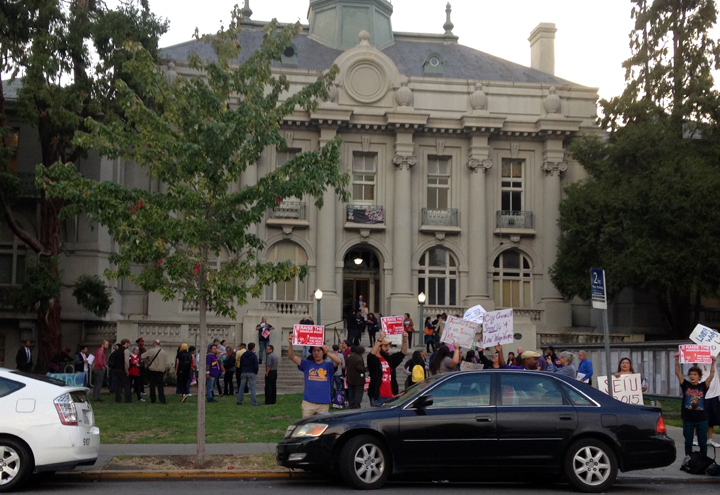
},
"publishDate": 1442526162,
"modified": 1442526190,
"caption": "Labor advocates and workers rallied outside Tuesday night’s Berkeley City Council meeting in favor of increasing the minimum wage.",
"description": null,
"title": "minwage",
"credit": "Mary Flaherty/Berkeleyside",
"status": "inherit",
"isLoading": false,
"fetchFailed": false
},
"news_10660226": {
"type": "attachments",
"id": "news_10660226",
"meta": {
"index": "attachments_1716263798",
"site": "news",
"id": "10660226",
"found": true
},
"parent": 10660223,
"imgSizes": {
"twentyfourteen-full-width": {
"file": "https://ww2.kqed.org/app/uploads/sites/10/2015/08/RS15580_BUDGET_36-1038x576.jpg",
"width": 1038,
"mimeType": "image/jpeg",
"height": 576
},
"thumbnail": {
"file": "https://ww2.kqed.org/app/uploads/sites/10/2015/08/RS15580_BUDGET_36-400x267.jpg",
"width": 400,
"mimeType": "image/jpeg",
"height": 267
},
"fd-sm": {
"file": "https://ww2.kqed.org/app/uploads/sites/10/2015/08/RS15580_BUDGET_36-960x640.jpg",
"width": 960,
"mimeType": "image/jpeg",
"height": 640
},
"post-thumbnail": {
"file": "https://ww2.kqed.org/app/uploads/sites/10/2015/08/RS15580_BUDGET_36-672x372.jpg",
"width": 672,
"mimeType": "image/jpeg",
"height": 372
},
"kqedFullSize": {
"file": "https://ww2.kqed.org/app/uploads/sites/10/2015/08/RS15580_BUDGET_36-e1440801278285.jpg",
"width": 1920,
"height": 1280
},
"large": {
"file": "https://ww2.kqed.org/app/uploads/sites/10/2015/08/RS15580_BUDGET_36-1440x960.jpg",
"width": 1440,
"mimeType": "image/jpeg",
"height": 960
},
"guest-author-96": {
"file": "https://ww2.kqed.org/app/uploads/sites/10/2015/08/RS15580_BUDGET_36-96x96.jpg",
"width": 96,
"mimeType": "image/jpeg",
"height": 96
},
"medium": {
"file": "https://ww2.kqed.org/app/uploads/sites/10/2015/08/RS15580_BUDGET_36-800x533.jpg",
"width": 800,
"mimeType": "image/jpeg",
"height": 533
},
"guest-author-64": {
"file": "https://ww2.kqed.org/app/uploads/sites/10/2015/08/RS15580_BUDGET_36-64x64.jpg",
"width": 64,
"mimeType": "image/jpeg",
"height": 64
},
"guest-author-32": {
"file": "https://ww2.kqed.org/app/uploads/sites/10/2015/08/RS15580_BUDGET_36-32x32.jpg",
"width": 32,
"mimeType": "image/jpeg",
"height": 32
},
"jmtc-small-thumb": {
"file": "https://ww2.kqed.org/app/uploads/sites/10/2015/08/RS15580_BUDGET_36-280x150.jpg",
"width": 280,
"mimeType": "image/jpeg",
"height": 150
},
"fd-lrg": {
"file": "https://ww2.kqed.org/app/uploads/sites/10/2015/08/RS15580_BUDGET_36-1920x1280.jpg",
"width": 1920,
"mimeType": "image/jpeg",
"height": 1280
},
"fd-med": {
"file": "https://ww2.kqed.org/app/uploads/sites/10/2015/08/RS15580_BUDGET_36-1180x787.jpg",
"width": 1180,
"mimeType": "image/jpeg",
"height": 787
},
"detail": {
"file": "https://ww2.kqed.org/app/uploads/sites/10/2015/08/RS15580_BUDGET_36-75x75.jpg",
"width": 75,
"mimeType": "image/jpeg",
"height": 75
},
"guest-author-128": {
"file": "https://ww2.kqed.org/app/uploads/sites/10/2015/08/RS15580_BUDGET_36-128x128.jpg",
"width": 128,
"mimeType": "image/jpeg",
"height": 128
}
},
"publishDate": 1440801265,
"modified": 1440801339,
"caption": "State Sen. Jean Fuller, R-Bakersfield, was elected by her party's senators as GOP leader of the upper house on Thursday, Aug. 28.",
"description": null,
"title": "RS15580_BUDGET_36",
"credit": "Max Whittaker/KQED",
"status": "inherit",
"isLoading": false,
"fetchFailed": false
},
"news_10621447": {
"type": "attachments",
"id": "news_10621447",
"meta": {
"index": "attachments_1716263798",
"site": "news",
"id": "10621447",
"found": true
},
"parent": 10621378,
"imgSizes": {
"twentyfourteen-full-width": {
"file": "https://ww2.kqed.org/app/uploads/sites/10/2015/07/RS16161_MinimumWage_at_featuredimage-qut-1038x576.jpg",
"width": 1038,
"mimeType": "image/jpeg",
"height": 576
},
"thumbnail": {
"file": "https://ww2.kqed.org/app/uploads/sites/10/2015/07/RS16161_MinimumWage_at_featuredimage-qut-400x224.jpg",
"width": 400,
"mimeType": "image/jpeg",
"height": 224
},
"fd-sm": {
"file": "https://ww2.kqed.org/app/uploads/sites/10/2015/07/RS16161_MinimumWage_at_featuredimage-qut-960x539.jpg",
"width": 960,
"mimeType": "image/jpeg",
"height": 539
},
"post-thumbnail": {
"file": "https://ww2.kqed.org/app/uploads/sites/10/2015/07/RS16161_MinimumWage_at_featuredimage-qut-672x372.jpg",
"width": 672,
"mimeType": "image/jpeg",
"height": 372
},
"kqedFullSize": {
"file": "https://ww2.kqed.org/app/uploads/sites/10/2015/07/RS16161_MinimumWage_at_featuredimage-qut.jpg",
"width": 1920,
"height": 1077
},
"large": {
"file": "https://ww2.kqed.org/app/uploads/sites/10/2015/07/RS16161_MinimumWage_at_featuredimage-qut-1440x808.jpg",
"width": 1440,
"mimeType": "image/jpeg",
"height": 808
},
"guest-author-96": {
"file": "https://ww2.kqed.org/app/uploads/sites/10/2015/07/RS16161_MinimumWage_at_featuredimage-qut-96x96.jpg",
"width": 96,
"mimeType": "image/jpeg",
"height": 96
},
"medium": {
"file": "https://ww2.kqed.org/app/uploads/sites/10/2015/07/RS16161_MinimumWage_at_featuredimage-qut-800x449.jpg",
"width": 800,
"mimeType": "image/jpeg",
"height": 449
},
"guest-author-64": {
"file": "https://ww2.kqed.org/app/uploads/sites/10/2015/07/RS16161_MinimumWage_at_featuredimage-qut-64x64.jpg",
"width": 64,
"mimeType": "image/jpeg",
"height": 64
},
"guest-author-32": {
"file": "https://ww2.kqed.org/app/uploads/sites/10/2015/07/RS16161_MinimumWage_at_featuredimage-qut-32x32.jpg",
"width": 32,
"mimeType": "image/jpeg",
"height": 32
},
"jmtc-small-thumb": {
"file": "https://ww2.kqed.org/app/uploads/sites/10/2015/07/RS16161_MinimumWage_at_featuredimage-qut-280x150.jpg",
"width": 280,
"mimeType": "image/jpeg",
"height": 150
},
"fd-lrg": {
"file": "https://ww2.kqed.org/app/uploads/sites/10/2015/07/RS16161_MinimumWage_at_featuredimage-qut-1920x1077.jpg",
"width": 1920,
"mimeType": "image/jpeg",
"height": 1077
},
"fd-med": {
"file": "https://ww2.kqed.org/app/uploads/sites/10/2015/07/RS16161_MinimumWage_at_featuredimage-qut-1180x662.jpg",
"width": 1180,
"mimeType": "image/jpeg",
"height": 662
},
"detail": {
"file": "https://ww2.kqed.org/app/uploads/sites/10/2015/07/RS16161_MinimumWage_at_featuredimage-qut-75x75.jpg",
"width": 75,
"mimeType": "image/jpeg",
"height": 75
},
"guest-author-128": {
"file": "https://ww2.kqed.org/app/uploads/sites/10/2015/07/RS16161_MinimumWage_at_featuredimage-qut-128x128.jpg",
"width": 128,
"mimeType": "image/jpeg",
"height": 128
}
},
"publishDate": 1438210602,
"modified": 1563323388,
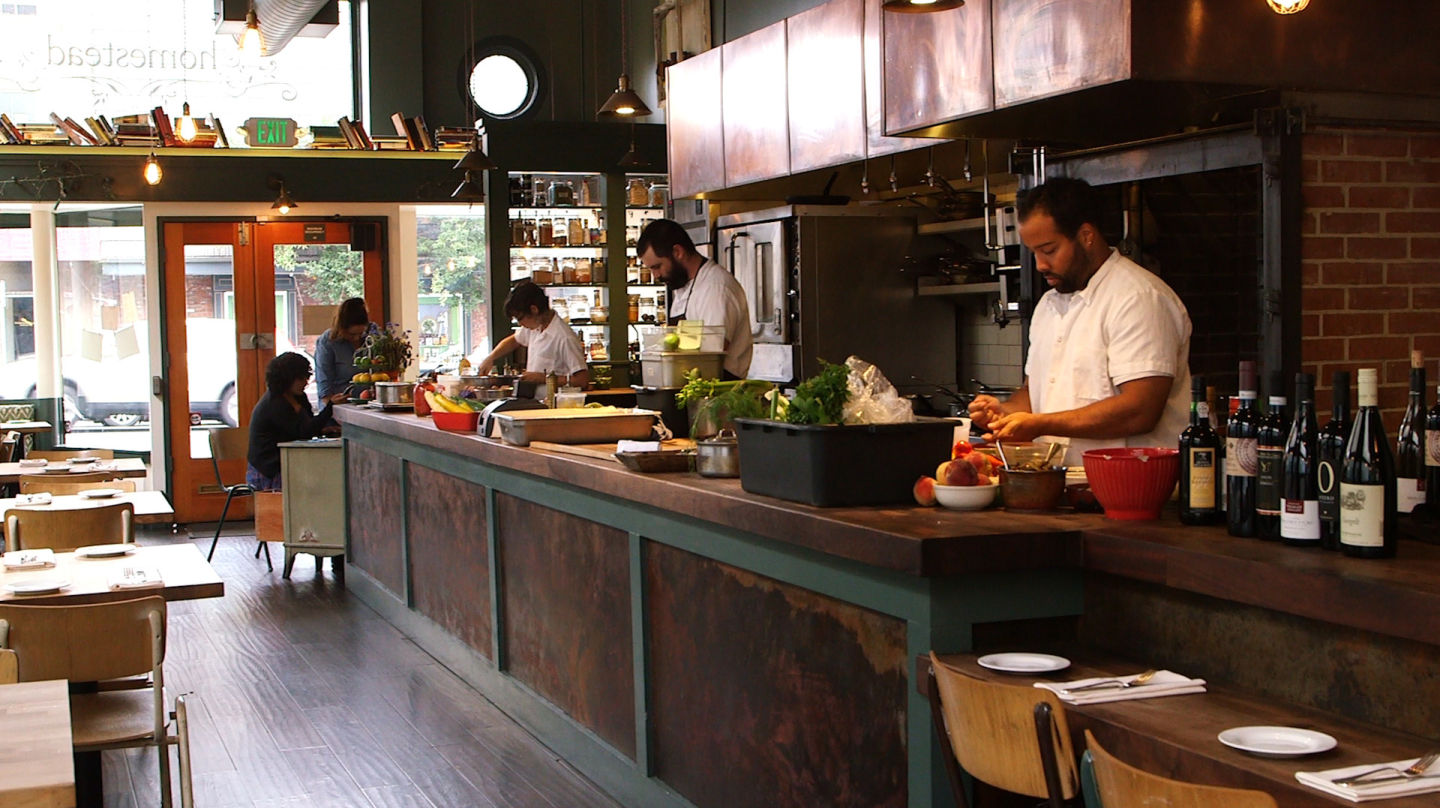
"caption": "Homestead restaurant in Oakland, where some employees received an hourly pay bump this year, resulting from a higher citywide minimum wage. ",
"description": "Homestead Restaurant in Oakland is instituting a no-tipping policy to deal with the higher minimum wage.",
"title": "RS16161_MinimumWage_at_featuredimage-qut",
"credit": "Alan Toth/KQED",
"status": "inherit",
"isLoading": false,
"fetchFailed": false
},
"news_10611553": {
"type": "attachments",
"id": "news_10611553",
"meta": {
"index": "attachments_1716263798",
"site": "news",
"id": "10611553",
"found": true
},
"parent": 10611468,
"imgSizes": {
"twentyfourteen-full-width": {
"file": "https://ww2.kqed.org/app/uploads/sites/10/2015/07/CarWashWorkers1-1038x576.jpg",
"width": 1038,
"mimeType": "image/jpeg",
"height": 576
},
"thumbnail": {
"file": "https://ww2.kqed.org/app/uploads/sites/10/2015/07/CarWashWorkers1-400x225.jpg",
"width": 400,
"mimeType": "image/jpeg",
"height": 225
},
"fd-sm": {
"file": "https://ww2.kqed.org/app/uploads/sites/10/2015/07/CarWashWorkers1-960x540.jpg",
"width": 960,
"mimeType": "image/jpeg",
"height": 540
},
"post-thumbnail": {
"file": "https://ww2.kqed.org/app/uploads/sites/10/2015/07/CarWashWorkers1-672x372.jpg",
"width": 672,
"mimeType": "image/jpeg",
"height": 372
},
"kqedFullSize": {
"file": "https://ww2.kqed.org/app/uploads/sites/10/2015/07/CarWashWorkers1.jpg",
"width": 1920,
"height": 1080
},
"large": {
"file": "https://ww2.kqed.org/app/uploads/sites/10/2015/07/CarWashWorkers1-1440x810.jpg",
"width": 1440,
"mimeType": "image/jpeg",
"height": 810
},
"guest-author-96": {
"file": "https://ww2.kqed.org/app/uploads/sites/10/2015/07/CarWashWorkers1-96x96.jpg",
"width": 96,
"mimeType": "image/jpeg",
"height": 96
},
"medium": {
"file": "https://ww2.kqed.org/app/uploads/sites/10/2015/07/CarWashWorkers1-800x450.jpg",
"width": 800,
"mimeType": "image/jpeg",
"height": 450
},
"guest-author-64": {
"file": "https://ww2.kqed.org/app/uploads/sites/10/2015/07/CarWashWorkers1-64x64.jpg",
"width": 64,
"mimeType": "image/jpeg",
"height": 64
},
"guest-author-32": {
"file": "https://ww2.kqed.org/app/uploads/sites/10/2015/07/CarWashWorkers1-32x32.jpg",
"width": 32,
"mimeType": "image/jpeg",
"height": 32
},
"jmtc-small-thumb": {
"file": "https://ww2.kqed.org/app/uploads/sites/10/2015/07/CarWashWorkers1-280x150.jpg",
"width": 280,
"mimeType": "image/jpeg",
"height": 150
},
"fd-lrg": {
"file": "https://ww2.kqed.org/app/uploads/sites/10/2015/07/CarWashWorkers1-1400x788.jpg",
"width": 1400,
"mimeType": "image/jpeg",
"height": 788
},
"fd-med": {
"file": "https://ww2.kqed.org/app/uploads/sites/10/2015/07/CarWashWorkers1-1180x664.jpg",
"width": 1180,
"mimeType": "image/jpeg",
"height": 664
},
"detail": {
"file": "https://ww2.kqed.org/app/uploads/sites/10/2015/07/CarWashWorkers1-75x75.jpg",
"width": 75,
"mimeType": "image/jpeg",
"height": 75
},
"guest-author-128": {
"file": "https://ww2.kqed.org/app/uploads/sites/10/2015/07/CarWashWorkers1-128x128.jpg",
"width": 128,
"mimeType": "image/jpeg",
"height": 128
}
},
"publishDate": 1437601637,
"modified": 1437601680,
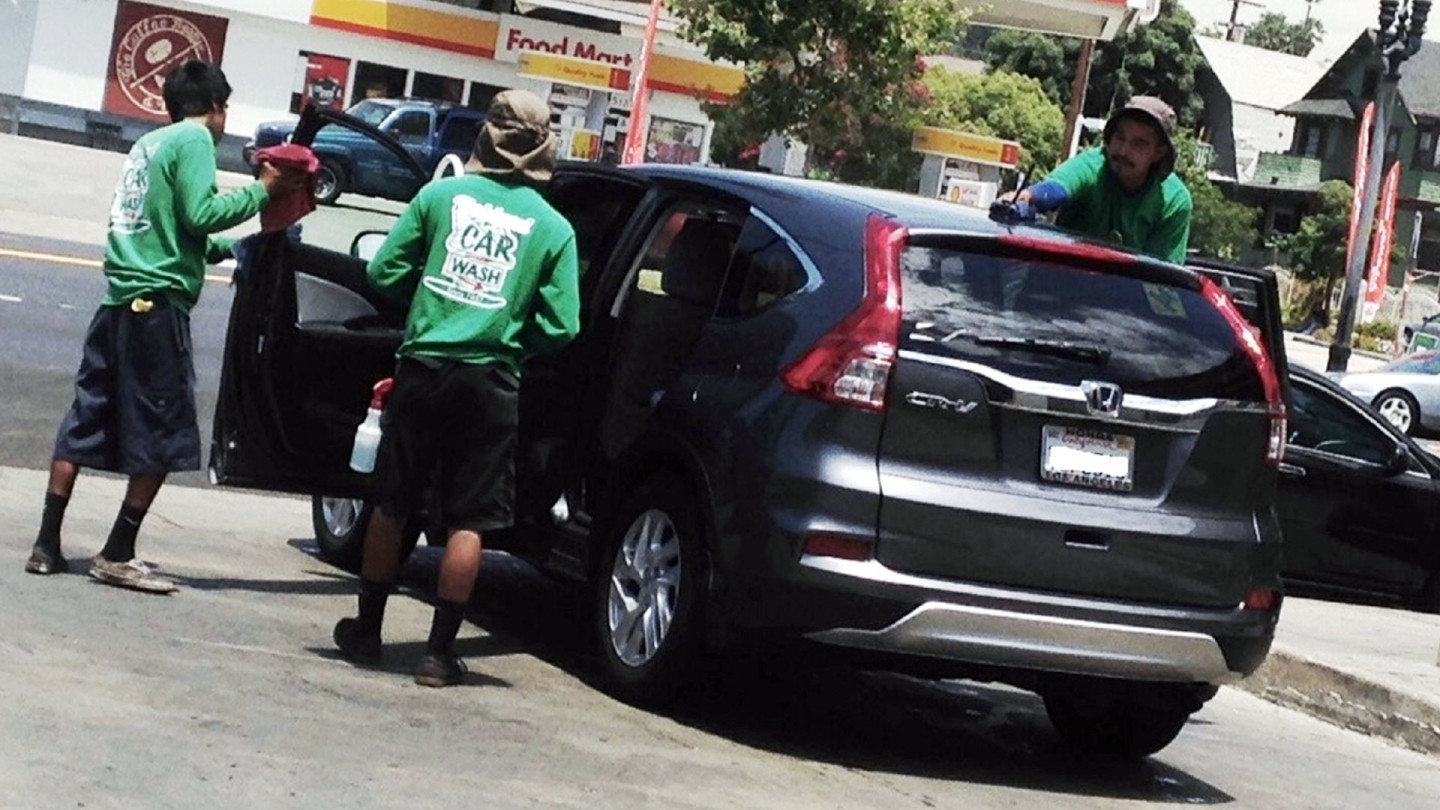
"caption": "Empleados de lavado de autos y sus defensores están entre los que exigen aplicación estricta de la nueva ley de salario mínimo en Los Ángeles.",
"description": "Empleados de lavado de autos y sus defensores están entre los que exigen aplicación estricta de la nueva ley de salario mínimo en Los Ángeles.",
"title": "CarWashWorkers",
"credit": "Steven Cuevas/KQED",
"status": "inherit",
"isLoading": false,
"fetchFailed": false
},
"news_10416557": {
"type": "attachments",
"id": "news_10416557",
"meta": {
"index": "attachments_1716263798",
"site": "news",
"id": "10416557",
"found": true
},
"parent": 10416421,
"imgSizes": {
"twentyfourteen-full-width": {
"file": "https://ww2.kqed.org/app/uploads/sites/10/2015/01/napolitano-1038x576.jpg",
"width": 1038,
"mimeType": "image/jpeg",
"height": 576
},
"thumbnail": {
"file": "https://ww2.kqed.org/app/uploads/sites/10/2015/01/napolitano-400x267.jpg",
"width": 400,
"mimeType": "image/jpeg",
"height": 267
},
"post-thumbnail": {
"file": "https://ww2.kqed.org/app/uploads/sites/10/2015/01/napolitano-672x372.jpg",
"width": 672,
"mimeType": "image/jpeg",
"height": 372
},
"kqedFullSize": {
"file": "https://ww2.kqed.org/app/uploads/sites/10/2015/01/napolitano-e1422316539897.jpg",
"width": 1440,
"height": 960
},
"large": {
"file": "https://ww2.kqed.org/app/uploads/sites/10/2015/01/napolitano-1440x960.jpg",
"width": 1440,
"mimeType": "image/jpeg",
"height": 960
},
"guest-author-96": {
"file": "https://ww2.kqed.org/app/uploads/sites/10/2015/01/napolitano-96x96.jpg",
"width": 96,
"mimeType": "image/jpeg",
"height": 96
},
"medium": {
"file": "https://ww2.kqed.org/app/uploads/sites/10/2015/01/napolitano-800x533.jpg",
"width": 800,
"mimeType": "image/jpeg",
"height": 533
},
"guest-author-64": {
"file": "https://ww2.kqed.org/app/uploads/sites/10/2015/01/napolitano-64x64.jpg",
"width": 64,
"mimeType": "image/jpeg",
"height": 64
},
"detail": {
"file": "https://ww2.kqed.org/app/uploads/sites/10/2015/01/napolitano-75x75.jpg",
"width": 75,
"mimeType": "image/jpeg",
"height": 75
},
"guest-author-32": {
"file": "https://ww2.kqed.org/app/uploads/sites/10/2015/01/napolitano-32x32.jpg",
"width": 32,
"mimeType": "image/jpeg",
"height": 32
},
"guest-author-128": {
"file": "https://ww2.kqed.org/app/uploads/sites/10/2015/01/napolitano-128x128.jpg",
"width": 128,
"mimeType": "image/jpeg",
"height": 128
}
},
"publishDate": 1422316474,
"modified": 1426803391,
"caption": "University of California President Janet Napolitano in 2013. ",
"description": "University of California President Janet Napolitano in 2013. ",
"title": "Janet Napolitano-University of California",
"credit": "Deborah Svoboda/KQED",
"status": "inherit",
"isLoading": false,
"fetchFailed": false
}
},
"audioPlayerReducer": {
"postId": "stream_live",
"isPaused": true,
"isPlaying": false,
"pfsActive": false,
"pledgeModalIsOpen": true,
"playerDrawerIsOpen": false,
"liveAudioPlayStartedAt": 0,
"liveAudioPlayContext": ""
},
"authorsReducer": {
"byline_news_10908721": {
"type": "authors",
"id": "byline_news_10908721",
"meta": {
"override": true
},
"slug": "byline_news_10908721",
"name": "\u003cstrong>\u003ca href=\"http://www.scpr.org/about/people/staff/mary-plummer\">Mary Plummer\u003c/a>\u003cbr>\u003ca href=\"http://www.scpr.org/\">KPCC\u003c/a>\u003c/strong>",
"isLoading": false
},
"byline_news_10898195": {
"type": "authors",
"id": "byline_news_10898195",
"meta": {
"override": true
},
"slug": "byline_news_10898195",
"name": "\u003cstrong>\u003ca href=\"http://www.scpr.org/about/people/staff/brian-watt\">Brian Watt\u003c/a>\u003cbr>KPCC\u003c/strong>",
"isLoading": false
},
"byline_news_10795505": {
"type": "authors",
"id": "byline_news_10795505",
"meta": {
"override": true
},
"slug": "byline_news_10795505",
"name": "\u003cstrong>\u003ca href=\"https://calmatters.org/about/staff/pauline-bartolone/\">Pauline Bartolone\u003c/a>\u003cbr>\u003ca href=\"https://calmatters.org/\">CALmatters\u003c/a>\u003c/strong>",
"isLoading": false
},
"byline_news_10777885": {
"type": "authors",
"id": "byline_news_10777885",
"meta": {
"override": true
},
"slug": "byline_news_10777885",
"name": "\u003cstrong>\u003ca href=\"https://calmatters.org/about/staff/pauline-bartolone/\">Pauline Bartolone\u003c/a>\u003cbr>\u003ca href=\"https://calmatters.org/\">CALmatters\u003c/a>\u003c/strong>",
"isLoading": false
},
"byline_news_10686848": {
"type": "authors",
"id": "byline_news_10686848",
"meta": {
"override": true
},
"slug": "byline_news_10686848",
"name": "Emilie Raguso ",
"isLoading": false
},
"byline_news_10611281": {
"type": "authors",
"id": "byline_news_10611281",
"meta": {
"override": true
},
"slug": "byline_news_10611281",
"name": "\u003cstrong>\u003ca href=\"https://twitter.com/scoopscout\" target=\"_blank\">Lisa Leff\u003cbr />Associated Press\u003c/strong>",
"isLoading": false
},
"jmyers": {
"type": "authors",
"id": "232",
"meta": {
"index": "authors_1716337520",
"id": "232",
"found": true
},
"name": "John Myers",
"firstName": "John",
"lastName": "Myers",
"slug": "jmyers",
"email": "jmyers@kqed.org",
"display_author_email": false,
"staff_mastheads": [],
"title": null,
"bio": "John Myers is Senior Editor of KQED's new California Politics and Government Desk. A veteran of almost two decades of political coverage, he was KQED's longest serving statehouse bureau chief and recently was political editor for Sacramento's ABC affiliate, News10 (KXTV). John was moderator of the only 2014 gubernatorial debate, and was named by \u003cem>The Washington Post\u003c/em> to two \"Best Of\" lists: the 2015 list of top state politics reporters and 2014's list of America's most influential statehouse reporters.",
"avatar": "https://secure.gravatar.com/avatar/c0ac98482caf0b8229a792662b38722a?s=600&d=blank&r=g",
"twitter": "johnmyers",
"facebook": null,
"instagram": null,
"linkedin": null,
"sites": [
{
"site": "news",
"roles": [
"subscriber"
]
}
],
"headData": {
"title": "John Myers | KQED",
"description": null,
"ogImgSrc": "https://secure.gravatar.com/avatar/c0ac98482caf0b8229a792662b38722a?s=600&d=blank&r=g",
"twImgSrc": "https://secure.gravatar.com/avatar/c0ac98482caf0b8229a792662b38722a?s=600&d=blank&r=g"
},
"isLoading": false,
"link": "/author/jmyers"
},
"samharnett": {
"type": "authors",
"id": "253",
"meta": {
"index": "authors_1716337520",
"id": "253",
"found": true
},
"name": "Sam Harnett",
"firstName": "Sam",
"lastName": "Harnett",
"slug": "samharnett",
"email": "samharnett@gmail.com",
"display_author_email": false,
"staff_mastheads": [],
"title": "KQED Contributor",
"bio": "Sam Harnett covered tech and work at KQED. He is the co-creator of \u003cem>\u003ca href=\"http://www.theworldaccordingtosound.org\">The World According to Sound\u003c/a>,\u003c/em> a 90-second podcast that features different sounds and the stories behind them.\r\n\r\nBefore coming to KQED, Sam worked as an independent reporter who contributed regularly to \u003cem>The California Report, Marketplace,\u003c/em> \u003cem>The World \u003c/em>and NPR.",
"avatar": "https://secure.gravatar.com/avatar/2538b972ac02f2b9546c7a6c59a0f3d0?s=600&d=blank&r=g",
"twitter": "Samwharnett",
"facebook": null,
"instagram": null,
"linkedin": null,
"sites": [
{
"site": "news",
"roles": [
"edit_others_posts",
"subscriber"
]
},
{
"site": "stateofhealth",
"roles": [
"author"
]
},
{
"site": "science",
"roles": [
"editor"
]
},
{
"site": "quest",
"roles": [
"subscriber"
]
}
],
"headData": {
"title": "Sam Harnett | KQED",
"description": "KQED Contributor",
"ogImgSrc": "https://secure.gravatar.com/avatar/2538b972ac02f2b9546c7a6c59a0f3d0?s=600&d=blank&r=g",
"twImgSrc": "https://secure.gravatar.com/avatar/2538b972ac02f2b9546c7a6c59a0f3d0?s=600&d=blank&r=g"
},
"isLoading": false,
"link": "/author/samharnett"
},
"scuevas": {
"type": "authors",
"id": "2600",
"meta": {
"index": "authors_1716337520",
"id": "2600",
"found": true
},
"name": "Steven Cuevas",
"firstName": "Steven",
"lastName": "Cuevas",
"slug": "scuevas",
"email": "scuevas@kqed.org",
"display_author_email": false,
"staff_mastheads": [],
"title": "KQED Contributor",
"bio": "Steven is a former Los Angeles bureau chief for The California Report.\r\n\r\nHe reports on an array of issues across the Southland, from immigration and regional politics to religion, the performing arts and pop culture.\r\n\r\nPrior to joining KQED in 2012, Steven covered Inland southern California for KPCC in Pasadena. He also helped establish the first newsroom at \u003ca href=\"http://kut.org/\">KUT\u003c/a> in Austin, Texas where he was a general assignment reporter.\r\n\r\nSteven has received numerous awards for his reporting including an RTNDA Edward R. Murrow Award for investigative reporting in addition to awards from the LA Press Club, the Associated Press and the Society for Professional Journalists.\r\n\r\nSteven grew up in and around San Francisco and now lives in Pasadena just a short jog from the foot of the San Gabriel Mountains.",
"avatar": "https://secure.gravatar.com/avatar/2d253580794f8e026100fae05cfabbbd4889b4fe15146146cacb82a01974c538?s=600&d=blank&r=g",
"twitter": null,
"bluesky": null,
"facebook": null,
"instagram": null,
"linkedin": null,
"sites": [
{
"site": "news",
"roles": [
"subscriber"
]
}
],
"headData": {
"title": "Steven Cuevas | KQED",
"description": "KQED Contributor",
"ogImgSrc": "https://secure.gravatar.com/avatar/2d253580794f8e026100fae05cfabbbd4889b4fe15146146cacb82a01974c538?s=600&d=blank&r=g",
"twImgSrc": "https://secure.gravatar.com/avatar/2d253580794f8e026100fae05cfabbbd4889b4fe15146146cacb82a01974c538?s=600&d=blank&r=g"
},
"isLoading": false,
"link": "/author/scuevas"
},
"mlagos": {
"type": "authors",
"id": "3239",
"meta": {
"index": "authors_1716337520",
"id": "3239",
"found": true
},
"name": "Marisa Lagos",
"firstName": "Marisa",
"lastName": "Lagos",
"slug": "mlagos",
"email": "mlagos@kqed.org",
"display_author_email": false,
"staff_mastheads": [
"news"
],
"title": "KQED Contributor",
"bio": "Marisa Lagos is a correspondent for KQED’s California Politics and Government Desk and co-hosts the award-winning show and podcast, Political Breakdown. At KQED, Lagos also conducts reporting, analysis and investigations into state, local and national politics for radio, TV, online and onstage. In 2022, she and co-host, Scott Shafer, moderated the only gubernatorial debate in California. In 2020, the \u003ci>Washington Post\u003c/i> named her one of the top political journalists in California; she was nominated for a Peabody and won several other awards for her work investigating the 2017 California wildfires. She has worked at the \u003ci>San Francisco Chronicle\u003c/i>, \u003ci>San Francisco Examiner\u003c/i> and \u003ci>Los Angeles Times\u003c/i>. A UC Santa Barbara graduate, she lives in San Francisco with her two sons and husband.",
"avatar": "https://secure.gravatar.com/avatar/a261a0d3696fc066871ef96b85b5e7d2?s=600&d=blank&r=g",
"twitter": "@mlagos",
"facebook": null,
"instagram": null,
"linkedin": null,
"sites": [
{
"site": "arts",
"roles": [
"author"
]
},
{
"site": "news",
"roles": [
"editor"
]
},
{
"site": "science",
"roles": [
"editor"
]
},
{
"site": "forum",
"roles": [
"author"
]
},
{
"site": "liveblog",
"roles": [
"author"
]
}
],
"headData": {
"title": "Marisa Lagos | KQED",
"description": "KQED Contributor",
"ogImgSrc": "https://secure.gravatar.com/avatar/a261a0d3696fc066871ef96b85b5e7d2?s=600&d=blank&r=g",
"twImgSrc": "https://secure.gravatar.com/avatar/a261a0d3696fc066871ef96b85b5e7d2?s=600&d=blank&r=g"
},
"isLoading": false,
"link": "/author/mlagos"
},
"lklivans": {
"type": "authors",
"id": "8648",
"meta": {
"index": "authors_1716337520",
"id": "8648",
"found": true
},
"name": "Laura Klivans",
"firstName": "Laura",
"lastName": "Klivans",
"slug": "lklivans",
"email": "lklivans@kqed.org",
"display_author_email": true,
"staff_mastheads": [
"news",
"science"
],
"title": "Reporter",
"bio": "Laura Klivans is an award-winning science reporter for KQED News, where she covers climate change with an eye on both groundbreaking progress and gaps in action. She is the former host of KQED's blockbuster video series about tiny, amazing animals, \u003cem>Deep Look\u003c/em>. Her work reaches national audiences through NPR, \u003cem>Here & Now, \u003c/em>PRI, and other major outlets. \r\n\r\nLaura’s won five Northern California Area Emmy Awards for Deep Look and First Place in the Greater Bay Area Journalism Awards for a podcast exploring how one Oakland neighborhood teamed up to reduce planet-heating pollution.\r\n\r\nBeyond her reporting, she hosts and moderates events. In the past, she taught audio storytelling at the UC Berkeley Graduate School of Journalism, led international education programs, worked with immigrants and refugees along the Thai-Burmese border, taught high schoolers sex ed, and was an actress. \r\n\r\nShe's a former UC Berkeley Human Rights Fellow, USC Center for Health Journalism's California Fellow and Coro Fellow in Public Affairs. Laura has a master’s in journalism from UC Berkeley, a master’s in education from Harvard, and an undergraduate degree from Northwestern University.\r\n\r\nShe loves trying to riddle the meaning out of vanity license plates.",
"avatar": "https://secure.gravatar.com/avatar/2d2ecd1550a494cc10ad4a503406965585902124739e775a9b3817eebf1d88be?s=600&d=blank&r=g",
"twitter": "lauraklivans",
"bluesky": null,
"facebook": null,
"instagram": null,
"linkedin": null,
"sites": [
{
"site": "news",
"roles": [
"editor"
]
},
{
"site": "stateofhealth",
"roles": [
"contributor",
"editor"
]
},
{
"site": "science",
"roles": [
"editor"
]
},
{
"site": "forum",
"roles": [
"editor"
]
}
],
"headData": {
"title": "Laura Klivans | KQED",
"description": "Reporter",
"ogImgSrc": "https://secure.gravatar.com/avatar/2d2ecd1550a494cc10ad4a503406965585902124739e775a9b3817eebf1d88be?s=600&d=blank&r=g",
"twImgSrc": "https://secure.gravatar.com/avatar/2d2ecd1550a494cc10ad4a503406965585902124739e775a9b3817eebf1d88be?s=600&d=blank&r=g"
},
"isLoading": false,
"link": "/author/lklivans"
},
"atoth": {
"type": "authors",
"id": "8650",
"meta": {
"index": "authors_1716337520",
"id": "8650",
"found": true
},
"name": "Alan Toth",
"firstName": "Alan",
"lastName": "Toth",
"slug": "atoth",
"email": "atoth@kqed.org",
"display_author_email": false,
"staff_mastheads": [],
"title": "KQED Contributor",
"bio": "Alan Toth is a filmmaker and video production professional. He is educated in multimedia production, and fine art. He worked for many years in cable television and publishing. He served as a Peace Corps volunteer in South Africa from 2010 – 2012. His Peace Corps service inspired him to pursue a career directing documentary feature films. He directed and produced the feature documentary \u003cem>Posh Corps\u003c/em> in 2013.\r\n\r\n@Alan_Toth",
"avatar": "https://secure.gravatar.com/avatar/a4fe68a29d3005d6bcfded12e2865e6a?s=600&d=blank&r=g",
"twitter": "@Alan_Toth",
"facebook": null,
"instagram": null,
"linkedin": null,
"sites": [
{
"site": "news",
"roles": [
"subscriber"
]
}
],
"headData": {
"title": "Alan Toth | KQED",
"description": "KQED Contributor",
"ogImgSrc": "https://secure.gravatar.com/avatar/a4fe68a29d3005d6bcfded12e2865e6a?s=600&d=blank&r=g",
"twImgSrc": "https://secure.gravatar.com/avatar/a4fe68a29d3005d6bcfded12e2865e6a?s=600&d=blank&r=g"
},
"isLoading": false,
"link": "/author/atoth"
}
},
"pagesReducer": {
"news_tag_minimum-wage": {
"type": "terms",
"id": "news_2141",
"meta": {
"index": "terms_1716263798",
"site": "news",
"id": "2141",
"score": 9.304781
},
"featImg": null,
"name": "minimum wage",
"description": null,
"taxonomy": "tag",
"headData": {
"twImgId": null,
"twTitle": null,
"ogTitle": null,
"ogImgId": null,
"twDescription": null,
"description": null,
"title": "minimum wage Archives | KQED News",
"ogDescription": null
},
"ttid": 2156,
"slug": "minimum-wage",
"isLoading": false,
"title": "minimum wage",
"pageMeta": {
"site": "news",
"WpPageTemplate": "page-topic-editorial",
"currentPage": 6
},
"blocks": [
{
"blockName": "kqed/post-list",
"attrs": {
"layout": "cardArticle2",
"query": "posts/news?tag=minimum-wage",
"seeMore": false,
"paginated": true,
"page": 6
}
},
{
"blockName": "kqed/ad"
}
]
}
},
"pfsSessionReducer": {},
"postsReducer": {
"stream_live": {
"type": "live",
"id": "stream_live",
"audioUrl": "https://streams.kqed.org/kqedradio",
"title": "Live Stream",
"excerpt": "Live Stream information currently unavailable.",
"link": "/radio",
"featImg": "",
"label": {
"name": "KQED Live",
"link": "/"
}
},
"stream_kqedNewscast": {
"type": "posts",
"id": "stream_kqedNewscast",
"audioUrl": "https://www.kqed.org/.stream/anon/radio/RDnews/newscast.mp3?_=1",
"title": "KQED Newscast",
"featImg": "",
"label": {
"name": "88.5 FM",
"link": "/"
}
},
"news_10908721": {
"type": "posts",
"id": "news_10908721",
"meta": {
"index": "posts_1716263798",
"site": "news",
"id": "10908721",
"score": null,
"sort": [
1458932454000
]
},
"parent": 0,
"labelTerm": {
"site": "news",
"term": 72
},
"blocks": [],
"publishDate": 1458932454,
"format": "standard",
"disqusTitle": "As Minimum Wage Heads to November Ballot, Business Groups Leap to Fight It",
"title": "As Minimum Wage Heads to November Ballot, Business Groups Leap to Fight It",
"headTitle": "Election 2016 | The California Report | KQED News",
"content": "\u003cp>On Tuesday, just hours after news that a ballot measure to raise California's minimum wage to $15 is now eligible for the statewide ballot in November, business leaders across the state vowed to fight it. But they left the door open for a compromise on the issue in the Legislature that would cost them less.\u003c/p>\n\u003cp>Theresa Harvey, president and CEO of the North Orange County Chamber of Commerce, said she knew the measure was coming and has been preparing to fight it.\u003c/p>\n\u003cp>\"It’s going to force more and more businesses out of California,\" she said. \"It’s going to be impossible for employers to keep within the law and it’s going to drive more people to hire fewer employees.\"\u003c/p>\n\u003cp>Harvey said her group has an article in the quarterly newsletter set to go out soon telling members why they should oppose the measure. The chamber also has social media and email outreach plans in place to try and build support to vote it down.\u003c/p>\n\u003cp>[contextly_sidebar id=\"xyAhjsY0jaYcM4FZEhfS3WMAcOwPSTNz\"]\u003c/p>\n\u003cp>Due to a recent law change, the ballot measure's proponents have until June 30 to withdraw the initiative from the November ballot. That could happen if the Legislature were to pass a minimum wage bill before then. Senate Bill 3, which would raise California's minimum wage to $13, has been making its way through the Legislature.\u003c/p>\n\u003cp>[ad fullwidth]\u003c/p>\n\u003cp>Harvey said that although her group opposes the ballot measure, it might be open to a less rapid-fire approach from state lawmakers.\u003c/p>\n\u003cp>\"Were the Legislature to consider a more gradual step-up as they did from the seven to eight, and then the eight to nine and 10, we could certainly look at it,\" she said, referring to previous minimum wage increases. “I think the devil is in the details.”\u003c/p>\n\u003cp>There's also a competing ballot initiative that's still trying to qualify for the November ballot that includes increased sick time.\u003c/p>\n\u003cp>Betty Jo Toccoli, president of the California Small Business Association, hopes the minimum wage issue will be resolved in the Legislature. She gave \u003ca href=\"https://leginfo.legislature.ca.gov/faces/billNavClient.xhtml?bill_id=201520160SB3\">the current Senate bill\u003c/a> a 50/50 chance of passing.\u003c/p>\n\u003cp>\"I think there are those legislators that think the easy way out is to just let the initiative go through and then they won't be blamed for it, and then I think there are also legislators that recognize that they need to work on it,\" she said.\u003c/p>\n\u003cp>Toccoli said California businesses would like to see lawmakers carve out exemptions for students so they can work for lower wages. They also want to see exemptions for restaurant servers so they can still get tips.\u003c/p>\n\u003cp>One of the biggest irritants in the ballot initiative for businesses is a provision for annual cost-of-living increases once the $15-an-hour mark has been reached.\u003c/p>\n\u003cp>Hortencia Armendariz, director of health care outreach at SEIU-United Healthcare Workers, left room for the possibility that the sponsors could remove the ballot initiative if the Legislature were to act, but said they wouldn't do so for anything less than what their ballot initiative proposes. Their measure includes cost-of-living increases.\u003c/p>\n\u003cp>\"Where we stand is nothing less than $15 as an increase,\" she said. \"Right now we're very happy that it qualified.\"\u003c/p>\n\u003cp>Nicholas Adcock, vice president and governmental affairs manager for Greater Riverside Chambers of Commerce, said his group has yet to take an official position on the ballot measure but that it has deep concerns about minimum wage increases.\u003c/p>\n\u003cp>\"Economies are different from city to city,\" he said, pointing out that well over half of the businesses in Riverside have fewer than 10 employees. \"We're not talking very big profit models with huge profit margins.\"\u003c/p>\n\u003cp>Riverside, according to Adcock, doesn't have the resources of larger cities like San Francisco and Los Angeles. He fears a minimum wage increase could stifle small business growth, which is still in recovery after the housing crisis that hit the area hard during the Great Recession.\u003c/p>\n\u003cp>\"It's going to force them to make some very tough decisions,\" he said, speaking of small business owners. \"We want more jobs to be created.\"\u003c/p>\n\u003cp>\u003c/p>\n\u003cp>\u003cem>California Counts is a collaboration of KPBS, KPCC, KQED and Capital Public Radio to report on the 2016 election. The coverage focuses on major issues and solicits diverse voices on what’s important to the future of California.\u003c/em>\u003c/p>\n\n",
"disqusIdentifier": "10908721 http://ww2.kqed.org/news/?p=10908721",
"disqusUrl": "https://ww2.kqed.org/news/2016/03/25/as-minimum-wage-heads-to-november-ballot-business-groups-leap-to-fight-it/",
"stats": {
"hasVideo": false,
"hasChartOrMap": false,
"hasAudio": false,
"hasPolis": false,
"wordCount": 745,
"hasGoogleForm": false,
"hasGallery": false,
"hasHearkenModule": false,
"iframeSrcs": [],
"paragraphCount": 22
},
"modified": 1458943094,
"excerpt": "Now that a measure to raise California's minimum wage to $15 is eligible for the ballot, business leaders are looking to the Legislature to intervene.",
"headData": {
"twImgId": "",
"twTitle": "",
"ogTitle": "",
"ogImgId": "",
"twDescription": "",
"description": "Now that a measure to raise California's minimum wage to $15 is eligible for the ballot, business leaders are looking to the Legislature to intervene.",
"title": "As Minimum Wage Heads to November Ballot, Business Groups Leap to Fight It | KQED",
"ogDescription": "",
"schema": {
"@context": "https://schema.org",
"@type": "NewsArticle",
"headline": "As Minimum Wage Heads to November Ballot, Business Groups Leap to Fight It",
"datePublished": "2016-03-25T12:00:54-07:00",
"dateModified": "2016-03-25T14:58:14-07:00",
"image": "https://cdn.kqed.org/wp-content/uploads/2020/02/KQED-OG-Image@1x.png",
"isAccessibleForFree": "True",
"publisher": {
"@type": "NewsMediaOrganization",
"@id": "https://www.kqed.org/#organization",
"name": "KQED",
"logo": "https://cdn.kqed.org/wp-content/uploads/2020/02/KQED-OG-Image@1x.png",
"url": "https://www.kqed.org",
"sameAs": [
"https://www.facebook.com/KQED",
"https://twitter.com/KQED",
"https://www.instagram.com/kqed/",
"https://www.tiktok.com/@kqedofficial",
"https://www.linkedin.com/company/kqed",
"https://www.youtube.com/channel/UCeC0IOo7i1P_61zVUWbJ4nw"
]
}
}
},
"guestAuthors": [],
"slug": "as-minimum-wage-heads-to-november-ballot-business-groups-leap-to-fight-it",
"status": "publish",
"customPermalink": "2016/03/24/as-minimum-wage-heads-to-november-ballot-business-groups-leap-to-fight-it/",
"nprByline": "\u003cstrong>\u003ca href=\"http://www.scpr.org/about/people/staff/mary-plummer\">Mary Plummer\u003c/a>\u003cbr>\u003ca href=\"http://www.scpr.org/\">KPCC\u003c/a>\u003c/strong>",
"path": "/news/10908721/as-minimum-wage-heads-to-november-ballot-business-groups-leap-to-fight-it",
"audioTrackLength": null,
"parsedContent": [
{
"type": "contentString",
"content": "\u003cdiv class=\"post-body\">\u003cp>\u003cp>On Tuesday, just hours after news that a ballot measure to raise California's minimum wage to $15 is now eligible for the statewide ballot in November, business leaders across the state vowed to fight it. But they left the door open for a compromise on the issue in the Legislature that would cost them less.\u003c/p>\n\u003cp>Theresa Harvey, president and CEO of the North Orange County Chamber of Commerce, said she knew the measure was coming and has been preparing to fight it.\u003c/p>\n\u003cp>\"It’s going to force more and more businesses out of California,\" she said. \"It’s going to be impossible for employers to keep within the law and it’s going to drive more people to hire fewer employees.\"\u003c/p>\n\u003cp>Harvey said her group has an article in the quarterly newsletter set to go out soon telling members why they should oppose the measure. The chamber also has social media and email outreach plans in place to try and build support to vote it down.\u003c/p>\n\u003cp>\u003c/p>\u003cp>\u003c/p>\u003cp>\u003c/p>\n\u003cp>Due to a recent law change, the ballot measure's proponents have until June 30 to withdraw the initiative from the November ballot. That could happen if the Legislature were to pass a minimum wage bill before then. Senate Bill 3, which would raise California's minimum wage to $13, has been making its way through the Legislature.\u003c/p>\n\u003cp>\u003c/p>\u003c/div>",
"attributes": {
"named": {},
"numeric": []
}
},
{
"type": "component",
"content": "",
"name": "ad",
"attributes": {
"named": {
"label": "fullwidth"
},
"numeric": [
"fullwidth"
]
}
},
{
"type": "contentString",
"content": "\u003cdiv class=\"post-body\">\u003cp>\u003c/p>\n\u003cp>Harvey said that although her group opposes the ballot measure, it might be open to a less rapid-fire approach from state lawmakers.\u003c/p>\n\u003cp>\"Were the Legislature to consider a more gradual step-up as they did from the seven to eight, and then the eight to nine and 10, we could certainly look at it,\" she said, referring to previous minimum wage increases. “I think the devil is in the details.”\u003c/p>\n\u003cp>There's also a competing ballot initiative that's still trying to qualify for the November ballot that includes increased sick time.\u003c/p>\n\u003cp>Betty Jo Toccoli, president of the California Small Business Association, hopes the minimum wage issue will be resolved in the Legislature. She gave \u003ca href=\"https://leginfo.legislature.ca.gov/faces/billNavClient.xhtml?bill_id=201520160SB3\">the current Senate bill\u003c/a> a 50/50 chance of passing.\u003c/p>\n\u003cp>\"I think there are those legislators that think the easy way out is to just let the initiative go through and then they won't be blamed for it, and then I think there are also legislators that recognize that they need to work on it,\" she said.\u003c/p>\n\u003cp>Toccoli said California businesses would like to see lawmakers carve out exemptions for students so they can work for lower wages. They also want to see exemptions for restaurant servers so they can still get tips.\u003c/p>\n\u003cp>One of the biggest irritants in the ballot initiative for businesses is a provision for annual cost-of-living increases once the $15-an-hour mark has been reached.\u003c/p>\n\u003cp>Hortencia Armendariz, director of health care outreach at SEIU-United Healthcare Workers, left room for the possibility that the sponsors could remove the ballot initiative if the Legislature were to act, but said they wouldn't do so for anything less than what their ballot initiative proposes. Their measure includes cost-of-living increases.\u003c/p>\n\u003cp>\"Where we stand is nothing less than $15 as an increase,\" she said. \"Right now we're very happy that it qualified.\"\u003c/p>\n\u003cp>Nicholas Adcock, vice president and governmental affairs manager for Greater Riverside Chambers of Commerce, said his group has yet to take an official position on the ballot measure but that it has deep concerns about minimum wage increases.\u003c/p>\n\u003cp>\"Economies are different from city to city,\" he said, pointing out that well over half of the businesses in Riverside have fewer than 10 employees. \"We're not talking very big profit models with huge profit margins.\"\u003c/p>\n\u003cp>Riverside, according to Adcock, doesn't have the resources of larger cities like San Francisco and Los Angeles. He fears a minimum wage increase could stifle small business growth, which is still in recovery after the housing crisis that hit the area hard during the Great Recession.\u003c/p>\n\u003cp>\"It's going to force them to make some very tough decisions,\" he said, speaking of small business owners. \"We want more jobs to be created.\"\u003c/p>\n\u003cp>\u003c/p>\n\u003cp>\u003cem>California Counts is a collaboration of KPBS, KPCC, KQED and Capital Public Radio to report on the 2016 election. The coverage focuses on major issues and solicits diverse voices on what’s important to the future of California.\u003c/em>\u003c/p>\n\n\u003c/div>\u003c/p>",
"attributes": {
"named": {},
"numeric": []
}
}
],
"link": "/news/10908721/as-minimum-wage-heads-to-november-ballot-business-groups-leap-to-fight-it",
"authors": [
"byline_news_10908721"
],
"programs": [
"news_72"
],
"series": [
"news_19101"
],
"categories": [
"news_1758",
"news_8",
"news_13"
],
"tags": [
"news_19217",
"news_19904",
"news_2141",
"news_17286",
"news_17041"
],
"featImg": "news_10908724",
"label": "news_72"
},
"news_10898195": {
"type": "posts",
"id": "news_10898195",
"meta": {
"index": "posts_1716263798",
"site": "news",
"id": "10898195",
"score": null,
"sort": [
1458199051000
]
},
"parent": 0,
"labelTerm": {
"site": "news",
"term": 72
},
"blocks": [],
"publishDate": 1458199051,
"format": "standard",
"disqusTitle": "Business Groups Join Forces to Fight Statewide Minimum Wage Hike Initiatives",
"title": "Business Groups Join Forces to Fight Statewide Minimum Wage Hike Initiatives",
"headTitle": "Election 2016 | The California Report | KQED News",
"content": "\u003cp>As two initiatives to raise California's minimum wage inch closer to the November ballot, business groups have formed a coalition to fight them.\u003c/p>\n\u003cp>A brand-new campaign committee called California Consumers Against Higher Prices is a coalition of a few dozen groups, including the California Restaurant Association, the California Hotel and Lodging Association, the California Manufacturers and Technology Association and the Chambers of Commerce in Los Angeles, Fresno and San Diego.\u003c/p>\n\u003cp>“These measures are flawed initiatives that have too many unintended consequences,” said Jot Condie, president and CEO of the California Restaurant Association.\u003c/p>\n\u003cp>[contextly_sidebar id=\"yrRnwbXkGnbG0TbHDgLWEqQBkNYwbNYW\"]\u003c/p>\n\u003cp>One initiative to raise the minimum wage, backed by SEIU-United Healthcare Workers West, calls for an increase of $1 each year until it reaches $15 in 2021. The other would raise the wage to $15 by 2020 and require employers to allow workers to take six paid sick days a year. The SEIU-UHW-backed measure appears to have the most momentum and expects to qualify for the ballot in less than two weeks.\u003c/p>\n\u003cp>[ad fullwidth]\u003c/p>\n\u003cp>Condie said while the political climate in some California cities appears to support minimum wage hikes, his group's market research suggests voters across the state feel differently. He points out that San Francisco is the only city where voters actually approved a $15 minimum wage. In other cities, including Los Angeles, the city council enacted laws to raise the wage.\u003c/p>\n\u003cp>\"The world view of San Franciscans is much different than the voters of California,\" Condie told KPCC. \"Even in Los Angeles, when we survey the voters, they believe that $15 is too much, too fast.\"\u003c/p>\n\u003cp>So expect to see a lot of political ads in opposition to the measures.\u003c/p>\n\u003cp>\"The campaign will be fully funded,\" Condie said. \"Mail, social media, radio, TV. We will do everything that is required to have a winning result.\"\u003c/p>\n\u003cp>This hardly deters supporters of the measures. Dave Regan, president of SEIU-UHW, said his group continues to reach out to organizations, churches and a growing roster of elected officials who support raising the wage.\u003c/p>\n\u003cp>\"People are indicating they want to volunteer, they want to make phone calls and help with the campaign,\" Regan told KPCC.\u003c/p>\n\u003cp>He said the momentum will pick up substantially on March 22 when he expects the state to certify the signatures his campaign has turned in and qualify the measure for the November ballot. That will also make a difference in financial contributions to the campaign.\u003c/p>\n\u003cp>\u003c/p>\n\u003cp>\"The big-ticket donors, organizational donors, want to know that this is going to be on the ballot and that their support goes directly to getting this passed.\"\u003c/p>\n\n",
"disqusIdentifier": "10898195 http://ww2.kqed.org/news/?p=10898195",
"disqusUrl": "https://ww2.kqed.org/news/2016/03/17/business-groups-join-forces-to-fight-statewide-minimum-wage-hike-initiatives/",
"stats": {
"hasVideo": false,
"hasChartOrMap": false,
"hasAudio": false,
"hasPolis": false,
"wordCount": 441,
"hasGoogleForm": false,
"hasGallery": false,
"hasHearkenModule": false,
"iframeSrcs": [],
"paragraphCount": 15
},
"modified": 1458173711,
"excerpt": "California voters will likely decide in November whether to raise the state's minimum wage to $15 per hour. Business groups are fighting the measure.",
"headData": {
"twImgId": "",
"twTitle": "",
"ogTitle": "",
"ogImgId": "",
"twDescription": "",
"description": "California voters will likely decide in November whether to raise the state's minimum wage to $15 per hour. Business groups are fighting the measure.",
"title": "Business Groups Join Forces to Fight Statewide Minimum Wage Hike Initiatives | KQED",
"ogDescription": "",
"schema": {
"@context": "https://schema.org",
"@type": "NewsArticle",
"headline": "Business Groups Join Forces to Fight Statewide Minimum Wage Hike Initiatives",
"datePublished": "2016-03-17T00:17:31-07:00",
"dateModified": "2016-03-16T17:15:11-07:00",
"image": "https://cdn.kqed.org/wp-content/uploads/2020/02/KQED-OG-Image@1x.png",
"isAccessibleForFree": "True",
"publisher": {
"@type": "NewsMediaOrganization",
"@id": "https://www.kqed.org/#organization",
"name": "KQED",
"logo": "https://cdn.kqed.org/wp-content/uploads/2020/02/KQED-OG-Image@1x.png",
"url": "https://www.kqed.org",
"sameAs": [
"https://www.facebook.com/KQED",
"https://twitter.com/KQED",
"https://www.instagram.com/kqed/",
"https://www.tiktok.com/@kqedofficial",
"https://www.linkedin.com/company/kqed",
"https://www.youtube.com/channel/UCeC0IOo7i1P_61zVUWbJ4nw"
]
}
}
},
"guestAuthors": [],
"slug": "business-groups-join-forces-to-fight-statewide-minimum-wage-hike-initiatives",
"status": "publish",
"nprByline": "\u003cstrong>\u003ca href=\"http://www.scpr.org/about/people/staff/brian-watt\">Brian Watt\u003c/a>\u003cbr>KPCC\u003c/strong>",
"path": "/news/10898195/business-groups-join-forces-to-fight-statewide-minimum-wage-hike-initiatives",
"audioTrackLength": null,
"parsedContent": [
{
"type": "contentString",
"content": "\u003cdiv class=\"post-body\">\u003cp>\u003cp>As two initiatives to raise California's minimum wage inch closer to the November ballot, business groups have formed a coalition to fight them.\u003c/p>\n\u003cp>A brand-new campaign committee called California Consumers Against Higher Prices is a coalition of a few dozen groups, including the California Restaurant Association, the California Hotel and Lodging Association, the California Manufacturers and Technology Association and the Chambers of Commerce in Los Angeles, Fresno and San Diego.\u003c/p>\n\u003cp>“These measures are flawed initiatives that have too many unintended consequences,” said Jot Condie, president and CEO of the California Restaurant Association.\u003c/p>\n\u003cp>\u003c/p>\u003cp>\u003c/p>\u003cp>\u003c/p>\n\u003cp>One initiative to raise the minimum wage, backed by SEIU-United Healthcare Workers West, calls for an increase of $1 each year until it reaches $15 in 2021. The other would raise the wage to $15 by 2020 and require employers to allow workers to take six paid sick days a year. The SEIU-UHW-backed measure appears to have the most momentum and expects to qualify for the ballot in less than two weeks.\u003c/p>\n\u003cp>\u003c/p>\u003c/div>",
"attributes": {
"named": {},
"numeric": []
}
},
{
"type": "component",
"content": "",
"name": "ad",
"attributes": {
"named": {
"label": "fullwidth"
},
"numeric": [
"fullwidth"
]
}
},
{
"type": "contentString",
"content": "\u003cdiv class=\"post-body\">\u003cp>\u003c/p>\n\u003cp>Condie said while the political climate in some California cities appears to support minimum wage hikes, his group's market research suggests voters across the state feel differently. He points out that San Francisco is the only city where voters actually approved a $15 minimum wage. In other cities, including Los Angeles, the city council enacted laws to raise the wage.\u003c/p>\n\u003cp>\"The world view of San Franciscans is much different than the voters of California,\" Condie told KPCC. \"Even in Los Angeles, when we survey the voters, they believe that $15 is too much, too fast.\"\u003c/p>\n\u003cp>So expect to see a lot of political ads in opposition to the measures.\u003c/p>\n\u003cp>\"The campaign will be fully funded,\" Condie said. \"Mail, social media, radio, TV. We will do everything that is required to have a winning result.\"\u003c/p>\n\u003cp>This hardly deters supporters of the measures. Dave Regan, president of SEIU-UHW, said his group continues to reach out to organizations, churches and a growing roster of elected officials who support raising the wage.\u003c/p>\n\u003cp>\"People are indicating they want to volunteer, they want to make phone calls and help with the campaign,\" Regan told KPCC.\u003c/p>\n\u003cp>He said the momentum will pick up substantially on March 22 when he expects the state to certify the signatures his campaign has turned in and qualify the measure for the November ballot. That will also make a difference in financial contributions to the campaign.\u003c/p>\n\u003cp>\u003c/p>\n\u003cp>\"The big-ticket donors, organizational donors, want to know that this is going to be on the ballot and that their support goes directly to getting this passed.\"\u003c/p>\n\n\u003c/div>\u003c/p>",
"attributes": {
"named": {},
"numeric": []
}
}
],
"link": "/news/10898195/business-groups-join-forces-to-fight-statewide-minimum-wage-hike-initiatives",
"authors": [
"byline_news_10898195"
],
"programs": [
"news_72"
],
"series": [
"news_19101"
],
"categories": [
"news_1758",
"news_8"
],
"tags": [
"news_19217",
"news_2141",
"news_17286"
],
"affiliates": [
"news_7055"
],
"featImg": "news_10898205",
"label": "news_72"
},
"news_10858261": {
"type": "posts",
"id": "news_10858261",
"meta": {
"index": "posts_1716263798",
"site": "news",
"id": "10858261",
"score": null,
"sort": [
1456128334000
]
},
"parent": 0,
"labelTerm": {
"site": "news",
"term": 72
},
"blocks": [],
"publishDate": 1456128334,
"format": "standard",
"disqusTitle": "Democrats Push Gov. Brown for More Anti-Poverty Programs",
"title": "Democrats Push Gov. Brown for More Anti-Poverty Programs",
"headTitle": "The California Report | KQED News",
"content": "\u003cp>Joseph Latichinson works full time as a security guard at a shopping plaza in San Francisco's Bayview neighborhood. He makes $12 an hour -- $2 more than the \u003ca href=\"http://ktla.com/2015/12/28/californias-minimum-wage-set-to-increase-on-jan-1/\" target=\"_blank\">newly increased statewide minimum wage\u003c/a>.\u003c/p>\n\u003cp>But Latichinson doesn't have a place to sleep -- he's homeless. He said it's impossible to make ends meet in a city as expensive as San Francisco unless you have subsidized housing or other help.\u003c/p>\n\u003cp>\"I live in a shelter,\" he said. \"Even if you raise the minimum wage, if you don't lower the costs of all the other things you need to survive, then minimum wage is a joke.\"\u003c/p>\n\u003cp>[soundcloud url=\"https://api.soundcloud.com/tracks/248326669\" params=\"color=ff5500&auto_play=false&hide_related=false&show_comments=true&show_user=true&show_reposts=false\" width=\"100%\" height=\"166\" iframe=\"true\" /]\u003c/p>\n\u003cp>Advocates for the poor said Latichinson's story isn't unusual -- especially for families with kids. According to the \u003ca href=\"http://calbudgetcenter.org/\" target=\"_blank\">California Budget and Policy Center\u003c/a>, which studies how budget and tax policies affect low- and middle-income Californians, nearly \u003ca href=\"http://calbudgetcenter.org/resources/new-poverty-figures-underscore-that-california-should-do-more-to-ensure-the-states-economy-works-for-everyone/\" target=\"_blank\">one in six Californians lives in poverty\u003c/a>. And kids, who make up less than one-quarter of the state's population, account for about one-third of its residents who live below the federal poverty line.\u003c/p>\n\u003caside class=\"pullquote alignleft\">'There’s money on the table and that gives us an opportunity ... we have got to invest in people.'\u003ccite>State Sen. Holly Mitchell\u003c/cite>\u003c/aside>\n\u003cp>Figures like those are why some Democrats are pushing for renewed spending on programs that help low-income Californians survive. While Gov. Jerry Brown has made clear that \u003ca href=\"http://ww2.kqed.org/news/2016/01/21/Jerry-Brown-Delivers-State-of-State\" target=\"_blank\">his priority this budget season\u003c/a> is to put as much money as possible into the state's savings account -- known as a rainy day fund -- to prepare for the next economic downturn, some lawmakers and others think the state should also be investing in things like increased welfare payments, \u003ca href=\"http://www.sacbee.com/news/politics-government/capitol-alert/article52850245.html\" target=\"_blank\">child care subsidies\u003c/a> and another minimum wage hike.\u003c/p>\n\u003cp>[ad fullwidth]\u003c/p>\n\u003cp>State Sen. Holly Mitchell, D-Los Angeles, said the state's finances -- and therefore the budget debate -- are dramatically different from five or six years ago.\u003c/p>\n\u003cfigure id=\"attachment_10871376\" class=\"wp-caption alignright\" style=\"max-width: 800px\">\u003cimg class=\"size-medium wp-image-10871376\" src=\"http://ww2.kqed.org/news/wp-content/uploads/sites/10/2016/02/HollyMitchell-800x1053.jpg\" alt=\"State Sen. Holly Mitchell (D-Los Angeles)\" width=\"800\" height=\"1053\" srcset=\"https://ww2.kqed.org/app/uploads/sites/10/2016/02/HollyMitchell-800x1053.jpg 800w, https://ww2.kqed.org/app/uploads/sites/10/2016/02/HollyMitchell-400x527.jpg 400w, https://ww2.kqed.org/app/uploads/sites/10/2016/02/HollyMitchell.jpg 1920w, https://ww2.kqed.org/app/uploads/sites/10/2016/02/HollyMitchell-1180x1554.jpg 1180w, https://ww2.kqed.org/app/uploads/sites/10/2016/02/HollyMitchell-960x1264.jpg 960w\" sizes=\"(max-width: 800px) 100vw, 800px\">\u003cfigcaption class=\"wp-caption-text\">State Sen. Holly Mitchell (D-Los Angeles) \u003ccite>(Max Whittaker/KQED)\u003c/cite>\u003c/figcaption>\u003c/figure>\n\u003cp>\"There was so little money we were simply trying to levy the cuts that did the least amount of harm,\" she said. \"Now there's money on the table and that gives us an opportunity ... we have got to invest in people.\"\u003c/p>\n\u003cp>Alissa Anderson, a senior policy analyst for the California Budget and Policy Center, said it's easy to think that recent economic growth has benefited all Californians equally\u003cspan class=\"s1\">.\u003c/span>\u003c/p>\n\u003cp>\"A lot of the economic news we hear tends to focus on the fact that California is adding jobs faster than most states and that the unemployment rate has dropped significantly -- and those are all really good things,\" Anderson said. \"But the reality is \u003ca href=\"http://calbudgetcenter.org/wp-content/uploads/Californias-Recovery-Has-Been-Uneven-Across-the-State.pdf\" target=\"_blank\">millions of people are not benefiting in those economic gains \u003c/a>... people are struggling all over the state, poverty rates are higher in most counties than they were before the recession began, and that’s even true in parts of the state where we have seen exceptionally strong job growth.\"\u003c/p>\n\u003cp>[contextly_sidebar id=\"6wQ1CejBXYZwaGaEPBPIoTLubJiaqKBJ\"]\u003c/p>\n\u003cp>Anderson said it's not that people don't have jobs -- nearly 70 percent of families living below the federal poverty line work. But she said low wages and a lack of available hours, combined with California's high cost of living, mean that many workers aren't making ends meet.\u003c/p>\n\u003cp>The governor acknowledged the state's growing inequality in his \u003ca href=\"http://ww2.kqed.org/news/2016/01/21/Jerry-Brown-Delivers-State-of-State\" target=\"_blank\">State of the State speech\u003c/a>, but said the state has done much to \"counteract these powerful trends.\"\u003c/p>\n\u003cp>He cited the Jan. 1 minimum wage hike to $10 an hour, a new \u003ca href=\"https://www.ftb.ca.gov/individuals/faq/net/900.shtml\" target=\"_blank\">earned income tax credit \u003c/a>for the extremely poor, an expansion of paid sick leave and new health care coverage for undocumented children.\u003c/p>\n\u003cp>But in his budget proposal this year, Brown pushed back against \u003ca href=\"http://www.scpr.org/news/2016/01/20/56885/raise-ca-s-minimum-wage-voters-will-likely-weigh-i/\" target=\"_blank\">two ballot measures that would raise the statewide minimum wage\u003c/a> to $15 an hour, saying they would cost the state as much as $4 billion a year by 2021 and return the state budget to annual deficits.\u003c/p>\n\u003cp>[contextly_sidebar id=\"LqpludYfAfpcHTf0upAKkqk0ZnHBSqBY\"]\u003c/p>\n\u003cp>That's because the state pays many in-home care workers and others the minimum wage -- meaning they qualify for state programs like Medi-Cal.\u003c/p>\n\u003cp>That rubs some Democrats the wrong way. Lt. Gov. Gavin Newsom, who is running for governor in 2018, has thrown his support behind both ballot measures to hike the minimum wage, arguing that by \"paying substandard wages,\" taxpayers are really hurting themselves.\u003c/p>\n\u003cp>\"For a state and its taxpayers to subsidize twice -- by inadequate wages and then by having to provide social services on the back end, to me makes no fiscal sense and it doesn't make moral and ethical sense,\" Newsom said, adding that no one in California can live on the current minimum wage, which amounts to about $21,000 a year.\u003c/p>\n\u003cp>Anderson agreed, saying the\u003cspan style=\"font-weight: 400\"> Budget and Policy Center estimates that a single parent with two kids would actually need to make $75,000 a year, or $30 an hour, to truly afford the basics in California. She said the minimum wage does need to rise, and to be tied to inflation.\u003c/span>\u003c/p>\n\u003cfigure id=\"attachment_10871371\" class=\"wp-caption alignleft\" style=\"max-width: 800px\">\u003cimg class=\"size-medium wp-image-10871371\" src=\"http://ww2.kqed.org/news/wp-content/uploads/sites/10/2016/02/Newsom-800x494.jpg\" alt=\"Lt. Gov. Gavin Newsom has thrown his support behind both ballot measures to hike the minimum wage.\" width=\"800\" height=\"494\" srcset=\"https://ww2.kqed.org/app/uploads/sites/10/2016/02/Newsom-800x494.jpg 800w, https://ww2.kqed.org/app/uploads/sites/10/2016/02/Newsom-400x247.jpg 400w, https://ww2.kqed.org/app/uploads/sites/10/2016/02/Newsom.jpg 1920w, https://ww2.kqed.org/app/uploads/sites/10/2016/02/Newsom-1180x728.jpg 1180w, https://ww2.kqed.org/app/uploads/sites/10/2016/02/Newsom-960x593.jpg 960w\" sizes=\"(max-width: 800px) 100vw, 800px\">\u003cfigcaption class=\"wp-caption-text\">Lt. Gov. Gavin Newsom has thrown his support behind both ballot measures to hike the minimum wage. \u003ccite>(Justin Sullivan/Getty Images)\u003c/cite>\u003c/figcaption>\u003c/figure>\n\u003cp>But she cautioned against using a minimum wage hike as an argument for cutting spending on public support programs like child care and health care subsidies or food assistance programs, because those programs provide an important lifeline when people do fall on hard times.\u003c/p>\n\u003cp>\"I think given our high cost of living, the reality is we can't raise the minimum wage to a level that's high enough to make sure that everyone can maintain a decent standard of living,\" she said. \"The minimum wage is an important tool for reducing economic hardship, but it's not the only tool.\"\u003c/p>\n\u003cp>Democrats seem confident they will be able to extract some new spending out of the famously frugal governor, saying he's come around to programs like the earned income tax credit after nudging by legislative Democrats.\u003c/p>\n\u003cp>\"He’s always cautious, so it's not unusual that he has a cautious approach for us at all,\" said Assemblywoman Shirley Weber, D-San Diego, who chairs the Assembly's Budget Committee. \"If you notice in many of his proposals, we will come out one year with something he will not accept, and then he will come back and work to make it happen.\"\u003c/p>\n\u003cp>She cited the issue of homelessness, as well as help for the developmentally disabled, welfare assistance for working families and health care, as areas she wants to see focused on during this spring's budget debate. And Weber expressed optimism that the Legislature and governor can strike a balance between saving for the next bust and supporting those programs.\u003c/p>\n\u003cp>[ad floatright]\u003c/p>\n\u003cp>\"We know his heart is right. He loves California,\" she said. \"He is going to focus on what's good for California.\"\u003c/p>\n\n",
"disqusIdentifier": "10858261 http://ww2.kqed.org/news/?p=10858261",
"disqusUrl": "https://ww2.kqed.org/news/2016/02/22/democrats-push-jerry-brown-for-more-anti-poverty-programs/",
"stats": {
"hasVideo": false,
"hasChartOrMap": false,
"hasAudio": false,
"hasPolis": false,
"wordCount": 1194,
"hasGoogleForm": false,
"hasGallery": false,
"hasHearkenModule": false,
"iframeSrcs": [],
"paragraphCount": 28
},
"modified": 1456151489,
"excerpt": "'There’s money on the table and that gives us an opportunity… we have got to invest in people.'",
"headData": {
"twImgId": "",
"twTitle": "",
"ogTitle": "",
"ogImgId": "",
"twDescription": "",
"description": "'There’s money on the table and that gives us an opportunity… we have got to invest in people.'",
"title": "Democrats Push Gov. Brown for More Anti-Poverty Programs | KQED",
"ogDescription": "",
"schema": {
"@context": "https://schema.org",
"@type": "NewsArticle",
"headline": "Democrats Push Gov. Brown for More Anti-Poverty Programs",
"datePublished": "2016-02-22T00:05:34-08:00",
"dateModified": "2016-02-22T06:31:29-08:00",
"image": "https://cdn.kqed.org/wp-content/uploads/2020/02/KQED-OG-Image@1x.png",
"isAccessibleForFree": "True",
"publisher": {
"@type": "NewsMediaOrganization",
"@id": "https://www.kqed.org/#organization",
"name": "KQED",
"logo": "https://cdn.kqed.org/wp-content/uploads/2020/02/KQED-OG-Image@1x.png",
"url": "https://www.kqed.org",
"sameAs": [
"https://www.facebook.com/KQED",
"https://twitter.com/KQED",
"https://www.instagram.com/kqed/",
"https://www.tiktok.com/@kqedofficial",
"https://www.linkedin.com/company/kqed",
"https://www.youtube.com/channel/UCeC0IOo7i1P_61zVUWbJ4nw"
]
}
}
},
"guestAuthors": [],
"slug": "democrats-push-jerry-brown-for-more-anti-poverty-programs",
"status": "publish",
"path": "/news/10858261/democrats-push-jerry-brown-for-more-anti-poverty-programs",
"audioTrackLength": null,
"parsedContent": [
{
"type": "contentString",
"content": "\u003cdiv class=\"post-body\">\u003cp>\u003cp>Joseph Latichinson works full time as a security guard at a shopping plaza in San Francisco's Bayview neighborhood. He makes $12 an hour -- $2 more than the \u003ca href=\"http://ktla.com/2015/12/28/californias-minimum-wage-set-to-increase-on-jan-1/\" target=\"_blank\">newly increased statewide minimum wage\u003c/a>.\u003c/p>\n\u003cp>But Latichinson doesn't have a place to sleep -- he's homeless. He said it's impossible to make ends meet in a city as expensive as San Francisco unless you have subsidized housing or other help.\u003c/p>\n\u003cp>\"I live in a shelter,\" he said. \"Even if you raise the minimum wage, if you don't lower the costs of all the other things you need to survive, then minimum wage is a joke.\"\u003c/p>\n\u003cp>\u003c/p>\u003cp>\u003cdiv class='utils-parseShortcode-shortcodes-__shortcodes__shortcodeWrapper'>\n \u003ciframe width='100%' height='166'\n scrolling='no' frameborder='no'\n src='https://w.soundcloud.com/player/?url=https://api.soundcloud.com/tracks/248326669&visual=true&color=ff5500&auto_play=false&hide_related=false&show_comments=true&show_user=true&show_reposts=false'\n title='https://api.soundcloud.com/tracks/248326669'>\n \u003c/iframe>\n \u003c/div>\u003c/p>\u003cp>\u003c/p>\n\u003cp>Advocates for the poor said Latichinson's story isn't unusual -- especially for families with kids. According to the \u003ca href=\"http://calbudgetcenter.org/\" target=\"_blank\">California Budget and Policy Center\u003c/a>, which studies how budget and tax policies affect low- and middle-income Californians, nearly \u003ca href=\"http://calbudgetcenter.org/resources/new-poverty-figures-underscore-that-california-should-do-more-to-ensure-the-states-economy-works-for-everyone/\" target=\"_blank\">one in six Californians lives in poverty\u003c/a>. And kids, who make up less than one-quarter of the state's population, account for about one-third of its residents who live below the federal poverty line.\u003c/p>\n\u003caside class=\"pullquote alignleft\">'There’s money on the table and that gives us an opportunity ... we have got to invest in people.'\u003ccite>State Sen. Holly Mitchell\u003c/cite>\u003c/aside>\n\u003cp>Figures like those are why some Democrats are pushing for renewed spending on programs that help low-income Californians survive. While Gov. Jerry Brown has made clear that \u003ca href=\"http://ww2.kqed.org/news/2016/01/21/Jerry-Brown-Delivers-State-of-State\" target=\"_blank\">his priority this budget season\u003c/a> is to put as much money as possible into the state's savings account -- known as a rainy day fund -- to prepare for the next economic downturn, some lawmakers and others think the state should also be investing in things like increased welfare payments, \u003ca href=\"http://www.sacbee.com/news/politics-government/capitol-alert/article52850245.html\" target=\"_blank\">child care subsidies\u003c/a> and another minimum wage hike.\u003c/p>\n\u003cp>\u003c/p>\u003c/div>",
"attributes": {
"named": {},
"numeric": []
}
},
{
"type": "component",
"content": "",
"name": "ad",
"attributes": {
"named": {
"label": "fullwidth"
},
"numeric": [
"fullwidth"
]
}
},
{
"type": "contentString",
"content": "\u003cdiv class=\"post-body\">\u003cp>\u003c/p>\n\u003cp>State Sen. Holly Mitchell, D-Los Angeles, said the state's finances -- and therefore the budget debate -- are dramatically different from five or six years ago.\u003c/p>\n\u003cfigure id=\"attachment_10871376\" class=\"wp-caption alignright\" style=\"max-width: 800px\">\u003cimg class=\"size-medium wp-image-10871376\" src=\"http://ww2.kqed.org/news/wp-content/uploads/sites/10/2016/02/HollyMitchell-800x1053.jpg\" alt=\"State Sen. Holly Mitchell (D-Los Angeles)\" width=\"800\" height=\"1053\" srcset=\"https://ww2.kqed.org/app/uploads/sites/10/2016/02/HollyMitchell-800x1053.jpg 800w, https://ww2.kqed.org/app/uploads/sites/10/2016/02/HollyMitchell-400x527.jpg 400w, https://ww2.kqed.org/app/uploads/sites/10/2016/02/HollyMitchell.jpg 1920w, https://ww2.kqed.org/app/uploads/sites/10/2016/02/HollyMitchell-1180x1554.jpg 1180w, https://ww2.kqed.org/app/uploads/sites/10/2016/02/HollyMitchell-960x1264.jpg 960w\" sizes=\"(max-width: 800px) 100vw, 800px\">\u003cfigcaption class=\"wp-caption-text\">State Sen. Holly Mitchell (D-Los Angeles) \u003ccite>(Max Whittaker/KQED)\u003c/cite>\u003c/figcaption>\u003c/figure>\n\u003cp>\"There was so little money we were simply trying to levy the cuts that did the least amount of harm,\" she said. \"Now there's money on the table and that gives us an opportunity ... we have got to invest in people.\"\u003c/p>\n\u003cp>Alissa Anderson, a senior policy analyst for the California Budget and Policy Center, said it's easy to think that recent economic growth has benefited all Californians equally\u003cspan class=\"s1\">.\u003c/span>\u003c/p>\n\u003cp>\"A lot of the economic news we hear tends to focus on the fact that California is adding jobs faster than most states and that the unemployment rate has dropped significantly -- and those are all really good things,\" Anderson said. \"But the reality is \u003ca href=\"http://calbudgetcenter.org/wp-content/uploads/Californias-Recovery-Has-Been-Uneven-Across-the-State.pdf\" target=\"_blank\">millions of people are not benefiting in those economic gains \u003c/a>... people are struggling all over the state, poverty rates are higher in most counties than they were before the recession began, and that’s even true in parts of the state where we have seen exceptionally strong job growth.\"\u003c/p>\n\u003cp>\u003c/p>\u003cp>\u003c/p>\u003cp>\u003c/p>\n\u003cp>Anderson said it's not that people don't have jobs -- nearly 70 percent of families living below the federal poverty line work. But she said low wages and a lack of available hours, combined with California's high cost of living, mean that many workers aren't making ends meet.\u003c/p>\n\u003cp>The governor acknowledged the state's growing inequality in his \u003ca href=\"http://ww2.kqed.org/news/2016/01/21/Jerry-Brown-Delivers-State-of-State\" target=\"_blank\">State of the State speech\u003c/a>, but said the state has done much to \"counteract these powerful trends.\"\u003c/p>\n\u003cp>He cited the Jan. 1 minimum wage hike to $10 an hour, a new \u003ca href=\"https://www.ftb.ca.gov/individuals/faq/net/900.shtml\" target=\"_blank\">earned income tax credit \u003c/a>for the extremely poor, an expansion of paid sick leave and new health care coverage for undocumented children.\u003c/p>\n\u003cp>But in his budget proposal this year, Brown pushed back against \u003ca href=\"http://www.scpr.org/news/2016/01/20/56885/raise-ca-s-minimum-wage-voters-will-likely-weigh-i/\" target=\"_blank\">two ballot measures that would raise the statewide minimum wage\u003c/a> to $15 an hour, saying they would cost the state as much as $4 billion a year by 2021 and return the state budget to annual deficits.\u003c/p>\n\u003cp>\u003c/p>\u003cp>\u003c/p>\u003cp>\u003c/p>\n\u003cp>That's because the state pays many in-home care workers and others the minimum wage -- meaning they qualify for state programs like Medi-Cal.\u003c/p>\n\u003cp>That rubs some Democrats the wrong way. Lt. Gov. Gavin Newsom, who is running for governor in 2018, has thrown his support behind both ballot measures to hike the minimum wage, arguing that by \"paying substandard wages,\" taxpayers are really hurting themselves.\u003c/p>\n\u003cp>\"For a state and its taxpayers to subsidize twice -- by inadequate wages and then by having to provide social services on the back end, to me makes no fiscal sense and it doesn't make moral and ethical sense,\" Newsom said, adding that no one in California can live on the current minimum wage, which amounts to about $21,000 a year.\u003c/p>\n\u003cp>Anderson agreed, saying the\u003cspan style=\"font-weight: 400\"> Budget and Policy Center estimates that a single parent with two kids would actually need to make $75,000 a year, or $30 an hour, to truly afford the basics in California. She said the minimum wage does need to rise, and to be tied to inflation.\u003c/span>\u003c/p>\n\u003cfigure id=\"attachment_10871371\" class=\"wp-caption alignleft\" style=\"max-width: 800px\">\u003cimg class=\"size-medium wp-image-10871371\" src=\"http://ww2.kqed.org/news/wp-content/uploads/sites/10/2016/02/Newsom-800x494.jpg\" alt=\"Lt. Gov. Gavin Newsom has thrown his support behind both ballot measures to hike the minimum wage.\" width=\"800\" height=\"494\" srcset=\"https://ww2.kqed.org/app/uploads/sites/10/2016/02/Newsom-800x494.jpg 800w, https://ww2.kqed.org/app/uploads/sites/10/2016/02/Newsom-400x247.jpg 400w, https://ww2.kqed.org/app/uploads/sites/10/2016/02/Newsom.jpg 1920w, https://ww2.kqed.org/app/uploads/sites/10/2016/02/Newsom-1180x728.jpg 1180w, https://ww2.kqed.org/app/uploads/sites/10/2016/02/Newsom-960x593.jpg 960w\" sizes=\"(max-width: 800px) 100vw, 800px\">\u003cfigcaption class=\"wp-caption-text\">Lt. Gov. Gavin Newsom has thrown his support behind both ballot measures to hike the minimum wage. \u003ccite>(Justin Sullivan/Getty Images)\u003c/cite>\u003c/figcaption>\u003c/figure>\n\u003cp>But she cautioned against using a minimum wage hike as an argument for cutting spending on public support programs like child care and health care subsidies or food assistance programs, because those programs provide an important lifeline when people do fall on hard times.\u003c/p>\n\u003cp>\"I think given our high cost of living, the reality is we can't raise the minimum wage to a level that's high enough to make sure that everyone can maintain a decent standard of living,\" she said. \"The minimum wage is an important tool for reducing economic hardship, but it's not the only tool.\"\u003c/p>\n\u003cp>Democrats seem confident they will be able to extract some new spending out of the famously frugal governor, saying he's come around to programs like the earned income tax credit after nudging by legislative Democrats.\u003c/p>\n\u003cp>\"He’s always cautious, so it's not unusual that he has a cautious approach for us at all,\" said Assemblywoman Shirley Weber, D-San Diego, who chairs the Assembly's Budget Committee. \"If you notice in many of his proposals, we will come out one year with something he will not accept, and then he will come back and work to make it happen.\"\u003c/p>\n\u003cp>She cited the issue of homelessness, as well as help for the developmentally disabled, welfare assistance for working families and health care, as areas she wants to see focused on during this spring's budget debate. And Weber expressed optimism that the Legislature and governor can strike a balance between saving for the next bust and supporting those programs.\u003c/p>\n\u003cp>\u003c/p>\u003c/div>",
"attributes": {
"named": {},
"numeric": []
}
},
{
"type": "component",
"content": "",
"name": "ad",
"attributes": {
"named": {
"label": "floatright"
},
"numeric": [
"floatright"
]
}
},
{
"type": "contentString",
"content": "\u003cdiv class=\"post-body\">\u003cp>\u003c/p>\n\u003cp>\"We know his heart is right. He loves California,\" she said. \"He is going to focus on what's good for California.\"\u003c/p>\n\n\u003c/div>\u003c/p>",
"attributes": {
"named": {},
"numeric": []
}
}
],
"link": "/news/10858261/democrats-push-jerry-brown-for-more-anti-poverty-programs",
"authors": [
"3239"
],
"programs": [
"news_6944",
"news_72"
],
"categories": [
"news_6266",
"news_8",
"news_13"
],
"tags": [
"news_2141",
"news_1585",
"news_70",
"news_17286",
"news_17041",
"news_18176"
],
"featImg": "news_10871298",
"label": "news_72"
},
"news_10827397": {
"type": "posts",
"id": "news_10827397",
"meta": {
"index": "posts_1716263798",
"site": "news",
"id": "10827397",
"score": null,
"sort": [
1452550534000
]
},
"parent": 0,
"labelTerm": {
"site": "news",
"term": 72
},
"blocks": [],
"publishDate": 1452550534,
"format": "standard",
"disqusTitle": "Saru Jayaraman: Give Restaurant Workers One Fair Wage",
"title": "Saru Jayaraman: Give Restaurant Workers One Fair Wage",
"headTitle": "Big Ideas | The California Report | KQED News",
"content": "\u003cp>Here’s something that might surprise you. It surprised me. When I got my first paycheck for my first job in Massachusetts, the total was under $10, and that was for two weeks, 40 hours a week.\u003c/p>\n\u003cp>My job? I was a waitress.\u003c/p>\n\u003cp>\u003ca href=\"http://laborcenter.berkeley.edu/author/saru-jayaraman/\" target=\"_blank\">Saru Jayaraman\u003c/a>, co-founder and co-director of the \u003ca href=\"http://rocunited.org/\" target=\"_blank\">Restaurant Opportunities Centers United\u003c/a> and director of the Food Labor Research Center at UC Berkeley, says we can change that by giving all workers, including restaurant workers, one fair wage.\u003c/p>\n\u003cp>[soundcloud url=\"https://api.soundcloud.com/tracks/241462661\" params=\"color=ff5500&auto_play=false&hide_related=false&show_comments=true&show_user=true&show_reposts=false\" width=\"100%\" height=\"166\" iframe=\"true\" /]\u003c/p>\n\u003cp>“The restaurant industry is the second-largest and absolute fastest-growing sector of the U.S. economy with over 11 million workers,” Jayaraman says. In 43 states, she says the industry pays “as little as $2.13 an hour to workers who earn tips.” That's a far lower minimum wage than what other workers make, currently set at $7.25 federally.\u003c/p>\n\u003cp>[ad fullwidth]\u003c/p>\n\u003cp>Jayaraman wants to eliminate that gap between the standard and lower minimum wage.\u003c/p>\n\u003cp>But before getting into that, she says you need to know the history of tipping in the United States.\u003c/p>\n\u003cp>“Tipping actually originated in Europe as a vestige of the feudal system,” Jayaraman says, “It was a superior giving money to an inferior.\"\u003c/p>\n\u003cp>When wealthy U.S. citizens traveled to Europe in the mid-1800s and returned home, they attempted to show off their worldliness by tipping. But Americans weren’t having it. They called it un-American and elitist. The sentiment was so strong that by the early 1900s, six states (Arkansas, Iowa, Mississippi, South Carolina, Tennessee and Washington) actually passed anti-tipping laws.\u003c/p>\n\u003caside class=\"pullquote alignleft\">'Not only is this a vestige of the feudal system, it is a legacy of slavery.'\u003ccite>Saru Jayaraman\u003c/cite>\u003c/aside>\n\u003cp>While an anti-tipping movement also grew in Europe, it “was squashed here in the States by the restaurant industry and the Pullman train company,” says Jayaraman. She says both industries \"wanted the right to hire newly freed slaves and not pay them anything and let them live on customer tips.”\u003c/p>\n\u003cp>These train porters and maids worked long hours loading luggage and serving passengers. They eventually unionized and won a full salary. But restaurant workers -- many of whom were also former slaves -- didn’t organize.\u003c/p>\n\u003cp>\"That history really educated us about the fact that not only is this a vestige of the feudal system, it is a legacy of slavery,\" Jayaraman says.\u003c/p>\n\u003cp>There is a federal law that requires employers to make sure tipped workers are making the standard minimum wage through both salary and tips, and if not, to supplement their income so that they do.\u003c/p>\n\u003cp>So if that's the case, what's wrong with the minimum wage status quo?\u003c/p>\n\u003cp>\"There are plenty of laws on the books that really aren't enforced, and this is one of the biggest,\" Jayaraman says. According to the Bureau of Labor Statistics, 16 percent of restaurant workers make below the minimum wage.\u003c/p>\n\u003cp>[contextly_sidebar id=\"iFqACdEJdZjdJwY7ZJood8jW5CDs9CZH\"]\u003c/p>\n\u003cp>While some restaurant workers are at mid- to high-end restaurants, \"in fact 70 percent of tipped workers are women who largely work at places like IHOP and Applebee's and Olive Garden.\"\u003c/p>\n\u003cp>This overrepresentation of women leads to another tipping-related challenge: sexual harassment.\u003c/p>\n\u003cp>Jayaraman says women in these jobs “suffer from the absolute worst sexual harassment of any industry in the United States.” She says it’s embedded in the culture, from customers to management. When a server is working to get the most money from tips, “you are basically encouraged to objectify yourself,\" she adds.\u003c/p>\n\u003cp>Some argue that the customer’s power to tip brings better service, but Jayaraman disagrees.\u003c/p>\n\u003cp>“Sadly, the studies show that tipping is correlated to workers’ skin color, hair color, eye color, breast size, gender, race,\" she says. \"And that actually there's no correlation between better service and tipping.”\u003c/p>\n\u003cp>If customers are unhappy with their service, Jayaraman says they should tell the management, similar to the recourses available in other customer service industries.\u003c/p>\n\u003cp>\"In this industry, somehow we think that we as customers not only should have the right to implicate a worker's wages through our power of tipping, but determine whether they eat that day, whether they can feed their kids that day.”\u003c/p>\n\u003cp>[contextly_sidebar id=\"RdCVHwgE2T1Gf8P94w6FwhQgWV4Ki7Wh\"]\u003c/p>\n\u003cp>Jayaraman says we can avoid this mess by giving all workers an equal minimum wage.\u003c/p>\n\u003cp>California, along with six other states, has one minimum wage regardless of profession. Jayaraman and her team have researched how one minimum wage has impacted these states. Their findings are promising.\u003c/p>\n\u003cp>“We as a state are faring better on every measure than the 43 states with lower wages for tipped workers,\" Jayaraman says.\u003c/p>\n\u003cp>She says California and the other states -- Alaska, Minnesota, Montana, Nevada, Oregon and Washington -- have higher restaurant sales per capita and higher job growth in the restaurant industry.\u003c/p>\n\u003cp>\u003c/p>\n\u003cp>Now, Jayaraman's mission is to get the rest of country to sign on.\u003c/p>\n\n",
"disqusIdentifier": "10827397 http://ww2.kqed.org/news/?p=10827397",
"disqusUrl": "https://ww2.kqed.org/news/2016/01/11/big-think-give-restaurant-workers-one-fair-wage/",
"stats": {
"hasVideo": false,
"hasChartOrMap": false,
"hasAudio": false,
"hasPolis": false,
"wordCount": 872,
"hasGoogleForm": false,
"hasGallery": false,
"hasHearkenModule": false,
"iframeSrcs": [],
"paragraphCount": 31
},
"modified": 1460569301,
"excerpt": "In 43 states, restaurants pay as little as $2.13 an hour to workers who earn tips. Saru Jayaraman says it's time to eliminate that lower minimum wage.",
"headData": {
"twImgId": "",
"twTitle": "",
"ogTitle": "",
"ogImgId": "",
"twDescription": "",
"description": "In 43 states, restaurants pay as little as $2.13 an hour to workers who earn tips. Saru Jayaraman says it's time to eliminate that lower minimum wage.",
"title": "Saru Jayaraman: Give Restaurant Workers One Fair Wage | KQED",
"ogDescription": "",
"schema": {
"@context": "https://schema.org",
"@type": "NewsArticle",
"headline": "Saru Jayaraman: Give Restaurant Workers One Fair Wage",
"datePublished": "2016-01-11T14:15:34-08:00",
"dateModified": "2016-04-13T10:41:41-07:00",
"image": "https://cdn.kqed.org/wp-content/uploads/2020/02/KQED-OG-Image@1x.png",
"isAccessibleForFree": "True",
"publisher": {
"@type": "NewsMediaOrganization",
"@id": "https://www.kqed.org/#organization",
"name": "KQED",
"logo": "https://cdn.kqed.org/wp-content/uploads/2020/02/KQED-OG-Image@1x.png",
"url": "https://www.kqed.org",
"sameAs": [
"https://www.facebook.com/KQED",
"https://twitter.com/KQED",
"https://www.instagram.com/kqed/",
"https://www.tiktok.com/@kqedofficial",
"https://www.linkedin.com/company/kqed",
"https://www.youtube.com/channel/UCeC0IOo7i1P_61zVUWbJ4nw"
]
}
}
},
"guestAuthors": [],
"slug": "big-think-give-restaurant-workers-one-fair-wage",
"status": "publish",
"nprStoryId": "462708689",
"path": "/news/10827397/big-think-give-restaurant-workers-one-fair-wage",
"audioTrackLength": null,
"parsedContent": [
{
"type": "contentString",
"content": "\u003cdiv class=\"post-body\">\u003cp>\u003cp>Here’s something that might surprise you. It surprised me. When I got my first paycheck for my first job in Massachusetts, the total was under $10, and that was for two weeks, 40 hours a week.\u003c/p>\n\u003cp>My job? I was a waitress.\u003c/p>\n\u003cp>\u003ca href=\"http://laborcenter.berkeley.edu/author/saru-jayaraman/\" target=\"_blank\">Saru Jayaraman\u003c/a>, co-founder and co-director of the \u003ca href=\"http://rocunited.org/\" target=\"_blank\">Restaurant Opportunities Centers United\u003c/a> and director of the Food Labor Research Center at UC Berkeley, says we can change that by giving all workers, including restaurant workers, one fair wage.\u003c/p>\n\u003cp>\u003c/p>\u003cp>\u003cdiv class='utils-parseShortcode-shortcodes-__shortcodes__shortcodeWrapper'>\n \u003ciframe width='100%' height='166'\n scrolling='no' frameborder='no'\n src='https://w.soundcloud.com/player/?url=https://api.soundcloud.com/tracks/241462661&visual=true&color=ff5500&auto_play=false&hide_related=false&show_comments=true&show_user=true&show_reposts=false'\n title='https://api.soundcloud.com/tracks/241462661'>\n \u003c/iframe>\n \u003c/div>\u003c/p>\u003cp>\u003c/p>\n\u003cp>“The restaurant industry is the second-largest and absolute fastest-growing sector of the U.S. economy with over 11 million workers,” Jayaraman says. In 43 states, she says the industry pays “as little as $2.13 an hour to workers who earn tips.” That's a far lower minimum wage than what other workers make, currently set at $7.25 federally.\u003c/p>\n\u003cp>\u003c/p>\u003c/div>",
"attributes": {
"named": {},
"numeric": []
}
},
{
"type": "component",
"content": "",
"name": "ad",
"attributes": {
"named": {
"label": "fullwidth"
},
"numeric": [
"fullwidth"
]
}
},
{
"type": "contentString",
"content": "\u003cdiv class=\"post-body\">\u003cp>\u003c/p>\n\u003cp>Jayaraman wants to eliminate that gap between the standard and lower minimum wage.\u003c/p>\n\u003cp>But before getting into that, she says you need to know the history of tipping in the United States.\u003c/p>\n\u003cp>“Tipping actually originated in Europe as a vestige of the feudal system,” Jayaraman says, “It was a superior giving money to an inferior.\"\u003c/p>\n\u003cp>When wealthy U.S. citizens traveled to Europe in the mid-1800s and returned home, they attempted to show off their worldliness by tipping. But Americans weren’t having it. They called it un-American and elitist. The sentiment was so strong that by the early 1900s, six states (Arkansas, Iowa, Mississippi, South Carolina, Tennessee and Washington) actually passed anti-tipping laws.\u003c/p>\n\u003caside class=\"pullquote alignleft\">'Not only is this a vestige of the feudal system, it is a legacy of slavery.'\u003ccite>Saru Jayaraman\u003c/cite>\u003c/aside>\n\u003cp>While an anti-tipping movement also grew in Europe, it “was squashed here in the States by the restaurant industry and the Pullman train company,” says Jayaraman. She says both industries \"wanted the right to hire newly freed slaves and not pay them anything and let them live on customer tips.”\u003c/p>\n\u003cp>These train porters and maids worked long hours loading luggage and serving passengers. They eventually unionized and won a full salary. But restaurant workers -- many of whom were also former slaves -- didn’t organize.\u003c/p>\n\u003cp>\"That history really educated us about the fact that not only is this a vestige of the feudal system, it is a legacy of slavery,\" Jayaraman says.\u003c/p>\n\u003cp>There is a federal law that requires employers to make sure tipped workers are making the standard minimum wage through both salary and tips, and if not, to supplement their income so that they do.\u003c/p>\n\u003cp>So if that's the case, what's wrong with the minimum wage status quo?\u003c/p>\n\u003cp>\"There are plenty of laws on the books that really aren't enforced, and this is one of the biggest,\" Jayaraman says. According to the Bureau of Labor Statistics, 16 percent of restaurant workers make below the minimum wage.\u003c/p>\n\u003cp>\u003c/p>\u003cp>\u003c/p>\u003cp>\u003c/p>\n\u003cp>While some restaurant workers are at mid- to high-end restaurants, \"in fact 70 percent of tipped workers are women who largely work at places like IHOP and Applebee's and Olive Garden.\"\u003c/p>\n\u003cp>This overrepresentation of women leads to another tipping-related challenge: sexual harassment.\u003c/p>\n\u003cp>Jayaraman says women in these jobs “suffer from the absolute worst sexual harassment of any industry in the United States.” She says it’s embedded in the culture, from customers to management. When a server is working to get the most money from tips, “you are basically encouraged to objectify yourself,\" she adds.\u003c/p>\n\u003cp>Some argue that the customer’s power to tip brings better service, but Jayaraman disagrees.\u003c/p>\n\u003cp>“Sadly, the studies show that tipping is correlated to workers’ skin color, hair color, eye color, breast size, gender, race,\" she says. \"And that actually there's no correlation between better service and tipping.”\u003c/p>\n\u003cp>If customers are unhappy with their service, Jayaraman says they should tell the management, similar to the recourses available in other customer service industries.\u003c/p>\n\u003cp>\"In this industry, somehow we think that we as customers not only should have the right to implicate a worker's wages through our power of tipping, but determine whether they eat that day, whether they can feed their kids that day.”\u003c/p>\n\u003cp>\u003c/p>\u003cp>\u003c/p>\u003cp>\u003c/p>\n\u003cp>Jayaraman says we can avoid this mess by giving all workers an equal minimum wage.\u003c/p>\n\u003cp>California, along with six other states, has one minimum wage regardless of profession. Jayaraman and her team have researched how one minimum wage has impacted these states. Their findings are promising.\u003c/p>\n\u003cp>“We as a state are faring better on every measure than the 43 states with lower wages for tipped workers,\" Jayaraman says.\u003c/p>\n\u003cp>She says California and the other states -- Alaska, Minnesota, Montana, Nevada, Oregon and Washington -- have higher restaurant sales per capita and higher job growth in the restaurant industry.\u003c/p>\n\u003cp>\u003c/p>\n\u003cp>Now, Jayaraman's mission is to get the rest of country to sign on.\u003c/p>\n\n\u003c/div>\u003c/p>",
"attributes": {
"named": {},
"numeric": []
}
}
],
"link": "/news/10827397/big-think-give-restaurant-workers-one-fair-wage",
"authors": [
"8648"
],
"programs": [
"news_72"
],
"series": [
"news_18800"
],
"categories": [
"news_1758",
"news_8"
],
"tags": [
"news_19904",
"news_2141",
"news_2838",
"news_17286"
],
"featImg": "news_10829007",
"label": "news_72"
},
"news_10795505": {
"type": "posts",
"id": "news_10795505",
"meta": {
"index": "posts_1716263798",
"site": "news",
"id": "10795505",
"score": null,
"sort": [
1451655022000
]
},
"parent": 0,
"labelTerm": {
"site": "news",
"term": 72
},
"blocks": [],
"publishDate": 1451655022,
"format": "image",
"disqusTitle": "Will California Wage Hikes Replace Workers With Machines?",
"title": "Will California Wage Hikes Replace Workers With Machines?",
"headTitle": "The California Report | KQED News",
"content": "\u003cp>After Los Angeles passed an ordinance this summer to increase the minimum wage to $15 an hour by 2020, Richard LoGuercio spent the following weekend driving around a nearby city, looking for warehouses to move his business.\u003c/p>\n\u003cp>“I am just screwed,” said LoGuercio, owner and president of Town and Country Event Rentals in Van Nuys, which employs 450 people, more than half of whom earn between $10 to $13 an hour. Moving his shop to another county could help him escape the mandated wage increase.\u003c/p>\n\u003cp>“Labor has kind of become our enemy, because it’s just so high,” he said.\u003c/p>\n\u003cp>When the minimum wage goes up to $15 an hour, LoGuercio estimates his labor costs will increase by 62 percent. He says he fears his labor costs may rise even further because his more experienced workers will need to be paid more than a new employee.\u003c/p>\n\u003cp>“I’m in favor of (raising) the minimum wage, but not so much and not so fast,” said LoGuercio, who says he’s weighing his options for cutting labor costs.\u003c/p>\n\u003cp>[ad fullwidth]\u003c/p>\n\u003cp>“Wherever technology can help, that’s where we’re looking into.”\u003c/p>\n\u003cp>After the minimum wage ordinance was approved, LoGuercio invested in a $150,000 industrial dishwasher he had been eyeing to save on utility costs. The machine will also allow him to stop paying six to eight people who earn $10 to $11 an hour washing dishes. LoGuercio expects to recoup his costs in nine months, and save a couple of hundred thousand dollars a year going forward.\u003c/p>\n\u003cp>“It’s a start,” he said.\u003c/p>\n\u003cp>\u003cstrong>Employers: Minimum Wage Increases Will Put More Machines in the Workplace\u003c/strong>\u003c/p>\n\u003cp>Employer groups opposed to raising the minimum wage say labor costs are already driving decisions to replace human labor with technology. They say higher minimum wages will accelerate automation trends in the workplace.\u003c/p>\n\u003cp>But economists say even when jobs are replaced by technology, overall employment may not suffer.\u003c/p>\n\u003cp>Machines are already doing what humans had done for decades in supermarkets and some restaurants; shoppers can pay using self-checkout kiosks, and diners at Chili’s can order baby back ribs on a tabletop tablet.\u003c/p>\n\u003cp>The California Restaurant Association says self-ordering could become more common if the minimum wage is increased to $15 statewide, a scenario proposed in competing initiatives currently trying to qualify for the 2016 November ballot.\u003c/p>\n\u003cfigure id=\"attachment_10795510\" class=\"wp-caption aligncenter\" style=\"max-width: 1920px\">\u003cimg class=\"size-full wp-image-10795510\" src=\"http://ww2.kqed.org/news/wp-content/uploads/sites/10/2015/12/CondieResto.jpg\" alt=\"Jot Condie, president of the California Restaurant Association, picks up his lunch at an automated restaurant in San Francisco.\" width=\"1920\" height=\"1272\" srcset=\"https://ww2.kqed.org/app/uploads/sites/10/2015/12/CondieResto.jpg 1920w, https://ww2.kqed.org/app/uploads/sites/10/2015/12/CondieResto-400x265.jpg 400w, https://ww2.kqed.org/app/uploads/sites/10/2015/12/CondieResto-800x530.jpg 800w, https://ww2.kqed.org/app/uploads/sites/10/2015/12/CondieResto-768x509.jpg 768w, https://ww2.kqed.org/app/uploads/sites/10/2015/12/CondieResto-1440x954.jpg 1440w, https://ww2.kqed.org/app/uploads/sites/10/2015/12/CondieResto-1180x782.jpg 1180w, https://ww2.kqed.org/app/uploads/sites/10/2015/12/CondieResto-960x636.jpg 960w\" sizes=\"(max-width: 1920px) 100vw, 1920px\">\u003cfigcaption class=\"wp-caption-text\">Jot Condie, president of the California Restaurant Association, picks up his lunch at an automated restaurant in San Francisco. \u003ccite>(Beatrice Katcher/CALmatters)\u003c/cite>\u003c/figcaption>\u003c/figure>\n\u003cp>“When you’re talking about a 60 percent increase in the minimum wage over a short period of time, that absolutely is a game changer,” said Jot Condie, chief executive and president of the restaurant association. “They’re all planning” on ways to cut costs, including buying pre-chopped ingredients, sourcing food from international sources instead of local farmers, or hiring more discriminately.\u003c/p>\n\u003cp>“If they haven’t adopted technology, they are absolutely looking at technology as an option, a way to cut costs,” Condie said.\u003c/p>\n\u003cp>Kiosks and tablets are most likely to be seen in fast-food restaurants -- but that’s not just because of labor costs, Condie said. Technology helps deliver food more quickly.\u003c/p>\n\u003cp>\u003cstrong>Farmers May Grow What Can Be Mechanized\u003c/strong>\u003c/p>\n\u003cp>When it comes to agriculture, the California Farm Bureau Federation says it’s like any other industry that employs large numbers of low-skilled workers. Growers look for “every opportunity” to cut labor costs, and technology is part of that.\u003c/p>\n\u003cp>Bryan Little, director of employment policy at the farm bureau, said for the past 25 years more and more agricultural products -– including tomatoes, raisins and nuts -– are being harvested by machine. As labor costs go up, Little said, farmers decide what to grow partly on how easily production can be mechanized.\u003c/p>\n\u003cp>[contextly_sidebar id=\"6sxbuv8q9BkiV30DzUu1qqAK3TWv4iTg\"]\u003c/p>\n\u003cp>“There’s a lot more interest in growing almonds, walnuts, pistachios, other types of tree nuts that can be harvested with a crew of four or five people,” said Little, explaining that machines can shake nuts from a tree, without harming color or texture. Not so for a strawberry or melons.\u003c/p>\n\u003cp>He said if there were a statewide $15 minimum wage, farming would likely become more mechanized.\u003c/p>\n\u003cp>“You’d see more interest in developing commodities that can be machine harvested, or (growers) changing to commodities that lend themselves to machine harvesting,” Little said.\u003c/p>\n\u003cp>\u003cstrong>When Automation Happens, It May Not Be So Bad\u003c/strong>\u003c/p>\n\u003cp>Recent economic research suggests that job loss does occur following minimum wage increases, but the losses are evened out by other job gains.\u003c/p>\n\u003cp>Chicago-area economists who analyzed employment data between 1999 and 2009 found for every 10 percent increase in the minimum wage, low-wage jobs that involve routine cognitive tasks -– such as cashiers -- declined 1.5 percent a year or two after the hike. The researchers inferred the decline was caused by technology replacing workers.\u003c/p>\n\u003cp>“At the same time, there was this employment growth in jobs that are not easily replaced by technology, “ said Brian Phelan, assistant professor of economics at the Driehaus College of Business at DePaul University.\u003c/p>\n\u003cp>But Phelan says the kinds of increases being proposed and implemented in California could accelerate automation in the workplace. The balance between job losses and gains he found in more modest minimum wage increases may not hold in other wage hike scenarios.\u003c/p>\n\u003cp>However, a different economist says the falling price of technology, not minimum wage increases, is a more significant driver of automation in the workplace.\u003c/p>\n\u003cp>“Increasing the minimum wage to $15 isn’t going to change very much at all,” said Michael Reich, economics professor and director of the Institute for Research on Labor and Employment at UC Berkeley.\u003c/p>\n\u003cp>“It (would) be a little bump on the road compared to the big effects of the cheapening price of technology.”\u003c/p>\n\u003cp>Reich said technological substitution in the workplace is not necessarily a net job destroyer. A firm could expand and hire more workers. Or jobs may reappear in other industries. In restaurants, former cashiers could be trained as cooks.\u003c/p>\n\u003cp>“It means the job has been displaced, but not necessarily the worker,” he said.\u003c/p>\n\u003cp>\u003cstrong>Preparing for the Los Angeles Minimum Wage Increase\u003c/strong>\u003c/p>\n\u003cp>Back at Town and Country Event Rentals in Los Angeles, owner LoGuercio is still crunching numbers about how his manual-labor heavy, service-oriented business will account for the $15 wage increase by 2020.\u003c/p>\n\u003cp>“If I could find robots … to load trucks, I would do that,” LoGuercio said.\u003c/p>\n\u003cfigure id=\"attachment_10795556\" class=\"wp-caption aligncenter\" style=\"max-width: 1920px\">\u003cimg class=\"size-full wp-image-10795556\" src=\"http://ww2.kqed.org/news/wp-content/uploads/sites/10/2015/12/LoGuercio.jpg\" alt=\"Pauline Bartolone for CALmatters\" width=\"1920\" height=\"1397\" srcset=\"https://ww2.kqed.org/app/uploads/sites/10/2015/12/LoGuercio.jpg 1920w, https://ww2.kqed.org/app/uploads/sites/10/2015/12/LoGuercio-400x291.jpg 400w, https://ww2.kqed.org/app/uploads/sites/10/2015/12/LoGuercio-800x582.jpg 800w, https://ww2.kqed.org/app/uploads/sites/10/2015/12/LoGuercio-768x559.jpg 768w, https://ww2.kqed.org/app/uploads/sites/10/2015/12/LoGuercio-1440x1048.jpg 1440w, https://ww2.kqed.org/app/uploads/sites/10/2015/12/LoGuercio-1180x859.jpg 1180w, https://ww2.kqed.org/app/uploads/sites/10/2015/12/LoGuercio-960x699.jpg 960w\" sizes=\"(max-width: 1920px) 100vw, 1920px\">\u003cfigcaption class=\"wp-caption-text\">Richard LoGuercio, president and owner of Town & Country Event Rentals, poses in his warehouse in Los Angeles. LoGuercio employs 450 people, more than half of whom earn between $10 and $13 an hour. \u003ccite>(Pauline Bartolone/CALmatters)\u003c/cite>\u003c/figcaption>\u003c/figure>\n\u003cp>He hasn’t decided what he’ll do with the workers who used to be dishwashers, but he may move them to other jobs within the company. He’s also looking into an online ordering system, which would eliminate the need for one or two office positions.\u003c/p>\n\u003cp>But LoGuercio says he has acquired one new “expensive” worker because of Los Angeles’ wage increase: a chief financial officer. While he says he considers himself an experienced entrepreneur, when it comes to figuring out the variables created by the upcoming wage increase, he needs help.\u003c/p>\n\u003cp>[ad floatright]\u003c/p>\n\u003cp>“I’m not that smart,\" he says.\u003c/p>\n\n",
"disqusIdentifier": "10795505 http://ww2.kqed.org/news/?p=10795505",
"disqusUrl": "https://ww2.kqed.org/news/2016/01/01/will-california-wage-hikes-replace-workers-with-machines/",
"stats": {
"hasVideo": false,
"hasChartOrMap": false,
"hasAudio": false,
"hasPolis": false,
"wordCount": 1269,
"hasGoogleForm": false,
"hasGallery": false,
"hasHearkenModule": false,
"iframeSrcs": [],
"paragraphCount": 41
},
"modified": 1451614001,
"excerpt": "Recent economic research suggests job loss occurs after minimum wage increases, but the losses are evened out by other job gains.",
"headData": {
"twImgId": "",
"twTitle": "",
"ogTitle": "",
"ogImgId": "",
"twDescription": "",
"description": "Recent economic research suggests job loss occurs after minimum wage increases, but the losses are evened out by other job gains.",
"title": "Will California Wage Hikes Replace Workers With Machines? | KQED",
"ogDescription": "",
"schema": {
"@context": "https://schema.org",
"@type": "NewsArticle",
"headline": "Will California Wage Hikes Replace Workers With Machines?",
"datePublished": "2016-01-01T05:30:22-08:00",
"dateModified": "2015-12-31T18:06:41-08:00",
"image": "https://cdn.kqed.org/wp-content/uploads/2020/02/KQED-OG-Image@1x.png",
"isAccessibleForFree": "True",
"publisher": {
"@type": "NewsMediaOrganization",
"@id": "https://www.kqed.org/#organization",
"name": "KQED",
"logo": "https://cdn.kqed.org/wp-content/uploads/2020/02/KQED-OG-Image@1x.png",
"url": "https://www.kqed.org",
"sameAs": [
"https://www.facebook.com/KQED",
"https://twitter.com/KQED",
"https://www.instagram.com/kqed/",
"https://www.tiktok.com/@kqedofficial",
"https://www.linkedin.com/company/kqed",
"https://www.youtube.com/channel/UCeC0IOo7i1P_61zVUWbJ4nw"
]
}
}
},
"guestAuthors": [],
"slug": "will-california-wage-hikes-replace-workers-with-machines",
"status": "publish",
"customPermalink": "2015/12/16/will-california-wage-hikes-replace-workers-with-machines/",
"nprByline": "\u003cstrong>\u003ca href=\"https://calmatters.org/about/staff/pauline-bartolone/\">Pauline Bartolone\u003c/a>\u003cbr>\u003ca href=\"https://calmatters.org/\">CALmatters\u003c/a>\u003c/strong>",
"path": "/news/10795505/will-california-wage-hikes-replace-workers-with-machines",
"audioTrackLength": null,
"parsedContent": [
{
"type": "contentString",
"content": "\u003cdiv class=\"post-body\">\u003cp>\u003cp>After Los Angeles passed an ordinance this summer to increase the minimum wage to $15 an hour by 2020, Richard LoGuercio spent the following weekend driving around a nearby city, looking for warehouses to move his business.\u003c/p>\n\u003cp>“I am just screwed,” said LoGuercio, owner and president of Town and Country Event Rentals in Van Nuys, which employs 450 people, more than half of whom earn between $10 to $13 an hour. Moving his shop to another county could help him escape the mandated wage increase.\u003c/p>\n\u003cp>“Labor has kind of become our enemy, because it’s just so high,” he said.\u003c/p>\n\u003cp>When the minimum wage goes up to $15 an hour, LoGuercio estimates his labor costs will increase by 62 percent. He says he fears his labor costs may rise even further because his more experienced workers will need to be paid more than a new employee.\u003c/p>\n\u003cp>“I’m in favor of (raising) the minimum wage, but not so much and not so fast,” said LoGuercio, who says he’s weighing his options for cutting labor costs.\u003c/p>\n\u003cp>\u003c/p>\u003c/div>",
"attributes": {
"named": {},
"numeric": []
}
},
{
"type": "component",
"content": "",
"name": "ad",
"attributes": {
"named": {
"label": "fullwidth"
},
"numeric": [
"fullwidth"
]
}
},
{
"type": "contentString",
"content": "\u003cdiv class=\"post-body\">\u003cp>\u003c/p>\n\u003cp>“Wherever technology can help, that’s where we’re looking into.”\u003c/p>\n\u003cp>After the minimum wage ordinance was approved, LoGuercio invested in a $150,000 industrial dishwasher he had been eyeing to save on utility costs. The machine will also allow him to stop paying six to eight people who earn $10 to $11 an hour washing dishes. LoGuercio expects to recoup his costs in nine months, and save a couple of hundred thousand dollars a year going forward.\u003c/p>\n\u003cp>“It’s a start,” he said.\u003c/p>\n\u003cp>\u003cstrong>Employers: Minimum Wage Increases Will Put More Machines in the Workplace\u003c/strong>\u003c/p>\n\u003cp>Employer groups opposed to raising the minimum wage say labor costs are already driving decisions to replace human labor with technology. They say higher minimum wages will accelerate automation trends in the workplace.\u003c/p>\n\u003cp>But economists say even when jobs are replaced by technology, overall employment may not suffer.\u003c/p>\n\u003cp>Machines are already doing what humans had done for decades in supermarkets and some restaurants; shoppers can pay using self-checkout kiosks, and diners at Chili’s can order baby back ribs on a tabletop tablet.\u003c/p>\n\u003cp>The California Restaurant Association says self-ordering could become more common if the minimum wage is increased to $15 statewide, a scenario proposed in competing initiatives currently trying to qualify for the 2016 November ballot.\u003c/p>\n\u003cfigure id=\"attachment_10795510\" class=\"wp-caption aligncenter\" style=\"max-width: 1920px\">\u003cimg class=\"size-full wp-image-10795510\" src=\"http://ww2.kqed.org/news/wp-content/uploads/sites/10/2015/12/CondieResto.jpg\" alt=\"Jot Condie, president of the California Restaurant Association, picks up his lunch at an automated restaurant in San Francisco.\" width=\"1920\" height=\"1272\" srcset=\"https://ww2.kqed.org/app/uploads/sites/10/2015/12/CondieResto.jpg 1920w, https://ww2.kqed.org/app/uploads/sites/10/2015/12/CondieResto-400x265.jpg 400w, https://ww2.kqed.org/app/uploads/sites/10/2015/12/CondieResto-800x530.jpg 800w, https://ww2.kqed.org/app/uploads/sites/10/2015/12/CondieResto-768x509.jpg 768w, https://ww2.kqed.org/app/uploads/sites/10/2015/12/CondieResto-1440x954.jpg 1440w, https://ww2.kqed.org/app/uploads/sites/10/2015/12/CondieResto-1180x782.jpg 1180w, https://ww2.kqed.org/app/uploads/sites/10/2015/12/CondieResto-960x636.jpg 960w\" sizes=\"(max-width: 1920px) 100vw, 1920px\">\u003cfigcaption class=\"wp-caption-text\">Jot Condie, president of the California Restaurant Association, picks up his lunch at an automated restaurant in San Francisco. \u003ccite>(Beatrice Katcher/CALmatters)\u003c/cite>\u003c/figcaption>\u003c/figure>\n\u003cp>“When you’re talking about a 60 percent increase in the minimum wage over a short period of time, that absolutely is a game changer,” said Jot Condie, chief executive and president of the restaurant association. “They’re all planning” on ways to cut costs, including buying pre-chopped ingredients, sourcing food from international sources instead of local farmers, or hiring more discriminately.\u003c/p>\n\u003cp>“If they haven’t adopted technology, they are absolutely looking at technology as an option, a way to cut costs,” Condie said.\u003c/p>\n\u003cp>Kiosks and tablets are most likely to be seen in fast-food restaurants -- but that’s not just because of labor costs, Condie said. Technology helps deliver food more quickly.\u003c/p>\n\u003cp>\u003cstrong>Farmers May Grow What Can Be Mechanized\u003c/strong>\u003c/p>\n\u003cp>When it comes to agriculture, the California Farm Bureau Federation says it’s like any other industry that employs large numbers of low-skilled workers. Growers look for “every opportunity” to cut labor costs, and technology is part of that.\u003c/p>\n\u003cp>Bryan Little, director of employment policy at the farm bureau, said for the past 25 years more and more agricultural products -– including tomatoes, raisins and nuts -– are being harvested by machine. As labor costs go up, Little said, farmers decide what to grow partly on how easily production can be mechanized.\u003c/p>\n\u003cp>\u003c/p>\u003cp>\u003c/p>\u003cp>\u003c/p>\n\u003cp>“There’s a lot more interest in growing almonds, walnuts, pistachios, other types of tree nuts that can be harvested with a crew of four or five people,” said Little, explaining that machines can shake nuts from a tree, without harming color or texture. Not so for a strawberry or melons.\u003c/p>\n\u003cp>He said if there were a statewide $15 minimum wage, farming would likely become more mechanized.\u003c/p>\n\u003cp>“You’d see more interest in developing commodities that can be machine harvested, or (growers) changing to commodities that lend themselves to machine harvesting,” Little said.\u003c/p>\n\u003cp>\u003cstrong>When Automation Happens, It May Not Be So Bad\u003c/strong>\u003c/p>\n\u003cp>Recent economic research suggests that job loss does occur following minimum wage increases, but the losses are evened out by other job gains.\u003c/p>\n\u003cp>Chicago-area economists who analyzed employment data between 1999 and 2009 found for every 10 percent increase in the minimum wage, low-wage jobs that involve routine cognitive tasks -– such as cashiers -- declined 1.5 percent a year or two after the hike. The researchers inferred the decline was caused by technology replacing workers.\u003c/p>\n\u003cp>“At the same time, there was this employment growth in jobs that are not easily replaced by technology, “ said Brian Phelan, assistant professor of economics at the Driehaus College of Business at DePaul University.\u003c/p>\n\u003cp>But Phelan says the kinds of increases being proposed and implemented in California could accelerate automation in the workplace. The balance between job losses and gains he found in more modest minimum wage increases may not hold in other wage hike scenarios.\u003c/p>\n\u003cp>However, a different economist says the falling price of technology, not minimum wage increases, is a more significant driver of automation in the workplace.\u003c/p>\n\u003cp>“Increasing the minimum wage to $15 isn’t going to change very much at all,” said Michael Reich, economics professor and director of the Institute for Research on Labor and Employment at UC Berkeley.\u003c/p>\n\u003cp>“It (would) be a little bump on the road compared to the big effects of the cheapening price of technology.”\u003c/p>\n\u003cp>Reich said technological substitution in the workplace is not necessarily a net job destroyer. A firm could expand and hire more workers. Or jobs may reappear in other industries. In restaurants, former cashiers could be trained as cooks.\u003c/p>\n\u003cp>“It means the job has been displaced, but not necessarily the worker,” he said.\u003c/p>\n\u003cp>\u003cstrong>Preparing for the Los Angeles Minimum Wage Increase\u003c/strong>\u003c/p>\n\u003cp>Back at Town and Country Event Rentals in Los Angeles, owner LoGuercio is still crunching numbers about how his manual-labor heavy, service-oriented business will account for the $15 wage increase by 2020.\u003c/p>\n\u003cp>“If I could find robots … to load trucks, I would do that,” LoGuercio said.\u003c/p>\n\u003cfigure id=\"attachment_10795556\" class=\"wp-caption aligncenter\" style=\"max-width: 1920px\">\u003cimg class=\"size-full wp-image-10795556\" src=\"http://ww2.kqed.org/news/wp-content/uploads/sites/10/2015/12/LoGuercio.jpg\" alt=\"Pauline Bartolone for CALmatters\" width=\"1920\" height=\"1397\" srcset=\"https://ww2.kqed.org/app/uploads/sites/10/2015/12/LoGuercio.jpg 1920w, https://ww2.kqed.org/app/uploads/sites/10/2015/12/LoGuercio-400x291.jpg 400w, https://ww2.kqed.org/app/uploads/sites/10/2015/12/LoGuercio-800x582.jpg 800w, https://ww2.kqed.org/app/uploads/sites/10/2015/12/LoGuercio-768x559.jpg 768w, https://ww2.kqed.org/app/uploads/sites/10/2015/12/LoGuercio-1440x1048.jpg 1440w, https://ww2.kqed.org/app/uploads/sites/10/2015/12/LoGuercio-1180x859.jpg 1180w, https://ww2.kqed.org/app/uploads/sites/10/2015/12/LoGuercio-960x699.jpg 960w\" sizes=\"(max-width: 1920px) 100vw, 1920px\">\u003cfigcaption class=\"wp-caption-text\">Richard LoGuercio, president and owner of Town & Country Event Rentals, poses in his warehouse in Los Angeles. LoGuercio employs 450 people, more than half of whom earn between $10 and $13 an hour. \u003ccite>(Pauline Bartolone/CALmatters)\u003c/cite>\u003c/figcaption>\u003c/figure>\n\u003cp>He hasn’t decided what he’ll do with the workers who used to be dishwashers, but he may move them to other jobs within the company. He’s also looking into an online ordering system, which would eliminate the need for one or two office positions.\u003c/p>\n\u003cp>But LoGuercio says he has acquired one new “expensive” worker because of Los Angeles’ wage increase: a chief financial officer. While he says he considers himself an experienced entrepreneur, when it comes to figuring out the variables created by the upcoming wage increase, he needs help.\u003c/p>\n\u003cp>\u003c/p>\u003c/div>",
"attributes": {
"named": {},
"numeric": []
}
},
{
"type": "component",
"content": "",
"name": "ad",
"attributes": {
"named": {
"label": "floatright"
},
"numeric": [
"floatright"
]
}
},
{
"type": "contentString",
"content": "\u003cdiv class=\"post-body\">\u003cp>\u003c/p>\n\u003cp>“I’m not that smart,\" he says.\u003c/p>\n\n\u003c/div>\u003c/p>",
"attributes": {
"named": {},
"numeric": []
}
}
],
"link": "/news/10795505/will-california-wage-hikes-replace-workers-with-machines",
"authors": [
"byline_news_10795505"
],
"programs": [
"news_72"
],
"categories": [
"news_1758",
"news_8"
],
"tags": [
"news_19904",
"news_2141",
"news_17286",
"news_17041"
],
"affiliates": [
"news_18481"
],
"featImg": "news_10795508",
"label": "news_72"
},
"news_10777885": {
"type": "posts",
"id": "news_10777885",
"meta": {
"index": "posts_1716263798",
"site": "news",
"id": "10777885",
"score": null,
"sort": [
1448998085000
]
},
"parent": 0,
"labelTerm": {
"site": "news",
"term": 72
},
"blocks": [],
"publishDate": 1448998085,
"format": "image",
"disqusTitle": "California Cities Build Momentum on Minimum Wage Boosts",
"title": "California Cities Build Momentum on Minimum Wage Boosts",
"headTitle": "The California Report | KQED News",
"content": "\u003cp>Lydia Flores saves gas money by taking a two-hour train ride to and from her cashier job at a Los Angeles supermarket. She tells her teenage sons about another way the family can save on the cost of eggs.\u003c/p>\n\u003cp>“Eat it slow,” she tells them. “They gotta savor their eggs now.”\u003c/p>\n\u003cp>To stretch her dollars, Flores gets some food from churches. Her sons wear their uncle’s hand-me-downs. A couple of times a year, she’ll ask a local nonprofit to help pay a utility bill.\u003c/p>\n\u003cp>“You pay one bill and leave the other. And then, you’ll get the disconnection notice, and then you pay that bill, and then leave another bill.”\u003c/p>\n\u003cp>[soundcloud url=\"https://api.soundcloud.com/tracks/235587324\" params=\"color=ff5500&auto_play=false&hide_related=false&show_comments=true&show_user=true&show_reposts=false\" width=\"100%\" height=\"166\" iframe=\"true\" /]\u003c/p>\n\u003cp>Earning $12.88 an hour, Flores supports her two sons on roughly $2,000 a month or less after taxes. That includes a Social Security check her younger son receives because of a developmental disability.\u003c/p>\n\u003cp>[ad fullwidth]\u003c/p>\n\u003cp>It’s stories like hers, of people who work full time and still struggle to meet basic needs, that have fueled groups such as \u003ca href=\"http://fightfor15.org/\" target=\"_blank\">Fight for $15\u003c/a> and the movement to raise wages.\u003c/p>\n\u003cp>California cities have heard their call.\u003c/p>\n\u003cp>\u003cstrong>California cities lead the charge to raise minimum wage\u003cbr>\n\u003c/strong>\u003c/p>\n\u003cp>In the last three years, 15 of the 30 cities and counties nationwide that have voted to increase the minimum wage have been in California, according to the \u003ca href=\"http://laborcenter.berkeley.edu/topic/minimum-wage-living-wage/\" target=\"_blank\">UC Berkeley Labor Center\u003c/a>.\u003c/p>\n\u003cp>“California is a state that has made it very clear to cities and counties that they have the authority to pass a higher minimum wage,” said Laura Huizar, staff attorney for the National Employment Law Project, a Washington, D.C., nonprofit that publishes research about low-wage workers.\u003c/p>\n\u003cfigure id=\"attachment_10777889\" class=\"wp-caption aligncenter\" style=\"max-width: 800px\">\u003cimg class=\"size-medium wp-image-10777889\" src=\"http://ww2.kqed.org/news/wp-content/uploads/sites/10/2015/12/LydiaFlores-800x528.jpg\" alt=\"Lydia Flores rallies with her union, UFCW, for a new contract. Flores supports two teenage sons on $12.88 an hour as a cashier in Los Angeles.\" width=\"800\" height=\"528\" srcset=\"https://ww2.kqed.org/app/uploads/sites/10/2015/12/LydiaFlores-800x528.jpg 800w, https://ww2.kqed.org/app/uploads/sites/10/2015/12/LydiaFlores-400x264.jpg 400w, https://ww2.kqed.org/app/uploads/sites/10/2015/12/LydiaFlores-1440x950.jpg 1440w, https://ww2.kqed.org/app/uploads/sites/10/2015/12/LydiaFlores.jpg 1920w, https://ww2.kqed.org/app/uploads/sites/10/2015/12/LydiaFlores-1180x778.jpg 1180w, https://ww2.kqed.org/app/uploads/sites/10/2015/12/LydiaFlores-960x633.jpg 960w\" sizes=\"(max-width: 800px) 100vw, 800px\">\u003cfigcaption class=\"wp-caption-text\">Lydia Flores rallies with her union, UFCW, for a new contract. Flores supports two teenage sons on $12.88 an hour as a cashier in Los Angeles. \u003ccite>(Pauline Bartolone/CALmatters)\u003c/cite>\u003c/figcaption>\u003c/figure>\n\u003cp>Huizar said some states, like Georgia and Texas, prohibit localities from passing minimum wage laws.\u003c/p>\n\u003cp>Other experts say a mix of politics and economics explain why half of the recent local increases have happened through California regional governments. Andrew Busch of the Rose Institute of State and Local Government at Claremont McKenna College said it’s the left-leaning politics and high cost of living in the state.\u003c/p>\n\u003cp>“Policymakers or voters are more receptive to an increased minimum wage because they see that it just costs a lot more to live in those places,\" he said.\u003c/p>\n\u003cp>Leaders of the Fight for $15 movement say getting traction on the city level hasn’t necessarily been the focus of their campaign. It is one of many groups that organized to raise the minimum wage in Los Angeles. But leaders say their demonstrations have influenced New York State policymakers and employers.\u003c/p>\n\u003cp>“There’s all types of ways to get there, and I don’t think that the workers really care how they get there. They care that they have $15 so they can get out of poverty,” said Kendall Fells, organizing director for Fight for $15.\u003c/p>\n\u003cp>[contextly_sidebar id=\"7m2qiWIcCYdLSSCPAxEcFGQRyArAf0rq\"]\u003c/p>\n\u003cp>Nonetheless, actions by the California cities could prove influential.\u003c/p>\n\u003cp>California raised its minimum wage from $8 to $9 an hour in July 2014. The state will raise it again to $10 an hour in January 2016. Large cities in the Los Angeles and San Francisco metro areas have passed ordinances to raise their minimum wages to up to $15 an hour by 2020.\u003c/p>\n\u003cp>Busch said if enough cities adopt an increase, there may be a “psychological momentum” to adopt similar increases statewide.\u003c/p>\n\u003cp>“They might begin to make the argument that there are too many cities at risk of losing jobs to competitor cities, and the playing field needs to be leveled out,” Busch said.\u003c/p>\n\u003cp>\u003cstrong>Cities' minimum wage movements may influence state actions\u003cbr>\n\u003c/strong>\u003c/p>\n\u003cp>Indeed, state Sen. Mark Leno (D-San Francisco), who authored a bill this year to raise the minimum wage statewide to $13 with future adjustments for inflation, said higher wages in cities create an opportunity for state policy to make the marketplace fairer for competing businesses.\u003c/p>\n\u003cp>“Raising our state minimum wage to be a little closer to some of these higher city and county minimum wages would do that,” Leno said.\u003c/p>\n\u003cp>Furthermore, Leno said, if cities show that local wage increases don’t “kill jobs,” that would help proponents of the statewide measure.\u003c/p>\n\u003cfigure id=\"attachment_10777891\" class=\"wp-caption alignright\" style=\"max-width: 800px\">\u003cimg class=\"size-medium wp-image-10777891\" src=\"http://ww2.kqed.org/news/wp-content/uploads/sites/10/2015/12/MarkLeno-800x530.jpg\" alt=\"State Sen. Mark Leno (D-San Francisco) authored a bill this year to raise the state's minimum wage to $13. It stalled in committee.\" width=\"800\" height=\"530\" srcset=\"https://ww2.kqed.org/app/uploads/sites/10/2015/12/MarkLeno-800x530.jpg 800w, https://ww2.kqed.org/app/uploads/sites/10/2015/12/MarkLeno-400x265.jpg 400w, https://ww2.kqed.org/app/uploads/sites/10/2015/12/MarkLeno-1440x953.jpg 1440w, https://ww2.kqed.org/app/uploads/sites/10/2015/12/MarkLeno.jpg 1920w, https://ww2.kqed.org/app/uploads/sites/10/2015/12/MarkLeno-1180x781.jpg 1180w, https://ww2.kqed.org/app/uploads/sites/10/2015/12/MarkLeno-960x636.jpg 960w\" sizes=\"(max-width: 800px) 100vw, 800px\">\u003cfigcaption class=\"wp-caption-text\">State Sen. Mark Leno (D-San Francisco) authored a bill this year to raise the state's minimum wage to $13. It stalled in committee. \u003ccite>(Max Whittaker/KQED)\u003c/cite>\u003c/figcaption>\u003c/figure>\n\u003cp>But the wave of new local wage ordinances has California employers concerned. \u003ca href=\"http://www.cbrt.org/\" target=\"_blank\">The California Business Roundtable\u003c/a> hasn’t yet taken a stance on the statewide wage proposals, and says its members don’t employ many low-wage workers. But Robert Lapsley, president of the roundtable, said minimum wage decisions should happen at the state Capitol, with regional economic differences taken into account.\u003c/p>\n\u003cp>\"How do you make good public policy if you’re doing it solely within one city when it’s going to have ripple effects throughout the entire region?” Lapsley asked.\u003c/p>\n\u003cp>While proponents of this year’s statewide legislation want to raise the minimum wage so that families of three or four people stay out of poverty, Lapsley argued that’s something the minimum wage was never intended to do.\u003c/p>\n\u003cp>“That’s the wrong debate,” he said. “It’s really about we have to be growing our jobs so that we have middle-class jobs.”\u003c/p>\n\u003cp>Instead, Lapsley said the business community wants to see the manufacturing sector grow to create more opportunities for Californians to transition out of lower-paying jobs.\u003c/p>\n\u003cp>The $13 minimum wage bill stalled in committee this year, but Leno said he will reignite the push in 2016. The wave of cities raising their minimum wages wasn’t the impetus for his effort, Leno said, but the local efforts “inspire and encourage” the statewide legislation.\u003c/p>\n\u003cp>Meanwhile, a couple of 2016 ballot proposals would set the state minimum wage at $15 an hour, one by 2020 and the other by 2021. Neither has yet qualified for the ballot. Busch said efforts to raise the wage at the local level may give those initiatives momentum, but backers will still need to show voters that the increase wouldn’t hurt the economy.\u003c/p>\n\u003cp>That $15 minimum wage in Los Angeles couldn’t come soon enough for Flores, who works in an area supermarket. When her pay is increased, she said, she could buy her two sons new clothes.\u003c/p>\n\u003cp>[ad floatright]\u003c/p>\n\u003cp>“Couldn’t they raise it right now?\"\u003c/p>\n\n",
"disqusIdentifier": "10777885 http://ww2.kqed.org/news/?p=10777885",
"disqusUrl": "https://ww2.kqed.org/news/2015/12/01/california-cities-build-momentum-on-minimum-wage-boosts/",
"stats": {
"hasVideo": false,
"hasChartOrMap": false,
"hasAudio": false,
"hasPolis": false,
"wordCount": 1167,
"hasGoogleForm": false,
"hasGallery": false,
"hasHearkenModule": false,
"iframeSrcs": [],
"paragraphCount": 36
},
"modified": 1450211079,
"excerpt": "In the last 3 years, half of the U.S. cities and counties that have voted to increase their minimum wages have been in California.",
"headData": {
"twImgId": "",
"twTitle": "",
"ogTitle": "",
"ogImgId": "",
"twDescription": "",
"description": "In the last 3 years, half of the U.S. cities and counties that have voted to increase their minimum wages have been in California.",
"title": "California Cities Build Momentum on Minimum Wage Boosts | KQED",
"ogDescription": "",
"schema": {
"@context": "https://schema.org",
"@type": "NewsArticle",
"headline": "California Cities Build Momentum on Minimum Wage Boosts",
"datePublished": "2015-12-01T11:28:05-08:00",
"dateModified": "2015-12-15T12:24:39-08:00",
"image": "https://cdn.kqed.org/wp-content/uploads/2020/02/KQED-OG-Image@1x.png",
"isAccessibleForFree": "True",
"publisher": {
"@type": "NewsMediaOrganization",
"@id": "https://www.kqed.org/#organization",
"name": "KQED",
"logo": "https://cdn.kqed.org/wp-content/uploads/2020/02/KQED-OG-Image@1x.png",
"url": "https://www.kqed.org",
"sameAs": [
"https://www.facebook.com/KQED",
"https://twitter.com/KQED",
"https://www.instagram.com/kqed/",
"https://www.tiktok.com/@kqedofficial",
"https://www.linkedin.com/company/kqed",
"https://www.youtube.com/channel/UCeC0IOo7i1P_61zVUWbJ4nw"
]
}
}
},
"guestAuthors": [],
"slug": "california-cities-build-momentum-on-minimum-wage-boosts",
"status": "publish",
"nprByline": "\u003cstrong>\u003ca href=\"https://calmatters.org/about/staff/pauline-bartolone/\">Pauline Bartolone\u003c/a>\u003cbr>\u003ca href=\"https://calmatters.org/\">CALmatters\u003c/a>\u003c/strong>",
"path": "/news/10777885/california-cities-build-momentum-on-minimum-wage-boosts",
"audioTrackLength": null,
"parsedContent": [
{
"type": "contentString",
"content": "\u003cdiv class=\"post-body\">\u003cp>\u003cp>Lydia Flores saves gas money by taking a two-hour train ride to and from her cashier job at a Los Angeles supermarket. She tells her teenage sons about another way the family can save on the cost of eggs.\u003c/p>\n\u003cp>“Eat it slow,” she tells them. “They gotta savor their eggs now.”\u003c/p>\n\u003cp>To stretch her dollars, Flores gets some food from churches. Her sons wear their uncle’s hand-me-downs. A couple of times a year, she’ll ask a local nonprofit to help pay a utility bill.\u003c/p>\n\u003cp>“You pay one bill and leave the other. And then, you’ll get the disconnection notice, and then you pay that bill, and then leave another bill.”\u003c/p>\n\u003cp>\u003c/p>\u003cp>\u003cdiv class='utils-parseShortcode-shortcodes-__shortcodes__shortcodeWrapper'>\n \u003ciframe width='100%' height='166'\n scrolling='no' frameborder='no'\n src='https://w.soundcloud.com/player/?url=https://api.soundcloud.com/tracks/235587324&visual=true&color=ff5500&auto_play=false&hide_related=false&show_comments=true&show_user=true&show_reposts=false'\n title='https://api.soundcloud.com/tracks/235587324'>\n \u003c/iframe>\n \u003c/div>\u003c/p>\u003cp>\u003c/p>\n\u003cp>Earning $12.88 an hour, Flores supports her two sons on roughly $2,000 a month or less after taxes. That includes a Social Security check her younger son receives because of a developmental disability.\u003c/p>\n\u003cp>\u003c/p>\u003c/div>",
"attributes": {
"named": {},
"numeric": []
}
},
{
"type": "component",
"content": "",
"name": "ad",
"attributes": {
"named": {
"label": "fullwidth"
},
"numeric": [
"fullwidth"
]
}
},
{
"type": "contentString",
"content": "\u003cdiv class=\"post-body\">\u003cp>\u003c/p>\n\u003cp>It’s stories like hers, of people who work full time and still struggle to meet basic needs, that have fueled groups such as \u003ca href=\"http://fightfor15.org/\" target=\"_blank\">Fight for $15\u003c/a> and the movement to raise wages.\u003c/p>\n\u003cp>California cities have heard their call.\u003c/p>\n\u003cp>\u003cstrong>California cities lead the charge to raise minimum wage\u003cbr>\n\u003c/strong>\u003c/p>\n\u003cp>In the last three years, 15 of the 30 cities and counties nationwide that have voted to increase the minimum wage have been in California, according to the \u003ca href=\"http://laborcenter.berkeley.edu/topic/minimum-wage-living-wage/\" target=\"_blank\">UC Berkeley Labor Center\u003c/a>.\u003c/p>\n\u003cp>“California is a state that has made it very clear to cities and counties that they have the authority to pass a higher minimum wage,” said Laura Huizar, staff attorney for the National Employment Law Project, a Washington, D.C., nonprofit that publishes research about low-wage workers.\u003c/p>\n\u003cfigure id=\"attachment_10777889\" class=\"wp-caption aligncenter\" style=\"max-width: 800px\">\u003cimg class=\"size-medium wp-image-10777889\" src=\"http://ww2.kqed.org/news/wp-content/uploads/sites/10/2015/12/LydiaFlores-800x528.jpg\" alt=\"Lydia Flores rallies with her union, UFCW, for a new contract. Flores supports two teenage sons on $12.88 an hour as a cashier in Los Angeles.\" width=\"800\" height=\"528\" srcset=\"https://ww2.kqed.org/app/uploads/sites/10/2015/12/LydiaFlores-800x528.jpg 800w, https://ww2.kqed.org/app/uploads/sites/10/2015/12/LydiaFlores-400x264.jpg 400w, https://ww2.kqed.org/app/uploads/sites/10/2015/12/LydiaFlores-1440x950.jpg 1440w, https://ww2.kqed.org/app/uploads/sites/10/2015/12/LydiaFlores.jpg 1920w, https://ww2.kqed.org/app/uploads/sites/10/2015/12/LydiaFlores-1180x778.jpg 1180w, https://ww2.kqed.org/app/uploads/sites/10/2015/12/LydiaFlores-960x633.jpg 960w\" sizes=\"(max-width: 800px) 100vw, 800px\">\u003cfigcaption class=\"wp-caption-text\">Lydia Flores rallies with her union, UFCW, for a new contract. Flores supports two teenage sons on $12.88 an hour as a cashier in Los Angeles. \u003ccite>(Pauline Bartolone/CALmatters)\u003c/cite>\u003c/figcaption>\u003c/figure>\n\u003cp>Huizar said some states, like Georgia and Texas, prohibit localities from passing minimum wage laws.\u003c/p>\n\u003cp>Other experts say a mix of politics and economics explain why half of the recent local increases have happened through California regional governments. Andrew Busch of the Rose Institute of State and Local Government at Claremont McKenna College said it’s the left-leaning politics and high cost of living in the state.\u003c/p>\n\u003cp>“Policymakers or voters are more receptive to an increased minimum wage because they see that it just costs a lot more to live in those places,\" he said.\u003c/p>\n\u003cp>Leaders of the Fight for $15 movement say getting traction on the city level hasn’t necessarily been the focus of their campaign. It is one of many groups that organized to raise the minimum wage in Los Angeles. But leaders say their demonstrations have influenced New York State policymakers and employers.\u003c/p>\n\u003cp>“There’s all types of ways to get there, and I don’t think that the workers really care how they get there. They care that they have $15 so they can get out of poverty,” said Kendall Fells, organizing director for Fight for $15.\u003c/p>\n\u003cp>\u003c/p>\u003cp>\u003c/p>\u003cp>\u003c/p>\n\u003cp>Nonetheless, actions by the California cities could prove influential.\u003c/p>\n\u003cp>California raised its minimum wage from $8 to $9 an hour in July 2014. The state will raise it again to $10 an hour in January 2016. Large cities in the Los Angeles and San Francisco metro areas have passed ordinances to raise their minimum wages to up to $15 an hour by 2020.\u003c/p>\n\u003cp>Busch said if enough cities adopt an increase, there may be a “psychological momentum” to adopt similar increases statewide.\u003c/p>\n\u003cp>“They might begin to make the argument that there are too many cities at risk of losing jobs to competitor cities, and the playing field needs to be leveled out,” Busch said.\u003c/p>\n\u003cp>\u003cstrong>Cities' minimum wage movements may influence state actions\u003cbr>\n\u003c/strong>\u003c/p>\n\u003cp>Indeed, state Sen. Mark Leno (D-San Francisco), who authored a bill this year to raise the minimum wage statewide to $13 with future adjustments for inflation, said higher wages in cities create an opportunity for state policy to make the marketplace fairer for competing businesses.\u003c/p>\n\u003cp>“Raising our state minimum wage to be a little closer to some of these higher city and county minimum wages would do that,” Leno said.\u003c/p>\n\u003cp>Furthermore, Leno said, if cities show that local wage increases don’t “kill jobs,” that would help proponents of the statewide measure.\u003c/p>\n\u003cfigure id=\"attachment_10777891\" class=\"wp-caption alignright\" style=\"max-width: 800px\">\u003cimg class=\"size-medium wp-image-10777891\" src=\"http://ww2.kqed.org/news/wp-content/uploads/sites/10/2015/12/MarkLeno-800x530.jpg\" alt=\"State Sen. Mark Leno (D-San Francisco) authored a bill this year to raise the state's minimum wage to $13. It stalled in committee.\" width=\"800\" height=\"530\" srcset=\"https://ww2.kqed.org/app/uploads/sites/10/2015/12/MarkLeno-800x530.jpg 800w, https://ww2.kqed.org/app/uploads/sites/10/2015/12/MarkLeno-400x265.jpg 400w, https://ww2.kqed.org/app/uploads/sites/10/2015/12/MarkLeno-1440x953.jpg 1440w, https://ww2.kqed.org/app/uploads/sites/10/2015/12/MarkLeno.jpg 1920w, https://ww2.kqed.org/app/uploads/sites/10/2015/12/MarkLeno-1180x781.jpg 1180w, https://ww2.kqed.org/app/uploads/sites/10/2015/12/MarkLeno-960x636.jpg 960w\" sizes=\"(max-width: 800px) 100vw, 800px\">\u003cfigcaption class=\"wp-caption-text\">State Sen. Mark Leno (D-San Francisco) authored a bill this year to raise the state's minimum wage to $13. It stalled in committee. \u003ccite>(Max Whittaker/KQED)\u003c/cite>\u003c/figcaption>\u003c/figure>\n\u003cp>But the wave of new local wage ordinances has California employers concerned. \u003ca href=\"http://www.cbrt.org/\" target=\"_blank\">The California Business Roundtable\u003c/a> hasn’t yet taken a stance on the statewide wage proposals, and says its members don’t employ many low-wage workers. But Robert Lapsley, president of the roundtable, said minimum wage decisions should happen at the state Capitol, with regional economic differences taken into account.\u003c/p>\n\u003cp>\"How do you make good public policy if you’re doing it solely within one city when it’s going to have ripple effects throughout the entire region?” Lapsley asked.\u003c/p>\n\u003cp>While proponents of this year’s statewide legislation want to raise the minimum wage so that families of three or four people stay out of poverty, Lapsley argued that’s something the minimum wage was never intended to do.\u003c/p>\n\u003cp>“That’s the wrong debate,” he said. “It’s really about we have to be growing our jobs so that we have middle-class jobs.”\u003c/p>\n\u003cp>Instead, Lapsley said the business community wants to see the manufacturing sector grow to create more opportunities for Californians to transition out of lower-paying jobs.\u003c/p>\n\u003cp>The $13 minimum wage bill stalled in committee this year, but Leno said he will reignite the push in 2016. The wave of cities raising their minimum wages wasn’t the impetus for his effort, Leno said, but the local efforts “inspire and encourage” the statewide legislation.\u003c/p>\n\u003cp>Meanwhile, a couple of 2016 ballot proposals would set the state minimum wage at $15 an hour, one by 2020 and the other by 2021. Neither has yet qualified for the ballot. Busch said efforts to raise the wage at the local level may give those initiatives momentum, but backers will still need to show voters that the increase wouldn’t hurt the economy.\u003c/p>\n\u003cp>That $15 minimum wage in Los Angeles couldn’t come soon enough for Flores, who works in an area supermarket. When her pay is increased, she said, she could buy her two sons new clothes.\u003c/p>\n\u003cp>\u003c/p>\u003c/div>",
"attributes": {
"named": {},
"numeric": []
}
},
{
"type": "component",
"content": "",
"name": "ad",
"attributes": {
"named": {
"label": "floatright"
},
"numeric": [
"floatright"
]
}
},
{
"type": "contentString",
"content": "\u003cdiv class=\"post-body\">\u003cp>\u003c/p>\n\u003cp>“Couldn’t they raise it right now?\"\u003c/p>\n\n\u003c/div>\u003c/p>",
"attributes": {
"named": {},
"numeric": []
}
}
],
"link": "/news/10777885/california-cities-build-momentum-on-minimum-wage-boosts",
"authors": [
"byline_news_10777885"
],
"programs": [
"news_72"
],
"categories": [
"news_1758",
"news_8"
],
"tags": [
"news_5096",
"news_19904",
"news_2141",
"news_17286",
"news_17041"
],
"affiliates": [
"news_18481"
],
"featImg": "news_10777887",
"label": "news_72"
},
"news_10728938": {
"type": "posts",
"id": "news_10728938",
"meta": {
"index": "posts_1716263798",
"site": "news",
"id": "10728938",
"score": null,
"sort": [
1446739214000
]
},
"parent": 0,
"labelTerm": {},
"blocks": [],
"publishDate": 1446739214,
"format": "standard",
"disqusTitle": "Bay Area Eateries Forge Ahead With 'No Tip' Experiment",
"title": "Bay Area Eateries Forge Ahead With 'No Tip' Experiment",
"headTitle": "News Fix | KQED News",
"content": "\u003cp>Andrew Hoffman wants to end tipping as we know it.\u003c/p>\n\u003cp>Hoffman is co-owner of Comal, a Mexican restaurant in downtown Berkeley. About a year ago, he followed in the footsteps of other local restaurants and replaced tips with a 20 percent service charge.\u003c/p>\n\u003cp>“I think tipping is an unhealthy practice,” Hoffman says. “I would be in favor of anything that got restaurants out of that model.”\u003c/p>\n\u003cp>There has been a lot of criticism in recent years about the tip system. One of the biggest complaints is that it allows for discrimination. \u003ca href=\"http://www.tippingresearch.com/uploads/customer_racial_discrimination10-30-06.pdf\">Studies\u003c/a> have shown, for example, that black waiters \u003ca href=\"http://www.psmag.com/business-economics/racism-black-restaurant-waiters-service-industry-servers-get-smaller-tips-90121\">make less\u003c/a> than white waiters.\u003c/p>\n\u003cp>Hoffman and other no-tip restaurant owners argue that the tipping model creates bad dynamics in a restaurant. \u003c/p>\n\u003cp>[ad fullwidth]\u003c/p>\n\u003cp>Hoffman says you get mercenary servers -- waiters gunning for their own tips instead of working together. And because tips go to the service staff, they often end up making far more money than the kitchen staff or even managers.\u003c/p>\n\u003caside class=\"pullquote alignleft\">'If servers are making the most money in the building, something is wrong with the current restaurant compensation model.'\u003ccite>Andrew Hoffman\u003cbr>Comal co-owner\u003c/cite>\u003c/aside>\n\u003cp>Hoffman says, “If servers are making the most money in the building, something is wrong with the current restaurant compensation model.”\u003c/p>\n\u003cp>Hoffman has faulted the tip system for years. But what compelled him to finally ditch it wasn't any of the reasons above. Instead he says, it was the rising minimum wage.\u003c/p>\n\u003cp>Last year Berkeley \u003ca href=\"http://ww2.kqed.org/news/2015/09/17/berkeley-council-puts-off-vote-on-19-minimum-wage\"> voted to increase its minimum wage\u003c/a> to $12.53 by October 2016, and there has been talk of continuing to raise it in the coming years. That means restaurants will need to pay everyone more, including waiters. Hoffman says the service charge helps him balance out pay because, unlike with tips, he can divide it among the whole staff. He expects more restaurants will adopt this model to cover the labor costs of a higher minimum wage.\u003c/p>\n\u003cp>Replacing tips with a service charge may sound good if you are working in the kitchen, but it's a scary proposition for career waitstaff like Kim Schooling.\u003c/p>\n\u003cp>Schooling has waited tables for 20 years at different places around the Bay Area. She worries that, with the new model, waiters will make less and less, until they can no longer earn a living.\u003c/p>\n\u003cp>Schooling says, “We have no idea what our income could potentially look like if this shift takes place.”\u003c/p>\n\u003cp>The uncertainty comes from the one big difference between a tip and a service charge. By law, tips go straight to the waitstaff. That is because restaurants have a history of stealing them. But with a service charge, owners get the money and can do whatever they want with it. Schooling feels like restaurateurs are using the rising minimum wage as an excuse to get their hands on tips.\u003c/p>\n\u003caside class=\"pullquote alignright\">'We have no idea what our income could potentially look like if this shift takes place.'\u003ccite>Kim Schooling\u003cbr>Waiter\u003c/cite>\u003c/aside>\n\u003cp>“It seems oddly opportunistic,” Schooling says. “Like oh, our back is up against the wall with the wage increases, so we will use this income and we'll dress it up in this pretty dress called fairness.”\u003c/p>\n\u003cp>The no-tip movement is growing in the Bay Area and in \u003ca href=\"http://www.eater.com/2015/10/14/9532729/danny-meyer-drops-tipping-chefs-restaurateurs-reactions\"> major cities like New York\u003c/a>. Many are also citing minimum wage increases as the main motivating factor. But for some local restaurants, the experiment has backfired so badly they have had to reinstate tipping. Owners of Bar Agricole in San Francisco \u003ca href=\"http://insidescoopsf.sfgate.com/blog/2015/10/14/bar-agricole-and-trou-normand-nix-tipless-models/#photo-698141\">reportedly brought tips back\u003c/a> to keep staff from quitting.\u003c/p>\n\u003cp>Sedric Pieretti thought he would have to quit when his restaurant went no-tip. He is a bartender at Comal.\u003c/p>\n\u003cp>“My initial reaction was that I was going to have to find a new job,” Pieretti says. “I thought I wasn't going to make as much money.” But Pieretti has since changed his mind, and is now an advocate for the service charge.\u003c/p>\n\u003cp>Pieretti says he likes the stability and that his compensation is determined by his boss, not customers. He also says he feels like a service charge legitimizes his career as a bartender. But a big part of the reason the service charge works, Pieretti says, is because the owners at Comal are so good to work for.\u003c/p>\n\u003cp>First off, the owners promised no one on staff would take a pay cut. They're covering the extra payroll cost themselves. Also, the owners are way more transparent about finances than at most restaurants. They share a spreadsheet with the whole staff that shows exactly what the restaurant makes and where that service charge goes on any given night. Pieretti says he can see that the restaurant isn't pocketing any money that should go to him.\u003c/p>\n\u003cp>“I can look at the net sales of the restaurants for the night,” Pieretti says. \"Which this to me is the most important number. That's the one that always gets hidden from employees. How much did they make and how much of that money do you get.”\u003c/p>\n\u003cp>\u003c/p>\n\u003cp>Pieretti prefers the no-tip model as long as service job wages don't take a big drop. If they did, he says, he'd have to find another line of work. That might not be easy, since Pieretti has been a bartender all his working life.\u003c/p>\n\n",
"disqusIdentifier": "10728938 http://ww2.kqed.org/news/?p=10728938",
"disqusUrl": "https://ww2.kqed.org/news/2015/11/05/experimenting-with-eliminating-restaurant-tips/",
"stats": {
"hasVideo": false,
"hasChartOrMap": false,
"hasAudio": false,
"hasPolis": false,
"wordCount": 905,
"hasGoogleForm": false,
"hasGallery": false,
"hasHearkenModule": false,
"iframeSrcs": [],
"paragraphCount": 23
},
"modified": 1446740034,
"excerpt": "Faced with minimum wage hikes, some restaurateurs have replaced tipping with service charges. ",
"headData": {
"twImgId": "",
"twTitle": "",
"ogTitle": "",
"ogImgId": "",
"twDescription": "",
"description": "Faced with minimum wage hikes, some restaurateurs have replaced tipping with service charges. ",
"title": "Bay Area Eateries Forge Ahead With 'No Tip' Experiment | KQED",
"ogDescription": "",
"schema": {
"@context": "https://schema.org",
"@type": "NewsArticle",
"headline": "Bay Area Eateries Forge Ahead With 'No Tip' Experiment",
"datePublished": "2015-11-05T08:00:14-08:00",
"dateModified": "2015-11-05T08:13:54-08:00",
"image": "https://cdn.kqed.org/wp-content/uploads/2020/02/KQED-OG-Image@1x.png",
"isAccessibleForFree": "True",
"publisher": {
"@type": "NewsMediaOrganization",
"@id": "https://www.kqed.org/#organization",
"name": "KQED",
"logo": "https://cdn.kqed.org/wp-content/uploads/2020/02/KQED-OG-Image@1x.png",
"url": "https://www.kqed.org",
"sameAs": [
"https://www.facebook.com/KQED",
"https://twitter.com/KQED",
"https://www.instagram.com/kqed/",
"https://www.tiktok.com/@kqedofficial",
"https://www.linkedin.com/company/kqed",
"https://www.youtube.com/channel/UCeC0IOo7i1P_61zVUWbJ4nw"
]
}
}
},
"guestAuthors": [],
"slug": "experimenting-with-eliminating-restaurant-tips",
"status": "publish",
"customPermalink": "2015/11/05/no-tip-restaurants-bay-area/",
"source": "No-tip",
"path": "/news/10728938/experimenting-with-eliminating-restaurant-tips",
"audioTrackLength": null,
"parsedContent": [
{
"type": "contentString",
"content": "\u003cdiv class=\"post-body\">\u003cp>\u003cp>Andrew Hoffman wants to end tipping as we know it.\u003c/p>\n\u003cp>Hoffman is co-owner of Comal, a Mexican restaurant in downtown Berkeley. About a year ago, he followed in the footsteps of other local restaurants and replaced tips with a 20 percent service charge.\u003c/p>\n\u003cp>“I think tipping is an unhealthy practice,” Hoffman says. “I would be in favor of anything that got restaurants out of that model.”\u003c/p>\n\u003cp>There has been a lot of criticism in recent years about the tip system. One of the biggest complaints is that it allows for discrimination. \u003ca href=\"http://www.tippingresearch.com/uploads/customer_racial_discrimination10-30-06.pdf\">Studies\u003c/a> have shown, for example, that black waiters \u003ca href=\"http://www.psmag.com/business-economics/racism-black-restaurant-waiters-service-industry-servers-get-smaller-tips-90121\">make less\u003c/a> than white waiters.\u003c/p>\n\u003cp>Hoffman and other no-tip restaurant owners argue that the tipping model creates bad dynamics in a restaurant. \u003c/p>\n\u003cp>\u003c/p>\u003c/div>",
"attributes": {
"named": {},
"numeric": []
}
},
{
"type": "component",
"content": "",
"name": "ad",
"attributes": {
"named": {
"label": "fullwidth"
},
"numeric": [
"fullwidth"
]
}
},
{
"type": "contentString",
"content": "\u003cdiv class=\"post-body\">\u003cp>\u003c/p>\n\u003cp>Hoffman says you get mercenary servers -- waiters gunning for their own tips instead of working together. And because tips go to the service staff, they often end up making far more money than the kitchen staff or even managers.\u003c/p>\n\u003caside class=\"pullquote alignleft\">'If servers are making the most money in the building, something is wrong with the current restaurant compensation model.'\u003ccite>Andrew Hoffman\u003cbr>Comal co-owner\u003c/cite>\u003c/aside>\n\u003cp>Hoffman says, “If servers are making the most money in the building, something is wrong with the current restaurant compensation model.”\u003c/p>\n\u003cp>Hoffman has faulted the tip system for years. But what compelled him to finally ditch it wasn't any of the reasons above. Instead he says, it was the rising minimum wage.\u003c/p>\n\u003cp>Last year Berkeley \u003ca href=\"http://ww2.kqed.org/news/2015/09/17/berkeley-council-puts-off-vote-on-19-minimum-wage\"> voted to increase its minimum wage\u003c/a> to $12.53 by October 2016, and there has been talk of continuing to raise it in the coming years. That means restaurants will need to pay everyone more, including waiters. Hoffman says the service charge helps him balance out pay because, unlike with tips, he can divide it among the whole staff. He expects more restaurants will adopt this model to cover the labor costs of a higher minimum wage.\u003c/p>\n\u003cp>Replacing tips with a service charge may sound good if you are working in the kitchen, but it's a scary proposition for career waitstaff like Kim Schooling.\u003c/p>\n\u003cp>Schooling has waited tables for 20 years at different places around the Bay Area. She worries that, with the new model, waiters will make less and less, until they can no longer earn a living.\u003c/p>\n\u003cp>Schooling says, “We have no idea what our income could potentially look like if this shift takes place.”\u003c/p>\n\u003cp>The uncertainty comes from the one big difference between a tip and a service charge. By law, tips go straight to the waitstaff. That is because restaurants have a history of stealing them. But with a service charge, owners get the money and can do whatever they want with it. Schooling feels like restaurateurs are using the rising minimum wage as an excuse to get their hands on tips.\u003c/p>\n\u003caside class=\"pullquote alignright\">'We have no idea what our income could potentially look like if this shift takes place.'\u003ccite>Kim Schooling\u003cbr>Waiter\u003c/cite>\u003c/aside>\n\u003cp>“It seems oddly opportunistic,” Schooling says. “Like oh, our back is up against the wall with the wage increases, so we will use this income and we'll dress it up in this pretty dress called fairness.”\u003c/p>\n\u003cp>The no-tip movement is growing in the Bay Area and in \u003ca href=\"http://www.eater.com/2015/10/14/9532729/danny-meyer-drops-tipping-chefs-restaurateurs-reactions\"> major cities like New York\u003c/a>. Many are also citing minimum wage increases as the main motivating factor. But for some local restaurants, the experiment has backfired so badly they have had to reinstate tipping. Owners of Bar Agricole in San Francisco \u003ca href=\"http://insidescoopsf.sfgate.com/blog/2015/10/14/bar-agricole-and-trou-normand-nix-tipless-models/#photo-698141\">reportedly brought tips back\u003c/a> to keep staff from quitting.\u003c/p>\n\u003cp>Sedric Pieretti thought he would have to quit when his restaurant went no-tip. He is a bartender at Comal.\u003c/p>\n\u003cp>“My initial reaction was that I was going to have to find a new job,” Pieretti says. “I thought I wasn't going to make as much money.” But Pieretti has since changed his mind, and is now an advocate for the service charge.\u003c/p>\n\u003cp>Pieretti says he likes the stability and that his compensation is determined by his boss, not customers. He also says he feels like a service charge legitimizes his career as a bartender. But a big part of the reason the service charge works, Pieretti says, is because the owners at Comal are so good to work for.\u003c/p>\n\u003cp>First off, the owners promised no one on staff would take a pay cut. They're covering the extra payroll cost themselves. Also, the owners are way more transparent about finances than at most restaurants. They share a spreadsheet with the whole staff that shows exactly what the restaurant makes and where that service charge goes on any given night. Pieretti says he can see that the restaurant isn't pocketing any money that should go to him.\u003c/p>\n\u003cp>“I can look at the net sales of the restaurants for the night,” Pieretti says. \"Which this to me is the most important number. That's the one that always gets hidden from employees. How much did they make and how much of that money do you get.”\u003c/p>\n\u003cp>\u003c/p>\n\u003cp>Pieretti prefers the no-tip model as long as service job wages don't take a big drop. If they did, he says, he'd have to find another line of work. That might not be easy, since Pieretti has been a bartender all his working life.\u003c/p>\n\n\u003c/div>\u003c/p>",
"attributes": {
"named": {},
"numeric": []
}
}
],
"link": "/news/10728938/experimenting-with-eliminating-restaurant-tips",
"authors": [
"253"
],
"programs": [
"news_6944"
],
"categories": [
"news_1758"
],
"tags": [
"news_333",
"news_2141"
],
"featImg": "news_10728941",
"label": "source_news_10728938"
},
"news_10686848": {
"type": "posts",
"id": "news_10686848",
"meta": {
"index": "posts_1716263798",
"site": "news",
"id": "10686848",
"score": null,
"sort": [
1442527362000
]
},
"parent": 0,
"labelTerm": {
"site": "news",
"term": 6944
},
"blocks": [],
"publishDate": 1442527362,
"format": "standard",
"disqusTitle": "Berkeley City Council Puts Off Vote on $19 Minimum Wage by 2020",
"title": "Berkeley City Council Puts Off Vote on $19 Minimum Wage by 2020",
"headTitle": "News Fix | KQED News",
"content": "\u003cp>The \u003ca href=\"http://www.berkeleyside.com/tag/berkeley-city-council/\">Berkeley City Council\u003c/a> voted late Tuesday night to hold off on a decision about a new minimum wage schedule, proposed by the city’s Labor Commission, that could \u003ca href=\"http://www.berkeleyside.com/2015/09/14/berkeley-council-to-consider-19-minimum-wage/\">increase the wage to $19\u003c/a> by 2020.\u003c/p>\n\u003cp>Seven council members voted in favor of the postponement, while \u003ca href=\"http://www.berkeleyside.com/tag/max-anderson/\">Councilman Max Anderson\u003c/a> and \u003ca href=\"http://www.berkeleyside.com/tag/jesse-arreguin/\">Councilman Jesse Arreguín\u003c/a> abstained, after more than an hour of public comment. Approximately 31 people told the council that workers cannot afford to wait for an increase, and about a dozen local business owners or their supporters asked the city to take more time to make sure their position is included in any decision to change the existing minimum wage law.\u003c/p>\n\u003cp>\u003cstrong>\u003ca href=\"http://www.berkeleyside.com/tag/berkeley-minimum-wage/\">Read previous coverage of the minimum wage debate in Berkeley\u003c/a>.\u003c/strong>\u003c/p>\n\u003cp>The council voted last year to increase the minimum wage annually to $12.53 by October 2016. The Labor Commission asked the council to take a more aggressive approach, raising the minimum wage to $13 at that time, followed by \u003ca href=\"http://www.berkeleyside.com/2015/09/14/berkeley-council-to-consider-19-minimum-wage/\">annual increases through 2020 up to $19\u003c/a>.\u003c/p>\n\u003cp>The \u003ca href=\"http://www.berkeleyside.com/tag/labor-commission/\">Labor Commission\u003c/a> has recommended the inclusion of \u003ca href=\"http://www.berkeleyside.com/wp-content/uploads/2015/09/2015-09-15-Item-59a-Revisions-to-Minimum-Wage.pdf\">paid sick leave and other factors in its proposal\u003c/a> to make Berkeley’s minimum wage a living wage for workers who are struggling to keep up with the rising cost of living in the Bay Area. \u003cspan id=\"more-202413\">\u003c/span>\u003c/p>\n\u003cp>[ad fullwidth]\u003c/p>\n\u003cp>Advocates for increasing the minimum wage said nearly all cities that have increased it have seen corresponding increases in consumer spending that have helped boost the economy overall. Some pointed out that a worker making minimum wage in Berkeley would have to work 63 hours to afford “Berkeley rents.” One speaker said some Berkeley rents have increased $400-$1,000 in the past year, forcing local residents to crowd six to eight tenants into units to afford them.\u003c/p>\n\u003cp>“The cost of living simply exceeds what a minimum wage job can get you,” Andy Katz told the council. “We need to do better in Berkeley.”\u003c/p>\n\u003cp>Nicky Gonzalez Yuen told the council about a woman he knows who is working four separate jobs to afford to live in a 60-square-foot room in Berkeley.\u003c/p>\n\u003cp>“I think it’s time for us to end that system,” he said. “I think it’s time for us to be Berkeley, and not be the followers who tag along.”\u003c/p>\n\u003cp>Currently, the minimum wage is set at $10, and is scheduled to \u003ca href=\"http://www.berkeleyside.com/2014/06/27/berkeley-sets-new-minimum-wage-to-reach-12-53-by-2016/\">increase to $11 in October\u003c/a>, as per the ordinance adopted by the council last year.\u003c/p>\n\u003cp>Business owners and their supporters said they are \u003ca href=\"http://www.berkeleyside.com/2015/09/14/berkeley-council-to-consider-19-minimum-wage/\">still grappling to get a handle on those increases\u003c/a>, as well as a new state law requiring paid sick leave for workers. (See a letter from the Elmwood merchants association \u003ca href=\"http://www.berkeleyside.com/wp-content/uploads/2015/09/Elmwood.pdf\">outlining some of those concerns\u003c/a>.) A representative of Spenger’s Fresh Fish Grotto said the Labor Commission’s proposed increases would cause many local businesses to close.\u003c/p>\n\u003cp>“We will not survive. We will close our doors,” he said. “I suspect many other businesses will do the same.”\u003c/p>\n\u003cp>Dorothée Mitrani, owner of La Note and Café Clem, said she was about to close one of her businesses because of increasing costs related to labor. She asked the council to slow down and analyze the impacts of the existing legislation before forging ahead.\u003c/p>\n\u003cp>“I can’t survive,” she told the council. “It’s not about not paying people. It’s about allowing us to run our small businesses so we \u003cem>can\u003c/em> pay these people.”\u003c/p>\n\u003cp>[ad floatright]\u003c/p>\n\u003cp>Labor advocates said businesses that cannot afford to pay a living wage do not have sustainable models, and should be replaced with other businesses that can. Advocates for the business community countered that Berkeley’s small businesses are unique and should receive more consideration than, for example, larger corporate enterprises that can more easily absorb wage increases.\u003c/p>\n\u003cdiv class=\"page\" title=\"Page 1\">\n\u003cdiv class=\"section\">\n\u003cdiv class=\"layoutArea\">\n\u003cdiv class=\"column\">\n\u003cp>According to the city manager, 60 percent of the businesses in Berkeley are small businesses.\u003c/p>\n\u003cfigure id=\"attachment_202299\" class=\"wp-caption alignnone\" style=\"max-width: 708px\">\u003cimg class=\"wp-image-202299 size-full\" src=\"http://www.berkeleyside.com/wp-content/uploads/2015/09/Screen-Shot-2015-09-14-at-3.50.44-PM.png\" alt=\"A comparison of current minimum wage laws in the Bay Area. (See page 16 of the staff report for more detail.) Source: City of Berkeley\" width=\"708\" height=\"622\">\u003cfigcaption class=\"wp-caption-text\">A comparison of current minimum wage laws in the Bay Area. Source: City of Berkeley\u003c/figcaption>\u003c/figure>\n\u003cp>Ultimately, the council voted to revisit the minimum wage proposal from the Labor Commission in a special meeting Nov. 10. The council pledged to hear the issue earlier in the evening so more members of the public could testify. Tuesday night’s discussion began at about 9:50 p.m., and community members testified repeatedly that \u003ca href=\"https://www.youtube.com/watch?v=YWn809kr4Ko\">dozens who had come to speak\u003c/a> had gone home due to the lateness of the hour and responsibilities related to their jobs.\u003c/p>\n\u003cp>\u003ca href=\"http://www.berkeleyside.com/tag/mayor-tom-bates/\">Mayor Tom Bates\u003c/a> asked staff to come back Nov. 10 with language related to a sick leave ordinance. The Labor Commission recommended \u003ca href=\"http://www.berkeleyside.com/wp-content/uploads/2015/09/2015-09-15-Item-59a-Revisions-to-Minimum-Wage.pdf\">mandatory sick leave\u003c/a> in its minimum wage proposal, while city staff said the council might want to \u003ca href=\"http://www.berkeleyside.com/wp-content/uploads/2015/09/2015-09-15-Item-59b-Proposed-Amendments.pdf\">tackle that issue as a separate ordinance\u003c/a>, which was the approach San Francisco took.\u003c/p>\n\u003cp>Councilman Arreguín and many attendees said the council should not wait to take up the issue. They said delaying the vote would be harmful to workers, and said fast, decisive action would be a better approach. Councilman Anderson said business owners should have participated in the Labor Commission’s discussions over the past year rather than waiting until Tuesday night to ask for a different process.\u003c/p>\n\u003cp>Members of the business community have said they did not feel heard during the Labor Commission’s process, due to the makeup of that panel, which they said does not include any local business owners.\u003c/p>\n\u003cfigure id=\"attachment_202292\" class=\"wp-caption alignnone\" style=\"max-width: 720px\">\u003cimg class=\"wp-image-202292 size-full\" src=\"http://www.berkeleyside.com/wp-content/uploads/2015/09/Screen-Shot-2015-09-14-at-2.36.26-PM.png\" alt=\"The Labor Commission minimum wage proposal, compared to those of several Bay Area cities. Source: City of Berkeley\" width=\"720\" height=\"543\">\u003cfigcaption class=\"wp-caption-text\">The Labor Commission wage proposal, compared to those of several Bay Area cities. Source: City of Berkeley\u003c/figcaption>\u003c/figure>\n\u003cp>\u003ca href=\"http://www.berkeleyside.com/tag/lori-droste/\">Councilwoman Lori Droste\u003c/a> and others said more conversation was needed before an informed decision could be made. She said she would like to hear more input from the business community regarding the proposal. Droste said asking for more analysis was a legitimate request, not a delay tactic.\u003c/p>\n\u003cp>“We’re not punting it,” she told the crowd. “I really think this merits significant dialogue. That’s what we owe to our community.”\u003c/p>\n\u003cp>\u003ca href=\"http://www.berkeleyside.com/tag/kriss-worthington/\">Councilman Kriss Worthington\u003c/a> put forward an alternate motion that would have increased Berkeley’s minimum wage to $15 by 2018, but his motion failed due to lack of support.\u003c/p>\n\u003cp>Bates said he would like to see Berkeley get to a $15 minimum wage “in a relatively short time,” but he said it would be important to keep businesses that are expected to pay those wages in operation.\u003c/p>\n\u003cp>“We need to look at the goose that lays the eggs,” Bates said. “We need to get more points of view, examine what’s happening elsewhere, and think about all these issues. These issues are not simple.”\u003c/p>\n\u003cp>\u003cem>KQED News Associate \u003ca href=\"http://www.berkeleyside.com/\" target=\"_blank\">Berkeleyside\u003c/a> is an independently owned news website based in Berkeley, Calif. \u003ca href=\"http://berkeleyside.us2.list-manage.com/subscribe?u=4851428a10883a05193b1dd6c&id=aad4b5ee64\" target=\"_blank\">Click here\u003c/a> if you would you like to receive the latest Berkeley news in your inbox once a day for free with Berkeleyside’s Daily Briefing email.\u003c/em>\u003c/p>\n\u003c/div>\n\u003c/div>\n\u003c/div>\n\u003c/div>\n\n",
"disqusIdentifier": "10686848 http://ww2.kqed.org/news/?p=10686848",
"disqusUrl": "https://ww2.kqed.org/news/2015/09/17/berkeley-council-puts-off-vote-on-19-minimum-wage/",
"stats": {
"hasVideo": false,
"hasChartOrMap": false,
"hasAudio": false,
"hasPolis": false,
"wordCount": 1198,
"hasGoogleForm": false,
"hasGallery": false,
"hasHearkenModule": false,
"iframeSrcs": [],
"paragraphCount": 28
},
"modified": 1442534197,
"excerpt": "The council will revisit the proposal by city's Labor Commission at a special meeting on Nov. 10.",
"headData": {
"twImgId": "",
"twTitle": "",
"ogTitle": "",
"ogImgId": "",
"twDescription": "",
"description": "The council will revisit the proposal by city's Labor Commission at a special meeting on Nov. 10.",
"title": "Berkeley City Council Puts Off Vote on $19 Minimum Wage by 2020 | KQED",
"ogDescription": "",
"schema": {
"@context": "https://schema.org",
"@type": "NewsArticle",
"headline": "Berkeley City Council Puts Off Vote on $19 Minimum Wage by 2020",
"datePublished": "2015-09-17T15:02:42-07:00",
"dateModified": "2015-09-17T16:56:37-07:00",
"image": "https://cdn.kqed.org/wp-content/uploads/2020/02/KQED-OG-Image@1x.png",
"isAccessibleForFree": "True",
"publisher": {
"@type": "NewsMediaOrganization",
"@id": "https://www.kqed.org/#organization",
"name": "KQED",
"logo": "https://cdn.kqed.org/wp-content/uploads/2020/02/KQED-OG-Image@1x.png",
"url": "https://www.kqed.org",
"sameAs": [
"https://www.facebook.com/KQED",
"https://twitter.com/KQED",
"https://www.instagram.com/kqed/",
"https://www.tiktok.com/@kqedofficial",
"https://www.linkedin.com/company/kqed",
"https://www.youtube.com/channel/UCeC0IOo7i1P_61zVUWbJ4nw"
]
}
}
},
"guestAuthors": [],
"slug": "berkeley-council-puts-off-vote-on-19-minimum-wage",
"status": "publish",
"nprByline": "Emilie Raguso ",
"path": "/news/10686848/berkeley-council-puts-off-vote-on-19-minimum-wage",
"audioTrackLength": null,
"parsedContent": [
{
"type": "contentString",
"content": "\u003cdiv class=\"post-body\">\u003cp>\u003cp>The \u003ca href=\"http://www.berkeleyside.com/tag/berkeley-city-council/\">Berkeley City Council\u003c/a> voted late Tuesday night to hold off on a decision about a new minimum wage schedule, proposed by the city’s Labor Commission, that could \u003ca href=\"http://www.berkeleyside.com/2015/09/14/berkeley-council-to-consider-19-minimum-wage/\">increase the wage to $19\u003c/a> by 2020.\u003c/p>\n\u003cp>Seven council members voted in favor of the postponement, while \u003ca href=\"http://www.berkeleyside.com/tag/max-anderson/\">Councilman Max Anderson\u003c/a> and \u003ca href=\"http://www.berkeleyside.com/tag/jesse-arreguin/\">Councilman Jesse Arreguín\u003c/a> abstained, after more than an hour of public comment. Approximately 31 people told the council that workers cannot afford to wait for an increase, and about a dozen local business owners or their supporters asked the city to take more time to make sure their position is included in any decision to change the existing minimum wage law.\u003c/p>\n\u003cp>\u003cstrong>\u003ca href=\"http://www.berkeleyside.com/tag/berkeley-minimum-wage/\">Read previous coverage of the minimum wage debate in Berkeley\u003c/a>.\u003c/strong>\u003c/p>\n\u003cp>The council voted last year to increase the minimum wage annually to $12.53 by October 2016. The Labor Commission asked the council to take a more aggressive approach, raising the minimum wage to $13 at that time, followed by \u003ca href=\"http://www.berkeleyside.com/2015/09/14/berkeley-council-to-consider-19-minimum-wage/\">annual increases through 2020 up to $19\u003c/a>.\u003c/p>\n\u003cp>The \u003ca href=\"http://www.berkeleyside.com/tag/labor-commission/\">Labor Commission\u003c/a> has recommended the inclusion of \u003ca href=\"http://www.berkeleyside.com/wp-content/uploads/2015/09/2015-09-15-Item-59a-Revisions-to-Minimum-Wage.pdf\">paid sick leave and other factors in its proposal\u003c/a> to make Berkeley’s minimum wage a living wage for workers who are struggling to keep up with the rising cost of living in the Bay Area. \u003cspan id=\"more-202413\">\u003c/span>\u003c/p>\n\u003cp>\u003c/p>\u003c/div>",
"attributes": {
"named": {},
"numeric": []
}
},
{
"type": "component",
"content": "",
"name": "ad",
"attributes": {
"named": {
"label": "fullwidth"
},
"numeric": [
"fullwidth"
]
}
},
{
"type": "contentString",
"content": "\u003cdiv class=\"post-body\">\u003cp>\u003c/p>\n\u003cp>Advocates for increasing the minimum wage said nearly all cities that have increased it have seen corresponding increases in consumer spending that have helped boost the economy overall. Some pointed out that a worker making minimum wage in Berkeley would have to work 63 hours to afford “Berkeley rents.” One speaker said some Berkeley rents have increased $400-$1,000 in the past year, forcing local residents to crowd six to eight tenants into units to afford them.\u003c/p>\n\u003cp>“The cost of living simply exceeds what a minimum wage job can get you,” Andy Katz told the council. “We need to do better in Berkeley.”\u003c/p>\n\u003cp>Nicky Gonzalez Yuen told the council about a woman he knows who is working four separate jobs to afford to live in a 60-square-foot room in Berkeley.\u003c/p>\n\u003cp>“I think it’s time for us to end that system,” he said. “I think it’s time for us to be Berkeley, and not be the followers who tag along.”\u003c/p>\n\u003cp>Currently, the minimum wage is set at $10, and is scheduled to \u003ca href=\"http://www.berkeleyside.com/2014/06/27/berkeley-sets-new-minimum-wage-to-reach-12-53-by-2016/\">increase to $11 in October\u003c/a>, as per the ordinance adopted by the council last year.\u003c/p>\n\u003cp>Business owners and their supporters said they are \u003ca href=\"http://www.berkeleyside.com/2015/09/14/berkeley-council-to-consider-19-minimum-wage/\">still grappling to get a handle on those increases\u003c/a>, as well as a new state law requiring paid sick leave for workers. (See a letter from the Elmwood merchants association \u003ca href=\"http://www.berkeleyside.com/wp-content/uploads/2015/09/Elmwood.pdf\">outlining some of those concerns\u003c/a>.) A representative of Spenger’s Fresh Fish Grotto said the Labor Commission’s proposed increases would cause many local businesses to close.\u003c/p>\n\u003cp>“We will not survive. We will close our doors,” he said. “I suspect many other businesses will do the same.”\u003c/p>\n\u003cp>Dorothée Mitrani, owner of La Note and Café Clem, said she was about to close one of her businesses because of increasing costs related to labor. She asked the council to slow down and analyze the impacts of the existing legislation before forging ahead.\u003c/p>\n\u003cp>“I can’t survive,” she told the council. “It’s not about not paying people. It’s about allowing us to run our small businesses so we \u003cem>can\u003c/em> pay these people.”\u003c/p>\n\u003cp>\u003c/p>\u003c/div>",
"attributes": {
"named": {},
"numeric": []
}
},
{
"type": "component",
"content": "",
"name": "ad",
"attributes": {
"named": {
"label": "floatright"
},
"numeric": [
"floatright"
]
}
},
{
"type": "contentString",
"content": "\u003cdiv class=\"post-body\">\u003cp>\u003c/p>\n\u003cp>Labor advocates said businesses that cannot afford to pay a living wage do not have sustainable models, and should be replaced with other businesses that can. Advocates for the business community countered that Berkeley’s small businesses are unique and should receive more consideration than, for example, larger corporate enterprises that can more easily absorb wage increases.\u003c/p>\n\u003cdiv class=\"page\" title=\"Page 1\">\n\u003cdiv class=\"section\">\n\u003cdiv class=\"layoutArea\">\n\u003cdiv class=\"column\">\n\u003cp>According to the city manager, 60 percent of the businesses in Berkeley are small businesses.\u003c/p>\n\u003cfigure id=\"attachment_202299\" class=\"wp-caption alignnone\" style=\"max-width: 708px\">\u003cimg class=\"wp-image-202299 size-full\" src=\"http://www.berkeleyside.com/wp-content/uploads/2015/09/Screen-Shot-2015-09-14-at-3.50.44-PM.png\" alt=\"A comparison of current minimum wage laws in the Bay Area. (See page 16 of the staff report for more detail.) Source: City of Berkeley\" width=\"708\" height=\"622\">\u003cfigcaption class=\"wp-caption-text\">A comparison of current minimum wage laws in the Bay Area. Source: City of Berkeley\u003c/figcaption>\u003c/figure>\n\u003cp>Ultimately, the council voted to revisit the minimum wage proposal from the Labor Commission in a special meeting Nov. 10. The council pledged to hear the issue earlier in the evening so more members of the public could testify. Tuesday night’s discussion began at about 9:50 p.m., and community members testified repeatedly that \u003ca href=\"https://www.youtube.com/watch?v=YWn809kr4Ko\">dozens who had come to speak\u003c/a> had gone home due to the lateness of the hour and responsibilities related to their jobs.\u003c/p>\n\u003cp>\u003ca href=\"http://www.berkeleyside.com/tag/mayor-tom-bates/\">Mayor Tom Bates\u003c/a> asked staff to come back Nov. 10 with language related to a sick leave ordinance. The Labor Commission recommended \u003ca href=\"http://www.berkeleyside.com/wp-content/uploads/2015/09/2015-09-15-Item-59a-Revisions-to-Minimum-Wage.pdf\">mandatory sick leave\u003c/a> in its minimum wage proposal, while city staff said the council might want to \u003ca href=\"http://www.berkeleyside.com/wp-content/uploads/2015/09/2015-09-15-Item-59b-Proposed-Amendments.pdf\">tackle that issue as a separate ordinance\u003c/a>, which was the approach San Francisco took.\u003c/p>\n\u003cp>Councilman Arreguín and many attendees said the council should not wait to take up the issue. They said delaying the vote would be harmful to workers, and said fast, decisive action would be a better approach. Councilman Anderson said business owners should have participated in the Labor Commission’s discussions over the past year rather than waiting until Tuesday night to ask for a different process.\u003c/p>\n\u003cp>Members of the business community have said they did not feel heard during the Labor Commission’s process, due to the makeup of that panel, which they said does not include any local business owners.\u003c/p>\n\u003cfigure id=\"attachment_202292\" class=\"wp-caption alignnone\" style=\"max-width: 720px\">\u003cimg class=\"wp-image-202292 size-full\" src=\"http://www.berkeleyside.com/wp-content/uploads/2015/09/Screen-Shot-2015-09-14-at-2.36.26-PM.png\" alt=\"The Labor Commission minimum wage proposal, compared to those of several Bay Area cities. Source: City of Berkeley\" width=\"720\" height=\"543\">\u003cfigcaption class=\"wp-caption-text\">The Labor Commission wage proposal, compared to those of several Bay Area cities. Source: City of Berkeley\u003c/figcaption>\u003c/figure>\n\u003cp>\u003ca href=\"http://www.berkeleyside.com/tag/lori-droste/\">Councilwoman Lori Droste\u003c/a> and others said more conversation was needed before an informed decision could be made. She said she would like to hear more input from the business community regarding the proposal. Droste said asking for more analysis was a legitimate request, not a delay tactic.\u003c/p>\n\u003cp>“We’re not punting it,” she told the crowd. “I really think this merits significant dialogue. That’s what we owe to our community.”\u003c/p>\n\u003cp>\u003ca href=\"http://www.berkeleyside.com/tag/kriss-worthington/\">Councilman Kriss Worthington\u003c/a> put forward an alternate motion that would have increased Berkeley’s minimum wage to $15 by 2018, but his motion failed due to lack of support.\u003c/p>\n\u003cp>Bates said he would like to see Berkeley get to a $15 minimum wage “in a relatively short time,” but he said it would be important to keep businesses that are expected to pay those wages in operation.\u003c/p>\n\u003cp>“We need to look at the goose that lays the eggs,” Bates said. “We need to get more points of view, examine what’s happening elsewhere, and think about all these issues. These issues are not simple.”\u003c/p>\n\u003cp>\u003cem>KQED News Associate \u003ca href=\"http://www.berkeleyside.com/\" target=\"_blank\">Berkeleyside\u003c/a> is an independently owned news website based in Berkeley, Calif. \u003ca href=\"http://berkeleyside.us2.list-manage.com/subscribe?u=4851428a10883a05193b1dd6c&id=aad4b5ee64\" target=\"_blank\">Click here\u003c/a> if you would you like to receive the latest Berkeley news in your inbox once a day for free with Berkeleyside’s Daily Briefing email.\u003c/em>\u003c/p>\n\u003c/div>\n\u003c/div>\n\u003c/div>\n\u003c/div>\n\n\u003c/div>\u003c/p>",
"attributes": {
"named": {},
"numeric": []
}
}
],
"link": "/news/10686848/berkeley-council-puts-off-vote-on-19-minimum-wage",
"authors": [
"byline_news_10686848"
],
"programs": [
"news_6944"
],
"categories": [
"news_8"
],
"tags": [
"news_673",
"news_2141"
],
"featImg": "news_10686854",
"label": "news_6944"
},
"news_10660223": {
"type": "posts",
"id": "news_10660223",
"meta": {
"index": "posts_1716263798",
"site": "news",
"id": "10660223",
"score": null,
"sort": [
1440801454000
]
},
"guestAuthors": [],
"slug": "the-capitol-backstory-california-politics-podcast",
"title": "The Capitol Backstory: California Politics Podcast",
"publishDate": 1440801454,
"format": "audio",
"headTitle": "The Capitol Backstory: California Politics Podcast | KQED",
"labelTerm": {
"term": 72,
"site": "news"
},
"content": "\u003cp>Sometimes, you don’t know how to evaluate what happens in front of the public in Sacramento until you understand what happened behind closed doors.\u003c/p>\n\u003cp>On this week’s California Politics Podcast, we examine a busy week of policy and political wrangling over bills clearing the legislative fiscal committees and their “suspense files,” a place where bills are killed without any legislator fingerprints.\u003c/p>\n\u003cp>We also discuss a presidential boost for a closely watched climate change effort, and a change in leadership for state Senate Republicans.\u003c/p>\n\u003cp>[ad fullwidth]\u003c/p>\u003cp>\u003c/p>\n",
"blocks": [],
"excerpt": "A do-or-die moment for legislation in Sacramento this week, and a GOP leadership shake-up.",
"status": "publish",
"parent": 0,
"modified": 1726001947,
"stats": {
"hasAudio": false,
"hasVideo": false,
"hasChartOrMap": false,
"iframeSrcs": [],
"hasGoogleForm": false,
"hasGallery": false,
"hasHearkenModule": false,
"hasPolis": false,
"paragraphCount": 5,
"wordCount": 91
},
"headData": {
"title": "The Capitol Backstory: California Politics Podcast | KQED",
"description": "A do-or-die moment for legislation in Sacramento this week, and a GOP leadership shake-up.",
"ogTitle": "",
"ogDescription": "",
"ogImgId": "",
"twTitle": "",
"twDescription": "",
"twImgId": "",
"schema": {
"@context": "https://schema.org",
"@type": "NewsArticle",
"headline": "The Capitol Backstory: California Politics Podcast",
"datePublished": "2015-08-28T15:37:34-07:00",
"dateModified": "2024-09-10T13:59:07-07:00",
"image": "https://cdn.kqed.org/wp-content/uploads/2020/02/KQED-OG-Image@1x.png",
"isAccessibleForFree": "True",
"publisher": {
"@type": "NewsMediaOrganization",
"@id": "https://www.kqed.org/#organization",
"name": "KQED",
"logo": "https://cdn.kqed.org/wp-content/uploads/2020/02/KQED-OG-Image@1x.png",
"url": "https://www.kqed.org",
"sameAs": [
"https://www.facebook.com/KQED",
"https://twitter.com/KQED",
"https://www.instagram.com/kqed/",
"https://www.tiktok.com/@kqedofficial",
"https://www.linkedin.com/company/kqed",
"https://www.youtube.com/channel/UCeC0IOo7i1P_61zVUWbJ4nw"
]
}
}
},
"audioUrl": "https://www.kqed.org/.stream/mp3splice/radio/RDnews/2015/08/PolPodcast082815.mp3",
"sticky": false,
"path": "/news/10660223/the-capitol-backstory-california-politics-podcast",
"audioDuration": 1700000,
"audioTrackLength": null,
"parsedContent": [
{
"type": "contentString",
"content": "\u003cdiv class=\"post-body\">\u003cp>\u003cp>Sometimes, you don’t know how to evaluate what happens in front of the public in Sacramento until you understand what happened behind closed doors.\u003c/p>\n\u003cp>On this week’s California Politics Podcast, we examine a busy week of policy and political wrangling over bills clearing the legislative fiscal committees and their “suspense files,” a place where bills are killed without any legislator fingerprints.\u003c/p>\n\u003cp>We also discuss a presidential boost for a closely watched climate change effort, and a change in leadership for state Senate Republicans.\u003c/p>\n\u003cp>\u003c/p>\u003c/div>",
"attributes": {
"named": {},
"numeric": []
}
},
{
"type": "component",
"content": "",
"name": "ad",
"attributes": {
"named": {
"label": "fullwidth"
},
"numeric": [
"fullwidth"
]
}
},
{
"type": "contentString",
"content": "\u003cdiv class=\"post-body\">\u003cp>\u003c/p>\u003cp>\u003c/p>\n\u003c/div>\u003c/p>",
"attributes": {
"named": {},
"numeric": []
}
}
],
"link": "/news/10660223/the-capitol-backstory-california-politics-podcast",
"authors": [
"232",
"3239"
],
"programs": [
"news_7051",
"news_6944",
"news_72"
],
"categories": [
"news_34165",
"news_8",
"news_13",
"news_17793"
],
"tags": [
"news_2704",
"news_255",
"news_17599",
"news_30",
"news_2141",
"news_17041"
],
"featImg": "news_10660226",
"label": "news_72"
},
"news_10621378": {
"type": "posts",
"id": "news_10621378",
"meta": {
"index": "posts_1716263798",
"site": "news",
"id": "10621378",
"score": null,
"sort": [
1438354854000
]
},
"parent": 0,
"labelTerm": {
"site": "news",
"term": 6944
},
"blocks": [],
"publishDate": 1438354854,
"format": "video",
"disqusTitle": "How Two Oakland Restaurants Are Dealing With Higher Minimum Wage",
"title": "How Two Oakland Restaurants Are Dealing With Higher Minimum Wage",
"headTitle": "News Fix | KQED News",
"content": "\u003cp>When Measure FF passed in Oakland last November, raising the city's minimum wage to $12.25 an hour, \u003ca href=\"http://ww2.kqed.org/bayareabites/2015/05/24/east-bay-restaurants-adapt-to-new-minimum-wage/\" target=\"_blank\">restaurant owners were faced with difficult decisions\u003c/a>.\u003c/p>\n\u003cp>Other Bay Area cities, including San Francisco, have passed minimum wage laws that are being phased in over several years. But Measure FF took full effect on March 1, suddenly raising the minimum wage in Oakland by $3.25 an hour. This 36 percent hike was the highest percent increase in the nation at that time.\u003c/p>\n\u003cp>“Restaurants operate on extremely tight margins as it is,” said Chris Hillyard, co-owner of \u003ca href=\"http://www.farleyscoffee.com\" target=\"_blank\">Farley's Coffee\u003c/a>, which has three Bay Area locations, one in Oakland. “So this is a huge increase in one day.”\u003c/p>\n\u003cp>With labor costs rising so quickly, how could restaurant owners alter their businesses to remain open and profitable?\u003c/p>\n\u003cp>In November, Hillyard joined a group of independent Oakland restaurant owners, the Oakland Indie Alliance, to discuss the best way to deal with the increased labor costs. The group came up with three different options. The first was to simply increase prices on all menu items. The second was to add a service charge on each bill. The third option was more radical: a price increase combined with a no-tipping policy.\u003c/p>\n\u003cp>[ad fullwidth]\u003c/p>\n\u003cp>Hillyard decided to go with the first option: to raise all the prices at Farley's East, his company's Oakland store, by approximately 20 percent. So far, he hasn't seen any decrease in sales, and the higher prices are covering the higher wages.\u003c/p>\n\u003cp>“It's great for the workers,” Hillyard said. “Their wages are higher. They're happy about that.”\u003c/p>\n\u003cp>Piper Conrad, a barista at Farley's, isn't so sure. While she is very happy to be working at Farley's, she's not convinced that the minimum wage increase is something to be happy about because it isn’t high enough to be truly effective.\u003c/p>\n\u003cp>“I think the new minimum wage in Oakland is a pacifier,” she said. “[Workers] are settling for something that's a little higher, but not really what they asked for” -- referring to a proposed\u003ca href=\"http://ww2.kqed.org/bayareabites/2014/09/04/across-the-country-fast-food-workers-rally-for-15-an-hour-pay/\"> $15 per hour wage\u003c/a> that many workers advocated for prior to Measure FF.\u003c/p>\n\u003cp>Conrad claims that tips are down across the board since prices have increased at Farley's East. She estimates that about 30 percent of her regular customers are tipping less or not tipping at all.\u003c/p>\n\u003cp>Fred and Elizabeth Sassen, co-owners of \u003ca href=\"http://homesteadoakland.com\">Homestead Restaurant\u003c/a> on Piedmont Avenue in Oakland, are trying one of the other options to handle the higher minimum wage— a no-tipping policy. It's a growing trend in Oakland restaurants.\u003c/p>\n\u003cp>Before Measure FF was proposed, Homestead operated under a standard restaurant model in which the servers were receiving tips. With tips, servers were the highest-paid members of the staff, making approximately three times as much as cooks and other employees.\u003c/p>\n\u003cp>Fred Sassen described the problem anecdotally. If one imagines restaurant revenue as one bill in the amount of $100, labor costs would account for 30 percent. In a restaurant with 20 employees, each employee would be entitled to $1.05 of this hypothetical check. If nine of the employees are servers, they would split an additional $20 tip, increasing their share to $3.22.\u003c/p>\n\u003cp>“There is a lot of resentment in the industry between servers and cooks,” Elizabeth Sassen said. “The line cook works all day preparing food, while the server comes in at the end of the day and takes home the lion’s share of the money.”\u003c/p>\n\u003cp>The Sassens decided that simply raising prices wouldn’t address this underlying inequality. Measure FF presented them with an opportunity to try a new kind of pay structure. Homestead raised its prices by 20 percent and raised the wages for every employee, but servers are no longer allowed to collect tips.\u003c/p>\n\u003cp>The Sassens believe this change has created a more unified staff.\u003c/p>\n\u003cp>“In the old system, a server would never want to become a manager because it is an increase in hours and not necessarily an increase in pay,” Fred Sassen said. “Now we've created a career ladder.”\u003c/p>\n\u003cp>The Sassens didn’t say exactly how much they were paying servers, but they did say that employees are now paid higher wages based on experience. The lowest-paid employee is now making $15 per hour and the highest-paid employees make approximately $24 per hour. Servers are now paid a consistent wage, but they no longer have the opportunity to make substantially more money on a good night.\u003c/p>\n\u003cp>After the no-tipping policy was implemented, many servers at Homestead moved on to other restaurants.\u003c/p>\n\u003cp>“Tips are what we absolutely rely on,” said Conrad. “If I was working in a restaurant that didn't allow tips, I would quit.”\u003c/p>\n\u003cp>As a barista, Conrad makes a certain amount of her income in tips, but not as much as a server would make in a full-service restaurant. She hopes to get a job as a server in the near future, while she finishes her massage therapy studies.\u003c/p>\n\u003cp>Conrad believes that most servers do not see their job as a career. They choose to work as servers because it affords them the opportunity to make decent money with a flexible schedule while they pursue other career options.\u003c/p>\n\u003cp>While the dust from Measure FF is still settling, it's clear it is impacting the burgeoning Oakland restaurant scene.\u003c/p>\n\u003cp>“Measure FF was extreme,\" said Elizabeth Sassen, \"but maybe Oakland was so far behind that we needed something extreme to catch up.”\u003c/p>\n\u003cp>\u003c/p>\n\u003cp>\u003cem>Correction: An earlier version of this story contained an incorrect spelling of Chris Hillyard's name.\u003c/em>\u003c/p>\n\n",
"disqusIdentifier": "10621378 http://ww2.kqed.org/news/?p=10621378",
"disqusUrl": "https://ww2.kqed.org/news/2015/07/31/how-two-oakland-restaurants-are-dealing-with-higher-minimum-wage/",
"stats": {
"hasVideo": false,
"hasChartOrMap": false,
"hasAudio": false,
"hasPolis": false,
"wordCount": 976,
"hasGoogleForm": false,
"hasGallery": false,
"hasHearkenModule": false,
"iframeSrcs": [],
"paragraphCount": 27
},
"modified": 1438796788,
"excerpt": "Eatery owners are adjusting their business models to remain profitable and cope with higher labor costs.",
"headData": {
"twImgId": "",
"twTitle": "",
"ogTitle": "",
"ogImgId": "",
"twDescription": "",
"description": "Eatery owners are adjusting their business models to remain profitable and cope with higher labor costs.",
"title": "How Two Oakland Restaurants Are Dealing With Higher Minimum Wage | KQED",
"ogDescription": "",
"schema": {
"@context": "https://schema.org",
"@type": "NewsArticle",
"headline": "How Two Oakland Restaurants Are Dealing With Higher Minimum Wage",
"datePublished": "2015-07-31T08:00:54-07:00",
"dateModified": "2015-08-05T10:46:28-07:00",
"image": "https://cdn.kqed.org/wp-content/uploads/2020/02/KQED-OG-Image@1x.png",
"isAccessibleForFree": "True",
"publisher": {
"@type": "NewsMediaOrganization",
"@id": "https://www.kqed.org/#organization",
"name": "KQED",
"logo": "https://cdn.kqed.org/wp-content/uploads/2020/02/KQED-OG-Image@1x.png",
"url": "https://www.kqed.org",
"sameAs": [
"https://www.facebook.com/KQED",
"https://twitter.com/KQED",
"https://www.instagram.com/kqed/",
"https://www.tiktok.com/@kqedofficial",
"https://www.linkedin.com/company/kqed",
"https://www.youtube.com/channel/UCeC0IOo7i1P_61zVUWbJ4nw"
]
}
}
},
"guestAuthors": [],
"slug": "how-two-oakland-restaurants-are-dealing-with-higher-minimum-wage",
"status": "publish",
"videoEmbed": "https://vimeo.com/134904067",
"path": "/news/10621378/how-two-oakland-restaurants-are-dealing-with-higher-minimum-wage",
"audioTrackLength": null,
"parsedContent": [
{
"type": "contentString",
"content": "\u003cdiv class=\"post-body\">\u003cp>\u003cp>When Measure FF passed in Oakland last November, raising the city's minimum wage to $12.25 an hour, \u003ca href=\"http://ww2.kqed.org/bayareabites/2015/05/24/east-bay-restaurants-adapt-to-new-minimum-wage/\" target=\"_blank\">restaurant owners were faced with difficult decisions\u003c/a>.\u003c/p>\n\u003cp>Other Bay Area cities, including San Francisco, have passed minimum wage laws that are being phased in over several years. But Measure FF took full effect on March 1, suddenly raising the minimum wage in Oakland by $3.25 an hour. This 36 percent hike was the highest percent increase in the nation at that time.\u003c/p>\n\u003cp>“Restaurants operate on extremely tight margins as it is,” said Chris Hillyard, co-owner of \u003ca href=\"http://www.farleyscoffee.com\" target=\"_blank\">Farley's Coffee\u003c/a>, which has three Bay Area locations, one in Oakland. “So this is a huge increase in one day.”\u003c/p>\n\u003cp>With labor costs rising so quickly, how could restaurant owners alter their businesses to remain open and profitable?\u003c/p>\n\u003cp>In November, Hillyard joined a group of independent Oakland restaurant owners, the Oakland Indie Alliance, to discuss the best way to deal with the increased labor costs. The group came up with three different options. The first was to simply increase prices on all menu items. The second was to add a service charge on each bill. The third option was more radical: a price increase combined with a no-tipping policy.\u003c/p>\n\u003cp>\u003c/p>\u003c/div>",
"attributes": {
"named": {},
"numeric": []
}
},
{
"type": "component",
"content": "",
"name": "ad",
"attributes": {
"named": {
"label": "fullwidth"
},
"numeric": [
"fullwidth"
]
}
},
{
"type": "contentString",
"content": "\u003cdiv class=\"post-body\">\u003cp>\u003c/p>\n\u003cp>Hillyard decided to go with the first option: to raise all the prices at Farley's East, his company's Oakland store, by approximately 20 percent. So far, he hasn't seen any decrease in sales, and the higher prices are covering the higher wages.\u003c/p>\n\u003cp>“It's great for the workers,” Hillyard said. “Their wages are higher. They're happy about that.”\u003c/p>\n\u003cp>Piper Conrad, a barista at Farley's, isn't so sure. While she is very happy to be working at Farley's, she's not convinced that the minimum wage increase is something to be happy about because it isn’t high enough to be truly effective.\u003c/p>\n\u003cp>“I think the new minimum wage in Oakland is a pacifier,” she said. “[Workers] are settling for something that's a little higher, but not really what they asked for” -- referring to a proposed\u003ca href=\"http://ww2.kqed.org/bayareabites/2014/09/04/across-the-country-fast-food-workers-rally-for-15-an-hour-pay/\"> $15 per hour wage\u003c/a> that many workers advocated for prior to Measure FF.\u003c/p>\n\u003cp>Conrad claims that tips are down across the board since prices have increased at Farley's East. She estimates that about 30 percent of her regular customers are tipping less or not tipping at all.\u003c/p>\n\u003cp>Fred and Elizabeth Sassen, co-owners of \u003ca href=\"http://homesteadoakland.com\">Homestead Restaurant\u003c/a> on Piedmont Avenue in Oakland, are trying one of the other options to handle the higher minimum wage— a no-tipping policy. It's a growing trend in Oakland restaurants.\u003c/p>\n\u003cp>Before Measure FF was proposed, Homestead operated under a standard restaurant model in which the servers were receiving tips. With tips, servers were the highest-paid members of the staff, making approximately three times as much as cooks and other employees.\u003c/p>\n\u003cp>Fred Sassen described the problem anecdotally. If one imagines restaurant revenue as one bill in the amount of $100, labor costs would account for 30 percent. In a restaurant with 20 employees, each employee would be entitled to $1.05 of this hypothetical check. If nine of the employees are servers, they would split an additional $20 tip, increasing their share to $3.22.\u003c/p>\n\u003cp>“There is a lot of resentment in the industry between servers and cooks,” Elizabeth Sassen said. “The line cook works all day preparing food, while the server comes in at the end of the day and takes home the lion’s share of the money.”\u003c/p>\n\u003cp>The Sassens decided that simply raising prices wouldn’t address this underlying inequality. Measure FF presented them with an opportunity to try a new kind of pay structure. Homestead raised its prices by 20 percent and raised the wages for every employee, but servers are no longer allowed to collect tips.\u003c/p>\n\u003cp>The Sassens believe this change has created a more unified staff.\u003c/p>\n\u003cp>“In the old system, a server would never want to become a manager because it is an increase in hours and not necessarily an increase in pay,” Fred Sassen said. “Now we've created a career ladder.”\u003c/p>\n\u003cp>The Sassens didn’t say exactly how much they were paying servers, but they did say that employees are now paid higher wages based on experience. The lowest-paid employee is now making $15 per hour and the highest-paid employees make approximately $24 per hour. Servers are now paid a consistent wage, but they no longer have the opportunity to make substantially more money on a good night.\u003c/p>\n\u003cp>After the no-tipping policy was implemented, many servers at Homestead moved on to other restaurants.\u003c/p>\n\u003cp>“Tips are what we absolutely rely on,” said Conrad. “If I was working in a restaurant that didn't allow tips, I would quit.”\u003c/p>\n\u003cp>As a barista, Conrad makes a certain amount of her income in tips, but not as much as a server would make in a full-service restaurant. She hopes to get a job as a server in the near future, while she finishes her massage therapy studies.\u003c/p>\n\u003cp>Conrad believes that most servers do not see their job as a career. They choose to work as servers because it affords them the opportunity to make decent money with a flexible schedule while they pursue other career options.\u003c/p>\n\u003cp>While the dust from Measure FF is still settling, it's clear it is impacting the burgeoning Oakland restaurant scene.\u003c/p>\n\u003cp>“Measure FF was extreme,\" said Elizabeth Sassen, \"but maybe Oakland was so far behind that we needed something extreme to catch up.”\u003c/p>\n\u003cp>\u003c/p>\n\u003cp>\u003cem>Correction: An earlier version of this story contained an incorrect spelling of Chris Hillyard's name.\u003c/em>\u003c/p>\n\n\u003c/div>\u003c/p>",
"attributes": {
"named": {},
"numeric": []
}
}
],
"link": "/news/10621378/how-two-oakland-restaurants-are-dealing-with-higher-minimum-wage",
"authors": [
"8650"
],
"programs": [
"news_6944"
],
"categories": [
"news_1758",
"news_8"
],
"tags": [
"news_2141",
"news_150"
],
"featImg": "news_10621447",
"label": "news_6944"
},
"news_10611468": {
"type": "posts",
"id": "news_10611468",
"meta": {
"index": "posts_1716263798",
"site": "news",
"id": "10611468",
"score": null,
"sort": [
1437600189000
]
},
"parent": 0,
"labelTerm": {
"site": "news",
"term": 72
},
"blocks": [],
"publishDate": 1437600189,
"format": "standard",
"disqusTitle": "La Implementación de la Nueva Ley del Salario Mínimo en Los Ángeles Será un Reto",
"title": "La Implementación de la Nueva Ley del Salario Mínimo en Los Ángeles Será un Reto",
"headTitle": "Immigrant Shift: The Changing California Workforce | The California Report | KQED News",
"content": "\u003cp>\u003ca href=\"http://ww2.kqed.org/news/2015/07/22/enforcement-of-new-l-a-minimum-wage-law-will-be-challenging\">Leer en Inglés\u003c/a>\u003c/p>\n\u003cp>Cundían los vítores el mes pasado cuando las autoridades de la ciudad de Los Ángeles aprobaron una ordenanza que impelerá el salario mínimo en la ciudad a los $15 la hora para el año 2020.\u003c/p>\n\u003cp>Con el entusiasmo también llega la preocupación – en particular entre los inmigrantes, quienes comprenden la mayoría de los trabajadores de bajos ingresos – referente a precisamente cómo intenta la ciudad hacer cumplir el aumento de sueldo.\u003c/p>\n\u003cp>[soundcloud url=\"https://api.soundcloud.com/tracks/215847318\" params=\"color=ff5500&auto_play=false&hide_related=false&show_comments=true&show_user=true&show_reposts=false\" width=\"100%\" height=\"166\" iframe=\"true\" /]\u003c/p>\n\u003cp>Durante los meses de audiencias públicas que llevaron a la aprobación final del aumento de sueldo, abundaron las historias de presunto robo salarial. Muchas historias partieron de los inmigrantes, quienes describían a dueños de restaurantes que se quedaban con sus propinas, instalaciones de lavado de autos que pagaban menos de lo acordado y represalias contra los que levantaban la voz.\u003c/p>\n\u003cp>[ad fullwidth]\u003c/p>\n\u003cp>“Nadie quiere un aumento en el costo de la mano de obra salvo que alguien les ponga mano al fuego y se lo obliguen”, dice Tia Koonse, del UCLA Labor Center, co-autora del informe sobre el impacto que surte el robo de salarios en Los Ángeles.\u003c/p>\n\u003cp>[contextly_sidebar id=\"8dPpR296TLreRoLLNJ196tyYbkRzATj9\"]\u003c/p>\n\u003cp>De los aproximadamente 700 mil trabajadores que bajo la nueva ordenanza del salario mínimo podrían ver un aumento en su paga, unos 6 de cada 10 no nacieron en los Estados Unidos, según Daniel Fleming, director de la Economic Roundtable, un grupo de investigación de políticas gubernamentales en Los Ángeles.\u003c/p>\n\u003cp>Los trabajadores inmigrantes con manejo limitado del inglés o que no conocen las leyes laborales pueden estar en peligro de ser explotados, dicen los defensores, pero los más vulnerables suelen ser los indocumentados.\u003c/p>\n\u003cp>“Es en realidad ilegal pagar menos del salario mínimo”, dice Koonse. “Y hay que pagar a los trabajadores indocumentados, quienes califican para recibir todos y cada uno de los derechos al salario y el horario de los que gozan sus contrapartes documentados”.\u003c/p>\n\u003cp>La Oficina del Fiscal de la Ciudad de Los Ángeles lleva algunos de los temas de quejas salariales y laborales, pero sólo una fracción de ellas. La mayor parte – más del 80 por ciento – los lleva un pequeño equipo de investigadores y abogados de la Division of Labor Standards Enforcement (DLSE por sus siglas en inglés: División de Implementación de Normas Laborales) del Comisionado Laboral de California.\u003c/p>\n\u003cfigure id=\"attachment_10611475\" class=\"wp-caption alignright\" style=\"max-width: 800px\">\u003cimg class=\"size-medium wp-image-10611475\" src=\"http://ww2.kqed.org/news/wp-content/uploads/sites/10/2015/07/CityCouncil-800x5071-800x507.jpg\" alt=\"Defensores – en su mayoría – de una propuesta por aumentar el salario mínimo en Los Ángeles a $15 la hora para el 2020 de manera rutinaria atiborran la cámara del Consejo de la Ciudad para presenciar un voto importante.\" width=\"800\" height=\"507\" srcset=\"https://ww2.kqed.org/app/uploads/sites/10/2015/07/CityCouncil-800x5071.jpg 800w, https://ww2.kqed.org/app/uploads/sites/10/2015/07/CityCouncil-800x5071-400x254.jpg 400w\" sizes=\"(max-width: 800px) 100vw, 800px\">\u003cfigcaption class=\"wp-caption-text\">Defensores – en su mayoría – de una propuesta por aumentar el salario mínimo en Los Ángeles a $15 la hora para el 2020 de manera rutinaria atiborran la cámara del Consejo de la Ciudad para presenciar un voto importante. \u003ccite>(Brian Watt/KPCC)\u003c/cite>\u003c/figcaption>\u003c/figure>\n\u003cp>“Los Ángeles es la capital de robo salarial del país”, dice abogada de DLSE, Julia Figueira-McDonough.\u003c/p>\n\u003cp>La oficina de Figueira-McDonough atiende unas 5.000 quejas por robo salarial al año, en particular derivadas de las industrias que emplean altos números de trabajadores inmigrantes, pero que con frecuencia les pagan menos del salario mínimo actual.\u003c/p>\n\u003cp>“Sencillamente, Los Ángeles es una ciudad mucho más grande con una mayor variedad de industrias de poca remuneración: la confección, la conserjería, la construcción”, explica Figueira-McDonough. “Muchas industrias que dependen de lo que tendría que ser mano de obra pagada al salario mínimo, pero no pagan ni el mínimo”.\u003c/p>\n\u003cp>Cuando entra en vigor el aumento salarial en Los Ángeles en junio, también se abrirá una nueva División de Implementación de Salarios de la ciudad. Seguirá el modelo de la división de implementación de salarios de San Francisco, donde trabajan unos seis investigadores de robo salarial a tiempo completo.\u003c/p>\n\u003cp>Los Ángeles comenzará con cinco investigadores. Koonse replica que esto no es suficiente. Pero que no es un mal comienzo.\u003c/p>\n\u003cp>“Nosotros tenemos como nueve veces el número de trabajadores de bajos ingresos que San Francisco, entonces claramente, con contratar a cinco investigadores no se va a lograr el nivel de implementación al que llega San Francisco”, explica Koonse. “No obstante, es mejor que lo que ocurre a nivel estatal”.\u003c/p>\n\u003cp>El objetivo de Los Ángeles es de ampliar el personal de la oficina de implementación de las leyes salariales y laborales a unos 40 empleados para el año 2020, cuando entra en vigor el salario de $15 la hora. Los negocios que no cumplen con la ley podrán verse con multas de miles de dólares y perder sus licencias de operación.\u003c/p>\n\u003caside class=\"pullquote alignleft\">'L.A. es la capital de robo salarial del país'\u003ccite>Julia Figueira-McDonough\u003c/cite>\u003c/aside>\n\u003cp>Pero son muchos los empleadores que temen que estas reglas estrictas podrían ser explotados por las personas que presentan reclamos falsos de robo de salarios.\u003c/p>\n\u003cp>“Se van a ver abogados y defensores que utilizarán esta estructura de implementación que en este momento se ve muy apto para el abuso”, dice Rubén González, de la Cámara de Comercio de Los Ángeles Metropolitana.\u003c/p>\n\u003cp>“Le garantizo que en aquellas empresas donde quieren entrar los sindicatos, van a surgir de repente numerosas quejas salariales que podrán ser reclamos falsos”, asevera.\u003c/p>\n\u003cp>Anthony Vallecillo dice que sus reclamos son de verdad.\u003c/p>\n\u003cp>Vallecillo se encuentra entre un grupo de trabajadores en una empresa de almacenamiento cerca de los puertos de Los Ángeles que le han entablado juicio contra su empleador por presunto robo de salarios. Explica Vallecillo que varios de los trabajadores inmigrantes del grupo no tienen documentos.\u003c/p>\n\u003cp>“Algunos de nuestros trabajadores indocumentados han estado trabajando allí 10, 15 años, y tenían miedo de unirse al grupo por la represalia de ser despedidos”, dice Vallecillo. “Además, siguen con miedo hasta el día de hoy.\"\u003c/p>\n\u003cfigure id=\"attachment_10611470\" class=\"wp-caption aligncenter\" style=\"max-width: 800px\">\u003cimg src=\"http://ww2.kqed.org/news/wp-content/uploads/sites/10/2015/07/RaiseWageLA-1400x7881-800x450.jpg\" alt=\"Activistas laborales celebran el 13 de junio del 2015 en lo que el alcalde de Los Ángeles, Eric Garcetti, firma legislación a partir de una ordenanza que eleva el salario mínimo a $15 para el 2020.\" width=\"800\" height=\"450\" class=\"size-medium wp-image-10611470\" srcset=\"https://ww2.kqed.org/app/uploads/sites/10/2015/07/RaiseWageLA-1400x7881-800x450.jpg 800w, https://ww2.kqed.org/app/uploads/sites/10/2015/07/RaiseWageLA-1400x7881-400x225.jpg 400w, https://ww2.kqed.org/app/uploads/sites/10/2015/07/RaiseWageLA-1400x7881.jpg 1400w, https://ww2.kqed.org/app/uploads/sites/10/2015/07/RaiseWageLA-1400x7881-1180x664.jpg 1180w, https://ww2.kqed.org/app/uploads/sites/10/2015/07/RaiseWageLA-1400x7881-960x540.jpg 960w\" sizes=\"(max-width: 800px) 100vw, 800px\">\u003cfigcaption class=\"wp-caption-text\">Activistas laborales celebran el 13 de junio del 2015 en lo que el alcalde de Los Ángeles, Eric Garcetti, firma legislación a partir de una ordenanza que eleva el salario mínimo a $15 para el 2020. \u003ccite>(MARK RALSTON/AFP/Getty Images)\u003c/cite>\u003c/figcaption>\u003c/figure>\n\u003cp>Si la ciudad ya contara con una oficina de implementación de la ley salarial operante, explica, tal vez él y sus colegas no tendrían que haber entablado juicio contra su empleador.\u003c/p>\n\u003cp>Con todo, el ganar un juicio contra un empleador que no paga el salario legal no es garantía que los trabajadores reciban el dinero que se les debe.\u003c/p>\n\u003cp>Según un informe del comisionado estatal de trabajo, sólo un 15 por ciento de las víctimas del robo de salarios que ganan sus casos reciben recompensa. Los juicios pueden demorarse por la presentación de apelaciones. Un negocio podría cerrarse y volver a abrir con otro nombre.\u003c/p>\n\u003cp>“Hoy podría llamarse Magic Carwash y mañana llamarse Magic Carwash Inc.,” explica Flor Rodríguez de la organización sin fines de lucro, Clean Carwash Campaign.\u003c/p>\n\u003cp>Rodríguez cuenta que esto es lo que le ocurrió hace unos años a un grupo de trabajadores de lavado de autos en Los Ángeles. La organización ayudó a estos trabajadores, todos inmigrantes, y con el tiempo llegaron a ganar un juicio de varios miles de dólares por pérdida salarial contra su antiguo empleador.\u003c/p>\n\u003cp>“Elaboramos un caso ante el departamento de trabajo, pero no hemos recibido dinero del caso”, comenta Rodríguez. “A los trabajadores que participaron en el caso, el dueño comenzó a darles cada vez menos horas de trabajo. Entonces, la represalia se dio rápidamente”.\u003c/p>\n\u003cp>Legislación propuesta por el Presidente pro Tem del Senado Estatal, Kevin de León (demócrata por Los Ángeles), podría invertir esta tendencia.\u003c/p>\n\u003cp>Si la legislación se aprueba, los empleadores renegados tendrían que pagar un bono para garantizar el pago de salarios robados o arriesgar que se les imponga embargos a las propiedades y otras sanciones.\u003c/p>\n\u003cp>[ad floatright]\u003c/p>\n\u003cp>\u003cem>California tiene la séptima economía más grande del mundo, y a lo largo de la historia del estado, los inmigrantes han contribuido mucho al desarrollo de esta prosperidad. Hoy, una de cada tres personas trabajadoras en California es inmigrante – proporción que ha crecido en las últimas décadas. Nuestro estado está conformado por estos trabajadores y emprendedores – 6 millones de personas que han encontrado empleo en el Estado Dorado. En nuestra serie “\u003ca href=\"http://ww2.kqed.org/news/series/california-immigrants-at-work\">Transformación migrante,\u003c/a>” KQED y The California Report exploran el impacto que surten los inmigrantes, los retos que enfrentan y las políticas que les afectan.\u003c/em>\u003c/p>\n\n",
"disqusIdentifier": "10611468 http://ww2.kqed.org/news/?p=10611468",
"disqusUrl": "https://ww2.kqed.org/news/2015/07/22/la-implementacion-de-la-nueva-ley-del-salario-minimo-en-los-angeles-sera-un-reto/",
"stats": {
"hasVideo": false,
"hasChartOrMap": false,
"hasAudio": false,
"hasPolis": false,
"wordCount": 1610,
"hasGoogleForm": false,
"hasGallery": false,
"hasHearkenModule": false,
"iframeSrcs": [],
"paragraphCount": 35
},
"modified": 1437601705,
"excerpt": "Trabajadores inmigrantes recurren a nueva oficina de implementación de la ciudad en busca de ayuda en la ‘capital del país del robo salarial.'",
"headData": {
"twImgId": "",
"twTitle": "",
"ogTitle": "",
"ogImgId": "",
"twDescription": "",
"description": "Trabajadores inmigrantes recurren a nueva oficina de implementación de la ciudad en busca de ayuda en la ‘capital del país del robo salarial.'",
"title": "La Implementación de la Nueva Ley del Salario Mínimo en Los Ángeles Será un Reto | KQED",
"ogDescription": "",
"schema": {
"@context": "https://schema.org",
"@type": "NewsArticle",
"headline": "La Implementación de la Nueva Ley del Salario Mínimo en Los Ángeles Será un Reto",
"datePublished": "2015-07-22T14:23:09-07:00",
"dateModified": "2015-07-22T14:48:25-07:00",
"image": "https://cdn.kqed.org/wp-content/uploads/2020/02/KQED-OG-Image@1x.png",
"isAccessibleForFree": "True",
"publisher": {
"@type": "NewsMediaOrganization",
"@id": "https://www.kqed.org/#organization",
"name": "KQED",
"logo": "https://cdn.kqed.org/wp-content/uploads/2020/02/KQED-OG-Image@1x.png",
"url": "https://www.kqed.org",
"sameAs": [
"https://www.facebook.com/KQED",
"https://twitter.com/KQED",
"https://www.instagram.com/kqed/",
"https://www.tiktok.com/@kqedofficial",
"https://www.linkedin.com/company/kqed",
"https://www.youtube.com/channel/UCeC0IOo7i1P_61zVUWbJ4nw"
]
}
}
},
"guestAuthors": [],
"slug": "la-implementacion-de-la-nueva-ley-del-salario-minimo-en-los-angeles-sera-un-reto",
"status": "publish",
"path": "/news/10611468/la-implementacion-de-la-nueva-ley-del-salario-minimo-en-los-angeles-sera-un-reto",
"audioTrackLength": null,
"parsedContent": [
{
"type": "contentString",
"content": "\u003cdiv class=\"post-body\">\u003cp>\u003cp>\u003ca href=\"http://ww2.kqed.org/news/2015/07/22/enforcement-of-new-l-a-minimum-wage-law-will-be-challenging\">Leer en Inglés\u003c/a>\u003c/p>\n\u003cp>Cundían los vítores el mes pasado cuando las autoridades de la ciudad de Los Ángeles aprobaron una ordenanza que impelerá el salario mínimo en la ciudad a los $15 la hora para el año 2020.\u003c/p>\n\u003cp>Con el entusiasmo también llega la preocupación – en particular entre los inmigrantes, quienes comprenden la mayoría de los trabajadores de bajos ingresos – referente a precisamente cómo intenta la ciudad hacer cumplir el aumento de sueldo.\u003c/p>\n\u003cp>\u003c/p>\u003cp>\u003cdiv class='utils-parseShortcode-shortcodes-__shortcodes__shortcodeWrapper'>\n \u003ciframe width='100%' height='166'\n scrolling='no' frameborder='no'\n src='https://w.soundcloud.com/player/?url=https://api.soundcloud.com/tracks/215847318&visual=true&color=ff5500&auto_play=false&hide_related=false&show_comments=true&show_user=true&show_reposts=false'\n title='https://api.soundcloud.com/tracks/215847318'>\n \u003c/iframe>\n \u003c/div>\u003c/p>\u003cp>\u003c/p>\n\u003cp>Durante los meses de audiencias públicas que llevaron a la aprobación final del aumento de sueldo, abundaron las historias de presunto robo salarial. Muchas historias partieron de los inmigrantes, quienes describían a dueños de restaurantes que se quedaban con sus propinas, instalaciones de lavado de autos que pagaban menos de lo acordado y represalias contra los que levantaban la voz.\u003c/p>\n\u003cp>\u003c/p>\u003c/div>",
"attributes": {
"named": {},
"numeric": []
}
},
{
"type": "component",
"content": "",
"name": "ad",
"attributes": {
"named": {
"label": "fullwidth"
},
"numeric": [
"fullwidth"
]
}
},
{
"type": "contentString",
"content": "\u003cdiv class=\"post-body\">\u003cp>\u003c/p>\n\u003cp>“Nadie quiere un aumento en el costo de la mano de obra salvo que alguien les ponga mano al fuego y se lo obliguen”, dice Tia Koonse, del UCLA Labor Center, co-autora del informe sobre el impacto que surte el robo de salarios en Los Ángeles.\u003c/p>\n\u003cp>\u003c/p>\u003cp>\u003c/p>\u003cp>\u003c/p>\n\u003cp>De los aproximadamente 700 mil trabajadores que bajo la nueva ordenanza del salario mínimo podrían ver un aumento en su paga, unos 6 de cada 10 no nacieron en los Estados Unidos, según Daniel Fleming, director de la Economic Roundtable, un grupo de investigación de políticas gubernamentales en Los Ángeles.\u003c/p>\n\u003cp>Los trabajadores inmigrantes con manejo limitado del inglés o que no conocen las leyes laborales pueden estar en peligro de ser explotados, dicen los defensores, pero los más vulnerables suelen ser los indocumentados.\u003c/p>\n\u003cp>“Es en realidad ilegal pagar menos del salario mínimo”, dice Koonse. “Y hay que pagar a los trabajadores indocumentados, quienes califican para recibir todos y cada uno de los derechos al salario y el horario de los que gozan sus contrapartes documentados”.\u003c/p>\n\u003cp>La Oficina del Fiscal de la Ciudad de Los Ángeles lleva algunos de los temas de quejas salariales y laborales, pero sólo una fracción de ellas. La mayor parte – más del 80 por ciento – los lleva un pequeño equipo de investigadores y abogados de la Division of Labor Standards Enforcement (DLSE por sus siglas en inglés: División de Implementación de Normas Laborales) del Comisionado Laboral de California.\u003c/p>\n\u003cfigure id=\"attachment_10611475\" class=\"wp-caption alignright\" style=\"max-width: 800px\">\u003cimg class=\"size-medium wp-image-10611475\" src=\"http://ww2.kqed.org/news/wp-content/uploads/sites/10/2015/07/CityCouncil-800x5071-800x507.jpg\" alt=\"Defensores – en su mayoría – de una propuesta por aumentar el salario mínimo en Los Ángeles a $15 la hora para el 2020 de manera rutinaria atiborran la cámara del Consejo de la Ciudad para presenciar un voto importante.\" width=\"800\" height=\"507\" srcset=\"https://ww2.kqed.org/app/uploads/sites/10/2015/07/CityCouncil-800x5071.jpg 800w, https://ww2.kqed.org/app/uploads/sites/10/2015/07/CityCouncil-800x5071-400x254.jpg 400w\" sizes=\"(max-width: 800px) 100vw, 800px\">\u003cfigcaption class=\"wp-caption-text\">Defensores – en su mayoría – de una propuesta por aumentar el salario mínimo en Los Ángeles a $15 la hora para el 2020 de manera rutinaria atiborran la cámara del Consejo de la Ciudad para presenciar un voto importante. \u003ccite>(Brian Watt/KPCC)\u003c/cite>\u003c/figcaption>\u003c/figure>\n\u003cp>“Los Ángeles es la capital de robo salarial del país”, dice abogada de DLSE, Julia Figueira-McDonough.\u003c/p>\n\u003cp>La oficina de Figueira-McDonough atiende unas 5.000 quejas por robo salarial al año, en particular derivadas de las industrias que emplean altos números de trabajadores inmigrantes, pero que con frecuencia les pagan menos del salario mínimo actual.\u003c/p>\n\u003cp>“Sencillamente, Los Ángeles es una ciudad mucho más grande con una mayor variedad de industrias de poca remuneración: la confección, la conserjería, la construcción”, explica Figueira-McDonough. “Muchas industrias que dependen de lo que tendría que ser mano de obra pagada al salario mínimo, pero no pagan ni el mínimo”.\u003c/p>\n\u003cp>Cuando entra en vigor el aumento salarial en Los Ángeles en junio, también se abrirá una nueva División de Implementación de Salarios de la ciudad. Seguirá el modelo de la división de implementación de salarios de San Francisco, donde trabajan unos seis investigadores de robo salarial a tiempo completo.\u003c/p>\n\u003cp>Los Ángeles comenzará con cinco investigadores. Koonse replica que esto no es suficiente. Pero que no es un mal comienzo.\u003c/p>\n\u003cp>“Nosotros tenemos como nueve veces el número de trabajadores de bajos ingresos que San Francisco, entonces claramente, con contratar a cinco investigadores no se va a lograr el nivel de implementación al que llega San Francisco”, explica Koonse. “No obstante, es mejor que lo que ocurre a nivel estatal”.\u003c/p>\n\u003cp>El objetivo de Los Ángeles es de ampliar el personal de la oficina de implementación de las leyes salariales y laborales a unos 40 empleados para el año 2020, cuando entra en vigor el salario de $15 la hora. Los negocios que no cumplen con la ley podrán verse con multas de miles de dólares y perder sus licencias de operación.\u003c/p>\n\u003caside class=\"pullquote alignleft\">'L.A. es la capital de robo salarial del país'\u003ccite>Julia Figueira-McDonough\u003c/cite>\u003c/aside>\n\u003cp>Pero son muchos los empleadores que temen que estas reglas estrictas podrían ser explotados por las personas que presentan reclamos falsos de robo de salarios.\u003c/p>\n\u003cp>“Se van a ver abogados y defensores que utilizarán esta estructura de implementación que en este momento se ve muy apto para el abuso”, dice Rubén González, de la Cámara de Comercio de Los Ángeles Metropolitana.\u003c/p>\n\u003cp>“Le garantizo que en aquellas empresas donde quieren entrar los sindicatos, van a surgir de repente numerosas quejas salariales que podrán ser reclamos falsos”, asevera.\u003c/p>\n\u003cp>Anthony Vallecillo dice que sus reclamos son de verdad.\u003c/p>\n\u003cp>Vallecillo se encuentra entre un grupo de trabajadores en una empresa de almacenamiento cerca de los puertos de Los Ángeles que le han entablado juicio contra su empleador por presunto robo de salarios. Explica Vallecillo que varios de los trabajadores inmigrantes del grupo no tienen documentos.\u003c/p>\n\u003cp>“Algunos de nuestros trabajadores indocumentados han estado trabajando allí 10, 15 años, y tenían miedo de unirse al grupo por la represalia de ser despedidos”, dice Vallecillo. “Además, siguen con miedo hasta el día de hoy.\"\u003c/p>\n\u003cfigure id=\"attachment_10611470\" class=\"wp-caption aligncenter\" style=\"max-width: 800px\">\u003cimg src=\"http://ww2.kqed.org/news/wp-content/uploads/sites/10/2015/07/RaiseWageLA-1400x7881-800x450.jpg\" alt=\"Activistas laborales celebran el 13 de junio del 2015 en lo que el alcalde de Los Ángeles, Eric Garcetti, firma legislación a partir de una ordenanza que eleva el salario mínimo a $15 para el 2020.\" width=\"800\" height=\"450\" class=\"size-medium wp-image-10611470\" srcset=\"https://ww2.kqed.org/app/uploads/sites/10/2015/07/RaiseWageLA-1400x7881-800x450.jpg 800w, https://ww2.kqed.org/app/uploads/sites/10/2015/07/RaiseWageLA-1400x7881-400x225.jpg 400w, https://ww2.kqed.org/app/uploads/sites/10/2015/07/RaiseWageLA-1400x7881.jpg 1400w, https://ww2.kqed.org/app/uploads/sites/10/2015/07/RaiseWageLA-1400x7881-1180x664.jpg 1180w, https://ww2.kqed.org/app/uploads/sites/10/2015/07/RaiseWageLA-1400x7881-960x540.jpg 960w\" sizes=\"(max-width: 800px) 100vw, 800px\">\u003cfigcaption class=\"wp-caption-text\">Activistas laborales celebran el 13 de junio del 2015 en lo que el alcalde de Los Ángeles, Eric Garcetti, firma legislación a partir de una ordenanza que eleva el salario mínimo a $15 para el 2020. \u003ccite>(MARK RALSTON/AFP/Getty Images)\u003c/cite>\u003c/figcaption>\u003c/figure>\n\u003cp>Si la ciudad ya contara con una oficina de implementación de la ley salarial operante, explica, tal vez él y sus colegas no tendrían que haber entablado juicio contra su empleador.\u003c/p>\n\u003cp>Con todo, el ganar un juicio contra un empleador que no paga el salario legal no es garantía que los trabajadores reciban el dinero que se les debe.\u003c/p>\n\u003cp>Según un informe del comisionado estatal de trabajo, sólo un 15 por ciento de las víctimas del robo de salarios que ganan sus casos reciben recompensa. Los juicios pueden demorarse por la presentación de apelaciones. Un negocio podría cerrarse y volver a abrir con otro nombre.\u003c/p>\n\u003cp>“Hoy podría llamarse Magic Carwash y mañana llamarse Magic Carwash Inc.,” explica Flor Rodríguez de la organización sin fines de lucro, Clean Carwash Campaign.\u003c/p>\n\u003cp>Rodríguez cuenta que esto es lo que le ocurrió hace unos años a un grupo de trabajadores de lavado de autos en Los Ángeles. La organización ayudó a estos trabajadores, todos inmigrantes, y con el tiempo llegaron a ganar un juicio de varios miles de dólares por pérdida salarial contra su antiguo empleador.\u003c/p>\n\u003cp>“Elaboramos un caso ante el departamento de trabajo, pero no hemos recibido dinero del caso”, comenta Rodríguez. “A los trabajadores que participaron en el caso, el dueño comenzó a darles cada vez menos horas de trabajo. Entonces, la represalia se dio rápidamente”.\u003c/p>\n\u003cp>Legislación propuesta por el Presidente pro Tem del Senado Estatal, Kevin de León (demócrata por Los Ángeles), podría invertir esta tendencia.\u003c/p>\n\u003cp>Si la legislación se aprueba, los empleadores renegados tendrían que pagar un bono para garantizar el pago de salarios robados o arriesgar que se les imponga embargos a las propiedades y otras sanciones.\u003c/p>\n\u003cp>\u003c/p>\u003c/div>",
"attributes": {
"named": {},
"numeric": []
}
},
{
"type": "component",
"content": "",
"name": "ad",
"attributes": {
"named": {
"label": "floatright"
},
"numeric": [
"floatright"
]
}
},
{
"type": "contentString",
"content": "\u003cdiv class=\"post-body\">\u003cp>\u003c/p>\n\u003cp>\u003cem>California tiene la séptima economía más grande del mundo, y a lo largo de la historia del estado, los inmigrantes han contribuido mucho al desarrollo de esta prosperidad. Hoy, una de cada tres personas trabajadoras en California es inmigrante – proporción que ha crecido en las últimas décadas. Nuestro estado está conformado por estos trabajadores y emprendedores – 6 millones de personas que han encontrado empleo en el Estado Dorado. En nuestra serie “\u003ca href=\"http://ww2.kqed.org/news/series/california-immigrants-at-work\">Transformación migrante,\u003c/a>” KQED y The California Report exploran el impacto que surten los inmigrantes, los retos que enfrentan y las políticas que les afectan.\u003c/em>\u003c/p>\n\n\u003c/div>\u003c/p>",
"attributes": {
"named": {},
"numeric": []
}
}
],
"link": "/news/10611468/la-implementacion-de-la-nueva-ley-del-salario-minimo-en-los-angeles-sera-un-reto",
"authors": [
"2600"
],
"programs": [
"news_72"
],
"series": [
"news_18211"
],
"categories": [
"news_1758",
"news_1169",
"news_8"
],
"tags": [
"news_19904",
"news_4",
"news_2141",
"news_17286",
"news_18208"
],
"featImg": "news_10611553",
"label": "news_72"
},
"news_10611281": {
"type": "posts",
"id": "news_10611281",
"meta": {
"index": "posts_1716263798",
"site": "news",
"id": "10611281",
"score": null,
"sort": [
1437586752000
]
},
"parent": 0,
"labelTerm": {
"site": "news",
"term": 72
},
"blocks": [],
"publishDate": 1437586752,
"format": "standard",
"disqusTitle": "UC Raising Its Minimum Wage to $15 an Hour",
"title": "UC Raising Its Minimum Wage to $15 an Hour",
"headTitle": "The California Report | KQED News",
"content": "\u003cp>Declaring \"it's the right thing to do\" for workers and their families, University of California President Janet Napolitano announced Wednesday that the state's third-largest employer will increase base pay for its staff and contract workers to $15 an hour over the next three years.\u003c/p>\n\u003cp>The move follows similar steps by local governments and employers to give employees what activists call a \"living wage.\" Los Angeles, Seattle and San Francisco have all approved phased-in increases that eventually will take their minimum wage to $15 an hour, or about $31,200 for a full-time job.\u003c/p>\n\u003cp>Napolitano said Wednesday that UC should be taking the lead in ensuring its lowest-paid workers make decent wages. UC has 10 campuses, including UCLA and UC Berkeley, nearly 240,000 students and a staff of 195,000.\u003c/p>\n\u003cp>\"Our community does not exist in a vacuum. How we support our workers and their families impacts Californians who might never set foot on one of our campuses,\" she said. \"It's the right thing to do.\"\u003c/p>\n\u003cp>The university's hourly wage earners -- a group that includes students and full-time employees working in dining halls, dorms and bookstores or as gardeners, housekeepers and custodians at campuses and hospitals -- currently make the state minimum of $9 an hour.\u003c/p>\n\u003cp>[ad fullwidth]\u003c/p>\n\u003cp>Napolitano said she will boost that to $13 in October for employees who work at least 20 hours a week and by $1 an hour in each of the next two years.\u003c/p>\n\u003cp>About 4,200 UC employees and a much larger but undetermined number of workers hired by university contractors will receive the higher wage, UC spokeswoman Dianne Klein said.\u003c/p>\n\u003cp>\"I just thought it was important for a public university to plant the flag here for low-wage workers and a more livable wage,\" Napolitano, who was President Barack Obama's homeland security secretary before she assumed leadership of the University of California nearly two years ago, said in an interview.\u003c/p>\n\u003cp>The higher minimum-wage argument has gained traction amid concerns over the shrinking middle class and rising income inequality.\u003c/p>\n\u003cp>Supporters argue a higher wage floor will help lift the working poor into the middle class. Opponents warn that businesses will have to raise prices, shed jobs or cut employees' hours. At least 15 states have passed laws barring local governments from setting their own minimum wage.\u003c/p>\n\u003cp>Democrats, including presidential front-runner Hillary Rodham Clinton, have said they support a higher federal minimum wage, which is currently $7.25 per hour.\u003c/p>\n\u003cp>Vice President Joe Biden was scheduled to promote a higher minimum wage during a stop Wednesday at a washroom equipment manufacturer in Los Angeles.\u003c/p>\n\u003cp>On Tuesday, Los Angeles County, the nation's most populous county, voted to craft a law to raise the minimum wage to $15 over the next five years.\u003c/p>\n\u003cp>On the other side of the country, a New York state board Wednesday was poised to recommend a minimum wage increase for fast-food workers. The state's minimum wage is now $8.75 an hour and is set to rise to $9 an hour at year's end. Many fast-food workers say their industry should pay a minimum of $15 so that they can afford the high cost of living in New York City and elsewhere.\u003c/p>\n\u003cp>Wal-Mart, the nation's largest private employer, announced in February that it was raising its wages for a half-million employees to at least $10 an hour by next February.\u003c/p>\n\u003cp>The $15 minimum has become the rallying cry of labor groups nationwide who argue the base wage hasn't kept up with inflation.\u003c/p>\n\u003cp>University of California officials estimated that the raises for workers directly employed by UC will cost $14 million a year, a fraction of the system's $12.6 billion annual payroll. Klein said UC also predicts contractors will pass some of the cost of higher wages onto the university.\u003c/p>\n\u003cp>In recent months, workers and UC union leaders have complained about the university's increased reliance on contractors who, they allege, treat employees unfairly.\u003c/p>\n\u003cp>Napolitano said she is setting up a hotline and online reporting system so complaints about contractors' labor practices go directly to her office. The university also plans to audit its contractors to make sure they are paying their workers the higher base wage, she said.\u003c/p>\n\u003cp>\u003c/p>\n\u003cp>Napolitano's minimum-wage plan does not need approval from the governing Board of Regents, who on Wednesday were scheduled to consider a 3 percent cost-of-living increase for campus chancellors, medical center directors and other top executives.\u003c/p>\n\n",
"disqusIdentifier": "10611281 http://ww2.kqed.org/news/?p=10611281",
"disqusUrl": "https://ww2.kqed.org/news/2015/07/22/uc-raising-its-minimum-wage-to-15-an-hour/",
"stats": {
"hasVideo": false,
"hasChartOrMap": false,
"hasAudio": false,
"hasPolis": false,
"wordCount": 758,
"hasGoogleForm": false,
"hasGallery": false,
"hasHearkenModule": false,
"iframeSrcs": [],
"paragraphCount": 22
},
"modified": 1437603622,
"excerpt": "University president says UC should lead in ensuring lowest-paid workers make decent wages.",
"headData": {
"twImgId": "",
"twTitle": "",
"ogTitle": "",
"ogImgId": "",
"twDescription": "",
"description": "University president says UC should lead in ensuring lowest-paid workers make decent wages.",
"title": "UC Raising Its Minimum Wage to $15 an Hour | KQED",
"ogDescription": "",
"schema": {
"@context": "https://schema.org",
"@type": "NewsArticle",
"headline": "UC Raising Its Minimum Wage to $15 an Hour",
"datePublished": "2015-07-22T10:39:12-07:00",
"dateModified": "2015-07-22T15:20:22-07:00",
"image": "https://cdn.kqed.org/wp-content/uploads/2020/02/KQED-OG-Image@1x.png",
"isAccessibleForFree": "True",
"publisher": {
"@type": "NewsMediaOrganization",
"@id": "https://www.kqed.org/#organization",
"name": "KQED",
"logo": "https://cdn.kqed.org/wp-content/uploads/2020/02/KQED-OG-Image@1x.png",
"url": "https://www.kqed.org",
"sameAs": [
"https://www.facebook.com/KQED",
"https://twitter.com/KQED",
"https://www.instagram.com/kqed/",
"https://www.tiktok.com/@kqedofficial",
"https://www.linkedin.com/company/kqed",
"https://www.youtube.com/channel/UCeC0IOo7i1P_61zVUWbJ4nw"
]
}
}
},
"guestAuthors": [],
"slug": "uc-raising-its-minimum-wage-to-15-an-hour",
"status": "publish",
"nprByline": "\u003cstrong>\u003ca href=\"https://twitter.com/scoopscout\" target=\"_blank\">Lisa Leff\u003cbr />Associated Press\u003c/strong>",
"path": "/news/10611281/uc-raising-its-minimum-wage-to-15-an-hour",
"audioTrackLength": null,
"parsedContent": [
{
"type": "contentString",
"content": "\u003cdiv class=\"post-body\">\u003cp>\u003cp>Declaring \"it's the right thing to do\" for workers and their families, University of California President Janet Napolitano announced Wednesday that the state's third-largest employer will increase base pay for its staff and contract workers to $15 an hour over the next three years.\u003c/p>\n\u003cp>The move follows similar steps by local governments and employers to give employees what activists call a \"living wage.\" Los Angeles, Seattle and San Francisco have all approved phased-in increases that eventually will take their minimum wage to $15 an hour, or about $31,200 for a full-time job.\u003c/p>\n\u003cp>Napolitano said Wednesday that UC should be taking the lead in ensuring its lowest-paid workers make decent wages. UC has 10 campuses, including UCLA and UC Berkeley, nearly 240,000 students and a staff of 195,000.\u003c/p>\n\u003cp>\"Our community does not exist in a vacuum. How we support our workers and their families impacts Californians who might never set foot on one of our campuses,\" she said. \"It's the right thing to do.\"\u003c/p>\n\u003cp>The university's hourly wage earners -- a group that includes students and full-time employees working in dining halls, dorms and bookstores or as gardeners, housekeepers and custodians at campuses and hospitals -- currently make the state minimum of $9 an hour.\u003c/p>\n\u003cp>\u003c/p>\u003c/div>",
"attributes": {
"named": {},
"numeric": []
}
},
{
"type": "component",
"content": "",
"name": "ad",
"attributes": {
"named": {
"label": "fullwidth"
},
"numeric": [
"fullwidth"
]
}
},
{
"type": "contentString",
"content": "\u003cdiv class=\"post-body\">\u003cp>\u003c/p>\n\u003cp>Napolitano said she will boost that to $13 in October for employees who work at least 20 hours a week and by $1 an hour in each of the next two years.\u003c/p>\n\u003cp>About 4,200 UC employees and a much larger but undetermined number of workers hired by university contractors will receive the higher wage, UC spokeswoman Dianne Klein said.\u003c/p>\n\u003cp>\"I just thought it was important for a public university to plant the flag here for low-wage workers and a more livable wage,\" Napolitano, who was President Barack Obama's homeland security secretary before she assumed leadership of the University of California nearly two years ago, said in an interview.\u003c/p>\n\u003cp>The higher minimum-wage argument has gained traction amid concerns over the shrinking middle class and rising income inequality.\u003c/p>\n\u003cp>Supporters argue a higher wage floor will help lift the working poor into the middle class. Opponents warn that businesses will have to raise prices, shed jobs or cut employees' hours. At least 15 states have passed laws barring local governments from setting their own minimum wage.\u003c/p>\n\u003cp>Democrats, including presidential front-runner Hillary Rodham Clinton, have said they support a higher federal minimum wage, which is currently $7.25 per hour.\u003c/p>\n\u003cp>Vice President Joe Biden was scheduled to promote a higher minimum wage during a stop Wednesday at a washroom equipment manufacturer in Los Angeles.\u003c/p>\n\u003cp>On Tuesday, Los Angeles County, the nation's most populous county, voted to craft a law to raise the minimum wage to $15 over the next five years.\u003c/p>\n\u003cp>On the other side of the country, a New York state board Wednesday was poised to recommend a minimum wage increase for fast-food workers. The state's minimum wage is now $8.75 an hour and is set to rise to $9 an hour at year's end. Many fast-food workers say their industry should pay a minimum of $15 so that they can afford the high cost of living in New York City and elsewhere.\u003c/p>\n\u003cp>Wal-Mart, the nation's largest private employer, announced in February that it was raising its wages for a half-million employees to at least $10 an hour by next February.\u003c/p>\n\u003cp>The $15 minimum has become the rallying cry of labor groups nationwide who argue the base wage hasn't kept up with inflation.\u003c/p>\n\u003cp>University of California officials estimated that the raises for workers directly employed by UC will cost $14 million a year, a fraction of the system's $12.6 billion annual payroll. Klein said UC also predicts contractors will pass some of the cost of higher wages onto the university.\u003c/p>\n\u003cp>In recent months, workers and UC union leaders have complained about the university's increased reliance on contractors who, they allege, treat employees unfairly.\u003c/p>\n\u003cp>Napolitano said she is setting up a hotline and online reporting system so complaints about contractors' labor practices go directly to her office. The university also plans to audit its contractors to make sure they are paying their workers the higher base wage, she said.\u003c/p>\n\u003cp>\u003c/p>\n\u003cp>Napolitano's minimum-wage plan does not need approval from the governing Board of Regents, who on Wednesday were scheduled to consider a 3 percent cost-of-living increase for campus chancellors, medical center directors and other top executives.\u003c/p>\n\n\u003c/div>\u003c/p>",
"attributes": {
"named": {},
"numeric": []
}
}
],
"link": "/news/10611281/uc-raising-its-minimum-wage-to-15-an-hour",
"authors": [
"byline_news_10611281"
],
"programs": [
"news_6944",
"news_72"
],
"categories": [
"news_1758",
"news_18540",
"news_6188",
"news_13"
],
"tags": [
"news_2141",
"news_17286",
"news_206"
],
"featImg": "news_10416557",
"label": "news_72"
}
},
"podcastsReducer": {
"isFetching": false,
"fetchFailed": false,
"hasFetched": false,
"podcasts": {}
},
"radioProgramsReducer": {
"isFetching": false,
"fetchFailed": false,
"hasFetched": false,
"radioPrograms": {}
},
"radioSearchSegmentsReducer": {},
"programsReducer": {
"all-things-considered": {
"id": "all-things-considered",
"title": "All Things Considered",
"info": "Every weekday, \u003cem>All Things Considered\u003c/em> hosts Robert Siegel, Audie Cornish, Ari Shapiro, and Kelly McEvers present the program's trademark mix of news, interviews, commentaries, reviews, and offbeat features. Michel Martin hosts on the weekends.",
"airtime": "MON-FRI 1pm-2pm, 4:30pm-6:30pm\u003cbr />SAT-SUN 5pm-6pm",
"imageSrc": "https://cdn.kqed.org/wp-content/uploads/2024/04/All-Things-Considered-Podcast-Tile-360x360-1.jpg",
"officialWebsiteLink": "https://www.npr.org/programs/all-things-considered/",
"meta": {
"site": "news",
"source": "npr"
},
"link": "/radio/program/all-things-considered"
},
"american-suburb-podcast": {
"id": "american-suburb-podcast",
"title": "American Suburb: The Podcast",
"tagline": "The flip side of gentrification, told through one town",
"info": "Gentrification is changing cities across America, forcing people from neighborhoods they have long called home. Call them the displaced. Now those priced out of the Bay Area are looking for a better life in an unlikely place. American Suburb follows this migration to one California town along the Delta, 45 miles from San Francisco. But is this once sleepy suburb ready for them?",
"imageSrc": "https://cdn.kqed.org/wp-content/uploads/2024/04/American-Suburb-Podcast-Tile-703x703-1.jpg",
"officialWebsiteLink": "/news/series/american-suburb-podcast",
"meta": {
"site": "news",
"source": "kqed",
"order": 19
},
"link": "/news/series/american-suburb-podcast/",
"subscribe": {
"npr": "https://rpb3r.app.goo.gl/RBrW",
"apple": "https://itunes.apple.com/WebObjects/MZStore.woa/wa/viewPodcast?mt=2&id=1287748328",
"tuneIn": "https://tunein.com/radio/American-Suburb-p1086805/",
"rss": "https://ww2.kqed.org/news/series/american-suburb-podcast/feed/podcast",
"google": "https://podcasts.google.com/feed/aHR0cHM6Ly9mZWVkcy5tZWdhcGhvbmUuZm0vS1FJTkMzMDExODgxNjA5"
}
},
"baycurious": {
"id": "baycurious",
"title": "Bay Curious",
"tagline": "Exploring the Bay Area, one question at a time",
"info": "KQED’s new podcast, Bay Curious, gets to the bottom of the mysteries — both profound and peculiar — that give the Bay Area its unique identity. And we’ll do it with your help! You ask the questions. You decide what Bay Curious investigates. And you join us on the journey to find the answers.",
"imageSrc": "https://cdn.kqed.org/wp-content/uploads/2024/04/Bay-Curious-Podcast-Tile-703x703-1.jpg",
"imageAlt": "KQED Bay Curious",
"officialWebsiteLink": "/news/series/baycurious",
"meta": {
"site": "news",
"source": "kqed",
"order": 3
},
"link": "/podcasts/baycurious",
"subscribe": {
"apple": "https://podcasts.apple.com/us/podcast/bay-curious/id1172473406",
"npr": "https://www.npr.org/podcasts/500557090/bay-curious",
"rss": "https://ww2.kqed.org/news/category/bay-curious-podcast/feed/podcast",
"amazon": "https://music.amazon.com/podcasts/9a90d476-aa04-455d-9a4c-0871ed6216d4/bay-curious",
"stitcher": "https://www.stitcher.com/podcast/kqed/bay-curious",
"spotify": "https://open.spotify.com/show/6O76IdmhixfijmhTZLIJ8k"
}
},
"bbc-world-service": {
"id": "bbc-world-service",
"title": "BBC World Service",
"info": "The day's top stories from BBC News compiled twice daily in the week, once at weekends.",
"airtime": "MON-FRI 9pm-10pm, TUE-FRI 1am-2am",
"imageSrc": "https://cdn.kqed.org/wp-content/uploads/2024/04/BBC-World-Service-Podcast-Tile-360x360-1.jpg",
"officialWebsiteLink": "https://www.bbc.co.uk/sounds/play/live:bbc_world_service",
"meta": {
"site": "news",
"source": "BBC World Service"
},
"link": "/radio/program/bbc-world-service",
"subscribe": {
"apple": "https://itunes.apple.com/us/podcast/global-news-podcast/id135067274?mt=2",
"tuneIn": "https://tunein.com/radio/BBC-World-Service-p455581/",
"rss": "https://podcasts.files.bbci.co.uk/p02nq0gn.rss"
}
},
"californiareport": {
"id": "californiareport",
"title": "The California Report",
"tagline": "California, day by day",
"info": "KQED’s statewide radio news program providing daily coverage of issues, trends and public policy decisions.",
"imageSrc": "https://cdn.kqed.org/wp-content/uploads/2024/04/The-California-Report-Podcast-Tile-703x703-1.jpg",
"imageAlt": "KQED The California Report",
"officialWebsiteLink": "/californiareport",
"meta": {
"site": "news",
"source": "kqed",
"order": 8
},
"link": "/californiareport",
"subscribe": {
"apple": "https://podcasts.apple.com/us/podcast/kqeds-the-california-report/id79681292",
"amazon": "https://music.amazon.com/podcasts/26099305-72af-4542-9dde-ac1807fe36d5/kqed-s-the-california-report",
"npr": "https://www.npr.org/podcasts/432285393/the-california-report",
"stitcher": "https://www.stitcher.com/podcast/kqedfm-kqeds-the-california-report-podcast-8838",
"rss": "https://ww2.kqed.org/news/tag/tcram/feed/podcast"
}
},
"californiareportmagazine": {
"id": "californiareportmagazine",
"title": "The California Report Magazine",
"tagline": "Your state, your stories",
"info": "Every week, The California Report Magazine takes you on a road trip for the ears: to visit the places and meet the people who make California unique. The in-depth storytelling podcast from the California Report.",
"airtime": "FRI 4:30pm-5pm, 6:30pm-7pm, 11pm-11:30pm",
"imageSrc": "https://cdn.kqed.org/wp-content/uploads/2024/04/The-California-Report-Magazine-Podcast-Tile-703x703-1.jpg",
"imageAlt": "KQED The California Report Magazine",
"officialWebsiteLink": "/californiareportmagazine",
"meta": {
"site": "news",
"source": "kqed",
"order": 10
},
"link": "/californiareportmagazine",
"subscribe": {
"apple": "https://podcasts.apple.com/us/podcast/the-california-report-magazine/id1314750545",
"google": "https://podcasts.google.com/feed/aHR0cHM6Ly9mZWVkcy5tZWdhcGhvbmUuZm0vS1FJTkM3NjkwNjk1OTAz",
"npr": "https://www.npr.org/podcasts/564733126/the-california-report-magazine",
"stitcher": "https://www.stitcher.com/podcast/kqed/the-california-report-magazine",
"rss": "https://ww2.kqed.org/news/tag/tcrmag/feed/podcast"
}
},
"city-arts": {
"id": "city-arts",
"title": "City Arts & Lectures",
"info": "A one-hour radio program to hear celebrated writers, artists and thinkers address contemporary ideas and values, often discussing the creative process. Please note: tapes or transcripts are not available",
"imageSrc": "https://ww2.kqed.org/radio/wp-content/uploads/sites/50/2018/05/cityartsandlecture-300x300.jpg",
"officialWebsiteLink": "https://www.cityarts.net/",
"airtime": "SUN 1pm-2pm, TUE 10pm, WED 1am",
"meta": {
"site": "news",
"source": "City Arts & Lectures"
},
"link": "https://www.cityarts.net",
"subscribe": {
"tuneIn": "https://tunein.com/radio/City-Arts-and-Lectures-p692/",
"rss": "https://www.cityarts.net/feed/"
}
},
"closealltabs": {
"id": "closealltabs",
"title": "Close All Tabs",
"tagline": "Your irreverent guide to the trends redefining our world",
"info": "Close All Tabs breaks down how digital culture shapes our world through thoughtful insights and irreverent humor.",
"imageSrc": "https://cdn.kqed.org/wp-content/uploads/2025/02/CAT_2_Tile-scaled.jpg",
"imageAlt": "KQED Close All Tabs",
"officialWebsiteLink": "/podcasts/closealltabs",
"meta": {
"site": "news",
"source": "kqed",
"order": 1
},
"link": "/podcasts/closealltabs",
"subscribe": {
"apple": "https://podcasts.apple.com/us/podcast/close-all-tabs/id214663465",
"rss": "https://feeds.megaphone.fm/KQINC6993880386",
"amazon": "https://music.amazon.com/podcasts/92d9d4ac-67a3-4eed-b10a-fb45d45b1ef2/close-all-tabs",
"spotify": "https://open.spotify.com/show/6LAJFHnGK1pYXYzv6SIol6?si=deb0cae19813417c"
}
},
"code-switch-life-kit": {
"id": "code-switch-life-kit",
"title": "Code Switch / Life Kit",
"info": "\u003cem>Code Switch\u003c/em>, which listeners will hear in the first part of the hour, has fearless and much-needed conversations about race. Hosted by journalists of color, the show tackles the subject of race head-on, exploring how it impacts every part of society — from politics and pop culture to history, sports and more.\u003cbr />\u003cbr />\u003cem>Life Kit\u003c/em>, which will be in the second part of the hour, guides you through spaces and feelings no one prepares you for — from finances to mental health, from workplace microaggressions to imposter syndrome, from relationships to parenting. The show features experts with real world experience and shares their knowledge. Because everyone needs a little help being human.\u003cbr />\u003cbr />\u003ca href=\"https://www.npr.org/podcasts/510312/codeswitch\">\u003cem>Code Switch\u003c/em> offical site and podcast\u003c/a>\u003cbr />\u003ca href=\"https://www.npr.org/lifekit\">\u003cem>Life Kit\u003c/em> offical site and podcast\u003c/a>\u003cbr />",
"airtime": "SUN 9pm-10pm",
"imageSrc": "https://cdn.kqed.org/wp-content/uploads/2024/04/Code-Switch-Life-Kit-Podcast-Tile-360x360-1.jpg",
"meta": {
"site": "radio",
"source": "npr"
},
"link": "/radio/program/code-switch-life-kit",
"subscribe": {
"apple": "https://podcasts.apple.com/podcast/1112190608?mt=2&at=11l79Y&ct=nprdirectory",
"google": "https://podcasts.google.com/feed/aHR0cHM6Ly93d3cubnByLm9yZy9yc3MvcG9kY2FzdC5waHA_aWQ9NTEwMzEy",
"spotify": "https://open.spotify.com/show/3bExJ9JQpkwNhoHvaIIuyV",
"rss": "https://feeds.npr.org/510312/podcast.xml"
}
},
"commonwealth-club": {
"id": "commonwealth-club",
"title": "Commonwealth Club of California Podcast",
"info": "The Commonwealth Club of California is the nation's oldest and largest public affairs forum. As a non-partisan forum, The Club brings to the public airwaves diverse viewpoints on important topics. The Club's weekly radio broadcast - the oldest in the U.S., dating back to 1924 - is carried across the nation on public radio stations and is now podcasting. Our website archive features audio of our recent programs, as well as selected speeches from our long and distinguished history. This podcast feed is usually updated twice a week and is always un-edited.",
"airtime": "THU 10pm, FRI 1am",
"imageSrc": "https://cdn.kqed.org/wp-content/uploads/2024/04/Commonwealth-Club-Podcast-Tile-360x360-1.jpg",
"officialWebsiteLink": "https://www.commonwealthclub.org/podcasts",
"meta": {
"site": "news",
"source": "Commonwealth Club of California"
},
"link": "/radio/program/commonwealth-club",
"subscribe": {
"apple": "https://itunes.apple.com/us/podcast/commonwealth-club-of-california-podcast/id976334034?mt=2",
"google": "https://podcasts.google.com/feed/aHR0cDovL3d3dy5jb21tb253ZWFsdGhjbHViLm9yZy9hdWRpby9wb2RjYXN0L3dlZWtseS54bWw",
"tuneIn": "https://tunein.com/radio/Commonwealth-Club-of-California-p1060/"
}
},
"forum": {
"id": "forum",
"title": "Forum",
"tagline": "The conversation starts here",
"info": "KQED’s live call-in program discussing local, state, national and international issues, as well as in-depth interviews.",
"airtime": "MON-FRI 9am-11am, 10pm-11pm",
"imageSrc": "https://cdn.kqed.org/wp-content/uploads/2024/04/Forum-Podcast-Tile-703x703-1.jpg",
"imageAlt": "KQED Forum with Mina Kim and Alexis Madrigal",
"officialWebsiteLink": "/forum",
"meta": {
"site": "news",
"source": "kqed",
"order": 9
},
"link": "/forum",
"subscribe": {
"apple": "https://podcasts.apple.com/us/podcast/kqeds-forum/id73329719",
"google": "https://podcasts.google.com/feed/aHR0cHM6Ly9mZWVkcy5tZWdhcGhvbmUuZm0vS1FJTkM5NTU3MzgxNjMz",
"npr": "https://www.npr.org/podcasts/432307980/forum",
"stitcher": "https://www.stitcher.com/podcast/kqedfm-kqeds-forum-podcast",
"rss": "https://feeds.megaphone.fm/KQINC9557381633"
}
},
"freakonomics-radio": {
"id": "freakonomics-radio",
"title": "Freakonomics Radio",
"info": "Freakonomics Radio is a one-hour award-winning podcast and public-radio project hosted by Stephen Dubner, with co-author Steve Levitt as a regular guest. It is produced in partnership with WNYC.",
"imageSrc": "https://ww2.kqed.org/news/wp-content/uploads/sites/10/2018/05/freakonomicsRadio.png",
"officialWebsiteLink": "http://freakonomics.com/",
"airtime": "SUN 1am-2am, SAT 3pm-4pm",
"meta": {
"site": "radio",
"source": "WNYC"
},
"link": "/radio/program/freakonomics-radio",
"subscribe": {
"npr": "https://rpb3r.app.goo.gl/4s8b",
"apple": "https://itunes.apple.com/us/podcast/freakonomics-radio/id354668519",
"tuneIn": "https://tunein.com/podcasts/WNYC-Podcasts/Freakonomics-Radio-p272293/",
"rss": "https://feeds.feedburner.com/freakonomicsradio"
}
},
"fresh-air": {
"id": "fresh-air",
"title": "Fresh Air",
"info": "Hosted by Terry Gross, \u003cem>Fresh Air from WHYY\u003c/em> is the Peabody Award-winning weekday magazine of contemporary arts and issues. One of public radio's most popular programs, Fresh Air features intimate conversations with today's biggest luminaries.",
"airtime": "MON-FRI 7pm-8pm",
"imageSrc": "https://cdn.kqed.org/wp-content/uploads/2024/04/Fresh-Air-Podcast-Tile-360x360-1.jpg",
"officialWebsiteLink": "https://www.npr.org/programs/fresh-air/",
"meta": {
"site": "radio",
"source": "npr"
},
"link": "/radio/program/fresh-air",
"subscribe": {
"npr": "https://rpb3r.app.goo.gl/4s8b",
"apple": "https://itunes.apple.com/WebObjects/MZStore.woa/wa/viewPodcast?s=143441&mt=2&id=214089682&at=11l79Y&ct=nprdirectory",
"tuneIn": "https://tunein.com/radio/Fresh-Air-p17/",
"rss": "https://feeds.npr.org/381444908/podcast.xml"
}
},
"here-and-now": {
"id": "here-and-now",
"title": "Here & Now",
"info": "A live production of NPR and WBUR Boston, in collaboration with stations across the country, Here & Now reflects the fluid world of news as it's happening in the middle of the day, with timely, in-depth news, interviews and conversation. Hosted by Robin Young, Jeremy Hobson and Tonya Mosley.",
"airtime": "MON-THU 11am-12pm",
"imageSrc": "https://cdn.kqed.org/wp-content/uploads/2024/04/Here-And-Now-Podcast-Tile-360x360-1.jpg",
"officialWebsiteLink": "http://www.wbur.org/hereandnow",
"meta": {
"site": "news",
"source": "npr"
},
"link": "/radio/program/here-and-now",
"subsdcribe": {
"apple": "https://itunes.apple.com/WebObjects/MZStore.woa/wa/viewPodcast?mt=2&id=426698661",
"tuneIn": "https://tunein.com/radio/Here--Now-p211/",
"rss": "https://feeds.npr.org/510051/podcast.xml"
}
},
"hidden-brain": {
"id": "hidden-brain",
"title": "Hidden Brain",
"info": "Shankar Vedantam uses science and storytelling to reveal the unconscious patterns that drive human behavior, shape our choices and direct our relationships.",
"imageSrc": "https://ww2.kqed.org/radio/wp-content/uploads/sites/50/2018/05/hiddenbrain.jpg",
"officialWebsiteLink": "https://www.npr.org/series/423302056/hidden-brain",
"airtime": "SUN 7pm-8pm",
"meta": {
"site": "news",
"source": "NPR"
},
"link": "/radio/program/hidden-brain",
"subscribe": {
"apple": "https://itunes.apple.com/us/podcast/hidden-brain/id1028908750?mt=2",
"tuneIn": "https://tunein.com/podcasts/Science-Podcasts/Hidden-Brain-p787503/",
"rss": "https://feeds.npr.org/510308/podcast.xml"
}
},
"how-i-built-this": {
"id": "how-i-built-this",
"title": "How I Built This with Guy Raz",
"info": "Guy Raz dives into the stories behind some of the world's best known companies. How I Built This weaves a narrative journey about innovators, entrepreneurs and idealists—and the movements they built.",
"imageSrc": "https://ww2.kqed.org/news/wp-content/uploads/sites/10/2018/05/howIBuiltThis.png",
"officialWebsiteLink": "https://www.npr.org/podcasts/510313/how-i-built-this",
"airtime": "SUN 7:30pm-8pm",
"meta": {
"site": "news",
"source": "npr"
},
"link": "/radio/program/how-i-built-this",
"subscribe": {
"npr": "https://rpb3r.app.goo.gl/3zxy",
"apple": "https://itunes.apple.com/us/podcast/how-i-built-this-with-guy-raz/id1150510297?mt=2",
"tuneIn": "https://tunein.com/podcasts/Arts--Culture-Podcasts/How-I-Built-This-p910896/",
"rss": "https://feeds.npr.org/510313/podcast.xml"
}
},
"hyphenacion": {
"id": "hyphenacion",
"title": "Hyphenación",
"tagline": "Where conversation and cultura meet",
"info": "What kind of no sabo word is Hyphenación? For us, it’s about living within a hyphenation. Like being a third-gen Mexican-American from the Texas border now living that Bay Area Chicano life. Like Xorje! Each week we bring together a couple of hyphenated Latinos to talk all about personal life choices: family, careers, relationships, belonging … everything is on the table. ",
"imageSrc": "https://cdn.kqed.org/wp-content/uploads/2025/03/Hyphenacion_FinalAssets_PodcastTile.png",
"imageAlt": "KQED Hyphenación",
"officialWebsiteLink": "/podcasts/hyphenacion",
"meta": {
"site": "news",
"source": "kqed",
"order": 15
},
"link": "/podcasts/hyphenacion",
"subscribe": {
"apple": "https://podcasts.apple.com/us/podcast/hyphenaci%C3%B3n/id1191591838",
"spotify": "https://open.spotify.com/show/2p3Fifq96nw9BPcmFdIq0o?si=39209f7b25774f38",
"youtube": "https://www.youtube.com/c/kqedarts",
"amazon": "https://music.amazon.com/podcasts/6c3dd23c-93fb-4aab-97ba-1725fa6315f1/hyphenaci%C3%B3n",
"rss": "https://feeds.megaphone.fm/KQINC2275451163"
}
},
"jerrybrown": {
"id": "jerrybrown",
"title": "The Political Mind of Jerry Brown",
"tagline": "Lessons from a lifetime in politics",
"info": "The Political Mind of Jerry Brown brings listeners the wisdom of the former Governor, Mayor, and presidential candidate. Scott Shafer interviewed Brown for more than 40 hours, covering the former governor's life and half-century in the political game – and Brown has some lessons he'd like to share. ",
"imageSrc": "https://cdn.kqed.org/wp-content/uploads/2024/04/The-Political-Mind-of-Jerry-Brown-Podcast-Tile-703x703-1.jpg",
"imageAlt": "KQED The Political Mind of Jerry Brown",
"officialWebsiteLink": "/podcasts/jerrybrown",
"meta": {
"site": "news",
"source": "kqed",
"order": 18
},
"link": "/podcasts/jerrybrown",
"subscribe": {
"npr": "https://www.npr.org/podcasts/790253322/the-political-mind-of-jerry-brown",
"apple": "https://itunes.apple.com/us/podcast/id1492194549",
"rss": "https://ww2.kqed.org/news/series/jerrybrown/feed/podcast/",
"tuneIn": "http://tun.in/pjGcK",
"stitcher": "https://www.stitcher.com/podcast/kqed/the-political-mind-of-jerry-brown",
"spotify": "https://open.spotify.com/show/54C1dmuyFyKMFttY6X2j6r?si=K8SgRCoISNK6ZbjpXrX5-w",
"amazon": "https://music.amazon.com/podcasts/44420f75-3b0e-4301-ab3b-16da6b09e543/the-political-mind-of-jerry-brown"
}
},
"latino-usa": {
"id": "latino-usa",
"title": "Latino USA",
"airtime": "MON 1am-2am, SUN 6pm-7pm",
"info": "Latino USA, the radio journal of news and culture, is the only national, English-language radio program produced from a Latino perspective.",
"imageSrc": "https://ww2.kqed.org/radio/wp-content/uploads/sites/50/2018/04/latinoUsa.jpg",
"officialWebsiteLink": "http://latinousa.org/",
"meta": {
"site": "news",
"source": "npr"
},
"link": "/radio/program/latino-usa",
"subscribe": {
"npr": "https://rpb3r.app.goo.gl/xtTd",
"apple": "https://itunes.apple.com/WebObjects/MZStore.woa/wa/viewPodcast?s=143441&mt=2&id=79681317&at=11l79Y&ct=nprdirectory",
"tuneIn": "https://tunein.com/radio/Latino-USA-p621/",
"rss": "https://feeds.npr.org/510016/podcast.xml"
}
},
"marketplace": {
"id": "marketplace",
"title": "Marketplace",
"info": "Our flagship program, helmed by Kai Ryssdal, examines what the day in money delivered, through stories, conversations, newsworthy numbers and more. Updated Monday through Friday at about 3:30 p.m. PT.",
"airtime": "MON-FRI 4pm-4:30pm, MON-WED 6:30pm-7pm",
"imageSrc": "https://cdn.kqed.org/wp-content/uploads/2024/04/Marketplace-Podcast-Tile-360x360-1.jpg",
"officialWebsiteLink": "https://www.marketplace.org/",
"meta": {
"site": "news",
"source": "American Public Media"
},
"link": "/radio/program/marketplace",
"subscribe": {
"apple": "https://itunes.apple.com/WebObjects/MZStore.woa/wa/viewPodcast?s=143441&mt=2&id=201853034&at=11l79Y&ct=nprdirectory",
"tuneIn": "https://tunein.com/radio/APM-Marketplace-p88/",
"rss": "https://feeds.publicradio.org/public_feeds/marketplace-pm/rss/rss"
}
},
"masters-of-scale": {
"id": "masters-of-scale",
"title": "Masters of Scale",
"info": "Masters of Scale is an original podcast in which LinkedIn co-founder and Greylock Partner Reid Hoffman sets out to describe and prove theories that explain how great entrepreneurs take their companies from zero to a gazillion in ingenious fashion.",
"airtime": "Every other Wednesday June 12 through October 16 at 8pm (repeats Thursdays at 2am)",
"imageSrc": "https://cdn.kqed.org/wp-content/uploads/2024/04/Masters-of-Scale-Podcast-Tile-360x360-1.jpg",
"officialWebsiteLink": "https://mastersofscale.com/",
"meta": {
"site": "radio",
"source": "WaitWhat"
},
"link": "/radio/program/masters-of-scale",
"subscribe": {
"apple": "http://mastersofscale.app.link/",
"rss": "https://rss.art19.com/masters-of-scale"
}
},
"mindshift": {
"id": "mindshift",
"title": "MindShift",
"tagline": "A podcast about the future of learning and how we raise our kids",
"info": "The MindShift podcast explores the innovations in education that are shaping how kids learn. Hosts Ki Sung and Katrina Schwartz introduce listeners to educators, researchers, parents and students who are developing effective ways to improve how kids learn. We cover topics like how fed-up administrators are developing surprising tactics to deal with classroom disruptions; how listening to podcasts are helping kids develop reading skills; the consequences of overparenting; and why interdisciplinary learning can engage students on all ends of the traditional achievement spectrum. This podcast is part of the MindShift education site, a division of KQED News. KQED is an NPR/PBS member station based in San Francisco. You can also visit the MindShift website for episodes and supplemental blog posts or tweet us \u003ca href=\"https://twitter.com/MindShiftKQED\">@MindShiftKQED\u003c/a> or visit us at \u003ca href=\"/mindshift\">MindShift.KQED.org\u003c/a>",
"imageSrc": "https://cdn.kqed.org/wp-content/uploads/2024/04/Mindshift-Podcast-Tile-703x703-1.jpg",
"imageAlt": "KQED MindShift: How We Will Learn",
"officialWebsiteLink": "/mindshift/",
"meta": {
"site": "news",
"source": "kqed",
"order": 12
},
"link": "/podcasts/mindshift",
"subscribe": {
"apple": "https://podcasts.apple.com/us/podcast/mindshift-podcast/id1078765985",
"google": "https://podcasts.google.com/feed/aHR0cHM6Ly9mZWVkcy5tZWdhcGhvbmUuZm0vS1FJTkM1NzY0NjAwNDI5",
"npr": "https://www.npr.org/podcasts/464615685/mind-shift-podcast",
"stitcher": "https://www.stitcher.com/podcast/kqed/stories-teachers-share",
"spotify": "https://open.spotify.com/show/0MxSpNYZKNprFLCl7eEtyx"
}
},
"morning-edition": {
"id": "morning-edition",
"title": "Morning Edition",
"info": "\u003cem>Morning Edition\u003c/em> takes listeners around the country and the world with multi-faceted stories and commentaries every weekday. Hosts Steve Inskeep, David Greene and Rachel Martin bring you the latest breaking news and features to prepare you for the day.",
"airtime": "MON-FRI 3am-9am",
"imageSrc": "https://cdn.kqed.org/wp-content/uploads/2024/04/Morning-Edition-Podcast-Tile-360x360-1.jpg",
"officialWebsiteLink": "https://www.npr.org/programs/morning-edition/",
"meta": {
"site": "news",
"source": "npr"
},
"link": "/radio/program/morning-edition"
},
"onourwatch": {
"id": "onourwatch",
"title": "On Our Watch",
"tagline": "Deeply-reported investigative journalism",
"info": "For decades, the process for how police police themselves has been inconsistent – if not opaque. In some states, like California, these proceedings were completely hidden. After a new police transparency law unsealed scores of internal affairs files, our reporters set out to examine these cases and the shadow world of police discipline. On Our Watch brings listeners into the rooms where officers are questioned and witnesses are interrogated to find out who this system is really protecting. Is it the officers, or the public they've sworn to serve?",
"imageSrc": "https://cdn.kqed.org/wp-content/uploads/2024/04/On-Our-Watch-Podcast-Tile-703x703-1.jpg",
"imageAlt": "On Our Watch from NPR and KQED",
"officialWebsiteLink": "/podcasts/onourwatch",
"meta": {
"site": "news",
"source": "kqed",
"order": 11
},
"link": "/podcasts/onourwatch",
"subscribe": {
"apple": "https://podcasts.apple.com/podcast/id1567098962",
"google": "https://podcasts.google.com/feed/aHR0cHM6Ly9mZWVkcy5ucHIub3JnLzUxMDM2MC9wb2RjYXN0LnhtbD9zYz1nb29nbGVwb2RjYXN0cw",
"npr": "https://rpb3r.app.goo.gl/onourwatch",
"spotify": "https://open.spotify.com/show/0OLWoyizopu6tY1XiuX70x",
"tuneIn": "https://tunein.com/radio/On-Our-Watch-p1436229/",
"stitcher": "https://www.stitcher.com/show/on-our-watch",
"rss": "https://feeds.npr.org/510360/podcast.xml"
}
},
"on-the-media": {
"id": "on-the-media",
"title": "On The Media",
"info": "Our weekly podcast explores how the media 'sausage' is made, casts an incisive eye on fluctuations in the marketplace of ideas, and examines threats to the freedom of information and expression in America and abroad. For one hour a week, the show tries to lift the veil from the process of \"making media,\" especially news media, because it's through that lens that we see the world and the world sees us",
"airtime": "SUN 2pm-3pm, MON 12am-1am",
"imageSrc": "https://ww2.kqed.org/radio/wp-content/uploads/sites/50/2018/04/onTheMedia.png",
"officialWebsiteLink": "https://www.wnycstudios.org/shows/otm",
"meta": {
"site": "news",
"source": "wnyc"
},
"link": "/radio/program/on-the-media",
"subscribe": {
"apple": "https://itunes.apple.com/us/podcast/on-the-media/id73330715?mt=2",
"tuneIn": "https://tunein.com/radio/On-the-Media-p69/",
"rss": "http://feeds.wnyc.org/onthemedia"
}
},
"pbs-newshour": {
"id": "pbs-newshour",
"title": "PBS NewsHour",
"info": "Analysis, background reports and updates from the PBS NewsHour putting today's news in context.",
"airtime": "MON-FRI 3pm-4pm",
"imageSrc": "https://cdn.kqed.org/wp-content/uploads/2024/04/PBS-News-Hour-Podcast-Tile-360x360-1.jpg",
"officialWebsiteLink": "https://www.pbs.org/newshour/",
"meta": {
"site": "news",
"source": "pbs"
},
"link": "/radio/program/pbs-newshour",
"subscribe": {
"apple": "https://itunes.apple.com/us/podcast/pbs-newshour-full-show/id394432287?mt=2",
"tuneIn": "https://tunein.com/radio/PBS-NewsHour---Full-Show-p425698/",
"rss": "https://www.pbs.org/newshour/feeds/rss/podcasts/show"
}
},
"perspectives": {
"id": "perspectives",
"title": "Perspectives",
"tagline": "KQED's series of daily listener commentaries since 1991",
"info": "KQED's series of daily listener commentaries since 1991.",
"imageSrc": "https://cdn.kqed.org/wp-content/uploads/2025/01/Perspectives_Tile_Final.jpg",
"imageAlt": "KQED Perspectives",
"officialWebsiteLink": "/perspectives/",
"meta": {
"site": "radio",
"source": "kqed",
"order": 14
},
"link": "/perspectives",
"subscribe": {
"apple": "https://podcasts.apple.com/us/podcast/id73801135",
"npr": "https://www.npr.org/podcasts/432309616/perspectives",
"rss": "https://ww2.kqed.org/perspectives/category/perspectives/feed/",
"google": "https://podcasts.google.com/feed/aHR0cHM6Ly93dzIua3FlZC5vcmcvcGVyc3BlY3RpdmVzL2NhdGVnb3J5L3BlcnNwZWN0aXZlcy9mZWVkLw"
}
},
"planet-money": {
"id": "planet-money",
"title": "Planet Money",
"info": "The economy explained. Imagine you could call up a friend and say, Meet me at the bar and tell me what's going on with the economy. Now imagine that's actually a fun evening.",
"airtime": "SUN 3pm-4pm",
"imageSrc": "https://ww2.kqed.org/radio/wp-content/uploads/sites/50/2018/04/planetmoney.jpg",
"officialWebsiteLink": "https://www.npr.org/sections/money/",
"meta": {
"site": "news",
"source": "npr"
},
"link": "/radio/program/planet-money",
"subscribe": {
"npr": "https://rpb3r.app.goo.gl/M4f5",
"apple": "https://itunes.apple.com/us/podcast/planet-money/id290783428?mt=2",
"tuneIn": "https://tunein.com/podcasts/Business--Economics-Podcasts/Planet-Money-p164680/",
"rss": "https://feeds.npr.org/510289/podcast.xml"
}
},
"politicalbreakdown": {
"id": "politicalbreakdown",
"title": "Political Breakdown",
"tagline": "Politics from a personal perspective",
"info": "Political Breakdown is a new series that explores the political intersection of California and the nation. Each week hosts Scott Shafer and Marisa Lagos are joined with a new special guest to unpack politics -- with personality — and offer an insider’s glimpse at how politics happens.",
"airtime": "THU 6:30pm-7pm",
"imageSrc": "https://cdn.kqed.org/wp-content/uploads/2024/04/Political-Breakdown-2024-Podcast-Tile-703x703-1.jpg",
"imageAlt": "KQED Political Breakdown",
"officialWebsiteLink": "/podcasts/politicalbreakdown",
"meta": {
"site": "radio",
"source": "kqed",
"order": 5
},
"link": "/podcasts/politicalbreakdown",
"subscribe": {
"apple": "https://podcasts.apple.com/us/podcast/political-breakdown/id1327641087",
"amazon": "https://music.amazon.com/podcasts/e0c2d153-ad36-4c8d-901d-f1da6a724824/political-breakdown",
"npr": "https://www.npr.org/podcasts/572155894/political-breakdown",
"stitcher": "https://www.stitcher.com/podcast/kqed/political-breakdown",
"spotify": "https://open.spotify.com/show/07RVyIjIdk2WDuVehvBMoN",
"rss": "https://ww2.kqed.org/news/tag/political-breakdown/feed/podcast"
}
},
"possible": {
"id": "possible",
"title": "Possible",
"info": "Possible is hosted by entrepreneur Reid Hoffman and writer Aria Finger. Together in Possible, Hoffman and Finger lead enlightening discussions about building a brighter collective future. The show features interviews with visionary guests like Trevor Noah, Sam Altman and Janette Sadik-Khan. Possible paints an optimistic portrait of the world we can create through science, policy, business, art and our shared humanity. It asks: What if everything goes right for once? How can we get there? Each episode also includes a short fiction story generated by advanced AI GPT-4, serving as a thought-provoking springboard to speculate how humanity could leverage technology for good.",
"airtime": "SUN 2pm",
"imageSrc": "https://cdn.kqed.org/wp-content/uploads/2024/04/Possible-Podcast-Tile-360x360-1.jpg",
"officialWebsiteLink": "https://www.possible.fm/",
"meta": {
"site": "news",
"source": "Possible"
},
"link": "/radio/program/possible",
"subscribe": {
"apple": "https://podcasts.apple.com/us/podcast/possible/id1677184070",
"spotify": "https://open.spotify.com/show/730YpdUSNlMyPQwNnyjp4k"
}
},
"pri-the-world": {
"id": "pri-the-world",
"title": "PRI's The World: Latest Edition",
"info": "Each weekday, host Marco Werman and his team of producers bring you the world's most interesting stories in an hour of radio that reminds us just how small our planet really is.",
"airtime": "MON-FRI 2pm-3pm",
"imageSrc": "https://cdn.kqed.org/wp-content/uploads/2024/04/The-World-Podcast-Tile-360x360-1.jpg",
"officialWebsiteLink": "https://www.pri.org/programs/the-world",
"meta": {
"site": "news",
"source": "PRI"
},
"link": "/radio/program/pri-the-world",
"subscribe": {
"apple": "https://itunes.apple.com/us/podcast/pris-the-world-latest-edition/id278196007?mt=2",
"tuneIn": "https://tunein.com/podcasts/News--Politics-Podcasts/PRIs-The-World-p24/",
"rss": "http://feeds.feedburner.com/pri/theworld"
}
},
"radiolab": {
"id": "radiolab",
"title": "Radiolab",
"info": "A two-time Peabody Award-winner, Radiolab is an investigation told through sounds and stories, and centered around one big idea. In the Radiolab world, information sounds like music and science and culture collide. Hosted by Jad Abumrad and Robert Krulwich, the show is designed for listeners who demand skepticism, but appreciate wonder. WNYC Studios is the producer of other leading podcasts including Freakonomics Radio, Death, Sex & Money, On the Media and many more.",
"airtime": "SUN 12am-1am, SAT 2pm-3pm",
"imageSrc": "https://ww2.kqed.org/radio/wp-content/uploads/sites/50/2018/04/radiolab1400.png",
"officialWebsiteLink": "https://www.wnycstudios.org/shows/radiolab/",
"meta": {
"site": "science",
"source": "WNYC"
},
"link": "/radio/program/radiolab",
"subscribe": {
"apple": "https://itunes.apple.com/us/podcast/radiolab/id152249110?mt=2",
"tuneIn": "https://tunein.com/radio/RadioLab-p68032/",
"rss": "https://feeds.wnyc.org/radiolab"
}
},
"reveal": {
"id": "reveal",
"title": "Reveal",
"info": "Created by The Center for Investigative Reporting and PRX, Reveal is public radios first one-hour weekly radio show and podcast dedicated to investigative reporting. Credible, fact based and without a partisan agenda, Reveal combines the power and artistry of driveway moment storytelling with data-rich reporting on critically important issues. The result is stories that inform and inspire, arming our listeners with information to right injustices, hold the powerful accountable and improve lives.Reveal is hosted by Al Letson and showcases the award-winning work of CIR and newsrooms large and small across the nation. In a radio and podcast market crowded with choices, Reveal focuses on important and often surprising stories that illuminate the world for our listeners.",
"airtime": "SAT 4pm-5pm",
"imageSrc": "https://ww2.kqed.org/radio/wp-content/uploads/sites/50/2018/04/reveal300px.png",
"officialWebsiteLink": "https://www.revealnews.org/episodes/",
"meta": {
"site": "news",
"source": "npr"
},
"link": "/radio/program/reveal",
"subscribe": {
"apple": "https://itunes.apple.com/us/podcast/reveal/id886009669",
"tuneIn": "https://tunein.com/radio/Reveal-p679597/",
"rss": "http://feeds.revealradio.org/revealpodcast"
}
},
"rightnowish": {
"id": "rightnowish",
"title": "Rightnowish",
"tagline": "Art is where you find it",
"info": "Rightnowish digs into life in the Bay Area right now… ish. Journalist Pendarvis Harshaw takes us to galleries painted on the sides of liquor stores in West Oakland. We'll dance in warehouses in the Bayview, make smoothies with kids in South Berkeley, and listen to classical music in a 1984 Cutlass Supreme in Richmond. Every week, Pen talks to movers and shakers about how the Bay Area shapes what they create, and how they shape the place we call home.",
"imageSrc": "https://cdn.kqed.org/wp-content/uploads/2024/04/Rightnowish-Podcast-Tile-500x500-1.jpg",
"imageAlt": "KQED Rightnowish with Pendarvis Harshaw",
"officialWebsiteLink": "/podcasts/rightnowish",
"meta": {
"site": "arts",
"source": "kqed",
"order": 16
},
"link": "/podcasts/rightnowish",
"subscribe": {
"npr": "https://www.npr.org/podcasts/721590300/rightnowish",
"rss": "https://ww2.kqed.org/arts/programs/rightnowish/feed/podcast",
"apple": "https://podcasts.apple.com/us/podcast/rightnowish/id1482187648",
"stitcher": "https://www.stitcher.com/podcast/kqed/rightnowish",
"google": "https://podcasts.google.com/feed/aHR0cHM6Ly9mZWVkcy5tZWdhcGhvbmUuZm0vS1FJTkMxMjU5MTY3NDc4",
"spotify": "https://open.spotify.com/show/7kEJuafTzTVan7B78ttz1I"
}
},
"science-friday": {
"id": "science-friday",
"title": "Science Friday",
"info": "Science Friday is a weekly science talk show, broadcast live over public radio stations nationwide. Each week, the show focuses on science topics that are in the news and tries to bring an educated, balanced discussion to bear on the scientific issues at hand. Panels of expert guests join host Ira Flatow, a veteran science journalist, to discuss science and to take questions from listeners during the call-in portion of the program.",
"airtime": "FRI 11am-1pm",
"imageSrc": "https://cdn.kqed.org/wp-content/uploads/2024/04/Science-Friday-Podcast-Tile-360x360-1.jpg",
"officialWebsiteLink": "https://www.wnycstudios.org/shows/science-friday",
"meta": {
"site": "news",
"source": "npr"
},
"link": "/radio/program/science-friday",
"subscribe": {
"apple": "https://itunes.apple.com/WebObjects/MZStore.woa/wa/viewPodcast?s=143441&mt=2&id=73329284&at=11l79Y&ct=nprdirectory",
"tuneIn": "https://tunein.com/radio/Science-Friday-p394/",
"rss": "http://feeds.wnyc.org/science-friday"
}
},
"snap-judgment": {
"id": "snap-judgment",
"title": "Snap Judgment",
"tagline": "Real stories with killer beats",
"info": "The Snap Judgment radio show and podcast mixes real stories with killer beats to produce cinematic, dramatic radio. Snap's musical brand of storytelling dares listeners to see the world through the eyes of another. This is storytelling... with a BEAT!! Snap first aired on public radio stations nationwide in July 2010. Today, Snap Judgment airs on over 450 public radio stations and is brought to the airwaves by KQED & PRX.",
"airtime": "SAT 1pm-2pm, 9pm-10pm",
"imageSrc": "https://cdn.kqed.org/wp-content/uploads/2024/05/Snap-Judgment-Podcast-Tile-703x703-1.jpg",
"imageAlt": "KQED Snap Judgment",
"officialWebsiteLink": "https://snapjudgment.org",
"meta": {
"site": "arts",
"source": "kqed",
"order": 4
},
"link": "https://snapjudgment.org",
"subscribe": {
"apple": "https://podcasts.apple.com/us/podcast/snap-judgment/id283657561",
"npr": "https://www.npr.org/podcasts/449018144/snap-judgment",
"stitcher": "https://www.pandora.com/podcast/snap-judgment/PC:241?source=stitcher-sunset",
"spotify": "https://open.spotify.com/show/3Cct7ZWmxHNAtLgBTqjC5v",
"rss": "https://snap.feed.snapjudgment.org/"
}
},
"soldout": {
"id": "soldout",
"title": "SOLD OUT: Rethinking Housing in America",
"tagline": "A new future for housing",
"info": "Sold Out: Rethinking Housing in America",
"imageSrc": "https://cdn.kqed.org/wp-content/uploads/2024/04/Sold-Out-Podcast-Tile-703x703-1.jpg",
"imageAlt": "KQED Sold Out: Rethinking Housing in America",
"officialWebsiteLink": "/podcasts/soldout",
"meta": {
"site": "news",
"source": "kqed",
"order": 13
},
"link": "/podcasts/soldout",
"subscribe": {
"npr": "https://www.npr.org/podcasts/911586047/s-o-l-d-o-u-t-a-new-future-for-housing",
"apple": "https://podcasts.apple.com/us/podcast/introducing-sold-out-rethinking-housing-in-america/id1531354937",
"rss": "https://feeds.megaphone.fm/soldout",
"spotify": "https://open.spotify.com/show/38dTBSk2ISFoPiyYNoKn1X",
"stitcher": "https://www.stitcher.com/podcast/kqed/sold-out-rethinking-housing-in-america",
"tunein": "https://tunein.com/radio/SOLD-OUT-Rethinking-Housing-in-America-p1365871/"
}
},
"spooked": {
"id": "spooked",
"title": "Spooked",
"tagline": "True-life supernatural stories",
"info": "",
"imageSrc": "https://cdn.kqed.org/wp-content/uploads/2024/10/Spooked-Podcast-Tile-703x703-1.jpg",
"imageAlt": "KQED Spooked",
"officialWebsiteLink": "https://spookedpodcast.org/",
"meta": {
"site": "news",
"source": "kqed",
"order": 7
},
"link": "https://spookedpodcast.org/",
"subscribe": {
"apple": "https://podcasts.apple.com/us/podcast/spooked/id1279361017",
"npr": "https://www.npr.org/podcasts/549547848/snap-judgment-presents-spooked",
"spotify": "https://open.spotify.com/show/76571Rfl3m7PLJQZKQIGCT",
"rss": "https://feeds.simplecast.com/TBotaapn"
}
},
"tech-nation": {
"id": "tech-nation",
"title": "Tech Nation Radio Podcast",
"info": "Tech Nation is a weekly public radio program, hosted by Dr. Moira Gunn. Founded in 1993, it has grown from a simple interview show to a multi-faceted production, featuring conversations with noted technology and science leaders, and a weekly science and technology-related commentary.",
"airtime": "FRI 10pm",
"imageSrc": "https://cdn.kqed.org/wp-content/uploads/2024/04/Tech-Nation-Radio-Podcast-Tile-360x360-1.jpg",
"officialWebsiteLink": "http://technation.podomatic.com/",
"meta": {
"site": "science",
"source": "Tech Nation Media"
},
"link": "/radio/program/tech-nation",
"subscribe": {
"rss": "https://technation.podomatic.com/rss2.xml"
}
},
"ted-radio-hour": {
"id": "ted-radio-hour",
"title": "TED Radio Hour",
"info": "The TED Radio Hour is a journey through fascinating ideas, astonishing inventions, fresh approaches to old problems, and new ways to think and create.",
"airtime": "SUN 3pm-4pm, SAT 10pm-11pm",
"imageSrc": "https://ww2.kqed.org/radio/wp-content/uploads/sites/50/2018/04/tedRadioHour.jpg",
"officialWebsiteLink": "https://www.npr.org/programs/ted-radio-hour/?showDate=2018-06-22",
"meta": {
"site": "news",
"source": "npr"
},
"link": "/radio/program/ted-radio-hour",
"subscribe": {
"npr": "https://rpb3r.app.goo.gl/8vsS",
"apple": "https://itunes.apple.com/WebObjects/MZStore.woa/wa/viewPodcast?s=143441&mt=2&id=523121474&at=11l79Y&ct=nprdirectory",
"tuneIn": "https://tunein.com/radio/TED-Radio-Hour-p418021/",
"rss": "https://feeds.npr.org/510298/podcast.xml"
}
},
"thebay": {
"id": "thebay",
"title": "The Bay",
"tagline": "Local news to keep you rooted",
"info": "Host Devin Katayama walks you through the biggest story of the day with reporters and newsmakers.",
"imageSrc": "https://cdn.kqed.org/wp-content/uploads/2024/04/The-Bay-Podcast-Tile-703x703-1.jpg",
"imageAlt": "KQED The Bay",
"officialWebsiteLink": "/podcasts/thebay",
"meta": {
"site": "radio",
"source": "kqed",
"order": 2
},
"link": "/podcasts/thebay",
"subscribe": {
"apple": "https://podcasts.apple.com/us/podcast/the-bay/id1350043452",
"amazon": "https://music.amazon.com/podcasts/d800ea4c-7a2c-42f2-b861-edaf78a5db0b/the-bay",
"npr": "https://www.npr.org/podcasts/586725995/the-bay",
"stitcher": "https://www.stitcher.com/podcast/kqed/the-bay",
"spotify": "https://open.spotify.com/show/4BIKBKIujizLHlIlBNaAqQ",
"rss": "https://feeds.megaphone.fm/KQINC8259786327"
}
},
"thelatest": {
"id": "thelatest",
"title": "The Latest",
"tagline": "Trusted local news in real time",
"info": "",
"imageSrc": "https://cdn.kqed.org/wp-content/uploads/2025/05/The-Latest-2025-Podcast-Tile-703x703-1.jpg",
"imageAlt": "KQED The Latest",
"officialWebsiteLink": "/thelatest",
"meta": {
"site": "news",
"source": "kqed",
"order": 6
},
"link": "/thelatest",
"subscribe": {
"apple": "https://podcasts.apple.com/us/podcast/the-latest-from-kqed/id1197721799",
"npr": "https://www.npr.org/podcasts/1257949365/the-latest-from-k-q-e-d",
"spotify": "https://open.spotify.com/show/5KIIXMgM9GTi5AepwOYvIZ?si=bd3053fec7244dba",
"rss": "https://feeds.megaphone.fm/KQINC9137121918"
}
},
"theleap": {
"id": "theleap",
"title": "The Leap",
"tagline": "What if you closed your eyes, and jumped?",
"info": "Stories about people making dramatic, risky changes, told by award-winning public radio reporter Judy Campbell.",
"imageSrc": "https://cdn.kqed.org/wp-content/uploads/2024/04/The-Leap-Podcast-Tile-703x703-1.jpg",
"imageAlt": "KQED The Leap",
"officialWebsiteLink": "/podcasts/theleap",
"meta": {
"site": "news",
"source": "kqed",
"order": 17
},
"link": "/podcasts/theleap",
"subscribe": {
"apple": "https://podcasts.apple.com/us/podcast/the-leap/id1046668171",
"npr": "https://www.npr.org/podcasts/447248267/the-leap",
"stitcher": "https://www.stitcher.com/podcast/kqed/the-leap",
"spotify": "https://open.spotify.com/show/3sSlVHHzU0ytLwuGs1SD1U",
"rss": "https://ww2.kqed.org/news/programs/the-leap/feed/podcast"
}
},
"the-moth-radio-hour": {
"id": "the-moth-radio-hour",
"title": "The Moth Radio Hour",
"info": "Since its launch in 1997, The Moth has presented thousands of true stories, told live and without notes, to standing-room-only crowds worldwide. Moth storytellers stand alone, under a spotlight, with only a microphone and a roomful of strangers. The storyteller and the audience embark on a high-wire act of shared experience which is both terrifying and exhilarating. Since 2008, The Moth podcast has featured many of our favorite stories told live on Moth stages around the country. For information on all of our programs and live events, visit themoth.org.",
"airtime": "SAT 8pm-9pm and SUN 11am-12pm",
"imageSrc": "https://ww2.kqed.org/radio/wp-content/uploads/sites/50/2018/04/theMoth.jpg",
"officialWebsiteLink": "https://themoth.org/",
"meta": {
"site": "arts",
"source": "prx"
},
"link": "/radio/program/the-moth-radio-hour",
"subscribe": {
"apple": "https://itunes.apple.com/us/podcast/the-moth-podcast/id275699983?mt=2",
"tuneIn": "https://tunein.com/radio/The-Moth-p273888/",
"rss": "http://feeds.themoth.org/themothpodcast"
}
},
"the-new-yorker-radio-hour": {
"id": "the-new-yorker-radio-hour",
"title": "The New Yorker Radio Hour",
"info": "The New Yorker Radio Hour is a weekly program presented by the magazine's editor, David Remnick, and produced by WNYC Studios and The New Yorker. Each episode features a diverse mix of interviews, profiles, storytelling, and an occasional burst of humor inspired by the magazine, and shaped by its writers, artists, and editors. This isn't a radio version of a magazine, but something all its own, reflecting the rich possibilities of audio storytelling and conversation. Theme music for the show was composed and performed by Merrill Garbus of tUnE-YArDs.",
"airtime": "SAT 10am-11am",
"imageSrc": "https://cdn.kqed.org/wp-content/uploads/2024/04/The-New-Yorker-Podcast-Tile-360x360-1.jpg",
"officialWebsiteLink": "https://www.wnycstudios.org/shows/tnyradiohour",
"meta": {
"site": "arts",
"source": "WNYC"
},
"link": "/radio/program/the-new-yorker-radio-hour",
"subscribe": {
"apple": "https://itunes.apple.com/us/podcast/id1050430296",
"tuneIn": "https://tunein.com/podcasts/WNYC-Podcasts/New-Yorker-Radio-Hour-p803804/",
"rss": "https://feeds.feedburner.com/newyorkerradiohour"
}
},
"the-sam-sanders-show": {
"id": "the-sam-sanders-show",
"title": "The Sam Sanders Show",
"info": "One of public radio's most dynamic voices, Sam Sanders helped launch The NPR Politics Podcast and hosted NPR's hit show It's Been A Minute. Now, the award-winning host returns with something brand new, The Sam Sanders Show. Every week, Sam Sanders and friends dig into the culture that shapes our lives: what's driving the biggest trends, how artists really think, and even the memes you can't stop scrolling past. Sam is beloved for his way of unpacking the world and bringing you up close to fresh currents and engaging conversations. The Sam Sanders Show is smart, funny and always a good time.",
"airtime": "FRI 12-1pm AND SAT 11am-12pm",
"imageSrc": "https://cdn.kqed.org/wp-content/uploads/2025/11/The-Sam-Sanders-Show-Podcast-Tile-400x400-1.jpg",
"officialWebsiteLink": "https://www.kcrw.com/shows/the-sam-sanders-show/latest",
"meta": {
"site": "arts",
"source": "KCRW"
},
"link": "https://www.kcrw.com/shows/the-sam-sanders-show/latest",
"subscribe": {
"rss": "https://feed.cdnstream1.com/zjb/feed/download/ac/28/59/ac28594c-e1d0-4231-8728-61865cdc80e8.xml"
}
},
"the-splendid-table": {
"id": "the-splendid-table",
"title": "The Splendid Table",
"info": "\u003cem>The Splendid Table\u003c/em> hosts our nation's conversations about cooking, sustainability and food culture.",
"imageSrc": "https://cdn.kqed.org/wp-content/uploads/2024/04/The-Splendid-Table-Podcast-Tile-360x360-1.jpg",
"officialWebsiteLink": "https://www.splendidtable.org/",
"airtime": "SUN 10-11 pm",
"meta": {
"site": "radio",
"source": "npr"
},
"link": "/radio/program/the-splendid-table"
},
"this-american-life": {
"id": "this-american-life",
"title": "This American Life",
"info": "This American Life is a weekly public radio show, heard by 2.2 million people on more than 500 stations. Another 2.5 million people download the weekly podcast. It is hosted by Ira Glass, produced in collaboration with Chicago Public Media, delivered to stations by PRX The Public Radio Exchange, and has won all of the major broadcasting awards.",
"airtime": "SAT 12pm-1pm, 7pm-8pm",
"imageSrc": "https://ww2.kqed.org/radio/wp-content/uploads/sites/50/2018/04/thisAmericanLife.png",
"officialWebsiteLink": "https://www.thisamericanlife.org/",
"meta": {
"site": "news",
"source": "wbez"
},
"link": "/radio/program/this-american-life",
"subscribe": {
"apple": "https://itunes.apple.com/WebObjects/MZStore.woa/wa/viewPodcast?s=143441&mt=2&id=201671138&at=11l79Y&ct=nprdirectory",
"rss": "https://www.thisamericanlife.org/podcast/rss.xml"
}
},
"tinydeskradio": {
"id": "tinydeskradio",
"title": "Tiny Desk Radio",
"info": "We're bringing the best of Tiny Desk to the airwaves, only on public radio.",
"airtime": "SUN 8pm and SAT 9pm",
"imageSrc": "https://cdn.kqed.org/wp-content/uploads/2025/04/300x300-For-Member-Station-Logo-Tiny-Desk-Radio-@2x.png",
"officialWebsiteLink": "https://www.npr.org/series/g-s1-52030/tiny-desk-radio",
"meta": {
"site": "news",
"source": "npr"
},
"link": "/radio/program/tinydeskradio",
"subscribe": {
"rss": "https://feeds.npr.org/g-s1-52030/rss.xml"
}
},
"wait-wait-dont-tell-me": {
"id": "wait-wait-dont-tell-me",
"title": "Wait Wait... Don't Tell Me!",
"info": "Peter Sagal and Bill Kurtis host the weekly NPR News quiz show alongside some of the best and brightest news and entertainment personalities.",
"airtime": "SUN 10am-11am, SAT 11am-12pm, SAT 6pm-7pm",
"imageSrc": "https://cdn.kqed.org/wp-content/uploads/2024/04/Wait-Wait-Podcast-Tile-300x300-1.jpg",
"officialWebsiteLink": "https://www.npr.org/programs/wait-wait-dont-tell-me/",
"meta": {
"site": "news",
"source": "npr"
},
"link": "/radio/program/wait-wait-dont-tell-me",
"subscribe": {
"npr": "https://rpb3r.app.goo.gl/Xogv",
"apple": "https://itunes.apple.com/WebObjects/MZStore.woa/wa/viewPodcast?s=143441&mt=2&id=121493804&at=11l79Y&ct=nprdirectory",
"tuneIn": "https://tunein.com/radio/Wait-Wait-Dont-Tell-Me-p46/",
"rss": "https://feeds.npr.org/344098539/podcast.xml"
}
},
"weekend-edition-saturday": {
"id": "weekend-edition-saturday",
"title": "Weekend Edition Saturday",
"info": "Weekend Edition Saturday wraps up the week's news and offers a mix of analysis and features on a wide range of topics, including arts, sports, entertainment, and human interest stories. The two-hour program is hosted by NPR's Peabody Award-winning Scott Simon.",
"airtime": "SAT 5am-10am",
"imageSrc": "https://cdn.kqed.org/wp-content/uploads/2024/04/Weekend-Edition-Podcast-Tile-360x360-1.jpg",
"officialWebsiteLink": "https://www.npr.org/programs/weekend-edition-saturday/",
"meta": {
"site": "news",
"source": "npr"
},
"link": "/radio/program/weekend-edition-saturday"
},
"weekend-edition-sunday": {
"id": "weekend-edition-sunday",
"title": "Weekend Edition Sunday",
"info": "Weekend Edition Sunday features interviews with newsmakers, artists, scientists, politicians, musicians, writers, theologians and historians. The program has covered news events from Nelson Mandela's 1990 release from a South African prison to the capture of Saddam Hussein.",
"airtime": "SUN 5am-10am",
"imageSrc": "https://cdn.kqed.org/wp-content/uploads/2024/04/Weekend-Edition-Podcast-Tile-360x360-1.jpg",
"officialWebsiteLink": "https://www.npr.org/programs/weekend-edition-sunday/",
"meta": {
"site": "news",
"source": "npr"
},
"link": "/radio/program/weekend-edition-sunday"
}
},
"racesReducer": {},
"racesGenElectionReducer": {},
"racesGenElection2026Reducer": {},
"radioSchedulesReducer": {},
"listsReducer": {
"posts/news?tag=minimum-wage": {
"isFetching": false,
"latestQuery": {
"from": 60,
"size": 12
},
"vitalsOnly": false,
"totalRequested": 12,
"isLoading": false,
"isLoadingMore": true,
"total": {
"value": 103,
"relation": "eq"
},
"items": [
"news_10908721",
"news_10898195",
"news_10858261",
"news_10827397",
"news_10795505",
"news_10777885",
"news_10728938",
"news_10686848",
"news_10660223",
"news_10621378",
"news_10611468",
"news_10611281"
],
"complete": true
}
},
"recallGuideReducer": {
"intros": {},
"policy": {},
"candidates": {}
},
"savedArticleReducer": {
"articles": [],
"status": {}
},
"newslettersReducer": {
"isFetching": false,
"fetchFailed": false,
"hasFetched": false,
"newsletters": {},
"isSubscribing": false,
"isUnsubscribing": false,
"subscribedNewsletters": {}
},
"termsReducer": {
"about": {
"name": "About",
"type": "terms",
"id": "about",
"slug": "about",
"link": "/about",
"taxonomy": "site"
},
"arts": {
"name": "Arts & Culture",
"grouping": [
"arts",
"pop",
"trulyca"
],
"description": "KQED Arts provides daily in-depth coverage of the Bay Area's music, art, film, performing arts, literature and arts news, as well as cultural commentary and criticism.",
"type": "terms",
"id": "arts",
"slug": "arts",
"link": "/arts",
"taxonomy": "site"
},
"artschool": {
"name": "Art School",
"parent": "arts",
"type": "terms",
"id": "artschool",
"slug": "artschool",
"link": "/artschool",
"taxonomy": "site"
},
"bayareabites": {
"name": "KQED food",
"grouping": [
"food",
"bayareabites",
"checkplease"
],
"parent": "food",
"type": "terms",
"id": "bayareabites",
"slug": "bayareabites",
"link": "/food",
"taxonomy": "site"
},
"bayareahiphop": {
"name": "Bay Area Hiphop",
"type": "terms",
"id": "bayareahiphop",
"slug": "bayareahiphop",
"link": "/bayareahiphop",
"taxonomy": "site"
},
"campaign21": {
"name": "Campaign 21",
"type": "terms",
"id": "campaign21",
"slug": "campaign21",
"link": "/campaign21",
"taxonomy": "site"
},
"careers": {
"name": "Careers",
"type": "terms",
"id": "careers",
"slug": "careers",
"link": "/careers",
"taxonomy": "site"
},
"checkplease": {
"name": "KQED food",
"grouping": [
"food",
"bayareabites",
"checkplease"
],
"parent": "food",
"type": "terms",
"id": "checkplease",
"slug": "checkplease",
"link": "/food",
"taxonomy": "site"
},
"education": {
"name": "Education",
"grouping": [
"education"
],
"type": "terms",
"id": "education",
"slug": "education",
"link": "/education",
"taxonomy": "site"
},
"elections": {
"name": "Elections",
"type": "terms",
"id": "elections",
"slug": "elections",
"link": "/elections",
"taxonomy": "site"
},
"events": {
"name": "Events",
"type": "terms",
"id": "events",
"slug": "events",
"link": "/events",
"taxonomy": "site"
},
"event": {
"name": "Event",
"alias": "events",
"type": "terms",
"id": "event",
"slug": "event",
"link": "/event",
"taxonomy": "site"
},
"filmschoolshorts": {
"name": "Film School Shorts",
"type": "terms",
"id": "filmschoolshorts",
"slug": "filmschoolshorts",
"link": "/filmschoolshorts",
"taxonomy": "site"
},
"food": {
"name": "KQED food",
"grouping": [
"food",
"bayareabites",
"checkplease"
],
"type": "terms",
"id": "food",
"slug": "food",
"link": "/food",
"taxonomy": "site"
},
"forum": {
"name": "Forum",
"relatedContentQuery": "posts/forum?",
"parent": "news",
"type": "terms",
"id": "forum",
"slug": "forum",
"link": "/forum",
"taxonomy": "site"
},
"futureofyou": {
"name": "Future of You",
"grouping": [
"science",
"futureofyou"
],
"parent": "science",
"type": "terms",
"id": "futureofyou",
"slug": "futureofyou",
"link": "/futureofyou",
"taxonomy": "site"
},
"jpepinheart": {
"name": "KQED food",
"relatedContentQuery": "posts/food,bayareabites,checkplease",
"parent": "food",
"type": "terms",
"id": "jpepinheart",
"slug": "jpepinheart",
"link": "/food",
"taxonomy": "site"
},
"liveblog": {
"name": "Live Blog",
"type": "terms",
"id": "liveblog",
"slug": "liveblog",
"link": "/liveblog",
"taxonomy": "site"
},
"livetv": {
"name": "Live TV",
"parent": "tv",
"type": "terms",
"id": "livetv",
"slug": "livetv",
"link": "/livetv",
"taxonomy": "site"
},
"lowdown": {
"name": "The Lowdown",
"relatedContentQuery": "posts/lowdown?",
"parent": "news",
"type": "terms",
"id": "lowdown",
"slug": "lowdown",
"link": "/lowdown",
"taxonomy": "site"
},
"mindshift": {
"name": "Mindshift",
"parent": "news",
"description": "MindShift explores the future of education by highlighting the innovative – and sometimes counterintuitive – ways educators and parents are helping all children succeed.",
"type": "terms",
"id": "mindshift",
"slug": "mindshift",
"link": "/mindshift",
"taxonomy": "site"
},
"news": {
"name": "News",
"grouping": [
"news",
"forum"
],
"type": "terms",
"id": "news",
"slug": "news",
"link": "/news",
"taxonomy": "site"
},
"newsletters": {
"name": "newsletters",
"type": "terms",
"id": "newsletters",
"slug": "newsletters",
"link": "/newsletters",
"taxonomy": "site"
},
"perspectives": {
"name": "Perspectives",
"parent": "radio",
"type": "terms",
"id": "perspectives",
"slug": "perspectives",
"link": "/perspectives",
"taxonomy": "site"
},
"podcasts": {
"name": "Podcasts",
"type": "terms",
"id": "podcasts",
"slug": "podcasts",
"link": "/podcasts",
"taxonomy": "site"
},
"pop": {
"name": "Pop",
"parent": "arts",
"type": "terms",
"id": "pop",
"slug": "pop",
"link": "/pop",
"taxonomy": "site"
},
"pressroom": {
"name": "Pressroom",
"type": "terms",
"id": "pressroom",
"slug": "pressroom",
"link": "/pressroom",
"taxonomy": "site"
},
"quest": {
"name": "Quest",
"parent": "science",
"type": "terms",
"id": "quest",
"slug": "quest",
"link": "/quest",
"taxonomy": "site"
},
"radio": {
"name": "Radio",
"grouping": [
"forum",
"perspectives"
],
"description": "Listen to KQED Public Radio – home of Forum and The California Report – on 88.5 FM in San Francisco, 89.3 FM in Sacramento, 88.3 FM in Santa Rosa and 88.1 FM in Martinez.",
"type": "terms",
"id": "radio",
"slug": "radio",
"link": "/radio",
"taxonomy": "site"
},
"root": {
"name": "KQED",
"image": "https://ww2.kqed.org/app/uploads/2020/02/KQED-OG-Image@1x.png",
"imageWidth": 1200,
"imageHeight": 630,
"headData": {
"title": "KQED | News, Radio, Podcasts, TV | Public Media for Northern California",
"description": "KQED provides public radio, television, and independent reporting on issues that matter to the Bay Area. We’re the NPR and PBS member station for Northern California."
},
"type": "terms",
"id": "root",
"slug": "root",
"link": "/root",
"taxonomy": "site"
},
"science": {
"name": "Science",
"grouping": [
"science",
"futureofyou"
],
"description": "KQED Science brings you award-winning science and environment coverage from the Bay Area and beyond.",
"type": "terms",
"id": "science",
"slug": "science",
"link": "/science",
"taxonomy": "site"
},
"stateofhealth": {
"name": "State of Health",
"parent": "science",
"type": "terms",
"id": "stateofhealth",
"slug": "stateofhealth",
"link": "/stateofhealth",
"taxonomy": "site"
},
"support": {
"name": "Support",
"type": "terms",
"id": "support",
"slug": "support",
"link": "/support",
"taxonomy": "site"
},
"thedolist": {
"name": "The Do List",
"parent": "arts",
"type": "terms",
"id": "thedolist",
"slug": "thedolist",
"link": "/thedolist",
"taxonomy": "site"
},
"trulyca": {
"name": "Truly CA",
"grouping": [
"arts",
"pop",
"trulyca"
],
"parent": "arts",
"type": "terms",
"id": "trulyca",
"slug": "trulyca",
"link": "/trulyca",
"taxonomy": "site"
},
"tv": {
"name": "TV",
"type": "terms",
"id": "tv",
"slug": "tv",
"link": "/tv",
"taxonomy": "site"
},
"voterguide": {
"name": "Voter Guide",
"parent": "elections",
"alias": "elections",
"type": "terms",
"id": "voterguide",
"slug": "voterguide",
"link": "/voterguide",
"taxonomy": "site"
},
"guiaelectoral": {
"name": "Guia Electoral",
"parent": "elections",
"alias": "elections",
"type": "terms",
"id": "guiaelectoral",
"slug": "guiaelectoral",
"link": "/guiaelectoral",
"taxonomy": "site"
},
"news_tag_minimum-wage": {
"isLoading": true
},
"news_2141": {
"type": "terms",
"id": "news_2141",
"meta": {
"index": "terms_1716263798",
"site": "news",
"id": "2141",
"found": true
},
"relationships": {},
"featImg": null,
"name": "minimum wage",
"description": null,
"taxonomy": "tag",
"headData": {
"twImgId": null,
"twTitle": null,
"ogTitle": null,
"ogImgId": null,
"twDescription": null,
"description": null,
"title": "minimum wage Archives | KQED News",
"ogDescription": null
},
"ttid": 2156,
"slug": "minimum-wage",
"isLoading": false,
"link": "/news/tag/minimum-wage"
},
"source_news_10728938": {
"type": "terms",
"id": "source_news_10728938",
"meta": {
"override": true
},
"name": "No-tip",
"isLoading": false
},
"news_72": {
"type": "terms",
"id": "news_72",
"meta": {
"index": "terms_1716263798",
"site": "news",
"id": "72",
"found": true
},
"relationships": {},
"featImg": "https://ww2.kqed.org/app/uploads/sites/10/2014/10/TCR-2-Logo-Web-Banners-03.png",
"name": "The California Report",
"description": null,
"taxonomy": "program",
"headData": {
"twImgId": null,
"twTitle": null,
"ogTitle": null,
"ogImgId": null,
"twDescription": null,
"description": null,
"title": "The California Report Archives | KQED News",
"ogDescription": null
},
"ttid": 6969,
"slug": "the-california-report",
"isLoading": false,
"link": "/news/program/the-california-report"
},
"news_19101": {
"type": "terms",
"id": "news_19101",
"meta": {
"index": "terms_1716263798",
"site": "news",
"id": "19101",
"found": true
},
"relationships": {},
"featImg": "https://ww2.kqed.org/app/uploads/sites/10/2016/04/election2016_hor.png",
"name": "Election 2016",
"description": null,
"taxonomy": "series",
"headData": {
"twImgId": null,
"twTitle": null,
"ogTitle": null,
"ogImgId": null,
"twDescription": null,
"description": null,
"title": "Election 2016 Archives | KQED News",
"ogDescription": null
},
"ttid": 19118,
"slug": "election-2016",
"isLoading": false,
"link": "/news/series/election-2016"
},
"news_1758": {
"type": "terms",
"id": "news_1758",
"meta": {
"index": "terms_1716263798",
"site": "news",
"id": "1758",
"found": true
},
"relationships": {},
"featImg": null,
"name": "Economy",
"description": null,
"taxonomy": "category",
"headData": {
"twImgId": null,
"twTitle": null,
"ogTitle": null,
"ogImgId": null,
"twDescription": null,
"description": "Full coverage of the economy",
"title": "Economy Archives | KQED News",
"ogDescription": null
},
"ttid": 2648,
"slug": "economy",
"isLoading": false,
"link": "/news/category/economy"
},
"news_8": {
"type": "terms",
"id": "news_8",
"meta": {
"index": "terms_1716263798",
"site": "news",
"id": "8",
"found": true
},
"relationships": {},
"featImg": null,
"name": "News",
"description": null,
"taxonomy": "category",
"headData": {
"twImgId": null,
"twTitle": null,
"ogTitle": null,
"ogImgId": null,
"twDescription": null,
"description": null,
"title": "News Archives | KQED News",
"ogDescription": null
},
"ttid": 8,
"slug": "news",
"isLoading": false,
"link": "/news/category/news"
},
"news_13": {
"type": "terms",
"id": "news_13",
"meta": {
"index": "terms_1716263798",
"site": "news",
"id": "13",
"found": true
},
"relationships": {},
"name": "Politics",
"slug": "politics",
"taxonomy": "category",
"description": null,
"featImg": null,
"headData": {
"title": "Politics | KQED News",
"description": null,
"ogTitle": null,
"ogDescription": null,
"ogImgId": null,
"twTitle": null,
"twDescription": null,
"twImgId": null
},
"ttid": 13,
"isLoading": false,
"link": "/news/category/politics"
},
"news_19217": {
"type": "terms",
"id": "news_19217",
"meta": {
"index": "terms_1716263798",
"site": "news",
"id": "19217",
"found": true
},
"relationships": {},
"featImg": null,
"name": "CACounts",
"description": null,
"taxonomy": "tag",
"headData": {
"twImgId": null,
"twTitle": null,
"ogTitle": null,
"ogImgId": null,
"twDescription": null,
"description": null,
"title": "CACounts Archives | KQED News",
"ogDescription": null
},
"ttid": 19234,
"slug": "cacounts",
"isLoading": false,
"link": "/news/tag/cacounts"
},
"news_19904": {
"type": "terms",
"id": "news_19904",
"meta": {
"index": "terms_1716263798",
"site": "news",
"id": "19904",
"found": true
},
"relationships": {},
"name": "Labor",
"slug": "labor",
"taxonomy": "tag",
"description": null,
"featImg": null,
"headData": {
"title": "Labor | KQED News",
"description": null,
"ogTitle": null,
"ogDescription": null,
"ogImgId": null,
"twTitle": null,
"twDescription": null,
"twImgId": null
},
"ttid": 19921,
"isLoading": false,
"link": "/news/tag/labor"
},
"news_17286": {
"type": "terms",
"id": "news_17286",
"meta": {
"index": "terms_1716263798",
"site": "news",
"id": "17286",
"found": true
},
"relationships": {},
"featImg": null,
"name": "tcr",
"description": null,
"taxonomy": "tag",
"headData": {
"twImgId": null,
"twTitle": null,
"ogTitle": null,
"ogImgId": null,
"twDescription": null,
"description": null,
"title": "tcr Archives | KQED News",
"ogDescription": null
},
"ttid": 17318,
"slug": "tcr",
"isLoading": false,
"link": "/news/tag/tcr"
},
"news_17041": {
"type": "terms",
"id": "news_17041",
"meta": {
"index": "terms_1716263798",
"site": "news",
"id": "17041",
"found": true
},
"relationships": {},
"featImg": null,
"name": "the-california-report-featured",
"description": null,
"taxonomy": "tag",
"headData": {
"twImgId": null,
"twTitle": null,
"ogTitle": null,
"ogImgId": null,
"twDescription": null,
"description": null,
"title": "the-california-report-featured Archives | KQED News",
"ogDescription": null
},
"ttid": 17067,
"slug": "the-california-report-featured",
"isLoading": false,
"link": "/news/tag/the-california-report-featured"
},
"news_7055": {
"type": "terms",
"id": "news_7055",
"meta": {
"index": "terms_1716263798",
"site": "news",
"id": "7055",
"found": true
},
"relationships": {},
"featImg": null,
"name": "KPCC",
"description": null,
"taxonomy": "affiliate",
"headData": {
"twImgId": null,
"twTitle": null,
"ogTitle": null,
"ogImgId": null,
"twDescription": null,
"description": null,
"title": "KPCC Archives | KQED Arts",
"ogDescription": null
},
"ttid": 7082,
"slug": "kpcc",
"isLoading": false,
"link": "/news/affiliate/kpcc"
},
"news_6944": {
"type": "terms",
"id": "news_6944",
"meta": {
"index": "terms_1716263798",
"site": "news",
"id": "6944",
"found": true
},
"relationships": {},
"featImg": "https://ww2.kqed.org/app/uploads/sites/10/2014/10/News-Fix-Logo-Web-Banners-04.png",
"name": "News Fix",
"description": null,
"taxonomy": "program",
"headData": {
"twImgId": null,
"twTitle": null,
"ogTitle": null,
"ogImgId": null,
"twDescription": null,
"description": "The News Fix is a daily news podcast from KQED that breaks down the latest headlines and provides in-depth analysis of the stories that matter to the Bay Area.",
"title": "News Fix - Daily Dose of Bay Area News | KQED",
"ogDescription": null
},
"ttid": 6968,
"slug": "news-fix",
"isLoading": false,
"link": "/news/program/news-fix"
},
"news_6266": {
"type": "terms",
"id": "news_6266",
"meta": {
"index": "terms_1716263798",
"site": "news",
"id": "6266",
"found": true
},
"relationships": {},
"featImg": null,
"name": "Housing",
"description": null,
"taxonomy": "category",
"headData": {
"twImgId": null,
"twTitle": null,
"ogTitle": null,
"ogImgId": null,
"twDescription": null,
"description": null,
"title": "Housing Archives | KQED News",
"ogDescription": null
},
"ttid": 6290,
"slug": "housing",
"isLoading": false,
"link": "/news/category/housing"
},
"news_1585": {
"type": "terms",
"id": "news_1585",
"meta": {
"index": "terms_1716263798",
"site": "news",
"id": "1585",
"found": true
},
"relationships": {},
"featImg": null,
"name": "poverty",
"description": null,
"taxonomy": "tag",
"headData": {
"twImgId": null,
"twTitle": null,
"ogTitle": null,
"ogImgId": null,
"twDescription": null,
"description": null,
"title": "poverty Archives | KQED News",
"ogDescription": null
},
"ttid": 1597,
"slug": "poverty",
"isLoading": false,
"link": "/news/tag/poverty"
},
"news_70": {
"type": "terms",
"id": "news_70",
"meta": {
"index": "terms_1716263798",
"site": "news",
"id": "70",
"found": true
},
"relationships": {},
"featImg": null,
"name": "state budget",
"description": null,
"taxonomy": "tag",
"headData": {
"twImgId": null,
"twTitle": null,
"ogTitle": null,
"ogImgId": null,
"twDescription": null,
"description": null,
"title": "state budget Archives | KQED News",
"ogDescription": null
},
"ttid": 71,
"slug": "state-budget",
"isLoading": false,
"link": "/news/tag/state-budget"
},
"news_18176": {
"type": "terms",
"id": "news_18176",
"meta": {
"index": "terms_1716263798",
"site": "news",
"id": "18176",
"found": true
},
"relationships": {},
"featImg": null,
"name": "welfare",
"description": null,
"taxonomy": "tag",
"headData": {
"twImgId": null,
"twTitle": null,
"ogTitle": null,
"ogImgId": null,
"twDescription": null,
"description": null,
"title": "welfare Archives | KQED News",
"ogDescription": null
},
"ttid": 18210,
"slug": "welfare",
"isLoading": false,
"link": "/news/tag/welfare"
},
"news_18800": {
"type": "terms",
"id": "news_18800",
"meta": {
"index": "terms_1716263798",
"site": "news",
"id": "18800",
"found": true
},
"relationships": {},
"featImg": null,
"name": "Big Ideas",
"description": "From Silicon Valley to Hollywood, Californians have led the world with big ideas.\r\n\r\nWe want to hear from you. Call us at (510) 736-CALI (2254), leave a voicemail, and we might use your idea on the air.\r\n\r\nOr visit our \u003ca href=\"https://www.facebook.com/TheCaliforniaReport\" target=\"_blank\">Facebook page\u003c/a> and share your big ideas in 10 words or less.",
"taxonomy": "series",
"headData": {
"twImgId": null,
"twTitle": null,
"ogTitle": null,
"ogImgId": null,
"twDescription": null,
"description": "From Silicon Valley to Hollywood, Californians have led the world with big ideas. We want to hear from you. Call us at (510) 736-CALI (2254), leave a voicemail, and we might use your idea on the air. Or visit our Facebook page and share your big ideas in 10 words or less.",
"title": "Big Ideas Archives | KQED News",
"ogDescription": null
},
"ttid": 18817,
"slug": "big-think",
"isLoading": false,
"link": "/news/series/big-think"
},
"news_2838": {
"type": "terms",
"id": "news_2838",
"meta": {
"index": "terms_1716263798",
"site": "news",
"id": "2838",
"found": true
},
"relationships": {},
"featImg": null,
"name": "sexual harassment",
"description": null,
"taxonomy": "tag",
"headData": {
"twImgId": null,
"twTitle": null,
"ogTitle": null,
"ogImgId": null,
"twDescription": null,
"description": null,
"title": "sexual harassment Archives | KQED News",
"ogDescription": null
},
"ttid": 2856,
"slug": "sexual-harassment",
"isLoading": false,
"link": "/news/tag/sexual-harassment"
},
"news_18481": {
"type": "terms",
"id": "news_18481",
"meta": {
"index": "terms_1716263798",
"site": "news",
"id": "18481",
"found": true
},
"relationships": {},
"featImg": null,
"name": "CALmatters",
"description": null,
"taxonomy": "affiliate",
"headData": {
"twImgId": null,
"twTitle": null,
"ogTitle": null,
"ogImgId": null,
"twDescription": null,
"description": null,
"title": "CALmatters Archives | KQED Arts",
"ogDescription": null
},
"ttid": 18515,
"slug": "calmatters",
"isLoading": false,
"link": "/news/affiliate/calmatters"
},
"news_5096": {
"type": "terms",
"id": "news_5096",
"meta": {
"index": "terms_1716263798",
"site": "news",
"id": "5096",
"found": true
},
"relationships": {},
"featImg": null,
"name": "income inequality",
"description": null,
"taxonomy": "tag",
"headData": {
"twImgId": null,
"twTitle": null,
"ogTitle": null,
"ogImgId": null,
"twDescription": null,
"description": null,
"title": "income inequality Archives | KQED News",
"ogDescription": null
},
"ttid": 5117,
"slug": "income-inequality",
"isLoading": false,
"link": "/news/tag/income-inequality"
},
"news_333": {
"type": "terms",
"id": "news_333",
"meta": {
"index": "terms_1716263798",
"site": "news",
"id": "333",
"found": true
},
"relationships": {},
"featImg": null,
"name": "Food",
"description": null,
"taxonomy": "tag",
"headData": {
"twImgId": null,
"twTitle": null,
"ogTitle": null,
"ogImgId": null,
"twDescription": null,
"description": null,
"title": "Food Archives | KQED News",
"ogDescription": null
},
"ttid": 341,
"slug": "food",
"isLoading": false,
"link": "/news/tag/food"
},
"news_673": {
"type": "terms",
"id": "news_673",
"meta": {
"index": "terms_1716263798",
"site": "news",
"id": "673",
"found": true
},
"relationships": {},
"featImg": null,
"name": "Berkeley City Council",
"description": null,
"taxonomy": "tag",
"headData": {
"twImgId": null,
"twTitle": null,
"ogTitle": null,
"ogImgId": null,
"twDescription": null,
"description": null,
"title": "Berkeley City Council Archives | KQED News",
"ogDescription": null
},
"ttid": 682,
"slug": "berkeley-city-council",
"isLoading": false,
"link": "/news/tag/berkeley-city-council"
},
"news_7051": {
"type": "terms",
"id": "news_7051",
"meta": {
"index": "terms_1716263798",
"site": "news",
"id": "7051",
"found": true
},
"relationships": {},
"featImg": "https://ww2.kqed.org/app/uploads/sites/10/2014/10/Faultlines-2.png",
"name": "FaultLines",
"description": null,
"taxonomy": "program",
"headData": {
"twImgId": null,
"twTitle": null,
"ogTitle": null,
"ogImgId": null,
"twDescription": null,
"description": null,
"title": "FaultLines Archives | KQED News",
"ogDescription": null
},
"ttid": 7077,
"slug": "faultlines",
"isLoading": false,
"link": "/news/program/faultlines"
},
"news_34165": {
"type": "terms",
"id": "news_34165",
"meta": {
"index": "terms_1716263798",
"site": "news",
"id": "34165",
"found": true
},
"relationships": {},
"name": "Climate",
"slug": "climate",
"taxonomy": "category",
"description": null,
"featImg": null,
"headData": {
"title": "Climate Archives | KQED News",
"description": null,
"ogTitle": null,
"ogDescription": null,
"ogImgId": null,
"twTitle": null,
"twDescription": null,
"twImgId": null
},
"ttid": 34182,
"isLoading": false,
"link": "/news/category/climate"
},
"news_17793": {
"type": "terms",
"id": "news_17793",
"meta": {
"index": "terms_1716263798",
"site": "news",
"id": "17793",
"found": true
},
"relationships": {},
"featImg": null,
"name": "Politics Podcast",
"description": null,
"taxonomy": "category",
"headData": {
"twImgId": null,
"twTitle": null,
"ogTitle": null,
"ogImgId": null,
"twDescription": null,
"description": null,
"title": "Politics Podcast Archives | KQED News",
"ogDescription": null
},
"ttid": 17827,
"slug": "politics-podcast",
"isLoading": false,
"link": "/news/category/politics-podcast"
},
"news_2704": {
"type": "terms",
"id": "news_2704",
"meta": {
"index": "terms_1716263798",
"site": "news",
"id": "2704",
"found": true
},
"relationships": {},
"featImg": null,
"name": "California Legislature",
"description": null,
"taxonomy": "tag",
"headData": {
"twImgId": null,
"twTitle": null,
"ogTitle": null,
"ogImgId": null,
"twDescription": null,
"description": null,
"title": "California Legislature Archives | KQED News",
"ogDescription": null
},
"ttid": 2722,
"slug": "california-legislature",
"isLoading": false,
"link": "/news/tag/california-legislature"
},
"news_255": {
"type": "terms",
"id": "news_255",
"meta": {
"index": "terms_1716263798",
"site": "news",
"id": "255",
"found": true
},
"relationships": {},
"featImg": null,
"name": "climate change",
"description": null,
"taxonomy": "tag",
"headData": {
"twImgId": null,
"twTitle": null,
"ogTitle": null,
"ogImgId": null,
"twDescription": null,
"description": null,
"title": "climate change Archives | KQED News",
"ogDescription": null
},
"ttid": 263,
"slug": "climate-change",
"isLoading": false,
"link": "/news/tag/climate-change"
},
"news_17599": {
"type": "terms",
"id": "news_17599",
"meta": {
"index": "terms_1716263798",
"site": "news",
"id": "17599",
"found": true
},
"relationships": {},
"featImg": null,
"name": "faultlines-featured",
"description": null,
"taxonomy": "tag",
"headData": {
"twImgId": null,
"twTitle": null,
"ogTitle": null,
"ogImgId": null,
"twDescription": null,
"description": null,
"title": "faultlines-featured Archives | KQED News",
"ogDescription": null
},
"ttid": 17633,
"slug": "faultlines-featured",
"isLoading": false,
"link": "/news/tag/faultlines-featured"
},
"news_30": {
"type": "terms",
"id": "news_30",
"meta": {
"index": "terms_1716263798",
"site": "news",
"id": "30",
"found": true
},
"relationships": {},
"featImg": null,
"name": "Jerry Brown",
"description": null,
"taxonomy": "tag",
"headData": {
"twImgId": null,
"twTitle": null,
"ogTitle": null,
"ogImgId": null,
"twDescription": null,
"description": null,
"title": "Jerry Brown Archives | KQED News",
"ogDescription": null
},
"ttid": 30,
"slug": "jerry-brown",
"isLoading": false,
"link": "/news/tag/jerry-brown"
},
"news_150": {
"type": "terms",
"id": "news_150",
"meta": {
"index": "terms_1716263798",
"site": "news",
"id": "150",
"found": true
},
"relationships": {},
"featImg": null,
"name": "video",
"description": null,
"taxonomy": "tag",
"headData": {
"twImgId": null,
"twTitle": null,
"ogTitle": null,
"ogImgId": null,
"twDescription": null,
"description": null,
"title": "video Archives | KQED News",
"ogDescription": null
},
"ttid": 157,
"slug": "video",
"isLoading": false,
"link": "/news/tag/video"
},
"news_18211": {
"type": "terms",
"id": "news_18211",
"meta": {
"index": "terms_1716263798",
"site": "news",
"id": "18211",
"found": true
},
"relationships": {},
"featImg": "https://ww2.kqed.org/app/uploads/sites/10/2015/07/ImmShiftFeat1.jpg",
"name": "Immigrant Shift: The Changing California Workforce",
"description": "\u003ch1>\u003cstrong>Immigrant Shift\u003c/strong>\u003c/h1>\r\n\u003ch2>The Changing California Workforce\u003c/h2>\r\n\r\nCalifornia has the seventh-largest economy in the world, and immigrants have a long history in building that prosperity. Today, one out of every three working people in California is an immigrant – and their share has grown in recent decades. Our economy is shaped by these workers and entrepreneurs – 6 million people who’ve found a job in the Golden State.\r\n\r\nIn our series “Immigrant Shift,” KQED and The California Report will explore the work they do, the challenges they face and the policies that affect them. How California's immigrant workers actually fare will mean a lot for the state's future.",
"taxonomy": "series",
"headData": {
"twImgId": null,
"twTitle": null,
"ogTitle": null,
"ogImgId": null,
"twDescription": null,
"description": "Immigrant Shift The Changing California Workforce California has the seventh-largest economy in the world, and immigrants have a long history in building that prosperity. Today, one out of every three working people in California is an immigrant – and their share has grown in recent decades. Our economy is shaped by these workers and entrepreneurs – 6 million people who’ve found a job in the Golden State. In our series “Immigrant Shift,” KQED and The California Report will explore the work they do, the challenges they face and the policies that affect them. How California's immigrant workers actually fare will mean a lot for the state's future.",
"title": "Immigrant Shift: The Changing California Workforce Archives | KQED News",
"ogDescription": null
},
"ttid": 18245,
"slug": "california-immigrants-at-work",
"isLoading": false,
"link": "/news/series/california-immigrants-at-work"
},
"news_1169": {
"type": "terms",
"id": "news_1169",
"meta": {
"index": "terms_1716263798",
"site": "news",
"id": "1169",
"found": true
},
"relationships": {},
"featImg": null,
"name": "Immigration",
"description": null,
"taxonomy": "category",
"headData": {
"twImgId": null,
"twTitle": null,
"ogTitle": null,
"ogImgId": null,
"twDescription": null,
"description": null,
"title": "Immigration Archives | KQED News",
"ogDescription": null
},
"ttid": 1180,
"slug": "immigration",
"isLoading": false,
"link": "/news/category/immigration"
},
"news_4": {
"type": "terms",
"id": "news_4",
"meta": {
"index": "terms_1716263798",
"site": "news",
"id": "4",
"found": true
},
"relationships": {},
"featImg": null,
"name": "los angeles",
"description": null,
"taxonomy": "tag",
"headData": {
"twImgId": null,
"twTitle": null,
"ogTitle": null,
"ogImgId": null,
"twDescription": null,
"description": null,
"title": "los angeles Archives | KQED News",
"ogDescription": null
},
"ttid": 4,
"slug": "los-angeles",
"isLoading": false,
"link": "/news/tag/los-angeles"
},
"news_18208": {
"type": "terms",
"id": "news_18208",
"meta": {
"index": "terms_1716263798",
"site": "news",
"id": "18208",
"found": true
},
"relationships": {},
"featImg": null,
"name": "wage theft",
"description": null,
"taxonomy": "tag",
"headData": {
"twImgId": null,
"twTitle": null,
"ogTitle": null,
"ogImgId": null,
"twDescription": null,
"description": null,
"title": "wage theft Archives | KQED News",
"ogDescription": null
},
"ttid": 18242,
"slug": "wage-theft",
"isLoading": false,
"link": "/news/tag/wage-theft"
},
"news_18540": {
"type": "terms",
"id": "news_18540",
"meta": {
"index": "terms_1716263798",
"site": "news",
"id": "18540",
"found": true
},
"relationships": {},
"featImg": null,
"name": "Education",
"description": null,
"taxonomy": "category",
"headData": {
"twImgId": null,
"twTitle": null,
"ogTitle": null,
"ogImgId": null,
"twDescription": null,
"description": null,
"title": "Education Archives | KQED News",
"ogDescription": null
},
"ttid": 2595,
"slug": "education",
"isLoading": false,
"link": "/news/category/education"
},
"news_6188": {
"type": "terms",
"id": "news_6188",
"meta": {
"index": "terms_1716263798",
"site": "news",
"id": "6188",
"found": true
},
"relationships": {},
"featImg": null,
"name": "Law and Justice",
"description": null,
"taxonomy": "category",
"headData": {
"twImgId": null,
"twTitle": null,
"ogTitle": null,
"ogImgId": null,
"twDescription": null,
"description": null,
"title": "Law and Justice Archives | KQED News",
"ogDescription": null
},
"ttid": 6212,
"slug": "law-and-justice",
"isLoading": false,
"link": "/news/category/law-and-justice"
},
"news_206": {
"type": "terms",
"id": "news_206",
"meta": {
"index": "terms_1716263798",
"site": "news",
"id": "206",
"found": true
},
"relationships": {},
"featImg": null,
"name": "University of California",
"description": null,
"taxonomy": "tag",
"headData": {
"twImgId": null,
"twTitle": null,
"ogTitle": null,
"ogImgId": null,
"twDescription": null,
"description": null,
"title": "University of California Archives | KQED News",
"ogDescription": null
},
"ttid": 214,
"slug": "university-of-california",
"isLoading": false,
"link": "/news/tag/university-of-california"
}
},
"userPermissionsReducer": {
"wpLoggedIn": false
},
"eventsReducer": {},
"fssReducer": {},
"tvDailyScheduleReducer": {},
"tvWeeklyScheduleReducer": {},
"tvPrimetimeScheduleReducer": {},
"tvMonthlyScheduleReducer": {},
"userAccountReducer": {
"user": {
"email": null,
"emailStatus": "EMAIL_UNVALIDATED",
"loggedStatus": "LOGGED_OUT",
"loggingChecked": false,
"articles": [],
"firstName": null,
"lastName": null,
"phoneNumber": null,
"fetchingMembership": false,
"membershipError": false,
"memberships": [
{
"id": null,
"startDate": null,
"firstName": null,
"lastName": null,
"familyNumber": null,
"memberNumber": null,
"memberSince": null,
"expirationDate": null,
"pfsEligible": false,
"isSustaining": false,
"membershipLevel": "Prospect",
"membershipStatus": "Non Member",
"lastGiftDate": null,
"renewalDate": null,
"lastDonationAmount": null
}
]
},
"authModal": {
"isOpen": false,
"view": "LANDING_VIEW"
},
"error": null
},
"youthMediaReducer": {},
"checkPleaseReducer": {
"filterData": {
"region": {
"key": "Restaurant Region",
"filters": [
"Any Region"
]
},
"cuisine": {
"key": "Restaurant Cuisine",
"filters": [
"Any Cuisine"
]
}
},
"restaurantDataById": {},
"restaurantIdsSorted": [],
"error": null
},
"userAgentReducer": {
"userAgent": "Mozilla/5.0 AppleWebKit/537.36 (KHTML, like Gecko; compatible; ClaudeBot/1.0; +claudebot@anthropic.com)",
"isBot": true
},
"requestOutcomesReducer": {
"notFound": []
}
}