window.__IS_SSR__=true
window.__INITIAL_STATE__={
"attachmentsReducer": {
"audio_0": {
"type": "attachments",
"id": "audio_0",
"imgSizes": {
"kqedFullSize": {
"file": "https://ww2.kqed.org/news/wp-content/themes/KQED-unified/img/audio_bgs/background0.jpg"
}
}
},
"audio_1": {
"type": "attachments",
"id": "audio_1",
"imgSizes": {
"kqedFullSize": {
"file": "https://ww2.kqed.org/news/wp-content/themes/KQED-unified/img/audio_bgs/background1.jpg"
}
}
},
"audio_2": {
"type": "attachments",
"id": "audio_2",
"imgSizes": {
"kqedFullSize": {
"file": "https://ww2.kqed.org/news/wp-content/themes/KQED-unified/img/audio_bgs/background2.jpg"
}
}
},
"audio_3": {
"type": "attachments",
"id": "audio_3",
"imgSizes": {
"kqedFullSize": {
"file": "https://ww2.kqed.org/news/wp-content/themes/KQED-unified/img/audio_bgs/background3.jpg"
}
}
},
"audio_4": {
"type": "attachments",
"id": "audio_4",
"imgSizes": {
"kqedFullSize": {
"file": "https://ww2.kqed.org/news/wp-content/themes/KQED-unified/img/audio_bgs/background4.jpg"
}
}
},
"placeholder": {
"type": "attachments",
"id": "placeholder",
"imgSizes": {
"thumbnail": {
"file": "https://cdn.kqed.org/wp-content/uploads/2024/12/KQED-Default-Image-816638274-2000x1333-1-160x107.jpg",
"width": 160,
"height": 107,
"mimeType": "image/jpeg"
},
"medium": {
"file": "https://cdn.kqed.org/wp-content/uploads/2024/12/KQED-Default-Image-816638274-2000x1333-1-800x533.jpg",
"width": 800,
"height": 533,
"mimeType": "image/jpeg"
},
"medium_large": {
"file": "https://cdn.kqed.org/wp-content/uploads/2024/12/KQED-Default-Image-816638274-2000x1333-1-768x512.jpg",
"width": 768,
"height": 512,
"mimeType": "image/jpeg"
},
"large": {
"file": "https://cdn.kqed.org/wp-content/uploads/2024/12/KQED-Default-Image-816638274-2000x1333-1-1020x680.jpg",
"width": 1020,
"height": 680,
"mimeType": "image/jpeg"
},
"1536x1536": {
"file": "https://cdn.kqed.org/wp-content/uploads/2024/12/KQED-Default-Image-816638274-2000x1333-1-1536x1024.jpg",
"width": 1536,
"height": 1024,
"mimeType": "image/jpeg"
},
"fd-lrg": {
"file": "https://cdn.kqed.org/wp-content/uploads/2024/12/KQED-Default-Image-816638274-2000x1333-1-1536x1024.jpg",
"width": 1536,
"height": 1024,
"mimeType": "image/jpeg"
},
"fd-med": {
"file": "https://cdn.kqed.org/wp-content/uploads/2024/12/KQED-Default-Image-816638274-2000x1333-1-1020x680.jpg",
"width": 1020,
"height": 680,
"mimeType": "image/jpeg"
},
"fd-sm": {
"file": "https://cdn.kqed.org/wp-content/uploads/2024/12/KQED-Default-Image-816638274-2000x1333-1-800x533.jpg",
"width": 800,
"height": 533,
"mimeType": "image/jpeg"
},
"post-thumbnail": {
"file": "https://cdn.kqed.org/wp-content/uploads/2024/12/KQED-Default-Image-816638274-2000x1333-1-672x372.jpg",
"width": 672,
"height": 372,
"mimeType": "image/jpeg"
},
"twentyfourteen-full-width": {
"file": "https://cdn.kqed.org/wp-content/uploads/2024/12/KQED-Default-Image-816638274-2000x1333-1-1038x576.jpg",
"width": 1038,
"height": 576,
"mimeType": "image/jpeg"
},
"xxsmall": {
"file": "https://cdn.kqed.org/wp-content/uploads/2024/12/KQED-Default-Image-816638274-2000x1333-1-160x107.jpg",
"width": 160,
"height": 107,
"mimeType": "image/jpeg"
},
"xsmall": {
"file": "https://cdn.kqed.org/wp-content/uploads/2024/12/KQED-Default-Image-816638274-2000x1333-1-672x372.jpg",
"width": 672,
"height": 372,
"mimeType": "image/jpeg"
},
"small": {
"file": "https://cdn.kqed.org/wp-content/uploads/2024/12/KQED-Default-Image-816638274-2000x1333-1-672x372.jpg",
"width": 672,
"height": 372,
"mimeType": "image/jpeg"
},
"xlarge": {
"file": "https://cdn.kqed.org/wp-content/uploads/2024/12/KQED-Default-Image-816638274-2000x1333-1-1020x680.jpg",
"width": 1020,
"height": 680,
"mimeType": "image/jpeg"
},
"full-width": {
"file": "https://cdn.kqed.org/wp-content/uploads/2024/12/KQED-Default-Image-816638274-2000x1333-1-1920x1280.jpg",
"width": 1920,
"height": 1280,
"mimeType": "image/jpeg"
},
"guest-author-32": {
"file": "https://cdn.kqed.org/wp-content/uploads/2025/01/KQED-Default-Image-816638274-1333x1333-1-160x160.jpg",
"width": 32,
"height": 32,
"mimeType": "image/jpeg"
},
"guest-author-50": {
"file": "https://cdn.kqed.org/wp-content/uploads/2025/01/KQED-Default-Image-816638274-1333x1333-1-160x160.jpg",
"width": 50,
"height": 50,
"mimeType": "image/jpeg"
},
"guest-author-64": {
"file": "https://cdn.kqed.org/wp-content/uploads/2025/01/KQED-Default-Image-816638274-1333x1333-1-160x160.jpg",
"width": 64,
"height": 64,
"mimeType": "image/jpeg"
},
"guest-author-96": {
"file": "https://cdn.kqed.org/wp-content/uploads/2025/01/KQED-Default-Image-816638274-1333x1333-1-160x160.jpg",
"width": 96,
"height": 96,
"mimeType": "image/jpeg"
},
"guest-author-128": {
"file": "https://cdn.kqed.org/wp-content/uploads/2025/01/KQED-Default-Image-816638274-1333x1333-1-160x160.jpg",
"width": 128,
"height": 128,
"mimeType": "image/jpeg"
},
"detail": {
"file": "https://cdn.kqed.org/wp-content/uploads/2025/01/KQED-Default-Image-816638274-1333x1333-1-160x160.jpg",
"width": 160,
"height": 160,
"mimeType": "image/jpeg"
},
"kqedFullSize": {
"file": "https://cdn.kqed.org/wp-content/uploads/2024/12/KQED-Default-Image-816638274-2000x1333-1.jpg",
"width": 2000,
"height": 1333
}
}
},
"news_11306327": {
"type": "attachments",
"id": "news_11306327",
"meta": {
"index": "attachments_1716263798",
"site": "news",
"id": "11306327",
"found": true
},
"parent": 11293552,
"imgSizes": {
"small": {
"file": "https://ww2.kqed.org/app/uploads/sites/10/2017/02/FioreWageHike-520x278.jpg",
"width": 520,
"mimeType": "image/jpeg",
"height": 278
},
"twentyfourteen-full-width": {
"file": "https://ww2.kqed.org/app/uploads/sites/10/2017/02/FioreWageHike-1038x576.jpg",
"width": 1038,
"mimeType": "image/jpeg",
"height": 576
},
"thumbnail": {
"file": "https://ww2.kqed.org/app/uploads/sites/10/2017/02/FioreWageHike-160x86.jpg",
"width": 160,
"mimeType": "image/jpeg",
"height": 86
},
"fd-sm": {
"file": "https://ww2.kqed.org/app/uploads/sites/10/2017/02/FioreWageHike-960x514.jpg",
"width": 960,
"mimeType": "image/jpeg",
"height": 514
},
"post-thumbnail": {
"file": "https://ww2.kqed.org/app/uploads/sites/10/2017/02/FioreWageHike-672x372.jpg",
"width": 672,
"mimeType": "image/jpeg",
"height": 372
},
"xsmall": {
"file": "https://ww2.kqed.org/app/uploads/sites/10/2017/02/FioreWageHike-375x201.jpg",
"width": 375,
"mimeType": "image/jpeg",
"height": 201
},
"kqedFullSize": {
"file": "https://ww2.kqed.org/app/uploads/sites/10/2017/02/FioreWageHike.jpg",
"width": 1920,
"height": 1028
},
"large": {
"file": "https://ww2.kqed.org/app/uploads/sites/10/2017/02/FioreWageHike-1020x546.jpg",
"width": 1020,
"mimeType": "image/jpeg",
"height": 546
},
"xlarge": {
"file": "https://ww2.kqed.org/app/uploads/sites/10/2017/02/FioreWageHike-1180x632.jpg",
"width": 1180,
"mimeType": "image/jpeg",
"height": 632
},
"guest-author-50": {
"file": "https://ww2.kqed.org/app/uploads/sites/10/2017/02/FioreWageHike-50x50.jpg",
"width": 50,
"mimeType": "image/jpeg",
"height": 50
},
"guest-author-96": {
"file": "https://ww2.kqed.org/app/uploads/sites/10/2017/02/FioreWageHike-96x96.jpg",
"width": 96,
"mimeType": "image/jpeg",
"height": 96
},
"medium": {
"file": "https://ww2.kqed.org/app/uploads/sites/10/2017/02/FioreWageHike-800x428.jpg",
"width": 800,
"mimeType": "image/jpeg",
"height": 428
},
"guest-author-64": {
"file": "https://ww2.kqed.org/app/uploads/sites/10/2017/02/FioreWageHike-64x64.jpg",
"width": 64,
"mimeType": "image/jpeg",
"height": 64
},
"guest-author-32": {
"file": "https://ww2.kqed.org/app/uploads/sites/10/2017/02/FioreWageHike-32x32.jpg",
"width": 32,
"mimeType": "image/jpeg",
"height": 32
},
"fd-lrg": {
"file": "https://ww2.kqed.org/app/uploads/sites/10/2017/02/FioreWageHike-1920x1028.jpg",
"width": 1920,
"mimeType": "image/jpeg",
"height": 1028
},
"fd-med": {
"file": "https://ww2.kqed.org/app/uploads/sites/10/2017/02/FioreWageHike-1180x632.jpg",
"width": 1180,
"mimeType": "image/jpeg",
"height": 632
},
"full-width": {
"file": "https://ww2.kqed.org/app/uploads/sites/10/2017/02/FioreWageHike-1920x1028.jpg",
"width": 1920,
"mimeType": "image/jpeg",
"height": 1028
},
"detail": {
"file": "https://ww2.kqed.org/app/uploads/sites/10/2017/02/FioreWageHike-150x150.jpg",
"width": 150,
"mimeType": "image/jpeg",
"height": 150
},
"guest-author-128": {
"file": "https://ww2.kqed.org/app/uploads/sites/10/2017/02/FioreWageHike-128x128.jpg",
"width": 128,
"mimeType": "image/jpeg",
"height": 128
},
"xxsmall": {
"file": "https://ww2.kqed.org/app/uploads/sites/10/2017/02/FioreWageHike-240x129.jpg",
"width": 240,
"mimeType": "image/jpeg",
"height": 129
}
},
"publishDate": 1486525320,
"modified": 1486525611,
"caption": null,
"description": null,
"title": "FioreWageHike",
"credit": "(Mark Fiore/KQED)",
"status": "inherit",
"isLoading": false,
"fetchFailed": false
},
"news_11275596": {
"type": "attachments",
"id": "news_11275596",
"meta": {
"index": "attachments_1716263798",
"site": "news",
"id": "11275596",
"found": true
},
"parent": 11275303,
"imgSizes": {
"small": {
"file": "https://ww2.kqed.org/app/uploads/sites/10/2017/01/HangPham-520x333.jpg",
"width": 520,
"mimeType": "image/jpeg",
"height": 333
},
"twentyfourteen-full-width": {
"file": "https://ww2.kqed.org/app/uploads/sites/10/2017/01/HangPham-1038x576.jpg",
"width": 1038,
"mimeType": "image/jpeg",
"height": 576
},
"thumbnail": {
"file": "https://ww2.kqed.org/app/uploads/sites/10/2017/01/HangPham-160x103.jpg",
"width": 160,
"mimeType": "image/jpeg",
"height": 103
},
"fd-sm": {
"file": "https://ww2.kqed.org/app/uploads/sites/10/2017/01/HangPham-960x616.jpg",
"width": 960,
"mimeType": "image/jpeg",
"height": 616
},
"post-thumbnail": {
"file": "https://ww2.kqed.org/app/uploads/sites/10/2017/01/HangPham-672x372.jpg",
"width": 672,
"mimeType": "image/jpeg",
"height": 372
},
"xsmall": {
"file": "https://ww2.kqed.org/app/uploads/sites/10/2017/01/HangPham-375x240.jpg",
"width": 375,
"mimeType": "image/jpeg",
"height": 240
},
"kqedFullSize": {
"file": "https://ww2.kqed.org/app/uploads/sites/10/2017/01/HangPham.jpg",
"width": 1920,
"height": 1231
},
"large": {
"file": "https://ww2.kqed.org/app/uploads/sites/10/2017/01/HangPham-1020x654.jpg",
"width": 1020,
"mimeType": "image/jpeg",
"height": 654
},
"xlarge": {
"file": "https://ww2.kqed.org/app/uploads/sites/10/2017/01/HangPham-1180x757.jpg",
"width": 1180,
"mimeType": "image/jpeg",
"height": 757
},
"guest-author-50": {
"file": "https://ww2.kqed.org/app/uploads/sites/10/2017/01/HangPham-50x50.jpg",
"width": 50,
"mimeType": "image/jpeg",
"height": 50
},
"guest-author-96": {
"file": "https://ww2.kqed.org/app/uploads/sites/10/2017/01/HangPham-96x96.jpg",
"width": 96,
"mimeType": "image/jpeg",
"height": 96
},
"medium": {
"file": "https://ww2.kqed.org/app/uploads/sites/10/2017/01/HangPham-800x513.jpg",
"width": 800,
"mimeType": "image/jpeg",
"height": 513
},
"guest-author-64": {
"file": "https://ww2.kqed.org/app/uploads/sites/10/2017/01/HangPham-64x64.jpg",
"width": 64,
"mimeType": "image/jpeg",
"height": 64
},
"guest-author-32": {
"file": "https://ww2.kqed.org/app/uploads/sites/10/2017/01/HangPham-32x32.jpg",
"width": 32,
"mimeType": "image/jpeg",
"height": 32
},
"jmtc-small-thumb": {
"file": "https://ww2.kqed.org/app/uploads/sites/10/2017/01/HangPham-280x150.jpg",
"width": 280,
"mimeType": "image/jpeg",
"height": 150
},
"fd-lrg": {
"file": "https://ww2.kqed.org/app/uploads/sites/10/2017/01/HangPham-1920x1231.jpg",
"width": 1920,
"mimeType": "image/jpeg",
"height": 1231
},
"fd-med": {
"file": "https://ww2.kqed.org/app/uploads/sites/10/2017/01/HangPham-1180x757.jpg",
"width": 1180,
"mimeType": "image/jpeg",
"height": 757
},
"full-width": {
"file": "https://ww2.kqed.org/app/uploads/sites/10/2017/01/HangPham-1920x1231.jpg",
"width": 1920,
"mimeType": "image/jpeg",
"height": 1231
},
"detail": {
"file": "https://ww2.kqed.org/app/uploads/sites/10/2017/01/HangPham-150x150.jpg",
"width": 150,
"mimeType": "image/jpeg",
"height": 150
},
"guest-author-128": {
"file": "https://ww2.kqed.org/app/uploads/sites/10/2017/01/HangPham-128x128.jpg",
"width": 128,
"mimeType": "image/jpeg",
"height": 128
},
"xxsmall": {
"file": "https://ww2.kqed.org/app/uploads/sites/10/2017/01/HangPham-240x154.jpg",
"width": 240,
"mimeType": "image/jpeg",
"height": 154
}
},
"publishDate": 1484779603,
"modified": 1484780079,
"caption": "Thu Hang Pham, 58, is one of four Vietnamese former nail salon workers who have filed a lawsuit against Tustin Nail Spa in the city of Orange, accusing the salon of multiple labor law violations.",
"description": "Thu Hang Pham, 58, is one of four Vietnamese former nail salon workers who have filed a lawsuit against Tustin Nail Spa in the city of Orange, accusing the salon of multiple labor law violations.",
"title": "HangPham",
"credit": "David Gorn/KQED",
"status": "inherit",
"isLoading": false,
"fetchFailed": false
},
"news_11266733": {
"type": "attachments",
"id": "news_11266733",
"meta": {
"index": "attachments_1716263798",
"site": "news",
"id": "11266733",
"found": true
},
"parent": 11266723,
"imgSizes": {
"small": {
"file": "https://ww2.kqed.org/app/uploads/sites/10/2017/01/RS18921_Min-wage-2-qut-520x293.jpg",
"width": 520,
"mimeType": "image/jpeg",
"height": 293
},
"twentyfourteen-full-width": {
"file": "https://ww2.kqed.org/app/uploads/sites/10/2017/01/RS18921_Min-wage-2-qut-1038x576.jpg",
"width": 1038,
"mimeType": "image/jpeg",
"height": 576
},
"thumbnail": {
"file": "https://ww2.kqed.org/app/uploads/sites/10/2017/01/RS18921_Min-wage-2-qut-160x90.jpg",
"width": 160,
"mimeType": "image/jpeg",
"height": 90
},
"fd-sm": {
"file": "https://ww2.kqed.org/app/uploads/sites/10/2017/01/RS18921_Min-wage-2-qut-960x540.jpg",
"width": 960,
"mimeType": "image/jpeg",
"height": 540
},
"post-thumbnail": {
"file": "https://ww2.kqed.org/app/uploads/sites/10/2017/01/RS18921_Min-wage-2-qut-672x372.jpg",
"width": 672,
"mimeType": "image/jpeg",
"height": 372
},
"xsmall": {
"file": "https://ww2.kqed.org/app/uploads/sites/10/2017/01/RS18921_Min-wage-2-qut-375x211.jpg",
"width": 375,
"mimeType": "image/jpeg",
"height": 211
},
"kqedFullSize": {
"file": "https://ww2.kqed.org/app/uploads/sites/10/2017/01/RS18921_Min-wage-2-qut.jpg",
"width": 1920,
"height": 1080
},
"large": {
"file": "https://ww2.kqed.org/app/uploads/sites/10/2017/01/RS18921_Min-wage-2-qut-1020x574.jpg",
"width": 1020,
"mimeType": "image/jpeg",
"height": 574
},
"xlarge": {
"file": "https://ww2.kqed.org/app/uploads/sites/10/2017/01/RS18921_Min-wage-2-qut-1180x664.jpg",
"width": 1180,
"mimeType": "image/jpeg",
"height": 664
},
"guest-author-50": {
"file": "https://ww2.kqed.org/app/uploads/sites/10/2017/01/RS18921_Min-wage-2-qut-50x50.jpg",
"width": 50,
"mimeType": "image/jpeg",
"height": 50
},
"guest-author-96": {
"file": "https://ww2.kqed.org/app/uploads/sites/10/2017/01/RS18921_Min-wage-2-qut-96x96.jpg",
"width": 96,
"mimeType": "image/jpeg",
"height": 96
},
"medium": {
"file": "https://ww2.kqed.org/app/uploads/sites/10/2017/01/RS18921_Min-wage-2-qut-800x450.jpg",
"width": 800,
"mimeType": "image/jpeg",
"height": 450
},
"guest-author-64": {
"file": "https://ww2.kqed.org/app/uploads/sites/10/2017/01/RS18921_Min-wage-2-qut-64x64.jpg",
"width": 64,
"mimeType": "image/jpeg",
"height": 64
},
"guest-author-32": {
"file": "https://ww2.kqed.org/app/uploads/sites/10/2017/01/RS18921_Min-wage-2-qut-32x32.jpg",
"width": 32,
"mimeType": "image/jpeg",
"height": 32
},
"jmtc-small-thumb": {
"file": "https://ww2.kqed.org/app/uploads/sites/10/2017/01/RS18921_Min-wage-2-qut-280x150.jpg",
"width": 280,
"mimeType": "image/jpeg",
"height": 150
},
"fd-lrg": {
"file": "https://ww2.kqed.org/app/uploads/sites/10/2017/01/RS18921_Min-wage-2-qut-1920x1080.jpg",
"width": 1920,
"mimeType": "image/jpeg",
"height": 1080
},
"fd-med": {
"file": "https://ww2.kqed.org/app/uploads/sites/10/2017/01/RS18921_Min-wage-2-qut-1180x664.jpg",
"width": 1180,
"mimeType": "image/jpeg",
"height": 664
},
"full-width": {
"file": "https://ww2.kqed.org/app/uploads/sites/10/2017/01/RS18921_Min-wage-2-qut-1920x1080.jpg",
"width": 1920,
"mimeType": "image/jpeg",
"height": 1080
},
"detail": {
"file": "https://ww2.kqed.org/app/uploads/sites/10/2017/01/RS18921_Min-wage-2-qut-150x150.jpg",
"width": 150,
"mimeType": "image/jpeg",
"height": 150
},
"guest-author-128": {
"file": "https://ww2.kqed.org/app/uploads/sites/10/2017/01/RS18921_Min-wage-2-qut-128x128.jpg",
"width": 128,
"mimeType": "image/jpeg",
"height": 128
},
"xxsmall": {
"file": "https://ww2.kqed.org/app/uploads/sites/10/2017/01/RS18921_Min-wage-2-qut-240x135.jpg",
"width": 240,
"mimeType": "image/jpeg",
"height": 135
}
},
"publishDate": 1484261694,
"modified": 1484347249,
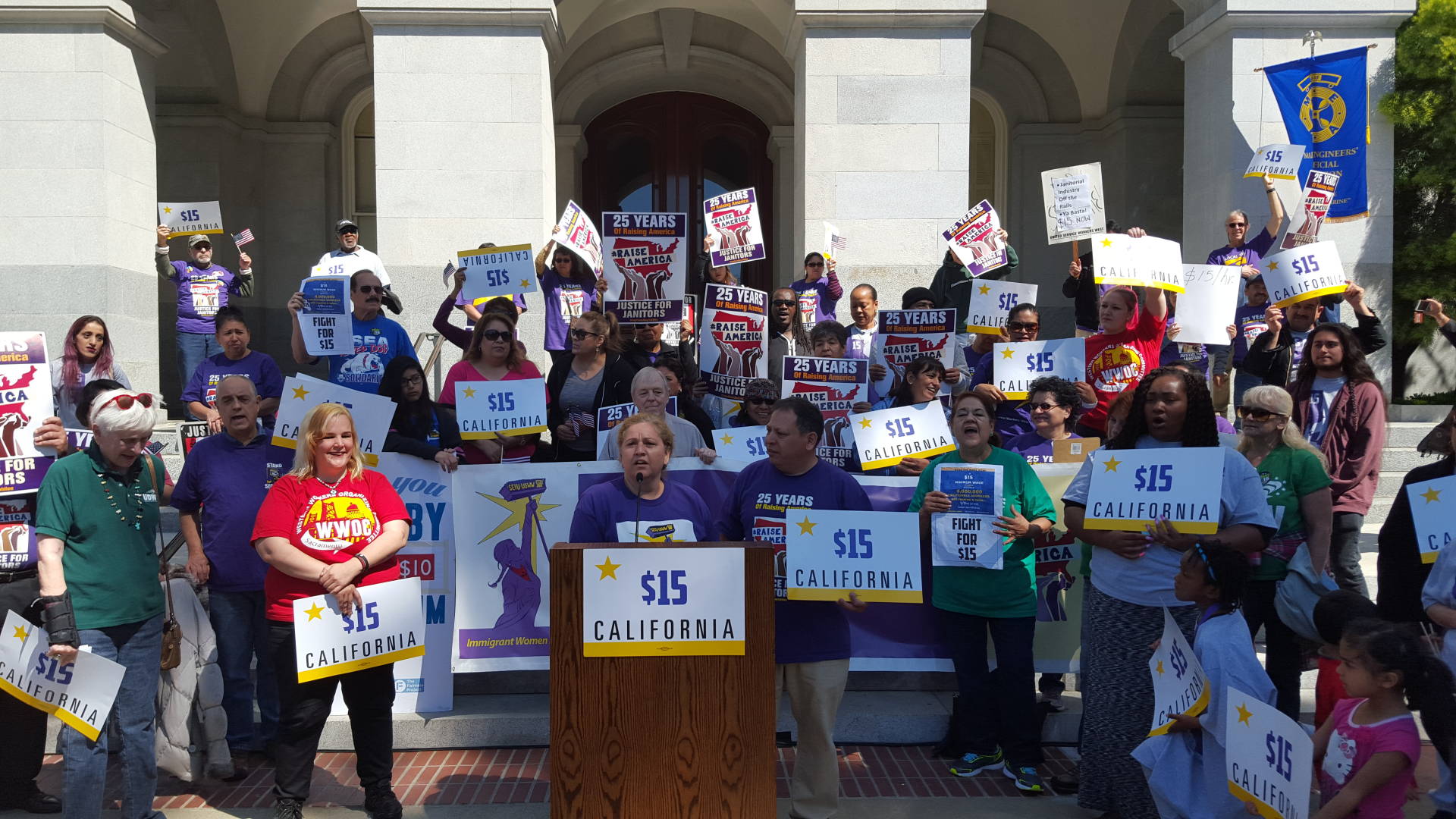
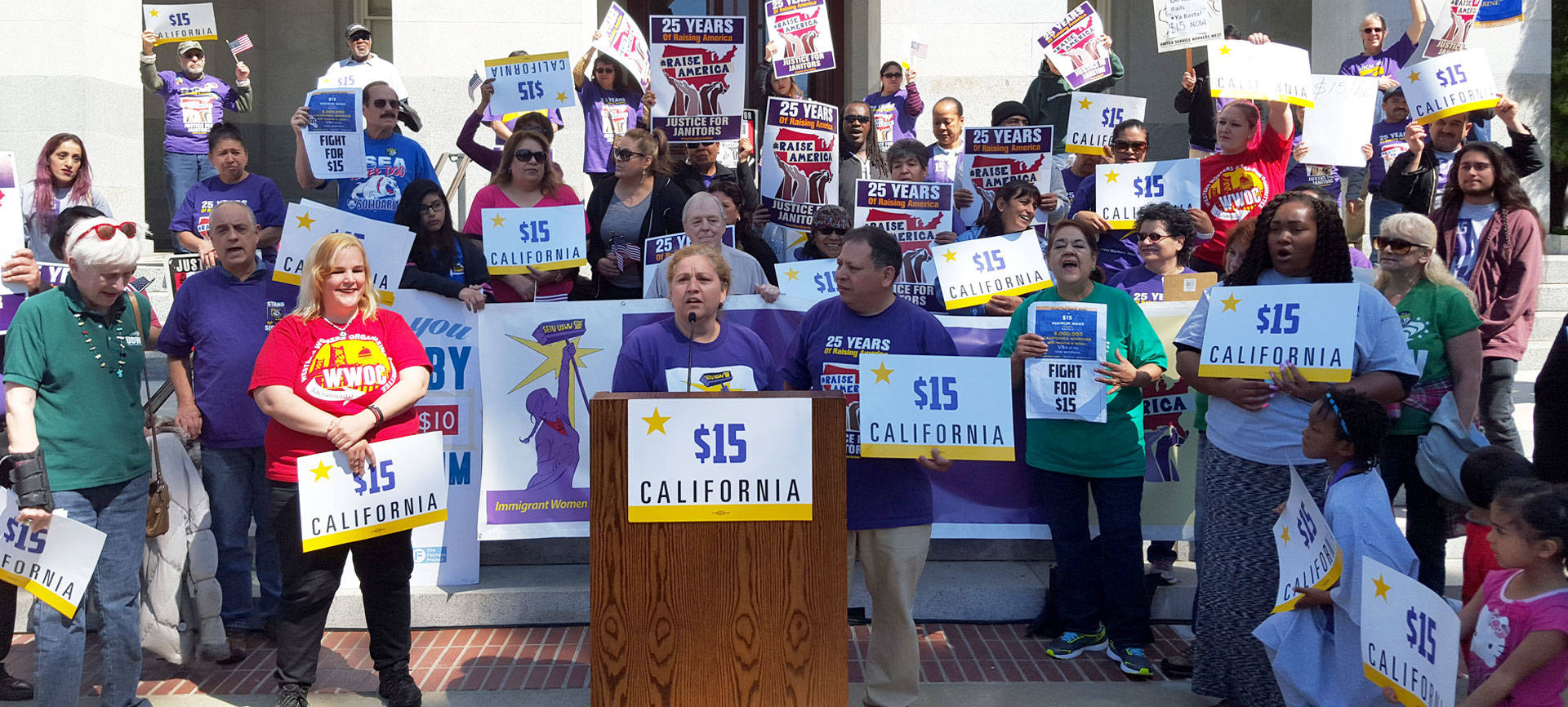
"caption": "Supporters of a $15-per-hour minimum wage rally outside the state Capitol in Sacramento on March 31, 2016. ",
"description": null,
"title": "rs18921_min-wage-2-qut",
"credit": "Katie Orr/KQED",
"status": "inherit",
"isLoading": false,
"fetchFailed": false
},
"news_11251520": {
"type": "attachments",
"id": "news_11251520",
"meta": {
"index": "attachments_1716263798",
"site": "news",
"id": "11251520",
"found": true
},
"parent": 11245110,
"imgSizes": {
"small": {
"file": "https://ww2.kqed.org/app/uploads/sites/10/2017/01/wetzels-1920-520x390.jpg",
"width": 520,
"mimeType": "image/jpeg",
"height": 390
},
"twentyfourteen-full-width": {
"file": "https://ww2.kqed.org/app/uploads/sites/10/2017/01/wetzels-1920-1038x576.jpg",
"width": 1038,
"mimeType": "image/jpeg",
"height": 576
},
"thumbnail": {
"file": "https://ww2.kqed.org/app/uploads/sites/10/2017/01/wetzels-1920-160x120.jpg",
"width": 160,
"mimeType": "image/jpeg",
"height": 120
},
"fd-sm": {
"file": "https://ww2.kqed.org/app/uploads/sites/10/2017/01/wetzels-1920-960x720.jpg",
"width": 960,
"mimeType": "image/jpeg",
"height": 720
},
"post-thumbnail": {
"file": "https://ww2.kqed.org/app/uploads/sites/10/2017/01/wetzels-1920-672x372.jpg",
"width": 672,
"mimeType": "image/jpeg",
"height": 372
},
"xsmall": {
"file": "https://ww2.kqed.org/app/uploads/sites/10/2017/01/wetzels-1920-375x281.jpg",
"width": 375,
"mimeType": "image/jpeg",
"height": 281
},
"kqedFullSize": {
"file": "https://ww2.kqed.org/app/uploads/sites/10/2017/01/wetzels-1920.jpg",
"width": 1920,
"height": 1440
},
"large": {
"file": "https://ww2.kqed.org/app/uploads/sites/10/2017/01/wetzels-1920-1020x765.jpg",
"width": 1020,
"mimeType": "image/jpeg",
"height": 765
},
"xlarge": {
"file": "https://ww2.kqed.org/app/uploads/sites/10/2017/01/wetzels-1920-1180x885.jpg",
"width": 1180,
"mimeType": "image/jpeg",
"height": 885
},
"guest-author-50": {
"file": "https://ww2.kqed.org/app/uploads/sites/10/2017/01/wetzels-1920-50x50.jpg",
"width": 50,
"mimeType": "image/jpeg",
"height": 50
},
"guest-author-96": {
"file": "https://ww2.kqed.org/app/uploads/sites/10/2017/01/wetzels-1920-96x96.jpg",
"width": 96,
"mimeType": "image/jpeg",
"height": 96
},
"medium": {
"file": "https://ww2.kqed.org/app/uploads/sites/10/2017/01/wetzels-1920-800x600.jpg",
"width": 800,
"mimeType": "image/jpeg",
"height": 600
},
"guest-author-64": {
"file": "https://ww2.kqed.org/app/uploads/sites/10/2017/01/wetzels-1920-64x64.jpg",
"width": 64,
"mimeType": "image/jpeg",
"height": 64
},
"guest-author-32": {
"file": "https://ww2.kqed.org/app/uploads/sites/10/2017/01/wetzels-1920-32x32.jpg",
"width": 32,
"mimeType": "image/jpeg",
"height": 32
},
"jmtc-small-thumb": {
"file": "https://ww2.kqed.org/app/uploads/sites/10/2017/01/wetzels-1920-280x150.jpg",
"width": 280,
"mimeType": "image/jpeg",
"height": 150
},
"fd-lrg": {
"file": "https://ww2.kqed.org/app/uploads/sites/10/2017/01/wetzels-1920-1920x1440.jpg",
"width": 1920,
"mimeType": "image/jpeg",
"height": 1440
},
"fd-med": {
"file": "https://ww2.kqed.org/app/uploads/sites/10/2017/01/wetzels-1920-1180x885.jpg",
"width": 1180,
"mimeType": "image/jpeg",
"height": 885
},
"full-width": {
"file": "https://ww2.kqed.org/app/uploads/sites/10/2017/01/wetzels-1920-1920x1440.jpg",
"width": 1920,
"mimeType": "image/jpeg",
"height": 1440
},
"detail": {
"file": "https://ww2.kqed.org/app/uploads/sites/10/2017/01/wetzels-1920-150x150.jpg",
"width": 150,
"mimeType": "image/jpeg",
"height": 150
},
"guest-author-128": {
"file": "https://ww2.kqed.org/app/uploads/sites/10/2017/01/wetzels-1920-128x128.jpg",
"width": 128,
"mimeType": "image/jpeg",
"height": 128
},
"xxsmall": {
"file": "https://ww2.kqed.org/app/uploads/sites/10/2017/01/wetzels-1920-240x180.jpg",
"width": 240,
"mimeType": "image/jpeg",
"height": 180
}
},
"publishDate": 1483468907,
"modified": 1483468934,
"caption": "Franchise owner Mike Jacobs says minimum wage increases have given his pretzel shop a huge boost in sales.",
"description": null,
"title": "wetzels-1920",
"credit": "Sam Harnett/KQED",
"status": "inherit",
"isLoading": false,
"fetchFailed": false
},
"news_10915694": {
"type": "attachments",
"id": "news_10915694",
"meta": {
"index": "attachments_1716263798",
"site": "news",
"id": "10915694",
"found": true
},
"parent": 10915639,
"imgSizes": {
"twentyfourteen-full-width": {
"file": "https://ww2.kqed.org/app/uploads/sites/10/2016/03/Min-wage-2-1038x576.jpg",
"width": 1038,
"mimeType": "image/jpeg",
"height": 576
},
"thumbnail": {
"file": "https://ww2.kqed.org/app/uploads/sites/10/2016/03/Min-wage-2-400x225.jpg",
"width": 400,
"mimeType": "image/jpeg",
"height": 225
},
"fd-sm": {
"file": "https://ww2.kqed.org/app/uploads/sites/10/2016/03/Min-wage-2-960x540.jpg",
"width": 960,
"mimeType": "image/jpeg",
"height": 540
},
"post-thumbnail": {
"file": "https://ww2.kqed.org/app/uploads/sites/10/2016/03/Min-wage-2-672x372.jpg",
"width": 672,
"mimeType": "image/jpeg",
"height": 372
},
"kqedFullSize": {
"file": "https://ww2.kqed.org/app/uploads/sites/10/2016/03/Min-wage-2-e1459465504338.jpg",
"width": 1920,
"height": 1080
},
"large": {
"file": "https://ww2.kqed.org/app/uploads/sites/10/2016/03/Min-wage-2-1920x1080.jpg",
"width": 1920,
"mimeType": "image/jpeg",
"height": 1080
},
"guest-author-96": {
"file": "https://ww2.kqed.org/app/uploads/sites/10/2016/03/Min-wage-2-96x96.jpg",
"width": 96,
"mimeType": "image/jpeg",
"height": 96
},
"medium": {
"file": "https://ww2.kqed.org/app/uploads/sites/10/2016/03/Min-wage-2-800x450.jpg",
"width": 800,
"mimeType": "image/jpeg",
"height": 450
},
"guest-author-64": {
"file": "https://ww2.kqed.org/app/uploads/sites/10/2016/03/Min-wage-2-64x64.jpg",
"width": 64,
"mimeType": "image/jpeg",
"height": 64
},
"guest-author-32": {
"file": "https://ww2.kqed.org/app/uploads/sites/10/2016/03/Min-wage-2-32x32.jpg",
"width": 32,
"mimeType": "image/jpeg",
"height": 32
},
"jmtc-small-thumb": {
"file": "https://ww2.kqed.org/app/uploads/sites/10/2016/03/Min-wage-2-280x150.jpg",
"width": 280,
"mimeType": "image/jpeg",
"height": 150
},
"fd-lrg": {
"file": "https://ww2.kqed.org/app/uploads/sites/10/2016/03/Min-wage-2-1920x1080.jpg",
"width": 1920,
"mimeType": "image/jpeg",
"height": 1080
},
"fd-med": {
"file": "https://ww2.kqed.org/app/uploads/sites/10/2016/03/Min-wage-2-1180x664.jpg",
"width": 1180,
"mimeType": "image/jpeg",
"height": 664
},
"detail": {
"file": "https://ww2.kqed.org/app/uploads/sites/10/2016/03/Min-wage-2-75x75.jpg",
"width": 75,
"mimeType": "image/jpeg",
"height": 75
},
"guest-author-128": {
"file": "https://ww2.kqed.org/app/uploads/sites/10/2016/03/Min-wage-2-128x128.jpg",
"width": 128,
"mimeType": "image/jpeg",
"height": 128
}
},
"publishDate": 1459465489,
"modified": 1478681934,
"caption": "Supporters of a $15 per hour minimum wage rally outside the Capitol.",
"description": "Supporters of a $15 per hour minimum wage rally outside the California State Capitol.",
"title": "Minimum Wage Rally",
"credit": "Katie Orr/KQED",
"status": "inherit",
"isLoading": false,
"fetchFailed": false
},
"news_11081647": {
"type": "attachments",
"id": "news_11081647",
"meta": {
"index": "attachments_1716263798",
"site": "news",
"id": "11081647",
"found": true
},
"parent": 11080126,
"imgSizes": {
"twentyfourteen-full-width": {
"file": "https://ww2.kqed.org/app/uploads/sites/10/2016/09/GettyImages-85369734-1038x576.jpg",
"width": 1038,
"mimeType": "image/jpeg",
"height": 576
},
"thumbnail": {
"file": "https://ww2.kqed.org/app/uploads/sites/10/2016/09/GettyImages-85369734-400x267.jpg",
"width": 400,
"mimeType": "image/jpeg",
"height": 267
},
"fd-sm": {
"file": "https://ww2.kqed.org/app/uploads/sites/10/2016/09/GettyImages-85369734-960x640.jpg",
"width": 960,
"mimeType": "image/jpeg",
"height": 640
},
"post-thumbnail": {
"file": "https://ww2.kqed.org/app/uploads/sites/10/2016/09/GettyImages-85369734-672x372.jpg",
"width": 672,
"mimeType": "image/jpeg",
"height": 372
},
"kqedFullSize": {
"file": "https://ww2.kqed.org/app/uploads/sites/10/2016/09/GettyImages-85369734-e1473785648856.jpg",
"width": 1920,
"height": 1280
},
"large": {
"file": "https://ww2.kqed.org/app/uploads/sites/10/2016/09/GettyImages-85369734-1920x1280.jpg",
"width": 1920,
"mimeType": "image/jpeg",
"height": 1280
},
"guest-author-50": {
"file": "https://ww2.kqed.org/app/uploads/sites/10/2016/09/GettyImages-85369734-50x50.jpg",
"width": 50,
"mimeType": "image/jpeg",
"height": 50
},
"guest-author-96": {
"file": "https://ww2.kqed.org/app/uploads/sites/10/2016/09/GettyImages-85369734-96x96.jpg",
"width": 96,
"mimeType": "image/jpeg",
"height": 96
},
"medium": {
"file": "https://ww2.kqed.org/app/uploads/sites/10/2016/09/GettyImages-85369734-800x533.jpg",
"width": 800,
"mimeType": "image/jpeg",
"height": 533
},
"guest-author-64": {
"file": "https://ww2.kqed.org/app/uploads/sites/10/2016/09/GettyImages-85369734-64x64.jpg",
"width": 64,
"mimeType": "image/jpeg",
"height": 64
},
"guest-author-32": {
"file": "https://ww2.kqed.org/app/uploads/sites/10/2016/09/GettyImages-85369734-32x32.jpg",
"width": 32,
"mimeType": "image/jpeg",
"height": 32
},
"jmtc-small-thumb": {
"file": "https://ww2.kqed.org/app/uploads/sites/10/2016/09/GettyImages-85369734-280x150.jpg",
"width": 280,
"mimeType": "image/jpeg",
"height": 150
},
"fd-lrg": {
"file": "https://ww2.kqed.org/app/uploads/sites/10/2016/09/GettyImages-85369734-1920x1280.jpg",
"width": 1920,
"mimeType": "image/jpeg",
"height": 1280
},
"fd-med": {
"file": "https://ww2.kqed.org/app/uploads/sites/10/2016/09/GettyImages-85369734-1180x787.jpg",
"width": 1180,
"mimeType": "image/jpeg",
"height": 787
},
"detail": {
"file": "https://ww2.kqed.org/app/uploads/sites/10/2016/09/GettyImages-85369734-150x150.jpg",
"width": 150,
"mimeType": "image/jpeg",
"height": 150
},
"guest-author-128": {
"file": "https://ww2.kqed.org/app/uploads/sites/10/2016/09/GettyImages-85369734-128x128.jpg",
"width": 128,
"mimeType": "image/jpeg",
"height": 128
}
},
"publishDate": 1473465298,
"modified": 1473468760,
"caption": "A woman covers her bicycles with a tarp outside her tent in Sacramento. ",
"description": "A woman covers her bicycles with a tarp outside her tent in Sacramento. ",
"title": "Sacramento Tent City Fills Up Jobless And Homeless",
"credit": "Justin Sullivan/Getty Images",
"status": "inherit",
"isLoading": false,
"fetchFailed": false
},
"news_11070694": {
"type": "attachments",
"id": "news_11070694",
"meta": {
"index": "attachments_1716263798",
"site": "news",
"id": "11070694",
"found": true
},
"parent": 11070546,
"imgSizes": {
"twentyfourteen-full-width": {
"file": "https://ww2.kqed.org/app/uploads/sites/10/2016/09/FarmworkerLettuce-1038x576.jpg",
"width": 1038,
"mimeType": "image/jpeg",
"height": 576
},
"thumbnail": {
"file": "https://ww2.kqed.org/app/uploads/sites/10/2016/09/FarmworkerLettuce-400x256.jpg",
"width": 400,
"mimeType": "image/jpeg",
"height": 256
},
"fd-sm": {
"file": "https://ww2.kqed.org/app/uploads/sites/10/2016/09/FarmworkerLettuce-960x616.jpg",
"width": 960,
"mimeType": "image/jpeg",
"height": 616
},
"post-thumbnail": {
"file": "https://ww2.kqed.org/app/uploads/sites/10/2016/09/FarmworkerLettuce-672x372.jpg",
"width": 672,
"mimeType": "image/jpeg",
"height": 372
},
"kqedFullSize": {
"file": "https://ww2.kqed.org/app/uploads/sites/10/2016/09/FarmworkerLettuce.jpg",
"width": 1920,
"height": 1231
},
"large": {
"file": "https://ww2.kqed.org/app/uploads/sites/10/2016/09/FarmworkerLettuce-1920x1231.jpg",
"width": 1920,
"mimeType": "image/jpeg",
"height": 1231
},
"guest-author-50": {
"file": "https://ww2.kqed.org/app/uploads/sites/10/2016/09/FarmworkerLettuce-50x50.jpg",
"width": 50,
"mimeType": "image/jpeg",
"height": 50
},
"guest-author-96": {
"file": "https://ww2.kqed.org/app/uploads/sites/10/2016/09/FarmworkerLettuce-96x96.jpg",
"width": 96,
"mimeType": "image/jpeg",
"height": 96
},
"medium": {
"file": "https://ww2.kqed.org/app/uploads/sites/10/2016/09/FarmworkerLettuce-800x513.jpg",
"width": 800,
"mimeType": "image/jpeg",
"height": 513
},
"guest-author-64": {
"file": "https://ww2.kqed.org/app/uploads/sites/10/2016/09/FarmworkerLettuce-64x64.jpg",
"width": 64,
"mimeType": "image/jpeg",
"height": 64
},
"guest-author-32": {
"file": "https://ww2.kqed.org/app/uploads/sites/10/2016/09/FarmworkerLettuce-32x32.jpg",
"width": 32,
"mimeType": "image/jpeg",
"height": 32
},
"jmtc-small-thumb": {
"file": "https://ww2.kqed.org/app/uploads/sites/10/2016/09/FarmworkerLettuce-280x150.jpg",
"width": 280,
"mimeType": "image/jpeg",
"height": 150
},
"fd-lrg": {
"file": "https://ww2.kqed.org/app/uploads/sites/10/2016/09/FarmworkerLettuce-1920x1231.jpg",
"width": 1920,
"mimeType": "image/jpeg",
"height": 1231
},
"fd-med": {
"file": "https://ww2.kqed.org/app/uploads/sites/10/2016/09/FarmworkerLettuce-1180x757.jpg",
"width": 1180,
"mimeType": "image/jpeg",
"height": 757
},
"detail": {
"file": "https://ww2.kqed.org/app/uploads/sites/10/2016/09/FarmworkerLettuce-150x150.jpg",
"width": 150,
"mimeType": "image/jpeg",
"height": 150
},
"guest-author-128": {
"file": "https://ww2.kqed.org/app/uploads/sites/10/2016/09/FarmworkerLettuce-128x128.jpg",
"width": 128,
"mimeType": "image/jpeg",
"height": 128
}
},
"publishDate": 1472848268,
"modified": 1493056806,
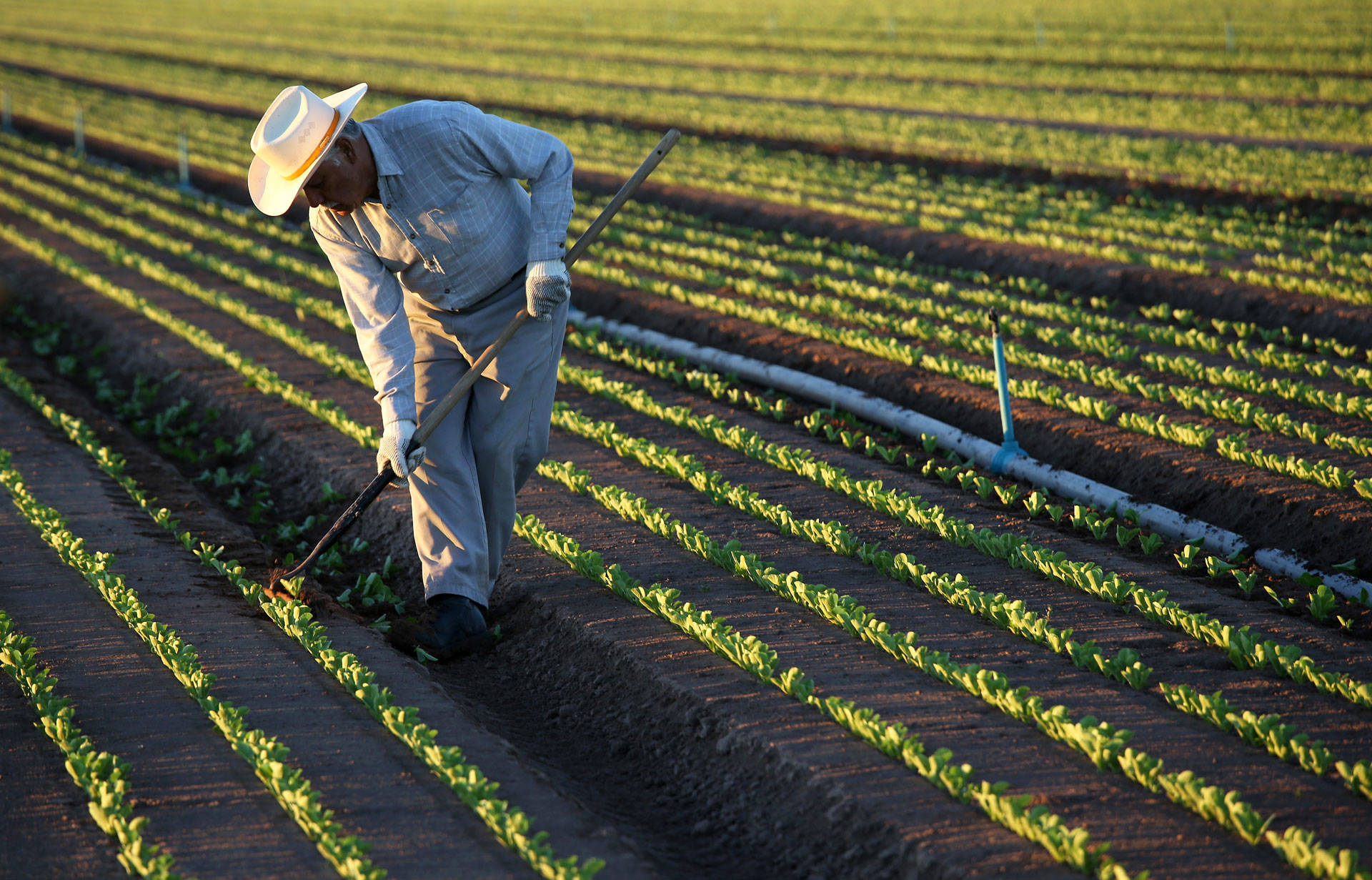
"caption": "A farmworker cultivates lettuce in October 2013 in the Imperial County town of Holtville.",
"description": "A farmworker cultivates lettuce in October, 2013 in Holtville.",
"title": "FarmworkerLettuce",
"credit": "John Moore/Getty Images",
"status": "inherit",
"isLoading": false,
"fetchFailed": false
},
"news_10978153": {
"type": "attachments",
"id": "news_10978153",
"meta": {
"index": "attachments_1716263798",
"site": "news",
"id": "10978153",
"found": true
},
"parent": 10977377,
"imgSizes": {
"twentyfourteen-full-width": {
"file": "https://ww2.kqed.org/app/uploads/sites/10/2016/06/RS19704_Yolanda-WIlson-2-kids-qut-1038x576.jpg",
"width": 1038,
"mimeType": "image/jpeg",
"height": 576
},
"thumbnail": {
"file": "https://ww2.kqed.org/app/uploads/sites/10/2016/06/RS19704_Yolanda-WIlson-2-kids-qut-400x225.jpg",
"width": 400,
"mimeType": "image/jpeg",
"height": 225
},
"fd-sm": {
"file": "https://ww2.kqed.org/app/uploads/sites/10/2016/06/RS19704_Yolanda-WIlson-2-kids-qut-960x541.jpg",
"width": 960,
"mimeType": "image/jpeg",
"height": 541
},
"post-thumbnail": {
"file": "https://ww2.kqed.org/app/uploads/sites/10/2016/06/RS19704_Yolanda-WIlson-2-kids-qut-672x372.jpg",
"width": 672,
"mimeType": "image/jpeg",
"height": 372
},
"kqedFullSize": {
"file": "https://ww2.kqed.org/app/uploads/sites/10/2016/06/RS19704_Yolanda-WIlson-2-kids-qut.jpg",
"width": 1920,
"height": 1081
},
"large": {
"file": "https://ww2.kqed.org/app/uploads/sites/10/2016/06/RS19704_Yolanda-WIlson-2-kids-qut-1920x1081.jpg",
"width": 1920,
"mimeType": "image/jpeg",
"height": 1081
},
"guest-author-50": {
"file": "https://ww2.kqed.org/app/uploads/sites/10/2016/06/RS19704_Yolanda-WIlson-2-kids-qut-50x50.jpg",
"width": 50,
"mimeType": "image/jpeg",
"height": 50
},
"guest-author-96": {
"file": "https://ww2.kqed.org/app/uploads/sites/10/2016/06/RS19704_Yolanda-WIlson-2-kids-qut-96x96.jpg",
"width": 96,
"mimeType": "image/jpeg",
"height": 96
},
"medium": {
"file": "https://ww2.kqed.org/app/uploads/sites/10/2016/06/RS19704_Yolanda-WIlson-2-kids-qut-800x450.jpg",
"width": 800,
"mimeType": "image/jpeg",
"height": 450
},
"guest-author-64": {
"file": "https://ww2.kqed.org/app/uploads/sites/10/2016/06/RS19704_Yolanda-WIlson-2-kids-qut-64x64.jpg",
"width": 64,
"mimeType": "image/jpeg",
"height": 64
},
"guest-author-32": {
"file": "https://ww2.kqed.org/app/uploads/sites/10/2016/06/RS19704_Yolanda-WIlson-2-kids-qut-32x32.jpg",
"width": 32,
"mimeType": "image/jpeg",
"height": 32
},
"jmtc-small-thumb": {
"file": "https://ww2.kqed.org/app/uploads/sites/10/2016/06/RS19704_Yolanda-WIlson-2-kids-qut-280x150.jpg",
"width": 280,
"mimeType": "image/jpeg",
"height": 150
},
"fd-lrg": {
"file": "https://ww2.kqed.org/app/uploads/sites/10/2016/06/RS19704_Yolanda-WIlson-2-kids-qut-1920x1081.jpg",
"width": 1920,
"mimeType": "image/jpeg",
"height": 1081
},
"fd-med": {
"file": "https://ww2.kqed.org/app/uploads/sites/10/2016/06/RS19704_Yolanda-WIlson-2-kids-qut-1180x664.jpg",
"width": 1180,
"mimeType": "image/jpeg",
"height": 664
},
"detail": {
"file": "https://ww2.kqed.org/app/uploads/sites/10/2016/06/RS19704_Yolanda-WIlson-2-kids-qut-150x150.jpg",
"width": 150,
"mimeType": "image/jpeg",
"height": 150
},
"guest-author-128": {
"file": "https://ww2.kqed.org/app/uploads/sites/10/2016/06/RS19704_Yolanda-WIlson-2-kids-qut-128x128.jpg",
"width": 128,
"mimeType": "image/jpeg",
"height": 128
}
},
"publishDate": 1465079119,
"modified": 1465425450,
"caption": "Yolanda Wilson works for Nancy Mackey's child care center in West Oakland.",
"description": null,
"title": "RS19704_Yolanda WIlson 2 kids-qut",
"credit": "Andrew Stelzer/KQED",
"status": "inherit",
"isLoading": false,
"fetchFailed": false
},
"news_10915753": {
"type": "attachments",
"id": "news_10915753",
"meta": {
"index": "attachments_1716263798",
"site": "news",
"id": "10915753",
"found": true
},
"parent": 10915639,
"imgSizes": {
"twentyfourteen-full-width": {
"file": "https://ww2.kqed.org/app/uploads/sites/10/2016/03/MinWageSupporters-1038x576.jpg",
"width": 1038,
"mimeType": "image/jpeg",
"height": 576
},
"thumbnail": {
"file": "https://ww2.kqed.org/app/uploads/sites/10/2016/03/MinWageSupporters-400x180.jpg",
"width": 400,
"mimeType": "image/jpeg",
"height": 180
},
"fd-sm": {
"file": "https://ww2.kqed.org/app/uploads/sites/10/2016/03/MinWageSupporters-960x433.jpg",
"width": 960,
"mimeType": "image/jpeg",
"height": 433
},
"post-thumbnail": {
"file": "https://ww2.kqed.org/app/uploads/sites/10/2016/03/MinWageSupporters-672x372.jpg",
"width": 672,
"mimeType": "image/jpeg",
"height": 372
},
"kqedFullSize": {
"file": "https://ww2.kqed.org/app/uploads/sites/10/2016/03/MinWageSupporters.jpg",
"width": 1920,
"height": 866
},
"large": {
"file": "https://ww2.kqed.org/app/uploads/sites/10/2016/03/MinWageSupporters-1920x866.jpg",
"width": 1920,
"mimeType": "image/jpeg",
"height": 866
},
"guest-author-96": {
"file": "https://ww2.kqed.org/app/uploads/sites/10/2016/03/MinWageSupporters-96x96.jpg",
"width": 96,
"mimeType": "image/jpeg",
"height": 96
},
"medium": {
"file": "https://ww2.kqed.org/app/uploads/sites/10/2016/03/MinWageSupporters-800x361.jpg",
"width": 800,
"mimeType": "image/jpeg",
"height": 361
},
"guest-author-64": {
"file": "https://ww2.kqed.org/app/uploads/sites/10/2016/03/MinWageSupporters-64x64.jpg",
"width": 64,
"mimeType": "image/jpeg",
"height": 64
},
"guest-author-32": {
"file": "https://ww2.kqed.org/app/uploads/sites/10/2016/03/MinWageSupporters-32x32.jpg",
"width": 32,
"mimeType": "image/jpeg",
"height": 32
},
"jmtc-small-thumb": {
"file": "https://ww2.kqed.org/app/uploads/sites/10/2016/03/MinWageSupporters-280x150.jpg",
"width": 280,
"mimeType": "image/jpeg",
"height": 150
},
"fd-lrg": {
"file": "https://ww2.kqed.org/app/uploads/sites/10/2016/03/MinWageSupporters-1920x866.jpg",
"width": 1920,
"mimeType": "image/jpeg",
"height": 866
},
"fd-med": {
"file": "https://ww2.kqed.org/app/uploads/sites/10/2016/03/MinWageSupporters-1180x532.jpg",
"width": 1180,
"mimeType": "image/jpeg",
"height": 532
},
"detail": {
"file": "https://ww2.kqed.org/app/uploads/sites/10/2016/03/MinWageSupporters-75x75.jpg",
"width": 75,
"mimeType": "image/jpeg",
"height": 75
},
"guest-author-128": {
"file": "https://ww2.kqed.org/app/uploads/sites/10/2016/03/MinWageSupporters-128x128.jpg",
"width": 128,
"mimeType": "image/jpeg",
"height": 128
}
},
"publishDate": 1459467964,
"modified": 1459467992,
"caption": "Supporters of a $15 per hour minimum wage rally outside the state Capitol in Sacramento on March 31, 2016. ",
"description": "Supporters of a $15 per hour minimum wage rally outside the state Capitol in Sacramento on March 31, 2016. ",
"title": "MinWageSupporters",
"credit": "Katie Orr/KQED",
"status": "inherit",
"isLoading": false,
"fetchFailed": false
},
"news_10914584": {
"type": "attachments",
"id": "news_10914584",
"meta": {
"index": "attachments_1716263798",
"site": "news",
"id": "10914584",
"found": true
},
"parent": 10914532,
"imgSizes": {
"twentyfourteen-full-width": {
"file": "https://ww2.kqed.org/app/uploads/sites/10/2016/03/RS14823_March-w_15-a-union-banner-qut-1038x576.jpg",
"width": 1038,
"mimeType": "image/jpeg",
"height": 576
},
"thumbnail": {
"file": "https://ww2.kqed.org/app/uploads/sites/10/2016/03/RS14823_March-w_15-a-union-banner-qut-400x225.jpg",
"width": 400,
"mimeType": "image/jpeg",
"height": 225
},
"fd-sm": {
"file": "https://ww2.kqed.org/app/uploads/sites/10/2016/03/RS14823_March-w_15-a-union-banner-qut-960x541.jpg",
"width": 960,
"mimeType": "image/jpeg",
"height": 541
},
"post-thumbnail": {
"file": "https://ww2.kqed.org/app/uploads/sites/10/2016/03/RS14823_March-w_15-a-union-banner-qut-672x372.jpg",
"width": 672,
"mimeType": "image/jpeg",
"height": 372
},
"kqedFullSize": {
"file": "https://ww2.kqed.org/app/uploads/sites/10/2016/03/RS14823_March-w_15-a-union-banner-qut.jpg",
"width": 1920,
"height": 1081
},
"large": {
"file": "https://ww2.kqed.org/app/uploads/sites/10/2016/03/RS14823_March-w_15-a-union-banner-qut-1920x1081.jpg",
"width": 1920,
"mimeType": "image/jpeg",
"height": 1081
},
"guest-author-96": {
"file": "https://ww2.kqed.org/app/uploads/sites/10/2016/03/RS14823_March-w_15-a-union-banner-qut-96x96.jpg",
"width": 96,
"mimeType": "image/jpeg",
"height": 96
},
"medium": {
"file": "https://ww2.kqed.org/app/uploads/sites/10/2016/03/RS14823_March-w_15-a-union-banner-qut-800x450.jpg",
"width": 800,
"mimeType": "image/jpeg",
"height": 450
},
"guest-author-64": {
"file": "https://ww2.kqed.org/app/uploads/sites/10/2016/03/RS14823_March-w_15-a-union-banner-qut-64x64.jpg",
"width": 64,
"mimeType": "image/jpeg",
"height": 64
},
"guest-author-32": {
"file": "https://ww2.kqed.org/app/uploads/sites/10/2016/03/RS14823_March-w_15-a-union-banner-qut-32x32.jpg",
"width": 32,
"mimeType": "image/jpeg",
"height": 32
},
"jmtc-small-thumb": {
"file": "https://ww2.kqed.org/app/uploads/sites/10/2016/03/RS14823_March-w_15-a-union-banner-qut-280x150.jpg",
"width": 280,
"mimeType": "image/jpeg",
"height": 150
},
"fd-lrg": {
"file": "https://ww2.kqed.org/app/uploads/sites/10/2016/03/RS14823_March-w_15-a-union-banner-qut-1920x1081.jpg",
"width": 1920,
"mimeType": "image/jpeg",
"height": 1081
},
"fd-med": {
"file": "https://ww2.kqed.org/app/uploads/sites/10/2016/03/RS14823_March-w_15-a-union-banner-qut-1180x664.jpg",
"width": 1180,
"mimeType": "image/jpeg",
"height": 664
},
"detail": {
"file": "https://ww2.kqed.org/app/uploads/sites/10/2016/03/RS14823_March-w_15-a-union-banner-qut-75x75.jpg",
"width": 75,
"mimeType": "image/jpeg",
"height": 75
},
"guest-author-128": {
"file": "https://ww2.kqed.org/app/uploads/sites/10/2016/03/RS14823_March-w_15-a-union-banner-qut-128x128.jpg",
"width": 128,
"mimeType": "image/jpeg",
"height": 128
}
},
"publishDate": 1459378678,
"modified": 1459378727,
"caption": "Protestors march through downtown Oakland calling for a $15/hour minimum wage.",
"description": "Protestors march through downtown Oakland calling for a $15/hour minimum wage.",
"title": "RS14823_March w_15 & a union banner-qut",
"credit": "Andrew Stelzer",
"status": "inherit",
"isLoading": false,
"fetchFailed": false
},
"news_10913623": {
"type": "attachments",
"id": "news_10913623",
"meta": {
"index": "attachments_1716263798",
"site": "news",
"id": "10913623",
"found": true
},
"parent": 10913555,
"imgSizes": {
"twentyfourteen-full-width": {
"file": "https://ww2.kqed.org/app/uploads/sites/10/2016/03/CantaloupeHarvest-1-1038x576.jpg",
"width": 1038,
"mimeType": "image/jpeg",
"height": 576
},
"thumbnail": {
"file": "https://ww2.kqed.org/app/uploads/sites/10/2016/03/CantaloupeHarvest-1-400x254.jpg",
"width": 400,
"mimeType": "image/jpeg",
"height": 254
},
"fd-sm": {
"file": "https://ww2.kqed.org/app/uploads/sites/10/2016/03/CantaloupeHarvest-1-960x610.jpg",
"width": 960,
"mimeType": "image/jpeg",
"height": 610
},
"post-thumbnail": {
"file": "https://ww2.kqed.org/app/uploads/sites/10/2016/03/CantaloupeHarvest-1-672x372.jpg",
"width": 672,
"mimeType": "image/jpeg",
"height": 372
},
"kqedFullSize": {
"file": "https://ww2.kqed.org/app/uploads/sites/10/2016/03/CantaloupeHarvest-1.jpg",
"width": 1920,
"height": 1220
},
"large": {
"file": "https://ww2.kqed.org/app/uploads/sites/10/2016/03/CantaloupeHarvest-1-1920x1220.jpg",
"width": 1920,
"mimeType": "image/jpeg",
"height": 1220
},
"guest-author-96": {
"file": "https://ww2.kqed.org/app/uploads/sites/10/2016/03/CantaloupeHarvest-1-96x96.jpg",
"width": 96,
"mimeType": "image/jpeg",
"height": 96
},
"medium": {
"file": "https://ww2.kqed.org/app/uploads/sites/10/2016/03/CantaloupeHarvest-1-800x508.jpg",
"width": 800,
"mimeType": "image/jpeg",
"height": 508
},
"guest-author-64": {
"file": "https://ww2.kqed.org/app/uploads/sites/10/2016/03/CantaloupeHarvest-1-64x64.jpg",
"width": 64,
"mimeType": "image/jpeg",
"height": 64
},
"guest-author-32": {
"file": "https://ww2.kqed.org/app/uploads/sites/10/2016/03/CantaloupeHarvest-1-32x32.jpg",
"width": 32,
"mimeType": "image/jpeg",
"height": 32
},
"jmtc-small-thumb": {
"file": "https://ww2.kqed.org/app/uploads/sites/10/2016/03/CantaloupeHarvest-1-280x150.jpg",
"width": 280,
"mimeType": "image/jpeg",
"height": 150
},
"fd-lrg": {
"file": "https://ww2.kqed.org/app/uploads/sites/10/2016/03/CantaloupeHarvest-1-1920x1220.jpg",
"width": 1920,
"mimeType": "image/jpeg",
"height": 1220
},
"fd-med": {
"file": "https://ww2.kqed.org/app/uploads/sites/10/2016/03/CantaloupeHarvest-1-1180x750.jpg",
"width": 1180,
"mimeType": "image/jpeg",
"height": 750
},
"detail": {
"file": "https://ww2.kqed.org/app/uploads/sites/10/2016/03/CantaloupeHarvest-1-75x75.jpg",
"width": 75,
"mimeType": "image/jpeg",
"height": 75
},
"guest-author-128": {
"file": "https://ww2.kqed.org/app/uploads/sites/10/2016/03/CantaloupeHarvest-1-128x128.jpg",
"width": 128,
"mimeType": "image/jpeg",
"height": 128
}
},
"publishDate": 1459299611,
"modified": 1459299635,
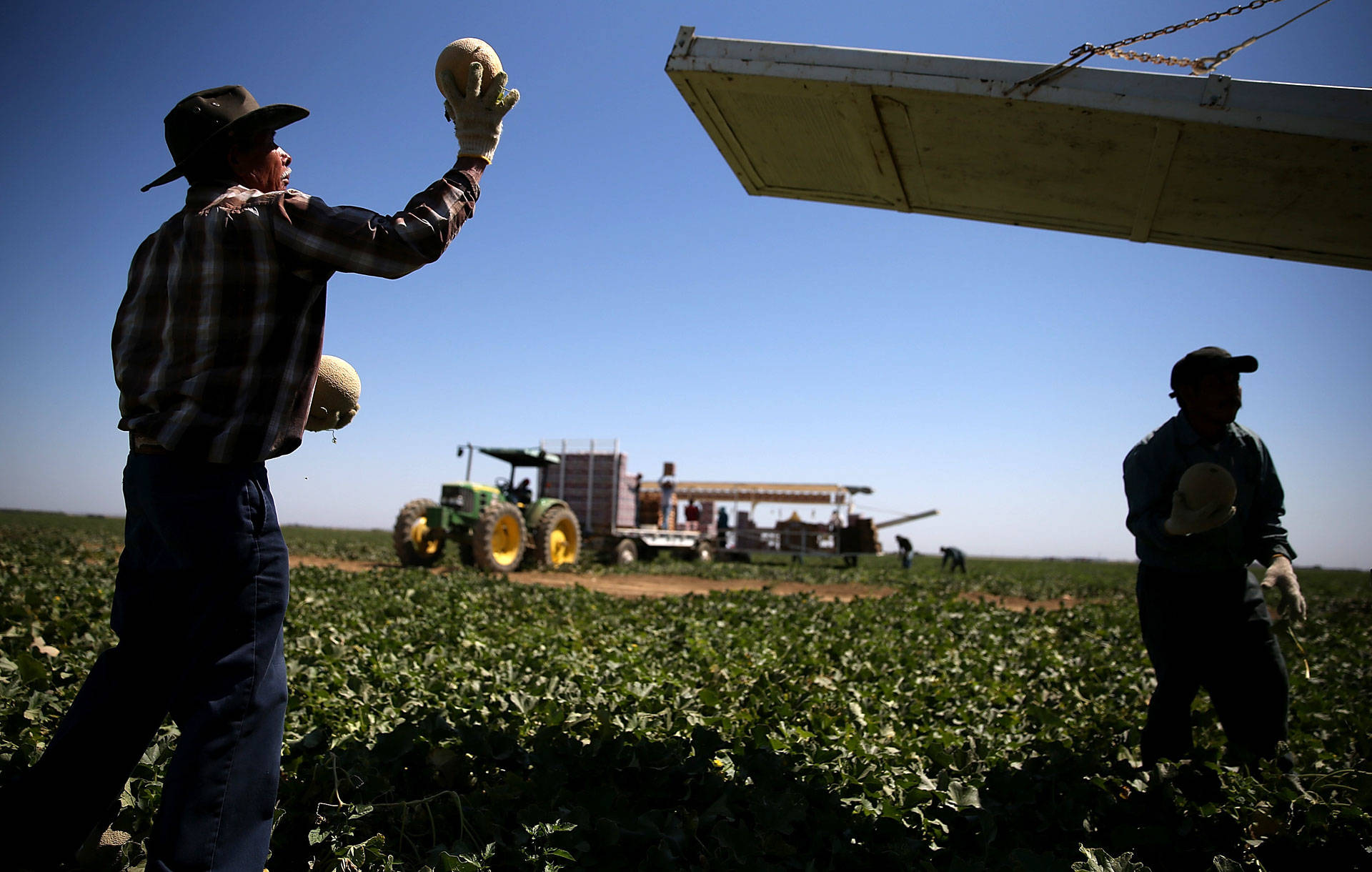
"caption": "A worker harvests cantaloupes on a farm on August 22, 2014 near the Central Valley town of Firebaugh.",
"description": "A worker harvests cantaloupes on a farm on August 22, 2014 near the Central Valley town of Firebaugh.",
"title": "CantaloupeHarvest",
"credit": "Justin Sullivan/Getty Images",
"status": "inherit",
"isLoading": false,
"fetchFailed": false
},
"news_10912479": {
"type": "attachments",
"id": "news_10912479",
"meta": {
"index": "attachments_1716263798",
"site": "news",
"id": "10912479",
"found": true
},
"parent": 10912372,
"imgSizes": {
"twentyfourteen-full-width": {
"file": "https://ww2.kqed.org/app/uploads/sites/10/2016/03/FightFor15-1038x576.jpg",
"width": 1038,
"mimeType": "image/jpeg",
"height": 576
},
"thumbnail": {
"file": "https://ww2.kqed.org/app/uploads/sites/10/2016/03/FightFor15-400x279.jpg",
"width": 400,
"mimeType": "image/jpeg",
"height": 279
},
"fd-sm": {
"file": "https://ww2.kqed.org/app/uploads/sites/10/2016/03/FightFor15-960x670.jpg",
"width": 960,
"mimeType": "image/jpeg",
"height": 670
},
"post-thumbnail": {
"file": "https://ww2.kqed.org/app/uploads/sites/10/2016/03/FightFor15-672x372.jpg",
"width": 672,
"mimeType": "image/jpeg",
"height": 372
},
"kqedFullSize": {
"file": "https://ww2.kqed.org/app/uploads/sites/10/2016/03/FightFor15.jpg",
"width": 1920,
"height": 1340
},
"large": {
"file": "https://ww2.kqed.org/app/uploads/sites/10/2016/03/FightFor15-1920x1340.jpg",
"width": 1920,
"mimeType": "image/jpeg",
"height": 1340
},
"guest-author-96": {
"file": "https://ww2.kqed.org/app/uploads/sites/10/2016/03/FightFor15-96x96.jpg",
"width": 96,
"mimeType": "image/jpeg",
"height": 96
},
"medium": {
"file": "https://ww2.kqed.org/app/uploads/sites/10/2016/03/FightFor15-800x558.jpg",
"width": 800,
"mimeType": "image/jpeg",
"height": 558
},
"guest-author-64": {
"file": "https://ww2.kqed.org/app/uploads/sites/10/2016/03/FightFor15-64x64.jpg",
"width": 64,
"mimeType": "image/jpeg",
"height": 64
},
"guest-author-32": {
"file": "https://ww2.kqed.org/app/uploads/sites/10/2016/03/FightFor15-32x32.jpg",
"width": 32,
"mimeType": "image/jpeg",
"height": 32
},
"jmtc-small-thumb": {
"file": "https://ww2.kqed.org/app/uploads/sites/10/2016/03/FightFor15-280x150.jpg",
"width": 280,
"mimeType": "image/jpeg",
"height": 150
},
"fd-lrg": {
"file": "https://ww2.kqed.org/app/uploads/sites/10/2016/03/FightFor15-1920x1340.jpg",
"width": 1920,
"mimeType": "image/jpeg",
"height": 1340
},
"fd-med": {
"file": "https://ww2.kqed.org/app/uploads/sites/10/2016/03/FightFor15-1180x824.jpg",
"width": 1180,
"mimeType": "image/jpeg",
"height": 824
},
"detail": {
"file": "https://ww2.kqed.org/app/uploads/sites/10/2016/03/FightFor15-75x75.jpg",
"width": 75,
"mimeType": "image/jpeg",
"height": 75
},
"guest-author-128": {
"file": "https://ww2.kqed.org/app/uploads/sites/10/2016/03/FightFor15-128x128.jpg",
"width": 128,
"mimeType": "image/jpeg",
"height": 128
}
},
"publishDate": 1459210730,
"modified": 1459211257,
"caption": "Low-wage workers and supporters protest for a $15 minimum wage last November in New York, as part of what organizers called a National Day of Action.",
"description": "Low-wage workers and supporters protest for a $15 minimum wage last November in New York, as part of what organizers called a National Day of Action.",
"title": "FightFor15",
"credit": "Spencer Platt/Getty Images",
"status": "inherit",
"isLoading": false,
"fetchFailed": false
}
},
"audioPlayerReducer": {
"postId": "stream_live",
"isPaused": true,
"isPlaying": false,
"pfsActive": false,
"pledgeModalIsOpen": true,
"playerDrawerIsOpen": false,
"liveAudioPlayStartedAt": 0,
"liveAudioPlayContext": ""
},
"authorsReducer": {
"byline_news_11275303": {
"type": "authors",
"id": "byline_news_11275303",
"meta": {
"override": true
},
"slug": "byline_news_11275303",
"name": "David Gorn ",
"isLoading": false
},
"byline_news_11166139": {
"type": "authors",
"id": "byline_news_11166139",
"meta": {
"override": true
},
"slug": "byline_news_11166139",
"name": "Camila Domonoske",
"isLoading": false
},
"andrewstelzer": {
"type": "authors",
"id": "213",
"meta": {
"index": "authors_1716337520",
"id": "213",
"found": true
},
"name": "Andrew Stelzer",
"firstName": "Andrew",
"lastName": "Stelzer",
"slug": "andrewstelzer",
"email": "andrewstelzer@gmail.com",
"display_author_email": false,
"staff_mastheads": [],
"title": null,
"bio": "Andrew Stelzer has been reporting for KQED since 2010, and is a producer at \u003ca href=\"http://www.radioproject.org\" target=\"_blank\">Making Contact\u003c/a> in Oakland.. His work has been featured on programs including \u003ca href=\"http://www.npr.org/templates/story/story.php?storyId=5010\" target=\"_blank\">NPR’s Weekend Edition\u003c/a>, \u003ca href=\"http://www.theworld.org/\" target=\"_blank\">PRI’s The World\u003c/a>, \u003ca href=\"http://www.studio360.org/\" target=\"_blank\">Studio 360\u003c/a>, \u003ca href=\"http://marketplace.publicradio.org/\" target=\"_blank\">Marketplace\u003c/a>,\u003ca href=\"http://www.loe.org/\" target=\"_blank\">Living on Earth\u003c/a>, \u003ca href=\"http://www.onthemedia.org/\" target=\"_blank\">On the Media\u003c/a>, \u003ca href=\"http://www.latinousa.org/index.html\" target=\"_blank\">Latino USA,\u003c/a> \u003ca href=\"http://www.onlyagame.org/\" rel=\"tag\">Only a Game,\u003c/a> \u003ca href=\"http://www.tswi.org/\" target=\"_blank\">Radio Netherlands,\u003c/a> \u003ca href=\"http://worldradio.ch/index.shtml\" target=\"_blank\">World Radio Switzerland,\u003c/a> and \u003ca href=\"http://www.rfi.fr/langues/statiques/rfi_anglais.asp\" target=\"_blank\">Radio France International\u003c/a>. Andrew has written for publications including \u003ca href=\"http://www.inthesetimes.com/site/about/author/2369\" target=\"_blank\">In These Times\u003c/a>, \u003ca href=\"http://www.progressive.org/\" target=\"_blank\">The Progressive\u003c/a>, \u003ca href=\"http://ipsnews.net/\" target=\"_blank\">Interpress Service\u003c/a>, \u003ca href=\"http://www.tampabay.com/\" target=\"_blank\">The St. Petersburg Times\u003c/a>, and \u003ca href=\"http://www.eastbayexpress.com/ebx/Home\" target=\"_blank\">The East Bay Express\u003c/a>.\r\n\r\nAndrew’s work has received numerous awards from the Society of Professional Journalists, the National Lesbian and Gay Journalists Association, and the National Council on Crime and Delinquency.\r\n\r\nHe previously was a reporter at \u003ca href=\"http://www.wmnf.org/\" target=\"_blank\">WMNF\u003c/a> radio in Tampa, FL, and reporter and youth advocate st \u003ca href=\"http://www.kboo.org/\" target=\"_blank\">KBOO \u003c/a> in Portland, Oregon. Andrew has conducted radio production trainings around the world, from Algeria, to New Orleans, to the desert of Southern Jordan.",
"avatar": "https://secure.gravatar.com/avatar/14c7e75469395cb2468d45c9f6896ca9?s=600&d=blank&r=g",
"twitter": null,
"facebook": null,
"instagram": null,
"linkedin": null,
"sites": [
{
"site": "arts",
"roles": [
"contributor"
]
},
{
"site": "news",
"roles": [
"author"
]
},
{
"site": "stateofhealth",
"roles": [
"author"
]
}
],
"headData": {
"title": "Andrew Stelzer | KQED",
"description": null,
"ogImgSrc": "https://secure.gravatar.com/avatar/14c7e75469395cb2468d45c9f6896ca9?s=600&d=blank&r=g",
"twImgSrc": "https://secure.gravatar.com/avatar/14c7e75469395cb2468d45c9f6896ca9?s=600&d=blank&r=g"
},
"isLoading": false,
"link": "/author/andrewstelzer"
},
"samharnett": {
"type": "authors",
"id": "253",
"meta": {
"index": "authors_1716337520",
"id": "253",
"found": true
},
"name": "Sam Harnett",
"firstName": "Sam",
"lastName": "Harnett",
"slug": "samharnett",
"email": "samharnett@gmail.com",
"display_author_email": false,
"staff_mastheads": [],
"title": "KQED Contributor",
"bio": "Sam Harnett covered tech and work at KQED. He is the co-creator of \u003cem>\u003ca href=\"http://www.theworldaccordingtosound.org\">The World According to Sound\u003c/a>,\u003c/em> a 90-second podcast that features different sounds and the stories behind them.\r\n\r\nBefore coming to KQED, Sam worked as an independent reporter who contributed regularly to \u003cem>The California Report, Marketplace,\u003c/em> \u003cem>The World \u003c/em>and NPR.",
"avatar": "https://secure.gravatar.com/avatar/2538b972ac02f2b9546c7a6c59a0f3d0?s=600&d=blank&r=g",
"twitter": "Samwharnett",
"facebook": null,
"instagram": null,
"linkedin": null,
"sites": [
{
"site": "news",
"roles": [
"edit_others_posts",
"subscriber"
]
},
{
"site": "stateofhealth",
"roles": [
"author"
]
},
{
"site": "science",
"roles": [
"editor"
]
},
{
"site": "quest",
"roles": [
"subscriber"
]
}
],
"headData": {
"title": "Sam Harnett | KQED",
"description": "KQED Contributor",
"ogImgSrc": "https://secure.gravatar.com/avatar/2538b972ac02f2b9546c7a6c59a0f3d0?s=600&d=blank&r=g",
"twImgSrc": "https://secure.gravatar.com/avatar/2538b972ac02f2b9546c7a6c59a0f3d0?s=600&d=blank&r=g"
},
"isLoading": false,
"link": "/author/samharnett"
},
"sasha-khokha": {
"type": "authors",
"id": "254",
"meta": {
"index": "authors_1716337520",
"id": "254",
"found": true
},
"name": "Sasha Khokha",
"firstName": "Sasha",
"lastName": "Khokha",
"slug": "sasha-khokha",
"email": "skhokha@kqed.org",
"display_author_email": true,
"staff_mastheads": [
"news"
],
"title": "Host, The California Report Magazine",
"bio": "Sasha Khokha is the host of \u003cem>The California Report's \u003c/em> weekly magazine program, which takes listeners on sound-rich excursions to meet the people that make the Golden State unique -- through audio documentaries and long-form stories. As \u003cem>The California Report's\u003c/em> Central Valley Bureau Chief based in Fresno for nearly a dozen years, Sasha brought the lives and concerns of rural Californians to listeners around the state. Her reporting helped expose the hidden price immigrant women janitors and farmworkers may pay to keep their jobs: sexual assault at work. It inspired two new California laws to protect them from sexual harassment. She was a key member of the reporting team for the Frontline film \u003cem>Rape on the Night Shift, \u003c/em>which was nominated for two national Emmys. Sasha has also won a national Edward R. Murrow and a national PRNDI award for investigative reporting, as well as multiple prizes from the Society for Professional Journalists. Sasha is a proud alum of the UC Berkeley Graduate School of Journalism and Brown University and a member of the South Asian Journalists Association.",
"avatar": "https://secure.gravatar.com/avatar/e4b5e1541aaeea2aa356aa1fb2a68950?s=600&d=blank&r=g",
"twitter": "KQEDSashaKhokha",
"facebook": null,
"instagram": null,
"linkedin": null,
"sites": [
{
"site": "news",
"roles": [
"editor"
]
},
{
"site": "stateofhealth",
"roles": [
"author"
]
},
{
"site": "science",
"roles": [
"author"
]
},
{
"site": "quest",
"roles": [
"subscriber"
]
}
],
"headData": {
"title": "Sasha Khokha | KQED",
"description": "Host, The California Report Magazine",
"ogImgSrc": "https://secure.gravatar.com/avatar/e4b5e1541aaeea2aa356aa1fb2a68950?s=600&d=blank&r=g",
"twImgSrc": "https://secure.gravatar.com/avatar/e4b5e1541aaeea2aa356aa1fb2a68950?s=600&d=blank&r=g"
},
"isLoading": false,
"link": "/author/sasha-khokha"
},
"tgoldberg": {
"type": "authors",
"id": "258",
"meta": {
"index": "authors_1716337520",
"id": "258",
"found": true
},
"name": "Ted Goldberg",
"firstName": "Ted",
"lastName": "Goldberg",
"slug": "tgoldberg",
"email": "tgoldberg@kqed.org",
"display_author_email": true,
"staff_mastheads": [
"news"
],
"title": "KQED Managing Editor, News and Newscasts",
"bio": "Ted Goldberg is Managing Editor of News and Newscasts at KQED. His main reporting beat is the Bay Area's oil refining industry.\r\n\r\nPrior to joining KQED in 2014, Ted worked at CBS News and WCBS AM in New York and Bay City News and KCBS Radio in San Francisco. He graduated from Oberlin College in Ohio in 1998.",
"avatar": "https://secure.gravatar.com/avatar/30ce2e4fe89135e104f89be2394d16225b9d36c121b5b3cb7651ce642978b96f?s=600&d=blank&r=g",
"twitter": "TedrickG",
"bluesky": null,
"facebook": null,
"instagram": null,
"linkedin": null,
"sites": [
{
"site": "news",
"roles": [
"editor"
]
},
{
"site": "science",
"roles": [
"editor"
]
}
],
"headData": {
"title": "Ted Goldberg | KQED",
"description": "KQED Managing Editor, News and Newscasts",
"ogImgSrc": "https://secure.gravatar.com/avatar/30ce2e4fe89135e104f89be2394d16225b9d36c121b5b3cb7651ce642978b96f?s=600&d=blank&r=g",
"twImgSrc": "https://secure.gravatar.com/avatar/30ce2e4fe89135e104f89be2394d16225b9d36c121b5b3cb7651ce642978b96f?s=600&d=blank&r=g"
},
"isLoading": false,
"link": "/author/tgoldberg"
},
"scuevas": {
"type": "authors",
"id": "2600",
"meta": {
"index": "authors_1716337520",
"id": "2600",
"found": true
},
"name": "Steven Cuevas",
"firstName": "Steven",
"lastName": "Cuevas",
"slug": "scuevas",
"email": "scuevas@kqed.org",
"display_author_email": false,
"staff_mastheads": [],
"title": "KQED Contributor",
"bio": "Steven is a former Los Angeles bureau chief for The California Report.\r\n\r\nHe reports on an array of issues across the Southland, from immigration and regional politics to religion, the performing arts and pop culture.\r\n\r\nPrior to joining KQED in 2012, Steven covered Inland southern California for KPCC in Pasadena. He also helped establish the first newsroom at \u003ca href=\"http://kut.org/\">KUT\u003c/a> in Austin, Texas where he was a general assignment reporter.\r\n\r\nSteven has received numerous awards for his reporting including an RTNDA Edward R. Murrow Award for investigative reporting in addition to awards from the LA Press Club, the Associated Press and the Society for Professional Journalists.\r\n\r\nSteven grew up in and around San Francisco and now lives in Pasadena just a short jog from the foot of the San Gabriel Mountains.",
"avatar": "https://secure.gravatar.com/avatar/2d253580794f8e026100fae05cfabbbd4889b4fe15146146cacb82a01974c538?s=600&d=blank&r=g",
"twitter": null,
"bluesky": null,
"facebook": null,
"instagram": null,
"linkedin": null,
"sites": [
{
"site": "news",
"roles": [
"subscriber"
]
}
],
"headData": {
"title": "Steven Cuevas | KQED",
"description": "KQED Contributor",
"ogImgSrc": "https://secure.gravatar.com/avatar/2d253580794f8e026100fae05cfabbbd4889b4fe15146146cacb82a01974c538?s=600&d=blank&r=g",
"twImgSrc": "https://secure.gravatar.com/avatar/2d253580794f8e026100fae05cfabbbd4889b4fe15146146cacb82a01974c538?s=600&d=blank&r=g"
},
"isLoading": false,
"link": "/author/scuevas"
},
"korr": {
"type": "authors",
"id": "11200",
"meta": {
"index": "authors_1716337520",
"id": "11200",
"found": true
},
"name": "Katie Orr",
"firstName": "Katie",
"lastName": "Orr",
"slug": "korr",
"email": "korr@kqed.org",
"display_author_email": false,
"staff_mastheads": [],
"title": "KQED Contributor",
"bio": "Katie Orr was a Sacramento-based reporter for KQED's Politics and Government Desk, covering the state Capitol and a variety of issues including women in politics, voting and elections and legislation. Prior to joining KQED in 2016, Katie was state government reporter for Capital Public Radio in Sacramento. She's also worked for KPBS in San Diego, where she covered City Hall.\r\n\r\nKatie received her masters degree in political science from San Diego State University and holds a Bachelors degree in broadcast journalism from Arizona State University.\r\n\r\nIn 2015 Katie won a national Clarion Award for a series of stories she did on women in California politics. She's been honored by the Society for Professional Journalists and, in 2013, was named by \u003cem>The Washington Post\u003c/em> as one of the country's top state Capitol reporters. She's also reported for the award-winning documentary series \u003cem>The View from Here \u003c/em>and was part of the team that won national PRNDI and Gabriel Awards in 2015. She lives in Sacramento with her husband. Twitter: @1KatieOrr",
"avatar": "https://secure.gravatar.com/avatar/41a40b25845adc78f50808670860449e?s=600&d=blank&r=g",
"twitter": "1katieorr",
"facebook": null,
"instagram": null,
"linkedin": null,
"sites": [
{
"site": "news",
"roles": [
"subscriber"
]
},
{
"site": "stateofhealth",
"roles": [
"author"
]
},
{
"site": "forum",
"roles": [
"author"
]
}
],
"headData": {
"title": "Katie Orr | KQED",
"description": "KQED Contributor",
"ogImgSrc": "https://secure.gravatar.com/avatar/41a40b25845adc78f50808670860449e?s=600&d=blank&r=g",
"twImgSrc": "https://secure.gravatar.com/avatar/41a40b25845adc78f50808670860449e?s=600&d=blank&r=g"
},
"isLoading": false,
"link": "/author/korr"
}
},
"pagesReducer": {
"news_tag_minimum-wage": {
"type": "terms",
"id": "news_2141",
"meta": {
"index": "terms_1716263798",
"site": "news",
"id": "2141",
"score": 9.304781
},
"featImg": null,
"name": "minimum wage",
"description": null,
"taxonomy": "tag",
"headData": {
"twImgId": null,
"twTitle": null,
"ogTitle": null,
"ogImgId": null,
"twDescription": null,
"description": null,
"title": "minimum wage Archives | KQED News",
"ogDescription": null
},
"ttid": 2156,
"slug": "minimum-wage",
"isLoading": false,
"title": "minimum wage",
"pageMeta": {
"site": "news",
"WpPageTemplate": "page-topic-editorial",
"currentPage": 5
},
"blocks": [
{
"blockName": "kqed/post-list",
"attrs": {
"layout": "cardArticle2",
"query": "posts/news?tag=minimum-wage",
"seeMore": false,
"paginated": true,
"page": 5
}
},
{
"blockName": "kqed/ad"
}
]
}
},
"pfsSessionReducer": {},
"postsReducer": {
"stream_live": {
"type": "live",
"id": "stream_live",
"audioUrl": "https://streams.kqed.org/kqedradio",
"title": "Live Stream",
"excerpt": "Live Stream information currently unavailable.",
"link": "/radio",
"featImg": "",
"label": {
"name": "KQED Live",
"link": "/"
}
},
"stream_kqedNewscast": {
"type": "posts",
"id": "stream_kqedNewscast",
"audioUrl": "https://www.kqed.org/.stream/anon/radio/RDnews/newscast.mp3?_=1",
"title": "KQED Newscast",
"featImg": "",
"label": {
"name": "88.5 FM",
"link": "/"
}
},
"news_11293552": {
"type": "posts",
"id": "news_11293552",
"meta": {
"index": "posts_1716263798",
"site": "news",
"id": "11293552",
"score": null,
"sort": [
1486597985000
]
},
"parent": 0,
"labelTerm": {
"site": "news",
"term": 72
},
"blocks": [],
"publishDate": 1486597985,
"format": "image",
"disqusTitle": "What Does It Really Mean When Reporters Say ‘Wage Hike’?",
"title": "What Does It Really Mean When Reporters Say ‘Wage Hike’?",
"headTitle": "The California Report | KQED News",
"content": "\u003cp>You've probably come across the term \"wage hike\" a lot lately, especially since California and 18 other states \u003ca href=\"https://www.nytimes.com/interactive/2017/01/05/business/economy/state-minimum-wages.html\" target=\"_blank\">just increased\u003c/a> the minimum wage.\u003c/p>\n\u003cp>\"Wage hike\" appears in headlines and articles everywhere: on Fox, CBS, NPR, the Wall Street Journal, the New York Times. The list goes on. When journalists use \"wage hike,\" it is often inserted interchangeably with \"wage increase.\" We do it here at KQED -- in our headlines, articles and on the air.\u003c/p>\n\u003cp>[soundcloud url=\"https://api.soundcloud.com/tracks/306757714\" params=\"color=ff5500&auto_play=false&hide_related=false&show_comments=true&show_user=true&show_reposts=false\" width=\"100%\" height=\"166\" iframe=\"true\" /]\u003c/p>\n\u003cp>I was about to put the little phrase into \u003ca href=\"https://ww2.kqed.org/news/2017/01/03/minimum-wage-goes-up-and-so-does-business-thats-what-this-fast-food-ceo-says-happened/\" target=\"_blank\">a previous story\u003c/a> about a fast food CEO who said rising minimum wages have been great for his business. I had already written \"increase\" about a half-dozen times and was grasping for a synonym. \"Hike\" was the first word that came to mind. But then I thought, why \"hike\"? What does that word actually mean? Why do journalists use it? Why not just write \"increase\"?\u003c/p>\n\u003caside class=\"pullquote alignright\">'Hike is a typical journalist word.' \u003ccite>Katherine Connor Martin, Oxford English Dictionary\u003c/cite>\u003c/aside>\n\u003cp>It is no surprise journalists have fallen in love with the phrase \"wage hike,\" said Katherine Connor Martin, head of U.S. dictionaries at Oxford University Press, the publishers of the Oxford English Dictionary.\u003c/p>\n\u003cp>[ad fullwidth]\u003c/p>\n\u003cp>\"'Hike' is a typical journalist word because it makes its copy punchier, it helps avoid redundancy and it fits better in a headline,\" Connor Martin said.\u003c/p>\n\u003cp>Originally, \"hike\" had nothing to do with economics. Connor Martin said the word emerged in early 19th century England as a verb for walking vigorously or laboriously. But before long, \"hike\" came to be used transitively with an object to mean moving, pulling or lifting something -- like hiking up a skirt or trousers.\u003c/p>\n\u003cp>The OED documents the first use of \"hike\" in reference to price in 1904, and it’s not used to tell a happy story. A reporter for the Topeka Capital\u003cem> \u003c/em>newspaper wrote that a local store \"hiked\" ice cream prices from 5 to 10 cents. Bad news for ice cream buyers.\u003c/p>\n\u003cfigure id=\"attachment_11293616\" class=\"wp-caption alignright\" style=\"max-width: 194px\">\u003cimg class=\" wp-image-11293616\" src=\"https://ww2.kqed.org/news/wp-content/uploads/sites/10/2017/01/Top-10-modifiers-of-Hike.png\" alt=\"These are the top 10 modifiers of hike according to a scan of recent books and journalism.\" width=\"194\" height=\"541\" srcset=\"https://ww2.kqed.org/app/uploads/sites/10/2017/01/Top-10-modifiers-of-Hike.png 170w, https://ww2.kqed.org/app/uploads/sites/10/2017/01/Top-10-modifiers-of-Hike-160x446.png 160w\" sizes=\"(max-width: 194px) 100vw, 194px\">\u003cfigcaption class=\"wp-caption-text\">These are the top 10 modifiers of hike according to a scan of recent books and journalism. \u003ccite>(Screenshot of Word Sketch Software)\u003c/cite>\u003c/figcaption>\u003c/figure>\n\u003cp>To find out how \"hike\" is used today, Connor Martin ran a scan of recent books and journalism to find words \"hike\" is often used to modify. She finds the most common word pairs almost all refer to things people generally do not want. The list includes things like tax hike, rate hike, fare hike, fuel price hike, fee hike and tuition hike, along with wage and pay hikes.\u003c/p>\n\u003cp>Geoff Nunberg, a linguist at the UC Berkeley School of Information, said, “When things hike, there is always the sense that things are being pulled up against their nature.” Using \"hike,\" he said, implies some outside force is yanking up the trousers or skirts or wages.\u003c/p>\n\u003cp>Nunberg said hikes are imposed, they aren’t asked for or welcomed.\u003c/p>\n\u003cp>“You don’t go into your boss’s office and say, 'You know, I’ve been working here eight years, I feel I need a salary hike,'\"\u003cbr>\nNunberg said. \"That implies there’s something unnatural about it.”\u003c/p>\n\u003cp>This is the problem when journalists use \"hike,\" Nunberg said. It suggests raising minimum wages is unnatural, and that is editorializing. He said there is a better word out there: \"increase.\"\u003c/p>\n\u003cp>\"'Increase' is a neutral word,” Nunberg said, “Things can increase for the better or for the worse. When you want to emphasize the positive effects of a raise or increase, you don’t use 'hike.'”\u003c/p>\n\u003cp>Nunberg calls the word \"hike\" particularly pernicious because no one notices it. It blends in to what he calls the “linguistic wallpaper.”\u003c/p>\n\u003cp>\u003c/p>\n\u003cp>He said that the next time I report on the minimum wage, I should stick to the totally neutral word \"increase\" and save \"hike\" for stories about trousers and vigorous walks.\u003c/p>\n\n",
"disqusIdentifier": "11293552 https://ww2.kqed.org/news/?p=11293552",
"disqusUrl": "https://ww2.kqed.org/news/2017/02/08/what-does-it-really-mean-when-reporters-say-wage-hike/",
"stats": {
"hasVideo": false,
"hasChartOrMap": false,
"hasAudio": false,
"hasPolis": false,
"wordCount": 697,
"hasGoogleForm": false,
"hasGallery": false,
"hasHearkenModule": false,
"iframeSrcs": [],
"paragraphCount": 18
},
"modified": 1486755025,
"excerpt": "'When things hike, there is always the sense that things are being pulled up against their nature,' says Cal linguist Geoff Nunberg.",
"headData": {
"twImgId": "",
"twTitle": "",
"ogTitle": "",
"ogImgId": "",
"twDescription": "",
"description": "'When things hike, there is always the sense that things are being pulled up against their nature,' says Cal linguist Geoff Nunberg.",
"title": "What Does It Really Mean When Reporters Say ‘Wage Hike’? | KQED",
"ogDescription": "",
"schema": {
"@context": "https://schema.org",
"@type": "NewsArticle",
"headline": "What Does It Really Mean When Reporters Say ‘Wage Hike’?",
"datePublished": "2017-02-08T15:53:05-08:00",
"dateModified": "2017-02-10T11:30:25-08:00",
"image": "https://cdn.kqed.org/wp-content/uploads/2020/02/KQED-OG-Image@1x.png",
"isAccessibleForFree": "True",
"publisher": {
"@type": "NewsMediaOrganization",
"@id": "https://www.kqed.org/#organization",
"name": "KQED",
"logo": "https://cdn.kqed.org/wp-content/uploads/2020/02/KQED-OG-Image@1x.png",
"url": "https://www.kqed.org",
"sameAs": [
"https://www.facebook.com/KQED",
"https://twitter.com/KQED",
"https://www.instagram.com/kqed/",
"https://www.tiktok.com/@kqedofficial",
"https://www.linkedin.com/company/kqed",
"https://www.youtube.com/channel/UCeC0IOo7i1P_61zVUWbJ4nw"
]
}
}
},
"guestAuthors": [],
"slug": "what-does-it-really-mean-when-reporters-say-wage-hike",
"status": "publish",
"path": "/news/11293552/what-does-it-really-mean-when-reporters-say-wage-hike",
"audioTrackLength": null,
"parsedContent": [
{
"type": "contentString",
"content": "\u003cdiv class=\"post-body\">\u003cp>\u003cp>You've probably come across the term \"wage hike\" a lot lately, especially since California and 18 other states \u003ca href=\"https://www.nytimes.com/interactive/2017/01/05/business/economy/state-minimum-wages.html\" target=\"_blank\">just increased\u003c/a> the minimum wage.\u003c/p>\n\u003cp>\"Wage hike\" appears in headlines and articles everywhere: on Fox, CBS, NPR, the Wall Street Journal, the New York Times. The list goes on. When journalists use \"wage hike,\" it is often inserted interchangeably with \"wage increase.\" We do it here at KQED -- in our headlines, articles and on the air.\u003c/p>\n\u003cp>\u003c/p>\u003cp>\u003cdiv class='utils-parseShortcode-shortcodes-__shortcodes__shortcodeWrapper'>\n \u003ciframe width='100%' height='166'\n scrolling='no' frameborder='no'\n src='https://w.soundcloud.com/player/?url=https://api.soundcloud.com/tracks/306757714&visual=true&color=ff5500&auto_play=false&hide_related=false&show_comments=true&show_user=true&show_reposts=false'\n title='https://api.soundcloud.com/tracks/306757714'>\n \u003c/iframe>\n \u003c/div>\u003c/p>\u003cp>\u003c/p>\n\u003cp>I was about to put the little phrase into \u003ca href=\"https://ww2.kqed.org/news/2017/01/03/minimum-wage-goes-up-and-so-does-business-thats-what-this-fast-food-ceo-says-happened/\" target=\"_blank\">a previous story\u003c/a> about a fast food CEO who said rising minimum wages have been great for his business. I had already written \"increase\" about a half-dozen times and was grasping for a synonym. \"Hike\" was the first word that came to mind. But then I thought, why \"hike\"? What does that word actually mean? Why do journalists use it? Why not just write \"increase\"?\u003c/p>\n\u003caside class=\"pullquote alignright\">'Hike is a typical journalist word.' \u003ccite>Katherine Connor Martin, Oxford English Dictionary\u003c/cite>\u003c/aside>\n\u003cp>It is no surprise journalists have fallen in love with the phrase \"wage hike,\" said Katherine Connor Martin, head of U.S. dictionaries at Oxford University Press, the publishers of the Oxford English Dictionary.\u003c/p>\n\u003cp>\u003c/p>\u003c/div>",
"attributes": {
"named": {},
"numeric": []
}
},
{
"type": "component",
"content": "",
"name": "ad",
"attributes": {
"named": {
"label": "fullwidth"
},
"numeric": [
"fullwidth"
]
}
},
{
"type": "contentString",
"content": "\u003cdiv class=\"post-body\">\u003cp>\u003c/p>\n\u003cp>\"'Hike' is a typical journalist word because it makes its copy punchier, it helps avoid redundancy and it fits better in a headline,\" Connor Martin said.\u003c/p>\n\u003cp>Originally, \"hike\" had nothing to do with economics. Connor Martin said the word emerged in early 19th century England as a verb for walking vigorously or laboriously. But before long, \"hike\" came to be used transitively with an object to mean moving, pulling or lifting something -- like hiking up a skirt or trousers.\u003c/p>\n\u003cp>The OED documents the first use of \"hike\" in reference to price in 1904, and it’s not used to tell a happy story. A reporter for the Topeka Capital\u003cem> \u003c/em>newspaper wrote that a local store \"hiked\" ice cream prices from 5 to 10 cents. Bad news for ice cream buyers.\u003c/p>\n\u003cfigure id=\"attachment_11293616\" class=\"wp-caption alignright\" style=\"max-width: 194px\">\u003cimg class=\" wp-image-11293616\" src=\"https://ww2.kqed.org/news/wp-content/uploads/sites/10/2017/01/Top-10-modifiers-of-Hike.png\" alt=\"These are the top 10 modifiers of hike according to a scan of recent books and journalism.\" width=\"194\" height=\"541\" srcset=\"https://ww2.kqed.org/app/uploads/sites/10/2017/01/Top-10-modifiers-of-Hike.png 170w, https://ww2.kqed.org/app/uploads/sites/10/2017/01/Top-10-modifiers-of-Hike-160x446.png 160w\" sizes=\"(max-width: 194px) 100vw, 194px\">\u003cfigcaption class=\"wp-caption-text\">These are the top 10 modifiers of hike according to a scan of recent books and journalism. \u003ccite>(Screenshot of Word Sketch Software)\u003c/cite>\u003c/figcaption>\u003c/figure>\n\u003cp>To find out how \"hike\" is used today, Connor Martin ran a scan of recent books and journalism to find words \"hike\" is often used to modify. She finds the most common word pairs almost all refer to things people generally do not want. The list includes things like tax hike, rate hike, fare hike, fuel price hike, fee hike and tuition hike, along with wage and pay hikes.\u003c/p>\n\u003cp>Geoff Nunberg, a linguist at the UC Berkeley School of Information, said, “When things hike, there is always the sense that things are being pulled up against their nature.” Using \"hike,\" he said, implies some outside force is yanking up the trousers or skirts or wages.\u003c/p>\n\u003cp>Nunberg said hikes are imposed, they aren’t asked for or welcomed.\u003c/p>\n\u003cp>“You don’t go into your boss’s office and say, 'You know, I’ve been working here eight years, I feel I need a salary hike,'\"\u003cbr>\nNunberg said. \"That implies there’s something unnatural about it.”\u003c/p>\n\u003cp>This is the problem when journalists use \"hike,\" Nunberg said. It suggests raising minimum wages is unnatural, and that is editorializing. He said there is a better word out there: \"increase.\"\u003c/p>\n\u003cp>\"'Increase' is a neutral word,” Nunberg said, “Things can increase for the better or for the worse. When you want to emphasize the positive effects of a raise or increase, you don’t use 'hike.'”\u003c/p>\n\u003cp>Nunberg calls the word \"hike\" particularly pernicious because no one notices it. It blends in to what he calls the “linguistic wallpaper.”\u003c/p>\n\u003cp>\u003c/p>\n\u003cp>He said that the next time I report on the minimum wage, I should stick to the totally neutral word \"increase\" and save \"hike\" for stories about trousers and vigorous walks.\u003c/p>\n\n\u003c/div>\u003c/p>",
"attributes": {
"named": {},
"numeric": []
}
}
],
"link": "/news/11293552/what-does-it-really-mean-when-reporters-say-wage-hike",
"authors": [
"253"
],
"programs": [
"news_6944",
"news_72"
],
"categories": [
"news_1758",
"news_8"
],
"tags": [
"news_205",
"news_2141"
],
"featImg": "news_11306327",
"label": "news_72"
},
"news_11275303": {
"type": "posts",
"id": "news_11275303",
"meta": {
"index": "posts_1716263798",
"site": "news",
"id": "11275303",
"score": null,
"sort": [
1484814646000
]
},
"parent": 0,
"labelTerm": {
"site": "news",
"term": 72
},
"blocks": [],
"publishDate": 1484814646,
"format": "standard",
"disqusTitle": "Nail Salon Workers Allege Wage Theft, Indicate Larger Exploitation",
"title": "Nail Salon Workers Allege Wage Theft, Indicate Larger Exploitation",
"headTitle": "The California Report | KQED News",
"content": "\u003cp>Many nail salons in California may be systematically cheating their employees, according to a \u003ca href=\"http://www.advancingjustice-la.org/sites/default/files/nail-salon-case-filing.pdf\">lawsuit\u003c/a> filed in Orange County Superior Court by the civil rights organization \u003ca href=\"http://www.advancingjustice-la.org/\">Asian Americans Advancing Justice\u003c/a>.\u003c/p>\n\u003cp>Four Vietnamese women have filed a lawsuit against their former employers, the owners of Tustin Nail Spa in the city of Orange. The women say salon owners violated \u003ca href=\"http://labor.ca.gov/laborlawreg.htm\">California labor laws \u003c/a>in a number of ways, including breaking \u003ca href=\"https://www.dir.ca.gov/dlse/SB3_FAQ.htm\">minimum wage \u003c/a>law. It’s not the first time the salon has been accused of labor law transgressions — three years ago state officials fined Tustin Nail Spa $28,000 for violation of labor law.\u003c/p>\n\u003cp>According to Laboni Hoq, litigation director for Asian Americans Advancing Justice and attorney for the four women filing the lawsuit, nail salons are one of the hidden labor segments in California where exploitation of workers is rampant.\u003c/p>\n\u003cp>\"The practices that they were subject to at this nail salon,\" Hoq says, \"is really indicative of practices we've seen and heard about throughout the nail salon industry in Southern California and likely throughout the state.\"\u003c/p>\n\u003cp>[soundcloud url=\"https://api.soundcloud.com/tracks/303405241\" params=\"color=ff5500&auto_play=false&hide_related=false&show_comments=true&show_user=true&show_reposts=false\" width=\"100%\" height=\"166\" iframe=\"true\" /]\u003c/p>\n\u003cp>There are an estimated 8,000 to 10,000 licensed nail salons in California -- roughly 70 percent of them are owned or staffed by Asian-Americans, predominantly Vietnamese-Americans. That's especially true in the Little Saigon area of Orange County, which boasts the largest Vietnamese population outside of Vietnam. Nail salons are in almost every small strip mall throughout Little Saigon. Within a few blocks of the Tustin Nail Spa there are a dozen other salons, including two right across the street.\u003c/p>\n\u003cp>[ad fullwidth]\u003c/p>\n\u003cp>According to Fred Jones, executive director of the trade association \u003ca href=\"http://www.beautyfederation.org/\">Professional Beauty Federation of California\u003c/a>, nail salons offer a good entry opportunity -- both for unskilled workers to get a job and for entrepreneurs who want to start a business with limited capital. But as salons have proliferated, he says, competition has gotten cutthroat.\u003c/p>\n\u003cp>\"With nail salons in particular, it’s really been a race to the bottom,” Jones says, “based solely on how cheap we can give a mani-pedi.\"\u003c/p>\n\u003cp>That pressure on owners to cut corners and cost is what's pushing the wage fight with employees, Jones says.\u003c/p>\n\u003cp>Thu Hang Pham is one of the former workers filing the lawsuit. She says workers were required to clock in and out as employees, but in actuality worked many more hours, with few or no breaks.\u003c/p>\n\u003cp>\"They would have paychecks, but those would not be true to what the hours were,\" Pham says.\u003c/p>\n\u003cfigure id=\"attachment_11275682\" class=\"wp-caption aligncenter\" style=\"max-width: 800px\">\u003cimg src=\"https://ww2.kqed.org/news/wp-content/uploads/sites/10/2017/01/NailSpa-800x811.jpg\" alt=\"Four women have filed a lawsuit against their former employers, the owners of Tustin Nail Spa in the city of Orange. The women say salon owners violated state labor laws in a number of ways, including breaking minimum wage law. \" width=\"800\" height=\"811\" class=\"size-medium wp-image-11275682\" srcset=\"https://ww2.kqed.org/app/uploads/sites/10/2017/01/NailSpa-800x811.jpg 800w, https://ww2.kqed.org/app/uploads/sites/10/2017/01/NailSpa-160x162.jpg 160w, https://ww2.kqed.org/app/uploads/sites/10/2017/01/NailSpa-1020x1034.jpg 1020w, https://ww2.kqed.org/app/uploads/sites/10/2017/01/NailSpa.jpg 1920w, https://ww2.kqed.org/app/uploads/sites/10/2017/01/NailSpa-1180x1196.jpg 1180w, https://ww2.kqed.org/app/uploads/sites/10/2017/01/NailSpa-960x973.jpg 960w, https://ww2.kqed.org/app/uploads/sites/10/2017/01/NailSpa-240x243.jpg 240w, https://ww2.kqed.org/app/uploads/sites/10/2017/01/NailSpa-375x380.jpg 375w, https://ww2.kqed.org/app/uploads/sites/10/2017/01/NailSpa-520x527.jpg 520w, https://ww2.kqed.org/app/uploads/sites/10/2017/01/NailSpa-32x32.jpg 32w, https://ww2.kqed.org/app/uploads/sites/10/2017/01/NailSpa-50x50.jpg 50w, https://ww2.kqed.org/app/uploads/sites/10/2017/01/NailSpa-64x64.jpg 64w, https://ww2.kqed.org/app/uploads/sites/10/2017/01/NailSpa-96x96.jpg 96w\" sizes=\"(max-width: 800px) 100vw, 800px\">\u003cfigcaption class=\"wp-caption-text\">Four women have filed a lawsuit against their former employers, the owners of Tustin Nail Spa in the city of Orange. The women say salon owners violated state labor laws in a number of ways, including breaking minimum wage law. \u003ccite>(David Gorn/KQED)\u003c/cite>\u003c/figcaption>\u003c/figure>\n\u003cp>The lawsuit says the system of paying workers strictly on commission resulted in manicurists often working long hours for little pay, with the potential for salary to even fall below minimum wage. The tipping point for Pham came when salon owners wanted to change employees’ work designation to \"independent contractor\" — but without any of the benefits of being a contractor.\u003c/p>\n\u003cp>\"They wanted us to rent the work stations, get an independent license, but all of those other things wouldn’t change, we still would have to give up 40 percent of our money to the owner,\" Pham says.\u003c/p>\n\u003cp>California labor law says if business owners set the rates and hours of employment, they need to pay workers as employees, not contractors.\u003c/p>\n\u003cp>Helen Chen is coordinator of public programs at the UC Berkeley \u003ca href=\"http://lohp.org/\">Labor Occupational Health Program\u003c/a>. She says it’s extremely common in the nail salon industry for owners to avoid paying overtime, vacations or holidays, or even provide work breaks. But to do all of that to employees, and then make them pay for the privilege of working there, that seems to have hit a nerve with salon employees.\u003c/p>\n\u003cp>[contextly_sidebar id=\"MVpQOnuXM50hPItpxfN6WjkxLE9mCaQv\"]\u003c/p>\n\u003cp>“This question of whether workers are independent contractors or employees is a gateway question for the nail salon community,” Chen says. “It can be very difficult to penetrate those employment practices and change them.”\u003c/p>\n\u003cp>The state is trying. A \u003ca href=\"http://www.leginfo.ca.gov/pub/15-16/bill/asm/ab_2001-2050/ab_2025_cfa_20160627_181456_sen_comm.html\">new law \u003c/a>goes into effect in July in California -- as part of all license renewals, salon owners and workers will need to sign off on a basic understanding of California labor law.\u003c/p>\n\u003cp>Jones of the Beauty Federation says the end result of changes in salary structure within the nail salon industry will be felt by consumers. The days of the impossibly cheap $16 mani-pedi could come to an end. He thinks that may not be a bad thing.\u003c/p>\n\u003cp>\"If you see a nail salon that’s offering a mani-pedi for under $20, the first reaction of course, it’s human nature, is, 'Yippee! Let’s go!'\" Jones says. “But hopefully with some time and reflection, you need to start asking as a consumer, 'What goes into a manicure and a pedicure?'\"\u003c/p>\n\u003cp>There’s a common saying in the Vietnamese community: Don’t kick your bowl.\u003c/p>\n\u003cp>In this case, lawsuit proponents say, that means: don’t raise a fuss, even when you think employment practices might violate state law.\u003c/p>\n\u003cp>Vietnamese nail salons are a closed and insular community, advocates say. Airing this case in court might do more than help four former nail salon workers -- it could help change employment practices that are both accepted and illegal.\u003c/p>\n\u003cp>\u003c/p>\n\u003cp>A preliminary hearing is set for Jan. 27 in Orange County Superior Court.\u003c/p>\n\n",
"disqusIdentifier": "11275303 http://ww2.kqed.org/news/?p=11275303",
"disqusUrl": "https://ww2.kqed.org/news/2017/01/19/nail-salon-workers-allege-wage-theft-indicate-larger-exploitation/",
"stats": {
"hasVideo": false,
"hasChartOrMap": false,
"hasAudio": false,
"hasPolis": false,
"wordCount": 965,
"hasGoogleForm": false,
"hasGallery": false,
"hasHearkenModule": false,
"iframeSrcs": [],
"paragraphCount": 26
},
"modified": 1484786467,
"excerpt": "Many nail salons in California may be systematically cheating their employees, according to a lawsuit filed in Orange County Superior Court by a civil rights organization.",
"headData": {
"twImgId": "",
"twTitle": "",
"ogTitle": "",
"ogImgId": "",
"twDescription": "",
"description": "Many nail salons in California may be systematically cheating their employees, according to a lawsuit filed in Orange County Superior Court by a civil rights organization.",
"title": "Nail Salon Workers Allege Wage Theft, Indicate Larger Exploitation | KQED",
"ogDescription": "",
"schema": {
"@context": "https://schema.org",
"@type": "NewsArticle",
"headline": "Nail Salon Workers Allege Wage Theft, Indicate Larger Exploitation",
"datePublished": "2017-01-19T00:30:46-08:00",
"dateModified": "2017-01-18T16:41:07-08:00",
"image": "https://cdn.kqed.org/wp-content/uploads/2020/02/KQED-OG-Image@1x.png",
"isAccessibleForFree": "True",
"publisher": {
"@type": "NewsMediaOrganization",
"@id": "https://www.kqed.org/#organization",
"name": "KQED",
"logo": "https://cdn.kqed.org/wp-content/uploads/2020/02/KQED-OG-Image@1x.png",
"url": "https://www.kqed.org",
"sameAs": [
"https://www.facebook.com/KQED",
"https://twitter.com/KQED",
"https://www.instagram.com/kqed/",
"https://www.tiktok.com/@kqedofficial",
"https://www.linkedin.com/company/kqed",
"https://www.youtube.com/channel/UCeC0IOo7i1P_61zVUWbJ4nw"
]
}
}
},
"guestAuthors": [],
"slug": "nail-salon-workers-allege-wage-theft-indicate-larger-exploitation",
"status": "publish",
"nprByline": "David Gorn ",
"path": "/news/11275303/nail-salon-workers-allege-wage-theft-indicate-larger-exploitation",
"audioTrackLength": null,
"parsedContent": [
{
"type": "contentString",
"content": "\u003cdiv class=\"post-body\">\u003cp>\u003cp>Many nail salons in California may be systematically cheating their employees, according to a \u003ca href=\"http://www.advancingjustice-la.org/sites/default/files/nail-salon-case-filing.pdf\">lawsuit\u003c/a> filed in Orange County Superior Court by the civil rights organization \u003ca href=\"http://www.advancingjustice-la.org/\">Asian Americans Advancing Justice\u003c/a>.\u003c/p>\n\u003cp>Four Vietnamese women have filed a lawsuit against their former employers, the owners of Tustin Nail Spa in the city of Orange. The women say salon owners violated \u003ca href=\"http://labor.ca.gov/laborlawreg.htm\">California labor laws \u003c/a>in a number of ways, including breaking \u003ca href=\"https://www.dir.ca.gov/dlse/SB3_FAQ.htm\">minimum wage \u003c/a>law. It’s not the first time the salon has been accused of labor law transgressions — three years ago state officials fined Tustin Nail Spa $28,000 for violation of labor law.\u003c/p>\n\u003cp>According to Laboni Hoq, litigation director for Asian Americans Advancing Justice and attorney for the four women filing the lawsuit, nail salons are one of the hidden labor segments in California where exploitation of workers is rampant.\u003c/p>\n\u003cp>\"The practices that they were subject to at this nail salon,\" Hoq says, \"is really indicative of practices we've seen and heard about throughout the nail salon industry in Southern California and likely throughout the state.\"\u003c/p>\n\u003cp>\u003c/p>\u003cp>\u003cdiv class='utils-parseShortcode-shortcodes-__shortcodes__shortcodeWrapper'>\n \u003ciframe width='100%' height='166'\n scrolling='no' frameborder='no'\n src='https://w.soundcloud.com/player/?url=https://api.soundcloud.com/tracks/303405241&visual=true&color=ff5500&auto_play=false&hide_related=false&show_comments=true&show_user=true&show_reposts=false'\n title='https://api.soundcloud.com/tracks/303405241'>\n \u003c/iframe>\n \u003c/div>\u003c/p>\u003cp>\u003c/p>\n\u003cp>There are an estimated 8,000 to 10,000 licensed nail salons in California -- roughly 70 percent of them are owned or staffed by Asian-Americans, predominantly Vietnamese-Americans. That's especially true in the Little Saigon area of Orange County, which boasts the largest Vietnamese population outside of Vietnam. Nail salons are in almost every small strip mall throughout Little Saigon. Within a few blocks of the Tustin Nail Spa there are a dozen other salons, including two right across the street.\u003c/p>\n\u003cp>\u003c/p>\u003c/div>",
"attributes": {
"named": {},
"numeric": []
}
},
{
"type": "component",
"content": "",
"name": "ad",
"attributes": {
"named": {
"label": "fullwidth"
},
"numeric": [
"fullwidth"
]
}
},
{
"type": "contentString",
"content": "\u003cdiv class=\"post-body\">\u003cp>\u003c/p>\n\u003cp>According to Fred Jones, executive director of the trade association \u003ca href=\"http://www.beautyfederation.org/\">Professional Beauty Federation of California\u003c/a>, nail salons offer a good entry opportunity -- both for unskilled workers to get a job and for entrepreneurs who want to start a business with limited capital. But as salons have proliferated, he says, competition has gotten cutthroat.\u003c/p>\n\u003cp>\"With nail salons in particular, it’s really been a race to the bottom,” Jones says, “based solely on how cheap we can give a mani-pedi.\"\u003c/p>\n\u003cp>That pressure on owners to cut corners and cost is what's pushing the wage fight with employees, Jones says.\u003c/p>\n\u003cp>Thu Hang Pham is one of the former workers filing the lawsuit. She says workers were required to clock in and out as employees, but in actuality worked many more hours, with few or no breaks.\u003c/p>\n\u003cp>\"They would have paychecks, but those would not be true to what the hours were,\" Pham says.\u003c/p>\n\u003cfigure id=\"attachment_11275682\" class=\"wp-caption aligncenter\" style=\"max-width: 800px\">\u003cimg src=\"https://ww2.kqed.org/news/wp-content/uploads/sites/10/2017/01/NailSpa-800x811.jpg\" alt=\"Four women have filed a lawsuit against their former employers, the owners of Tustin Nail Spa in the city of Orange. The women say salon owners violated state labor laws in a number of ways, including breaking minimum wage law. \" width=\"800\" height=\"811\" class=\"size-medium wp-image-11275682\" srcset=\"https://ww2.kqed.org/app/uploads/sites/10/2017/01/NailSpa-800x811.jpg 800w, https://ww2.kqed.org/app/uploads/sites/10/2017/01/NailSpa-160x162.jpg 160w, https://ww2.kqed.org/app/uploads/sites/10/2017/01/NailSpa-1020x1034.jpg 1020w, https://ww2.kqed.org/app/uploads/sites/10/2017/01/NailSpa.jpg 1920w, https://ww2.kqed.org/app/uploads/sites/10/2017/01/NailSpa-1180x1196.jpg 1180w, https://ww2.kqed.org/app/uploads/sites/10/2017/01/NailSpa-960x973.jpg 960w, https://ww2.kqed.org/app/uploads/sites/10/2017/01/NailSpa-240x243.jpg 240w, https://ww2.kqed.org/app/uploads/sites/10/2017/01/NailSpa-375x380.jpg 375w, https://ww2.kqed.org/app/uploads/sites/10/2017/01/NailSpa-520x527.jpg 520w, https://ww2.kqed.org/app/uploads/sites/10/2017/01/NailSpa-32x32.jpg 32w, https://ww2.kqed.org/app/uploads/sites/10/2017/01/NailSpa-50x50.jpg 50w, https://ww2.kqed.org/app/uploads/sites/10/2017/01/NailSpa-64x64.jpg 64w, https://ww2.kqed.org/app/uploads/sites/10/2017/01/NailSpa-96x96.jpg 96w\" sizes=\"(max-width: 800px) 100vw, 800px\">\u003cfigcaption class=\"wp-caption-text\">Four women have filed a lawsuit against their former employers, the owners of Tustin Nail Spa in the city of Orange. The women say salon owners violated state labor laws in a number of ways, including breaking minimum wage law. \u003ccite>(David Gorn/KQED)\u003c/cite>\u003c/figcaption>\u003c/figure>\n\u003cp>The lawsuit says the system of paying workers strictly on commission resulted in manicurists often working long hours for little pay, with the potential for salary to even fall below minimum wage. The tipping point for Pham came when salon owners wanted to change employees’ work designation to \"independent contractor\" — but without any of the benefits of being a contractor.\u003c/p>\n\u003cp>\"They wanted us to rent the work stations, get an independent license, but all of those other things wouldn’t change, we still would have to give up 40 percent of our money to the owner,\" Pham says.\u003c/p>\n\u003cp>California labor law says if business owners set the rates and hours of employment, they need to pay workers as employees, not contractors.\u003c/p>\n\u003cp>Helen Chen is coordinator of public programs at the UC Berkeley \u003ca href=\"http://lohp.org/\">Labor Occupational Health Program\u003c/a>. She says it’s extremely common in the nail salon industry for owners to avoid paying overtime, vacations or holidays, or even provide work breaks. But to do all of that to employees, and then make them pay for the privilege of working there, that seems to have hit a nerve with salon employees.\u003c/p>\n\u003cp>\u003c/p>\u003cp>\u003c/p>\u003cp>\u003c/p>\n\u003cp>“This question of whether workers are independent contractors or employees is a gateway question for the nail salon community,” Chen says. “It can be very difficult to penetrate those employment practices and change them.”\u003c/p>\n\u003cp>The state is trying. A \u003ca href=\"http://www.leginfo.ca.gov/pub/15-16/bill/asm/ab_2001-2050/ab_2025_cfa_20160627_181456_sen_comm.html\">new law \u003c/a>goes into effect in July in California -- as part of all license renewals, salon owners and workers will need to sign off on a basic understanding of California labor law.\u003c/p>\n\u003cp>Jones of the Beauty Federation says the end result of changes in salary structure within the nail salon industry will be felt by consumers. The days of the impossibly cheap $16 mani-pedi could come to an end. He thinks that may not be a bad thing.\u003c/p>\n\u003cp>\"If you see a nail salon that’s offering a mani-pedi for under $20, the first reaction of course, it’s human nature, is, 'Yippee! Let’s go!'\" Jones says. “But hopefully with some time and reflection, you need to start asking as a consumer, 'What goes into a manicure and a pedicure?'\"\u003c/p>\n\u003cp>There’s a common saying in the Vietnamese community: Don’t kick your bowl.\u003c/p>\n\u003cp>In this case, lawsuit proponents say, that means: don’t raise a fuss, even when you think employment practices might violate state law.\u003c/p>\n\u003cp>Vietnamese nail salons are a closed and insular community, advocates say. Airing this case in court might do more than help four former nail salon workers -- it could help change employment practices that are both accepted and illegal.\u003c/p>\n\u003cp>\u003c/p>\n\u003cp>A preliminary hearing is set for Jan. 27 in Orange County Superior Court.\u003c/p>\n\n\u003c/div>\u003c/p>",
"attributes": {
"named": {},
"numeric": []
}
}
],
"link": "/news/11275303/nail-salon-workers-allege-wage-theft-indicate-larger-exploitation",
"authors": [
"byline_news_11275303"
],
"programs": [
"news_6944",
"news_72"
],
"categories": [
"news_1758",
"news_457",
"news_1169",
"news_6188",
"news_8"
],
"tags": [
"news_19904",
"news_2141",
"news_17286",
"news_17041"
],
"featImg": "news_11275596",
"label": "news_72"
},
"news_11266723": {
"type": "posts",
"id": "news_11266723",
"meta": {
"index": "posts_1716263798",
"site": "news",
"id": "11266723",
"score": null,
"sort": [
1484347613000
]
},
"parent": 0,
"labelTerm": {
"site": "news",
"term": 72
},
"blocks": [],
"publishDate": 1484347613,
"format": "standard",
"disqusTitle": "UC Berkeley Study Predicts Positive Economic Benefit From California's Minimum Wage Increases",
"title": "UC Berkeley Study Predicts Positive Economic Benefit From California's Minimum Wage Increases",
"headTitle": "The California Report | KQED News",
"content": "\u003cp>Are minimum wage increases good for the economy on the whole or bad?\u003c/p>\n\u003cp>Getting an accurate, nuanced answer to that question is no easy task. There are all sorts of factors. Higher wages could incentivize businesses to automate jobs and lay off workers. They could also prompt companies to raise prices, which could turn off customers.\u003c/p>\n\u003cp>On the other side of the equation, higher wages mean more money in the pockets of low-income workers, who could then spend more.\u003c/p>\n\u003cp>\u003ca href=\"http://irle.berkeley.edu/effects-of-a-15-minimum-wage-in-california-and-fresno/\" target=\"_blank\">A new study\u003c/a> by UC Berkeley’s Institute for Research on Labor and Employment crunches the numbers for a bunch of these factors to try to predict the impacts of California's rising minimum wage, which will gradually increase to $15 per hour over the next six years. The study's authors came to two major conclusions: The state's higher wages will lead to large increases in pay for workers, and they will not result in major job losses.\u003c/p>\n\u003cp>Michael Reich is a co-author of the paper, which focuses on data in Fresno County, a relatively poor area of the state. “I find that the effects that would be negative -- raising prices somewhat, negative effects on employment, more automation -- are countervailed by increased purchasing power that workers have,” Reich said.\u003c/p>\n\u003cp>[ad fullwidth]\u003c/p>\n\u003cp>UC Irvine economist David Neumark is skeptical about the UC Berkeley study. “It is clear from the many studies the Berkeley economists put out on predicted effects of minimum wages in the state, and in California cities, that they are picking assumptions that lead to favorable outcomes and minimize adverse consequences,” Neumark said.\u003c/p>\n\u003cp>The study does back up what CEO Bill Phelps is noticing at his fast-food chain, Wetzel’s Pretzels.\u003c/p>\n\u003cp>Phelps says the minimum wage increases have been great for his business because low-wage workers have more money to spend to buy pretzels. Sure, Phelps says the company has increased prices slightly, but he says any fall in demand for his products because of rising prices has been far outweighed by the extra business.\u003c/p>\n\u003cp>(\u003ca href=\"https://ww2.kqed.org/news/2017/01/03/minimum-wage-goes-up-and-so-does-business-thats-what-this-fast-food-ceo-says-happened/\" target=\"_blank\">You can read more here\u003c/a> about what the CEO and franchise owners of Wetzel’s Pretzels are seeing happen at their stores.)\u003c/p>\n\u003cp>Reich said more than 5 million Californians will receive a raise through the state’s incremental increases in the minimum wage. Some economists fear that businesses will have to hike prices to pay their employees more, which could lead to fewer sales and then layoffs or job automation.\u003c/p>\n\u003cp>Reich and his colleagues calculated that price increases will generally be small and not have a major impact on sales. “A 99-cent burger might go up by a nickel if the minimum wage goes up from $10 to $15 over a five- or six-year period,” Reich said.\u003c/p>\n\u003cp>This is the kind of small price increase that's happening at Wetzel’s Pretzels, and CEO Bill Phelps says it has not hampered the sales bump that happens each time the state raises the minimum wage.\u003c/p>\n\u003cp>\u003c/p>\n\u003cp>The UC Berkeley study is predictive, suggesting the economic effects in California in the years to come. The state is on track to arrive at a $15 minimum wage by 2023. And as those wages go up, economists will have more and more data to see if the predictions in the study actually come true.\u003c/p>\n\n",
"disqusIdentifier": "11266723 http://ww2.kqed.org/news/?p=11266723",
"disqusUrl": "https://ww2.kqed.org/news/2017/01/13/uc-berkeley-study-predicts-positive-economic-benefit-from-californias-minimum-wage-increases/",
"stats": {
"hasVideo": false,
"hasChartOrMap": false,
"hasAudio": false,
"hasPolis": false,
"wordCount": 563,
"hasGoogleForm": false,
"hasGallery": false,
"hasHearkenModule": false,
"iframeSrcs": [],
"paragraphCount": 15
},
"modified": 1484347613,
"excerpt": "Study finds that benefits of more money in pockets of low-income workers outweigh any negative impacts of raising wages.",
"headData": {
"twImgId": "",
"twTitle": "",
"ogTitle": "",
"ogImgId": "",
"twDescription": "",
"description": "Study finds that benefits of more money in pockets of low-income workers outweigh any negative impacts of raising wages.",
"title": "UC Berkeley Study Predicts Positive Economic Benefit From California's Minimum Wage Increases | KQED",
"ogDescription": "",
"schema": {
"@context": "https://schema.org",
"@type": "NewsArticle",
"headline": "UC Berkeley Study Predicts Positive Economic Benefit From California's Minimum Wage Increases",
"datePublished": "2017-01-13T14:46:53-08:00",
"dateModified": "2017-01-13T14:46:53-08:00",
"image": "https://cdn.kqed.org/wp-content/uploads/2020/02/KQED-OG-Image@1x.png",
"isAccessibleForFree": "True",
"publisher": {
"@type": "NewsMediaOrganization",
"@id": "https://www.kqed.org/#organization",
"name": "KQED",
"logo": "https://cdn.kqed.org/wp-content/uploads/2020/02/KQED-OG-Image@1x.png",
"url": "https://www.kqed.org",
"sameAs": [
"https://www.facebook.com/KQED",
"https://twitter.com/KQED",
"https://www.instagram.com/kqed/",
"https://www.tiktok.com/@kqedofficial",
"https://www.linkedin.com/company/kqed",
"https://www.youtube.com/channel/UCeC0IOo7i1P_61zVUWbJ4nw"
]
}
}
},
"guestAuthors": [],
"slug": "uc-berkeley-study-predicts-positive-economic-benefit-from-californias-minimum-wage-increases",
"status": "publish",
"path": "/news/11266723/uc-berkeley-study-predicts-positive-economic-benefit-from-californias-minimum-wage-increases",
"audioTrackLength": null,
"parsedContent": [
{
"type": "contentString",
"content": "\u003cdiv class=\"post-body\">\u003cp>\u003cp>Are minimum wage increases good for the economy on the whole or bad?\u003c/p>\n\u003cp>Getting an accurate, nuanced answer to that question is no easy task. There are all sorts of factors. Higher wages could incentivize businesses to automate jobs and lay off workers. They could also prompt companies to raise prices, which could turn off customers.\u003c/p>\n\u003cp>On the other side of the equation, higher wages mean more money in the pockets of low-income workers, who could then spend more.\u003c/p>\n\u003cp>\u003ca href=\"http://irle.berkeley.edu/effects-of-a-15-minimum-wage-in-california-and-fresno/\" target=\"_blank\">A new study\u003c/a> by UC Berkeley’s Institute for Research on Labor and Employment crunches the numbers for a bunch of these factors to try to predict the impacts of California's rising minimum wage, which will gradually increase to $15 per hour over the next six years. The study's authors came to two major conclusions: The state's higher wages will lead to large increases in pay for workers, and they will not result in major job losses.\u003c/p>\n\u003cp>Michael Reich is a co-author of the paper, which focuses on data in Fresno County, a relatively poor area of the state. “I find that the effects that would be negative -- raising prices somewhat, negative effects on employment, more automation -- are countervailed by increased purchasing power that workers have,” Reich said.\u003c/p>\n\u003cp>\u003c/p>\u003c/div>",
"attributes": {
"named": {},
"numeric": []
}
},
{
"type": "component",
"content": "",
"name": "ad",
"attributes": {
"named": {
"label": "fullwidth"
},
"numeric": [
"fullwidth"
]
}
},
{
"type": "contentString",
"content": "\u003cdiv class=\"post-body\">\u003cp>\u003c/p>\n\u003cp>UC Irvine economist David Neumark is skeptical about the UC Berkeley study. “It is clear from the many studies the Berkeley economists put out on predicted effects of minimum wages in the state, and in California cities, that they are picking assumptions that lead to favorable outcomes and minimize adverse consequences,” Neumark said.\u003c/p>\n\u003cp>The study does back up what CEO Bill Phelps is noticing at his fast-food chain, Wetzel’s Pretzels.\u003c/p>\n\u003cp>Phelps says the minimum wage increases have been great for his business because low-wage workers have more money to spend to buy pretzels. Sure, Phelps says the company has increased prices slightly, but he says any fall in demand for his products because of rising prices has been far outweighed by the extra business.\u003c/p>\n\u003cp>(\u003ca href=\"https://ww2.kqed.org/news/2017/01/03/minimum-wage-goes-up-and-so-does-business-thats-what-this-fast-food-ceo-says-happened/\" target=\"_blank\">You can read more here\u003c/a> about what the CEO and franchise owners of Wetzel’s Pretzels are seeing happen at their stores.)\u003c/p>\n\u003cp>Reich said more than 5 million Californians will receive a raise through the state’s incremental increases in the minimum wage. Some economists fear that businesses will have to hike prices to pay their employees more, which could lead to fewer sales and then layoffs or job automation.\u003c/p>\n\u003cp>Reich and his colleagues calculated that price increases will generally be small and not have a major impact on sales. “A 99-cent burger might go up by a nickel if the minimum wage goes up from $10 to $15 over a five- or six-year period,” Reich said.\u003c/p>\n\u003cp>This is the kind of small price increase that's happening at Wetzel’s Pretzels, and CEO Bill Phelps says it has not hampered the sales bump that happens each time the state raises the minimum wage.\u003c/p>\n\u003cp>\u003c/p>\n\u003cp>The UC Berkeley study is predictive, suggesting the economic effects in California in the years to come. The state is on track to arrive at a $15 minimum wage by 2023. And as those wages go up, economists will have more and more data to see if the predictions in the study actually come true.\u003c/p>\n\n\u003c/div>\u003c/p>",
"attributes": {
"named": {},
"numeric": []
}
}
],
"link": "/news/11266723/uc-berkeley-study-predicts-positive-economic-benefit-from-californias-minimum-wage-increases",
"authors": [
"253"
],
"programs": [
"news_6944",
"news_72"
],
"categories": [
"news_1758",
"news_8"
],
"tags": [
"news_2141"
],
"featImg": "news_11266733",
"label": "news_72"
},
"news_11245110": {
"type": "posts",
"id": "news_11245110",
"meta": {
"index": "posts_1716263798",
"site": "news",
"id": "11245110",
"score": null,
"sort": [
1483452018000
]
},
"parent": 0,
"labelTerm": {
"site": "news",
"term": 72
},
"blocks": [],
"publishDate": 1483452018,
"format": "standard",
"disqusTitle": "Fast Food CEO Says Higher Minimum Wage Boosts Business",
"title": "Fast Food CEO Says Higher Minimum Wage Boosts Business",
"headTitle": "The California Report | KQED News",
"content": "\u003cp>When California began raising its minimum wage two years ago, Bill Phelps and his investors were worried. Phelps is CEO of a fast food company called Wetzel's Pretzels, which has almost 100 outlets in California.\u003c/p>\n\u003cp>[soundcloud url=\"https://api.soundcloud.com/tracks/300755227\" params=\"color=ff5500&auto_play=false&hide_related=false&show_comments=true&show_user=true&show_reposts=false\" width=\"100%\" height=\"166\" iframe=\"true\" /]\u003c/p>\n\u003cp>“Like most business people I was concerned about it,\" he said.\u003c/p>\n\u003cp>The state increased the minimum wage in mid-2014 and \u003ca href=\"https://ww2.kqed.org/news/2016/03/31/legislature-approves-15-minimum-wage-brown-says-hell-sign-it/\" target=\"_blank\">just raised it again on Jan. 1 to $10.50 per hour\u003c/a> for companies that employ more than 25 people. Smaller businesses will have a delay in implementation, but will follow suit as California moves along on \u003ca href=\"https://www.gov.ca.gov/docs/Fact_Sheet_Boosting_Californias_Minimum_Wage.pdf\">its schedule to\u003c/a> reach \u003ca href=\"https://ww2.kqed.org/lowdown/2014/03/10/minimum-wage/\" target=\"_blank\">$15 per hour by 2022\u003c/a>.\u003c/p>\n\u003caside class=\"pullquote alignright\">'I was shocked. I was stunned by the business.' \u003ccite>Bill Phelps, CEO of Wetzel's Pretzels\u003c/cite>\u003c/aside>\n\u003cp>Phelps and a lot of other fast food CEOs have been worried that wage increases will cut into profits, and that if they raise prices to compensate, fewer people will come eat. So two years ago, Phelps prepared to take a hit. But something else happened entirely. Sales at his California stores immediately shot up.\u003c/p>\n\u003cp>[ad fullwidth]\u003c/p>\n\u003cp>“I was shocked,” Phelps says. “I was stunned by the business.”\u003c/p>\n\u003cp>The same exact pattern took place again in 2016, when the minimum wage rose again, Phelps said. There was a wage increase, and then boom, a bump in same-store sales across the state that held for most of the year.\u003c/p>\n\u003cp>Phelps is now convinced minimum wage increases aren’t bad for the fast food business; in fact, he says, they’re great. Phelps said you can see why if you visit the Wetzel’s Pretzels franchise in Concord’s Sunvalley Shopping Center.\u003c/p>\n\u003cp>\u003cstrong>Making Dough and Dough\u003c/strong>\u003c/p>\n\u003cp>At the mall you can smell the pretzels from far away. As you get close, you hear the sound of a mixer banging dough. It has to run constantly to keep up with the demand for pretzels. Business has been good the last few years, said franchise owner Mike Jacobs.\u003c/p>\n\u003cp>“My overall sales were something like 15 percent ahead after the first minimum wage bump, and now they're about 12 percent ahead this year,” Jacobs said. “It isn't because I'm such a great manager or smart guy, but the buying public has more money in their pocket.”\u003c/p>\n\u003cp>Jacobs says not only are more people coming to shop, but they're buying more. Sure enough, as Jacobs and I talk, a mall employee stops in to buy a pretzel. He ends up also paying for a dipping sauce and a drink. Jacobs says sales like this are happening all the time.\u003c/p>\n\u003cp>[contextly_sidebar id=\"XBVPxbV9j3gDCZa8AEN7NXTgBAjFsuyJ\"]\u003c/p>\n\u003cp>Maybe this is all just coincidence. Maybe California’s economy happened to jump at the same exact times the state raised minimum wages. Maybe the franchise owners all started doing something to increase sales. Even if minimum wage increases are also increasing sales for Wetzel’s Pretzels, who knows if a similar trend would happen at all fast food companies. Most Wetzel’s outlets are in places like malls, where there are lots of low-wage workers around to shop.\u003c/p>\n\u003cp>No economist has pored over the company’s data to do a proper case study. But there are at least a couple who would love to.\u003c/p>\n\u003cp>\u003cstrong>Without Data\u003c/strong>\u003c/p>\n\u003cp>UC Berkeley economist David Card has studied the minimum wage for over two decades. In the early 1990s, he published \u003ca href=\"http://davidcard.berkeley.edu/papers/njmin-aer.pdf\">this influential case study \u003c/a>that showed increasing the minimum wage did not reduce employment, as critics feared.\u003c/p>\n\u003cp>Card said colleagues have long suspected that rising minimum wages could actually increase fast food sales in the U.S., but no one could prove it — because American fast food companies rarely give out detailed sales data.\u003c/p>\n\u003cp>To test this theory, Card believes economists would need the kind of sales data Phelps is talking about at Wetzel’s Pretzels. It could be the missing piece. “Everyone knows it has been a gap,” Card said. “There has been a lot of speculation, but no one has figured out how to obtain the data.” If the data held up to analysis and Phelps is right, Card said it could help clear up a lot of misconceptions about minimum wage currently being touted as facts.\u003c/p>\n\u003cp>Right now, the conventional wisdom in the fast food business is that a rising minimum wage is bad for the bottom line. It’s what Phelps feared. It’s what President-elect Donald Trump’s pick for secretary of Labor, fast food businessman Andy Puzder, maintains. And even though there are not good data to back it up, Card said some economists perpetuate the idea. By doing so, he said, they’re choosing to be political instead of scientific.\u003c/p>\n\u003cp>“Economists unfortunately have, within the crowd, quite a few people who are ideologically committed to the idea that any kind of price regulation is always bad,\" said Card.\u003c/p>\n\u003cp>Stakes on this issue are high, as \u003ca href=\"http://www.cnbc.com/2016/12/30/pay-to-rise-for-millions-as-19-states-increase-minimum-wage.html\">a number of states\u003c/a> are raising minimum wages.\u003c/p>\n\u003cfigure id=\"attachment_11245101\" class=\"wp-caption aligncenter\" style=\"max-width: 1920px\">\u003ca href=\"http://ww2.kqed.org/news/wp-content/uploads/sites/10/2016/12/minwage.jpg\">\u003cimg class=\"size-full wp-image-11245101\" src=\"http://ww2.kqed.org/news/wp-content/uploads/sites/10/2016/12/minwage.jpg\" alt=\"Supporters of a $15 per hour minimum wage rally outside the state Capitol in Sacramento on March 31, 2016.\" width=\"1920\" height=\"1080\" srcset=\"https://ww2.kqed.org/app/uploads/sites/10/2016/12/minwage.jpg 1920w, https://ww2.kqed.org/app/uploads/sites/10/2016/12/minwage-160x90.jpg 160w, https://ww2.kqed.org/app/uploads/sites/10/2016/12/minwage-800x450.jpg 800w, https://ww2.kqed.org/app/uploads/sites/10/2016/12/minwage-1020x574.jpg 1020w, https://ww2.kqed.org/app/uploads/sites/10/2016/12/minwage-1180x664.jpg 1180w, https://ww2.kqed.org/app/uploads/sites/10/2016/12/minwage-960x540.jpg 960w, https://ww2.kqed.org/app/uploads/sites/10/2016/12/minwage-240x135.jpg 240w, https://ww2.kqed.org/app/uploads/sites/10/2016/12/minwage-375x211.jpg 375w, https://ww2.kqed.org/app/uploads/sites/10/2016/12/minwage-520x293.jpg 520w\" sizes=\"(max-width: 1920px) 100vw, 1920px\">\u003c/a>\u003cfigcaption class=\"wp-caption-text\">Supporters of a $15 per hour minimum wage rally outside the state Capitol in Sacramento on March 31, 2016. \u003ccite>(Katie Orr/KQED)\u003c/cite>\u003c/figcaption>\u003c/figure>\n\u003cp>\u003cstrong>More Pretzels and More Guitars\u003c/strong>\u003c/p>\n\u003caside class=\"pullquote alignright\">'The minimum wage increase has just been a godsend.' \u003ccite>Mike Jacobs, Wetzel's Pretzels franchisee\u003c/cite>\u003c/aside>\n\u003cp>At the mall in Concord, store owner Jacobs doesn’t need an economics case study to know he’s been doing well. “By my looking at it, the minimum wage increase has just been a godsend,” Jacobs said. “My income this year will be double what it was in 2013.”\u003c/p>\n\u003cp>Jacobs is already putting his own increased profits back into the economy. He collects guitars and has been using some of his extra funds to buy new ones.\u003c/p>\n\u003cp>\u003c/p>\n\u003cp>With the minimum wage going up, he believes everybody is a winner. His employees have gotten a raise. His CEO is getting big numbers. His customers can buy more pretzels. And Jacobs can buy more guitars.\u003c/p>\n\n",
"disqusIdentifier": "11245110 http://ww2.kqed.org/news/?p=11245110",
"disqusUrl": "https://ww2.kqed.org/news/2017/01/03/minimum-wage-goes-up-and-so-does-business-thats-what-this-fast-food-ceo-says-happened/",
"stats": {
"hasVideo": false,
"hasChartOrMap": false,
"hasAudio": false,
"hasPolis": false,
"wordCount": 1054,
"hasGoogleForm": false,
"hasGallery": false,
"hasHearkenModule": false,
"iframeSrcs": [],
"paragraphCount": 28
},
"modified": 1483558665,
"excerpt": "Pretzel mogul with almost 100 outlets in the state was surprised by what happened after California twice raised its minimum wage.",
"headData": {
"twImgId": "",
"twTitle": "",
"ogTitle": "",
"ogImgId": "",
"twDescription": "",
"description": "Pretzel mogul with almost 100 outlets in the state was surprised by what happened after California twice raised its minimum wage.",
"title": "Fast Food CEO Says Higher Minimum Wage Boosts Business | KQED",
"ogDescription": "",
"schema": {
"@context": "https://schema.org",
"@type": "NewsArticle",
"headline": "Fast Food CEO Says Higher Minimum Wage Boosts Business",
"datePublished": "2017-01-03T06:00:18-08:00",
"dateModified": "2017-01-04T11:37:45-08:00",
"image": "https://cdn.kqed.org/wp-content/uploads/2020/02/KQED-OG-Image@1x.png",
"isAccessibleForFree": "True",
"publisher": {
"@type": "NewsMediaOrganization",
"@id": "https://www.kqed.org/#organization",
"name": "KQED",
"logo": "https://cdn.kqed.org/wp-content/uploads/2020/02/KQED-OG-Image@1x.png",
"url": "https://www.kqed.org",
"sameAs": [
"https://www.facebook.com/KQED",
"https://twitter.com/KQED",
"https://www.instagram.com/kqed/",
"https://www.tiktok.com/@kqedofficial",
"https://www.linkedin.com/company/kqed",
"https://www.youtube.com/channel/UCeC0IOo7i1P_61zVUWbJ4nw"
]
}
}
},
"guestAuthors": [],
"slug": "minimum-wage-goes-up-and-so-does-business-thats-what-this-fast-food-ceo-says-happened",
"status": "publish",
"path": "/news/11245110/minimum-wage-goes-up-and-so-does-business-thats-what-this-fast-food-ceo-says-happened",
"audioTrackLength": null,
"parsedContent": [
{
"type": "contentString",
"content": "\u003cdiv class=\"post-body\">\u003cp>\u003cp>When California began raising its minimum wage two years ago, Bill Phelps and his investors were worried. Phelps is CEO of a fast food company called Wetzel's Pretzels, which has almost 100 outlets in California.\u003c/p>\n\u003cp>\u003c/p>\u003cp>\u003cdiv class='utils-parseShortcode-shortcodes-__shortcodes__shortcodeWrapper'>\n \u003ciframe width='100%' height='166'\n scrolling='no' frameborder='no'\n src='https://w.soundcloud.com/player/?url=https://api.soundcloud.com/tracks/300755227&visual=true&color=ff5500&auto_play=false&hide_related=false&show_comments=true&show_user=true&show_reposts=false'\n title='https://api.soundcloud.com/tracks/300755227'>\n \u003c/iframe>\n \u003c/div>\u003c/p>\u003cp>\u003c/p>\n\u003cp>“Like most business people I was concerned about it,\" he said.\u003c/p>\n\u003cp>The state increased the minimum wage in mid-2014 and \u003ca href=\"https://ww2.kqed.org/news/2016/03/31/legislature-approves-15-minimum-wage-brown-says-hell-sign-it/\" target=\"_blank\">just raised it again on Jan. 1 to $10.50 per hour\u003c/a> for companies that employ more than 25 people. Smaller businesses will have a delay in implementation, but will follow suit as California moves along on \u003ca href=\"https://www.gov.ca.gov/docs/Fact_Sheet_Boosting_Californias_Minimum_Wage.pdf\">its schedule to\u003c/a> reach \u003ca href=\"https://ww2.kqed.org/lowdown/2014/03/10/minimum-wage/\" target=\"_blank\">$15 per hour by 2022\u003c/a>.\u003c/p>\n\u003caside class=\"pullquote alignright\">'I was shocked. I was stunned by the business.' \u003ccite>Bill Phelps, CEO of Wetzel's Pretzels\u003c/cite>\u003c/aside>\n\u003cp>Phelps and a lot of other fast food CEOs have been worried that wage increases will cut into profits, and that if they raise prices to compensate, fewer people will come eat. So two years ago, Phelps prepared to take a hit. But something else happened entirely. Sales at his California stores immediately shot up.\u003c/p>\n\u003cp>\u003c/p>\u003c/div>",
"attributes": {
"named": {},
"numeric": []
}
},
{
"type": "component",
"content": "",
"name": "ad",
"attributes": {
"named": {
"label": "fullwidth"
},
"numeric": [
"fullwidth"
]
}
},
{
"type": "contentString",
"content": "\u003cdiv class=\"post-body\">\u003cp>\u003c/p>\n\u003cp>“I was shocked,” Phelps says. “I was stunned by the business.”\u003c/p>\n\u003cp>The same exact pattern took place again in 2016, when the minimum wage rose again, Phelps said. There was a wage increase, and then boom, a bump in same-store sales across the state that held for most of the year.\u003c/p>\n\u003cp>Phelps is now convinced minimum wage increases aren’t bad for the fast food business; in fact, he says, they’re great. Phelps said you can see why if you visit the Wetzel’s Pretzels franchise in Concord’s Sunvalley Shopping Center.\u003c/p>\n\u003cp>\u003cstrong>Making Dough and Dough\u003c/strong>\u003c/p>\n\u003cp>At the mall you can smell the pretzels from far away. As you get close, you hear the sound of a mixer banging dough. It has to run constantly to keep up with the demand for pretzels. Business has been good the last few years, said franchise owner Mike Jacobs.\u003c/p>\n\u003cp>“My overall sales were something like 15 percent ahead after the first minimum wage bump, and now they're about 12 percent ahead this year,” Jacobs said. “It isn't because I'm such a great manager or smart guy, but the buying public has more money in their pocket.”\u003c/p>\n\u003cp>Jacobs says not only are more people coming to shop, but they're buying more. Sure enough, as Jacobs and I talk, a mall employee stops in to buy a pretzel. He ends up also paying for a dipping sauce and a drink. Jacobs says sales like this are happening all the time.\u003c/p>\n\u003cp>\u003c/p>\u003cp>\u003c/p>\u003cp>\u003c/p>\n\u003cp>Maybe this is all just coincidence. Maybe California’s economy happened to jump at the same exact times the state raised minimum wages. Maybe the franchise owners all started doing something to increase sales. Even if minimum wage increases are also increasing sales for Wetzel’s Pretzels, who knows if a similar trend would happen at all fast food companies. Most Wetzel’s outlets are in places like malls, where there are lots of low-wage workers around to shop.\u003c/p>\n\u003cp>No economist has pored over the company’s data to do a proper case study. But there are at least a couple who would love to.\u003c/p>\n\u003cp>\u003cstrong>Without Data\u003c/strong>\u003c/p>\n\u003cp>UC Berkeley economist David Card has studied the minimum wage for over two decades. In the early 1990s, he published \u003ca href=\"http://davidcard.berkeley.edu/papers/njmin-aer.pdf\">this influential case study \u003c/a>that showed increasing the minimum wage did not reduce employment, as critics feared.\u003c/p>\n\u003cp>Card said colleagues have long suspected that rising minimum wages could actually increase fast food sales in the U.S., but no one could prove it — because American fast food companies rarely give out detailed sales data.\u003c/p>\n\u003cp>To test this theory, Card believes economists would need the kind of sales data Phelps is talking about at Wetzel’s Pretzels. It could be the missing piece. “Everyone knows it has been a gap,” Card said. “There has been a lot of speculation, but no one has figured out how to obtain the data.” If the data held up to analysis and Phelps is right, Card said it could help clear up a lot of misconceptions about minimum wage currently being touted as facts.\u003c/p>\n\u003cp>Right now, the conventional wisdom in the fast food business is that a rising minimum wage is bad for the bottom line. It’s what Phelps feared. It’s what President-elect Donald Trump’s pick for secretary of Labor, fast food businessman Andy Puzder, maintains. And even though there are not good data to back it up, Card said some economists perpetuate the idea. By doing so, he said, they’re choosing to be political instead of scientific.\u003c/p>\n\u003cp>“Economists unfortunately have, within the crowd, quite a few people who are ideologically committed to the idea that any kind of price regulation is always bad,\" said Card.\u003c/p>\n\u003cp>Stakes on this issue are high, as \u003ca href=\"http://www.cnbc.com/2016/12/30/pay-to-rise-for-millions-as-19-states-increase-minimum-wage.html\">a number of states\u003c/a> are raising minimum wages.\u003c/p>\n\u003cfigure id=\"attachment_11245101\" class=\"wp-caption aligncenter\" style=\"max-width: 1920px\">\u003ca href=\"http://ww2.kqed.org/news/wp-content/uploads/sites/10/2016/12/minwage.jpg\">\u003cimg class=\"size-full wp-image-11245101\" src=\"http://ww2.kqed.org/news/wp-content/uploads/sites/10/2016/12/minwage.jpg\" alt=\"Supporters of a $15 per hour minimum wage rally outside the state Capitol in Sacramento on March 31, 2016.\" width=\"1920\" height=\"1080\" srcset=\"https://ww2.kqed.org/app/uploads/sites/10/2016/12/minwage.jpg 1920w, https://ww2.kqed.org/app/uploads/sites/10/2016/12/minwage-160x90.jpg 160w, https://ww2.kqed.org/app/uploads/sites/10/2016/12/minwage-800x450.jpg 800w, https://ww2.kqed.org/app/uploads/sites/10/2016/12/minwage-1020x574.jpg 1020w, https://ww2.kqed.org/app/uploads/sites/10/2016/12/minwage-1180x664.jpg 1180w, https://ww2.kqed.org/app/uploads/sites/10/2016/12/minwage-960x540.jpg 960w, https://ww2.kqed.org/app/uploads/sites/10/2016/12/minwage-240x135.jpg 240w, https://ww2.kqed.org/app/uploads/sites/10/2016/12/minwage-375x211.jpg 375w, https://ww2.kqed.org/app/uploads/sites/10/2016/12/minwage-520x293.jpg 520w\" sizes=\"(max-width: 1920px) 100vw, 1920px\">\u003c/a>\u003cfigcaption class=\"wp-caption-text\">Supporters of a $15 per hour minimum wage rally outside the state Capitol in Sacramento on March 31, 2016. \u003ccite>(Katie Orr/KQED)\u003c/cite>\u003c/figcaption>\u003c/figure>\n\u003cp>\u003cstrong>More Pretzels and More Guitars\u003c/strong>\u003c/p>\n\u003caside class=\"pullquote alignright\">'The minimum wage increase has just been a godsend.' \u003ccite>Mike Jacobs, Wetzel's Pretzels franchisee\u003c/cite>\u003c/aside>\n\u003cp>At the mall in Concord, store owner Jacobs doesn’t need an economics case study to know he’s been doing well. “By my looking at it, the minimum wage increase has just been a godsend,” Jacobs said. “My income this year will be double what it was in 2013.”\u003c/p>\n\u003cp>Jacobs is already putting his own increased profits back into the economy. He collects guitars and has been using some of his extra funds to buy new ones.\u003c/p>\n\u003cp>\u003c/p>\n\u003cp>With the minimum wage going up, he believes everybody is a winner. His employees have gotten a raise. His CEO is getting big numbers. His customers can buy more pretzels. And Jacobs can buy more guitars.\u003c/p>\n\n\u003c/div>\u003c/p>",
"attributes": {
"named": {},
"numeric": []
}
}
],
"link": "/news/11245110/minimum-wage-goes-up-and-so-does-business-thats-what-this-fast-food-ceo-says-happened",
"authors": [
"253"
],
"programs": [
"news_6944",
"news_72"
],
"categories": [
"news_1758",
"news_8"
],
"tags": [
"news_19542",
"news_2141",
"news_17286",
"news_17041"
],
"featImg": "news_11251520",
"label": "news_72"
},
"news_11166139": {
"type": "posts",
"id": "news_11166139",
"meta": {
"index": "posts_1716263798",
"site": "news",
"id": "11166139",
"score": null,
"sort": [
1478682687000
]
},
"guestAuthors": [],
"slug": "4-states-opt-to-raise-minimum-wage-6-loosen-marijuana-laws",
"title": "4 States Opt to Raise Minimum Wage; 6 Loosen Marijuana Laws",
"publishDate": 1478682687,
"format": "standard",
"headTitle": "4 States Opt to Raise Minimum Wage; 6 Loosen Marijuana Laws | KQED",
"labelTerm": {},
"content": "\u003cp>\u003cstrong>Update, 11:40 a.m. Wednesday:\u003c/strong>\u003c/p>\n\u003cp>California voters chose to retained the death penalty, rejecting a measure to end it by 54-46 percent. Voters narrowly approved a measure to speed up the process of appeals and executions, passing Proposition 66 by 51-49 percent.\u003c/p>\n\u003cp>As projected earlier, Californians also passed gun control by a wide margin, approving Proposition 63 with a 63-37 percent vote.\u003c/p>\n\u003cp>\u003cstrong>Original Post:\u003c/strong>\u003c/p>\n\u003cp>While votes are still being counted, some high-profile ballot initiatives already have returned clear results — including a slew of states opting in favor of medical or recreational marijuana, and several more raising the minimum wage.\u003c/p>\n\u003cp>[ad fullwidth]\u003c/p>\n\u003cp>You can see our full list of key ballot measures \u003ca href=\"http://www.npr.org/2016/11/06/500943166/2016-election-results-for-key-ballot-measures-and-state-propositions\">here\u003c/a>, or check out a sample of the highlights:\u003c/p>\n\u003cp>\u003cstrong>Legalizing marijuana, either medicinally or recreationally: \u003c/strong>You can read more about these ballot initiatives — part of a nationwide trend toward the legalization of pot — \u003ca href=\"http://www.npr.org/sections/thetwo-way/2016/11/09/501342074/in-ballot-measures-pot-legalization-makes-strides\">here\u003c/a>.\u003c/p>\n\u003cp>In short, Florida, Arkansas and North Dakota legalized (or greatly expanded legal access to) medical marijuana, while Massachusetts, Nevada and California legalized recreational marijuana.\u003c/p>\n\u003cp>That’s as of 1:45 a.m. EST. There are more ballot measures regarding marijuana, where the result has not yet been projected.\u003c/p>\n\u003cp>\u003cstrong>Raising the minimum wage: \u003c/strong>Maine, Arizona, Colorado and Washington all voted to increase the minimum wage to at least $12 an hour by 2020. Washington approved a raise to $13.50 an hour by 2020; Colorado calls for $12 by 2020, but with the wage pegged to the cost of living after that.\u003c/p>\n\u003cp>In South Dakota, a ballot initiative called for \u003cem>lowering \u003c/em>the minimum wage for non-tipped employees under 18, but it was roundly rejected by voters, with more than 70 percent opposing it.\u003c/p>\n\u003cp>\u003cstrong>Death penalty: \u003c/strong>Oklahoma and Nebraska both voted in favor of the death penalty.\u003c/p>\n\u003cp>In Oklahoma, a referendum declared that the death penalty is not considered cruel and unusual punishment in the state; in Nebraska, voters opted to overturn a bill that eliminated the death penalty.\u003c/p>\n\u003cp>We’re still waiting for results on California’s two competing \u003ca href=\"http://www.npr.org/2016/10/30/499952465/california-faces-opposing-ballot-initiatives-on-death-penalty\">death penalty initiatives\u003c/a>; one would end the death penalty and the other speed up the process.\u003c/p>\n\u003cp>\u003cstrong>Strengthening gun control measures: \u003c/strong>In Washington, voters approved a firearms access measure. As we’ve \u003ca href=\"http://www.npr.org/2016/10/22/497026533/from-pot-to-guns-to-school-funding-heres-whats-on-the-ballot-in-your-state\">previously reported\u003c/a>, it would “allow people to get a court order that would temporarily ban people who show signs of mental illness or violence or another behavior that might indicate that they could harm themselves or others from possessing firearms.”\u003c/p>\n\u003cp>A similar law was already on the books in California — which has some of the nation’s strictest restrictions on guns. Voters just approved one more gun control measure. KQED’s Marisa Lagos described the initiative last month:\u003c/p>\n\u003cblockquote>\u003cp>“Lt. Gov. Gavin Newsom wants to go even further and bring bullets into the equation. Depending on whom you ask, it’s a question of either common sense or constitutional rights: Should ammunition be treated like guns are, with background checks for buyers and limits on who can sell?\u003c/p>\n\u003cp>“It’s not the only question posed by \u003ca href=\"http://vig.cdn.sos.ca.gov/2016/general/en/pdf/text-proposed-laws.pdf#prop63\">Proposition 63\u003c/a>, but it’s the one that’s received the most attention. Authored by Newsom, the initiative would also require gun owners to report lost or stolen firearms to law enforcement; set up a process for convicted felons to give up their guns; and fully ban magazines that can hold more than 10 rounds of bullets.”\u003c/p>\u003c/blockquote>\n\u003cp>It passed with strong support, according to AP projections.\u003c/p>\n\u003cp>Results are still pending for background check proposals in Maine and Nevada.\u003c/p>\n\u003cp>\u003cstrong>Legalizing assisted suicide in Colorado:\u003c/strong> CO-106 made assisted death legal “among patients with a terminal illness who receive a prognosis of death within six months.”\u003c/p>\n\u003cp>Colorado is only the sixth state to approve some form of physician-assisted death. \u003ca href=\"http://www.cpr.org/news/story/colorado-medically-assisted-death-vote\" target=\"_blank\" rel=\"noopener\">Its bill was modeled after Oregon’s law\u003c/a>, Colorado Public Radio reports. The law requires patients to self-administer a doctor-prescribed drug.\u003c/p>\n\u003cp>“In recent years, Democrats in the state Legislature had attempted to pass legislation allowing for assisted suicide, but were rejected by Republicans in the split Legislature,” \u003ca href=\"http://www.latimes.com/nation/politics/trailguide/la-na-election-day-2016-in-colorado-voters-approve-assisted-1478661779-htmlstory.html\" target=\"_blank\" rel=\"noopener\">the Los Angeles Times reports\u003c/a>. “Opposition to the measure came mostly from religious groups.”\u003c/p>\n\u003cp>\u003c/p>\n\u003cp>Copyright 2016 NPR. To see more, visit http://www.npr.org/\u003c/p>\n\n",
"blocks": [],
"excerpt": "Nationwide, Americans voted on marijuana and minimum wage laws.",
"status": "publish",
"parent": 0,
"modified": 1728428304,
"stats": {
"hasAudio": false,
"hasVideo": false,
"hasChartOrMap": false,
"iframeSrcs": [],
"hasGoogleForm": false,
"hasGallery": false,
"hasHearkenModule": false,
"hasPolis": false,
"paragraphCount": 26,
"wordCount": 723
},
"headData": {
"title": "4 States Opt to Raise Minimum Wage; 6 Loosen Marijuana Laws | KQED",
"description": "Nationwide, Americans voted on marijuana and minimum wage laws.",
"ogTitle": "",
"ogDescription": "",
"ogImgId": "",
"twTitle": "",
"twDescription": "",
"twImgId": "",
"schema": {
"@context": "https://schema.org",
"@type": "NewsArticle",
"headline": "4 States Opt to Raise Minimum Wage; 6 Loosen Marijuana Laws",
"datePublished": "2016-11-09T01:11:27-08:00",
"dateModified": "2024-10-08T15:58:24-07:00",
"image": "https://cdn.kqed.org/wp-content/uploads/2020/02/KQED-OG-Image@1x.png",
"isAccessibleForFree": "True",
"publisher": {
"@type": "NewsMediaOrganization",
"@id": "https://www.kqed.org/#organization",
"name": "KQED",
"logo": "https://cdn.kqed.org/wp-content/uploads/2020/02/KQED-OG-Image@1x.png",
"url": "https://www.kqed.org",
"sameAs": [
"https://www.facebook.com/KQED",
"https://twitter.com/KQED",
"https://www.instagram.com/kqed/",
"https://www.tiktok.com/@kqedofficial",
"https://www.linkedin.com/company/kqed",
"https://www.youtube.com/channel/UCeC0IOo7i1P_61zVUWbJ4nw"
]
}
}
},
"source": "NPR",
"sticky": false,
"nprImageCredit": "Astrid Galvan",
"nprByline": "Camila Domonoske",
"nprImageAgency": "AP",
"nprStoryId": "501350808",
"nprApiLink": "http://api.npr.org/query?id=501350808&apiKey=MDAxOTAwOTE4MDEyMTkxMDAzNjczZDljZA004",
"nprHtmlLink": "http://www.npr.org/sections/thetwo-way/2016/11/09/501350808/4-states-opt-to-raise-minimum-wage-6-loosen-marijuana-laws?ft=nprml&f=501350808",
"nprRetrievedStory": "1",
"nprPubDate": "Wed, 09 Nov 2016 02:53:00 -0500",
"nprStoryDate": "Wed, 09 Nov 2016 02:53:00 -0500",
"nprLastModifiedDate": "Wed, 09 Nov 2016 02:53:47 -0500",
"path": "/news/11166139/4-states-opt-to-raise-minimum-wage-6-loosen-marijuana-laws",
"audioTrackLength": null,
"parsedContent": [
{
"type": "contentString",
"content": "\u003cdiv class=\"post-body\">\u003cp>\u003cp>\u003cstrong>Update, 11:40 a.m. Wednesday:\u003c/strong>\u003c/p>\n\u003cp>California voters chose to retained the death penalty, rejecting a measure to end it by 54-46 percent. Voters narrowly approved a measure to speed up the process of appeals and executions, passing Proposition 66 by 51-49 percent.\u003c/p>\n\u003cp>As projected earlier, Californians also passed gun control by a wide margin, approving Proposition 63 with a 63-37 percent vote.\u003c/p>\n\u003cp>\u003cstrong>Original Post:\u003c/strong>\u003c/p>\n\u003cp>While votes are still being counted, some high-profile ballot initiatives already have returned clear results — including a slew of states opting in favor of medical or recreational marijuana, and several more raising the minimum wage.\u003c/p>\n\u003cp>\u003c/p>\u003c/div>",
"attributes": {
"named": {},
"numeric": []
}
},
{
"type": "component",
"content": "",
"name": "ad",
"attributes": {
"named": {
"label": "fullwidth"
},
"numeric": [
"fullwidth"
]
}
},
{
"type": "contentString",
"content": "\u003cdiv class=\"post-body\">\u003cp>\u003c/p>\n\u003cp>You can see our full list of key ballot measures \u003ca href=\"http://www.npr.org/2016/11/06/500943166/2016-election-results-for-key-ballot-measures-and-state-propositions\">here\u003c/a>, or check out a sample of the highlights:\u003c/p>\n\u003cp>\u003cstrong>Legalizing marijuana, either medicinally or recreationally: \u003c/strong>You can read more about these ballot initiatives — part of a nationwide trend toward the legalization of pot — \u003ca href=\"http://www.npr.org/sections/thetwo-way/2016/11/09/501342074/in-ballot-measures-pot-legalization-makes-strides\">here\u003c/a>.\u003c/p>\n\u003cp>In short, Florida, Arkansas and North Dakota legalized (or greatly expanded legal access to) medical marijuana, while Massachusetts, Nevada and California legalized recreational marijuana.\u003c/p>\n\u003cp>That’s as of 1:45 a.m. EST. There are more ballot measures regarding marijuana, where the result has not yet been projected.\u003c/p>\n\u003cp>\u003cstrong>Raising the minimum wage: \u003c/strong>Maine, Arizona, Colorado and Washington all voted to increase the minimum wage to at least $12 an hour by 2020. Washington approved a raise to $13.50 an hour by 2020; Colorado calls for $12 by 2020, but with the wage pegged to the cost of living after that.\u003c/p>\n\u003cp>In South Dakota, a ballot initiative called for \u003cem>lowering \u003c/em>the minimum wage for non-tipped employees under 18, but it was roundly rejected by voters, with more than 70 percent opposing it.\u003c/p>\n\u003cp>\u003cstrong>Death penalty: \u003c/strong>Oklahoma and Nebraska both voted in favor of the death penalty.\u003c/p>\n\u003cp>In Oklahoma, a referendum declared that the death penalty is not considered cruel and unusual punishment in the state; in Nebraska, voters opted to overturn a bill that eliminated the death penalty.\u003c/p>\n\u003cp>We’re still waiting for results on California’s two competing \u003ca href=\"http://www.npr.org/2016/10/30/499952465/california-faces-opposing-ballot-initiatives-on-death-penalty\">death penalty initiatives\u003c/a>; one would end the death penalty and the other speed up the process.\u003c/p>\n\u003cp>\u003cstrong>Strengthening gun control measures: \u003c/strong>In Washington, voters approved a firearms access measure. As we’ve \u003ca href=\"http://www.npr.org/2016/10/22/497026533/from-pot-to-guns-to-school-funding-heres-whats-on-the-ballot-in-your-state\">previously reported\u003c/a>, it would “allow people to get a court order that would temporarily ban people who show signs of mental illness or violence or another behavior that might indicate that they could harm themselves or others from possessing firearms.”\u003c/p>\n\u003cp>A similar law was already on the books in California — which has some of the nation’s strictest restrictions on guns. Voters just approved one more gun control measure. KQED’s Marisa Lagos described the initiative last month:\u003c/p>\n\u003cblockquote>\u003cp>“Lt. Gov. Gavin Newsom wants to go even further and bring bullets into the equation. Depending on whom you ask, it’s a question of either common sense or constitutional rights: Should ammunition be treated like guns are, with background checks for buyers and limits on who can sell?\u003c/p>\n\u003cp>“It’s not the only question posed by \u003ca href=\"http://vig.cdn.sos.ca.gov/2016/general/en/pdf/text-proposed-laws.pdf#prop63\">Proposition 63\u003c/a>, but it’s the one that’s received the most attention. Authored by Newsom, the initiative would also require gun owners to report lost or stolen firearms to law enforcement; set up a process for convicted felons to give up their guns; and fully ban magazines that can hold more than 10 rounds of bullets.”\u003c/p>\u003c/blockquote>\n\u003cp>It passed with strong support, according to AP projections.\u003c/p>\n\u003cp>Results are still pending for background check proposals in Maine and Nevada.\u003c/p>\n\u003cp>\u003cstrong>Legalizing assisted suicide in Colorado:\u003c/strong> CO-106 made assisted death legal “among patients with a terminal illness who receive a prognosis of death within six months.”\u003c/p>\n\u003cp>Colorado is only the sixth state to approve some form of physician-assisted death. \u003ca href=\"http://www.cpr.org/news/story/colorado-medically-assisted-death-vote\" target=\"_blank\" rel=\"noopener\">Its bill was modeled after Oregon’s law\u003c/a>, Colorado Public Radio reports. The law requires patients to self-administer a doctor-prescribed drug.\u003c/p>\n\u003cp>“In recent years, Democrats in the state Legislature had attempted to pass legislation allowing for assisted suicide, but were rejected by Republicans in the split Legislature,” \u003ca href=\"http://www.latimes.com/nation/politics/trailguide/la-na-election-day-2016-in-colorado-voters-approve-assisted-1478661779-htmlstory.html\" target=\"_blank\" rel=\"noopener\">the Los Angeles Times reports\u003c/a>. “Opposition to the measure came mostly from religious groups.”\u003c/p>\n\u003cp>\u003c/p>\n\u003cp>Copyright 2016 NPR. To see more, visit http://www.npr.org/\u003c/p>\n\n\u003c/div>\u003c/p>",
"attributes": {
"named": {},
"numeric": []
}
}
],
"link": "/news/11166139/4-states-opt-to-raise-minimum-wage-6-loosen-marijuana-laws",
"authors": [
"byline_news_11166139"
],
"programs": [
"news_6944",
"news_72"
],
"series": [
"news_19101"
],
"categories": [
"news_6188",
"news_8",
"news_33520",
"news_13"
],
"tags": [
"news_18282",
"news_23394",
"news_2795",
"news_102",
"news_2141",
"news_18083",
"news_17286"
],
"featImg": "news_10915694",
"label": "source_news_11166139"
},
"news_11080126": {
"type": "posts",
"id": "news_11080126",
"meta": {
"index": "posts_1716263798",
"site": "news",
"id": "11080126",
"score": null,
"sort": [
1473663942000
]
},
"guestAuthors": [],
"slug": "californians-worry-about-poverty-income-inequality-poll-finds",
"title": "Californians Worry About Poverty, Income Inequality, Poll Finds",
"publishDate": 1473663942,
"format": "standard",
"headTitle": "Californians Worry About Poverty, Income Inequality, Poll Finds | KQED",
"labelTerm": {
"term": 72,
"site": "news"
},
"content": "\u003cp>A majority of Californians believe poverty is a serious problem, but they disagree over what to do about it. That’s according to a survey conducted for our California Counts public radio collaboration.\u003c/p>\n\u003cp>The \u003ca href=\"http://www.csus.edu/isr/calspeaks/\">CALSPEAKS survey\u003c/a> asked hundreds of voters and some nonvoters across California how they feel about a range of economic issues, from home ownership and job security to wage disparity and upward mobility.\u003c/p>\n\u003cp>“More feel scared than say that they feel hopeful,” said \u003ca href=\"http://www.csus.edu/isr/\">Sacramento State University political scientist David Barker,\u003c/a> who directed the CALSPEAKS survey. The poll asked Californians to weigh in on a laundry list of issues relating to the November election.\u003c/p>\n\u003cp>[LivingPoverty]\u003c/p>\n\u003cp>The survey found that seven out of 10 respondents believe the number of people living in poverty is a “major” \u003cdel>\u003c/del>problem. There was wide agreement, regardless of race, political affiliation, income level or age. Two-thirds of Californians also believe income inequality is a major problem\u003cdel>\u003c/del>. (The cost of health care was another top concern, considered a problem by 70 percent of respondents.)\u003c/p>\n\u003cp>[ad fullwidth]\u003c/p>\n\u003cp>As to solutions, one-third of those polled “strongly favor” the state’s recent $15/hour minimum wage bump approved by the state Legislature in March. Another 26 percent “somewhat” favor the pay increase.\u003c/p>\n\u003cp>“You could simultaneously view poverty as a problem but not want to raise the minimum wage,” said Barker. “The more conservative (people) would say there needs to be less regulation to free up the markets so more people can get hired.”\u003c/p>\n\u003cp>The hike in the state minimum wage came nearly a year after the Los Angeles City Council and Los Angeles County Board of Supervisors passed $15/hour minimum wages of their own.\u003c/p>\n\u003cp>[MinWagePoll]\u003c/p>\n\u003cp>Robert Nothoff, of the \u003ca href=\"http://www.laane.org/\">Los Angeles Alliance for a New Economy, \u003c/a>said those efforts were driven in large part by the L.A. region’s large pool of \u003cdel>\u003c/del>low-wage immigrant workers.\u003c/p>\n\u003cp>“It was really the immigrant community pushing, telling us what it takes to make ends meet and leading the charge to raise the bar for all workers across the state,” said Nothoff.\u003c/p>\n\u003cp>Respondents to the CALSPEAKS survey were split over the broader question of whether immigrants (from Asia and Latin America specifically) help or hurt the state’s economy.\u003c/p>\n\u003cp>The poll found that 38 percent believe immigrants weaken the economy “a little” to “a lot,” while 47 percent believe immigrants strengthen the economy “a little” or “a lot.”\u003c/p>\n\u003cp>[ImmigrationPoll]\u003c/p>\n\u003cp>When it comes to illegal immigration specifically, 45 percent of respondents say it’s a “major” problem. Another 29 percent view it as a “minor problem,” while 23 percent think it’s little to no problem at all.\u003c/p>\n\u003cp>\u003cem>Editor’s Note: This story has been updated to include additional information regarding the methodology of the survey.\u003c/em>\u003c/p>\n\u003cp>\u003cem>California Counts, a statewide public media election collaborative, contracted with the CALSPEAKS Opinion Research Center at the Institute for Social Research, Sacramento State University, to conduct an extensive survey of Californians’ electoral and public policy attitudes.\u003c/em>\u003c/p>\n\u003cp>\u003cem>The Institute for Social Research at Sacramento State fielded the survey online and through the mail from Aug. 15 to 24, 2016 using the CALSPEAKS survey panel. It yielded 915 completed surveys and 44 partially completed surveys. CALSPEAKS obtains a representative sample of Californians, stratified by the five major regions in the state. For information on the methodology, please visit: \u003ca href=\"http://www.csus.edu/isr/calspeaks/\" target=\"_blank\" rel=\"noopener\">http://www.csus.edu/isr/calspeaks/\u003c/a>. For questions about the November election, (the U.S. Senate race and propositions 57, 63 and 64), results reflect registered voters only.\u003cbr>\n\u003c/em>\u003cbr>\n\u003cem>The margin of error for any individual survey question is equal to or less than +/- 4 percentage points for the overall sample. However, the margins of error are larger if focusing on smaller subgroups, especially racial or ethnic subgroups. These are equal or less than +/- 16 percentage points for African-Americans, and 10 percentage points for Latinos or those of “other races/ethnicities” (including Asian-Americans, Pacific Islanders, Native Americans, and those of mixed race/ethnicity). The numbers, however, have been weighted to reflect California¹s population and are valid for comparisons across the sub-groups.\u003c/em>\u003c/p>\n\u003cp>\u003c/p>\n\u003cp>\u003cem>California Counts is a collaboration with four public media organizations in California to cover the 2016 election. This includes \u003ca href=\"http://www.scpr.org/\" target=\"_blank\" rel=\"noopener\">KPCC in Los Angeles\u003c/a>, \u003ca href=\"http://www.kqed.org/\" target=\"_blank\" rel=\"noopener\">KQED in San Francisco\u003c/a>, \u003ca href=\"http://www.capradio.org/\" target=\"_blank\" rel=\"noopener\">Capital Public Radio in Sacramento\u003c/a> and \u003ca href=\"http://www.kpbs.org/\" target=\"_blank\" rel=\"noopener\">KPBS in San Diego\u003c/a>.\u003c/em>\u003c/p>\n\n",
"blocks": [],
"excerpt": "As to whether immigrants strengthen the economy or weaken it? Survey respondents were divided.",
"status": "publish",
"parent": 0,
"modified": 1725926592,
"stats": {
"hasAudio": false,
"hasVideo": false,
"hasChartOrMap": false,
"iframeSrcs": [],
"hasGoogleForm": false,
"hasGallery": false,
"hasHearkenModule": false,
"hasPolis": false,
"paragraphCount": 21,
"wordCount": 754
},
"headData": {
"title": "Californians Worry About Poverty, Income Inequality, Poll Finds | KQED",
"description": "As to whether immigrants strengthen the economy or weaken it? Survey respondents were divided.",
"ogTitle": "",
"ogDescription": "",
"ogImgId": "",
"twTitle": "",
"twDescription": "",
"twImgId": "",
"schema": {
"@context": "https://schema.org",
"@type": "NewsArticle",
"headline": "Californians Worry About Poverty, Income Inequality, Poll Finds",
"datePublished": "2016-09-12T00:05:42-07:00",
"dateModified": "2024-09-09T17:03:12-07:00",
"image": "https://cdn.kqed.org/wp-content/uploads/2020/02/KQED-OG-Image@1x.png",
"isAccessibleForFree": "True",
"publisher": {
"@type": "NewsMediaOrganization",
"@id": "https://www.kqed.org/#organization",
"name": "KQED",
"logo": "https://cdn.kqed.org/wp-content/uploads/2020/02/KQED-OG-Image@1x.png",
"url": "https://www.kqed.org",
"sameAs": [
"https://www.facebook.com/KQED",
"https://twitter.com/KQED",
"https://www.instagram.com/kqed/",
"https://www.tiktok.com/@kqedofficial",
"https://www.linkedin.com/company/kqed",
"https://www.youtube.com/channel/UCeC0IOo7i1P_61zVUWbJ4nw"
]
}
}
},
"sticky": false,
"nprStoryId": "493569877",
"path": "/news/11080126/californians-worry-about-poverty-income-inequality-poll-finds",
"audioTrackLength": null,
"parsedContent": [
{
"type": "contentString",
"content": "\u003cdiv class=\"post-body\">\u003cp>\u003cp>A majority of Californians believe poverty is a serious problem, but they disagree over what to do about it. That’s according to a survey conducted for our California Counts public radio collaboration.\u003c/p>\n\u003cp>The \u003ca href=\"http://www.csus.edu/isr/calspeaks/\">CALSPEAKS survey\u003c/a> asked hundreds of voters and some nonvoters across California how they feel about a range of economic issues, from home ownership and job security to wage disparity and upward mobility.\u003c/p>\n\u003cp>“More feel scared than say that they feel hopeful,” said \u003ca href=\"http://www.csus.edu/isr/\">Sacramento State University political scientist David Barker,\u003c/a> who directed the CALSPEAKS survey. The poll asked Californians to weigh in on a laundry list of issues relating to the November election.\u003c/p>\n\u003cp>[LivingPoverty]\u003c/p>\n\u003cp>The survey found that seven out of 10 respondents believe the number of people living in poverty is a “major” \u003cdel>\u003c/del>problem. There was wide agreement, regardless of race, political affiliation, income level or age. Two-thirds of Californians also believe income inequality is a major problem\u003cdel>\u003c/del>. (The cost of health care was another top concern, considered a problem by 70 percent of respondents.)\u003c/p>\n\u003cp>\u003c/p>\u003c/div>",
"attributes": {
"named": {},
"numeric": []
}
},
{
"type": "component",
"content": "",
"name": "ad",
"attributes": {
"named": {
"label": "fullwidth"
},
"numeric": [
"fullwidth"
]
}
},
{
"type": "contentString",
"content": "\u003cdiv class=\"post-body\">\u003cp>\u003c/p>\n\u003cp>As to solutions, one-third of those polled “strongly favor” the state’s recent $15/hour minimum wage bump approved by the state Legislature in March. Another 26 percent “somewhat” favor the pay increase.\u003c/p>\n\u003cp>“You could simultaneously view poverty as a problem but not want to raise the minimum wage,” said Barker. “The more conservative (people) would say there needs to be less regulation to free up the markets so more people can get hired.”\u003c/p>\n\u003cp>The hike in the state minimum wage came nearly a year after the Los Angeles City Council and Los Angeles County Board of Supervisors passed $15/hour minimum wages of their own.\u003c/p>\n\u003cp>[MinWagePoll]\u003c/p>\n\u003cp>Robert Nothoff, of the \u003ca href=\"http://www.laane.org/\">Los Angeles Alliance for a New Economy, \u003c/a>said those efforts were driven in large part by the L.A. region’s large pool of \u003cdel>\u003c/del>low-wage immigrant workers.\u003c/p>\n\u003cp>“It was really the immigrant community pushing, telling us what it takes to make ends meet and leading the charge to raise the bar for all workers across the state,” said Nothoff.\u003c/p>\n\u003cp>Respondents to the CALSPEAKS survey were split over the broader question of whether immigrants (from Asia and Latin America specifically) help or hurt the state’s economy.\u003c/p>\n\u003cp>The poll found that 38 percent believe immigrants weaken the economy “a little” to “a lot,” while 47 percent believe immigrants strengthen the economy “a little” or “a lot.”\u003c/p>\n\u003cp>[ImmigrationPoll]\u003c/p>\n\u003cp>When it comes to illegal immigration specifically, 45 percent of respondents say it’s a “major” problem. Another 29 percent view it as a “minor problem,” while 23 percent think it’s little to no problem at all.\u003c/p>\n\u003cp>\u003cem>Editor’s Note: This story has been updated to include additional information regarding the methodology of the survey.\u003c/em>\u003c/p>\n\u003cp>\u003cem>California Counts, a statewide public media election collaborative, contracted with the CALSPEAKS Opinion Research Center at the Institute for Social Research, Sacramento State University, to conduct an extensive survey of Californians’ electoral and public policy attitudes.\u003c/em>\u003c/p>\n\u003cp>\u003cem>The Institute for Social Research at Sacramento State fielded the survey online and through the mail from Aug. 15 to 24, 2016 using the CALSPEAKS survey panel. It yielded 915 completed surveys and 44 partially completed surveys. CALSPEAKS obtains a representative sample of Californians, stratified by the five major regions in the state. For information on the methodology, please visit: \u003ca href=\"http://www.csus.edu/isr/calspeaks/\" target=\"_blank\" rel=\"noopener\">http://www.csus.edu/isr/calspeaks/\u003c/a>. For questions about the November election, (the U.S. Senate race and propositions 57, 63 and 64), results reflect registered voters only.\u003cbr>\n\u003c/em>\u003cbr>\n\u003cem>The margin of error for any individual survey question is equal to or less than +/- 4 percentage points for the overall sample. However, the margins of error are larger if focusing on smaller subgroups, especially racial or ethnic subgroups. These are equal or less than +/- 16 percentage points for African-Americans, and 10 percentage points for Latinos or those of “other races/ethnicities” (including Asian-Americans, Pacific Islanders, Native Americans, and those of mixed race/ethnicity). The numbers, however, have been weighted to reflect California¹s population and are valid for comparisons across the sub-groups.\u003c/em>\u003c/p>\n\u003cp>\u003c/p>\n\u003cp>\u003cem>California Counts is a collaboration with four public media organizations in California to cover the 2016 election. This includes \u003ca href=\"http://www.scpr.org/\" target=\"_blank\" rel=\"noopener\">KPCC in Los Angeles\u003c/a>, \u003ca href=\"http://www.kqed.org/\" target=\"_blank\" rel=\"noopener\">KQED in San Francisco\u003c/a>, \u003ca href=\"http://www.capradio.org/\" target=\"_blank\" rel=\"noopener\">Capital Public Radio in Sacramento\u003c/a> and \u003ca href=\"http://www.kpbs.org/\" target=\"_blank\" rel=\"noopener\">KPBS in San Diego\u003c/a>.\u003c/em>\u003c/p>\n\n\u003c/div>\u003c/p>",
"attributes": {
"named": {},
"numeric": []
}
}
],
"link": "/news/11080126/californians-worry-about-poverty-income-inequality-poll-finds",
"authors": [
"2600"
],
"programs": [
"news_72"
],
"series": [
"news_19101"
],
"categories": [
"news_1758",
"news_6266",
"news_1169",
"news_8",
"news_13"
],
"tags": [
"news_19217",
"news_19542",
"news_4020",
"news_2141",
"news_17286",
"news_17041"
],
"featImg": "news_11081647",
"label": "news_72"
},
"news_11070546": {
"type": "posts",
"id": "news_11070546",
"meta": {
"index": "posts_1716263798",
"site": "news",
"id": "11070546",
"score": null,
"sort": [
1472847574000
]
},
"parent": 0,
"labelTerm": {
"site": "news",
"term": 72
},
"blocks": [],
"publishDate": 1472847574,
"format": "image",
"disqusTitle": "Labor Secretary Calls on Gov. Brown to Sign Farmworker Overtime Bill",
"title": "Labor Secretary Calls on Gov. Brown to Sign Farmworker Overtime Bill",
"headTitle": "The California Report | KQED News",
"content": "\u003cp>The nation's top labor official says he supports California's just-passed bill to expand overtime pay for farmworkers and is urging Gov. Jerry Brown to sign it.\u003c/p>\n\u003cp>\"Farmworkers who put food on our table should be able to put food on their own table and make enough money to do so,\" Labor Secretary Thomas Perez said in an interview Friday.\u003c/p>\n\u003cp>\"Once again California can play a leadership role in demonstrating that we can take care of all our employees and do so in a way that is sensible and doesn't break the bank,\" Perez said.\u003c/p>\n\u003cp>On Monday \u003ca href=\"https://ww2.kqed.org/news/2016/08/29/in-historic-vote-assembly-oks-hiking-overtime-pay-for-farmworkers/\">the Assembly approved a proposal\u003c/a> that calls for farmworkers to receive the same overtime pay as hourly workers in other industries.\u003c/p>\n\u003cp>[soundcloud url=\"https://api.soundcloud.com/tracks/281106466\" params=\"color=ff5500&auto_play=false&hide_related=false&show_comments=true&show_user=true&show_reposts=false\" width=\"100%\" height=\"166\" iframe=\"true\" /]\u003c/p>\n\u003cp>Currently, farmworkers get time-and-a-half pay after working 10 hours in a day or 60 hours in a week. Most other hourly workers are entitled to overtime pay after eight hours in a day or 40 hours in a week.\u003c/p>\n\u003cp>[ad fullwidth]\u003c/p>\n\u003cp>Critics of the proposal include Assemblyman \u003ca href=\"https://ad01.asmrc.org/\">Brian Dahle\u003c/a>, R-Lassen County, who is a farm owner.\u003c/p>\n\u003cp>\"It's not just this one bill that is killing my farm,\" Dahle said. \"It is that we just increased the minimum wage, and it's going to go potentially up to $15 an hour by 2020. It's the air quality standards that my trucks and tractors have to respond to. It's the groundwater regulations that have been passed in the last two sessions.\"\u003c/p>\n\u003cp>Some of the bill's \u003ca href=\"http://www.latimes.com/politics/essential/la-pol-sac-essential-politics-updates-emotions-flare-over-legislation-to-1472161654-htmlstory.html\">other critics\u003c/a> say the added costs will hurt farmers and force them to cut their workers' hours.\u003c/p>\n\u003cp>But Perez notes that the new overtime rules would be phased in over several years.\u003c/p>\n\u003cp>\"They're giving growers a pretty wide-glide path to implementation,\" Perez said.\u003c/p>\n\u003cp>The labor secretary says there's little chance the Obama administration would follow California's lead, given that congressional Republicans are opposing an increase in the federal minimum wage.\u003c/p>\n\u003cp>\u003c/p>\n\u003cp>\"I'd like to say I have optimism that we could do more for farmworkers in this administration, but that would require a legislative fix,\" Perez said.\u003c/p>\n\n",
"disqusIdentifier": "11070546 http://ww2.kqed.org/news/?p=11070546",
"disqusUrl": "https://ww2.kqed.org/news/2016/09/02/labor-secretary-calls-on-gov-brown-to-sign-farmworker-overtime-bill/",
"stats": {
"hasVideo": false,
"hasChartOrMap": false,
"hasAudio": false,
"hasPolis": false,
"wordCount": 385,
"hasGoogleForm": false,
"hasGallery": false,
"hasHearkenModule": false,
"iframeSrcs": [],
"paragraphCount": 15
},
"modified": 1472850949,
"excerpt": "He praises California for showing leadership on this issue, but says Republicans are opposing hike in federal minimum wage. ",
"headData": {
"twImgId": "",
"twTitle": "",
"ogTitle": "",
"ogImgId": "",
"twDescription": "",
"description": "He praises California for showing leadership on this issue, but says Republicans are opposing hike in federal minimum wage. ",
"title": "Labor Secretary Calls on Gov. Brown to Sign Farmworker Overtime Bill | KQED",
"ogDescription": "",
"schema": {
"@context": "https://schema.org",
"@type": "NewsArticle",
"headline": "Labor Secretary Calls on Gov. Brown to Sign Farmworker Overtime Bill",
"datePublished": "2016-09-02T13:19:34-07:00",
"dateModified": "2016-09-02T14:15:49-07:00",
"image": "https://cdn.kqed.org/wp-content/uploads/2020/02/KQED-OG-Image@1x.png",
"isAccessibleForFree": "True",
"publisher": {
"@type": "NewsMediaOrganization",
"@id": "https://www.kqed.org/#organization",
"name": "KQED",
"logo": "https://cdn.kqed.org/wp-content/uploads/2020/02/KQED-OG-Image@1x.png",
"url": "https://www.kqed.org",
"sameAs": [
"https://www.facebook.com/KQED",
"https://twitter.com/KQED",
"https://www.instagram.com/kqed/",
"https://www.tiktok.com/@kqedofficial",
"https://www.linkedin.com/company/kqed",
"https://www.youtube.com/channel/UCeC0IOo7i1P_61zVUWbJ4nw"
]
}
}
},
"guestAuthors": [],
"slug": "labor-secretary-calls-on-gov-brown-to-sign-farmworker-overtime-bill",
"status": "publish",
"nprStoryId": "492447339",
"path": "/news/11070546/labor-secretary-calls-on-gov-brown-to-sign-farmworker-overtime-bill",
"audioTrackLength": null,
"parsedContent": [
{
"type": "contentString",
"content": "\u003cdiv class=\"post-body\">\u003cp>\u003cp>The nation's top labor official says he supports California's just-passed bill to expand overtime pay for farmworkers and is urging Gov. Jerry Brown to sign it.\u003c/p>\n\u003cp>\"Farmworkers who put food on our table should be able to put food on their own table and make enough money to do so,\" Labor Secretary Thomas Perez said in an interview Friday.\u003c/p>\n\u003cp>\"Once again California can play a leadership role in demonstrating that we can take care of all our employees and do so in a way that is sensible and doesn't break the bank,\" Perez said.\u003c/p>\n\u003cp>On Monday \u003ca href=\"https://ww2.kqed.org/news/2016/08/29/in-historic-vote-assembly-oks-hiking-overtime-pay-for-farmworkers/\">the Assembly approved a proposal\u003c/a> that calls for farmworkers to receive the same overtime pay as hourly workers in other industries.\u003c/p>\n\u003cp>\u003c/p>\u003cp>\u003cdiv class='utils-parseShortcode-shortcodes-__shortcodes__shortcodeWrapper'>\n \u003ciframe width='100%' height='166'\n scrolling='no' frameborder='no'\n src='https://w.soundcloud.com/player/?url=https://api.soundcloud.com/tracks/281106466&visual=true&color=ff5500&auto_play=false&hide_related=false&show_comments=true&show_user=true&show_reposts=false'\n title='https://api.soundcloud.com/tracks/281106466'>\n \u003c/iframe>\n \u003c/div>\u003c/p>\u003cp>\u003c/p>\n\u003cp>Currently, farmworkers get time-and-a-half pay after working 10 hours in a day or 60 hours in a week. Most other hourly workers are entitled to overtime pay after eight hours in a day or 40 hours in a week.\u003c/p>\n\u003cp>\u003c/p>\u003c/div>",
"attributes": {
"named": {},
"numeric": []
}
},
{
"type": "component",
"content": "",
"name": "ad",
"attributes": {
"named": {
"label": "fullwidth"
},
"numeric": [
"fullwidth"
]
}
},
{
"type": "contentString",
"content": "\u003cdiv class=\"post-body\">\u003cp>\u003c/p>\n\u003cp>Critics of the proposal include Assemblyman \u003ca href=\"https://ad01.asmrc.org/\">Brian Dahle\u003c/a>, R-Lassen County, who is a farm owner.\u003c/p>\n\u003cp>\"It's not just this one bill that is killing my farm,\" Dahle said. \"It is that we just increased the minimum wage, and it's going to go potentially up to $15 an hour by 2020. It's the air quality standards that my trucks and tractors have to respond to. It's the groundwater regulations that have been passed in the last two sessions.\"\u003c/p>\n\u003cp>Some of the bill's \u003ca href=\"http://www.latimes.com/politics/essential/la-pol-sac-essential-politics-updates-emotions-flare-over-legislation-to-1472161654-htmlstory.html\">other critics\u003c/a> say the added costs will hurt farmers and force them to cut their workers' hours.\u003c/p>\n\u003cp>But Perez notes that the new overtime rules would be phased in over several years.\u003c/p>\n\u003cp>\"They're giving growers a pretty wide-glide path to implementation,\" Perez said.\u003c/p>\n\u003cp>The labor secretary says there's little chance the Obama administration would follow California's lead, given that congressional Republicans are opposing an increase in the federal minimum wage.\u003c/p>\n\u003cp>\u003c/p>\n\u003cp>\"I'd like to say I have optimism that we could do more for farmworkers in this administration, but that would require a legislative fix,\" Perez said.\u003c/p>\n\n\u003c/div>\u003c/p>",
"attributes": {
"named": {},
"numeric": []
}
}
],
"link": "/news/11070546/labor-secretary-calls-on-gov-brown-to-sign-farmworker-overtime-bill",
"authors": [
"258"
],
"programs": [
"news_6944",
"news_72"
],
"categories": [
"news_1758",
"news_8"
],
"tags": [
"news_18269",
"news_19904",
"news_2141",
"news_17286",
"news_17041"
],
"featImg": "news_11070694",
"label": "news_72"
},
"news_10977377": {
"type": "posts",
"id": "news_10977377",
"meta": {
"index": "posts_1716263798",
"site": "news",
"id": "10977377",
"score": null,
"sort": [
1465479041000
]
},
"parent": 0,
"labelTerm": {
"site": "news",
"term": 6944
},
"blocks": [],
"publishDate": 1465479041,
"format": "standard",
"disqusTitle": "Child Care Providers Struggle to Afford Rising Minimum Wage",
"title": "Child Care Providers Struggle to Afford Rising Minimum Wage",
"headTitle": "News Fix | KQED News",
"content": "\u003cp>If you’ve got kids, or are expecting one, you’ve probably been warned a million times: Child care is expensive. But just how expensive is it here in the Bay Area?\u003c/p>\n\u003cp>About \u003ca href=\"http://www.childrenscouncil.org/families/find-child-care/child-care-costs/\">$1,800 a month\u003c/a> and up for an infant, according to Kim Kruckel with the \u003ca href=\"http://childcarelaw.org/\" target=\"_blank\">Child Care Law Center\u003c/a> in San Francisco.\u003c/p>\n\u003cp>The price might come down a bit once your kid is walking or out of diapers, but not by much. It means that monthly expense is more than rent or a mortgage payment for most people. So why does child care cost so much?\u003c/p>\n\u003cp>[soundcloud url=\"https://api.soundcloud.com/tracks/268329570\" params=\"color=ff5500&auto_play=false&hide_related=false&show_comments=true&show_user=true&show_reposts=false\" width=\"100%\" height=\"166\" iframe=\"true\" /]\u003c/p>\n\u003cp>Nancy Mackey, who’s spent the last 14 years turning the ground floor of her West Oakland house into a well-respected child care center, \u003ca href=\"https://www.berkeleyparentsnetwork.org/recommend/preschool/lilnancy\" target=\"_blank\">Lil Nancy's Primary Schoolhouse\u003c/a>, says building her business hasn’t come cheap. Walking through colorful rooms filled with small children, Mackey points out a children's kitchen set that cost $300 and small tables that cost $200 apiece.\u003c/p>\n\u003cp>[ad fullwidth]\u003c/p>\n\u003cp>But one of the biggest costs for Mackey is labor. For the 12 kids enrolled at Miss Nancy's, as it's known, she has three assistants every day in order to comply with \u003ca href=\"http://www.daycare.com/california/\" target=\"_blank\">state-mandated staffing ratios\u003c/a>. And she has to pay her employees at least\u003ca href=\"http://www2.oaklandnet.com/government/o/CityAdministration/d/MinimumWage/index.htm\"> \u003cspan style=\"font-weight: 400\">$12.55 an hour\u003c/span>\u003c/a>\u003cspan style=\"font-weight: 400\"> because of a minimum wage increase that Oakland\u003c/span>\u003ca href=\"https://ballotpedia.org/City_of_Oakland_Minimum_Wage_Increase_Initiative,_Measure_FF_(November_2014)\"> \u003cspan style=\"font-weight: 400\">voters approved in 2014\u003c/span>\u003c/a>\u003cspan style=\"font-weight: 400\">.\u003c/span>\u003c/p>\n\u003cfigure id=\"attachment_10978154\" class=\"wp-caption alignright\" style=\"max-width: 400px\">\u003cimg class=\"wp-image-10978154 size-thumbnail\" src=\"http://ww2.kqed.org/news/wp-content/uploads/sites/10/2016/06/RS19703_Nancy-Mackey-qut-400x225.jpg\" alt='Nancy Mackey, better known as \"Miss Nancy", operates a Child Care facility out of her her Oakland home.' width=\"400\" height=\"225\" srcset=\"https://ww2.kqed.org/app/uploads/sites/10/2016/06/RS19703_Nancy-Mackey-qut-400x225.jpg 400w, https://ww2.kqed.org/app/uploads/sites/10/2016/06/RS19703_Nancy-Mackey-qut-800x450.jpg 800w, https://ww2.kqed.org/app/uploads/sites/10/2016/06/RS19703_Nancy-Mackey-qut.jpg 1920w, https://ww2.kqed.org/app/uploads/sites/10/2016/06/RS19703_Nancy-Mackey-qut-1180x664.jpg 1180w, https://ww2.kqed.org/app/uploads/sites/10/2016/06/RS19703_Nancy-Mackey-qut-960x541.jpg 960w\" sizes=\"(max-width: 400px) 100vw, 400px\">\u003cfigcaption class=\"wp-caption-text\">Nancy Mackey, better known as 'Miss Nancy,' operates a child care facility out of her Oakland home. \u003ccite>(Andrew Stelzer/KQED)\u003c/cite>\u003c/figcaption>\u003c/figure>\n\u003cp>“My staff deserves to get paid well. I pay them the best I can,\" says Mackey, who supported the ballot initiative. \"... And I pay them based upon how the parents are able to pay us.\"\u003c/p>\n\u003cp>But passing that increase on to parents made for a tough discussion. Mackey called a meeting with parents after the minimum wage went into effect to talk about how daily rates would increase.\u003c/p>\n\u003cp>\"It was gonna be kind of sudden,” said Erin McNerney, whose 2-year-old daughter comes to Mackey's home every day.\u003c/p>\n\u003cp>“It’s not something I thought about at all when we voted for the minimum wage in Oakland,” McNerney added.\u003c/p>\n\u003ch3>Business Owners Want a Cost of Living Adjustment, Too\u003c/h3>\n\u003cp>Those rising labor costs also mean that as a business owner, Mackey takes home less herself. So she and others like her are trying to ride the momentum of the \u003ca href=\"http://fightfor15.org/\" target=\"_blank\">Fight for 15\u003c/a>, the movement for a $15 minimum wage. After spending the last couple of years supporting a wage increase for their employees, they don’t want to be left behind, and are advocating for themselves.\u003c/p>\n\u003cp>Katina Richardson, who runs a day care center out of her home in Hayward, was one of a group of early childhood educators marching through downtown Oakland in April, calling for increased state child care subsidies.\u003c/p>\n\u003cp>“They’re setting us up for failure and we need more,\" said Richardson, who routinely works 12-hour days and estimates she ends up with less than $6 an hour.\u003c/p>\n\u003cp>“We don’t have benefits. We don’t have retirement set up. At the end of the day, I’m working every day not knowing if I’ll ever be able to retire,” Richardson added.\u003c/p>\n\u003cfigure id=\"attachment_10978155\" class=\"wp-caption alignright\" style=\"max-width: 400px\">\u003cimg class=\"wp-image-10978155 size-thumbnail\" src=\"http://ww2.kqed.org/news/wp-content/uploads/sites/10/2016/06/RS19713_workers-and-kids-marching-qut-400x225.jpg\" alt='Child Care workers and their supporters march through downtown Oakland as part of a \"Fight for 15\" demonstration on April 14, 2016.' width=\"400\" height=\"225\" srcset=\"https://ww2.kqed.org/app/uploads/sites/10/2016/06/RS19713_workers-and-kids-marching-qut-400x225.jpg 400w, https://ww2.kqed.org/app/uploads/sites/10/2016/06/RS19713_workers-and-kids-marching-qut-800x450.jpg 800w, https://ww2.kqed.org/app/uploads/sites/10/2016/06/RS19713_workers-and-kids-marching-qut.jpg 1920w, https://ww2.kqed.org/app/uploads/sites/10/2016/06/RS19713_workers-and-kids-marching-qut-1180x664.jpg 1180w, https://ww2.kqed.org/app/uploads/sites/10/2016/06/RS19713_workers-and-kids-marching-qut-960x541.jpg 960w\" sizes=\"(max-width: 400px) 100vw, 400px\">\u003cfigcaption class=\"wp-caption-text\">Child care workers and their supporters march through downtown Oakland as part of a 'Fight for 15' demonstration on April 14, 2016. \u003ccite>(Andrew Stelzer/KQED)\u003c/cite>\u003c/figcaption>\u003c/figure>\n\u003cp>Many of Richardson’s families receive state subsidies to help pay for child care, but the state doesn’t pay much -- providers may end up receiving\u003ca href=\"https://www.acgov.org/ece/documents/Welsh-Loveman_APA_5202015.pdf\"> \u003cspan style=\"font-weight: 400\">as little as $4 or $5 an hour per child\u003c/span>\u003c/a>\u003cspan style=\"font-weight: 400\">. And as the minimum wage has been rising, that subsidy rate hasn’t gone up with it.\u003c/span>\u003c/p>\n\u003cp>Plus, there’s a huge waiting list for those benefits — advocates say an estimated 300,000 people at last count. There are no official numbers, because in 2011 the \u003ca href=\"https://www.cabinetreport.com/budget-finance/no-money-for-accurate-count-of-childcare-needs\" target=\"_blank\">state eliminated funding to track the waiting list\u003c/a>.\u003c/p>\n\u003cp>Vanessa Harlan, who lives in San Francisco’s Bayview neighborhood with her four children, says she's been on the waiting list for 11 years.\u003c/p>\n\u003cp>\"My children never got child care. My parents actually helped me keep my children while me and my husband went to work,\" said Harlan. If her parents weren't around, Harlan says the family would probably move to Texas.\u003c/p>\n\u003cp>State Sen. Hannah-Beth Jackson says the \u003ca href=\"http://womenscaucus.legislature.ca.gov/news/2016-02-11-lwc-releases-2016-budget-and-policy-priorities\" target=\"_blank\">Legislative Women’s Caucus requested $800 million\u003c/a> from this year’s budget for early child care and education. They want the money to pay, in part, for an increase to reimbursement rates, and to move thousands of children off the waiting list.\u003c/p>\n\u003cp>“The whole child care system in California has never been properly funded. Never,” said Jackson. “This is probably the most universally agreed to priority within the Legislature.”\u003c/p>\n\u003cp>However, Gov. Jerry Brown has indicated \u003ca href=\"http://edsource.org/2016/governor-offers-a-new-approach-but-no-new-funding-for-early-childhood-education/93034\" target=\"_blank\">it’s not on his list of priorities\u003c/a>. Lawmakers are negotiating with the governor over how much, if any, will be included in the final budget, which must be passed by June 15. Jackson admits that whatever they get would only be a drop in the bucket. It would take billions to provide affordable child care to everyone in the state.\u003c/p>\n\u003cp>\u003c/p>\n\u003cp>Meanwhile, the minimum wage across the state continue to rise.\u003ca href=\"http://www.aghwlaw.com/bay-area-minimum-wages-on-the-rise-2016-increases-to-california-and-local-minimum-wages/\"> On July 1, it will hit $13 an hour in San Francisco and Emeryville\u003c/a>. California’s minimum wage is scheduled to rise every year, \u003ca href=\"http://www.latimes.com/politics/la-pol-sac-minimum-wage-deal-20160326-story.html\" target=\"_blank\">and reach $15 an hour in 2022.\u003c/a>\u003c/p>\n\n",
"disqusIdentifier": "10977377 http://ww2.kqed.org/news/?p=10977377",
"disqusUrl": "https://ww2.kqed.org/news/2016/06/09/child-care-providers-struggle-to-afford-rising-minimum-wages/",
"stats": {
"hasVideo": false,
"hasChartOrMap": false,
"hasAudio": false,
"hasPolis": false,
"wordCount": 979,
"hasGoogleForm": false,
"hasGallery": false,
"hasHearkenModule": false,
"iframeSrcs": [],
"paragraphCount": 24
},
"modified": 1465495352,
"excerpt": "'We don’t have benefits. We don’t have retirement set up. At the end of the day, I’m working every day not knowing if I’ll ever be able to retire.'",
"headData": {
"twImgId": "",
"twTitle": "",
"ogTitle": "",
"ogImgId": "",
"twDescription": "",
"description": "'We don’t have benefits. We don’t have retirement set up. At the end of the day, I’m working every day not knowing if I’ll ever be able to retire.'",
"title": "Child Care Providers Struggle to Afford Rising Minimum Wage | KQED",
"ogDescription": "",
"schema": {
"@context": "https://schema.org",
"@type": "NewsArticle",
"headline": "Child Care Providers Struggle to Afford Rising Minimum Wage",
"datePublished": "2016-06-09T06:30:41-07:00",
"dateModified": "2016-06-09T11:02:32-07:00",
"image": "https://cdn.kqed.org/wp-content/uploads/2020/02/KQED-OG-Image@1x.png",
"isAccessibleForFree": "True",
"publisher": {
"@type": "NewsMediaOrganization",
"@id": "https://www.kqed.org/#organization",
"name": "KQED",
"logo": "https://cdn.kqed.org/wp-content/uploads/2020/02/KQED-OG-Image@1x.png",
"url": "https://www.kqed.org",
"sameAs": [
"https://www.facebook.com/KQED",
"https://twitter.com/KQED",
"https://www.instagram.com/kqed/",
"https://www.tiktok.com/@kqedofficial",
"https://www.linkedin.com/company/kqed",
"https://www.youtube.com/channel/UCeC0IOo7i1P_61zVUWbJ4nw"
]
}
}
},
"guestAuthors": [],
"slug": "child-care-providers-struggle-to-afford-rising-minimum-wages",
"status": "publish",
"path": "/news/10977377/child-care-providers-struggle-to-afford-rising-minimum-wages",
"audioTrackLength": null,
"parsedContent": [
{
"type": "contentString",
"content": "\u003cdiv class=\"post-body\">\u003cp>\u003cp>If you’ve got kids, or are expecting one, you’ve probably been warned a million times: Child care is expensive. But just how expensive is it here in the Bay Area?\u003c/p>\n\u003cp>About \u003ca href=\"http://www.childrenscouncil.org/families/find-child-care/child-care-costs/\">$1,800 a month\u003c/a> and up for an infant, according to Kim Kruckel with the \u003ca href=\"http://childcarelaw.org/\" target=\"_blank\">Child Care Law Center\u003c/a> in San Francisco.\u003c/p>\n\u003cp>The price might come down a bit once your kid is walking or out of diapers, but not by much. It means that monthly expense is more than rent or a mortgage payment for most people. So why does child care cost so much?\u003c/p>\n\u003cp>\u003c/p>\u003cp>\u003cdiv class='utils-parseShortcode-shortcodes-__shortcodes__shortcodeWrapper'>\n \u003ciframe width='100%' height='166'\n scrolling='no' frameborder='no'\n src='https://w.soundcloud.com/player/?url=https://api.soundcloud.com/tracks/268329570&visual=true&color=ff5500&auto_play=false&hide_related=false&show_comments=true&show_user=true&show_reposts=false'\n title='https://api.soundcloud.com/tracks/268329570'>\n \u003c/iframe>\n \u003c/div>\u003c/p>\u003cp>\u003c/p>\n\u003cp>Nancy Mackey, who’s spent the last 14 years turning the ground floor of her West Oakland house into a well-respected child care center, \u003ca href=\"https://www.berkeleyparentsnetwork.org/recommend/preschool/lilnancy\" target=\"_blank\">Lil Nancy's Primary Schoolhouse\u003c/a>, says building her business hasn’t come cheap. Walking through colorful rooms filled with small children, Mackey points out a children's kitchen set that cost $300 and small tables that cost $200 apiece.\u003c/p>\n\u003cp>\u003c/p>\u003c/div>",
"attributes": {
"named": {},
"numeric": []
}
},
{
"type": "component",
"content": "",
"name": "ad",
"attributes": {
"named": {
"label": "fullwidth"
},
"numeric": [
"fullwidth"
]
}
},
{
"type": "contentString",
"content": "\u003cdiv class=\"post-body\">\u003cp>\u003c/p>\n\u003cp>But one of the biggest costs for Mackey is labor. For the 12 kids enrolled at Miss Nancy's, as it's known, she has three assistants every day in order to comply with \u003ca href=\"http://www.daycare.com/california/\" target=\"_blank\">state-mandated staffing ratios\u003c/a>. And she has to pay her employees at least\u003ca href=\"http://www2.oaklandnet.com/government/o/CityAdministration/d/MinimumWage/index.htm\"> \u003cspan style=\"font-weight: 400\">$12.55 an hour\u003c/span>\u003c/a>\u003cspan style=\"font-weight: 400\"> because of a minimum wage increase that Oakland\u003c/span>\u003ca href=\"https://ballotpedia.org/City_of_Oakland_Minimum_Wage_Increase_Initiative,_Measure_FF_(November_2014)\"> \u003cspan style=\"font-weight: 400\">voters approved in 2014\u003c/span>\u003c/a>\u003cspan style=\"font-weight: 400\">.\u003c/span>\u003c/p>\n\u003cfigure id=\"attachment_10978154\" class=\"wp-caption alignright\" style=\"max-width: 400px\">\u003cimg class=\"wp-image-10978154 size-thumbnail\" src=\"http://ww2.kqed.org/news/wp-content/uploads/sites/10/2016/06/RS19703_Nancy-Mackey-qut-400x225.jpg\" alt='Nancy Mackey, better known as \"Miss Nancy", operates a Child Care facility out of her her Oakland home.' width=\"400\" height=\"225\" srcset=\"https://ww2.kqed.org/app/uploads/sites/10/2016/06/RS19703_Nancy-Mackey-qut-400x225.jpg 400w, https://ww2.kqed.org/app/uploads/sites/10/2016/06/RS19703_Nancy-Mackey-qut-800x450.jpg 800w, https://ww2.kqed.org/app/uploads/sites/10/2016/06/RS19703_Nancy-Mackey-qut.jpg 1920w, https://ww2.kqed.org/app/uploads/sites/10/2016/06/RS19703_Nancy-Mackey-qut-1180x664.jpg 1180w, https://ww2.kqed.org/app/uploads/sites/10/2016/06/RS19703_Nancy-Mackey-qut-960x541.jpg 960w\" sizes=\"(max-width: 400px) 100vw, 400px\">\u003cfigcaption class=\"wp-caption-text\">Nancy Mackey, better known as 'Miss Nancy,' operates a child care facility out of her Oakland home. \u003ccite>(Andrew Stelzer/KQED)\u003c/cite>\u003c/figcaption>\u003c/figure>\n\u003cp>“My staff deserves to get paid well. I pay them the best I can,\" says Mackey, who supported the ballot initiative. \"... And I pay them based upon how the parents are able to pay us.\"\u003c/p>\n\u003cp>But passing that increase on to parents made for a tough discussion. Mackey called a meeting with parents after the minimum wage went into effect to talk about how daily rates would increase.\u003c/p>\n\u003cp>\"It was gonna be kind of sudden,” said Erin McNerney, whose 2-year-old daughter comes to Mackey's home every day.\u003c/p>\n\u003cp>“It’s not something I thought about at all when we voted for the minimum wage in Oakland,” McNerney added.\u003c/p>\n\u003ch3>Business Owners Want a Cost of Living Adjustment, Too\u003c/h3>\n\u003cp>Those rising labor costs also mean that as a business owner, Mackey takes home less herself. So she and others like her are trying to ride the momentum of the \u003ca href=\"http://fightfor15.org/\" target=\"_blank\">Fight for 15\u003c/a>, the movement for a $15 minimum wage. After spending the last couple of years supporting a wage increase for their employees, they don’t want to be left behind, and are advocating for themselves.\u003c/p>\n\u003cp>Katina Richardson, who runs a day care center out of her home in Hayward, was one of a group of early childhood educators marching through downtown Oakland in April, calling for increased state child care subsidies.\u003c/p>\n\u003cp>“They’re setting us up for failure and we need more,\" said Richardson, who routinely works 12-hour days and estimates she ends up with less than $6 an hour.\u003c/p>\n\u003cp>“We don’t have benefits. We don’t have retirement set up. At the end of the day, I’m working every day not knowing if I’ll ever be able to retire,” Richardson added.\u003c/p>\n\u003cfigure id=\"attachment_10978155\" class=\"wp-caption alignright\" style=\"max-width: 400px\">\u003cimg class=\"wp-image-10978155 size-thumbnail\" src=\"http://ww2.kqed.org/news/wp-content/uploads/sites/10/2016/06/RS19713_workers-and-kids-marching-qut-400x225.jpg\" alt='Child Care workers and their supporters march through downtown Oakland as part of a \"Fight for 15\" demonstration on April 14, 2016.' width=\"400\" height=\"225\" srcset=\"https://ww2.kqed.org/app/uploads/sites/10/2016/06/RS19713_workers-and-kids-marching-qut-400x225.jpg 400w, https://ww2.kqed.org/app/uploads/sites/10/2016/06/RS19713_workers-and-kids-marching-qut-800x450.jpg 800w, https://ww2.kqed.org/app/uploads/sites/10/2016/06/RS19713_workers-and-kids-marching-qut.jpg 1920w, https://ww2.kqed.org/app/uploads/sites/10/2016/06/RS19713_workers-and-kids-marching-qut-1180x664.jpg 1180w, https://ww2.kqed.org/app/uploads/sites/10/2016/06/RS19713_workers-and-kids-marching-qut-960x541.jpg 960w\" sizes=\"(max-width: 400px) 100vw, 400px\">\u003cfigcaption class=\"wp-caption-text\">Child care workers and their supporters march through downtown Oakland as part of a 'Fight for 15' demonstration on April 14, 2016. \u003ccite>(Andrew Stelzer/KQED)\u003c/cite>\u003c/figcaption>\u003c/figure>\n\u003cp>Many of Richardson’s families receive state subsidies to help pay for child care, but the state doesn’t pay much -- providers may end up receiving\u003ca href=\"https://www.acgov.org/ece/documents/Welsh-Loveman_APA_5202015.pdf\"> \u003cspan style=\"font-weight: 400\">as little as $4 or $5 an hour per child\u003c/span>\u003c/a>\u003cspan style=\"font-weight: 400\">. And as the minimum wage has been rising, that subsidy rate hasn’t gone up with it.\u003c/span>\u003c/p>\n\u003cp>Plus, there’s a huge waiting list for those benefits — advocates say an estimated 300,000 people at last count. There are no official numbers, because in 2011 the \u003ca href=\"https://www.cabinetreport.com/budget-finance/no-money-for-accurate-count-of-childcare-needs\" target=\"_blank\">state eliminated funding to track the waiting list\u003c/a>.\u003c/p>\n\u003cp>Vanessa Harlan, who lives in San Francisco’s Bayview neighborhood with her four children, says she's been on the waiting list for 11 years.\u003c/p>\n\u003cp>\"My children never got child care. My parents actually helped me keep my children while me and my husband went to work,\" said Harlan. If her parents weren't around, Harlan says the family would probably move to Texas.\u003c/p>\n\u003cp>State Sen. Hannah-Beth Jackson says the \u003ca href=\"http://womenscaucus.legislature.ca.gov/news/2016-02-11-lwc-releases-2016-budget-and-policy-priorities\" target=\"_blank\">Legislative Women’s Caucus requested $800 million\u003c/a> from this year’s budget for early child care and education. They want the money to pay, in part, for an increase to reimbursement rates, and to move thousands of children off the waiting list.\u003c/p>\n\u003cp>“The whole child care system in California has never been properly funded. Never,” said Jackson. “This is probably the most universally agreed to priority within the Legislature.”\u003c/p>\n\u003cp>However, Gov. Jerry Brown has indicated \u003ca href=\"http://edsource.org/2016/governor-offers-a-new-approach-but-no-new-funding-for-early-childhood-education/93034\" target=\"_blank\">it’s not on his list of priorities\u003c/a>. Lawmakers are negotiating with the governor over how much, if any, will be included in the final budget, which must be passed by June 15. Jackson admits that whatever they get would only be a drop in the bucket. It would take billions to provide affordable child care to everyone in the state.\u003c/p>\n\u003cp>\u003c/p>\n\u003cp>Meanwhile, the minimum wage across the state continue to rise.\u003ca href=\"http://www.aghwlaw.com/bay-area-minimum-wages-on-the-rise-2016-increases-to-california-and-local-minimum-wages/\"> On July 1, it will hit $13 an hour in San Francisco and Emeryville\u003c/a>. California’s minimum wage is scheduled to rise every year, \u003ca href=\"http://www.latimes.com/politics/la-pol-sac-minimum-wage-deal-20160326-story.html\" target=\"_blank\">and reach $15 an hour in 2022.\u003c/a>\u003c/p>\n\n\u003c/div>\u003c/p>",
"attributes": {
"named": {},
"numeric": []
}
}
],
"link": "/news/10977377/child-care-providers-struggle-to-afford-rising-minimum-wages",
"authors": [
"213"
],
"programs": [
"news_6944"
],
"categories": [
"news_1758",
"news_18540",
"news_8",
"news_13"
],
"tags": [
"news_19542",
"news_2141"
],
"featImg": "news_10978153",
"label": "news_6944"
},
"news_10915639": {
"type": "posts",
"id": "news_10915639",
"meta": {
"index": "posts_1716263798",
"site": "news",
"id": "10915639",
"score": null,
"sort": [
1459468299000
]
},
"parent": 0,
"labelTerm": {
"site": "news",
"term": 72
},
"blocks": [],
"publishDate": 1459468299,
"format": "image",
"disqusTitle": "Legislature Approves $15 Minimum Wage, Brown Says He'll Sign It",
"title": "Legislature Approves $15 Minimum Wage, Brown Says He'll Sign It",
"headTitle": "The California Report | KQED News",
"content": "\u003cp>Gov. Jerry Brown says he'll travel to Los Angeles next week to sign \u003ca href=\"http://leginfo.legislature.ca.gov/faces/billNavClient.xhtml?bill_id=201520160SB3\" target=\"_blank\">a bill\u003c/a> that will gradually increase California's minimum wage to $15 per hour. The Legislature approved the measure today.\u003c/p>\n\u003cp>\u003ca href=\"http://ww2.kqed.org/news/2016/03/28/brown-unions-announce-deal-on-15-per-hour-minimum-wage\" target=\"_blank\">On Monday\u003c/a> Brown announced he'd reached a deal with labor unions to increase the wage over over the next seven years. The fast timeline caused some lawmakers from both parties to question why the process was so rushed. But Democratic Assemblywoman Lorena Gonzalez says the conversation has been going on for much longer.\u003c/p>\n\u003cp>“For those who complain about process and hurry, I want to remind you if you haven’t been talking about the minimum wage in your district then you probably haven’t been talking,\" she says. \"Because this fight for 15 has been going on at least for four years.”\u003c/p>\n\u003cp>Business groups have criticized the plan for not taking a regional approach to the minimum wage. Republican Assemblyman David Hadley agrees. He says what works on the coast may not work in the Central Valley.\u003c/p>\n\u003cp>[contextly_sidebar id=\"c3Y4G82ose1BRxkH1MpntwKvVV4a8IHh\"]\u003c/p>\n\u003cp>“I think those members of this chamber who live in high-wage, affluent parts of coastal California who are prepared to throw an entire region of this state under the bus, under some misguided notion of social justice, are making a serious policy mistake,\" he says.\u003c/p>\n\u003cp>[ad fullwidth]\u003c/p>\n\u003cp>But Assembly Speaker Anthony Rendon says the bill will improve the lives of tens of thousands of families.\u003c/p>\n\u003cp>“We are talking about those who do, on a daily basis that which our society asks them to do, which is to work,\" he says. \"Members, for me the bottom line is if you work full time, your family shouldn’t live in poverty.”\u003c/p>\n\u003cp>A study by the UC Berkeley Labor Center finds the higher wage will affect \u003ca href=\"http://laborcenter.berkeley.edu/15-minimum-wage-in-california/\" target=\"_blank\">5.6 million low-wage workers\u003c/a>.\u003c/p>\n\u003cp>Outside the Capitol, union members celebrated the victory. Steve Smith, with the California Labor Federation, called it a historic day.\u003c/p>\n\u003cp>\"We think this wave is going to go well beyond the state of California,\" Smith says. \"New York is also looking at a $15 minimum wage.\"\u003c/p>\n\u003cp>Labor groups who were pursuing an increase to the minimum wage through the November ballot have indicated they'll drop their efforts once Brown signs the bill.\u003c/p>\n\u003cp>According to the bill, for any employer with 26 or more employees, the minimum wage shall increase as follows:\u003c/p>\n\u003cul>\n\u003cli>Jan. 1, 2017 - Dec. 31, 2017: $10.50 per hour\u003c/li>\n\u003cli>Jan. 1, 2018 - Dec. 31, 2018: $11 per hour\u003c/li>\n\u003cli>Jan. 1, 2019 - Dec. 31, 2019: $12 per hour\u003c/li>\n\u003cli>Jan. 1, 2020 - Dec. 31, 2020: $13 per hour\u003c/li>\n\u003cli>Jan. 1, 2021 - Dec. 31, 2021: $14 per hour\u003c/li>\n\u003cli>Jan. 1, 2022: $15 per hour\u003c/li>\n\u003c/ul>\n\u003cp>\u003c/p>\n\u003cp>Employers with 25 or fewer employees will be subject to the same wage increase schedule, only delayed by one year. For them, the initial bump to $10.50 will take effect Jan. 1, 2018.\u003c/p>\n\n",
"disqusIdentifier": "10915639 http://ww2.kqed.org/news/?p=10915639",
"disqusUrl": "https://ww2.kqed.org/news/2016/03/31/legislature-approves-15-minimum-wage-brown-says-hell-sign-it/",
"stats": {
"hasVideo": false,
"hasChartOrMap": false,
"hasAudio": false,
"hasPolis": false,
"wordCount": 498,
"hasGoogleForm": false,
"hasGallery": false,
"hasHearkenModule": false,
"iframeSrcs": [],
"paragraphCount": 16
},
"modified": 1521760927,
"excerpt": "California is poised to become the first state in the nation to approve a $15 per hour minimum wage.",
"headData": {
"twImgId": "",
"twTitle": "",
"ogTitle": "",
"ogImgId": "",
"twDescription": "",
"description": "California is poised to become the first state in the nation to approve a $15 per hour minimum wage.",
"title": "Legislature Approves $15 Minimum Wage, Brown Says He'll Sign It | KQED",
"ogDescription": "",
"schema": {
"@context": "https://schema.org",
"@type": "NewsArticle",
"headline": "Legislature Approves $15 Minimum Wage, Brown Says He'll Sign It",
"datePublished": "2016-03-31T16:51:39-07:00",
"dateModified": "2018-03-22T16:22:07-07:00",
"image": "https://cdn.kqed.org/wp-content/uploads/2020/02/KQED-OG-Image@1x.png",
"isAccessibleForFree": "True",
"publisher": {
"@type": "NewsMediaOrganization",
"@id": "https://www.kqed.org/#organization",
"name": "KQED",
"logo": "https://cdn.kqed.org/wp-content/uploads/2020/02/KQED-OG-Image@1x.png",
"url": "https://www.kqed.org",
"sameAs": [
"https://www.facebook.com/KQED",
"https://twitter.com/KQED",
"https://www.instagram.com/kqed/",
"https://www.tiktok.com/@kqedofficial",
"https://www.linkedin.com/company/kqed",
"https://www.youtube.com/channel/UCeC0IOo7i1P_61zVUWbJ4nw"
]
}
}
},
"guestAuthors": [],
"slug": "legislature-approves-15-minimum-wage-brown-says-hell-sign-it",
"status": "publish",
"path": "/news/10915639/legislature-approves-15-minimum-wage-brown-says-hell-sign-it",
"audioTrackLength": null,
"parsedContent": [
{
"type": "contentString",
"content": "\u003cdiv class=\"post-body\">\u003cp>\u003cp>Gov. Jerry Brown says he'll travel to Los Angeles next week to sign \u003ca href=\"http://leginfo.legislature.ca.gov/faces/billNavClient.xhtml?bill_id=201520160SB3\" target=\"_blank\">a bill\u003c/a> that will gradually increase California's minimum wage to $15 per hour. The Legislature approved the measure today.\u003c/p>\n\u003cp>\u003ca href=\"http://ww2.kqed.org/news/2016/03/28/brown-unions-announce-deal-on-15-per-hour-minimum-wage\" target=\"_blank\">On Monday\u003c/a> Brown announced he'd reached a deal with labor unions to increase the wage over over the next seven years. The fast timeline caused some lawmakers from both parties to question why the process was so rushed. But Democratic Assemblywoman Lorena Gonzalez says the conversation has been going on for much longer.\u003c/p>\n\u003cp>“For those who complain about process and hurry, I want to remind you if you haven’t been talking about the minimum wage in your district then you probably haven’t been talking,\" she says. \"Because this fight for 15 has been going on at least for four years.”\u003c/p>\n\u003cp>Business groups have criticized the plan for not taking a regional approach to the minimum wage. Republican Assemblyman David Hadley agrees. He says what works on the coast may not work in the Central Valley.\u003c/p>\n\u003cp>\u003c/p>\u003cp>\u003c/p>\u003cp>\u003c/p>\n\u003cp>“I think those members of this chamber who live in high-wage, affluent parts of coastal California who are prepared to throw an entire region of this state under the bus, under some misguided notion of social justice, are making a serious policy mistake,\" he says.\u003c/p>\n\u003cp>\u003c/p>\u003c/div>",
"attributes": {
"named": {},
"numeric": []
}
},
{
"type": "component",
"content": "",
"name": "ad",
"attributes": {
"named": {
"label": "fullwidth"
},
"numeric": [
"fullwidth"
]
}
},
{
"type": "contentString",
"content": "\u003cdiv class=\"post-body\">\u003cp>\u003c/p>\n\u003cp>But Assembly Speaker Anthony Rendon says the bill will improve the lives of tens of thousands of families.\u003c/p>\n\u003cp>“We are talking about those who do, on a daily basis that which our society asks them to do, which is to work,\" he says. \"Members, for me the bottom line is if you work full time, your family shouldn’t live in poverty.”\u003c/p>\n\u003cp>A study by the UC Berkeley Labor Center finds the higher wage will affect \u003ca href=\"http://laborcenter.berkeley.edu/15-minimum-wage-in-california/\" target=\"_blank\">5.6 million low-wage workers\u003c/a>.\u003c/p>\n\u003cp>Outside the Capitol, union members celebrated the victory. Steve Smith, with the California Labor Federation, called it a historic day.\u003c/p>\n\u003cp>\"We think this wave is going to go well beyond the state of California,\" Smith says. \"New York is also looking at a $15 minimum wage.\"\u003c/p>\n\u003cp>Labor groups who were pursuing an increase to the minimum wage through the November ballot have indicated they'll drop their efforts once Brown signs the bill.\u003c/p>\n\u003cp>According to the bill, for any employer with 26 or more employees, the minimum wage shall increase as follows:\u003c/p>\n\u003cul>\n\u003cli>Jan. 1, 2017 - Dec. 31, 2017: $10.50 per hour\u003c/li>\n\u003cli>Jan. 1, 2018 - Dec. 31, 2018: $11 per hour\u003c/li>\n\u003cli>Jan. 1, 2019 - Dec. 31, 2019: $12 per hour\u003c/li>\n\u003cli>Jan. 1, 2020 - Dec. 31, 2020: $13 per hour\u003c/li>\n\u003cli>Jan. 1, 2021 - Dec. 31, 2021: $14 per hour\u003c/li>\n\u003cli>Jan. 1, 2022: $15 per hour\u003c/li>\n\u003c/ul>\n\u003cp>\u003c/p>\n\u003cp>Employers with 25 or fewer employees will be subject to the same wage increase schedule, only delayed by one year. For them, the initial bump to $10.50 will take effect Jan. 1, 2018.\u003c/p>\n\n\u003c/div>\u003c/p>",
"attributes": {
"named": {},
"numeric": []
}
}
],
"link": "/news/10915639/legislature-approves-15-minimum-wage-brown-says-hell-sign-it",
"authors": [
"11200"
],
"programs": [
"news_72"
],
"categories": [
"news_1758",
"news_8",
"news_13"
],
"tags": [
"news_30",
"news_19904",
"news_2141",
"news_17286",
"news_17041",
"news_794"
],
"featImg": "news_10915753",
"label": "news_72"
},
"news_10914532": {
"type": "posts",
"id": "news_10914532",
"meta": {
"index": "posts_1716263798",
"site": "news",
"id": "10914532",
"score": null,
"sort": [
1459408537000
]
},
"parent": 0,
"labelTerm": {
"site": "news",
"term": 72
},
"blocks": [],
"publishDate": 1459408537,
"format": "standard",
"disqusTitle": "Minimum Wage Deal Passes First Legislative Hurdle",
"title": "Minimum Wage Deal Passes First Legislative Hurdle",
"headTitle": "The California Report | KQED News",
"content": "\u003cp>A proposal to gradually raise California’s minimum wage to $15 per hour will be debated on the Assembly floor Thursday. The speaker's office says it will be taken up after a ceremony to mark Cesar Chavez Day.\u003c/p>\n\u003cp>The minimum wage increase won passage out of the Assembly Appropriations Committee Wednesday. It was the first and only committee hearing for the revised\u003ca href=\"http://leginfo.legislature.ca.gov/faces/billNavClient.xhtml?bill_id=201520160SB3\" target=\"_blank\"> SB 3.\u003c/a> The bill was originally authored by Democratic state Sen. Mark Leno and then amended to incorporate the wage increase proposed by Gov. Jerry Brown and labor unions.\u003c/p>\n\u003cp>[soundcloud url=\"https://api.soundcloud.com/tracks/256547457\" params=\"color=ff5500&auto_play=false&hide_related=false&show_comments=true&show_user=true&show_reposts=false\" width=\"100%\" height=\"166\" iframe=\"true\" /]\u003c/p>\n\u003cp>The proposal has drawn opposition from business groups. The California Chamber of Commerce has labeled it a \"\u003ca href=\"http://advocacy.calchamber.com/2016/03/30/calchamber-releases-2016-job-killer-list-2/\" target=\"_blank\">job killer\u003c/a>.\" And the California Restaurant Association’s Matt Sutton says businesses are already being overwhelmed with increasing costs and regulations.\u003c/p>\n\u003cp>“It’s compliance with the Affordable Care Act. It’s rising workers compensation rates, rising unemployment insurance taxes and,\" he says, \"still trying to get hands around the latest minimum wage increase.”\u003c/p>\n\u003cp>[ad fullwidth]\u003c/p>\n\u003cp>California’s minimum wage increased to $10 an hour in January.\u003c/p>\n\u003cp>[contextly_sidebar id=\"lTZYC84fw7RzdnSE8CNBHTv9wfy8BFlj\"]\u003c/p>\n\u003cp>But San Diego Democrat Lorena Gonzalez argued the state is footing the bill for workers who can’t make ends meet.\u003c/p>\n\u003cp>“Even with a full-time job they’re relying on food stamps and public housing and free-lunch programs,\" she says. \"We are subsidizing all of these businesses who are not providing enough for people to live on.”\u003c/p>\n\u003cp>The bill made it out of the committee on a largely party-line vote. But Anaheim Democrat Tom Daly voted against the measure, saying he doesn't support linking a minimum wage increase to the \u003ca href=\"http://www.bls.gov/cpi/\" target=\"_blank\">Consumer Price Index\u003c/a> going forward.\u003c/p>\n\u003cp>Daly is among a group of moderate Democrats in the Assembly who are viewed as being more business-friendly. The unofficial caucus has \u003ca href=\"http://www.sacbee.com/news/politics-government/capitol-alert/article48702715.html\" target=\"_blank\">influenced legislation before.\u003c/a> But State Senator Mark Leno says he believes the so-called Mod Dems won't block the wage increase.\u003c/p>\n\u003cp>\"The names that are sometimes associated with the moderate caucus have told me that they are going to be voting for it,\" he said.\u003c/p>\n\u003cp>\u003ca href=\"http://laborcenter.berkeley.edu/15-minimum-wage-in-california/\" target=\"_blank\">A study\u003c/a> from the UC Berkeley Labor Center finds \u003ca href=\"http://laborcenter.berkeley.edu/15-minimum-wage-in-california/\" target=\"_blank\">5.6 million low-wage earners \u003c/a>would be affected by the pay increase, receiving an average annual earnings increase of $3,700.\u003c/p>\n\u003cp>\u003c/p>\n\u003cp>If the Legislature approves the plan and the governor signs it, labor unions have indicated they’ll drop ongoing efforts to increase the wage through a November ballot measure.\u003c/p>\n\n",
"disqusIdentifier": "10914532 http://ww2.kqed.org/news/?p=10914532",
"disqusUrl": "https://ww2.kqed.org/news/2016/03/31/minimum-wage-deal-passes-first-legislative-hurdle/",
"stats": {
"hasVideo": false,
"hasChartOrMap": false,
"hasAudio": false,
"hasPolis": false,
"wordCount": 467,
"hasGoogleForm": false,
"hasGallery": false,
"hasHearkenModule": false,
"iframeSrcs": [],
"paragraphCount": 16
},
"modified": 1521760940,
"excerpt": "The Legislature is expected to take up a plan that would gradually increase the state's minimum wage.",
"headData": {
"twImgId": "",
"twTitle": "",
"ogTitle": "",
"ogImgId": "",
"twDescription": "",
"description": "The Legislature is expected to take up a plan that would gradually increase the state's minimum wage.",
"title": "Minimum Wage Deal Passes First Legislative Hurdle | KQED",
"ogDescription": "",
"schema": {
"@context": "https://schema.org",
"@type": "NewsArticle",
"headline": "Minimum Wage Deal Passes First Legislative Hurdle",
"datePublished": "2016-03-31T00:15:37-07:00",
"dateModified": "2018-03-22T16:22:20-07:00",
"image": "https://cdn.kqed.org/wp-content/uploads/2020/02/KQED-OG-Image@1x.png",
"isAccessibleForFree": "True",
"publisher": {
"@type": "NewsMediaOrganization",
"@id": "https://www.kqed.org/#organization",
"name": "KQED",
"logo": "https://cdn.kqed.org/wp-content/uploads/2020/02/KQED-OG-Image@1x.png",
"url": "https://www.kqed.org",
"sameAs": [
"https://www.facebook.com/KQED",
"https://twitter.com/KQED",
"https://www.instagram.com/kqed/",
"https://www.tiktok.com/@kqedofficial",
"https://www.linkedin.com/company/kqed",
"https://www.youtube.com/channel/UCeC0IOo7i1P_61zVUWbJ4nw"
]
}
}
},
"guestAuthors": [],
"slug": "minimum-wage-deal-passes-first-legislative-hurdle",
"status": "publish",
"path": "/news/10914532/minimum-wage-deal-passes-first-legislative-hurdle",
"audioTrackLength": null,
"parsedContent": [
{
"type": "contentString",
"content": "\u003cdiv class=\"post-body\">\u003cp>\u003cp>A proposal to gradually raise California’s minimum wage to $15 per hour will be debated on the Assembly floor Thursday. The speaker's office says it will be taken up after a ceremony to mark Cesar Chavez Day.\u003c/p>\n\u003cp>The minimum wage increase won passage out of the Assembly Appropriations Committee Wednesday. It was the first and only committee hearing for the revised\u003ca href=\"http://leginfo.legislature.ca.gov/faces/billNavClient.xhtml?bill_id=201520160SB3\" target=\"_blank\"> SB 3.\u003c/a> The bill was originally authored by Democratic state Sen. Mark Leno and then amended to incorporate the wage increase proposed by Gov. Jerry Brown and labor unions.\u003c/p>\n\u003cp>\u003c/p>\u003cp>\u003cdiv class='utils-parseShortcode-shortcodes-__shortcodes__shortcodeWrapper'>\n \u003ciframe width='100%' height='166'\n scrolling='no' frameborder='no'\n src='https://w.soundcloud.com/player/?url=https://api.soundcloud.com/tracks/256547457&visual=true&color=ff5500&auto_play=false&hide_related=false&show_comments=true&show_user=true&show_reposts=false'\n title='https://api.soundcloud.com/tracks/256547457'>\n \u003c/iframe>\n \u003c/div>\u003c/p>\u003cp>\u003c/p>\n\u003cp>The proposal has drawn opposition from business groups. The California Chamber of Commerce has labeled it a \"\u003ca href=\"http://advocacy.calchamber.com/2016/03/30/calchamber-releases-2016-job-killer-list-2/\" target=\"_blank\">job killer\u003c/a>.\" And the California Restaurant Association’s Matt Sutton says businesses are already being overwhelmed with increasing costs and regulations.\u003c/p>\n\u003cp>“It’s compliance with the Affordable Care Act. It’s rising workers compensation rates, rising unemployment insurance taxes and,\" he says, \"still trying to get hands around the latest minimum wage increase.”\u003c/p>\n\u003cp>\u003c/p>\u003c/div>",
"attributes": {
"named": {},
"numeric": []
}
},
{
"type": "component",
"content": "",
"name": "ad",
"attributes": {
"named": {
"label": "fullwidth"
},
"numeric": [
"fullwidth"
]
}
},
{
"type": "contentString",
"content": "\u003cdiv class=\"post-body\">\u003cp>\u003c/p>\n\u003cp>California’s minimum wage increased to $10 an hour in January.\u003c/p>\n\u003cp>\u003c/p>\u003cp>\u003c/p>\u003cp>\u003c/p>\n\u003cp>But San Diego Democrat Lorena Gonzalez argued the state is footing the bill for workers who can’t make ends meet.\u003c/p>\n\u003cp>“Even with a full-time job they’re relying on food stamps and public housing and free-lunch programs,\" she says. \"We are subsidizing all of these businesses who are not providing enough for people to live on.”\u003c/p>\n\u003cp>The bill made it out of the committee on a largely party-line vote. But Anaheim Democrat Tom Daly voted against the measure, saying he doesn't support linking a minimum wage increase to the \u003ca href=\"http://www.bls.gov/cpi/\" target=\"_blank\">Consumer Price Index\u003c/a> going forward.\u003c/p>\n\u003cp>Daly is among a group of moderate Democrats in the Assembly who are viewed as being more business-friendly. The unofficial caucus has \u003ca href=\"http://www.sacbee.com/news/politics-government/capitol-alert/article48702715.html\" target=\"_blank\">influenced legislation before.\u003c/a> But State Senator Mark Leno says he believes the so-called Mod Dems won't block the wage increase.\u003c/p>\n\u003cp>\"The names that are sometimes associated with the moderate caucus have told me that they are going to be voting for it,\" he said.\u003c/p>\n\u003cp>\u003ca href=\"http://laborcenter.berkeley.edu/15-minimum-wage-in-california/\" target=\"_blank\">A study\u003c/a> from the UC Berkeley Labor Center finds \u003ca href=\"http://laborcenter.berkeley.edu/15-minimum-wage-in-california/\" target=\"_blank\">5.6 million low-wage earners \u003c/a>would be affected by the pay increase, receiving an average annual earnings increase of $3,700.\u003c/p>\n\u003cp>\u003c/p>\n\u003cp>If the Legislature approves the plan and the governor signs it, labor unions have indicated they’ll drop ongoing efforts to increase the wage through a November ballot measure.\u003c/p>\n\n\u003c/div>\u003c/p>",
"attributes": {
"named": {},
"numeric": []
}
}
],
"link": "/news/10914532/minimum-wage-deal-passes-first-legislative-hurdle",
"authors": [
"11200"
],
"programs": [
"news_72"
],
"categories": [
"news_1758",
"news_8",
"news_13"
],
"tags": [
"news_2704",
"news_30",
"news_2141",
"news_17286",
"news_17041"
],
"featImg": "news_10914584",
"label": "news_72"
},
"news_10913555": {
"type": "posts",
"id": "news_10913555",
"meta": {
"index": "posts_1716263798",
"site": "news",
"id": "10913555",
"score": null,
"sort": [
1459359416000
]
},
"parent": 0,
"labelTerm": {
"site": "news",
"term": 72
},
"blocks": [],
"publishDate": 1459359416,
"format": "image",
"title": "What Could $15 an Hour Mean for Rural, Inland California?",
"headTitle": "What Could $15 an Hour Mean for Rural, Inland California? | KQED",
"content": "\u003cp>At Bee Sweet Citrus in the Central Valley town of Fowler, forklifts beep as workers load and pack oranges, lemons and mandarins that will be shipped all over the world.\u003c/p>\n\u003cp>Matt Watkins runs farm operations here, and says most of his employees make above minimum wage right now. But he thinks a jump to $15 an hour will mean farmers have to pass that cost onto consumers.\u003c/p>\n\u003cp>“Really, all we’re doing is causing the cost of food to go up, which makes less money in your take-home check at the end of the month, just cuz you’ve got to pay more for food,” Watkins says. “So to me, it’s just a revolving circle.”\u003c/p>\n\u003cp>The movement to raise the minimum wage has largely come from cities, where restaurant and service workers have been pushing for an increase. But the wage hike could have seismic effects on more rural, inland areas, where poverty and unemployment rates are higher than on the coast.\u003c/p>\n\u003cp>[soundcloud url=”https://api.soundcloud.com/tracks/256289072″ params=”color=ff5500&auto_play=false&hide_related=false&show_comments=true&show_user=true&show_reposts=false” width=”100%” height=”166″ iframe=”true” /]\u003c/p>\n\u003cp>Farmers in the Central Valley say they’ve already had to adjust to higher prices for water, and to the $10 minimum wage that took effect in January. In order to survive, says Watkins, farmers are just going to have to mechanize more of the work.\u003c/p>\n\u003cp>[ad fullwidth]\u003c/p>\n\u003cp>“You’ve got to go and have reliable costs out there every year,” he says. “It’s robots, it’s new technology in order to do some of the jobs that people used to do.”\u003c/p>\n\u003cp>Socorro Torres, a farmworker lugging groceries and pushing her kids in a stroller along a sidewalk in Fresno, says she’d welcome a raise for the hours she spends stooped picking garlic, or standing on a ladder to pick cherries.\u003c/p>\n\u003caside class=\"pullquote alignright\">‘There’s big positives that come with this and big negatives … And both will be larger in the Central Valley.’\u003c/aside>\n\u003cp>“Of course it’s better to earn more,” she says in Spanish. “What we make now doesn’t allow us to pay our bills.”\u003c/p>\n\u003cp>Torres says it costs her to work in the fields: She has to pay for a ride, and for someone to watch her kids. At $10 an hour right now, she’s barely making it.\u003c/p>\n\u003cp>“It’s going to be challenging for industry in the Central Valley to cope with it, but it’s also a place that deals with the negative aspects of poverty and low-paying jobs,” Jeff Michael says. He directs the \u003ca href=\"http://www.pacific.edu/Academics/Schools-and-Colleges/Eberhardt-School-of-Business/Centers-and-Institutes/Center-for-Business-and-Policy-Research.html\">Center for Business and Policy Research \u003c/a>at the University of the Pacific in Stockton.\u003c/p>\n\u003cp>Michael’s \u003ca href=\"http://www.pacific.edu/About-Pacific/Newsroom/2016/March-2016/Impacts-of-a-15-per-hour-minimum-wage-on-the-Northern-California-megaregion.html#.Vvr1Qfi1t4w.twitter\">analysis \u003c/a>shows the minimum wage hike could impact nearly 60 percent of the jobs in some Central Valley counties, where agriculture is king. It also shows that most of the workers who will benefit from a wage hike are Latino.\u003c/p>\n\u003cp>“There’s big positives that come with this and big negatives that come with this and both the positives will be larger and the negatives will be larger in the Central Valley,” Michael says.\u003c/p>\n\u003cp>The same is true in areas like the Inland Empire, just East of Los Angeles.\u003c/p>\n\u003cp>“We have a disproportionately large number of marginally educated, lower-income workers,” says economist John Husing, who consults for local governments and private business in urban Riverside and San Bernadino County. Otherwise known as the Inland Empire, it’s a traditionally lower-income region with a blue-collar job market, home to a number of companies that pay less than $30,000 a year to most workers.\u003c/p>\n\u003cp>Husing supports the wage hike proposal, but says it’s a good thing it would phase in over 6 years.\u003c/p>\n\u003cp>[contextly_sidebar id=”OzqnjgE64T9bt6sY5o6ddSf9TGAobmEY”]\u003c/p>\n\u003cp>“Bringing it up at a moderate pace really works for the workforce. But it also will not cause the dislocations that will would normally occur if you moved it too fast,” Husing says.\u003c/p>\n\u003cp>He’s talking about the dislocation of jobs: bosses cutting staff, shutting down operations, even leaving the state.\u003c/p>\n\u003cp>Husing believes the Inland Empire region is overdue for a hike in the minimum wage. But he also didn’t have much faith that it would happen locally, because local governments in the region are much more conservative on labor issues than neighboring Los Angeles, which \u003ca href=\"http://www.latimes.com/local/lanow/la-me-ln-minimum-wage-hike-20150518-story.html\">passed its own $15 minimum wage\u003c/a>, set to phase in by 2020.\u003c/p>\n\u003cp>But David Neumark, who teaches economics at UC Irvine, says the state should have taken a wait-and-see approach, examine the effects of local minimum wage hikes in cities like L.A. before imposing a one-size-fits-all approach.\u003c/p>\n\u003cp>\u003c/p>\n\u003cp>“I actually think it’s kind of reckless to just go ahead and do that everywhere else before we learn something about the consequences in these cities,” Neumark says. “A more sober view would say, ‘OK some cities have done this, let’s get some serious research done, let’s learn more about what happens before we say that we know for sure that $15 in Fresno is not gonna do a lot of damage.'”\u003c/p>\n\n",
"stats": {
"hasVideo": false,
"hasChartOrMap": false,
"hasAudio": false,
"hasPolis": false,
"wordCount": 927,
"hasGoogleForm": false,
"hasGallery": false,
"hasHearkenModule": false,
"iframeSrcs": [],
"paragraphCount": 24
},
"modified": 1701975166,
"excerpt": "The movement to raise the minimum wage has largely come from cities. But a wage hike could have seismic effects on more rural areas.",
"headData": {
"twImgId": "",
"twTitle": "",
"ogTitle": "",
"ogImgId": "",
"twDescription": "",
"description": "The movement to raise the minimum wage has largely come from cities. But a wage hike could have seismic effects on more rural areas.",
"title": "What Could $15 an Hour Mean for Rural, Inland California? | KQED",
"ogDescription": "",
"schema": {
"@context": "https://schema.org",
"@type": "NewsArticle",
"headline": "What Could $15 an Hour Mean for Rural, Inland California?",
"datePublished": "2016-03-30T10:36:56-07:00",
"dateModified": "2023-12-07T10:52:46-08:00",
"image": "https://cdn.kqed.org/wp-content/uploads/2020/02/KQED-OG-Image@1x.png",
"isAccessibleForFree": "True",
"publisher": {
"@type": "NewsMediaOrganization",
"@id": "https://www.kqed.org/#organization",
"name": "KQED",
"logo": "https://cdn.kqed.org/wp-content/uploads/2020/02/KQED-OG-Image@1x.png",
"url": "https://www.kqed.org",
"sameAs": [
"https://www.facebook.com/KQED",
"https://twitter.com/KQED",
"https://www.instagram.com/kqed/",
"https://www.tiktok.com/@kqedofficial",
"https://www.linkedin.com/company/kqed",
"https://www.youtube.com/channel/UCeC0IOo7i1P_61zVUWbJ4nw"
]
}
}
},
"guestAuthors": [],
"slug": "what-could-15-an-hour-mean-for-rural-inland-california",
"status": "publish",
"sticky": false,
"path": "/news/10913555/what-could-15-an-hour-mean-for-rural-inland-california",
"audioTrackLength": null,
"parsedContent": [
{
"type": "contentString",
"content": "\u003cdiv class=\"post-body\">\u003cp>\u003cp>At Bee Sweet Citrus in the Central Valley town of Fowler, forklifts beep as workers load and pack oranges, lemons and mandarins that will be shipped all over the world.\u003c/p>\n\u003cp>Matt Watkins runs farm operations here, and says most of his employees make above minimum wage right now. But he thinks a jump to $15 an hour will mean farmers have to pass that cost onto consumers.\u003c/p>\n\u003cp>“Really, all we’re doing is causing the cost of food to go up, which makes less money in your take-home check at the end of the month, just cuz you’ve got to pay more for food,” Watkins says. “So to me, it’s just a revolving circle.”\u003c/p>\n\u003cp>The movement to raise the minimum wage has largely come from cities, where restaurant and service workers have been pushing for an increase. But the wage hike could have seismic effects on more rural, inland areas, where poverty and unemployment rates are higher than on the coast.\u003c/p>\n\u003cp>\u003c/p>\u003cp>\u003cdiv class='utils-parseShortcode-shortcodes-__shortcodes__shortcodeWrapper'>\n \u003ciframe width='”100%”' height='”166″'\n scrolling='no' frameborder='no'\n src='https://w.soundcloud.com/player/?url=”https://api.soundcloud.com/tracks/256289072″&visual=true&”color=ff5500&auto_play=false&hide_related=false&show_comments=true&show_user=true&show_reposts=false”'\n title='”https://api.soundcloud.com/tracks/256289072″'>\n \u003c/iframe>\n \u003c/div>\u003c/p>\u003cp>\u003c/p>\n\u003cp>Farmers in the Central Valley say they’ve already had to adjust to higher prices for water, and to the $10 minimum wage that took effect in January. In order to survive, says Watkins, farmers are just going to have to mechanize more of the work.\u003c/p>\n\u003cp>\u003c/p>\u003c/div>",
"attributes": {
"named": {},
"numeric": []
}
},
{
"type": "component",
"content": "",
"name": "ad",
"attributes": {
"named": {
"label": "fullwidth"
},
"numeric": [
"fullwidth"
]
}
},
{
"type": "contentString",
"content": "\u003cdiv class=\"post-body\">\u003cp>\u003c/p>\n\u003cp>“You’ve got to go and have reliable costs out there every year,” he says. “It’s robots, it’s new technology in order to do some of the jobs that people used to do.”\u003c/p>\n\u003cp>Socorro Torres, a farmworker lugging groceries and pushing her kids in a stroller along a sidewalk in Fresno, says she’d welcome a raise for the hours she spends stooped picking garlic, or standing on a ladder to pick cherries.\u003c/p>\n\u003caside class=\"pullquote alignright\">‘There’s big positives that come with this and big negatives … And both will be larger in the Central Valley.’\u003c/aside>\n\u003cp>“Of course it’s better to earn more,” she says in Spanish. “What we make now doesn’t allow us to pay our bills.”\u003c/p>\n\u003cp>Torres says it costs her to work in the fields: She has to pay for a ride, and for someone to watch her kids. At $10 an hour right now, she’s barely making it.\u003c/p>\n\u003cp>“It’s going to be challenging for industry in the Central Valley to cope with it, but it’s also a place that deals with the negative aspects of poverty and low-paying jobs,” Jeff Michael says. He directs the \u003ca href=\"http://www.pacific.edu/Academics/Schools-and-Colleges/Eberhardt-School-of-Business/Centers-and-Institutes/Center-for-Business-and-Policy-Research.html\">Center for Business and Policy Research \u003c/a>at the University of the Pacific in Stockton.\u003c/p>\n\u003cp>Michael’s \u003ca href=\"http://www.pacific.edu/About-Pacific/Newsroom/2016/March-2016/Impacts-of-a-15-per-hour-minimum-wage-on-the-Northern-California-megaregion.html#.Vvr1Qfi1t4w.twitter\">analysis \u003c/a>shows the minimum wage hike could impact nearly 60 percent of the jobs in some Central Valley counties, where agriculture is king. It also shows that most of the workers who will benefit from a wage hike are Latino.\u003c/p>\n\u003cp>“There’s big positives that come with this and big negatives that come with this and both the positives will be larger and the negatives will be larger in the Central Valley,” Michael says.\u003c/p>\n\u003cp>The same is true in areas like the Inland Empire, just East of Los Angeles.\u003c/p>\n\u003cp>“We have a disproportionately large number of marginally educated, lower-income workers,” says economist John Husing, who consults for local governments and private business in urban Riverside and San Bernadino County. Otherwise known as the Inland Empire, it’s a traditionally lower-income region with a blue-collar job market, home to a number of companies that pay less than $30,000 a year to most workers.\u003c/p>\n\u003cp>Husing supports the wage hike proposal, but says it’s a good thing it would phase in over 6 years.\u003c/p>\n\u003cp>\u003c/p>\u003cp>\u003c/p>\u003cp>\u003c/p>\n\u003cp>“Bringing it up at a moderate pace really works for the workforce. But it also will not cause the dislocations that will would normally occur if you moved it too fast,” Husing says.\u003c/p>\n\u003cp>He’s talking about the dislocation of jobs: bosses cutting staff, shutting down operations, even leaving the state.\u003c/p>\n\u003cp>Husing believes the Inland Empire region is overdue for a hike in the minimum wage. But he also didn’t have much faith that it would happen locally, because local governments in the region are much more conservative on labor issues than neighboring Los Angeles, which \u003ca href=\"http://www.latimes.com/local/lanow/la-me-ln-minimum-wage-hike-20150518-story.html\">passed its own $15 minimum wage\u003c/a>, set to phase in by 2020.\u003c/p>\n\u003cp>But David Neumark, who teaches economics at UC Irvine, says the state should have taken a wait-and-see approach, examine the effects of local minimum wage hikes in cities like L.A. before imposing a one-size-fits-all approach.\u003c/p>\n\u003cp>\u003c/p>\n\u003cp>“I actually think it’s kind of reckless to just go ahead and do that everywhere else before we learn something about the consequences in these cities,” Neumark says. “A more sober view would say, ‘OK some cities have done this, let’s get some serious research done, let’s learn more about what happens before we say that we know for sure that $15 in Fresno is not gonna do a lot of damage.'”\u003c/p>\n\n\u003c/div>\u003c/p>",
"attributes": {
"named": {},
"numeric": []
}
}
],
"link": "/news/10913555/what-could-15-an-hour-mean-for-rural-inland-california",
"authors": [
"254",
"2600"
],
"programs": [
"news_72"
],
"categories": [
"news_1758",
"news_8"
],
"tags": [
"news_311",
"news_18180",
"news_4",
"news_2141",
"news_17286",
"news_17041"
],
"featImg": "news_10913623",
"label": "news_72"
},
"news_10912372": {
"type": "posts",
"id": "news_10912372",
"meta": {
"index": "posts_1716263798",
"site": "news",
"id": "10912372",
"score": null,
"sort": [
1459207681000
]
},
"parent": 0,
"labelTerm": {
"site": "news",
"term": 72
},
"blocks": [],
"publishDate": 1459207681,
"format": "standard",
"disqusTitle": "Brown, Unions Announce Deal on $15 Minimum Wage",
"title": "Brown, Unions Announce Deal on $15 Minimum Wage",
"headTitle": "The California Report | KQED News",
"content": "\u003cp>Gov. Jerry Brown today formally \u003ca href=\"https://www.gov.ca.gov/docs/Fact_Sheet_Boosting_Californias_Minimum_Wage.pdf\" target=\"_blank\">announced a deal\u003c/a> with labor unions to increase California’s minimum wage to $15 an hour by 2022. Businesses with 25 or fewer employees would get an extra year to comply.\u003c/p>\n\u003cp>\"This bill is doable,\" Brown said. \"It’s helping workers. I think it will work in all parts of the state under all conditions.”\u003c/p>\n\u003cp>Under the deal, wage increases could be suspended in poor economic conditions. Brown says that’s one of the reasons he supports it. He said this agreement is more flexible than several ballot initiatives union groups are trying to get on the November ballot.\u003c/p>\n\u003cp>“I think it would be a very few business people who would lobby against this bill,\" he said, \"because then they just would be cutting their own throat.\"\u003c/p>\n\u003cp>Laphonza Butler is president of Service Employees International Union Local 2015, which represents nursing home and home health care providers in California. She says the larger service workers union could abandon its ballot initiative efforts.\u003c/p>\n\u003cp>[ad fullwidth]\u003c/p>\n\u003cp>\"SEIU State Council is prepared to pull our measure from gathering signatures with the passage of this bill,\" she said.\u003c/p>\n\u003cp>[contextly_sidebar id=\"VZFtVabWYxVpuHH4cEmoJWNKBr0Drwaw\"]\u003c/p>\n\u003cp>While Brown was joined at the announcement by the leader of the state Senate, Assembly Speaker Anthony Rendon was not there. Rendon said he wanted to first brief the Assembly Democratic Caucus. He later told reporters there does seem to be \"significant support\" for the agreement thus far among caucus members.\u003c/p>\n\u003cp>But he said there are \"questions about the indexing, some questions about timing, about when we would take this up, some questions about whether or not there would be exemptions for nonprofit organizations.\"\u003c/p>\n\u003cp>It's not clear whether more moderate Democrats will support the deal. A spokesman acknowledged that a majority in the Assembly do not yet support it. Rendon says he personally does, though he wishes the deal were more aggressive.\u003c/p>\n\u003cp>The vehicle for moving the agreement forward will be an amended version of \u003ca href=\"http://sd11.senate.ca.gov/news/2014-12-01-sen-leno-proposes-minimum-wage-hike-address-income-inequality\" target=\"_blank\">SB-3\u003c/a>, Sen. Mark Leno's bill to raise the minimum wage to $13 an hour by 2017. SB-3 stalled in the Assembly last year.\u003c/p>\n\u003cp>\u003c/p>\n\u003cp>Rendon's office says that bill will be amended to reflect today's announced agreement and that it will be heard in the Assembly Appropriations Committee Wednesday.\u003c/p>\n\n",
"disqusIdentifier": "10912372 http://ww2.kqed.org/news/?p=10912372",
"disqusUrl": "https://ww2.kqed.org/news/2016/03/28/brown-unions-announce-deal-on-15-per-hour-minimum-wage/",
"stats": {
"hasVideo": false,
"hasChartOrMap": false,
"hasAudio": false,
"hasPolis": false,
"wordCount": 391,
"hasGoogleForm": false,
"hasGallery": false,
"hasHearkenModule": false,
"iframeSrcs": [],
"paragraphCount": 14
},
"modified": 1459218874,
"excerpt": "Gov. Brown said this deal is more flexible than several ballot initiatives union groups are trying to get on the November ballot.",
"headData": {
"twImgId": "",
"twTitle": "",
"ogTitle": "",
"ogImgId": "",
"twDescription": "",
"description": "Gov. Brown said this deal is more flexible than several ballot initiatives union groups are trying to get on the November ballot.",
"title": "Brown, Unions Announce Deal on $15 Minimum Wage | KQED",
"ogDescription": "",
"schema": {
"@context": "https://schema.org",
"@type": "NewsArticle",
"headline": "Brown, Unions Announce Deal on $15 Minimum Wage",
"datePublished": "2016-03-28T16:28:01-07:00",
"dateModified": "2016-03-28T19:34:34-07:00",
"image": "https://cdn.kqed.org/wp-content/uploads/2020/02/KQED-OG-Image@1x.png",
"isAccessibleForFree": "True",
"publisher": {
"@type": "NewsMediaOrganization",
"@id": "https://www.kqed.org/#organization",
"name": "KQED",
"logo": "https://cdn.kqed.org/wp-content/uploads/2020/02/KQED-OG-Image@1x.png",
"url": "https://www.kqed.org",
"sameAs": [
"https://www.facebook.com/KQED",
"https://twitter.com/KQED",
"https://www.instagram.com/kqed/",
"https://www.tiktok.com/@kqedofficial",
"https://www.linkedin.com/company/kqed",
"https://www.youtube.com/channel/UCeC0IOo7i1P_61zVUWbJ4nw"
]
}
}
},
"guestAuthors": [],
"slug": "brown-unions-announce-deal-on-15-per-hour-minimum-wage",
"status": "publish",
"path": "/news/10912372/brown-unions-announce-deal-on-15-per-hour-minimum-wage",
"audioTrackLength": null,
"parsedContent": [
{
"type": "contentString",
"content": "\u003cdiv class=\"post-body\">\u003cp>\u003cp>Gov. Jerry Brown today formally \u003ca href=\"https://www.gov.ca.gov/docs/Fact_Sheet_Boosting_Californias_Minimum_Wage.pdf\" target=\"_blank\">announced a deal\u003c/a> with labor unions to increase California’s minimum wage to $15 an hour by 2022. Businesses with 25 or fewer employees would get an extra year to comply.\u003c/p>\n\u003cp>\"This bill is doable,\" Brown said. \"It’s helping workers. I think it will work in all parts of the state under all conditions.”\u003c/p>\n\u003cp>Under the deal, wage increases could be suspended in poor economic conditions. Brown says that’s one of the reasons he supports it. He said this agreement is more flexible than several ballot initiatives union groups are trying to get on the November ballot.\u003c/p>\n\u003cp>“I think it would be a very few business people who would lobby against this bill,\" he said, \"because then they just would be cutting their own throat.\"\u003c/p>\n\u003cp>Laphonza Butler is president of Service Employees International Union Local 2015, which represents nursing home and home health care providers in California. She says the larger service workers union could abandon its ballot initiative efforts.\u003c/p>\n\u003cp>\u003c/p>\u003c/div>",
"attributes": {
"named": {},
"numeric": []
}
},
{
"type": "component",
"content": "",
"name": "ad",
"attributes": {
"named": {
"label": "fullwidth"
},
"numeric": [
"fullwidth"
]
}
},
{
"type": "contentString",
"content": "\u003cdiv class=\"post-body\">\u003cp>\u003c/p>\n\u003cp>\"SEIU State Council is prepared to pull our measure from gathering signatures with the passage of this bill,\" she said.\u003c/p>\n\u003cp>\u003c/p>\u003cp>\u003c/p>\u003cp>\u003c/p>\n\u003cp>While Brown was joined at the announcement by the leader of the state Senate, Assembly Speaker Anthony Rendon was not there. Rendon said he wanted to first brief the Assembly Democratic Caucus. He later told reporters there does seem to be \"significant support\" for the agreement thus far among caucus members.\u003c/p>\n\u003cp>But he said there are \"questions about the indexing, some questions about timing, about when we would take this up, some questions about whether or not there would be exemptions for nonprofit organizations.\"\u003c/p>\n\u003cp>It's not clear whether more moderate Democrats will support the deal. A spokesman acknowledged that a majority in the Assembly do not yet support it. Rendon says he personally does, though he wishes the deal were more aggressive.\u003c/p>\n\u003cp>The vehicle for moving the agreement forward will be an amended version of \u003ca href=\"http://sd11.senate.ca.gov/news/2014-12-01-sen-leno-proposes-minimum-wage-hike-address-income-inequality\" target=\"_blank\">SB-3\u003c/a>, Sen. Mark Leno's bill to raise the minimum wage to $13 an hour by 2017. SB-3 stalled in the Assembly last year.\u003c/p>\n\u003cp>\u003c/p>\n\u003cp>Rendon's office says that bill will be amended to reflect today's announced agreement and that it will be heard in the Assembly Appropriations Committee Wednesday.\u003c/p>\n\n\u003c/div>\u003c/p>",
"attributes": {
"named": {},
"numeric": []
}
}
],
"link": "/news/10912372/brown-unions-announce-deal-on-15-per-hour-minimum-wage",
"authors": [
"11200"
],
"programs": [
"news_6944",
"news_72"
],
"categories": [
"news_1758",
"news_8",
"news_13"
],
"tags": [
"news_30",
"news_2141",
"news_214",
"news_17286",
"news_17041"
],
"featImg": "news_10912479",
"label": "news_72"
}
},
"podcastsReducer": {
"isFetching": false,
"fetchFailed": false,
"hasFetched": false,
"podcasts": {}
},
"radioProgramsReducer": {
"isFetching": false,
"fetchFailed": false,
"hasFetched": false,
"radioPrograms": {}
},
"radioSearchSegmentsReducer": {},
"programsReducer": {
"all-things-considered": {
"id": "all-things-considered",
"title": "All Things Considered",
"info": "Every weekday, \u003cem>All Things Considered\u003c/em> hosts Robert Siegel, Audie Cornish, Ari Shapiro, and Kelly McEvers present the program's trademark mix of news, interviews, commentaries, reviews, and offbeat features. Michel Martin hosts on the weekends.",
"airtime": "MON-FRI 1pm-2pm, 4:30pm-6:30pm\u003cbr />SAT-SUN 5pm-6pm",
"imageSrc": "https://cdn.kqed.org/wp-content/uploads/2024/04/All-Things-Considered-Podcast-Tile-360x360-1.jpg",
"officialWebsiteLink": "https://www.npr.org/programs/all-things-considered/",
"meta": {
"site": "news",
"source": "npr"
},
"link": "/radio/program/all-things-considered"
},
"american-suburb-podcast": {
"id": "american-suburb-podcast",
"title": "American Suburb: The Podcast",
"tagline": "The flip side of gentrification, told through one town",
"info": "Gentrification is changing cities across America, forcing people from neighborhoods they have long called home. Call them the displaced. Now those priced out of the Bay Area are looking for a better life in an unlikely place. American Suburb follows this migration to one California town along the Delta, 45 miles from San Francisco. But is this once sleepy suburb ready for them?",
"imageSrc": "https://cdn.kqed.org/wp-content/uploads/2024/04/American-Suburb-Podcast-Tile-703x703-1.jpg",
"officialWebsiteLink": "/news/series/american-suburb-podcast",
"meta": {
"site": "news",
"source": "kqed",
"order": 19
},
"link": "/news/series/american-suburb-podcast/",
"subscribe": {
"npr": "https://rpb3r.app.goo.gl/RBrW",
"apple": "https://itunes.apple.com/WebObjects/MZStore.woa/wa/viewPodcast?mt=2&id=1287748328",
"tuneIn": "https://tunein.com/radio/American-Suburb-p1086805/",
"rss": "https://ww2.kqed.org/news/series/american-suburb-podcast/feed/podcast",
"google": "https://podcasts.google.com/feed/aHR0cHM6Ly9mZWVkcy5tZWdhcGhvbmUuZm0vS1FJTkMzMDExODgxNjA5"
}
},
"baycurious": {
"id": "baycurious",
"title": "Bay Curious",
"tagline": "Exploring the Bay Area, one question at a time",
"info": "KQED’s new podcast, Bay Curious, gets to the bottom of the mysteries — both profound and peculiar — that give the Bay Area its unique identity. And we’ll do it with your help! You ask the questions. You decide what Bay Curious investigates. And you join us on the journey to find the answers.",
"imageSrc": "https://cdn.kqed.org/wp-content/uploads/2024/04/Bay-Curious-Podcast-Tile-703x703-1.jpg",
"imageAlt": "KQED Bay Curious",
"officialWebsiteLink": "/news/series/baycurious",
"meta": {
"site": "news",
"source": "kqed",
"order": 3
},
"link": "/podcasts/baycurious",
"subscribe": {
"apple": "https://podcasts.apple.com/us/podcast/bay-curious/id1172473406",
"npr": "https://www.npr.org/podcasts/500557090/bay-curious",
"rss": "https://ww2.kqed.org/news/category/bay-curious-podcast/feed/podcast",
"amazon": "https://music.amazon.com/podcasts/9a90d476-aa04-455d-9a4c-0871ed6216d4/bay-curious",
"stitcher": "https://www.stitcher.com/podcast/kqed/bay-curious",
"spotify": "https://open.spotify.com/show/6O76IdmhixfijmhTZLIJ8k"
}
},
"bbc-world-service": {
"id": "bbc-world-service",
"title": "BBC World Service",
"info": "The day's top stories from BBC News compiled twice daily in the week, once at weekends.",
"airtime": "MON-FRI 9pm-10pm, TUE-FRI 1am-2am",
"imageSrc": "https://cdn.kqed.org/wp-content/uploads/2024/04/BBC-World-Service-Podcast-Tile-360x360-1.jpg",
"officialWebsiteLink": "https://www.bbc.co.uk/sounds/play/live:bbc_world_service",
"meta": {
"site": "news",
"source": "BBC World Service"
},
"link": "/radio/program/bbc-world-service",
"subscribe": {
"apple": "https://itunes.apple.com/us/podcast/global-news-podcast/id135067274?mt=2",
"tuneIn": "https://tunein.com/radio/BBC-World-Service-p455581/",
"rss": "https://podcasts.files.bbci.co.uk/p02nq0gn.rss"
}
},
"californiareport": {
"id": "californiareport",
"title": "The California Report",
"tagline": "California, day by day",
"info": "KQED’s statewide radio news program providing daily coverage of issues, trends and public policy decisions.",
"imageSrc": "https://cdn.kqed.org/wp-content/uploads/2024/04/The-California-Report-Podcast-Tile-703x703-1.jpg",
"imageAlt": "KQED The California Report",
"officialWebsiteLink": "/californiareport",
"meta": {
"site": "news",
"source": "kqed",
"order": 8
},
"link": "/californiareport",
"subscribe": {
"apple": "https://podcasts.apple.com/us/podcast/kqeds-the-california-report/id79681292",
"amazon": "https://music.amazon.com/podcasts/26099305-72af-4542-9dde-ac1807fe36d5/kqed-s-the-california-report",
"npr": "https://www.npr.org/podcasts/432285393/the-california-report",
"stitcher": "https://www.stitcher.com/podcast/kqedfm-kqeds-the-california-report-podcast-8838",
"rss": "https://ww2.kqed.org/news/tag/tcram/feed/podcast"
}
},
"californiareportmagazine": {
"id": "californiareportmagazine",
"title": "The California Report Magazine",
"tagline": "Your state, your stories",
"info": "Every week, The California Report Magazine takes you on a road trip for the ears: to visit the places and meet the people who make California unique. The in-depth storytelling podcast from the California Report.",
"airtime": "FRI 4:30pm-5pm, 6:30pm-7pm, 11pm-11:30pm",
"imageSrc": "https://cdn.kqed.org/wp-content/uploads/2024/04/The-California-Report-Magazine-Podcast-Tile-703x703-1.jpg",
"imageAlt": "KQED The California Report Magazine",
"officialWebsiteLink": "/californiareportmagazine",
"meta": {
"site": "news",
"source": "kqed",
"order": 10
},
"link": "/californiareportmagazine",
"subscribe": {
"apple": "https://podcasts.apple.com/us/podcast/the-california-report-magazine/id1314750545",
"google": "https://podcasts.google.com/feed/aHR0cHM6Ly9mZWVkcy5tZWdhcGhvbmUuZm0vS1FJTkM3NjkwNjk1OTAz",
"npr": "https://www.npr.org/podcasts/564733126/the-california-report-magazine",
"stitcher": "https://www.stitcher.com/podcast/kqed/the-california-report-magazine",
"rss": "https://ww2.kqed.org/news/tag/tcrmag/feed/podcast"
}
},
"city-arts": {
"id": "city-arts",
"title": "City Arts & Lectures",
"info": "A one-hour radio program to hear celebrated writers, artists and thinkers address contemporary ideas and values, often discussing the creative process. Please note: tapes or transcripts are not available",
"imageSrc": "https://ww2.kqed.org/radio/wp-content/uploads/sites/50/2018/05/cityartsandlecture-300x300.jpg",
"officialWebsiteLink": "https://www.cityarts.net/",
"airtime": "SUN 1pm-2pm, TUE 10pm, WED 1am",
"meta": {
"site": "news",
"source": "City Arts & Lectures"
},
"link": "https://www.cityarts.net",
"subscribe": {
"tuneIn": "https://tunein.com/radio/City-Arts-and-Lectures-p692/",
"rss": "https://www.cityarts.net/feed/"
}
},
"closealltabs": {
"id": "closealltabs",
"title": "Close All Tabs",
"tagline": "Your irreverent guide to the trends redefining our world",
"info": "Close All Tabs breaks down how digital culture shapes our world through thoughtful insights and irreverent humor.",
"imageSrc": "https://cdn.kqed.org/wp-content/uploads/2025/02/CAT_2_Tile-scaled.jpg",
"imageAlt": "KQED Close All Tabs",
"officialWebsiteLink": "/podcasts/closealltabs",
"meta": {
"site": "news",
"source": "kqed",
"order": 1
},
"link": "/podcasts/closealltabs",
"subscribe": {
"apple": "https://podcasts.apple.com/us/podcast/close-all-tabs/id214663465",
"rss": "https://feeds.megaphone.fm/KQINC6993880386",
"amazon": "https://music.amazon.com/podcasts/92d9d4ac-67a3-4eed-b10a-fb45d45b1ef2/close-all-tabs",
"spotify": "https://open.spotify.com/show/6LAJFHnGK1pYXYzv6SIol6?si=deb0cae19813417c"
}
},
"code-switch-life-kit": {
"id": "code-switch-life-kit",
"title": "Code Switch / Life Kit",
"info": "\u003cem>Code Switch\u003c/em>, which listeners will hear in the first part of the hour, has fearless and much-needed conversations about race. Hosted by journalists of color, the show tackles the subject of race head-on, exploring how it impacts every part of society — from politics and pop culture to history, sports and more.\u003cbr />\u003cbr />\u003cem>Life Kit\u003c/em>, which will be in the second part of the hour, guides you through spaces and feelings no one prepares you for — from finances to mental health, from workplace microaggressions to imposter syndrome, from relationships to parenting. The show features experts with real world experience and shares their knowledge. Because everyone needs a little help being human.\u003cbr />\u003cbr />\u003ca href=\"https://www.npr.org/podcasts/510312/codeswitch\">\u003cem>Code Switch\u003c/em> offical site and podcast\u003c/a>\u003cbr />\u003ca href=\"https://www.npr.org/lifekit\">\u003cem>Life Kit\u003c/em> offical site and podcast\u003c/a>\u003cbr />",
"airtime": "SUN 9pm-10pm",
"imageSrc": "https://cdn.kqed.org/wp-content/uploads/2024/04/Code-Switch-Life-Kit-Podcast-Tile-360x360-1.jpg",
"meta": {
"site": "radio",
"source": "npr"
},
"link": "/radio/program/code-switch-life-kit",
"subscribe": {
"apple": "https://podcasts.apple.com/podcast/1112190608?mt=2&at=11l79Y&ct=nprdirectory",
"google": "https://podcasts.google.com/feed/aHR0cHM6Ly93d3cubnByLm9yZy9yc3MvcG9kY2FzdC5waHA_aWQ9NTEwMzEy",
"spotify": "https://open.spotify.com/show/3bExJ9JQpkwNhoHvaIIuyV",
"rss": "https://feeds.npr.org/510312/podcast.xml"
}
},
"commonwealth-club": {
"id": "commonwealth-club",
"title": "Commonwealth Club of California Podcast",
"info": "The Commonwealth Club of California is the nation's oldest and largest public affairs forum. As a non-partisan forum, The Club brings to the public airwaves diverse viewpoints on important topics. The Club's weekly radio broadcast - the oldest in the U.S., dating back to 1924 - is carried across the nation on public radio stations and is now podcasting. Our website archive features audio of our recent programs, as well as selected speeches from our long and distinguished history. This podcast feed is usually updated twice a week and is always un-edited.",
"airtime": "THU 10pm, FRI 1am",
"imageSrc": "https://cdn.kqed.org/wp-content/uploads/2024/04/Commonwealth-Club-Podcast-Tile-360x360-1.jpg",
"officialWebsiteLink": "https://www.commonwealthclub.org/podcasts",
"meta": {
"site": "news",
"source": "Commonwealth Club of California"
},
"link": "/radio/program/commonwealth-club",
"subscribe": {
"apple": "https://itunes.apple.com/us/podcast/commonwealth-club-of-california-podcast/id976334034?mt=2",
"google": "https://podcasts.google.com/feed/aHR0cDovL3d3dy5jb21tb253ZWFsdGhjbHViLm9yZy9hdWRpby9wb2RjYXN0L3dlZWtseS54bWw",
"tuneIn": "https://tunein.com/radio/Commonwealth-Club-of-California-p1060/"
}
},
"forum": {
"id": "forum",
"title": "Forum",
"tagline": "The conversation starts here",
"info": "KQED’s live call-in program discussing local, state, national and international issues, as well as in-depth interviews.",
"airtime": "MON-FRI 9am-11am, 10pm-11pm",
"imageSrc": "https://cdn.kqed.org/wp-content/uploads/2024/04/Forum-Podcast-Tile-703x703-1.jpg",
"imageAlt": "KQED Forum with Mina Kim and Alexis Madrigal",
"officialWebsiteLink": "/forum",
"meta": {
"site": "news",
"source": "kqed",
"order": 9
},
"link": "/forum",
"subscribe": {
"apple": "https://podcasts.apple.com/us/podcast/kqeds-forum/id73329719",
"google": "https://podcasts.google.com/feed/aHR0cHM6Ly9mZWVkcy5tZWdhcGhvbmUuZm0vS1FJTkM5NTU3MzgxNjMz",
"npr": "https://www.npr.org/podcasts/432307980/forum",
"stitcher": "https://www.stitcher.com/podcast/kqedfm-kqeds-forum-podcast",
"rss": "https://feeds.megaphone.fm/KQINC9557381633"
}
},
"freakonomics-radio": {
"id": "freakonomics-radio",
"title": "Freakonomics Radio",
"info": "Freakonomics Radio is a one-hour award-winning podcast and public-radio project hosted by Stephen Dubner, with co-author Steve Levitt as a regular guest. It is produced in partnership with WNYC.",
"imageSrc": "https://ww2.kqed.org/news/wp-content/uploads/sites/10/2018/05/freakonomicsRadio.png",
"officialWebsiteLink": "http://freakonomics.com/",
"airtime": "SUN 1am-2am, SAT 3pm-4pm",
"meta": {
"site": "radio",
"source": "WNYC"
},
"link": "/radio/program/freakonomics-radio",
"subscribe": {
"npr": "https://rpb3r.app.goo.gl/4s8b",
"apple": "https://itunes.apple.com/us/podcast/freakonomics-radio/id354668519",
"tuneIn": "https://tunein.com/podcasts/WNYC-Podcasts/Freakonomics-Radio-p272293/",
"rss": "https://feeds.feedburner.com/freakonomicsradio"
}
},
"fresh-air": {
"id": "fresh-air",
"title": "Fresh Air",
"info": "Hosted by Terry Gross, \u003cem>Fresh Air from WHYY\u003c/em> is the Peabody Award-winning weekday magazine of contemporary arts and issues. One of public radio's most popular programs, Fresh Air features intimate conversations with today's biggest luminaries.",
"airtime": "MON-FRI 7pm-8pm",
"imageSrc": "https://cdn.kqed.org/wp-content/uploads/2024/04/Fresh-Air-Podcast-Tile-360x360-1.jpg",
"officialWebsiteLink": "https://www.npr.org/programs/fresh-air/",
"meta": {
"site": "radio",
"source": "npr"
},
"link": "/radio/program/fresh-air",
"subscribe": {
"npr": "https://rpb3r.app.goo.gl/4s8b",
"apple": "https://itunes.apple.com/WebObjects/MZStore.woa/wa/viewPodcast?s=143441&mt=2&id=214089682&at=11l79Y&ct=nprdirectory",
"tuneIn": "https://tunein.com/radio/Fresh-Air-p17/",
"rss": "https://feeds.npr.org/381444908/podcast.xml"
}
},
"here-and-now": {
"id": "here-and-now",
"title": "Here & Now",
"info": "A live production of NPR and WBUR Boston, in collaboration with stations across the country, Here & Now reflects the fluid world of news as it's happening in the middle of the day, with timely, in-depth news, interviews and conversation. Hosted by Robin Young, Jeremy Hobson and Tonya Mosley.",
"airtime": "MON-THU 11am-12pm",
"imageSrc": "https://cdn.kqed.org/wp-content/uploads/2024/04/Here-And-Now-Podcast-Tile-360x360-1.jpg",
"officialWebsiteLink": "http://www.wbur.org/hereandnow",
"meta": {
"site": "news",
"source": "npr"
},
"link": "/radio/program/here-and-now",
"subsdcribe": {
"apple": "https://itunes.apple.com/WebObjects/MZStore.woa/wa/viewPodcast?mt=2&id=426698661",
"tuneIn": "https://tunein.com/radio/Here--Now-p211/",
"rss": "https://feeds.npr.org/510051/podcast.xml"
}
},
"hidden-brain": {
"id": "hidden-brain",
"title": "Hidden Brain",
"info": "Shankar Vedantam uses science and storytelling to reveal the unconscious patterns that drive human behavior, shape our choices and direct our relationships.",
"imageSrc": "https://ww2.kqed.org/radio/wp-content/uploads/sites/50/2018/05/hiddenbrain.jpg",
"officialWebsiteLink": "https://www.npr.org/series/423302056/hidden-brain",
"airtime": "SUN 7pm-8pm",
"meta": {
"site": "news",
"source": "NPR"
},
"link": "/radio/program/hidden-brain",
"subscribe": {
"apple": "https://itunes.apple.com/us/podcast/hidden-brain/id1028908750?mt=2",
"tuneIn": "https://tunein.com/podcasts/Science-Podcasts/Hidden-Brain-p787503/",
"rss": "https://feeds.npr.org/510308/podcast.xml"
}
},
"how-i-built-this": {
"id": "how-i-built-this",
"title": "How I Built This with Guy Raz",
"info": "Guy Raz dives into the stories behind some of the world's best known companies. How I Built This weaves a narrative journey about innovators, entrepreneurs and idealists—and the movements they built.",
"imageSrc": "https://ww2.kqed.org/news/wp-content/uploads/sites/10/2018/05/howIBuiltThis.png",
"officialWebsiteLink": "https://www.npr.org/podcasts/510313/how-i-built-this",
"airtime": "SUN 7:30pm-8pm",
"meta": {
"site": "news",
"source": "npr"
},
"link": "/radio/program/how-i-built-this",
"subscribe": {
"npr": "https://rpb3r.app.goo.gl/3zxy",
"apple": "https://itunes.apple.com/us/podcast/how-i-built-this-with-guy-raz/id1150510297?mt=2",
"tuneIn": "https://tunein.com/podcasts/Arts--Culture-Podcasts/How-I-Built-This-p910896/",
"rss": "https://feeds.npr.org/510313/podcast.xml"
}
},
"hyphenacion": {
"id": "hyphenacion",
"title": "Hyphenación",
"tagline": "Where conversation and cultura meet",
"info": "What kind of no sabo word is Hyphenación? For us, it’s about living within a hyphenation. Like being a third-gen Mexican-American from the Texas border now living that Bay Area Chicano life. Like Xorje! Each week we bring together a couple of hyphenated Latinos to talk all about personal life choices: family, careers, relationships, belonging … everything is on the table. ",
"imageSrc": "https://cdn.kqed.org/wp-content/uploads/2025/03/Hyphenacion_FinalAssets_PodcastTile.png",
"imageAlt": "KQED Hyphenación",
"officialWebsiteLink": "/podcasts/hyphenacion",
"meta": {
"site": "news",
"source": "kqed",
"order": 15
},
"link": "/podcasts/hyphenacion",
"subscribe": {
"apple": "https://podcasts.apple.com/us/podcast/hyphenaci%C3%B3n/id1191591838",
"spotify": "https://open.spotify.com/show/2p3Fifq96nw9BPcmFdIq0o?si=39209f7b25774f38",
"youtube": "https://www.youtube.com/c/kqedarts",
"amazon": "https://music.amazon.com/podcasts/6c3dd23c-93fb-4aab-97ba-1725fa6315f1/hyphenaci%C3%B3n",
"rss": "https://feeds.megaphone.fm/KQINC2275451163"
}
},
"jerrybrown": {
"id": "jerrybrown",
"title": "The Political Mind of Jerry Brown",
"tagline": "Lessons from a lifetime in politics",
"info": "The Political Mind of Jerry Brown brings listeners the wisdom of the former Governor, Mayor, and presidential candidate. Scott Shafer interviewed Brown for more than 40 hours, covering the former governor's life and half-century in the political game – and Brown has some lessons he'd like to share. ",
"imageSrc": "https://cdn.kqed.org/wp-content/uploads/2024/04/The-Political-Mind-of-Jerry-Brown-Podcast-Tile-703x703-1.jpg",
"imageAlt": "KQED The Political Mind of Jerry Brown",
"officialWebsiteLink": "/podcasts/jerrybrown",
"meta": {
"site": "news",
"source": "kqed",
"order": 18
},
"link": "/podcasts/jerrybrown",
"subscribe": {
"npr": "https://www.npr.org/podcasts/790253322/the-political-mind-of-jerry-brown",
"apple": "https://itunes.apple.com/us/podcast/id1492194549",
"rss": "https://ww2.kqed.org/news/series/jerrybrown/feed/podcast/",
"tuneIn": "http://tun.in/pjGcK",
"stitcher": "https://www.stitcher.com/podcast/kqed/the-political-mind-of-jerry-brown",
"spotify": "https://open.spotify.com/show/54C1dmuyFyKMFttY6X2j6r?si=K8SgRCoISNK6ZbjpXrX5-w",
"amazon": "https://music.amazon.com/podcasts/44420f75-3b0e-4301-ab3b-16da6b09e543/the-political-mind-of-jerry-brown"
}
},
"latino-usa": {
"id": "latino-usa",
"title": "Latino USA",
"airtime": "MON 1am-2am, SUN 6pm-7pm",
"info": "Latino USA, the radio journal of news and culture, is the only national, English-language radio program produced from a Latino perspective.",
"imageSrc": "https://ww2.kqed.org/radio/wp-content/uploads/sites/50/2018/04/latinoUsa.jpg",
"officialWebsiteLink": "http://latinousa.org/",
"meta": {
"site": "news",
"source": "npr"
},
"link": "/radio/program/latino-usa",
"subscribe": {
"npr": "https://rpb3r.app.goo.gl/xtTd",
"apple": "https://itunes.apple.com/WebObjects/MZStore.woa/wa/viewPodcast?s=143441&mt=2&id=79681317&at=11l79Y&ct=nprdirectory",
"tuneIn": "https://tunein.com/radio/Latino-USA-p621/",
"rss": "https://feeds.npr.org/510016/podcast.xml"
}
},
"marketplace": {
"id": "marketplace",
"title": "Marketplace",
"info": "Our flagship program, helmed by Kai Ryssdal, examines what the day in money delivered, through stories, conversations, newsworthy numbers and more. Updated Monday through Friday at about 3:30 p.m. PT.",
"airtime": "MON-FRI 4pm-4:30pm, MON-WED 6:30pm-7pm",
"imageSrc": "https://cdn.kqed.org/wp-content/uploads/2024/04/Marketplace-Podcast-Tile-360x360-1.jpg",
"officialWebsiteLink": "https://www.marketplace.org/",
"meta": {
"site": "news",
"source": "American Public Media"
},
"link": "/radio/program/marketplace",
"subscribe": {
"apple": "https://itunes.apple.com/WebObjects/MZStore.woa/wa/viewPodcast?s=143441&mt=2&id=201853034&at=11l79Y&ct=nprdirectory",
"tuneIn": "https://tunein.com/radio/APM-Marketplace-p88/",
"rss": "https://feeds.publicradio.org/public_feeds/marketplace-pm/rss/rss"
}
},
"masters-of-scale": {
"id": "masters-of-scale",
"title": "Masters of Scale",
"info": "Masters of Scale is an original podcast in which LinkedIn co-founder and Greylock Partner Reid Hoffman sets out to describe and prove theories that explain how great entrepreneurs take their companies from zero to a gazillion in ingenious fashion.",
"airtime": "Every other Wednesday June 12 through October 16 at 8pm (repeats Thursdays at 2am)",
"imageSrc": "https://cdn.kqed.org/wp-content/uploads/2024/04/Masters-of-Scale-Podcast-Tile-360x360-1.jpg",
"officialWebsiteLink": "https://mastersofscale.com/",
"meta": {
"site": "radio",
"source": "WaitWhat"
},
"link": "/radio/program/masters-of-scale",
"subscribe": {
"apple": "http://mastersofscale.app.link/",
"rss": "https://rss.art19.com/masters-of-scale"
}
},
"mindshift": {
"id": "mindshift",
"title": "MindShift",
"tagline": "A podcast about the future of learning and how we raise our kids",
"info": "The MindShift podcast explores the innovations in education that are shaping how kids learn. Hosts Ki Sung and Katrina Schwartz introduce listeners to educators, researchers, parents and students who are developing effective ways to improve how kids learn. We cover topics like how fed-up administrators are developing surprising tactics to deal with classroom disruptions; how listening to podcasts are helping kids develop reading skills; the consequences of overparenting; and why interdisciplinary learning can engage students on all ends of the traditional achievement spectrum. This podcast is part of the MindShift education site, a division of KQED News. KQED is an NPR/PBS member station based in San Francisco. You can also visit the MindShift website for episodes and supplemental blog posts or tweet us \u003ca href=\"https://twitter.com/MindShiftKQED\">@MindShiftKQED\u003c/a> or visit us at \u003ca href=\"/mindshift\">MindShift.KQED.org\u003c/a>",
"imageSrc": "https://cdn.kqed.org/wp-content/uploads/2024/04/Mindshift-Podcast-Tile-703x703-1.jpg",
"imageAlt": "KQED MindShift: How We Will Learn",
"officialWebsiteLink": "/mindshift/",
"meta": {
"site": "news",
"source": "kqed",
"order": 12
},
"link": "/podcasts/mindshift",
"subscribe": {
"apple": "https://podcasts.apple.com/us/podcast/mindshift-podcast/id1078765985",
"google": "https://podcasts.google.com/feed/aHR0cHM6Ly9mZWVkcy5tZWdhcGhvbmUuZm0vS1FJTkM1NzY0NjAwNDI5",
"npr": "https://www.npr.org/podcasts/464615685/mind-shift-podcast",
"stitcher": "https://www.stitcher.com/podcast/kqed/stories-teachers-share",
"spotify": "https://open.spotify.com/show/0MxSpNYZKNprFLCl7eEtyx"
}
},
"morning-edition": {
"id": "morning-edition",
"title": "Morning Edition",
"info": "\u003cem>Morning Edition\u003c/em> takes listeners around the country and the world with multi-faceted stories and commentaries every weekday. Hosts Steve Inskeep, David Greene and Rachel Martin bring you the latest breaking news and features to prepare you for the day.",
"airtime": "MON-FRI 3am-9am",
"imageSrc": "https://cdn.kqed.org/wp-content/uploads/2024/04/Morning-Edition-Podcast-Tile-360x360-1.jpg",
"officialWebsiteLink": "https://www.npr.org/programs/morning-edition/",
"meta": {
"site": "news",
"source": "npr"
},
"link": "/radio/program/morning-edition"
},
"onourwatch": {
"id": "onourwatch",
"title": "On Our Watch",
"tagline": "Deeply-reported investigative journalism",
"info": "For decades, the process for how police police themselves has been inconsistent – if not opaque. In some states, like California, these proceedings were completely hidden. After a new police transparency law unsealed scores of internal affairs files, our reporters set out to examine these cases and the shadow world of police discipline. On Our Watch brings listeners into the rooms where officers are questioned and witnesses are interrogated to find out who this system is really protecting. Is it the officers, or the public they've sworn to serve?",
"imageSrc": "https://cdn.kqed.org/wp-content/uploads/2024/04/On-Our-Watch-Podcast-Tile-703x703-1.jpg",
"imageAlt": "On Our Watch from NPR and KQED",
"officialWebsiteLink": "/podcasts/onourwatch",
"meta": {
"site": "news",
"source": "kqed",
"order": 11
},
"link": "/podcasts/onourwatch",
"subscribe": {
"apple": "https://podcasts.apple.com/podcast/id1567098962",
"google": "https://podcasts.google.com/feed/aHR0cHM6Ly9mZWVkcy5ucHIub3JnLzUxMDM2MC9wb2RjYXN0LnhtbD9zYz1nb29nbGVwb2RjYXN0cw",
"npr": "https://rpb3r.app.goo.gl/onourwatch",
"spotify": "https://open.spotify.com/show/0OLWoyizopu6tY1XiuX70x",
"tuneIn": "https://tunein.com/radio/On-Our-Watch-p1436229/",
"stitcher": "https://www.stitcher.com/show/on-our-watch",
"rss": "https://feeds.npr.org/510360/podcast.xml"
}
},
"on-the-media": {
"id": "on-the-media",
"title": "On The Media",
"info": "Our weekly podcast explores how the media 'sausage' is made, casts an incisive eye on fluctuations in the marketplace of ideas, and examines threats to the freedom of information and expression in America and abroad. For one hour a week, the show tries to lift the veil from the process of \"making media,\" especially news media, because it's through that lens that we see the world and the world sees us",
"airtime": "SUN 2pm-3pm, MON 12am-1am",
"imageSrc": "https://ww2.kqed.org/radio/wp-content/uploads/sites/50/2018/04/onTheMedia.png",
"officialWebsiteLink": "https://www.wnycstudios.org/shows/otm",
"meta": {
"site": "news",
"source": "wnyc"
},
"link": "/radio/program/on-the-media",
"subscribe": {
"apple": "https://itunes.apple.com/us/podcast/on-the-media/id73330715?mt=2",
"tuneIn": "https://tunein.com/radio/On-the-Media-p69/",
"rss": "http://feeds.wnyc.org/onthemedia"
}
},
"pbs-newshour": {
"id": "pbs-newshour",
"title": "PBS NewsHour",
"info": "Analysis, background reports and updates from the PBS NewsHour putting today's news in context.",
"airtime": "MON-FRI 3pm-4pm",
"imageSrc": "https://cdn.kqed.org/wp-content/uploads/2024/04/PBS-News-Hour-Podcast-Tile-360x360-1.jpg",
"officialWebsiteLink": "https://www.pbs.org/newshour/",
"meta": {
"site": "news",
"source": "pbs"
},
"link": "/radio/program/pbs-newshour",
"subscribe": {
"apple": "https://itunes.apple.com/us/podcast/pbs-newshour-full-show/id394432287?mt=2",
"tuneIn": "https://tunein.com/radio/PBS-NewsHour---Full-Show-p425698/",
"rss": "https://www.pbs.org/newshour/feeds/rss/podcasts/show"
}
},
"perspectives": {
"id": "perspectives",
"title": "Perspectives",
"tagline": "KQED's series of daily listener commentaries since 1991",
"info": "KQED's series of daily listener commentaries since 1991.",
"imageSrc": "https://cdn.kqed.org/wp-content/uploads/2025/01/Perspectives_Tile_Final.jpg",
"imageAlt": "KQED Perspectives",
"officialWebsiteLink": "/perspectives/",
"meta": {
"site": "radio",
"source": "kqed",
"order": 14
},
"link": "/perspectives",
"subscribe": {
"apple": "https://podcasts.apple.com/us/podcast/id73801135",
"npr": "https://www.npr.org/podcasts/432309616/perspectives",
"rss": "https://ww2.kqed.org/perspectives/category/perspectives/feed/",
"google": "https://podcasts.google.com/feed/aHR0cHM6Ly93dzIua3FlZC5vcmcvcGVyc3BlY3RpdmVzL2NhdGVnb3J5L3BlcnNwZWN0aXZlcy9mZWVkLw"
}
},
"planet-money": {
"id": "planet-money",
"title": "Planet Money",
"info": "The economy explained. Imagine you could call up a friend and say, Meet me at the bar and tell me what's going on with the economy. Now imagine that's actually a fun evening.",
"airtime": "SUN 3pm-4pm",
"imageSrc": "https://ww2.kqed.org/radio/wp-content/uploads/sites/50/2018/04/planetmoney.jpg",
"officialWebsiteLink": "https://www.npr.org/sections/money/",
"meta": {
"site": "news",
"source": "npr"
},
"link": "/radio/program/planet-money",
"subscribe": {
"npr": "https://rpb3r.app.goo.gl/M4f5",
"apple": "https://itunes.apple.com/us/podcast/planet-money/id290783428?mt=2",
"tuneIn": "https://tunein.com/podcasts/Business--Economics-Podcasts/Planet-Money-p164680/",
"rss": "https://feeds.npr.org/510289/podcast.xml"
}
},
"politicalbreakdown": {
"id": "politicalbreakdown",
"title": "Political Breakdown",
"tagline": "Politics from a personal perspective",
"info": "Political Breakdown is a new series that explores the political intersection of California and the nation. Each week hosts Scott Shafer and Marisa Lagos are joined with a new special guest to unpack politics -- with personality — and offer an insider’s glimpse at how politics happens.",
"airtime": "THU 6:30pm-7pm",
"imageSrc": "https://cdn.kqed.org/wp-content/uploads/2024/04/Political-Breakdown-2024-Podcast-Tile-703x703-1.jpg",
"imageAlt": "KQED Political Breakdown",
"officialWebsiteLink": "/podcasts/politicalbreakdown",
"meta": {
"site": "radio",
"source": "kqed",
"order": 5
},
"link": "/podcasts/politicalbreakdown",
"subscribe": {
"apple": "https://podcasts.apple.com/us/podcast/political-breakdown/id1327641087",
"amazon": "https://music.amazon.com/podcasts/e0c2d153-ad36-4c8d-901d-f1da6a724824/political-breakdown",
"npr": "https://www.npr.org/podcasts/572155894/political-breakdown",
"stitcher": "https://www.stitcher.com/podcast/kqed/political-breakdown",
"spotify": "https://open.spotify.com/show/07RVyIjIdk2WDuVehvBMoN",
"rss": "https://ww2.kqed.org/news/tag/political-breakdown/feed/podcast"
}
},
"possible": {
"id": "possible",
"title": "Possible",
"info": "Possible is hosted by entrepreneur Reid Hoffman and writer Aria Finger. Together in Possible, Hoffman and Finger lead enlightening discussions about building a brighter collective future. The show features interviews with visionary guests like Trevor Noah, Sam Altman and Janette Sadik-Khan. Possible paints an optimistic portrait of the world we can create through science, policy, business, art and our shared humanity. It asks: What if everything goes right for once? How can we get there? Each episode also includes a short fiction story generated by advanced AI GPT-4, serving as a thought-provoking springboard to speculate how humanity could leverage technology for good.",
"airtime": "SUN 2pm",
"imageSrc": "https://cdn.kqed.org/wp-content/uploads/2024/04/Possible-Podcast-Tile-360x360-1.jpg",
"officialWebsiteLink": "https://www.possible.fm/",
"meta": {
"site": "news",
"source": "Possible"
},
"link": "/radio/program/possible",
"subscribe": {
"apple": "https://podcasts.apple.com/us/podcast/possible/id1677184070",
"spotify": "https://open.spotify.com/show/730YpdUSNlMyPQwNnyjp4k"
}
},
"pri-the-world": {
"id": "pri-the-world",
"title": "PRI's The World: Latest Edition",
"info": "Each weekday, host Marco Werman and his team of producers bring you the world's most interesting stories in an hour of radio that reminds us just how small our planet really is.",
"airtime": "MON-FRI 2pm-3pm",
"imageSrc": "https://cdn.kqed.org/wp-content/uploads/2024/04/The-World-Podcast-Tile-360x360-1.jpg",
"officialWebsiteLink": "https://www.pri.org/programs/the-world",
"meta": {
"site": "news",
"source": "PRI"
},
"link": "/radio/program/pri-the-world",
"subscribe": {
"apple": "https://itunes.apple.com/us/podcast/pris-the-world-latest-edition/id278196007?mt=2",
"tuneIn": "https://tunein.com/podcasts/News--Politics-Podcasts/PRIs-The-World-p24/",
"rss": "http://feeds.feedburner.com/pri/theworld"
}
},
"radiolab": {
"id": "radiolab",
"title": "Radiolab",
"info": "A two-time Peabody Award-winner, Radiolab is an investigation told through sounds and stories, and centered around one big idea. In the Radiolab world, information sounds like music and science and culture collide. Hosted by Jad Abumrad and Robert Krulwich, the show is designed for listeners who demand skepticism, but appreciate wonder. WNYC Studios is the producer of other leading podcasts including Freakonomics Radio, Death, Sex & Money, On the Media and many more.",
"airtime": "SUN 12am-1am, SAT 2pm-3pm",
"imageSrc": "https://ww2.kqed.org/radio/wp-content/uploads/sites/50/2018/04/radiolab1400.png",
"officialWebsiteLink": "https://www.wnycstudios.org/shows/radiolab/",
"meta": {
"site": "science",
"source": "WNYC"
},
"link": "/radio/program/radiolab",
"subscribe": {
"apple": "https://itunes.apple.com/us/podcast/radiolab/id152249110?mt=2",
"tuneIn": "https://tunein.com/radio/RadioLab-p68032/",
"rss": "https://feeds.wnyc.org/radiolab"
}
},
"reveal": {
"id": "reveal",
"title": "Reveal",
"info": "Created by The Center for Investigative Reporting and PRX, Reveal is public radios first one-hour weekly radio show and podcast dedicated to investigative reporting. Credible, fact based and without a partisan agenda, Reveal combines the power and artistry of driveway moment storytelling with data-rich reporting on critically important issues. The result is stories that inform and inspire, arming our listeners with information to right injustices, hold the powerful accountable and improve lives.Reveal is hosted by Al Letson and showcases the award-winning work of CIR and newsrooms large and small across the nation. In a radio and podcast market crowded with choices, Reveal focuses on important and often surprising stories that illuminate the world for our listeners.",
"airtime": "SAT 4pm-5pm",
"imageSrc": "https://ww2.kqed.org/radio/wp-content/uploads/sites/50/2018/04/reveal300px.png",
"officialWebsiteLink": "https://www.revealnews.org/episodes/",
"meta": {
"site": "news",
"source": "npr"
},
"link": "/radio/program/reveal",
"subscribe": {
"apple": "https://itunes.apple.com/us/podcast/reveal/id886009669",
"tuneIn": "https://tunein.com/radio/Reveal-p679597/",
"rss": "http://feeds.revealradio.org/revealpodcast"
}
},
"rightnowish": {
"id": "rightnowish",
"title": "Rightnowish",
"tagline": "Art is where you find it",
"info": "Rightnowish digs into life in the Bay Area right now… ish. Journalist Pendarvis Harshaw takes us to galleries painted on the sides of liquor stores in West Oakland. We'll dance in warehouses in the Bayview, make smoothies with kids in South Berkeley, and listen to classical music in a 1984 Cutlass Supreme in Richmond. Every week, Pen talks to movers and shakers about how the Bay Area shapes what they create, and how they shape the place we call home.",
"imageSrc": "https://cdn.kqed.org/wp-content/uploads/2024/04/Rightnowish-Podcast-Tile-500x500-1.jpg",
"imageAlt": "KQED Rightnowish with Pendarvis Harshaw",
"officialWebsiteLink": "/podcasts/rightnowish",
"meta": {
"site": "arts",
"source": "kqed",
"order": 16
},
"link": "/podcasts/rightnowish",
"subscribe": {
"npr": "https://www.npr.org/podcasts/721590300/rightnowish",
"rss": "https://ww2.kqed.org/arts/programs/rightnowish/feed/podcast",
"apple": "https://podcasts.apple.com/us/podcast/rightnowish/id1482187648",
"stitcher": "https://www.stitcher.com/podcast/kqed/rightnowish",
"google": "https://podcasts.google.com/feed/aHR0cHM6Ly9mZWVkcy5tZWdhcGhvbmUuZm0vS1FJTkMxMjU5MTY3NDc4",
"spotify": "https://open.spotify.com/show/7kEJuafTzTVan7B78ttz1I"
}
},
"science-friday": {
"id": "science-friday",
"title": "Science Friday",
"info": "Science Friday is a weekly science talk show, broadcast live over public radio stations nationwide. Each week, the show focuses on science topics that are in the news and tries to bring an educated, balanced discussion to bear on the scientific issues at hand. Panels of expert guests join host Ira Flatow, a veteran science journalist, to discuss science and to take questions from listeners during the call-in portion of the program.",
"airtime": "FRI 11am-1pm",
"imageSrc": "https://cdn.kqed.org/wp-content/uploads/2024/04/Science-Friday-Podcast-Tile-360x360-1.jpg",
"officialWebsiteLink": "https://www.wnycstudios.org/shows/science-friday",
"meta": {
"site": "news",
"source": "npr"
},
"link": "/radio/program/science-friday",
"subscribe": {
"apple": "https://itunes.apple.com/WebObjects/MZStore.woa/wa/viewPodcast?s=143441&mt=2&id=73329284&at=11l79Y&ct=nprdirectory",
"tuneIn": "https://tunein.com/radio/Science-Friday-p394/",
"rss": "http://feeds.wnyc.org/science-friday"
}
},
"snap-judgment": {
"id": "snap-judgment",
"title": "Snap Judgment",
"tagline": "Real stories with killer beats",
"info": "The Snap Judgment radio show and podcast mixes real stories with killer beats to produce cinematic, dramatic radio. Snap's musical brand of storytelling dares listeners to see the world through the eyes of another. This is storytelling... with a BEAT!! Snap first aired on public radio stations nationwide in July 2010. Today, Snap Judgment airs on over 450 public radio stations and is brought to the airwaves by KQED & PRX.",
"airtime": "SAT 1pm-2pm, 9pm-10pm",
"imageSrc": "https://cdn.kqed.org/wp-content/uploads/2024/05/Snap-Judgment-Podcast-Tile-703x703-1.jpg",
"imageAlt": "KQED Snap Judgment",
"officialWebsiteLink": "https://snapjudgment.org",
"meta": {
"site": "arts",
"source": "kqed",
"order": 4
},
"link": "https://snapjudgment.org",
"subscribe": {
"apple": "https://podcasts.apple.com/us/podcast/snap-judgment/id283657561",
"npr": "https://www.npr.org/podcasts/449018144/snap-judgment",
"stitcher": "https://www.pandora.com/podcast/snap-judgment/PC:241?source=stitcher-sunset",
"spotify": "https://open.spotify.com/show/3Cct7ZWmxHNAtLgBTqjC5v",
"rss": "https://snap.feed.snapjudgment.org/"
}
},
"soldout": {
"id": "soldout",
"title": "SOLD OUT: Rethinking Housing in America",
"tagline": "A new future for housing",
"info": "Sold Out: Rethinking Housing in America",
"imageSrc": "https://cdn.kqed.org/wp-content/uploads/2024/04/Sold-Out-Podcast-Tile-703x703-1.jpg",
"imageAlt": "KQED Sold Out: Rethinking Housing in America",
"officialWebsiteLink": "/podcasts/soldout",
"meta": {
"site": "news",
"source": "kqed",
"order": 13
},
"link": "/podcasts/soldout",
"subscribe": {
"npr": "https://www.npr.org/podcasts/911586047/s-o-l-d-o-u-t-a-new-future-for-housing",
"apple": "https://podcasts.apple.com/us/podcast/introducing-sold-out-rethinking-housing-in-america/id1531354937",
"rss": "https://feeds.megaphone.fm/soldout",
"spotify": "https://open.spotify.com/show/38dTBSk2ISFoPiyYNoKn1X",
"stitcher": "https://www.stitcher.com/podcast/kqed/sold-out-rethinking-housing-in-america",
"tunein": "https://tunein.com/radio/SOLD-OUT-Rethinking-Housing-in-America-p1365871/"
}
},
"spooked": {
"id": "spooked",
"title": "Spooked",
"tagline": "True-life supernatural stories",
"info": "",
"imageSrc": "https://cdn.kqed.org/wp-content/uploads/2024/10/Spooked-Podcast-Tile-703x703-1.jpg",
"imageAlt": "KQED Spooked",
"officialWebsiteLink": "https://spookedpodcast.org/",
"meta": {
"site": "news",
"source": "kqed",
"order": 7
},
"link": "https://spookedpodcast.org/",
"subscribe": {
"apple": "https://podcasts.apple.com/us/podcast/spooked/id1279361017",
"npr": "https://www.npr.org/podcasts/549547848/snap-judgment-presents-spooked",
"spotify": "https://open.spotify.com/show/76571Rfl3m7PLJQZKQIGCT",
"rss": "https://feeds.simplecast.com/TBotaapn"
}
},
"tech-nation": {
"id": "tech-nation",
"title": "Tech Nation Radio Podcast",
"info": "Tech Nation is a weekly public radio program, hosted by Dr. Moira Gunn. Founded in 1993, it has grown from a simple interview show to a multi-faceted production, featuring conversations with noted technology and science leaders, and a weekly science and technology-related commentary.",
"airtime": "FRI 10pm",
"imageSrc": "https://cdn.kqed.org/wp-content/uploads/2024/04/Tech-Nation-Radio-Podcast-Tile-360x360-1.jpg",
"officialWebsiteLink": "http://technation.podomatic.com/",
"meta": {
"site": "science",
"source": "Tech Nation Media"
},
"link": "/radio/program/tech-nation",
"subscribe": {
"rss": "https://technation.podomatic.com/rss2.xml"
}
},
"ted-radio-hour": {
"id": "ted-radio-hour",
"title": "TED Radio Hour",
"info": "The TED Radio Hour is a journey through fascinating ideas, astonishing inventions, fresh approaches to old problems, and new ways to think and create.",
"airtime": "SUN 3pm-4pm, SAT 10pm-11pm",
"imageSrc": "https://ww2.kqed.org/radio/wp-content/uploads/sites/50/2018/04/tedRadioHour.jpg",
"officialWebsiteLink": "https://www.npr.org/programs/ted-radio-hour/?showDate=2018-06-22",
"meta": {
"site": "news",
"source": "npr"
},
"link": "/radio/program/ted-radio-hour",
"subscribe": {
"npr": "https://rpb3r.app.goo.gl/8vsS",
"apple": "https://itunes.apple.com/WebObjects/MZStore.woa/wa/viewPodcast?s=143441&mt=2&id=523121474&at=11l79Y&ct=nprdirectory",
"tuneIn": "https://tunein.com/radio/TED-Radio-Hour-p418021/",
"rss": "https://feeds.npr.org/510298/podcast.xml"
}
},
"thebay": {
"id": "thebay",
"title": "The Bay",
"tagline": "Local news to keep you rooted",
"info": "Host Devin Katayama walks you through the biggest story of the day with reporters and newsmakers.",
"imageSrc": "https://cdn.kqed.org/wp-content/uploads/2024/04/The-Bay-Podcast-Tile-703x703-1.jpg",
"imageAlt": "KQED The Bay",
"officialWebsiteLink": "/podcasts/thebay",
"meta": {
"site": "radio",
"source": "kqed",
"order": 2
},
"link": "/podcasts/thebay",
"subscribe": {
"apple": "https://podcasts.apple.com/us/podcast/the-bay/id1350043452",
"amazon": "https://music.amazon.com/podcasts/d800ea4c-7a2c-42f2-b861-edaf78a5db0b/the-bay",
"npr": "https://www.npr.org/podcasts/586725995/the-bay",
"stitcher": "https://www.stitcher.com/podcast/kqed/the-bay",
"spotify": "https://open.spotify.com/show/4BIKBKIujizLHlIlBNaAqQ",
"rss": "https://feeds.megaphone.fm/KQINC8259786327"
}
},
"thelatest": {
"id": "thelatest",
"title": "The Latest",
"tagline": "Trusted local news in real time",
"info": "",
"imageSrc": "https://cdn.kqed.org/wp-content/uploads/2025/05/The-Latest-2025-Podcast-Tile-703x703-1.jpg",
"imageAlt": "KQED The Latest",
"officialWebsiteLink": "/thelatest",
"meta": {
"site": "news",
"source": "kqed",
"order": 6
},
"link": "/thelatest",
"subscribe": {
"apple": "https://podcasts.apple.com/us/podcast/the-latest-from-kqed/id1197721799",
"npr": "https://www.npr.org/podcasts/1257949365/the-latest-from-k-q-e-d",
"spotify": "https://open.spotify.com/show/5KIIXMgM9GTi5AepwOYvIZ?si=bd3053fec7244dba",
"rss": "https://feeds.megaphone.fm/KQINC9137121918"
}
},
"theleap": {
"id": "theleap",
"title": "The Leap",
"tagline": "What if you closed your eyes, and jumped?",
"info": "Stories about people making dramatic, risky changes, told by award-winning public radio reporter Judy Campbell.",
"imageSrc": "https://cdn.kqed.org/wp-content/uploads/2024/04/The-Leap-Podcast-Tile-703x703-1.jpg",
"imageAlt": "KQED The Leap",
"officialWebsiteLink": "/podcasts/theleap",
"meta": {
"site": "news",
"source": "kqed",
"order": 17
},
"link": "/podcasts/theleap",
"subscribe": {
"apple": "https://podcasts.apple.com/us/podcast/the-leap/id1046668171",
"npr": "https://www.npr.org/podcasts/447248267/the-leap",
"stitcher": "https://www.stitcher.com/podcast/kqed/the-leap",
"spotify": "https://open.spotify.com/show/3sSlVHHzU0ytLwuGs1SD1U",
"rss": "https://ww2.kqed.org/news/programs/the-leap/feed/podcast"
}
},
"the-moth-radio-hour": {
"id": "the-moth-radio-hour",
"title": "The Moth Radio Hour",
"info": "Since its launch in 1997, The Moth has presented thousands of true stories, told live and without notes, to standing-room-only crowds worldwide. Moth storytellers stand alone, under a spotlight, with only a microphone and a roomful of strangers. The storyteller and the audience embark on a high-wire act of shared experience which is both terrifying and exhilarating. Since 2008, The Moth podcast has featured many of our favorite stories told live on Moth stages around the country. For information on all of our programs and live events, visit themoth.org.",
"airtime": "SAT 8pm-9pm and SUN 11am-12pm",
"imageSrc": "https://ww2.kqed.org/radio/wp-content/uploads/sites/50/2018/04/theMoth.jpg",
"officialWebsiteLink": "https://themoth.org/",
"meta": {
"site": "arts",
"source": "prx"
},
"link": "/radio/program/the-moth-radio-hour",
"subscribe": {
"apple": "https://itunes.apple.com/us/podcast/the-moth-podcast/id275699983?mt=2",
"tuneIn": "https://tunein.com/radio/The-Moth-p273888/",
"rss": "http://feeds.themoth.org/themothpodcast"
}
},
"the-new-yorker-radio-hour": {
"id": "the-new-yorker-radio-hour",
"title": "The New Yorker Radio Hour",
"info": "The New Yorker Radio Hour is a weekly program presented by the magazine's editor, David Remnick, and produced by WNYC Studios and The New Yorker. Each episode features a diverse mix of interviews, profiles, storytelling, and an occasional burst of humor inspired by the magazine, and shaped by its writers, artists, and editors. This isn't a radio version of a magazine, but something all its own, reflecting the rich possibilities of audio storytelling and conversation. Theme music for the show was composed and performed by Merrill Garbus of tUnE-YArDs.",
"airtime": "SAT 10am-11am",
"imageSrc": "https://cdn.kqed.org/wp-content/uploads/2024/04/The-New-Yorker-Podcast-Tile-360x360-1.jpg",
"officialWebsiteLink": "https://www.wnycstudios.org/shows/tnyradiohour",
"meta": {
"site": "arts",
"source": "WNYC"
},
"link": "/radio/program/the-new-yorker-radio-hour",
"subscribe": {
"apple": "https://itunes.apple.com/us/podcast/id1050430296",
"tuneIn": "https://tunein.com/podcasts/WNYC-Podcasts/New-Yorker-Radio-Hour-p803804/",
"rss": "https://feeds.feedburner.com/newyorkerradiohour"
}
},
"the-sam-sanders-show": {
"id": "the-sam-sanders-show",
"title": "The Sam Sanders Show",
"info": "One of public radio's most dynamic voices, Sam Sanders helped launch The NPR Politics Podcast and hosted NPR's hit show It's Been A Minute. Now, the award-winning host returns with something brand new, The Sam Sanders Show. Every week, Sam Sanders and friends dig into the culture that shapes our lives: what's driving the biggest trends, how artists really think, and even the memes you can't stop scrolling past. Sam is beloved for his way of unpacking the world and bringing you up close to fresh currents and engaging conversations. The Sam Sanders Show is smart, funny and always a good time.",
"airtime": "FRI 12-1pm AND SAT 11am-12pm",
"imageSrc": "https://cdn.kqed.org/wp-content/uploads/2025/11/The-Sam-Sanders-Show-Podcast-Tile-400x400-1.jpg",
"officialWebsiteLink": "https://www.kcrw.com/shows/the-sam-sanders-show/latest",
"meta": {
"site": "arts",
"source": "KCRW"
},
"link": "https://www.kcrw.com/shows/the-sam-sanders-show/latest",
"subscribe": {
"rss": "https://feed.cdnstream1.com/zjb/feed/download/ac/28/59/ac28594c-e1d0-4231-8728-61865cdc80e8.xml"
}
},
"the-splendid-table": {
"id": "the-splendid-table",
"title": "The Splendid Table",
"info": "\u003cem>The Splendid Table\u003c/em> hosts our nation's conversations about cooking, sustainability and food culture.",
"imageSrc": "https://cdn.kqed.org/wp-content/uploads/2024/04/The-Splendid-Table-Podcast-Tile-360x360-1.jpg",
"officialWebsiteLink": "https://www.splendidtable.org/",
"airtime": "SUN 10-11 pm",
"meta": {
"site": "radio",
"source": "npr"
},
"link": "/radio/program/the-splendid-table"
},
"this-american-life": {
"id": "this-american-life",
"title": "This American Life",
"info": "This American Life is a weekly public radio show, heard by 2.2 million people on more than 500 stations. Another 2.5 million people download the weekly podcast. It is hosted by Ira Glass, produced in collaboration with Chicago Public Media, delivered to stations by PRX The Public Radio Exchange, and has won all of the major broadcasting awards.",
"airtime": "SAT 12pm-1pm, 7pm-8pm",
"imageSrc": "https://ww2.kqed.org/radio/wp-content/uploads/sites/50/2018/04/thisAmericanLife.png",
"officialWebsiteLink": "https://www.thisamericanlife.org/",
"meta": {
"site": "news",
"source": "wbez"
},
"link": "/radio/program/this-american-life",
"subscribe": {
"apple": "https://itunes.apple.com/WebObjects/MZStore.woa/wa/viewPodcast?s=143441&mt=2&id=201671138&at=11l79Y&ct=nprdirectory",
"rss": "https://www.thisamericanlife.org/podcast/rss.xml"
}
},
"tinydeskradio": {
"id": "tinydeskradio",
"title": "Tiny Desk Radio",
"info": "We're bringing the best of Tiny Desk to the airwaves, only on public radio.",
"airtime": "SUN 8pm and SAT 9pm",
"imageSrc": "https://cdn.kqed.org/wp-content/uploads/2025/04/300x300-For-Member-Station-Logo-Tiny-Desk-Radio-@2x.png",
"officialWebsiteLink": "https://www.npr.org/series/g-s1-52030/tiny-desk-radio",
"meta": {
"site": "news",
"source": "npr"
},
"link": "/radio/program/tinydeskradio",
"subscribe": {
"rss": "https://feeds.npr.org/g-s1-52030/rss.xml"
}
},
"wait-wait-dont-tell-me": {
"id": "wait-wait-dont-tell-me",
"title": "Wait Wait... Don't Tell Me!",
"info": "Peter Sagal and Bill Kurtis host the weekly NPR News quiz show alongside some of the best and brightest news and entertainment personalities.",
"airtime": "SUN 10am-11am, SAT 11am-12pm, SAT 6pm-7pm",
"imageSrc": "https://cdn.kqed.org/wp-content/uploads/2024/04/Wait-Wait-Podcast-Tile-300x300-1.jpg",
"officialWebsiteLink": "https://www.npr.org/programs/wait-wait-dont-tell-me/",
"meta": {
"site": "news",
"source": "npr"
},
"link": "/radio/program/wait-wait-dont-tell-me",
"subscribe": {
"npr": "https://rpb3r.app.goo.gl/Xogv",
"apple": "https://itunes.apple.com/WebObjects/MZStore.woa/wa/viewPodcast?s=143441&mt=2&id=121493804&at=11l79Y&ct=nprdirectory",
"tuneIn": "https://tunein.com/radio/Wait-Wait-Dont-Tell-Me-p46/",
"rss": "https://feeds.npr.org/344098539/podcast.xml"
}
},
"weekend-edition-saturday": {
"id": "weekend-edition-saturday",
"title": "Weekend Edition Saturday",
"info": "Weekend Edition Saturday wraps up the week's news and offers a mix of analysis and features on a wide range of topics, including arts, sports, entertainment, and human interest stories. The two-hour program is hosted by NPR's Peabody Award-winning Scott Simon.",
"airtime": "SAT 5am-10am",
"imageSrc": "https://cdn.kqed.org/wp-content/uploads/2024/04/Weekend-Edition-Podcast-Tile-360x360-1.jpg",
"officialWebsiteLink": "https://www.npr.org/programs/weekend-edition-saturday/",
"meta": {
"site": "news",
"source": "npr"
},
"link": "/radio/program/weekend-edition-saturday"
},
"weekend-edition-sunday": {
"id": "weekend-edition-sunday",
"title": "Weekend Edition Sunday",
"info": "Weekend Edition Sunday features interviews with newsmakers, artists, scientists, politicians, musicians, writers, theologians and historians. The program has covered news events from Nelson Mandela's 1990 release from a South African prison to the capture of Saddam Hussein.",
"airtime": "SUN 5am-10am",
"imageSrc": "https://cdn.kqed.org/wp-content/uploads/2024/04/Weekend-Edition-Podcast-Tile-360x360-1.jpg",
"officialWebsiteLink": "https://www.npr.org/programs/weekend-edition-sunday/",
"meta": {
"site": "news",
"source": "npr"
},
"link": "/radio/program/weekend-edition-sunday"
}
},
"racesReducer": {},
"racesGenElectionReducer": {},
"racesGenElection2026Reducer": {},
"radioSchedulesReducer": {},
"listsReducer": {
"posts/news?tag=minimum-wage": {
"isFetching": false,
"latestQuery": {
"from": 48,
"size": 12
},
"vitalsOnly": false,
"totalRequested": 12,
"isLoading": false,
"isLoadingMore": true,
"total": {
"value": 103,
"relation": "eq"
},
"items": [
"news_11293552",
"news_11275303",
"news_11266723",
"news_11245110",
"news_11166139",
"news_11080126",
"news_11070546",
"news_10977377",
"news_10915639",
"news_10914532",
"news_10913555",
"news_10912372"
],
"complete": true
}
},
"recallGuideReducer": {
"intros": {},
"policy": {},
"candidates": {}
},
"savedArticleReducer": {
"articles": [],
"status": {}
},
"newslettersReducer": {
"isFetching": false,
"fetchFailed": false,
"hasFetched": false,
"newsletters": {},
"isSubscribing": false,
"isUnsubscribing": false,
"subscribedNewsletters": {}
},
"termsReducer": {
"about": {
"name": "About",
"type": "terms",
"id": "about",
"slug": "about",
"link": "/about",
"taxonomy": "site"
},
"arts": {
"name": "Arts & Culture",
"grouping": [
"arts",
"pop",
"trulyca"
],
"description": "KQED Arts provides daily in-depth coverage of the Bay Area's music, art, film, performing arts, literature and arts news, as well as cultural commentary and criticism.",
"type": "terms",
"id": "arts",
"slug": "arts",
"link": "/arts",
"taxonomy": "site"
},
"artschool": {
"name": "Art School",
"parent": "arts",
"type": "terms",
"id": "artschool",
"slug": "artschool",
"link": "/artschool",
"taxonomy": "site"
},
"bayareabites": {
"name": "KQED food",
"grouping": [
"food",
"bayareabites",
"checkplease"
],
"parent": "food",
"type": "terms",
"id": "bayareabites",
"slug": "bayareabites",
"link": "/food",
"taxonomy": "site"
},
"bayareahiphop": {
"name": "Bay Area Hiphop",
"type": "terms",
"id": "bayareahiphop",
"slug": "bayareahiphop",
"link": "/bayareahiphop",
"taxonomy": "site"
},
"campaign21": {
"name": "Campaign 21",
"type": "terms",
"id": "campaign21",
"slug": "campaign21",
"link": "/campaign21",
"taxonomy": "site"
},
"careers": {
"name": "Careers",
"type": "terms",
"id": "careers",
"slug": "careers",
"link": "/careers",
"taxonomy": "site"
},
"checkplease": {
"name": "KQED food",
"grouping": [
"food",
"bayareabites",
"checkplease"
],
"parent": "food",
"type": "terms",
"id": "checkplease",
"slug": "checkplease",
"link": "/food",
"taxonomy": "site"
},
"education": {
"name": "Education",
"grouping": [
"education"
],
"type": "terms",
"id": "education",
"slug": "education",
"link": "/education",
"taxonomy": "site"
},
"elections": {
"name": "Elections",
"type": "terms",
"id": "elections",
"slug": "elections",
"link": "/elections",
"taxonomy": "site"
},
"events": {
"name": "Events",
"type": "terms",
"id": "events",
"slug": "events",
"link": "/events",
"taxonomy": "site"
},
"event": {
"name": "Event",
"alias": "events",
"type": "terms",
"id": "event",
"slug": "event",
"link": "/event",
"taxonomy": "site"
},
"filmschoolshorts": {
"name": "Film School Shorts",
"type": "terms",
"id": "filmschoolshorts",
"slug": "filmschoolshorts",
"link": "/filmschoolshorts",
"taxonomy": "site"
},
"food": {
"name": "KQED food",
"grouping": [
"food",
"bayareabites",
"checkplease"
],
"type": "terms",
"id": "food",
"slug": "food",
"link": "/food",
"taxonomy": "site"
},
"forum": {
"name": "Forum",
"relatedContentQuery": "posts/forum?",
"parent": "news",
"type": "terms",
"id": "forum",
"slug": "forum",
"link": "/forum",
"taxonomy": "site"
},
"futureofyou": {
"name": "Future of You",
"grouping": [
"science",
"futureofyou"
],
"parent": "science",
"type": "terms",
"id": "futureofyou",
"slug": "futureofyou",
"link": "/futureofyou",
"taxonomy": "site"
},
"jpepinheart": {
"name": "KQED food",
"relatedContentQuery": "posts/food,bayareabites,checkplease",
"parent": "food",
"type": "terms",
"id": "jpepinheart",
"slug": "jpepinheart",
"link": "/food",
"taxonomy": "site"
},
"liveblog": {
"name": "Live Blog",
"type": "terms",
"id": "liveblog",
"slug": "liveblog",
"link": "/liveblog",
"taxonomy": "site"
},
"livetv": {
"name": "Live TV",
"parent": "tv",
"type": "terms",
"id": "livetv",
"slug": "livetv",
"link": "/livetv",
"taxonomy": "site"
},
"lowdown": {
"name": "The Lowdown",
"relatedContentQuery": "posts/lowdown?",
"parent": "news",
"type": "terms",
"id": "lowdown",
"slug": "lowdown",
"link": "/lowdown",
"taxonomy": "site"
},
"mindshift": {
"name": "Mindshift",
"parent": "news",
"description": "MindShift explores the future of education by highlighting the innovative – and sometimes counterintuitive – ways educators and parents are helping all children succeed.",
"type": "terms",
"id": "mindshift",
"slug": "mindshift",
"link": "/mindshift",
"taxonomy": "site"
},
"news": {
"name": "News",
"grouping": [
"news",
"forum"
],
"type": "terms",
"id": "news",
"slug": "news",
"link": "/news",
"taxonomy": "site"
},
"newsletters": {
"name": "newsletters",
"type": "terms",
"id": "newsletters",
"slug": "newsletters",
"link": "/newsletters",
"taxonomy": "site"
},
"perspectives": {
"name": "Perspectives",
"parent": "radio",
"type": "terms",
"id": "perspectives",
"slug": "perspectives",
"link": "/perspectives",
"taxonomy": "site"
},
"podcasts": {
"name": "Podcasts",
"type": "terms",
"id": "podcasts",
"slug": "podcasts",
"link": "/podcasts",
"taxonomy": "site"
},
"pop": {
"name": "Pop",
"parent": "arts",
"type": "terms",
"id": "pop",
"slug": "pop",
"link": "/pop",
"taxonomy": "site"
},
"pressroom": {
"name": "Pressroom",
"type": "terms",
"id": "pressroom",
"slug": "pressroom",
"link": "/pressroom",
"taxonomy": "site"
},
"quest": {
"name": "Quest",
"parent": "science",
"type": "terms",
"id": "quest",
"slug": "quest",
"link": "/quest",
"taxonomy": "site"
},
"radio": {
"name": "Radio",
"grouping": [
"forum",
"perspectives"
],
"description": "Listen to KQED Public Radio – home of Forum and The California Report – on 88.5 FM in San Francisco, 89.3 FM in Sacramento, 88.3 FM in Santa Rosa and 88.1 FM in Martinez.",
"type": "terms",
"id": "radio",
"slug": "radio",
"link": "/radio",
"taxonomy": "site"
},
"root": {
"name": "KQED",
"image": "https://ww2.kqed.org/app/uploads/2020/02/KQED-OG-Image@1x.png",
"imageWidth": 1200,
"imageHeight": 630,
"headData": {
"title": "KQED | News, Radio, Podcasts, TV | Public Media for Northern California",
"description": "KQED provides public radio, television, and independent reporting on issues that matter to the Bay Area. We’re the NPR and PBS member station for Northern California."
},
"type": "terms",
"id": "root",
"slug": "root",
"link": "/root",
"taxonomy": "site"
},
"science": {
"name": "Science",
"grouping": [
"science",
"futureofyou"
],
"description": "KQED Science brings you award-winning science and environment coverage from the Bay Area and beyond.",
"type": "terms",
"id": "science",
"slug": "science",
"link": "/science",
"taxonomy": "site"
},
"stateofhealth": {
"name": "State of Health",
"parent": "science",
"type": "terms",
"id": "stateofhealth",
"slug": "stateofhealth",
"link": "/stateofhealth",
"taxonomy": "site"
},
"support": {
"name": "Support",
"type": "terms",
"id": "support",
"slug": "support",
"link": "/support",
"taxonomy": "site"
},
"thedolist": {
"name": "The Do List",
"parent": "arts",
"type": "terms",
"id": "thedolist",
"slug": "thedolist",
"link": "/thedolist",
"taxonomy": "site"
},
"trulyca": {
"name": "Truly CA",
"grouping": [
"arts",
"pop",
"trulyca"
],
"parent": "arts",
"type": "terms",
"id": "trulyca",
"slug": "trulyca",
"link": "/trulyca",
"taxonomy": "site"
},
"tv": {
"name": "TV",
"type": "terms",
"id": "tv",
"slug": "tv",
"link": "/tv",
"taxonomy": "site"
},
"voterguide": {
"name": "Voter Guide",
"parent": "elections",
"alias": "elections",
"type": "terms",
"id": "voterguide",
"slug": "voterguide",
"link": "/voterguide",
"taxonomy": "site"
},
"guiaelectoral": {
"name": "Guia Electoral",
"parent": "elections",
"alias": "elections",
"type": "terms",
"id": "guiaelectoral",
"slug": "guiaelectoral",
"link": "/guiaelectoral",
"taxonomy": "site"
},
"news_tag_minimum-wage": {
"isLoading": true
},
"news_2141": {
"type": "terms",
"id": "news_2141",
"meta": {
"index": "terms_1716263798",
"site": "news",
"id": "2141",
"found": true
},
"relationships": {},
"featImg": null,
"name": "minimum wage",
"description": null,
"taxonomy": "tag",
"headData": {
"twImgId": null,
"twTitle": null,
"ogTitle": null,
"ogImgId": null,
"twDescription": null,
"description": null,
"title": "minimum wage Archives | KQED News",
"ogDescription": null
},
"ttid": 2156,
"slug": "minimum-wage",
"isLoading": false,
"link": "/news/tag/minimum-wage"
},
"source_news_11166139": {
"type": "terms",
"id": "source_news_11166139",
"meta": {
"override": true
},
"name": "NPR",
"isLoading": false
},
"news_6944": {
"type": "terms",
"id": "news_6944",
"meta": {
"index": "terms_1716263798",
"site": "news",
"id": "6944",
"found": true
},
"relationships": {},
"featImg": "https://ww2.kqed.org/app/uploads/sites/10/2014/10/News-Fix-Logo-Web-Banners-04.png",
"name": "News Fix",
"description": null,
"taxonomy": "program",
"headData": {
"twImgId": null,
"twTitle": null,
"ogTitle": null,
"ogImgId": null,
"twDescription": null,
"description": "The News Fix is a daily news podcast from KQED that breaks down the latest headlines and provides in-depth analysis of the stories that matter to the Bay Area.",
"title": "News Fix - Daily Dose of Bay Area News | KQED",
"ogDescription": null
},
"ttid": 6968,
"slug": "news-fix",
"isLoading": false,
"link": "/news/program/news-fix"
},
"news_72": {
"type": "terms",
"id": "news_72",
"meta": {
"index": "terms_1716263798",
"site": "news",
"id": "72",
"found": true
},
"relationships": {},
"featImg": "https://ww2.kqed.org/app/uploads/sites/10/2014/10/TCR-2-Logo-Web-Banners-03.png",
"name": "The California Report",
"description": null,
"taxonomy": "program",
"headData": {
"twImgId": null,
"twTitle": null,
"ogTitle": null,
"ogImgId": null,
"twDescription": null,
"description": null,
"title": "The California Report Archives | KQED News",
"ogDescription": null
},
"ttid": 6969,
"slug": "the-california-report",
"isLoading": false,
"link": "/news/program/the-california-report"
},
"news_1758": {
"type": "terms",
"id": "news_1758",
"meta": {
"index": "terms_1716263798",
"site": "news",
"id": "1758",
"found": true
},
"relationships": {},
"featImg": null,
"name": "Economy",
"description": null,
"taxonomy": "category",
"headData": {
"twImgId": null,
"twTitle": null,
"ogTitle": null,
"ogImgId": null,
"twDescription": null,
"description": "Full coverage of the economy",
"title": "Economy Archives | KQED News",
"ogDescription": null
},
"ttid": 2648,
"slug": "economy",
"isLoading": false,
"link": "/news/category/economy"
},
"news_8": {
"type": "terms",
"id": "news_8",
"meta": {
"index": "terms_1716263798",
"site": "news",
"id": "8",
"found": true
},
"relationships": {},
"featImg": null,
"name": "News",
"description": null,
"taxonomy": "category",
"headData": {
"twImgId": null,
"twTitle": null,
"ogTitle": null,
"ogImgId": null,
"twDescription": null,
"description": null,
"title": "News Archives | KQED News",
"ogDescription": null
},
"ttid": 8,
"slug": "news",
"isLoading": false,
"link": "/news/category/news"
},
"news_205": {
"type": "terms",
"id": "news_205",
"meta": {
"index": "terms_1716263798",
"site": "news",
"id": "205",
"found": true
},
"relationships": {},
"featImg": null,
"name": "Media",
"description": null,
"taxonomy": "tag",
"headData": {
"twImgId": null,
"twTitle": null,
"ogTitle": null,
"ogImgId": null,
"twDescription": null,
"description": null,
"title": "Media Archives | KQED News",
"ogDescription": null
},
"ttid": 213,
"slug": "media",
"isLoading": false,
"link": "/news/tag/media"
},
"news_457": {
"type": "terms",
"id": "news_457",
"meta": {
"index": "terms_1716263798",
"site": "news",
"id": "457",
"found": true
},
"relationships": {},
"featImg": null,
"name": "Health",
"description": null,
"taxonomy": "category",
"headData": {
"twImgId": null,
"twTitle": null,
"ogTitle": null,
"ogImgId": null,
"twDescription": null,
"description": null,
"title": "Health Archives | KQED News",
"ogDescription": null
},
"ttid": 16998,
"slug": "health",
"isLoading": false,
"link": "/news/category/health"
},
"news_1169": {
"type": "terms",
"id": "news_1169",
"meta": {
"index": "terms_1716263798",
"site": "news",
"id": "1169",
"found": true
},
"relationships": {},
"featImg": null,
"name": "Immigration",
"description": null,
"taxonomy": "category",
"headData": {
"twImgId": null,
"twTitle": null,
"ogTitle": null,
"ogImgId": null,
"twDescription": null,
"description": null,
"title": "Immigration Archives | KQED News",
"ogDescription": null
},
"ttid": 1180,
"slug": "immigration",
"isLoading": false,
"link": "/news/category/immigration"
},
"news_6188": {
"type": "terms",
"id": "news_6188",
"meta": {
"index": "terms_1716263798",
"site": "news",
"id": "6188",
"found": true
},
"relationships": {},
"featImg": null,
"name": "Law and Justice",
"description": null,
"taxonomy": "category",
"headData": {
"twImgId": null,
"twTitle": null,
"ogTitle": null,
"ogImgId": null,
"twDescription": null,
"description": null,
"title": "Law and Justice Archives | KQED News",
"ogDescription": null
},
"ttid": 6212,
"slug": "law-and-justice",
"isLoading": false,
"link": "/news/category/law-and-justice"
},
"news_19904": {
"type": "terms",
"id": "news_19904",
"meta": {
"index": "terms_1716263798",
"site": "news",
"id": "19904",
"found": true
},
"relationships": {},
"name": "Labor",
"slug": "labor",
"taxonomy": "tag",
"description": null,
"featImg": null,
"headData": {
"title": "Labor | KQED News",
"description": null,
"ogTitle": null,
"ogDescription": null,
"ogImgId": null,
"twTitle": null,
"twDescription": null,
"twImgId": null
},
"ttid": 19921,
"isLoading": false,
"link": "/news/tag/labor"
},
"news_17286": {
"type": "terms",
"id": "news_17286",
"meta": {
"index": "terms_1716263798",
"site": "news",
"id": "17286",
"found": true
},
"relationships": {},
"featImg": null,
"name": "tcr",
"description": null,
"taxonomy": "tag",
"headData": {
"twImgId": null,
"twTitle": null,
"ogTitle": null,
"ogImgId": null,
"twDescription": null,
"description": null,
"title": "tcr Archives | KQED News",
"ogDescription": null
},
"ttid": 17318,
"slug": "tcr",
"isLoading": false,
"link": "/news/tag/tcr"
},
"news_17041": {
"type": "terms",
"id": "news_17041",
"meta": {
"index": "terms_1716263798",
"site": "news",
"id": "17041",
"found": true
},
"relationships": {},
"featImg": null,
"name": "the-california-report-featured",
"description": null,
"taxonomy": "tag",
"headData": {
"twImgId": null,
"twTitle": null,
"ogTitle": null,
"ogImgId": null,
"twDescription": null,
"description": null,
"title": "the-california-report-featured Archives | KQED News",
"ogDescription": null
},
"ttid": 17067,
"slug": "the-california-report-featured",
"isLoading": false,
"link": "/news/tag/the-california-report-featured"
},
"news_19542": {
"type": "terms",
"id": "news_19542",
"meta": {
"index": "terms_1716263798",
"site": "news",
"id": "19542",
"found": true
},
"relationships": {},
"featImg": null,
"name": "featured",
"description": null,
"taxonomy": "tag",
"headData": {
"twImgId": null,
"twTitle": null,
"ogTitle": null,
"ogImgId": null,
"twDescription": null,
"description": null,
"title": "featured Archives | KQED News",
"ogDescription": null
},
"ttid": 19559,
"slug": "featured",
"isLoading": false,
"link": "/news/tag/featured"
},
"news_19101": {
"type": "terms",
"id": "news_19101",
"meta": {
"index": "terms_1716263798",
"site": "news",
"id": "19101",
"found": true
},
"relationships": {},
"featImg": "https://ww2.kqed.org/app/uploads/sites/10/2016/04/election2016_hor.png",
"name": "Election 2016",
"description": null,
"taxonomy": "series",
"headData": {
"twImgId": null,
"twTitle": null,
"ogTitle": null,
"ogImgId": null,
"twDescription": null,
"description": null,
"title": "Election 2016 Archives | KQED News",
"ogDescription": null
},
"ttid": 19118,
"slug": "election-2016",
"isLoading": false,
"link": "/news/series/election-2016"
},
"news_33520": {
"type": "terms",
"id": "news_33520",
"meta": {
"index": "terms_1716263798",
"site": "news",
"id": "33520",
"found": true
},
"relationships": {},
"featImg": null,
"name": "Podcast",
"description": null,
"taxonomy": "category",
"headData": {
"twImgId": null,
"twTitle": null,
"ogTitle": null,
"ogImgId": null,
"twDescription": null,
"description": null,
"title": "Podcast Archives | KQED News",
"ogDescription": null
},
"ttid": 33537,
"slug": "podcast",
"isLoading": false,
"link": "/news/category/podcast"
},
"news_13": {
"type": "terms",
"id": "news_13",
"meta": {
"index": "terms_1716263798",
"site": "news",
"id": "13",
"found": true
},
"relationships": {},
"name": "Politics",
"slug": "politics",
"taxonomy": "category",
"description": null,
"featImg": null,
"headData": {
"title": "Politics | KQED News",
"description": null,
"ogTitle": null,
"ogDescription": null,
"ogImgId": null,
"twTitle": null,
"twDescription": null,
"twImgId": null
},
"ttid": 13,
"isLoading": false,
"link": "/news/category/politics"
},
"news_18282": {
"type": "terms",
"id": "news_18282",
"meta": {
"index": "terms_1716263798",
"site": "news",
"id": "18282",
"found": true
},
"relationships": {},
"featImg": null,
"name": "death penalty",
"description": null,
"taxonomy": "tag",
"headData": {
"twImgId": null,
"twTitle": null,
"ogTitle": null,
"ogImgId": null,
"twDescription": null,
"description": null,
"title": "death penalty Archives | KQED News",
"ogDescription": null
},
"ttid": 18316,
"slug": "death-penalty",
"isLoading": false,
"link": "/news/tag/death-penalty"
},
"news_23394": {
"type": "terms",
"id": "news_23394",
"meta": {
"index": "terms_1716263798",
"site": "news",
"id": "23394",
"found": true
},
"relationships": {},
"featImg": null,
"name": "elections",
"description": null,
"taxonomy": "tag",
"headData": {
"twImgId": null,
"twTitle": null,
"ogTitle": null,
"ogImgId": null,
"twDescription": null,
"description": null,
"title": "elections Archives | KQED News",
"ogDescription": null
},
"ttid": 23411,
"slug": "elections",
"isLoading": false,
"link": "/news/tag/elections"
},
"news_2795": {
"type": "terms",
"id": "news_2795",
"meta": {
"index": "terms_1716263798",
"site": "news",
"id": "2795",
"found": true
},
"relationships": {},
"featImg": null,
"name": "gun control",
"description": null,
"taxonomy": "tag",
"headData": {
"twImgId": null,
"twTitle": null,
"ogTitle": null,
"ogImgId": null,
"twDescription": null,
"description": null,
"title": "gun control Archives | KQED News",
"ogDescription": null
},
"ttid": 2813,
"slug": "gun-control",
"isLoading": false,
"link": "/news/tag/gun-control"
},
"news_102": {
"type": "terms",
"id": "news_102",
"meta": {
"index": "terms_1716263798",
"site": "news",
"id": "102",
"found": true
},
"relationships": {},
"featImg": null,
"name": "marijuana",
"description": null,
"taxonomy": "tag",
"headData": {
"twImgId": null,
"twTitle": null,
"ogTitle": null,
"ogImgId": null,
"twDescription": null,
"description": null,
"title": "marijuana Archives | KQED News",
"ogDescription": null
},
"ttid": 106,
"slug": "marijuana",
"isLoading": false,
"link": "/news/tag/marijuana"
},
"news_18083": {
"type": "terms",
"id": "news_18083",
"meta": {
"index": "terms_1716263798",
"site": "news",
"id": "18083",
"found": true
},
"relationships": {},
"featImg": null,
"name": "Physician Assisted Suicide",
"description": null,
"taxonomy": "tag",
"headData": {
"twImgId": null,
"twTitle": null,
"ogTitle": null,
"ogImgId": null,
"twDescription": null,
"description": null,
"title": "Physician Assisted Suicide Archives | KQED News",
"ogDescription": null
},
"ttid": 18117,
"slug": "physician-assisted-suicide",
"isLoading": false,
"link": "/news/tag/physician-assisted-suicide"
},
"news_6266": {
"type": "terms",
"id": "news_6266",
"meta": {
"index": "terms_1716263798",
"site": "news",
"id": "6266",
"found": true
},
"relationships": {},
"featImg": null,
"name": "Housing",
"description": null,
"taxonomy": "category",
"headData": {
"twImgId": null,
"twTitle": null,
"ogTitle": null,
"ogImgId": null,
"twDescription": null,
"description": null,
"title": "Housing Archives | KQED News",
"ogDescription": null
},
"ttid": 6290,
"slug": "housing",
"isLoading": false,
"link": "/news/category/housing"
},
"news_19217": {
"type": "terms",
"id": "news_19217",
"meta": {
"index": "terms_1716263798",
"site": "news",
"id": "19217",
"found": true
},
"relationships": {},
"featImg": null,
"name": "CACounts",
"description": null,
"taxonomy": "tag",
"headData": {
"twImgId": null,
"twTitle": null,
"ogTitle": null,
"ogImgId": null,
"twDescription": null,
"description": null,
"title": "CACounts Archives | KQED News",
"ogDescription": null
},
"ttid": 19234,
"slug": "cacounts",
"isLoading": false,
"link": "/news/tag/cacounts"
},
"news_4020": {
"type": "terms",
"id": "news_4020",
"meta": {
"index": "terms_1716263798",
"site": "news",
"id": "4020",
"found": true
},
"relationships": {},
"name": "Homelessness",
"slug": "homelessness",
"taxonomy": "tag",
"description": null,
"featImg": null,
"headData": {
"title": "Homelessness | KQED News",
"description": null,
"ogTitle": null,
"ogDescription": null,
"ogImgId": null,
"twTitle": null,
"twDescription": null,
"twImgId": null,
"metaRobotsNoIndex": "index"
},
"ttid": 4039,
"isLoading": false,
"link": "/news/tag/homelessness"
},
"news_18269": {
"type": "terms",
"id": "news_18269",
"meta": {
"index": "terms_1716263798",
"site": "news",
"id": "18269",
"found": true
},
"relationships": {},
"featImg": null,
"name": "farmworkers",
"description": null,
"taxonomy": "tag",
"headData": {
"twImgId": null,
"twTitle": null,
"ogTitle": null,
"ogImgId": null,
"twDescription": null,
"description": null,
"title": "farmworkers Archives | KQED News",
"ogDescription": null
},
"ttid": 18303,
"slug": "farmworkers",
"isLoading": false,
"link": "/news/tag/farmworkers"
},
"news_18540": {
"type": "terms",
"id": "news_18540",
"meta": {
"index": "terms_1716263798",
"site": "news",
"id": "18540",
"found": true
},
"relationships": {},
"featImg": null,
"name": "Education",
"description": null,
"taxonomy": "category",
"headData": {
"twImgId": null,
"twTitle": null,
"ogTitle": null,
"ogImgId": null,
"twDescription": null,
"description": null,
"title": "Education Archives | KQED News",
"ogDescription": null
},
"ttid": 2595,
"slug": "education",
"isLoading": false,
"link": "/news/category/education"
},
"news_30": {
"type": "terms",
"id": "news_30",
"meta": {
"index": "terms_1716263798",
"site": "news",
"id": "30",
"found": true
},
"relationships": {},
"featImg": null,
"name": "Jerry Brown",
"description": null,
"taxonomy": "tag",
"headData": {
"twImgId": null,
"twTitle": null,
"ogTitle": null,
"ogImgId": null,
"twDescription": null,
"description": null,
"title": "Jerry Brown Archives | KQED News",
"ogDescription": null
},
"ttid": 30,
"slug": "jerry-brown",
"isLoading": false,
"link": "/news/tag/jerry-brown"
},
"news_794": {
"type": "terms",
"id": "news_794",
"meta": {
"index": "terms_1716263798",
"site": "news",
"id": "794",
"found": true
},
"relationships": {},
"name": "Unions",
"slug": "unions",
"taxonomy": "tag",
"description": null,
"featImg": null,
"headData": {
"title": "Unions | KQED News",
"description": null,
"ogTitle": null,
"ogDescription": null,
"ogImgId": null,
"twTitle": null,
"twDescription": null,
"twImgId": null
},
"ttid": 804,
"isLoading": false,
"link": "/news/tag/unions"
},
"news_2704": {
"type": "terms",
"id": "news_2704",
"meta": {
"index": "terms_1716263798",
"site": "news",
"id": "2704",
"found": true
},
"relationships": {},
"featImg": null,
"name": "California Legislature",
"description": null,
"taxonomy": "tag",
"headData": {
"twImgId": null,
"twTitle": null,
"ogTitle": null,
"ogImgId": null,
"twDescription": null,
"description": null,
"title": "California Legislature Archives | KQED News",
"ogDescription": null
},
"ttid": 2722,
"slug": "california-legislature",
"isLoading": false,
"link": "/news/tag/california-legislature"
},
"news_311": {
"type": "terms",
"id": "news_311",
"meta": {
"index": "terms_1716263798",
"site": "news",
"id": "311",
"found": true
},
"relationships": {},
"featImg": null,
"name": "Central Valley",
"description": null,
"taxonomy": "tag",
"headData": {
"twImgId": null,
"twTitle": null,
"ogTitle": null,
"ogImgId": null,
"twDescription": null,
"description": null,
"title": "Central Valley Archives | KQED News",
"ogDescription": null
},
"ttid": 319,
"slug": "central-valley",
"isLoading": false,
"link": "/news/tag/central-valley"
},
"news_18180": {
"type": "terms",
"id": "news_18180",
"meta": {
"index": "terms_1716263798",
"site": "news",
"id": "18180",
"found": true
},
"relationships": {},
"featImg": null,
"name": "Inland Empire",
"description": null,
"taxonomy": "tag",
"headData": {
"twImgId": null,
"twTitle": null,
"ogTitle": null,
"ogImgId": null,
"twDescription": null,
"description": null,
"title": "Inland Empire Archives | KQED News",
"ogDescription": null
},
"ttid": 18214,
"slug": "inland-empire",
"isLoading": false,
"link": "/news/tag/inland-empire"
},
"news_4": {
"type": "terms",
"id": "news_4",
"meta": {
"index": "terms_1716263798",
"site": "news",
"id": "4",
"found": true
},
"relationships": {},
"featImg": null,
"name": "los angeles",
"description": null,
"taxonomy": "tag",
"headData": {
"twImgId": null,
"twTitle": null,
"ogTitle": null,
"ogImgId": null,
"twDescription": null,
"description": null,
"title": "los angeles Archives | KQED News",
"ogDescription": null
},
"ttid": 4,
"slug": "los-angeles",
"isLoading": false,
"link": "/news/tag/los-angeles"
},
"news_214": {
"type": "terms",
"id": "news_214",
"meta": {
"index": "terms_1716263798",
"site": "news",
"id": "214",
"found": true
},
"relationships": {},
"featImg": null,
"name": "SEIU",
"description": null,
"taxonomy": "tag",
"headData": {
"twImgId": null,
"twTitle": null,
"ogTitle": null,
"ogImgId": null,
"twDescription": null,
"description": null,
"title": "SEIU Archives | KQED News",
"ogDescription": null
},
"ttid": 222,
"slug": "seiu",
"isLoading": false,
"link": "/news/tag/seiu"
}
},
"userPermissionsReducer": {
"wpLoggedIn": false
},
"eventsReducer": {},
"fssReducer": {},
"tvDailyScheduleReducer": {},
"tvWeeklyScheduleReducer": {},
"tvPrimetimeScheduleReducer": {},
"tvMonthlyScheduleReducer": {},
"userAccountReducer": {
"user": {
"email": null,
"emailStatus": "EMAIL_UNVALIDATED",
"loggedStatus": "LOGGED_OUT",
"loggingChecked": false,
"articles": [],
"firstName": null,
"lastName": null,
"phoneNumber": null,
"fetchingMembership": false,
"membershipError": false,
"memberships": [
{
"id": null,
"startDate": null,
"firstName": null,
"lastName": null,
"familyNumber": null,
"memberNumber": null,
"memberSince": null,
"expirationDate": null,
"pfsEligible": false,
"isSustaining": false,
"membershipLevel": "Prospect",
"membershipStatus": "Non Member",
"lastGiftDate": null,
"renewalDate": null,
"lastDonationAmount": null
}
]
},
"authModal": {
"isOpen": false,
"view": "LANDING_VIEW"
},
"error": null
},
"youthMediaReducer": {},
"checkPleaseReducer": {
"filterData": {
"region": {
"key": "Restaurant Region",
"filters": [
"Any Region"
]
},
"cuisine": {
"key": "Restaurant Cuisine",
"filters": [
"Any Cuisine"
]
}
},
"restaurantDataById": {},
"restaurantIdsSorted": [],
"error": null
},
"userAgentReducer": {
"userAgent": "Mozilla/5.0 AppleWebKit/537.36 (KHTML, like Gecko; compatible; ClaudeBot/1.0; +claudebot@anthropic.com)",
"isBot": true
},
"requestOutcomesReducer": {
"notFound": []
}
}