window.__IS_SSR__=true
window.__INITIAL_STATE__={
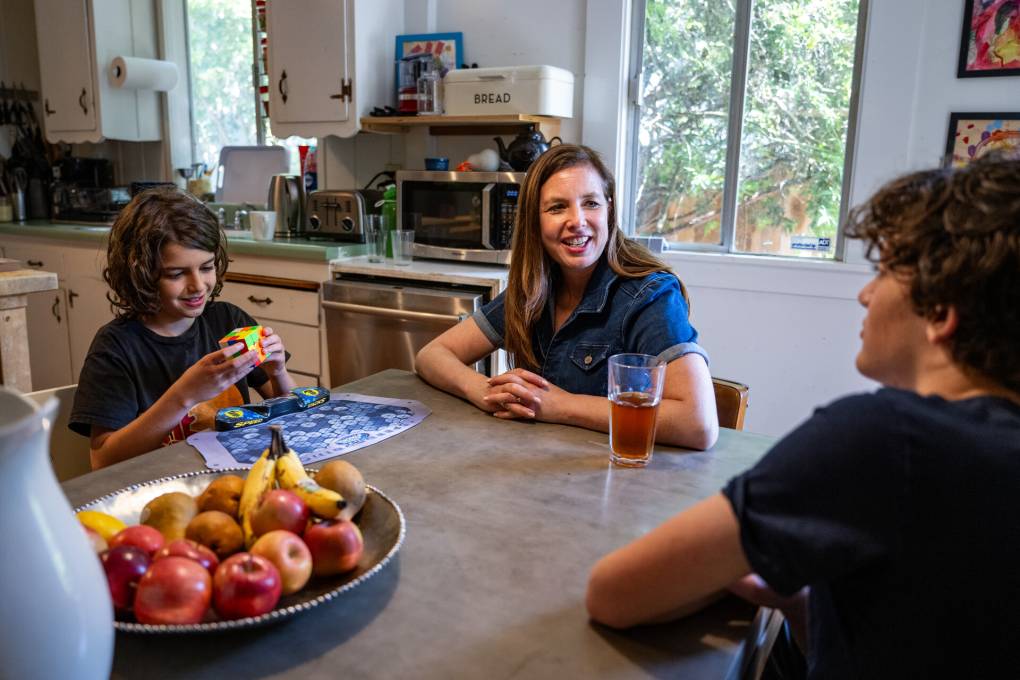
"attachmentsReducer": {
"audio_0": {
"type": "attachments",
"id": "audio_0",
"imgSizes": {
"kqedFullSize": {
"file": "https://ww2.kqed.org/news/wp-content/themes/KQED-unified/img/audio_bgs/background0.jpg"
}
}
},
"audio_1": {
"type": "attachments",
"id": "audio_1",
"imgSizes": {
"kqedFullSize": {
"file": "https://ww2.kqed.org/news/wp-content/themes/KQED-unified/img/audio_bgs/background1.jpg"
}
}
},
"audio_2": {
"type": "attachments",
"id": "audio_2",
"imgSizes": {
"kqedFullSize": {
"file": "https://ww2.kqed.org/news/wp-content/themes/KQED-unified/img/audio_bgs/background2.jpg"
}
}
},
"audio_3": {
"type": "attachments",
"id": "audio_3",
"imgSizes": {
"kqedFullSize": {
"file": "https://ww2.kqed.org/news/wp-content/themes/KQED-unified/img/audio_bgs/background3.jpg"
}
}
},
"audio_4": {
"type": "attachments",
"id": "audio_4",
"imgSizes": {
"kqedFullSize": {
"file": "https://ww2.kqed.org/news/wp-content/themes/KQED-unified/img/audio_bgs/background4.jpg"
}
}
},
"placeholder": {
"type": "attachments",
"id": "placeholder",
"imgSizes": {
"thumbnail": {
"file": "https://cdn.kqed.org/wp-content/uploads/2024/12/KQED-Default-Image-816638274-2000x1333-1-160x107.jpg",
"width": 160,
"height": 107,
"mimeType": "image/jpeg"
},
"medium": {
"file": "https://cdn.kqed.org/wp-content/uploads/2024/12/KQED-Default-Image-816638274-2000x1333-1-800x533.jpg",
"width": 800,
"height": 533,
"mimeType": "image/jpeg"
},
"medium_large": {
"file": "https://cdn.kqed.org/wp-content/uploads/2024/12/KQED-Default-Image-816638274-2000x1333-1-768x512.jpg",
"width": 768,
"height": 512,
"mimeType": "image/jpeg"
},
"large": {
"file": "https://cdn.kqed.org/wp-content/uploads/2024/12/KQED-Default-Image-816638274-2000x1333-1-1020x680.jpg",
"width": 1020,
"height": 680,
"mimeType": "image/jpeg"
},
"1536x1536": {
"file": "https://cdn.kqed.org/wp-content/uploads/2024/12/KQED-Default-Image-816638274-2000x1333-1-1536x1024.jpg",
"width": 1536,
"height": 1024,
"mimeType": "image/jpeg"
},
"fd-lrg": {
"file": "https://cdn.kqed.org/wp-content/uploads/2024/12/KQED-Default-Image-816638274-2000x1333-1-1536x1024.jpg",
"width": 1536,
"height": 1024,
"mimeType": "image/jpeg"
},
"fd-med": {
"file": "https://cdn.kqed.org/wp-content/uploads/2024/12/KQED-Default-Image-816638274-2000x1333-1-1020x680.jpg",
"width": 1020,
"height": 680,
"mimeType": "image/jpeg"
},
"fd-sm": {
"file": "https://cdn.kqed.org/wp-content/uploads/2024/12/KQED-Default-Image-816638274-2000x1333-1-800x533.jpg",
"width": 800,
"height": 533,
"mimeType": "image/jpeg"
},
"post-thumbnail": {
"file": "https://cdn.kqed.org/wp-content/uploads/2024/12/KQED-Default-Image-816638274-2000x1333-1-672x372.jpg",
"width": 672,
"height": 372,
"mimeType": "image/jpeg"
},
"twentyfourteen-full-width": {
"file": "https://cdn.kqed.org/wp-content/uploads/2024/12/KQED-Default-Image-816638274-2000x1333-1-1038x576.jpg",
"width": 1038,
"height": 576,
"mimeType": "image/jpeg"
},
"xxsmall": {
"file": "https://cdn.kqed.org/wp-content/uploads/2024/12/KQED-Default-Image-816638274-2000x1333-1-160x107.jpg",
"width": 160,
"height": 107,
"mimeType": "image/jpeg"
},
"xsmall": {
"file": "https://cdn.kqed.org/wp-content/uploads/2024/12/KQED-Default-Image-816638274-2000x1333-1-672x372.jpg",
"width": 672,
"height": 372,
"mimeType": "image/jpeg"
},
"small": {
"file": "https://cdn.kqed.org/wp-content/uploads/2024/12/KQED-Default-Image-816638274-2000x1333-1-672x372.jpg",
"width": 672,
"height": 372,
"mimeType": "image/jpeg"
},
"xlarge": {
"file": "https://cdn.kqed.org/wp-content/uploads/2024/12/KQED-Default-Image-816638274-2000x1333-1-1020x680.jpg",
"width": 1020,
"height": 680,
"mimeType": "image/jpeg"
},
"full-width": {
"file": "https://cdn.kqed.org/wp-content/uploads/2024/12/KQED-Default-Image-816638274-2000x1333-1-1920x1280.jpg",
"width": 1920,
"height": 1280,
"mimeType": "image/jpeg"
},
"guest-author-32": {
"file": "https://cdn.kqed.org/wp-content/uploads/2025/01/KQED-Default-Image-816638274-1333x1333-1-160x160.jpg",
"width": 32,
"height": 32,
"mimeType": "image/jpeg"
},
"guest-author-50": {
"file": "https://cdn.kqed.org/wp-content/uploads/2025/01/KQED-Default-Image-816638274-1333x1333-1-160x160.jpg",
"width": 50,
"height": 50,
"mimeType": "image/jpeg"
},
"guest-author-64": {
"file": "https://cdn.kqed.org/wp-content/uploads/2025/01/KQED-Default-Image-816638274-1333x1333-1-160x160.jpg",
"width": 64,
"height": 64,
"mimeType": "image/jpeg"
},
"guest-author-96": {
"file": "https://cdn.kqed.org/wp-content/uploads/2025/01/KQED-Default-Image-816638274-1333x1333-1-160x160.jpg",
"width": 96,
"height": 96,
"mimeType": "image/jpeg"
},
"guest-author-128": {
"file": "https://cdn.kqed.org/wp-content/uploads/2025/01/KQED-Default-Image-816638274-1333x1333-1-160x160.jpg",
"width": 128,
"height": 128,
"mimeType": "image/jpeg"
},
"detail": {
"file": "https://cdn.kqed.org/wp-content/uploads/2025/01/KQED-Default-Image-816638274-1333x1333-1-160x160.jpg",
"width": 160,
"height": 160,
"mimeType": "image/jpeg"
},
"kqedFullSize": {
"file": "https://cdn.kqed.org/wp-content/uploads/2024/12/KQED-Default-Image-816638274-2000x1333-1.jpg",
"width": 2000,
"height": 1333
}
}
},
"news_11987770": {
"type": "attachments",
"id": "news_11987770",
"meta": {
"index": "attachments_1716263798",
"site": "news",
"id": "11987770",
"found": true
},
"title": "240522-BoyMom-18-BL_qut",
"publishDate": 1716593520,
"status": "inherit",
"parent": 0,
"modified": 1716593588,
"caption": "Ruth Whippman sits with her sons Zephy, 10, and Solly, 13, at their home in Berkeley on May 22.",
"credit": "Beth LaBerge/KQED",
"altTag": null,
"description": null,
"imgSizes": {
"medium": {
"file": "https://cdn.kqed.org/wp-content/uploads/sites/10/2024/05/240522-BoyMom-18-BL_qut-800x533.jpg",
"width": 800,
"height": 533,
"mimeType": "image/jpeg"
},
"large": {
"file": "https://cdn.kqed.org/wp-content/uploads/sites/10/2024/05/240522-BoyMom-18-BL_qut-1020x680.jpg",
"width": 1020,
"height": 680,
"mimeType": "image/jpeg"
},
"thumbnail": {
"file": "https://cdn.kqed.org/wp-content/uploads/sites/10/2024/05/240522-BoyMom-18-BL_qut-160x107.jpg",
"width": 160,
"height": 107,
"mimeType": "image/jpeg"
},
"1536x1536": {
"file": "https://cdn.kqed.org/wp-content/uploads/sites/10/2024/05/240522-BoyMom-18-BL_qut-1536x1024.jpg",
"width": 1536,
"height": 1024,
"mimeType": "image/jpeg"
},
"post-thumbnail": {
"file": "https://cdn.kqed.org/wp-content/uploads/sites/10/2024/05/240522-BoyMom-18-BL_qut-672x372.jpg",
"width": 672,
"height": 372,
"mimeType": "image/jpeg"
},
"twentyfourteen-full-width": {
"file": "https://cdn.kqed.org/wp-content/uploads/sites/10/2024/05/240522-BoyMom-18-BL_qut-1038x576.jpg",
"width": 1038,
"height": 576,
"mimeType": "image/jpeg"
},
"kqedFullSize": {
"file": "https://cdn.kqed.org/wp-content/uploads/sites/10/2024/05/240522-BoyMom-18-BL_qut.jpg",
"width": 1920,
"height": 1280
}
},
"isLoading": false,
"fetchFailed": false
},
"news_11922435": {
"type": "attachments",
"id": "news_11922435",
"meta": {
"index": "attachments_1716263798",
"site": "news",
"id": "11922435",
"found": true
},
"parent": 11922427,
"imgSizes": {
"twentyfourteen-full-width": {
"file": "https://ww2.kqed.org/app/uploads/sites/10/2022/08/Sophia-S-Image-1038x576.jpeg",
"width": 1038,
"mimeType": "image/jpeg",
"height": 576
},
"thumbnail": {
"file": "https://ww2.kqed.org/app/uploads/sites/10/2022/08/Sophia-S-Image-160x122.jpeg",
"width": 160,
"mimeType": "image/jpeg",
"height": 122
},
"post-thumbnail": {
"file": "https://ww2.kqed.org/app/uploads/sites/10/2022/08/Sophia-S-Image-672x372.jpeg",
"width": 672,
"mimeType": "image/jpeg",
"height": 372
},
"kqedFullSize": {
"file": "https://ww2.kqed.org/app/uploads/sites/10/2022/08/Sophia-S-Image-scaled.jpeg",
"width": 2560,
"height": 1946
},
"2048x2048": {
"file": "https://ww2.kqed.org/app/uploads/sites/10/2022/08/Sophia-S-Image-2048x1557.jpeg",
"width": 2048,
"mimeType": "image/jpeg",
"height": 1557
},
"large": {
"file": "https://ww2.kqed.org/app/uploads/sites/10/2022/08/Sophia-S-Image-1020x775.jpeg",
"width": 1020,
"mimeType": "image/jpeg",
"height": 775
},
"1536x1536": {
"file": "https://ww2.kqed.org/app/uploads/sites/10/2022/08/Sophia-S-Image-1536x1168.jpeg",
"width": 1536,
"mimeType": "image/jpeg",
"height": 1168
},
"full-width": {
"file": "https://ww2.kqed.org/app/uploads/sites/10/2022/08/Sophia-S-Image-1920x1460.jpeg",
"width": 1920,
"mimeType": "image/jpeg",
"height": 1460
},
"medium": {
"file": "https://ww2.kqed.org/app/uploads/sites/10/2022/08/Sophia-S-Image-800x608.jpeg",
"width": 800,
"mimeType": "image/jpeg",
"height": 608
}
},
"publishDate": 1660342294,
"modified": 1660342351,
"caption": "Sophia Shao is a senior at Los Altos High School.",
"description": null,
"title": "Sophia S - Image",
"credit": null,
"status": "inherit",
"altTag": null,
"isLoading": false,
"fetchFailed": false
},
"news_11989594": {
"type": "attachments",
"id": "news_11989594",
"meta": {
"index": "attachments_1716263798",
"site": "news",
"id": "11989594",
"found": true
},
"title": "Sunnyvale Attack",
"publishDate": 1718036155,
"status": "inherit",
"parent": 11989582,
"modified": 1718036223,
"caption": "Police stand guard at an apartment complex in Sunnyvale on Wednesday, April 24, 2019. ",
"credit": "Karl Mondon/MediaNews Group/The Mercury News via Getty Images",
"altTag": "A police vehicle that says \"Sunnyvale\" on the side is parked while a woman walks in the background.",
"description": null,
"imgSizes": {
"medium": {
"file": "https://cdn.kqed.org/wp-content/uploads/sites/10/2024/06/GettyImages-1144883911-800x632.jpg",
"width": 800,
"height": 632,
"mimeType": "image/jpeg"
},
"large": {
"file": "https://cdn.kqed.org/wp-content/uploads/sites/10/2024/06/GettyImages-1144883911-1020x806.jpg",
"width": 1020,
"height": 806,
"mimeType": "image/jpeg"
},
"thumbnail": {
"file": "https://cdn.kqed.org/wp-content/uploads/sites/10/2024/06/GettyImages-1144883911-160x126.jpg",
"width": 160,
"height": 126,
"mimeType": "image/jpeg"
},
"1536x1536": {
"file": "https://cdn.kqed.org/wp-content/uploads/sites/10/2024/06/GettyImages-1144883911-1536x1213.jpg",
"width": 1536,
"height": 1213,
"mimeType": "image/jpeg"
},
"2048x2048": {
"file": "https://cdn.kqed.org/wp-content/uploads/sites/10/2024/06/GettyImages-1144883911-2048x1618.jpg",
"width": 2048,
"height": 1618,
"mimeType": "image/jpeg"
},
"post-thumbnail": {
"file": "https://cdn.kqed.org/wp-content/uploads/sites/10/2024/06/GettyImages-1144883911-672x372.jpg",
"width": 672,
"height": 372,
"mimeType": "image/jpeg"
},
"twentyfourteen-full-width": {
"file": "https://cdn.kqed.org/wp-content/uploads/sites/10/2024/06/GettyImages-1144883911-1038x576.jpg",
"width": 1038,
"height": 576,
"mimeType": "image/jpeg"
},
"full-width": {
"file": "https://cdn.kqed.org/wp-content/uploads/sites/10/2024/06/GettyImages-1144883911-1920x1517.jpg",
"width": 1920,
"height": 1517,
"mimeType": "image/jpeg"
},
"kqedFullSize": {
"file": "https://cdn.kqed.org/wp-content/uploads/sites/10/2024/06/GettyImages-1144883911.jpg",
"width": 2527,
"height": 1996
}
},
"isLoading": false,
"fetchFailed": false
},
"news_11989536": {
"type": "attachments",
"id": "news_11989536",
"meta": {
"index": "attachments_1716263798",
"site": "news",
"id": "11989536",
"found": true
},
"title": "053124-Bakersfield-Injectable-LV_03-ezgif.com-webp-to-jpg-converter",
"publishDate": 1717805449,
"status": "inherit",
"parent": 11989515,
"modified": 1717806096,
"caption": "First: The Akido street medicine team exits their van with their equipment. Last: The Akido Street Medicine team checks on a homeless encampment in a dirt field in Arvin on May 28, 2024. \n",
"credit": "Larry Valenzuela/CalMatters/CatchLight Local",
"altTag": null,
"description": null,
"imgSizes": {
"medium": {
"file": "https://cdn.kqed.org/wp-content/uploads/sites/10/2024/06/053124-Bakersfield-Injectable-LV_03-ezgif.com-webp-to-jpg-converter-800x533.jpg",
"width": 800,
"height": 533,
"mimeType": "image/jpeg"
},
"large": {
"file": "https://cdn.kqed.org/wp-content/uploads/sites/10/2024/06/053124-Bakersfield-Injectable-LV_03-ezgif.com-webp-to-jpg-converter-1020x680.jpg",
"width": 1020,
"height": 680,
"mimeType": "image/jpeg"
},
"thumbnail": {
"file": "https://cdn.kqed.org/wp-content/uploads/sites/10/2024/06/053124-Bakersfield-Injectable-LV_03-ezgif.com-webp-to-jpg-converter-160x107.jpg",
"width": 160,
"height": 107,
"mimeType": "image/jpeg"
},
"1536x1536": {
"file": "https://cdn.kqed.org/wp-content/uploads/sites/10/2024/06/053124-Bakersfield-Injectable-LV_03-ezgif.com-webp-to-jpg-converter-1536x1024.jpg",
"width": 1536,
"height": 1024,
"mimeType": "image/jpeg"
},
"post-thumbnail": {
"file": "https://cdn.kqed.org/wp-content/uploads/sites/10/2024/06/053124-Bakersfield-Injectable-LV_03-ezgif.com-webp-to-jpg-converter-672x372.jpg",
"width": 672,
"height": 372,
"mimeType": "image/jpeg"
},
"twentyfourteen-full-width": {
"file": "https://cdn.kqed.org/wp-content/uploads/sites/10/2024/06/053124-Bakersfield-Injectable-LV_03-ezgif.com-webp-to-jpg-converter-1038x576.jpg",
"width": 1038,
"height": 576,
"mimeType": "image/jpeg"
},
"kqedFullSize": {
"file": "https://cdn.kqed.org/wp-content/uploads/sites/10/2024/06/053124-Bakersfield-Injectable-LV_03-ezgif.com-webp-to-jpg-converter.jpg",
"width": 1568,
"height": 1045
}
},
"isLoading": false,
"fetchFailed": false
},
"news_11980424": {
"type": "attachments",
"id": "news_11980424",
"meta": {
"index": "attachments_1716263798",
"site": "news",
"id": "11980424",
"found": true
},
"parent": 11980415,
"imgSizes": {
"twentyfourteen-full-width": {
"file": "https://cdn.kqed.org/wp-content/uploads/sites/10/2024/03/GettyImages-1898123414-1024x576.jpg",
"width": 1024,
"mimeType": "image/jpeg",
"height": 576
},
"thumbnail": {
"file": "https://cdn.kqed.org/wp-content/uploads/sites/10/2024/03/GettyImages-1898123414-160x107.jpg",
"width": 160,
"mimeType": "image/jpeg",
"height": 107
},
"post-thumbnail": {
"file": "https://cdn.kqed.org/wp-content/uploads/sites/10/2024/03/GettyImages-1898123414-672x372.jpg",
"width": 672,
"mimeType": "image/jpeg",
"height": 372
},
"kqedFullSize": {
"file": "https://cdn.kqed.org/wp-content/uploads/sites/10/2024/03/GettyImages-1898123414.jpg",
"width": 1024,
"height": 683
},
"large": {
"file": "https://cdn.kqed.org/wp-content/uploads/sites/10/2024/03/GettyImages-1898123414-1020x680.jpg",
"width": 1020,
"mimeType": "image/jpeg",
"height": 680
},
"medium": {
"file": "https://cdn.kqed.org/wp-content/uploads/sites/10/2024/03/GettyImages-1898123414-800x534.jpg",
"width": 800,
"mimeType": "image/jpeg",
"height": 534
}
},
"publishDate": 1711065100,
"modified": 1711067217,
"caption": "Gov. Gavin Newsom speaks during a press conference on Jan. 3, 2024, at the Los Angeles General Medical Center to urge support for Proposition 1 on the March 5, 2024 ballot.",
"description": null,
"title": "Gov Gavin Newsom press conference for Proposition 1 that would would overhaul California's mental health funding system",
"credit": "Hans Gutknecht/MediaNews Group/Los Angeles Daily News via Getty Images",
"status": "inherit",
"altTag": null,
"isLoading": false,
"fetchFailed": false
},
"news_11978931": {
"type": "attachments",
"id": "news_11978931",
"meta": {
"index": "attachments_1716263798",
"site": "news",
"id": "11978931",
"found": true
},
"parent": 11978919,
"imgSizes": {
"twentyfourteen-full-width": {
"file": "https://cdn.kqed.org/wp-content/uploads/sites/10/2024/03/030524-Election-Primary-MG-CM-10-1038x576.jpg",
"width": 1038,
"mimeType": "image/jpeg",
"height": 576
},
"thumbnail": {
"file": "https://cdn.kqed.org/wp-content/uploads/sites/10/2024/03/030524-Election-Primary-MG-CM-10-160x107.jpg",
"width": 160,
"mimeType": "image/jpeg",
"height": 107
},
"post-thumbnail": {
"file": "https://cdn.kqed.org/wp-content/uploads/sites/10/2024/03/030524-Election-Primary-MG-CM-10-672x372.jpg",
"width": 672,
"mimeType": "image/jpeg",
"height": 372
},
"kqedFullSize": {
"file": "https://cdn.kqed.org/wp-content/uploads/sites/10/2024/03/030524-Election-Primary-MG-CM-10.jpg",
"width": 2000,
"height": 1333
},
"large": {
"file": "https://cdn.kqed.org/wp-content/uploads/sites/10/2024/03/030524-Election-Primary-MG-CM-10-1020x680.jpg",
"width": 1020,
"mimeType": "image/jpeg",
"height": 680
},
"1536x1536": {
"file": "https://cdn.kqed.org/wp-content/uploads/sites/10/2024/03/030524-Election-Primary-MG-CM-10-1536x1024.jpg",
"width": 1536,
"mimeType": "image/jpeg",
"height": 1024
},
"full-width": {
"file": "https://cdn.kqed.org/wp-content/uploads/sites/10/2024/03/030524-Election-Primary-MG-CM-10-1920x1280.jpg",
"width": 1920,
"mimeType": "image/jpeg",
"height": 1280
},
"medium": {
"file": "https://cdn.kqed.org/wp-content/uploads/sites/10/2024/03/030524-Election-Primary-MG-CM-10-800x533.jpg",
"width": 800,
"mimeType": "image/jpeg",
"height": 533
}
},
"publishDate": 1710187641,
"modified": 1710187752,
"caption": "Gov. Gavin Newsom casts his ballot at a polling site at the California Museum in Sacramento on March 5, 2024. ",
"description": null,
"title": "030524-Election-Primary-MG-CM-10",
"credit": "Miguel Gutierrez Jr./CalMatters",
"status": "inherit",
"altTag": "A man wearing a suit stands hands a woman in a t shirt that says \"I Voted\" a piece of paper.",
"isLoading": false,
"fetchFailed": false
},
"news_11977666": {
"type": "attachments",
"id": "news_11977666",
"meta": {
"index": "attachments_1716263798",
"site": "news",
"id": "11977666",
"found": true
},
"parent": 11977451,
"imgSizes": {
"twentyfourteen-full-width": {
"file": "https://cdn.kqed.org/wp-content/uploads/sites/10/2024/02/240228-NewsomPoliticalBreakdown-15-BL-1038x576.jpg",
"width": 1038,
"mimeType": "image/jpeg",
"height": 576
},
"thumbnail": {
"file": "https://cdn.kqed.org/wp-content/uploads/sites/10/2024/02/240228-NewsomPoliticalBreakdown-15-BL-160x107.jpg",
"width": 160,
"mimeType": "image/jpeg",
"height": 107
},
"post-thumbnail": {
"file": "https://cdn.kqed.org/wp-content/uploads/sites/10/2024/02/240228-NewsomPoliticalBreakdown-15-BL-672x372.jpg",
"width": 672,
"mimeType": "image/jpeg",
"height": 372
},
"kqedFullSize": {
"file": "https://cdn.kqed.org/wp-content/uploads/sites/10/2024/02/240228-NewsomPoliticalBreakdown-15-BL-scaled.jpg",
"width": 2560,
"height": 1707
},
"2048x2048": {
"file": "https://cdn.kqed.org/wp-content/uploads/sites/10/2024/02/240228-NewsomPoliticalBreakdown-15-BL-2048x1365.jpg",
"width": 2048,
"mimeType": "image/jpeg",
"height": 1365
},
"large": {
"file": "https://cdn.kqed.org/wp-content/uploads/sites/10/2024/02/240228-NewsomPoliticalBreakdown-15-BL-1020x680.jpg",
"width": 1020,
"mimeType": "image/jpeg",
"height": 680
},
"1536x1536": {
"file": "https://cdn.kqed.org/wp-content/uploads/sites/10/2024/02/240228-NewsomPoliticalBreakdown-15-BL-1536x1024.jpg",
"width": 1536,
"mimeType": "image/jpeg",
"height": 1024
},
"full-width": {
"file": "https://cdn.kqed.org/wp-content/uploads/sites/10/2024/02/240228-NewsomPoliticalBreakdown-15-BL-1920x1280.jpg",
"width": 1920,
"mimeType": "image/jpeg",
"height": 1280
},
"medium": {
"file": "https://cdn.kqed.org/wp-content/uploads/sites/10/2024/02/240228-NewsomPoliticalBreakdown-15-BL-800x533.jpg",
"width": 800,
"mimeType": "image/jpeg",
"height": 533
}
},
"publishDate": 1709245811,
"modified": 1709327539,
"caption": "Gov. Gavin Newsom poses with KQED reporters Marisa Lagos and Scott Shafer in the Sacramento KQED offices on Feb. 28, 2024 (Beth LaBerge/KQED)",
"description": "Gov. Gavin Newsom poses with KQED reporters Marisa Lagos and Scott Shafer in the Sacramento KQED offices on Feb. 28, 2024 (Beth LaBerge/KQED)",
"title": "240228-NewsomPoliticalBreakdown-15-BL",
"credit": null,
"status": "inherit",
"altTag": null,
"isLoading": false,
"fetchFailed": false
},
"news_11976678": {
"type": "attachments",
"id": "news_11976678",
"meta": {
"index": "attachments_1716263798",
"site": "news",
"id": "11976678",
"found": true
},
"parent": 0,
"imgSizes": {
"twentyfourteen-full-width": {
"file": "https://cdn.kqed.org/wp-content/uploads/sites/10/2024/02/GettyImages-1626847868-1024x576.jpg",
"width": 1024,
"mimeType": "image/jpeg",
"height": 576
},
"thumbnail": {
"file": "https://cdn.kqed.org/wp-content/uploads/sites/10/2024/02/GettyImages-1626847868-160x109.jpg",
"width": 160,
"mimeType": "image/jpeg",
"height": 109
},
"post-thumbnail": {
"file": "https://cdn.kqed.org/wp-content/uploads/sites/10/2024/02/GettyImages-1626847868-672x372.jpg",
"width": 672,
"mimeType": "image/jpeg",
"height": 372
},
"kqedFullSize": {
"file": "https://cdn.kqed.org/wp-content/uploads/sites/10/2024/02/GettyImages-1626847868.jpg",
"width": 1024,
"height": 700
},
"large": {
"file": "https://cdn.kqed.org/wp-content/uploads/sites/10/2024/02/GettyImages-1626847868-1020x697.jpg",
"width": 1020,
"mimeType": "image/jpeg",
"height": 697
},
"medium": {
"file": "https://cdn.kqed.org/wp-content/uploads/sites/10/2024/02/GettyImages-1626847868-800x547.jpg",
"width": 800,
"mimeType": "image/jpeg",
"height": 547
}
},
"publishDate": 1708567118,
"modified": 1708567659,
"caption": "San Francisco City Hall on Aug. 19, 2023.",
"description": null,
"title": "Homeless Numbers Rise In U.S. Cities",
"credit": "Liu Guanguan via Getty Images",
"status": "inherit",
"altTag": "A stopped-over man walks past San Francisco City Hall, with a law enforcement vehicle parked nearby in the plaza.",
"isLoading": false,
"fetchFailed": false
},
"news_11975014": {
"type": "attachments",
"id": "news_11975014",
"meta": {
"index": "attachments_1716263798",
"site": "news",
"id": "11975014",
"found": true
},
"parent": 11974991,
"imgSizes": {
"twentyfourteen-full-width": {
"file": "https://cdn.kqed.org/wp-content/uploads/sites/10/2024/02/Prop1-behavioral-health-spending-1038x576.jpg",
"width": 1038,
"mimeType": "image/jpeg",
"height": 576
},
"thumbnail": {
"file": "https://cdn.kqed.org/wp-content/uploads/sites/10/2024/02/Prop1-behavioral-health-spending-160x107.jpg",
"width": 160,
"mimeType": "image/jpeg",
"height": 107
},
"post-thumbnail": {
"file": "https://cdn.kqed.org/wp-content/uploads/sites/10/2024/02/Prop1-behavioral-health-spending-672x372.jpg",
"width": 672,
"mimeType": "image/jpeg",
"height": 372
},
"kqedFullSize": {
"file": "https://cdn.kqed.org/wp-content/uploads/sites/10/2024/02/Prop1-behavioral-health-spending.jpg",
"width": 1920,
"height": 1280
},
"large": {
"file": "https://cdn.kqed.org/wp-content/uploads/sites/10/2024/02/Prop1-behavioral-health-spending-1020x680.jpg",
"width": 1020,
"mimeType": "image/jpeg",
"height": 680
},
"1536x1536": {
"file": "https://cdn.kqed.org/wp-content/uploads/sites/10/2024/02/Prop1-behavioral-health-spending-1536x1024.jpg",
"width": 1536,
"mimeType": "image/jpeg",
"height": 1024
},
"medium": {
"file": "https://cdn.kqed.org/wp-content/uploads/sites/10/2024/02/Prop1-behavioral-health-spending-800x533.jpg",
"width": 800,
"mimeType": "image/jpeg",
"height": 533
}
},
"publishDate": 1707337731,
"modified": 1707337822,
"caption": "A homeless encampment located on Florida St in the Mission District of San Francisco, Calif.",
"description": null,
"title": "Prop1-behavioral-health-spending",
"credit": "Brittany Hosea-Small/KQED",
"status": "inherit",
"altTag": "A wide San Francisco with a tent encampment.",
"isLoading": false,
"fetchFailed": false
},
"news_11974226": {
"type": "attachments",
"id": "news_11974226",
"meta": {
"index": "attachments_1716263798",
"site": "news",
"id": "11974226",
"found": true
},
"parent": 11974214,
"imgSizes": {
"twentyfourteen-full-width": {
"file": "https://cdn.kqed.org/wp-content/uploads/sites/10/2024/01/031522_Nevada-City-Ride-Along_MW_CM_18-copy-1038x576.jpg",
"width": 1038,
"mimeType": "image/jpeg",
"height": 576
},
"thumbnail": {
"file": "https://cdn.kqed.org/wp-content/uploads/sites/10/2024/01/031522_Nevada-City-Ride-Along_MW_CM_18-copy-160x107.jpg",
"width": 160,
"mimeType": "image/jpeg",
"height": 107
},
"post-thumbnail": {
"file": "https://cdn.kqed.org/wp-content/uploads/sites/10/2024/01/031522_Nevada-City-Ride-Along_MW_CM_18-copy-672x372.jpg",
"width": 672,
"mimeType": "image/jpeg",
"height": 372
},
"kqedFullSize": {
"file": "https://cdn.kqed.org/wp-content/uploads/sites/10/2024/01/031522_Nevada-City-Ride-Along_MW_CM_18-copy.jpg",
"width": 2000,
"height": 1333
},
"large": {
"file": "https://cdn.kqed.org/wp-content/uploads/sites/10/2024/01/031522_Nevada-City-Ride-Along_MW_CM_18-copy-1020x680.jpg",
"width": 1020,
"mimeType": "image/jpeg",
"height": 680
},
"1536x1536": {
"file": "https://cdn.kqed.org/wp-content/uploads/sites/10/2024/01/031522_Nevada-City-Ride-Along_MW_CM_18-copy-1536x1024.jpg",
"width": 1536,
"mimeType": "image/jpeg",
"height": 1024
},
"full-width": {
"file": "https://cdn.kqed.org/wp-content/uploads/sites/10/2024/01/031522_Nevada-City-Ride-Along_MW_CM_18-copy-1920x1280.jpg",
"width": 1920,
"mimeType": "image/jpeg",
"height": 1280
},
"medium": {
"file": "https://cdn.kqed.org/wp-content/uploads/sites/10/2024/01/031522_Nevada-City-Ride-Along_MW_CM_18-copy-800x533.jpg",
"width": 800,
"mimeType": "image/jpeg",
"height": 533
}
},
"publishDate": 1706640173,
"modified": 1706640211,
"caption": "Licensed clinician Ernesto Alvarado negotiates with a man reluctant to be placed on a mental health hold in Penn Valley on March 15, 2022. Alvarado is part of Nevada County's Mobile Crisis Team. ",
"description": null,
"title": "031522_Nevada-City-Ride-Along_MW_CM_18 copy",
"credit": "Max Whittaker for CalMatters",
"status": "inherit",
"altTag": null,
"isLoading": false,
"fetchFailed": false
},
"news_11949736": {
"type": "attachments",
"id": "news_11949736",
"meta": {
"index": "attachments_1716263798",
"site": "news",
"id": "11949736",
"found": true
},
"parent": 11949674,
"imgSizes": {
"twentyfourteen-full-width": {
"file": "https://ww2.kqed.org/app/uploads/sites/10/2023/05/IMG_0204-1038x576.jpg",
"width": 1038,
"mimeType": "image/jpeg",
"height": 576
},
"thumbnail": {
"file": "https://ww2.kqed.org/app/uploads/sites/10/2023/05/IMG_0204-160x120.jpg",
"width": 160,
"mimeType": "image/jpeg",
"height": 120
},
"post-thumbnail": {
"file": "https://ww2.kqed.org/app/uploads/sites/10/2023/05/IMG_0204-672x372.jpg",
"width": 672,
"mimeType": "image/jpeg",
"height": 372
},
"kqedFullSize": {
"file": "https://ww2.kqed.org/app/uploads/sites/10/2023/05/IMG_0204.jpg",
"width": 2560,
"height": 1920
},
"2048x2048": {
"file": "https://ww2.kqed.org/app/uploads/sites/10/2023/05/IMG_0204-2048x1536.jpg",
"width": 2048,
"mimeType": "image/jpeg",
"height": 1536
},
"large": {
"file": "https://ww2.kqed.org/app/uploads/sites/10/2023/05/IMG_0204-1020x765.jpg",
"width": 1020,
"mimeType": "image/jpeg",
"height": 765
},
"1536x1536": {
"file": "https://ww2.kqed.org/app/uploads/sites/10/2023/05/IMG_0204-1536x1152.jpg",
"width": 1536,
"mimeType": "image/jpeg",
"height": 1152
},
"full-width": {
"file": "https://ww2.kqed.org/app/uploads/sites/10/2023/05/IMG_0204-1920x1440.jpg",
"width": 1920,
"mimeType": "image/jpeg",
"height": 1440
},
"medium": {
"file": "https://ww2.kqed.org/app/uploads/sites/10/2023/05/IMG_0204-800x600.jpg",
"width": 800,
"mimeType": "image/jpeg",
"height": 600
}
},
"publishDate": 1684273634,
"modified": 1684351543,
"caption": "After getting laid off, taking care of your mental health is crucial.",
"description": null,
"title": "layoffs-mental-health",
"credit": "Anna Vignet/KQED",
"status": "inherit",
"altTag": "A yellow and green toned illustration of a human figure, with one hand on their head, and another touching their chest.",
"isLoading": false,
"fetchFailed": false
},
"news_11970490": {
"type": "attachments",
"id": "news_11970490",
"meta": {
"index": "attachments_1716263798",
"site": "news",
"id": "11970490",
"found": true
},
"parent": 11970486,
"imgSizes": {
"twentyfourteen-full-width": {
"file": "https://cdn.kqed.org/wp-content/uploads/sites/10/2023/12/RS68740_230601-MindShift-13-BL-KQED-1038x576.jpeg",
"width": 1038,
"mimeType": "image/jpeg",
"height": 576
},
"thumbnail": {
"file": "https://cdn.kqed.org/wp-content/uploads/sites/10/2023/12/RS68740_230601-MindShift-13-BL-KQED-160x107.jpeg",
"width": 160,
"mimeType": "image/jpeg",
"height": 107
},
"post-thumbnail": {
"file": "https://cdn.kqed.org/wp-content/uploads/sites/10/2023/12/RS68740_230601-MindShift-13-BL-KQED-672x372.jpeg",
"width": 672,
"mimeType": "image/jpeg",
"height": 372
},
"kqedFullSize": {
"file": "https://cdn.kqed.org/wp-content/uploads/sites/10/2023/12/RS68740_230601-MindShift-13-BL-KQED.jpeg",
"width": 2000,
"height": 1333
},
"large": {
"file": "https://cdn.kqed.org/wp-content/uploads/sites/10/2023/12/RS68740_230601-MindShift-13-BL-KQED-1020x680.jpeg",
"width": 1020,
"mimeType": "image/jpeg",
"height": 680
},
"1536x1536": {
"file": "https://cdn.kqed.org/wp-content/uploads/sites/10/2023/12/RS68740_230601-MindShift-13-BL-KQED-1536x1024.jpeg",
"width": 1536,
"mimeType": "image/jpeg",
"height": 1024
},
"full-width": {
"file": "https://cdn.kqed.org/wp-content/uploads/sites/10/2023/12/RS68740_230601-MindShift-13-BL-KQED-1920x1280.jpeg",
"width": 1920,
"mimeType": "image/jpeg",
"height": 1280
},
"medium": {
"file": "https://cdn.kqed.org/wp-content/uploads/sites/10/2023/12/RS68740_230601-MindShift-13-BL-KQED-800x533.jpeg",
"width": 800,
"mimeType": "image/jpeg",
"height": 533
}
},
"publishDate": 1703031550,
"modified": 1703033953,
"caption": "Students at Roosevelt Elementary School in San Leandro on June 1, 2023. ",
"description": null,
"title": "RS68740_230601-MindShift-13-BL-KQED",
"credit": "Beth LaBerge/KQED",
"status": "inherit",
"altTag": "A group of students sitting at tables in an indoor setting.",
"isLoading": false,
"fetchFailed": false
}
},
"audioPlayerReducer": {
"postId": "stream_live",
"isPaused": true,
"isPlaying": false,
"pfsActive": false,
"pledgeModalIsOpen": true,
"playerDrawerIsOpen": false,
"liveAudioPlayStartedAt": 0,
"liveAudioPlayContext": ""
},
"authorsReducer": {
"byline_news_11989515": {
"type": "authors",
"id": "byline_news_11989515",
"meta": {
"override": true
},
"slug": "byline_news_11989515",
"name": "\u003ca href=\"https://calmatters.org/author/marisa-kendall/\">Marisa Kendall\u003c/a>",
"isLoading": false
},
"byline_news_11978919": {
"type": "authors",
"id": "byline_news_11978919",
"meta": {
"override": true
},
"slug": "byline_news_11978919",
"name": "Kristen Hwang and Jeanne Kuang",
"isLoading": false
},
"byline_news_11974214": {
"type": "authors",
"id": "byline_news_11974214",
"meta": {
"override": true
},
"slug": "byline_news_11974214",
"name": "\u003ca href=\"https://calmatters.org/author/ryan-sabalow/\">Ryan Sabalow\u003c/a>",
"isLoading": false
},
"byline_news_11970486": {
"type": "authors",
"id": "byline_news_11970486",
"meta": {
"override": true
},
"slug": "byline_news_11970486",
"name": "\u003ca href=\"https://edsource.org/author/mvelez\">Monica Velez\u003c/a>",
"isLoading": false
},
"gmarzorati": {
"type": "authors",
"id": "227",
"meta": {
"index": "authors_1716337520",
"id": "227",
"found": true
},
"name": "Guy Marzorati",
"firstName": "Guy",
"lastName": "Marzorati",
"slug": "gmarzorati",
"email": "gmarzorati@KQED.org",
"display_author_email": true,
"staff_mastheads": [
"news"
],
"title": "Correspondent",
"bio": "Guy Marzorati is a correspondent on KQED's California Politics and Government Desk, based in San Jose. A graduate of Santa Clara University, Guy joined KQED in 2013. He reports on state and local politics and produces KQED's digital voter guide.",
"avatar": "https://secure.gravatar.com/avatar/e7038b8dbfd55b104369b76b1cd0b9de?s=600&d=blank&r=g",
"twitter": "guymarzorati",
"facebook": null,
"instagram": null,
"linkedin": null,
"sites": [
{
"site": "",
"roles": [
"editor"
]
},
{
"site": "news",
"roles": [
"editor"
]
},
{
"site": "science",
"roles": [
"editor"
]
},
{
"site": "forum",
"roles": [
"editor"
]
},
{
"site": "elections",
"roles": [
"editor"
]
},
{
"site": "liveblog",
"roles": [
"editor"
]
}
],
"headData": {
"title": "Guy Marzorati | KQED",
"description": "Correspondent",
"ogImgSrc": "https://secure.gravatar.com/avatar/e7038b8dbfd55b104369b76b1cd0b9de?s=600&d=blank&r=g",
"twImgSrc": "https://secure.gravatar.com/avatar/e7038b8dbfd55b104369b76b1cd0b9de?s=600&d=blank&r=g"
},
"isLoading": false,
"link": "/author/gmarzorati"
},
"kqed": {
"type": "authors",
"id": "236",
"meta": {
"index": "authors_1716337520",
"id": "236",
"found": true
},
"name": "KQED News Staff",
"firstName": "KQED News Staff",
"lastName": null,
"slug": "kqed",
"email": "faq@kqed.org",
"display_author_email": false,
"staff_mastheads": [],
"title": null,
"bio": null,
"avatar": "https://secure.gravatar.com/avatar/ef0e801a68c4c54afa9180db14084167?s=600&d=blank&r=g",
"twitter": null,
"facebook": null,
"instagram": null,
"linkedin": null,
"sites": [
{
"site": "arts",
"roles": [
"contributor"
]
},
{
"site": "news",
"roles": [
"editor"
]
},
{
"site": "futureofyou",
"roles": [
"author"
]
}
],
"headData": {
"title": "KQED News Staff | KQED",
"description": null,
"ogImgSrc": "https://secure.gravatar.com/avatar/ef0e801a68c4c54afa9180db14084167?s=600&d=blank&r=g",
"twImgSrc": "https://secure.gravatar.com/avatar/ef0e801a68c4c54afa9180db14084167?s=600&d=blank&r=g"
},
"isLoading": false,
"link": "/author/kqed"
},
"scottshafer": {
"type": "authors",
"id": "255",
"meta": {
"index": "authors_1716337520",
"id": "255",
"found": true
},
"name": "Scott Shafer",
"firstName": "Scott",
"lastName": "Shafer",
"slug": "scottshafer",
"email": "sshafer@kqed.org",
"display_author_email": false,
"staff_mastheads": [
"news"
],
"title": "KQED Contributor",
"bio": "Scott Shafer is a senior editor with the KQED Politics and Government desk. He is co-host of Political Breakdown, the award-winning radio show and podcast with a personal take on the world of politics. Scott came to KQED in 1998 to host the statewide\u003cem> California Report\u003c/em>. Prior to that he had extended stints in politics and government\u003cem>.\u003c/em> He uses that inside experience at KQED in his, reporting, hosting and analysis for the politics desk. Scott collaborated \u003cem>Political Breakdown a\u003c/em>nd on \u003cem>The Political Mind of Jerry Brown, \u003c/em>an eight-part series about the life and extraordinary political career of the former governor. For fun, he plays water polo with the San Francisco Tsunami.",
"avatar": "https://secure.gravatar.com/avatar/a62ebae45b79d7aed1a39a0e3bf68104?s=600&d=blank&r=g",
"twitter": "scottshafer",
"bluesky": null,
"facebook": null,
"instagram": null,
"linkedin": null,
"sites": [
{
"site": "news",
"roles": [
"editor"
]
},
{
"site": "stateofhealth",
"roles": [
"author"
]
},
{
"site": "science",
"roles": [
"author"
]
},
{
"site": "forum",
"roles": [
"subscriber"
]
},
{
"site": "liveblog",
"roles": [
"author"
]
}
],
"headData": {
"title": "Scott Shafer | KQED",
"description": "KQED Contributor",
"ogImgSrc": "https://secure.gravatar.com/avatar/a62ebae45b79d7aed1a39a0e3bf68104?s=600&d=blank&r=g",
"twImgSrc": "https://secure.gravatar.com/avatar/a62ebae45b79d7aed1a39a0e3bf68104?s=600&d=blank&r=g"
},
"isLoading": false,
"link": "/author/scottshafer"
},
"mlagos": {
"type": "authors",
"id": "3239",
"meta": {
"index": "authors_1716337520",
"id": "3239",
"found": true
},
"name": "Marisa Lagos",
"firstName": "Marisa",
"lastName": "Lagos",
"slug": "mlagos",
"email": "mlagos@kqed.org",
"display_author_email": false,
"staff_mastheads": [
"news"
],
"title": "KQED Contributor",
"bio": "Marisa Lagos is a correspondent for KQED’s California Politics and Government Desk and co-hosts the award-winning show and podcast, Political Breakdown. At KQED, Lagos also conducts reporting, analysis and investigations into state, local and national politics for radio, TV, online and onstage. In 2022, she and co-host, Scott Shafer, moderated the only gubernatorial debate in California. In 2020, the \u003ci>Washington Post\u003c/i> named her one of the top political journalists in California; she was nominated for a Peabody and won several other awards for her work investigating the 2017 California wildfires. She has worked at the \u003ci>San Francisco Chronicle\u003c/i>, \u003ci>San Francisco Examiner\u003c/i> and \u003ci>Los Angeles Times\u003c/i>. A UC Santa Barbara graduate, she lives in San Francisco with her two sons and husband.",
"avatar": "https://secure.gravatar.com/avatar/a261a0d3696fc066871ef96b85b5e7d2?s=600&d=blank&r=g",
"twitter": "@mlagos",
"facebook": null,
"instagram": null,
"linkedin": null,
"sites": [
{
"site": "arts",
"roles": [
"author"
]
},
{
"site": "news",
"roles": [
"editor"
]
},
{
"site": "science",
"roles": [
"editor"
]
},
{
"site": "forum",
"roles": [
"author"
]
},
{
"site": "liveblog",
"roles": [
"author"
]
}
],
"headData": {
"title": "Marisa Lagos | KQED",
"description": "KQED Contributor",
"ogImgSrc": "https://secure.gravatar.com/avatar/a261a0d3696fc066871ef96b85b5e7d2?s=600&d=blank&r=g",
"twImgSrc": "https://secure.gravatar.com/avatar/a261a0d3696fc066871ef96b85b5e7d2?s=600&d=blank&r=g"
},
"isLoading": false,
"link": "/author/mlagos"
},
"ecruzguevarra": {
"type": "authors",
"id": "8654",
"meta": {
"index": "authors_1716337520",
"id": "8654",
"found": true
},
"name": "Ericka Cruz Guevarra",
"firstName": "Ericka",
"lastName": "Cruz Guevarra",
"slug": "ecruzguevarra",
"email": "ecruzguevarra@kqed.org",
"display_author_email": true,
"staff_mastheads": [
"news"
],
"title": "Producer, The Bay Podcast",
"bio": "Ericka Cruz Guevarra is host of \u003ca href=\"https://www.kqed.org/podcasts/thebay\">\u003cem>The Bay\u003c/em>\u003c/a> podcast at KQED. Before host, she was the show’s producer. Her work in that capacity includes a three-part reported series on policing in Vallejo, which won a 2020 excellence in journalism award from the Society of Professional Journalists. Ericka has worked as a breaking news reporter at Oregon Public Broadcasting, helped produce the Code Switch podcast, and was KQED’s inaugural Raul Ramirez Diversity Fund intern. She’s also an alumna of NPR’s Next Generation Radio program. Send her an email if you have strong feelings about whether Fairfield and Suisun City are the Bay. Ericka is represented by SAG-AFTRA.",
"avatar": "https://secure.gravatar.com/avatar/accefc1de4bafc7e234b69bcb9b6f6536c130fd84709bc3069ef11a78787e1bb?s=600&d=blank&r=g",
"twitter": "NotoriousECG",
"bluesky": null,
"facebook": null,
"instagram": null,
"linkedin": null,
"sites": [
{
"site": "arts",
"roles": [
"subscriber"
]
},
{
"site": "news",
"roles": [
"editor",
"manage_categories"
]
},
{
"site": "futureofyou",
"roles": [
"subscriber"
]
},
{
"site": "stateofhealth",
"roles": [
"subscriber"
]
},
{
"site": "science",
"roles": [
"editor"
]
},
{
"site": "forum",
"roles": [
"subscriber"
]
}
],
"headData": {
"title": "Ericka Cruz Guevarra | KQED",
"description": "Producer, The Bay Podcast",
"ogImgSrc": "https://secure.gravatar.com/avatar/accefc1de4bafc7e234b69bcb9b6f6536c130fd84709bc3069ef11a78787e1bb?s=600&d=blank&r=g",
"twImgSrc": "https://secure.gravatar.com/avatar/accefc1de4bafc7e234b69bcb9b6f6536c130fd84709bc3069ef11a78787e1bb?s=600&d=blank&r=g"
},
"isLoading": false,
"link": "/author/ecruzguevarra"
},
"ccabreralomeli": {
"type": "authors",
"id": "11708",
"meta": {
"index": "authors_1716337520",
"id": "11708",
"found": true
},
"name": "Carlos Cabrera-Lomelí",
"firstName": "Carlos",
"lastName": "Cabrera-Lomelí",
"slug": "ccabreralomeli",
"email": "ccabreralomeli@KQED.org",
"display_author_email": true,
"staff_mastheads": [
"news"
],
"title": "Community Reporter",
"bio": "Carlos Cabrera-Lomelí is a community reporter with KQED's digital engagement team. He also reports and co-produces for KQED's bilingual news hub KQED en Español. He grew up in San Francisco's Mission District and has previously worked with Univision, 48 Hills and REFORMA in Mexico City.",
"avatar": "https://secure.gravatar.com/avatar/c309be9665e484f887b818c89e273ecc673004f426f36b24d00a4d813a2e0518?s=600&d=blank&r=g",
"twitter": "@LomeliCabrera",
"bluesky": null,
"facebook": null,
"instagram": null,
"linkedin": null,
"sites": [
{
"site": "arts",
"roles": [
"editor"
]
},
{
"site": "news",
"roles": [
"editor"
]
},
{
"site": "about",
"roles": [
"editor"
]
},
{
"site": "science",
"roles": [
"editor"
]
},
{
"site": "perspectives",
"roles": [
"editor"
]
},
{
"site": "elections",
"roles": [
"editor"
]
},
{
"site": "liveblog",
"roles": [
"contributor"
]
}
],
"headData": {
"title": "Carlos Cabrera-Lomelí | KQED",
"description": "Community Reporter",
"ogImgSrc": "https://secure.gravatar.com/avatar/c309be9665e484f887b818c89e273ecc673004f426f36b24d00a4d813a2e0518?s=600&d=blank&r=g",
"twImgSrc": "https://secure.gravatar.com/avatar/c309be9665e484f887b818c89e273ecc673004f426f36b24d00a4d813a2e0518?s=600&d=blank&r=g"
},
"isLoading": false,
"link": "/author/ccabreralomeli"
},
"otaylor": {
"type": "authors",
"id": "11770",
"meta": {
"index": "authors_1716337520",
"id": "11770",
"found": true
},
"name": "Otis R. Taylor Jr.",
"firstName": "Otis R.",
"lastName": "Taylor Jr.",
"slug": "otaylor",
"email": "otaylor@kqed.org",
"display_author_email": false,
"staff_mastheads": [
"news"
],
"title": "KQED Editor",
"bio": null,
"avatar": "https://secure.gravatar.com/avatar/fe73e14d4842ac8e1c03d57def2530f57f1c5b0ca7d4a987ccc5bd90956cb7c6?s=600&d=blank&r=g",
"twitter": "otisrtaylorjr",
"bluesky": null,
"facebook": null,
"instagram": null,
"linkedin": null,
"sites": [
{
"site": "arts",
"roles": [
"subscriber"
]
},
{
"site": "news",
"roles": [
"subscriber"
]
},
{
"site": "science",
"roles": [
"subscriber"
]
},
{
"site": "liveblog",
"roles": [
"subscriber"
]
}
],
"headData": {
"title": "Otis R. Taylor Jr. | KQED",
"description": "KQED Editor",
"ogImgSrc": "https://secure.gravatar.com/avatar/fe73e14d4842ac8e1c03d57def2530f57f1c5b0ca7d4a987ccc5bd90956cb7c6?s=600&d=blank&r=g",
"twImgSrc": "https://secure.gravatar.com/avatar/fe73e14d4842ac8e1c03d57def2530f57f1c5b0ca7d4a987ccc5bd90956cb7c6?s=600&d=blank&r=g"
},
"isLoading": false,
"link": "/author/otaylor"
},
"sjohnson": {
"type": "authors",
"id": "11840",
"meta": {
"index": "authors_1716337520",
"id": "11840",
"found": true
},
"name": "Sydney Johnson",
"firstName": "Sydney",
"lastName": "Johnson",
"slug": "sjohnson",
"email": "sjohnson@kqed.org",
"display_author_email": false,
"staff_mastheads": [
"news"
],
"title": "KQED Reporter",
"bio": "Sydney Johnson is a general assignment reporter at KQED. She previously reported on public health and city government at the San Francisco Examiner, and before that, she covered statewide education policy for EdSource. Her reporting has won multiple local, state and national awards. Sydney is a graduate of the University of California, Berkeley and lives in San Francisco.",
"avatar": "https://secure.gravatar.com/avatar/97855f2719b72ad6190b7c535fe642c8?s=600&d=blank&r=g",
"twitter": "sydneyfjohnson",
"facebook": null,
"instagram": null,
"linkedin": null,
"sites": [
{
"site": "news",
"roles": [
"editor"
]
}
],
"headData": {
"title": "Sydney Johnson | KQED",
"description": "KQED Reporter",
"ogImgSrc": "https://secure.gravatar.com/avatar/97855f2719b72ad6190b7c535fe642c8?s=600&d=blank&r=g",
"twImgSrc": "https://secure.gravatar.com/avatar/97855f2719b72ad6190b7c535fe642c8?s=600&d=blank&r=g"
},
"isLoading": false,
"link": "/author/sjohnson"
}
},
"pagesReducer": {
"news_tag_mental-health": {
"type": "terms",
"id": "news_2109",
"meta": {
"index": "terms_1716263798",
"site": "news",
"id": "2109",
"score": 8.282925
},
"featImg": null,
"name": "mental health",
"description": null,
"taxonomy": "tag",
"headData": {
"twImgId": null,
"twTitle": null,
"ogTitle": null,
"ogImgId": null,
"twDescription": null,
"description": null,
"title": "mental health Archives | KQED News",
"ogDescription": null
},
"ttid": 2124,
"slug": "mental-health",
"isLoading": false,
"title": "mental health",
"pageMeta": {
"site": "news",
"WpPageTemplate": "page-topic-editorial",
"currentPage": 7
},
"blocks": [
{
"blockName": "kqed/post-list",
"attrs": {
"layout": "cardArticle2",
"query": "posts/news?tag=mental-health",
"seeMore": false,
"paginated": true,
"page": 7
}
},
{
"blockName": "kqed/ad"
}
]
}
},
"pfsSessionReducer": {},
"postsReducer": {
"stream_live": {
"type": "live",
"id": "stream_live",
"audioUrl": "https://streams.kqed.org/kqedradio",
"title": "Live Stream",
"excerpt": "Live Stream information currently unavailable.",
"link": "/radio",
"featImg": "",
"label": {
"name": "KQED Live",
"link": "/"
}
},
"stream_kqedNewscast": {
"type": "posts",
"id": "stream_kqedNewscast",
"audioUrl": "https://www.kqed.org/.stream/anon/radio/RDnews/newscast.mp3?_=1",
"title": "KQED Newscast",
"featImg": "",
"label": {
"name": "88.5 FM",
"link": "/"
}
},
"news_11990257": {
"type": "posts",
"id": "news_11990257",
"meta": {
"index": "posts_1716263798",
"site": "news",
"id": "11990257",
"score": null,
"sort": [
1718362838000
]
},
"guestAuthors": [],
"slug": "a-berkeley-mothers-memoir-offers-a-candid-commentary-on-the-crisis-of-masculinity",
"title": "A Berkeley Mother's Memoir Offers a Candid Commentary on the Crisis of Masculinity",
"publishDate": 1718362838,
"format": "standard",
"headTitle": "A Berkeley Mother’s Memoir Offers a Candid Commentary on the Crisis of Masculinity | KQED",
"labelTerm": {
"site": "news"
},
"content": "\u003cp>I went to Ruth Whippman’s Berkeley home for tea in early May because it was time for my anxiety check.\u003c/p>\n\u003cp>When I arrived, I realized that my appointments with Whippman, a \u003ca href=\"https://www.nytimes.com/2024/06/05/opinion/boys-parenting-loneliness.html\">British author and cultural critic\u003c/a>, were aligned with presidential election cycles. I find Whippman’s candor refreshing and rational. She doesn’t sugarcoat but adds sugar to the tea that she serves.\u003c/p>\n\u003cp>Whippman’s husband, Neil Levine, was working downstairs and Zephy, 10, was at band practice. Solly, 13, breezed through the kitchen on his way out the door to play Dungeons & Dragons at Games of Berkeley. As he held the toy leaf blower he was delivering to his 6-year-old brother, Abe, we briefly talked about game strategy. He flinched when Whippman lifted her light blue mug, which was the same color as her phone case.\u003c/p>\n\u003cp>[ad fullwidth]\u003c/p>\n\u003cp>Last week, Whippman published \u003cem>BoyMom: Reimagining Boyhood in the Age of Impossible Masculinity\u003c/em>, a treatise on the difficult challenge of raising decent men in an era when masculinity is weaponized.\u003c/p>\n\u003cp>\u003cem>BoyMom\u003c/em> is a memoir of a six-year stretch that included the election of a rapacious, misogynistic and xenophobic president, the #MeToo movement, the rise of the masculinity influencer and the isolation of the pandemic. Whippman, a mother of three boys, was concerned about raising her sons alongside a generation of boys that insecure tough guys are exploiting.\u003c/p>\n\u003cp>Using reporting and analysis, she interrogated the toxic patterns in boys and men. In the book, you’ll meet insecure teenage boys. You’ll meet hopeless incels — the portmanteau of “involuntary celibate” — who are susceptible to the agitators who play on the fears of white male emasculation for likes. You’ll also meet fathers, mothers and therapists who are battling the invisible ways we separate boys from their humanity.\u003c/p>\n\u003cp>Wait a minute, how did we get here?\u003c/p>\n\u003cp>Let’s go back to 2017, when women began using a hashtag to shine awareness on sexual abuse, sexual harassment and rape.\u003c/p>\n\u003cfigure id=\"attachment_11987769\" class=\"wp-caption aligncenter\" style=\"max-width: 1920px\">\u003cimg loading=\"lazy\" decoding=\"async\" class=\"size-full wp-image-11987769\" src=\"https://cdn.kqed.org/wp-content/uploads/sites/10/2024/05/240522-BoyMom-10-BL_qut.jpg\" alt=\"\" width=\"1920\" height=\"1280\" srcset=\"https://cdn.kqed.org/wp-content/uploads/sites/10/2024/05/240522-BoyMom-10-BL_qut.jpg 1920w, https://cdn.kqed.org/wp-content/uploads/sites/10/2024/05/240522-BoyMom-10-BL_qut-800x533.jpg 800w, https://cdn.kqed.org/wp-content/uploads/sites/10/2024/05/240522-BoyMom-10-BL_qut-1020x680.jpg 1020w, https://cdn.kqed.org/wp-content/uploads/sites/10/2024/05/240522-BoyMom-10-BL_qut-160x107.jpg 160w, https://cdn.kqed.org/wp-content/uploads/sites/10/2024/05/240522-BoyMom-10-BL_qut-1536x1024.jpg 1536w\" sizes=\"(max-width: 1920px) 100vw, 1920px\">\u003cfigcaption class=\"wp-caption-text\">Ruth Whippman poses for a photo at her home in Berkeley on May 22. \u003ccite>(Beth LaBerge/KQED)\u003c/cite>\u003c/figcaption>\u003c/figure>\n\u003cp>“As much as it was a revelation of substance, #MeToo was a revolution of storytelling,” Whippman writes in \u003cem>BoyMom\u003c/em>. “Perhaps the ultimate power available to any human being is to have control of the narrative.”\u003c/p>\n\u003cp>#MeToo exposed men who used privilege, power and wealth to assault women and dodge consequences. The left branded masculinity as toxic, while the right, if you will, leaned in and packaged toxic masculinity, as Whippman writes, “the answer to all our problems, both politicians and online influencers peddling a new brand of wounded, furious manhood, drawn from a combination of superhero fantasies and defensive rage.”\u003c/p>\n\u003cp>Oh boy, we are in trouble.\u003c/p>\n\u003cp>According to Whippman’s reporting, boys mature more slowly than girls socially, cognitively and physically, and are about 10 times more likely than girls to develop into antisocial adolescents. But what is less well known is that boys are more vulnerable emotionally.\u003c/p>\n\u003cp>“The sad irony is that while masculinity norms push boys to be tough — to squash their feelings and hide their weaknesses, right from birth and throughout childhood — young boys are actually more sensitive and emotionally fragile than young girls,” Whippman writes.\u003c/p>\n\u003cp>Because society expects rigid stoicism from men, mental health for boys often goes undetected, Whippman posits. Instead of emotional support, boys are getting infected by men who project an impossible standard of masculinity. To some, men are supposed to be without flaws, feelings or vulnerabilities.\u003c/p>\n\u003cp>Just last month, Jerry Seinfeld said he \u003ca href=\"https://www.nbcnews.com/pop-culture/pop-culture-news/-real-man-jerry-seinfeld-says-misses-dominant-masculinity-rcna154708\">missed dominant masculinity\u003c/a>. Andrew Tate spews toxic, misogynistic commentary that is parroted by YouTubers, podcasters and social media influencers who get rich by preaching about alpha male achievements. They want you to believe that masculinity is under attack and only a strongman — you know, the kind anointed to sell Bibles for 60 bucks — is capable of making manhood great again.\u003c/p>\n\u003cfigure id=\"attachment_11987768\" class=\"wp-caption aligncenter\" style=\"max-width: 1920px\">\u003cimg loading=\"lazy\" decoding=\"async\" class=\"size-full wp-image-11987768\" src=\"https://cdn.kqed.org/wp-content/uploads/sites/10/2024/05/240522-BoyMom-12-BL_qut.jpg\" alt=\"\" width=\"1920\" height=\"1280\" srcset=\"https://cdn.kqed.org/wp-content/uploads/sites/10/2024/05/240522-BoyMom-12-BL_qut.jpg 1920w, https://cdn.kqed.org/wp-content/uploads/sites/10/2024/05/240522-BoyMom-12-BL_qut-800x533.jpg 800w, https://cdn.kqed.org/wp-content/uploads/sites/10/2024/05/240522-BoyMom-12-BL_qut-1020x680.jpg 1020w, https://cdn.kqed.org/wp-content/uploads/sites/10/2024/05/240522-BoyMom-12-BL_qut-160x107.jpg 160w, https://cdn.kqed.org/wp-content/uploads/sites/10/2024/05/240522-BoyMom-12-BL_qut-1536x1024.jpg 1536w\" sizes=\"(max-width: 1920px) 100vw, 1920px\">\u003cfigcaption class=\"wp-caption-text\">Ruth Whippman writes notes in her office at her home in Berkeley on May 22. \u003ccite>(Beth LaBerge/KQED)\u003c/cite>\u003c/figcaption>\u003c/figure>\n\u003cp>“For something that is supposed to be so innate, masculinity sure seems to take a lot of hard work,” Whippman quips in the book.\u003c/p>\n\u003cp>To understand the “scripts of masculinity,” Whippman went to Iron Gate, a therapeutic center for adolescent boys and young men in southern Utah. When I first met Whippman in 2016, the pursuit of happiness had prompted her to visit happy Mormons in Utah to report for \u003cem>America the Anxious: How Our Pursuit of Happiness Is Creating a Nation of Nervous Wrecks\u003c/em>, her book about how our cultural obsession with happiness made us crazy. I was then a columnist at the \u003cem>San Francisco Chronicle\u003c/em> and, over tea, we talked about the multibillion-dollar self-improvement industry that sold everything but happiness.\u003c/p>\n\u003cp>My \u003ca href=\"https://www.sfchronicle.com/news/article/Author-finds-happiness-not-misery-loves-company-9961102.php\">column\u003c/a> was published two days after America became familiar with how a certain presidential candidate \u003ca href=\"https://www.washingtonpost.com/politics/trump-recorded-having-extremely-lewd-conversation-about-women-in-2005/2016/10/07/3b9ce776-8cb4-11e6-bf8a-3d26847eeed4_story.html\">talks in locker rooms\u003c/a>.\u003c/p>\n\u003cp>For \u003cem>BoyMom\u003c/em>, Whippman also traveled to New York to an exclusive, all-boys private school that boasts politicians, journalists and banking executives as alumni to sit in on Modern Masculinities, a class that challenges toxic masculinity. In the Los Angeles area, she attended Guys Group, a therapy and social group for teen boys.\u003c/p>\n\u003cp>Boys are at a social disadvantage because we have failed to model more intimate friendships, according to Whippman. “Online life can open up new worlds and perspectives that might otherwise be closed off to them,” she writes.\u003c/p>\n\u003cp>Boys have retreated online to play video games and mingle virtually on communication platforms such as Discord and Telegram, where they are exposed to racism and hate. They socialize less because they don’t have the real-world friendships and relationships they crave. They are isolated. Worse, they are lonely.\u003c/p>\n\u003cp>“It’s just easier to just retreat into a screen when they feel like nobody cares about them,” Whippman told me as we sat at her kitchen table. “Everyone thinks they’re terrible. Everyone thinks they’re predators.”\u003c/p>\n\u003cfigure id=\"attachment_11987771\" class=\"wp-caption aligncenter\" style=\"max-width: 1920px\">\u003cimg loading=\"lazy\" decoding=\"async\" class=\"size-full wp-image-11987771\" src=\"https://cdn.kqed.org/wp-content/uploads/sites/10/2024/05/240522-BoyMom-17-BL_qut.jpg\" alt=\"\" width=\"1920\" height=\"1280\" srcset=\"https://cdn.kqed.org/wp-content/uploads/sites/10/2024/05/240522-BoyMom-17-BL_qut.jpg 1920w, https://cdn.kqed.org/wp-content/uploads/sites/10/2024/05/240522-BoyMom-17-BL_qut-800x533.jpg 800w, https://cdn.kqed.org/wp-content/uploads/sites/10/2024/05/240522-BoyMom-17-BL_qut-1020x680.jpg 1020w, https://cdn.kqed.org/wp-content/uploads/sites/10/2024/05/240522-BoyMom-17-BL_qut-160x107.jpg 160w, https://cdn.kqed.org/wp-content/uploads/sites/10/2024/05/240522-BoyMom-17-BL_qut-1536x1024.jpg 1536w\" sizes=\"(max-width: 1920px) 100vw, 1920px\">\u003cfigcaption class=\"wp-caption-text\">Ruth Whippman sits with her husband, Neil Levine, and sons Abe, 6, Zephy, 10, and Solly, 13, at their home in Berkeley on May 22. \u003ccite>(Beth LaBerge/KQED)\u003c/cite>\u003c/figcaption>\u003c/figure>\n\u003cp>Whippman’s most illuminative reporting is reserved for the back half of the book. She ventured into the online forums where right-leaning and alt-right people congregate on 4chan, 8chan and other violent communities. It’s where the aggrieved find solace among others who share a deep hatred of women. The spaces are where incels, an online subculture of men frustrated with a lack of sexual experiences, are accepted.\u003c/p>\n\u003cp>“There is a notorious overlap between misogyny, white supremacy, homophobia and anti-semiticism in online spaces,” Whippman writes.\u003c/p>\n\u003cp>There aren’t many interviews with incels about their personal perspectives and experiences. Whippman went beneath surface-level reporting to examine the emotional and psychological triggers that were driving boys and young men to such intolerant spaces. In the book, she shares the stories of young men she interviewed.\u003c/p>\n\u003cp>We must understand the path that leads to hatred if we’re going to offer a course correction.\u003c/p>\n\u003cp>“What I wanted to do was to not give them a platform for their opinions. They absolutely don’t need that,” she told me. “And I in no way wanted to promote these toxic opinions, but I wanted to listen to the feelings that were driving them,” \u003ca href=\"https://www.kqed.org/forum/2010101905968/how-to-raise-sons-in-the-age-of-impossible-masculinity\">she said last week in an interview at KQED after appearing on Forum\u003c/a>.\u003c/p>\n\u003cp>“Everybody’s going to feel some sense of inadequacy or shame that they have to make up for in some way,” she continued. “It’s not their masculinity that makes them violent. It’s the shame that they’re not masculine enough, that they’re not meeting the standard. That’s where the violence is. That’s where the toxicity is. It’s those feelings of shame.”\u003c/p>\n\u003cp>Last month, a petulant former president who, I imagine, abhors accountability as much as he does facts, was \u003ca href=\"https://www.npr.org/2024/05/30/g-s1-1848/trump-hush-money-trial-34-counts\">convicted of 34 felony counts of falsified business records\u003c/a>. He still faces indictments for election inference, hoarding national security documents and for attempting to overturn election results. He’s been whining about getting the conviction overturned while obsessively wailing about the election he fairly lost.\u003c/p>\n\u003cp>Someone should tell the walking tough guy meme that boys don’t cry.\u003c/p>\n\u003cp>[ad floatright]\u003c/p>\n",
"blocks": [],
"excerpt": "KQED's Otis R. Taylor Jr. on Ruth Whippman, the Berkeley author and mother who puts his anxiety in check every four years. Her memoir 'BoyMom: Reimagining Boyhood in the Age of Impossible Masculinity' published in June.",
"status": "publish",
"parent": 0,
"modified": 1725490848,
"stats": {
"hasAudio": false,
"hasVideo": false,
"hasChartOrMap": false,
"iframeSrcs": [],
"hasGoogleForm": false,
"hasGallery": false,
"hasHearkenModule": false,
"hasPolis": false,
"paragraphCount": 32,
"wordCount": 1441
},
"headData": {
"title": "A Berkeley Mother's Memoir Offers a Candid Commentary on the Crisis of Masculinity | KQED",
"description": "KQED's Otis R. Taylor Jr. on Ruth Whippman, the Berkeley author and mother who puts his anxiety in check every four years. Her memoir 'BoyMom: Reimagining Boyhood in the Age of Impossible Masculinity' published in June.",
"ogTitle": "",
"ogDescription": "",
"ogImgId": "",
"twTitle": "",
"twDescription": "",
"twImgId": "",
"schema": {
"@context": "https://schema.org",
"@type": "NewsArticle",
"headline": "A Berkeley Mother's Memoir Offers a Candid Commentary on the Crisis of Masculinity",
"datePublished": "2024-06-14T04:00:38-07:00",
"dateModified": "2024-09-04T16:00:48-07:00",
"image": "https://cdn.kqed.org/wp-content/uploads/2020/02/KQED-OG-Image@1x.png",
"isAccessibleForFree": "True",
"publisher": {
"@type": "NewsMediaOrganization",
"@id": "https://www.kqed.org/#organization",
"name": "KQED",
"logo": "https://cdn.kqed.org/wp-content/uploads/2020/02/KQED-OG-Image@1x.png",
"url": "https://www.kqed.org",
"sameAs": [
"https://www.facebook.com/KQED",
"https://twitter.com/KQED",
"https://www.instagram.com/kqed/",
"https://www.tiktok.com/@kqedofficial",
"https://www.linkedin.com/company/kqed",
"https://www.youtube.com/channel/UCeC0IOo7i1P_61zVUWbJ4nw"
]
}
}
},
"audioUrl": "https://dcs.megaphone.fm/KQINC5023243330.mp3?key=88f353c8c12d2e85c336396143d5de2b&request_event_id=8455d865-e9d1-4818-bbbd-6323c73f6ee8",
"sticky": false,
"nprStoryId": "kqed-11990257",
"excludeFromSiteSearch": "Include",
"articleAge": "0",
"path": "/news/11990257/a-berkeley-mothers-memoir-offers-a-candid-commentary-on-the-crisis-of-masculinity",
"audioTrackLength": null,
"parsedContent": [
{
"type": "contentString",
"content": "\u003cdiv class=\"post-body\">\u003cp>\u003cp>I went to Ruth Whippman’s Berkeley home for tea in early May because it was time for my anxiety check.\u003c/p>\n\u003cp>When I arrived, I realized that my appointments with Whippman, a \u003ca href=\"https://www.nytimes.com/2024/06/05/opinion/boys-parenting-loneliness.html\">British author and cultural critic\u003c/a>, were aligned with presidential election cycles. I find Whippman’s candor refreshing and rational. She doesn’t sugarcoat but adds sugar to the tea that she serves.\u003c/p>\n\u003cp>Whippman’s husband, Neil Levine, was working downstairs and Zephy, 10, was at band practice. Solly, 13, breezed through the kitchen on his way out the door to play Dungeons & Dragons at Games of Berkeley. As he held the toy leaf blower he was delivering to his 6-year-old brother, Abe, we briefly talked about game strategy. He flinched when Whippman lifted her light blue mug, which was the same color as her phone case.\u003c/p>\n\u003cp>\u003c/p>\u003c/div>",
"attributes": {
"named": {},
"numeric": []
}
},
{
"type": "component",
"content": "",
"name": "ad",
"attributes": {
"named": {
"label": "fullwidth"
},
"numeric": [
"fullwidth"
]
}
},
{
"type": "contentString",
"content": "\u003cdiv class=\"post-body\">\u003cp>\u003c/p>\n\u003cp>Last week, Whippman published \u003cem>BoyMom: Reimagining Boyhood in the Age of Impossible Masculinity\u003c/em>, a treatise on the difficult challenge of raising decent men in an era when masculinity is weaponized.\u003c/p>\n\u003cp>\u003cem>BoyMom\u003c/em> is a memoir of a six-year stretch that included the election of a rapacious, misogynistic and xenophobic president, the #MeToo movement, the rise of the masculinity influencer and the isolation of the pandemic. Whippman, a mother of three boys, was concerned about raising her sons alongside a generation of boys that insecure tough guys are exploiting.\u003c/p>\n\u003cp>Using reporting and analysis, she interrogated the toxic patterns in boys and men. In the book, you’ll meet insecure teenage boys. You’ll meet hopeless incels — the portmanteau of “involuntary celibate” — who are susceptible to the agitators who play on the fears of white male emasculation for likes. You’ll also meet fathers, mothers and therapists who are battling the invisible ways we separate boys from their humanity.\u003c/p>\n\u003cp>Wait a minute, how did we get here?\u003c/p>\n\u003cp>Let’s go back to 2017, when women began using a hashtag to shine awareness on sexual abuse, sexual harassment and rape.\u003c/p>\n\u003cfigure id=\"attachment_11987769\" class=\"wp-caption aligncenter\" style=\"max-width: 1920px\">\u003cimg loading=\"lazy\" decoding=\"async\" class=\"size-full wp-image-11987769\" src=\"https://cdn.kqed.org/wp-content/uploads/sites/10/2024/05/240522-BoyMom-10-BL_qut.jpg\" alt=\"\" width=\"1920\" height=\"1280\" srcset=\"https://cdn.kqed.org/wp-content/uploads/sites/10/2024/05/240522-BoyMom-10-BL_qut.jpg 1920w, https://cdn.kqed.org/wp-content/uploads/sites/10/2024/05/240522-BoyMom-10-BL_qut-800x533.jpg 800w, https://cdn.kqed.org/wp-content/uploads/sites/10/2024/05/240522-BoyMom-10-BL_qut-1020x680.jpg 1020w, https://cdn.kqed.org/wp-content/uploads/sites/10/2024/05/240522-BoyMom-10-BL_qut-160x107.jpg 160w, https://cdn.kqed.org/wp-content/uploads/sites/10/2024/05/240522-BoyMom-10-BL_qut-1536x1024.jpg 1536w\" sizes=\"(max-width: 1920px) 100vw, 1920px\">\u003cfigcaption class=\"wp-caption-text\">Ruth Whippman poses for a photo at her home in Berkeley on May 22. \u003ccite>(Beth LaBerge/KQED)\u003c/cite>\u003c/figcaption>\u003c/figure>\n\u003cp>“As much as it was a revelation of substance, #MeToo was a revolution of storytelling,” Whippman writes in \u003cem>BoyMom\u003c/em>. “Perhaps the ultimate power available to any human being is to have control of the narrative.”\u003c/p>\n\u003cp>#MeToo exposed men who used privilege, power and wealth to assault women and dodge consequences. The left branded masculinity as toxic, while the right, if you will, leaned in and packaged toxic masculinity, as Whippman writes, “the answer to all our problems, both politicians and online influencers peddling a new brand of wounded, furious manhood, drawn from a combination of superhero fantasies and defensive rage.”\u003c/p>\n\u003cp>Oh boy, we are in trouble.\u003c/p>\n\u003cp>According to Whippman’s reporting, boys mature more slowly than girls socially, cognitively and physically, and are about 10 times more likely than girls to develop into antisocial adolescents. But what is less well known is that boys are more vulnerable emotionally.\u003c/p>\n\u003cp>“The sad irony is that while masculinity norms push boys to be tough — to squash their feelings and hide their weaknesses, right from birth and throughout childhood — young boys are actually more sensitive and emotionally fragile than young girls,” Whippman writes.\u003c/p>\n\u003cp>Because society expects rigid stoicism from men, mental health for boys often goes undetected, Whippman posits. Instead of emotional support, boys are getting infected by men who project an impossible standard of masculinity. To some, men are supposed to be without flaws, feelings or vulnerabilities.\u003c/p>\n\u003cp>Just last month, Jerry Seinfeld said he \u003ca href=\"https://www.nbcnews.com/pop-culture/pop-culture-news/-real-man-jerry-seinfeld-says-misses-dominant-masculinity-rcna154708\">missed dominant masculinity\u003c/a>. Andrew Tate spews toxic, misogynistic commentary that is parroted by YouTubers, podcasters and social media influencers who get rich by preaching about alpha male achievements. They want you to believe that masculinity is under attack and only a strongman — you know, the kind anointed to sell Bibles for 60 bucks — is capable of making manhood great again.\u003c/p>\n\u003cfigure id=\"attachment_11987768\" class=\"wp-caption aligncenter\" style=\"max-width: 1920px\">\u003cimg loading=\"lazy\" decoding=\"async\" class=\"size-full wp-image-11987768\" src=\"https://cdn.kqed.org/wp-content/uploads/sites/10/2024/05/240522-BoyMom-12-BL_qut.jpg\" alt=\"\" width=\"1920\" height=\"1280\" srcset=\"https://cdn.kqed.org/wp-content/uploads/sites/10/2024/05/240522-BoyMom-12-BL_qut.jpg 1920w, https://cdn.kqed.org/wp-content/uploads/sites/10/2024/05/240522-BoyMom-12-BL_qut-800x533.jpg 800w, https://cdn.kqed.org/wp-content/uploads/sites/10/2024/05/240522-BoyMom-12-BL_qut-1020x680.jpg 1020w, https://cdn.kqed.org/wp-content/uploads/sites/10/2024/05/240522-BoyMom-12-BL_qut-160x107.jpg 160w, https://cdn.kqed.org/wp-content/uploads/sites/10/2024/05/240522-BoyMom-12-BL_qut-1536x1024.jpg 1536w\" sizes=\"(max-width: 1920px) 100vw, 1920px\">\u003cfigcaption class=\"wp-caption-text\">Ruth Whippman writes notes in her office at her home in Berkeley on May 22. \u003ccite>(Beth LaBerge/KQED)\u003c/cite>\u003c/figcaption>\u003c/figure>\n\u003cp>“For something that is supposed to be so innate, masculinity sure seems to take a lot of hard work,” Whippman quips in the book.\u003c/p>\n\u003cp>To understand the “scripts of masculinity,” Whippman went to Iron Gate, a therapeutic center for adolescent boys and young men in southern Utah. When I first met Whippman in 2016, the pursuit of happiness had prompted her to visit happy Mormons in Utah to report for \u003cem>America the Anxious: How Our Pursuit of Happiness Is Creating a Nation of Nervous Wrecks\u003c/em>, her book about how our cultural obsession with happiness made us crazy. I was then a columnist at the \u003cem>San Francisco Chronicle\u003c/em> and, over tea, we talked about the multibillion-dollar self-improvement industry that sold everything but happiness.\u003c/p>\n\u003cp>My \u003ca href=\"https://www.sfchronicle.com/news/article/Author-finds-happiness-not-misery-loves-company-9961102.php\">column\u003c/a> was published two days after America became familiar with how a certain presidential candidate \u003ca href=\"https://www.washingtonpost.com/politics/trump-recorded-having-extremely-lewd-conversation-about-women-in-2005/2016/10/07/3b9ce776-8cb4-11e6-bf8a-3d26847eeed4_story.html\">talks in locker rooms\u003c/a>.\u003c/p>\n\u003cp>For \u003cem>BoyMom\u003c/em>, Whippman also traveled to New York to an exclusive, all-boys private school that boasts politicians, journalists and banking executives as alumni to sit in on Modern Masculinities, a class that challenges toxic masculinity. In the Los Angeles area, she attended Guys Group, a therapy and social group for teen boys.\u003c/p>\n\u003cp>Boys are at a social disadvantage because we have failed to model more intimate friendships, according to Whippman. “Online life can open up new worlds and perspectives that might otherwise be closed off to them,” she writes.\u003c/p>\n\u003cp>Boys have retreated online to play video games and mingle virtually on communication platforms such as Discord and Telegram, where they are exposed to racism and hate. They socialize less because they don’t have the real-world friendships and relationships they crave. They are isolated. Worse, they are lonely.\u003c/p>\n\u003cp>“It’s just easier to just retreat into a screen when they feel like nobody cares about them,” Whippman told me as we sat at her kitchen table. “Everyone thinks they’re terrible. Everyone thinks they’re predators.”\u003c/p>\n\u003cfigure id=\"attachment_11987771\" class=\"wp-caption aligncenter\" style=\"max-width: 1920px\">\u003cimg loading=\"lazy\" decoding=\"async\" class=\"size-full wp-image-11987771\" src=\"https://cdn.kqed.org/wp-content/uploads/sites/10/2024/05/240522-BoyMom-17-BL_qut.jpg\" alt=\"\" width=\"1920\" height=\"1280\" srcset=\"https://cdn.kqed.org/wp-content/uploads/sites/10/2024/05/240522-BoyMom-17-BL_qut.jpg 1920w, https://cdn.kqed.org/wp-content/uploads/sites/10/2024/05/240522-BoyMom-17-BL_qut-800x533.jpg 800w, https://cdn.kqed.org/wp-content/uploads/sites/10/2024/05/240522-BoyMom-17-BL_qut-1020x680.jpg 1020w, https://cdn.kqed.org/wp-content/uploads/sites/10/2024/05/240522-BoyMom-17-BL_qut-160x107.jpg 160w, https://cdn.kqed.org/wp-content/uploads/sites/10/2024/05/240522-BoyMom-17-BL_qut-1536x1024.jpg 1536w\" sizes=\"(max-width: 1920px) 100vw, 1920px\">\u003cfigcaption class=\"wp-caption-text\">Ruth Whippman sits with her husband, Neil Levine, and sons Abe, 6, Zephy, 10, and Solly, 13, at their home in Berkeley on May 22. \u003ccite>(Beth LaBerge/KQED)\u003c/cite>\u003c/figcaption>\u003c/figure>\n\u003cp>Whippman’s most illuminative reporting is reserved for the back half of the book. She ventured into the online forums where right-leaning and alt-right people congregate on 4chan, 8chan and other violent communities. It’s where the aggrieved find solace among others who share a deep hatred of women. The spaces are where incels, an online subculture of men frustrated with a lack of sexual experiences, are accepted.\u003c/p>\n\u003cp>“There is a notorious overlap between misogyny, white supremacy, homophobia and anti-semiticism in online spaces,” Whippman writes.\u003c/p>\n\u003cp>There aren’t many interviews with incels about their personal perspectives and experiences. Whippman went beneath surface-level reporting to examine the emotional and psychological triggers that were driving boys and young men to such intolerant spaces. In the book, she shares the stories of young men she interviewed.\u003c/p>\n\u003cp>We must understand the path that leads to hatred if we’re going to offer a course correction.\u003c/p>\n\u003cp>“What I wanted to do was to not give them a platform for their opinions. They absolutely don’t need that,” she told me. “And I in no way wanted to promote these toxic opinions, but I wanted to listen to the feelings that were driving them,” \u003ca href=\"https://www.kqed.org/forum/2010101905968/how-to-raise-sons-in-the-age-of-impossible-masculinity\">she said last week in an interview at KQED after appearing on Forum\u003c/a>.\u003c/p>\n\u003cp>“Everybody’s going to feel some sense of inadequacy or shame that they have to make up for in some way,” she continued. “It’s not their masculinity that makes them violent. It’s the shame that they’re not masculine enough, that they’re not meeting the standard. That’s where the violence is. That’s where the toxicity is. It’s those feelings of shame.”\u003c/p>\n\u003cp>Last month, a petulant former president who, I imagine, abhors accountability as much as he does facts, was \u003ca href=\"https://www.npr.org/2024/05/30/g-s1-1848/trump-hush-money-trial-34-counts\">convicted of 34 felony counts of falsified business records\u003c/a>. He still faces indictments for election inference, hoarding national security documents and for attempting to overturn election results. He’s been whining about getting the conviction overturned while obsessively wailing about the election he fairly lost.\u003c/p>\n\u003cp>Someone should tell the walking tough guy meme that boys don’t cry.\u003c/p>\n\u003cp>\u003c/p>\u003c/div>",
"attributes": {
"named": {},
"numeric": []
}
},
{
"type": "component",
"content": "",
"name": "ad",
"attributes": {
"named": {
"label": "floatright"
},
"numeric": [
"floatright"
]
}
},
{
"type": "contentString",
"content": "\u003cdiv class=\"post-body\">\u003cp>\u003c/p>\n\u003c/div>\u003c/p>",
"attributes": {
"named": {},
"numeric": []
}
}
],
"link": "/news/11990257/a-berkeley-mothers-memoir-offers-a-candid-commentary-on-the-crisis-of-masculinity",
"authors": [
"11770"
],
"categories": [
"news_8"
],
"tags": [
"news_32662",
"news_1386",
"news_129",
"news_18880",
"news_31116",
"news_22973",
"news_2109",
"news_17968",
"news_29111"
],
"featImg": "news_11987770",
"label": "news"
},
"news_11989635": {
"type": "posts",
"id": "news_11989635",
"meta": {
"index": "posts_1716263798",
"site": "news",
"id": "11989635",
"score": null,
"sort": [
1718186415000
]
},
"guestAuthors": [],
"slug": "for-high-schoolers-in-the-south-bay-silicon-valley-looms",
"title": "For High Schoolers in the South Bay, Silicon Valley Looms",
"publishDate": 1718186415,
"format": "audio",
"headTitle": "For High Schoolers in the South Bay, Silicon Valley Looms | KQED",
"labelTerm": {},
"content": "\u003cp>\u003cspan style=\"font-weight: 400\">At elite high schools in Silicon Valley, the pressure to succeed is intense. And according to Sophia Shao, a former student at Los Altos High School, her proximity to California’s tech capital is a big reason why. \u003c/span>\u003c/p>\n\u003cp>\u003cspan style=\"font-weight: 400\">In this special collaboration with \u003c/span>\u003ca href=\"http://kqed.org/youthtakeover\">\u003cspan style=\"font-weight: 400\">KQED’s Youth Takeover\u003c/span>\u003c/a>\u003cspan style=\"font-weight: 400\">, a yearlong project to highlight compelling stories written and produced by local teens, Shao talks with us about going to school in a place where everyone is expected to excel.\u003c/span>\u003c/p>\n\u003cp>\u003c!-- iframe plugin v.4.3 wordpress.org/plugins/iframe/ -->\u003cbr>\n\u003ciframe loading=\"lazy\" frameborder=\"0\" height=\"200\" scrolling=\"no\" src=\"https://playlist.megaphone.fm/?e=KQINC3806424948\" width=\"100%\" class=\"iframe-class\">\u003c/iframe>\u003c/p>\n\u003cp>\u003ci>\u003cspan style=\"font-weight: 400\">This episode first ran on Aug. 15, 2022\u003c/span>\u003c/i>\u003c/p>\n\u003ch2 id=\"episode-transcript\">Episode Transcript\u003c/h2>\n\u003cp>\u003ci>This is a computer-generated transcript. While our team has reviewed it, there may be errors.\u003c/i>\u003c/p>\n\u003cp>[ad fullwidth]\u003c/p>\n\u003cp>\u003cb>Sophia Shao: \u003c/b>\u003cem>[00:03:57] \u003c/em>My name is Sophia. Sophia Shao. I’m from Los Altos, California. I go to Los Altos High School. I’m 17.5. I guess I’m almost 18. For fun, I play tennis. I box a little bit. I swim a little bit. It’s cool. It’s a little bit of everything.\u003c/p>\n\u003cp>\u003cb>Ericka Cruz Guevarra: \u003c/b>\u003cem>[00:04:19] \u003c/em>I feel like boxing is very rare. I never hear. That.\u003c/p>\n\u003cp>\u003cb>Sophia Shao: \u003c/b>\u003cem>[00:04:22] \u003c/em>Yeah, it’s kind of casual, but, like, it’s a good way to stress relief. Yeah.\u003c/p>\n\u003cp>\u003cb>Ericka Cruz Guevarra: \u003c/b>\u003cem>[00:04:28] \u003c/em>Yeah. Can that makes sense? Can you tell me a little bit about your family sophia?\u003c/p>\n\u003cp>\u003cb>Sophia Shao: \u003c/b>\u003cem>[00:04:34] \u003c/em>My parents both immigrated here from China. My dad went to one of the top universities in China, and both of them were able to move to the US. Right now, my grandparents are staying with us, which is pretty nice. My little sister is a rising sophomore in high school, so she’s excited for that.\u003c/p>\n\u003cp>\u003cb>Ericka Cruz Guevarra: \u003c/b>\u003cem>[00:05:00] \u003c/em>I’m curious. Growing up in Milpitas and then also now. I Mean, you’re still growing up in many ways in Los Altos. What are the people you’re growing up around like?\u003c/p>\n\u003cp>\u003cb>Sophia Shao: \u003c/b>\u003cem>[00:05:13] \u003c/em>When I was in elementary school, obviously, I remember there was a really big emphasis on the AMC test. Like, what’s that? It was like a big math competition. Specifically, remember the two kids who got the best scores in our school? And then I got third. And then in eighth grade where we had like an actual graduation with caps and gowns. And we had little ropes that we hung around or not. If you had a 4.0 and a four or a 4.5. We had awards for every grade. I remember I got to very proud of myself. And parents are also very proud of me because you got to stand in front of the stage and have you just say a speech about you. Wow. But it’s kind of those things where you just kind of grow up knowing that you need to be at a certain caliber to compete with everyone else. I just I remember growing up like that and being really upset when I got like a 3.9 or 3.8. I was so obsessed with getting A’s and I think I carried that with me tonight. Great. And it just hit me like a ton of bricks.\u003c/p>\n\u003cp>\u003cb>Ericka Cruz Guevarra: \u003c/b>\u003cem>[00:06:42] \u003c/em>I mean, you also grew up in an immigrant household, which for me has come with, I think, like a certain pressure to succeed, at least in the sense that I felt like I should live a better life than my parents had. Right. I’m curious if that’s similar to your experience at all.\u003c/p>\n\u003cp>\u003cb>Sophia Shao: \u003c/b>\u003cem>[00:07:00] \u003c/em>I think in the beginning it was when I was in elementary school if when I was in middle school, because they took such long sacrifices to get us where we were today. And when I moved to Los Altos, though, and I started high school, that almost faded in a way, mostly because I started piling on like work after work. Like, for example, today I have this obviously in the morning at about 130. I have a physical for my tennis season that’s coming up in a week. And then after that, I’m helping out my coach with something and they’re all things that I kind of signed up for that. And I probably have to do call jobs because tomorrow at 830, I have a college counselor meeting. My goodness. It’s kind of been my summer. So it’s gotten to the point where my parents are just like, you need to cool down, like just takes some things off of your schedule. So at this point, it’s like the parents are there. Like if it’s okay, if you don’t become like a heart surgeon or something.\u003c/p>\n\u003cp>\u003cb>Ericka Cruz Guevarra: \u003c/b>\u003cem>[00:08:11] \u003c/em>It’s interesting because it sounds like the pressure isn’t necessarily coming from your parents, but like, more like yourself. Like a self-imposed pressure?\u003c/p>\n\u003cp>\u003cb>Sophia Shao: \u003c/b>\u003cem>[00:08:21] \u003c/em>Yeah. I mean, I really like being busy. It used to be because of college, and I think a lot of people still do it because of college.\u003c/p>\n\u003cp>\u003cb>Ericka Cruz Guevarra: \u003c/b>\u003cem>[00:08:31] \u003c/em>Yeah. Like, you want to get into the best school.\u003c/p>\n\u003cp>\u003cb>Sophia Shao: \u003c/b>\u003cem>[00:08:34] \u003c/em>Right. But like at this point, I just kind of I’m used to it, so it’s like, I’ll just keep doing it, I guess.\u003c/p>\n\u003cp>\u003cb>Ericka Cruz Guevarra: \u003c/b>\u003cem>[00:08:42] \u003c/em>When you were a freshman, though, what were like how did this stress show up in conversations that you had with your friends? Like where you all just like struggling every day, just like, my God, I hate this math homework right now. Or like, did you have friends who noticed that stress to do that come up in their conversations?\u003c/p>\n\u003cp>\u003cb>Sophia Shao: \u003c/b>\u003cem>[00:09:02] \u003c/em>I remember the first time I had a conversation about college was freshman year, and when I was in freshman year, any two colleges I knew Stanford and Harvard. And I remember sophomore year I asked my appearance for a college counselor because I was still in the mindset of do whatever on your resume. They can get you into college.\u003c/p>\n\u003cp>\u003cb>Ericka Cruz Guevarra: \u003c/b>\u003cem>[00:09:27] \u003c/em>What was the turning point for you then? Did you have a turning point where you were like, This is too much for me?\u003c/p>\n\u003cp>\u003cb>Sophia Shao: \u003c/b>\u003cem>[00:09:35] \u003c/em>Sophomore year, summer, junior year, I kind of had a mental health episode. And that kind of it did kind of shift me into perspective because I went to like a bunch of hospitals and I saw kind of the state that the pandemic and being in Silicon Valley had left me in. And I talked to a lot of the psychiatrist there, and they told me that a lot of the people who come to mental hospitals and asylums, they’re from areas like Super Chino and Los Altos, who are also known for churning out like higher success rates, high graduating rates. Wow. And it kind of just hit me that I would just rather do things that I like doing rather than having to follow some sort of guidebook. You start this thing and you start this thing and you’re the founder of this club. It just you go down the list of what, a college football.\u003c/p>\n\u003cp>\u003cb>Ericka Cruz Guevarra: \u003c/b>\u003cem>[00:11:00] \u003c/em>So you realized that this pressure was eating at your soul, right? It sounds like. Yeah. And that a lot of it comes from just growing up in a place that values success and achievement over all else. Yeah. How do you fight against that?\u003c/p>\n\u003cp>\u003cb>Sophia Shao: \u003c/b>\u003cem>[00:11:18] \u003c/em>As like, bad as it is, if I just put it in like, a phrase I just don’t really care about. I mean, obviously, I want to get into college. Like, I don’t want people to listen to this and be like, Yes, I do want to get into college. It would be nice, but. I don’t want getting into a good college. Kind of take away from me actually living my life and going through each day.\u003c/p>\n\u003cp>\u003cb>Ericka Cruz Guevarra: \u003c/b>\u003cem>[00:11:50] \u003c/em>I mean, what things do you love to do and hope to do?\u003c/p>\n\u003cp>\u003cb>Sophia Shao: \u003c/b>\u003cem>[00:11:54] \u003c/em>I love helping people. I’ve talked to a friend about this who got into you. Chicago. If he hears this, isn’t so happy that you did. But he kind of helped me put it into words where I want to make a measurable impact on helping people, especially people in marginalized communities and kids. Because I worked at it as a head coach at a local sports camp. I love helping kids, especially the people, the kids that are either on the spectrum or have trouble controlling their emotions because I kind of see me a little bit in that and I feel like I don’t know. It just feels amazing to be able to make a difference for those kids. I like volunteering. I love playing tennis. My ball kid. Yesterday I got to meet Naomi Osaka and saw her practicing. I know. And that was awesome. Is that going to help my college resumé? Not that much. Am I ever going to see Naomi Osaka, like, five feet away from me? Probably not. So it’s like a give and take system.\u003c/p>\n\u003cp>\u003cb>Ericka Cruz Guevarra: \u003c/b>\u003cem>[00:13:03] \u003c/em>I mean, it is. So it’s. Speaking of college, it’s college application season. What are your conversations with your friends like now?\u003c/p>\n\u003cp>\u003cb>Sophia Shao: \u003c/b>\u003cem>[00:13:12] \u003c/em>My thing is I had a lot of issues in high school that I got over and a lot of comebacks that I’ve made, but it doesn’t the comebacks don’t show up on my GPA and my score. And I’m much more proud of my comebacks than him. Anything else.\u003c/p>\n\u003cp>\u003cb>Ericka Cruz Guevarra: \u003c/b>\u003cem>[00:13:31] \u003c/em>Like personal comebacks?\u003c/p>\n\u003cp>\u003cb>Sophia Shao: \u003c/b>\u003cem>[00:13:34] \u003c/em>Yeah personal comebacks\u003cem> \u003c/em>\u003c/p>\n\u003cp>\u003cb>Ericka Cruz Guevarra: \u003c/b>\u003cem>[00:13:34] \u003c/em>Not academic comebacks.\u003cem> \u003c/em>\u003c/p>\n\u003cp>\u003cb>Sophia Shao: \u003c/b>\u003cem>[00:13:37] \u003c/em>But so many of my friends. So that’s the reason why I’m not as stressed out. But a lot of my other friends either they suffered in silence or they deal with their issues in another sort of way. But a lot of them, when they’re nearing college application season, they know that their parents and themselves have super high expectations on where they want to go. Last year, I think around eight people got into Stanford, and I know everything. Not personally, but I know every single one of them by name. And more people got into Cornell’s Ivies, a lot of them into you C’s. You can tell because in your insta in their Instagram bio, they didn’t put a college probably means that they’re not going to college that they’re necessarily proud of.\u003c/p>\n\u003cp>\u003cb>Ericka Cruz Guevarra: \u003c/b>\u003cem>[00:14:29] \u003c/em>Wow.\u003c/p>\n\u003cp>\u003cb>Sophia Shao: \u003c/b>\u003cem>[00:14:30] \u003c/em>Or they didn’t reach that high expectation. But if they did put it in their Instagram bio, then they probably did.\u003c/p>\n\u003cp>\u003cb>Ericka Cruz Guevarra: \u003c/b>\u003cem>[00:14:37] \u003c/em>Well, Sophia, I mean, it’s your senior year. It is. That’s very exciting. I’m curious what you’re looking forward to most this year outside of academics.\u003c/p>\n\u003cp>\u003cb>Sophia Shao: \u003c/b>\u003cem>[00:14:50] \u003c/em>I am so excited for Tennis Season like so excited. I don’t know if I’m going to be captain or not yet, but I am going to be one of the oldest, if not the oldest person on the team. And it feels like only it might be because of the pandemic, but it feels like yesterday where I was a freshman on on my tennis team and the seniors were driving me home. I can’t drive, but it’s like it feels like it’s a roundabout now. I again took a lot of apps. I’m taking six, I believe, and I need to make up a lot of classes from sophomore year. I’m taking classes that I think I’ve never done before or at least are like sort of interesting to me, except for physics.\u003c/p>\n\u003cp>\u003cb>Ericka Cruz Guevarra: \u003c/b>\u003cem>[00:15:42] \u003c/em>But which one are you excited about the most?\u003c/p>\n\u003cp>\u003cb>Sophia Shao: \u003c/b>\u003cem>[00:15:45] \u003c/em>I’m really excited to take AP psych. I think it’ll be yeah, I think it’ll be pretty fun. I’m starting to do emergency medical service type things. I’m excited for my journalism class.\u003c/p>\n\u003cp>\u003cb>Ericka Cruz Guevarra: \u003c/b>\u003cem>[00:15:57] \u003c/em>Ooo love that\u003cem> \u003c/em>\u003c/p>\n\u003cp>\u003cb>Sophia Shao: \u003c/b>\u003cem>[00:15:59] \u003c/em>Yeah. I’ll again be one of the oldest. So it’ll be nice to have everyone new coming in. I hope at least my teacher trusts me enough now, so she’ll let me do, like, solo projects. But I guess we’ll see. Yeah. Senior year it should be. It should be pretty fun.\u003c/p>\n\u003cp>\u003cb>Ericka Cruz Guevarra: \u003c/b>\u003cem>[00:16:23] \u003c/em>Well, I hope that it is fun. Sophia. I hope you enjoy your last year of high school. Thank you so much for joining us.\u003c/p>\n\u003cp>[ad floatright]\u003c/p>\n\u003cp>\u003cb>Sophia Shao: \u003c/b>\u003cem>[00:16:30] \u003c/em>Thank you really appreciate it. \u003cem> [\u003c/em> \u003cb>Ericka Cruz Guevarra: \u003c/b>\u003cem>[00:16:41] \u003c/em>That was Sophia Shao, a former student at Los Altos High School. We checked in with Sophia to see what she’s been up to since this episode first aired in August of 2022. I’m happy to report Sophia is doing great and is finishing up her first year at UC Irvine. She plans to major in human biology and hopes to pursue medical school. And she’s still keeping busy outside of school as well with all of her hobbies. She’s a research assistant studying neural circuits in depression, and she volunteers for a few nonprofits working on suicide prevention. And yes, she’s still boxing, and she tells me she can’t imagine being anywhere else but where she is now. Sophia, it’s so awesome to hear you are thriving in Irvine. We wish you the best of luck with finals this week.\u003c/p>\n\n",
"blocks": [],
"excerpt": "At elite high schools in Silicon Valley, the pressure to succeed is intense.",
"status": "publish",
"parent": 0,
"modified": 1733944274,
"stats": {
"hasAudio": true,
"hasVideo": false,
"hasChartOrMap": false,
"iframeSrcs": [],
"hasGoogleForm": false,
"hasGallery": false,
"hasHearkenModule": false,
"hasPolis": false,
"paragraphCount": 44,
"wordCount": 2490
},
"headData": {
"title": "For High Schoolers in the South Bay, Silicon Valley Looms | KQED",
"description": "At elite high schools in Silicon Valley, the pressure to succeed is intense.",
"ogTitle": "",
"ogDescription": "",
"ogImgId": "",
"twTitle": "",
"twDescription": "",
"twImgId": "",
"schema": {
"@context": "https://schema.org",
"@type": "NewsArticle",
"headline": "For High Schoolers in the South Bay, Silicon Valley Looms",
"datePublished": "2024-06-12T03:00:15-07:00",
"dateModified": "2024-12-11T11:11:14-08:00",
"image": "https://cdn.kqed.org/wp-content/uploads/2020/02/KQED-OG-Image@1x.png",
"isAccessibleForFree": "True",
"publisher": {
"@type": "NewsMediaOrganization",
"@id": "https://www.kqed.org/#organization",
"name": "KQED",
"logo": "https://cdn.kqed.org/wp-content/uploads/2020/02/KQED-OG-Image@1x.png",
"url": "https://www.kqed.org",
"sameAs": [
"https://www.facebook.com/KQED",
"https://twitter.com/KQED",
"https://www.instagram.com/kqed/",
"https://www.tiktok.com/@kqedofficial",
"https://www.linkedin.com/company/kqed",
"https://www.youtube.com/channel/UCeC0IOo7i1P_61zVUWbJ4nw"
]
}
}
},
"source": "The Bay",
"sourceUrl": "https://www.kqed.org/podcasts/thebay",
"audioUrl": "https://www.podtrac.com/pts/redirect.mp3/chrt.fm/track/G6C7C3/traffic.megaphone.fm/KQINC3806424948.mp3?updated=1718049269",
"sticky": false,
"nprStoryId": "kqed-11989635",
"excludeFromSiteSearch": "Include",
"articleAge": "0",
"path": "/news/11989635/for-high-schoolers-in-the-south-bay-silicon-valley-looms",
"audioTrackLength": null,
"parsedContent": [
{
"type": "contentString",
"content": "\u003cdiv class=\"post-body\">\u003cp>\u003cp>\u003cspan style=\"font-weight: 400\">At elite high schools in Silicon Valley, the pressure to succeed is intense. And according to Sophia Shao, a former student at Los Altos High School, her proximity to California’s tech capital is a big reason why. \u003c/span>\u003c/p>\n\u003cp>\u003cspan style=\"font-weight: 400\">In this special collaboration with \u003c/span>\u003ca href=\"http://kqed.org/youthtakeover\">\u003cspan style=\"font-weight: 400\">KQED’s Youth Takeover\u003c/span>\u003c/a>\u003cspan style=\"font-weight: 400\">, a yearlong project to highlight compelling stories written and produced by local teens, Shao talks with us about going to school in a place where everyone is expected to excel.\u003c/span>\u003c/p>\n\u003cp>\u003c!-- iframe plugin v.4.3 wordpress.org/plugins/iframe/ -->\u003cbr>\n\u003ciframe loading=\"lazy\" frameborder=\"0\" height=\"200\" scrolling=\"no\" src=\"https://playlist.megaphone.fm/?e=KQINC3806424948\" width=\"100%\" class=\"iframe-class\">\u003c/iframe>\u003c/p>\n\u003cp>\u003ci>\u003cspan style=\"font-weight: 400\">This episode first ran on Aug. 15, 2022\u003c/span>\u003c/i>\u003c/div>",
"attributes": {
"named": {},
"numeric": []
}
},
{
"type": "contentString",
"content": "\u003cdiv class=\"post-content post-body\">\u003ch2 id=\"episode-transcript\">Episode Transcript\u003c/h2>\n\u003cp>\u003ci>This is a computer-generated transcript. While our team has reviewed it, there may be errors.\u003c/i>\u003c/p>\n\u003cp>\u003c/p>\n\u003cp>\u003cb>Sophia Shao: \u003c/b>\u003cem>[00:03:57] \u003c/em>My name is Sophia. Sophia Shao. I’m from Los Altos, California. I go to Los Altos High School. I’m 17.5. I guess I’m almost 18. For fun, I play tennis. I box a little bit. I swim a little bit. It’s cool. It’s a little bit of everything.\u003c/p>\n\u003cp>\u003cb>Ericka Cruz Guevarra: \u003c/b>\u003cem>[00:04:19] \u003c/em>I feel like boxing is very rare. I never hear. That.\u003c/p>\n\u003cp>\u003cb>Sophia Shao: \u003c/b>\u003cem>[00:04:22] \u003c/em>Yeah, it’s kind of casual, but, like, it’s a good way to stress relief. Yeah.\u003c/p>\n\u003cp>\u003cb>Ericka Cruz Guevarra: \u003c/b>\u003cem>[00:04:28] \u003c/em>Yeah. Can that makes sense? Can you tell me a little bit about your family sophia?\u003c/p>\n\u003cp>\u003cb>Sophia Shao: \u003c/b>\u003cem>[00:04:34] \u003c/em>My parents both immigrated here from China. My dad went to one of the top universities in China, and both of them were able to move to the US. Right now, my grandparents are staying with us, which is pretty nice. My little sister is a rising sophomore in high school, so she’s excited for that.\u003c/p>\n\u003cp>\u003cb>Ericka Cruz Guevarra: \u003c/b>\u003cem>[00:05:00] \u003c/em>I’m curious. Growing up in Milpitas and then also now. I Mean, you’re still growing up in many ways in Los Altos. What are the people you’re growing up around like?\u003c/p>\n\u003cp>\u003cb>Sophia Shao: \u003c/b>\u003cem>[00:05:13] \u003c/em>When I was in elementary school, obviously, I remember there was a really big emphasis on the AMC test. Like, what’s that? It was like a big math competition. Specifically, remember the two kids who got the best scores in our school? And then I got third. And then in eighth grade where we had like an actual graduation with caps and gowns. And we had little ropes that we hung around or not. If you had a 4.0 and a four or a 4.5. We had awards for every grade. I remember I got to very proud of myself. And parents are also very proud of me because you got to stand in front of the stage and have you just say a speech about you. Wow. But it’s kind of those things where you just kind of grow up knowing that you need to be at a certain caliber to compete with everyone else. I just I remember growing up like that and being really upset when I got like a 3.9 or 3.8. I was so obsessed with getting A’s and I think I carried that with me tonight. Great. And it just hit me like a ton of bricks.\u003c/p>\n\u003cp>\u003cb>Ericka Cruz Guevarra: \u003c/b>\u003cem>[00:06:42] \u003c/em>I mean, you also grew up in an immigrant household, which for me has come with, I think, like a certain pressure to succeed, at least in the sense that I felt like I should live a better life than my parents had. Right. I’m curious if that’s similar to your experience at all.\u003c/p>\n\u003cp>\u003cb>Sophia Shao: \u003c/b>\u003cem>[00:07:00] \u003c/em>I think in the beginning it was when I was in elementary school if when I was in middle school, because they took such long sacrifices to get us where we were today. And when I moved to Los Altos, though, and I started high school, that almost faded in a way, mostly because I started piling on like work after work. Like, for example, today I have this obviously in the morning at about 130. I have a physical for my tennis season that’s coming up in a week. And then after that, I’m helping out my coach with something and they’re all things that I kind of signed up for that. And I probably have to do call jobs because tomorrow at 830, I have a college counselor meeting. My goodness. It’s kind of been my summer. So it’s gotten to the point where my parents are just like, you need to cool down, like just takes some things off of your schedule. So at this point, it’s like the parents are there. Like if it’s okay, if you don’t become like a heart surgeon or something.\u003c/p>\n\u003cp>\u003cb>Ericka Cruz Guevarra: \u003c/b>\u003cem>[00:08:11] \u003c/em>It’s interesting because it sounds like the pressure isn’t necessarily coming from your parents, but like, more like yourself. Like a self-imposed pressure?\u003c/p>\n\u003cp>\u003cb>Sophia Shao: \u003c/b>\u003cem>[00:08:21] \u003c/em>Yeah. I mean, I really like being busy. It used to be because of college, and I think a lot of people still do it because of college.\u003c/p>\n\u003cp>\u003cb>Ericka Cruz Guevarra: \u003c/b>\u003cem>[00:08:31] \u003c/em>Yeah. Like, you want to get into the best school.\u003c/p>\n\u003cp>\u003cb>Sophia Shao: \u003c/b>\u003cem>[00:08:34] \u003c/em>Right. But like at this point, I just kind of I’m used to it, so it’s like, I’ll just keep doing it, I guess.\u003c/p>\n\u003cp>\u003cb>Ericka Cruz Guevarra: \u003c/b>\u003cem>[00:08:42] \u003c/em>When you were a freshman, though, what were like how did this stress show up in conversations that you had with your friends? Like where you all just like struggling every day, just like, my God, I hate this math homework right now. Or like, did you have friends who noticed that stress to do that come up in their conversations?\u003c/p>\n\u003cp>\u003cb>Sophia Shao: \u003c/b>\u003cem>[00:09:02] \u003c/em>I remember the first time I had a conversation about college was freshman year, and when I was in freshman year, any two colleges I knew Stanford and Harvard. And I remember sophomore year I asked my appearance for a college counselor because I was still in the mindset of do whatever on your resume. They can get you into college.\u003c/p>\n\u003cp>\u003cb>Ericka Cruz Guevarra: \u003c/b>\u003cem>[00:09:27] \u003c/em>What was the turning point for you then? Did you have a turning point where you were like, This is too much for me?\u003c/p>\n\u003cp>\u003cb>Sophia Shao: \u003c/b>\u003cem>[00:09:35] \u003c/em>Sophomore year, summer, junior year, I kind of had a mental health episode. And that kind of it did kind of shift me into perspective because I went to like a bunch of hospitals and I saw kind of the state that the pandemic and being in Silicon Valley had left me in. And I talked to a lot of the psychiatrist there, and they told me that a lot of the people who come to mental hospitals and asylums, they’re from areas like Super Chino and Los Altos, who are also known for churning out like higher success rates, high graduating rates. Wow. And it kind of just hit me that I would just rather do things that I like doing rather than having to follow some sort of guidebook. You start this thing and you start this thing and you’re the founder of this club. It just you go down the list of what, a college football.\u003c/p>\n\u003cp>\u003cb>Ericka Cruz Guevarra: \u003c/b>\u003cem>[00:11:00] \u003c/em>So you realized that this pressure was eating at your soul, right? It sounds like. Yeah. And that a lot of it comes from just growing up in a place that values success and achievement over all else. Yeah. How do you fight against that?\u003c/p>\n\u003cp>\u003cb>Sophia Shao: \u003c/b>\u003cem>[00:11:18] \u003c/em>As like, bad as it is, if I just put it in like, a phrase I just don’t really care about. I mean, obviously, I want to get into college. Like, I don’t want people to listen to this and be like, Yes, I do want to get into college. It would be nice, but. I don’t want getting into a good college. Kind of take away from me actually living my life and going through each day.\u003c/p>\n\u003cp>\u003cb>Ericka Cruz Guevarra: \u003c/b>\u003cem>[00:11:50] \u003c/em>I mean, what things do you love to do and hope to do?\u003c/p>\n\u003cp>\u003cb>Sophia Shao: \u003c/b>\u003cem>[00:11:54] \u003c/em>I love helping people. I’ve talked to a friend about this who got into you. Chicago. If he hears this, isn’t so happy that you did. But he kind of helped me put it into words where I want to make a measurable impact on helping people, especially people in marginalized communities and kids. Because I worked at it as a head coach at a local sports camp. I love helping kids, especially the people, the kids that are either on the spectrum or have trouble controlling their emotions because I kind of see me a little bit in that and I feel like I don’t know. It just feels amazing to be able to make a difference for those kids. I like volunteering. I love playing tennis. My ball kid. Yesterday I got to meet Naomi Osaka and saw her practicing. I know. And that was awesome. Is that going to help my college resumé? Not that much. Am I ever going to see Naomi Osaka, like, five feet away from me? Probably not. So it’s like a give and take system.\u003c/p>\n\u003cp>\u003cb>Ericka Cruz Guevarra: \u003c/b>\u003cem>[00:13:03] \u003c/em>I mean, it is. So it’s. Speaking of college, it’s college application season. What are your conversations with your friends like now?\u003c/p>\n\u003cp>\u003cb>Sophia Shao: \u003c/b>\u003cem>[00:13:12] \u003c/em>My thing is I had a lot of issues in high school that I got over and a lot of comebacks that I’ve made, but it doesn’t the comebacks don’t show up on my GPA and my score. And I’m much more proud of my comebacks than him. Anything else.\u003c/p>\n\u003cp>\u003cb>Ericka Cruz Guevarra: \u003c/b>\u003cem>[00:13:31] \u003c/em>Like personal comebacks?\u003c/p>\n\u003cp>\u003cb>Sophia Shao: \u003c/b>\u003cem>[00:13:34] \u003c/em>Yeah personal comebacks\u003cem> \u003c/em>\u003c/p>\n\u003cp>\u003cb>Ericka Cruz Guevarra: \u003c/b>\u003cem>[00:13:34] \u003c/em>Not academic comebacks.\u003cem> \u003c/em>\u003c/p>\n\u003cp>\u003cb>Sophia Shao: \u003c/b>\u003cem>[00:13:37] \u003c/em>But so many of my friends. So that’s the reason why I’m not as stressed out. But a lot of my other friends either they suffered in silence or they deal with their issues in another sort of way. But a lot of them, when they’re nearing college application season, they know that their parents and themselves have super high expectations on where they want to go. Last year, I think around eight people got into Stanford, and I know everything. Not personally, but I know every single one of them by name. And more people got into Cornell’s Ivies, a lot of them into you C’s. You can tell because in your insta in their Instagram bio, they didn’t put a college probably means that they’re not going to college that they’re necessarily proud of.\u003c/p>\n\u003cp>\u003cb>Ericka Cruz Guevarra: \u003c/b>\u003cem>[00:14:29] \u003c/em>Wow.\u003c/p>\n\u003cp>\u003cb>Sophia Shao: \u003c/b>\u003cem>[00:14:30] \u003c/em>Or they didn’t reach that high expectation. But if they did put it in their Instagram bio, then they probably did.\u003c/p>\n\u003cp>\u003cb>Ericka Cruz Guevarra: \u003c/b>\u003cem>[00:14:37] \u003c/em>Well, Sophia, I mean, it’s your senior year. It is. That’s very exciting. I’m curious what you’re looking forward to most this year outside of academics.\u003c/p>\n\u003cp>\u003cb>Sophia Shao: \u003c/b>\u003cem>[00:14:50] \u003c/em>I am so excited for Tennis Season like so excited. I don’t know if I’m going to be captain or not yet, but I am going to be one of the oldest, if not the oldest person on the team. And it feels like only it might be because of the pandemic, but it feels like yesterday where I was a freshman on on my tennis team and the seniors were driving me home. I can’t drive, but it’s like it feels like it’s a roundabout now. I again took a lot of apps. I’m taking six, I believe, and I need to make up a lot of classes from sophomore year. I’m taking classes that I think I’ve never done before or at least are like sort of interesting to me, except for physics.\u003c/p>\n\u003cp>\u003cb>Ericka Cruz Guevarra: \u003c/b>\u003cem>[00:15:42] \u003c/em>But which one are you excited about the most?\u003c/p>\n\u003cp>\u003cb>Sophia Shao: \u003c/b>\u003cem>[00:15:45] \u003c/em>I’m really excited to take AP psych. I think it’ll be yeah, I think it’ll be pretty fun. I’m starting to do emergency medical service type things. I’m excited for my journalism class.\u003c/p>\n\u003cp>\u003cb>Ericka Cruz Guevarra: \u003c/b>\u003cem>[00:15:57] \u003c/em>Ooo love that\u003cem> \u003c/em>\u003c/p>\n\u003cp>\u003cb>Sophia Shao: \u003c/b>\u003cem>[00:15:59] \u003c/em>Yeah. I’ll again be one of the oldest. So it’ll be nice to have everyone new coming in. I hope at least my teacher trusts me enough now, so she’ll let me do, like, solo projects. But I guess we’ll see. Yeah. Senior year it should be. It should be pretty fun.\u003c/p>\n\u003cp>\u003cb>Ericka Cruz Guevarra: \u003c/b>\u003cem>[00:16:23] \u003c/em>Well, I hope that it is fun. Sophia. I hope you enjoy your last year of high school. Thank you so much for joining us.\u003c/p>\n\u003cp>\u003c/p>\n\u003cp>\u003cb>Sophia Shao: \u003c/b>\u003cem>[00:16:30] \u003c/em>Thank you really appreciate it. \u003cem> [\u003c/em> \u003cb>Ericka Cruz Guevarra: \u003c/b>\u003cem>[00:16:41] \u003c/em>That was Sophia Shao, a former student at Los Altos High School. We checked in with Sophia to see what she’s been up to since this episode first aired in August of 2022. I’m happy to report Sophia is doing great and is finishing up her first year at UC Irvine. She plans to major in human biology and hopes to pursue medical school. And she’s still keeping busy outside of school as well with all of her hobbies. She’s a research assistant studying neural circuits in depression, and she volunteers for a few nonprofits working on suicide prevention. And yes, she’s still boxing, and she tells me she can’t imagine being anywhere else but where she is now. Sophia, it’s so awesome to hear you are thriving in Irvine. We wish you the best of luck with finals this week.\u003c/p>\n\n\u003c/div>"
}
],
"link": "/news/11989635/for-high-schoolers-in-the-south-bay-silicon-valley-looms",
"authors": [
"8654"
],
"programs": [
"news_28779"
],
"categories": [
"news_8",
"news_33520",
"news_248"
],
"tags": [
"news_34160",
"news_4922",
"news_33812",
"news_2109",
"news_1631",
"news_22598"
],
"featImg": "news_11922435",
"label": "source_news_11989635"
},
"news_11989582": {
"type": "posts",
"id": "news_11989582",
"meta": {
"index": "posts_1716263798",
"site": "news",
"id": "11989582",
"score": null,
"sort": [
1718046044000
]
},
"guestAuthors": [],
"slug": "family-of-teen-killed-by-sunnyvale-police-files-claim-against-the-city",
"title": "Family of Teen Killed by Sunnyvale Police Files Claim Against the City",
"publishDate": 1718046044,
"format": "standard",
"headTitle": "Family of Teen Killed by Sunnyvale Police Files Claim Against the City | KQED",
"labelTerm": {
"site": "news"
},
"content": "\u003cp>The family of a teenager who \u003ca href=\"https://www.kqed.org/news/11981317/sunnyvale-police-release-body-cam-footage-of-last-weeks-fatal-shooting\">Sunnyvale police shot and killed in March\u003c/a> has filed a claim against the city, alleging that police failed to de-escalate the situation or use less lethal weapons before using deadly force.\u003c/p>\n\u003cp>Emmanuel Perez Becerra, 19, was in the midst of a mental health crisis on March 23 and called police for help. But when officers arrived, Perez was naked from the waist down and walking around the Plaza Del Rey mobile home park with a knife. The Sunnyvale police department released \u003ca href=\"https://www.youtube.com/watch?si=Hg8OKOppKw-w8s4I&t=316&v=rr82N1ChfB0&feature=youtu.be\">footage from the fatal shooting\u003c/a> during a press conference on March 29 as part of the investigation into the incident. The two officers involved are now back at work after being on administrative leave.\u003c/p>\n\u003cp>[aside postID=\"news_11981317\" label=\"Related Story\"]The claim filed Friday against the city of Sunnyvale said that an officer began yelling commands at Perez before shooting him. Following the shooting, the Sunnyvale Department of Public Safety \u003ca href=\"https://www.sunnyvale.ca.gov/home/showpublisheddocument/5135/638469718419030000\">issued a news release\u003c/a>, saying, “The officers gave the subject commands to stay where he was and to place the knife on the ground. The subject ignored the officers’ repeated commands and advanced on one of the officers.”\u003c/p>\n\u003cp>The claim filed on behalf of the Perez family said available video footage, including police body camera, shows Perez “did not verbally threaten any officers nor point the knife at any officer” before Sunnyvale Officer Kevin Lemos shot and killed him. The claim also states Lemos “prohibited” a second unnamed officer “from providing any assistance or non-lethal measures to de-escalate the situation or apprehend Emmanuel.”\u003c/p>\n\u003cfigure id=\"attachment_11981319\" class=\"wp-caption aligncenter\" style=\"max-width: 563px\">\u003ca href=\"https://cdn.kqed.org/wp-content/uploads/sites/10/2024/03/PHOTO-2024-03-27-19-56-12.jpg\">\u003cimg loading=\"lazy\" decoding=\"async\" class=\"size-full wp-image-11981319\" src=\"https://cdn.kqed.org/wp-content/uploads/sites/10/2024/03/PHOTO-2024-03-27-19-56-12.jpg\" alt=\"a teenager wearing glasses and a baseball hat\" width=\"563\" height=\"1218\" srcset=\"https://cdn.kqed.org/wp-content/uploads/sites/10/2024/03/PHOTO-2024-03-27-19-56-12.jpg 563w, https://cdn.kqed.org/wp-content/uploads/sites/10/2024/03/PHOTO-2024-03-27-19-56-12-160x346.jpg 160w\" sizes=\"(max-width: 563px) 100vw, 563px\">\u003c/a>\u003cfigcaption class=\"wp-caption-text\">Emmanuel Perez Becerra, 19, was shot and killed by Sunnyvale police officers on March 23, 2024. \u003ccite>(Courtesy of Jonathan Perez)\u003c/cite>\u003c/figcaption>\u003c/figure>\n\u003cp>Adante Pointer — the attorney who filed the claim ahead of a planned federal civil rights lawsuit — said the officers did not follow their training by de-escalating the situation and putting distance between themselves and someone armed with a knife.\u003c/p>\n\u003cp>[ad fullwidth]\u003c/p>\n\u003cp>“You don’t yell threats to the person who’s in a mental health crisis because it ratchets up the tension, the anxiety, and turns it into a more unpredictable situation. And that’s exactly what the officer did,” he said.\u003c/p>\n\u003cp>Pointer said Perez’s mental health problems started when he was in high school, where he had been a good student with good grades. But, as his mental health issues progressed, he had several contacts with law enforcement.\u003c/p>\n\u003cp>“Sunnyvale police had come out to his home on previous occasions because of his mental health issues, so they were familiar with him,” Pointer said. “They were familiar with what he was suffering from and understood that he had not ever harmed anyone.”\u003c/p>\n\u003cp>Pointer said that had police followed their training, Perez would have been able to celebrate his 20th birthday on Saturday.\u003c/p>\n\u003cp>“He called the police for help. Instead of receiving the help he deserved, and frankly, is required, he was met with bullets and ultimately death,” Pointer said.\u003c/p>\n\u003cp>Jennifer Garnett, a city spokesperson, said the city doesn’t have a record of the claim being filed as of Sunday, but they typically don’t comment on pending litigation.\u003c/p>\n\u003cp>The city said SDPS is investigating the shooting and the Santa Clara County District Attorney’s Office, per county protocol.\u003c/p>\n\u003cp>\u003c/p>\n\u003cp>\u003cem>KQED’s Brian Krans contributed reporting to this story.\u003c/em>\u003c/p>\n\n",
"blocks": [],
"excerpt": "The family of Emmanuel Perez has filed a claim against the city, alleging that police failed to de-escalate the situation or use less lethal weapons before using deadly force against the teenager.",
"status": "publish",
"parent": 0,
"modified": 1718047061,
"stats": {
"hasAudio": false,
"hasVideo": false,
"hasChartOrMap": false,
"iframeSrcs": [],
"hasGoogleForm": false,
"hasGallery": false,
"hasHearkenModule": false,
"hasPolis": false,
"paragraphCount": 15,
"wordCount": 580
},
"headData": {
"title": "Family of Teen Killed by Sunnyvale Police Files Claim Against the City | KQED",
"description": "The family of Emmanuel Perez has filed a claim against the city, alleging that police failed to de-escalate the situation or use less lethal weapons before using deadly force against the teenager.",
"ogTitle": "",
"ogDescription": "",
"ogImgId": "",
"twTitle": "",
"twDescription": "",
"twImgId": "",
"schema": {
"@context": "https://schema.org",
"@type": "NewsArticle",
"headline": "Family of Teen Killed by Sunnyvale Police Files Claim Against the City",
"datePublished": "2024-06-10T12:00:44-07:00",
"dateModified": "2024-06-10T12:17:41-07:00",
"image": "https://cdn.kqed.org/wp-content/uploads/2020/02/KQED-OG-Image@1x.png",
"isAccessibleForFree": "True",
"publisher": {
"@type": "NewsMediaOrganization",
"@id": "https://www.kqed.org/#organization",
"name": "KQED",
"logo": "https://cdn.kqed.org/wp-content/uploads/2020/02/KQED-OG-Image@1x.png",
"url": "https://www.kqed.org",
"sameAs": [
"https://www.facebook.com/KQED",
"https://twitter.com/KQED",
"https://www.instagram.com/kqed/",
"https://www.tiktok.com/@kqedofficial",
"https://www.linkedin.com/company/kqed",
"https://www.youtube.com/channel/UCeC0IOo7i1P_61zVUWbJ4nw"
]
}
}
},
"sticky": false,
"nprStoryId": "kqed-11989582",
"excludeFromSiteSearch": "Include",
"articleAge": "0",
"path": "/news/11989582/family-of-teen-killed-by-sunnyvale-police-files-claim-against-the-city",
"audioTrackLength": null,
"parsedContent": [
{
"type": "contentString",
"content": "\u003cdiv class=\"post-body\">\u003cp>\u003cp>The family of a teenager who \u003ca href=\"https://www.kqed.org/news/11981317/sunnyvale-police-release-body-cam-footage-of-last-weeks-fatal-shooting\">Sunnyvale police shot and killed in March\u003c/a> has filed a claim against the city, alleging that police failed to de-escalate the situation or use less lethal weapons before using deadly force.\u003c/p>\n\u003cp>Emmanuel Perez Becerra, 19, was in the midst of a mental health crisis on March 23 and called police for help. But when officers arrived, Perez was naked from the waist down and walking around the Plaza Del Rey mobile home park with a knife. The Sunnyvale police department released \u003ca href=\"https://www.youtube.com/watch?si=Hg8OKOppKw-w8s4I&t=316&v=rr82N1ChfB0&feature=youtu.be\">footage from the fatal shooting\u003c/a> during a press conference on March 29 as part of the investigation into the incident. The two officers involved are now back at work after being on administrative leave.\u003c/p>\n\u003cp>\u003c/p>\u003c/div>",
"attributes": {
"named": {},
"numeric": []
}
},
{
"type": "component",
"content": "",
"name": "aside",
"attributes": {
"named": {
"postid": "news_11981317",
"label": "Related Story "
},
"numeric": []
}
},
{
"type": "contentString",
"content": "\u003cdiv class=\"post-body\">\u003cp>The claim filed Friday against the city of Sunnyvale said that an officer began yelling commands at Perez before shooting him. Following the shooting, the Sunnyvale Department of Public Safety \u003ca href=\"https://www.sunnyvale.ca.gov/home/showpublisheddocument/5135/638469718419030000\">issued a news release\u003c/a>, saying, “The officers gave the subject commands to stay where he was and to place the knife on the ground. The subject ignored the officers’ repeated commands and advanced on one of the officers.”\u003c/p>\n\u003cp>The claim filed on behalf of the Perez family said available video footage, including police body camera, shows Perez “did not verbally threaten any officers nor point the knife at any officer” before Sunnyvale Officer Kevin Lemos shot and killed him. The claim also states Lemos “prohibited” a second unnamed officer “from providing any assistance or non-lethal measures to de-escalate the situation or apprehend Emmanuel.”\u003c/p>\n\u003cfigure id=\"attachment_11981319\" class=\"wp-caption aligncenter\" style=\"max-width: 563px\">\u003ca href=\"https://cdn.kqed.org/wp-content/uploads/sites/10/2024/03/PHOTO-2024-03-27-19-56-12.jpg\">\u003cimg loading=\"lazy\" decoding=\"async\" class=\"size-full wp-image-11981319\" src=\"https://cdn.kqed.org/wp-content/uploads/sites/10/2024/03/PHOTO-2024-03-27-19-56-12.jpg\" alt=\"a teenager wearing glasses and a baseball hat\" width=\"563\" height=\"1218\" srcset=\"https://cdn.kqed.org/wp-content/uploads/sites/10/2024/03/PHOTO-2024-03-27-19-56-12.jpg 563w, https://cdn.kqed.org/wp-content/uploads/sites/10/2024/03/PHOTO-2024-03-27-19-56-12-160x346.jpg 160w\" sizes=\"(max-width: 563px) 100vw, 563px\">\u003c/a>\u003cfigcaption class=\"wp-caption-text\">Emmanuel Perez Becerra, 19, was shot and killed by Sunnyvale police officers on March 23, 2024. \u003ccite>(Courtesy of Jonathan Perez)\u003c/cite>\u003c/figcaption>\u003c/figure>\n\u003cp>Adante Pointer — the attorney who filed the claim ahead of a planned federal civil rights lawsuit — said the officers did not follow their training by de-escalating the situation and putting distance between themselves and someone armed with a knife.\u003c/p>\n\u003cp>\u003c/p>\u003c/div>",
"attributes": {
"named": {},
"numeric": []
}
},
{
"type": "component",
"content": "",
"name": "ad",
"attributes": {
"named": {
"label": "fullwidth"
},
"numeric": [
"fullwidth"
]
}
},
{
"type": "contentString",
"content": "\u003cdiv class=\"post-body\">\u003cp>\u003c/p>\n\u003cp>“You don’t yell threats to the person who’s in a mental health crisis because it ratchets up the tension, the anxiety, and turns it into a more unpredictable situation. And that’s exactly what the officer did,” he said.\u003c/p>\n\u003cp>Pointer said Perez’s mental health problems started when he was in high school, where he had been a good student with good grades. But, as his mental health issues progressed, he had several contacts with law enforcement.\u003c/p>\n\u003cp>“Sunnyvale police had come out to his home on previous occasions because of his mental health issues, so they were familiar with him,” Pointer said. “They were familiar with what he was suffering from and understood that he had not ever harmed anyone.”\u003c/p>\n\u003cp>Pointer said that had police followed their training, Perez would have been able to celebrate his 20th birthday on Saturday.\u003c/p>\n\u003cp>“He called the police for help. Instead of receiving the help he deserved, and frankly, is required, he was met with bullets and ultimately death,” Pointer said.\u003c/p>\n\u003cp>Jennifer Garnett, a city spokesperson, said the city doesn’t have a record of the claim being filed as of Sunday, but they typically don’t comment on pending litigation.\u003c/p>\n\u003cp>The city said SDPS is investigating the shooting and the Santa Clara County District Attorney’s Office, per county protocol.\u003c/p>\n\u003cp>\u003c/p>\n\u003cp>\u003cem>KQED’s Brian Krans contributed reporting to this story.\u003c/em>\u003c/p>\n\n\u003c/div>\u003c/p>",
"attributes": {
"named": {},
"numeric": []
}
}
],
"link": "/news/11989582/family-of-teen-killed-by-sunnyvale-police-files-claim-against-the-city",
"authors": [
"236"
],
"categories": [
"news_8"
],
"tags": [
"news_2109",
"news_22850",
"news_23930"
],
"featImg": "news_11989594",
"label": "news"
},
"news_11989515": {
"type": "posts",
"id": "news_11989515",
"meta": {
"index": "posts_1716263798",
"site": "news",
"id": "11989515",
"score": null,
"sort": [
1717855244000
]
},
"guestAuthors": [],
"slug": "how-shots-instead-of-pills-could-change-californias-homeless-crisis",
"title": "How Shots Instead of Pills Could Change California's Homeless Crisis",
"publishDate": 1717855244,
"format": "standard",
"headTitle": "How Shots Instead of Pills Could Change California’s Homeless Crisis | KQED",
"labelTerm": {},
"content": "\u003cp>As Dr. Rishi Patel’s street medicine van bounces over dirt roads and empty fields in rural Kern County, he’s looking for a particular patient he knows is overdue for her shot.\u003c/p>\n\u003cp>The woman, who has schizophrenia and has been living outside for five years, has several goals for herself: Start thinking more clearly, stop using meth and get an ID so she can visit her son in jail. Patel hopes the shot — a long-acting antipsychotic — will help her meet all of them.\u003c/p>\n\u003cp>Patel, medical director of Akido Street Medicine, is one of many street doctors throughout California using these injections as an increasingly common tool to help combat the state’s intertwined homelessness and mental health crises. Typically administered into a patient’s shoulder muscle, the medication slowly releases into the bloodstream over time, providing relief from symptoms of psychosis for a month or longer. The shots replace a patient’s oral medication — no more taking a pill every day. For people who are homeless and routinely have their pills stolen, can’t make it to a pharmacy for a refill or simply forget to take them, the shots can mean the difference between staying on their medication, or not.\u003c/p>\n\u003cp>“They’ve been an absolute game-changer,” Patel said.\u003c/p>\n\u003cp>Street medicine teams bring the shots directly to their patients wherever they are — whether it’s in a tent along Skid Row in Los Angeles, in a dugout in the middle of a field in the Central Valley, or along the bank of a stream in Shasta County. Doctors can diagnose someone, prescribe the medication, get their consent and give the shot within a matter of days — or sometimes even more quickly — and with minimal paperwork and red tape. They don’t need a psychiatrist’s sign-off.\u003c/p>\n\u003cp>[ad fullwidth]\u003c/p>\n\u003cp>It’s estimated that California is home to more than 180,000 homeless residents. \u003ca href=\"https://calmatters.org/housing/2023/08/care-court-california-start/\">How to help\u003c/a> the sickest of them — people with severe, untreated psychosis who might wander into traffic or otherwise put themselves in danger — has become a \u003ca href=\"https://calmatters.org/health/mental-health/2023/12/mental-health-conservatorship-newsom/\">hot-button issue\u003c/a>, with Gov. Gavin Newsom and state lawmakers creating new and sometimes controversial ways to get people into treatment. In a recent \u003ca href=\"https://homelessness.ucsf.edu/sites/default/files/2023-06/CASPEH_Report_62023.pdf\">UCSF survey (PDF)\u003c/a> of homeless Californians, 12% reported experiencing hallucinations in the past 30 days, and more than a quarter said they’d ever been hospitalized for a mental health condition.\u003c/p>\n\u003cp>Doctors say the goal of giving an antipsychotic shot to someone living in an encampment is to get them thinking clearly, so that they can start engaging with social workers, sign up for benefits and get on housing waitlists. While Newsom’s new CARE Court allows judges to order people into mental health treatment, and other recent legislation makes it easier to put people with a serious mental illness into conservatorships, doctors administering street injections take a different approach. The treatment is voluntary, and people can get help where they are, instead of in a locked facility.[aside label=\"Related Stories\" tag=\"homelessness\"]Some success stories are dramatic. Doctors talk about patients who one day are babbling incoherently, and a week after a shot, are having conversations.\u003c/p>\n\u003cp>“It’s been pretty common that that’s the initiation of, ‘We’re going indoors,’” said Dr. Coley King, director of homeless health care for the Venice Family Clinic in Los Angeles. He said he’s seen dozens of patients get off the street after taking these shots.\u003c/p>\n\u003cp>As with any medication, the shots can have side effects. And while a patient can stop taking a pill and generally put a stop to a negative reaction, once they’ve been given a shot, they have no choice but to wait a month for the drug to wear off.\u003c/p>\n\u003cp>Despite some street doctors’ rave reviews, injectable antipsychotics still aren’t reaching everyone who experts say they could help. Street medicine teams report having just a handful of patients on these medications at any one time (King’s team in Los Angeles has about two dozen). Some patients don’t want the shots, balking at the idea of having a drug in their system for an entire month, especially if they have feelings of paranoia related to health care.\u003c/p>\n\u003cp>And street doctors complain that hospitals still seem to prefer discharging patients from temporary psychiatric holds with a bottle of pills they may or may not take — instead of giving them a long-acting shot.\u003c/p>\n\u003ch2 id=\"h-losing-track-of-patients\" class=\"wp-block-heading\">Losing track of patients\u003c/h2>\n\u003cp>One of the biggest challenges street doctors face in administering these shots is following up with patients.\u003c/p>\n\u003cp>In Kern County, Patel hasn’t seen the woman he’s looking for since his team gave her first antipsychotic shot almost two months ago. Now she’s past due for another dose.\u003c/p>\n\u003cp>It’s worrying, Patel said, “because I don’t know how she did on it.”\u003c/p>\n\u003cp>The last place they saw her was at an encampment known as “The Sump” in the Central Valley farming community of Lamont, where she lived in a plywood shack along a muddy ditch behind a farm. But code enforcement recently cleared everyone out of that area, and Patel’s team doesn’t have a phone number or any other way to contact her.\u003c/p>\n\u003cfigure id=\"attachment_11989533\" class=\"wp-caption aligncenter\" style=\"max-width: 1568px\">\u003cimg loading=\"lazy\" decoding=\"async\" class=\"size-full wp-image-11989533\" src=\"https://cdn.kqed.org/wp-content/uploads/sites/10/2024/06/053124-Bakersfield-Injectable-LV_15-ezgif.com-webp-to-jpg-converter.jpg\" alt=\"\" width=\"1568\" height=\"1045\" srcset=\"https://cdn.kqed.org/wp-content/uploads/sites/10/2024/06/053124-Bakersfield-Injectable-LV_15-ezgif.com-webp-to-jpg-converter.jpg 1568w, https://cdn.kqed.org/wp-content/uploads/sites/10/2024/06/053124-Bakersfield-Injectable-LV_15-ezgif.com-webp-to-jpg-converter-800x533.jpg 800w, https://cdn.kqed.org/wp-content/uploads/sites/10/2024/06/053124-Bakersfield-Injectable-LV_15-ezgif.com-webp-to-jpg-converter-1020x680.jpg 1020w, https://cdn.kqed.org/wp-content/uploads/sites/10/2024/06/053124-Bakersfield-Injectable-LV_15-ezgif.com-webp-to-jpg-converter-160x107.jpg 160w, https://cdn.kqed.org/wp-content/uploads/sites/10/2024/06/053124-Bakersfield-Injectable-LV_15-ezgif.com-webp-to-jpg-converter-1536x1024.jpg 1536w\" sizes=\"auto, (max-width: 1568px) 100vw, 1568px\">\u003cfigcaption class=\"wp-caption-text\">Dr. Rishi Patel from the Akido street medicine team checks on several unhoused people on May 28, 2024. Street medicine teams throughout California are increasingly using long-acting injectable antipsychotic medication to stabilize the mental health of people living in homeless encampments. \u003ccite>(Larry Valenzuela/CalMatters/CatchLight Local)\u003c/cite>\u003c/figcaption>\u003c/figure>\n\u003cp>The first place they look is another encampment known as “the Shrine,” because it once held a shrine to Santa Muerte, a Mexican saint of death often prayed to by drug dealers. The team drives the van through an empty field of dead, yellow grass. Several people are living in room-sized pits they’ve dug into the dirt and covered with tarps and sheets of metal. Next to the vacant land is a vineyard, with rows of vines dotted with small, green grapes.\u003c/p>\n\u003cp>She’s not there, so the team hands out sack lunches and bottles of water, then gets back in the van and leaves.\u003c/p>\n\u003cp>“We’ve seen results,” said Kirk McGowan, a street medicine nurse with Akido. “But we’ve seen more failures than successes. That’s just kind of the nature of the situation.”\u003c/p>\n\u003ch2>Who should prescribe antipsychotic injections?\u003c/h2>\n\u003cp>In most cases, the people prescribing and administering antipsychotic shots in homeless encampments are general practice doctors — not specially trained psychiatrists. That’s because despite the growing prevalence of street medicine, street psychiatrists are still rare, according to a recent \u003ca href=\"https://www.chcf.org/wp-content/uploads/2023/03/CAStreetMedLandscapeSurveyReport.pdf\">USC report (PDF)\u003c/a>.\u003c/p>\n\u003cp>“You look over your shoulder and there’s not a psychiatrist there helping you out,” King said. “And we want to meet the need. We want to take care of these patients. They’re really, really ill, they’re really disorganized, and suffering and dying on the streets.”\u003c/p>\n\u003cp>There are no legal restrictions preventing a general practice doctor from administering these injections. But some practitioners think the responsibility should be reserved for psychiatric providers.\u003c/p>\n\u003cfigure id=\"attachment_11989539\" class=\"wp-caption aligncenter\" style=\"max-width: 2000px\">\u003cimg loading=\"lazy\" decoding=\"async\" class=\"size-full wp-image-11989539\" src=\"https://cdn.kqed.org/wp-content/uploads/sites/10/2024/06/053124-Bakersfield-Injectable-LV_11-ezgif.com-webp-to-jpg-converter.jpg\" alt=\"\" width=\"2000\" height=\"1333\" srcset=\"https://cdn.kqed.org/wp-content/uploads/sites/10/2024/06/053124-Bakersfield-Injectable-LV_11-ezgif.com-webp-to-jpg-converter.jpg 2000w, https://cdn.kqed.org/wp-content/uploads/sites/10/2024/06/053124-Bakersfield-Injectable-LV_11-ezgif.com-webp-to-jpg-converter-800x533.jpg 800w, https://cdn.kqed.org/wp-content/uploads/sites/10/2024/06/053124-Bakersfield-Injectable-LV_11-ezgif.com-webp-to-jpg-converter-1020x680.jpg 1020w, https://cdn.kqed.org/wp-content/uploads/sites/10/2024/06/053124-Bakersfield-Injectable-LV_11-ezgif.com-webp-to-jpg-converter-160x107.jpg 160w, https://cdn.kqed.org/wp-content/uploads/sites/10/2024/06/053124-Bakersfield-Injectable-LV_11-ezgif.com-webp-to-jpg-converter-1536x1024.jpg 1536w, https://cdn.kqed.org/wp-content/uploads/sites/10/2024/06/053124-Bakersfield-Injectable-LV_11-ezgif.com-webp-to-jpg-converter-1920x1280.jpg 1920w\" sizes=\"auto, (max-width: 2000px) 100vw, 2000px\">\u003cfigcaption class=\"wp-caption-text\">Dr. Rishi Patel from the Akido street medicine team checks on an unhoused man living in a vineyard in Arvin on May 28, 2024. Street medicine teams throughout California are increasingly using long-acting injectable antipsychotic medication to stabilize the mental health of people living in homeless encampments. \u003ccite>(Larry Valenzuela/CalMatters/CatchLight Local)\u003c/cite>\u003c/figcaption>\u003c/figure>\n\u003cp>“These medications are in there for an extended period of time,” said Keri Weinstock, a psychiatric nurse practitioner who practices street medicine in Shasta County. “They do come with risks. There are specialty things that come along with some of these specialty meds, and it’s a lot to learn when you have to know everything else, too.”\u003c/p>\n\u003cp>Some street doctors who give these shots seek out additional psychiatric training, while others learn on the job — often with a psychiatrist on speed dial, just in case.\u003c/p>\n\u003cp>“I don’t think it’s rocket science to diagnose schizophrenia, as long as we’ve done it with some thoughtfulness,” King said.\u003c/p>\n\u003cp>In-the-field diagnoses aren’t always clear-cut, Patel said. Sometimes, people do such a good job of hiding their symptoms that it’s hard to tell they’re dealing with psychosis. Or, instead of experiencing obvious hallucinations or other symptoms commonly associated with schizophrenia, patients experience “negative symptoms,” such as extreme social withdrawal.\u003c/p>\n\u003cp>When those types of cases arise, Patel calls a psychologist for a second opinion.\u003c/p>\n\u003cp>While these drugs are generally considered safe, they do come with a risk of side effects that can include dizziness, sedation, stiffness and decreased mobility. Those symptoms might be no big deal for someone living in a house, but for someone on the street, could be catastrophic, said Dr. Shayan Rab, a street psychiatrist with Los Angeles County’s Homeless Outreach and Mobile Engagement team. It could make someone more vulnerable to being attacked or robbed, or prevent them from accessing food or shelter.\u003c/p>\n\u003cp>“It’s a very serious kind of action that’s being taken and a lot of time needs to be spent before you say, ‘Hey, this individual is safe for a long-acting injection,’” he said.\u003c/p>\n\u003cp>To make sure a patient doesn’t have an adverse reaction, doctors typically give them an oral dose of the same medication for a few days before administering the shot.\u003c/p>\n\u003cfigure id=\"attachment_11989540\" class=\"wp-caption aligncenter\" style=\"max-width: 1568px\">\u003cimg loading=\"lazy\" decoding=\"async\" class=\"size-full wp-image-11989540\" src=\"https://cdn.kqed.org/wp-content/uploads/sites/10/2024/06/053124-Bakersfield-Injectable-LV_20-ezgif.com-webp-to-jpg-converter.jpg\" alt=\"\" width=\"1568\" height=\"1045\" srcset=\"https://cdn.kqed.org/wp-content/uploads/sites/10/2024/06/053124-Bakersfield-Injectable-LV_20-ezgif.com-webp-to-jpg-converter.jpg 1568w, https://cdn.kqed.org/wp-content/uploads/sites/10/2024/06/053124-Bakersfield-Injectable-LV_20-ezgif.com-webp-to-jpg-converter-800x533.jpg 800w, https://cdn.kqed.org/wp-content/uploads/sites/10/2024/06/053124-Bakersfield-Injectable-LV_20-ezgif.com-webp-to-jpg-converter-1020x680.jpg 1020w, https://cdn.kqed.org/wp-content/uploads/sites/10/2024/06/053124-Bakersfield-Injectable-LV_20-ezgif.com-webp-to-jpg-converter-160x107.jpg 160w, https://cdn.kqed.org/wp-content/uploads/sites/10/2024/06/053124-Bakersfield-Injectable-LV_20-ezgif.com-webp-to-jpg-converter-1536x1024.jpg 1536w\" sizes=\"auto, (max-width: 1568px) 100vw, 1568px\">\u003cfigcaption class=\"wp-caption-text\">An Abilify Maintena shot being prepared by the Akido street medicine team at their main office in Bakersfield on May 28, 2024. Street medicine teams throughout California are increasingly using long-acting injectable antipsychotic medication to stabilize the mental health of people living in homeless encampments. \u003ccite>(Larry Valenzuela/CalMatters/CatchLight Local)\u003c/cite>\u003c/figcaption>\u003c/figure>\n\u003cp>There’s also a risk that after a street doctor gives someone a shot, that patient could later get sent to the hospital on a temporary psychiatric hold. Doctors there might not know the patient already has a long-acting dose of antipsychotic medication in their body, and might give them another dose.\u003c/p>\n\u003cp>Before giving someone a shot, Dr. Aislinn Bird wants to be 100% sure their symptoms are actually caused by psychotic disorder, such as schizophrenia, and not complex PTSD, major depressive disorder, methamphetamine use, or something else. Overdiagnosis of psychotic disorders is rampant, especially in the African American community, Bird said.\u003c/p>\n\u003cp>“You have to be sure you really know the correct diagnosis,” said Bird, who serves as director of Integrated Care at Health Care for the Homeless in Alameda County.\u003c/p>\n\u003cp>But Dr. Susan Partovi, who practices street medicine on Skid Row in Los Angeles, said that’s an “antiquated way of thinking.” When someone is experiencing psychosis, it’s an emergency that needs to be treated as soon as possible, no matter the cause, she said. Her preference is to treat the symptoms first, and then see if the patient wants to work on other issues, such as substance use.\u003c/p>\n\u003cp>Antipsychotic injectables, such as Abilify and Invega, tend to be most prevalent in street medicine practices. But street doctors also administer long-acting injectable HIV medication, as well as medication for addiction such as Vivitrol — an injectable, long-acting medication that can help reduce cravings for opioids and alcohol, and protect against overdose.\u003c/p>\n\u003ch2 id=\"h-silencing-the-voices-in-his-head\" class=\"wp-block-heading\">Silencing the voices in his head\u003c/h2>\n\u003cp>Ricardo Fonseca Jr., who goes by “Ricky,” has been homeless for two years, living in a tent behind a Dollar Tree, then in a park in rural Kern County. The 31-year-old said he was working as a welder until he had a sudden mental breakdown and started hearing voices.\u003c/p>\n\u003cp>The voices said horrible things to him. Sometimes they yelled, and he yelled back, scaring those around him. He used methamphetamine to cope.\u003c/p>\n\u003cp>“It was getting to the point where I just felt like killing myself,” Fonseca said.\u003c/p>\n\u003cp>Two months ago, Fonseca started taking a monthly shot of the antipsychotic drug Abilify. Since then, “everything’s changed,” he said.\u003c/p>\n\u003cp>Now, Fonseca is staying at a friend’s house and considering going to school. He says he’s stopped using meth.\u003c/p>\n\u003cp>[ad floatright]\u003c/p>\n\u003cp>“I can finally hear the birds and the crickets,” he said. “I couldn’t hear them before.”\u003c/p>\n\n",
"blocks": [],
"excerpt": "Doctors on the front lines of California’s homelessness and mental health crises are using monthly injections to treat psychosis in their most vulnerable patients.",
"status": "publish",
"parent": 0,
"modified": 1740520190,
"stats": {
"hasAudio": false,
"hasVideo": false,
"hasChartOrMap": false,
"iframeSrcs": [],
"hasGoogleForm": false,
"hasGallery": false,
"hasHearkenModule": false,
"hasPolis": false,
"paragraphCount": 42,
"wordCount": 2138
},
"headData": {
"title": "How Shots Instead of Pills Could Change California's Homeless Crisis | KQED",
"description": "Doctors on the front lines of California’s homelessness and mental health crises are using monthly injections to treat psychosis in their most vulnerable patients.",
"ogTitle": "",
"ogDescription": "",
"ogImgId": "",
"twTitle": "",
"twDescription": "",
"twImgId": "",
"schema": {
"@context": "https://schema.org",
"@type": "NewsArticle",
"headline": "How Shots Instead of Pills Could Change California's Homeless Crisis",
"datePublished": "2024-06-08T07:00:44-07:00",
"dateModified": "2025-02-25T13:49:50-08:00",
"image": "https://cdn.kqed.org/wp-content/uploads/2020/02/KQED-OG-Image@1x.png",
"isAccessibleForFree": "True",
"publisher": {
"@type": "NewsMediaOrganization",
"@id": "https://www.kqed.org/#organization",
"name": "KQED",
"logo": "https://cdn.kqed.org/wp-content/uploads/2020/02/KQED-OG-Image@1x.png",
"url": "https://www.kqed.org",
"sameAs": [
"https://www.facebook.com/KQED",
"https://twitter.com/KQED",
"https://www.instagram.com/kqed/",
"https://www.tiktok.com/@kqedofficial",
"https://www.linkedin.com/company/kqed",
"https://www.youtube.com/channel/UCeC0IOo7i1P_61zVUWbJ4nw"
]
}
}
},
"source": "CalMatters",
"sourceUrl": "https://calmatters.org/housing/homelessness/2024/06/california-homeless-street-medicine-injections/",
"sticky": false,
"nprByline": "\u003ca href=\"https://calmatters.org/author/marisa-kendall/\">Marisa Kendall\u003c/a>",
"nprStoryId": "kqed-11989515",
"excludeFromSiteSearch": "Include",
"showOnAuthorArchivePages": "No",
"articleAge": "0",
"path": "/news/11989515/how-shots-instead-of-pills-could-change-californias-homeless-crisis",
"audioTrackLength": null,
"parsedContent": [
{
"type": "contentString",
"content": "\u003cdiv class=\"post-body\">\u003cp>\u003cp>As Dr. Rishi Patel’s street medicine van bounces over dirt roads and empty fields in rural Kern County, he’s looking for a particular patient he knows is overdue for her shot.\u003c/p>\n\u003cp>The woman, who has schizophrenia and has been living outside for five years, has several goals for herself: Start thinking more clearly, stop using meth and get an ID so she can visit her son in jail. Patel hopes the shot — a long-acting antipsychotic — will help her meet all of them.\u003c/p>\n\u003cp>Patel, medical director of Akido Street Medicine, is one of many street doctors throughout California using these injections as an increasingly common tool to help combat the state’s intertwined homelessness and mental health crises. Typically administered into a patient’s shoulder muscle, the medication slowly releases into the bloodstream over time, providing relief from symptoms of psychosis for a month or longer. The shots replace a patient’s oral medication — no more taking a pill every day. For people who are homeless and routinely have their pills stolen, can’t make it to a pharmacy for a refill or simply forget to take them, the shots can mean the difference between staying on their medication, or not.\u003c/p>\n\u003cp>“They’ve been an absolute game-changer,” Patel said.\u003c/p>\n\u003cp>Street medicine teams bring the shots directly to their patients wherever they are — whether it’s in a tent along Skid Row in Los Angeles, in a dugout in the middle of a field in the Central Valley, or along the bank of a stream in Shasta County. Doctors can diagnose someone, prescribe the medication, get their consent and give the shot within a matter of days — or sometimes even more quickly — and with minimal paperwork and red tape. They don’t need a psychiatrist’s sign-off.\u003c/p>\n\u003cp>\u003c/p>\u003c/div>",
"attributes": {
"named": {},
"numeric": []
}
},
{
"type": "component",
"content": "",
"name": "ad",
"attributes": {
"named": {
"label": "fullwidth"
},
"numeric": [
"fullwidth"
]
}
},
{
"type": "contentString",
"content": "\u003cdiv class=\"post-body\">\u003cp>\u003c/p>\n\u003cp>It’s estimated that California is home to more than 180,000 homeless residents. \u003ca href=\"https://calmatters.org/housing/2023/08/care-court-california-start/\">How to help\u003c/a> the sickest of them — people with severe, untreated psychosis who might wander into traffic or otherwise put themselves in danger — has become a \u003ca href=\"https://calmatters.org/health/mental-health/2023/12/mental-health-conservatorship-newsom/\">hot-button issue\u003c/a>, with Gov. Gavin Newsom and state lawmakers creating new and sometimes controversial ways to get people into treatment. In a recent \u003ca href=\"https://homelessness.ucsf.edu/sites/default/files/2023-06/CASPEH_Report_62023.pdf\">UCSF survey (PDF)\u003c/a> of homeless Californians, 12% reported experiencing hallucinations in the past 30 days, and more than a quarter said they’d ever been hospitalized for a mental health condition.\u003c/p>\n\u003cp>Doctors say the goal of giving an antipsychotic shot to someone living in an encampment is to get them thinking clearly, so that they can start engaging with social workers, sign up for benefits and get on housing waitlists. While Newsom’s new CARE Court allows judges to order people into mental health treatment, and other recent legislation makes it easier to put people with a serious mental illness into conservatorships, doctors administering street injections take a different approach. The treatment is voluntary, and people can get help where they are, instead of in a locked facility.\u003c/p>\u003c/div>",
"attributes": {
"named": {},
"numeric": []
}
},
{
"type": "component",
"content": "",
"name": "aside",
"attributes": {
"named": {
"label": "Related Stories ",
"tag": "homelessness"
},
"numeric": []
}
},
{
"type": "contentString",
"content": "\u003cdiv class=\"post-body\">\u003cp>Some success stories are dramatic. Doctors talk about patients who one day are babbling incoherently, and a week after a shot, are having conversations.\u003c/p>\n\u003cp>“It’s been pretty common that that’s the initiation of, ‘We’re going indoors,’” said Dr. Coley King, director of homeless health care for the Venice Family Clinic in Los Angeles. He said he’s seen dozens of patients get off the street after taking these shots.\u003c/p>\n\u003cp>As with any medication, the shots can have side effects. And while a patient can stop taking a pill and generally put a stop to a negative reaction, once they’ve been given a shot, they have no choice but to wait a month for the drug to wear off.\u003c/p>\n\u003cp>Despite some street doctors’ rave reviews, injectable antipsychotics still aren’t reaching everyone who experts say they could help. Street medicine teams report having just a handful of patients on these medications at any one time (King’s team in Los Angeles has about two dozen). Some patients don’t want the shots, balking at the idea of having a drug in their system for an entire month, especially if they have feelings of paranoia related to health care.\u003c/p>\n\u003cp>And street doctors complain that hospitals still seem to prefer discharging patients from temporary psychiatric holds with a bottle of pills they may or may not take — instead of giving them a long-acting shot.\u003c/p>\n\u003ch2 id=\"h-losing-track-of-patients\" class=\"wp-block-heading\">Losing track of patients\u003c/h2>\n\u003cp>One of the biggest challenges street doctors face in administering these shots is following up with patients.\u003c/p>\n\u003cp>In Kern County, Patel hasn’t seen the woman he’s looking for since his team gave her first antipsychotic shot almost two months ago. Now she’s past due for another dose.\u003c/p>\n\u003cp>It’s worrying, Patel said, “because I don’t know how she did on it.”\u003c/p>\n\u003cp>The last place they saw her was at an encampment known as “The Sump” in the Central Valley farming community of Lamont, where she lived in a plywood shack along a muddy ditch behind a farm. But code enforcement recently cleared everyone out of that area, and Patel’s team doesn’t have a phone number or any other way to contact her.\u003c/p>\n\u003cfigure id=\"attachment_11989533\" class=\"wp-caption aligncenter\" style=\"max-width: 1568px\">\u003cimg loading=\"lazy\" decoding=\"async\" class=\"size-full wp-image-11989533\" src=\"https://cdn.kqed.org/wp-content/uploads/sites/10/2024/06/053124-Bakersfield-Injectable-LV_15-ezgif.com-webp-to-jpg-converter.jpg\" alt=\"\" width=\"1568\" height=\"1045\" srcset=\"https://cdn.kqed.org/wp-content/uploads/sites/10/2024/06/053124-Bakersfield-Injectable-LV_15-ezgif.com-webp-to-jpg-converter.jpg 1568w, https://cdn.kqed.org/wp-content/uploads/sites/10/2024/06/053124-Bakersfield-Injectable-LV_15-ezgif.com-webp-to-jpg-converter-800x533.jpg 800w, https://cdn.kqed.org/wp-content/uploads/sites/10/2024/06/053124-Bakersfield-Injectable-LV_15-ezgif.com-webp-to-jpg-converter-1020x680.jpg 1020w, https://cdn.kqed.org/wp-content/uploads/sites/10/2024/06/053124-Bakersfield-Injectable-LV_15-ezgif.com-webp-to-jpg-converter-160x107.jpg 160w, https://cdn.kqed.org/wp-content/uploads/sites/10/2024/06/053124-Bakersfield-Injectable-LV_15-ezgif.com-webp-to-jpg-converter-1536x1024.jpg 1536w\" sizes=\"auto, (max-width: 1568px) 100vw, 1568px\">\u003cfigcaption class=\"wp-caption-text\">Dr. Rishi Patel from the Akido street medicine team checks on several unhoused people on May 28, 2024. Street medicine teams throughout California are increasingly using long-acting injectable antipsychotic medication to stabilize the mental health of people living in homeless encampments. \u003ccite>(Larry Valenzuela/CalMatters/CatchLight Local)\u003c/cite>\u003c/figcaption>\u003c/figure>\n\u003cp>The first place they look is another encampment known as “the Shrine,” because it once held a shrine to Santa Muerte, a Mexican saint of death often prayed to by drug dealers. The team drives the van through an empty field of dead, yellow grass. Several people are living in room-sized pits they’ve dug into the dirt and covered with tarps and sheets of metal. Next to the vacant land is a vineyard, with rows of vines dotted with small, green grapes.\u003c/p>\n\u003cp>She’s not there, so the team hands out sack lunches and bottles of water, then gets back in the van and leaves.\u003c/p>\n\u003cp>“We’ve seen results,” said Kirk McGowan, a street medicine nurse with Akido. “But we’ve seen more failures than successes. That’s just kind of the nature of the situation.”\u003c/p>\n\u003ch2>Who should prescribe antipsychotic injections?\u003c/h2>\n\u003cp>In most cases, the people prescribing and administering antipsychotic shots in homeless encampments are general practice doctors — not specially trained psychiatrists. That’s because despite the growing prevalence of street medicine, street psychiatrists are still rare, according to a recent \u003ca href=\"https://www.chcf.org/wp-content/uploads/2023/03/CAStreetMedLandscapeSurveyReport.pdf\">USC report (PDF)\u003c/a>.\u003c/p>\n\u003cp>“You look over your shoulder and there’s not a psychiatrist there helping you out,” King said. “And we want to meet the need. We want to take care of these patients. They’re really, really ill, they’re really disorganized, and suffering and dying on the streets.”\u003c/p>\n\u003cp>There are no legal restrictions preventing a general practice doctor from administering these injections. But some practitioners think the responsibility should be reserved for psychiatric providers.\u003c/p>\n\u003cfigure id=\"attachment_11989539\" class=\"wp-caption aligncenter\" style=\"max-width: 2000px\">\u003cimg loading=\"lazy\" decoding=\"async\" class=\"size-full wp-image-11989539\" src=\"https://cdn.kqed.org/wp-content/uploads/sites/10/2024/06/053124-Bakersfield-Injectable-LV_11-ezgif.com-webp-to-jpg-converter.jpg\" alt=\"\" width=\"2000\" height=\"1333\" srcset=\"https://cdn.kqed.org/wp-content/uploads/sites/10/2024/06/053124-Bakersfield-Injectable-LV_11-ezgif.com-webp-to-jpg-converter.jpg 2000w, https://cdn.kqed.org/wp-content/uploads/sites/10/2024/06/053124-Bakersfield-Injectable-LV_11-ezgif.com-webp-to-jpg-converter-800x533.jpg 800w, https://cdn.kqed.org/wp-content/uploads/sites/10/2024/06/053124-Bakersfield-Injectable-LV_11-ezgif.com-webp-to-jpg-converter-1020x680.jpg 1020w, https://cdn.kqed.org/wp-content/uploads/sites/10/2024/06/053124-Bakersfield-Injectable-LV_11-ezgif.com-webp-to-jpg-converter-160x107.jpg 160w, https://cdn.kqed.org/wp-content/uploads/sites/10/2024/06/053124-Bakersfield-Injectable-LV_11-ezgif.com-webp-to-jpg-converter-1536x1024.jpg 1536w, https://cdn.kqed.org/wp-content/uploads/sites/10/2024/06/053124-Bakersfield-Injectable-LV_11-ezgif.com-webp-to-jpg-converter-1920x1280.jpg 1920w\" sizes=\"auto, (max-width: 2000px) 100vw, 2000px\">\u003cfigcaption class=\"wp-caption-text\">Dr. Rishi Patel from the Akido street medicine team checks on an unhoused man living in a vineyard in Arvin on May 28, 2024. Street medicine teams throughout California are increasingly using long-acting injectable antipsychotic medication to stabilize the mental health of people living in homeless encampments. \u003ccite>(Larry Valenzuela/CalMatters/CatchLight Local)\u003c/cite>\u003c/figcaption>\u003c/figure>\n\u003cp>“These medications are in there for an extended period of time,” said Keri Weinstock, a psychiatric nurse practitioner who practices street medicine in Shasta County. “They do come with risks. There are specialty things that come along with some of these specialty meds, and it’s a lot to learn when you have to know everything else, too.”\u003c/p>\n\u003cp>Some street doctors who give these shots seek out additional psychiatric training, while others learn on the job — often with a psychiatrist on speed dial, just in case.\u003c/p>\n\u003cp>“I don’t think it’s rocket science to diagnose schizophrenia, as long as we’ve done it with some thoughtfulness,” King said.\u003c/p>\n\u003cp>In-the-field diagnoses aren’t always clear-cut, Patel said. Sometimes, people do such a good job of hiding their symptoms that it’s hard to tell they’re dealing with psychosis. Or, instead of experiencing obvious hallucinations or other symptoms commonly associated with schizophrenia, patients experience “negative symptoms,” such as extreme social withdrawal.\u003c/p>\n\u003cp>When those types of cases arise, Patel calls a psychologist for a second opinion.\u003c/p>\n\u003cp>While these drugs are generally considered safe, they do come with a risk of side effects that can include dizziness, sedation, stiffness and decreased mobility. Those symptoms might be no big deal for someone living in a house, but for someone on the street, could be catastrophic, said Dr. Shayan Rab, a street psychiatrist with Los Angeles County’s Homeless Outreach and Mobile Engagement team. It could make someone more vulnerable to being attacked or robbed, or prevent them from accessing food or shelter.\u003c/p>\n\u003cp>“It’s a very serious kind of action that’s being taken and a lot of time needs to be spent before you say, ‘Hey, this individual is safe for a long-acting injection,’” he said.\u003c/p>\n\u003cp>To make sure a patient doesn’t have an adverse reaction, doctors typically give them an oral dose of the same medication for a few days before administering the shot.\u003c/p>\n\u003cfigure id=\"attachment_11989540\" class=\"wp-caption aligncenter\" style=\"max-width: 1568px\">\u003cimg loading=\"lazy\" decoding=\"async\" class=\"size-full wp-image-11989540\" src=\"https://cdn.kqed.org/wp-content/uploads/sites/10/2024/06/053124-Bakersfield-Injectable-LV_20-ezgif.com-webp-to-jpg-converter.jpg\" alt=\"\" width=\"1568\" height=\"1045\" srcset=\"https://cdn.kqed.org/wp-content/uploads/sites/10/2024/06/053124-Bakersfield-Injectable-LV_20-ezgif.com-webp-to-jpg-converter.jpg 1568w, https://cdn.kqed.org/wp-content/uploads/sites/10/2024/06/053124-Bakersfield-Injectable-LV_20-ezgif.com-webp-to-jpg-converter-800x533.jpg 800w, https://cdn.kqed.org/wp-content/uploads/sites/10/2024/06/053124-Bakersfield-Injectable-LV_20-ezgif.com-webp-to-jpg-converter-1020x680.jpg 1020w, https://cdn.kqed.org/wp-content/uploads/sites/10/2024/06/053124-Bakersfield-Injectable-LV_20-ezgif.com-webp-to-jpg-converter-160x107.jpg 160w, https://cdn.kqed.org/wp-content/uploads/sites/10/2024/06/053124-Bakersfield-Injectable-LV_20-ezgif.com-webp-to-jpg-converter-1536x1024.jpg 1536w\" sizes=\"auto, (max-width: 1568px) 100vw, 1568px\">\u003cfigcaption class=\"wp-caption-text\">An Abilify Maintena shot being prepared by the Akido street medicine team at their main office in Bakersfield on May 28, 2024. Street medicine teams throughout California are increasingly using long-acting injectable antipsychotic medication to stabilize the mental health of people living in homeless encampments. \u003ccite>(Larry Valenzuela/CalMatters/CatchLight Local)\u003c/cite>\u003c/figcaption>\u003c/figure>\n\u003cp>There’s also a risk that after a street doctor gives someone a shot, that patient could later get sent to the hospital on a temporary psychiatric hold. Doctors there might not know the patient already has a long-acting dose of antipsychotic medication in their body, and might give them another dose.\u003c/p>\n\u003cp>Before giving someone a shot, Dr. Aislinn Bird wants to be 100% sure their symptoms are actually caused by psychotic disorder, such as schizophrenia, and not complex PTSD, major depressive disorder, methamphetamine use, or something else. Overdiagnosis of psychotic disorders is rampant, especially in the African American community, Bird said.\u003c/p>\n\u003cp>“You have to be sure you really know the correct diagnosis,” said Bird, who serves as director of Integrated Care at Health Care for the Homeless in Alameda County.\u003c/p>\n\u003cp>But Dr. Susan Partovi, who practices street medicine on Skid Row in Los Angeles, said that’s an “antiquated way of thinking.” When someone is experiencing psychosis, it’s an emergency that needs to be treated as soon as possible, no matter the cause, she said. Her preference is to treat the symptoms first, and then see if the patient wants to work on other issues, such as substance use.\u003c/p>\n\u003cp>Antipsychotic injectables, such as Abilify and Invega, tend to be most prevalent in street medicine practices. But street doctors also administer long-acting injectable HIV medication, as well as medication for addiction such as Vivitrol — an injectable, long-acting medication that can help reduce cravings for opioids and alcohol, and protect against overdose.\u003c/p>\n\u003ch2 id=\"h-silencing-the-voices-in-his-head\" class=\"wp-block-heading\">Silencing the voices in his head\u003c/h2>\n\u003cp>Ricardo Fonseca Jr., who goes by “Ricky,” has been homeless for two years, living in a tent behind a Dollar Tree, then in a park in rural Kern County. The 31-year-old said he was working as a welder until he had a sudden mental breakdown and started hearing voices.\u003c/p>\n\u003cp>The voices said horrible things to him. Sometimes they yelled, and he yelled back, scaring those around him. He used methamphetamine to cope.\u003c/p>\n\u003cp>“It was getting to the point where I just felt like killing myself,” Fonseca said.\u003c/p>\n\u003cp>Two months ago, Fonseca started taking a monthly shot of the antipsychotic drug Abilify. Since then, “everything’s changed,” he said.\u003c/p>\n\u003cp>Now, Fonseca is staying at a friend’s house and considering going to school. He says he’s stopped using meth.\u003c/p>\n\u003cp>\u003c/p>\u003c/div>",
"attributes": {
"named": {},
"numeric": []
}
},
{
"type": "component",
"content": "",
"name": "ad",
"attributes": {
"named": {
"label": "floatright"
},
"numeric": [
"floatright"
]
}
},
{
"type": "contentString",
"content": "\u003cdiv class=\"post-body\">\u003cp>\u003c/p>\n\u003cp>“I can finally hear the birds and the crickets,” he said. “I couldn’t hear them before.”\u003c/p>\n\n\u003c/div>\u003c/p>",
"attributes": {
"named": {},
"numeric": []
}
}
],
"link": "/news/11989515/how-shots-instead-of-pills-could-change-californias-homeless-crisis",
"authors": [
"byline_news_11989515"
],
"categories": [
"news_6266",
"news_8"
],
"tags": [
"news_31336",
"news_4020",
"news_2109"
],
"featImg": "news_11989536",
"label": "source_news_11989515"
},
"news_11980415": {
"type": "posts",
"id": "news_11980415",
"meta": {
"index": "posts_1716263798",
"site": "news",
"id": "11980415",
"score": null,
"sort": [
1711063855000
]
},
"guestAuthors": [],
"slug": "newsom-celebrates-proposition-1-victory-after-sleepless-weeks",
"title": "Newsom Celebrates Proposition 1 Victory After 'Sleepless Weeks'",
"publishDate": 1711063855,
"format": "standard",
"headTitle": "Newsom Celebrates Proposition 1 Victory After ‘Sleepless Weeks’ | KQED",
"labelTerm": {
"site": "news"
},
"content": "\u003cp>Gov. Gavin Newsom celebrated the passage of Proposition 1 on Thursday after his ambitious proposal to reshape care for Californians grappling with behavioral health issues and homelessness won narrow approval from voters following more than two weeks of vote counting.\u003c/p>\n\u003cp>“Change has its enemies, change is tough, change is hard,” Newsom said at a press conference in Los Angeles. “These have been a few long weeks, sleepless weeks.”\u003c/p>\n\u003cp>The measure authorizes the state to borrow nearly $6.4 billion to build residential treatment facilities and affordable apartments while also earmarking a greater share of future mental health dollars for housing.\u003c/p>\n\u003cp>[pullquote align=\"right\" size=\"medium\" citation=\"California Gov. Gavin Newsom\"]‘Change has its enemies, change is tough, change is hard. These have been a few long weeks, sleepless weeks.’[/pullquote]After breathing a sigh of relief that Proposition 1 was able to survive an unfriendly primary electorate, Newsom aimed much of his remarks at the county governments who will be tasked with implementing many of the measure’s provisions. The governor acknowledged his legacy would hinge in part on the rollout of the measure and related programs at the intersection of behavioral health and homelessness.\u003c/p>\n\u003cp>“I’ve got three more years here, roughly, to prove that we can make a dent in this,” Newsom said.\u003c/p>\n\u003cp>The \u003cem>Associated Press\u003c/em> called Proposition 1’s victory late Wednesday. The measure currently leads by just under 30,000 votes — out of more than 7 million ballots cast.\u003c/p>\n\u003cp>A broad bipartisan coalition backed Proposition 1, and supporters vastly outspent a mostly volunteer group of opponents. However, the low turnout in the primary resulted in an electorate that skewed conservative. These voters may have looked askance at the billions in borrowing that the measure proposed, political strategist Marva Diaz said.\u003c/p>\n\u003cp>[ad fullwidth]\u003c/p>\n\u003cp>“They had an uphill climb here with — there’s a budget deficit, prices are pretty high right now for families and we’re asking them to then say yes on a bond,” said Diaz, the owner and publisher of the California Target Book. “That perfect storm just made it very, very difficult but they ended up pulling it off and it passed.”\u003c/p>\n\u003cp>Diaz also pointed to the measure’s complexity: In addition to the bond, Proposition 1 will rework the Mental Health Services Act, in part by expanding services to Californians with substance use challenges and setting aside 30% of the act’s revenue for housing.\u003c/p>\n\u003cp>[aside label=\"Related Stories\" postID=\"news_11980236,news_11979822,news_11977998\"]“It’s always easier to run a ballot measure that is extremely simple and clear to voters,” she said. “The more they have to research, the more they have to unpack, the more they have to figure out themselves, the harder it is to get them to vote yes.”\u003c/p>\n\u003cp>On Thursday, Newsom said voters may have been skeptical that the housing promised by Proposition 1 would be built quickly, citing the slow rollout of previous state bonds. But the governor pointed to language in the measure that will allow projects to skip environmental review.\u003c/p>\n\u003cp>“We’re going to start putting out notices for funding availability in just a matter of months, the first ones come out in October,” Newsom said. “That’s unprecedented in California history.”\u003c/p>\n\u003cp>With funding secured, Newsom turned his attention to California’s county governments, who will largely be tasked with implementing the new behavioral health law.\u003c/p>\n\u003cp>“We’ve done our job, now the cities and counties need to step up,” Newsom said.\u003c/p>\n\u003cp>Many of those same counties opposed Proposition 1, fearing that the new focus on housing would reduce funding for the counseling, screening and preventative programs that counties currently bankroll.\u003c/p>\n\u003cp>Michelle Doty Cabrera, executive director of the County Behavioral Health Directors Association, applauded the new investments in housing but said, “Such a massive shift in our behavioral health care system will take time.”\u003c/p>\n\u003cp>[pullquote align=\"right\" size=\"medium\" citation=\"Paul Simmons, 'no' campaign leader and former executive director, Depression and Bipolar Support Alliance California\"]‘We’re going to try to hold [the Newsom administration’s] feet to the fire to make sure that things aren’t cut or that they have to own up to the cuts that are made.’[/pullquote]“Adding new focus and requirements to fund housing placements and substance use disorder services from a source of funding previously dedicated to mental health services will require counties to work in partnership with the state and local communities to identify solutions for the legacy mental health programs currently funded through the MHSA,” Cabrera said in a statement.\u003c/p>\n\u003cp>Leaders of the campaign against Proposition 1 said they were now bracing for cuts to existing mental health programs, particularly support networks led by Californians with lived experience with behavioral health challenges.\u003c/p>\n\u003cp>“Anything that says ‘peer’ next to it is endangered,” said Paul Simmons, a leader of the no campaign and former executive director of Depression and Bipolar Support Alliance California.\u003c/p>\n\u003cp>“We’re going to try to hold [the Newsom administration’s] feet to the fire to make sure that things aren’t cut or that they have to own up to the cuts that are made,” Simmons said.\u003c/p>\n\u003cp>\u003c/p>\n",
"blocks": [],
"excerpt": "Governor challenges California counties to implement historic bond and changes to mental health funding.",
"status": "publish",
"parent": 0,
"modified": 1725922107,
"stats": {
"hasAudio": false,
"hasVideo": false,
"hasChartOrMap": false,
"iframeSrcs": [],
"hasGoogleForm": false,
"hasGallery": false,
"hasHearkenModule": false,
"hasPolis": false,
"paragraphCount": 22,
"wordCount": 906
},
"headData": {
"title": "Newsom Celebrates Proposition 1 Victory After 'Sleepless Weeks' | KQED",
"description": "Governor challenges California counties to implement historic bond and changes to mental health funding.",
"ogTitle": "",
"ogDescription": "",
"ogImgId": "",
"twTitle": "",
"twDescription": "",
"twImgId": "",
"schema": {
"@context": "https://schema.org",
"@type": "NewsArticle",
"headline": "Newsom Celebrates Proposition 1 Victory After 'Sleepless Weeks'",
"datePublished": "2024-03-21T16:30:55-07:00",
"dateModified": "2024-09-09T15:48:27-07:00",
"image": "https://cdn.kqed.org/wp-content/uploads/2020/02/KQED-OG-Image@1x.png",
"isAccessibleForFree": "True",
"publisher": {
"@type": "NewsMediaOrganization",
"@id": "https://www.kqed.org/#organization",
"name": "KQED",
"logo": "https://cdn.kqed.org/wp-content/uploads/2020/02/KQED-OG-Image@1x.png",
"url": "https://www.kqed.org",
"sameAs": [
"https://www.facebook.com/KQED",
"https://twitter.com/KQED",
"https://www.instagram.com/kqed/",
"https://www.tiktok.com/@kqedofficial",
"https://www.linkedin.com/company/kqed",
"https://www.youtube.com/channel/UCeC0IOo7i1P_61zVUWbJ4nw"
]
}
}
},
"sticky": false,
"excludeFromSiteSearch": "Include",
"articleAge": "0",
"path": "/news/11980415/newsom-celebrates-proposition-1-victory-after-sleepless-weeks",
"audioTrackLength": null,
"parsedContent": [
{
"type": "contentString",
"content": "\u003cdiv class=\"post-body\">\u003cp>\u003cp>Gov. Gavin Newsom celebrated the passage of Proposition 1 on Thursday after his ambitious proposal to reshape care for Californians grappling with behavioral health issues and homelessness won narrow approval from voters following more than two weeks of vote counting.\u003c/p>\n\u003cp>“Change has its enemies, change is tough, change is hard,” Newsom said at a press conference in Los Angeles. “These have been a few long weeks, sleepless weeks.”\u003c/p>\n\u003cp>The measure authorizes the state to borrow nearly $6.4 billion to build residential treatment facilities and affordable apartments while also earmarking a greater share of future mental health dollars for housing.\u003c/p>\n\u003cp>\u003c/p>\u003c/div>",
"attributes": {
"named": {},
"numeric": []
}
},
{
"type": "component",
"content": "‘Change has its enemies, change is tough, change is hard. These have been a few long weeks, sleepless weeks.’",
"name": "pullquote",
"attributes": {
"named": {
"align": "right",
"size": "medium",
"citation": "California Gov. Gavin Newsom",
"label": ""
},
"numeric": []
}
},
{
"type": "contentString",
"content": "\u003cdiv class=\"post-body\">\u003cp>After breathing a sigh of relief that Proposition 1 was able to survive an unfriendly primary electorate, Newsom aimed much of his remarks at the county governments who will be tasked with implementing many of the measure’s provisions. The governor acknowledged his legacy would hinge in part on the rollout of the measure and related programs at the intersection of behavioral health and homelessness.\u003c/p>\n\u003cp>“I’ve got three more years here, roughly, to prove that we can make a dent in this,” Newsom said.\u003c/p>\n\u003cp>The \u003cem>Associated Press\u003c/em> called Proposition 1’s victory late Wednesday. The measure currently leads by just under 30,000 votes — out of more than 7 million ballots cast.\u003c/p>\n\u003cp>A broad bipartisan coalition backed Proposition 1, and supporters vastly outspent a mostly volunteer group of opponents. However, the low turnout in the primary resulted in an electorate that skewed conservative. These voters may have looked askance at the billions in borrowing that the measure proposed, political strategist Marva Diaz said.\u003c/p>\n\u003cp>\u003c/p>\u003c/div>",
"attributes": {
"named": {},
"numeric": []
}
},
{
"type": "component",
"content": "",
"name": "ad",
"attributes": {
"named": {
"label": "fullwidth"
},
"numeric": [
"fullwidth"
]
}
},
{
"type": "contentString",
"content": "\u003cdiv class=\"post-body\">\u003cp>\u003c/p>\n\u003cp>“They had an uphill climb here with — there’s a budget deficit, prices are pretty high right now for families and we’re asking them to then say yes on a bond,” said Diaz, the owner and publisher of the California Target Book. “That perfect storm just made it very, very difficult but they ended up pulling it off and it passed.”\u003c/p>\n\u003cp>Diaz also pointed to the measure’s complexity: In addition to the bond, Proposition 1 will rework the Mental Health Services Act, in part by expanding services to Californians with substance use challenges and setting aside 30% of the act’s revenue for housing.\u003c/p>\n\u003cp>\u003c/p>\u003c/div>",
"attributes": {
"named": {},
"numeric": []
}
},
{
"type": "component",
"content": "",
"name": "aside",
"attributes": {
"named": {
"label": "Related Stories ",
"postid": "news_11980236,news_11979822,news_11977998"
},
"numeric": []
}
},
{
"type": "contentString",
"content": "\u003cdiv class=\"post-body\">\u003cp>“It’s always easier to run a ballot measure that is extremely simple and clear to voters,” she said. “The more they have to research, the more they have to unpack, the more they have to figure out themselves, the harder it is to get them to vote yes.”\u003c/p>\n\u003cp>On Thursday, Newsom said voters may have been skeptical that the housing promised by Proposition 1 would be built quickly, citing the slow rollout of previous state bonds. But the governor pointed to language in the measure that will allow projects to skip environmental review.\u003c/p>\n\u003cp>“We’re going to start putting out notices for funding availability in just a matter of months, the first ones come out in October,” Newsom said. “That’s unprecedented in California history.”\u003c/p>\n\u003cp>With funding secured, Newsom turned his attention to California’s county governments, who will largely be tasked with implementing the new behavioral health law.\u003c/p>\n\u003cp>“We’ve done our job, now the cities and counties need to step up,” Newsom said.\u003c/p>\n\u003cp>Many of those same counties opposed Proposition 1, fearing that the new focus on housing would reduce funding for the counseling, screening and preventative programs that counties currently bankroll.\u003c/p>\n\u003cp>Michelle Doty Cabrera, executive director of the County Behavioral Health Directors Association, applauded the new investments in housing but said, “Such a massive shift in our behavioral health care system will take time.”\u003c/p>\n\u003cp>\u003c/p>\u003c/div>",
"attributes": {
"named": {},
"numeric": []
}
},
{
"type": "component",
"content": "‘We’re going to try to hold [the Newsom administration’s] feet to the fire to make sure that things aren’t cut or that they have to own up to the cuts that are made.’",
"name": "pullquote",
"attributes": {
"named": {
"align": "right",
"size": "medium",
"citation": "Paul Simmons, 'no' campaign leader and former executive director, Depression and Bipolar Support Alliance California",
"label": ""
},
"numeric": []
}
},
{
"type": "contentString",
"content": "\u003cdiv class=\"post-body\">\u003cp>“Adding new focus and requirements to fund housing placements and substance use disorder services from a source of funding previously dedicated to mental health services will require counties to work in partnership with the state and local communities to identify solutions for the legacy mental health programs currently funded through the MHSA,” Cabrera said in a statement.\u003c/p>\n\u003cp>Leaders of the campaign against Proposition 1 said they were now bracing for cuts to existing mental health programs, particularly support networks led by Californians with lived experience with behavioral health challenges.\u003c/p>\n\u003cp>“Anything that says ‘peer’ next to it is endangered,” said Paul Simmons, a leader of the no campaign and former executive director of Depression and Bipolar Support Alliance California.\u003c/p>\n\u003cp>“We’re going to try to hold [the Newsom administration’s] feet to the fire to make sure that things aren’t cut or that they have to own up to the cuts that are made,” Simmons said.\u003c/p>\n\u003cp>\u003c/p>\n\u003c/div>\u003c/p>",
"attributes": {
"named": {},
"numeric": []
}
}
],
"link": "/news/11980415/newsom-celebrates-proposition-1-victory-after-sleepless-weeks",
"authors": [
"227"
],
"categories": [
"news_6266",
"news_8"
],
"tags": [
"news_6317",
"news_32839",
"news_16",
"news_4020",
"news_1775",
"news_2109",
"news_17968",
"news_17101"
],
"featImg": "news_11980424",
"label": "news"
},
"news_11978919": {
"type": "posts",
"id": "news_11978919",
"meta": {
"index": "posts_1716263798",
"site": "news",
"id": "11978919",
"score": null,
"sort": [
1710191366000
]
},
"guestAuthors": [],
"slug": "prop-1-update-gavin-newsoms-mental-health-plan-maintains-slim-lead",
"title": "Proposition 1 Update: Gavin Newsom’s Mental Health Plan Maintains Slim Lead",
"publishDate": 1710191366,
"format": "standard",
"headTitle": "Proposition 1 Update: Gavin Newsom’s Mental Health Plan Maintains Slim Lead | KQED",
"labelTerm": {
"term": 18481,
"site": "news"
},
"content": "\u003cp>California voters, by a thin margin, are favoring Gov. Gavin Newsom’s $6.4 billion plan to build mental health treatment beds and housing through a ballot measure that he characterizes as critical to addressing the state’s homelessness crisis.\u003c/p>\n\u003cp>\u003ca href=\"https://calmatters.org/health/mental-health/2023/09/gavin-newsom-mental-health-2024-election/\" target=\"_blank\" rel=\"noreferrer noopener\">Proposition 1 is a two-part ballot initiative\u003c/a>. It includes a bond to build treatment facilities and \u003ca href=\"https://calmatters.org/health/mental-health/2023/09/gavin-newsom-mental-health-2024-election/\" target=\"_blank\" rel=\"noreferrer noopener\">permanent supportive housing for people with mental health\u003c/a> and addiction challenges. It also proposes changes to a longstanding tax on personal incomes over $1 million, known as the Mental Health Services Act, by requiring counties to spend 30% of that revenue on housing instead of other services.\u003c/p>\n\u003cp>\u003ca href=\"https://cdn.kqed.org/wp-content/uploads/sites/10/2024/03/Screenshot-2024-03-11-at-12.59.16-PM.png\">\u003cimg loading=\"lazy\" decoding=\"async\" class=\"aligncenter size-full wp-image-11978927\" src=\"https://cdn.kqed.org/wp-content/uploads/sites/10/2024/03/Screenshot-2024-03-11-at-12.59.16-PM.png\" alt=\"\" width=\"1576\" height=\"382\" srcset=\"https://cdn.kqed.org/wp-content/uploads/sites/10/2024/03/Screenshot-2024-03-11-at-12.59.16-PM.png 1576w, https://cdn.kqed.org/wp-content/uploads/sites/10/2024/03/Screenshot-2024-03-11-at-12.59.16-PM-800x194.png 800w, https://cdn.kqed.org/wp-content/uploads/sites/10/2024/03/Screenshot-2024-03-11-at-12.59.16-PM-1020x247.png 1020w, https://cdn.kqed.org/wp-content/uploads/sites/10/2024/03/Screenshot-2024-03-11-at-12.59.16-PM-160x39.png 160w, https://cdn.kqed.org/wp-content/uploads/sites/10/2024/03/Screenshot-2024-03-11-at-12.59.16-PM-1536x372.png 1536w\" sizes=\"(max-width: 1576px) 100vw, 1576px\">\u003c/a>\u003cbr>\nAs of 9:15 a.m., Monday, with about 5.4 million votes counted, the measure is leading by 50.3% to 49.7%.\u003c/p>\n\u003cp>Newsom has previously said Proposition 1 will help California fulfill a decadeslong promise to get “people off the streets, out of tents and into treatment.”\u003c/p>\n\u003cp>\u003ca href=\"https://calmatters.org/health/mental-health/2024/03/proposition-1-gavin-newsom/\" target=\"_blank\" rel=\"noreferrer noopener\">The Yes on Proposition 1 campaign\u003c/a> amassed a nearly $21 million war chest for the ballot measure, drawing support from law enforcement groups, major health care organizations and the mental health advocacy group NAMI California.\u003c/p>\n\u003cp>[ad fullwidth]\u003c/p>\n\u003cp>[aside postID=\"news_11977998,news_11975170\" label=\"Related Stories\"]“This is exactly where we thought we’d be,” Anthony York, a spokesman for the Yes on Proposition 1 campaign, said on Wednesday. “There are 2 to 3 million ballots outstanding. I’d say we’re cautiously optimistic.”\u003c/p>\n\u003cp>In contrast, the opposition campaign raised very little money. Opponents are led by clients of mental health services and some small mental health agencies who worry their programs could lose funding if the measure passes. Others, including the Howard Jarvis Taxpayers Association, opposed the measure because of its cost.\u003c/p>\n\u003cp>Paul Simmons, executive director of the opposition campaign, struck a hopeful tone as early votes started rolling in Tuesday night.\u003c/p>\n\u003cp>“We expected to be further behind in the early voting,” Simmons said. “This being at 51% or 50% is very encouraging to me.”\u003c/p>\n\u003cp>Recent polling casts uncertainty over what many initially considered an easy win for the governor. Fifty percent of likely voters supported the measure a week ago, according to the latest poll by \u003ca href=\"https://escholarship.org/content/qt9qm0g9w3/qt9qm0g9w3.pdf?t=s9mlwp\" target=\"_blank\" rel=\"noreferrer noopener\">UC Berkeley’s Institute of Governmental Studies\u003c/a>. The poll tallied opposition at 34% and undecided at 16%.\u003c/p>\n\u003cp>Proposition 1 needs a simple majority of the vote to pass.\u003c/p>\n\u003cp>Jon Coupal, executive director of the Howard Jarvis Taxpayer Association, said the results so far show that Californians are concerned about government spending.\u003c/p>\n\u003cp>“This has two strikes. No. 1, it was a bond measure. People are sensitive right now to government debt. A lot of people had the reaction of, ‘I’m all for helping the homeless, but do we really need a bond to do this?’\u003c/p>\n\u003cp>“Then secondly, I think people are well aware of the billions of dollars we have thrown at \u003ca href=\"https://calmatters.org/housing/2023/02/california-homelessness-spending-report/\" target=\"_blank\" rel=\"noreferrer noopener\">homelessness and mental health\u003c/a> and the problem just seems to get worse, so I think people may look at that and say, you’re asking for more money, and you’re not demonstrating any results,” he said.\u003c/p>\n\u003cp>Here’s a look at what the measure would do.\u003c/p>\n\u003ch2>What does Proposition 1 promise?\u003c/h2>\n\u003cp>The dual bond measure and change to California’s so-called “millionaire’s tax” are Newsom’s attempt to increase the state’s mental health and addiction treatment capacity and get people living in encampments into stable housing.\u003c/p>\n\u003cp>The number of unhoused Californians had ballooned to 181,000 people in 2022 during the most recent point-in-time count, a 60% increase over the past decade. \u003ca href=\"https://calmatters.org/housing/2023/06/california-homeless-growth-report/\" target=\"_blank\" rel=\"noreferrer noopener\">New research from UCSF\u003c/a> estimated that more than 21,000 homeless people currently experience hallucinations. Meanwhile, the number of \u003ca href=\"https://calmatters.org/wp-content/uploads/2019/04/CHA-Psych-Bed-Data-Report-Sept.-2018.pdf\" target=\"_blank\" rel=\"noreferrer noopener\">acute care mental health hospital beds\u003c/a> decreased by at least 30% between 1995 and 2016, according to the California Hospital Association.\u003c/p>\n\u003cp>The bond measure is supposed to build a combined 11,150 treatment beds and housing units, with some set aside for veterans.\u003c/p>\n\u003ch2>Where will the money go?\u003c/h2>\n\u003cp>Money raised by the bond would be funneled into two existing state programs: the Behavioral Health Continuum Infrastructure Program and Project Homekey.\u003c/p>\n\u003cp>The behavioral health program would get a $4.4 billion infusion to build 6,800 in-patient mental health and substance use disorder treatment beds. The Department of Health Care Services will award grants to counties and local organizations to construct, acquire and expand treatment capacity. To date, the department has awarded more than $1.6 billion to a variety of programs, including \u003ca href=\"https://www.infrastructure.buildingcalhhs.com/\" target=\"_blank\" rel=\"noreferrer noopener\">crisis care and children’s facilities,\u003c/a> as part of a pre-existing budget investment.\u003c/p>\n\u003cp>Project Homekey would get $2 billion to build 4,350 units of supportive housing for people with mental health and addiction challenges. A little more than half of the units will be reserved for homeless veterans. Project Homekey is an \u003ca href=\"https://calmatters.org/housing/2020/11/newsom-pandemic-beat-homelessness/\" target=\"_blank\" rel=\"noreferrer noopener\">extension of Newsom’s pandemic-era efforts to house people\u003c/a> living in encampments during the height of the COVID-19 pandemic. The state budget previously gave the Department of Housing and Community Services $736 million to convert hotels, motels and other buildings into housing.\u003c/p>\n\u003ch2>How much will it cost?\u003c/h2>\n\u003cp>Bonds allow government agencies to borrow money and repay debt over time. Proposition 1 is estimated to cost $310 million annually over 30 years, totaling $9.3 billion, according to the nonpartisan \u003ca href=\"https://lao.ca.gov/BallotAnalysis/Proposition?number=1&year=2024\">Legislative Analyst’s Office\u003c/a>. Payments would be made from the state general fund.\u003c/p>\n\u003cp>\u003ca href=\"https://calmatters.org/politics/capitol/2024/02/california-budget-deficit-balloons/\">California faces state budget cuts\u003c/a> for the second consecutive year, with some estimates projecting a $73 billion shortfall.\u003c/p>\n\u003ch2>What other changes have happened recently?\u003c/h2>\n\u003cp>Newsom has made mental health a signature issue. If Proposition 1 passes, it would represent another milestone in his \u003ca href=\"https://calmatters.org/health/mental-health/2024/02/california-mental-health-history/\" target=\"_blank\" rel=\"noreferrer noopener\">overhaul of California’s behavioral health system\u003c/a>.\u003c/p>\n\u003cp>Last year, Newsom signed a law easing restrictions on California’s decades-old conservatorship law, which limits who can be placed in \u003ca href=\"https://calmatters.org/health/2023/10/california-mental-health-involuntary-treatment-law/\" target=\"_blank\" rel=\"noreferrer noopener\">involuntary treatment programs\u003c/a>.\u003c/p>\n\u003cp>In 2022, his signature mental health push established a special \u003ca href=\"https://calmatters.org/housing/2023/08/care-court-california-start/\" target=\"_blank\" rel=\"noreferrer noopener\">court system to compel people with untreated mental health\u003c/a> and addiction challenges into treatment programs.\u003c/p>\n\u003cp>And in 2021, Newsom poured more than $4 billion in one-time funds into children’s programs to address \u003ca href=\"https://calmatters.org/health/2022/03/california-children-mental-health-crisis/\" target=\"_blank\" rel=\"noreferrer noopener\">rising suicide rates and overdoses among youth\u003c/a>.\u003c/p>\n\u003ch2>Who opposed it and why?\u003c/h2>\n\u003cp>[ad floatright]\u003c/p>\n\u003cp>A coalition of small mental health organizations, disability advocates and current clients of county mental health programs opposed Proposition 1. They argued that the measure would increase the amount of involuntary treatment and divert money from local organizations that serve hard-to-reach populations, such as LGBTQ people and communities of color.\u003c/p>\n\n",
"blocks": [],
"excerpt": "Recent polls show many Californians were undecided heading into Election Day on Gov. Newsom’s Proposition 1, which would fund new mental health treatment facilities.",
"status": "publish",
"parent": 0,
"modified": 1722644114,
"stats": {
"hasAudio": false,
"hasVideo": false,
"hasChartOrMap": false,
"iframeSrcs": [],
"hasGoogleForm": false,
"hasGallery": false,
"hasHearkenModule": false,
"hasPolis": false,
"paragraphCount": 30,
"wordCount": 1111
},
"headData": {
"title": "Proposition 1 Update: Gavin Newsom’s Mental Health Plan Maintains Slim Lead | KQED",
"description": "Recent polls show many Californians were undecided heading into Election Day on Gov. Newsom’s Proposition 1, which would fund new mental health treatment facilities.",
"ogTitle": "",
"ogDescription": "",
"ogImgId": "",
"twTitle": "",
"twDescription": "",
"twImgId": "",
"schema": {
"@context": "https://schema.org",
"@type": "NewsArticle",
"headline": "Proposition 1 Update: Gavin Newsom’s Mental Health Plan Maintains Slim Lead",
"datePublished": "2024-03-11T14:09:26-07:00",
"dateModified": "2024-08-02T17:15:14-07:00",
"image": "https://cdn.kqed.org/wp-content/uploads/2020/02/KQED-OG-Image@1x.png",
"isAccessibleForFree": "True",
"publisher": {
"@type": "NewsMediaOrganization",
"@id": "https://www.kqed.org/#organization",
"name": "KQED",
"logo": "https://cdn.kqed.org/wp-content/uploads/2020/02/KQED-OG-Image@1x.png",
"url": "https://www.kqed.org",
"sameAs": [
"https://www.facebook.com/KQED",
"https://twitter.com/KQED",
"https://www.instagram.com/kqed/",
"https://www.tiktok.com/@kqedofficial",
"https://www.linkedin.com/company/kqed",
"https://www.youtube.com/channel/UCeC0IOo7i1P_61zVUWbJ4nw"
]
}
}
},
"sticky": false,
"nprByline": "Kristen Hwang and Jeanne Kuang",
"excludeFromSiteSearch": "Include",
"showOnAuthorArchivePages": "No",
"articleAge": "0",
"path": "/news/11978919/prop-1-update-gavin-newsoms-mental-health-plan-maintains-slim-lead",
"audioTrackLength": null,
"parsedContent": [
{
"type": "contentString",
"content": "\u003cdiv class=\"post-body\">\u003cp>\u003cp>California voters, by a thin margin, are favoring Gov. Gavin Newsom’s $6.4 billion plan to build mental health treatment beds and housing through a ballot measure that he characterizes as critical to addressing the state’s homelessness crisis.\u003c/p>\n\u003cp>\u003ca href=\"https://calmatters.org/health/mental-health/2023/09/gavin-newsom-mental-health-2024-election/\" target=\"_blank\" rel=\"noreferrer noopener\">Proposition 1 is a two-part ballot initiative\u003c/a>. It includes a bond to build treatment facilities and \u003ca href=\"https://calmatters.org/health/mental-health/2023/09/gavin-newsom-mental-health-2024-election/\" target=\"_blank\" rel=\"noreferrer noopener\">permanent supportive housing for people with mental health\u003c/a> and addiction challenges. It also proposes changes to a longstanding tax on personal incomes over $1 million, known as the Mental Health Services Act, by requiring counties to spend 30% of that revenue on housing instead of other services.\u003c/p>\n\u003cp>\u003ca href=\"https://cdn.kqed.org/wp-content/uploads/sites/10/2024/03/Screenshot-2024-03-11-at-12.59.16-PM.png\">\u003cimg loading=\"lazy\" decoding=\"async\" class=\"aligncenter size-full wp-image-11978927\" src=\"https://cdn.kqed.org/wp-content/uploads/sites/10/2024/03/Screenshot-2024-03-11-at-12.59.16-PM.png\" alt=\"\" width=\"1576\" height=\"382\" srcset=\"https://cdn.kqed.org/wp-content/uploads/sites/10/2024/03/Screenshot-2024-03-11-at-12.59.16-PM.png 1576w, https://cdn.kqed.org/wp-content/uploads/sites/10/2024/03/Screenshot-2024-03-11-at-12.59.16-PM-800x194.png 800w, https://cdn.kqed.org/wp-content/uploads/sites/10/2024/03/Screenshot-2024-03-11-at-12.59.16-PM-1020x247.png 1020w, https://cdn.kqed.org/wp-content/uploads/sites/10/2024/03/Screenshot-2024-03-11-at-12.59.16-PM-160x39.png 160w, https://cdn.kqed.org/wp-content/uploads/sites/10/2024/03/Screenshot-2024-03-11-at-12.59.16-PM-1536x372.png 1536w\" sizes=\"(max-width: 1576px) 100vw, 1576px\">\u003c/a>\u003cbr>\nAs of 9:15 a.m., Monday, with about 5.4 million votes counted, the measure is leading by 50.3% to 49.7%.\u003c/p>\n\u003cp>Newsom has previously said Proposition 1 will help California fulfill a decadeslong promise to get “people off the streets, out of tents and into treatment.”\u003c/p>\n\u003cp>\u003ca href=\"https://calmatters.org/health/mental-health/2024/03/proposition-1-gavin-newsom/\" target=\"_blank\" rel=\"noreferrer noopener\">The Yes on Proposition 1 campaign\u003c/a> amassed a nearly $21 million war chest for the ballot measure, drawing support from law enforcement groups, major health care organizations and the mental health advocacy group NAMI California.\u003c/p>\n\u003cp>\u003c/p>\u003c/div>",
"attributes": {
"named": {},
"numeric": []
}
},
{
"type": "component",
"content": "",
"name": "ad",
"attributes": {
"named": {
"label": "fullwidth"
},
"numeric": [
"fullwidth"
]
}
},
{
"type": "contentString",
"content": "\u003cdiv class=\"post-body\">\u003cp>\u003c/p>\n\u003cp>\u003c/p>\u003c/div>",
"attributes": {
"named": {},
"numeric": []
}
},
{
"type": "component",
"content": "",
"name": "aside",
"attributes": {
"named": {
"postid": "news_11977998,news_11975170",
"label": "Related Stories "
},
"numeric": []
}
},
{
"type": "contentString",
"content": "\u003cdiv class=\"post-body\">\u003cp>“This is exactly where we thought we’d be,” Anthony York, a spokesman for the Yes on Proposition 1 campaign, said on Wednesday. “There are 2 to 3 million ballots outstanding. I’d say we’re cautiously optimistic.”\u003c/p>\n\u003cp>In contrast, the opposition campaign raised very little money. Opponents are led by clients of mental health services and some small mental health agencies who worry their programs could lose funding if the measure passes. Others, including the Howard Jarvis Taxpayers Association, opposed the measure because of its cost.\u003c/p>\n\u003cp>Paul Simmons, executive director of the opposition campaign, struck a hopeful tone as early votes started rolling in Tuesday night.\u003c/p>\n\u003cp>“We expected to be further behind in the early voting,” Simmons said. “This being at 51% or 50% is very encouraging to me.”\u003c/p>\n\u003cp>Recent polling casts uncertainty over what many initially considered an easy win for the governor. Fifty percent of likely voters supported the measure a week ago, according to the latest poll by \u003ca href=\"https://escholarship.org/content/qt9qm0g9w3/qt9qm0g9w3.pdf?t=s9mlwp\" target=\"_blank\" rel=\"noreferrer noopener\">UC Berkeley’s Institute of Governmental Studies\u003c/a>. The poll tallied opposition at 34% and undecided at 16%.\u003c/p>\n\u003cp>Proposition 1 needs a simple majority of the vote to pass.\u003c/p>\n\u003cp>Jon Coupal, executive director of the Howard Jarvis Taxpayer Association, said the results so far show that Californians are concerned about government spending.\u003c/p>\n\u003cp>“This has two strikes. No. 1, it was a bond measure. People are sensitive right now to government debt. A lot of people had the reaction of, ‘I’m all for helping the homeless, but do we really need a bond to do this?’\u003c/p>\n\u003cp>“Then secondly, I think people are well aware of the billions of dollars we have thrown at \u003ca href=\"https://calmatters.org/housing/2023/02/california-homelessness-spending-report/\" target=\"_blank\" rel=\"noreferrer noopener\">homelessness and mental health\u003c/a> and the problem just seems to get worse, so I think people may look at that and say, you’re asking for more money, and you’re not demonstrating any results,” he said.\u003c/p>\n\u003cp>Here’s a look at what the measure would do.\u003c/p>\n\u003ch2>What does Proposition 1 promise?\u003c/h2>\n\u003cp>The dual bond measure and change to California’s so-called “millionaire’s tax” are Newsom’s attempt to increase the state’s mental health and addiction treatment capacity and get people living in encampments into stable housing.\u003c/p>\n\u003cp>The number of unhoused Californians had ballooned to 181,000 people in 2022 during the most recent point-in-time count, a 60% increase over the past decade. \u003ca href=\"https://calmatters.org/housing/2023/06/california-homeless-growth-report/\" target=\"_blank\" rel=\"noreferrer noopener\">New research from UCSF\u003c/a> estimated that more than 21,000 homeless people currently experience hallucinations. Meanwhile, the number of \u003ca href=\"https://calmatters.org/wp-content/uploads/2019/04/CHA-Psych-Bed-Data-Report-Sept.-2018.pdf\" target=\"_blank\" rel=\"noreferrer noopener\">acute care mental health hospital beds\u003c/a> decreased by at least 30% between 1995 and 2016, according to the California Hospital Association.\u003c/p>\n\u003cp>The bond measure is supposed to build a combined 11,150 treatment beds and housing units, with some set aside for veterans.\u003c/p>\n\u003ch2>Where will the money go?\u003c/h2>\n\u003cp>Money raised by the bond would be funneled into two existing state programs: the Behavioral Health Continuum Infrastructure Program and Project Homekey.\u003c/p>\n\u003cp>The behavioral health program would get a $4.4 billion infusion to build 6,800 in-patient mental health and substance use disorder treatment beds. The Department of Health Care Services will award grants to counties and local organizations to construct, acquire and expand treatment capacity. To date, the department has awarded more than $1.6 billion to a variety of programs, including \u003ca href=\"https://www.infrastructure.buildingcalhhs.com/\" target=\"_blank\" rel=\"noreferrer noopener\">crisis care and children’s facilities,\u003c/a> as part of a pre-existing budget investment.\u003c/p>\n\u003cp>Project Homekey would get $2 billion to build 4,350 units of supportive housing for people with mental health and addiction challenges. A little more than half of the units will be reserved for homeless veterans. Project Homekey is an \u003ca href=\"https://calmatters.org/housing/2020/11/newsom-pandemic-beat-homelessness/\" target=\"_blank\" rel=\"noreferrer noopener\">extension of Newsom’s pandemic-era efforts to house people\u003c/a> living in encampments during the height of the COVID-19 pandemic. The state budget previously gave the Department of Housing and Community Services $736 million to convert hotels, motels and other buildings into housing.\u003c/p>\n\u003ch2>How much will it cost?\u003c/h2>\n\u003cp>Bonds allow government agencies to borrow money and repay debt over time. Proposition 1 is estimated to cost $310 million annually over 30 years, totaling $9.3 billion, according to the nonpartisan \u003ca href=\"https://lao.ca.gov/BallotAnalysis/Proposition?number=1&year=2024\">Legislative Analyst’s Office\u003c/a>. Payments would be made from the state general fund.\u003c/p>\n\u003cp>\u003ca href=\"https://calmatters.org/politics/capitol/2024/02/california-budget-deficit-balloons/\">California faces state budget cuts\u003c/a> for the second consecutive year, with some estimates projecting a $73 billion shortfall.\u003c/p>\n\u003ch2>What other changes have happened recently?\u003c/h2>\n\u003cp>Newsom has made mental health a signature issue. If Proposition 1 passes, it would represent another milestone in his \u003ca href=\"https://calmatters.org/health/mental-health/2024/02/california-mental-health-history/\" target=\"_blank\" rel=\"noreferrer noopener\">overhaul of California’s behavioral health system\u003c/a>.\u003c/p>\n\u003cp>Last year, Newsom signed a law easing restrictions on California’s decades-old conservatorship law, which limits who can be placed in \u003ca href=\"https://calmatters.org/health/2023/10/california-mental-health-involuntary-treatment-law/\" target=\"_blank\" rel=\"noreferrer noopener\">involuntary treatment programs\u003c/a>.\u003c/p>\n\u003cp>In 2022, his signature mental health push established a special \u003ca href=\"https://calmatters.org/housing/2023/08/care-court-california-start/\" target=\"_blank\" rel=\"noreferrer noopener\">court system to compel people with untreated mental health\u003c/a> and addiction challenges into treatment programs.\u003c/p>\n\u003cp>And in 2021, Newsom poured more than $4 billion in one-time funds into children’s programs to address \u003ca href=\"https://calmatters.org/health/2022/03/california-children-mental-health-crisis/\" target=\"_blank\" rel=\"noreferrer noopener\">rising suicide rates and overdoses among youth\u003c/a>.\u003c/p>\n\u003ch2>Who opposed it and why?\u003c/h2>\n\u003cp>\u003c/p>\u003c/div>",
"attributes": {
"named": {},
"numeric": []
}
},
{
"type": "component",
"content": "",
"name": "ad",
"attributes": {
"named": {
"label": "floatright"
},
"numeric": [
"floatright"
]
}
},
{
"type": "contentString",
"content": "\u003cdiv class=\"post-body\">\u003cp>\u003c/p>\n\u003cp>A coalition of small mental health organizations, disability advocates and current clients of county mental health programs opposed Proposition 1. They argued that the measure would increase the amount of involuntary treatment and divert money from local organizations that serve hard-to-reach populations, such as LGBTQ people and communities of color.\u003c/p>\n\n\u003c/div>\u003c/p>",
"attributes": {
"named": {},
"numeric": []
}
}
],
"link": "/news/11978919/prop-1-update-gavin-newsoms-mental-health-plan-maintains-slim-lead",
"authors": [
"byline_news_11978919"
],
"categories": [
"news_8"
],
"tags": [
"news_16",
"news_2109",
"news_31304"
],
"affiliates": [
"news_18481"
],
"featImg": "news_11978931",
"label": "news_18481"
},
"news_11977451": {
"type": "posts",
"id": "news_11977451",
"meta": {
"index": "posts_1716263798",
"site": "news",
"id": "11977451",
"score": null,
"sort": [
1709256614000
]
},
"parent": 0,
"labelTerm": {},
"blocks": [],
"publishDate": 1709256614,
"format": "audio",
"title": "Newsom Sees Prop. 1 As A Chance to Finally Meet the Needs of Mentally Ill Californians",
"headTitle": "Newsom Sees Prop. 1 As A Chance to Finally Meet the Needs of Mentally Ill Californians | KQED",
"content": "\u003cp>Days before the Super Tuesday primary, Governor Gavin Newsom joins Marisa Lagos and Scott Shafer to talk about his ballot measure to build mental health treatment facilities and how he thinks the state should be handling retail theft.\u003c/p>\n\u003cp>Read also: \u003ca href=\"https://www.kqed.org/news/11977536/newsom-vows-to-take-latest-recall-effort-very-very-seriously\">Newsom Vows to Take Latest Recall Effort ‘Very, Very Seriously’\u003c/a>\u003c/p>\n\u003cp>[ad fullwidth]\u003c/p>\u003cp>\u003c/p>\n",
"stats": {
"hasVideo": false,
"hasChartOrMap": false,
"hasAudio": false,
"hasPolis": false,
"wordCount": 54,
"hasGoogleForm": false,
"hasGallery": false,
"hasHearkenModule": false,
"iframeSrcs": [],
"paragraphCount": 4
},
"modified": 1709327578,
"excerpt": null,
"headData": {
"twImgId": "",
"twTitle": "",
"ogTitle": "",
"ogImgId": "",
"twDescription": "",
"description": "Days before the Super Tuesday primary, Governor Gavin Newsom joins Marisa Lagos and Scott Shafer to talk about his ballot measure to build mental health treatment facilities and how he thinks the state should be handling retail theft. Read also: Newsom Vows to Take Latest Recall Effort 'Very, Very Seriously'",
"title": "Newsom Sees Prop. 1 As A Chance to Finally Meet the Needs of Mentally Ill Californians | KQED",
"ogDescription": "",
"schema": {
"@context": "https://schema.org",
"@type": "NewsArticle",
"headline": "Newsom Sees Prop. 1 As A Chance to Finally Meet the Needs of Mentally Ill Californians",
"datePublished": "2024-02-29T17:30:14-08:00",
"dateModified": "2024-03-01T13:12:58-08:00",
"image": "https://cdn.kqed.org/wp-content/uploads/2020/02/KQED-OG-Image@1x.png",
"isAccessibleForFree": "True",
"publisher": {
"@type": "NewsMediaOrganization",
"@id": "https://www.kqed.org/#organization",
"name": "KQED",
"logo": "https://cdn.kqed.org/wp-content/uploads/2020/02/KQED-OG-Image@1x.png",
"url": "https://www.kqed.org",
"sameAs": [
"https://www.facebook.com/KQED",
"https://twitter.com/KQED",
"https://www.instagram.com/kqed/",
"https://www.tiktok.com/@kqedofficial",
"https://www.linkedin.com/company/kqed",
"https://www.youtube.com/channel/UCeC0IOo7i1P_61zVUWbJ4nw"
]
}
}
},
"guestAuthors": [],
"slug": "newsom-sees-prop-1-as-a-chance-to-finally-meet-the-needs-of-mentally-ill-californians",
"status": "publish",
"audioUrl": "https://www.podtrac.com/pts/redirect.mp3/chrt.fm/track/G6C7C3/traffic.megaphone.fm/KQINC5369497333.mp3?updated=1709247503",
"excludeFromSiteSearch": "Include",
"sticky": false,
"source": "Political Breakdown",
"articleAge": "0",
"path": "/news/11977451/newsom-sees-prop-1-as-a-chance-to-finally-meet-the-needs-of-mentally-ill-californians",
"audioTrackLength": null,
"parsedContent": [
{
"type": "contentString",
"content": "\u003cdiv class=\"post-body\">\u003cp>\u003cp>Days before the Super Tuesday primary, Governor Gavin Newsom joins Marisa Lagos and Scott Shafer to talk about his ballot measure to build mental health treatment facilities and how he thinks the state should be handling retail theft.\u003c/p>\n\u003cp>Read also: \u003ca href=\"https://www.kqed.org/news/11977536/newsom-vows-to-take-latest-recall-effort-very-very-seriously\">Newsom Vows to Take Latest Recall Effort ‘Very, Very Seriously’\u003c/a>\u003c/p>\n\u003cp>\u003c/p>\u003c/div>",
"attributes": {
"named": {},
"numeric": []
}
},
{
"type": "component",
"content": "",
"name": "ad",
"attributes": {
"named": {
"label": "fullwidth"
},
"numeric": [
"fullwidth"
]
}
},
{
"type": "contentString",
"content": "\u003cdiv class=\"post-body\">\u003cp>\u003c/p>\u003cp>\u003c/p>\n\u003c/div>\u003c/p>",
"attributes": {
"named": {},
"numeric": []
}
}
],
"link": "/news/11977451/newsom-sees-prop-1-as-a-chance-to-finally-meet-the-needs-of-mentally-ill-californians",
"authors": [
"3239",
"255"
],
"categories": [
"news_8"
],
"tags": [
"news_32839",
"news_16",
"news_2109",
"news_22235",
"news_17968",
"news_31304",
"news_17101"
],
"featImg": "news_11977666",
"label": "source_news_11977451"
},
"news_11976655": {
"type": "posts",
"id": "news_11976655",
"meta": {
"index": "posts_1716263798",
"site": "news",
"id": "11976655",
"score": null,
"sort": [
1708567708000
]
},
"guestAuthors": [],
"slug": "sf-close-to-goal-of-400-new-residential-treatment-beds-but-obstacles-to-care-remain",
"title": "SF Close to Reaching Goal of 400 New Residential Treatment Beds, but Major Obstacles to Care Remain",
"publishDate": 1708567708,
"format": "standard",
"headTitle": "SF Close to Reaching Goal of 400 New Residential Treatment Beds, but Major Obstacles to Care Remain | KQED",
"labelTerm": {
"site": "news"
},
"content": "\u003cp>San Francisco is closing in on its goal to add 400 new residential treatment beds for people suffering from mental illness and substance-use disorders.\u003c/p>\n\u003cp>Despite ongoing staffing issues at many care facilities, the city is just 44 beds shy of reaching the\u003ca href=\"https://www.sfdph.org/dph/files/MHR/SFDPH_Behavioral_Health_Bed_Optimization_Report_FINAL.pdf\"> expansion goal that its Department of Public Health set in 2021\u003c/a>, and now has a total of nearly 2,600 beds, health officials told members of the Board of Supervisors Budget and Finance Committee on Wednesday.\u003c/p>\n\u003cp>“While there are gaps depending on staffing, overall, there is an increase in residential care,” said Hillary Kunins, San Francisco’s director of behavioral health services.\u003c/p>\n\u003cp>But some supervisors said they were fed up with what they called uneven progress in meeting the city’s dire need for more affordable live-in treatment programs, and argued the city still lacked a comprehensive data collection system for tracking how many people actually use the beds.\u003c/p>\n\u003cp>“Are we making progress? Are we falling behind? Are we running in place?” Supervisor Rafael Mandelman said at the hearing. “Based on the way we are tracking these numbers, I don’t know whether we have more San Franciscans getting that level of care today than we did five years ago.”\u003c/p>\n\u003cp>[ad fullwidth]\u003c/p>\n\u003cp>The city has new tools, \u003ca href=\"https://www.kqed.org/news/11963122/californias-care-court-program-starts-amid-concerns-over-effectiveness\">like Care Court\u003c/a>, to place people under mandated treatment, he added, but “we have that basic problem of not having places for people to get care.”\u003c/p>\n\u003cp>The majority of the city’s treatment beds (1,861) are used in programs focused on mental health, with roughly 700 other beds reserved for substance-use disorder treatment, \u003ca href=\"https://sfgov.legistar.com/View.ashx?M=F&ID=12694517&GUID=5CFC2D44-69D9-4F39-AC19-823BF447515F\">according to the city’s Department of Public Health\u003c/a>. Those entering and exiting residential care programs can now also receive support from the department’s \u003ca href=\"https://www.sfchronicle.com/sf/article/Will-new-S-F-program-catch-people-with-addiction-17154742.php\">Office of Coordinated Care\u003c/a>, which opened its doors in 2022.\u003c/p>\n\u003cp>That current total number of beds marks a 20% increase from the city’s baseline bed count in 2020. And more treatment programs are slated to come online this year, including an 18-bed facility for people with co-occurring mental health and substance-use disorders and a 10-bed center for younger adults, health officials said.\u003c/p>\n\u003cp>[aside label=\"related coverage\" tag=\"mental-health-treatment\"]But a significant number of those beds often remain unfilled, despite high demand, due in large part to ongoing citywide staffing shortages. In the first half of the current fiscal year, staffing challenges reduced the behavioral health system’s capacity by up to 20%, said Kunins, the behavioral health services director.\u003c/p>\n\u003cp>“Behavioral health workforce retention and recruitment are significant challenges,” she told supervisors at Wednesday’s hearing.\u003c/p>\n\u003cp>The hearing comes as San Francisco continues to face a converging crisis around overdose deaths, mental illness and homelessness. At the same time, many of the city’s private home board-and-care facilities have closed down in recent years, putting more pressure on the public system to provide residential care, particularly for seniors and adults with disabilities.\u003c/p>\n\u003cp>\u003ca href=\"https://www.kqed.org/news/11939793/were-down-to-the-wire-again-feds-to-decide-this-week-if-laguna-honda-must-resume-patient-transfers\">Laguna Honda Hospital\u003c/a>, one of the city’s largest skilled nursing facilities, has also not admitted a new patient for nearly two years after federal regulators decertified the facility in 2022. The hospital typically serves lower-income, older residents but also provides various mental and behavioral health services.\u003c/p>\n\u003cp>Supervisor Myrna Melgar, whose district includes Laguna Honda, said there needs to be greater statewide investment into residential treatment.\u003c/p>\n\u003cp>“There is a need for beds in California, not just San Francisco. Why don’t we treat this like infrastructure?” she said. “The way we are counting the need is wack.”\u003c/p>\n\u003cp>Barriers to treatment also go beyond just the number of beds available, said Tanya Mara, who works with the city’s jail health services. She told supervisors it took three weeks to get one client into treatment because of a legal backlog.\u003c/p>\n\u003cp>“She had failed to appear in court in Alameda, but because of our close relationships with county behavioral health, we got them on the phone and got that warrant lifted so we could place her,” Mara said. “It’s frustrating and requires skilled, fiery social workers who will keep pushing all of these systems.”\u003c/p>\n\u003cp>Adam Francis, senior director for policy and advocacy at San Francisco Marin Medical Society, noted that while the bed data is imperfect, it helps get the city closer to addressing its mental health and addiction crisis.\u003c/p>\n\u003cp>\u003c/p>\n\u003cp>“These are real human lives we are talking about. Not just beds,” he said during public comment. “These are mothers and sons and brothers. When they fall through the cracks, it’s devastating.”\u003c/p>\n\n",
"blocks": [],
"excerpt": "San Francisco is adding an unprecedented number of behavioral treatment beds across the city, but the expansion has been uneven, and wait times have persisted amid ongoing staffing shortages.",
"status": "publish",
"parent": 0,
"modified": 1726004417,
"stats": {
"hasAudio": false,
"hasVideo": false,
"hasChartOrMap": false,
"iframeSrcs": [],
"hasGoogleForm": false,
"hasGallery": false,
"hasHearkenModule": false,
"hasPolis": false,
"paragraphCount": 20,
"wordCount": 791
},
"headData": {
"title": "SF Close to Reaching Goal of 400 New Residential Treatment Beds, but Major Obstacles to Care Remain | KQED",
"description": "San Francisco is adding an unprecedented number of behavioral treatment beds across the city, but the expansion has been uneven, and wait times have persisted amid ongoing staffing shortages.",
"ogTitle": "",
"ogDescription": "",
"ogImgId": "",
"twTitle": "",
"twDescription": "",
"twImgId": "",
"schema": {
"@context": "https://schema.org",
"@type": "NewsArticle",
"headline": "SF Close to Reaching Goal of 400 New Residential Treatment Beds, but Major Obstacles to Care Remain",
"datePublished": "2024-02-21T18:08:28-08:00",
"dateModified": "2024-09-10T14:40:17-07:00",
"image": "https://cdn.kqed.org/wp-content/uploads/2020/02/KQED-OG-Image@1x.png",
"isAccessibleForFree": "True",
"publisher": {
"@type": "NewsMediaOrganization",
"@id": "https://www.kqed.org/#organization",
"name": "KQED",
"logo": "https://cdn.kqed.org/wp-content/uploads/2020/02/KQED-OG-Image@1x.png",
"url": "https://www.kqed.org",
"sameAs": [
"https://www.facebook.com/KQED",
"https://twitter.com/KQED",
"https://www.instagram.com/kqed/",
"https://www.tiktok.com/@kqedofficial",
"https://www.linkedin.com/company/kqed",
"https://www.youtube.com/channel/UCeC0IOo7i1P_61zVUWbJ4nw"
]
}
}
},
"sticky": false,
"excludeFromSiteSearch": "Include",
"articleAge": "0",
"path": "/news/11976655/sf-close-to-goal-of-400-new-residential-treatment-beds-but-obstacles-to-care-remain",
"audioTrackLength": null,
"parsedContent": [
{
"type": "contentString",
"content": "\u003cdiv class=\"post-body\">\u003cp>\u003cp>San Francisco is closing in on its goal to add 400 new residential treatment beds for people suffering from mental illness and substance-use disorders.\u003c/p>\n\u003cp>Despite ongoing staffing issues at many care facilities, the city is just 44 beds shy of reaching the\u003ca href=\"https://www.sfdph.org/dph/files/MHR/SFDPH_Behavioral_Health_Bed_Optimization_Report_FINAL.pdf\"> expansion goal that its Department of Public Health set in 2021\u003c/a>, and now has a total of nearly 2,600 beds, health officials told members of the Board of Supervisors Budget and Finance Committee on Wednesday.\u003c/p>\n\u003cp>“While there are gaps depending on staffing, overall, there is an increase in residential care,” said Hillary Kunins, San Francisco’s director of behavioral health services.\u003c/p>\n\u003cp>But some supervisors said they were fed up with what they called uneven progress in meeting the city’s dire need for more affordable live-in treatment programs, and argued the city still lacked a comprehensive data collection system for tracking how many people actually use the beds.\u003c/p>\n\u003cp>“Are we making progress? Are we falling behind? Are we running in place?” Supervisor Rafael Mandelman said at the hearing. “Based on the way we are tracking these numbers, I don’t know whether we have more San Franciscans getting that level of care today than we did five years ago.”\u003c/p>\n\u003cp>\u003c/p>\u003c/div>",
"attributes": {
"named": {},
"numeric": []
}
},
{
"type": "component",
"content": "",
"name": "ad",
"attributes": {
"named": {
"label": "fullwidth"
},
"numeric": [
"fullwidth"
]
}
},
{
"type": "contentString",
"content": "\u003cdiv class=\"post-body\">\u003cp>\u003c/p>\n\u003cp>The city has new tools, \u003ca href=\"https://www.kqed.org/news/11963122/californias-care-court-program-starts-amid-concerns-over-effectiveness\">like Care Court\u003c/a>, to place people under mandated treatment, he added, but “we have that basic problem of not having places for people to get care.”\u003c/p>\n\u003cp>The majority of the city’s treatment beds (1,861) are used in programs focused on mental health, with roughly 700 other beds reserved for substance-use disorder treatment, \u003ca href=\"https://sfgov.legistar.com/View.ashx?M=F&ID=12694517&GUID=5CFC2D44-69D9-4F39-AC19-823BF447515F\">according to the city’s Department of Public Health\u003c/a>. Those entering and exiting residential care programs can now also receive support from the department’s \u003ca href=\"https://www.sfchronicle.com/sf/article/Will-new-S-F-program-catch-people-with-addiction-17154742.php\">Office of Coordinated Care\u003c/a>, which opened its doors in 2022.\u003c/p>\n\u003cp>That current total number of beds marks a 20% increase from the city’s baseline bed count in 2020. And more treatment programs are slated to come online this year, including an 18-bed facility for people with co-occurring mental health and substance-use disorders and a 10-bed center for younger adults, health officials said.\u003c/p>\n\u003cp>\u003c/p>\u003c/div>",
"attributes": {
"named": {},
"numeric": []
}
},
{
"type": "component",
"content": "",
"name": "aside",
"attributes": {
"named": {
"label": "related coverage ",
"tag": "mental-health-treatment"
},
"numeric": []
}
},
{
"type": "contentString",
"content": "\u003cdiv class=\"post-body\">\u003cp>But a significant number of those beds often remain unfilled, despite high demand, due in large part to ongoing citywide staffing shortages. In the first half of the current fiscal year, staffing challenges reduced the behavioral health system’s capacity by up to 20%, said Kunins, the behavioral health services director.\u003c/p>\n\u003cp>“Behavioral health workforce retention and recruitment are significant challenges,” she told supervisors at Wednesday’s hearing.\u003c/p>\n\u003cp>The hearing comes as San Francisco continues to face a converging crisis around overdose deaths, mental illness and homelessness. At the same time, many of the city’s private home board-and-care facilities have closed down in recent years, putting more pressure on the public system to provide residential care, particularly for seniors and adults with disabilities.\u003c/p>\n\u003cp>\u003ca href=\"https://www.kqed.org/news/11939793/were-down-to-the-wire-again-feds-to-decide-this-week-if-laguna-honda-must-resume-patient-transfers\">Laguna Honda Hospital\u003c/a>, one of the city’s largest skilled nursing facilities, has also not admitted a new patient for nearly two years after federal regulators decertified the facility in 2022. The hospital typically serves lower-income, older residents but also provides various mental and behavioral health services.\u003c/p>\n\u003cp>Supervisor Myrna Melgar, whose district includes Laguna Honda, said there needs to be greater statewide investment into residential treatment.\u003c/p>\n\u003cp>“There is a need for beds in California, not just San Francisco. Why don’t we treat this like infrastructure?” she said. “The way we are counting the need is wack.”\u003c/p>\n\u003cp>Barriers to treatment also go beyond just the number of beds available, said Tanya Mara, who works with the city’s jail health services. She told supervisors it took three weeks to get one client into treatment because of a legal backlog.\u003c/p>\n\u003cp>“She had failed to appear in court in Alameda, but because of our close relationships with county behavioral health, we got them on the phone and got that warrant lifted so we could place her,” Mara said. “It’s frustrating and requires skilled, fiery social workers who will keep pushing all of these systems.”\u003c/p>\n\u003cp>Adam Francis, senior director for policy and advocacy at San Francisco Marin Medical Society, noted that while the bed data is imperfect, it helps get the city closer to addressing its mental health and addiction crisis.\u003c/p>\n\u003cp>\u003c/p>\n\u003cp>“These are real human lives we are talking about. Not just beds,” he said during public comment. “These are mothers and sons and brothers. When they fall through the cracks, it’s devastating.”\u003c/p>\n\n\u003c/div>\u003c/p>",
"attributes": {
"named": {},
"numeric": []
}
}
],
"link": "/news/11976655/sf-close-to-goal-of-400-new-residential-treatment-beds-but-obstacles-to-care-remain",
"authors": [
"11840"
],
"categories": [
"news_457",
"news_8"
],
"tags": [
"news_18543",
"news_26092",
"news_2109",
"news_26203"
],
"featImg": "news_11976678",
"label": "news"
},
"news_11976435": {
"type": "posts",
"id": "news_11976435",
"meta": {
"index": "posts_1716263798",
"site": "news",
"id": "11976435",
"score": null,
"sort": [
1708479001000
]
},
"parent": 0,
"labelTerm": {},
"blocks": [],
"publishDate": 1708479001,
"format": "audio",
"title": "Homelessness, Mental Illness and Drug Addiction: Prop. 1 Takes Aim at All 3",
"headTitle": "Homelessness, Mental Illness and Drug Addiction: Prop. 1 Takes Aim at All 3 | KQED",
"content": "\u003cp>Scott and Marisa\u003c/p>\n\u003cp>Protests over the Israel-Hamas War continue dividing Democrats, with disagreement over what the Biden Administration should do. Scott and Marisa talk about what this means as President Biden visits California this week to fundraise.\u003c/p>\n\u003cp>Then, Guy Marzorati joins Olivia Allen-Price, host of Bay Curious, to break down everything you need to know about Proposition 1. It’s the only statewide ballot measure in the March primary, and it’s meant to address homelessness, drug addiction and mental illness.\u003c/p>\n\u003cp>\u003ca href=\"https://www.kqed.org/news/11975170/bay-curious-breaks-down-prop-1\">Bay Curious Breaks Down Prop. 1\u003c/a>\u003c/p>\n\u003cp>\u003ca href=\"https://www.kqed.org/news/11974991/transcript-proposition-1-behavioral-health-funding\">Transcript: Proposition 1 — Behavioral Health Funding\u003c/a>\u003c/p>\n\u003cp>[ad fullwidth]\u003c/p>\u003cp>\u003c/p>\n",
"stats": {
"hasVideo": false,
"hasChartOrMap": false,
"hasAudio": false,
"hasPolis": false,
"wordCount": 101,
"hasGoogleForm": false,
"hasGallery": false,
"hasHearkenModule": false,
"iframeSrcs": [],
"paragraphCount": 7
},
"modified": 1708474428,
"excerpt": null,
"headData": {
"twImgId": "",
"twTitle": "",
"ogTitle": "",
"ogImgId": "",
"twDescription": "",
"description": "Scott and Marisa Protests over the Israel-Hamas War continue dividing Democrats, with disagreement over what the Biden Administration should do. Scott and Marisa talk about what this means as President Biden visits California this week to fundraise. Then, Guy Marzorati joins Olivia Allen-Price, host of Bay Curious, to break down everything you need to know",
"title": "Homelessness, Mental Illness and Drug Addiction: Prop. 1 Takes Aim at All 3 | KQED",
"ogDescription": "",
"schema": {
"@context": "https://schema.org",
"@type": "NewsArticle",
"headline": "Homelessness, Mental Illness and Drug Addiction: Prop. 1 Takes Aim at All 3",
"datePublished": "2024-02-20T17:30:01-08:00",
"dateModified": "2024-02-20T16:13:48-08:00",
"image": "https://cdn.kqed.org/wp-content/uploads/2020/02/KQED-OG-Image@1x.png",
"isAccessibleForFree": "True",
"publisher": {
"@type": "NewsMediaOrganization",
"@id": "https://www.kqed.org/#organization",
"name": "KQED",
"logo": "https://cdn.kqed.org/wp-content/uploads/2020/02/KQED-OG-Image@1x.png",
"url": "https://www.kqed.org",
"sameAs": [
"https://www.facebook.com/KQED",
"https://twitter.com/KQED",
"https://www.instagram.com/kqed/",
"https://www.tiktok.com/@kqedofficial",
"https://www.linkedin.com/company/kqed",
"https://www.youtube.com/channel/UCeC0IOo7i1P_61zVUWbJ4nw"
]
}
}
},
"guestAuthors": [],
"slug": "homelessness-mental-illness-and-drug-addiction-prop-1-takes-aim-at-all-3",
"status": "publish",
"audioUrl": "https://www.podtrac.com/pts/redirect.mp3/chrt.fm/track/G6C7C3/traffic.megaphone.fm/KQINC1611583717.mp3?updated=1708474036",
"excludeFromSiteSearch": "Include",
"sticky": false,
"source": "Political Breakdown",
"articleAge": "0",
"path": "/news/11976435/homelessness-mental-illness-and-drug-addiction-prop-1-takes-aim-at-all-3",
"audioTrackLength": null,
"parsedContent": [
{
"type": "contentString",
"content": "\u003cdiv class=\"post-body\">\u003cp>\u003cp>Scott and Marisa\u003c/p>\n\u003cp>Protests over the Israel-Hamas War continue dividing Democrats, with disagreement over what the Biden Administration should do. Scott and Marisa talk about what this means as President Biden visits California this week to fundraise.\u003c/p>\n\u003cp>Then, Guy Marzorati joins Olivia Allen-Price, host of Bay Curious, to break down everything you need to know about Proposition 1. It’s the only statewide ballot measure in the March primary, and it’s meant to address homelessness, drug addiction and mental illness.\u003c/p>\n\u003cp>\u003ca href=\"https://www.kqed.org/news/11975170/bay-curious-breaks-down-prop-1\">Bay Curious Breaks Down Prop. 1\u003c/a>\u003c/p>\n\u003cp>\u003ca href=\"https://www.kqed.org/news/11974991/transcript-proposition-1-behavioral-health-funding\">Transcript: Proposition 1 — Behavioral Health Funding\u003c/a>\u003c/p>\n\u003cp>\u003c/p>\u003c/div>",
"attributes": {
"named": {},
"numeric": []
}
},
{
"type": "component",
"content": "",
"name": "ad",
"attributes": {
"named": {
"label": "fullwidth"
},
"numeric": [
"fullwidth"
]
}
},
{
"type": "contentString",
"content": "\u003cdiv class=\"post-body\">\u003cp>\u003c/p>\u003cp>\u003c/p>\n\u003c/div>\u003c/p>",
"attributes": {
"named": {},
"numeric": []
}
}
],
"link": "/news/11976435/homelessness-mental-illness-and-drug-addiction-prop-1-takes-aim-at-all-3",
"authors": [
"255",
"3239"
],
"categories": [
"news_8"
],
"tags": [
"news_18426",
"news_32839",
"news_2109",
"news_22235",
"news_17968",
"news_17101"
],
"featImg": "news_11975014",
"label": "source_news_11976435"
},
"news_11974214": {
"type": "posts",
"id": "news_11974214",
"meta": {
"index": "posts_1716263798",
"site": "news",
"id": "11974214",
"score": null,
"sort": [
1706652002000
]
},
"parent": 0,
"labelTerm": {
"site": "news",
"term": 18481
},
"blocks": [],
"publishDate": 1706652002,
"format": "standard",
"title": "Bill Would Let Therapists and Social Workers Decide When to Confine Mentally Ill Californians for Treatment",
"headTitle": "Bill Would Let Therapists and Social Workers Decide When to Confine Mentally Ill Californians for Treatment | KQED",
"content": "\u003cp>A mother’s hug was on California Sen. Aisha Wahab’s mind when she authored a controversial state bill that would allow social workers and therapists to decide when to confine someone against their will so they can be treated for mental illness.\u003c/p>\n\u003cp>Wahab was once a member of the Hayward City Council, and she’d \u003ca href=\"https://www.mercurynews.com/2022/02/21/hayward-explores-alternative-to-police-answering-mental-health-crisis-calls/\">just voted to create a local program\u003c/a> that would send medical and mental health professionals to certain 911 calls in an effort to reduce police officers interacting as much with mentally ill people.\u003c/p>\n\u003cp>After the vote, a woman came up and embraced her. The woman, Wahab said, was the mother of a large Black man with autism, who often wore headphones. He doesn’t speak and gets agitated in tense situations. The mother told Wahab she was terrified of her son getting hurt or killed if the police — instead of mental health professionals — were ever called to detain her son.\u003c/p>\n\u003cp>[pullquote align=\"right\" size=\"medium\" citation=\"California Sen. Aisha Wahab\"]‘The problem here is that the individuals that are actually trained in this science, in this profession, in this industry, are not empowered enough to make the best decision for the people they work with the most.’[/pullquote]“The problem here,” Wahab told CalMatters in an interview, “is that the individuals that are actually trained in this science, in this profession, in this industry, are not empowered enough to make the best decision for the people they work with the most.”\u003c/p>\n\u003cp>That’s the rationale behind Wahab’s \u003ca href=\"https://leginfo.legislature.ca.gov/faces/billTextClient.xhtml?bill_id=202320240SB402\">Senate Bill 402\u003c/a>, which passed out of the 40-member Senate on Monday. Republican Sen. Janet Nguyen of Huntington Beach cast the lone “no” vote.\u003c/p>\n\u003cp>The bill would expand those who can issue 72-hour involuntary confinements to psychiatrists, psychologists, clinical social workers, licensed marriage and family therapists and clinical counselors. In each county, a behavioral health director would have the discretion to choose which professionals could initiate involuntary detentions.\u003c/p>\n\u003cp>Under current law, police officers, members of mental health crisis teams, those in charge of treatment facilities and county-designated officials are allowed to decide when someone is such a danger to themselves or others that they need to be placed against their will in a mental health facility or hospital for a 72-hour mental health evaluation.\u003c/p>\n\u003cp>In most cases, the police end up initiating what’s known as a “5150” hold, named after a section of California’s legal code. Hospital emergency rooms are often where a mentally ill person is taken for initial assessment and treatment.\u003c/p>\n\u003cp>[aside label=\"Related Stories\" postID=\"news_11970233,news_11961241,news_11971369,news_11945438\"]Wahab said community organizations that work with marginalized groups and immigrant populations increasingly have mental health professionals on staff who interact with mentally ill people and their families, so they know best when someone is starting to spiral out of control. They should be able to decide if someone needs to be placed into mandatory care — and without involving police as much in the process, said Wahab, an Afghan immigrant and a former board member of the nonprofit \u003ca href=\"https://afghancoalition.org/\">Afghan Coalition\u003c/a>.\u003c/p>\n\u003cp>In the 2020–21 fiscal year, 120,402 adult 5150 holds were issued across the state, \u003ca href=\"https://www.dhcs.ca.gov/services/MH/Documents/FY20-21-IDR.pdf\">according to a report (PDF) \u003c/a>from the California Department of Health Care Services.\u003c/p>\n\u003cp>Patients with behavioral health diagnoses accounted for one in five of all emergency room visits in 2021, according to the California Hospital Association. One Fresno hospital saw 6,100 patients last year for psychiatric holds, most of which police initiated, according to \u003ca href=\"https://leginfo.legislature.ca.gov/faces/billAnalysisClient.xhtml?bill_id=202320240SB402\">the bill’s legislative analysis\u003c/a>.\u003c/p>\n\u003cp>Each state has a law that allows a mentally ill person to be detained for a period of time, but who can issue the holds and the rights of the person being held vary widely, \u003ca href=\"https://ps.psychiatryonline.org/doi/10.1176/appi.ps.201500205\">according to researchers\u003c/a>. For instance, at least 14 states allow social workers to issue holds.\u003c/p>\n\u003ch2 id=\"h-will-threat-of-5150-frighten-those-needing-help\" class=\"wp-block-heading\">Will threat of 5150 frighten those needing help?\u003c/h2>\n\u003cp>The California Police Chiefs Association announced Monday the organization was supporting the bill, citing the benefits of more trained professionals interacting with the mentally ill instead of relying so much on officers.\u003c/p>\n\u003cp>“In many situations where an individual presents a danger to themselves or others, there will be a need for law enforcement, but it remains important to pass legislation like SB 402 to expand mental health professionals’ role during those events,” Alex Gammelgard, the association’s president, told CalMatters in a written statement.\u003c/p>\n\u003cp>However, disability rights activists oppose expanding involuntary confinement for the mentally ill. Last year, \u003ca href=\"https://www.latimes.com/california/story/2023-10-12/gov-gavin-newsom-california-mental-illness-treatment-funding\">they objected\u003c/a> to a bill Gov. Gavin Newsom signed that expanded who could be confined against their will to those whose substance abuse disorders were so severe they couldn’t care for themselves.\u003c/p>\n\u003cfigure id=\"attachment_11974227\" class=\"wp-caption alignnone\" style=\"max-width: 1568px\">\u003cimg loading=\"lazy\" decoding=\"async\" class=\"size-full wp-image-11974227\" src=\"https://cdn.kqed.org/wp-content/uploads/sites/10/2024/01/09012023_Suspense_RL_CM_31-copy.jpg\" alt=\"A woman behind a desk with her name on it and a US flag behind her.\" width=\"1568\" height=\"1045\" srcset=\"https://cdn.kqed.org/wp-content/uploads/sites/10/2024/01/09012023_Suspense_RL_CM_31-copy.jpg 1568w, https://cdn.kqed.org/wp-content/uploads/sites/10/2024/01/09012023_Suspense_RL_CM_31-copy-800x533.jpg 800w, https://cdn.kqed.org/wp-content/uploads/sites/10/2024/01/09012023_Suspense_RL_CM_31-copy-1020x680.jpg 1020w, https://cdn.kqed.org/wp-content/uploads/sites/10/2024/01/09012023_Suspense_RL_CM_31-copy-160x107.jpg 160w, https://cdn.kqed.org/wp-content/uploads/sites/10/2024/01/09012023_Suspense_RL_CM_31-copy-1536x1024.jpg 1536w\" sizes=\"(max-width: 1568px) 100vw, 1568px\">\u003cfigcaption class=\"wp-caption-text\">State Sen. Aisha Wahab, a Hayward Democrat, submitted a bill to allow therapists and social workers to issue 5150 involuntary confinement holds. Here, she votes during the Senate Appropriation Committee meeting at the Capitol in Sacramento on Sept. 1, 2023. \u003ccite>(Rahul Lal for CalMatters)\u003c/cite>\u003c/figcaption>\u003c/figure>\n\u003cp>With this latest bill, the activists argue that it would discourage people from seeking help if they know the social workers and therapists they are interacting with have the power to lock them up.\u003c/p>\n\u003cp>In testimony earlier this month before the Senate Health Committee, Debra Roth, an advocate for Disability Rights California, also brought up logistical concerns.\u003c/p>\n\u003cp>[pullquote align=\"right\" size=\"medium\" citation=\"Alex Gammelgard, president, California Police Chiefs Association\"]‘In many situations where an individual presents a danger to themselves or others, there will be a need for law enforcement, but it remains important to pass legislation like SB 402 to expand mental health professionals’ role during those events.’[/pullquote]“We don’t see how they’re going to transport a person who does not want to go to the hospital, to the hospital,” she told the committee. “And we think law enforcement is going to get called, and that’s how it will play out in real-time.”\u003c/p>\n\u003cp>Sen. Caroline Menjivar, a Democrat who’s a former domestic violence crisis therapist and emergency medical technician from Van Nuys, had similar reservations, though she eventually voted for the bill.\u003c/p>\n\u003cp>“Some of the concerns for me are the unintended consequences in terms of what happens in real life,” Menjivar told the committee. “If a therapist then puts me on a hold, do I then wait on the sofa? Who comes in? … Does the therapist then drive this individual to their local ER?”\u003c/p>\n\u003ch2 id=\"h-california-police-free-to-use-5150\" class=\"wp-block-heading\">California police free to use 5150\u003c/h2>\n\u003cp>Wahab countered that the bill doesn’t prevent police from being called to detain someone, though the hope is they may not be needed.\u003c/p>\n\u003cp>“As for nonprofits, they can simply get a grant and retrofit a vehicle, a bus, a van, something like that,” she told the committee. “But we have also seen a lot of collaboration with the hospitals, with the ambulance service.”\u003c/p>\n\u003cp>The hope is that if a therapist, a case worker or a social worker whom a mentally ill person trusts institutes the hold, it can make the process less confrontational — and less dangerous — without needing to call police away from other duties, Wahab said.\u003c/p>\n\u003cp>And it’s not as if anyone can issue the holds, she said.\u003c/p>\n\u003cp>“We are also limiting it to people that are actually in this field,” Wahab told CalMatters. “So you could be a therapist and only work with children and never seek the ability to do a 5150 because that’s not your job. That’s not your area of interest. But there are other therapists that … work in mental-health institutions and facilities and nonprofits and so forth and their only goal is in the space. So we have been very, very narrow and focused in exactly what we are trying to do here.”\u003c/p>\n\u003cdiv class=\"wp-block-newspack-blocks-homepage-articles wpnbha show-image image-alignbehind ts-4 is-3 is-landscape has-text-align-left\">\n\u003cdiv data-posts=\"\" data-current-post-id=\"393896\">[ad fullwidth]\u003c/div>\n\u003c/div>\n\u003cp>[ad floatright]\u003c/p>\n",
"stats": {
"hasVideo": false,
"hasChartOrMap": false,
"hasAudio": false,
"hasPolis": false,
"wordCount": 1351,
"hasGoogleForm": false,
"hasGallery": false,
"hasHearkenModule": false,
"iframeSrcs": [],
"paragraphCount": 26
},
"modified": 1706646709,
"excerpt": "It's usually police who confine mentally ill people for involuntary 72-hour holds for evaluation and treatment. A pending bill would extend the so-called 5150 confinement authority to county-designated professionals like therapists and clinical social workers.",
"headData": {
"twImgId": "",
"twTitle": "",
"ogTitle": "",
"ogImgId": "",
"twDescription": "",
"description": "It's usually police who confine mentally ill people for involuntary 72-hour holds for evaluation and treatment. A pending bill would extend the so-called 5150 confinement authority to county-designated professionals like therapists and clinical social workers.",
"title": "Bill Would Let Therapists and Social Workers Decide When to Confine Mentally Ill Californians for Treatment | KQED",
"ogDescription": "",
"schema": {
"@context": "https://schema.org",
"@type": "NewsArticle",
"headline": "Bill Would Let Therapists and Social Workers Decide When to Confine Mentally Ill Californians for Treatment",
"datePublished": "2024-01-30T14:00:02-08:00",
"dateModified": "2024-01-30T12:31:49-08:00",
"image": "https://cdn.kqed.org/wp-content/uploads/2020/02/KQED-OG-Image@1x.png",
"isAccessibleForFree": "True",
"publisher": {
"@type": "NewsMediaOrganization",
"@id": "https://www.kqed.org/#organization",
"name": "KQED",
"logo": "https://cdn.kqed.org/wp-content/uploads/2020/02/KQED-OG-Image@1x.png",
"url": "https://www.kqed.org",
"sameAs": [
"https://www.facebook.com/KQED",
"https://twitter.com/KQED",
"https://www.instagram.com/kqed/",
"https://www.tiktok.com/@kqedofficial",
"https://www.linkedin.com/company/kqed",
"https://www.youtube.com/channel/UCeC0IOo7i1P_61zVUWbJ4nw"
]
}
}
},
"guestAuthors": [],
"slug": "bill-would-let-therapists-and-social-workers-decide-when-to-confine-mentally-ill-californians-for-treatment",
"status": "publish",
"nprByline": "\u003ca href=\"https://calmatters.org/author/ryan-sabalow/\">Ryan Sabalow\u003c/a>",
"excludeFromSiteSearch": "Include",
"sticky": false,
"showOnAuthorArchivePages": "No",
"articleAge": "0",
"path": "/news/11974214/bill-would-let-therapists-and-social-workers-decide-when-to-confine-mentally-ill-californians-for-treatment",
"audioTrackLength": null,
"parsedContent": [
{
"type": "contentString",
"content": "\u003cdiv class=\"post-body\">\u003cp>\u003cp>A mother’s hug was on California Sen. Aisha Wahab’s mind when she authored a controversial state bill that would allow social workers and therapists to decide when to confine someone against their will so they can be treated for mental illness.\u003c/p>\n\u003cp>Wahab was once a member of the Hayward City Council, and she’d \u003ca href=\"https://www.mercurynews.com/2022/02/21/hayward-explores-alternative-to-police-answering-mental-health-crisis-calls/\">just voted to create a local program\u003c/a> that would send medical and mental health professionals to certain 911 calls in an effort to reduce police officers interacting as much with mentally ill people.\u003c/p>\n\u003cp>After the vote, a woman came up and embraced her. The woman, Wahab said, was the mother of a large Black man with autism, who often wore headphones. He doesn’t speak and gets agitated in tense situations. The mother told Wahab she was terrified of her son getting hurt or killed if the police — instead of mental health professionals — were ever called to detain her son.\u003c/p>\n\u003cp>\u003c/p>\u003c/div>",
"attributes": {
"named": {},
"numeric": []
}
},
{
"type": "component",
"content": "‘The problem here is that the individuals that are actually trained in this science, in this profession, in this industry, are not empowered enough to make the best decision for the people they work with the most.’",
"name": "pullquote",
"attributes": {
"named": {
"align": "right",
"size": "medium",
"citation": "California Sen. Aisha Wahab",
"label": ""
},
"numeric": []
}
},
{
"type": "contentString",
"content": "\u003cdiv class=\"post-body\">\u003cp>“The problem here,” Wahab told CalMatters in an interview, “is that the individuals that are actually trained in this science, in this profession, in this industry, are not empowered enough to make the best decision for the people they work with the most.”\u003c/p>\n\u003cp>That’s the rationale behind Wahab’s \u003ca href=\"https://leginfo.legislature.ca.gov/faces/billTextClient.xhtml?bill_id=202320240SB402\">Senate Bill 402\u003c/a>, which passed out of the 40-member Senate on Monday. Republican Sen. Janet Nguyen of Huntington Beach cast the lone “no” vote.\u003c/p>\n\u003cp>The bill would expand those who can issue 72-hour involuntary confinements to psychiatrists, psychologists, clinical social workers, licensed marriage and family therapists and clinical counselors. In each county, a behavioral health director would have the discretion to choose which professionals could initiate involuntary detentions.\u003c/p>\n\u003cp>Under current law, police officers, members of mental health crisis teams, those in charge of treatment facilities and county-designated officials are allowed to decide when someone is such a danger to themselves or others that they need to be placed against their will in a mental health facility or hospital for a 72-hour mental health evaluation.\u003c/p>\n\u003cp>In most cases, the police end up initiating what’s known as a “5150” hold, named after a section of California’s legal code. Hospital emergency rooms are often where a mentally ill person is taken for initial assessment and treatment.\u003c/p>\n\u003cp>\u003c/p>\u003c/div>",
"attributes": {
"named": {},
"numeric": []
}
},
{
"type": "component",
"content": "",
"name": "aside",
"attributes": {
"named": {
"label": "Related Stories ",
"postid": "news_11970233,news_11961241,news_11971369,news_11945438"
},
"numeric": []
}
},
{
"type": "contentString",
"content": "\u003cdiv class=\"post-body\">\u003cp>Wahab said community organizations that work with marginalized groups and immigrant populations increasingly have mental health professionals on staff who interact with mentally ill people and their families, so they know best when someone is starting to spiral out of control. They should be able to decide if someone needs to be placed into mandatory care — and without involving police as much in the process, said Wahab, an Afghan immigrant and a former board member of the nonprofit \u003ca href=\"https://afghancoalition.org/\">Afghan Coalition\u003c/a>.\u003c/p>\n\u003cp>In the 2020–21 fiscal year, 120,402 adult 5150 holds were issued across the state, \u003ca href=\"https://www.dhcs.ca.gov/services/MH/Documents/FY20-21-IDR.pdf\">according to a report (PDF) \u003c/a>from the California Department of Health Care Services.\u003c/p>\n\u003cp>Patients with behavioral health diagnoses accounted for one in five of all emergency room visits in 2021, according to the California Hospital Association. One Fresno hospital saw 6,100 patients last year for psychiatric holds, most of which police initiated, according to \u003ca href=\"https://leginfo.legislature.ca.gov/faces/billAnalysisClient.xhtml?bill_id=202320240SB402\">the bill’s legislative analysis\u003c/a>.\u003c/p>\n\u003cp>Each state has a law that allows a mentally ill person to be detained for a period of time, but who can issue the holds and the rights of the person being held vary widely, \u003ca href=\"https://ps.psychiatryonline.org/doi/10.1176/appi.ps.201500205\">according to researchers\u003c/a>. For instance, at least 14 states allow social workers to issue holds.\u003c/p>\n\u003ch2 id=\"h-will-threat-of-5150-frighten-those-needing-help\" class=\"wp-block-heading\">Will threat of 5150 frighten those needing help?\u003c/h2>\n\u003cp>The California Police Chiefs Association announced Monday the organization was supporting the bill, citing the benefits of more trained professionals interacting with the mentally ill instead of relying so much on officers.\u003c/p>\n\u003cp>“In many situations where an individual presents a danger to themselves or others, there will be a need for law enforcement, but it remains important to pass legislation like SB 402 to expand mental health professionals’ role during those events,” Alex Gammelgard, the association’s president, told CalMatters in a written statement.\u003c/p>\n\u003cp>However, disability rights activists oppose expanding involuntary confinement for the mentally ill. Last year, \u003ca href=\"https://www.latimes.com/california/story/2023-10-12/gov-gavin-newsom-california-mental-illness-treatment-funding\">they objected\u003c/a> to a bill Gov. Gavin Newsom signed that expanded who could be confined against their will to those whose substance abuse disorders were so severe they couldn’t care for themselves.\u003c/p>\n\u003cfigure id=\"attachment_11974227\" class=\"wp-caption alignnone\" style=\"max-width: 1568px\">\u003cimg loading=\"lazy\" decoding=\"async\" class=\"size-full wp-image-11974227\" src=\"https://cdn.kqed.org/wp-content/uploads/sites/10/2024/01/09012023_Suspense_RL_CM_31-copy.jpg\" alt=\"A woman behind a desk with her name on it and a US flag behind her.\" width=\"1568\" height=\"1045\" srcset=\"https://cdn.kqed.org/wp-content/uploads/sites/10/2024/01/09012023_Suspense_RL_CM_31-copy.jpg 1568w, https://cdn.kqed.org/wp-content/uploads/sites/10/2024/01/09012023_Suspense_RL_CM_31-copy-800x533.jpg 800w, https://cdn.kqed.org/wp-content/uploads/sites/10/2024/01/09012023_Suspense_RL_CM_31-copy-1020x680.jpg 1020w, https://cdn.kqed.org/wp-content/uploads/sites/10/2024/01/09012023_Suspense_RL_CM_31-copy-160x107.jpg 160w, https://cdn.kqed.org/wp-content/uploads/sites/10/2024/01/09012023_Suspense_RL_CM_31-copy-1536x1024.jpg 1536w\" sizes=\"(max-width: 1568px) 100vw, 1568px\">\u003cfigcaption class=\"wp-caption-text\">State Sen. Aisha Wahab, a Hayward Democrat, submitted a bill to allow therapists and social workers to issue 5150 involuntary confinement holds. Here, she votes during the Senate Appropriation Committee meeting at the Capitol in Sacramento on Sept. 1, 2023. \u003ccite>(Rahul Lal for CalMatters)\u003c/cite>\u003c/figcaption>\u003c/figure>\n\u003cp>With this latest bill, the activists argue that it would discourage people from seeking help if they know the social workers and therapists they are interacting with have the power to lock them up.\u003c/p>\n\u003cp>In testimony earlier this month before the Senate Health Committee, Debra Roth, an advocate for Disability Rights California, also brought up logistical concerns.\u003c/p>\n\u003cp>\u003c/p>\u003c/div>",
"attributes": {
"named": {},
"numeric": []
}
},
{
"type": "component",
"content": "‘In many situations where an individual presents a danger to themselves or others, there will be a need for law enforcement, but it remains important to pass legislation like SB 402 to expand mental health professionals’ role during those events.’",
"name": "pullquote",
"attributes": {
"named": {
"align": "right",
"size": "medium",
"citation": "Alex Gammelgard, president, California Police Chiefs Association",
"label": ""
},
"numeric": []
}
},
{
"type": "contentString",
"content": "\u003cdiv class=\"post-body\">\u003cp>“We don’t see how they’re going to transport a person who does not want to go to the hospital, to the hospital,” she told the committee. “And we think law enforcement is going to get called, and that’s how it will play out in real-time.”\u003c/p>\n\u003cp>Sen. Caroline Menjivar, a Democrat who’s a former domestic violence crisis therapist and emergency medical technician from Van Nuys, had similar reservations, though she eventually voted for the bill.\u003c/p>\n\u003cp>“Some of the concerns for me are the unintended consequences in terms of what happens in real life,” Menjivar told the committee. “If a therapist then puts me on a hold, do I then wait on the sofa? Who comes in? … Does the therapist then drive this individual to their local ER?”\u003c/p>\n\u003ch2 id=\"h-california-police-free-to-use-5150\" class=\"wp-block-heading\">California police free to use 5150\u003c/h2>\n\u003cp>Wahab countered that the bill doesn’t prevent police from being called to detain someone, though the hope is they may not be needed.\u003c/p>\n\u003cp>“As for nonprofits, they can simply get a grant and retrofit a vehicle, a bus, a van, something like that,” she told the committee. “But we have also seen a lot of collaboration with the hospitals, with the ambulance service.”\u003c/p>\n\u003cp>The hope is that if a therapist, a case worker or a social worker whom a mentally ill person trusts institutes the hold, it can make the process less confrontational — and less dangerous — without needing to call police away from other duties, Wahab said.\u003c/p>\n\u003cp>And it’s not as if anyone can issue the holds, she said.\u003c/p>\n\u003cp>“We are also limiting it to people that are actually in this field,” Wahab told CalMatters. “So you could be a therapist and only work with children and never seek the ability to do a 5150 because that’s not your job. That’s not your area of interest. But there are other therapists that … work in mental-health institutions and facilities and nonprofits and so forth and their only goal is in the space. So we have been very, very narrow and focused in exactly what we are trying to do here.”\u003c/p>\n\u003cdiv class=\"wp-block-newspack-blocks-homepage-articles wpnbha show-image image-alignbehind ts-4 is-3 is-landscape has-text-align-left\">\n\u003cdiv data-posts=\"\" data-current-post-id=\"393896\">\u003c/p>\u003c/div>",
"attributes": {
"named": {},
"numeric": []
}
},
{
"type": "component",
"content": "",
"name": "ad",
"attributes": {
"named": {
"label": "fullwidth"
},
"numeric": [
"fullwidth"
]
}
},
{
"type": "contentString",
"content": "\u003cdiv class=\"post-body\">\u003cp>\u003c/div>\n\u003c/div>\n\u003cp>\u003c/p>\u003c/div>",
"attributes": {
"named": {},
"numeric": []
}
},
{
"type": "component",
"content": "",
"name": "ad",
"attributes": {
"named": {
"label": "floatright"
},
"numeric": [
"floatright"
]
}
},
{
"type": "contentString",
"content": "\u003cdiv class=\"post-body\">\u003cp>\u003c/p>\n\u003c/div>\u003c/p>",
"attributes": {
"named": {},
"numeric": []
}
}
],
"link": "/news/11974214/bill-would-let-therapists-and-social-workers-decide-when-to-confine-mentally-ill-californians-for-treatment",
"authors": [
"byline_news_11974214"
],
"categories": [
"news_8"
],
"tags": [
"news_2109",
"news_116",
"news_30212"
],
"affiliates": [
"news_18481"
],
"featImg": "news_11974226",
"label": "news_18481"
},
"news_11949674": {
"type": "posts",
"id": "news_11949674",
"meta": {
"index": "posts_1716263798",
"site": "news",
"id": "11949674",
"score": null,
"sort": [
1705511122000
]
},
"guestAuthors": [],
"slug": "layoffs-mental-health-lost-job-self-care",
"title": "Layoffs and Mental Health: How to Take Care of Yourself After Job Loss",
"publishDate": 1705511122,
"format": "standard",
"headTitle": "Layoffs and Mental Health: How to Take Care of Yourself After Job Loss | KQED",
"labelTerm": {
"site": "news"
},
"content": "\u003cp>\u003cem>This guide is part of the KQED News series \u003cstrong>\u003ca href=\"https://www.kqed.org/news/tag/what-to-do-after-a-layoff\">What to Do After a Layoff.\u003c/a>\u003c/strong>\u003c/em>\u003c/p>\n\u003cp>Getting laid off can have many immediate consequences — losing your source of income, having to \u003ca href=\"https://www.kqed.org/news/11948895/layoffs-how-to-save-more-money-after-losing-your-job\">cut back on spending and dipping into your savings\u003c/a> — but it can also have emotional repercussions.\u003c/p>\n\u003cp>A job can represent security and stability, and when that is taken away, our mental health also takes a hit. So, looking after our mental health is equally critical as figuring out how to keep paying the bills. If we don’t respond to our mental health needs after losing a job, that can hamper our ability to problem-solve, says Redondo Beach-based Kelli McLean, a marriage and family therapist who works on issues relating to trauma, anxiety and depression with her clients all over California.\u003c/p>\n\u003cp>“Once one crisis happens, it’s more likely for additional crises to happen,” she said. “Mental health is like a snowball.”\u003c/p>\n\u003cp>Since the start of the pandemic, researchers have been learning more about the relationship between layoffs and mental health. A \u003ca href=\"https://www.ncbi.nlm.nih.gov/pmc/articles/PMC7904880/\">2021 study by Irish and American researchers\u003c/a> sampled 2,301 adults in the United States who had a job before the start of COVID-19. Those who were laid off reported higher symptoms of depression, anxiety and stress than those who kept their jobs.\u003c/p>\n\u003cp>\u003cstrong>Jump straight to:\u003c/strong>\u003c/p>\n\u003cul>\n\u003cli>\u003cstrong>\u003ca href=\"#tellpeopleafterlayoff\">How can I tell my family I’ve been laid off?\u003c/a>\u003c/strong>\u003c/li>\n\u003cli>\u003cstrong>\u003ca href=\"#selfcarelayoff\">How can I truly make time for self-care after a job loss?\u003c/a>\u003c/strong>\u003c/li>\n\u003cli>\u003cstrong>\u003ca href=\"#mentalhealthinsurance\">How can I access mental health care after losing my employer-based health insurance?\u003c/a>\u003c/strong>\u003c/li>\n\u003c/ul>\n\u003cp>“You lose your job, and then what happens is stress,” said McClean, who noted that once stressors increase, that “snowball” effect can lead to possible outcomes like tension with a partner, a breakup or overreliance on substances like alcohol. Because “these things tend to happen, one after another,” McLean said, “it’s really important for us to be proactive when we’re in a crisis, as opposed to pulling the covers over our head.”\u003c/p>\n\u003cp>KQED spoke to several mental health professionals across California, including McLean, to hear their thoughts on how you can deal with the emotional fallout of losing a job, the best ways to reassure and support those who depend on you and how to protect your mental health as you prepare for your next move.\u003c/p>\n\u003cp>Every situation is different, but here are some bigger insights that could be of use during difficult times.\u003c/p>\n\u003ch2>When you first get the bad news\u003c/h2>\n\u003cp>Why do many of us feel so \u003cem>bad\u003c/em> when we lose our jobs? Of course, part of it comes from the very real challenge of losing our source of income and not knowing how we will pay our bills.\u003c/p>\n\u003cp>But over time, our jobs can become part of our identity. When we lose our jobs, that part of who we are is taken away. “Your work persona, your work identity — it comes to you over time, but it doesn’t define you,” said Ioanna Angelakis, a marriage and family therapist based in San Francisco. She helps patients navigate career decisions and the anxieties that may be tied to them.\u003c/p>\n\u003cp>“I come from a perspective that we all have infinite capacities and we have so many strengths that are left untapped,” Angelakis said. “Look at your dreams and define who you want to become, and who you always dreamed you would become.”\u003c/p>\n\u003cul>\n\u003cli>\u003cstrong>Read more layoff advice in our \u003ca href=\"https://www.kqed.org/news/tag/what-to-do-after-a-layoff\">What to Do After a Layoff \u003c/a>series\u003c/strong>\u003c/li>\n\u003c/ul>\n\u003cp>Then, Angelakis recommends, “take the time to contrast that with your recent role. See if there is a mismatch — and whether you can pick up where you left off.”\u003c/p>\n\u003cp>It’s also important to remember that you are not alone in this experience, adds McLean. “This happens to most people at some point in their career. Most of the time it’s not your fault.”\u003c/p>\n\u003cp>“It’s simply random,” she went on. “It’s simply because of budget cuts or because the company is downsizing.” \u003ca href=\"https://www.kqed.org/news/11949801/layoffs-how-to-find-a-new-job-jobhunting-tips\">Read more about how to make a layoff feel less personal.\u003c/a>\u003c/p>\n\u003cp>Both McLean and Angelakis stress to be kind to yourself after you get the bad news. This is just the first step in a longer journey, and granting yourself patience will help you face the coming challenges.\u003c/p>\n\u003cfigure id=\"attachment_11835622\" class=\"wp-caption alignnone\" style=\"max-width: 1900px\">\u003cimg loading=\"lazy\" decoding=\"async\" class=\"wp-image-11835622 size-full\" src=\"https://ww2.kqed.org/app/uploads/sites/10/2020/08/Anxiety.png\" alt=\"An Asian woman with long dark hair and medium toned skin wearing a black tee shirt looks to the side, as if worried.\" width=\"1900\" height=\"1280\" srcset=\"https://cdn.kqed.org/wp-content/uploads/sites/10/2020/08/Anxiety.png 1900w, https://cdn.kqed.org/wp-content/uploads/sites/10/2020/08/Anxiety-800x539.png 800w, https://cdn.kqed.org/wp-content/uploads/sites/10/2020/08/Anxiety-1020x687.png 1020w, https://cdn.kqed.org/wp-content/uploads/sites/10/2020/08/Anxiety-160x108.png 160w, https://cdn.kqed.org/wp-content/uploads/sites/10/2020/08/Anxiety-1536x1035.png 1536w\" sizes=\"auto, (max-width: 1900px) 100vw, 1900px\">\u003cfigcaption class=\"wp-caption-text\">Therapists stress that it’s important to treat yourself with kindness after a layoff. \u003ccite>(Loannes Marc/Pexels)\u003c/cite>\u003c/figcaption>\u003c/figure>\n\u003ch2>\u003ca id=\"tellpeopleafterlayoff\">\u003c/a>How do you tell loved ones you’ve been laid off?\u003c/h2>\n\u003cp>Figuring out how we want to share the bad news with those we care about can be another source of anxiety. These people can include our friends, partners or spouses, children and parents.\u003c/p>\n\u003cp>“We begin to feel like we failed — that we failed \u003cem>them,\u003c/em> or that we were not able to fulfill our goals,” said Angelakis. But you should let yourself release those thoughts, she advises, and remind yourself that a layoff does not define your potential — as a professional, or as a person overall.\u003c/p>\n\u003cp>When you raise the news with your spouse or partner, share what you’re feeling and be clear about what type of help you need from them, Angelakis said: “You can remind them … to be your ally.”\u003c/p>\n\u003cul>\n\u003cli>\u003cstrong>\u003ca href=\"#tellus\">Tell us: What else do you need information about right now?\u003c/a>\u003c/strong>\u003c/li>\n\u003c/ul>\n\u003cp>And if you have both a partner and children, make a plan with your partner first on how you want to tell your kids — depending on how old they are and what you know of their emotional capacity for topics like this. But most importantly, she stressed, “Be age-appropriate.”\u003c/p>\n\u003cp>“If you’re talking to your 6-year-old child, you don’t want to say, ‘Mom got fired,’ or ‘Mom got canned.’ You might want to say something like, ‘Mom’s not going to the office for a little while,’” she said.\u003c/p>\n\u003cp>“I think a lot of people go into this talking to their kids like they’re little adults,” McLean said. Although that might be your impulse, it “can be really scary for a child if they’re being talked to like they’re a little adult,” she said. “Kids tend to worry about this kind of thing if it’s not handled age-appropriately.”\u003c/p>\n\u003cp>For younger kids more capable of handling upsetting news, as a parent or caregiver you might consider keeping it simple — that you don’t have that job anymore and are looking for an even better one, perhaps — and assure them there’s nothing to worry about.\u003c/p>\n\u003cp>You can also be honest with kids about how \u003cem>you\u003c/em> feel, McLean says — but make sure to be clear about whether some things at home will change moving forward, even temporarily. “If you’re cutting down on some extracurricular activities, make sure that you’re still doing things with the kids where they’re getting quality time with you, maybe if it’s just going to the library, or going to the park,” she said.\u003c/p>\n\u003cp>And make sure to keep checking in with your kids consistently while you’re looking for your next job. Children “tend to have tummy aches, or they tend to say, ‘I’m not feeling good’” when they’re worried about something, McLean said. “If you’re comfortable with their teachers, maybe let their teachers know, and keep to your family structure as much as possible.”\u003c/p>\n\u003cp>[ad fullwidth]\u003c/p>\n\u003ch2>\u003ca id=\"selfcarelayoff\">\u003c/a>Making time for self-care\u003c/h2>\n\u003cp>If your former employer did not provide you with a severance package and you are under financial pressure, self-care may not immediately strike you as ranking high on your list of priorities. But setting aside time to catch your breath and do something that benefits you is actually critical to making sure you can be at your best when looking for a job.\u003c/p>\n\u003cp>San José-based marriage and family therapist Mariya Katrina Punay points out that a layoff is a type of separation, like a breakup or divorce. In some cases, workers have spent years working alongside people who may have become like family.\u003c/p>\n\u003cp>If we don’t take care of ourselves through this experience, like you would during another kind of separation, Punay says, it could put you at risk of longer-term consequences.\u003c/p>\n\u003cp>If the reality of the situation is “not addressed in a healthy way during the separation process,” she said, “it can be very stressful. And in the very rare case, it could be retraumatizing for those people that have not healed their job or workplace separation trauma from a previous employer … [who] jumped from one job to another without having to take time to look at how that kind of interaction has affected them.”\u003c/p>\n\u003cp>So what \u003cem>does\u003c/em> self-care look like after a job loss? If you have the option to take some time off before looking for a new role, Angelakis encourages you to fill up this time with things you always wanted to do but were prevented from doing by work. “Think about all the things that have been put on hold that are fun, inventive and creative,” she said — and seek them out.\u003c/p>\n\u003cp>Angelakis also stresses the importance of having a “gratitude practice.” This, she says, “is the time when you can fill up your time helping others,” but also an opportunity for you to make “a ritual out of being grateful for all of the things you have.”\u003c/p>\n\u003cp>“Focus on the things that you \u003cem>do\u003c/em> have in place,” Angelakis says. “The less we have, sometimes, the more grateful we become.”\u003c/p>\n\u003cp>And even if you have to go straight into the job search or you already have another job, Angelakis recommends setting aside some time each day, even for a few minutes, for your gratitude practice. “Brief with peers who also were laid off, go outside, maybe treat yourself and get your feelings out and to process what’s going on there,” she said. \u003ca href=\"https://www.kqed.org/news/11949801/layoffs-how-to-find-a-new-job-jobhunting-tips\">Read more about finding community among other folks who’ve been laid off.\u003c/a>\u003c/p>\n\u003cp>Keeping a day-to-day structure is also part of self-care, says McLean, especially during a job search.\u003c/p>\n\u003cp>Not hearing back after multiple job applications can start to make some folks feel “depressed and hopeless,” said McLean. To combat this while you’re not working, she recommends having “some kind of structure to your day. You’ll get up at the same time. And do your résumé for two, three hours,” and then exercise.\u003ca href=\"https://www.kqed.org/news/11949801/layoffs-how-to-find-a-new-job-jobhunting-tips\"> Read more about how to balance job applications with healthy activities.\u003c/a>\u003c/p>\n\u003cfigure id=\"attachment_11867225\" class=\"wp-caption alignnone\" style=\"max-width: 1920px\">\u003cimg loading=\"lazy\" decoding=\"async\" class=\"wp-image-11867225 size-full\" src=\"https://ww2.kqed.org/app/uploads/sites/10/2021/03/pexels-cottonbro-5054213-scaled-e1617913983516.jpg\" alt=\"Two hands type on a laptop in front of a window.\" width=\"1920\" height=\"1280\">\u003cfigcaption class=\"wp-caption-text\">How can you balance actively searching for work with taking care of your emotional needs? \u003ccite>(Cottonbro/Pexels)\u003c/cite>\u003c/figcaption>\u003c/figure>\n\u003ch2>When should you seek additional mental health support?\u003c/h2>\n\u003cp>McLean emphasizes just how vulnerable we are when we lose our jobs unexpectedly. “One of the biggest stressors is being let go of a job,” she said. “It’s going to make it more likely for people to start engaging in their substance use. It’s going to put you at higher risk for depression, anxiety.”\u003c/p>\n\u003cp>McLean notes that people who have “a predisposition towards depression, anxiety, any type of mental health issue or substance use issue” should be especially aware that they might need additional support after a layoff through mental health counseling — “because they’re at higher risk for a relapse in either a mental health issue or a substance use issue, because it’s such a big stressor to lose a job.”\u003c/p>\n\u003cp>But even if this is not your personal situation, talking to a mental health professional about everything that is on your plate can go a long way if you’re also juggling family responsibilities.\u003c/p>\n\u003cp>When times are tough, many parents and caregivers tend to prioritize the needs of their children and other family members, and can sometimes overlook their own emotional and physical needs, says Angelakis. “As a mother, I know how hard it is to put yourself first,” she explained. “But if you don’t put yourself first … you’re going to start to burn out.”\u003c/p>\n\u003cp>She acknowledges that for some parents, it doesn’t come easy to set time aside to talk about their feelings. But, she says, it’s in those difficult moments that you need to take care of yourself, so you can take care of those who depend on you.\u003c/p>\n\u003cp>Last year, Angelakis herself lost her job at a children’s mental health nonprofit, around the same time her son was in a serious accident. From personal experience, she says, she knows “it is so challenging to step away and take care of myself first, because my child is my first priority.”\u003c/p>\n\u003cp>“In these circumstances, you feel like you just have to be these robotic individuals who just keep going, like the Energizer Bunny. And we’re not built that way,” said Angelakis.\u003c/p>\n\u003cp>“We’re human. We have feelings. We have needs. And those basic needs left unmet are going to manifest.”\u003c/p>\n\u003ch2>\u003ca id=\"mentalhealthinsurance\">\u003c/a>How can I access mental health care if I no longer have insurance?\u003c/h2>\n\u003cp>If you received health care insurance through your employer, that coverage will stop soon after the layoff. This can make it harder to find mental health support and can potentially create a difficult situation if you are already seeing a therapist or have a prescription for a mental health issue your insurance helps cover.\u003c/p>\n\u003cp>But there are several things you can do, says Punay from San José. After you’re told about the layoff, your employer will contact you to go over some paperwork that finalizes your employment. That’s when you want to ask how long your insurance benefits will last after your last day at work and about \u003ca href=\"https://www.dmhc.ca.gov/healthcareincalifornia/typesofplans/keepyourhealthcoverage(cobra).aspx\">COBRA, a federal and state law that allows workers to continue receiving their health coverage\u003c/a> for a certain period after losing their job.\u003c/p>\n\u003cp>Also, if your employer offers you a severance agreement, this can be the time to negotiate better terms for you and your family before agreeing to sign.\u003c/p>\n\u003cp>While going through insurance paperwork may not feel like the most exciting or engaging thing to do after losing your job, Punay acknowledges, it is still important because it can help you get the tools you need to look after yourself.\u003c/p>\n\u003cp>“For some people, it’s so easy to not bother with this stuff because they’re busy looking for work,” she said. “However, it’s also important that you advocate for yourself — because advocating for yourself, especially after a job loss, can be looking at the paperwork that you don’t want to look at.”\u003c/p>\n\u003cp>It’s important to remember that COBRA coverage is not free and premiums can in fact be quite high. Individuals may be charged hundreds of dollars, and family plans can go for thousands of dollars.\u003c/p>\n\u003cp>“While someone’s employed, their employer typically pays part of the premium. So that means it’s low cost,” said Tyler Sadwith, deputy director for behavioral health at the state Department for Health Care Services. “But after someone loses their job, while they have the ability to stay enrolled with that same health plan, they actually then become typically responsible for the full premium.”\u003c/p>\n\u003cp>“At that point, they could see what other options might be available,” he explained. “If they’re married, that could include enrolling in the health plan of their spouse or their partner. And that could also mean applying for Medi-Cal or other options under Covered California.”\u003c/p>\n\u003cp>You can review discounted health care plans — and see whether you qualify for Medi-Cal — by visiting \u003ca href=\"https://www.coveredca.com/\">Covered California’s website\u003c/a>. Once you’re covered, you’ll have access to services including mental health evaluations, individual and family therapy, and support for prescriptions as well. And remember: Medi-Cal covers all children in California, regardless of immigration status, whose families meet certain income requirements.\u003c/p>\n\u003cul>\n\u003cli>\u003ca href=\"https://www.kqed.org/news/11949192/layoffs-unemployment-benefits-health-insurance-calfresh\">\u003cstrong>Read more about your health insurance options after a layoff\u003c/strong>\u003c/a>\u003c/li>\n\u003c/ul>\n\u003cp>Another option California offers, Sadwith says, is \u003ca href=\"https://www.calhope.org/\">CalHOPE, a peer-based, free, counseling service\u003c/a> available through text, phone and video chat, available 24/7. When you call (833) 318-HOPE or (833) 318-4673, you’ll be connected to a member of the CalHOPE network — someone you can talk to about what you’re going through.\u003c/p>\n\u003cp>“CalHOPE is really designed to provide support … have someone share the burden that [you’re] feeling that day and get some light-touch support,” Sadwith said, clarifying that “CalHOPE is really not intended to be professionally delivered clinical mental health care, and it’s not extensive treatment or ongoing.”\u003c/p>\n\u003cp>What if you’re already seeing a therapist when you get laid off? Make sure to quickly let them know your situation, says McLean. “Some health care professionals will see clients pro bono or will see them on a sliding scale,” she said.\u003c/p>\n\u003cp>And there are several nonprofit organizations that work to provide low-cost and sliding scale counseling and therapy services. \u003ca href=\"https://www.kqed.org/arts/13881725/where-to-find-affordable-culturally-competent-therapy-in-bay-area-and-beyond\">See more resources on how to find affordable therapy in the Bay Area here.\u003c/a>\u003c/p>\n\u003cp>Make sure to read the rest of our KQED guides about other steps you can take after a layoff to better support yourself and those who depend on you:\u003c/p>\n\u003cul>\n\u003cli>\u003cstrong>\u003ca href=\"https://www.kqed.org/news/11949801/layoffs-how-to-find-a-new-job-jobhunting-tips\">The Best Ways to Find a New Job, According to an Expert\u003c/a>\u003c/strong>\u003c/li>\n\u003cli>\u003cstrong>\u003ca href=\"https://www.kqed.org/news/11949192/layoffs-unemployment-benefits-health-insurance-calfresh\">From Unemployment Benefits to Health Insurance, the Steps to Take ASAP\u003c/a>\u003c/strong>\u003c/li>\n\u003cli>\u003cstrong>\u003ca href=\"https://www.kqed.org/news/11948895/layoffs-how-to-save-more-money-after-losing-your-job\">How to Save More Money After Losing Your Job\u003c/a>\u003c/strong>\u003c/li>\n\u003c/ul>\n\u003cp>\u003cem>This story was originally published on May 19, 2023.\u003c/em>\u003c/p>\n\u003ch2>\u003ca id=\"tellus\">\u003c/a>Tell us: What else do you need information about?\u003c/h2>\n\u003cp>At KQED News, we know that it can sometimes be hard to track down the answers to navigate life in the Bay Area in 2024. We’ve published \u003ca href=\"https://www.kqed.org/news/tag/coronavirus-resources-and-explainers\">clear, helpful explainers and guides about issues like COVID\u003c/a>, \u003ca href=\"https://www.kqed.org/news/11936674/how-to-prepare-for-this-weeks-atmospheric-river-storm-sandbags-emergency-kits-and-more\">how to cope with intense winter weather\u003c/a> and \u003ca href=\"https://www.kqed.org/news/11821950/how-to-safely-attend-a-protest-in-the-bay-area\">how to exercise your right to protest safely\u003c/a>.\u003c/p>\n\u003cp>So tell us: What do you need to know more about? Tell us, and you could see your question answered online or on social media. What you submit will make our reporting stronger, and help us decide what to cover here on our site, and on KQED Public Radio, too.\u003c/p>\n\u003cp>[hearken id=\"10483\" src=\"https://modules.wearehearken.com/kqed/embed/10483.js\"]\u003c/p>\n\u003cp> \u003c/p>\n\u003cp>[ad floatright]\u003c/p>\n",
"blocks": [],
"excerpt": "Experts weigh in on how you can deal with the emotional fallout of losing a job, the best ways to reassure and support those who depend on you and how to protect your mental health as you prepare for your next move.",
"status": "publish",
"parent": 0,
"modified": 1746532090,
"stats": {
"hasAudio": false,
"hasVideo": false,
"hasChartOrMap": false,
"iframeSrcs": [],
"hasGoogleForm": false,
"hasGallery": false,
"hasHearkenModule": true,
"hasPolis": false,
"paragraphCount": 63,
"wordCount": 3199
},
"headData": {
"title": "Coping with Job Loss: Prioritize Mental Health Tips | KQED",
"description": "Discover how to protect your mental health after a layoff with practical advice on communication and self-care. Sign up for our daily insights newsletter.",
"ogTitle": "",
"ogDescription": "",
"ogImgId": "",
"twTitle": "",
"twDescription": "",
"twImgId": "",
"socialTitle": "Coping with Job Loss: Prioritize Mental Health Tips | KQED",
"socialDescription": "Discover how to protect your mental health after a layoff with practical advice on communication and self-care. Sign up for our daily insights newsletter.",
"schema": {
"@context": "https://schema.org",
"@type": "NewsArticle",
"headline": "Layoffs and Mental Health: How to Take Care of Yourself After Job Loss",
"datePublished": "2024-01-17T09:05:22-08:00",
"dateModified": "2025-05-06T04:48:10-07:00",
"image": "https://cdn.kqed.org/wp-content/uploads/2020/02/KQED-OG-Image@1x.png",
"isAccessibleForFree": "True",
"publisher": {
"@type": "NewsMediaOrganization",
"@id": "https://www.kqed.org/#organization",
"name": "KQED",
"logo": "https://cdn.kqed.org/wp-content/uploads/2020/02/KQED-OG-Image@1x.png",
"url": "https://www.kqed.org",
"sameAs": [
"https://www.facebook.com/KQED",
"https://twitter.com/KQED",
"https://www.instagram.com/kqed/",
"https://www.tiktok.com/@kqedofficial",
"https://www.linkedin.com/company/kqed",
"https://www.youtube.com/channel/UCeC0IOo7i1P_61zVUWbJ4nw"
]
}
}
},
"sticky": false,
"templateType": "standard",
"featuredImageType": "standard",
"excludeFromSiteSearch": "Include",
"articleAge": "0",
"path": "/news/11949674/layoffs-mental-health-lost-job-self-care",
"audioTrackLength": null,
"parsedContent": [
{
"type": "contentString",
"content": "\u003cdiv class=\"post-body\">\u003cp>\u003cp>\u003cem>This guide is part of the KQED News series \u003cstrong>\u003ca href=\"https://www.kqed.org/news/tag/what-to-do-after-a-layoff\">What to Do After a Layoff.\u003c/a>\u003c/strong>\u003c/em>\u003c/p>\n\u003cp>Getting laid off can have many immediate consequences — losing your source of income, having to \u003ca href=\"https://www.kqed.org/news/11948895/layoffs-how-to-save-more-money-after-losing-your-job\">cut back on spending and dipping into your savings\u003c/a> — but it can also have emotional repercussions.\u003c/p>\n\u003cp>A job can represent security and stability, and when that is taken away, our mental health also takes a hit. So, looking after our mental health is equally critical as figuring out how to keep paying the bills. If we don’t respond to our mental health needs after losing a job, that can hamper our ability to problem-solve, says Redondo Beach-based Kelli McLean, a marriage and family therapist who works on issues relating to trauma, anxiety and depression with her clients all over California.\u003c/p>\n\u003cp>“Once one crisis happens, it’s more likely for additional crises to happen,” she said. “Mental health is like a snowball.”\u003c/p>\n\u003cp>Since the start of the pandemic, researchers have been learning more about the relationship between layoffs and mental health. A \u003ca href=\"https://www.ncbi.nlm.nih.gov/pmc/articles/PMC7904880/\">2021 study by Irish and American researchers\u003c/a> sampled 2,301 adults in the United States who had a job before the start of COVID-19. Those who were laid off reported higher symptoms of depression, anxiety and stress than those who kept their jobs.\u003c/p>\n\u003cp>\u003cstrong>Jump straight to:\u003c/strong>\u003c/p>\n\u003cul>\n\u003cli>\u003cstrong>\u003ca href=\"#tellpeopleafterlayoff\">How can I tell my family I’ve been laid off?\u003c/a>\u003c/strong>\u003c/li>\n\u003cli>\u003cstrong>\u003ca href=\"#selfcarelayoff\">How can I truly make time for self-care after a job loss?\u003c/a>\u003c/strong>\u003c/li>\n\u003cli>\u003cstrong>\u003ca href=\"#mentalhealthinsurance\">How can I access mental health care after losing my employer-based health insurance?\u003c/a>\u003c/strong>\u003c/li>\n\u003c/ul>\n\u003cp>“You lose your job, and then what happens is stress,” said McClean, who noted that once stressors increase, that “snowball” effect can lead to possible outcomes like tension with a partner, a breakup or overreliance on substances like alcohol. Because “these things tend to happen, one after another,” McLean said, “it’s really important for us to be proactive when we’re in a crisis, as opposed to pulling the covers over our head.”\u003c/p>\n\u003cp>KQED spoke to several mental health professionals across California, including McLean, to hear their thoughts on how you can deal with the emotional fallout of losing a job, the best ways to reassure and support those who depend on you and how to protect your mental health as you prepare for your next move.\u003c/p>\n\u003cp>Every situation is different, but here are some bigger insights that could be of use during difficult times.\u003c/p>\n\u003ch2>When you first get the bad news\u003c/h2>\n\u003cp>Why do many of us feel so \u003cem>bad\u003c/em> when we lose our jobs? Of course, part of it comes from the very real challenge of losing our source of income and not knowing how we will pay our bills.\u003c/p>\n\u003cp>But over time, our jobs can become part of our identity. When we lose our jobs, that part of who we are is taken away. “Your work persona, your work identity — it comes to you over time, but it doesn’t define you,” said Ioanna Angelakis, a marriage and family therapist based in San Francisco. She helps patients navigate career decisions and the anxieties that may be tied to them.\u003c/p>\n\u003cp>“I come from a perspective that we all have infinite capacities and we have so many strengths that are left untapped,” Angelakis said. “Look at your dreams and define who you want to become, and who you always dreamed you would become.”\u003c/p>\n\u003cul>\n\u003cli>\u003cstrong>Read more layoff advice in our \u003ca href=\"https://www.kqed.org/news/tag/what-to-do-after-a-layoff\">What to Do After a Layoff \u003c/a>series\u003c/strong>\u003c/li>\n\u003c/ul>\n\u003cp>Then, Angelakis recommends, “take the time to contrast that with your recent role. See if there is a mismatch — and whether you can pick up where you left off.”\u003c/p>\n\u003cp>It’s also important to remember that you are not alone in this experience, adds McLean. “This happens to most people at some point in their career. Most of the time it’s not your fault.”\u003c/p>\n\u003cp>“It’s simply random,” she went on. “It’s simply because of budget cuts or because the company is downsizing.” \u003ca href=\"https://www.kqed.org/news/11949801/layoffs-how-to-find-a-new-job-jobhunting-tips\">Read more about how to make a layoff feel less personal.\u003c/a>\u003c/p>\n\u003cp>Both McLean and Angelakis stress to be kind to yourself after you get the bad news. This is just the first step in a longer journey, and granting yourself patience will help you face the coming challenges.\u003c/p>\n\u003cfigure id=\"attachment_11835622\" class=\"wp-caption alignnone\" style=\"max-width: 1900px\">\u003cimg loading=\"lazy\" decoding=\"async\" class=\"wp-image-11835622 size-full\" src=\"https://ww2.kqed.org/app/uploads/sites/10/2020/08/Anxiety.png\" alt=\"An Asian woman with long dark hair and medium toned skin wearing a black tee shirt looks to the side, as if worried.\" width=\"1900\" height=\"1280\" srcset=\"https://cdn.kqed.org/wp-content/uploads/sites/10/2020/08/Anxiety.png 1900w, https://cdn.kqed.org/wp-content/uploads/sites/10/2020/08/Anxiety-800x539.png 800w, https://cdn.kqed.org/wp-content/uploads/sites/10/2020/08/Anxiety-1020x687.png 1020w, https://cdn.kqed.org/wp-content/uploads/sites/10/2020/08/Anxiety-160x108.png 160w, https://cdn.kqed.org/wp-content/uploads/sites/10/2020/08/Anxiety-1536x1035.png 1536w\" sizes=\"auto, (max-width: 1900px) 100vw, 1900px\">\u003cfigcaption class=\"wp-caption-text\">Therapists stress that it’s important to treat yourself with kindness after a layoff. \u003ccite>(Loannes Marc/Pexels)\u003c/cite>\u003c/figcaption>\u003c/figure>\n\u003ch2>\u003ca id=\"tellpeopleafterlayoff\">\u003c/a>How do you tell loved ones you’ve been laid off?\u003c/h2>\n\u003cp>Figuring out how we want to share the bad news with those we care about can be another source of anxiety. These people can include our friends, partners or spouses, children and parents.\u003c/p>\n\u003cp>“We begin to feel like we failed — that we failed \u003cem>them,\u003c/em> or that we were not able to fulfill our goals,” said Angelakis. But you should let yourself release those thoughts, she advises, and remind yourself that a layoff does not define your potential — as a professional, or as a person overall.\u003c/p>\n\u003cp>When you raise the news with your spouse or partner, share what you’re feeling and be clear about what type of help you need from them, Angelakis said: “You can remind them … to be your ally.”\u003c/p>\n\u003cul>\n\u003cli>\u003cstrong>\u003ca href=\"#tellus\">Tell us: What else do you need information about right now?\u003c/a>\u003c/strong>\u003c/li>\n\u003c/ul>\n\u003cp>And if you have both a partner and children, make a plan with your partner first on how you want to tell your kids — depending on how old they are and what you know of their emotional capacity for topics like this. But most importantly, she stressed, “Be age-appropriate.”\u003c/p>\n\u003cp>“If you’re talking to your 6-year-old child, you don’t want to say, ‘Mom got fired,’ or ‘Mom got canned.’ You might want to say something like, ‘Mom’s not going to the office for a little while,’” she said.\u003c/p>\n\u003cp>“I think a lot of people go into this talking to their kids like they’re little adults,” McLean said. Although that might be your impulse, it “can be really scary for a child if they’re being talked to like they’re a little adult,” she said. “Kids tend to worry about this kind of thing if it’s not handled age-appropriately.”\u003c/p>\n\u003cp>For younger kids more capable of handling upsetting news, as a parent or caregiver you might consider keeping it simple — that you don’t have that job anymore and are looking for an even better one, perhaps — and assure them there’s nothing to worry about.\u003c/p>\n\u003cp>You can also be honest with kids about how \u003cem>you\u003c/em> feel, McLean says — but make sure to be clear about whether some things at home will change moving forward, even temporarily. “If you’re cutting down on some extracurricular activities, make sure that you’re still doing things with the kids where they’re getting quality time with you, maybe if it’s just going to the library, or going to the park,” she said.\u003c/p>\n\u003cp>And make sure to keep checking in with your kids consistently while you’re looking for your next job. Children “tend to have tummy aches, or they tend to say, ‘I’m not feeling good’” when they’re worried about something, McLean said. “If you’re comfortable with their teachers, maybe let their teachers know, and keep to your family structure as much as possible.”\u003c/p>\n\u003cp>\u003c/p>\u003c/div>",
"attributes": {
"named": {},
"numeric": []
}
},
{
"type": "component",
"content": "",
"name": "ad",
"attributes": {
"named": {
"label": "fullwidth"
},
"numeric": [
"fullwidth"
]
}
},
{
"type": "contentString",
"content": "\u003cdiv class=\"post-body\">\u003cp>\u003c/p>\n\u003ch2>\u003ca id=\"selfcarelayoff\">\u003c/a>Making time for self-care\u003c/h2>\n\u003cp>If your former employer did not provide you with a severance package and you are under financial pressure, self-care may not immediately strike you as ranking high on your list of priorities. But setting aside time to catch your breath and do something that benefits you is actually critical to making sure you can be at your best when looking for a job.\u003c/p>\n\u003cp>San José-based marriage and family therapist Mariya Katrina Punay points out that a layoff is a type of separation, like a breakup or divorce. In some cases, workers have spent years working alongside people who may have become like family.\u003c/p>\n\u003cp>If we don’t take care of ourselves through this experience, like you would during another kind of separation, Punay says, it could put you at risk of longer-term consequences.\u003c/p>\n\u003cp>If the reality of the situation is “not addressed in a healthy way during the separation process,” she said, “it can be very stressful. And in the very rare case, it could be retraumatizing for those people that have not healed their job or workplace separation trauma from a previous employer … [who] jumped from one job to another without having to take time to look at how that kind of interaction has affected them.”\u003c/p>\n\u003cp>So what \u003cem>does\u003c/em> self-care look like after a job loss? If you have the option to take some time off before looking for a new role, Angelakis encourages you to fill up this time with things you always wanted to do but were prevented from doing by work. “Think about all the things that have been put on hold that are fun, inventive and creative,” she said — and seek them out.\u003c/p>\n\u003cp>Angelakis also stresses the importance of having a “gratitude practice.” This, she says, “is the time when you can fill up your time helping others,” but also an opportunity for you to make “a ritual out of being grateful for all of the things you have.”\u003c/p>\n\u003cp>“Focus on the things that you \u003cem>do\u003c/em> have in place,” Angelakis says. “The less we have, sometimes, the more grateful we become.”\u003c/p>\n\u003cp>And even if you have to go straight into the job search or you already have another job, Angelakis recommends setting aside some time each day, even for a few minutes, for your gratitude practice. “Brief with peers who also were laid off, go outside, maybe treat yourself and get your feelings out and to process what’s going on there,” she said. \u003ca href=\"https://www.kqed.org/news/11949801/layoffs-how-to-find-a-new-job-jobhunting-tips\">Read more about finding community among other folks who’ve been laid off.\u003c/a>\u003c/p>\n\u003cp>Keeping a day-to-day structure is also part of self-care, says McLean, especially during a job search.\u003c/p>\n\u003cp>Not hearing back after multiple job applications can start to make some folks feel “depressed and hopeless,” said McLean. To combat this while you’re not working, she recommends having “some kind of structure to your day. You’ll get up at the same time. And do your résumé for two, three hours,” and then exercise.\u003ca href=\"https://www.kqed.org/news/11949801/layoffs-how-to-find-a-new-job-jobhunting-tips\"> Read more about how to balance job applications with healthy activities.\u003c/a>\u003c/p>\n\u003cfigure id=\"attachment_11867225\" class=\"wp-caption alignnone\" style=\"max-width: 1920px\">\u003cimg loading=\"lazy\" decoding=\"async\" class=\"wp-image-11867225 size-full\" src=\"https://ww2.kqed.org/app/uploads/sites/10/2021/03/pexels-cottonbro-5054213-scaled-e1617913983516.jpg\" alt=\"Two hands type on a laptop in front of a window.\" width=\"1920\" height=\"1280\">\u003cfigcaption class=\"wp-caption-text\">How can you balance actively searching for work with taking care of your emotional needs? \u003ccite>(Cottonbro/Pexels)\u003c/cite>\u003c/figcaption>\u003c/figure>\n\u003ch2>When should you seek additional mental health support?\u003c/h2>\n\u003cp>McLean emphasizes just how vulnerable we are when we lose our jobs unexpectedly. “One of the biggest stressors is being let go of a job,” she said. “It’s going to make it more likely for people to start engaging in their substance use. It’s going to put you at higher risk for depression, anxiety.”\u003c/p>\n\u003cp>McLean notes that people who have “a predisposition towards depression, anxiety, any type of mental health issue or substance use issue” should be especially aware that they might need additional support after a layoff through mental health counseling — “because they’re at higher risk for a relapse in either a mental health issue or a substance use issue, because it’s such a big stressor to lose a job.”\u003c/p>\n\u003cp>But even if this is not your personal situation, talking to a mental health professional about everything that is on your plate can go a long way if you’re also juggling family responsibilities.\u003c/p>\n\u003cp>When times are tough, many parents and caregivers tend to prioritize the needs of their children and other family members, and can sometimes overlook their own emotional and physical needs, says Angelakis. “As a mother, I know how hard it is to put yourself first,” she explained. “But if you don’t put yourself first … you’re going to start to burn out.”\u003c/p>\n\u003cp>She acknowledges that for some parents, it doesn’t come easy to set time aside to talk about their feelings. But, she says, it’s in those difficult moments that you need to take care of yourself, so you can take care of those who depend on you.\u003c/p>\n\u003cp>Last year, Angelakis herself lost her job at a children’s mental health nonprofit, around the same time her son was in a serious accident. From personal experience, she says, she knows “it is so challenging to step away and take care of myself first, because my child is my first priority.”\u003c/p>\n\u003cp>“In these circumstances, you feel like you just have to be these robotic individuals who just keep going, like the Energizer Bunny. And we’re not built that way,” said Angelakis.\u003c/p>\n\u003cp>“We’re human. We have feelings. We have needs. And those basic needs left unmet are going to manifest.”\u003c/p>\n\u003ch2>\u003ca id=\"mentalhealthinsurance\">\u003c/a>How can I access mental health care if I no longer have insurance?\u003c/h2>\n\u003cp>If you received health care insurance through your employer, that coverage will stop soon after the layoff. This can make it harder to find mental health support and can potentially create a difficult situation if you are already seeing a therapist or have a prescription for a mental health issue your insurance helps cover.\u003c/p>\n\u003cp>But there are several things you can do, says Punay from San José. After you’re told about the layoff, your employer will contact you to go over some paperwork that finalizes your employment. That’s when you want to ask how long your insurance benefits will last after your last day at work and about \u003ca href=\"https://www.dmhc.ca.gov/healthcareincalifornia/typesofplans/keepyourhealthcoverage(cobra).aspx\">COBRA, a federal and state law that allows workers to continue receiving their health coverage\u003c/a> for a certain period after losing their job.\u003c/p>\n\u003cp>Also, if your employer offers you a severance agreement, this can be the time to negotiate better terms for you and your family before agreeing to sign.\u003c/p>\n\u003cp>While going through insurance paperwork may not feel like the most exciting or engaging thing to do after losing your job, Punay acknowledges, it is still important because it can help you get the tools you need to look after yourself.\u003c/p>\n\u003cp>“For some people, it’s so easy to not bother with this stuff because they’re busy looking for work,” she said. “However, it’s also important that you advocate for yourself — because advocating for yourself, especially after a job loss, can be looking at the paperwork that you don’t want to look at.”\u003c/p>\n\u003cp>It’s important to remember that COBRA coverage is not free and premiums can in fact be quite high. Individuals may be charged hundreds of dollars, and family plans can go for thousands of dollars.\u003c/p>\n\u003cp>“While someone’s employed, their employer typically pays part of the premium. So that means it’s low cost,” said Tyler Sadwith, deputy director for behavioral health at the state Department for Health Care Services. “But after someone loses their job, while they have the ability to stay enrolled with that same health plan, they actually then become typically responsible for the full premium.”\u003c/p>\n\u003cp>“At that point, they could see what other options might be available,” he explained. “If they’re married, that could include enrolling in the health plan of their spouse or their partner. And that could also mean applying for Medi-Cal or other options under Covered California.”\u003c/p>\n\u003cp>You can review discounted health care plans — and see whether you qualify for Medi-Cal — by visiting \u003ca href=\"https://www.coveredca.com/\">Covered California’s website\u003c/a>. Once you’re covered, you’ll have access to services including mental health evaluations, individual and family therapy, and support for prescriptions as well. And remember: Medi-Cal covers all children in California, regardless of immigration status, whose families meet certain income requirements.\u003c/p>\n\u003cul>\n\u003cli>\u003ca href=\"https://www.kqed.org/news/11949192/layoffs-unemployment-benefits-health-insurance-calfresh\">\u003cstrong>Read more about your health insurance options after a layoff\u003c/strong>\u003c/a>\u003c/li>\n\u003c/ul>\n\u003cp>Another option California offers, Sadwith says, is \u003ca href=\"https://www.calhope.org/\">CalHOPE, a peer-based, free, counseling service\u003c/a> available through text, phone and video chat, available 24/7. When you call (833) 318-HOPE or (833) 318-4673, you’ll be connected to a member of the CalHOPE network — someone you can talk to about what you’re going through.\u003c/p>\n\u003cp>“CalHOPE is really designed to provide support … have someone share the burden that [you’re] feeling that day and get some light-touch support,” Sadwith said, clarifying that “CalHOPE is really not intended to be professionally delivered clinical mental health care, and it’s not extensive treatment or ongoing.”\u003c/p>\n\u003cp>What if you’re already seeing a therapist when you get laid off? Make sure to quickly let them know your situation, says McLean. “Some health care professionals will see clients pro bono or will see them on a sliding scale,” she said.\u003c/p>\n\u003cp>And there are several nonprofit organizations that work to provide low-cost and sliding scale counseling and therapy services. \u003ca href=\"https://www.kqed.org/arts/13881725/where-to-find-affordable-culturally-competent-therapy-in-bay-area-and-beyond\">See more resources on how to find affordable therapy in the Bay Area here.\u003c/a>\u003c/p>\n\u003cp>Make sure to read the rest of our KQED guides about other steps you can take after a layoff to better support yourself and those who depend on you:\u003c/p>\n\u003cul>\n\u003cli>\u003cstrong>\u003ca href=\"https://www.kqed.org/news/11949801/layoffs-how-to-find-a-new-job-jobhunting-tips\">The Best Ways to Find a New Job, According to an Expert\u003c/a>\u003c/strong>\u003c/li>\n\u003cli>\u003cstrong>\u003ca href=\"https://www.kqed.org/news/11949192/layoffs-unemployment-benefits-health-insurance-calfresh\">From Unemployment Benefits to Health Insurance, the Steps to Take ASAP\u003c/a>\u003c/strong>\u003c/li>\n\u003cli>\u003cstrong>\u003ca href=\"https://www.kqed.org/news/11948895/layoffs-how-to-save-more-money-after-losing-your-job\">How to Save More Money After Losing Your Job\u003c/a>\u003c/strong>\u003c/li>\n\u003c/ul>\n\u003cp>\u003cem>This story was originally published on May 19, 2023.\u003c/em>\u003c/p>\n\u003ch2>\u003ca id=\"tellus\">\u003c/a>Tell us: What else do you need information about?\u003c/h2>\n\u003cp>At KQED News, we know that it can sometimes be hard to track down the answers to navigate life in the Bay Area in 2024. We’ve published \u003ca href=\"https://www.kqed.org/news/tag/coronavirus-resources-and-explainers\">clear, helpful explainers and guides about issues like COVID\u003c/a>, \u003ca href=\"https://www.kqed.org/news/11936674/how-to-prepare-for-this-weeks-atmospheric-river-storm-sandbags-emergency-kits-and-more\">how to cope with intense winter weather\u003c/a> and \u003ca href=\"https://www.kqed.org/news/11821950/how-to-safely-attend-a-protest-in-the-bay-area\">how to exercise your right to protest safely\u003c/a>.\u003c/p>\n\u003cp>So tell us: What do you need to know more about? Tell us, and you could see your question answered online or on social media. What you submit will make our reporting stronger, and help us decide what to cover here on our site, and on KQED Public Radio, too.\u003c/p>\n\u003cp>\u003c/p>\u003c/div>",
"attributes": {
"named": {},
"numeric": []
}
},
{
"type": "component",
"content": "",
"name": "hearken",
"attributes": {
"named": {
"id": "10483",
"src": "https://modules.wearehearken.com/kqed/embed/10483.js",
"label": ""
},
"numeric": []
}
},
{
"type": "contentString",
"content": "\u003cdiv class=\"post-body\">\u003cp>\u003c/p>\n\u003cp> \u003c/p>\n\u003cp>\u003c/p>\u003c/div>",
"attributes": {
"named": {},
"numeric": []
}
},
{
"type": "component",
"content": "",
"name": "ad",
"attributes": {
"named": {
"label": "floatright"
},
"numeric": [
"floatright"
]
}
},
{
"type": "contentString",
"content": "\u003cdiv class=\"post-body\">\u003cp>\u003c/p>\n\u003c/div>\u003c/p>",
"attributes": {
"named": {},
"numeric": []
}
}
],
"link": "/news/11949674/layoffs-mental-health-lost-job-self-care",
"authors": [
"11708"
],
"categories": [
"news_8"
],
"tags": [
"news_32707",
"news_352",
"news_2109",
"news_20782",
"news_631",
"news_32735"
],
"featImg": "news_11949736",
"label": "news"
},
"news_11970486": {
"type": "posts",
"id": "news_11970486",
"meta": {
"index": "posts_1716263798",
"site": "news",
"id": "11970486",
"score": null,
"sort": [
1703086255000
]
},
"parent": 0,
"labelTerm": {
"site": "news",
"term": 33681
},
"blocks": [],
"publishDate": 1703086255,
"format": "standard",
"title": "California Leans on Larger Health System to Sustain Mental Health Services in Schools",
"headTitle": "California Leans on Larger Health System to Sustain Mental Health Services in Schools | KQED",
"content": "\u003cp>To create an education system with stable mental health funds, California educators and leaders are turning to the health system and launching a statewide behavioral health initiative to fill funding gaps in fluctuating, sometimes unpredictable, school budgets.\u003c/p>\n\u003cp>“The health systems and the education systems are not bound together successfully enough to make sure we engage in both prevention and treatment,” said David Gordon, a commissioner at the \u003ca class=\"external\" href=\"https://mhsoac.ca.gov/about/\" target=\"_blank\" rel=\"noreferrer noopener\">Mental Health Services Oversight and Accountability Commission\u003c/a>. “That’s particularly true for the most underserved communities.”\u003c/p>\n\u003cp>Funding for mental health in California public schools typically comes from general education budgets, which is why funds have never been stable. As demand for school-based mental health services and specialists skyrockets, administrators and experts are increasingly turning to the health system to better serve needs that existing education budgets often can’t cover.\u003c/p>\n\u003cp>Schools bridge some gaps by placing nurses, social workers, school counselors, and psychologists on campuses, but there’s never enough money to meet students’ mental health needs fully. Without a built-in, statewide system to fund mental health in schools, districts are left to figure it out themselves.\u003c/p>\n\u003cp>“We’re so used to trying to provide external funding to fund us to some sort of equitable level for every student,” said Loretta Whitson, executive director of the California Association of School Counselors. “It’s never been the general fund will cover us — it’s just sort of baked into the cake.”\u003c/p>\n\u003cp>[ad fullwidth]\u003c/p>\n\u003cp>It’s been that way since at least the late 1980s when Whitson began her education career, she said.\u003c/p>\n\u003cp>\u003ca class=\"external\" href=\"https://www.cde.ca.gov/fg/aa/lc/#:~:text=LCFF%20Overview,succeed%20to%20their%20greatest%20potential.\" target=\"_blank\" rel=\"noreferrer noopener\">The Local Control Funding Formula\u003c/a>, legislation that changed how education was funded in California, created more funds for mental health and “a more holistic view and review of schools,” Whitson said. “But if there’s not enough money to go around, then school district administrators need to make very hard decisions.”\u003c/p>\n\u003cp>If districts have to rely on general fund money for mental health providers, it creates competition with funding for teachers and education programs, Whitson said. If budgets had more funds specifically for mental health, it would mean more money for education.\u003c/p>\n\u003cp>California encourages but does not mandate districts to provide school counselors, social workers, nurses or psychologists. Some experts say mandates could ensure there would be mental health specialists at every school. But that goes against the idea of local control, Whitson said, which allows districts to make decisions based on their community’s needs and resources.\u003c/p>\n\u003cp>Grants for mental health have helped, but they’re not sustainable, Gordon said. School districts will receive grants for a few years or even less, and when those dollars run out, the services or mental health specialists do as well if districts don’t have money to keep them going.\u003c/p>\n\u003cp>Similarly, districts turned to pandemic relief dollars to boost staffing for school counselors, social workers, psychologists and nurses, but those funds expired in September.\u003c/p>\n\u003cp>Nonprofits and community organizations have stepped in to help fill needs at lower costs, put therapists on school campuses, and complete some of the burdensome paperwork involved. But if the services aren’t free to school districts, then most money for mental health must come from the education budget.\u003c/p>\n\u003ch2 class=\"wp-block-heading\">Blending two systems\u003c/h2>\n\u003cp>Gordon credits Gov. Gavin Newsom’s \u003ca class=\"external\" href=\"https://cybhi.chhs.ca.gov/about/\" target=\"_blank\" rel=\"noreferrer noopener\">Children Youth and Behavioral Health Initiative\u003c/a> for beginning to merge the health and education system. Gordon said the goal for two major systems to come together is reachable, “but it will take a lot of coordination and collaboration.”\u003c/p>\n\u003cp>A key component of the behavioral health initiative is supporting partnerships between Medi-Cal managed care plans and schools to increase access for children receiving Medi-Cal —\u003ca class=\"external\" href=\"https://www.dhcs.ca.gov/services/Documents/Childrens-Health-Dashboard-March2023.pdf\" target=\"_blank\" rel=\"noreferrer noopener\"> nearly 5.7 million in 202\u003c/a>2. Another goal is to increase access to early interventions and preventative mental and behavioral health care.[aside label=\"more education coverage\" tag=\"education\"]The behavioral health initiative was part of the Budget Act of 2021 and the governor’s \u003ca class=\"external\" href=\"https://www.gov.ca.gov/wp-content/uploads/2022/08/KidsMentalHealthMasterPlan_8.18.22.pdf?emrc=6d3847\" target=\"_blank\" rel=\"noreferrer noopener\">Master Plan for Kids’ Mental Health\u003c/a>. The California Department of Health Care Services will \u003ca class=\"external\" href=\"https://www.dhcs.ca.gov/cybhi#:~:text=Established%20as%20part%20of%20the,%2C%20youth%2C%20and%20their%20families.\" target=\"_blank\" rel=\"noreferrer noopener\">invest $4.7 billion\u003c/a> over multiple years in youth behavioral services.\u003c/p>\n\u003cp>According to the master plan, more than 240,000 children cope with depression, and 66% don’t receive treatment. Suicide rates among children 10-to-18 years of age increased by 20% in 2019-2020.\u003c/p>\n\u003cp>\u003ca class=\"external\" href=\"https://cybhi.chhs.ca.gov/recent-progress-of-the-children-and-youth-behavioral-health-initiative/\" target=\"_blank\" rel=\"noreferrer noopener\">Efforts to implement the behavioral health initiative\u003c/a> started in January 2022. So far, hundreds of millions of dollars in funding have been disbursed to dozens of organizations for training and retention of providers, loan repayments and scholarships to increase providers in underserved areas.\u003c/p>\n\u003cp>But some of the funding is distributed as grants and won’t last long, Whitson said.\u003c/p>\n\u003cp>“I think it’s important to consider: How do we sustain this? A lot of programs come in as temporary programs, so seed money,” Whitson said. “We look at sustainable money as Medi-Cal a lot of times.”\u003c/p>\n\u003cp>The amount of money school districts can bill to Medi-Cal recently increased, thanks to new legislation. The California Education Code was updated in January after \u003ca class=\"external\" href=\"https://aedn.assembly.ca.gov/sites/aedn.assembly.ca.gov/files/AB%202508%20%28Quirk-Silva%29.pdf\" target=\"_blank\" rel=\"noreferrer noopener\">AB-2058\u003c/a> passed, allowing districts to bill Medi-Cal for mental health services provided by school counselors.\u003c/p>\n\u003cp>A 2018 statewide count of school counselors tallied about 11,000, Whitson said. She estimates there are about 14,000 now.\u003c/p>\n\u003cp>“School counselors are one of the biggest billing forces in the state. It should be bringing in quite a bit of money,” Whitson said. “It could be used to lower the caseloads on all levels — social workers, psychologists, school counselors.”\u003c/p>\n\u003cp>However, the process for school districts to bill Medi-Cal can be long and cumbersome.\u003c/p>\n\u003cp>Sometimes districts won’t get a full refund, and it could take a few years before the money is returned, said Marlon Morgan, founder and CEO of \u003ca class=\"external\" href=\"https://www.wellnesstogether.org/story\" target=\"_blank\" rel=\"noreferrer noopener\">Wellness Together\u003c/a>, a nonprofit that brings mental health providers to school campuses in California and New York.\u003c/p>\n\u003cp>“Schools are pretty reticent to use that billing option because they could end up spending $1 million but only get $500,000 back,” Morgan said. “If you’re on a school board and looking at ways to stabilize your budget and to know what to expect, that’s a huge wild card, and frankly, one that doesn’t get used very often.”\u003c/p>\n\u003cp>In Sacramento County, schools are partnering with the Sacramento County Health Department to have one mental health provider at every school, Gordon said, who is also the superintendent of the Sacramento County Office of Education. The partnership works well because the county health departments already manage Medi-Cal and Medicaid plans — which insure more than 60% of people in the county, he added.\u003c/p>\n\u003cp>The purpose isn’t only to provide direct services at schools but to have someone from the health system stationed at schools interacting with staff, students, and families every day, Gordon said. The goal is to have “centers of wellness and prevention, rather than a center of let’s go out and seek treatment for a problem that should’ve been caught many years ago,” he said.\u003c/p>\n\u003cp>Some organizations combine billing insurance and grant funding to bring providers to schools. \u003ca class=\"external\" href=\"https://campusclinic.org/\" target=\"_blank\" rel=\"noreferrer noopener\">Campus Clinic\u003c/a>, which aims to remove barriers to health care access by putting providers at schools, has brought mental health providers and other physicians to 14 districts and more than 600 schools in California, said Thomas Shaffer, the organization’s founder and president.\u003c/p>\n\u003cp>Most districts haven’t had to foot the bill. Campus Clinic started paying for all the costs, Shaffer said and was able to sustain its offerings through billing insurance, including Medi-Cal, and applying for grants. One burden Campus Clinic and other similar organizations lift from districts is handling the paperwork and billing.\u003c/p>\n\u003cp>“We aim to complete, not compete, with existing resources,” Shaffer said.\u003c/p>\n\u003cp>Still, the need for mental health services and providers is too great to catch up with demand. Campus Clinic is contracted with 28 more districts that are still in the planning stages, Shaffer said.\u003c/p>\n\u003cp>Campus Clinic also offers universal health screenings that allow schools to quickly identify which students are showing signs of anxiety, depression and risk of self-harm, Shaffer said. Schools can see responses through a dashboard that includes real-time notifications for students who are at risk of self-harm. Campus Clinic has teams that start reaching out to families to offer services.\u003c/p>\n\u003cp>But it doesn’t come without challenges. Building trusting relationships with families so they feel comfortable accepting services can be an uphill battle.\u003c/p>\n\u003ch2 class=\"wp-block-heading\">‘The cultural and trust piece’\u003c/h2>\n\u003cp>Officials at Feaster Charter School in Chula Vista saw immediate results after Campus Clinic gave universal mental health screenings to students in grades six through eight in May.\u003c/p>\n\u003cp>Out of the 350 students, roughly 40% were identified as having some level of anxiety and depression, said Karena Haro-Esparza, a school counselor.\u003c/p>\n\u003cp>Teams at Campus Clinic started contacting families right away, she said. Although it’s been a huge help, she added, it’s also created challenges — “the cultural and trust piece.”\u003c/p>\n\u003cp>“Because they are not a regular part of our staff when Campus Clinic communicates with families, they have a lot of questions,” Haro-Esparza said. “Our challenge has been, ‘How do we educate families further to destigmatize and normalize the partnerships?’”\u003c/p>\n\u003cp>The stigma around mental health — especially among people of color and different cultures — is one reason families or guardians don’t seek or access resources for students. Something most mental health experts working in education can agree on is the importance of maintaining trust among schools, providers and families.\u003c/p>\n\u003cp>“It’s not just putting money out to buy services. It’s working to try to put the systems together so that they’re relating and families will come to know and trust the medical system even though they aren’t located in their community,” Gordon said.\u003c/p>\n\u003cp>One strategy Campus Clinic providers use is to rotate through different classrooms to speak with students about health and wellness for 15 minutes to become more familiar and create connections.\u003c/p>\n\u003cp>Wellness Together is investing in interns to diversify the workforce and build trusting relationships between communities and mental health providers, Morgan, its CEO, said.\u003c/p>\n\u003cp>Morgan, who started his career as a school counselor, said he’s seen dozens of people never get their licenses because they can’t afford to work for free. He said it contributes to the lack of diversity in the behavioral health workforce. Now, the nonprofit has more than 30 partnerships with universities in California to ensure interns are paid liveable wages and receive benefits. Meanwhile, Campus Clinic pays interns working toward their licenses to be social workers, clinical and mental health counselors and licensed marriage and family therapists.\u003c/p>\n\u003cp>“The biggest challenge is finding staff and making sure the staff reflects the communities they’re serving,” Morgan said. “By paying interns and paying associates, we now have an option and an opportunity to really hire the best person for the job and often hire a person who is local and from the community.”\u003c/p>\n\u003cp>[ad floatright]\u003c/p>\n\u003cp>\u003cem>\u003ca href=\"https://edsource.org/2023/california-looks-to-the-health-system-to-sustain-mental-health-funds-in-schools/702583\">This article was first published by EdSource.\u003c/a>\u003c/em>\u003c/p>\n\n",
"stats": {
"hasVideo": false,
"hasChartOrMap": false,
"hasAudio": false,
"hasPolis": false,
"wordCount": 1932,
"hasGoogleForm": false,
"hasGallery": false,
"hasHearkenModule": false,
"iframeSrcs": [],
"paragraphCount": 45
},
"modified": 1703094139,
"excerpt": "As demand for more school mental health services and specialists skyrockets, administrators and experts are increasingly turning to the state health system to cover services that education budgets often can’t.",
"headData": {
"twImgId": "",
"twTitle": "",
"ogTitle": "",
"ogImgId": "",
"twDescription": "",
"description": "As demand for more school mental health services and specialists skyrockets, administrators and experts are increasingly turning to the state health system to cover services that education budgets often can’t.",
"title": "California Leans on Larger Health System to Sustain Mental Health Services in Schools | KQED",
"ogDescription": "",
"schema": {
"@context": "https://schema.org",
"@type": "NewsArticle",
"headline": "California Leans on Larger Health System to Sustain Mental Health Services in Schools",
"datePublished": "2023-12-20T07:30:55-08:00",
"dateModified": "2023-12-20T09:42:19-08:00",
"image": "https://cdn.kqed.org/wp-content/uploads/2020/02/KQED-OG-Image@1x.png",
"isAccessibleForFree": "True",
"publisher": {
"@type": "NewsMediaOrganization",
"@id": "https://www.kqed.org/#organization",
"name": "KQED",
"logo": "https://cdn.kqed.org/wp-content/uploads/2020/02/KQED-OG-Image@1x.png",
"url": "https://www.kqed.org",
"sameAs": [
"https://www.facebook.com/KQED",
"https://twitter.com/KQED",
"https://www.instagram.com/kqed/",
"https://www.tiktok.com/@kqedofficial",
"https://www.linkedin.com/company/kqed",
"https://www.youtube.com/channel/UCeC0IOo7i1P_61zVUWbJ4nw"
]
}
}
},
"guestAuthors": [],
"slug": "california-leans-on-larger-health-system-to-sustain-mental-health-services-in-schools",
"status": "publish",
"nprByline": "\u003ca href=\"https://edsource.org/author/mvelez\">Monica Velez\u003c/a>",
"excludeFromSiteSearch": "Include",
"sticky": false,
"showOnAuthorArchivePages": "No",
"articleAge": "0",
"path": "/news/11970486/california-leans-on-larger-health-system-to-sustain-mental-health-services-in-schools",
"audioTrackLength": null,
"parsedContent": [
{
"type": "contentString",
"content": "\u003cdiv class=\"post-body\">\u003cp>\u003cp>To create an education system with stable mental health funds, California educators and leaders are turning to the health system and launching a statewide behavioral health initiative to fill funding gaps in fluctuating, sometimes unpredictable, school budgets.\u003c/p>\n\u003cp>“The health systems and the education systems are not bound together successfully enough to make sure we engage in both prevention and treatment,” said David Gordon, a commissioner at the \u003ca class=\"external\" href=\"https://mhsoac.ca.gov/about/\" target=\"_blank\" rel=\"noreferrer noopener\">Mental Health Services Oversight and Accountability Commission\u003c/a>. “That’s particularly true for the most underserved communities.”\u003c/p>\n\u003cp>Funding for mental health in California public schools typically comes from general education budgets, which is why funds have never been stable. As demand for school-based mental health services and specialists skyrockets, administrators and experts are increasingly turning to the health system to better serve needs that existing education budgets often can’t cover.\u003c/p>\n\u003cp>Schools bridge some gaps by placing nurses, social workers, school counselors, and psychologists on campuses, but there’s never enough money to meet students’ mental health needs fully. Without a built-in, statewide system to fund mental health in schools, districts are left to figure it out themselves.\u003c/p>\n\u003cp>“We’re so used to trying to provide external funding to fund us to some sort of equitable level for every student,” said Loretta Whitson, executive director of the California Association of School Counselors. “It’s never been the general fund will cover us — it’s just sort of baked into the cake.”\u003c/p>\n\u003cp>\u003c/p>\u003c/div>",
"attributes": {
"named": {},
"numeric": []
}
},
{
"type": "component",
"content": "",
"name": "ad",
"attributes": {
"named": {
"label": "fullwidth"
},
"numeric": [
"fullwidth"
]
}
},
{
"type": "contentString",
"content": "\u003cdiv class=\"post-body\">\u003cp>\u003c/p>\n\u003cp>It’s been that way since at least the late 1980s when Whitson began her education career, she said.\u003c/p>\n\u003cp>\u003ca class=\"external\" href=\"https://www.cde.ca.gov/fg/aa/lc/#:~:text=LCFF%20Overview,succeed%20to%20their%20greatest%20potential.\" target=\"_blank\" rel=\"noreferrer noopener\">The Local Control Funding Formula\u003c/a>, legislation that changed how education was funded in California, created more funds for mental health and “a more holistic view and review of schools,” Whitson said. “But if there’s not enough money to go around, then school district administrators need to make very hard decisions.”\u003c/p>\n\u003cp>If districts have to rely on general fund money for mental health providers, it creates competition with funding for teachers and education programs, Whitson said. If budgets had more funds specifically for mental health, it would mean more money for education.\u003c/p>\n\u003cp>California encourages but does not mandate districts to provide school counselors, social workers, nurses or psychologists. Some experts say mandates could ensure there would be mental health specialists at every school. But that goes against the idea of local control, Whitson said, which allows districts to make decisions based on their community’s needs and resources.\u003c/p>\n\u003cp>Grants for mental health have helped, but they’re not sustainable, Gordon said. School districts will receive grants for a few years or even less, and when those dollars run out, the services or mental health specialists do as well if districts don’t have money to keep them going.\u003c/p>\n\u003cp>Similarly, districts turned to pandemic relief dollars to boost staffing for school counselors, social workers, psychologists and nurses, but those funds expired in September.\u003c/p>\n\u003cp>Nonprofits and community organizations have stepped in to help fill needs at lower costs, put therapists on school campuses, and complete some of the burdensome paperwork involved. But if the services aren’t free to school districts, then most money for mental health must come from the education budget.\u003c/p>\n\u003ch2 class=\"wp-block-heading\">Blending two systems\u003c/h2>\n\u003cp>Gordon credits Gov. Gavin Newsom’s \u003ca class=\"external\" href=\"https://cybhi.chhs.ca.gov/about/\" target=\"_blank\" rel=\"noreferrer noopener\">Children Youth and Behavioral Health Initiative\u003c/a> for beginning to merge the health and education system. Gordon said the goal for two major systems to come together is reachable, “but it will take a lot of coordination and collaboration.”\u003c/p>\n\u003cp>A key component of the behavioral health initiative is supporting partnerships between Medi-Cal managed care plans and schools to increase access for children receiving Medi-Cal —\u003ca class=\"external\" href=\"https://www.dhcs.ca.gov/services/Documents/Childrens-Health-Dashboard-March2023.pdf\" target=\"_blank\" rel=\"noreferrer noopener\"> nearly 5.7 million in 202\u003c/a>2. Another goal is to increase access to early interventions and preventative mental and behavioral health care.\u003c/p>\u003c/div>",
"attributes": {
"named": {},
"numeric": []
}
},
{
"type": "component",
"content": "",
"name": "aside",
"attributes": {
"named": {
"label": "more education coverage ",
"tag": "education"
},
"numeric": []
}
},
{
"type": "contentString",
"content": "\u003cdiv class=\"post-body\">\u003cp>The behavioral health initiative was part of the Budget Act of 2021 and the governor’s \u003ca class=\"external\" href=\"https://www.gov.ca.gov/wp-content/uploads/2022/08/KidsMentalHealthMasterPlan_8.18.22.pdf?emrc=6d3847\" target=\"_blank\" rel=\"noreferrer noopener\">Master Plan for Kids’ Mental Health\u003c/a>. The California Department of Health Care Services will \u003ca class=\"external\" href=\"https://www.dhcs.ca.gov/cybhi#:~:text=Established%20as%20part%20of%20the,%2C%20youth%2C%20and%20their%20families.\" target=\"_blank\" rel=\"noreferrer noopener\">invest $4.7 billion\u003c/a> over multiple years in youth behavioral services.\u003c/p>\n\u003cp>According to the master plan, more than 240,000 children cope with depression, and 66% don’t receive treatment. Suicide rates among children 10-to-18 years of age increased by 20% in 2019-2020.\u003c/p>\n\u003cp>\u003ca class=\"external\" href=\"https://cybhi.chhs.ca.gov/recent-progress-of-the-children-and-youth-behavioral-health-initiative/\" target=\"_blank\" rel=\"noreferrer noopener\">Efforts to implement the behavioral health initiative\u003c/a> started in January 2022. So far, hundreds of millions of dollars in funding have been disbursed to dozens of organizations for training and retention of providers, loan repayments and scholarships to increase providers in underserved areas.\u003c/p>\n\u003cp>But some of the funding is distributed as grants and won’t last long, Whitson said.\u003c/p>\n\u003cp>“I think it’s important to consider: How do we sustain this? A lot of programs come in as temporary programs, so seed money,” Whitson said. “We look at sustainable money as Medi-Cal a lot of times.”\u003c/p>\n\u003cp>The amount of money school districts can bill to Medi-Cal recently increased, thanks to new legislation. The California Education Code was updated in January after \u003ca class=\"external\" href=\"https://aedn.assembly.ca.gov/sites/aedn.assembly.ca.gov/files/AB%202508%20%28Quirk-Silva%29.pdf\" target=\"_blank\" rel=\"noreferrer noopener\">AB-2058\u003c/a> passed, allowing districts to bill Medi-Cal for mental health services provided by school counselors.\u003c/p>\n\u003cp>A 2018 statewide count of school counselors tallied about 11,000, Whitson said. She estimates there are about 14,000 now.\u003c/p>\n\u003cp>“School counselors are one of the biggest billing forces in the state. It should be bringing in quite a bit of money,” Whitson said. “It could be used to lower the caseloads on all levels — social workers, psychologists, school counselors.”\u003c/p>\n\u003cp>However, the process for school districts to bill Medi-Cal can be long and cumbersome.\u003c/p>\n\u003cp>Sometimes districts won’t get a full refund, and it could take a few years before the money is returned, said Marlon Morgan, founder and CEO of \u003ca class=\"external\" href=\"https://www.wellnesstogether.org/story\" target=\"_blank\" rel=\"noreferrer noopener\">Wellness Together\u003c/a>, a nonprofit that brings mental health providers to school campuses in California and New York.\u003c/p>\n\u003cp>“Schools are pretty reticent to use that billing option because they could end up spending $1 million but only get $500,000 back,” Morgan said. “If you’re on a school board and looking at ways to stabilize your budget and to know what to expect, that’s a huge wild card, and frankly, one that doesn’t get used very often.”\u003c/p>\n\u003cp>In Sacramento County, schools are partnering with the Sacramento County Health Department to have one mental health provider at every school, Gordon said, who is also the superintendent of the Sacramento County Office of Education. The partnership works well because the county health departments already manage Medi-Cal and Medicaid plans — which insure more than 60% of people in the county, he added.\u003c/p>\n\u003cp>The purpose isn’t only to provide direct services at schools but to have someone from the health system stationed at schools interacting with staff, students, and families every day, Gordon said. The goal is to have “centers of wellness and prevention, rather than a center of let’s go out and seek treatment for a problem that should’ve been caught many years ago,” he said.\u003c/p>\n\u003cp>Some organizations combine billing insurance and grant funding to bring providers to schools. \u003ca class=\"external\" href=\"https://campusclinic.org/\" target=\"_blank\" rel=\"noreferrer noopener\">Campus Clinic\u003c/a>, which aims to remove barriers to health care access by putting providers at schools, has brought mental health providers and other physicians to 14 districts and more than 600 schools in California, said Thomas Shaffer, the organization’s founder and president.\u003c/p>\n\u003cp>Most districts haven’t had to foot the bill. Campus Clinic started paying for all the costs, Shaffer said and was able to sustain its offerings through billing insurance, including Medi-Cal, and applying for grants. One burden Campus Clinic and other similar organizations lift from districts is handling the paperwork and billing.\u003c/p>\n\u003cp>“We aim to complete, not compete, with existing resources,” Shaffer said.\u003c/p>\n\u003cp>Still, the need for mental health services and providers is too great to catch up with demand. Campus Clinic is contracted with 28 more districts that are still in the planning stages, Shaffer said.\u003c/p>\n\u003cp>Campus Clinic also offers universal health screenings that allow schools to quickly identify which students are showing signs of anxiety, depression and risk of self-harm, Shaffer said. Schools can see responses through a dashboard that includes real-time notifications for students who are at risk of self-harm. Campus Clinic has teams that start reaching out to families to offer services.\u003c/p>\n\u003cp>But it doesn’t come without challenges. Building trusting relationships with families so they feel comfortable accepting services can be an uphill battle.\u003c/p>\n\u003ch2 class=\"wp-block-heading\">‘The cultural and trust piece’\u003c/h2>\n\u003cp>Officials at Feaster Charter School in Chula Vista saw immediate results after Campus Clinic gave universal mental health screenings to students in grades six through eight in May.\u003c/p>\n\u003cp>Out of the 350 students, roughly 40% were identified as having some level of anxiety and depression, said Karena Haro-Esparza, a school counselor.\u003c/p>\n\u003cp>Teams at Campus Clinic started contacting families right away, she said. Although it’s been a huge help, she added, it’s also created challenges — “the cultural and trust piece.”\u003c/p>\n\u003cp>“Because they are not a regular part of our staff when Campus Clinic communicates with families, they have a lot of questions,” Haro-Esparza said. “Our challenge has been, ‘How do we educate families further to destigmatize and normalize the partnerships?’”\u003c/p>\n\u003cp>The stigma around mental health — especially among people of color and different cultures — is one reason families or guardians don’t seek or access resources for students. Something most mental health experts working in education can agree on is the importance of maintaining trust among schools, providers and families.\u003c/p>\n\u003cp>“It’s not just putting money out to buy services. It’s working to try to put the systems together so that they’re relating and families will come to know and trust the medical system even though they aren’t located in their community,” Gordon said.\u003c/p>\n\u003cp>One strategy Campus Clinic providers use is to rotate through different classrooms to speak with students about health and wellness for 15 minutes to become more familiar and create connections.\u003c/p>\n\u003cp>Wellness Together is investing in interns to diversify the workforce and build trusting relationships between communities and mental health providers, Morgan, its CEO, said.\u003c/p>\n\u003cp>Morgan, who started his career as a school counselor, said he’s seen dozens of people never get their licenses because they can’t afford to work for free. He said it contributes to the lack of diversity in the behavioral health workforce. Now, the nonprofit has more than 30 partnerships with universities in California to ensure interns are paid liveable wages and receive benefits. Meanwhile, Campus Clinic pays interns working toward their licenses to be social workers, clinical and mental health counselors and licensed marriage and family therapists.\u003c/p>\n\u003cp>“The biggest challenge is finding staff and making sure the staff reflects the communities they’re serving,” Morgan said. “By paying interns and paying associates, we now have an option and an opportunity to really hire the best person for the job and often hire a person who is local and from the community.”\u003c/p>\n\u003cp>\u003c/p>\u003c/div>",
"attributes": {
"named": {},
"numeric": []
}
},
{
"type": "component",
"content": "",
"name": "ad",
"attributes": {
"named": {
"label": "floatright"
},
"numeric": [
"floatright"
]
}
},
{
"type": "contentString",
"content": "\u003cdiv class=\"post-body\">\u003cp>\u003c/p>\n\u003cp>\u003cem>\u003ca href=\"https://edsource.org/2023/california-looks-to-the-health-system-to-sustain-mental-health-funds-in-schools/702583\">This article was first published by EdSource.\u003c/a>\u003c/em>\u003c/p>\n\n\u003c/div>\u003c/p>",
"attributes": {
"named": {},
"numeric": []
}
}
],
"link": "/news/11970486/california-leans-on-larger-health-system-to-sustain-mental-health-services-in-schools",
"authors": [
"byline_news_11970486"
],
"categories": [
"news_8"
],
"tags": [
"news_20013",
"news_27626",
"news_2109",
"news_33682",
"news_2998"
],
"affiliates": [
"news_33681"
],
"featImg": "news_11970490",
"label": "news_33681"
}
},
"podcastsReducer": {
"isFetching": false,
"fetchFailed": false,
"hasFetched": false,
"podcasts": {}
},
"radioProgramsReducer": {
"isFetching": false,
"fetchFailed": false,
"hasFetched": false,
"radioPrograms": {}
},
"radioSearchSegmentsReducer": {},
"programsReducer": {
"all-things-considered": {
"id": "all-things-considered",
"title": "All Things Considered",
"info": "Every weekday, \u003cem>All Things Considered\u003c/em> hosts Robert Siegel, Audie Cornish, Ari Shapiro, and Kelly McEvers present the program's trademark mix of news, interviews, commentaries, reviews, and offbeat features. Michel Martin hosts on the weekends.",
"airtime": "MON-FRI 1pm-2pm, 4:30pm-6:30pm\u003cbr />SAT-SUN 5pm-6pm",
"imageSrc": "https://cdn.kqed.org/wp-content/uploads/2024/04/All-Things-Considered-Podcast-Tile-360x360-1.jpg",
"officialWebsiteLink": "https://www.npr.org/programs/all-things-considered/",
"meta": {
"site": "news",
"source": "npr"
},
"link": "/radio/program/all-things-considered"
},
"american-suburb-podcast": {
"id": "american-suburb-podcast",
"title": "American Suburb: The Podcast",
"tagline": "The flip side of gentrification, told through one town",
"info": "Gentrification is changing cities across America, forcing people from neighborhoods they have long called home. Call them the displaced. Now those priced out of the Bay Area are looking for a better life in an unlikely place. American Suburb follows this migration to one California town along the Delta, 45 miles from San Francisco. But is this once sleepy suburb ready for them?",
"imageSrc": "https://cdn.kqed.org/wp-content/uploads/2024/04/American-Suburb-Podcast-Tile-703x703-1.jpg",
"officialWebsiteLink": "/news/series/american-suburb-podcast",
"meta": {
"site": "news",
"source": "kqed",
"order": 19
},
"link": "/news/series/american-suburb-podcast/",
"subscribe": {
"npr": "https://rpb3r.app.goo.gl/RBrW",
"apple": "https://itunes.apple.com/WebObjects/MZStore.woa/wa/viewPodcast?mt=2&id=1287748328",
"tuneIn": "https://tunein.com/radio/American-Suburb-p1086805/",
"rss": "https://ww2.kqed.org/news/series/american-suburb-podcast/feed/podcast",
"google": "https://podcasts.google.com/feed/aHR0cHM6Ly9mZWVkcy5tZWdhcGhvbmUuZm0vS1FJTkMzMDExODgxNjA5"
}
},
"baycurious": {
"id": "baycurious",
"title": "Bay Curious",
"tagline": "Exploring the Bay Area, one question at a time",
"info": "KQED’s new podcast, Bay Curious, gets to the bottom of the mysteries — both profound and peculiar — that give the Bay Area its unique identity. And we’ll do it with your help! You ask the questions. You decide what Bay Curious investigates. And you join us on the journey to find the answers.",
"imageSrc": "https://cdn.kqed.org/wp-content/uploads/2024/04/Bay-Curious-Podcast-Tile-703x703-1.jpg",
"imageAlt": "KQED Bay Curious",
"officialWebsiteLink": "/news/series/baycurious",
"meta": {
"site": "news",
"source": "kqed",
"order": 3
},
"link": "/podcasts/baycurious",
"subscribe": {
"apple": "https://podcasts.apple.com/us/podcast/bay-curious/id1172473406",
"npr": "https://www.npr.org/podcasts/500557090/bay-curious",
"rss": "https://ww2.kqed.org/news/category/bay-curious-podcast/feed/podcast",
"amazon": "https://music.amazon.com/podcasts/9a90d476-aa04-455d-9a4c-0871ed6216d4/bay-curious",
"stitcher": "https://www.stitcher.com/podcast/kqed/bay-curious",
"spotify": "https://open.spotify.com/show/6O76IdmhixfijmhTZLIJ8k"
}
},
"bbc-world-service": {
"id": "bbc-world-service",
"title": "BBC World Service",
"info": "The day's top stories from BBC News compiled twice daily in the week, once at weekends.",
"airtime": "MON-FRI 9pm-10pm, TUE-FRI 1am-2am",
"imageSrc": "https://cdn.kqed.org/wp-content/uploads/2024/04/BBC-World-Service-Podcast-Tile-360x360-1.jpg",
"officialWebsiteLink": "https://www.bbc.co.uk/sounds/play/live:bbc_world_service",
"meta": {
"site": "news",
"source": "BBC World Service"
},
"link": "/radio/program/bbc-world-service",
"subscribe": {
"apple": "https://itunes.apple.com/us/podcast/global-news-podcast/id135067274?mt=2",
"tuneIn": "https://tunein.com/radio/BBC-World-Service-p455581/",
"rss": "https://podcasts.files.bbci.co.uk/p02nq0gn.rss"
}
},
"californiareport": {
"id": "californiareport",
"title": "The California Report",
"tagline": "California, day by day",
"info": "KQED’s statewide radio news program providing daily coverage of issues, trends and public policy decisions.",
"imageSrc": "https://cdn.kqed.org/wp-content/uploads/2024/04/The-California-Report-Podcast-Tile-703x703-1.jpg",
"imageAlt": "KQED The California Report",
"officialWebsiteLink": "/californiareport",
"meta": {
"site": "news",
"source": "kqed",
"order": 8
},
"link": "/californiareport",
"subscribe": {
"apple": "https://podcasts.apple.com/us/podcast/kqeds-the-california-report/id79681292",
"amazon": "https://music.amazon.com/podcasts/26099305-72af-4542-9dde-ac1807fe36d5/kqed-s-the-california-report",
"npr": "https://www.npr.org/podcasts/432285393/the-california-report",
"stitcher": "https://www.stitcher.com/podcast/kqedfm-kqeds-the-california-report-podcast-8838",
"rss": "https://ww2.kqed.org/news/tag/tcram/feed/podcast"
}
},
"californiareportmagazine": {
"id": "californiareportmagazine",
"title": "The California Report Magazine",
"tagline": "Your state, your stories",
"info": "Every week, The California Report Magazine takes you on a road trip for the ears: to visit the places and meet the people who make California unique. The in-depth storytelling podcast from the California Report.",
"airtime": "FRI 4:30pm-5pm, 6:30pm-7pm, 11pm-11:30pm",
"imageSrc": "https://cdn.kqed.org/wp-content/uploads/2024/04/The-California-Report-Magazine-Podcast-Tile-703x703-1.jpg",
"imageAlt": "KQED The California Report Magazine",
"officialWebsiteLink": "/californiareportmagazine",
"meta": {
"site": "news",
"source": "kqed",
"order": 10
},
"link": "/californiareportmagazine",
"subscribe": {
"apple": "https://podcasts.apple.com/us/podcast/the-california-report-magazine/id1314750545",
"google": "https://podcasts.google.com/feed/aHR0cHM6Ly9mZWVkcy5tZWdhcGhvbmUuZm0vS1FJTkM3NjkwNjk1OTAz",
"npr": "https://www.npr.org/podcasts/564733126/the-california-report-magazine",
"stitcher": "https://www.stitcher.com/podcast/kqed/the-california-report-magazine",
"rss": "https://ww2.kqed.org/news/tag/tcrmag/feed/podcast"
}
},
"city-arts": {
"id": "city-arts",
"title": "City Arts & Lectures",
"info": "A one-hour radio program to hear celebrated writers, artists and thinkers address contemporary ideas and values, often discussing the creative process. Please note: tapes or transcripts are not available",
"imageSrc": "https://ww2.kqed.org/radio/wp-content/uploads/sites/50/2018/05/cityartsandlecture-300x300.jpg",
"officialWebsiteLink": "https://www.cityarts.net/",
"airtime": "SUN 1pm-2pm, TUE 10pm, WED 1am",
"meta": {
"site": "news",
"source": "City Arts & Lectures"
},
"link": "https://www.cityarts.net",
"subscribe": {
"tuneIn": "https://tunein.com/radio/City-Arts-and-Lectures-p692/",
"rss": "https://www.cityarts.net/feed/"
}
},
"closealltabs": {
"id": "closealltabs",
"title": "Close All Tabs",
"tagline": "Your irreverent guide to the trends redefining our world",
"info": "Close All Tabs breaks down how digital culture shapes our world through thoughtful insights and irreverent humor.",
"imageSrc": "https://cdn.kqed.org/wp-content/uploads/2025/02/CAT_2_Tile-scaled.jpg",
"imageAlt": "KQED Close All Tabs",
"officialWebsiteLink": "/podcasts/closealltabs",
"meta": {
"site": "news",
"source": "kqed",
"order": 1
},
"link": "/podcasts/closealltabs",
"subscribe": {
"apple": "https://podcasts.apple.com/us/podcast/close-all-tabs/id214663465",
"rss": "https://feeds.megaphone.fm/KQINC6993880386",
"amazon": "https://music.amazon.com/podcasts/92d9d4ac-67a3-4eed-b10a-fb45d45b1ef2/close-all-tabs",
"spotify": "https://open.spotify.com/show/6LAJFHnGK1pYXYzv6SIol6?si=deb0cae19813417c"
}
},
"code-switch-life-kit": {
"id": "code-switch-life-kit",
"title": "Code Switch / Life Kit",
"info": "\u003cem>Code Switch\u003c/em>, which listeners will hear in the first part of the hour, has fearless and much-needed conversations about race. Hosted by journalists of color, the show tackles the subject of race head-on, exploring how it impacts every part of society — from politics and pop culture to history, sports and more.\u003cbr />\u003cbr />\u003cem>Life Kit\u003c/em>, which will be in the second part of the hour, guides you through spaces and feelings no one prepares you for — from finances to mental health, from workplace microaggressions to imposter syndrome, from relationships to parenting. The show features experts with real world experience and shares their knowledge. Because everyone needs a little help being human.\u003cbr />\u003cbr />\u003ca href=\"https://www.npr.org/podcasts/510312/codeswitch\">\u003cem>Code Switch\u003c/em> offical site and podcast\u003c/a>\u003cbr />\u003ca href=\"https://www.npr.org/lifekit\">\u003cem>Life Kit\u003c/em> offical site and podcast\u003c/a>\u003cbr />",
"airtime": "SUN 9pm-10pm",
"imageSrc": "https://cdn.kqed.org/wp-content/uploads/2024/04/Code-Switch-Life-Kit-Podcast-Tile-360x360-1.jpg",
"meta": {
"site": "radio",
"source": "npr"
},
"link": "/radio/program/code-switch-life-kit",
"subscribe": {
"apple": "https://podcasts.apple.com/podcast/1112190608?mt=2&at=11l79Y&ct=nprdirectory",
"google": "https://podcasts.google.com/feed/aHR0cHM6Ly93d3cubnByLm9yZy9yc3MvcG9kY2FzdC5waHA_aWQ9NTEwMzEy",
"spotify": "https://open.spotify.com/show/3bExJ9JQpkwNhoHvaIIuyV",
"rss": "https://feeds.npr.org/510312/podcast.xml"
}
},
"commonwealth-club": {
"id": "commonwealth-club",
"title": "Commonwealth Club of California Podcast",
"info": "The Commonwealth Club of California is the nation's oldest and largest public affairs forum. As a non-partisan forum, The Club brings to the public airwaves diverse viewpoints on important topics. The Club's weekly radio broadcast - the oldest in the U.S., dating back to 1924 - is carried across the nation on public radio stations and is now podcasting. Our website archive features audio of our recent programs, as well as selected speeches from our long and distinguished history. This podcast feed is usually updated twice a week and is always un-edited.",
"airtime": "THU 10pm, FRI 1am",
"imageSrc": "https://cdn.kqed.org/wp-content/uploads/2024/04/Commonwealth-Club-Podcast-Tile-360x360-1.jpg",
"officialWebsiteLink": "https://www.commonwealthclub.org/podcasts",
"meta": {
"site": "news",
"source": "Commonwealth Club of California"
},
"link": "/radio/program/commonwealth-club",
"subscribe": {
"apple": "https://itunes.apple.com/us/podcast/commonwealth-club-of-california-podcast/id976334034?mt=2",
"google": "https://podcasts.google.com/feed/aHR0cDovL3d3dy5jb21tb253ZWFsdGhjbHViLm9yZy9hdWRpby9wb2RjYXN0L3dlZWtseS54bWw",
"tuneIn": "https://tunein.com/radio/Commonwealth-Club-of-California-p1060/"
}
},
"forum": {
"id": "forum",
"title": "Forum",
"tagline": "The conversation starts here",
"info": "KQED’s live call-in program discussing local, state, national and international issues, as well as in-depth interviews.",
"airtime": "MON-FRI 9am-11am, 10pm-11pm",
"imageSrc": "https://cdn.kqed.org/wp-content/uploads/2024/04/Forum-Podcast-Tile-703x703-1.jpg",
"imageAlt": "KQED Forum with Mina Kim and Alexis Madrigal",
"officialWebsiteLink": "/forum",
"meta": {
"site": "news",
"source": "kqed",
"order": 9
},
"link": "/forum",
"subscribe": {
"apple": "https://podcasts.apple.com/us/podcast/kqeds-forum/id73329719",
"google": "https://podcasts.google.com/feed/aHR0cHM6Ly9mZWVkcy5tZWdhcGhvbmUuZm0vS1FJTkM5NTU3MzgxNjMz",
"npr": "https://www.npr.org/podcasts/432307980/forum",
"stitcher": "https://www.stitcher.com/podcast/kqedfm-kqeds-forum-podcast",
"rss": "https://feeds.megaphone.fm/KQINC9557381633"
}
},
"freakonomics-radio": {
"id": "freakonomics-radio",
"title": "Freakonomics Radio",
"info": "Freakonomics Radio is a one-hour award-winning podcast and public-radio project hosted by Stephen Dubner, with co-author Steve Levitt as a regular guest. It is produced in partnership with WNYC.",
"imageSrc": "https://ww2.kqed.org/news/wp-content/uploads/sites/10/2018/05/freakonomicsRadio.png",
"officialWebsiteLink": "http://freakonomics.com/",
"airtime": "SUN 1am-2am, SAT 3pm-4pm",
"meta": {
"site": "radio",
"source": "WNYC"
},
"link": "/radio/program/freakonomics-radio",
"subscribe": {
"npr": "https://rpb3r.app.goo.gl/4s8b",
"apple": "https://itunes.apple.com/us/podcast/freakonomics-radio/id354668519",
"tuneIn": "https://tunein.com/podcasts/WNYC-Podcasts/Freakonomics-Radio-p272293/",
"rss": "https://feeds.feedburner.com/freakonomicsradio"
}
},
"fresh-air": {
"id": "fresh-air",
"title": "Fresh Air",
"info": "Hosted by Terry Gross, \u003cem>Fresh Air from WHYY\u003c/em> is the Peabody Award-winning weekday magazine of contemporary arts and issues. One of public radio's most popular programs, Fresh Air features intimate conversations with today's biggest luminaries.",
"airtime": "MON-FRI 7pm-8pm",
"imageSrc": "https://cdn.kqed.org/wp-content/uploads/2024/04/Fresh-Air-Podcast-Tile-360x360-1.jpg",
"officialWebsiteLink": "https://www.npr.org/programs/fresh-air/",
"meta": {
"site": "radio",
"source": "npr"
},
"link": "/radio/program/fresh-air",
"subscribe": {
"npr": "https://rpb3r.app.goo.gl/4s8b",
"apple": "https://itunes.apple.com/WebObjects/MZStore.woa/wa/viewPodcast?s=143441&mt=2&id=214089682&at=11l79Y&ct=nprdirectory",
"tuneIn": "https://tunein.com/radio/Fresh-Air-p17/",
"rss": "https://feeds.npr.org/381444908/podcast.xml"
}
},
"here-and-now": {
"id": "here-and-now",
"title": "Here & Now",
"info": "A live production of NPR and WBUR Boston, in collaboration with stations across the country, Here & Now reflects the fluid world of news as it's happening in the middle of the day, with timely, in-depth news, interviews and conversation. Hosted by Robin Young, Jeremy Hobson and Tonya Mosley.",
"airtime": "MON-THU 11am-12pm",
"imageSrc": "https://cdn.kqed.org/wp-content/uploads/2024/04/Here-And-Now-Podcast-Tile-360x360-1.jpg",
"officialWebsiteLink": "http://www.wbur.org/hereandnow",
"meta": {
"site": "news",
"source": "npr"
},
"link": "/radio/program/here-and-now",
"subsdcribe": {
"apple": "https://itunes.apple.com/WebObjects/MZStore.woa/wa/viewPodcast?mt=2&id=426698661",
"tuneIn": "https://tunein.com/radio/Here--Now-p211/",
"rss": "https://feeds.npr.org/510051/podcast.xml"
}
},
"hidden-brain": {
"id": "hidden-brain",
"title": "Hidden Brain",
"info": "Shankar Vedantam uses science and storytelling to reveal the unconscious patterns that drive human behavior, shape our choices and direct our relationships.",
"imageSrc": "https://ww2.kqed.org/radio/wp-content/uploads/sites/50/2018/05/hiddenbrain.jpg",
"officialWebsiteLink": "https://www.npr.org/series/423302056/hidden-brain",
"airtime": "SUN 7pm-8pm",
"meta": {
"site": "news",
"source": "NPR"
},
"link": "/radio/program/hidden-brain",
"subscribe": {
"apple": "https://itunes.apple.com/us/podcast/hidden-brain/id1028908750?mt=2",
"tuneIn": "https://tunein.com/podcasts/Science-Podcasts/Hidden-Brain-p787503/",
"rss": "https://feeds.npr.org/510308/podcast.xml"
}
},
"how-i-built-this": {
"id": "how-i-built-this",
"title": "How I Built This with Guy Raz",
"info": "Guy Raz dives into the stories behind some of the world's best known companies. How I Built This weaves a narrative journey about innovators, entrepreneurs and idealists—and the movements they built.",
"imageSrc": "https://ww2.kqed.org/news/wp-content/uploads/sites/10/2018/05/howIBuiltThis.png",
"officialWebsiteLink": "https://www.npr.org/podcasts/510313/how-i-built-this",
"airtime": "SUN 7:30pm-8pm",
"meta": {
"site": "news",
"source": "npr"
},
"link": "/radio/program/how-i-built-this",
"subscribe": {
"npr": "https://rpb3r.app.goo.gl/3zxy",
"apple": "https://itunes.apple.com/us/podcast/how-i-built-this-with-guy-raz/id1150510297?mt=2",
"tuneIn": "https://tunein.com/podcasts/Arts--Culture-Podcasts/How-I-Built-This-p910896/",
"rss": "https://feeds.npr.org/510313/podcast.xml"
}
},
"hyphenacion": {
"id": "hyphenacion",
"title": "Hyphenación",
"tagline": "Where conversation and cultura meet",
"info": "What kind of no sabo word is Hyphenación? For us, it’s about living within a hyphenation. Like being a third-gen Mexican-American from the Texas border now living that Bay Area Chicano life. Like Xorje! Each week we bring together a couple of hyphenated Latinos to talk all about personal life choices: family, careers, relationships, belonging … everything is on the table. ",
"imageSrc": "https://cdn.kqed.org/wp-content/uploads/2025/03/Hyphenacion_FinalAssets_PodcastTile.png",
"imageAlt": "KQED Hyphenación",
"officialWebsiteLink": "/podcasts/hyphenacion",
"meta": {
"site": "news",
"source": "kqed",
"order": 15
},
"link": "/podcasts/hyphenacion",
"subscribe": {
"apple": "https://podcasts.apple.com/us/podcast/hyphenaci%C3%B3n/id1191591838",
"spotify": "https://open.spotify.com/show/2p3Fifq96nw9BPcmFdIq0o?si=39209f7b25774f38",
"youtube": "https://www.youtube.com/c/kqedarts",
"amazon": "https://music.amazon.com/podcasts/6c3dd23c-93fb-4aab-97ba-1725fa6315f1/hyphenaci%C3%B3n",
"rss": "https://feeds.megaphone.fm/KQINC2275451163"
}
},
"jerrybrown": {
"id": "jerrybrown",
"title": "The Political Mind of Jerry Brown",
"tagline": "Lessons from a lifetime in politics",
"info": "The Political Mind of Jerry Brown brings listeners the wisdom of the former Governor, Mayor, and presidential candidate. Scott Shafer interviewed Brown for more than 40 hours, covering the former governor's life and half-century in the political game – and Brown has some lessons he'd like to share. ",
"imageSrc": "https://cdn.kqed.org/wp-content/uploads/2024/04/The-Political-Mind-of-Jerry-Brown-Podcast-Tile-703x703-1.jpg",
"imageAlt": "KQED The Political Mind of Jerry Brown",
"officialWebsiteLink": "/podcasts/jerrybrown",
"meta": {
"site": "news",
"source": "kqed",
"order": 18
},
"link": "/podcasts/jerrybrown",
"subscribe": {
"npr": "https://www.npr.org/podcasts/790253322/the-political-mind-of-jerry-brown",
"apple": "https://itunes.apple.com/us/podcast/id1492194549",
"rss": "https://ww2.kqed.org/news/series/jerrybrown/feed/podcast/",
"tuneIn": "http://tun.in/pjGcK",
"stitcher": "https://www.stitcher.com/podcast/kqed/the-political-mind-of-jerry-brown",
"spotify": "https://open.spotify.com/show/54C1dmuyFyKMFttY6X2j6r?si=K8SgRCoISNK6ZbjpXrX5-w",
"amazon": "https://music.amazon.com/podcasts/44420f75-3b0e-4301-ab3b-16da6b09e543/the-political-mind-of-jerry-brown"
}
},
"latino-usa": {
"id": "latino-usa",
"title": "Latino USA",
"airtime": "MON 1am-2am, SUN 6pm-7pm",
"info": "Latino USA, the radio journal of news and culture, is the only national, English-language radio program produced from a Latino perspective.",
"imageSrc": "https://ww2.kqed.org/radio/wp-content/uploads/sites/50/2018/04/latinoUsa.jpg",
"officialWebsiteLink": "http://latinousa.org/",
"meta": {
"site": "news",
"source": "npr"
},
"link": "/radio/program/latino-usa",
"subscribe": {
"npr": "https://rpb3r.app.goo.gl/xtTd",
"apple": "https://itunes.apple.com/WebObjects/MZStore.woa/wa/viewPodcast?s=143441&mt=2&id=79681317&at=11l79Y&ct=nprdirectory",
"tuneIn": "https://tunein.com/radio/Latino-USA-p621/",
"rss": "https://feeds.npr.org/510016/podcast.xml"
}
},
"marketplace": {
"id": "marketplace",
"title": "Marketplace",
"info": "Our flagship program, helmed by Kai Ryssdal, examines what the day in money delivered, through stories, conversations, newsworthy numbers and more. Updated Monday through Friday at about 3:30 p.m. PT.",
"airtime": "MON-FRI 4pm-4:30pm, MON-WED 6:30pm-7pm",
"imageSrc": "https://cdn.kqed.org/wp-content/uploads/2024/04/Marketplace-Podcast-Tile-360x360-1.jpg",
"officialWebsiteLink": "https://www.marketplace.org/",
"meta": {
"site": "news",
"source": "American Public Media"
},
"link": "/radio/program/marketplace",
"subscribe": {
"apple": "https://itunes.apple.com/WebObjects/MZStore.woa/wa/viewPodcast?s=143441&mt=2&id=201853034&at=11l79Y&ct=nprdirectory",
"tuneIn": "https://tunein.com/radio/APM-Marketplace-p88/",
"rss": "https://feeds.publicradio.org/public_feeds/marketplace-pm/rss/rss"
}
},
"masters-of-scale": {
"id": "masters-of-scale",
"title": "Masters of Scale",
"info": "Masters of Scale is an original podcast in which LinkedIn co-founder and Greylock Partner Reid Hoffman sets out to describe and prove theories that explain how great entrepreneurs take their companies from zero to a gazillion in ingenious fashion.",
"airtime": "Every other Wednesday June 12 through October 16 at 8pm (repeats Thursdays at 2am)",
"imageSrc": "https://cdn.kqed.org/wp-content/uploads/2024/04/Masters-of-Scale-Podcast-Tile-360x360-1.jpg",
"officialWebsiteLink": "https://mastersofscale.com/",
"meta": {
"site": "radio",
"source": "WaitWhat"
},
"link": "/radio/program/masters-of-scale",
"subscribe": {
"apple": "http://mastersofscale.app.link/",
"rss": "https://rss.art19.com/masters-of-scale"
}
},
"mindshift": {
"id": "mindshift",
"title": "MindShift",
"tagline": "A podcast about the future of learning and how we raise our kids",
"info": "The MindShift podcast explores the innovations in education that are shaping how kids learn. Hosts Ki Sung and Katrina Schwartz introduce listeners to educators, researchers, parents and students who are developing effective ways to improve how kids learn. We cover topics like how fed-up administrators are developing surprising tactics to deal with classroom disruptions; how listening to podcasts are helping kids develop reading skills; the consequences of overparenting; and why interdisciplinary learning can engage students on all ends of the traditional achievement spectrum. This podcast is part of the MindShift education site, a division of KQED News. KQED is an NPR/PBS member station based in San Francisco. You can also visit the MindShift website for episodes and supplemental blog posts or tweet us \u003ca href=\"https://twitter.com/MindShiftKQED\">@MindShiftKQED\u003c/a> or visit us at \u003ca href=\"/mindshift\">MindShift.KQED.org\u003c/a>",
"imageSrc": "https://cdn.kqed.org/wp-content/uploads/2024/04/Mindshift-Podcast-Tile-703x703-1.jpg",
"imageAlt": "KQED MindShift: How We Will Learn",
"officialWebsiteLink": "/mindshift/",
"meta": {
"site": "news",
"source": "kqed",
"order": 12
},
"link": "/podcasts/mindshift",
"subscribe": {
"apple": "https://podcasts.apple.com/us/podcast/mindshift-podcast/id1078765985",
"google": "https://podcasts.google.com/feed/aHR0cHM6Ly9mZWVkcy5tZWdhcGhvbmUuZm0vS1FJTkM1NzY0NjAwNDI5",
"npr": "https://www.npr.org/podcasts/464615685/mind-shift-podcast",
"stitcher": "https://www.stitcher.com/podcast/kqed/stories-teachers-share",
"spotify": "https://open.spotify.com/show/0MxSpNYZKNprFLCl7eEtyx"
}
},
"morning-edition": {
"id": "morning-edition",
"title": "Morning Edition",
"info": "\u003cem>Morning Edition\u003c/em> takes listeners around the country and the world with multi-faceted stories and commentaries every weekday. Hosts Steve Inskeep, David Greene and Rachel Martin bring you the latest breaking news and features to prepare you for the day.",
"airtime": "MON-FRI 3am-9am",
"imageSrc": "https://cdn.kqed.org/wp-content/uploads/2024/04/Morning-Edition-Podcast-Tile-360x360-1.jpg",
"officialWebsiteLink": "https://www.npr.org/programs/morning-edition/",
"meta": {
"site": "news",
"source": "npr"
},
"link": "/radio/program/morning-edition"
},
"onourwatch": {
"id": "onourwatch",
"title": "On Our Watch",
"tagline": "Deeply-reported investigative journalism",
"info": "For decades, the process for how police police themselves has been inconsistent – if not opaque. In some states, like California, these proceedings were completely hidden. After a new police transparency law unsealed scores of internal affairs files, our reporters set out to examine these cases and the shadow world of police discipline. On Our Watch brings listeners into the rooms where officers are questioned and witnesses are interrogated to find out who this system is really protecting. Is it the officers, or the public they've sworn to serve?",
"imageSrc": "https://cdn.kqed.org/wp-content/uploads/2024/04/On-Our-Watch-Podcast-Tile-703x703-1.jpg",
"imageAlt": "On Our Watch from NPR and KQED",
"officialWebsiteLink": "/podcasts/onourwatch",
"meta": {
"site": "news",
"source": "kqed",
"order": 11
},
"link": "/podcasts/onourwatch",
"subscribe": {
"apple": "https://podcasts.apple.com/podcast/id1567098962",
"google": "https://podcasts.google.com/feed/aHR0cHM6Ly9mZWVkcy5ucHIub3JnLzUxMDM2MC9wb2RjYXN0LnhtbD9zYz1nb29nbGVwb2RjYXN0cw",
"npr": "https://rpb3r.app.goo.gl/onourwatch",
"spotify": "https://open.spotify.com/show/0OLWoyizopu6tY1XiuX70x",
"tuneIn": "https://tunein.com/radio/On-Our-Watch-p1436229/",
"stitcher": "https://www.stitcher.com/show/on-our-watch",
"rss": "https://feeds.npr.org/510360/podcast.xml"
}
},
"on-the-media": {
"id": "on-the-media",
"title": "On The Media",
"info": "Our weekly podcast explores how the media 'sausage' is made, casts an incisive eye on fluctuations in the marketplace of ideas, and examines threats to the freedom of information and expression in America and abroad. For one hour a week, the show tries to lift the veil from the process of \"making media,\" especially news media, because it's through that lens that we see the world and the world sees us",
"airtime": "SUN 2pm-3pm, MON 12am-1am",
"imageSrc": "https://ww2.kqed.org/radio/wp-content/uploads/sites/50/2018/04/onTheMedia.png",
"officialWebsiteLink": "https://www.wnycstudios.org/shows/otm",
"meta": {
"site": "news",
"source": "wnyc"
},
"link": "/radio/program/on-the-media",
"subscribe": {
"apple": "https://itunes.apple.com/us/podcast/on-the-media/id73330715?mt=2",
"tuneIn": "https://tunein.com/radio/On-the-Media-p69/",
"rss": "http://feeds.wnyc.org/onthemedia"
}
},
"pbs-newshour": {
"id": "pbs-newshour",
"title": "PBS NewsHour",
"info": "Analysis, background reports and updates from the PBS NewsHour putting today's news in context.",
"airtime": "MON-FRI 3pm-4pm",
"imageSrc": "https://cdn.kqed.org/wp-content/uploads/2024/04/PBS-News-Hour-Podcast-Tile-360x360-1.jpg",
"officialWebsiteLink": "https://www.pbs.org/newshour/",
"meta": {
"site": "news",
"source": "pbs"
},
"link": "/radio/program/pbs-newshour",
"subscribe": {
"apple": "https://itunes.apple.com/us/podcast/pbs-newshour-full-show/id394432287?mt=2",
"tuneIn": "https://tunein.com/radio/PBS-NewsHour---Full-Show-p425698/",
"rss": "https://www.pbs.org/newshour/feeds/rss/podcasts/show"
}
},
"perspectives": {
"id": "perspectives",
"title": "Perspectives",
"tagline": "KQED's series of daily listener commentaries since 1991",
"info": "KQED's series of daily listener commentaries since 1991.",
"imageSrc": "https://cdn.kqed.org/wp-content/uploads/2025/01/Perspectives_Tile_Final.jpg",
"imageAlt": "KQED Perspectives",
"officialWebsiteLink": "/perspectives/",
"meta": {
"site": "radio",
"source": "kqed",
"order": 14
},
"link": "/perspectives",
"subscribe": {
"apple": "https://podcasts.apple.com/us/podcast/id73801135",
"npr": "https://www.npr.org/podcasts/432309616/perspectives",
"rss": "https://ww2.kqed.org/perspectives/category/perspectives/feed/",
"google": "https://podcasts.google.com/feed/aHR0cHM6Ly93dzIua3FlZC5vcmcvcGVyc3BlY3RpdmVzL2NhdGVnb3J5L3BlcnNwZWN0aXZlcy9mZWVkLw"
}
},
"planet-money": {
"id": "planet-money",
"title": "Planet Money",
"info": "The economy explained. Imagine you could call up a friend and say, Meet me at the bar and tell me what's going on with the economy. Now imagine that's actually a fun evening.",
"airtime": "SUN 3pm-4pm",
"imageSrc": "https://ww2.kqed.org/radio/wp-content/uploads/sites/50/2018/04/planetmoney.jpg",
"officialWebsiteLink": "https://www.npr.org/sections/money/",
"meta": {
"site": "news",
"source": "npr"
},
"link": "/radio/program/planet-money",
"subscribe": {
"npr": "https://rpb3r.app.goo.gl/M4f5",
"apple": "https://itunes.apple.com/us/podcast/planet-money/id290783428?mt=2",
"tuneIn": "https://tunein.com/podcasts/Business--Economics-Podcasts/Planet-Money-p164680/",
"rss": "https://feeds.npr.org/510289/podcast.xml"
}
},
"politicalbreakdown": {
"id": "politicalbreakdown",
"title": "Political Breakdown",
"tagline": "Politics from a personal perspective",
"info": "Political Breakdown is a new series that explores the political intersection of California and the nation. Each week hosts Scott Shafer and Marisa Lagos are joined with a new special guest to unpack politics -- with personality — and offer an insider’s glimpse at how politics happens.",
"airtime": "THU 6:30pm-7pm",
"imageSrc": "https://cdn.kqed.org/wp-content/uploads/2024/04/Political-Breakdown-2024-Podcast-Tile-703x703-1.jpg",
"imageAlt": "KQED Political Breakdown",
"officialWebsiteLink": "/podcasts/politicalbreakdown",
"meta": {
"site": "radio",
"source": "kqed",
"order": 5
},
"link": "/podcasts/politicalbreakdown",
"subscribe": {
"apple": "https://podcasts.apple.com/us/podcast/political-breakdown/id1327641087",
"amazon": "https://music.amazon.com/podcasts/e0c2d153-ad36-4c8d-901d-f1da6a724824/political-breakdown",
"npr": "https://www.npr.org/podcasts/572155894/political-breakdown",
"stitcher": "https://www.stitcher.com/podcast/kqed/political-breakdown",
"spotify": "https://open.spotify.com/show/07RVyIjIdk2WDuVehvBMoN",
"rss": "https://ww2.kqed.org/news/tag/political-breakdown/feed/podcast"
}
},
"possible": {
"id": "possible",
"title": "Possible",
"info": "Possible is hosted by entrepreneur Reid Hoffman and writer Aria Finger. Together in Possible, Hoffman and Finger lead enlightening discussions about building a brighter collective future. The show features interviews with visionary guests like Trevor Noah, Sam Altman and Janette Sadik-Khan. Possible paints an optimistic portrait of the world we can create through science, policy, business, art and our shared humanity. It asks: What if everything goes right for once? How can we get there? Each episode also includes a short fiction story generated by advanced AI GPT-4, serving as a thought-provoking springboard to speculate how humanity could leverage technology for good.",
"airtime": "SUN 2pm",
"imageSrc": "https://cdn.kqed.org/wp-content/uploads/2024/04/Possible-Podcast-Tile-360x360-1.jpg",
"officialWebsiteLink": "https://www.possible.fm/",
"meta": {
"site": "news",
"source": "Possible"
},
"link": "/radio/program/possible",
"subscribe": {
"apple": "https://podcasts.apple.com/us/podcast/possible/id1677184070",
"spotify": "https://open.spotify.com/show/730YpdUSNlMyPQwNnyjp4k"
}
},
"pri-the-world": {
"id": "pri-the-world",
"title": "PRI's The World: Latest Edition",
"info": "Each weekday, host Marco Werman and his team of producers bring you the world's most interesting stories in an hour of radio that reminds us just how small our planet really is.",
"airtime": "MON-FRI 2pm-3pm",
"imageSrc": "https://cdn.kqed.org/wp-content/uploads/2024/04/The-World-Podcast-Tile-360x360-1.jpg",
"officialWebsiteLink": "https://www.pri.org/programs/the-world",
"meta": {
"site": "news",
"source": "PRI"
},
"link": "/radio/program/pri-the-world",
"subscribe": {
"apple": "https://itunes.apple.com/us/podcast/pris-the-world-latest-edition/id278196007?mt=2",
"tuneIn": "https://tunein.com/podcasts/News--Politics-Podcasts/PRIs-The-World-p24/",
"rss": "http://feeds.feedburner.com/pri/theworld"
}
},
"radiolab": {
"id": "radiolab",
"title": "Radiolab",
"info": "A two-time Peabody Award-winner, Radiolab is an investigation told through sounds and stories, and centered around one big idea. In the Radiolab world, information sounds like music and science and culture collide. Hosted by Jad Abumrad and Robert Krulwich, the show is designed for listeners who demand skepticism, but appreciate wonder. WNYC Studios is the producer of other leading podcasts including Freakonomics Radio, Death, Sex & Money, On the Media and many more.",
"airtime": "SUN 12am-1am, SAT 2pm-3pm",
"imageSrc": "https://ww2.kqed.org/radio/wp-content/uploads/sites/50/2018/04/radiolab1400.png",
"officialWebsiteLink": "https://www.wnycstudios.org/shows/radiolab/",
"meta": {
"site": "science",
"source": "WNYC"
},
"link": "/radio/program/radiolab",
"subscribe": {
"apple": "https://itunes.apple.com/us/podcast/radiolab/id152249110?mt=2",
"tuneIn": "https://tunein.com/radio/RadioLab-p68032/",
"rss": "https://feeds.wnyc.org/radiolab"
}
},
"reveal": {
"id": "reveal",
"title": "Reveal",
"info": "Created by The Center for Investigative Reporting and PRX, Reveal is public radios first one-hour weekly radio show and podcast dedicated to investigative reporting. Credible, fact based and without a partisan agenda, Reveal combines the power and artistry of driveway moment storytelling with data-rich reporting on critically important issues. The result is stories that inform and inspire, arming our listeners with information to right injustices, hold the powerful accountable and improve lives.Reveal is hosted by Al Letson and showcases the award-winning work of CIR and newsrooms large and small across the nation. In a radio and podcast market crowded with choices, Reveal focuses on important and often surprising stories that illuminate the world for our listeners.",
"airtime": "SAT 4pm-5pm",
"imageSrc": "https://ww2.kqed.org/radio/wp-content/uploads/sites/50/2018/04/reveal300px.png",
"officialWebsiteLink": "https://www.revealnews.org/episodes/",
"meta": {
"site": "news",
"source": "npr"
},
"link": "/radio/program/reveal",
"subscribe": {
"apple": "https://itunes.apple.com/us/podcast/reveal/id886009669",
"tuneIn": "https://tunein.com/radio/Reveal-p679597/",
"rss": "http://feeds.revealradio.org/revealpodcast"
}
},
"rightnowish": {
"id": "rightnowish",
"title": "Rightnowish",
"tagline": "Art is where you find it",
"info": "Rightnowish digs into life in the Bay Area right now… ish. Journalist Pendarvis Harshaw takes us to galleries painted on the sides of liquor stores in West Oakland. We'll dance in warehouses in the Bayview, make smoothies with kids in South Berkeley, and listen to classical music in a 1984 Cutlass Supreme in Richmond. Every week, Pen talks to movers and shakers about how the Bay Area shapes what they create, and how they shape the place we call home.",
"imageSrc": "https://cdn.kqed.org/wp-content/uploads/2024/04/Rightnowish-Podcast-Tile-500x500-1.jpg",
"imageAlt": "KQED Rightnowish with Pendarvis Harshaw",
"officialWebsiteLink": "/podcasts/rightnowish",
"meta": {
"site": "arts",
"source": "kqed",
"order": 16
},
"link": "/podcasts/rightnowish",
"subscribe": {
"npr": "https://www.npr.org/podcasts/721590300/rightnowish",
"rss": "https://ww2.kqed.org/arts/programs/rightnowish/feed/podcast",
"apple": "https://podcasts.apple.com/us/podcast/rightnowish/id1482187648",
"stitcher": "https://www.stitcher.com/podcast/kqed/rightnowish",
"google": "https://podcasts.google.com/feed/aHR0cHM6Ly9mZWVkcy5tZWdhcGhvbmUuZm0vS1FJTkMxMjU5MTY3NDc4",
"spotify": "https://open.spotify.com/show/7kEJuafTzTVan7B78ttz1I"
}
},
"science-friday": {
"id": "science-friday",
"title": "Science Friday",
"info": "Science Friday is a weekly science talk show, broadcast live over public radio stations nationwide. Each week, the show focuses on science topics that are in the news and tries to bring an educated, balanced discussion to bear on the scientific issues at hand. Panels of expert guests join host Ira Flatow, a veteran science journalist, to discuss science and to take questions from listeners during the call-in portion of the program.",
"airtime": "FRI 11am-1pm",
"imageSrc": "https://cdn.kqed.org/wp-content/uploads/2024/04/Science-Friday-Podcast-Tile-360x360-1.jpg",
"officialWebsiteLink": "https://www.wnycstudios.org/shows/science-friday",
"meta": {
"site": "news",
"source": "npr"
},
"link": "/radio/program/science-friday",
"subscribe": {
"apple": "https://itunes.apple.com/WebObjects/MZStore.woa/wa/viewPodcast?s=143441&mt=2&id=73329284&at=11l79Y&ct=nprdirectory",
"tuneIn": "https://tunein.com/radio/Science-Friday-p394/",
"rss": "http://feeds.wnyc.org/science-friday"
}
},
"snap-judgment": {
"id": "snap-judgment",
"title": "Snap Judgment",
"tagline": "Real stories with killer beats",
"info": "The Snap Judgment radio show and podcast mixes real stories with killer beats to produce cinematic, dramatic radio. Snap's musical brand of storytelling dares listeners to see the world through the eyes of another. This is storytelling... with a BEAT!! Snap first aired on public radio stations nationwide in July 2010. Today, Snap Judgment airs on over 450 public radio stations and is brought to the airwaves by KQED & PRX.",
"airtime": "SAT 1pm-2pm, 9pm-10pm",
"imageSrc": "https://cdn.kqed.org/wp-content/uploads/2024/05/Snap-Judgment-Podcast-Tile-703x703-1.jpg",
"imageAlt": "KQED Snap Judgment",
"officialWebsiteLink": "https://snapjudgment.org",
"meta": {
"site": "arts",
"source": "kqed",
"order": 4
},
"link": "https://snapjudgment.org",
"subscribe": {
"apple": "https://podcasts.apple.com/us/podcast/snap-judgment/id283657561",
"npr": "https://www.npr.org/podcasts/449018144/snap-judgment",
"stitcher": "https://www.pandora.com/podcast/snap-judgment/PC:241?source=stitcher-sunset",
"spotify": "https://open.spotify.com/show/3Cct7ZWmxHNAtLgBTqjC5v",
"rss": "https://snap.feed.snapjudgment.org/"
}
},
"soldout": {
"id": "soldout",
"title": "SOLD OUT: Rethinking Housing in America",
"tagline": "A new future for housing",
"info": "Sold Out: Rethinking Housing in America",
"imageSrc": "https://cdn.kqed.org/wp-content/uploads/2024/04/Sold-Out-Podcast-Tile-703x703-1.jpg",
"imageAlt": "KQED Sold Out: Rethinking Housing in America",
"officialWebsiteLink": "/podcasts/soldout",
"meta": {
"site": "news",
"source": "kqed",
"order": 13
},
"link": "/podcasts/soldout",
"subscribe": {
"npr": "https://www.npr.org/podcasts/911586047/s-o-l-d-o-u-t-a-new-future-for-housing",
"apple": "https://podcasts.apple.com/us/podcast/introducing-sold-out-rethinking-housing-in-america/id1531354937",
"rss": "https://feeds.megaphone.fm/soldout",
"spotify": "https://open.spotify.com/show/38dTBSk2ISFoPiyYNoKn1X",
"stitcher": "https://www.stitcher.com/podcast/kqed/sold-out-rethinking-housing-in-america",
"tunein": "https://tunein.com/radio/SOLD-OUT-Rethinking-Housing-in-America-p1365871/"
}
},
"spooked": {
"id": "spooked",
"title": "Spooked",
"tagline": "True-life supernatural stories",
"info": "",
"imageSrc": "https://cdn.kqed.org/wp-content/uploads/2024/10/Spooked-Podcast-Tile-703x703-1.jpg",
"imageAlt": "KQED Spooked",
"officialWebsiteLink": "https://spookedpodcast.org/",
"meta": {
"site": "news",
"source": "kqed",
"order": 7
},
"link": "https://spookedpodcast.org/",
"subscribe": {
"apple": "https://podcasts.apple.com/us/podcast/spooked/id1279361017",
"npr": "https://www.npr.org/podcasts/549547848/snap-judgment-presents-spooked",
"spotify": "https://open.spotify.com/show/76571Rfl3m7PLJQZKQIGCT",
"rss": "https://feeds.simplecast.com/TBotaapn"
}
},
"tech-nation": {
"id": "tech-nation",
"title": "Tech Nation Radio Podcast",
"info": "Tech Nation is a weekly public radio program, hosted by Dr. Moira Gunn. Founded in 1993, it has grown from a simple interview show to a multi-faceted production, featuring conversations with noted technology and science leaders, and a weekly science and technology-related commentary.",
"airtime": "FRI 10pm",
"imageSrc": "https://cdn.kqed.org/wp-content/uploads/2024/04/Tech-Nation-Radio-Podcast-Tile-360x360-1.jpg",
"officialWebsiteLink": "http://technation.podomatic.com/",
"meta": {
"site": "science",
"source": "Tech Nation Media"
},
"link": "/radio/program/tech-nation",
"subscribe": {
"rss": "https://technation.podomatic.com/rss2.xml"
}
},
"ted-radio-hour": {
"id": "ted-radio-hour",
"title": "TED Radio Hour",
"info": "The TED Radio Hour is a journey through fascinating ideas, astonishing inventions, fresh approaches to old problems, and new ways to think and create.",
"airtime": "SUN 3pm-4pm, SAT 10pm-11pm",
"imageSrc": "https://ww2.kqed.org/radio/wp-content/uploads/sites/50/2018/04/tedRadioHour.jpg",
"officialWebsiteLink": "https://www.npr.org/programs/ted-radio-hour/?showDate=2018-06-22",
"meta": {
"site": "news",
"source": "npr"
},
"link": "/radio/program/ted-radio-hour",
"subscribe": {
"npr": "https://rpb3r.app.goo.gl/8vsS",
"apple": "https://itunes.apple.com/WebObjects/MZStore.woa/wa/viewPodcast?s=143441&mt=2&id=523121474&at=11l79Y&ct=nprdirectory",
"tuneIn": "https://tunein.com/radio/TED-Radio-Hour-p418021/",
"rss": "https://feeds.npr.org/510298/podcast.xml"
}
},
"thebay": {
"id": "thebay",
"title": "The Bay",
"tagline": "Local news to keep you rooted",
"info": "Host Devin Katayama walks you through the biggest story of the day with reporters and newsmakers.",
"imageSrc": "https://cdn.kqed.org/wp-content/uploads/2024/04/The-Bay-Podcast-Tile-703x703-1.jpg",
"imageAlt": "KQED The Bay",
"officialWebsiteLink": "/podcasts/thebay",
"meta": {
"site": "radio",
"source": "kqed",
"order": 2
},
"link": "/podcasts/thebay",
"subscribe": {
"apple": "https://podcasts.apple.com/us/podcast/the-bay/id1350043452",
"amazon": "https://music.amazon.com/podcasts/d800ea4c-7a2c-42f2-b861-edaf78a5db0b/the-bay",
"npr": "https://www.npr.org/podcasts/586725995/the-bay",
"stitcher": "https://www.stitcher.com/podcast/kqed/the-bay",
"spotify": "https://open.spotify.com/show/4BIKBKIujizLHlIlBNaAqQ",
"rss": "https://feeds.megaphone.fm/KQINC8259786327"
}
},
"thelatest": {
"id": "thelatest",
"title": "The Latest",
"tagline": "Trusted local news in real time",
"info": "",
"imageSrc": "https://cdn.kqed.org/wp-content/uploads/2025/05/The-Latest-2025-Podcast-Tile-703x703-1.jpg",
"imageAlt": "KQED The Latest",
"officialWebsiteLink": "/thelatest",
"meta": {
"site": "news",
"source": "kqed",
"order": 6
},
"link": "/thelatest",
"subscribe": {
"apple": "https://podcasts.apple.com/us/podcast/the-latest-from-kqed/id1197721799",
"npr": "https://www.npr.org/podcasts/1257949365/the-latest-from-k-q-e-d",
"spotify": "https://open.spotify.com/show/5KIIXMgM9GTi5AepwOYvIZ?si=bd3053fec7244dba",
"rss": "https://feeds.megaphone.fm/KQINC9137121918"
}
},
"theleap": {
"id": "theleap",
"title": "The Leap",
"tagline": "What if you closed your eyes, and jumped?",
"info": "Stories about people making dramatic, risky changes, told by award-winning public radio reporter Judy Campbell.",
"imageSrc": "https://cdn.kqed.org/wp-content/uploads/2024/04/The-Leap-Podcast-Tile-703x703-1.jpg",
"imageAlt": "KQED The Leap",
"officialWebsiteLink": "/podcasts/theleap",
"meta": {
"site": "news",
"source": "kqed",
"order": 17
},
"link": "/podcasts/theleap",
"subscribe": {
"apple": "https://podcasts.apple.com/us/podcast/the-leap/id1046668171",
"npr": "https://www.npr.org/podcasts/447248267/the-leap",
"stitcher": "https://www.stitcher.com/podcast/kqed/the-leap",
"spotify": "https://open.spotify.com/show/3sSlVHHzU0ytLwuGs1SD1U",
"rss": "https://ww2.kqed.org/news/programs/the-leap/feed/podcast"
}
},
"the-moth-radio-hour": {
"id": "the-moth-radio-hour",
"title": "The Moth Radio Hour",
"info": "Since its launch in 1997, The Moth has presented thousands of true stories, told live and without notes, to standing-room-only crowds worldwide. Moth storytellers stand alone, under a spotlight, with only a microphone and a roomful of strangers. The storyteller and the audience embark on a high-wire act of shared experience which is both terrifying and exhilarating. Since 2008, The Moth podcast has featured many of our favorite stories told live on Moth stages around the country. For information on all of our programs and live events, visit themoth.org.",
"airtime": "SAT 8pm-9pm and SUN 11am-12pm",
"imageSrc": "https://ww2.kqed.org/radio/wp-content/uploads/sites/50/2018/04/theMoth.jpg",
"officialWebsiteLink": "https://themoth.org/",
"meta": {
"site": "arts",
"source": "prx"
},
"link": "/radio/program/the-moth-radio-hour",
"subscribe": {
"apple": "https://itunes.apple.com/us/podcast/the-moth-podcast/id275699983?mt=2",
"tuneIn": "https://tunein.com/radio/The-Moth-p273888/",
"rss": "http://feeds.themoth.org/themothpodcast"
}
},
"the-new-yorker-radio-hour": {
"id": "the-new-yorker-radio-hour",
"title": "The New Yorker Radio Hour",
"info": "The New Yorker Radio Hour is a weekly program presented by the magazine's editor, David Remnick, and produced by WNYC Studios and The New Yorker. Each episode features a diverse mix of interviews, profiles, storytelling, and an occasional burst of humor inspired by the magazine, and shaped by its writers, artists, and editors. This isn't a radio version of a magazine, but something all its own, reflecting the rich possibilities of audio storytelling and conversation. Theme music for the show was composed and performed by Merrill Garbus of tUnE-YArDs.",
"airtime": "SAT 10am-11am",
"imageSrc": "https://cdn.kqed.org/wp-content/uploads/2024/04/The-New-Yorker-Podcast-Tile-360x360-1.jpg",
"officialWebsiteLink": "https://www.wnycstudios.org/shows/tnyradiohour",
"meta": {
"site": "arts",
"source": "WNYC"
},
"link": "/radio/program/the-new-yorker-radio-hour",
"subscribe": {
"apple": "https://itunes.apple.com/us/podcast/id1050430296",
"tuneIn": "https://tunein.com/podcasts/WNYC-Podcasts/New-Yorker-Radio-Hour-p803804/",
"rss": "https://feeds.feedburner.com/newyorkerradiohour"
}
},
"the-sam-sanders-show": {
"id": "the-sam-sanders-show",
"title": "The Sam Sanders Show",
"info": "One of public radio's most dynamic voices, Sam Sanders helped launch The NPR Politics Podcast and hosted NPR's hit show It's Been A Minute. Now, the award-winning host returns with something brand new, The Sam Sanders Show. Every week, Sam Sanders and friends dig into the culture that shapes our lives: what's driving the biggest trends, how artists really think, and even the memes you can't stop scrolling past. Sam is beloved for his way of unpacking the world and bringing you up close to fresh currents and engaging conversations. The Sam Sanders Show is smart, funny and always a good time.",
"airtime": "FRI 12-1pm AND SAT 11am-12pm",
"imageSrc": "https://cdn.kqed.org/wp-content/uploads/2025/11/The-Sam-Sanders-Show-Podcast-Tile-400x400-1.jpg",
"officialWebsiteLink": "https://www.kcrw.com/shows/the-sam-sanders-show/latest",
"meta": {
"site": "arts",
"source": "KCRW"
},
"link": "https://www.kcrw.com/shows/the-sam-sanders-show/latest",
"subscribe": {
"rss": "https://feed.cdnstream1.com/zjb/feed/download/ac/28/59/ac28594c-e1d0-4231-8728-61865cdc80e8.xml"
}
},
"the-splendid-table": {
"id": "the-splendid-table",
"title": "The Splendid Table",
"info": "\u003cem>The Splendid Table\u003c/em> hosts our nation's conversations about cooking, sustainability and food culture.",
"imageSrc": "https://cdn.kqed.org/wp-content/uploads/2024/04/The-Splendid-Table-Podcast-Tile-360x360-1.jpg",
"officialWebsiteLink": "https://www.splendidtable.org/",
"airtime": "SUN 10-11 pm",
"meta": {
"site": "radio",
"source": "npr"
},
"link": "/radio/program/the-splendid-table"
},
"this-american-life": {
"id": "this-american-life",
"title": "This American Life",
"info": "This American Life is a weekly public radio show, heard by 2.2 million people on more than 500 stations. Another 2.5 million people download the weekly podcast. It is hosted by Ira Glass, produced in collaboration with Chicago Public Media, delivered to stations by PRX The Public Radio Exchange, and has won all of the major broadcasting awards.",
"airtime": "SAT 12pm-1pm, 7pm-8pm",
"imageSrc": "https://ww2.kqed.org/radio/wp-content/uploads/sites/50/2018/04/thisAmericanLife.png",
"officialWebsiteLink": "https://www.thisamericanlife.org/",
"meta": {
"site": "news",
"source": "wbez"
},
"link": "/radio/program/this-american-life",
"subscribe": {
"apple": "https://itunes.apple.com/WebObjects/MZStore.woa/wa/viewPodcast?s=143441&mt=2&id=201671138&at=11l79Y&ct=nprdirectory",
"rss": "https://www.thisamericanlife.org/podcast/rss.xml"
}
},
"tinydeskradio": {
"id": "tinydeskradio",
"title": "Tiny Desk Radio",
"info": "We're bringing the best of Tiny Desk to the airwaves, only on public radio.",
"airtime": "SUN 8pm and SAT 9pm",
"imageSrc": "https://cdn.kqed.org/wp-content/uploads/2025/04/300x300-For-Member-Station-Logo-Tiny-Desk-Radio-@2x.png",
"officialWebsiteLink": "https://www.npr.org/series/g-s1-52030/tiny-desk-radio",
"meta": {
"site": "news",
"source": "npr"
},
"link": "/radio/program/tinydeskradio",
"subscribe": {
"rss": "https://feeds.npr.org/g-s1-52030/rss.xml"
}
},
"wait-wait-dont-tell-me": {
"id": "wait-wait-dont-tell-me",
"title": "Wait Wait... Don't Tell Me!",
"info": "Peter Sagal and Bill Kurtis host the weekly NPR News quiz show alongside some of the best and brightest news and entertainment personalities.",
"airtime": "SUN 10am-11am, SAT 11am-12pm, SAT 6pm-7pm",
"imageSrc": "https://cdn.kqed.org/wp-content/uploads/2024/04/Wait-Wait-Podcast-Tile-300x300-1.jpg",
"officialWebsiteLink": "https://www.npr.org/programs/wait-wait-dont-tell-me/",
"meta": {
"site": "news",
"source": "npr"
},
"link": "/radio/program/wait-wait-dont-tell-me",
"subscribe": {
"npr": "https://rpb3r.app.goo.gl/Xogv",
"apple": "https://itunes.apple.com/WebObjects/MZStore.woa/wa/viewPodcast?s=143441&mt=2&id=121493804&at=11l79Y&ct=nprdirectory",
"tuneIn": "https://tunein.com/radio/Wait-Wait-Dont-Tell-Me-p46/",
"rss": "https://feeds.npr.org/344098539/podcast.xml"
}
},
"weekend-edition-saturday": {
"id": "weekend-edition-saturday",
"title": "Weekend Edition Saturday",
"info": "Weekend Edition Saturday wraps up the week's news and offers a mix of analysis and features on a wide range of topics, including arts, sports, entertainment, and human interest stories. The two-hour program is hosted by NPR's Peabody Award-winning Scott Simon.",
"airtime": "SAT 5am-10am",
"imageSrc": "https://cdn.kqed.org/wp-content/uploads/2024/04/Weekend-Edition-Podcast-Tile-360x360-1.jpg",
"officialWebsiteLink": "https://www.npr.org/programs/weekend-edition-saturday/",
"meta": {
"site": "news",
"source": "npr"
},
"link": "/radio/program/weekend-edition-saturday"
},
"weekend-edition-sunday": {
"id": "weekend-edition-sunday",
"title": "Weekend Edition Sunday",
"info": "Weekend Edition Sunday features interviews with newsmakers, artists, scientists, politicians, musicians, writers, theologians and historians. The program has covered news events from Nelson Mandela's 1990 release from a South African prison to the capture of Saddam Hussein.",
"airtime": "SUN 5am-10am",
"imageSrc": "https://cdn.kqed.org/wp-content/uploads/2024/04/Weekend-Edition-Podcast-Tile-360x360-1.jpg",
"officialWebsiteLink": "https://www.npr.org/programs/weekend-edition-sunday/",
"meta": {
"site": "news",
"source": "npr"
},
"link": "/radio/program/weekend-edition-sunday"
}
},
"racesReducer": {},
"racesGenElectionReducer": {},
"racesGenElection2026Reducer": {},
"radioSchedulesReducer": {},
"listsReducer": {
"posts/news?tag=mental-health": {
"isFetching": false,
"latestQuery": {
"from": 72,
"size": 12
},
"vitalsOnly": false,
"totalRequested": 12,
"isLoading": false,
"isLoadingMore": true,
"total": {
"value": 249,
"relation": "eq"
},
"items": [
"news_11990257",
"news_11989635",
"news_11989582",
"news_11989515",
"news_11980415",
"news_11978919",
"news_11977451",
"news_11976655",
"news_11976435",
"news_11974214",
"news_11949674",
"news_11970486"
],
"complete": true
}
},
"recallGuideReducer": {
"intros": {},
"policy": {},
"candidates": {}
},
"savedArticleReducer": {
"articles": [],
"status": {}
},
"newslettersReducer": {
"isFetching": false,
"fetchFailed": false,
"hasFetched": false,
"newsletters": {},
"isSubscribing": false,
"isUnsubscribing": false,
"subscribedNewsletters": {}
},
"termsReducer": {
"about": {
"name": "About",
"type": "terms",
"id": "about",
"slug": "about",
"link": "/about",
"taxonomy": "site"
},
"arts": {
"name": "Arts & Culture",
"grouping": [
"arts",
"pop",
"trulyca"
],
"description": "KQED Arts provides daily in-depth coverage of the Bay Area's music, art, film, performing arts, literature and arts news, as well as cultural commentary and criticism.",
"type": "terms",
"id": "arts",
"slug": "arts",
"link": "/arts",
"taxonomy": "site"
},
"artschool": {
"name": "Art School",
"parent": "arts",
"type": "terms",
"id": "artschool",
"slug": "artschool",
"link": "/artschool",
"taxonomy": "site"
},
"bayareabites": {
"name": "KQED food",
"grouping": [
"food",
"bayareabites",
"checkplease"
],
"parent": "food",
"type": "terms",
"id": "bayareabites",
"slug": "bayareabites",
"link": "/food",
"taxonomy": "site"
},
"bayareahiphop": {
"name": "Bay Area Hiphop",
"type": "terms",
"id": "bayareahiphop",
"slug": "bayareahiphop",
"link": "/bayareahiphop",
"taxonomy": "site"
},
"campaign21": {
"name": "Campaign 21",
"type": "terms",
"id": "campaign21",
"slug": "campaign21",
"link": "/campaign21",
"taxonomy": "site"
},
"careers": {
"name": "Careers",
"type": "terms",
"id": "careers",
"slug": "careers",
"link": "/careers",
"taxonomy": "site"
},
"checkplease": {
"name": "KQED food",
"grouping": [
"food",
"bayareabites",
"checkplease"
],
"parent": "food",
"type": "terms",
"id": "checkplease",
"slug": "checkplease",
"link": "/food",
"taxonomy": "site"
},
"education": {
"name": "Education",
"grouping": [
"education"
],
"type": "terms",
"id": "education",
"slug": "education",
"link": "/education",
"taxonomy": "site"
},
"elections": {
"name": "Elections",
"type": "terms",
"id": "elections",
"slug": "elections",
"link": "/elections",
"taxonomy": "site"
},
"events": {
"name": "Events",
"type": "terms",
"id": "events",
"slug": "events",
"link": "/events",
"taxonomy": "site"
},
"event": {
"name": "Event",
"alias": "events",
"type": "terms",
"id": "event",
"slug": "event",
"link": "/event",
"taxonomy": "site"
},
"filmschoolshorts": {
"name": "Film School Shorts",
"type": "terms",
"id": "filmschoolshorts",
"slug": "filmschoolshorts",
"link": "/filmschoolshorts",
"taxonomy": "site"
},
"food": {
"name": "KQED food",
"grouping": [
"food",
"bayareabites",
"checkplease"
],
"type": "terms",
"id": "food",
"slug": "food",
"link": "/food",
"taxonomy": "site"
},
"forum": {
"name": "Forum",
"relatedContentQuery": "posts/forum?",
"parent": "news",
"type": "terms",
"id": "forum",
"slug": "forum",
"link": "/forum",
"taxonomy": "site"
},
"futureofyou": {
"name": "Future of You",
"grouping": [
"science",
"futureofyou"
],
"parent": "science",
"type": "terms",
"id": "futureofyou",
"slug": "futureofyou",
"link": "/futureofyou",
"taxonomy": "site"
},
"jpepinheart": {
"name": "KQED food",
"relatedContentQuery": "posts/food,bayareabites,checkplease",
"parent": "food",
"type": "terms",
"id": "jpepinheart",
"slug": "jpepinheart",
"link": "/food",
"taxonomy": "site"
},
"liveblog": {
"name": "Live Blog",
"type": "terms",
"id": "liveblog",
"slug": "liveblog",
"link": "/liveblog",
"taxonomy": "site"
},
"livetv": {
"name": "Live TV",
"parent": "tv",
"type": "terms",
"id": "livetv",
"slug": "livetv",
"link": "/livetv",
"taxonomy": "site"
},
"lowdown": {
"name": "The Lowdown",
"relatedContentQuery": "posts/lowdown?",
"parent": "news",
"type": "terms",
"id": "lowdown",
"slug": "lowdown",
"link": "/lowdown",
"taxonomy": "site"
},
"mindshift": {
"name": "Mindshift",
"parent": "news",
"description": "MindShift explores the future of education by highlighting the innovative – and sometimes counterintuitive – ways educators and parents are helping all children succeed.",
"type": "terms",
"id": "mindshift",
"slug": "mindshift",
"link": "/mindshift",
"taxonomy": "site"
},
"news": {
"name": "News",
"grouping": [
"news",
"forum"
],
"type": "terms",
"id": "news",
"slug": "news",
"link": "/news",
"taxonomy": "site"
},
"newsletters": {
"name": "newsletters",
"type": "terms",
"id": "newsletters",
"slug": "newsletters",
"link": "/newsletters",
"taxonomy": "site"
},
"perspectives": {
"name": "Perspectives",
"parent": "radio",
"type": "terms",
"id": "perspectives",
"slug": "perspectives",
"link": "/perspectives",
"taxonomy": "site"
},
"podcasts": {
"name": "Podcasts",
"type": "terms",
"id": "podcasts",
"slug": "podcasts",
"link": "/podcasts",
"taxonomy": "site"
},
"pop": {
"name": "Pop",
"parent": "arts",
"type": "terms",
"id": "pop",
"slug": "pop",
"link": "/pop",
"taxonomy": "site"
},
"pressroom": {
"name": "Pressroom",
"type": "terms",
"id": "pressroom",
"slug": "pressroom",
"link": "/pressroom",
"taxonomy": "site"
},
"quest": {
"name": "Quest",
"parent": "science",
"type": "terms",
"id": "quest",
"slug": "quest",
"link": "/quest",
"taxonomy": "site"
},
"radio": {
"name": "Radio",
"grouping": [
"forum",
"perspectives"
],
"description": "Listen to KQED Public Radio – home of Forum and The California Report – on 88.5 FM in San Francisco, 89.3 FM in Sacramento, 88.3 FM in Santa Rosa and 88.1 FM in Martinez.",
"type": "terms",
"id": "radio",
"slug": "radio",
"link": "/radio",
"taxonomy": "site"
},
"root": {
"name": "KQED",
"image": "https://ww2.kqed.org/app/uploads/2020/02/KQED-OG-Image@1x.png",
"imageWidth": 1200,
"imageHeight": 630,
"headData": {
"title": "KQED | News, Radio, Podcasts, TV | Public Media for Northern California",
"description": "KQED provides public radio, television, and independent reporting on issues that matter to the Bay Area. We’re the NPR and PBS member station for Northern California."
},
"type": "terms",
"id": "root",
"slug": "root",
"link": "/root",
"taxonomy": "site"
},
"science": {
"name": "Science",
"grouping": [
"science",
"futureofyou"
],
"description": "KQED Science brings you award-winning science and environment coverage from the Bay Area and beyond.",
"type": "terms",
"id": "science",
"slug": "science",
"link": "/science",
"taxonomy": "site"
},
"stateofhealth": {
"name": "State of Health",
"parent": "science",
"type": "terms",
"id": "stateofhealth",
"slug": "stateofhealth",
"link": "/stateofhealth",
"taxonomy": "site"
},
"support": {
"name": "Support",
"type": "terms",
"id": "support",
"slug": "support",
"link": "/support",
"taxonomy": "site"
},
"thedolist": {
"name": "The Do List",
"parent": "arts",
"type": "terms",
"id": "thedolist",
"slug": "thedolist",
"link": "/thedolist",
"taxonomy": "site"
},
"trulyca": {
"name": "Truly CA",
"grouping": [
"arts",
"pop",
"trulyca"
],
"parent": "arts",
"type": "terms",
"id": "trulyca",
"slug": "trulyca",
"link": "/trulyca",
"taxonomy": "site"
},
"tv": {
"name": "TV",
"type": "terms",
"id": "tv",
"slug": "tv",
"link": "/tv",
"taxonomy": "site"
},
"voterguide": {
"name": "Voter Guide",
"parent": "elections",
"alias": "elections",
"type": "terms",
"id": "voterguide",
"slug": "voterguide",
"link": "/voterguide",
"taxonomy": "site"
},
"guiaelectoral": {
"name": "Guia Electoral",
"parent": "elections",
"alias": "elections",
"type": "terms",
"id": "guiaelectoral",
"slug": "guiaelectoral",
"link": "/guiaelectoral",
"taxonomy": "site"
},
"news_tag_mental-health": {
"isLoading": true
},
"news_2109": {
"type": "terms",
"id": "news_2109",
"meta": {
"index": "terms_1716263798",
"site": "news",
"id": "2109",
"found": true
},
"relationships": {},
"featImg": null,
"name": "mental health",
"description": null,
"taxonomy": "tag",
"headData": {
"twImgId": null,
"twTitle": null,
"ogTitle": null,
"ogImgId": null,
"twDescription": null,
"description": null,
"title": "mental health Archives | KQED News",
"ogDescription": null
},
"ttid": 2124,
"slug": "mental-health",
"isLoading": false,
"link": "/news/tag/mental-health"
},
"source_news_11989635": {
"type": "terms",
"id": "source_news_11989635",
"meta": {
"override": true
},
"name": "The Bay",
"link": "https://www.kqed.org/podcasts/thebay",
"isLoading": false
},
"source_news_11989515": {
"type": "terms",
"id": "source_news_11989515",
"meta": {
"override": true
},
"name": "CalMatters",
"link": "https://calmatters.org/housing/homelessness/2024/06/california-homeless-street-medicine-injections/",
"isLoading": false
},
"source_news_11977451": {
"type": "terms",
"id": "source_news_11977451",
"meta": {
"override": true
},
"name": "Political Breakdown",
"isLoading": false
},
"source_news_11976435": {
"type": "terms",
"id": "source_news_11976435",
"meta": {
"override": true
},
"name": "Political Breakdown",
"isLoading": false
},
"news_8": {
"type": "terms",
"id": "news_8",
"meta": {
"index": "terms_1716263798",
"site": "news",
"id": "8",
"found": true
},
"relationships": {},
"featImg": null,
"name": "News",
"description": null,
"taxonomy": "category",
"headData": {
"twImgId": null,
"twTitle": null,
"ogTitle": null,
"ogImgId": null,
"twDescription": null,
"description": null,
"title": "News Archives | KQED News",
"ogDescription": null
},
"ttid": 8,
"slug": "news",
"isLoading": false,
"link": "/news/category/news"
},
"news_32662": {
"type": "terms",
"id": "news_32662",
"meta": {
"index": "terms_1716263798",
"site": "news",
"id": "32662",
"found": true
},
"relationships": {},
"featImg": null,
"name": "arts and culture",
"description": null,
"taxonomy": "tag",
"headData": {
"twImgId": null,
"twTitle": null,
"ogTitle": null,
"ogImgId": null,
"twDescription": null,
"description": null,
"title": "arts and culture Archives | KQED News",
"ogDescription": null
},
"ttid": 32679,
"slug": "arts-and-culture",
"isLoading": false,
"link": "/news/tag/arts-and-culture"
},
"news_1386": {
"type": "terms",
"id": "news_1386",
"meta": {
"index": "terms_1716263798",
"site": "news",
"id": "1386",
"found": true
},
"relationships": {},
"featImg": null,
"name": "Bay Area",
"description": null,
"taxonomy": "tag",
"headData": {
"twImgId": null,
"twTitle": null,
"ogTitle": null,
"ogImgId": null,
"twDescription": null,
"description": null,
"title": "Bay Area Archives | KQED News",
"ogDescription": null
},
"ttid": 1398,
"slug": "bay-area",
"isLoading": false,
"link": "/news/tag/bay-area"
},
"news_129": {
"type": "terms",
"id": "news_129",
"meta": {
"index": "terms_1716263798",
"site": "news",
"id": "129",
"found": true
},
"relationships": {},
"featImg": null,
"name": "Berkeley",
"description": null,
"taxonomy": "tag",
"headData": {
"twImgId": null,
"twTitle": null,
"ogTitle": null,
"ogImgId": null,
"twDescription": null,
"description": null,
"title": "Berkeley Archives | KQED News",
"ogDescription": null
},
"ttid": 133,
"slug": "berkeley",
"isLoading": false,
"link": "/news/tag/berkeley"
},
"news_18880": {
"type": "terms",
"id": "news_18880",
"meta": {
"index": "terms_1716263798",
"site": "news",
"id": "18880",
"found": true
},
"relationships": {},
"featImg": null,
"name": "books",
"description": null,
"taxonomy": "tag",
"headData": {
"twImgId": null,
"twTitle": null,
"ogTitle": null,
"ogImgId": null,
"twDescription": null,
"description": null,
"title": "books Archives | KQED News",
"ogDescription": null
},
"ttid": 18897,
"slug": "books",
"isLoading": false,
"link": "/news/tag/books"
},
"news_31116": {
"type": "terms",
"id": "news_31116",
"meta": {
"index": "terms_1716263798",
"site": "news",
"id": "31116",
"found": true
},
"relationships": {},
"featImg": null,
"name": "commentary",
"description": null,
"taxonomy": "tag",
"headData": {
"twImgId": null,
"twTitle": null,
"ogTitle": null,
"ogImgId": null,
"twDescription": null,
"description": null,
"title": "commentary Archives | KQED News",
"ogDescription": null
},
"ttid": 31133,
"slug": "commentary",
"isLoading": false,
"link": "/news/tag/commentary"
},
"news_22973": {
"type": "terms",
"id": "news_22973",
"meta": {
"index": "terms_1716263798",
"site": "news",
"id": "22973",
"found": true
},
"relationships": {},
"featImg": null,
"name": "culture",
"description": null,
"taxonomy": "tag",
"headData": {
"twImgId": null,
"twTitle": null,
"ogTitle": null,
"ogImgId": null,
"twDescription": null,
"description": null,
"title": "culture Archives | KQED News",
"ogDescription": null
},
"ttid": 22990,
"slug": "culture",
"isLoading": false,
"link": "/news/tag/culture"
},
"news_17968": {
"type": "terms",
"id": "news_17968",
"meta": {
"index": "terms_1716263798",
"site": "news",
"id": "17968",
"found": true
},
"relationships": {},
"name": "Politics",
"slug": "politics",
"taxonomy": "tag",
"description": null,
"featImg": null,
"headData": {
"title": "Politics | KQED News",
"description": null,
"ogTitle": null,
"ogDescription": null,
"ogImgId": null,
"twTitle": null,
"twDescription": null,
"twImgId": null
},
"ttid": 18002,
"isLoading": false,
"link": "/news/tag/politics"
},
"news_29111": {
"type": "terms",
"id": "news_29111",
"meta": {
"index": "terms_1716263798",
"site": "news",
"id": "29111",
"found": true
},
"relationships": {},
"name": "Presidential Election",
"slug": "presidential-election",
"taxonomy": "tag",
"description": null,
"featImg": null,
"headData": {
"title": "Presidential Election Archives | KQED News",
"description": null,
"ogTitle": null,
"ogDescription": null,
"ogImgId": null,
"twTitle": null,
"twDescription": null,
"twImgId": null
},
"ttid": 29128,
"isLoading": false,
"link": "/news/tag/presidential-election"
},
"news_33736": {
"type": "terms",
"id": "news_33736",
"meta": {
"index": "terms_1716263798",
"site": "news",
"id": "33736",
"found": true
},
"relationships": {},
"featImg": null,
"name": "Arts and Culture",
"description": null,
"taxonomy": "interest",
"headData": {
"twImgId": null,
"twTitle": null,
"ogTitle": null,
"ogImgId": null,
"twDescription": null,
"description": null,
"title": "Arts and Culture Archives | KQED News",
"ogDescription": null
},
"ttid": 33753,
"slug": "arts-and-culture",
"isLoading": false,
"link": "/news/interest/arts-and-culture"
},
"news_33742": {
"type": "terms",
"id": "news_33742",
"meta": {
"index": "terms_1716263798",
"site": "news",
"id": "33742",
"found": true
},
"relationships": {},
"featImg": null,
"name": "Berkeley",
"description": null,
"taxonomy": "interest",
"headData": {
"twImgId": null,
"twTitle": null,
"ogTitle": null,
"ogImgId": null,
"twDescription": null,
"description": null,
"title": "Berkeley Archives | KQED News",
"ogDescription": null
},
"ttid": 33759,
"slug": "berkeley",
"isLoading": false,
"link": "/news/interest/berkeley"
},
"news_33733": {
"type": "terms",
"id": "news_33733",
"meta": {
"index": "terms_1716263798",
"site": "news",
"id": "33733",
"found": true
},
"relationships": {},
"featImg": null,
"name": "News",
"description": null,
"taxonomy": "interest",
"headData": {
"twImgId": null,
"twTitle": null,
"ogTitle": null,
"ogImgId": null,
"twDescription": null,
"description": null,
"title": "News Archives | KQED News",
"ogDescription": null
},
"ttid": 33750,
"slug": "news",
"isLoading": false,
"link": "/news/interest/news"
},
"news_28779": {
"type": "terms",
"id": "news_28779",
"meta": {
"index": "terms_1716263798",
"site": "news",
"id": "28779",
"found": true
},
"relationships": {},
"featImg": null,
"name": "The Bay",
"description": null,
"taxonomy": "program",
"headData": {
"twImgId": null,
"twTitle": null,
"ogTitle": null,
"ogImgId": null,
"twDescription": null,
"description": "The Bay is a daily news and culture program from KQED that covers the latest headlines, trends, and stories that matter to the Bay Area.",
"title": "The Bay Area Archives | KQED",
"ogDescription": null
},
"ttid": 28796,
"slug": "the-bay",
"isLoading": false,
"link": "/news/program/the-bay"
},
"news_33520": {
"type": "terms",
"id": "news_33520",
"meta": {
"index": "terms_1716263798",
"site": "news",
"id": "33520",
"found": true
},
"relationships": {},
"featImg": null,
"name": "Podcast",
"description": null,
"taxonomy": "category",
"headData": {
"twImgId": null,
"twTitle": null,
"ogTitle": null,
"ogImgId": null,
"twDescription": null,
"description": null,
"title": "Podcast Archives | KQED News",
"ogDescription": null
},
"ttid": 33537,
"slug": "podcast",
"isLoading": false,
"link": "/news/category/podcast"
},
"news_248": {
"type": "terms",
"id": "news_248",
"meta": {
"index": "terms_1716263798",
"site": "news",
"id": "248",
"found": true
},
"relationships": {},
"featImg": null,
"name": "Technology",
"description": null,
"taxonomy": "category",
"headData": {
"twImgId": null,
"twTitle": null,
"ogTitle": null,
"ogImgId": null,
"twDescription": null,
"description": null,
"title": "Technology Archives | KQED News",
"ogDescription": null
},
"ttid": 256,
"slug": "technology",
"isLoading": false,
"link": "/news/category/technology"
},
"news_34160": {
"type": "terms",
"id": "news_34160",
"meta": {
"index": "terms_1716263798",
"site": "news",
"id": "34160",
"found": true
},
"relationships": {},
"name": "College Applications",
"slug": "college-applications",
"taxonomy": "tag",
"description": null,
"featImg": null,
"headData": {
"title": "College Applications | KQED News",
"description": null,
"ogTitle": null,
"ogDescription": null,
"ogImgId": null,
"twTitle": null,
"twDescription": null,
"twImgId": null,
"metaRobotsNoIndex": "noindex"
},
"ttid": 34177,
"isLoading": false,
"link": "/news/tag/college-applications"
},
"news_4922": {
"type": "terms",
"id": "news_4922",
"meta": {
"index": "terms_1716263798",
"site": "news",
"id": "4922",
"found": true
},
"relationships": {},
"featImg": null,
"name": "high school",
"description": null,
"taxonomy": "tag",
"headData": {
"twImgId": null,
"twTitle": null,
"ogTitle": null,
"ogImgId": null,
"twDescription": null,
"description": null,
"title": "high school Archives | KQED News",
"ogDescription": null
},
"ttid": 4941,
"slug": "high-school",
"isLoading": false,
"link": "/news/tag/high-school"
},
"news_33812": {
"type": "terms",
"id": "news_33812",
"meta": {
"index": "terms_1716263798",
"site": "news",
"id": "33812",
"found": true
},
"relationships": {},
"featImg": null,
"name": "Interests",
"description": null,
"taxonomy": "tag",
"headData": {
"twImgId": null,
"twTitle": null,
"ogTitle": null,
"ogImgId": null,
"twDescription": null,
"description": null,
"title": "Interests Archives | KQED News",
"ogDescription": null
},
"ttid": 33829,
"slug": "interests",
"isLoading": false,
"link": "/news/tag/interests"
},
"news_1631": {
"type": "terms",
"id": "news_1631",
"meta": {
"index": "terms_1716263798",
"site": "news",
"id": "1631",
"found": true
},
"relationships": {},
"name": "Technology",
"slug": "technology",
"taxonomy": "tag",
"description": null,
"featImg": null,
"headData": {
"title": "Technology | KQED News",
"description": null,
"ogTitle": null,
"ogDescription": null,
"ogImgId": null,
"twTitle": null,
"twDescription": null,
"twImgId": null
},
"ttid": 1643,
"isLoading": false,
"link": "/news/tag/technology"
},
"news_22598": {
"type": "terms",
"id": "news_22598",
"meta": {
"index": "terms_1716263798",
"site": "news",
"id": "22598",
"found": true
},
"relationships": {},
"featImg": null,
"name": "The Bay",
"description": "\u003cimg class=\"alignnone size-medium wp-image-11638190\" src=\"https://ww2.kqed.org/news/wp-content/uploads/sites/10/2018/02/TheBay_1200x6301.png\" alt=\"\" />\r\n\u003cbr/>\r\n\r\nEvery good story starts local. So that’s where we start. \u003ci>The Bay\u003c/i> is storytelling for daily news. KQED host Devin Katayama talks with reporters to help us make sense of what’s happening in the Bay Area. One story. One conversation. One idea.\r\n\r\n\u003cstrong>Subscribe to The Bay:\u003c/strong>\r\n\r\n\u003ca href=\"https://itunes.apple.com/us/podcast/the-bay/id1350043452?mt=2\">\u003cimg src=\"https://ww2.kqed.org/news/wp-content/uploads/sites/10/2018/01/Listen_on_Apple_Podcasts_sRGB_US-e1515635079510.png\" />\u003c/a>",
"taxonomy": "tag",
"headData": {
"twImgId": null,
"twTitle": null,
"ogTitle": null,
"ogImgId": null,
"twDescription": null,
"description": "Every good story starts local. So that’s where we start. The Bay is storytelling for daily news. KQED host Devin Katayama talks with reporters to help us make sense of what’s happening in the Bay Area. One story. One conversation. One idea. Subscribe to The Bay:",
"title": "The Bay Archives | KQED News",
"ogDescription": null
},
"ttid": 22615,
"slug": "the-bay",
"isLoading": false,
"link": "/news/tag/the-bay"
},
"news_33746": {
"type": "terms",
"id": "news_33746",
"meta": {
"index": "terms_1716263798",
"site": "news",
"id": "33746",
"found": true
},
"relationships": {},
"featImg": null,
"name": "Education",
"description": null,
"taxonomy": "interest",
"headData": {
"twImgId": null,
"twTitle": null,
"ogTitle": null,
"ogImgId": null,
"twDescription": null,
"description": null,
"title": "Education Archives | KQED News",
"ogDescription": null
},
"ttid": 33763,
"slug": "education",
"isLoading": false,
"link": "/news/interest/education"
},
"news_22850": {
"type": "terms",
"id": "news_22850",
"meta": {
"index": "terms_1716263798",
"site": "news",
"id": "22850",
"found": true
},
"relationships": {},
"featImg": null,
"name": "Police shooting",
"description": null,
"taxonomy": "tag",
"headData": {
"twImgId": null,
"twTitle": null,
"ogTitle": null,
"ogImgId": null,
"twDescription": null,
"description": null,
"title": "Police shooting Archives | KQED News",
"ogDescription": null
},
"ttid": 22867,
"slug": "police-shooting",
"isLoading": false,
"link": "/news/tag/police-shooting"
},
"news_23930": {
"type": "terms",
"id": "news_23930",
"meta": {
"index": "terms_1716263798",
"site": "news",
"id": "23930",
"found": true
},
"relationships": {},
"featImg": null,
"name": "Sunnyvale",
"description": null,
"taxonomy": "tag",
"headData": {
"twImgId": null,
"twTitle": null,
"ogTitle": null,
"ogImgId": null,
"twDescription": null,
"description": null,
"title": "Sunnyvale Archives | KQED News",
"ogDescription": null
},
"ttid": 23947,
"slug": "sunnyvale",
"isLoading": false,
"link": "/news/tag/sunnyvale"
},
"news_33745": {
"type": "terms",
"id": "news_33745",
"meta": {
"index": "terms_1716263798",
"site": "news",
"id": "33745",
"found": true
},
"relationships": {},
"featImg": null,
"name": "Criminal Justice",
"description": null,
"taxonomy": "interest",
"headData": {
"twImgId": null,
"twTitle": null,
"ogTitle": null,
"ogImgId": null,
"twDescription": null,
"description": null,
"title": "Criminal Justice Archives | KQED News",
"ogDescription": null
},
"ttid": 33762,
"slug": "criminal-justice",
"isLoading": false,
"link": "/news/interest/criminal-justice"
},
"news_6266": {
"type": "terms",
"id": "news_6266",
"meta": {
"index": "terms_1716263798",
"site": "news",
"id": "6266",
"found": true
},
"relationships": {},
"featImg": null,
"name": "Housing",
"description": null,
"taxonomy": "category",
"headData": {
"twImgId": null,
"twTitle": null,
"ogTitle": null,
"ogImgId": null,
"twDescription": null,
"description": null,
"title": "Housing Archives | KQED News",
"ogDescription": null
},
"ttid": 6290,
"slug": "housing",
"isLoading": false,
"link": "/news/category/housing"
},
"news_31336": {
"type": "terms",
"id": "news_31336",
"meta": {
"index": "terms_1716263798",
"site": "news",
"id": "31336",
"found": true
},
"relationships": {},
"featImg": null,
"name": "CARE court",
"description": null,
"taxonomy": "tag",
"headData": {
"twImgId": null,
"twTitle": null,
"ogTitle": null,
"ogImgId": null,
"twDescription": null,
"description": null,
"title": "CARE court Archives | KQED News",
"ogDescription": null
},
"ttid": 31353,
"slug": "care-court",
"isLoading": false,
"link": "/news/tag/care-court"
},
"news_4020": {
"type": "terms",
"id": "news_4020",
"meta": {
"index": "terms_1716263798",
"site": "news",
"id": "4020",
"found": true
},
"relationships": {},
"name": "Homelessness",
"slug": "homelessness",
"taxonomy": "tag",
"description": null,
"featImg": null,
"headData": {
"title": "Homelessness | KQED News",
"description": null,
"ogTitle": null,
"ogDescription": null,
"ogImgId": null,
"twTitle": null,
"twDescription": null,
"twImgId": null,
"metaRobotsNoIndex": "index"
},
"ttid": 4039,
"isLoading": false,
"link": "/news/tag/homelessness"
},
"news_6317": {
"type": "terms",
"id": "news_6317",
"meta": {
"index": "terms_1716263798",
"site": "news",
"id": "6317",
"found": true
},
"relationships": {},
"featImg": null,
"name": "California primary",
"description": null,
"taxonomy": "tag",
"headData": {
"twImgId": null,
"twTitle": null,
"ogTitle": null,
"ogImgId": null,
"twDescription": null,
"description": null,
"title": "California primary Archives | KQED News",
"ogDescription": null
},
"ttid": 6341,
"slug": "california-primary",
"isLoading": false,
"link": "/news/tag/california-primary"
},
"news_32839": {
"type": "terms",
"id": "news_32839",
"meta": {
"index": "terms_1716263798",
"site": "news",
"id": "32839",
"found": true
},
"relationships": {},
"featImg": null,
"name": "Election 2024",
"description": null,
"taxonomy": "tag",
"headData": {
"twImgId": null,
"twTitle": null,
"ogTitle": null,
"ogImgId": null,
"twDescription": null,
"description": null,
"title": "Election 2024 Archives | KQED News",
"ogDescription": null
},
"ttid": 32856,
"slug": "election-2024",
"isLoading": false,
"link": "/news/tag/election-2024"
},
"news_16": {
"type": "terms",
"id": "news_16",
"meta": {
"index": "terms_1716263798",
"site": "news",
"id": "16",
"found": true
},
"relationships": {},
"featImg": null,
"name": "Gavin Newsom",
"description": null,
"taxonomy": "tag",
"headData": {
"twImgId": null,
"twTitle": null,
"ogTitle": null,
"ogImgId": null,
"twDescription": null,
"description": null,
"title": "Gavin Newsom Archives | KQED News",
"ogDescription": null
},
"ttid": 16,
"slug": "gavin-newsom",
"isLoading": false,
"link": "/news/tag/gavin-newsom"
},
"news_1775": {
"type": "terms",
"id": "news_1775",
"meta": {
"index": "terms_1716263798",
"site": "news",
"id": "1775",
"found": true
},
"relationships": {},
"featImg": null,
"name": "housing",
"description": null,
"taxonomy": "tag",
"headData": {
"twImgId": null,
"twTitle": null,
"ogTitle": null,
"ogImgId": null,
"twDescription": null,
"description": null,
"title": "housing Archives | KQED News",
"ogDescription": null
},
"ttid": 1790,
"slug": "housing",
"isLoading": false,
"link": "/news/tag/housing"
},
"news_17101": {
"type": "terms",
"id": "news_17101",
"meta": {
"index": "terms_1716263798",
"site": "news",
"id": "17101",
"found": true
},
"relationships": {},
"featImg": null,
"name": "Proposition 1",
"description": null,
"taxonomy": "tag",
"headData": {
"twImgId": null,
"twTitle": null,
"ogTitle": null,
"ogImgId": null,
"twDescription": null,
"description": null,
"title": "Proposition 1 Archives | KQED News",
"ogDescription": null
},
"ttid": 17130,
"slug": "proposition-1",
"isLoading": false,
"link": "/news/tag/proposition-1"
},
"news_33738": {
"type": "terms",
"id": "news_33738",
"meta": {
"index": "terms_1716263798",
"site": "news",
"id": "33738",
"found": true
},
"relationships": {},
"featImg": null,
"name": "California",
"description": null,
"taxonomy": "interest",
"headData": {
"twImgId": null,
"twTitle": null,
"ogTitle": null,
"ogImgId": null,
"twDescription": null,
"description": null,
"title": "California Archives | KQED News",
"ogDescription": null
},
"ttid": 33755,
"slug": "california",
"isLoading": false,
"link": "/news/interest/california"
},
"news_33747": {
"type": "terms",
"id": "news_33747",
"meta": {
"index": "terms_1716263798",
"site": "news",
"id": "33747",
"found": true
},
"relationships": {},
"featImg": null,
"name": "Health",
"description": null,
"taxonomy": "interest",
"headData": {
"twImgId": null,
"twTitle": null,
"ogTitle": null,
"ogImgId": null,
"twDescription": null,
"description": null,
"title": "Health Archives | KQED News",
"ogDescription": null
},
"ttid": 33764,
"slug": "health",
"isLoading": false,
"link": "/news/interest/health"
},
"news_33739": {
"type": "terms",
"id": "news_33739",
"meta": {
"index": "terms_1716263798",
"site": "news",
"id": "33739",
"found": true
},
"relationships": {},
"featImg": null,
"name": "Housing",
"description": null,
"taxonomy": "interest",
"headData": {
"twImgId": null,
"twTitle": null,
"ogTitle": null,
"ogImgId": null,
"twDescription": null,
"description": null,
"title": "Housing Archives | KQED News",
"ogDescription": null
},
"ttid": 33756,
"slug": "housing",
"isLoading": false,
"link": "/news/interest/housing"
},
"news_31304": {
"type": "terms",
"id": "news_31304",
"meta": {
"index": "terms_1716263798",
"site": "news",
"id": "31304",
"found": true
},
"relationships": {},
"name": "prop 1",
"slug": "prop-1",
"taxonomy": "tag",
"description": null,
"featImg": null,
"headData": {
"title": "prop 1 | KQED News",
"description": null,
"ogTitle": null,
"ogDescription": null,
"ogImgId": null,
"twTitle": null,
"twDescription": null,
"twImgId": null,
"metaRobotsNoIndex": "noindex"
},
"ttid": 31321,
"isLoading": false,
"link": "/news/tag/prop-1"
},
"news_18481": {
"type": "terms",
"id": "news_18481",
"meta": {
"index": "terms_1716263798",
"site": "news",
"id": "18481",
"found": true
},
"relationships": {},
"featImg": null,
"name": "CALmatters",
"description": null,
"taxonomy": "affiliate",
"headData": {
"twImgId": null,
"twTitle": null,
"ogTitle": null,
"ogImgId": null,
"twDescription": null,
"description": null,
"title": "CALmatters Archives | KQED Arts",
"ogDescription": null
},
"ttid": 18515,
"slug": "calmatters",
"isLoading": false,
"link": "/news/affiliate/calmatters"
},
"news_33734": {
"type": "terms",
"id": "news_33734",
"meta": {
"index": "terms_1716263798",
"site": "news",
"id": "33734",
"found": true
},
"relationships": {},
"featImg": null,
"name": "Local Politics",
"description": null,
"taxonomy": "interest",
"headData": {
"twImgId": null,
"twTitle": null,
"ogTitle": null,
"ogImgId": null,
"twDescription": null,
"description": null,
"title": "Local Politics Archives | KQED News",
"ogDescription": null
},
"ttid": 33751,
"slug": "local-politics",
"isLoading": false,
"link": "/news/interest/local-politics"
},
"news_22235": {
"type": "terms",
"id": "news_22235",
"meta": {
"index": "terms_1716263798",
"site": "news",
"id": "22235",
"found": true
},
"relationships": {},
"featImg": null,
"name": "Political Breakdown",
"description": "\u003cimg class=\"alignnone size-medium wp-image-11638190\" src=\"https://ww2.kqed.org/news/wp-content/uploads/sites/10/2018/01/PB-for-FB-links.png\" alt=\"\" />\r\n\r\nJoin hosts\u003cstrong> Scott Shafer\u003c/strong> and \u003cstrong>Marisa Lagos\u003c/strong> as they unpack the week in politics with a California perspective. Featuring interviews with reporters and other insiders involved in the craft of politics—including elected officials, candidates, pollsters, campaign managers, fundraisers, and other political players—\u003ci>Political Breakdown \u003c/i>pulls back the curtain to offer an insider’s glimpse at how politics works today.\r\n\r\n\u003ca href=\"https://itunes.apple.com/us/podcast/political-breakdown/id1327641087?mt=2\">\u003cimg src=\"https://ww2.kqed.org/news/wp-content/uploads/sites/10/2018/01/Listen_on_Apple_Podcasts_sRGB_US-e1515635079510.png\" />\u003c/a>",
"taxonomy": "tag",
"headData": {
"twImgId": null,
"twTitle": null,
"ogTitle": null,
"ogImgId": null,
"twDescription": null,
"description": "Join hosts Scott Shafer and Marisa Lagos as they unpack the week in politics with a California perspective. Featuring interviews with reporters and other insiders involved in the craft of politics—including elected officials, candidates, pollsters, campaign managers, fundraisers, and other political players—Political Breakdown pulls back the curtain to offer an insider’s glimpse at how politics works today.",
"title": "Political Breakdown Archives | KQED News",
"ogDescription": null
},
"ttid": 22252,
"slug": "political-breakdown",
"isLoading": false,
"link": "/news/tag/political-breakdown"
},
"news_457": {
"type": "terms",
"id": "news_457",
"meta": {
"index": "terms_1716263798",
"site": "news",
"id": "457",
"found": true
},
"relationships": {},
"featImg": null,
"name": "Health",
"description": null,
"taxonomy": "category",
"headData": {
"twImgId": null,
"twTitle": null,
"ogTitle": null,
"ogImgId": null,
"twDescription": null,
"description": null,
"title": "Health Archives | KQED News",
"ogDescription": null
},
"ttid": 16998,
"slug": "health",
"isLoading": false,
"link": "/news/category/health"
},
"news_18543": {
"type": "terms",
"id": "news_18543",
"meta": {
"index": "terms_1716263798",
"site": "news",
"id": "18543",
"found": true
},
"relationships": {},
"featImg": null,
"name": "Health",
"description": null,
"taxonomy": "tag",
"headData": {
"twImgId": null,
"twTitle": null,
"ogTitle": null,
"ogImgId": null,
"twDescription": null,
"description": null,
"title": "Health Archives | KQED News",
"ogDescription": null
},
"ttid": 466,
"slug": "health",
"isLoading": false,
"link": "/news/tag/health"
},
"news_26092": {
"type": "terms",
"id": "news_26092",
"meta": {
"index": "terms_1716263798",
"site": "news",
"id": "26092",
"found": true
},
"relationships": {},
"featImg": null,
"name": "laguna honda hospital",
"description": null,
"taxonomy": "tag",
"headData": {
"twImgId": null,
"twTitle": null,
"ogTitle": null,
"ogImgId": null,
"twDescription": null,
"description": null,
"title": "laguna honda hospital Archives | KQED News",
"ogDescription": null
},
"ttid": 26109,
"slug": "laguna-honda-hospital",
"isLoading": false,
"link": "/news/tag/laguna-honda-hospital"
},
"news_26203": {
"type": "terms",
"id": "news_26203",
"meta": {
"index": "terms_1716263798",
"site": "news",
"id": "26203",
"found": true
},
"relationships": {},
"featImg": null,
"name": "San Francisco Department of Public Health",
"description": null,
"taxonomy": "tag",
"headData": {
"twImgId": null,
"twTitle": null,
"ogTitle": null,
"ogImgId": null,
"twDescription": null,
"description": null,
"title": "San Francisco Department of Public Health Archives | KQED News",
"ogDescription": null
},
"ttid": 26220,
"slug": "san-francisco-department-of-public-health",
"isLoading": false,
"link": "/news/tag/san-francisco-department-of-public-health"
},
"news_18426": {
"type": "terms",
"id": "news_18426",
"meta": {
"index": "terms_1716263798",
"site": "news",
"id": "18426",
"found": true
},
"relationships": {},
"featImg": null,
"name": "Bay Curious",
"description": null,
"taxonomy": "tag",
"headData": {
"twImgId": null,
"twTitle": null,
"ogTitle": null,
"ogImgId": null,
"twDescription": null,
"description": null,
"title": "Bay Curious Archives | KQED News",
"ogDescription": null
},
"ttid": 18460,
"slug": "bay-curious",
"isLoading": false,
"link": "/news/tag/bay-curious"
},
"news_116": {
"type": "terms",
"id": "news_116",
"meta": {
"index": "terms_1716263798",
"site": "news",
"id": "116",
"found": true
},
"relationships": {},
"featImg": null,
"name": "police",
"description": null,
"taxonomy": "tag",
"headData": {
"twImgId": null,
"twTitle": null,
"ogTitle": null,
"ogImgId": null,
"twDescription": null,
"description": null,
"title": "police Archives | KQED News",
"ogDescription": null
},
"ttid": 120,
"slug": "police",
"isLoading": false,
"link": "/news/tag/police"
},
"news_30212": {
"type": "terms",
"id": "news_30212",
"meta": {
"index": "terms_1716263798",
"site": "news",
"id": "30212",
"found": true
},
"relationships": {},
"featImg": null,
"name": "social services",
"description": null,
"taxonomy": "tag",
"headData": {
"twImgId": null,
"twTitle": null,
"ogTitle": null,
"ogImgId": null,
"twDescription": null,
"description": null,
"title": "social services Archives | KQED News",
"ogDescription": null
},
"ttid": 30229,
"slug": "social-services",
"isLoading": false,
"link": "/news/tag/social-services"
},
"news_32707": {
"type": "terms",
"id": "news_32707",
"meta": {
"index": "terms_1716263798",
"site": "news",
"id": "32707",
"found": true
},
"relationships": {},
"featImg": null,
"name": "audience-news",
"description": null,
"taxonomy": "tag",
"headData": {
"twImgId": null,
"twTitle": null,
"ogTitle": null,
"ogImgId": null,
"twDescription": null,
"description": null,
"title": "audience-news Archives | KQED News",
"ogDescription": null
},
"ttid": 32724,
"slug": "audience-news",
"isLoading": false,
"link": "/news/tag/audience-news"
},
"news_352": {
"type": "terms",
"id": "news_352",
"meta": {
"index": "terms_1716263798",
"site": "news",
"id": "352",
"found": true
},
"relationships": {},
"featImg": null,
"name": "layoffs",
"description": null,
"taxonomy": "tag",
"headData": {
"twImgId": null,
"twTitle": null,
"ogTitle": null,
"ogImgId": null,
"twDescription": null,
"description": null,
"title": "layoffs Archives | KQED News",
"ogDescription": null
},
"ttid": 360,
"slug": "layoffs",
"isLoading": false,
"link": "/news/tag/layoffs"
},
"news_20782": {
"type": "terms",
"id": "news_20782",
"meta": {
"index": "terms_1716263798",
"site": "news",
"id": "20782",
"found": true
},
"relationships": {},
"featImg": null,
"name": "therapy",
"description": null,
"taxonomy": "tag",
"headData": {
"twImgId": null,
"twTitle": null,
"ogTitle": null,
"ogImgId": null,
"twDescription": null,
"description": null,
"title": "therapy Archives | KQED News",
"ogDescription": null
},
"ttid": 20799,
"slug": "therapy",
"isLoading": false,
"link": "/news/tag/therapy"
},
"news_631": {
"type": "terms",
"id": "news_631",
"meta": {
"index": "terms_1716263798",
"site": "news",
"id": "631",
"found": true
},
"relationships": {},
"featImg": null,
"name": "unemployment",
"description": null,
"taxonomy": "tag",
"headData": {
"twImgId": null,
"twTitle": null,
"ogTitle": null,
"ogImgId": null,
"twDescription": null,
"description": null,
"title": "unemployment Archives | KQED News",
"ogDescription": null
},
"ttid": 640,
"slug": "unemployment",
"isLoading": false,
"link": "/news/tag/unemployment"
},
"news_32735": {
"type": "terms",
"id": "news_32735",
"meta": {
"index": "terms_1716263798",
"site": "news",
"id": "32735",
"found": true
},
"relationships": {},
"name": "What to Do After a Layoff",
"slug": "what-to-do-after-a-layoff",
"taxonomy": "tag",
"description": null,
"featImg": null,
"headData": {
"title": "What to Do After a Layoff | KQED News",
"description": null,
"ogTitle": null,
"ogDescription": null,
"ogImgId": null,
"twTitle": null,
"twDescription": null,
"twImgId": null,
"metaRobotsNoIndex": "noindex"
},
"ttid": 32752,
"isLoading": false,
"link": "/news/tag/what-to-do-after-a-layoff"
},
"news_20013": {
"type": "terms",
"id": "news_20013",
"meta": {
"index": "terms_1716263798",
"site": "news",
"id": "20013",
"found": true
},
"relationships": {},
"featImg": null,
"name": "education",
"description": null,
"taxonomy": "tag",
"headData": {
"twImgId": null,
"twTitle": null,
"ogTitle": null,
"ogImgId": null,
"twDescription": null,
"description": null,
"title": "education Archives | KQED News",
"ogDescription": null
},
"ttid": 20030,
"slug": "education",
"isLoading": false,
"link": "/news/tag/education"
},
"news_27626": {
"type": "terms",
"id": "news_27626",
"meta": {
"index": "terms_1716263798",
"site": "news",
"id": "27626",
"found": true
},
"relationships": {},
"featImg": null,
"name": "featured-news",
"description": null,
"taxonomy": "tag",
"headData": {
"twImgId": null,
"twTitle": null,
"ogTitle": null,
"ogImgId": null,
"twDescription": null,
"description": null,
"title": "featured-news Archives | KQED News",
"ogDescription": null
},
"ttid": 27643,
"slug": "featured-news",
"isLoading": false,
"link": "/news/tag/featured-news"
},
"news_2998": {
"type": "terms",
"id": "news_2998",
"meta": {
"index": "terms_1716263798",
"site": "news",
"id": "2998",
"found": true
},
"relationships": {},
"featImg": null,
"name": "schools",
"description": null,
"taxonomy": "tag",
"headData": {
"twImgId": null,
"twTitle": null,
"ogTitle": null,
"ogImgId": null,
"twDescription": null,
"description": null,
"title": "schools Archives | KQED News",
"ogDescription": null
},
"ttid": 3016,
"slug": "schools",
"isLoading": false,
"link": "/news/tag/schools"
},
"news_33681": {
"type": "terms",
"id": "news_33681",
"meta": {
"index": "terms_1716263798",
"site": "news",
"id": "33681",
"found": true
},
"relationships": {},
"featImg": null,
"name": "EdSource",
"description": null,
"taxonomy": "affiliate",
"headData": {
"twImgId": null,
"twTitle": null,
"ogTitle": null,
"ogImgId": null,
"twDescription": null,
"description": null,
"title": "EdSource Archives | KQED News",
"ogDescription": null
},
"ttid": 33698,
"slug": "edsource",
"isLoading": false,
"link": "/news/affiliate/edsource"
}
},
"userPermissionsReducer": {
"wpLoggedIn": false
},
"eventsReducer": {},
"fssReducer": {},
"tvDailyScheduleReducer": {},
"tvWeeklyScheduleReducer": {},
"tvPrimetimeScheduleReducer": {},
"tvMonthlyScheduleReducer": {},
"userAccountReducer": {
"user": {
"email": null,
"emailStatus": "EMAIL_UNVALIDATED",
"loggedStatus": "LOGGED_OUT",
"loggingChecked": false,
"articles": [],
"firstName": null,
"lastName": null,
"phoneNumber": null,
"fetchingMembership": false,
"membershipError": false,
"memberships": [
{
"id": null,
"startDate": null,
"firstName": null,
"lastName": null,
"familyNumber": null,
"memberNumber": null,
"memberSince": null,
"expirationDate": null,
"pfsEligible": false,
"isSustaining": false,
"membershipLevel": "Prospect",
"membershipStatus": "Non Member",
"lastGiftDate": null,
"renewalDate": null,
"lastDonationAmount": null
}
]
},
"authModal": {
"isOpen": false,
"view": "LANDING_VIEW"
},
"error": null
},
"youthMediaReducer": {},
"checkPleaseReducer": {
"filterData": {
"region": {
"key": "Restaurant Region",
"filters": [
"Any Region"
]
},
"cuisine": {
"key": "Restaurant Cuisine",
"filters": [
"Any Cuisine"
]
}
},
"restaurantDataById": {},
"restaurantIdsSorted": [],
"error": null
},
"userAgentReducer": {
"userAgent": "Mozilla/5.0 AppleWebKit/537.36 (KHTML, like Gecko; compatible; ClaudeBot/1.0; +claudebot@anthropic.com)",
"isBot": true
},
"requestOutcomesReducer": {
"notFound": []
}
}