window.__IS_SSR__=true
window.__INITIAL_STATE__={
"attachmentsReducer": {
"audio_0": {
"type": "attachments",
"id": "audio_0",
"imgSizes": {
"kqedFullSize": {
"file": "https://ww2.kqed.org/news/wp-content/themes/KQED-unified/img/audio_bgs/background0.jpg"
}
}
},
"audio_1": {
"type": "attachments",
"id": "audio_1",
"imgSizes": {
"kqedFullSize": {
"file": "https://ww2.kqed.org/news/wp-content/themes/KQED-unified/img/audio_bgs/background1.jpg"
}
}
},
"audio_2": {
"type": "attachments",
"id": "audio_2",
"imgSizes": {
"kqedFullSize": {
"file": "https://ww2.kqed.org/news/wp-content/themes/KQED-unified/img/audio_bgs/background2.jpg"
}
}
},
"audio_3": {
"type": "attachments",
"id": "audio_3",
"imgSizes": {
"kqedFullSize": {
"file": "https://ww2.kqed.org/news/wp-content/themes/KQED-unified/img/audio_bgs/background3.jpg"
}
}
},
"audio_4": {
"type": "attachments",
"id": "audio_4",
"imgSizes": {
"kqedFullSize": {
"file": "https://ww2.kqed.org/news/wp-content/themes/KQED-unified/img/audio_bgs/background4.jpg"
}
}
},
"placeholder": {
"type": "attachments",
"id": "placeholder",
"imgSizes": {
"thumbnail": {
"file": "https://cdn.kqed.org/wp-content/uploads/2024/12/KQED-Default-Image-816638274-2000x1333-1-160x107.jpg",
"width": 160,
"height": 107,
"mimeType": "image/jpeg"
},
"medium": {
"file": "https://cdn.kqed.org/wp-content/uploads/2024/12/KQED-Default-Image-816638274-2000x1333-1-800x533.jpg",
"width": 800,
"height": 533,
"mimeType": "image/jpeg"
},
"medium_large": {
"file": "https://cdn.kqed.org/wp-content/uploads/2024/12/KQED-Default-Image-816638274-2000x1333-1-768x512.jpg",
"width": 768,
"height": 512,
"mimeType": "image/jpeg"
},
"large": {
"file": "https://cdn.kqed.org/wp-content/uploads/2024/12/KQED-Default-Image-816638274-2000x1333-1-1020x680.jpg",
"width": 1020,
"height": 680,
"mimeType": "image/jpeg"
},
"1536x1536": {
"file": "https://cdn.kqed.org/wp-content/uploads/2024/12/KQED-Default-Image-816638274-2000x1333-1-1536x1024.jpg",
"width": 1536,
"height": 1024,
"mimeType": "image/jpeg"
},
"fd-lrg": {
"file": "https://cdn.kqed.org/wp-content/uploads/2024/12/KQED-Default-Image-816638274-2000x1333-1-1536x1024.jpg",
"width": 1536,
"height": 1024,
"mimeType": "image/jpeg"
},
"fd-med": {
"file": "https://cdn.kqed.org/wp-content/uploads/2024/12/KQED-Default-Image-816638274-2000x1333-1-1020x680.jpg",
"width": 1020,
"height": 680,
"mimeType": "image/jpeg"
},
"fd-sm": {
"file": "https://cdn.kqed.org/wp-content/uploads/2024/12/KQED-Default-Image-816638274-2000x1333-1-800x533.jpg",
"width": 800,
"height": 533,
"mimeType": "image/jpeg"
},
"post-thumbnail": {
"file": "https://cdn.kqed.org/wp-content/uploads/2024/12/KQED-Default-Image-816638274-2000x1333-1-672x372.jpg",
"width": 672,
"height": 372,
"mimeType": "image/jpeg"
},
"twentyfourteen-full-width": {
"file": "https://cdn.kqed.org/wp-content/uploads/2024/12/KQED-Default-Image-816638274-2000x1333-1-1038x576.jpg",
"width": 1038,
"height": 576,
"mimeType": "image/jpeg"
},
"xxsmall": {
"file": "https://cdn.kqed.org/wp-content/uploads/2024/12/KQED-Default-Image-816638274-2000x1333-1-160x107.jpg",
"width": 160,
"height": 107,
"mimeType": "image/jpeg"
},
"xsmall": {
"file": "https://cdn.kqed.org/wp-content/uploads/2024/12/KQED-Default-Image-816638274-2000x1333-1-672x372.jpg",
"width": 672,
"height": 372,
"mimeType": "image/jpeg"
},
"small": {
"file": "https://cdn.kqed.org/wp-content/uploads/2024/12/KQED-Default-Image-816638274-2000x1333-1-672x372.jpg",
"width": 672,
"height": 372,
"mimeType": "image/jpeg"
},
"xlarge": {
"file": "https://cdn.kqed.org/wp-content/uploads/2024/12/KQED-Default-Image-816638274-2000x1333-1-1020x680.jpg",
"width": 1020,
"height": 680,
"mimeType": "image/jpeg"
},
"full-width": {
"file": "https://cdn.kqed.org/wp-content/uploads/2024/12/KQED-Default-Image-816638274-2000x1333-1-1920x1280.jpg",
"width": 1920,
"height": 1280,
"mimeType": "image/jpeg"
},
"guest-author-32": {
"file": "https://cdn.kqed.org/wp-content/uploads/2025/01/KQED-Default-Image-816638274-1333x1333-1-160x160.jpg",
"width": 32,
"height": 32,
"mimeType": "image/jpeg"
},
"guest-author-50": {
"file": "https://cdn.kqed.org/wp-content/uploads/2025/01/KQED-Default-Image-816638274-1333x1333-1-160x160.jpg",
"width": 50,
"height": 50,
"mimeType": "image/jpeg"
},
"guest-author-64": {
"file": "https://cdn.kqed.org/wp-content/uploads/2025/01/KQED-Default-Image-816638274-1333x1333-1-160x160.jpg",
"width": 64,
"height": 64,
"mimeType": "image/jpeg"
},
"guest-author-96": {
"file": "https://cdn.kqed.org/wp-content/uploads/2025/01/KQED-Default-Image-816638274-1333x1333-1-160x160.jpg",
"width": 96,
"height": 96,
"mimeType": "image/jpeg"
},
"guest-author-128": {
"file": "https://cdn.kqed.org/wp-content/uploads/2025/01/KQED-Default-Image-816638274-1333x1333-1-160x160.jpg",
"width": 128,
"height": 128,
"mimeType": "image/jpeg"
},
"detail": {
"file": "https://cdn.kqed.org/wp-content/uploads/2025/01/KQED-Default-Image-816638274-1333x1333-1-160x160.jpg",
"width": 160,
"height": 160,
"mimeType": "image/jpeg"
},
"kqedFullSize": {
"file": "https://cdn.kqed.org/wp-content/uploads/2024/12/KQED-Default-Image-816638274-2000x1333-1.jpg",
"width": 2000,
"height": 1333
}
}
},
"futureofyou_444829": {
"type": "attachments",
"id": "futureofyou_444829",
"meta": {
"index": "attachments_1716263798",
"site": "futureofyou",
"id": "444829",
"found": true
},
"parent": 444828,
"imgSizes": {
"small": {
"file": "https://ww2.kqed.org/app/uploads/sites/13/2018/10/gettyimages-739292279_enl-3ba74c0d179be99bd7056c4a7b9dbd4ba5c3c303-520x384.jpg",
"width": 520,
"mimeType": "image/jpeg",
"height": 384
},
"twentyfourteen-full-width": {
"file": "https://ww2.kqed.org/app/uploads/sites/13/2018/10/gettyimages-739292279_enl-3ba74c0d179be99bd7056c4a7b9dbd4ba5c3c303-1038x576.jpg",
"width": 1038,
"mimeType": "image/jpeg",
"height": 576
},
"thumbnail": {
"file": "https://ww2.kqed.org/app/uploads/sites/13/2018/10/gettyimages-739292279_enl-3ba74c0d179be99bd7056c4a7b9dbd4ba5c3c303-160x118.jpg",
"width": 160,
"mimeType": "image/jpeg",
"height": 118
},
"fd-sm": {
"file": "https://ww2.kqed.org/app/uploads/sites/13/2018/10/gettyimages-739292279_enl-3ba74c0d179be99bd7056c4a7b9dbd4ba5c3c303-960x710.jpg",
"width": 960,
"mimeType": "image/jpeg",
"height": 710
},
"post-thumbnail": {
"file": "https://ww2.kqed.org/app/uploads/sites/13/2018/10/gettyimages-739292279_enl-3ba74c0d179be99bd7056c4a7b9dbd4ba5c3c303-672x372.jpg",
"width": 672,
"mimeType": "image/jpeg",
"height": 372
},
"xsmall": {
"file": "https://ww2.kqed.org/app/uploads/sites/13/2018/10/gettyimages-739292279_enl-3ba74c0d179be99bd7056c4a7b9dbd4ba5c3c303-375x277.jpg",
"width": 375,
"mimeType": "image/jpeg",
"height": 277
},
"kqedFullSize": {
"file": "https://ww2.kqed.org/app/uploads/sites/13/2018/10/gettyimages-739292279_enl-3ba74c0d179be99bd7056c4a7b9dbd4ba5c3c303.jpg",
"width": 5265,
"height": 3892
},
"large": {
"file": "https://ww2.kqed.org/app/uploads/sites/13/2018/10/gettyimages-739292279_enl-3ba74c0d179be99bd7056c4a7b9dbd4ba5c3c303-1020x754.jpg",
"width": 1020,
"mimeType": "image/jpeg",
"height": 754
},
"xlarge": {
"file": "https://ww2.kqed.org/app/uploads/sites/13/2018/10/gettyimages-739292279_enl-3ba74c0d179be99bd7056c4a7b9dbd4ba5c3c303-1180x872.jpg",
"width": 1180,
"mimeType": "image/jpeg",
"height": 872
},
"complete_open_graph": {
"file": "https://ww2.kqed.org/app/uploads/sites/13/2018/10/gettyimages-739292279_enl-3ba74c0d179be99bd7056c4a7b9dbd4ba5c3c303-1200x887.jpg",
"width": 1200,
"mimeType": "image/jpeg",
"height": 887
},
"guest-author-50": {
"file": "https://ww2.kqed.org/app/uploads/sites/13/2018/10/gettyimages-739292279_enl-3ba74c0d179be99bd7056c4a7b9dbd4ba5c3c303-50x50.jpg",
"width": 50,
"mimeType": "image/jpeg",
"height": 50
},
"guest-author-96": {
"file": "https://ww2.kqed.org/app/uploads/sites/13/2018/10/gettyimages-739292279_enl-3ba74c0d179be99bd7056c4a7b9dbd4ba5c3c303-96x96.jpg",
"width": 96,
"mimeType": "image/jpeg",
"height": 96
},
"medium": {
"file": "https://ww2.kqed.org/app/uploads/sites/13/2018/10/gettyimages-739292279_enl-3ba74c0d179be99bd7056c4a7b9dbd4ba5c3c303-800x591.jpg",
"width": 800,
"mimeType": "image/jpeg",
"height": 591
},
"guest-author-64": {
"file": "https://ww2.kqed.org/app/uploads/sites/13/2018/10/gettyimages-739292279_enl-3ba74c0d179be99bd7056c4a7b9dbd4ba5c3c303-64x64.jpg",
"width": 64,
"mimeType": "image/jpeg",
"height": 64
},
"guest-author-32": {
"file": "https://ww2.kqed.org/app/uploads/sites/13/2018/10/gettyimages-739292279_enl-3ba74c0d179be99bd7056c4a7b9dbd4ba5c3c303-32x32.jpg",
"width": 32,
"mimeType": "image/jpeg",
"height": 32
},
"fd-lrg": {
"file": "https://ww2.kqed.org/app/uploads/sites/13/2018/10/gettyimages-739292279_enl-3ba74c0d179be99bd7056c4a7b9dbd4ba5c3c303-1920x1419.jpg",
"width": 1920,
"mimeType": "image/jpeg",
"height": 1419
},
"fd-med": {
"file": "https://ww2.kqed.org/app/uploads/sites/13/2018/10/gettyimages-739292279_enl-3ba74c0d179be99bd7056c4a7b9dbd4ba5c3c303-1180x872.jpg",
"width": 1180,
"mimeType": "image/jpeg",
"height": 872
},
"full-width": {
"file": "https://ww2.kqed.org/app/uploads/sites/13/2018/10/gettyimages-739292279_enl-3ba74c0d179be99bd7056c4a7b9dbd4ba5c3c303-1920x1419.jpg",
"width": 1920,
"mimeType": "image/jpeg",
"height": 1419
},
"detail": {
"file": "https://ww2.kqed.org/app/uploads/sites/13/2018/10/gettyimages-739292279_enl-3ba74c0d179be99bd7056c4a7b9dbd4ba5c3c303-150x150.jpg",
"width": 150,
"mimeType": "image/jpeg",
"height": 150
},
"medium_large": {
"file": "https://ww2.kqed.org/app/uploads/sites/13/2018/10/gettyimages-739292279_enl-3ba74c0d179be99bd7056c4a7b9dbd4ba5c3c303-768x568.jpg",
"width": 768,
"mimeType": "image/jpeg",
"height": 568
},
"guest-author-128": {
"file": "https://ww2.kqed.org/app/uploads/sites/13/2018/10/gettyimages-739292279_enl-3ba74c0d179be99bd7056c4a7b9dbd4ba5c3c303-128x128.jpg",
"width": 128,
"mimeType": "image/jpeg",
"height": 128
},
"xxsmall": {
"file": "https://ww2.kqed.org/app/uploads/sites/13/2018/10/gettyimages-739292279_enl-3ba74c0d179be99bd7056c4a7b9dbd4ba5c3c303-240x177.jpg",
"width": 240,
"mimeType": "image/jpeg",
"height": 177
}
},
"publishDate": 1538608422,
"modified": 1538608558,
"caption": "Can a sexual assault increase your risk of high blood pressure, even years later? Recent research suggests yes.",
"description": "Can a sexual assault increase your risk of high blood pressure, even years later? Recent research suggests yes.",
"title": "Can a sexual assault increase your risk of high blood pressure, even years later? Recent research suggests yes.",
"credit": "Fabio Pagani/EyeEm/Getty Images",
"status": "inherit",
"isLoading": false,
"fetchFailed": false
},
"futureofyou_18197": {
"type": "attachments",
"id": "futureofyou_18197",
"meta": {
"index": "attachments_1716263798",
"site": "futureofyou",
"id": "18197",
"found": true
},
"parent": 18178,
"imgSizes": {
"twentyfourteen-full-width": {
"file": "https://ww2.kqed.org/app/uploads/sites/13/2015/07/smartphone-mole-1038x576.jpg",
"width": 1038,
"mimeType": "image/jpeg",
"height": 576
},
"thumbnail": {
"file": "https://ww2.kqed.org/app/uploads/sites/13/2015/07/smartphone-mole-400x267.jpg",
"width": 400,
"mimeType": "image/jpeg",
"height": 267
},
"fd-sm": {
"file": "https://ww2.kqed.org/app/uploads/sites/13/2015/07/smartphone-mole-960x640.jpg",
"width": 960,
"mimeType": "image/jpeg",
"height": 640
},
"post-thumbnail": {
"file": "https://ww2.kqed.org/app/uploads/sites/13/2015/07/smartphone-mole-672x372.jpg",
"width": 672,
"mimeType": "image/jpeg",
"height": 372
},
"kqedFullSize": {
"file": "https://ww2.kqed.org/app/uploads/sites/13/2015/07/smartphone-mole.jpg",
"width": 1280,
"height": 853
},
"large": {
"file": "https://ww2.kqed.org/app/uploads/sites/13/2015/07/smartphone-mole-1180x786.jpg",
"width": 1180,
"mimeType": "image/jpeg",
"height": 786
},
"guest-author-96": {
"file": "https://ww2.kqed.org/app/uploads/sites/13/2015/07/smartphone-mole-96x96.jpg",
"width": 96,
"mimeType": "image/jpeg",
"height": 96
},
"medium": {
"file": "https://ww2.kqed.org/app/uploads/sites/13/2015/07/smartphone-mole-800x533.jpg",
"width": 800,
"mimeType": "image/jpeg",
"height": 533
},
"guest-author-64": {
"file": "https://ww2.kqed.org/app/uploads/sites/13/2015/07/smartphone-mole-64x64.jpg",
"width": 64,
"mimeType": "image/jpeg",
"height": 64
},
"guest-author-32": {
"file": "https://ww2.kqed.org/app/uploads/sites/13/2015/07/smartphone-mole-32x32.jpg",
"width": 32,
"mimeType": "image/jpeg",
"height": 32
},
"fd-med": {
"file": "https://ww2.kqed.org/app/uploads/sites/13/2015/07/smartphone-mole-1180x786.jpg",
"width": 1180,
"mimeType": "image/jpeg",
"height": 786
},
"detail": {
"file": "https://ww2.kqed.org/app/uploads/sites/13/2015/07/smartphone-mole-75x75.jpg",
"width": 75,
"mimeType": "image/jpeg",
"height": 75
},
"guest-author-128": {
"file": "https://ww2.kqed.org/app/uploads/sites/13/2015/07/smartphone-mole-128x128.jpg",
"width": 128,
"mimeType": "image/jpeg",
"height": 128
}
},
"publishDate": 1438025951,
"modified": 1538667343,
"caption": null,
"description": null,
"title": "smartphone mole",
"credit": "Pixa Bay/ Creative Commons",
"status": "inherit",
"isLoading": false,
"fetchFailed": false
},
"news_11694467": {
"type": "attachments",
"id": "news_11694467",
"meta": {
"index": "attachments_1716263798",
"site": "news",
"id": "11694467",
"found": true
},
"parent": 11692990,
"imgSizes": {
"small": {
"file": "https://ww2.kqed.org/app/uploads/sites/10/2018/09/john-george-520x290.jpg",
"width": 520,
"mimeType": "image/jpeg",
"height": 290
},
"twentyfourteen-full-width": {
"file": "https://ww2.kqed.org/app/uploads/sites/10/2018/09/john-george-1038x576.jpg",
"width": 1038,
"mimeType": "image/jpeg",
"height": 576
},
"thumbnail": {
"file": "https://ww2.kqed.org/app/uploads/sites/10/2018/09/john-george-160x89.jpg",
"width": 160,
"mimeType": "image/jpeg",
"height": 89
},
"fd-sm": {
"file": "https://ww2.kqed.org/app/uploads/sites/10/2018/09/john-george-960x535.jpg",
"width": 960,
"mimeType": "image/jpeg",
"height": 535
},
"post-thumbnail": {
"file": "https://ww2.kqed.org/app/uploads/sites/10/2018/09/john-george-672x372.jpg",
"width": 672,
"mimeType": "image/jpeg",
"height": 372
},
"xsmall": {
"file": "https://ww2.kqed.org/app/uploads/sites/10/2018/09/john-george-375x209.jpg",
"width": 375,
"mimeType": "image/jpeg",
"height": 209
},
"kqedFullSize": {
"file": "https://ww2.kqed.org/app/uploads/sites/10/2018/09/john-george.jpg",
"width": 1180,
"height": 658
},
"large": {
"file": "https://ww2.kqed.org/app/uploads/sites/10/2018/09/john-george-1020x569.jpg",
"width": 1020,
"mimeType": "image/jpeg",
"height": 569
},
"xlarge": {
"file": "https://ww2.kqed.org/app/uploads/sites/10/2018/09/john-george-1180x658.jpg",
"width": 1180,
"mimeType": "image/jpeg",
"height": 658
},
"guest-author-50": {
"file": "https://ww2.kqed.org/app/uploads/sites/10/2018/09/john-george-50x50.jpg",
"width": 50,
"mimeType": "image/jpeg",
"height": 50
},
"guest-author-96": {
"file": "https://ww2.kqed.org/app/uploads/sites/10/2018/09/john-george-96x96.jpg",
"width": 96,
"mimeType": "image/jpeg",
"height": 96
},
"medium": {
"file": "https://ww2.kqed.org/app/uploads/sites/10/2018/09/john-george-800x446.jpg",
"width": 800,
"mimeType": "image/jpeg",
"height": 446
},
"guest-author-64": {
"file": "https://ww2.kqed.org/app/uploads/sites/10/2018/09/john-george-64x64.jpg",
"width": 64,
"mimeType": "image/jpeg",
"height": 64
},
"guest-author-32": {
"file": "https://ww2.kqed.org/app/uploads/sites/10/2018/09/john-george-32x32.jpg",
"width": 32,
"mimeType": "image/jpeg",
"height": 32
},
"fd-med": {
"file": "https://ww2.kqed.org/app/uploads/sites/10/2018/09/john-george-1180x658.jpg",
"width": 1180,
"mimeType": "image/jpeg",
"height": 658
},
"detail": {
"file": "https://ww2.kqed.org/app/uploads/sites/10/2018/09/john-george-150x150.jpg",
"width": 150,
"mimeType": "image/jpeg",
"height": 150
},
"guest-author-128": {
"file": "https://ww2.kqed.org/app/uploads/sites/10/2018/09/john-george-128x128.jpg",
"width": 128,
"mimeType": "image/jpeg",
"height": 128
},
"xxsmall": {
"file": "https://ww2.kqed.org/app/uploads/sites/10/2018/09/john-george-240x134.jpg",
"width": 240,
"mimeType": "image/jpeg",
"height": 134
}
},
"publishDate": 1537889789,
"modified": 1537890235,
"caption": "The entrance to John George Psychiatric Hospital in San Leandro.",
"description": null,
"title": "john-george",
"credit": "Google",
"status": "inherit",
"isLoading": false,
"fetchFailed": false
},
"news_11689399": {
"type": "attachments",
"id": "news_11689399",
"meta": {
"index": "attachments_1716263798",
"site": "news",
"id": "11689399",
"found": true
},
"parent": 11689277,
"imgSizes": {
"small": {
"file": "https://ww2.kqed.org/app/uploads/sites/10/2018/08/dennett-520x353.jpg",
"width": 520,
"mimeType": "image/jpeg",
"height": 353
},
"twentyfourteen-full-width": {
"file": "https://ww2.kqed.org/app/uploads/sites/10/2018/08/dennett-1038x576.jpg",
"width": 1038,
"mimeType": "image/jpeg",
"height": 576
},
"thumbnail": {
"file": "https://ww2.kqed.org/app/uploads/sites/10/2018/08/dennett-160x109.jpg",
"width": 160,
"mimeType": "image/jpeg",
"height": 109
},
"fd-sm": {
"file": "https://ww2.kqed.org/app/uploads/sites/10/2018/08/dennett-960x652.jpg",
"width": 960,
"mimeType": "image/jpeg",
"height": 652
},
"post-thumbnail": {
"file": "https://ww2.kqed.org/app/uploads/sites/10/2018/08/dennett-672x372.jpg",
"width": 672,
"mimeType": "image/jpeg",
"height": 372
},
"xsmall": {
"file": "https://ww2.kqed.org/app/uploads/sites/10/2018/08/dennett-375x255.jpg",
"width": 375,
"mimeType": "image/jpeg",
"height": 255
},
"kqedFullSize": {
"file": "https://ww2.kqed.org/app/uploads/sites/10/2018/08/dennett-e1535572585581.jpg",
"width": 1920,
"height": 1304
},
"large": {
"file": "https://ww2.kqed.org/app/uploads/sites/10/2018/08/dennett-1020x693.jpg",
"width": 1020,
"mimeType": "image/jpeg",
"height": 693
},
"xlarge": {
"file": "https://ww2.kqed.org/app/uploads/sites/10/2018/08/dennett-1180x802.jpg",
"width": 1180,
"mimeType": "image/jpeg",
"height": 802
},
"complete_open_graph": {
"file": "https://ww2.kqed.org/app/uploads/sites/10/2018/08/dennett-1200x815.jpg",
"width": 1200,
"mimeType": "image/jpeg",
"height": 815
},
"guest-author-50": {
"file": "https://ww2.kqed.org/app/uploads/sites/10/2018/08/dennett-50x50.jpg",
"width": 50,
"mimeType": "image/jpeg",
"height": 50
},
"guest-author-96": {
"file": "https://ww2.kqed.org/app/uploads/sites/10/2018/08/dennett-96x96.jpg",
"width": 96,
"mimeType": "image/jpeg",
"height": 96
},
"medium": {
"file": "https://ww2.kqed.org/app/uploads/sites/10/2018/08/dennett-800x543.jpg",
"width": 800,
"mimeType": "image/jpeg",
"height": 543
},
"guest-author-64": {
"file": "https://ww2.kqed.org/app/uploads/sites/10/2018/08/dennett-64x64.jpg",
"width": 64,
"mimeType": "image/jpeg",
"height": 64
},
"guest-author-32": {
"file": "https://ww2.kqed.org/app/uploads/sites/10/2018/08/dennett-32x32.jpg",
"width": 32,
"mimeType": "image/jpeg",
"height": 32
},
"fd-lrg": {
"file": "https://ww2.kqed.org/app/uploads/sites/10/2018/08/dennett-1920x1304.jpg",
"width": 1920,
"mimeType": "image/jpeg",
"height": 1304
},
"fd-med": {
"file": "https://ww2.kqed.org/app/uploads/sites/10/2018/08/dennett-1180x802.jpg",
"width": 1180,
"mimeType": "image/jpeg",
"height": 802
},
"full-width": {
"file": "https://ww2.kqed.org/app/uploads/sites/10/2018/08/dennett-1920x1304.jpg",
"width": 1920,
"mimeType": "image/jpeg",
"height": 1304
},
"detail": {
"file": "https://ww2.kqed.org/app/uploads/sites/10/2018/08/dennett-150x150.jpg",
"width": 150,
"mimeType": "image/jpeg",
"height": 150
},
"guest-author-128": {
"file": "https://ww2.kqed.org/app/uploads/sites/10/2018/08/dennett-128x128.jpg",
"width": 128,
"mimeType": "image/jpeg",
"height": 128
},
"xxsmall": {
"file": "https://ww2.kqed.org/app/uploads/sites/10/2018/08/dennett-240x163.jpg",
"width": 240,
"mimeType": "image/jpeg",
"height": 163
}
},
"publishDate": 1535572567,
"modified": 1535572605,
"caption": "Cal Fire Battalion Chief Rich Dennett stands in front of one of his team's fire engines at the base camp for the Mendocino Complex Fire. Dennett says firefighters have been increasingly opening up to each other about hardships they face on and off the job. ",
"description": null,
"title": "dennett",
"credit": "Sonja Hutson/KQED",
"status": "inherit",
"isLoading": false,
"fetchFailed": false
},
"news_11664301": {
"type": "attachments",
"id": "news_11664301",
"meta": {
"index": "attachments_1716263798",
"site": "news",
"id": "11664301",
"found": true
},
"parent": 11664242,
"imgSizes": {
"small": {
"file": "https://ww2.kqed.org/app/uploads/sites/10/2018/04/RS30577_IMG_1238-qut-520x451.jpg",
"width": 520,
"mimeType": "image/jpeg",
"height": 451
},
"twentyfourteen-full-width": {
"file": "https://ww2.kqed.org/app/uploads/sites/10/2018/04/RS30577_IMG_1238-qut-1038x576.jpg",
"width": 1038,
"mimeType": "image/jpeg",
"height": 576
},
"thumbnail": {
"file": "https://ww2.kqed.org/app/uploads/sites/10/2018/04/RS30577_IMG_1238-qut-160x139.jpg",
"width": 160,
"mimeType": "image/jpeg",
"height": 139
},
"fd-sm": {
"file": "https://ww2.kqed.org/app/uploads/sites/10/2018/04/RS30577_IMG_1238-qut-960x833.jpg",
"width": 960,
"mimeType": "image/jpeg",
"height": 833
},
"post-thumbnail": {
"file": "https://ww2.kqed.org/app/uploads/sites/10/2018/04/RS30577_IMG_1238-qut-672x372.jpg",
"width": 672,
"mimeType": "image/jpeg",
"height": 372
},
"xsmall": {
"file": "https://ww2.kqed.org/app/uploads/sites/10/2018/04/RS30577_IMG_1238-qut-375x325.jpg",
"width": 375,
"mimeType": "image/jpeg",
"height": 325
},
"kqedFullSize": {
"file": "https://ww2.kqed.org/app/uploads/sites/10/2018/04/RS30577_IMG_1238-qut.jpg",
"width": 1920,
"height": 1666
},
"large": {
"file": "https://ww2.kqed.org/app/uploads/sites/10/2018/04/RS30577_IMG_1238-qut-1020x885.jpg",
"width": 1020,
"mimeType": "image/jpeg",
"height": 885
},
"xlarge": {
"file": "https://ww2.kqed.org/app/uploads/sites/10/2018/04/RS30577_IMG_1238-qut-1180x1024.jpg",
"width": 1180,
"mimeType": "image/jpeg",
"height": 1024
},
"complete_open_graph": {
"file": "https://ww2.kqed.org/app/uploads/sites/10/2018/04/RS30577_IMG_1238-qut-1200x1041.jpg",
"width": 1200,
"mimeType": "image/jpeg",
"height": 1041
},
"guest-author-50": {
"file": "https://ww2.kqed.org/app/uploads/sites/10/2018/04/RS30577_IMG_1238-qut-50x50.jpg",
"width": 50,
"mimeType": "image/jpeg",
"height": 50
},
"guest-author-96": {
"file": "https://ww2.kqed.org/app/uploads/sites/10/2018/04/RS30577_IMG_1238-qut-96x96.jpg",
"width": 96,
"mimeType": "image/jpeg",
"height": 96
},
"medium": {
"file": "https://ww2.kqed.org/app/uploads/sites/10/2018/04/RS30577_IMG_1238-qut-800x694.jpg",
"width": 800,
"mimeType": "image/jpeg",
"height": 694
},
"guest-author-64": {
"file": "https://ww2.kqed.org/app/uploads/sites/10/2018/04/RS30577_IMG_1238-qut-64x64.jpg",
"width": 64,
"mimeType": "image/jpeg",
"height": 64
},
"guest-author-32": {
"file": "https://ww2.kqed.org/app/uploads/sites/10/2018/04/RS30577_IMG_1238-qut-32x32.jpg",
"width": 32,
"mimeType": "image/jpeg",
"height": 32
},
"fd-lrg": {
"file": "https://ww2.kqed.org/app/uploads/sites/10/2018/04/RS30577_IMG_1238-qut-1920x1666.jpg",
"width": 1920,
"mimeType": "image/jpeg",
"height": 1666
},
"fd-med": {
"file": "https://ww2.kqed.org/app/uploads/sites/10/2018/04/RS30577_IMG_1238-qut-1180x1024.jpg",
"width": 1180,
"mimeType": "image/jpeg",
"height": 1024
},
"full-width": {
"file": "https://ww2.kqed.org/app/uploads/sites/10/2018/04/RS30577_IMG_1238-qut-1920x1666.jpg",
"width": 1920,
"mimeType": "image/jpeg",
"height": 1666
},
"detail": {
"file": "https://ww2.kqed.org/app/uploads/sites/10/2018/04/RS30577_IMG_1238-qut-150x150.jpg",
"width": 150,
"mimeType": "image/jpeg",
"height": 150
},
"guest-author-128": {
"file": "https://ww2.kqed.org/app/uploads/sites/10/2018/04/RS30577_IMG_1238-qut-128x128.jpg",
"width": 128,
"mimeType": "image/jpeg",
"height": 128
},
"xxsmall": {
"file": "https://ww2.kqed.org/app/uploads/sites/10/2018/04/RS30577_IMG_1238-qut-240x208.jpg",
"width": 240,
"mimeType": "image/jpeg",
"height": 208
}
},
"publishDate": 1524530934,
"modified": 1525824421,
"caption": "Black Men Speak chair Joe Anderson (L) with member James Glenn. ",
"description": null,
"title": "Black Men Speak Joe and James",
"credit": "Jenee Darden/KQED",
"status": "inherit",
"isLoading": false,
"fetchFailed": false
},
"news_11665564": {
"type": "attachments",
"id": "news_11665564",
"meta": {
"index": "attachments_1716263798",
"site": "news",
"id": "11665564",
"found": true
},
"parent": 11665546,
"imgSizes": {
"small": {
"file": "https://ww2.kqed.org/app/uploads/sites/10/2018/04/CollegeStudentBooks-520x325.jpg",
"width": 520,
"mimeType": "image/jpeg",
"height": 325
},
"twentyfourteen-full-width": {
"file": "https://ww2.kqed.org/app/uploads/sites/10/2018/04/CollegeStudentBooks-1038x576.jpg",
"width": 1038,
"mimeType": "image/jpeg",
"height": 576
},
"thumbnail": {
"file": "https://ww2.kqed.org/app/uploads/sites/10/2018/04/CollegeStudentBooks-160x100.jpg",
"width": 160,
"mimeType": "image/jpeg",
"height": 100
},
"fd-sm": {
"file": "https://ww2.kqed.org/app/uploads/sites/10/2018/04/CollegeStudentBooks-960x600.jpg",
"width": 960,
"mimeType": "image/jpeg",
"height": 600
},
"post-thumbnail": {
"file": "https://ww2.kqed.org/app/uploads/sites/10/2018/04/CollegeStudentBooks-672x372.jpg",
"width": 672,
"mimeType": "image/jpeg",
"height": 372
},
"xsmall": {
"file": "https://ww2.kqed.org/app/uploads/sites/10/2018/04/CollegeStudentBooks-375x234.jpg",
"width": 375,
"mimeType": "image/jpeg",
"height": 234
},
"kqedFullSize": {
"file": "https://ww2.kqed.org/app/uploads/sites/10/2018/04/CollegeStudentBooks.jpg",
"width": 1280,
"height": 800
},
"large": {
"file": "https://ww2.kqed.org/app/uploads/sites/10/2018/04/CollegeStudentBooks-1020x638.jpg",
"width": 1020,
"mimeType": "image/jpeg",
"height": 638
},
"xlarge": {
"file": "https://ww2.kqed.org/app/uploads/sites/10/2018/04/CollegeStudentBooks-1180x738.jpg",
"width": 1180,
"mimeType": "image/jpeg",
"height": 738
},
"complete_open_graph": {
"file": "https://ww2.kqed.org/app/uploads/sites/10/2018/04/CollegeStudentBooks-1200x750.jpg",
"width": 1200,
"mimeType": "image/jpeg",
"height": 750
},
"guest-author-50": {
"file": "https://ww2.kqed.org/app/uploads/sites/10/2018/04/CollegeStudentBooks-50x50.jpg",
"width": 50,
"mimeType": "image/jpeg",
"height": 50
},
"guest-author-96": {
"file": "https://ww2.kqed.org/app/uploads/sites/10/2018/04/CollegeStudentBooks-96x96.jpg",
"width": 96,
"mimeType": "image/jpeg",
"height": 96
},
"medium": {
"file": "https://ww2.kqed.org/app/uploads/sites/10/2018/04/CollegeStudentBooks-800x500.jpg",
"width": 800,
"mimeType": "image/jpeg",
"height": 500
},
"guest-author-64": {
"file": "https://ww2.kqed.org/app/uploads/sites/10/2018/04/CollegeStudentBooks-64x64.jpg",
"width": 64,
"mimeType": "image/jpeg",
"height": 64
},
"guest-author-32": {
"file": "https://ww2.kqed.org/app/uploads/sites/10/2018/04/CollegeStudentBooks-32x32.jpg",
"width": 32,
"mimeType": "image/jpeg",
"height": 32
},
"fd-med": {
"file": "https://ww2.kqed.org/app/uploads/sites/10/2018/04/CollegeStudentBooks-1180x738.jpg",
"width": 1180,
"mimeType": "image/jpeg",
"height": 738
},
"detail": {
"file": "https://ww2.kqed.org/app/uploads/sites/10/2018/04/CollegeStudentBooks-150x150.jpg",
"width": 150,
"mimeType": "image/jpeg",
"height": 150
},
"guest-author-128": {
"file": "https://ww2.kqed.org/app/uploads/sites/10/2018/04/CollegeStudentBooks-128x128.jpg",
"width": 128,
"mimeType": "image/jpeg",
"height": 128
},
"xxsmall": {
"file": "https://ww2.kqed.org/app/uploads/sites/10/2018/04/CollegeStudentBooks-240x150.jpg",
"width": 240,
"mimeType": "image/jpeg",
"height": 150
}
},
"publishDate": 1525123206,
"modified": 1525123277,
"caption": "California students are increasingly clamoring for more on-campus services that can help them cope with anxiety, depression and the stresses of a contentious political climate and rising living expenses. ",
"description": "California students are increasingly clamoring for more on-campus services that can help them cope with anxiety, depression and the stresses of a contentious political climate and rising living expenses. ",
"title": "CollegeStudentBooks",
"credit": "Getty Images",
"status": "inherit",
"isLoading": false,
"fetchFailed": false
},
"futureofyou_440942": {
"type": "attachments",
"id": "futureofyou_440942",
"meta": {
"index": "attachments_1716263798",
"site": "futureofyou",
"id": "440942",
"found": true
},
"parent": 440941,
"imgSizes": {
"small": {
"file": "https://ww2.kqed.org/app/uploads/sites/13/2018/04/online-self-harm-01-bb9599f16fe12113fe355e257ca253e45eaef184-520x390.jpg",
"width": 520,
"mimeType": "image/jpeg",
"height": 390
},
"twentyfourteen-full-width": {
"file": "https://ww2.kqed.org/app/uploads/sites/13/2018/04/online-self-harm-01-bb9599f16fe12113fe355e257ca253e45eaef184-1038x576.jpg",
"width": 1038,
"mimeType": "image/jpeg",
"height": 576
},
"thumbnail": {
"file": "https://ww2.kqed.org/app/uploads/sites/13/2018/04/online-self-harm-01-bb9599f16fe12113fe355e257ca253e45eaef184-160x120.jpg",
"width": 160,
"mimeType": "image/jpeg",
"height": 120
},
"fd-sm": {
"file": "https://ww2.kqed.org/app/uploads/sites/13/2018/04/online-self-harm-01-bb9599f16fe12113fe355e257ca253e45eaef184-960x720.jpg",
"width": 960,
"mimeType": "image/jpeg",
"height": 720
},
"post-thumbnail": {
"file": "https://ww2.kqed.org/app/uploads/sites/13/2018/04/online-self-harm-01-bb9599f16fe12113fe355e257ca253e45eaef184-672x372.jpg",
"width": 672,
"mimeType": "image/jpeg",
"height": 372
},
"xsmall": {
"file": "https://ww2.kqed.org/app/uploads/sites/13/2018/04/online-self-harm-01-bb9599f16fe12113fe355e257ca253e45eaef184-375x281.jpg",
"width": 375,
"mimeType": "image/jpeg",
"height": 281
},
"kqedFullSize": {
"file": "https://ww2.kqed.org/app/uploads/sites/13/2018/04/online-self-harm-01-bb9599f16fe12113fe355e257ca253e45eaef184.jpg",
"width": 1776,
"height": 1332
},
"large": {
"file": "https://ww2.kqed.org/app/uploads/sites/13/2018/04/online-self-harm-01-bb9599f16fe12113fe355e257ca253e45eaef184-1020x765.jpg",
"width": 1020,
"mimeType": "image/jpeg",
"height": 765
},
"xlarge": {
"file": "https://ww2.kqed.org/app/uploads/sites/13/2018/04/online-self-harm-01-bb9599f16fe12113fe355e257ca253e45eaef184-1180x885.jpg",
"width": 1180,
"mimeType": "image/jpeg",
"height": 885
},
"complete_open_graph": {
"file": "https://ww2.kqed.org/app/uploads/sites/13/2018/04/online-self-harm-01-bb9599f16fe12113fe355e257ca253e45eaef184-1200x900.jpg",
"width": 1200,
"mimeType": "image/jpeg",
"height": 900
},
"guest-author-50": {
"file": "https://ww2.kqed.org/app/uploads/sites/13/2018/04/online-self-harm-01-bb9599f16fe12113fe355e257ca253e45eaef184-50x50.jpg",
"width": 50,
"mimeType": "image/jpeg",
"height": 50
},
"guest-author-96": {
"file": "https://ww2.kqed.org/app/uploads/sites/13/2018/04/online-self-harm-01-bb9599f16fe12113fe355e257ca253e45eaef184-96x96.jpg",
"width": 96,
"mimeType": "image/jpeg",
"height": 96
},
"medium": {
"file": "https://ww2.kqed.org/app/uploads/sites/13/2018/04/online-self-harm-01-bb9599f16fe12113fe355e257ca253e45eaef184-800x600.jpg",
"width": 800,
"mimeType": "image/jpeg",
"height": 600
},
"guest-author-64": {
"file": "https://ww2.kqed.org/app/uploads/sites/13/2018/04/online-self-harm-01-bb9599f16fe12113fe355e257ca253e45eaef184-64x64.jpg",
"width": 64,
"mimeType": "image/jpeg",
"height": 64
},
"guest-author-32": {
"file": "https://ww2.kqed.org/app/uploads/sites/13/2018/04/online-self-harm-01-bb9599f16fe12113fe355e257ca253e45eaef184-32x32.jpg",
"width": 32,
"mimeType": "image/jpeg",
"height": 32
},
"fd-med": {
"file": "https://ww2.kqed.org/app/uploads/sites/13/2018/04/online-self-harm-01-bb9599f16fe12113fe355e257ca253e45eaef184-1180x885.jpg",
"width": 1180,
"mimeType": "image/jpeg",
"height": 885
},
"detail": {
"file": "https://ww2.kqed.org/app/uploads/sites/13/2018/04/online-self-harm-01-bb9599f16fe12113fe355e257ca253e45eaef184-150x150.jpg",
"width": 150,
"mimeType": "image/jpeg",
"height": 150
},
"medium_large": {
"file": "https://ww2.kqed.org/app/uploads/sites/13/2018/04/online-self-harm-01-bb9599f16fe12113fe355e257ca253e45eaef184-768x576.jpg",
"width": 768,
"mimeType": "image/jpeg",
"height": 576
},
"guest-author-128": {
"file": "https://ww2.kqed.org/app/uploads/sites/13/2018/04/online-self-harm-01-bb9599f16fe12113fe355e257ca253e45eaef184-128x128.jpg",
"width": 128,
"mimeType": "image/jpeg",
"height": 128
},
"xxsmall": {
"file": "https://ww2.kqed.org/app/uploads/sites/13/2018/04/online-self-harm-01-bb9599f16fe12113fe355e257ca253e45eaef184-240x180.jpg",
"width": 240,
"mimeType": "image/jpeg",
"height": 180
}
},
"publishDate": 1524504148,
"modified": 1524504148,
"caption": null,
"description": "In a study of nearly 5,600 U.S. youths ages 12 to 17, about 6 percent say they've engaged in some sort of digital self-harm. More than half in that subgroup say they've bullied themselves this way more than once.",
"title": "In a study of nearly 5,600 U.S. youths ages 12 to 17, about 6 percent say they've engaged in some sort of digital self-harm. More than half in that subgroup say they've bullied themselves this way more than once.",
"credit": null,
"status": "inherit",
"isLoading": false,
"fetchFailed": false
},
"news_11632415": {
"type": "attachments",
"id": "news_11632415",
"meta": {
"index": "attachments_1716263798",
"site": "news",
"id": "11632415",
"found": true
},
"parent": 11632413,
"imgSizes": {
"small": {
"file": "https://ww2.kqed.org/app/uploads/sites/10/2017/11/178431-full-520x347.jpg",
"width": 520,
"mimeType": "image/jpeg",
"height": 347
},
"twentyfourteen-full-width": {
"file": "https://ww2.kqed.org/app/uploads/sites/10/2017/11/178431-full-1024x576.jpg",
"width": 1024,
"mimeType": "image/jpeg",
"height": 576
},
"thumbnail": {
"file": "https://ww2.kqed.org/app/uploads/sites/10/2017/11/178431-full-160x107.jpg",
"width": 160,
"mimeType": "image/jpeg",
"height": 107
},
"fd-sm": {
"file": "https://ww2.kqed.org/app/uploads/sites/10/2017/11/178431-full-960x640.jpg",
"width": 960,
"mimeType": "image/jpeg",
"height": 640
},
"post-thumbnail": {
"file": "https://ww2.kqed.org/app/uploads/sites/10/2017/11/178431-full-672x372.jpg",
"width": 672,
"mimeType": "image/jpeg",
"height": 372
},
"xsmall": {
"file": "https://ww2.kqed.org/app/uploads/sites/10/2017/11/178431-full-375x250.jpg",
"width": 375,
"mimeType": "image/jpeg",
"height": 250
},
"kqedFullSize": {
"file": "https://ww2.kqed.org/app/uploads/sites/10/2017/11/178431-full.jpg",
"width": 1024,
"height": 683
},
"large": {
"file": "https://ww2.kqed.org/app/uploads/sites/10/2017/11/178431-full-1020x680.jpg",
"width": 1020,
"mimeType": "image/jpeg",
"height": 680
},
"guest-author-50": {
"file": "https://ww2.kqed.org/app/uploads/sites/10/2017/11/178431-full-50x50.jpg",
"width": 50,
"mimeType": "image/jpeg",
"height": 50
},
"guest-author-96": {
"file": "https://ww2.kqed.org/app/uploads/sites/10/2017/11/178431-full-96x96.jpg",
"width": 96,
"mimeType": "image/jpeg",
"height": 96
},
"medium": {
"file": "https://ww2.kqed.org/app/uploads/sites/10/2017/11/178431-full-800x534.jpg",
"width": 800,
"mimeType": "image/jpeg",
"height": 534
},
"guest-author-64": {
"file": "https://ww2.kqed.org/app/uploads/sites/10/2017/11/178431-full-64x64.jpg",
"width": 64,
"mimeType": "image/jpeg",
"height": 64
},
"guest-author-32": {
"file": "https://ww2.kqed.org/app/uploads/sites/10/2017/11/178431-full-32x32.jpg",
"width": 32,
"mimeType": "image/jpeg",
"height": 32
},
"detail": {
"file": "https://ww2.kqed.org/app/uploads/sites/10/2017/11/178431-full-150x150.jpg",
"width": 150,
"mimeType": "image/jpeg",
"height": 150
},
"guest-author-128": {
"file": "https://ww2.kqed.org/app/uploads/sites/10/2017/11/178431-full-128x128.jpg",
"width": 128,
"mimeType": "image/jpeg",
"height": 128
},
"xxsmall": {
"file": "https://ww2.kqed.org/app/uploads/sites/10/2017/11/178431-full-240x160.jpg",
"width": 240,
"mimeType": "image/jpeg",
"height": 160
}
},
"publishDate": 1511210885,
"modified": 1511210950,
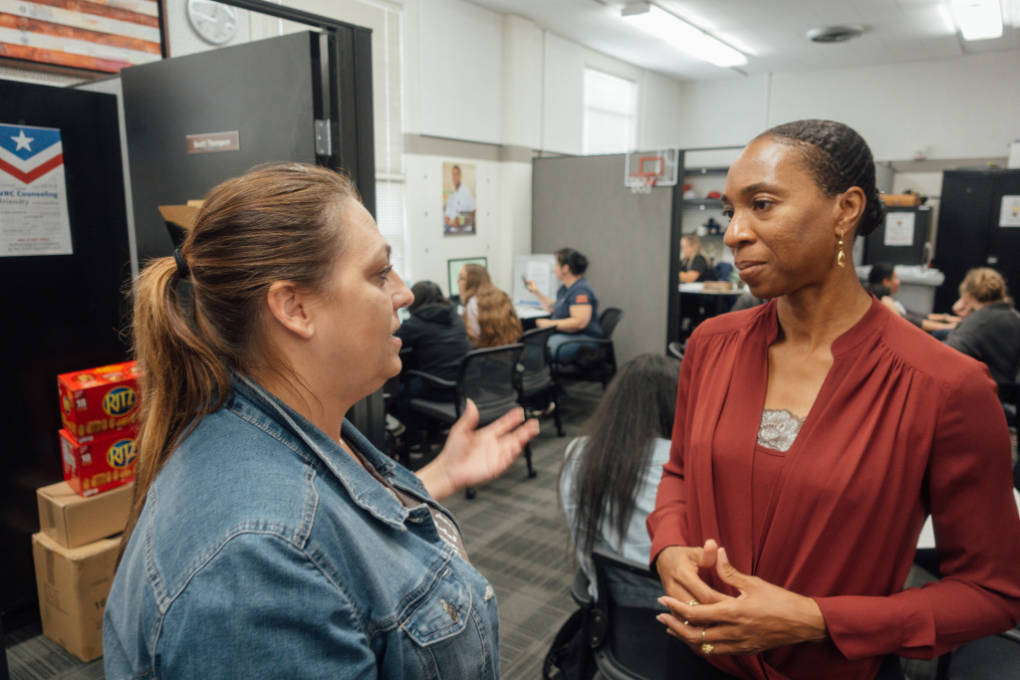
"caption": "Dr. Miatta Snetter (right) speaks to Marine Corps veteran Sherry Pope at the Fullerton College Veterans Resource Center.",
"description": null,
"title": "178431-full",
"credit": "Libby Denkmann/KPCC",
"status": "inherit",
"isLoading": false,
"fetchFailed": false
},
"stateofhealth_361769": {
"type": "attachments",
"id": "stateofhealth_361769",
"meta": {
"index": "attachments_1716263798",
"site": "stateofhealth",
"id": "361769",
"found": true
},
"parent": 361766,
"imgSizes": {
"small": {
"file": "https://ww2.kqed.org/app/uploads/sites/27/2017/10/MarijuanaHeart-520x288.jpg",
"width": 520,
"mimeType": "image/jpeg",
"height": 288
},
"twentyfourteen-full-width": {
"file": "https://ww2.kqed.org/app/uploads/sites/27/2017/10/MarijuanaHeart-1038x576.jpg",
"width": 1038,
"mimeType": "image/jpeg",
"height": 576
},
"thumbnail": {
"file": "https://ww2.kqed.org/app/uploads/sites/27/2017/10/MarijuanaHeart-160x89.jpg",
"width": 160,
"mimeType": "image/jpeg",
"height": 89
},
"fd-sm": {
"file": "https://ww2.kqed.org/app/uploads/sites/27/2017/10/MarijuanaHeart-960x531.jpg",
"width": 960,
"mimeType": "image/jpeg",
"height": 531
},
"post-thumbnail": {
"file": "https://ww2.kqed.org/app/uploads/sites/27/2017/10/MarijuanaHeart-672x372.jpg",
"width": 672,
"mimeType": "image/jpeg",
"height": 372
},
"xsmall": {
"file": "https://ww2.kqed.org/app/uploads/sites/27/2017/10/MarijuanaHeart-375x207.jpg",
"width": 375,
"mimeType": "image/jpeg",
"height": 207
},
"kqedFullSize": {
"file": "https://ww2.kqed.org/app/uploads/sites/27/2017/10/MarijuanaHeart.jpg",
"width": 2328,
"height": 1288
},
"large": {
"file": "https://ww2.kqed.org/app/uploads/sites/27/2017/10/MarijuanaHeart-1020x564.jpg",
"width": 1020,
"mimeType": "image/jpeg",
"height": 564
},
"xlarge": {
"file": "https://ww2.kqed.org/app/uploads/sites/27/2017/10/MarijuanaHeart-1180x653.jpg",
"width": 1180,
"mimeType": "image/jpeg",
"height": 653
},
"guest-author-50": {
"file": "https://ww2.kqed.org/app/uploads/sites/27/2017/10/MarijuanaHeart-50x50.jpg",
"width": 50,
"mimeType": "image/jpeg",
"height": 50
},
"guest-author-96": {
"file": "https://ww2.kqed.org/app/uploads/sites/27/2017/10/MarijuanaHeart-96x96.jpg",
"width": 96,
"mimeType": "image/jpeg",
"height": 96
},
"medium": {
"file": "https://ww2.kqed.org/app/uploads/sites/27/2017/10/MarijuanaHeart-800x443.jpg",
"width": 800,
"mimeType": "image/jpeg",
"height": 443
},
"guest-author-64": {
"file": "https://ww2.kqed.org/app/uploads/sites/27/2017/10/MarijuanaHeart-64x64.jpg",
"width": 64,
"mimeType": "image/jpeg",
"height": 64
},
"guest-author-32": {
"file": "https://ww2.kqed.org/app/uploads/sites/27/2017/10/MarijuanaHeart-32x32.jpg",
"width": 32,
"mimeType": "image/jpeg",
"height": 32
},
"fd-lrg": {
"file": "https://ww2.kqed.org/app/uploads/sites/27/2017/10/MarijuanaHeart-1920x1062.jpg",
"width": 1920,
"mimeType": "image/jpeg",
"height": 1062
},
"fd-med": {
"file": "https://ww2.kqed.org/app/uploads/sites/27/2017/10/MarijuanaHeart-1180x653.jpg",
"width": 1180,
"mimeType": "image/jpeg",
"height": 653
},
"full-width": {
"file": "https://ww2.kqed.org/app/uploads/sites/27/2017/10/MarijuanaHeart-1920x1062.jpg",
"width": 1920,
"mimeType": "image/jpeg",
"height": 1062
},
"detail": {
"file": "https://ww2.kqed.org/app/uploads/sites/27/2017/10/MarijuanaHeart-150x150.jpg",
"width": 150,
"mimeType": "image/jpeg",
"height": 150
},
"medium_large": {
"file": "https://ww2.kqed.org/app/uploads/sites/27/2017/10/MarijuanaHeart-768x425.jpg",
"width": 768,
"mimeType": "image/jpeg",
"height": 425
},
"guest-author-128": {
"file": "https://ww2.kqed.org/app/uploads/sites/27/2017/10/MarijuanaHeart-128x128.jpg",
"width": 128,
"mimeType": "image/jpeg",
"height": 128
},
"xxsmall": {
"file": "https://ww2.kqed.org/app/uploads/sites/27/2017/10/MarijuanaHeart-240x133.jpg",
"width": 240,
"mimeType": "image/jpeg",
"height": 133
}
},
"publishDate": 1509132909,
"modified": 1509132938,
"caption": null,
"description": null,
"title": "Marijuana leaf on a heart shape in notebook",
"credit": "iStock/Getty",
"status": "inherit",
"isLoading": false,
"fetchFailed": false
},
"news_11626377": {
"type": "attachments",
"id": "news_11626377",
"meta": {
"index": "attachments_1716263798",
"site": "news",
"id": "11626377",
"found": true
},
"parent": 11626361,
"imgSizes": {
"small": {
"file": "https://ww2.kqed.org/app/uploads/sites/10/2017/10/later_102617_final-520x520.jpg",
"width": 520,
"mimeType": "image/jpeg",
"height": 520
},
"twentyfourteen-full-width": {
"file": "https://ww2.kqed.org/app/uploads/sites/10/2017/10/later_102617_final-1038x576.jpg",
"width": 1038,
"mimeType": "image/jpeg",
"height": 576
},
"thumbnail": {
"file": "https://ww2.kqed.org/app/uploads/sites/10/2017/10/later_102617_final-160x160.jpg",
"width": 160,
"mimeType": "image/jpeg",
"height": 160
},
"fd-sm": {
"file": "https://ww2.kqed.org/app/uploads/sites/10/2017/10/later_102617_final-960x960.jpg",
"width": 960,
"mimeType": "image/jpeg",
"height": 960
},
"post-thumbnail": {
"file": "https://ww2.kqed.org/app/uploads/sites/10/2017/10/later_102617_final-672x372.jpg",
"width": 672,
"mimeType": "image/jpeg",
"height": 372
},
"xsmall": {
"file": "https://ww2.kqed.org/app/uploads/sites/10/2017/10/later_102617_final-375x375.jpg",
"width": 375,
"mimeType": "image/jpeg",
"height": 375
},
"kqedFullSize": {
"file": "https://ww2.kqed.org/app/uploads/sites/10/2017/10/later_102617_final.jpg",
"width": 1920,
"height": 1920
},
"large": {
"file": "https://ww2.kqed.org/app/uploads/sites/10/2017/10/later_102617_final-1020x1020.jpg",
"width": 1020,
"mimeType": "image/jpeg",
"height": 1020
},
"xlarge": {
"file": "https://ww2.kqed.org/app/uploads/sites/10/2017/10/later_102617_final-1180x1180.jpg",
"width": 1180,
"mimeType": "image/jpeg",
"height": 1180
},
"guest-author-50": {
"file": "https://ww2.kqed.org/app/uploads/sites/10/2017/10/later_102617_final-50x50.jpg",
"width": 50,
"mimeType": "image/jpeg",
"height": 50
},
"guest-author-96": {
"file": "https://ww2.kqed.org/app/uploads/sites/10/2017/10/later_102617_final-96x96.jpg",
"width": 96,
"mimeType": "image/jpeg",
"height": 96
},
"medium": {
"file": "https://ww2.kqed.org/app/uploads/sites/10/2017/10/later_102617_final-800x800.jpg",
"width": 800,
"mimeType": "image/jpeg",
"height": 800
},
"guest-author-64": {
"file": "https://ww2.kqed.org/app/uploads/sites/10/2017/10/later_102617_final-64x64.jpg",
"width": 64,
"mimeType": "image/jpeg",
"height": 64
},
"guest-author-32": {
"file": "https://ww2.kqed.org/app/uploads/sites/10/2017/10/later_102617_final-32x32.jpg",
"width": 32,
"mimeType": "image/jpeg",
"height": 32
},
"fd-lrg": {
"file": "https://ww2.kqed.org/app/uploads/sites/10/2017/10/later_102617_final-1920x1920.jpg",
"width": 1920,
"mimeType": "image/jpeg",
"height": 1920
},
"fd-med": {
"file": "https://ww2.kqed.org/app/uploads/sites/10/2017/10/later_102617_final-1180x1180.jpg",
"width": 1180,
"mimeType": "image/jpeg",
"height": 1180
},
"full-width": {
"file": "https://ww2.kqed.org/app/uploads/sites/10/2017/10/later_102617_final-1920x1920.jpg",
"width": 1920,
"mimeType": "image/jpeg",
"height": 1920
},
"detail": {
"file": "https://ww2.kqed.org/app/uploads/sites/10/2017/10/later_102617_final-150x150.jpg",
"width": 150,
"mimeType": "image/jpeg",
"height": 150
},
"guest-author-128": {
"file": "https://ww2.kqed.org/app/uploads/sites/10/2017/10/later_102617_final-128x128.jpg",
"width": 128,
"mimeType": "image/jpeg",
"height": 128
},
"xxsmall": {
"file": "https://ww2.kqed.org/app/uploads/sites/10/2017/10/later_102617_final-240x240.jpg",
"width": 240,
"mimeType": "image/jpeg",
"height": 240
}
},
"publishDate": 1509058960,
"modified": 1509058985,
"caption": null,
"description": null,
"title": "later_102617_final",
"credit": null,
"status": "inherit",
"isLoading": false,
"fetchFailed": false
},
"news_11624891": {
"type": "attachments",
"id": "news_11624891",
"meta": {
"index": "attachments_1716263798",
"site": "news",
"id": "11624891",
"found": true
},
"parent": 11624889,
"imgSizes": {
"small": {
"file": "https://ww2.kqed.org/app/uploads/sites/10/2017/10/s-rosa-1-520x372.jpg",
"width": 520,
"mimeType": "image/jpeg",
"height": 372
},
"twentyfourteen-full-width": {
"file": "https://ww2.kqed.org/app/uploads/sites/10/2017/10/s-rosa-1-1038x576.jpg",
"width": 1038,
"mimeType": "image/jpeg",
"height": 576
},
"thumbnail": {
"file": "https://ww2.kqed.org/app/uploads/sites/10/2017/10/s-rosa-1-160x114.jpg",
"width": 160,
"mimeType": "image/jpeg",
"height": 114
},
"fd-sm": {
"file": "https://ww2.kqed.org/app/uploads/sites/10/2017/10/s-rosa-1-960x687.jpg",
"width": 960,
"mimeType": "image/jpeg",
"height": 687
},
"post-thumbnail": {
"file": "https://ww2.kqed.org/app/uploads/sites/10/2017/10/s-rosa-1-672x372.jpg",
"width": 672,
"mimeType": "image/jpeg",
"height": 372
},
"xsmall": {
"file": "https://ww2.kqed.org/app/uploads/sites/10/2017/10/s-rosa-1-375x268.jpg",
"width": 375,
"mimeType": "image/jpeg",
"height": 268
},
"kqedFullSize": {
"file": "https://ww2.kqed.org/app/uploads/sites/10/2017/10/s-rosa-1.jpg",
"width": 1920,
"height": 1373
},
"large": {
"file": "https://ww2.kqed.org/app/uploads/sites/10/2017/10/s-rosa-1-1020x729.jpg",
"width": 1020,
"mimeType": "image/jpeg",
"height": 729
},
"xlarge": {
"file": "https://ww2.kqed.org/app/uploads/sites/10/2017/10/s-rosa-1-1180x844.jpg",
"width": 1180,
"mimeType": "image/jpeg",
"height": 844
},
"guest-author-50": {
"file": "https://ww2.kqed.org/app/uploads/sites/10/2017/10/s-rosa-1-50x50.jpg",
"width": 50,
"mimeType": "image/jpeg",
"height": 50
},
"guest-author-96": {
"file": "https://ww2.kqed.org/app/uploads/sites/10/2017/10/s-rosa-1-96x96.jpg",
"width": 96,
"mimeType": "image/jpeg",
"height": 96
},
"medium": {
"file": "https://ww2.kqed.org/app/uploads/sites/10/2017/10/s-rosa-1-800x572.jpg",
"width": 800,
"mimeType": "image/jpeg",
"height": 572
},
"guest-author-64": {
"file": "https://ww2.kqed.org/app/uploads/sites/10/2017/10/s-rosa-1-64x64.jpg",
"width": 64,
"mimeType": "image/jpeg",
"height": 64
},
"guest-author-32": {
"file": "https://ww2.kqed.org/app/uploads/sites/10/2017/10/s-rosa-1-32x32.jpg",
"width": 32,
"mimeType": "image/jpeg",
"height": 32
},
"fd-lrg": {
"file": "https://ww2.kqed.org/app/uploads/sites/10/2017/10/s-rosa-1-1920x1373.jpg",
"width": 1920,
"mimeType": "image/jpeg",
"height": 1373
},
"fd-med": {
"file": "https://ww2.kqed.org/app/uploads/sites/10/2017/10/s-rosa-1-1180x844.jpg",
"width": 1180,
"mimeType": "image/jpeg",
"height": 844
},
"full-width": {
"file": "https://ww2.kqed.org/app/uploads/sites/10/2017/10/s-rosa-1-1920x1373.jpg",
"width": 1920,
"mimeType": "image/jpeg",
"height": 1373
},
"detail": {
"file": "https://ww2.kqed.org/app/uploads/sites/10/2017/10/s-rosa-1-150x150.jpg",
"width": 150,
"mimeType": "image/jpeg",
"height": 150
},
"guest-author-128": {
"file": "https://ww2.kqed.org/app/uploads/sites/10/2017/10/s-rosa-1-128x128.jpg",
"width": 128,
"mimeType": "image/jpeg",
"height": 128
},
"xxsmall": {
"file": "https://ww2.kqed.org/app/uploads/sites/10/2017/10/s-rosa-1-240x172.jpg",
"width": 240,
"mimeType": "image/jpeg",
"height": 172
}
},
"publishDate": 1508482713,
"modified": 1508886114,
"caption": "The headlines in Santa Rosa area newspapers shift focus from fires to the recovery efforts.",
"description": null,
"title": "s rosa (1)",
"credit": "Steven Cuevas/KQED",
"status": "inherit",
"isLoading": false,
"fetchFailed": false
},
"news_11621547": {
"type": "attachments",
"id": "news_11621547",
"meta": {
"index": "attachments_1716263798",
"site": "news",
"id": "11621547",
"found": true
},
"parent": 11621457,
"imgSizes": {
"small": {
"file": "https://ww2.kqed.org/app/uploads/sites/10/2017/10/RS27191_alt_643-520x390.jpg",
"width": 520,
"mimeType": "image/jpeg",
"height": 390
},
"twentyfourteen-full-width": {
"file": "https://ww2.kqed.org/app/uploads/sites/10/2017/10/RS27191_alt_643-1038x576.jpg",
"width": 1038,
"mimeType": "image/jpeg",
"height": 576
},
"thumbnail": {
"file": "https://ww2.kqed.org/app/uploads/sites/10/2017/10/RS27191_alt_643-160x120.jpg",
"width": 160,
"mimeType": "image/jpeg",
"height": 120
},
"fd-sm": {
"file": "https://ww2.kqed.org/app/uploads/sites/10/2017/10/RS27191_alt_643-960x720.jpg",
"width": 960,
"mimeType": "image/jpeg",
"height": 720
},
"post-thumbnail": {
"file": "https://ww2.kqed.org/app/uploads/sites/10/2017/10/RS27191_alt_643-672x372.jpg",
"width": 672,
"mimeType": "image/jpeg",
"height": 372
},
"xsmall": {
"file": "https://ww2.kqed.org/app/uploads/sites/10/2017/10/RS27191_alt_643-375x281.jpg",
"width": 375,
"mimeType": "image/jpeg",
"height": 281
},
"kqedFullSize": {
"file": "https://ww2.kqed.org/app/uploads/sites/10/2017/10/RS27191_alt_643.jpg",
"width": 3264,
"height": 2448
},
"large": {
"file": "https://ww2.kqed.org/app/uploads/sites/10/2017/10/RS27191_alt_643-1020x765.jpg",
"width": 1020,
"mimeType": "image/jpeg",
"height": 765
},
"xlarge": {
"file": "https://ww2.kqed.org/app/uploads/sites/10/2017/10/RS27191_alt_643-1180x885.jpg",
"width": 1180,
"mimeType": "image/jpeg",
"height": 885
},
"guest-author-50": {
"file": "https://ww2.kqed.org/app/uploads/sites/10/2017/10/RS27191_alt_643-50x50.jpg",
"width": 50,
"mimeType": "image/jpeg",
"height": 50
},
"guest-author-96": {
"file": "https://ww2.kqed.org/app/uploads/sites/10/2017/10/RS27191_alt_643-96x96.jpg",
"width": 96,
"mimeType": "image/jpeg",
"height": 96
},
"medium": {
"file": "https://ww2.kqed.org/app/uploads/sites/10/2017/10/RS27191_alt_643-800x600.jpg",
"width": 800,
"mimeType": "image/jpeg",
"height": 600
},
"guest-author-64": {
"file": "https://ww2.kqed.org/app/uploads/sites/10/2017/10/RS27191_alt_643-64x64.jpg",
"width": 64,
"mimeType": "image/jpeg",
"height": 64
},
"guest-author-32": {
"file": "https://ww2.kqed.org/app/uploads/sites/10/2017/10/RS27191_alt_643-32x32.jpg",
"width": 32,
"mimeType": "image/jpeg",
"height": 32
},
"fd-lrg": {
"file": "https://ww2.kqed.org/app/uploads/sites/10/2017/10/RS27191_alt_643-1920x1440.jpg",
"width": 1920,
"mimeType": "image/jpeg",
"height": 1440
},
"fd-med": {
"file": "https://ww2.kqed.org/app/uploads/sites/10/2017/10/RS27191_alt_643-1180x885.jpg",
"width": 1180,
"mimeType": "image/jpeg",
"height": 885
},
"full-width": {
"file": "https://ww2.kqed.org/app/uploads/sites/10/2017/10/RS27191_alt_643-1920x1440.jpg",
"width": 1920,
"mimeType": "image/jpeg",
"height": 1440
},
"detail": {
"file": "https://ww2.kqed.org/app/uploads/sites/10/2017/10/RS27191_alt_643-150x150.jpg",
"width": 150,
"mimeType": "image/jpeg",
"height": 150
},
"guest-author-128": {
"file": "https://ww2.kqed.org/app/uploads/sites/10/2017/10/RS27191_alt_643-128x128.jpg",
"width": 128,
"mimeType": "image/jpeg",
"height": 128
},
"xxsmall": {
"file": "https://ww2.kqed.org/app/uploads/sites/10/2017/10/RS27191_alt_643-240x180.jpg",
"width": 240,
"mimeType": "image/jpeg",
"height": 180
}
},
"publishDate": 1507328512,
"modified": 1507340072,
"caption": "Brad Porter picks up one of his three kids at an elementary school.",
"description": null,
"title": "RS27191_alt_643",
"credit": "Farida Jhabvala Romero/KQED",
"status": "inherit",
"isLoading": false,
"fetchFailed": false
}
},
"audioPlayerReducer": {
"postId": "stream_live",
"isPaused": true,
"isPlaying": false,
"pfsActive": false,
"pledgeModalIsOpen": true,
"playerDrawerIsOpen": false,
"liveAudioPlayStartedAt": 0,
"liveAudioPlayContext": ""
},
"authorsReducer": {
"byline_futureofyou_444828": {
"type": "authors",
"id": "byline_futureofyou_444828",
"meta": {
"override": true
},
"slug": "byline_futureofyou_444828",
"name": "Mara Gordon, NPR",
"isLoading": false
},
"byline_futureofyou_444844": {
"type": "authors",
"id": "byline_futureofyou_444844",
"meta": {
"override": true
},
"slug": "byline_futureofyou_444844",
"name": "Kate Sheridan\u003cbr />STAT",
"isLoading": false
},
"byline_news_11665546": {
"type": "authors",
"id": "byline_news_11665546",
"meta": {
"override": true
},
"slug": "byline_news_11665546",
"name": "\u003cstrong>\u003ca href=\"https://calmatters.org/articles/author/feliciacalmatters-org/\">Felicia Mello\u003c/a>\u003c/strong>",
"isLoading": false
},
"byline_futureofyou_440941": {
"type": "authors",
"id": "byline_futureofyou_440941",
"meta": {
"override": true
},
"slug": "byline_futureofyou_440941",
"name": "Juli Fraga\u003cbr />NPR Shots",
"isLoading": false
},
"byline_news_11632413": {
"type": "authors",
"id": "byline_news_11632413",
"meta": {
"override": true
},
"slug": "byline_news_11632413",
"name": "Libby Denkmann\u003cbr>\u003cstrong>\u003ca href=\"https://www.scpr.org/about/people/staff/libby-denkmann\">KPCC\u003c/a>\u003c/strong>",
"isLoading": false
},
"tgoldberg": {
"type": "authors",
"id": "258",
"meta": {
"index": "authors_1716337520",
"id": "258",
"found": true
},
"name": "Ted Goldberg",
"firstName": "Ted",
"lastName": "Goldberg",
"slug": "tgoldberg",
"email": "tgoldberg@kqed.org",
"display_author_email": true,
"staff_mastheads": [
"news"
],
"title": "KQED Managing Editor, News and Newscasts",
"bio": "Ted Goldberg is Managing Editor of News and Newscasts at KQED. His main reporting beat is the Bay Area's oil refining industry.\r\n\r\nPrior to joining KQED in 2014, Ted worked at CBS News and WCBS AM in New York and Bay City News and KCBS Radio in San Francisco. He graduated from Oberlin College in Ohio in 1998.",
"avatar": "https://secure.gravatar.com/avatar/30ce2e4fe89135e104f89be2394d16225b9d36c121b5b3cb7651ce642978b96f?s=600&d=blank&r=g",
"twitter": "TedrickG",
"bluesky": null,
"facebook": null,
"instagram": null,
"linkedin": null,
"sites": [
{
"site": "news",
"roles": [
"editor"
]
},
{
"site": "science",
"roles": [
"editor"
]
}
],
"headData": {
"title": "Ted Goldberg | KQED",
"description": "KQED Managing Editor, News and Newscasts",
"ogImgSrc": "https://secure.gravatar.com/avatar/30ce2e4fe89135e104f89be2394d16225b9d36c121b5b3cb7651ce642978b96f?s=600&d=blank&r=g",
"twImgSrc": "https://secure.gravatar.com/avatar/30ce2e4fe89135e104f89be2394d16225b9d36c121b5b3cb7651ce642978b96f?s=600&d=blank&r=g"
},
"isLoading": false,
"link": "/author/tgoldberg"
},
"scuevas": {
"type": "authors",
"id": "2600",
"meta": {
"index": "authors_1716337520",
"id": "2600",
"found": true
},
"name": "Steven Cuevas",
"firstName": "Steven",
"lastName": "Cuevas",
"slug": "scuevas",
"email": "scuevas@kqed.org",
"display_author_email": false,
"staff_mastheads": [],
"title": "KQED Contributor",
"bio": "Steven is a former Los Angeles bureau chief for The California Report.\r\n\r\nHe reports on an array of issues across the Southland, from immigration and regional politics to religion, the performing arts and pop culture.\r\n\r\nPrior to joining KQED in 2012, Steven covered Inland southern California for KPCC in Pasadena. He also helped establish the first newsroom at \u003ca href=\"http://kut.org/\">KUT\u003c/a> in Austin, Texas where he was a general assignment reporter.\r\n\r\nSteven has received numerous awards for his reporting including an RTNDA Edward R. Murrow Award for investigative reporting in addition to awards from the LA Press Club, the Associated Press and the Society for Professional Journalists.\r\n\r\nSteven grew up in and around San Francisco and now lives in Pasadena just a short jog from the foot of the San Gabriel Mountains.",
"avatar": "https://secure.gravatar.com/avatar/2d253580794f8e026100fae05cfabbbd4889b4fe15146146cacb82a01974c538?s=600&d=blank&r=g",
"twitter": null,
"bluesky": null,
"facebook": null,
"instagram": null,
"linkedin": null,
"sites": [
{
"site": "news",
"roles": [
"subscriber"
]
}
],
"headData": {
"title": "Steven Cuevas | KQED",
"description": "KQED Contributor",
"ogImgSrc": "https://secure.gravatar.com/avatar/2d253580794f8e026100fae05cfabbbd4889b4fe15146146cacb82a01974c538?s=600&d=blank&r=g",
"twImgSrc": "https://secure.gravatar.com/avatar/2d253580794f8e026100fae05cfabbbd4889b4fe15146146cacb82a01974c538?s=600&d=blank&r=g"
},
"isLoading": false,
"link": "/author/scuevas"
},
"markfiore": {
"type": "authors",
"id": "3236",
"meta": {
"index": "authors_1716337520",
"id": "3236",
"found": true
},
"name": "Mark Fiore",
"firstName": "Mark",
"lastName": "Fiore",
"slug": "markfiore",
"email": "mark@markfiore.com",
"display_author_email": false,
"staff_mastheads": [
"news"
],
"title": "KQED News Cartoonist",
"bio": "\u003ca href=\"http://www.MarkFiore.com\">MarkFiore.com\u003c/a> | \u003ca href=\"https://twitter.com/markfiore\">Follow on Twitter\u003c/a> | \u003ca href=\"https://www.facebook.com/pages/Mark-Fiore-Animated-Political-Cartoons/94451707396?ref=bookmarks\">Facebook\u003c/a> | \u003ca href=\"mailto:mark@markfiore.com\">email\u003c/a>\r\n\r\nPulitzer Prize-winner, Mark Fiore, who the Wall Street Journal has called “the undisputed guru of the form,” creates animated political cartoons in San Francisco, where his work has been featured regularly on the San Francisco Chronicle’s web site, SFGate.com. His work has appeared on Newsweek.com, Slate.com, CBSNews.com, MotherJones.com, DailyKos.com and NPR’s web site. Fiore’s political animation has appeared on CNN, Frontline, Bill Moyers Journal, Salon.com and cable and broadcast outlets across the globe.\r\n\r\nBeginning his professional life by drawing traditional political cartoons for newspapers, Fiore’s work appeared in publications ranging from the Washington Post to the Los Angeles Times. In the late 1990s, he began to experiment with animating political cartoons and, after a short stint at the San Jose Mercury News as their staff cartoonist, Fiore devoted all his energies to animation.\r\nGrowing up in California, Fiore also spent a good portion of his life in the backwoods of Idaho. It was this combination that shaped him politically. Mark majored in political science at Colorado College, where, in a perfect send-off for a cartoonist, he received his diploma in 1991 as commencement speaker Dick Cheney smiled approvingly.\r\nMark Fiore was awarded the Pulitzer Prize for political cartooning in 2010, a Robert F. Kennedy Journalism Award in 2004 and has twice received an Online Journalism Award for commentary from the Online News Association (2002, 2008). Fiore has received two awards for his work in new media from the National Cartoonists Society (2001, 2002), and in 2006 received The James Madison Freedom of Information Award from The Society of Professional Journalists.",
"avatar": "https://secure.gravatar.com/avatar/fc4e2a612b15b67bad0c6f0e1db4ca9b?s=600&d=blank&r=g",
"twitter": "MarkFiore",
"facebook": null,
"instagram": "https://www.instagram.com/markfiore/?hl=en",
"linkedin": null,
"sites": [
{
"site": "arts",
"roles": [
"contributor"
]
},
{
"site": "news",
"roles": [
"editor"
]
},
{
"site": "futureofyou",
"roles": [
"editor"
]
},
{
"site": "science",
"roles": [
"editor"
]
}
],
"headData": {
"title": "Mark Fiore | KQED",
"description": "KQED News Cartoonist",
"ogImgSrc": "https://secure.gravatar.com/avatar/fc4e2a612b15b67bad0c6f0e1db4ca9b?s=600&d=blank&r=g",
"twImgSrc": "https://secure.gravatar.com/avatar/fc4e2a612b15b67bad0c6f0e1db4ca9b?s=600&d=blank&r=g"
},
"isLoading": false,
"link": "/author/markfiore"
},
"fjhabvala": {
"type": "authors",
"id": "8659",
"meta": {
"index": "authors_1716337520",
"id": "8659",
"found": true
},
"name": "Farida Jhabvala Romero",
"firstName": "Farida",
"lastName": "Jhabvala Romero",
"slug": "fjhabvala",
"email": "fjhabvala@kqed.org",
"display_author_email": true,
"staff_mastheads": [
"news"
],
"title": "KQED Contributor",
"bio": "Farida Jhabvala Romero is a Labor Correspondent for KQED. She previously covered immigration. Farida was \u003ca href=\"https://www.ccnma.org/2022-most-influential-latina-journalists\">named\u003c/a> one of the 10 Most Influential Latina Journalists in California in 2022 by the California Chicano News Media Association. Her work has won awards from the Society of Professional Journalists (Northern California), as well as a national and regional Edward M. Murrow Award for the collaborative reporting projects “Dangerous Air” and “Graying California.” Before joining KQED, Farida worked as a producer at Radio Bilingüe, a national public radio network. Farida earned her master’s degree in journalism from Stanford University.",
"avatar": "https://secure.gravatar.com/avatar/f9f022d4e2609741874222a1e9d41f48fea74011aa7c615eef91d9a50c944ebe?s=600&d=blank&r=g",
"twitter": "FaridaJhabvala",
"bluesky": null,
"facebook": null,
"instagram": null,
"linkedin": "https://www.linkedin.com/in/faridajhabvala/",
"sites": [
{
"site": "news",
"roles": [
"editor"
]
},
{
"site": "stateofhealth",
"roles": [
"author"
]
},
{
"site": "liveblog",
"roles": [
"author"
]
}
],
"headData": {
"title": "Farida Jhabvala Romero | KQED",
"description": "KQED Contributor",
"ogImgSrc": "https://secure.gravatar.com/avatar/f9f022d4e2609741874222a1e9d41f48fea74011aa7c615eef91d9a50c944ebe?s=600&d=blank&r=g",
"twImgSrc": "https://secure.gravatar.com/avatar/f9f022d4e2609741874222a1e9d41f48fea74011aa7c615eef91d9a50c944ebe?s=600&d=blank&r=g"
},
"isLoading": false,
"link": "/author/fjhabvala"
},
"shutson": {
"type": "authors",
"id": "11216",
"meta": {
"index": "authors_1716337520",
"id": "11216",
"found": true
},
"name": "Sonja Hutson",
"firstName": "Sonja",
"lastName": "Hutson",
"slug": "shutson",
"email": "shutson@kqed.org",
"display_author_email": false,
"staff_mastheads": [],
"title": "KQED Contributor",
"bio": "Sonja Hutson is a former reporter for KQED's Silicon Valley desk and weekend newscasts. She primarily covers tech and housing. Sonja is a Bay Area native and now lives in San Francisco. When she's not working, you can find her camping, skiing, scuba diving, and struggling with the New York Times Crossword. Email: \u003ca href=\"mailto:shutson@kqed.org\">shutson@kqed.org. \u003c/a>Twitter: \u003ca href=\"https://twitter.com/SonjaHutson\">@SonjaHutson\u003c/a>",
"avatar": "https://secure.gravatar.com/avatar/7537c5e36818614e599b6c0f41d72b7a?s=600&d=blank&r=g",
"twitter": "SonjaHutson",
"facebook": null,
"instagram": null,
"linkedin": null,
"sites": [
{
"site": "arts",
"roles": [
"author"
]
},
{
"site": "news",
"roles": [
"subscriber"
]
}
],
"headData": {
"title": "Sonja Hutson | KQED",
"description": "KQED Contributor",
"ogImgSrc": "https://secure.gravatar.com/avatar/7537c5e36818614e599b6c0f41d72b7a?s=600&d=blank&r=g",
"twImgSrc": "https://secure.gravatar.com/avatar/7537c5e36818614e599b6c0f41d72b7a?s=600&d=blank&r=g"
},
"isLoading": false,
"link": "/author/shutson"
},
"jdarden": {
"type": "authors",
"id": "11225",
"meta": {
"index": "authors_1716337520",
"id": "11225",
"found": true
},
"name": "Jenee Darden",
"firstName": "Jenee",
"lastName": "Darden",
"slug": "jdarden",
"email": "jeneedarden@gmail.com",
"display_author_email": false,
"staff_mastheads": [],
"title": null,
"bio": "Jenee Darden is an award-winning journalist and proud native of Oakland. She has reported for NPR, Marketplace, Time magazine in Europe, The Southern Poverty Law Center, Huffington Post, The Root.com, and other news outlets. She is the creator and former host of the podcast Mental Health and Wellness Radio. Jenee holds a master's degree in journalism from the University of Southern California and a bachelor's degree in ethnic studies from UC San Diego.",
"avatar": "https://secure.gravatar.com/avatar/b1fb1f827a63e9eb8983345006721bd8?s=600&d=blank&r=g",
"twitter": "@jeneedarden ",
"facebook": null,
"instagram": null,
"linkedin": null,
"sites": [
{
"site": "news",
"roles": [
"author"
]
}
],
"headData": {
"title": "Jenee Darden | KQED",
"description": null,
"ogImgSrc": "https://secure.gravatar.com/avatar/b1fb1f827a63e9eb8983345006721bd8?s=600&d=blank&r=g",
"twImgSrc": "https://secure.gravatar.com/avatar/b1fb1f827a63e9eb8983345006721bd8?s=600&d=blank&r=g"
},
"isLoading": false,
"link": "/author/jdarden"
},
"cfeibel": {
"type": "authors",
"id": "11314",
"meta": {
"index": "authors_1716337520",
"id": "11314",
"found": true
},
"name": "Carrie Feibel",
"firstName": "Carrie",
"lastName": "Feibel",
"slug": "cfeibel",
"email": "cfeibel@KQED.org",
"display_author_email": false,
"staff_mastheads": [],
"title": "KQED Contributor",
"bio": "Carrie Feibel is a former health editor at KQED, where she has also reported for radio and online. Her stories have appeared on the national NPR shows \u003cem>Morning Edition\u003c/em>, \u003cem>All Things Considered\u003c/em>, and \u003cem>Here & Now\u003c/em>, and on the national website, Kaiser Health News. Her print career included stints at the \u003cem>Houston Chronicle\u003c/em>, \u003cem>The (Bergen) Record,\u003c/em> and the Associated Press in New York City. A native of St. Louis, Feibel attended Cornell University, and earned a master's in journalism from Columbia University.",
"avatar": "https://secure.gravatar.com/avatar/c64a7e3c9a910e1bffd4ad32a5264aa9?s=600&d=blank&r=g",
"twitter": "KQEDHealth",
"facebook": null,
"instagram": null,
"linkedin": null,
"sites": [
{
"site": "news",
"roles": [
"subscriber"
]
},
{
"site": "stateofhealth",
"roles": [
"administrator"
]
}
],
"headData": {
"title": "Carrie Feibel | KQED",
"description": "KQED Contributor",
"ogImgSrc": "https://secure.gravatar.com/avatar/c64a7e3c9a910e1bffd4ad32a5264aa9?s=600&d=blank&r=g",
"twImgSrc": "https://secure.gravatar.com/avatar/c64a7e3c9a910e1bffd4ad32a5264aa9?s=600&d=blank&r=g"
},
"isLoading": false,
"link": "/author/cfeibel"
}
},
"pagesReducer": {
"news_tag_mental-health": {
"type": "terms",
"id": "news_2109",
"meta": {
"index": "terms_1716263798",
"site": "news",
"id": "2109",
"score": 8.282925
},
"featImg": null,
"name": "mental health",
"description": null,
"taxonomy": "tag",
"headData": {
"twImgId": null,
"twTitle": null,
"ogTitle": null,
"ogImgId": null,
"twDescription": null,
"description": null,
"title": "mental health Archives | KQED News",
"ogDescription": null
},
"ttid": 2124,
"slug": "mental-health",
"isLoading": false,
"title": "mental health",
"pageMeta": {
"site": "news",
"WpPageTemplate": "page-topic-editorial",
"currentPage": 17
},
"blocks": [
{
"blockName": "kqed/post-list",
"attrs": {
"layout": "cardArticle2",
"query": "posts/news?tag=mental-health",
"seeMore": false,
"paginated": true,
"page": 17
}
},
{
"blockName": "kqed/ad"
}
]
}
},
"pfsSessionReducer": {},
"postsReducer": {
"stream_live": {
"type": "live",
"id": "stream_live",
"audioUrl": "https://streams.kqed.org/kqedradio",
"title": "Live Stream",
"excerpt": "Live Stream information currently unavailable.",
"link": "/radio",
"featImg": "",
"label": {
"name": "KQED Live",
"link": "/"
}
},
"stream_kqedNewscast": {
"type": "posts",
"id": "stream_kqedNewscast",
"audioUrl": "https://www.kqed.org/.stream/anon/radio/RDnews/newscast.mp3?_=1",
"title": "KQED Newscast",
"featImg": "",
"label": {
"name": "88.5 FM",
"link": "/"
}
},
"futureofyou_444828": {
"type": "posts",
"id": "futureofyou_444828",
"meta": {
"index": "posts_1716263798",
"site": "futureofyou",
"id": "444828",
"score": null,
"sort": [
1538676036000
]
},
"parent": 0,
"labelTerm": {},
"blocks": [],
"publishDate": 1538676036,
"format": "standard",
"disqusTitle": "Sexual Assault And Harassment May Have Lasting Health Repercussions For Women",
"title": "Sexual Assault And Harassment May Have Lasting Health Repercussions For Women",
"headTitle": "KQED Future of You | KQED Science",
"content": "\u003cp>The trauma of sexual assault or harassment is not only hard to forget; it may also leave lasting effects on a woman's health. This finding of a study \u003ca href=\"http://jamanetwork.com/journals/jamainternalmedicine/fullarticle/10.1001/jamainternmed.2018.4886\" target=\"_blank\" rel=\"noopener\">published Wednesday\u003c/a> adds support to a growing body of evidence suggesting the link.[contextly_sidebar id=\"HEpAUbCt2g19YW7Y7Rht6rrTaYElddh0\"]\u003c/p>\n\u003cp>In the study of roughly 300 middle-aged women, an experience of sexual assault was associated with anxiety, depression and poor sleep. A history of workplace sexual harassment was also associated with poor sleep and with an increased risk of developing high blood pressure.\u003c/p>\n\u003cp>\"These are experiences that [a woman] could have had long ago ... and it can have this long arm of influence throughout a woman's life,\" says \u003ca href=\"https://www.publichealth.pitt.edu/home/directory/rebecca-thurston\">Rebecca Thurston\u003c/a>, lead author of the study, and a research psychologist and director of the Women's Behavioral Health Laboratory at the University of Pittsburgh.\u003c/p>\n\u003cp>The study data come from a survey of healthy women between ages 40 and 60 who had been recruited for a study on menopause and cardiovascular disease — not sexual harassment or assault. They all had their blood pressure checked at study visits, as well as height and weight.\u003c/p>\n\u003cp>Among other questions, the survey asked the women if they had ever experienced sexual harassment at work. Participants were also asked if they had ever \"been made or pressured into having some type of unwanted sexual contact.\" The women were not asked when those events occurred.\u003c/p>\n\u003cp>[ad fullwidth]\u003c/p>\n\u003cp>Twenty-two percent reported a history of sexual assault, and 19 percent said they'd experienced workplace sexual harassment.\u003c/p>\n\u003cp>Though the sample size was small, the results are statistically significant. Women who had experienced sexual assault had on average an almost threefold increased risk of developing depressive symptoms, compared to women who hadn't. They also had a greater incidence of clinically significant anxiety.[contextly_sidebar id=\"IsNCC9ByhjKnhi0QhEGUW78GbGlaWQIA\"]\u003c/p>\n\u003cp>About 1 in 4 women who had been sexually assaulted met criteria for depression, while approximately 1 in 10 who had not were depressed.\u003c/p>\n\u003cp>Those who experienced sexual harassment at work had a twofold increased risk compared to women who hadn't of developing high blood pressure. Poor sleep was more common, too.\u003c/p>\n\u003cp>\"These [traumatic experiences] are clearly critical things that happen to people early on, that have these really long-lasting effects,\" says \u003ca href=\"https://directory.sph.umn.edu/bio/sph-a-z/susan-mason\" target=\"_blank\" rel=\"noopener\">Susan Mason\u003c/a>, an assistant professor of epidemiology at the University of Minnesota who studies the effects of trauma. \"These really shape people's life trajectories.\"\u003c/p>\n\u003cp>Mason was not involved in this study, but says the findings dovetail with other research on the relationship between trauma and physical or mental health later in life. Intimate partner violence, for example, has been associated with the development of \u003ca href=\"https://www.ncbi.nlm.nih.gov/pubmed/23248189\" target=\"_blank\" rel=\"noopener\">diabetes\u003c/a> and \u003ca href=\"https://www.ncbi.nlm.nih.gov/pubmed/22717307\" target=\"_blank\" rel=\"noopener\">high blood pressure\u003c/a>.\u003c/p>\n\u003cp>Wednesday's study is particularly noteworthy, Mason says, because it includes clinical data — in-office blood pressure checks, for example, and validated diagnostic tools for depression and anxiety — rather than depending exclusively on self-reported diagnoses.\u003c/p>\n\u003cp>Clinicians don't have the ability to corroborate women's memories of sexual assault or harassment, however. Thurston points to literature on the way traumatic memories are processed that demonstrates that discrete events like a sexual assault often remain vivid in a way other memories don't. This is why, she says, she trusts the study participants who say they've been through these experiences.[contextly_sidebar id=\"aop33xdUj0MLT7LwmTHbeoNCW1mJ7lyp\"]\u003c/p>\n\u003cp>\"If the patient thinks it's important, it's important,\" says Dr. Valerie Gilchrist, chair of the department of family medicine at the University of Wisconsin who has written about screening for sexual violence in primary care.\u003c/p>\n\u003cp>She recommends that clinicians ask patients if they've experienced sexual assault, particularly patients who are experiencing significant stress or have difficulty with pelvic exams. Authors note that sexual assault and harassment seemed to be less common in this group of women than in national estimates.\u003c/p>\n\u003cp>The prevalence in their cohort was significantly lower than a \u003ca href=\"https://www.cdc.gov/mmwr/preview/mmwrhtml/ss6308a1.htm\" target=\"_blank\" rel=\"noopener\">2014 estimate from the Centers for Disease Control and Prevention\u003c/a>, which found that 19 percent of American women had been raped, and almost 44 percent had experienced another form of sexual violence.\u003c/p>\n\u003cp>Thurston thinks this is because the study excluded a fair number of women for reasons related to its original intent of researching menopause and cardiovascular disease. Women taking medications for depression were not included, for example, as well as those with serious medical problems.\u003c/p>\n\u003cp>\"Sexual assault and sexual abuse are much more common than people think,\" Thurston says. These are \"key toxic stressors for women.\"\u003c/p>\n\u003cp>While researchers weren't surprised that sexual assault and harassment seemed to be related to the development of mood disorders and poor sleep, they were impressed by the strength of the association.\u003c/p>\n\u003cp>\"These should be urgent public health priorities,\" Mason says. \"How do we address the fundamental ways that our social structure affects health?\"\u003c/p>\n\u003chr>\n\u003cp>\u003c/p>\n\u003cp>\u003cem>Mara Gordon is a family physician in Washington, D.C., and a health and media fellow at NPR and Georgetown University School of Medicine.\u003c/em>\u003c/p>\n\u003cdiv class=\"fullattribution\">Copyright 2018 NPR. To see more, visit http://www.npr.org/.\u003cimg src=\"https://www.google-analytics.com/__utm.gif?utmac=UA-5828686-4&utmdt=Sexual+Assault+And+Harassment+May+Have+Lasting+Health+Repercussions+For+Women&utme=8(APIKey)9(MDAxOTAwOTE4MDEyMTkxMDAzNjczZDljZA004)\">\u003c/div>\n\n",
"disqusIdentifier": "444828 https://ww2.kqed.org/futureofyou/?p=444828",
"disqusUrl": "https://ww2.kqed.org/futureofyou/2018/10/04/sexual-assault-and-harassment-may-have-lasting-health-repercussions-for-women/",
"stats": {
"hasVideo": false,
"hasChartOrMap": false,
"hasAudio": false,
"hasPolis": false,
"wordCount": 833,
"hasGoogleForm": false,
"hasGallery": false,
"hasHearkenModule": false,
"iframeSrcs": [],
"paragraphCount": 23
},
"modified": 1538751917,
"excerpt": "In a small study of middle-aged women, a history of sexual assault and workplace harassment was linked to health problems like hypertension, sleeplessness and depression. ",
"headData": {
"twImgId": "",
"twTitle": "",
"ogTitle": "",
"ogImgId": "",
"twDescription": "",
"description": "In a small study of middle-aged women, a history of sexual assault and workplace harassment was linked to health problems like hypertension, sleeplessness and depression. ",
"title": "Sexual Assault And Harassment May Have Lasting Health Repercussions For Women | KQED",
"ogDescription": "",
"schema": {
"@context": "https://schema.org",
"@type": "Article",
"headline": "Sexual Assault And Harassment May Have Lasting Health Repercussions For Women",
"datePublished": "2018-10-04T11:00:36-07:00",
"dateModified": "2018-10-05T08:05:17-07:00",
"image": "https://cdn.kqed.org/wp-content/uploads/2020/02/KQED-OG-Image@1x.png"
}
},
"guestAuthors": [],
"slug": "sexual-assault-and-harassment-may-have-lasting-health-repercussions-for-women",
"status": "publish",
"nprApiLink": "http://api.npr.org/query?id=653797374&apiKey=MDAxOTAwOTE4MDEyMTkxMDAzNjczZDljZA004",
"nprByline": "Mara Gordon, NPR",
"nprStoryDate": "Wed, 03 Oct 2018 09:50:57 -0400",
"nprLastModifiedDate": "Wed, 03 Oct 2018 15:01:53 -0400",
"nprHtmlLink": "https://www.npr.org/sections/health-shots/2018/10/03/653797374/sexual-assault-and-harassment-may-have-lasting-health-repercussions-for-women?ft=nprml&f=653797374",
"nprImageAgency": "Fabio Pagani/EyeEm/Getty Images",
"source": "Health",
"nprStoryId": "653797374",
"nprRetrievedStory": "1",
"nprPubDate": "Wed, 03 Oct 2018 15:01:00 -0400",
"path": "/futureofyou/444828/sexual-assault-and-harassment-may-have-lasting-health-repercussions-for-women",
"audioTrackLength": null,
"parsedContent": [
{
"type": "contentString",
"content": "\u003cdiv class=\"post-body\">\u003cp>\u003cp>The trauma of sexual assault or harassment is not only hard to forget; it may also leave lasting effects on a woman's health. This finding of a study \u003ca href=\"http://jamanetwork.com/journals/jamainternalmedicine/fullarticle/10.1001/jamainternmed.2018.4886\" target=\"_blank\" rel=\"noopener\">published Wednesday\u003c/a> adds support to a growing body of evidence suggesting the link.\u003c/p>\u003cp>\u003c/p>\u003cp>\u003c/p>\n\u003cp>In the study of roughly 300 middle-aged women, an experience of sexual assault was associated with anxiety, depression and poor sleep. A history of workplace sexual harassment was also associated with poor sleep and with an increased risk of developing high blood pressure.\u003c/p>\n\u003cp>\"These are experiences that [a woman] could have had long ago ... and it can have this long arm of influence throughout a woman's life,\" says \u003ca href=\"https://www.publichealth.pitt.edu/home/directory/rebecca-thurston\">Rebecca Thurston\u003c/a>, lead author of the study, and a research psychologist and director of the Women's Behavioral Health Laboratory at the University of Pittsburgh.\u003c/p>\n\u003cp>The study data come from a survey of healthy women between ages 40 and 60 who had been recruited for a study on menopause and cardiovascular disease — not sexual harassment or assault. They all had their blood pressure checked at study visits, as well as height and weight.\u003c/p>\n\u003cp>Among other questions, the survey asked the women if they had ever experienced sexual harassment at work. Participants were also asked if they had ever \"been made or pressured into having some type of unwanted sexual contact.\" The women were not asked when those events occurred.\u003c/p>\n\u003cp>\u003c/p>\u003c/div>",
"attributes": {
"named": {},
"numeric": []
}
},
{
"type": "component",
"content": "",
"name": "ad",
"attributes": {
"named": {
"label": "fullwidth"
},
"numeric": [
"fullwidth"
]
}
},
{
"type": "contentString",
"content": "\u003cdiv class=\"post-body\">\u003cp>\u003c/p>\n\u003cp>Twenty-two percent reported a history of sexual assault, and 19 percent said they'd experienced workplace sexual harassment.\u003c/p>\n\u003cp>Though the sample size was small, the results are statistically significant. Women who had experienced sexual assault had on average an almost threefold increased risk of developing depressive symptoms, compared to women who hadn't. They also had a greater incidence of clinically significant anxiety.\u003c/p>\u003cp>\u003c/p>\u003cp>\u003c/p>\n\u003cp>About 1 in 4 women who had been sexually assaulted met criteria for depression, while approximately 1 in 10 who had not were depressed.\u003c/p>\n\u003cp>Those who experienced sexual harassment at work had a twofold increased risk compared to women who hadn't of developing high blood pressure. Poor sleep was more common, too.\u003c/p>\n\u003cp>\"These [traumatic experiences] are clearly critical things that happen to people early on, that have these really long-lasting effects,\" says \u003ca href=\"https://directory.sph.umn.edu/bio/sph-a-z/susan-mason\" target=\"_blank\" rel=\"noopener\">Susan Mason\u003c/a>, an assistant professor of epidemiology at the University of Minnesota who studies the effects of trauma. \"These really shape people's life trajectories.\"\u003c/p>\n\u003cp>Mason was not involved in this study, but says the findings dovetail with other research on the relationship between trauma and physical or mental health later in life. Intimate partner violence, for example, has been associated with the development of \u003ca href=\"https://www.ncbi.nlm.nih.gov/pubmed/23248189\" target=\"_blank\" rel=\"noopener\">diabetes\u003c/a> and \u003ca href=\"https://www.ncbi.nlm.nih.gov/pubmed/22717307\" target=\"_blank\" rel=\"noopener\">high blood pressure\u003c/a>.\u003c/p>\n\u003cp>Wednesday's study is particularly noteworthy, Mason says, because it includes clinical data — in-office blood pressure checks, for example, and validated diagnostic tools for depression and anxiety — rather than depending exclusively on self-reported diagnoses.\u003c/p>\n\u003cp>Clinicians don't have the ability to corroborate women's memories of sexual assault or harassment, however. Thurston points to literature on the way traumatic memories are processed that demonstrates that discrete events like a sexual assault often remain vivid in a way other memories don't. This is why, she says, she trusts the study participants who say they've been through these experiences.\u003c/p>\u003cp>\u003c/p>\u003cp>\u003c/p>\n\u003cp>\"If the patient thinks it's important, it's important,\" says Dr. Valerie Gilchrist, chair of the department of family medicine at the University of Wisconsin who has written about screening for sexual violence in primary care.\u003c/p>\n\u003cp>She recommends that clinicians ask patients if they've experienced sexual assault, particularly patients who are experiencing significant stress or have difficulty with pelvic exams. Authors note that sexual assault and harassment seemed to be less common in this group of women than in national estimates.\u003c/p>\n\u003cp>The prevalence in their cohort was significantly lower than a \u003ca href=\"https://www.cdc.gov/mmwr/preview/mmwrhtml/ss6308a1.htm\" target=\"_blank\" rel=\"noopener\">2014 estimate from the Centers for Disease Control and Prevention\u003c/a>, which found that 19 percent of American women had been raped, and almost 44 percent had experienced another form of sexual violence.\u003c/p>\n\u003cp>Thurston thinks this is because the study excluded a fair number of women for reasons related to its original intent of researching menopause and cardiovascular disease. Women taking medications for depression were not included, for example, as well as those with serious medical problems.\u003c/p>\n\u003cp>\"Sexual assault and sexual abuse are much more common than people think,\" Thurston says. These are \"key toxic stressors for women.\"\u003c/p>\n\u003cp>While researchers weren't surprised that sexual assault and harassment seemed to be related to the development of mood disorders and poor sleep, they were impressed by the strength of the association.\u003c/p>\n\u003cp>\"These should be urgent public health priorities,\" Mason says. \"How do we address the fundamental ways that our social structure affects health?\"\u003c/p>\n\u003chr>\n\u003cp>\u003c/p>\n\u003cp>\u003cem>Mara Gordon is a family physician in Washington, D.C., and a health and media fellow at NPR and Georgetown University School of Medicine.\u003c/em>\u003c/p>\n\u003cdiv class=\"fullattribution\">Copyright 2018 NPR. To see more, visit http://www.npr.org/.\u003cimg src=\"https://www.google-analytics.com/__utm.gif?utmac=UA-5828686-4&utmdt=Sexual+Assault+And+Harassment+May+Have+Lasting+Health+Repercussions+For+Women&utme=8(APIKey)9(MDAxOTAwOTE4MDEyMTkxMDAzNjczZDljZA004)\">\u003c/div>\n\n\u003c/div>\u003c/p>",
"attributes": {
"named": {},
"numeric": []
}
}
],
"link": "/futureofyou/444828/sexual-assault-and-harassment-may-have-lasting-health-repercussions-for-women",
"authors": [
"byline_futureofyou_444828"
],
"categories": [
"futureofyou_1060",
"futureofyou_1",
"futureofyou_73"
],
"tags": [
"futureofyou_216",
"futureofyou_1429",
"futureofyou_1312",
"futureofyou_1555"
],
"collections": [
"futureofyou_1093"
],
"featImg": "futureofyou_444829",
"label": "source_futureofyou_444828"
},
"futureofyou_444844": {
"type": "posts",
"id": "futureofyou_444844",
"meta": {
"index": "posts_1716263798",
"site": "futureofyou",
"id": "444844",
"score": null,
"sort": [
1538667576000
]
},
"parent": 0,
"labelTerm": {},
"blocks": [],
"publishDate": 1538667576,
"format": "standard",
"disqusTitle": "New Smartphone App Aims to Monitor Your Mental Health",
"title": "New Smartphone App Aims to Monitor Your Mental Health",
"headTitle": "KQED Future of You | KQED Science",
"content": "\u003cp class=\"danger-zone\">In the world of digital health, Silicon Valley-based \u003ca href=\"https://www.statnews.com/2017/08/07/mindstrong-insel-mental-illness/\" target=\"_blank\" rel=\"noopener\">Mindstrong\u003c/a> stands out. It has a star-studded team and tens of millions in venture capital funding, including from Jeff Bezos’ VC firm.[contextly_sidebar id=\"KMLJnak6yPOdRS3TfVoiDTc6a7Cm51Xf\"]\u003c/p>\n\u003cp class=\"danger-zone\">It also has a captivating idea: that its app, based on cognitive functioning research, can help detect troubling mental health patterns by collecting data on a person’s smartphone usage — how quickly they type or scroll, for instance.\u003c/p>\n\u003cp class=\"danger-zone\">The promise of that technology has helped Mindstrong build incredible momentum since it launched last year; already more than a dozen counties in California have agreed to deploy the company’s app to patients.\u003c/p>\n\u003cp class=\"\">Does the app live up to its promise? There’s no way to tell. Almost no one outside the company has any idea whether it works. Most of the company’s key promises or claims aren’t yet backed up by published, peer-reviewed data — leading some experts to wonder if the technology is ready for the real world.\u003c/p>\n\u003cp class=\"\">“I wouldn’t waste all that time and money in the wild until they get sure that some of those things are as specific as they hope they are,” said Rosalind Picard, a researcher at MIT Media Lab who is familiar with Mindstrong’s work and tries to use data from smartphones and wearables to detect a person’s mood.\u003c/p>\n\u003cp>[ad fullwidth]\u003c/p>\n\u003cp>Even as one of the company’s executives, Dr. Tom Insel, acknowledged to STAT that the app isn’t perfect, the company’s CEO emphasized that Mindstrong could provide unprecedented insight into conditions like depression.[contextly_sidebar id=\"Kw9tNYwAAP3TxDDlzs24FDdim0qufSVP\"]\u003c/p>\n\u003cp>Mindstrong is not alone in pushing the frontiers of smartphone-based digital health. Many companies use so-called digital phenotyping, collecting scientific data on a person’s digital life, to gain insights into his or her physical or mental health.\u003c/p>\n\u003cp>The company’s app collects information about how people are typing and runs it through a machine learning algorithm to determine which data can predict their emotional state. Mindstrong has already used it in controlled clinical settings and trials — including one run by a company developing new antidepressants and another done in a \u003ca href=\"https://www.statnews.com/2018/09/24/ketamine-clinics-severe-depression-treatment/\" target=\"_blank\" rel=\"noopener\">ketamine clinic\u003c/a>. The app is available in Apple’s app store, but requires a participant code to access it.\u003c/p>\n\u003cp>“We’ve done the validation work against the gold-standard clinical tests for depression, for anxiety, for cognitive decline, whether it’s memory or executive function,” said Dr. Paul Dagum, the company’s founder. “We’re confident, we’re already seeing some really exciting results.”\u003c/p>\n\u003cp>In the last year, Mindstrong’s footprint and reach have already grown exponentially. The Palo Alto-based company’s workforce has doubled to 42 employees and it made \u003ca href=\"https://www.hsph.harvard.edu/magazine/magazine_article/philanthropic-impact-digital-phenotyping/\" target=\"_blank\" rel=\"noopener\">a sizable gift\u003c/a> to Harvard’s school of public health. In February, it launched a partnership with Takeda to develop new biomarkers that will be able to aid the pharmaceutical giant’s clinical trials for depression treatments.\u003c/p>\n\u003cp>The idea is to use that data to establish a “normal” pattern — so it can be compared against someone’s typing habits on any given day. If the habits look off, slower or more agitated than normal, the app can alert a health care provider.\u003c/p>\n\u003cp>Abnormal patterns, Mindstrong says, might show up if a person is more depressed or anxious, or if just about anything else about their mental health changes. When asked which disorders Mindstrong might be able to detect, Dagum replied, “all of them.” (Dagum, a data scientist and physician, founded the company in 2017 with Rick Klausner, the founder and director of CAR-T pioneer Juno Therapeutics and \u003ca href=\"https://www.statnews.com/2018/06/02/grail-cancer-blood-test-asco/\" target=\"_blank\" rel=\"noopener\">Grail\u003c/a>, a liquid biopsy company.)[contextly_sidebar id=\"XHhLlvPBCoPTlN54jyme2G0wpse1GITN\"]\u003c/p>\n\u003cp>Mindstrong officials told STAT that among their most encouraging results is that its app can even predict how a person will feel next week, or at least how a person will perform on the Hamilton Rating Scale for depression — kind of like a weather app for your mood.\u003c/p>\n\u003cp>The data behind this claim is being published soon, said Insel, who is the former head of the National Institute of Mental Health and came to the company in 2017 after a short stint at \u003ca href=\"https://www.statnews.com/2016/03/28/google-life-sciences-exodus/\" target=\"_blank\" rel=\"noopener\">Verily\u003c/a>.\u003c/p>\n\u003cp>The app can detect a seven-point change on the Hamilton scale, Insel said. That kind of difference could indicate a patient who is not normally depressed now shows signs of mild or moderate depression, or that a person with moderate depression is now showing signs of a very severe condition.\u003c/p>\n\u003cp>“For a clinician and for someone taking care of a patient, knowing that, it could be very, very powerful,” Dagum said.\u003c/p>\n\u003cp>The company’s momentum has taken it to the cusp of a real-world deployment in California. About 15 counties — including the most populous county in the United States, Los Angeles County — will be spending about $60 million over the next four years to bring companies like Mindstrong and other apps into their health care system.\u003c/p>\n\u003cp>These counties hope apps will help them get better services to people with mental illnesses like depression, schizophrenia, bipolar disorder, and post-traumatic stress disorder.\u003c/p>\n\u003cp>The Mindstrong program itself is limited: Patients can choose voluntarily whether to use the app, which will be free to them, and that decision won’t affect the rest of the mental health services they can access.\u003c/p>\n\u003cp>\u003cstrong>Lack of Public Data\u003c/strong>\u003c/p>\n\u003cp>So far, the Mindstrong app has only been used in controlled clinical settings and trials — including one run by a company developing new antidepressants and another done in a ketamine clinic. The company has also claimed that a “\u003ca href=\"https://mindstronghealth.com/clinical-programs/\" target=\"_blank\" rel=\"noopener\">nationwide employer\u003c/a>” and private substance abuse clinics in D.C. are using the app.[contextly_sidebar id=\"KGoxoWR6m8MUKnLishPvyacpod0HWpt7\"]\u003c/p>\n\u003cp>But other than the change on the Hamilton scale — which hasn’t yet gone through peer review and was disclosed to STAT in an interview — almost no data about how well Mindstrong’s technology works is available to independent observers.\u003c/p>\n\u003cp>The company’s website describes five completed clinical trials, but it has not yet published the results of any. Only a handful of other published works — all from the last year — have hinted at how well it works or its scope with data to back up the claims.\u003c/p>\n\u003cp>The company \u003ca href=\"https://www.nature.com/articles/s41746-018-0018-4\" target=\"_blank\" rel=\"noopener\">published\u003c/a> a 27-person pilot study in the journal npj Digital Medicine earlier this year. Dagum is also an author on a poster \u003ca href=\"https://www.nature.com/articles/npp2017265#t122-assessing-anhedonia-with-quantitative-tasks-digital-and-patient-reported-measures-in-a-multicenter-doubleblind-trial-with-btrx246040-for-the-treatment-of-major-depressive-disorder\" target=\"_blank\" rel=\"noopener\">presentation\u003c/a> given at the American College of Neuropsychopharmacology’s 2017 conference, another \u003ca href=\"https://isctm.org/public_access/Feb2018/PDFs/Smith-poster.pdf\" target=\"_blank\" rel=\"noopener\">poster\u003c/a> that reported results from a very wide variety of digital phenotyping techniques — not just typing — and a \u003ca href=\"https://www.ncbi.nlm.nih.gov/pubmed/29074231\" target=\"_blank\" rel=\"noopener\">paper\u003c/a> describing a clinical trial protocol — not results.\u003c/p>\n\u003cp>As Mindstrong steps toward a wider rollout, the scientific studies behind its claims will matter. Federal regulators, for one, have \u003ca href=\"https://www.ftc.gov/news-events/blogs/business-blog/2016/01/mind-gap-what-lumosity-promised-vs-what-it-could-prove\" target=\"_blank\" rel=\"noopener\">cracked down\u003c/a> on \u003ca href=\"https://www.ftc.gov/news-events/press-releases/2016/12/marketers-blood-pressure-app-settle-ftc-charges-regarding\" target=\"_blank\" rel=\"noopener\">commercial apps\u003c/a>that misleadingly reference a study’s conclusions to market their app.\u003c/p>\n\u003cp>Based on her own research, at least one expert in digital health and mood said she’s skeptical that Mindstrong can, in a general population, work as well as the company claims. MIT’s Picard said that while there are ways to predict or detect mood changes, you usually need more than just a single type of data to do so.\u003c/p>\n\u003cp>“I’m suspicious that a single modality like typing is going to be sufficient. It would be like saying there’s a single question [on a screening questionnaire] that a doctor could be using,” said Picard, who is also CEO of a company that works on digital phenotyping, like Mindstrong does.\u003c/p>\n\u003cp>“My guess is that their specificity to depression is going to be relatively low,” Picard said.\u003c/p>\n\u003cp>[ad floatright]\u003c/p>\n\u003cp>Her \u003ca href=\"https://www.jmir.org/2018/6/e210/\" target=\"_blank\" rel=\"noopener\">own\u003c/a> \u003ca href=\"https://ieeexplore.ieee.org/abstract/document/954607\" target=\"_blank\" rel=\"noopener\">research\u003c/a>, for example, relies on temperature and skin conductivity as well as calls and the amount of time spent on a phone to predict mood changes. It is about 80 percent accurate.\u003c/p>\n\u003cdiv class=\"quote-inner\">\n\u003cp>Especially in the field of digital mental health, “we need more peer review,” said Dr. Steven Steinhubl, the director of digital medicine at Scripps Research Translational Institute. (Steinhubl is also the co-editor-in-chief of npj Digital Medicine.) Though he said he strongly believes in the potential of apps like Mindstrong, Steinhubl cautioned that peer review has a purpose.[contextly_sidebar id=\"8bFNH4xsL9O8lTSDRHnxnqtYwxOF2Z5k\"]\u003c/p>\n\u003cp>“[Peer review] is a very imperfect system, but there’s really nothing in the peer-reviewed literature. That means that other experts aren’t able to weigh in,” he said. “If you have committees and other people reviewing something who maybe don’t have the same level of expertise, you’ll have people saying, ‘Yeah, that sounds good.’”\u003c/p>\n\u003cp>Other researchers have also found that neuropsychological tests, more broadly, have relatively low accuracy rates.\u003c/p>\n\u003cp>In a study that examined people who were already being treated for depression, one computerized test could only accurately predict their condition in about 40 percent of cases. Another showed a 44 percent accuracy rate for a similar computerized test used to examine people with major depression.\u003c/p>\n\u003cp>A neuropsychological test — if it’s used as a screening test — is “going to miss a lot of people who are depressed,” said Richard Porter, a psychology researcher based at the University of Otago in New Zealand who conducted one of the studies.\u003c/p>\n\u003cp>And even if depressed people do show some kind of cognitive impairment, it’s impossible to tell what caused it.\u003c/p>\n\u003cp>Many things other than mental illness might cause a person to perform poorly on cognitive tests — like living with another disorder, having a lower baseline performance on cognitive tests, having a drink or taking prescription, over-the-counter, or illegal drugs.\u003c/p>\n\u003cp>Mindstrong’s leaders aren’t worried about that kind of noise in their data. Some of those factors are important to note, both for patients and the health care professionals working with them.\u003c/p>\n\u003cp>“You’re hungover, you didn’t sleep well, you didn’t take your medication, you have a medication side effects, you’re having stress and challenges at work and at home. Those are things that we want to measure,” Dagum said.\u003c/p>\n\u003cp>But even Insel admitted that there are plenty of issues that could affect typing speed — and which Mindstrong hasn’t figured out how to sort out yet. Sticky fingers after lunch, full hands at an airport, wearing gloves during winter, or a broken hand might also plausible affect a person’s typing speed — and, therefore, the app’s performance.\u003c/p>\n\u003cp>“One thing we’ve thought about is how we factor in those unusual environmental issues,” Insel said. “We’re working on that. But I can’t say that we’ve solved all of those possible issues.”\u003c/p>\n\u003cp>\u003cstrong>A Looming Launch in the Golden State\u003c/strong>\u003c/p>\n\u003cp>Insel and others linked with the company are fond of comparing their app to a smoke detector — something that’s intended to enhance humans’ senses to detect danger.\u003c/p>\n\u003cp>But part of the value of a smoke detector is that if it’s functioning properly, we know it isn’t going off at random. It only goes off in certain conditions and carries a specific message: Your house is on fire or about to be. Do something.\u003c/p>\n\u003cp>At least for now, that’s where Mindstrong differs from a smoke detector. There’s no way to tell, yet, how specific it is or how sensitive its algorithm is.\u003c/p>\n\u003cp>Insel said that information is coming. He said the company has the data about the app’s accuracy — but he declined to provide those figures, citing papers pending publication. “[They] square very well with clinically used biomarkers,” he said.\u003c/p>\n\u003cp>California authorities suggest they have been shown some of that data. But they’re nevertheless cautious about how the app will work in their new, different setting.\u003c/p>\n\u003cp>One official said there will be “clear writing” included with the state’s version of the app about what it can do, what it cannot do, and what goals the counties hope it will help them achieve.\u003c/p>\n\u003cp>Those goals are pretty lofty. At least some counties eventually plan to use it not only to supplement the existing system, but potentially to bring more people into its fold.\u003c/p>\n\u003cp>“We might be able to go to colleges, emergency departments, other places,” said Debbie Innes-Gomberg, a deputy director at the Los Angeles County Department of Mental Health. “There’s a process of identifying that they’re symptomatic, but [our target population is] people that are in our system and people who maybe need to be.”\u003c/p>\n\u003cp>And even before the app launched in the original five counties that had signed on, the pilot has expanded. Another 11 counties have recently decided to join.\u003c/p>\n\u003cp>Still, Innes-Gomberg said, it’s going to be rolled out with caution. “We’re not going to oversell this.”\u003c/p>\n\u003cp>\u003ci>\u003cspan style=\"font-weight: 400\">This \u003c/span>\u003c/i>\u003ca href=\"https://www.statnews.com/2018/10/04/mindstrong-questions-over-evidence/\" target=\"_blank\" rel=\"noopener\">\u003ci>\u003cspan style=\"font-weight: 400\">story\u003c/span>\u003c/i>\u003c/a>\u003ci>\u003cspan style=\"font-weight: 400\"> was originally published by STAT, an online publication of Boston Globe Media that covers health, medicine, and scientific discovery.\u003c/span>\u003c/i>\u003c/p>\n\u003c/div>\n\n",
"disqusIdentifier": "444844 https://ww2.kqed.org/futureofyou/?p=444844",
"disqusUrl": "https://ww2.kqed.org/futureofyou/2018/10/04/new-smartphone-app-aims-to-monitor-your-mental-health/",
"stats": {
"hasVideo": false,
"hasChartOrMap": false,
"hasAudio": false,
"hasPolis": false,
"wordCount": 2272,
"hasGoogleForm": false,
"hasGallery": false,
"hasHearkenModule": false,
"iframeSrcs": [],
"paragraphCount": 49
},
"modified": 1538668957,
"excerpt": "The app, based on cognitive functioning research, can help detect troubling mental health patterns by collecting data on a person’s smartphone usage.",
"headData": {
"twImgId": "",
"twTitle": "",
"ogTitle": "",
"ogImgId": "",
"twDescription": "",
"description": "The app, based on cognitive functioning research, can help detect troubling mental health patterns by collecting data on a person’s smartphone usage.",
"title": "New Smartphone App Aims to Monitor Your Mental Health | KQED",
"ogDescription": "",
"schema": {
"@context": "https://schema.org",
"@type": "Article",
"headline": "New Smartphone App Aims to Monitor Your Mental Health",
"datePublished": "2018-10-04T08:39:36-07:00",
"dateModified": "2018-10-04T09:02:37-07:00",
"image": "https://cdn.kqed.org/wp-content/uploads/2020/02/KQED-OG-Image@1x.png"
}
},
"guestAuthors": [],
"slug": "new-smartphone-app-aims-to-monitor-your-mental-health",
"status": "publish",
"nprByline": "Kate Sheridan\u003cbr />STAT",
"source": "DIY Health",
"path": "/futureofyou/444844/new-smartphone-app-aims-to-monitor-your-mental-health",
"audioTrackLength": null,
"parsedContent": [
{
"type": "contentString",
"content": "\u003cdiv class=\"post-body\">\u003cp>\u003cp class=\"danger-zone\">In the world of digital health, Silicon Valley-based \u003ca href=\"https://www.statnews.com/2017/08/07/mindstrong-insel-mental-illness/\" target=\"_blank\" rel=\"noopener\">Mindstrong\u003c/a> stands out. It has a star-studded team and tens of millions in venture capital funding, including from Jeff Bezos’ VC firm.\u003c/p>\u003cp>\u003c/p>\u003cp>\u003c/p>\n\u003cp class=\"danger-zone\">It also has a captivating idea: that its app, based on cognitive functioning research, can help detect troubling mental health patterns by collecting data on a person’s smartphone usage — how quickly they type or scroll, for instance.\u003c/p>\n\u003cp class=\"danger-zone\">The promise of that technology has helped Mindstrong build incredible momentum since it launched last year; already more than a dozen counties in California have agreed to deploy the company’s app to patients.\u003c/p>\n\u003cp class=\"\">Does the app live up to its promise? There’s no way to tell. Almost no one outside the company has any idea whether it works. Most of the company’s key promises or claims aren’t yet backed up by published, peer-reviewed data — leading some experts to wonder if the technology is ready for the real world.\u003c/p>\n\u003cp class=\"\">“I wouldn’t waste all that time and money in the wild until they get sure that some of those things are as specific as they hope they are,” said Rosalind Picard, a researcher at MIT Media Lab who is familiar with Mindstrong’s work and tries to use data from smartphones and wearables to detect a person’s mood.\u003c/p>\n\u003cp>\u003c/p>\u003c/div>",
"attributes": {
"named": {},
"numeric": []
}
},
{
"type": "component",
"content": "",
"name": "ad",
"attributes": {
"named": {
"label": "fullwidth"
},
"numeric": [
"fullwidth"
]
}
},
{
"type": "contentString",
"content": "\u003cdiv class=\"post-body\">\u003cp>\u003c/p>\n\u003cp>Even as one of the company’s executives, Dr. Tom Insel, acknowledged to STAT that the app isn’t perfect, the company’s CEO emphasized that Mindstrong could provide unprecedented insight into conditions like depression.\u003c/p>\u003cp>\u003c/p>\u003cp>\u003c/p>\n\u003cp>Mindstrong is not alone in pushing the frontiers of smartphone-based digital health. Many companies use so-called digital phenotyping, collecting scientific data on a person’s digital life, to gain insights into his or her physical or mental health.\u003c/p>\n\u003cp>The company’s app collects information about how people are typing and runs it through a machine learning algorithm to determine which data can predict their emotional state. Mindstrong has already used it in controlled clinical settings and trials — including one run by a company developing new antidepressants and another done in a \u003ca href=\"https://www.statnews.com/2018/09/24/ketamine-clinics-severe-depression-treatment/\" target=\"_blank\" rel=\"noopener\">ketamine clinic\u003c/a>. The app is available in Apple’s app store, but requires a participant code to access it.\u003c/p>\n\u003cp>“We’ve done the validation work against the gold-standard clinical tests for depression, for anxiety, for cognitive decline, whether it’s memory or executive function,” said Dr. Paul Dagum, the company’s founder. “We’re confident, we’re already seeing some really exciting results.”\u003c/p>\n\u003cp>In the last year, Mindstrong’s footprint and reach have already grown exponentially. The Palo Alto-based company’s workforce has doubled to 42 employees and it made \u003ca href=\"https://www.hsph.harvard.edu/magazine/magazine_article/philanthropic-impact-digital-phenotyping/\" target=\"_blank\" rel=\"noopener\">a sizable gift\u003c/a> to Harvard’s school of public health. In February, it launched a partnership with Takeda to develop new biomarkers that will be able to aid the pharmaceutical giant’s clinical trials for depression treatments.\u003c/p>\n\u003cp>The idea is to use that data to establish a “normal” pattern — so it can be compared against someone’s typing habits on any given day. If the habits look off, slower or more agitated than normal, the app can alert a health care provider.\u003c/p>\n\u003cp>Abnormal patterns, Mindstrong says, might show up if a person is more depressed or anxious, or if just about anything else about their mental health changes. When asked which disorders Mindstrong might be able to detect, Dagum replied, “all of them.” (Dagum, a data scientist and physician, founded the company in 2017 with Rick Klausner, the founder and director of CAR-T pioneer Juno Therapeutics and \u003ca href=\"https://www.statnews.com/2018/06/02/grail-cancer-blood-test-asco/\" target=\"_blank\" rel=\"noopener\">Grail\u003c/a>, a liquid biopsy company.)\u003c/p>\u003cp>\u003c/p>\u003cp>\u003c/p>\n\u003cp>Mindstrong officials told STAT that among their most encouraging results is that its app can even predict how a person will feel next week, or at least how a person will perform on the Hamilton Rating Scale for depression — kind of like a weather app for your mood.\u003c/p>\n\u003cp>The data behind this claim is being published soon, said Insel, who is the former head of the National Institute of Mental Health and came to the company in 2017 after a short stint at \u003ca href=\"https://www.statnews.com/2016/03/28/google-life-sciences-exodus/\" target=\"_blank\" rel=\"noopener\">Verily\u003c/a>.\u003c/p>\n\u003cp>The app can detect a seven-point change on the Hamilton scale, Insel said. That kind of difference could indicate a patient who is not normally depressed now shows signs of mild or moderate depression, or that a person with moderate depression is now showing signs of a very severe condition.\u003c/p>\n\u003cp>“For a clinician and for someone taking care of a patient, knowing that, it could be very, very powerful,” Dagum said.\u003c/p>\n\u003cp>The company’s momentum has taken it to the cusp of a real-world deployment in California. About 15 counties — including the most populous county in the United States, Los Angeles County — will be spending about $60 million over the next four years to bring companies like Mindstrong and other apps into their health care system.\u003c/p>\n\u003cp>These counties hope apps will help them get better services to people with mental illnesses like depression, schizophrenia, bipolar disorder, and post-traumatic stress disorder.\u003c/p>\n\u003cp>The Mindstrong program itself is limited: Patients can choose voluntarily whether to use the app, which will be free to them, and that decision won’t affect the rest of the mental health services they can access.\u003c/p>\n\u003cp>\u003cstrong>Lack of Public Data\u003c/strong>\u003c/p>\n\u003cp>So far, the Mindstrong app has only been used in controlled clinical settings and trials — including one run by a company developing new antidepressants and another done in a ketamine clinic. The company has also claimed that a “\u003ca href=\"https://mindstronghealth.com/clinical-programs/\" target=\"_blank\" rel=\"noopener\">nationwide employer\u003c/a>” and private substance abuse clinics in D.C. are using the app.\u003c/p>\u003cp>\u003c/p>\u003cp>\u003c/p>\n\u003cp>But other than the change on the Hamilton scale — which hasn’t yet gone through peer review and was disclosed to STAT in an interview — almost no data about how well Mindstrong’s technology works is available to independent observers.\u003c/p>\n\u003cp>The company’s website describes five completed clinical trials, but it has not yet published the results of any. Only a handful of other published works — all from the last year — have hinted at how well it works or its scope with data to back up the claims.\u003c/p>\n\u003cp>The company \u003ca href=\"https://www.nature.com/articles/s41746-018-0018-4\" target=\"_blank\" rel=\"noopener\">published\u003c/a> a 27-person pilot study in the journal npj Digital Medicine earlier this year. Dagum is also an author on a poster \u003ca href=\"https://www.nature.com/articles/npp2017265#t122-assessing-anhedonia-with-quantitative-tasks-digital-and-patient-reported-measures-in-a-multicenter-doubleblind-trial-with-btrx246040-for-the-treatment-of-major-depressive-disorder\" target=\"_blank\" rel=\"noopener\">presentation\u003c/a> given at the American College of Neuropsychopharmacology’s 2017 conference, another \u003ca href=\"https://isctm.org/public_access/Feb2018/PDFs/Smith-poster.pdf\" target=\"_blank\" rel=\"noopener\">poster\u003c/a> that reported results from a very wide variety of digital phenotyping techniques — not just typing — and a \u003ca href=\"https://www.ncbi.nlm.nih.gov/pubmed/29074231\" target=\"_blank\" rel=\"noopener\">paper\u003c/a> describing a clinical trial protocol — not results.\u003c/p>\n\u003cp>As Mindstrong steps toward a wider rollout, the scientific studies behind its claims will matter. Federal regulators, for one, have \u003ca href=\"https://www.ftc.gov/news-events/blogs/business-blog/2016/01/mind-gap-what-lumosity-promised-vs-what-it-could-prove\" target=\"_blank\" rel=\"noopener\">cracked down\u003c/a> on \u003ca href=\"https://www.ftc.gov/news-events/press-releases/2016/12/marketers-blood-pressure-app-settle-ftc-charges-regarding\" target=\"_blank\" rel=\"noopener\">commercial apps\u003c/a>that misleadingly reference a study’s conclusions to market their app.\u003c/p>\n\u003cp>Based on her own research, at least one expert in digital health and mood said she’s skeptical that Mindstrong can, in a general population, work as well as the company claims. MIT’s Picard said that while there are ways to predict or detect mood changes, you usually need more than just a single type of data to do so.\u003c/p>\n\u003cp>“I’m suspicious that a single modality like typing is going to be sufficient. It would be like saying there’s a single question [on a screening questionnaire] that a doctor could be using,” said Picard, who is also CEO of a company that works on digital phenotyping, like Mindstrong does.\u003c/p>\n\u003cp>“My guess is that their specificity to depression is going to be relatively low,” Picard said.\u003c/p>\n\u003cp>\u003c/p>\u003c/div>",
"attributes": {
"named": {},
"numeric": []
}
},
{
"type": "component",
"content": "",
"name": "ad",
"attributes": {
"named": {
"label": "floatright"
},
"numeric": [
"floatright"
]
}
},
{
"type": "contentString",
"content": "\u003cdiv class=\"post-body\">\u003cp>\u003c/p>\n\u003cp>Her \u003ca href=\"https://www.jmir.org/2018/6/e210/\" target=\"_blank\" rel=\"noopener\">own\u003c/a> \u003ca href=\"https://ieeexplore.ieee.org/abstract/document/954607\" target=\"_blank\" rel=\"noopener\">research\u003c/a>, for example, relies on temperature and skin conductivity as well as calls and the amount of time spent on a phone to predict mood changes. It is about 80 percent accurate.\u003c/p>\n\u003cdiv class=\"quote-inner\">\n\u003cp>Especially in the field of digital mental health, “we need more peer review,” said Dr. Steven Steinhubl, the director of digital medicine at Scripps Research Translational Institute. (Steinhubl is also the co-editor-in-chief of npj Digital Medicine.) Though he said he strongly believes in the potential of apps like Mindstrong, Steinhubl cautioned that peer review has a purpose.\u003c/p>\u003cp>\u003c/p>\u003cp>\u003c/p>\n\u003cp>“[Peer review] is a very imperfect system, but there’s really nothing in the peer-reviewed literature. That means that other experts aren’t able to weigh in,” he said. “If you have committees and other people reviewing something who maybe don’t have the same level of expertise, you’ll have people saying, ‘Yeah, that sounds good.’”\u003c/p>\n\u003cp>Other researchers have also found that neuropsychological tests, more broadly, have relatively low accuracy rates.\u003c/p>\n\u003cp>In a study that examined people who were already being treated for depression, one computerized test could only accurately predict their condition in about 40 percent of cases. Another showed a 44 percent accuracy rate for a similar computerized test used to examine people with major depression.\u003c/p>\n\u003cp>A neuropsychological test — if it’s used as a screening test — is “going to miss a lot of people who are depressed,” said Richard Porter, a psychology researcher based at the University of Otago in New Zealand who conducted one of the studies.\u003c/p>\n\u003cp>And even if depressed people do show some kind of cognitive impairment, it’s impossible to tell what caused it.\u003c/p>\n\u003cp>Many things other than mental illness might cause a person to perform poorly on cognitive tests — like living with another disorder, having a lower baseline performance on cognitive tests, having a drink or taking prescription, over-the-counter, or illegal drugs.\u003c/p>\n\u003cp>Mindstrong’s leaders aren’t worried about that kind of noise in their data. Some of those factors are important to note, both for patients and the health care professionals working with them.\u003c/p>\n\u003cp>“You’re hungover, you didn’t sleep well, you didn’t take your medication, you have a medication side effects, you’re having stress and challenges at work and at home. Those are things that we want to measure,” Dagum said.\u003c/p>\n\u003cp>But even Insel admitted that there are plenty of issues that could affect typing speed — and which Mindstrong hasn’t figured out how to sort out yet. Sticky fingers after lunch, full hands at an airport, wearing gloves during winter, or a broken hand might also plausible affect a person’s typing speed — and, therefore, the app’s performance.\u003c/p>\n\u003cp>“One thing we’ve thought about is how we factor in those unusual environmental issues,” Insel said. “We’re working on that. But I can’t say that we’ve solved all of those possible issues.”\u003c/p>\n\u003cp>\u003cstrong>A Looming Launch in the Golden State\u003c/strong>\u003c/p>\n\u003cp>Insel and others linked with the company are fond of comparing their app to a smoke detector — something that’s intended to enhance humans’ senses to detect danger.\u003c/p>\n\u003cp>But part of the value of a smoke detector is that if it’s functioning properly, we know it isn’t going off at random. It only goes off in certain conditions and carries a specific message: Your house is on fire or about to be. Do something.\u003c/p>\n\u003cp>At least for now, that’s where Mindstrong differs from a smoke detector. There’s no way to tell, yet, how specific it is or how sensitive its algorithm is.\u003c/p>\n\u003cp>Insel said that information is coming. He said the company has the data about the app’s accuracy — but he declined to provide those figures, citing papers pending publication. “[They] square very well with clinically used biomarkers,” he said.\u003c/p>\n\u003cp>California authorities suggest they have been shown some of that data. But they’re nevertheless cautious about how the app will work in their new, different setting.\u003c/p>\n\u003cp>One official said there will be “clear writing” included with the state’s version of the app about what it can do, what it cannot do, and what goals the counties hope it will help them achieve.\u003c/p>\n\u003cp>Those goals are pretty lofty. At least some counties eventually plan to use it not only to supplement the existing system, but potentially to bring more people into its fold.\u003c/p>\n\u003cp>“We might be able to go to colleges, emergency departments, other places,” said Debbie Innes-Gomberg, a deputy director at the Los Angeles County Department of Mental Health. “There’s a process of identifying that they’re symptomatic, but [our target population is] people that are in our system and people who maybe need to be.”\u003c/p>\n\u003cp>And even before the app launched in the original five counties that had signed on, the pilot has expanded. Another 11 counties have recently decided to join.\u003c/p>\n\u003cp>Still, Innes-Gomberg said, it’s going to be rolled out with caution. “We’re not going to oversell this.”\u003c/p>\n\u003cp>\u003ci>\u003cspan style=\"font-weight: 400\">This \u003c/span>\u003c/i>\u003ca href=\"https://www.statnews.com/2018/10/04/mindstrong-questions-over-evidence/\" target=\"_blank\" rel=\"noopener\">\u003ci>\u003cspan style=\"font-weight: 400\">story\u003c/span>\u003c/i>\u003c/a>\u003ci>\u003cspan style=\"font-weight: 400\"> was originally published by STAT, an online publication of Boston Globe Media that covers health, medicine, and scientific discovery.\u003c/span>\u003c/i>\u003c/p>\n\u003c/div>\n\n\u003c/div>\u003c/p>",
"attributes": {
"named": {},
"numeric": []
}
}
],
"link": "/futureofyou/444844/new-smartphone-app-aims-to-monitor-your-mental-health",
"authors": [
"byline_futureofyou_444844"
],
"categories": [
"futureofyou_1060",
"futureofyou_1062",
"futureofyou_1",
"futureofyou_73"
],
"tags": [
"futureofyou_537",
"futureofyou_56",
"futureofyou_1224"
],
"collections": [
"futureofyou_1093",
"futureofyou_1097"
],
"featImg": "futureofyou_18197",
"label": "source_futureofyou_444844"
},
"news_11692990": {
"type": "posts",
"id": "news_11692990",
"meta": {
"index": "posts_1716263798",
"site": "news",
"id": "11692990",
"score": null,
"sort": [
1537892758000
]
},
"guestAuthors": [],
"slug": "state-fines-psychiatric-hospital-in-attack-on-nurse-amid-renewed-staffing-concerns",
"title": "State Fines Psychiatric Hospital in Attack on Nurse Amid Renewed Staffing Concerns",
"publishDate": 1537892758,
"format": "standard",
"headTitle": "State Fines Psychiatric Hospital in Attack on Nurse Amid Renewed Staffing Concerns | KQED",
"labelTerm": {
"term": 72,
"site": "news"
},
"content": "\u003cp>David McElveen recently had a stroke. The 59-year-old Vallejo resident and John George Psychiatric Hospital nurse has short-term memory problems and has been out of work for more than a year. The stroke may be linked to an attack he suffered last summer.\u003c/p>\n\u003cp>He was working the morning shift on Sept. 13, 2017 at the Alameda County mental health care facility in San Leandro when a patient punched him the face.\u003c/p>\n\u003cp>“I heard somebody running and that’s the last thing I remembered,” McElveen said in an interview on Monday.\u003c/p>\n\u003cp>He fell to the floor. The patient kept hitting him, slamming his head against the ground.\u003c/p>\n\u003cp>“The injured was unconscious and had a seizure while bleeding from his face and head area,” an investigator with California’s Division of Occupational Safety and Health (Cal/OSHA) wrote in the agency’s investigation into the attack, obtained through a California Public Records Act Request.\u003c/p>\n\u003cp>McElveen’s facial bones were fractured.\u003c/p>\n\u003cp>“The left side of my skull was busted open. My right eye was closed for more than 10 days. My jaw was broken in two different places. And, I lost a tooth,” he said.\u003c/p>\n\u003cfigure id=\"attachment_11694380\" class=\"wp-caption alignright\" style=\"max-width: 480px\">\u003cimg loading=\"lazy\" decoding=\"async\" class=\"size-full wp-image-11694380\" src=\"https://ww2.kqed.org/news/wp-content/uploads/sites/10/2018/09/mcelveen-e1537822957258.jpg\" alt=\"\" width=\"480\" height=\"640\" srcset=\"https://cdn.kqed.org/wp-content/uploads/sites/10/2018/09/mcelveen-e1537822957258.jpg 480w, https://cdn.kqed.org/wp-content/uploads/sites/10/2018/09/mcelveen-e1537822957258-160x213.jpg 160w, https://cdn.kqed.org/wp-content/uploads/sites/10/2018/09/mcelveen-e1537822957258-240x320.jpg 240w, https://cdn.kqed.org/wp-content/uploads/sites/10/2018/09/mcelveen-e1537822957258-375x500.jpg 375w\" sizes=\"(max-width: 480px) 100vw, 480px\">\u003cfigcaption class=\"wp-caption-text\">David McElveen, a John George Psychiatric Hospital nurse, was attacked by a patient in September 2017. \u003ccite>(Courtesy David McElveen)\u003c/cite>\u003c/figcaption>\u003c/figure>\n\u003cp>McElveen was hospitalized and underwent surgery. Doctors wired his jaw shut. He also says the morning he was attacked, the hospital was short-staffed.\u003c/p>\n\u003cp>“We didn’t have enough mental health workers. We didn’t have enough nurses,” he said. “Everyone was just overwhelmed.”\u003c/p>\n\u003cp>Union officials who represent McElveen and other John George workers say the attack is the result of low staffing at the facility’s emergency room (known as “emergency services”) and poor security protocols at a hospital that has repeatedly come under scrutiny for dangers posed to employees and patients.\u003c/p>\n\u003cp>Now, dozens of Service Employees International Union Local 1021 members plan to hold an informational picket in Oakland on Tuesday afternoon to draw attention to staffing issues there and two other Alameda County medical facilities.\u003c/p>\n\u003cp>Two months after McElveen was attacked, \u003ca href=\"https://www.sfgate.com/crime/article/Runaway-psych-patient-hit-by-car-in-San-Leandro-12417473.php\" target=\"_blank\" rel=\"noopener\">another patient\u003c/a> fled from the hospital, tried to carjack two vehicles, assaulted a teenage boy and bit an elderly man.\u003c/p>\n\u003cp>In 2016, the \u003ca href=\"https://www.eastbayexpress.com/oakland/overwhelmed/Content?oid=4705660\" target=\"_blank\" rel=\"noopener\">East Bay Express\u003c/a> and \u003ca href=\"http://www.ktvu.com/news/2-investigates/2-investigates-patients-say-conditions-at-john-george-mental-hospital-were-hell\" target=\"_blank\" rel=\"noopener\">KTVU\u003c/a> reported on severe overcrowding at the hospital where workers described the facility’s emergency room as dangerous and inhumane, with patients sleeping and eating on the floor — some moaning and crying for help.\u003c/p>\n\u003cp>Despite that media scrutiny and probes by government agencies, not much has changed, according to the SEIU Local 1021 field supervisor Ann Schuyler.\u003c/p>\n\u003cp>“The number of injuries is not abating and the severity of these injuries, caused while at work, is heartbreaking,” Schuyler said in an interview.\u003c/p>\n\u003cp>\u003cstrong>Investigation Into the Attack\u003c/strong>\u003c/p>\n\u003cp>The Alameda County Sheriff’s Office has identified 51-year-old Michael Lindsay of Fairfield as the patient who allegedly assaulted McElveen.\u003c/p>\n\u003cp>Lindsay was on the third day of his stay at John George and “was extremely agitated” during the two-and-a-half hours before the attack, state workplace regulators said.\u003c/p>\n\u003cp>The patient “expressed that he wanted to leave the facility” and was “verbally abusive to staff,” Cal/OSHA’s report states.\u003c/p>\n\u003cp>McElveen and another hospital worker tried to redirect Lindsay’s attention and de-escalate his behavior. Hospital staff gave him medication but said it was unclear if he faked digesting the pill.\u003c/p>\n\u003cp>Minutes later Lindsay went behind McElveen and punched him in the face and continued attacking him, according to the report.\u003c/p>\n\u003cp>Other staff members subdued the patient, called 911 and administered CPR to McElveen.\u003c/p>\n\u003cp>When an Alameda County Sheriff’s deputy arrived, Lindsay was being held down by staff and was yelling. The deputy placed handcuffs on Lindsay and put his knee on his back while other law enforcement officers arrived.\u003c/p>\n\u003cp>“McElveen was bleeding from a large wound on his head and was complaining of pain to his jaw,” wrote deputy Jeriah Gurley in a report on the incident, noting that the victim had blood on his clothes and there was blood on the floor next to him. Witnesses told the deputy McElveen was gasping for air.\u003c/p>\n\u003cp>McElveen was taken to Eden Medical Center in Castro Valley where he was treated for the next three days.\u003c/p>\n\u003cp>Lindsay was taken to San Leandro Hospital and eventually arrested.\u003c/p>\n\u003cp>Prosecutors later filed felony battery charges against Lindsay.\u003c/p>\n\u003cp>He has pleaded not guilty and his case is expected to go to trial in November, according to Alameda County District Attorney spokeswoman Teresa Drenick.\u003c/p>\n\u003cp>The deputy’s report also found that there were no surveillance cameras in the area where the attack took place.\u003c/p>\n\u003cp>Cal/OSHA concluded that Lindsay arrived at the hospital using a different name and that John George did not have policies in place to handle patients who use aliases. Without those procedures, the hospital failed to identify Lindsay as a patient who had a violent history at the facility.\u003c/p>\n\u003cp>\u003cstrong>Safety and Staffing Issues at the Hospital\u003c/strong>\u003c/p>\n\u003cp>In March, Cal/OSHA cited the Alameda Health System (AHS), which runs the hospital. It issued a $11,250 fine against AHS for a “serious” violation for having an injury and illness prevention program that was ineffective.\u003c/p>\n\u003cp>AHS officials did not appeal the penalty, and in June they paid the fine.\u003c/p>\n\u003cp>But hospital leaders emphasize that the facility correctly followed protocol before, during and after the incident.\u003c/p>\n\u003cp>Luis Fonseca, AHS’s chief operating officer, told Cal/OSHA that Linsday did not show signs of violence beforehand.\u003c/p>\n\u003cp>“We initiated safe practices and processes,” Fonseca said. The hospital immediately contacted law enforcement, helped McElveen press charges and provided him with emotional support, he said.\u003c/p>\n\u003cp>Sandra Williams, director of the hospital system’s environmental health and safety department, told a Cal/OSHA inspector “our actions were reasonable and responsible” on the day of the attack.\u003c/p>\n\u003cp>Lorna Fernandes, an AHS spokeswoman, emphasized that creating and maintaining a safe environment for its workers, patients and visitors is a top priority.\u003c/p>\n\u003cp>“AHS self-reported this incident to Cal/OSHA and then took immediate action and actively engaged all appropriate protocols to address the situation. Further, AHS cooperated with Cal/OSHA over the course of a thorough investigation,” Fernandes said in an statement emailed to KQED.\u003c/p>\n\u003cp>“Alameda Health System realizes that keeping our employees safe from harm so they can provide quality patient care is of the utmost importance. We continue to proactively address and adjust protocols to ensure we are adhering to best practices for maximum protection for AHS employees, patients, visitors and the community we serve,” Fernandes said.\u003c/p>\n\u003cp>Currently, the nurses’ contract with AHS at John George calls for one nurse for for every six patients at the emergency room, according to SEIU.\u003c/p>\n\u003cp>But the union’s Schuyler says with 40 to 60 patients in the ER, the hospital often goes over that ratio.\u003c/p>\n\u003cp>She says SEIU has pushed for years for more staffing.\u003c/p>\n\u003cp>“Patients keep arriving,” Schuyler said. “There is still an enormous need. It’s a constant struggle.”\u003c/p>\n\u003cp>AHS officials have yet to respond to questions about staffing at John George.\u003c/p>\n\u003cp>[ad fullwidth]\u003c/p>\n\u003cp>[ad floatright]\u003c/p>\n",
"blocks": [],
"excerpt": "Dozens of SEIU 1021 members plan to hold an informational picket in Oakland on Tuesday afternoon to draw attention to staffing issues at John George Psychiatric Hospital and two other Alameda County medical facilities.",
"status": "publish",
"parent": 0,
"modified": 1721118162,
"stats": {
"hasAudio": false,
"hasVideo": false,
"hasChartOrMap": false,
"iframeSrcs": [],
"hasGoogleForm": false,
"hasGallery": false,
"hasHearkenModule": false,
"hasPolis": false,
"paragraphCount": 47,
"wordCount": 1254
},
"headData": {
"title": "State Fines Psychiatric Hospital in Attack on Nurse Amid Renewed Staffing Concerns | KQED",
"description": "Dozens of SEIU 1021 members plan to hold an informational picket in Oakland on Tuesday afternoon to draw attention to staffing issues at John George Psychiatric Hospital and two other Alameda County medical facilities.",
"ogTitle": "",
"ogDescription": "",
"ogImgId": "",
"twTitle": "",
"twDescription": "",
"twImgId": "",
"schema": {
"@context": "https://schema.org",
"@type": "NewsArticle",
"headline": "State Fines Psychiatric Hospital in Attack on Nurse Amid Renewed Staffing Concerns",
"datePublished": "2018-09-25T09:25:58-07:00",
"dateModified": "2024-07-16T01:22:42-07:00",
"image": "https://cdn.kqed.org/wp-content/uploads/2020/02/KQED-OG-Image@1x.png",
"isAccessibleForFree": "True",
"publisher": {
"@type": "NewsMediaOrganization",
"@id": "https://www.kqed.org/#organization",
"name": "KQED",
"logo": "https://cdn.kqed.org/wp-content/uploads/2020/02/KQED-OG-Image@1x.png",
"url": "https://www.kqed.org",
"sameAs": [
"https://www.facebook.com/KQED",
"https://twitter.com/KQED",
"https://www.instagram.com/kqed/",
"https://www.tiktok.com/@kqedofficial",
"https://www.linkedin.com/company/kqed",
"https://www.youtube.com/channel/UCeC0IOo7i1P_61zVUWbJ4nw"
]
}
}
},
"sticky": false,
"path": "/news/11692990/state-fines-psychiatric-hospital-in-attack-on-nurse-amid-renewed-staffing-concerns",
"audioTrackLength": null,
"parsedContent": [
{
"type": "contentString",
"content": "\u003cdiv class=\"post-body\">\u003cp>\u003cp>David McElveen recently had a stroke. The 59-year-old Vallejo resident and John George Psychiatric Hospital nurse has short-term memory problems and has been out of work for more than a year. The stroke may be linked to an attack he suffered last summer.\u003c/p>\n\u003cp>He was working the morning shift on Sept. 13, 2017 at the Alameda County mental health care facility in San Leandro when a patient punched him the face.\u003c/p>\n\u003cp>“I heard somebody running and that’s the last thing I remembered,” McElveen said in an interview on Monday.\u003c/p>\n\u003cp>He fell to the floor. The patient kept hitting him, slamming his head against the ground.\u003c/p>\n\u003cp>“The injured was unconscious and had a seizure while bleeding from his face and head area,” an investigator with California’s Division of Occupational Safety and Health (Cal/OSHA) wrote in the agency’s investigation into the attack, obtained through a California Public Records Act Request.\u003c/p>\n\u003cp>McElveen’s facial bones were fractured.\u003c/p>\n\u003cp>“The left side of my skull was busted open. My right eye was closed for more than 10 days. My jaw was broken in two different places. And, I lost a tooth,” he said.\u003c/p>\n\u003cfigure id=\"attachment_11694380\" class=\"wp-caption alignright\" style=\"max-width: 480px\">\u003cimg loading=\"lazy\" decoding=\"async\" class=\"size-full wp-image-11694380\" src=\"https://ww2.kqed.org/news/wp-content/uploads/sites/10/2018/09/mcelveen-e1537822957258.jpg\" alt=\"\" width=\"480\" height=\"640\" srcset=\"https://cdn.kqed.org/wp-content/uploads/sites/10/2018/09/mcelveen-e1537822957258.jpg 480w, https://cdn.kqed.org/wp-content/uploads/sites/10/2018/09/mcelveen-e1537822957258-160x213.jpg 160w, https://cdn.kqed.org/wp-content/uploads/sites/10/2018/09/mcelveen-e1537822957258-240x320.jpg 240w, https://cdn.kqed.org/wp-content/uploads/sites/10/2018/09/mcelveen-e1537822957258-375x500.jpg 375w\" sizes=\"(max-width: 480px) 100vw, 480px\">\u003cfigcaption class=\"wp-caption-text\">David McElveen, a John George Psychiatric Hospital nurse, was attacked by a patient in September 2017. \u003ccite>(Courtesy David McElveen)\u003c/cite>\u003c/figcaption>\u003c/figure>\n\u003cp>McElveen was hospitalized and underwent surgery. Doctors wired his jaw shut. He also says the morning he was attacked, the hospital was short-staffed.\u003c/p>\n\u003cp>“We didn’t have enough mental health workers. We didn’t have enough nurses,” he said. “Everyone was just overwhelmed.”\u003c/p>\n\u003cp>Union officials who represent McElveen and other John George workers say the attack is the result of low staffing at the facility’s emergency room (known as “emergency services”) and poor security protocols at a hospital that has repeatedly come under scrutiny for dangers posed to employees and patients.\u003c/p>\n\u003cp>Now, dozens of Service Employees International Union Local 1021 members plan to hold an informational picket in Oakland on Tuesday afternoon to draw attention to staffing issues there and two other Alameda County medical facilities.\u003c/p>\n\u003cp>Two months after McElveen was attacked, \u003ca href=\"https://www.sfgate.com/crime/article/Runaway-psych-patient-hit-by-car-in-San-Leandro-12417473.php\" target=\"_blank\" rel=\"noopener\">another patient\u003c/a> fled from the hospital, tried to carjack two vehicles, assaulted a teenage boy and bit an elderly man.\u003c/p>\n\u003cp>In 2016, the \u003ca href=\"https://www.eastbayexpress.com/oakland/overwhelmed/Content?oid=4705660\" target=\"_blank\" rel=\"noopener\">East Bay Express\u003c/a> and \u003ca href=\"http://www.ktvu.com/news/2-investigates/2-investigates-patients-say-conditions-at-john-george-mental-hospital-were-hell\" target=\"_blank\" rel=\"noopener\">KTVU\u003c/a> reported on severe overcrowding at the hospital where workers described the facility’s emergency room as dangerous and inhumane, with patients sleeping and eating on the floor — some moaning and crying for help.\u003c/p>\n\u003cp>Despite that media scrutiny and probes by government agencies, not much has changed, according to the SEIU Local 1021 field supervisor Ann Schuyler.\u003c/p>\n\u003cp>“The number of injuries is not abating and the severity of these injuries, caused while at work, is heartbreaking,” Schuyler said in an interview.\u003c/p>\n\u003cp>\u003cstrong>Investigation Into the Attack\u003c/strong>\u003c/p>\n\u003cp>The Alameda County Sheriff’s Office has identified 51-year-old Michael Lindsay of Fairfield as the patient who allegedly assaulted McElveen.\u003c/p>\n\u003cp>Lindsay was on the third day of his stay at John George and “was extremely agitated” during the two-and-a-half hours before the attack, state workplace regulators said.\u003c/p>\n\u003cp>The patient “expressed that he wanted to leave the facility” and was “verbally abusive to staff,” Cal/OSHA’s report states.\u003c/p>\n\u003cp>McElveen and another hospital worker tried to redirect Lindsay’s attention and de-escalate his behavior. Hospital staff gave him medication but said it was unclear if he faked digesting the pill.\u003c/p>\n\u003cp>Minutes later Lindsay went behind McElveen and punched him in the face and continued attacking him, according to the report.\u003c/p>\n\u003cp>Other staff members subdued the patient, called 911 and administered CPR to McElveen.\u003c/p>\n\u003cp>When an Alameda County Sheriff’s deputy arrived, Lindsay was being held down by staff and was yelling. The deputy placed handcuffs on Lindsay and put his knee on his back while other law enforcement officers arrived.\u003c/p>\n\u003cp>“McElveen was bleeding from a large wound on his head and was complaining of pain to his jaw,” wrote deputy Jeriah Gurley in a report on the incident, noting that the victim had blood on his clothes and there was blood on the floor next to him. Witnesses told the deputy McElveen was gasping for air.\u003c/p>\n\u003cp>McElveen was taken to Eden Medical Center in Castro Valley where he was treated for the next three days.\u003c/p>\n\u003cp>Lindsay was taken to San Leandro Hospital and eventually arrested.\u003c/p>\n\u003cp>Prosecutors later filed felony battery charges against Lindsay.\u003c/p>\n\u003cp>He has pleaded not guilty and his case is expected to go to trial in November, according to Alameda County District Attorney spokeswoman Teresa Drenick.\u003c/p>\n\u003cp>The deputy’s report also found that there were no surveillance cameras in the area where the attack took place.\u003c/p>\n\u003cp>Cal/OSHA concluded that Lindsay arrived at the hospital using a different name and that John George did not have policies in place to handle patients who use aliases. Without those procedures, the hospital failed to identify Lindsay as a patient who had a violent history at the facility.\u003c/p>\n\u003cp>\u003cstrong>Safety and Staffing Issues at the Hospital\u003c/strong>\u003c/p>\n\u003cp>In March, Cal/OSHA cited the Alameda Health System (AHS), which runs the hospital. It issued a $11,250 fine against AHS for a “serious” violation for having an injury and illness prevention program that was ineffective.\u003c/p>\n\u003cp>AHS officials did not appeal the penalty, and in June they paid the fine.\u003c/p>\n\u003cp>But hospital leaders emphasize that the facility correctly followed protocol before, during and after the incident.\u003c/p>\n\u003cp>Luis Fonseca, AHS’s chief operating officer, told Cal/OSHA that Linsday did not show signs of violence beforehand.\u003c/p>\n\u003cp>“We initiated safe practices and processes,” Fonseca said. The hospital immediately contacted law enforcement, helped McElveen press charges and provided him with emotional support, he said.\u003c/p>\n\u003cp>Sandra Williams, director of the hospital system’s environmental health and safety department, told a Cal/OSHA inspector “our actions were reasonable and responsible” on the day of the attack.\u003c/p>\n\u003cp>Lorna Fernandes, an AHS spokeswoman, emphasized that creating and maintaining a safe environment for its workers, patients and visitors is a top priority.\u003c/p>\n\u003cp>“AHS self-reported this incident to Cal/OSHA and then took immediate action and actively engaged all appropriate protocols to address the situation. Further, AHS cooperated with Cal/OSHA over the course of a thorough investigation,” Fernandes said in an statement emailed to KQED.\u003c/p>\n\u003cp>“Alameda Health System realizes that keeping our employees safe from harm so they can provide quality patient care is of the utmost importance. We continue to proactively address and adjust protocols to ensure we are adhering to best practices for maximum protection for AHS employees, patients, visitors and the community we serve,” Fernandes said.\u003c/p>\n\u003cp>Currently, the nurses’ contract with AHS at John George calls for one nurse for for every six patients at the emergency room, according to SEIU.\u003c/p>\n\u003cp>But the union’s Schuyler says with 40 to 60 patients in the ER, the hospital often goes over that ratio.\u003c/p>\n\u003cp>She says SEIU has pushed for years for more staffing.\u003c/p>\n\u003cp>“Patients keep arriving,” Schuyler said. “There is still an enormous need. It’s a constant struggle.”\u003c/p>\n\u003cp>AHS officials have yet to respond to questions about staffing at John George.\u003c/p>\n\u003cp>\u003c/p>\u003c/div>",
"attributes": {
"named": {},
"numeric": []
}
},
{
"type": "component",
"content": "",
"name": "ad",
"attributes": {
"named": {
"label": "fullwidth"
},
"numeric": [
"fullwidth"
]
}
},
{
"type": "contentString",
"content": "\u003cdiv class=\"post-body\">\u003cp>\u003c/p>\n\u003cp>\u003c/p>\u003c/div>",
"attributes": {
"named": {},
"numeric": []
}
},
{
"type": "component",
"content": "",
"name": "ad",
"attributes": {
"named": {
"label": "floatright"
},
"numeric": [
"floatright"
]
}
},
{
"type": "contentString",
"content": "\u003cdiv class=\"post-body\">\u003cp>\u003c/p>\n\u003c/div>\u003c/p>",
"attributes": {
"named": {},
"numeric": []
}
}
],
"link": "/news/11692990/state-fines-psychiatric-hospital-in-attack-on-nurse-amid-renewed-staffing-concerns",
"authors": [
"258"
],
"programs": [
"news_72"
],
"categories": [
"news_457",
"news_6188",
"news_8"
],
"tags": [
"news_18543",
"news_2109",
"news_17041"
],
"featImg": "news_11694467",
"label": "news_72"
},
"news_11689277": {
"type": "posts",
"id": "news_11689277",
"meta": {
"index": "posts_1716263798",
"site": "news",
"id": "11689277",
"score": null,
"sort": [
1535578423000
]
},
"guestAuthors": [],
"slug": "firefighters-open-up-about-work-trauma-at-least-with-each-other",
"title": "Amid Traumatizing Work, Firefighters Open Up — to Each Other",
"publishDate": 1535578423,
"format": "audio",
"headTitle": "Amid Traumatizing Work, Firefighters Open Up — to Each Other | KQED",
"labelTerm": {
"term": 72,
"site": "news"
},
"content": "\u003cp>Firefighters across California have been put through a lot this summer: days-long shifts, weeks away from home and six firefighter deaths.\u003c/p>\n\u003cp>People tend to think of firefighters as calm under pressure, stoic about the risks they take and private about the devastation they witness. Many firefighters prefer to maintain that image.\u003c/p>\n\u003cp>But as fire seasons intensify, more firefighters are realizing it’s better to open up — at least to each other.\u003c/p>\n\u003cp>At the Mendocino Complex Fire base camp, dozens of massive engines are lined up ready to go. Leaning against one is Cal Fire Battalion Chief Rich Dennett.\u003c/p>\n\u003cp>At first he’s really hesitant to talk to me, tries to give me a fake name.\u003c/p>\n\u003cp>[ad fullwidth]\u003c/p>\n\u003cp>“I’m Norm Brown,” he says.\u003c/p>\n\u003cp>“That’s different than what’s on your name tag,” I quip back.\u003c/p>\n\u003cp>Dennett and some of his co-workers standing nearby chuckle.\u003c/p>\n\u003cp>“All right, I’m Rich Dennett,” he finally says as the laughter dies down.\u003c/p>\n\u003cfigure id=\"attachment_11689400\" class=\"wp-caption aligncenter\" style=\"max-width: 800px\">\u003cimg loading=\"lazy\" decoding=\"async\" class=\"size-medium wp-image-11689400\" src=\"https://ww2.kqed.org/news/wp-content/uploads/sites/10/2018/08/dennett-crew-800x575.jpg\" alt=\"\" width=\"800\" height=\"575\">\u003cfigcaption class=\"wp-caption-text\">Cal Fire Battalion Chief Rich Dennett (third from left) is the leader of this strike team based out of Mendocino. Dennett stands in front of one of the team’s engines with some of his co-workers. \u003ccite>(Sonja Hutson/KQED)\u003c/cite>\u003c/figcaption>\u003c/figure>\n\u003cp>Dennett looks in many ways exactly like you’d expect a veteran firefighter to look. He’s tall, in good shape and has a thick mustache with flecks of gray in it. He’s wearing a blue uniform topped with a dusty Cal Fire baseball hat.\u003c/p>\n\u003cp>Dennett fits the bill of that guy you wouldn’t expect to open up about his feelings.\u003c/p>\n\u003cp>But, “over the past 20, 30 years, we don’t bottle things up inside like we used to,” Dennett says. “We’re more apt now to talk about those things, and I think it really helps.”\u003c/p>\n\u003cp>Dennett says there’s still some truth to the perception that firefighters are stoic and don’t share their emotions.\u003c/p>\n\u003cp>“To the public, it’s probably pretty accurate,” he says. “But with each other, if there’s trying times or things that are difficult to handle sometimes with medical-type calls or other things, we’re really good about talking to each other and getting each other to open up. Sometimes it could be in the fire engine, sometimes it could be under the shade of a tree and just sit and talk.”\u003c/p>\n\u003cp>I ask him if there was a traumatic incident that he’d experienced on the job that he would be willing to talk about.\u003c/p>\n\u003cp>“Nothing that I’m willing to share publicly,” he says.\u003c/p>\n\u003cfigure id=\"attachment_11689401\" class=\"wp-caption aligncenter\" style=\"max-width: 800px\">\u003cimg loading=\"lazy\" decoding=\"async\" class=\"size-medium wp-image-11689401\" src=\"https://ww2.kqed.org/news/wp-content/uploads/sites/10/2018/08/cal-fire-engines-800x600.jpg\" alt=\"\" width=\"800\" height=\"600\" srcset=\"https://cdn.kqed.org/wp-content/uploads/sites/10/2018/08/cal-fire-engines-800x600.jpg 800w, https://cdn.kqed.org/wp-content/uploads/sites/10/2018/08/cal-fire-engines-160x120.jpg 160w, https://cdn.kqed.org/wp-content/uploads/sites/10/2018/08/cal-fire-engines-1020x765.jpg 1020w, https://cdn.kqed.org/wp-content/uploads/sites/10/2018/08/cal-fire-engines.jpg 1200w, https://cdn.kqed.org/wp-content/uploads/sites/10/2018/08/cal-fire-engines-1180x885.jpg 1180w, https://cdn.kqed.org/wp-content/uploads/sites/10/2018/08/cal-fire-engines-960x720.jpg 960w, https://cdn.kqed.org/wp-content/uploads/sites/10/2018/08/cal-fire-engines-240x180.jpg 240w, https://cdn.kqed.org/wp-content/uploads/sites/10/2018/08/cal-fire-engines-375x281.jpg 375w, https://cdn.kqed.org/wp-content/uploads/sites/10/2018/08/cal-fire-engines-520x390.jpg 520w\" sizes=\"(max-width: 800px) 100vw, 800px\">\u003cfigcaption class=\"wp-caption-text\">These engines make up the Cal Fire strike team that Rich Dennett leads. They are parked in a lot at the Mendocino Complex Fire base camp after 24 hours on the front lines. \u003ccite>(Sonja Hutson/KQED)\u003c/cite>\u003c/figcaption>\u003c/figure>\n\u003cp>There are still firefighters who aren’t comfortable showing emotional weakness to each other. Some see it as a stigma. Cal Fire has been trying to chip away at that.\u003c/p>\n\u003cp>At a morning briefing last month at the Carr Fire base camp in Anderson, officials reminded the hundreds of firefighters gathered around the stage to take care of themselves emotionally.\u003c/p>\n\u003cp>“Please take a moment today and tomorrow and every day just to check in with yourself and check in with your crews making sure you’re emotionally and psychologically available and ready to go rock and roll in what we’re doing out here. I just wanna let you know that we have a peer support trailer set up over here by check-in,” the head of Employee Support Services said.\u003c/p>\n\u003cp>Down at the Mendocino Complex base camp in Ukiah, their air-conditioned peer counseling trailer sits slightly off the beaten path to protect firefighters’ privacy. It’s where peer counselor Nikole Schutz is stationed. She used to be a firefighter, too.\u003c/p>\n\u003cfigure id=\"attachment_11689405\" class=\"wp-caption alignright\" style=\"max-width: 800px\">\u003cimg loading=\"lazy\" decoding=\"async\" class=\"size-medium wp-image-11689405\" src=\"https://ww2.kqed.org/news/wp-content/uploads/sites/10/2018/08/schutz-800x1067.jpg\" alt=\"\" width=\"800\" height=\"1067\" srcset=\"https://cdn.kqed.org/wp-content/uploads/sites/10/2018/08/schutz-800x1067.jpg 800w, https://cdn.kqed.org/wp-content/uploads/sites/10/2018/08/schutz-160x213.jpg 160w, https://cdn.kqed.org/wp-content/uploads/sites/10/2018/08/schutz-1020x1360.jpg 1020w, https://cdn.kqed.org/wp-content/uploads/sites/10/2018/08/schutz-900x1200.jpg 900w, https://cdn.kqed.org/wp-content/uploads/sites/10/2018/08/schutz-1920x2560.jpg 1920w, https://cdn.kqed.org/wp-content/uploads/sites/10/2018/08/schutz-1180x1573.jpg 1180w, https://cdn.kqed.org/wp-content/uploads/sites/10/2018/08/schutz-960x1280.jpg 960w, https://cdn.kqed.org/wp-content/uploads/sites/10/2018/08/schutz-240x320.jpg 240w, https://cdn.kqed.org/wp-content/uploads/sites/10/2018/08/schutz-375x500.jpg 375w, https://cdn.kqed.org/wp-content/uploads/sites/10/2018/08/schutz-520x693.jpg 520w\" sizes=\"(max-width: 800px) 100vw, 800px\">\u003cfigcaption class=\"wp-caption-text\">Nikole Schutz provides peer counseling to firefighters and was a firefighter, too. \u003ccite>(Sonja Hutson/KQED)\u003c/cite>\u003c/figcaption>\u003c/figure>\n\u003cp>“When folks call and they do need help, there’s somebody on the line that understands what it’s like to be in the station, who understands what it’s like to be on the fire line,” Schutz says. “It’s that credibility.\u003c/p>\n\u003cp>On a big wildfire like the Mendocino Complex Fire, about 30 people drop by the trailer every day, Schutz says. About half of them will seek help from an outside therapist.\u003c/p>\n\u003cp>“We tell them if your body says you need to cry a little bit, that’s fine, too,” Schutz says. “So we just tell folks, you know, be human.”\u003c/p>\n\u003cp>Schutz says besides missing home and feeling fatigued, firefighters can witness some pretty traumatic things, especially on medical calls.\u003c/p>\n\u003cp>“On our front there is a lot of post-traumatic stress out there. What we try to do as peer support is really educate people, so then they can catch it early,” she says.\u003c/p>\n\u003cp>This is helpful not just for an individual firefighter. It’s a larger safety issue. Because on the front lines of a fire, everyone needs to be laser-focused and looking out for each other.\u003c/p>\n\u003cp>\u003c/p>\n\u003cp>Cal Fire officials say they’re considering increasing their staffing to prevent some of the 48-hour shifts that become necessary at the outbreak of a large fire, as well as grant more vacation days for firefighters to recharge.\u003c/p>\n\n",
"blocks": [],
"excerpt": "People think of firefighters as calm under pressure, stoic about the risks they take and private about the devastation they witness. But as fire seasons intensify, more firefighters are realizing it’s better not to bury their feelings.",
"status": "publish",
"parent": 0,
"modified": 1722632923,
"stats": {
"hasAudio": false,
"hasVideo": false,
"hasChartOrMap": false,
"iframeSrcs": [],
"hasGoogleForm": false,
"hasGallery": false,
"hasHearkenModule": false,
"hasPolis": false,
"paragraphCount": 29,
"wordCount": 941
},
"headData": {
"title": "Amid Traumatizing Work, Firefighters Open Up — to Each Other | KQED",
"description": "People think of firefighters as calm under pressure, stoic about the risks they take and private about the devastation they witness. But as fire seasons intensify, more firefighters are realizing it’s better not to bury their feelings.",
"ogTitle": "",
"ogDescription": "",
"ogImgId": "",
"twTitle": "",
"twDescription": "",
"twImgId": "",
"schema": {
"@context": "https://schema.org",
"@type": "NewsArticle",
"headline": "Amid Traumatizing Work, Firefighters Open Up — to Each Other",
"datePublished": "2018-08-29T14:33:43-07:00",
"dateModified": "2024-08-02T14:08:43-07:00",
"image": "https://cdn.kqed.org/wp-content/uploads/2020/02/KQED-OG-Image@1x.png",
"isAccessibleForFree": "True",
"publisher": {
"@type": "NewsMediaOrganization",
"@id": "https://www.kqed.org/#organization",
"name": "KQED",
"logo": "https://cdn.kqed.org/wp-content/uploads/2020/02/KQED-OG-Image@1x.png",
"url": "https://www.kqed.org",
"sameAs": [
"https://www.facebook.com/KQED",
"https://twitter.com/KQED",
"https://www.instagram.com/kqed/",
"https://www.tiktok.com/@kqedofficial",
"https://www.linkedin.com/company/kqed",
"https://www.youtube.com/channel/UCeC0IOo7i1P_61zVUWbJ4nw"
]
}
}
},
"audioUrl": "https://www.kqed.org/.stream/anon/radio/RDnews/2018/08/HutsonFirefighterMachismo.mp3",
"sticky": false,
"audioTrackLength": 242,
"path": "/news/11689277/firefighters-open-up-about-work-trauma-at-least-with-each-other",
"audioDuration": 243000,
"parsedContent": [
{
"type": "contentString",
"content": "\u003cdiv class=\"post-body\">\u003cp>\u003cp>Firefighters across California have been put through a lot this summer: days-long shifts, weeks away from home and six firefighter deaths.\u003c/p>\n\u003cp>People tend to think of firefighters as calm under pressure, stoic about the risks they take and private about the devastation they witness. Many firefighters prefer to maintain that image.\u003c/p>\n\u003cp>But as fire seasons intensify, more firefighters are realizing it’s better to open up — at least to each other.\u003c/p>\n\u003cp>At the Mendocino Complex Fire base camp, dozens of massive engines are lined up ready to go. Leaning against one is Cal Fire Battalion Chief Rich Dennett.\u003c/p>\n\u003cp>At first he’s really hesitant to talk to me, tries to give me a fake name.\u003c/p>\n\u003cp>\u003c/p>\u003c/div>",
"attributes": {
"named": {},
"numeric": []
}
},
{
"type": "component",
"content": "",
"name": "ad",
"attributes": {
"named": {
"label": "fullwidth"
},
"numeric": [
"fullwidth"
]
}
},
{
"type": "contentString",
"content": "\u003cdiv class=\"post-body\">\u003cp>\u003c/p>\n\u003cp>“I’m Norm Brown,” he says.\u003c/p>\n\u003cp>“That’s different than what’s on your name tag,” I quip back.\u003c/p>\n\u003cp>Dennett and some of his co-workers standing nearby chuckle.\u003c/p>\n\u003cp>“All right, I’m Rich Dennett,” he finally says as the laughter dies down.\u003c/p>\n\u003cfigure id=\"attachment_11689400\" class=\"wp-caption aligncenter\" style=\"max-width: 800px\">\u003cimg loading=\"lazy\" decoding=\"async\" class=\"size-medium wp-image-11689400\" src=\"https://ww2.kqed.org/news/wp-content/uploads/sites/10/2018/08/dennett-crew-800x575.jpg\" alt=\"\" width=\"800\" height=\"575\">\u003cfigcaption class=\"wp-caption-text\">Cal Fire Battalion Chief Rich Dennett (third from left) is the leader of this strike team based out of Mendocino. Dennett stands in front of one of the team’s engines with some of his co-workers. \u003ccite>(Sonja Hutson/KQED)\u003c/cite>\u003c/figcaption>\u003c/figure>\n\u003cp>Dennett looks in many ways exactly like you’d expect a veteran firefighter to look. He’s tall, in good shape and has a thick mustache with flecks of gray in it. He’s wearing a blue uniform topped with a dusty Cal Fire baseball hat.\u003c/p>\n\u003cp>Dennett fits the bill of that guy you wouldn’t expect to open up about his feelings.\u003c/p>\n\u003cp>But, “over the past 20, 30 years, we don’t bottle things up inside like we used to,” Dennett says. “We’re more apt now to talk about those things, and I think it really helps.”\u003c/p>\n\u003cp>Dennett says there’s still some truth to the perception that firefighters are stoic and don’t share their emotions.\u003c/p>\n\u003cp>“To the public, it’s probably pretty accurate,” he says. “But with each other, if there’s trying times or things that are difficult to handle sometimes with medical-type calls or other things, we’re really good about talking to each other and getting each other to open up. Sometimes it could be in the fire engine, sometimes it could be under the shade of a tree and just sit and talk.”\u003c/p>\n\u003cp>I ask him if there was a traumatic incident that he’d experienced on the job that he would be willing to talk about.\u003c/p>\n\u003cp>“Nothing that I’m willing to share publicly,” he says.\u003c/p>\n\u003cfigure id=\"attachment_11689401\" class=\"wp-caption aligncenter\" style=\"max-width: 800px\">\u003cimg loading=\"lazy\" decoding=\"async\" class=\"size-medium wp-image-11689401\" src=\"https://ww2.kqed.org/news/wp-content/uploads/sites/10/2018/08/cal-fire-engines-800x600.jpg\" alt=\"\" width=\"800\" height=\"600\" srcset=\"https://cdn.kqed.org/wp-content/uploads/sites/10/2018/08/cal-fire-engines-800x600.jpg 800w, https://cdn.kqed.org/wp-content/uploads/sites/10/2018/08/cal-fire-engines-160x120.jpg 160w, https://cdn.kqed.org/wp-content/uploads/sites/10/2018/08/cal-fire-engines-1020x765.jpg 1020w, https://cdn.kqed.org/wp-content/uploads/sites/10/2018/08/cal-fire-engines.jpg 1200w, https://cdn.kqed.org/wp-content/uploads/sites/10/2018/08/cal-fire-engines-1180x885.jpg 1180w, https://cdn.kqed.org/wp-content/uploads/sites/10/2018/08/cal-fire-engines-960x720.jpg 960w, https://cdn.kqed.org/wp-content/uploads/sites/10/2018/08/cal-fire-engines-240x180.jpg 240w, https://cdn.kqed.org/wp-content/uploads/sites/10/2018/08/cal-fire-engines-375x281.jpg 375w, https://cdn.kqed.org/wp-content/uploads/sites/10/2018/08/cal-fire-engines-520x390.jpg 520w\" sizes=\"(max-width: 800px) 100vw, 800px\">\u003cfigcaption class=\"wp-caption-text\">These engines make up the Cal Fire strike team that Rich Dennett leads. They are parked in a lot at the Mendocino Complex Fire base camp after 24 hours on the front lines. \u003ccite>(Sonja Hutson/KQED)\u003c/cite>\u003c/figcaption>\u003c/figure>\n\u003cp>There are still firefighters who aren’t comfortable showing emotional weakness to each other. Some see it as a stigma. Cal Fire has been trying to chip away at that.\u003c/p>\n\u003cp>At a morning briefing last month at the Carr Fire base camp in Anderson, officials reminded the hundreds of firefighters gathered around the stage to take care of themselves emotionally.\u003c/p>\n\u003cp>“Please take a moment today and tomorrow and every day just to check in with yourself and check in with your crews making sure you’re emotionally and psychologically available and ready to go rock and roll in what we’re doing out here. I just wanna let you know that we have a peer support trailer set up over here by check-in,” the head of Employee Support Services said.\u003c/p>\n\u003cp>Down at the Mendocino Complex base camp in Ukiah, their air-conditioned peer counseling trailer sits slightly off the beaten path to protect firefighters’ privacy. It’s where peer counselor Nikole Schutz is stationed. She used to be a firefighter, too.\u003c/p>\n\u003cfigure id=\"attachment_11689405\" class=\"wp-caption alignright\" style=\"max-width: 800px\">\u003cimg loading=\"lazy\" decoding=\"async\" class=\"size-medium wp-image-11689405\" src=\"https://ww2.kqed.org/news/wp-content/uploads/sites/10/2018/08/schutz-800x1067.jpg\" alt=\"\" width=\"800\" height=\"1067\" srcset=\"https://cdn.kqed.org/wp-content/uploads/sites/10/2018/08/schutz-800x1067.jpg 800w, https://cdn.kqed.org/wp-content/uploads/sites/10/2018/08/schutz-160x213.jpg 160w, https://cdn.kqed.org/wp-content/uploads/sites/10/2018/08/schutz-1020x1360.jpg 1020w, https://cdn.kqed.org/wp-content/uploads/sites/10/2018/08/schutz-900x1200.jpg 900w, https://cdn.kqed.org/wp-content/uploads/sites/10/2018/08/schutz-1920x2560.jpg 1920w, https://cdn.kqed.org/wp-content/uploads/sites/10/2018/08/schutz-1180x1573.jpg 1180w, https://cdn.kqed.org/wp-content/uploads/sites/10/2018/08/schutz-960x1280.jpg 960w, https://cdn.kqed.org/wp-content/uploads/sites/10/2018/08/schutz-240x320.jpg 240w, https://cdn.kqed.org/wp-content/uploads/sites/10/2018/08/schutz-375x500.jpg 375w, https://cdn.kqed.org/wp-content/uploads/sites/10/2018/08/schutz-520x693.jpg 520w\" sizes=\"(max-width: 800px) 100vw, 800px\">\u003cfigcaption class=\"wp-caption-text\">Nikole Schutz provides peer counseling to firefighters and was a firefighter, too. \u003ccite>(Sonja Hutson/KQED)\u003c/cite>\u003c/figcaption>\u003c/figure>\n\u003cp>“When folks call and they do need help, there’s somebody on the line that understands what it’s like to be in the station, who understands what it’s like to be on the fire line,” Schutz says. “It’s that credibility.\u003c/p>\n\u003cp>On a big wildfire like the Mendocino Complex Fire, about 30 people drop by the trailer every day, Schutz says. About half of them will seek help from an outside therapist.\u003c/p>\n\u003cp>“We tell them if your body says you need to cry a little bit, that’s fine, too,” Schutz says. “So we just tell folks, you know, be human.”\u003c/p>\n\u003cp>Schutz says besides missing home and feeling fatigued, firefighters can witness some pretty traumatic things, especially on medical calls.\u003c/p>\n\u003cp>“On our front there is a lot of post-traumatic stress out there. What we try to do as peer support is really educate people, so then they can catch it early,” she says.\u003c/p>\n\u003cp>This is helpful not just for an individual firefighter. It’s a larger safety issue. Because on the front lines of a fire, everyone needs to be laser-focused and looking out for each other.\u003c/p>\n\u003cp>\u003c/p>\n\u003cp>Cal Fire officials say they’re considering increasing their staffing to prevent some of the 48-hour shifts that become necessary at the outbreak of a large fire, as well as grant more vacation days for firefighters to recharge.\u003c/p>\n\n\u003c/div>\u003c/p>",
"attributes": {
"named": {},
"numeric": []
}
}
],
"link": "/news/11689277/firefighters-open-up-about-work-trauma-at-least-with-each-other",
"authors": [
"11216"
],
"programs": [
"news_72"
],
"categories": [
"news_457",
"news_8"
],
"tags": [
"news_6383",
"news_19542",
"news_2109",
"news_4463"
],
"featImg": "news_11689399",
"label": "news_72"
},
"news_11664242": {
"type": "posts",
"id": "news_11664242",
"meta": {
"index": "posts_1716263798",
"site": "news",
"id": "11664242",
"score": null,
"sort": [
1525893637000
]
},
"guestAuthors": [],
"slug": "african-american-seniors-struggle-to-find-therapists-who-understand",
"title": "African-American Seniors Struggle to Find Therapists Who Understand",
"publishDate": 1525893637,
"format": "audio",
"headTitle": "African-American Seniors Struggle to Find Therapists Who Understand | KQED",
"labelTerm": {
"term": 72,
"site": "news"
},
"content": "\u003cp>Choosing the right mental health therapist means finding connection and trust. For some African-American seniors living in the Bay Area, finding that therapist takes extra work. Finding someone they trust and who understands the challenges older people face is important, but African-American seniors say another major factor is that the provider understands race and culture.\u003c/p>\n\u003cp>Paula Marie Parker, 64, is a retired newspaper journalist. She stays active in the Oakland community as a health advocate for people of color and as a \u003ca href=\"https://www.youtube.com/watch?v=bv468eIM0dU\" target=\"_blank\" rel=\"noopener\">storyteller\u003c/a>. Parker’s family has a history of mental health challenges, and she is particular about what she seeks in a therapist.\u003c/p>\n\u003cp>“I’m looking for somebody who is a really good listener,” Parker says. “I’m looking for somebody who is empathetic.”\u003c/p>\n\u003cp>Parker, who identifies as African-American with some Native American ancestry, says a therapist with an understanding of her race and culture is another requirement.\u003c/p>\n\u003cp>“I am really focused on finding someone who’s a fit for me as a woman of color,” Parker says.\u003c/p>\n\u003cp>[ad fullwidth]\u003c/p>\n\u003cp>Finding a black therapist can be tough, even in a city as diverse as Oakland. According to the American Psychological Association, a little over 5 percent of working psychologists in the country are black.\u003c/p>\n\u003cp>African-Americans, including those who are seniors, go to therapy in lower numbers compared to white people. Lack of financial resources to pay for treatment is one reason. But there’s also concern the provider won’t understand, nor empathize, with their racial and cultural experiences. Black seniors face problems in their personal lives, but social issues affect them, too.\u003c/p>\n\u003cp>“White therapists may be really great, “ Parker says. “But when you talk about the [mental] impact of worrying about black men in your family being pulled over by the police, beaten or killed — they just can’t feel it the way that somebody of an African-American background can.”\u003c/p>\n\u003cp>Parker bonded with her former black therapist, who was closer to middle age.\u003c/p>\n\u003cp>“We would hug at the end of the session,” she recalls. “Even though she wasn’t my age, she was a woman of enough age that she understood a lot of things.”\u003c/p>\n\u003cp>Parker is currently with a therapist who is white, whom she likes. They discussed early on Parker’s need for a therapist to understand her race and culture.\u003c/p>\n\u003cp>“Day one I was worried that I would scare her off,” Parker says. “But I just laid my cards out on the table. I still think that’s just the best way because she will understand why I seem skittish. I’m sizing her up.”\u003c/p>\n\u003cp>Senior black clients come in the door dealing with the high cost of living, homelessness, raising their grandchildren, health issues and more, according to Dr. Patricia Maul-Jones, an African-American psychotherapist who practices in the Pill Hill neighborhood, home to many Oakland hospitals and medical clinics.\u003c/p>\n\u003cp>Maul-Jones came to this practice when there were no black therapists. She says older black clients had a hard time opening up with her white colleague. But Maul-Jones made a connection.\u003c/p>\n\u003cp>“They say, ‘You know exactly where I’m coming from,’” Maul-Jones says. “Yeah I know, because that’s my uncle, that’s me.”\u003c/p>\n\u003cp>\u003cstrong>The Ripple Effect of Medical Racism\u003c/strong>\u003c/p>\n\u003cp>Maul-Jones says African-American seniors have some distrust of the mental health field and remember historical incidents of medical racism like the \u003ca href=\"https://www.washingtonpost.com/news/retropolis/wp/2017/05/16/youve-got-bad-blood-the-horror-of-the-tuskegee-syphilis-experiment/?noredirect=on&utm_term=.970421a8e3dd\">Tuskegee experiment.\u003c/a>\u003c/p>\n\u003cp>Racial inequality in health services still exists. A 2011 \u003ca href=\"http://www.acbhcs.org/providers/QI/docs/Alameda_African_American_Utilization_Report.pdf\" target=\"_blank\" rel=\"noopener\">Alameda County Behavioral Health Care Services report\u003c/a> said African-Americans are disproportionately misdiagnosed and labeled with mental health issues that are much more serious than their actual problems.\u003c/p>\n\u003cp>Maul-Jones says it’s important for providers to know and understand the history of black clients. Generations of trauma continue to affect African-Americans’ mental health, such as poverty, abuse and daily encounters with racism.\u003c/p>\n\u003cp>“Even if you were not personally traumatized, your mother probably was, your grandmother probably was, your neighbor, so you are surrounded by trauma in some form,” Maul-Jones says.\u003c/p>\n\u003cp>Chances are there was little to no mental health support to help them recover from the trauma years ago. But some effort is being made in the field today, such as cultural trainings and classes for aspiring therapists.\u003c/p>\n\u003cp>Still, there are those who can’t or choose not to see a therapist. They may turn instead to community structures for mental health support.\u003c/p>\n\u003cp>Joe Anderson is one example. He’s chairman of \u003ca href=\"https://blackmenspeak.org/\" target=\"_blank\" rel=\"noopener\">Black Men Speak\u003c/a>, a group in East Oakland that spreads the word about mental health to the community. Many of the men who participate are over 50 and live with mental health challenges common in elderly populations.\u003c/p>\n\u003cp>“I’m 69 years old and I cannot work full time,” Anderson says. “I do not have the income to rent a home or even an apartment right now. I’m basically homeless, living in a room.”\u003c/p>\n\u003cp>Anderson has been a Black Men Speak member for nearly 10 years.\u003c/p>\n\u003cp>“Black Men Speak became my lifesaver, my support group,” he says. “I have people with similar backgrounds, who share the same hopes, who have been through some of the traumatic situations. But they found a way to create something. That’s how Black Men Speak was created.”\u003c/p>\n\u003cp>And Anderson is around people who share his culture. Years ago, he had a white therapist who he says didn’t listen to him during their sessions. The therapist made an angry phone call to Anderson when he stopped using his services. It brought back memories from Anderson’s early days in Texas.\u003c/p>\n\u003cp>“It made me feel like I was down South again,” Anderson recalls. “Like the boss man was telling me what I should do and then reprimands me because I didn’t.“\u003c/p>\n\u003cp>He stopped seeing therapists after that incident.\u003c/p>\n\u003cp>“It goes back to basically respect,” adds 63-year-old James Glenn, a member of Black Men Speak who is also a retired assistant mental health clinician. “One of the worst sins that anyone can do working with a black person is not listen to them. And I mean really empathetically listen to them. Listening not only with the words, but with the body language.”\u003c/p>\n\u003cp>Many African-American seniors in California, like Joe Anderson, are from the South and still practice Southern manners. They expect a higher level of respect when speaking with them, such as the provider asking if they prefer to be called mister or miss.\u003c/p>\n\u003cp>Dr. Maul-Jones explains: “You go to therapy, walk in and a young white woman says, ‘OK John, I’ll see you.’ She says a black senior may think, ‘This white woman called me John?’ It’s uncomfortable. Now as a senior, I’m wondering if you’re disrespectful because I’m black and you’re white.”\u003c/p>\n\u003cp>This question of disrespect may resurrect memories from a time when black people had to address white people by their last names, but white people addressed black people by their first names.\u003c/p>\n\u003cp>Yet, with so few black providers available, Paula Marie Parker urges seniors to remain open.\u003c/p>\n\u003cp>“There are really good people out there, in all colors,” she says. “It might be somebody who is in a whole other packaging and yet is an old soul who can really hear you and help you.”\u003c/p>\n\u003cp>Parker says the lack of black therapists won’t stop her from working on healing.\u003c/p>\n\u003cp>[ad floatright]\u003c/p>\n\u003cp>\u003cem>This story was produced with the support of a journalism fellowship from New America Media, the Gerontological Society of America and the Commonwealth Fund.\u003c/em>\u003c/p>\n\n",
"blocks": [],
"excerpt": "African-Americans, including those who are seniors, go to therapy in lower numbers compared to white people.",
"status": "publish",
"parent": 0,
"modified": 1726009100,
"stats": {
"hasAudio": false,
"hasVideo": false,
"hasChartOrMap": false,
"iframeSrcs": [],
"hasGoogleForm": false,
"hasGallery": false,
"hasHearkenModule": false,
"hasPolis": false,
"paragraphCount": 39,
"wordCount": 1347
},
"headData": {
"title": "African-American Seniors Struggle to Find Therapists Who Understand | KQED",
"description": "African-Americans, including those who are seniors, go to therapy in lower numbers compared to white people.",
"ogTitle": "",
"ogDescription": "",
"ogImgId": "",
"twTitle": "",
"twDescription": "",
"twImgId": "",
"schema": {
"@context": "https://schema.org",
"@type": "NewsArticle",
"headline": "African-American Seniors Struggle to Find Therapists Who Understand",
"datePublished": "2018-05-09T12:20:37-07:00",
"dateModified": "2024-09-10T15:58:20-07:00",
"image": "https://cdn.kqed.org/wp-content/uploads/2020/02/KQED-OG-Image@1x.png",
"isAccessibleForFree": "True",
"publisher": {
"@type": "NewsMediaOrganization",
"@id": "https://www.kqed.org/#organization",
"name": "KQED",
"logo": "https://cdn.kqed.org/wp-content/uploads/2020/02/KQED-OG-Image@1x.png",
"url": "https://www.kqed.org",
"sameAs": [
"https://www.facebook.com/KQED",
"https://twitter.com/KQED",
"https://www.instagram.com/kqed/",
"https://www.tiktok.com/@kqedofficial",
"https://www.linkedin.com/company/kqed",
"https://www.youtube.com/channel/UCeC0IOo7i1P_61zVUWbJ4nw"
]
}
}
},
"audioUrl": "https://www.kqed.org/.stream/anon/radio/RDnews/2018/05/BlackSeniorMentalHealthDardenfeature180508FULL.mp3",
"sticky": false,
"path": "/news/11664242/african-american-seniors-struggle-to-find-therapists-who-understand",
"audioTrackLength": null,
"parsedContent": [
{
"type": "contentString",
"content": "\u003cdiv class=\"post-body\">\u003cp>\u003cp>Choosing the right mental health therapist means finding connection and trust. For some African-American seniors living in the Bay Area, finding that therapist takes extra work. Finding someone they trust and who understands the challenges older people face is important, but African-American seniors say another major factor is that the provider understands race and culture.\u003c/p>\n\u003cp>Paula Marie Parker, 64, is a retired newspaper journalist. She stays active in the Oakland community as a health advocate for people of color and as a \u003ca href=\"https://www.youtube.com/watch?v=bv468eIM0dU\" target=\"_blank\" rel=\"noopener\">storyteller\u003c/a>. Parker’s family has a history of mental health challenges, and she is particular about what she seeks in a therapist.\u003c/p>\n\u003cp>“I’m looking for somebody who is a really good listener,” Parker says. “I’m looking for somebody who is empathetic.”\u003c/p>\n\u003cp>Parker, who identifies as African-American with some Native American ancestry, says a therapist with an understanding of her race and culture is another requirement.\u003c/p>\n\u003cp>“I am really focused on finding someone who’s a fit for me as a woman of color,” Parker says.\u003c/p>\n\u003cp>\u003c/p>\u003c/div>",
"attributes": {
"named": {},
"numeric": []
}
},
{
"type": "component",
"content": "",
"name": "ad",
"attributes": {
"named": {
"label": "fullwidth"
},
"numeric": [
"fullwidth"
]
}
},
{
"type": "contentString",
"content": "\u003cdiv class=\"post-body\">\u003cp>\u003c/p>\n\u003cp>Finding a black therapist can be tough, even in a city as diverse as Oakland. According to the American Psychological Association, a little over 5 percent of working psychologists in the country are black.\u003c/p>\n\u003cp>African-Americans, including those who are seniors, go to therapy in lower numbers compared to white people. Lack of financial resources to pay for treatment is one reason. But there’s also concern the provider won’t understand, nor empathize, with their racial and cultural experiences. Black seniors face problems in their personal lives, but social issues affect them, too.\u003c/p>\n\u003cp>“White therapists may be really great, “ Parker says. “But when you talk about the [mental] impact of worrying about black men in your family being pulled over by the police, beaten or killed — they just can’t feel it the way that somebody of an African-American background can.”\u003c/p>\n\u003cp>Parker bonded with her former black therapist, who was closer to middle age.\u003c/p>\n\u003cp>“We would hug at the end of the session,” she recalls. “Even though she wasn’t my age, she was a woman of enough age that she understood a lot of things.”\u003c/p>\n\u003cp>Parker is currently with a therapist who is white, whom she likes. They discussed early on Parker’s need for a therapist to understand her race and culture.\u003c/p>\n\u003cp>“Day one I was worried that I would scare her off,” Parker says. “But I just laid my cards out on the table. I still think that’s just the best way because she will understand why I seem skittish. I’m sizing her up.”\u003c/p>\n\u003cp>Senior black clients come in the door dealing with the high cost of living, homelessness, raising their grandchildren, health issues and more, according to Dr. Patricia Maul-Jones, an African-American psychotherapist who practices in the Pill Hill neighborhood, home to many Oakland hospitals and medical clinics.\u003c/p>\n\u003cp>Maul-Jones came to this practice when there were no black therapists. She says older black clients had a hard time opening up with her white colleague. But Maul-Jones made a connection.\u003c/p>\n\u003cp>“They say, ‘You know exactly where I’m coming from,’” Maul-Jones says. “Yeah I know, because that’s my uncle, that’s me.”\u003c/p>\n\u003cp>\u003cstrong>The Ripple Effect of Medical Racism\u003c/strong>\u003c/p>\n\u003cp>Maul-Jones says African-American seniors have some distrust of the mental health field and remember historical incidents of medical racism like the \u003ca href=\"https://www.washingtonpost.com/news/retropolis/wp/2017/05/16/youve-got-bad-blood-the-horror-of-the-tuskegee-syphilis-experiment/?noredirect=on&utm_term=.970421a8e3dd\">Tuskegee experiment.\u003c/a>\u003c/p>\n\u003cp>Racial inequality in health services still exists. A 2011 \u003ca href=\"http://www.acbhcs.org/providers/QI/docs/Alameda_African_American_Utilization_Report.pdf\" target=\"_blank\" rel=\"noopener\">Alameda County Behavioral Health Care Services report\u003c/a> said African-Americans are disproportionately misdiagnosed and labeled with mental health issues that are much more serious than their actual problems.\u003c/p>\n\u003cp>Maul-Jones says it’s important for providers to know and understand the history of black clients. Generations of trauma continue to affect African-Americans’ mental health, such as poverty, abuse and daily encounters with racism.\u003c/p>\n\u003cp>“Even if you were not personally traumatized, your mother probably was, your grandmother probably was, your neighbor, so you are surrounded by trauma in some form,” Maul-Jones says.\u003c/p>\n\u003cp>Chances are there was little to no mental health support to help them recover from the trauma years ago. But some effort is being made in the field today, such as cultural trainings and classes for aspiring therapists.\u003c/p>\n\u003cp>Still, there are those who can’t or choose not to see a therapist. They may turn instead to community structures for mental health support.\u003c/p>\n\u003cp>Joe Anderson is one example. He’s chairman of \u003ca href=\"https://blackmenspeak.org/\" target=\"_blank\" rel=\"noopener\">Black Men Speak\u003c/a>, a group in East Oakland that spreads the word about mental health to the community. Many of the men who participate are over 50 and live with mental health challenges common in elderly populations.\u003c/p>\n\u003cp>“I’m 69 years old and I cannot work full time,” Anderson says. “I do not have the income to rent a home or even an apartment right now. I’m basically homeless, living in a room.”\u003c/p>\n\u003cp>Anderson has been a Black Men Speak member for nearly 10 years.\u003c/p>\n\u003cp>“Black Men Speak became my lifesaver, my support group,” he says. “I have people with similar backgrounds, who share the same hopes, who have been through some of the traumatic situations. But they found a way to create something. That’s how Black Men Speak was created.”\u003c/p>\n\u003cp>And Anderson is around people who share his culture. Years ago, he had a white therapist who he says didn’t listen to him during their sessions. The therapist made an angry phone call to Anderson when he stopped using his services. It brought back memories from Anderson’s early days in Texas.\u003c/p>\n\u003cp>“It made me feel like I was down South again,” Anderson recalls. “Like the boss man was telling me what I should do and then reprimands me because I didn’t.“\u003c/p>\n\u003cp>He stopped seeing therapists after that incident.\u003c/p>\n\u003cp>“It goes back to basically respect,” adds 63-year-old James Glenn, a member of Black Men Speak who is also a retired assistant mental health clinician. “One of the worst sins that anyone can do working with a black person is not listen to them. And I mean really empathetically listen to them. Listening not only with the words, but with the body language.”\u003c/p>\n\u003cp>Many African-American seniors in California, like Joe Anderson, are from the South and still practice Southern manners. They expect a higher level of respect when speaking with them, such as the provider asking if they prefer to be called mister or miss.\u003c/p>\n\u003cp>Dr. Maul-Jones explains: “You go to therapy, walk in and a young white woman says, ‘OK John, I’ll see you.’ She says a black senior may think, ‘This white woman called me John?’ It’s uncomfortable. Now as a senior, I’m wondering if you’re disrespectful because I’m black and you’re white.”\u003c/p>\n\u003cp>This question of disrespect may resurrect memories from a time when black people had to address white people by their last names, but white people addressed black people by their first names.\u003c/p>\n\u003cp>Yet, with so few black providers available, Paula Marie Parker urges seniors to remain open.\u003c/p>\n\u003cp>“There are really good people out there, in all colors,” she says. “It might be somebody who is in a whole other packaging and yet is an old soul who can really hear you and help you.”\u003c/p>\n\u003cp>Parker says the lack of black therapists won’t stop her from working on healing.\u003c/p>\n\u003cp>\u003c/p>\u003c/div>",
"attributes": {
"named": {},
"numeric": []
}
},
{
"type": "component",
"content": "",
"name": "ad",
"attributes": {
"named": {
"label": "floatright"
},
"numeric": [
"floatright"
]
}
},
{
"type": "contentString",
"content": "\u003cdiv class=\"post-body\">\u003cp>\u003c/p>\n\u003cp>\u003cem>This story was produced with the support of a journalism fellowship from New America Media, the Gerontological Society of America and the Commonwealth Fund.\u003c/em>\u003c/p>\n\n\u003c/div>\u003c/p>",
"attributes": {
"named": {},
"numeric": []
}
}
],
"link": "/news/11664242/african-american-seniors-struggle-to-find-therapists-who-understand",
"authors": [
"11225"
],
"programs": [
"news_72"
],
"categories": [
"news_457",
"news_8"
],
"tags": [
"news_18543",
"news_2109"
],
"featImg": "news_11664301",
"label": "news_72"
},
"news_11665546": {
"type": "posts",
"id": "news_11665546",
"meta": {
"index": "posts_1716263798",
"site": "news",
"id": "11665546",
"score": null,
"sort": [
1525124492000
]
},
"parent": 0,
"labelTerm": {},
"blocks": [],
"publishDate": 1525124492,
"format": "standard",
"disqusTitle": "A Push for Mental Health Care at Colleges: Depression and Anxiety 'Really Eat Up Our Kids'",
"title": "A Push for Mental Health Care at Colleges: Depression and Anxiety 'Really Eat Up Our Kids'",
"headTitle": "The California Report | KQED News",
"content": "\u003cp>When student leaders from all 23 California State University campuses came together last fall to set priorities for the academic year, improving campus mental health services received more nominations than any other issue. It beat out even that perennial concern, tuition costs.\u003c/p>\n\u003cp>Cal State Student Association President Maggie White said she’s not surprised.\u003c/p>\n\u003cp>“We’re seeing wait times at counseling centers that are exceeding two or three weeks, people turned away after a few appointments because they’ve exceeded the maximum allotment, and students not feeling comfortable going to counselors because no one looks like them or reflects their experience,” White said.\u003c/p>\n\u003cp>As the stigma attached to mental health care fades, California students are increasingly clamoring for more on-campus services that can help them cope with anxiety, depression and the stresses of a contentious political climate and rising living expenses. Several bills pending in the California Legislature would set aside resources for mental health care at the state’s public colleges and universities.\u003c/p>\n\u003cp>Mental health advocates say on-campus care is especially important because people often first experience psychological problems during their young adult years.\u003c/p>\n\u003cp>[ad fullwidth]\u003c/p>\n\u003cp>“It’s so much the age when serious mental illness manifests itself, and here we have these institutions that could absolutely be identifying this early on,” said Deborah Anderluh, a spokesperson for the Steinberg Institute, which lobbies for more funding for mental health treatment.\u003c/p>\n\u003cp>Only eight of the Cal State system’s 23 campuses meet the standard of one counselor per 1,000 to 1,500 students set by the International Association of Counseling Services — the national accreditor for campus counseling centers — according to a survey by the student association.\u003c/p>\n\u003cp>Many community colleges don’t have a counseling center at all, or rely on graduate student interns to provide care. The University of California system is in the midst of a five-year hiring push to add counselors on its campuses, funded by student fees.\u003c/p>\n\u003cp>The number of college students seeking counseling on campuses nationwide grew five times faster than enrollment between 2009 and 2015, according to the Center for Collegiate Mental Health, a national consortium. Depression and anxiety were the biggest problems.\u003c/p>\n\u003cp>\u003c!-- iframe plugin v.4.3 wordpress.org/plugins/iframe/ -->\u003cbr>\n\u003ciframe src=\"https://e.infogram.com/8e7e2aac-98b6-44c7-b9c6-2c0922e23178?src=embed\" title=\"Demand for college mental health services is growing nationwide\" width=\"800\" height=\"700\" scrolling=\"no\" frameborder=\"0\" style=\"border:none;\" allowfullscreen=\"allowfullscreen\" class=\"iframe-class\">\u003c/iframe>\u003c/p>\n\u003cp>Saba Ansari, a third-year politics major at CSU Fullerton, said panic attacks during her freshman year often kept her from sleeping through the night.\u003c/p>\n\u003cp>“I have very traditional, conservative parents who wanted me to become a scientist,” Ansari said. But she wanted to go into politics. And the polarized atmosphere that accompanied President Trump’s election exacerbated the social pressures she was already experiencing as a Muslim woman, Ansari said. \"I was having this identity crisis and feeling really threatened.\"\u003c/p>\n\u003cp>It wasn’t until starting on-campus therapy, Ansari said, that she realized she wasn’t the only one dealing with those challenges. Her grades improved, and she took on more responsibility in student government.\u003c/p>\n\u003cp>But when she recommended the campus counseling center to a friend who was grieving after a death in the family, said Ansari, the friend couldn’t get an appointment.\u003c/p>\n\u003cp>The center staff said, “‘We’re all filled up; can you call back in two weeks?’” Ansari said.\u003c/p>\n\u003cp>Legislators are considering a \u003ca href=\"https://leginfo.legislature.ca.gov/faces/billTextClient.xhtml?bill_id=201720180SB968\" target=\"_blank\">proposal\u003c/a> to ease that backlog by requiring public campuses to have one full-time counselor for every 1,500 students.\u003c/p>\n\u003cp>“We’ve put a lot of emphasis on how to get students to graduate on time,” state Sen. Richard Pan, a Sacramento Democrat and the bill’s author, told CALmatters. “One of the barriers is mental health issues, and we should be helping [students] overcome them. Otherwise, we’re not maximizing our investment.”\u003c/p>\n\u003caside class=\"pullquote alignright\">'We see PTSD, bipolar, eating disorders and schizophrenia, but depression and anxiety are the two that really eat up our kids.'\u003ccite>Peg Scott, American River College psychology professor\u003c/cite>\u003c/aside>\n\u003cp>CSU and the community colleges would have to hire hundreds of new counselors to meet the ratio Pan is proposing, according to a legislative analysis. The community college system has more than 7,000 students for every counselor systemwide, according to the analysis, while CSU has more than 2,000. Staffing at the University of California is more robust, with about 1,100 students per counselor overall.\u003c/p>\n\u003cp>None of the university systems has taken a position on the bill. But Denise Bevly, CSU’s director of wellness, questioned whether mandating staff levels for counselors was the best way to improve care.\u003c/p>\n\u003cp>“One-on-one counseling may not be it for all students,” she said. Some issues might be better addressed through prevention and early intervention such as “a stress-management workshop, or a peer counseling group, or a yoga class.”\u003c/p>\n\u003cp>“There’s still a gap, if we’re honest,” between the increasing demand for counseling services and the supply, Bevly said.\u003c/p>\n\u003cp>The schools are doing what they can with the resources they have, she added. In June, the university will start training a few faculty and staff from each campus to be “wellness ambassadors.” They’ll be able to direct students who are struggling with mental health or financial pressures to the right campus programs, Bevly said.\u003c/p>\n\u003cp>Pan’s legislation may mean the most change for community colleges. \u003c/p>\n\u003cfigure id=\"attachment_11665552\" class=\"wp-caption aligncenter\" style=\"max-width: 800px\">\u003cimg src=\"https://ww2.kqed.org/news/wp-content/uploads/sites/10/2018/04/MentalHealthConversation-800x588.jpg\" alt=\"American River College students Grace Swint and Shamona Thompson Ross talk about mental health.\" width=\"800\" height=\"588\" class=\"size-medium wp-image-11665552\" srcset=\"https://ww2.kqed.org/app/uploads/sites/10/2018/04/MentalHealthConversation-800x588.jpg 800w, https://ww2.kqed.org/app/uploads/sites/10/2018/04/MentalHealthConversation-160x118.jpg 160w, https://ww2.kqed.org/app/uploads/sites/10/2018/04/MentalHealthConversation-1020x750.jpg 1020w, https://ww2.kqed.org/app/uploads/sites/10/2018/04/MentalHealthConversation-1200x882.jpg 1200w, https://ww2.kqed.org/app/uploads/sites/10/2018/04/MentalHealthConversation.jpg 1920w, https://ww2.kqed.org/app/uploads/sites/10/2018/04/MentalHealthConversation-1180x867.jpg 1180w, https://ww2.kqed.org/app/uploads/sites/10/2018/04/MentalHealthConversation-960x706.jpg 960w, https://ww2.kqed.org/app/uploads/sites/10/2018/04/MentalHealthConversation-240x176.jpg 240w, https://ww2.kqed.org/app/uploads/sites/10/2018/04/MentalHealthConversation-375x276.jpg 375w, https://ww2.kqed.org/app/uploads/sites/10/2018/04/MentalHealthConversation-520x382.jpg 520w\" sizes=\"(max-width: 800px) 100vw, 800px\">\u003cfigcaption class=\"wp-caption-text\">American River College students Grace Swint and Shamona Thompson Ross talk about mental health. \u003ccite>(Felicia Mello/CALmatters)\u003c/cite>\u003c/figcaption>\u003c/figure>\n\u003cp>In a 2016 \u003ca href=\"https://calmatters.org/wp-content/uploads/NCHA-II-SPRING-2016-HSACCC-REFERENCE-GROUP-DATA-REPORT-1.pdf\" target=\"_blank\">survey\u003c/a> of 10 California community colleges, more than half of students said they had felt overwhelming anxiety at some time in the past year, with 39 percent saying they had been so depressed it was hard to function. One in 10 said they had seriously considered suicide.\u003c/p>\n\u003cp>Last year, the Legislature budgeted $4.5 million for new mental health programs at community colleges — but only 15 of the state’s 114 colleges will receive the competitive grants of up to $300,000 each.\u003c/p>\n\u003cp>American River College psychology professor Peg Scott says every week, two to three students approach her with mental health problems.\u003c/p>\n\u003cp>“We see PTSD, bipolar, eating disorders and schizophrenia, but depression and anxiety are the two that really eat up our kids,” Scott said.\u003c/p>\n\u003cp>There’s no counseling center at her Sacramento County community college, which has two nurses for more than 30,000 students. So Scott refers students to a county crisis center several miles away. The center provides transportation, Scott says, but it’s just not practical for her to send them every student who needs help.\u003c/p>\n\u003cp>“Students need somewhere on campus to go when they have a panic attack or are just having a really bad day,” Scott said. “Finals are coming up and they need support.”\u003c/p>\n\u003cp>California has a dedicated funding source for mental health programs: In 2004, voters passed Proposition 63, a 1 percent tax on incomes of more than $1 million a year. Counties can decide how to use most of the money, and a \u003ca href=\"http://www.auditor.ca.gov/pdfs/reports/2017-117.pdf\" target=\"_blank\">recent state audit\u003c/a> found that hundreds of millions have gone unspent.\u003c/p>\n\u003cp>Some lawmakers want the state to set priorities for how counties should spend those funds. Under a bipartisan \u003ca href=\"https://leginfo.legislature.ca.gov/faces/billTextClient.xhtml?bill_id=201720180SB1004\" target=\"_blank\">measure\u003c/a> also pending in the Legislature, counties would have to use some of the money for one of three types of mental health programs, including college counseling, or justify to the state why they did not.\u003c/p>\n\u003cp>Another \u003ca href=\"http://leginfo.legislature.ca.gov/faces/billTextClient.xhtml?bill_id=201720180AB2933\" target=\"_blank\">proposal\u003c/a> would require that every county social-services agency have a liaison to help professors like Scott send students for help.\u003c/p>\n\u003cp>California’s last major effort to upgrade college counseling failed in 2016, when Gov. Jerry Brown vetoed a bill that would have set up a campus mental health trust fund, citing its lack of a specific price tag or funding source. But Proposition 63 has had some effect. UC, CSU and community colleges were all able to use some of its proceeds to launch campaigns to raise awareness of mental health issues and suicide prevention.\u003c/p>\n\u003cp>And students say it’s become easier to talk about mental health.\u003c/p>\n\u003cp>\"I feel like there’s more of an open discussion of it,” said Courtney Cooper, president of the Student Senate for California Community Colleges. “I had a panic attack before class the other day ... and this other girl was like, ‘Oh, I deal with anxiety, too.’ I didn’t feel like I was the only one or that anyone in class was going to judge me.\"\u003c/p>\n\u003cp>Students on a number of campuses have started mental health conferences and formed chapters of \u003ca href=\"http://www.activeminds.org/\" target=\"_blank\">Active Minds\u003c/a>, a student-run advocacy organization.\u003c/p>\n\u003cp>Scott’s students decided not to wait for their college to provide counseling. They’re partnering with the National Alliance on Mental Illness to create peer support groups for struggling students.\u003c/p>\n\u003cp>“The need is there, and our students are so forward-looking that they recognize it,” Scott said.\u003c/p>\n\u003cp>[ad floatright]\u003c/p>\n\u003cp>\u003ca href=\"http://calmatters.org/\" target=\"_blank\">\u003cem>CALmatters.org\u003c/em>\u003c/a>\u003cem> is a nonprofit, nonpartisan media venture explaining California policies and politics.\u003c/em> \u003cem>This story and other higher education coverage are supported by the College Futures Foundation.\u003c/em>\u003c/p>\n\n",
"disqusIdentifier": "11665546 https://ww2.kqed.org/news/?p=11665546",
"disqusUrl": "https://ww2.kqed.org/news/2018/04/30/a-push-for-mental-health-care-at-colleges-depression-and-anxiety-really-eat-up-our-kids/",
"stats": {
"hasVideo": false,
"hasChartOrMap": false,
"hasAudio": false,
"hasPolis": false,
"wordCount": 1536,
"hasGoogleForm": false,
"hasGallery": false,
"hasHearkenModule": false,
"iframeSrcs": [],
"paragraphCount": 41
},
"modified": 1525135557,
"excerpt": "California students are clamoring for more on-campus services to help them cope with anxiety, depression and the stresses of a contentious political climate and rising living expenses.",
"headData": {
"twImgId": "",
"twTitle": "",
"ogTitle": "",
"ogImgId": "",
"twDescription": "",
"description": "California students are clamoring for more on-campus services to help them cope with anxiety, depression and the stresses of a contentious political climate and rising living expenses.",
"title": "A Push for Mental Health Care at Colleges: Depression and Anxiety 'Really Eat Up Our Kids' | KQED",
"ogDescription": "",
"schema": {
"@context": "https://schema.org",
"@type": "NewsArticle",
"headline": "A Push for Mental Health Care at Colleges: Depression and Anxiety 'Really Eat Up Our Kids'",
"datePublished": "2018-04-30T14:41:32-07:00",
"dateModified": "2018-04-30T17:45:57-07:00",
"image": "https://cdn.kqed.org/wp-content/uploads/2020/02/KQED-OG-Image@1x.png",
"isAccessibleForFree": "True",
"publisher": {
"@type": "NewsMediaOrganization",
"@id": "https://www.kqed.org/#organization",
"name": "KQED",
"logo": "https://cdn.kqed.org/wp-content/uploads/2020/02/KQED-OG-Image@1x.png",
"url": "https://www.kqed.org",
"sameAs": [
"https://www.facebook.com/KQED",
"https://twitter.com/KQED",
"https://www.instagram.com/kqed/",
"https://www.tiktok.com/@kqedofficial",
"https://www.linkedin.com/company/kqed",
"https://www.youtube.com/channel/UCeC0IOo7i1P_61zVUWbJ4nw"
]
}
}
},
"guestAuthors": [],
"slug": "a-push-for-mental-health-care-at-colleges-depression-and-anxiety-really-eat-up-our-kids",
"status": "publish",
"sourceUrl": "https://calmatters.org/",
"nprByline": "\u003cstrong>\u003ca href=\"https://calmatters.org/articles/author/feliciacalmatters-org/\">Felicia Mello\u003c/a>\u003c/strong>",
"source": "CALmatters",
"path": "/news/11665546/a-push-for-mental-health-care-at-colleges-depression-and-anxiety-really-eat-up-our-kids",
"audioTrackLength": null,
"parsedContent": [
{
"type": "contentString",
"content": "\u003cdiv class=\"post-body\">\u003cp>\u003cp>When student leaders from all 23 California State University campuses came together last fall to set priorities for the academic year, improving campus mental health services received more nominations than any other issue. It beat out even that perennial concern, tuition costs.\u003c/p>\n\u003cp>Cal State Student Association President Maggie White said she’s not surprised.\u003c/p>\n\u003cp>“We’re seeing wait times at counseling centers that are exceeding two or three weeks, people turned away after a few appointments because they’ve exceeded the maximum allotment, and students not feeling comfortable going to counselors because no one looks like them or reflects their experience,” White said.\u003c/p>\n\u003cp>As the stigma attached to mental health care fades, California students are increasingly clamoring for more on-campus services that can help them cope with anxiety, depression and the stresses of a contentious political climate and rising living expenses. Several bills pending in the California Legislature would set aside resources for mental health care at the state’s public colleges and universities.\u003c/p>\n\u003cp>Mental health advocates say on-campus care is especially important because people often first experience psychological problems during their young adult years.\u003c/p>\n\u003cp>\u003c/p>\u003c/div>",
"attributes": {
"named": {},
"numeric": []
}
},
{
"type": "component",
"content": "",
"name": "ad",
"attributes": {
"named": {
"label": "fullwidth"
},
"numeric": [
"fullwidth"
]
}
},
{
"type": "contentString",
"content": "\u003cdiv class=\"post-body\">\u003cp>\u003c/p>\n\u003cp>“It’s so much the age when serious mental illness manifests itself, and here we have these institutions that could absolutely be identifying this early on,” said Deborah Anderluh, a spokesperson for the Steinberg Institute, which lobbies for more funding for mental health treatment.\u003c/p>\n\u003cp>Only eight of the Cal State system’s 23 campuses meet the standard of one counselor per 1,000 to 1,500 students set by the International Association of Counseling Services — the national accreditor for campus counseling centers — according to a survey by the student association.\u003c/p>\n\u003cp>Many community colleges don’t have a counseling center at all, or rely on graduate student interns to provide care. The University of California system is in the midst of a five-year hiring push to add counselors on its campuses, funded by student fees.\u003c/p>\n\u003cp>The number of college students seeking counseling on campuses nationwide grew five times faster than enrollment between 2009 and 2015, according to the Center for Collegiate Mental Health, a national consortium. Depression and anxiety were the biggest problems.\u003c/p>\n\u003cp>\u003c!-- iframe plugin v.4.3 wordpress.org/plugins/iframe/ -->\u003cbr>\n\u003ciframe src=\"https://e.infogram.com/8e7e2aac-98b6-44c7-b9c6-2c0922e23178?src=embed\" title=\"Demand for college mental health services is growing nationwide\" width=\"800\" height=\"700\" scrolling=\"no\" frameborder=\"0\" style=\"border:none;\" allowfullscreen=\"allowfullscreen\" class=\"iframe-class\">\u003c/iframe>\u003c/p>\n\u003cp>Saba Ansari, a third-year politics major at CSU Fullerton, said panic attacks during her freshman year often kept her from sleeping through the night.\u003c/p>\n\u003cp>“I have very traditional, conservative parents who wanted me to become a scientist,” Ansari said. But she wanted to go into politics. And the polarized atmosphere that accompanied President Trump’s election exacerbated the social pressures she was already experiencing as a Muslim woman, Ansari said. \"I was having this identity crisis and feeling really threatened.\"\u003c/p>\n\u003cp>It wasn’t until starting on-campus therapy, Ansari said, that she realized she wasn’t the only one dealing with those challenges. Her grades improved, and she took on more responsibility in student government.\u003c/p>\n\u003cp>But when she recommended the campus counseling center to a friend who was grieving after a death in the family, said Ansari, the friend couldn’t get an appointment.\u003c/p>\n\u003cp>The center staff said, “‘We’re all filled up; can you call back in two weeks?’” Ansari said.\u003c/p>\n\u003cp>Legislators are considering a \u003ca href=\"https://leginfo.legislature.ca.gov/faces/billTextClient.xhtml?bill_id=201720180SB968\" target=\"_blank\">proposal\u003c/a> to ease that backlog by requiring public campuses to have one full-time counselor for every 1,500 students.\u003c/p>\n\u003cp>“We’ve put a lot of emphasis on how to get students to graduate on time,” state Sen. Richard Pan, a Sacramento Democrat and the bill’s author, told CALmatters. “One of the barriers is mental health issues, and we should be helping [students] overcome them. Otherwise, we’re not maximizing our investment.”\u003c/p>\n\u003caside class=\"pullquote alignright\">'We see PTSD, bipolar, eating disorders and schizophrenia, but depression and anxiety are the two that really eat up our kids.'\u003ccite>Peg Scott, American River College psychology professor\u003c/cite>\u003c/aside>\n\u003cp>CSU and the community colleges would have to hire hundreds of new counselors to meet the ratio Pan is proposing, according to a legislative analysis. The community college system has more than 7,000 students for every counselor systemwide, according to the analysis, while CSU has more than 2,000. Staffing at the University of California is more robust, with about 1,100 students per counselor overall.\u003c/p>\n\u003cp>None of the university systems has taken a position on the bill. But Denise Bevly, CSU’s director of wellness, questioned whether mandating staff levels for counselors was the best way to improve care.\u003c/p>\n\u003cp>“One-on-one counseling may not be it for all students,” she said. Some issues might be better addressed through prevention and early intervention such as “a stress-management workshop, or a peer counseling group, or a yoga class.”\u003c/p>\n\u003cp>“There’s still a gap, if we’re honest,” between the increasing demand for counseling services and the supply, Bevly said.\u003c/p>\n\u003cp>The schools are doing what they can with the resources they have, she added. In June, the university will start training a few faculty and staff from each campus to be “wellness ambassadors.” They’ll be able to direct students who are struggling with mental health or financial pressures to the right campus programs, Bevly said.\u003c/p>\n\u003cp>Pan’s legislation may mean the most change for community colleges. \u003c/p>\n\u003cfigure id=\"attachment_11665552\" class=\"wp-caption aligncenter\" style=\"max-width: 800px\">\u003cimg src=\"https://ww2.kqed.org/news/wp-content/uploads/sites/10/2018/04/MentalHealthConversation-800x588.jpg\" alt=\"American River College students Grace Swint and Shamona Thompson Ross talk about mental health.\" width=\"800\" height=\"588\" class=\"size-medium wp-image-11665552\" srcset=\"https://ww2.kqed.org/app/uploads/sites/10/2018/04/MentalHealthConversation-800x588.jpg 800w, https://ww2.kqed.org/app/uploads/sites/10/2018/04/MentalHealthConversation-160x118.jpg 160w, https://ww2.kqed.org/app/uploads/sites/10/2018/04/MentalHealthConversation-1020x750.jpg 1020w, https://ww2.kqed.org/app/uploads/sites/10/2018/04/MentalHealthConversation-1200x882.jpg 1200w, https://ww2.kqed.org/app/uploads/sites/10/2018/04/MentalHealthConversation.jpg 1920w, https://ww2.kqed.org/app/uploads/sites/10/2018/04/MentalHealthConversation-1180x867.jpg 1180w, https://ww2.kqed.org/app/uploads/sites/10/2018/04/MentalHealthConversation-960x706.jpg 960w, https://ww2.kqed.org/app/uploads/sites/10/2018/04/MentalHealthConversation-240x176.jpg 240w, https://ww2.kqed.org/app/uploads/sites/10/2018/04/MentalHealthConversation-375x276.jpg 375w, https://ww2.kqed.org/app/uploads/sites/10/2018/04/MentalHealthConversation-520x382.jpg 520w\" sizes=\"(max-width: 800px) 100vw, 800px\">\u003cfigcaption class=\"wp-caption-text\">American River College students Grace Swint and Shamona Thompson Ross talk about mental health. \u003ccite>(Felicia Mello/CALmatters)\u003c/cite>\u003c/figcaption>\u003c/figure>\n\u003cp>In a 2016 \u003ca href=\"https://calmatters.org/wp-content/uploads/NCHA-II-SPRING-2016-HSACCC-REFERENCE-GROUP-DATA-REPORT-1.pdf\" target=\"_blank\">survey\u003c/a> of 10 California community colleges, more than half of students said they had felt overwhelming anxiety at some time in the past year, with 39 percent saying they had been so depressed it was hard to function. One in 10 said they had seriously considered suicide.\u003c/p>\n\u003cp>Last year, the Legislature budgeted $4.5 million for new mental health programs at community colleges — but only 15 of the state’s 114 colleges will receive the competitive grants of up to $300,000 each.\u003c/p>\n\u003cp>American River College psychology professor Peg Scott says every week, two to three students approach her with mental health problems.\u003c/p>\n\u003cp>“We see PTSD, bipolar, eating disorders and schizophrenia, but depression and anxiety are the two that really eat up our kids,” Scott said.\u003c/p>\n\u003cp>There’s no counseling center at her Sacramento County community college, which has two nurses for more than 30,000 students. So Scott refers students to a county crisis center several miles away. The center provides transportation, Scott says, but it’s just not practical for her to send them every student who needs help.\u003c/p>\n\u003cp>“Students need somewhere on campus to go when they have a panic attack or are just having a really bad day,” Scott said. “Finals are coming up and they need support.”\u003c/p>\n\u003cp>California has a dedicated funding source for mental health programs: In 2004, voters passed Proposition 63, a 1 percent tax on incomes of more than $1 million a year. Counties can decide how to use most of the money, and a \u003ca href=\"http://www.auditor.ca.gov/pdfs/reports/2017-117.pdf\" target=\"_blank\">recent state audit\u003c/a> found that hundreds of millions have gone unspent.\u003c/p>\n\u003cp>Some lawmakers want the state to set priorities for how counties should spend those funds. Under a bipartisan \u003ca href=\"https://leginfo.legislature.ca.gov/faces/billTextClient.xhtml?bill_id=201720180SB1004\" target=\"_blank\">measure\u003c/a> also pending in the Legislature, counties would have to use some of the money for one of three types of mental health programs, including college counseling, or justify to the state why they did not.\u003c/p>\n\u003cp>Another \u003ca href=\"http://leginfo.legislature.ca.gov/faces/billTextClient.xhtml?bill_id=201720180AB2933\" target=\"_blank\">proposal\u003c/a> would require that every county social-services agency have a liaison to help professors like Scott send students for help.\u003c/p>\n\u003cp>California’s last major effort to upgrade college counseling failed in 2016, when Gov. Jerry Brown vetoed a bill that would have set up a campus mental health trust fund, citing its lack of a specific price tag or funding source. But Proposition 63 has had some effect. UC, CSU and community colleges were all able to use some of its proceeds to launch campaigns to raise awareness of mental health issues and suicide prevention.\u003c/p>\n\u003cp>And students say it’s become easier to talk about mental health.\u003c/p>\n\u003cp>\"I feel like there’s more of an open discussion of it,” said Courtney Cooper, president of the Student Senate for California Community Colleges. “I had a panic attack before class the other day ... and this other girl was like, ‘Oh, I deal with anxiety, too.’ I didn’t feel like I was the only one or that anyone in class was going to judge me.\"\u003c/p>\n\u003cp>Students on a number of campuses have started mental health conferences and formed chapters of \u003ca href=\"http://www.activeminds.org/\" target=\"_blank\">Active Minds\u003c/a>, a student-run advocacy organization.\u003c/p>\n\u003cp>Scott’s students decided not to wait for their college to provide counseling. They’re partnering with the National Alliance on Mental Illness to create peer support groups for struggling students.\u003c/p>\n\u003cp>“The need is there, and our students are so forward-looking that they recognize it,” Scott said.\u003c/p>\n\u003cp>\u003c/p>\u003c/div>",
"attributes": {
"named": {},
"numeric": []
}
},
{
"type": "component",
"content": "",
"name": "ad",
"attributes": {
"named": {
"label": "floatright"
},
"numeric": [
"floatright"
]
}
},
{
"type": "contentString",
"content": "\u003cdiv class=\"post-body\">\u003cp>\u003c/p>\n\u003cp>\u003ca href=\"http://calmatters.org/\" target=\"_blank\">\u003cem>CALmatters.org\u003c/em>\u003c/a>\u003cem> is a nonprofit, nonpartisan media venture explaining California policies and politics.\u003c/em> \u003cem>This story and other higher education coverage are supported by the College Futures Foundation.\u003c/em>\u003c/p>\n\n\u003c/div>\u003c/p>",
"attributes": {
"named": {},
"numeric": []
}
}
],
"link": "/news/11665546/a-push-for-mental-health-care-at-colleges-depression-and-anxiety-really-eat-up-our-kids",
"authors": [
"byline_news_11665546"
],
"programs": [
"news_72"
],
"categories": [
"news_18540",
"news_457",
"news_6266",
"news_8",
"news_13"
],
"tags": [
"news_2704",
"news_221",
"news_18085",
"news_2109",
"news_3457",
"news_206"
],
"affiliates": [
"news_18481"
],
"featImg": "news_11665564",
"label": "source_news_11665546"
},
"futureofyou_440941": {
"type": "posts",
"id": "futureofyou_440941",
"meta": {
"index": "posts_1716263798",
"site": "futureofyou",
"id": "440941",
"score": null,
"sort": [
1524510027000
]
},
"guestAuthors": [],
"slug": "digital-self-harm-when-teens-cyberbully-themselves",
"title": "Digital Self-Harm: When Teens Cyberbully Themselves",
"publishDate": 1524510027,
"format": "standard",
"headTitle": "Digital Self-Harm: When Teens Cyberbully Themselves | KQED",
"labelTerm": {},
"content": "\u003cp>During the stressful teen years, most adolescents experience emotional highs and lows, but for more than \u003ca href=\"https://www.nami.org/learn-more/mental-health-by-the-numbers\" target=\"_blank\" rel=\"noopener\">20 percent\u003c/a> of teenagers, their worries and sad feelings turn into something more serious, like anxiety or depression. \u003ca href=\"https://www.bmj.com/content/349/bmj.g5954\" target=\"_blank\" rel=\"noopener\">Studies\u003c/a> show that 13 percent to 18 percent of distressed teens physically injure themselves via cutting, burning or other forms of self-harm as a way to cope with their pain.[contextly_sidebar id=”DrtrOIrhwdXvJWg13P3oHysKbwZZeMlt”]\u003c/p>\n\u003cp>Recent research and clinical psychologists now suggest that some adolescents are engaging in a newer form of self-aggression — \u003ca href=\"http://www.jahonline.org/article/S1054-139X(17)30313-0/fulltext\" target=\"_blank\" rel=\"noopener\">digital self-harm\u003c/a>. They’re anonymously posting mean and derogatory comments about themselves on social media.\u003c/p>\n\u003cp>Child psychologist \u003ca href=\"http://denverchildtherapy.com/about-us/sheryl-ziegler/\" target=\"_blank\" rel=\"noopener\">Sheryl Gonzalez-Ziegler\u003c/a> of Denver says it’s a growing problem among teens whom she counsels. One recent client, an adolescent girl, told Gonzalez-Ziegler that she anonymously cyberbullied herself because, as a gay teen, she felt vulnerable and exposed.\u003c/p>\n\u003cp>“She set up ghost accounts on Instagram and posted mean comments about herself, saying things like, ‘I think you’re creepy and gay’ and ‘Don’t sit next to me again,’ ” Ziegler says.\u003c/p>\n\u003cp>“She said these things because she feared being mocked by her peers,” the psychologist explains. “She thought their teasing wouldn’t be so bad if she beat them to the punch.”\u003c/p>\n\u003cp>[ad fullwidth]\u003c/p>\n\u003cp>According to a survey \u003ca href=\"http://www.jahonline.org/article/S1054-139X(17)30313-0/fulltext\" target=\"_blank\" rel=\"noopener\">published\u003c/a> late last year in the \u003cem>Journal of Adolescent Health\u003c/em>, teens are bullying themselves online as a way to manage feelings of sadness and self-hatred and to gain attention from their friends. For the study, 5,593 middle and high school students from across the U.S., ages 12 to 17, completed a series of questionnaires that asked about their experiences with digital self-harm and cyberbullying.\u003c/p>\n\u003cp>[contextly_sidebar id=”HCX9vH8V4cXCVb46T0BO94RkguEqSp86″]”We were alarmed to learn that 6 percent of the youth who participated in our study engaged in some form of digital self-harm,” says \u003ca href=\"http://hinduja.org/\" target=\"_blank\" rel=\"noopener\">Sameer Hinduja\u003c/a>, co-author of the study and a professor of criminology at Florida Atlantic University. He is also the co-director of the \u003ca href=\"https://cyberbullying.org/\" target=\"_blank\" rel=\"noopener\">Cyberbullying Research Center\u003c/a>.\u003c/p>\n\u003cp>Hinduja and a colleague found that more than half the teens who cyberbullied themselves had done so more than once. When asked why they had participated in this behavior, the teens said things like, “I already felt bad about myself, and I wanted to make myself feel worse” and “I wanted to see if someone was really my friend.”\u003c/p>\n\u003cp>Psychologists have seen inklings of this type of self-aggression before. In a smaller, \u003ca href=\"https://webhost.bridgew.edu/marc/DIGITAL%20SELF%20HARM%20report.pdf\" target=\"_blank\" rel=\"noopener\">2012\u003c/a> study of 617 high school freshmen, researchers found that 9 percent of the teens had bullied themselves online. Teens who participated in that study reported harming themselves as a way to encourage others to worry about them, to prove how “tough” they were or to get an adult’s attention.\u003c/p>\n\u003cp>[contextly_sidebar id=”4WLViXQpKTG5m375AY6olZ1s9VjHu8hm”]”Because teens’ online and offline worlds overlap, digital self-harm is a concern for some youth, making online self-harm an emerging area of research,” says, \u003ca href=\"https://cehs.unl.edu/edpsych/faculty/susan-swearer/\" target=\"_blank\" rel=\"noopener\">Susan Swearer\u003c/a>, a professor of psychology at the University of Nebraska, Lincoln who also studies bullying.\u003c/p>\n\u003cp>A \u003ca href=\"https://jamanetwork.com/journals/jama/article-abstract/2664031\" target=\"_blank\" rel=\"noopener\">statistical analysis\u003c/a> by the Centers for Disease Control and Prevention of more than a decade’s worth of emergency room visits in the U.S. suggests that since 2009, the number of girls ages 10 to 14 years who are physically harming themselves has been rising steadily.\u003c/p>\n\u003cp>According to \u003ca href=\"http://www.apa.org/monitor/2015/07-08/who-self-injures.aspx\" target=\"_blank\" rel=\"noopener\">the American Psychological Association\u003c/a>, teens who physically injure themselves often struggle with depression, post-traumatic stress disorder or difficulties with emotional regulation. Not all adolescents who cyberbully themselves have a psychiatric illness, Ziegler notes, but that doesn’t mean their behavior should be taken lightly.\u003c/p>\n\u003cp>“Similar to teens who self-harm by cutting, kids who cyberbully themselves often suffer silently, feeling like they don’t have a friend or adult to confide in,” says Ziegler.\u003c/p>\n\u003cp>If these teens don’t receive mental health treatment, she says, their feelings of loneliness and sadness can cause them to become depressed and, in rare cases, suicidal.\u003c/p>\n\u003cp>Because the advent of social media has changed the way many teens form and experience relationships, normal adolescent feelings of insecurity, anxiety and loneliness can become magnified as they scroll through their peers’ social media reels. Hinduja says some teens cope with that distress by turning their angst on themselves online.\u003c/p>\n\u003cp>While some parents are quick to limit a teen’s social media use in response, that doesn’t adequately address the problem, Hinduja says.\u003c/p>\n\u003cp>\u003c/p>\n\u003cp>“One of the best thing parents can do is to promote open, nonjudgmental lines of communication with their kids,” he says. “Validating a teen’s experience can encourage them to confide in adults about their distressing experiences — offline or online.”\u003c/p>\n\u003cdiv class=\"fullattribution\">Copyright 2018 NPR. To see more, visit http://www.npr.org/.\u003cimg decoding=\"async\" src=\"https://www.google-analytics.com/__utm.gif?utmac=UA-5828686-4&utmdt=When+Teens+Cyberbully+Themselves&utme=8(APIKey)9(MDAxOTAwOTE4MDEyMTkxMDAzNjczZDljZA004)\">\u003c/div>\n\n",
"blocks": [],
"excerpt": "The latest form of self-harming behavior is a way of managing feelings of sadness or self-loathing.",
"status": "publish",
"parent": 0,
"modified": 1721115833,
"stats": {
"hasAudio": false,
"hasVideo": false,
"hasChartOrMap": false,
"iframeSrcs": [],
"hasGoogleForm": false,
"hasGallery": false,
"hasHearkenModule": false,
"hasPolis": false,
"paragraphCount": 19,
"wordCount": 835
},
"headData": {
"title": "Digital Self-Harm: When Teens Cyberbully Themselves",
"description": "The latest form of self-harming behavior is a way of managing feelings of sadness or self-loathing.",
"ogTitle": "",
"ogDescription": "",
"ogImgId": "",
"twTitle": "",
"twDescription": "",
"twImgId": "",
"schema": {
"@context": "https://schema.org",
"@type": "Article",
"headline": "Digital Self-Harm: When Teens Cyberbully Themselves",
"datePublished": "2018-04-23T12:00:27-07:00",
"dateModified": "2024-07-16T00:43:53-07:00",
"image": "https://cdn.kqed.org/wp-content/uploads/2020/02/KQED-OG-Image@1x.png"
}
},
"source": "Health",
"sticky": false,
"nprImageCredit": "Jasmin Merdan",
"nprByline": "Juli Fraga\u003cbr />NPR Shots",
"nprImageAgency": "Getty Images",
"nprStoryId": "604073315",
"nprApiLink": "http://api.npr.org/query?id=604073315&apiKey=MDAxOTAwOTE4MDEyMTkxMDAzNjczZDljZA004",
"nprHtmlLink": "https://www.npr.org/sections/health-shots/2018/04/21/604073315/when-teens-cyberbully-themselves?ft=nprml&f=604073315",
"nprRetrievedStory": "1",
"nprPubDate": "Sat, 21 Apr 2018 13:03:00 -0400",
"nprStoryDate": "Sat, 21 Apr 2018 07:00:24 -0400",
"nprLastModifiedDate": "Sat, 21 Apr 2018 13:03:48 -0400",
"path": "/futureofyou/440941/digital-self-harm-when-teens-cyberbully-themselves",
"audioTrackLength": null,
"parsedContent": [
{
"type": "contentString",
"content": "\u003cdiv class=\"post-body\">\u003cp>\u003cp>During the stressful teen years, most adolescents experience emotional highs and lows, but for more than \u003ca href=\"https://www.nami.org/learn-more/mental-health-by-the-numbers\" target=\"_blank\" rel=\"noopener\">20 percent\u003c/a> of teenagers, their worries and sad feelings turn into something more serious, like anxiety or depression. \u003ca href=\"https://www.bmj.com/content/349/bmj.g5954\" target=\"_blank\" rel=\"noopener\">Studies\u003c/a> show that 13 percent to 18 percent of distressed teens physically injure themselves via cutting, burning or other forms of self-harm as a way to cope with their pain.\u003c/p>\u003cp>\u003c/p>\u003cp>\u003c/p>\n\u003cp>Recent research and clinical psychologists now suggest that some adolescents are engaging in a newer form of self-aggression — \u003ca href=\"http://www.jahonline.org/article/S1054-139X(17)30313-0/fulltext\" target=\"_blank\" rel=\"noopener\">digital self-harm\u003c/a>. They’re anonymously posting mean and derogatory comments about themselves on social media.\u003c/p>\n\u003cp>Child psychologist \u003ca href=\"http://denverchildtherapy.com/about-us/sheryl-ziegler/\" target=\"_blank\" rel=\"noopener\">Sheryl Gonzalez-Ziegler\u003c/a> of Denver says it’s a growing problem among teens whom she counsels. One recent client, an adolescent girl, told Gonzalez-Ziegler that she anonymously cyberbullied herself because, as a gay teen, she felt vulnerable and exposed.\u003c/p>\n\u003cp>“She set up ghost accounts on Instagram and posted mean comments about herself, saying things like, ‘I think you’re creepy and gay’ and ‘Don’t sit next to me again,’ ” Ziegler says.\u003c/p>\n\u003cp>“She said these things because she feared being mocked by her peers,” the psychologist explains. “She thought their teasing wouldn’t be so bad if she beat them to the punch.”\u003c/p>\n\u003cp>\u003c/p>\u003c/div>",
"attributes": {
"named": {},
"numeric": []
}
},
{
"type": "component",
"content": "",
"name": "ad",
"attributes": {
"named": {
"label": "fullwidth"
},
"numeric": [
"fullwidth"
]
}
},
{
"type": "contentString",
"content": "\u003cdiv class=\"post-body\">\u003cp>\u003c/p>\n\u003cp>According to a survey \u003ca href=\"http://www.jahonline.org/article/S1054-139X(17)30313-0/fulltext\" target=\"_blank\" rel=\"noopener\">published\u003c/a> late last year in the \u003cem>Journal of Adolescent Health\u003c/em>, teens are bullying themselves online as a way to manage feelings of sadness and self-hatred and to gain attention from their friends. For the study, 5,593 middle and high school students from across the U.S., ages 12 to 17, completed a series of questionnaires that asked about their experiences with digital self-harm and cyberbullying.\u003c/p>\n\u003cp>\u003c/p>\u003cp>\u003c/p>\u003cp>”We were alarmed to learn that 6 percent of the youth who participated in our study engaged in some form of digital self-harm,” says \u003ca href=\"http://hinduja.org/\" target=\"_blank\" rel=\"noopener\">Sameer Hinduja\u003c/a>, co-author of the study and a professor of criminology at Florida Atlantic University. He is also the co-director of the \u003ca href=\"https://cyberbullying.org/\" target=\"_blank\" rel=\"noopener\">Cyberbullying Research Center\u003c/a>.\u003c/p>\n\u003cp>Hinduja and a colleague found that more than half the teens who cyberbullied themselves had done so more than once. When asked why they had participated in this behavior, the teens said things like, “I already felt bad about myself, and I wanted to make myself feel worse” and “I wanted to see if someone was really my friend.”\u003c/p>\n\u003cp>Psychologists have seen inklings of this type of self-aggression before. In a smaller, \u003ca href=\"https://webhost.bridgew.edu/marc/DIGITAL%20SELF%20HARM%20report.pdf\" target=\"_blank\" rel=\"noopener\">2012\u003c/a> study of 617 high school freshmen, researchers found that 9 percent of the teens had bullied themselves online. Teens who participated in that study reported harming themselves as a way to encourage others to worry about them, to prove how “tough” they were or to get an adult’s attention.\u003c/p>\n\u003cp>\u003c/p>\u003cp>\u003c/p>\u003cp>”Because teens’ online and offline worlds overlap, digital self-harm is a concern for some youth, making online self-harm an emerging area of research,” says, \u003ca href=\"https://cehs.unl.edu/edpsych/faculty/susan-swearer/\" target=\"_blank\" rel=\"noopener\">Susan Swearer\u003c/a>, a professor of psychology at the University of Nebraska, Lincoln who also studies bullying.\u003c/p>\n\u003cp>A \u003ca href=\"https://jamanetwork.com/journals/jama/article-abstract/2664031\" target=\"_blank\" rel=\"noopener\">statistical analysis\u003c/a> by the Centers for Disease Control and Prevention of more than a decade’s worth of emergency room visits in the U.S. suggests that since 2009, the number of girls ages 10 to 14 years who are physically harming themselves has been rising steadily.\u003c/p>\n\u003cp>According to \u003ca href=\"http://www.apa.org/monitor/2015/07-08/who-self-injures.aspx\" target=\"_blank\" rel=\"noopener\">the American Psychological Association\u003c/a>, teens who physically injure themselves often struggle with depression, post-traumatic stress disorder or difficulties with emotional regulation. Not all adolescents who cyberbully themselves have a psychiatric illness, Ziegler notes, but that doesn’t mean their behavior should be taken lightly.\u003c/p>\n\u003cp>“Similar to teens who self-harm by cutting, kids who cyberbully themselves often suffer silently, feeling like they don’t have a friend or adult to confide in,” says Ziegler.\u003c/p>\n\u003cp>If these teens don’t receive mental health treatment, she says, their feelings of loneliness and sadness can cause them to become depressed and, in rare cases, suicidal.\u003c/p>\n\u003cp>Because the advent of social media has changed the way many teens form and experience relationships, normal adolescent feelings of insecurity, anxiety and loneliness can become magnified as they scroll through their peers’ social media reels. Hinduja says some teens cope with that distress by turning their angst on themselves online.\u003c/p>\n\u003cp>While some parents are quick to limit a teen’s social media use in response, that doesn’t adequately address the problem, Hinduja says.\u003c/p>\n\u003cp>\u003c/p>\n\u003cp>“One of the best thing parents can do is to promote open, nonjudgmental lines of communication with their kids,” he says. “Validating a teen’s experience can encourage them to confide in adults about their distressing experiences — offline or online.”\u003c/p>\n\u003cdiv class=\"fullattribution\">Copyright 2018 NPR. To see more, visit http://www.npr.org/.\u003cimg decoding=\"async\" src=\"https://www.google-analytics.com/__utm.gif?utmac=UA-5828686-4&utmdt=When+Teens+Cyberbully+Themselves&utme=8(APIKey)9(MDAxOTAwOTE4MDEyMTkxMDAzNjczZDljZA004)\">\u003c/div>\n\n\u003c/div>\u003c/p>",
"attributes": {
"named": {},
"numeric": []
}
}
],
"link": "/futureofyou/440941/digital-self-harm-when-teens-cyberbully-themselves",
"authors": [
"byline_futureofyou_440941"
],
"categories": [
"futureofyou_1",
"futureofyou_73"
],
"tags": [
"futureofyou_26",
"futureofyou_204",
"futureofyou_35",
"futureofyou_872"
],
"featImg": "futureofyou_440942",
"label": "source_futureofyou_440941"
},
"news_11632413": {
"type": "posts",
"id": "news_11632413",
"meta": {
"index": "posts_1716263798",
"site": "news",
"id": "11632413",
"score": null,
"sort": [
1511211981000
]
},
"parent": 0,
"labelTerm": {},
"blocks": [],
"publishDate": 1511211981,
"format": "standard",
"disqusTitle": "The Plan to Get Women Vets to Use More Health Services",
"title": "The Plan to Get Women Vets to Use More Health Services",
"headTitle": "The California Report | KQED News",
"content": "\u003cp>Denise Berry remembers the day a mortar blew up part of the hospital in Iraq where she was working as a U.S. Army combat medic.\u003c/p>\n\u003cp>The explosion claimed a person in a portable toilet next to her, blew up her truck, and made the ambulance she was working underneath, doing a maintenance check, bounce on top of her.\u003c/p>\n\u003cp>\"I am lucky to be alive,\" Berry said.\u003c/p>\n\u003cp>She woke up a while later, unsure how long she’d been unconscious. Berry suffered memory loss related to traumatic brain injury, and later, symptoms of PTSD.\u003c/p>\n\u003cp>After demobilizing and leaving the service, Berry waited. Despite worsening mental health effects from the bombing and her time working in the high-stress environments of emergency rooms and prisons in Iraq, she hesitated to reach out.\u003c/p>\n\u003cp>[ad fullwidth]\u003c/p>\n\u003cp>\"The resources didn’t come to you. So if you weren’t a very proactive person, you weren’t going to get any help,\" she said. \"And I would have to say that’s for most veterans coming back.\"\u003c/p>\n\u003cp>The same thing that made her successful on deployment — the strength to keep it together and handle any obstacle that came her way — motivated Berry to try to tough out the disturbing dreams and anxiety alone.\u003c/p>\n\u003cp>She also wondered why her difficulties deserved attention ahead of scores of wounded service members. Berry remembered thinking, \"How could I possibly receive benefits when this person over here is dealing with the ramifications of Agent Orange, or lost a leg?\"\u003c/p>\n\u003cfigure id=\"attachment_11632414\" class=\"wp-caption aligncenter\" style=\"max-width: 1024px\">\u003ca href=\"https://ww2.kqed.org/news/wp-content/uploads/sites/10/2017/11/178389-full.jpg\">\u003cimg class=\"size-full wp-image-11632414\" src=\"https://ww2.kqed.org/news/wp-content/uploads/sites/10/2017/11/178389-full.jpg\" alt=\"\" width=\"1024\" height=\"878\" srcset=\"https://ww2.kqed.org/app/uploads/sites/10/2017/11/178389-full.jpg 1024w, https://ww2.kqed.org/app/uploads/sites/10/2017/11/178389-full-160x137.jpg 160w, https://ww2.kqed.org/app/uploads/sites/10/2017/11/178389-full-800x686.jpg 800w, https://ww2.kqed.org/app/uploads/sites/10/2017/11/178389-full-1020x875.jpg 1020w, https://ww2.kqed.org/app/uploads/sites/10/2017/11/178389-full-960x823.jpg 960w, https://ww2.kqed.org/app/uploads/sites/10/2017/11/178389-full-240x206.jpg 240w, https://ww2.kqed.org/app/uploads/sites/10/2017/11/178389-full-375x322.jpg 375w, https://ww2.kqed.org/app/uploads/sites/10/2017/11/178389-full-520x446.jpg 520w\" sizes=\"(max-width: 1024px) 100vw, 1024px\">\u003c/a>\u003cfigcaption class=\"wp-caption-text\">Army combat medic Denise Berry at Fort Hunter Liggett in 2011. Berry worked in three different prisons in Iraq, on one ambulance team, and in an emergency room. She joined the army in 2007. \u003ccite>(Courtesy of Denise Berry )\u003c/cite>\u003c/figcaption>\u003c/figure>\n\u003cp>Opening up combat jobs to women in the military is bringing a greater need for resources to treat the trauma and mental health challenges that echo after service.\u003c/p>\n\u003cp>But the National Institutes of Health has found women veterans underutilize VA health care compared with men. It says many report delaying getting care, and that when they do receive treatment, it's inadequate. Other women aren't seeking help at all, according to the government researchers.\u003c/p>\n\u003cp>A group of nonprofits is testing a new outreach program in Los Angeles County, dubbed Women Vets on Point, which aims to overcome the barriers keeping female veterans from connecting with services.\u003c/p>\n\u003cp>Experts say there are many possible reasons women don't avail themselves of veteran-specific resources. They may not think of themselves as part of a veteran community that’s dominated by men. Parenthood duties often fall to women and make it difficult to find time to reach out or travel for care. And many women have experienced sexual assault or harassment while serving, an experience that alienates them from military institutions that may have protected their assailants.\u003c/p>\n\u003cp>The VA has \u003ca href=\"http://www.scpr.org/news/2016/07/11/62418/va-working-to-make-female-veterans-more-welcome-vi/\">made strides\u003c/a> in welcoming the growing number of female veterans and addressing their unique health needs. But for some, the system still feels like a testosterone-only space.\u003c/p>\n\u003cp>\"Male veterans, their style of banter and communication is very different,\" said Dr. Miatta Snetter, a clinical psychologist with the housing and services nonprofit U.S.VETS. \"Sometimes it can be triggering for female veterans, and they don’t feel comfortable being in that kind of an environment.\"\u003c/p>\n\u003cp>U.S.VETS and Education Development Center (EDC), a nonprofit research organization, are partnering to develop and test Women Vets on Point.\u003c/p>\n\u003cp>The program is meant to specifically serve women veterans’ needs by overcoming barriers to care, and connect veterans with a range of services in their community, including mental health care, substance abuse treatment, child care, professional development and educational resources.\u003c/p>\n\u003cp>One of those services is a U.S.VETS program called Outside the Wire, in which Snetter works with student veterans providing counseling and mental health services on college campuses in Orange County.\u003c/p>\n\u003cp>She’d like more women to knock on her office door.\u003c/p>\n\u003cp>\"Oftentimes even in civilian populations, females are more of the nurturers. They’re more apt to take care of others,\" she said. \"They see the problems and concerns that others have, and [don’t] really seek help for themselves.\"\u003c/p>\n\u003cp>As part of its pilot program, Women Vets on Point is building a network of partners that have resources for veterans, and will offer small grants to help improve or tailor that care for women vets.\u003c/p>\n\u003cp>\"There are a lot of clinicians who would love to be able to provide services to female veterans,\" Snetter said. \"They don’t know how.\"\u003c/p>\n\u003cp>The biggest outreach tool will be a new website, ideally a one-stop shop for female veterans to find resources.\u003c/p>\n\u003cp>\"To educate, to connect people, to help people choose what they want to do next in their own time, when they’re ready,\" said Rebecca Stoeckle with EDC.\u003c/p>\n\u003cp>EDC's research has shown peer-to-peer encouragement is an important motivator for female veterans seeking help, so they're tapping interviews and focus groups to develop a site women will feel comfortable sharing with their social network.\u003c/p>\n\u003cp>With these goals in mind, Stoeckle said the biggest challenge is to restore trust in the help that’s available.\u003c/p>\n\u003cp>Some women veterans feel the system has let them down. They weren’t taken seriously when they suffered mental health difficulties, or the effects of military sexual harassment and assault.\u003c/p>\n\u003cp>When Denise Berry finally went to the VA to address her own psychological wounds of war, she felt her doctors saw a fresh-faced young woman—not a veteran recovering from war-zone trauma.\u003c/p>\n\u003cp>\"The first psychiatrist I went to kind of rolled their eyes at me, and said, ‘You know, I really don’t know why you’re wasting my time, because there’s nothing wrong with you,' \" Berry said.\u003c/p>\n\u003cp>\"We need to do better than that,\" Stoeckle said.\u003c/p>\n\u003cp>After an initial testing period, the developers of Women Vets on Point want to expand the program nationwide. They hope a new kind of outreach spearheaded by community nonprofits outside the VA system may be the on-ramp women need to get back into care, or start it for the first time.\u003c/p>\n\u003cp>\"Because we are an entity that is not the VA, per se, we may have an opportunity to reopen those doors,\" Stoeckle said.\u003c/p>\n\u003cp>[ad floatright]\u003c/p>\n\u003cp>\u003cem>This story was produced by the American Homefront Project -- a collaboration of North Carolina Public Radio-WUNC, Southern California Public Radio-KPCC, WUSF-Tampa, KPBS-San Diego, Texas Public Radio and North Country Public Radio.\u003c/em>\u003c/p>\n\n",
"disqusIdentifier": "11632413 https://ww2.kqed.org/news/?p=11632413",
"disqusUrl": "https://ww2.kqed.org/news/2017/11/20/the-plan-to-get-women-vets-to-use-more-health-services/",
"stats": {
"hasVideo": false,
"hasChartOrMap": false,
"hasAudio": false,
"hasPolis": false,
"wordCount": 1114,
"hasGoogleForm": false,
"hasGallery": false,
"hasHearkenModule": false,
"iframeSrcs": [],
"paragraphCount": 34
},
"modified": 1511219862,
"excerpt": "Women veterans underutilize VA health care, so a group of nonprofits is testing a new outreach program in Los Angeles County.",
"headData": {
"twImgId": "",
"twTitle": "",
"ogTitle": "",
"ogImgId": "",
"twDescription": "",
"description": "Women veterans underutilize VA health care, so a group of nonprofits is testing a new outreach program in Los Angeles County.",
"title": "The Plan to Get Women Vets to Use More Health Services | KQED",
"ogDescription": "",
"schema": {
"@context": "https://schema.org",
"@type": "NewsArticle",
"headline": "The Plan to Get Women Vets to Use More Health Services",
"datePublished": "2017-11-20T13:06:21-08:00",
"dateModified": "2017-11-20T15:17:42-08:00",
"image": "https://cdn.kqed.org/wp-content/uploads/2020/02/KQED-OG-Image@1x.png",
"isAccessibleForFree": "True",
"publisher": {
"@type": "NewsMediaOrganization",
"@id": "https://www.kqed.org/#organization",
"name": "KQED",
"logo": "https://cdn.kqed.org/wp-content/uploads/2020/02/KQED-OG-Image@1x.png",
"url": "https://www.kqed.org",
"sameAs": [
"https://www.facebook.com/KQED",
"https://twitter.com/KQED",
"https://www.instagram.com/kqed/",
"https://www.tiktok.com/@kqedofficial",
"https://www.linkedin.com/company/kqed",
"https://www.youtube.com/channel/UCeC0IOo7i1P_61zVUWbJ4nw"
]
}
}
},
"guestAuthors": [],
"slug": "the-plan-to-get-women-vets-to-use-more-health-services",
"status": "publish",
"sourceUrl": "https://www.scpr.org/news/2017/11/20/77862/an-effort-to-connect-more-women-vets-with-va-healt/",
"nprByline": "Libby Denkmann\u003cbr>\u003cstrong>\u003ca href=\"https://www.scpr.org/about/people/staff/libby-denkmann\">KPCC\u003c/a>\u003c/strong>",
"source": "KPCC",
"path": "/news/11632413/the-plan-to-get-women-vets-to-use-more-health-services",
"audioTrackLength": null,
"parsedContent": [
{
"type": "contentString",
"content": "\u003cdiv class=\"post-body\">\u003cp>\u003cp>Denise Berry remembers the day a mortar blew up part of the hospital in Iraq where she was working as a U.S. Army combat medic.\u003c/p>\n\u003cp>The explosion claimed a person in a portable toilet next to her, blew up her truck, and made the ambulance she was working underneath, doing a maintenance check, bounce on top of her.\u003c/p>\n\u003cp>\"I am lucky to be alive,\" Berry said.\u003c/p>\n\u003cp>She woke up a while later, unsure how long she’d been unconscious. Berry suffered memory loss related to traumatic brain injury, and later, symptoms of PTSD.\u003c/p>\n\u003cp>After demobilizing and leaving the service, Berry waited. Despite worsening mental health effects from the bombing and her time working in the high-stress environments of emergency rooms and prisons in Iraq, she hesitated to reach out.\u003c/p>\n\u003cp>\u003c/p>\u003c/div>",
"attributes": {
"named": {},
"numeric": []
}
},
{
"type": "component",
"content": "",
"name": "ad",
"attributes": {
"named": {
"label": "fullwidth"
},
"numeric": [
"fullwidth"
]
}
},
{
"type": "contentString",
"content": "\u003cdiv class=\"post-body\">\u003cp>\u003c/p>\n\u003cp>\"The resources didn’t come to you. So if you weren’t a very proactive person, you weren’t going to get any help,\" she said. \"And I would have to say that’s for most veterans coming back.\"\u003c/p>\n\u003cp>The same thing that made her successful on deployment — the strength to keep it together and handle any obstacle that came her way — motivated Berry to try to tough out the disturbing dreams and anxiety alone.\u003c/p>\n\u003cp>She also wondered why her difficulties deserved attention ahead of scores of wounded service members. Berry remembered thinking, \"How could I possibly receive benefits when this person over here is dealing with the ramifications of Agent Orange, or lost a leg?\"\u003c/p>\n\u003cfigure id=\"attachment_11632414\" class=\"wp-caption aligncenter\" style=\"max-width: 1024px\">\u003ca href=\"https://ww2.kqed.org/news/wp-content/uploads/sites/10/2017/11/178389-full.jpg\">\u003cimg class=\"size-full wp-image-11632414\" src=\"https://ww2.kqed.org/news/wp-content/uploads/sites/10/2017/11/178389-full.jpg\" alt=\"\" width=\"1024\" height=\"878\" srcset=\"https://ww2.kqed.org/app/uploads/sites/10/2017/11/178389-full.jpg 1024w, https://ww2.kqed.org/app/uploads/sites/10/2017/11/178389-full-160x137.jpg 160w, https://ww2.kqed.org/app/uploads/sites/10/2017/11/178389-full-800x686.jpg 800w, https://ww2.kqed.org/app/uploads/sites/10/2017/11/178389-full-1020x875.jpg 1020w, https://ww2.kqed.org/app/uploads/sites/10/2017/11/178389-full-960x823.jpg 960w, https://ww2.kqed.org/app/uploads/sites/10/2017/11/178389-full-240x206.jpg 240w, https://ww2.kqed.org/app/uploads/sites/10/2017/11/178389-full-375x322.jpg 375w, https://ww2.kqed.org/app/uploads/sites/10/2017/11/178389-full-520x446.jpg 520w\" sizes=\"(max-width: 1024px) 100vw, 1024px\">\u003c/a>\u003cfigcaption class=\"wp-caption-text\">Army combat medic Denise Berry at Fort Hunter Liggett in 2011. Berry worked in three different prisons in Iraq, on one ambulance team, and in an emergency room. She joined the army in 2007. \u003ccite>(Courtesy of Denise Berry )\u003c/cite>\u003c/figcaption>\u003c/figure>\n\u003cp>Opening up combat jobs to women in the military is bringing a greater need for resources to treat the trauma and mental health challenges that echo after service.\u003c/p>\n\u003cp>But the National Institutes of Health has found women veterans underutilize VA health care compared with men. It says many report delaying getting care, and that when they do receive treatment, it's inadequate. Other women aren't seeking help at all, according to the government researchers.\u003c/p>\n\u003cp>A group of nonprofits is testing a new outreach program in Los Angeles County, dubbed Women Vets on Point, which aims to overcome the barriers keeping female veterans from connecting with services.\u003c/p>\n\u003cp>Experts say there are many possible reasons women don't avail themselves of veteran-specific resources. They may not think of themselves as part of a veteran community that’s dominated by men. Parenthood duties often fall to women and make it difficult to find time to reach out or travel for care. And many women have experienced sexual assault or harassment while serving, an experience that alienates them from military institutions that may have protected their assailants.\u003c/p>\n\u003cp>The VA has \u003ca href=\"http://www.scpr.org/news/2016/07/11/62418/va-working-to-make-female-veterans-more-welcome-vi/\">made strides\u003c/a> in welcoming the growing number of female veterans and addressing their unique health needs. But for some, the system still feels like a testosterone-only space.\u003c/p>\n\u003cp>\"Male veterans, their style of banter and communication is very different,\" said Dr. Miatta Snetter, a clinical psychologist with the housing and services nonprofit U.S.VETS. \"Sometimes it can be triggering for female veterans, and they don’t feel comfortable being in that kind of an environment.\"\u003c/p>\n\u003cp>U.S.VETS and Education Development Center (EDC), a nonprofit research organization, are partnering to develop and test Women Vets on Point.\u003c/p>\n\u003cp>The program is meant to specifically serve women veterans’ needs by overcoming barriers to care, and connect veterans with a range of services in their community, including mental health care, substance abuse treatment, child care, professional development and educational resources.\u003c/p>\n\u003cp>One of those services is a U.S.VETS program called Outside the Wire, in which Snetter works with student veterans providing counseling and mental health services on college campuses in Orange County.\u003c/p>\n\u003cp>She’d like more women to knock on her office door.\u003c/p>\n\u003cp>\"Oftentimes even in civilian populations, females are more of the nurturers. They’re more apt to take care of others,\" she said. \"They see the problems and concerns that others have, and [don’t] really seek help for themselves.\"\u003c/p>\n\u003cp>As part of its pilot program, Women Vets on Point is building a network of partners that have resources for veterans, and will offer small grants to help improve or tailor that care for women vets.\u003c/p>\n\u003cp>\"There are a lot of clinicians who would love to be able to provide services to female veterans,\" Snetter said. \"They don’t know how.\"\u003c/p>\n\u003cp>The biggest outreach tool will be a new website, ideally a one-stop shop for female veterans to find resources.\u003c/p>\n\u003cp>\"To educate, to connect people, to help people choose what they want to do next in their own time, when they’re ready,\" said Rebecca Stoeckle with EDC.\u003c/p>\n\u003cp>EDC's research has shown peer-to-peer encouragement is an important motivator for female veterans seeking help, so they're tapping interviews and focus groups to develop a site women will feel comfortable sharing with their social network.\u003c/p>\n\u003cp>With these goals in mind, Stoeckle said the biggest challenge is to restore trust in the help that’s available.\u003c/p>\n\u003cp>Some women veterans feel the system has let them down. They weren’t taken seriously when they suffered mental health difficulties, or the effects of military sexual harassment and assault.\u003c/p>\n\u003cp>When Denise Berry finally went to the VA to address her own psychological wounds of war, she felt her doctors saw a fresh-faced young woman—not a veteran recovering from war-zone trauma.\u003c/p>\n\u003cp>\"The first psychiatrist I went to kind of rolled their eyes at me, and said, ‘You know, I really don’t know why you’re wasting my time, because there’s nothing wrong with you,' \" Berry said.\u003c/p>\n\u003cp>\"We need to do better than that,\" Stoeckle said.\u003c/p>\n\u003cp>After an initial testing period, the developers of Women Vets on Point want to expand the program nationwide. They hope a new kind of outreach spearheaded by community nonprofits outside the VA system may be the on-ramp women need to get back into care, or start it for the first time.\u003c/p>\n\u003cp>\"Because we are an entity that is not the VA, per se, we may have an opportunity to reopen those doors,\" Stoeckle said.\u003c/p>\n\u003cp>\u003c/p>\u003c/div>",
"attributes": {
"named": {},
"numeric": []
}
},
{
"type": "component",
"content": "",
"name": "ad",
"attributes": {
"named": {
"label": "floatright"
},
"numeric": [
"floatright"
]
}
},
{
"type": "contentString",
"content": "\u003cdiv class=\"post-body\">\u003cp>\u003c/p>\n\u003cp>\u003cem>This story was produced by the American Homefront Project -- a collaboration of North Carolina Public Radio-WUNC, Southern California Public Radio-KPCC, WUSF-Tampa, KPBS-San Diego, Texas Public Radio and North Country Public Radio.\u003c/em>\u003c/p>\n\n\u003c/div>\u003c/p>",
"attributes": {
"named": {},
"numeric": []
}
}
],
"link": "/news/11632413/the-plan-to-get-women-vets-to-use-more-health-services",
"authors": [
"byline_news_11632413"
],
"programs": [
"news_72"
],
"categories": [
"news_457",
"news_6188"
],
"tags": [
"news_2109",
"news_80",
"news_17286",
"news_237",
"news_827"
],
"affiliates": [
"news_7055"
],
"featImg": "news_11632415",
"label": "source_news_11632413"
},
"stateofhealth_361766": {
"type": "posts",
"id": "stateofhealth_361766",
"meta": {
"index": "posts_1716263798",
"site": "stateofhealth",
"id": "361766",
"score": null,
"sort": [
1509133032000
]
},
"parent": 0,
"labelTerm": {
"site": "stateofhealth"
},
"blocks": [],
"publishDate": 1509133032,
"format": "audio",
"disqusTitle": "Recreational or Procreational? Study Links Marijuana Use with More Frequent Sex",
"title": "Recreational or Procreational? Study Links Marijuana Use with More Frequent Sex",
"headTitle": "State of Health | KQED News",
"content": "\u003cp>People who smoke marijuana reported having more sexual intercourse than non-users, according to a new study conducted by urologists at the \u003ca href=\"http://med.stanford.edu/\" target=\"_blank\" rel=\"noopener\">Stanford University School of Medicine\u003c/a>.\u003c/p>\n\u003cp>The results were modest but statistically significant: Non-users said they had engaged in sexual intercourse between five and six times in the previous month. Daily pot smokers reported having intercourse around seven times over that same period. The frequency was in-between for people who smoked marijuana less often, on a weekly or monthly basis: they reported having sex more than abstainers, but less than daily users.\u003c/p>\n\u003cp>“I was surprised,” said\u003ca href=\"https://stanfordhealthcare.org/doctors/e/michael-eisenberg.html\" target=\"_blank\" rel=\"noopener\"> Dr. Michael Eisenberg\u003c/a>, the study’s senior author and an assistant professor of urology at Stanford University Medical Center.\u003c/p>\n\u003cp>“The daily users for example, compared to the never users, reported about 20 more sexual encounters a year. So I think that is a significant difference,\" he said.\u003c/p>\n\u003cp>It’s the first study to look at the connection between pot smoking and sex at the population level. To tease out the association, Eisenberg and his co-author Dr. Andrew Sun used survey data drawn from more than 50,000 Americans between the ages of 25 and 45.\u003c/p>\n\u003cp>[ad fullwidth]\u003c/p>\n\u003cp>The data comes from the National Center for Health Statistics at the CDC. Since that survey does not ask about homosexual encounters, the results only apply to straight men and women.\u003c/p>\n\u003cp>Eisenberg decided to do the study because more of his patients had been asking him if smoking marijuana could be contributing to their sexual difficulties. He had previously told them it might, and to abstain just in case. He was basing his assumptions on research about the negative vascular effects of cigarette smoking. In addition, some past studies and case reports have indicated heavy marijuana use may be associated with erectile dysfunction or depressed sperm count.\u003c/p>\n\u003cp>But now Eisenberg is rethinking his advice, at least for some patients.\u003c/p>\n\u003cp>“If somebody is using marijuana to help them for chronic back pain or something like that, there may be other interventions that we can think about targeting,” he said. “Rather than telling them they have to stop, otherwise their sex life is doomed.”\u003c/p>\n\u003cp>For \u003ca href=\"http://sexandthesoma.com/\" target=\"_blank\" rel=\"noopener\">Dr. Holly Richmond\u003c/a>, a sex therapist, the study results are “pretty remarkable.”\u003c/p>\n\u003cp>In her offices in Los Angeles and Portland, Oregon, Richmond has seen mixed results when her clients use marijuana. Some couples tell her that they have more sex when they use pot, but others have less sex.\u003c/p>\n\u003cp>She said those differences are probably attributable to how much pot someone smokes, instead of how often.\u003c/p>\n\u003cp>“Too much can lead to lethargy and really checking out, which does not facilitate [emotional] connection at all, and definitely doesn't encourage sexual activity.”\u003c/p>\n\u003cp>Eisenberg cautioned against drawing unwarranted conclusions from the study, and cited the old statistical adage “correlation does not equal causation.”\u003c/p>\n\u003cp>“This doesn’t mean that if you want to have more sex you should start smoking marijuana,” he said. “That’s definitely not what this data supports.”\u003c/p>\n\u003cp>The study can’t explain what factors are driving the association between pot use and sex, said Dr. Igor Grant, chair of psychiatry and director of the \u003ca href=\"http://www.cmcr.ucsd.edu/\" target=\"_blank\" rel=\"noopener\">Center for Medicinal Cannabis Research\u003c/a> at the University of California San Diego.\u003c/p>\n\u003cp>He said one explanation is that people who use marijuana —or are willing to admit marijuana use in a survey —are more likely to report their sexual encounters, or remember more of them. Grant said marijuana users are also sensation seekers, and may be more driven to have sex.\u003c/p>\n\u003cp>“Drug use is one type of sensation-seeking behavior, and obviously sex is another,” Grant said.\u003c/p>\n\u003cp>Eisenberg agreed that personality and other behaviors could be a factor, but if that was the case, he would expect to see different results from different demographic groups. For example, young and single respondents might be more willing and able to engage in risky or sensation-seeking behavior, when compared to married people with children. But the results held across all categories, including race and ethnicity, educational level, income level, religious affiliation, and family status.\u003c/p>\n\u003cp>“For every group, the more marijuana use that they reported, the more sex they reported as well. So that was really interesting to me, and also made me think that there could potentially be some biologic explanation here,” Eisenberg said.\u003c/p>\n\u003cp>Richmond, the sex therapist, says she wouldn’t advise any client who doesn’t already smoke to start smoking marijuana as a sexual aid. But she said it could be reassuring to her pot-using clients to learn from the study that smoking pot doesn’t appear to \u003cem>decrease\u003c/em> sexual activity.\u003c/p>\n\u003cp>“Individuals and couples look for additional ways to create novelty in the relationship and have fun, and that's now a legal and accessible way to do it,” she said.\u003c/p>\n\u003cp>Medicinal marijuana is now legal in 29 states, and eight of them allow recreational use as well. (The District of Columbia allows both).\u003c/p>\n\u003cp>\u003c/p>\n\u003cp>Dr. Eisenberg said that’s why learning more about the potential side effects of marijuana use is so critical.\u003c/p>\n\n",
"disqusIdentifier": "361766 https://ww2.kqed.org/stateofhealth/?p=361766",
"disqusUrl": "https://ww2.kqed.org/stateofhealth/2017/10/27/recreational-or-procreational-study-links-marijuana-use-with-more-frequent-sex/",
"stats": {
"hasVideo": false,
"hasChartOrMap": false,
"hasAudio": false,
"hasPolis": false,
"wordCount": 874,
"hasGoogleForm": false,
"hasGallery": false,
"hasHearkenModule": false,
"iframeSrcs": [],
"paragraphCount": 26
},
"modified": 1509149322,
"excerpt": "A survey shows a positive correlation between pot use and frequency of sex, across all demographic groups. But it's unclear why. ",
"headData": {
"twImgId": "",
"twTitle": "",
"ogTitle": "",
"ogImgId": "",
"twDescription": "",
"description": "A survey shows a positive correlation between pot use and frequency of sex, across all demographic groups. But it's unclear why. ",
"title": "Recreational or Procreational? Study Links Marijuana Use with More Frequent Sex | KQED",
"ogDescription": "",
"schema": {
"@context": "https://schema.org",
"@type": "Article",
"headline": "Recreational or Procreational? Study Links Marijuana Use with More Frequent Sex",
"datePublished": "2017-10-27T12:37:12-07:00",
"dateModified": "2017-10-27T17:08:42-07:00",
"image": "https://cdn.kqed.org/wp-content/uploads/2020/02/KQED-OG-Image@1x.png"
}
},
"guestAuthors": [],
"slug": "recreational-or-procreational-study-links-marijuana-use-with-more-frequent-sex",
"status": "publish",
"audioUrl": "https://www.kqed.org/.stream/anon/radio/tcr/2017/10/MJSexFeibel171027.mp3",
"path": "/stateofhealth/361766/recreational-or-procreational-study-links-marijuana-use-with-more-frequent-sex",
"audioTrackLength": null,
"parsedContent": [
{
"type": "contentString",
"content": "\u003cdiv class=\"post-body\">\u003cp>\u003cp>People who smoke marijuana reported having more sexual intercourse than non-users, according to a new study conducted by urologists at the \u003ca href=\"http://med.stanford.edu/\" target=\"_blank\" rel=\"noopener\">Stanford University School of Medicine\u003c/a>.\u003c/p>\n\u003cp>The results were modest but statistically significant: Non-users said they had engaged in sexual intercourse between five and six times in the previous month. Daily pot smokers reported having intercourse around seven times over that same period. The frequency was in-between for people who smoked marijuana less often, on a weekly or monthly basis: they reported having sex more than abstainers, but less than daily users.\u003c/p>\n\u003cp>“I was surprised,” said\u003ca href=\"https://stanfordhealthcare.org/doctors/e/michael-eisenberg.html\" target=\"_blank\" rel=\"noopener\"> Dr. Michael Eisenberg\u003c/a>, the study’s senior author and an assistant professor of urology at Stanford University Medical Center.\u003c/p>\n\u003cp>“The daily users for example, compared to the never users, reported about 20 more sexual encounters a year. So I think that is a significant difference,\" he said.\u003c/p>\n\u003cp>It’s the first study to look at the connection between pot smoking and sex at the population level. To tease out the association, Eisenberg and his co-author Dr. Andrew Sun used survey data drawn from more than 50,000 Americans between the ages of 25 and 45.\u003c/p>\n\u003cp>\u003c/p>\u003c/div>",
"attributes": {
"named": {},
"numeric": []
}
},
{
"type": "component",
"content": "",
"name": "ad",
"attributes": {
"named": {
"label": "fullwidth"
},
"numeric": [
"fullwidth"
]
}
},
{
"type": "contentString",
"content": "\u003cdiv class=\"post-body\">\u003cp>\u003c/p>\n\u003cp>The data comes from the National Center for Health Statistics at the CDC. Since that survey does not ask about homosexual encounters, the results only apply to straight men and women.\u003c/p>\n\u003cp>Eisenberg decided to do the study because more of his patients had been asking him if smoking marijuana could be contributing to their sexual difficulties. He had previously told them it might, and to abstain just in case. He was basing his assumptions on research about the negative vascular effects of cigarette smoking. In addition, some past studies and case reports have indicated heavy marijuana use may be associated with erectile dysfunction or depressed sperm count.\u003c/p>\n\u003cp>But now Eisenberg is rethinking his advice, at least for some patients.\u003c/p>\n\u003cp>“If somebody is using marijuana to help them for chronic back pain or something like that, there may be other interventions that we can think about targeting,” he said. “Rather than telling them they have to stop, otherwise their sex life is doomed.”\u003c/p>\n\u003cp>For \u003ca href=\"http://sexandthesoma.com/\" target=\"_blank\" rel=\"noopener\">Dr. Holly Richmond\u003c/a>, a sex therapist, the study results are “pretty remarkable.”\u003c/p>\n\u003cp>In her offices in Los Angeles and Portland, Oregon, Richmond has seen mixed results when her clients use marijuana. Some couples tell her that they have more sex when they use pot, but others have less sex.\u003c/p>\n\u003cp>She said those differences are probably attributable to how much pot someone smokes, instead of how often.\u003c/p>\n\u003cp>“Too much can lead to lethargy and really checking out, which does not facilitate [emotional] connection at all, and definitely doesn't encourage sexual activity.”\u003c/p>\n\u003cp>Eisenberg cautioned against drawing unwarranted conclusions from the study, and cited the old statistical adage “correlation does not equal causation.”\u003c/p>\n\u003cp>“This doesn’t mean that if you want to have more sex you should start smoking marijuana,” he said. “That’s definitely not what this data supports.”\u003c/p>\n\u003cp>The study can’t explain what factors are driving the association between pot use and sex, said Dr. Igor Grant, chair of psychiatry and director of the \u003ca href=\"http://www.cmcr.ucsd.edu/\" target=\"_blank\" rel=\"noopener\">Center for Medicinal Cannabis Research\u003c/a> at the University of California San Diego.\u003c/p>\n\u003cp>He said one explanation is that people who use marijuana —or are willing to admit marijuana use in a survey —are more likely to report their sexual encounters, or remember more of them. Grant said marijuana users are also sensation seekers, and may be more driven to have sex.\u003c/p>\n\u003cp>“Drug use is one type of sensation-seeking behavior, and obviously sex is another,” Grant said.\u003c/p>\n\u003cp>Eisenberg agreed that personality and other behaviors could be a factor, but if that was the case, he would expect to see different results from different demographic groups. For example, young and single respondents might be more willing and able to engage in risky or sensation-seeking behavior, when compared to married people with children. But the results held across all categories, including race and ethnicity, educational level, income level, religious affiliation, and family status.\u003c/p>\n\u003cp>“For every group, the more marijuana use that they reported, the more sex they reported as well. So that was really interesting to me, and also made me think that there could potentially be some biologic explanation here,” Eisenberg said.\u003c/p>\n\u003cp>Richmond, the sex therapist, says she wouldn’t advise any client who doesn’t already smoke to start smoking marijuana as a sexual aid. But she said it could be reassuring to her pot-using clients to learn from the study that smoking pot doesn’t appear to \u003cem>decrease\u003c/em> sexual activity.\u003c/p>\n\u003cp>“Individuals and couples look for additional ways to create novelty in the relationship and have fun, and that's now a legal and accessible way to do it,” she said.\u003c/p>\n\u003cp>Medicinal marijuana is now legal in 29 states, and eight of them allow recreational use as well. (The District of Columbia allows both).\u003c/p>\n\u003cp>\u003c/p>\n\u003cp>Dr. Eisenberg said that’s why learning more about the potential side effects of marijuana use is so critical.\u003c/p>\n\n\u003c/div>\u003c/p>",
"attributes": {
"named": {},
"numeric": []
}
}
],
"link": "/stateofhealth/361766/recreational-or-procreational-study-links-marijuana-use-with-more-frequent-sex",
"authors": [
"11314"
],
"categories": [
"stateofhealth_12",
"stateofhealth_3012",
"stateofhealth_2746",
"stateofhealth_13"
],
"tags": [
"stateofhealth_3186",
"stateofhealth_2808",
"stateofhealth_2519",
"stateofhealth_3185",
"stateofhealth_3187"
],
"featImg": "stateofhealth_361769",
"label": "stateofhealth"
},
"news_11626361": {
"type": "posts",
"id": "news_11626361",
"meta": {
"index": "posts_1716263798",
"site": "news",
"id": "11626361",
"score": null,
"sort": [
1509059399000
]
},
"parent": 0,
"labelTerm": {
"site": "news",
"term": 18515
},
"blocks": [],
"publishDate": 1509059399,
"format": "standard",
"disqusTitle": "Surfing Heals the Wounds of War",
"title": "Surfing Heals the Wounds of War",
"headTitle": "Mark Fiore: Drawn to the Bay | KQED News",
"content": "\u003cp>Surfing still helps Vietnam veterans heal the wounds of war: \"\u003ca href=\"https://ww2.kqed.org/news/2017/10/25/how-surfing-still-helps-vietnam-veterans-heal-wounds-of-war/\">It's a lot like going to therapy\u003c/a>.\"\u003c/p>\n\u003cp>Over 40 years after returning from the Vietnam War, veterans touted the benefits of surfing as they gathered in Oceanside for the California Surf Museum's new exhibit, “\u003ca href=\"https://surfmuseum.org/events/china-beach-surfers-vietnam-war-healing-power-wave-riding/\">China Beach: Surfers, the Vietnam War and the Healing of Wave-Riding\u003c/a>.”\u003c/p>\n\u003cp>Vietnam offered soldiers a chance to surf while deployed overseas -- and while there's no surfing in Afghanistan and Iraq, I'm sure there are plenty of recent veterans who are hitting the waves.\u003c/p>\n\u003cp>[ad fullwidth]\u003c/p>\u003cp>\u003c/p>\n",
"disqusIdentifier": "11626361 https://ww2.kqed.org/news/?p=11626361",
"disqusUrl": "https://ww2.kqed.org/news/2017/10/26/surfing-heals-the-wounds-of-war/",
"stats": {
"hasVideo": false,
"hasChartOrMap": false,
"hasAudio": false,
"hasPolis": false,
"wordCount": 97,
"hasGoogleForm": false,
"hasGallery": false,
"hasHearkenModule": false,
"iframeSrcs": [],
"paragraphCount": 5
},
"modified": 1509059399,
"excerpt": "Surfing still helps Vietnam veterans heal the wounds of war: 'It's a lot like going to therapy.'",
"headData": {
"twImgId": "",
"twTitle": "",
"ogTitle": "",
"ogImgId": "",
"twDescription": "",
"description": "Surfing still helps Vietnam veterans heal the wounds of war: 'It's a lot like going to therapy.'",
"title": "Surfing Heals the Wounds of War | KQED",
"ogDescription": "",
"schema": {
"@context": "https://schema.org",
"@type": "NewsArticle",
"headline": "Surfing Heals the Wounds of War",
"datePublished": "2017-10-26T16:09:59-07:00",
"dateModified": "2017-10-26T16:09:59-07:00",
"image": "https://cdn.kqed.org/wp-content/uploads/2020/02/KQED-OG-Image@1x.png",
"isAccessibleForFree": "True",
"publisher": {
"@type": "NewsMediaOrganization",
"@id": "https://www.kqed.org/#organization",
"name": "KQED",
"logo": "https://cdn.kqed.org/wp-content/uploads/2020/02/KQED-OG-Image@1x.png",
"url": "https://www.kqed.org",
"sameAs": [
"https://www.facebook.com/KQED",
"https://twitter.com/KQED",
"https://www.instagram.com/kqed/",
"https://www.tiktok.com/@kqedofficial",
"https://www.linkedin.com/company/kqed",
"https://www.youtube.com/channel/UCeC0IOo7i1P_61zVUWbJ4nw"
]
}
}
},
"guestAuthors": [],
"slug": "surfing-heals-the-wounds-of-war",
"status": "publish",
"path": "/news/11626361/surfing-heals-the-wounds-of-war",
"audioTrackLength": null,
"parsedContent": [
{
"type": "contentString",
"content": "\u003cdiv class=\"post-body\">\u003cp>\u003cp>Surfing still helps Vietnam veterans heal the wounds of war: \"\u003ca href=\"https://ww2.kqed.org/news/2017/10/25/how-surfing-still-helps-vietnam-veterans-heal-wounds-of-war/\">It's a lot like going to therapy\u003c/a>.\"\u003c/p>\n\u003cp>Over 40 years after returning from the Vietnam War, veterans touted the benefits of surfing as they gathered in Oceanside for the California Surf Museum's new exhibit, “\u003ca href=\"https://surfmuseum.org/events/china-beach-surfers-vietnam-war-healing-power-wave-riding/\">China Beach: Surfers, the Vietnam War and the Healing of Wave-Riding\u003c/a>.”\u003c/p>\n\u003cp>Vietnam offered soldiers a chance to surf while deployed overseas -- and while there's no surfing in Afghanistan and Iraq, I'm sure there are plenty of recent veterans who are hitting the waves.\u003c/p>\n\u003cp>\u003c/p>\u003c/div>",
"attributes": {
"named": {},
"numeric": []
}
},
{
"type": "component",
"content": "",
"name": "ad",
"attributes": {
"named": {
"label": "fullwidth"
},
"numeric": [
"fullwidth"
]
}
},
{
"type": "contentString",
"content": "\u003cdiv class=\"post-body\">\u003cp>\u003c/p>\u003cp>\u003c/p>\n\u003c/div>\u003c/p>",
"attributes": {
"named": {},
"numeric": []
}
}
],
"link": "/news/11626361/surfing-heals-the-wounds-of-war",
"authors": [
"3236"
],
"series": [
"news_18515"
],
"categories": [
"news_223",
"news_457",
"news_8",
"news_10"
],
"tags": [
"news_20150",
"news_20949",
"news_2109",
"news_2139",
"news_1071",
"news_5067"
],
"featImg": "news_11626377",
"label": "news_18515"
},
"news_11624889": {
"type": "posts",
"id": "news_11624889",
"meta": {
"index": "posts_1716263798",
"site": "news",
"id": "11624889",
"score": null,
"sort": [
1508689831000
]
},
"guestAuthors": [],
"slug": "days-of-fire-years-of-recovery",
"title": "Days of Fire, Years of Recovery",
"publishDate": 1508689831,
"format": "standard",
"headTitle": "Days of Fire, Years of Recovery | KQED",
"labelTerm": {
"term": 72,
"site": "news"
},
"content": "\u003cp>As firefighters gained more ground on the constellation of destructive Northern California wildfires, Sonoma County officials declared that the deadly disaster is shifting from a frantic emergency to what’s likely to be a long and painful recovery.\u003c/p>\n\u003cp>The bottom floor of the Santa Rosa Press Democrat is a small window into the scale of the catastrophe and what’s to come. What was once a vast warren of converted office space is now home to \u003ca href=\"https://www.fema.gov/news-release/2017/10/12/4344/sonoma-county-residents-may-register-disaster-assistance\" target=\"_blank\" rel=\"noopener\">Federal Emergency Management Agency disaster assistance,\u003c/a> passport services, the Department of Motor Vehicles, the U.S. Post Office and scores of other federal, \u003ca href=\"http://wildfirerecovery.org/\" target=\"_blank\" rel=\"noopener\">state and county agencies\u003c/a>.\u003c/p>\n\u003cfigure id=\"attachment_11624892\" class=\"wp-caption aligncenter\" style=\"max-width: 800px\">\u003cimg loading=\"lazy\" decoding=\"async\" class=\"wp-image-11624892 size-medium\" src=\"https://ww2.kqed.org/news/wp-content/uploads/sites/10/2017/10/s-rosa-2-800x600.jpg\" alt=\"\" width=\"800\" height=\"600\" srcset=\"https://cdn.kqed.org/wp-content/uploads/sites/10/2017/10/s-rosa-2-800x600.jpg 800w, https://cdn.kqed.org/wp-content/uploads/sites/10/2017/10/s-rosa-2-160x120.jpg 160w, https://cdn.kqed.org/wp-content/uploads/sites/10/2017/10/s-rosa-2-1020x765.jpg 1020w, https://cdn.kqed.org/wp-content/uploads/sites/10/2017/10/s-rosa-2.jpg 1920w, https://cdn.kqed.org/wp-content/uploads/sites/10/2017/10/s-rosa-2-1180x885.jpg 1180w, https://cdn.kqed.org/wp-content/uploads/sites/10/2017/10/s-rosa-2-960x720.jpg 960w, https://cdn.kqed.org/wp-content/uploads/sites/10/2017/10/s-rosa-2-240x180.jpg 240w, https://cdn.kqed.org/wp-content/uploads/sites/10/2017/10/s-rosa-2-375x281.jpg 375w, https://cdn.kqed.org/wp-content/uploads/sites/10/2017/10/s-rosa-2-520x390.jpg 520w\" sizes=\"auto, (max-width: 800px) 100vw, 800px\">\u003cfigcaption class=\"wp-caption-text\">“You put yourself in the loop and make yourself eligible for any assistance you may need,” said Chris Mocney (third from the left), standing in line with a few dozen other people at Santa Rosa’s disaster aid center. \u003ccite>(Steven Cuevas / KQED)\u003c/cite>\u003c/figcaption>\u003c/figure>\n\u003cp>Chris Mocney made his first visit Wednesday to register for assistance from FEMA.\u003c/p>\n\u003cp>“You put yourself in the loop and make yourself eligible for any assistance you may need,” said Mocney, standing in line with a few dozen other people, many of whom raced from burning neighborhoods with little more than what they could scoop up and the possessions already in their cars.\u003c/p>\n\u003cp>Mocney’s house was among those that burned.\u003c/p>\n\u003cp>[ad fullwidth]\u003c/p>\n\u003cp>“The temporary housing, we didn’t need that fortunately,” said Mocney. “We have our daughter’s place to stay, so we didn’t need that.”\u003c/p>\n\u003cp>On Thursday Mocney was back to deal with DMV paperwork for his wife’s car, which had been banged up in the chaos of the evacuation. It’s one of many issues to be addressed.\u003c/p>\n\u003cp>“I had some questions about what we’re gonna do about cleanup,” said Mocney, who intends to rebuild on the same plot of land. “Our subdivision is on a septic system, so there’s a concern about that.”\u003c/p>\n\u003cp>Germain Hauprich and her husband, Gerald, visited the center to have their Social Security cards replaced.\u003c/p>\n\u003cp>“He did his and it was so fast,” said Germain Hauprich. “They made it easy. They have really cut through the red tape.”\u003c/p>\n\u003cp>Teams of support staff work with each resident, steering them to the right agencies and forms and making sure they complete everything correctly.\u003c/p>\n\u003cp>Then there are the things that can’t be claimed on a form. As flames jumped from rooftop to rooftop in the Hauprichs’ neighborhood, Germain Hauprich said the couple whisked her 86-year-old mother to safety, collected their animals and fled. Everything else was taken by the fire. Homeowners who need to install a new roof may hire reliable \u003ca href=\"https://epicroofingcomp.com/\">Roofing Companies in Seattle, WA\u003c/a> to ensure the quality of the roofing work.\u003c/p>\n\u003cp>\u003c/p>\n\u003cp>“We had a daughter that died when she was a baby. All her pictures are gone,” said Hauprich tearfully. “And so, she’ll only have to live on in our minds.”\u003c/p>\n\n",
"blocks": [],
"excerpt": "North Bay officials are shifting focus from a frantic emergency to what’s likely to be a long and painful recovery. \r\n",
"status": "publish",
"parent": 0,
"modified": 1782289233,
"stats": {
"hasAudio": false,
"hasVideo": false,
"hasChartOrMap": false,
"iframeSrcs": [],
"hasGoogleForm": false,
"hasGallery": false,
"hasHearkenModule": false,
"hasPolis": false,
"paragraphCount": 15,
"wordCount": 518
},
"headData": {
"title": "Days of Fire, Years of Recovery | KQED",
"description": "North Bay officials are shifting focus from a frantic emergency to what’s likely to be a long and painful recovery. \r\n",
"ogTitle": "",
"ogDescription": "",
"ogImgId": "",
"twTitle": "",
"twDescription": "",
"twImgId": "",
"schema": {
"@context": "https://schema.org",
"@type": "NewsArticle",
"headline": "Days of Fire, Years of Recovery",
"datePublished": "2017-10-22T09:30:31-07:00",
"dateModified": "2026-06-24T01:20:33-07:00",
"image": "https://cdn.kqed.org/wp-content/uploads/2020/02/KQED-OG-Image@1x.png",
"isAccessibleForFree": "True",
"publisher": {
"@type": "NewsMediaOrganization",
"@id": "https://www.kqed.org/#organization",
"name": "KQED",
"logo": "https://cdn.kqed.org/wp-content/uploads/2020/02/KQED-OG-Image@1x.png",
"url": "https://www.kqed.org",
"sameAs": [
"https://www.facebook.com/KQED",
"https://twitter.com/KQED",
"https://www.instagram.com/kqed/",
"https://www.tiktok.com/@kqedofficial",
"https://www.linkedin.com/company/kqed",
"https://www.youtube.com/channel/UCeC0IOo7i1P_61zVUWbJ4nw"
]
}
}
},
"primaryCategory": {
"termId": 19906,
"slug": "environment",
"name": "Environment"
},
"sticky": false,
"excludeFromSiteSearch": "Include",
"articleAge": "0",
"path": "/news/11624889/days-of-fire-years-of-recovery",
"audioTrackLength": null,
"parsedContent": [
{
"type": "contentString",
"content": "\u003cdiv class=\"post-body\">\u003cp>\u003cp>As firefighters gained more ground on the constellation of destructive Northern California wildfires, Sonoma County officials declared that the deadly disaster is shifting from a frantic emergency to what’s likely to be a long and painful recovery.\u003c/p>\n\u003cp>The bottom floor of the Santa Rosa Press Democrat is a small window into the scale of the catastrophe and what’s to come. What was once a vast warren of converted office space is now home to \u003ca href=\"https://www.fema.gov/news-release/2017/10/12/4344/sonoma-county-residents-may-register-disaster-assistance\" target=\"_blank\" rel=\"noopener\">Federal Emergency Management Agency disaster assistance,\u003c/a> passport services, the Department of Motor Vehicles, the U.S. Post Office and scores of other federal, \u003ca href=\"http://wildfirerecovery.org/\" target=\"_blank\" rel=\"noopener\">state and county agencies\u003c/a>.\u003c/p>\n\u003cfigure id=\"attachment_11624892\" class=\"wp-caption aligncenter\" style=\"max-width: 800px\">\u003cimg loading=\"lazy\" decoding=\"async\" class=\"wp-image-11624892 size-medium\" src=\"https://ww2.kqed.org/news/wp-content/uploads/sites/10/2017/10/s-rosa-2-800x600.jpg\" alt=\"\" width=\"800\" height=\"600\" srcset=\"https://cdn.kqed.org/wp-content/uploads/sites/10/2017/10/s-rosa-2-800x600.jpg 800w, https://cdn.kqed.org/wp-content/uploads/sites/10/2017/10/s-rosa-2-160x120.jpg 160w, https://cdn.kqed.org/wp-content/uploads/sites/10/2017/10/s-rosa-2-1020x765.jpg 1020w, https://cdn.kqed.org/wp-content/uploads/sites/10/2017/10/s-rosa-2.jpg 1920w, https://cdn.kqed.org/wp-content/uploads/sites/10/2017/10/s-rosa-2-1180x885.jpg 1180w, https://cdn.kqed.org/wp-content/uploads/sites/10/2017/10/s-rosa-2-960x720.jpg 960w, https://cdn.kqed.org/wp-content/uploads/sites/10/2017/10/s-rosa-2-240x180.jpg 240w, https://cdn.kqed.org/wp-content/uploads/sites/10/2017/10/s-rosa-2-375x281.jpg 375w, https://cdn.kqed.org/wp-content/uploads/sites/10/2017/10/s-rosa-2-520x390.jpg 520w\" sizes=\"auto, (max-width: 800px) 100vw, 800px\">\u003cfigcaption class=\"wp-caption-text\">“You put yourself in the loop and make yourself eligible for any assistance you may need,” said Chris Mocney (third from the left), standing in line with a few dozen other people at Santa Rosa’s disaster aid center. \u003ccite>(Steven Cuevas / KQED)\u003c/cite>\u003c/figcaption>\u003c/figure>\n\u003cp>Chris Mocney made his first visit Wednesday to register for assistance from FEMA.\u003c/p>\n\u003cp>“You put yourself in the loop and make yourself eligible for any assistance you may need,” said Mocney, standing in line with a few dozen other people, many of whom raced from burning neighborhoods with little more than what they could scoop up and the possessions already in their cars.\u003c/p>\n\u003cp>Mocney’s house was among those that burned.\u003c/p>\n\u003cp>\u003c/p>\u003c/div>",
"attributes": {
"named": {},
"numeric": []
}
},
{
"type": "component",
"content": "",
"name": "ad",
"attributes": {
"named": {
"label": "fullwidth"
},
"numeric": [
"fullwidth"
]
}
},
{
"type": "contentString",
"content": "\u003cdiv class=\"post-body\">\u003cp>\u003c/p>\n\u003cp>“The temporary housing, we didn’t need that fortunately,” said Mocney. “We have our daughter’s place to stay, so we didn’t need that.”\u003c/p>\n\u003cp>On Thursday Mocney was back to deal with DMV paperwork for his wife’s car, which had been banged up in the chaos of the evacuation. It’s one of many issues to be addressed.\u003c/p>\n\u003cp>“I had some questions about what we’re gonna do about cleanup,” said Mocney, who intends to rebuild on the same plot of land. “Our subdivision is on a septic system, so there’s a concern about that.”\u003c/p>\n\u003cp>Germain Hauprich and her husband, Gerald, visited the center to have their Social Security cards replaced.\u003c/p>\n\u003cp>“He did his and it was so fast,” said Germain Hauprich. “They made it easy. They have really cut through the red tape.”\u003c/p>\n\u003cp>Teams of support staff work with each resident, steering them to the right agencies and forms and making sure they complete everything correctly.\u003c/p>\n\u003cp>Then there are the things that can’t be claimed on a form. As flames jumped from rooftop to rooftop in the Hauprichs’ neighborhood, Germain Hauprich said the couple whisked her 86-year-old mother to safety, collected their animals and fled. Everything else was taken by the fire. Homeowners who need to install a new roof may hire reliable \u003ca href=\"https://epicroofingcomp.com/\">Roofing Companies in Seattle, WA\u003c/a> to ensure the quality of the roofing work.\u003c/p>\n\u003cp>\u003c/p>\n\u003cp>“We had a daughter that died when she was a baby. All her pictures are gone,” said Hauprich tearfully. “And so, she’ll only have to live on in our minds.”\u003c/p>\n\n\u003c/div>\u003c/p>",
"attributes": {
"named": {},
"numeric": []
}
}
],
"link": "/news/11624889/days-of-fire-years-of-recovery",
"authors": [
"2600"
],
"programs": [
"news_6944",
"news_72"
],
"categories": [
"news_19906",
"news_457",
"news_8",
"news_33520"
],
"tags": [
"news_2109",
"news_6615",
"news_17286",
"news_4463"
],
"featImg": "news_11624891",
"label": "news_72"
},
"news_11621457": {
"type": "posts",
"id": "news_11621457",
"meta": {
"index": "posts_1716263798",
"site": "news",
"id": "11621457",
"score": null,
"sort": [
1507340202000
]
},
"parent": 0,
"labelTerm": {
"site": "news",
"term": 72
},
"blocks": [],
"publishDate": 1507340202,
"format": "audio",
"disqusTitle": "Talking to Kids About Violence: Experts Weigh In",
"title": "Talking to Kids About Violence: Experts Weigh In",
"headTitle": "The California Report | KQED News",
"content": "\u003cp>The day after \u003ca href=\"https://ww2.kqed.org/news/tag/las-vegas-shooting/\">a shooter in Las Vegas massacred 58 people and wounded hundreds of others at a country music festival\u003c/a>, San Francisco dad Brad Porter braced for a conversation with his teen son about the news.\u003c/p>\n\u003cp>\"We are probably discussing it later tonight,\" said Porter earlier this week. \"You got to have an open dialogue or it can get worse in the mindset of the child, you know?\"\u003c/p>\n\u003cp>Porter was keenly aware of how news about tragedies can cause fear and anxiety in kids. In 2015, Porter was working at a UPS facility just blocks away from the site of \u003ca href=\"https://ww2.kqed.org/news/2015/12/04/authorities-release-names-of-the-14-people-killed-in-san-bernardino-shooting/\">an attack that killed 14 people at a Christmas party\u003c/a> in San Bernardino.\u003c/p>\n\u003cp>His son Marco, a sixth grader at the time, was very worried for his dad's safety. So when Porter returned home, he and his wife sat down to answer their son's questions as honestly as they could, and at the same time reassure him their family was safe.\u003c/p>\n\u003cp>\"It was hard to explain, but he just needed to understand what was happening,\" said Porter, 39, a former substitute teacher. \"It's not about being fearful. It's about being aware.\"\u003c/p>\n\u003cp>[ad fullwidth]\u003c/p>\n\u003cp>Sticking to the facts—mass public shootings in the U.S. are still quite rare—and answering kids' questions in words they can understand is a good strategy for caregivers to help children cope with news of tragedies and avoid becoming unnecessarily fearful, according to psychologists.\u003c/p>\n\u003cp>\"Let your children's questions be your guide,\" said Dr. Stephen Brock, a psychology professor at California State University, Sacramento. \"As children grow and mature, it is appropriate to engage them in more sophisticated and direct conversations.\"\u003c/p>\n\u003cp>Parents can first check-in with their kids to gauge the extent that an event is frightening or confusing to them. Questions such as 'Have you heard about....?' or 'What are your friends saying about...?' should help parents assess how much information kids need and are ready for, said Brock.\u003c/p>\n\u003cp>\"But don't force the conversation,\" said Brock, who helped develop a National Association of School Psychologists\u003ca href=\"https://www.nasponline.org/resources-and-publications/resources/school-safety-and-crisis/talking-to-children-about-violence-tips-for-parents-and-teachers\" target=\"_blank\" rel=\"noopener\"> tip sheet\u003c/a> on talking to children about violence.\u003c/p>\n\u003cp>\"If you ask a child if they've heard about Las Vegas and they say no, just tell them 'OK, if you hear anything let me know. Happy to answer questions for you,'\" he said. \"And then don't push it.\"\u003c/p>\n\u003cp>Still, starting those conversations can be incredibly hard, said Dr. Robin Gurwitch, a psychiatry professor at Duke University who has worked with communities after the Sandy Hook Elementary School shooting and hurricane Katrina.\u003c/p>\n\u003cp>\"We have to take a deep breath and give ourselves a little pep talk to start it,\" said Gurwitch. \"Not talking to children can make things harder for them. \u003cspan style=\"font-weight: 400\">In today's day and age, it is unusual for children to not hear about an event,\u003c/span>\u003cb> \u003c/b>particularly as they get older.\"\u003c/p>\n\u003cp>Gurwitch remembers having to tell her young daughter she was going back to work in the aftermath of the Oklahoma City bombing in 1995, which killed 168 people. Gurwitch and her family lived in the city at the time.\u003c/p>\n\u003cp>\u003cspan style=\"font-weight: 400\">\"She just knew that mommy was going to help. And in her five-year-old mind, she knew I would be safe because I had my cell phone and she could stay connected to me no matter where I was,\" said Gurwitch. \"But it was important to have that conversation with her in words that she could understand about what happened.\"\u003c/span>\u003c/p>\n\u003cp>\u003cspan style=\"font-weight: 400\">Addressing this difficult subject will help children and teens feel that they can be open with their caregivers about other challenges in their lives, said Gurwitch.\u003c/span>\u003c/p>\n\u003cp>\u003cspan style=\"font-weight: 400\">\"Everything from feeling bullied at school to other events that touch our children's lives, they'll know that 'Gosh, my parents can talk about the tough stuff, so I can talk to them about anything,'\" said Gurwitch.\u003c/span>\u003cspan style=\"font-weight: 400\"> \u003c/span>\u003cspan style=\"font-weight: 400\">\u003cbr>\n\u003c/span>\u003c/p>\n\u003cp>Gurwitch also recommends limiting young children's news media exposure, in particular. Last but not least, caregivers should take care of themselves and manage their own stress levels so they can be effective in supporting their kids, she said.\u003c/p>\n\u003cp>\"T\u003cspan style=\"font-weight: 400\">aking our own breaks from media reports, getting sleep, finding things that you enjoy, whether it's taking a walk or playing with your pets,\" she said. \"All that can help us \u003c/span>\u003cspan style=\"font-weight: 400\">when we are feeling stress.\"\u003c/span>\u003cspan style=\"font-weight: 400\">\u003cbr>\n\u003c/span>\u003c/p>\n\u003cp>\u003c/p>\n\u003cp>\u003cem>Gurwitch recommends these additional resources from the American Psychological Association and the National Child Traumatic Stress Network:\u003c/em>\u003c/p>\n\u003cul>\n\u003cli>\u003cem>\u003ca href=\"http://www.apa.org/helpcenter/talking-to-children.aspx\" target=\"_blank\" rel=\"noopener\">How to talk to children about difficult news\u003c/a>\u003c/em>\u003c/li>\n\u003cli>\u003cem>\u003ca href=\"http://www.nctsn.org/sites/default/files/assets/pdfs/parents_guidelines_for_helping_teens_after_the_recent_attacks.pdf\" target=\"_blank\" rel=\"noopener\">Parent guidelines for helping youth after the latest shooting\u003c/a>\u003c/em>\u003c/li>\n\u003cli>\u003cem>\u003ca href=\"http://www.apa.org/helpcenter/mass-shooting.aspx?utm_content=1506951022&utm_medium=social&utm_source=twitter\" target=\"_blank\" rel=\"noopener\">Managing your distress is the aftermath of a shooting\u003c/a>\u003c/em>\u003c/li>\n\u003c/ul>\n\n",
"disqusIdentifier": "11621457 https://ww2.kqed.org/news/?p=11621457",
"disqusUrl": "https://ww2.kqed.org/news/2017/10/06/talking-to-kids-about-violence-experts-weigh-in/",
"stats": {
"hasVideo": false,
"hasChartOrMap": false,
"hasAudio": false,
"hasPolis": false,
"wordCount": 777,
"hasGoogleForm": false,
"hasGallery": false,
"hasHearkenModule": false,
"iframeSrcs": [],
"paragraphCount": 21
},
"modified": 1507344664,
"excerpt": "Psychologists say you should stick to the facts and answer kids' questions in words they can understand depending on their age.",
"headData": {
"twImgId": "",
"twTitle": "",
"ogTitle": "",
"ogImgId": "",
"twDescription": "",
"description": "Psychologists say you should stick to the facts and answer kids' questions in words they can understand depending on their age.",
"title": "Talking to Kids About Violence: Experts Weigh In | KQED",
"ogDescription": "",
"schema": {
"@context": "https://schema.org",
"@type": "NewsArticle",
"headline": "Talking to Kids About Violence: Experts Weigh In",
"datePublished": "2017-10-06T18:36:42-07:00",
"dateModified": "2017-10-06T19:51:04-07:00",
"image": "https://cdn.kqed.org/wp-content/uploads/2020/02/KQED-OG-Image@1x.png",
"isAccessibleForFree": "True",
"publisher": {
"@type": "NewsMediaOrganization",
"@id": "https://www.kqed.org/#organization",
"name": "KQED",
"logo": "https://cdn.kqed.org/wp-content/uploads/2020/02/KQED-OG-Image@1x.png",
"url": "https://www.kqed.org",
"sameAs": [
"https://www.facebook.com/KQED",
"https://twitter.com/KQED",
"https://www.instagram.com/kqed/",
"https://www.tiktok.com/@kqedofficial",
"https://www.linkedin.com/company/kqed",
"https://www.youtube.com/channel/UCeC0IOo7i1P_61zVUWbJ4nw"
]
}
}
},
"guestAuthors": [],
"slug": "talking-to-kids-about-violence-experts-weigh-in",
"status": "publish",
"audioUrl": "https://www.kqed.org/.stream/anon/radio/tcr/2017/10/TCRAM171004b.mp3",
"path": "/news/11621457/talking-to-kids-about-violence-experts-weigh-in",
"audioDuration": 178000,
"audioTrackLength": null,
"parsedContent": [
{
"type": "contentString",
"content": "\u003cdiv class=\"post-body\">\u003cp>\u003cp>The day after \u003ca href=\"https://ww2.kqed.org/news/tag/las-vegas-shooting/\">a shooter in Las Vegas massacred 58 people and wounded hundreds of others at a country music festival\u003c/a>, San Francisco dad Brad Porter braced for a conversation with his teen son about the news.\u003c/p>\n\u003cp>\"We are probably discussing it later tonight,\" said Porter earlier this week. \"You got to have an open dialogue or it can get worse in the mindset of the child, you know?\"\u003c/p>\n\u003cp>Porter was keenly aware of how news about tragedies can cause fear and anxiety in kids. In 2015, Porter was working at a UPS facility just blocks away from the site of \u003ca href=\"https://ww2.kqed.org/news/2015/12/04/authorities-release-names-of-the-14-people-killed-in-san-bernardino-shooting/\">an attack that killed 14 people at a Christmas party\u003c/a> in San Bernardino.\u003c/p>\n\u003cp>His son Marco, a sixth grader at the time, was very worried for his dad's safety. So when Porter returned home, he and his wife sat down to answer their son's questions as honestly as they could, and at the same time reassure him their family was safe.\u003c/p>\n\u003cp>\"It was hard to explain, but he just needed to understand what was happening,\" said Porter, 39, a former substitute teacher. \"It's not about being fearful. It's about being aware.\"\u003c/p>\n\u003cp>\u003c/p>\u003c/div>",
"attributes": {
"named": {},
"numeric": []
}
},
{
"type": "component",
"content": "",
"name": "ad",
"attributes": {
"named": {
"label": "fullwidth"
},
"numeric": [
"fullwidth"
]
}
},
{
"type": "contentString",
"content": "\u003cdiv class=\"post-body\">\u003cp>\u003c/p>\n\u003cp>Sticking to the facts—mass public shootings in the U.S. are still quite rare—and answering kids' questions in words they can understand is a good strategy for caregivers to help children cope with news of tragedies and avoid becoming unnecessarily fearful, according to psychologists.\u003c/p>\n\u003cp>\"Let your children's questions be your guide,\" said Dr. Stephen Brock, a psychology professor at California State University, Sacramento. \"As children grow and mature, it is appropriate to engage them in more sophisticated and direct conversations.\"\u003c/p>\n\u003cp>Parents can first check-in with their kids to gauge the extent that an event is frightening or confusing to them. Questions such as 'Have you heard about....?' or 'What are your friends saying about...?' should help parents assess how much information kids need and are ready for, said Brock.\u003c/p>\n\u003cp>\"But don't force the conversation,\" said Brock, who helped develop a National Association of School Psychologists\u003ca href=\"https://www.nasponline.org/resources-and-publications/resources/school-safety-and-crisis/talking-to-children-about-violence-tips-for-parents-and-teachers\" target=\"_blank\" rel=\"noopener\"> tip sheet\u003c/a> on talking to children about violence.\u003c/p>\n\u003cp>\"If you ask a child if they've heard about Las Vegas and they say no, just tell them 'OK, if you hear anything let me know. Happy to answer questions for you,'\" he said. \"And then don't push it.\"\u003c/p>\n\u003cp>Still, starting those conversations can be incredibly hard, said Dr. Robin Gurwitch, a psychiatry professor at Duke University who has worked with communities after the Sandy Hook Elementary School shooting and hurricane Katrina.\u003c/p>\n\u003cp>\"We have to take a deep breath and give ourselves a little pep talk to start it,\" said Gurwitch. \"Not talking to children can make things harder for them. \u003cspan style=\"font-weight: 400\">In today's day and age, it is unusual for children to not hear about an event,\u003c/span>\u003cb> \u003c/b>particularly as they get older.\"\u003c/p>\n\u003cp>Gurwitch remembers having to tell her young daughter she was going back to work in the aftermath of the Oklahoma City bombing in 1995, which killed 168 people. Gurwitch and her family lived in the city at the time.\u003c/p>\n\u003cp>\u003cspan style=\"font-weight: 400\">\"She just knew that mommy was going to help. And in her five-year-old mind, she knew I would be safe because I had my cell phone and she could stay connected to me no matter where I was,\" said Gurwitch. \"But it was important to have that conversation with her in words that she could understand about what happened.\"\u003c/span>\u003c/p>\n\u003cp>\u003cspan style=\"font-weight: 400\">Addressing this difficult subject will help children and teens feel that they can be open with their caregivers about other challenges in their lives, said Gurwitch.\u003c/span>\u003c/p>\n\u003cp>\u003cspan style=\"font-weight: 400\">\"Everything from feeling bullied at school to other events that touch our children's lives, they'll know that 'Gosh, my parents can talk about the tough stuff, so I can talk to them about anything,'\" said Gurwitch.\u003c/span>\u003cspan style=\"font-weight: 400\"> \u003c/span>\u003cspan style=\"font-weight: 400\">\u003cbr>\n\u003c/span>\u003c/p>\n\u003cp>Gurwitch also recommends limiting young children's news media exposure, in particular. Last but not least, caregivers should take care of themselves and manage their own stress levels so they can be effective in supporting their kids, she said.\u003c/p>\n\u003cp>\"T\u003cspan style=\"font-weight: 400\">aking our own breaks from media reports, getting sleep, finding things that you enjoy, whether it's taking a walk or playing with your pets,\" she said. \"All that can help us \u003c/span>\u003cspan style=\"font-weight: 400\">when we are feeling stress.\"\u003c/span>\u003cspan style=\"font-weight: 400\">\u003cbr>\n\u003c/span>\u003c/p>\n\u003cp>\u003c/p>\n\u003cp>\u003cem>Gurwitch recommends these additional resources from the American Psychological Association and the National Child Traumatic Stress Network:\u003c/em>\u003c/p>\n\u003cul>\n\u003cli>\u003cem>\u003ca href=\"http://www.apa.org/helpcenter/talking-to-children.aspx\" target=\"_blank\" rel=\"noopener\">How to talk to children about difficult news\u003c/a>\u003c/em>\u003c/li>\n\u003cli>\u003cem>\u003ca href=\"http://www.nctsn.org/sites/default/files/assets/pdfs/parents_guidelines_for_helping_teens_after_the_recent_attacks.pdf\" target=\"_blank\" rel=\"noopener\">Parent guidelines for helping youth after the latest shooting\u003c/a>\u003c/em>\u003c/li>\n\u003cli>\u003cem>\u003ca href=\"http://www.apa.org/helpcenter/mass-shooting.aspx?utm_content=1506951022&utm_medium=social&utm_source=twitter\" target=\"_blank\" rel=\"noopener\">Managing your distress is the aftermath of a shooting\u003c/a>\u003c/em>\u003c/li>\n\u003c/ul>\n\n\u003c/div>\u003c/p>",
"attributes": {
"named": {},
"numeric": []
}
}
],
"link": "/news/11621457/talking-to-kids-about-violence-experts-weigh-in",
"authors": [
"8659"
],
"programs": [
"news_6944",
"news_72"
],
"categories": [
"news_18540",
"news_457",
"news_8"
],
"tags": [
"news_2043",
"news_21720",
"news_18939",
"news_2109"
],
"featImg": "news_11621547",
"label": "news_72"
}
},
"podcastsReducer": {
"isFetching": false,
"fetchFailed": false,
"hasFetched": false,
"podcasts": {}
},
"radioProgramsReducer": {
"isFetching": false,
"fetchFailed": false,
"hasFetched": false,
"radioPrograms": {}
},
"radioSearchSegmentsReducer": {},
"programsReducer": {
"all-things-considered": {
"id": "all-things-considered",
"title": "All Things Considered",
"info": "Every weekday, \u003cem>All Things Considered\u003c/em> hosts Robert Siegel, Audie Cornish, Ari Shapiro, and Kelly McEvers present the program's trademark mix of news, interviews, commentaries, reviews, and offbeat features. Michel Martin hosts on the weekends.",
"airtime": "MON-FRI 1pm-2pm, 4:30pm-6:30pm\u003cbr />SAT-SUN 5pm-6pm",
"imageSrc": "https://cdn.kqed.org/wp-content/uploads/2024/04/All-Things-Considered-Podcast-Tile-360x360-1.jpg",
"officialWebsiteLink": "https://www.npr.org/programs/all-things-considered/",
"meta": {
"site": "news",
"source": "npr"
},
"link": "/radio/program/all-things-considered"
},
"american-suburb-podcast": {
"id": "american-suburb-podcast",
"title": "American Suburb: The Podcast",
"tagline": "The flip side of gentrification, told through one town",
"info": "Gentrification is changing cities across America, forcing people from neighborhoods they have long called home. Call them the displaced. Now those priced out of the Bay Area are looking for a better life in an unlikely place. American Suburb follows this migration to one California town along the Delta, 45 miles from San Francisco. But is this once sleepy suburb ready for them?",
"imageSrc": "https://cdn.kqed.org/wp-content/uploads/2024/04/American-Suburb-Podcast-Tile-703x703-1.jpg",
"officialWebsiteLink": "/news/series/american-suburb-podcast",
"meta": {
"site": "news",
"source": "kqed",
"order": 19
},
"link": "/news/series/american-suburb-podcast/",
"subscribe": {
"npr": "https://rpb3r.app.goo.gl/RBrW",
"apple": "https://itunes.apple.com/WebObjects/MZStore.woa/wa/viewPodcast?mt=2&id=1287748328",
"tuneIn": "https://tunein.com/radio/American-Suburb-p1086805/",
"rss": "https://ww2.kqed.org/news/series/american-suburb-podcast/feed/podcast",
"google": "https://podcasts.google.com/feed/aHR0cHM6Ly9mZWVkcy5tZWdhcGhvbmUuZm0vS1FJTkMzMDExODgxNjA5"
}
},
"baycurious": {
"id": "baycurious",
"title": "Bay Curious",
"tagline": "Exploring the Bay Area, one question at a time",
"info": "KQED’s new podcast, Bay Curious, gets to the bottom of the mysteries — both profound and peculiar — that give the Bay Area its unique identity. And we’ll do it with your help! You ask the questions. You decide what Bay Curious investigates. And you join us on the journey to find the answers.",
"imageSrc": "https://cdn.kqed.org/wp-content/uploads/2024/04/Bay-Curious-Podcast-Tile-703x703-1.jpg",
"imageAlt": "KQED Bay Curious",
"officialWebsiteLink": "/news/series/baycurious",
"meta": {
"site": "news",
"source": "kqed",
"order": 3
},
"link": "/podcasts/baycurious",
"subscribe": {
"apple": "https://podcasts.apple.com/us/podcast/bay-curious/id1172473406",
"npr": "https://www.npr.org/podcasts/500557090/bay-curious",
"rss": "https://ww2.kqed.org/news/category/bay-curious-podcast/feed/podcast",
"amazon": "https://music.amazon.com/podcasts/9a90d476-aa04-455d-9a4c-0871ed6216d4/bay-curious",
"stitcher": "https://www.stitcher.com/podcast/kqed/bay-curious",
"spotify": "https://open.spotify.com/show/6O76IdmhixfijmhTZLIJ8k"
}
},
"bbc-world-service": {
"id": "bbc-world-service",
"title": "BBC World Service",
"info": "The day's top stories from BBC News compiled twice daily in the week, once at weekends.",
"airtime": "MON-FRI 9pm-10pm, TUE-FRI 1am-2am",
"imageSrc": "https://cdn.kqed.org/wp-content/uploads/2024/04/BBC-World-Service-Podcast-Tile-360x360-1.jpg",
"officialWebsiteLink": "https://www.bbc.co.uk/sounds/play/live:bbc_world_service",
"meta": {
"site": "news",
"source": "BBC World Service"
},
"link": "/radio/program/bbc-world-service",
"subscribe": {
"apple": "https://itunes.apple.com/us/podcast/global-news-podcast/id135067274?mt=2",
"tuneIn": "https://tunein.com/radio/BBC-World-Service-p455581/",
"rss": "https://podcasts.files.bbci.co.uk/p02nq0gn.rss"
}
},
"californiareport": {
"id": "californiareport",
"title": "The California Report",
"tagline": "California, day by day",
"info": "KQED’s statewide radio news program providing daily coverage of issues, trends and public policy decisions.",
"imageSrc": "https://cdn.kqed.org/wp-content/uploads/2024/04/The-California-Report-Podcast-Tile-703x703-1.jpg",
"imageAlt": "KQED The California Report",
"officialWebsiteLink": "/californiareport",
"meta": {
"site": "news",
"source": "kqed",
"order": 8
},
"link": "/californiareport",
"subscribe": {
"apple": "https://podcasts.apple.com/us/podcast/kqeds-the-california-report/id79681292",
"amazon": "https://music.amazon.com/podcasts/26099305-72af-4542-9dde-ac1807fe36d5/kqed-s-the-california-report",
"npr": "https://www.npr.org/podcasts/432285393/the-california-report",
"stitcher": "https://www.stitcher.com/podcast/kqedfm-kqeds-the-california-report-podcast-8838",
"rss": "https://ww2.kqed.org/news/tag/tcram/feed/podcast"
}
},
"californiareportmagazine": {
"id": "californiareportmagazine",
"title": "The California Report Magazine",
"tagline": "Your state, your stories",
"info": "Every week, The California Report Magazine takes you on a road trip for the ears: to visit the places and meet the people who make California unique. The in-depth storytelling podcast from the California Report.",
"airtime": "FRI 4:30pm-5pm, 6:30pm-7pm, 11pm-11:30pm",
"imageSrc": "https://cdn.kqed.org/wp-content/uploads/2024/04/The-California-Report-Magazine-Podcast-Tile-703x703-1.jpg",
"imageAlt": "KQED The California Report Magazine",
"officialWebsiteLink": "/californiareportmagazine",
"meta": {
"site": "news",
"source": "kqed",
"order": 10
},
"link": "/californiareportmagazine",
"subscribe": {
"apple": "https://podcasts.apple.com/us/podcast/the-california-report-magazine/id1314750545",
"google": "https://podcasts.google.com/feed/aHR0cHM6Ly9mZWVkcy5tZWdhcGhvbmUuZm0vS1FJTkM3NjkwNjk1OTAz",
"npr": "https://www.npr.org/podcasts/564733126/the-california-report-magazine",
"stitcher": "https://www.stitcher.com/podcast/kqed/the-california-report-magazine",
"rss": "https://ww2.kqed.org/news/tag/tcrmag/feed/podcast"
}
},
"city-arts": {
"id": "city-arts",
"title": "City Arts & Lectures",
"info": "A one-hour radio program to hear celebrated writers, artists and thinkers address contemporary ideas and values, often discussing the creative process. Please note: tapes or transcripts are not available",
"imageSrc": "https://ww2.kqed.org/radio/wp-content/uploads/sites/50/2018/05/cityartsandlecture-300x300.jpg",
"officialWebsiteLink": "https://www.cityarts.net/",
"airtime": "SUN 1pm-2pm, TUE 10pm, WED 1am",
"meta": {
"site": "news",
"source": "City Arts & Lectures"
},
"link": "https://www.cityarts.net",
"subscribe": {
"tuneIn": "https://tunein.com/radio/City-Arts-and-Lectures-p692/",
"rss": "https://www.cityarts.net/feed/"
}
},
"closealltabs": {
"id": "closealltabs",
"title": "Close All Tabs",
"tagline": "Your irreverent guide to the trends redefining our world",
"info": "Close All Tabs breaks down how digital culture shapes our world through thoughtful insights and irreverent humor.",
"imageSrc": "https://cdn.kqed.org/wp-content/uploads/2025/02/CAT_2_Tile-scaled.jpg",
"imageAlt": "KQED Close All Tabs",
"officialWebsiteLink": "/podcasts/closealltabs",
"meta": {
"site": "news",
"source": "kqed",
"order": 1
},
"link": "/podcasts/closealltabs",
"subscribe": {
"apple": "https://podcasts.apple.com/us/podcast/close-all-tabs/id214663465",
"rss": "https://feeds.megaphone.fm/KQINC6993880386",
"amazon": "https://music.amazon.com/podcasts/92d9d4ac-67a3-4eed-b10a-fb45d45b1ef2/close-all-tabs",
"spotify": "https://open.spotify.com/show/6LAJFHnGK1pYXYzv6SIol6?si=deb0cae19813417c"
}
},
"code-switch-life-kit": {
"id": "code-switch-life-kit",
"title": "Code Switch / Life Kit",
"info": "\u003cem>Code Switch\u003c/em>, which listeners will hear in the first part of the hour, has fearless and much-needed conversations about race. Hosted by journalists of color, the show tackles the subject of race head-on, exploring how it impacts every part of society — from politics and pop culture to history, sports and more.\u003cbr />\u003cbr />\u003cem>Life Kit\u003c/em>, which will be in the second part of the hour, guides you through spaces and feelings no one prepares you for — from finances to mental health, from workplace microaggressions to imposter syndrome, from relationships to parenting. The show features experts with real world experience and shares their knowledge. Because everyone needs a little help being human.\u003cbr />\u003cbr />\u003ca href=\"https://www.npr.org/podcasts/510312/codeswitch\">\u003cem>Code Switch\u003c/em> offical site and podcast\u003c/a>\u003cbr />\u003ca href=\"https://www.npr.org/lifekit\">\u003cem>Life Kit\u003c/em> offical site and podcast\u003c/a>\u003cbr />",
"airtime": "SUN 9pm-10pm",
"imageSrc": "https://cdn.kqed.org/wp-content/uploads/2024/04/Code-Switch-Life-Kit-Podcast-Tile-360x360-1.jpg",
"meta": {
"site": "radio",
"source": "npr"
},
"link": "/radio/program/code-switch-life-kit",
"subscribe": {
"apple": "https://podcasts.apple.com/podcast/1112190608?mt=2&at=11l79Y&ct=nprdirectory",
"google": "https://podcasts.google.com/feed/aHR0cHM6Ly93d3cubnByLm9yZy9yc3MvcG9kY2FzdC5waHA_aWQ9NTEwMzEy",
"spotify": "https://open.spotify.com/show/3bExJ9JQpkwNhoHvaIIuyV",
"rss": "https://feeds.npr.org/510312/podcast.xml"
}
},
"commonwealth-club": {
"id": "commonwealth-club",
"title": "Commonwealth Club of California Podcast",
"info": "The Commonwealth Club of California is the nation's oldest and largest public affairs forum. As a non-partisan forum, The Club brings to the public airwaves diverse viewpoints on important topics. The Club's weekly radio broadcast - the oldest in the U.S., dating back to 1924 - is carried across the nation on public radio stations and is now podcasting. Our website archive features audio of our recent programs, as well as selected speeches from our long and distinguished history. This podcast feed is usually updated twice a week and is always un-edited.",
"airtime": "THU 10pm, FRI 1am",
"imageSrc": "https://cdn.kqed.org/wp-content/uploads/2024/04/Commonwealth-Club-Podcast-Tile-360x360-1.jpg",
"officialWebsiteLink": "https://www.commonwealthclub.org/podcasts",
"meta": {
"site": "news",
"source": "Commonwealth Club of California"
},
"link": "/radio/program/commonwealth-club",
"subscribe": {
"apple": "https://itunes.apple.com/us/podcast/commonwealth-club-of-california-podcast/id976334034?mt=2",
"google": "https://podcasts.google.com/feed/aHR0cDovL3d3dy5jb21tb253ZWFsdGhjbHViLm9yZy9hdWRpby9wb2RjYXN0L3dlZWtseS54bWw",
"tuneIn": "https://tunein.com/radio/Commonwealth-Club-of-California-p1060/"
}
},
"forum": {
"id": "forum",
"title": "Forum",
"tagline": "The conversation starts here",
"info": "KQED’s live call-in program discussing local, state, national and international issues, as well as in-depth interviews.",
"airtime": "MON-FRI 9am-11am, 10pm-11pm",
"imageSrc": "https://cdn.kqed.org/wp-content/uploads/2024/04/Forum-Podcast-Tile-703x703-1.jpg",
"imageAlt": "KQED Forum with Mina Kim and Alexis Madrigal",
"officialWebsiteLink": "/forum",
"meta": {
"site": "news",
"source": "kqed",
"order": 9
},
"link": "/forum",
"subscribe": {
"apple": "https://podcasts.apple.com/us/podcast/kqeds-forum/id73329719",
"google": "https://podcasts.google.com/feed/aHR0cHM6Ly9mZWVkcy5tZWdhcGhvbmUuZm0vS1FJTkM5NTU3MzgxNjMz",
"npr": "https://www.npr.org/podcasts/432307980/forum",
"stitcher": "https://www.stitcher.com/podcast/kqedfm-kqeds-forum-podcast",
"rss": "https://feeds.megaphone.fm/KQINC9557381633"
}
},
"freakonomics-radio": {
"id": "freakonomics-radio",
"title": "Freakonomics Radio",
"info": "Freakonomics Radio is a one-hour award-winning podcast and public-radio project hosted by Stephen Dubner, with co-author Steve Levitt as a regular guest. It is produced in partnership with WNYC.",
"imageSrc": "https://ww2.kqed.org/news/wp-content/uploads/sites/10/2018/05/freakonomicsRadio.png",
"officialWebsiteLink": "http://freakonomics.com/",
"airtime": "SUN 1am-2am, SAT 3pm-4pm",
"meta": {
"site": "radio",
"source": "WNYC"
},
"link": "/radio/program/freakonomics-radio",
"subscribe": {
"npr": "https://rpb3r.app.goo.gl/4s8b",
"apple": "https://itunes.apple.com/us/podcast/freakonomics-radio/id354668519",
"tuneIn": "https://tunein.com/podcasts/WNYC-Podcasts/Freakonomics-Radio-p272293/",
"rss": "https://feeds.feedburner.com/freakonomicsradio"
}
},
"fresh-air": {
"id": "fresh-air",
"title": "Fresh Air",
"info": "Hosted by Terry Gross, \u003cem>Fresh Air from WHYY\u003c/em> is the Peabody Award-winning weekday magazine of contemporary arts and issues. One of public radio's most popular programs, Fresh Air features intimate conversations with today's biggest luminaries.",
"airtime": "MON-FRI 7pm-8pm",
"imageSrc": "https://cdn.kqed.org/wp-content/uploads/2024/04/Fresh-Air-Podcast-Tile-360x360-1.jpg",
"officialWebsiteLink": "https://www.npr.org/programs/fresh-air/",
"meta": {
"site": "radio",
"source": "npr"
},
"link": "/radio/program/fresh-air",
"subscribe": {
"npr": "https://rpb3r.app.goo.gl/4s8b",
"apple": "https://itunes.apple.com/WebObjects/MZStore.woa/wa/viewPodcast?s=143441&mt=2&id=214089682&at=11l79Y&ct=nprdirectory",
"tuneIn": "https://tunein.com/radio/Fresh-Air-p17/",
"rss": "https://feeds.npr.org/381444908/podcast.xml"
}
},
"here-and-now": {
"id": "here-and-now",
"title": "Here & Now",
"info": "A live production of NPR and WBUR Boston, in collaboration with stations across the country, Here & Now reflects the fluid world of news as it's happening in the middle of the day, with timely, in-depth news, interviews and conversation. Hosted by Robin Young, Jeremy Hobson and Tonya Mosley.",
"airtime": "MON-THU 11am-12pm",
"imageSrc": "https://cdn.kqed.org/wp-content/uploads/2024/04/Here-And-Now-Podcast-Tile-360x360-1.jpg",
"officialWebsiteLink": "http://www.wbur.org/hereandnow",
"meta": {
"site": "news",
"source": "npr"
},
"link": "/radio/program/here-and-now",
"subsdcribe": {
"apple": "https://itunes.apple.com/WebObjects/MZStore.woa/wa/viewPodcast?mt=2&id=426698661",
"tuneIn": "https://tunein.com/radio/Here--Now-p211/",
"rss": "https://feeds.npr.org/510051/podcast.xml"
}
},
"hidden-brain": {
"id": "hidden-brain",
"title": "Hidden Brain",
"info": "Shankar Vedantam uses science and storytelling to reveal the unconscious patterns that drive human behavior, shape our choices and direct our relationships.",
"imageSrc": "https://ww2.kqed.org/radio/wp-content/uploads/sites/50/2018/05/hiddenbrain.jpg",
"officialWebsiteLink": "https://www.npr.org/series/423302056/hidden-brain",
"airtime": "SUN 7pm-8pm",
"meta": {
"site": "news",
"source": "NPR"
},
"link": "/radio/program/hidden-brain",
"subscribe": {
"apple": "https://itunes.apple.com/us/podcast/hidden-brain/id1028908750?mt=2",
"tuneIn": "https://tunein.com/podcasts/Science-Podcasts/Hidden-Brain-p787503/",
"rss": "https://feeds.npr.org/510308/podcast.xml"
}
},
"how-i-built-this": {
"id": "how-i-built-this",
"title": "How I Built This with Guy Raz",
"info": "Guy Raz dives into the stories behind some of the world's best known companies. How I Built This weaves a narrative journey about innovators, entrepreneurs and idealists—and the movements they built.",
"imageSrc": "https://ww2.kqed.org/news/wp-content/uploads/sites/10/2018/05/howIBuiltThis.png",
"officialWebsiteLink": "https://www.npr.org/podcasts/510313/how-i-built-this",
"airtime": "SUN 7:30pm-8pm",
"meta": {
"site": "news",
"source": "npr"
},
"link": "/radio/program/how-i-built-this",
"subscribe": {
"npr": "https://rpb3r.app.goo.gl/3zxy",
"apple": "https://itunes.apple.com/us/podcast/how-i-built-this-with-guy-raz/id1150510297?mt=2",
"tuneIn": "https://tunein.com/podcasts/Arts--Culture-Podcasts/How-I-Built-This-p910896/",
"rss": "https://feeds.npr.org/510313/podcast.xml"
}
},
"hyphenacion": {
"id": "hyphenacion",
"title": "Hyphenación",
"tagline": "Where conversation and cultura meet",
"info": "What kind of no sabo word is Hyphenación? For us, it’s about living within a hyphenation. Like being a third-gen Mexican-American from the Texas border now living that Bay Area Chicano life. Like Xorje! Each week we bring together a couple of hyphenated Latinos to talk all about personal life choices: family, careers, relationships, belonging … everything is on the table. ",
"imageSrc": "https://cdn.kqed.org/wp-content/uploads/2025/03/Hyphenacion_FinalAssets_PodcastTile.png",
"imageAlt": "KQED Hyphenación",
"officialWebsiteLink": "/podcasts/hyphenacion",
"meta": {
"site": "news",
"source": "kqed",
"order": 15
},
"link": "/podcasts/hyphenacion",
"subscribe": {
"apple": "https://podcasts.apple.com/us/podcast/hyphenaci%C3%B3n/id1191591838",
"spotify": "https://open.spotify.com/show/2p3Fifq96nw9BPcmFdIq0o?si=39209f7b25774f38",
"youtube": "https://www.youtube.com/c/kqedarts",
"amazon": "https://music.amazon.com/podcasts/6c3dd23c-93fb-4aab-97ba-1725fa6315f1/hyphenaci%C3%B3n",
"rss": "https://feeds.megaphone.fm/KQINC2275451163"
}
},
"jerrybrown": {
"id": "jerrybrown",
"title": "The Political Mind of Jerry Brown",
"tagline": "Lessons from a lifetime in politics",
"info": "The Political Mind of Jerry Brown brings listeners the wisdom of the former Governor, Mayor, and presidential candidate. Scott Shafer interviewed Brown for more than 40 hours, covering the former governor's life and half-century in the political game – and Brown has some lessons he'd like to share. ",
"imageSrc": "https://cdn.kqed.org/wp-content/uploads/2024/04/The-Political-Mind-of-Jerry-Brown-Podcast-Tile-703x703-1.jpg",
"imageAlt": "KQED The Political Mind of Jerry Brown",
"officialWebsiteLink": "/podcasts/jerrybrown",
"meta": {
"site": "news",
"source": "kqed",
"order": 18
},
"link": "/podcasts/jerrybrown",
"subscribe": {
"npr": "https://www.npr.org/podcasts/790253322/the-political-mind-of-jerry-brown",
"apple": "https://itunes.apple.com/us/podcast/id1492194549",
"rss": "https://ww2.kqed.org/news/series/jerrybrown/feed/podcast/",
"tuneIn": "http://tun.in/pjGcK",
"stitcher": "https://www.stitcher.com/podcast/kqed/the-political-mind-of-jerry-brown",
"spotify": "https://open.spotify.com/show/54C1dmuyFyKMFttY6X2j6r?si=K8SgRCoISNK6ZbjpXrX5-w",
"amazon": "https://music.amazon.com/podcasts/44420f75-3b0e-4301-ab3b-16da6b09e543/the-political-mind-of-jerry-brown"
}
},
"latino-usa": {
"id": "latino-usa",
"title": "Latino USA",
"airtime": "MON 1am-2am, SUN 6pm-7pm",
"info": "Latino USA, the radio journal of news and culture, is the only national, English-language radio program produced from a Latino perspective.",
"imageSrc": "https://ww2.kqed.org/radio/wp-content/uploads/sites/50/2018/04/latinoUsa.jpg",
"officialWebsiteLink": "http://latinousa.org/",
"meta": {
"site": "news",
"source": "npr"
},
"link": "/radio/program/latino-usa",
"subscribe": {
"npr": "https://rpb3r.app.goo.gl/xtTd",
"apple": "https://itunes.apple.com/WebObjects/MZStore.woa/wa/viewPodcast?s=143441&mt=2&id=79681317&at=11l79Y&ct=nprdirectory",
"tuneIn": "https://tunein.com/radio/Latino-USA-p621/",
"rss": "https://feeds.npr.org/510016/podcast.xml"
}
},
"marketplace": {
"id": "marketplace",
"title": "Marketplace",
"info": "Our flagship program, helmed by Kai Ryssdal, examines what the day in money delivered, through stories, conversations, newsworthy numbers and more. Updated Monday through Friday at about 3:30 p.m. PT.",
"airtime": "MON-FRI 4pm-4:30pm, MON-WED 6:30pm-7pm",
"imageSrc": "https://cdn.kqed.org/wp-content/uploads/2024/04/Marketplace-Podcast-Tile-360x360-1.jpg",
"officialWebsiteLink": "https://www.marketplace.org/",
"meta": {
"site": "news",
"source": "American Public Media"
},
"link": "/radio/program/marketplace",
"subscribe": {
"apple": "https://itunes.apple.com/WebObjects/MZStore.woa/wa/viewPodcast?s=143441&mt=2&id=201853034&at=11l79Y&ct=nprdirectory",
"tuneIn": "https://tunein.com/radio/APM-Marketplace-p88/",
"rss": "https://feeds.publicradio.org/public_feeds/marketplace-pm/rss/rss"
}
},
"masters-of-scale": {
"id": "masters-of-scale",
"title": "Masters of Scale",
"info": "Masters of Scale is an original podcast in which LinkedIn co-founder and Greylock Partner Reid Hoffman sets out to describe and prove theories that explain how great entrepreneurs take their companies from zero to a gazillion in ingenious fashion.",
"airtime": "Every other Wednesday June 12 through October 16 at 8pm (repeats Thursdays at 2am)",
"imageSrc": "https://cdn.kqed.org/wp-content/uploads/2024/04/Masters-of-Scale-Podcast-Tile-360x360-1.jpg",
"officialWebsiteLink": "https://mastersofscale.com/",
"meta": {
"site": "radio",
"source": "WaitWhat"
},
"link": "/radio/program/masters-of-scale",
"subscribe": {
"apple": "http://mastersofscale.app.link/",
"rss": "https://rss.art19.com/masters-of-scale"
}
},
"mindshift": {
"id": "mindshift",
"title": "MindShift",
"tagline": "A podcast about the future of learning and how we raise our kids",
"info": "The MindShift podcast explores the innovations in education that are shaping how kids learn. Hosts Ki Sung and Katrina Schwartz introduce listeners to educators, researchers, parents and students who are developing effective ways to improve how kids learn. We cover topics like how fed-up administrators are developing surprising tactics to deal with classroom disruptions; how listening to podcasts are helping kids develop reading skills; the consequences of overparenting; and why interdisciplinary learning can engage students on all ends of the traditional achievement spectrum. This podcast is part of the MindShift education site, a division of KQED News. KQED is an NPR/PBS member station based in San Francisco. You can also visit the MindShift website for episodes and supplemental blog posts or tweet us \u003ca href=\"https://twitter.com/MindShiftKQED\">@MindShiftKQED\u003c/a> or visit us at \u003ca href=\"/mindshift\">MindShift.KQED.org\u003c/a>",
"imageSrc": "https://cdn.kqed.org/wp-content/uploads/2024/04/Mindshift-Podcast-Tile-703x703-1.jpg",
"imageAlt": "KQED MindShift: How We Will Learn",
"officialWebsiteLink": "/mindshift/",
"meta": {
"site": "news",
"source": "kqed",
"order": 12
},
"link": "/podcasts/mindshift",
"subscribe": {
"apple": "https://podcasts.apple.com/us/podcast/mindshift-podcast/id1078765985",
"google": "https://podcasts.google.com/feed/aHR0cHM6Ly9mZWVkcy5tZWdhcGhvbmUuZm0vS1FJTkM1NzY0NjAwNDI5",
"npr": "https://www.npr.org/podcasts/464615685/mind-shift-podcast",
"stitcher": "https://www.stitcher.com/podcast/kqed/stories-teachers-share",
"spotify": "https://open.spotify.com/show/0MxSpNYZKNprFLCl7eEtyx"
}
},
"morning-edition": {
"id": "morning-edition",
"title": "Morning Edition",
"info": "\u003cem>Morning Edition\u003c/em> takes listeners around the country and the world with multi-faceted stories and commentaries every weekday. Hosts Steve Inskeep, David Greene and Rachel Martin bring you the latest breaking news and features to prepare you for the day.",
"airtime": "MON-FRI 3am-9am",
"imageSrc": "https://cdn.kqed.org/wp-content/uploads/2024/04/Morning-Edition-Podcast-Tile-360x360-1.jpg",
"officialWebsiteLink": "https://www.npr.org/programs/morning-edition/",
"meta": {
"site": "news",
"source": "npr"
},
"link": "/radio/program/morning-edition"
},
"onourwatch": {
"id": "onourwatch",
"title": "On Our Watch",
"tagline": "Deeply-reported investigative journalism",
"info": "For decades, the process for how police police themselves has been inconsistent – if not opaque. In some states, like California, these proceedings were completely hidden. After a new police transparency law unsealed scores of internal affairs files, our reporters set out to examine these cases and the shadow world of police discipline. On Our Watch brings listeners into the rooms where officers are questioned and witnesses are interrogated to find out who this system is really protecting. Is it the officers, or the public they've sworn to serve?",
"imageSrc": "https://cdn.kqed.org/wp-content/uploads/2024/04/On-Our-Watch-Podcast-Tile-703x703-1.jpg",
"imageAlt": "On Our Watch from NPR and KQED",
"officialWebsiteLink": "/podcasts/onourwatch",
"meta": {
"site": "news",
"source": "kqed",
"order": 11
},
"link": "/podcasts/onourwatch",
"subscribe": {
"apple": "https://podcasts.apple.com/podcast/id1567098962",
"google": "https://podcasts.google.com/feed/aHR0cHM6Ly9mZWVkcy5ucHIub3JnLzUxMDM2MC9wb2RjYXN0LnhtbD9zYz1nb29nbGVwb2RjYXN0cw",
"npr": "https://rpb3r.app.goo.gl/onourwatch",
"spotify": "https://open.spotify.com/show/0OLWoyizopu6tY1XiuX70x",
"tuneIn": "https://tunein.com/radio/On-Our-Watch-p1436229/",
"stitcher": "https://www.stitcher.com/show/on-our-watch",
"rss": "https://feeds.npr.org/510360/podcast.xml"
}
},
"on-the-media": {
"id": "on-the-media",
"title": "On The Media",
"info": "Our weekly podcast explores how the media 'sausage' is made, casts an incisive eye on fluctuations in the marketplace of ideas, and examines threats to the freedom of information and expression in America and abroad. For one hour a week, the show tries to lift the veil from the process of \"making media,\" especially news media, because it's through that lens that we see the world and the world sees us",
"airtime": "SUN 2pm-3pm, MON 12am-1am",
"imageSrc": "https://ww2.kqed.org/radio/wp-content/uploads/sites/50/2018/04/onTheMedia.png",
"officialWebsiteLink": "https://www.wnycstudios.org/shows/otm",
"meta": {
"site": "news",
"source": "wnyc"
},
"link": "/radio/program/on-the-media",
"subscribe": {
"apple": "https://itunes.apple.com/us/podcast/on-the-media/id73330715?mt=2",
"tuneIn": "https://tunein.com/radio/On-the-Media-p69/",
"rss": "http://feeds.wnyc.org/onthemedia"
}
},
"pbs-newshour": {
"id": "pbs-newshour",
"title": "PBS NewsHour",
"info": "Analysis, background reports and updates from the PBS NewsHour putting today's news in context.",
"airtime": "MON-FRI 3pm-4pm",
"imageSrc": "https://cdn.kqed.org/wp-content/uploads/2024/04/PBS-News-Hour-Podcast-Tile-360x360-1.jpg",
"officialWebsiteLink": "https://www.pbs.org/newshour/",
"meta": {
"site": "news",
"source": "pbs"
},
"link": "/radio/program/pbs-newshour",
"subscribe": {
"apple": "https://itunes.apple.com/us/podcast/pbs-newshour-full-show/id394432287?mt=2",
"tuneIn": "https://tunein.com/radio/PBS-NewsHour---Full-Show-p425698/",
"rss": "https://www.pbs.org/newshour/feeds/rss/podcasts/show"
}
},
"perspectives": {
"id": "perspectives",
"title": "Perspectives",
"tagline": "KQED's series of daily listener commentaries since 1991",
"info": "KQED's series of daily listener commentaries since 1991.",
"imageSrc": "https://cdn.kqed.org/wp-content/uploads/2025/01/Perspectives_Tile_Final.jpg",
"imageAlt": "KQED Perspectives",
"officialWebsiteLink": "/perspectives/",
"meta": {
"site": "radio",
"source": "kqed",
"order": 14
},
"link": "/perspectives",
"subscribe": {
"apple": "https://podcasts.apple.com/us/podcast/id73801135",
"npr": "https://www.npr.org/podcasts/432309616/perspectives",
"rss": "https://ww2.kqed.org/perspectives/category/perspectives/feed/",
"google": "https://podcasts.google.com/feed/aHR0cHM6Ly93dzIua3FlZC5vcmcvcGVyc3BlY3RpdmVzL2NhdGVnb3J5L3BlcnNwZWN0aXZlcy9mZWVkLw"
}
},
"planet-money": {
"id": "planet-money",
"title": "Planet Money",
"info": "The economy explained. Imagine you could call up a friend and say, Meet me at the bar and tell me what's going on with the economy. Now imagine that's actually a fun evening.",
"airtime": "SUN 3pm-4pm",
"imageSrc": "https://ww2.kqed.org/radio/wp-content/uploads/sites/50/2018/04/planetmoney.jpg",
"officialWebsiteLink": "https://www.npr.org/sections/money/",
"meta": {
"site": "news",
"source": "npr"
},
"link": "/radio/program/planet-money",
"subscribe": {
"npr": "https://rpb3r.app.goo.gl/M4f5",
"apple": "https://itunes.apple.com/us/podcast/planet-money/id290783428?mt=2",
"tuneIn": "https://tunein.com/podcasts/Business--Economics-Podcasts/Planet-Money-p164680/",
"rss": "https://feeds.npr.org/510289/podcast.xml"
}
},
"politicalbreakdown": {
"id": "politicalbreakdown",
"title": "Political Breakdown",
"tagline": "Politics from a personal perspective",
"info": "Political Breakdown is a new series that explores the political intersection of California and the nation. Each week hosts Scott Shafer and Marisa Lagos are joined with a new special guest to unpack politics -- with personality — and offer an insider’s glimpse at how politics happens.",
"airtime": "THU 6:30pm-7pm",
"imageSrc": "https://cdn.kqed.org/wp-content/uploads/2024/04/Political-Breakdown-2024-Podcast-Tile-703x703-1.jpg",
"imageAlt": "KQED Political Breakdown",
"officialWebsiteLink": "/podcasts/politicalbreakdown",
"meta": {
"site": "radio",
"source": "kqed",
"order": 5
},
"link": "/podcasts/politicalbreakdown",
"subscribe": {
"apple": "https://podcasts.apple.com/us/podcast/political-breakdown/id1327641087",
"amazon": "https://music.amazon.com/podcasts/e0c2d153-ad36-4c8d-901d-f1da6a724824/political-breakdown",
"npr": "https://www.npr.org/podcasts/572155894/political-breakdown",
"stitcher": "https://www.stitcher.com/podcast/kqed/political-breakdown",
"spotify": "https://open.spotify.com/show/07RVyIjIdk2WDuVehvBMoN",
"rss": "https://ww2.kqed.org/news/tag/political-breakdown/feed/podcast"
}
},
"possible": {
"id": "possible",
"title": "Possible",
"info": "Possible is hosted by entrepreneur Reid Hoffman and writer Aria Finger. Together in Possible, Hoffman and Finger lead enlightening discussions about building a brighter collective future. The show features interviews with visionary guests like Trevor Noah, Sam Altman and Janette Sadik-Khan. Possible paints an optimistic portrait of the world we can create through science, policy, business, art and our shared humanity. It asks: What if everything goes right for once? How can we get there? Each episode also includes a short fiction story generated by advanced AI GPT-4, serving as a thought-provoking springboard to speculate how humanity could leverage technology for good.",
"airtime": "SUN 2pm",
"imageSrc": "https://cdn.kqed.org/wp-content/uploads/2024/04/Possible-Podcast-Tile-360x360-1.jpg",
"officialWebsiteLink": "https://www.possible.fm/",
"meta": {
"site": "news",
"source": "Possible"
},
"link": "/radio/program/possible",
"subscribe": {
"apple": "https://podcasts.apple.com/us/podcast/possible/id1677184070",
"spotify": "https://open.spotify.com/show/730YpdUSNlMyPQwNnyjp4k"
}
},
"pri-the-world": {
"id": "pri-the-world",
"title": "PRI's The World: Latest Edition",
"info": "Each weekday, host Marco Werman and his team of producers bring you the world's most interesting stories in an hour of radio that reminds us just how small our planet really is.",
"airtime": "MON-FRI 2pm-3pm",
"imageSrc": "https://cdn.kqed.org/wp-content/uploads/2024/04/The-World-Podcast-Tile-360x360-1.jpg",
"officialWebsiteLink": "https://www.pri.org/programs/the-world",
"meta": {
"site": "news",
"source": "PRI"
},
"link": "/radio/program/pri-the-world",
"subscribe": {
"apple": "https://itunes.apple.com/us/podcast/pris-the-world-latest-edition/id278196007?mt=2",
"tuneIn": "https://tunein.com/podcasts/News--Politics-Podcasts/PRIs-The-World-p24/",
"rss": "http://feeds.feedburner.com/pri/theworld"
}
},
"radiolab": {
"id": "radiolab",
"title": "Radiolab",
"info": "A two-time Peabody Award-winner, Radiolab is an investigation told through sounds and stories, and centered around one big idea. In the Radiolab world, information sounds like music and science and culture collide. Hosted by Jad Abumrad and Robert Krulwich, the show is designed for listeners who demand skepticism, but appreciate wonder. WNYC Studios is the producer of other leading podcasts including Freakonomics Radio, Death, Sex & Money, On the Media and many more.",
"airtime": "SUN 12am-1am, SAT 2pm-3pm",
"imageSrc": "https://ww2.kqed.org/radio/wp-content/uploads/sites/50/2018/04/radiolab1400.png",
"officialWebsiteLink": "https://www.wnycstudios.org/shows/radiolab/",
"meta": {
"site": "science",
"source": "WNYC"
},
"link": "/radio/program/radiolab",
"subscribe": {
"apple": "https://itunes.apple.com/us/podcast/radiolab/id152249110?mt=2",
"tuneIn": "https://tunein.com/radio/RadioLab-p68032/",
"rss": "https://feeds.wnyc.org/radiolab"
}
},
"reveal": {
"id": "reveal",
"title": "Reveal",
"info": "Created by The Center for Investigative Reporting and PRX, Reveal is public radios first one-hour weekly radio show and podcast dedicated to investigative reporting. Credible, fact based and without a partisan agenda, Reveal combines the power and artistry of driveway moment storytelling with data-rich reporting on critically important issues. The result is stories that inform and inspire, arming our listeners with information to right injustices, hold the powerful accountable and improve lives.Reveal is hosted by Al Letson and showcases the award-winning work of CIR and newsrooms large and small across the nation. In a radio and podcast market crowded with choices, Reveal focuses on important and often surprising stories that illuminate the world for our listeners.",
"airtime": "SAT 4pm-5pm",
"imageSrc": "https://ww2.kqed.org/radio/wp-content/uploads/sites/50/2018/04/reveal300px.png",
"officialWebsiteLink": "https://www.revealnews.org/episodes/",
"meta": {
"site": "news",
"source": "npr"
},
"link": "/radio/program/reveal",
"subscribe": {
"apple": "https://itunes.apple.com/us/podcast/reveal/id886009669",
"tuneIn": "https://tunein.com/radio/Reveal-p679597/",
"rss": "http://feeds.revealradio.org/revealpodcast"
}
},
"rightnowish": {
"id": "rightnowish",
"title": "Rightnowish",
"tagline": "Art is where you find it",
"info": "Rightnowish digs into life in the Bay Area right now… ish. Journalist Pendarvis Harshaw takes us to galleries painted on the sides of liquor stores in West Oakland. We'll dance in warehouses in the Bayview, make smoothies with kids in South Berkeley, and listen to classical music in a 1984 Cutlass Supreme in Richmond. Every week, Pen talks to movers and shakers about how the Bay Area shapes what they create, and how they shape the place we call home.",
"imageSrc": "https://cdn.kqed.org/wp-content/uploads/2024/04/Rightnowish-Podcast-Tile-500x500-1.jpg",
"imageAlt": "KQED Rightnowish with Pendarvis Harshaw",
"officialWebsiteLink": "/podcasts/rightnowish",
"meta": {
"site": "arts",
"source": "kqed",
"order": 16
},
"link": "/podcasts/rightnowish",
"subscribe": {
"npr": "https://www.npr.org/podcasts/721590300/rightnowish",
"rss": "https://ww2.kqed.org/arts/programs/rightnowish/feed/podcast",
"apple": "https://podcasts.apple.com/us/podcast/rightnowish/id1482187648",
"stitcher": "https://www.stitcher.com/podcast/kqed/rightnowish",
"google": "https://podcasts.google.com/feed/aHR0cHM6Ly9mZWVkcy5tZWdhcGhvbmUuZm0vS1FJTkMxMjU5MTY3NDc4",
"spotify": "https://open.spotify.com/show/7kEJuafTzTVan7B78ttz1I"
}
},
"science-friday": {
"id": "science-friday",
"title": "Science Friday",
"info": "Science Friday is a weekly science talk show, broadcast live over public radio stations nationwide. Each week, the show focuses on science topics that are in the news and tries to bring an educated, balanced discussion to bear on the scientific issues at hand. Panels of expert guests join host Ira Flatow, a veteran science journalist, to discuss science and to take questions from listeners during the call-in portion of the program.",
"airtime": "FRI 11am-1pm",
"imageSrc": "https://cdn.kqed.org/wp-content/uploads/2024/04/Science-Friday-Podcast-Tile-360x360-1.jpg",
"officialWebsiteLink": "https://www.wnycstudios.org/shows/science-friday",
"meta": {
"site": "news",
"source": "npr"
},
"link": "/radio/program/science-friday",
"subscribe": {
"apple": "https://itunes.apple.com/WebObjects/MZStore.woa/wa/viewPodcast?s=143441&mt=2&id=73329284&at=11l79Y&ct=nprdirectory",
"tuneIn": "https://tunein.com/radio/Science-Friday-p394/",
"rss": "http://feeds.wnyc.org/science-friday"
}
},
"snap-judgment": {
"id": "snap-judgment",
"title": "Snap Judgment",
"tagline": "Real stories with killer beats",
"info": "The Snap Judgment radio show and podcast mixes real stories with killer beats to produce cinematic, dramatic radio. Snap's musical brand of storytelling dares listeners to see the world through the eyes of another. This is storytelling... with a BEAT!! Snap first aired on public radio stations nationwide in July 2010. Today, Snap Judgment airs on over 450 public radio stations and is brought to the airwaves by KQED & PRX.",
"airtime": "SAT 1pm-2pm, 9pm-10pm",
"imageSrc": "https://cdn.kqed.org/wp-content/uploads/2024/05/Snap-Judgment-Podcast-Tile-703x703-1.jpg",
"imageAlt": "KQED Snap Judgment",
"officialWebsiteLink": "https://snapjudgment.org",
"meta": {
"site": "arts",
"source": "kqed",
"order": 4
},
"link": "https://snapjudgment.org",
"subscribe": {
"apple": "https://podcasts.apple.com/us/podcast/snap-judgment/id283657561",
"npr": "https://www.npr.org/podcasts/449018144/snap-judgment",
"stitcher": "https://www.pandora.com/podcast/snap-judgment/PC:241?source=stitcher-sunset",
"spotify": "https://open.spotify.com/show/3Cct7ZWmxHNAtLgBTqjC5v",
"rss": "https://snap.feed.snapjudgment.org/"
}
},
"soldout": {
"id": "soldout",
"title": "SOLD OUT: Rethinking Housing in America",
"tagline": "A new future for housing",
"info": "Sold Out: Rethinking Housing in America",
"imageSrc": "https://cdn.kqed.org/wp-content/uploads/2024/04/Sold-Out-Podcast-Tile-703x703-1.jpg",
"imageAlt": "KQED Sold Out: Rethinking Housing in America",
"officialWebsiteLink": "/podcasts/soldout",
"meta": {
"site": "news",
"source": "kqed",
"order": 13
},
"link": "/podcasts/soldout",
"subscribe": {
"npr": "https://www.npr.org/podcasts/911586047/s-o-l-d-o-u-t-a-new-future-for-housing",
"apple": "https://podcasts.apple.com/us/podcast/introducing-sold-out-rethinking-housing-in-america/id1531354937",
"rss": "https://feeds.megaphone.fm/soldout",
"spotify": "https://open.spotify.com/show/38dTBSk2ISFoPiyYNoKn1X",
"stitcher": "https://www.stitcher.com/podcast/kqed/sold-out-rethinking-housing-in-america",
"tunein": "https://tunein.com/radio/SOLD-OUT-Rethinking-Housing-in-America-p1365871/"
}
},
"spooked": {
"id": "spooked",
"title": "Spooked",
"tagline": "True-life supernatural stories",
"info": "",
"imageSrc": "https://cdn.kqed.org/wp-content/uploads/2024/10/Spooked-Podcast-Tile-703x703-1.jpg",
"imageAlt": "KQED Spooked",
"officialWebsiteLink": "https://spookedpodcast.org/",
"meta": {
"site": "news",
"source": "kqed",
"order": 7
},
"link": "https://spookedpodcast.org/",
"subscribe": {
"apple": "https://podcasts.apple.com/us/podcast/spooked/id1279361017",
"npr": "https://www.npr.org/podcasts/549547848/snap-judgment-presents-spooked",
"spotify": "https://open.spotify.com/show/76571Rfl3m7PLJQZKQIGCT",
"rss": "https://feeds.simplecast.com/TBotaapn"
}
},
"tech-nation": {
"id": "tech-nation",
"title": "Tech Nation Radio Podcast",
"info": "Tech Nation is a weekly public radio program, hosted by Dr. Moira Gunn. Founded in 1993, it has grown from a simple interview show to a multi-faceted production, featuring conversations with noted technology and science leaders, and a weekly science and technology-related commentary.",
"airtime": "FRI 10pm",
"imageSrc": "https://cdn.kqed.org/wp-content/uploads/2024/04/Tech-Nation-Radio-Podcast-Tile-360x360-1.jpg",
"officialWebsiteLink": "http://technation.podomatic.com/",
"meta": {
"site": "science",
"source": "Tech Nation Media"
},
"link": "/radio/program/tech-nation",
"subscribe": {
"rss": "https://technation.podomatic.com/rss2.xml"
}
},
"ted-radio-hour": {
"id": "ted-radio-hour",
"title": "TED Radio Hour",
"info": "The TED Radio Hour is a journey through fascinating ideas, astonishing inventions, fresh approaches to old problems, and new ways to think and create.",
"airtime": "SUN 3pm-4pm, SAT 10pm-11pm",
"imageSrc": "https://ww2.kqed.org/radio/wp-content/uploads/sites/50/2018/04/tedRadioHour.jpg",
"officialWebsiteLink": "https://www.npr.org/programs/ted-radio-hour/?showDate=2018-06-22",
"meta": {
"site": "news",
"source": "npr"
},
"link": "/radio/program/ted-radio-hour",
"subscribe": {
"npr": "https://rpb3r.app.goo.gl/8vsS",
"apple": "https://itunes.apple.com/WebObjects/MZStore.woa/wa/viewPodcast?s=143441&mt=2&id=523121474&at=11l79Y&ct=nprdirectory",
"tuneIn": "https://tunein.com/radio/TED-Radio-Hour-p418021/",
"rss": "https://feeds.npr.org/510298/podcast.xml"
}
},
"thebay": {
"id": "thebay",
"title": "The Bay",
"tagline": "Local news to keep you rooted",
"info": "Host Devin Katayama walks you through the biggest story of the day with reporters and newsmakers.",
"imageSrc": "https://cdn.kqed.org/wp-content/uploads/2024/04/The-Bay-Podcast-Tile-703x703-1.jpg",
"imageAlt": "KQED The Bay",
"officialWebsiteLink": "/podcasts/thebay",
"meta": {
"site": "radio",
"source": "kqed",
"order": 2
},
"link": "/podcasts/thebay",
"subscribe": {
"apple": "https://podcasts.apple.com/us/podcast/the-bay/id1350043452",
"amazon": "https://music.amazon.com/podcasts/d800ea4c-7a2c-42f2-b861-edaf78a5db0b/the-bay",
"npr": "https://www.npr.org/podcasts/586725995/the-bay",
"stitcher": "https://www.stitcher.com/podcast/kqed/the-bay",
"spotify": "https://open.spotify.com/show/4BIKBKIujizLHlIlBNaAqQ",
"rss": "https://feeds.megaphone.fm/KQINC8259786327"
}
},
"thelatest": {
"id": "thelatest",
"title": "The Latest",
"tagline": "Trusted local news in real time",
"info": "",
"imageSrc": "https://cdn.kqed.org/wp-content/uploads/2025/05/The-Latest-2025-Podcast-Tile-703x703-1.jpg",
"imageAlt": "KQED The Latest",
"officialWebsiteLink": "/thelatest",
"meta": {
"site": "news",
"source": "kqed",
"order": 6
},
"link": "/thelatest",
"subscribe": {
"apple": "https://podcasts.apple.com/us/podcast/the-latest-from-kqed/id1197721799",
"npr": "https://www.npr.org/podcasts/1257949365/the-latest-from-k-q-e-d",
"spotify": "https://open.spotify.com/show/5KIIXMgM9GTi5AepwOYvIZ?si=bd3053fec7244dba",
"rss": "https://feeds.megaphone.fm/KQINC9137121918"
}
},
"theleap": {
"id": "theleap",
"title": "The Leap",
"tagline": "What if you closed your eyes, and jumped?",
"info": "Stories about people making dramatic, risky changes, told by award-winning public radio reporter Judy Campbell.",
"imageSrc": "https://cdn.kqed.org/wp-content/uploads/2024/04/The-Leap-Podcast-Tile-703x703-1.jpg",
"imageAlt": "KQED The Leap",
"officialWebsiteLink": "/podcasts/theleap",
"meta": {
"site": "news",
"source": "kqed",
"order": 17
},
"link": "/podcasts/theleap",
"subscribe": {
"apple": "https://podcasts.apple.com/us/podcast/the-leap/id1046668171",
"npr": "https://www.npr.org/podcasts/447248267/the-leap",
"stitcher": "https://www.stitcher.com/podcast/kqed/the-leap",
"spotify": "https://open.spotify.com/show/3sSlVHHzU0ytLwuGs1SD1U",
"rss": "https://ww2.kqed.org/news/programs/the-leap/feed/podcast"
}
},
"the-moth-radio-hour": {
"id": "the-moth-radio-hour",
"title": "The Moth Radio Hour",
"info": "Since its launch in 1997, The Moth has presented thousands of true stories, told live and without notes, to standing-room-only crowds worldwide. Moth storytellers stand alone, under a spotlight, with only a microphone and a roomful of strangers. The storyteller and the audience embark on a high-wire act of shared experience which is both terrifying and exhilarating. Since 2008, The Moth podcast has featured many of our favorite stories told live on Moth stages around the country. For information on all of our programs and live events, visit themoth.org.",
"airtime": "SAT 8pm-9pm and SUN 11am-12pm",
"imageSrc": "https://ww2.kqed.org/radio/wp-content/uploads/sites/50/2018/04/theMoth.jpg",
"officialWebsiteLink": "https://themoth.org/",
"meta": {
"site": "arts",
"source": "prx"
},
"link": "/radio/program/the-moth-radio-hour",
"subscribe": {
"apple": "https://itunes.apple.com/us/podcast/the-moth-podcast/id275699983?mt=2",
"tuneIn": "https://tunein.com/radio/The-Moth-p273888/",
"rss": "http://feeds.themoth.org/themothpodcast"
}
},
"the-new-yorker-radio-hour": {
"id": "the-new-yorker-radio-hour",
"title": "The New Yorker Radio Hour",
"info": "The New Yorker Radio Hour is a weekly program presented by the magazine's editor, David Remnick, and produced by WNYC Studios and The New Yorker. Each episode features a diverse mix of interviews, profiles, storytelling, and an occasional burst of humor inspired by the magazine, and shaped by its writers, artists, and editors. This isn't a radio version of a magazine, but something all its own, reflecting the rich possibilities of audio storytelling and conversation. Theme music for the show was composed and performed by Merrill Garbus of tUnE-YArDs.",
"airtime": "SAT 10am-11am",
"imageSrc": "https://cdn.kqed.org/wp-content/uploads/2024/04/The-New-Yorker-Podcast-Tile-360x360-1.jpg",
"officialWebsiteLink": "https://www.wnycstudios.org/shows/tnyradiohour",
"meta": {
"site": "arts",
"source": "WNYC"
},
"link": "/radio/program/the-new-yorker-radio-hour",
"subscribe": {
"apple": "https://itunes.apple.com/us/podcast/id1050430296",
"tuneIn": "https://tunein.com/podcasts/WNYC-Podcasts/New-Yorker-Radio-Hour-p803804/",
"rss": "https://feeds.feedburner.com/newyorkerradiohour"
}
},
"the-sam-sanders-show": {
"id": "the-sam-sanders-show",
"title": "The Sam Sanders Show",
"info": "One of public radio's most dynamic voices, Sam Sanders helped launch The NPR Politics Podcast and hosted NPR's hit show It's Been A Minute. Now, the award-winning host returns with something brand new, The Sam Sanders Show. Every week, Sam Sanders and friends dig into the culture that shapes our lives: what's driving the biggest trends, how artists really think, and even the memes you can't stop scrolling past. Sam is beloved for his way of unpacking the world and bringing you up close to fresh currents and engaging conversations. The Sam Sanders Show is smart, funny and always a good time.",
"airtime": "FRI 12-1pm AND SAT 11am-12pm",
"imageSrc": "https://cdn.kqed.org/wp-content/uploads/2025/11/The-Sam-Sanders-Show-Podcast-Tile-400x400-1.jpg",
"officialWebsiteLink": "https://www.kcrw.com/shows/the-sam-sanders-show/latest",
"meta": {
"site": "arts",
"source": "KCRW"
},
"link": "https://www.kcrw.com/shows/the-sam-sanders-show/latest",
"subscribe": {
"rss": "https://feed.cdnstream1.com/zjb/feed/download/ac/28/59/ac28594c-e1d0-4231-8728-61865cdc80e8.xml"
}
},
"the-splendid-table": {
"id": "the-splendid-table",
"title": "The Splendid Table",
"info": "\u003cem>The Splendid Table\u003c/em> hosts our nation's conversations about cooking, sustainability and food culture.",
"imageSrc": "https://cdn.kqed.org/wp-content/uploads/2024/04/The-Splendid-Table-Podcast-Tile-360x360-1.jpg",
"officialWebsiteLink": "https://www.splendidtable.org/",
"airtime": "SUN 10-11 pm",
"meta": {
"site": "radio",
"source": "npr"
},
"link": "/radio/program/the-splendid-table"
},
"this-american-life": {
"id": "this-american-life",
"title": "This American Life",
"info": "This American Life is a weekly public radio show, heard by 2.2 million people on more than 500 stations. Another 2.5 million people download the weekly podcast. It is hosted by Ira Glass, produced in collaboration with Chicago Public Media, delivered to stations by PRX The Public Radio Exchange, and has won all of the major broadcasting awards.",
"airtime": "SAT 12pm-1pm, 7pm-8pm",
"imageSrc": "https://ww2.kqed.org/radio/wp-content/uploads/sites/50/2018/04/thisAmericanLife.png",
"officialWebsiteLink": "https://www.thisamericanlife.org/",
"meta": {
"site": "news",
"source": "wbez"
},
"link": "/radio/program/this-american-life",
"subscribe": {
"apple": "https://itunes.apple.com/WebObjects/MZStore.woa/wa/viewPodcast?s=143441&mt=2&id=201671138&at=11l79Y&ct=nprdirectory",
"rss": "https://www.thisamericanlife.org/podcast/rss.xml"
}
},
"tinydeskradio": {
"id": "tinydeskradio",
"title": "Tiny Desk Radio",
"info": "We're bringing the best of Tiny Desk to the airwaves, only on public radio.",
"airtime": "SUN 8pm and SAT 9pm",
"imageSrc": "https://cdn.kqed.org/wp-content/uploads/2025/04/300x300-For-Member-Station-Logo-Tiny-Desk-Radio-@2x.png",
"officialWebsiteLink": "https://www.npr.org/series/g-s1-52030/tiny-desk-radio",
"meta": {
"site": "news",
"source": "npr"
},
"link": "/radio/program/tinydeskradio",
"subscribe": {
"rss": "https://feeds.npr.org/g-s1-52030/rss.xml"
}
},
"wait-wait-dont-tell-me": {
"id": "wait-wait-dont-tell-me",
"title": "Wait Wait... Don't Tell Me!",
"info": "Peter Sagal and Bill Kurtis host the weekly NPR News quiz show alongside some of the best and brightest news and entertainment personalities.",
"airtime": "SUN 10am-11am, SAT 11am-12pm, SAT 6pm-7pm",
"imageSrc": "https://cdn.kqed.org/wp-content/uploads/2024/04/Wait-Wait-Podcast-Tile-300x300-1.jpg",
"officialWebsiteLink": "https://www.npr.org/programs/wait-wait-dont-tell-me/",
"meta": {
"site": "news",
"source": "npr"
},
"link": "/radio/program/wait-wait-dont-tell-me",
"subscribe": {
"npr": "https://rpb3r.app.goo.gl/Xogv",
"apple": "https://itunes.apple.com/WebObjects/MZStore.woa/wa/viewPodcast?s=143441&mt=2&id=121493804&at=11l79Y&ct=nprdirectory",
"tuneIn": "https://tunein.com/radio/Wait-Wait-Dont-Tell-Me-p46/",
"rss": "https://feeds.npr.org/344098539/podcast.xml"
}
},
"weekend-edition-saturday": {
"id": "weekend-edition-saturday",
"title": "Weekend Edition Saturday",
"info": "Weekend Edition Saturday wraps up the week's news and offers a mix of analysis and features on a wide range of topics, including arts, sports, entertainment, and human interest stories. The two-hour program is hosted by NPR's Peabody Award-winning Scott Simon.",
"airtime": "SAT 5am-10am",
"imageSrc": "https://cdn.kqed.org/wp-content/uploads/2024/04/Weekend-Edition-Podcast-Tile-360x360-1.jpg",
"officialWebsiteLink": "https://www.npr.org/programs/weekend-edition-saturday/",
"meta": {
"site": "news",
"source": "npr"
},
"link": "/radio/program/weekend-edition-saturday"
},
"weekend-edition-sunday": {
"id": "weekend-edition-sunday",
"title": "Weekend Edition Sunday",
"info": "Weekend Edition Sunday features interviews with newsmakers, artists, scientists, politicians, musicians, writers, theologians and historians. The program has covered news events from Nelson Mandela's 1990 release from a South African prison to the capture of Saddam Hussein.",
"airtime": "SUN 5am-10am",
"imageSrc": "https://cdn.kqed.org/wp-content/uploads/2024/04/Weekend-Edition-Podcast-Tile-360x360-1.jpg",
"officialWebsiteLink": "https://www.npr.org/programs/weekend-edition-sunday/",
"meta": {
"site": "news",
"source": "npr"
},
"link": "/radio/program/weekend-edition-sunday"
}
},
"racesReducer": {},
"racesGenElectionReducer": {},
"racesGenElection2026Reducer": {},
"radioSchedulesReducer": {},
"listsReducer": {
"posts/news?tag=mental-health": {
"isFetching": false,
"latestQuery": {
"from": 192,
"size": 12
},
"vitalsOnly": false,
"totalRequested": 12,
"isLoading": false,
"isLoadingMore": true,
"total": {
"value": 249,
"relation": "eq"
},
"items": [
"futureofyou_444828",
"futureofyou_444844",
"news_11692990",
"news_11689277",
"news_11664242",
"news_11665546",
"futureofyou_440941",
"news_11632413",
"stateofhealth_361766",
"news_11626361",
"news_11624889",
"news_11621457"
],
"complete": true
}
},
"recallGuideReducer": {
"intros": {},
"policy": {},
"candidates": {}
},
"savedArticleReducer": {
"articles": [],
"status": {}
},
"newslettersReducer": {
"isFetching": false,
"fetchFailed": false,
"hasFetched": false,
"newsletters": {},
"isSubscribing": false,
"isUnsubscribing": false,
"subscribedNewsletters": {}
},
"termsReducer": {
"about": {
"name": "About",
"type": "terms",
"id": "about",
"slug": "about",
"link": "/about",
"taxonomy": "site"
},
"arts": {
"name": "Arts & Culture",
"grouping": [
"arts",
"pop",
"trulyca"
],
"description": "KQED Arts provides daily in-depth coverage of the Bay Area's music, art, film, performing arts, literature and arts news, as well as cultural commentary and criticism.",
"type": "terms",
"id": "arts",
"slug": "arts",
"link": "/arts",
"taxonomy": "site"
},
"artschool": {
"name": "Art School",
"parent": "arts",
"type": "terms",
"id": "artschool",
"slug": "artschool",
"link": "/artschool",
"taxonomy": "site"
},
"bayareabites": {
"name": "KQED food",
"grouping": [
"food",
"bayareabites",
"checkplease"
],
"parent": "food",
"type": "terms",
"id": "bayareabites",
"slug": "bayareabites",
"link": "/food",
"taxonomy": "site"
},
"bayareahiphop": {
"name": "Bay Area Hiphop",
"type": "terms",
"id": "bayareahiphop",
"slug": "bayareahiphop",
"link": "/bayareahiphop",
"taxonomy": "site"
},
"campaign21": {
"name": "Campaign 21",
"type": "terms",
"id": "campaign21",
"slug": "campaign21",
"link": "/campaign21",
"taxonomy": "site"
},
"careers": {
"name": "Careers",
"type": "terms",
"id": "careers",
"slug": "careers",
"link": "/careers",
"taxonomy": "site"
},
"checkplease": {
"name": "KQED food",
"grouping": [
"food",
"bayareabites",
"checkplease"
],
"parent": "food",
"type": "terms",
"id": "checkplease",
"slug": "checkplease",
"link": "/food",
"taxonomy": "site"
},
"education": {
"name": "Education",
"grouping": [
"education"
],
"type": "terms",
"id": "education",
"slug": "education",
"link": "/education",
"taxonomy": "site"
},
"elections": {
"name": "Elections",
"type": "terms",
"id": "elections",
"slug": "elections",
"link": "/elections",
"taxonomy": "site"
},
"events": {
"name": "Events",
"type": "terms",
"id": "events",
"slug": "events",
"link": "/events",
"taxonomy": "site"
},
"event": {
"name": "Event",
"alias": "events",
"type": "terms",
"id": "event",
"slug": "event",
"link": "/event",
"taxonomy": "site"
},
"filmschoolshorts": {
"name": "Film School Shorts",
"type": "terms",
"id": "filmschoolshorts",
"slug": "filmschoolshorts",
"link": "/filmschoolshorts",
"taxonomy": "site"
},
"food": {
"name": "KQED food",
"grouping": [
"food",
"bayareabites",
"checkplease"
],
"type": "terms",
"id": "food",
"slug": "food",
"link": "/food",
"taxonomy": "site"
},
"forum": {
"name": "Forum",
"relatedContentQuery": "posts/forum?",
"parent": "news",
"type": "terms",
"id": "forum",
"slug": "forum",
"link": "/forum",
"taxonomy": "site"
},
"futureofyou": {
"name": "Future of You",
"grouping": [
"science",
"futureofyou"
],
"parent": "science",
"type": "terms",
"id": "futureofyou",
"slug": "futureofyou",
"link": "/futureofyou",
"taxonomy": "site"
},
"jpepinheart": {
"name": "KQED food",
"relatedContentQuery": "posts/food,bayareabites,checkplease",
"parent": "food",
"type": "terms",
"id": "jpepinheart",
"slug": "jpepinheart",
"link": "/food",
"taxonomy": "site"
},
"liveblog": {
"name": "Live Blog",
"type": "terms",
"id": "liveblog",
"slug": "liveblog",
"link": "/liveblog",
"taxonomy": "site"
},
"livetv": {
"name": "Live TV",
"parent": "tv",
"type": "terms",
"id": "livetv",
"slug": "livetv",
"link": "/livetv",
"taxonomy": "site"
},
"lowdown": {
"name": "The Lowdown",
"relatedContentQuery": "posts/lowdown?",
"parent": "news",
"type": "terms",
"id": "lowdown",
"slug": "lowdown",
"link": "/lowdown",
"taxonomy": "site"
},
"mindshift": {
"name": "Mindshift",
"parent": "news",
"description": "MindShift explores the future of education by highlighting the innovative – and sometimes counterintuitive – ways educators and parents are helping all children succeed.",
"type": "terms",
"id": "mindshift",
"slug": "mindshift",
"link": "/mindshift",
"taxonomy": "site"
},
"news": {
"name": "News",
"grouping": [
"news",
"forum"
],
"type": "terms",
"id": "news",
"slug": "news",
"link": "/news",
"taxonomy": "site"
},
"newsletters": {
"name": "newsletters",
"type": "terms",
"id": "newsletters",
"slug": "newsletters",
"link": "/newsletters",
"taxonomy": "site"
},
"perspectives": {
"name": "Perspectives",
"parent": "radio",
"type": "terms",
"id": "perspectives",
"slug": "perspectives",
"link": "/perspectives",
"taxonomy": "site"
},
"podcasts": {
"name": "Podcasts",
"type": "terms",
"id": "podcasts",
"slug": "podcasts",
"link": "/podcasts",
"taxonomy": "site"
},
"pop": {
"name": "Pop",
"parent": "arts",
"type": "terms",
"id": "pop",
"slug": "pop",
"link": "/pop",
"taxonomy": "site"
},
"pressroom": {
"name": "Pressroom",
"type": "terms",
"id": "pressroom",
"slug": "pressroom",
"link": "/pressroom",
"taxonomy": "site"
},
"quest": {
"name": "Quest",
"parent": "science",
"type": "terms",
"id": "quest",
"slug": "quest",
"link": "/quest",
"taxonomy": "site"
},
"radio": {
"name": "Radio",
"grouping": [
"forum",
"perspectives"
],
"description": "Listen to KQED Public Radio – home of Forum and The California Report – on 88.5 FM in San Francisco, 89.3 FM in Sacramento, 88.3 FM in Santa Rosa and 88.1 FM in Martinez.",
"type": "terms",
"id": "radio",
"slug": "radio",
"link": "/radio",
"taxonomy": "site"
},
"root": {
"name": "KQED",
"image": "https://ww2.kqed.org/app/uploads/2020/02/KQED-OG-Image@1x.png",
"imageWidth": 1200,
"imageHeight": 630,
"headData": {
"title": "KQED | News, Radio, Podcasts, TV | Public Media for Northern California",
"description": "KQED provides public radio, television, and independent reporting on issues that matter to the Bay Area. We’re the NPR and PBS member station for Northern California."
},
"type": "terms",
"id": "root",
"slug": "root",
"link": "/root",
"taxonomy": "site"
},
"science": {
"name": "Science",
"grouping": [
"science",
"futureofyou"
],
"description": "KQED Science brings you award-winning science and environment coverage from the Bay Area and beyond.",
"type": "terms",
"id": "science",
"slug": "science",
"link": "/science",
"taxonomy": "site"
},
"stateofhealth": {
"name": "State of Health",
"parent": "science",
"type": "terms",
"id": "stateofhealth",
"slug": "stateofhealth",
"link": "/stateofhealth",
"taxonomy": "site"
},
"support": {
"name": "Support",
"type": "terms",
"id": "support",
"slug": "support",
"link": "/support",
"taxonomy": "site"
},
"thedolist": {
"name": "The Do List",
"parent": "arts",
"type": "terms",
"id": "thedolist",
"slug": "thedolist",
"link": "/thedolist",
"taxonomy": "site"
},
"trulyca": {
"name": "Truly CA",
"grouping": [
"arts",
"pop",
"trulyca"
],
"parent": "arts",
"type": "terms",
"id": "trulyca",
"slug": "trulyca",
"link": "/trulyca",
"taxonomy": "site"
},
"tv": {
"name": "TV",
"type": "terms",
"id": "tv",
"slug": "tv",
"link": "/tv",
"taxonomy": "site"
},
"voterguide": {
"name": "Voter Guide",
"parent": "elections",
"alias": "elections",
"type": "terms",
"id": "voterguide",
"slug": "voterguide",
"link": "/voterguide",
"taxonomy": "site"
},
"guiaelectoral": {
"name": "Guia Electoral",
"parent": "elections",
"alias": "elections",
"type": "terms",
"id": "guiaelectoral",
"slug": "guiaelectoral",
"link": "/guiaelectoral",
"taxonomy": "site"
},
"news_tag_mental-health": {
"isLoading": true
},
"news_2109": {
"type": "terms",
"id": "news_2109",
"meta": {
"index": "terms_1716263798",
"site": "news",
"id": "2109",
"found": true
},
"relationships": {},
"featImg": null,
"name": "mental health",
"description": null,
"taxonomy": "tag",
"headData": {
"twImgId": null,
"twTitle": null,
"ogTitle": null,
"ogImgId": null,
"twDescription": null,
"description": null,
"title": "mental health Archives | KQED News",
"ogDescription": null
},
"ttid": 2124,
"slug": "mental-health",
"isLoading": false,
"link": "/news/tag/mental-health"
},
"source_futureofyou_444828": {
"type": "terms",
"id": "source_futureofyou_444828",
"meta": {
"override": true
},
"name": "Health",
"isLoading": false
},
"source_futureofyou_444844": {
"type": "terms",
"id": "source_futureofyou_444844",
"meta": {
"override": true
},
"name": "DIY Health",
"isLoading": false
},
"source_news_11665546": {
"type": "terms",
"id": "source_news_11665546",
"meta": {
"override": true
},
"name": "CALmatters",
"link": "https://calmatters.org/",
"isLoading": false
},
"source_futureofyou_440941": {
"type": "terms",
"id": "source_futureofyou_440941",
"meta": {
"override": true
},
"name": "Health",
"isLoading": false
},
"source_news_11632413": {
"type": "terms",
"id": "source_news_11632413",
"meta": {
"override": true
},
"name": "KPCC",
"link": "https://www.scpr.org/news/2017/11/20/77862/an-effort-to-connect-more-women-vets-with-va-healt/",
"isLoading": false
},
"futureofyou_1060": {
"type": "terms",
"id": "futureofyou_1060",
"meta": {
"index": "terms_1716263798",
"site": "futureofyou",
"id": "1060",
"found": true
},
"relationships": {},
"featImg": null,
"name": "DIY Health",
"description": null,
"taxonomy": "category",
"headData": {
"twImgId": null,
"twTitle": null,
"ogTitle": null,
"ogImgId": null,
"twDescription": null,
"description": null,
"title": "DIY Health Archives | KQED Arts",
"ogDescription": null
},
"ttid": 1060,
"slug": "diy-health",
"isLoading": false,
"link": "/futureofyou/category/diy-health"
},
"futureofyou_1": {
"type": "terms",
"id": "futureofyou_1",
"meta": {
"index": "terms_1716263798",
"site": "futureofyou",
"id": "1",
"found": true
},
"relationships": {},
"featImg": null,
"name": "KQED Future Of You",
"description": null,
"taxonomy": "category",
"headData": {
"twImgId": null,
"twTitle": null,
"ogTitle": null,
"ogImgId": null,
"twDescription": null,
"description": null,
"title": "KQED Future Of You Archives | KQED Arts",
"ogDescription": null
},
"ttid": 1,
"slug": "future-of-you",
"isLoading": false,
"link": "/futureofyou/category/future-of-you"
},
"futureofyou_73": {
"type": "terms",
"id": "futureofyou_73",
"meta": {
"index": "terms_1716263798",
"site": "futureofyou",
"id": "73",
"found": true
},
"relationships": {},
"featImg": null,
"name": "KQED News",
"description": null,
"taxonomy": "category",
"headData": {
"twImgId": null,
"twTitle": null,
"ogTitle": null,
"ogImgId": null,
"twDescription": null,
"description": null,
"title": "KQED News Archives | KQED Arts",
"ogDescription": null
},
"ttid": 73,
"slug": "kqed-news",
"isLoading": false,
"link": "/futureofyou/category/kqed-news"
},
"futureofyou_216": {
"type": "terms",
"id": "futureofyou_216",
"meta": {
"index": "terms_1716263798",
"site": "futureofyou",
"id": "216",
"found": true
},
"relationships": {},
"featImg": null,
"name": "public health",
"description": null,
"taxonomy": "tag",
"headData": {
"twImgId": null,
"twTitle": null,
"ogTitle": null,
"ogImgId": null,
"twDescription": null,
"description": null,
"title": "public health Archives | KQED Arts",
"ogDescription": null
},
"ttid": 216,
"slug": "public-health",
"isLoading": false,
"link": "/futureofyou/tag/public-health"
},
"futureofyou_1429": {
"type": "terms",
"id": "futureofyou_1429",
"meta": {
"index": "terms_1716263798",
"site": "futureofyou",
"id": "1429",
"found": true
},
"relationships": {},
"featImg": null,
"name": "sexual assault",
"description": null,
"taxonomy": "tag",
"headData": {
"twImgId": null,
"twTitle": null,
"ogTitle": null,
"ogImgId": null,
"twDescription": null,
"description": null,
"title": "sexual assault Archives | KQED Arts",
"ogDescription": null
},
"ttid": 1429,
"slug": "sexual-assault",
"isLoading": false,
"link": "/futureofyou/tag/sexual-assault"
},
"futureofyou_1312": {
"type": "terms",
"id": "futureofyou_1312",
"meta": {
"index": "terms_1716263798",
"site": "futureofyou",
"id": "1312",
"found": true
},
"relationships": {},
"featImg": null,
"name": "sexual harassment",
"description": null,
"taxonomy": "tag",
"headData": {
"twImgId": null,
"twTitle": null,
"ogTitle": null,
"ogImgId": null,
"twDescription": null,
"description": null,
"title": "sexual harassment Archives | KQED Arts",
"ogDescription": null
},
"ttid": 1312,
"slug": "sexual-harassment",
"isLoading": false,
"link": "/futureofyou/tag/sexual-harassment"
},
"futureofyou_1555": {
"type": "terms",
"id": "futureofyou_1555",
"meta": {
"index": "terms_1716263798",
"site": "futureofyou",
"id": "1555",
"found": true
},
"relationships": {},
"featImg": null,
"name": "trauma",
"description": null,
"taxonomy": "tag",
"headData": {
"twImgId": null,
"twTitle": null,
"ogTitle": null,
"ogImgId": null,
"twDescription": null,
"description": null,
"title": "trauma Archives | KQED Arts",
"ogDescription": null
},
"ttid": 1555,
"slug": "trauma",
"isLoading": false,
"link": "/futureofyou/tag/trauma"
},
"futureofyou_1093": {
"type": "terms",
"id": "futureofyou_1093",
"meta": {
"index": "terms_1716263798",
"site": "futureofyou",
"id": "1093",
"found": true
},
"relationships": {},
"featImg": null,
"name": "DIY Health",
"description": null,
"taxonomy": "collection",
"headData": {
"twImgId": null,
"twTitle": null,
"ogTitle": null,
"ogImgId": null,
"twDescription": null,
"description": null,
"title": "DIY Health Archives | KQED Arts",
"ogDescription": null
},
"ttid": 1093,
"slug": "diy-health",
"isLoading": false,
"link": "/futureofyou/collection/diy-health"
},
"futureofyou_1062": {
"type": "terms",
"id": "futureofyou_1062",
"meta": {
"index": "terms_1716263798",
"site": "futureofyou",
"id": "1062",
"found": true
},
"relationships": {},
"featImg": null,
"name": "Hope/Hype",
"description": null,
"taxonomy": "category",
"headData": {
"twImgId": null,
"twTitle": null,
"ogTitle": null,
"ogImgId": null,
"twDescription": null,
"description": null,
"title": "Hope/Hype Archives | KQED Arts",
"ogDescription": null
},
"ttid": 1062,
"slug": "hopehype",
"isLoading": false,
"link": "/futureofyou/category/hopehype"
},
"futureofyou_537": {
"type": "terms",
"id": "futureofyou_537",
"meta": {
"index": "terms_1716263798",
"site": "futureofyou",
"id": "537",
"found": true
},
"relationships": {},
"featImg": null,
"name": "behavioral health",
"description": null,
"taxonomy": "tag",
"headData": {
"twImgId": null,
"twTitle": null,
"ogTitle": null,
"ogImgId": null,
"twDescription": null,
"description": null,
"title": "behavioral health Archives | KQED Arts",
"ogDescription": null
},
"ttid": 537,
"slug": "behavioral-health",
"isLoading": false,
"link": "/futureofyou/tag/behavioral-health"
},
"futureofyou_56": {
"type": "terms",
"id": "futureofyou_56",
"meta": {
"index": "terms_1716263798",
"site": "futureofyou",
"id": "56",
"found": true
},
"relationships": {},
"featImg": null,
"name": "brain",
"description": null,
"taxonomy": "tag",
"headData": {
"twImgId": null,
"twTitle": null,
"ogTitle": null,
"ogImgId": null,
"twDescription": null,
"description": null,
"title": "brain Archives | KQED Arts",
"ogDescription": null
},
"ttid": 56,
"slug": "brain",
"isLoading": false,
"link": "/futureofyou/tag/brain"
},
"futureofyou_1224": {
"type": "terms",
"id": "futureofyou_1224",
"meta": {
"index": "terms_1716263798",
"site": "futureofyou",
"id": "1224",
"found": true
},
"relationships": {},
"featImg": null,
"name": "psychology",
"description": null,
"taxonomy": "tag",
"headData": {
"twImgId": null,
"twTitle": null,
"ogTitle": null,
"ogImgId": null,
"twDescription": null,
"description": null,
"title": "psychology Archives | KQED Arts",
"ogDescription": null
},
"ttid": 1224,
"slug": "psychology",
"isLoading": false,
"link": "/futureofyou/tag/psychology"
},
"futureofyou_1097": {
"type": "terms",
"id": "futureofyou_1097",
"meta": {
"index": "terms_1716263798",
"site": "futureofyou",
"id": "1097",
"found": true
},
"relationships": {},
"featImg": null,
"name": "Hope/Hype",
"description": null,
"taxonomy": "collection",
"headData": {
"twImgId": null,
"twTitle": null,
"ogTitle": null,
"ogImgId": null,
"twDescription": null,
"description": null,
"title": "Hope/Hype Archives | KQED Arts",
"ogDescription": null
},
"ttid": 1097,
"slug": "hopehype",
"isLoading": false,
"link": "/futureofyou/collection/hopehype"
},
"news_72": {
"type": "terms",
"id": "news_72",
"meta": {
"index": "terms_1716263798",
"site": "news",
"id": "72",
"found": true
},
"relationships": {},
"featImg": "https://ww2.kqed.org/app/uploads/sites/10/2014/10/TCR-2-Logo-Web-Banners-03.png",
"name": "The California Report",
"description": null,
"taxonomy": "program",
"headData": {
"twImgId": null,
"twTitle": null,
"ogTitle": null,
"ogImgId": null,
"twDescription": null,
"description": null,
"title": "The California Report Archives | KQED News",
"ogDescription": null
},
"ttid": 6969,
"slug": "the-california-report",
"isLoading": false,
"link": "/news/program/the-california-report"
},
"news_457": {
"type": "terms",
"id": "news_457",
"meta": {
"index": "terms_1716263798",
"site": "news",
"id": "457",
"found": true
},
"relationships": {},
"featImg": null,
"name": "Health",
"description": null,
"taxonomy": "category",
"headData": {
"twImgId": null,
"twTitle": null,
"ogTitle": null,
"ogImgId": null,
"twDescription": null,
"description": null,
"title": "Health Archives | KQED News",
"ogDescription": null
},
"ttid": 16998,
"slug": "health",
"isLoading": false,
"link": "/news/category/health"
},
"news_6188": {
"type": "terms",
"id": "news_6188",
"meta": {
"index": "terms_1716263798",
"site": "news",
"id": "6188",
"found": true
},
"relationships": {},
"featImg": null,
"name": "Law and Justice",
"description": null,
"taxonomy": "category",
"headData": {
"twImgId": null,
"twTitle": null,
"ogTitle": null,
"ogImgId": null,
"twDescription": null,
"description": null,
"title": "Law and Justice Archives | KQED News",
"ogDescription": null
},
"ttid": 6212,
"slug": "law-and-justice",
"isLoading": false,
"link": "/news/category/law-and-justice"
},
"news_8": {
"type": "terms",
"id": "news_8",
"meta": {
"index": "terms_1716263798",
"site": "news",
"id": "8",
"found": true
},
"relationships": {},
"featImg": null,
"name": "News",
"description": null,
"taxonomy": "category",
"headData": {
"twImgId": null,
"twTitle": null,
"ogTitle": null,
"ogImgId": null,
"twDescription": null,
"description": null,
"title": "News Archives | KQED News",
"ogDescription": null
},
"ttid": 8,
"slug": "news",
"isLoading": false,
"link": "/news/category/news"
},
"news_18543": {
"type": "terms",
"id": "news_18543",
"meta": {
"index": "terms_1716263798",
"site": "news",
"id": "18543",
"found": true
},
"relationships": {},
"featImg": null,
"name": "Health",
"description": null,
"taxonomy": "tag",
"headData": {
"twImgId": null,
"twTitle": null,
"ogTitle": null,
"ogImgId": null,
"twDescription": null,
"description": null,
"title": "Health Archives | KQED News",
"ogDescription": null
},
"ttid": 466,
"slug": "health",
"isLoading": false,
"link": "/news/tag/health"
},
"news_17041": {
"type": "terms",
"id": "news_17041",
"meta": {
"index": "terms_1716263798",
"site": "news",
"id": "17041",
"found": true
},
"relationships": {},
"featImg": null,
"name": "the-california-report-featured",
"description": null,
"taxonomy": "tag",
"headData": {
"twImgId": null,
"twTitle": null,
"ogTitle": null,
"ogImgId": null,
"twDescription": null,
"description": null,
"title": "the-california-report-featured Archives | KQED News",
"ogDescription": null
},
"ttid": 17067,
"slug": "the-california-report-featured",
"isLoading": false,
"link": "/news/tag/the-california-report-featured"
},
"news_6383": {
"type": "terms",
"id": "news_6383",
"meta": {
"index": "terms_1716263798",
"site": "news",
"id": "6383",
"found": true
},
"relationships": {},
"featImg": null,
"name": "Cal Fire",
"description": null,
"taxonomy": "tag",
"headData": {
"twImgId": null,
"twTitle": null,
"ogTitle": null,
"ogImgId": null,
"twDescription": null,
"description": null,
"title": "Cal Fire Archives | KQED News",
"ogDescription": null
},
"ttid": 6407,
"slug": "cal-fire",
"isLoading": false,
"link": "/news/tag/cal-fire"
},
"news_19542": {
"type": "terms",
"id": "news_19542",
"meta": {
"index": "terms_1716263798",
"site": "news",
"id": "19542",
"found": true
},
"relationships": {},
"featImg": null,
"name": "featured",
"description": null,
"taxonomy": "tag",
"headData": {
"twImgId": null,
"twTitle": null,
"ogTitle": null,
"ogImgId": null,
"twDescription": null,
"description": null,
"title": "featured Archives | KQED News",
"ogDescription": null
},
"ttid": 19559,
"slug": "featured",
"isLoading": false,
"link": "/news/tag/featured"
},
"news_4463": {
"type": "terms",
"id": "news_4463",
"meta": {
"index": "terms_1716263798",
"site": "news",
"id": "4463",
"found": true
},
"relationships": {},
"featImg": null,
"name": "wildfires",
"description": null,
"taxonomy": "tag",
"headData": {
"twImgId": null,
"twTitle": null,
"ogTitle": null,
"ogImgId": null,
"twDescription": null,
"description": null,
"title": "wildfires Archives | KQED News",
"ogDescription": null
},
"ttid": 4482,
"slug": "wildfires",
"isLoading": false,
"link": "/news/tag/wildfires"
},
"news_18540": {
"type": "terms",
"id": "news_18540",
"meta": {
"index": "terms_1716263798",
"site": "news",
"id": "18540",
"found": true
},
"relationships": {},
"featImg": null,
"name": "Education",
"description": null,
"taxonomy": "category",
"headData": {
"twImgId": null,
"twTitle": null,
"ogTitle": null,
"ogImgId": null,
"twDescription": null,
"description": null,
"title": "Education Archives | KQED News",
"ogDescription": null
},
"ttid": 2595,
"slug": "education",
"isLoading": false,
"link": "/news/category/education"
},
"news_6266": {
"type": "terms",
"id": "news_6266",
"meta": {
"index": "terms_1716263798",
"site": "news",
"id": "6266",
"found": true
},
"relationships": {},
"featImg": null,
"name": "Housing",
"description": null,
"taxonomy": "category",
"headData": {
"twImgId": null,
"twTitle": null,
"ogTitle": null,
"ogImgId": null,
"twDescription": null,
"description": null,
"title": "Housing Archives | KQED News",
"ogDescription": null
},
"ttid": 6290,
"slug": "housing",
"isLoading": false,
"link": "/news/category/housing"
},
"news_13": {
"type": "terms",
"id": "news_13",
"meta": {
"index": "terms_1716263798",
"site": "news",
"id": "13",
"found": true
},
"relationships": {},
"name": "Politics",
"slug": "politics",
"taxonomy": "category",
"description": null,
"featImg": null,
"headData": {
"title": "Politics | KQED News",
"description": null,
"ogTitle": null,
"ogDescription": null,
"ogImgId": null,
"twTitle": null,
"twDescription": null,
"twImgId": null
},
"ttid": 13,
"isLoading": false,
"link": "/news/category/politics"
},
"news_2704": {
"type": "terms",
"id": "news_2704",
"meta": {
"index": "terms_1716263798",
"site": "news",
"id": "2704",
"found": true
},
"relationships": {},
"featImg": null,
"name": "California Legislature",
"description": null,
"taxonomy": "tag",
"headData": {
"twImgId": null,
"twTitle": null,
"ogTitle": null,
"ogImgId": null,
"twDescription": null,
"description": null,
"title": "California Legislature Archives | KQED News",
"ogDescription": null
},
"ttid": 2722,
"slug": "california-legislature",
"isLoading": false,
"link": "/news/tag/california-legislature"
},
"news_221": {
"type": "terms",
"id": "news_221",
"meta": {
"index": "terms_1716263798",
"site": "news",
"id": "221",
"found": true
},
"relationships": {},
"featImg": null,
"name": "California State University",
"description": null,
"taxonomy": "tag",
"headData": {
"twImgId": null,
"twTitle": null,
"ogTitle": null,
"ogImgId": null,
"twDescription": null,
"description": null,
"title": "California State University Archives | KQED News",
"ogDescription": null
},
"ttid": 229,
"slug": "california-state-university",
"isLoading": false,
"link": "/news/tag/california-state-university"
},
"news_18085": {
"type": "terms",
"id": "news_18085",
"meta": {
"index": "terms_1716263798",
"site": "news",
"id": "18085",
"found": true
},
"relationships": {},
"name": "College",
"slug": "college",
"taxonomy": "tag",
"description": null,
"featImg": null,
"headData": {
"title": "College | KQED News",
"description": null,
"ogTitle": null,
"ogDescription": null,
"ogImgId": null,
"twTitle": null,
"twDescription": null,
"twImgId": null
},
"ttid": 18119,
"isLoading": false,
"link": "/news/tag/college"
},
"news_3457": {
"type": "terms",
"id": "news_3457",
"meta": {
"index": "terms_1716263798",
"site": "news",
"id": "3457",
"found": true
},
"relationships": {},
"name": "Students",
"slug": "students",
"taxonomy": "tag",
"description": null,
"featImg": null,
"headData": {
"title": "Students | KQED News",
"description": null,
"ogTitle": null,
"ogDescription": null,
"ogImgId": null,
"twTitle": null,
"twDescription": null,
"twImgId": null
},
"ttid": 3475,
"isLoading": false,
"link": "/news/tag/students"
},
"news_206": {
"type": "terms",
"id": "news_206",
"meta": {
"index": "terms_1716263798",
"site": "news",
"id": "206",
"found": true
},
"relationships": {},
"featImg": null,
"name": "University of California",
"description": null,
"taxonomy": "tag",
"headData": {
"twImgId": null,
"twTitle": null,
"ogTitle": null,
"ogImgId": null,
"twDescription": null,
"description": null,
"title": "University of California Archives | KQED News",
"ogDescription": null
},
"ttid": 214,
"slug": "university-of-california",
"isLoading": false,
"link": "/news/tag/university-of-california"
},
"news_18481": {
"type": "terms",
"id": "news_18481",
"meta": {
"index": "terms_1716263798",
"site": "news",
"id": "18481",
"found": true
},
"relationships": {},
"featImg": null,
"name": "CALmatters",
"description": null,
"taxonomy": "affiliate",
"headData": {
"twImgId": null,
"twTitle": null,
"ogTitle": null,
"ogImgId": null,
"twDescription": null,
"description": null,
"title": "CALmatters Archives | KQED Arts",
"ogDescription": null
},
"ttid": 18515,
"slug": "calmatters",
"isLoading": false,
"link": "/news/affiliate/calmatters"
},
"futureofyou_26": {
"type": "terms",
"id": "futureofyou_26",
"meta": {
"index": "terms_1716263798",
"site": "futureofyou",
"id": "26",
"found": true
},
"relationships": {},
"featImg": null,
"name": "digital health",
"description": null,
"taxonomy": "tag",
"headData": {
"twImgId": null,
"twTitle": null,
"ogTitle": null,
"ogImgId": null,
"twDescription": null,
"description": null,
"title": "digital health Archives | KQED Arts",
"ogDescription": null
},
"ttid": 26,
"slug": "digital-health",
"isLoading": false,
"link": "/futureofyou/tag/digital-health"
},
"futureofyou_204": {
"type": "terms",
"id": "futureofyou_204",
"meta": {
"index": "terms_1716263798",
"site": "futureofyou",
"id": "204",
"found": true
},
"relationships": {},
"featImg": null,
"name": "mental health",
"description": null,
"taxonomy": "tag",
"headData": {
"twImgId": null,
"twTitle": null,
"ogTitle": null,
"ogImgId": null,
"twDescription": null,
"description": null,
"title": "mental health Archives | KQED Arts",
"ogDescription": null
},
"ttid": 204,
"slug": "mental-health",
"isLoading": false,
"link": "/futureofyou/tag/mental-health"
},
"futureofyou_35": {
"type": "terms",
"id": "futureofyou_35",
"meta": {
"index": "terms_1716263798",
"site": "futureofyou",
"id": "35",
"found": true
},
"relationships": {},
"featImg": null,
"name": "technology",
"description": null,
"taxonomy": "tag",
"headData": {
"twImgId": null,
"twTitle": null,
"ogTitle": null,
"ogImgId": null,
"twDescription": null,
"description": null,
"title": "technology Archives | KQED Arts",
"ogDescription": null
},
"ttid": 35,
"slug": "technology",
"isLoading": false,
"link": "/futureofyou/tag/technology"
},
"futureofyou_872": {
"type": "terms",
"id": "futureofyou_872",
"meta": {
"index": "terms_1716263798",
"site": "futureofyou",
"id": "872",
"found": true
},
"relationships": {},
"featImg": null,
"name": "teens",
"description": null,
"taxonomy": "tag",
"headData": {
"twImgId": null,
"twTitle": null,
"ogTitle": null,
"ogImgId": null,
"twDescription": null,
"description": null,
"title": "teens Archives | KQED Arts",
"ogDescription": null
},
"ttid": 872,
"slug": "teens",
"isLoading": false,
"link": "/futureofyou/tag/teens"
},
"news_80": {
"type": "terms",
"id": "news_80",
"meta": {
"index": "terms_1716263798",
"site": "news",
"id": "80",
"found": true
},
"relationships": {},
"featImg": null,
"name": "Military",
"description": null,
"taxonomy": "tag",
"headData": {
"twImgId": null,
"twTitle": null,
"ogTitle": null,
"ogImgId": null,
"twDescription": null,
"description": null,
"title": "Military Archives | KQED News",
"ogDescription": null
},
"ttid": 81,
"slug": "military",
"isLoading": false,
"link": "/news/tag/military"
},
"news_17286": {
"type": "terms",
"id": "news_17286",
"meta": {
"index": "terms_1716263798",
"site": "news",
"id": "17286",
"found": true
},
"relationships": {},
"featImg": null,
"name": "tcr",
"description": null,
"taxonomy": "tag",
"headData": {
"twImgId": null,
"twTitle": null,
"ogTitle": null,
"ogImgId": null,
"twDescription": null,
"description": null,
"title": "tcr Archives | KQED News",
"ogDescription": null
},
"ttid": 17318,
"slug": "tcr",
"isLoading": false,
"link": "/news/tag/tcr"
},
"news_237": {
"type": "terms",
"id": "news_237",
"meta": {
"index": "terms_1716263798",
"site": "news",
"id": "237",
"found": true
},
"relationships": {},
"featImg": null,
"name": "veterans",
"description": null,
"taxonomy": "tag",
"headData": {
"twImgId": null,
"twTitle": null,
"ogTitle": null,
"ogImgId": null,
"twDescription": null,
"description": null,
"title": "veterans Archives | KQED News",
"ogDescription": null
},
"ttid": 245,
"slug": "veterans",
"isLoading": false,
"link": "/news/tag/veterans"
},
"news_827": {
"type": "terms",
"id": "news_827",
"meta": {
"index": "terms_1716263798",
"site": "news",
"id": "827",
"found": true
},
"relationships": {},
"featImg": null,
"name": "veterans affairs",
"description": null,
"taxonomy": "tag",
"headData": {
"twImgId": null,
"twTitle": null,
"ogTitle": null,
"ogImgId": null,
"twDescription": null,
"description": null,
"title": "veterans affairs Archives | KQED News",
"ogDescription": null
},
"ttid": 837,
"slug": "veterans-affairs",
"isLoading": false,
"link": "/news/tag/veterans-affairs"
},
"news_7055": {
"type": "terms",
"id": "news_7055",
"meta": {
"index": "terms_1716263798",
"site": "news",
"id": "7055",
"found": true
},
"relationships": {},
"featImg": null,
"name": "KPCC",
"description": null,
"taxonomy": "affiliate",
"headData": {
"twImgId": null,
"twTitle": null,
"ogTitle": null,
"ogImgId": null,
"twDescription": null,
"description": null,
"title": "KPCC Archives | KQED Arts",
"ogDescription": null
},
"ttid": 7082,
"slug": "kpcc",
"isLoading": false,
"link": "/news/affiliate/kpcc"
},
"stateofhealth_12": {
"type": "terms",
"id": "stateofhealth_12",
"meta": {
"index": "terms_1716263798",
"site": "stateofhealth",
"id": "12",
"found": true
},
"relationships": {},
"featImg": null,
"name": "Living Healthy",
"description": "Health is about much more than medicine. We show you what's new to help you attain and maintain a healthy life",
"taxonomy": "category",
"headData": {
"twImgId": null,
"twTitle": null,
"ogTitle": null,
"ogImgId": null,
"twDescription": null,
"description": "Health is about much more than medicine. We show you what's new to help you attain and maintain a healthy life",
"title": "Living Healthy Archives | KQED Arts",
"ogDescription": null
},
"ttid": 12,
"slug": "living-healthy",
"isLoading": false,
"link": "/stateofhealth/category/living-healthy"
},
"stateofhealth_3012": {
"type": "terms",
"id": "stateofhealth_3012",
"meta": {
"index": "terms_1716263798",
"site": "stateofhealth",
"id": "3012",
"found": true
},
"relationships": {},
"featImg": null,
"name": "Mental Health",
"description": null,
"taxonomy": "category",
"headData": {
"twImgId": null,
"twTitle": null,
"ogTitle": null,
"ogImgId": null,
"twDescription": null,
"description": null,
"title": "Mental Health Archives | KQED Arts",
"ogDescription": null
},
"ttid": 3021,
"slug": "mental-health",
"isLoading": false,
"link": "/stateofhealth/category/mental-health"
},
"stateofhealth_2746": {
"type": "terms",
"id": "stateofhealth_2746",
"meta": {
"index": "terms_1716263798",
"site": "stateofhealth",
"id": "2746",
"found": true
},
"relationships": {},
"featImg": null,
"name": "Public Health",
"description": null,
"taxonomy": "category",
"headData": {
"twImgId": null,
"twTitle": null,
"ogTitle": null,
"ogImgId": null,
"twDescription": null,
"description": null,
"title": "Public Health Archives | KQED Arts",
"ogDescription": null
},
"ttid": 2755,
"slug": "public-health",
"isLoading": false,
"link": "/stateofhealth/category/public-health"
},
"stateofhealth_13": {
"type": "terms",
"id": "stateofhealth_13",
"meta": {
"index": "terms_1716263798",
"site": "stateofhealth",
"id": "13",
"found": true
},
"relationships": {},
"featImg": null,
"name": "Tests & Treatments",
"description": "Information and new research about advances in discovering and treating diseases and conditions.",
"taxonomy": "category",
"headData": {
"twImgId": null,
"twTitle": null,
"ogTitle": null,
"ogImgId": null,
"twDescription": null,
"description": "Information and new research about advances in discovering and treating diseases and conditions.",
"title": "Tests & Treatments Archives | KQED Arts",
"ogDescription": null
},
"ttid": 13,
"slug": "tests-treatments",
"isLoading": false,
"link": "/stateofhealth/category/tests-treatments"
},
"stateofhealth_3186": {
"type": "terms",
"id": "stateofhealth_3186",
"meta": {
"index": "terms_1716263798",
"site": "stateofhealth",
"id": "3186",
"found": true
},
"relationships": {},
"featImg": null,
"name": "cannabis",
"description": null,
"taxonomy": "tag",
"headData": {
"twImgId": null,
"twTitle": null,
"ogTitle": null,
"ogImgId": null,
"twDescription": null,
"description": null,
"title": "cannabis Archives | KQED Arts",
"ogDescription": null
},
"ttid": 3195,
"slug": "cannabis",
"isLoading": false,
"link": "/stateofhealth/tag/cannabis"
},
"stateofhealth_2808": {
"type": "terms",
"id": "stateofhealth_2808",
"meta": {
"index": "terms_1716263798",
"site": "stateofhealth",
"id": "2808",
"found": true
},
"relationships": {},
"featImg": null,
"name": "featured",
"description": null,
"taxonomy": "tag",
"headData": {
"twImgId": null,
"twTitle": null,
"ogTitle": null,
"ogImgId": null,
"twDescription": null,
"description": null,
"title": "featured Archives | KQED Arts",
"ogDescription": null
},
"ttid": 2817,
"slug": "featured",
"isLoading": false,
"link": "/stateofhealth/tag/featured"
},
"stateofhealth_2519": {
"type": "terms",
"id": "stateofhealth_2519",
"meta": {
"index": "terms_1716263798",
"site": "stateofhealth",
"id": "2519",
"found": true
},
"relationships": {},
"featImg": null,
"name": "News",
"description": null,
"taxonomy": "tag",
"headData": {
"twImgId": null,
"twTitle": null,
"ogTitle": null,
"ogImgId": null,
"twDescription": null,
"description": null,
"title": "News Archives | KQED Arts",
"ogDescription": null
},
"ttid": 2528,
"slug": "news",
"isLoading": false,
"link": "/stateofhealth/tag/news"
},
"stateofhealth_3185": {
"type": "terms",
"id": "stateofhealth_3185",
"meta": {
"index": "terms_1716263798",
"site": "stateofhealth",
"id": "3185",
"found": true
},
"relationships": {},
"featImg": null,
"name": "pot",
"description": null,
"taxonomy": "tag",
"headData": {
"twImgId": null,
"twTitle": null,
"ogTitle": null,
"ogImgId": null,
"twDescription": null,
"description": null,
"title": "pot Archives | KQED Arts",
"ogDescription": null
},
"ttid": 3194,
"slug": "pot",
"isLoading": false,
"link": "/stateofhealth/tag/pot"
},
"stateofhealth_3187": {
"type": "terms",
"id": "stateofhealth_3187",
"meta": {
"index": "terms_1716263798",
"site": "stateofhealth",
"id": "3187",
"found": true
},
"relationships": {},
"featImg": null,
"name": "sex",
"description": null,
"taxonomy": "tag",
"headData": {
"twImgId": null,
"twTitle": null,
"ogTitle": null,
"ogImgId": null,
"twDescription": null,
"description": null,
"title": "sex Archives | KQED Arts",
"ogDescription": null
},
"ttid": 3196,
"slug": "sex",
"isLoading": false,
"link": "/stateofhealth/tag/sex"
},
"news_18515": {
"type": "terms",
"id": "news_18515",
"meta": {
"index": "terms_1716263798",
"site": "news",
"id": "18515",
"found": true
},
"relationships": {},
"featImg": "https://ww2.kqed.org/app/uploads/sites/10/2015/09/DrawnBayHeader.jpg",
"name": "Mark Fiore: Drawn to the Bay",
"description": "\"Mark Fiore: Drawn to the Bay\" is a look at the Bay Area through the eyes of a longtime local cartoonist. Sometimes current, sometimes quirky, always interesting and engaging, you can find Drawn to the Bay here and on KQED’s Facebook, Twitter and Instagram feeds Monday through Friday. Mark Fiore is a Pulitzer Prize-winning political animator and cartoonist who hatched in California before the Intertubes were even invented.\r\n",
"taxonomy": "series",
"headData": {
"twImgId": null,
"twTitle": null,
"ogTitle": null,
"ogImgId": null,
"twDescription": null,
"description": "\"Mark Fiore: Drawn to the Bay\" is a look at the Bay Area through the eyes of a longtime local cartoonist. Sometimes current, sometimes quirky, always interesting and engaging, you can find Drawn to the Bay here and on KQED’s Facebook, Twitter and Instagram feeds Monday through Friday. Mark Fiore is a Pulitzer Prize-winning political animator and cartoonist who hatched in California before the Intertubes were even invented.",
"title": "Mark Fiore: Drawn to the Bay Archives | KQED News",
"ogDescription": null
},
"ttid": 18549,
"slug": "mark-fiore-drawn-to-the-bay",
"isLoading": false,
"link": "/news/series/mark-fiore-drawn-to-the-bay"
},
"news_223": {
"type": "terms",
"id": "news_223",
"meta": {
"index": "terms_1716263798",
"site": "news",
"id": "223",
"found": true
},
"relationships": {},
"featImg": null,
"name": "Arts and Culture",
"description": null,
"taxonomy": "category",
"headData": {
"twImgId": null,
"twTitle": null,
"ogTitle": null,
"ogImgId": null,
"twDescription": null,
"description": null,
"title": "Arts and Culture Archives | KQED News",
"ogDescription": null
},
"ttid": 231,
"slug": "arts-and-culture",
"isLoading": false,
"link": "/news/category/arts-and-culture"
},
"news_10": {
"type": "terms",
"id": "news_10",
"meta": {
"index": "terms_1716263798",
"site": "news",
"id": "10",
"found": true
},
"relationships": {},
"featImg": null,
"name": "Sports",
"description": null,
"taxonomy": "category",
"headData": {
"twImgId": null,
"twTitle": null,
"ogTitle": null,
"ogImgId": null,
"twDescription": null,
"description": null,
"title": "Sports Archives | KQED News",
"ogDescription": null
},
"ttid": 10,
"slug": "sports",
"isLoading": false,
"link": "/news/category/sports"
},
"news_20150": {
"type": "terms",
"id": "news_20150",
"meta": {
"index": "terms_1716263798",
"site": "news",
"id": "20150",
"found": true
},
"relationships": {},
"featImg": null,
"name": "exclude",
"description": null,
"taxonomy": "tag",
"headData": {
"twImgId": null,
"twTitle": null,
"ogTitle": null,
"ogImgId": null,
"twDescription": null,
"description": null,
"title": "exclude Archives | KQED News",
"ogDescription": null
},
"ttid": 20167,
"slug": "exclude",
"isLoading": false,
"link": "/news/tag/exclude"
},
"news_20949": {
"type": "terms",
"id": "news_20949",
"meta": {
"index": "terms_1716263798",
"site": "news",
"id": "20949",
"found": true
},
"relationships": {},
"featImg": null,
"name": "mark-fiore-drawn-to-the-bay-featured",
"description": null,
"taxonomy": "tag",
"headData": {
"twImgId": null,
"twTitle": null,
"ogTitle": null,
"ogImgId": null,
"twDescription": null,
"description": null,
"title": "mark-fiore-drawn-to-the-bay-featured Archives | KQED News",
"ogDescription": null
},
"ttid": 20966,
"slug": "mark-fiore-drawn-to-the-bay-featured",
"isLoading": false,
"link": "/news/tag/mark-fiore-drawn-to-the-bay-featured"
},
"news_2139": {
"type": "terms",
"id": "news_2139",
"meta": {
"index": "terms_1716263798",
"site": "news",
"id": "2139",
"found": true
},
"relationships": {},
"featImg": null,
"name": "ptsd",
"description": null,
"taxonomy": "tag",
"headData": {
"twImgId": null,
"twTitle": null,
"ogTitle": null,
"ogImgId": null,
"twDescription": null,
"description": null,
"title": "ptsd Archives | KQED News",
"ogDescription": null
},
"ttid": 2154,
"slug": "ptsd",
"isLoading": false,
"link": "/news/tag/ptsd"
},
"news_1071": {
"type": "terms",
"id": "news_1071",
"meta": {
"index": "terms_1716263798",
"site": "news",
"id": "1071",
"found": true
},
"relationships": {},
"featImg": null,
"name": "surfing",
"description": null,
"taxonomy": "tag",
"headData": {
"twImgId": null,
"twTitle": null,
"ogTitle": null,
"ogImgId": null,
"twDescription": null,
"description": null,
"title": "surfing Archives | KQED News",
"ogDescription": null
},
"ttid": 1082,
"slug": "surfing",
"isLoading": false,
"link": "/news/tag/surfing"
},
"news_5067": {
"type": "terms",
"id": "news_5067",
"meta": {
"index": "terms_1716263798",
"site": "news",
"id": "5067",
"found": true
},
"relationships": {},
"featImg": null,
"name": "Vietnam War",
"description": null,
"taxonomy": "tag",
"headData": {
"twImgId": null,
"twTitle": null,
"ogTitle": null,
"ogImgId": null,
"twDescription": null,
"description": null,
"title": "Vietnam War Archives | KQED News",
"ogDescription": null
},
"ttid": 5088,
"slug": "vietnam-war",
"isLoading": false,
"link": "/news/tag/vietnam-war"
},
"news_6944": {
"type": "terms",
"id": "news_6944",
"meta": {
"index": "terms_1716263798",
"site": "news",
"id": "6944",
"found": true
},
"relationships": {},
"featImg": "https://ww2.kqed.org/app/uploads/sites/10/2014/10/News-Fix-Logo-Web-Banners-04.png",
"name": "News Fix",
"description": null,
"taxonomy": "program",
"headData": {
"twImgId": null,
"twTitle": null,
"ogTitle": null,
"ogImgId": null,
"twDescription": null,
"description": "The News Fix is a daily news podcast from KQED that breaks down the latest headlines and provides in-depth analysis of the stories that matter to the Bay Area.",
"title": "News Fix - Daily Dose of Bay Area News | KQED",
"ogDescription": null
},
"ttid": 6968,
"slug": "news-fix",
"isLoading": false,
"link": "/news/program/news-fix"
},
"news_19906": {
"type": "terms",
"id": "news_19906",
"meta": {
"index": "terms_1716263798",
"site": "news",
"id": "19906",
"found": true
},
"relationships": {},
"featImg": null,
"name": "Environment",
"description": null,
"taxonomy": "category",
"headData": {
"twImgId": null,
"twTitle": null,
"ogTitle": null,
"ogImgId": null,
"twDescription": null,
"description": null,
"title": "Environment Archives | KQED News",
"ogDescription": null
},
"ttid": 19923,
"slug": "environment",
"isLoading": false,
"link": "/news/category/environment"
},
"news_33520": {
"type": "terms",
"id": "news_33520",
"meta": {
"index": "terms_1716263798",
"site": "news",
"id": "33520",
"found": true
},
"relationships": {},
"featImg": null,
"name": "Podcast",
"description": null,
"taxonomy": "category",
"headData": {
"twImgId": null,
"twTitle": null,
"ogTitle": null,
"ogImgId": null,
"twDescription": null,
"description": null,
"title": "Podcast Archives | KQED News",
"ogDescription": null
},
"ttid": 33537,
"slug": "podcast",
"isLoading": false,
"link": "/news/category/podcast"
},
"news_6615": {
"type": "terms",
"id": "news_6615",
"meta": {
"index": "terms_1716263798",
"site": "news",
"id": "6615",
"found": true
},
"relationships": {},
"featImg": null,
"name": "North Bay",
"description": null,
"taxonomy": "tag",
"headData": {
"twImgId": null,
"twTitle": null,
"ogTitle": null,
"ogImgId": null,
"twDescription": null,
"description": null,
"title": "North Bay Archives | KQED News",
"ogDescription": null
},
"ttid": 6639,
"slug": "north-bay",
"isLoading": false,
"link": "/news/tag/north-bay"
},
"news_2043": {
"type": "terms",
"id": "news_2043",
"meta": {
"index": "terms_1716263798",
"site": "news",
"id": "2043",
"found": true
},
"relationships": {},
"featImg": null,
"name": "children",
"description": null,
"taxonomy": "tag",
"headData": {
"twImgId": null,
"twTitle": null,
"ogTitle": null,
"ogImgId": null,
"twDescription": null,
"description": null,
"title": "children Archives | KQED News",
"ogDescription": null
},
"ttid": 2058,
"slug": "children",
"isLoading": false,
"link": "/news/tag/children"
},
"news_21720": {
"type": "terms",
"id": "news_21720",
"meta": {
"index": "terms_1716263798",
"site": "news",
"id": "21720",
"found": true
},
"relationships": {},
"featImg": null,
"name": "Las Vegas shooting",
"description": null,
"taxonomy": "tag",
"headData": {
"twImgId": null,
"twTitle": null,
"ogTitle": null,
"ogImgId": null,
"twDescription": null,
"description": null,
"title": "Las Vegas shooting Archives | KQED News",
"ogDescription": null
},
"ttid": 21737,
"slug": "las-vegas-shooting",
"isLoading": false,
"link": "/news/tag/las-vegas-shooting"
},
"news_18939": {
"type": "terms",
"id": "news_18939",
"meta": {
"index": "terms_1716263798",
"site": "news",
"id": "18939",
"found": true
},
"relationships": {},
"featImg": null,
"name": "mass shootings",
"description": null,
"taxonomy": "tag",
"headData": {
"twImgId": null,
"twTitle": null,
"ogTitle": null,
"ogImgId": null,
"twDescription": null,
"description": null,
"title": "mass shootings Archives | KQED News",
"ogDescription": null
},
"ttid": 18956,
"slug": "mass-shootings",
"isLoading": false,
"link": "/news/tag/mass-shootings"
}
},
"userPermissionsReducer": {
"wpLoggedIn": false
},
"eventsReducer": {},
"fssReducer": {},
"tvDailyScheduleReducer": {},
"tvWeeklyScheduleReducer": {},
"tvPrimetimeScheduleReducer": {},
"tvMonthlyScheduleReducer": {},
"userAccountReducer": {
"user": {
"email": null,
"emailStatus": "EMAIL_UNVALIDATED",
"loggedStatus": "LOGGED_OUT",
"loggingChecked": false,
"articles": [],
"firstName": null,
"lastName": null,
"phoneNumber": null,
"fetchingMembership": false,
"membershipError": false,
"memberships": [
{
"id": null,
"startDate": null,
"firstName": null,
"lastName": null,
"familyNumber": null,
"memberNumber": null,
"memberSince": null,
"expirationDate": null,
"pfsEligible": false,
"isSustaining": false,
"membershipLevel": "Prospect",
"membershipStatus": "Non Member",
"lastGiftDate": null,
"renewalDate": null,
"lastDonationAmount": null
}
]
},
"authModal": {
"isOpen": false,
"view": "LANDING_VIEW"
},
"error": null
},
"youthMediaReducer": {},
"checkPleaseReducer": {
"filterData": {
"region": {
"key": "Restaurant Region",
"filters": [
"Any Region"
]
},
"cuisine": {
"key": "Restaurant Cuisine",
"filters": [
"Any Cuisine"
]
}
},
"restaurantDataById": {},
"restaurantIdsSorted": [],
"error": null
},
"userAgentReducer": {
"userAgent": "Mozilla/5.0 AppleWebKit/537.36 (KHTML, like Gecko; compatible; ClaudeBot/1.0; +claudebot@anthropic.com)",
"isBot": true
},
"requestOutcomesReducer": {
"notFound": []
}
}