window.__IS_SSR__=true
window.__INITIAL_STATE__={
"attachmentsReducer": {
"audio_0": {
"type": "attachments",
"id": "audio_0",
"imgSizes": {
"kqedFullSize": {
"file": "https://ww2.kqed.org/news/wp-content/themes/KQED-unified/img/audio_bgs/background0.jpg"
}
}
},
"audio_1": {
"type": "attachments",
"id": "audio_1",
"imgSizes": {
"kqedFullSize": {
"file": "https://ww2.kqed.org/news/wp-content/themes/KQED-unified/img/audio_bgs/background1.jpg"
}
}
},
"audio_2": {
"type": "attachments",
"id": "audio_2",
"imgSizes": {
"kqedFullSize": {
"file": "https://ww2.kqed.org/news/wp-content/themes/KQED-unified/img/audio_bgs/background2.jpg"
}
}
},
"audio_3": {
"type": "attachments",
"id": "audio_3",
"imgSizes": {
"kqedFullSize": {
"file": "https://ww2.kqed.org/news/wp-content/themes/KQED-unified/img/audio_bgs/background3.jpg"
}
}
},
"audio_4": {
"type": "attachments",
"id": "audio_4",
"imgSizes": {
"kqedFullSize": {
"file": "https://ww2.kqed.org/news/wp-content/themes/KQED-unified/img/audio_bgs/background4.jpg"
}
}
},
"placeholder": {
"type": "attachments",
"id": "placeholder",
"imgSizes": {
"thumbnail": {
"file": "https://cdn.kqed.org/wp-content/uploads/2024/12/KQED-Default-Image-816638274-2000x1333-1-160x107.jpg",
"width": 160,
"height": 107,
"mimeType": "image/jpeg"
},
"medium": {
"file": "https://cdn.kqed.org/wp-content/uploads/2024/12/KQED-Default-Image-816638274-2000x1333-1-800x533.jpg",
"width": 800,
"height": 533,
"mimeType": "image/jpeg"
},
"medium_large": {
"file": "https://cdn.kqed.org/wp-content/uploads/2024/12/KQED-Default-Image-816638274-2000x1333-1-768x512.jpg",
"width": 768,
"height": 512,
"mimeType": "image/jpeg"
},
"large": {
"file": "https://cdn.kqed.org/wp-content/uploads/2024/12/KQED-Default-Image-816638274-2000x1333-1-1020x680.jpg",
"width": 1020,
"height": 680,
"mimeType": "image/jpeg"
},
"1536x1536": {
"file": "https://cdn.kqed.org/wp-content/uploads/2024/12/KQED-Default-Image-816638274-2000x1333-1-1536x1024.jpg",
"width": 1536,
"height": 1024,
"mimeType": "image/jpeg"
},
"fd-lrg": {
"file": "https://cdn.kqed.org/wp-content/uploads/2024/12/KQED-Default-Image-816638274-2000x1333-1-1536x1024.jpg",
"width": 1536,
"height": 1024,
"mimeType": "image/jpeg"
},
"fd-med": {
"file": "https://cdn.kqed.org/wp-content/uploads/2024/12/KQED-Default-Image-816638274-2000x1333-1-1020x680.jpg",
"width": 1020,
"height": 680,
"mimeType": "image/jpeg"
},
"fd-sm": {
"file": "https://cdn.kqed.org/wp-content/uploads/2024/12/KQED-Default-Image-816638274-2000x1333-1-800x533.jpg",
"width": 800,
"height": 533,
"mimeType": "image/jpeg"
},
"post-thumbnail": {
"file": "https://cdn.kqed.org/wp-content/uploads/2024/12/KQED-Default-Image-816638274-2000x1333-1-672x372.jpg",
"width": 672,
"height": 372,
"mimeType": "image/jpeg"
},
"twentyfourteen-full-width": {
"file": "https://cdn.kqed.org/wp-content/uploads/2024/12/KQED-Default-Image-816638274-2000x1333-1-1038x576.jpg",
"width": 1038,
"height": 576,
"mimeType": "image/jpeg"
},
"xxsmall": {
"file": "https://cdn.kqed.org/wp-content/uploads/2024/12/KQED-Default-Image-816638274-2000x1333-1-160x107.jpg",
"width": 160,
"height": 107,
"mimeType": "image/jpeg"
},
"xsmall": {
"file": "https://cdn.kqed.org/wp-content/uploads/2024/12/KQED-Default-Image-816638274-2000x1333-1-672x372.jpg",
"width": 672,
"height": 372,
"mimeType": "image/jpeg"
},
"small": {
"file": "https://cdn.kqed.org/wp-content/uploads/2024/12/KQED-Default-Image-816638274-2000x1333-1-672x372.jpg",
"width": 672,
"height": 372,
"mimeType": "image/jpeg"
},
"xlarge": {
"file": "https://cdn.kqed.org/wp-content/uploads/2024/12/KQED-Default-Image-816638274-2000x1333-1-1020x680.jpg",
"width": 1020,
"height": 680,
"mimeType": "image/jpeg"
},
"full-width": {
"file": "https://cdn.kqed.org/wp-content/uploads/2024/12/KQED-Default-Image-816638274-2000x1333-1-1920x1280.jpg",
"width": 1920,
"height": 1280,
"mimeType": "image/jpeg"
},
"guest-author-32": {
"file": "https://cdn.kqed.org/wp-content/uploads/2025/01/KQED-Default-Image-816638274-1333x1333-1-160x160.jpg",
"width": 32,
"height": 32,
"mimeType": "image/jpeg"
},
"guest-author-50": {
"file": "https://cdn.kqed.org/wp-content/uploads/2025/01/KQED-Default-Image-816638274-1333x1333-1-160x160.jpg",
"width": 50,
"height": 50,
"mimeType": "image/jpeg"
},
"guest-author-64": {
"file": "https://cdn.kqed.org/wp-content/uploads/2025/01/KQED-Default-Image-816638274-1333x1333-1-160x160.jpg",
"width": 64,
"height": 64,
"mimeType": "image/jpeg"
},
"guest-author-96": {
"file": "https://cdn.kqed.org/wp-content/uploads/2025/01/KQED-Default-Image-816638274-1333x1333-1-160x160.jpg",
"width": 96,
"height": 96,
"mimeType": "image/jpeg"
},
"guest-author-128": {
"file": "https://cdn.kqed.org/wp-content/uploads/2025/01/KQED-Default-Image-816638274-1333x1333-1-160x160.jpg",
"width": 128,
"height": 128,
"mimeType": "image/jpeg"
},
"detail": {
"file": "https://cdn.kqed.org/wp-content/uploads/2025/01/KQED-Default-Image-816638274-1333x1333-1-160x160.jpg",
"width": 160,
"height": 160,
"mimeType": "image/jpeg"
},
"kqedFullSize": {
"file": "https://cdn.kqed.org/wp-content/uploads/2024/12/KQED-Default-Image-816638274-2000x1333-1.jpg",
"width": 2000,
"height": 1333
}
}
},
"news_11648071": {
"type": "attachments",
"id": "news_11648071",
"meta": {
"index": "attachments_1716263798",
"site": "news",
"id": "11648071",
"found": true
},
"parent": 11648067,
"imgSizes": {
"small": {
"file": "https://ww2.kqed.org/app/uploads/sites/10/2018/02/Lacey-520x347.jpg",
"width": 520,
"mimeType": "image/jpeg",
"height": 347
},
"twentyfourteen-full-width": {
"file": "https://ww2.kqed.org/app/uploads/sites/10/2018/02/Lacey-1038x576.jpg",
"width": 1038,
"mimeType": "image/jpeg",
"height": 576
},
"thumbnail": {
"file": "https://ww2.kqed.org/app/uploads/sites/10/2018/02/Lacey-160x107.jpg",
"width": 160,
"mimeType": "image/jpeg",
"height": 107
},
"fd-sm": {
"file": "https://ww2.kqed.org/app/uploads/sites/10/2018/02/Lacey-960x641.jpg",
"width": 960,
"mimeType": "image/jpeg",
"height": 641
},
"post-thumbnail": {
"file": "https://ww2.kqed.org/app/uploads/sites/10/2018/02/Lacey-672x372.jpg",
"width": 672,
"mimeType": "image/jpeg",
"height": 372
},
"xsmall": {
"file": "https://ww2.kqed.org/app/uploads/sites/10/2018/02/Lacey-375x250.jpg",
"width": 375,
"mimeType": "image/jpeg",
"height": 250
},
"kqedFullSize": {
"file": "https://ww2.kqed.org/app/uploads/sites/10/2018/02/Lacey.jpg",
"width": 1920,
"height": 1281
},
"large": {
"file": "https://ww2.kqed.org/app/uploads/sites/10/2018/02/Lacey-1020x681.jpg",
"width": 1020,
"mimeType": "image/jpeg",
"height": 681
},
"xlarge": {
"file": "https://ww2.kqed.org/app/uploads/sites/10/2018/02/Lacey-1180x787.jpg",
"width": 1180,
"mimeType": "image/jpeg",
"height": 787
},
"guest-author-50": {
"file": "https://ww2.kqed.org/app/uploads/sites/10/2018/02/Lacey-50x50.jpg",
"width": 50,
"mimeType": "image/jpeg",
"height": 50
},
"guest-author-96": {
"file": "https://ww2.kqed.org/app/uploads/sites/10/2018/02/Lacey-96x96.jpg",
"width": 96,
"mimeType": "image/jpeg",
"height": 96
},
"medium": {
"file": "https://ww2.kqed.org/app/uploads/sites/10/2018/02/Lacey-800x534.jpg",
"width": 800,
"mimeType": "image/jpeg",
"height": 534
},
"guest-author-64": {
"file": "https://ww2.kqed.org/app/uploads/sites/10/2018/02/Lacey-64x64.jpg",
"width": 64,
"mimeType": "image/jpeg",
"height": 64
},
"guest-author-32": {
"file": "https://ww2.kqed.org/app/uploads/sites/10/2018/02/Lacey-32x32.jpg",
"width": 32,
"mimeType": "image/jpeg",
"height": 32
},
"fd-lrg": {
"file": "https://ww2.kqed.org/app/uploads/sites/10/2018/02/Lacey-1920x1281.jpg",
"width": 1920,
"mimeType": "image/jpeg",
"height": 1281
},
"fd-med": {
"file": "https://ww2.kqed.org/app/uploads/sites/10/2018/02/Lacey-1180x787.jpg",
"width": 1180,
"mimeType": "image/jpeg",
"height": 787
},
"full-width": {
"file": "https://ww2.kqed.org/app/uploads/sites/10/2018/02/Lacey-1920x1281.jpg",
"width": 1920,
"mimeType": "image/jpeg",
"height": 1281
},
"detail": {
"file": "https://ww2.kqed.org/app/uploads/sites/10/2018/02/Lacey-150x150.jpg",
"width": 150,
"mimeType": "image/jpeg",
"height": 150
},
"guest-author-128": {
"file": "https://ww2.kqed.org/app/uploads/sites/10/2018/02/Lacey-128x128.jpg",
"width": 128,
"mimeType": "image/jpeg",
"height": 128
},
"xxsmall": {
"file": "https://ww2.kqed.org/app/uploads/sites/10/2018/02/Lacey-240x160.jpg",
"width": 240,
"mimeType": "image/jpeg",
"height": 160
}
},
"publishDate": 1517860684,
"modified": 1517860728,
"caption": "Los Angeles County District Attorney Jackie Lacey.",
"description": "Los Angeles County District Attorney Jackie Lacey.",
"title": "Lacey",
"credit": "Benjamin Brayfield/KPCC",
"status": "inherit",
"isLoading": false,
"fetchFailed": false
},
"news_11647826": {
"type": "attachments",
"id": "news_11647826",
"meta": {
"index": "attachments_1716263798",
"site": "news",
"id": "11647826",
"found": true
},
"parent": 11647825,
"imgSizes": {
"small": {
"file": "https://ww2.kqed.org/app/uploads/sites/10/2018/02/NR515_MARQ-520x293.jpg",
"width": 520,
"mimeType": "image/jpeg",
"height": 293
},
"twentyfourteen-full-width": {
"file": "https://ww2.kqed.org/app/uploads/sites/10/2018/02/NR515_MARQ-1038x576.jpg",
"width": 1038,
"mimeType": "image/jpeg",
"height": 576
},
"thumbnail": {
"file": "https://ww2.kqed.org/app/uploads/sites/10/2018/02/NR515_MARQ-160x90.jpg",
"width": 160,
"mimeType": "image/jpeg",
"height": 90
},
"fd-sm": {
"file": "https://ww2.kqed.org/app/uploads/sites/10/2018/02/NR515_MARQ-960x540.jpg",
"width": 960,
"mimeType": "image/jpeg",
"height": 540
},
"post-thumbnail": {
"file": "https://ww2.kqed.org/app/uploads/sites/10/2018/02/NR515_MARQ-672x372.jpg",
"width": 672,
"mimeType": "image/jpeg",
"height": 372
},
"xsmall": {
"file": "https://ww2.kqed.org/app/uploads/sites/10/2018/02/NR515_MARQ-375x211.jpg",
"width": 375,
"mimeType": "image/jpeg",
"height": 211
},
"kqedFullSize": {
"file": "https://ww2.kqed.org/app/uploads/sites/10/2018/02/NR515_MARQ.jpg",
"width": 1280,
"height": 720
},
"large": {
"file": "https://ww2.kqed.org/app/uploads/sites/10/2018/02/NR515_MARQ-1020x574.jpg",
"width": 1020,
"mimeType": "image/jpeg",
"height": 574
},
"xlarge": {
"file": "https://ww2.kqed.org/app/uploads/sites/10/2018/02/NR515_MARQ-1180x664.jpg",
"width": 1180,
"mimeType": "image/jpeg",
"height": 664
},
"guest-author-50": {
"file": "https://ww2.kqed.org/app/uploads/sites/10/2018/02/NR515_MARQ-50x50.jpg",
"width": 50,
"mimeType": "image/jpeg",
"height": 50
},
"guest-author-96": {
"file": "https://ww2.kqed.org/app/uploads/sites/10/2018/02/NR515_MARQ-96x96.jpg",
"width": 96,
"mimeType": "image/jpeg",
"height": 96
},
"medium": {
"file": "https://ww2.kqed.org/app/uploads/sites/10/2018/02/NR515_MARQ-800x450.jpg",
"width": 800,
"mimeType": "image/jpeg",
"height": 450
},
"guest-author-64": {
"file": "https://ww2.kqed.org/app/uploads/sites/10/2018/02/NR515_MARQ-64x64.jpg",
"width": 64,
"mimeType": "image/jpeg",
"height": 64
},
"guest-author-32": {
"file": "https://ww2.kqed.org/app/uploads/sites/10/2018/02/NR515_MARQ-32x32.jpg",
"width": 32,
"mimeType": "image/jpeg",
"height": 32
},
"fd-med": {
"file": "https://ww2.kqed.org/app/uploads/sites/10/2018/02/NR515_MARQ-1180x664.jpg",
"width": 1180,
"mimeType": "image/jpeg",
"height": 664
},
"detail": {
"file": "https://ww2.kqed.org/app/uploads/sites/10/2018/02/NR515_MARQ-150x150.jpg",
"width": 150,
"mimeType": "image/jpeg",
"height": 150
},
"guest-author-128": {
"file": "https://ww2.kqed.org/app/uploads/sites/10/2018/02/NR515_MARQ-128x128.jpg",
"width": 128,
"mimeType": "image/jpeg",
"height": 128
},
"xxsmall": {
"file": "https://ww2.kqed.org/app/uploads/sites/10/2018/02/NR515_MARQ-240x135.jpg",
"width": 240,
"mimeType": "image/jpeg",
"height": 135
}
},
"publishDate": 1517622536,
"modified": 1517622536,
"caption": null,
"description": null,
"title": "NR515_MARQ",
"credit": null,
"status": "inherit",
"isLoading": false,
"fetchFailed": false
},
"news_11647348": {
"type": "attachments",
"id": "news_11647348",
"meta": {
"index": "attachments_1716263798",
"site": "news",
"id": "11647348",
"found": true
},
"parent": 11647347,
"imgSizes": {
"small": {
"file": "https://ww2.kqed.org/app/uploads/sites/10/2018/01/GettyImages-460211856-520x350.jpg",
"width": 520,
"mimeType": "image/jpeg",
"height": 350
},
"twentyfourteen-full-width": {
"file": "https://ww2.kqed.org/app/uploads/sites/10/2018/01/GettyImages-460211856-1038x576.jpg",
"width": 1038,
"mimeType": "image/jpeg",
"height": 576
},
"thumbnail": {
"file": "https://ww2.kqed.org/app/uploads/sites/10/2018/01/GettyImages-460211856-160x108.jpg",
"width": 160,
"mimeType": "image/jpeg",
"height": 108
},
"fd-sm": {
"file": "https://ww2.kqed.org/app/uploads/sites/10/2018/01/GettyImages-460211856-960x646.jpg",
"width": 960,
"mimeType": "image/jpeg",
"height": 646
},
"post-thumbnail": {
"file": "https://ww2.kqed.org/app/uploads/sites/10/2018/01/GettyImages-460211856-672x372.jpg",
"width": 672,
"mimeType": "image/jpeg",
"height": 372
},
"xsmall": {
"file": "https://ww2.kqed.org/app/uploads/sites/10/2018/01/GettyImages-460211856-375x252.jpg",
"width": 375,
"mimeType": "image/jpeg",
"height": 252
},
"kqedFullSize": {
"file": "https://ww2.kqed.org/app/uploads/sites/10/2018/01/GettyImages-460211856-e1517437742562.jpg",
"width": 1920,
"height": 1292
},
"large": {
"file": "https://ww2.kqed.org/app/uploads/sites/10/2018/01/GettyImages-460211856-1020x686.jpg",
"width": 1020,
"mimeType": "image/jpeg",
"height": 686
},
"xlarge": {
"file": "https://ww2.kqed.org/app/uploads/sites/10/2018/01/GettyImages-460211856-1180x794.jpg",
"width": 1180,
"mimeType": "image/jpeg",
"height": 794
},
"guest-author-50": {
"file": "https://ww2.kqed.org/app/uploads/sites/10/2018/01/GettyImages-460211856-50x50.jpg",
"width": 50,
"mimeType": "image/jpeg",
"height": 50
},
"guest-author-96": {
"file": "https://ww2.kqed.org/app/uploads/sites/10/2018/01/GettyImages-460211856-96x96.jpg",
"width": 96,
"mimeType": "image/jpeg",
"height": 96
},
"medium": {
"file": "https://ww2.kqed.org/app/uploads/sites/10/2018/01/GettyImages-460211856-800x538.jpg",
"width": 800,
"mimeType": "image/jpeg",
"height": 538
},
"guest-author-64": {
"file": "https://ww2.kqed.org/app/uploads/sites/10/2018/01/GettyImages-460211856-64x64.jpg",
"width": 64,
"mimeType": "image/jpeg",
"height": 64
},
"guest-author-32": {
"file": "https://ww2.kqed.org/app/uploads/sites/10/2018/01/GettyImages-460211856-32x32.jpg",
"width": 32,
"mimeType": "image/jpeg",
"height": 32
},
"fd-lrg": {
"file": "https://ww2.kqed.org/app/uploads/sites/10/2018/01/GettyImages-460211856-1920x1292.jpg",
"width": 1920,
"mimeType": "image/jpeg",
"height": 1292
},
"fd-med": {
"file": "https://ww2.kqed.org/app/uploads/sites/10/2018/01/GettyImages-460211856-1180x794.jpg",
"width": 1180,
"mimeType": "image/jpeg",
"height": 794
},
"full-width": {
"file": "https://ww2.kqed.org/app/uploads/sites/10/2018/01/GettyImages-460211856-1920x1292.jpg",
"width": 1920,
"mimeType": "image/jpeg",
"height": 1292
},
"detail": {
"file": "https://ww2.kqed.org/app/uploads/sites/10/2018/01/GettyImages-460211856-150x150.jpg",
"width": 150,
"mimeType": "image/jpeg",
"height": 150
},
"guest-author-128": {
"file": "https://ww2.kqed.org/app/uploads/sites/10/2018/01/GettyImages-460211856-128x128.jpg",
"width": 128,
"mimeType": "image/jpeg",
"height": 128
},
"xxsmall": {
"file": "https://ww2.kqed.org/app/uploads/sites/10/2018/01/GettyImages-460211856-240x161.jpg",
"width": 240,
"mimeType": "image/jpeg",
"height": 161
}
},
"publishDate": 1517437642,
"modified": 1517534232,
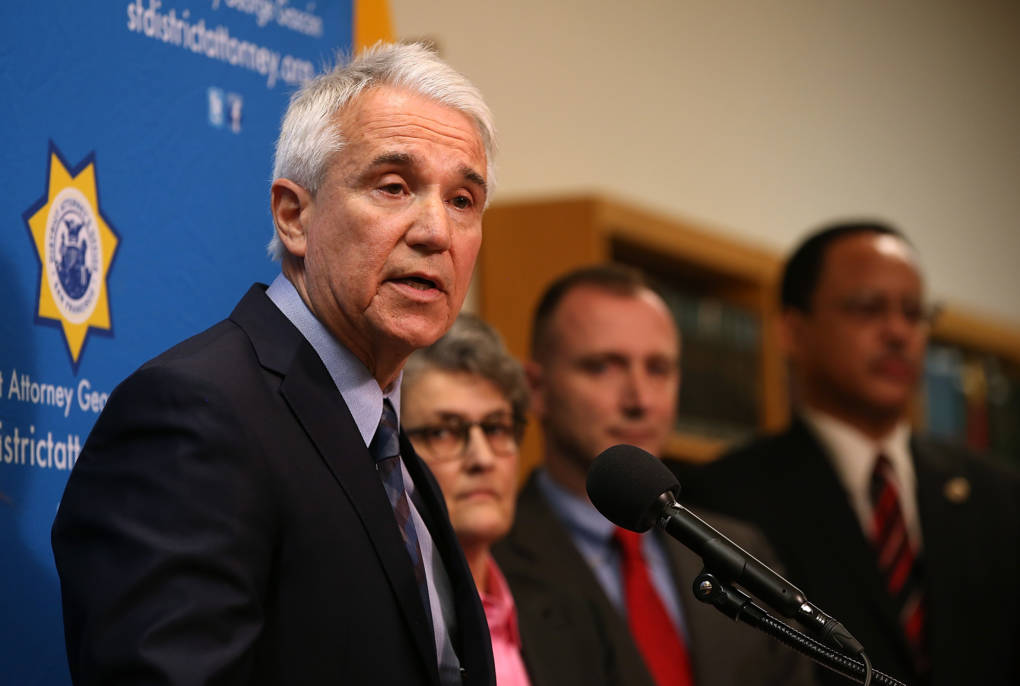
"caption": "San Francisco District Attorney George Gascón speaks during a news conference on Dec. 9, 2014, in San Francisco.",
"description": null,
"title": "San Francisco And Los Angeles District Attorneys Make Announcement Regarding Uber And Lyft Rideshare Companies",
"credit": "Justin Sullivan/Getty Images",
"status": "inherit",
"isLoading": false,
"fetchFailed": false
},
"news_11647303": {
"type": "attachments",
"id": "news_11647303",
"meta": {
"index": "attachments_1716263798",
"site": "news",
"id": "11647303",
"found": true
},
"parent": 11647144,
"imgSizes": {
"small": {
"file": "https://ww2.kqed.org/app/uploads/sites/10/2018/01/JohnChiang-520x339.jpg",
"width": 520,
"mimeType": "image/jpeg",
"height": 339
},
"twentyfourteen-full-width": {
"file": "https://ww2.kqed.org/app/uploads/sites/10/2018/01/JohnChiang-1038x576.jpg",
"width": 1038,
"mimeType": "image/jpeg",
"height": 576
},
"thumbnail": {
"file": "https://ww2.kqed.org/app/uploads/sites/10/2018/01/JohnChiang-160x104.jpg",
"width": 160,
"mimeType": "image/jpeg",
"height": 104
},
"fd-sm": {
"file": "https://ww2.kqed.org/app/uploads/sites/10/2018/01/JohnChiang-960x627.jpg",
"width": 960,
"mimeType": "image/jpeg",
"height": 627
},
"post-thumbnail": {
"file": "https://ww2.kqed.org/app/uploads/sites/10/2018/01/JohnChiang-672x372.jpg",
"width": 672,
"mimeType": "image/jpeg",
"height": 372
},
"xsmall": {
"file": "https://ww2.kqed.org/app/uploads/sites/10/2018/01/JohnChiang-375x245.jpg",
"width": 375,
"mimeType": "image/jpeg",
"height": 245
},
"kqedFullSize": {
"file": "https://ww2.kqed.org/app/uploads/sites/10/2018/01/JohnChiang.jpg",
"width": 1920,
"height": 1253
},
"large": {
"file": "https://ww2.kqed.org/app/uploads/sites/10/2018/01/JohnChiang-1020x666.jpg",
"width": 1020,
"mimeType": "image/jpeg",
"height": 666
},
"xlarge": {
"file": "https://ww2.kqed.org/app/uploads/sites/10/2018/01/JohnChiang-1180x770.jpg",
"width": 1180,
"mimeType": "image/jpeg",
"height": 770
},
"guest-author-50": {
"file": "https://ww2.kqed.org/app/uploads/sites/10/2018/01/JohnChiang-50x50.jpg",
"width": 50,
"mimeType": "image/jpeg",
"height": 50
},
"guest-author-96": {
"file": "https://ww2.kqed.org/app/uploads/sites/10/2018/01/JohnChiang-96x96.jpg",
"width": 96,
"mimeType": "image/jpeg",
"height": 96
},
"medium": {
"file": "https://ww2.kqed.org/app/uploads/sites/10/2018/01/JohnChiang-800x522.jpg",
"width": 800,
"mimeType": "image/jpeg",
"height": 522
},
"guest-author-64": {
"file": "https://ww2.kqed.org/app/uploads/sites/10/2018/01/JohnChiang-64x64.jpg",
"width": 64,
"mimeType": "image/jpeg",
"height": 64
},
"guest-author-32": {
"file": "https://ww2.kqed.org/app/uploads/sites/10/2018/01/JohnChiang-32x32.jpg",
"width": 32,
"mimeType": "image/jpeg",
"height": 32
},
"fd-lrg": {
"file": "https://ww2.kqed.org/app/uploads/sites/10/2018/01/JohnChiang-1920x1253.jpg",
"width": 1920,
"mimeType": "image/jpeg",
"height": 1253
},
"fd-med": {
"file": "https://ww2.kqed.org/app/uploads/sites/10/2018/01/JohnChiang-1180x770.jpg",
"width": 1180,
"mimeType": "image/jpeg",
"height": 770
},
"full-width": {
"file": "https://ww2.kqed.org/app/uploads/sites/10/2018/01/JohnChiang-1920x1253.jpg",
"width": 1920,
"mimeType": "image/jpeg",
"height": 1253
},
"detail": {
"file": "https://ww2.kqed.org/app/uploads/sites/10/2018/01/JohnChiang-150x150.jpg",
"width": 150,
"mimeType": "image/jpeg",
"height": 150
},
"guest-author-128": {
"file": "https://ww2.kqed.org/app/uploads/sites/10/2018/01/JohnChiang-128x128.jpg",
"width": 128,
"mimeType": "image/jpeg",
"height": 128
},
"xxsmall": {
"file": "https://ww2.kqed.org/app/uploads/sites/10/2018/01/JohnChiang-240x157.jpg",
"width": 240,
"mimeType": "image/jpeg",
"height": 157
}
},
"publishDate": 1517431298,
"modified": 1517431393,
"caption": "California Treasurer John Chiang announced he and the state attorney general’s office will study the feasibility of creating a public bank for the marijuana industry.",
"description": "California Treasurer John Chiang announced he and the state attorney general’s office will study the feasibility of creating a public bank for the marijuana industry.",
"title": "JohnChiang",
"credit": "Justin Sullivan/Getty Images",
"status": "inherit",
"isLoading": false,
"fetchFailed": false
},
"news_11644960": {
"type": "attachments",
"id": "news_11644960",
"meta": {
"index": "attachments_1716263798",
"site": "news",
"id": "11644960",
"found": true
},
"parent": 11644951,
"imgSizes": {
"small": {
"file": "https://ww2.kqed.org/app/uploads/sites/10/2018/01/Sauter-520x405.jpg",
"width": 520,
"mimeType": "image/jpeg",
"height": 405
},
"twentyfourteen-full-width": {
"file": "https://ww2.kqed.org/app/uploads/sites/10/2018/01/Sauter-1038x576.jpg",
"width": 1038,
"mimeType": "image/jpeg",
"height": 576
},
"thumbnail": {
"file": "https://ww2.kqed.org/app/uploads/sites/10/2018/01/Sauter-160x125.jpg",
"width": 160,
"mimeType": "image/jpeg",
"height": 125
},
"fd-sm": {
"file": "https://ww2.kqed.org/app/uploads/sites/10/2018/01/Sauter-960x748.jpg",
"width": 960,
"mimeType": "image/jpeg",
"height": 748
},
"post-thumbnail": {
"file": "https://ww2.kqed.org/app/uploads/sites/10/2018/01/Sauter-672x372.jpg",
"width": 672,
"mimeType": "image/jpeg",
"height": 372
},
"xsmall": {
"file": "https://ww2.kqed.org/app/uploads/sites/10/2018/01/Sauter-375x292.jpg",
"width": 375,
"mimeType": "image/jpeg",
"height": 292
},
"kqedFullSize": {
"file": "https://ww2.kqed.org/app/uploads/sites/10/2018/01/Sauter.jpg",
"width": 1920,
"height": 1496
},
"large": {
"file": "https://ww2.kqed.org/app/uploads/sites/10/2018/01/Sauter-1020x795.jpg",
"width": 1020,
"mimeType": "image/jpeg",
"height": 795
},
"xlarge": {
"file": "https://ww2.kqed.org/app/uploads/sites/10/2018/01/Sauter-1180x919.jpg",
"width": 1180,
"mimeType": "image/jpeg",
"height": 919
},
"guest-author-50": {
"file": "https://ww2.kqed.org/app/uploads/sites/10/2018/01/Sauter-50x50.jpg",
"width": 50,
"mimeType": "image/jpeg",
"height": 50
},
"guest-author-96": {
"file": "https://ww2.kqed.org/app/uploads/sites/10/2018/01/Sauter-96x96.jpg",
"width": 96,
"mimeType": "image/jpeg",
"height": 96
},
"medium": {
"file": "https://ww2.kqed.org/app/uploads/sites/10/2018/01/Sauter-800x623.jpg",
"width": 800,
"mimeType": "image/jpeg",
"height": 623
},
"guest-author-64": {
"file": "https://ww2.kqed.org/app/uploads/sites/10/2018/01/Sauter-64x64.jpg",
"width": 64,
"mimeType": "image/jpeg",
"height": 64
},
"guest-author-32": {
"file": "https://ww2.kqed.org/app/uploads/sites/10/2018/01/Sauter-32x32.jpg",
"width": 32,
"mimeType": "image/jpeg",
"height": 32
},
"fd-lrg": {
"file": "https://ww2.kqed.org/app/uploads/sites/10/2018/01/Sauter-1920x1496.jpg",
"width": 1920,
"mimeType": "image/jpeg",
"height": 1496
},
"fd-med": {
"file": "https://ww2.kqed.org/app/uploads/sites/10/2018/01/Sauter-1180x919.jpg",
"width": 1180,
"mimeType": "image/jpeg",
"height": 919
},
"full-width": {
"file": "https://ww2.kqed.org/app/uploads/sites/10/2018/01/Sauter-1920x1496.jpg",
"width": 1920,
"mimeType": "image/jpeg",
"height": 1496
},
"detail": {
"file": "https://ww2.kqed.org/app/uploads/sites/10/2018/01/Sauter-150x150.jpg",
"width": 150,
"mimeType": "image/jpeg",
"height": 150
},
"guest-author-128": {
"file": "https://ww2.kqed.org/app/uploads/sites/10/2018/01/Sauter-128x128.jpg",
"width": 128,
"mimeType": "image/jpeg",
"height": 128
},
"xxsmall": {
"file": "https://ww2.kqed.org/app/uploads/sites/10/2018/01/Sauter-240x187.jpg",
"width": 240,
"mimeType": "image/jpeg",
"height": 187
}
},
"publishDate": 1517257776,
"modified": 1517257814,
"caption": "When Jenna Sauter's youngest son, Axel, tested positive for THC — marijuana's active ingredient — after he was born, she got a home visit from local social services. Sauter says she and her friends don't smoke near their children.",
"description": "When Jenna Sauter's youngest son, Axel, tested positive for THC — marijuana's active ingredient — after he was born, she got a home visit from local social services. Sauter says she and her friends don't smoke near their children.",
"title": "Sauter",
"credit": "Sarah Varney/Kaiser Health News",
"status": "inherit",
"isLoading": false,
"fetchFailed": false
},
"news_11644856": {
"type": "attachments",
"id": "news_11644856",
"meta": {
"index": "attachments_1716263798",
"site": "news",
"id": "11644856",
"found": true
},
"parent": 11644854,
"imgSizes": {
"small": {
"file": "https://ww2.kqed.org/app/uploads/sites/10/2018/01/RS18507_GettyImages-98529926-qut-520x342.jpg",
"width": 520,
"mimeType": "image/jpeg",
"height": 342
},
"twentyfourteen-full-width": {
"file": "https://ww2.kqed.org/app/uploads/sites/10/2018/01/RS18507_GettyImages-98529926-qut-1038x576.jpg",
"width": 1038,
"mimeType": "image/jpeg",
"height": 576
},
"thumbnail": {
"file": "https://ww2.kqed.org/app/uploads/sites/10/2018/01/RS18507_GettyImages-98529926-qut-160x105.jpg",
"width": 160,
"mimeType": "image/jpeg",
"height": 105
},
"fd-sm": {
"file": "https://ww2.kqed.org/app/uploads/sites/10/2018/01/RS18507_GettyImages-98529926-qut-960x632.jpg",
"width": 960,
"mimeType": "image/jpeg",
"height": 632
},
"post-thumbnail": {
"file": "https://ww2.kqed.org/app/uploads/sites/10/2018/01/RS18507_GettyImages-98529926-qut-672x372.jpg",
"width": 672,
"mimeType": "image/jpeg",
"height": 372
},
"xsmall": {
"file": "https://ww2.kqed.org/app/uploads/sites/10/2018/01/RS18507_GettyImages-98529926-qut-375x247.jpg",
"width": 375,
"mimeType": "image/jpeg",
"height": 247
},
"kqedFullSize": {
"file": "https://ww2.kqed.org/app/uploads/sites/10/2018/01/RS18507_GettyImages-98529926-qut.jpg",
"width": 1920,
"height": 1264
},
"large": {
"file": "https://ww2.kqed.org/app/uploads/sites/10/2018/01/RS18507_GettyImages-98529926-qut-1020x672.jpg",
"width": 1020,
"mimeType": "image/jpeg",
"height": 672
},
"xlarge": {
"file": "https://ww2.kqed.org/app/uploads/sites/10/2018/01/RS18507_GettyImages-98529926-qut-1180x777.jpg",
"width": 1180,
"mimeType": "image/jpeg",
"height": 777
},
"guest-author-50": {
"file": "https://ww2.kqed.org/app/uploads/sites/10/2018/01/RS18507_GettyImages-98529926-qut-50x50.jpg",
"width": 50,
"mimeType": "image/jpeg",
"height": 50
},
"guest-author-96": {
"file": "https://ww2.kqed.org/app/uploads/sites/10/2018/01/RS18507_GettyImages-98529926-qut-96x96.jpg",
"width": 96,
"mimeType": "image/jpeg",
"height": 96
},
"medium": {
"file": "https://ww2.kqed.org/app/uploads/sites/10/2018/01/RS18507_GettyImages-98529926-qut-800x527.jpg",
"width": 800,
"mimeType": "image/jpeg",
"height": 527
},
"guest-author-64": {
"file": "https://ww2.kqed.org/app/uploads/sites/10/2018/01/RS18507_GettyImages-98529926-qut-64x64.jpg",
"width": 64,
"mimeType": "image/jpeg",
"height": 64
},
"guest-author-32": {
"file": "https://ww2.kqed.org/app/uploads/sites/10/2018/01/RS18507_GettyImages-98529926-qut-32x32.jpg",
"width": 32,
"mimeType": "image/jpeg",
"height": 32
},
"fd-lrg": {
"file": "https://ww2.kqed.org/app/uploads/sites/10/2018/01/RS18507_GettyImages-98529926-qut-1920x1264.jpg",
"width": 1920,
"mimeType": "image/jpeg",
"height": 1264
},
"fd-med": {
"file": "https://ww2.kqed.org/app/uploads/sites/10/2018/01/RS18507_GettyImages-98529926-qut-1180x777.jpg",
"width": 1180,
"mimeType": "image/jpeg",
"height": 777
},
"full-width": {
"file": "https://ww2.kqed.org/app/uploads/sites/10/2018/01/RS18507_GettyImages-98529926-qut-1920x1264.jpg",
"width": 1920,
"mimeType": "image/jpeg",
"height": 1264
},
"detail": {
"file": "https://ww2.kqed.org/app/uploads/sites/10/2018/01/RS18507_GettyImages-98529926-qut-150x150.jpg",
"width": 150,
"mimeType": "image/jpeg",
"height": 150
},
"guest-author-128": {
"file": "https://ww2.kqed.org/app/uploads/sites/10/2018/01/RS18507_GettyImages-98529926-qut-128x128.jpg",
"width": 128,
"mimeType": "image/jpeg",
"height": 128
},
"xxsmall": {
"file": "https://ww2.kqed.org/app/uploads/sites/10/2018/01/RS18507_GettyImages-98529926-qut-240x158.jpg",
"width": 240,
"mimeType": "image/jpeg",
"height": 158
}
},
"publishDate": 1517157803,
"modified": 1517157876,
"caption": "The transition to new weed is coming with an array of rules and testing and questions about whether it will get to store shelves. ",
"description": "The transition to new weed is coming with an array of rules and testing and questions about whether it will get to store shelves. ",
"title": "RS18507_GettyImages-98529926-qut",
"credit": "Justin Sullivan/Getty Images",
"status": "inherit",
"isLoading": false,
"fetchFailed": false
},
"news_11644562": {
"type": "attachments",
"id": "news_11644562",
"meta": {
"index": "attachments_1716263798",
"site": "news",
"id": "11644562",
"found": true
},
"parent": 11644339,
"imgSizes": {
"small": {
"file": "https://ww2.kqed.org/app/uploads/sites/10/2018/01/medical-cannabis-520x473.jpg",
"width": 520,
"mimeType": "image/jpeg",
"height": 473
},
"twentyfourteen-full-width": {
"file": "https://ww2.kqed.org/app/uploads/sites/10/2018/01/medical-cannabis-1038x576.jpg",
"width": 1038,
"mimeType": "image/jpeg",
"height": 576
},
"thumbnail": {
"file": "https://ww2.kqed.org/app/uploads/sites/10/2018/01/medical-cannabis-160x146.jpg",
"width": 160,
"mimeType": "image/jpeg",
"height": 146
},
"fd-sm": {
"file": "https://ww2.kqed.org/app/uploads/sites/10/2018/01/medical-cannabis-960x873.jpg",
"width": 960,
"mimeType": "image/jpeg",
"height": 873
},
"post-thumbnail": {
"file": "https://ww2.kqed.org/app/uploads/sites/10/2018/01/medical-cannabis-672x372.jpg",
"width": 672,
"mimeType": "image/jpeg",
"height": 372
},
"xsmall": {
"file": "https://ww2.kqed.org/app/uploads/sites/10/2018/01/medical-cannabis-375x341.jpg",
"width": 375,
"mimeType": "image/jpeg",
"height": 341
},
"kqedFullSize": {
"file": "https://ww2.kqed.org/app/uploads/sites/10/2018/01/medical-cannabis.jpg",
"width": 1920,
"height": 1746
},
"large": {
"file": "https://ww2.kqed.org/app/uploads/sites/10/2018/01/medical-cannabis-1020x928.jpg",
"width": 1020,
"mimeType": "image/jpeg",
"height": 928
},
"xlarge": {
"file": "https://ww2.kqed.org/app/uploads/sites/10/2018/01/medical-cannabis-1180x1073.jpg",
"width": 1180,
"mimeType": "image/jpeg",
"height": 1073
},
"guest-author-50": {
"file": "https://ww2.kqed.org/app/uploads/sites/10/2018/01/medical-cannabis-50x50.jpg",
"width": 50,
"mimeType": "image/jpeg",
"height": 50
},
"guest-author-96": {
"file": "https://ww2.kqed.org/app/uploads/sites/10/2018/01/medical-cannabis-96x96.jpg",
"width": 96,
"mimeType": "image/jpeg",
"height": 96
},
"medium": {
"file": "https://ww2.kqed.org/app/uploads/sites/10/2018/01/medical-cannabis-800x728.jpg",
"width": 800,
"mimeType": "image/jpeg",
"height": 728
},
"guest-author-64": {
"file": "https://ww2.kqed.org/app/uploads/sites/10/2018/01/medical-cannabis-64x64.jpg",
"width": 64,
"mimeType": "image/jpeg",
"height": 64
},
"guest-author-32": {
"file": "https://ww2.kqed.org/app/uploads/sites/10/2018/01/medical-cannabis-32x32.jpg",
"width": 32,
"mimeType": "image/jpeg",
"height": 32
},
"fd-lrg": {
"file": "https://ww2.kqed.org/app/uploads/sites/10/2018/01/medical-cannabis-1920x1746.jpg",
"width": 1920,
"mimeType": "image/jpeg",
"height": 1746
},
"fd-med": {
"file": "https://ww2.kqed.org/app/uploads/sites/10/2018/01/medical-cannabis-1180x1073.jpg",
"width": 1180,
"mimeType": "image/jpeg",
"height": 1073
},
"full-width": {
"file": "https://ww2.kqed.org/app/uploads/sites/10/2018/01/medical-cannabis-1920x1746.jpg",
"width": 1920,
"mimeType": "image/jpeg",
"height": 1746
},
"detail": {
"file": "https://ww2.kqed.org/app/uploads/sites/10/2018/01/medical-cannabis-150x150.jpg",
"width": 150,
"mimeType": "image/jpeg",
"height": 150
},
"guest-author-128": {
"file": "https://ww2.kqed.org/app/uploads/sites/10/2018/01/medical-cannabis-128x128.jpg",
"width": 128,
"mimeType": "image/jpeg",
"height": 128
},
"xxsmall": {
"file": "https://ww2.kqed.org/app/uploads/sites/10/2018/01/medical-cannabis-240x218.jpg",
"width": 240,
"mimeType": "image/jpeg",
"height": 218
}
},
"publishDate": 1516992289,
"modified": 1516992364,
"caption": "Jana Adams administers a tincture high in CBD, one of the cannabinoids in the marijuana plant, to her daughter, Brooke, to help reduce her seizures. Brooke also relies on THC oil to help stop seizures once they start.",
"description": null,
"title": "medical cannabis",
"credit": "Lee Romney/KQED",
"status": "inherit",
"isLoading": false,
"fetchFailed": false
},
"news_11642498": {
"type": "attachments",
"id": "news_11642498",
"meta": {
"index": "attachments_1716263798",
"site": "news",
"id": "11642498",
"found": true
},
"parent": 11642488,
"imgSizes": {
"small": {
"file": "https://ww2.kqed.org/app/uploads/sites/10/2018/01/RS21243_Grow-qut-520x390.jpg",
"width": 520,
"mimeType": "image/jpeg",
"height": 390
},
"twentyfourteen-full-width": {
"file": "https://ww2.kqed.org/app/uploads/sites/10/2018/01/RS21243_Grow-qut-1038x576.jpg",
"width": 1038,
"mimeType": "image/jpeg",
"height": 576
},
"thumbnail": {
"file": "https://ww2.kqed.org/app/uploads/sites/10/2018/01/RS21243_Grow-qut-160x120.jpg",
"width": 160,
"mimeType": "image/jpeg",
"height": 120
},
"fd-sm": {
"file": "https://ww2.kqed.org/app/uploads/sites/10/2018/01/RS21243_Grow-qut-960x720.jpg",
"width": 960,
"mimeType": "image/jpeg",
"height": 720
},
"post-thumbnail": {
"file": "https://ww2.kqed.org/app/uploads/sites/10/2018/01/RS21243_Grow-qut-672x372.jpg",
"width": 672,
"mimeType": "image/jpeg",
"height": 372
},
"xsmall": {
"file": "https://ww2.kqed.org/app/uploads/sites/10/2018/01/RS21243_Grow-qut-375x281.jpg",
"width": 375,
"mimeType": "image/jpeg",
"height": 281
},
"kqedFullSize": {
"file": "https://ww2.kqed.org/app/uploads/sites/10/2018/01/RS21243_Grow-qut.jpg",
"width": 1920,
"height": 1440
},
"large": {
"file": "https://ww2.kqed.org/app/uploads/sites/10/2018/01/RS21243_Grow-qut-1020x765.jpg",
"width": 1020,
"mimeType": "image/jpeg",
"height": 765
},
"xlarge": {
"file": "https://ww2.kqed.org/app/uploads/sites/10/2018/01/RS21243_Grow-qut-1180x885.jpg",
"width": 1180,
"mimeType": "image/jpeg",
"height": 885
},
"guest-author-50": {
"file": "https://ww2.kqed.org/app/uploads/sites/10/2018/01/RS21243_Grow-qut-50x50.jpg",
"width": 50,
"mimeType": "image/jpeg",
"height": 50
},
"guest-author-96": {
"file": "https://ww2.kqed.org/app/uploads/sites/10/2018/01/RS21243_Grow-qut-96x96.jpg",
"width": 96,
"mimeType": "image/jpeg",
"height": 96
},
"medium": {
"file": "https://ww2.kqed.org/app/uploads/sites/10/2018/01/RS21243_Grow-qut-800x600.jpg",
"width": 800,
"mimeType": "image/jpeg",
"height": 600
},
"guest-author-64": {
"file": "https://ww2.kqed.org/app/uploads/sites/10/2018/01/RS21243_Grow-qut-64x64.jpg",
"width": 64,
"mimeType": "image/jpeg",
"height": 64
},
"guest-author-32": {
"file": "https://ww2.kqed.org/app/uploads/sites/10/2018/01/RS21243_Grow-qut-32x32.jpg",
"width": 32,
"mimeType": "image/jpeg",
"height": 32
},
"fd-lrg": {
"file": "https://ww2.kqed.org/app/uploads/sites/10/2018/01/RS21243_Grow-qut-1920x1440.jpg",
"width": 1920,
"mimeType": "image/jpeg",
"height": 1440
},
"fd-med": {
"file": "https://ww2.kqed.org/app/uploads/sites/10/2018/01/RS21243_Grow-qut-1180x885.jpg",
"width": 1180,
"mimeType": "image/jpeg",
"height": 885
},
"full-width": {
"file": "https://ww2.kqed.org/app/uploads/sites/10/2018/01/RS21243_Grow-qut-1920x1440.jpg",
"width": 1920,
"mimeType": "image/jpeg",
"height": 1440
},
"detail": {
"file": "https://ww2.kqed.org/app/uploads/sites/10/2018/01/RS21243_Grow-qut-150x150.jpg",
"width": 150,
"mimeType": "image/jpeg",
"height": 150
},
"guest-author-128": {
"file": "https://ww2.kqed.org/app/uploads/sites/10/2018/01/RS21243_Grow-qut-128x128.jpg",
"width": 128,
"mimeType": "image/jpeg",
"height": 128
},
"xxsmall": {
"file": "https://ww2.kqed.org/app/uploads/sites/10/2018/01/RS21243_Grow-qut-240x180.jpg",
"width": 240,
"mimeType": "image/jpeg",
"height": 180
}
},
"publishDate": 1516227679,
"modified": 1516227744,
"caption": "Marijuana growers in Calaveras County have three months to completely shut all operations down since the county passed a ban on growing the plant. ",
"description": "Marijuana growers in Calaveras County have three months to completely shut all operations down since the county passed a ban on growing the plant. ",
"title": "RS21243_Grow-qut",
"credit": "Sam Harnett/KQED",
"status": "inherit",
"isLoading": false,
"fetchFailed": false
},
"news_11640681": {
"type": "attachments",
"id": "news_11640681",
"meta": {
"index": "attachments_1716263798",
"site": "news",
"id": "11640681",
"found": true
},
"parent": 11640668,
"imgSizes": {
"small": {
"file": "https://ww2.kqed.org/app/uploads/sites/10/2018/01/RS28767_GettyImages-900354318-qut-520x347.jpg",
"width": 520,
"mimeType": "image/jpeg",
"height": 347
},
"twentyfourteen-full-width": {
"file": "https://ww2.kqed.org/app/uploads/sites/10/2018/01/RS28767_GettyImages-900354318-qut-1038x576.jpg",
"width": 1038,
"mimeType": "image/jpeg",
"height": 576
},
"thumbnail": {
"file": "https://ww2.kqed.org/app/uploads/sites/10/2018/01/RS28767_GettyImages-900354318-qut-160x107.jpg",
"width": 160,
"mimeType": "image/jpeg",
"height": 107
},
"fd-sm": {
"file": "https://ww2.kqed.org/app/uploads/sites/10/2018/01/RS28767_GettyImages-900354318-qut-960x640.jpg",
"width": 960,
"mimeType": "image/jpeg",
"height": 640
},
"post-thumbnail": {
"file": "https://ww2.kqed.org/app/uploads/sites/10/2018/01/RS28767_GettyImages-900354318-qut-672x372.jpg",
"width": 672,
"mimeType": "image/jpeg",
"height": 372
},
"xsmall": {
"file": "https://ww2.kqed.org/app/uploads/sites/10/2018/01/RS28767_GettyImages-900354318-qut-375x250.jpg",
"width": 375,
"mimeType": "image/jpeg",
"height": 250
},
"kqedFullSize": {
"file": "https://ww2.kqed.org/app/uploads/sites/10/2018/01/RS28767_GettyImages-900354318-qut.jpg",
"width": 1920,
"height": 1280
},
"large": {
"file": "https://ww2.kqed.org/app/uploads/sites/10/2018/01/RS28767_GettyImages-900354318-qut-1020x680.jpg",
"width": 1020,
"mimeType": "image/jpeg",
"height": 680
},
"xlarge": {
"file": "https://ww2.kqed.org/app/uploads/sites/10/2018/01/RS28767_GettyImages-900354318-qut-1180x787.jpg",
"width": 1180,
"mimeType": "image/jpeg",
"height": 787
},
"guest-author-50": {
"file": "https://ww2.kqed.org/app/uploads/sites/10/2018/01/RS28767_GettyImages-900354318-qut-50x50.jpg",
"width": 50,
"mimeType": "image/jpeg",
"height": 50
},
"guest-author-96": {
"file": "https://ww2.kqed.org/app/uploads/sites/10/2018/01/RS28767_GettyImages-900354318-qut-96x96.jpg",
"width": 96,
"mimeType": "image/jpeg",
"height": 96
},
"medium": {
"file": "https://ww2.kqed.org/app/uploads/sites/10/2018/01/RS28767_GettyImages-900354318-qut-800x533.jpg",
"width": 800,
"mimeType": "image/jpeg",
"height": 533
},
"guest-author-64": {
"file": "https://ww2.kqed.org/app/uploads/sites/10/2018/01/RS28767_GettyImages-900354318-qut-64x64.jpg",
"width": 64,
"mimeType": "image/jpeg",
"height": 64
},
"guest-author-32": {
"file": "https://ww2.kqed.org/app/uploads/sites/10/2018/01/RS28767_GettyImages-900354318-qut-32x32.jpg",
"width": 32,
"mimeType": "image/jpeg",
"height": 32
},
"fd-lrg": {
"file": "https://ww2.kqed.org/app/uploads/sites/10/2018/01/RS28767_GettyImages-900354318-qut-1920x1280.jpg",
"width": 1920,
"mimeType": "image/jpeg",
"height": 1280
},
"fd-med": {
"file": "https://ww2.kqed.org/app/uploads/sites/10/2018/01/RS28767_GettyImages-900354318-qut-1180x787.jpg",
"width": 1180,
"mimeType": "image/jpeg",
"height": 787
},
"full-width": {
"file": "https://ww2.kqed.org/app/uploads/sites/10/2018/01/RS28767_GettyImages-900354318-qut-1920x1280.jpg",
"width": 1920,
"mimeType": "image/jpeg",
"height": 1280
},
"detail": {
"file": "https://ww2.kqed.org/app/uploads/sites/10/2018/01/RS28767_GettyImages-900354318-qut-150x150.jpg",
"width": 150,
"mimeType": "image/jpeg",
"height": 150
},
"guest-author-128": {
"file": "https://ww2.kqed.org/app/uploads/sites/10/2018/01/RS28767_GettyImages-900354318-qut-128x128.jpg",
"width": 128,
"mimeType": "image/jpeg",
"height": 128
},
"xxsmall": {
"file": "https://ww2.kqed.org/app/uploads/sites/10/2018/01/RS28767_GettyImages-900354318-qut-240x160.jpg",
"width": 240,
"mimeType": "image/jpeg",
"height": 160
}
},
"publishDate": 1515357942,
"modified": 1550797428,
"caption": "Tourists Laura Torgerson and Ryan Sheehan, visiting from Arizona, smell cannabis buds at the Green Pearl Organics dispensary on the first day of legal recreational marijuana sales in California, Jan. 1, 2018, in Desert Hot Springs, California.",
"description": "Tourists Laura Torgerson and Ryan Sheehan, visiting from Arizona, smell cannabis buds at the Green Pearl Organics dispensary on the first day of legal recreational marijuana sales in California, January 1, 2018 in Desert Hot Springs, California.",
"title": "DOUNIAMAG-LIFESTYLE-US-HEALTH-BUSINESS",
"credit": "ROBYN BECK/AFP/Getty Images",
"status": "inherit",
"isLoading": false,
"fetchFailed": false
},
"news_11640580": {
"type": "attachments",
"id": "news_11640580",
"meta": {
"index": "attachments_1716263798",
"site": "news",
"id": "11640580",
"found": true
},
"parent": 11640572,
"imgSizes": {
"small": {
"file": "https://ww2.kqed.org/app/uploads/sites/10/2018/01/RS28753_Image-uploaded-from-iOS-4-qut-520x390.jpg",
"width": 520,
"mimeType": "image/jpeg",
"height": 390
},
"twentyfourteen-full-width": {
"file": "https://ww2.kqed.org/app/uploads/sites/10/2018/01/RS28753_Image-uploaded-from-iOS-4-qut-1038x576.jpg",
"width": 1038,
"mimeType": "image/jpeg",
"height": 576
},
"thumbnail": {
"file": "https://ww2.kqed.org/app/uploads/sites/10/2018/01/RS28753_Image-uploaded-from-iOS-4-qut-160x120.jpg",
"width": 160,
"mimeType": "image/jpeg",
"height": 120
},
"fd-sm": {
"file": "https://ww2.kqed.org/app/uploads/sites/10/2018/01/RS28753_Image-uploaded-from-iOS-4-qut-960x720.jpg",
"width": 960,
"mimeType": "image/jpeg",
"height": 720
},
"post-thumbnail": {
"file": "https://ww2.kqed.org/app/uploads/sites/10/2018/01/RS28753_Image-uploaded-from-iOS-4-qut-672x372.jpg",
"width": 672,
"mimeType": "image/jpeg",
"height": 372
},
"xsmall": {
"file": "https://ww2.kqed.org/app/uploads/sites/10/2018/01/RS28753_Image-uploaded-from-iOS-4-qut-375x281.jpg",
"width": 375,
"mimeType": "image/jpeg",
"height": 281
},
"kqedFullSize": {
"file": "https://ww2.kqed.org/app/uploads/sites/10/2018/01/RS28753_Image-uploaded-from-iOS-4-qut.jpg",
"width": 1920,
"height": 1440
},
"large": {
"file": "https://ww2.kqed.org/app/uploads/sites/10/2018/01/RS28753_Image-uploaded-from-iOS-4-qut-1020x765.jpg",
"width": 1020,
"mimeType": "image/jpeg",
"height": 765
},
"xlarge": {
"file": "https://ww2.kqed.org/app/uploads/sites/10/2018/01/RS28753_Image-uploaded-from-iOS-4-qut-1180x885.jpg",
"width": 1180,
"mimeType": "image/jpeg",
"height": 885
},
"guest-author-50": {
"file": "https://ww2.kqed.org/app/uploads/sites/10/2018/01/RS28753_Image-uploaded-from-iOS-4-qut-50x50.jpg",
"width": 50,
"mimeType": "image/jpeg",
"height": 50
},
"guest-author-96": {
"file": "https://ww2.kqed.org/app/uploads/sites/10/2018/01/RS28753_Image-uploaded-from-iOS-4-qut-96x96.jpg",
"width": 96,
"mimeType": "image/jpeg",
"height": 96
},
"medium": {
"file": "https://ww2.kqed.org/app/uploads/sites/10/2018/01/RS28753_Image-uploaded-from-iOS-4-qut-800x600.jpg",
"width": 800,
"mimeType": "image/jpeg",
"height": 600
},
"guest-author-64": {
"file": "https://ww2.kqed.org/app/uploads/sites/10/2018/01/RS28753_Image-uploaded-from-iOS-4-qut-64x64.jpg",
"width": 64,
"mimeType": "image/jpeg",
"height": 64
},
"guest-author-32": {
"file": "https://ww2.kqed.org/app/uploads/sites/10/2018/01/RS28753_Image-uploaded-from-iOS-4-qut-32x32.jpg",
"width": 32,
"mimeType": "image/jpeg",
"height": 32
},
"fd-lrg": {
"file": "https://ww2.kqed.org/app/uploads/sites/10/2018/01/RS28753_Image-uploaded-from-iOS-4-qut-1920x1440.jpg",
"width": 1920,
"mimeType": "image/jpeg",
"height": 1440
},
"fd-med": {
"file": "https://ww2.kqed.org/app/uploads/sites/10/2018/01/RS28753_Image-uploaded-from-iOS-4-qut-1180x885.jpg",
"width": 1180,
"mimeType": "image/jpeg",
"height": 885
},
"full-width": {
"file": "https://ww2.kqed.org/app/uploads/sites/10/2018/01/RS28753_Image-uploaded-from-iOS-4-qut-1920x1440.jpg",
"width": 1920,
"mimeType": "image/jpeg",
"height": 1440
},
"detail": {
"file": "https://ww2.kqed.org/app/uploads/sites/10/2018/01/RS28753_Image-uploaded-from-iOS-4-qut-150x150.jpg",
"width": 150,
"mimeType": "image/jpeg",
"height": 150
},
"guest-author-128": {
"file": "https://ww2.kqed.org/app/uploads/sites/10/2018/01/RS28753_Image-uploaded-from-iOS-4-qut-128x128.jpg",
"width": 128,
"mimeType": "image/jpeg",
"height": 128
},
"xxsmall": {
"file": "https://ww2.kqed.org/app/uploads/sites/10/2018/01/RS28753_Image-uploaded-from-iOS-4-qut-240x180.jpg",
"width": 240,
"mimeType": "image/jpeg",
"height": 180
}
},
"publishDate": 1515281687,
"modified": 1515286216,
"caption": "The Apothecarium displays its licenses, which allow it to sell adult-use recreational marijuana in the city.",
"description": "The Apothecarium displays its licenses, which allow it to sell adult-use recreational marijuana in the city.",
"title": "RS28753_Image uploaded from iOS (4)-qut",
"credit": "Tiffany Camhi/KQED",
"status": "inherit",
"isLoading": false,
"fetchFailed": false
},
"news_11640528": {
"type": "attachments",
"id": "news_11640528",
"meta": {
"index": "attachments_1716263798",
"site": "news",
"id": "11640528",
"found": true
},
"parent": 11640526,
"imgSizes": {
"small": {
"file": "https://ww2.kqed.org/app/uploads/sites/10/2018/01/marijuana-520x347.jpg",
"width": 520,
"mimeType": "image/jpeg",
"height": 347
},
"twentyfourteen-full-width": {
"file": "https://ww2.kqed.org/app/uploads/sites/10/2018/01/marijuana-1038x576.jpg",
"width": 1038,
"mimeType": "image/jpeg",
"height": 576
},
"thumbnail": {
"file": "https://ww2.kqed.org/app/uploads/sites/10/2018/01/marijuana-160x107.jpg",
"width": 160,
"mimeType": "image/jpeg",
"height": 107
},
"fd-sm": {
"file": "https://ww2.kqed.org/app/uploads/sites/10/2018/01/marijuana-960x640.jpg",
"width": 960,
"mimeType": "image/jpeg",
"height": 640
},
"post-thumbnail": {
"file": "https://ww2.kqed.org/app/uploads/sites/10/2018/01/marijuana-672x372.jpg",
"width": 672,
"mimeType": "image/jpeg",
"height": 372
},
"xsmall": {
"file": "https://ww2.kqed.org/app/uploads/sites/10/2018/01/marijuana-375x250.jpg",
"width": 375,
"mimeType": "image/jpeg",
"height": 250
},
"kqedFullSize": {
"file": "https://ww2.kqed.org/app/uploads/sites/10/2018/01/marijuana-e1515259613300.jpg",
"width": 1920,
"height": 1280
},
"large": {
"file": "https://ww2.kqed.org/app/uploads/sites/10/2018/01/marijuana-1020x680.jpg",
"width": 1020,
"mimeType": "image/jpeg",
"height": 680
},
"xlarge": {
"file": "https://ww2.kqed.org/app/uploads/sites/10/2018/01/marijuana-1180x787.jpg",
"width": 1180,
"mimeType": "image/jpeg",
"height": 787
},
"guest-author-50": {
"file": "https://ww2.kqed.org/app/uploads/sites/10/2018/01/marijuana-50x50.jpg",
"width": 50,
"mimeType": "image/jpeg",
"height": 50
},
"guest-author-96": {
"file": "https://ww2.kqed.org/app/uploads/sites/10/2018/01/marijuana-96x96.jpg",
"width": 96,
"mimeType": "image/jpeg",
"height": 96
},
"medium": {
"file": "https://ww2.kqed.org/app/uploads/sites/10/2018/01/marijuana-800x533.jpg",
"width": 800,
"mimeType": "image/jpeg",
"height": 533
},
"guest-author-64": {
"file": "https://ww2.kqed.org/app/uploads/sites/10/2018/01/marijuana-64x64.jpg",
"width": 64,
"mimeType": "image/jpeg",
"height": 64
},
"guest-author-32": {
"file": "https://ww2.kqed.org/app/uploads/sites/10/2018/01/marijuana-32x32.jpg",
"width": 32,
"mimeType": "image/jpeg",
"height": 32
},
"fd-lrg": {
"file": "https://ww2.kqed.org/app/uploads/sites/10/2018/01/marijuana-1920x1280.jpg",
"width": 1920,
"mimeType": "image/jpeg",
"height": 1280
},
"fd-med": {
"file": "https://ww2.kqed.org/app/uploads/sites/10/2018/01/marijuana-1180x787.jpg",
"width": 1180,
"mimeType": "image/jpeg",
"height": 787
},
"full-width": {
"file": "https://ww2.kqed.org/app/uploads/sites/10/2018/01/marijuana-1920x1280.jpg",
"width": 1920,
"mimeType": "image/jpeg",
"height": 1280
},
"detail": {
"file": "https://ww2.kqed.org/app/uploads/sites/10/2018/01/marijuana-150x150.jpg",
"width": 150,
"mimeType": "image/jpeg",
"height": 150
},
"guest-author-128": {
"file": "https://ww2.kqed.org/app/uploads/sites/10/2018/01/marijuana-128x128.jpg",
"width": 128,
"mimeType": "image/jpeg",
"height": 128
},
"xxsmall": {
"file": "https://ww2.kqed.org/app/uploads/sites/10/2018/01/marijuana-240x160.jpg",
"width": 240,
"mimeType": "image/jpeg",
"height": 160
}
},
"publishDate": 1515259402,
"modified": 1515259606,
"caption": "Days after California's $7 billion recreational weed market opened for business, the U.S. Justice Department announced it was ditching its hands-off approach to states that have legalized marijuana.",
"description": "Days after California's $7 billion recreational weed market opened for business, the U.S. Justice Department announced it was ditching its hands-off approach to states that have legalized marijuana.",
"title": "Los Angeles City Council Votes To Ban Medical Marijuana Dispensaries",
"credit": "David McNew/Getty Images",
"status": "inherit",
"isLoading": false,
"fetchFailed": false
},
"news_11640303": {
"type": "attachments",
"id": "news_11640303",
"meta": {
"index": "attachments_1716263798",
"site": "news",
"id": "11640303",
"found": true
},
"parent": 11640284,
"imgSizes": {
"small": {
"file": "https://ww2.kqed.org/app/uploads/sites/10/2018/01/RS28745_GettyImages-452532208-qut-520x378.jpg",
"width": 520,
"mimeType": "image/jpeg",
"height": 378
},
"twentyfourteen-full-width": {
"file": "https://ww2.kqed.org/app/uploads/sites/10/2018/01/RS28745_GettyImages-452532208-qut-1038x576.jpg",
"width": 1038,
"mimeType": "image/jpeg",
"height": 576
},
"thumbnail": {
"file": "https://ww2.kqed.org/app/uploads/sites/10/2018/01/RS28745_GettyImages-452532208-qut-160x116.jpg",
"width": 160,
"mimeType": "image/jpeg",
"height": 116
},
"fd-sm": {
"file": "https://ww2.kqed.org/app/uploads/sites/10/2018/01/RS28745_GettyImages-452532208-qut-960x697.jpg",
"width": 960,
"mimeType": "image/jpeg",
"height": 697
},
"post-thumbnail": {
"file": "https://ww2.kqed.org/app/uploads/sites/10/2018/01/RS28745_GettyImages-452532208-qut-672x372.jpg",
"width": 672,
"mimeType": "image/jpeg",
"height": 372
},
"xsmall": {
"file": "https://ww2.kqed.org/app/uploads/sites/10/2018/01/RS28745_GettyImages-452532208-qut-375x272.jpg",
"width": 375,
"mimeType": "image/jpeg",
"height": 272
},
"kqedFullSize": {
"file": "https://ww2.kqed.org/app/uploads/sites/10/2018/01/RS28745_GettyImages-452532208-qut.jpg",
"width": 1920,
"height": 1394
},
"large": {
"file": "https://ww2.kqed.org/app/uploads/sites/10/2018/01/RS28745_GettyImages-452532208-qut-1020x741.jpg",
"width": 1020,
"mimeType": "image/jpeg",
"height": 741
},
"xlarge": {
"file": "https://ww2.kqed.org/app/uploads/sites/10/2018/01/RS28745_GettyImages-452532208-qut-1180x857.jpg",
"width": 1180,
"mimeType": "image/jpeg",
"height": 857
},
"guest-author-50": {
"file": "https://ww2.kqed.org/app/uploads/sites/10/2018/01/RS28745_GettyImages-452532208-qut-50x50.jpg",
"width": 50,
"mimeType": "image/jpeg",
"height": 50
},
"guest-author-96": {
"file": "https://ww2.kqed.org/app/uploads/sites/10/2018/01/RS28745_GettyImages-452532208-qut-96x96.jpg",
"width": 96,
"mimeType": "image/jpeg",
"height": 96
},
"medium": {
"file": "https://ww2.kqed.org/app/uploads/sites/10/2018/01/RS28745_GettyImages-452532208-qut-800x581.jpg",
"width": 800,
"mimeType": "image/jpeg",
"height": 581
},
"guest-author-64": {
"file": "https://ww2.kqed.org/app/uploads/sites/10/2018/01/RS28745_GettyImages-452532208-qut-64x64.jpg",
"width": 64,
"mimeType": "image/jpeg",
"height": 64
},
"guest-author-32": {
"file": "https://ww2.kqed.org/app/uploads/sites/10/2018/01/RS28745_GettyImages-452532208-qut-32x32.jpg",
"width": 32,
"mimeType": "image/jpeg",
"height": 32
},
"fd-lrg": {
"file": "https://ww2.kqed.org/app/uploads/sites/10/2018/01/RS28745_GettyImages-452532208-qut-1920x1394.jpg",
"width": 1920,
"mimeType": "image/jpeg",
"height": 1394
},
"fd-med": {
"file": "https://ww2.kqed.org/app/uploads/sites/10/2018/01/RS28745_GettyImages-452532208-qut-1180x857.jpg",
"width": 1180,
"mimeType": "image/jpeg",
"height": 857
},
"full-width": {
"file": "https://ww2.kqed.org/app/uploads/sites/10/2018/01/RS28745_GettyImages-452532208-qut-1920x1394.jpg",
"width": 1920,
"mimeType": "image/jpeg",
"height": 1394
},
"detail": {
"file": "https://ww2.kqed.org/app/uploads/sites/10/2018/01/RS28745_GettyImages-452532208-qut-150x150.jpg",
"width": 150,
"mimeType": "image/jpeg",
"height": 150
},
"guest-author-128": {
"file": "https://ww2.kqed.org/app/uploads/sites/10/2018/01/RS28745_GettyImages-452532208-qut-128x128.jpg",
"width": 128,
"mimeType": "image/jpeg",
"height": 128
},
"xxsmall": {
"file": "https://ww2.kqed.org/app/uploads/sites/10/2018/01/RS28745_GettyImages-452532208-qut-240x174.jpg",
"width": 240,
"mimeType": "image/jpeg",
"height": 174
}
},
"publishDate": 1515134503,
"modified": 1515193822,
"caption": "Former Deputy U.S. Attorney General James Cole in 2014.",
"description": "Former Deputy U.S. Attorney General James Cole, in 2014.",
"title": "Former Deputy U.S. Attorney General James Cole, in 2014.",
"credit": "Alex Wong/Getty Images",
"status": "inherit",
"isLoading": false,
"fetchFailed": false
}
},
"audioPlayerReducer": {
"postId": "stream_live",
"isPaused": true,
"isPlaying": false,
"pfsActive": false,
"pledgeModalIsOpen": true,
"playerDrawerIsOpen": false,
"liveAudioPlayStartedAt": 0,
"liveAudioPlayContext": ""
},
"authorsReducer": {
"byline_news_11648067": {
"type": "authors",
"id": "byline_news_11648067",
"meta": {
"override": true
},
"slug": "byline_news_11648067",
"name": "\u003cstrong>\u003ca href=\"https://www.scpr.org/about/people/staff/frank-stoltze\">Frank Stoltze\u003c/a>\u003c/strong>",
"isLoading": false
},
"byline_news_11647347": {
"type": "authors",
"id": "byline_news_11647347",
"meta": {
"override": true
},
"slug": "byline_news_11647347",
"name": "\u003cstrong>Paul Elias\u003cbr />Associated Press\u003c/strong>",
"isLoading": false
},
"byline_news_11644951": {
"type": "authors",
"id": "byline_news_11644951",
"meta": {
"override": true
},
"slug": "byline_news_11644951",
"name": "Sarah Varney",
"isLoading": false
},
"byline_news_11644854": {
"type": "authors",
"id": "byline_news_11644854",
"meta": {
"override": true
},
"slug": "byline_news_11644854",
"name": "\u003cstrong>Michael R. Blood \u003c/strong>\u003c/br> Associated Press",
"isLoading": false
},
"byline_news_11644339": {
"type": "authors",
"id": "byline_news_11644339",
"meta": {
"override": true
},
"slug": "byline_news_11644339",
"name": "Lee Romney",
"isLoading": false
},
"byline_news_11642488": {
"type": "authors",
"id": "byline_news_11642488",
"meta": {
"override": true
},
"slug": "byline_news_11642488",
"name": "\u003cstrong/>Paul Elias\u003c/strong>\u003cbr/>Associated Press\u003c/br>",
"isLoading": false
},
"byline_news_11640668": {
"type": "authors",
"id": "byline_news_11640668",
"meta": {
"override": true
},
"slug": "byline_news_11640668",
"name": "\u003cstrong>Michael R. Blood\u003c/strong>\u003c/br>Associated Press",
"isLoading": false
},
"byline_news_11640526": {
"type": "authors",
"id": "byline_news_11640526",
"meta": {
"override": true
},
"slug": "byline_news_11640526",
"name": "\u003cstrong>Paul Elias\u003c/strong>\u003c/br>Associated Press",
"isLoading": false
},
"dmarks": {
"type": "authors",
"id": "182",
"meta": {
"index": "authors_1716337520",
"id": "182",
"found": true
},
"name": "David Marks",
"firstName": "David",
"lastName": "Marks",
"slug": "dmarks",
"email": "dmarks@kqed.org",
"display_author_email": false,
"staff_mastheads": [],
"title": "KQED Editor",
"bio": "David Marks is a senior digital editor for KQED News. \u003c/a>Reach him at dmarks@kqed.org.",
"avatar": "https://secure.gravatar.com/avatar/b88bd6227ce6cb96ae33fefaf42b2a29?s=600&d=mm&r=g",
"twitter": "divadskram",
"facebook": null,
"instagram": null,
"linkedin": null,
"sites": [
{
"site": "news",
"roles": []
},
{
"site": "science",
"roles": []
},
{
"site": "perspectives",
"roles": []
},
{
"site": "liveblog",
"roles": []
}
],
"headData": {
"title": "David Marks | KQED",
"description": "KQED Editor",
"ogImgSrc": "https://secure.gravatar.com/avatar/b88bd6227ce6cb96ae33fefaf42b2a29?s=600&d=mm&r=g",
"twImgSrc": "https://secure.gravatar.com/avatar/b88bd6227ce6cb96ae33fefaf42b2a29?s=600&d=mm&r=g"
},
"isLoading": false,
"link": "/author/dmarks"
},
"kqed": {
"type": "authors",
"id": "236",
"meta": {
"index": "authors_1716337520",
"id": "236",
"found": true
},
"name": "KQED News Staff",
"firstName": "KQED News Staff",
"lastName": null,
"slug": "kqed",
"email": "faq@kqed.org",
"display_author_email": false,
"staff_mastheads": [],
"title": null,
"bio": null,
"avatar": "https://secure.gravatar.com/avatar/ef0e801a68c4c54afa9180db14084167?s=600&d=blank&r=g",
"twitter": null,
"facebook": null,
"instagram": null,
"linkedin": null,
"sites": [
{
"site": "arts",
"roles": [
"contributor"
]
},
{
"site": "news",
"roles": [
"editor"
]
},
{
"site": "futureofyou",
"roles": [
"author"
]
}
],
"headData": {
"title": "KQED News Staff | KQED",
"description": null,
"ogImgSrc": "https://secure.gravatar.com/avatar/ef0e801a68c4c54afa9180db14084167?s=600&d=blank&r=g",
"twImgSrc": "https://secure.gravatar.com/avatar/ef0e801a68c4c54afa9180db14084167?s=600&d=blank&r=g"
},
"isLoading": false,
"link": "/author/kqed"
},
"pollystryker": {
"type": "authors",
"id": "250",
"meta": {
"index": "authors_1716337520",
"id": "250",
"found": true
},
"name": "Polly Stryker",
"firstName": "Polly",
"lastName": "Stryker",
"slug": "pollystryker",
"email": "pstryker@kqed.org",
"display_author_email": false,
"staff_mastheads": [
"science"
],
"title": "Editor",
"bio": "Polly Stryker is a former editor for KQED's Science desk. She and reporter/host Rachael Myrow produced the KQED podcast, \u003ca href=\"http://www.npr.org/podcasts/448072249/love-in-the-digital-age\">Love in the Digital Age\u003c/a>.\r\n\r\nPolly has worked for a variety of news and public affairs programs, including most recently as editor of \u003cem>The California Report\u003c/em>. She also edited \u003ca href=\"https://ww2.kqed.org/news/programs/the-california-report\" target=\"_blank\" rel=\"noopener noreferrer\">\u003cem>The California Report'\u003c/em>s\u003c/a> \u003ca href=\"http://www.californiareport.org/healthdialogues/\" target=\"_blank\" rel=\"noopener noreferrer\">“Health Dialogues.”\u003c/a> Before that, she was a producer on \u003cem>\u003ca href=\"http://www.scpr.org/programs/airtalk/\" target=\"_blank\" rel=\"noopener noreferrer\">AirTalk\u003c/a>\u003c/em> with Larry Mantle on \u003ca href=\"http://www.scpr.org/\" target=\"_blank\" rel=\"noopener noreferrer\">KPCC\u003c/a> radio, and \u003cem>\u003ca href=\"http://www.kpbs.org/news/midday-edition/\">These Days\u003c/a>\u003c/em> on KPBS. Polly’s work has won awards from the Radio and Television News Directors Association of Northern California, the Society of Professional Journalists (Southern California and Northern California chapters), the Radio and Television News Association. She's also won a Taste Award.\r\n\r\nShe considers herself to be a citizen of the world, having grown up in Cairo before coming to the United States. Polly speaks Arabic and can say, \"I’d like a martini, please\" in Swahili.",
"avatar": "https://secure.gravatar.com/avatar/5012854a99868cb15a517a876d88f736?s=600&d=blank&r=g",
"twitter": null,
"facebook": null,
"instagram": null,
"linkedin": null,
"sites": [
{
"site": "",
"roles": [
"editor"
]
},
{
"site": "arts",
"roles": [
"administrator"
]
},
{
"site": "news",
"roles": [
"subscriber"
]
},
{
"site": "stateofhealth",
"roles": [
"author"
]
},
{
"site": "science",
"roles": [
"editor"
]
},
{
"site": "forum",
"roles": [
"editor"
]
}
],
"headData": {
"title": "Polly Stryker | KQED",
"description": "Editor",
"ogImgSrc": "https://secure.gravatar.com/avatar/5012854a99868cb15a517a876d88f736?s=600&d=blank&r=g",
"twImgSrc": "https://secure.gravatar.com/avatar/5012854a99868cb15a517a876d88f736?s=600&d=blank&r=g"
},
"isLoading": false,
"link": "/author/pollystryker"
},
"tcamhi": {
"type": "authors",
"id": "3251",
"meta": {
"index": "authors_1716337520",
"id": "3251",
"found": true
},
"name": "Tiffany Camhi",
"firstName": "Tiffany",
"lastName": "Camhi",
"slug": "tcamhi",
"email": "tiffanycamhi@gmail.com",
"display_author_email": false,
"staff_mastheads": [],
"title": "KQED Contributor",
"bio": null,
"avatar": "https://secure.gravatar.com/avatar/f8204ce351139205d3b3dc1581016a5e30d7d8b38cb2c139348c151ec14b792e?s=600&d=blank&r=g",
"twitter": null,
"bluesky": null,
"facebook": null,
"instagram": null,
"linkedin": null,
"sites": [
{
"site": "arts",
"roles": [
"subscriber"
]
},
{
"site": "news",
"roles": [
"subscriber"
]
}
],
"headData": {
"title": "Tiffany Camhi | KQED",
"description": "KQED Contributor",
"ogImgSrc": "https://secure.gravatar.com/avatar/f8204ce351139205d3b3dc1581016a5e30d7d8b38cb2c139348c151ec14b792e?s=600&d=blank&r=g",
"twImgSrc": "https://secure.gravatar.com/avatar/f8204ce351139205d3b3dc1581016a5e30d7d8b38cb2c139348c151ec14b792e?s=600&d=blank&r=g"
},
"isLoading": false,
"link": "/author/tcamhi"
},
"korr": {
"type": "authors",
"id": "11200",
"meta": {
"index": "authors_1716337520",
"id": "11200",
"found": true
},
"name": "Katie Orr",
"firstName": "Katie",
"lastName": "Orr",
"slug": "korr",
"email": "korr@kqed.org",
"display_author_email": false,
"staff_mastheads": [],
"title": "KQED Contributor",
"bio": "Katie Orr was a Sacramento-based reporter for KQED's Politics and Government Desk, covering the state Capitol and a variety of issues including women in politics, voting and elections and legislation. Prior to joining KQED in 2016, Katie was state government reporter for Capital Public Radio in Sacramento. She's also worked for KPBS in San Diego, where she covered City Hall.\r\n\r\nKatie received her masters degree in political science from San Diego State University and holds a Bachelors degree in broadcast journalism from Arizona State University.\r\n\r\nIn 2015 Katie won a national Clarion Award for a series of stories she did on women in California politics. She's been honored by the Society for Professional Journalists and, in 2013, was named by \u003cem>The Washington Post\u003c/em> as one of the country's top state Capitol reporters. She's also reported for the award-winning documentary series \u003cem>The View from Here \u003c/em>and was part of the team that won national PRNDI and Gabriel Awards in 2015. She lives in Sacramento with her husband. Twitter: @1KatieOrr",
"avatar": "https://secure.gravatar.com/avatar/41a40b25845adc78f50808670860449e?s=600&d=blank&r=g",
"twitter": "1katieorr",
"facebook": null,
"instagram": null,
"linkedin": null,
"sites": [
{
"site": "news",
"roles": [
"subscriber"
]
},
{
"site": "stateofhealth",
"roles": [
"author"
]
},
{
"site": "forum",
"roles": [
"author"
]
}
],
"headData": {
"title": "Katie Orr | KQED",
"description": "KQED Contributor",
"ogImgSrc": "https://secure.gravatar.com/avatar/41a40b25845adc78f50808670860449e?s=600&d=blank&r=g",
"twImgSrc": "https://secure.gravatar.com/avatar/41a40b25845adc78f50808670860449e?s=600&d=blank&r=g"
},
"isLoading": false,
"link": "/author/korr"
}
},
"pagesReducer": {
"news_tag_marijuana": {
"type": "terms",
"id": "news_102",
"meta": {
"index": "terms_1716263798",
"site": "news",
"id": "102",
"score": 8.461646
},
"featImg": null,
"name": "marijuana",
"description": null,
"taxonomy": "tag",
"headData": {
"twImgId": null,
"twTitle": null,
"ogTitle": null,
"ogImgId": null,
"twDescription": null,
"description": null,
"title": "marijuana Archives | KQED News",
"ogDescription": null
},
"ttid": 106,
"slug": "marijuana",
"isLoading": false,
"title": "marijuana",
"pageMeta": {
"site": "news",
"WpPageTemplate": "page-topic-editorial",
"currentPage": 10
},
"blocks": [
{
"blockName": "kqed/post-list",
"attrs": {
"layout": "cardArticle2",
"query": "posts/news?tag=marijuana",
"seeMore": false,
"paginated": true,
"page": 10
}
},
{
"blockName": "kqed/ad"
}
]
}
},
"pfsSessionReducer": {},
"postsReducer": {
"stream_live": {
"type": "live",
"id": "stream_live",
"audioUrl": "https://hls.kqed.org/hls/kqed_app/playlist.m3u8",
"title": "Live Stream",
"excerpt": "Live Stream information currently unavailable.",
"link": "/radio",
"featImg": "",
"label": {
"name": "KQED Live",
"link": "/"
}
},
"stream_kqedNewscast": {
"type": "posts",
"id": "stream_kqedNewscast",
"audioUrl": "https://www.kqed.org/.stream/anon/radio/RDnews/newscast.mp3?_=1",
"title": "KQED Newscast",
"featImg": "",
"label": {
"name": "88.5 FM",
"link": "/"
}
},
"news_11648067": {
"type": "posts",
"id": "news_11648067",
"meta": {
"index": "posts_1716263798",
"site": "news",
"id": "11648067",
"score": null,
"sort": [
1517862235000
]
},
"parent": 0,
"labelTerm": {},
"blocks": [],
"publishDate": 1517862235,
"format": "standard",
"disqusTitle": "Will L.A. Follow S.F.’s Lead in Wiping Out Pot Convictions? Nope",
"title": "Will L.A. Follow S.F.’s Lead in Wiping Out Pot Convictions? Nope",
"headTitle": "The California Report | KQED News",
"content": "\u003cp>Los Angeles County’s district attorney said Friday she is not going to follow the lead of her counterparts in San Francisco and San Diego, \u003ca href=\"https://ww2.kqed.org/news/2018/01/31/san-francisco-plans-to-wipe-out-thousands-of-pot-convictions/\" target=\"_blank\" rel=\"noopener\">who are dismissing or reducing\u003c/a> thousands of past misdemeanor and felony marijuana convictions.\u003c/p>\n\u003cp>In a statement, Jackie Lacey said petitioning the courts through a process established by the law that legalized recreational pot would be faster for people seeking relief.\u003c/p>\n\u003cp>Using that process means people who are most in need will \"move to the head of line -- rather than wait for my office to go through tens of thousands of case files.\"\u003c/p>\n\u003cp>[audio src=\"https://www.kqed.org/.stream/anon/radio/tcr/2018/02/LAMJConvictionsStoltze180205.mp3\" Image=\"https://ww2.kqed.org/news/wp-content/uploads/sites/10/2018/01/RS18507_GettyImages-98529926-qut-800x527.jpg\" Title=\"Will L.A. Follow S.F.’s Lead in Wiping Out Pot Convictions? Nope.\" program=\"The California Report\"]\u003c/p>\n\u003cp>Her decision drew criticism from activists, who said the process can be time-consuming and sometimes complicated for non-lawyers.\u003c/p>\n\u003cp>[ad fullwidth]\u003c/p>\n\u003cp>\"It’s not that easy,\" said Armando Gudino of the Drug Policy Alliance.\u003c/p>\n\u003cp>Why not simply dismiss all misdemeanors, he asked.\u003c/p>\n\u003cp>\"The district attorney had the opportunity to make sweeping changes,\" he said. \"By having these convictions removed or reduced, you effectively open up new doors for them.\"\u003c/p>\n\u003cp>A criminal record can disqualify an individual from some jobs and even housing.\u003c/p>\n\u003cp>Lacey's decision is significant. The L.A. District Attorney’s Office prosecuted more people for violating marijuana laws than any other prosecutor’s office in the state.\u003c/p>\n\u003cp>[contextly_sidebar id=\"O82T6QH30Vmi4sRz9XlmrlybqI2SyGd3\"]\u003c/p>\n\u003cp>The office estimates there were 40,000 felony convictions involving marijuana since 1993. It had no estimate for the number of misdemeanor convictions it handled. Some city attorneys in L.A. County also file misdemeanor cases.\u003c/p>\n\u003cp>Lacey said she cannot determine at this time how many of these cases involve people who no longer require that their criminal records be stricken \"for a variety of reasons, including death or incarceration.\"\u003c/p>\n\u003cp>San Bernardino County District Attorney Mike Ramos said he also has no plans to proactively clear people’s records.\u003c/p>\n\u003cp>Ramos wants to use those old convictions to seek longer jail time, should those people break the law again.\u003c/p>\n\u003cp>\"That’s the biggest concern for me,\" he said. \"We couldn’t use those for sentence enhancements.\"\u003c/p>\n\u003cp>He is unmoved by the argument that the war on drugs left many otherwise law-abiding people of color with a criminal record.\u003c/p>\n\u003cp>\"What people call the drug war -- we got peace officers who put their lives on the line,\" Ramos said.\u003c/p>\n\u003cp>Each of California’s 58 district attorneys has the authority to decide whether to continue to use \"something that is no longer a crime\" against people, said Loyola Law School Professor Stan Goldman.\u003c/p>\n\u003cp>[contextly_sidebar id=\"o0EezDRP61vfqVGVZQMoHa5uEM7bvUpu\"]\u003c/p>\n\u003cp>\"We’re really in new territory here,\" he said.\u003c/p>\n\u003cp>The office of Orange County District Attorney Tony Rackauckas did not respond to a request for comment. Riverside County District Attorney Michael Hestrin's office said it does not have a comment at this time.\u003c/p>\n\u003cp>Activists hope to step in to help if local prosecutors won’t.\u003c/p>\n\u003cp>\u003c/p>\n\u003cp>The Drug Policy Alliance already had plans to conduct four clinics where people can learn how to petition the courts to expunge their previous pot convictions. The first is March 17 at L.A. Trade Tech.\u003c/p>\n\n",
"disqusIdentifier": "11648067 https://ww2.kqed.org/news/?p=11648067",
"disqusUrl": "https://ww2.kqed.org/news/2018/02/05/will-l-a-follow-s-f-s-lead-in-wiping-out-pot-convictions-nope/",
"stats": {
"hasVideo": false,
"hasChartOrMap": false,
"hasAudio": true,
"hasPolis": false,
"wordCount": 568,
"hasGoogleForm": false,
"hasGallery": false,
"hasHearkenModule": false,
"iframeSrcs": [],
"paragraphCount": 25
},
"modified": 1517877015,
"excerpt": "Los Angeles County’s district attorney instead suggested a process of petitioning the courts, which activists decried as time-consuming and complicated for non-lawyers.",
"headData": {
"twImgId": "",
"twTitle": "",
"ogTitle": "",
"ogImgId": "",
"twDescription": "",
"description": "Los Angeles County’s district attorney instead suggested a process of petitioning the courts, which activists decried as time-consuming and complicated for non-lawyers.",
"title": "Will L.A. Follow S.F.’s Lead in Wiping Out Pot Convictions? Nope | KQED",
"ogDescription": "",
"schema": {
"@context": "https://schema.org",
"@type": "NewsArticle",
"headline": "Will L.A. Follow S.F.’s Lead in Wiping Out Pot Convictions? Nope",
"datePublished": "2018-02-05T12:23:55-08:00",
"dateModified": "2018-02-05T16:30:15-08:00",
"image": "https://cdn.kqed.org/wp-content/uploads/2020/02/KQED-OG-Image@1x.png",
"isAccessibleForFree": "True",
"publisher": {
"@type": "NewsMediaOrganization",
"@id": "https://www.kqed.org/#organization",
"name": "KQED",
"logo": "https://cdn.kqed.org/wp-content/uploads/2020/02/KQED-OG-Image@1x.png",
"url": "https://www.kqed.org",
"sameAs": [
"https://www.facebook.com/KQED",
"https://twitter.com/KQED",
"https://www.instagram.com/kqed/",
"https://www.tiktok.com/@kqedofficial",
"https://www.linkedin.com/company/kqed",
"https://www.youtube.com/channel/UCeC0IOo7i1P_61zVUWbJ4nw"
]
}
}
},
"guestAuthors": [],
"slug": "will-l-a-follow-s-f-s-lead-in-wiping-out-pot-convictions-nope",
"status": "publish",
"sourceUrl": "https://www.scpr.org/",
"nprByline": "\u003cstrong>\u003ca href=\"https://www.scpr.org/about/people/staff/frank-stoltze\">Frank Stoltze\u003c/a>\u003c/strong>",
"source": "KPCC",
"path": "/news/11648067/will-l-a-follow-s-f-s-lead-in-wiping-out-pot-convictions-nope",
"audioUrl": "https://www.kqed.org/.stream/anon/radio/tcr/2018/02/LAMJConvictionsStoltze180205.mp3",
"audioDuration": 109000,
"audioTrackLength": null,
"parsedContent": [
{
"type": "contentString",
"content": "\u003cdiv class=\"post-body\">\u003cp>\u003cp>Los Angeles County’s district attorney said Friday she is not going to follow the lead of her counterparts in San Francisco and San Diego, \u003ca href=\"https://ww2.kqed.org/news/2018/01/31/san-francisco-plans-to-wipe-out-thousands-of-pot-convictions/\" target=\"_blank\" rel=\"noopener\">who are dismissing or reducing\u003c/a> thousands of past misdemeanor and felony marijuana convictions.\u003c/p>\n\u003cp>In a statement, Jackie Lacey said petitioning the courts through a process established by the law that legalized recreational pot would be faster for people seeking relief.\u003c/p>\n\u003cp>Using that process means people who are most in need will \"move to the head of line -- rather than wait for my office to go through tens of thousands of case files.\"\u003c/p>\n\u003cp>\u003c/p>\u003c/div>",
"attributes": {
"named": {},
"numeric": []
}
},
{
"type": "component",
"content": "",
"name": "audio",
"attributes": {
"named": {
"src": "https://www.kqed.org/.stream/anon/radio/tcr/2018/02/LAMJConvictionsStoltze180205.mp3",
"image": "https://ww2.kqed.org/news/wp-content/uploads/sites/10/2018/01/RS18507_GettyImages-98529926-qut-800x527.jpg",
"title": "Will L.A. Follow S.F.’s Lead in Wiping Out Pot Convictions? Nope.",
"program": "The California Report",
"label": ""
},
"numeric": []
}
},
{
"type": "contentString",
"content": "\u003cdiv class=\"post-body\">\u003cp>\u003c/p>\n\u003cp>Her decision drew criticism from activists, who said the process can be time-consuming and sometimes complicated for non-lawyers.\u003c/p>\n\u003cp>\u003c/p>\u003c/div>",
"attributes": {
"named": {},
"numeric": []
}
},
{
"type": "component",
"content": "",
"name": "ad",
"attributes": {
"named": {
"label": "fullwidth"
},
"numeric": [
"fullwidth"
]
}
},
{
"type": "contentString",
"content": "\u003cdiv class=\"post-body\">\u003cp>\u003c/p>\n\u003cp>\"It’s not that easy,\" said Armando Gudino of the Drug Policy Alliance.\u003c/p>\n\u003cp>Why not simply dismiss all misdemeanors, he asked.\u003c/p>\n\u003cp>\"The district attorney had the opportunity to make sweeping changes,\" he said. \"By having these convictions removed or reduced, you effectively open up new doors for them.\"\u003c/p>\n\u003cp>A criminal record can disqualify an individual from some jobs and even housing.\u003c/p>\n\u003cp>Lacey's decision is significant. The L.A. District Attorney’s Office prosecuted more people for violating marijuana laws than any other prosecutor’s office in the state.\u003c/p>\n\u003cp>\u003c/p>\u003cp>\u003c/p>\u003cp>\u003c/p>\n\u003cp>The office estimates there were 40,000 felony convictions involving marijuana since 1993. It had no estimate for the number of misdemeanor convictions it handled. Some city attorneys in L.A. County also file misdemeanor cases.\u003c/p>\n\u003cp>Lacey said she cannot determine at this time how many of these cases involve people who no longer require that their criminal records be stricken \"for a variety of reasons, including death or incarceration.\"\u003c/p>\n\u003cp>San Bernardino County District Attorney Mike Ramos said he also has no plans to proactively clear people’s records.\u003c/p>\n\u003cp>Ramos wants to use those old convictions to seek longer jail time, should those people break the law again.\u003c/p>\n\u003cp>\"That’s the biggest concern for me,\" he said. \"We couldn’t use those for sentence enhancements.\"\u003c/p>\n\u003cp>He is unmoved by the argument that the war on drugs left many otherwise law-abiding people of color with a criminal record.\u003c/p>\n\u003cp>\"What people call the drug war -- we got peace officers who put their lives on the line,\" Ramos said.\u003c/p>\n\u003cp>Each of California’s 58 district attorneys has the authority to decide whether to continue to use \"something that is no longer a crime\" against people, said Loyola Law School Professor Stan Goldman.\u003c/p>\n\u003cp>\u003c/p>\u003cp>\u003c/p>\u003cp>\u003c/p>\n\u003cp>\"We’re really in new territory here,\" he said.\u003c/p>\n\u003cp>The office of Orange County District Attorney Tony Rackauckas did not respond to a request for comment. Riverside County District Attorney Michael Hestrin's office said it does not have a comment at this time.\u003c/p>\n\u003cp>Activists hope to step in to help if local prosecutors won’t.\u003c/p>\n\u003cp>\u003c/p>\n\u003cp>The Drug Policy Alliance already had plans to conduct four clinics where people can learn how to petition the courts to expunge their previous pot convictions. The first is March 17 at L.A. Trade Tech.\u003c/p>\n\n\u003c/div>\u003c/p>",
"attributes": {
"named": {},
"numeric": []
}
}
],
"link": "/news/11648067/will-l-a-follow-s-f-s-lead-in-wiping-out-pot-convictions-nope",
"authors": [
"byline_news_11648067"
],
"programs": [
"news_6944",
"news_72"
],
"categories": [
"news_6188",
"news_8",
"news_13"
],
"tags": [
"news_4",
"news_102",
"news_38",
"news_17286"
],
"affiliates": [
"news_7055"
],
"featImg": "news_11648071",
"label": "source_news_11648067"
},
"news_11647825": {
"type": "posts",
"id": "news_11647825",
"meta": {
"index": "posts_1716263798",
"site": "news",
"id": "11647825",
"score": null,
"sort": [
1517622949000
]
},
"guestAuthors": [],
"slug": "nunes-memo-denea-joseph-reversing-marijuana-convictions-lt-gov-gavin-newsom",
"title": "“Nunes Memo,” Denea Joseph, Reversing Marijuana Convictions, Lt. Gov. Gavin Newsom",
"publishDate": 1517622949,
"format": "video",
"headTitle": "“Nunes Memo,” Denea Joseph, Reversing Marijuana Convictions, Lt. Gov. Gavin Newsom | KQED",
"labelTerm": {
"term": 7052,
"site": "news"
},
"content": "\u003cp>\u003cb>Congressman Eric Swalwell on the “Nunes Memo”\u003cbr>\n\u003c/b>\u003cspan style=\"font-weight: 400\">Republicans on the House Intelligence Committee released a controversial memo alleging misconduct by the FBI and the Justice Department in the investigation into Russian meddling in the 2016 election. In response, Democrats want to push for a vote on Monday to release their rebuttal, also in the form of a memo. We talk to Rep. Eric Swalwell (D-Pleasanton) about these developments and also get his take on the budget and immigration.\u003c/span>\u003c/p>\n\u003cp>\u003cb>Meet UndocuBlack’s Denea Joseph\u003cbr>\n\u003c/b>\u003cspan style=\"font-weight: 400\">On Tuesday night, as President Trump delivered his first State of the Union address, a young black “Dreamer” listened as the guest of California Sen. Kamala Harris. Her name is Denea Joseph, and she’s the communications director for UndocuBlack, a group that represents undocumented black immigrants. A UCLA alumna, Joseph came to the U.S. from Belize when she was 7 years old and is one of the 220,000 Californians who have been protected by DACA.\u003c/span>\u003c/p>\n\u003cp>\u003cb>San Francisco to Erase Marijuana Convictions\u003cbr>\n\u003c/b>\u003cspan style=\"font-weight: 400\">San Francisco District Attorney George \u003c/span>\u003cspan style=\"font-weight: 400\">Gascón\u003c/span>\u003cspan style=\"font-weight: 400\"> announced this week that he will retroactively expunge or reduce thousands of marijuana-related convictions going back as far as 1975. We talk with \u003c/span>\u003cspan style=\"font-weight: 400\">Gascón\u003c/span>\u003cspan style=\"font-weight: 400\"> about this sweeping move and get his reaction to an enforcement action taken by Immigration and Customs Enforcement this week targeting 77 Bay Area businesses.\u003c/span>\u003c/p>\n\u003cp>\u003cb>Gubernatorial Candidate Lt. Gov. Gavin Newsom\u003cbr>\n\u003c/b>\u003cspan style=\"font-weight: 400\">As Jerry Brown serves out his final year as governor, there’s a vigorous campaign to replace him. We talk to Lt. Gov. Gavin Newsom about his bid to be the next governor. He also shares his personal take on the #MeToo movement and why he will not run for president in 2020.\u003c/span>\u003c/p>\n\u003cp>[ad fullwidth]\u003c/p>\u003cp>\u003c/p>\n",
"blocks": [],
"excerpt": "In response to the release of the \"Nunes memo\", Democrats want to push for a vote on Monday to release their rebuttal, also in the form of a memo.",
"status": "publish",
"parent": 0,
"modified": 1738109438,
"stats": {
"hasAudio": false,
"hasVideo": false,
"hasChartOrMap": false,
"iframeSrcs": [],
"hasGoogleForm": false,
"hasGallery": false,
"hasHearkenModule": false,
"hasPolis": false,
"paragraphCount": 6,
"wordCount": 296
},
"headData": {
"title": "“Nunes Memo,” Denea Joseph, Reversing Marijuana Convictions, Lt. Gov. Gavin Newsom | KQED",
"description": "In response to the release of the "Nunes memo", Democrats want to push for a vote on Monday to release their rebuttal, also in the form of a memo.",
"ogTitle": "",
"ogDescription": "",
"ogImgId": "",
"twTitle": "",
"twDescription": "",
"twImgId": "",
"schema": {
"@context": "https://schema.org",
"@type": "NewsArticle",
"headline": "“Nunes Memo,” Denea Joseph, Reversing Marijuana Convictions, Lt. Gov. Gavin Newsom",
"datePublished": "2018-02-02T17:55:49-08:00",
"dateModified": "2025-01-28T16:10:38-08:00",
"image": "https://cdn.kqed.org/wp-content/uploads/2020/02/KQED-OG-Image@1x.png",
"isAccessibleForFree": "True",
"publisher": {
"@type": "NewsMediaOrganization",
"@id": "https://www.kqed.org/#organization",
"name": "KQED",
"logo": "https://cdn.kqed.org/wp-content/uploads/2020/02/KQED-OG-Image@1x.png",
"url": "https://www.kqed.org",
"sameAs": [
"https://www.facebook.com/KQED",
"https://twitter.com/KQED",
"https://www.instagram.com/kqed/",
"https://www.tiktok.com/@kqedofficial",
"https://www.linkedin.com/company/kqed",
"https://www.youtube.com/channel/UCeC0IOo7i1P_61zVUWbJ4nw"
]
}
}
},
"videoEmbed": "https://youtu.be/QcxnTy5IqG4",
"sticky": false,
"path": "/news/11647825/nunes-memo-denea-joseph-reversing-marijuana-convictions-lt-gov-gavin-newsom",
"audioTrackLength": null,
"parsedContent": [
{
"type": "contentString",
"content": "\u003cdiv class=\"post-body\">\u003cp>\u003cp>\u003cb>Congressman Eric Swalwell on the “Nunes Memo”\u003cbr>\n\u003c/b>\u003cspan style=\"font-weight: 400\">Republicans on the House Intelligence Committee released a controversial memo alleging misconduct by the FBI and the Justice Department in the investigation into Russian meddling in the 2016 election. In response, Democrats want to push for a vote on Monday to release their rebuttal, also in the form of a memo. We talk to Rep. Eric Swalwell (D-Pleasanton) about these developments and also get his take on the budget and immigration.\u003c/span>\u003c/p>\n\u003cp>\u003cb>Meet UndocuBlack’s Denea Joseph\u003cbr>\n\u003c/b>\u003cspan style=\"font-weight: 400\">On Tuesday night, as President Trump delivered his first State of the Union address, a young black “Dreamer” listened as the guest of California Sen. Kamala Harris. Her name is Denea Joseph, and she’s the communications director for UndocuBlack, a group that represents undocumented black immigrants. A UCLA alumna, Joseph came to the U.S. from Belize when she was 7 years old and is one of the 220,000 Californians who have been protected by DACA.\u003c/span>\u003c/p>\n\u003cp>\u003cb>San Francisco to Erase Marijuana Convictions\u003cbr>\n\u003c/b>\u003cspan style=\"font-weight: 400\">San Francisco District Attorney George \u003c/span>\u003cspan style=\"font-weight: 400\">Gascón\u003c/span>\u003cspan style=\"font-weight: 400\"> announced this week that he will retroactively expunge or reduce thousands of marijuana-related convictions going back as far as 1975. We talk with \u003c/span>\u003cspan style=\"font-weight: 400\">Gascón\u003c/span>\u003cspan style=\"font-weight: 400\"> about this sweeping move and get his reaction to an enforcement action taken by Immigration and Customs Enforcement this week targeting 77 Bay Area businesses.\u003c/span>\u003c/p>\n\u003cp>\u003cb>Gubernatorial Candidate Lt. Gov. Gavin Newsom\u003cbr>\n\u003c/b>\u003cspan style=\"font-weight: 400\">As Jerry Brown serves out his final year as governor, there’s a vigorous campaign to replace him. We talk to Lt. Gov. Gavin Newsom about his bid to be the next governor. He also shares his personal take on the #MeToo movement and why he will not run for president in 2020.\u003c/span>\u003c/p>\n\u003cp>\u003c/p>\u003c/div>",
"attributes": {
"named": {},
"numeric": []
}
},
{
"type": "component",
"content": "",
"name": "ad",
"attributes": {
"named": {
"label": "fullwidth"
},
"numeric": [
"fullwidth"
]
}
},
{
"type": "contentString",
"content": "\u003cdiv class=\"post-body\">\u003cp>\u003c/p>\u003cp>\u003c/p>\n\u003c/div>\u003c/p>",
"attributes": {
"named": {},
"numeric": []
}
}
],
"link": "/news/11647825/nunes-memo-denea-joseph-reversing-marijuana-convictions-lt-gov-gavin-newsom",
"authors": [
"236"
],
"programs": [
"news_7052"
],
"categories": [
"news_1169",
"news_6188",
"news_8",
"news_13"
],
"tags": [
"news_20226",
"news_1323",
"news_20415",
"news_23394",
"news_20910",
"news_425",
"news_16",
"news_546",
"news_21027",
"news_20202",
"news_20297",
"news_19177",
"news_102",
"news_21804",
"news_17968",
"news_21254",
"news_38",
"news_716"
],
"featImg": "news_11647826",
"label": "news_7052"
},
"news_11647347": {
"type": "posts",
"id": "news_11647347",
"meta": {
"index": "posts_1716263798",
"site": "news",
"id": "11647347",
"score": null,
"sort": [
1517437830000
]
},
"parent": 0,
"labelTerm": {},
"blocks": [],
"publishDate": 1517437830,
"format": "standard",
"disqusTitle": "San Francisco Plans to Wipe Out Thousands of Pot Convictions",
"title": "San Francisco Plans to Wipe Out Thousands of Pot Convictions",
"headTitle": "The California Report | KQED News",
"content": "\u003cp>San Francisco's district attorney announced Wednesday that city prosecutors will toss out or reduce thousands of criminal convictions for marijuana dating back decades, a move allowed under a 2016 ballot measure legalizing recreational use in California.\u003c/p>\n\u003cp>District Attorney George Gascón said his office will dismiss nearly 3,000 misdemeanor cases and review nearly 5,000 felony cases for possible action.\u003c/p>\n\u003cp>Proposition 64 legalized the recreational use of marijuana. It also allowed people convicted of marijuana charges to petition courts to toss out the cases or reduce penalties.\u003c/p>\n\u003cp>But Gascón says that process can be time-consuming and costly, so prosecutors in the district attorney's office plan to review and wipe out eligible cases en masse. Some people with convictions may not know they are eligible, Gascón said.\u003c/p>\n\u003cp>[audio src=\"https://www.kqed.org/.stream/anon/radio/RDnews/2018/01/2wayGasconPotConvictions.mp3\" Image=\"https://ww2.kqed.org/news/wp-content/uploads/sites/10/2016/08/prison-cell-1920-800x527.jpg\" Title=\"San Francisco Plans to Wipe Out Thousands of Pot Convictions\" program=\"KQED News\"]\u003c/p>\n\u003cp>\"A misdemeanor or felony conviction can have significant implications for employment, housing and other benefit,\" Gascón said. He said prosecutors will review cases from 1975 through passage of Proposition 64 in November 2016.\u003c/p>\n\u003cp>[ad fullwidth]\u003c/p>\n\u003cp>Gascón said 23 petitions for dismissal or reduction have been filed in San Francisco since passage of Proposition 64.\u003c/p>\n\u003cp>As of September 2017, around 5,000 people had applied for a change to their records, according to state data. That's a fraction of the people who experts estimate are eligible.\u003c/p>\n\u003cp>Laura Thomas, deputy state director for the pro-marijuana organization Drug Policy Alliance, estimated more than 100,000 people are eligible to have their records changed.\u003c/p>\n\u003cp>Assemblyman Rob Bonta, a Democrat from Oakland, introduced legislation on Jan. 9 that would require county courts to automatically expunge eligible records.\u003c/p>\n\u003cp>Recreational marijuana became legal in California last year, and on Jan. 1 it became legal for licensed dispensaries to sell it to non-medical patients.\u003c/p>\n\u003cp>\u003c/p>\n\u003cp>The U.S. Justice Department announced last week it's halting an Obama-era policy to take a hands-off approach toward states that have legalized marijuana, still illegal under federal law. That could lead to increased prosecutions of marijuana sellers and growers, although it's unclear how aggressive federal attorneys will be. More than half of states have legalized or decriminalized the drug and lawmakers in those states pledged forcefully to defend their policies.\u003c/p>\n\n",
"disqusIdentifier": "11647347 https://ww2.kqed.org/news/?p=11647347",
"disqusUrl": "https://ww2.kqed.org/news/2018/01/31/san-francisco-plans-to-wipe-out-thousands-of-pot-convictions/",
"stats": {
"hasVideo": false,
"hasChartOrMap": false,
"hasAudio": true,
"hasPolis": false,
"wordCount": 419,
"hasGoogleForm": false,
"hasGallery": false,
"hasHearkenModule": false,
"iframeSrcs": [],
"paragraphCount": 13
},
"modified": 1517534279,
"excerpt": "District Attorney George Gascón said his office will dismiss nearly 3,000 misdemeanor cases and review nearly 5,000 felony cases for possible action.",
"headData": {
"twImgId": "",
"twTitle": "",
"ogTitle": "",
"ogImgId": "",
"twDescription": "",
"description": "District Attorney George Gascón said his office will dismiss nearly 3,000 misdemeanor cases and review nearly 5,000 felony cases for possible action.",
"title": "San Francisco Plans to Wipe Out Thousands of Pot Convictions | KQED",
"ogDescription": "",
"schema": {
"@context": "https://schema.org",
"@type": "NewsArticle",
"headline": "San Francisco Plans to Wipe Out Thousands of Pot Convictions",
"datePublished": "2018-01-31T14:30:30-08:00",
"dateModified": "2018-02-01T17:17:59-08:00",
"image": "https://cdn.kqed.org/wp-content/uploads/2020/02/KQED-OG-Image@1x.png",
"isAccessibleForFree": "True",
"publisher": {
"@type": "NewsMediaOrganization",
"@id": "https://www.kqed.org/#organization",
"name": "KQED",
"logo": "https://cdn.kqed.org/wp-content/uploads/2020/02/KQED-OG-Image@1x.png",
"url": "https://www.kqed.org",
"sameAs": [
"https://www.facebook.com/KQED",
"https://twitter.com/KQED",
"https://www.instagram.com/kqed/",
"https://www.tiktok.com/@kqedofficial",
"https://www.linkedin.com/company/kqed",
"https://www.youtube.com/channel/UCeC0IOo7i1P_61zVUWbJ4nw"
]
}
}
},
"guestAuthors": [],
"slug": "san-francisco-plans-to-wipe-out-thousands-of-pot-convictions",
"status": "publish",
"audioUrl": "https://www.kqed.org/.stream/anon/radio/RDnews/2018/01/2wayGasconPotConvictions.mp3",
"nprByline": "\u003cstrong>Paul Elias\u003cbr />Associated Press\u003c/strong>",
"source": "Associated Press",
"path": "/news/11647347/san-francisco-plans-to-wipe-out-thousands-of-pot-convictions",
"audioDuration": 227000,
"audioTrackLength": null,
"parsedContent": [
{
"type": "contentString",
"content": "\u003cdiv class=\"post-body\">\u003cp>\u003cp>San Francisco's district attorney announced Wednesday that city prosecutors will toss out or reduce thousands of criminal convictions for marijuana dating back decades, a move allowed under a 2016 ballot measure legalizing recreational use in California.\u003c/p>\n\u003cp>District Attorney George Gascón said his office will dismiss nearly 3,000 misdemeanor cases and review nearly 5,000 felony cases for possible action.\u003c/p>\n\u003cp>Proposition 64 legalized the recreational use of marijuana. It also allowed people convicted of marijuana charges to petition courts to toss out the cases or reduce penalties.\u003c/p>\n\u003cp>But Gascón says that process can be time-consuming and costly, so prosecutors in the district attorney's office plan to review and wipe out eligible cases en masse. Some people with convictions may not know they are eligible, Gascón said.\u003c/p>\n\u003cp>\u003c/p>\u003c/div>",
"attributes": {
"named": {},
"numeric": []
}
},
{
"type": "component",
"content": "",
"name": "audio",
"attributes": {
"named": {
"src": "https://www.kqed.org/.stream/anon/radio/RDnews/2018/01/2wayGasconPotConvictions.mp3",
"image": "https://ww2.kqed.org/news/wp-content/uploads/sites/10/2016/08/prison-cell-1920-800x527.jpg",
"title": "San Francisco Plans to Wipe Out Thousands of Pot Convictions",
"program": "KQED News",
"label": ""
},
"numeric": []
}
},
{
"type": "contentString",
"content": "\u003cdiv class=\"post-body\">\u003cp>\u003c/p>\n\u003cp>\"A misdemeanor or felony conviction can have significant implications for employment, housing and other benefit,\" Gascón said. He said prosecutors will review cases from 1975 through passage of Proposition 64 in November 2016.\u003c/p>\n\u003cp>\u003c/p>\u003c/div>",
"attributes": {
"named": {},
"numeric": []
}
},
{
"type": "component",
"content": "",
"name": "ad",
"attributes": {
"named": {
"label": "fullwidth"
},
"numeric": [
"fullwidth"
]
}
},
{
"type": "contentString",
"content": "\u003cdiv class=\"post-body\">\u003cp>\u003c/p>\n\u003cp>Gascón said 23 petitions for dismissal or reduction have been filed in San Francisco since passage of Proposition 64.\u003c/p>\n\u003cp>As of September 2017, around 5,000 people had applied for a change to their records, according to state data. That's a fraction of the people who experts estimate are eligible.\u003c/p>\n\u003cp>Laura Thomas, deputy state director for the pro-marijuana organization Drug Policy Alliance, estimated more than 100,000 people are eligible to have their records changed.\u003c/p>\n\u003cp>Assemblyman Rob Bonta, a Democrat from Oakland, introduced legislation on Jan. 9 that would require county courts to automatically expunge eligible records.\u003c/p>\n\u003cp>Recreational marijuana became legal in California last year, and on Jan. 1 it became legal for licensed dispensaries to sell it to non-medical patients.\u003c/p>\n\u003cp>\u003c/p>\n\u003cp>The U.S. Justice Department announced last week it's halting an Obama-era policy to take a hands-off approach toward states that have legalized marijuana, still illegal under federal law. That could lead to increased prosecutions of marijuana sellers and growers, although it's unclear how aggressive federal attorneys will be. More than half of states have legalized or decriminalized the drug and lawmakers in those states pledged forcefully to defend their policies.\u003c/p>\n\n\u003c/div>\u003c/p>",
"attributes": {
"named": {},
"numeric": []
}
}
],
"link": "/news/11647347/san-francisco-plans-to-wipe-out-thousands-of-pot-convictions",
"authors": [
"byline_news_11647347"
],
"programs": [
"news_6944",
"news_72"
],
"categories": [
"news_6188",
"news_8"
],
"tags": [
"news_546",
"news_102",
"news_19895"
],
"featImg": "news_11647348",
"label": "source_news_11647347"
},
"news_11647144": {
"type": "posts",
"id": "news_11647144",
"meta": {
"index": "posts_1716263798",
"site": "news",
"id": "11647144",
"score": null,
"sort": [
1517432686000
]
},
"guestAuthors": [],
"slug": "should-california-create-a-public-bank-for-cannabis-businesses",
"title": "Should California Create a Public Bank for Cannabis Businesses?",
"publishDate": 1517432686,
"format": "standard",
"headTitle": "Should California Create a Public Bank for Cannabis Businesses? | KQED",
"labelTerm": {
"term": 72,
"site": "news"
},
"content": "\u003cp>California is \u003ca href=\"http://www.treasurer.ca.gov/cbwg/resources/reports/110717-cannabis-report.pdf\">starting to assess\u003c/a> whether a public bank would better serve the state’s marijuana industry.\u003c/p>\n\u003cp>On Tuesday, California Treasurer John Chiang announced that he and the state attorney general’s office will be moving forward with a feasibility study.\u003c/p>\n\u003cp>Most private banks won’t work with cannabis businesses because marijuana use is illegal under federal law. Chiang — who is running for governor — says California will conduct a two-part feasibility study on whether a state-backed bank would provide a viable alternative.\u003c/p>\n\u003cp>[audio src=\"https://www.kqed.org/.stream/anon/radio/tcr/2018/01/CannabisBankOrr.mp3\" Image=\"https://ww2.kqed.org/news/wp-content/uploads/sites/10/2017/04/PotPlants-1920x1280.jpg\" Title=\"California Weighs Creating a Public Bank for Cannabis Businesses\" program=\"The California Report\"]\u003c/p>\n\u003cp>Chiang’s office would look at operational issues, like whether the bank should be online or have physical locations. He says the attorney general will consider legal questions.\u003c/p>\n\u003cp>[ad fullwidth]\u003c/p>\n\u003cp>“We need answers to legal issues surrounding the regulation of a state bank for cannabis, such as whether establishing such a bank would provide greater protection for the institution and its customers,” Chiang says.\u003c/p>\n\u003cp>The completed study is expected to answer questions about costs, benefits, risks, and legal and regulatory issues.\u003c/p>\n\u003cp>[contextly_sidebar id=”DkOrE1M7tKxAtsqAeNOPmgDBLlfeiTLg”]\u003c/p>\n\u003cp>Chiang says the \u003ca href=\"https://ww2.kqed.org/news/2018/01/04/u-s-to-end-lenient-policy-that-let-legal-pot-flourish/\" target=\"_blank\" rel=\"noopener\">anti-marijuana stance of U.S. Attorney General Jeff Sessions\u003c/a> creates some additional challenges to finding a banking solution for the industry. Chiang says California is collaborating with other states to encourage a federal fix.\u003c/p>\n\u003cp>California’s cannabis industry is expected to bring in \u003ca href=\"https://ww2.kqed.org/news/2017/12/28/states-top-marijuana-regulator-has-a-big-job-in-runup-to-legal-sales/\">billions of dollars\u003c/a> in sales.\u003c/p>\n\u003cp>\u003c/p>\n\u003cp>Most of the business is currently \u003ca href=\"https://ww2.kqed.org/news/2017/11/08/why-legal-weed-might-mean-a-lot-more-armored-cars-on-the-street/\">conducted in cash\u003c/a>, which can attract crime.\u003c/p>\n\n",
"blocks": [],
"excerpt": "Treasurer John Chiang announced he and the state attorney general’s office will assess the feasibility of a state-backed bank for marijuana businesses.",
"status": "publish",
"parent": 0,
"modified": 1740181486,
"stats": {
"hasAudio": true,
"hasVideo": false,
"hasChartOrMap": false,
"iframeSrcs": [],
"hasGoogleForm": false,
"hasGallery": false,
"hasHearkenModule": false,
"hasPolis": false,
"paragraphCount": 12,
"wordCount": 288
},
"headData": {
"title": "Should California Create a Public Bank for Cannabis Businesses? | KQED",
"description": "Treasurer John Chiang announced he and the state attorney general’s office will assess the feasibility of a state-backed bank for marijuana businesses.",
"ogTitle": "",
"ogDescription": "",
"ogImgId": "",
"twTitle": "",
"twDescription": "",
"twImgId": "",
"schema": {
"@context": "https://schema.org",
"@type": "NewsArticle",
"headline": "Should California Create a Public Bank for Cannabis Businesses?",
"datePublished": "2018-01-31T13:04:46-08:00",
"dateModified": "2025-02-21T15:44:46-08:00",
"image": "https://cdn.kqed.org/wp-content/uploads/2020/02/KQED-OG-Image@1x.png",
"isAccessibleForFree": "True",
"publisher": {
"@type": "NewsMediaOrganization",
"@id": "https://www.kqed.org/#organization",
"name": "KQED",
"logo": "https://cdn.kqed.org/wp-content/uploads/2020/02/KQED-OG-Image@1x.png",
"url": "https://www.kqed.org",
"sameAs": [
"https://www.facebook.com/KQED",
"https://twitter.com/KQED",
"https://www.instagram.com/kqed/",
"https://www.tiktok.com/@kqedofficial",
"https://www.linkedin.com/company/kqed",
"https://www.youtube.com/channel/UCeC0IOo7i1P_61zVUWbJ4nw"
]
}
}
},
"audioUrl": "https://www.kqed.org/.stream/anon/radio/tcr/2018/01/CannabisBankOrr.mp3",
"sticky": false,
"path": "/news/11647144/should-california-create-a-public-bank-for-cannabis-businesses",
"audioDuration": 92000,
"audioTrackLength": null,
"parsedContent": [
{
"type": "contentString",
"content": "\u003cdiv class=\"post-body\">\u003cp>\u003cp>California is \u003ca href=\"http://www.treasurer.ca.gov/cbwg/resources/reports/110717-cannabis-report.pdf\">starting to assess\u003c/a> whether a public bank would better serve the state’s marijuana industry.\u003c/p>\n\u003cp>On Tuesday, California Treasurer John Chiang announced that he and the state attorney general’s office will be moving forward with a feasibility study.\u003c/p>\n\u003cp>Most private banks won’t work with cannabis businesses because marijuana use is illegal under federal law. Chiang — who is running for governor — says California will conduct a two-part feasibility study on whether a state-backed bank would provide a viable alternative.\u003c/p>\n\u003cp>\u003c/p>\u003c/div>",
"attributes": {
"named": {},
"numeric": []
}
},
{
"type": "component",
"content": "",
"name": "audio",
"attributes": {
"named": {
"src": "https://www.kqed.org/.stream/anon/radio/tcr/2018/01/CannabisBankOrr.mp3",
"image": "https://ww2.kqed.org/news/wp-content/uploads/sites/10/2017/04/PotPlants-1920x1280.jpg",
"title": "California Weighs Creating a Public Bank for Cannabis Businesses",
"program": "The California Report",
"label": ""
},
"numeric": []
}
},
{
"type": "contentString",
"content": "\u003cdiv class=\"post-body\">\u003cp>\u003c/p>\n\u003cp>Chiang’s office would look at operational issues, like whether the bank should be online or have physical locations. He says the attorney general will consider legal questions.\u003c/p>\n\u003cp>\u003c/p>\u003c/div>",
"attributes": {
"named": {},
"numeric": []
}
},
{
"type": "component",
"content": "",
"name": "ad",
"attributes": {
"named": {
"label": "fullwidth"
},
"numeric": [
"fullwidth"
]
}
},
{
"type": "contentString",
"content": "\u003cdiv class=\"post-body\">\u003cp>\u003c/p>\n\u003cp>“We need answers to legal issues surrounding the regulation of a state bank for cannabis, such as whether establishing such a bank would provide greater protection for the institution and its customers,” Chiang says.\u003c/p>\n\u003cp>The completed study is expected to answer questions about costs, benefits, risks, and legal and regulatory issues.\u003c/p>\n\u003cp>\u003c/p>\u003cp>\u003c/p>\u003cp>\u003c/p>\n\u003cp>Chiang says the \u003ca href=\"https://ww2.kqed.org/news/2018/01/04/u-s-to-end-lenient-policy-that-let-legal-pot-flourish/\" target=\"_blank\" rel=\"noopener\">anti-marijuana stance of U.S. Attorney General Jeff Sessions\u003c/a> creates some additional challenges to finding a banking solution for the industry. Chiang says California is collaborating with other states to encourage a federal fix.\u003c/p>\n\u003cp>California’s cannabis industry is expected to bring in \u003ca href=\"https://ww2.kqed.org/news/2017/12/28/states-top-marijuana-regulator-has-a-big-job-in-runup-to-legal-sales/\">billions of dollars\u003c/a> in sales.\u003c/p>\n\u003cp>\u003c/p>\n\u003cp>Most of the business is currently \u003ca href=\"https://ww2.kqed.org/news/2017/11/08/why-legal-weed-might-mean-a-lot-more-armored-cars-on-the-street/\">conducted in cash\u003c/a>, which can attract crime.\u003c/p>\n\n\u003c/div>\u003c/p>",
"attributes": {
"named": {},
"numeric": []
}
}
],
"link": "/news/11647144/should-california-create-a-public-bank-for-cannabis-businesses",
"authors": [
"11200"
],
"programs": [
"news_6944",
"news_72"
],
"categories": [
"news_1758",
"news_8",
"news_33520",
"news_13"
],
"tags": [
"news_69",
"news_20377",
"news_592",
"news_102",
"news_20089",
"news_17286"
],
"featImg": "news_11647303",
"label": "news_72"
},
"news_11644951": {
"type": "posts",
"id": "news_11644951",
"meta": {
"index": "posts_1716263798",
"site": "news",
"id": "11644951",
"score": null,
"sort": [
1517258419000
]
},
"parent": 0,
"labelTerm": {},
"blocks": [],
"publishDate": 1517258419,
"format": "standard",
"disqusTitle": "Is Smoking Pot While Pregnant Safe for the Baby?",
"title": "Is Smoking Pot While Pregnant Safe for the Baby?",
"headTitle": "The California Report | KQED News",
"content": "\u003cp>Two-year-old Maverick Hawkins sits on a red plastic car in his grandmother's living room in the picturesque town of Nevada City, in the foothills of the Sierra Nevada. His play pal, Delilah Smith, a fellow 2-year-old, snacks on hummus and cashews and delights over the sounds of her Princess Peppa stuffie.\u003c/p>\n\u003cp>It's playtime for the kids of the provocatively named Facebook group \"Pot Smoking Moms Who Cuss Sometimes.\"\u003c/p>\n\u003cp>Maverick's mother, Jenna Sauter, started the group after he was born. \"I was a new mom, a young mom — I was 22 — and I was just feeling really lonely in the house, taking care of him,\" she says. She wanted to reach out to other mothers but didn't want to hide her marijuana use.\u003c/p>\n\u003cp>\"I wanted friends who I could be open with,\" Sauter says — \"like I enjoy going to the river and I like to maybe smoke a joint at the river.\"\u003c/p>\n\u003cp>There are nearly 2,600 members now in the Facebook group. Marijuana, which became legal for recreational use in California earlier this month, is seen by many group members as an all-natural and seemingly harmless \u003ca href=\"https://nccih.nih.gov/health/marijuana\">remedy\u003c/a> for everything from morning sickness to post-partum depression.\u003c/p>\n\u003cp>[ad fullwidth]\u003c/p>\n\u003cp>[contextly_sidebar id=\"NuB65HVzQ10DqaQfxGZchP8z8Z1ntujK\"]\u003c/p>\n\u003cp>Delilah Smith's mom, Andria, is 21 and a week away from her due date with her second child. She took umbrage when an emergency room physician recently suggested she take \"half a Norco\" -- a pill akin to Vicodin, an opioid-based painkiller -- for her excruciating back pain.\u003c/p>\n\u003cp>Smith is disdainful. \"She was like, 'We know more about Norco and blah, blah, blah and what it can do to you, but we don't that much about marijuana,' \" Smith says.\u003c/p>\n\u003cp>\"I was like, 'Test me!' I was like, 'Observe me. My kid could count to 10 before she was even 2 by herself, and I smoked pot throughout my whole pregnancy. She's not stupid! There is no third eye growing.' \"\u003c/p>\n\u003cp>The number of women in the United States who use marijuana during pregnancy has been difficult to gauge, partly because some women are reluctant to tell their doctors. At least 24 states consider substance use during pregnancy a form of child abuse, so divulging such information can have serious consequences.\u003c/p>\n\u003cp>Still, a number of \u003ca href=\"https://jamanetwork.com/journals/jama/fullarticle/2594398\">studies\u003c/a> nationally suggest there has been a sharp jump in pot use among pregnant women, especially among younger mothers.\u003c/p>\n\u003cp>\u003c!-- iframe plugin v.4.3 wordpress.org/plugins/iframe/ -->\u003cbr>\n\u003ciframe src=\"https://www.npr.org/player/embed/580535951/581503207\" width=\"100%\" height=\"290\" frameborder=\"0\" scrolling=\"no\" title=\"NPR embedded audio player\" class=\"iframe-class\">\u003c/iframe>\u003c/p>\n\u003cp>Smith and Sauter both told their doctors of their marijuana use, and after they gave birth, their babies were tested for signs of marijuana's chief active ingredient, \u003ca href=\"https://www.ncbi.nlm.nih.gov/pmc/articles/PMC2731700/\">THC\u003c/a>.\u003cstrong>\u003cbr>\n\u003c/strong>\u003c/p>\n\u003cp>Researchers say psychoactive compounds in marijuana easily \u003ca href=\"https://www.acog.org/Clinical-Guidance-and-Publications/Committee-Opinions/Committee-on-Obstetric-Practice/Marijuana-Use-During-Pregnancy-and-Lactation\">cross the placenta\u003c/a>, exposing the fetus to perhaps 10 percent of the THC — tetrahydrocannabinol — that the mother receives, and higher concentrations if the mom uses pot repeatedly.\u003c/p>\n\u003cp>\u003ca href=\"https://obgyn.ucsf.edu/gynecology/dana-r-gossett-md-msci\">Dr. Dana Gossett\u003c/a>, a research obstetrician and gynecologist at the University of California, San Francisco who also treats patients, says studies show marijuana \u003ca href=\"http://www.ajog.org/article/S0002-9378(17)30679-8/pdf\">increases the risk of stillbirth\u003c/a> and adversely affects how a baby's brain develops.\u003c/p>\n\u003cp>Gossett cites some \u003ca href=\"https://www.acog.org/Clinical-Guidance-and-Publications/Committee-Opinions/Committee-on-Obstetric-Practice/Marijuana-Use-During-Pregnancy-and-Lactation\">research\u003c/a> that suggests children exposed to marijuana while growing in the womb can have poorer performance on visual-motor coordination — tasks like catching a ball or solving visual problems like puzzles.\u003c/p>\n\u003cp>And studies also show, she says, these kids may have behavioral problems at higher rates than other children by the age of 14, and are at greater risk for initiating marijuana use.\u003c/p>\n\u003cp>\"That is biologically plausible,\" Gossett says, \"because the effects of THC in the brain may actually prime that child for addictive behavior, not just to marijuana but to alcohol as well.\"\u003c/p>\n\u003cfigure id=\"attachment_11644953\" class=\"wp-caption aligncenter\" style=\"max-width: 800px\">\u003cimg class=\"wp-image-11644953 size-medium\" src=\"https://ww2.kqed.org/news/wp-content/uploads/sites/10/2018/01/moms-2-82c62d9bb65cbb62feea2b9210906a7f0ce442ba-800x600.jpg\" alt=\"Andria Smith (L) with her daughter Delilah Smith (C) and Jenna Sauter's son, Maverick Hawkins, in Nevada City. The mothers are both members of the Facebook group "Pot Smoking Moms Who Cuss Sometimes."\" width=\"800\" height=\"600\">\u003cfigcaption class=\"wp-caption-text\">Andria Smith (L) with her daughter, Delilah Smith, (C) and Jenna Sauter's son, Maverick Hawkins, in Nevada City. The mothers are both members of the Facebook group \"Pot Smoking Moms Who Cuss Sometimes.\" \u003ccite>(Sarah Varney/Kaiser Health News)\u003c/cite>\u003c/figcaption>\u003c/figure>\n\u003cp>There has been little research on the effects of THC passed to a baby via breastfeeding. But because there isn't enough evidence to determine the risk, the American College of Obstetricians and Gynecologists \u003ca href=\"https://www.acog.org/Clinical-Guidance-and-Publications/Committee-Opinions/Committee-on-Obstetric-Practice/Marijuana-Use-During-Pregnancy-and-Lactation\">discourages marijuana use during pregnancy\u003c/a>, and warns breastfeeding moms to avoid eating or smoking marijuana or inhaling its secondhand smoke — since some amount of THC, just like alcohol, can pass into the baby that way.\u003c/p>\n\u003cp>To Andria Smith's point that her daughter, Delilah, is just as smart as her peers, studies do show that, in general, children exposed to marijuana in utero don't score worse on reading or mathematics as they get older.\u003c/p>\n\u003cp>After their babies tested positive for THC, Sauter and Smith were visited at home by county social service workers, who gave the women information about the effects of marijuana use during pregnancy and breastfeeding.\u003c/p>\n\u003cp>Sauter says she and her friends don't smoke near their children, nor do they spend their days stoned to oblivion.\u003c/p>\n\u003cp>\"It's not like being totally out of it,\" Sauter says. \"I'm completely aware of my surroundings. I'm watching my kid, watching my friends' kids. I'm hanging out. You totally know what's going on.\"\u003c/p>\n\u003cp>Sauter says many parents she knows are uncertain if they can get in trouble using pot now in California. Indeed, child protection laws in most states remain at odds with liberal marijuana laws. Some moms on the Facebook page will not go to the doctor — even when they're sick.\u003c/p>\n\u003cp>\"They don't want to get tested,\" Sauter says. \"And that's dangerous. We should be able to be open about it. Because if something does go wrong, we've got to know.\"\u003c/p>\n\u003cp>[contextly_sidebar id=\"USMQrqcMRYyk4w4VqNoOVCsIByZBJ4vg\"]\u003c/p>\n\u003cp>ACOG does not endorse mandatory testing for THC in pregnant women or newborn babies — out of concern that women could be jailed or have their babies taken from them. Instead, the organization urges obstetricians to ask pregnant women about drug use during prenatal visits, counseling these patients against substance use and helping them alleviate their nausea, back pain or post-partum depression with medications deemed safe by federal drug regulators.\u003c/p>\n\u003cp>But with \u003ca href=\"http://www.governing.com/gov-data/state-marijuana-laws-map-medical-recreational.html\">recreational cannabis now legal\u003c/a> in at least eight states and the District of Columbia, physicians like Gossett are worried that newborns and young children, whose brains are rapidly developing, constructing billions of neural connections, will come to know the world in an altered state.\u003c/p>\n\u003cp>[ad floatright]\u003c/p>\n\u003cp>\"They're learning what things look like and how things move and how to respond to the world,\" Gossett says. Marijuana's psychotropic effects, she adds, will change \"a child's ability to interpret the world around him.\"\u003c/p>\n\u003cdiv class=\"fullattribution\">Copyright 2018 Kaiser Health News. To see more, visit \u003ca href=\"http://www.kaiserhealthnews.org/\">Kaiser Health News\u003c/a>.\u003cimg src=\"https://www.google-analytics.com/__utm.gif?utmac=UA-5828686-4&utmdt=Is+Smoking+Pot+While+Pregnant+Safe+For+The+Baby%3F&utme=8(APIKey)9(MDAxOTAwOTE4MDEyMTkxMDAzNjczZDljZA004)\">\u003c/div>\n\n",
"disqusIdentifier": "11644951 https://ww2.kqed.org/news/?p=11644951",
"disqusUrl": "https://ww2.kqed.org/news/2018/01/29/is-smoking-pot-while-pregnant-safe-for-the-baby/",
"stats": {
"hasVideo": false,
"hasChartOrMap": false,
"hasAudio": false,
"hasPolis": false,
"wordCount": 1105,
"hasGoogleForm": false,
"hasGallery": false,
"hasHearkenModule": false,
"iframeSrcs": [],
"paragraphCount": 31
},
"modified": 1517275467,
"excerpt": "Adults in a growing number of states can now legally use marijuana without a doctor's prescription. But obstetricians worry pregnant women don't realize the drug could hurt their kids.",
"headData": {
"twImgId": "",
"twTitle": "",
"ogTitle": "",
"ogImgId": "",
"twDescription": "",
"description": "Adults in a growing number of states can now legally use marijuana without a doctor's prescription. But obstetricians worry pregnant women don't realize the drug could hurt their kids.",
"title": "Is Smoking Pot While Pregnant Safe for the Baby? | KQED",
"ogDescription": "",
"schema": {
"@context": "https://schema.org",
"@type": "NewsArticle",
"headline": "Is Smoking Pot While Pregnant Safe for the Baby?",
"datePublished": "2018-01-29T12:40:19-08:00",
"dateModified": "2018-01-29T17:24:27-08:00",
"image": "https://cdn.kqed.org/wp-content/uploads/2020/02/KQED-OG-Image@1x.png",
"isAccessibleForFree": "True",
"publisher": {
"@type": "NewsMediaOrganization",
"@id": "https://www.kqed.org/#organization",
"name": "KQED",
"logo": "https://cdn.kqed.org/wp-content/uploads/2020/02/KQED-OG-Image@1x.png",
"url": "https://www.kqed.org",
"sameAs": [
"https://www.facebook.com/KQED",
"https://twitter.com/KQED",
"https://www.instagram.com/kqed/",
"https://www.tiktok.com/@kqedofficial",
"https://www.linkedin.com/company/kqed",
"https://www.youtube.com/channel/UCeC0IOo7i1P_61zVUWbJ4nw"
]
}
}
},
"guestAuthors": [],
"slug": "is-smoking-pot-while-pregnant-safe-for-the-baby",
"status": "publish",
"nprApiLink": "http://api.npr.org/query?id=580535951&apiKey=MDAxOTAwOTE4MDEyMTkxMDAzNjczZDljZA004",
"nprStoryDate": "Mon, 29 Jan 2018 04:59:00 -0500",
"nprLastModifiedDate": "Mon, 29 Jan 2018 14:31:18 -0500",
"nprHtmlLink": "https://www.npr.org/sections/health-shots/2018/01/29/580535951/is-smoking-pot-while-pregnant-safe-for-the-baby?ft=nprml&f=580535951",
"nprAudio": "https://ondemand.npr.org/anon.npr-mp3/npr/me/2018/01/20180129_me_is_smoking_pot_while_pregnant_safe_for_the_baby.mp3?orgId=105043435&topicId=1128&d=250&p=3&story=580535951&ft=nprml&f=580535951",
"nprImageAgency": "Sarah Varney/Kaiser Health News",
"source": "NPR",
"nprAudioM3u": "http://api.npr.org/m3u/1581503207-52ae0b.m3u?orgId=105043435&topicId=1128&d=250&p=3&story=580535951&ft=nprml&f=580535951",
"nprStoryId": "580535951",
"sourceUrl": "https://www.npr.org/",
"nprByline": "Sarah Varney",
"nprRetrievedStory": "1",
"nprPubDate": "Mon, 29 Jan 2018 14:31:00 -0500",
"path": "/news/11644951/is-smoking-pot-while-pregnant-safe-for-the-baby",
"audioUrl": "https://ondemand.npr.org/anon.npr-mp3/npr/me/2018/01/20180129_me_is_smoking_pot_while_pregnant_safe_for_the_baby.mp3?orgId=105043435&topicId=1128&d=250&p=3&story=580535951&ft=nprml&f=580535951",
"audioTrackLength": null,
"parsedContent": [
{
"type": "contentString",
"content": "\u003cdiv class=\"post-body\">\u003cp>\u003cp>Two-year-old Maverick Hawkins sits on a red plastic car in his grandmother's living room in the picturesque town of Nevada City, in the foothills of the Sierra Nevada. His play pal, Delilah Smith, a fellow 2-year-old, snacks on hummus and cashews and delights over the sounds of her Princess Peppa stuffie.\u003c/p>\n\u003cp>It's playtime for the kids of the provocatively named Facebook group \"Pot Smoking Moms Who Cuss Sometimes.\"\u003c/p>\n\u003cp>Maverick's mother, Jenna Sauter, started the group after he was born. \"I was a new mom, a young mom — I was 22 — and I was just feeling really lonely in the house, taking care of him,\" she says. She wanted to reach out to other mothers but didn't want to hide her marijuana use.\u003c/p>\n\u003cp>\"I wanted friends who I could be open with,\" Sauter says — \"like I enjoy going to the river and I like to maybe smoke a joint at the river.\"\u003c/p>\n\u003cp>There are nearly 2,600 members now in the Facebook group. Marijuana, which became legal for recreational use in California earlier this month, is seen by many group members as an all-natural and seemingly harmless \u003ca href=\"https://nccih.nih.gov/health/marijuana\">remedy\u003c/a> for everything from morning sickness to post-partum depression.\u003c/p>\n\u003cp>\u003c/p>\u003c/div>",
"attributes": {
"named": {},
"numeric": []
}
},
{
"type": "component",
"content": "",
"name": "ad",
"attributes": {
"named": {
"label": "fullwidth"
},
"numeric": [
"fullwidth"
]
}
},
{
"type": "contentString",
"content": "\u003cdiv class=\"post-body\">\u003cp>\u003c/p>\n\u003cp>\u003c/p>\u003cp>\u003c/p>\u003cp>\u003c/p>\n\u003cp>Delilah Smith's mom, Andria, is 21 and a week away from her due date with her second child. She took umbrage when an emergency room physician recently suggested she take \"half a Norco\" -- a pill akin to Vicodin, an opioid-based painkiller -- for her excruciating back pain.\u003c/p>\n\u003cp>Smith is disdainful. \"She was like, 'We know more about Norco and blah, blah, blah and what it can do to you, but we don't that much about marijuana,' \" Smith says.\u003c/p>\n\u003cp>\"I was like, 'Test me!' I was like, 'Observe me. My kid could count to 10 before she was even 2 by herself, and I smoked pot throughout my whole pregnancy. She's not stupid! There is no third eye growing.' \"\u003c/p>\n\u003cp>The number of women in the United States who use marijuana during pregnancy has been difficult to gauge, partly because some women are reluctant to tell their doctors. At least 24 states consider substance use during pregnancy a form of child abuse, so divulging such information can have serious consequences.\u003c/p>\n\u003cp>Still, a number of \u003ca href=\"https://jamanetwork.com/journals/jama/fullarticle/2594398\">studies\u003c/a> nationally suggest there has been a sharp jump in pot use among pregnant women, especially among younger mothers.\u003c/p>\n\u003cp>\u003c!-- iframe plugin v.4.3 wordpress.org/plugins/iframe/ -->\u003cbr>\n\u003ciframe src=\"https://www.npr.org/player/embed/580535951/581503207\" width=\"100%\" height=\"290\" frameborder=\"0\" scrolling=\"no\" title=\"NPR embedded audio player\" class=\"iframe-class\">\u003c/iframe>\u003c/p>\n\u003cp>Smith and Sauter both told their doctors of their marijuana use, and after they gave birth, their babies were tested for signs of marijuana's chief active ingredient, \u003ca href=\"https://www.ncbi.nlm.nih.gov/pmc/articles/PMC2731700/\">THC\u003c/a>.\u003cstrong>\u003cbr>\n\u003c/strong>\u003c/p>\n\u003cp>Researchers say psychoactive compounds in marijuana easily \u003ca href=\"https://www.acog.org/Clinical-Guidance-and-Publications/Committee-Opinions/Committee-on-Obstetric-Practice/Marijuana-Use-During-Pregnancy-and-Lactation\">cross the placenta\u003c/a>, exposing the fetus to perhaps 10 percent of the THC — tetrahydrocannabinol — that the mother receives, and higher concentrations if the mom uses pot repeatedly.\u003c/p>\n\u003cp>\u003ca href=\"https://obgyn.ucsf.edu/gynecology/dana-r-gossett-md-msci\">Dr. Dana Gossett\u003c/a>, a research obstetrician and gynecologist at the University of California, San Francisco who also treats patients, says studies show marijuana \u003ca href=\"http://www.ajog.org/article/S0002-9378(17)30679-8/pdf\">increases the risk of stillbirth\u003c/a> and adversely affects how a baby's brain develops.\u003c/p>\n\u003cp>Gossett cites some \u003ca href=\"https://www.acog.org/Clinical-Guidance-and-Publications/Committee-Opinions/Committee-on-Obstetric-Practice/Marijuana-Use-During-Pregnancy-and-Lactation\">research\u003c/a> that suggests children exposed to marijuana while growing in the womb can have poorer performance on visual-motor coordination — tasks like catching a ball or solving visual problems like puzzles.\u003c/p>\n\u003cp>And studies also show, she says, these kids may have behavioral problems at higher rates than other children by the age of 14, and are at greater risk for initiating marijuana use.\u003c/p>\n\u003cp>\"That is biologically plausible,\" Gossett says, \"because the effects of THC in the brain may actually prime that child for addictive behavior, not just to marijuana but to alcohol as well.\"\u003c/p>\n\u003cfigure id=\"attachment_11644953\" class=\"wp-caption aligncenter\" style=\"max-width: 800px\">\u003cimg class=\"wp-image-11644953 size-medium\" src=\"https://ww2.kqed.org/news/wp-content/uploads/sites/10/2018/01/moms-2-82c62d9bb65cbb62feea2b9210906a7f0ce442ba-800x600.jpg\" alt=\"Andria Smith (L) with her daughter Delilah Smith (C) and Jenna Sauter's son, Maverick Hawkins, in Nevada City. The mothers are both members of the Facebook group "Pot Smoking Moms Who Cuss Sometimes."\" width=\"800\" height=\"600\">\u003cfigcaption class=\"wp-caption-text\">Andria Smith (L) with her daughter, Delilah Smith, (C) and Jenna Sauter's son, Maverick Hawkins, in Nevada City. The mothers are both members of the Facebook group \"Pot Smoking Moms Who Cuss Sometimes.\" \u003ccite>(Sarah Varney/Kaiser Health News)\u003c/cite>\u003c/figcaption>\u003c/figure>\n\u003cp>There has been little research on the effects of THC passed to a baby via breastfeeding. But because there isn't enough evidence to determine the risk, the American College of Obstetricians and Gynecologists \u003ca href=\"https://www.acog.org/Clinical-Guidance-and-Publications/Committee-Opinions/Committee-on-Obstetric-Practice/Marijuana-Use-During-Pregnancy-and-Lactation\">discourages marijuana use during pregnancy\u003c/a>, and warns breastfeeding moms to avoid eating or smoking marijuana or inhaling its secondhand smoke — since some amount of THC, just like alcohol, can pass into the baby that way.\u003c/p>\n\u003cp>To Andria Smith's point that her daughter, Delilah, is just as smart as her peers, studies do show that, in general, children exposed to marijuana in utero don't score worse on reading or mathematics as they get older.\u003c/p>\n\u003cp>After their babies tested positive for THC, Sauter and Smith were visited at home by county social service workers, who gave the women information about the effects of marijuana use during pregnancy and breastfeeding.\u003c/p>\n\u003cp>Sauter says she and her friends don't smoke near their children, nor do they spend their days stoned to oblivion.\u003c/p>\n\u003cp>\"It's not like being totally out of it,\" Sauter says. \"I'm completely aware of my surroundings. I'm watching my kid, watching my friends' kids. I'm hanging out. You totally know what's going on.\"\u003c/p>\n\u003cp>Sauter says many parents she knows are uncertain if they can get in trouble using pot now in California. Indeed, child protection laws in most states remain at odds with liberal marijuana laws. Some moms on the Facebook page will not go to the doctor — even when they're sick.\u003c/p>\n\u003cp>\"They don't want to get tested,\" Sauter says. \"And that's dangerous. We should be able to be open about it. Because if something does go wrong, we've got to know.\"\u003c/p>\n\u003cp>\u003c/p>\u003cp>\u003c/p>\u003cp>\u003c/p>\n\u003cp>ACOG does not endorse mandatory testing for THC in pregnant women or newborn babies — out of concern that women could be jailed or have their babies taken from them. Instead, the organization urges obstetricians to ask pregnant women about drug use during prenatal visits, counseling these patients against substance use and helping them alleviate their nausea, back pain or post-partum depression with medications deemed safe by federal drug regulators.\u003c/p>\n\u003cp>But with \u003ca href=\"http://www.governing.com/gov-data/state-marijuana-laws-map-medical-recreational.html\">recreational cannabis now legal\u003c/a> in at least eight states and the District of Columbia, physicians like Gossett are worried that newborns and young children, whose brains are rapidly developing, constructing billions of neural connections, will come to know the world in an altered state.\u003c/p>\n\u003cp>\u003c/p>\u003c/div>",
"attributes": {
"named": {},
"numeric": []
}
},
{
"type": "component",
"content": "",
"name": "ad",
"attributes": {
"named": {
"label": "floatright"
},
"numeric": [
"floatright"
]
}
},
{
"type": "contentString",
"content": "\u003cdiv class=\"post-body\">\u003cp>\u003c/p>\n\u003cp>\"They're learning what things look like and how things move and how to respond to the world,\" Gossett says. Marijuana's psychotropic effects, she adds, will change \"a child's ability to interpret the world around him.\"\u003c/p>\n\u003cdiv class=\"fullattribution\">Copyright 2018 Kaiser Health News. To see more, visit \u003ca href=\"http://www.kaiserhealthnews.org/\">Kaiser Health News\u003c/a>.\u003cimg src=\"https://www.google-analytics.com/__utm.gif?utmac=UA-5828686-4&utmdt=Is+Smoking+Pot+While+Pregnant+Safe+For+The+Baby%3F&utme=8(APIKey)9(MDAxOTAwOTE4MDEyMTkxMDAzNjczZDljZA004)\">\u003c/div>\n\n\u003c/div>\u003c/p>",
"attributes": {
"named": {},
"numeric": []
}
}
],
"link": "/news/11644951/is-smoking-pot-while-pregnant-safe-for-the-baby",
"authors": [
"byline_news_11644951"
],
"programs": [
"news_6944",
"news_72"
],
"categories": [
"news_457",
"news_8",
"news_356"
],
"tags": [
"news_102",
"news_21771"
],
"affiliates": [
"news_253"
],
"featImg": "news_11644960",
"label": "source_news_11644951"
},
"news_11644854": {
"type": "posts",
"id": "news_11644854",
"meta": {
"index": "posts_1716263798",
"site": "news",
"id": "11644854",
"score": null,
"sort": [
1517160606000
]
},
"parent": 0,
"labelTerm": {},
"blocks": [],
"publishDate": 1517160606,
"format": "standard",
"disqusTitle": "After California Pot Stockpiles Go Up in Smoke, What's Next?",
"title": "After California Pot Stockpiles Go Up in Smoke, What's Next?",
"headTitle": "The California Report | KQED News",
"content": "\u003cp>Like many pot shops in California, the Urbn Leaf in San Diego bulked up its inventory before legal sales began on Jan. 1, stockpiling enough marijuana to last for months because no one knew what the era of legal pot would bring.\u003c/p>\n\u003cp>The shop, along with others involved in the state's fledgling cannabis economy, are now concerned that too few operators have been licensed to support a pot pipeline of state-approved growers, distributors and retailers.\u003c/p>\n\u003cp>In some cases, they say, bottlenecks have already slowed the supply chain from fields to storefronts.\u003c/p>\n\u003cp>\"They are going to have to come online with more producers in the next 12 months to keep up with the demand,\" said Will Senn, the founder of Urbn Leaf who operates three dispensaries and plans to open three more, including one in Los Angeles.\u003c/p>\n\u003cp>\"The black market will balloon if we can't get legal, licensed producers to step into the industry. That's the biggest risk,\" he said.\u003c/p>\n\u003cp>[ad fullwidth]\u003c/p>\n\u003cp>Nearly a month after legal sales began for adults in the nation's most populous state, the longstanding medicinal and illegal marijuana markets are still transitioning to a multibillion-dollar regulated system, estimated to eventually reach $7 billion in value. [contextly_sidebar id=\"1YmRKZgdpAeC1Ozx3fNGG6Lt4kHsN6GN\"]\u003c/p>\n\u003cp>Questions about the supply chain represent just one example of early obstacles that range from complaints about hefty taxes to the refusal of most banks to do business with pot companies because the drug remains illegal on the federal level.\u003c/p>\n\u003cp>In one way, the arrival of legal sales has been a story about borrowed time.\u003c/p>\n\u003cp>Most of the pot now being legally sold in California comes from plants that were harvested last year, and those reserves can be sold until July 1, provided they have required labeling.\u003c/p>\n\u003cp>Lori Ajax, the state's top pot regulator, said officials are aware that those initial supplies will eventually dry up but it's too early to tell how the legal supply chain will work.\u003c/p>\n\u003cp>\"We legalized cannabis — you want to have that product available,\" she said. \"We don't want people going to the black market because they can't get product from the legal market.\"\u003c/p>\n\u003cp>In Santa Cruz County, TreeHouse dispensary CEO Bryce Berryessa is already having trouble keeping some popular brands on his shelves.\u003c/p>\n\u003cp>The problem, he says, is smaller producers haven't been able to obtain licenses, either because they are in an area where growing is banned by local government or they haven't been able to obtain a license from their hometown government.\u003c/p>\n\u003cp>Operators are required to have state and local licenses to conduct business, but must get the local one first.\u003c/p>\n\u003cp>Without money to relocate to a pot-friendly community, \"they are going to be unable to find a pathway to legally sell their products,\" said Berryessa, who sits on the board of the California Cannabis Industry Association.\u003c/p>\n\u003cp>\"I think this affects a large portion of California cannabis businesses throughout the state,\" he said.\u003c/p>\n\u003cp>For now, legal sales for adults appear to be robust in San Diego, Los Angeles and San Francisco.\u003c/p>\n\u003cp>But the patchwork of local regulations — some cities and counties have banned all commercial activity — has erected barriers to getting pot from place to place.\u003c/p>\n\u003cp>Some longtime growers are marooned in counties that don't allow pot or have imposed regulations so tight it's tantamount to prohibition. In some cases, investors are backing away.\u003c/p>\n\u003cp>For example, in previously pot-friendly Calaveras County, officials reversed course and banned commercial marijuana farms, leaving growers in a bind.\u003c/p>\n\u003cp>Without a local license, \"it doesn't matter how incredible their products are,\" Berryessa said.\u003c/p>\n\u003cp>Indeed, the once-shadowy business of pot distribution is no longer about sending a text message to a friend. Regulators have come with complex procedures to keep a tight leash on the market, though some say it's bringing more confusion than efficiency.\u003c/p>\n\u003cp>In general, a retailer who needs to stock shelves must contact a distributor, who in turn picks up cannabis from a grower.\u003c/p>\n\u003cp>The marijuana is then sent to a warehouse, where a testing company picks up a sample and analyzes it for pesticides and other contaminants, as well as potency. It cannot be sent to the retailer for sale until it clears that check. The distributor can also do packaging, with taxes assessed along the way.\u003c/p>\n\u003cp>Pot that fails testing goes back to the grower. If the problem can't be fixed, it must be destroyed, further tightening supplies.\u003c/p>\n\u003cp>So far, one of the biggest challenges is having enough growers and distributors to do the job.\u003c/p>\n\u003cp>In total, the state has issued about 1,900 licenses in all categories so far. By comparison, there are an estimated 15,000 illegal marijuana farms in Humboldt County alone.\u003c/p>\n\u003cp>Only about 20 licenses have been issued for testing statewide.\u003c/p>\n\u003cp>Berryessa said what once could be done with a phone call could now takes days or weeks as pot moves through the supply chain, each step with added costs that will inevitably drive up prices.\u003c/p>\n\u003cp>And when a product isn't on his shelves, business suffers.\u003c/p>\n\u003cp>\u003c/p>\n\u003cp>\"The time from production ... to market is going to increase significantly,\" he said.\u003c/p>\n\n",
"disqusIdentifier": "11644854 https://ww2.kqed.org/news/?p=11644854",
"disqusUrl": "https://ww2.kqed.org/news/2018/01/28/after-california-pot-stockpiles-go-up-in-smoke-whats-next/",
"stats": {
"hasVideo": false,
"hasChartOrMap": false,
"hasAudio": false,
"hasPolis": false,
"wordCount": 865,
"hasGoogleForm": false,
"hasGallery": false,
"hasHearkenModule": false,
"iframeSrcs": [],
"paragraphCount": 33
},
"modified": 1517160254,
"excerpt": "The transition to legal sales is coming with an array of rules and testing and questions about whether it will get to store shelves.",
"headData": {
"twImgId": "",
"twTitle": "",
"ogTitle": "",
"ogImgId": "",
"twDescription": "",
"description": "The transition to legal sales is coming with an array of rules and testing and questions about whether it will get to store shelves.",
"title": "After California Pot Stockpiles Go Up in Smoke, What's Next? | KQED",
"ogDescription": "",
"schema": {
"@context": "https://schema.org",
"@type": "NewsArticle",
"headline": "After California Pot Stockpiles Go Up in Smoke, What's Next?",
"datePublished": "2018-01-28T09:30:06-08:00",
"dateModified": "2018-01-28T09:24:14-08:00",
"image": "https://cdn.kqed.org/wp-content/uploads/2020/02/KQED-OG-Image@1x.png",
"isAccessibleForFree": "True",
"publisher": {
"@type": "NewsMediaOrganization",
"@id": "https://www.kqed.org/#organization",
"name": "KQED",
"logo": "https://cdn.kqed.org/wp-content/uploads/2020/02/KQED-OG-Image@1x.png",
"url": "https://www.kqed.org",
"sameAs": [
"https://www.facebook.com/KQED",
"https://twitter.com/KQED",
"https://www.instagram.com/kqed/",
"https://www.tiktok.com/@kqedofficial",
"https://www.linkedin.com/company/kqed",
"https://www.youtube.com/channel/UCeC0IOo7i1P_61zVUWbJ4nw"
]
}
}
},
"guestAuthors": [],
"slug": "after-california-pot-stockpiles-go-up-in-smoke-whats-next",
"status": "publish",
"nprByline": "\u003cstrong>Michael R. Blood \u003c/strong>\u003c/br> Associated Press",
"source": "Associated Press",
"path": "/news/11644854/after-california-pot-stockpiles-go-up-in-smoke-whats-next",
"audioTrackLength": null,
"parsedContent": [
{
"type": "contentString",
"content": "\u003cdiv class=\"post-body\">\u003cp>\u003cp>Like many pot shops in California, the Urbn Leaf in San Diego bulked up its inventory before legal sales began on Jan. 1, stockpiling enough marijuana to last for months because no one knew what the era of legal pot would bring.\u003c/p>\n\u003cp>The shop, along with others involved in the state's fledgling cannabis economy, are now concerned that too few operators have been licensed to support a pot pipeline of state-approved growers, distributors and retailers.\u003c/p>\n\u003cp>In some cases, they say, bottlenecks have already slowed the supply chain from fields to storefronts.\u003c/p>\n\u003cp>\"They are going to have to come online with more producers in the next 12 months to keep up with the demand,\" said Will Senn, the founder of Urbn Leaf who operates three dispensaries and plans to open three more, including one in Los Angeles.\u003c/p>\n\u003cp>\"The black market will balloon if we can't get legal, licensed producers to step into the industry. That's the biggest risk,\" he said.\u003c/p>\n\u003cp>\u003c/p>\u003c/div>",
"attributes": {
"named": {},
"numeric": []
}
},
{
"type": "component",
"content": "",
"name": "ad",
"attributes": {
"named": {
"label": "fullwidth"
},
"numeric": [
"fullwidth"
]
}
},
{
"type": "contentString",
"content": "\u003cdiv class=\"post-body\">\u003cp>\u003c/p>\n\u003cp>Nearly a month after legal sales began for adults in the nation's most populous state, the longstanding medicinal and illegal marijuana markets are still transitioning to a multibillion-dollar regulated system, estimated to eventually reach $7 billion in value. \u003c/p>\u003cp>\u003c/p>\u003cp>\u003c/p>\n\u003cp>Questions about the supply chain represent just one example of early obstacles that range from complaints about hefty taxes to the refusal of most banks to do business with pot companies because the drug remains illegal on the federal level.\u003c/p>\n\u003cp>In one way, the arrival of legal sales has been a story about borrowed time.\u003c/p>\n\u003cp>Most of the pot now being legally sold in California comes from plants that were harvested last year, and those reserves can be sold until July 1, provided they have required labeling.\u003c/p>\n\u003cp>Lori Ajax, the state's top pot regulator, said officials are aware that those initial supplies will eventually dry up but it's too early to tell how the legal supply chain will work.\u003c/p>\n\u003cp>\"We legalized cannabis — you want to have that product available,\" she said. \"We don't want people going to the black market because they can't get product from the legal market.\"\u003c/p>\n\u003cp>In Santa Cruz County, TreeHouse dispensary CEO Bryce Berryessa is already having trouble keeping some popular brands on his shelves.\u003c/p>\n\u003cp>The problem, he says, is smaller producers haven't been able to obtain licenses, either because they are in an area where growing is banned by local government or they haven't been able to obtain a license from their hometown government.\u003c/p>\n\u003cp>Operators are required to have state and local licenses to conduct business, but must get the local one first.\u003c/p>\n\u003cp>Without money to relocate to a pot-friendly community, \"they are going to be unable to find a pathway to legally sell their products,\" said Berryessa, who sits on the board of the California Cannabis Industry Association.\u003c/p>\n\u003cp>\"I think this affects a large portion of California cannabis businesses throughout the state,\" he said.\u003c/p>\n\u003cp>For now, legal sales for adults appear to be robust in San Diego, Los Angeles and San Francisco.\u003c/p>\n\u003cp>But the patchwork of local regulations — some cities and counties have banned all commercial activity — has erected barriers to getting pot from place to place.\u003c/p>\n\u003cp>Some longtime growers are marooned in counties that don't allow pot or have imposed regulations so tight it's tantamount to prohibition. In some cases, investors are backing away.\u003c/p>\n\u003cp>For example, in previously pot-friendly Calaveras County, officials reversed course and banned commercial marijuana farms, leaving growers in a bind.\u003c/p>\n\u003cp>Without a local license, \"it doesn't matter how incredible their products are,\" Berryessa said.\u003c/p>\n\u003cp>Indeed, the once-shadowy business of pot distribution is no longer about sending a text message to a friend. Regulators have come with complex procedures to keep a tight leash on the market, though some say it's bringing more confusion than efficiency.\u003c/p>\n\u003cp>In general, a retailer who needs to stock shelves must contact a distributor, who in turn picks up cannabis from a grower.\u003c/p>\n\u003cp>The marijuana is then sent to a warehouse, where a testing company picks up a sample and analyzes it for pesticides and other contaminants, as well as potency. It cannot be sent to the retailer for sale until it clears that check. The distributor can also do packaging, with taxes assessed along the way.\u003c/p>\n\u003cp>Pot that fails testing goes back to the grower. If the problem can't be fixed, it must be destroyed, further tightening supplies.\u003c/p>\n\u003cp>So far, one of the biggest challenges is having enough growers and distributors to do the job.\u003c/p>\n\u003cp>In total, the state has issued about 1,900 licenses in all categories so far. By comparison, there are an estimated 15,000 illegal marijuana farms in Humboldt County alone.\u003c/p>\n\u003cp>Only about 20 licenses have been issued for testing statewide.\u003c/p>\n\u003cp>Berryessa said what once could be done with a phone call could now takes days or weeks as pot moves through the supply chain, each step with added costs that will inevitably drive up prices.\u003c/p>\n\u003cp>And when a product isn't on his shelves, business suffers.\u003c/p>\n\u003cp>\u003c/p>\n\u003cp>\"The time from production ... to market is going to increase significantly,\" he said.\u003c/p>\n\n\u003c/div>\u003c/p>",
"attributes": {
"named": {},
"numeric": []
}
}
],
"link": "/news/11644854/after-california-pot-stockpiles-go-up-in-smoke-whats-next",
"authors": [
"byline_news_11644854"
],
"programs": [
"news_72"
],
"categories": [
"news_8"
],
"tags": [
"news_102",
"news_20089",
"news_17286"
],
"featImg": "news_11644856",
"label": "source_news_11644854"
},
"news_11644339": {
"type": "posts",
"id": "news_11644339",
"meta": {
"index": "posts_1716263798",
"site": "news",
"id": "11644339",
"score": null,
"sort": [
1517077838000
]
},
"guestAuthors": [],
"slug": "one-santa-rosa-familys-fight-to-allow-medical-cannabis-in-california-schools",
"title": "One Santa Rosa Family's Fight to Allow Medical Cannabis in California Schools",
"publishDate": 1517077838,
"format": "standard",
"headTitle": "One Santa Rosa Family’s Fight to Allow Medical Cannabis in California Schools | KQED",
"labelTerm": {
"term": 72,
"site": "news"
},
"content": "\u003ch2>No More Ambulance Trips\u003c/h2>\n\u003cp>Four-year-old Brooke Adams is taking her morning medicine. Her mom, Jana Adams, squirts it into her mouth as Brooke sits on the kitchen counter of their Santa Rosa home.\u003c/p>\n\u003cp>It’s a cannabis tincture with a high ratio of CBD, one of the cannabinoids in the marijuana plant that doesn’t make you high.\u003c/p>\n\u003cp>Brooke has pale red hair that’s pulled into pigtails. She’s wearing raspberry colored eyeglasses. And she loves hugs.\u003c/p>\n\u003cp>On this recent morning, she reaches for a visitor and beckons: “Huuuug.”\u003c/p>\n\u003cp>Brooke has \u003ca href=\"https://protect-us.mimecast.com/s/hGd6CVON1KCwRryhjLyTW?domain=epilepsy.com\">Dravet Syndrome\u003c/a> — a rare and severe genetic disorder that causes seizures and developmental delays. She’ll live with it for the rest of her life. Adams says Brooke began having seizures at three-and-a-half months old — and they were traumatic.\u003c/p>\n\u003cp>[ad fullwidth]\u003c/p>\n\u003cp>[audio src=\"https://www.kqed.org/.stream/anon/radio/tcrmag/2018/01/RomneyCannabis.mp3\" Image=\"https://ww2.kqed.org/news/wp-content/uploads/sites/10/2018/01/RS29032_IMG_6136-qut.jpg\" Title=\"One Santa Rosa Family's Fight to Allow Medical Cannabis in California Schools\" program=\"The California Report\"]\u003c/p>\n\u003cp>“She would have hour long seizures,” says Adams. “Every time, we’d have to call 911 to have her [taken by] ambulance to the ER, to load her up with all kinds of drugs.”\u003c/p>\n\u003cp>The longest lasted three hours.\u003c/p>\n\u003cp>By the time she turned one, Brooke was taking a hefty list of prescribed medications.\u003c/p>\n\u003cp>First up was Keppra. Next, phenobarbital. Then came Trileptal, eventually swapped out for another. On top of all that, Topamax. Four at once.\u003c/p>\n\u003cp>[contextly_sidebar id=”SA8MTscR77UrhpSrwQViZFexCwQF3RTx”]\u003c/p>\n\u003cp>Those medicines are meant to prevent seizures, but Adams says they didn’t work for Brooke. As for stopping the seizures once they started — that required another drug, known as a “rescue” medication.\u003c/p>\n\u003cp>Whenever they administered it, Adams says, Brooke “would be intubated because her breathing would slow down so much.”\u003c/p>\n\u003cp>Hoping for another way, Adams connected with a \u003ca href=\"https://protect-us.mimecast.com/s/MBGgCW682Xu9W7qcl0KKB?domain=facebook.com\">nationwide community of parents\u003c/a> using cannabis to treat their kids’ seizures. And a local doctor issued Brooke a medical marijuana card when she was just 15 months old.\u003c/p>\n\u003cfigure id=\"attachment_11644564\" class=\"wp-caption aligncenter\" style=\"max-width: 1920px\">\u003cimg loading=\"lazy\" decoding=\"async\" class=\"size-full wp-image-11644564\" src=\"https://ww2.kqed.org/news/wp-content/uploads/sites/10/2018/01/RS29032_IMG_6136-qut.jpg\" alt=\"\" width=\"1920\" height=\"1440\" srcset=\"https://cdn.kqed.org/wp-content/uploads/sites/10/2018/01/RS29032_IMG_6136-qut.jpg 1920w, https://cdn.kqed.org/wp-content/uploads/sites/10/2018/01/RS29032_IMG_6136-qut-160x120.jpg 160w, https://cdn.kqed.org/wp-content/uploads/sites/10/2018/01/RS29032_IMG_6136-qut-800x600.jpg 800w, https://cdn.kqed.org/wp-content/uploads/sites/10/2018/01/RS29032_IMG_6136-qut-1020x765.jpg 1020w, https://cdn.kqed.org/wp-content/uploads/sites/10/2018/01/RS29032_IMG_6136-qut-1180x885.jpg 1180w, https://cdn.kqed.org/wp-content/uploads/sites/10/2018/01/RS29032_IMG_6136-qut-960x720.jpg 960w, https://cdn.kqed.org/wp-content/uploads/sites/10/2018/01/RS29032_IMG_6136-qut-240x180.jpg 240w, https://cdn.kqed.org/wp-content/uploads/sites/10/2018/01/RS29032_IMG_6136-qut-375x281.jpg 375w, https://cdn.kqed.org/wp-content/uploads/sites/10/2018/01/RS29032_IMG_6136-qut-520x390.jpg 520w\" sizes=\"(max-width: 1920px) 100vw, 1920px\">\u003cfigcaption class=\"wp-caption-text\">Jana Adams prepares cannabis medication for her daughter, Brooke, 4. It’s a high-CDB tincture supplemented with THC to reduce seizures and THC oil as a “rescue medication” to stop them once they start. \u003ccite>(Lee Romney/KQED)\u003c/cite>\u003c/figcaption>\u003c/figure>\n\u003cp>Now, Brooke takes that daily CBD tincture and a rescue drug made of cannabis oil that’s high in THC. (That’s the best-known cannabinoid in the marijuana plant, the one that does get you high.)\u003c/p>\n\u003cp>Adams says those drops of THC oil dribbled between Brooke’s gums and teeth tend to stop her seizures within three minutes. Her doses come in little vials. Wherever she goes, they go.\u003c/p>\n\u003cp>Brooke takes fewer prescription meds now, and her mom says she has fewer seizures. But the main change is that those long ones, known as status seizures, are really infrequent.\u003c/p>\n\u003cp>That means no more ambulance trips with a breathing tube.\u003c/p>\n\u003cp>“Her last status seizure was last August,” Adams says, “and before, she was every five weeks to the day.”\u003c/p>\n\u003ch2>Drug-Free Schools\u003c/h2>\n\u003cp>But placing Brooke in preschool was tough. There’s a federal law — called the \u003ca href=\"https://protect-us.mimecast.com/s/oGrKCXDM32F5zvKT2pswi?domain=idea.ed.gov\">Individuals with Disabilities Education Act\u003c/a> — which mandates that kids receive a “free, appropriate public education in the least restrictive environment.”\u003c/p>\n\u003cp>That means districts need to make accommodations for kids like Brooke.\u003c/p>\n\u003cp>Still, before the summer of 2016, \u003ca href=\"https://protect-us.mimecast.com/s/tHDeCYEM4Nt14RlFlWv-l?domain=rvusd.org\">the Rincon Valley Union School District\u003c/a> told Adams: Those vials of THC oil that are always with Brooke? They’re not allowed at school.\u003c/p>\n\u003cp>“They said, ‘here’s all the things that you could have,’” Adams recounts, “’but well, she can’t be on campus so you’ll have to just have her at home.’”\u003c/p>\n\u003cp>But homeschooling is not what Adams thought was most appropriate for her daughter. And she knew the law. If the district couldn’t accommodate Brooke, they’d have to find another school that would.\u003c/p>\n\u003cp>She told the district: “She needs to go to a private school if you can’t have her.”\u003c/p>\n\u003cp>The district got on board. Adams called dozens of private preschools before she found one that had space and would accept Brooke with her seizures — and cannabis meds.\u003c/p>\n\u003cfigure id=\"attachment_11644565\" class=\"wp-caption aligncenter\" style=\"max-width: 1920px\">\u003cimg loading=\"lazy\" decoding=\"async\" class=\"size-full wp-image-11644565\" src=\"https://ww2.kqed.org/news/wp-content/uploads/sites/10/2018/01/RS29031_IMG_6167-qut.jpg\" alt=\"\" width=\"1920\" height=\"1440\" srcset=\"https://cdn.kqed.org/wp-content/uploads/sites/10/2018/01/RS29031_IMG_6167-qut.jpg 1920w, https://cdn.kqed.org/wp-content/uploads/sites/10/2018/01/RS29031_IMG_6167-qut-160x120.jpg 160w, https://cdn.kqed.org/wp-content/uploads/sites/10/2018/01/RS29031_IMG_6167-qut-800x600.jpg 800w, https://cdn.kqed.org/wp-content/uploads/sites/10/2018/01/RS29031_IMG_6167-qut-1020x765.jpg 1020w, https://cdn.kqed.org/wp-content/uploads/sites/10/2018/01/RS29031_IMG_6167-qut-1180x885.jpg 1180w, https://cdn.kqed.org/wp-content/uploads/sites/10/2018/01/RS29031_IMG_6167-qut-960x720.jpg 960w, https://cdn.kqed.org/wp-content/uploads/sites/10/2018/01/RS29031_IMG_6167-qut-240x180.jpg 240w, https://cdn.kqed.org/wp-content/uploads/sites/10/2018/01/RS29031_IMG_6167-qut-375x281.jpg 375w, https://cdn.kqed.org/wp-content/uploads/sites/10/2018/01/RS29031_IMG_6167-qut-520x390.jpg 520w\" sizes=\"(max-width: 1920px) 100vw, 1920px\">\u003cfigcaption class=\"wp-caption-text\">Brooke Adams, 4, cradles the face of Yolanda Brindis, her nurse, on the way to private preschool in Santa Rosa. The Rincon Valley Union School District covers the cost of the private placement, transports her there and provides Brooke’s nurse. \u003ccite>(Lee Romney/KQED)\u003c/cite>\u003c/figcaption>\u003c/figure>\n\u003cp>The district pays for that placement. And a lot of other accommodations, like speech therapy, occupational therapy, physical therapy, and adaptive physical education. As well as a one-on-one nurse, Yolanda Brindis, who stays with Brooke all day, riding to and from private preschool with her in a van that the district sends to fetch them.\u003c/p>\n\u003cp>But Adams knew her family would soon face a bigger hurdle: getting Brooke into kindergarten this coming fall.\u003c/p>\n\u003cp>“That’s why we’re pushing to get to Sacramento and get something passed before the fall,” she says, “because I don’t know where her placement will be in the fall if she can’t go to public school.”\u003c/p>\n\u003ch2>Pushing to Change the Law\u003c/h2>\n\u003cp>That “something” is a law, one that would allow Brooke and other kids like her to be in public school with their cannabis medication.\u003c/p>\n\u003cp>Adams hired Joe Rogoway, a cannabis-industry attorney, to help her press for that. And the school district quickly got on board with the idea.\u003c/p>\n\u003cp>Cathy Myhers, Assistant Superintendent for Student Services for the Rincon Valley Union School District, can’t discuss the cases of individual students. But she says that, generally, federal law requires her district to offer “free and appropriate” public education to kids who are “identified as children that have special needs.”\u003c/p>\n\u003cp>Yet cannabis prohibition prevents that.\u003c/p>\n\u003cp>“[W]e feel as though our hands are tied,” Myhers says. “If we can’t provide her that rescue medication, we can’t serve her on a public school campus.”\u003c/p>\n\u003cp>Myhers and other school district officials met with a local state senator to see if California could do what a handful of other states have already done. \u003ca href=\"https://protect-us.mimecast.com/s/r07hCZ6W5Nu4pZghkhLsm?domain=legislature.maine.gov\">Maine\u003c/a>, \u003ca href=\"https://protect-us.mimecast.com/s/qVTrC1w95PSz9yGFMa6aR?domain=legiscan.com\">New Jersey \u003c/a>and \u003ca href=\"https://protect-us.mimecast.com/s/XR3_C2k96Qfl9q3FqCwGu?domain=codes.findlaw.com\">Colorado \u003c/a>have all changed state law to require school districts to accommodate students who have medical-marijuana recommendations. They permit a parent, legal guardian, and in some cases a primary caregiver, to administer cannabis medication at school.\u003c/p>\n\u003cp>Similar legislation is pending in \u003ca href=\"https://protect-us.mimecast.com/s/L3JnC3197PSAE1KTX1sQY?domain=app.leg.wa.gov\">Washington State\u003c/a>.\u003c/p>\n\u003cp>Myhers has started to hear from other California districts with similar dilemmas. In California, \u003ca href=\"https://protect-us.mimecast.com/s/X5gwC4x9gPs0vN5h6WCzC?domain=leginfo.legislature.ca.gov\">state health codes\u003c/a> forbid the practice, as does the \u003ca href=\"https://protect-us.mimecast.com/s/Jg8sC5yWjXSjDm9up_TRE?domain=leginfo.legislature.ca.gov\">recent law that governs legal marijuana \u003c/a>for adults. It explicitly states: No cannabis at schools.\u003c/p>\n\u003cp>Those state laws could be modified. But there’s another problem: Federal law bars illegal drugs, marijuana among them, within 1,000 feet of any school or school district building.\u003c/p>\n\u003cp>Myhers says if the district violates that federal law, \u003ca href=\"https://protect-us.mimecast.com/s/YhoJC680k4sOB2msVAUQ5?domain=ifap.ed.gov\">they risk losing millions of dollars in federal funding\u003c/a>.\u003c/p>\n\u003cp>But it turns out, all those other states that have passed school cannabis laws are taking a gamble that the feds won’t come after them.\u003c/p>\n\u003cp>A federal judge in Illinois recently encouraged state officials to consider crafting a similar law after the state attorney general agreed not to prosecute school officials for giving an 11-year-girl her cannabis meds on campus. He gave officials until April to work out a statewide policy or craft state legislation that would apply to other families, too.\u003c/p>\n\u003cp>And a 12-year-old girl who uses medical cannabis for her seizures is among five plaintiffs who are \u003ca href=\"https://protect-us.mimecast.com/s/5uIKC73Al2SpJ5NsJWFJI?domain=rollingstone.com\">suing Attorney General Jeff Sessions in federal court in New York\u003c/a>. They argue that the Controlled Substances Act, which classifies cannabis as illegal, infringes upon a whole bunch of constitutional rights. There’s a hearing in that longshot case next month.\u003c/p>\n\u003cp>Whether California will act remains to be seen. There’s no bill yet, just a conversation. One thing is clear though: Being able to go to school has been huge for four-year-old Brooke Adams.\u003c/p>\n\u003ch2>Brooke’s School Day\u003c/h2>\n\u003cp>On a recent morning, the district’s van driver greets Brooke warmly for the trip across town. She and her nurse arrive at preschool right in time for hugs — and speech therapy in the hall with one of four practitioners who comes to see Brooke every week.\u003c/p>\n\u003cfigure id=\"attachment_11644566\" class=\"wp-caption aligncenter\" style=\"max-width: 1920px\">\u003cimg loading=\"lazy\" decoding=\"async\" class=\"size-full wp-image-11644566\" src=\"https://ww2.kqed.org/news/wp-content/uploads/sites/10/2018/01/RS29033_IMG_6184-qut.jpg\" alt=\"\" width=\"1920\" height=\"1440\" srcset=\"https://cdn.kqed.org/wp-content/uploads/sites/10/2018/01/RS29033_IMG_6184-qut.jpg 1920w, https://cdn.kqed.org/wp-content/uploads/sites/10/2018/01/RS29033_IMG_6184-qut-160x120.jpg 160w, https://cdn.kqed.org/wp-content/uploads/sites/10/2018/01/RS29033_IMG_6184-qut-800x600.jpg 800w, https://cdn.kqed.org/wp-content/uploads/sites/10/2018/01/RS29033_IMG_6184-qut-1020x765.jpg 1020w, https://cdn.kqed.org/wp-content/uploads/sites/10/2018/01/RS29033_IMG_6184-qut-1180x885.jpg 1180w, https://cdn.kqed.org/wp-content/uploads/sites/10/2018/01/RS29033_IMG_6184-qut-960x720.jpg 960w, https://cdn.kqed.org/wp-content/uploads/sites/10/2018/01/RS29033_IMG_6184-qut-240x180.jpg 240w, https://cdn.kqed.org/wp-content/uploads/sites/10/2018/01/RS29033_IMG_6184-qut-375x281.jpg 375w, https://cdn.kqed.org/wp-content/uploads/sites/10/2018/01/RS29033_IMG_6184-qut-520x390.jpg 520w\" sizes=\"(max-width: 1920px) 100vw, 1920px\">\u003cfigcaption class=\"wp-caption-text\">Brooke Adams, 4, gets a hug from a teacher at Humboldt Community Preschool in Santa Rosa. \u003ccite>(Lee Romney/KQED)\u003c/cite>\u003c/figcaption>\u003c/figure>\n\u003cp>Then, Brooke joins the other kids, for circle time. There’s singing, and imaginary games, followed by snack time.\u003c/p>\n\u003cp>Getting Brooke into preschool has immersed her in a whole world of other kids. It’s also allowed her mom, Jana Adams, to go back to work as a real estate broker for the first time since Brooke was diagnosed.\u003c/p>\n\u003cp>But what matters most now for Adams is what comes next.\u003c/p>\n\u003cp>“My whole goal is to get her to public school by kindergarten,” she says at her downtown office.\u003c/p>\n\u003cp>There is no bill yet, just a conversation. But Rogoway, Adams’ attorney, tells me he’ll work behind the scenes to help Adams — and her school district — move legislation forward.\u003c/p>\n\u003cp>Colorado’s is called “\u003ca href=\"https://protect-us.mimecast.com/s/IExTC829m0uvKVqh3dIoF?domain=denverpost.com\">Jack’s Law\u003c/a>.” New Jersey’s was inspired by a girl named \u003ca href=\"https://protect-us.mimecast.com/s/Y2ADC9r2nPT3pyqcrmxHi?domain=people.com\">Genny\u003c/a>. And Maine’s by young \u003ca href=\"https://protect-us.mimecast.com/s/JAs_C0R94PIoLOBhmNfhl?domain=pressherald.com\">Cyndimae\u003c/a>, also diagnosed with Dravet syndrome.\u003c/p>\n\u003cp>So maybe, Rogoway says, if they’re successful in passing legislation that allows students to take their cannabis medication at school, California’s should be called “Brooke’s Law.”\u003c/p>\n\u003cp>[ad floatright]\u003c/p>\n\u003cp>\u003cem>A version of this story originally aired on \u003c/em>\u003ca href=\"http://kalw.org/programs/crosscurrents\">\u003cem>KALW\u003c/em>\u003cem>’s Crosscurrents.\u003c/em>\u003c/a>\u003c/p>\n\n",
"blocks": [],
"excerpt": "Preschooler Brooke Adams relies on cannabis tinctures to ease seizures caused by a rare genetic disorder.",
"status": "publish",
"parent": 0,
"modified": 1721109194,
"stats": {
"hasAudio": true,
"hasVideo": false,
"hasChartOrMap": false,
"iframeSrcs": [],
"hasGoogleForm": false,
"hasGallery": false,
"hasHearkenModule": false,
"hasPolis": false,
"paragraphCount": 53,
"wordCount": 1716
},
"headData": {
"title": "One Santa Rosa Family's Fight to Allow Medical Cannabis in California Schools | KQED",
"description": "Preschooler Brooke Adams relies on cannabis tinctures to ease seizures caused by a rare genetic disorder.",
"ogTitle": "",
"ogDescription": "",
"ogImgId": "",
"twTitle": "",
"twDescription": "",
"twImgId": "",
"schema": {
"@context": "https://schema.org",
"@type": "NewsArticle",
"headline": "One Santa Rosa Family's Fight to Allow Medical Cannabis in California Schools",
"datePublished": "2018-01-27T10:30:38-08:00",
"dateModified": "2024-07-15T22:53:14-07:00",
"image": "https://cdn.kqed.org/wp-content/uploads/2020/02/KQED-OG-Image@1x.png",
"isAccessibleForFree": "True",
"publisher": {
"@type": "NewsMediaOrganization",
"@id": "https://www.kqed.org/#organization",
"name": "KQED",
"logo": "https://cdn.kqed.org/wp-content/uploads/2020/02/KQED-OG-Image@1x.png",
"url": "https://www.kqed.org",
"sameAs": [
"https://www.facebook.com/KQED",
"https://twitter.com/KQED",
"https://www.instagram.com/kqed/",
"https://www.tiktok.com/@kqedofficial",
"https://www.linkedin.com/company/kqed",
"https://www.youtube.com/channel/UCeC0IOo7i1P_61zVUWbJ4nw"
]
}
}
},
"audioUrl": "https://www.kqed.org/.stream/anon/radio/tcrmag/2018/01/RomneyCannabis.mp3",
"sticky": false,
"nprByline": "Lee Romney",
"path": "/news/11644339/one-santa-rosa-familys-fight-to-allow-medical-cannabis-in-california-schools",
"audioDuration": null,
"audioTrackLength": null,
"parsedContent": [
{
"type": "contentString",
"content": "\u003cdiv class=\"post-body\">\u003cp>\u003ch2>No More Ambulance Trips\u003c/h2>\n\u003cp>Four-year-old Brooke Adams is taking her morning medicine. Her mom, Jana Adams, squirts it into her mouth as Brooke sits on the kitchen counter of their Santa Rosa home.\u003c/p>\n\u003cp>It’s a cannabis tincture with a high ratio of CBD, one of the cannabinoids in the marijuana plant that doesn’t make you high.\u003c/p>\n\u003cp>Brooke has pale red hair that’s pulled into pigtails. She’s wearing raspberry colored eyeglasses. And she loves hugs.\u003c/p>\n\u003cp>On this recent morning, she reaches for a visitor and beckons: “Huuuug.”\u003c/p>\n\u003cp>Brooke has \u003ca href=\"https://protect-us.mimecast.com/s/hGd6CVON1KCwRryhjLyTW?domain=epilepsy.com\">Dravet Syndrome\u003c/a> — a rare and severe genetic disorder that causes seizures and developmental delays. She’ll live with it for the rest of her life. Adams says Brooke began having seizures at three-and-a-half months old — and they were traumatic.\u003c/p>\n\u003cp>\u003c/p>\u003c/div>",
"attributes": {
"named": {},
"numeric": []
}
},
{
"type": "component",
"content": "",
"name": "ad",
"attributes": {
"named": {
"label": "fullwidth"
},
"numeric": [
"fullwidth"
]
}
},
{
"type": "contentString",
"content": "\u003cdiv class=\"post-body\">\u003cp>\u003c/p>\n\u003cp>\u003c/p>\u003c/div>",
"attributes": {
"named": {},
"numeric": []
}
},
{
"type": "component",
"content": "",
"name": "audio",
"attributes": {
"named": {
"src": "https://www.kqed.org/.stream/anon/radio/tcrmag/2018/01/RomneyCannabis.mp3",
"image": "https://ww2.kqed.org/news/wp-content/uploads/sites/10/2018/01/RS29032_IMG_6136-qut.jpg",
"title": "One Santa Rosa Family's Fight to Allow Medical Cannabis in California Schools",
"program": "The California Report",
"label": ""
},
"numeric": []
}
},
{
"type": "contentString",
"content": "\u003cdiv class=\"post-body\">\u003cp>\u003c/p>\n\u003cp>“She would have hour long seizures,” says Adams. “Every time, we’d have to call 911 to have her [taken by] ambulance to the ER, to load her up with all kinds of drugs.”\u003c/p>\n\u003cp>The longest lasted three hours.\u003c/p>\n\u003cp>By the time she turned one, Brooke was taking a hefty list of prescribed medications.\u003c/p>\n\u003cp>First up was Keppra. Next, phenobarbital. Then came Trileptal, eventually swapped out for another. On top of all that, Topamax. Four at once.\u003c/p>\n\u003cp>\u003c/p>\u003cp>\u003c/p>\u003cp>\u003c/p>\n\u003cp>Those medicines are meant to prevent seizures, but Adams says they didn’t work for Brooke. As for stopping the seizures once they started — that required another drug, known as a “rescue” medication.\u003c/p>\n\u003cp>Whenever they administered it, Adams says, Brooke “would be intubated because her breathing would slow down so much.”\u003c/p>\n\u003cp>Hoping for another way, Adams connected with a \u003ca href=\"https://protect-us.mimecast.com/s/MBGgCW682Xu9W7qcl0KKB?domain=facebook.com\">nationwide community of parents\u003c/a> using cannabis to treat their kids’ seizures. And a local doctor issued Brooke a medical marijuana card when she was just 15 months old.\u003c/p>\n\u003cfigure id=\"attachment_11644564\" class=\"wp-caption aligncenter\" style=\"max-width: 1920px\">\u003cimg loading=\"lazy\" decoding=\"async\" class=\"size-full wp-image-11644564\" src=\"https://ww2.kqed.org/news/wp-content/uploads/sites/10/2018/01/RS29032_IMG_6136-qut.jpg\" alt=\"\" width=\"1920\" height=\"1440\" srcset=\"https://cdn.kqed.org/wp-content/uploads/sites/10/2018/01/RS29032_IMG_6136-qut.jpg 1920w, https://cdn.kqed.org/wp-content/uploads/sites/10/2018/01/RS29032_IMG_6136-qut-160x120.jpg 160w, https://cdn.kqed.org/wp-content/uploads/sites/10/2018/01/RS29032_IMG_6136-qut-800x600.jpg 800w, https://cdn.kqed.org/wp-content/uploads/sites/10/2018/01/RS29032_IMG_6136-qut-1020x765.jpg 1020w, https://cdn.kqed.org/wp-content/uploads/sites/10/2018/01/RS29032_IMG_6136-qut-1180x885.jpg 1180w, https://cdn.kqed.org/wp-content/uploads/sites/10/2018/01/RS29032_IMG_6136-qut-960x720.jpg 960w, https://cdn.kqed.org/wp-content/uploads/sites/10/2018/01/RS29032_IMG_6136-qut-240x180.jpg 240w, https://cdn.kqed.org/wp-content/uploads/sites/10/2018/01/RS29032_IMG_6136-qut-375x281.jpg 375w, https://cdn.kqed.org/wp-content/uploads/sites/10/2018/01/RS29032_IMG_6136-qut-520x390.jpg 520w\" sizes=\"(max-width: 1920px) 100vw, 1920px\">\u003cfigcaption class=\"wp-caption-text\">Jana Adams prepares cannabis medication for her daughter, Brooke, 4. It’s a high-CDB tincture supplemented with THC to reduce seizures and THC oil as a “rescue medication” to stop them once they start. \u003ccite>(Lee Romney/KQED)\u003c/cite>\u003c/figcaption>\u003c/figure>\n\u003cp>Now, Brooke takes that daily CBD tincture and a rescue drug made of cannabis oil that’s high in THC. (That’s the best-known cannabinoid in the marijuana plant, the one that does get you high.)\u003c/p>\n\u003cp>Adams says those drops of THC oil dribbled between Brooke’s gums and teeth tend to stop her seizures within three minutes. Her doses come in little vials. Wherever she goes, they go.\u003c/p>\n\u003cp>Brooke takes fewer prescription meds now, and her mom says she has fewer seizures. But the main change is that those long ones, known as status seizures, are really infrequent.\u003c/p>\n\u003cp>That means no more ambulance trips with a breathing tube.\u003c/p>\n\u003cp>“Her last status seizure was last August,” Adams says, “and before, she was every five weeks to the day.”\u003c/p>\n\u003ch2>Drug-Free Schools\u003c/h2>\n\u003cp>But placing Brooke in preschool was tough. There’s a federal law — called the \u003ca href=\"https://protect-us.mimecast.com/s/oGrKCXDM32F5zvKT2pswi?domain=idea.ed.gov\">Individuals with Disabilities Education Act\u003c/a> — which mandates that kids receive a “free, appropriate public education in the least restrictive environment.”\u003c/p>\n\u003cp>That means districts need to make accommodations for kids like Brooke.\u003c/p>\n\u003cp>Still, before the summer of 2016, \u003ca href=\"https://protect-us.mimecast.com/s/tHDeCYEM4Nt14RlFlWv-l?domain=rvusd.org\">the Rincon Valley Union School District\u003c/a> told Adams: Those vials of THC oil that are always with Brooke? They’re not allowed at school.\u003c/p>\n\u003cp>“They said, ‘here’s all the things that you could have,’” Adams recounts, “’but well, she can’t be on campus so you’ll have to just have her at home.’”\u003c/p>\n\u003cp>But homeschooling is not what Adams thought was most appropriate for her daughter. And she knew the law. If the district couldn’t accommodate Brooke, they’d have to find another school that would.\u003c/p>\n\u003cp>She told the district: “She needs to go to a private school if you can’t have her.”\u003c/p>\n\u003cp>The district got on board. Adams called dozens of private preschools before she found one that had space and would accept Brooke with her seizures — and cannabis meds.\u003c/p>\n\u003cfigure id=\"attachment_11644565\" class=\"wp-caption aligncenter\" style=\"max-width: 1920px\">\u003cimg loading=\"lazy\" decoding=\"async\" class=\"size-full wp-image-11644565\" src=\"https://ww2.kqed.org/news/wp-content/uploads/sites/10/2018/01/RS29031_IMG_6167-qut.jpg\" alt=\"\" width=\"1920\" height=\"1440\" srcset=\"https://cdn.kqed.org/wp-content/uploads/sites/10/2018/01/RS29031_IMG_6167-qut.jpg 1920w, https://cdn.kqed.org/wp-content/uploads/sites/10/2018/01/RS29031_IMG_6167-qut-160x120.jpg 160w, https://cdn.kqed.org/wp-content/uploads/sites/10/2018/01/RS29031_IMG_6167-qut-800x600.jpg 800w, https://cdn.kqed.org/wp-content/uploads/sites/10/2018/01/RS29031_IMG_6167-qut-1020x765.jpg 1020w, https://cdn.kqed.org/wp-content/uploads/sites/10/2018/01/RS29031_IMG_6167-qut-1180x885.jpg 1180w, https://cdn.kqed.org/wp-content/uploads/sites/10/2018/01/RS29031_IMG_6167-qut-960x720.jpg 960w, https://cdn.kqed.org/wp-content/uploads/sites/10/2018/01/RS29031_IMG_6167-qut-240x180.jpg 240w, https://cdn.kqed.org/wp-content/uploads/sites/10/2018/01/RS29031_IMG_6167-qut-375x281.jpg 375w, https://cdn.kqed.org/wp-content/uploads/sites/10/2018/01/RS29031_IMG_6167-qut-520x390.jpg 520w\" sizes=\"(max-width: 1920px) 100vw, 1920px\">\u003cfigcaption class=\"wp-caption-text\">Brooke Adams, 4, cradles the face of Yolanda Brindis, her nurse, on the way to private preschool in Santa Rosa. The Rincon Valley Union School District covers the cost of the private placement, transports her there and provides Brooke’s nurse. \u003ccite>(Lee Romney/KQED)\u003c/cite>\u003c/figcaption>\u003c/figure>\n\u003cp>The district pays for that placement. And a lot of other accommodations, like speech therapy, occupational therapy, physical therapy, and adaptive physical education. As well as a one-on-one nurse, Yolanda Brindis, who stays with Brooke all day, riding to and from private preschool with her in a van that the district sends to fetch them.\u003c/p>\n\u003cp>But Adams knew her family would soon face a bigger hurdle: getting Brooke into kindergarten this coming fall.\u003c/p>\n\u003cp>“That’s why we’re pushing to get to Sacramento and get something passed before the fall,” she says, “because I don’t know where her placement will be in the fall if she can’t go to public school.”\u003c/p>\n\u003ch2>Pushing to Change the Law\u003c/h2>\n\u003cp>That “something” is a law, one that would allow Brooke and other kids like her to be in public school with their cannabis medication.\u003c/p>\n\u003cp>Adams hired Joe Rogoway, a cannabis-industry attorney, to help her press for that. And the school district quickly got on board with the idea.\u003c/p>\n\u003cp>Cathy Myhers, Assistant Superintendent for Student Services for the Rincon Valley Union School District, can’t discuss the cases of individual students. But she says that, generally, federal law requires her district to offer “free and appropriate” public education to kids who are “identified as children that have special needs.”\u003c/p>\n\u003cp>Yet cannabis prohibition prevents that.\u003c/p>\n\u003cp>“[W]e feel as though our hands are tied,” Myhers says. “If we can’t provide her that rescue medication, we can’t serve her on a public school campus.”\u003c/p>\n\u003cp>Myhers and other school district officials met with a local state senator to see if California could do what a handful of other states have already done. \u003ca href=\"https://protect-us.mimecast.com/s/r07hCZ6W5Nu4pZghkhLsm?domain=legislature.maine.gov\">Maine\u003c/a>, \u003ca href=\"https://protect-us.mimecast.com/s/qVTrC1w95PSz9yGFMa6aR?domain=legiscan.com\">New Jersey \u003c/a>and \u003ca href=\"https://protect-us.mimecast.com/s/XR3_C2k96Qfl9q3FqCwGu?domain=codes.findlaw.com\">Colorado \u003c/a>have all changed state law to require school districts to accommodate students who have medical-marijuana recommendations. They permit a parent, legal guardian, and in some cases a primary caregiver, to administer cannabis medication at school.\u003c/p>\n\u003cp>Similar legislation is pending in \u003ca href=\"https://protect-us.mimecast.com/s/L3JnC3197PSAE1KTX1sQY?domain=app.leg.wa.gov\">Washington State\u003c/a>.\u003c/p>\n\u003cp>Myhers has started to hear from other California districts with similar dilemmas. In California, \u003ca href=\"https://protect-us.mimecast.com/s/X5gwC4x9gPs0vN5h6WCzC?domain=leginfo.legislature.ca.gov\">state health codes\u003c/a> forbid the practice, as does the \u003ca href=\"https://protect-us.mimecast.com/s/Jg8sC5yWjXSjDm9up_TRE?domain=leginfo.legislature.ca.gov\">recent law that governs legal marijuana \u003c/a>for adults. It explicitly states: No cannabis at schools.\u003c/p>\n\u003cp>Those state laws could be modified. But there’s another problem: Federal law bars illegal drugs, marijuana among them, within 1,000 feet of any school or school district building.\u003c/p>\n\u003cp>Myhers says if the district violates that federal law, \u003ca href=\"https://protect-us.mimecast.com/s/YhoJC680k4sOB2msVAUQ5?domain=ifap.ed.gov\">they risk losing millions of dollars in federal funding\u003c/a>.\u003c/p>\n\u003cp>But it turns out, all those other states that have passed school cannabis laws are taking a gamble that the feds won’t come after them.\u003c/p>\n\u003cp>A federal judge in Illinois recently encouraged state officials to consider crafting a similar law after the state attorney general agreed not to prosecute school officials for giving an 11-year-girl her cannabis meds on campus. He gave officials until April to work out a statewide policy or craft state legislation that would apply to other families, too.\u003c/p>\n\u003cp>And a 12-year-old girl who uses medical cannabis for her seizures is among five plaintiffs who are \u003ca href=\"https://protect-us.mimecast.com/s/5uIKC73Al2SpJ5NsJWFJI?domain=rollingstone.com\">suing Attorney General Jeff Sessions in federal court in New York\u003c/a>. They argue that the Controlled Substances Act, which classifies cannabis as illegal, infringes upon a whole bunch of constitutional rights. There’s a hearing in that longshot case next month.\u003c/p>\n\u003cp>Whether California will act remains to be seen. There’s no bill yet, just a conversation. One thing is clear though: Being able to go to school has been huge for four-year-old Brooke Adams.\u003c/p>\n\u003ch2>Brooke’s School Day\u003c/h2>\n\u003cp>On a recent morning, the district’s van driver greets Brooke warmly for the trip across town. She and her nurse arrive at preschool right in time for hugs — and speech therapy in the hall with one of four practitioners who comes to see Brooke every week.\u003c/p>\n\u003cfigure id=\"attachment_11644566\" class=\"wp-caption aligncenter\" style=\"max-width: 1920px\">\u003cimg loading=\"lazy\" decoding=\"async\" class=\"size-full wp-image-11644566\" src=\"https://ww2.kqed.org/news/wp-content/uploads/sites/10/2018/01/RS29033_IMG_6184-qut.jpg\" alt=\"\" width=\"1920\" height=\"1440\" srcset=\"https://cdn.kqed.org/wp-content/uploads/sites/10/2018/01/RS29033_IMG_6184-qut.jpg 1920w, https://cdn.kqed.org/wp-content/uploads/sites/10/2018/01/RS29033_IMG_6184-qut-160x120.jpg 160w, https://cdn.kqed.org/wp-content/uploads/sites/10/2018/01/RS29033_IMG_6184-qut-800x600.jpg 800w, https://cdn.kqed.org/wp-content/uploads/sites/10/2018/01/RS29033_IMG_6184-qut-1020x765.jpg 1020w, https://cdn.kqed.org/wp-content/uploads/sites/10/2018/01/RS29033_IMG_6184-qut-1180x885.jpg 1180w, https://cdn.kqed.org/wp-content/uploads/sites/10/2018/01/RS29033_IMG_6184-qut-960x720.jpg 960w, https://cdn.kqed.org/wp-content/uploads/sites/10/2018/01/RS29033_IMG_6184-qut-240x180.jpg 240w, https://cdn.kqed.org/wp-content/uploads/sites/10/2018/01/RS29033_IMG_6184-qut-375x281.jpg 375w, https://cdn.kqed.org/wp-content/uploads/sites/10/2018/01/RS29033_IMG_6184-qut-520x390.jpg 520w\" sizes=\"(max-width: 1920px) 100vw, 1920px\">\u003cfigcaption class=\"wp-caption-text\">Brooke Adams, 4, gets a hug from a teacher at Humboldt Community Preschool in Santa Rosa. \u003ccite>(Lee Romney/KQED)\u003c/cite>\u003c/figcaption>\u003c/figure>\n\u003cp>Then, Brooke joins the other kids, for circle time. There’s singing, and imaginary games, followed by snack time.\u003c/p>\n\u003cp>Getting Brooke into preschool has immersed her in a whole world of other kids. It’s also allowed her mom, Jana Adams, to go back to work as a real estate broker for the first time since Brooke was diagnosed.\u003c/p>\n\u003cp>But what matters most now for Adams is what comes next.\u003c/p>\n\u003cp>“My whole goal is to get her to public school by kindergarten,” she says at her downtown office.\u003c/p>\n\u003cp>There is no bill yet, just a conversation. But Rogoway, Adams’ attorney, tells me he’ll work behind the scenes to help Adams — and her school district — move legislation forward.\u003c/p>\n\u003cp>Colorado’s is called “\u003ca href=\"https://protect-us.mimecast.com/s/IExTC829m0uvKVqh3dIoF?domain=denverpost.com\">Jack’s Law\u003c/a>.” New Jersey’s was inspired by a girl named \u003ca href=\"https://protect-us.mimecast.com/s/Y2ADC9r2nPT3pyqcrmxHi?domain=people.com\">Genny\u003c/a>. And Maine’s by young \u003ca href=\"https://protect-us.mimecast.com/s/JAs_C0R94PIoLOBhmNfhl?domain=pressherald.com\">Cyndimae\u003c/a>, also diagnosed with Dravet syndrome.\u003c/p>\n\u003cp>So maybe, Rogoway says, if they’re successful in passing legislation that allows students to take their cannabis medication at school, California’s should be called “Brooke’s Law.”\u003c/p>\n\u003cp>\u003c/p>\u003c/div>",
"attributes": {
"named": {},
"numeric": []
}
},
{
"type": "component",
"content": "",
"name": "ad",
"attributes": {
"named": {
"label": "floatright"
},
"numeric": [
"floatright"
]
}
},
{
"type": "contentString",
"content": "\u003cdiv class=\"post-body\">\u003cp>\u003c/p>\n\u003cp>\u003cem>A version of this story originally aired on \u003c/em>\u003ca href=\"http://kalw.org/programs/crosscurrents\">\u003cem>KALW\u003c/em>\u003cem>’s Crosscurrents.\u003c/em>\u003c/a>\u003c/p>\n\n\u003c/div>\u003c/p>",
"attributes": {
"named": {},
"numeric": []
}
}
],
"link": "/news/11644339/one-santa-rosa-familys-fight-to-allow-medical-cannabis-in-california-schools",
"authors": [
"byline_news_11644339"
],
"programs": [
"news_72"
],
"categories": [
"news_18540",
"news_8"
],
"tags": [
"news_102",
"news_17968",
"news_474",
"news_17286"
],
"featImg": "news_11644562",
"label": "news_72"
},
"news_11642488": {
"type": "posts",
"id": "news_11642488",
"meta": {
"index": "posts_1716263798",
"site": "news",
"id": "11642488",
"score": null,
"sort": [
1516228703000
]
},
"parent": 0,
"labelTerm": {
"site": "news",
"term": 72
},
"blocks": [],
"publishDate": 1516228703,
"format": "standard",
"disqusTitle": "Once Pot-Friendly, Calaveras County Bans Marijuana",
"title": "Once Pot-Friendly, Calaveras County Bans Marijuana",
"headTitle": "The California Report | KQED News",
"content": "\u003cp>Previously pot-friendly Calaveras County has reversed course and banned commercial marijuana farms, paving the way for lawsuits from growers who used to receive permits and pay taxes.\u003c/p>\n\u003cp>A newly constituted Calaveras County Board of Supervisors last week voted 3-2 to ban marijuana, giving some 200 farmers with permits about three months to wind down operations. The vote to ban occurred less than a month after the state authorized retail sales of marijuana for recreational use in cities and counties that approve of pot operations within their borders.\u003c/p>\n\u003cp>[contextly_sidebar id=\"mJBPLH1x8uBIR9fRiDy2aqNG24noXoUM\"]\u003c/p>\n\u003cp>Calaveras County growers with permits said Wednesday they are planning to sue. Each permit cost $5,000 and the county has collected more than $7 million in taxes from marijuana growers since 2016.\u003c/p>\n\u003cp>The economically struggling county of 44,000 residents in rural Northern California initially embraced legalized marijuana as a way to generate revenue and recover from a devastating 2015 wildfire that displaced hundreds of residents and businesses. The county used some of the marijuana tax to hire additional police and staff.\u003c/p>\n\u003cp>[ad fullwidth]\u003c/p>\n\u003cp>But four new board members were seated this month after winning election in November on campaign promises to ban marijuana.\u003c/p>\n\u003cp>\"We have known this day could come and we have prepared for this eventuality for the last year,\" said Trevor Wittke, president of the Calaveras Cannabis Alliance farmers group. \"We are going to move forward with everyone who has been impacted by this decision.\"\u003c/p>\n\u003cp>[contextly_sidebar id=\"cKBy93bsXiXDRiRQCRnruLXDqxV7ywl9\"]\u003c/p>\n\u003cp>The farmers also said they may try to qualify a ballot measure to reverse the ban.\u003c/p>\n\u003cp>Marijuana has deeply divided financially strapped Calaveras County, the famous setting of a Mark Twain short story located about 150 miles east of San Francisco.\u003c/p>\n\u003cp>Sheriff Rick DiBasilio estimated the county, which is about the size of Rhode Island, has more than 1,000 illegal farms, in addition to the 200 licensed farmers and the hundreds more who had their applications pending. The influx has caused a backlash among residents and led to the ouster of some leaders who approved marijuana cultivation.\u003c/p>\n\u003cp>\u003c/p>\n\u003cp>Ban proponents complained that a sudden influx of new marijuana growers dramatically changed the region's makeup and damaged the environment.\u003c/p>\n\n",
"disqusIdentifier": "11642488 https://ww2.kqed.org/news/?p=11642488",
"disqusUrl": "https://ww2.kqed.org/news/2018/01/17/once-pot-friendly-calvaras-county-bans-marijuana/",
"stats": {
"hasVideo": false,
"hasChartOrMap": false,
"hasAudio": false,
"hasPolis": false,
"wordCount": 363,
"hasGoogleForm": false,
"hasGallery": false,
"hasHearkenModule": false,
"iframeSrcs": [],
"paragraphCount": 14
},
"modified": 1516292446,
"excerpt": "Marijuana has deeply divided financially strapped Calaveras County, which is home to 200 licensed marijuana farms and more than 1,000 illegal ones.",
"headData": {
"twImgId": "",
"twTitle": "",
"ogTitle": "",
"ogImgId": "",
"twDescription": "",
"description": "Marijuana has deeply divided financially strapped Calaveras County, which is home to 200 licensed marijuana farms and more than 1,000 illegal ones.",
"title": "Once Pot-Friendly, Calaveras County Bans Marijuana | KQED",
"ogDescription": "",
"schema": {
"@context": "https://schema.org",
"@type": "NewsArticle",
"headline": "Once Pot-Friendly, Calaveras County Bans Marijuana",
"datePublished": "2018-01-17T14:38:23-08:00",
"dateModified": "2018-01-18T08:20:46-08:00",
"image": "https://cdn.kqed.org/wp-content/uploads/2020/02/KQED-OG-Image@1x.png",
"isAccessibleForFree": "True",
"publisher": {
"@type": "NewsMediaOrganization",
"@id": "https://www.kqed.org/#organization",
"name": "KQED",
"logo": "https://cdn.kqed.org/wp-content/uploads/2020/02/KQED-OG-Image@1x.png",
"url": "https://www.kqed.org",
"sameAs": [
"https://www.facebook.com/KQED",
"https://twitter.com/KQED",
"https://www.instagram.com/kqed/",
"https://www.tiktok.com/@kqedofficial",
"https://www.linkedin.com/company/kqed",
"https://www.youtube.com/channel/UCeC0IOo7i1P_61zVUWbJ4nw"
]
}
}
},
"guestAuthors": [],
"slug": "once-pot-friendly-calvaras-county-bans-marijuana",
"status": "publish",
"nprByline": "\u003cstrong/>Paul Elias\u003c/strong>\u003cbr/>Associated Press\u003c/br>",
"path": "/news/11642488/once-pot-friendly-calvaras-county-bans-marijuana",
"audioTrackLength": null,
"parsedContent": [
{
"type": "contentString",
"content": "\u003cdiv class=\"post-body\">\u003cp>\u003cp>Previously pot-friendly Calaveras County has reversed course and banned commercial marijuana farms, paving the way for lawsuits from growers who used to receive permits and pay taxes.\u003c/p>\n\u003cp>A newly constituted Calaveras County Board of Supervisors last week voted 3-2 to ban marijuana, giving some 200 farmers with permits about three months to wind down operations. The vote to ban occurred less than a month after the state authorized retail sales of marijuana for recreational use in cities and counties that approve of pot operations within their borders.\u003c/p>\n\u003cp>\u003c/p>\u003cp>\u003c/p>\u003cp>\u003c/p>\n\u003cp>Calaveras County growers with permits said Wednesday they are planning to sue. Each permit cost $5,000 and the county has collected more than $7 million in taxes from marijuana growers since 2016.\u003c/p>\n\u003cp>The economically struggling county of 44,000 residents in rural Northern California initially embraced legalized marijuana as a way to generate revenue and recover from a devastating 2015 wildfire that displaced hundreds of residents and businesses. The county used some of the marijuana tax to hire additional police and staff.\u003c/p>\n\u003cp>\u003c/p>\u003c/div>",
"attributes": {
"named": {},
"numeric": []
}
},
{
"type": "component",
"content": "",
"name": "ad",
"attributes": {
"named": {
"label": "fullwidth"
},
"numeric": [
"fullwidth"
]
}
},
{
"type": "contentString",
"content": "\u003cdiv class=\"post-body\">\u003cp>\u003c/p>\n\u003cp>But four new board members were seated this month after winning election in November on campaign promises to ban marijuana.\u003c/p>\n\u003cp>\"We have known this day could come and we have prepared for this eventuality for the last year,\" said Trevor Wittke, president of the Calaveras Cannabis Alliance farmers group. \"We are going to move forward with everyone who has been impacted by this decision.\"\u003c/p>\n\u003cp>\u003c/p>\u003cp>\u003c/p>\u003cp>\u003c/p>\n\u003cp>The farmers also said they may try to qualify a ballot measure to reverse the ban.\u003c/p>\n\u003cp>Marijuana has deeply divided financially strapped Calaveras County, the famous setting of a Mark Twain short story located about 150 miles east of San Francisco.\u003c/p>\n\u003cp>Sheriff Rick DiBasilio estimated the county, which is about the size of Rhode Island, has more than 1,000 illegal farms, in addition to the 200 licensed farmers and the hundreds more who had their applications pending. The influx has caused a backlash among residents and led to the ouster of some leaders who approved marijuana cultivation.\u003c/p>\n\u003cp>\u003c/p>\n\u003cp>Ban proponents complained that a sudden influx of new marijuana growers dramatically changed the region's makeup and damaged the environment.\u003c/p>\n\n\u003c/div>\u003c/p>",
"attributes": {
"named": {},
"numeric": []
}
}
],
"link": "/news/11642488/once-pot-friendly-calvaras-county-bans-marijuana",
"authors": [
"byline_news_11642488"
],
"programs": [
"news_6944",
"news_72"
],
"categories": [
"news_1758",
"news_19906",
"news_8",
"news_356"
],
"tags": [
"news_20158",
"news_102",
"news_18584"
],
"featImg": "news_11642498",
"label": "news_72"
},
"news_11640668": {
"type": "posts",
"id": "news_11640668",
"meta": {
"index": "posts_1716263798",
"site": "news",
"id": "11640668",
"score": null,
"sort": [
1515358692000
]
},
"parent": 0,
"labelTerm": {},
"blocks": [],
"publishDate": 1515358692,
"format": "standard",
"disqusTitle": "High or Dry? California Legal Pot to Test Supply Pipeline",
"title": "High or Dry? California Legal Pot to Test Supply Pipeline",
"headTitle": "The California Report | KQED News",
"content": "\u003cp>Most Californians with an urge to smoke a joint will enter the state's legal marijuana marketplace through a single doorway — at a retail shop.\u003c/p>\n\u003cp>But out of view of those day-to-day sales, the state is ushering in a sprawling, untested system to move pot from place to place that will also serve as a collection point for taxes, a gateway for testing and a packaging center for the plant's fragrant buds.\u003c/p>\n\u003cp>The so-called marijuana distributor is a kind of skeleton connecting the state's emerging industry of growers, sellers and manufacturers. It's envisioned as a vast back office where the grunt work of keeping track of cannabis and getting it from farms to store shelves will take place.\u003c/p>\n\u003cp>But just days after legal sales began, there are concerns that not enough companies are licensed and ready to transport pot. Some predict that within weeks, cannabis could be marooned at fields and warehouses while dispensary shelves go barren.\u003c/p>\n\u003cp>\"There's going to be huge bottleneck in the distribution network in California at some point,\" said Terry Blevins, CEO of a security firm and a part-owner of a marijuana distribution company in Southern California.\u003c/p>\n\u003cp>[ad fullwidth]\u003c/p>\n\u003cp>Billions of dollars of pot will need to move through the market in 2018, and \"I don't believe there are enough businesses to handle it,\" he said.\u003c/p>\n\u003cfigure id=\"attachment_11640684\" class=\"wp-caption aligncenter\" style=\"max-width: 640px\">\u003cimg class=\"wp-image-11640684 size-large\" src=\"https://ww2.kqed.org/news/wp-content/uploads/sites/10/2018/01/RS28768_GettyImages-900601106-qut-1020x680.jpg\" alt=\"\" width=\"640\" height=\"427\" srcset=\"https://ww2.kqed.org/app/uploads/sites/10/2018/01/RS28768_GettyImages-900601106-qut-1020x680.jpg 1020w, https://ww2.kqed.org/app/uploads/sites/10/2018/01/RS28768_GettyImages-900601106-qut-160x107.jpg 160w, https://ww2.kqed.org/app/uploads/sites/10/2018/01/RS28768_GettyImages-900601106-qut-800x533.jpg 800w, https://ww2.kqed.org/app/uploads/sites/10/2018/01/RS28768_GettyImages-900601106-qut.jpg 1920w, https://ww2.kqed.org/app/uploads/sites/10/2018/01/RS28768_GettyImages-900601106-qut-1180x787.jpg 1180w, https://ww2.kqed.org/app/uploads/sites/10/2018/01/RS28768_GettyImages-900601106-qut-960x640.jpg 960w, https://ww2.kqed.org/app/uploads/sites/10/2018/01/RS28768_GettyImages-900601106-qut-240x160.jpg 240w, https://ww2.kqed.org/app/uploads/sites/10/2018/01/RS28768_GettyImages-900601106-qut-375x250.jpg 375w, https://ww2.kqed.org/app/uploads/sites/10/2018/01/RS28768_GettyImages-900601106-qut-520x347.jpg 520w\" sizes=\"(max-width: 640px) 100vw, 640px\">\u003cfigcaption class=\"wp-caption-text\">A customer reaches for cannabis products at MedMen, one of the two Los Angeles area pot shops that began selling marijuana for recreational use under the new California marijuana law today, on January 2, 2018 in West Hollywood, California. Los Angeles and other nearby cities outside of West Hollywood have not finalized their local permitting rules so licenses to businesses in those jurisdictions are yet to be granted. (David McNew/Getty Images) \u003ccite>(David McNew/Getty Images)\u003c/cite>\u003c/figcaption>\u003c/figure>\n\u003cp>California's new market was rattled Thursday when the Trump administration signaled a more aggressive approach to marijuana prosecutions, lifting an Obama-era policy that kept federal authorities from cracking down on the pot trade in states where the drug is legal.\u003c/p>\n\u003cp>The impact of Attorney General Jeff Sessions' decision is uncertain. But some predict it could discourage businesses from entering the distribution system, while making those in it extremely cautious about what growers and sellers they work with, narrowing the pipeline for moving goods.\u003c/p>\n\u003cp>Flow Kana CEO Michael Steinmetz, whose company distributes cannabis products from small, outdoor farmers, said a slow rollout of licenses has resulted in a limited pool of distributors.\u003c/p>\n\u003cp>A patchwork of rules has emerged so far, with some cities allowing legal sales and others banning all commercial pot activity. Los Angeles — the state's biggest market — has yet to authorize any licenses, though the first could be issued next week.\u003c/p>\n\u003cp>Kana Flow, which is developing a new distribution center on the site of a former Mendocino County winery, transports cannabis for about 100 local producers.\u003c/p>\n\u003cp>While many retailers stocked up in advance of legal sales, \"I do think we are going to see a big reduction in supply,\" Steinmetz predicted.\u003c/p>\n\u003cp>A crimp in the supply chain, if it happens, would reprise what occurred in Nevada last year, when the start of legal sales saw a surge in demand with too few licenses to distribute it.\u003c/p>\n\u003cp>Pot distribution in California has long been an informal and largely hidden business, with arrangements made between growers and sellers. The move to the new system will be a major transformation: Under California law, pot can be transported only by companies holding a distributor license.\u003c/p>\n\u003cp>In the past, \"it was all trust and handshakes,\" Los Angeles dispensary owner Jerred Kiloh said. \"Growers would drive it down in their Toyota Tacoma.\"\u003c/p>\n\u003cp>California's top pot regulator, Lori Ajax, said in an interview last month that a decision to make distributor licenses broadly available should help keep pot moving from farms to storefronts.\u003c/p>\n\u003cp>Under a 2015 law for medicinal pot, the distributor was envisioned as an independent entity that could not hold licenses in other categories, such as growing or selling.\u003c/p>\n\u003cp>But that changed in later legislation for the new market, and now pot distributors can be stand-alone companies or part of another one. That means a grower could also become a distributor, providing proper licenses are issued.\u003c/p>\n\u003cp>\"I'm feeling pretty good that we are going to be OK,\" Ajax said.\u003c/p>\n\u003cp>The uncertainty surrounding the distribution pipeline is just one question mark as California attempts to transform its longstanding medicinal and illegal marijuana markets into a multibillion-dollar regulated system.\u003c/p>\n\u003cp>It will take many months, if not years, for the market estimated to reach $7 billion to evolve.\u003c/p>\n\u003cp>Legal sales began Jan. 1 without a vast computer system for businesses to use to track plants from seed to sale. State licenses issued so far are temporary and will have to be redone later this year.\u003c/p>\n\u003cp>Few banks want to do business with pot companies since the drug remains illegal federally, forcing many growers and sellers to operate in cash. And consumers are complaining about hefty new taxes.\u003c/p>\n\u003cp>Industry experts say California's distribution model — part of its effort to keep a tight clamp on regulation — is unusual in the U.S.\u003c/p>\n\u003cp>Along with transporting pot, a distributor has a range of responsibilities, including collecting state excise taxes from any retailers they supply and cultivation taxes from growers whose product they move.\u003c/p>\n\u003cp>Distributors also arrange for laboratory testing to make sure the pot isn't tainted, and may also package and label pot for sale.\u003c/p>\n\u003cp>It's the \"traffic light on the industry,\" cannabis attorney Robert Raich said.\u003c/p>\n\u003cp>Some of those entering the business have experience in transportation, including in the alcohol industry. But others might not realize the complexity of the new system, or be unfamiliar with how the pot market functions.\u003c/p>\n\u003cp>\"That's where there is going to be a lot of confusion. They haven't taken taxes before. They don't know how to deal with all the logistics of this supply chain,\" Kiloh said.\u003c/p>\n\u003cp>\u003c/p>\n\u003cp>In the past, retailers could \"sit in their business and wait for sellers to come to them.\"\u003c/p>\n\n",
"disqusIdentifier": "11640668 https://ww2.kqed.org/news/?p=11640668",
"disqusUrl": "https://ww2.kqed.org/news/2018/01/07/high-or-dry-california-legal-pot-to-test-supply-pipeline/",
"stats": {
"hasVideo": false,
"hasChartOrMap": false,
"hasAudio": false,
"hasPolis": false,
"wordCount": 1024,
"hasGoogleForm": false,
"hasGallery": false,
"hasHearkenModule": false,
"iframeSrcs": [],
"paragraphCount": 32
},
"modified": 1515429308,
"excerpt": "Some predict that within weeks, cannabis could be marooned at fields and warehouses while dispensary shelves go barren.",
"headData": {
"twImgId": "",
"twTitle": "",
"ogTitle": "",
"ogImgId": "",
"twDescription": "",
"description": "Some predict that within weeks, cannabis could be marooned at fields and warehouses while dispensary shelves go barren.",
"title": "High or Dry? California Legal Pot to Test Supply Pipeline | KQED",
"ogDescription": "",
"schema": {
"@context": "https://schema.org",
"@type": "NewsArticle",
"headline": "High or Dry? California Legal Pot to Test Supply Pipeline",
"datePublished": "2018-01-07T12:58:12-08:00",
"dateModified": "2018-01-08T08:35:08-08:00",
"image": "https://cdn.kqed.org/wp-content/uploads/2020/02/KQED-OG-Image@1x.png",
"isAccessibleForFree": "True",
"publisher": {
"@type": "NewsMediaOrganization",
"@id": "https://www.kqed.org/#organization",
"name": "KQED",
"logo": "https://cdn.kqed.org/wp-content/uploads/2020/02/KQED-OG-Image@1x.png",
"url": "https://www.kqed.org",
"sameAs": [
"https://www.facebook.com/KQED",
"https://twitter.com/KQED",
"https://www.instagram.com/kqed/",
"https://www.tiktok.com/@kqedofficial",
"https://www.linkedin.com/company/kqed",
"https://www.youtube.com/channel/UCeC0IOo7i1P_61zVUWbJ4nw"
]
}
}
},
"guestAuthors": [],
"slug": "high-or-dry-california-legal-pot-to-test-supply-pipeline",
"status": "publish",
"nprByline": "\u003cstrong>Michael R. Blood\u003c/strong>\u003c/br>Associated Press",
"source": "Associated Press",
"path": "/news/11640668/high-or-dry-california-legal-pot-to-test-supply-pipeline",
"audioTrackLength": null,
"parsedContent": [
{
"type": "contentString",
"content": "\u003cdiv class=\"post-body\">\u003cp>\u003cp>Most Californians with an urge to smoke a joint will enter the state's legal marijuana marketplace through a single doorway — at a retail shop.\u003c/p>\n\u003cp>But out of view of those day-to-day sales, the state is ushering in a sprawling, untested system to move pot from place to place that will also serve as a collection point for taxes, a gateway for testing and a packaging center for the plant's fragrant buds.\u003c/p>\n\u003cp>The so-called marijuana distributor is a kind of skeleton connecting the state's emerging industry of growers, sellers and manufacturers. It's envisioned as a vast back office where the grunt work of keeping track of cannabis and getting it from farms to store shelves will take place.\u003c/p>\n\u003cp>But just days after legal sales began, there are concerns that not enough companies are licensed and ready to transport pot. Some predict that within weeks, cannabis could be marooned at fields and warehouses while dispensary shelves go barren.\u003c/p>\n\u003cp>\"There's going to be huge bottleneck in the distribution network in California at some point,\" said Terry Blevins, CEO of a security firm and a part-owner of a marijuana distribution company in Southern California.\u003c/p>\n\u003cp>\u003c/p>\u003c/div>",
"attributes": {
"named": {},
"numeric": []
}
},
{
"type": "component",
"content": "",
"name": "ad",
"attributes": {
"named": {
"label": "fullwidth"
},
"numeric": [
"fullwidth"
]
}
},
{
"type": "contentString",
"content": "\u003cdiv class=\"post-body\">\u003cp>\u003c/p>\n\u003cp>Billions of dollars of pot will need to move through the market in 2018, and \"I don't believe there are enough businesses to handle it,\" he said.\u003c/p>\n\u003cfigure id=\"attachment_11640684\" class=\"wp-caption aligncenter\" style=\"max-width: 640px\">\u003cimg class=\"wp-image-11640684 size-large\" src=\"https://ww2.kqed.org/news/wp-content/uploads/sites/10/2018/01/RS28768_GettyImages-900601106-qut-1020x680.jpg\" alt=\"\" width=\"640\" height=\"427\" srcset=\"https://ww2.kqed.org/app/uploads/sites/10/2018/01/RS28768_GettyImages-900601106-qut-1020x680.jpg 1020w, https://ww2.kqed.org/app/uploads/sites/10/2018/01/RS28768_GettyImages-900601106-qut-160x107.jpg 160w, https://ww2.kqed.org/app/uploads/sites/10/2018/01/RS28768_GettyImages-900601106-qut-800x533.jpg 800w, https://ww2.kqed.org/app/uploads/sites/10/2018/01/RS28768_GettyImages-900601106-qut.jpg 1920w, https://ww2.kqed.org/app/uploads/sites/10/2018/01/RS28768_GettyImages-900601106-qut-1180x787.jpg 1180w, https://ww2.kqed.org/app/uploads/sites/10/2018/01/RS28768_GettyImages-900601106-qut-960x640.jpg 960w, https://ww2.kqed.org/app/uploads/sites/10/2018/01/RS28768_GettyImages-900601106-qut-240x160.jpg 240w, https://ww2.kqed.org/app/uploads/sites/10/2018/01/RS28768_GettyImages-900601106-qut-375x250.jpg 375w, https://ww2.kqed.org/app/uploads/sites/10/2018/01/RS28768_GettyImages-900601106-qut-520x347.jpg 520w\" sizes=\"(max-width: 640px) 100vw, 640px\">\u003cfigcaption class=\"wp-caption-text\">A customer reaches for cannabis products at MedMen, one of the two Los Angeles area pot shops that began selling marijuana for recreational use under the new California marijuana law today, on January 2, 2018 in West Hollywood, California. Los Angeles and other nearby cities outside of West Hollywood have not finalized their local permitting rules so licenses to businesses in those jurisdictions are yet to be granted. (David McNew/Getty Images) \u003ccite>(David McNew/Getty Images)\u003c/cite>\u003c/figcaption>\u003c/figure>\n\u003cp>California's new market was rattled Thursday when the Trump administration signaled a more aggressive approach to marijuana prosecutions, lifting an Obama-era policy that kept federal authorities from cracking down on the pot trade in states where the drug is legal.\u003c/p>\n\u003cp>The impact of Attorney General Jeff Sessions' decision is uncertain. But some predict it could discourage businesses from entering the distribution system, while making those in it extremely cautious about what growers and sellers they work with, narrowing the pipeline for moving goods.\u003c/p>\n\u003cp>Flow Kana CEO Michael Steinmetz, whose company distributes cannabis products from small, outdoor farmers, said a slow rollout of licenses has resulted in a limited pool of distributors.\u003c/p>\n\u003cp>A patchwork of rules has emerged so far, with some cities allowing legal sales and others banning all commercial pot activity. Los Angeles — the state's biggest market — has yet to authorize any licenses, though the first could be issued next week.\u003c/p>\n\u003cp>Kana Flow, which is developing a new distribution center on the site of a former Mendocino County winery, transports cannabis for about 100 local producers.\u003c/p>\n\u003cp>While many retailers stocked up in advance of legal sales, \"I do think we are going to see a big reduction in supply,\" Steinmetz predicted.\u003c/p>\n\u003cp>A crimp in the supply chain, if it happens, would reprise what occurred in Nevada last year, when the start of legal sales saw a surge in demand with too few licenses to distribute it.\u003c/p>\n\u003cp>Pot distribution in California has long been an informal and largely hidden business, with arrangements made between growers and sellers. The move to the new system will be a major transformation: Under California law, pot can be transported only by companies holding a distributor license.\u003c/p>\n\u003cp>In the past, \"it was all trust and handshakes,\" Los Angeles dispensary owner Jerred Kiloh said. \"Growers would drive it down in their Toyota Tacoma.\"\u003c/p>\n\u003cp>California's top pot regulator, Lori Ajax, said in an interview last month that a decision to make distributor licenses broadly available should help keep pot moving from farms to storefronts.\u003c/p>\n\u003cp>Under a 2015 law for medicinal pot, the distributor was envisioned as an independent entity that could not hold licenses in other categories, such as growing or selling.\u003c/p>\n\u003cp>But that changed in later legislation for the new market, and now pot distributors can be stand-alone companies or part of another one. That means a grower could also become a distributor, providing proper licenses are issued.\u003c/p>\n\u003cp>\"I'm feeling pretty good that we are going to be OK,\" Ajax said.\u003c/p>\n\u003cp>The uncertainty surrounding the distribution pipeline is just one question mark as California attempts to transform its longstanding medicinal and illegal marijuana markets into a multibillion-dollar regulated system.\u003c/p>\n\u003cp>It will take many months, if not years, for the market estimated to reach $7 billion to evolve.\u003c/p>\n\u003cp>Legal sales began Jan. 1 without a vast computer system for businesses to use to track plants from seed to sale. State licenses issued so far are temporary and will have to be redone later this year.\u003c/p>\n\u003cp>Few banks want to do business with pot companies since the drug remains illegal federally, forcing many growers and sellers to operate in cash. And consumers are complaining about hefty new taxes.\u003c/p>\n\u003cp>Industry experts say California's distribution model — part of its effort to keep a tight clamp on regulation — is unusual in the U.S.\u003c/p>\n\u003cp>Along with transporting pot, a distributor has a range of responsibilities, including collecting state excise taxes from any retailers they supply and cultivation taxes from growers whose product they move.\u003c/p>\n\u003cp>Distributors also arrange for laboratory testing to make sure the pot isn't tainted, and may also package and label pot for sale.\u003c/p>\n\u003cp>It's the \"traffic light on the industry,\" cannabis attorney Robert Raich said.\u003c/p>\n\u003cp>Some of those entering the business have experience in transportation, including in the alcohol industry. But others might not realize the complexity of the new system, or be unfamiliar with how the pot market functions.\u003c/p>\n\u003cp>\"That's where there is going to be a lot of confusion. They haven't taken taxes before. They don't know how to deal with all the logistics of this supply chain,\" Kiloh said.\u003c/p>\n\u003cp>\u003c/p>\n\u003cp>In the past, retailers could \"sit in their business and wait for sellers to come to them.\"\u003c/p>\n\n\u003c/div>\u003c/p>",
"attributes": {
"named": {},
"numeric": []
}
}
],
"link": "/news/11640668/high-or-dry-california-legal-pot-to-test-supply-pipeline",
"authors": [
"byline_news_11640668"
],
"programs": [
"news_6944",
"news_72"
],
"categories": [
"news_8"
],
"tags": [
"news_19542",
"news_102",
"news_19962",
"news_17286"
],
"featImg": "news_11640681",
"label": "source_news_11640668"
},
"news_11640572": {
"type": "posts",
"id": "news_11640572",
"meta": {
"index": "posts_1716263798",
"site": "news",
"id": "11640572",
"score": null,
"sort": [
1515286452000
]
},
"parent": 0,
"labelTerm": {
"site": "news",
"term": 72
},
"blocks": [],
"publishDate": 1515286452,
"format": "audio",
"disqusTitle": "Legal Recreational Adult-Use Pot Sales Finally Begin in San Francisco",
"title": "Legal Recreational Adult-Use Pot Sales Finally Begin in San Francisco",
"headTitle": "The California Report | KQED News",
"content": "\u003cp>Six cannabis dispensaries in San Francisco started legally selling adult-use marijuana on Saturday, the first day allowed under city law and almost a week after it became legal \u003ca href=\"https://ww2.kqed.org/news/2017/12/21/everything-you-want-to-know-about-legal-weed-in-california-2/\" target=\"_blank\" rel=\"noopener\">across the state\u003c/a> and stores were open for business in Oakland and San Jose.\u003c/p>\n\u003cp>By 9 a.m. on Saturday, about two dozen customers had formed a line outside of The Apothecarium, a cannabis dispensary based in San Francisco’s Castro District.\u003c/p>\n\u003cp>Troy Brunet was one of the first customers in line today. He's been a regular customer of The Apothecarium when it was a medical cannabis dispensary, but this time, he didn’t have to show his medical marijuana card.\u003c/p>\n\u003cp>“I came out here this morning to support and celebrate the fact that The Apothecarium received its permit,” Brunet said.\u003c/p>\n\u003cp>In addition to The Apothecarium, five other shops were able to start selling adult-use marijuana on Saturday:\u003c/p>\n\u003cul>\n\u003cli>The Green Cross, 4218 Mission St.\u003c/li>\n\u003cli>Releaf Herbal Cooperative, 1284 Mission St.\u003c/li>\n\u003cli>Harvest on Geary, 4811 Geary Blvd.\u003c/li>\n\u003cli>Grass Roots, 1077 Post St.\u003c/li>\n\u003cli>Medthrive, 1933 Mission St.\u003c/li>\n\u003c/ul>\n\u003cfigure id=\"attachment_11640577\" class=\"wp-caption aligncenter\" style=\"max-width: 800px\">\u003ca href=\"https://ww2.kqed.org/news/wp-content/uploads/sites/10/2018/01/RS28750_Image-uploaded-from-iOS-1-qut.jpg\">\u003cimg class=\"size-medium wp-image-11640577\" src=\"https://ww2.kqed.org/news/wp-content/uploads/sites/10/2018/01/RS28750_Image-uploaded-from-iOS-1-qut-800x600.jpg\" alt=\"Customers began lining up outside of The Apothecarium dispensary in the Castro 30 minutes before it opened on Saturday, Jan. 6, 2018. The Apothecarium is one of six dispensaries that was licensed to sell adult-use marijuana on the first possible day in San Francisco.\" width=\"800\" height=\"600\" srcset=\"https://ww2.kqed.org/app/uploads/sites/10/2018/01/RS28750_Image-uploaded-from-iOS-1-qut-800x600.jpg 800w, https://ww2.kqed.org/app/uploads/sites/10/2018/01/RS28750_Image-uploaded-from-iOS-1-qut-160x120.jpg 160w, https://ww2.kqed.org/app/uploads/sites/10/2018/01/RS28750_Image-uploaded-from-iOS-1-qut-1020x765.jpg 1020w, https://ww2.kqed.org/app/uploads/sites/10/2018/01/RS28750_Image-uploaded-from-iOS-1-qut.jpg 1920w, https://ww2.kqed.org/app/uploads/sites/10/2018/01/RS28750_Image-uploaded-from-iOS-1-qut-1180x885.jpg 1180w, https://ww2.kqed.org/app/uploads/sites/10/2018/01/RS28750_Image-uploaded-from-iOS-1-qut-960x720.jpg 960w, https://ww2.kqed.org/app/uploads/sites/10/2018/01/RS28750_Image-uploaded-from-iOS-1-qut-240x180.jpg 240w, https://ww2.kqed.org/app/uploads/sites/10/2018/01/RS28750_Image-uploaded-from-iOS-1-qut-375x281.jpg 375w, https://ww2.kqed.org/app/uploads/sites/10/2018/01/RS28750_Image-uploaded-from-iOS-1-qut-520x390.jpg 520w\" sizes=\"(max-width: 800px) 100vw, 800px\">\u003c/a>\u003cfigcaption class=\"wp-caption-text\">Customers began lining up outside of The Apothecarium dispensary in the Castro 30 minutes before it opened on Saturday, Jan. 6, 2018. The Apothecarium is one of six dispensaries that was licensed to sell adult-use marijuana on the first possible day in San Francisco. \u003ccite>(Tiffany Camhi/KQED News)\u003c/cite>\u003c/figcaption>\u003c/figure>\n\u003cp>The Apothecarium spokesman Eliot Dobris says it was a bit of scramble to get the shop ready for new customers this morning.\u003c/p>\n\u003cp>[ad fullwidth]\u003c/p>\n\u003cp>“We found out yesterday at 5 p.m. that the state approved the license,” Dobris said. “So we’ve only had 15 hours to get ready.”\u003c/p>\n\u003cp>The dispensary itself is elegant and inviting with crystal chandeliers, a lounge and even an art gallery.\u003c/p>\n\u003cp>“Whatever your image of a dispensary is, this is probably much, much nicer,” Dobris said.\u003c/p>\n\u003cfigure id=\"attachment_11640579\" class=\"wp-caption aligncenter\" style=\"max-width: 800px\">\u003ca href=\"https://ww2.kqed.org/news/wp-content/uploads/sites/10/2018/01/RS28752_Image-uploaded-from-iOS-3-qut.jpg\">\u003cimg class=\"size-medium wp-image-11640579\" src=\"https://ww2.kqed.org/news/wp-content/uploads/sites/10/2018/01/RS28752_Image-uploaded-from-iOS-3-qut-800x600.jpg\" alt=\"Retail clerks help recreational marijuana customers at The Apothecarium in the Castro.\" width=\"800\" height=\"600\" srcset=\"https://ww2.kqed.org/app/uploads/sites/10/2018/01/RS28752_Image-uploaded-from-iOS-3-qut-800x600.jpg 800w, https://ww2.kqed.org/app/uploads/sites/10/2018/01/RS28752_Image-uploaded-from-iOS-3-qut-160x120.jpg 160w, https://ww2.kqed.org/app/uploads/sites/10/2018/01/RS28752_Image-uploaded-from-iOS-3-qut-1020x764.jpg 1020w, https://ww2.kqed.org/app/uploads/sites/10/2018/01/RS28752_Image-uploaded-from-iOS-3-qut.jpg 1920w, https://ww2.kqed.org/app/uploads/sites/10/2018/01/RS28752_Image-uploaded-from-iOS-3-qut-1180x884.jpg 1180w, https://ww2.kqed.org/app/uploads/sites/10/2018/01/RS28752_Image-uploaded-from-iOS-3-qut-960x720.jpg 960w, https://ww2.kqed.org/app/uploads/sites/10/2018/01/RS28752_Image-uploaded-from-iOS-3-qut-240x180.jpg 240w, https://ww2.kqed.org/app/uploads/sites/10/2018/01/RS28752_Image-uploaded-from-iOS-3-qut-375x281.jpg 375w, https://ww2.kqed.org/app/uploads/sites/10/2018/01/RS28752_Image-uploaded-from-iOS-3-qut-520x390.jpg 520w\" sizes=\"(max-width: 800px) 100vw, 800px\">\u003c/a>\u003cfigcaption class=\"wp-caption-text\">Retail clerks help recreational marijuana customers at The Apothecarium in the Castro. \u003ccite>(Tiffany Camhi/KQED)\u003c/cite>\u003c/figcaption>\u003c/figure>\n\u003cp>Part of the morning’s celebrations included a ribbon-cutting to welcome recreational users and remarks from California State Sen. Scott Weiner and San Francisco Supervisor Jeff Sheehy, who represents the Castro. Both have been long-time supporters of legalizing and regulating recreational marijuana.\u003c/p>\n\u003cp>“This is a momentous day for San Francisco,” Weiner said. “This is a legitimate business that employs people and creates economic activity.”\u003c/p>\n\u003cp>San Francisco resident Will, who did not want to share his last name, had not been to The Apothecarium before today and does not have a medical marijuana card. He just wanted to buy the drug because it’s legal in the city now.\u003c/p>\n\u003cp>“I'm not even a user,” Will said. “I don't even remember the last time I used marijuana. I just figured I'd try it out.”\u003c/p>\n\u003cp>\u003c/p>\n\u003cp>If you decide to try out dispensaries in San Francisco this weekend, make sure to bring an identification card. Recreational marijuana is only legal for adults 21 and over. You can find an updating list of which dispensaries have been approved for adult-use across the state \u003ca href=\"https://aca5.accela.com/bcc/Cap/CapHome.aspx?module=Licenses&ShowMyPermitList=N\" target=\"_blank\" rel=\"noopener\">here\u003c/a>.\u003c/p>\n\n",
"disqusIdentifier": "11640572 https://ww2.kqed.org/news/?p=11640572",
"disqusUrl": "https://ww2.kqed.org/news/2018/01/06/legal-adult-use-pot-sales-finally-begin-in-san-francisco/",
"stats": {
"hasVideo": false,
"hasChartOrMap": false,
"hasAudio": false,
"hasPolis": false,
"wordCount": 528,
"hasGoogleForm": false,
"hasGallery": false,
"hasHearkenModule": false,
"iframeSrcs": [],
"paragraphCount": 16
},
"modified": 1515426292,
"excerpt": "Six San Francisco cannabis dispensaries began legally selling recreational marijuana this weekend.",
"headData": {
"twImgId": "",
"twTitle": "",
"ogTitle": "",
"ogImgId": "",
"twDescription": "",
"description": "Six San Francisco cannabis dispensaries began legally selling recreational marijuana this weekend.",
"title": "Legal Recreational Adult-Use Pot Sales Finally Begin in San Francisco | KQED",
"ogDescription": "",
"schema": {
"@context": "https://schema.org",
"@type": "NewsArticle",
"headline": "Legal Recreational Adult-Use Pot Sales Finally Begin in San Francisco",
"datePublished": "2018-01-06T16:54:12-08:00",
"dateModified": "2018-01-08T07:44:52-08:00",
"image": "https://cdn.kqed.org/wp-content/uploads/2020/02/KQED-OG-Image@1x.png",
"isAccessibleForFree": "True",
"publisher": {
"@type": "NewsMediaOrganization",
"@id": "https://www.kqed.org/#organization",
"name": "KQED",
"logo": "https://cdn.kqed.org/wp-content/uploads/2020/02/KQED-OG-Image@1x.png",
"url": "https://www.kqed.org",
"sameAs": [
"https://www.facebook.com/KQED",
"https://twitter.com/KQED",
"https://www.instagram.com/kqed/",
"https://www.tiktok.com/@kqedofficial",
"https://www.linkedin.com/company/kqed",
"https://www.youtube.com/channel/UCeC0IOo7i1P_61zVUWbJ4nw"
]
}
}
},
"guestAuthors": [],
"slug": "legal-adult-use-pot-sales-finally-begin-in-san-francisco",
"status": "publish",
"audioUrl": "https://ww2.kqed.org/news/wp-content/uploads/sites/10/2018/01/recreationalSF.mp3",
"path": "/news/11640572/legal-adult-use-pot-sales-finally-begin-in-san-francisco",
"audioTrackLength": null,
"parsedContent": [
{
"type": "contentString",
"content": "\u003cdiv class=\"post-body\">\u003cp>\u003cp>Six cannabis dispensaries in San Francisco started legally selling adult-use marijuana on Saturday, the first day allowed under city law and almost a week after it became legal \u003ca href=\"https://ww2.kqed.org/news/2017/12/21/everything-you-want-to-know-about-legal-weed-in-california-2/\" target=\"_blank\" rel=\"noopener\">across the state\u003c/a> and stores were open for business in Oakland and San Jose.\u003c/p>\n\u003cp>By 9 a.m. on Saturday, about two dozen customers had formed a line outside of The Apothecarium, a cannabis dispensary based in San Francisco’s Castro District.\u003c/p>\n\u003cp>Troy Brunet was one of the first customers in line today. He's been a regular customer of The Apothecarium when it was a medical cannabis dispensary, but this time, he didn’t have to show his medical marijuana card.\u003c/p>\n\u003cp>“I came out here this morning to support and celebrate the fact that The Apothecarium received its permit,” Brunet said.\u003c/p>\n\u003cp>In addition to The Apothecarium, five other shops were able to start selling adult-use marijuana on Saturday:\u003c/p>\n\u003cul>\n\u003cli>The Green Cross, 4218 Mission St.\u003c/li>\n\u003cli>Releaf Herbal Cooperative, 1284 Mission St.\u003c/li>\n\u003cli>Harvest on Geary, 4811 Geary Blvd.\u003c/li>\n\u003cli>Grass Roots, 1077 Post St.\u003c/li>\n\u003cli>Medthrive, 1933 Mission St.\u003c/li>\n\u003c/ul>\n\u003cfigure id=\"attachment_11640577\" class=\"wp-caption aligncenter\" style=\"max-width: 800px\">\u003ca href=\"https://ww2.kqed.org/news/wp-content/uploads/sites/10/2018/01/RS28750_Image-uploaded-from-iOS-1-qut.jpg\">\u003cimg class=\"size-medium wp-image-11640577\" src=\"https://ww2.kqed.org/news/wp-content/uploads/sites/10/2018/01/RS28750_Image-uploaded-from-iOS-1-qut-800x600.jpg\" alt=\"Customers began lining up outside of The Apothecarium dispensary in the Castro 30 minutes before it opened on Saturday, Jan. 6, 2018. The Apothecarium is one of six dispensaries that was licensed to sell adult-use marijuana on the first possible day in San Francisco.\" width=\"800\" height=\"600\" srcset=\"https://ww2.kqed.org/app/uploads/sites/10/2018/01/RS28750_Image-uploaded-from-iOS-1-qut-800x600.jpg 800w, https://ww2.kqed.org/app/uploads/sites/10/2018/01/RS28750_Image-uploaded-from-iOS-1-qut-160x120.jpg 160w, https://ww2.kqed.org/app/uploads/sites/10/2018/01/RS28750_Image-uploaded-from-iOS-1-qut-1020x765.jpg 1020w, https://ww2.kqed.org/app/uploads/sites/10/2018/01/RS28750_Image-uploaded-from-iOS-1-qut.jpg 1920w, https://ww2.kqed.org/app/uploads/sites/10/2018/01/RS28750_Image-uploaded-from-iOS-1-qut-1180x885.jpg 1180w, https://ww2.kqed.org/app/uploads/sites/10/2018/01/RS28750_Image-uploaded-from-iOS-1-qut-960x720.jpg 960w, https://ww2.kqed.org/app/uploads/sites/10/2018/01/RS28750_Image-uploaded-from-iOS-1-qut-240x180.jpg 240w, https://ww2.kqed.org/app/uploads/sites/10/2018/01/RS28750_Image-uploaded-from-iOS-1-qut-375x281.jpg 375w, https://ww2.kqed.org/app/uploads/sites/10/2018/01/RS28750_Image-uploaded-from-iOS-1-qut-520x390.jpg 520w\" sizes=\"(max-width: 800px) 100vw, 800px\">\u003c/a>\u003cfigcaption class=\"wp-caption-text\">Customers began lining up outside of The Apothecarium dispensary in the Castro 30 minutes before it opened on Saturday, Jan. 6, 2018. The Apothecarium is one of six dispensaries that was licensed to sell adult-use marijuana on the first possible day in San Francisco. \u003ccite>(Tiffany Camhi/KQED News)\u003c/cite>\u003c/figcaption>\u003c/figure>\n\u003cp>The Apothecarium spokesman Eliot Dobris says it was a bit of scramble to get the shop ready for new customers this morning.\u003c/p>\n\u003cp>\u003c/p>\u003c/div>",
"attributes": {
"named": {},
"numeric": []
}
},
{
"type": "component",
"content": "",
"name": "ad",
"attributes": {
"named": {
"label": "fullwidth"
},
"numeric": [
"fullwidth"
]
}
},
{
"type": "contentString",
"content": "\u003cdiv class=\"post-body\">\u003cp>\u003c/p>\n\u003cp>“We found out yesterday at 5 p.m. that the state approved the license,” Dobris said. “So we’ve only had 15 hours to get ready.”\u003c/p>\n\u003cp>The dispensary itself is elegant and inviting with crystal chandeliers, a lounge and even an art gallery.\u003c/p>\n\u003cp>“Whatever your image of a dispensary is, this is probably much, much nicer,” Dobris said.\u003c/p>\n\u003cfigure id=\"attachment_11640579\" class=\"wp-caption aligncenter\" style=\"max-width: 800px\">\u003ca href=\"https://ww2.kqed.org/news/wp-content/uploads/sites/10/2018/01/RS28752_Image-uploaded-from-iOS-3-qut.jpg\">\u003cimg class=\"size-medium wp-image-11640579\" src=\"https://ww2.kqed.org/news/wp-content/uploads/sites/10/2018/01/RS28752_Image-uploaded-from-iOS-3-qut-800x600.jpg\" alt=\"Retail clerks help recreational marijuana customers at The Apothecarium in the Castro.\" width=\"800\" height=\"600\" srcset=\"https://ww2.kqed.org/app/uploads/sites/10/2018/01/RS28752_Image-uploaded-from-iOS-3-qut-800x600.jpg 800w, https://ww2.kqed.org/app/uploads/sites/10/2018/01/RS28752_Image-uploaded-from-iOS-3-qut-160x120.jpg 160w, https://ww2.kqed.org/app/uploads/sites/10/2018/01/RS28752_Image-uploaded-from-iOS-3-qut-1020x764.jpg 1020w, https://ww2.kqed.org/app/uploads/sites/10/2018/01/RS28752_Image-uploaded-from-iOS-3-qut.jpg 1920w, https://ww2.kqed.org/app/uploads/sites/10/2018/01/RS28752_Image-uploaded-from-iOS-3-qut-1180x884.jpg 1180w, https://ww2.kqed.org/app/uploads/sites/10/2018/01/RS28752_Image-uploaded-from-iOS-3-qut-960x720.jpg 960w, https://ww2.kqed.org/app/uploads/sites/10/2018/01/RS28752_Image-uploaded-from-iOS-3-qut-240x180.jpg 240w, https://ww2.kqed.org/app/uploads/sites/10/2018/01/RS28752_Image-uploaded-from-iOS-3-qut-375x281.jpg 375w, https://ww2.kqed.org/app/uploads/sites/10/2018/01/RS28752_Image-uploaded-from-iOS-3-qut-520x390.jpg 520w\" sizes=\"(max-width: 800px) 100vw, 800px\">\u003c/a>\u003cfigcaption class=\"wp-caption-text\">Retail clerks help recreational marijuana customers at The Apothecarium in the Castro. \u003ccite>(Tiffany Camhi/KQED)\u003c/cite>\u003c/figcaption>\u003c/figure>\n\u003cp>Part of the morning’s celebrations included a ribbon-cutting to welcome recreational users and remarks from California State Sen. Scott Weiner and San Francisco Supervisor Jeff Sheehy, who represents the Castro. Both have been long-time supporters of legalizing and regulating recreational marijuana.\u003c/p>\n\u003cp>“This is a momentous day for San Francisco,” Weiner said. “This is a legitimate business that employs people and creates economic activity.”\u003c/p>\n\u003cp>San Francisco resident Will, who did not want to share his last name, had not been to The Apothecarium before today and does not have a medical marijuana card. He just wanted to buy the drug because it’s legal in the city now.\u003c/p>\n\u003cp>“I'm not even a user,” Will said. “I don't even remember the last time I used marijuana. I just figured I'd try it out.”\u003c/p>\n\u003cp>\u003c/p>\n\u003cp>If you decide to try out dispensaries in San Francisco this weekend, make sure to bring an identification card. Recreational marijuana is only legal for adults 21 and over. You can find an updating list of which dispensaries have been approved for adult-use across the state \u003ca href=\"https://aca5.accela.com/bcc/Cap/CapHome.aspx?module=Licenses&ShowMyPermitList=N\" target=\"_blank\" rel=\"noopener\">here\u003c/a>.\u003c/p>\n\n\u003c/div>\u003c/p>",
"attributes": {
"named": {},
"numeric": []
}
}
],
"link": "/news/11640572/legal-adult-use-pot-sales-finally-begin-in-san-francisco",
"authors": [
"3251"
],
"programs": [
"news_6944",
"news_72"
],
"categories": [
"news_8"
],
"tags": [
"news_17611",
"news_19542",
"news_102",
"news_38"
],
"featImg": "news_11640580",
"label": "news_72"
},
"news_11640526": {
"type": "posts",
"id": "news_11640526",
"meta": {
"index": "posts_1716263798",
"site": "news",
"id": "11640526",
"score": null,
"sort": [
1515259820000
]
},
"parent": 0,
"labelTerm": {},
"blocks": [],
"publishDate": 1515259820,
"format": "standard",
"disqusTitle": "Pot Industry Frets, Then Shrugs Off Sessions' New Policy",
"title": "Pot Industry Frets, Then Shrugs Off Sessions' New Policy",
"headTitle": "The California Report | KQED News",
"content": "\u003cp>This week's announcement that the U.S. Justice Department was ditching its hands-off approach to states that have legalized marijuana initially sent some in the industry into a tailspin, just days after California's $7 billion recreational weed market opened for business.\u003c/p>\n\u003cp>But for long-term pot purveyors accustomed to changing regulatory winds, the decision was just another bump in a long and winding road to proving their business legitimacy.\u003c/p>\n\u003cp>Many in the industry said they're keeping a wait-and-see attitude because the effect of Sessions' announcement depends on whether federal prosecutors crack down on marijuana businesses operating legally under state laws. Attorney General Jeff Sessions provided no details other than saying individual U.S. attorneys are authorized to prosecute marijuana operators as they choose.\u003c/p>\n\u003cp>Stocks of publicly traded marijuana-related companies plunged Thursday after Sessions announced the Justice Department's new policy. On Friday, though, many of those stocks recovered.\u003c/p>\n\u003cp>\"The announcement was largely symbolic,\" said Patrick Moen, general counsel of Privateer Holdings, a Seattle-based venture capital firm that invests in marijuana businesses. \"This kind of stunt will not have a substantial effect on the industry.\"\u003c/p>\n\u003cp>[ad fullwidth]\u003c/p>\n\u003cp>Moen noted Sessions' action doesn't change federal law, which includes a congressional provision barring authorities from spending federal money to prosecute medical marijuana operations that abide by state laws.\u003c/p>\n\u003cp>He conceded that the action would have a \"near-term chilling effect\" on the industry's lobbying effort to compel banks and insurance companies to accept its business. Banks and insurance companies refuse to do business with cannabis companies because marijuana is illegal under federal law and most financial institutions are federally insured, forcing marijuana businesses to operate in cash.\u003c/p>\n\u003cp>Most of Seattle-based Privateer's $150 million in investments are in companies based outside the United States, and Moen conceded that Sessions' action Thursday would keep it that way for the short term because of regulatory uncertainty in the United States. Online news and marijuana information site Leafly is the firm's biggest U.S. investment.\u003c/p>\n\u003cp>In San Francisco, a city long known for embracing weed, sales of recreational marijuana were set to begin Saturday as planned, although it was unclear how many would be able to sell to everyone. City officials said seven businesses received the required local permits, but state records indicated not all had the necessary California permits. Many of the city's existing 47 medical marijuana dispensaries were expected to apply.\u003c/p>\n\u003cp>In Colorado, CEO Andy Williams said the announcement that he's open to prosecution could turn years of work and millions of dollars of investment in his store Medicine Man Denver into a criminal enterprise. He said Sessions' action goes against the will of Colorado voters, who legalized marijuana in 2014.\u003c/p>\n\u003cp>\"Any action by the attorney general goes against the public sentiment,\" he said. \"I don't think it's a smart move. Of course, we haven't seen what it is yet, so we'll wait and see.\"\u003c/p>\n\u003cp>The share price of Medicine Man dropped nearly 40 percent Thursday, from $3.18 to $2.11. The stock closed up Friday at $2.28 a share.\u003c/p>\n\u003cp>Don Morse, director of the Oregon Cannabis Business Council, said he expects \"business as usual\" in Oregon's marijuana industry despite Sessions' policy.\u003c/p>\n\u003cp>The U.S. Attorney for Oregon, Billy J. Williams, indicated he would maintain the same level of enforcement with state and local authorities by focusing on unlicensed production of marijuana and smuggling to other states.\u003c/p>\n\u003cp>\"Legal marijuana has become so entrenched in the U.S. — it's a multibillion-dollar industry — and I don't see the people who are behind this, people like myself, rolling over for the Justice Department, which means Congress will have to act,\" Morse said. He said Congress should declassify marijuana as a Schedule 1 dangerous drug.\u003c/p>\n\u003cp>Morse said he believes the same federal provision that bars prosecution of medicinal marijuana operators also protects the recreational side to some extent, because \"it is difficult to distinguish one from the other.\"\u003c/p>\n\u003cp>Cannabinniers, a San Diego maker of marijuana-infused food and drink also expects slower investor interest in the short term.\u003c/p>\n\u003cp>\u003c/p>\n\u003cp>\"At this point, we have no details about what the attorney general plans to do or what is going to happen, but regardless this is going to slow down investment in one of the fastest-growing industries,\" said Jeffrey Paul, vice president of sales for Cannabinniers.\u003c/p>\n\n",
"disqusIdentifier": "11640526 https://ww2.kqed.org/news/?p=11640526",
"disqusUrl": "https://ww2.kqed.org/news/2018/01/06/pot-industry-frets-then-shrugs-off-sessions-new-policy/",
"stats": {
"hasVideo": false,
"hasChartOrMap": false,
"hasAudio": false,
"hasPolis": false,
"wordCount": 742,
"hasGoogleForm": false,
"hasGallery": false,
"hasHearkenModule": false,
"iframeSrcs": [],
"paragraphCount": 20
},
"modified": 1515259820,
"excerpt": "In San Francisco sales of recreational marijuana were set to begin Saturday as planned.",
"headData": {
"twImgId": "",
"twTitle": "",
"ogTitle": "",
"ogImgId": "",
"twDescription": "",
"description": "In San Francisco sales of recreational marijuana were set to begin Saturday as planned.",
"title": "Pot Industry Frets, Then Shrugs Off Sessions' New Policy | KQED",
"ogDescription": "",
"schema": {
"@context": "https://schema.org",
"@type": "NewsArticle",
"headline": "Pot Industry Frets, Then Shrugs Off Sessions' New Policy",
"datePublished": "2018-01-06T09:30:20-08:00",
"dateModified": "2018-01-06T09:30:20-08:00",
"image": "https://cdn.kqed.org/wp-content/uploads/2020/02/KQED-OG-Image@1x.png",
"isAccessibleForFree": "True",
"publisher": {
"@type": "NewsMediaOrganization",
"@id": "https://www.kqed.org/#organization",
"name": "KQED",
"logo": "https://cdn.kqed.org/wp-content/uploads/2020/02/KQED-OG-Image@1x.png",
"url": "https://www.kqed.org",
"sameAs": [
"https://www.facebook.com/KQED",
"https://twitter.com/KQED",
"https://www.instagram.com/kqed/",
"https://www.tiktok.com/@kqedofficial",
"https://www.linkedin.com/company/kqed",
"https://www.youtube.com/channel/UCeC0IOo7i1P_61zVUWbJ4nw"
]
}
}
},
"guestAuthors": [],
"slug": "pot-industry-frets-then-shrugs-off-sessions-new-policy",
"status": "publish",
"nprByline": "\u003cstrong>Paul Elias\u003c/strong>\u003c/br>Associated Press",
"source": "Associated Press",
"path": "/news/11640526/pot-industry-frets-then-shrugs-off-sessions-new-policy",
"audioTrackLength": null,
"parsedContent": [
{
"type": "contentString",
"content": "\u003cdiv class=\"post-body\">\u003cp>\u003cp>This week's announcement that the U.S. Justice Department was ditching its hands-off approach to states that have legalized marijuana initially sent some in the industry into a tailspin, just days after California's $7 billion recreational weed market opened for business.\u003c/p>\n\u003cp>But for long-term pot purveyors accustomed to changing regulatory winds, the decision was just another bump in a long and winding road to proving their business legitimacy.\u003c/p>\n\u003cp>Many in the industry said they're keeping a wait-and-see attitude because the effect of Sessions' announcement depends on whether federal prosecutors crack down on marijuana businesses operating legally under state laws. Attorney General Jeff Sessions provided no details other than saying individual U.S. attorneys are authorized to prosecute marijuana operators as they choose.\u003c/p>\n\u003cp>Stocks of publicly traded marijuana-related companies plunged Thursday after Sessions announced the Justice Department's new policy. On Friday, though, many of those stocks recovered.\u003c/p>\n\u003cp>\"The announcement was largely symbolic,\" said Patrick Moen, general counsel of Privateer Holdings, a Seattle-based venture capital firm that invests in marijuana businesses. \"This kind of stunt will not have a substantial effect on the industry.\"\u003c/p>\n\u003cp>\u003c/p>\u003c/div>",
"attributes": {
"named": {},
"numeric": []
}
},
{
"type": "component",
"content": "",
"name": "ad",
"attributes": {
"named": {
"label": "fullwidth"
},
"numeric": [
"fullwidth"
]
}
},
{
"type": "contentString",
"content": "\u003cdiv class=\"post-body\">\u003cp>\u003c/p>\n\u003cp>Moen noted Sessions' action doesn't change federal law, which includes a congressional provision barring authorities from spending federal money to prosecute medical marijuana operations that abide by state laws.\u003c/p>\n\u003cp>He conceded that the action would have a \"near-term chilling effect\" on the industry's lobbying effort to compel banks and insurance companies to accept its business. Banks and insurance companies refuse to do business with cannabis companies because marijuana is illegal under federal law and most financial institutions are federally insured, forcing marijuana businesses to operate in cash.\u003c/p>\n\u003cp>Most of Seattle-based Privateer's $150 million in investments are in companies based outside the United States, and Moen conceded that Sessions' action Thursday would keep it that way for the short term because of regulatory uncertainty in the United States. Online news and marijuana information site Leafly is the firm's biggest U.S. investment.\u003c/p>\n\u003cp>In San Francisco, a city long known for embracing weed, sales of recreational marijuana were set to begin Saturday as planned, although it was unclear how many would be able to sell to everyone. City officials said seven businesses received the required local permits, but state records indicated not all had the necessary California permits. Many of the city's existing 47 medical marijuana dispensaries were expected to apply.\u003c/p>\n\u003cp>In Colorado, CEO Andy Williams said the announcement that he's open to prosecution could turn years of work and millions of dollars of investment in his store Medicine Man Denver into a criminal enterprise. He said Sessions' action goes against the will of Colorado voters, who legalized marijuana in 2014.\u003c/p>\n\u003cp>\"Any action by the attorney general goes against the public sentiment,\" he said. \"I don't think it's a smart move. Of course, we haven't seen what it is yet, so we'll wait and see.\"\u003c/p>\n\u003cp>The share price of Medicine Man dropped nearly 40 percent Thursday, from $3.18 to $2.11. The stock closed up Friday at $2.28 a share.\u003c/p>\n\u003cp>Don Morse, director of the Oregon Cannabis Business Council, said he expects \"business as usual\" in Oregon's marijuana industry despite Sessions' policy.\u003c/p>\n\u003cp>The U.S. Attorney for Oregon, Billy J. Williams, indicated he would maintain the same level of enforcement with state and local authorities by focusing on unlicensed production of marijuana and smuggling to other states.\u003c/p>\n\u003cp>\"Legal marijuana has become so entrenched in the U.S. — it's a multibillion-dollar industry — and I don't see the people who are behind this, people like myself, rolling over for the Justice Department, which means Congress will have to act,\" Morse said. He said Congress should declassify marijuana as a Schedule 1 dangerous drug.\u003c/p>\n\u003cp>Morse said he believes the same federal provision that bars prosecution of medicinal marijuana operators also protects the recreational side to some extent, because \"it is difficult to distinguish one from the other.\"\u003c/p>\n\u003cp>Cannabinniers, a San Diego maker of marijuana-infused food and drink also expects slower investor interest in the short term.\u003c/p>\n\u003cp>\u003c/p>\n\u003cp>\"At this point, we have no details about what the attorney general plans to do or what is going to happen, but regardless this is going to slow down investment in one of the fastest-growing industries,\" said Jeffrey Paul, vice president of sales for Cannabinniers.\u003c/p>\n\n\u003c/div>\u003c/p>",
"attributes": {
"named": {},
"numeric": []
}
}
],
"link": "/news/11640526/pot-industry-frets-then-shrugs-off-sessions-new-policy",
"authors": [
"byline_news_11640526"
],
"programs": [
"news_6944",
"news_72"
],
"categories": [
"news_457",
"news_8",
"news_13"
],
"tags": [
"news_102",
"news_20089",
"news_17286"
],
"featImg": "news_11640528",
"label": "source_news_11640526"
},
"news_11640284": {
"type": "posts",
"id": "news_11640284",
"meta": {
"index": "posts_1716263798",
"site": "news",
"id": "11640284",
"score": null,
"sort": [
1515160804000
]
},
"parent": 0,
"labelTerm": {
"site": "news",
"term": 72
},
"blocks": [],
"publishDate": 1515160804,
"format": "audio",
"disqusTitle": "What James Cole Thinks Now That His Marijuana Memo Is No More",
"title": "What James Cole Thinks Now That His Marijuana Memo Is No More",
"headTitle": "The California Report | KQED News",
"content": "\u003cp>In August of 2013, then-Deputy U.S. Attorney General James Cole issued a series of memoranda to guide the enforcement of federal marijuana laws.\u003c/p>\n\u003cp>What became known as the \u003ca href=\"https://www.justice.gov/iso/opa/resources/3052013829132756857467.pdf\" target=\"_blank\" rel=\"noopener\">Cole Memo\u003c/a> signaled a hands-off approach on the part of the Obama administration to federal enforcement of those laws, instead allowing states to decide for themselves how to regulate marijuana.\u003c/p>\n\u003cp>On Thursday, U.S. Attorney General Jeff Sessions \u003ca href=\"https://ww2.kqed.org/news/2018/01/04/u-s-to-end-lenient-policy-that-let-legal-pot-flourish/\" target=\"_blank\" rel=\"noopener\">revoked the Cole Memo\u003c/a>, sowing confusion about enforcement in states that have legalized recreational marijuana -- states that now include California.\u003c/p>\n\u003cp>[contextly_sidebar id=\"EntOXR7VUA3jxCR2NrU9d4jKew4Tlc0D\"]\u003c/p>\n\u003cp>Sessions’ new stance allows federal prosecutors in those states to decide how aggressively to enforce the long-standing federal law prohibiting marijuana, which is still listed -- \u003ca href=\"https://www.dea.gov/druginfo/ds.shtml\" target=\"_blank\" rel=\"noopener\">along with heroin\u003c/a> -- as a Schedule I drug by the Drug Enforcement Administration. Schedule II drugs, classified as having a lower abuse potential than marijuana, include cocaine, fentanyl and methamphetamine.\u003c/p>\n\u003cp>[ad fullwidth]\u003c/p>\n\u003cp>In an interview with The California Report, Cole explained that the memo bearing his name was written to bring clarity to the U.S. Department of Justice.\u003c/p>\n\u003caside class=\"pullquote alignright\">'We were trying to get [the marijuana trade] away from cartels and gangs.'\u003ccite>James Cole\u003c/cite>\u003c/aside>\n\u003cp>“It was inevitable that there would be legalized marijuana use under state law,\" Cole said. \"And we had to start giving our prosecutors some guidance as to how they should proceed when you have these dual systems, where under one legal system it’s illegal, and under another system it is legal.\"\u003c/p>\n\u003cp>While Cole agreed that the rescission of his memo means a loss of clarity, he emphasized that the change is the attorney general's prerogative.\u003c/p>\n\u003cp>\"I think that the clarity has certainly been diluted,\" he said. \"Every attorney general gets to set the policy that they think is appropriate. So, I have to give the attorney general that space.\"\u003c/p>\n\u003cp>Another goal of the Cole Memo? Disempowering drug cartels.\u003c/p>\n\u003cp>\"One of the things we were trying to do was get [the marijuana trade] away from cartels and gangs and have the states allow there to be a regulatory environment that would let this kind of activity go on, but go on regulated by the states. I would hope that regulation continues, because even if it’s not perfect, it’s better than having no regulation,\" Cole said.\u003c/p>\n\u003cp>[contextly_sidebar id=\"H63KT1e6KqBNDJ7uUH9CN10ZjXtNg8rW\"]\u003c/p>\n\u003cp>\"It’s certainly better to have control over how [marijuana] is grown, how it is processed, who it is sold to, how it is sold, and whether the states can see revenue off of it -- than having it be just an underground economy that benefits mostly the criminal element.\"\u003c/p>\n\u003cp>So does Cole see the repeal of his memo playing into cartels’ hands?\u003c/p>\n\u003cp>\"I hope not,\" he said.\u003c/p>\n\u003cp>\u003c/p>\n\u003cp>\"I would hope that we still have the ability to have these regulated industries in the states that will help keep the cartels out. And I would hope that if the federal government, as was the case under my memo, sees the cartels and the gangs involved in the marijuana industry, they will bring prosecutions.\"\u003c/p>\n\n",
"disqusIdentifier": "11640284 https://ww2.kqed.org/news/?p=11640284",
"disqusUrl": "https://ww2.kqed.org/news/2018/01/05/what-james-cole-thinks-now-that-his-marijuana-memo-is-no-more/",
"stats": {
"hasVideo": false,
"hasChartOrMap": false,
"hasAudio": false,
"hasPolis": false,
"wordCount": 512,
"hasGoogleForm": false,
"hasGallery": false,
"hasHearkenModule": false,
"iframeSrcs": [],
"paragraphCount": 18
},
"modified": 1515193889,
"excerpt": "The author of revoked Obama-era enforcement guidelines hopes states will keep regulating marijuana. ‘Even if it’s not perfect, it’s better than no regulation.’",
"headData": {
"twImgId": "",
"twTitle": "",
"ogTitle": "",
"ogImgId": "",
"twDescription": "",
"description": "The author of revoked Obama-era enforcement guidelines hopes states will keep regulating marijuana. ‘Even if it’s not perfect, it’s better than no regulation.’",
"title": "What James Cole Thinks Now That His Marijuana Memo Is No More | KQED",
"ogDescription": "",
"schema": {
"@context": "https://schema.org",
"@type": "NewsArticle",
"headline": "What James Cole Thinks Now That His Marijuana Memo Is No More",
"datePublished": "2018-01-05T06:00:04-08:00",
"dateModified": "2018-01-05T15:11:29-08:00",
"image": "https://cdn.kqed.org/wp-content/uploads/2020/02/KQED-OG-Image@1x.png",
"isAccessibleForFree": "True",
"publisher": {
"@type": "NewsMediaOrganization",
"@id": "https://www.kqed.org/#organization",
"name": "KQED",
"logo": "https://cdn.kqed.org/wp-content/uploads/2020/02/KQED-OG-Image@1x.png",
"url": "https://www.kqed.org",
"sameAs": [
"https://www.facebook.com/KQED",
"https://twitter.com/KQED",
"https://www.instagram.com/kqed/",
"https://www.tiktok.com/@kqedofficial",
"https://www.linkedin.com/company/kqed",
"https://www.youtube.com/channel/UCeC0IOo7i1P_61zVUWbJ4nw"
]
}
}
},
"guestAuthors": [],
"slug": "what-james-cole-thinks-now-that-his-marijuana-memo-is-no-more",
"status": "publish",
"audioUrl": "https://www.kqed.org/.stream/anon/radio/tcr/2018/01/ColeMemo2way180105.mp3",
"path": "/news/11640284/what-james-cole-thinks-now-that-his-marijuana-memo-is-no-more",
"audioDuration": 132000,
"audioTrackLength": null,
"parsedContent": [
{
"type": "contentString",
"content": "\u003cdiv class=\"post-body\">\u003cp>\u003cp>In August of 2013, then-Deputy U.S. Attorney General James Cole issued a series of memoranda to guide the enforcement of federal marijuana laws.\u003c/p>\n\u003cp>What became known as the \u003ca href=\"https://www.justice.gov/iso/opa/resources/3052013829132756857467.pdf\" target=\"_blank\" rel=\"noopener\">Cole Memo\u003c/a> signaled a hands-off approach on the part of the Obama administration to federal enforcement of those laws, instead allowing states to decide for themselves how to regulate marijuana.\u003c/p>\n\u003cp>On Thursday, U.S. Attorney General Jeff Sessions \u003ca href=\"https://ww2.kqed.org/news/2018/01/04/u-s-to-end-lenient-policy-that-let-legal-pot-flourish/\" target=\"_blank\" rel=\"noopener\">revoked the Cole Memo\u003c/a>, sowing confusion about enforcement in states that have legalized recreational marijuana -- states that now include California.\u003c/p>\n\u003cp>\u003c/p>\u003cp>\u003c/p>\u003cp>\u003c/p>\n\u003cp>Sessions’ new stance allows federal prosecutors in those states to decide how aggressively to enforce the long-standing federal law prohibiting marijuana, which is still listed -- \u003ca href=\"https://www.dea.gov/druginfo/ds.shtml\" target=\"_blank\" rel=\"noopener\">along with heroin\u003c/a> -- as a Schedule I drug by the Drug Enforcement Administration. Schedule II drugs, classified as having a lower abuse potential than marijuana, include cocaine, fentanyl and methamphetamine.\u003c/p>\n\u003cp>\u003c/p>\u003c/div>",
"attributes": {
"named": {},
"numeric": []
}
},
{
"type": "component",
"content": "",
"name": "ad",
"attributes": {
"named": {
"label": "fullwidth"
},
"numeric": [
"fullwidth"
]
}
},
{
"type": "contentString",
"content": "\u003cdiv class=\"post-body\">\u003cp>\u003c/p>\n\u003cp>In an interview with The California Report, Cole explained that the memo bearing his name was written to bring clarity to the U.S. Department of Justice.\u003c/p>\n\u003caside class=\"pullquote alignright\">'We were trying to get [the marijuana trade] away from cartels and gangs.'\u003ccite>James Cole\u003c/cite>\u003c/aside>\n\u003cp>“It was inevitable that there would be legalized marijuana use under state law,\" Cole said. \"And we had to start giving our prosecutors some guidance as to how they should proceed when you have these dual systems, where under one legal system it’s illegal, and under another system it is legal.\"\u003c/p>\n\u003cp>While Cole agreed that the rescission of his memo means a loss of clarity, he emphasized that the change is the attorney general's prerogative.\u003c/p>\n\u003cp>\"I think that the clarity has certainly been diluted,\" he said. \"Every attorney general gets to set the policy that they think is appropriate. So, I have to give the attorney general that space.\"\u003c/p>\n\u003cp>Another goal of the Cole Memo? Disempowering drug cartels.\u003c/p>\n\u003cp>\"One of the things we were trying to do was get [the marijuana trade] away from cartels and gangs and have the states allow there to be a regulatory environment that would let this kind of activity go on, but go on regulated by the states. I would hope that regulation continues, because even if it’s not perfect, it’s better than having no regulation,\" Cole said.\u003c/p>\n\u003cp>\u003c/p>\u003cp>\u003c/p>\u003cp>\u003c/p>\n\u003cp>\"It’s certainly better to have control over how [marijuana] is grown, how it is processed, who it is sold to, how it is sold, and whether the states can see revenue off of it -- than having it be just an underground economy that benefits mostly the criminal element.\"\u003c/p>\n\u003cp>So does Cole see the repeal of his memo playing into cartels’ hands?\u003c/p>\n\u003cp>\"I hope not,\" he said.\u003c/p>\n\u003cp>\u003c/p>\n\u003cp>\"I would hope that we still have the ability to have these regulated industries in the states that will help keep the cartels out. And I would hope that if the federal government, as was the case under my memo, sees the cartels and the gangs involved in the marijuana industry, they will bring prosecutions.\"\u003c/p>\n\n\u003c/div>\u003c/p>",
"attributes": {
"named": {},
"numeric": []
}
}
],
"link": "/news/11640284/what-james-cole-thinks-now-that-his-marijuana-memo-is-no-more",
"authors": [
"250",
"182"
],
"programs": [
"news_6944",
"news_72"
],
"categories": [
"news_6188",
"news_8",
"news_13"
],
"tags": [
"news_20377",
"news_102",
"news_17286",
"news_17041"
],
"featImg": "news_11640303",
"label": "news_72"
}
},
"podcastsReducer": {
"isFetching": false,
"fetchFailed": false,
"hasFetched": false,
"podcasts": {}
},
"radioProgramsReducer": {
"isFetching": false,
"fetchFailed": false,
"hasFetched": false,
"radioPrograms": {}
},
"radioSearchSegmentsReducer": {},
"programsReducer": {
"all-things-considered": {
"id": "all-things-considered",
"title": "All Things Considered",
"info": "Every weekday, \u003cem>All Things Considered\u003c/em> hosts Robert Siegel, Audie Cornish, Ari Shapiro, and Kelly McEvers present the program's trademark mix of news, interviews, commentaries, reviews, and offbeat features. Michel Martin hosts on the weekends.",
"airtime": "MON-FRI 1pm-2pm, 4:30pm-6:30pm\u003cbr />SAT-SUN 5pm-6pm",
"imageSrc": "https://cdn.kqed.org/wp-content/uploads/2024/04/All-Things-Considered-Podcast-Tile-360x360-1.jpg",
"officialWebsiteLink": "https://www.npr.org/programs/all-things-considered/",
"meta": {
"site": "news",
"source": "npr"
},
"link": "/radio/program/all-things-considered"
},
"american-suburb-podcast": {
"id": "american-suburb-podcast",
"title": "American Suburb: The Podcast",
"tagline": "The flip side of gentrification, told through one town",
"info": "Gentrification is changing cities across America, forcing people from neighborhoods they have long called home. Call them the displaced. Now those priced out of the Bay Area are looking for a better life in an unlikely place. American Suburb follows this migration to one California town along the Delta, 45 miles from San Francisco. But is this once sleepy suburb ready for them?",
"imageSrc": "https://cdn.kqed.org/wp-content/uploads/2024/04/American-Suburb-Podcast-Tile-703x703-1.jpg",
"officialWebsiteLink": "/news/series/american-suburb-podcast",
"meta": {
"site": "news",
"source": "kqed",
"order": 19
},
"link": "/news/series/american-suburb-podcast/",
"subscribe": {
"npr": "https://rpb3r.app.goo.gl/RBrW",
"apple": "https://itunes.apple.com/WebObjects/MZStore.woa/wa/viewPodcast?mt=2&id=1287748328",
"tuneIn": "https://tunein.com/radio/American-Suburb-p1086805/",
"rss": "https://ww2.kqed.org/news/series/american-suburb-podcast/feed/podcast",
"google": "https://podcasts.google.com/feed/aHR0cHM6Ly9mZWVkcy5tZWdhcGhvbmUuZm0vS1FJTkMzMDExODgxNjA5"
}
},
"baycurious": {
"id": "baycurious",
"title": "Bay Curious",
"tagline": "Exploring the Bay Area, one question at a time",
"info": "KQED’s new podcast, Bay Curious, gets to the bottom of the mysteries — both profound and peculiar — that give the Bay Area its unique identity. And we’ll do it with your help! You ask the questions. You decide what Bay Curious investigates. And you join us on the journey to find the answers.",
"imageSrc": "https://cdn.kqed.org/wp-content/uploads/2024/04/Bay-Curious-Podcast-Tile-703x703-1.jpg",
"imageAlt": "KQED Bay Curious",
"officialWebsiteLink": "/news/series/baycurious",
"meta": {
"site": "news",
"source": "kqed",
"order": 3
},
"link": "/podcasts/baycurious",
"subscribe": {
"apple": "https://podcasts.apple.com/us/podcast/bay-curious/id1172473406",
"npr": "https://www.npr.org/podcasts/500557090/bay-curious",
"rss": "https://ww2.kqed.org/news/category/bay-curious-podcast/feed/podcast",
"amazon": "https://music.amazon.com/podcasts/9a90d476-aa04-455d-9a4c-0871ed6216d4/bay-curious",
"stitcher": "https://www.stitcher.com/podcast/kqed/bay-curious",
"spotify": "https://open.spotify.com/show/6O76IdmhixfijmhTZLIJ8k"
}
},
"bbc-world-service": {
"id": "bbc-world-service",
"title": "BBC World Service",
"info": "The day's top stories from BBC News compiled twice daily in the week, once at weekends.",
"airtime": "MON-FRI 9pm-10pm, TUE-FRI 1am-2am",
"imageSrc": "https://cdn.kqed.org/wp-content/uploads/2024/04/BBC-World-Service-Podcast-Tile-360x360-1.jpg",
"officialWebsiteLink": "https://www.bbc.co.uk/sounds/play/live:bbc_world_service",
"meta": {
"site": "news",
"source": "BBC World Service"
},
"link": "/radio/program/bbc-world-service",
"subscribe": {
"apple": "https://itunes.apple.com/us/podcast/global-news-podcast/id135067274?mt=2",
"tuneIn": "https://tunein.com/radio/BBC-World-Service-p455581/",
"rss": "https://podcasts.files.bbci.co.uk/p02nq0gn.rss"
}
},
"californiareport": {
"id": "californiareport",
"title": "The California Report",
"tagline": "California, day by day",
"info": "KQED’s statewide radio news program providing daily coverage of issues, trends and public policy decisions.",
"imageSrc": "https://cdn.kqed.org/wp-content/uploads/2024/04/The-California-Report-Podcast-Tile-703x703-1.jpg",
"imageAlt": "KQED The California Report",
"officialWebsiteLink": "/californiareport",
"meta": {
"site": "news",
"source": "kqed",
"order": 8
},
"link": "/californiareport",
"subscribe": {
"apple": "https://podcasts.apple.com/us/podcast/kqeds-the-california-report/id79681292",
"amazon": "https://music.amazon.com/podcasts/26099305-72af-4542-9dde-ac1807fe36d5/kqed-s-the-california-report",
"npr": "https://www.npr.org/podcasts/432285393/the-california-report",
"stitcher": "https://www.stitcher.com/podcast/kqedfm-kqeds-the-california-report-podcast-8838",
"rss": "https://ww2.kqed.org/news/tag/tcram/feed/podcast"
}
},
"californiareportmagazine": {
"id": "californiareportmagazine",
"title": "The California Report Magazine",
"tagline": "Your state, your stories",
"info": "Every week, The California Report Magazine takes you on a road trip for the ears: to visit the places and meet the people who make California unique. The in-depth storytelling podcast from the California Report.",
"airtime": "FRI 4:30pm-5pm, 6:30pm-7pm, 11pm-11:30pm",
"imageSrc": "https://cdn.kqed.org/wp-content/uploads/2024/04/The-California-Report-Magazine-Podcast-Tile-703x703-1.jpg",
"imageAlt": "KQED The California Report Magazine",
"officialWebsiteLink": "/californiareportmagazine",
"meta": {
"site": "news",
"source": "kqed",
"order": 10
},
"link": "/californiareportmagazine",
"subscribe": {
"apple": "https://podcasts.apple.com/us/podcast/the-california-report-magazine/id1314750545",
"google": "https://podcasts.google.com/feed/aHR0cHM6Ly9mZWVkcy5tZWdhcGhvbmUuZm0vS1FJTkM3NjkwNjk1OTAz",
"npr": "https://www.npr.org/podcasts/564733126/the-california-report-magazine",
"stitcher": "https://www.stitcher.com/podcast/kqed/the-california-report-magazine",
"rss": "https://ww2.kqed.org/news/tag/tcrmag/feed/podcast"
}
},
"city-arts": {
"id": "city-arts",
"title": "City Arts & Lectures",
"info": "A one-hour radio program to hear celebrated writers, artists and thinkers address contemporary ideas and values, often discussing the creative process. Please note: tapes or transcripts are not available",
"imageSrc": "https://ww2.kqed.org/radio/wp-content/uploads/sites/50/2018/05/cityartsandlecture-300x300.jpg",
"officialWebsiteLink": "https://www.cityarts.net/",
"airtime": "SUN 1pm-2pm, TUE 10pm, WED 1am",
"meta": {
"site": "news",
"source": "City Arts & Lectures"
},
"link": "https://www.cityarts.net",
"subscribe": {
"tuneIn": "https://tunein.com/radio/City-Arts-and-Lectures-p692/",
"rss": "https://www.cityarts.net/feed/"
}
},
"closealltabs": {
"id": "closealltabs",
"title": "Close All Tabs",
"tagline": "Your irreverent guide to the trends redefining our world",
"info": "Close All Tabs breaks down how digital culture shapes our world through thoughtful insights and irreverent humor.",
"imageSrc": "https://cdn.kqed.org/wp-content/uploads/2025/02/CAT_2_Tile-scaled.jpg",
"imageAlt": "KQED Close All Tabs",
"officialWebsiteLink": "/podcasts/closealltabs",
"meta": {
"site": "news",
"source": "kqed",
"order": 1
},
"link": "/podcasts/closealltabs",
"subscribe": {
"apple": "https://podcasts.apple.com/us/podcast/close-all-tabs/id214663465",
"rss": "https://feeds.megaphone.fm/KQINC6993880386",
"amazon": "https://music.amazon.com/podcasts/92d9d4ac-67a3-4eed-b10a-fb45d45b1ef2/close-all-tabs",
"spotify": "https://open.spotify.com/show/6LAJFHnGK1pYXYzv6SIol6?si=deb0cae19813417c"
}
},
"code-switch-life-kit": {
"id": "code-switch-life-kit",
"title": "Code Switch / Life Kit",
"info": "\u003cem>Code Switch\u003c/em>, which listeners will hear in the first part of the hour, has fearless and much-needed conversations about race. Hosted by journalists of color, the show tackles the subject of race head-on, exploring how it impacts every part of society — from politics and pop culture to history, sports and more.\u003cbr />\u003cbr />\u003cem>Life Kit\u003c/em>, which will be in the second part of the hour, guides you through spaces and feelings no one prepares you for — from finances to mental health, from workplace microaggressions to imposter syndrome, from relationships to parenting. The show features experts with real world experience and shares their knowledge. Because everyone needs a little help being human.\u003cbr />\u003cbr />\u003ca href=\"https://www.npr.org/podcasts/510312/codeswitch\">\u003cem>Code Switch\u003c/em> offical site and podcast\u003c/a>\u003cbr />\u003ca href=\"https://www.npr.org/lifekit\">\u003cem>Life Kit\u003c/em> offical site and podcast\u003c/a>\u003cbr />",
"airtime": "SUN 9pm-10pm",
"imageSrc": "https://cdn.kqed.org/wp-content/uploads/2024/04/Code-Switch-Life-Kit-Podcast-Tile-360x360-1.jpg",
"meta": {
"site": "radio",
"source": "npr"
},
"link": "/radio/program/code-switch-life-kit",
"subscribe": {
"apple": "https://podcasts.apple.com/podcast/1112190608?mt=2&at=11l79Y&ct=nprdirectory",
"google": "https://podcasts.google.com/feed/aHR0cHM6Ly93d3cubnByLm9yZy9yc3MvcG9kY2FzdC5waHA_aWQ9NTEwMzEy",
"spotify": "https://open.spotify.com/show/3bExJ9JQpkwNhoHvaIIuyV",
"rss": "https://feeds.npr.org/510312/podcast.xml"
}
},
"commonwealth-club": {
"id": "commonwealth-club",
"title": "Commonwealth Club of California Podcast",
"info": "The Commonwealth Club of California is the nation's oldest and largest public affairs forum. As a non-partisan forum, The Club brings to the public airwaves diverse viewpoints on important topics. The Club's weekly radio broadcast - the oldest in the U.S., dating back to 1924 - is carried across the nation on public radio stations and is now podcasting. Our website archive features audio of our recent programs, as well as selected speeches from our long and distinguished history. This podcast feed is usually updated twice a week and is always un-edited.",
"airtime": "THU 10pm, FRI 1am",
"imageSrc": "https://cdn.kqed.org/wp-content/uploads/2024/04/Commonwealth-Club-Podcast-Tile-360x360-1.jpg",
"officialWebsiteLink": "https://www.commonwealthclub.org/podcasts",
"meta": {
"site": "news",
"source": "Commonwealth Club of California"
},
"link": "/radio/program/commonwealth-club",
"subscribe": {
"apple": "https://itunes.apple.com/us/podcast/commonwealth-club-of-california-podcast/id976334034?mt=2",
"google": "https://podcasts.google.com/feed/aHR0cDovL3d3dy5jb21tb253ZWFsdGhjbHViLm9yZy9hdWRpby9wb2RjYXN0L3dlZWtseS54bWw",
"tuneIn": "https://tunein.com/radio/Commonwealth-Club-of-California-p1060/"
}
},
"forum": {
"id": "forum",
"title": "Forum",
"tagline": "The conversation starts here",
"info": "KQED’s live call-in program discussing local, state, national and international issues, as well as in-depth interviews.",
"airtime": "MON-FRI 9am-11am, 10pm-11pm",
"imageSrc": "https://cdn.kqed.org/wp-content/uploads/2024/04/Forum-Podcast-Tile-703x703-1.jpg",
"imageAlt": "KQED Forum with Mina Kim and Alexis Madrigal",
"officialWebsiteLink": "/forum",
"meta": {
"site": "news",
"source": "kqed",
"order": 9
},
"link": "/forum",
"subscribe": {
"apple": "https://podcasts.apple.com/us/podcast/kqeds-forum/id73329719",
"google": "https://podcasts.google.com/feed/aHR0cHM6Ly9mZWVkcy5tZWdhcGhvbmUuZm0vS1FJTkM5NTU3MzgxNjMz",
"npr": "https://www.npr.org/podcasts/432307980/forum",
"stitcher": "https://www.stitcher.com/podcast/kqedfm-kqeds-forum-podcast",
"rss": "https://feeds.megaphone.fm/KQINC9557381633"
}
},
"freakonomics-radio": {
"id": "freakonomics-radio",
"title": "Freakonomics Radio",
"info": "Freakonomics Radio is a one-hour award-winning podcast and public-radio project hosted by Stephen Dubner, with co-author Steve Levitt as a regular guest. It is produced in partnership with WNYC.",
"imageSrc": "https://ww2.kqed.org/news/wp-content/uploads/sites/10/2018/05/freakonomicsRadio.png",
"officialWebsiteLink": "http://freakonomics.com/",
"airtime": "SUN 1am-2am, SAT 3pm-4pm",
"meta": {
"site": "radio",
"source": "WNYC"
},
"link": "/radio/program/freakonomics-radio",
"subscribe": {
"npr": "https://rpb3r.app.goo.gl/4s8b",
"apple": "https://itunes.apple.com/us/podcast/freakonomics-radio/id354668519",
"tuneIn": "https://tunein.com/podcasts/WNYC-Podcasts/Freakonomics-Radio-p272293/",
"rss": "https://feeds.feedburner.com/freakonomicsradio"
}
},
"fresh-air": {
"id": "fresh-air",
"title": "Fresh Air",
"info": "Hosted by Terry Gross, \u003cem>Fresh Air from WHYY\u003c/em> is the Peabody Award-winning weekday magazine of contemporary arts and issues. One of public radio's most popular programs, Fresh Air features intimate conversations with today's biggest luminaries.",
"airtime": "MON-FRI 7pm-8pm",
"imageSrc": "https://cdn.kqed.org/wp-content/uploads/2024/04/Fresh-Air-Podcast-Tile-360x360-1.jpg",
"officialWebsiteLink": "https://www.npr.org/programs/fresh-air/",
"meta": {
"site": "radio",
"source": "npr"
},
"link": "/radio/program/fresh-air",
"subscribe": {
"npr": "https://rpb3r.app.goo.gl/4s8b",
"apple": "https://itunes.apple.com/WebObjects/MZStore.woa/wa/viewPodcast?s=143441&mt=2&id=214089682&at=11l79Y&ct=nprdirectory",
"tuneIn": "https://tunein.com/radio/Fresh-Air-p17/",
"rss": "https://feeds.npr.org/381444908/podcast.xml"
}
},
"here-and-now": {
"id": "here-and-now",
"title": "Here & Now",
"info": "A live production of NPR and WBUR Boston, in collaboration with stations across the country, Here & Now reflects the fluid world of news as it's happening in the middle of the day, with timely, in-depth news, interviews and conversation. Hosted by Robin Young, Jeremy Hobson and Tonya Mosley.",
"airtime": "MON-THU 11am-12pm",
"imageSrc": "https://cdn.kqed.org/wp-content/uploads/2024/04/Here-And-Now-Podcast-Tile-360x360-1.jpg",
"officialWebsiteLink": "http://www.wbur.org/hereandnow",
"meta": {
"site": "news",
"source": "npr"
},
"link": "/radio/program/here-and-now",
"subsdcribe": {
"apple": "https://itunes.apple.com/WebObjects/MZStore.woa/wa/viewPodcast?mt=2&id=426698661",
"tuneIn": "https://tunein.com/radio/Here--Now-p211/",
"rss": "https://feeds.npr.org/510051/podcast.xml"
}
},
"hidden-brain": {
"id": "hidden-brain",
"title": "Hidden Brain",
"info": "Shankar Vedantam uses science and storytelling to reveal the unconscious patterns that drive human behavior, shape our choices and direct our relationships.",
"imageSrc": "https://ww2.kqed.org/radio/wp-content/uploads/sites/50/2018/05/hiddenbrain.jpg",
"officialWebsiteLink": "https://www.npr.org/series/423302056/hidden-brain",
"airtime": "SUN 7pm-8pm",
"meta": {
"site": "news",
"source": "NPR"
},
"link": "/radio/program/hidden-brain",
"subscribe": {
"apple": "https://itunes.apple.com/us/podcast/hidden-brain/id1028908750?mt=2",
"tuneIn": "https://tunein.com/podcasts/Science-Podcasts/Hidden-Brain-p787503/",
"rss": "https://feeds.npr.org/510308/podcast.xml"
}
},
"how-i-built-this": {
"id": "how-i-built-this",
"title": "How I Built This with Guy Raz",
"info": "Guy Raz dives into the stories behind some of the world's best known companies. How I Built This weaves a narrative journey about innovators, entrepreneurs and idealists—and the movements they built.",
"imageSrc": "https://ww2.kqed.org/news/wp-content/uploads/sites/10/2018/05/howIBuiltThis.png",
"officialWebsiteLink": "https://www.npr.org/podcasts/510313/how-i-built-this",
"airtime": "SUN 7:30pm-8pm",
"meta": {
"site": "news",
"source": "npr"
},
"link": "/radio/program/how-i-built-this",
"subscribe": {
"npr": "https://rpb3r.app.goo.gl/3zxy",
"apple": "https://itunes.apple.com/us/podcast/how-i-built-this-with-guy-raz/id1150510297?mt=2",
"tuneIn": "https://tunein.com/podcasts/Arts--Culture-Podcasts/How-I-Built-This-p910896/",
"rss": "https://feeds.npr.org/510313/podcast.xml"
}
},
"hyphenacion": {
"id": "hyphenacion",
"title": "Hyphenación",
"tagline": "Where conversation and cultura meet",
"info": "What kind of no sabo word is Hyphenación? For us, it’s about living within a hyphenation. Like being a third-gen Mexican-American from the Texas border now living that Bay Area Chicano life. Like Xorje! Each week we bring together a couple of hyphenated Latinos to talk all about personal life choices: family, careers, relationships, belonging … everything is on the table. ",
"imageSrc": "https://cdn.kqed.org/wp-content/uploads/2025/03/Hyphenacion_FinalAssets_PodcastTile.png",
"imageAlt": "KQED Hyphenación",
"officialWebsiteLink": "/podcasts/hyphenacion",
"meta": {
"site": "news",
"source": "kqed",
"order": 15
},
"link": "/podcasts/hyphenacion",
"subscribe": {
"apple": "https://podcasts.apple.com/us/podcast/hyphenaci%C3%B3n/id1191591838",
"spotify": "https://open.spotify.com/show/2p3Fifq96nw9BPcmFdIq0o?si=39209f7b25774f38",
"youtube": "https://www.youtube.com/c/kqedarts",
"amazon": "https://music.amazon.com/podcasts/6c3dd23c-93fb-4aab-97ba-1725fa6315f1/hyphenaci%C3%B3n",
"rss": "https://feeds.megaphone.fm/KQINC2275451163"
}
},
"jerrybrown": {
"id": "jerrybrown",
"title": "The Political Mind of Jerry Brown",
"tagline": "Lessons from a lifetime in politics",
"info": "The Political Mind of Jerry Brown brings listeners the wisdom of the former Governor, Mayor, and presidential candidate. Scott Shafer interviewed Brown for more than 40 hours, covering the former governor's life and half-century in the political game – and Brown has some lessons he'd like to share. ",
"imageSrc": "https://cdn.kqed.org/wp-content/uploads/2024/04/The-Political-Mind-of-Jerry-Brown-Podcast-Tile-703x703-1.jpg",
"imageAlt": "KQED The Political Mind of Jerry Brown",
"officialWebsiteLink": "/podcasts/jerrybrown",
"meta": {
"site": "news",
"source": "kqed",
"order": 18
},
"link": "/podcasts/jerrybrown",
"subscribe": {
"npr": "https://www.npr.org/podcasts/790253322/the-political-mind-of-jerry-brown",
"apple": "https://itunes.apple.com/us/podcast/id1492194549",
"rss": "https://ww2.kqed.org/news/series/jerrybrown/feed/podcast/",
"tuneIn": "http://tun.in/pjGcK",
"stitcher": "https://www.stitcher.com/podcast/kqed/the-political-mind-of-jerry-brown",
"spotify": "https://open.spotify.com/show/54C1dmuyFyKMFttY6X2j6r?si=K8SgRCoISNK6ZbjpXrX5-w",
"amazon": "https://music.amazon.com/podcasts/44420f75-3b0e-4301-ab3b-16da6b09e543/the-political-mind-of-jerry-brown"
}
},
"latino-usa": {
"id": "latino-usa",
"title": "Latino USA",
"airtime": "MON 1am-2am, SUN 6pm-7pm",
"info": "Latino USA, the radio journal of news and culture, is the only national, English-language radio program produced from a Latino perspective.",
"imageSrc": "https://ww2.kqed.org/radio/wp-content/uploads/sites/50/2018/04/latinoUsa.jpg",
"officialWebsiteLink": "http://latinousa.org/",
"meta": {
"site": "news",
"source": "npr"
},
"link": "/radio/program/latino-usa",
"subscribe": {
"npr": "https://rpb3r.app.goo.gl/xtTd",
"apple": "https://itunes.apple.com/WebObjects/MZStore.woa/wa/viewPodcast?s=143441&mt=2&id=79681317&at=11l79Y&ct=nprdirectory",
"tuneIn": "https://tunein.com/radio/Latino-USA-p621/",
"rss": "https://feeds.npr.org/510016/podcast.xml"
}
},
"marketplace": {
"id": "marketplace",
"title": "Marketplace",
"info": "Our flagship program, helmed by Kai Ryssdal, examines what the day in money delivered, through stories, conversations, newsworthy numbers and more. Updated Monday through Friday at about 3:30 p.m. PT.",
"airtime": "MON-FRI 4pm-4:30pm, MON-WED 6:30pm-7pm",
"imageSrc": "https://cdn.kqed.org/wp-content/uploads/2024/04/Marketplace-Podcast-Tile-360x360-1.jpg",
"officialWebsiteLink": "https://www.marketplace.org/",
"meta": {
"site": "news",
"source": "American Public Media"
},
"link": "/radio/program/marketplace",
"subscribe": {
"apple": "https://itunes.apple.com/WebObjects/MZStore.woa/wa/viewPodcast?s=143441&mt=2&id=201853034&at=11l79Y&ct=nprdirectory",
"tuneIn": "https://tunein.com/radio/APM-Marketplace-p88/",
"rss": "https://feeds.publicradio.org/public_feeds/marketplace-pm/rss/rss"
}
},
"masters-of-scale": {
"id": "masters-of-scale",
"title": "Masters of Scale",
"info": "Masters of Scale is an original podcast in which LinkedIn co-founder and Greylock Partner Reid Hoffman sets out to describe and prove theories that explain how great entrepreneurs take their companies from zero to a gazillion in ingenious fashion.",
"airtime": "Every other Wednesday June 12 through October 16 at 8pm (repeats Thursdays at 2am)",
"imageSrc": "https://cdn.kqed.org/wp-content/uploads/2024/04/Masters-of-Scale-Podcast-Tile-360x360-1.jpg",
"officialWebsiteLink": "https://mastersofscale.com/",
"meta": {
"site": "radio",
"source": "WaitWhat"
},
"link": "/radio/program/masters-of-scale",
"subscribe": {
"apple": "http://mastersofscale.app.link/",
"rss": "https://rss.art19.com/masters-of-scale"
}
},
"mindshift": {
"id": "mindshift",
"title": "MindShift",
"tagline": "A podcast about the future of learning and how we raise our kids",
"info": "The MindShift podcast explores the innovations in education that are shaping how kids learn. Hosts Ki Sung and Katrina Schwartz introduce listeners to educators, researchers, parents and students who are developing effective ways to improve how kids learn. We cover topics like how fed-up administrators are developing surprising tactics to deal with classroom disruptions; how listening to podcasts are helping kids develop reading skills; the consequences of overparenting; and why interdisciplinary learning can engage students on all ends of the traditional achievement spectrum. This podcast is part of the MindShift education site, a division of KQED News. KQED is an NPR/PBS member station based in San Francisco. You can also visit the MindShift website for episodes and supplemental blog posts or tweet us \u003ca href=\"https://twitter.com/MindShiftKQED\">@MindShiftKQED\u003c/a> or visit us at \u003ca href=\"/mindshift\">MindShift.KQED.org\u003c/a>",
"imageSrc": "https://cdn.kqed.org/wp-content/uploads/2024/04/Mindshift-Podcast-Tile-703x703-1.jpg",
"imageAlt": "KQED MindShift: How We Will Learn",
"officialWebsiteLink": "/mindshift/",
"meta": {
"site": "news",
"source": "kqed",
"order": 12
},
"link": "/podcasts/mindshift",
"subscribe": {
"apple": "https://podcasts.apple.com/us/podcast/mindshift-podcast/id1078765985",
"google": "https://podcasts.google.com/feed/aHR0cHM6Ly9mZWVkcy5tZWdhcGhvbmUuZm0vS1FJTkM1NzY0NjAwNDI5",
"npr": "https://www.npr.org/podcasts/464615685/mind-shift-podcast",
"stitcher": "https://www.stitcher.com/podcast/kqed/stories-teachers-share",
"spotify": "https://open.spotify.com/show/0MxSpNYZKNprFLCl7eEtyx"
}
},
"morning-edition": {
"id": "morning-edition",
"title": "Morning Edition",
"info": "\u003cem>Morning Edition\u003c/em> takes listeners around the country and the world with multi-faceted stories and commentaries every weekday. Hosts Steve Inskeep, David Greene and Rachel Martin bring you the latest breaking news and features to prepare you for the day.",
"airtime": "MON-FRI 3am-9am",
"imageSrc": "https://cdn.kqed.org/wp-content/uploads/2024/04/Morning-Edition-Podcast-Tile-360x360-1.jpg",
"officialWebsiteLink": "https://www.npr.org/programs/morning-edition/",
"meta": {
"site": "news",
"source": "npr"
},
"link": "/radio/program/morning-edition"
},
"onourwatch": {
"id": "onourwatch",
"title": "On Our Watch",
"tagline": "Deeply-reported investigative journalism",
"info": "For decades, the process for how police police themselves has been inconsistent – if not opaque. In some states, like California, these proceedings were completely hidden. After a new police transparency law unsealed scores of internal affairs files, our reporters set out to examine these cases and the shadow world of police discipline. On Our Watch brings listeners into the rooms where officers are questioned and witnesses are interrogated to find out who this system is really protecting. Is it the officers, or the public they've sworn to serve?",
"imageSrc": "https://cdn.kqed.org/wp-content/uploads/2024/04/On-Our-Watch-Podcast-Tile-703x703-1.jpg",
"imageAlt": "On Our Watch from NPR and KQED",
"officialWebsiteLink": "/podcasts/onourwatch",
"meta": {
"site": "news",
"source": "kqed",
"order": 11
},
"link": "/podcasts/onourwatch",
"subscribe": {
"apple": "https://podcasts.apple.com/podcast/id1567098962",
"google": "https://podcasts.google.com/feed/aHR0cHM6Ly9mZWVkcy5ucHIub3JnLzUxMDM2MC9wb2RjYXN0LnhtbD9zYz1nb29nbGVwb2RjYXN0cw",
"npr": "https://rpb3r.app.goo.gl/onourwatch",
"spotify": "https://open.spotify.com/show/0OLWoyizopu6tY1XiuX70x",
"tuneIn": "https://tunein.com/radio/On-Our-Watch-p1436229/",
"stitcher": "https://www.stitcher.com/show/on-our-watch",
"rss": "https://feeds.npr.org/510360/podcast.xml"
}
},
"on-the-media": {
"id": "on-the-media",
"title": "On The Media",
"info": "Our weekly podcast explores how the media 'sausage' is made, casts an incisive eye on fluctuations in the marketplace of ideas, and examines threats to the freedom of information and expression in America and abroad. For one hour a week, the show tries to lift the veil from the process of \"making media,\" especially news media, because it's through that lens that we see the world and the world sees us",
"airtime": "SUN 2pm-3pm, MON 12am-1am",
"imageSrc": "https://ww2.kqed.org/radio/wp-content/uploads/sites/50/2018/04/onTheMedia.png",
"officialWebsiteLink": "https://www.wnycstudios.org/shows/otm",
"meta": {
"site": "news",
"source": "wnyc"
},
"link": "/radio/program/on-the-media",
"subscribe": {
"apple": "https://itunes.apple.com/us/podcast/on-the-media/id73330715?mt=2",
"tuneIn": "https://tunein.com/radio/On-the-Media-p69/",
"rss": "http://feeds.wnyc.org/onthemedia"
}
},
"pbs-newshour": {
"id": "pbs-newshour",
"title": "PBS NewsHour",
"info": "Analysis, background reports and updates from the PBS NewsHour putting today's news in context.",
"airtime": "MON-FRI 3pm-4pm",
"imageSrc": "https://cdn.kqed.org/wp-content/uploads/2024/04/PBS-News-Hour-Podcast-Tile-360x360-1.jpg",
"officialWebsiteLink": "https://www.pbs.org/newshour/",
"meta": {
"site": "news",
"source": "pbs"
},
"link": "/radio/program/pbs-newshour",
"subscribe": {
"apple": "https://itunes.apple.com/us/podcast/pbs-newshour-full-show/id394432287?mt=2",
"tuneIn": "https://tunein.com/radio/PBS-NewsHour---Full-Show-p425698/",
"rss": "https://www.pbs.org/newshour/feeds/rss/podcasts/show"
}
},
"perspectives": {
"id": "perspectives",
"title": "Perspectives",
"tagline": "KQED's series of daily listener commentaries since 1991",
"info": "KQED's series of daily listener commentaries since 1991.",
"imageSrc": "https://cdn.kqed.org/wp-content/uploads/2025/01/Perspectives_Tile_Final.jpg",
"imageAlt": "KQED Perspectives",
"officialWebsiteLink": "/perspectives/",
"meta": {
"site": "radio",
"source": "kqed",
"order": 14
},
"link": "/perspectives",
"subscribe": {
"apple": "https://podcasts.apple.com/us/podcast/id73801135",
"npr": "https://www.npr.org/podcasts/432309616/perspectives",
"rss": "https://ww2.kqed.org/perspectives/category/perspectives/feed/",
"google": "https://podcasts.google.com/feed/aHR0cHM6Ly93dzIua3FlZC5vcmcvcGVyc3BlY3RpdmVzL2NhdGVnb3J5L3BlcnNwZWN0aXZlcy9mZWVkLw"
}
},
"planet-money": {
"id": "planet-money",
"title": "Planet Money",
"info": "The economy explained. Imagine you could call up a friend and say, Meet me at the bar and tell me what's going on with the economy. Now imagine that's actually a fun evening.",
"airtime": "SUN 3pm-4pm",
"imageSrc": "https://ww2.kqed.org/radio/wp-content/uploads/sites/50/2018/04/planetmoney.jpg",
"officialWebsiteLink": "https://www.npr.org/sections/money/",
"meta": {
"site": "news",
"source": "npr"
},
"link": "/radio/program/planet-money",
"subscribe": {
"npr": "https://rpb3r.app.goo.gl/M4f5",
"apple": "https://itunes.apple.com/us/podcast/planet-money/id290783428?mt=2",
"tuneIn": "https://tunein.com/podcasts/Business--Economics-Podcasts/Planet-Money-p164680/",
"rss": "https://feeds.npr.org/510289/podcast.xml"
}
},
"politicalbreakdown": {
"id": "politicalbreakdown",
"title": "Political Breakdown",
"tagline": "Politics from a personal perspective",
"info": "Political Breakdown is a new series that explores the political intersection of California and the nation. Each week hosts Scott Shafer and Marisa Lagos are joined with a new special guest to unpack politics -- with personality — and offer an insider’s glimpse at how politics happens.",
"airtime": "THU 6:30pm-7pm",
"imageSrc": "https://cdn.kqed.org/wp-content/uploads/2024/04/Political-Breakdown-2024-Podcast-Tile-703x703-1.jpg",
"imageAlt": "KQED Political Breakdown",
"officialWebsiteLink": "/podcasts/politicalbreakdown",
"meta": {
"site": "radio",
"source": "kqed",
"order": 5
},
"link": "/podcasts/politicalbreakdown",
"subscribe": {
"apple": "https://podcasts.apple.com/us/podcast/political-breakdown/id1327641087",
"amazon": "https://music.amazon.com/podcasts/e0c2d153-ad36-4c8d-901d-f1da6a724824/political-breakdown",
"npr": "https://www.npr.org/podcasts/572155894/political-breakdown",
"stitcher": "https://www.stitcher.com/podcast/kqed/political-breakdown",
"spotify": "https://open.spotify.com/show/07RVyIjIdk2WDuVehvBMoN",
"rss": "https://ww2.kqed.org/news/tag/political-breakdown/feed/podcast"
}
},
"possible": {
"id": "possible",
"title": "Possible",
"info": "Possible is hosted by entrepreneur Reid Hoffman and writer Aria Finger. Together in Possible, Hoffman and Finger lead enlightening discussions about building a brighter collective future. The show features interviews with visionary guests like Trevor Noah, Sam Altman and Janette Sadik-Khan. Possible paints an optimistic portrait of the world we can create through science, policy, business, art and our shared humanity. It asks: What if everything goes right for once? How can we get there? Each episode also includes a short fiction story generated by advanced AI GPT-4, serving as a thought-provoking springboard to speculate how humanity could leverage technology for good.",
"airtime": "SUN 2pm",
"imageSrc": "https://cdn.kqed.org/wp-content/uploads/2024/04/Possible-Podcast-Tile-360x360-1.jpg",
"officialWebsiteLink": "https://www.possible.fm/",
"meta": {
"site": "news",
"source": "Possible"
},
"link": "/radio/program/possible",
"subscribe": {
"apple": "https://podcasts.apple.com/us/podcast/possible/id1677184070",
"spotify": "https://open.spotify.com/show/730YpdUSNlMyPQwNnyjp4k"
}
},
"pri-the-world": {
"id": "pri-the-world",
"title": "PRI's The World: Latest Edition",
"info": "Each weekday, host Marco Werman and his team of producers bring you the world's most interesting stories in an hour of radio that reminds us just how small our planet really is.",
"airtime": "MON-FRI 2pm-3pm",
"imageSrc": "https://cdn.kqed.org/wp-content/uploads/2024/04/The-World-Podcast-Tile-360x360-1.jpg",
"officialWebsiteLink": "https://www.pri.org/programs/the-world",
"meta": {
"site": "news",
"source": "PRI"
},
"link": "/radio/program/pri-the-world",
"subscribe": {
"apple": "https://itunes.apple.com/us/podcast/pris-the-world-latest-edition/id278196007?mt=2",
"tuneIn": "https://tunein.com/podcasts/News--Politics-Podcasts/PRIs-The-World-p24/",
"rss": "http://feeds.feedburner.com/pri/theworld"
}
},
"radiolab": {
"id": "radiolab",
"title": "Radiolab",
"info": "A two-time Peabody Award-winner, Radiolab is an investigation told through sounds and stories, and centered around one big idea. In the Radiolab world, information sounds like music and science and culture collide. Hosted by Jad Abumrad and Robert Krulwich, the show is designed for listeners who demand skepticism, but appreciate wonder. WNYC Studios is the producer of other leading podcasts including Freakonomics Radio, Death, Sex & Money, On the Media and many more.",
"airtime": "SUN 12am-1am, SAT 2pm-3pm",
"imageSrc": "https://ww2.kqed.org/radio/wp-content/uploads/sites/50/2018/04/radiolab1400.png",
"officialWebsiteLink": "https://www.wnycstudios.org/shows/radiolab/",
"meta": {
"site": "science",
"source": "WNYC"
},
"link": "/radio/program/radiolab",
"subscribe": {
"apple": "https://itunes.apple.com/us/podcast/radiolab/id152249110?mt=2",
"tuneIn": "https://tunein.com/radio/RadioLab-p68032/",
"rss": "https://feeds.wnyc.org/radiolab"
}
},
"reveal": {
"id": "reveal",
"title": "Reveal",
"info": "Created by The Center for Investigative Reporting and PRX, Reveal is public radios first one-hour weekly radio show and podcast dedicated to investigative reporting. Credible, fact based and without a partisan agenda, Reveal combines the power and artistry of driveway moment storytelling with data-rich reporting on critically important issues. The result is stories that inform and inspire, arming our listeners with information to right injustices, hold the powerful accountable and improve lives.Reveal is hosted by Al Letson and showcases the award-winning work of CIR and newsrooms large and small across the nation. In a radio and podcast market crowded with choices, Reveal focuses on important and often surprising stories that illuminate the world for our listeners.",
"airtime": "SAT 4pm-5pm",
"imageSrc": "https://ww2.kqed.org/radio/wp-content/uploads/sites/50/2018/04/reveal300px.png",
"officialWebsiteLink": "https://www.revealnews.org/episodes/",
"meta": {
"site": "news",
"source": "npr"
},
"link": "/radio/program/reveal",
"subscribe": {
"apple": "https://itunes.apple.com/us/podcast/reveal/id886009669",
"tuneIn": "https://tunein.com/radio/Reveal-p679597/",
"rss": "http://feeds.revealradio.org/revealpodcast"
}
},
"rightnowish": {
"id": "rightnowish",
"title": "Rightnowish",
"tagline": "Art is where you find it",
"info": "Rightnowish digs into life in the Bay Area right now… ish. Journalist Pendarvis Harshaw takes us to galleries painted on the sides of liquor stores in West Oakland. We'll dance in warehouses in the Bayview, make smoothies with kids in South Berkeley, and listen to classical music in a 1984 Cutlass Supreme in Richmond. Every week, Pen talks to movers and shakers about how the Bay Area shapes what they create, and how they shape the place we call home.",
"imageSrc": "https://cdn.kqed.org/wp-content/uploads/2024/04/Rightnowish-Podcast-Tile-500x500-1.jpg",
"imageAlt": "KQED Rightnowish with Pendarvis Harshaw",
"officialWebsiteLink": "/podcasts/rightnowish",
"meta": {
"site": "arts",
"source": "kqed",
"order": 16
},
"link": "/podcasts/rightnowish",
"subscribe": {
"npr": "https://www.npr.org/podcasts/721590300/rightnowish",
"rss": "https://ww2.kqed.org/arts/programs/rightnowish/feed/podcast",
"apple": "https://podcasts.apple.com/us/podcast/rightnowish/id1482187648",
"stitcher": "https://www.stitcher.com/podcast/kqed/rightnowish",
"google": "https://podcasts.google.com/feed/aHR0cHM6Ly9mZWVkcy5tZWdhcGhvbmUuZm0vS1FJTkMxMjU5MTY3NDc4",
"spotify": "https://open.spotify.com/show/7kEJuafTzTVan7B78ttz1I"
}
},
"science-friday": {
"id": "science-friday",
"title": "Science Friday",
"info": "Science Friday is a weekly science talk show, broadcast live over public radio stations nationwide. Each week, the show focuses on science topics that are in the news and tries to bring an educated, balanced discussion to bear on the scientific issues at hand. Panels of expert guests join host Ira Flatow, a veteran science journalist, to discuss science and to take questions from listeners during the call-in portion of the program.",
"airtime": "FRI 11am-1pm",
"imageSrc": "https://cdn.kqed.org/wp-content/uploads/2024/04/Science-Friday-Podcast-Tile-360x360-1.jpg",
"officialWebsiteLink": "https://www.wnycstudios.org/shows/science-friday",
"meta": {
"site": "news",
"source": "npr"
},
"link": "/radio/program/science-friday",
"subscribe": {
"apple": "https://itunes.apple.com/WebObjects/MZStore.woa/wa/viewPodcast?s=143441&mt=2&id=73329284&at=11l79Y&ct=nprdirectory",
"tuneIn": "https://tunein.com/radio/Science-Friday-p394/",
"rss": "http://feeds.wnyc.org/science-friday"
}
},
"snap-judgment": {
"id": "snap-judgment",
"title": "Snap Judgment",
"tagline": "Real stories with killer beats",
"info": "The Snap Judgment radio show and podcast mixes real stories with killer beats to produce cinematic, dramatic radio. Snap's musical brand of storytelling dares listeners to see the world through the eyes of another. This is storytelling... with a BEAT!! Snap first aired on public radio stations nationwide in July 2010. Today, Snap Judgment airs on over 450 public radio stations and is brought to the airwaves by KQED & PRX.",
"airtime": "SAT 1pm-2pm, 9pm-10pm",
"imageSrc": "https://cdn.kqed.org/wp-content/uploads/2024/05/Snap-Judgment-Podcast-Tile-703x703-1.jpg",
"imageAlt": "KQED Snap Judgment",
"officialWebsiteLink": "https://snapjudgment.org",
"meta": {
"site": "arts",
"source": "kqed",
"order": 4
},
"link": "https://snapjudgment.org",
"subscribe": {
"apple": "https://podcasts.apple.com/us/podcast/snap-judgment/id283657561",
"npr": "https://www.npr.org/podcasts/449018144/snap-judgment",
"stitcher": "https://www.pandora.com/podcast/snap-judgment/PC:241?source=stitcher-sunset",
"spotify": "https://open.spotify.com/show/3Cct7ZWmxHNAtLgBTqjC5v",
"rss": "https://snap.feed.snapjudgment.org/"
}
},
"soldout": {
"id": "soldout",
"title": "SOLD OUT: Rethinking Housing in America",
"tagline": "A new future for housing",
"info": "Sold Out: Rethinking Housing in America",
"imageSrc": "https://cdn.kqed.org/wp-content/uploads/2024/04/Sold-Out-Podcast-Tile-703x703-1.jpg",
"imageAlt": "KQED Sold Out: Rethinking Housing in America",
"officialWebsiteLink": "/podcasts/soldout",
"meta": {
"site": "news",
"source": "kqed",
"order": 13
},
"link": "/podcasts/soldout",
"subscribe": {
"npr": "https://www.npr.org/podcasts/911586047/s-o-l-d-o-u-t-a-new-future-for-housing",
"apple": "https://podcasts.apple.com/us/podcast/introducing-sold-out-rethinking-housing-in-america/id1531354937",
"rss": "https://feeds.megaphone.fm/soldout",
"spotify": "https://open.spotify.com/show/38dTBSk2ISFoPiyYNoKn1X",
"stitcher": "https://www.stitcher.com/podcast/kqed/sold-out-rethinking-housing-in-america",
"tunein": "https://tunein.com/radio/SOLD-OUT-Rethinking-Housing-in-America-p1365871/"
}
},
"spooked": {
"id": "spooked",
"title": "Spooked",
"tagline": "True-life supernatural stories",
"info": "",
"imageSrc": "https://cdn.kqed.org/wp-content/uploads/2024/10/Spooked-Podcast-Tile-703x703-1.jpg",
"imageAlt": "KQED Spooked",
"officialWebsiteLink": "https://spookedpodcast.org/",
"meta": {
"site": "news",
"source": "kqed",
"order": 7
},
"link": "https://spookedpodcast.org/",
"subscribe": {
"apple": "https://podcasts.apple.com/us/podcast/spooked/id1279361017",
"npr": "https://www.npr.org/podcasts/549547848/snap-judgment-presents-spooked",
"spotify": "https://open.spotify.com/show/76571Rfl3m7PLJQZKQIGCT",
"rss": "https://feeds.simplecast.com/TBotaapn"
}
},
"tech-nation": {
"id": "tech-nation",
"title": "Tech Nation Radio Podcast",
"info": "Tech Nation is a weekly public radio program, hosted by Dr. Moira Gunn. Founded in 1993, it has grown from a simple interview show to a multi-faceted production, featuring conversations with noted technology and science leaders, and a weekly science and technology-related commentary.",
"airtime": "FRI 10pm",
"imageSrc": "https://cdn.kqed.org/wp-content/uploads/2024/04/Tech-Nation-Radio-Podcast-Tile-360x360-1.jpg",
"officialWebsiteLink": "http://technation.podomatic.com/",
"meta": {
"site": "science",
"source": "Tech Nation Media"
},
"link": "/radio/program/tech-nation",
"subscribe": {
"rss": "https://technation.podomatic.com/rss2.xml"
}
},
"ted-radio-hour": {
"id": "ted-radio-hour",
"title": "TED Radio Hour",
"info": "The TED Radio Hour is a journey through fascinating ideas, astonishing inventions, fresh approaches to old problems, and new ways to think and create.",
"airtime": "SUN 3pm-4pm, SAT 10pm-11pm",
"imageSrc": "https://ww2.kqed.org/radio/wp-content/uploads/sites/50/2018/04/tedRadioHour.jpg",
"officialWebsiteLink": "https://www.npr.org/programs/ted-radio-hour/?showDate=2018-06-22",
"meta": {
"site": "news",
"source": "npr"
},
"link": "/radio/program/ted-radio-hour",
"subscribe": {
"npr": "https://rpb3r.app.goo.gl/8vsS",
"apple": "https://itunes.apple.com/WebObjects/MZStore.woa/wa/viewPodcast?s=143441&mt=2&id=523121474&at=11l79Y&ct=nprdirectory",
"tuneIn": "https://tunein.com/radio/TED-Radio-Hour-p418021/",
"rss": "https://feeds.npr.org/510298/podcast.xml"
}
},
"thebay": {
"id": "thebay",
"title": "The Bay",
"tagline": "Local news to keep you rooted",
"info": "Host Devin Katayama walks you through the biggest story of the day with reporters and newsmakers.",
"imageSrc": "https://cdn.kqed.org/wp-content/uploads/2024/04/The-Bay-Podcast-Tile-703x703-1.jpg",
"imageAlt": "KQED The Bay",
"officialWebsiteLink": "/podcasts/thebay",
"meta": {
"site": "radio",
"source": "kqed",
"order": 2
},
"link": "/podcasts/thebay",
"subscribe": {
"apple": "https://podcasts.apple.com/us/podcast/the-bay/id1350043452",
"amazon": "https://music.amazon.com/podcasts/d800ea4c-7a2c-42f2-b861-edaf78a5db0b/the-bay",
"npr": "https://www.npr.org/podcasts/586725995/the-bay",
"stitcher": "https://www.stitcher.com/podcast/kqed/the-bay",
"spotify": "https://open.spotify.com/show/4BIKBKIujizLHlIlBNaAqQ",
"rss": "https://feeds.megaphone.fm/KQINC8259786327"
}
},
"thelatest": {
"id": "thelatest",
"title": "The Latest",
"tagline": "Trusted local news in real time",
"info": "",
"imageSrc": "https://cdn.kqed.org/wp-content/uploads/2025/05/The-Latest-2025-Podcast-Tile-703x703-1.jpg",
"imageAlt": "KQED The Latest",
"officialWebsiteLink": "/thelatest",
"meta": {
"site": "news",
"source": "kqed",
"order": 6
},
"link": "/thelatest",
"subscribe": {
"apple": "https://podcasts.apple.com/us/podcast/the-latest-from-kqed/id1197721799",
"npr": "https://www.npr.org/podcasts/1257949365/the-latest-from-k-q-e-d",
"spotify": "https://open.spotify.com/show/5KIIXMgM9GTi5AepwOYvIZ?si=bd3053fec7244dba",
"rss": "https://feeds.megaphone.fm/KQINC9137121918"
}
},
"theleap": {
"id": "theleap",
"title": "The Leap",
"tagline": "What if you closed your eyes, and jumped?",
"info": "Stories about people making dramatic, risky changes, told by award-winning public radio reporter Judy Campbell.",
"imageSrc": "https://cdn.kqed.org/wp-content/uploads/2024/04/The-Leap-Podcast-Tile-703x703-1.jpg",
"imageAlt": "KQED The Leap",
"officialWebsiteLink": "/podcasts/theleap",
"meta": {
"site": "news",
"source": "kqed",
"order": 17
},
"link": "/podcasts/theleap",
"subscribe": {
"apple": "https://podcasts.apple.com/us/podcast/the-leap/id1046668171",
"npr": "https://www.npr.org/podcasts/447248267/the-leap",
"stitcher": "https://www.stitcher.com/podcast/kqed/the-leap",
"spotify": "https://open.spotify.com/show/3sSlVHHzU0ytLwuGs1SD1U",
"rss": "https://ww2.kqed.org/news/programs/the-leap/feed/podcast"
}
},
"the-moth-radio-hour": {
"id": "the-moth-radio-hour",
"title": "The Moth Radio Hour",
"info": "Since its launch in 1997, The Moth has presented thousands of true stories, told live and without notes, to standing-room-only crowds worldwide. Moth storytellers stand alone, under a spotlight, with only a microphone and a roomful of strangers. The storyteller and the audience embark on a high-wire act of shared experience which is both terrifying and exhilarating. Since 2008, The Moth podcast has featured many of our favorite stories told live on Moth stages around the country. For information on all of our programs and live events, visit themoth.org.",
"airtime": "SAT 8pm-9pm and SUN 11am-12pm",
"imageSrc": "https://ww2.kqed.org/radio/wp-content/uploads/sites/50/2018/04/theMoth.jpg",
"officialWebsiteLink": "https://themoth.org/",
"meta": {
"site": "arts",
"source": "prx"
},
"link": "/radio/program/the-moth-radio-hour",
"subscribe": {
"apple": "https://itunes.apple.com/us/podcast/the-moth-podcast/id275699983?mt=2",
"tuneIn": "https://tunein.com/radio/The-Moth-p273888/",
"rss": "http://feeds.themoth.org/themothpodcast"
}
},
"the-new-yorker-radio-hour": {
"id": "the-new-yorker-radio-hour",
"title": "The New Yorker Radio Hour",
"info": "The New Yorker Radio Hour is a weekly program presented by the magazine's editor, David Remnick, and produced by WNYC Studios and The New Yorker. Each episode features a diverse mix of interviews, profiles, storytelling, and an occasional burst of humor inspired by the magazine, and shaped by its writers, artists, and editors. This isn't a radio version of a magazine, but something all its own, reflecting the rich possibilities of audio storytelling and conversation. Theme music for the show was composed and performed by Merrill Garbus of tUnE-YArDs.",
"airtime": "SAT 10am-11am",
"imageSrc": "https://cdn.kqed.org/wp-content/uploads/2024/04/The-New-Yorker-Podcast-Tile-360x360-1.jpg",
"officialWebsiteLink": "https://www.wnycstudios.org/shows/tnyradiohour",
"meta": {
"site": "arts",
"source": "WNYC"
},
"link": "/radio/program/the-new-yorker-radio-hour",
"subscribe": {
"apple": "https://itunes.apple.com/us/podcast/id1050430296",
"tuneIn": "https://tunein.com/podcasts/WNYC-Podcasts/New-Yorker-Radio-Hour-p803804/",
"rss": "https://feeds.feedburner.com/newyorkerradiohour"
}
},
"the-sam-sanders-show": {
"id": "the-sam-sanders-show",
"title": "The Sam Sanders Show",
"info": "One of public radio's most dynamic voices, Sam Sanders helped launch The NPR Politics Podcast and hosted NPR's hit show It's Been A Minute. Now, the award-winning host returns with something brand new, The Sam Sanders Show. Every week, Sam Sanders and friends dig into the culture that shapes our lives: what's driving the biggest trends, how artists really think, and even the memes you can't stop scrolling past. Sam is beloved for his way of unpacking the world and bringing you up close to fresh currents and engaging conversations. The Sam Sanders Show is smart, funny and always a good time.",
"airtime": "FRI 12-1pm AND SAT 11am-12pm",
"imageSrc": "https://cdn.kqed.org/wp-content/uploads/2025/11/The-Sam-Sanders-Show-Podcast-Tile-400x400-1.jpg",
"officialWebsiteLink": "https://www.kcrw.com/shows/the-sam-sanders-show/latest",
"meta": {
"site": "arts",
"source": "KCRW"
},
"link": "https://www.kcrw.com/shows/the-sam-sanders-show/latest",
"subscribe": {
"rss": "https://feed.cdnstream1.com/zjb/feed/download/ac/28/59/ac28594c-e1d0-4231-8728-61865cdc80e8.xml"
}
},
"the-splendid-table": {
"id": "the-splendid-table",
"title": "The Splendid Table",
"info": "\u003cem>The Splendid Table\u003c/em> hosts our nation's conversations about cooking, sustainability and food culture.",
"imageSrc": "https://cdn.kqed.org/wp-content/uploads/2024/04/The-Splendid-Table-Podcast-Tile-360x360-1.jpg",
"officialWebsiteLink": "https://www.splendidtable.org/",
"airtime": "SUN 10-11 pm",
"meta": {
"site": "radio",
"source": "npr"
},
"link": "/radio/program/the-splendid-table"
},
"this-american-life": {
"id": "this-american-life",
"title": "This American Life",
"info": "This American Life is a weekly public radio show, heard by 2.2 million people on more than 500 stations. Another 2.5 million people download the weekly podcast. It is hosted by Ira Glass, produced in collaboration with Chicago Public Media, delivered to stations by PRX The Public Radio Exchange, and has won all of the major broadcasting awards.",
"airtime": "SAT 12pm-1pm, 7pm-8pm",
"imageSrc": "https://ww2.kqed.org/radio/wp-content/uploads/sites/50/2018/04/thisAmericanLife.png",
"officialWebsiteLink": "https://www.thisamericanlife.org/",
"meta": {
"site": "news",
"source": "wbez"
},
"link": "/radio/program/this-american-life",
"subscribe": {
"apple": "https://itunes.apple.com/WebObjects/MZStore.woa/wa/viewPodcast?s=143441&mt=2&id=201671138&at=11l79Y&ct=nprdirectory",
"rss": "https://www.thisamericanlife.org/podcast/rss.xml"
}
},
"tinydeskradio": {
"id": "tinydeskradio",
"title": "Tiny Desk Radio",
"info": "We're bringing the best of Tiny Desk to the airwaves, only on public radio.",
"airtime": "SUN 8pm and SAT 9pm",
"imageSrc": "https://cdn.kqed.org/wp-content/uploads/2025/04/300x300-For-Member-Station-Logo-Tiny-Desk-Radio-@2x.png",
"officialWebsiteLink": "https://www.npr.org/series/g-s1-52030/tiny-desk-radio",
"meta": {
"site": "news",
"source": "npr"
},
"link": "/radio/program/tinydeskradio",
"subscribe": {
"rss": "https://feeds.npr.org/g-s1-52030/rss.xml"
}
},
"wait-wait-dont-tell-me": {
"id": "wait-wait-dont-tell-me",
"title": "Wait Wait... Don't Tell Me!",
"info": "Peter Sagal and Bill Kurtis host the weekly NPR News quiz show alongside some of the best and brightest news and entertainment personalities.",
"airtime": "SUN 10am-11am, SAT 11am-12pm, SAT 6pm-7pm",
"imageSrc": "https://cdn.kqed.org/wp-content/uploads/2024/04/Wait-Wait-Podcast-Tile-300x300-1.jpg",
"officialWebsiteLink": "https://www.npr.org/programs/wait-wait-dont-tell-me/",
"meta": {
"site": "news",
"source": "npr"
},
"link": "/radio/program/wait-wait-dont-tell-me",
"subscribe": {
"npr": "https://rpb3r.app.goo.gl/Xogv",
"apple": "https://itunes.apple.com/WebObjects/MZStore.woa/wa/viewPodcast?s=143441&mt=2&id=121493804&at=11l79Y&ct=nprdirectory",
"tuneIn": "https://tunein.com/radio/Wait-Wait-Dont-Tell-Me-p46/",
"rss": "https://feeds.npr.org/344098539/podcast.xml"
}
},
"weekend-edition-saturday": {
"id": "weekend-edition-saturday",
"title": "Weekend Edition Saturday",
"info": "Weekend Edition Saturday wraps up the week's news and offers a mix of analysis and features on a wide range of topics, including arts, sports, entertainment, and human interest stories. The two-hour program is hosted by NPR's Peabody Award-winning Scott Simon.",
"airtime": "SAT 5am-10am",
"imageSrc": "https://cdn.kqed.org/wp-content/uploads/2024/04/Weekend-Edition-Podcast-Tile-360x360-1.jpg",
"officialWebsiteLink": "https://www.npr.org/programs/weekend-edition-saturday/",
"meta": {
"site": "news",
"source": "npr"
},
"link": "/radio/program/weekend-edition-saturday"
},
"weekend-edition-sunday": {
"id": "weekend-edition-sunday",
"title": "Weekend Edition Sunday",
"info": "Weekend Edition Sunday features interviews with newsmakers, artists, scientists, politicians, musicians, writers, theologians and historians. The program has covered news events from Nelson Mandela's 1990 release from a South African prison to the capture of Saddam Hussein.",
"airtime": "SUN 5am-10am",
"imageSrc": "https://cdn.kqed.org/wp-content/uploads/2024/04/Weekend-Edition-Podcast-Tile-360x360-1.jpg",
"officialWebsiteLink": "https://www.npr.org/programs/weekend-edition-sunday/",
"meta": {
"site": "news",
"source": "npr"
},
"link": "/radio/program/weekend-edition-sunday"
}
},
"racesReducer": {},
"racesGenElectionReducer": {},
"racesGenElection2026Reducer": {},
"racesGeneralEl2026Reducer": {},
"radioSchedulesReducer": {},
"listsReducer": {
"posts/news?tag=marijuana": {
"isFetching": false,
"latestQuery": {
"from": 108,
"size": 12
},
"vitalsOnly": false,
"totalRequested": 12,
"isLoading": false,
"isLoadingMore": true,
"total": {
"value": 297,
"relation": "eq"
},
"items": [
"news_11648067",
"news_11647825",
"news_11647347",
"news_11647144",
"news_11644951",
"news_11644854",
"news_11644339",
"news_11642488",
"news_11640668",
"news_11640572",
"news_11640526",
"news_11640284"
],
"complete": true
}
},
"recallGuideReducer": {
"intros": {},
"policy": {},
"candidates": {}
},
"savedArticleReducer": {
"articles": [],
"status": {}
},
"newslettersReducer": {
"isFetching": false,
"fetchFailed": false,
"hasFetched": false,
"newsletters": {},
"isSubscribing": false,
"isUnsubscribing": false,
"subscribedNewsletters": {}
},
"termsReducer": {
"about": {
"name": "About",
"type": "terms",
"id": "about",
"slug": "about",
"link": "/about",
"taxonomy": "site"
},
"arts": {
"name": "Arts & Culture",
"grouping": [
"arts",
"pop",
"trulyca"
],
"description": "KQED Arts provides daily in-depth coverage of the Bay Area's music, art, film, performing arts, literature and arts news, as well as cultural commentary and criticism.",
"type": "terms",
"id": "arts",
"slug": "arts",
"link": "/arts",
"taxonomy": "site"
},
"artschool": {
"name": "Art School",
"parent": "arts",
"type": "terms",
"id": "artschool",
"slug": "artschool",
"link": "/artschool",
"taxonomy": "site"
},
"bayareabites": {
"name": "KQED food",
"grouping": [
"food",
"bayareabites",
"checkplease"
],
"parent": "food",
"type": "terms",
"id": "bayareabites",
"slug": "bayareabites",
"link": "/food",
"taxonomy": "site"
},
"bayareahiphop": {
"name": "Bay Area Hiphop",
"type": "terms",
"id": "bayareahiphop",
"slug": "bayareahiphop",
"link": "/bayareahiphop",
"taxonomy": "site"
},
"campaign21": {
"name": "Campaign 21",
"type": "terms",
"id": "campaign21",
"slug": "campaign21",
"link": "/campaign21",
"taxonomy": "site"
},
"careers": {
"name": "Careers",
"type": "terms",
"id": "careers",
"slug": "careers",
"link": "/careers",
"taxonomy": "site"
},
"checkplease": {
"name": "KQED food",
"grouping": [
"food",
"bayareabites",
"checkplease"
],
"parent": "food",
"type": "terms",
"id": "checkplease",
"slug": "checkplease",
"link": "/food",
"taxonomy": "site"
},
"education": {
"name": "Education",
"grouping": [
"education"
],
"type": "terms",
"id": "education",
"slug": "education",
"link": "/education",
"taxonomy": "site"
},
"elections": {
"name": "Elections",
"type": "terms",
"id": "elections",
"slug": "elections",
"link": "/elections",
"taxonomy": "site"
},
"events": {
"name": "Events",
"type": "terms",
"id": "events",
"slug": "events",
"link": "/events",
"taxonomy": "site"
},
"event": {
"name": "Event",
"alias": "events",
"type": "terms",
"id": "event",
"slug": "event",
"link": "/event",
"taxonomy": "site"
},
"filmschoolshorts": {
"name": "Film School Shorts",
"type": "terms",
"id": "filmschoolshorts",
"slug": "filmschoolshorts",
"link": "/filmschoolshorts",
"taxonomy": "site"
},
"food": {
"name": "KQED food",
"grouping": [
"food",
"bayareabites",
"checkplease"
],
"type": "terms",
"id": "food",
"slug": "food",
"link": "/food",
"taxonomy": "site"
},
"forum": {
"name": "Forum",
"relatedContentQuery": "posts/forum?",
"parent": "news",
"type": "terms",
"id": "forum",
"slug": "forum",
"link": "/forum",
"taxonomy": "site"
},
"futureofyou": {
"name": "Future of You",
"grouping": [
"science",
"futureofyou"
],
"parent": "science",
"type": "terms",
"id": "futureofyou",
"slug": "futureofyou",
"link": "/futureofyou",
"taxonomy": "site"
},
"jpepinheart": {
"name": "KQED food",
"relatedContentQuery": "posts/food,bayareabites,checkplease",
"parent": "food",
"type": "terms",
"id": "jpepinheart",
"slug": "jpepinheart",
"link": "/food",
"taxonomy": "site"
},
"liveblog": {
"name": "Live Blog",
"type": "terms",
"id": "liveblog",
"slug": "liveblog",
"link": "/liveblog",
"taxonomy": "site"
},
"livetv": {
"name": "Live TV",
"parent": "tv",
"type": "terms",
"id": "livetv",
"slug": "livetv",
"link": "/livetv",
"taxonomy": "site"
},
"lowdown": {
"name": "The Lowdown",
"relatedContentQuery": "posts/lowdown?",
"parent": "news",
"type": "terms",
"id": "lowdown",
"slug": "lowdown",
"link": "/lowdown",
"taxonomy": "site"
},
"mindshift": {
"name": "Mindshift",
"parent": "news",
"description": "MindShift explores the future of education by highlighting the innovative – and sometimes counterintuitive – ways educators and parents are helping all children succeed.",
"type": "terms",
"id": "mindshift",
"slug": "mindshift",
"link": "/mindshift",
"taxonomy": "site"
},
"news": {
"name": "News",
"grouping": [
"news",
"forum"
],
"type": "terms",
"id": "news",
"slug": "news",
"link": "/news",
"taxonomy": "site"
},
"newsletters": {
"name": "newsletters",
"type": "terms",
"id": "newsletters",
"slug": "newsletters",
"link": "/newsletters",
"taxonomy": "site"
},
"perspectives": {
"name": "Perspectives",
"parent": "radio",
"type": "terms",
"id": "perspectives",
"slug": "perspectives",
"link": "/perspectives",
"taxonomy": "site"
},
"podcasts": {
"name": "Podcasts",
"type": "terms",
"id": "podcasts",
"slug": "podcasts",
"link": "/podcasts",
"taxonomy": "site"
},
"pop": {
"name": "Pop",
"parent": "arts",
"type": "terms",
"id": "pop",
"slug": "pop",
"link": "/pop",
"taxonomy": "site"
},
"pressroom": {
"name": "Pressroom",
"type": "terms",
"id": "pressroom",
"slug": "pressroom",
"link": "/pressroom",
"taxonomy": "site"
},
"quest": {
"name": "Quest",
"parent": "science",
"type": "terms",
"id": "quest",
"slug": "quest",
"link": "/quest",
"taxonomy": "site"
},
"radio": {
"name": "Radio",
"grouping": [
"forum",
"perspectives"
],
"description": "Listen to KQED Public Radio – home of Forum and The California Report – on 88.5 FM in San Francisco, 89.3 FM in Sacramento, 88.3 FM in Santa Rosa and 88.1 FM in Martinez.",
"type": "terms",
"id": "radio",
"slug": "radio",
"link": "/radio",
"taxonomy": "site"
},
"root": {
"name": "KQED",
"image": "https://ww2.kqed.org/app/uploads/2020/02/KQED-OG-Image@1x.png",
"imageWidth": 1200,
"imageHeight": 630,
"headData": {
"title": "KQED | News, Radio, Podcasts, TV | Public Media for Northern California",
"description": "KQED provides public radio, television, and independent reporting on issues that matter to the Bay Area. We’re the NPR and PBS member station for Northern California."
},
"type": "terms",
"id": "root",
"slug": "root",
"link": "/root",
"taxonomy": "site"
},
"science": {
"name": "Science",
"grouping": [
"science",
"futureofyou"
],
"description": "KQED Science brings you award-winning science and environment coverage from the Bay Area and beyond.",
"type": "terms",
"id": "science",
"slug": "science",
"link": "/science",
"taxonomy": "site"
},
"stateofhealth": {
"name": "State of Health",
"parent": "science",
"type": "terms",
"id": "stateofhealth",
"slug": "stateofhealth",
"link": "/stateofhealth",
"taxonomy": "site"
},
"support": {
"name": "Support",
"type": "terms",
"id": "support",
"slug": "support",
"link": "/support",
"taxonomy": "site"
},
"thedolist": {
"name": "The Do List",
"parent": "arts",
"type": "terms",
"id": "thedolist",
"slug": "thedolist",
"link": "/thedolist",
"taxonomy": "site"
},
"trulyca": {
"name": "Truly CA",
"grouping": [
"arts",
"pop",
"trulyca"
],
"parent": "arts",
"type": "terms",
"id": "trulyca",
"slug": "trulyca",
"link": "/trulyca",
"taxonomy": "site"
},
"tv": {
"name": "TV",
"type": "terms",
"id": "tv",
"slug": "tv",
"link": "/tv",
"taxonomy": "site"
},
"voterguide": {
"name": "Voter Guide",
"parent": "elections",
"alias": "elections",
"type": "terms",
"id": "voterguide",
"slug": "voterguide",
"link": "/voterguide",
"taxonomy": "site"
},
"guiaelectoral": {
"name": "Guia Electoral",
"parent": "elections",
"alias": "elections",
"type": "terms",
"id": "guiaelectoral",
"slug": "guiaelectoral",
"link": "/guiaelectoral",
"taxonomy": "site"
},
"news_tag_marijuana": {
"isLoading": true
},
"news_102": {
"type": "terms",
"id": "news_102",
"meta": {
"index": "terms_1716263798",
"site": "news",
"id": "102",
"found": true
},
"relationships": {},
"featImg": null,
"name": "marijuana",
"description": null,
"taxonomy": "tag",
"headData": {
"twImgId": null,
"twTitle": null,
"ogTitle": null,
"ogImgId": null,
"twDescription": null,
"description": null,
"title": "marijuana Archives | KQED News",
"ogDescription": null
},
"ttid": 106,
"slug": "marijuana",
"isLoading": false,
"link": "/news/tag/marijuana"
},
"source_news_11648067": {
"type": "terms",
"id": "source_news_11648067",
"meta": {
"override": true
},
"name": "KPCC",
"link": "https://www.scpr.org/",
"isLoading": false
},
"source_news_11647347": {
"type": "terms",
"id": "source_news_11647347",
"meta": {
"override": true
},
"name": "Associated Press",
"isLoading": false
},
"source_news_11644951": {
"type": "terms",
"id": "source_news_11644951",
"meta": {
"override": true
},
"name": "NPR",
"link": "https://www.npr.org/",
"isLoading": false
},
"source_news_11644854": {
"type": "terms",
"id": "source_news_11644854",
"meta": {
"override": true
},
"name": "Associated Press",
"isLoading": false
},
"source_news_11640668": {
"type": "terms",
"id": "source_news_11640668",
"meta": {
"override": true
},
"name": "Associated Press",
"isLoading": false
},
"source_news_11640526": {
"type": "terms",
"id": "source_news_11640526",
"meta": {
"override": true
},
"name": "Associated Press",
"isLoading": false
},
"news_6944": {
"type": "terms",
"id": "news_6944",
"meta": {
"index": "terms_1716263798",
"site": "news",
"id": "6944",
"found": true
},
"relationships": {},
"featImg": "https://ww2.kqed.org/app/uploads/sites/10/2014/10/News-Fix-Logo-Web-Banners-04.png",
"name": "News Fix",
"description": null,
"taxonomy": "program",
"headData": {
"twImgId": null,
"twTitle": null,
"ogTitle": null,
"ogImgId": null,
"twDescription": null,
"description": "The News Fix is a daily news podcast from KQED that breaks down the latest headlines and provides in-depth analysis of the stories that matter to the Bay Area.",
"title": "News Fix - Daily Dose of Bay Area News | KQED",
"ogDescription": null
},
"ttid": 6968,
"slug": "news-fix",
"isLoading": false,
"link": "/news/program/news-fix"
},
"news_72": {
"type": "terms",
"id": "news_72",
"meta": {
"index": "terms_1716263798",
"site": "news",
"id": "72",
"found": true
},
"relationships": {},
"featImg": "https://ww2.kqed.org/app/uploads/sites/10/2014/10/TCR-2-Logo-Web-Banners-03.png",
"name": "The California Report",
"description": null,
"taxonomy": "program",
"headData": {
"twImgId": null,
"twTitle": null,
"ogTitle": null,
"ogImgId": null,
"twDescription": null,
"description": null,
"title": "The California Report Archives | KQED News",
"ogDescription": null
},
"ttid": 6969,
"slug": "the-california-report",
"isLoading": false,
"link": "/news/program/the-california-report"
},
"news_6188": {
"type": "terms",
"id": "news_6188",
"meta": {
"index": "terms_1716263798",
"site": "news",
"id": "6188",
"found": true
},
"relationships": {},
"featImg": null,
"name": "Law and Justice",
"description": null,
"taxonomy": "category",
"headData": {
"twImgId": null,
"twTitle": null,
"ogTitle": null,
"ogImgId": null,
"twDescription": null,
"description": null,
"title": "Law and Justice Archives | KQED News",
"ogDescription": null
},
"ttid": 6212,
"slug": "law-and-justice",
"isLoading": false,
"link": "/news/category/law-and-justice"
},
"news_8": {
"type": "terms",
"id": "news_8",
"meta": {
"index": "terms_1716263798",
"site": "news",
"id": "8",
"found": true
},
"relationships": {},
"featImg": null,
"name": "News",
"description": null,
"taxonomy": "category",
"headData": {
"twImgId": null,
"twTitle": null,
"ogTitle": null,
"ogImgId": null,
"twDescription": null,
"description": null,
"title": "News Archives | KQED News",
"ogDescription": null
},
"ttid": 8,
"slug": "news",
"isLoading": false,
"link": "/news/category/news"
},
"news_13": {
"type": "terms",
"id": "news_13",
"meta": {
"index": "terms_1716263798",
"site": "news",
"id": "13",
"found": true
},
"relationships": {},
"name": "Politics",
"slug": "politics",
"taxonomy": "category",
"description": null,
"featImg": null,
"headData": {
"title": "Politics | KQED News",
"description": null,
"ogTitle": null,
"ogDescription": null,
"ogImgId": null,
"twTitle": null,
"twDescription": null,
"twImgId": null
},
"ttid": 13,
"isLoading": false,
"link": "/news/category/politics"
},
"news_4": {
"type": "terms",
"id": "news_4",
"meta": {
"index": "terms_1716263798",
"site": "news",
"id": "4",
"found": true
},
"relationships": {},
"featImg": null,
"name": "los angeles",
"description": null,
"taxonomy": "tag",
"headData": {
"twImgId": null,
"twTitle": null,
"ogTitle": null,
"ogImgId": null,
"twDescription": null,
"description": null,
"title": "los angeles Archives | KQED News",
"ogDescription": null
},
"ttid": 4,
"slug": "los-angeles",
"isLoading": false,
"link": "/news/tag/los-angeles"
},
"news_38": {
"type": "terms",
"id": "news_38",
"meta": {
"index": "terms_1716263798",
"site": "news",
"id": "38",
"found": true
},
"relationships": {},
"featImg": null,
"name": "San Francisco",
"description": null,
"taxonomy": "tag",
"headData": {
"twImgId": null,
"twTitle": null,
"ogTitle": null,
"ogImgId": null,
"twDescription": null,
"description": null,
"title": "San Francisco Archives | KQED News",
"ogDescription": null
},
"ttid": 58,
"slug": "san-francisco",
"isLoading": false,
"link": "/news/tag/san-francisco"
},
"news_17286": {
"type": "terms",
"id": "news_17286",
"meta": {
"index": "terms_1716263798",
"site": "news",
"id": "17286",
"found": true
},
"relationships": {},
"featImg": null,
"name": "tcr",
"description": null,
"taxonomy": "tag",
"headData": {
"twImgId": null,
"twTitle": null,
"ogTitle": null,
"ogImgId": null,
"twDescription": null,
"description": null,
"title": "tcr Archives | KQED News",
"ogDescription": null
},
"ttid": 17318,
"slug": "tcr",
"isLoading": false,
"link": "/news/tag/tcr"
},
"news_7055": {
"type": "terms",
"id": "news_7055",
"meta": {
"index": "terms_1716263798",
"site": "news",
"id": "7055",
"found": true
},
"relationships": {},
"featImg": null,
"name": "KPCC",
"description": null,
"taxonomy": "affiliate",
"headData": {
"twImgId": null,
"twTitle": null,
"ogTitle": null,
"ogImgId": null,
"twDescription": null,
"description": null,
"title": "KPCC Archives | KQED Arts",
"ogDescription": null
},
"ttid": 7082,
"slug": "kpcc",
"isLoading": false,
"link": "/news/affiliate/kpcc"
},
"news_7052": {
"type": "terms",
"id": "news_7052",
"meta": {
"index": "terms_1716263798",
"site": "news",
"id": "7052",
"found": true
},
"relationships": {
"ogImgId": {
"data": {
"type": "attachments",
"id": "news_117396"
}
}
},
"featImg": "https://ww2.kqed.org/app/uploads/sites/10/2014/10/KQED-Newsroom-Logo-Web-Banners-051.png",
"name": "KQED Newsroom",
"description": null,
"taxonomy": "program",
"headData": {
"twImgId": null,
"twTitle": null,
"ogTitle": "KQED Newsroom",
"ogImgId": "news_117396",
"twDescription": null,
"description": "KQED Newsroom airs every Friday on KQED-9",
"title": "KQED Newsroom | KQED Arts",
"ogDescription": "KQED Newsroom is our weekly show highlighting the issues that matter most to the people of Northern California."
},
"ttid": 7078,
"slug": "kqed-newsroom",
"isLoading": false,
"link": "/news/program/kqed-newsroom"
},
"news_1169": {
"type": "terms",
"id": "news_1169",
"meta": {
"index": "terms_1716263798",
"site": "news",
"id": "1169",
"found": true
},
"relationships": {},
"featImg": null,
"name": "Immigration",
"description": null,
"taxonomy": "category",
"headData": {
"twImgId": null,
"twTitle": null,
"ogTitle": null,
"ogImgId": null,
"twDescription": null,
"description": null,
"title": "Immigration Archives | KQED News",
"ogDescription": null
},
"ttid": 1180,
"slug": "immigration",
"isLoading": false,
"link": "/news/category/immigration"
},
"news_20226": {
"type": "terms",
"id": "news_20226",
"meta": {
"index": "terms_1716263798",
"site": "news",
"id": "20226",
"found": true
},
"relationships": {},
"featImg": null,
"name": "DACA",
"description": null,
"taxonomy": "tag",
"headData": {
"twImgId": null,
"twTitle": null,
"ogTitle": null,
"ogImgId": null,
"twDescription": null,
"description": null,
"title": "DACA Archives | KQED News",
"ogDescription": null
},
"ttid": 20243,
"slug": "daca",
"isLoading": false,
"link": "/news/tag/daca"
},
"news_1323": {
"type": "terms",
"id": "news_1323",
"meta": {
"index": "terms_1716263798",
"site": "news",
"id": "1323",
"found": true
},
"relationships": {},
"featImg": null,
"name": "Donald Trump",
"description": null,
"taxonomy": "tag",
"headData": {
"twImgId": null,
"twTitle": null,
"ogTitle": null,
"ogImgId": null,
"twDescription": null,
"description": null,
"title": "Donald Trump Archives | KQED News",
"ogDescription": null
},
"ttid": 1335,
"slug": "donald-trump",
"isLoading": false,
"link": "/news/tag/donald-trump"
},
"news_20415": {
"type": "terms",
"id": "news_20415",
"meta": {
"index": "terms_1716263798",
"site": "news",
"id": "20415",
"found": true
},
"relationships": {},
"featImg": null,
"name": "dreamers",
"description": null,
"taxonomy": "tag",
"headData": {
"twImgId": null,
"twTitle": null,
"ogTitle": null,
"ogImgId": null,
"twDescription": null,
"description": null,
"title": "dreamers Archives | KQED News",
"ogDescription": null
},
"ttid": 20432,
"slug": "dreamers",
"isLoading": false,
"link": "/news/tag/dreamers"
},
"news_23394": {
"type": "terms",
"id": "news_23394",
"meta": {
"index": "terms_1716263798",
"site": "news",
"id": "23394",
"found": true
},
"relationships": {},
"featImg": null,
"name": "elections",
"description": null,
"taxonomy": "tag",
"headData": {
"twImgId": null,
"twTitle": null,
"ogTitle": null,
"ogImgId": null,
"twDescription": null,
"description": null,
"title": "elections Archives | KQED News",
"ogDescription": null
},
"ttid": 23411,
"slug": "elections",
"isLoading": false,
"link": "/news/tag/elections"
},
"news_20910": {
"type": "terms",
"id": "news_20910",
"meta": {
"index": "terms_1716263798",
"site": "news",
"id": "20910",
"found": true
},
"relationships": {},
"featImg": null,
"name": "Eric Swalwell",
"description": null,
"taxonomy": "tag",
"headData": {
"twImgId": null,
"twTitle": null,
"ogTitle": null,
"ogImgId": null,
"twDescription": null,
"description": null,
"title": "Eric Swalwell Archives | KQED News",
"ogDescription": null
},
"ttid": 20927,
"slug": "eric-swalwell",
"isLoading": false,
"link": "/news/tag/eric-swalwell"
},
"news_425": {
"type": "terms",
"id": "news_425",
"meta": {
"index": "terms_1716263798",
"site": "news",
"id": "425",
"found": true
},
"relationships": {},
"featImg": null,
"name": "FBI",
"description": null,
"taxonomy": "tag",
"headData": {
"twImgId": null,
"twTitle": null,
"ogTitle": null,
"ogImgId": null,
"twDescription": null,
"description": null,
"title": "FBI Archives | KQED News",
"ogDescription": null
},
"ttid": 434,
"slug": "fbi",
"isLoading": false,
"link": "/news/tag/fbi"
},
"news_16": {
"type": "terms",
"id": "news_16",
"meta": {
"index": "terms_1716263798",
"site": "news",
"id": "16",
"found": true
},
"relationships": {},
"featImg": null,
"name": "Gavin Newsom",
"description": null,
"taxonomy": "tag",
"headData": {
"twImgId": null,
"twTitle": null,
"ogTitle": null,
"ogImgId": null,
"twDescription": null,
"description": null,
"title": "Gavin Newsom Archives | KQED News",
"ogDescription": null
},
"ttid": 16,
"slug": "gavin-newsom",
"isLoading": false,
"link": "/news/tag/gavin-newsom"
},
"news_546": {
"type": "terms",
"id": "news_546",
"meta": {
"index": "terms_1716263798",
"site": "news",
"id": "546",
"found": true
},
"relationships": {},
"featImg": null,
"name": "George Gascon",
"description": null,
"taxonomy": "tag",
"headData": {
"twImgId": null,
"twTitle": null,
"ogTitle": null,
"ogImgId": null,
"twDescription": null,
"description": null,
"title": "George Gascon Archives | KQED News",
"ogDescription": null
},
"ttid": 555,
"slug": "george-gascon",
"isLoading": false,
"link": "/news/tag/george-gascon"
},
"news_21027": {
"type": "terms",
"id": "news_21027",
"meta": {
"index": "terms_1716263798",
"site": "news",
"id": "21027",
"found": true
},
"relationships": {},
"featImg": null,
"name": "ICE",
"description": null,
"taxonomy": "tag",
"headData": {
"twImgId": null,
"twTitle": null,
"ogTitle": null,
"ogImgId": null,
"twDescription": null,
"description": null,
"title": "ICE Archives | KQED News",
"ogDescription": null
},
"ttid": 21044,
"slug": "ice",
"isLoading": false,
"link": "/news/tag/ice"
},
"news_20202": {
"type": "terms",
"id": "news_20202",
"meta": {
"index": "terms_1716263798",
"site": "news",
"id": "20202",
"found": true
},
"relationships": {},
"featImg": null,
"name": "immigration",
"description": null,
"taxonomy": "tag",
"headData": {
"twImgId": null,
"twTitle": null,
"ogTitle": null,
"ogImgId": null,
"twDescription": null,
"description": null,
"title": "immigration Archives | KQED News",
"ogDescription": null
},
"ttid": 20219,
"slug": "immigration",
"isLoading": false,
"link": "/news/tag/immigration"
},
"news_20297": {
"type": "terms",
"id": "news_20297",
"meta": {
"index": "terms_1716263798",
"site": "news",
"id": "20297",
"found": true
},
"relationships": {},
"featImg": "https://ww2.kqed.org/app/uploads/sites/10/2014/10/KQED-Newsroom-Logo-Web-Banners-051.png",
"name": "KQED Newsroom Full Episodes",
"description": null,
"taxonomy": "tag",
"headData": {
"twImgId": null,
"twTitle": null,
"ogTitle": null,
"ogImgId": null,
"twDescription": null,
"description": null,
"title": "KQED Newsroom Full Episodes Archives | KQED News",
"ogDescription": null
},
"ttid": 20314,
"slug": "kqed-newsroom-episode",
"isLoading": false,
"link": "/news/tag/kqed-newsroom-episode"
},
"news_19177": {
"type": "terms",
"id": "news_19177",
"meta": {
"index": "terms_1716263798",
"site": "news",
"id": "19177",
"found": true
},
"relationships": {},
"featImg": null,
"name": "kqed-newsroom-featured",
"description": null,
"taxonomy": "tag",
"headData": {
"twImgId": null,
"twTitle": null,
"ogTitle": null,
"ogImgId": null,
"twDescription": null,
"description": null,
"title": "kqed-newsroom-featured Archives | KQED News",
"ogDescription": null
},
"ttid": 19194,
"slug": "kqed-newsroom-featured",
"isLoading": false,
"link": "/news/tag/kqed-newsroom-featured"
},
"news_21804": {
"type": "terms",
"id": "news_21804",
"meta": {
"index": "terms_1716263798",
"site": "news",
"id": "21804",
"found": true
},
"relationships": {},
"featImg": null,
"name": "MeToo",
"description": null,
"taxonomy": "tag",
"headData": {
"twImgId": null,
"twTitle": null,
"ogTitle": null,
"ogImgId": null,
"twDescription": null,
"description": null,
"title": "MeToo Archives | KQED News",
"ogDescription": null
},
"ttid": 21821,
"slug": "metoo",
"isLoading": false,
"link": "/news/tag/metoo"
},
"news_17968": {
"type": "terms",
"id": "news_17968",
"meta": {
"index": "terms_1716263798",
"site": "news",
"id": "17968",
"found": true
},
"relationships": {},
"name": "Politics",
"slug": "politics",
"taxonomy": "tag",
"description": null,
"featImg": null,
"headData": {
"title": "Politics | KQED News",
"description": null,
"ogTitle": null,
"ogDescription": null,
"ogImgId": null,
"twTitle": null,
"twDescription": null,
"twImgId": null
},
"ttid": 18002,
"isLoading": false,
"link": "/news/tag/politics"
},
"news_21254": {
"type": "terms",
"id": "news_21254",
"meta": {
"index": "terms_1716263798",
"site": "news",
"id": "21254",
"found": true
},
"relationships": {},
"featImg": null,
"name": "Russian meddling",
"description": null,
"taxonomy": "tag",
"headData": {
"twImgId": null,
"twTitle": null,
"ogTitle": null,
"ogImgId": null,
"twDescription": null,
"description": null,
"title": "Russian meddling Archives | KQED News",
"ogDescription": null
},
"ttid": 21271,
"slug": "russian-meddling",
"isLoading": false,
"link": "/news/tag/russian-meddling"
},
"news_716": {
"type": "terms",
"id": "news_716",
"meta": {
"index": "terms_1716263798",
"site": "news",
"id": "716",
"found": true
},
"relationships": {},
"featImg": null,
"name": "State of the Union",
"description": null,
"taxonomy": "tag",
"headData": {
"twImgId": null,
"twTitle": null,
"ogTitle": null,
"ogImgId": null,
"twDescription": null,
"description": null,
"title": "State of the Union Archives | KQED News",
"ogDescription": null
},
"ttid": 725,
"slug": "state-of-the-union",
"isLoading": false,
"link": "/news/tag/state-of-the-union"
},
"news_19895": {
"type": "terms",
"id": "news_19895",
"meta": {
"index": "terms_1716263798",
"site": "news",
"id": "19895",
"found": true
},
"relationships": {},
"featImg": null,
"name": "Proposition 64",
"description": null,
"taxonomy": "tag",
"headData": {
"twImgId": null,
"twTitle": null,
"ogTitle": null,
"ogImgId": null,
"twDescription": null,
"description": null,
"title": "Proposition 64 Archives | KQED News",
"ogDescription": null
},
"ttid": 19912,
"slug": "proposition-64",
"isLoading": false,
"link": "/news/tag/proposition-64"
},
"news_1758": {
"type": "terms",
"id": "news_1758",
"meta": {
"index": "terms_1716263798",
"site": "news",
"id": "1758",
"found": true
},
"relationships": {},
"featImg": null,
"name": "Economy",
"description": null,
"taxonomy": "category",
"headData": {
"twImgId": null,
"twTitle": null,
"ogTitle": null,
"ogImgId": null,
"twDescription": null,
"description": "Full coverage of the economy",
"title": "Economy Archives | KQED News",
"ogDescription": null
},
"ttid": 2648,
"slug": "economy",
"isLoading": false,
"link": "/news/category/economy"
},
"news_33520": {
"type": "terms",
"id": "news_33520",
"meta": {
"index": "terms_1716263798",
"site": "news",
"id": "33520",
"found": true
},
"relationships": {},
"featImg": null,
"name": "Podcast",
"description": null,
"taxonomy": "category",
"headData": {
"twImgId": null,
"twTitle": null,
"ogTitle": null,
"ogImgId": null,
"twDescription": null,
"description": null,
"title": "Podcast Archives | KQED News",
"ogDescription": null
},
"ttid": 33537,
"slug": "podcast",
"isLoading": false,
"link": "/news/category/podcast"
},
"news_69": {
"type": "terms",
"id": "news_69",
"meta": {
"index": "terms_1716263798",
"site": "news",
"id": "69",
"found": true
},
"relationships": {},
"name": "Banks",
"slug": "banks",
"taxonomy": "tag",
"description": null,
"featImg": null,
"headData": {
"title": "Banks | KQED News",
"description": null,
"ogTitle": null,
"ogDescription": null,
"ogImgId": null,
"twTitle": null,
"twDescription": null,
"twImgId": null
},
"ttid": 70,
"isLoading": false,
"link": "/news/tag/banks"
},
"news_20377": {
"type": "terms",
"id": "news_20377",
"meta": {
"index": "terms_1716263798",
"site": "news",
"id": "20377",
"found": true
},
"relationships": {},
"featImg": null,
"name": "jeff sessions",
"description": null,
"taxonomy": "tag",
"headData": {
"twImgId": null,
"twTitle": null,
"ogTitle": null,
"ogImgId": null,
"twDescription": null,
"description": null,
"title": "jeff sessions Archives | KQED News",
"ogDescription": null
},
"ttid": 20394,
"slug": "jeff-sessions",
"isLoading": false,
"link": "/news/tag/jeff-sessions"
},
"news_592": {
"type": "terms",
"id": "news_592",
"meta": {
"index": "terms_1716263798",
"site": "news",
"id": "592",
"found": true
},
"relationships": {},
"featImg": null,
"name": "John Chiang",
"description": null,
"taxonomy": "tag",
"headData": {
"twImgId": null,
"twTitle": null,
"ogTitle": null,
"ogImgId": null,
"twDescription": null,
"description": null,
"title": "John Chiang Archives | KQED News",
"ogDescription": null
},
"ttid": 601,
"slug": "john-chiang",
"isLoading": false,
"link": "/news/tag/john-chiang"
},
"news_20089": {
"type": "terms",
"id": "news_20089",
"meta": {
"index": "terms_1716263798",
"site": "news",
"id": "20089",
"found": true
},
"relationships": {},
"featImg": null,
"name": "recreational marijuana",
"description": null,
"taxonomy": "tag",
"headData": {
"twImgId": null,
"twTitle": null,
"ogTitle": null,
"ogImgId": null,
"twDescription": null,
"description": null,
"title": "recreational marijuana Archives | KQED News",
"ogDescription": null
},
"ttid": 20106,
"slug": "recreational-marijuana",
"isLoading": false,
"link": "/news/tag/recreational-marijuana"
},
"news_457": {
"type": "terms",
"id": "news_457",
"meta": {
"index": "terms_1716263798",
"site": "news",
"id": "457",
"found": true
},
"relationships": {},
"featImg": null,
"name": "Health",
"description": null,
"taxonomy": "category",
"headData": {
"twImgId": null,
"twTitle": null,
"ogTitle": null,
"ogImgId": null,
"twDescription": null,
"description": null,
"title": "Health Archives | KQED News",
"ogDescription": null
},
"ttid": 16998,
"slug": "health",
"isLoading": false,
"link": "/news/category/health"
},
"news_356": {
"type": "terms",
"id": "news_356",
"meta": {
"index": "terms_1716263798",
"site": "news",
"id": "356",
"found": true
},
"relationships": {},
"featImg": null,
"name": "Science",
"description": null,
"taxonomy": "category",
"headData": {
"twImgId": null,
"twTitle": null,
"ogTitle": null,
"ogImgId": null,
"twDescription": null,
"description": null,
"title": "Science Archives | KQED News",
"ogDescription": null
},
"ttid": 364,
"slug": "science",
"isLoading": false,
"link": "/news/category/science"
},
"news_21771": {
"type": "terms",
"id": "news_21771",
"meta": {
"index": "terms_1716263798",
"site": "news",
"id": "21771",
"found": true
},
"relationships": {},
"featImg": null,
"name": "pregnancy",
"description": null,
"taxonomy": "tag",
"headData": {
"twImgId": null,
"twTitle": null,
"ogTitle": null,
"ogImgId": null,
"twDescription": null,
"description": null,
"title": "pregnancy Archives | KQED News",
"ogDescription": null
},
"ttid": 21788,
"slug": "pregnancy",
"isLoading": false,
"link": "/news/tag/pregnancy"
},
"news_253": {
"type": "terms",
"id": "news_253",
"meta": {
"index": "terms_1716263798",
"site": "news",
"id": "253",
"found": true
},
"relationships": {},
"featImg": null,
"name": "NPR",
"description": null,
"taxonomy": "affiliate",
"headData": {
"twImgId": null,
"twTitle": null,
"ogTitle": null,
"ogImgId": null,
"twDescription": null,
"description": "KQED is the NPR station for the Bay Area, providing award-winning news, programming, and community engagement.",
"title": "NPR Archives - Get the Latest News and Reports from California | KQED",
"ogDescription": null
},
"ttid": 7083,
"slug": "npr",
"isLoading": false,
"link": "/news/affiliate/npr"
},
"news_18540": {
"type": "terms",
"id": "news_18540",
"meta": {
"index": "terms_1716263798",
"site": "news",
"id": "18540",
"found": true
},
"relationships": {},
"featImg": null,
"name": "Education",
"description": null,
"taxonomy": "category",
"headData": {
"twImgId": null,
"twTitle": null,
"ogTitle": null,
"ogImgId": null,
"twDescription": null,
"description": null,
"title": "Education Archives | KQED News",
"ogDescription": null
},
"ttid": 2595,
"slug": "education",
"isLoading": false,
"link": "/news/category/education"
},
"news_474": {
"type": "terms",
"id": "news_474",
"meta": {
"index": "terms_1716263798",
"site": "news",
"id": "474",
"found": true
},
"relationships": {},
"featImg": null,
"name": "Santa Rosa",
"description": null,
"taxonomy": "tag",
"headData": {
"twImgId": null,
"twTitle": null,
"ogTitle": null,
"ogImgId": null,
"twDescription": null,
"description": null,
"title": "Santa Rosa Archives | KQED News",
"ogDescription": null
},
"ttid": 483,
"slug": "santa-rosa",
"isLoading": false,
"link": "/news/tag/santa-rosa"
},
"news_19906": {
"type": "terms",
"id": "news_19906",
"meta": {
"index": "terms_1716263798",
"site": "news",
"id": "19906",
"found": true
},
"relationships": {},
"featImg": null,
"name": "Environment",
"description": null,
"taxonomy": "category",
"headData": {
"twImgId": null,
"twTitle": null,
"ogTitle": null,
"ogImgId": null,
"twDescription": null,
"description": null,
"title": "Environment Archives | KQED News",
"ogDescription": null
},
"ttid": 19923,
"slug": "environment",
"isLoading": false,
"link": "/news/category/environment"
},
"news_20158": {
"type": "terms",
"id": "news_20158",
"meta": {
"index": "terms_1716263798",
"site": "news",
"id": "20158",
"found": true
},
"relationships": {},
"featImg": null,
"name": "Calaveras County",
"description": null,
"taxonomy": "tag",
"headData": {
"twImgId": null,
"twTitle": null,
"ogTitle": null,
"ogImgId": null,
"twDescription": null,
"description": null,
"title": "Calaveras County Archives | KQED News",
"ogDescription": null
},
"ttid": 20175,
"slug": "calaveras-county",
"isLoading": false,
"link": "/news/tag/calaveras-county"
},
"news_18584": {
"type": "terms",
"id": "news_18584",
"meta": {
"index": "terms_1716263798",
"site": "news",
"id": "18584",
"found": true
},
"relationships": {},
"featImg": null,
"name": "marijuana legalization",
"description": null,
"taxonomy": "tag",
"headData": {
"twImgId": null,
"twTitle": null,
"ogTitle": null,
"ogImgId": null,
"twDescription": null,
"description": null,
"title": "marijuana legalization Archives | KQED News",
"ogDescription": null
},
"ttid": 18601,
"slug": "marijuana-legalization",
"isLoading": false,
"link": "/news/tag/marijuana-legalization"
},
"news_19542": {
"type": "terms",
"id": "news_19542",
"meta": {
"index": "terms_1716263798",
"site": "news",
"id": "19542",
"found": true
},
"relationships": {},
"featImg": null,
"name": "featured",
"description": null,
"taxonomy": "tag",
"headData": {
"twImgId": null,
"twTitle": null,
"ogTitle": null,
"ogImgId": null,
"twDescription": null,
"description": null,
"title": "featured Archives | KQED News",
"ogDescription": null
},
"ttid": 19559,
"slug": "featured",
"isLoading": false,
"link": "/news/tag/featured"
},
"news_19962": {
"type": "terms",
"id": "news_19962",
"meta": {
"index": "terms_1716263798",
"site": "news",
"id": "19962",
"found": true
},
"relationships": {},
"featImg": null,
"name": "Prop 64",
"description": null,
"taxonomy": "tag",
"headData": {
"twImgId": null,
"twTitle": null,
"ogTitle": null,
"ogImgId": null,
"twDescription": null,
"description": null,
"title": "Prop 64 Archives | KQED News",
"ogDescription": null
},
"ttid": 19979,
"slug": "prop-64",
"isLoading": false,
"link": "/news/tag/prop-64"
},
"news_17611": {
"type": "terms",
"id": "news_17611",
"meta": {
"index": "terms_1716263798",
"site": "news",
"id": "17611",
"found": true
},
"relationships": {},
"featImg": null,
"name": "business",
"description": null,
"taxonomy": "tag",
"headData": {
"twImgId": null,
"twTitle": null,
"ogTitle": null,
"ogImgId": null,
"twDescription": null,
"description": null,
"title": "business Archives | KQED News",
"ogDescription": null
},
"ttid": 17645,
"slug": "business",
"isLoading": false,
"link": "/news/tag/business"
},
"news_17041": {
"type": "terms",
"id": "news_17041",
"meta": {
"index": "terms_1716263798",
"site": "news",
"id": "17041",
"found": true
},
"relationships": {},
"featImg": null,
"name": "the-california-report-featured",
"description": null,
"taxonomy": "tag",
"headData": {
"twImgId": null,
"twTitle": null,
"ogTitle": null,
"ogImgId": null,
"twDescription": null,
"description": null,
"title": "the-california-report-featured Archives | KQED News",
"ogDescription": null
},
"ttid": 17067,
"slug": "the-california-report-featured",
"isLoading": false,
"link": "/news/tag/the-california-report-featured"
}
},
"userPermissionsReducer": {
"wpLoggedIn": false
},
"eventsReducer": {},
"fssReducer": {},
"tvDailyScheduleReducer": {},
"tvWeeklyScheduleReducer": {},
"tvPrimetimeScheduleReducer": {},
"tvMonthlyScheduleReducer": {},
"userAccountReducer": {
"user": {
"email": null,
"emailStatus": "EMAIL_UNVALIDATED",
"loggedStatus": "LOGGED_OUT",
"loggingChecked": false,
"articles": [],
"firstName": null,
"lastName": null,
"phoneNumber": null,
"fetchingMembership": false,
"membershipError": false,
"memberships": [
{
"id": null,
"startDate": null,
"firstName": null,
"lastName": null,
"familyNumber": null,
"memberNumber": null,
"memberSince": null,
"expirationDate": null,
"pfsEligible": false,
"isSustaining": false,
"membershipLevel": "Prospect",
"membershipStatus": "Non Member",
"lastGiftDate": null,
"renewalDate": null,
"lastDonationAmount": null
}
]
},
"authModal": {
"isOpen": false,
"view": "LANDING_VIEW"
},
"error": null
},
"youthMediaReducer": {},
"checkPleaseReducer": {
"filterData": {
"region": {
"key": "Restaurant Region",
"filters": [
"Any Region"
]
},
"cuisine": {
"key": "Restaurant Cuisine",
"filters": [
"Any Cuisine"
]
}
},
"restaurantDataById": {},
"restaurantIdsSorted": [],
"error": null
},
"userAgentReducer": {
"userAgent": "Mozilla/5.0 AppleWebKit/537.36 (KHTML, like Gecko; compatible; ClaudeBot/1.0; +claudebot@anthropic.com)",
"isBot": true
},
"requestOutcomesReducer": {
"notFound": []
},
"navPromosReducer": {
"isFetching": false,
"fetchFailed": false,
"hasFetched": true,
"promos": {
"news": {},
"podcasts-radio": {},
"video-tv": {},
"events": {},
"support": {
"name": "Shop exclusive Bay Area offers",
"link": "https://shop.kqed.org/",
"imageURL": "https://cdn.kqed.org/wp-content/uploads/2026/11/Nav-Support-KQED-Marketplace@2x-e29b8111.png",
"description": "100% of net proceeds go to support KQED’s mission."
}
}
}
}