window.__IS_SSR__=true
window.__INITIAL_STATE__={
"attachmentsReducer": {
"audio_0": {
"type": "attachments",
"id": "audio_0",
"imgSizes": {
"kqedFullSize": {
"file": "https://ww2.kqed.org/news/wp-content/themes/KQED-unified/img/audio_bgs/background0.jpg"
}
}
},
"audio_1": {
"type": "attachments",
"id": "audio_1",
"imgSizes": {
"kqedFullSize": {
"file": "https://ww2.kqed.org/news/wp-content/themes/KQED-unified/img/audio_bgs/background1.jpg"
}
}
},
"audio_2": {
"type": "attachments",
"id": "audio_2",
"imgSizes": {
"kqedFullSize": {
"file": "https://ww2.kqed.org/news/wp-content/themes/KQED-unified/img/audio_bgs/background2.jpg"
}
}
},
"audio_3": {
"type": "attachments",
"id": "audio_3",
"imgSizes": {
"kqedFullSize": {
"file": "https://ww2.kqed.org/news/wp-content/themes/KQED-unified/img/audio_bgs/background3.jpg"
}
}
},
"audio_4": {
"type": "attachments",
"id": "audio_4",
"imgSizes": {
"kqedFullSize": {
"file": "https://ww2.kqed.org/news/wp-content/themes/KQED-unified/img/audio_bgs/background4.jpg"
}
}
},
"placeholder": {
"type": "attachments",
"id": "placeholder",
"imgSizes": {
"thumbnail": {
"file": "https://cdn.kqed.org/wp-content/uploads/2024/12/KQED-Default-Image-816638274-2000x1333-1-160x107.jpg",
"width": 160,
"height": 107,
"mimeType": "image/jpeg"
},
"medium": {
"file": "https://cdn.kqed.org/wp-content/uploads/2024/12/KQED-Default-Image-816638274-2000x1333-1-800x533.jpg",
"width": 800,
"height": 533,
"mimeType": "image/jpeg"
},
"medium_large": {
"file": "https://cdn.kqed.org/wp-content/uploads/2024/12/KQED-Default-Image-816638274-2000x1333-1-768x512.jpg",
"width": 768,
"height": 512,
"mimeType": "image/jpeg"
},
"large": {
"file": "https://cdn.kqed.org/wp-content/uploads/2024/12/KQED-Default-Image-816638274-2000x1333-1-1020x680.jpg",
"width": 1020,
"height": 680,
"mimeType": "image/jpeg"
},
"1536x1536": {
"file": "https://cdn.kqed.org/wp-content/uploads/2024/12/KQED-Default-Image-816638274-2000x1333-1-1536x1024.jpg",
"width": 1536,
"height": 1024,
"mimeType": "image/jpeg"
},
"fd-lrg": {
"file": "https://cdn.kqed.org/wp-content/uploads/2024/12/KQED-Default-Image-816638274-2000x1333-1-1536x1024.jpg",
"width": 1536,
"height": 1024,
"mimeType": "image/jpeg"
},
"fd-med": {
"file": "https://cdn.kqed.org/wp-content/uploads/2024/12/KQED-Default-Image-816638274-2000x1333-1-1020x680.jpg",
"width": 1020,
"height": 680,
"mimeType": "image/jpeg"
},
"fd-sm": {
"file": "https://cdn.kqed.org/wp-content/uploads/2024/12/KQED-Default-Image-816638274-2000x1333-1-800x533.jpg",
"width": 800,
"height": 533,
"mimeType": "image/jpeg"
},
"post-thumbnail": {
"file": "https://cdn.kqed.org/wp-content/uploads/2024/12/KQED-Default-Image-816638274-2000x1333-1-672x372.jpg",
"width": 672,
"height": 372,
"mimeType": "image/jpeg"
},
"twentyfourteen-full-width": {
"file": "https://cdn.kqed.org/wp-content/uploads/2024/12/KQED-Default-Image-816638274-2000x1333-1-1038x576.jpg",
"width": 1038,
"height": 576,
"mimeType": "image/jpeg"
},
"xxsmall": {
"file": "https://cdn.kqed.org/wp-content/uploads/2024/12/KQED-Default-Image-816638274-2000x1333-1-160x107.jpg",
"width": 160,
"height": 107,
"mimeType": "image/jpeg"
},
"xsmall": {
"file": "https://cdn.kqed.org/wp-content/uploads/2024/12/KQED-Default-Image-816638274-2000x1333-1-672x372.jpg",
"width": 672,
"height": 372,
"mimeType": "image/jpeg"
},
"small": {
"file": "https://cdn.kqed.org/wp-content/uploads/2024/12/KQED-Default-Image-816638274-2000x1333-1-672x372.jpg",
"width": 672,
"height": 372,
"mimeType": "image/jpeg"
},
"xlarge": {
"file": "https://cdn.kqed.org/wp-content/uploads/2024/12/KQED-Default-Image-816638274-2000x1333-1-1020x680.jpg",
"width": 1020,
"height": 680,
"mimeType": "image/jpeg"
},
"full-width": {
"file": "https://cdn.kqed.org/wp-content/uploads/2024/12/KQED-Default-Image-816638274-2000x1333-1-1920x1280.jpg",
"width": 1920,
"height": 1280,
"mimeType": "image/jpeg"
},
"guest-author-32": {
"file": "https://cdn.kqed.org/wp-content/uploads/2025/01/KQED-Default-Image-816638274-1333x1333-1-160x160.jpg",
"width": 32,
"height": 32,
"mimeType": "image/jpeg"
},
"guest-author-50": {
"file": "https://cdn.kqed.org/wp-content/uploads/2025/01/KQED-Default-Image-816638274-1333x1333-1-160x160.jpg",
"width": 50,
"height": 50,
"mimeType": "image/jpeg"
},
"guest-author-64": {
"file": "https://cdn.kqed.org/wp-content/uploads/2025/01/KQED-Default-Image-816638274-1333x1333-1-160x160.jpg",
"width": 64,
"height": 64,
"mimeType": "image/jpeg"
},
"guest-author-96": {
"file": "https://cdn.kqed.org/wp-content/uploads/2025/01/KQED-Default-Image-816638274-1333x1333-1-160x160.jpg",
"width": 96,
"height": 96,
"mimeType": "image/jpeg"
},
"guest-author-128": {
"file": "https://cdn.kqed.org/wp-content/uploads/2025/01/KQED-Default-Image-816638274-1333x1333-1-160x160.jpg",
"width": 128,
"height": 128,
"mimeType": "image/jpeg"
},
"detail": {
"file": "https://cdn.kqed.org/wp-content/uploads/2025/01/KQED-Default-Image-816638274-1333x1333-1-160x160.jpg",
"width": 160,
"height": 160,
"mimeType": "image/jpeg"
},
"kqedFullSize": {
"file": "https://cdn.kqed.org/wp-content/uploads/2024/12/KQED-Default-Image-816638274-2000x1333-1.jpg",
"width": 2000,
"height": 1333
}
}
},
"news_11023972": {
"type": "attachments",
"id": "news_11023972",
"meta": {
"index": "attachments_1716263798",
"site": "news",
"id": "11023972",
"found": true
},
"parent": 11023969,
"imgSizes": {
"twentyfourteen-full-width": {
"file": "https://ww2.kqed.org/app/uploads/sites/10/2016/07/LeeBaca-1038x576.jpg",
"width": 1038,
"mimeType": "image/jpeg",
"height": 576
},
"thumbnail": {
"file": "https://ww2.kqed.org/app/uploads/sites/10/2016/07/LeeBaca-400x251.jpg",
"width": 400,
"mimeType": "image/jpeg",
"height": 251
},
"fd-sm": {
"file": "https://ww2.kqed.org/app/uploads/sites/10/2016/07/LeeBaca-960x602.jpg",
"width": 960,
"mimeType": "image/jpeg",
"height": 602
},
"post-thumbnail": {
"file": "https://ww2.kqed.org/app/uploads/sites/10/2016/07/LeeBaca-672x372.jpg",
"width": 672,
"mimeType": "image/jpeg",
"height": 372
},
"kqedFullSize": {
"file": "https://ww2.kqed.org/app/uploads/sites/10/2016/07/LeeBaca.jpg",
"width": 1920,
"height": 1204
},
"large": {
"file": "https://ww2.kqed.org/app/uploads/sites/10/2016/07/LeeBaca-1920x1204.jpg",
"width": 1920,
"mimeType": "image/jpeg",
"height": 1204
},
"guest-author-50": {
"file": "https://ww2.kqed.org/app/uploads/sites/10/2016/07/LeeBaca-50x50.jpg",
"width": 50,
"mimeType": "image/jpeg",
"height": 50
},
"guest-author-96": {
"file": "https://ww2.kqed.org/app/uploads/sites/10/2016/07/LeeBaca-96x96.jpg",
"width": 96,
"mimeType": "image/jpeg",
"height": 96
},
"medium": {
"file": "https://ww2.kqed.org/app/uploads/sites/10/2016/07/LeeBaca-800x502.jpg",
"width": 800,
"mimeType": "image/jpeg",
"height": 502
},
"guest-author-64": {
"file": "https://ww2.kqed.org/app/uploads/sites/10/2016/07/LeeBaca-64x64.jpg",
"width": 64,
"mimeType": "image/jpeg",
"height": 64
},
"guest-author-32": {
"file": "https://ww2.kqed.org/app/uploads/sites/10/2016/07/LeeBaca-32x32.jpg",
"width": 32,
"mimeType": "image/jpeg",
"height": 32
},
"jmtc-small-thumb": {
"file": "https://ww2.kqed.org/app/uploads/sites/10/2016/07/LeeBaca-280x150.jpg",
"width": 280,
"mimeType": "image/jpeg",
"height": 150
},
"fd-lrg": {
"file": "https://ww2.kqed.org/app/uploads/sites/10/2016/07/LeeBaca-1920x1204.jpg",
"width": 1920,
"mimeType": "image/jpeg",
"height": 1204
},
"fd-med": {
"file": "https://ww2.kqed.org/app/uploads/sites/10/2016/07/LeeBaca-1180x740.jpg",
"width": 1180,
"mimeType": "image/jpeg",
"height": 740
},
"detail": {
"file": "https://ww2.kqed.org/app/uploads/sites/10/2016/07/LeeBaca-150x150.jpg",
"width": 150,
"mimeType": "image/jpeg",
"height": 150
},
"guest-author-128": {
"file": "https://ww2.kqed.org/app/uploads/sites/10/2016/07/LeeBaca-128x128.jpg",
"width": 128,
"mimeType": "image/jpeg",
"height": 128
}
},
"publishDate": 1468872713,
"modified": 1468872844,
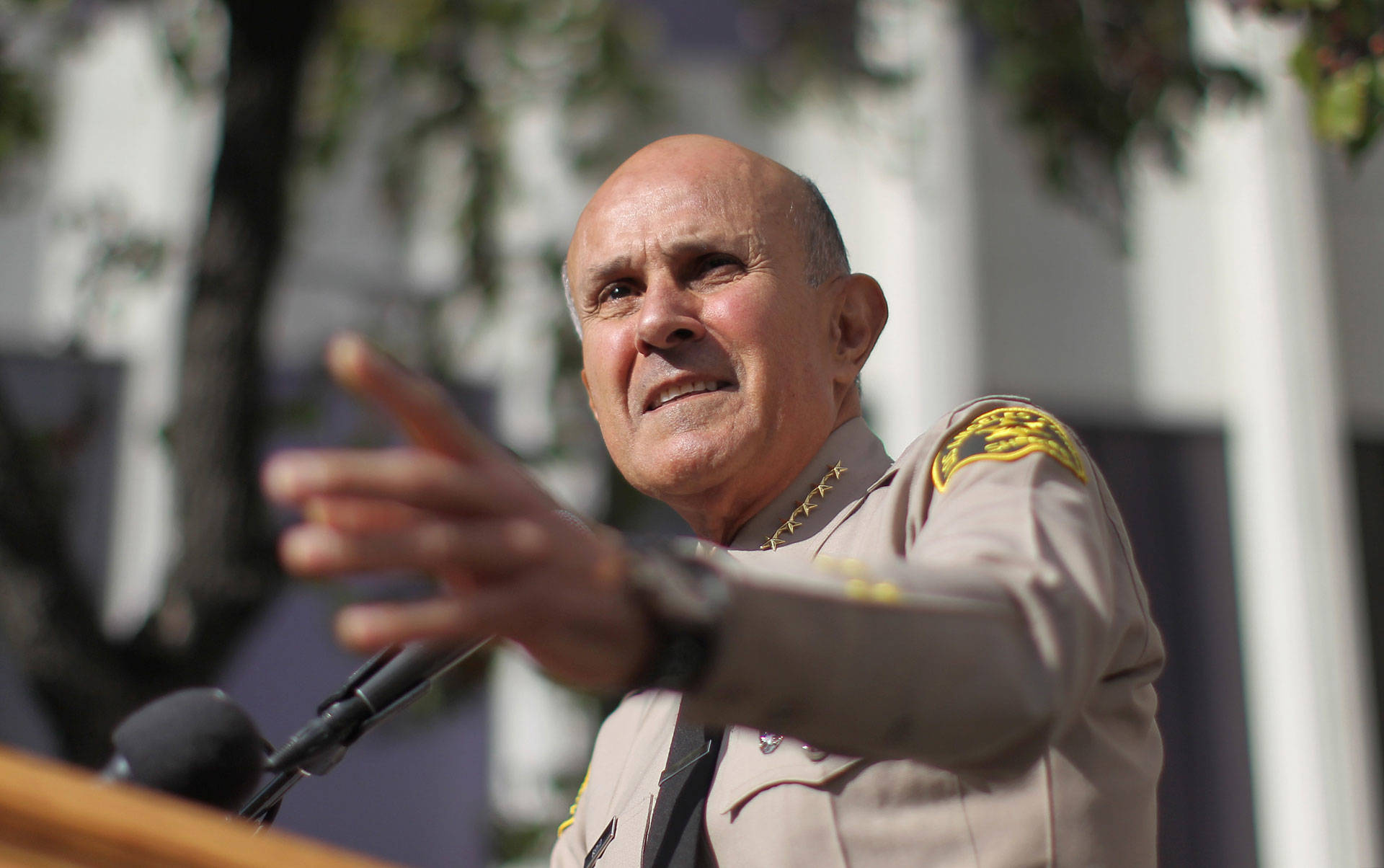
"caption": "Former Los Angeles County Sheriff Lee Baca announces his unexpected retirement on January 7, 2014.",
"description": "Former Los Angeles County Sheriff Lee Baca announces his unexpected retirement on January 7, 2014.",
"title": "LeeBaca",
"credit": "David McNew/Getty Images",
"status": "inherit",
"isLoading": false,
"fetchFailed": false
},
"news_11021274": {
"type": "attachments",
"id": "news_11021274",
"meta": {
"index": "attachments_1716263798",
"site": "news",
"id": "11021274",
"found": true
},
"parent": 11019255,
"imgSizes": {
"twentyfourteen-full-width": {
"file": "https://ww2.kqed.org/app/uploads/sites/10/2016/07/AlexisHyde-1038x576.jpg",
"width": 1038,
"mimeType": "image/jpeg",
"height": 576
},
"thumbnail": {
"file": "https://ww2.kqed.org/app/uploads/sites/10/2016/07/AlexisHyde-400x265.jpg",
"width": 400,
"mimeType": "image/jpeg",
"height": 265
},
"fd-sm": {
"file": "https://ww2.kqed.org/app/uploads/sites/10/2016/07/AlexisHyde-960x636.jpg",
"width": 960,
"mimeType": "image/jpeg",
"height": 636
},
"post-thumbnail": {
"file": "https://ww2.kqed.org/app/uploads/sites/10/2016/07/AlexisHyde-672x372.jpg",
"width": 672,
"mimeType": "image/jpeg",
"height": 372
},
"kqedFullSize": {
"file": "https://ww2.kqed.org/app/uploads/sites/10/2016/07/AlexisHyde.jpg",
"width": 1920,
"height": 1271
},
"large": {
"file": "https://ww2.kqed.org/app/uploads/sites/10/2016/07/AlexisHyde-1920x1271.jpg",
"width": 1920,
"mimeType": "image/jpeg",
"height": 1271
},
"guest-author-50": {
"file": "https://ww2.kqed.org/app/uploads/sites/10/2016/07/AlexisHyde-50x50.jpg",
"width": 50,
"mimeType": "image/jpeg",
"height": 50
},
"guest-author-96": {
"file": "https://ww2.kqed.org/app/uploads/sites/10/2016/07/AlexisHyde-96x96.jpg",
"width": 96,
"mimeType": "image/jpeg",
"height": 96
},
"medium": {
"file": "https://ww2.kqed.org/app/uploads/sites/10/2016/07/AlexisHyde-800x530.jpg",
"width": 800,
"mimeType": "image/jpeg",
"height": 530
},
"guest-author-64": {
"file": "https://ww2.kqed.org/app/uploads/sites/10/2016/07/AlexisHyde-64x64.jpg",
"width": 64,
"mimeType": "image/jpeg",
"height": 64
},
"guest-author-32": {
"file": "https://ww2.kqed.org/app/uploads/sites/10/2016/07/AlexisHyde-32x32.jpg",
"width": 32,
"mimeType": "image/jpeg",
"height": 32
},
"jmtc-small-thumb": {
"file": "https://ww2.kqed.org/app/uploads/sites/10/2016/07/AlexisHyde-280x150.jpg",
"width": 280,
"mimeType": "image/jpeg",
"height": 150
},
"fd-lrg": {
"file": "https://ww2.kqed.org/app/uploads/sites/10/2016/07/AlexisHyde-1920x1271.jpg",
"width": 1920,
"mimeType": "image/jpeg",
"height": 1271
},
"fd-med": {
"file": "https://ww2.kqed.org/app/uploads/sites/10/2016/07/AlexisHyde-1180x781.jpg",
"width": 1180,
"mimeType": "image/jpeg",
"height": 781
},
"detail": {
"file": "https://ww2.kqed.org/app/uploads/sites/10/2016/07/AlexisHyde-150x150.jpg",
"width": 150,
"mimeType": "image/jpeg",
"height": 150
},
"guest-author-128": {
"file": "https://ww2.kqed.org/app/uploads/sites/10/2016/07/AlexisHyde-128x128.jpg",
"width": 128,
"mimeType": "image/jpeg",
"height": 128
}
},
"publishDate": 1468617476,
"modified": 1468617524,
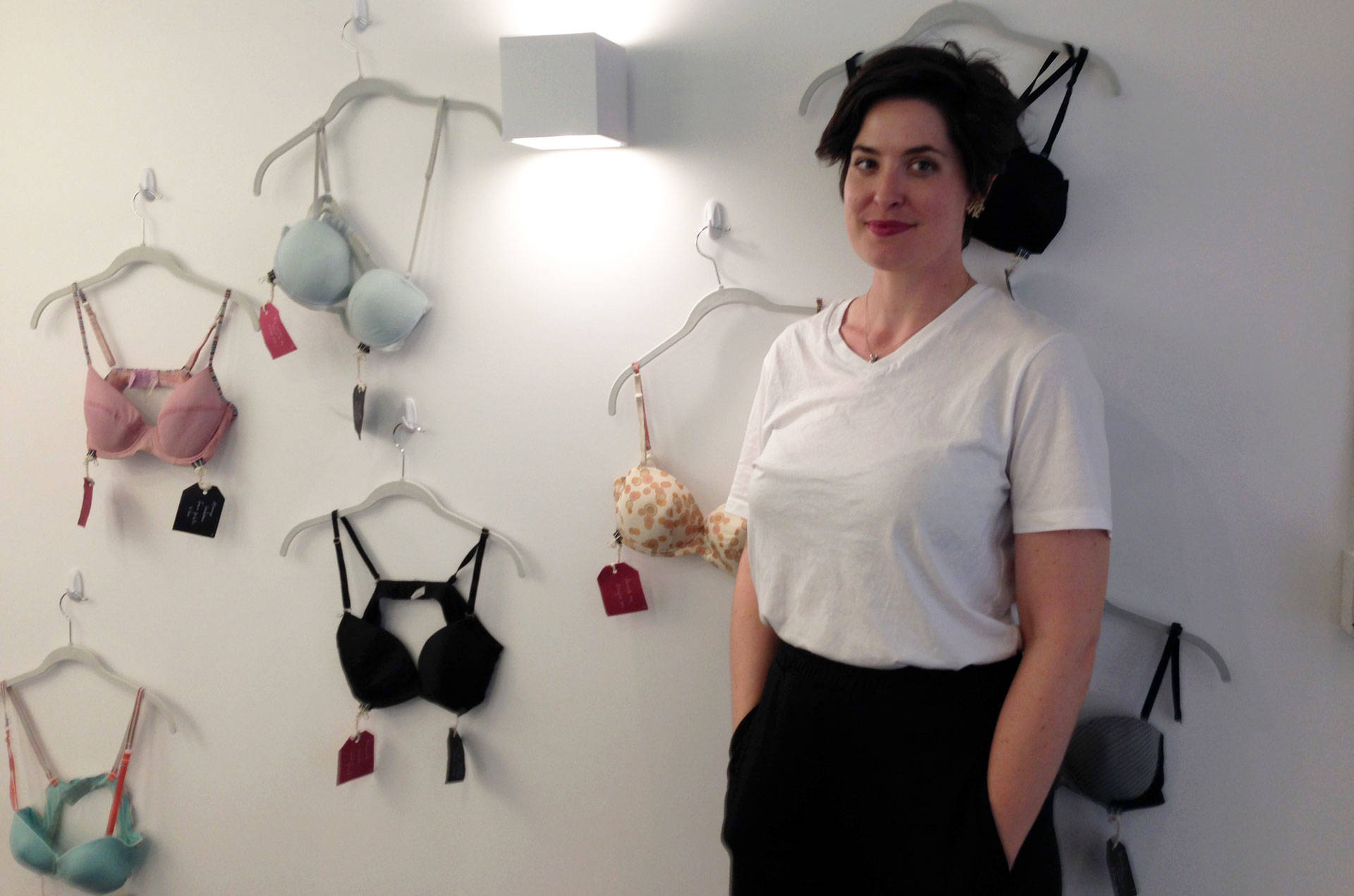
"caption": "Alexis Hyde, director of the Museum of Broken Relationships.",
"description": "Alexis Hyde, director of the Museum of Broken Relationships.",
"title": "AlexisHyde",
"credit": "Peter Gilstrap/KQED",
"status": "inherit",
"isLoading": false,
"fetchFailed": false
},
"news_11014266": {
"type": "attachments",
"id": "news_11014266",
"meta": {
"index": "attachments_1716263798",
"site": "news",
"id": "11014266",
"found": true
},
"parent": 11011301,
"imgSizes": {
"twentyfourteen-full-width": {
"file": "https://ww2.kqed.org/app/uploads/sites/10/2016/07/TheSmell-1038x576.jpg",
"width": 1038,
"mimeType": "image/jpeg",
"height": 576
},
"thumbnail": {
"file": "https://ww2.kqed.org/app/uploads/sites/10/2016/07/TheSmell-400x252.jpg",
"width": 400,
"mimeType": "image/jpeg",
"height": 252
},
"fd-sm": {
"file": "https://ww2.kqed.org/app/uploads/sites/10/2016/07/TheSmell-960x605.jpg",
"width": 960,
"mimeType": "image/jpeg",
"height": 605
},
"post-thumbnail": {
"file": "https://ww2.kqed.org/app/uploads/sites/10/2016/07/TheSmell-672x372.jpg",
"width": 672,
"mimeType": "image/jpeg",
"height": 372
},
"kqedFullSize": {
"file": "https://ww2.kqed.org/app/uploads/sites/10/2016/07/TheSmell.jpg",
"width": 1920,
"height": 1210
},
"large": {
"file": "https://ww2.kqed.org/app/uploads/sites/10/2016/07/TheSmell-1920x1210.jpg",
"width": 1920,
"mimeType": "image/jpeg",
"height": 1210
},
"guest-author-50": {
"file": "https://ww2.kqed.org/app/uploads/sites/10/2016/07/TheSmell-50x50.jpg",
"width": 50,
"mimeType": "image/jpeg",
"height": 50
},
"guest-author-96": {
"file": "https://ww2.kqed.org/app/uploads/sites/10/2016/07/TheSmell-96x96.jpg",
"width": 96,
"mimeType": "image/jpeg",
"height": 96
},
"medium": {
"file": "https://ww2.kqed.org/app/uploads/sites/10/2016/07/TheSmell-800x504.jpg",
"width": 800,
"mimeType": "image/jpeg",
"height": 504
},
"guest-author-64": {
"file": "https://ww2.kqed.org/app/uploads/sites/10/2016/07/TheSmell-64x64.jpg",
"width": 64,
"mimeType": "image/jpeg",
"height": 64
},
"guest-author-32": {
"file": "https://ww2.kqed.org/app/uploads/sites/10/2016/07/TheSmell-32x32.jpg",
"width": 32,
"mimeType": "image/jpeg",
"height": 32
},
"jmtc-small-thumb": {
"file": "https://ww2.kqed.org/app/uploads/sites/10/2016/07/TheSmell-280x150.jpg",
"width": 280,
"mimeType": "image/jpeg",
"height": 150
},
"fd-lrg": {
"file": "https://ww2.kqed.org/app/uploads/sites/10/2016/07/TheSmell-1920x1210.jpg",
"width": 1920,
"mimeType": "image/jpeg",
"height": 1210
},
"fd-med": {
"file": "https://ww2.kqed.org/app/uploads/sites/10/2016/07/TheSmell-1180x744.jpg",
"width": 1180,
"mimeType": "image/jpeg",
"height": 744
},
"detail": {
"file": "https://ww2.kqed.org/app/uploads/sites/10/2016/07/TheSmell-150x150.jpg",
"width": 150,
"mimeType": "image/jpeg",
"height": 150
},
"guest-author-128": {
"file": "https://ww2.kqed.org/app/uploads/sites/10/2016/07/TheSmell-128x128.jpg",
"width": 128,
"mimeType": "image/jpeg",
"height": 128
}
},
"publishDate": 1468018823,
"modified": 1468018853,
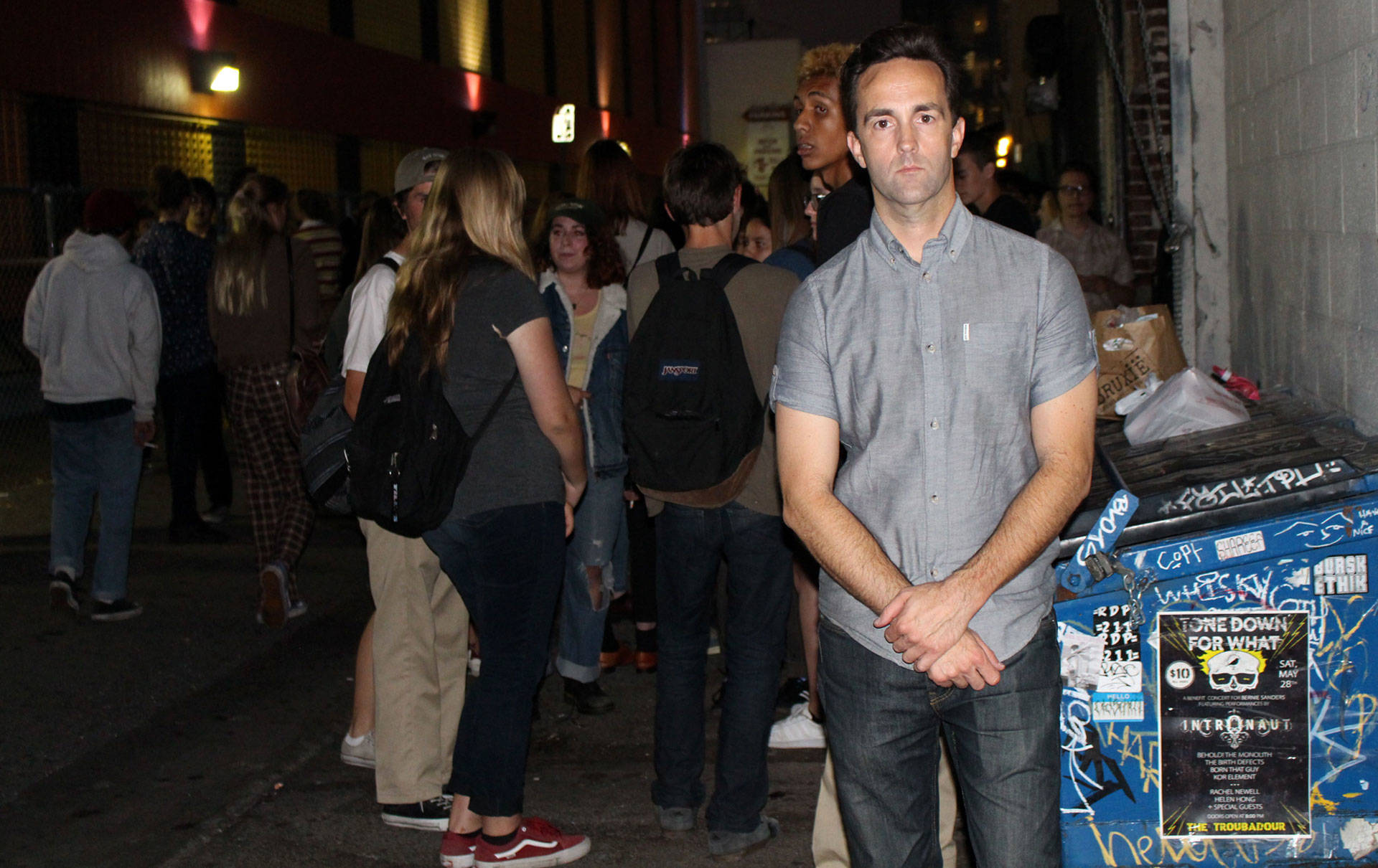
"caption": "Jim Smith, owner of The Smell.",
"description": "Jim Smith, owner of The Smell.",
"title": "TheSmell",
"credit": "Avishay Artsy/KQED",
"status": "inherit",
"isLoading": false,
"fetchFailed": false
},
"news_11014145": {
"type": "attachments",
"id": "news_11014145",
"meta": {
"index": "attachments_1716263798",
"site": "news",
"id": "11014145",
"found": true
},
"parent": 11014142,
"imgSizes": {
"twentyfourteen-full-width": {
"file": "https://ww2.kqed.org/app/uploads/sites/10/2016/07/KPCCWine-1038x576.jpg",
"width": 1038,
"mimeType": "image/jpeg",
"height": 576
},
"thumbnail": {
"file": "https://ww2.kqed.org/app/uploads/sites/10/2016/07/KPCCWine-400x266.jpg",
"width": 400,
"mimeType": "image/jpeg",
"height": 266
},
"fd-sm": {
"file": "https://ww2.kqed.org/app/uploads/sites/10/2016/07/KPCCWine-960x638.jpg",
"width": 960,
"mimeType": "image/jpeg",
"height": 638
},
"post-thumbnail": {
"file": "https://ww2.kqed.org/app/uploads/sites/10/2016/07/KPCCWine-672x372.jpg",
"width": 672,
"mimeType": "image/jpeg",
"height": 372
},
"kqedFullSize": {
"file": "https://ww2.kqed.org/app/uploads/sites/10/2016/07/KPCCWine.jpg",
"width": 1920,
"height": 1275
},
"large": {
"file": "https://ww2.kqed.org/app/uploads/sites/10/2016/07/KPCCWine-1920x1275.jpg",
"width": 1920,
"mimeType": "image/jpeg",
"height": 1275
},
"guest-author-50": {
"file": "https://ww2.kqed.org/app/uploads/sites/10/2016/07/KPCCWine-50x50.jpg",
"width": 50,
"mimeType": "image/jpeg",
"height": 50
},
"guest-author-96": {
"file": "https://ww2.kqed.org/app/uploads/sites/10/2016/07/KPCCWine-96x96.jpg",
"width": 96,
"mimeType": "image/jpeg",
"height": 96
},
"medium": {
"file": "https://ww2.kqed.org/app/uploads/sites/10/2016/07/KPCCWine-800x531.jpg",
"width": 800,
"mimeType": "image/jpeg",
"height": 531
},
"guest-author-64": {
"file": "https://ww2.kqed.org/app/uploads/sites/10/2016/07/KPCCWine-64x64.jpg",
"width": 64,
"mimeType": "image/jpeg",
"height": 64
},
"guest-author-32": {
"file": "https://ww2.kqed.org/app/uploads/sites/10/2016/07/KPCCWine-32x32.jpg",
"width": 32,
"mimeType": "image/jpeg",
"height": 32
},
"jmtc-small-thumb": {
"file": "https://ww2.kqed.org/app/uploads/sites/10/2016/07/KPCCWine-280x150.jpg",
"width": 280,
"mimeType": "image/jpeg",
"height": 150
},
"fd-lrg": {
"file": "https://ww2.kqed.org/app/uploads/sites/10/2016/07/KPCCWine-1920x1275.jpg",
"width": 1920,
"mimeType": "image/jpeg",
"height": 1275
},
"fd-med": {
"file": "https://ww2.kqed.org/app/uploads/sites/10/2016/07/KPCCWine-1180x784.jpg",
"width": 1180,
"mimeType": "image/jpeg",
"height": 784
},
"detail": {
"file": "https://ww2.kqed.org/app/uploads/sites/10/2016/07/KPCCWine-150x150.jpg",
"width": 150,
"mimeType": "image/jpeg",
"height": 150
},
"guest-author-128": {
"file": "https://ww2.kqed.org/app/uploads/sites/10/2016/07/KPCCWine-128x128.jpg",
"width": 128,
"mimeType": "image/jpeg",
"height": 128
}
},
"publishDate": 1468014119,
"modified": 1468023918,
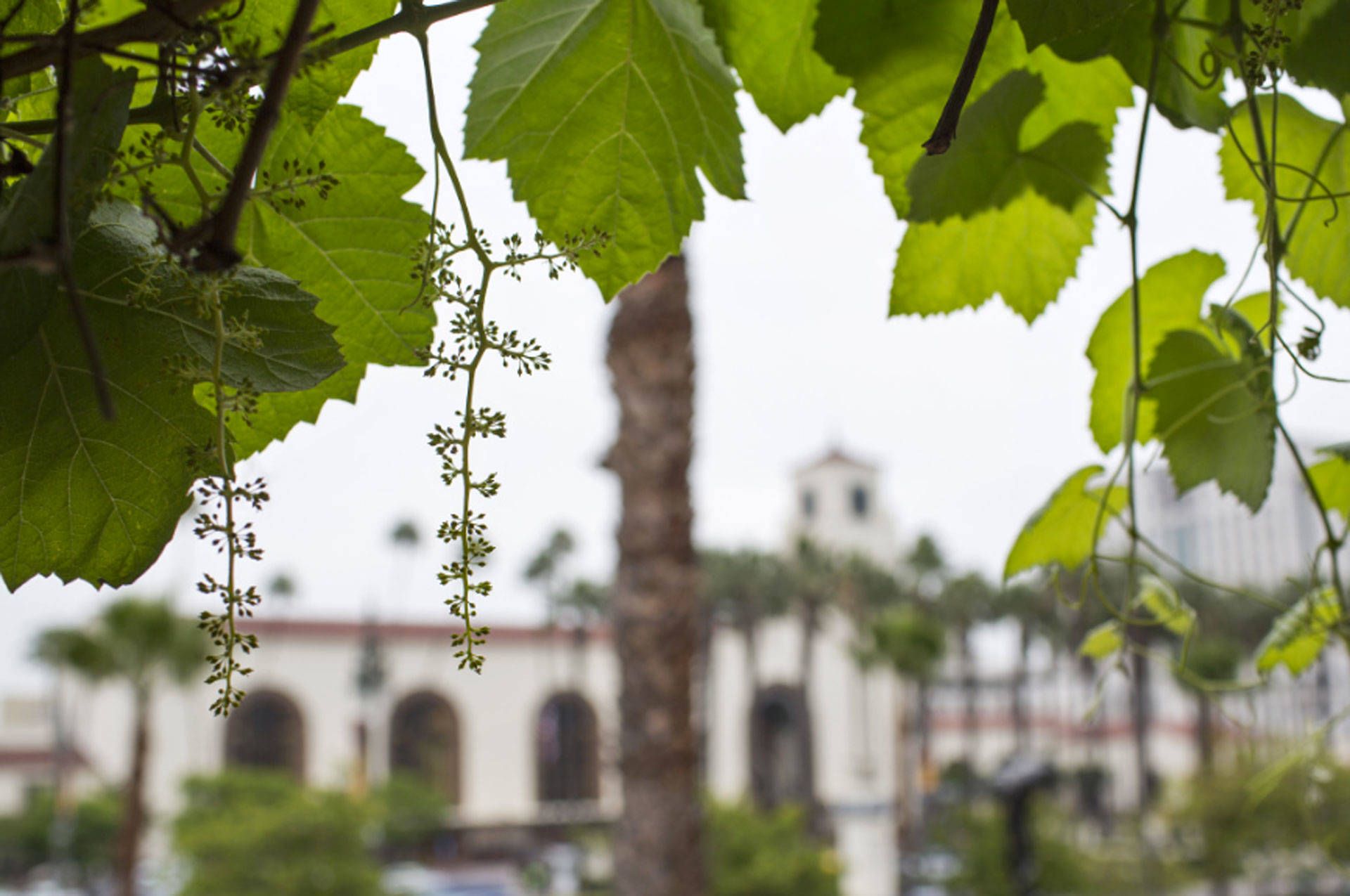
"caption": "The oldest grapevines in California are located in Los Angeles, at the Avila Adobe on Olvera Street near Union Station. City archivist Mike Holland has made wine from the grapes.",
"description": "The oldest grape vines in California, which may be more than 150 years old, are located at the Avila Adobe on Olvera Street near Union Station. City Archivist Mike Holland has made wine from the grapes.",
"title": "KPCCWine",
"credit": "Maya Sugarman/KPCC",
"status": "inherit",
"isLoading": false,
"fetchFailed": false
},
"news_10989924": {
"type": "attachments",
"id": "news_10989924",
"meta": {
"index": "attachments_1716263798",
"site": "news",
"id": "10989924",
"found": true
},
"parent": 10989923,
"imgSizes": {
"jmtc-small-thumb": {
"file": "https://ww2.kqed.org/app/uploads/sites/10/2016/06/solution-morning-circle-280x150.jpg",
"width": 280,
"mimeType": "image/jpeg",
"height": 150
},
"thumbnail": {
"file": "https://ww2.kqed.org/app/uploads/sites/10/2016/06/solution-morning-circle-400x265.jpg",
"width": 400,
"mimeType": "image/jpeg",
"height": 265
},
"post-thumbnail": {
"file": "https://ww2.kqed.org/app/uploads/sites/10/2016/06/solution-morning-circle-672x372.jpg",
"width": 672,
"mimeType": "image/jpeg",
"height": 372
},
"kqedFullSize": {
"file": "https://ww2.kqed.org/app/uploads/sites/10/2016/06/solution-morning-circle.jpg",
"width": 679,
"height": 450
},
"guest-author-50": {
"file": "https://ww2.kqed.org/app/uploads/sites/10/2016/06/solution-morning-circle-50x50.jpg",
"width": 50,
"mimeType": "image/jpeg",
"height": 50
},
"guest-author-96": {
"file": "https://ww2.kqed.org/app/uploads/sites/10/2016/06/solution-morning-circle-96x96.jpg",
"width": 96,
"mimeType": "image/jpeg",
"height": 96
},
"guest-author-64": {
"file": "https://ww2.kqed.org/app/uploads/sites/10/2016/06/solution-morning-circle-64x64.jpg",
"width": 64,
"mimeType": "image/jpeg",
"height": 64
},
"detail": {
"file": "https://ww2.kqed.org/app/uploads/sites/10/2016/06/solution-morning-circle-150x150.jpg",
"width": 150,
"mimeType": "image/jpeg",
"height": 150
},
"guest-author-32": {
"file": "https://ww2.kqed.org/app/uploads/sites/10/2016/06/solution-morning-circle-32x32.jpg",
"width": 32,
"mimeType": "image/jpeg",
"height": 32
},
"guest-author-128": {
"file": "https://ww2.kqed.org/app/uploads/sites/10/2016/06/solution-morning-circle-128x128.jpg",
"width": 128,
"mimeType": "image/jpeg",
"height": 128
}
},
"publishDate": 1466012864,
"modified": 1466013051,
"caption": "A New Way of Life residents gather for the daily meditation circle.",
"description": null,
"title": "solution morning-circle",
"credit": "Courtesy of A New Way of Life Reentry Project",
"status": "inherit",
"isLoading": false,
"fetchFailed": false
},
"news_10985468": {
"type": "attachments",
"id": "news_10985468",
"meta": {
"index": "attachments_1716263798",
"site": "news",
"id": "10985468",
"found": true
},
"parent": 10985167,
"imgSizes": {
"twentyfourteen-full-width": {
"file": "https://ww2.kqed.org/app/uploads/sites/10/2016/06/LosPunksCover-1038x576.jpg",
"width": 1038,
"mimeType": "image/jpeg",
"height": 576
},
"thumbnail": {
"file": "https://ww2.kqed.org/app/uploads/sites/10/2016/06/LosPunksCover-400x237.jpg",
"width": 400,
"mimeType": "image/jpeg",
"height": 237
},
"fd-sm": {
"file": "https://ww2.kqed.org/app/uploads/sites/10/2016/06/LosPunksCover-960x570.jpg",
"width": 960,
"mimeType": "image/jpeg",
"height": 570
},
"post-thumbnail": {
"file": "https://ww2.kqed.org/app/uploads/sites/10/2016/06/LosPunksCover-672x372.jpg",
"width": 672,
"mimeType": "image/jpeg",
"height": 372
},
"kqedFullSize": {
"file": "https://ww2.kqed.org/app/uploads/sites/10/2016/06/LosPunksCover.jpg",
"width": 1920,
"height": 1139
},
"large": {
"file": "https://ww2.kqed.org/app/uploads/sites/10/2016/06/LosPunksCover-1920x1139.jpg",
"width": 1920,
"mimeType": "image/jpeg",
"height": 1139
},
"guest-author-50": {
"file": "https://ww2.kqed.org/app/uploads/sites/10/2016/06/LosPunksCover-50x50.jpg",
"width": 50,
"mimeType": "image/jpeg",
"height": 50
},
"guest-author-96": {
"file": "https://ww2.kqed.org/app/uploads/sites/10/2016/06/LosPunksCover-96x96.jpg",
"width": 96,
"mimeType": "image/jpeg",
"height": 96
},
"medium": {
"file": "https://ww2.kqed.org/app/uploads/sites/10/2016/06/LosPunksCover-800x475.jpg",
"width": 800,
"mimeType": "image/jpeg",
"height": 475
},
"guest-author-64": {
"file": "https://ww2.kqed.org/app/uploads/sites/10/2016/06/LosPunksCover-64x64.jpg",
"width": 64,
"mimeType": "image/jpeg",
"height": 64
},
"guest-author-32": {
"file": "https://ww2.kqed.org/app/uploads/sites/10/2016/06/LosPunksCover-32x32.jpg",
"width": 32,
"mimeType": "image/jpeg",
"height": 32
},
"jmtc-small-thumb": {
"file": "https://ww2.kqed.org/app/uploads/sites/10/2016/06/LosPunksCover-280x150.jpg",
"width": 280,
"mimeType": "image/jpeg",
"height": 150
},
"fd-lrg": {
"file": "https://ww2.kqed.org/app/uploads/sites/10/2016/06/LosPunksCover-1920x1139.jpg",
"width": 1920,
"mimeType": "image/jpeg",
"height": 1139
},
"fd-med": {
"file": "https://ww2.kqed.org/app/uploads/sites/10/2016/06/LosPunksCover-1180x700.jpg",
"width": 1180,
"mimeType": "image/jpeg",
"height": 700
},
"detail": {
"file": "https://ww2.kqed.org/app/uploads/sites/10/2016/06/LosPunksCover-150x150.jpg",
"width": 150,
"mimeType": "image/jpeg",
"height": 150
},
"guest-author-128": {
"file": "https://ww2.kqed.org/app/uploads/sites/10/2016/06/LosPunksCover-128x128.jpg",
"width": 128,
"mimeType": "image/jpeg",
"height": 128
}
},
"publishDate": 1465609883,
"modified": 1465609913,
"caption": "The band CXA performs at a backyard show. ",
"description": "The band CXA performs at a backyard show. ",
"title": "LosPunksCover",
"credit": "Photo: Angela Boatwright",
"status": "inherit",
"isLoading": false,
"fetchFailed": false
},
"news_10974391": {
"type": "attachments",
"id": "news_10974391",
"meta": {
"index": "attachments_1716263798",
"site": "news",
"id": "10974391",
"found": true
},
"parent": 10973520,
"imgSizes": {
"twentyfourteen-full-width": {
"file": "https://ww2.kqed.org/app/uploads/sites/10/2016/06/X1980-1038x576.jpg",
"width": 1038,
"mimeType": "image/jpeg",
"height": 576
},
"thumbnail": {
"file": "https://ww2.kqed.org/app/uploads/sites/10/2016/06/X1980-400x257.jpg",
"width": 400,
"mimeType": "image/jpeg",
"height": 257
},
"fd-sm": {
"file": "https://ww2.kqed.org/app/uploads/sites/10/2016/06/X1980-960x616.jpg",
"width": 960,
"mimeType": "image/jpeg",
"height": 616
},
"post-thumbnail": {
"file": "https://ww2.kqed.org/app/uploads/sites/10/2016/06/X1980-672x372.jpg",
"width": 672,
"mimeType": "image/jpeg",
"height": 372
},
"kqedFullSize": {
"file": "https://ww2.kqed.org/app/uploads/sites/10/2016/06/X1980.jpg",
"width": 1920,
"height": 1232
},
"large": {
"file": "https://ww2.kqed.org/app/uploads/sites/10/2016/06/X1980-1920x1232.jpg",
"width": 1920,
"mimeType": "image/jpeg",
"height": 1232
},
"guest-author-50": {
"file": "https://ww2.kqed.org/app/uploads/sites/10/2016/06/X1980-50x50.jpg",
"width": 50,
"mimeType": "image/jpeg",
"height": 50
},
"guest-author-96": {
"file": "https://ww2.kqed.org/app/uploads/sites/10/2016/06/X1980-96x96.jpg",
"width": 96,
"mimeType": "image/jpeg",
"height": 96
},
"medium": {
"file": "https://ww2.kqed.org/app/uploads/sites/10/2016/06/X1980-800x513.jpg",
"width": 800,
"mimeType": "image/jpeg",
"height": 513
},
"guest-author-64": {
"file": "https://ww2.kqed.org/app/uploads/sites/10/2016/06/X1980-64x64.jpg",
"width": 64,
"mimeType": "image/jpeg",
"height": 64
},
"guest-author-32": {
"file": "https://ww2.kqed.org/app/uploads/sites/10/2016/06/X1980-32x32.jpg",
"width": 32,
"mimeType": "image/jpeg",
"height": 32
},
"jmtc-small-thumb": {
"file": "https://ww2.kqed.org/app/uploads/sites/10/2016/06/X1980-280x150.jpg",
"width": 280,
"mimeType": "image/jpeg",
"height": 150
},
"fd-lrg": {
"file": "https://ww2.kqed.org/app/uploads/sites/10/2016/06/X1980-1920x1232.jpg",
"width": 1920,
"mimeType": "image/jpeg",
"height": 1232
},
"fd-med": {
"file": "https://ww2.kqed.org/app/uploads/sites/10/2016/06/X1980-1180x757.jpg",
"width": 1180,
"mimeType": "image/jpeg",
"height": 757
},
"detail": {
"file": "https://ww2.kqed.org/app/uploads/sites/10/2016/06/X1980-150x150.jpg",
"width": 150,
"mimeType": "image/jpeg",
"height": 150
},
"guest-author-128": {
"file": "https://ww2.kqed.org/app/uploads/sites/10/2016/06/X1980-128x128.jpg",
"width": 128,
"mimeType": "image/jpeg",
"height": 128
}
},
"publishDate": 1464810743,
"modified": 1464810805,
"caption": "The seminal punk band X in Los Angeles in 1980.",
"description": "The seminal punk band X in Los Angeles in 1980.",
"title": "X1980",
"credit": "UCLA Library Special Collections/Flickr",
"status": "inherit",
"isLoading": false,
"fetchFailed": false
},
"news_10961987": {
"type": "attachments",
"id": "news_10961987",
"meta": {
"index": "attachments_1716263798",
"site": "news",
"id": "10961987",
"found": true
},
"parent": 10961980,
"imgSizes": {
"twentyfourteen-full-width": {
"file": "https://ww2.kqed.org/app/uploads/sites/10/2016/05/ExpoLine-1038x576.jpg",
"width": 1038,
"mimeType": "image/jpeg",
"height": 576
},
"thumbnail": {
"file": "https://ww2.kqed.org/app/uploads/sites/10/2016/05/ExpoLine-400x267.jpg",
"width": 400,
"mimeType": "image/jpeg",
"height": 267
},
"fd-sm": {
"file": "https://ww2.kqed.org/app/uploads/sites/10/2016/05/ExpoLine-960x640.jpg",
"width": 960,
"mimeType": "image/jpeg",
"height": 640
},
"post-thumbnail": {
"file": "https://ww2.kqed.org/app/uploads/sites/10/2016/05/ExpoLine-672x372.jpg",
"width": 672,
"mimeType": "image/jpeg",
"height": 372
},
"kqedFullSize": {
"file": "https://ww2.kqed.org/app/uploads/sites/10/2016/05/ExpoLine.jpg",
"width": 1920,
"height": 1280
},
"large": {
"file": "https://ww2.kqed.org/app/uploads/sites/10/2016/05/ExpoLine-1920x1280.jpg",
"width": 1920,
"mimeType": "image/jpeg",
"height": 1280
},
"guest-author-50": {
"file": "https://ww2.kqed.org/app/uploads/sites/10/2016/05/ExpoLine-50x50.jpg",
"width": 50,
"mimeType": "image/jpeg",
"height": 50
},
"guest-author-96": {
"file": "https://ww2.kqed.org/app/uploads/sites/10/2016/05/ExpoLine-96x96.jpg",
"width": 96,
"mimeType": "image/jpeg",
"height": 96
},
"medium": {
"file": "https://ww2.kqed.org/app/uploads/sites/10/2016/05/ExpoLine-800x533.jpg",
"width": 800,
"mimeType": "image/jpeg",
"height": 533
},
"guest-author-64": {
"file": "https://ww2.kqed.org/app/uploads/sites/10/2016/05/ExpoLine-64x64.jpg",
"width": 64,
"mimeType": "image/jpeg",
"height": 64
},
"guest-author-32": {
"file": "https://ww2.kqed.org/app/uploads/sites/10/2016/05/ExpoLine-32x32.jpg",
"width": 32,
"mimeType": "image/jpeg",
"height": 32
},
"jmtc-small-thumb": {
"file": "https://ww2.kqed.org/app/uploads/sites/10/2016/05/ExpoLine-280x150.jpg",
"width": 280,
"mimeType": "image/jpeg",
"height": 150
},
"fd-lrg": {
"file": "https://ww2.kqed.org/app/uploads/sites/10/2016/05/ExpoLine-1920x1280.jpg",
"width": 1920,
"mimeType": "image/jpeg",
"height": 1280
},
"fd-med": {
"file": "https://ww2.kqed.org/app/uploads/sites/10/2016/05/ExpoLine-1180x787.jpg",
"width": 1180,
"mimeType": "image/jpeg",
"height": 787
},
"detail": {
"file": "https://ww2.kqed.org/app/uploads/sites/10/2016/05/ExpoLine-150x150.jpg",
"width": 150,
"mimeType": "image/jpeg",
"height": 150
},
"guest-author-128": {
"file": "https://ww2.kqed.org/app/uploads/sites/10/2016/05/ExpoLine-128x128.jpg",
"width": 128,
"mimeType": "image/jpeg",
"height": 128
}
},
"publishDate": 1463769888,
"modified": 1463778788,
"caption": "The Expo Line now runs between downtown L.A. and Fourth and Colorado in Santa Monica. ",
"description": "The Expo Line now runs between downtown L.A. and 4th and Colorado in Santa Monica. ",
"title": "ExpoLine",
"credit": "Robert LaFond/KCRW",
"status": "inherit",
"isLoading": false,
"fetchFailed": false
},
"news_10960001": {
"type": "attachments",
"id": "news_10960001",
"meta": {
"index": "attachments_1716263798",
"site": "news",
"id": "10960001",
"found": true
},
"parent": 10958891,
"imgSizes": {
"twentyfourteen-full-width": {
"file": "https://ww2.kqed.org/app/uploads/sites/10/2016/05/HomelessLA-1038x576.jpg",
"width": 1038,
"mimeType": "image/jpeg",
"height": 576
},
"thumbnail": {
"file": "https://ww2.kqed.org/app/uploads/sites/10/2016/05/HomelessLA-400x213.jpg",
"width": 400,
"mimeType": "image/jpeg",
"height": 213
},
"fd-sm": {
"file": "https://ww2.kqed.org/app/uploads/sites/10/2016/05/HomelessLA-960x511.jpg",
"width": 960,
"mimeType": "image/jpeg",
"height": 511
},
"post-thumbnail": {
"file": "https://ww2.kqed.org/app/uploads/sites/10/2016/05/HomelessLA-672x372.jpg",
"width": 672,
"mimeType": "image/jpeg",
"height": 372
},
"kqedFullSize": {
"file": "https://ww2.kqed.org/app/uploads/sites/10/2016/05/HomelessLA.jpg",
"width": 1920,
"height": 1022
},
"large": {
"file": "https://ww2.kqed.org/app/uploads/sites/10/2016/05/HomelessLA-1920x1022.jpg",
"width": 1920,
"mimeType": "image/jpeg",
"height": 1022
},
"guest-author-50": {
"file": "https://ww2.kqed.org/app/uploads/sites/10/2016/05/HomelessLA-50x50.jpg",
"width": 50,
"mimeType": "image/jpeg",
"height": 50
},
"guest-author-96": {
"file": "https://ww2.kqed.org/app/uploads/sites/10/2016/05/HomelessLA-96x96.jpg",
"width": 96,
"mimeType": "image/jpeg",
"height": 96
},
"medium": {
"file": "https://ww2.kqed.org/app/uploads/sites/10/2016/05/HomelessLA-800x426.jpg",
"width": 800,
"mimeType": "image/jpeg",
"height": 426
},
"guest-author-64": {
"file": "https://ww2.kqed.org/app/uploads/sites/10/2016/05/HomelessLA-64x64.jpg",
"width": 64,
"mimeType": "image/jpeg",
"height": 64
},
"guest-author-32": {
"file": "https://ww2.kqed.org/app/uploads/sites/10/2016/05/HomelessLA-32x32.jpg",
"width": 32,
"mimeType": "image/jpeg",
"height": 32
},
"jmtc-small-thumb": {
"file": "https://ww2.kqed.org/app/uploads/sites/10/2016/05/HomelessLA-280x150.jpg",
"width": 280,
"mimeType": "image/jpeg",
"height": 150
},
"fd-lrg": {
"file": "https://ww2.kqed.org/app/uploads/sites/10/2016/05/HomelessLA-1920x1022.jpg",
"width": 1920,
"mimeType": "image/jpeg",
"height": 1022
},
"fd-med": {
"file": "https://ww2.kqed.org/app/uploads/sites/10/2016/05/HomelessLA-1180x628.jpg",
"width": 1180,
"mimeType": "image/jpeg",
"height": 628
},
"detail": {
"file": "https://ww2.kqed.org/app/uploads/sites/10/2016/05/HomelessLA-150x150.jpg",
"width": 150,
"mimeType": "image/jpeg",
"height": 150
},
"guest-author-128": {
"file": "https://ww2.kqed.org/app/uploads/sites/10/2016/05/HomelessLA-128x128.jpg",
"width": 128,
"mimeType": "image/jpeg",
"height": 128
}
},
"publishDate": 1463618731,
"modified": 1463618769,
"caption": "A homeless man waits to get in line for food distribution in Los Angeles.",
"description": "A homeless man waits to get in line for food distribution in Los Angeles.",
"title": "HomelessLA",
"credit": "HECTOR MATA/AFP/Getty Images",
"status": "inherit",
"isLoading": false,
"fetchFailed": false
},
"news_10957969": {
"type": "attachments",
"id": "news_10957969",
"meta": {
"index": "attachments_1716263798",
"site": "news",
"id": "10957969",
"found": true
},
"parent": 10957968,
"imgSizes": {
"twentyfourteen-full-width": {
"file": "https://ww2.kqed.org/app/uploads/sites/10/2016/05/GettyImages-74455317-1038x576.jpg",
"width": 1038,
"mimeType": "image/jpeg",
"height": 576
},
"thumbnail": {
"file": "https://ww2.kqed.org/app/uploads/sites/10/2016/05/GettyImages-74455317-400x267.jpg",
"width": 400,
"mimeType": "image/jpeg",
"height": 267
},
"fd-sm": {
"file": "https://ww2.kqed.org/app/uploads/sites/10/2016/05/GettyImages-74455317-960x640.jpg",
"width": 960,
"mimeType": "image/jpeg",
"height": 640
},
"post-thumbnail": {
"file": "https://ww2.kqed.org/app/uploads/sites/10/2016/05/GettyImages-74455317-672x372.jpg",
"width": 672,
"mimeType": "image/jpeg",
"height": 372
},
"kqedFullSize": {
"file": "https://ww2.kqed.org/app/uploads/sites/10/2016/05/GettyImages-74455317-e1463459582171.jpg",
"width": 1920,
"height": 1280
},
"large": {
"file": "https://ww2.kqed.org/app/uploads/sites/10/2016/05/GettyImages-74455317-1920x1280.jpg",
"width": 1920,
"mimeType": "image/jpeg",
"height": 1280
},
"guest-author-50": {
"file": "https://ww2.kqed.org/app/uploads/sites/10/2016/05/GettyImages-74455317-50x50.jpg",
"width": 50,
"mimeType": "image/jpeg",
"height": 50
},
"guest-author-96": {
"file": "https://ww2.kqed.org/app/uploads/sites/10/2016/05/GettyImages-74455317-96x96.jpg",
"width": 96,
"mimeType": "image/jpeg",
"height": 96
},
"medium": {
"file": "https://ww2.kqed.org/app/uploads/sites/10/2016/05/GettyImages-74455317-800x533.jpg",
"width": 800,
"mimeType": "image/jpeg",
"height": 533
},
"guest-author-64": {
"file": "https://ww2.kqed.org/app/uploads/sites/10/2016/05/GettyImages-74455317-64x64.jpg",
"width": 64,
"mimeType": "image/jpeg",
"height": 64
},
"guest-author-32": {
"file": "https://ww2.kqed.org/app/uploads/sites/10/2016/05/GettyImages-74455317-32x32.jpg",
"width": 32,
"mimeType": "image/jpeg",
"height": 32
},
"jmtc-small-thumb": {
"file": "https://ww2.kqed.org/app/uploads/sites/10/2016/05/GettyImages-74455317-280x150.jpg",
"width": 280,
"mimeType": "image/jpeg",
"height": 150
},
"fd-lrg": {
"file": "https://ww2.kqed.org/app/uploads/sites/10/2016/05/GettyImages-74455317-1920x1280.jpg",
"width": 1920,
"mimeType": "image/jpeg",
"height": 1280
},
"fd-med": {
"file": "https://ww2.kqed.org/app/uploads/sites/10/2016/05/GettyImages-74455317-1180x787.jpg",
"width": 1180,
"mimeType": "image/jpeg",
"height": 787
},
"detail": {
"file": "https://ww2.kqed.org/app/uploads/sites/10/2016/05/GettyImages-74455317-150x150.jpg",
"width": 150,
"mimeType": "image/jpeg",
"height": 150
},
"guest-author-128": {
"file": "https://ww2.kqed.org/app/uploads/sites/10/2016/05/GettyImages-74455317-128x128.jpg",
"width": 128,
"mimeType": "image/jpeg",
"height": 128
}
},
"publishDate": 1463459541,
"modified": 1463459692,
"caption": "Two Los Angeles County correctional officers were convicted Monday of beating an inmate at L.A.'s Twin Towers Correctional Facility, then trying to cover it up. ",
"description": null,
"title": "The Twin Towers Correctional Facility in",
"credit": "Robyn Beck/AFP-Getty Images",
"status": "inherit",
"isLoading": false,
"fetchFailed": false
},
"news_10957966": {
"type": "attachments",
"id": "news_10957966",
"meta": {
"index": "attachments_1716263798",
"site": "news",
"id": "10957966",
"found": true
},
"parent": 10957965,
"imgSizes": {
"twentyfourteen-full-width": {
"file": "https://ww2.kqed.org/app/uploads/sites/10/2016/05/GettyImages-501589476-1038x576.jpg",
"width": 1038,
"mimeType": "image/jpeg",
"height": 576
},
"thumbnail": {
"file": "https://ww2.kqed.org/app/uploads/sites/10/2016/05/GettyImages-501589476-400x229.jpg",
"width": 400,
"mimeType": "image/jpeg",
"height": 229
},
"fd-sm": {
"file": "https://ww2.kqed.org/app/uploads/sites/10/2016/05/GettyImages-501589476-960x550.jpg",
"width": 960,
"mimeType": "image/jpeg",
"height": 550
},
"post-thumbnail": {
"file": "https://ww2.kqed.org/app/uploads/sites/10/2016/05/GettyImages-501589476-672x372.jpg",
"width": 672,
"mimeType": "image/jpeg",
"height": 372
},
"kqedFullSize": {
"file": "https://ww2.kqed.org/app/uploads/sites/10/2016/05/GettyImages-501589476-e1463458315226.jpg",
"width": 1920,
"height": 1099
},
"large": {
"file": "https://ww2.kqed.org/app/uploads/sites/10/2016/05/GettyImages-501589476-1920x1099.jpg",
"width": 1920,
"mimeType": "image/jpeg",
"height": 1099
},
"guest-author-50": {
"file": "https://ww2.kqed.org/app/uploads/sites/10/2016/05/GettyImages-501589476-50x50.jpg",
"width": 50,
"mimeType": "image/jpeg",
"height": 50
},
"guest-author-96": {
"file": "https://ww2.kqed.org/app/uploads/sites/10/2016/05/GettyImages-501589476-96x96.jpg",
"width": 96,
"mimeType": "image/jpeg",
"height": 96
},
"medium": {
"file": "https://ww2.kqed.org/app/uploads/sites/10/2016/05/GettyImages-501589476-800x458.jpg",
"width": 800,
"mimeType": "image/jpeg",
"height": 458
},
"guest-author-64": {
"file": "https://ww2.kqed.org/app/uploads/sites/10/2016/05/GettyImages-501589476-64x64.jpg",
"width": 64,
"mimeType": "image/jpeg",
"height": 64
},
"guest-author-32": {
"file": "https://ww2.kqed.org/app/uploads/sites/10/2016/05/GettyImages-501589476-32x32.jpg",
"width": 32,
"mimeType": "image/jpeg",
"height": 32
},
"jmtc-small-thumb": {
"file": "https://ww2.kqed.org/app/uploads/sites/10/2016/05/GettyImages-501589476-280x150.jpg",
"width": 280,
"mimeType": "image/jpeg",
"height": 150
},
"fd-lrg": {
"file": "https://ww2.kqed.org/app/uploads/sites/10/2016/05/GettyImages-501589476-1920x1099.jpg",
"width": 1920,
"mimeType": "image/jpeg",
"height": 1099
},
"fd-med": {
"file": "https://ww2.kqed.org/app/uploads/sites/10/2016/05/GettyImages-501589476-1180x676.jpg",
"width": 1180,
"mimeType": "image/jpeg",
"height": 676
},
"detail": {
"file": "https://ww2.kqed.org/app/uploads/sites/10/2016/05/GettyImages-501589476-150x150.jpg",
"width": 150,
"mimeType": "image/jpeg",
"height": 150
},
"guest-author-128": {
"file": "https://ww2.kqed.org/app/uploads/sites/10/2016/05/GettyImages-501589476-128x128.jpg",
"width": 128,
"mimeType": "image/jpeg",
"height": 128
}
},
"publishDate": 1463458211,
"modified": 1463458302,
"caption": "A school bus arrives at a school in Los Angeles on December 16, 2015. ",
"description": null,
"title": "Los Angeles Unified School District",
"credit": "Ringo Chiu/Getty Images",
"status": "inherit",
"isLoading": false,
"fetchFailed": false
},
"news_10948211": {
"type": "attachments",
"id": "news_10948211",
"meta": {
"index": "attachments_1716263798",
"site": "news",
"id": "10948211",
"found": true
},
"parent": 10948206,
"imgSizes": {
"twentyfourteen-full-width": {
"file": "https://ww2.kqed.org/app/uploads/sites/10/2016/05/BBallKids-1038x576.jpg",
"width": 1038,
"mimeType": "image/jpeg",
"height": 576
},
"thumbnail": {
"file": "https://ww2.kqed.org/app/uploads/sites/10/2016/05/BBallKids-400x264.jpg",
"width": 400,
"mimeType": "image/jpeg",
"height": 264
},
"fd-sm": {
"file": "https://ww2.kqed.org/app/uploads/sites/10/2016/05/BBallKids-960x634.jpg",
"width": 960,
"mimeType": "image/jpeg",
"height": 634
},
"post-thumbnail": {
"file": "https://ww2.kqed.org/app/uploads/sites/10/2016/05/BBallKids-672x372.jpg",
"width": 672,
"mimeType": "image/jpeg",
"height": 372
},
"kqedFullSize": {
"file": "https://ww2.kqed.org/app/uploads/sites/10/2016/05/BBallKids.jpg",
"width": 1920,
"height": 1267
},
"large": {
"file": "https://ww2.kqed.org/app/uploads/sites/10/2016/05/BBallKids-1920x1267.jpg",
"width": 1920,
"mimeType": "image/jpeg",
"height": 1267
},
"guest-author-96": {
"file": "https://ww2.kqed.org/app/uploads/sites/10/2016/05/BBallKids-96x96.jpg",
"width": 96,
"mimeType": "image/jpeg",
"height": 96
},
"medium": {
"file": "https://ww2.kqed.org/app/uploads/sites/10/2016/05/BBallKids-800x528.jpg",
"width": 800,
"mimeType": "image/jpeg",
"height": 528
},
"guest-author-64": {
"file": "https://ww2.kqed.org/app/uploads/sites/10/2016/05/BBallKids-64x64.jpg",
"width": 64,
"mimeType": "image/jpeg",
"height": 64
},
"guest-author-32": {
"file": "https://ww2.kqed.org/app/uploads/sites/10/2016/05/BBallKids-32x32.jpg",
"width": 32,
"mimeType": "image/jpeg",
"height": 32
},
"jmtc-small-thumb": {
"file": "https://ww2.kqed.org/app/uploads/sites/10/2016/05/BBallKids-280x150.jpg",
"width": 280,
"mimeType": "image/jpeg",
"height": 150
},
"fd-lrg": {
"file": "https://ww2.kqed.org/app/uploads/sites/10/2016/05/BBallKids-1920x1267.jpg",
"width": 1920,
"mimeType": "image/jpeg",
"height": 1267
},
"fd-med": {
"file": "https://ww2.kqed.org/app/uploads/sites/10/2016/05/BBallKids-1180x779.jpg",
"width": 1180,
"mimeType": "image/jpeg",
"height": 779
},
"detail": {
"file": "https://ww2.kqed.org/app/uploads/sites/10/2016/05/BBallKids-150x150.jpg",
"width": 150,
"mimeType": "image/jpeg",
"height": 150
},
"guest-author-128": {
"file": "https://ww2.kqed.org/app/uploads/sites/10/2016/05/BBallKids-128x128.jpg",
"width": 128,
"mimeType": "image/jpeg",
"height": 128
}
},
"publishDate": 1462577983,
"modified": 1462579509,
"caption": "Fifth-grade players Emi Takara, left, Claudia Fan and Maiya Kuida-Osumi and the Venice Sparks take a timeout during the West Los Angeles Youth Club's Invitational Basketball Tournament at Rancho Dominguez Preparatory School in Long Beach on Saturday morning, April 16, 2016. Southern California is home to decades-old Japanese-American basketball leagues, in which more than 10,000 players of all ages participate.",
"description": "Fifth-grade players Emi Takara, left, Claudia Fan and Maiya Kuida-Osumi and the Venice Sparks take a timeout during the West Los Angeles Youth Club's Invitational Basketball Tournament at Rancho Dominguez Preparatory School in Long Beach on Saturday morning, April 16, 2016. Southern California is home to decades-old Japanese American basketball leagues, in which more than 10,000 players of all ages participate.",
"title": "BBallKids",
"credit": "Maya Sugarman/KPCC",
"status": "inherit",
"isLoading": false,
"fetchFailed": false
}
},
"audioPlayerReducer": {
"postId": "stream_live",
"isPaused": true,
"isPlaying": false,
"pfsActive": false,
"pledgeModalIsOpen": true,
"playerDrawerIsOpen": false,
"liveAudioPlayStartedAt": 0,
"liveAudioPlayContext": ""
},
"authorsReducer": {
"byline_news_11023969": {
"type": "authors",
"id": "byline_news_11023969",
"meta": {
"override": true
},
"slug": "byline_news_11023969",
"name": "\u003cstrong>\u003ca href=\"http://www.scpr.org/about/people/staff/frank-stoltze\">Frank Stoltze\u003c/a>\u003cbr>\u003ca href=\"http://www.scpr.org/\">KPCC\u003c/a>\u003c/strong>",
"isLoading": false
},
"byline_news_11019255": {
"type": "authors",
"id": "byline_news_11019255",
"meta": {
"override": true
},
"slug": "byline_news_11019255",
"name": "\u003cstrong>Peter Gilstrap\u003c/strong>",
"isLoading": false
},
"byline_news_11011301": {
"type": "authors",
"id": "byline_news_11011301",
"meta": {
"override": true
},
"slug": "byline_news_11011301",
"name": "Avishay Artsy",
"isLoading": false
},
"byline_news_11014142": {
"type": "authors",
"id": "byline_news_11014142",
"meta": {
"override": true
},
"slug": "byline_news_11014142",
"name": "\u003cstrong>\u003ca href=\"http://www.scpr.org/about/people/staff/sanden-totten\">Sanden Totten\u003c/a>\u003cbr>\u003ca href=\"http://www.scpr.org/\">KPCC\u003c/a>\u003c/strong>",
"isLoading": false
},
"byline_news_10973520": {
"type": "authors",
"id": "byline_news_10973520",
"meta": {
"override": true
},
"slug": "byline_news_10973520",
"name": "\u003cstrong>Peter Gilstrap\u003c/strong>",
"isLoading": false
},
"byline_news_10961980": {
"type": "authors",
"id": "byline_news_10961980",
"meta": {
"override": true
},
"slug": "byline_news_10961980",
"name": "\u003cstrong>\u003ca href=\"http://blogs.kcrw.com/dna/author/avishay-artsy\">Avishay Artsy\u003c/a>\u003cbr>\u003ca href=\"http://blogs.kcrw.com/dna/all-aboard-the-expo-line-next-stop-santa-monica\">KCRW\u003c/a>\u003c/strong>",
"isLoading": false
},
"byline_news_10957968": {
"type": "authors",
"id": "byline_news_10957968",
"meta": {
"override": true
},
"slug": "byline_news_10957968",
"name": "\u003cstrong>Associated Press\u003c/strong>",
"isLoading": false
},
"byline_news_10957965": {
"type": "authors",
"id": "byline_news_10957965",
"meta": {
"override": true
},
"slug": "byline_news_10957965",
"name": "\u003cstrong>Associated Press\u003c/strong>",
"isLoading": false
},
"byline_news_10948206": {
"type": "authors",
"id": "byline_news_10948206",
"meta": {
"override": true
},
"slug": "byline_news_10948206",
"name": "\u003cstrong>\u003ca href=\"http://www.scpr.org/about/people/staff/leslie-berestein-rojas\">Leslie Berestein Rojas\u003c/a>\u003cbr>\u003ca href=\"http://www.scpr.org/>KPCC\u003c/a>\u003c/strong>",
"isLoading": false
},
"scuevas": {
"type": "authors",
"id": "2600",
"meta": {
"index": "authors_1716337520",
"id": "2600",
"found": true
},
"name": "Steven Cuevas",
"firstName": "Steven",
"lastName": "Cuevas",
"slug": "scuevas",
"email": "scuevas@kqed.org",
"display_author_email": false,
"staff_mastheads": [],
"title": "KQED Contributor",
"bio": "Steven is a former Los Angeles bureau chief for The California Report.\r\n\r\nHe reports on an array of issues across the Southland, from immigration and regional politics to religion, the performing arts and pop culture.\r\n\r\nPrior to joining KQED in 2012, Steven covered Inland southern California for KPCC in Pasadena. He also helped establish the first newsroom at \u003ca href=\"http://kut.org/\">KUT\u003c/a> in Austin, Texas where he was a general assignment reporter.\r\n\r\nSteven has received numerous awards for his reporting including an RTNDA Edward R. Murrow Award for investigative reporting in addition to awards from the LA Press Club, the Associated Press and the Society for Professional Journalists.\r\n\r\nSteven grew up in and around San Francisco and now lives in Pasadena just a short jog from the foot of the San Gabriel Mountains.",
"avatar": "https://secure.gravatar.com/avatar/2d253580794f8e026100fae05cfabbbd4889b4fe15146146cacb82a01974c538?s=600&d=blank&r=g",
"twitter": null,
"bluesky": null,
"facebook": null,
"instagram": null,
"linkedin": null,
"sites": [
{
"site": "news",
"roles": [
"subscriber"
]
}
],
"headData": {
"title": "Steven Cuevas | KQED",
"description": "KQED Contributor",
"ogImgSrc": "https://secure.gravatar.com/avatar/2d253580794f8e026100fae05cfabbbd4889b4fe15146146cacb82a01974c538?s=600&d=blank&r=g",
"twImgSrc": "https://secure.gravatar.com/avatar/2d253580794f8e026100fae05cfabbbd4889b4fe15146146cacb82a01974c538?s=600&d=blank&r=g"
},
"isLoading": false,
"link": "/author/scuevas"
}
},
"pagesReducer": {
"news_tag_los-angeles": {
"type": "terms",
"id": "news_4",
"meta": {
"index": "terms_1716263798",
"site": "news",
"id": "4",
"score": 8.557567
},
"featImg": null,
"name": "los angeles",
"description": null,
"taxonomy": "tag",
"headData": {
"twImgId": null,
"twTitle": null,
"ogTitle": null,
"ogImgId": null,
"twDescription": null,
"description": null,
"title": "los angeles Archives | KQED News",
"ogDescription": null
},
"ttid": 4,
"slug": "los-angeles",
"isLoading": false,
"title": "los angeles",
"pageMeta": {
"site": "news",
"WpPageTemplate": "page-topic-editorial",
"currentPage": 29
},
"blocks": [
{
"blockName": "kqed/post-list",
"attrs": {
"layout": "cardArticle2",
"query": "posts/news?tag=los-angeles",
"seeMore": false,
"paginated": true,
"page": 29
}
},
{
"blockName": "kqed/ad"
}
]
}
},
"pfsSessionReducer": {},
"postsReducer": {
"stream_live": {
"type": "live",
"id": "stream_live",
"audioUrl": "https://streams.kqed.org/kqedradio",
"title": "Live Stream",
"excerpt": "Live Stream information currently unavailable.",
"link": "/radio",
"featImg": "",
"label": {
"name": "KQED Live",
"link": "/"
}
},
"stream_kqedNewscast": {
"type": "posts",
"id": "stream_kqedNewscast",
"audioUrl": "https://www.kqed.org/.stream/anon/radio/RDnews/newscast.mp3?_=1",
"title": "KQED Newscast",
"featImg": "",
"label": {
"name": "88.5 FM",
"link": "/"
}
},
"news_11023969": {
"type": "posts",
"id": "news_11023969",
"meta": {
"index": "posts_1716263798",
"site": "news",
"id": "11023969",
"score": null,
"sort": [
1468878377000
]
},
"parent": 0,
"labelTerm": {},
"blocks": [],
"publishDate": 1468878377,
"format": "standard",
"disqusTitle": "Judge Rejects Plea Deal for Former L.A. Sheriff Lee Baca as Too Lenient",
"title": "Judge Rejects Plea Deal for Former L.A. Sheriff Lee Baca as Too Lenient",
"headTitle": "The California Report | KQED News",
"content": "\u003cp>A federal judge has rejected a plea deal for former Los Angeles County Sheriff Lee Baca, saying the deal would have trivialized the seriousness of his offenses. Under the deal, Baca would have faced a maximum of six months in prison.\u003c/p>\n\u003cp>In February, Baca, once one of the most powerful local law enforcement officials in the nation, \u003ca href=\"http://ww2.kqed.org/news/2016/02/11/former-la-sheriff-lee-baca-pleads-guilty-to-federal-charges\" target=\"_blank\">had agreed to plead guilty\u003c/a> to one count of making a false statement to investigators about his role in a scheme to thwart the FBI’s investigation into inmate beatings in county jails.\u003c/p>\n\u003cp>Federal District Judge Percy Anderson said Baca is now free to withdraw his guilty plea.\u003c/p>\n\u003cp>Anderson had previously ruled Baca eligible to serve time in prison over the objections of Baca's attorneys, who said the former sheriff, in the early stages of Alzheimer's, presents no threat to public safety.\u003c/p>\n\u003cp>[contextly_sidebar id=\"Fm9MlFY6SODZs0VGqtEQnjm5EsY5SwrY\"]\u003c/p>\n\u003cp>Baca's hearing is part of one of the most extensive criminal probes into a local law enforcement agency the federal government has pursued in recent years. Twenty-one former sheriff's employees received federal prison sentences on charges ranging from violating the civil rights of jail visitors and inmates to obstruction of justice and conspiracy.\u003c/p>\n\u003cp>[ad fullwidth]\u003c/p>\n\u003cp>The federal charges against Baca arose in part from his statement to investigators in 2013 that he \"was not aware\" deputies planned to try to intimidate an FBI agent investigating jail violence by showing up outside her apartment and threatening to arrest her.\u003c/p>\n\u003cp>The plea deal between Baca and federal prosecutors stated he directed the deputies to \"do everything but put handcuffs\" on her.\u003c/p>\n\u003cp>That Baca would order deputies to threaten the arrest of an FBI agent investigating his jails was an example of the former sheriff's hubris.\u003c/p>\n\u003cp>The investigation was no small matter. For years, civil rights groups had complained inmates were being abused. Baca had always downplayed those allegations.\u003c/p>\n\u003cp>In the end, a 2012 independent blue-ribbon panel issued a scathing report on the jails, saying there had been a “persistent pattern of unreasonable force” by sheriff’s deputies against inmates. The report said the problem “dates back many years” and blamed Baca and his then-undersheriff, Paul Tanaka.\u003c/p>\n\u003cp>“Both Sheriff Baca and Undersheriff [Paul] Tanaka have, in different ways, enabled or failed to remediate overly aggressive deputy behavior as well as lax and untimely discipline of deputy misconduct,\" the report stated.\u003c/p>\n\u003cp>Tanaka was sentenced to five years in federal prison for obstruction of justice last month.\u003c/p>\n\u003cp>Baca joined the Sheriff’s Department in 1965, the year of the Watts Riots. At the time, there were relatively few Latino deputies on the force. He is the son of a seamstress from the Mexican state of Michoacan who was brought to the U.S. by her parents when she was 1 year old. He was raised by his mother and his grandmother.\u003c/p>\n\u003cp>\u003c/p>\n\u003cp>Baca retired from the Sheriff's Department in 2014, not long after the U.S. attorney in Los Angeles announced charges against handfuls of department employees.\u003c/p>\n\n",
"disqusIdentifier": "11023969 http://ww2.kqed.org/news/?p=11023969",
"disqusUrl": "https://ww2.kqed.org/news/2016/07/18/judge-rejects-plea-deal-for-former-l-a-sheriff-lee-baca-as-too-lenient/",
"stats": {
"hasVideo": false,
"hasChartOrMap": false,
"hasAudio": false,
"hasPolis": false,
"wordCount": 510,
"hasGoogleForm": false,
"hasGallery": false,
"hasHearkenModule": false,
"iframeSrcs": [],
"paragraphCount": 17
},
"modified": 1489625417,
"excerpt": "Under the deal, Baca would have faced a maximum of six months in prison. The judge says that would have trivialized the seriousness of his offenses.",
"headData": {
"twImgId": "",
"twTitle": "",
"ogTitle": "",
"ogImgId": "",
"twDescription": "",
"description": "Under the deal, Baca would have faced a maximum of six months in prison. The judge says that would have trivialized the seriousness of his offenses.",
"title": "Judge Rejects Plea Deal for Former L.A. Sheriff Lee Baca as Too Lenient | KQED",
"ogDescription": "",
"schema": {
"@context": "https://schema.org",
"@type": "NewsArticle",
"headline": "Judge Rejects Plea Deal for Former L.A. Sheriff Lee Baca as Too Lenient",
"datePublished": "2016-07-18T14:46:17-07:00",
"dateModified": "2017-03-15T17:50:17-07:00",
"image": "https://cdn.kqed.org/wp-content/uploads/2020/02/KQED-OG-Image@1x.png",
"isAccessibleForFree": "True",
"publisher": {
"@type": "NewsMediaOrganization",
"@id": "https://www.kqed.org/#organization",
"name": "KQED",
"logo": "https://cdn.kqed.org/wp-content/uploads/2020/02/KQED-OG-Image@1x.png",
"url": "https://www.kqed.org",
"sameAs": [
"https://www.facebook.com/KQED",
"https://twitter.com/KQED",
"https://www.instagram.com/kqed/",
"https://www.tiktok.com/@kqedofficial",
"https://www.linkedin.com/company/kqed",
"https://www.youtube.com/channel/UCeC0IOo7i1P_61zVUWbJ4nw"
]
}
}
},
"guestAuthors": [],
"slug": "judge-rejects-plea-deal-for-former-l-a-sheriff-lee-baca-as-too-lenient",
"status": "publish",
"sourceUrl": "http://www.scpr.org/news/2016/07/18/62720/judge-rejects-plea-deal-for-former-la-sheriff-lee/",
"nprByline": "\u003cstrong>\u003ca href=\"http://www.scpr.org/about/people/staff/frank-stoltze\">Frank Stoltze\u003c/a>\u003cbr>\u003ca href=\"http://www.scpr.org/\">KPCC\u003c/a>\u003c/strong>",
"source": "KPCC",
"path": "/news/11023969/judge-rejects-plea-deal-for-former-l-a-sheriff-lee-baca-as-too-lenient",
"audioTrackLength": null,
"parsedContent": [
{
"type": "contentString",
"content": "\u003cdiv class=\"post-body\">\u003cp>\u003cp>A federal judge has rejected a plea deal for former Los Angeles County Sheriff Lee Baca, saying the deal would have trivialized the seriousness of his offenses. Under the deal, Baca would have faced a maximum of six months in prison.\u003c/p>\n\u003cp>In February, Baca, once one of the most powerful local law enforcement officials in the nation, \u003ca href=\"http://ww2.kqed.org/news/2016/02/11/former-la-sheriff-lee-baca-pleads-guilty-to-federal-charges\" target=\"_blank\">had agreed to plead guilty\u003c/a> to one count of making a false statement to investigators about his role in a scheme to thwart the FBI’s investigation into inmate beatings in county jails.\u003c/p>\n\u003cp>Federal District Judge Percy Anderson said Baca is now free to withdraw his guilty plea.\u003c/p>\n\u003cp>Anderson had previously ruled Baca eligible to serve time in prison over the objections of Baca's attorneys, who said the former sheriff, in the early stages of Alzheimer's, presents no threat to public safety.\u003c/p>\n\u003cp>\u003c/p>\u003cp>\u003c/p>\u003cp>\u003c/p>\n\u003cp>Baca's hearing is part of one of the most extensive criminal probes into a local law enforcement agency the federal government has pursued in recent years. Twenty-one former sheriff's employees received federal prison sentences on charges ranging from violating the civil rights of jail visitors and inmates to obstruction of justice and conspiracy.\u003c/p>\n\u003cp>\u003c/p>\u003c/div>",
"attributes": {
"named": {},
"numeric": []
}
},
{
"type": "component",
"content": "",
"name": "ad",
"attributes": {
"named": {
"label": "fullwidth"
},
"numeric": [
"fullwidth"
]
}
},
{
"type": "contentString",
"content": "\u003cdiv class=\"post-body\">\u003cp>\u003c/p>\n\u003cp>The federal charges against Baca arose in part from his statement to investigators in 2013 that he \"was not aware\" deputies planned to try to intimidate an FBI agent investigating jail violence by showing up outside her apartment and threatening to arrest her.\u003c/p>\n\u003cp>The plea deal between Baca and federal prosecutors stated he directed the deputies to \"do everything but put handcuffs\" on her.\u003c/p>\n\u003cp>That Baca would order deputies to threaten the arrest of an FBI agent investigating his jails was an example of the former sheriff's hubris.\u003c/p>\n\u003cp>The investigation was no small matter. For years, civil rights groups had complained inmates were being abused. Baca had always downplayed those allegations.\u003c/p>\n\u003cp>In the end, a 2012 independent blue-ribbon panel issued a scathing report on the jails, saying there had been a “persistent pattern of unreasonable force” by sheriff’s deputies against inmates. The report said the problem “dates back many years” and blamed Baca and his then-undersheriff, Paul Tanaka.\u003c/p>\n\u003cp>“Both Sheriff Baca and Undersheriff [Paul] Tanaka have, in different ways, enabled or failed to remediate overly aggressive deputy behavior as well as lax and untimely discipline of deputy misconduct,\" the report stated.\u003c/p>\n\u003cp>Tanaka was sentenced to five years in federal prison for obstruction of justice last month.\u003c/p>\n\u003cp>Baca joined the Sheriff’s Department in 1965, the year of the Watts Riots. At the time, there were relatively few Latino deputies on the force. He is the son of a seamstress from the Mexican state of Michoacan who was brought to the U.S. by her parents when she was 1 year old. He was raised by his mother and his grandmother.\u003c/p>\n\u003cp>\u003c/p>\n\u003cp>Baca retired from the Sheriff's Department in 2014, not long after the U.S. attorney in Los Angeles announced charges against handfuls of department employees.\u003c/p>\n\n\u003c/div>\u003c/p>",
"attributes": {
"named": {},
"numeric": []
}
}
],
"link": "/news/11023969/judge-rejects-plea-deal-for-former-l-a-sheriff-lee-baca-as-too-lenient",
"authors": [
"byline_news_11023969"
],
"programs": [
"news_72"
],
"categories": [
"news_6188",
"news_8"
],
"tags": [
"news_20322",
"news_4",
"news_17286"
],
"affiliates": [
"news_7055"
],
"featImg": "news_11023972",
"label": "source_news_11023969"
},
"news_11019255": {
"type": "posts",
"id": "news_11019255",
"meta": {
"index": "posts_1716263798",
"site": "news",
"id": "11019255",
"score": null,
"sort": [
1468739416000
]
},
"guestAuthors": [],
"slug": "l-a-s-museum-of-broken-relationships-finds-closure-on-hollywood-boulevard",
"title": "L.A.'s Museum of Broken Relationships Finds Closure on Hollywood Boulevard",
"publishDate": 1468739416,
"format": "image",
"headTitle": "L.A.’s Museum of Broken Relationships Finds Closure on Hollywood Boulevard | KQED",
"labelTerm": {
"term": 72,
"site": "news"
},
"content": "\u003cp>When Croatian artists Olinka Vištica and Dražen Grubišić ended their romance in 2003, they were left with ordinary, seemingly insignificant items they’d shared that had meaning only to them. So they did what artists do: They turned them into art.\u003c/p>\n\u003cp>Along with pieces donated from friends’ failed love affairs, they toured their art show in 25 cities, and in 2010 the pair opened the Museum of Broken Relationships in Zagreb. Last month, in the building that once housed the lingerie shop Frederick’s of Hollywood, a permanent American branch of the museum opened, offering 105 souvenirs of heartbreak.\u003c/p>\n\u003cp>“It’s almost like we don’t choose these things, they kind of choose us,” says museum director Alexis Hyde, “these totems that get organically created in these relationships.”\u003c/p>\n\u003cp>[soundcloud url=”https://api.soundcloud.com/tracks/273894455″ params=”color=ff5500&auto_play=false&hide_related=false&show_comments=true&show_user=true&show_reposts=false” width=”100%” height=”166″ iframe=”true” /]\u003c/p>\n\u003cp>Though the museum sits on the same block as less-than-elegant boutiques like Souvenir Land and Chateau Denim, it has all the understated trappings of a classic gallery. Stark white walls, polished concrete floors, recessed lighting. The air is cool and people whisper. It’s a far cry from the old Frederick’s days when lace-clad mannequins lined the floor, though it’s somehow appropriate.\u003c/p>\n\u003cp>[ad fullwidth]\u003c/p>\n\u003cp>“It’s fitting, you know?” says Hyde. “I mean, that had to have been a place where relationships started and ended all the time, and this becomes kind of a repository of other people’s stories that include some lingerie.”\u003c/p>\n\u003caside class=\"pullquote alignright\">It’s a museum devoted to broken relationships, but it’s also a tribute to the bond of heartbreak that links almost everyone.\u003c/aside>\n\u003cp>But Hyde stresses that the museum’s dedication to relationships gone south is not confined to romance.\u003c/p>\n\u003cp>“It’s not just exclusively romantic love. It can be anything. It can be family, it can be friends, it can be businesses, it can be geography. Broken relationships mean a lot of different things to different people.”\u003c/p>\n\u003cp>The multitude of “profoundly ordinary” objects on display were all donated anonymously and are accompanied by captions written by the brokenhearted donors, stories that bring these mundane things to life.\u003c/p>\n\u003cp>There’s a coffeemaker from a woman whose ex-boyfriend’s only redeeming quality was cleaning it every day. And a Peter Pan plush toy a man bought at 25 to remind him to “keep the little boy inside awake.” Nearing 50, he writes, “The boy is lost to me.” There are half-used cologne bottles from a widow whose husband died of cancer. And a pair of fake breasts. Whoever molded them apparently had a very crude sense of anatomy. A husband asked his wife to wear them during sex. She left him.\u003c/p>\n\u003cp>[gallery type=\"rectangular\" link=\"file\" ids=\"11021333,11021334\"]\u003c/p>\n\u003cp>Though the place is founded on breakups, it’s ironically become a dating hot spot.\u003c/p>\n\u003cp>“I think people come in sometimes as a joke on a first date,” Hyde says. “They kind of come in as like, ‘Oh, this is going to be ironic,’ and then they leave feeling very endeared to each other.”\u003c/p>\n\u003cp>According to Hyde, the museum has the same effect on long-term couples.\u003c/p>\n\u003cp>“Established relationships come in, a lot of married couples and people who’ve been dating for a long time and it’s just a regular day. ‘Let’s go to a museum and get cultured,’ and then about a quarter of the way through it’s hand-holding. And then a little bit further in it’s locked arms, and then about three-quarters of the way through is when I’ve got pretzels and/or makeout spots going on. They leave and they’re just all over each other physically.”\u003c/p>\n\u003cp>In March, the museum held a preview show at the Ace Hotel in downtown L.A. The place was packed, mainly, it seemed, with couples. Trevor Donn and Jose Cera were among them.\u003c/p>\n\u003cp>“I thought it was like a really cute fourth-date idea,” says Donn. “This is our fourth date, so time to bring him to the Museum of Broken Relationships. I got a lot of morbid satisfaction out of it, just watching them all crumble. This could be us!”\u003c/p>\n\u003cp>[gallery type=\"rectangular\" ids=\"11021481,11021479,11021480,11021478\"]\u003c/p>\n\u003cp>But for friends Mike Burns and Katie Chaffey, the exhibit wasn’t all fun.\u003c/p>\n\u003cp>“Her first reaction was, ‘That sounds depressing,’ ” says Burns.\u003c/p>\n\u003cp>And was it?\u003c/p>\n\u003cp>“Yeah,” agrees Chaffey. “We only made it through one exhibit because I think it’s the combination of having the object and the story behind it that made it a little bit too emotionally intense for me, and I was like, ‘OK, let’s get a drink.’ ”\u003c/p>\n\u003cp>Since donations are anonymous, you don’t know who submitted what. You also don’t know when a donor might be standing next to you.\u003c/p>\n\u003cp>“I submitted a tie from a seven-year relationship that I used to sleep with,” says a young woman who has just toured the exhibit (and wants to remain anonymous). “I painted this tie, it was very symbolic and I felt like it was a noose, so then I had to let it go. Now it’s going to live in the Museum of Broken Relationships. No longer tied to the tie.”\u003c/p>\n\u003cp>Though it’s a museum devoted to broken relationships, it’s also a tribute to the bond of heartbreak that links almost everyone.\u003c/p>\n\u003cp>\u003c/p>\n\u003cp>“You go through these experiences and you feel so profoundly alone,” says Hyde, “and no one wants to talk to you about it anymore, no one’s ever hurt this bad before in their life and you’ll never get back on the horse. Then you walk through here and you’re like, ‘Oh no, I have so many friends.’ And they’re all over the world. And they’re all different ages and races and creeds and sexualities, and this is incredible, and we’re all in this together. It’s just so profoundly human.”\u003c/p>\n\n",
"blocks": [],
"excerpt": "In a former incarnation, venue was Frederick's of Hollywood lingerie shop.",
"status": "publish",
"parent": 0,
"modified": 1721149745,
"stats": {
"hasAudio": false,
"hasVideo": false,
"hasChartOrMap": false,
"iframeSrcs": [],
"hasGoogleForm": false,
"hasGallery": true,
"hasHearkenModule": false,
"hasPolis": false,
"paragraphCount": 28,
"wordCount": 1122
},
"headData": {
"title": "L.A.'s Museum of Broken Relationships Finds Closure on Hollywood Boulevard | KQED",
"description": "In a former incarnation, venue was Frederick's of Hollywood lingerie shop.",
"ogTitle": "",
"ogDescription": "",
"ogImgId": "",
"twTitle": "",
"twDescription": "",
"twImgId": "",
"schema": {
"@context": "https://schema.org",
"@type": "NewsArticle",
"headline": "L.A.'s Museum of Broken Relationships Finds Closure on Hollywood Boulevard",
"datePublished": "2016-07-17T00:10:16-07:00",
"dateModified": "2024-07-16T10:09:05-07:00",
"image": "https://cdn.kqed.org/wp-content/uploads/2020/02/KQED-OG-Image@1x.png",
"isAccessibleForFree": "True",
"publisher": {
"@type": "NewsMediaOrganization",
"@id": "https://www.kqed.org/#organization",
"name": "KQED",
"logo": "https://cdn.kqed.org/wp-content/uploads/2020/02/KQED-OG-Image@1x.png",
"url": "https://www.kqed.org",
"sameAs": [
"https://www.facebook.com/KQED",
"https://twitter.com/KQED",
"https://www.instagram.com/kqed/",
"https://www.tiktok.com/@kqedofficial",
"https://www.linkedin.com/company/kqed",
"https://www.youtube.com/channel/UCeC0IOo7i1P_61zVUWbJ4nw"
]
}
}
},
"sticky": false,
"nprByline": "\u003cstrong>Peter Gilstrap\u003c/strong>",
"path": "/news/11019255/l-a-s-museum-of-broken-relationships-finds-closure-on-hollywood-boulevard",
"audioTrackLength": null,
"parsedContent": [
{
"type": "contentString",
"content": "\u003cdiv class=\"post-body\">\u003cp>\u003cp>When Croatian artists Olinka Vištica and Dražen Grubišić ended their romance in 2003, they were left with ordinary, seemingly insignificant items they’d shared that had meaning only to them. So they did what artists do: They turned them into art.\u003c/p>\n\u003cp>Along with pieces donated from friends’ failed love affairs, they toured their art show in 25 cities, and in 2010 the pair opened the Museum of Broken Relationships in Zagreb. Last month, in the building that once housed the lingerie shop Frederick’s of Hollywood, a permanent American branch of the museum opened, offering 105 souvenirs of heartbreak.\u003c/p>\n\u003cp>“It’s almost like we don’t choose these things, they kind of choose us,” says museum director Alexis Hyde, “these totems that get organically created in these relationships.”\u003c/p>\n\u003cp>\u003c/p>\u003cp>\u003cdiv class='utils-parseShortcode-shortcodes-__shortcodes__shortcodeWrapper'>\n \u003ciframe width='”100%”' height='”166″'\n scrolling='no' frameborder='no'\n src='https://w.soundcloud.com/player/?url=”https://api.soundcloud.com/tracks/273894455″&visual=true&”color=ff5500&auto_play=false&hide_related=false&show_comments=true&show_user=true&show_reposts=false”'\n title='”https://api.soundcloud.com/tracks/273894455″'>\n \u003c/iframe>\n \u003c/div>\u003c/p>\u003cp>\u003c/p>\n\u003cp>Though the museum sits on the same block as less-than-elegant boutiques like Souvenir Land and Chateau Denim, it has all the understated trappings of a classic gallery. Stark white walls, polished concrete floors, recessed lighting. The air is cool and people whisper. It’s a far cry from the old Frederick’s days when lace-clad mannequins lined the floor, though it’s somehow appropriate.\u003c/p>\n\u003cp>\u003c/p>\u003c/div>",
"attributes": {
"named": {},
"numeric": []
}
},
{
"type": "component",
"content": "",
"name": "ad",
"attributes": {
"named": {
"label": "fullwidth"
},
"numeric": [
"fullwidth"
]
}
},
{
"type": "contentString",
"content": "\u003cdiv class=\"post-body\">\u003cp>\u003c/p>\n\u003cp>“It’s fitting, you know?” says Hyde. “I mean, that had to have been a place where relationships started and ended all the time, and this becomes kind of a repository of other people’s stories that include some lingerie.”\u003c/p>\n\u003caside class=\"pullquote alignright\">It’s a museum devoted to broken relationships, but it’s also a tribute to the bond of heartbreak that links almost everyone.\u003c/aside>\n\u003cp>But Hyde stresses that the museum’s dedication to relationships gone south is not confined to romance.\u003c/p>\n\u003cp>“It’s not just exclusively romantic love. It can be anything. It can be family, it can be friends, it can be businesses, it can be geography. Broken relationships mean a lot of different things to different people.”\u003c/p>\n\u003cp>The multitude of “profoundly ordinary” objects on display were all donated anonymously and are accompanied by captions written by the brokenhearted donors, stories that bring these mundane things to life.\u003c/p>\n\u003cp>There’s a coffeemaker from a woman whose ex-boyfriend’s only redeeming quality was cleaning it every day. And a Peter Pan plush toy a man bought at 25 to remind him to “keep the little boy inside awake.” Nearing 50, he writes, “The boy is lost to me.” There are half-used cologne bottles from a widow whose husband died of cancer. And a pair of fake breasts. Whoever molded them apparently had a very crude sense of anatomy. A husband asked his wife to wear them during sex. She left him.\u003c/p>\n\u003cp>\u003c/p>\u003c/div>",
"attributes": {
"named": {},
"numeric": []
}
},
{
"type": "component",
"content": "",
"name": "gallery",
"attributes": {
"named": {
"type": "rectangular",
"link": "file",
"ids": "11021333,11021334",
"label": ""
},
"numeric": []
}
},
{
"type": "contentString",
"content": "\u003cdiv class=\"post-body\">\u003cp>\u003c/p>\n\u003cp>Though the place is founded on breakups, it’s ironically become a dating hot spot.\u003c/p>\n\u003cp>“I think people come in sometimes as a joke on a first date,” Hyde says. “They kind of come in as like, ‘Oh, this is going to be ironic,’ and then they leave feeling very endeared to each other.”\u003c/p>\n\u003cp>According to Hyde, the museum has the same effect on long-term couples.\u003c/p>\n\u003cp>“Established relationships come in, a lot of married couples and people who’ve been dating for a long time and it’s just a regular day. ‘Let’s go to a museum and get cultured,’ and then about a quarter of the way through it’s hand-holding. And then a little bit further in it’s locked arms, and then about three-quarters of the way through is when I’ve got pretzels and/or makeout spots going on. They leave and they’re just all over each other physically.”\u003c/p>\n\u003cp>In March, the museum held a preview show at the Ace Hotel in downtown L.A. The place was packed, mainly, it seemed, with couples. Trevor Donn and Jose Cera were among them.\u003c/p>\n\u003cp>“I thought it was like a really cute fourth-date idea,” says Donn. “This is our fourth date, so time to bring him to the Museum of Broken Relationships. I got a lot of morbid satisfaction out of it, just watching them all crumble. This could be us!”\u003c/p>\n\u003cp>\u003c/p>\u003c/div>",
"attributes": {
"named": {},
"numeric": []
}
},
{
"type": "component",
"content": "",
"name": "gallery",
"attributes": {
"named": {
"type": "rectangular",
"ids": "11021481,11021479,11021480,11021478",
"label": ""
},
"numeric": []
}
},
{
"type": "contentString",
"content": "\u003cdiv class=\"post-body\">\u003cp>\u003c/p>\n\u003cp>But for friends Mike Burns and Katie Chaffey, the exhibit wasn’t all fun.\u003c/p>\n\u003cp>“Her first reaction was, ‘That sounds depressing,’ ” says Burns.\u003c/p>\n\u003cp>And was it?\u003c/p>\n\u003cp>“Yeah,” agrees Chaffey. “We only made it through one exhibit because I think it’s the combination of having the object and the story behind it that made it a little bit too emotionally intense for me, and I was like, ‘OK, let’s get a drink.’ ”\u003c/p>\n\u003cp>Since donations are anonymous, you don’t know who submitted what. You also don’t know when a donor might be standing next to you.\u003c/p>\n\u003cp>“I submitted a tie from a seven-year relationship that I used to sleep with,” says a young woman who has just toured the exhibit (and wants to remain anonymous). “I painted this tie, it was very symbolic and I felt like it was a noose, so then I had to let it go. Now it’s going to live in the Museum of Broken Relationships. No longer tied to the tie.”\u003c/p>\n\u003cp>Though it’s a museum devoted to broken relationships, it’s also a tribute to the bond of heartbreak that links almost everyone.\u003c/p>\n\u003cp>\u003c/p>\n\u003cp>“You go through these experiences and you feel so profoundly alone,” says Hyde, “and no one wants to talk to you about it anymore, no one’s ever hurt this bad before in their life and you’ll never get back on the horse. Then you walk through here and you’re like, ‘Oh no, I have so many friends.’ And they’re all over the world. And they’re all different ages and races and creeds and sexualities, and this is incredible, and we’re all in this together. It’s just so profoundly human.”\u003c/p>\n\n\u003c/div>\u003c/p>",
"attributes": {
"named": {},
"numeric": []
}
}
],
"link": "/news/11019255/l-a-s-museum-of-broken-relationships-finds-closure-on-hollywood-boulevard",
"authors": [
"byline_news_11019255"
],
"programs": [
"news_72"
],
"categories": [
"news_223"
],
"tags": [
"news_4",
"news_17286",
"news_17041"
],
"featImg": "news_11021274",
"label": "news_72"
},
"news_11011301": {
"type": "posts",
"id": "news_11011301",
"meta": {
"index": "posts_1716263798",
"site": "news",
"id": "11011301",
"score": null,
"sort": [
1468052145000
]
},
"guestAuthors": [],
"slug": "is-l-a-losing-its-smell-future-is-uncertain-for-all-ages-punk-club",
"title": "Is L.A. Losing Its Smell? Future Is Uncertain for All-Ages Punk Club",
"publishDate": 1468052145,
"format": "image",
"headTitle": "Is L.A. Losing Its Smell? Future Is Uncertain for All-Ages Punk Club | KQED",
"labelTerm": {
"term": 72,
"site": "news"
},
"content": "\u003cp>For kids under 18 who want to see great bands play for a few bucks, the options in Los Angeles are limited to a handful of warehouse spaces, backyards or strip mall venues. Most underground all-ages music spots never last more than a few years — a combination of rising rent prices, the challenge of getting permits and licenses, and police interventions.\u003c/p>\n\u003cp>Yet downtown L.A.’s \u003ca href=\"http://www.thesmell.org/\">The Smell\u003c/a> has been open since 1998, spawning a local music scene and launching bands like No Age, HEALTH, Abe Vigoda, Mika Miko and dozens of others. The venue has developed a fierce loyalty among young purveyors of noise, punk and underground music, and its policy of not allowing drugs or alcohol makes it a safe hangout for teenagers.\u003c/p>\n\u003cp>“This is somewhere that kids can come and be together, and I think that’s really cool,” said Violet Romero, 19, singer and bass player of the local band Celebrity Crush.\u003c/p>\n\u003cp>[soundcloud url=”https://api.soundcloud.com/tracks/272821770″ params=”color=ff5500&auto_play=false&hide_related=false&show_comments=true&show_user=true&show_reposts=false” width=”100%” height=”166″ iframe=”true” /]\u003c/p>\n\u003cp>So it’s understandable that there was a huge outpouring of support from the local music community when news broke over Memorial Day weekend that The Smell’s owner, Jim Smith, found a demolition notice posted on the entrance to the club.\u003c/p>\n\u003cp>[ad fullwidth]\u003c/p>\n\u003cp>The notice from L&R Group of Companies, the parking lot developer that owns Joe’s Auto Parks and WallyPark, stated that an application to demolish The Smell’s one-story building had been filed with the Los Angeles Department of Building and Safety. Other businesses on the block, including the Downtown Independent movie theater and the New Jalisco Bar, a gay Latino dive bar, also received notices.\u003c/p>\n\u003cfigure id=\"attachment_11012480\" class=\"wp-caption alignright\" style=\"max-width: 640px\">\u003cimg loading=\"lazy\" decoding=\"async\" class=\"size-full wp-image-11012480\" src=\"http://ww2.kqed.org/news/wp-content/uploads/sites/10/2016/07/RS20111_demonotice_thesmell-qut.jpg\" alt=\"The Smell posted this photo of the demolition notice to its website.\" width=\"640\" height=\"640\" srcset=\"https://cdn.kqed.org/wp-content/uploads/sites/10/2016/07/RS20111_demonotice_thesmell-qut.jpg 640w, https://cdn.kqed.org/wp-content/uploads/sites/10/2016/07/RS20111_demonotice_thesmell-qut-400x400.jpg 400w, https://cdn.kqed.org/wp-content/uploads/sites/10/2016/07/RS20111_demonotice_thesmell-qut-32x32.jpg 32w, https://cdn.kqed.org/wp-content/uploads/sites/10/2016/07/RS20111_demonotice_thesmell-qut-50x50.jpg 50w, https://cdn.kqed.org/wp-content/uploads/sites/10/2016/07/RS20111_demonotice_thesmell-qut-64x64.jpg 64w, https://cdn.kqed.org/wp-content/uploads/sites/10/2016/07/RS20111_demonotice_thesmell-qut-96x96.jpg 96w, https://cdn.kqed.org/wp-content/uploads/sites/10/2016/07/RS20111_demonotice_thesmell-qut-128x128.jpg 128w, https://cdn.kqed.org/wp-content/uploads/sites/10/2016/07/RS20111_demonotice_thesmell-qut-150x150.jpg 150w\" sizes=\"(max-width: 640px) 100vw, 640px\">\u003cfigcaption class=\"wp-caption-text\">The Smell posted this photo of the demolition notice to its website. \u003ccite>(Avishay Artsy)\u003c/cite>\u003c/figcaption>\u003c/figure>\n\u003cp>The building was purchased last year and Smith said he started to see immediate changes. His rent changed overnight from $2,375 to $4,000 a month — an increase of 68 percent.\u003c/p>\n\u003cp>“It seems like there’s a hell of a lot of parking lots on this block,” Smith said. “And I’ve never seen them full, so I just don’t know what the reason is. And it’s like, OK, great, knock down the block, you’ve got plenty of parking, but is there anything left that’s going to draw people down here that are going to want to pay for parking? In that regard, it just doesn’t make any sense.”\u003c/p>\n\u003cp>However, the property owner insists there are no plans to turn The Smell into a parking lot — or anything else.\u003c/p>\n\u003cp>“As a fellow lover of music, I appreciate the history of The Smell and its impact on the music community,” said Kevin Litwin, chief operating officer for L&R Group of Companies, in an email interview. “As of today, there are no development plans at all for this site or these buildings.”\u003c/p>\n\u003cfigure id=\"attachment_11012529\" class=\"wp-caption aligncenter\" style=\"max-width: 1920px\">\u003cimg loading=\"lazy\" decoding=\"async\" class=\"size-full wp-image-11012529\" src=\"http://ww2.kqed.org/news/wp-content/uploads/sites/10/2016/07/RS20112_IMG_1574-qut.jpg\" alt=\"Volunteers take a break from taking donations at the door of The Smell.\" width=\"1920\" height=\"1280\" srcset=\"https://cdn.kqed.org/wp-content/uploads/sites/10/2016/07/RS20112_IMG_1574-qut.jpg 1920w, https://cdn.kqed.org/wp-content/uploads/sites/10/2016/07/RS20112_IMG_1574-qut-400x267.jpg 400w, https://cdn.kqed.org/wp-content/uploads/sites/10/2016/07/RS20112_IMG_1574-qut-800x533.jpg 800w, https://cdn.kqed.org/wp-content/uploads/sites/10/2016/07/RS20112_IMG_1574-qut-1180x787.jpg 1180w, https://cdn.kqed.org/wp-content/uploads/sites/10/2016/07/RS20112_IMG_1574-qut-960x640.jpg 960w\" sizes=\"(max-width: 1920px) 100vw, 1920px\">\u003cfigcaption class=\"wp-caption-text\">Volunteers take a break from taking donations at the door of The Smell. \u003ccite>(Avishay Artsy)\u003c/cite>\u003c/figcaption>\u003c/figure>\n\u003cp>Litwin expressed regret over how Smith learned of the demolition notice. In an email sent to Smith, he wrote:\u003c/p>\n\u003cp>“We should have reached out earlier to communicate our intent to all our tenants so that they understood the process. The notice that was posted on your door last Friday was merely a formality to keep our options open. It is required to obtain a demolition permit in the event that it may be needed in the future. We support you and your message of providing a community within Los Angeles. We look forward to continuing our relationship with you. If at some time in the future we decide to develop the properties at that site, we will provide you ample time. If we’re able to help, we will.”\u003c/p>\n\u003cp>On a recent Saturday night, the alley between a parking garage and a row of brick buildings was full of young people. The show was sold out, and attendees stood outside in circles, some smoking cigarettes and others checking their phones, while they waited for the next band to start.\u003c/p>\n\u003cfigure id=\"attachment_11012482\" class=\"wp-caption aligncenter\" style=\"max-width: 1920px\">\u003cimg loading=\"lazy\" decoding=\"async\" class=\"wp-image-11012482 size-full\" src=\"http://ww2.kqed.org/news/wp-content/uploads/sites/10/2016/07/RS20113_IMG_1539-qut.jpg\" alt=\"Outside The Smell, the all-ages music venue in downtown L. A.\" width=\"1920\" height=\"2880\" srcset=\"https://cdn.kqed.org/wp-content/uploads/sites/10/2016/07/RS20113_IMG_1539-qut.jpg 1920w, https://cdn.kqed.org/wp-content/uploads/sites/10/2016/07/RS20113_IMG_1539-qut-400x600.jpg 400w, https://cdn.kqed.org/wp-content/uploads/sites/10/2016/07/RS20113_IMG_1539-qut-800x1200.jpg 800w, https://cdn.kqed.org/wp-content/uploads/sites/10/2016/07/RS20113_IMG_1539-qut-1180x1770.jpg 1180w, https://cdn.kqed.org/wp-content/uploads/sites/10/2016/07/RS20113_IMG_1539-qut-960x1440.jpg 960w\" sizes=\"(max-width: 1920px) 100vw, 1920px\">\u003cfigcaption class=\"wp-caption-text\">Outside The Smell, the all-ages music venue in downtown L.A. \u003ccite>(Avishay Artsy)\u003c/cite>\u003c/figcaption>\u003c/figure>\n\u003cp>Those just arriving stood in line, then entered and handed over five bucks to a couple of volunteers at a table, who were blowing soap bubbles and eating candy in between affixing wristbands. Another volunteer sold candy bars, bags of chips and water bottles. The walls are spray-painted, and kids sat on busted-out couches or stood in clusters as the music poured out from the stage. As bands filled the small room with raucous, blistering noise, a mosh pit formed and the smell of dozens of sweaty bodies filled the air.\u003c/p>\n\u003cp>The Smell opened around the same time that another all-ages venue, Jabberjaw, closed. Many venues have closed in recent years, or have been threatened with closure. Just a week after The Smell received its demolition notice, another volunteer-run, all-ages venue 2 miles away called Pehrspace received a \u003ca href=\"http://www.laweekly.com/music/pehrspace-evicted-after-a-decade-of-joyful-noise-7009600\">60-day eviction notice\u003c/a>. Church on York, an all-ages space in Highland Park, was shut down in 2014 after being open for one year, because of noise complaints, a lack of permits and underage drinking.\u003c/p>\n\u003cp>Some of the fans of The Smell acknowledged that as rent prices increase in downtown L.A. and across the city, closures are to be expected. “It happened in New York with CBGB’s,” said Adam Weintraub, 17. “It’s kind of inevitable in any city that’s going through change and gentrification. But I think it takes away a huge part of the culture, and it just makes it another bland city. And it takes away a lot of the creative aspects of L.A.”\u003c/p>\n\u003cp>“I like to think that a good city needs an element of danger,” added Baron Rinzler, 18. “But they’re robbing us of all that goodness. Who wants to come to a city that’s gentrified, that’s full of high-rises? That takes the heart out of the city, really.”\u003c/p>\n\u003cfigure id=\"attachment_11012507\" class=\"wp-caption aligncenter\" style=\"max-width: 1920px\">\u003cimg loading=\"lazy\" decoding=\"async\" class=\"wp-image-11012507 size-full\" src=\"http://ww2.kqed.org/news/wp-content/uploads/sites/10/2016/07/RS20110_IMG_1534-qut.jpg\" alt=\"Gina Basile, 14, and Simon Landau, 15. “It’s very rare to find a place that treats the performers well and allows all ages,” Landau said.\" width=\"1920\" height=\"2880\" srcset=\"https://cdn.kqed.org/wp-content/uploads/sites/10/2016/07/RS20110_IMG_1534-qut.jpg 1920w, https://cdn.kqed.org/wp-content/uploads/sites/10/2016/07/RS20110_IMG_1534-qut-400x600.jpg 400w, https://cdn.kqed.org/wp-content/uploads/sites/10/2016/07/RS20110_IMG_1534-qut-800x1200.jpg 800w, https://cdn.kqed.org/wp-content/uploads/sites/10/2016/07/RS20110_IMG_1534-qut-1180x1770.jpg 1180w, https://cdn.kqed.org/wp-content/uploads/sites/10/2016/07/RS20110_IMG_1534-qut-960x1440.jpg 960w\" sizes=\"(max-width: 1920px) 100vw, 1920px\">\u003cfigcaption class=\"wp-caption-text\">Gina Basile, 14, and Simon Landau, 15. ‘It’s very rare to find a place that treats the performers well and allows all ages,’ Landau said. \u003ccite>(Avishay Artsy)\u003c/cite>\u003c/figcaption>\u003c/figure>\n\u003cp>However, the dislocation of some businesses may be inevitable as downtown changes. “This is an example of the mixed blessing of urban revitalization,” said Dan Rosenfeld, a real estate developer with the Trust for Public Land.\u003c/p>\n\u003cp>“Preserving these ventures is going to be difficult in a purely economic age. The value of the land has increased, rental prices have increased, to some degree the demographics have changed,” Rosenfeld said. “On the other hand, the demand for the cutting edge, for the next and the newest, will not abate. I suspect that cultural venues like The Smell will pop up in other neighborhoods.”\u003c/p>\n\u003cp>Musician Nick Rattigan agrees. His bands, Current Joys and Surf Curse, play regularly at The Smell.\u003c/p>\n\u003cp>“That’s just the nature of DIY venues,” Rattigan said. “It’s amazing that this one was open for as long as it was. Normally they get shut down in one or two years. There are still these kids in L.A. and they still want to play shows and need places to go.”\u003c/p>\n\u003cp>Smith said there are plans in the works to keep the club open, including an effort to have The Smell declared a cultural landmark. That may not save it from demolition, Smith acknowledged, but it could buy time. There are also plans to host benefit concerts and a music festival with some of the more successful bands that have played at The Smell over the years. Smith has also launched a GoFundMe page with a $1.4 million goal.\u003c/p>\n\u003cfigure id=\"attachment_11014268\" class=\"wp-caption aligncenter\" style=\"max-width: 800px\">\u003cimg loading=\"lazy\" decoding=\"async\" src=\"http://ww2.kqed.org/news/wp-content/uploads/sites/10/2016/07/SmellBand-800x512.jpg\" alt=\"The band Celebrity Crush performs inside The Smell.\" width=\"800\" height=\"512\" class=\"size-medium wp-image-11014268\" srcset=\"https://cdn.kqed.org/wp-content/uploads/sites/10/2016/07/SmellBand-800x512.jpg 800w, https://cdn.kqed.org/wp-content/uploads/sites/10/2016/07/SmellBand-400x256.jpg 400w, https://cdn.kqed.org/wp-content/uploads/sites/10/2016/07/SmellBand.jpg 1920w, https://cdn.kqed.org/wp-content/uploads/sites/10/2016/07/SmellBand-1180x755.jpg 1180w, https://cdn.kqed.org/wp-content/uploads/sites/10/2016/07/SmellBand-960x614.jpg 960w\" sizes=\"(max-width: 800px) 100vw, 800px\">\u003cfigcaption class=\"wp-caption-text\">The band Celebrity Crush performs inside The Smell. \u003ccite>(Avishay Artsy/KQED)\u003c/cite>\u003c/figcaption>\u003c/figure>\n\u003cp>If The Smell is forced to relocate, Smith said he hopes to find a location close to a Metro station. “Downtown is great because it’s central to transit, and we get people coming here from all over the region — the [San Fernando] Valley, South L.A., East L.A., San Gabriel Valley, Orange County — and downtown is kind of central to all of that,” Smith said.\u003c/p>\n\u003cp>Smith’s tenacity and altruism is one of the reasons The Smell has lasted this long, said David Scott Stone, a friend of Smith’s and a patron of the club since it opened. “Jim works full time, and he comes here every night to open up the space, clean the bathroom, kick kids out that are trying to sneak booze into the place,” he said, “It’s an absolute labor of love for him.”\u003c/p>\n\u003cp>[ad floatright]\u003c/p>\n\u003cp>But The Smell has been through this before. It originally opened in North Hollywood in 1998. Within a couple of years, it was priced out — and moved to its current location downtown.\u003c/p>\n\n",
"blocks": [],
"excerpt": "The venue has developed a fierce loyalty among young purveyors of noise, punk and underground music.",
"status": "publish",
"parent": 0,
"modified": 1721150905,
"stats": {
"hasAudio": false,
"hasVideo": false,
"hasChartOrMap": false,
"iframeSrcs": [],
"hasGoogleForm": false,
"hasGallery": false,
"hasHearkenModule": false,
"hasPolis": false,
"paragraphCount": 27,
"wordCount": 1575
},
"headData": {
"title": "Is L.A. Losing Its Smell? Future Is Uncertain for All-Ages Punk Club | KQED",
"description": "The venue has developed a fierce loyalty among young purveyors of noise, punk and underground music.",
"ogTitle": "",
"ogDescription": "",
"ogImgId": "",
"twTitle": "",
"twDescription": "",
"twImgId": "",
"schema": {
"@context": "https://schema.org",
"@type": "NewsArticle",
"headline": "Is L.A. Losing Its Smell? Future Is Uncertain for All-Ages Punk Club",
"datePublished": "2016-07-09T01:15:45-07:00",
"dateModified": "2024-07-16T10:28:25-07:00",
"image": "https://cdn.kqed.org/wp-content/uploads/2020/02/KQED-OG-Image@1x.png",
"isAccessibleForFree": "True",
"publisher": {
"@type": "NewsMediaOrganization",
"@id": "https://www.kqed.org/#organization",
"name": "KQED",
"logo": "https://cdn.kqed.org/wp-content/uploads/2020/02/KQED-OG-Image@1x.png",
"url": "https://www.kqed.org",
"sameAs": [
"https://www.facebook.com/KQED",
"https://twitter.com/KQED",
"https://www.instagram.com/kqed/",
"https://www.tiktok.com/@kqedofficial",
"https://www.linkedin.com/company/kqed",
"https://www.youtube.com/channel/UCeC0IOo7i1P_61zVUWbJ4nw"
]
}
}
},
"sticky": false,
"nprByline": "Avishay Artsy",
"path": "/news/11011301/is-l-a-losing-its-smell-future-is-uncertain-for-all-ages-punk-club",
"audioTrackLength": null,
"parsedContent": [
{
"type": "contentString",
"content": "\u003cdiv class=\"post-body\">\u003cp>\u003cp>For kids under 18 who want to see great bands play for a few bucks, the options in Los Angeles are limited to a handful of warehouse spaces, backyards or strip mall venues. Most underground all-ages music spots never last more than a few years — a combination of rising rent prices, the challenge of getting permits and licenses, and police interventions.\u003c/p>\n\u003cp>Yet downtown L.A.’s \u003ca href=\"http://www.thesmell.org/\">The Smell\u003c/a> has been open since 1998, spawning a local music scene and launching bands like No Age, HEALTH, Abe Vigoda, Mika Miko and dozens of others. The venue has developed a fierce loyalty among young purveyors of noise, punk and underground music, and its policy of not allowing drugs or alcohol makes it a safe hangout for teenagers.\u003c/p>\n\u003cp>“This is somewhere that kids can come and be together, and I think that’s really cool,” said Violet Romero, 19, singer and bass player of the local band Celebrity Crush.\u003c/p>\n\u003cp>\u003c/p>\u003cp>\u003cdiv class='utils-parseShortcode-shortcodes-__shortcodes__shortcodeWrapper'>\n \u003ciframe width='”100%”' height='”166″'\n scrolling='no' frameborder='no'\n src='https://w.soundcloud.com/player/?url=”https://api.soundcloud.com/tracks/272821770″&visual=true&”color=ff5500&auto_play=false&hide_related=false&show_comments=true&show_user=true&show_reposts=false”'\n title='”https://api.soundcloud.com/tracks/272821770″'>\n \u003c/iframe>\n \u003c/div>\u003c/p>\u003cp>\u003c/p>\n\u003cp>So it’s understandable that there was a huge outpouring of support from the local music community when news broke over Memorial Day weekend that The Smell’s owner, Jim Smith, found a demolition notice posted on the entrance to the club.\u003c/p>\n\u003cp>\u003c/p>\u003c/div>",
"attributes": {
"named": {},
"numeric": []
}
},
{
"type": "component",
"content": "",
"name": "ad",
"attributes": {
"named": {
"label": "fullwidth"
},
"numeric": [
"fullwidth"
]
}
},
{
"type": "contentString",
"content": "\u003cdiv class=\"post-body\">\u003cp>\u003c/p>\n\u003cp>The notice from L&R Group of Companies, the parking lot developer that owns Joe’s Auto Parks and WallyPark, stated that an application to demolish The Smell’s one-story building had been filed with the Los Angeles Department of Building and Safety. Other businesses on the block, including the Downtown Independent movie theater and the New Jalisco Bar, a gay Latino dive bar, also received notices.\u003c/p>\n\u003cfigure id=\"attachment_11012480\" class=\"wp-caption alignright\" style=\"max-width: 640px\">\u003cimg loading=\"lazy\" decoding=\"async\" class=\"size-full wp-image-11012480\" src=\"http://ww2.kqed.org/news/wp-content/uploads/sites/10/2016/07/RS20111_demonotice_thesmell-qut.jpg\" alt=\"The Smell posted this photo of the demolition notice to its website.\" width=\"640\" height=\"640\" srcset=\"https://cdn.kqed.org/wp-content/uploads/sites/10/2016/07/RS20111_demonotice_thesmell-qut.jpg 640w, https://cdn.kqed.org/wp-content/uploads/sites/10/2016/07/RS20111_demonotice_thesmell-qut-400x400.jpg 400w, https://cdn.kqed.org/wp-content/uploads/sites/10/2016/07/RS20111_demonotice_thesmell-qut-32x32.jpg 32w, https://cdn.kqed.org/wp-content/uploads/sites/10/2016/07/RS20111_demonotice_thesmell-qut-50x50.jpg 50w, https://cdn.kqed.org/wp-content/uploads/sites/10/2016/07/RS20111_demonotice_thesmell-qut-64x64.jpg 64w, https://cdn.kqed.org/wp-content/uploads/sites/10/2016/07/RS20111_demonotice_thesmell-qut-96x96.jpg 96w, https://cdn.kqed.org/wp-content/uploads/sites/10/2016/07/RS20111_demonotice_thesmell-qut-128x128.jpg 128w, https://cdn.kqed.org/wp-content/uploads/sites/10/2016/07/RS20111_demonotice_thesmell-qut-150x150.jpg 150w\" sizes=\"(max-width: 640px) 100vw, 640px\">\u003cfigcaption class=\"wp-caption-text\">The Smell posted this photo of the demolition notice to its website. \u003ccite>(Avishay Artsy)\u003c/cite>\u003c/figcaption>\u003c/figure>\n\u003cp>The building was purchased last year and Smith said he started to see immediate changes. His rent changed overnight from $2,375 to $4,000 a month — an increase of 68 percent.\u003c/p>\n\u003cp>“It seems like there’s a hell of a lot of parking lots on this block,” Smith said. “And I’ve never seen them full, so I just don’t know what the reason is. And it’s like, OK, great, knock down the block, you’ve got plenty of parking, but is there anything left that’s going to draw people down here that are going to want to pay for parking? In that regard, it just doesn’t make any sense.”\u003c/p>\n\u003cp>However, the property owner insists there are no plans to turn The Smell into a parking lot — or anything else.\u003c/p>\n\u003cp>“As a fellow lover of music, I appreciate the history of The Smell and its impact on the music community,” said Kevin Litwin, chief operating officer for L&R Group of Companies, in an email interview. “As of today, there are no development plans at all for this site or these buildings.”\u003c/p>\n\u003cfigure id=\"attachment_11012529\" class=\"wp-caption aligncenter\" style=\"max-width: 1920px\">\u003cimg loading=\"lazy\" decoding=\"async\" class=\"size-full wp-image-11012529\" src=\"http://ww2.kqed.org/news/wp-content/uploads/sites/10/2016/07/RS20112_IMG_1574-qut.jpg\" alt=\"Volunteers take a break from taking donations at the door of The Smell.\" width=\"1920\" height=\"1280\" srcset=\"https://cdn.kqed.org/wp-content/uploads/sites/10/2016/07/RS20112_IMG_1574-qut.jpg 1920w, https://cdn.kqed.org/wp-content/uploads/sites/10/2016/07/RS20112_IMG_1574-qut-400x267.jpg 400w, https://cdn.kqed.org/wp-content/uploads/sites/10/2016/07/RS20112_IMG_1574-qut-800x533.jpg 800w, https://cdn.kqed.org/wp-content/uploads/sites/10/2016/07/RS20112_IMG_1574-qut-1180x787.jpg 1180w, https://cdn.kqed.org/wp-content/uploads/sites/10/2016/07/RS20112_IMG_1574-qut-960x640.jpg 960w\" sizes=\"(max-width: 1920px) 100vw, 1920px\">\u003cfigcaption class=\"wp-caption-text\">Volunteers take a break from taking donations at the door of The Smell. \u003ccite>(Avishay Artsy)\u003c/cite>\u003c/figcaption>\u003c/figure>\n\u003cp>Litwin expressed regret over how Smith learned of the demolition notice. In an email sent to Smith, he wrote:\u003c/p>\n\u003cp>“We should have reached out earlier to communicate our intent to all our tenants so that they understood the process. The notice that was posted on your door last Friday was merely a formality to keep our options open. It is required to obtain a demolition permit in the event that it may be needed in the future. We support you and your message of providing a community within Los Angeles. We look forward to continuing our relationship with you. If at some time in the future we decide to develop the properties at that site, we will provide you ample time. If we’re able to help, we will.”\u003c/p>\n\u003cp>On a recent Saturday night, the alley between a parking garage and a row of brick buildings was full of young people. The show was sold out, and attendees stood outside in circles, some smoking cigarettes and others checking their phones, while they waited for the next band to start.\u003c/p>\n\u003cfigure id=\"attachment_11012482\" class=\"wp-caption aligncenter\" style=\"max-width: 1920px\">\u003cimg loading=\"lazy\" decoding=\"async\" class=\"wp-image-11012482 size-full\" src=\"http://ww2.kqed.org/news/wp-content/uploads/sites/10/2016/07/RS20113_IMG_1539-qut.jpg\" alt=\"Outside The Smell, the all-ages music venue in downtown L. A.\" width=\"1920\" height=\"2880\" srcset=\"https://cdn.kqed.org/wp-content/uploads/sites/10/2016/07/RS20113_IMG_1539-qut.jpg 1920w, https://cdn.kqed.org/wp-content/uploads/sites/10/2016/07/RS20113_IMG_1539-qut-400x600.jpg 400w, https://cdn.kqed.org/wp-content/uploads/sites/10/2016/07/RS20113_IMG_1539-qut-800x1200.jpg 800w, https://cdn.kqed.org/wp-content/uploads/sites/10/2016/07/RS20113_IMG_1539-qut-1180x1770.jpg 1180w, https://cdn.kqed.org/wp-content/uploads/sites/10/2016/07/RS20113_IMG_1539-qut-960x1440.jpg 960w\" sizes=\"(max-width: 1920px) 100vw, 1920px\">\u003cfigcaption class=\"wp-caption-text\">Outside The Smell, the all-ages music venue in downtown L.A. \u003ccite>(Avishay Artsy)\u003c/cite>\u003c/figcaption>\u003c/figure>\n\u003cp>Those just arriving stood in line, then entered and handed over five bucks to a couple of volunteers at a table, who were blowing soap bubbles and eating candy in between affixing wristbands. Another volunteer sold candy bars, bags of chips and water bottles. The walls are spray-painted, and kids sat on busted-out couches or stood in clusters as the music poured out from the stage. As bands filled the small room with raucous, blistering noise, a mosh pit formed and the smell of dozens of sweaty bodies filled the air.\u003c/p>\n\u003cp>The Smell opened around the same time that another all-ages venue, Jabberjaw, closed. Many venues have closed in recent years, or have been threatened with closure. Just a week after The Smell received its demolition notice, another volunteer-run, all-ages venue 2 miles away called Pehrspace received a \u003ca href=\"http://www.laweekly.com/music/pehrspace-evicted-after-a-decade-of-joyful-noise-7009600\">60-day eviction notice\u003c/a>. Church on York, an all-ages space in Highland Park, was shut down in 2014 after being open for one year, because of noise complaints, a lack of permits and underage drinking.\u003c/p>\n\u003cp>Some of the fans of The Smell acknowledged that as rent prices increase in downtown L.A. and across the city, closures are to be expected. “It happened in New York with CBGB’s,” said Adam Weintraub, 17. “It’s kind of inevitable in any city that’s going through change and gentrification. But I think it takes away a huge part of the culture, and it just makes it another bland city. And it takes away a lot of the creative aspects of L.A.”\u003c/p>\n\u003cp>“I like to think that a good city needs an element of danger,” added Baron Rinzler, 18. “But they’re robbing us of all that goodness. Who wants to come to a city that’s gentrified, that’s full of high-rises? That takes the heart out of the city, really.”\u003c/p>\n\u003cfigure id=\"attachment_11012507\" class=\"wp-caption aligncenter\" style=\"max-width: 1920px\">\u003cimg loading=\"lazy\" decoding=\"async\" class=\"wp-image-11012507 size-full\" src=\"http://ww2.kqed.org/news/wp-content/uploads/sites/10/2016/07/RS20110_IMG_1534-qut.jpg\" alt=\"Gina Basile, 14, and Simon Landau, 15. “It’s very rare to find a place that treats the performers well and allows all ages,” Landau said.\" width=\"1920\" height=\"2880\" srcset=\"https://cdn.kqed.org/wp-content/uploads/sites/10/2016/07/RS20110_IMG_1534-qut.jpg 1920w, https://cdn.kqed.org/wp-content/uploads/sites/10/2016/07/RS20110_IMG_1534-qut-400x600.jpg 400w, https://cdn.kqed.org/wp-content/uploads/sites/10/2016/07/RS20110_IMG_1534-qut-800x1200.jpg 800w, https://cdn.kqed.org/wp-content/uploads/sites/10/2016/07/RS20110_IMG_1534-qut-1180x1770.jpg 1180w, https://cdn.kqed.org/wp-content/uploads/sites/10/2016/07/RS20110_IMG_1534-qut-960x1440.jpg 960w\" sizes=\"(max-width: 1920px) 100vw, 1920px\">\u003cfigcaption class=\"wp-caption-text\">Gina Basile, 14, and Simon Landau, 15. ‘It’s very rare to find a place that treats the performers well and allows all ages,’ Landau said. \u003ccite>(Avishay Artsy)\u003c/cite>\u003c/figcaption>\u003c/figure>\n\u003cp>However, the dislocation of some businesses may be inevitable as downtown changes. “This is an example of the mixed blessing of urban revitalization,” said Dan Rosenfeld, a real estate developer with the Trust for Public Land.\u003c/p>\n\u003cp>“Preserving these ventures is going to be difficult in a purely economic age. The value of the land has increased, rental prices have increased, to some degree the demographics have changed,” Rosenfeld said. “On the other hand, the demand for the cutting edge, for the next and the newest, will not abate. I suspect that cultural venues like The Smell will pop up in other neighborhoods.”\u003c/p>\n\u003cp>Musician Nick Rattigan agrees. His bands, Current Joys and Surf Curse, play regularly at The Smell.\u003c/p>\n\u003cp>“That’s just the nature of DIY venues,” Rattigan said. “It’s amazing that this one was open for as long as it was. Normally they get shut down in one or two years. There are still these kids in L.A. and they still want to play shows and need places to go.”\u003c/p>\n\u003cp>Smith said there are plans in the works to keep the club open, including an effort to have The Smell declared a cultural landmark. That may not save it from demolition, Smith acknowledged, but it could buy time. There are also plans to host benefit concerts and a music festival with some of the more successful bands that have played at The Smell over the years. Smith has also launched a GoFundMe page with a $1.4 million goal.\u003c/p>\n\u003cfigure id=\"attachment_11014268\" class=\"wp-caption aligncenter\" style=\"max-width: 800px\">\u003cimg loading=\"lazy\" decoding=\"async\" src=\"http://ww2.kqed.org/news/wp-content/uploads/sites/10/2016/07/SmellBand-800x512.jpg\" alt=\"The band Celebrity Crush performs inside The Smell.\" width=\"800\" height=\"512\" class=\"size-medium wp-image-11014268\" srcset=\"https://cdn.kqed.org/wp-content/uploads/sites/10/2016/07/SmellBand-800x512.jpg 800w, https://cdn.kqed.org/wp-content/uploads/sites/10/2016/07/SmellBand-400x256.jpg 400w, https://cdn.kqed.org/wp-content/uploads/sites/10/2016/07/SmellBand.jpg 1920w, https://cdn.kqed.org/wp-content/uploads/sites/10/2016/07/SmellBand-1180x755.jpg 1180w, https://cdn.kqed.org/wp-content/uploads/sites/10/2016/07/SmellBand-960x614.jpg 960w\" sizes=\"(max-width: 800px) 100vw, 800px\">\u003cfigcaption class=\"wp-caption-text\">The band Celebrity Crush performs inside The Smell. \u003ccite>(Avishay Artsy/KQED)\u003c/cite>\u003c/figcaption>\u003c/figure>\n\u003cp>If The Smell is forced to relocate, Smith said he hopes to find a location close to a Metro station. “Downtown is great because it’s central to transit, and we get people coming here from all over the region — the [San Fernando] Valley, South L.A., East L.A., San Gabriel Valley, Orange County — and downtown is kind of central to all of that,” Smith said.\u003c/p>\n\u003cp>Smith’s tenacity and altruism is one of the reasons The Smell has lasted this long, said David Scott Stone, a friend of Smith’s and a patron of the club since it opened. “Jim works full time, and he comes here every night to open up the space, clean the bathroom, kick kids out that are trying to sneak booze into the place,” he said, “It’s an absolute labor of love for him.”\u003c/p>\n\u003cp>\u003c/p>\u003c/div>",
"attributes": {
"named": {},
"numeric": []
}
},
{
"type": "component",
"content": "",
"name": "ad",
"attributes": {
"named": {
"label": "floatright"
},
"numeric": [
"floatright"
]
}
},
{
"type": "contentString",
"content": "\u003cdiv class=\"post-body\">\u003cp>\u003c/p>\n\u003cp>But The Smell has been through this before. It originally opened in North Hollywood in 1998. Within a couple of years, it was priced out — and moved to its current location downtown.\u003c/p>\n\n\u003c/div>\u003c/p>",
"attributes": {
"named": {},
"numeric": []
}
}
],
"link": "/news/11011301/is-l-a-losing-its-smell-future-is-uncertain-for-all-ages-punk-club",
"authors": [
"byline_news_11011301"
],
"programs": [
"news_72"
],
"categories": [
"news_223",
"news_8"
],
"tags": [
"news_4",
"news_17286",
"news_17041"
],
"featImg": "news_11014266",
"label": "news_72"
},
"news_11014142": {
"type": "posts",
"id": "news_11014142",
"meta": {
"index": "posts_1716263798",
"site": "news",
"id": "11014142",
"score": null,
"sort": [
1468051522000
]
},
"parent": 0,
"labelTerm": {},
"blocks": [],
"publishDate": 1468051522,
"format": "image",
"disqusTitle": "Making Wine From California's Oldest Vines",
"title": "Making Wine From California's Oldest Vines",
"headTitle": "The California Report | KQED News",
"content": "\u003cp>When you think of California wine, you probably think Napa, Sonoma or maybe Paso Robles, but the state’s first major wine hub was in Los Angeles back in the 1800s.\u003c/p>\n\u003cp>A lot has changed since then, but one vine from that era is still producing grapes, and local winemakers are eager to work with that fruit.\u003c/p>\n\u003cp>Not surprisingly, the vine is on Olvera Street -- the backbone of L.A.'s oldest neighborhood. And it's right out in the open, but most shoppers and tourists are too busy checking out the swirl of stalls selling brightly colored blankets, guitars, masks and T-shirts to notice.\u003c/p>\n\u003cp>\"That’s actually not an uncommon experience,\" said Michael Holland. \"They're not necessarily looking up.\"\u003c/p>\n\u003cp>[soundcloud url=\"https://api.soundcloud.com/tracks/272822714\" params=\"color=ff5500&auto_play=false&hide_related=false&show_comments=true&show_user=true&show_reposts=false\" width=\"100%\" height=\"166\" iframe=\"true\" /]\u003c/p>\n\u003cp>The vine is part of a massive arbor shading a section of the famed walkway.\u003c/p>\n\u003cp>[ad fullwidth]\u003c/p>\n\u003cp>By day, Holland is L.A.’s official archivist, cataloguing the city's historic records, old photos, even sheet music praising the wonders of Los Angeles.\u003c/p>\n\u003cp>By night, he’s an amateur winemaker. So when he saw grapes growing on this historic site, he knew he had to harvest them.\u003c/p>\n\u003cp>\"Just from the heritage perspective ... this is a highly unique opportunity, and I'd be a fool not to take advantage of it,\" Holland said.\u003c/p>\n\u003cp>The Olvera Street vine stretches from the market to the Avila Adobe, the city’s oldest standing residence. Holland said the vine was probably planted around the same time that house was built, in 1818.\u003c/p>\n\u003cfigure id=\"attachment_11014150\" class=\"wp-caption aligncenter\" style=\"max-width: 800px\">\u003cimg class=\"size-medium wp-image-11014150\" src=\"http://ww2.kqed.org/news/wp-content/uploads/sites/10/2016/07/OlveraStVine-800x531.jpg\" alt=\"Winemakers Michael Holland and Wes Hagen working with the Olvera Street vine.\" width=\"800\" height=\"531\" srcset=\"https://ww2.kqed.org/app/uploads/sites/10/2016/07/OlveraStVine-800x531.jpg 800w, https://ww2.kqed.org/app/uploads/sites/10/2016/07/OlveraStVine-400x266.jpg 400w, https://ww2.kqed.org/app/uploads/sites/10/2016/07/OlveraStVine.jpg 1920w, https://ww2.kqed.org/app/uploads/sites/10/2016/07/OlveraStVine-1180x784.jpg 1180w, https://ww2.kqed.org/app/uploads/sites/10/2016/07/OlveraStVine-960x638.jpg 960w\" sizes=\"(max-width: 800px) 100vw, 800px\">\u003cfigcaption class=\"wp-caption-text\">Winemakers Michael Holland and Wes Hagen working with the Olvera Street vine. \u003ccite>(Sanden Totten/KPCC)\u003c/cite>\u003c/figcaption>\u003c/figure>\n\u003cp>He enlisted fellow DIY winemakers to help prune and tend to the overgrown plant. He also got advice from Wes Hagen, the consulting winemaker for J. Wilkes Wines in Santa Maria.\u003c/p>\n\u003cp>\"The vine wants to grow up, absorb sunlight, produce sugar and attract birds,\" Hagen said. \"We want to get to the fruit \u003cem>before\u003c/em> the birds, and get the sugar that would have attracted them and turn it into delicious, delicious alcohol.\"\u003c/p>\n\u003cp>To help the vine produce those grapes, Hagen and Holland have been climbing onto a roof above the back patio of the Avila Adobe, where they cut off dead branches and help healthy ones take hold.\u003c/p>\n\u003cp>Hagen said the heart of the vine hasn't been getting enough sun to produce the compounds that make for sweeter grapes. Instead, they can have too much of something called pyrazine.\u003c/p>\n\u003cp>\"Fruit that’s grown in shade tastes like green bell peppers ... it's the exact same compound,\" he noted.\u003c/p>\n\u003cp>Last year, Michael Holland harvested as many of these grapes as he could to make some wine. He also took some leave clippings and sent them to UC Davis to have their DNA analyzed.\u003c/p>\n\u003cp>It turns out this scraggly old vine is a direct genetic match to one known as \"Vina Madre.\" It's a plant first grown at the San Gabriel Mission, founded in 1771.\u003c/p>\n\u003cfigure id=\"attachment_11014199\" class=\"wp-caption aligncenter\" style=\"max-width: 800px\">\u003cimg class=\"size-medium wp-image-11014199\" src=\"http://ww2.kqed.org/news/wp-content/uploads/sites/10/2016/07/GrapesGrow-800x600.jpg\" alt=\"Grapes growing from the vine at Avila Adobe.\" width=\"800\" height=\"600\" srcset=\"https://ww2.kqed.org/app/uploads/sites/10/2016/07/GrapesGrow-800x600.jpg 800w, https://ww2.kqed.org/app/uploads/sites/10/2016/07/GrapesGrow-400x300.jpg 400w, https://ww2.kqed.org/app/uploads/sites/10/2016/07/GrapesGrow.jpg 1920w, https://ww2.kqed.org/app/uploads/sites/10/2016/07/GrapesGrow-1180x885.jpg 1180w, https://ww2.kqed.org/app/uploads/sites/10/2016/07/GrapesGrow-960x720.jpg 960w\" sizes=\"(max-width: 800px) 100vw, 800px\">\u003cfigcaption class=\"wp-caption-text\">Grapes growing from the vine at Avila Adobe. \u003ccite>(Sanden Totten/KPCC)\u003c/cite>\u003c/figcaption>\u003c/figure>\n\u003cp>Jerry Dangl, manager of the plant identification lab at UC Davis, says it’s a very important and interesting vine.\u003c/p>\n\u003cp>\"Scientifically, it’s a first-generation hybrid between \u003cem>Vitis vinefera\u003c/em>, the European wine grape, and \u003cem>Vitis girdiana\u003c/em>, the wild desert grape in Southern California,\" he explained.\u003c/p>\n\u003cp>That means this plant is a cross between the grapes brought over by early European settlers and hearty local plants. Dangl says that unique blend likely helped it survive all the pests and disease that eventually wiped out most of L.A.’s wine industry in the late 1800s.\u003c/p>\n\u003cp>The Olvera Street plant was probably a clipping from that Vina Madre vine at the mission, which means it could be older than the state of California itself.\u003c/p>\n\u003cp>However, Vina Madre is not a vine associated with winemaking. In fact, the Olvera Street plant was most likely put there for shade -- a function it still provides today.\u003c/p>\n\u003cp>Dangl knows of one other location where this grape grows, and it is also used in an arborlike setting, not a vineyard. If there \u003cem>were\u003c/em> evidence it was used for making alcohol, that could be an important moment in the history of California wines.\u003c/p>\n\u003cp>\"I would be very interested in finding Vina Madre in what looks like a production situation,\" Dangl said.\u003c/p>\n\u003cp>That hasn’t stopped city archivist Holland from trying to make wine with these grapes.\u003c/p>\n\u003cp>He used a recipe borrowed from a friend at Gypsy Canyon Winery. It was reputedly written in 1891, making it somewhat contemporary with the vine itself. The result is a fortified dessert wine called an angelica.\u003c/p>\n\u003cp>\"This is what the padres would have made,\" Holland said. \"This is what they would have served at Mass.\"\u003c/p>\n\u003cp>Holland opened a bottle and served some to Rachel Macalisang, lead sommelier at a Beverly Hills foodie haven, The Bazaar by José Andrés.\u003c/p>\n\u003cp>\"It’s a very pretty color. It’s lighter than I thought it would be,\" Macalisang said.\u003c/p>\n\u003cfigure id=\"attachment_11014204\" class=\"wp-caption aligncenter\" style=\"max-width: 800px\">\u003cimg class=\"size-medium wp-image-11014204\" src=\"http://ww2.kqed.org/news/wp-content/uploads/sites/10/2016/07/WineGlass-800x579.jpg\" alt=\"Rachel Macalisang, lead sommelier at the Beverly Hills foodie-haven The Bazaar by José Andrés, tries a wine made from the Olvera Street grapes.\" width=\"800\" height=\"579\" srcset=\"https://ww2.kqed.org/app/uploads/sites/10/2016/07/WineGlass-800x579.jpg 800w, https://ww2.kqed.org/app/uploads/sites/10/2016/07/WineGlass-400x289.jpg 400w, https://ww2.kqed.org/app/uploads/sites/10/2016/07/WineGlass.jpg 1920w, https://ww2.kqed.org/app/uploads/sites/10/2016/07/WineGlass-1180x854.jpg 1180w, https://ww2.kqed.org/app/uploads/sites/10/2016/07/WineGlass-960x695.jpg 960w\" sizes=\"(max-width: 800px) 100vw, 800px\">\u003cfigcaption class=\"wp-caption-text\">Rachel Macalisang, lead sommelier at the Beverly Hills foodie-haven The Bazaar by José Andrés, tries a wine made from the Olvera Street grapes. \u003ccite>(Sanden Totten/KPCC)\u003c/cite>\u003c/figcaption>\u003c/figure>\n\u003cp>She is one of the first people to try the new wine. Macalisang said older vines often produce more complex flavors than younger plants and that can enhance a wine.\u003c/p>\n\u003cp>Is that the case with Holland's angelica? Macalisang takes a sip -- and smiles. She says it's full of fruity flavors like candied apple, cherry, fig and raspberry jam, but it's not cloyingly sweet like some dessert wines.\u003c/p>\n\u003cp>\"It finishes a little drier than I thought it would,\" she adds between sips.\u003c/p>\n\u003cp>Macalisang thinks if people back in the 1800s did use these grapes for wine, it could have been a decent one.\u003c/p>\n\u003cp>\u003c/p>\n\u003cp>We may never know if that happened, but at least now, these grapes are something worth toasting to.\u003c/p>\n\n",
"disqusIdentifier": "11014142 http://ww2.kqed.org/news/?p=11014142",
"disqusUrl": "https://ww2.kqed.org/news/2016/07/09/making-wine-from-a-piece-of-l-a-s-early-history/",
"stats": {
"hasVideo": false,
"hasChartOrMap": false,
"hasAudio": false,
"hasPolis": false,
"wordCount": 1028,
"hasGoogleForm": false,
"hasGallery": false,
"hasHearkenModule": false,
"iframeSrcs": [],
"paragraphCount": 36
},
"modified": 1468026598,
"excerpt": "When you think of California wine, you probably think of Napa or Sonoma. But the state’s first major wine hub was in L.A. back in the 1800s.",
"headData": {
"twImgId": "",
"twTitle": "",
"ogTitle": "",
"ogImgId": "",
"twDescription": "",
"description": "When you think of California wine, you probably think of Napa or Sonoma. But the state’s first major wine hub was in L.A. back in the 1800s.",
"title": "Making Wine From California's Oldest Vines | KQED",
"ogDescription": "",
"schema": {
"@context": "https://schema.org",
"@type": "NewsArticle",
"headline": "Making Wine From California's Oldest Vines",
"datePublished": "2016-07-09T01:05:22-07:00",
"dateModified": "2016-07-08T18:09:58-07:00",
"image": "https://cdn.kqed.org/wp-content/uploads/2020/02/KQED-OG-Image@1x.png",
"isAccessibleForFree": "True",
"publisher": {
"@type": "NewsMediaOrganization",
"@id": "https://www.kqed.org/#organization",
"name": "KQED",
"logo": "https://cdn.kqed.org/wp-content/uploads/2020/02/KQED-OG-Image@1x.png",
"url": "https://www.kqed.org",
"sameAs": [
"https://www.facebook.com/KQED",
"https://twitter.com/KQED",
"https://www.instagram.com/kqed/",
"https://www.tiktok.com/@kqedofficial",
"https://www.linkedin.com/company/kqed",
"https://www.youtube.com/channel/UCeC0IOo7i1P_61zVUWbJ4nw"
]
}
}
},
"guestAuthors": [],
"slug": "making-wine-from-a-piece-of-l-a-s-early-history",
"status": "publish",
"sourceUrl": "http://www.scpr.org/",
"nprByline": "\u003cstrong>\u003ca href=\"http://www.scpr.org/about/people/staff/sanden-totten\">Sanden Totten\u003c/a>\u003cbr>\u003ca href=\"http://www.scpr.org/\">KPCC\u003c/a>\u003c/strong>",
"source": "KPCC",
"path": "/news/11014142/making-wine-from-a-piece-of-l-a-s-early-history",
"audioTrackLength": null,
"parsedContent": [
{
"type": "contentString",
"content": "\u003cdiv class=\"post-body\">\u003cp>\u003cp>When you think of California wine, you probably think Napa, Sonoma or maybe Paso Robles, but the state’s first major wine hub was in Los Angeles back in the 1800s.\u003c/p>\n\u003cp>A lot has changed since then, but one vine from that era is still producing grapes, and local winemakers are eager to work with that fruit.\u003c/p>\n\u003cp>Not surprisingly, the vine is on Olvera Street -- the backbone of L.A.'s oldest neighborhood. And it's right out in the open, but most shoppers and tourists are too busy checking out the swirl of stalls selling brightly colored blankets, guitars, masks and T-shirts to notice.\u003c/p>\n\u003cp>\"That’s actually not an uncommon experience,\" said Michael Holland. \"They're not necessarily looking up.\"\u003c/p>\n\u003cp>\u003c/p>\u003cp>\u003cdiv class='utils-parseShortcode-shortcodes-__shortcodes__shortcodeWrapper'>\n \u003ciframe width='100%' height='166'\n scrolling='no' frameborder='no'\n src='https://w.soundcloud.com/player/?url=https://api.soundcloud.com/tracks/272822714&visual=true&color=ff5500&auto_play=false&hide_related=false&show_comments=true&show_user=true&show_reposts=false'\n title='https://api.soundcloud.com/tracks/272822714'>\n \u003c/iframe>\n \u003c/div>\u003c/p>\u003cp>\u003c/p>\n\u003cp>The vine is part of a massive arbor shading a section of the famed walkway.\u003c/p>\n\u003cp>\u003c/p>\u003c/div>",
"attributes": {
"named": {},
"numeric": []
}
},
{
"type": "component",
"content": "",
"name": "ad",
"attributes": {
"named": {
"label": "fullwidth"
},
"numeric": [
"fullwidth"
]
}
},
{
"type": "contentString",
"content": "\u003cdiv class=\"post-body\">\u003cp>\u003c/p>\n\u003cp>By day, Holland is L.A.’s official archivist, cataloguing the city's historic records, old photos, even sheet music praising the wonders of Los Angeles.\u003c/p>\n\u003cp>By night, he’s an amateur winemaker. So when he saw grapes growing on this historic site, he knew he had to harvest them.\u003c/p>\n\u003cp>\"Just from the heritage perspective ... this is a highly unique opportunity, and I'd be a fool not to take advantage of it,\" Holland said.\u003c/p>\n\u003cp>The Olvera Street vine stretches from the market to the Avila Adobe, the city’s oldest standing residence. Holland said the vine was probably planted around the same time that house was built, in 1818.\u003c/p>\n\u003cfigure id=\"attachment_11014150\" class=\"wp-caption aligncenter\" style=\"max-width: 800px\">\u003cimg class=\"size-medium wp-image-11014150\" src=\"http://ww2.kqed.org/news/wp-content/uploads/sites/10/2016/07/OlveraStVine-800x531.jpg\" alt=\"Winemakers Michael Holland and Wes Hagen working with the Olvera Street vine.\" width=\"800\" height=\"531\" srcset=\"https://ww2.kqed.org/app/uploads/sites/10/2016/07/OlveraStVine-800x531.jpg 800w, https://ww2.kqed.org/app/uploads/sites/10/2016/07/OlveraStVine-400x266.jpg 400w, https://ww2.kqed.org/app/uploads/sites/10/2016/07/OlveraStVine.jpg 1920w, https://ww2.kqed.org/app/uploads/sites/10/2016/07/OlveraStVine-1180x784.jpg 1180w, https://ww2.kqed.org/app/uploads/sites/10/2016/07/OlveraStVine-960x638.jpg 960w\" sizes=\"(max-width: 800px) 100vw, 800px\">\u003cfigcaption class=\"wp-caption-text\">Winemakers Michael Holland and Wes Hagen working with the Olvera Street vine. \u003ccite>(Sanden Totten/KPCC)\u003c/cite>\u003c/figcaption>\u003c/figure>\n\u003cp>He enlisted fellow DIY winemakers to help prune and tend to the overgrown plant. He also got advice from Wes Hagen, the consulting winemaker for J. Wilkes Wines in Santa Maria.\u003c/p>\n\u003cp>\"The vine wants to grow up, absorb sunlight, produce sugar and attract birds,\" Hagen said. \"We want to get to the fruit \u003cem>before\u003c/em> the birds, and get the sugar that would have attracted them and turn it into delicious, delicious alcohol.\"\u003c/p>\n\u003cp>To help the vine produce those grapes, Hagen and Holland have been climbing onto a roof above the back patio of the Avila Adobe, where they cut off dead branches and help healthy ones take hold.\u003c/p>\n\u003cp>Hagen said the heart of the vine hasn't been getting enough sun to produce the compounds that make for sweeter grapes. Instead, they can have too much of something called pyrazine.\u003c/p>\n\u003cp>\"Fruit that’s grown in shade tastes like green bell peppers ... it's the exact same compound,\" he noted.\u003c/p>\n\u003cp>Last year, Michael Holland harvested as many of these grapes as he could to make some wine. He also took some leave clippings and sent them to UC Davis to have their DNA analyzed.\u003c/p>\n\u003cp>It turns out this scraggly old vine is a direct genetic match to one known as \"Vina Madre.\" It's a plant first grown at the San Gabriel Mission, founded in 1771.\u003c/p>\n\u003cfigure id=\"attachment_11014199\" class=\"wp-caption aligncenter\" style=\"max-width: 800px\">\u003cimg class=\"size-medium wp-image-11014199\" src=\"http://ww2.kqed.org/news/wp-content/uploads/sites/10/2016/07/GrapesGrow-800x600.jpg\" alt=\"Grapes growing from the vine at Avila Adobe.\" width=\"800\" height=\"600\" srcset=\"https://ww2.kqed.org/app/uploads/sites/10/2016/07/GrapesGrow-800x600.jpg 800w, https://ww2.kqed.org/app/uploads/sites/10/2016/07/GrapesGrow-400x300.jpg 400w, https://ww2.kqed.org/app/uploads/sites/10/2016/07/GrapesGrow.jpg 1920w, https://ww2.kqed.org/app/uploads/sites/10/2016/07/GrapesGrow-1180x885.jpg 1180w, https://ww2.kqed.org/app/uploads/sites/10/2016/07/GrapesGrow-960x720.jpg 960w\" sizes=\"(max-width: 800px) 100vw, 800px\">\u003cfigcaption class=\"wp-caption-text\">Grapes growing from the vine at Avila Adobe. \u003ccite>(Sanden Totten/KPCC)\u003c/cite>\u003c/figcaption>\u003c/figure>\n\u003cp>Jerry Dangl, manager of the plant identification lab at UC Davis, says it’s a very important and interesting vine.\u003c/p>\n\u003cp>\"Scientifically, it’s a first-generation hybrid between \u003cem>Vitis vinefera\u003c/em>, the European wine grape, and \u003cem>Vitis girdiana\u003c/em>, the wild desert grape in Southern California,\" he explained.\u003c/p>\n\u003cp>That means this plant is a cross between the grapes brought over by early European settlers and hearty local plants. Dangl says that unique blend likely helped it survive all the pests and disease that eventually wiped out most of L.A.’s wine industry in the late 1800s.\u003c/p>\n\u003cp>The Olvera Street plant was probably a clipping from that Vina Madre vine at the mission, which means it could be older than the state of California itself.\u003c/p>\n\u003cp>However, Vina Madre is not a vine associated with winemaking. In fact, the Olvera Street plant was most likely put there for shade -- a function it still provides today.\u003c/p>\n\u003cp>Dangl knows of one other location where this grape grows, and it is also used in an arborlike setting, not a vineyard. If there \u003cem>were\u003c/em> evidence it was used for making alcohol, that could be an important moment in the history of California wines.\u003c/p>\n\u003cp>\"I would be very interested in finding Vina Madre in what looks like a production situation,\" Dangl said.\u003c/p>\n\u003cp>That hasn’t stopped city archivist Holland from trying to make wine with these grapes.\u003c/p>\n\u003cp>He used a recipe borrowed from a friend at Gypsy Canyon Winery. It was reputedly written in 1891, making it somewhat contemporary with the vine itself. The result is a fortified dessert wine called an angelica.\u003c/p>\n\u003cp>\"This is what the padres would have made,\" Holland said. \"This is what they would have served at Mass.\"\u003c/p>\n\u003cp>Holland opened a bottle and served some to Rachel Macalisang, lead sommelier at a Beverly Hills foodie haven, The Bazaar by José Andrés.\u003c/p>\n\u003cp>\"It’s a very pretty color. It’s lighter than I thought it would be,\" Macalisang said.\u003c/p>\n\u003cfigure id=\"attachment_11014204\" class=\"wp-caption aligncenter\" style=\"max-width: 800px\">\u003cimg class=\"size-medium wp-image-11014204\" src=\"http://ww2.kqed.org/news/wp-content/uploads/sites/10/2016/07/WineGlass-800x579.jpg\" alt=\"Rachel Macalisang, lead sommelier at the Beverly Hills foodie-haven The Bazaar by José Andrés, tries a wine made from the Olvera Street grapes.\" width=\"800\" height=\"579\" srcset=\"https://ww2.kqed.org/app/uploads/sites/10/2016/07/WineGlass-800x579.jpg 800w, https://ww2.kqed.org/app/uploads/sites/10/2016/07/WineGlass-400x289.jpg 400w, https://ww2.kqed.org/app/uploads/sites/10/2016/07/WineGlass.jpg 1920w, https://ww2.kqed.org/app/uploads/sites/10/2016/07/WineGlass-1180x854.jpg 1180w, https://ww2.kqed.org/app/uploads/sites/10/2016/07/WineGlass-960x695.jpg 960w\" sizes=\"(max-width: 800px) 100vw, 800px\">\u003cfigcaption class=\"wp-caption-text\">Rachel Macalisang, lead sommelier at the Beverly Hills foodie-haven The Bazaar by José Andrés, tries a wine made from the Olvera Street grapes. \u003ccite>(Sanden Totten/KPCC)\u003c/cite>\u003c/figcaption>\u003c/figure>\n\u003cp>She is one of the first people to try the new wine. Macalisang said older vines often produce more complex flavors than younger plants and that can enhance a wine.\u003c/p>\n\u003cp>Is that the case with Holland's angelica? Macalisang takes a sip -- and smiles. She says it's full of fruity flavors like candied apple, cherry, fig and raspberry jam, but it's not cloyingly sweet like some dessert wines.\u003c/p>\n\u003cp>\"It finishes a little drier than I thought it would,\" she adds between sips.\u003c/p>\n\u003cp>Macalisang thinks if people back in the 1800s did use these grapes for wine, it could have been a decent one.\u003c/p>\n\u003cp>\u003c/p>\n\u003cp>We may never know if that happened, but at least now, these grapes are something worth toasting to.\u003c/p>\n\n\u003c/div>\u003c/p>",
"attributes": {
"named": {},
"numeric": []
}
}
],
"link": "/news/11014142/making-wine-from-a-piece-of-l-a-s-early-history",
"authors": [
"byline_news_11014142"
],
"programs": [
"news_72"
],
"categories": [
"news_223",
"news_19906",
"news_356"
],
"tags": [
"news_333",
"news_160",
"news_4",
"news_17286",
"news_1275"
],
"affiliates": [
"news_7055"
],
"featImg": "news_11014145",
"label": "source_news_11014142"
},
"news_10989923": {
"type": "posts",
"id": "news_10989923",
"meta": {
"index": "posts_1716263798",
"site": "news",
"id": "10989923",
"score": null,
"sort": [
1466548811000
]
},
"parent": 0,
"labelTerm": {
"site": "news",
"term": 72
},
"blocks": [],
"publishDate": 1466548811,
"format": "standard",
"disqusTitle": "Demand Grows for L.A. Group Guiding Women Just Out of Prison",
"title": "Demand Grows for L.A. Group Guiding Women Just Out of Prison",
"headTitle": "The California Report | KQED News",
"content": "\u003cp>Women don't land in prison at nearly the same rate as men, and those who do are a lot less likely to commit another crime when they get out. But women do face a host of unique challenges that can make reintegration into society a lot harder.\u003c/p>\n\u003cp>“There was no one there for me. I kept going back and forth to prison for almost 20 years,” says Susan Burton.\u003c/p>\n\u003cp>[soundcloud url=\"https://api.soundcloud.com/tracks/269688078\" params=\"color=ff5500&auto_play=false&hide_related=false&show_comments=true&show_user=true&show_reposts=false\" width=\"100%\" height=\"166\" iframe=\"true\" /]\u003c/p>\n\u003cp>Her life began to spiral out of control in 1982, the same year her 5-year-old son was killed in a car accident in South L.A. She started drinking hard. That turned to hard drugs -- and that’s what eventually landed her in prison.\u003c/p>\n\u003cp>Inside, Burton says, she couldn’t find help for her addiction or the emotional pain fueling it.\u003c/p>\n\u003cp>[ad fullwidth]\u003c/p>\n\u003cp>\"Why isn't there a therapist that I could've went to, to resolve my grief and my pain and my suffering?\" asks Burton.\u003c/p>\n\u003cp>It’s a question that would her set her off on a 20-year criminal justice crusade to help hundreds of other women just like her.\u003c/p>\n\u003cfigure id=\"attachment_10992403\" class=\"wp-caption aligncenter\" style=\"max-width: 800px\">\u003cimg class=\"size-medium wp-image-10992403\" src=\"http://ww2.kqed.org/news/wp-content/uploads/sites/10/2016/06/SOLUTIONs-susan-and-women-BW-800x484.jpg\" alt=\"Susan Burton (L) at recent criminal justice reform event. A New Way of Life sponsors regular workshops, forums and legal clinics each month in the L.A. area\" width=\"800\" height=\"484\" srcset=\"https://ww2.kqed.org/app/uploads/sites/10/2016/06/SOLUTIONs-susan-and-women-BW-800x484.jpg 800w, https://ww2.kqed.org/app/uploads/sites/10/2016/06/SOLUTIONs-susan-and-women-BW-400x242.jpg 400w, https://ww2.kqed.org/app/uploads/sites/10/2016/06/SOLUTIONs-susan-and-women-BW.jpg 1920w, https://ww2.kqed.org/app/uploads/sites/10/2016/06/SOLUTIONs-susan-and-women-BW-1180x714.jpg 1180w, https://ww2.kqed.org/app/uploads/sites/10/2016/06/SOLUTIONs-susan-and-women-BW-960x581.jpg 960w\" sizes=\"(max-width: 800px) 100vw, 800px\">\u003cfigcaption class=\"wp-caption-text\">Susan Burton (L) at a recent criminal justice reform event. A New Way of Life sponsors regular workshops, forums and legal clinics each month in the L.A. area \u003ccite>(Courtesy of A New Way of Life Re-entry Project)\u003c/cite>\u003c/figcaption>\u003c/figure>\n\u003cp>When Burton was released from prison, she says she couldn’t find the help she needed in her own community of South Central L.A. But she did find it about 25 miles away, near the Pacific Ocean in the much more affluent city of Santa Monica.\u003c/p>\n\u003cp>\"When I went there were all of these services,” recalls Burton. \"And people in Santa Monica wasn't going to prison for what we were going to prison for in South L.A. Why do they go to treatment and I get chains?\"\u003c/p>\n\u003cp>Determined to not let other women in similar circumstances fall through the cracks, Burton scraped together what little savings she had -- and swung open the doors of her own home in South L.A.\u003c/p>\n\u003cp>She named it \u003ca href=\"http://www.anewwayoflife.org/\">A New Way of Life\u003c/a>: a shelter, a waystation for women exiting prison.\u003c/p>\n\u003cp>[contextly_sidebar id=\"81S1A7BACHxjBlU1aIjtbeOenhr890f0\"]\u003c/p>\n\u003cp>“I slept in the dining room and I put beds in the other three bedrooms, so there were 11 of us in that house and it created a community of women helping women,” says Burton. \"All women who've been incarcerated and just needed a place to rebuild their lives.\"\u003c/p>\n\u003cp>A New Way of Life now includes five transitional homes and a constellation of other services. There’s help with the big stuff you’d expect, like family reunification, job referrals, drug rehab. But there’s also attention to the little things.\u003c/p>\n\u003cp>“We let them cook for maybe the first time in a long, long time,” says Burton. \"You don't get to smell the fresh fruit in the grocery store (in prison), all of these things you've known that you don't get.\"\u003c/p>\n\u003cfigure id=\"attachment_10992394\" class=\"wp-caption aligncenter\" style=\"max-width: 800px\">\u003cimg class=\"size-medium wp-image-10992394\" src=\"http://ww2.kqed.org/news/wp-content/uploads/sites/10/2016/06/solutions-a-new-way-of-life-KITCHEN-800x536.jpg\" alt=\" Susan Burton (R) with a client at one of the Los Angeles-area transitional homes operated by A New Way of Life. \" width=\"800\" height=\"536\" srcset=\"https://ww2.kqed.org/app/uploads/sites/10/2016/06/solutions-a-new-way-of-life-KITCHEN-800x536.jpg 800w, https://ww2.kqed.org/app/uploads/sites/10/2016/06/solutions-a-new-way-of-life-KITCHEN-400x268.jpg 400w, https://ww2.kqed.org/app/uploads/sites/10/2016/06/solutions-a-new-way-of-life-KITCHEN.jpg 1920w, https://ww2.kqed.org/app/uploads/sites/10/2016/06/solutions-a-new-way-of-life-KITCHEN-1180x790.jpg 1180w, https://ww2.kqed.org/app/uploads/sites/10/2016/06/solutions-a-new-way-of-life-KITCHEN-960x643.jpg 960w\" sizes=\"(max-width: 800px) 100vw, 800px\">\u003cfigcaption class=\"wp-caption-text\">Susan Burton (R) with a client at one of the Los Angeles-area transitional homes operated by A New Way of Life. \u003ccite>(Courtesy of A New Way of Life Re-entry Project)\u003c/cite>\u003c/figcaption>\u003c/figure>\n\u003cp>Women might stay at A New Way of Life for just a few months or for a couple of years. A couple of former clients have even gone to replicate the New Way of Life model in other parts of Southern California where such resources are hard to come by.\u003c/p>\n\u003cp>Burton doesn’t have an exact count of how many have come through the doors -- close to 1,000, she thinks -- but she does keep the letters sent from behind prison walls, hundreds of them neatly filed in enormous cabinet drawers.\u003c/p>\n\u003cp>She keeps every piece of correspondence. I ask her why.\u003c/p>\n\u003cp>Burton seems a little unsure how to answer at first.\u003c/p>\n\u003cfigure id=\"attachment_10992449\" class=\"wp-caption alignright\" style=\"max-width: 800px\">\u003cimg class=\"size-medium wp-image-10992449\" src=\"http://ww2.kqed.org/news/wp-content/uploads/sites/10/2016/06/SOLUTIONS-Susan-office-BW-800x530.jpg\" alt=\"Susan Burton in her modest but always buzzing office at the A New Way of Life Compton-area headquarters.\" width=\"800\" height=\"530\" srcset=\"https://ww2.kqed.org/app/uploads/sites/10/2016/06/SOLUTIONS-Susan-office-BW-800x530.jpg 800w, https://ww2.kqed.org/app/uploads/sites/10/2016/06/SOLUTIONS-Susan-office-BW-400x265.jpg 400w, https://ww2.kqed.org/app/uploads/sites/10/2016/06/SOLUTIONS-Susan-office-BW-1920x1271.jpg 1920w, https://ww2.kqed.org/app/uploads/sites/10/2016/06/SOLUTIONS-Susan-office-BW-1180x781.jpg 1180w, https://ww2.kqed.org/app/uploads/sites/10/2016/06/SOLUTIONS-Susan-office-BW-960x636.jpg 960w, https://ww2.kqed.org/app/uploads/sites/10/2016/06/SOLUTIONS-Susan-office-BW.jpg 1962w\" sizes=\"(max-width: 800px) 100vw, 800px\">\u003cfigcaption class=\"wp-caption-text\">Susan Burton in her modest but always buzzing office at A New Way of Life's Compton-area headquarters. \u003ccite>(Steven Cuevas / KQED)\u003c/cite>\u003c/figcaption>\u003c/figure>\n\u003cp>“Well, sometimes I keep them because after a woman comes, and she doesn't want to respond to the program, sometimes I go back and get the letter and I'll say, 'Do you remember writing this letter?' ” Burton asks with a firm tone as if the woman were in the room. \"What’s changed?\"\u003c/p>\n\u003cp>It's that unwaveringly firm yet supportive tone that's helped guide scores of women back on track.\u003c/p>\n\u003cp>\"She was the first face I saw when I came home,\" says Ingrid Archie, a resident and community organizer at A New Way of Life.\u003c/p>\n\u003cp>“(Burton) came and got me from that bus station and brought me to A New Way of Life,” says Archie.\u003c/p>\n\u003cp>When Archie landed back in prison not long after completing a stint at A New Way of Life, she hesitated to reach out to Susan Burton again. She wrote anonymously from prison, hoping to conceal her identify as long as possible. When Archie called to her confirm her spot, Burton answered the phone.\u003c/p>\n\u003cfigure id=\"attachment_10992399\" class=\"wp-caption aligncenter\" style=\"max-width: 800px\">\u003cimg class=\"size-medium wp-image-10992399\" src=\"http://ww2.kqed.org/news/wp-content/uploads/sites/10/2016/06/solutions-ingrid-ad-800x587.jpg\" alt=\"Ingrid Archie in an ad for one of the many services offered by the A New Way of Life Re-entry Project \" width=\"800\" height=\"587\" srcset=\"https://ww2.kqed.org/app/uploads/sites/10/2016/06/solutions-ingrid-ad-800x587.jpg 800w, https://ww2.kqed.org/app/uploads/sites/10/2016/06/solutions-ingrid-ad-400x294.jpg 400w, https://ww2.kqed.org/app/uploads/sites/10/2016/06/solutions-ingrid-ad.jpg 1920w, https://ww2.kqed.org/app/uploads/sites/10/2016/06/solutions-ingrid-ad-1180x866.jpg 1180w, https://ww2.kqed.org/app/uploads/sites/10/2016/06/solutions-ingrid-ad-960x705.jpg 960w\" sizes=\"(max-width: 800px) 100vw, 800px\">\u003cfigcaption class=\"wp-caption-text\">Ingrid Archie in an ad for one of the many services offered by the A New Way of Life Re-entry Project \u003ccite>(Courtesy of A New Way of Life Re-entry Project)\u003c/cite>\u003c/figcaption>\u003c/figure>\n\u003cp>\"And we talked and I told her I was ashamed and she explained to me that she understands that life happens, but to stay connected, so that when things are going on you have people you can reach out to,\" says Archie. \"And I didn’t do that. I wanted to handle it on my own.\"\u003c/p>\n\u003cp>A New Way of Life says the majority of women who come through its doors stay out of prison. But associate director Tiffany Johnson says there are some, like Archie, who need a second or third try.\u003c/p>\n\u003cp>\"We can be there to hold her hand and guide her into the right direction of things to do; talking to an attorney, having somebody who could represent her,\" says Johnson. \"That's what A New Way of Life offers. We’re not the solution. We can just be there to assist in the solution.\"\u003c/p>\n\u003cfigure id=\"attachment_10992397\" class=\"wp-caption alignright\" style=\"max-width: 800px\">\u003cimg class=\"size-medium wp-image-10992397\" src=\"http://ww2.kqed.org/news/wp-content/uploads/sites/10/2016/06/SOLUTIONS-Tiffany-J-and-Ingrid-Archie-color-800x569.jpg\" alt=\"A New Way of Life associate director Tiffany Johnson (L) with resident and organizer Ingrid Archie outside the organization’s Compton area headquarters. \" width=\"800\" height=\"569\" srcset=\"https://ww2.kqed.org/app/uploads/sites/10/2016/06/SOLUTIONS-Tiffany-J-and-Ingrid-Archie-color-800x569.jpg 800w, https://ww2.kqed.org/app/uploads/sites/10/2016/06/SOLUTIONS-Tiffany-J-and-Ingrid-Archie-color-400x285.jpg 400w, https://ww2.kqed.org/app/uploads/sites/10/2016/06/SOLUTIONS-Tiffany-J-and-Ingrid-Archie-color-1920x1367.jpg 1920w, https://ww2.kqed.org/app/uploads/sites/10/2016/06/SOLUTIONS-Tiffany-J-and-Ingrid-Archie-color-1180x840.jpg 1180w, https://ww2.kqed.org/app/uploads/sites/10/2016/06/SOLUTIONS-Tiffany-J-and-Ingrid-Archie-color-960x683.jpg 960w\" sizes=\"(max-width: 800px) 100vw, 800px\">\u003cfigcaption class=\"wp-caption-text\">A New Way of Life associate director Tiffany Johnson (L) with resident and organizer Ingrid Archie outside the organization’s Compton-area headquarters. \u003ccite>(Steven Cuevas / KQED)\u003c/cite>\u003c/figcaption>\u003c/figure>\n\u003cp>Since it opened its doors 20 years ago, A New Way of Life has gone far beyond offering just a warm bed and a hot meal. About 10 years ago it launched a \u003ca href=\"https://law.ucla.edu/student-life/student-organizations/el-centro-legal-clinics/reentry-legal-clinic/\">legal clinic with the help of the UCLA School of Law\u003c/a>. It's helped scores of women remove nonviolent felonies from their records. That can make it easier to get work and qualify for public housing.\u003c/p>\n\u003cp>Johnson says demand for services is growing in the aftermath of \u003ca href=\"http://www.nolo.com/legal-encyclopedia/california-prop-47\">Proposition 47\u003c/a>, the voter-approved state initiative that qualified thousands of nonviolent felons for early release.\u003c/p>\n\u003cp>“We want to provide all these resources for all these people but we can’t. But provide for you can and it opens up,” says Johnson. “You know, we have a limited capacity. But when Miss Burton started, she only had a capacity of three rooms, I think maybe six people.”\u003c/p>\n\u003cp>Johnson first came to A New Way of Life as a client after doing time for manslaughter. She killed a man in self-defense during an argument. It was her mother’s longtime boyfriend -- a predator, says Johnson, who sexually abused her for years when she was a child.\u003c/p>\n\u003cp>\"I lacked self-esteem for years. I will venture to say that all of my life I didn't have it, but they helped me,\" says Johnson of A New Way of Life. \"I started to get dreams back. I didn't have dreams before. Or I had nightmares.\"\u003c/p>\n\u003cp>One thing Johnson never dreamed of is taking over for Susan Burton. But she is. After 20 years at the helm, Burton is stepping down from the organization. Tiffany Johnson will be taking over as executive director. She’s nervous and excited.\u003c/p>\n\u003cp>\"You know what, there’s a lot of the same emotions that I had when I came home from prison, something new, unfamiliar,\" says Johnson with a smile.\u003c/p>\n\u003cfigure id=\"attachment_10992401\" class=\"wp-caption alignleft\" style=\"max-width: 485px\">\u003cimg class=\"size-full wp-image-10992401\" src=\"http://ww2.kqed.org/news/wp-content/uploads/sites/10/2016/06/solutions-2014-susan-in-selma-top.png\" alt=\"Susan Burton speaking at an 2015 event in Selma, Alabama commemorating the 50th anniversary of the Marches from Selma to Montgomery\" width=\"485\" height=\"308\" srcset=\"https://ww2.kqed.org/app/uploads/sites/10/2016/06/solutions-2014-susan-in-selma-top.png 485w, https://ww2.kqed.org/app/uploads/sites/10/2016/06/solutions-2014-susan-in-selma-top-400x254.png 400w\" sizes=\"(max-width: 485px) 100vw, 485px\">\u003cfigcaption class=\"wp-caption-text\">Susan Burton speaking at an 2015 event in Selma, Alabama, commemorating the 50th anniversary of the march from Selma to Montgomery \u003ccite>(Courtesy of A New Way of Life Re-entry Project)\u003c/cite>\u003c/figcaption>\u003c/figure>\n\u003cp>\"There's a lot behind the title. And Susan Burton is big shoes to fill.\"\u003c/p>\n\u003cp>As for Susan Burton, she’s now in her early 60s and getting a little weary of the long hours and the long trips across the country lobbying on behalf of the organization and the women it assists.\u003c/p>\n\u003cp>She plans to keep a seat on the board of A New Way of Life, but her reform-minded drive will take new forms. That includes a project that will take her back inside prisons, around the world, to research how they can be better designed and managed.\u003c/p>\n\u003cp>A few weeks ago Burton also submitted the first draft of a memoir to her publisher -- a process that meant reliving those long days of incarceration.\u003c/p>\n\u003cp>[ad floatright]\u003c/p>\n\u003cp>\"Prison leaves a stain in your consciousness,” says Burton, her voice a bit weary. \"It leaves a stain in you that you just don't forget. You have to kind of detox that.\"\u003c/p>\n\n",
"disqusIdentifier": "10989923 http://ww2.kqed.org/news/?p=10989923",
"disqusUrl": "https://ww2.kqed.org/news/2016/06/21/demand-grows-for-l-a-group-guiding-women-just-out-of-prison/",
"stats": {
"hasVideo": false,
"hasChartOrMap": false,
"hasAudio": false,
"hasPolis": false,
"wordCount": 1625,
"hasGoogleForm": false,
"hasGallery": false,
"hasHearkenModule": false,
"iframeSrcs": [],
"paragraphCount": 41
},
"modified": 1466554744,
"excerpt": "Susan Burton founded a shelter and support network to help women like her -- women just out of prison. She’s stepping down after 20 years, but demand is higher than ever.",
"headData": {
"twImgId": "",
"twTitle": "",
"ogTitle": "",
"ogImgId": "",
"twDescription": "",
"description": "Susan Burton founded a shelter and support network to help women like her -- women just out of prison. She’s stepping down after 20 years, but demand is higher than ever.",
"title": "Demand Grows for L.A. Group Guiding Women Just Out of Prison | KQED",
"ogDescription": "",
"schema": {
"@context": "https://schema.org",
"@type": "NewsArticle",
"headline": "Demand Grows for L.A. Group Guiding Women Just Out of Prison",
"datePublished": "2016-06-21T15:40:11-07:00",
"dateModified": "2016-06-21T17:19:04-07:00",
"image": "https://cdn.kqed.org/wp-content/uploads/2020/02/KQED-OG-Image@1x.png",
"isAccessibleForFree": "True",
"publisher": {
"@type": "NewsMediaOrganization",
"@id": "https://www.kqed.org/#organization",
"name": "KQED",
"logo": "https://cdn.kqed.org/wp-content/uploads/2020/02/KQED-OG-Image@1x.png",
"url": "https://www.kqed.org",
"sameAs": [
"https://www.facebook.com/KQED",
"https://twitter.com/KQED",
"https://www.instagram.com/kqed/",
"https://www.tiktok.com/@kqedofficial",
"https://www.linkedin.com/company/kqed",
"https://www.youtube.com/channel/UCeC0IOo7i1P_61zVUWbJ4nw"
]
}
}
},
"guestAuthors": [],
"slug": "demand-grows-for-l-a-group-guiding-women-just-out-of-prison",
"status": "publish",
"path": "/news/10989923/demand-grows-for-l-a-group-guiding-women-just-out-of-prison",
"audioTrackLength": null,
"parsedContent": [
{
"type": "contentString",
"content": "\u003cdiv class=\"post-body\">\u003cp>\u003cp>Women don't land in prison at nearly the same rate as men, and those who do are a lot less likely to commit another crime when they get out. But women do face a host of unique challenges that can make reintegration into society a lot harder.\u003c/p>\n\u003cp>“There was no one there for me. I kept going back and forth to prison for almost 20 years,” says Susan Burton.\u003c/p>\n\u003cp>\u003c/p>\u003cp>\u003cdiv class='utils-parseShortcode-shortcodes-__shortcodes__shortcodeWrapper'>\n \u003ciframe width='100%' height='166'\n scrolling='no' frameborder='no'\n src='https://w.soundcloud.com/player/?url=https://api.soundcloud.com/tracks/269688078&visual=true&color=ff5500&auto_play=false&hide_related=false&show_comments=true&show_user=true&show_reposts=false'\n title='https://api.soundcloud.com/tracks/269688078'>\n \u003c/iframe>\n \u003c/div>\u003c/p>\u003cp>\u003c/p>\n\u003cp>Her life began to spiral out of control in 1982, the same year her 5-year-old son was killed in a car accident in South L.A. She started drinking hard. That turned to hard drugs -- and that’s what eventually landed her in prison.\u003c/p>\n\u003cp>Inside, Burton says, she couldn’t find help for her addiction or the emotional pain fueling it.\u003c/p>\n\u003cp>\u003c/p>\u003c/div>",
"attributes": {
"named": {},
"numeric": []
}
},
{
"type": "component",
"content": "",
"name": "ad",
"attributes": {
"named": {
"label": "fullwidth"
},
"numeric": [
"fullwidth"
]
}
},
{
"type": "contentString",
"content": "\u003cdiv class=\"post-body\">\u003cp>\u003c/p>\n\u003cp>\"Why isn't there a therapist that I could've went to, to resolve my grief and my pain and my suffering?\" asks Burton.\u003c/p>\n\u003cp>It’s a question that would her set her off on a 20-year criminal justice crusade to help hundreds of other women just like her.\u003c/p>\n\u003cfigure id=\"attachment_10992403\" class=\"wp-caption aligncenter\" style=\"max-width: 800px\">\u003cimg class=\"size-medium wp-image-10992403\" src=\"http://ww2.kqed.org/news/wp-content/uploads/sites/10/2016/06/SOLUTIONs-susan-and-women-BW-800x484.jpg\" alt=\"Susan Burton (L) at recent criminal justice reform event. A New Way of Life sponsors regular workshops, forums and legal clinics each month in the L.A. area\" width=\"800\" height=\"484\" srcset=\"https://ww2.kqed.org/app/uploads/sites/10/2016/06/SOLUTIONs-susan-and-women-BW-800x484.jpg 800w, https://ww2.kqed.org/app/uploads/sites/10/2016/06/SOLUTIONs-susan-and-women-BW-400x242.jpg 400w, https://ww2.kqed.org/app/uploads/sites/10/2016/06/SOLUTIONs-susan-and-women-BW.jpg 1920w, https://ww2.kqed.org/app/uploads/sites/10/2016/06/SOLUTIONs-susan-and-women-BW-1180x714.jpg 1180w, https://ww2.kqed.org/app/uploads/sites/10/2016/06/SOLUTIONs-susan-and-women-BW-960x581.jpg 960w\" sizes=\"(max-width: 800px) 100vw, 800px\">\u003cfigcaption class=\"wp-caption-text\">Susan Burton (L) at a recent criminal justice reform event. A New Way of Life sponsors regular workshops, forums and legal clinics each month in the L.A. area \u003ccite>(Courtesy of A New Way of Life Re-entry Project)\u003c/cite>\u003c/figcaption>\u003c/figure>\n\u003cp>When Burton was released from prison, she says she couldn’t find the help she needed in her own community of South Central L.A. But she did find it about 25 miles away, near the Pacific Ocean in the much more affluent city of Santa Monica.\u003c/p>\n\u003cp>\"When I went there were all of these services,” recalls Burton. \"And people in Santa Monica wasn't going to prison for what we were going to prison for in South L.A. Why do they go to treatment and I get chains?\"\u003c/p>\n\u003cp>Determined to not let other women in similar circumstances fall through the cracks, Burton scraped together what little savings she had -- and swung open the doors of her own home in South L.A.\u003c/p>\n\u003cp>She named it \u003ca href=\"http://www.anewwayoflife.org/\">A New Way of Life\u003c/a>: a shelter, a waystation for women exiting prison.\u003c/p>\n\u003cp>\u003c/p>\u003cp>\u003c/p>\u003cp>\u003c/p>\n\u003cp>“I slept in the dining room and I put beds in the other three bedrooms, so there were 11 of us in that house and it created a community of women helping women,” says Burton. \"All women who've been incarcerated and just needed a place to rebuild their lives.\"\u003c/p>\n\u003cp>A New Way of Life now includes five transitional homes and a constellation of other services. There’s help with the big stuff you’d expect, like family reunification, job referrals, drug rehab. But there’s also attention to the little things.\u003c/p>\n\u003cp>“We let them cook for maybe the first time in a long, long time,” says Burton. \"You don't get to smell the fresh fruit in the grocery store (in prison), all of these things you've known that you don't get.\"\u003c/p>\n\u003cfigure id=\"attachment_10992394\" class=\"wp-caption aligncenter\" style=\"max-width: 800px\">\u003cimg class=\"size-medium wp-image-10992394\" src=\"http://ww2.kqed.org/news/wp-content/uploads/sites/10/2016/06/solutions-a-new-way-of-life-KITCHEN-800x536.jpg\" alt=\" Susan Burton (R) with a client at one of the Los Angeles-area transitional homes operated by A New Way of Life. \" width=\"800\" height=\"536\" srcset=\"https://ww2.kqed.org/app/uploads/sites/10/2016/06/solutions-a-new-way-of-life-KITCHEN-800x536.jpg 800w, https://ww2.kqed.org/app/uploads/sites/10/2016/06/solutions-a-new-way-of-life-KITCHEN-400x268.jpg 400w, https://ww2.kqed.org/app/uploads/sites/10/2016/06/solutions-a-new-way-of-life-KITCHEN.jpg 1920w, https://ww2.kqed.org/app/uploads/sites/10/2016/06/solutions-a-new-way-of-life-KITCHEN-1180x790.jpg 1180w, https://ww2.kqed.org/app/uploads/sites/10/2016/06/solutions-a-new-way-of-life-KITCHEN-960x643.jpg 960w\" sizes=\"(max-width: 800px) 100vw, 800px\">\u003cfigcaption class=\"wp-caption-text\">Susan Burton (R) with a client at one of the Los Angeles-area transitional homes operated by A New Way of Life. \u003ccite>(Courtesy of A New Way of Life Re-entry Project)\u003c/cite>\u003c/figcaption>\u003c/figure>\n\u003cp>Women might stay at A New Way of Life for just a few months or for a couple of years. A couple of former clients have even gone to replicate the New Way of Life model in other parts of Southern California where such resources are hard to come by.\u003c/p>\n\u003cp>Burton doesn’t have an exact count of how many have come through the doors -- close to 1,000, she thinks -- but she does keep the letters sent from behind prison walls, hundreds of them neatly filed in enormous cabinet drawers.\u003c/p>\n\u003cp>She keeps every piece of correspondence. I ask her why.\u003c/p>\n\u003cp>Burton seems a little unsure how to answer at first.\u003c/p>\n\u003cfigure id=\"attachment_10992449\" class=\"wp-caption alignright\" style=\"max-width: 800px\">\u003cimg class=\"size-medium wp-image-10992449\" src=\"http://ww2.kqed.org/news/wp-content/uploads/sites/10/2016/06/SOLUTIONS-Susan-office-BW-800x530.jpg\" alt=\"Susan Burton in her modest but always buzzing office at the A New Way of Life Compton-area headquarters.\" width=\"800\" height=\"530\" srcset=\"https://ww2.kqed.org/app/uploads/sites/10/2016/06/SOLUTIONS-Susan-office-BW-800x530.jpg 800w, https://ww2.kqed.org/app/uploads/sites/10/2016/06/SOLUTIONS-Susan-office-BW-400x265.jpg 400w, https://ww2.kqed.org/app/uploads/sites/10/2016/06/SOLUTIONS-Susan-office-BW-1920x1271.jpg 1920w, https://ww2.kqed.org/app/uploads/sites/10/2016/06/SOLUTIONS-Susan-office-BW-1180x781.jpg 1180w, https://ww2.kqed.org/app/uploads/sites/10/2016/06/SOLUTIONS-Susan-office-BW-960x636.jpg 960w, https://ww2.kqed.org/app/uploads/sites/10/2016/06/SOLUTIONS-Susan-office-BW.jpg 1962w\" sizes=\"(max-width: 800px) 100vw, 800px\">\u003cfigcaption class=\"wp-caption-text\">Susan Burton in her modest but always buzzing office at A New Way of Life's Compton-area headquarters. \u003ccite>(Steven Cuevas / KQED)\u003c/cite>\u003c/figcaption>\u003c/figure>\n\u003cp>“Well, sometimes I keep them because after a woman comes, and she doesn't want to respond to the program, sometimes I go back and get the letter and I'll say, 'Do you remember writing this letter?' ” Burton asks with a firm tone as if the woman were in the room. \"What’s changed?\"\u003c/p>\n\u003cp>It's that unwaveringly firm yet supportive tone that's helped guide scores of women back on track.\u003c/p>\n\u003cp>\"She was the first face I saw when I came home,\" says Ingrid Archie, a resident and community organizer at A New Way of Life.\u003c/p>\n\u003cp>“(Burton) came and got me from that bus station and brought me to A New Way of Life,” says Archie.\u003c/p>\n\u003cp>When Archie landed back in prison not long after completing a stint at A New Way of Life, she hesitated to reach out to Susan Burton again. She wrote anonymously from prison, hoping to conceal her identify as long as possible. When Archie called to her confirm her spot, Burton answered the phone.\u003c/p>\n\u003cfigure id=\"attachment_10992399\" class=\"wp-caption aligncenter\" style=\"max-width: 800px\">\u003cimg class=\"size-medium wp-image-10992399\" src=\"http://ww2.kqed.org/news/wp-content/uploads/sites/10/2016/06/solutions-ingrid-ad-800x587.jpg\" alt=\"Ingrid Archie in an ad for one of the many services offered by the A New Way of Life Re-entry Project \" width=\"800\" height=\"587\" srcset=\"https://ww2.kqed.org/app/uploads/sites/10/2016/06/solutions-ingrid-ad-800x587.jpg 800w, https://ww2.kqed.org/app/uploads/sites/10/2016/06/solutions-ingrid-ad-400x294.jpg 400w, https://ww2.kqed.org/app/uploads/sites/10/2016/06/solutions-ingrid-ad.jpg 1920w, https://ww2.kqed.org/app/uploads/sites/10/2016/06/solutions-ingrid-ad-1180x866.jpg 1180w, https://ww2.kqed.org/app/uploads/sites/10/2016/06/solutions-ingrid-ad-960x705.jpg 960w\" sizes=\"(max-width: 800px) 100vw, 800px\">\u003cfigcaption class=\"wp-caption-text\">Ingrid Archie in an ad for one of the many services offered by the A New Way of Life Re-entry Project \u003ccite>(Courtesy of A New Way of Life Re-entry Project)\u003c/cite>\u003c/figcaption>\u003c/figure>\n\u003cp>\"And we talked and I told her I was ashamed and she explained to me that she understands that life happens, but to stay connected, so that when things are going on you have people you can reach out to,\" says Archie. \"And I didn’t do that. I wanted to handle it on my own.\"\u003c/p>\n\u003cp>A New Way of Life says the majority of women who come through its doors stay out of prison. But associate director Tiffany Johnson says there are some, like Archie, who need a second or third try.\u003c/p>\n\u003cp>\"We can be there to hold her hand and guide her into the right direction of things to do; talking to an attorney, having somebody who could represent her,\" says Johnson. \"That's what A New Way of Life offers. We’re not the solution. We can just be there to assist in the solution.\"\u003c/p>\n\u003cfigure id=\"attachment_10992397\" class=\"wp-caption alignright\" style=\"max-width: 800px\">\u003cimg class=\"size-medium wp-image-10992397\" src=\"http://ww2.kqed.org/news/wp-content/uploads/sites/10/2016/06/SOLUTIONS-Tiffany-J-and-Ingrid-Archie-color-800x569.jpg\" alt=\"A New Way of Life associate director Tiffany Johnson (L) with resident and organizer Ingrid Archie outside the organization’s Compton area headquarters. \" width=\"800\" height=\"569\" srcset=\"https://ww2.kqed.org/app/uploads/sites/10/2016/06/SOLUTIONS-Tiffany-J-and-Ingrid-Archie-color-800x569.jpg 800w, https://ww2.kqed.org/app/uploads/sites/10/2016/06/SOLUTIONS-Tiffany-J-and-Ingrid-Archie-color-400x285.jpg 400w, https://ww2.kqed.org/app/uploads/sites/10/2016/06/SOLUTIONS-Tiffany-J-and-Ingrid-Archie-color-1920x1367.jpg 1920w, https://ww2.kqed.org/app/uploads/sites/10/2016/06/SOLUTIONS-Tiffany-J-and-Ingrid-Archie-color-1180x840.jpg 1180w, https://ww2.kqed.org/app/uploads/sites/10/2016/06/SOLUTIONS-Tiffany-J-and-Ingrid-Archie-color-960x683.jpg 960w\" sizes=\"(max-width: 800px) 100vw, 800px\">\u003cfigcaption class=\"wp-caption-text\">A New Way of Life associate director Tiffany Johnson (L) with resident and organizer Ingrid Archie outside the organization’s Compton-area headquarters. \u003ccite>(Steven Cuevas / KQED)\u003c/cite>\u003c/figcaption>\u003c/figure>\n\u003cp>Since it opened its doors 20 years ago, A New Way of Life has gone far beyond offering just a warm bed and a hot meal. About 10 years ago it launched a \u003ca href=\"https://law.ucla.edu/student-life/student-organizations/el-centro-legal-clinics/reentry-legal-clinic/\">legal clinic with the help of the UCLA School of Law\u003c/a>. It's helped scores of women remove nonviolent felonies from their records. That can make it easier to get work and qualify for public housing.\u003c/p>\n\u003cp>Johnson says demand for services is growing in the aftermath of \u003ca href=\"http://www.nolo.com/legal-encyclopedia/california-prop-47\">Proposition 47\u003c/a>, the voter-approved state initiative that qualified thousands of nonviolent felons for early release.\u003c/p>\n\u003cp>“We want to provide all these resources for all these people but we can’t. But provide for you can and it opens up,” says Johnson. “You know, we have a limited capacity. But when Miss Burton started, she only had a capacity of three rooms, I think maybe six people.”\u003c/p>\n\u003cp>Johnson first came to A New Way of Life as a client after doing time for manslaughter. She killed a man in self-defense during an argument. It was her mother’s longtime boyfriend -- a predator, says Johnson, who sexually abused her for years when she was a child.\u003c/p>\n\u003cp>\"I lacked self-esteem for years. I will venture to say that all of my life I didn't have it, but they helped me,\" says Johnson of A New Way of Life. \"I started to get dreams back. I didn't have dreams before. Or I had nightmares.\"\u003c/p>\n\u003cp>One thing Johnson never dreamed of is taking over for Susan Burton. But she is. After 20 years at the helm, Burton is stepping down from the organization. Tiffany Johnson will be taking over as executive director. She’s nervous and excited.\u003c/p>\n\u003cp>\"You know what, there’s a lot of the same emotions that I had when I came home from prison, something new, unfamiliar,\" says Johnson with a smile.\u003c/p>\n\u003cfigure id=\"attachment_10992401\" class=\"wp-caption alignleft\" style=\"max-width: 485px\">\u003cimg class=\"size-full wp-image-10992401\" src=\"http://ww2.kqed.org/news/wp-content/uploads/sites/10/2016/06/solutions-2014-susan-in-selma-top.png\" alt=\"Susan Burton speaking at an 2015 event in Selma, Alabama commemorating the 50th anniversary of the Marches from Selma to Montgomery\" width=\"485\" height=\"308\" srcset=\"https://ww2.kqed.org/app/uploads/sites/10/2016/06/solutions-2014-susan-in-selma-top.png 485w, https://ww2.kqed.org/app/uploads/sites/10/2016/06/solutions-2014-susan-in-selma-top-400x254.png 400w\" sizes=\"(max-width: 485px) 100vw, 485px\">\u003cfigcaption class=\"wp-caption-text\">Susan Burton speaking at an 2015 event in Selma, Alabama, commemorating the 50th anniversary of the march from Selma to Montgomery \u003ccite>(Courtesy of A New Way of Life Re-entry Project)\u003c/cite>\u003c/figcaption>\u003c/figure>\n\u003cp>\"There's a lot behind the title. And Susan Burton is big shoes to fill.\"\u003c/p>\n\u003cp>As for Susan Burton, she’s now in her early 60s and getting a little weary of the long hours and the long trips across the country lobbying on behalf of the organization and the women it assists.\u003c/p>\n\u003cp>She plans to keep a seat on the board of A New Way of Life, but her reform-minded drive will take new forms. That includes a project that will take her back inside prisons, around the world, to research how they can be better designed and managed.\u003c/p>\n\u003cp>A few weeks ago Burton also submitted the first draft of a memoir to her publisher -- a process that meant reliving those long days of incarceration.\u003c/p>\n\u003cp>\u003c/p>\u003c/div>",
"attributes": {
"named": {},
"numeric": []
}
},
{
"type": "component",
"content": "",
"name": "ad",
"attributes": {
"named": {
"label": "floatright"
},
"numeric": [
"floatright"
]
}
},
{
"type": "contentString",
"content": "\u003cdiv class=\"post-body\">\u003cp>\u003c/p>\n\u003cp>\"Prison leaves a stain in your consciousness,” says Burton, her voice a bit weary. \"It leaves a stain in you that you just don't forget. You have to kind of detox that.\"\u003c/p>\n\n\u003c/div>\u003c/p>",
"attributes": {
"named": {},
"numeric": []
}
}
],
"link": "/news/10989923/demand-grows-for-l-a-group-guiding-women-just-out-of-prison",
"authors": [
"2600"
],
"programs": [
"news_72"
],
"categories": [
"news_457",
"news_6188",
"news_8"
],
"tags": [
"news_4",
"news_1471",
"news_17286",
"news_17041"
],
"featImg": "news_10989924",
"label": "news_72"
},
"news_10985167": {
"type": "posts",
"id": "news_10985167",
"meta": {
"index": "posts_1716263798",
"site": "news",
"id": "10985167",
"score": null,
"sort": [
1465628759000
]
},
"guestAuthors": [],
"slug": "documentary-reveals-l-a-s-secretive-backyard-latino-punk-scene",
"title": "Documentary Reveals L.A.'s Secretive Backyard Latino Punk Scene",
"publishDate": 1465628759,
"format": "image",
"headTitle": "Documentary Reveals L.A.’s Secretive Backyard Latino Punk Scene | KQED",
"labelTerm": {
"term": 72,
"site": "news"
},
"content": "\u003cp>Billy Famine remembers the “old days” of the East L.A. backyard punk scene in the mid-1990s, when he was a teenager.\u003c/p>\n\u003cp>“Back then I just had this fascination with just trashing everything and smashing everything,” says Famine.\u003c/p>\n\u003cp>“Because you’re young, you’re angry, you can break a bone and you just don’t care,” says Famine “If you like punk rock, kids that are angry, primal stuff, backyards are like the place to do it. Nobody’s going to tell you what to do. They’re going to applaud you.”\u003c/p>\n\u003cp>[soundcloud url=”https://api.soundcloud.com/tracks/268544098″ params=”color=ff5500&auto_play=false&hide_related=false&show_comments=true&show_user=true&show_reposts=false” width=”100%” height=”166″ iframe=”true” /]\u003c/p>\n\u003cp>Famine is in his early 30s now, a punk rock lifer; fan, show organizer and vocalist in the metal-tinged hardcore band \u003ca href=\"https://www.facebook.com/withdrawalsymptomspunk/timeline\">Withdrawal Symptoms\u003c/a>.\u003c/p>\n\u003cp>[ad fullwidth]\u003c/p>\n\u003cp>He’s also among the expansive cast of characters who turn up in Angela Boatwright’s documentary, “\u003ca href=\"http://lospunksfilm.com/\">Los Punks: We Are All We Have.\u003c/a>”\u003c/p>\n\u003cfigure id=\"attachment_10985505\" class=\"wp-caption aligncenter\" style=\"max-width: 800px\">\u003cimg loading=\"lazy\" decoding=\"async\" src=\"http://ww2.kqed.org/news/wp-content/uploads/sites/10/2016/06/BillyFamine-800x530.jpg\" alt=\"Billy Famine (R) with fellow members of band Withdrawal Symptoms.\" width=\"800\" height=\"530\" class=\"size-medium wp-image-10985505\" srcset=\"https://cdn.kqed.org/wp-content/uploads/sites/10/2016/06/BillyFamine-800x530.jpg 800w, https://cdn.kqed.org/wp-content/uploads/sites/10/2016/06/BillyFamine-400x265.jpg 400w, https://cdn.kqed.org/wp-content/uploads/sites/10/2016/06/BillyFamine.jpg 1920w, https://cdn.kqed.org/wp-content/uploads/sites/10/2016/06/BillyFamine-1180x782.jpg 1180w, https://cdn.kqed.org/wp-content/uploads/sites/10/2016/06/BillyFamine-960x636.jpg 960w\" sizes=\"(max-width: 800px) 100vw, 800px\">\u003cfigcaption class=\"wp-caption-text\">Billy Famine (R) with fellow members of band Withdrawal Symptoms. \u003ccite>(Photo: Angela Boatwright)\u003c/cite>\u003c/figcaption>\u003c/figure>\n\u003cp>“I was so excited by the music and by the fact they’re playing on like dirt hills and backyards and drummers sitting on lawn chairs,” says Boatwright, herself a veteran of punk and metal scenes on the East Coast.\u003c/p>\n\u003cp>She and her crew spent about four years embedded in the East and South Central L.A. punk scene and befriending the people who propel it.\u003c/p>\n\u003cp>“If you have the balls to strap on a guitar and go out there and play for people anywhere, then more power to you because I’m not doing it. Just get your noise out and play. That’s the first step,” says Boatwright.\u003c/p>\n\u003cfigure id=\"attachment_10985508\" class=\"wp-caption aligncenter\" style=\"max-width: 800px\">\u003cimg loading=\"lazy\" decoding=\"async\" src=\"http://ww2.kqed.org/news/wp-content/uploads/sites/10/2016/06/PunkRockGirls-800x533.jpg\" alt=\"A group of young women at a backyard show in L.A.\" width=\"800\" height=\"533\" class=\"size-medium wp-image-10985508\" srcset=\"https://cdn.kqed.org/wp-content/uploads/sites/10/2016/06/PunkRockGirls-800x533.jpg 800w, https://cdn.kqed.org/wp-content/uploads/sites/10/2016/06/PunkRockGirls-400x266.jpg 400w, https://cdn.kqed.org/wp-content/uploads/sites/10/2016/06/PunkRockGirls.jpg 1920w, https://cdn.kqed.org/wp-content/uploads/sites/10/2016/06/PunkRockGirls-1180x786.jpg 1180w, https://cdn.kqed.org/wp-content/uploads/sites/10/2016/06/PunkRockGirls-960x640.jpg 960w\" sizes=\"(max-width: 800px) 100vw, 800px\">\u003cfigcaption class=\"wp-caption-text\">A group of young women at a backyard show in L.A. \u003ccite>(Photo: Angela Boatwright)\u003c/cite>\u003c/figcaption>\u003c/figure>\n\u003cp>“It’s a way to have a voice and communicate and to go out and play backyard. And you might get $30 for gas and there’s a lot of heart, a lot of passion, so to me that felt important and valid and vital,” says the director.\u003c/p>\n\u003cp>The film depicts a scrappy, off-the-grid music underworld, one that doesn’t rely on record labels, conventional venues or established promoters.\u003c/p>\n\u003cfigure id=\"attachment_10985172\" class=\"wp-caption alignright\" style=\"max-width: 800px\">\u003cimg loading=\"lazy\" decoding=\"async\" class=\"size-medium wp-image-10985172\" src=\"http://ww2.kqed.org/news/wp-content/uploads/sites/10/2016/06/LOS-PUNKX-cxa-800x533.jpg\" alt=\"The band CXA and fans live at backyard show. \" width=\"800\" height=\"533\" srcset=\"https://cdn.kqed.org/wp-content/uploads/sites/10/2016/06/LOS-PUNKX-cxa-800x533.jpg 800w, https://cdn.kqed.org/wp-content/uploads/sites/10/2016/06/LOS-PUNKX-cxa-400x266.jpg 400w, https://cdn.kqed.org/wp-content/uploads/sites/10/2016/06/LOS-PUNKX-cxa.jpg 1920w, https://cdn.kqed.org/wp-content/uploads/sites/10/2016/06/LOS-PUNKX-cxa-1180x786.jpg 1180w, https://cdn.kqed.org/wp-content/uploads/sites/10/2016/06/LOS-PUNKX-cxa-960x640.jpg 960w\" sizes=\"(max-width: 800px) 100vw, 800px\">\u003cfigcaption class=\"wp-caption-text\">The band CXA and fans live at backyard show. \u003ccite>(Angela Boatwright)\u003c/cite>\u003c/figcaption>\u003c/figure>\n\u003cp>A sprawling dirt backyard in a gritty working-class Latino enclave like Monterey Park or Boyle Heights will do. News of a show spreads via social media and word of mouth.\u003c/p>\n\u003cp>“Los Punks” introduces us to kids like April, a 15-year-old backyard show promoter from the south L.A. community of Watts.\u003c/p>\n\u003cp>“I’m 15,” giggles April in the film. “I’m probably like the only one’s that’s like young in the scene.”\u003c/p>\n\u003cp>Her age may set her apart, but April shares a lot with her contemporaries in the scene: a conflicted home life, working-class background and living in a community rife with grinding poverty and street violence. But “Los Punks” also captures a fierce DIY, entrepreneurial spirit and a commitment to the scene and the larger community.\u003c/p>\n\u003cp>So who would let a young kid like Amy transform their dusty backyard into a churning mosh pit for two or three hours on a Saturday night?\u003c/p>\n\u003cfigure id=\"attachment_10985174\" class=\"wp-caption aligncenter\" style=\"max-width: 800px\">\u003cimg loading=\"lazy\" decoding=\"async\" class=\"size-medium wp-image-10985174\" src=\"http://ww2.kqed.org/news/wp-content/uploads/sites/10/2016/06/LOS-PUNKS-April-bandana-800x533.jpg\" alt=\"April, a teenage show promoter from Watts who is profiled in Los Punks. \" width=\"800\" height=\"533\" srcset=\"https://cdn.kqed.org/wp-content/uploads/sites/10/2016/06/LOS-PUNKS-April-bandana.jpg 800w, https://cdn.kqed.org/wp-content/uploads/sites/10/2016/06/LOS-PUNKS-April-bandana-400x267.jpg 400w\" sizes=\"(max-width: 800px) 100vw, 800px\">\u003cfigcaption class=\"wp-caption-text\">April, a teenage show promoter from Watts who is profiled in ‘Los Punks.’\u003c/figcaption>\u003c/figure>\n\u003cp>Billy Famine says most times it’s just regular people. Working moms and dads, migrant families from Mexico or Nicaragua.\u003c/p>\n\u003cp>“And someone’s like, ‘Hey, would you like to make some money on the side, because you have a nice backyard. We’re going to give you a cut and hopefully everything goes well,’ ” explains Famine.\u003c/p>\n\u003cp>“But there are times the house owners are just like; wait, what? This is what you were planning? Was I supposed to tell my neighbors this was going to happen because I think they’re gonna call the cops!”\u003c/p>\n\u003cfigure id=\"attachment_10985176\" class=\"wp-caption alignright\" style=\"max-width: 800px\">\u003cimg loading=\"lazy\" decoding=\"async\" class=\"size-medium wp-image-10985176\" src=\"http://ww2.kqed.org/news/wp-content/uploads/sites/10/2016/06/ROOSTER-on-knees-PTSD-live-800x530.jpg\" alt=\"Rooster Cabrillo (on knees) performing with his now-defunct band PTSD. \" width=\"800\" height=\"530\" srcset=\"https://cdn.kqed.org/wp-content/uploads/sites/10/2016/06/ROOSTER-on-knees-PTSD-live-800x530.jpg 800w, https://cdn.kqed.org/wp-content/uploads/sites/10/2016/06/ROOSTER-on-knees-PTSD-live-400x265.jpg 400w, https://cdn.kqed.org/wp-content/uploads/sites/10/2016/06/ROOSTER-on-knees-PTSD-live.jpg 1920w, https://cdn.kqed.org/wp-content/uploads/sites/10/2016/06/ROOSTER-on-knees-PTSD-live-1180x782.jpg 1180w, https://cdn.kqed.org/wp-content/uploads/sites/10/2016/06/ROOSTER-on-knees-PTSD-live-960x637.jpg 960w\" sizes=\"(max-width: 800px) 100vw, 800px\">\u003cfigcaption class=\"wp-caption-text\">Rooster Cabrillo (on knees) performing with his now-defunct band PTSD. \u003ccite>(Angela Boatwright)\u003c/cite>\u003c/figcaption>\u003c/figure>\n\u003cp>\u003cstrong> \u003c/strong>Shows rarely tip past 11 p.m. or midnight. But run-ins with neighbors do happen. “Los Punks” captures all of it. Most times, though, the neighbors are pretty cool, says Rooster Cabrillo, vocalist of the band \u003ca href=\"https://www.facebook.com/freedombombs123/info/?tab=page_info\">PTSD. \u003c/a>\u003c/p>\n\u003cp>“We had this lady and she didn’t speak any English. And she’s like, well I just don’t want them sitting on the side because they knocking bottles over,” recalls Cabrillo. “You guys can have your party, I just really don’t really want to call the cops because I’m afraid of them.”\u003c/p>\n\u003cp>Cabrillo is in his early 20s. He was born in Sinaloa, Mexico. He crossed into the U.S. with his parents without papers when he was a child. He’s also gay. Writing and performing music, he says, helped him come out — not just as gay and undocumented but also as an advocate for his community.\u003c/p>\n\u003cp>“A lot of our songs have to do with mental illness, drug abuse. We even have a song about being queer. I’m queer and undocumented, and so our environments can really mess with our heads,” says Cabrillo.\u003c/p>\n\u003cfigure id=\"attachment_10985179\" class=\"wp-caption aligncenter\" style=\"max-width: 800px\">\u003cimg loading=\"lazy\" decoding=\"async\" class=\"size-medium wp-image-10985179\" src=\"http://ww2.kqed.org/news/wp-content/uploads/sites/10/2016/06/ROOSTER-close-up-800x530.jpg\" alt=\"PTSD vocalist Rooster Cabrillo in performance makeup. \" width=\"800\" height=\"530\" srcset=\"https://cdn.kqed.org/wp-content/uploads/sites/10/2016/06/ROOSTER-close-up-800x530.jpg 800w, https://cdn.kqed.org/wp-content/uploads/sites/10/2016/06/ROOSTER-close-up-400x265.jpg 400w, https://cdn.kqed.org/wp-content/uploads/sites/10/2016/06/ROOSTER-close-up.jpg 1920w, https://cdn.kqed.org/wp-content/uploads/sites/10/2016/06/ROOSTER-close-up-1180x782.jpg 1180w, https://cdn.kqed.org/wp-content/uploads/sites/10/2016/06/ROOSTER-close-up-960x637.jpg 960w\" sizes=\"(max-width: 800px) 100vw, 800px\">\u003cfigcaption class=\"wp-caption-text\">PTSD vocalist Rooster Cabrillo in performance makeup. \u003ccite>(Angela Boatwright)\u003c/cite>\u003c/figcaption>\u003c/figure>\n\u003cp>Director Boatwright reveals who these young people are the morning after a show; struggles with parents, unemployment, mental health or substance abuse, and how they can find a way forward within the scene.\u003c/p>\n\u003cp>“A million things that can make you angry as young person, you can find solace in punk, hardcore or metal or whatever you like,” says Boatwright. “So I prefer to let the punk explain where they are coming from themselves.”\u003c/p>\n\u003cp>Sitting just a few feet away from Boatwright during this interview, Rooster Cabrillo hesitantly expresses some apprehension over the film, financed, by Orange County-based apparel and lifestyle company \u003ca href=\"http://livingoffthewall.vans.com/angela-boatwright/\" target=\"_blank\" rel=\"noopener\">Vans.\u003c/a>\u003c/p>\n\u003cp>“We have a huge problem with gentrification in Boyle Heights right now,” explains Cabrillo. “There’s a lot of folks that love making movies that are from East L.A., who go to backyard shows, and it would have been cool to see them get an opportunity to tell that story for themselves.”\u003c/p>\n\u003cfigure id=\"attachment_10985182\" class=\"wp-caption alignright\" style=\"max-width: 800px\">\u003cimg loading=\"lazy\" decoding=\"async\" class=\"size-medium wp-image-10985182\" src=\"http://ww2.kqed.org/news/wp-content/uploads/sites/10/2016/06/LOS-PUNKS-pit-slam-1-800x533.jpg\" alt=\"A moshpit in full force at backyard punk show somewhere in L.A. \" width=\"800\" height=\"533\" srcset=\"https://cdn.kqed.org/wp-content/uploads/sites/10/2016/06/LOS-PUNKS-pit-slam-1-800x533.jpg 800w, https://cdn.kqed.org/wp-content/uploads/sites/10/2016/06/LOS-PUNKS-pit-slam-1-400x266.jpg 400w, https://cdn.kqed.org/wp-content/uploads/sites/10/2016/06/LOS-PUNKS-pit-slam-1.jpg 1920w, https://cdn.kqed.org/wp-content/uploads/sites/10/2016/06/LOS-PUNKS-pit-slam-1-1180x786.jpg 1180w, https://cdn.kqed.org/wp-content/uploads/sites/10/2016/06/LOS-PUNKS-pit-slam-1-960x640.jpg 960w\" sizes=\"(max-width: 800px) 100vw, 800px\">\u003cfigcaption class=\"wp-caption-text\">A mosh pit in full force at backyard punk show somewhere in L.A.\u003c/figcaption>\u003c/figure>\n\u003cp>Boatwright says she’s aware of some of the grumbling over the film within the scene, but believes “Los Punks” can actually help open up discussions of issues like gentrification.\u003c/p>\n\u003cp>“The positive thing that I see coming out of this is that there are some really important discussions being started because of this,” says Boatwright. “And I think if that benefits them to have those dialogues and to better their community, I think that’s great. Then my job has been done.”\u003c/p>\n\u003cp>Even with more scrutiny from the “outside” world, the scene is unlikely to diminish.\u003c/p>\n\u003cp>In one telling scene from the movie, the cops break up a backyard show after calls of an alleged stabbing, which turned out to be false. But the kids and the bands were sent packing anyway.\u003c/p>\n\u003cp>Within minutes though, the text messages are flying back and forth. Another backyard is secured at 83\u003csup>rd\u003c/sup> and San Pedro. Gear is hauled off to the new location and the blast of music resumes, roaring up and out over the rooftops of South L.A.\u003c/p>\n\u003cfigure id=\"attachment_10985181\" class=\"wp-caption aligncenter\" style=\"max-width: 800px\">\u003cimg loading=\"lazy\" decoding=\"async\" class=\"wp-image-10985181 size-medium\" src=\"http://ww2.kqed.org/news/wp-content/uploads/sites/10/2016/06/LOS-PUNKS-corrupted-youth-800x533.jpg\" alt=\"he band Corrupted Youth, a lynchpin in the East and South L.A. backyard punk scene. \" width=\"800\" height=\"533\" srcset=\"https://cdn.kqed.org/wp-content/uploads/sites/10/2016/06/LOS-PUNKS-corrupted-youth-800x533.jpg 800w, https://cdn.kqed.org/wp-content/uploads/sites/10/2016/06/LOS-PUNKS-corrupted-youth-400x266.jpg 400w, https://cdn.kqed.org/wp-content/uploads/sites/10/2016/06/LOS-PUNKS-corrupted-youth.jpg 1920w, https://cdn.kqed.org/wp-content/uploads/sites/10/2016/06/LOS-PUNKS-corrupted-youth-1180x786.jpg 1180w, https://cdn.kqed.org/wp-content/uploads/sites/10/2016/06/LOS-PUNKS-corrupted-youth-960x640.jpg 960w\" sizes=\"(max-width: 800px) 100vw, 800px\">\u003cfigcaption class=\"wp-caption-text\">The band Corrupted Youth, a linchpin in the East and South L.A. backyard punk scene. \u003ccite>(Angela Boatwright)\u003c/cite>\u003c/figcaption>\u003c/figure>\n\u003cp>[ad floatright]\u003c/p>\n\u003cp>\u003cem>“Los Punks: We Are All We Have” screens at \u003c/em>\u003cem>San Francisco Doc Fest \u003c/em>\u003cem>Sunday June 12 and Wednesday June 15 at the Roxie Theatre. The film is also available for download now on iTunes.\u003c/em>\u003c/p>\n\n",
"blocks": [],
"excerpt": "The filmmaker and her crew spent about four years embedded in the East and South Central L.A. punk scene and befriending the people who propel it.",
"status": "publish",
"parent": 0,
"modified": 1721150910,
"stats": {
"hasAudio": false,
"hasVideo": false,
"hasChartOrMap": false,
"iframeSrcs": [],
"hasGoogleForm": false,
"hasGallery": false,
"hasHearkenModule": false,
"hasPolis": false,
"paragraphCount": 34,
"wordCount": 1384
},
"headData": {
"title": "Documentary Reveals L.A.'s Secretive Backyard Latino Punk Scene | KQED",
"description": "The filmmaker and her crew spent about four years embedded in the East and South Central L.A. punk scene and befriending the people who propel it.",
"ogTitle": "",
"ogDescription": "",
"ogImgId": "",
"twTitle": "",
"twDescription": "",
"twImgId": "",
"schema": {
"@context": "https://schema.org",
"@type": "NewsArticle",
"headline": "Documentary Reveals L.A.'s Secretive Backyard Latino Punk Scene",
"datePublished": "2016-06-11T00:05:59-07:00",
"dateModified": "2024-07-16T10:28:30-07:00",
"image": "https://cdn.kqed.org/wp-content/uploads/2020/02/KQED-OG-Image@1x.png",
"isAccessibleForFree": "True",
"publisher": {
"@type": "NewsMediaOrganization",
"@id": "https://www.kqed.org/#organization",
"name": "KQED",
"logo": "https://cdn.kqed.org/wp-content/uploads/2020/02/KQED-OG-Image@1x.png",
"url": "https://www.kqed.org",
"sameAs": [
"https://www.facebook.com/KQED",
"https://twitter.com/KQED",
"https://www.instagram.com/kqed/",
"https://www.tiktok.com/@kqedofficial",
"https://www.linkedin.com/company/kqed",
"https://www.youtube.com/channel/UCeC0IOo7i1P_61zVUWbJ4nw"
]
}
}
},
"sticky": false,
"path": "/news/10985167/documentary-reveals-l-a-s-secretive-backyard-latino-punk-scene",
"audioTrackLength": null,
"parsedContent": [
{
"type": "contentString",
"content": "\u003cdiv class=\"post-body\">\u003cp>\u003cp>Billy Famine remembers the “old days” of the East L.A. backyard punk scene in the mid-1990s, when he was a teenager.\u003c/p>\n\u003cp>“Back then I just had this fascination with just trashing everything and smashing everything,” says Famine.\u003c/p>\n\u003cp>“Because you’re young, you’re angry, you can break a bone and you just don’t care,” says Famine “If you like punk rock, kids that are angry, primal stuff, backyards are like the place to do it. Nobody’s going to tell you what to do. They’re going to applaud you.”\u003c/p>\n\u003cp>\u003c/p>\u003cp>\u003cdiv class='utils-parseShortcode-shortcodes-__shortcodes__shortcodeWrapper'>\n \u003ciframe width='”100%”' height='”166″'\n scrolling='no' frameborder='no'\n src='https://w.soundcloud.com/player/?url=”https://api.soundcloud.com/tracks/268544098″&visual=true&”color=ff5500&auto_play=false&hide_related=false&show_comments=true&show_user=true&show_reposts=false”'\n title='”https://api.soundcloud.com/tracks/268544098″'>\n \u003c/iframe>\n \u003c/div>\u003c/p>\u003cp>\u003c/p>\n\u003cp>Famine is in his early 30s now, a punk rock lifer; fan, show organizer and vocalist in the metal-tinged hardcore band \u003ca href=\"https://www.facebook.com/withdrawalsymptomspunk/timeline\">Withdrawal Symptoms\u003c/a>.\u003c/p>\n\u003cp>\u003c/p>\u003c/div>",
"attributes": {
"named": {},
"numeric": []
}
},
{
"type": "component",
"content": "",
"name": "ad",
"attributes": {
"named": {
"label": "fullwidth"
},
"numeric": [
"fullwidth"
]
}
},
{
"type": "contentString",
"content": "\u003cdiv class=\"post-body\">\u003cp>\u003c/p>\n\u003cp>He’s also among the expansive cast of characters who turn up in Angela Boatwright’s documentary, “\u003ca href=\"http://lospunksfilm.com/\">Los Punks: We Are All We Have.\u003c/a>”\u003c/p>\n\u003cfigure id=\"attachment_10985505\" class=\"wp-caption aligncenter\" style=\"max-width: 800px\">\u003cimg loading=\"lazy\" decoding=\"async\" src=\"http://ww2.kqed.org/news/wp-content/uploads/sites/10/2016/06/BillyFamine-800x530.jpg\" alt=\"Billy Famine (R) with fellow members of band Withdrawal Symptoms.\" width=\"800\" height=\"530\" class=\"size-medium wp-image-10985505\" srcset=\"https://cdn.kqed.org/wp-content/uploads/sites/10/2016/06/BillyFamine-800x530.jpg 800w, https://cdn.kqed.org/wp-content/uploads/sites/10/2016/06/BillyFamine-400x265.jpg 400w, https://cdn.kqed.org/wp-content/uploads/sites/10/2016/06/BillyFamine.jpg 1920w, https://cdn.kqed.org/wp-content/uploads/sites/10/2016/06/BillyFamine-1180x782.jpg 1180w, https://cdn.kqed.org/wp-content/uploads/sites/10/2016/06/BillyFamine-960x636.jpg 960w\" sizes=\"(max-width: 800px) 100vw, 800px\">\u003cfigcaption class=\"wp-caption-text\">Billy Famine (R) with fellow members of band Withdrawal Symptoms. \u003ccite>(Photo: Angela Boatwright)\u003c/cite>\u003c/figcaption>\u003c/figure>\n\u003cp>“I was so excited by the music and by the fact they’re playing on like dirt hills and backyards and drummers sitting on lawn chairs,” says Boatwright, herself a veteran of punk and metal scenes on the East Coast.\u003c/p>\n\u003cp>She and her crew spent about four years embedded in the East and South Central L.A. punk scene and befriending the people who propel it.\u003c/p>\n\u003cp>“If you have the balls to strap on a guitar and go out there and play for people anywhere, then more power to you because I’m not doing it. Just get your noise out and play. That’s the first step,” says Boatwright.\u003c/p>\n\u003cfigure id=\"attachment_10985508\" class=\"wp-caption aligncenter\" style=\"max-width: 800px\">\u003cimg loading=\"lazy\" decoding=\"async\" src=\"http://ww2.kqed.org/news/wp-content/uploads/sites/10/2016/06/PunkRockGirls-800x533.jpg\" alt=\"A group of young women at a backyard show in L.A.\" width=\"800\" height=\"533\" class=\"size-medium wp-image-10985508\" srcset=\"https://cdn.kqed.org/wp-content/uploads/sites/10/2016/06/PunkRockGirls-800x533.jpg 800w, https://cdn.kqed.org/wp-content/uploads/sites/10/2016/06/PunkRockGirls-400x266.jpg 400w, https://cdn.kqed.org/wp-content/uploads/sites/10/2016/06/PunkRockGirls.jpg 1920w, https://cdn.kqed.org/wp-content/uploads/sites/10/2016/06/PunkRockGirls-1180x786.jpg 1180w, https://cdn.kqed.org/wp-content/uploads/sites/10/2016/06/PunkRockGirls-960x640.jpg 960w\" sizes=\"(max-width: 800px) 100vw, 800px\">\u003cfigcaption class=\"wp-caption-text\">A group of young women at a backyard show in L.A. \u003ccite>(Photo: Angela Boatwright)\u003c/cite>\u003c/figcaption>\u003c/figure>\n\u003cp>“It’s a way to have a voice and communicate and to go out and play backyard. And you might get $30 for gas and there’s a lot of heart, a lot of passion, so to me that felt important and valid and vital,” says the director.\u003c/p>\n\u003cp>The film depicts a scrappy, off-the-grid music underworld, one that doesn’t rely on record labels, conventional venues or established promoters.\u003c/p>\n\u003cfigure id=\"attachment_10985172\" class=\"wp-caption alignright\" style=\"max-width: 800px\">\u003cimg loading=\"lazy\" decoding=\"async\" class=\"size-medium wp-image-10985172\" src=\"http://ww2.kqed.org/news/wp-content/uploads/sites/10/2016/06/LOS-PUNKX-cxa-800x533.jpg\" alt=\"The band CXA and fans live at backyard show. \" width=\"800\" height=\"533\" srcset=\"https://cdn.kqed.org/wp-content/uploads/sites/10/2016/06/LOS-PUNKX-cxa-800x533.jpg 800w, https://cdn.kqed.org/wp-content/uploads/sites/10/2016/06/LOS-PUNKX-cxa-400x266.jpg 400w, https://cdn.kqed.org/wp-content/uploads/sites/10/2016/06/LOS-PUNKX-cxa.jpg 1920w, https://cdn.kqed.org/wp-content/uploads/sites/10/2016/06/LOS-PUNKX-cxa-1180x786.jpg 1180w, https://cdn.kqed.org/wp-content/uploads/sites/10/2016/06/LOS-PUNKX-cxa-960x640.jpg 960w\" sizes=\"(max-width: 800px) 100vw, 800px\">\u003cfigcaption class=\"wp-caption-text\">The band CXA and fans live at backyard show. \u003ccite>(Angela Boatwright)\u003c/cite>\u003c/figcaption>\u003c/figure>\n\u003cp>A sprawling dirt backyard in a gritty working-class Latino enclave like Monterey Park or Boyle Heights will do. News of a show spreads via social media and word of mouth.\u003c/p>\n\u003cp>“Los Punks” introduces us to kids like April, a 15-year-old backyard show promoter from the south L.A. community of Watts.\u003c/p>\n\u003cp>“I’m 15,” giggles April in the film. “I’m probably like the only one’s that’s like young in the scene.”\u003c/p>\n\u003cp>Her age may set her apart, but April shares a lot with her contemporaries in the scene: a conflicted home life, working-class background and living in a community rife with grinding poverty and street violence. But “Los Punks” also captures a fierce DIY, entrepreneurial spirit and a commitment to the scene and the larger community.\u003c/p>\n\u003cp>So who would let a young kid like Amy transform their dusty backyard into a churning mosh pit for two or three hours on a Saturday night?\u003c/p>\n\u003cfigure id=\"attachment_10985174\" class=\"wp-caption aligncenter\" style=\"max-width: 800px\">\u003cimg loading=\"lazy\" decoding=\"async\" class=\"size-medium wp-image-10985174\" src=\"http://ww2.kqed.org/news/wp-content/uploads/sites/10/2016/06/LOS-PUNKS-April-bandana-800x533.jpg\" alt=\"April, a teenage show promoter from Watts who is profiled in Los Punks. \" width=\"800\" height=\"533\" srcset=\"https://cdn.kqed.org/wp-content/uploads/sites/10/2016/06/LOS-PUNKS-April-bandana.jpg 800w, https://cdn.kqed.org/wp-content/uploads/sites/10/2016/06/LOS-PUNKS-April-bandana-400x267.jpg 400w\" sizes=\"(max-width: 800px) 100vw, 800px\">\u003cfigcaption class=\"wp-caption-text\">April, a teenage show promoter from Watts who is profiled in ‘Los Punks.’\u003c/figcaption>\u003c/figure>\n\u003cp>Billy Famine says most times it’s just regular people. Working moms and dads, migrant families from Mexico or Nicaragua.\u003c/p>\n\u003cp>“And someone’s like, ‘Hey, would you like to make some money on the side, because you have a nice backyard. We’re going to give you a cut and hopefully everything goes well,’ ” explains Famine.\u003c/p>\n\u003cp>“But there are times the house owners are just like; wait, what? This is what you were planning? Was I supposed to tell my neighbors this was going to happen because I think they’re gonna call the cops!”\u003c/p>\n\u003cfigure id=\"attachment_10985176\" class=\"wp-caption alignright\" style=\"max-width: 800px\">\u003cimg loading=\"lazy\" decoding=\"async\" class=\"size-medium wp-image-10985176\" src=\"http://ww2.kqed.org/news/wp-content/uploads/sites/10/2016/06/ROOSTER-on-knees-PTSD-live-800x530.jpg\" alt=\"Rooster Cabrillo (on knees) performing with his now-defunct band PTSD. \" width=\"800\" height=\"530\" srcset=\"https://cdn.kqed.org/wp-content/uploads/sites/10/2016/06/ROOSTER-on-knees-PTSD-live-800x530.jpg 800w, https://cdn.kqed.org/wp-content/uploads/sites/10/2016/06/ROOSTER-on-knees-PTSD-live-400x265.jpg 400w, https://cdn.kqed.org/wp-content/uploads/sites/10/2016/06/ROOSTER-on-knees-PTSD-live.jpg 1920w, https://cdn.kqed.org/wp-content/uploads/sites/10/2016/06/ROOSTER-on-knees-PTSD-live-1180x782.jpg 1180w, https://cdn.kqed.org/wp-content/uploads/sites/10/2016/06/ROOSTER-on-knees-PTSD-live-960x637.jpg 960w\" sizes=\"(max-width: 800px) 100vw, 800px\">\u003cfigcaption class=\"wp-caption-text\">Rooster Cabrillo (on knees) performing with his now-defunct band PTSD. \u003ccite>(Angela Boatwright)\u003c/cite>\u003c/figcaption>\u003c/figure>\n\u003cp>\u003cstrong> \u003c/strong>Shows rarely tip past 11 p.m. or midnight. But run-ins with neighbors do happen. “Los Punks” captures all of it. Most times, though, the neighbors are pretty cool, says Rooster Cabrillo, vocalist of the band \u003ca href=\"https://www.facebook.com/freedombombs123/info/?tab=page_info\">PTSD. \u003c/a>\u003c/p>\n\u003cp>“We had this lady and she didn’t speak any English. And she’s like, well I just don’t want them sitting on the side because they knocking bottles over,” recalls Cabrillo. “You guys can have your party, I just really don’t really want to call the cops because I’m afraid of them.”\u003c/p>\n\u003cp>Cabrillo is in his early 20s. He was born in Sinaloa, Mexico. He crossed into the U.S. with his parents without papers when he was a child. He’s also gay. Writing and performing music, he says, helped him come out — not just as gay and undocumented but also as an advocate for his community.\u003c/p>\n\u003cp>“A lot of our songs have to do with mental illness, drug abuse. We even have a song about being queer. I’m queer and undocumented, and so our environments can really mess with our heads,” says Cabrillo.\u003c/p>\n\u003cfigure id=\"attachment_10985179\" class=\"wp-caption aligncenter\" style=\"max-width: 800px\">\u003cimg loading=\"lazy\" decoding=\"async\" class=\"size-medium wp-image-10985179\" src=\"http://ww2.kqed.org/news/wp-content/uploads/sites/10/2016/06/ROOSTER-close-up-800x530.jpg\" alt=\"PTSD vocalist Rooster Cabrillo in performance makeup. \" width=\"800\" height=\"530\" srcset=\"https://cdn.kqed.org/wp-content/uploads/sites/10/2016/06/ROOSTER-close-up-800x530.jpg 800w, https://cdn.kqed.org/wp-content/uploads/sites/10/2016/06/ROOSTER-close-up-400x265.jpg 400w, https://cdn.kqed.org/wp-content/uploads/sites/10/2016/06/ROOSTER-close-up.jpg 1920w, https://cdn.kqed.org/wp-content/uploads/sites/10/2016/06/ROOSTER-close-up-1180x782.jpg 1180w, https://cdn.kqed.org/wp-content/uploads/sites/10/2016/06/ROOSTER-close-up-960x637.jpg 960w\" sizes=\"(max-width: 800px) 100vw, 800px\">\u003cfigcaption class=\"wp-caption-text\">PTSD vocalist Rooster Cabrillo in performance makeup. \u003ccite>(Angela Boatwright)\u003c/cite>\u003c/figcaption>\u003c/figure>\n\u003cp>Director Boatwright reveals who these young people are the morning after a show; struggles with parents, unemployment, mental health or substance abuse, and how they can find a way forward within the scene.\u003c/p>\n\u003cp>“A million things that can make you angry as young person, you can find solace in punk, hardcore or metal or whatever you like,” says Boatwright. “So I prefer to let the punk explain where they are coming from themselves.”\u003c/p>\n\u003cp>Sitting just a few feet away from Boatwright during this interview, Rooster Cabrillo hesitantly expresses some apprehension over the film, financed, by Orange County-based apparel and lifestyle company \u003ca href=\"http://livingoffthewall.vans.com/angela-boatwright/\" target=\"_blank\" rel=\"noopener\">Vans.\u003c/a>\u003c/p>\n\u003cp>“We have a huge problem with gentrification in Boyle Heights right now,” explains Cabrillo. “There’s a lot of folks that love making movies that are from East L.A., who go to backyard shows, and it would have been cool to see them get an opportunity to tell that story for themselves.”\u003c/p>\n\u003cfigure id=\"attachment_10985182\" class=\"wp-caption alignright\" style=\"max-width: 800px\">\u003cimg loading=\"lazy\" decoding=\"async\" class=\"size-medium wp-image-10985182\" src=\"http://ww2.kqed.org/news/wp-content/uploads/sites/10/2016/06/LOS-PUNKS-pit-slam-1-800x533.jpg\" alt=\"A moshpit in full force at backyard punk show somewhere in L.A. \" width=\"800\" height=\"533\" srcset=\"https://cdn.kqed.org/wp-content/uploads/sites/10/2016/06/LOS-PUNKS-pit-slam-1-800x533.jpg 800w, https://cdn.kqed.org/wp-content/uploads/sites/10/2016/06/LOS-PUNKS-pit-slam-1-400x266.jpg 400w, https://cdn.kqed.org/wp-content/uploads/sites/10/2016/06/LOS-PUNKS-pit-slam-1.jpg 1920w, https://cdn.kqed.org/wp-content/uploads/sites/10/2016/06/LOS-PUNKS-pit-slam-1-1180x786.jpg 1180w, https://cdn.kqed.org/wp-content/uploads/sites/10/2016/06/LOS-PUNKS-pit-slam-1-960x640.jpg 960w\" sizes=\"(max-width: 800px) 100vw, 800px\">\u003cfigcaption class=\"wp-caption-text\">A mosh pit in full force at backyard punk show somewhere in L.A.\u003c/figcaption>\u003c/figure>\n\u003cp>Boatwright says she’s aware of some of the grumbling over the film within the scene, but believes “Los Punks” can actually help open up discussions of issues like gentrification.\u003c/p>\n\u003cp>“The positive thing that I see coming out of this is that there are some really important discussions being started because of this,” says Boatwright. “And I think if that benefits them to have those dialogues and to better their community, I think that’s great. Then my job has been done.”\u003c/p>\n\u003cp>Even with more scrutiny from the “outside” world, the scene is unlikely to diminish.\u003c/p>\n\u003cp>In one telling scene from the movie, the cops break up a backyard show after calls of an alleged stabbing, which turned out to be false. But the kids and the bands were sent packing anyway.\u003c/p>\n\u003cp>Within minutes though, the text messages are flying back and forth. Another backyard is secured at 83\u003csup>rd\u003c/sup> and San Pedro. Gear is hauled off to the new location and the blast of music resumes, roaring up and out over the rooftops of South L.A.\u003c/p>\n\u003cfigure id=\"attachment_10985181\" class=\"wp-caption aligncenter\" style=\"max-width: 800px\">\u003cimg loading=\"lazy\" decoding=\"async\" class=\"wp-image-10985181 size-medium\" src=\"http://ww2.kqed.org/news/wp-content/uploads/sites/10/2016/06/LOS-PUNKS-corrupted-youth-800x533.jpg\" alt=\"he band Corrupted Youth, a lynchpin in the East and South L.A. backyard punk scene. \" width=\"800\" height=\"533\" srcset=\"https://cdn.kqed.org/wp-content/uploads/sites/10/2016/06/LOS-PUNKS-corrupted-youth-800x533.jpg 800w, https://cdn.kqed.org/wp-content/uploads/sites/10/2016/06/LOS-PUNKS-corrupted-youth-400x266.jpg 400w, https://cdn.kqed.org/wp-content/uploads/sites/10/2016/06/LOS-PUNKS-corrupted-youth.jpg 1920w, https://cdn.kqed.org/wp-content/uploads/sites/10/2016/06/LOS-PUNKS-corrupted-youth-1180x786.jpg 1180w, https://cdn.kqed.org/wp-content/uploads/sites/10/2016/06/LOS-PUNKS-corrupted-youth-960x640.jpg 960w\" sizes=\"(max-width: 800px) 100vw, 800px\">\u003cfigcaption class=\"wp-caption-text\">The band Corrupted Youth, a linchpin in the East and South L.A. backyard punk scene. \u003ccite>(Angela Boatwright)\u003c/cite>\u003c/figcaption>\u003c/figure>\n\u003cp>\u003c/p>\u003c/div>",
"attributes": {
"named": {},
"numeric": []
}
},
{
"type": "component",
"content": "",
"name": "ad",
"attributes": {
"named": {
"label": "floatright"
},
"numeric": [
"floatright"
]
}
},
{
"type": "contentString",
"content": "\u003cdiv class=\"post-body\">\u003cp>\u003c/p>\n\u003cp>\u003cem>“Los Punks: We Are All We Have” screens at \u003c/em>\u003cem>San Francisco Doc Fest \u003c/em>\u003cem>Sunday June 12 and Wednesday June 15 at the Roxie Theatre. The film is also available for download now on iTunes.\u003c/em>\u003c/p>\n\n\u003c/div>\u003c/p>",
"attributes": {
"named": {},
"numeric": []
}
}
],
"link": "/news/10985167/documentary-reveals-l-a-s-secretive-backyard-latino-punk-scene",
"authors": [
"2600"
],
"programs": [
"news_72"
],
"categories": [
"news_223"
],
"tags": [
"news_18142",
"news_4",
"news_1425",
"news_17286",
"news_17041"
],
"featImg": "news_10985468",
"label": "news_72"
},
"news_10973520": {
"type": "posts",
"id": "news_10973520",
"meta": {
"index": "posts_1716263798",
"site": "news",
"id": "10973520",
"score": null,
"sort": [
1464819328000
]
},
"guestAuthors": [],
"slug": "l-a-s-punk-history-comes-to-light-in-under-the-big-black-sun",
"title": "L.A.'s Punk History Comes to Light in 'Under the Big Black Sun'",
"publishDate": 1464819328,
"format": "standard",
"headTitle": "L.A.’s Punk History Comes to Light in ‘Under the Big Black Sun’ | KQED",
"labelTerm": {
"term": 72,
"site": "news"
},
"content": "\u003cp>In 1976, musician John Doe set out from his home in Baltimore, bound for Los Angeles. He was behind the wheel of “a yellow 1970 International Travelall with a 1960 Fender Jazz ass, a Traynor bass amp, records, stereo, clothes, a few pots, pans and dishes,” offers Doe. “No furniture that I can recall and probably $1,500, which seemed like a lot.”\u003c/p>\n\u003cp>It would prove to be an eventful move. Within the next year, he would meet Exene Cervenka, Billy Zoom and DJ Bonebrake. Together they would form the band X, a group that would play an integral part in the germinating L.A. punk scene. Almost 40 years later, that vibrant, creative, influential period is the focus of “Under the Big Black Sun: A Personal History of L.A. Punk,” a book wrangled together by Doe and music industry veteran Tom DeSavia.\u003c/p>\n\u003cp>[soundcloud url=”https://api.soundcloud.com/tracks/266809431″ params=”color=ff5500&auto_play=false&hide_related=false&show_comments=true&show_user=true&show_reposts=false” width=”100%” height=”166″ iframe=”true” /]\u003c/p>\n\u003cp>The chapters are written by the musicians, scene makers and music critics who populated the surprisingly small scene centered in Hollywood around a vortex of low-rent apartments, dingy clubs and discount liquor stores. It was the unholy union of fading L.A. noir and the kinetic, upstart world of punk.\u003c/p>\n\u003cp>“So these people had to talk about what the city looked like and what it felt like and what it smelled like,” says Doe of the contributors. And what did L.A. punk smell like in 1977?\u003c/p>\n\u003cp>[ad fullwidth]\u003c/p>\n\u003cp>“Sweat, beer, a little bit of throw up on the side. Just a smattering of vomit! You know what? Punk rock smelled like Los Angeles and that was dusty and there was sun and when it rained it was beautiful and it was the same kind of smell that you got from any good book.”\u003c/p>\n\u003cfigure id=\"attachment_10974433\" class=\"wp-caption aligncenter\" style=\"max-width: 800px\">\u003cimg loading=\"lazy\" decoding=\"async\" src=\"http://ww2.kqed.org/news/wp-content/uploads/sites/10/2016/06/DeSaviaDoe-800x542.jpg\" alt='\"Under the Big Black Sun\" co-authors Tom DeSavia (L) and John Doe.' width=\"800\" height=\"542\" class=\"size-medium wp-image-10974433\" srcset=\"https://cdn.kqed.org/wp-content/uploads/sites/10/2016/06/DeSaviaDoe-800x542.jpg 800w, https://cdn.kqed.org/wp-content/uploads/sites/10/2016/06/DeSaviaDoe-400x271.jpg 400w, https://cdn.kqed.org/wp-content/uploads/sites/10/2016/06/DeSaviaDoe.jpg 1920w, https://cdn.kqed.org/wp-content/uploads/sites/10/2016/06/DeSaviaDoe-1180x799.jpg 1180w, https://cdn.kqed.org/wp-content/uploads/sites/10/2016/06/DeSaviaDoe-960x650.jpg 960w\" sizes=\"(max-width: 800px) 100vw, 800px\">\u003cfigcaption class=\"wp-caption-text\">“Under the Big Black Sun” co-authors Tom DeSavia (L) and John Doe. \u003ccite>(Peter Gilstrap/KQED)\u003c/cite>\u003c/figcaption>\u003c/figure>\n\u003cp>Named for the 1982 X song “Under the Big Black Sun,” the book was the brainchild of DeSavia, a self-confessed “record nerd” from the Valley.\u003c/p>\n\u003cp>“I was not in the punk scene,” he says. “I was a fan, I went with other kids to the shows, I bought the albums, I was a consumer.” He witnessed his first show in ’82. He was 15, he was wearing an argyle sweater and it changed his life.\u003c/p>\n\u003cp>“First time I saw X I was terrified,” recalls DeSavia. “I thought I was going to get pummeled. And then at some point everything refocused and I watched it and I got completely hypnotized by it and the poison seeped in. I remember standing out back and seeing John load some gear that night and thinking he was just the coolest guy on the planet.”\u003c/p>\n\u003caside class=\"pullquote alignright\">‘I quickly found out 90 percent of what I thought I knew was wrong, and everything had a better story than I could have ever imagined.’\u003ccite>Tom DeSavia\u003c/cite>\u003c/aside>\n\u003cp>Fast forward to 1996.\u003c/p>\n\u003cp>“I went to work for Elektra records and the first project I worked on there was something I begged to do, which was an X anthology called ‘Beyond and Back.’ ” While co-producing the album with the band, he became friends with the coolest guy on the planet.\u003c/p>\n\u003cp>He started asking questions about the golden years of the L.A. punk world, which was fast becoming a footnote to New York and London’s scenes.\u003c/p>\n\u003cp>“And I quickly found out 90 percent of what I thought I knew was wrong, and everything had a better story than I could have ever imagined,” DeSavia says. “So at that moment I was like, ‘John, you got to write a book.’ He had no interest.”\u003c/p>\n\u003cp>“I didn’t want to do the work,” admits Doe. “It’s hard. It’s discipline. I’m not the most disciplined person. So, in a bolt of inspiration, I thought, ‘I know, I’ll get other people to write, ’cause I’m also not comfortable with being the authority and the historian. So everybody has their truth.”\u003c/p>\n\u003cfigure id=\"attachment_10974437\" class=\"wp-caption aligncenter\" style=\"max-width: 800px\">\u003cimg loading=\"lazy\" decoding=\"async\" src=\"http://ww2.kqed.org/news/wp-content/uploads/sites/10/2016/06/Exene-800x513.jpg\" alt=\"Exene Cervenka of X performing at a show in 1980.\" width=\"800\" height=\"513\" class=\"size-medium wp-image-10974437\" srcset=\"https://cdn.kqed.org/wp-content/uploads/sites/10/2016/06/Exene-800x513.jpg 800w, https://cdn.kqed.org/wp-content/uploads/sites/10/2016/06/Exene-400x256.jpg 400w, https://cdn.kqed.org/wp-content/uploads/sites/10/2016/06/Exene.jpg 1920w, https://cdn.kqed.org/wp-content/uploads/sites/10/2016/06/Exene-1180x756.jpg 1180w, https://cdn.kqed.org/wp-content/uploads/sites/10/2016/06/Exene-960x615.jpg 960w\" sizes=\"(max-width: 800px) 100vw, 800px\">\u003cfigcaption class=\"wp-caption-text\">Exene Cervenka of X performing at a show in 1980. \u003ccite>(UCLA Library Special Collections/Flickr)\u003c/cite>\u003c/figcaption>\u003c/figure>\n\u003cp>Forty years ago, Hollywood was filthy, cheap, and dangerous, which made it the perfect spawning ground for punk rock. And in late ’70’s Los Angeles, the term “punk” threw a wide embrace that included the raw, edgy power of bands like Fear to the blues and rockabilly infusion of the Blasters to the Go-Go’s hooky power pop. The only rule was to be outside the mainstream.\u003c/p>\n\u003cp>Pleasant Gehman, who refers to herself as “an aging punk rock lady,” was a fixture on the scene. She published the fanzine Lobotomy, and wrote for most of the local publications that delved into the scene.\u003c/p>\n\u003cp>“In those days it felt really communal,” she says, “so whatever you did, you were doing it with a lot of people.” Gehman — the only author in the book who still lives in Hollywood proper, in view of the iconic sign on the hill — reveals a time travel glimpse of that communal scene.\u003c/p>\n\u003cfigure id=\"attachment_10974498\" class=\"wp-caption aligncenter\" style=\"max-width: 800px\">\u003cimg loading=\"lazy\" decoding=\"async\" src=\"http://ww2.kqed.org/news/wp-content/uploads/sites/10/2016/06/PleasantG-800x466.jpg\" alt=\"Pleasant Gehman, still a Hollywood resident, was a fixture of the early punk scene.\" width=\"800\" height=\"466\" class=\"size-medium wp-image-10974498\" srcset=\"https://cdn.kqed.org/wp-content/uploads/sites/10/2016/06/PleasantG-800x466.jpg 800w, https://cdn.kqed.org/wp-content/uploads/sites/10/2016/06/PleasantG-400x233.jpg 400w, https://cdn.kqed.org/wp-content/uploads/sites/10/2016/06/PleasantG.jpg 1920w, https://cdn.kqed.org/wp-content/uploads/sites/10/2016/06/PleasantG-1180x688.jpg 1180w, https://cdn.kqed.org/wp-content/uploads/sites/10/2016/06/PleasantG-960x560.jpg 960w\" sizes=\"(max-width: 800px) 100vw, 800px\">\u003cfigcaption class=\"wp-caption-text\">Pleasant Gehman, still a Hollywood resident, was a fixture of the early punk scene. \u003ccite>(Peter Gilstrap/KQED)\u003c/cite>\u003c/figcaption>\u003c/figure>\n\u003cp>“It’s Saturday night in 1977, and I would be in a room either at somebody’s apartment, like Joan Jett’s apartment across the street from the Whisky, or at the Canterbury [an apartment building notorious for its punk tenants] with a bunch of other people,” she recalls. “We’d all be putting on makeup, all putting on different badges and primping and drinking and gossiping and screaming and yelling.”\u003c/p>\n\u003cp>“There’d be the Clash or the Damned playing on the stereo and we’d all be getting ready to go out. The feeling of excitement was so insane that now, about 40 years later, I still can’t differentiate whether it was my own adolescent excitement or if it really was that electric. It just felt different than any other time in my life.”\u003c/p>\n\u003cp>Fueled by all those yelling, primping, drinking people, bands and audiences were often interchangeable, something San Pedro’s Minutemen discovered when they first ventured north on the 110 freeway to investigate rumors of something happening.\u003c/p>\n\u003cp>“There’s this scene up in Hollywood where people write their own songs. We’re like, whoa!” bassist Mike Watt says. \u003c/p>\n\u003cp>“We go up there and the Bags and the Weirdos were playing four bands for four bucks at the Whisky. And you didn’t sit, actually the guy playing could be standing next to you, they’re like taking turns. And you could tell dudes were just learning, too. And no fear! I looked at D. Boone and go, we can do this! You get something going with like-minded people who don’t fit in, and you make a kind of parallel universe.”\u003c/p>\n\u003cfigure id=\"attachment_10974503\" class=\"wp-caption aligncenter\" style=\"max-width: 800px\">\u003cimg loading=\"lazy\" decoding=\"async\" src=\"http://ww2.kqed.org/news/wp-content/uploads/sites/10/2016/06/Minutemen-800x503.jpg\" alt=\"The Minutemen in 1982.\" width=\"800\" height=\"503\" class=\"size-medium wp-image-10974503\" srcset=\"https://cdn.kqed.org/wp-content/uploads/sites/10/2016/06/Minutemen-800x503.jpg 800w, https://cdn.kqed.org/wp-content/uploads/sites/10/2016/06/Minutemen-400x251.jpg 400w, https://cdn.kqed.org/wp-content/uploads/sites/10/2016/06/Minutemen.jpg 1920w, https://cdn.kqed.org/wp-content/uploads/sites/10/2016/06/Minutemen-1180x741.jpg 1180w, https://cdn.kqed.org/wp-content/uploads/sites/10/2016/06/Minutemen-960x603.jpg 960w\" sizes=\"(max-width: 800px) 100vw, 800px\">\u003cfigcaption class=\"wp-caption-text\">The Minutemen in 1982. \u003ccite>(UCLA Library Special Collections/Flickr)\u003c/cite>\u003c/figcaption>\u003c/figure>\n\u003cp>“Wasn’t it a great time?!” says vocalist Teresa Covarrubias. “It really felt like something different was happening.”\u003c/p>\n\u003cp>Covarrubias and her group, The Brat, came from East L.A., an area of largely Mexican-American neighborhoods across the Los Angeles River from Hollywood, and a long way from punk rock.\u003c/p>\n\u003cp>“In East L.A. in Boyle Heights, that community is very isolated in a way, as far as what gets in there and popular culture, so I really felt alone,” says Covarrubias. “I was really the only person I knew who was aware of that type of music. It was a great epiphany, to know that this was a way for you to get your voice heard, and that punk vehicle — which was very in your face and aggressive — just seemed perfect for the situation I was in at that time.”\u003c/p>\n\u003cp>“It just seemed like there wasn’t a lot of limits,” she continues. “It kind of blew the whole performance thing wide open and changed what it meant to be onstage. You didn’t have to be a virtuoso on guitar, it was more like the spirit behind it and the heart behind what you wanted to do, and the expression. Just the act of expressing yourself, you know?”\u003c/p>\n\u003cfigure id=\"attachment_10974517\" class=\"wp-caption aligncenter\" style=\"max-width: 800px\">\u003cimg loading=\"lazy\" decoding=\"async\" src=\"http://ww2.kqed.org/news/wp-content/uploads/sites/10/2016/06/TheBrat80-800x569.jpg\" alt=\"The Brat in 1980, with Robert Soto, Rudy Brat, Teresa Covarrubias, Sid Medina and Lou Soto.\" width=\"800\" height=\"569\" class=\"size-medium wp-image-10974517\" srcset=\"https://cdn.kqed.org/wp-content/uploads/sites/10/2016/06/TheBrat80-800x569.jpg 800w, https://cdn.kqed.org/wp-content/uploads/sites/10/2016/06/TheBrat80-400x285.jpg 400w, https://cdn.kqed.org/wp-content/uploads/sites/10/2016/06/TheBrat80.jpg 1920w, https://cdn.kqed.org/wp-content/uploads/sites/10/2016/06/TheBrat80-1180x840.jpg 1180w, https://cdn.kqed.org/wp-content/uploads/sites/10/2016/06/TheBrat80-960x683.jpg 960w\" sizes=\"(max-width: 800px) 100vw, 800px\">\u003cfigcaption class=\"wp-caption-text\">The Brat in 1980, with Robert Soto, Rudy Brat, Teresa Covarrubias, Sid Medina and Lou Soto. \u003ccite>(TheBrat.net)\u003c/cite>\u003c/figcaption>\u003c/figure>\n\u003cp>Along with acts like Los Lobos and Robert “El Vez” Lopez, The Brat was redefining the East L.A. stereotype of what Covarrubias says was “all about gangs and violence.”\u003c/p>\n\u003cp>“When people would look at Chicano music or that culture, there was a certain thing that they expected to see,” she continues. “And I think us doing this music that was not as traditional was kind of invigorating because it wasn’t what people expected.”\u003c/p>\n\u003cp>Hailing from the foreign land of blue-collar Downey, a whopping 20 miles from Hollywood and Vine, the roots-fueled Blasters at first found themselves stonewalled by unresponsive club bookers, says songwriter and guitarist Dave Alvin.\u003c/p>\n\u003cp>“The nuts and bolts of breaking into Hollywood from Downey or wherever was difficult,” Alvin says. “In those days I was the guy driving around from club to club with a little demo cassette saying, ‘Uh, we got a band, we sorta play blues and rockabilly, ya know …’ and I would get rejected constantly.”\u003c/p>\n\u003cp>The musicians, on the other hand, were a big supportive family.\u003c/p>\n\u003caside class=\"pullquote alignright\">‘When people would look at Chicano music there was a certain thing that they expected to see. And I think us doing this music… was kind of invigorating because it wasn’t what people expected.’\u003ccite>Teresa Covarrubias, The Brat\u003c/cite>\u003c/aside>\n\u003cp>“The scene was very, very diverse. It accepted women, it accepted gays, it accepted straights, you had a lot of phony anarchists and communists, you even had one or two Republicans. Every race, every gender, every political persuasion, every everything was united by the music and that was a great thing.”\u003c/p>\n\u003cp>Back to X, and back to John Doe.\u003c/p>\n\u003cp>“This is where I’m going to get a little spiritual on you,” he says, a dark and fancy beer at his elbow. “I think if you can envision something and see something and imagine it, you can do it. A lot of people saw themselves in the future doing stuff, saw themselves on stage doing stuff, saw themselves inhabiting this character that they invented. I wasn’t born John Doe, but I created John Doe out of something. I think if you see it and you feel it and you just know it, you’ll find a way to get there. And I think that’s what we did.”\u003c/p>\n\u003cfigure id=\"attachment_10974388\" class=\"wp-caption aligncenter\" style=\"max-width: 800px\">\u003cimg loading=\"lazy\" decoding=\"async\" src=\"http://ww2.kqed.org/news/wp-content/uploads/sites/10/2016/06/BigBlackSunBook-800x619.jpg\" alt='Tom DeSavia, co-author of \"Under the Big Black Sun: A Personal History of L.A. Punk.\"' width=\"800\" height=\"619\" class=\"size-medium wp-image-10974388\" srcset=\"https://cdn.kqed.org/wp-content/uploads/sites/10/2016/06/BigBlackSunBook-800x619.jpg 800w, https://cdn.kqed.org/wp-content/uploads/sites/10/2016/06/BigBlackSunBook-400x310.jpg 400w, https://cdn.kqed.org/wp-content/uploads/sites/10/2016/06/BigBlackSunBook.jpg 1920w, https://cdn.kqed.org/wp-content/uploads/sites/10/2016/06/BigBlackSunBook-1180x913.jpg 1180w, https://cdn.kqed.org/wp-content/uploads/sites/10/2016/06/BigBlackSunBook-960x743.jpg 960w\" sizes=\"(max-width: 800px) 100vw, 800px\">\u003cfigcaption class=\"wp-caption-text\">Tom DeSavia, co-author of “Under the Big Black Sun: A Personal History of L.A. Punk.” \u003ccite>(Peter Gilstrap/KQED)\u003c/cite>\u003c/figcaption>\u003c/figure>\n\u003cp>Singer-songwriter Exene Cervenka — Doe’s partner in X for 39 years and counting — sums it up in her chapter in the audio version of “Under the Big Black Sun”:\u003c/p>\n\u003cblockquote>\u003cp>\nWe were a living spectacle that terrified and confused the traffic on Sunset and Vine, that broke the TV, replaced the radio, infiltrated the record companies, became the big stories the media was forced to tell, and maybe gave the government a bit of a scare. But the best thing we had going for us was originality. Nothing quite like L.A. punk had ever existed, or would, ever again.\n\u003c/p>\u003c/blockquote>\n\u003cp>[ad floatright]\u003c/p>\n\u003cp>It was a moment in time that began with a handful of bands on a handful of stages, and ended when those bands either fell apart or got bigger. But the voices in this book never let you forget one thing: It was all a hell of a lot of fun.\u003c/p>\n\n",
"blocks": [],
"excerpt": "A new book co-authored by John Doe of X features chapters written by musicians, scene makers and music critics who populated the early L.A. punk scene.",
"status": "publish",
"parent": 0,
"modified": 1721150914,
"stats": {
"hasAudio": false,
"hasVideo": false,
"hasChartOrMap": false,
"iframeSrcs": [],
"hasGoogleForm": false,
"hasGallery": false,
"hasHearkenModule": false,
"hasPolis": false,
"paragraphCount": 39,
"wordCount": 2101
},
"headData": {
"title": "L.A.'s Punk History Comes to Light in 'Under the Big Black Sun' | KQED",
"description": "A new book co-authored by John Doe of X features chapters written by musicians, scene makers and music critics who populated the early L.A. punk scene.",
"ogTitle": "",
"ogDescription": "",
"ogImgId": "",
"twTitle": "",
"twDescription": "",
"twImgId": "",
"schema": {
"@context": "https://schema.org",
"@type": "NewsArticle",
"headline": "L.A.'s Punk History Comes to Light in 'Under the Big Black Sun'",
"datePublished": "2016-06-01T15:15:28-07:00",
"dateModified": "2024-07-16T10:28:34-07:00",
"image": "https://cdn.kqed.org/wp-content/uploads/2020/02/KQED-OG-Image@1x.png",
"isAccessibleForFree": "True",
"publisher": {
"@type": "NewsMediaOrganization",
"@id": "https://www.kqed.org/#organization",
"name": "KQED",
"logo": "https://cdn.kqed.org/wp-content/uploads/2020/02/KQED-OG-Image@1x.png",
"url": "https://www.kqed.org",
"sameAs": [
"https://www.facebook.com/KQED",
"https://twitter.com/KQED",
"https://www.instagram.com/kqed/",
"https://www.tiktok.com/@kqedofficial",
"https://www.linkedin.com/company/kqed",
"https://www.youtube.com/channel/UCeC0IOo7i1P_61zVUWbJ4nw"
]
}
}
},
"sticky": false,
"nprByline": "\u003cstrong>Peter Gilstrap\u003c/strong>",
"path": "/news/10973520/l-a-s-punk-history-comes-to-light-in-under-the-big-black-sun",
"audioTrackLength": null,
"parsedContent": [
{
"type": "contentString",
"content": "\u003cdiv class=\"post-body\">\u003cp>\u003cp>In 1976, musician John Doe set out from his home in Baltimore, bound for Los Angeles. He was behind the wheel of “a yellow 1970 International Travelall with a 1960 Fender Jazz ass, a Traynor bass amp, records, stereo, clothes, a few pots, pans and dishes,” offers Doe. “No furniture that I can recall and probably $1,500, which seemed like a lot.”\u003c/p>\n\u003cp>It would prove to be an eventful move. Within the next year, he would meet Exene Cervenka, Billy Zoom and DJ Bonebrake. Together they would form the band X, a group that would play an integral part in the germinating L.A. punk scene. Almost 40 years later, that vibrant, creative, influential period is the focus of “Under the Big Black Sun: A Personal History of L.A. Punk,” a book wrangled together by Doe and music industry veteran Tom DeSavia.\u003c/p>\n\u003cp>\u003c/p>\u003cp>\u003cdiv class='utils-parseShortcode-shortcodes-__shortcodes__shortcodeWrapper'>\n \u003ciframe width='”100%”' height='”166″'\n scrolling='no' frameborder='no'\n src='https://w.soundcloud.com/player/?url=”https://api.soundcloud.com/tracks/266809431″&visual=true&”color=ff5500&auto_play=false&hide_related=false&show_comments=true&show_user=true&show_reposts=false”'\n title='”https://api.soundcloud.com/tracks/266809431″'>\n \u003c/iframe>\n \u003c/div>\u003c/p>\u003cp>\u003c/p>\n\u003cp>The chapters are written by the musicians, scene makers and music critics who populated the surprisingly small scene centered in Hollywood around a vortex of low-rent apartments, dingy clubs and discount liquor stores. It was the unholy union of fading L.A. noir and the kinetic, upstart world of punk.\u003c/p>\n\u003cp>“So these people had to talk about what the city looked like and what it felt like and what it smelled like,” says Doe of the contributors. And what did L.A. punk smell like in 1977?\u003c/p>\n\u003cp>\u003c/p>\u003c/div>",
"attributes": {
"named": {},
"numeric": []
}
},
{
"type": "component",
"content": "",
"name": "ad",
"attributes": {
"named": {
"label": "fullwidth"
},
"numeric": [
"fullwidth"
]
}
},
{
"type": "contentString",
"content": "\u003cdiv class=\"post-body\">\u003cp>\u003c/p>\n\u003cp>“Sweat, beer, a little bit of throw up on the side. Just a smattering of vomit! You know what? Punk rock smelled like Los Angeles and that was dusty and there was sun and when it rained it was beautiful and it was the same kind of smell that you got from any good book.”\u003c/p>\n\u003cfigure id=\"attachment_10974433\" class=\"wp-caption aligncenter\" style=\"max-width: 800px\">\u003cimg loading=\"lazy\" decoding=\"async\" src=\"http://ww2.kqed.org/news/wp-content/uploads/sites/10/2016/06/DeSaviaDoe-800x542.jpg\" alt='\"Under the Big Black Sun\" co-authors Tom DeSavia (L) and John Doe.' width=\"800\" height=\"542\" class=\"size-medium wp-image-10974433\" srcset=\"https://cdn.kqed.org/wp-content/uploads/sites/10/2016/06/DeSaviaDoe-800x542.jpg 800w, https://cdn.kqed.org/wp-content/uploads/sites/10/2016/06/DeSaviaDoe-400x271.jpg 400w, https://cdn.kqed.org/wp-content/uploads/sites/10/2016/06/DeSaviaDoe.jpg 1920w, https://cdn.kqed.org/wp-content/uploads/sites/10/2016/06/DeSaviaDoe-1180x799.jpg 1180w, https://cdn.kqed.org/wp-content/uploads/sites/10/2016/06/DeSaviaDoe-960x650.jpg 960w\" sizes=\"(max-width: 800px) 100vw, 800px\">\u003cfigcaption class=\"wp-caption-text\">“Under the Big Black Sun” co-authors Tom DeSavia (L) and John Doe. \u003ccite>(Peter Gilstrap/KQED)\u003c/cite>\u003c/figcaption>\u003c/figure>\n\u003cp>Named for the 1982 X song “Under the Big Black Sun,” the book was the brainchild of DeSavia, a self-confessed “record nerd” from the Valley.\u003c/p>\n\u003cp>“I was not in the punk scene,” he says. “I was a fan, I went with other kids to the shows, I bought the albums, I was a consumer.” He witnessed his first show in ’82. He was 15, he was wearing an argyle sweater and it changed his life.\u003c/p>\n\u003cp>“First time I saw X I was terrified,” recalls DeSavia. “I thought I was going to get pummeled. And then at some point everything refocused and I watched it and I got completely hypnotized by it and the poison seeped in. I remember standing out back and seeing John load some gear that night and thinking he was just the coolest guy on the planet.”\u003c/p>\n\u003caside class=\"pullquote alignright\">‘I quickly found out 90 percent of what I thought I knew was wrong, and everything had a better story than I could have ever imagined.’\u003ccite>Tom DeSavia\u003c/cite>\u003c/aside>\n\u003cp>Fast forward to 1996.\u003c/p>\n\u003cp>“I went to work for Elektra records and the first project I worked on there was something I begged to do, which was an X anthology called ‘Beyond and Back.’ ” While co-producing the album with the band, he became friends with the coolest guy on the planet.\u003c/p>\n\u003cp>He started asking questions about the golden years of the L.A. punk world, which was fast becoming a footnote to New York and London’s scenes.\u003c/p>\n\u003cp>“And I quickly found out 90 percent of what I thought I knew was wrong, and everything had a better story than I could have ever imagined,” DeSavia says. “So at that moment I was like, ‘John, you got to write a book.’ He had no interest.”\u003c/p>\n\u003cp>“I didn’t want to do the work,” admits Doe. “It’s hard. It’s discipline. I’m not the most disciplined person. So, in a bolt of inspiration, I thought, ‘I know, I’ll get other people to write, ’cause I’m also not comfortable with being the authority and the historian. So everybody has their truth.”\u003c/p>\n\u003cfigure id=\"attachment_10974437\" class=\"wp-caption aligncenter\" style=\"max-width: 800px\">\u003cimg loading=\"lazy\" decoding=\"async\" src=\"http://ww2.kqed.org/news/wp-content/uploads/sites/10/2016/06/Exene-800x513.jpg\" alt=\"Exene Cervenka of X performing at a show in 1980.\" width=\"800\" height=\"513\" class=\"size-medium wp-image-10974437\" srcset=\"https://cdn.kqed.org/wp-content/uploads/sites/10/2016/06/Exene-800x513.jpg 800w, https://cdn.kqed.org/wp-content/uploads/sites/10/2016/06/Exene-400x256.jpg 400w, https://cdn.kqed.org/wp-content/uploads/sites/10/2016/06/Exene.jpg 1920w, https://cdn.kqed.org/wp-content/uploads/sites/10/2016/06/Exene-1180x756.jpg 1180w, https://cdn.kqed.org/wp-content/uploads/sites/10/2016/06/Exene-960x615.jpg 960w\" sizes=\"(max-width: 800px) 100vw, 800px\">\u003cfigcaption class=\"wp-caption-text\">Exene Cervenka of X performing at a show in 1980. \u003ccite>(UCLA Library Special Collections/Flickr)\u003c/cite>\u003c/figcaption>\u003c/figure>\n\u003cp>Forty years ago, Hollywood was filthy, cheap, and dangerous, which made it the perfect spawning ground for punk rock. And in late ’70’s Los Angeles, the term “punk” threw a wide embrace that included the raw, edgy power of bands like Fear to the blues and rockabilly infusion of the Blasters to the Go-Go’s hooky power pop. The only rule was to be outside the mainstream.\u003c/p>\n\u003cp>Pleasant Gehman, who refers to herself as “an aging punk rock lady,” was a fixture on the scene. She published the fanzine Lobotomy, and wrote for most of the local publications that delved into the scene.\u003c/p>\n\u003cp>“In those days it felt really communal,” she says, “so whatever you did, you were doing it with a lot of people.” Gehman — the only author in the book who still lives in Hollywood proper, in view of the iconic sign on the hill — reveals a time travel glimpse of that communal scene.\u003c/p>\n\u003cfigure id=\"attachment_10974498\" class=\"wp-caption aligncenter\" style=\"max-width: 800px\">\u003cimg loading=\"lazy\" decoding=\"async\" src=\"http://ww2.kqed.org/news/wp-content/uploads/sites/10/2016/06/PleasantG-800x466.jpg\" alt=\"Pleasant Gehman, still a Hollywood resident, was a fixture of the early punk scene.\" width=\"800\" height=\"466\" class=\"size-medium wp-image-10974498\" srcset=\"https://cdn.kqed.org/wp-content/uploads/sites/10/2016/06/PleasantG-800x466.jpg 800w, https://cdn.kqed.org/wp-content/uploads/sites/10/2016/06/PleasantG-400x233.jpg 400w, https://cdn.kqed.org/wp-content/uploads/sites/10/2016/06/PleasantG.jpg 1920w, https://cdn.kqed.org/wp-content/uploads/sites/10/2016/06/PleasantG-1180x688.jpg 1180w, https://cdn.kqed.org/wp-content/uploads/sites/10/2016/06/PleasantG-960x560.jpg 960w\" sizes=\"(max-width: 800px) 100vw, 800px\">\u003cfigcaption class=\"wp-caption-text\">Pleasant Gehman, still a Hollywood resident, was a fixture of the early punk scene. \u003ccite>(Peter Gilstrap/KQED)\u003c/cite>\u003c/figcaption>\u003c/figure>\n\u003cp>“It’s Saturday night in 1977, and I would be in a room either at somebody’s apartment, like Joan Jett’s apartment across the street from the Whisky, or at the Canterbury [an apartment building notorious for its punk tenants] with a bunch of other people,” she recalls. “We’d all be putting on makeup, all putting on different badges and primping and drinking and gossiping and screaming and yelling.”\u003c/p>\n\u003cp>“There’d be the Clash or the Damned playing on the stereo and we’d all be getting ready to go out. The feeling of excitement was so insane that now, about 40 years later, I still can’t differentiate whether it was my own adolescent excitement or if it really was that electric. It just felt different than any other time in my life.”\u003c/p>\n\u003cp>Fueled by all those yelling, primping, drinking people, bands and audiences were often interchangeable, something San Pedro’s Minutemen discovered when they first ventured north on the 110 freeway to investigate rumors of something happening.\u003c/p>\n\u003cp>“There’s this scene up in Hollywood where people write their own songs. We’re like, whoa!” bassist Mike Watt says. \u003c/p>\n\u003cp>“We go up there and the Bags and the Weirdos were playing four bands for four bucks at the Whisky. And you didn’t sit, actually the guy playing could be standing next to you, they’re like taking turns. And you could tell dudes were just learning, too. And no fear! I looked at D. Boone and go, we can do this! You get something going with like-minded people who don’t fit in, and you make a kind of parallel universe.”\u003c/p>\n\u003cfigure id=\"attachment_10974503\" class=\"wp-caption aligncenter\" style=\"max-width: 800px\">\u003cimg loading=\"lazy\" decoding=\"async\" src=\"http://ww2.kqed.org/news/wp-content/uploads/sites/10/2016/06/Minutemen-800x503.jpg\" alt=\"The Minutemen in 1982.\" width=\"800\" height=\"503\" class=\"size-medium wp-image-10974503\" srcset=\"https://cdn.kqed.org/wp-content/uploads/sites/10/2016/06/Minutemen-800x503.jpg 800w, https://cdn.kqed.org/wp-content/uploads/sites/10/2016/06/Minutemen-400x251.jpg 400w, https://cdn.kqed.org/wp-content/uploads/sites/10/2016/06/Minutemen.jpg 1920w, https://cdn.kqed.org/wp-content/uploads/sites/10/2016/06/Minutemen-1180x741.jpg 1180w, https://cdn.kqed.org/wp-content/uploads/sites/10/2016/06/Minutemen-960x603.jpg 960w\" sizes=\"(max-width: 800px) 100vw, 800px\">\u003cfigcaption class=\"wp-caption-text\">The Minutemen in 1982. \u003ccite>(UCLA Library Special Collections/Flickr)\u003c/cite>\u003c/figcaption>\u003c/figure>\n\u003cp>“Wasn’t it a great time?!” says vocalist Teresa Covarrubias. “It really felt like something different was happening.”\u003c/p>\n\u003cp>Covarrubias and her group, The Brat, came from East L.A., an area of largely Mexican-American neighborhoods across the Los Angeles River from Hollywood, and a long way from punk rock.\u003c/p>\n\u003cp>“In East L.A. in Boyle Heights, that community is very isolated in a way, as far as what gets in there and popular culture, so I really felt alone,” says Covarrubias. “I was really the only person I knew who was aware of that type of music. It was a great epiphany, to know that this was a way for you to get your voice heard, and that punk vehicle — which was very in your face and aggressive — just seemed perfect for the situation I was in at that time.”\u003c/p>\n\u003cp>“It just seemed like there wasn’t a lot of limits,” she continues. “It kind of blew the whole performance thing wide open and changed what it meant to be onstage. You didn’t have to be a virtuoso on guitar, it was more like the spirit behind it and the heart behind what you wanted to do, and the expression. Just the act of expressing yourself, you know?”\u003c/p>\n\u003cfigure id=\"attachment_10974517\" class=\"wp-caption aligncenter\" style=\"max-width: 800px\">\u003cimg loading=\"lazy\" decoding=\"async\" src=\"http://ww2.kqed.org/news/wp-content/uploads/sites/10/2016/06/TheBrat80-800x569.jpg\" alt=\"The Brat in 1980, with Robert Soto, Rudy Brat, Teresa Covarrubias, Sid Medina and Lou Soto.\" width=\"800\" height=\"569\" class=\"size-medium wp-image-10974517\" srcset=\"https://cdn.kqed.org/wp-content/uploads/sites/10/2016/06/TheBrat80-800x569.jpg 800w, https://cdn.kqed.org/wp-content/uploads/sites/10/2016/06/TheBrat80-400x285.jpg 400w, https://cdn.kqed.org/wp-content/uploads/sites/10/2016/06/TheBrat80.jpg 1920w, https://cdn.kqed.org/wp-content/uploads/sites/10/2016/06/TheBrat80-1180x840.jpg 1180w, https://cdn.kqed.org/wp-content/uploads/sites/10/2016/06/TheBrat80-960x683.jpg 960w\" sizes=\"(max-width: 800px) 100vw, 800px\">\u003cfigcaption class=\"wp-caption-text\">The Brat in 1980, with Robert Soto, Rudy Brat, Teresa Covarrubias, Sid Medina and Lou Soto. \u003ccite>(TheBrat.net)\u003c/cite>\u003c/figcaption>\u003c/figure>\n\u003cp>Along with acts like Los Lobos and Robert “El Vez” Lopez, The Brat was redefining the East L.A. stereotype of what Covarrubias says was “all about gangs and violence.”\u003c/p>\n\u003cp>“When people would look at Chicano music or that culture, there was a certain thing that they expected to see,” she continues. “And I think us doing this music that was not as traditional was kind of invigorating because it wasn’t what people expected.”\u003c/p>\n\u003cp>Hailing from the foreign land of blue-collar Downey, a whopping 20 miles from Hollywood and Vine, the roots-fueled Blasters at first found themselves stonewalled by unresponsive club bookers, says songwriter and guitarist Dave Alvin.\u003c/p>\n\u003cp>“The nuts and bolts of breaking into Hollywood from Downey or wherever was difficult,” Alvin says. “In those days I was the guy driving around from club to club with a little demo cassette saying, ‘Uh, we got a band, we sorta play blues and rockabilly, ya know …’ and I would get rejected constantly.”\u003c/p>\n\u003cp>The musicians, on the other hand, were a big supportive family.\u003c/p>\n\u003caside class=\"pullquote alignright\">‘When people would look at Chicano music there was a certain thing that they expected to see. And I think us doing this music… was kind of invigorating because it wasn’t what people expected.’\u003ccite>Teresa Covarrubias, The Brat\u003c/cite>\u003c/aside>\n\u003cp>“The scene was very, very diverse. It accepted women, it accepted gays, it accepted straights, you had a lot of phony anarchists and communists, you even had one or two Republicans. Every race, every gender, every political persuasion, every everything was united by the music and that was a great thing.”\u003c/p>\n\u003cp>Back to X, and back to John Doe.\u003c/p>\n\u003cp>“This is where I’m going to get a little spiritual on you,” he says, a dark and fancy beer at his elbow. “I think if you can envision something and see something and imagine it, you can do it. A lot of people saw themselves in the future doing stuff, saw themselves on stage doing stuff, saw themselves inhabiting this character that they invented. I wasn’t born John Doe, but I created John Doe out of something. I think if you see it and you feel it and you just know it, you’ll find a way to get there. And I think that’s what we did.”\u003c/p>\n\u003cfigure id=\"attachment_10974388\" class=\"wp-caption aligncenter\" style=\"max-width: 800px\">\u003cimg loading=\"lazy\" decoding=\"async\" src=\"http://ww2.kqed.org/news/wp-content/uploads/sites/10/2016/06/BigBlackSunBook-800x619.jpg\" alt='Tom DeSavia, co-author of \"Under the Big Black Sun: A Personal History of L.A. Punk.\"' width=\"800\" height=\"619\" class=\"size-medium wp-image-10974388\" srcset=\"https://cdn.kqed.org/wp-content/uploads/sites/10/2016/06/BigBlackSunBook-800x619.jpg 800w, https://cdn.kqed.org/wp-content/uploads/sites/10/2016/06/BigBlackSunBook-400x310.jpg 400w, https://cdn.kqed.org/wp-content/uploads/sites/10/2016/06/BigBlackSunBook.jpg 1920w, https://cdn.kqed.org/wp-content/uploads/sites/10/2016/06/BigBlackSunBook-1180x913.jpg 1180w, https://cdn.kqed.org/wp-content/uploads/sites/10/2016/06/BigBlackSunBook-960x743.jpg 960w\" sizes=\"(max-width: 800px) 100vw, 800px\">\u003cfigcaption class=\"wp-caption-text\">Tom DeSavia, co-author of “Under the Big Black Sun: A Personal History of L.A. Punk.” \u003ccite>(Peter Gilstrap/KQED)\u003c/cite>\u003c/figcaption>\u003c/figure>\n\u003cp>Singer-songwriter Exene Cervenka — Doe’s partner in X for 39 years and counting — sums it up in her chapter in the audio version of “Under the Big Black Sun”:\u003c/p>\n\u003cblockquote>\u003cp>\nWe were a living spectacle that terrified and confused the traffic on Sunset and Vine, that broke the TV, replaced the radio, infiltrated the record companies, became the big stories the media was forced to tell, and maybe gave the government a bit of a scare. But the best thing we had going for us was originality. Nothing quite like L.A. punk had ever existed, or would, ever again.\n\u003c/p>\u003c/blockquote>\n\u003cp>\u003c/p>\u003c/div>",
"attributes": {
"named": {},
"numeric": []
}
},
{
"type": "component",
"content": "",
"name": "ad",
"attributes": {
"named": {
"label": "floatright"
},
"numeric": [
"floatright"
]
}
},
{
"type": "contentString",
"content": "\u003cdiv class=\"post-body\">\u003cp>\u003c/p>\n\u003cp>It was a moment in time that began with a handful of bands on a handful of stages, and ended when those bands either fell apart or got bigger. But the voices in this book never let you forget one thing: It was all a hell of a lot of fun.\u003c/p>\n\n\u003c/div>\u003c/p>",
"attributes": {
"named": {},
"numeric": []
}
}
],
"link": "/news/10973520/l-a-s-punk-history-comes-to-light-in-under-the-big-black-sun",
"authors": [
"byline_news_10973520"
],
"programs": [
"news_72"
],
"categories": [
"news_223"
],
"tags": [
"news_18880",
"news_160",
"news_4",
"news_1425",
"news_17286"
],
"featImg": "news_10974391",
"label": "news_72"
},
"news_10961980": {
"type": "posts",
"id": "news_10961980",
"meta": {
"index": "posts_1716263798",
"site": "news",
"id": "10961980",
"score": null,
"sort": [
1463776434000
]
},
"parent": 0,
"labelTerm": {
"site": "news",
"term": 72
},
"blocks": [],
"publishDate": 1463776434,
"format": "standard",
"disqusTitle": "Now You Can Ride a Train From Downtown L.A. to the Beach",
"title": "Now You Can Ride a Train From Downtown L.A. to the Beach",
"headTitle": "The California Report | KQED News",
"content": "\u003cp>The last time Los Angeles residents were able to take a train to the beach was in 1953. But starting today, Angelenos will be able to board an Expo Line train in downtown L.A. and take it to downtown Santa Monica, just blocks from the pier.\u003c/p>\n\u003cp>The extension was delayed for decades over safety, environmental and funding concerns. But now Metro, the train’s operator, is hailing this and other subway extensions as a \"transit renaissance\" for the region. Is L.A. moving toward a less car-dependent future?\u003c/p>\n\u003cp>[soundcloud url=\"https://api.soundcloud.com/tracks/265114901\" params=\"color=ff5500&auto_play=false&hide_related=false&show_comments=true&show_user=true&show_reposts=false\" width=\"100%\" height=\"166\" iframe=\"true\" /]\u003c/p>\n\u003cp>There’s one group in L.A. that’s been anticipating the Expo Line extension for years: cyclists. The route features a bike lane that runs alongside it.\u003c/p>\n\u003cp>“I think the bike path is going to change the city, maybe as much as the train,” Alissa Walker said. “I’ll be able to jump on this bike freeway to get from one part of the city to another, and being able to jump on the train if you get tired, that’s going to make the most difference in my commuting.”\u003c/p>\n\u003cfigure id=\"attachment_10962032\" class=\"wp-caption aligncenter\" style=\"max-width: 800px\">\u003cimg class=\"wp-image-10962032 size-medium\" src=\"http://ww2.kqed.org/news/wp-content/uploads/sites/10/2016/05/Garcetti-800x550.jpg\" alt=\"L.A. Mayor Eric Garcetti says his grandparents used to ride the Red Car to Santa Monica. "I'm proud to be repeating that history," he said.\" width=\"800\" height=\"550\" srcset=\"https://ww2.kqed.org/app/uploads/sites/10/2016/05/Garcetti-800x550.jpg 800w, https://ww2.kqed.org/app/uploads/sites/10/2016/05/Garcetti-400x275.jpg 400w, https://ww2.kqed.org/app/uploads/sites/10/2016/05/Garcetti.jpg 1920w, https://ww2.kqed.org/app/uploads/sites/10/2016/05/Garcetti-1180x812.jpg 1180w, https://ww2.kqed.org/app/uploads/sites/10/2016/05/Garcetti-960x661.jpg 960w\" sizes=\"(max-width: 800px) 100vw, 800px\">\u003cfigcaption class=\"wp-caption-text\">L.A. Mayor Eric Garcetti says his grandparents used to ride the Red Car to Santa Monica. 'I'm proud to be repeating that history,' he said. \u003ccite>(Robert LaFond/KCRW)\u003c/cite>\u003c/figcaption>\u003c/figure>\n\u003cp>Another excited cyclist is Meghan Sahli-Wells, the mayor of Culver City and a board member of the Expo Construction Authority. She says she takes the train and bikes to all the Expo board meetings.\u003c/p>\n\u003cp>[ad fullwidth]\u003c/p>\n\u003cp>“I live within probably a little less than a mile from the Expo station, as do a great number of Culver City and Palms residents. So I’m particularly excited to not have to look for parking, fit in my exercise within my commute, and really have great transit access for myself, my kids and my community,\" Sahli-Wells said.\u003c/p>\n\u003cp>When she’s on the train, Sahli-Wells puts her bike in the articulation between the train cars and uses a bungee cord to secure it to a hand rail during the ride. If she has several meetings or one that’s far away, she’ll take the bike with her. If she just has one meeting and it’s near the train station, she’ll lock it up at the station.\u003c/p>\n\u003cp>\u003c/p>\n\u003cp>Here's one helpful tip she has for cyclists: \"If I can see the security camera where my bike is, that means the security camera can see my bike.\"\u003c/p>\n\n",
"disqusIdentifier": "10961980 http://ww2.kqed.org/news/?p=10961980",
"disqusUrl": "https://ww2.kqed.org/news/2016/05/20/now-you-can-ride-a-train-from-downtown-l-a-to-the-beach/",
"stats": {
"hasVideo": false,
"hasChartOrMap": false,
"hasAudio": false,
"hasPolis": false,
"wordCount": 457,
"hasGoogleForm": false,
"hasGallery": false,
"hasHearkenModule": false,
"iframeSrcs": [],
"paragraphCount": 11
},
"modified": 1463787991,
"excerpt": "Starting today, you can ride the Expo Line all the way from downtown L.A. to Fourth and Colorado in Santa Monica for the first time in over six decades.",
"headData": {
"twImgId": "",
"twTitle": "",
"ogTitle": "",
"ogImgId": "",
"twDescription": "",
"description": "Starting today, you can ride the Expo Line all the way from downtown L.A. to Fourth and Colorado in Santa Monica for the first time in over six decades.",
"title": "Now You Can Ride a Train From Downtown L.A. to the Beach | KQED",
"ogDescription": "",
"schema": {
"@context": "https://schema.org",
"@type": "NewsArticle",
"headline": "Now You Can Ride a Train From Downtown L.A. to the Beach",
"datePublished": "2016-05-20T13:33:54-07:00",
"dateModified": "2016-05-20T16:46:31-07:00",
"image": "https://cdn.kqed.org/wp-content/uploads/2020/02/KQED-OG-Image@1x.png",
"isAccessibleForFree": "True",
"publisher": {
"@type": "NewsMediaOrganization",
"@id": "https://www.kqed.org/#organization",
"name": "KQED",
"logo": "https://cdn.kqed.org/wp-content/uploads/2020/02/KQED-OG-Image@1x.png",
"url": "https://www.kqed.org",
"sameAs": [
"https://www.facebook.com/KQED",
"https://twitter.com/KQED",
"https://www.instagram.com/kqed/",
"https://www.tiktok.com/@kqedofficial",
"https://www.linkedin.com/company/kqed",
"https://www.youtube.com/channel/UCeC0IOo7i1P_61zVUWbJ4nw"
]
}
}
},
"guestAuthors": [],
"slug": "now-you-can-ride-a-train-from-downtown-l-a-to-the-beach",
"status": "publish",
"nprByline": "\u003cstrong>\u003ca href=\"http://blogs.kcrw.com/dna/author/avishay-artsy\">Avishay Artsy\u003c/a>\u003cbr>\u003ca href=\"http://blogs.kcrw.com/dna/all-aboard-the-expo-line-next-stop-santa-monica\">KCRW\u003c/a>\u003c/strong>",
"nprStoryId": "478894215",
"path": "/news/10961980/now-you-can-ride-a-train-from-downtown-l-a-to-the-beach",
"audioTrackLength": null,
"parsedContent": [
{
"type": "contentString",
"content": "\u003cdiv class=\"post-body\">\u003cp>\u003cp>The last time Los Angeles residents were able to take a train to the beach was in 1953. But starting today, Angelenos will be able to board an Expo Line train in downtown L.A. and take it to downtown Santa Monica, just blocks from the pier.\u003c/p>\n\u003cp>The extension was delayed for decades over safety, environmental and funding concerns. But now Metro, the train’s operator, is hailing this and other subway extensions as a \"transit renaissance\" for the region. Is L.A. moving toward a less car-dependent future?\u003c/p>\n\u003cp>\u003c/p>\u003cp>\u003cdiv class='utils-parseShortcode-shortcodes-__shortcodes__shortcodeWrapper'>\n \u003ciframe width='100%' height='166'\n scrolling='no' frameborder='no'\n src='https://w.soundcloud.com/player/?url=https://api.soundcloud.com/tracks/265114901&visual=true&color=ff5500&auto_play=false&hide_related=false&show_comments=true&show_user=true&show_reposts=false'\n title='https://api.soundcloud.com/tracks/265114901'>\n \u003c/iframe>\n \u003c/div>\u003c/p>\u003cp>\u003c/p>\n\u003cp>There’s one group in L.A. that’s been anticipating the Expo Line extension for years: cyclists. The route features a bike lane that runs alongside it.\u003c/p>\n\u003cp>“I think the bike path is going to change the city, maybe as much as the train,” Alissa Walker said. “I’ll be able to jump on this bike freeway to get from one part of the city to another, and being able to jump on the train if you get tired, that’s going to make the most difference in my commuting.”\u003c/p>\n\u003cfigure id=\"attachment_10962032\" class=\"wp-caption aligncenter\" style=\"max-width: 800px\">\u003cimg class=\"wp-image-10962032 size-medium\" src=\"http://ww2.kqed.org/news/wp-content/uploads/sites/10/2016/05/Garcetti-800x550.jpg\" alt=\"L.A. Mayor Eric Garcetti says his grandparents used to ride the Red Car to Santa Monica. "I'm proud to be repeating that history," he said.\" width=\"800\" height=\"550\" srcset=\"https://ww2.kqed.org/app/uploads/sites/10/2016/05/Garcetti-800x550.jpg 800w, https://ww2.kqed.org/app/uploads/sites/10/2016/05/Garcetti-400x275.jpg 400w, https://ww2.kqed.org/app/uploads/sites/10/2016/05/Garcetti.jpg 1920w, https://ww2.kqed.org/app/uploads/sites/10/2016/05/Garcetti-1180x812.jpg 1180w, https://ww2.kqed.org/app/uploads/sites/10/2016/05/Garcetti-960x661.jpg 960w\" sizes=\"(max-width: 800px) 100vw, 800px\">\u003cfigcaption class=\"wp-caption-text\">L.A. Mayor Eric Garcetti says his grandparents used to ride the Red Car to Santa Monica. 'I'm proud to be repeating that history,' he said. \u003ccite>(Robert LaFond/KCRW)\u003c/cite>\u003c/figcaption>\u003c/figure>\n\u003cp>Another excited cyclist is Meghan Sahli-Wells, the mayor of Culver City and a board member of the Expo Construction Authority. She says she takes the train and bikes to all the Expo board meetings.\u003c/p>\n\u003cp>\u003c/p>\u003c/div>",
"attributes": {
"named": {},
"numeric": []
}
},
{
"type": "component",
"content": "",
"name": "ad",
"attributes": {
"named": {
"label": "fullwidth"
},
"numeric": [
"fullwidth"
]
}
},
{
"type": "contentString",
"content": "\u003cdiv class=\"post-body\">\u003cp>\u003c/p>\n\u003cp>“I live within probably a little less than a mile from the Expo station, as do a great number of Culver City and Palms residents. So I’m particularly excited to not have to look for parking, fit in my exercise within my commute, and really have great transit access for myself, my kids and my community,\" Sahli-Wells said.\u003c/p>\n\u003cp>When she’s on the train, Sahli-Wells puts her bike in the articulation between the train cars and uses a bungee cord to secure it to a hand rail during the ride. If she has several meetings or one that’s far away, she’ll take the bike with her. If she just has one meeting and it’s near the train station, she’ll lock it up at the station.\u003c/p>\n\u003cp>\u003c/p>\n\u003cp>Here's one helpful tip she has for cyclists: \"If I can see the security camera where my bike is, that means the security camera can see my bike.\"\u003c/p>\n\n\u003c/div>\u003c/p>",
"attributes": {
"named": {},
"numeric": []
}
}
],
"link": "/news/10961980/now-you-can-ride-a-train-from-downtown-l-a-to-the-beach",
"authors": [
"byline_news_10961980"
],
"programs": [
"news_72"
],
"categories": [
"news_8",
"news_1397"
],
"tags": [
"news_4",
"news_18226",
"news_17286",
"news_17041"
],
"featImg": "news_10961987",
"label": "news_72"
},
"news_10958891": {
"type": "posts",
"id": "news_10958891",
"meta": {
"index": "posts_1716263798",
"site": "news",
"id": "10958891",
"score": null,
"sort": [
1463641547000
]
},
"guestAuthors": [],
"slug": "l-a-county-pushes-millionaires-tax-to-help-homeless",
"title": "L.A. County Pushes ‘Millionaire's Tax’ to Help Homeless",
"publishDate": 1463641547,
"format": "image",
"headTitle": "L.A. County Pushes ‘Millionaire’s Tax’ to Help Homeless | KQED",
"labelTerm": {
"term": 72,
"site": "news"
},
"content": "\u003cp>Los Angeles County supervisors moved a step closer on Tuesday to placing a so-called \u003ca href=\"http://file.lacounty.gov/bos/supdocs/103824.pdf\">millionaire’s tax \u003c/a>on the November ballot. The .5 percent levy on residents earning over $1 million a year could bring in more than $250 million a year in revenue, according to the county’s own calculations. The money would be used to expand services for the county’s roughly 47,000 homeless residents.\u003c/p>\n\u003cp>It’s nothing new for a county or local municipality to impose a sales or tourism tax to help pay for day-to-day operating costs. But trying to impose a personal income tax to help finance a specific need is nothing if not unusual. \u003c/p>\n\u003caside class=\"aligncenter\">\n\u003cstrong>Homelessness is a complex issue. \u003ca href=\"http://ww2.kqed.org/news/series/sf-homeless-project\" target=\"_blank\" rel=\"noopener\">Learn more >>\u003c/a>\u003c/strong>\n\u003cp>\u003ca href=\"http://ww2.kqed.org/news/series/sf-homeless-project\" target=\"_blank\" rel=\"noopener\">\u003cimg loading=\"lazy\" decoding=\"async\" src=\"http://ww2.kqed.org/news/wp-content/uploads/sites/10/2016/06/sfproject3-800x240.jpg\" alt=\"sfproject3\" width=\"800\" height=\"240\" class=\"aligncenter size-medium wp-image-11004769\" srcset=\"https://cdn.kqed.org/wp-content/uploads/sites/10/2016/06/sfproject3.jpg 800w, https://cdn.kqed.org/wp-content/uploads/sites/10/2016/06/sfproject3-400x120.jpg 400w\" sizes=\"(max-width: 800px) 100vw, 800px\">\u003c/a>\u003c/p>\u003c/aside>\n\u003cp>For one, L.A. doesn’t have the authority to do it on its own. What Tuesday’s narrow 3-2 vote does is clear the way for the county to seek a state amendment allowing California counties to impose such a tax. So, before L.A. County can impose the tax, it needs the backing of the state Legislature and Gov. Jerry Brown.\u003c/p>\n\u003cp>The governor has already signaled a willingness to help combat surges of homelessness in the Los Angeles metropolitan area, the Bay Area and other parts of California. Last week he backed a massive $2 billion bond effort focused on housing the state’s mentally ill homeless residents. The bonds would be repaid over time with revenue from \u003ca href=\"http://prop63.org/\">Proposition 63\u003c/a>, the state’s own \u003ca href=\"http://www.latimes.com/local/lanow/la-me-ln-millionaires-tax-20160510-story.html\">“millionaire’s tax”\u003c/a> approved by voters in 2004.\u003c/p>\n\u003cp>[contextly_sidebar id=”mcI3sVGdwSohUkfOuKdoxUZ5iH8xhUwW”]\u003c/p>\n\u003cp>“And now it’s time for us to seek every conceivable way possible to fund rent subsidies, rapid rehousing, the whole range of services that are needed for those who are suffering,” says L.A. County Supervisor Mark Ridley-Thomas, who co-authored the county’s tax proposal.\u003c/p>\n\u003cp>[ad fullwidth]\u003c/p>\n\u003cp>“All of us know that we can and we should engage in a significant way,” says Ridley-Thomas.\u003c/p>\n\u003cp>Opponents of the county “millionaire’s tax,” including Supervisor Mike Antonovich, complain it would hurt high-income county taxpayers and businesses. California millionaires already pay among the highest state income tax in the nation at just over 13 percent. Antonovich says the county measure also fails to address the underlying economic pressures that often contribute to homelessness.\u003c/p>\n\u003cp>\u003c/p>\n\u003cp>Should L.A. County’s “millionaire’s tax” proposal make it to the November ballot, it will require a two-thirds majority for passage.\u003c/p>\n\n",
"blocks": [],
"excerpt": "What Tuesday’s narrow 3-2 vote does is clear the way for the county to seek a state amendment allowing California counties to impose such a tax.",
"status": "publish",
"parent": 0,
"modified": 1725926632,
"stats": {
"hasAudio": false,
"hasVideo": false,
"hasChartOrMap": false,
"iframeSrcs": [],
"hasGoogleForm": false,
"hasGallery": false,
"hasHearkenModule": false,
"hasPolis": false,
"paragraphCount": 12,
"wordCount": 442
},
"headData": {
"title": "L.A. County Pushes ‘Millionaire's Tax’ to Help Homeless | KQED",
"description": "What Tuesday’s narrow 3-2 vote does is clear the way for the county to seek a state amendment allowing California counties to impose such a tax.",
"ogTitle": "",
"ogDescription": "",
"ogImgId": "",
"twTitle": "",
"twDescription": "",
"twImgId": "",
"schema": {
"@context": "https://schema.org",
"@type": "NewsArticle",
"headline": "L.A. County Pushes ‘Millionaire's Tax’ to Help Homeless",
"datePublished": "2016-05-19T00:05:47-07:00",
"dateModified": "2024-09-09T17:03:52-07:00",
"image": "https://cdn.kqed.org/wp-content/uploads/2020/02/KQED-OG-Image@1x.png",
"isAccessibleForFree": "True",
"publisher": {
"@type": "NewsMediaOrganization",
"@id": "https://www.kqed.org/#organization",
"name": "KQED",
"logo": "https://cdn.kqed.org/wp-content/uploads/2020/02/KQED-OG-Image@1x.png",
"url": "https://www.kqed.org",
"sameAs": [
"https://www.facebook.com/KQED",
"https://twitter.com/KQED",
"https://www.instagram.com/kqed/",
"https://www.tiktok.com/@kqedofficial",
"https://www.linkedin.com/company/kqed",
"https://www.youtube.com/channel/UCeC0IOo7i1P_61zVUWbJ4nw"
]
}
}
},
"sticky": false,
"nprStoryId": "478640405",
"path": "/news/10958891/l-a-county-pushes-millionaires-tax-to-help-homeless",
"audioTrackLength": null,
"parsedContent": [
{
"type": "contentString",
"content": "\u003cdiv class=\"post-body\">\u003cp>\u003cp>Los Angeles County supervisors moved a step closer on Tuesday to placing a so-called \u003ca href=\"http://file.lacounty.gov/bos/supdocs/103824.pdf\">millionaire’s tax \u003c/a>on the November ballot. The .5 percent levy on residents earning over $1 million a year could bring in more than $250 million a year in revenue, according to the county’s own calculations. The money would be used to expand services for the county’s roughly 47,000 homeless residents.\u003c/p>\n\u003cp>It’s nothing new for a county or local municipality to impose a sales or tourism tax to help pay for day-to-day operating costs. But trying to impose a personal income tax to help finance a specific need is nothing if not unusual. \u003c/p>\n\u003caside class=\"aligncenter\">\n\u003cstrong>Homelessness is a complex issue. \u003ca href=\"http://ww2.kqed.org/news/series/sf-homeless-project\" target=\"_blank\" rel=\"noopener\">Learn more >>\u003c/a>\u003c/strong>\n\u003cp>\u003ca href=\"http://ww2.kqed.org/news/series/sf-homeless-project\" target=\"_blank\" rel=\"noopener\">\u003cimg loading=\"lazy\" decoding=\"async\" src=\"http://ww2.kqed.org/news/wp-content/uploads/sites/10/2016/06/sfproject3-800x240.jpg\" alt=\"sfproject3\" width=\"800\" height=\"240\" class=\"aligncenter size-medium wp-image-11004769\" srcset=\"https://cdn.kqed.org/wp-content/uploads/sites/10/2016/06/sfproject3.jpg 800w, https://cdn.kqed.org/wp-content/uploads/sites/10/2016/06/sfproject3-400x120.jpg 400w\" sizes=\"(max-width: 800px) 100vw, 800px\">\u003c/a>\u003c/p>\u003c/aside>\n\u003cp>For one, L.A. doesn’t have the authority to do it on its own. What Tuesday’s narrow 3-2 vote does is clear the way for the county to seek a state amendment allowing California counties to impose such a tax. So, before L.A. County can impose the tax, it needs the backing of the state Legislature and Gov. Jerry Brown.\u003c/p>\n\u003cp>The governor has already signaled a willingness to help combat surges of homelessness in the Los Angeles metropolitan area, the Bay Area and other parts of California. Last week he backed a massive $2 billion bond effort focused on housing the state’s mentally ill homeless residents. The bonds would be repaid over time with revenue from \u003ca href=\"http://prop63.org/\">Proposition 63\u003c/a>, the state’s own \u003ca href=\"http://www.latimes.com/local/lanow/la-me-ln-millionaires-tax-20160510-story.html\">“millionaire’s tax”\u003c/a> approved by voters in 2004.\u003c/p>\n\u003cp>\u003c/p>\u003cp>\u003c/p>\u003cp>\u003c/p>\n\u003cp>“And now it’s time for us to seek every conceivable way possible to fund rent subsidies, rapid rehousing, the whole range of services that are needed for those who are suffering,” says L.A. County Supervisor Mark Ridley-Thomas, who co-authored the county’s tax proposal.\u003c/p>\n\u003cp>\u003c/p>\u003c/div>",
"attributes": {
"named": {},
"numeric": []
}
},
{
"type": "component",
"content": "",
"name": "ad",
"attributes": {
"named": {
"label": "fullwidth"
},
"numeric": [
"fullwidth"
]
}
},
{
"type": "contentString",
"content": "\u003cdiv class=\"post-body\">\u003cp>\u003c/p>\n\u003cp>“All of us know that we can and we should engage in a significant way,” says Ridley-Thomas.\u003c/p>\n\u003cp>Opponents of the county “millionaire’s tax,” including Supervisor Mike Antonovich, complain it would hurt high-income county taxpayers and businesses. California millionaires already pay among the highest state income tax in the nation at just over 13 percent. Antonovich says the county measure also fails to address the underlying economic pressures that often contribute to homelessness.\u003c/p>\n\u003cp>\u003c/p>\n\u003cp>Should L.A. County’s “millionaire’s tax” proposal make it to the November ballot, it will require a two-thirds majority for passage.\u003c/p>\n\n\u003c/div>\u003c/p>",
"attributes": {
"named": {},
"numeric": []
}
}
],
"link": "/news/10958891/l-a-county-pushes-millionaires-tax-to-help-homeless",
"authors": [
"2600"
],
"programs": [
"news_72"
],
"series": [
"news_19101",
"news_19491"
],
"categories": [
"news_6266",
"news_8",
"news_13"
],
"tags": [
"news_4020",
"news_30",
"news_4",
"news_423",
"news_17286"
],
"featImg": "news_10960001",
"label": "news_72"
},
"news_10957968": {
"type": "posts",
"id": "news_10957968",
"meta": {
"index": "posts_1716263798",
"site": "news",
"id": "10957968",
"score": null,
"sort": [
1463460332000
]
},
"parent": 0,
"labelTerm": {
"site": "news",
"term": 72
},
"blocks": [],
"publishDate": 1463460332,
"format": "standard",
"disqusTitle": "Two L.A. Jail Guards Convicted in Beating of Mentally Ill Inmate",
"title": "Two L.A. Jail Guards Convicted in Beating of Mentally Ill Inmate",
"headTitle": "The California Report | KQED News",
"content": "\u003cp>A federal jury has found two Los Angeles County sheriff's deputies guilty of beating a mentally ill jail inmate and falsifying records to hide it.\u003c/p>\n\u003cp>The deputies were among the latest to be convicted of the more than 20 current or former sheriff's employees charged in connection with a probe of corruption and abuse in the Sheriff's Department.\u003c/p>\n\u003cp>The Los Angeles jury on Monday found Jason Branum and Bryan Brunsting guilty of three charges apiece, including conspiracy to violate civil rights. They could get up to 40 years in prison.\u003c/p>\n\u003cp>The Los Angeles Times s\u003ca href=\"http://www.latimes.com/local/lanow/la-me-ln-jail-beating-verdict-20160516-snap-story.html\" target=\"_blank\">ummarizes the case\u003c/a>:\u003c/p>\n\u003cblockquote>\u003cp>The case revolved around \u003ca href=\"http://articles.latimes.com/2011/oct/07/local/la-me-honor-recruit-20111007\" target=\"_blank\">allegations made by Joshua Sather\u003c/a>, a former recruit who said he was only days on the job at the Twin Towers Correctional Facility when he was summoned by his training officer, Brunsting, and told that the inmate had left his cell without permission and mouthed off to jail staff.\u003c/p>\n\u003cp>“We’re going to teach him a lesson,” Sather recalled Brunsting telling him.\u003c/p>\n\u003cp>Sather, who had graduated from the academy at the top of his class, testified he tackled the inmate and punched him several times but then stopped because he wasn't resisting. Other deputies then set upon the inmate with a barrage of kicks and blows. The inmate, Sather said, lay curled up on the ground throughout the assault, screaming and crying.\u003c/p>\n\u003cp>When they were done, he said, the deputies gathered privately to concoct a justification for the beating that they gave sheriff’s officials in falsified reports.\u003c/p>\u003c/blockquote>\n\u003cp>Former Sheriff Lee Baca pleaded guilty in February to lying to federal investigators during the broad investigation into the jail system. He's awaiting sentencing.\u003c/p>\n\u003cp>[ad fullwidth]\u003c/p>\n\u003cp>\u003c/p>\n\u003cp>\u003cem>\u003cbr>\nThis post contains reporting from the Associated Press. \u003c/em>\u003c/p>\n\n",
"disqusIdentifier": "10957968 http://ww2.kqed.org/news/?p=10957968",
"disqusUrl": "https://ww2.kqed.org/news/2016/05/16/two-l-a-jail-guards-convicted-in-beating-of-mentally-ill-inmate/",
"stats": {
"hasVideo": false,
"hasChartOrMap": false,
"hasAudio": false,
"hasPolis": false,
"wordCount": 292,
"hasGoogleForm": false,
"hasGallery": false,
"hasHearkenModule": false,
"iframeSrcs": [],
"paragraphCount": 12
},
"modified": 1463522490,
"excerpt": "Sheriff's deputies could face 40 years in prison after case brought to light by a trainee officer.",
"headData": {
"twImgId": "",
"twTitle": "",
"ogTitle": "",
"ogImgId": "",
"twDescription": "",
"description": "Sheriff's deputies could face 40 years in prison after case brought to light by a trainee officer.",
"title": "Two L.A. Jail Guards Convicted in Beating of Mentally Ill Inmate | KQED",
"ogDescription": "",
"schema": {
"@context": "https://schema.org",
"@type": "NewsArticle",
"headline": "Two L.A. Jail Guards Convicted in Beating of Mentally Ill Inmate",
"datePublished": "2016-05-16T21:45:32-07:00",
"dateModified": "2016-05-17T15:01:30-07:00",
"image": "https://cdn.kqed.org/wp-content/uploads/2020/02/KQED-OG-Image@1x.png",
"isAccessibleForFree": "True",
"publisher": {
"@type": "NewsMediaOrganization",
"@id": "https://www.kqed.org/#organization",
"name": "KQED",
"logo": "https://cdn.kqed.org/wp-content/uploads/2020/02/KQED-OG-Image@1x.png",
"url": "https://www.kqed.org",
"sameAs": [
"https://www.facebook.com/KQED",
"https://twitter.com/KQED",
"https://www.instagram.com/kqed/",
"https://www.tiktok.com/@kqedofficial",
"https://www.linkedin.com/company/kqed",
"https://www.youtube.com/channel/UCeC0IOo7i1P_61zVUWbJ4nw"
]
}
}
},
"guestAuthors": [],
"slug": "two-l-a-jail-guards-convicted-in-beating-of-mentally-ill-inmate",
"status": "publish",
"nprByline": "\u003cstrong>Associated Press\u003c/strong>",
"nprStoryId": "478327014",
"path": "/news/10957968/two-l-a-jail-guards-convicted-in-beating-of-mentally-ill-inmate",
"audioTrackLength": null,
"parsedContent": [
{
"type": "contentString",
"content": "\u003cdiv class=\"post-body\">\u003cp>\u003cp>A federal jury has found two Los Angeles County sheriff's deputies guilty of beating a mentally ill jail inmate and falsifying records to hide it.\u003c/p>\n\u003cp>The deputies were among the latest to be convicted of the more than 20 current or former sheriff's employees charged in connection with a probe of corruption and abuse in the Sheriff's Department.\u003c/p>\n\u003cp>The Los Angeles jury on Monday found Jason Branum and Bryan Brunsting guilty of three charges apiece, including conspiracy to violate civil rights. They could get up to 40 years in prison.\u003c/p>\n\u003cp>The Los Angeles Times s\u003ca href=\"http://www.latimes.com/local/lanow/la-me-ln-jail-beating-verdict-20160516-snap-story.html\" target=\"_blank\">ummarizes the case\u003c/a>:\u003c/p>\n\u003cblockquote>\u003cp>The case revolved around \u003ca href=\"http://articles.latimes.com/2011/oct/07/local/la-me-honor-recruit-20111007\" target=\"_blank\">allegations made by Joshua Sather\u003c/a>, a former recruit who said he was only days on the job at the Twin Towers Correctional Facility when he was summoned by his training officer, Brunsting, and told that the inmate had left his cell without permission and mouthed off to jail staff.\u003c/p>\n\u003cp>“We’re going to teach him a lesson,” Sather recalled Brunsting telling him.\u003c/p>\n\u003cp>Sather, who had graduated from the academy at the top of his class, testified he tackled the inmate and punched him several times but then stopped because he wasn't resisting. Other deputies then set upon the inmate with a barrage of kicks and blows. The inmate, Sather said, lay curled up on the ground throughout the assault, screaming and crying.\u003c/p>\n\u003cp>When they were done, he said, the deputies gathered privately to concoct a justification for the beating that they gave sheriff’s officials in falsified reports.\u003c/p>\u003c/blockquote>\n\u003cp>Former Sheriff Lee Baca pleaded guilty in February to lying to federal investigators during the broad investigation into the jail system. He's awaiting sentencing.\u003c/p>\n\u003cp>\u003c/p>\u003c/div>",
"attributes": {
"named": {},
"numeric": []
}
},
{
"type": "component",
"content": "",
"name": "ad",
"attributes": {
"named": {
"label": "fullwidth"
},
"numeric": [
"fullwidth"
]
}
},
{
"type": "contentString",
"content": "\u003cdiv class=\"post-body\">\u003cp>\u003c/p>\n\u003cp>\u003c/p>\n\u003cp>\u003cem>\u003cbr>\nThis post contains reporting from the Associated Press. \u003c/em>\u003c/p>\n\n\u003c/div>\u003c/p>",
"attributes": {
"named": {},
"numeric": []
}
}
],
"link": "/news/10957968/two-l-a-jail-guards-convicted-in-beating-of-mentally-ill-inmate",
"authors": [
"byline_news_10957968"
],
"programs": [
"news_72"
],
"categories": [
"news_6188"
],
"tags": [
"news_2069",
"news_4",
"news_17286"
],
"featImg": "news_10957969",
"label": "news_72"
},
"news_10957965": {
"type": "posts",
"id": "news_10957965",
"meta": {
"index": "posts_1716263798",
"site": "news",
"id": "10957965",
"score": null,
"sort": [
1463458408000
]
},
"parent": 0,
"labelTerm": {
"site": "news",
"term": 72
},
"blocks": [],
"publishDate": 1463458408,
"format": "standard",
"disqusTitle": "L.A. School District Settles Molestation Cases for $88 Million",
"title": "L.A. School District Settles Molestation Cases for $88 Million",
"headTitle": "The California Report | KQED News",
"content": "\u003cp>The Los Angeles Unified School District has agreed to pay $88 million to settle teacher sex-abuse lawsuits involving 30 children and their families at two elementary schools.\u003c/p>\n\u003cp>The Los Angeles Times \u003ca href=\"http://www.latimes.com/local/lanow/la-me-ln-l.a.-school-abuse-settlements-20160516-snap-story.html\">reported Monday evening\u003c/a> that the settlement is the second largest in district history.\u003c/p>\n\u003cp>Gregory McNair, a senior attorney with L.A. Unified, told the Times the settlement was finalized over the weekend.\u003c/p>\n\u003cp>\"We’re glad that we’re able to resolve both of these cases so we can avoid potentially painful litigation and put these cases behind us,\" McNair said. \"We’re turning a corner here because we’ve resolved the last two very large cases that were involving the district.\"\u003c/p>\n\u003cp>The two teachers involved, Robert Pimentel at De La Torre Elementary and Paul Chapel III at Telfair Avenue Elementary, are each serving long prison terms after pleading no contest in molestation cases.\u003c/p>\n\u003cp>[ad fullwidth]\u003c/p>\n\u003cp>Plaintiffs' attorney John Manly told the Times the district's handling of these cases was similar to the Catholic Church's failure to halt abuse by priests.\u003c/p>\n\u003cp>“We feel this is an ongoing problem in L.A. Unified, and we hope this amount of money will promote a change of heart and change of attitude when it comes to victims,\" said Manly, who represents many of the students and families.\u003c/p>\n\u003cp>The De La Torre litigation encompassed 18 children and 19 of their parents (who sued separately). The Telfair settlement involved 12 minors. The agreement provides for a process to distribute the money fairly, but the average payout will be about about $3 million per family, including sums that two of the Telfair students won through a jury verdict last year.\u003c/p>\n\u003cp>\u003c/p>\n\u003cp>Both cases came to light in the aftermath of Miramonte Elementary School and teacher Mark Berndt, who was convicted of committing lewd acts on students over several years. Lawsuits over the Berndt case resulted in a $139 million settlement in 2014.\u003c/p>\n\n",
"disqusIdentifier": "10957965 http://ww2.kqed.org/news/?p=10957965",
"disqusUrl": "https://ww2.kqed.org/news/2016/05/16/l-a-school-district-settles-molestation-cases-for-88-million/",
"stats": {
"hasVideo": false,
"hasChartOrMap": false,
"hasAudio": false,
"hasPolis": false,
"wordCount": 323,
"hasGoogleForm": false,
"hasGallery": false,
"hasHearkenModule": false,
"iframeSrcs": [],
"paragraphCount": 11
},
"modified": 1463523055,
"excerpt": "The agreements came in the cases of 30 children victimized by two teachers in district schools.",
"headData": {
"twImgId": "",
"twTitle": "",
"ogTitle": "",
"ogImgId": "",
"twDescription": "",
"description": "The agreements came in the cases of 30 children victimized by two teachers in district schools.",
"title": "L.A. School District Settles Molestation Cases for $88 Million | KQED",
"ogDescription": "",
"schema": {
"@context": "https://schema.org",
"@type": "NewsArticle",
"headline": "L.A. School District Settles Molestation Cases for $88 Million",
"datePublished": "2016-05-16T21:13:28-07:00",
"dateModified": "2016-05-17T15:10:55-07:00",
"image": "https://cdn.kqed.org/wp-content/uploads/2020/02/KQED-OG-Image@1x.png",
"isAccessibleForFree": "True",
"publisher": {
"@type": "NewsMediaOrganization",
"@id": "https://www.kqed.org/#organization",
"name": "KQED",
"logo": "https://cdn.kqed.org/wp-content/uploads/2020/02/KQED-OG-Image@1x.png",
"url": "https://www.kqed.org",
"sameAs": [
"https://www.facebook.com/KQED",
"https://twitter.com/KQED",
"https://www.instagram.com/kqed/",
"https://www.tiktok.com/@kqedofficial",
"https://www.linkedin.com/company/kqed",
"https://www.youtube.com/channel/UCeC0IOo7i1P_61zVUWbJ4nw"
]
}
}
},
"guestAuthors": [],
"slug": "l-a-school-district-settles-molestation-cases-for-88-million",
"status": "publish",
"nprByline": "\u003cstrong>Associated Press\u003c/strong>",
"nprStoryId": "478324378",
"path": "/news/10957965/l-a-school-district-settles-molestation-cases-for-88-million",
"audioTrackLength": null,
"parsedContent": [
{
"type": "contentString",
"content": "\u003cdiv class=\"post-body\">\u003cp>\u003cp>The Los Angeles Unified School District has agreed to pay $88 million to settle teacher sex-abuse lawsuits involving 30 children and their families at two elementary schools.\u003c/p>\n\u003cp>The Los Angeles Times \u003ca href=\"http://www.latimes.com/local/lanow/la-me-ln-l.a.-school-abuse-settlements-20160516-snap-story.html\">reported Monday evening\u003c/a> that the settlement is the second largest in district history.\u003c/p>\n\u003cp>Gregory McNair, a senior attorney with L.A. Unified, told the Times the settlement was finalized over the weekend.\u003c/p>\n\u003cp>\"We’re glad that we’re able to resolve both of these cases so we can avoid potentially painful litigation and put these cases behind us,\" McNair said. \"We’re turning a corner here because we’ve resolved the last two very large cases that were involving the district.\"\u003c/p>\n\u003cp>The two teachers involved, Robert Pimentel at De La Torre Elementary and Paul Chapel III at Telfair Avenue Elementary, are each serving long prison terms after pleading no contest in molestation cases.\u003c/p>\n\u003cp>\u003c/p>\u003c/div>",
"attributes": {
"named": {},
"numeric": []
}
},
{
"type": "component",
"content": "",
"name": "ad",
"attributes": {
"named": {
"label": "fullwidth"
},
"numeric": [
"fullwidth"
]
}
},
{
"type": "contentString",
"content": "\u003cdiv class=\"post-body\">\u003cp>\u003c/p>\n\u003cp>Plaintiffs' attorney John Manly told the Times the district's handling of these cases was similar to the Catholic Church's failure to halt abuse by priests.\u003c/p>\n\u003cp>“We feel this is an ongoing problem in L.A. Unified, and we hope this amount of money will promote a change of heart and change of attitude when it comes to victims,\" said Manly, who represents many of the students and families.\u003c/p>\n\u003cp>The De La Torre litigation encompassed 18 children and 19 of their parents (who sued separately). The Telfair settlement involved 12 minors. The agreement provides for a process to distribute the money fairly, but the average payout will be about about $3 million per family, including sums that two of the Telfair students won through a jury verdict last year.\u003c/p>\n\u003cp>\u003c/p>\n\u003cp>Both cases came to light in the aftermath of Miramonte Elementary School and teacher Mark Berndt, who was convicted of committing lewd acts on students over several years. Lawsuits over the Berndt case resulted in a $139 million settlement in 2014.\u003c/p>\n\n\u003c/div>\u003c/p>",
"attributes": {
"named": {},
"numeric": []
}
}
],
"link": "/news/10957965/l-a-school-district-settles-molestation-cases-for-88-million",
"authors": [
"byline_news_10957965"
],
"programs": [
"news_72"
],
"categories": [
"news_18540",
"news_8"
],
"tags": [
"news_4",
"news_2700",
"news_17286"
],
"featImg": "news_10957966",
"label": "news_72"
},
"news_10948206": {
"type": "posts",
"id": "news_10948206",
"meta": {
"index": "posts_1716263798",
"site": "news",
"id": "10948206",
"score": null,
"sort": [
1462691139000
]
},
"parent": 0,
"labelTerm": {},
"blocks": [],
"publishDate": 1462691139,
"format": "standard",
"disqusTitle": "L.A.'s Little Tokyo Looks to Basketball to Revive a Community, With Help From the Lakers",
"title": "L.A.'s Little Tokyo Looks to Basketball to Revive a Community, With Help From the Lakers",
"headTitle": "The California Report | KQED News",
"content": "\u003cp>Relatively few Japanese-Americans live in Little Tokyo in downtown Los Angeles these days. Over the years, younger generations have moved out and gentrification has moved in.\u003c/p>\n\u003cp>But there's an effort underway to attract Japanese-Americans and rebuild a community that has watched the demise of other ethnic enclaves in Los Angeles.\u003c/p>\n\u003cp>[soundcloud url=\"https://api.soundcloud.com/tracks/262879275\" params=\"color=ff5500&auto_play=false&hide_related=false&show_comments=true&show_user=true&show_reposts=false\" width=\"100%\" height=\"166\" iframe=\"true\" /]\u003c/p>\n\u003cp>The effort centers on the building of a recreational center called the Budokan of Los Angeles that draws on the community's long-standing sports leagues. Spawned during the World War II internment of about 115,000 Japanese and Japanese-Americans, these leagues helped ease the difficult lives of the internees.\u003c/p>\n\u003cp>Of all the sports, basketball stuck. If you grew up Japanese-American in Southern California, there's a good chance you played in a league, or know someone who did.\u003c/p>\n\u003cp>[ad fullwidth]\u003c/p>\n\u003cp>One important gift that has spurred the community's decades-long fundraising effort came from the Los Angeles Lakers. Packed away in a Torrance warehouse is old basketball court flooring for the planned gym, donated in 2014 from the Staples Center, where champions like Kobe Bryant have played.\u003c/p>\n\u003cp>\u003c/p>\n\u003cp>\u003ca href=\"http://www.scpr.org/news/2016/04/20/59760/little-tokyo-looks-to-basketball-to-revive-a-commu/?slide=1\">\u003cstrong>\u003cem>Read the full story via KPCC\u003c/em>\u003c/strong>\u003c/a>\u003c/p>\n\n",
"disqusIdentifier": "10948206 http://ww2.kqed.org/news/?p=10948206",
"disqusUrl": "https://ww2.kqed.org/news/2016/05/08/l-a-s-little-tokyo-looks-to-basketball-to-revive-a-community-with-help-from-the-lakers/",
"stats": {
"hasVideo": false,
"hasChartOrMap": false,
"hasAudio": false,
"hasPolis": false,
"wordCount": 222,
"hasGoogleForm": false,
"hasGallery": false,
"hasHearkenModule": false,
"iframeSrcs": [],
"paragraphCount": 9
},
"modified": 1462586244,
"excerpt": "Relatively few Japanese-Americans live in Little Tokyo these days. But there’s an effort underway to rebuild a community that's watched the demise of other ethnic enclaves in L.A.",
"headData": {
"twImgId": "",
"twTitle": "",
"ogTitle": "",
"ogImgId": "",
"twDescription": "",
"description": "Relatively few Japanese-Americans live in Little Tokyo these days. But there’s an effort underway to rebuild a community that's watched the demise of other ethnic enclaves in L.A.",
"title": "L.A.'s Little Tokyo Looks to Basketball to Revive a Community, With Help From the Lakers | KQED",
"ogDescription": "",
"schema": {
"@context": "https://schema.org",
"@type": "NewsArticle",
"headline": "L.A.'s Little Tokyo Looks to Basketball to Revive a Community, With Help From the Lakers",
"datePublished": "2016-05-08T00:05:39-07:00",
"dateModified": "2016-05-06T18:57:24-07:00",
"image": "https://cdn.kqed.org/wp-content/uploads/2020/02/KQED-OG-Image@1x.png",
"isAccessibleForFree": "True",
"publisher": {
"@type": "NewsMediaOrganization",
"@id": "https://www.kqed.org/#organization",
"name": "KQED",
"logo": "https://cdn.kqed.org/wp-content/uploads/2020/02/KQED-OG-Image@1x.png",
"url": "https://www.kqed.org",
"sameAs": [
"https://www.facebook.com/KQED",
"https://twitter.com/KQED",
"https://www.instagram.com/kqed/",
"https://www.tiktok.com/@kqedofficial",
"https://www.linkedin.com/company/kqed",
"https://www.youtube.com/channel/UCeC0IOo7i1P_61zVUWbJ4nw"
]
}
}
},
"guestAuthors": [],
"slug": "l-a-s-little-tokyo-looks-to-basketball-to-revive-a-community-with-help-from-the-lakers",
"status": "publish",
"sourceUrl": "http://www.scpr.org/news/2016/04/20/59760/little-tokyo-looks-to-basketball-to-revive-a-commu/?slide=1",
"nprByline": "\u003cstrong>\u003ca href=\"http://www.scpr.org/about/people/staff/leslie-berestein-rojas\">Leslie Berestein Rojas\u003c/a>\u003cbr>\u003ca href=\"http://www.scpr.org/>KPCC\u003c/a>\u003c/strong>",
"source": "KPCC",
"path": "/news/10948206/l-a-s-little-tokyo-looks-to-basketball-to-revive-a-community-with-help-from-the-lakers",
"audioTrackLength": null,
"parsedContent": [
{
"type": "contentString",
"content": "\u003cdiv class=\"post-body\">\u003cp>\u003cp>Relatively few Japanese-Americans live in Little Tokyo in downtown Los Angeles these days. Over the years, younger generations have moved out and gentrification has moved in.\u003c/p>\n\u003cp>But there's an effort underway to attract Japanese-Americans and rebuild a community that has watched the demise of other ethnic enclaves in Los Angeles.\u003c/p>\n\u003cp>\u003c/p>\u003cp>\u003cdiv class='utils-parseShortcode-shortcodes-__shortcodes__shortcodeWrapper'>\n \u003ciframe width='100%' height='166'\n scrolling='no' frameborder='no'\n src='https://w.soundcloud.com/player/?url=https://api.soundcloud.com/tracks/262879275&visual=true&color=ff5500&auto_play=false&hide_related=false&show_comments=true&show_user=true&show_reposts=false'\n title='https://api.soundcloud.com/tracks/262879275'>\n \u003c/iframe>\n \u003c/div>\u003c/p>\u003cp>\u003c/p>\n\u003cp>The effort centers on the building of a recreational center called the Budokan of Los Angeles that draws on the community's long-standing sports leagues. Spawned during the World War II internment of about 115,000 Japanese and Japanese-Americans, these leagues helped ease the difficult lives of the internees.\u003c/p>\n\u003cp>Of all the sports, basketball stuck. If you grew up Japanese-American in Southern California, there's a good chance you played in a league, or know someone who did.\u003c/p>\n\u003cp>\u003c/p>\u003c/div>",
"attributes": {
"named": {},
"numeric": []
}
},
{
"type": "component",
"content": "",
"name": "ad",
"attributes": {
"named": {
"label": "fullwidth"
},
"numeric": [
"fullwidth"
]
}
},
{
"type": "contentString",
"content": "\u003cdiv class=\"post-body\">\u003cp>\u003c/p>\n\u003cp>One important gift that has spurred the community's decades-long fundraising effort came from the Los Angeles Lakers. Packed away in a Torrance warehouse is old basketball court flooring for the planned gym, donated in 2014 from the Staples Center, where champions like Kobe Bryant have played.\u003c/p>\n\u003cp>\u003c/p>\n\u003cp>\u003ca href=\"http://www.scpr.org/news/2016/04/20/59760/little-tokyo-looks-to-basketball-to-revive-a-commu/?slide=1\">\u003cstrong>\u003cem>Read the full story via KPCC\u003c/em>\u003c/strong>\u003c/a>\u003c/p>\n\n\u003c/div>\u003c/p>",
"attributes": {
"named": {},
"numeric": []
}
}
],
"link": "/news/10948206/l-a-s-little-tokyo-looks-to-basketball-to-revive-a-community-with-help-from-the-lakers",
"authors": [
"byline_news_10948206"
],
"programs": [
"news_72"
],
"categories": [
"news_8",
"news_10"
],
"tags": [
"news_18058",
"news_17856",
"news_17762",
"news_4",
"news_17286",
"news_17041"
],
"affiliates": [
"news_7055"
],
"featImg": "news_10948211",
"label": "source_news_10948206"
}
},
"podcastsReducer": {
"isFetching": false,
"fetchFailed": false,
"hasFetched": false,
"podcasts": {}
},
"radioProgramsReducer": {
"isFetching": false,
"fetchFailed": false,
"hasFetched": false,
"radioPrograms": {}
},
"radioSearchSegmentsReducer": {},
"programsReducer": {
"all-things-considered": {
"id": "all-things-considered",
"title": "All Things Considered",
"info": "Every weekday, \u003cem>All Things Considered\u003c/em> hosts Robert Siegel, Audie Cornish, Ari Shapiro, and Kelly McEvers present the program's trademark mix of news, interviews, commentaries, reviews, and offbeat features. Michel Martin hosts on the weekends.",
"airtime": "MON-FRI 1pm-2pm, 4:30pm-6:30pm\u003cbr />SAT-SUN 5pm-6pm",
"imageSrc": "https://cdn.kqed.org/wp-content/uploads/2024/04/All-Things-Considered-Podcast-Tile-360x360-1.jpg",
"officialWebsiteLink": "https://www.npr.org/programs/all-things-considered/",
"meta": {
"site": "news",
"source": "npr"
},
"link": "/radio/program/all-things-considered"
},
"american-suburb-podcast": {
"id": "american-suburb-podcast",
"title": "American Suburb: The Podcast",
"tagline": "The flip side of gentrification, told through one town",
"info": "Gentrification is changing cities across America, forcing people from neighborhoods they have long called home. Call them the displaced. Now those priced out of the Bay Area are looking for a better life in an unlikely place. American Suburb follows this migration to one California town along the Delta, 45 miles from San Francisco. But is this once sleepy suburb ready for them?",
"imageSrc": "https://cdn.kqed.org/wp-content/uploads/2024/04/American-Suburb-Podcast-Tile-703x703-1.jpg",
"officialWebsiteLink": "/news/series/american-suburb-podcast",
"meta": {
"site": "news",
"source": "kqed",
"order": 19
},
"link": "/news/series/american-suburb-podcast/",
"subscribe": {
"npr": "https://rpb3r.app.goo.gl/RBrW",
"apple": "https://itunes.apple.com/WebObjects/MZStore.woa/wa/viewPodcast?mt=2&id=1287748328",
"tuneIn": "https://tunein.com/radio/American-Suburb-p1086805/",
"rss": "https://ww2.kqed.org/news/series/american-suburb-podcast/feed/podcast",
"google": "https://podcasts.google.com/feed/aHR0cHM6Ly9mZWVkcy5tZWdhcGhvbmUuZm0vS1FJTkMzMDExODgxNjA5"
}
},
"baycurious": {
"id": "baycurious",
"title": "Bay Curious",
"tagline": "Exploring the Bay Area, one question at a time",
"info": "KQED’s new podcast, Bay Curious, gets to the bottom of the mysteries — both profound and peculiar — that give the Bay Area its unique identity. And we’ll do it with your help! You ask the questions. You decide what Bay Curious investigates. And you join us on the journey to find the answers.",
"imageSrc": "https://cdn.kqed.org/wp-content/uploads/2024/04/Bay-Curious-Podcast-Tile-703x703-1.jpg",
"imageAlt": "KQED Bay Curious",
"officialWebsiteLink": "/news/series/baycurious",
"meta": {
"site": "news",
"source": "kqed",
"order": 3
},
"link": "/podcasts/baycurious",
"subscribe": {
"apple": "https://podcasts.apple.com/us/podcast/bay-curious/id1172473406",
"npr": "https://www.npr.org/podcasts/500557090/bay-curious",
"rss": "https://ww2.kqed.org/news/category/bay-curious-podcast/feed/podcast",
"amazon": "https://music.amazon.com/podcasts/9a90d476-aa04-455d-9a4c-0871ed6216d4/bay-curious",
"stitcher": "https://www.stitcher.com/podcast/kqed/bay-curious",
"spotify": "https://open.spotify.com/show/6O76IdmhixfijmhTZLIJ8k"
}
},
"bbc-world-service": {
"id": "bbc-world-service",
"title": "BBC World Service",
"info": "The day's top stories from BBC News compiled twice daily in the week, once at weekends.",
"airtime": "MON-FRI 9pm-10pm, TUE-FRI 1am-2am",
"imageSrc": "https://cdn.kqed.org/wp-content/uploads/2024/04/BBC-World-Service-Podcast-Tile-360x360-1.jpg",
"officialWebsiteLink": "https://www.bbc.co.uk/sounds/play/live:bbc_world_service",
"meta": {
"site": "news",
"source": "BBC World Service"
},
"link": "/radio/program/bbc-world-service",
"subscribe": {
"apple": "https://itunes.apple.com/us/podcast/global-news-podcast/id135067274?mt=2",
"tuneIn": "https://tunein.com/radio/BBC-World-Service-p455581/",
"rss": "https://podcasts.files.bbci.co.uk/p02nq0gn.rss"
}
},
"californiareport": {
"id": "californiareport",
"title": "The California Report",
"tagline": "California, day by day",
"info": "KQED’s statewide radio news program providing daily coverage of issues, trends and public policy decisions.",
"imageSrc": "https://cdn.kqed.org/wp-content/uploads/2024/04/The-California-Report-Podcast-Tile-703x703-1.jpg",
"imageAlt": "KQED The California Report",
"officialWebsiteLink": "/californiareport",
"meta": {
"site": "news",
"source": "kqed",
"order": 8
},
"link": "/californiareport",
"subscribe": {
"apple": "https://podcasts.apple.com/us/podcast/kqeds-the-california-report/id79681292",
"amazon": "https://music.amazon.com/podcasts/26099305-72af-4542-9dde-ac1807fe36d5/kqed-s-the-california-report",
"npr": "https://www.npr.org/podcasts/432285393/the-california-report",
"stitcher": "https://www.stitcher.com/podcast/kqedfm-kqeds-the-california-report-podcast-8838",
"rss": "https://ww2.kqed.org/news/tag/tcram/feed/podcast"
}
},
"californiareportmagazine": {
"id": "californiareportmagazine",
"title": "The California Report Magazine",
"tagline": "Your state, your stories",
"info": "Every week, The California Report Magazine takes you on a road trip for the ears: to visit the places and meet the people who make California unique. The in-depth storytelling podcast from the California Report.",
"airtime": "FRI 4:30pm-5pm, 6:30pm-7pm, 11pm-11:30pm",
"imageSrc": "https://cdn.kqed.org/wp-content/uploads/2024/04/The-California-Report-Magazine-Podcast-Tile-703x703-1.jpg",
"imageAlt": "KQED The California Report Magazine",
"officialWebsiteLink": "/californiareportmagazine",
"meta": {
"site": "news",
"source": "kqed",
"order": 10
},
"link": "/californiareportmagazine",
"subscribe": {
"apple": "https://podcasts.apple.com/us/podcast/the-california-report-magazine/id1314750545",
"google": "https://podcasts.google.com/feed/aHR0cHM6Ly9mZWVkcy5tZWdhcGhvbmUuZm0vS1FJTkM3NjkwNjk1OTAz",
"npr": "https://www.npr.org/podcasts/564733126/the-california-report-magazine",
"stitcher": "https://www.stitcher.com/podcast/kqed/the-california-report-magazine",
"rss": "https://ww2.kqed.org/news/tag/tcrmag/feed/podcast"
}
},
"city-arts": {
"id": "city-arts",
"title": "City Arts & Lectures",
"info": "A one-hour radio program to hear celebrated writers, artists and thinkers address contemporary ideas and values, often discussing the creative process. Please note: tapes or transcripts are not available",
"imageSrc": "https://ww2.kqed.org/radio/wp-content/uploads/sites/50/2018/05/cityartsandlecture-300x300.jpg",
"officialWebsiteLink": "https://www.cityarts.net/",
"airtime": "SUN 1pm-2pm, TUE 10pm, WED 1am",
"meta": {
"site": "news",
"source": "City Arts & Lectures"
},
"link": "https://www.cityarts.net",
"subscribe": {
"tuneIn": "https://tunein.com/radio/City-Arts-and-Lectures-p692/",
"rss": "https://www.cityarts.net/feed/"
}
},
"closealltabs": {
"id": "closealltabs",
"title": "Close All Tabs",
"tagline": "Your irreverent guide to the trends redefining our world",
"info": "Close All Tabs breaks down how digital culture shapes our world through thoughtful insights and irreverent humor.",
"imageSrc": "https://cdn.kqed.org/wp-content/uploads/2025/02/CAT_2_Tile-scaled.jpg",
"imageAlt": "KQED Close All Tabs",
"officialWebsiteLink": "/podcasts/closealltabs",
"meta": {
"site": "news",
"source": "kqed",
"order": 1
},
"link": "/podcasts/closealltabs",
"subscribe": {
"apple": "https://podcasts.apple.com/us/podcast/close-all-tabs/id214663465",
"rss": "https://feeds.megaphone.fm/KQINC6993880386",
"amazon": "https://music.amazon.com/podcasts/92d9d4ac-67a3-4eed-b10a-fb45d45b1ef2/close-all-tabs",
"spotify": "https://open.spotify.com/show/6LAJFHnGK1pYXYzv6SIol6?si=deb0cae19813417c"
}
},
"code-switch-life-kit": {
"id": "code-switch-life-kit",
"title": "Code Switch / Life Kit",
"info": "\u003cem>Code Switch\u003c/em>, which listeners will hear in the first part of the hour, has fearless and much-needed conversations about race. Hosted by journalists of color, the show tackles the subject of race head-on, exploring how it impacts every part of society — from politics and pop culture to history, sports and more.\u003cbr />\u003cbr />\u003cem>Life Kit\u003c/em>, which will be in the second part of the hour, guides you through spaces and feelings no one prepares you for — from finances to mental health, from workplace microaggressions to imposter syndrome, from relationships to parenting. The show features experts with real world experience and shares their knowledge. Because everyone needs a little help being human.\u003cbr />\u003cbr />\u003ca href=\"https://www.npr.org/podcasts/510312/codeswitch\">\u003cem>Code Switch\u003c/em> offical site and podcast\u003c/a>\u003cbr />\u003ca href=\"https://www.npr.org/lifekit\">\u003cem>Life Kit\u003c/em> offical site and podcast\u003c/a>\u003cbr />",
"airtime": "SUN 9pm-10pm",
"imageSrc": "https://cdn.kqed.org/wp-content/uploads/2024/04/Code-Switch-Life-Kit-Podcast-Tile-360x360-1.jpg",
"meta": {
"site": "radio",
"source": "npr"
},
"link": "/radio/program/code-switch-life-kit",
"subscribe": {
"apple": "https://podcasts.apple.com/podcast/1112190608?mt=2&at=11l79Y&ct=nprdirectory",
"google": "https://podcasts.google.com/feed/aHR0cHM6Ly93d3cubnByLm9yZy9yc3MvcG9kY2FzdC5waHA_aWQ9NTEwMzEy",
"spotify": "https://open.spotify.com/show/3bExJ9JQpkwNhoHvaIIuyV",
"rss": "https://feeds.npr.org/510312/podcast.xml"
}
},
"commonwealth-club": {
"id": "commonwealth-club",
"title": "Commonwealth Club of California Podcast",
"info": "The Commonwealth Club of California is the nation's oldest and largest public affairs forum. As a non-partisan forum, The Club brings to the public airwaves diverse viewpoints on important topics. The Club's weekly radio broadcast - the oldest in the U.S., dating back to 1924 - is carried across the nation on public radio stations and is now podcasting. Our website archive features audio of our recent programs, as well as selected speeches from our long and distinguished history. This podcast feed is usually updated twice a week and is always un-edited.",
"airtime": "THU 10pm, FRI 1am",
"imageSrc": "https://cdn.kqed.org/wp-content/uploads/2024/04/Commonwealth-Club-Podcast-Tile-360x360-1.jpg",
"officialWebsiteLink": "https://www.commonwealthclub.org/podcasts",
"meta": {
"site": "news",
"source": "Commonwealth Club of California"
},
"link": "/radio/program/commonwealth-club",
"subscribe": {
"apple": "https://itunes.apple.com/us/podcast/commonwealth-club-of-california-podcast/id976334034?mt=2",
"google": "https://podcasts.google.com/feed/aHR0cDovL3d3dy5jb21tb253ZWFsdGhjbHViLm9yZy9hdWRpby9wb2RjYXN0L3dlZWtseS54bWw",
"tuneIn": "https://tunein.com/radio/Commonwealth-Club-of-California-p1060/"
}
},
"forum": {
"id": "forum",
"title": "Forum",
"tagline": "The conversation starts here",
"info": "KQED’s live call-in program discussing local, state, national and international issues, as well as in-depth interviews.",
"airtime": "MON-FRI 9am-11am, 10pm-11pm",
"imageSrc": "https://cdn.kqed.org/wp-content/uploads/2024/04/Forum-Podcast-Tile-703x703-1.jpg",
"imageAlt": "KQED Forum with Mina Kim and Alexis Madrigal",
"officialWebsiteLink": "/forum",
"meta": {
"site": "news",
"source": "kqed",
"order": 9
},
"link": "/forum",
"subscribe": {
"apple": "https://podcasts.apple.com/us/podcast/kqeds-forum/id73329719",
"google": "https://podcasts.google.com/feed/aHR0cHM6Ly9mZWVkcy5tZWdhcGhvbmUuZm0vS1FJTkM5NTU3MzgxNjMz",
"npr": "https://www.npr.org/podcasts/432307980/forum",
"stitcher": "https://www.stitcher.com/podcast/kqedfm-kqeds-forum-podcast",
"rss": "https://feeds.megaphone.fm/KQINC9557381633"
}
},
"freakonomics-radio": {
"id": "freakonomics-radio",
"title": "Freakonomics Radio",
"info": "Freakonomics Radio is a one-hour award-winning podcast and public-radio project hosted by Stephen Dubner, with co-author Steve Levitt as a regular guest. It is produced in partnership with WNYC.",
"imageSrc": "https://ww2.kqed.org/news/wp-content/uploads/sites/10/2018/05/freakonomicsRadio.png",
"officialWebsiteLink": "http://freakonomics.com/",
"airtime": "SUN 1am-2am, SAT 3pm-4pm",
"meta": {
"site": "radio",
"source": "WNYC"
},
"link": "/radio/program/freakonomics-radio",
"subscribe": {
"npr": "https://rpb3r.app.goo.gl/4s8b",
"apple": "https://itunes.apple.com/us/podcast/freakonomics-radio/id354668519",
"tuneIn": "https://tunein.com/podcasts/WNYC-Podcasts/Freakonomics-Radio-p272293/",
"rss": "https://feeds.feedburner.com/freakonomicsradio"
}
},
"fresh-air": {
"id": "fresh-air",
"title": "Fresh Air",
"info": "Hosted by Terry Gross, \u003cem>Fresh Air from WHYY\u003c/em> is the Peabody Award-winning weekday magazine of contemporary arts and issues. One of public radio's most popular programs, Fresh Air features intimate conversations with today's biggest luminaries.",
"airtime": "MON-FRI 7pm-8pm",
"imageSrc": "https://cdn.kqed.org/wp-content/uploads/2024/04/Fresh-Air-Podcast-Tile-360x360-1.jpg",
"officialWebsiteLink": "https://www.npr.org/programs/fresh-air/",
"meta": {
"site": "radio",
"source": "npr"
},
"link": "/radio/program/fresh-air",
"subscribe": {
"npr": "https://rpb3r.app.goo.gl/4s8b",
"apple": "https://itunes.apple.com/WebObjects/MZStore.woa/wa/viewPodcast?s=143441&mt=2&id=214089682&at=11l79Y&ct=nprdirectory",
"tuneIn": "https://tunein.com/radio/Fresh-Air-p17/",
"rss": "https://feeds.npr.org/381444908/podcast.xml"
}
},
"here-and-now": {
"id": "here-and-now",
"title": "Here & Now",
"info": "A live production of NPR and WBUR Boston, in collaboration with stations across the country, Here & Now reflects the fluid world of news as it's happening in the middle of the day, with timely, in-depth news, interviews and conversation. Hosted by Robin Young, Jeremy Hobson and Tonya Mosley.",
"airtime": "MON-THU 11am-12pm",
"imageSrc": "https://cdn.kqed.org/wp-content/uploads/2024/04/Here-And-Now-Podcast-Tile-360x360-1.jpg",
"officialWebsiteLink": "http://www.wbur.org/hereandnow",
"meta": {
"site": "news",
"source": "npr"
},
"link": "/radio/program/here-and-now",
"subsdcribe": {
"apple": "https://itunes.apple.com/WebObjects/MZStore.woa/wa/viewPodcast?mt=2&id=426698661",
"tuneIn": "https://tunein.com/radio/Here--Now-p211/",
"rss": "https://feeds.npr.org/510051/podcast.xml"
}
},
"hidden-brain": {
"id": "hidden-brain",
"title": "Hidden Brain",
"info": "Shankar Vedantam uses science and storytelling to reveal the unconscious patterns that drive human behavior, shape our choices and direct our relationships.",
"imageSrc": "https://ww2.kqed.org/radio/wp-content/uploads/sites/50/2018/05/hiddenbrain.jpg",
"officialWebsiteLink": "https://www.npr.org/series/423302056/hidden-brain",
"airtime": "SUN 7pm-8pm",
"meta": {
"site": "news",
"source": "NPR"
},
"link": "/radio/program/hidden-brain",
"subscribe": {
"apple": "https://itunes.apple.com/us/podcast/hidden-brain/id1028908750?mt=2",
"tuneIn": "https://tunein.com/podcasts/Science-Podcasts/Hidden-Brain-p787503/",
"rss": "https://feeds.npr.org/510308/podcast.xml"
}
},
"how-i-built-this": {
"id": "how-i-built-this",
"title": "How I Built This with Guy Raz",
"info": "Guy Raz dives into the stories behind some of the world's best known companies. How I Built This weaves a narrative journey about innovators, entrepreneurs and idealists—and the movements they built.",
"imageSrc": "https://ww2.kqed.org/news/wp-content/uploads/sites/10/2018/05/howIBuiltThis.png",
"officialWebsiteLink": "https://www.npr.org/podcasts/510313/how-i-built-this",
"airtime": "SUN 7:30pm-8pm",
"meta": {
"site": "news",
"source": "npr"
},
"link": "/radio/program/how-i-built-this",
"subscribe": {
"npr": "https://rpb3r.app.goo.gl/3zxy",
"apple": "https://itunes.apple.com/us/podcast/how-i-built-this-with-guy-raz/id1150510297?mt=2",
"tuneIn": "https://tunein.com/podcasts/Arts--Culture-Podcasts/How-I-Built-This-p910896/",
"rss": "https://feeds.npr.org/510313/podcast.xml"
}
},
"hyphenacion": {
"id": "hyphenacion",
"title": "Hyphenación",
"tagline": "Where conversation and cultura meet",
"info": "What kind of no sabo word is Hyphenación? For us, it’s about living within a hyphenation. Like being a third-gen Mexican-American from the Texas border now living that Bay Area Chicano life. Like Xorje! Each week we bring together a couple of hyphenated Latinos to talk all about personal life choices: family, careers, relationships, belonging … everything is on the table. ",
"imageSrc": "https://cdn.kqed.org/wp-content/uploads/2025/03/Hyphenacion_FinalAssets_PodcastTile.png",
"imageAlt": "KQED Hyphenación",
"officialWebsiteLink": "/podcasts/hyphenacion",
"meta": {
"site": "news",
"source": "kqed",
"order": 15
},
"link": "/podcasts/hyphenacion",
"subscribe": {
"apple": "https://podcasts.apple.com/us/podcast/hyphenaci%C3%B3n/id1191591838",
"spotify": "https://open.spotify.com/show/2p3Fifq96nw9BPcmFdIq0o?si=39209f7b25774f38",
"youtube": "https://www.youtube.com/c/kqedarts",
"amazon": "https://music.amazon.com/podcasts/6c3dd23c-93fb-4aab-97ba-1725fa6315f1/hyphenaci%C3%B3n",
"rss": "https://feeds.megaphone.fm/KQINC2275451163"
}
},
"jerrybrown": {
"id": "jerrybrown",
"title": "The Political Mind of Jerry Brown",
"tagline": "Lessons from a lifetime in politics",
"info": "The Political Mind of Jerry Brown brings listeners the wisdom of the former Governor, Mayor, and presidential candidate. Scott Shafer interviewed Brown for more than 40 hours, covering the former governor's life and half-century in the political game – and Brown has some lessons he'd like to share. ",
"imageSrc": "https://cdn.kqed.org/wp-content/uploads/2024/04/The-Political-Mind-of-Jerry-Brown-Podcast-Tile-703x703-1.jpg",
"imageAlt": "KQED The Political Mind of Jerry Brown",
"officialWebsiteLink": "/podcasts/jerrybrown",
"meta": {
"site": "news",
"source": "kqed",
"order": 18
},
"link": "/podcasts/jerrybrown",
"subscribe": {
"npr": "https://www.npr.org/podcasts/790253322/the-political-mind-of-jerry-brown",
"apple": "https://itunes.apple.com/us/podcast/id1492194549",
"rss": "https://ww2.kqed.org/news/series/jerrybrown/feed/podcast/",
"tuneIn": "http://tun.in/pjGcK",
"stitcher": "https://www.stitcher.com/podcast/kqed/the-political-mind-of-jerry-brown",
"spotify": "https://open.spotify.com/show/54C1dmuyFyKMFttY6X2j6r?si=K8SgRCoISNK6ZbjpXrX5-w",
"amazon": "https://music.amazon.com/podcasts/44420f75-3b0e-4301-ab3b-16da6b09e543/the-political-mind-of-jerry-brown"
}
},
"latino-usa": {
"id": "latino-usa",
"title": "Latino USA",
"airtime": "MON 1am-2am, SUN 6pm-7pm",
"info": "Latino USA, the radio journal of news and culture, is the only national, English-language radio program produced from a Latino perspective.",
"imageSrc": "https://ww2.kqed.org/radio/wp-content/uploads/sites/50/2018/04/latinoUsa.jpg",
"officialWebsiteLink": "http://latinousa.org/",
"meta": {
"site": "news",
"source": "npr"
},
"link": "/radio/program/latino-usa",
"subscribe": {
"npr": "https://rpb3r.app.goo.gl/xtTd",
"apple": "https://itunes.apple.com/WebObjects/MZStore.woa/wa/viewPodcast?s=143441&mt=2&id=79681317&at=11l79Y&ct=nprdirectory",
"tuneIn": "https://tunein.com/radio/Latino-USA-p621/",
"rss": "https://feeds.npr.org/510016/podcast.xml"
}
},
"marketplace": {
"id": "marketplace",
"title": "Marketplace",
"info": "Our flagship program, helmed by Kai Ryssdal, examines what the day in money delivered, through stories, conversations, newsworthy numbers and more. Updated Monday through Friday at about 3:30 p.m. PT.",
"airtime": "MON-FRI 4pm-4:30pm, MON-WED 6:30pm-7pm",
"imageSrc": "https://cdn.kqed.org/wp-content/uploads/2024/04/Marketplace-Podcast-Tile-360x360-1.jpg",
"officialWebsiteLink": "https://www.marketplace.org/",
"meta": {
"site": "news",
"source": "American Public Media"
},
"link": "/radio/program/marketplace",
"subscribe": {
"apple": "https://itunes.apple.com/WebObjects/MZStore.woa/wa/viewPodcast?s=143441&mt=2&id=201853034&at=11l79Y&ct=nprdirectory",
"tuneIn": "https://tunein.com/radio/APM-Marketplace-p88/",
"rss": "https://feeds.publicradio.org/public_feeds/marketplace-pm/rss/rss"
}
},
"masters-of-scale": {
"id": "masters-of-scale",
"title": "Masters of Scale",
"info": "Masters of Scale is an original podcast in which LinkedIn co-founder and Greylock Partner Reid Hoffman sets out to describe and prove theories that explain how great entrepreneurs take their companies from zero to a gazillion in ingenious fashion.",
"airtime": "Every other Wednesday June 12 through October 16 at 8pm (repeats Thursdays at 2am)",
"imageSrc": "https://cdn.kqed.org/wp-content/uploads/2024/04/Masters-of-Scale-Podcast-Tile-360x360-1.jpg",
"officialWebsiteLink": "https://mastersofscale.com/",
"meta": {
"site": "radio",
"source": "WaitWhat"
},
"link": "/radio/program/masters-of-scale",
"subscribe": {
"apple": "http://mastersofscale.app.link/",
"rss": "https://rss.art19.com/masters-of-scale"
}
},
"mindshift": {
"id": "mindshift",
"title": "MindShift",
"tagline": "A podcast about the future of learning and how we raise our kids",
"info": "The MindShift podcast explores the innovations in education that are shaping how kids learn. Hosts Ki Sung and Katrina Schwartz introduce listeners to educators, researchers, parents and students who are developing effective ways to improve how kids learn. We cover topics like how fed-up administrators are developing surprising tactics to deal with classroom disruptions; how listening to podcasts are helping kids develop reading skills; the consequences of overparenting; and why interdisciplinary learning can engage students on all ends of the traditional achievement spectrum. This podcast is part of the MindShift education site, a division of KQED News. KQED is an NPR/PBS member station based in San Francisco. You can also visit the MindShift website for episodes and supplemental blog posts or tweet us \u003ca href=\"https://twitter.com/MindShiftKQED\">@MindShiftKQED\u003c/a> or visit us at \u003ca href=\"/mindshift\">MindShift.KQED.org\u003c/a>",
"imageSrc": "https://cdn.kqed.org/wp-content/uploads/2024/04/Mindshift-Podcast-Tile-703x703-1.jpg",
"imageAlt": "KQED MindShift: How We Will Learn",
"officialWebsiteLink": "/mindshift/",
"meta": {
"site": "news",
"source": "kqed",
"order": 12
},
"link": "/podcasts/mindshift",
"subscribe": {
"apple": "https://podcasts.apple.com/us/podcast/mindshift-podcast/id1078765985",
"google": "https://podcasts.google.com/feed/aHR0cHM6Ly9mZWVkcy5tZWdhcGhvbmUuZm0vS1FJTkM1NzY0NjAwNDI5",
"npr": "https://www.npr.org/podcasts/464615685/mind-shift-podcast",
"stitcher": "https://www.stitcher.com/podcast/kqed/stories-teachers-share",
"spotify": "https://open.spotify.com/show/0MxSpNYZKNprFLCl7eEtyx"
}
},
"morning-edition": {
"id": "morning-edition",
"title": "Morning Edition",
"info": "\u003cem>Morning Edition\u003c/em> takes listeners around the country and the world with multi-faceted stories and commentaries every weekday. Hosts Steve Inskeep, David Greene and Rachel Martin bring you the latest breaking news and features to prepare you for the day.",
"airtime": "MON-FRI 3am-9am",
"imageSrc": "https://cdn.kqed.org/wp-content/uploads/2024/04/Morning-Edition-Podcast-Tile-360x360-1.jpg",
"officialWebsiteLink": "https://www.npr.org/programs/morning-edition/",
"meta": {
"site": "news",
"source": "npr"
},
"link": "/radio/program/morning-edition"
},
"onourwatch": {
"id": "onourwatch",
"title": "On Our Watch",
"tagline": "Deeply-reported investigative journalism",
"info": "For decades, the process for how police police themselves has been inconsistent – if not opaque. In some states, like California, these proceedings were completely hidden. After a new police transparency law unsealed scores of internal affairs files, our reporters set out to examine these cases and the shadow world of police discipline. On Our Watch brings listeners into the rooms where officers are questioned and witnesses are interrogated to find out who this system is really protecting. Is it the officers, or the public they've sworn to serve?",
"imageSrc": "https://cdn.kqed.org/wp-content/uploads/2024/04/On-Our-Watch-Podcast-Tile-703x703-1.jpg",
"imageAlt": "On Our Watch from NPR and KQED",
"officialWebsiteLink": "/podcasts/onourwatch",
"meta": {
"site": "news",
"source": "kqed",
"order": 11
},
"link": "/podcasts/onourwatch",
"subscribe": {
"apple": "https://podcasts.apple.com/podcast/id1567098962",
"google": "https://podcasts.google.com/feed/aHR0cHM6Ly9mZWVkcy5ucHIub3JnLzUxMDM2MC9wb2RjYXN0LnhtbD9zYz1nb29nbGVwb2RjYXN0cw",
"npr": "https://rpb3r.app.goo.gl/onourwatch",
"spotify": "https://open.spotify.com/show/0OLWoyizopu6tY1XiuX70x",
"tuneIn": "https://tunein.com/radio/On-Our-Watch-p1436229/",
"stitcher": "https://www.stitcher.com/show/on-our-watch",
"rss": "https://feeds.npr.org/510360/podcast.xml"
}
},
"on-the-media": {
"id": "on-the-media",
"title": "On The Media",
"info": "Our weekly podcast explores how the media 'sausage' is made, casts an incisive eye on fluctuations in the marketplace of ideas, and examines threats to the freedom of information and expression in America and abroad. For one hour a week, the show tries to lift the veil from the process of \"making media,\" especially news media, because it's through that lens that we see the world and the world sees us",
"airtime": "SUN 2pm-3pm, MON 12am-1am",
"imageSrc": "https://ww2.kqed.org/radio/wp-content/uploads/sites/50/2018/04/onTheMedia.png",
"officialWebsiteLink": "https://www.wnycstudios.org/shows/otm",
"meta": {
"site": "news",
"source": "wnyc"
},
"link": "/radio/program/on-the-media",
"subscribe": {
"apple": "https://itunes.apple.com/us/podcast/on-the-media/id73330715?mt=2",
"tuneIn": "https://tunein.com/radio/On-the-Media-p69/",
"rss": "http://feeds.wnyc.org/onthemedia"
}
},
"pbs-newshour": {
"id": "pbs-newshour",
"title": "PBS NewsHour",
"info": "Analysis, background reports and updates from the PBS NewsHour putting today's news in context.",
"airtime": "MON-FRI 3pm-4pm",
"imageSrc": "https://cdn.kqed.org/wp-content/uploads/2024/04/PBS-News-Hour-Podcast-Tile-360x360-1.jpg",
"officialWebsiteLink": "https://www.pbs.org/newshour/",
"meta": {
"site": "news",
"source": "pbs"
},
"link": "/radio/program/pbs-newshour",
"subscribe": {
"apple": "https://itunes.apple.com/us/podcast/pbs-newshour-full-show/id394432287?mt=2",
"tuneIn": "https://tunein.com/radio/PBS-NewsHour---Full-Show-p425698/",
"rss": "https://www.pbs.org/newshour/feeds/rss/podcasts/show"
}
},
"perspectives": {
"id": "perspectives",
"title": "Perspectives",
"tagline": "KQED's series of daily listener commentaries since 1991",
"info": "KQED's series of daily listener commentaries since 1991.",
"imageSrc": "https://cdn.kqed.org/wp-content/uploads/2025/01/Perspectives_Tile_Final.jpg",
"imageAlt": "KQED Perspectives",
"officialWebsiteLink": "/perspectives/",
"meta": {
"site": "radio",
"source": "kqed",
"order": 14
},
"link": "/perspectives",
"subscribe": {
"apple": "https://podcasts.apple.com/us/podcast/id73801135",
"npr": "https://www.npr.org/podcasts/432309616/perspectives",
"rss": "https://ww2.kqed.org/perspectives/category/perspectives/feed/",
"google": "https://podcasts.google.com/feed/aHR0cHM6Ly93dzIua3FlZC5vcmcvcGVyc3BlY3RpdmVzL2NhdGVnb3J5L3BlcnNwZWN0aXZlcy9mZWVkLw"
}
},
"planet-money": {
"id": "planet-money",
"title": "Planet Money",
"info": "The economy explained. Imagine you could call up a friend and say, Meet me at the bar and tell me what's going on with the economy. Now imagine that's actually a fun evening.",
"airtime": "SUN 3pm-4pm",
"imageSrc": "https://ww2.kqed.org/radio/wp-content/uploads/sites/50/2018/04/planetmoney.jpg",
"officialWebsiteLink": "https://www.npr.org/sections/money/",
"meta": {
"site": "news",
"source": "npr"
},
"link": "/radio/program/planet-money",
"subscribe": {
"npr": "https://rpb3r.app.goo.gl/M4f5",
"apple": "https://itunes.apple.com/us/podcast/planet-money/id290783428?mt=2",
"tuneIn": "https://tunein.com/podcasts/Business--Economics-Podcasts/Planet-Money-p164680/",
"rss": "https://feeds.npr.org/510289/podcast.xml"
}
},
"politicalbreakdown": {
"id": "politicalbreakdown",
"title": "Political Breakdown",
"tagline": "Politics from a personal perspective",
"info": "Political Breakdown is a new series that explores the political intersection of California and the nation. Each week hosts Scott Shafer and Marisa Lagos are joined with a new special guest to unpack politics -- with personality — and offer an insider’s glimpse at how politics happens.",
"airtime": "THU 6:30pm-7pm",
"imageSrc": "https://cdn.kqed.org/wp-content/uploads/2024/04/Political-Breakdown-2024-Podcast-Tile-703x703-1.jpg",
"imageAlt": "KQED Political Breakdown",
"officialWebsiteLink": "/podcasts/politicalbreakdown",
"meta": {
"site": "radio",
"source": "kqed",
"order": 5
},
"link": "/podcasts/politicalbreakdown",
"subscribe": {
"apple": "https://podcasts.apple.com/us/podcast/political-breakdown/id1327641087",
"amazon": "https://music.amazon.com/podcasts/e0c2d153-ad36-4c8d-901d-f1da6a724824/political-breakdown",
"npr": "https://www.npr.org/podcasts/572155894/political-breakdown",
"stitcher": "https://www.stitcher.com/podcast/kqed/political-breakdown",
"spotify": "https://open.spotify.com/show/07RVyIjIdk2WDuVehvBMoN",
"rss": "https://ww2.kqed.org/news/tag/political-breakdown/feed/podcast"
}
},
"possible": {
"id": "possible",
"title": "Possible",
"info": "Possible is hosted by entrepreneur Reid Hoffman and writer Aria Finger. Together in Possible, Hoffman and Finger lead enlightening discussions about building a brighter collective future. The show features interviews with visionary guests like Trevor Noah, Sam Altman and Janette Sadik-Khan. Possible paints an optimistic portrait of the world we can create through science, policy, business, art and our shared humanity. It asks: What if everything goes right for once? How can we get there? Each episode also includes a short fiction story generated by advanced AI GPT-4, serving as a thought-provoking springboard to speculate how humanity could leverage technology for good.",
"airtime": "SUN 2pm",
"imageSrc": "https://cdn.kqed.org/wp-content/uploads/2024/04/Possible-Podcast-Tile-360x360-1.jpg",
"officialWebsiteLink": "https://www.possible.fm/",
"meta": {
"site": "news",
"source": "Possible"
},
"link": "/radio/program/possible",
"subscribe": {
"apple": "https://podcasts.apple.com/us/podcast/possible/id1677184070",
"spotify": "https://open.spotify.com/show/730YpdUSNlMyPQwNnyjp4k"
}
},
"pri-the-world": {
"id": "pri-the-world",
"title": "PRI's The World: Latest Edition",
"info": "Each weekday, host Marco Werman and his team of producers bring you the world's most interesting stories in an hour of radio that reminds us just how small our planet really is.",
"airtime": "MON-FRI 2pm-3pm",
"imageSrc": "https://cdn.kqed.org/wp-content/uploads/2024/04/The-World-Podcast-Tile-360x360-1.jpg",
"officialWebsiteLink": "https://www.pri.org/programs/the-world",
"meta": {
"site": "news",
"source": "PRI"
},
"link": "/radio/program/pri-the-world",
"subscribe": {
"apple": "https://itunes.apple.com/us/podcast/pris-the-world-latest-edition/id278196007?mt=2",
"tuneIn": "https://tunein.com/podcasts/News--Politics-Podcasts/PRIs-The-World-p24/",
"rss": "http://feeds.feedburner.com/pri/theworld"
}
},
"radiolab": {
"id": "radiolab",
"title": "Radiolab",
"info": "A two-time Peabody Award-winner, Radiolab is an investigation told through sounds and stories, and centered around one big idea. In the Radiolab world, information sounds like music and science and culture collide. Hosted by Jad Abumrad and Robert Krulwich, the show is designed for listeners who demand skepticism, but appreciate wonder. WNYC Studios is the producer of other leading podcasts including Freakonomics Radio, Death, Sex & Money, On the Media and many more.",
"airtime": "SUN 12am-1am, SAT 2pm-3pm",
"imageSrc": "https://ww2.kqed.org/radio/wp-content/uploads/sites/50/2018/04/radiolab1400.png",
"officialWebsiteLink": "https://www.wnycstudios.org/shows/radiolab/",
"meta": {
"site": "science",
"source": "WNYC"
},
"link": "/radio/program/radiolab",
"subscribe": {
"apple": "https://itunes.apple.com/us/podcast/radiolab/id152249110?mt=2",
"tuneIn": "https://tunein.com/radio/RadioLab-p68032/",
"rss": "https://feeds.wnyc.org/radiolab"
}
},
"reveal": {
"id": "reveal",
"title": "Reveal",
"info": "Created by The Center for Investigative Reporting and PRX, Reveal is public radios first one-hour weekly radio show and podcast dedicated to investigative reporting. Credible, fact based and without a partisan agenda, Reveal combines the power and artistry of driveway moment storytelling with data-rich reporting on critically important issues. The result is stories that inform and inspire, arming our listeners with information to right injustices, hold the powerful accountable and improve lives.Reveal is hosted by Al Letson and showcases the award-winning work of CIR and newsrooms large and small across the nation. In a radio and podcast market crowded with choices, Reveal focuses on important and often surprising stories that illuminate the world for our listeners.",
"airtime": "SAT 4pm-5pm",
"imageSrc": "https://ww2.kqed.org/radio/wp-content/uploads/sites/50/2018/04/reveal300px.png",
"officialWebsiteLink": "https://www.revealnews.org/episodes/",
"meta": {
"site": "news",
"source": "npr"
},
"link": "/radio/program/reveal",
"subscribe": {
"apple": "https://itunes.apple.com/us/podcast/reveal/id886009669",
"tuneIn": "https://tunein.com/radio/Reveal-p679597/",
"rss": "http://feeds.revealradio.org/revealpodcast"
}
},
"rightnowish": {
"id": "rightnowish",
"title": "Rightnowish",
"tagline": "Art is where you find it",
"info": "Rightnowish digs into life in the Bay Area right now… ish. Journalist Pendarvis Harshaw takes us to galleries painted on the sides of liquor stores in West Oakland. We'll dance in warehouses in the Bayview, make smoothies with kids in South Berkeley, and listen to classical music in a 1984 Cutlass Supreme in Richmond. Every week, Pen talks to movers and shakers about how the Bay Area shapes what they create, and how they shape the place we call home.",
"imageSrc": "https://cdn.kqed.org/wp-content/uploads/2024/04/Rightnowish-Podcast-Tile-500x500-1.jpg",
"imageAlt": "KQED Rightnowish with Pendarvis Harshaw",
"officialWebsiteLink": "/podcasts/rightnowish",
"meta": {
"site": "arts",
"source": "kqed",
"order": 16
},
"link": "/podcasts/rightnowish",
"subscribe": {
"npr": "https://www.npr.org/podcasts/721590300/rightnowish",
"rss": "https://ww2.kqed.org/arts/programs/rightnowish/feed/podcast",
"apple": "https://podcasts.apple.com/us/podcast/rightnowish/id1482187648",
"stitcher": "https://www.stitcher.com/podcast/kqed/rightnowish",
"google": "https://podcasts.google.com/feed/aHR0cHM6Ly9mZWVkcy5tZWdhcGhvbmUuZm0vS1FJTkMxMjU5MTY3NDc4",
"spotify": "https://open.spotify.com/show/7kEJuafTzTVan7B78ttz1I"
}
},
"science-friday": {
"id": "science-friday",
"title": "Science Friday",
"info": "Science Friday is a weekly science talk show, broadcast live over public radio stations nationwide. Each week, the show focuses on science topics that are in the news and tries to bring an educated, balanced discussion to bear on the scientific issues at hand. Panels of expert guests join host Ira Flatow, a veteran science journalist, to discuss science and to take questions from listeners during the call-in portion of the program.",
"airtime": "FRI 11am-1pm",
"imageSrc": "https://cdn.kqed.org/wp-content/uploads/2024/04/Science-Friday-Podcast-Tile-360x360-1.jpg",
"officialWebsiteLink": "https://www.wnycstudios.org/shows/science-friday",
"meta": {
"site": "news",
"source": "npr"
},
"link": "/radio/program/science-friday",
"subscribe": {
"apple": "https://itunes.apple.com/WebObjects/MZStore.woa/wa/viewPodcast?s=143441&mt=2&id=73329284&at=11l79Y&ct=nprdirectory",
"tuneIn": "https://tunein.com/radio/Science-Friday-p394/",
"rss": "http://feeds.wnyc.org/science-friday"
}
},
"snap-judgment": {
"id": "snap-judgment",
"title": "Snap Judgment",
"tagline": "Real stories with killer beats",
"info": "The Snap Judgment radio show and podcast mixes real stories with killer beats to produce cinematic, dramatic radio. Snap's musical brand of storytelling dares listeners to see the world through the eyes of another. This is storytelling... with a BEAT!! Snap first aired on public radio stations nationwide in July 2010. Today, Snap Judgment airs on over 450 public radio stations and is brought to the airwaves by KQED & PRX.",
"airtime": "SAT 1pm-2pm, 9pm-10pm",
"imageSrc": "https://cdn.kqed.org/wp-content/uploads/2024/05/Snap-Judgment-Podcast-Tile-703x703-1.jpg",
"imageAlt": "KQED Snap Judgment",
"officialWebsiteLink": "https://snapjudgment.org",
"meta": {
"site": "arts",
"source": "kqed",
"order": 4
},
"link": "https://snapjudgment.org",
"subscribe": {
"apple": "https://podcasts.apple.com/us/podcast/snap-judgment/id283657561",
"npr": "https://www.npr.org/podcasts/449018144/snap-judgment",
"stitcher": "https://www.pandora.com/podcast/snap-judgment/PC:241?source=stitcher-sunset",
"spotify": "https://open.spotify.com/show/3Cct7ZWmxHNAtLgBTqjC5v",
"rss": "https://snap.feed.snapjudgment.org/"
}
},
"soldout": {
"id": "soldout",
"title": "SOLD OUT: Rethinking Housing in America",
"tagline": "A new future for housing",
"info": "Sold Out: Rethinking Housing in America",
"imageSrc": "https://cdn.kqed.org/wp-content/uploads/2024/04/Sold-Out-Podcast-Tile-703x703-1.jpg",
"imageAlt": "KQED Sold Out: Rethinking Housing in America",
"officialWebsiteLink": "/podcasts/soldout",
"meta": {
"site": "news",
"source": "kqed",
"order": 13
},
"link": "/podcasts/soldout",
"subscribe": {
"npr": "https://www.npr.org/podcasts/911586047/s-o-l-d-o-u-t-a-new-future-for-housing",
"apple": "https://podcasts.apple.com/us/podcast/introducing-sold-out-rethinking-housing-in-america/id1531354937",
"rss": "https://feeds.megaphone.fm/soldout",
"spotify": "https://open.spotify.com/show/38dTBSk2ISFoPiyYNoKn1X",
"stitcher": "https://www.stitcher.com/podcast/kqed/sold-out-rethinking-housing-in-america",
"tunein": "https://tunein.com/radio/SOLD-OUT-Rethinking-Housing-in-America-p1365871/"
}
},
"spooked": {
"id": "spooked",
"title": "Spooked",
"tagline": "True-life supernatural stories",
"info": "",
"imageSrc": "https://cdn.kqed.org/wp-content/uploads/2024/10/Spooked-Podcast-Tile-703x703-1.jpg",
"imageAlt": "KQED Spooked",
"officialWebsiteLink": "https://spookedpodcast.org/",
"meta": {
"site": "news",
"source": "kqed",
"order": 7
},
"link": "https://spookedpodcast.org/",
"subscribe": {
"apple": "https://podcasts.apple.com/us/podcast/spooked/id1279361017",
"npr": "https://www.npr.org/podcasts/549547848/snap-judgment-presents-spooked",
"spotify": "https://open.spotify.com/show/76571Rfl3m7PLJQZKQIGCT",
"rss": "https://feeds.simplecast.com/TBotaapn"
}
},
"tech-nation": {
"id": "tech-nation",
"title": "Tech Nation Radio Podcast",
"info": "Tech Nation is a weekly public radio program, hosted by Dr. Moira Gunn. Founded in 1993, it has grown from a simple interview show to a multi-faceted production, featuring conversations with noted technology and science leaders, and a weekly science and technology-related commentary.",
"airtime": "FRI 10pm",
"imageSrc": "https://cdn.kqed.org/wp-content/uploads/2024/04/Tech-Nation-Radio-Podcast-Tile-360x360-1.jpg",
"officialWebsiteLink": "http://technation.podomatic.com/",
"meta": {
"site": "science",
"source": "Tech Nation Media"
},
"link": "/radio/program/tech-nation",
"subscribe": {
"rss": "https://technation.podomatic.com/rss2.xml"
}
},
"ted-radio-hour": {
"id": "ted-radio-hour",
"title": "TED Radio Hour",
"info": "The TED Radio Hour is a journey through fascinating ideas, astonishing inventions, fresh approaches to old problems, and new ways to think and create.",
"airtime": "SUN 3pm-4pm, SAT 10pm-11pm",
"imageSrc": "https://ww2.kqed.org/radio/wp-content/uploads/sites/50/2018/04/tedRadioHour.jpg",
"officialWebsiteLink": "https://www.npr.org/programs/ted-radio-hour/?showDate=2018-06-22",
"meta": {
"site": "news",
"source": "npr"
},
"link": "/radio/program/ted-radio-hour",
"subscribe": {
"npr": "https://rpb3r.app.goo.gl/8vsS",
"apple": "https://itunes.apple.com/WebObjects/MZStore.woa/wa/viewPodcast?s=143441&mt=2&id=523121474&at=11l79Y&ct=nprdirectory",
"tuneIn": "https://tunein.com/radio/TED-Radio-Hour-p418021/",
"rss": "https://feeds.npr.org/510298/podcast.xml"
}
},
"thebay": {
"id": "thebay",
"title": "The Bay",
"tagline": "Local news to keep you rooted",
"info": "Host Devin Katayama walks you through the biggest story of the day with reporters and newsmakers.",
"imageSrc": "https://cdn.kqed.org/wp-content/uploads/2024/04/The-Bay-Podcast-Tile-703x703-1.jpg",
"imageAlt": "KQED The Bay",
"officialWebsiteLink": "/podcasts/thebay",
"meta": {
"site": "radio",
"source": "kqed",
"order": 2
},
"link": "/podcasts/thebay",
"subscribe": {
"apple": "https://podcasts.apple.com/us/podcast/the-bay/id1350043452",
"amazon": "https://music.amazon.com/podcasts/d800ea4c-7a2c-42f2-b861-edaf78a5db0b/the-bay",
"npr": "https://www.npr.org/podcasts/586725995/the-bay",
"stitcher": "https://www.stitcher.com/podcast/kqed/the-bay",
"spotify": "https://open.spotify.com/show/4BIKBKIujizLHlIlBNaAqQ",
"rss": "https://feeds.megaphone.fm/KQINC8259786327"
}
},
"thelatest": {
"id": "thelatest",
"title": "The Latest",
"tagline": "Trusted local news in real time",
"info": "",
"imageSrc": "https://cdn.kqed.org/wp-content/uploads/2025/05/The-Latest-2025-Podcast-Tile-703x703-1.jpg",
"imageAlt": "KQED The Latest",
"officialWebsiteLink": "/thelatest",
"meta": {
"site": "news",
"source": "kqed",
"order": 6
},
"link": "/thelatest",
"subscribe": {
"apple": "https://podcasts.apple.com/us/podcast/the-latest-from-kqed/id1197721799",
"npr": "https://www.npr.org/podcasts/1257949365/the-latest-from-k-q-e-d",
"spotify": "https://open.spotify.com/show/5KIIXMgM9GTi5AepwOYvIZ?si=bd3053fec7244dba",
"rss": "https://feeds.megaphone.fm/KQINC9137121918"
}
},
"theleap": {
"id": "theleap",
"title": "The Leap",
"tagline": "What if you closed your eyes, and jumped?",
"info": "Stories about people making dramatic, risky changes, told by award-winning public radio reporter Judy Campbell.",
"imageSrc": "https://cdn.kqed.org/wp-content/uploads/2024/04/The-Leap-Podcast-Tile-703x703-1.jpg",
"imageAlt": "KQED The Leap",
"officialWebsiteLink": "/podcasts/theleap",
"meta": {
"site": "news",
"source": "kqed",
"order": 17
},
"link": "/podcasts/theleap",
"subscribe": {
"apple": "https://podcasts.apple.com/us/podcast/the-leap/id1046668171",
"npr": "https://www.npr.org/podcasts/447248267/the-leap",
"stitcher": "https://www.stitcher.com/podcast/kqed/the-leap",
"spotify": "https://open.spotify.com/show/3sSlVHHzU0ytLwuGs1SD1U",
"rss": "https://ww2.kqed.org/news/programs/the-leap/feed/podcast"
}
},
"the-moth-radio-hour": {
"id": "the-moth-radio-hour",
"title": "The Moth Radio Hour",
"info": "Since its launch in 1997, The Moth has presented thousands of true stories, told live and without notes, to standing-room-only crowds worldwide. Moth storytellers stand alone, under a spotlight, with only a microphone and a roomful of strangers. The storyteller and the audience embark on a high-wire act of shared experience which is both terrifying and exhilarating. Since 2008, The Moth podcast has featured many of our favorite stories told live on Moth stages around the country. For information on all of our programs and live events, visit themoth.org.",
"airtime": "SAT 8pm-9pm and SUN 11am-12pm",
"imageSrc": "https://ww2.kqed.org/radio/wp-content/uploads/sites/50/2018/04/theMoth.jpg",
"officialWebsiteLink": "https://themoth.org/",
"meta": {
"site": "arts",
"source": "prx"
},
"link": "/radio/program/the-moth-radio-hour",
"subscribe": {
"apple": "https://itunes.apple.com/us/podcast/the-moth-podcast/id275699983?mt=2",
"tuneIn": "https://tunein.com/radio/The-Moth-p273888/",
"rss": "http://feeds.themoth.org/themothpodcast"
}
},
"the-new-yorker-radio-hour": {
"id": "the-new-yorker-radio-hour",
"title": "The New Yorker Radio Hour",
"info": "The New Yorker Radio Hour is a weekly program presented by the magazine's editor, David Remnick, and produced by WNYC Studios and The New Yorker. Each episode features a diverse mix of interviews, profiles, storytelling, and an occasional burst of humor inspired by the magazine, and shaped by its writers, artists, and editors. This isn't a radio version of a magazine, but something all its own, reflecting the rich possibilities of audio storytelling and conversation. Theme music for the show was composed and performed by Merrill Garbus of tUnE-YArDs.",
"airtime": "SAT 10am-11am",
"imageSrc": "https://cdn.kqed.org/wp-content/uploads/2024/04/The-New-Yorker-Podcast-Tile-360x360-1.jpg",
"officialWebsiteLink": "https://www.wnycstudios.org/shows/tnyradiohour",
"meta": {
"site": "arts",
"source": "WNYC"
},
"link": "/radio/program/the-new-yorker-radio-hour",
"subscribe": {
"apple": "https://itunes.apple.com/us/podcast/id1050430296",
"tuneIn": "https://tunein.com/podcasts/WNYC-Podcasts/New-Yorker-Radio-Hour-p803804/",
"rss": "https://feeds.feedburner.com/newyorkerradiohour"
}
},
"the-sam-sanders-show": {
"id": "the-sam-sanders-show",
"title": "The Sam Sanders Show",
"info": "One of public radio's most dynamic voices, Sam Sanders helped launch The NPR Politics Podcast and hosted NPR's hit show It's Been A Minute. Now, the award-winning host returns with something brand new, The Sam Sanders Show. Every week, Sam Sanders and friends dig into the culture that shapes our lives: what's driving the biggest trends, how artists really think, and even the memes you can't stop scrolling past. Sam is beloved for his way of unpacking the world and bringing you up close to fresh currents and engaging conversations. The Sam Sanders Show is smart, funny and always a good time.",
"airtime": "FRI 12-1pm AND SAT 11am-12pm",
"imageSrc": "https://cdn.kqed.org/wp-content/uploads/2025/11/The-Sam-Sanders-Show-Podcast-Tile-400x400-1.jpg",
"officialWebsiteLink": "https://www.kcrw.com/shows/the-sam-sanders-show/latest",
"meta": {
"site": "arts",
"source": "KCRW"
},
"link": "https://www.kcrw.com/shows/the-sam-sanders-show/latest",
"subscribe": {
"rss": "https://feed.cdnstream1.com/zjb/feed/download/ac/28/59/ac28594c-e1d0-4231-8728-61865cdc80e8.xml"
}
},
"the-splendid-table": {
"id": "the-splendid-table",
"title": "The Splendid Table",
"info": "\u003cem>The Splendid Table\u003c/em> hosts our nation's conversations about cooking, sustainability and food culture.",
"imageSrc": "https://cdn.kqed.org/wp-content/uploads/2024/04/The-Splendid-Table-Podcast-Tile-360x360-1.jpg",
"officialWebsiteLink": "https://www.splendidtable.org/",
"airtime": "SUN 10-11 pm",
"meta": {
"site": "radio",
"source": "npr"
},
"link": "/radio/program/the-splendid-table"
},
"this-american-life": {
"id": "this-american-life",
"title": "This American Life",
"info": "This American Life is a weekly public radio show, heard by 2.2 million people on more than 500 stations. Another 2.5 million people download the weekly podcast. It is hosted by Ira Glass, produced in collaboration with Chicago Public Media, delivered to stations by PRX The Public Radio Exchange, and has won all of the major broadcasting awards.",
"airtime": "SAT 12pm-1pm, 7pm-8pm",
"imageSrc": "https://ww2.kqed.org/radio/wp-content/uploads/sites/50/2018/04/thisAmericanLife.png",
"officialWebsiteLink": "https://www.thisamericanlife.org/",
"meta": {
"site": "news",
"source": "wbez"
},
"link": "/radio/program/this-american-life",
"subscribe": {
"apple": "https://itunes.apple.com/WebObjects/MZStore.woa/wa/viewPodcast?s=143441&mt=2&id=201671138&at=11l79Y&ct=nprdirectory",
"rss": "https://www.thisamericanlife.org/podcast/rss.xml"
}
},
"tinydeskradio": {
"id": "tinydeskradio",
"title": "Tiny Desk Radio",
"info": "We're bringing the best of Tiny Desk to the airwaves, only on public radio.",
"airtime": "SUN 8pm and SAT 9pm",
"imageSrc": "https://cdn.kqed.org/wp-content/uploads/2025/04/300x300-For-Member-Station-Logo-Tiny-Desk-Radio-@2x.png",
"officialWebsiteLink": "https://www.npr.org/series/g-s1-52030/tiny-desk-radio",
"meta": {
"site": "news",
"source": "npr"
},
"link": "/radio/program/tinydeskradio",
"subscribe": {
"rss": "https://feeds.npr.org/g-s1-52030/rss.xml"
}
},
"wait-wait-dont-tell-me": {
"id": "wait-wait-dont-tell-me",
"title": "Wait Wait... Don't Tell Me!",
"info": "Peter Sagal and Bill Kurtis host the weekly NPR News quiz show alongside some of the best and brightest news and entertainment personalities.",
"airtime": "SUN 10am-11am, SAT 11am-12pm, SAT 6pm-7pm",
"imageSrc": "https://cdn.kqed.org/wp-content/uploads/2024/04/Wait-Wait-Podcast-Tile-300x300-1.jpg",
"officialWebsiteLink": "https://www.npr.org/programs/wait-wait-dont-tell-me/",
"meta": {
"site": "news",
"source": "npr"
},
"link": "/radio/program/wait-wait-dont-tell-me",
"subscribe": {
"npr": "https://rpb3r.app.goo.gl/Xogv",
"apple": "https://itunes.apple.com/WebObjects/MZStore.woa/wa/viewPodcast?s=143441&mt=2&id=121493804&at=11l79Y&ct=nprdirectory",
"tuneIn": "https://tunein.com/radio/Wait-Wait-Dont-Tell-Me-p46/",
"rss": "https://feeds.npr.org/344098539/podcast.xml"
}
},
"weekend-edition-saturday": {
"id": "weekend-edition-saturday",
"title": "Weekend Edition Saturday",
"info": "Weekend Edition Saturday wraps up the week's news and offers a mix of analysis and features on a wide range of topics, including arts, sports, entertainment, and human interest stories. The two-hour program is hosted by NPR's Peabody Award-winning Scott Simon.",
"airtime": "SAT 5am-10am",
"imageSrc": "https://cdn.kqed.org/wp-content/uploads/2024/04/Weekend-Edition-Podcast-Tile-360x360-1.jpg",
"officialWebsiteLink": "https://www.npr.org/programs/weekend-edition-saturday/",
"meta": {
"site": "news",
"source": "npr"
},
"link": "/radio/program/weekend-edition-saturday"
},
"weekend-edition-sunday": {
"id": "weekend-edition-sunday",
"title": "Weekend Edition Sunday",
"info": "Weekend Edition Sunday features interviews with newsmakers, artists, scientists, politicians, musicians, writers, theologians and historians. The program has covered news events from Nelson Mandela's 1990 release from a South African prison to the capture of Saddam Hussein.",
"airtime": "SUN 5am-10am",
"imageSrc": "https://cdn.kqed.org/wp-content/uploads/2024/04/Weekend-Edition-Podcast-Tile-360x360-1.jpg",
"officialWebsiteLink": "https://www.npr.org/programs/weekend-edition-sunday/",
"meta": {
"site": "news",
"source": "npr"
},
"link": "/radio/program/weekend-edition-sunday"
}
},
"racesReducer": {},
"racesGenElectionReducer": {},
"racesGenElection2026Reducer": {},
"radioSchedulesReducer": {},
"listsReducer": {
"posts/news?tag=los-angeles": {
"isFetching": false,
"latestQuery": {
"from": 336,
"size": 12
},
"vitalsOnly": false,
"totalRequested": 12,
"isLoading": false,
"isLoadingMore": true,
"total": {
"value": 431,
"relation": "eq"
},
"items": [
"news_11023969",
"news_11019255",
"news_11011301",
"news_11014142",
"news_10989923",
"news_10985167",
"news_10973520",
"news_10961980",
"news_10958891",
"news_10957968",
"news_10957965",
"news_10948206"
],
"complete": true
}
},
"recallGuideReducer": {
"intros": {},
"policy": {},
"candidates": {}
},
"savedArticleReducer": {
"articles": [],
"status": {}
},
"newslettersReducer": {
"isFetching": false,
"fetchFailed": false,
"hasFetched": false,
"newsletters": {},
"isSubscribing": false,
"isUnsubscribing": false,
"subscribedNewsletters": {}
},
"termsReducer": {
"about": {
"name": "About",
"type": "terms",
"id": "about",
"slug": "about",
"link": "/about",
"taxonomy": "site"
},
"arts": {
"name": "Arts & Culture",
"grouping": [
"arts",
"pop",
"trulyca"
],
"description": "KQED Arts provides daily in-depth coverage of the Bay Area's music, art, film, performing arts, literature and arts news, as well as cultural commentary and criticism.",
"type": "terms",
"id": "arts",
"slug": "arts",
"link": "/arts",
"taxonomy": "site"
},
"artschool": {
"name": "Art School",
"parent": "arts",
"type": "terms",
"id": "artschool",
"slug": "artschool",
"link": "/artschool",
"taxonomy": "site"
},
"bayareabites": {
"name": "KQED food",
"grouping": [
"food",
"bayareabites",
"checkplease"
],
"parent": "food",
"type": "terms",
"id": "bayareabites",
"slug": "bayareabites",
"link": "/food",
"taxonomy": "site"
},
"bayareahiphop": {
"name": "Bay Area Hiphop",
"type": "terms",
"id": "bayareahiphop",
"slug": "bayareahiphop",
"link": "/bayareahiphop",
"taxonomy": "site"
},
"campaign21": {
"name": "Campaign 21",
"type": "terms",
"id": "campaign21",
"slug": "campaign21",
"link": "/campaign21",
"taxonomy": "site"
},
"careers": {
"name": "Careers",
"type": "terms",
"id": "careers",
"slug": "careers",
"link": "/careers",
"taxonomy": "site"
},
"checkplease": {
"name": "KQED food",
"grouping": [
"food",
"bayareabites",
"checkplease"
],
"parent": "food",
"type": "terms",
"id": "checkplease",
"slug": "checkplease",
"link": "/food",
"taxonomy": "site"
},
"education": {
"name": "Education",
"grouping": [
"education"
],
"type": "terms",
"id": "education",
"slug": "education",
"link": "/education",
"taxonomy": "site"
},
"elections": {
"name": "Elections",
"type": "terms",
"id": "elections",
"slug": "elections",
"link": "/elections",
"taxonomy": "site"
},
"events": {
"name": "Events",
"type": "terms",
"id": "events",
"slug": "events",
"link": "/events",
"taxonomy": "site"
},
"event": {
"name": "Event",
"alias": "events",
"type": "terms",
"id": "event",
"slug": "event",
"link": "/event",
"taxonomy": "site"
},
"filmschoolshorts": {
"name": "Film School Shorts",
"type": "terms",
"id": "filmschoolshorts",
"slug": "filmschoolshorts",
"link": "/filmschoolshorts",
"taxonomy": "site"
},
"food": {
"name": "KQED food",
"grouping": [
"food",
"bayareabites",
"checkplease"
],
"type": "terms",
"id": "food",
"slug": "food",
"link": "/food",
"taxonomy": "site"
},
"forum": {
"name": "Forum",
"relatedContentQuery": "posts/forum?",
"parent": "news",
"type": "terms",
"id": "forum",
"slug": "forum",
"link": "/forum",
"taxonomy": "site"
},
"futureofyou": {
"name": "Future of You",
"grouping": [
"science",
"futureofyou"
],
"parent": "science",
"type": "terms",
"id": "futureofyou",
"slug": "futureofyou",
"link": "/futureofyou",
"taxonomy": "site"
},
"jpepinheart": {
"name": "KQED food",
"relatedContentQuery": "posts/food,bayareabites,checkplease",
"parent": "food",
"type": "terms",
"id": "jpepinheart",
"slug": "jpepinheart",
"link": "/food",
"taxonomy": "site"
},
"liveblog": {
"name": "Live Blog",
"type": "terms",
"id": "liveblog",
"slug": "liveblog",
"link": "/liveblog",
"taxonomy": "site"
},
"livetv": {
"name": "Live TV",
"parent": "tv",
"type": "terms",
"id": "livetv",
"slug": "livetv",
"link": "/livetv",
"taxonomy": "site"
},
"lowdown": {
"name": "The Lowdown",
"relatedContentQuery": "posts/lowdown?",
"parent": "news",
"type": "terms",
"id": "lowdown",
"slug": "lowdown",
"link": "/lowdown",
"taxonomy": "site"
},
"mindshift": {
"name": "Mindshift",
"parent": "news",
"description": "MindShift explores the future of education by highlighting the innovative – and sometimes counterintuitive – ways educators and parents are helping all children succeed.",
"type": "terms",
"id": "mindshift",
"slug": "mindshift",
"link": "/mindshift",
"taxonomy": "site"
},
"news": {
"name": "News",
"grouping": [
"news",
"forum"
],
"type": "terms",
"id": "news",
"slug": "news",
"link": "/news",
"taxonomy": "site"
},
"newsletters": {
"name": "newsletters",
"type": "terms",
"id": "newsletters",
"slug": "newsletters",
"link": "/newsletters",
"taxonomy": "site"
},
"perspectives": {
"name": "Perspectives",
"parent": "radio",
"type": "terms",
"id": "perspectives",
"slug": "perspectives",
"link": "/perspectives",
"taxonomy": "site"
},
"podcasts": {
"name": "Podcasts",
"type": "terms",
"id": "podcasts",
"slug": "podcasts",
"link": "/podcasts",
"taxonomy": "site"
},
"pop": {
"name": "Pop",
"parent": "arts",
"type": "terms",
"id": "pop",
"slug": "pop",
"link": "/pop",
"taxonomy": "site"
},
"pressroom": {
"name": "Pressroom",
"type": "terms",
"id": "pressroom",
"slug": "pressroom",
"link": "/pressroom",
"taxonomy": "site"
},
"quest": {
"name": "Quest",
"parent": "science",
"type": "terms",
"id": "quest",
"slug": "quest",
"link": "/quest",
"taxonomy": "site"
},
"radio": {
"name": "Radio",
"grouping": [
"forum",
"perspectives"
],
"description": "Listen to KQED Public Radio – home of Forum and The California Report – on 88.5 FM in San Francisco, 89.3 FM in Sacramento, 88.3 FM in Santa Rosa and 88.1 FM in Martinez.",
"type": "terms",
"id": "radio",
"slug": "radio",
"link": "/radio",
"taxonomy": "site"
},
"root": {
"name": "KQED",
"image": "https://ww2.kqed.org/app/uploads/2020/02/KQED-OG-Image@1x.png",
"imageWidth": 1200,
"imageHeight": 630,
"headData": {
"title": "KQED | News, Radio, Podcasts, TV | Public Media for Northern California",
"description": "KQED provides public radio, television, and independent reporting on issues that matter to the Bay Area. We’re the NPR and PBS member station for Northern California."
},
"type": "terms",
"id": "root",
"slug": "root",
"link": "/root",
"taxonomy": "site"
},
"science": {
"name": "Science",
"grouping": [
"science",
"futureofyou"
],
"description": "KQED Science brings you award-winning science and environment coverage from the Bay Area and beyond.",
"type": "terms",
"id": "science",
"slug": "science",
"link": "/science",
"taxonomy": "site"
},
"stateofhealth": {
"name": "State of Health",
"parent": "science",
"type": "terms",
"id": "stateofhealth",
"slug": "stateofhealth",
"link": "/stateofhealth",
"taxonomy": "site"
},
"support": {
"name": "Support",
"type": "terms",
"id": "support",
"slug": "support",
"link": "/support",
"taxonomy": "site"
},
"thedolist": {
"name": "The Do List",
"parent": "arts",
"type": "terms",
"id": "thedolist",
"slug": "thedolist",
"link": "/thedolist",
"taxonomy": "site"
},
"trulyca": {
"name": "Truly CA",
"grouping": [
"arts",
"pop",
"trulyca"
],
"parent": "arts",
"type": "terms",
"id": "trulyca",
"slug": "trulyca",
"link": "/trulyca",
"taxonomy": "site"
},
"tv": {
"name": "TV",
"type": "terms",
"id": "tv",
"slug": "tv",
"link": "/tv",
"taxonomy": "site"
},
"voterguide": {
"name": "Voter Guide",
"parent": "elections",
"alias": "elections",
"type": "terms",
"id": "voterguide",
"slug": "voterguide",
"link": "/voterguide",
"taxonomy": "site"
},
"guiaelectoral": {
"name": "Guia Electoral",
"parent": "elections",
"alias": "elections",
"type": "terms",
"id": "guiaelectoral",
"slug": "guiaelectoral",
"link": "/guiaelectoral",
"taxonomy": "site"
},
"news_tag_los-angeles": {
"isLoading": true
},
"news_4": {
"type": "terms",
"id": "news_4",
"meta": {
"index": "terms_1716263798",
"site": "news",
"id": "4",
"found": true
},
"relationships": {},
"featImg": null,
"name": "los angeles",
"description": null,
"taxonomy": "tag",
"headData": {
"twImgId": null,
"twTitle": null,
"ogTitle": null,
"ogImgId": null,
"twDescription": null,
"description": null,
"title": "los angeles Archives | KQED News",
"ogDescription": null
},
"ttid": 4,
"slug": "los-angeles",
"isLoading": false,
"link": "/news/tag/los-angeles"
},
"source_news_11023969": {
"type": "terms",
"id": "source_news_11023969",
"meta": {
"override": true
},
"name": "KPCC",
"link": "http://www.scpr.org/news/2016/07/18/62720/judge-rejects-plea-deal-for-former-la-sheriff-lee/",
"isLoading": false
},
"source_news_11014142": {
"type": "terms",
"id": "source_news_11014142",
"meta": {
"override": true
},
"name": "KPCC",
"link": "http://www.scpr.org/",
"isLoading": false
},
"source_news_10948206": {
"type": "terms",
"id": "source_news_10948206",
"meta": {
"override": true
},
"name": "KPCC",
"link": "http://www.scpr.org/news/2016/04/20/59760/little-tokyo-looks-to-basketball-to-revive-a-commu/?slide=1",
"isLoading": false
},
"news_72": {
"type": "terms",
"id": "news_72",
"meta": {
"index": "terms_1716263798",
"site": "news",
"id": "72",
"found": true
},
"relationships": {},
"featImg": "https://ww2.kqed.org/app/uploads/sites/10/2014/10/TCR-2-Logo-Web-Banners-03.png",
"name": "The California Report",
"description": null,
"taxonomy": "program",
"headData": {
"twImgId": null,
"twTitle": null,
"ogTitle": null,
"ogImgId": null,
"twDescription": null,
"description": null,
"title": "The California Report Archives | KQED News",
"ogDescription": null
},
"ttid": 6969,
"slug": "the-california-report",
"isLoading": false,
"link": "/news/program/the-california-report"
},
"news_6188": {
"type": "terms",
"id": "news_6188",
"meta": {
"index": "terms_1716263798",
"site": "news",
"id": "6188",
"found": true
},
"relationships": {},
"featImg": null,
"name": "Law and Justice",
"description": null,
"taxonomy": "category",
"headData": {
"twImgId": null,
"twTitle": null,
"ogTitle": null,
"ogImgId": null,
"twDescription": null,
"description": null,
"title": "Law and Justice Archives | KQED News",
"ogDescription": null
},
"ttid": 6212,
"slug": "law-and-justice",
"isLoading": false,
"link": "/news/category/law-and-justice"
},
"news_8": {
"type": "terms",
"id": "news_8",
"meta": {
"index": "terms_1716263798",
"site": "news",
"id": "8",
"found": true
},
"relationships": {},
"featImg": null,
"name": "News",
"description": null,
"taxonomy": "category",
"headData": {
"twImgId": null,
"twTitle": null,
"ogTitle": null,
"ogImgId": null,
"twDescription": null,
"description": null,
"title": "News Archives | KQED News",
"ogDescription": null
},
"ttid": 8,
"slug": "news",
"isLoading": false,
"link": "/news/category/news"
},
"news_20322": {
"type": "terms",
"id": "news_20322",
"meta": {
"index": "terms_1716263798",
"site": "news",
"id": "20322",
"found": true
},
"relationships": {},
"featImg": null,
"name": "Lee Baca Trial",
"description": null,
"taxonomy": "tag",
"headData": {
"twImgId": null,
"twTitle": null,
"ogTitle": null,
"ogImgId": null,
"twDescription": null,
"description": null,
"title": "Lee Baca Trial Archives | KQED News",
"ogDescription": null
},
"ttid": 20339,
"slug": "lee-baca-trial",
"isLoading": false,
"link": "/news/tag/lee-baca-trial"
},
"news_17286": {
"type": "terms",
"id": "news_17286",
"meta": {
"index": "terms_1716263798",
"site": "news",
"id": "17286",
"found": true
},
"relationships": {},
"featImg": null,
"name": "tcr",
"description": null,
"taxonomy": "tag",
"headData": {
"twImgId": null,
"twTitle": null,
"ogTitle": null,
"ogImgId": null,
"twDescription": null,
"description": null,
"title": "tcr Archives | KQED News",
"ogDescription": null
},
"ttid": 17318,
"slug": "tcr",
"isLoading": false,
"link": "/news/tag/tcr"
},
"news_7055": {
"type": "terms",
"id": "news_7055",
"meta": {
"index": "terms_1716263798",
"site": "news",
"id": "7055",
"found": true
},
"relationships": {},
"featImg": null,
"name": "KPCC",
"description": null,
"taxonomy": "affiliate",
"headData": {
"twImgId": null,
"twTitle": null,
"ogTitle": null,
"ogImgId": null,
"twDescription": null,
"description": null,
"title": "KPCC Archives | KQED Arts",
"ogDescription": null
},
"ttid": 7082,
"slug": "kpcc",
"isLoading": false,
"link": "/news/affiliate/kpcc"
},
"news_223": {
"type": "terms",
"id": "news_223",
"meta": {
"index": "terms_1716263798",
"site": "news",
"id": "223",
"found": true
},
"relationships": {},
"featImg": null,
"name": "Arts and Culture",
"description": null,
"taxonomy": "category",
"headData": {
"twImgId": null,
"twTitle": null,
"ogTitle": null,
"ogImgId": null,
"twDescription": null,
"description": null,
"title": "Arts and Culture Archives | KQED News",
"ogDescription": null
},
"ttid": 231,
"slug": "arts-and-culture",
"isLoading": false,
"link": "/news/category/arts-and-culture"
},
"news_17041": {
"type": "terms",
"id": "news_17041",
"meta": {
"index": "terms_1716263798",
"site": "news",
"id": "17041",
"found": true
},
"relationships": {},
"featImg": null,
"name": "the-california-report-featured",
"description": null,
"taxonomy": "tag",
"headData": {
"twImgId": null,
"twTitle": null,
"ogTitle": null,
"ogImgId": null,
"twDescription": null,
"description": null,
"title": "the-california-report-featured Archives | KQED News",
"ogDescription": null
},
"ttid": 17067,
"slug": "the-california-report-featured",
"isLoading": false,
"link": "/news/tag/the-california-report-featured"
},
"news_19906": {
"type": "terms",
"id": "news_19906",
"meta": {
"index": "terms_1716263798",
"site": "news",
"id": "19906",
"found": true
},
"relationships": {},
"featImg": null,
"name": "Environment",
"description": null,
"taxonomy": "category",
"headData": {
"twImgId": null,
"twTitle": null,
"ogTitle": null,
"ogImgId": null,
"twDescription": null,
"description": null,
"title": "Environment Archives | KQED News",
"ogDescription": null
},
"ttid": 19923,
"slug": "environment",
"isLoading": false,
"link": "/news/category/environment"
},
"news_356": {
"type": "terms",
"id": "news_356",
"meta": {
"index": "terms_1716263798",
"site": "news",
"id": "356",
"found": true
},
"relationships": {},
"featImg": null,
"name": "Science",
"description": null,
"taxonomy": "category",
"headData": {
"twImgId": null,
"twTitle": null,
"ogTitle": null,
"ogImgId": null,
"twDescription": null,
"description": null,
"title": "Science Archives | KQED News",
"ogDescription": null
},
"ttid": 364,
"slug": "science",
"isLoading": false,
"link": "/news/category/science"
},
"news_333": {
"type": "terms",
"id": "news_333",
"meta": {
"index": "terms_1716263798",
"site": "news",
"id": "333",
"found": true
},
"relationships": {},
"featImg": null,
"name": "Food",
"description": null,
"taxonomy": "tag",
"headData": {
"twImgId": null,
"twTitle": null,
"ogTitle": null,
"ogImgId": null,
"twDescription": null,
"description": null,
"title": "Food Archives | KQED News",
"ogDescription": null
},
"ttid": 341,
"slug": "food",
"isLoading": false,
"link": "/news/tag/food"
},
"news_160": {
"type": "terms",
"id": "news_160",
"meta": {
"index": "terms_1716263798",
"site": "news",
"id": "160",
"found": true
},
"relationships": {},
"featImg": null,
"name": "history",
"description": null,
"taxonomy": "tag",
"headData": {
"twImgId": null,
"twTitle": null,
"ogTitle": null,
"ogImgId": null,
"twDescription": null,
"description": null,
"title": "history Archives | KQED News",
"ogDescription": null
},
"ttid": 167,
"slug": "history",
"isLoading": false,
"link": "/news/tag/history"
},
"news_1275": {
"type": "terms",
"id": "news_1275",
"meta": {
"index": "terms_1716263798",
"site": "news",
"id": "1275",
"found": true
},
"relationships": {},
"featImg": null,
"name": "wine",
"description": null,
"taxonomy": "tag",
"headData": {
"twImgId": null,
"twTitle": null,
"ogTitle": null,
"ogImgId": null,
"twDescription": null,
"description": null,
"title": "wine Archives | KQED News",
"ogDescription": null
},
"ttid": 1287,
"slug": "wine",
"isLoading": false,
"link": "/news/tag/wine"
},
"news_457": {
"type": "terms",
"id": "news_457",
"meta": {
"index": "terms_1716263798",
"site": "news",
"id": "457",
"found": true
},
"relationships": {},
"featImg": null,
"name": "Health",
"description": null,
"taxonomy": "category",
"headData": {
"twImgId": null,
"twTitle": null,
"ogTitle": null,
"ogImgId": null,
"twDescription": null,
"description": null,
"title": "Health Archives | KQED News",
"ogDescription": null
},
"ttid": 16998,
"slug": "health",
"isLoading": false,
"link": "/news/category/health"
},
"news_1471": {
"type": "terms",
"id": "news_1471",
"meta": {
"index": "terms_1716263798",
"site": "news",
"id": "1471",
"found": true
},
"relationships": {},
"featImg": null,
"name": "prisons",
"description": null,
"taxonomy": "tag",
"headData": {
"twImgId": null,
"twTitle": null,
"ogTitle": null,
"ogImgId": null,
"twDescription": null,
"description": null,
"title": "prisons Archives | KQED News",
"ogDescription": null
},
"ttid": 1483,
"slug": "prisons",
"isLoading": false,
"link": "/news/tag/prisons"
},
"news_18142": {
"type": "terms",
"id": "news_18142",
"meta": {
"index": "terms_1716263798",
"site": "news",
"id": "18142",
"found": true
},
"relationships": {},
"featImg": null,
"name": "Latinos",
"description": null,
"taxonomy": "tag",
"headData": {
"twImgId": null,
"twTitle": null,
"ogTitle": null,
"ogImgId": null,
"twDescription": null,
"description": null,
"title": "Latinos Archives | KQED News",
"ogDescription": null
},
"ttid": 18176,
"slug": "latinos",
"isLoading": false,
"link": "/news/tag/latinos"
},
"news_1425": {
"type": "terms",
"id": "news_1425",
"meta": {
"index": "terms_1716263798",
"site": "news",
"id": "1425",
"found": true
},
"relationships": {},
"featImg": null,
"name": "music",
"description": null,
"taxonomy": "tag",
"headData": {
"twImgId": null,
"twTitle": null,
"ogTitle": null,
"ogImgId": null,
"twDescription": null,
"description": null,
"title": "music Archives | KQED News",
"ogDescription": null
},
"ttid": 1437,
"slug": "music",
"isLoading": false,
"link": "/news/tag/music"
},
"news_18880": {
"type": "terms",
"id": "news_18880",
"meta": {
"index": "terms_1716263798",
"site": "news",
"id": "18880",
"found": true
},
"relationships": {},
"featImg": null,
"name": "books",
"description": null,
"taxonomy": "tag",
"headData": {
"twImgId": null,
"twTitle": null,
"ogTitle": null,
"ogImgId": null,
"twDescription": null,
"description": null,
"title": "books Archives | KQED News",
"ogDescription": null
},
"ttid": 18897,
"slug": "books",
"isLoading": false,
"link": "/news/tag/books"
},
"news_1397": {
"type": "terms",
"id": "news_1397",
"meta": {
"index": "terms_1716263798",
"site": "news",
"id": "1397",
"found": true
},
"relationships": {},
"featImg": null,
"name": "Transportation",
"description": null,
"taxonomy": "category",
"headData": {
"twImgId": null,
"twTitle": null,
"ogTitle": null,
"ogImgId": null,
"twDescription": null,
"description": null,
"title": "Transportation Archives | KQED News",
"ogDescription": null
},
"ttid": 1409,
"slug": "transportation",
"isLoading": false,
"link": "/news/category/transportation"
},
"news_18226": {
"type": "terms",
"id": "news_18226",
"meta": {
"index": "terms_1716263798",
"site": "news",
"id": "18226",
"found": true
},
"relationships": {},
"featImg": null,
"name": "Santa Monica",
"description": null,
"taxonomy": "tag",
"headData": {
"twImgId": null,
"twTitle": null,
"ogTitle": null,
"ogImgId": null,
"twDescription": null,
"description": null,
"title": "Santa Monica Archives | KQED News",
"ogDescription": null
},
"ttid": 18260,
"slug": "santa-monica",
"isLoading": false,
"link": "/news/tag/santa-monica"
},
"news_19101": {
"type": "terms",
"id": "news_19101",
"meta": {
"index": "terms_1716263798",
"site": "news",
"id": "19101",
"found": true
},
"relationships": {},
"featImg": "https://ww2.kqed.org/app/uploads/sites/10/2016/04/election2016_hor.png",
"name": "Election 2016",
"description": null,
"taxonomy": "series",
"headData": {
"twImgId": null,
"twTitle": null,
"ogTitle": null,
"ogImgId": null,
"twDescription": null,
"description": null,
"title": "Election 2016 Archives | KQED News",
"ogDescription": null
},
"ttid": 19118,
"slug": "election-2016",
"isLoading": false,
"link": "/news/series/election-2016"
},
"news_19491": {
"type": "terms",
"id": "news_19491",
"meta": {
"index": "terms_1716263798",
"site": "news",
"id": "19491",
"found": true
},
"relationships": {},
"featImg": "https://ww2.kqed.org/app/uploads/sites/10/2016/06/SFHomeless_long_Horizontal-02-e1467163328567.png",
"name": "SF Homeless Project",
"description": "Thousands of people are homeless in San Francisco, and even more throughout the Bay Area. Despite years of concern and millions of dollars of investment, the problem persists.\r\n\r\nWho are the people who live on the streets and on the edge of homelessness? Why have we failed to create lasting change? And are there solutions that offer hope for the future? \u003cstrong>As part of a collaboration with dozens of Bay Area news organizations, KQED is exploring these questions, and more.\u003c/strong>",
"taxonomy": "series",
"headData": {
"twImgId": null,
"twTitle": null,
"ogTitle": null,
"ogImgId": null,
"twDescription": null,
"description": "KQED's SF Homeless Project is an in-depth look at homelessness in SF. We explore the causes, the challenges, and the efforts being made to address this crisis.",
"title": "SF Homeless Project: Diving into Homelessness in SF | KQED",
"ogDescription": null
},
"ttid": 19508,
"slug": "sf-homeless-project",
"isLoading": false,
"link": "/news/series/sf-homeless-project"
},
"news_6266": {
"type": "terms",
"id": "news_6266",
"meta": {
"index": "terms_1716263798",
"site": "news",
"id": "6266",
"found": true
},
"relationships": {},
"featImg": null,
"name": "Housing",
"description": null,
"taxonomy": "category",
"headData": {
"twImgId": null,
"twTitle": null,
"ogTitle": null,
"ogImgId": null,
"twDescription": null,
"description": null,
"title": "Housing Archives | KQED News",
"ogDescription": null
},
"ttid": 6290,
"slug": "housing",
"isLoading": false,
"link": "/news/category/housing"
},
"news_13": {
"type": "terms",
"id": "news_13",
"meta": {
"index": "terms_1716263798",
"site": "news",
"id": "13",
"found": true
},
"relationships": {},
"name": "Politics",
"slug": "politics",
"taxonomy": "category",
"description": null,
"featImg": null,
"headData": {
"title": "Politics | KQED News",
"description": null,
"ogTitle": null,
"ogDescription": null,
"ogImgId": null,
"twTitle": null,
"twDescription": null,
"twImgId": null
},
"ttid": 13,
"isLoading": false,
"link": "/news/category/politics"
},
"news_4020": {
"type": "terms",
"id": "news_4020",
"meta": {
"index": "terms_1716263798",
"site": "news",
"id": "4020",
"found": true
},
"relationships": {},
"name": "Homelessness",
"slug": "homelessness",
"taxonomy": "tag",
"description": null,
"featImg": null,
"headData": {
"title": "Homelessness | KQED News",
"description": null,
"ogTitle": null,
"ogDescription": null,
"ogImgId": null,
"twTitle": null,
"twDescription": null,
"twImgId": null,
"metaRobotsNoIndex": "index"
},
"ttid": 4039,
"isLoading": false,
"link": "/news/tag/homelessness"
},
"news_30": {
"type": "terms",
"id": "news_30",
"meta": {
"index": "terms_1716263798",
"site": "news",
"id": "30",
"found": true
},
"relationships": {},
"featImg": null,
"name": "Jerry Brown",
"description": null,
"taxonomy": "tag",
"headData": {
"twImgId": null,
"twTitle": null,
"ogTitle": null,
"ogImgId": null,
"twDescription": null,
"description": null,
"title": "Jerry Brown Archives | KQED News",
"ogDescription": null
},
"ttid": 30,
"slug": "jerry-brown",
"isLoading": false,
"link": "/news/tag/jerry-brown"
},
"news_423": {
"type": "terms",
"id": "news_423",
"meta": {
"index": "terms_1716263798",
"site": "news",
"id": "423",
"found": true
},
"relationships": {},
"featImg": null,
"name": "taxes",
"description": null,
"taxonomy": "tag",
"headData": {
"twImgId": null,
"twTitle": null,
"ogTitle": null,
"ogImgId": null,
"twDescription": null,
"description": null,
"title": "taxes Archives | KQED News",
"ogDescription": null
},
"ttid": 432,
"slug": "taxes",
"isLoading": false,
"link": "/news/tag/taxes"
},
"news_2069": {
"type": "terms",
"id": "news_2069",
"meta": {
"index": "terms_1716263798",
"site": "news",
"id": "2069",
"found": true
},
"relationships": {},
"featImg": null,
"name": "Jails",
"description": null,
"taxonomy": "tag",
"headData": {
"twImgId": null,
"twTitle": null,
"ogTitle": null,
"ogImgId": null,
"twDescription": null,
"description": null,
"title": "Jails Archives | KQED News",
"ogDescription": null
},
"ttid": 2084,
"slug": "jails",
"isLoading": false,
"link": "/news/tag/jails"
},
"news_18540": {
"type": "terms",
"id": "news_18540",
"meta": {
"index": "terms_1716263798",
"site": "news",
"id": "18540",
"found": true
},
"relationships": {},
"featImg": null,
"name": "Education",
"description": null,
"taxonomy": "category",
"headData": {
"twImgId": null,
"twTitle": null,
"ogTitle": null,
"ogImgId": null,
"twDescription": null,
"description": null,
"title": "Education Archives | KQED News",
"ogDescription": null
},
"ttid": 2595,
"slug": "education",
"isLoading": false,
"link": "/news/category/education"
},
"news_2700": {
"type": "terms",
"id": "news_2700",
"meta": {
"index": "terms_1716263798",
"site": "news",
"id": "2700",
"found": true
},
"relationships": {},
"featImg": null,
"name": "sexual abuse",
"description": null,
"taxonomy": "tag",
"headData": {
"twImgId": null,
"twTitle": null,
"ogTitle": null,
"ogImgId": null,
"twDescription": null,
"description": null,
"title": "sexual abuse Archives | KQED News",
"ogDescription": null
},
"ttid": 2718,
"slug": "sexual-abuse",
"isLoading": false,
"link": "/news/tag/sexual-abuse"
},
"news_10": {
"type": "terms",
"id": "news_10",
"meta": {
"index": "terms_1716263798",
"site": "news",
"id": "10",
"found": true
},
"relationships": {},
"featImg": null,
"name": "Sports",
"description": null,
"taxonomy": "category",
"headData": {
"twImgId": null,
"twTitle": null,
"ogTitle": null,
"ogImgId": null,
"twDescription": null,
"description": null,
"title": "Sports Archives | KQED News",
"ogDescription": null
},
"ttid": 10,
"slug": "sports",
"isLoading": false,
"link": "/news/category/sports"
},
"news_18058": {
"type": "terms",
"id": "news_18058",
"meta": {
"index": "terms_1716263798",
"site": "news",
"id": "18058",
"found": true
},
"relationships": {},
"featImg": null,
"name": "basketball",
"description": null,
"taxonomy": "tag",
"headData": {
"twImgId": null,
"twTitle": null,
"ogTitle": null,
"ogImgId": null,
"twDescription": null,
"description": null,
"title": "basketball Archives | KQED News",
"ogDescription": null
},
"ttid": 18092,
"slug": "basketball",
"isLoading": false,
"link": "/news/tag/basketball"
},
"news_17856": {
"type": "terms",
"id": "news_17856",
"meta": {
"index": "terms_1716263798",
"site": "news",
"id": "17856",
"found": true
},
"relationships": {},
"featImg": null,
"name": "Japanese Americans",
"description": null,
"taxonomy": "tag",
"headData": {
"twImgId": null,
"twTitle": null,
"ogTitle": null,
"ogImgId": null,
"twDescription": null,
"description": null,
"title": "Japanese Americans Archives | KQED News",
"ogDescription": null
},
"ttid": 17890,
"slug": "japanese-americans",
"isLoading": false,
"link": "/news/tag/japanese-americans"
},
"news_17762": {
"type": "terms",
"id": "news_17762",
"meta": {
"index": "terms_1716263798",
"site": "news",
"id": "17762",
"found": true
},
"relationships": {},
"featImg": null,
"name": "kids",
"description": null,
"taxonomy": "tag",
"headData": {
"twImgId": null,
"twTitle": null,
"ogTitle": null,
"ogImgId": null,
"twDescription": null,
"description": null,
"title": "kids Archives | KQED News",
"ogDescription": null
},
"ttid": 17796,
"slug": "kids",
"isLoading": false,
"link": "/news/tag/kids"
}
},
"userPermissionsReducer": {
"wpLoggedIn": false
},
"eventsReducer": {},
"fssReducer": {},
"tvDailyScheduleReducer": {},
"tvWeeklyScheduleReducer": {},
"tvPrimetimeScheduleReducer": {},
"tvMonthlyScheduleReducer": {},
"userAccountReducer": {
"user": {
"email": null,
"emailStatus": "EMAIL_UNVALIDATED",
"loggedStatus": "LOGGED_OUT",
"loggingChecked": false,
"articles": [],
"firstName": null,
"lastName": null,
"phoneNumber": null,
"fetchingMembership": false,
"membershipError": false,
"memberships": [
{
"id": null,
"startDate": null,
"firstName": null,
"lastName": null,
"familyNumber": null,
"memberNumber": null,
"memberSince": null,
"expirationDate": null,
"pfsEligible": false,
"isSustaining": false,
"membershipLevel": "Prospect",
"membershipStatus": "Non Member",
"lastGiftDate": null,
"renewalDate": null,
"lastDonationAmount": null
}
]
},
"authModal": {
"isOpen": false,
"view": "LANDING_VIEW"
},
"error": null
},
"youthMediaReducer": {},
"checkPleaseReducer": {
"filterData": {
"region": {
"key": "Restaurant Region",
"filters": [
"Any Region"
]
},
"cuisine": {
"key": "Restaurant Cuisine",
"filters": [
"Any Cuisine"
]
}
},
"restaurantDataById": {},
"restaurantIdsSorted": [],
"error": null
},
"userAgentReducer": {
"userAgent": "Mozilla/5.0 AppleWebKit/537.36 (KHTML, like Gecko; compatible; ClaudeBot/1.0; +claudebot@anthropic.com)",
"isBot": true
},
"requestOutcomesReducer": {
"notFound": []
}
}