window.__IS_SSR__=true
window.__INITIAL_STATE__={
"attachmentsReducer": {
"audio_0": {
"type": "attachments",
"id": "audio_0",
"imgSizes": {
"kqedFullSize": {
"file": "https://ww2.kqed.org/news/wp-content/themes/KQED-unified/img/audio_bgs/background0.jpg"
}
}
},
"audio_1": {
"type": "attachments",
"id": "audio_1",
"imgSizes": {
"kqedFullSize": {
"file": "https://ww2.kqed.org/news/wp-content/themes/KQED-unified/img/audio_bgs/background1.jpg"
}
}
},
"audio_2": {
"type": "attachments",
"id": "audio_2",
"imgSizes": {
"kqedFullSize": {
"file": "https://ww2.kqed.org/news/wp-content/themes/KQED-unified/img/audio_bgs/background2.jpg"
}
}
},
"audio_3": {
"type": "attachments",
"id": "audio_3",
"imgSizes": {
"kqedFullSize": {
"file": "https://ww2.kqed.org/news/wp-content/themes/KQED-unified/img/audio_bgs/background3.jpg"
}
}
},
"audio_4": {
"type": "attachments",
"id": "audio_4",
"imgSizes": {
"kqedFullSize": {
"file": "https://ww2.kqed.org/news/wp-content/themes/KQED-unified/img/audio_bgs/background4.jpg"
}
}
},
"placeholder": {
"type": "attachments",
"id": "placeholder",
"imgSizes": {
"thumbnail": {
"file": "https://cdn.kqed.org/wp-content/uploads/2024/12/KQED-Default-Image-816638274-2000x1333-1-160x107.jpg",
"width": 160,
"height": 107,
"mimeType": "image/jpeg"
},
"medium": {
"file": "https://cdn.kqed.org/wp-content/uploads/2024/12/KQED-Default-Image-816638274-2000x1333-1-800x533.jpg",
"width": 800,
"height": 533,
"mimeType": "image/jpeg"
},
"medium_large": {
"file": "https://cdn.kqed.org/wp-content/uploads/2024/12/KQED-Default-Image-816638274-2000x1333-1-768x512.jpg",
"width": 768,
"height": 512,
"mimeType": "image/jpeg"
},
"large": {
"file": "https://cdn.kqed.org/wp-content/uploads/2024/12/KQED-Default-Image-816638274-2000x1333-1-1020x680.jpg",
"width": 1020,
"height": 680,
"mimeType": "image/jpeg"
},
"1536x1536": {
"file": "https://cdn.kqed.org/wp-content/uploads/2024/12/KQED-Default-Image-816638274-2000x1333-1-1536x1024.jpg",
"width": 1536,
"height": 1024,
"mimeType": "image/jpeg"
},
"fd-lrg": {
"file": "https://cdn.kqed.org/wp-content/uploads/2024/12/KQED-Default-Image-816638274-2000x1333-1-1536x1024.jpg",
"width": 1536,
"height": 1024,
"mimeType": "image/jpeg"
},
"fd-med": {
"file": "https://cdn.kqed.org/wp-content/uploads/2024/12/KQED-Default-Image-816638274-2000x1333-1-1020x680.jpg",
"width": 1020,
"height": 680,
"mimeType": "image/jpeg"
},
"fd-sm": {
"file": "https://cdn.kqed.org/wp-content/uploads/2024/12/KQED-Default-Image-816638274-2000x1333-1-800x533.jpg",
"width": 800,
"height": 533,
"mimeType": "image/jpeg"
},
"post-thumbnail": {
"file": "https://cdn.kqed.org/wp-content/uploads/2024/12/KQED-Default-Image-816638274-2000x1333-1-672x372.jpg",
"width": 672,
"height": 372,
"mimeType": "image/jpeg"
},
"twentyfourteen-full-width": {
"file": "https://cdn.kqed.org/wp-content/uploads/2024/12/KQED-Default-Image-816638274-2000x1333-1-1038x576.jpg",
"width": 1038,
"height": 576,
"mimeType": "image/jpeg"
},
"xxsmall": {
"file": "https://cdn.kqed.org/wp-content/uploads/2024/12/KQED-Default-Image-816638274-2000x1333-1-160x107.jpg",
"width": 160,
"height": 107,
"mimeType": "image/jpeg"
},
"xsmall": {
"file": "https://cdn.kqed.org/wp-content/uploads/2024/12/KQED-Default-Image-816638274-2000x1333-1-672x372.jpg",
"width": 672,
"height": 372,
"mimeType": "image/jpeg"
},
"small": {
"file": "https://cdn.kqed.org/wp-content/uploads/2024/12/KQED-Default-Image-816638274-2000x1333-1-672x372.jpg",
"width": 672,
"height": 372,
"mimeType": "image/jpeg"
},
"xlarge": {
"file": "https://cdn.kqed.org/wp-content/uploads/2024/12/KQED-Default-Image-816638274-2000x1333-1-1020x680.jpg",
"width": 1020,
"height": 680,
"mimeType": "image/jpeg"
},
"full-width": {
"file": "https://cdn.kqed.org/wp-content/uploads/2024/12/KQED-Default-Image-816638274-2000x1333-1-1920x1280.jpg",
"width": 1920,
"height": 1280,
"mimeType": "image/jpeg"
},
"guest-author-32": {
"file": "https://cdn.kqed.org/wp-content/uploads/2025/01/KQED-Default-Image-816638274-1333x1333-1-160x160.jpg",
"width": 32,
"height": 32,
"mimeType": "image/jpeg"
},
"guest-author-50": {
"file": "https://cdn.kqed.org/wp-content/uploads/2025/01/KQED-Default-Image-816638274-1333x1333-1-160x160.jpg",
"width": 50,
"height": 50,
"mimeType": "image/jpeg"
},
"guest-author-64": {
"file": "https://cdn.kqed.org/wp-content/uploads/2025/01/KQED-Default-Image-816638274-1333x1333-1-160x160.jpg",
"width": 64,
"height": 64,
"mimeType": "image/jpeg"
},
"guest-author-96": {
"file": "https://cdn.kqed.org/wp-content/uploads/2025/01/KQED-Default-Image-816638274-1333x1333-1-160x160.jpg",
"width": 96,
"height": 96,
"mimeType": "image/jpeg"
},
"guest-author-128": {
"file": "https://cdn.kqed.org/wp-content/uploads/2025/01/KQED-Default-Image-816638274-1333x1333-1-160x160.jpg",
"width": 128,
"height": 128,
"mimeType": "image/jpeg"
},
"detail": {
"file": "https://cdn.kqed.org/wp-content/uploads/2025/01/KQED-Default-Image-816638274-1333x1333-1-160x160.jpg",
"width": 160,
"height": 160,
"mimeType": "image/jpeg"
},
"kqedFullSize": {
"file": "https://cdn.kqed.org/wp-content/uploads/2024/12/KQED-Default-Image-816638274-2000x1333-1.jpg",
"width": 2000,
"height": 1333
}
}
},
"news_11672768": {
"type": "attachments",
"id": "news_11672768",
"meta": {
"index": "attachments_1716263798",
"site": "news",
"id": "11672768",
"found": true
},
"parent": 11672764,
"imgSizes": {
"small": {
"file": "https://ww2.kqed.org/app/uploads/sites/10/2018/06/MichelMoore-520x573.jpg",
"width": 520,
"mimeType": "image/jpeg",
"height": 573
},
"twentyfourteen-full-width": {
"file": "https://ww2.kqed.org/app/uploads/sites/10/2018/06/MichelMoore-819x576.jpg",
"width": 819,
"mimeType": "image/jpeg",
"height": 576
},
"thumbnail": {
"file": "https://ww2.kqed.org/app/uploads/sites/10/2018/06/MichelMoore-160x176.jpg",
"width": 160,
"mimeType": "image/jpeg",
"height": 176
},
"post-thumbnail": {
"file": "https://ww2.kqed.org/app/uploads/sites/10/2018/06/MichelMoore-672x372.jpg",
"width": 672,
"mimeType": "image/jpeg",
"height": 372
},
"xsmall": {
"file": "https://ww2.kqed.org/app/uploads/sites/10/2018/06/MichelMoore-375x413.jpg",
"width": 375,
"mimeType": "image/jpeg",
"height": 413
},
"kqedFullSize": {
"file": "https://ww2.kqed.org/app/uploads/sites/10/2018/06/MichelMoore.jpg",
"width": 819,
"height": 903
},
"guest-author-50": {
"file": "https://ww2.kqed.org/app/uploads/sites/10/2018/06/MichelMoore-50x50.jpg",
"width": 50,
"mimeType": "image/jpeg",
"height": 50
},
"guest-author-96": {
"file": "https://ww2.kqed.org/app/uploads/sites/10/2018/06/MichelMoore-96x96.jpg",
"width": 96,
"mimeType": "image/jpeg",
"height": 96
},
"medium": {
"file": "https://ww2.kqed.org/app/uploads/sites/10/2018/06/MichelMoore-800x882.jpg",
"width": 800,
"mimeType": "image/jpeg",
"height": 882
},
"guest-author-64": {
"file": "https://ww2.kqed.org/app/uploads/sites/10/2018/06/MichelMoore-64x64.jpg",
"width": 64,
"mimeType": "image/jpeg",
"height": 64
},
"guest-author-32": {
"file": "https://ww2.kqed.org/app/uploads/sites/10/2018/06/MichelMoore-32x32.jpg",
"width": 32,
"mimeType": "image/jpeg",
"height": 32
},
"detail": {
"file": "https://ww2.kqed.org/app/uploads/sites/10/2018/06/MichelMoore-150x150.jpg",
"width": 150,
"mimeType": "image/jpeg",
"height": 150
},
"guest-author-128": {
"file": "https://ww2.kqed.org/app/uploads/sites/10/2018/06/MichelMoore-128x128.jpg",
"width": 128,
"mimeType": "image/jpeg",
"height": 128
},
"xxsmall": {
"file": "https://ww2.kqed.org/app/uploads/sites/10/2018/06/MichelMoore-240x265.jpg",
"width": 240,
"mimeType": "image/jpeg",
"height": 265
}
},
"publishDate": 1528236050,
"modified": 1528243691,
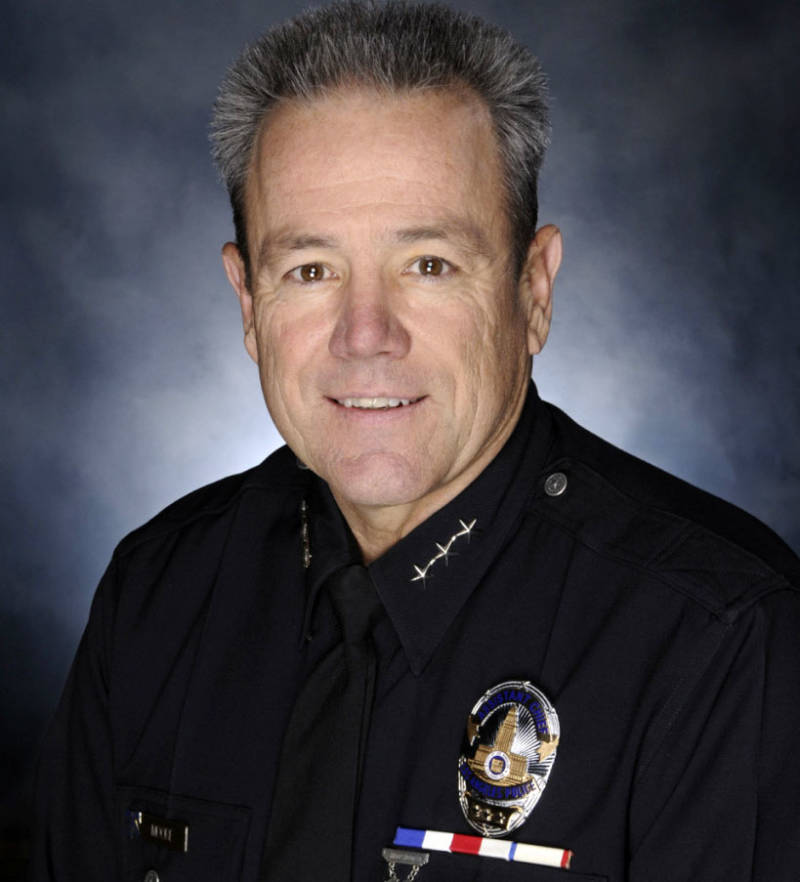
"caption": "LAPD's new chief, Michel Moore.",
"description": "LAPD's new chief, Michel Moore.",
"title": "MichelMoore",
"credit": "Courtesy of LAPD",
"status": "inherit",
"isLoading": false,
"fetchFailed": false
},
"news_11672263": {
"type": "attachments",
"id": "news_11672263",
"meta": {
"index": "attachments_1716263798",
"site": "news",
"id": "11672263",
"found": true
},
"parent": 11672262,
"imgSizes": {
"small": {
"file": "https://ww2.kqed.org/app/uploads/sites/10/2018/06/gettyimages-960275990-577c9b56d0543535c1724f44d15f849fd5567155-520x390.jpg",
"width": 520,
"mimeType": "image/jpeg",
"height": 390
},
"twentyfourteen-full-width": {
"file": "https://ww2.kqed.org/app/uploads/sites/10/2018/06/gettyimages-960275990-577c9b56d0543535c1724f44d15f849fd5567155-909x576.jpg",
"width": 909,
"mimeType": "image/jpeg",
"height": 576
},
"thumbnail": {
"file": "https://ww2.kqed.org/app/uploads/sites/10/2018/06/gettyimages-960275990-577c9b56d0543535c1724f44d15f849fd5567155-160x120.jpg",
"width": 160,
"mimeType": "image/jpeg",
"height": 120
},
"post-thumbnail": {
"file": "https://ww2.kqed.org/app/uploads/sites/10/2018/06/gettyimages-960275990-577c9b56d0543535c1724f44d15f849fd5567155-672x372.jpg",
"width": 672,
"mimeType": "image/jpeg",
"height": 372
},
"xsmall": {
"file": "https://ww2.kqed.org/app/uploads/sites/10/2018/06/gettyimages-960275990-577c9b56d0543535c1724f44d15f849fd5567155-375x281.jpg",
"width": 375,
"mimeType": "image/jpeg",
"height": 281
},
"kqedFullSize": {
"file": "https://ww2.kqed.org/app/uploads/sites/10/2018/06/gettyimages-960275990-577c9b56d0543535c1724f44d15f849fd5567155.jpg",
"width": 909,
"height": 682
},
"guest-author-50": {
"file": "https://ww2.kqed.org/app/uploads/sites/10/2018/06/gettyimages-960275990-577c9b56d0543535c1724f44d15f849fd5567155-50x50.jpg",
"width": 50,
"mimeType": "image/jpeg",
"height": 50
},
"guest-author-96": {
"file": "https://ww2.kqed.org/app/uploads/sites/10/2018/06/gettyimages-960275990-577c9b56d0543535c1724f44d15f849fd5567155-96x96.jpg",
"width": 96,
"mimeType": "image/jpeg",
"height": 96
},
"medium": {
"file": "https://ww2.kqed.org/app/uploads/sites/10/2018/06/gettyimages-960275990-577c9b56d0543535c1724f44d15f849fd5567155-800x600.jpg",
"width": 800,
"mimeType": "image/jpeg",
"height": 600
},
"guest-author-64": {
"file": "https://ww2.kqed.org/app/uploads/sites/10/2018/06/gettyimages-960275990-577c9b56d0543535c1724f44d15f849fd5567155-64x64.jpg",
"width": 64,
"mimeType": "image/jpeg",
"height": 64
},
"guest-author-32": {
"file": "https://ww2.kqed.org/app/uploads/sites/10/2018/06/gettyimages-960275990-577c9b56d0543535c1724f44d15f849fd5567155-32x32.jpg",
"width": 32,
"mimeType": "image/jpeg",
"height": 32
},
"detail": {
"file": "https://ww2.kqed.org/app/uploads/sites/10/2018/06/gettyimages-960275990-577c9b56d0543535c1724f44d15f849fd5567155-150x150.jpg",
"width": 150,
"mimeType": "image/jpeg",
"height": 150
},
"guest-author-128": {
"file": "https://ww2.kqed.org/app/uploads/sites/10/2018/06/gettyimages-960275990-577c9b56d0543535c1724f44d15f849fd5567155-128x128.jpg",
"width": 128,
"mimeType": "image/jpeg",
"height": 128
},
"xxsmall": {
"file": "https://ww2.kqed.org/app/uploads/sites/10/2018/06/gettyimages-960275990-577c9b56d0543535c1724f44d15f849fd5567155-240x180.jpg",
"width": 240,
"mimeType": "image/jpeg",
"height": 180
}
},
"publishDate": 1528037737,
"modified": 1528156675,
"caption": "Democrats running for the California 39th Congressional District, from left, Mai Khanh Tran, Sam Jammal and Andy Thorburn, speak to voters during a rally held by Swing Left at Carolyn Rosa Park in Rowland Heights, California, on May 19.",
"description": "Democrats running for the California 39th Congressional district, from left, Mai Khanh Tran, Sam Jammal and Andy Thorburn, speak to voters during a rally held by Swing Left at Carolyn Rosa Park in Rowland Heights, Calif., on May 19.",
"title": "Democrats running for the California 39th Congressional district, from left, Mai Khanh Tran, Sam Jammal and Andy Thorburn, speak to voters during a rally held by Swing Left at Carolyn Rosa Park in Rowland Heights, Calif., on May 19.",
"credit": "Bill Clark/CQ-Roll Call/Getty Images",
"status": "inherit",
"isLoading": false,
"fetchFailed": false
},
"news_11671987": {
"type": "attachments",
"id": "news_11671987",
"meta": {
"index": "attachments_1716263798",
"site": "news",
"id": "11671987",
"found": true
},
"parent": 11671945,
"imgSizes": {
"small": {
"file": "https://ww2.kqed.org/app/uploads/sites/10/2018/06/Stroe-Photo-3-520x390.jpg",
"width": 520,
"mimeType": "image/jpeg",
"height": 390
},
"twentyfourteen-full-width": {
"file": "https://ww2.kqed.org/app/uploads/sites/10/2018/06/Stroe-Photo-3-1038x576.jpg",
"width": 1038,
"mimeType": "image/jpeg",
"height": 576
},
"thumbnail": {
"file": "https://ww2.kqed.org/app/uploads/sites/10/2018/06/Stroe-Photo-3-160x120.jpg",
"width": 160,
"mimeType": "image/jpeg",
"height": 120
},
"fd-sm": {
"file": "https://ww2.kqed.org/app/uploads/sites/10/2018/06/Stroe-Photo-3-960x720.jpg",
"width": 960,
"mimeType": "image/jpeg",
"height": 720
},
"post-thumbnail": {
"file": "https://ww2.kqed.org/app/uploads/sites/10/2018/06/Stroe-Photo-3-672x372.jpg",
"width": 672,
"mimeType": "image/jpeg",
"height": 372
},
"xsmall": {
"file": "https://ww2.kqed.org/app/uploads/sites/10/2018/06/Stroe-Photo-3-375x281.jpg",
"width": 375,
"mimeType": "image/jpeg",
"height": 281
},
"kqedFullSize": {
"file": "https://ww2.kqed.org/app/uploads/sites/10/2018/06/Stroe-Photo-3-e1527894615924.jpg",
"width": 1920,
"height": 1440
},
"large": {
"file": "https://ww2.kqed.org/app/uploads/sites/10/2018/06/Stroe-Photo-3-1020x765.jpg",
"width": 1020,
"mimeType": "image/jpeg",
"height": 765
},
"xlarge": {
"file": "https://ww2.kqed.org/app/uploads/sites/10/2018/06/Stroe-Photo-3-1180x885.jpg",
"width": 1180,
"mimeType": "image/jpeg",
"height": 885
},
"complete_open_graph": {
"file": "https://ww2.kqed.org/app/uploads/sites/10/2018/06/Stroe-Photo-3-1200x900.jpg",
"width": 1200,
"mimeType": "image/jpeg",
"height": 900
},
"guest-author-50": {
"file": "https://ww2.kqed.org/app/uploads/sites/10/2018/06/Stroe-Photo-3-50x50.jpg",
"width": 50,
"mimeType": "image/jpeg",
"height": 50
},
"guest-author-96": {
"file": "https://ww2.kqed.org/app/uploads/sites/10/2018/06/Stroe-Photo-3-96x96.jpg",
"width": 96,
"mimeType": "image/jpeg",
"height": 96
},
"medium": {
"file": "https://ww2.kqed.org/app/uploads/sites/10/2018/06/Stroe-Photo-3-800x600.jpg",
"width": 800,
"mimeType": "image/jpeg",
"height": 600
},
"guest-author-64": {
"file": "https://ww2.kqed.org/app/uploads/sites/10/2018/06/Stroe-Photo-3-64x64.jpg",
"width": 64,
"mimeType": "image/jpeg",
"height": 64
},
"guest-author-32": {
"file": "https://ww2.kqed.org/app/uploads/sites/10/2018/06/Stroe-Photo-3-32x32.jpg",
"width": 32,
"mimeType": "image/jpeg",
"height": 32
},
"fd-lrg": {
"file": "https://ww2.kqed.org/app/uploads/sites/10/2018/06/Stroe-Photo-3-1920x1440.jpg",
"width": 1920,
"mimeType": "image/jpeg",
"height": 1440
},
"fd-med": {
"file": "https://ww2.kqed.org/app/uploads/sites/10/2018/06/Stroe-Photo-3-1180x885.jpg",
"width": 1180,
"mimeType": "image/jpeg",
"height": 885
},
"full-width": {
"file": "https://ww2.kqed.org/app/uploads/sites/10/2018/06/Stroe-Photo-3-1920x1440.jpg",
"width": 1920,
"mimeType": "image/jpeg",
"height": 1440
},
"detail": {
"file": "https://ww2.kqed.org/app/uploads/sites/10/2018/06/Stroe-Photo-3-150x150.jpg",
"width": 150,
"mimeType": "image/jpeg",
"height": 150
},
"guest-author-128": {
"file": "https://ww2.kqed.org/app/uploads/sites/10/2018/06/Stroe-Photo-3-128x128.jpg",
"width": 128,
"mimeType": "image/jpeg",
"height": 128
},
"xxsmall": {
"file": "https://ww2.kqed.org/app/uploads/sites/10/2018/06/Stroe-Photo-3-240x180.jpg",
"width": 240,
"mimeType": "image/jpeg",
"height": 180
}
},
"publishDate": 1527884304,
"modified": 1527894632,
"caption": "Sarah Stroe with her paternal grandparents, Mara and Angelo Stroe, in San Francisco's Golden Gate Park in the early 1990s. ",
"description": "Sarah Stroe with her paternal grandparents, Mara and Angelo Stroe, in San Francisco's Golden Gate Park in the early 1990s. ",
"title": "Stroe Photo 3",
"credit": "Courtesy Stroe Family",
"status": "inherit",
"isLoading": false,
"fetchFailed": false
},
"news_11671379": {
"type": "attachments",
"id": "news_11671379",
"meta": {
"index": "attachments_1716263798",
"site": "news",
"id": "11671379",
"found": true
},
"parent": 11671299,
"imgSizes": {
"small": {
"file": "https://ww2.kqed.org/app/uploads/sites/10/2018/05/RS31201_Rachel-Kushner-credit-Chloe-Aftel-qut-520x391.jpg",
"width": 520,
"mimeType": "image/jpeg",
"height": 391
},
"twentyfourteen-full-width": {
"file": "https://ww2.kqed.org/app/uploads/sites/10/2018/05/RS31201_Rachel-Kushner-credit-Chloe-Aftel-qut-1038x576.jpg",
"width": 1038,
"mimeType": "image/jpeg",
"height": 576
},
"thumbnail": {
"file": "https://ww2.kqed.org/app/uploads/sites/10/2018/05/RS31201_Rachel-Kushner-credit-Chloe-Aftel-qut-160x120.jpg",
"width": 160,
"mimeType": "image/jpeg",
"height": 120
},
"fd-sm": {
"file": "https://ww2.kqed.org/app/uploads/sites/10/2018/05/RS31201_Rachel-Kushner-credit-Chloe-Aftel-qut-960x722.jpg",
"width": 960,
"mimeType": "image/jpeg",
"height": 722
},
"post-thumbnail": {
"file": "https://ww2.kqed.org/app/uploads/sites/10/2018/05/RS31201_Rachel-Kushner-credit-Chloe-Aftel-qut-672x372.jpg",
"width": 672,
"mimeType": "image/jpeg",
"height": 372
},
"xsmall": {
"file": "https://ww2.kqed.org/app/uploads/sites/10/2018/05/RS31201_Rachel-Kushner-credit-Chloe-Aftel-qut-375x282.jpg",
"width": 375,
"mimeType": "image/jpeg",
"height": 282
},
"kqedFullSize": {
"file": "https://ww2.kqed.org/app/uploads/sites/10/2018/05/RS31201_Rachel-Kushner-credit-Chloe-Aftel-qut.jpg",
"width": 1920,
"height": 1444
},
"large": {
"file": "https://ww2.kqed.org/app/uploads/sites/10/2018/05/RS31201_Rachel-Kushner-credit-Chloe-Aftel-qut-1020x767.jpg",
"width": 1020,
"mimeType": "image/jpeg",
"height": 767
},
"xlarge": {
"file": "https://ww2.kqed.org/app/uploads/sites/10/2018/05/RS31201_Rachel-Kushner-credit-Chloe-Aftel-qut-1180x887.jpg",
"width": 1180,
"mimeType": "image/jpeg",
"height": 887
},
"complete_open_graph": {
"file": "https://ww2.kqed.org/app/uploads/sites/10/2018/05/RS31201_Rachel-Kushner-credit-Chloe-Aftel-qut-1200x903.jpg",
"width": 1200,
"mimeType": "image/jpeg",
"height": 903
},
"guest-author-50": {
"file": "https://ww2.kqed.org/app/uploads/sites/10/2018/05/RS31201_Rachel-Kushner-credit-Chloe-Aftel-qut-50x50.jpg",
"width": 50,
"mimeType": "image/jpeg",
"height": 50
},
"guest-author-96": {
"file": "https://ww2.kqed.org/app/uploads/sites/10/2018/05/RS31201_Rachel-Kushner-credit-Chloe-Aftel-qut-96x96.jpg",
"width": 96,
"mimeType": "image/jpeg",
"height": 96
},
"medium": {
"file": "https://ww2.kqed.org/app/uploads/sites/10/2018/05/RS31201_Rachel-Kushner-credit-Chloe-Aftel-qut-800x602.jpg",
"width": 800,
"mimeType": "image/jpeg",
"height": 602
},
"guest-author-64": {
"file": "https://ww2.kqed.org/app/uploads/sites/10/2018/05/RS31201_Rachel-Kushner-credit-Chloe-Aftel-qut-64x64.jpg",
"width": 64,
"mimeType": "image/jpeg",
"height": 64
},
"guest-author-32": {
"file": "https://ww2.kqed.org/app/uploads/sites/10/2018/05/RS31201_Rachel-Kushner-credit-Chloe-Aftel-qut-32x32.jpg",
"width": 32,
"mimeType": "image/jpeg",
"height": 32
},
"fd-lrg": {
"file": "https://ww2.kqed.org/app/uploads/sites/10/2018/05/RS31201_Rachel-Kushner-credit-Chloe-Aftel-qut-1920x1444.jpg",
"width": 1920,
"mimeType": "image/jpeg",
"height": 1444
},
"fd-med": {
"file": "https://ww2.kqed.org/app/uploads/sites/10/2018/05/RS31201_Rachel-Kushner-credit-Chloe-Aftel-qut-1180x887.jpg",
"width": 1180,
"mimeType": "image/jpeg",
"height": 887
},
"full-width": {
"file": "https://ww2.kqed.org/app/uploads/sites/10/2018/05/RS31201_Rachel-Kushner-credit-Chloe-Aftel-qut-1920x1444.jpg",
"width": 1920,
"mimeType": "image/jpeg",
"height": 1444
},
"detail": {
"file": "https://ww2.kqed.org/app/uploads/sites/10/2018/05/RS31201_Rachel-Kushner-credit-Chloe-Aftel-qut-150x150.jpg",
"width": 150,
"mimeType": "image/jpeg",
"height": 150
},
"guest-author-128": {
"file": "https://ww2.kqed.org/app/uploads/sites/10/2018/05/RS31201_Rachel-Kushner-credit-Chloe-Aftel-qut-128x128.jpg",
"width": 128,
"mimeType": "image/jpeg",
"height": 128
},
"xxsmall": {
"file": "https://ww2.kqed.org/app/uploads/sites/10/2018/05/RS31201_Rachel-Kushner-credit-Chloe-Aftel-qut-240x181.jpg",
"width": 240,
"mimeType": "image/jpeg",
"height": 181
}
},
"publishDate": 1527635049,
"modified": 1527880863,
"caption": "Rachel Kushner grew up in San Francisco and now lives in Los Angeles. Her new novel takes place in California.",
"description": "Rachel Kushner grew up in San Francisco and now lives in Los Angeles. Her new novel takes place in California.",
"title": "RS31201_Rachel Kushner credit Chloe Aftel-qut",
"credit": "Chloe Aftel",
"status": "inherit",
"isLoading": false,
"fetchFailed": false
},
"news_11670437": {
"type": "attachments",
"id": "news_11670437",
"meta": {
"index": "attachments_1716263798",
"site": "news",
"id": "11670437",
"found": true
},
"parent": 11670433,
"imgSizes": {
"small": {
"file": "https://ww2.kqed.org/app/uploads/sites/10/2018/05/RS31136_Jack1-qut-520x347.jpg",
"width": 520,
"mimeType": "image/jpeg",
"height": 347
},
"twentyfourteen-full-width": {
"file": "https://ww2.kqed.org/app/uploads/sites/10/2018/05/RS31136_Jack1-qut-1038x576.jpg",
"width": 1038,
"mimeType": "image/jpeg",
"height": 576
},
"thumbnail": {
"file": "https://ww2.kqed.org/app/uploads/sites/10/2018/05/RS31136_Jack1-qut-160x107.jpg",
"width": 160,
"mimeType": "image/jpeg",
"height": 107
},
"fd-sm": {
"file": "https://ww2.kqed.org/app/uploads/sites/10/2018/05/RS31136_Jack1-qut-960x640.jpg",
"width": 960,
"mimeType": "image/jpeg",
"height": 640
},
"post-thumbnail": {
"file": "https://ww2.kqed.org/app/uploads/sites/10/2018/05/RS31136_Jack1-qut-672x372.jpg",
"width": 672,
"mimeType": "image/jpeg",
"height": 372
},
"xsmall": {
"file": "https://ww2.kqed.org/app/uploads/sites/10/2018/05/RS31136_Jack1-qut-375x250.jpg",
"width": 375,
"mimeType": "image/jpeg",
"height": 250
},
"kqedFullSize": {
"file": "https://ww2.kqed.org/app/uploads/sites/10/2018/05/RS31136_Jack1-qut.jpg",
"width": 1920,
"height": 1280
},
"large": {
"file": "https://ww2.kqed.org/app/uploads/sites/10/2018/05/RS31136_Jack1-qut-1020x680.jpg",
"width": 1020,
"mimeType": "image/jpeg",
"height": 680
},
"xlarge": {
"file": "https://ww2.kqed.org/app/uploads/sites/10/2018/05/RS31136_Jack1-qut-1180x787.jpg",
"width": 1180,
"mimeType": "image/jpeg",
"height": 787
},
"complete_open_graph": {
"file": "https://ww2.kqed.org/app/uploads/sites/10/2018/05/RS31136_Jack1-qut-1200x800.jpg",
"width": 1200,
"mimeType": "image/jpeg",
"height": 800
},
"guest-author-50": {
"file": "https://ww2.kqed.org/app/uploads/sites/10/2018/05/RS31136_Jack1-qut-50x50.jpg",
"width": 50,
"mimeType": "image/jpeg",
"height": 50
},
"guest-author-96": {
"file": "https://ww2.kqed.org/app/uploads/sites/10/2018/05/RS31136_Jack1-qut-96x96.jpg",
"width": 96,
"mimeType": "image/jpeg",
"height": 96
},
"medium": {
"file": "https://ww2.kqed.org/app/uploads/sites/10/2018/05/RS31136_Jack1-qut-800x533.jpg",
"width": 800,
"mimeType": "image/jpeg",
"height": 533
},
"guest-author-64": {
"file": "https://ww2.kqed.org/app/uploads/sites/10/2018/05/RS31136_Jack1-qut-64x64.jpg",
"width": 64,
"mimeType": "image/jpeg",
"height": 64
},
"guest-author-32": {
"file": "https://ww2.kqed.org/app/uploads/sites/10/2018/05/RS31136_Jack1-qut-32x32.jpg",
"width": 32,
"mimeType": "image/jpeg",
"height": 32
},
"fd-lrg": {
"file": "https://ww2.kqed.org/app/uploads/sites/10/2018/05/RS31136_Jack1-qut-1920x1280.jpg",
"width": 1920,
"mimeType": "image/jpeg",
"height": 1280
},
"fd-med": {
"file": "https://ww2.kqed.org/app/uploads/sites/10/2018/05/RS31136_Jack1-qut-1180x787.jpg",
"width": 1180,
"mimeType": "image/jpeg",
"height": 787
},
"full-width": {
"file": "https://ww2.kqed.org/app/uploads/sites/10/2018/05/RS31136_Jack1-qut-1920x1280.jpg",
"width": 1920,
"mimeType": "image/jpeg",
"height": 1280
},
"detail": {
"file": "https://ww2.kqed.org/app/uploads/sites/10/2018/05/RS31136_Jack1-qut-150x150.jpg",
"width": 150,
"mimeType": "image/jpeg",
"height": 150
},
"guest-author-128": {
"file": "https://ww2.kqed.org/app/uploads/sites/10/2018/05/RS31136_Jack1-qut-128x128.jpg",
"width": 128,
"mimeType": "image/jpeg",
"height": 128
},
"xxsmall": {
"file": "https://ww2.kqed.org/app/uploads/sites/10/2018/05/RS31136_Jack1-qut-240x160.jpg",
"width": 240,
"mimeType": "image/jpeg",
"height": 160
}
},
"publishDate": 1527186360,
"modified": 1527282303,
"caption": "Jack Gerrittson sits with one of his \"No ICE\" signs in his driveway in Los Angeles. Gerrittson says he puts up around 500 signs a year across the city.",
"description": null,
"title": "RS31136_Jack1-qut",
"credit": "Tom Carroll/KQED",
"status": "inherit",
"isLoading": false,
"fetchFailed": false
},
"news_11670419": {
"type": "attachments",
"id": "news_11670419",
"meta": {
"index": "attachments_1716263798",
"site": "news",
"id": "11670419",
"found": true
},
"parent": 11670400,
"imgSizes": {
"small": {
"file": "https://ww2.kqed.org/app/uploads/sites/10/2018/05/RS31134_sasha-3-qut-520x369.jpg",
"width": 520,
"mimeType": "image/jpeg",
"height": 369
},
"twentyfourteen-full-width": {
"file": "https://ww2.kqed.org/app/uploads/sites/10/2018/05/RS31134_sasha-3-qut-1038x576.jpg",
"width": 1038,
"mimeType": "image/jpeg",
"height": 576
},
"thumbnail": {
"file": "https://ww2.kqed.org/app/uploads/sites/10/2018/05/RS31134_sasha-3-qut-160x113.jpg",
"width": 160,
"mimeType": "image/jpeg",
"height": 113
},
"fd-sm": {
"file": "https://ww2.kqed.org/app/uploads/sites/10/2018/05/RS31134_sasha-3-qut-960x681.jpg",
"width": 960,
"mimeType": "image/jpeg",
"height": 681
},
"post-thumbnail": {
"file": "https://ww2.kqed.org/app/uploads/sites/10/2018/05/RS31134_sasha-3-qut-672x372.jpg",
"width": 672,
"mimeType": "image/jpeg",
"height": 372
},
"xsmall": {
"file": "https://ww2.kqed.org/app/uploads/sites/10/2018/05/RS31134_sasha-3-qut-375x266.jpg",
"width": 375,
"mimeType": "image/jpeg",
"height": 266
},
"kqedFullSize": {
"file": "https://ww2.kqed.org/app/uploads/sites/10/2018/05/RS31134_sasha-3-qut.jpg",
"width": 1403,
"height": 995
},
"large": {
"file": "https://ww2.kqed.org/app/uploads/sites/10/2018/05/RS31134_sasha-3-qut-1020x723.jpg",
"width": 1020,
"mimeType": "image/jpeg",
"height": 723
},
"xlarge": {
"file": "https://ww2.kqed.org/app/uploads/sites/10/2018/05/RS31134_sasha-3-qut-1180x837.jpg",
"width": 1180,
"mimeType": "image/jpeg",
"height": 837
},
"complete_open_graph": {
"file": "https://ww2.kqed.org/app/uploads/sites/10/2018/05/RS31134_sasha-3-qut-1200x851.jpg",
"width": 1200,
"mimeType": "image/jpeg",
"height": 851
},
"guest-author-50": {
"file": "https://ww2.kqed.org/app/uploads/sites/10/2018/05/RS31134_sasha-3-qut-50x50.jpg",
"width": 50,
"mimeType": "image/jpeg",
"height": 50
},
"guest-author-96": {
"file": "https://ww2.kqed.org/app/uploads/sites/10/2018/05/RS31134_sasha-3-qut-96x96.jpg",
"width": 96,
"mimeType": "image/jpeg",
"height": 96
},
"medium": {
"file": "https://ww2.kqed.org/app/uploads/sites/10/2018/05/RS31134_sasha-3-qut-800x567.jpg",
"width": 800,
"mimeType": "image/jpeg",
"height": 567
},
"guest-author-64": {
"file": "https://ww2.kqed.org/app/uploads/sites/10/2018/05/RS31134_sasha-3-qut-64x64.jpg",
"width": 64,
"mimeType": "image/jpeg",
"height": 64
},
"guest-author-32": {
"file": "https://ww2.kqed.org/app/uploads/sites/10/2018/05/RS31134_sasha-3-qut-32x32.jpg",
"width": 32,
"mimeType": "image/jpeg",
"height": 32
},
"fd-med": {
"file": "https://ww2.kqed.org/app/uploads/sites/10/2018/05/RS31134_sasha-3-qut-1180x837.jpg",
"width": 1180,
"mimeType": "image/jpeg",
"height": 837
},
"detail": {
"file": "https://ww2.kqed.org/app/uploads/sites/10/2018/05/RS31134_sasha-3-qut-150x150.jpg",
"width": 150,
"mimeType": "image/jpeg",
"height": 150
},
"guest-author-128": {
"file": "https://ww2.kqed.org/app/uploads/sites/10/2018/05/RS31134_sasha-3-qut-128x128.jpg",
"width": 128,
"mimeType": "image/jpeg",
"height": 128
},
"xxsmall": {
"file": "https://ww2.kqed.org/app/uploads/sites/10/2018/05/RS31134_sasha-3-qut-240x170.jpg",
"width": 240,
"mimeType": "image/jpeg",
"height": 170
}
},
"publishDate": 1527180508,
"modified": 1527288385,
"caption": "Sasha's parents, Anand and Ellen Khokha, welcoming newborn Sasha to their home in Los Angeles. ",
"description": null,
"title": "RS31134_sasha 3-qut",
"credit": "Courtesy of Sasha Khokha/KQED",
"status": "inherit",
"isLoading": false,
"fetchFailed": false
},
"news_11668685": {
"type": "attachments",
"id": "news_11668685",
"meta": {
"index": "attachments_1716263798",
"site": "news",
"id": "11668685",
"found": true
},
"parent": 11668677,
"imgSizes": {
"small": {
"file": "https://ww2.kqed.org/app/uploads/sites/10/2018/05/RS30979_Photo1-qut-520x390.jpg",
"width": 520,
"mimeType": "image/jpeg",
"height": 390
},
"twentyfourteen-full-width": {
"file": "https://ww2.kqed.org/app/uploads/sites/10/2018/05/RS30979_Photo1-qut-1038x576.jpg",
"width": 1038,
"mimeType": "image/jpeg",
"height": 576
},
"thumbnail": {
"file": "https://ww2.kqed.org/app/uploads/sites/10/2018/05/RS30979_Photo1-qut-160x120.jpg",
"width": 160,
"mimeType": "image/jpeg",
"height": 120
},
"fd-sm": {
"file": "https://ww2.kqed.org/app/uploads/sites/10/2018/05/RS30979_Photo1-qut-960x720.jpg",
"width": 960,
"mimeType": "image/jpeg",
"height": 720
},
"post-thumbnail": {
"file": "https://ww2.kqed.org/app/uploads/sites/10/2018/05/RS30979_Photo1-qut-672x372.jpg",
"width": 672,
"mimeType": "image/jpeg",
"height": 372
},
"xsmall": {
"file": "https://ww2.kqed.org/app/uploads/sites/10/2018/05/RS30979_Photo1-qut-375x281.jpg",
"width": 375,
"mimeType": "image/jpeg",
"height": 281
},
"kqedFullSize": {
"file": "https://ww2.kqed.org/app/uploads/sites/10/2018/05/RS30979_Photo1-qut.jpg",
"width": 1920,
"height": 1440
},
"large": {
"file": "https://ww2.kqed.org/app/uploads/sites/10/2018/05/RS30979_Photo1-qut-1020x765.jpg",
"width": 1020,
"mimeType": "image/jpeg",
"height": 765
},
"xlarge": {
"file": "https://ww2.kqed.org/app/uploads/sites/10/2018/05/RS30979_Photo1-qut-1180x885.jpg",
"width": 1180,
"mimeType": "image/jpeg",
"height": 885
},
"complete_open_graph": {
"file": "https://ww2.kqed.org/app/uploads/sites/10/2018/05/RS30979_Photo1-qut-1200x900.jpg",
"width": 1200,
"mimeType": "image/jpeg",
"height": 900
},
"guest-author-50": {
"file": "https://ww2.kqed.org/app/uploads/sites/10/2018/05/RS30979_Photo1-qut-50x50.jpg",
"width": 50,
"mimeType": "image/jpeg",
"height": 50
},
"guest-author-96": {
"file": "https://ww2.kqed.org/app/uploads/sites/10/2018/05/RS30979_Photo1-qut-96x96.jpg",
"width": 96,
"mimeType": "image/jpeg",
"height": 96
},
"medium": {
"file": "https://ww2.kqed.org/app/uploads/sites/10/2018/05/RS30979_Photo1-qut-800x600.jpg",
"width": 800,
"mimeType": "image/jpeg",
"height": 600
},
"guest-author-64": {
"file": "https://ww2.kqed.org/app/uploads/sites/10/2018/05/RS30979_Photo1-qut-64x64.jpg",
"width": 64,
"mimeType": "image/jpeg",
"height": 64
},
"guest-author-32": {
"file": "https://ww2.kqed.org/app/uploads/sites/10/2018/05/RS30979_Photo1-qut-32x32.jpg",
"width": 32,
"mimeType": "image/jpeg",
"height": 32
},
"fd-lrg": {
"file": "https://ww2.kqed.org/app/uploads/sites/10/2018/05/RS30979_Photo1-qut-1920x1440.jpg",
"width": 1920,
"mimeType": "image/jpeg",
"height": 1440
},
"fd-med": {
"file": "https://ww2.kqed.org/app/uploads/sites/10/2018/05/RS30979_Photo1-qut-1180x885.jpg",
"width": 1180,
"mimeType": "image/jpeg",
"height": 885
},
"full-width": {
"file": "https://ww2.kqed.org/app/uploads/sites/10/2018/05/RS30979_Photo1-qut-1920x1440.jpg",
"width": 1920,
"mimeType": "image/jpeg",
"height": 1440
},
"detail": {
"file": "https://ww2.kqed.org/app/uploads/sites/10/2018/05/RS30979_Photo1-qut-150x150.jpg",
"width": 150,
"mimeType": "image/jpeg",
"height": 150
},
"guest-author-128": {
"file": "https://ww2.kqed.org/app/uploads/sites/10/2018/05/RS30979_Photo1-qut-128x128.jpg",
"width": 128,
"mimeType": "image/jpeg",
"height": 128
},
"xxsmall": {
"file": "https://ww2.kqed.org/app/uploads/sites/10/2018/05/RS30979_Photo1-qut-240x180.jpg",
"width": 240,
"mimeType": "image/jpeg",
"height": 180
}
},
"publishDate": 1526502583,
"modified": 1526680232,
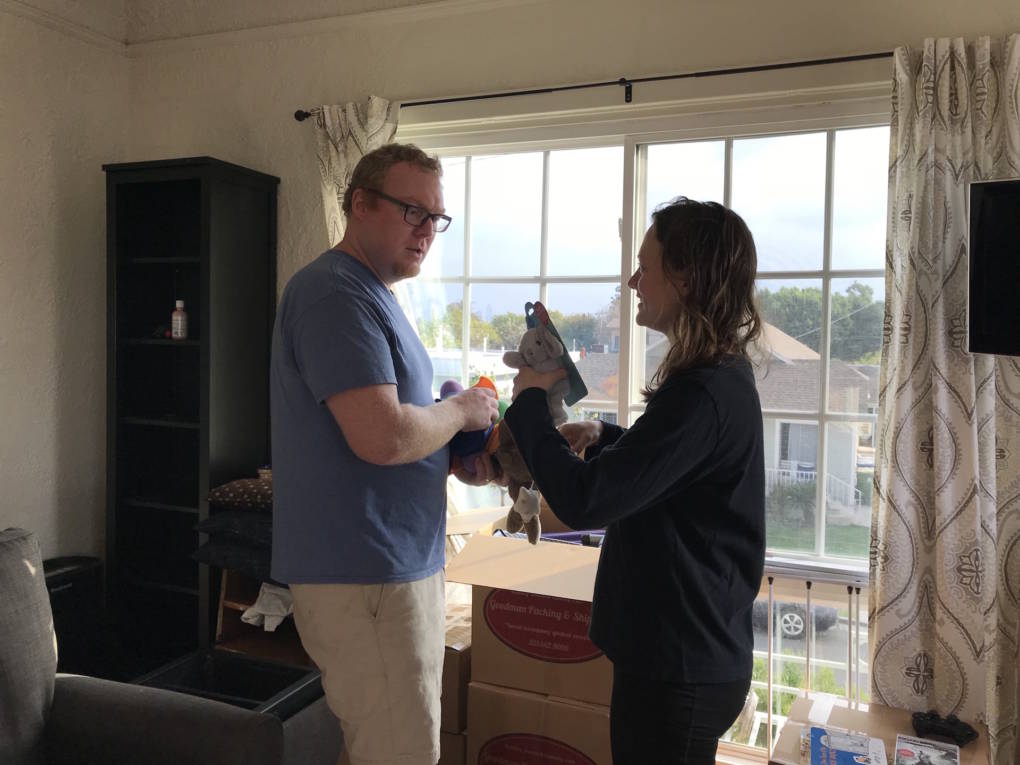
"caption": "Anna and Evan Colby sharing a moment while packing their apartment. Downtown Los Angeles is visible through the window.",
"description": null,
"title": "RS30979_Photo1-qut",
"credit": "John Corley",
"status": "inherit",
"isLoading": false,
"fetchFailed": false
},
"news_11668879": {
"type": "attachments",
"id": "news_11668879",
"meta": {
"index": "attachments_1716263798",
"site": "news",
"id": "11668879",
"found": true
},
"parent": 11668844,
"imgSizes": {
"small": {
"file": "https://ww2.kqed.org/app/uploads/sites/10/2018/05/HawthorneTunnel_10.28.17-e1526578968855-520x380.jpeg",
"width": 520,
"mimeType": "image/jpeg",
"height": 380
},
"twentyfourteen-full-width": {
"file": "https://ww2.kqed.org/app/uploads/sites/10/2018/05/HawthorneTunnel_10.28.17-e1526578968855-1038x576.jpeg",
"width": 1038,
"mimeType": "image/jpeg",
"height": 576
},
"thumbnail": {
"file": "https://ww2.kqed.org/app/uploads/sites/10/2018/05/HawthorneTunnel_10.28.17-e1526578968855-160x117.jpeg",
"width": 160,
"mimeType": "image/jpeg",
"height": 117
},
"fd-sm": {
"file": "https://ww2.kqed.org/app/uploads/sites/10/2018/05/HawthorneTunnel_10.28.17-e1526578968855-960x702.jpeg",
"width": 960,
"mimeType": "image/jpeg",
"height": 702
},
"post-thumbnail": {
"file": "https://ww2.kqed.org/app/uploads/sites/10/2018/05/HawthorneTunnel_10.28.17-e1526578968855-672x372.jpeg",
"width": 672,
"mimeType": "image/jpeg",
"height": 372
},
"xsmall": {
"file": "https://ww2.kqed.org/app/uploads/sites/10/2018/05/HawthorneTunnel_10.28.17-e1526578968855-375x274.jpeg",
"width": 375,
"mimeType": "image/jpeg",
"height": 274
},
"kqedFullSize": {
"file": "https://ww2.kqed.org/app/uploads/sites/10/2018/05/HawthorneTunnel_10.28.17-e1526578992803.jpeg",
"width": 1920,
"height": 1404
},
"large": {
"file": "https://ww2.kqed.org/app/uploads/sites/10/2018/05/HawthorneTunnel_10.28.17-e1526578968855-1020x746.jpeg",
"width": 1020,
"mimeType": "image/jpeg",
"height": 746
},
"xlarge": {
"file": "https://ww2.kqed.org/app/uploads/sites/10/2018/05/HawthorneTunnel_10.28.17-e1526578968855-1180x863.jpeg",
"width": 1180,
"mimeType": "image/jpeg",
"height": 863
},
"complete_open_graph": {
"file": "https://ww2.kqed.org/app/uploads/sites/10/2018/05/HawthorneTunnel_10.28.17-e1526578968855-1200x878.jpeg",
"width": 1200,
"mimeType": "image/jpeg",
"height": 878
},
"guest-author-50": {
"file": "https://ww2.kqed.org/app/uploads/sites/10/2018/05/HawthorneTunnel_10.28.17-e1526578968855-50x50.jpeg",
"width": 50,
"mimeType": "image/jpeg",
"height": 50
},
"guest-author-96": {
"file": "https://ww2.kqed.org/app/uploads/sites/10/2018/05/HawthorneTunnel_10.28.17-e1526578968855-96x96.jpeg",
"width": 96,
"mimeType": "image/jpeg",
"height": 96
},
"medium": {
"file": "https://ww2.kqed.org/app/uploads/sites/10/2018/05/HawthorneTunnel_10.28.17-e1526578968855-800x585.jpeg",
"width": 800,
"mimeType": "image/jpeg",
"height": 585
},
"guest-author-64": {
"file": "https://ww2.kqed.org/app/uploads/sites/10/2018/05/HawthorneTunnel_10.28.17-e1526578968855-64x64.jpeg",
"width": 64,
"mimeType": "image/jpeg",
"height": 64
},
"guest-author-32": {
"file": "https://ww2.kqed.org/app/uploads/sites/10/2018/05/HawthorneTunnel_10.28.17-e1526578968855-32x32.jpeg",
"width": 32,
"mimeType": "image/jpeg",
"height": 32
},
"fd-lrg": {
"file": "https://ww2.kqed.org/app/uploads/sites/10/2018/05/HawthorneTunnel_10.28.17-e1526578968855-1920x1404.jpeg",
"width": 1920,
"mimeType": "image/jpeg",
"height": 1404
},
"fd-med": {
"file": "https://ww2.kqed.org/app/uploads/sites/10/2018/05/HawthorneTunnel_10.28.17-e1526578968855-1180x863.jpeg",
"width": 1180,
"mimeType": "image/jpeg",
"height": 863
},
"full-width": {
"file": "https://ww2.kqed.org/app/uploads/sites/10/2018/05/HawthorneTunnel_10.28.17-e1526578968855-1920x1404.jpeg",
"width": 1920,
"mimeType": "image/jpeg",
"height": 1404
},
"detail": {
"file": "https://ww2.kqed.org/app/uploads/sites/10/2018/05/HawthorneTunnel_10.28.17-e1526578968855-150x150.jpeg",
"width": 150,
"mimeType": "image/jpeg",
"height": 150
},
"guest-author-128": {
"file": "https://ww2.kqed.org/app/uploads/sites/10/2018/05/HawthorneTunnel_10.28.17-e1526578968855-128x128.jpeg",
"width": 128,
"mimeType": "image/jpeg",
"height": 128
},
"xxsmall": {
"file": "https://ww2.kqed.org/app/uploads/sites/10/2018/05/HawthorneTunnel_10.28.17-e1526578968855-240x176.jpeg",
"width": 240,
"mimeType": "image/jpeg",
"height": 176
}
},
"publishDate": 1526578687,
"modified": 1526578927,
"caption": "A section of the 2-mile-long Hawthorne tunnel built by Elon Musk's The Boring Company. The 15-month project started in February 2017. ",
"description": null,
"title": "The Boring Company-Hawthorne Tunnel",
"credit": "The Boring Company",
"status": "inherit",
"isLoading": false,
"fetchFailed": false
},
"news_11668649": {
"type": "attachments",
"id": "news_11668649",
"meta": {
"index": "attachments_1716263798",
"site": "news",
"id": "11668649",
"found": true
},
"parent": 11668623,
"imgSizes": {
"small": {
"file": "https://ww2.kqed.org/app/uploads/sites/10/2018/05/HomelessManSleeps-520x333.jpg",
"width": 520,
"mimeType": "image/jpeg",
"height": 333
},
"twentyfourteen-full-width": {
"file": "https://ww2.kqed.org/app/uploads/sites/10/2018/05/HomelessManSleeps-1038x576.jpg",
"width": 1038,
"mimeType": "image/jpeg",
"height": 576
},
"thumbnail": {
"file": "https://ww2.kqed.org/app/uploads/sites/10/2018/05/HomelessManSleeps-160x103.jpg",
"width": 160,
"mimeType": "image/jpeg",
"height": 103
},
"fd-sm": {
"file": "https://ww2.kqed.org/app/uploads/sites/10/2018/05/HomelessManSleeps-960x615.jpg",
"width": 960,
"mimeType": "image/jpeg",
"height": 615
},
"post-thumbnail": {
"file": "https://ww2.kqed.org/app/uploads/sites/10/2018/05/HomelessManSleeps-672x372.jpg",
"width": 672,
"mimeType": "image/jpeg",
"height": 372
},
"xsmall": {
"file": "https://ww2.kqed.org/app/uploads/sites/10/2018/05/HomelessManSleeps-375x240.jpg",
"width": 375,
"mimeType": "image/jpeg",
"height": 240
},
"kqedFullSize": {
"file": "https://ww2.kqed.org/app/uploads/sites/10/2018/05/HomelessManSleeps.jpg",
"width": 1920,
"height": 1230
},
"large": {
"file": "https://ww2.kqed.org/app/uploads/sites/10/2018/05/HomelessManSleeps-1020x653.jpg",
"width": 1020,
"mimeType": "image/jpeg",
"height": 653
},
"xlarge": {
"file": "https://ww2.kqed.org/app/uploads/sites/10/2018/05/HomelessManSleeps-1180x756.jpg",
"width": 1180,
"mimeType": "image/jpeg",
"height": 756
},
"complete_open_graph": {
"file": "https://ww2.kqed.org/app/uploads/sites/10/2018/05/HomelessManSleeps-1200x769.jpg",
"width": 1200,
"mimeType": "image/jpeg",
"height": 769
},
"guest-author-50": {
"file": "https://ww2.kqed.org/app/uploads/sites/10/2018/05/HomelessManSleeps-50x50.jpg",
"width": 50,
"mimeType": "image/jpeg",
"height": 50
},
"guest-author-96": {
"file": "https://ww2.kqed.org/app/uploads/sites/10/2018/05/HomelessManSleeps-96x96.jpg",
"width": 96,
"mimeType": "image/jpeg",
"height": 96
},
"medium": {
"file": "https://ww2.kqed.org/app/uploads/sites/10/2018/05/HomelessManSleeps-800x513.jpg",
"width": 800,
"mimeType": "image/jpeg",
"height": 513
},
"guest-author-64": {
"file": "https://ww2.kqed.org/app/uploads/sites/10/2018/05/HomelessManSleeps-64x64.jpg",
"width": 64,
"mimeType": "image/jpeg",
"height": 64
},
"guest-author-32": {
"file": "https://ww2.kqed.org/app/uploads/sites/10/2018/05/HomelessManSleeps-32x32.jpg",
"width": 32,
"mimeType": "image/jpeg",
"height": 32
},
"fd-lrg": {
"file": "https://ww2.kqed.org/app/uploads/sites/10/2018/05/HomelessManSleeps-1920x1230.jpg",
"width": 1920,
"mimeType": "image/jpeg",
"height": 1230
},
"fd-med": {
"file": "https://ww2.kqed.org/app/uploads/sites/10/2018/05/HomelessManSleeps-1180x756.jpg",
"width": 1180,
"mimeType": "image/jpeg",
"height": 756
},
"full-width": {
"file": "https://ww2.kqed.org/app/uploads/sites/10/2018/05/HomelessManSleeps-1920x1230.jpg",
"width": 1920,
"mimeType": "image/jpeg",
"height": 1230
},
"detail": {
"file": "https://ww2.kqed.org/app/uploads/sites/10/2018/05/HomelessManSleeps-150x150.jpg",
"width": 150,
"mimeType": "image/jpeg",
"height": 150
},
"guest-author-128": {
"file": "https://ww2.kqed.org/app/uploads/sites/10/2018/05/HomelessManSleeps-128x128.jpg",
"width": 128,
"mimeType": "image/jpeg",
"height": 128
},
"xxsmall": {
"file": "https://ww2.kqed.org/app/uploads/sites/10/2018/05/HomelessManSleeps-240x154.jpg",
"width": 240,
"mimeType": "image/jpeg",
"height": 154
}
},
"publishDate": 1526499870,
"modified": 1530290440,
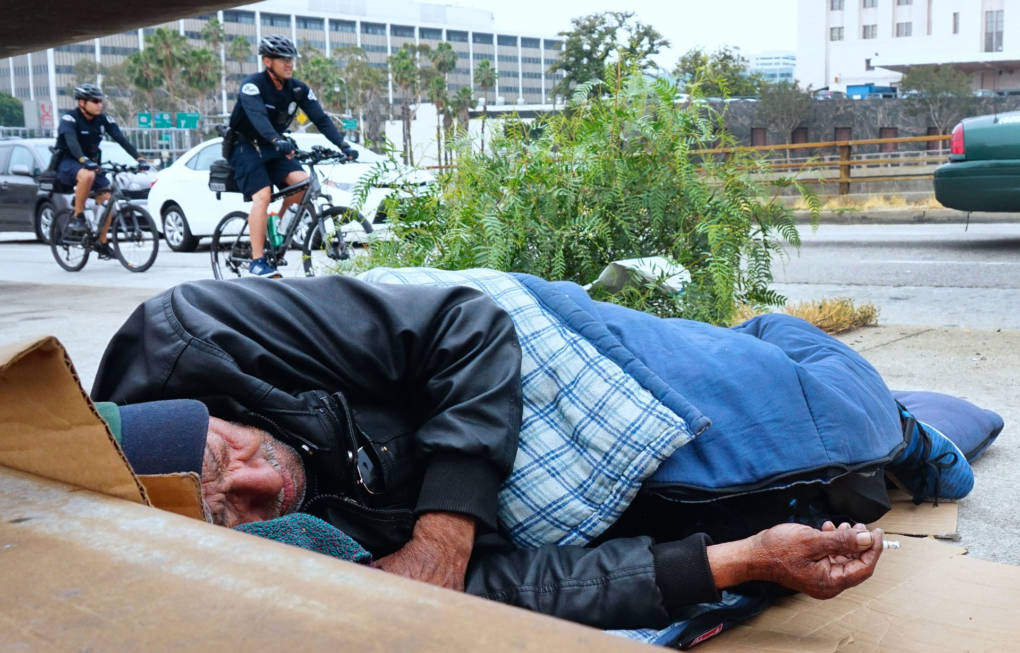
"caption": "A homeless man sleeps at his encampment on a downtown sidewalk in Los Angeles.",
"description": "A homeless man sleeps at his encampment on a downtown sidewalk in Los Angeles.",
"title": "HomelessManSleeps",
"credit": "Frederic J. Brown/Getty Images",
"status": "inherit",
"isLoading": false,
"fetchFailed": false
},
"news_11667986": {
"type": "attachments",
"id": "news_11667986",
"meta": {
"index": "attachments_1716263798",
"site": "news",
"id": "11667986",
"found": true
},
"parent": 11667417,
"imgSizes": {
"small": {
"file": "https://ww2.kqed.org/app/uploads/sites/10/2018/05/GraceMain-1-520x580.jpg",
"width": 520,
"mimeType": "image/jpeg",
"height": 580
},
"twentyfourteen-full-width": {
"file": "https://ww2.kqed.org/app/uploads/sites/10/2018/05/GraceMain-1-1038x576.jpg",
"width": 1038,
"mimeType": "image/jpeg",
"height": 576
},
"thumbnail": {
"file": "https://ww2.kqed.org/app/uploads/sites/10/2018/05/GraceMain-1-160x178.jpg",
"width": 160,
"mimeType": "image/jpeg",
"height": 178
},
"fd-sm": {
"file": "https://ww2.kqed.org/app/uploads/sites/10/2018/05/GraceMain-1-960x1070.jpg",
"width": 960,
"mimeType": "image/jpeg",
"height": 1070
},
"post-thumbnail": {
"file": "https://ww2.kqed.org/app/uploads/sites/10/2018/05/GraceMain-1-672x372.jpg",
"width": 672,
"mimeType": "image/jpeg",
"height": 372
},
"xsmall": {
"file": "https://ww2.kqed.org/app/uploads/sites/10/2018/05/GraceMain-1-375x418.jpg",
"width": 375,
"mimeType": "image/jpeg",
"height": 418
},
"kqedFullSize": {
"file": "https://ww2.kqed.org/app/uploads/sites/10/2018/05/GraceMain-1.jpg",
"width": 1536,
"height": 1712
},
"large": {
"file": "https://ww2.kqed.org/app/uploads/sites/10/2018/05/GraceMain-1-1020x1137.jpg",
"width": 1020,
"mimeType": "image/jpeg",
"height": 1137
},
"xlarge": {
"file": "https://ww2.kqed.org/app/uploads/sites/10/2018/05/GraceMain-1-1180x1315.jpg",
"width": 1180,
"mimeType": "image/jpeg",
"height": 1315
},
"complete_open_graph": {
"file": "https://ww2.kqed.org/app/uploads/sites/10/2018/05/GraceMain-1-1077x1200.jpg",
"width": 1077,
"mimeType": "image/jpeg",
"height": 1200
},
"guest-author-50": {
"file": "https://ww2.kqed.org/app/uploads/sites/10/2018/05/GraceMain-1-50x50.jpg",
"width": 50,
"mimeType": "image/jpeg",
"height": 50
},
"guest-author-96": {
"file": "https://ww2.kqed.org/app/uploads/sites/10/2018/05/GraceMain-1-96x96.jpg",
"width": 96,
"mimeType": "image/jpeg",
"height": 96
},
"medium": {
"file": "https://ww2.kqed.org/app/uploads/sites/10/2018/05/GraceMain-1-800x892.jpg",
"width": 800,
"mimeType": "image/jpeg",
"height": 892
},
"guest-author-64": {
"file": "https://ww2.kqed.org/app/uploads/sites/10/2018/05/GraceMain-1-64x64.jpg",
"width": 64,
"mimeType": "image/jpeg",
"height": 64
},
"guest-author-32": {
"file": "https://ww2.kqed.org/app/uploads/sites/10/2018/05/GraceMain-1-32x32.jpg",
"width": 32,
"mimeType": "image/jpeg",
"height": 32
},
"fd-med": {
"file": "https://ww2.kqed.org/app/uploads/sites/10/2018/05/GraceMain-1-1180x1315.jpg",
"width": 1180,
"mimeType": "image/jpeg",
"height": 1315
},
"detail": {
"file": "https://ww2.kqed.org/app/uploads/sites/10/2018/05/GraceMain-1-150x150.jpg",
"width": 150,
"mimeType": "image/jpeg",
"height": 150
},
"guest-author-128": {
"file": "https://ww2.kqed.org/app/uploads/sites/10/2018/05/GraceMain-1-128x128.jpg",
"width": 128,
"mimeType": "image/jpeg",
"height": 128
},
"xxsmall": {
"file": "https://ww2.kqed.org/app/uploads/sites/10/2018/05/GraceMain-1-240x268.jpg",
"width": 240,
"mimeType": "image/jpeg",
"height": 268
}
},
"publishDate": 1526082390,
"modified": 1526082410,
"caption": "Grace Marie is a mom and a daughter, and has to navigate both of those relationships while working as a dominatrix in Los Angeles.",
"description": "Grace Marie is a mom and a daughter, and has to navigate both of those relationships while working as a dominatrix in Los Angeles.",
"title": "GraceMain",
"credit": "Courtesty Grace Marie/Instagram",
"status": "inherit",
"isLoading": false,
"fetchFailed": false
},
"news_11667130": {
"type": "attachments",
"id": "news_11667130",
"meta": {
"index": "attachments_1716263798",
"site": "news",
"id": "11667130",
"found": true
},
"parent": 11667125,
"imgSizes": {
"small": {
"file": "https://ww2.kqed.org/app/uploads/sites/10/2018/05/LadyFirefightersMain-520x376.jpg",
"width": 520,
"mimeType": "image/jpeg",
"height": 376
},
"twentyfourteen-full-width": {
"file": "https://ww2.kqed.org/app/uploads/sites/10/2018/05/LadyFirefightersMain-1038x576.jpg",
"width": 1038,
"mimeType": "image/jpeg",
"height": 576
},
"thumbnail": {
"file": "https://ww2.kqed.org/app/uploads/sites/10/2018/05/LadyFirefightersMain-160x116.jpg",
"width": 160,
"mimeType": "image/jpeg",
"height": 116
},
"fd-sm": {
"file": "https://ww2.kqed.org/app/uploads/sites/10/2018/05/LadyFirefightersMain-960x694.jpg",
"width": 960,
"mimeType": "image/jpeg",
"height": 694
},
"post-thumbnail": {
"file": "https://ww2.kqed.org/app/uploads/sites/10/2018/05/LadyFirefightersMain-672x372.jpg",
"width": 672,
"mimeType": "image/jpeg",
"height": 372
},
"xsmall": {
"file": "https://ww2.kqed.org/app/uploads/sites/10/2018/05/LadyFirefightersMain-375x271.jpg",
"width": 375,
"mimeType": "image/jpeg",
"height": 271
},
"kqedFullSize": {
"file": "https://ww2.kqed.org/app/uploads/sites/10/2018/05/LadyFirefightersMain.jpg",
"width": 1920,
"height": 1388
},
"large": {
"file": "https://ww2.kqed.org/app/uploads/sites/10/2018/05/LadyFirefightersMain-1020x737.jpg",
"width": 1020,
"mimeType": "image/jpeg",
"height": 737
},
"xlarge": {
"file": "https://ww2.kqed.org/app/uploads/sites/10/2018/05/LadyFirefightersMain-1180x853.jpg",
"width": 1180,
"mimeType": "image/jpeg",
"height": 853
},
"complete_open_graph": {
"file": "https://ww2.kqed.org/app/uploads/sites/10/2018/05/LadyFirefightersMain-1200x868.jpg",
"width": 1200,
"mimeType": "image/jpeg",
"height": 868
},
"guest-author-50": {
"file": "https://ww2.kqed.org/app/uploads/sites/10/2018/05/LadyFirefightersMain-50x50.jpg",
"width": 50,
"mimeType": "image/jpeg",
"height": 50
},
"guest-author-96": {
"file": "https://ww2.kqed.org/app/uploads/sites/10/2018/05/LadyFirefightersMain-96x96.jpg",
"width": 96,
"mimeType": "image/jpeg",
"height": 96
},
"medium": {
"file": "https://ww2.kqed.org/app/uploads/sites/10/2018/05/LadyFirefightersMain-800x578.jpg",
"width": 800,
"mimeType": "image/jpeg",
"height": 578
},
"guest-author-64": {
"file": "https://ww2.kqed.org/app/uploads/sites/10/2018/05/LadyFirefightersMain-64x64.jpg",
"width": 64,
"mimeType": "image/jpeg",
"height": 64
},
"guest-author-32": {
"file": "https://ww2.kqed.org/app/uploads/sites/10/2018/05/LadyFirefightersMain-32x32.jpg",
"width": 32,
"mimeType": "image/jpeg",
"height": 32
},
"fd-lrg": {
"file": "https://ww2.kqed.org/app/uploads/sites/10/2018/05/LadyFirefightersMain-1920x1388.jpg",
"width": 1920,
"mimeType": "image/jpeg",
"height": 1388
},
"fd-med": {
"file": "https://ww2.kqed.org/app/uploads/sites/10/2018/05/LadyFirefightersMain-1180x853.jpg",
"width": 1180,
"mimeType": "image/jpeg",
"height": 853
},
"full-width": {
"file": "https://ww2.kqed.org/app/uploads/sites/10/2018/05/LadyFirefightersMain-1920x1388.jpg",
"width": 1920,
"mimeType": "image/jpeg",
"height": 1388
},
"detail": {
"file": "https://ww2.kqed.org/app/uploads/sites/10/2018/05/LadyFirefightersMain-150x150.jpg",
"width": 150,
"mimeType": "image/jpeg",
"height": 150
},
"guest-author-128": {
"file": "https://ww2.kqed.org/app/uploads/sites/10/2018/05/LadyFirefightersMain-128x128.jpg",
"width": 128,
"mimeType": "image/jpeg",
"height": 128
},
"xxsmall": {
"file": "https://ww2.kqed.org/app/uploads/sites/10/2018/05/LadyFirefightersMain-240x174.jpg",
"width": 240,
"mimeType": "image/jpeg",
"height": 174
}
},
"publishDate": 1525811633,
"modified": 1525811685,
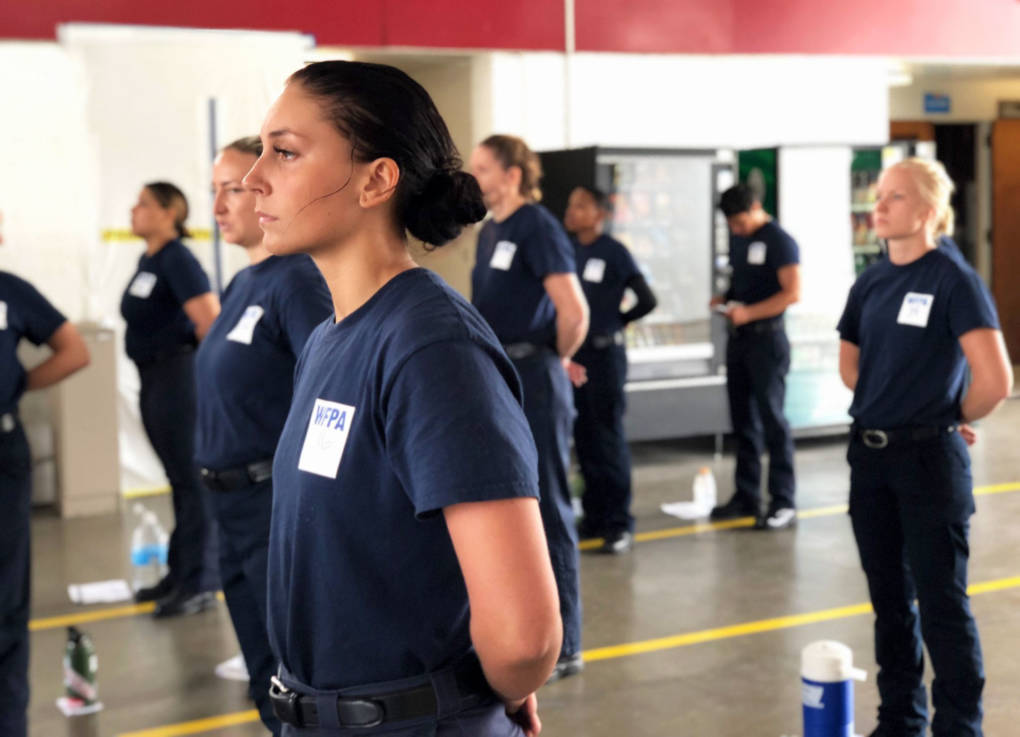
"caption": "Firefighter candidates stand in formation.",
"description": "Firefighter candidates stand in formation.",
"title": "LadyFirefightersMain",
"credit": "Jenny Hamel/KCRW",
"status": "inherit",
"isLoading": false,
"fetchFailed": false
},
"news_11662130": {
"type": "attachments",
"id": "news_11662130",
"meta": {
"index": "attachments_1716263798",
"site": "news",
"id": "11662130",
"found": true
},
"parent": 11662128,
"imgSizes": {
"small": {
"file": "https://ww2.kqed.org/app/uploads/sites/10/2018/04/RS30442_unknown-trio-set-57-qut-520x399.jpg",
"width": 520,
"mimeType": "image/jpeg",
"height": 399
},
"twentyfourteen-full-width": {
"file": "https://ww2.kqed.org/app/uploads/sites/10/2018/04/RS30442_unknown-trio-set-57-qut-1038x576.jpg",
"width": 1038,
"mimeType": "image/jpeg",
"height": 576
},
"thumbnail": {
"file": "https://ww2.kqed.org/app/uploads/sites/10/2018/04/RS30442_unknown-trio-set-57-qut-160x123.jpg",
"width": 160,
"mimeType": "image/jpeg",
"height": 123
},
"fd-sm": {
"file": "https://ww2.kqed.org/app/uploads/sites/10/2018/04/RS30442_unknown-trio-set-57-qut-960x738.jpg",
"width": 960,
"mimeType": "image/jpeg",
"height": 738
},
"post-thumbnail": {
"file": "https://ww2.kqed.org/app/uploads/sites/10/2018/04/RS30442_unknown-trio-set-57-qut-672x372.jpg",
"width": 672,
"mimeType": "image/jpeg",
"height": 372
},
"xsmall": {
"file": "https://ww2.kqed.org/app/uploads/sites/10/2018/04/RS30442_unknown-trio-set-57-qut-375x288.jpg",
"width": 375,
"mimeType": "image/jpeg",
"height": 288
},
"kqedFullSize": {
"file": "https://ww2.kqed.org/app/uploads/sites/10/2018/04/RS30442_unknown-trio-set-57-qut.jpg",
"width": 1920,
"height": 1475
},
"large": {
"file": "https://ww2.kqed.org/app/uploads/sites/10/2018/04/RS30442_unknown-trio-set-57-qut-1020x784.jpg",
"width": 1020,
"mimeType": "image/jpeg",
"height": 784
},
"xlarge": {
"file": "https://ww2.kqed.org/app/uploads/sites/10/2018/04/RS30442_unknown-trio-set-57-qut-1180x907.jpg",
"width": 1180,
"mimeType": "image/jpeg",
"height": 907
},
"complete_open_graph": {
"file": "https://ww2.kqed.org/app/uploads/sites/10/2018/04/RS30442_unknown-trio-set-57-qut-1200x922.jpg",
"width": 1200,
"mimeType": "image/jpeg",
"height": 922
},
"guest-author-50": {
"file": "https://ww2.kqed.org/app/uploads/sites/10/2018/04/RS30442_unknown-trio-set-57-qut-50x50.jpg",
"width": 50,
"mimeType": "image/jpeg",
"height": 50
},
"guest-author-96": {
"file": "https://ww2.kqed.org/app/uploads/sites/10/2018/04/RS30442_unknown-trio-set-57-qut-96x96.jpg",
"width": 96,
"mimeType": "image/jpeg",
"height": 96
},
"medium": {
"file": "https://ww2.kqed.org/app/uploads/sites/10/2018/04/RS30442_unknown-trio-set-57-qut-800x615.jpg",
"width": 800,
"mimeType": "image/jpeg",
"height": 615
},
"guest-author-64": {
"file": "https://ww2.kqed.org/app/uploads/sites/10/2018/04/RS30442_unknown-trio-set-57-qut-64x64.jpg",
"width": 64,
"mimeType": "image/jpeg",
"height": 64
},
"guest-author-32": {
"file": "https://ww2.kqed.org/app/uploads/sites/10/2018/04/RS30442_unknown-trio-set-57-qut-32x32.jpg",
"width": 32,
"mimeType": "image/jpeg",
"height": 32
},
"fd-lrg": {
"file": "https://ww2.kqed.org/app/uploads/sites/10/2018/04/RS30442_unknown-trio-set-57-qut-1920x1475.jpg",
"width": 1920,
"mimeType": "image/jpeg",
"height": 1475
},
"fd-med": {
"file": "https://ww2.kqed.org/app/uploads/sites/10/2018/04/RS30442_unknown-trio-set-57-qut-1180x907.jpg",
"width": 1180,
"mimeType": "image/jpeg",
"height": 907
},
"full-width": {
"file": "https://ww2.kqed.org/app/uploads/sites/10/2018/04/RS30442_unknown-trio-set-57-qut-1920x1475.jpg",
"width": 1920,
"mimeType": "image/jpeg",
"height": 1475
},
"detail": {
"file": "https://ww2.kqed.org/app/uploads/sites/10/2018/04/RS30442_unknown-trio-set-57-qut-150x150.jpg",
"width": 150,
"mimeType": "image/jpeg",
"height": 150
},
"guest-author-128": {
"file": "https://ww2.kqed.org/app/uploads/sites/10/2018/04/RS30442_unknown-trio-set-57-qut-128x128.jpg",
"width": 128,
"mimeType": "image/jpeg",
"height": 128
},
"xxsmall": {
"file": "https://ww2.kqed.org/app/uploads/sites/10/2018/04/RS30442_unknown-trio-set-57-qut-240x184.jpg",
"width": 240,
"mimeType": "image/jpeg",
"height": 184
}
},
"publishDate": 1523653143,
"modified": 1524015062,
"caption": "Unknown trio with their souped-up car, Southern California 1957.",
"description": "Unknown trio with their souped-up car, Southern California 1957.",
"title": "RS30442_unknown trio set 57-qut",
"credit": "Courtesy of Oliver Wang",
"status": "inherit",
"isLoading": false,
"fetchFailed": false
}
},
"audioPlayerReducer": {
"postId": "stream_live",
"isPaused": true,
"isPlaying": false,
"pfsActive": false,
"pledgeModalIsOpen": true,
"playerDrawerIsOpen": false,
"liveAudioPlayStartedAt": 0,
"liveAudioPlayContext": ""
},
"authorsReducer": {
"byline_news_11672764": {
"type": "authors",
"id": "byline_news_11672764",
"meta": {
"override": true
},
"slug": "byline_news_11672764",
"name": "\u003cstrong>\u003ca href=\"https://www.scpr.org/about/people/staff/frank-stoltze\">Frank Stoltze\u003c/a>\u003c/strong>",
"isLoading": false
},
"byline_news_11672262": {
"type": "authors",
"id": "byline_news_11672262",
"meta": {
"override": true
},
"slug": "byline_news_11672262",
"name": "\u003cstrong>Kelsey Snell\u003c/strong>",
"isLoading": false
},
"byline_news_11671945": {
"type": "authors",
"id": "byline_news_11671945",
"meta": {
"override": true
},
"slug": "byline_news_11671945",
"name": "Sarah Stroe",
"isLoading": false
},
"byline_news_11670433": {
"type": "authors",
"id": "byline_news_11670433",
"meta": {
"override": true
},
"slug": "byline_news_11670433",
"name": "\u003cstrong>Tom Carroll\u003c/strong>",
"isLoading": false
},
"byline_news_11668677": {
"type": "authors",
"id": "byline_news_11668677",
"meta": {
"override": true
},
"slug": "byline_news_11668677",
"name": "\u003cstrong>John Corley\u003c/strong>",
"isLoading": false
},
"byline_news_11668623": {
"type": "authors",
"id": "byline_news_11668623",
"meta": {
"override": true
},
"slug": "byline_news_11668623",
"name": "\u003cstrong>\u003ca href=\"https://www.scpr.org/about/people/staff/rina-palta\">Rina Palta\u003c/a>\u003c/strong>",
"isLoading": false
},
"byline_news_11667417": {
"type": "authors",
"id": "byline_news_11667417",
"meta": {
"override": true
},
"slug": "byline_news_11667417",
"name": "Bradley Bermont",
"isLoading": false
},
"byline_news_11667125": {
"type": "authors",
"id": "byline_news_11667125",
"meta": {
"override": true
},
"slug": "byline_news_11667125",
"name": "\u003cstrong>\u003ca href=\"http://curious.kcrw.com/author/jennyhamel\">Jenny Hamel\u003c/a>\u003c/strong>",
"isLoading": false
},
"danbrekke": {
"type": "authors",
"id": "222",
"meta": {
"index": "authors_1716337520",
"id": "222",
"found": true
},
"name": "Dan Brekke",
"firstName": "Dan",
"lastName": "Brekke",
"slug": "danbrekke",
"email": "dbrekke@kqed.org",
"display_author_email": true,
"staff_mastheads": [
"news",
"science"
],
"title": "KQED Editor and Reporter",
"bio": "Dan Brekke is a reporter and editor for KQED News, responsible for coverage of topics ranging from California water issues to the Bay Area's transportation challenges. In a newsroom career that began in Chicago in 1972, Dan has worked for \u003cem>The San Francisco Examiner,\u003c/em> Wired and TechTV and has been published in The New York Times, The New York Times Magazine, Business 2.0, Salon and elsewhere.\r\n\r\nSince joining KQED in 2007, Dan has reported, edited and produced both radio and online features and breaking news pieces. He has shared as both editor and reporter in four Society of Professional Journalists Norcal Excellence in Journalism awards and one Edward R. Murrow regional award. He was chosen for a spring 2017 residency at the Mesa Refuge to advance his research on California salmon.\r\n\r\nEmail Dan at: \u003ca href=\"mailto:dbrekke@kqed.org\">dbrekke@kqed.org\u003c/a>\r\n\r\n\u003cstrong>Twitter:\u003c/strong> \u003ca href=\"https://twitter.com/danbrekke\" rel=\"noopener noreferrer\">twitter.com/danbrekke\u003c/a>\r\n\u003cstrong>Facebook:\u003c/strong> \u003ca href=\"https://www.facebook.com/danbrekke\" rel=\"noopener noreferrer\">www.facebook.com/danbrekke\u003c/a>\r\n\u003cstrong>LinkedIn:\u003c/strong> \u003ca href=\"https://www.linkedin.com/in/danbrekke\" rel=\"noopener noreferrer\">www.linkedin.com/in/danbrekke\u003c/a>",
"avatar": "https://secure.gravatar.com/avatar/c8126230345efca3f7aa89b1a402be45?s=600&d=mm&r=g",
"twitter": "danbrekke",
"facebook": null,
"instagram": "https://www.instagram.com/dan.brekke/",
"linkedin": "https://www.linkedin.com/in/danbrekke/",
"sites": [
{
"site": "news",
"roles": [
"administrator",
"create_posts"
]
},
{
"site": "stateofhealth",
"roles": [
"editor"
]
},
{
"site": "science",
"roles": [
"editor"
]
},
{
"site": "quest",
"roles": [
"contributor"
]
},
{
"site": "food",
"roles": [
"contributor"
]
},
{
"site": "forum",
"roles": [
"contributor"
]
},
{
"site": "liveblog",
"roles": [
"editor"
]
}
],
"headData": {
"title": "Dan Brekke | KQED",
"description": "KQED Editor and Reporter",
"ogImgSrc": "https://secure.gravatar.com/avatar/c8126230345efca3f7aa89b1a402be45?s=600&d=mm&r=g",
"twImgSrc": "https://secure.gravatar.com/avatar/c8126230345efca3f7aa89b1a402be45?s=600&d=mm&r=g"
},
"isLoading": false,
"link": "/author/danbrekke"
},
"sasha-khokha": {
"type": "authors",
"id": "254",
"meta": {
"index": "authors_1716337520",
"id": "254",
"found": true
},
"name": "Sasha Khokha",
"firstName": "Sasha",
"lastName": "Khokha",
"slug": "sasha-khokha",
"email": "skhokha@kqed.org",
"display_author_email": true,
"staff_mastheads": [
"news"
],
"title": "Host, The California Report Magazine",
"bio": "Sasha Khokha is the host of \u003cem>The California Report's \u003c/em> weekly magazine program, which takes listeners on sound-rich excursions to meet the people that make the Golden State unique -- through audio documentaries and long-form stories. As \u003cem>The California Report's\u003c/em> Central Valley Bureau Chief based in Fresno for nearly a dozen years, Sasha brought the lives and concerns of rural Californians to listeners around the state. Her reporting helped expose the hidden price immigrant women janitors and farmworkers may pay to keep their jobs: sexual assault at work. It inspired two new California laws to protect them from sexual harassment. She was a key member of the reporting team for the Frontline film \u003cem>Rape on the Night Shift, \u003c/em>which was nominated for two national Emmys. Sasha has also won a national Edward R. Murrow and a national PRNDI award for investigative reporting, as well as multiple prizes from the Society for Professional Journalists. Sasha is a proud alum of the UC Berkeley Graduate School of Journalism and Brown University and a member of the South Asian Journalists Association.",
"avatar": "https://secure.gravatar.com/avatar/e4b5e1541aaeea2aa356aa1fb2a68950?s=600&d=blank&r=g",
"twitter": "KQEDSashaKhokha",
"facebook": null,
"instagram": null,
"linkedin": null,
"sites": [
{
"site": "news",
"roles": [
"editor"
]
},
{
"site": "stateofhealth",
"roles": [
"author"
]
},
{
"site": "science",
"roles": [
"author"
]
},
{
"site": "quest",
"roles": [
"subscriber"
]
}
],
"headData": {
"title": "Sasha Khokha | KQED",
"description": "Host, The California Report Magazine",
"ogImgSrc": "https://secure.gravatar.com/avatar/e4b5e1541aaeea2aa356aa1fb2a68950?s=600&d=blank&r=g",
"twImgSrc": "https://secure.gravatar.com/avatar/e4b5e1541aaeea2aa356aa1fb2a68950?s=600&d=blank&r=g"
},
"isLoading": false,
"link": "/author/sasha-khokha"
}
},
"pagesReducer": {
"news_tag_los-angeles": {
"type": "terms",
"id": "news_4",
"meta": {
"index": "terms_1716263798",
"site": "news",
"id": "4",
"score": 8.557567
},
"featImg": null,
"name": "los angeles",
"description": null,
"taxonomy": "tag",
"headData": {
"twImgId": null,
"twTitle": null,
"ogTitle": null,
"ogImgId": null,
"twDescription": null,
"description": null,
"title": "los angeles Archives | KQED News",
"ogDescription": null
},
"ttid": 4,
"slug": "los-angeles",
"isLoading": false,
"title": "los angeles",
"pageMeta": {
"site": "news",
"WpPageTemplate": "page-topic-editorial",
"currentPage": 19
},
"blocks": [
{
"blockName": "kqed/post-list",
"attrs": {
"layout": "cardArticle2",
"query": "posts/news?tag=los-angeles",
"seeMore": false,
"paginated": true,
"page": 19
}
},
{
"blockName": "kqed/ad"
}
]
}
},
"pfsSessionReducer": {},
"postsReducer": {
"stream_live": {
"type": "live",
"id": "stream_live",
"audioUrl": "https://streams.kqed.org/kqedradio",
"title": "Live Stream",
"excerpt": "Live Stream information currently unavailable.",
"link": "/radio",
"featImg": "",
"label": {
"name": "KQED Live",
"link": "/"
}
},
"stream_kqedNewscast": {
"type": "posts",
"id": "stream_kqedNewscast",
"audioUrl": "https://www.kqed.org/.stream/anon/radio/RDnews/newscast.mp3?_=1",
"title": "KQED Newscast",
"featImg": "",
"label": {
"name": "88.5 FM",
"link": "/"
}
},
"news_11672764": {
"type": "posts",
"id": "news_11672764",
"meta": {
"index": "posts_1716263798",
"site": "news",
"id": "11672764",
"score": null,
"sort": [
1528241072000
]
},
"guestAuthors": [],
"slug": "michel-moore-to-replace-charlie-beck-as-lapd-chief",
"title": "Michel Moore to Replace Charlie Beck as LAPD Chief",
"publishDate": 1528241072,
"format": "audio",
"headTitle": "Michel Moore to Replace Charlie Beck as LAPD Chief | KQED",
"labelTerm": {},
"content": "\u003cp>After being a finalist for LAPD chief in 2009 only to see the job go to Charlie Beck, Michel Moore has been selected to succeed Beck by L.A. Mayor Eric Garcetti.\u003c/p>\n\u003cp>Moore, a 37-year veteran of the force, runs the LAPD’s day-to-day patrol operations as first assistant chief, the number two at the department behind Beck, who’s stepping down June 27.\u003c/p>\n\u003cp>Moore, 54, has held nearly every top job at the department, overseeing everything from the budget to personnel to special operations.\u003c/p>\n\u003cp>Garcetti noted Moore’s extensive senior-level experience, adding that in his interviews he “brought a very deep sense of what we needed to do” to deal with the various challenges facing the department. “Also, he has the capacity to fire on multiple pistons at the same time,” the mayor said.\u003c/p>\n\u003cp>Garcetti picked Moore over Deputy Chief Robert Arcos, a 29-year veteran, and San Francisco Police Chief Bill Scott, a former LAPD deputy chief.\u003c/p>\n\u003cp>[ad fullwidth]\u003c/p>\n\u003cp>The L.A. City Council still must confirm Garcetti’s selection.\u003c/p>\n\u003cp>Moore said “I was humbled beyond description” when Garcetti called Monday to offer him the position.\u003c/p>\n\u003cp>He praised Beck for the job he has done during his tenure, and said he’s not coming into the position with a preconceived agenda. Moore stressed that he wants to continue a listening campaign that he has been carrying out with people throughout L.A. and with the men and women of the LAPD.\u003c/p>\n\u003cp>He said community members have expressed “a desire that we be more engaged, that we be more deeply invested.”\u003c/p>\n\u003ch2>The LAPD Rank-and-File ‘Get to … Be Heard Again’\u003c/h2>\n\u003cp>Moore said some of the things LAPD officers told him confirmed what he already knew, but in some cases what he heard “was water on my face in the sense of waking me up and saying I need to take a fresh look at this.”\u003c/p>\n\u003cp>In an apparent allusion to the sometimes chilly relations between some of the rank-and-file and Beck, Moore said, “I need the people of this great department to know that today is a day that they get to step forward and be heard again. Whether they feel like they have been in the past is not relevant.” What is relevant, Moore said, “is today as I take on this new position that they know that the organization has an opportunity to reset, an opportunity to reinvent, an opportunity to reinvigorate.”\u003c/p>\n\u003cp>The board of directors of the Los Angeles Police Protective League, the officers union, congratulated Moore and expressed its hope that if he’s confirmed “he will take immediate action to address low officer morale stemming from our critically low police staffing and that he will be absolutely committed to collaborating on new ideas to reduce violent crime and prepare our city for the 2028 Olympics.”\u003c/p>\n\u003cp>Moore “is one of the most knowledgeable people at the LAPD,” said L.A. County Sheriff Jim McDonnell, who worked alongside Moore for nearly three decades at the LAPD.\u003c/p>\n\u003cp>“Mike Moore is an excellent problem-solver,” said Shane Murphy Goldsmith, who sits on the five-member Police Commission that recommended the three finalists to Garcetti. “He has vast experience and will be able to hit the ground running on day one.”\u003c/p>\n\u003cp>When Moore was a candidate for chief in 2009, the Los Angeles Times reported that he was widely credited with helping lower crime rates in the San Fernando Valley during his more than four years in charge of the bureau that oversaw that area.\u003c/p>\n\u003cp>Moore was one of eight finalists last year for the job of chief of the Dallas Police Department.\u003c/p>\n\u003cp>Several L.A. Latino political leaders had lobbied Garcetti to select Arcos, who would have been the city’s first Latino police chief. When asked about that, the mayor noted that he hired the city’s first Latino fire chief and selected an African-American woman to run Los Angeles World Airports. Garcetti then said, “I wasn’t looking to fill a demographic or make history,” adding, “I wanted the best person for the job, and that’s Mike Moore.”\u003c/p>\n\u003cp>The mayor called Arcos and Scott “exceptional” candidates. “Bobby Arcos will be an amazing chief one day, whether it’s here or another city,” Garcetti said. “He’s an empath.”\u003c/p>\n\u003cp>One of Arcos’ advocates, L.A. City Councilman Gil Cedillo, issued a decidedly lukewarm statement following Moore’s selection. He called Garcetti’s announcement “the first step in the selection process,” saying that as the City Council considers the appointment, “I look forward to engaging in a rigorous vetting process with my colleagues.”\u003c/p>\n\u003cfigure id=\"attachment_11662872\" class=\"wp-caption aligncenter\" style=\"max-width: 800px\">\u003cimg loading=\"lazy\" decoding=\"async\" class=\"size-medium wp-image-11662872\" src=\"https://ww2.kqed.org/news/wp-content/uploads/sites/10/2018/04/Garcetti-800x558.jpg\" alt=\"Los Angeles Mayor Eric Garcetti.\" width=\"800\" height=\"558\" srcset=\"https://cdn.kqed.org/wp-content/uploads/sites/10/2018/04/Garcetti-800x558.jpg 800w, https://cdn.kqed.org/wp-content/uploads/sites/10/2018/04/Garcetti-160x112.jpg 160w, https://cdn.kqed.org/wp-content/uploads/sites/10/2018/04/Garcetti-1020x711.jpg 1020w, https://cdn.kqed.org/wp-content/uploads/sites/10/2018/04/Garcetti-1200x836.jpg 1200w, https://cdn.kqed.org/wp-content/uploads/sites/10/2018/04/Garcetti.jpg 1920w, https://cdn.kqed.org/wp-content/uploads/sites/10/2018/04/Garcetti-1180x822.jpg 1180w, https://cdn.kqed.org/wp-content/uploads/sites/10/2018/04/Garcetti-960x669.jpg 960w, https://cdn.kqed.org/wp-content/uploads/sites/10/2018/04/Garcetti-240x167.jpg 240w, https://cdn.kqed.org/wp-content/uploads/sites/10/2018/04/Garcetti-375x261.jpg 375w, https://cdn.kqed.org/wp-content/uploads/sites/10/2018/04/Garcetti-520x362.jpg 520w\" sizes=\"(max-width: 800px) 100vw, 800px\">\u003cfigcaption class=\"wp-caption-text\">Los Angeles Mayor Eric Garcetti. \u003ccite>(Emma McIntyre/Getty Images)\u003c/cite>\u003c/figcaption>\u003c/figure>\n\u003cp>Cedillo went on to say that council members “know what experience is most important to our communities. It’s within that framework that the council must make its decision to determine what experience matters most and who the next Police Chief will be.”\u003c/p>\n\u003cp>Hector Villagra, executive director of the ACLU of Southern California, said Moore “has worked productively with ACLU and other civil rights and community organizations in the LAPD’s creation of a more humane impound policy, enforcement of street vending laws, and limiting the department’s interactions with immigration enforcement.”\u003c/p>\n\u003cp>Villagra went on to say that Moore must commit himself to “completely disentangling the department from federal immigration enforcement and limiting dragnet surveillance,” adding that, if confirmed, Moore “must also adopt de-escalation policies, reform gang enforcement practices, and increase transparency and accountability around officer misconduct.”\u003c/p>\n\u003ch2>‘I Am One to Challenge That Status Quo’\u003c/h2>\n\u003cp>In an interview with KPCC before his selection, Moore listed several goals, including: hiring more women and black officers; improving community relations, especially with African-Americans; diving deeper into the role implicit bias may be playing in policing at the LAPD; and shifting more officers from specialized units to patrol cars.\u003c/p>\n\u003cp>The chief-to-be is demanding of employees and peers alike, said Deputy Chief Bob Green. “He is very assertive. He can dominate a meeting,” he said.\u003c/p>\n\u003cp>“I am one to challenge that status quo,” Moore told KPCC. “That means disrupting a conversation that was going pretty mellow.”\u003c/p>\n\u003cp>He said, “I’ve had leaders hold that against me.”\u003c/p>\n\u003cp>Moore did say “there’s been maturing on my part” over time. “I need to slow down and I need to engage others … I’ve also had to learn I am not always right.”\u003c/p>\n\u003cp>Starting as a 21-year-old patrol officer in 1981, Moore moved up through the ranks, serving as a detective, sergeant and lieutenant, according to his LAPD bio.\u003c/p>\n\u003cp>He was promoted to captain in 1998, which led to one of his key assignments: assuming command of the Rampart Division following the arrest of then-officer Raphael Perez in a widespread corruption scandal that involving stealing cocaine booked as evidence and stealing drugs from suspects.\u003c/p>\n\u003cp>Moore reached the rank of commander in 2002 and deputy chief in 2004. He became an assistant chief in 2010 and was put in charge of the detective bureau and the counterterrorism and special operations bureau. Beck put him at the head of the LAPD’s office of administrative services in 2015, where he oversaw fiscal, personnel, training and other operations. He also chaired the department’s use-of-force review board.\u003c/p>\n\u003cp>As he rose through the ranks, Moore became known as a detail-oriented, data-focused boss.\u003c/p>\n\u003cp>“He’s got a memory for everything and he’s very Type A,” said Green. “And his ability to make a good decision is unsurpassed.”\u003c/p>\n\u003cp>Green recalled one of the first times he saw Moore in action, during the 2000 Democratic National Convention in L.A. Moore issued a dispersal order to a group of protesters that was in part an acknowledgement of their concerns, said Green, an expert in dealing with that type of situation.\u003c/p>\n\u003cp>“I was just extremely impressed by his knowledge of crowd management,” said Green, adding that Moore knew how to use more forceful persuasion, too.\u003c/p>\n\u003ch2>Pentecostal Values, Seeking ‘A Life That Had Meaning’\u003c/h2>\n\u003cp>Moore said he first thought about becoming a police officer when he was 14. He liked the idea of working outdoors in a challenging profession.\u003c/p>\n\u003cp>“At the end of the day, I wanted to do something larger than myself,” he said, “to live a life that had meaning, that felt like I was helping people.”\u003c/p>\n\u003cp>He learned those values attending Pentecostal churches with his family, adding, “my butt was in a lot of pews for a lot of revivals.”\u003c/p>\n\u003cp>For a time, Moore’s family also attended a Seventh-day Adventist church, which honors Saturday as the Sabbath. “That meant sitting at home Friday nights missing high school football games,” he said.\u003c/p>\n\u003cp>Moore’s father was a Basque immigrant who moved the family a lot looking for work. Born in Porterville, California, Moore ended up graduating from high school in Conway, Arkansas. By then his father had left and his mother had remarried. His stepfather suggested he drop his father’s name of Sanchotena.\u003c/p>\n\u003cp>When his mother and stepfather broke up, they moved back to California, he said.\u003c/p>\n\u003cp>For a time, Moore thought he’d study accounting. But he heard then-LAPD Chief Daryl Gates talk about needing cops who wouldn’t drive by dark alleys but down them. He quit his better-paying Lockheed job building planes and joined the LAPD.\u003c/p>\n\u003cp>“I saw a great deal of violence,” Moore said of his early years, when the scourge of rock cocaine brought piles of cash, guns by the thousands and untold misery to poor neighborhoods.\u003c/p>\n\u003ch2>The Community ‘Saw Us as Occupiers’\u003c/h2>\n\u003cp>He was involved in two shootings. In 1985, while working in South L.A.’s Newton Division, Moore wounded a man who pointed a gun at him and his partner inside a produce market.\u003c/p>\n\u003cp>The next year, he was moonlighting as a security guard at Topanga Plaza when a man with a rifle killed his wife in the parking lot. Moore won the LAPD’s Medal of Valor for confronting the man and fatally shooting him as he turned the gun on Moore.\u003c/p>\n\u003cp>But the violence was taking its toll and Moore looked around for other ways to police the community. He joined Gates’ anti-drug DARE program and talked to school kids for a year and a half.\u003c/p>\n\u003cp>Moore said he noticed during his time on the streets that “the people we were trying to protect saw us as occupiers. They thought we were punishing them.”\u003c/p>\n\u003cp>That experience led him to join a group of officers who changed their thinking and embraced community policing.\u003c/p>\n\u003ch2>‘Here’s to the Crazy Ones … The Rebels’\u003c/h2>\n\u003cp>Moore traces his independent thinking to his childhood, growing up with different dads and a mother who raised five kids.\u003c/p>\n\u003cp>“I had to find my own way a lot,” said Moore, who has been married 27 years and has a 19-year-old-daughter. He said he plans to move from Santa Clarita to L.A. to serve as chief.\u003c/p>\n\u003cp>Ever since he was a captain, Moore has had a poster on the wall that’s an old Apple ad written by Steve Jobs highlighting its slogan, “Think Different.”\u003c/p>\n\u003cp>“Here’s to the crazy ones, the misfits, the rebels …” it starts.\u003c/p>\n\u003cp>Moore’s favorite part: “You can quote them, disagree with them, glorify or vilify them. But the only thing you can’t do is ignore them. Because they change things.”\u003c/p>\n\u003cp>[ad floatright]\u003c/p>\n\u003cp>He added: “What I really thrive on is we are here to make a difference.”\u003c/p>\n\n",
"blocks": [],
"excerpt": "A 37-year veteran of the force, Moore runs the LAPD's day-to-day patrol operations as the number two at the department behind Beck, who's stepping down June 27.",
"status": "publish",
"parent": 0,
"modified": 1721114728,
"stats": {
"hasAudio": false,
"hasVideo": false,
"hasChartOrMap": false,
"iframeSrcs": [],
"hasGoogleForm": false,
"hasGallery": false,
"hasHearkenModule": false,
"hasPolis": false,
"paragraphCount": 55,
"wordCount": 2062
},
"headData": {
"title": "Michel Moore to Replace Charlie Beck as LAPD Chief | KQED",
"description": "A 37-year veteran of the force, Moore runs the LAPD's day-to-day patrol operations as the number two at the department behind Beck, who's stepping down June 27.",
"ogTitle": "",
"ogDescription": "",
"ogImgId": "",
"twTitle": "",
"twDescription": "",
"twImgId": "",
"schema": {
"@context": "https://schema.org",
"@type": "NewsArticle",
"headline": "Michel Moore to Replace Charlie Beck as LAPD Chief",
"datePublished": "2018-06-05T16:24:32-07:00",
"dateModified": "2024-07-16T00:25:28-07:00",
"image": "https://cdn.kqed.org/wp-content/uploads/2020/02/KQED-OG-Image@1x.png",
"isAccessibleForFree": "True",
"publisher": {
"@type": "NewsMediaOrganization",
"@id": "https://www.kqed.org/#organization",
"name": "KQED",
"logo": "https://cdn.kqed.org/wp-content/uploads/2020/02/KQED-OG-Image@1x.png",
"url": "https://www.kqed.org",
"sameAs": [
"https://www.facebook.com/KQED",
"https://twitter.com/KQED",
"https://www.instagram.com/kqed/",
"https://www.tiktok.com/@kqedofficial",
"https://www.linkedin.com/company/kqed",
"https://www.youtube.com/channel/UCeC0IOo7i1P_61zVUWbJ4nw"
]
}
}
},
"source": "KPCC",
"sourceUrl": "https://www.scpr.org/",
"audioUrl": "https://www.kqed.org/.stream/anon/radio/tcr/2018/06/StoltzeLAPDChiefTCRAM180605.mp3",
"sticky": false,
"nprByline": "\u003cstrong>\u003ca href=\"https://www.scpr.org/about/people/staff/frank-stoltze\">Frank Stoltze\u003c/a>\u003c/strong>",
"path": "/news/11672764/michel-moore-to-replace-charlie-beck-as-lapd-chief",
"audioDuration": 88000,
"audioTrackLength": null,
"parsedContent": [
{
"type": "contentString",
"content": "\u003cdiv class=\"post-body\">\u003cp>\u003cp>After being a finalist for LAPD chief in 2009 only to see the job go to Charlie Beck, Michel Moore has been selected to succeed Beck by L.A. Mayor Eric Garcetti.\u003c/p>\n\u003cp>Moore, a 37-year veteran of the force, runs the LAPD’s day-to-day patrol operations as first assistant chief, the number two at the department behind Beck, who’s stepping down June 27.\u003c/p>\n\u003cp>Moore, 54, has held nearly every top job at the department, overseeing everything from the budget to personnel to special operations.\u003c/p>\n\u003cp>Garcetti noted Moore’s extensive senior-level experience, adding that in his interviews he “brought a very deep sense of what we needed to do” to deal with the various challenges facing the department. “Also, he has the capacity to fire on multiple pistons at the same time,” the mayor said.\u003c/p>\n\u003cp>Garcetti picked Moore over Deputy Chief Robert Arcos, a 29-year veteran, and San Francisco Police Chief Bill Scott, a former LAPD deputy chief.\u003c/p>\n\u003cp>\u003c/p>\u003c/div>",
"attributes": {
"named": {},
"numeric": []
}
},
{
"type": "component",
"content": "",
"name": "ad",
"attributes": {
"named": {
"label": "fullwidth"
},
"numeric": [
"fullwidth"
]
}
},
{
"type": "contentString",
"content": "\u003cdiv class=\"post-body\">\u003cp>\u003c/p>\n\u003cp>The L.A. City Council still must confirm Garcetti’s selection.\u003c/p>\n\u003cp>Moore said “I was humbled beyond description” when Garcetti called Monday to offer him the position.\u003c/p>\n\u003cp>He praised Beck for the job he has done during his tenure, and said he’s not coming into the position with a preconceived agenda. Moore stressed that he wants to continue a listening campaign that he has been carrying out with people throughout L.A. and with the men and women of the LAPD.\u003c/p>\n\u003cp>He said community members have expressed “a desire that we be more engaged, that we be more deeply invested.”\u003c/p>\n\u003ch2>The LAPD Rank-and-File ‘Get to … Be Heard Again’\u003c/h2>\n\u003cp>Moore said some of the things LAPD officers told him confirmed what he already knew, but in some cases what he heard “was water on my face in the sense of waking me up and saying I need to take a fresh look at this.”\u003c/p>\n\u003cp>In an apparent allusion to the sometimes chilly relations between some of the rank-and-file and Beck, Moore said, “I need the people of this great department to know that today is a day that they get to step forward and be heard again. Whether they feel like they have been in the past is not relevant.” What is relevant, Moore said, “is today as I take on this new position that they know that the organization has an opportunity to reset, an opportunity to reinvent, an opportunity to reinvigorate.”\u003c/p>\n\u003cp>The board of directors of the Los Angeles Police Protective League, the officers union, congratulated Moore and expressed its hope that if he’s confirmed “he will take immediate action to address low officer morale stemming from our critically low police staffing and that he will be absolutely committed to collaborating on new ideas to reduce violent crime and prepare our city for the 2028 Olympics.”\u003c/p>\n\u003cp>Moore “is one of the most knowledgeable people at the LAPD,” said L.A. County Sheriff Jim McDonnell, who worked alongside Moore for nearly three decades at the LAPD.\u003c/p>\n\u003cp>“Mike Moore is an excellent problem-solver,” said Shane Murphy Goldsmith, who sits on the five-member Police Commission that recommended the three finalists to Garcetti. “He has vast experience and will be able to hit the ground running on day one.”\u003c/p>\n\u003cp>When Moore was a candidate for chief in 2009, the Los Angeles Times reported that he was widely credited with helping lower crime rates in the San Fernando Valley during his more than four years in charge of the bureau that oversaw that area.\u003c/p>\n\u003cp>Moore was one of eight finalists last year for the job of chief of the Dallas Police Department.\u003c/p>\n\u003cp>Several L.A. Latino political leaders had lobbied Garcetti to select Arcos, who would have been the city’s first Latino police chief. When asked about that, the mayor noted that he hired the city’s first Latino fire chief and selected an African-American woman to run Los Angeles World Airports. Garcetti then said, “I wasn’t looking to fill a demographic or make history,” adding, “I wanted the best person for the job, and that’s Mike Moore.”\u003c/p>\n\u003cp>The mayor called Arcos and Scott “exceptional” candidates. “Bobby Arcos will be an amazing chief one day, whether it’s here or another city,” Garcetti said. “He’s an empath.”\u003c/p>\n\u003cp>One of Arcos’ advocates, L.A. City Councilman Gil Cedillo, issued a decidedly lukewarm statement following Moore’s selection. He called Garcetti’s announcement “the first step in the selection process,” saying that as the City Council considers the appointment, “I look forward to engaging in a rigorous vetting process with my colleagues.”\u003c/p>\n\u003cfigure id=\"attachment_11662872\" class=\"wp-caption aligncenter\" style=\"max-width: 800px\">\u003cimg loading=\"lazy\" decoding=\"async\" class=\"size-medium wp-image-11662872\" src=\"https://ww2.kqed.org/news/wp-content/uploads/sites/10/2018/04/Garcetti-800x558.jpg\" alt=\"Los Angeles Mayor Eric Garcetti.\" width=\"800\" height=\"558\" srcset=\"https://cdn.kqed.org/wp-content/uploads/sites/10/2018/04/Garcetti-800x558.jpg 800w, https://cdn.kqed.org/wp-content/uploads/sites/10/2018/04/Garcetti-160x112.jpg 160w, https://cdn.kqed.org/wp-content/uploads/sites/10/2018/04/Garcetti-1020x711.jpg 1020w, https://cdn.kqed.org/wp-content/uploads/sites/10/2018/04/Garcetti-1200x836.jpg 1200w, https://cdn.kqed.org/wp-content/uploads/sites/10/2018/04/Garcetti.jpg 1920w, https://cdn.kqed.org/wp-content/uploads/sites/10/2018/04/Garcetti-1180x822.jpg 1180w, https://cdn.kqed.org/wp-content/uploads/sites/10/2018/04/Garcetti-960x669.jpg 960w, https://cdn.kqed.org/wp-content/uploads/sites/10/2018/04/Garcetti-240x167.jpg 240w, https://cdn.kqed.org/wp-content/uploads/sites/10/2018/04/Garcetti-375x261.jpg 375w, https://cdn.kqed.org/wp-content/uploads/sites/10/2018/04/Garcetti-520x362.jpg 520w\" sizes=\"(max-width: 800px) 100vw, 800px\">\u003cfigcaption class=\"wp-caption-text\">Los Angeles Mayor Eric Garcetti. \u003ccite>(Emma McIntyre/Getty Images)\u003c/cite>\u003c/figcaption>\u003c/figure>\n\u003cp>Cedillo went on to say that council members “know what experience is most important to our communities. It’s within that framework that the council must make its decision to determine what experience matters most and who the next Police Chief will be.”\u003c/p>\n\u003cp>Hector Villagra, executive director of the ACLU of Southern California, said Moore “has worked productively with ACLU and other civil rights and community organizations in the LAPD’s creation of a more humane impound policy, enforcement of street vending laws, and limiting the department’s interactions with immigration enforcement.”\u003c/p>\n\u003cp>Villagra went on to say that Moore must commit himself to “completely disentangling the department from federal immigration enforcement and limiting dragnet surveillance,” adding that, if confirmed, Moore “must also adopt de-escalation policies, reform gang enforcement practices, and increase transparency and accountability around officer misconduct.”\u003c/p>\n\u003ch2>‘I Am One to Challenge That Status Quo’\u003c/h2>\n\u003cp>In an interview with KPCC before his selection, Moore listed several goals, including: hiring more women and black officers; improving community relations, especially with African-Americans; diving deeper into the role implicit bias may be playing in policing at the LAPD; and shifting more officers from specialized units to patrol cars.\u003c/p>\n\u003cp>The chief-to-be is demanding of employees and peers alike, said Deputy Chief Bob Green. “He is very assertive. He can dominate a meeting,” he said.\u003c/p>\n\u003cp>“I am one to challenge that status quo,” Moore told KPCC. “That means disrupting a conversation that was going pretty mellow.”\u003c/p>\n\u003cp>He said, “I’ve had leaders hold that against me.”\u003c/p>\n\u003cp>Moore did say “there’s been maturing on my part” over time. “I need to slow down and I need to engage others … I’ve also had to learn I am not always right.”\u003c/p>\n\u003cp>Starting as a 21-year-old patrol officer in 1981, Moore moved up through the ranks, serving as a detective, sergeant and lieutenant, according to his LAPD bio.\u003c/p>\n\u003cp>He was promoted to captain in 1998, which led to one of his key assignments: assuming command of the Rampart Division following the arrest of then-officer Raphael Perez in a widespread corruption scandal that involving stealing cocaine booked as evidence and stealing drugs from suspects.\u003c/p>\n\u003cp>Moore reached the rank of commander in 2002 and deputy chief in 2004. He became an assistant chief in 2010 and was put in charge of the detective bureau and the counterterrorism and special operations bureau. Beck put him at the head of the LAPD’s office of administrative services in 2015, where he oversaw fiscal, personnel, training and other operations. He also chaired the department’s use-of-force review board.\u003c/p>\n\u003cp>As he rose through the ranks, Moore became known as a detail-oriented, data-focused boss.\u003c/p>\n\u003cp>“He’s got a memory for everything and he’s very Type A,” said Green. “And his ability to make a good decision is unsurpassed.”\u003c/p>\n\u003cp>Green recalled one of the first times he saw Moore in action, during the 2000 Democratic National Convention in L.A. Moore issued a dispersal order to a group of protesters that was in part an acknowledgement of their concerns, said Green, an expert in dealing with that type of situation.\u003c/p>\n\u003cp>“I was just extremely impressed by his knowledge of crowd management,” said Green, adding that Moore knew how to use more forceful persuasion, too.\u003c/p>\n\u003ch2>Pentecostal Values, Seeking ‘A Life That Had Meaning’\u003c/h2>\n\u003cp>Moore said he first thought about becoming a police officer when he was 14. He liked the idea of working outdoors in a challenging profession.\u003c/p>\n\u003cp>“At the end of the day, I wanted to do something larger than myself,” he said, “to live a life that had meaning, that felt like I was helping people.”\u003c/p>\n\u003cp>He learned those values attending Pentecostal churches with his family, adding, “my butt was in a lot of pews for a lot of revivals.”\u003c/p>\n\u003cp>For a time, Moore’s family also attended a Seventh-day Adventist church, which honors Saturday as the Sabbath. “That meant sitting at home Friday nights missing high school football games,” he said.\u003c/p>\n\u003cp>Moore’s father was a Basque immigrant who moved the family a lot looking for work. Born in Porterville, California, Moore ended up graduating from high school in Conway, Arkansas. By then his father had left and his mother had remarried. His stepfather suggested he drop his father’s name of Sanchotena.\u003c/p>\n\u003cp>When his mother and stepfather broke up, they moved back to California, he said.\u003c/p>\n\u003cp>For a time, Moore thought he’d study accounting. But he heard then-LAPD Chief Daryl Gates talk about needing cops who wouldn’t drive by dark alleys but down them. He quit his better-paying Lockheed job building planes and joined the LAPD.\u003c/p>\n\u003cp>“I saw a great deal of violence,” Moore said of his early years, when the scourge of rock cocaine brought piles of cash, guns by the thousands and untold misery to poor neighborhoods.\u003c/p>\n\u003ch2>The Community ‘Saw Us as Occupiers’\u003c/h2>\n\u003cp>He was involved in two shootings. In 1985, while working in South L.A.’s Newton Division, Moore wounded a man who pointed a gun at him and his partner inside a produce market.\u003c/p>\n\u003cp>The next year, he was moonlighting as a security guard at Topanga Plaza when a man with a rifle killed his wife in the parking lot. Moore won the LAPD’s Medal of Valor for confronting the man and fatally shooting him as he turned the gun on Moore.\u003c/p>\n\u003cp>But the violence was taking its toll and Moore looked around for other ways to police the community. He joined Gates’ anti-drug DARE program and talked to school kids for a year and a half.\u003c/p>\n\u003cp>Moore said he noticed during his time on the streets that “the people we were trying to protect saw us as occupiers. They thought we were punishing them.”\u003c/p>\n\u003cp>That experience led him to join a group of officers who changed their thinking and embraced community policing.\u003c/p>\n\u003ch2>‘Here’s to the Crazy Ones … The Rebels’\u003c/h2>\n\u003cp>Moore traces his independent thinking to his childhood, growing up with different dads and a mother who raised five kids.\u003c/p>\n\u003cp>“I had to find my own way a lot,” said Moore, who has been married 27 years and has a 19-year-old-daughter. He said he plans to move from Santa Clarita to L.A. to serve as chief.\u003c/p>\n\u003cp>Ever since he was a captain, Moore has had a poster on the wall that’s an old Apple ad written by Steve Jobs highlighting its slogan, “Think Different.”\u003c/p>\n\u003cp>“Here’s to the crazy ones, the misfits, the rebels …” it starts.\u003c/p>\n\u003cp>Moore’s favorite part: “You can quote them, disagree with them, glorify or vilify them. But the only thing you can’t do is ignore them. Because they change things.”\u003c/p>\n\u003cp>\u003c/p>\u003c/div>",
"attributes": {
"named": {},
"numeric": []
}
},
{
"type": "component",
"content": "",
"name": "ad",
"attributes": {
"named": {
"label": "floatright"
},
"numeric": [
"floatright"
]
}
},
{
"type": "contentString",
"content": "\u003cdiv class=\"post-body\">\u003cp>\u003c/p>\n\u003cp>He added: “What I really thrive on is we are here to make a difference.”\u003c/p>\n\n\u003c/div>\u003c/p>",
"attributes": {
"named": {},
"numeric": []
}
}
],
"link": "/news/11672764/michel-moore-to-replace-charlie-beck-as-lapd-chief",
"authors": [
"byline_news_11672764"
],
"programs": [
"news_72"
],
"categories": [
"news_6188",
"news_8"
],
"tags": [
"news_1470",
"news_4",
"news_17968"
],
"affiliates": [
"news_7055"
],
"featImg": "news_11672768",
"label": "source_news_11672764"
},
"news_11672262": {
"type": "posts",
"id": "news_11672262",
"meta": {
"index": "posts_1716263798",
"site": "news",
"id": "11672262",
"score": null,
"sort": [
1528039226000
]
},
"guestAuthors": [],
"slug": "state-democrats-hope-to-avoid-knocking-party-candidates-out-of-contention",
"title": "State Democrats Hope to Avoid Knocking Party Candidates Out of Contention",
"publishDate": 1528039226,
"format": "standard",
"headTitle": "State Democrats Hope to Avoid Knocking Party Candidates Out of Contention | KQED",
"labelTerm": {},
"content": "\u003cp>House Democrats believe they can win more Republican-controlled congressional seats in California this year than any other state in the country.\u003c/p>\n\u003cp>But first they need to prevent their own candidates from ruining their plans.\u003c/p>\n\u003cp>The June 5 primary has taken on near-mythic importance for Democrats aiming to regain control of the House in November. They hope that high disapproval ratings for the Republican-led Congress and President Trump will create a rush of enthusiasm for Democrats in areas where GOP control is already tenuous.\u003c/p>\n\u003cp>There is no doubt that there’s real enthusiasm in California this year, particularly in the suburbs around Los Angeles. It is nearly impossible to find a corner on a busy street in many of these towns that isn’t packed with a jumble of candidate signs and posters.\u003c/p>\n\u003cp>But the problem for the party is that most of the signs are for Dems running against each other.\u003c/p>\n\u003cp>[ad fullwidth]\u003c/p>\n\u003cp>Democrats had great success in convincing new energetic candidates to step up and run — almost too much in some cases. The rush of excitement created crowded races with three or more Democrats campaigning, sometimes aggressively, against one another.\u003c/p>\n\u003cp>This poses a serious risk in a California, where the top two primary vote winners wind up on the ballot in November, regardless of their party.\u003c/p>\n\u003cp>Engaged voters in California are hyperaware of those risks, but most say they’re not willing to back down and away from their candidate of choice.\u003c/p>\n\u003cp>\u003cstrong>Crowded fields pitting Democrats against each other\u003c/strong>\u003c/p>\n\u003cp>The infighting got so bad in past few weeks that the chair of the California Democratic Party had to broker a truce between two Democrats in the 39th District, which includes towns like Brea and Fullerton. That race is one of many where there are so many Democrats running in the primary that party leaders fear voters will be hopelessly split — meaning no Democrat will get enough votes to make it to the general election.\u003c/p>\n\u003cp>This district was supposed to be a dream for Democrats. The current congressman, Republican Rep. Ed Royce, is retiring. That should have evened the playing field for Democrats to pick up the seat without having to run against a representative that voters already know.\u003c/p>\n\u003cp>At one point there were nearly 10 Democrats running in the district. Now they’re down to nine candidates all together, with some internal polls showing not a single one with more than 20 percent of the vote.\u003c/p>\n\u003cp>Andy Thorburn is a progressive running in the district — and he is widely considered to be trailing establishment-backed candidate Gil Cisneros. The two spent most of May trading barbs and attacks in ads and public forums, but by Memorial Day, Thorburn was downplaying their differences. At least on policy.\u003c/p>\n\u003cp>“Let’s not overstate the differences. There are way more differences between Republicans and Democrats, obviously,” Thorburn said at a campaign event in Fullerton. “There are differences of emphasis, nuance. They’re not earth-shaking differences.”\u003c/p>\n\u003cp>\u003cstrong>High stakes creating party-wide drama\u003c/strong>\u003c/p>\n\u003cp>Republicans are quick to point out that the leadership at the Democratic Congressional Campaign Committee decided to intervene in several races to put a thumb on the scale for some candidates. And so far, nearly every DCCC-backed candidate has been a relatively moderate, mainstream Democrat.\u003c/p>\n\u003cp>That has been a turnoff for some deeply engaged progressives who say the party is violating their own message — the message that they want their candidates to match their districts. The emphasis on finding the right candidates is so strong in California that the DCCC opened a rare West Coast branch last year just to help manage these races.\u003c/p>\n\u003cp>Campaign officials say privately that they’re closely watching what undecided voters and disaffected Republicans want — and that they’re using that information as a guide for who they pick.\u003c/p>\n\u003cp>Washington Rep. Denny Heck, who heads recruiting at the DCCC, said that in the end, the goal of any campaign is to win.\u003c/p>\n\u003cp>“Democrats have greater risks this year because we’re the ones that have the long list of candidates,” Heck said. “On occasion, in these top two primary states we’re confronted with really complicated, almost Gordian-knot-type problems with a plethora of candidates — and a real prospect that we’ll get shut out and two Republicans advance. That’s a particular problem for us this year because all of the energy is on the Democratic side.”\u003c/p>\n\u003cp>The problem in the 39th District, and others around it, is that the candidate squabbling is driving the most engaged voters further apart. Most say they expect the party to unite when the primary is done, but that’s cold comfort if none of the Democrats make it past the primary.\u003c/p>\n\u003cp>\u003cstrong>Democrats firing at each other\u003c/strong>\u003c/p>\n\u003cp>The infighting is just as bad in areas where Democrats have an almost absolute chance of advancing to the general election, like in the 25th District north of Los Angeles. National Democrats say they aren’t intervening in this race to oust Republican Steve Knight. But the two candidates are sparring nonetheless.\u003c/p>\n\u003cp>Progressive Bryan Caforio and his more moderate competitor, Katie Hill, have clear policy differences on a range of issues, like gun control, health care and immigration. But they have also been locked in a fight for weeks over a series of negative ads and mailers attacking a nonprofit organization that Hill once ran.\u003c/p>\n\u003cp>The fight bled into a candidate forum and into interviews in recent weeks. The issue has become so prominent that Hill talked about it with canvassers last weekend. Her campaign prepared language for how to address the negative ads when they go door to door.\u003c/p>\n\u003cp>The fight is attracting a lot of attention at a time when Knight could otherwise be vulnerable on the hot-button issue of immigration. Knight is one of nearly two dozen Republicans who have signed on to a petition to force votes on immigration bills, including a pathway to citizenship that many conservatives are against.\u003c/p>\n\u003cp>That petition could be completed next week, which would thrust Knight into the center of a political fight that is causing a chasm-size rift within the Republican Party.\u003c/p>\n\u003cp>[ad floatright]\u003c/p>\n\u003cp>But for the most part, Knight is not facing questions about that back home.\u003c/p>\n\u003cdiv class=\"fullattribution\">Copyright 2018 NPR. To see more, visit http://www.npr.org/.\u003cimg decoding=\"async\" src=\"https://www.google-analytics.com/__utm.gif?utmac=UA-5828686-4&utmdt=Democrats+Hope+To+Avoid+Knocking+Party+Candidates+Out+Of+Contention+In+California&utme=8(APIKey)9(MDAxOTAwOTE4MDEyMTkxMDAzNjczZDljZA004)\">\u003c/div>\n\n",
"blocks": [],
"excerpt": "Democrats had great success in convincing new candidates to run in the state, but the rush of excitement created crowded races with some contenders campaigning aggressively against one another.",
"status": "publish",
"parent": 0,
"modified": 1721115278,
"stats": {
"hasAudio": false,
"hasVideo": false,
"hasChartOrMap": false,
"iframeSrcs": [],
"hasGoogleForm": false,
"hasGallery": false,
"hasHearkenModule": false,
"hasPolis": false,
"paragraphCount": 30,
"wordCount": 1082
},
"headData": {
"title": "State Democrats Hope to Avoid Knocking Party Candidates Out of Contention | KQED",
"description": "Democrats had great success in convincing new candidates to run in the state, but the rush of excitement created crowded races with some contenders campaigning aggressively against one another.",
"ogTitle": "",
"ogDescription": "",
"ogImgId": "",
"twTitle": "",
"twDescription": "",
"twImgId": "",
"schema": {
"@context": "https://schema.org",
"@type": "NewsArticle",
"headline": "State Democrats Hope to Avoid Knocking Party Candidates Out of Contention",
"datePublished": "2018-06-03T08:20:26-07:00",
"dateModified": "2024-07-16T00:34:38-07:00",
"image": "https://cdn.kqed.org/wp-content/uploads/2020/02/KQED-OG-Image@1x.png",
"isAccessibleForFree": "True",
"publisher": {
"@type": "NewsMediaOrganization",
"@id": "https://www.kqed.org/#organization",
"name": "KQED",
"logo": "https://cdn.kqed.org/wp-content/uploads/2020/02/KQED-OG-Image@1x.png",
"url": "https://www.kqed.org",
"sameAs": [
"https://www.facebook.com/KQED",
"https://twitter.com/KQED",
"https://www.instagram.com/kqed/",
"https://www.tiktok.com/@kqedofficial",
"https://www.linkedin.com/company/kqed",
"https://www.youtube.com/channel/UCeC0IOo7i1P_61zVUWbJ4nw"
]
}
}
},
"source": "NPR",
"sourceUrl": "http://www.npr.org/",
"sticky": false,
"nprImageCredit": "Bill Clark",
"nprByline": "\u003cstrong>Kelsey Snell\u003c/strong>",
"nprImageAgency": "CQ-Roll Call/Getty Images",
"nprStoryId": "616463542",
"nprApiLink": "http://api.npr.org/query?id=616463542&apiKey=MDAxOTAwOTE4MDEyMTkxMDAzNjczZDljZA004",
"nprHtmlLink": "https://www.npr.org/2018/06/03/616463542/democrats-hope-to-avoid-knocking-party-candidates-out-of-contention-in-californi?ft=nprml&f=616463542",
"nprRetrievedStory": "1",
"nprPubDate": "Sun, 03 Jun 2018 07:01:00 -0400",
"nprStoryDate": "Sun, 03 Jun 2018 07:01:01 -0400",
"nprLastModifiedDate": "Sun, 03 Jun 2018 07:01:01 -0400",
"path": "/news/11672262/state-democrats-hope-to-avoid-knocking-party-candidates-out-of-contention",
"audioTrackLength": null,
"parsedContent": [
{
"type": "contentString",
"content": "\u003cdiv class=\"post-body\">\u003cp>\u003cp>House Democrats believe they can win more Republican-controlled congressional seats in California this year than any other state in the country.\u003c/p>\n\u003cp>But first they need to prevent their own candidates from ruining their plans.\u003c/p>\n\u003cp>The June 5 primary has taken on near-mythic importance for Democrats aiming to regain control of the House in November. They hope that high disapproval ratings for the Republican-led Congress and President Trump will create a rush of enthusiasm for Democrats in areas where GOP control is already tenuous.\u003c/p>\n\u003cp>There is no doubt that there’s real enthusiasm in California this year, particularly in the suburbs around Los Angeles. It is nearly impossible to find a corner on a busy street in many of these towns that isn’t packed with a jumble of candidate signs and posters.\u003c/p>\n\u003cp>But the problem for the party is that most of the signs are for Dems running against each other.\u003c/p>\n\u003cp>\u003c/p>\u003c/div>",
"attributes": {
"named": {},
"numeric": []
}
},
{
"type": "component",
"content": "",
"name": "ad",
"attributes": {
"named": {
"label": "fullwidth"
},
"numeric": [
"fullwidth"
]
}
},
{
"type": "contentString",
"content": "\u003cdiv class=\"post-body\">\u003cp>\u003c/p>\n\u003cp>Democrats had great success in convincing new energetic candidates to step up and run — almost too much in some cases. The rush of excitement created crowded races with three or more Democrats campaigning, sometimes aggressively, against one another.\u003c/p>\n\u003cp>This poses a serious risk in a California, where the top two primary vote winners wind up on the ballot in November, regardless of their party.\u003c/p>\n\u003cp>Engaged voters in California are hyperaware of those risks, but most say they’re not willing to back down and away from their candidate of choice.\u003c/p>\n\u003cp>\u003cstrong>Crowded fields pitting Democrats against each other\u003c/strong>\u003c/p>\n\u003cp>The infighting got so bad in past few weeks that the chair of the California Democratic Party had to broker a truce between two Democrats in the 39th District, which includes towns like Brea and Fullerton. That race is one of many where there are so many Democrats running in the primary that party leaders fear voters will be hopelessly split — meaning no Democrat will get enough votes to make it to the general election.\u003c/p>\n\u003cp>This district was supposed to be a dream for Democrats. The current congressman, Republican Rep. Ed Royce, is retiring. That should have evened the playing field for Democrats to pick up the seat without having to run against a representative that voters already know.\u003c/p>\n\u003cp>At one point there were nearly 10 Democrats running in the district. Now they’re down to nine candidates all together, with some internal polls showing not a single one with more than 20 percent of the vote.\u003c/p>\n\u003cp>Andy Thorburn is a progressive running in the district — and he is widely considered to be trailing establishment-backed candidate Gil Cisneros. The two spent most of May trading barbs and attacks in ads and public forums, but by Memorial Day, Thorburn was downplaying their differences. At least on policy.\u003c/p>\n\u003cp>“Let’s not overstate the differences. There are way more differences between Republicans and Democrats, obviously,” Thorburn said at a campaign event in Fullerton. “There are differences of emphasis, nuance. They’re not earth-shaking differences.”\u003c/p>\n\u003cp>\u003cstrong>High stakes creating party-wide drama\u003c/strong>\u003c/p>\n\u003cp>Republicans are quick to point out that the leadership at the Democratic Congressional Campaign Committee decided to intervene in several races to put a thumb on the scale for some candidates. And so far, nearly every DCCC-backed candidate has been a relatively moderate, mainstream Democrat.\u003c/p>\n\u003cp>That has been a turnoff for some deeply engaged progressives who say the party is violating their own message — the message that they want their candidates to match their districts. The emphasis on finding the right candidates is so strong in California that the DCCC opened a rare West Coast branch last year just to help manage these races.\u003c/p>\n\u003cp>Campaign officials say privately that they’re closely watching what undecided voters and disaffected Republicans want — and that they’re using that information as a guide for who they pick.\u003c/p>\n\u003cp>Washington Rep. Denny Heck, who heads recruiting at the DCCC, said that in the end, the goal of any campaign is to win.\u003c/p>\n\u003cp>“Democrats have greater risks this year because we’re the ones that have the long list of candidates,” Heck said. “On occasion, in these top two primary states we’re confronted with really complicated, almost Gordian-knot-type problems with a plethora of candidates — and a real prospect that we’ll get shut out and two Republicans advance. That’s a particular problem for us this year because all of the energy is on the Democratic side.”\u003c/p>\n\u003cp>The problem in the 39th District, and others around it, is that the candidate squabbling is driving the most engaged voters further apart. Most say they expect the party to unite when the primary is done, but that’s cold comfort if none of the Democrats make it past the primary.\u003c/p>\n\u003cp>\u003cstrong>Democrats firing at each other\u003c/strong>\u003c/p>\n\u003cp>The infighting is just as bad in areas where Democrats have an almost absolute chance of advancing to the general election, like in the 25th District north of Los Angeles. National Democrats say they aren’t intervening in this race to oust Republican Steve Knight. But the two candidates are sparring nonetheless.\u003c/p>\n\u003cp>Progressive Bryan Caforio and his more moderate competitor, Katie Hill, have clear policy differences on a range of issues, like gun control, health care and immigration. But they have also been locked in a fight for weeks over a series of negative ads and mailers attacking a nonprofit organization that Hill once ran.\u003c/p>\n\u003cp>The fight bled into a candidate forum and into interviews in recent weeks. The issue has become so prominent that Hill talked about it with canvassers last weekend. Her campaign prepared language for how to address the negative ads when they go door to door.\u003c/p>\n\u003cp>The fight is attracting a lot of attention at a time when Knight could otherwise be vulnerable on the hot-button issue of immigration. Knight is one of nearly two dozen Republicans who have signed on to a petition to force votes on immigration bills, including a pathway to citizenship that many conservatives are against.\u003c/p>\n\u003cp>That petition could be completed next week, which would thrust Knight into the center of a political fight that is causing a chasm-size rift within the Republican Party.\u003c/p>\n\u003cp>\u003c/p>\u003c/div>",
"attributes": {
"named": {},
"numeric": []
}
},
{
"type": "component",
"content": "",
"name": "ad",
"attributes": {
"named": {
"label": "floatright"
},
"numeric": [
"floatright"
]
}
},
{
"type": "contentString",
"content": "\u003cdiv class=\"post-body\">\u003cp>\u003c/p>\n\u003cp>But for the most part, Knight is not facing questions about that back home.\u003c/p>\n\u003cdiv class=\"fullattribution\">Copyright 2018 NPR. To see more, visit http://www.npr.org/.\u003cimg decoding=\"async\" src=\"https://www.google-analytics.com/__utm.gif?utmac=UA-5828686-4&utmdt=Democrats+Hope+To+Avoid+Knocking+Party+Candidates+Out+Of+Contention+In+California&utme=8(APIKey)9(MDAxOTAwOTE4MDEyMTkxMDAzNjczZDljZA004)\">\u003c/div>\n\n\u003c/div>\u003c/p>",
"attributes": {
"named": {},
"numeric": []
}
}
],
"link": "/news/11672262/state-democrats-hope-to-avoid-knocking-party-candidates-out-of-contention",
"authors": [
"byline_news_11672262"
],
"programs": [
"news_72"
],
"categories": [
"news_8",
"news_13"
],
"tags": [
"news_18538",
"news_20156",
"news_20191",
"news_23228",
"news_4",
"news_17968"
],
"affiliates": [
"news_253"
],
"featImg": "news_11672263",
"label": "source_news_11672262"
},
"news_11671945": {
"type": "posts",
"id": "news_11671945",
"meta": {
"index": "posts_1716263798",
"site": "news",
"id": "11671945",
"score": null,
"sort": [
1527898818000
]
},
"guestAuthors": [],
"slug": "letter-to-my-california-dreamer-a-place-where-dreams-are-safe-to-grow",
"title": "Letter to My California Dreamer: A Place Where Dreams Are Safe to Grow",
"publishDate": 1527898818,
"format": "audio",
"headTitle": "Letter to My California Dreamer: A Place Where Dreams Are Safe to Grow | KQED",
"labelTerm": {
"term": 72,
"site": "news"
},
"content": "\u003cp>\u003cem>\u003ca href=\"http://itunes.apple.com/us/podcast/the-california-report-magazine/id1314750545?mt=2\" target=\"_blank\" rel=\"noopener\">Listen to this and more in-depth storytelling by subscribing to The California Report Magazine podcast.\u003c/a>\u003c/em>\u003c/p>\n\u003cp>For a series we’re calling “\u003ca href=\"https://www.kqed.org/news/tag/letters-to-my-california-dreamer\" target=\"_blank\" rel=\"noopener\">Letters To My California Dreamer\u003c/a>,” we’re asking Californians from all walks of life \u003ca href=\"http://bit.ly/californiadreamletter\" target=\"_blank\" rel=\"noopener\">to write a short letter\u003c/a> to one of the first people in their family who came to the Golden State. The letter should explain:\u003c/p>\n\u003cp>\u003cstrong>What was their California Dream?\u003c/strong>\u003cbr>\n\u003cstrong>What happened to it?\u003c/strong>\u003cbr>\n\u003cstrong>Is that California Dream still alive for you?\u003c/strong>\u003c/p>\n\u003cp>Here’s a letter from Sarah Stroe, a second-generation San Francisco native, to her grandparents:\u003c/p>\n\u003cp style=\"font-family: courier\">To my grandparents, all of them:\u003c/p>\n\u003cp>[ad fullwidth]\u003c/p>\n\u003cp style=\"font-family: courier\">I don’t know if you had a California dream, but I know you had dreamt of a place where dreams were safe to grow.\u003c/p>\n\u003cp style=\"font-family: courier\">All my grandparents immigrated from Europe after World War II to South America, fleeing the discrimination they faced as Jews. They settled in countries where they could get visas and start new lives in industries they had never known, learning a new language, climate and culture, and constantly striving for more, or at least different.\u003c/p>\n\u003cfigure id=\"attachment_11671989\" class=\"wp-caption aligncenter\" style=\"max-width: 640px\">\u003cimg loading=\"lazy\" decoding=\"async\" class=\"size-large wp-image-11671989\" src=\"https://ww2.kqed.org/news/wp-content/uploads/sites/10/2018/06/Stroe-Photo-1-1020x1360.jpg\" alt=\"\" width=\"640\" height=\"853\" srcset=\"https://cdn.kqed.org/wp-content/uploads/sites/10/2018/06/Stroe-Photo-1-1020x1360.jpg 1020w, https://cdn.kqed.org/wp-content/uploads/sites/10/2018/06/Stroe-Photo-1-160x213.jpg 160w, https://cdn.kqed.org/wp-content/uploads/sites/10/2018/06/Stroe-Photo-1-800x1067.jpg 800w, https://cdn.kqed.org/wp-content/uploads/sites/10/2018/06/Stroe-Photo-1-900x1200.jpg 900w, https://cdn.kqed.org/wp-content/uploads/sites/10/2018/06/Stroe-Photo-1-1920x2560.jpg 1920w, https://cdn.kqed.org/wp-content/uploads/sites/10/2018/06/Stroe-Photo-1-1180x1573.jpg 1180w, https://cdn.kqed.org/wp-content/uploads/sites/10/2018/06/Stroe-Photo-1-960x1280.jpg 960w, https://cdn.kqed.org/wp-content/uploads/sites/10/2018/06/Stroe-Photo-1-240x320.jpg 240w, https://cdn.kqed.org/wp-content/uploads/sites/10/2018/06/Stroe-Photo-1-375x500.jpg 375w, https://cdn.kqed.org/wp-content/uploads/sites/10/2018/06/Stroe-Photo-1-520x693.jpg 520w\" sizes=\"(max-width: 640px) 100vw, 640px\">\u003cfigcaption class=\"wp-caption-text\">Sarah Stroe’s maternal grandparents, Leo and Anne Hills, in front of their San Francisco home. \u003ccite>(Stroe Family)\u003c/cite>\u003c/figcaption>\u003c/figure>\n\u003cp style=\"font-family: courier\">They made their way to California, and they took opportunities that were presented: one grandfather worked as a tailor in San Francisco, eventually opening an art gallery. My other grandfather re-completed his medical training and opened a doctor’s office in South Central Los Angeles.\u003c/p>\n\u003cp style=\"font-family: courier\">They raised their children to both appreciate their roots and absorb their new homes. When my parents met, they were brought together in part by their similarities, grounded in history that was shared and known.\u003c/p>\n\u003cp style=\"font-family: courier\">I was raised in a Jewish household with a blend of cultural particularities: salsa in our matzo ball soup at Passover Seder, a mixture of Spanish and Yiddish peppering family conversation, an entire avocado as an after-school snack.\u003c/p>\n\u003cfigure id=\"attachment_11671990\" class=\"wp-caption aligncenter\" style=\"max-width: 640px\">\u003cimg loading=\"lazy\" decoding=\"async\" class=\"size-large wp-image-11671990\" src=\"https://ww2.kqed.org/news/wp-content/uploads/sites/10/2018/06/Stroe-Photo-2-1020x766.jpg\" alt=\"\" width=\"640\" height=\"481\" srcset=\"https://cdn.kqed.org/wp-content/uploads/sites/10/2018/06/Stroe-Photo-2-1020x766.jpg 1020w, https://cdn.kqed.org/wp-content/uploads/sites/10/2018/06/Stroe-Photo-2-160x120.jpg 160w, https://cdn.kqed.org/wp-content/uploads/sites/10/2018/06/Stroe-Photo-2-800x601.jpg 800w, https://cdn.kqed.org/wp-content/uploads/sites/10/2018/06/Stroe-Photo-2-1200x901.jpg 1200w, https://cdn.kqed.org/wp-content/uploads/sites/10/2018/06/Stroe-Photo-2-1920x1441.jpg 1920w, https://cdn.kqed.org/wp-content/uploads/sites/10/2018/06/Stroe-Photo-2-1180x886.jpg 1180w, https://cdn.kqed.org/wp-content/uploads/sites/10/2018/06/Stroe-Photo-2-960x721.jpg 960w, https://cdn.kqed.org/wp-content/uploads/sites/10/2018/06/Stroe-Photo-2-240x180.jpg 240w, https://cdn.kqed.org/wp-content/uploads/sites/10/2018/06/Stroe-Photo-2-375x282.jpg 375w, https://cdn.kqed.org/wp-content/uploads/sites/10/2018/06/Stroe-Photo-2-520x390.jpg 520w, https://cdn.kqed.org/wp-content/uploads/sites/10/2018/06/Stroe-Photo-2.jpg 2046w\" sizes=\"(max-width: 640px) 100vw, 640px\">\u003cfigcaption class=\"wp-caption-text\">Sarah Stroe with her parents, husband and brother at her parents’ house in Inverness.. \u003ccite>(Stroe Family)\u003c/cite>\u003c/figcaption>\u003c/figure>\n\u003cp style=\"font-family: courier\">I feel California in my blood and in my bones. I work for the city of San Francisco, and I am proud every day to serve some of the most vulnerable Californians as a social worker in a county hospital. My California dream is a California that embraces its history as a safe haven for immigrants, that loves and celebrates difference and takes pride in the ever-changing and mixing landscape of Californians.\u003c/p>\n\u003cp style=\"font-family: courier\">Love,\u003c/p>\n\u003cp style=\"font-family: courier\">Sarah\u003c/p>\n\u003cp>\u003c/p>\n\u003cp>We’d love to see your letter to your family’s California Dreamer. Maybe it was a parent, a great-great grandparent or maybe even you were the first in your family to come to California with a dream. \u003ca href=\"http://bit.ly/californiadreamletter\" target=\"_blank\" rel=\"noopener\">Fill out the form here\u003c/a> and share your story with us!\u003c/p>\n\n",
"blocks": [],
"excerpt": "We’re asking Californians from all walks of life to write a short letter to one of the first people in their family who came to the Golden State. This letter comes from Sarah Stroe, a second-generation San Francisco native, to her grandparents.",
"status": "publish",
"parent": 0,
"modified": 1721151739,
"stats": {
"hasAudio": false,
"hasVideo": false,
"hasChartOrMap": false,
"iframeSrcs": [],
"hasGoogleForm": false,
"hasGallery": false,
"hasHearkenModule": false,
"hasPolis": false,
"paragraphCount": 7,
"wordCount": 472
},
"headData": {
"title": "Letter to My California Dreamer: A Place Where Dreams Are Safe to Grow | KQED",
"description": "We’re asking Californians from all walks of life to write a short letter to one of the first people in their family who came to the Golden State. This letter comes from Sarah Stroe, a second-generation San Francisco native, to her grandparents.",
"ogTitle": "",
"ogDescription": "",
"ogImgId": "",
"twTitle": "",
"twDescription": "",
"twImgId": "",
"schema": {
"@context": "https://schema.org",
"@type": "NewsArticle",
"headline": "Letter to My California Dreamer: A Place Where Dreams Are Safe to Grow",
"datePublished": "2018-06-01T17:20:18-07:00",
"dateModified": "2024-07-16T10:42:19-07:00",
"image": "https://cdn.kqed.org/wp-content/uploads/2020/02/KQED-OG-Image@1x.png",
"isAccessibleForFree": "True",
"publisher": {
"@type": "NewsMediaOrganization",
"@id": "https://www.kqed.org/#organization",
"name": "KQED",
"logo": "https://cdn.kqed.org/wp-content/uploads/2020/02/KQED-OG-Image@1x.png",
"url": "https://www.kqed.org",
"sameAs": [
"https://www.facebook.com/KQED",
"https://twitter.com/KQED",
"https://www.instagram.com/kqed/",
"https://www.tiktok.com/@kqedofficial",
"https://www.linkedin.com/company/kqed",
"https://www.youtube.com/channel/UCeC0IOo7i1P_61zVUWbJ4nw"
]
}
}
},
"audioUrl": "https://www.kqed.org/.stream/anon/radio/tcrmag/2018/06/LetterDreamsSafetoGrow.mp3",
"sticky": false,
"nprByline": "Sarah Stroe",
"path": "/news/11671945/letter-to-my-california-dreamer-a-place-where-dreams-are-safe-to-grow",
"audioDuration": 210000,
"audioTrackLength": null,
"parsedContent": [
{
"type": "contentString",
"content": "\u003cdiv class=\"post-body\">\u003cp>\u003cp>\u003cem>\u003ca href=\"http://itunes.apple.com/us/podcast/the-california-report-magazine/id1314750545?mt=2\" target=\"_blank\" rel=\"noopener\">Listen to this and more in-depth storytelling by subscribing to The California Report Magazine podcast.\u003c/a>\u003c/em>\u003c/p>\n\u003cp>For a series we’re calling “\u003ca href=\"https://www.kqed.org/news/tag/letters-to-my-california-dreamer\" target=\"_blank\" rel=\"noopener\">Letters To My California Dreamer\u003c/a>,” we’re asking Californians from all walks of life \u003ca href=\"http://bit.ly/californiadreamletter\" target=\"_blank\" rel=\"noopener\">to write a short letter\u003c/a> to one of the first people in their family who came to the Golden State. The letter should explain:\u003c/p>\n\u003cp>\u003cstrong>What was their California Dream?\u003c/strong>\u003cbr>\n\u003cstrong>What happened to it?\u003c/strong>\u003cbr>\n\u003cstrong>Is that California Dream still alive for you?\u003c/strong>\u003c/p>\n\u003cp>Here’s a letter from Sarah Stroe, a second-generation San Francisco native, to her grandparents:\u003c/p>\n\u003cp style=\"font-family: courier\">To my grandparents, all of them:\u003c/p>\n\u003cp>\u003c/p>\u003c/div>",
"attributes": {
"named": {},
"numeric": []
}
},
{
"type": "component",
"content": "",
"name": "ad",
"attributes": {
"named": {
"label": "fullwidth"
},
"numeric": [
"fullwidth"
]
}
},
{
"type": "contentString",
"content": "\u003cdiv class=\"post-body\">\u003cp>\u003c/p>\n\u003cp style=\"font-family: courier\">I don’t know if you had a California dream, but I know you had dreamt of a place where dreams were safe to grow.\u003c/p>\n\u003cp style=\"font-family: courier\">All my grandparents immigrated from Europe after World War II to South America, fleeing the discrimination they faced as Jews. They settled in countries where they could get visas and start new lives in industries they had never known, learning a new language, climate and culture, and constantly striving for more, or at least different.\u003c/p>\n\u003cfigure id=\"attachment_11671989\" class=\"wp-caption aligncenter\" style=\"max-width: 640px\">\u003cimg loading=\"lazy\" decoding=\"async\" class=\"size-large wp-image-11671989\" src=\"https://ww2.kqed.org/news/wp-content/uploads/sites/10/2018/06/Stroe-Photo-1-1020x1360.jpg\" alt=\"\" width=\"640\" height=\"853\" srcset=\"https://cdn.kqed.org/wp-content/uploads/sites/10/2018/06/Stroe-Photo-1-1020x1360.jpg 1020w, https://cdn.kqed.org/wp-content/uploads/sites/10/2018/06/Stroe-Photo-1-160x213.jpg 160w, https://cdn.kqed.org/wp-content/uploads/sites/10/2018/06/Stroe-Photo-1-800x1067.jpg 800w, https://cdn.kqed.org/wp-content/uploads/sites/10/2018/06/Stroe-Photo-1-900x1200.jpg 900w, https://cdn.kqed.org/wp-content/uploads/sites/10/2018/06/Stroe-Photo-1-1920x2560.jpg 1920w, https://cdn.kqed.org/wp-content/uploads/sites/10/2018/06/Stroe-Photo-1-1180x1573.jpg 1180w, https://cdn.kqed.org/wp-content/uploads/sites/10/2018/06/Stroe-Photo-1-960x1280.jpg 960w, https://cdn.kqed.org/wp-content/uploads/sites/10/2018/06/Stroe-Photo-1-240x320.jpg 240w, https://cdn.kqed.org/wp-content/uploads/sites/10/2018/06/Stroe-Photo-1-375x500.jpg 375w, https://cdn.kqed.org/wp-content/uploads/sites/10/2018/06/Stroe-Photo-1-520x693.jpg 520w\" sizes=\"(max-width: 640px) 100vw, 640px\">\u003cfigcaption class=\"wp-caption-text\">Sarah Stroe’s maternal grandparents, Leo and Anne Hills, in front of their San Francisco home. \u003ccite>(Stroe Family)\u003c/cite>\u003c/figcaption>\u003c/figure>\n\u003cp style=\"font-family: courier\">They made their way to California, and they took opportunities that were presented: one grandfather worked as a tailor in San Francisco, eventually opening an art gallery. My other grandfather re-completed his medical training and opened a doctor’s office in South Central Los Angeles.\u003c/p>\n\u003cp style=\"font-family: courier\">They raised their children to both appreciate their roots and absorb their new homes. When my parents met, they were brought together in part by their similarities, grounded in history that was shared and known.\u003c/p>\n\u003cp style=\"font-family: courier\">I was raised in a Jewish household with a blend of cultural particularities: salsa in our matzo ball soup at Passover Seder, a mixture of Spanish and Yiddish peppering family conversation, an entire avocado as an after-school snack.\u003c/p>\n\u003cfigure id=\"attachment_11671990\" class=\"wp-caption aligncenter\" style=\"max-width: 640px\">\u003cimg loading=\"lazy\" decoding=\"async\" class=\"size-large wp-image-11671990\" src=\"https://ww2.kqed.org/news/wp-content/uploads/sites/10/2018/06/Stroe-Photo-2-1020x766.jpg\" alt=\"\" width=\"640\" height=\"481\" srcset=\"https://cdn.kqed.org/wp-content/uploads/sites/10/2018/06/Stroe-Photo-2-1020x766.jpg 1020w, https://cdn.kqed.org/wp-content/uploads/sites/10/2018/06/Stroe-Photo-2-160x120.jpg 160w, https://cdn.kqed.org/wp-content/uploads/sites/10/2018/06/Stroe-Photo-2-800x601.jpg 800w, https://cdn.kqed.org/wp-content/uploads/sites/10/2018/06/Stroe-Photo-2-1200x901.jpg 1200w, https://cdn.kqed.org/wp-content/uploads/sites/10/2018/06/Stroe-Photo-2-1920x1441.jpg 1920w, https://cdn.kqed.org/wp-content/uploads/sites/10/2018/06/Stroe-Photo-2-1180x886.jpg 1180w, https://cdn.kqed.org/wp-content/uploads/sites/10/2018/06/Stroe-Photo-2-960x721.jpg 960w, https://cdn.kqed.org/wp-content/uploads/sites/10/2018/06/Stroe-Photo-2-240x180.jpg 240w, https://cdn.kqed.org/wp-content/uploads/sites/10/2018/06/Stroe-Photo-2-375x282.jpg 375w, https://cdn.kqed.org/wp-content/uploads/sites/10/2018/06/Stroe-Photo-2-520x390.jpg 520w, https://cdn.kqed.org/wp-content/uploads/sites/10/2018/06/Stroe-Photo-2.jpg 2046w\" sizes=\"(max-width: 640px) 100vw, 640px\">\u003cfigcaption class=\"wp-caption-text\">Sarah Stroe with her parents, husband and brother at her parents’ house in Inverness.. \u003ccite>(Stroe Family)\u003c/cite>\u003c/figcaption>\u003c/figure>\n\u003cp style=\"font-family: courier\">I feel California in my blood and in my bones. I work for the city of San Francisco, and I am proud every day to serve some of the most vulnerable Californians as a social worker in a county hospital. My California dream is a California that embraces its history as a safe haven for immigrants, that loves and celebrates difference and takes pride in the ever-changing and mixing landscape of Californians.\u003c/p>\n\u003cp style=\"font-family: courier\">Love,\u003c/p>\n\u003cp style=\"font-family: courier\">Sarah\u003c/p>\n\u003cp>\u003c/p>\n\u003cp>We’d love to see your letter to your family’s California Dreamer. Maybe it was a parent, a great-great grandparent or maybe even you were the first in your family to come to California with a dream. \u003ca href=\"http://bit.ly/californiadreamletter\" target=\"_blank\" rel=\"noopener\">Fill out the form here\u003c/a> and share your story with us!\u003c/p>\n\n\u003c/div>\u003c/p>",
"attributes": {
"named": {},
"numeric": []
}
}
],
"link": "/news/11671945/letter-to-my-california-dreamer-a-place-where-dreams-are-safe-to-grow",
"authors": [
"byline_news_11671945"
],
"programs": [
"news_72"
],
"series": [
"news_21879"
],
"categories": [
"news_1169"
],
"tags": [
"news_18143",
"news_23499",
"news_23351",
"news_4",
"news_38"
],
"featImg": "news_11671987",
"label": "news_72"
},
"news_11671299": {
"type": "posts",
"id": "news_11671299",
"meta": {
"index": "posts_1716263798",
"site": "news",
"id": "11671299",
"score": null,
"sort": [
1527896712000
]
},
"guestAuthors": [],
"slug": "rachel-kushners-new-novel-is-her-love-letter-to-california",
"title": "Rachel Kushner's New Novel Is Her Love Letter to California",
"publishDate": 1527896712,
"format": "audio",
"headTitle": "Rachel Kushner’s New Novel Is Her Love Letter to California | KQED",
"labelTerm": {
"term": 72,
"site": "news"
},
"content": "\u003cp>\u003cem>Rachel Kushner’s “The Mars Room” takes readers from a San Francisco strip club to a fictional women’s prison in the Central Valley largely based on the \u003ca href=\"https://www.cdcr.ca.gov/Facilities_Locator/CCWF.html\">Central California Women’s Facility\u003c/a> in Chowchilla. \u003c/em>\u003c/p>\n\u003cp>\u003cem>The California Report Magazine’s Sasha Khokha spoke with Kushner in our San Francisco studio. Excerpts from the interview have been edited for brevity and clarity.\u003c/em>\u003c/p>\n\u003ch3>On California as the setting for ‘The Mars Room’\u003c/h3>\n\u003cp>I wanted to write a novel that was my take on contemporary times, and that also really reckons with the idea of being a Californian.\u003c/p>\n\u003cp>In certain ways, even though the novel definitely processes and deals with some dark material, it’s really about the complexity of the state — the long stretch between L.A. and San Francisco, and what’s there in the Central Valley. So for me it is a kind of love letter to California.\u003c/p>\n\u003ch3>On how both she and her main character, Romy, grew up in San Francisco’s Inner Sunset district, a largely working-class Irish-American neighborhood in the ’80s\u003c/h3>\n\u003cp>I went to public schools and so did all my friends. I wasn’t aware that there was this other San Francisco happening right alongside but not at all contiguous with our San Francisco. I didn’t know any people who went to private schools until I went to college. There was a lot of violence, just kind of a certain type of culture … I’m actually quite nostalgic for it in a way, but it had an intensity that may have been somewhat unique.\u003c/p>\n\u003cp>[ad fullwidth]\u003c/p>\n\u003cp>[The novel] was a way to recast or resuscitate that lost world. That San Francisco is very much gone, but for me, it’s one I turn to most immediately. It hasn’t been replaced for me by the new San Francisco.\u003c/p>\n\u003cp>Writing into these spaces, like the old Pall Mall Bar on Haight Street, for instance, allowed me to remember things I hadn’t thought about in almost 40 years. … It was as if the process of writing conjured them into existence for me again.\u003c/p>\n\u003ch3>On working with women prisoners\u003c/h3>\n\u003cp>I got involved with an Oakland-based human rights organization called \u003ca href=\"https://www.justicenow.org/\" target=\"_blank\" rel=\"noopener\">Justice Now\u003c/a> whose board is in part — if not primarily — made up of people serving life sentences in the women’s facilities in California.\u003c/p>\n\u003cp>I became good friends with people and started corresponding with them and talking to them on the phone and, you know, they mentored me insofar as they taught me a lot about what their lives were like in prison. But a lot of the women in Chowchilla do not have supportive families or supportive anybody on the outside. There are certain people who call me who don’t have anyone else that they can call.\u003c/p>\n\u003cfigure id=\"attachment_11671349\" class=\"wp-caption aligncenter\" style=\"max-width: 800px\">\u003cimg loading=\"lazy\" decoding=\"async\" class=\"size-medium wp-image-11671349\" src=\"https://ww2.kqed.org/news/wp-content/uploads/sites/10/2018/05/RS31200_9781476756554-qut-800x1208.jpg\" alt=\"\" width=\"800\" height=\"1208\" srcset=\"https://cdn.kqed.org/wp-content/uploads/sites/10/2018/05/RS31200_9781476756554-qut-800x1208.jpg 800w, https://cdn.kqed.org/wp-content/uploads/sites/10/2018/05/RS31200_9781476756554-qut-160x242.jpg 160w, https://cdn.kqed.org/wp-content/uploads/sites/10/2018/05/RS31200_9781476756554-qut-1020x1540.jpg 1020w, https://cdn.kqed.org/wp-content/uploads/sites/10/2018/05/RS31200_9781476756554-qut-795x1200.jpg 795w, https://cdn.kqed.org/wp-content/uploads/sites/10/2018/05/RS31200_9781476756554-qut-1180x1782.jpg 1180w, https://cdn.kqed.org/wp-content/uploads/sites/10/2018/05/RS31200_9781476756554-qut-960x1449.jpg 960w, https://cdn.kqed.org/wp-content/uploads/sites/10/2018/05/RS31200_9781476756554-qut-240x362.jpg 240w, https://cdn.kqed.org/wp-content/uploads/sites/10/2018/05/RS31200_9781476756554-qut-375x566.jpg 375w, https://cdn.kqed.org/wp-content/uploads/sites/10/2018/05/RS31200_9781476756554-qut-520x785.jpg 520w, https://cdn.kqed.org/wp-content/uploads/sites/10/2018/05/RS31200_9781476756554-qut.jpg 1838w\" sizes=\"(max-width: 800px) 100vw, 800px\">\u003cfigcaption class=\"wp-caption-text\">“The Mars Room” is Rachel Kushner’s third novel.\u003c/figcaption>\u003c/figure>\n\u003ch3>On getting the details of prison life\u003c/h3>\n\u003cp>One friend, Teresa Martinez — who’s the first person I thank in the book — has immense knowledge of Chowchilla. She went there right when it opened. As she puts it, she “broke ground” on that prison and was there for 23 years.\u003c/p>\n\u003cp>And she has this very specific and deep expertise of that place. And so part of culling all these details from her was valuing that knowledge and giving it life in the book.\u003c/p>\n\u003ch3>On choosing a white narrator for a novel about life in a women’s prison\u003c/h3>\n\u003cp>I needed to construct a central character who I could understand in depth. I made her a girl from the Inner Sunset who grew up with these Irish kids in this world. These kids had no power at all, but they had this identity that’s very much a white identity.\u003c/p>\n\u003cp>I made her from that paradigm, and that gave me a range, and maneuverability and depth in terms of understanding her, that I don’t think I would have had if I tried to make a narrator who would typify who’s in the prison in Chowchilla.\u003c/p>\n\u003cp>However, I do think that she is typical in a certain way. If you go to Chowchilla, it’s \u003ca href=\"https://www.cdcr.ca.gov/Reports_Research/Offender_Information_Services_Branch/Annual/Census/CENSUSd1306.pdf\">one-third white women\u003c/a>. So why would I feel I had to make the narrator a woman of color?\u003c/p>\n\u003ch3>On ‘Orange is the New Black,’ which also features a white main character\u003c/h3>\n\u003cp>I haven’t seen the show. I don’t watch TV really, but also, I didn’t want to see it because I was worried I would accidentally take something from that show without realizing it.\u003c/p>\n\u003cp>But I’ve read some of the description of it. Some of the pushback is not really about [Piper Chapman]’s race, but the fact that she’s upper class. My narrator doesn’t have that kind of power. Also, [in the Netflix show], it’s a minimum-security federal facility. People are there for low-level drug crimes.\u003c/p>\n\u003cp>I’m interested in the reality and the truth. In California, 90 percent of people in state prisons are there for what the state considers serious, violent felony convictions. I’m interested in those people, and their fate, and their predicaments, and caring about them in some radical, committed way.\u003c/p>\n\u003cp>But I do want to say one thing: I have asked formerly incarcerated friends what they think about it, and they all, to a person, love [Orange is the New Black].\u003c/p>\n\u003ch3>On feedback she’s gotten from incarcerated women about ‘The Mars Room’\u003c/h3>\n\u003cp>I read it at \u003ca href=\"https://www.cdcr.ca.gov/Facilities_Locator/CIW.html\">California Institution for Women\u003c/a> [a women’s prison in San Bernardino County] in front of 60 incarcerated people. That was the most exciting night of my entire life.\u003c/p>\n\u003cp>It was just like high school at first, in the way that people throw a ton of attitude and try to intimidate you. But I’m used to that from growing up. And I was like, ‘OK, I’m going to charm these people.’\u003c/p>\n\u003cp>I read this part about this guy sort of giving this woman obsessive unwanted attention because I thought maybe the women would identify with that. They loved it and they were laughing hard.\u003c/p>\n\u003cp>I was saying, ‘Am I going to get in trouble for this?’ because there was a guard standing in the back of the room and they were like, ‘Girl, keep on going!’\u003c/p>\n\u003ch3>On what she learned about prison life\u003c/h3>\n\u003cp>People in prison have to spend so much time in close quarters. And they have no privacy whatsoever. And also they lose what … sociologist Erving Goffman would call your “\u003ca href=\"https://granolagradschoolandgoffman.wordpress.com/2016/05/03/goffman-e-19611995-identity-kits/\">identity kit\u003c/a>.”\u003c/p>\n\u003cp>So they can’t throw attitude or shade by the way that they look, their makeup … because all of that is stripped away from them. Everyone’s wearing the same clothes. … Your currency is your personality and your ability to perform. And so people are a cut above in terms of their ability to have presence and charisma, and to read other people. Being in a room full of individuals like that, it was very clear to me.\u003c/p>\n\u003ch3>On writing about a woman who kills an abusive stalker, in light of the #MeToo Movement\u003c/h3>\n\u003cp>That movement actually got its start after I was entirely finished writing this book.\u003c/p>\n\u003cp>I think somebody could make links between the book and a shifting set of dynamics between men and women, and maybe this recalibration that’s long overdue. It wasn’t really on my mind while I was writing.\u003c/p>\n\u003cp>In terms of [Romy’s] crime of murdering Kurt Kennedy, I don’t necessarily think she’s innocent.\u003c/p>\n\u003cp>I wasn’t actually interested in writing about an innocent person. There’s a lot of focus on the idea of the wrongly accused, the relatively innocent, the low-level or nonviolent drug offender, etc.\u003c/p>\n\u003cp>[ad floatright]\u003c/p>\n\u003cp>I really wanted to write about someone who seemed like people I’ve known. Everyone I know in prison has done the thing they’re convicted of. I still really want those people to have a chance to be rehabilitated, and to make a contribution to society.\u003c/p>\n\n",
"blocks": [],
"excerpt": "‘The Mars Room,’ her third novel, details a San Francisco woman's life in a Central Valley prison.",
"status": "publish",
"parent": 0,
"modified": 1721116675,
"stats": {
"hasAudio": false,
"hasVideo": false,
"hasChartOrMap": false,
"iframeSrcs": [],
"hasGoogleForm": false,
"hasGallery": false,
"hasHearkenModule": false,
"hasPolis": false,
"paragraphCount": 31,
"wordCount": 1419
},
"headData": {
"title": "Rachel Kushner's New Novel Is Her Love Letter to California | KQED",
"description": "‘The Mars Room,’ her third novel, details a San Francisco woman's life in a Central Valley prison.",
"ogTitle": "",
"ogDescription": "",
"ogImgId": "",
"twTitle": "",
"twDescription": "",
"twImgId": "",
"schema": {
"@context": "https://schema.org",
"@type": "NewsArticle",
"headline": "Rachel Kushner's New Novel Is Her Love Letter to California",
"datePublished": "2018-06-01T16:45:12-07:00",
"dateModified": "2024-07-16T00:57:55-07:00",
"image": "https://cdn.kqed.org/wp-content/uploads/2020/02/KQED-OG-Image@1x.png",
"isAccessibleForFree": "True",
"publisher": {
"@type": "NewsMediaOrganization",
"@id": "https://www.kqed.org/#organization",
"name": "KQED",
"logo": "https://cdn.kqed.org/wp-content/uploads/2020/02/KQED-OG-Image@1x.png",
"url": "https://www.kqed.org",
"sameAs": [
"https://www.facebook.com/KQED",
"https://twitter.com/KQED",
"https://www.instagram.com/kqed/",
"https://www.tiktok.com/@kqedofficial",
"https://www.linkedin.com/company/kqed",
"https://www.youtube.com/channel/UCeC0IOo7i1P_61zVUWbJ4nw"
]
}
}
},
"audioUrl": "https://www.kqed.org/.stream/anon/radio/tcrmag/2018/06/KushnerMarsRoom.mp3",
"sticky": false,
"path": "/news/11671299/rachel-kushners-new-novel-is-her-love-letter-to-california",
"audioTrackLength": null,
"parsedContent": [
{
"type": "contentString",
"content": "\u003cdiv class=\"post-body\">\u003cp>\u003cp>\u003cem>Rachel Kushner’s “The Mars Room” takes readers from a San Francisco strip club to a fictional women’s prison in the Central Valley largely based on the \u003ca href=\"https://www.cdcr.ca.gov/Facilities_Locator/CCWF.html\">Central California Women’s Facility\u003c/a> in Chowchilla. \u003c/em>\u003c/p>\n\u003cp>\u003cem>The California Report Magazine’s Sasha Khokha spoke with Kushner in our San Francisco studio. Excerpts from the interview have been edited for brevity and clarity.\u003c/em>\u003c/p>\n\u003ch3>On California as the setting for ‘The Mars Room’\u003c/h3>\n\u003cp>I wanted to write a novel that was my take on contemporary times, and that also really reckons with the idea of being a Californian.\u003c/p>\n\u003cp>In certain ways, even though the novel definitely processes and deals with some dark material, it’s really about the complexity of the state — the long stretch between L.A. and San Francisco, and what’s there in the Central Valley. So for me it is a kind of love letter to California.\u003c/p>\n\u003ch3>On how both she and her main character, Romy, grew up in San Francisco’s Inner Sunset district, a largely working-class Irish-American neighborhood in the ’80s\u003c/h3>\n\u003cp>I went to public schools and so did all my friends. I wasn’t aware that there was this other San Francisco happening right alongside but not at all contiguous with our San Francisco. I didn’t know any people who went to private schools until I went to college. There was a lot of violence, just kind of a certain type of culture … I’m actually quite nostalgic for it in a way, but it had an intensity that may have been somewhat unique.\u003c/p>\n\u003cp>\u003c/p>\u003c/div>",
"attributes": {
"named": {},
"numeric": []
}
},
{
"type": "component",
"content": "",
"name": "ad",
"attributes": {
"named": {
"label": "fullwidth"
},
"numeric": [
"fullwidth"
]
}
},
{
"type": "contentString",
"content": "\u003cdiv class=\"post-body\">\u003cp>\u003c/p>\n\u003cp>[The novel] was a way to recast or resuscitate that lost world. That San Francisco is very much gone, but for me, it’s one I turn to most immediately. It hasn’t been replaced for me by the new San Francisco.\u003c/p>\n\u003cp>Writing into these spaces, like the old Pall Mall Bar on Haight Street, for instance, allowed me to remember things I hadn’t thought about in almost 40 years. … It was as if the process of writing conjured them into existence for me again.\u003c/p>\n\u003ch3>On working with women prisoners\u003c/h3>\n\u003cp>I got involved with an Oakland-based human rights organization called \u003ca href=\"https://www.justicenow.org/\" target=\"_blank\" rel=\"noopener\">Justice Now\u003c/a> whose board is in part — if not primarily — made up of people serving life sentences in the women’s facilities in California.\u003c/p>\n\u003cp>I became good friends with people and started corresponding with them and talking to them on the phone and, you know, they mentored me insofar as they taught me a lot about what their lives were like in prison. But a lot of the women in Chowchilla do not have supportive families or supportive anybody on the outside. There are certain people who call me who don’t have anyone else that they can call.\u003c/p>\n\u003cfigure id=\"attachment_11671349\" class=\"wp-caption aligncenter\" style=\"max-width: 800px\">\u003cimg loading=\"lazy\" decoding=\"async\" class=\"size-medium wp-image-11671349\" src=\"https://ww2.kqed.org/news/wp-content/uploads/sites/10/2018/05/RS31200_9781476756554-qut-800x1208.jpg\" alt=\"\" width=\"800\" height=\"1208\" srcset=\"https://cdn.kqed.org/wp-content/uploads/sites/10/2018/05/RS31200_9781476756554-qut-800x1208.jpg 800w, https://cdn.kqed.org/wp-content/uploads/sites/10/2018/05/RS31200_9781476756554-qut-160x242.jpg 160w, https://cdn.kqed.org/wp-content/uploads/sites/10/2018/05/RS31200_9781476756554-qut-1020x1540.jpg 1020w, https://cdn.kqed.org/wp-content/uploads/sites/10/2018/05/RS31200_9781476756554-qut-795x1200.jpg 795w, https://cdn.kqed.org/wp-content/uploads/sites/10/2018/05/RS31200_9781476756554-qut-1180x1782.jpg 1180w, https://cdn.kqed.org/wp-content/uploads/sites/10/2018/05/RS31200_9781476756554-qut-960x1449.jpg 960w, https://cdn.kqed.org/wp-content/uploads/sites/10/2018/05/RS31200_9781476756554-qut-240x362.jpg 240w, https://cdn.kqed.org/wp-content/uploads/sites/10/2018/05/RS31200_9781476756554-qut-375x566.jpg 375w, https://cdn.kqed.org/wp-content/uploads/sites/10/2018/05/RS31200_9781476756554-qut-520x785.jpg 520w, https://cdn.kqed.org/wp-content/uploads/sites/10/2018/05/RS31200_9781476756554-qut.jpg 1838w\" sizes=\"(max-width: 800px) 100vw, 800px\">\u003cfigcaption class=\"wp-caption-text\">“The Mars Room” is Rachel Kushner’s third novel.\u003c/figcaption>\u003c/figure>\n\u003ch3>On getting the details of prison life\u003c/h3>\n\u003cp>One friend, Teresa Martinez — who’s the first person I thank in the book — has immense knowledge of Chowchilla. She went there right when it opened. As she puts it, she “broke ground” on that prison and was there for 23 years.\u003c/p>\n\u003cp>And she has this very specific and deep expertise of that place. And so part of culling all these details from her was valuing that knowledge and giving it life in the book.\u003c/p>\n\u003ch3>On choosing a white narrator for a novel about life in a women’s prison\u003c/h3>\n\u003cp>I needed to construct a central character who I could understand in depth. I made her a girl from the Inner Sunset who grew up with these Irish kids in this world. These kids had no power at all, but they had this identity that’s very much a white identity.\u003c/p>\n\u003cp>I made her from that paradigm, and that gave me a range, and maneuverability and depth in terms of understanding her, that I don’t think I would have had if I tried to make a narrator who would typify who’s in the prison in Chowchilla.\u003c/p>\n\u003cp>However, I do think that she is typical in a certain way. If you go to Chowchilla, it’s \u003ca href=\"https://www.cdcr.ca.gov/Reports_Research/Offender_Information_Services_Branch/Annual/Census/CENSUSd1306.pdf\">one-third white women\u003c/a>. So why would I feel I had to make the narrator a woman of color?\u003c/p>\n\u003ch3>On ‘Orange is the New Black,’ which also features a white main character\u003c/h3>\n\u003cp>I haven’t seen the show. I don’t watch TV really, but also, I didn’t want to see it because I was worried I would accidentally take something from that show without realizing it.\u003c/p>\n\u003cp>But I’ve read some of the description of it. Some of the pushback is not really about [Piper Chapman]’s race, but the fact that she’s upper class. My narrator doesn’t have that kind of power. Also, [in the Netflix show], it’s a minimum-security federal facility. People are there for low-level drug crimes.\u003c/p>\n\u003cp>I’m interested in the reality and the truth. In California, 90 percent of people in state prisons are there for what the state considers serious, violent felony convictions. I’m interested in those people, and their fate, and their predicaments, and caring about them in some radical, committed way.\u003c/p>\n\u003cp>But I do want to say one thing: I have asked formerly incarcerated friends what they think about it, and they all, to a person, love [Orange is the New Black].\u003c/p>\n\u003ch3>On feedback she’s gotten from incarcerated women about ‘The Mars Room’\u003c/h3>\n\u003cp>I read it at \u003ca href=\"https://www.cdcr.ca.gov/Facilities_Locator/CIW.html\">California Institution for Women\u003c/a> [a women’s prison in San Bernardino County] in front of 60 incarcerated people. That was the most exciting night of my entire life.\u003c/p>\n\u003cp>It was just like high school at first, in the way that people throw a ton of attitude and try to intimidate you. But I’m used to that from growing up. And I was like, ‘OK, I’m going to charm these people.’\u003c/p>\n\u003cp>I read this part about this guy sort of giving this woman obsessive unwanted attention because I thought maybe the women would identify with that. They loved it and they were laughing hard.\u003c/p>\n\u003cp>I was saying, ‘Am I going to get in trouble for this?’ because there was a guard standing in the back of the room and they were like, ‘Girl, keep on going!’\u003c/p>\n\u003ch3>On what she learned about prison life\u003c/h3>\n\u003cp>People in prison have to spend so much time in close quarters. And they have no privacy whatsoever. And also they lose what … sociologist Erving Goffman would call your “\u003ca href=\"https://granolagradschoolandgoffman.wordpress.com/2016/05/03/goffman-e-19611995-identity-kits/\">identity kit\u003c/a>.”\u003c/p>\n\u003cp>So they can’t throw attitude or shade by the way that they look, their makeup … because all of that is stripped away from them. Everyone’s wearing the same clothes. … Your currency is your personality and your ability to perform. And so people are a cut above in terms of their ability to have presence and charisma, and to read other people. Being in a room full of individuals like that, it was very clear to me.\u003c/p>\n\u003ch3>On writing about a woman who kills an abusive stalker, in light of the #MeToo Movement\u003c/h3>\n\u003cp>That movement actually got its start after I was entirely finished writing this book.\u003c/p>\n\u003cp>I think somebody could make links between the book and a shifting set of dynamics between men and women, and maybe this recalibration that’s long overdue. It wasn’t really on my mind while I was writing.\u003c/p>\n\u003cp>In terms of [Romy’s] crime of murdering Kurt Kennedy, I don’t necessarily think she’s innocent.\u003c/p>\n\u003cp>I wasn’t actually interested in writing about an innocent person. There’s a lot of focus on the idea of the wrongly accused, the relatively innocent, the low-level or nonviolent drug offender, etc.\u003c/p>\n\u003cp>\u003c/p>\u003c/div>",
"attributes": {
"named": {},
"numeric": []
}
},
{
"type": "component",
"content": "",
"name": "ad",
"attributes": {
"named": {
"label": "floatright"
},
"numeric": [
"floatright"
]
}
},
{
"type": "contentString",
"content": "\u003cdiv class=\"post-body\">\u003cp>\u003c/p>\n\u003cp>I really wanted to write about someone who seemed like people I’ve known. Everyone I know in prison has done the thing they’re convicted of. I still really want those people to have a chance to be rehabilitated, and to make a contribution to society.\u003c/p>\n\n\u003c/div>\u003c/p>",
"attributes": {
"named": {},
"numeric": []
}
}
],
"link": "/news/11671299/rachel-kushners-new-novel-is-her-love-letter-to-california",
"authors": [
"254"
],
"programs": [
"news_72"
],
"categories": [
"news_223",
"news_8"
],
"tags": [
"news_18880",
"news_616",
"news_311",
"news_17725",
"news_2842",
"news_4",
"news_38",
"news_2833"
],
"featImg": "news_11671379",
"label": "news_72"
},
"news_11670433": {
"type": "posts",
"id": "news_11670433",
"meta": {
"index": "posts_1716263798",
"site": "news",
"id": "11670433",
"score": null,
"sort": [
1527294408000
]
},
"parent": 0,
"labelTerm": {
"site": "news",
"term": 72
},
"blocks": [],
"publishDate": 1527294408,
"format": "audio",
"disqusTitle": "Meet L.A.'s 'No ICE' Man",
"title": "Meet L.A.'s 'No ICE' Man",
"headTitle": "The California Report | KQED News",
"content": "\u003cp>\u003cem>\u003ca href=\"http://itunes.apple.com/us/podcast/the-california-report-magazine/id1314750545?mt=2\" rel=\"noopener\" target=\"_blank\">Listen to this and more in-depth storytelling by subscribing to The California Report Magazine podcast.\u003c/a>\u003c/em>\u003c/p>\n\u003cp>Drive just about anywhere in Los Angeles and eventually you’ll pass under a laminated black-and-white sign: \"NO ICE,\" it will yell in capital letters.\u003c/p>\n\u003cp>\"ICE\" as in Immigration and Customs Enforcement, the federal agency that polices the U.S. border.\u003c/p>\n\u003cp>These handmade proclamations pop up on bridges spanning freeways across Southern California, secured by zip ties.\u003c/p>\n\u003cp>When I ran into an old white guy tying one of the signs to a fence, I was surprised. “You’re the 'NO ICE' guy?!” I said. “Yeah! You want to help?” he said, smiling back. He tells me his name is Jack Gerrittson, and he gives me his phone number.\u003c/p>\n\u003cfigure id=\"attachment_11670440\" class=\"wp-caption alignnone\" style=\"max-width: 800px\">\u003cimg class=\"wp-image-11670440 size-medium\" src=\"https://ww2.kqed.org/news/wp-content/uploads/sites/10/2018/05/RS31139_Jack4-qut-800x533.jpg\" alt=\"\" width=\"800\" height=\"533\" srcset=\"https://ww2.kqed.org/app/uploads/sites/10/2018/05/RS31139_Jack4-qut-800x533.jpg 800w, https://ww2.kqed.org/app/uploads/sites/10/2018/05/RS31139_Jack4-qut-160x107.jpg 160w, https://ww2.kqed.org/app/uploads/sites/10/2018/05/RS31139_Jack4-qut-1020x680.jpg 1020w, https://ww2.kqed.org/app/uploads/sites/10/2018/05/RS31139_Jack4-qut-1200x800.jpg 1200w, https://ww2.kqed.org/app/uploads/sites/10/2018/05/RS31139_Jack4-qut.jpg 1920w, https://ww2.kqed.org/app/uploads/sites/10/2018/05/RS31139_Jack4-qut-1180x787.jpg 1180w, https://ww2.kqed.org/app/uploads/sites/10/2018/05/RS31139_Jack4-qut-960x640.jpg 960w, https://ww2.kqed.org/app/uploads/sites/10/2018/05/RS31139_Jack4-qut-240x160.jpg 240w, https://ww2.kqed.org/app/uploads/sites/10/2018/05/RS31139_Jack4-qut-375x250.jpg 375w, https://ww2.kqed.org/app/uploads/sites/10/2018/05/RS31139_Jack4-qut-520x347.jpg 520w\" sizes=\"(max-width: 800px) 100vw, 800px\">\u003cfigcaption class=\"wp-caption-text\">Jack Gerrittson zip-ties the “NO” to a pedestrian bridge spanning the I-5 freeway. \u003ccite>(Tom Carroll)\u003c/cite>\u003c/figcaption>\u003c/figure>\n\u003cp>A few months later, I call him and ask him why he puts up signs. He answers resolutely, “I’m against ICE enforcement of separating families.”\u003c/p>\n\u003cp>[ad fullwidth]\u003c/p>\n\u003cp>Gerrittson is 81, and I couldn’t stop thinking about what would drive a man his age to climb up on bridges and overpasses all over Los Angeles.\u003c/p>\n\u003cp>Inside his one-room cottage early one morning, Gerrittson is finishing up his breakfast -- half an avocado and a bottle of Mexican coke. Standing 6 feet tall, with broad shoulders, he grabs a dozen rolled-up signs, a yellow rope and a fistful of zip ties.\u003c/p>\n\u003cp>The guiding force in Gerrittson’s life is his hatred of ICE. He estimates he hangs around 500 signs a year, even though he doesn’t drive. He lost his license after a second DUI conviction, so he relies on friends and family, and sometimes even a reporter like me, to cart him around L.A.\u003c/p>\n\u003cfigure id=\"attachment_11670442\" class=\"wp-caption alignnone\" style=\"max-width: 800px\">\u003cimg class=\"size-medium wp-image-11670442\" src=\"https://ww2.kqed.org/news/wp-content/uploads/sites/10/2018/05/RS31141_Jack6-qut-800x533.jpg\" alt=\"\" width=\"800\" height=\"533\" srcset=\"https://ww2.kqed.org/app/uploads/sites/10/2018/05/RS31141_Jack6-qut-800x533.jpg 800w, https://ww2.kqed.org/app/uploads/sites/10/2018/05/RS31141_Jack6-qut-160x107.jpg 160w, https://ww2.kqed.org/app/uploads/sites/10/2018/05/RS31141_Jack6-qut-1020x680.jpg 1020w, https://ww2.kqed.org/app/uploads/sites/10/2018/05/RS31141_Jack6-qut-1200x800.jpg 1200w, https://ww2.kqed.org/app/uploads/sites/10/2018/05/RS31141_Jack6-qut.jpg 1920w, https://ww2.kqed.org/app/uploads/sites/10/2018/05/RS31141_Jack6-qut-1180x787.jpg 1180w, https://ww2.kqed.org/app/uploads/sites/10/2018/05/RS31141_Jack6-qut-960x640.jpg 960w, https://ww2.kqed.org/app/uploads/sites/10/2018/05/RS31141_Jack6-qut-240x160.jpg 240w, https://ww2.kqed.org/app/uploads/sites/10/2018/05/RS31141_Jack6-qut-375x250.jpg 375w, https://ww2.kqed.org/app/uploads/sites/10/2018/05/RS31141_Jack6-qut-520x347.jpg 520w\" sizes=\"(max-width: 800px) 100vw, 800px\">\u003cfigcaption class=\"wp-caption-text\">Jack Gerrittson uses an iron to seal the laminate inside of his garage-turned-studio. \u003ccite>(Tom Carroll)\u003c/cite>\u003c/figcaption>\u003c/figure>\n\u003cp>We hop in my car, Gerrittson in camo pants and a cowboy hat from the 99 Cent Store, and we head to one of his favorite spots.\u003c/p>\n\u003cp>We pull off and park on the shoulder of a service road. Gerrittson has to cross a busy street, but in his 80s, he’s not as nimble as he used to be.\u003c/p>\n\u003cp>I tell him he has to run if he wants to make it across the street as a car zooms toward us. He picks up his pace a bit and yells, “I fall down a lot when I walk, so I don’t like to run.”\u003c/p>\n\u003cp>Hanging the signs isn’t a simple operation. Like a master mountaineer, Gerrittson has developed an elaborate system. There are ropes, hooks, zip ties and a razor blade.\u003c/p>\n\u003cp>He is halfway through hanging his sign when a truck driver blares his horn. “When they see me putting it up, they’ll honk at me,\" he says. \"It’s an indication of approval, I think.\"\u003c/p>\n\u003cp>Gerrittson likes the fact that in California, a center of resistance to federal immigration policies, he can broadcast to tens of thousands of sympathetic commuters every day.\u003c/p>\n\u003cp>“That’s the rewarding part of it, the positive response that I get,” he says.\u003c/p>\n\u003cp>But not everyone responds positively, and people can cut the signs down if they don’t like them, like in \u003ca href=\"https://www.youtube.com/watch?v=Rw-CONVDn8A\" target=\"_blank\" rel=\"noopener\">this video\u003c/a> uploaded by Robin Hvidston, in which she cheers on a man tearing down a sign in Azusa.\u003c/p>\n\u003cp>But Gerrittson doesn’t mind that his signs get ripped down. He says it adds to his struggle. \"Your life is redeemed not by winning a struggle, but by struggling,\" he says, quoting a Mexican proverb. \"That is what redeems you, the struggle for what is right. I’m taking chances.\"\u003c/p>\n\u003cp>His protest days go back to the Vietnam era, specifically a 1967 protest in Century City that devolved into a bloody melee. He says his distaste for authority dates back to run-ins with a bullying sergeant during the Korean War. “I had a sergeant kick my ass one time. Leaned me up against a jeep and kicked my ass,” he says with a laugh\u003c/p>\n\u003cfigure id=\"attachment_11670439\" class=\"wp-caption alignnone\" style=\"max-width: 800px\">\u003cimg class=\"size-medium wp-image-11670439\" src=\"https://ww2.kqed.org/news/wp-content/uploads/sites/10/2018/05/RS31138_Jack3-qut-800x533.jpg\" alt=\"\" width=\"800\" height=\"533\" srcset=\"https://ww2.kqed.org/app/uploads/sites/10/2018/05/RS31138_Jack3-qut-800x533.jpg 800w, https://ww2.kqed.org/app/uploads/sites/10/2018/05/RS31138_Jack3-qut-160x107.jpg 160w, https://ww2.kqed.org/app/uploads/sites/10/2018/05/RS31138_Jack3-qut-1020x680.jpg 1020w, https://ww2.kqed.org/app/uploads/sites/10/2018/05/RS31138_Jack3-qut-1200x800.jpg 1200w, https://ww2.kqed.org/app/uploads/sites/10/2018/05/RS31138_Jack3-qut.jpg 1920w, https://ww2.kqed.org/app/uploads/sites/10/2018/05/RS31138_Jack3-qut-1180x787.jpg 1180w, https://ww2.kqed.org/app/uploads/sites/10/2018/05/RS31138_Jack3-qut-960x640.jpg 960w, https://ww2.kqed.org/app/uploads/sites/10/2018/05/RS31138_Jack3-qut-240x160.jpg 240w, https://ww2.kqed.org/app/uploads/sites/10/2018/05/RS31138_Jack3-qut-375x250.jpg 375w, https://ww2.kqed.org/app/uploads/sites/10/2018/05/RS31138_Jack3-qut-520x347.jpg 520w\" sizes=\"(max-width: 800px) 100vw, 800px\">\u003cfigcaption class=\"wp-caption-text\">Jack Gerrittson throws the “NO” over the 710 freeway. \u003ccite>(Tom Carroll)\u003c/cite>\u003c/figcaption>\u003c/figure>\n\u003cp>But his opposition to ICE isn't just about being anti-authoritarian.\u003c/p>\n\u003cp>Gerrittson has a strong connection to L.A.’s Latino immigrant community. He’s been married three times, each time to a Latina. Through them, he spent time south of the border, and by the 1990s, he started transporting people north.\u003c/p>\n\u003cp>“I’ve been anti-ICE ever since they captured me transporting illegal aliens,” he says.\u003c/p>\n\u003cp>Gerrittson tells me about the night he was waiting in a truck near the border. Once he heard people climb in the back, he took off. He was pulled over, arrested, and later charged with transporting undocumented migrants.\u003c/p>\n\u003cp>At trial, he was convicted of one count, fined $800 and sentenced to two years probation. After handing down the sentence, the judge had a simple question for him: “Mr. Gerrittson, why are you taking these people to Los Angeles?” Gerrittson, on the verge of tears, responded, “Your honor, if you could see the face of a wife when I bring her husband back, you would understand. If you could see the faces of the children when I bring back their father, you would understand.”\u003c/p>\n\u003cp>Gerrittson is too old for night runs on the border these days. Putting up signs is more his speed.\u003c/p>\n\u003cp>Standing over Interstate 5, he has just finished hanging a sign. As we leave, I look back at his sign and notice something wrong and point. It takes him a second to realize that he has hung this \"No ICE\" sign backwards, and he lets out a loud cackle. “Oh well,” he says.\u003c/p>\n\u003cfigure id=\"attachment_11670441\" class=\"wp-caption aligncenter\" style=\"max-width: 800px\">\u003cimg class=\"wp-image-11670441 size-medium\" src=\"https://ww2.kqed.org/news/wp-content/uploads/sites/10/2018/05/RS31140_Jack5-qut-e1527282401839-800x648.jpg\" alt=\"Gerrittson lost focus and hung an “ICE” backwards.\" width=\"800\" height=\"648\" srcset=\"https://ww2.kqed.org/app/uploads/sites/10/2018/05/RS31140_Jack5-qut-e1527282401839-800x648.jpg 800w, https://ww2.kqed.org/app/uploads/sites/10/2018/05/RS31140_Jack5-qut-e1527282401839-160x130.jpg 160w, https://ww2.kqed.org/app/uploads/sites/10/2018/05/RS31140_Jack5-qut-e1527282401839-1020x826.jpg 1020w, https://ww2.kqed.org/app/uploads/sites/10/2018/05/RS31140_Jack5-qut-e1527282401839-1200x972.jpg 1200w, https://ww2.kqed.org/app/uploads/sites/10/2018/05/RS31140_Jack5-qut-e1527282401839.jpg 1920w, https://ww2.kqed.org/app/uploads/sites/10/2018/05/RS31140_Jack5-qut-e1527282401839-1180x956.jpg 1180w, https://ww2.kqed.org/app/uploads/sites/10/2018/05/RS31140_Jack5-qut-e1527282401839-960x778.jpg 960w, https://ww2.kqed.org/app/uploads/sites/10/2018/05/RS31140_Jack5-qut-e1527282401839-240x194.jpg 240w, https://ww2.kqed.org/app/uploads/sites/10/2018/05/RS31140_Jack5-qut-e1527282401839-375x304.jpg 375w, https://ww2.kqed.org/app/uploads/sites/10/2018/05/RS31140_Jack5-qut-e1527282401839-520x421.jpg 520w\" sizes=\"(max-width: 800px) 100vw, 800px\">\u003cfigcaption class=\"wp-caption-text\">Jack Gerrittson lost focus and hung an “ICE” backwards. \u003ccite>(Tom Carroll/KQED)\u003c/cite>\u003c/figcaption>\u003c/figure>\n\u003cp>Gerrittson knows that his signs won’t make ICE disappear, but he is fighting for the California Dream he believes in: the right to speak freely and to help immigrants fight for their California Dream.\u003c/p>\n\u003cp>[ad floatright]\u003c/p>\n\u003cp>\u003cem>This story was produced in collaboration with an advanced reporting class at the USC Annenberg School for Communication and Journalism. Students spent a semester examining what the California Dream means to Angelenos from different walks of life. \u003c/em>\u003c/p>\n\n",
"disqusIdentifier": "11670433 https://ww2.kqed.org/news/?p=11670433",
"disqusUrl": "https://ww2.kqed.org/news/2018/05/25/meet-l-a-s-no-ice-man/",
"stats": {
"hasVideo": false,
"hasChartOrMap": false,
"hasAudio": false,
"hasPolis": false,
"wordCount": 1093,
"hasGoogleForm": false,
"hasGallery": false,
"hasHearkenModule": false,
"iframeSrcs": [],
"paragraphCount": 30
},
"modified": 1527294408,
"excerpt": "Jack Gerrittson, who is 81, says he puts up around 500 'No ICE' signs across Los Angeles every year.",
"headData": {
"twImgId": "",
"twTitle": "",
"ogTitle": "",
"ogImgId": "",
"twDescription": "",
"description": "Jack Gerrittson, who is 81, says he puts up around 500 'No ICE' signs across Los Angeles every year.",
"title": "Meet L.A.'s 'No ICE' Man | KQED",
"ogDescription": "",
"schema": {
"@context": "https://schema.org",
"@type": "NewsArticle",
"headline": "Meet L.A.'s 'No ICE' Man",
"datePublished": "2018-05-25T17:26:48-07:00",
"dateModified": "2018-05-25T17:26:48-07:00",
"image": "https://cdn.kqed.org/wp-content/uploads/2020/02/KQED-OG-Image@1x.png",
"isAccessibleForFree": "True",
"publisher": {
"@type": "NewsMediaOrganization",
"@id": "https://www.kqed.org/#organization",
"name": "KQED",
"logo": "https://cdn.kqed.org/wp-content/uploads/2020/02/KQED-OG-Image@1x.png",
"url": "https://www.kqed.org",
"sameAs": [
"https://www.facebook.com/KQED",
"https://twitter.com/KQED",
"https://www.instagram.com/kqed/",
"https://www.tiktok.com/@kqedofficial",
"https://www.linkedin.com/company/kqed",
"https://www.youtube.com/channel/UCeC0IOo7i1P_61zVUWbJ4nw"
]
}
}
},
"guestAuthors": [],
"slug": "meet-l-a-s-no-ice-man",
"status": "publish",
"audioUrl": "https://www.kqed.org/.stream/anon/radio/tcrmag/2018/05/NOICEMan.mp3",
"nprByline": "\u003cstrong>Tom Carroll\u003c/strong>",
"path": "/news/11670433/meet-l-a-s-no-ice-man",
"audioDuration": 410000,
"audioTrackLength": null,
"parsedContent": [
{
"type": "contentString",
"content": "\u003cdiv class=\"post-body\">\u003cp>\u003cp>\u003cem>\u003ca href=\"http://itunes.apple.com/us/podcast/the-california-report-magazine/id1314750545?mt=2\" rel=\"noopener\" target=\"_blank\">Listen to this and more in-depth storytelling by subscribing to The California Report Magazine podcast.\u003c/a>\u003c/em>\u003c/p>\n\u003cp>Drive just about anywhere in Los Angeles and eventually you’ll pass under a laminated black-and-white sign: \"NO ICE,\" it will yell in capital letters.\u003c/p>\n\u003cp>\"ICE\" as in Immigration and Customs Enforcement, the federal agency that polices the U.S. border.\u003c/p>\n\u003cp>These handmade proclamations pop up on bridges spanning freeways across Southern California, secured by zip ties.\u003c/p>\n\u003cp>When I ran into an old white guy tying one of the signs to a fence, I was surprised. “You’re the 'NO ICE' guy?!” I said. “Yeah! You want to help?” he said, smiling back. He tells me his name is Jack Gerrittson, and he gives me his phone number.\u003c/p>\n\u003cfigure id=\"attachment_11670440\" class=\"wp-caption alignnone\" style=\"max-width: 800px\">\u003cimg class=\"wp-image-11670440 size-medium\" src=\"https://ww2.kqed.org/news/wp-content/uploads/sites/10/2018/05/RS31139_Jack4-qut-800x533.jpg\" alt=\"\" width=\"800\" height=\"533\" srcset=\"https://ww2.kqed.org/app/uploads/sites/10/2018/05/RS31139_Jack4-qut-800x533.jpg 800w, https://ww2.kqed.org/app/uploads/sites/10/2018/05/RS31139_Jack4-qut-160x107.jpg 160w, https://ww2.kqed.org/app/uploads/sites/10/2018/05/RS31139_Jack4-qut-1020x680.jpg 1020w, https://ww2.kqed.org/app/uploads/sites/10/2018/05/RS31139_Jack4-qut-1200x800.jpg 1200w, https://ww2.kqed.org/app/uploads/sites/10/2018/05/RS31139_Jack4-qut.jpg 1920w, https://ww2.kqed.org/app/uploads/sites/10/2018/05/RS31139_Jack4-qut-1180x787.jpg 1180w, https://ww2.kqed.org/app/uploads/sites/10/2018/05/RS31139_Jack4-qut-960x640.jpg 960w, https://ww2.kqed.org/app/uploads/sites/10/2018/05/RS31139_Jack4-qut-240x160.jpg 240w, https://ww2.kqed.org/app/uploads/sites/10/2018/05/RS31139_Jack4-qut-375x250.jpg 375w, https://ww2.kqed.org/app/uploads/sites/10/2018/05/RS31139_Jack4-qut-520x347.jpg 520w\" sizes=\"(max-width: 800px) 100vw, 800px\">\u003cfigcaption class=\"wp-caption-text\">Jack Gerrittson zip-ties the “NO” to a pedestrian bridge spanning the I-5 freeway. \u003ccite>(Tom Carroll)\u003c/cite>\u003c/figcaption>\u003c/figure>\n\u003cp>A few months later, I call him and ask him why he puts up signs. He answers resolutely, “I’m against ICE enforcement of separating families.”\u003c/p>\n\u003cp>\u003c/p>\u003c/div>",
"attributes": {
"named": {},
"numeric": []
}
},
{
"type": "component",
"content": "",
"name": "ad",
"attributes": {
"named": {
"label": "fullwidth"
},
"numeric": [
"fullwidth"
]
}
},
{
"type": "contentString",
"content": "\u003cdiv class=\"post-body\">\u003cp>\u003c/p>\n\u003cp>Gerrittson is 81, and I couldn’t stop thinking about what would drive a man his age to climb up on bridges and overpasses all over Los Angeles.\u003c/p>\n\u003cp>Inside his one-room cottage early one morning, Gerrittson is finishing up his breakfast -- half an avocado and a bottle of Mexican coke. Standing 6 feet tall, with broad shoulders, he grabs a dozen rolled-up signs, a yellow rope and a fistful of zip ties.\u003c/p>\n\u003cp>The guiding force in Gerrittson’s life is his hatred of ICE. He estimates he hangs around 500 signs a year, even though he doesn’t drive. He lost his license after a second DUI conviction, so he relies on friends and family, and sometimes even a reporter like me, to cart him around L.A.\u003c/p>\n\u003cfigure id=\"attachment_11670442\" class=\"wp-caption alignnone\" style=\"max-width: 800px\">\u003cimg class=\"size-medium wp-image-11670442\" src=\"https://ww2.kqed.org/news/wp-content/uploads/sites/10/2018/05/RS31141_Jack6-qut-800x533.jpg\" alt=\"\" width=\"800\" height=\"533\" srcset=\"https://ww2.kqed.org/app/uploads/sites/10/2018/05/RS31141_Jack6-qut-800x533.jpg 800w, https://ww2.kqed.org/app/uploads/sites/10/2018/05/RS31141_Jack6-qut-160x107.jpg 160w, https://ww2.kqed.org/app/uploads/sites/10/2018/05/RS31141_Jack6-qut-1020x680.jpg 1020w, https://ww2.kqed.org/app/uploads/sites/10/2018/05/RS31141_Jack6-qut-1200x800.jpg 1200w, https://ww2.kqed.org/app/uploads/sites/10/2018/05/RS31141_Jack6-qut.jpg 1920w, https://ww2.kqed.org/app/uploads/sites/10/2018/05/RS31141_Jack6-qut-1180x787.jpg 1180w, https://ww2.kqed.org/app/uploads/sites/10/2018/05/RS31141_Jack6-qut-960x640.jpg 960w, https://ww2.kqed.org/app/uploads/sites/10/2018/05/RS31141_Jack6-qut-240x160.jpg 240w, https://ww2.kqed.org/app/uploads/sites/10/2018/05/RS31141_Jack6-qut-375x250.jpg 375w, https://ww2.kqed.org/app/uploads/sites/10/2018/05/RS31141_Jack6-qut-520x347.jpg 520w\" sizes=\"(max-width: 800px) 100vw, 800px\">\u003cfigcaption class=\"wp-caption-text\">Jack Gerrittson uses an iron to seal the laminate inside of his garage-turned-studio. \u003ccite>(Tom Carroll)\u003c/cite>\u003c/figcaption>\u003c/figure>\n\u003cp>We hop in my car, Gerrittson in camo pants and a cowboy hat from the 99 Cent Store, and we head to one of his favorite spots.\u003c/p>\n\u003cp>We pull off and park on the shoulder of a service road. Gerrittson has to cross a busy street, but in his 80s, he’s not as nimble as he used to be.\u003c/p>\n\u003cp>I tell him he has to run if he wants to make it across the street as a car zooms toward us. He picks up his pace a bit and yells, “I fall down a lot when I walk, so I don’t like to run.”\u003c/p>\n\u003cp>Hanging the signs isn’t a simple operation. Like a master mountaineer, Gerrittson has developed an elaborate system. There are ropes, hooks, zip ties and a razor blade.\u003c/p>\n\u003cp>He is halfway through hanging his sign when a truck driver blares his horn. “When they see me putting it up, they’ll honk at me,\" he says. \"It’s an indication of approval, I think.\"\u003c/p>\n\u003cp>Gerrittson likes the fact that in California, a center of resistance to federal immigration policies, he can broadcast to tens of thousands of sympathetic commuters every day.\u003c/p>\n\u003cp>“That’s the rewarding part of it, the positive response that I get,” he says.\u003c/p>\n\u003cp>But not everyone responds positively, and people can cut the signs down if they don’t like them, like in \u003ca href=\"https://www.youtube.com/watch?v=Rw-CONVDn8A\" target=\"_blank\" rel=\"noopener\">this video\u003c/a> uploaded by Robin Hvidston, in which she cheers on a man tearing down a sign in Azusa.\u003c/p>\n\u003cp>But Gerrittson doesn’t mind that his signs get ripped down. He says it adds to his struggle. \"Your life is redeemed not by winning a struggle, but by struggling,\" he says, quoting a Mexican proverb. \"That is what redeems you, the struggle for what is right. I’m taking chances.\"\u003c/p>\n\u003cp>His protest days go back to the Vietnam era, specifically a 1967 protest in Century City that devolved into a bloody melee. He says his distaste for authority dates back to run-ins with a bullying sergeant during the Korean War. “I had a sergeant kick my ass one time. Leaned me up against a jeep and kicked my ass,” he says with a laugh\u003c/p>\n\u003cfigure id=\"attachment_11670439\" class=\"wp-caption alignnone\" style=\"max-width: 800px\">\u003cimg class=\"size-medium wp-image-11670439\" src=\"https://ww2.kqed.org/news/wp-content/uploads/sites/10/2018/05/RS31138_Jack3-qut-800x533.jpg\" alt=\"\" width=\"800\" height=\"533\" srcset=\"https://ww2.kqed.org/app/uploads/sites/10/2018/05/RS31138_Jack3-qut-800x533.jpg 800w, https://ww2.kqed.org/app/uploads/sites/10/2018/05/RS31138_Jack3-qut-160x107.jpg 160w, https://ww2.kqed.org/app/uploads/sites/10/2018/05/RS31138_Jack3-qut-1020x680.jpg 1020w, https://ww2.kqed.org/app/uploads/sites/10/2018/05/RS31138_Jack3-qut-1200x800.jpg 1200w, https://ww2.kqed.org/app/uploads/sites/10/2018/05/RS31138_Jack3-qut.jpg 1920w, https://ww2.kqed.org/app/uploads/sites/10/2018/05/RS31138_Jack3-qut-1180x787.jpg 1180w, https://ww2.kqed.org/app/uploads/sites/10/2018/05/RS31138_Jack3-qut-960x640.jpg 960w, https://ww2.kqed.org/app/uploads/sites/10/2018/05/RS31138_Jack3-qut-240x160.jpg 240w, https://ww2.kqed.org/app/uploads/sites/10/2018/05/RS31138_Jack3-qut-375x250.jpg 375w, https://ww2.kqed.org/app/uploads/sites/10/2018/05/RS31138_Jack3-qut-520x347.jpg 520w\" sizes=\"(max-width: 800px) 100vw, 800px\">\u003cfigcaption class=\"wp-caption-text\">Jack Gerrittson throws the “NO” over the 710 freeway. \u003ccite>(Tom Carroll)\u003c/cite>\u003c/figcaption>\u003c/figure>\n\u003cp>But his opposition to ICE isn't just about being anti-authoritarian.\u003c/p>\n\u003cp>Gerrittson has a strong connection to L.A.’s Latino immigrant community. He’s been married three times, each time to a Latina. Through them, he spent time south of the border, and by the 1990s, he started transporting people north.\u003c/p>\n\u003cp>“I’ve been anti-ICE ever since they captured me transporting illegal aliens,” he says.\u003c/p>\n\u003cp>Gerrittson tells me about the night he was waiting in a truck near the border. Once he heard people climb in the back, he took off. He was pulled over, arrested, and later charged with transporting undocumented migrants.\u003c/p>\n\u003cp>At trial, he was convicted of one count, fined $800 and sentenced to two years probation. After handing down the sentence, the judge had a simple question for him: “Mr. Gerrittson, why are you taking these people to Los Angeles?” Gerrittson, on the verge of tears, responded, “Your honor, if you could see the face of a wife when I bring her husband back, you would understand. If you could see the faces of the children when I bring back their father, you would understand.”\u003c/p>\n\u003cp>Gerrittson is too old for night runs on the border these days. Putting up signs is more his speed.\u003c/p>\n\u003cp>Standing over Interstate 5, he has just finished hanging a sign. As we leave, I look back at his sign and notice something wrong and point. It takes him a second to realize that he has hung this \"No ICE\" sign backwards, and he lets out a loud cackle. “Oh well,” he says.\u003c/p>\n\u003cfigure id=\"attachment_11670441\" class=\"wp-caption aligncenter\" style=\"max-width: 800px\">\u003cimg class=\"wp-image-11670441 size-medium\" src=\"https://ww2.kqed.org/news/wp-content/uploads/sites/10/2018/05/RS31140_Jack5-qut-e1527282401839-800x648.jpg\" alt=\"Gerrittson lost focus and hung an “ICE” backwards.\" width=\"800\" height=\"648\" srcset=\"https://ww2.kqed.org/app/uploads/sites/10/2018/05/RS31140_Jack5-qut-e1527282401839-800x648.jpg 800w, https://ww2.kqed.org/app/uploads/sites/10/2018/05/RS31140_Jack5-qut-e1527282401839-160x130.jpg 160w, https://ww2.kqed.org/app/uploads/sites/10/2018/05/RS31140_Jack5-qut-e1527282401839-1020x826.jpg 1020w, https://ww2.kqed.org/app/uploads/sites/10/2018/05/RS31140_Jack5-qut-e1527282401839-1200x972.jpg 1200w, https://ww2.kqed.org/app/uploads/sites/10/2018/05/RS31140_Jack5-qut-e1527282401839.jpg 1920w, https://ww2.kqed.org/app/uploads/sites/10/2018/05/RS31140_Jack5-qut-e1527282401839-1180x956.jpg 1180w, https://ww2.kqed.org/app/uploads/sites/10/2018/05/RS31140_Jack5-qut-e1527282401839-960x778.jpg 960w, https://ww2.kqed.org/app/uploads/sites/10/2018/05/RS31140_Jack5-qut-e1527282401839-240x194.jpg 240w, https://ww2.kqed.org/app/uploads/sites/10/2018/05/RS31140_Jack5-qut-e1527282401839-375x304.jpg 375w, https://ww2.kqed.org/app/uploads/sites/10/2018/05/RS31140_Jack5-qut-e1527282401839-520x421.jpg 520w\" sizes=\"(max-width: 800px) 100vw, 800px\">\u003cfigcaption class=\"wp-caption-text\">Jack Gerrittson lost focus and hung an “ICE” backwards. \u003ccite>(Tom Carroll/KQED)\u003c/cite>\u003c/figcaption>\u003c/figure>\n\u003cp>Gerrittson knows that his signs won’t make ICE disappear, but he is fighting for the California Dream he believes in: the right to speak freely and to help immigrants fight for their California Dream.\u003c/p>\n\u003cp>\u003c/p>\u003c/div>",
"attributes": {
"named": {},
"numeric": []
}
},
{
"type": "component",
"content": "",
"name": "ad",
"attributes": {
"named": {
"label": "floatright"
},
"numeric": [
"floatright"
]
}
},
{
"type": "contentString",
"content": "\u003cdiv class=\"post-body\">\u003cp>\u003c/p>\n\u003cp>\u003cem>This story was produced in collaboration with an advanced reporting class at the USC Annenberg School for Communication and Journalism. Students spent a semester examining what the California Dream means to Angelenos from different walks of life. \u003c/em>\u003c/p>\n\n\u003c/div>\u003c/p>",
"attributes": {
"named": {},
"numeric": []
}
}
],
"link": "/news/11670433/meet-l-a-s-no-ice-man",
"authors": [
"byline_news_11670433"
],
"programs": [
"news_72"
],
"categories": [
"news_1169",
"news_8"
],
"tags": [
"news_21027",
"news_20857",
"news_4",
"news_244"
],
"featImg": "news_11670437",
"label": "news_72"
},
"news_11670400": {
"type": "posts",
"id": "news_11670400",
"meta": {
"index": "posts_1716263798",
"site": "news",
"id": "11670400",
"score": null,
"sort": [
1527285657000
]
},
"parent": 0,
"labelTerm": {
"site": "news",
"term": 72
},
"blocks": [],
"publishDate": 1527285657,
"format": "audio",
"disqusTitle": "Letter to My California Dreamer: How My Parents Found a Place to Love in L.A.",
"title": "Letter to My California Dreamer: How My Parents Found a Place to Love in L.A.",
"headTitle": "The California Dream | The California Report | KQED News",
"content": "\u003cp>For a series we’re calling “Letters To My California Dreamer,” we’re asking Californians from all walks of life \u003ca href=\"http://bit.ly/californiadreamletter\" target=\"_blank\" rel=\"noopener\">to write a short letter\u003c/a> to one of the first people in their family who came to the Golden State. The letter should explain:\u003c/p>\n\u003cp>\u003cstrong>What was their California Dream?\u003cbr>\n\u003c/strong>\u003cstrong>What happened to it?\u003cbr>\n\u003c/strong>\u003cstrong>Is that California Dream still alive for you?\u003c/strong>\u003c/p>\n\u003cp>Here's my letter to my parents, on their 50th anniversary of moving to California:\u003c/p>\n\u003cp> \u003c/p>\n\u003cp style=\"font-family: courier\">Dear Mom and Papa,\u003c/p>\n\u003cp>[ad fullwidth]\u003c/p>\n\u003cp style=\"font-family: courier\">I know you came to California with a dream: You both wanted to go to UCLA and also wanted to live in a place where your relationship would be accepted.\u003c/p>\n\u003cp style=\"font-family: courier\">You met at Purdue, surrounded by corn fields in Indiana. It was 1965. Mom, you were a rebellious Irish Catholic girl who had gotten kicked out of an all-girls college and wanted to go to a coed school. Papa, you were a skinny Indian engineer whose entire family had taken the train from Delhi to Bombay to wave goodbye as your ship sailed away.\u003c/p>\n\u003cfigure id=\"attachment_11670418\" class=\"wp-caption alignnone\" style=\"max-width: 800px\">\u003cimg class=\"size-medium wp-image-11670418\" src=\"https://ww2.kqed.org/news/wp-content/uploads/sites/10/2018/05/RS31135_sasha-4-qut-800x518.jpg\" alt=\"\" width=\"800\" height=\"518\" srcset=\"https://ww2.kqed.org/app/uploads/sites/10/2018/05/RS31135_sasha-4-qut-800x518.jpg 800w, https://ww2.kqed.org/app/uploads/sites/10/2018/05/RS31135_sasha-4-qut-160x104.jpg 160w, https://ww2.kqed.org/app/uploads/sites/10/2018/05/RS31135_sasha-4-qut-1020x660.jpg 1020w, https://ww2.kqed.org/app/uploads/sites/10/2018/05/RS31135_sasha-4-qut-960x621.jpg 960w, https://ww2.kqed.org/app/uploads/sites/10/2018/05/RS31135_sasha-4-qut-240x155.jpg 240w, https://ww2.kqed.org/app/uploads/sites/10/2018/05/RS31135_sasha-4-qut-375x243.jpg 375w, https://ww2.kqed.org/app/uploads/sites/10/2018/05/RS31135_sasha-4-qut-520x336.jpg 520w, https://ww2.kqed.org/app/uploads/sites/10/2018/05/RS31135_sasha-4-qut.jpg 1048w\" sizes=\"(max-width: 800px) 100vw, 800px\">\u003cfigcaption class=\"wp-caption-text\">Anand and Ellen Khokha, soon after meeting in the 1960s \u003ccite>(Courtesy of Sasha Khokha)\u003c/cite>\u003c/figcaption>\u003c/figure>\n\u003cp style=\"font-family: courier\">When you two met, interracial marriage was still illegal in Virginia, where Mom’s parents lived. Los Angeles was a place where people wouldn’t raise eyebrows if you lived together -- especially before you were married. Later, you could nurture us kids in an open-minded, multicultural city. Far away from cold winters, and attitudes.\u003c/p>\n\u003cp style=\"font-family: courier\">When you came to L.A. in August 1968, you both attended UCLA. Many years later, you would drive me and my brother past an old pink apartment building in Culver City to show us where you got your start in California.\u003c/p>\n\u003cfigure id=\"attachment_11670416\" class=\"wp-caption alignnone\" style=\"max-width: 800px\">\u003cimg class=\"size-medium wp-image-11670416\" src=\"https://ww2.kqed.org/news/wp-content/uploads/sites/10/2018/05/RS31132_sasha-1-qut-800x541.jpg\" alt=\"\" width=\"800\" height=\"541\" srcset=\"https://ww2.kqed.org/app/uploads/sites/10/2018/05/RS31132_sasha-1-qut-800x541.jpg 800w, https://ww2.kqed.org/app/uploads/sites/10/2018/05/RS31132_sasha-1-qut-160x108.jpg 160w, https://ww2.kqed.org/app/uploads/sites/10/2018/05/RS31132_sasha-1-qut-1020x690.jpg 1020w, https://ww2.kqed.org/app/uploads/sites/10/2018/05/RS31132_sasha-1-qut-1200x811.jpg 1200w, https://ww2.kqed.org/app/uploads/sites/10/2018/05/RS31132_sasha-1-qut-1180x798.jpg 1180w, https://ww2.kqed.org/app/uploads/sites/10/2018/05/RS31132_sasha-1-qut-960x649.jpg 960w, https://ww2.kqed.org/app/uploads/sites/10/2018/05/RS31132_sasha-1-qut-240x162.jpg 240w, https://ww2.kqed.org/app/uploads/sites/10/2018/05/RS31132_sasha-1-qut-375x254.jpg 375w, https://ww2.kqed.org/app/uploads/sites/10/2018/05/RS31132_sasha-1-qut-520x352.jpg 520w, https://ww2.kqed.org/app/uploads/sites/10/2018/05/RS31132_sasha-1-qut.jpg 1318w\" sizes=\"(max-width: 800px) 100vw, 800px\">\u003cfigcaption class=\"wp-caption-text\">Sasha and her father, Anand, on the beach in Los Angeles. \u003ccite>(Courtesy of Sasha Khokha)\u003c/cite>\u003c/figcaption>\u003c/figure>\n\u003cp style=\"font-family: courier\">You raised us to be California kids – sledding on the sand dunes at the beach in December, pushing us to learn Spanish early on. Sending us to an arts high school where, even though we didn’t have money like my classmates with Hollywood pedigrees, we learned to think and question and be open to new ideas.\u003c/p>\n\u003cfigure id=\"attachment_11670511\" class=\"wp-caption alignnone\" style=\"max-width: 800px\">\u003cimg class=\"size-medium wp-image-11670511\" src=\"https://ww2.kqed.org/news/wp-content/uploads/sites/10/2018/05/RS31144_IMG_7857-qut-800x686.jpg\" alt=\"\" width=\"800\" height=\"686\" srcset=\"https://ww2.kqed.org/app/uploads/sites/10/2018/05/RS31144_IMG_7857-qut-800x686.jpg 800w, https://ww2.kqed.org/app/uploads/sites/10/2018/05/RS31144_IMG_7857-qut-160x137.jpg 160w, https://ww2.kqed.org/app/uploads/sites/10/2018/05/RS31144_IMG_7857-qut-1020x875.jpg 1020w, https://ww2.kqed.org/app/uploads/sites/10/2018/05/RS31144_IMG_7857-qut-960x824.jpg 960w, https://ww2.kqed.org/app/uploads/sites/10/2018/05/RS31144_IMG_7857-qut-240x206.jpg 240w, https://ww2.kqed.org/app/uploads/sites/10/2018/05/RS31144_IMG_7857-qut-375x322.jpg 375w, https://ww2.kqed.org/app/uploads/sites/10/2018/05/RS31144_IMG_7857-qut-520x446.jpg 520w, https://ww2.kqed.org/app/uploads/sites/10/2018/05/RS31144_IMG_7857-qut.jpg 1119w\" sizes=\"(max-width: 800px) 100vw, 800px\">\u003cfigcaption class=\"wp-caption-text\">Anand and Ellen Khokha, their kids, grandkids, and extended family, in December 2015. \u003ccite>(Anand Khokha)\u003c/cite>\u003c/figcaption>\u003c/figure>\n\u003cp style=\"font-family: courier\">The California melting pot lives on in our family. I married a fellow Californian, whose parents are Japanese and Mexican. And we’re raising our kids in a multicultural stew, exposing them to new ideas and sledding on the beach. That was your California dream for us 50 years ago. And we’re still living it.\u003c/p>\n\u003cp style=\"font-family: courier\">Thank you!\u003c/p>\n\u003cp style=\"font-family: courier\">Love, Sasha\u003c/p>\n\u003cp>\u003c/p>\n\u003cp>We’d love to see your letter to your family’s California Dreamer. Maybe it was a parent, a great-great grandparent or maybe even you were the first in your family to come to California with a dream. \u003ca href=\"http://bit.ly/californiadreamletter\" target=\"_blank\" rel=\"noopener\">Fill out the form here\u003c/a> and share your story with us!\u003c/p>\n\n",
"disqusIdentifier": "11670400 https://ww2.kqed.org/news/?p=11670400",
"disqusUrl": "https://ww2.kqed.org/news/2018/05/25/letter-to-my-california-dreamer-how-my-parents-found-a-place-to-love-in-l-a/",
"stats": {
"hasVideo": false,
"hasChartOrMap": false,
"hasAudio": false,
"hasPolis": false,
"wordCount": 499,
"hasGoogleForm": false,
"hasGallery": false,
"hasHearkenModule": false,
"iframeSrcs": [],
"paragraphCount": 6
},
"modified": 1530222214,
"excerpt": "My parents came to L.A. in 1968 to go to UCLA. They found a warm multicultural city to raise their kids. ",
"headData": {
"twImgId": "",
"twTitle": "",
"ogTitle": "",
"ogImgId": "",
"twDescription": "",
"description": "My parents came to L.A. in 1968 to go to UCLA. They found a warm multicultural city to raise their kids. ",
"title": "Letter to My California Dreamer: How My Parents Found a Place to Love in L.A. | KQED",
"ogDescription": "",
"schema": {
"@context": "https://schema.org",
"@type": "NewsArticle",
"headline": "Letter to My California Dreamer: How My Parents Found a Place to Love in L.A.",
"datePublished": "2018-05-25T15:00:57-07:00",
"dateModified": "2018-06-28T14:43:34-07:00",
"image": "https://cdn.kqed.org/wp-content/uploads/2020/02/KQED-OG-Image@1x.png",
"isAccessibleForFree": "True",
"publisher": {
"@type": "NewsMediaOrganization",
"@id": "https://www.kqed.org/#organization",
"name": "KQED",
"logo": "https://cdn.kqed.org/wp-content/uploads/2020/02/KQED-OG-Image@1x.png",
"url": "https://www.kqed.org",
"sameAs": [
"https://www.facebook.com/KQED",
"https://twitter.com/KQED",
"https://www.instagram.com/kqed/",
"https://www.tiktok.com/@kqedofficial",
"https://www.linkedin.com/company/kqed",
"https://www.youtube.com/channel/UCeC0IOo7i1P_61zVUWbJ4nw"
]
}
}
},
"guestAuthors": [],
"slug": "letter-to-my-california-dreamer-how-my-parents-found-a-place-to-love-in-l-a",
"status": "publish",
"audioUrl": "https://www.kqed.org/.stream/anon/radio/tcrmag/2018/05/SashasLetter.mp3",
"path": "/news/11670400/letter-to-my-california-dreamer-how-my-parents-found-a-place-to-love-in-l-a",
"audioDuration": 227000,
"audioTrackLength": null,
"parsedContent": [
{
"type": "contentString",
"content": "\u003cdiv class=\"post-body\">\u003cp>\u003cp>For a series we’re calling “Letters To My California Dreamer,” we’re asking Californians from all walks of life \u003ca href=\"http://bit.ly/californiadreamletter\" target=\"_blank\" rel=\"noopener\">to write a short letter\u003c/a> to one of the first people in their family who came to the Golden State. The letter should explain:\u003c/p>\n\u003cp>\u003cstrong>What was their California Dream?\u003cbr>\n\u003c/strong>\u003cstrong>What happened to it?\u003cbr>\n\u003c/strong>\u003cstrong>Is that California Dream still alive for you?\u003c/strong>\u003c/p>\n\u003cp>Here's my letter to my parents, on their 50th anniversary of moving to California:\u003c/p>\n\u003cp> \u003c/p>\n\u003cp style=\"font-family: courier\">Dear Mom and Papa,\u003c/p>\n\u003cp>\u003c/p>\u003c/div>",
"attributes": {
"named": {},
"numeric": []
}
},
{
"type": "component",
"content": "",
"name": "ad",
"attributes": {
"named": {
"label": "fullwidth"
},
"numeric": [
"fullwidth"
]
}
},
{
"type": "contentString",
"content": "\u003cdiv class=\"post-body\">\u003cp>\u003c/p>\n\u003cp style=\"font-family: courier\">I know you came to California with a dream: You both wanted to go to UCLA and also wanted to live in a place where your relationship would be accepted.\u003c/p>\n\u003cp style=\"font-family: courier\">You met at Purdue, surrounded by corn fields in Indiana. It was 1965. Mom, you were a rebellious Irish Catholic girl who had gotten kicked out of an all-girls college and wanted to go to a coed school. Papa, you were a skinny Indian engineer whose entire family had taken the train from Delhi to Bombay to wave goodbye as your ship sailed away.\u003c/p>\n\u003cfigure id=\"attachment_11670418\" class=\"wp-caption alignnone\" style=\"max-width: 800px\">\u003cimg class=\"size-medium wp-image-11670418\" src=\"https://ww2.kqed.org/news/wp-content/uploads/sites/10/2018/05/RS31135_sasha-4-qut-800x518.jpg\" alt=\"\" width=\"800\" height=\"518\" srcset=\"https://ww2.kqed.org/app/uploads/sites/10/2018/05/RS31135_sasha-4-qut-800x518.jpg 800w, https://ww2.kqed.org/app/uploads/sites/10/2018/05/RS31135_sasha-4-qut-160x104.jpg 160w, https://ww2.kqed.org/app/uploads/sites/10/2018/05/RS31135_sasha-4-qut-1020x660.jpg 1020w, https://ww2.kqed.org/app/uploads/sites/10/2018/05/RS31135_sasha-4-qut-960x621.jpg 960w, https://ww2.kqed.org/app/uploads/sites/10/2018/05/RS31135_sasha-4-qut-240x155.jpg 240w, https://ww2.kqed.org/app/uploads/sites/10/2018/05/RS31135_sasha-4-qut-375x243.jpg 375w, https://ww2.kqed.org/app/uploads/sites/10/2018/05/RS31135_sasha-4-qut-520x336.jpg 520w, https://ww2.kqed.org/app/uploads/sites/10/2018/05/RS31135_sasha-4-qut.jpg 1048w\" sizes=\"(max-width: 800px) 100vw, 800px\">\u003cfigcaption class=\"wp-caption-text\">Anand and Ellen Khokha, soon after meeting in the 1960s \u003ccite>(Courtesy of Sasha Khokha)\u003c/cite>\u003c/figcaption>\u003c/figure>\n\u003cp style=\"font-family: courier\">When you two met, interracial marriage was still illegal in Virginia, where Mom’s parents lived. Los Angeles was a place where people wouldn’t raise eyebrows if you lived together -- especially before you were married. Later, you could nurture us kids in an open-minded, multicultural city. Far away from cold winters, and attitudes.\u003c/p>\n\u003cp style=\"font-family: courier\">When you came to L.A. in August 1968, you both attended UCLA. Many years later, you would drive me and my brother past an old pink apartment building in Culver City to show us where you got your start in California.\u003c/p>\n\u003cfigure id=\"attachment_11670416\" class=\"wp-caption alignnone\" style=\"max-width: 800px\">\u003cimg class=\"size-medium wp-image-11670416\" src=\"https://ww2.kqed.org/news/wp-content/uploads/sites/10/2018/05/RS31132_sasha-1-qut-800x541.jpg\" alt=\"\" width=\"800\" height=\"541\" srcset=\"https://ww2.kqed.org/app/uploads/sites/10/2018/05/RS31132_sasha-1-qut-800x541.jpg 800w, https://ww2.kqed.org/app/uploads/sites/10/2018/05/RS31132_sasha-1-qut-160x108.jpg 160w, https://ww2.kqed.org/app/uploads/sites/10/2018/05/RS31132_sasha-1-qut-1020x690.jpg 1020w, https://ww2.kqed.org/app/uploads/sites/10/2018/05/RS31132_sasha-1-qut-1200x811.jpg 1200w, https://ww2.kqed.org/app/uploads/sites/10/2018/05/RS31132_sasha-1-qut-1180x798.jpg 1180w, https://ww2.kqed.org/app/uploads/sites/10/2018/05/RS31132_sasha-1-qut-960x649.jpg 960w, https://ww2.kqed.org/app/uploads/sites/10/2018/05/RS31132_sasha-1-qut-240x162.jpg 240w, https://ww2.kqed.org/app/uploads/sites/10/2018/05/RS31132_sasha-1-qut-375x254.jpg 375w, https://ww2.kqed.org/app/uploads/sites/10/2018/05/RS31132_sasha-1-qut-520x352.jpg 520w, https://ww2.kqed.org/app/uploads/sites/10/2018/05/RS31132_sasha-1-qut.jpg 1318w\" sizes=\"(max-width: 800px) 100vw, 800px\">\u003cfigcaption class=\"wp-caption-text\">Sasha and her father, Anand, on the beach in Los Angeles. \u003ccite>(Courtesy of Sasha Khokha)\u003c/cite>\u003c/figcaption>\u003c/figure>\n\u003cp style=\"font-family: courier\">You raised us to be California kids – sledding on the sand dunes at the beach in December, pushing us to learn Spanish early on. Sending us to an arts high school where, even though we didn’t have money like my classmates with Hollywood pedigrees, we learned to think and question and be open to new ideas.\u003c/p>\n\u003cfigure id=\"attachment_11670511\" class=\"wp-caption alignnone\" style=\"max-width: 800px\">\u003cimg class=\"size-medium wp-image-11670511\" src=\"https://ww2.kqed.org/news/wp-content/uploads/sites/10/2018/05/RS31144_IMG_7857-qut-800x686.jpg\" alt=\"\" width=\"800\" height=\"686\" srcset=\"https://ww2.kqed.org/app/uploads/sites/10/2018/05/RS31144_IMG_7857-qut-800x686.jpg 800w, https://ww2.kqed.org/app/uploads/sites/10/2018/05/RS31144_IMG_7857-qut-160x137.jpg 160w, https://ww2.kqed.org/app/uploads/sites/10/2018/05/RS31144_IMG_7857-qut-1020x875.jpg 1020w, https://ww2.kqed.org/app/uploads/sites/10/2018/05/RS31144_IMG_7857-qut-960x824.jpg 960w, https://ww2.kqed.org/app/uploads/sites/10/2018/05/RS31144_IMG_7857-qut-240x206.jpg 240w, https://ww2.kqed.org/app/uploads/sites/10/2018/05/RS31144_IMG_7857-qut-375x322.jpg 375w, https://ww2.kqed.org/app/uploads/sites/10/2018/05/RS31144_IMG_7857-qut-520x446.jpg 520w, https://ww2.kqed.org/app/uploads/sites/10/2018/05/RS31144_IMG_7857-qut.jpg 1119w\" sizes=\"(max-width: 800px) 100vw, 800px\">\u003cfigcaption class=\"wp-caption-text\">Anand and Ellen Khokha, their kids, grandkids, and extended family, in December 2015. \u003ccite>(Anand Khokha)\u003c/cite>\u003c/figcaption>\u003c/figure>\n\u003cp style=\"font-family: courier\">The California melting pot lives on in our family. I married a fellow Californian, whose parents are Japanese and Mexican. And we’re raising our kids in a multicultural stew, exposing them to new ideas and sledding on the beach. That was your California dream for us 50 years ago. And we’re still living it.\u003c/p>\n\u003cp style=\"font-family: courier\">Thank you!\u003c/p>\n\u003cp style=\"font-family: courier\">Love, Sasha\u003c/p>\n\u003cp>\u003c/p>\n\u003cp>We’d love to see your letter to your family’s California Dreamer. Maybe it was a parent, a great-great grandparent or maybe even you were the first in your family to come to California with a dream. \u003ca href=\"http://bit.ly/californiadreamletter\" target=\"_blank\" rel=\"noopener\">Fill out the form here\u003c/a> and share your story with us!\u003c/p>\n\n\u003c/div>\u003c/p>",
"attributes": {
"named": {},
"numeric": []
}
}
],
"link": "/news/11670400/letter-to-my-california-dreamer-how-my-parents-found-a-place-to-love-in-l-a",
"authors": [
"254"
],
"programs": [
"news_72"
],
"series": [
"news_21879"
],
"categories": [
"news_1169",
"news_8"
],
"tags": [
"news_23333",
"news_17708",
"news_18436",
"news_23499",
"news_23351",
"news_4"
],
"featImg": "news_11670419",
"label": "news_72"
},
"news_11668677": {
"type": "posts",
"id": "news_11668677",
"meta": {
"index": "posts_1716263798",
"site": "news",
"id": "11668677",
"score": null,
"sort": [
1526821760000
]
},
"guestAuthors": [],
"slug": "is-the-california-dream-dying-another-family-calls-it-quits-on-the-golden-state",
"title": "Is The California Dream Dying? Another Family Calls it Quits on the Golden State",
"publishDate": 1526821760,
"format": "audio",
"headTitle": "Is The California Dream Dying? Another Family Calls it Quits on the Golden State | KQED",
"labelTerm": {
"term": 72,
"site": "news"
},
"content": "\u003cp>\u003cem>\u003ca href=\"http://itunes.apple.com/us/podcast/the-california-report-magazine/id1314750545?mt=2\" rel=\"noopener\" target=\"_blank\">Listen to this and more in-depth storytelling by subscribing to The California Report Magazine podcast.\u003c/a>\u003c/em>\u003c/p>\n\u003cp>It’s 65 degrees and sunny on a Saturday afternoon in the trendy Los Feliz neighborhood of Los Angeles. Many families are enjoying walks in Griffith Park, or eating lunch at outdoor cafés. But not Anna and Evan Colby. They’re packing up their apartment in a mad dash to move to Lansing, Michigan.\u003c/p>\n\u003cp>They’re among many Californians fleeing soaring housing prices, smog and increasingly-frequent wildfires and mudslides. \u003ca href=\"http://lao.ca.gov/LAOEconTax/Article/Detail/265\">Demographers have been noting a trend in out-migration: more people are leaving California than moving here from other states. \u003c/a>\u003c/p>\n\u003cp>The Colbys will miss walks up to Griffith Park and adventures to places like Yosemite and Joshua Tree. But most of all, they will miss L.A.’s culinary scene. Los Feliz is one of the city’s hip food corridors.\u003c/p>\n\u003cp>“There are probably a dozen restaurants in our neighborhood that are walkable, better than anything we’ll find [in Michigan],” Evan says.\u003c/p>\n\u003cp>[ad fullwidth]\u003c/p>\n\u003cp>They’ll also miss their Los Feliz apartment, with its view of downtown L.A. But having a new baby has shifted their priorities. They just can’t squeeze into a one-bedroom anymore.\u003c/p>\n\u003cp>“Really once we decided to have a family, at that point it was like, ‘Alright, we’ve had our fun, now it’s time to find a place we can actually afford to live,’ ” Evan adds.\u003c/p>\n\u003cfigure id=\"attachment_11668684\" class=\"wp-caption alignnone\" style=\"max-width: 800px\">\u003cimg loading=\"lazy\" decoding=\"async\" class=\"size-medium wp-image-11668684\" src=\"https://ww2.kqed.org/news/wp-content/uploads/sites/10/2018/05/RS30980_Photo2-qut-800x600.jpg\" alt=\"\" width=\"800\" height=\"600\" srcset=\"https://cdn.kqed.org/wp-content/uploads/sites/10/2018/05/RS30980_Photo2-qut-800x600.jpg 800w, https://cdn.kqed.org/wp-content/uploads/sites/10/2018/05/RS30980_Photo2-qut-160x120.jpg 160w, https://cdn.kqed.org/wp-content/uploads/sites/10/2018/05/RS30980_Photo2-qut-1020x765.jpg 1020w, https://cdn.kqed.org/wp-content/uploads/sites/10/2018/05/RS30980_Photo2-qut-1200x900.jpg 1200w, https://cdn.kqed.org/wp-content/uploads/sites/10/2018/05/RS30980_Photo2-qut.jpg 1920w, https://cdn.kqed.org/wp-content/uploads/sites/10/2018/05/RS30980_Photo2-qut-1180x885.jpg 1180w, https://cdn.kqed.org/wp-content/uploads/sites/10/2018/05/RS30980_Photo2-qut-960x720.jpg 960w, https://cdn.kqed.org/wp-content/uploads/sites/10/2018/05/RS30980_Photo2-qut-240x180.jpg 240w, https://cdn.kqed.org/wp-content/uploads/sites/10/2018/05/RS30980_Photo2-qut-375x281.jpg 375w, https://cdn.kqed.org/wp-content/uploads/sites/10/2018/05/RS30980_Photo2-qut-520x390.jpg 520w\" sizes=\"(max-width: 800px) 100vw, 800px\">\u003cfigcaption class=\"wp-caption-text\">Anna and Evan Colby’s apartment in Los Feliz occupied the upper-left half of the building. \u003ccite>(John Corley)\u003c/cite>\u003c/figcaption>\u003c/figure>\n\u003cp>According to Zillow, the average price for a house in Los Feliz is $1.6 million.\u003c/p>\n\u003cp>That puts the dream of home ownership out of reach for the Colbys, even though they are both college graduates with full-time jobs: \u003ca href=\"https://www.linkedin.com/in/annajfischer/\" target=\"_blank\" rel=\"noopener\">Anna is a public policy advocate and research associate with two master’s degrees from the University of Southern California,\u003c/a> and \u003ca href=\"https://www.linkedin.com/in/evan-colby-23414036/\" target=\"_blank\" rel=\"noopener\">Evan is a director at a healthcare data firm, with a bachelor’s degree from Central Michigan University.\u003c/a>\u003c/p>\n\u003cp>Like so many people living in Los Angeles, Evan and Anna are from somewhere else. They grew up in the Midwest, but moved so Anna could attend graduate school at USC seven years ago.\u003c/p>\n\u003cp>Evan says buying a house in L.A. is “ridiculous,” and “a waste of money.” They also have concerns about L.A.’s notorious smog, especially for their baby. They’ve always had one indoor air purifier, but were forced to get a second one when fires hit the area last December.\u003c/p>\n\u003cp>“We actually could see ash coming down one day, and we thought we better get a more powerful [purifier],” Anna recalls.\u003c/p>\n\u003cfigure id=\"attachment_11668688\" class=\"wp-caption alignnone\" style=\"max-width: 800px\">\u003cimg loading=\"lazy\" decoding=\"async\" class=\"size-medium wp-image-11668688\" src=\"https://ww2.kqed.org/news/wp-content/uploads/sites/10/2018/05/RS30983_Photo5-qut-800x600.jpg\" alt=\"\" width=\"800\" height=\"600\" srcset=\"https://cdn.kqed.org/wp-content/uploads/sites/10/2018/05/RS30983_Photo5-qut-800x600.jpg 800w, https://cdn.kqed.org/wp-content/uploads/sites/10/2018/05/RS30983_Photo5-qut-160x120.jpg 160w, https://cdn.kqed.org/wp-content/uploads/sites/10/2018/05/RS30983_Photo5-qut-1020x765.jpg 1020w, https://cdn.kqed.org/wp-content/uploads/sites/10/2018/05/RS30983_Photo5-qut-1200x900.jpg 1200w, https://cdn.kqed.org/wp-content/uploads/sites/10/2018/05/RS30983_Photo5-qut.jpg 1920w, https://cdn.kqed.org/wp-content/uploads/sites/10/2018/05/RS30983_Photo5-qut-1180x885.jpg 1180w, https://cdn.kqed.org/wp-content/uploads/sites/10/2018/05/RS30983_Photo5-qut-960x720.jpg 960w, https://cdn.kqed.org/wp-content/uploads/sites/10/2018/05/RS30983_Photo5-qut-240x180.jpg 240w, https://cdn.kqed.org/wp-content/uploads/sites/10/2018/05/RS30983_Photo5-qut-375x281.jpg 375w, https://cdn.kqed.org/wp-content/uploads/sites/10/2018/05/RS30983_Photo5-qut-520x390.jpg 520w\" sizes=\"(max-width: 800px) 100vw, 800px\">\u003cfigcaption class=\"wp-caption-text\">Evan filled his Prius to the brim for his cross-country journey to Michigan. \u003ccite>(John Corley)\u003c/cite>\u003c/figcaption>\u003c/figure>\n\u003cp>On moving day, Evan stuffs his Prius to the brim with all the belongings that couldn’t fit in the moving truck. Before heading off, he has to fuel up on coffee one last time. He orders an Americano from a café just two blocks from his apartment, one of those hipster shops where they finish off their lattes with artistic designs. Sipping his coffee, he starts getting nostalgic for L.A.\u003c/p>\n\u003cfigure id=\"attachment_11668686\" class=\"wp-caption alignnone\" style=\"max-width: 800px\">\u003cimg loading=\"lazy\" decoding=\"async\" class=\"size-medium wp-image-11668686\" src=\"https://ww2.kqed.org/news/wp-content/uploads/sites/10/2018/05/RS30981_Photo3-qut-800x600.jpg\" alt=\"\" width=\"800\" height=\"600\" srcset=\"https://cdn.kqed.org/wp-content/uploads/sites/10/2018/05/RS30981_Photo3-qut-800x600.jpg 800w, https://cdn.kqed.org/wp-content/uploads/sites/10/2018/05/RS30981_Photo3-qut-160x120.jpg 160w, https://cdn.kqed.org/wp-content/uploads/sites/10/2018/05/RS30981_Photo3-qut-1020x765.jpg 1020w, https://cdn.kqed.org/wp-content/uploads/sites/10/2018/05/RS30981_Photo3-qut-1200x900.jpg 1200w, https://cdn.kqed.org/wp-content/uploads/sites/10/2018/05/RS30981_Photo3-qut.jpg 1920w, https://cdn.kqed.org/wp-content/uploads/sites/10/2018/05/RS30981_Photo3-qut-1180x885.jpg 1180w, https://cdn.kqed.org/wp-content/uploads/sites/10/2018/05/RS30981_Photo3-qut-960x720.jpg 960w, https://cdn.kqed.org/wp-content/uploads/sites/10/2018/05/RS30981_Photo3-qut-240x180.jpg 240w, https://cdn.kqed.org/wp-content/uploads/sites/10/2018/05/RS30981_Photo3-qut-375x281.jpg 375w, https://cdn.kqed.org/wp-content/uploads/sites/10/2018/05/RS30981_Photo3-qut-520x390.jpg 520w\" sizes=\"(max-width: 800px) 100vw, 800px\">\u003cfigcaption class=\"wp-caption-text\">Evan getting caffeinated with an Americano at Bru Coffeebar, one of many cafés and restaurants he and Anna enjoyed during their time in Los Angeles. \u003ccite>(John Corley)\u003c/cite>\u003c/figcaption>\u003c/figure>\n\u003cp>“Just the food in this city is so amazing. The San Gabriel [Mountains] are right there,” Evan says. “Those hikes we used to do every other weekend before the baby. Those are some of the best memories I have of being in California.”\u003c/p>\n\u003cp>“It’s been a good run,” he says. “I’m going to miss it for sure. But, I’m going to go buy a house.”\u003c/p>\n\u003cp>The sound of Evan driving off in his Prius is hardly noticeable as his “California Dream” ends. The Colbys are simply one more California family lost to a land of cheaper living.\u003c/p>\n\u003cfigure id=\"attachment_11668687\" class=\"wp-caption alignnone\" style=\"max-width: 800px\">\u003cimg loading=\"lazy\" decoding=\"async\" class=\"size-medium wp-image-11668687\" src=\"https://ww2.kqed.org/news/wp-content/uploads/sites/10/2018/05/RS30982_Photo4-qut-800x600.jpg\" alt=\"\" width=\"800\" height=\"600\" srcset=\"https://cdn.kqed.org/wp-content/uploads/sites/10/2018/05/RS30982_Photo4-qut-800x600.jpg 800w, https://cdn.kqed.org/wp-content/uploads/sites/10/2018/05/RS30982_Photo4-qut-160x120.jpg 160w, https://cdn.kqed.org/wp-content/uploads/sites/10/2018/05/RS30982_Photo4-qut-1020x765.jpg 1020w, https://cdn.kqed.org/wp-content/uploads/sites/10/2018/05/RS30982_Photo4-qut-1200x900.jpg 1200w, https://cdn.kqed.org/wp-content/uploads/sites/10/2018/05/RS30982_Photo4-qut.jpg 1920w, https://cdn.kqed.org/wp-content/uploads/sites/10/2018/05/RS30982_Photo4-qut-1180x885.jpg 1180w, https://cdn.kqed.org/wp-content/uploads/sites/10/2018/05/RS30982_Photo4-qut-960x720.jpg 960w, https://cdn.kqed.org/wp-content/uploads/sites/10/2018/05/RS30982_Photo4-qut-240x180.jpg 240w, https://cdn.kqed.org/wp-content/uploads/sites/10/2018/05/RS30982_Photo4-qut-375x281.jpg 375w, https://cdn.kqed.org/wp-content/uploads/sites/10/2018/05/RS30982_Photo4-qut-520x390.jpg 520w\" sizes=\"(max-width: 800px) 100vw, 800px\">\u003cfigcaption class=\"wp-caption-text\">Evan during his final moments living in Los Angeles in an almost empty apartment. \u003ccite>(John Corley)\u003c/cite>\u003c/figcaption>\u003c/figure>\n\u003cp>I check back in with Anna and Evan a few weeks later as they’re getting settled into their new life in Lansing, Michigan.\u003c/p>\n\u003cp>“It’s kind of weird,” Evan says. “It’s obviously saving us a lot of money, but it’s also like we’re already missing a lot of things from California or from L.A. Access to everything, food, that kind of stuff. Pretty much everything other than the expense.”\u003c/p>\n\u003cp>Meanwhile Anna says that there have been positive things: in L.A. they paid more than $2,000 for a one-bedroom apartment, in Lansing they are now in a three-bedroom townhouse for around $1,300. Plus she says she is sleeping better because they have another room for the baby.\u003c/p>\n\u003cp>The Colbys are among many families who’ve thought about giving up on the California Dream. And now that they have done it, they are having lingering doubts.\u003c/p>\n\u003cp>“We’ve looked at each other a couple of times and said, ‘Where are we?’ ” Evan says.\u003c/p>\n\u003cp>“I don’t know if we’ll ever know if it’s the right decision,” Anna says.\u003c/p>\n\u003cp>\u003c/p>\n\u003cp>\u003cem>This story was produced in collaboration with an advanced reporting class at the USC Annenberg School for Communication and Journalism. Students spent a semester examining what the California Dream means to Angelenos from different walks of life. \u003c/em>\u003c/p>\n\n",
"blocks": [],
"excerpt": "Frustrated by housing prices and smog, the Colbys pack up their Prius and say goodbye to the Golden State. ",
"status": "publish",
"parent": 0,
"modified": 1721151875,
"stats": {
"hasAudio": false,
"hasVideo": false,
"hasChartOrMap": false,
"iframeSrcs": [],
"hasGoogleForm": false,
"hasGallery": false,
"hasHearkenModule": false,
"hasPolis": false,
"paragraphCount": 25,
"wordCount": 972
},
"headData": {
"title": "Is The California Dream Dying? Another Family Calls it Quits on the Golden State | KQED",
"description": "Frustrated by housing prices and smog, the Colbys pack up their Prius and say goodbye to the Golden State. ",
"ogTitle": "",
"ogDescription": "",
"ogImgId": "",
"twTitle": "",
"twDescription": "",
"twImgId": "",
"schema": {
"@context": "https://schema.org",
"@type": "NewsArticle",
"headline": "Is The California Dream Dying? Another Family Calls it Quits on the Golden State",
"datePublished": "2018-05-20T06:09:20-07:00",
"dateModified": "2024-07-16T10:44:35-07:00",
"image": "https://cdn.kqed.org/wp-content/uploads/2020/02/KQED-OG-Image@1x.png",
"isAccessibleForFree": "True",
"publisher": {
"@type": "NewsMediaOrganization",
"@id": "https://www.kqed.org/#organization",
"name": "KQED",
"logo": "https://cdn.kqed.org/wp-content/uploads/2020/02/KQED-OG-Image@1x.png",
"url": "https://www.kqed.org",
"sameAs": [
"https://www.facebook.com/KQED",
"https://twitter.com/KQED",
"https://www.instagram.com/kqed/",
"https://www.tiktok.com/@kqedofficial",
"https://www.linkedin.com/company/kqed",
"https://www.youtube.com/channel/UCeC0IOo7i1P_61zVUWbJ4nw"
]
}
}
},
"audioUrl": "https://www.kqed.org/.stream/anon/radio/tcrmag/2018/05/CADreamDying.mp3",
"sticky": false,
"nprByline": "\u003cstrong>John Corley\u003c/strong>",
"path": "/news/11668677/is-the-california-dream-dying-another-family-calls-it-quits-on-the-golden-state",
"audioDuration": 356000,
"audioTrackLength": null,
"parsedContent": [
{
"type": "contentString",
"content": "\u003cdiv class=\"post-body\">\u003cp>\u003cp>\u003cem>\u003ca href=\"http://itunes.apple.com/us/podcast/the-california-report-magazine/id1314750545?mt=2\" rel=\"noopener\" target=\"_blank\">Listen to this and more in-depth storytelling by subscribing to The California Report Magazine podcast.\u003c/a>\u003c/em>\u003c/p>\n\u003cp>It’s 65 degrees and sunny on a Saturday afternoon in the trendy Los Feliz neighborhood of Los Angeles. Many families are enjoying walks in Griffith Park, or eating lunch at outdoor cafés. But not Anna and Evan Colby. They’re packing up their apartment in a mad dash to move to Lansing, Michigan.\u003c/p>\n\u003cp>They’re among many Californians fleeing soaring housing prices, smog and increasingly-frequent wildfires and mudslides. \u003ca href=\"http://lao.ca.gov/LAOEconTax/Article/Detail/265\">Demographers have been noting a trend in out-migration: more people are leaving California than moving here from other states. \u003c/a>\u003c/p>\n\u003cp>The Colbys will miss walks up to Griffith Park and adventures to places like Yosemite and Joshua Tree. But most of all, they will miss L.A.’s culinary scene. Los Feliz is one of the city’s hip food corridors.\u003c/p>\n\u003cp>“There are probably a dozen restaurants in our neighborhood that are walkable, better than anything we’ll find [in Michigan],” Evan says.\u003c/p>\n\u003cp>\u003c/p>\u003c/div>",
"attributes": {
"named": {},
"numeric": []
}
},
{
"type": "component",
"content": "",
"name": "ad",
"attributes": {
"named": {
"label": "fullwidth"
},
"numeric": [
"fullwidth"
]
}
},
{
"type": "contentString",
"content": "\u003cdiv class=\"post-body\">\u003cp>\u003c/p>\n\u003cp>They’ll also miss their Los Feliz apartment, with its view of downtown L.A. But having a new baby has shifted their priorities. They just can’t squeeze into a one-bedroom anymore.\u003c/p>\n\u003cp>“Really once we decided to have a family, at that point it was like, ‘Alright, we’ve had our fun, now it’s time to find a place we can actually afford to live,’ ” Evan adds.\u003c/p>\n\u003cfigure id=\"attachment_11668684\" class=\"wp-caption alignnone\" style=\"max-width: 800px\">\u003cimg loading=\"lazy\" decoding=\"async\" class=\"size-medium wp-image-11668684\" src=\"https://ww2.kqed.org/news/wp-content/uploads/sites/10/2018/05/RS30980_Photo2-qut-800x600.jpg\" alt=\"\" width=\"800\" height=\"600\" srcset=\"https://cdn.kqed.org/wp-content/uploads/sites/10/2018/05/RS30980_Photo2-qut-800x600.jpg 800w, https://cdn.kqed.org/wp-content/uploads/sites/10/2018/05/RS30980_Photo2-qut-160x120.jpg 160w, https://cdn.kqed.org/wp-content/uploads/sites/10/2018/05/RS30980_Photo2-qut-1020x765.jpg 1020w, https://cdn.kqed.org/wp-content/uploads/sites/10/2018/05/RS30980_Photo2-qut-1200x900.jpg 1200w, https://cdn.kqed.org/wp-content/uploads/sites/10/2018/05/RS30980_Photo2-qut.jpg 1920w, https://cdn.kqed.org/wp-content/uploads/sites/10/2018/05/RS30980_Photo2-qut-1180x885.jpg 1180w, https://cdn.kqed.org/wp-content/uploads/sites/10/2018/05/RS30980_Photo2-qut-960x720.jpg 960w, https://cdn.kqed.org/wp-content/uploads/sites/10/2018/05/RS30980_Photo2-qut-240x180.jpg 240w, https://cdn.kqed.org/wp-content/uploads/sites/10/2018/05/RS30980_Photo2-qut-375x281.jpg 375w, https://cdn.kqed.org/wp-content/uploads/sites/10/2018/05/RS30980_Photo2-qut-520x390.jpg 520w\" sizes=\"(max-width: 800px) 100vw, 800px\">\u003cfigcaption class=\"wp-caption-text\">Anna and Evan Colby’s apartment in Los Feliz occupied the upper-left half of the building. \u003ccite>(John Corley)\u003c/cite>\u003c/figcaption>\u003c/figure>\n\u003cp>According to Zillow, the average price for a house in Los Feliz is $1.6 million.\u003c/p>\n\u003cp>That puts the dream of home ownership out of reach for the Colbys, even though they are both college graduates with full-time jobs: \u003ca href=\"https://www.linkedin.com/in/annajfischer/\" target=\"_blank\" rel=\"noopener\">Anna is a public policy advocate and research associate with two master’s degrees from the University of Southern California,\u003c/a> and \u003ca href=\"https://www.linkedin.com/in/evan-colby-23414036/\" target=\"_blank\" rel=\"noopener\">Evan is a director at a healthcare data firm, with a bachelor’s degree from Central Michigan University.\u003c/a>\u003c/p>\n\u003cp>Like so many people living in Los Angeles, Evan and Anna are from somewhere else. They grew up in the Midwest, but moved so Anna could attend graduate school at USC seven years ago.\u003c/p>\n\u003cp>Evan says buying a house in L.A. is “ridiculous,” and “a waste of money.” They also have concerns about L.A.’s notorious smog, especially for their baby. They’ve always had one indoor air purifier, but were forced to get a second one when fires hit the area last December.\u003c/p>\n\u003cp>“We actually could see ash coming down one day, and we thought we better get a more powerful [purifier],” Anna recalls.\u003c/p>\n\u003cfigure id=\"attachment_11668688\" class=\"wp-caption alignnone\" style=\"max-width: 800px\">\u003cimg loading=\"lazy\" decoding=\"async\" class=\"size-medium wp-image-11668688\" src=\"https://ww2.kqed.org/news/wp-content/uploads/sites/10/2018/05/RS30983_Photo5-qut-800x600.jpg\" alt=\"\" width=\"800\" height=\"600\" srcset=\"https://cdn.kqed.org/wp-content/uploads/sites/10/2018/05/RS30983_Photo5-qut-800x600.jpg 800w, https://cdn.kqed.org/wp-content/uploads/sites/10/2018/05/RS30983_Photo5-qut-160x120.jpg 160w, https://cdn.kqed.org/wp-content/uploads/sites/10/2018/05/RS30983_Photo5-qut-1020x765.jpg 1020w, https://cdn.kqed.org/wp-content/uploads/sites/10/2018/05/RS30983_Photo5-qut-1200x900.jpg 1200w, https://cdn.kqed.org/wp-content/uploads/sites/10/2018/05/RS30983_Photo5-qut.jpg 1920w, https://cdn.kqed.org/wp-content/uploads/sites/10/2018/05/RS30983_Photo5-qut-1180x885.jpg 1180w, https://cdn.kqed.org/wp-content/uploads/sites/10/2018/05/RS30983_Photo5-qut-960x720.jpg 960w, https://cdn.kqed.org/wp-content/uploads/sites/10/2018/05/RS30983_Photo5-qut-240x180.jpg 240w, https://cdn.kqed.org/wp-content/uploads/sites/10/2018/05/RS30983_Photo5-qut-375x281.jpg 375w, https://cdn.kqed.org/wp-content/uploads/sites/10/2018/05/RS30983_Photo5-qut-520x390.jpg 520w\" sizes=\"(max-width: 800px) 100vw, 800px\">\u003cfigcaption class=\"wp-caption-text\">Evan filled his Prius to the brim for his cross-country journey to Michigan. \u003ccite>(John Corley)\u003c/cite>\u003c/figcaption>\u003c/figure>\n\u003cp>On moving day, Evan stuffs his Prius to the brim with all the belongings that couldn’t fit in the moving truck. Before heading off, he has to fuel up on coffee one last time. He orders an Americano from a café just two blocks from his apartment, one of those hipster shops where they finish off their lattes with artistic designs. Sipping his coffee, he starts getting nostalgic for L.A.\u003c/p>\n\u003cfigure id=\"attachment_11668686\" class=\"wp-caption alignnone\" style=\"max-width: 800px\">\u003cimg loading=\"lazy\" decoding=\"async\" class=\"size-medium wp-image-11668686\" src=\"https://ww2.kqed.org/news/wp-content/uploads/sites/10/2018/05/RS30981_Photo3-qut-800x600.jpg\" alt=\"\" width=\"800\" height=\"600\" srcset=\"https://cdn.kqed.org/wp-content/uploads/sites/10/2018/05/RS30981_Photo3-qut-800x600.jpg 800w, https://cdn.kqed.org/wp-content/uploads/sites/10/2018/05/RS30981_Photo3-qut-160x120.jpg 160w, https://cdn.kqed.org/wp-content/uploads/sites/10/2018/05/RS30981_Photo3-qut-1020x765.jpg 1020w, https://cdn.kqed.org/wp-content/uploads/sites/10/2018/05/RS30981_Photo3-qut-1200x900.jpg 1200w, https://cdn.kqed.org/wp-content/uploads/sites/10/2018/05/RS30981_Photo3-qut.jpg 1920w, https://cdn.kqed.org/wp-content/uploads/sites/10/2018/05/RS30981_Photo3-qut-1180x885.jpg 1180w, https://cdn.kqed.org/wp-content/uploads/sites/10/2018/05/RS30981_Photo3-qut-960x720.jpg 960w, https://cdn.kqed.org/wp-content/uploads/sites/10/2018/05/RS30981_Photo3-qut-240x180.jpg 240w, https://cdn.kqed.org/wp-content/uploads/sites/10/2018/05/RS30981_Photo3-qut-375x281.jpg 375w, https://cdn.kqed.org/wp-content/uploads/sites/10/2018/05/RS30981_Photo3-qut-520x390.jpg 520w\" sizes=\"(max-width: 800px) 100vw, 800px\">\u003cfigcaption class=\"wp-caption-text\">Evan getting caffeinated with an Americano at Bru Coffeebar, one of many cafés and restaurants he and Anna enjoyed during their time in Los Angeles. \u003ccite>(John Corley)\u003c/cite>\u003c/figcaption>\u003c/figure>\n\u003cp>“Just the food in this city is so amazing. The San Gabriel [Mountains] are right there,” Evan says. “Those hikes we used to do every other weekend before the baby. Those are some of the best memories I have of being in California.”\u003c/p>\n\u003cp>“It’s been a good run,” he says. “I’m going to miss it for sure. But, I’m going to go buy a house.”\u003c/p>\n\u003cp>The sound of Evan driving off in his Prius is hardly noticeable as his “California Dream” ends. The Colbys are simply one more California family lost to a land of cheaper living.\u003c/p>\n\u003cfigure id=\"attachment_11668687\" class=\"wp-caption alignnone\" style=\"max-width: 800px\">\u003cimg loading=\"lazy\" decoding=\"async\" class=\"size-medium wp-image-11668687\" src=\"https://ww2.kqed.org/news/wp-content/uploads/sites/10/2018/05/RS30982_Photo4-qut-800x600.jpg\" alt=\"\" width=\"800\" height=\"600\" srcset=\"https://cdn.kqed.org/wp-content/uploads/sites/10/2018/05/RS30982_Photo4-qut-800x600.jpg 800w, https://cdn.kqed.org/wp-content/uploads/sites/10/2018/05/RS30982_Photo4-qut-160x120.jpg 160w, https://cdn.kqed.org/wp-content/uploads/sites/10/2018/05/RS30982_Photo4-qut-1020x765.jpg 1020w, https://cdn.kqed.org/wp-content/uploads/sites/10/2018/05/RS30982_Photo4-qut-1200x900.jpg 1200w, https://cdn.kqed.org/wp-content/uploads/sites/10/2018/05/RS30982_Photo4-qut.jpg 1920w, https://cdn.kqed.org/wp-content/uploads/sites/10/2018/05/RS30982_Photo4-qut-1180x885.jpg 1180w, https://cdn.kqed.org/wp-content/uploads/sites/10/2018/05/RS30982_Photo4-qut-960x720.jpg 960w, https://cdn.kqed.org/wp-content/uploads/sites/10/2018/05/RS30982_Photo4-qut-240x180.jpg 240w, https://cdn.kqed.org/wp-content/uploads/sites/10/2018/05/RS30982_Photo4-qut-375x281.jpg 375w, https://cdn.kqed.org/wp-content/uploads/sites/10/2018/05/RS30982_Photo4-qut-520x390.jpg 520w\" sizes=\"(max-width: 800px) 100vw, 800px\">\u003cfigcaption class=\"wp-caption-text\">Evan during his final moments living in Los Angeles in an almost empty apartment. \u003ccite>(John Corley)\u003c/cite>\u003c/figcaption>\u003c/figure>\n\u003cp>I check back in with Anna and Evan a few weeks later as they’re getting settled into their new life in Lansing, Michigan.\u003c/p>\n\u003cp>“It’s kind of weird,” Evan says. “It’s obviously saving us a lot of money, but it’s also like we’re already missing a lot of things from California or from L.A. Access to everything, food, that kind of stuff. Pretty much everything other than the expense.”\u003c/p>\n\u003cp>Meanwhile Anna says that there have been positive things: in L.A. they paid more than $2,000 for a one-bedroom apartment, in Lansing they are now in a three-bedroom townhouse for around $1,300. Plus she says she is sleeping better because they have another room for the baby.\u003c/p>\n\u003cp>The Colbys are among many families who’ve thought about giving up on the California Dream. And now that they have done it, they are having lingering doubts.\u003c/p>\n\u003cp>“We’ve looked at each other a couple of times and said, ‘Where are we?’ ” Evan says.\u003c/p>\n\u003cp>“I don’t know if we’ll ever know if it’s the right decision,” Anna says.\u003c/p>\n\u003cp>\u003c/p>\n\u003cp>\u003cem>This story was produced in collaboration with an advanced reporting class at the USC Annenberg School for Communication and Journalism. Students spent a semester examining what the California Dream means to Angelenos from different walks of life. \u003c/em>\u003c/p>\n\n\u003c/div>\u003c/p>",
"attributes": {
"named": {},
"numeric": []
}
}
],
"link": "/news/11668677/is-the-california-dream-dying-another-family-calls-it-quits-on-the-golden-state",
"authors": [
"byline_news_11668677"
],
"programs": [
"news_72"
],
"series": [
"news_21879"
],
"categories": [
"news_1758",
"news_6266",
"news_8",
"news_13"
],
"tags": [
"news_3921",
"news_4611",
"news_4",
"news_17041"
],
"featImg": "news_11668685",
"label": "news_72"
},
"news_11668844": {
"type": "posts",
"id": "news_11668844",
"meta": {
"index": "posts_1716263798",
"site": "news",
"id": "11668844",
"score": null,
"sort": [
1526579163000
]
},
"guestAuthors": [],
"slug": "elon-musk-to-unveil-further-plans-for-l-a-tunnel-project",
"title": "Elon Musk to Unveil Further Plans for L.A. Tunnel Project",
"publishDate": 1526579163,
"format": "aside",
"headTitle": "Elon Musk to Unveil Further Plans for L.A. Tunnel Project | KQED",
"labelTerm": {
"term": 72,
"site": "news"
},
"content": "\u003cp>https://www.instagram.com/p/BinoVT6Acpd/\u003c/p>\n\u003cp>Never have so many waited so breathlessly to get an update on a hole in the ground.\u003c/p>\n\u003cp>But this isn’t just a hole in the ground. It’s Elon Musk’s hole in the ground.\u003c/p>\n\u003cp>Musk is going to make an announcement of some kind Thursday evening about \u003ca href=\"https://www.boringcompany.com/\" target=\"_blank\" rel=\"noopener\">The Boring Company\u003c/a>, the firm he launched in 2016 to develop an underground transportation system, and what it will do next in Los Angeles.\u003c/p>\n\u003cp>What the company has done so far is burrow a 2-mile-long tunnel (see the Instagram video above) under the L.A. suburb of Hawthorne. The bore, which took about 15 months to dig, is a proof of concept for a tunnel network to facilitate ultra-high-speed travel and bypass the metropolis’s infamously congested freeways.\u003c/p>\n\u003cp>[ad fullwidth]\u003c/p>\n\u003cp>Exactly what that transportation system would look like? That’s anyone’s guess, at this point. Musk has talked about some version of his \u003ca href=\"http://www.spacex.com/hyperloop\" target=\"_blank\" rel=\"noopener\">Hyperloop\u003c/a> system — well, not a system yet, because no one’s developed more than a test version yet — that envisions moving people and goods at near supersonic speeds through a network of sealed, near-vacuum tubes.\u003c/p>\n\u003cp>A scaled-down and lower-speed version of the system might involve sleds \u003ca href=\"https://youtu.be/u5V_VzRrSBI\" target=\"_blank\" rel=\"noopener\">that could carry\u003c/a> Musk-built Teslas (and perhaps other makes) through the Musk-bored tunnels at speeds of more than 150 mph.\u003c/p>\n\u003cp>The tunnels could also carry high-speed transit pods like the ones The Boring Company depicts in \u003ca href=\"https://vimeo.com/259707751\" target=\"_blank\" rel=\"noopener\">a video\u003c/a> that looks like an ultrasterilized version of “Blade Runner” L.A. (Musk \u003ca href=\"https://www.wired.com/story/elon-musk-awkward-dislike-mass-transit/\" target=\"_blank\" rel=\"noopener\">isn’t a fan\u003c/a> of the current, nonsterilized version of public transit.)\u003c/p>\n\u003cp>\u003c!-- iframe plugin v.4.3 wordpress.org/plugins/iframe/ -->\u003cbr>\n\u003ciframe loading=\"lazy\" src=\"https://player.vimeo.com/video/259707751\" width=\"100%\" height=\"500\" scrolling=\"yes\" class=\"iframe-class\" frameborder=\"0\">\u003c/iframe>\u003c/p>\n\u003cp>As is often the case with Musk’s entrepreneurial visions, however, the tunnels could lend themselves to something much grander — a blindingly fast Hyerloop trip from L.A.’s Skid Row, say, to an offshore spaceport. (What would be flying from the spaceport? Musk-designed and -manufactured \u003ca href=\"http://www.spacex.com/\" target=\"_blank\" rel=\"noopener\">SpaceX\u003c/a> rockets.)\u003c/p>\n\u003cp>https://twitter.com/elonmusk/status/996691566851801088\u003c/p>\n\u003cp>In addition to the Los Angeles project, Musk and his boring concern have proposed longer-distance tunnels in Chicago and in the Baltimore-Washington area.\u003c/p>\n\u003cp>\u003c/p>\n\u003cp>The Musk announcement will be at 7 p.m. Thursday evening. Musk has tweeted it will be streamed live somewhere — The Boring Company site, perhaps. We’ll update if we see the details before he goes live.\u003c/p>\n\n",
"blocks": [],
"excerpt": "Entrepreneur's The Boring Company has completed work on a 2-mile test tunnel in the Los Angeles suburb of Hawthorne. ",
"status": "publish",
"parent": 0,
"modified": 1721116503,
"stats": {
"hasAudio": false,
"hasVideo": true,
"hasChartOrMap": false,
"iframeSrcs": [],
"hasGoogleForm": false,
"hasGallery": false,
"hasHearkenModule": false,
"hasPolis": false,
"paragraphCount": 13,
"wordCount": 411
},
"headData": {
"title": "Elon Musk to Unveil Further Plans for L.A. Tunnel Project | KQED",
"description": "Entrepreneur's The Boring Company has completed work on a 2-mile test tunnel in the Los Angeles suburb of Hawthorne. ",
"ogTitle": "",
"ogDescription": "",
"ogImgId": "",
"twTitle": "",
"twDescription": "",
"twImgId": "",
"schema": {
"@context": "https://schema.org",
"@type": "NewsArticle",
"headline": "Elon Musk to Unveil Further Plans for L.A. Tunnel Project",
"datePublished": "2018-05-17T10:46:03-07:00",
"dateModified": "2024-07-16T00:55:03-07:00",
"image": "https://cdn.kqed.org/wp-content/uploads/2020/02/KQED-OG-Image@1x.png",
"isAccessibleForFree": "True",
"publisher": {
"@type": "NewsMediaOrganization",
"@id": "https://www.kqed.org/#organization",
"name": "KQED",
"logo": "https://cdn.kqed.org/wp-content/uploads/2020/02/KQED-OG-Image@1x.png",
"url": "https://www.kqed.org",
"sameAs": [
"https://www.facebook.com/KQED",
"https://twitter.com/KQED",
"https://www.instagram.com/kqed/",
"https://www.tiktok.com/@kqedofficial",
"https://www.linkedin.com/company/kqed",
"https://www.youtube.com/channel/UCeC0IOo7i1P_61zVUWbJ4nw"
]
}
}
},
"sticky": false,
"path": "/news/11668844/elon-musk-to-unveil-further-plans-for-l-a-tunnel-project",
"audioTrackLength": null,
"parsedContent": [
{
"type": "contentString",
"content": "\u003cdiv class=\"post-body\">\u003cp>\u003c/p>\u003c/div>",
"attributes": {
"named": {},
"numeric": []
}
},
{
"type": "component",
"content": "",
"name": "instagramLink",
"attributes": {
"named": {
"instagramUrl": "https://www.instagram.com/p/BinoVT6Acpd/"
},
"numeric": []
}
},
{
"type": "contentString",
"content": "\u003cdiv class=\"post-body\">\u003cp>\u003cp>Never have so many waited so breathlessly to get an update on a hole in the ground.\u003c/p>\n\u003cp>But this isn’t just a hole in the ground. It’s Elon Musk’s hole in the ground.\u003c/p>\n\u003cp>Musk is going to make an announcement of some kind Thursday evening about \u003ca href=\"https://www.boringcompany.com/\" target=\"_blank\" rel=\"noopener\">The Boring Company\u003c/a>, the firm he launched in 2016 to develop an underground transportation system, and what it will do next in Los Angeles.\u003c/p>\n\u003cp>What the company has done so far is burrow a 2-mile-long tunnel (see the Instagram video above) under the L.A. suburb of Hawthorne. The bore, which took about 15 months to dig, is a proof of concept for a tunnel network to facilitate ultra-high-speed travel and bypass the metropolis’s infamously congested freeways.\u003c/p>\n\u003cp>\u003c/p>\u003c/div>",
"attributes": {
"named": {},
"numeric": []
}
},
{
"type": "component",
"content": "",
"name": "ad",
"attributes": {
"named": {
"label": "fullwidth"
},
"numeric": [
"fullwidth"
]
}
},
{
"type": "contentString",
"content": "\u003cdiv class=\"post-body\">\u003cp>\u003c/p>\n\u003cp>Exactly what that transportation system would look like? That’s anyone’s guess, at this point. Musk has talked about some version of his \u003ca href=\"http://www.spacex.com/hyperloop\" target=\"_blank\" rel=\"noopener\">Hyperloop\u003c/a> system — well, not a system yet, because no one’s developed more than a test version yet — that envisions moving people and goods at near supersonic speeds through a network of sealed, near-vacuum tubes.\u003c/p>\n\u003cp>A scaled-down and lower-speed version of the system might involve sleds \u003ca href=\"https://youtu.be/u5V_VzRrSBI\" target=\"_blank\" rel=\"noopener\">that could carry\u003c/a> Musk-built Teslas (and perhaps other makes) through the Musk-bored tunnels at speeds of more than 150 mph.\u003c/p>\n\u003cp>The tunnels could also carry high-speed transit pods like the ones The Boring Company depicts in \u003ca href=\"https://vimeo.com/259707751\" target=\"_blank\" rel=\"noopener\">a video\u003c/a> that looks like an ultrasterilized version of “Blade Runner” L.A. (Musk \u003ca href=\"https://www.wired.com/story/elon-musk-awkward-dislike-mass-transit/\" target=\"_blank\" rel=\"noopener\">isn’t a fan\u003c/a> of the current, nonsterilized version of public transit.)\u003c/p>\n\u003cp>\u003c!-- iframe plugin v.4.3 wordpress.org/plugins/iframe/ -->\u003cbr>\n\u003ciframe loading=\"lazy\" src=\"https://player.vimeo.com/video/259707751\" width=\"100%\" height=\"500\" scrolling=\"yes\" class=\"iframe-class\" frameborder=\"0\">\u003c/iframe>\u003c/p>\n\u003cp>As is often the case with Musk’s entrepreneurial visions, however, the tunnels could lend themselves to something much grander — a blindingly fast Hyerloop trip from L.A.’s Skid Row, say, to an offshore spaceport. (What would be flying from the spaceport? Musk-designed and -manufactured \u003ca href=\"http://www.spacex.com/\" target=\"_blank\" rel=\"noopener\">SpaceX\u003c/a> rockets.)\u003c/p>\u003c/p>\u003c/div>",
"attributes": {
"named": {},
"numeric": []
}
},
{
"type": "component",
"content": "",
"name": "singleTwitterStatus",
"attributes": {
"named": {
"id": "996691566851801088"
},
"numeric": []
}
},
{
"type": "contentString",
"content": "\u003cdiv class=\"post-body\">\u003cp>\n\u003cp>In addition to the Los Angeles project, Musk and his boring concern have proposed longer-distance tunnels in Chicago and in the Baltimore-Washington area.\u003c/p>\n\u003cp>\u003c/p>\n\u003cp>The Musk announcement will be at 7 p.m. Thursday evening. Musk has tweeted it will be streamed live somewhere — The Boring Company site, perhaps. We’ll update if we see the details before he goes live.\u003c/p>\n\n\u003c/div>\u003c/p>",
"attributes": {
"named": {},
"numeric": []
}
}
],
"link": "/news/11668844/elon-musk-to-unveil-further-plans-for-l-a-tunnel-project",
"authors": [
"222"
],
"programs": [
"news_72"
],
"categories": [
"news_8",
"news_356",
"news_248",
"news_1397"
],
"tags": [
"news_3897",
"news_4",
"news_20517"
],
"featImg": "news_11668879",
"label": "news_72"
},
"news_11668623": {
"type": "posts",
"id": "news_11668623",
"meta": {
"index": "posts_1716263798",
"site": "news",
"id": "11668623",
"score": null,
"sort": [
1526506148000
]
},
"guestAuthors": [],
"slug": "why-do-thousands-of-l-a-s-homeless-shelter-beds-sit-empty-each-night-rats-roaches-bedbugs-mold",
"title": "Why Do Thousands of L.A.'s Homeless Shelter Beds Sit Empty Each Night? Rats, Roaches, Bedbugs, Mold",
"publishDate": 1526506148,
"format": "image",
"headTitle": "Why Do Thousands of L.A.’s Homeless Shelter Beds Sit Empty Each Night? Rats, Roaches, Bedbugs, Mold | KQED",
"labelTerm": {},
"content": "\u003cp>[dropcap]E[/dropcap]very night, some 43,000 people sleep on the streets of Los Angeles County in tents, cars and makeshift structures. So why do thousands of beds run by the biggest homeless agencies go empty at night?\u003c/p>\n\u003cp>A \u003ca href=\"https://www.scpr.org/\" rel=\"noopener\" target=\"_blank\">KPCC\u003c/a> investigation found reports of bedbugs, rats, foul odors, poor lighting, harassment, lax care in medical wards and even a “chicken incubator” in a room where homeless people were sleeping.\u003c/p>\n\u003cp>Public documents — including monitoring reports from the Los Angeles Homeless Services Authority (LAHSA), health department inspections, coroner reports, surveys from the Department of Mental Health and police reports — reveal safety and sanitation problems in shelters around the county.\u003c/p>\n\u003cp>Reviews conducted at 60 shelters funded by LAHSA last year found more than half — 33 — were not filling all of their beds. Overall, LAHSA-funded shelters had a 78 percent utilization rate, well below the 90 percent required in their contracts. Monitors also found that 25 of those facilities were failing to meet the minimum standards required by their contracts to get people off the streets for good.\u003c/p>\n\u003cp>KPCC found that negative monitoring reports, health citations and grievance complaints rarely result in a shelter being shut down.\u003c/p>\n\u003cp>[ad fullwidth]\u003c/p>\n\u003cp>Some shelters raise philanthropic dollars on their own to improve living conditions in their buildings. Those that don’t receive public dollars operate with little to no public accountability at all.\u003c/p>\n\u003cp>The lack of accountability for meeting quality and service benchmarks raises questions about what taxpayers are paying for with the hundreds of millions of dollars in Measure H funding now flowing through LAHSA and other public agencies.\u003c/p>\n\u003cp>Who is looking out for the people officials say they are trying to help?\u003c/p>\n\u003cp>There are about 16,600 shelter beds in L.A. County. They’re almost always run by private nonprofit and faith organizations. Many have contracts with federal, local, and state government agencies that pay for beds for mental health clients, veterans, and other populations they serve.\u003c/p>\n\u003cp>The result is a patchwork system of oversight. No single public entity is charged with making sure shelters are clean, safe places to stay.\u003c/p>\n\u003cp>LAHSA officials told KPCC the agency has plans to improve shelter quality in L.A. The status quo, however, is not pretty.\u003c/p>\n\u003ch3>Rats, Roaches, Bedbugs, Mold\u003c/h3>\n\u003cp>Craig Aslin tried the whole homeless shelter thing, he said.\u003c/p>\n\u003cp>Specifically, he tried The House of Hope, a boarding home in Jefferson Park.\u003c/p>\n\u003cp>“It sucked,” he said. “I got [eaten] up with bedbugs.”\u003c/p>\n\u003cp>So Aslin left and ended up in a tent on a hilly median off Franklin and Vine in Hollywood. Why? He says his tent is cleaner, he doesn’t have to deal with people he doesn’t like, and he can come and go as he pleases.\u003c/p>\n\u003cp>“I live better now than I did then, I mean for real,” he said.\u003c/p>\n\u003cfigure id=\"attachment_11668656\" class=\"wp-caption aligncenter\" style=\"max-width: 800px\">\u003cimg loading=\"lazy\" decoding=\"async\" src=\"https://ww2.kqed.org/news/wp-content/uploads/sites/10/2018/05/CraigAslin-800x534.jpg\" alt=\"Craig Aslin is originally from Virginia. He was staying in a tent in Hollywood on Friday, March 16, 2018.\" width=\"800\" height=\"534\" class=\"size-medium wp-image-11668656\" srcset=\"https://cdn.kqed.org/wp-content/uploads/sites/10/2018/05/CraigAslin-800x534.jpg 800w, https://cdn.kqed.org/wp-content/uploads/sites/10/2018/05/CraigAslin-160x107.jpg 160w, https://cdn.kqed.org/wp-content/uploads/sites/10/2018/05/CraigAslin-240x160.jpg 240w, https://cdn.kqed.org/wp-content/uploads/sites/10/2018/05/CraigAslin-375x250.jpg 375w, https://cdn.kqed.org/wp-content/uploads/sites/10/2018/05/CraigAslin-520x347.jpg 520w, https://cdn.kqed.org/wp-content/uploads/sites/10/2018/05/CraigAslin.jpg 929w\" sizes=\"auto, (max-width: 800px) 100vw, 800px\">\u003cfigcaption class=\"wp-caption-text\">Craig Aslin is originally from Virginia. He was staying in a tent in Hollywood on Friday, March 16, 2018. \u003ccite>(SUSANICA TAM/KPCC)\u003c/cite>\u003c/figcaption>\u003c/figure>\n\u003cp>A 2017 public health inspection of The House of Hope, the shelter Aslin left, did not find bed bugs. It did find 17 other health code violations, including evidence of rats, roaches, suspected mold and issues with waste storage and disposal.\u003c/p>\n\u003cp>The public health department said it does follow-up inspections and sends compliance letters to shelters. It does not, however, shut shelters down.\u003c/p>\n\u003cp>“If compliance is not met, enforcement proceeds to the city or district attorney requesting a criminal complaint,” the public affairs department said in an email.\u003c/p>\n\u003cp>The House of Hope is one of many emergency housing options in the county that does not rely on government dollars; that means it’s operating with very little in the way of oversight.\u003c/p>\n\u003cp>Even in shelters that do receive public dollars, complaints of unsanitary conditions, vermin and pests are common.\u003c/p>\n\u003cp>At a shelter run by Volunteers of America on Skid Row, LAHSA monitors found “water leaking from the walls and underneath the toilets” in the bathroom, toilets that were “not secured,” and a broken, leaking faucet.\u003c/p>\n\u003cp>Another VOA shelter in South L.A. was found to have visible damage on floors and the walls and ceilings.\u003c/p>\n\u003cp>One center also did not have grievance forms for clients to complain about its conditions — a requirement of its contract.\u003c/p>\n\u003cp>Orlando Ward, executive director of external affairs at the VOA-Greater Los Angeles said the organization has made improvements after having recently taken over the shelter space from another organization.\u003c/p>\n\u003cp>“We house close to 400 people between the two shelters,” he said. “As you can imagine with such high traffic numbers, maintenance and cleaning was and is a resource-intense undertaking.”\u003c/p>\n\u003cfigure id=\"attachment_11668664\" class=\"wp-caption aligncenter\" style=\"max-width: 800px\">\u003cimg loading=\"lazy\" decoding=\"async\" src=\"https://ww2.kqed.org/news/wp-content/uploads/sites/10/2018/05/OfframpTents-800x431.jpg\" alt=\"Tents are pitched near an offramp in Hollywood in March. Residents there said they prefer living outside to using a homeless shelter where couples will have to be separated and strict scheduling is enforced.\" width=\"800\" height=\"431\" class=\"size-medium wp-image-11668664\" srcset=\"https://cdn.kqed.org/wp-content/uploads/sites/10/2018/05/OfframpTents-800x431.jpg 800w, https://cdn.kqed.org/wp-content/uploads/sites/10/2018/05/OfframpTents-160x86.jpg 160w, https://cdn.kqed.org/wp-content/uploads/sites/10/2018/05/OfframpTents-240x129.jpg 240w, https://cdn.kqed.org/wp-content/uploads/sites/10/2018/05/OfframpTents-375x202.jpg 375w, https://cdn.kqed.org/wp-content/uploads/sites/10/2018/05/OfframpTents-520x280.jpg 520w, https://cdn.kqed.org/wp-content/uploads/sites/10/2018/05/OfframpTents.jpg 921w\" sizes=\"auto, (max-width: 800px) 100vw, 800px\">\u003cfigcaption class=\"wp-caption-text\">Tents are pitched near an offramp in Hollywood in March. Residents there said they prefer living outside to using a homeless shelter where couples will have to be separated and strict scheduling is enforced. \u003ccite>(SUSANICA TAM/KPCC)\u003c/cite>\u003c/figcaption>\u003c/figure>\n\u003cp>Sanitation, he said, has improved in the past year. And new funds from Measure H have helped the organization make changes in its shelters, including staying open 24 hours a day and offering more services on site.\u003c/p>\n\u003cp>At the Russ Hotel in Downtown L.A., a Department of Mental Health client reported bathrooms that were “trashed daily” with toilets that “don’t flush.” Another client reported cockroaches.\u003c/p>\n\u003cp>A client at the Testimonial Community Love Center in South L.A. complained of cockroaches in August 2017.\u003c/p>\n\u003cp>In an L.A. Family Housing Shelter, LAHSA monitors found “unacceptable conditions” and “a lack of supervision over rooms.” In one Boyle Heights shelter, monitors found the “walls were covered with Crayola and/or marker writing” and a chicken incubator. Another room was “extremely dirty.” A third had “foul odors” coming from it.\u003c/p>\n\u003cp>L.A. Family Housing has since cleared those complaints with the agency.\u003c/p>\n\u003cp>Eve Garrow, who works on homeless issues for the American Civil Liberties Union, said she’s heard complaints of homeless people getting sick in shelters with body lice, head lice and other communicable diseases like MRSA, an infection that is resistant to treatment with many antibiotics.\u003c/p>\n\u003cp>“Mold in the bathrooms, blood on the walls, just a variety of issues that are really unacceptable,” she said. “People with disabilities may try to use shelters and very quickly decide they’re unable to manage their mental health conditions in those shelter spaces.”\u003c/p>\n\u003ch3>‘Dangerous as Heck’\u003c/h3>\n\u003cp>Lorenna Taylor went to Samoshel, a Santa Monica shelter that resembles a large tent, in 2016 after having neck surgery.\u003c/p>\n\u003cp>Almost immediately, she said, another client harassed her. The woman, Taylor said, would follow her to the bathroom and started telling other people in the shelter Taylor was actually a man.\u003c/p>\n\u003cp>“I would have left, but I could barely walk,” she said.\u003c/p>\n\u003cp>She complained to staff, but “they told me, you need to be the bigger person,” Taylor said.\u003c/p>\n\u003cp>Eventually, there was a physical altercation between the two of them outside of the shelter. Neither woman was convicted of a crime in a subsequent court case. But Taylor said the entire experience left her with trauma.\u003c/p>\n\u003cp>“There’s no safety,” she said.\u003c/p>\n\u003cfigure id=\"attachment_11668704\" class=\"wp-caption aligncenter\" style=\"max-width: 800px\">\u003cimg loading=\"lazy\" decoding=\"async\" src=\"https://ww2.kqed.org/news/wp-content/uploads/sites/10/2018/05/Pepper-800x553.jpg\" alt=\"Pepper Pilar talks about experiencing homelessness and spending time in a shelter on Friday, March 16, 2018. Pilar ended up homeless after a series of hardships and a relationship that ended left no other options.\" width=\"800\" height=\"553\" class=\"size-medium wp-image-11668704\" srcset=\"https://cdn.kqed.org/wp-content/uploads/sites/10/2018/05/Pepper-800x553.jpg 800w, https://cdn.kqed.org/wp-content/uploads/sites/10/2018/05/Pepper-160x111.jpg 160w, https://cdn.kqed.org/wp-content/uploads/sites/10/2018/05/Pepper-240x166.jpg 240w, https://cdn.kqed.org/wp-content/uploads/sites/10/2018/05/Pepper-375x259.jpg 375w, https://cdn.kqed.org/wp-content/uploads/sites/10/2018/05/Pepper-520x360.jpg 520w, https://cdn.kqed.org/wp-content/uploads/sites/10/2018/05/Pepper.jpg 954w\" sizes=\"auto, (max-width: 800px) 100vw, 800px\">\u003cfigcaption class=\"wp-caption-text\">Pepper Pilar talks about experiencing homelessness and spending time in a shelter on Friday, March 16, 2018. Pilar ended up homeless after a series of hardships and a relationship that ended left no other options. \u003ccite>(SUSANICA TAM/KPCC)\u003c/cite>\u003c/figcaption>\u003c/figure>\n\u003cp>Living in close quarters can breed conflict, said John Maceri of The People Concern, which runs Samoshel. He said his staff intervened multiple times in Taylor’s case.\u003c/p>\n\u003cp>Many homeless people told KPCC they were victims of theft, harassment and even assault by other clients in shelters, and that staff were either indifferent to or untrained to handle the conflict.\u003c/p>\n\u003cp>“The shelters are dangerous as heck,” said Pepper Pilar, who rides a bike covered with Dr. Pepper stickers around Hollywood. “At least out here I have friends to watch my back. In there, they [will steal] your stuff.”\u003c/p>\n\u003cp>Los Angeles Police Department records show that some shelters are visited frequently by officers. A VOA shelter on Broadway in South L.A. had 138 LAPD visits between Jan. 1, 2017 and the end of April 2018. Another VOA shelter had 197 visits.\u003c/p>\n\u003cp>“The LAPD visits are largely due to client crisis situations as well as calls from shelter staff when client safety is compromised,” said Ward of VOA. “Some would argue that is better that people experience trauma at a staffed facility than on the streets where the outcome is less predictable.”\u003c/p>\n\u003ch3>‘No One Noticed’\u003c/h3>\n\u003cp>Safety and violence are just one concern about quality of care. Former shelter residents also told KPCC they didn’t have faith in medical services.\u003c/p>\n\u003cp>Andria McFerson, a former Samoshel resident, said that clients in the “medical ward” — where people with severe medical needs are housed in proximity to a staff nurse — are not checked on regularly.\u003c/p>\n\u003cp>“My friend died there and no one noticed,” she said.\u003c/p>\n\u003cp>Her friend was Charles Waldron, a Vietnam War veteran. An L.A. Coroner’s report found that he died of a heart attack at the shelter on Jan. 24, 2016.\u003c/p>\n\u003caside class=\"alignright\">\n\u003ch3>\u003ca href=\"https://www.kqed.org/news/11667527/the-only-california-city-to-solve-veteran-homelessness-is-on-a-mission-to-go-bigger\">The Only California City to Solve Veteran Homelessness Is on a Mission to Go Bigger\u003c/a>\u003c/h3>\n\u003cfigure>\u003ca href=\"https://www.kqed.org/news/11667527/the-only-california-city-to-solve-veteran-homelessness-is-on-a-mission-to-go-bigger\">\u003cimg decoding=\"async\" src=\"https://ww2.kqed.org/news/wp-content/uploads/sites/10/2018/05/206887-full-1020x765.jpg\" alt=\"\">\u003c/a>\u003c/figure>\n\u003c/aside>\n\u003cp>Waldron was staying in the medical ward, a room with six metal twin-sized beds. He’d been at the shelter about seven months.\u003c/p>\n\u003cp>“Staff saw decedent on 1/23/2016 around midnight in the common area of the shelter,” the report said. At noon the next day, “staff discovered the decedent unresponsive and dialed 911.”\u003c/p>\n\u003cp>Paramedics, who found Waldron with red foam coming out of his mouth, beyond resuscitation, pronounced him dead 11 minutes later.\u003c/p>\n\u003cp>Maceri of The People Concern said it’s not unusual for clients to skip a meal. He said Waldron’s medical needs were not severe enough where he needed to be checked by medical professionals daily.\u003c/p>\n\u003cp>“There would not have been a medical reason to force Mr. Waldron to wake up from what staff assumed was him sleeping in after being up late the night before,” he said.\u003c/p>\n\u003cp>The \u003ca href=\"https://www.documentcloud.org/documents/4454509-Waldron.html#document/p1/a422371\" rel=\"noopener\" target=\"_blank\">coroner’s report\u003c/a> described his corpse as in the stage of “early decomposition.”\u003c/p>\n\u003ch3>No Recourse and Fears of Retaliation\u003c/h3>\n\u003cp>Other homeless people said shelters didn’t work out for them because they were told to leave, often after running into problems. And they said they had no recourse.\u003c/p>\n\u003cp>Robbin Nugent was kicked out of Samoshel in March after not showing up at the shelter for 68 of the 170 days she was a client. If she wasn’t going to use her bed, the program told her, they’d need it for someone else.\u003c/p>\n\u003cp>The problem: her boyfriend, with whom she’s four months pregnant with twins, was also homeless. He’d just graduated from a drug rehab program and was back on the streets.\u003c/p>\n\u003cp>“If I wasn’t with him at night, I think he would mess up,” she said.\u003c/p>\n\u003cfigure id=\"attachment_11668708\" class=\"wp-caption aligncenter\" style=\"max-width: 800px\">\u003cimg loading=\"lazy\" decoding=\"async\" src=\"https://ww2.kqed.org/news/wp-content/uploads/sites/10/2018/05/HomelessBikes-800x589.jpg\" alt=\"Robbin Nugent was asked to leave a Santa Monica shelter for not utilizing her bed enough, so she packed her belongings into a rolling trash can. Nugent is pregnant with twins.\" width=\"800\" height=\"589\" class=\"size-medium wp-image-11668708\" srcset=\"https://cdn.kqed.org/wp-content/uploads/sites/10/2018/05/HomelessBikes-800x589.jpg 800w, https://cdn.kqed.org/wp-content/uploads/sites/10/2018/05/HomelessBikes-160x118.jpg 160w, https://cdn.kqed.org/wp-content/uploads/sites/10/2018/05/HomelessBikes-1020x751.jpg 1020w, https://cdn.kqed.org/wp-content/uploads/sites/10/2018/05/HomelessBikes-960x707.jpg 960w, https://cdn.kqed.org/wp-content/uploads/sites/10/2018/05/HomelessBikes-240x177.jpg 240w, https://cdn.kqed.org/wp-content/uploads/sites/10/2018/05/HomelessBikes-375x276.jpg 375w, https://cdn.kqed.org/wp-content/uploads/sites/10/2018/05/HomelessBikes-520x383.jpg 520w, https://cdn.kqed.org/wp-content/uploads/sites/10/2018/05/HomelessBikes.jpg 1024w\" sizes=\"auto, (max-width: 800px) 100vw, 800px\">\u003cfigcaption class=\"wp-caption-text\">Robbin Nugent was asked to leave a Santa Monica shelter for not utilizing her bed enough, so she packed her belongings into a rolling trash can. Nugent is pregnant with twins. \u003ccite>(RINA PALTA/KPCC)\u003c/cite>\u003c/figcaption>\u003c/figure>\n\u003cp>So she left the shelter to stay with him.\u003c/p>\n\u003cp>“They were like, ‘What’s it going to take to get you back into the program?’ And I was like, ‘Get him off the street!’” Nugent said. “It’s my babies’ dad. If he messes up, then all things go to hell.”\u003c/p>\n\u003cp>She said Samoshel told her they didn’t have room for him and didn’t offer any referrals to shelters that might.\u003c/p>\n\u003cp>Nugent, still pregnant, and her boyfriend are now staying in a tent in an alley behind a Santa Monica restaurant.\u003c/p>\n\u003cp>Maceri said clients are expected to use their beds the majority of nights they’re in the program and that shelter “staff spent nearly six months attempting to work with Ms. Nugent to help her be more comfortable in the shelter.”\u003c/p>\n\u003cp>The decision to kick someone out of a shelter should be subject to outside review, said Olga Zurawska.\u003c/p>\n\u003cp>Zurawska, a filmmaker who found herself homeless several years ago, said she herself was kicked out of Turning Point, a Santa Monica shelter, in 2016.\u003c/p>\n\u003cp>Now an activist for the rights of homeless people, she said she was targeted for speaking up about shelter quality issues. \u003c/p>\n\u003cp>People Concern, which runs the shelter, said it helped place her in permanent housing and that her allegations are untrue and have been thoroughly investigated by multiple agencies, which found them to have no merit.\u003c/p>\n\u003cp>Zurawska said behind the dispute about her stay at Turning Point is a bigger issue: there wasn’t an outside body to step in and provide a neutral assessment.\u003c/p>\n\u003caside class=\"alignright\">\n\u003ch3>\u003ca href=\"https://www.kqed.org/news/11662564/californias-housing-crisis-working-but-on-the-brink-of-homelessness\">California’s Housing Crisis: Working But on the Brink of Homelessness\u003c/a>\u003c/h3>\n\u003cfigure>\u003ca href=\"https://www.kqed.org/news/11662564/californias-housing-crisis-working-but-on-the-brink-of-homelessness\">\u003cimg decoding=\"async\" src=\"https://ww2.kqed.org/wp-content/uploads/sites/10/2018/04/siegler-two-9df2c90bfc797a208badf4e4cc348fffba31700e-1-1180x885.jpg\" alt=\"\">\u003c/a>\u003c/figure>\n\u003c/aside>\n\u003cp>It goes to the patchwork nature of oversight in an industry — homeless services — that is growing rapidly. Because the shelter she stayed in didn’t receive LAHSA funding, the grievance she filed with the agency bounced back. Turning Point did receive Department of Mental Health funding, but Zurawska was not a mental health client. That meant she did not have recourse with that agency. Eventually she complained to the city of Santa Monica, which helps fund Turning Point, but she said that was a dead end.\u003c/p>\n\u003cp>Alisa Orduña, Santa Monica’s senior adviser on homelessness, said complaints about the shelters it funds are taken seriously. But first clients are required to exhaust whatever internal complaint system the shelter has before turning to the city.\u003c/p>\n\u003cp>Zurawska said the grievance process was confusing and hard to navigate.\u003c/p>\n\u003cp>“This population has no rights and no voice, really, and somebody has to do something about it,” she said.\u003c/p>\n\u003cp>Garrow of the ACLU agrees that clients need an accessible, visible, neutral third party to appeal to if shelters are going to be more effective going forward.\u003c/p>\n\u003cp>“Staff really have too much power over clients and clients really have no recourse when staff treat them in a denigrating or disrespectful manner other than to submit a complaint to the very organization that’s mistreating them,” she said.\u003c/p>\n\u003cp>For its part, LAHSA, which administers the majority of homeless service contracts in the county, does not have a uniform policy on when it is appropriate to terminate a client from a program. \u003c/p>\n\u003cp>The agency does review each shelter’s policy, if it funds the shelter, said Chris Callandrillo, director of procurement and performance management. It does not have reliable data on how many people are kicked out of shelters.\u003c/p>\n\u003ch3>Shelters Do Improve, When They Want To\u003c/h3>\n\u003cp>A startling claim was buried deep inside a client satisfaction report filed on Jan. 5, 2018 by a Department of Mental Health client. \u003c/p>\n\u003cp>The client gave the shelter run by the nonprofit L.A. Family Housing largely high marks when asked whether to agree or disagree with statements like, “I have generally positive interactions with staff” and “I receive toiletries when I need them.”\u003c/p>\n\u003cp>Then in the comments section, the client wrote: “Someone got stabbed in their room. This place feels like a jail with an open door.”\u003c/p>\n\u003cp>Stephanie Klasky-Gamer, the president of L.A. Family Housing, confirmed the stabbing.\u003c/p>\n\u003cp>“It was an incredibly sad — and scary — but sad day here,” she said.\u003c/p>\n\u003cp>It was also a learning opportunity. The shelter switched security companies — bags were already searched and people searched with a wand on entry, but a knife had gotten in.\u003c/p>\n\u003cp>The agency also revamped its procedures for checking clients, from “every person, every day,” to “every room, every day” — meaning staff members now need to enter every room on the property on a daily basis to check on clients.\u003c/p>\n\u003cp>“It also allowed us to see things that were getting in that shouldn’t have,” she said.\u003c/p>\n\u003cp>None of those changes were required by the myriad agencies that monitor L.A. Family Housing: the Veterans Administration, LAHSA, the L.A. County Department of Mental Health, L.A. County Department of Health Services, several individual cities and the U.S. Department of Housing and Urban Development.\u003c/p>\n\u003cp>Other shelters may also want to improve, she said, but might not have the expertise or resources to do so.\u003c/p>\n\u003cp>“I would not say that any of our colleagues don’t care,” she said. “I think when you have really limited resources, there are places you cut back.”\u003c/p>\n\u003cp>Klasky-Gamer said auditors visit the shelters roughly three times a week, generally performing one of three types of check: financial audits, programmatic audits and physical audits. There’s so much monitoring that the space-crunched agency even has a room dedicated to files in its main campus building in North Hollywood.\u003c/p>\n\u003cp>She said she wishes one agency was tasked with taking the lead on auditing.\u003c/p>\n\u003cp>“But I don’t begrudge oversight,” she said. “These are public dollars and this is a public benefit.”\u003c/p>\n\u003cp>Some major issues are not addressed, however, in all the monitoring.\u003c/p>\n\u003cp>LAHSA reports do not directly address safety issues beyond emergency evacuation plans, fire extinguishers and cleanliness. The agency said it requires shelters to report incidents of violence and then passes that information to whatever entity — like the city or county or federal government — that funds the shelter’s contract.\u003c/p>\n\u003cp>Orlando Ward of the VOA said the decentralized system for regulating shelters can be frustrating.\u003c/p>\n\u003cp>“We may suffer from not only a lack of a uniform set of standards, but differing levels of accountability and, in some instances, a lack of direction,” he said.\u003c/p>\n\u003cp>New York City, Philadelphia and San Francisco have “cabinet level” officers dedicated to addressing homelessness, he said, which helps them organize and build a common mission and set of best practices.\u003c/p>\n\u003cp>L.A. has nothing comparable. There’s more coordination than ever before in L.A., but not enough.\u003c/p>\n\u003cp>“We still must build a common vision with 15 council districts, a mayor and five county supervisors,” Ward said.\u003c/p>\n\u003cp>Callandrillo said such a system would be hard to reproduce in decentralized Los Angeles, with its numerous municipalities, multiple funding sources for shelters and wide geography.\u003c/p>\n\u003cp>“With the small city of San Francisco, it’s doable,” he said. “Within a region like L.A. County, which is 400 square miles, it’s just not a manageable model. And to do it regionally, like we do other services, would probably cost a lot of money.”\u003c/p>\n\u003cp>It’s unclear what it takes for a shelter to lose its contract with LAHSA, which works with dozens of agencies. Callandrillo said that it’s happened three times in the past four years. Even as thousands of beds sit empty, the overall number of available beds is too small to risk losing them.\u003c/p>\n\u003cfigure id=\"attachment_11668711\" class=\"wp-caption aligncenter\" style=\"max-width: 800px\">\u003cimg loading=\"lazy\" decoding=\"async\" src=\"https://ww2.kqed.org/news/wp-content/uploads/sites/10/2018/05/AliceMyles-800x541.jpg\" alt=\"Alice Myles, 61, used to be a nurse before becoming homeless. She tried living in shelters, she said, but her belongings were stolen and she didn't like being around fights.\" width=\"800\" height=\"541\" class=\"size-medium wp-image-11668711\" srcset=\"https://cdn.kqed.org/wp-content/uploads/sites/10/2018/05/AliceMyles-800x541.jpg 800w, https://cdn.kqed.org/wp-content/uploads/sites/10/2018/05/AliceMyles-160x108.jpg 160w, https://cdn.kqed.org/wp-content/uploads/sites/10/2018/05/AliceMyles-960x649.jpg 960w, https://cdn.kqed.org/wp-content/uploads/sites/10/2018/05/AliceMyles-240x162.jpg 240w, https://cdn.kqed.org/wp-content/uploads/sites/10/2018/05/AliceMyles-375x254.jpg 375w, https://cdn.kqed.org/wp-content/uploads/sites/10/2018/05/AliceMyles-520x352.jpg 520w, https://cdn.kqed.org/wp-content/uploads/sites/10/2018/05/AliceMyles.jpg 991w\" sizes=\"auto, (max-width: 800px) 100vw, 800px\">\u003cfigcaption class=\"wp-caption-text\">Alice Myles, 61, used to be a nurse before becoming homeless. She tried living in shelters, she said, but her belongings were stolen and she didn’t like being around fights. \u003ccite>(SUSANICA TAM/KPCC)\u003c/cite>\u003c/figcaption>\u003c/figure>\n\u003cp>“Typically a shelter provider owns the site or holds the lease for a site, so if we’re cancelling a contract, often we’re cancelling the availability of shelter beds in an environment where we have very few shelter beds,” he said. “We try to work with our providers to not have to do it.”\u003c/p>\n\u003cp>Callandrillo said the problem of unused beds is “systemic,” and less about an individual shelter than how people get and find beds.\u003c/p>\n\u003cp>“It’s not for lack of need,” he said. “One of the main issues is connecting people to available shelter beds.”\u003c/p>\n\u003cp>A person might walk into a shelter in Santa Monica that’s full, while across town, there’s an available bed.\u003c/p>\n\u003cp>LAHSA is working on a way to better track available beds so that providers can immediately direct clients to them, Callandrillo said.\u003c/p>\n\u003cp>He said LAHSA has posted a position to create that system, but has not hired for it yet.\u003c/p>\n\u003ch3>What Happens Next?\u003c/h3>\n\u003cp>As these conditions persist, the push is on to rapidly expand L.A.’s shelter system to accommodate a growing population of homeless people — all amidst a housing market that makes the region’s larger goal of finding everyone a long-term, affordable place to live more challenging by the day.\u003c/p>\n\u003cp>L.A. County and the city of L.A. — through Proposition HHH and a new developer fee for affordable housing — are putting hundreds of millions of dollars into the construction of permanent housing. Providers, however, are still struggling to find enough spots for clients, and construction will take time.\u003c/p>\n\u003cp>In the meantime, L.A. Mayor Eric Garcetti has proposed funneling $20 million in city funds into creating “temporary” homeless shelters in each of the city’s 15 council districts. A neighborhood that accepts a shelter, in turn, has been promised additional sanitation resources and police attention to ensure that it stays free of encampments.\u003c/p>\n\u003cp>“Every homeless Angeleno needs a safe, clean, place to sleep at night,” Anna Bahr, the mayor’s deputy press secretary, said. “Each new site will have unprecedented service delivery: 24/7 security, mental health professionals, employment specialists, and anti-addiction experts. The mayor’s office will be monitoring each site closely, to ensure they remain safe and clean.”\u003c/p>\n\u003cp>L.A. County is also poised to shift more funds from Measure H, a new quarter-cent sales tax for homeless services, into interim housing like shelters.\u003c/p>\n\u003cp>LAHSA has recently upped the rate it pays shelters to improve quality. That money is intended to fund more robust services and amenities on site — what the industry calls “bridge housing.”\u003c/p>\n\u003cp>It’s a key change if the goal remains finding permanent housing and jobs for as many of the region’s homeless people as possible.\u003c/p>\n\u003cp>The move appears to have merit. LAHSA figures show that for the past year, about 39 percent of those in bridge housing have moved on to permanent homes. For those in traditional shelters, the number was 17 percent.\u003c/p>\n\u003cp>About 2,000 clients were in bridge housing during that period, while 12,000 lived in standard shelters. In all, close to 60,000 people lack permanent housing in the county.\u003c/p>\n\u003cp>The ACLU’s Garrow says the goal of getting people back on their feet and into permanent housing is not easy. That makes conditions in shelters that much more important.\u003c/p>\n\u003cp>“The promise is that they’re temporary, but so often it’s a broken promise,” Garrow said. “We have to ensure that shelters are humane and held to the highest possible standards because people will be living in them for a long time.”\u003c/p>\n\u003cp>[ad floatright]\u003c/p>\n\u003cp>\u003cem>Alex Derosier contributed to this report. This story was made possible with help from the Fund for Investigative Reporting. Support was also provided by the Corporation for Public Broadcasting, which is supporting an investigative reporting collaboration among KPCC, WNYC in New York, WABE in Atlanta, KCUR in Kansas City and APM Reports.\u003c/em>\u003c/p>\n\n",
"blocks": [],
"excerpt": "Health department inspections, coroner reports, surveys from the Department of Mental Health and police reports reveal safety and sanitation problems in shelters around L.A. County.",
"status": "publish",
"parent": 0,
"modified": 1740517686,
"stats": {
"hasAudio": false,
"hasVideo": false,
"hasChartOrMap": false,
"iframeSrcs": [],
"hasGoogleForm": false,
"hasGallery": false,
"hasHearkenModule": false,
"hasPolis": false,
"paragraphCount": 120,
"wordCount": 3993
},
"headData": {
"title": "Why Do Thousands of L.A.'s Homeless Shelter Beds Sit Empty Each Night? Rats, Roaches, Bedbugs, Mold | KQED",
"description": "Health department inspections, coroner reports, surveys from the Department of Mental Health and police reports reveal safety and sanitation problems in shelters around L.A. County.",
"ogTitle": "",
"ogDescription": "",
"ogImgId": "",
"twTitle": "",
"twDescription": "",
"twImgId": "",
"schema": {
"@context": "https://schema.org",
"@type": "NewsArticle",
"headline": "Why Do Thousands of L.A.'s Homeless Shelter Beds Sit Empty Each Night? Rats, Roaches, Bedbugs, Mold",
"datePublished": "2018-05-16T14:29:08-07:00",
"dateModified": "2025-02-25T13:08:06-08:00",
"image": "https://cdn.kqed.org/wp-content/uploads/2020/02/KQED-OG-Image@1x.png",
"isAccessibleForFree": "True",
"publisher": {
"@type": "NewsMediaOrganization",
"@id": "https://www.kqed.org/#organization",
"name": "KQED",
"logo": "https://cdn.kqed.org/wp-content/uploads/2020/02/KQED-OG-Image@1x.png",
"url": "https://www.kqed.org",
"sameAs": [
"https://www.facebook.com/KQED",
"https://twitter.com/KQED",
"https://www.instagram.com/kqed/",
"https://www.tiktok.com/@kqedofficial",
"https://www.linkedin.com/company/kqed",
"https://www.youtube.com/channel/UCeC0IOo7i1P_61zVUWbJ4nw"
]
}
}
},
"source": "KPCC",
"sourceUrl": "https://www.scpr.org/",
"sticky": false,
"nprByline": "\u003cstrong>\u003ca href=\"https://www.scpr.org/about/people/staff/rina-palta\">Rina Palta\u003c/a>\u003c/strong>",
"path": "/news/11668623/why-do-thousands-of-l-a-s-homeless-shelter-beds-sit-empty-each-night-rats-roaches-bedbugs-mold",
"audioUrl": "https://www.kqed.org/.stream/anon/radio/tcr/2018/05/StrykerPaltaLAShelterConditions.mp3",
"audioDuration": 203000,
"audioTrackLength": null,
"parsedContent": [
{
"type": "contentString",
"content": "\u003cdiv class=\"post-body\">\u003cp>\u003cp>\u003c/p>\u003cp>\u003cspan class=\"utils-parseShortcode-shortcodes-__dropcapShortcode__dropcap\">E\u003c/span>\u003c/p>\u003cp>very night, some 43,000 people sleep on the streets of Los Angeles County in tents, cars and makeshift structures. So why do thousands of beds run by the biggest homeless agencies go empty at night?\u003c/p>\n\u003cp>A \u003ca href=\"https://www.scpr.org/\" rel=\"noopener\" target=\"_blank\">KPCC\u003c/a> investigation found reports of bedbugs, rats, foul odors, poor lighting, harassment, lax care in medical wards and even a “chicken incubator” in a room where homeless people were sleeping.\u003c/p>\n\u003cp>Public documents — including monitoring reports from the Los Angeles Homeless Services Authority (LAHSA), health department inspections, coroner reports, surveys from the Department of Mental Health and police reports — reveal safety and sanitation problems in shelters around the county.\u003c/p>\n\u003cp>Reviews conducted at 60 shelters funded by LAHSA last year found more than half — 33 — were not filling all of their beds. Overall, LAHSA-funded shelters had a 78 percent utilization rate, well below the 90 percent required in their contracts. Monitors also found that 25 of those facilities were failing to meet the minimum standards required by their contracts to get people off the streets for good.\u003c/p>\n\u003cp>KPCC found that negative monitoring reports, health citations and grievance complaints rarely result in a shelter being shut down.\u003c/p>\n\u003cp>\u003c/p>\u003c/div>",
"attributes": {
"named": {},
"numeric": []
}
},
{
"type": "component",
"content": "",
"name": "ad",
"attributes": {
"named": {
"label": "fullwidth"
},
"numeric": [
"fullwidth"
]
}
},
{
"type": "contentString",
"content": "\u003cdiv class=\"post-body\">\u003cp>\u003c/p>\n\u003cp>Some shelters raise philanthropic dollars on their own to improve living conditions in their buildings. Those that don’t receive public dollars operate with little to no public accountability at all.\u003c/p>\n\u003cp>The lack of accountability for meeting quality and service benchmarks raises questions about what taxpayers are paying for with the hundreds of millions of dollars in Measure H funding now flowing through LAHSA and other public agencies.\u003c/p>\n\u003cp>Who is looking out for the people officials say they are trying to help?\u003c/p>\n\u003cp>There are about 16,600 shelter beds in L.A. County. They’re almost always run by private nonprofit and faith organizations. Many have contracts with federal, local, and state government agencies that pay for beds for mental health clients, veterans, and other populations they serve.\u003c/p>\n\u003cp>The result is a patchwork system of oversight. No single public entity is charged with making sure shelters are clean, safe places to stay.\u003c/p>\n\u003cp>LAHSA officials told KPCC the agency has plans to improve shelter quality in L.A. The status quo, however, is not pretty.\u003c/p>\n\u003ch3>Rats, Roaches, Bedbugs, Mold\u003c/h3>\n\u003cp>Craig Aslin tried the whole homeless shelter thing, he said.\u003c/p>\n\u003cp>Specifically, he tried The House of Hope, a boarding home in Jefferson Park.\u003c/p>\n\u003cp>“It sucked,” he said. “I got [eaten] up with bedbugs.”\u003c/p>\n\u003cp>So Aslin left and ended up in a tent on a hilly median off Franklin and Vine in Hollywood. Why? He says his tent is cleaner, he doesn’t have to deal with people he doesn’t like, and he can come and go as he pleases.\u003c/p>\n\u003cp>“I live better now than I did then, I mean for real,” he said.\u003c/p>\n\u003cfigure id=\"attachment_11668656\" class=\"wp-caption aligncenter\" style=\"max-width: 800px\">\u003cimg loading=\"lazy\" decoding=\"async\" src=\"https://ww2.kqed.org/news/wp-content/uploads/sites/10/2018/05/CraigAslin-800x534.jpg\" alt=\"Craig Aslin is originally from Virginia. He was staying in a tent in Hollywood on Friday, March 16, 2018.\" width=\"800\" height=\"534\" class=\"size-medium wp-image-11668656\" srcset=\"https://cdn.kqed.org/wp-content/uploads/sites/10/2018/05/CraigAslin-800x534.jpg 800w, https://cdn.kqed.org/wp-content/uploads/sites/10/2018/05/CraigAslin-160x107.jpg 160w, https://cdn.kqed.org/wp-content/uploads/sites/10/2018/05/CraigAslin-240x160.jpg 240w, https://cdn.kqed.org/wp-content/uploads/sites/10/2018/05/CraigAslin-375x250.jpg 375w, https://cdn.kqed.org/wp-content/uploads/sites/10/2018/05/CraigAslin-520x347.jpg 520w, https://cdn.kqed.org/wp-content/uploads/sites/10/2018/05/CraigAslin.jpg 929w\" sizes=\"auto, (max-width: 800px) 100vw, 800px\">\u003cfigcaption class=\"wp-caption-text\">Craig Aslin is originally from Virginia. He was staying in a tent in Hollywood on Friday, March 16, 2018. \u003ccite>(SUSANICA TAM/KPCC)\u003c/cite>\u003c/figcaption>\u003c/figure>\n\u003cp>A 2017 public health inspection of The House of Hope, the shelter Aslin left, did not find bed bugs. It did find 17 other health code violations, including evidence of rats, roaches, suspected mold and issues with waste storage and disposal.\u003c/p>\n\u003cp>The public health department said it does follow-up inspections and sends compliance letters to shelters. It does not, however, shut shelters down.\u003c/p>\n\u003cp>“If compliance is not met, enforcement proceeds to the city or district attorney requesting a criminal complaint,” the public affairs department said in an email.\u003c/p>\n\u003cp>The House of Hope is one of many emergency housing options in the county that does not rely on government dollars; that means it’s operating with very little in the way of oversight.\u003c/p>\n\u003cp>Even in shelters that do receive public dollars, complaints of unsanitary conditions, vermin and pests are common.\u003c/p>\n\u003cp>At a shelter run by Volunteers of America on Skid Row, LAHSA monitors found “water leaking from the walls and underneath the toilets” in the bathroom, toilets that were “not secured,” and a broken, leaking faucet.\u003c/p>\n\u003cp>Another VOA shelter in South L.A. was found to have visible damage on floors and the walls and ceilings.\u003c/p>\n\u003cp>One center also did not have grievance forms for clients to complain about its conditions — a requirement of its contract.\u003c/p>\n\u003cp>Orlando Ward, executive director of external affairs at the VOA-Greater Los Angeles said the organization has made improvements after having recently taken over the shelter space from another organization.\u003c/p>\n\u003cp>“We house close to 400 people between the two shelters,” he said. “As you can imagine with such high traffic numbers, maintenance and cleaning was and is a resource-intense undertaking.”\u003c/p>\n\u003cfigure id=\"attachment_11668664\" class=\"wp-caption aligncenter\" style=\"max-width: 800px\">\u003cimg loading=\"lazy\" decoding=\"async\" src=\"https://ww2.kqed.org/news/wp-content/uploads/sites/10/2018/05/OfframpTents-800x431.jpg\" alt=\"Tents are pitched near an offramp in Hollywood in March. Residents there said they prefer living outside to using a homeless shelter where couples will have to be separated and strict scheduling is enforced.\" width=\"800\" height=\"431\" class=\"size-medium wp-image-11668664\" srcset=\"https://cdn.kqed.org/wp-content/uploads/sites/10/2018/05/OfframpTents-800x431.jpg 800w, https://cdn.kqed.org/wp-content/uploads/sites/10/2018/05/OfframpTents-160x86.jpg 160w, https://cdn.kqed.org/wp-content/uploads/sites/10/2018/05/OfframpTents-240x129.jpg 240w, https://cdn.kqed.org/wp-content/uploads/sites/10/2018/05/OfframpTents-375x202.jpg 375w, https://cdn.kqed.org/wp-content/uploads/sites/10/2018/05/OfframpTents-520x280.jpg 520w, https://cdn.kqed.org/wp-content/uploads/sites/10/2018/05/OfframpTents.jpg 921w\" sizes=\"auto, (max-width: 800px) 100vw, 800px\">\u003cfigcaption class=\"wp-caption-text\">Tents are pitched near an offramp in Hollywood in March. Residents there said they prefer living outside to using a homeless shelter where couples will have to be separated and strict scheduling is enforced. \u003ccite>(SUSANICA TAM/KPCC)\u003c/cite>\u003c/figcaption>\u003c/figure>\n\u003cp>Sanitation, he said, has improved in the past year. And new funds from Measure H have helped the organization make changes in its shelters, including staying open 24 hours a day and offering more services on site.\u003c/p>\n\u003cp>At the Russ Hotel in Downtown L.A., a Department of Mental Health client reported bathrooms that were “trashed daily” with toilets that “don’t flush.” Another client reported cockroaches.\u003c/p>\n\u003cp>A client at the Testimonial Community Love Center in South L.A. complained of cockroaches in August 2017.\u003c/p>\n\u003cp>In an L.A. Family Housing Shelter, LAHSA monitors found “unacceptable conditions” and “a lack of supervision over rooms.” In one Boyle Heights shelter, monitors found the “walls were covered with Crayola and/or marker writing” and a chicken incubator. Another room was “extremely dirty.” A third had “foul odors” coming from it.\u003c/p>\n\u003cp>L.A. Family Housing has since cleared those complaints with the agency.\u003c/p>\n\u003cp>Eve Garrow, who works on homeless issues for the American Civil Liberties Union, said she’s heard complaints of homeless people getting sick in shelters with body lice, head lice and other communicable diseases like MRSA, an infection that is resistant to treatment with many antibiotics.\u003c/p>\n\u003cp>“Mold in the bathrooms, blood on the walls, just a variety of issues that are really unacceptable,” she said. “People with disabilities may try to use shelters and very quickly decide they’re unable to manage their mental health conditions in those shelter spaces.”\u003c/p>\n\u003ch3>‘Dangerous as Heck’\u003c/h3>\n\u003cp>Lorenna Taylor went to Samoshel, a Santa Monica shelter that resembles a large tent, in 2016 after having neck surgery.\u003c/p>\n\u003cp>Almost immediately, she said, another client harassed her. The woman, Taylor said, would follow her to the bathroom and started telling other people in the shelter Taylor was actually a man.\u003c/p>\n\u003cp>“I would have left, but I could barely walk,” she said.\u003c/p>\n\u003cp>She complained to staff, but “they told me, you need to be the bigger person,” Taylor said.\u003c/p>\n\u003cp>Eventually, there was a physical altercation between the two of them outside of the shelter. Neither woman was convicted of a crime in a subsequent court case. But Taylor said the entire experience left her with trauma.\u003c/p>\n\u003cp>“There’s no safety,” she said.\u003c/p>\n\u003cfigure id=\"attachment_11668704\" class=\"wp-caption aligncenter\" style=\"max-width: 800px\">\u003cimg loading=\"lazy\" decoding=\"async\" src=\"https://ww2.kqed.org/news/wp-content/uploads/sites/10/2018/05/Pepper-800x553.jpg\" alt=\"Pepper Pilar talks about experiencing homelessness and spending time in a shelter on Friday, March 16, 2018. Pilar ended up homeless after a series of hardships and a relationship that ended left no other options.\" width=\"800\" height=\"553\" class=\"size-medium wp-image-11668704\" srcset=\"https://cdn.kqed.org/wp-content/uploads/sites/10/2018/05/Pepper-800x553.jpg 800w, https://cdn.kqed.org/wp-content/uploads/sites/10/2018/05/Pepper-160x111.jpg 160w, https://cdn.kqed.org/wp-content/uploads/sites/10/2018/05/Pepper-240x166.jpg 240w, https://cdn.kqed.org/wp-content/uploads/sites/10/2018/05/Pepper-375x259.jpg 375w, https://cdn.kqed.org/wp-content/uploads/sites/10/2018/05/Pepper-520x360.jpg 520w, https://cdn.kqed.org/wp-content/uploads/sites/10/2018/05/Pepper.jpg 954w\" sizes=\"auto, (max-width: 800px) 100vw, 800px\">\u003cfigcaption class=\"wp-caption-text\">Pepper Pilar talks about experiencing homelessness and spending time in a shelter on Friday, March 16, 2018. Pilar ended up homeless after a series of hardships and a relationship that ended left no other options. \u003ccite>(SUSANICA TAM/KPCC)\u003c/cite>\u003c/figcaption>\u003c/figure>\n\u003cp>Living in close quarters can breed conflict, said John Maceri of The People Concern, which runs Samoshel. He said his staff intervened multiple times in Taylor’s case.\u003c/p>\n\u003cp>Many homeless people told KPCC they were victims of theft, harassment and even assault by other clients in shelters, and that staff were either indifferent to or untrained to handle the conflict.\u003c/p>\n\u003cp>“The shelters are dangerous as heck,” said Pepper Pilar, who rides a bike covered with Dr. Pepper stickers around Hollywood. “At least out here I have friends to watch my back. In there, they [will steal] your stuff.”\u003c/p>\n\u003cp>Los Angeles Police Department records show that some shelters are visited frequently by officers. A VOA shelter on Broadway in South L.A. had 138 LAPD visits between Jan. 1, 2017 and the end of April 2018. Another VOA shelter had 197 visits.\u003c/p>\n\u003cp>“The LAPD visits are largely due to client crisis situations as well as calls from shelter staff when client safety is compromised,” said Ward of VOA. “Some would argue that is better that people experience trauma at a staffed facility than on the streets where the outcome is less predictable.”\u003c/p>\n\u003ch3>‘No One Noticed’\u003c/h3>\n\u003cp>Safety and violence are just one concern about quality of care. Former shelter residents also told KPCC they didn’t have faith in medical services.\u003c/p>\n\u003cp>Andria McFerson, a former Samoshel resident, said that clients in the “medical ward” — where people with severe medical needs are housed in proximity to a staff nurse — are not checked on regularly.\u003c/p>\n\u003cp>“My friend died there and no one noticed,” she said.\u003c/p>\n\u003cp>Her friend was Charles Waldron, a Vietnam War veteran. An L.A. Coroner’s report found that he died of a heart attack at the shelter on Jan. 24, 2016.\u003c/p>\n\u003caside class=\"alignright\">\n\u003ch3>\u003ca href=\"https://www.kqed.org/news/11667527/the-only-california-city-to-solve-veteran-homelessness-is-on-a-mission-to-go-bigger\">The Only California City to Solve Veteran Homelessness Is on a Mission to Go Bigger\u003c/a>\u003c/h3>\n\u003cfigure>\u003ca href=\"https://www.kqed.org/news/11667527/the-only-california-city-to-solve-veteran-homelessness-is-on-a-mission-to-go-bigger\">\u003cimg decoding=\"async\" src=\"https://ww2.kqed.org/news/wp-content/uploads/sites/10/2018/05/206887-full-1020x765.jpg\" alt=\"\">\u003c/a>\u003c/figure>\n\u003c/aside>\n\u003cp>Waldron was staying in the medical ward, a room with six metal twin-sized beds. He’d been at the shelter about seven months.\u003c/p>\n\u003cp>“Staff saw decedent on 1/23/2016 around midnight in the common area of the shelter,” the report said. At noon the next day, “staff discovered the decedent unresponsive and dialed 911.”\u003c/p>\n\u003cp>Paramedics, who found Waldron with red foam coming out of his mouth, beyond resuscitation, pronounced him dead 11 minutes later.\u003c/p>\n\u003cp>Maceri of The People Concern said it’s not unusual for clients to skip a meal. He said Waldron’s medical needs were not severe enough where he needed to be checked by medical professionals daily.\u003c/p>\n\u003cp>“There would not have been a medical reason to force Mr. Waldron to wake up from what staff assumed was him sleeping in after being up late the night before,” he said.\u003c/p>\n\u003cp>The \u003ca href=\"https://www.documentcloud.org/documents/4454509-Waldron.html#document/p1/a422371\" rel=\"noopener\" target=\"_blank\">coroner’s report\u003c/a> described his corpse as in the stage of “early decomposition.”\u003c/p>\n\u003ch3>No Recourse and Fears of Retaliation\u003c/h3>\n\u003cp>Other homeless people said shelters didn’t work out for them because they were told to leave, often after running into problems. And they said they had no recourse.\u003c/p>\n\u003cp>Robbin Nugent was kicked out of Samoshel in March after not showing up at the shelter for 68 of the 170 days she was a client. If she wasn’t going to use her bed, the program told her, they’d need it for someone else.\u003c/p>\n\u003cp>The problem: her boyfriend, with whom she’s four months pregnant with twins, was also homeless. He’d just graduated from a drug rehab program and was back on the streets.\u003c/p>\n\u003cp>“If I wasn’t with him at night, I think he would mess up,” she said.\u003c/p>\n\u003cfigure id=\"attachment_11668708\" class=\"wp-caption aligncenter\" style=\"max-width: 800px\">\u003cimg loading=\"lazy\" decoding=\"async\" src=\"https://ww2.kqed.org/news/wp-content/uploads/sites/10/2018/05/HomelessBikes-800x589.jpg\" alt=\"Robbin Nugent was asked to leave a Santa Monica shelter for not utilizing her bed enough, so she packed her belongings into a rolling trash can. Nugent is pregnant with twins.\" width=\"800\" height=\"589\" class=\"size-medium wp-image-11668708\" srcset=\"https://cdn.kqed.org/wp-content/uploads/sites/10/2018/05/HomelessBikes-800x589.jpg 800w, https://cdn.kqed.org/wp-content/uploads/sites/10/2018/05/HomelessBikes-160x118.jpg 160w, https://cdn.kqed.org/wp-content/uploads/sites/10/2018/05/HomelessBikes-1020x751.jpg 1020w, https://cdn.kqed.org/wp-content/uploads/sites/10/2018/05/HomelessBikes-960x707.jpg 960w, https://cdn.kqed.org/wp-content/uploads/sites/10/2018/05/HomelessBikes-240x177.jpg 240w, https://cdn.kqed.org/wp-content/uploads/sites/10/2018/05/HomelessBikes-375x276.jpg 375w, https://cdn.kqed.org/wp-content/uploads/sites/10/2018/05/HomelessBikes-520x383.jpg 520w, https://cdn.kqed.org/wp-content/uploads/sites/10/2018/05/HomelessBikes.jpg 1024w\" sizes=\"auto, (max-width: 800px) 100vw, 800px\">\u003cfigcaption class=\"wp-caption-text\">Robbin Nugent was asked to leave a Santa Monica shelter for not utilizing her bed enough, so she packed her belongings into a rolling trash can. Nugent is pregnant with twins. \u003ccite>(RINA PALTA/KPCC)\u003c/cite>\u003c/figcaption>\u003c/figure>\n\u003cp>So she left the shelter to stay with him.\u003c/p>\n\u003cp>“They were like, ‘What’s it going to take to get you back into the program?’ And I was like, ‘Get him off the street!’” Nugent said. “It’s my babies’ dad. If he messes up, then all things go to hell.”\u003c/p>\n\u003cp>She said Samoshel told her they didn’t have room for him and didn’t offer any referrals to shelters that might.\u003c/p>\n\u003cp>Nugent, still pregnant, and her boyfriend are now staying in a tent in an alley behind a Santa Monica restaurant.\u003c/p>\n\u003cp>Maceri said clients are expected to use their beds the majority of nights they’re in the program and that shelter “staff spent nearly six months attempting to work with Ms. Nugent to help her be more comfortable in the shelter.”\u003c/p>\n\u003cp>The decision to kick someone out of a shelter should be subject to outside review, said Olga Zurawska.\u003c/p>\n\u003cp>Zurawska, a filmmaker who found herself homeless several years ago, said she herself was kicked out of Turning Point, a Santa Monica shelter, in 2016.\u003c/p>\n\u003cp>Now an activist for the rights of homeless people, she said she was targeted for speaking up about shelter quality issues. \u003c/p>\n\u003cp>People Concern, which runs the shelter, said it helped place her in permanent housing and that her allegations are untrue and have been thoroughly investigated by multiple agencies, which found them to have no merit.\u003c/p>\n\u003cp>Zurawska said behind the dispute about her stay at Turning Point is a bigger issue: there wasn’t an outside body to step in and provide a neutral assessment.\u003c/p>\n\u003caside class=\"alignright\">\n\u003ch3>\u003ca href=\"https://www.kqed.org/news/11662564/californias-housing-crisis-working-but-on-the-brink-of-homelessness\">California’s Housing Crisis: Working But on the Brink of Homelessness\u003c/a>\u003c/h3>\n\u003cfigure>\u003ca href=\"https://www.kqed.org/news/11662564/californias-housing-crisis-working-but-on-the-brink-of-homelessness\">\u003cimg decoding=\"async\" src=\"https://ww2.kqed.org/wp-content/uploads/sites/10/2018/04/siegler-two-9df2c90bfc797a208badf4e4cc348fffba31700e-1-1180x885.jpg\" alt=\"\">\u003c/a>\u003c/figure>\n\u003c/aside>\n\u003cp>It goes to the patchwork nature of oversight in an industry — homeless services — that is growing rapidly. Because the shelter she stayed in didn’t receive LAHSA funding, the grievance she filed with the agency bounced back. Turning Point did receive Department of Mental Health funding, but Zurawska was not a mental health client. That meant she did not have recourse with that agency. Eventually she complained to the city of Santa Monica, which helps fund Turning Point, but she said that was a dead end.\u003c/p>\n\u003cp>Alisa Orduña, Santa Monica’s senior adviser on homelessness, said complaints about the shelters it funds are taken seriously. But first clients are required to exhaust whatever internal complaint system the shelter has before turning to the city.\u003c/p>\n\u003cp>Zurawska said the grievance process was confusing and hard to navigate.\u003c/p>\n\u003cp>“This population has no rights and no voice, really, and somebody has to do something about it,” she said.\u003c/p>\n\u003cp>Garrow of the ACLU agrees that clients need an accessible, visible, neutral third party to appeal to if shelters are going to be more effective going forward.\u003c/p>\n\u003cp>“Staff really have too much power over clients and clients really have no recourse when staff treat them in a denigrating or disrespectful manner other than to submit a complaint to the very organization that’s mistreating them,” she said.\u003c/p>\n\u003cp>For its part, LAHSA, which administers the majority of homeless service contracts in the county, does not have a uniform policy on when it is appropriate to terminate a client from a program. \u003c/p>\n\u003cp>The agency does review each shelter’s policy, if it funds the shelter, said Chris Callandrillo, director of procurement and performance management. It does not have reliable data on how many people are kicked out of shelters.\u003c/p>\n\u003ch3>Shelters Do Improve, When They Want To\u003c/h3>\n\u003cp>A startling claim was buried deep inside a client satisfaction report filed on Jan. 5, 2018 by a Department of Mental Health client. \u003c/p>\n\u003cp>The client gave the shelter run by the nonprofit L.A. Family Housing largely high marks when asked whether to agree or disagree with statements like, “I have generally positive interactions with staff” and “I receive toiletries when I need them.”\u003c/p>\n\u003cp>Then in the comments section, the client wrote: “Someone got stabbed in their room. This place feels like a jail with an open door.”\u003c/p>\n\u003cp>Stephanie Klasky-Gamer, the president of L.A. Family Housing, confirmed the stabbing.\u003c/p>\n\u003cp>“It was an incredibly sad — and scary — but sad day here,” she said.\u003c/p>\n\u003cp>It was also a learning opportunity. The shelter switched security companies — bags were already searched and people searched with a wand on entry, but a knife had gotten in.\u003c/p>\n\u003cp>The agency also revamped its procedures for checking clients, from “every person, every day,” to “every room, every day” — meaning staff members now need to enter every room on the property on a daily basis to check on clients.\u003c/p>\n\u003cp>“It also allowed us to see things that were getting in that shouldn’t have,” she said.\u003c/p>\n\u003cp>None of those changes were required by the myriad agencies that monitor L.A. Family Housing: the Veterans Administration, LAHSA, the L.A. County Department of Mental Health, L.A. County Department of Health Services, several individual cities and the U.S. Department of Housing and Urban Development.\u003c/p>\n\u003cp>Other shelters may also want to improve, she said, but might not have the expertise or resources to do so.\u003c/p>\n\u003cp>“I would not say that any of our colleagues don’t care,” she said. “I think when you have really limited resources, there are places you cut back.”\u003c/p>\n\u003cp>Klasky-Gamer said auditors visit the shelters roughly three times a week, generally performing one of three types of check: financial audits, programmatic audits and physical audits. There’s so much monitoring that the space-crunched agency even has a room dedicated to files in its main campus building in North Hollywood.\u003c/p>\n\u003cp>She said she wishes one agency was tasked with taking the lead on auditing.\u003c/p>\n\u003cp>“But I don’t begrudge oversight,” she said. “These are public dollars and this is a public benefit.”\u003c/p>\n\u003cp>Some major issues are not addressed, however, in all the monitoring.\u003c/p>\n\u003cp>LAHSA reports do not directly address safety issues beyond emergency evacuation plans, fire extinguishers and cleanliness. The agency said it requires shelters to report incidents of violence and then passes that information to whatever entity — like the city or county or federal government — that funds the shelter’s contract.\u003c/p>\n\u003cp>Orlando Ward of the VOA said the decentralized system for regulating shelters can be frustrating.\u003c/p>\n\u003cp>“We may suffer from not only a lack of a uniform set of standards, but differing levels of accountability and, in some instances, a lack of direction,” he said.\u003c/p>\n\u003cp>New York City, Philadelphia and San Francisco have “cabinet level” officers dedicated to addressing homelessness, he said, which helps them organize and build a common mission and set of best practices.\u003c/p>\n\u003cp>L.A. has nothing comparable. There’s more coordination than ever before in L.A., but not enough.\u003c/p>\n\u003cp>“We still must build a common vision with 15 council districts, a mayor and five county supervisors,” Ward said.\u003c/p>\n\u003cp>Callandrillo said such a system would be hard to reproduce in decentralized Los Angeles, with its numerous municipalities, multiple funding sources for shelters and wide geography.\u003c/p>\n\u003cp>“With the small city of San Francisco, it’s doable,” he said. “Within a region like L.A. County, which is 400 square miles, it’s just not a manageable model. And to do it regionally, like we do other services, would probably cost a lot of money.”\u003c/p>\n\u003cp>It’s unclear what it takes for a shelter to lose its contract with LAHSA, which works with dozens of agencies. Callandrillo said that it’s happened three times in the past four years. Even as thousands of beds sit empty, the overall number of available beds is too small to risk losing them.\u003c/p>\n\u003cfigure id=\"attachment_11668711\" class=\"wp-caption aligncenter\" style=\"max-width: 800px\">\u003cimg loading=\"lazy\" decoding=\"async\" src=\"https://ww2.kqed.org/news/wp-content/uploads/sites/10/2018/05/AliceMyles-800x541.jpg\" alt=\"Alice Myles, 61, used to be a nurse before becoming homeless. She tried living in shelters, she said, but her belongings were stolen and she didn't like being around fights.\" width=\"800\" height=\"541\" class=\"size-medium wp-image-11668711\" srcset=\"https://cdn.kqed.org/wp-content/uploads/sites/10/2018/05/AliceMyles-800x541.jpg 800w, https://cdn.kqed.org/wp-content/uploads/sites/10/2018/05/AliceMyles-160x108.jpg 160w, https://cdn.kqed.org/wp-content/uploads/sites/10/2018/05/AliceMyles-960x649.jpg 960w, https://cdn.kqed.org/wp-content/uploads/sites/10/2018/05/AliceMyles-240x162.jpg 240w, https://cdn.kqed.org/wp-content/uploads/sites/10/2018/05/AliceMyles-375x254.jpg 375w, https://cdn.kqed.org/wp-content/uploads/sites/10/2018/05/AliceMyles-520x352.jpg 520w, https://cdn.kqed.org/wp-content/uploads/sites/10/2018/05/AliceMyles.jpg 991w\" sizes=\"auto, (max-width: 800px) 100vw, 800px\">\u003cfigcaption class=\"wp-caption-text\">Alice Myles, 61, used to be a nurse before becoming homeless. She tried living in shelters, she said, but her belongings were stolen and she didn’t like being around fights. \u003ccite>(SUSANICA TAM/KPCC)\u003c/cite>\u003c/figcaption>\u003c/figure>\n\u003cp>“Typically a shelter provider owns the site or holds the lease for a site, so if we’re cancelling a contract, often we’re cancelling the availability of shelter beds in an environment where we have very few shelter beds,” he said. “We try to work with our providers to not have to do it.”\u003c/p>\n\u003cp>Callandrillo said the problem of unused beds is “systemic,” and less about an individual shelter than how people get and find beds.\u003c/p>\n\u003cp>“It’s not for lack of need,” he said. “One of the main issues is connecting people to available shelter beds.”\u003c/p>\n\u003cp>A person might walk into a shelter in Santa Monica that’s full, while across town, there’s an available bed.\u003c/p>\n\u003cp>LAHSA is working on a way to better track available beds so that providers can immediately direct clients to them, Callandrillo said.\u003c/p>\n\u003cp>He said LAHSA has posted a position to create that system, but has not hired for it yet.\u003c/p>\n\u003ch3>What Happens Next?\u003c/h3>\n\u003cp>As these conditions persist, the push is on to rapidly expand L.A.’s shelter system to accommodate a growing population of homeless people — all amidst a housing market that makes the region’s larger goal of finding everyone a long-term, affordable place to live more challenging by the day.\u003c/p>\n\u003cp>L.A. County and the city of L.A. — through Proposition HHH and a new developer fee for affordable housing — are putting hundreds of millions of dollars into the construction of permanent housing. Providers, however, are still struggling to find enough spots for clients, and construction will take time.\u003c/p>\n\u003cp>In the meantime, L.A. Mayor Eric Garcetti has proposed funneling $20 million in city funds into creating “temporary” homeless shelters in each of the city’s 15 council districts. A neighborhood that accepts a shelter, in turn, has been promised additional sanitation resources and police attention to ensure that it stays free of encampments.\u003c/p>\n\u003cp>“Every homeless Angeleno needs a safe, clean, place to sleep at night,” Anna Bahr, the mayor’s deputy press secretary, said. “Each new site will have unprecedented service delivery: 24/7 security, mental health professionals, employment specialists, and anti-addiction experts. The mayor’s office will be monitoring each site closely, to ensure they remain safe and clean.”\u003c/p>\n\u003cp>L.A. County is also poised to shift more funds from Measure H, a new quarter-cent sales tax for homeless services, into interim housing like shelters.\u003c/p>\n\u003cp>LAHSA has recently upped the rate it pays shelters to improve quality. That money is intended to fund more robust services and amenities on site — what the industry calls “bridge housing.”\u003c/p>\n\u003cp>It’s a key change if the goal remains finding permanent housing and jobs for as many of the region’s homeless people as possible.\u003c/p>\n\u003cp>The move appears to have merit. LAHSA figures show that for the past year, about 39 percent of those in bridge housing have moved on to permanent homes. For those in traditional shelters, the number was 17 percent.\u003c/p>\n\u003cp>About 2,000 clients were in bridge housing during that period, while 12,000 lived in standard shelters. In all, close to 60,000 people lack permanent housing in the county.\u003c/p>\n\u003cp>The ACLU’s Garrow says the goal of getting people back on their feet and into permanent housing is not easy. That makes conditions in shelters that much more important.\u003c/p>\n\u003cp>“The promise is that they’re temporary, but so often it’s a broken promise,” Garrow said. “We have to ensure that shelters are humane and held to the highest possible standards because people will be living in them for a long time.”\u003c/p>\n\u003cp>\u003c/p>\u003c/div>",
"attributes": {
"named": {},
"numeric": []
}
},
{
"type": "component",
"content": "",
"name": "ad",
"attributes": {
"named": {
"label": "floatright"
},
"numeric": [
"floatright"
]
}
},
{
"type": "contentString",
"content": "\u003cdiv class=\"post-body\">\u003cp>\u003c/p>\n\u003cp>\u003cem>Alex Derosier contributed to this report. This story was made possible with help from the Fund for Investigative Reporting. Support was also provided by the Corporation for Public Broadcasting, which is supporting an investigative reporting collaboration among KPCC, WNYC in New York, WABE in Atlanta, KCUR in Kansas City and APM Reports.\u003c/em>\u003c/p>\n\n\u003c/div>\u003c/p>",
"attributes": {
"named": {},
"numeric": []
}
}
],
"link": "/news/11668623/why-do-thousands-of-l-a-s-homeless-shelter-beds-sit-empty-each-night-rats-roaches-bedbugs-mold",
"authors": [
"byline_news_11668623"
],
"programs": [
"news_72"
],
"categories": [
"news_457",
"news_6266",
"news_6188",
"news_8",
"news_33520",
"news_13"
],
"tags": [
"news_3921",
"news_4020",
"news_4",
"news_237"
],
"affiliates": [
"news_7055"
],
"featImg": "news_11668649",
"label": "source_news_11668623"
},
"news_11667417": {
"type": "posts",
"id": "news_11667417",
"meta": {
"index": "posts_1716263798",
"site": "news",
"id": "11667417",
"score": null,
"sort": [
1526082093000
]
},
"guestAuthors": [],
"slug": "how-do-you-get-your-catholic-mom-to-accept-your-job-as-a-dominatrix",
"title": "How Do You Get Your Catholic Mom to Accept Your Job ... As a Dominatrix?",
"publishDate": 1526082093,
"format": "audio",
"headTitle": "How Do You Get Your Catholic Mom to Accept Your Job … As a Dominatrix? | KQED",
"labelTerm": {
"term": 72,
"site": "news"
},
"content": "\u003cp>\u003cem>This post contains sexual imagery.\u003c/em>\u003c/p>\n\u003cp>\u003cem>\u003ca href=\"http://itunes.apple.com/us/podcast/the-california-report-magazine/id1314750545?mt=2\" target=\"_blank\" rel=\"noopener\">Listen to this and more in-depth storytelling by subscribing to The California Report Magazine podcast.\u003c/a>\u003c/em>\u003c/p>\n\u003cp>[dropcap]I[/dropcap]n a high-rise apartment in the heart of Los Angeles, a naked man is on his knees. A clothed woman towers above him. The man does not have a name. He has given her good money not to have a name. The woman has a name, but the man calls her only “Goddess.”\u003c/p>\n\u003cp>But we’re jumping ahead.\u003c/p>\n\u003cp>This is a family story — even if you might not think it’s a family-friendly story — about a single mom, her mother and her son. It’s a story about navigating conflicting belief systems to build a better life for your family. It’s about finding the right career, even if it doesn’t sit well with everyone around you.\u003c/p>\n\u003cp>[ad fullwidth]\u003c/p>\n\u003cp>Before she was a goddess, her name was simply Grace Marie. (We’re not using her last name, or the last names of her family members in this story, to protect their privacy.)\u003c/p>\n\u003cp>For 10 years, she had a very fulfilling career as a special education preschool teacher. She was 20 when she started that job; her son was 2.\u003c/p>\n\u003cp>After Grace got pregnant in high school, her mother was adamant that her daughter keep the baby. Together they raised James, who’s 19 now and very close to his mom.\u003c/p>\n\u003cp>“She’s one of the best moms I know,” says James. “She was always there for me when I needed her. And she encouraged me, in an age where a lot of my friends’ mothers spent most of their time discouraging their kids.”\u003c/p>\n\u003cp>Grace was a special education teacher until James was 12 years old. All three of them were living together. Then, Grace made a career change.\u003c/p>\n\u003cfigure id=\"attachment_11667962\" class=\"wp-caption alignright\" style=\"max-width: 800px\">\u003cimg loading=\"lazy\" decoding=\"async\" class=\"size-medium wp-image-11667962\" src=\"https://ww2.kqed.org/news/wp-content/uploads/sites/10/2018/05/GraceDoorway-800x1055.jpg\" alt=\"Grace, posing in the doorway of her bathroom, dressed for a patron who she was meeting later that day. Her mother and son did not want to be photographed for this story.\" width=\"800\" height=\"1055\" srcset=\"https://cdn.kqed.org/wp-content/uploads/sites/10/2018/05/GraceDoorway-800x1055.jpg 800w, https://cdn.kqed.org/wp-content/uploads/sites/10/2018/05/GraceDoorway-160x211.jpg 160w, https://cdn.kqed.org/wp-content/uploads/sites/10/2018/05/GraceDoorway-1020x1345.jpg 1020w, https://cdn.kqed.org/wp-content/uploads/sites/10/2018/05/GraceDoorway-910x1200.jpg 910w, https://cdn.kqed.org/wp-content/uploads/sites/10/2018/05/GraceDoorway.jpg 1920w, https://cdn.kqed.org/wp-content/uploads/sites/10/2018/05/GraceDoorway-1180x1556.jpg 1180w, https://cdn.kqed.org/wp-content/uploads/sites/10/2018/05/GraceDoorway-960x1266.jpg 960w, https://cdn.kqed.org/wp-content/uploads/sites/10/2018/05/GraceDoorway-240x316.jpg 240w, https://cdn.kqed.org/wp-content/uploads/sites/10/2018/05/GraceDoorway-375x494.jpg 375w, https://cdn.kqed.org/wp-content/uploads/sites/10/2018/05/GraceDoorway-520x685.jpg 520w\" sizes=\"(max-width: 800px) 100vw, 800px\">\u003cfigcaption class=\"wp-caption-text\">Grace, posing in the doorway of her bathroom, dressed for a patron who she was meeting later that day. Her mother and son did not want to be photographed for this story. \u003ccite>(Bradley Bermont/KQED)\u003c/cite>\u003c/figcaption>\u003c/figure>\n\u003cp>“Let’s keep it very real,” she says. “I had a mountain of medical bills I was concerned with paying. And you know, the school district was great, but they didn’t make me rich.”\u003c/p>\n\u003cp>At the time, Grace was in an on-again, off-again relationship with a kinky video artist who liked to lick boots.\u003c/p>\n\u003cp>“That got me curious, because I was like, ‘Oh there are different ways to fuck,’ ” she says. And that curiosity led her to an unfamiliar corner of a very familiar website.\u003c/p>\n\u003cp>“There were people on Craigslist offering 250 ‘roses’ for foot worship,” she explains. Craigslist recently removed their personals section, but when Grace first changed careers, that’s where she found most of her clients, including a man who lived nearby.\u003c/p>\n\u003cp>“I drove to his house in my little Prius — my little mom mobile — and then I got out and clip-clopped inside with my heels and shoved my foot down his throat,” she says, laughing.\u003c/p>\n\u003cp>She was given $300 as a “tribute,” she says, making it very clear that this wasn’t a payment of any kind. In that moment, she became a dominatrix and took the title: Goddess Grace Marie.\u003c/p>\n\u003cp>Now, Grace says, “People come to me for anything you can possibly think of. I’ve done scenes that are very light and innocent, like tickle torture scenes, adult baby scenes — anything from that, ranging to more hardcore scenes where there’s pain involved. Maybe sometimes there might be blood or feces involved. Some scenes can get to be really hardcore, but you know — that’s just who you’re talking to because what’s hardcore to one person is BDSM-lite to another.”\u003c/p>\n\u003cp>(BDSM is an overlapping abbreviation that refers to a group of fetishes: bondage and discipline; dominance and submission; sadism and masochism. It is often used as an umbrella term for any kind of fetish or kink.)\u003c/p>\n\u003cp>There’s no traditional sex involved, but it’s most certainly sex work. And Grace loved it from the start.\u003c/p>\n\u003cp>“The first time you get $300 for an hour’s worth of work, when you’ve been working a $20 per hour job here in L.A., it’s kind of a rush, you know?” says Grace. “Suddenly you’re like, ‘Oh my God, finally they’re paying me what I’m worth. I’m obviously a goddess. This is it, I’ve arrived.’ ”\u003c/p>\n\u003cfigure id=\"attachment_11667974\" class=\"wp-caption aligncenter\" style=\"max-width: 800px\">\u003cimg loading=\"lazy\" decoding=\"async\" class=\"size-medium wp-image-11667974\" src=\"https://ww2.kqed.org/news/wp-content/uploads/sites/10/2018/05/GracePink-800x838.jpg\" alt=\"Grace Marie is a mom, and a daughter, and has to navigate both of those relationships after choosing to become a dominatrix in Los Angeles.\" width=\"800\" height=\"838\" srcset=\"https://cdn.kqed.org/wp-content/uploads/sites/10/2018/05/GracePink-800x838.jpg 800w, https://cdn.kqed.org/wp-content/uploads/sites/10/2018/05/GracePink-160x168.jpg 160w, https://cdn.kqed.org/wp-content/uploads/sites/10/2018/05/GracePink-1020x1068.jpg 1020w, https://cdn.kqed.org/wp-content/uploads/sites/10/2018/05/GracePink-1146x1200.jpg 1146w, https://cdn.kqed.org/wp-content/uploads/sites/10/2018/05/GracePink.jpg 1920w, https://cdn.kqed.org/wp-content/uploads/sites/10/2018/05/GracePink-1180x1236.jpg 1180w, https://cdn.kqed.org/wp-content/uploads/sites/10/2018/05/GracePink-960x1006.jpg 960w, https://cdn.kqed.org/wp-content/uploads/sites/10/2018/05/GracePink-240x251.jpg 240w, https://cdn.kqed.org/wp-content/uploads/sites/10/2018/05/GracePink-375x393.jpg 375w, https://cdn.kqed.org/wp-content/uploads/sites/10/2018/05/GracePink-520x545.jpg 520w\" sizes=\"(max-width: 800px) 100vw, 800px\">\u003cfigcaption class=\"wp-caption-text\">Grace Marie is a mom, and a daughter, and has to navigate both of those relationships after choosing to become a dominatrix in Los Angeles. \u003ccite>(Courtesy Grace Marie)\u003c/cite>\u003c/figcaption>\u003c/figure>\n\u003ch2>Mom’s Initial Reaction\u003c/h2>\n\u003cp>But if Grace felt like she had arrived, Pat — her mother — felt like she needed deliverance.\u003c/p>\n\u003cp>“I felt sad, and I felt mad. And I felt embarrassed. And I felt shame,” Pat says. “That’s how I felt. All those things at once.”\u003c/p>\n\u003cp>And James? He didn’t know. He knew his mom quit her job as a teacher, but he didn’t know what she was doing for a living until two years later.\u003c/p>\n\u003cp>Grace says he found one of her floggers, a type of short whip with a bunch of tails.\u003c/p>\n\u003cp>“He asked me why I had it. And I said the same thing I said to him when he asked me if Santa Claus was real when he was 4: ‘Do you want a story, or do you want the truth?’ ”\u003c/p>\n\u003cfigure id=\"attachment_11667964\" class=\"wp-caption aligncenter\" style=\"max-width: 800px\">\u003cimg loading=\"lazy\" decoding=\"async\" class=\"size-medium wp-image-11667964\" src=\"https://ww2.kqed.org/news/wp-content/uploads/sites/10/2018/05/ToolsOfTrade-800x980.jpg\" alt=\"Grace’s whip and collection of floggers. They range from supple deer skin to brutally tough bull hide.\" width=\"800\" height=\"980\" srcset=\"https://cdn.kqed.org/wp-content/uploads/sites/10/2018/05/ToolsOfTrade-800x980.jpg 800w, https://cdn.kqed.org/wp-content/uploads/sites/10/2018/05/ToolsOfTrade-160x196.jpg 160w, https://cdn.kqed.org/wp-content/uploads/sites/10/2018/05/ToolsOfTrade-1020x1250.jpg 1020w, https://cdn.kqed.org/wp-content/uploads/sites/10/2018/05/ToolsOfTrade-979x1200.jpg 979w, https://cdn.kqed.org/wp-content/uploads/sites/10/2018/05/ToolsOfTrade.jpg 1920w, https://cdn.kqed.org/wp-content/uploads/sites/10/2018/05/ToolsOfTrade-1180x1446.jpg 1180w, https://cdn.kqed.org/wp-content/uploads/sites/10/2018/05/ToolsOfTrade-960x1177.jpg 960w, https://cdn.kqed.org/wp-content/uploads/sites/10/2018/05/ToolsOfTrade-240x294.jpg 240w, https://cdn.kqed.org/wp-content/uploads/sites/10/2018/05/ToolsOfTrade-375x460.jpg 375w, https://cdn.kqed.org/wp-content/uploads/sites/10/2018/05/ToolsOfTrade-520x637.jpg 520w\" sizes=\"(max-width: 800px) 100vw, 800px\">\u003cfigcaption class=\"wp-caption-text\">Grace’s whip and collection of floggers. They range from supple deerskin to brutally tough bullhide. \u003ccite>(Bradley Bermont/KQED)\u003c/cite>\u003c/figcaption>\u003c/figure>\n\u003cp>James says, the truth was, it didn’t bother him. Grace explained to him that there were certain people who wanted certain sensations and she was a person who could help them.\u003c/p>\n\u003cp>The discovery and ensuing explanation was a non-event for James. He hardly remembers the moment, but said it didn’t affect their relationship at all. She continued to be a great mom throughout everything, he said.\u003c/p>\n\u003cp>But Pat felt differently.\u003c/p>\n\u003cp>After two years of tolerating Grace’s new career, Pat kicked her out of the house.\u003c/p>\n\u003cp>“It was non-negotiable,” Grace says. “’You have to go,’” she recalls her mother saying. “’If you’re choosing this, you’re out of here.’”\u003c/p>\n\u003cp>Pat simply didn’t get it. She was raised in the Midwest with a devout Catholic family, including an uncle who was a priest. She didn’t understand what would drive her daughter to do this, though she thought about it a lot.\u003c/p>\n\u003cp>“I thought about emotional detachment, I thought about revenge against men in general,” she says. “I thought about control — always being in control, always being on the giving end of the pain instead of the receiving end.”\u003c/p>\n\u003ch2>Why BDSM Work Is Healing for Grace — and Her Clients\u003c/h2>\n\u003cp>Pat raised Grace as a single mom while working in management for a school district. Her budget was tight, and she put in long hours. Grace spent a lot of time with babysitters. Two of those babysitters molested Grace. The first incident happened when she was only 6 years old. Both molesters were teenage male babysitters. Neither were ever reported to the authorities.\u003c/p>\n\u003cp>Grace recalls an incident when she was 9: “He told me that he was my boyfriend, but that we couldn’t tell anybody because the world is what it is.”\u003c/p>\n\u003cp>“The physical things we were doing didn’t bother me. It didn’t go too far,” she says, noting that it was emotional abuse that took a toll on her, she said.\u003c/p>\n\u003cp>“And then that sort of shaped my worldview on what love is,” Grace said. She said she continued to have abusive relationships into adulthood, which she blames on the abuse she suffered as a child.\u003c/p>\n\u003caside class=\"pullquote alignright\">‘I didn’t think it was going to be this deep, therapeutic experience, but that’s what it really became.’\u003ccite>Anonymous client of Grace’s\u003c/cite>\u003c/aside>\n\u003cp>“That mindfuck imprint was left on me. So I need to find a container for that,” she said. “It can live in the BDSM world if it’s done well.”\u003c/p>\n\u003cp>Not every abuse survivor will go on to become a dominatrix. But for Grace, it makes her feel safe around men again. It helps her feel in control. It makes her feel like someone is there to take care of her. Someone who worships her, like a goddess.\u003c/p>\n\u003cp>“When a patron shows up on the first of the month with a stack of cash to show me that they want me to be safe with a roof over my head, and with food in my fridge, and with everything I need for the month — that helps,” Grace said. “That helps restore faith in human beings.”\u003c/p>\n\u003cp>And it’s not just Grace who’s helped by her work. One of her patrons, who asked not to be named and refused to have his voice taped for this story, said Grace helped him build a closer relationship with his sons.\u003c/p>\n\u003cp>“I didn’t think it was going to be this deep, therapeutic experience, but that’s what it really became,” the client says. He’s been seeing Grace for the past two years, starting when his wife of 30 years left him unexpectedly.\u003c/p>\n\u003caside class=\"alignright\">\n\u003ch3>\u003ca href=\"https://www.kqed.org/arts/13827641/the-hustle-an-artist-and-sex-worker-taking-charge-of-her-business\">The Hustle: An Artist and Sex Worker Taking Charge of Her Business\u003c/a>\u003c/h3>\n\u003cfigure>\u003ca href=\"https://www.kqed.org/arts/13827641/the-hustle-an-artist-and-sex-worker-taking-charge-of-her-business\">\u003cimg decoding=\"async\" src=\"https://ww2.kqed.org/arts/wp-content/uploads/sites/2/2018/03/KQED_Arabelle_Raphael_3_COVER-1038x576.jpg\" alt=\"\">\u003c/a>\u003c/figure>\n\u003c/aside>\n\u003cp>“[Grace] allowed me to find a vulnerability in myself that I avoided at all costs, in every aspect of my life, which made me really closed off and isolated,” he say. This vulnerability helped him become more emotionally available. He said that he thought it could have improved his marriage if he had done this earlier. That’s why he’s comfortable calling her “goddess.”\u003c/p>\n\u003cp>And what about Pat, Grace’s mom?\u003c/p>\n\u003cp>“It took me awhile to come to the fact that this wasn’t about me or what I was feeling. This was about Grace,” she says.\u003c/p>\n\u003cp>“My love for Grace goes above any of the other emotions that I described. I will do whatever it takes to help Grace be the best person she can be,” she says.\u003c/p>\n\u003cp>Finding a fulfilling career is hard for anyone. But getting your Catholic mom to accept you as a dominatrix? Grace and Pat found a way to make it work.\u003c/p>\n\u003cp>[ad floatright]\u003c/p>\n\u003cp>Just this week, Grace moved back into Pat’s house. Together they built a family for James where he can be supported by not just one mom, but two — even if it took them awhile to get there.\u003c/p>\n\n",
"blocks": [],
"excerpt": "This single mom and former special ed teacher decided to make an unconventional career change. And that’s meant navigating conflicting belief systems with her own mother.",
"status": "publish",
"parent": 0,
"modified": 1721152784,
"stats": {
"hasAudio": false,
"hasVideo": false,
"hasChartOrMap": false,
"iframeSrcs": [],
"hasGoogleForm": false,
"hasGallery": false,
"hasHearkenModule": false,
"hasPolis": false,
"paragraphCount": 49,
"wordCount": 1896
},
"headData": {
"title": "How Do You Get Your Catholic Mom to Accept Your Job ... As a Dominatrix? | KQED",
"description": "This single mom and former special ed teacher decided to make an unconventional career change. And that’s meant navigating conflicting belief systems with her own mother.",
"ogTitle": "",
"ogDescription": "",
"ogImgId": "",
"twTitle": "",
"twDescription": "",
"twImgId": "",
"schema": {
"@context": "https://schema.org",
"@type": "NewsArticle",
"headline": "How Do You Get Your Catholic Mom to Accept Your Job ... As a Dominatrix?",
"datePublished": "2018-05-11T16:41:33-07:00",
"dateModified": "2024-07-16T10:59:44-07:00",
"image": "https://cdn.kqed.org/wp-content/uploads/2020/02/KQED-OG-Image@1x.png",
"isAccessibleForFree": "True",
"publisher": {
"@type": "NewsMediaOrganization",
"@id": "https://www.kqed.org/#organization",
"name": "KQED",
"logo": "https://cdn.kqed.org/wp-content/uploads/2020/02/KQED-OG-Image@1x.png",
"url": "https://www.kqed.org",
"sameAs": [
"https://www.facebook.com/KQED",
"https://twitter.com/KQED",
"https://www.instagram.com/kqed/",
"https://www.tiktok.com/@kqedofficial",
"https://www.linkedin.com/company/kqed",
"https://www.youtube.com/channel/UCeC0IOo7i1P_61zVUWbJ4nw"
]
}
}
},
"audioUrl": "https://www.kqed.org/.stream/anon/radio/tcrmag/2018/05/ProDomMom.mp3",
"sticky": false,
"nprByline": "Bradley Bermont",
"path": "/news/11667417/how-do-you-get-your-catholic-mom-to-accept-your-job-as-a-dominatrix",
"audioTrackLength": null,
"parsedContent": [
{
"type": "contentString",
"content": "\u003cdiv class=\"post-body\">\u003cp>\u003cp>\u003cem>This post contains sexual imagery.\u003c/em>\u003c/p>\n\u003cp>\u003cem>\u003ca href=\"http://itunes.apple.com/us/podcast/the-california-report-magazine/id1314750545?mt=2\" target=\"_blank\" rel=\"noopener\">Listen to this and more in-depth storytelling by subscribing to The California Report Magazine podcast.\u003c/a>\u003c/em>\u003c/p>\n\u003cp>\u003c/p>\u003cp>\u003cspan class=\"utils-parseShortcode-shortcodes-__dropcapShortcode__dropcap\">I\u003c/span>\u003c/p>\u003cp>n a high-rise apartment in the heart of Los Angeles, a naked man is on his knees. A clothed woman towers above him. The man does not have a name. He has given her good money not to have a name. The woman has a name, but the man calls her only “Goddess.”\u003c/p>\n\u003cp>But we’re jumping ahead.\u003c/p>\n\u003cp>This is a family story — even if you might not think it’s a family-friendly story — about a single mom, her mother and her son. It’s a story about navigating conflicting belief systems to build a better life for your family. It’s about finding the right career, even if it doesn’t sit well with everyone around you.\u003c/p>\n\u003cp>\u003c/p>\u003c/div>",
"attributes": {
"named": {},
"numeric": []
}
},
{
"type": "component",
"content": "",
"name": "ad",
"attributes": {
"named": {
"label": "fullwidth"
},
"numeric": [
"fullwidth"
]
}
},
{
"type": "contentString",
"content": "\u003cdiv class=\"post-body\">\u003cp>\u003c/p>\n\u003cp>Before she was a goddess, her name was simply Grace Marie. (We’re not using her last name, or the last names of her family members in this story, to protect their privacy.)\u003c/p>\n\u003cp>For 10 years, she had a very fulfilling career as a special education preschool teacher. She was 20 when she started that job; her son was 2.\u003c/p>\n\u003cp>After Grace got pregnant in high school, her mother was adamant that her daughter keep the baby. Together they raised James, who’s 19 now and very close to his mom.\u003c/p>\n\u003cp>“She’s one of the best moms I know,” says James. “She was always there for me when I needed her. And she encouraged me, in an age where a lot of my friends’ mothers spent most of their time discouraging their kids.”\u003c/p>\n\u003cp>Grace was a special education teacher until James was 12 years old. All three of them were living together. Then, Grace made a career change.\u003c/p>\n\u003cfigure id=\"attachment_11667962\" class=\"wp-caption alignright\" style=\"max-width: 800px\">\u003cimg loading=\"lazy\" decoding=\"async\" class=\"size-medium wp-image-11667962\" src=\"https://ww2.kqed.org/news/wp-content/uploads/sites/10/2018/05/GraceDoorway-800x1055.jpg\" alt=\"Grace, posing in the doorway of her bathroom, dressed for a patron who she was meeting later that day. Her mother and son did not want to be photographed for this story.\" width=\"800\" height=\"1055\" srcset=\"https://cdn.kqed.org/wp-content/uploads/sites/10/2018/05/GraceDoorway-800x1055.jpg 800w, https://cdn.kqed.org/wp-content/uploads/sites/10/2018/05/GraceDoorway-160x211.jpg 160w, https://cdn.kqed.org/wp-content/uploads/sites/10/2018/05/GraceDoorway-1020x1345.jpg 1020w, https://cdn.kqed.org/wp-content/uploads/sites/10/2018/05/GraceDoorway-910x1200.jpg 910w, https://cdn.kqed.org/wp-content/uploads/sites/10/2018/05/GraceDoorway.jpg 1920w, https://cdn.kqed.org/wp-content/uploads/sites/10/2018/05/GraceDoorway-1180x1556.jpg 1180w, https://cdn.kqed.org/wp-content/uploads/sites/10/2018/05/GraceDoorway-960x1266.jpg 960w, https://cdn.kqed.org/wp-content/uploads/sites/10/2018/05/GraceDoorway-240x316.jpg 240w, https://cdn.kqed.org/wp-content/uploads/sites/10/2018/05/GraceDoorway-375x494.jpg 375w, https://cdn.kqed.org/wp-content/uploads/sites/10/2018/05/GraceDoorway-520x685.jpg 520w\" sizes=\"(max-width: 800px) 100vw, 800px\">\u003cfigcaption class=\"wp-caption-text\">Grace, posing in the doorway of her bathroom, dressed for a patron who she was meeting later that day. Her mother and son did not want to be photographed for this story. \u003ccite>(Bradley Bermont/KQED)\u003c/cite>\u003c/figcaption>\u003c/figure>\n\u003cp>“Let’s keep it very real,” she says. “I had a mountain of medical bills I was concerned with paying. And you know, the school district was great, but they didn’t make me rich.”\u003c/p>\n\u003cp>At the time, Grace was in an on-again, off-again relationship with a kinky video artist who liked to lick boots.\u003c/p>\n\u003cp>“That got me curious, because I was like, ‘Oh there are different ways to fuck,’ ” she says. And that curiosity led her to an unfamiliar corner of a very familiar website.\u003c/p>\n\u003cp>“There were people on Craigslist offering 250 ‘roses’ for foot worship,” she explains. Craigslist recently removed their personals section, but when Grace first changed careers, that’s where she found most of her clients, including a man who lived nearby.\u003c/p>\n\u003cp>“I drove to his house in my little Prius — my little mom mobile — and then I got out and clip-clopped inside with my heels and shoved my foot down his throat,” she says, laughing.\u003c/p>\n\u003cp>She was given $300 as a “tribute,” she says, making it very clear that this wasn’t a payment of any kind. In that moment, she became a dominatrix and took the title: Goddess Grace Marie.\u003c/p>\n\u003cp>Now, Grace says, “People come to me for anything you can possibly think of. I’ve done scenes that are very light and innocent, like tickle torture scenes, adult baby scenes — anything from that, ranging to more hardcore scenes where there’s pain involved. Maybe sometimes there might be blood or feces involved. Some scenes can get to be really hardcore, but you know — that’s just who you’re talking to because what’s hardcore to one person is BDSM-lite to another.”\u003c/p>\n\u003cp>(BDSM is an overlapping abbreviation that refers to a group of fetishes: bondage and discipline; dominance and submission; sadism and masochism. It is often used as an umbrella term for any kind of fetish or kink.)\u003c/p>\n\u003cp>There’s no traditional sex involved, but it’s most certainly sex work. And Grace loved it from the start.\u003c/p>\n\u003cp>“The first time you get $300 for an hour’s worth of work, when you’ve been working a $20 per hour job here in L.A., it’s kind of a rush, you know?” says Grace. “Suddenly you’re like, ‘Oh my God, finally they’re paying me what I’m worth. I’m obviously a goddess. This is it, I’ve arrived.’ ”\u003c/p>\n\u003cfigure id=\"attachment_11667974\" class=\"wp-caption aligncenter\" style=\"max-width: 800px\">\u003cimg loading=\"lazy\" decoding=\"async\" class=\"size-medium wp-image-11667974\" src=\"https://ww2.kqed.org/news/wp-content/uploads/sites/10/2018/05/GracePink-800x838.jpg\" alt=\"Grace Marie is a mom, and a daughter, and has to navigate both of those relationships after choosing to become a dominatrix in Los Angeles.\" width=\"800\" height=\"838\" srcset=\"https://cdn.kqed.org/wp-content/uploads/sites/10/2018/05/GracePink-800x838.jpg 800w, https://cdn.kqed.org/wp-content/uploads/sites/10/2018/05/GracePink-160x168.jpg 160w, https://cdn.kqed.org/wp-content/uploads/sites/10/2018/05/GracePink-1020x1068.jpg 1020w, https://cdn.kqed.org/wp-content/uploads/sites/10/2018/05/GracePink-1146x1200.jpg 1146w, https://cdn.kqed.org/wp-content/uploads/sites/10/2018/05/GracePink.jpg 1920w, https://cdn.kqed.org/wp-content/uploads/sites/10/2018/05/GracePink-1180x1236.jpg 1180w, https://cdn.kqed.org/wp-content/uploads/sites/10/2018/05/GracePink-960x1006.jpg 960w, https://cdn.kqed.org/wp-content/uploads/sites/10/2018/05/GracePink-240x251.jpg 240w, https://cdn.kqed.org/wp-content/uploads/sites/10/2018/05/GracePink-375x393.jpg 375w, https://cdn.kqed.org/wp-content/uploads/sites/10/2018/05/GracePink-520x545.jpg 520w\" sizes=\"(max-width: 800px) 100vw, 800px\">\u003cfigcaption class=\"wp-caption-text\">Grace Marie is a mom, and a daughter, and has to navigate both of those relationships after choosing to become a dominatrix in Los Angeles. \u003ccite>(Courtesy Grace Marie)\u003c/cite>\u003c/figcaption>\u003c/figure>\n\u003ch2>Mom’s Initial Reaction\u003c/h2>\n\u003cp>But if Grace felt like she had arrived, Pat — her mother — felt like she needed deliverance.\u003c/p>\n\u003cp>“I felt sad, and I felt mad. And I felt embarrassed. And I felt shame,” Pat says. “That’s how I felt. All those things at once.”\u003c/p>\n\u003cp>And James? He didn’t know. He knew his mom quit her job as a teacher, but he didn’t know what she was doing for a living until two years later.\u003c/p>\n\u003cp>Grace says he found one of her floggers, a type of short whip with a bunch of tails.\u003c/p>\n\u003cp>“He asked me why I had it. And I said the same thing I said to him when he asked me if Santa Claus was real when he was 4: ‘Do you want a story, or do you want the truth?’ ”\u003c/p>\n\u003cfigure id=\"attachment_11667964\" class=\"wp-caption aligncenter\" style=\"max-width: 800px\">\u003cimg loading=\"lazy\" decoding=\"async\" class=\"size-medium wp-image-11667964\" src=\"https://ww2.kqed.org/news/wp-content/uploads/sites/10/2018/05/ToolsOfTrade-800x980.jpg\" alt=\"Grace’s whip and collection of floggers. They range from supple deer skin to brutally tough bull hide.\" width=\"800\" height=\"980\" srcset=\"https://cdn.kqed.org/wp-content/uploads/sites/10/2018/05/ToolsOfTrade-800x980.jpg 800w, https://cdn.kqed.org/wp-content/uploads/sites/10/2018/05/ToolsOfTrade-160x196.jpg 160w, https://cdn.kqed.org/wp-content/uploads/sites/10/2018/05/ToolsOfTrade-1020x1250.jpg 1020w, https://cdn.kqed.org/wp-content/uploads/sites/10/2018/05/ToolsOfTrade-979x1200.jpg 979w, https://cdn.kqed.org/wp-content/uploads/sites/10/2018/05/ToolsOfTrade.jpg 1920w, https://cdn.kqed.org/wp-content/uploads/sites/10/2018/05/ToolsOfTrade-1180x1446.jpg 1180w, https://cdn.kqed.org/wp-content/uploads/sites/10/2018/05/ToolsOfTrade-960x1177.jpg 960w, https://cdn.kqed.org/wp-content/uploads/sites/10/2018/05/ToolsOfTrade-240x294.jpg 240w, https://cdn.kqed.org/wp-content/uploads/sites/10/2018/05/ToolsOfTrade-375x460.jpg 375w, https://cdn.kqed.org/wp-content/uploads/sites/10/2018/05/ToolsOfTrade-520x637.jpg 520w\" sizes=\"(max-width: 800px) 100vw, 800px\">\u003cfigcaption class=\"wp-caption-text\">Grace’s whip and collection of floggers. They range from supple deerskin to brutally tough bullhide. \u003ccite>(Bradley Bermont/KQED)\u003c/cite>\u003c/figcaption>\u003c/figure>\n\u003cp>James says, the truth was, it didn’t bother him. Grace explained to him that there were certain people who wanted certain sensations and she was a person who could help them.\u003c/p>\n\u003cp>The discovery and ensuing explanation was a non-event for James. He hardly remembers the moment, but said it didn’t affect their relationship at all. She continued to be a great mom throughout everything, he said.\u003c/p>\n\u003cp>But Pat felt differently.\u003c/p>\n\u003cp>After two years of tolerating Grace’s new career, Pat kicked her out of the house.\u003c/p>\n\u003cp>“It was non-negotiable,” Grace says. “’You have to go,’” she recalls her mother saying. “’If you’re choosing this, you’re out of here.’”\u003c/p>\n\u003cp>Pat simply didn’t get it. She was raised in the Midwest with a devout Catholic family, including an uncle who was a priest. She didn’t understand what would drive her daughter to do this, though she thought about it a lot.\u003c/p>\n\u003cp>“I thought about emotional detachment, I thought about revenge against men in general,” she says. “I thought about control — always being in control, always being on the giving end of the pain instead of the receiving end.”\u003c/p>\n\u003ch2>Why BDSM Work Is Healing for Grace — and Her Clients\u003c/h2>\n\u003cp>Pat raised Grace as a single mom while working in management for a school district. Her budget was tight, and she put in long hours. Grace spent a lot of time with babysitters. Two of those babysitters molested Grace. The first incident happened when she was only 6 years old. Both molesters were teenage male babysitters. Neither were ever reported to the authorities.\u003c/p>\n\u003cp>Grace recalls an incident when she was 9: “He told me that he was my boyfriend, but that we couldn’t tell anybody because the world is what it is.”\u003c/p>\n\u003cp>“The physical things we were doing didn’t bother me. It didn’t go too far,” she says, noting that it was emotional abuse that took a toll on her, she said.\u003c/p>\n\u003cp>“And then that sort of shaped my worldview on what love is,” Grace said. She said she continued to have abusive relationships into adulthood, which she blames on the abuse she suffered as a child.\u003c/p>\n\u003caside class=\"pullquote alignright\">‘I didn’t think it was going to be this deep, therapeutic experience, but that’s what it really became.’\u003ccite>Anonymous client of Grace’s\u003c/cite>\u003c/aside>\n\u003cp>“That mindfuck imprint was left on me. So I need to find a container for that,” she said. “It can live in the BDSM world if it’s done well.”\u003c/p>\n\u003cp>Not every abuse survivor will go on to become a dominatrix. But for Grace, it makes her feel safe around men again. It helps her feel in control. It makes her feel like someone is there to take care of her. Someone who worships her, like a goddess.\u003c/p>\n\u003cp>“When a patron shows up on the first of the month with a stack of cash to show me that they want me to be safe with a roof over my head, and with food in my fridge, and with everything I need for the month — that helps,” Grace said. “That helps restore faith in human beings.”\u003c/p>\n\u003cp>And it’s not just Grace who’s helped by her work. One of her patrons, who asked not to be named and refused to have his voice taped for this story, said Grace helped him build a closer relationship with his sons.\u003c/p>\n\u003cp>“I didn’t think it was going to be this deep, therapeutic experience, but that’s what it really became,” the client says. He’s been seeing Grace for the past two years, starting when his wife of 30 years left him unexpectedly.\u003c/p>\n\u003caside class=\"alignright\">\n\u003ch3>\u003ca href=\"https://www.kqed.org/arts/13827641/the-hustle-an-artist-and-sex-worker-taking-charge-of-her-business\">The Hustle: An Artist and Sex Worker Taking Charge of Her Business\u003c/a>\u003c/h3>\n\u003cfigure>\u003ca href=\"https://www.kqed.org/arts/13827641/the-hustle-an-artist-and-sex-worker-taking-charge-of-her-business\">\u003cimg decoding=\"async\" src=\"https://ww2.kqed.org/arts/wp-content/uploads/sites/2/2018/03/KQED_Arabelle_Raphael_3_COVER-1038x576.jpg\" alt=\"\">\u003c/a>\u003c/figure>\n\u003c/aside>\n\u003cp>“[Grace] allowed me to find a vulnerability in myself that I avoided at all costs, in every aspect of my life, which made me really closed off and isolated,” he say. This vulnerability helped him become more emotionally available. He said that he thought it could have improved his marriage if he had done this earlier. That’s why he’s comfortable calling her “goddess.”\u003c/p>\n\u003cp>And what about Pat, Grace’s mom?\u003c/p>\n\u003cp>“It took me awhile to come to the fact that this wasn’t about me or what I was feeling. This was about Grace,” she says.\u003c/p>\n\u003cp>“My love for Grace goes above any of the other emotions that I described. I will do whatever it takes to help Grace be the best person she can be,” she says.\u003c/p>\n\u003cp>Finding a fulfilling career is hard for anyone. But getting your Catholic mom to accept you as a dominatrix? Grace and Pat found a way to make it work.\u003c/p>\n\u003cp>\u003c/p>\u003c/div>",
"attributes": {
"named": {},
"numeric": []
}
},
{
"type": "component",
"content": "",
"name": "ad",
"attributes": {
"named": {
"label": "floatright"
},
"numeric": [
"floatright"
]
}
},
{
"type": "contentString",
"content": "\u003cdiv class=\"post-body\">\u003cp>\u003c/p>\n\u003cp>Just this week, Grace moved back into Pat’s house. Together they built a family for James where he can be supported by not just one mom, but two — even if it took them awhile to get there.\u003c/p>\n\n\u003c/div>\u003c/p>",
"attributes": {
"named": {},
"numeric": []
}
}
],
"link": "/news/11667417/how-do-you-get-your-catholic-mom-to-accept-your-job-as-a-dominatrix",
"authors": [
"byline_news_11667417"
],
"programs": [
"news_72"
],
"categories": [
"news_223",
"news_8"
],
"tags": [
"news_2824",
"news_22973",
"news_23190",
"news_4",
"news_20942",
"news_19743",
"news_4569"
],
"featImg": "news_11667986",
"label": "news_72"
},
"news_11667125": {
"type": "posts",
"id": "news_11667125",
"meta": {
"index": "posts_1716263798",
"site": "news",
"id": "11667125",
"score": null,
"sort": [
1525815939000
]
},
"guestAuthors": [],
"slug": "grit-endurance-and-pull-ups-inside-l-a-s-womens-fire-prep-academy",
"title": "Grit, Endurance and Pullups: Inside L.A.'s Women's Fire Prep Academy",
"publishDate": 1525815939,
"format": "image",
"headTitle": "Grit, Endurance and Pullups: Inside L.A.’s Women’s Fire Prep Academy | KQED",
"labelTerm": {},
"content": "\u003cp>Becoming a firefighter is no easy task. The competition is fierce and the physical requirements are grueling, especially if you’re a woman.\u003c/p>\n\u003cp>The Los Angeles County Fire Department has faced criticism in the past for its lack of diversity. Two percent of the county’s firefighters are women, but the department is taking steps to get more women out there saving lives and putting out fires.\u003c/p>\n\u003cp>In 2015, a Los Angeles Times investigation and the L.A. County auditor found that the department’s hiring process was riddled with nepotism, cronyism and cheating — some of the people in the department were sharing the exams with people they knew. Chief Daryl Osby disciplined the employees involved and implemented hiring reforms, which included the creation of the \u003ca href=\"https://www.fire.lacounty.gov/event/womens-fire-prep-academy/\">Women’s Fire Prep Academy\u003c/a> as well as a division focused on outreach, diversity and inclusion.\u003c/p>\n\u003cfigure id=\"attachment_11667134\" class=\"wp-caption aligncenter\" style=\"max-width: 800px\">\u003cimg loading=\"lazy\" decoding=\"async\" class=\"size-medium wp-image-11667134\" src=\"https://ww2.kqed.org/news/wp-content/uploads/sites/10/2018/05/Firefighter2-800x600.jpg\" alt=\"Katie Martin puts on her oxygen mask.\" width=\"800\" height=\"600\" srcset=\"https://cdn.kqed.org/wp-content/uploads/sites/10/2018/05/Firefighter2-800x600.jpg 800w, https://cdn.kqed.org/wp-content/uploads/sites/10/2018/05/Firefighter2-160x120.jpg 160w, https://cdn.kqed.org/wp-content/uploads/sites/10/2018/05/Firefighter2-1020x765.jpg 1020w, https://cdn.kqed.org/wp-content/uploads/sites/10/2018/05/Firefighter2-1200x900.jpg 1200w, https://cdn.kqed.org/wp-content/uploads/sites/10/2018/05/Firefighter2.jpg 1920w, https://cdn.kqed.org/wp-content/uploads/sites/10/2018/05/Firefighter2-1180x885.jpg 1180w, https://cdn.kqed.org/wp-content/uploads/sites/10/2018/05/Firefighter2-960x720.jpg 960w, https://cdn.kqed.org/wp-content/uploads/sites/10/2018/05/Firefighter2-240x180.jpg 240w, https://cdn.kqed.org/wp-content/uploads/sites/10/2018/05/Firefighter2-375x281.jpg 375w, https://cdn.kqed.org/wp-content/uploads/sites/10/2018/05/Firefighter2-520x390.jpg 520w\" sizes=\"(max-width: 800px) 100vw, 800px\">\u003cfigcaption class=\"wp-caption-text\">Katie Martin puts on her oxygen mask. \u003ccite>(Jenny Hamel/KCRW)\u003c/cite>\u003c/figcaption>\u003c/figure>\n\u003cp>In order to increase the percentage of women firefighters, the L.A. County Fire Department holds the annual Women’s Fire Prep Academy. The program is free and has been offered since 2016. This year, 70 women signed up to be trained to build the physical and technical skills necessary to prepare to join the department’s full-time academy.\u003c/p>\n\u003cp>“We’re finding women don’t have a lot of experience running a chainsaw or running a ladder or something like that,” said L.A. County Fire Capt. Sara Rathbun, who helps manage the academy. “Women can come and experience some of Fire Department culture, physical activity, skills, tools and atmosphere. It’s something that is very unlike other careers. It’s more like the military than it is like any other job. And that’s often culture shock.”\u003c/p>\n\u003cp>[ad fullwidth]\u003c/p>\n\u003cp>The training includes fitness and endurance tests, a pullup test, and a test to see if they can hold the plank position for up to four minutes. The women also get familiarized with aspects of the job, like working with firehoses, strapping on the breathing tank or raising a 35-foot ladder against a wall.\u003c/p>\n\u003cfigure id=\"attachment_11667136\" class=\"wp-caption aligncenter\" style=\"max-width: 800px\">\u003cimg loading=\"lazy\" decoding=\"async\" class=\"size-medium wp-image-11667136\" src=\"https://ww2.kqed.org/news/wp-content/uploads/sites/10/2018/05/HoldingPlank-800x600.jpg\" alt=\"Candidates at the Women's Fire Prep Academy attempt to hold plank position for four minutes.\" width=\"800\" height=\"600\" srcset=\"https://cdn.kqed.org/wp-content/uploads/sites/10/2018/05/HoldingPlank-800x600.jpg 800w, https://cdn.kqed.org/wp-content/uploads/sites/10/2018/05/HoldingPlank-160x120.jpg 160w, https://cdn.kqed.org/wp-content/uploads/sites/10/2018/05/HoldingPlank-1020x765.jpg 1020w, https://cdn.kqed.org/wp-content/uploads/sites/10/2018/05/HoldingPlank-1200x900.jpg 1200w, https://cdn.kqed.org/wp-content/uploads/sites/10/2018/05/HoldingPlank.jpg 1920w, https://cdn.kqed.org/wp-content/uploads/sites/10/2018/05/HoldingPlank-1180x885.jpg 1180w, https://cdn.kqed.org/wp-content/uploads/sites/10/2018/05/HoldingPlank-960x720.jpg 960w, https://cdn.kqed.org/wp-content/uploads/sites/10/2018/05/HoldingPlank-240x180.jpg 240w, https://cdn.kqed.org/wp-content/uploads/sites/10/2018/05/HoldingPlank-375x281.jpg 375w, https://cdn.kqed.org/wp-content/uploads/sites/10/2018/05/HoldingPlank-520x390.jpg 520w\" sizes=\"(max-width: 800px) 100vw, 800px\">\u003cfigcaption class=\"wp-caption-text\">Candidates at the Women’s Fire Prep Academy attempt to hold plank position for four minutes. \u003ccite>(Jenny Hamel/KCRW)\u003c/cite>\u003c/figcaption>\u003c/figure>\n\u003cp>The prep academy was created to put women in a comfortable environment, where they feel safe asking questions and making mistakes. Men volunteer as trainers and mentors because this is a male-dominated profession and that’s what the workplace will look like.\u003c/p>\n\u003cp>However, the prep academy is offered exclusively to women because many don’t even consider applying for firefighter jobs unless they feel sure they can get one, according to Capt. Rathbun.\u003c/p>\n\u003cp>“The fact is that if I’m a man and you’re a woman and we’re both partially qualified for the same job, I’m way more likely to apply for it when I’m only 60 percent qualified and you are likely to wait until you have 100 percent of the qualifications,” said Rathbun.\u003c/p>\n\u003cfigure id=\"attachment_11667140\" class=\"wp-caption aligncenter\" style=\"max-width: 800px\">\u003cimg loading=\"lazy\" decoding=\"async\" class=\"size-medium wp-image-11667140\" src=\"https://ww2.kqed.org/news/wp-content/uploads/sites/10/2018/05/FirefightersLadder-800x600.jpg\" alt=\"Firefighter trainers show candidates how to put up a heavy, 35-foot ladder.\" width=\"800\" height=\"600\" srcset=\"https://cdn.kqed.org/wp-content/uploads/sites/10/2018/05/FirefightersLadder-800x600.jpg 800w, https://cdn.kqed.org/wp-content/uploads/sites/10/2018/05/FirefightersLadder-160x120.jpg 160w, https://cdn.kqed.org/wp-content/uploads/sites/10/2018/05/FirefightersLadder-1020x765.jpg 1020w, https://cdn.kqed.org/wp-content/uploads/sites/10/2018/05/FirefightersLadder-1200x900.jpg 1200w, https://cdn.kqed.org/wp-content/uploads/sites/10/2018/05/FirefightersLadder.jpg 1920w, https://cdn.kqed.org/wp-content/uploads/sites/10/2018/05/FirefightersLadder-1180x885.jpg 1180w, https://cdn.kqed.org/wp-content/uploads/sites/10/2018/05/FirefightersLadder-960x720.jpg 960w, https://cdn.kqed.org/wp-content/uploads/sites/10/2018/05/FirefightersLadder-240x180.jpg 240w, https://cdn.kqed.org/wp-content/uploads/sites/10/2018/05/FirefightersLadder-375x281.jpg 375w, https://cdn.kqed.org/wp-content/uploads/sites/10/2018/05/FirefightersLadder-520x390.jpg 520w\" sizes=\"(max-width: 800px) 100vw, 800px\">\u003cfigcaption class=\"wp-caption-text\">Firefighter trainers show candidates how to put up a heavy, 35-foot ladder. \u003ccite>(Jenny Hamel/KCRW)\u003c/cite>\u003c/figcaption>\u003c/figure>\n\u003cp>Prep academy trainer Siene Freeman became a firefighter after doing the program last year. At 45 years old, she’s the oldest woman the county has ever hired as a new firefighter.\u003c/p>\n\u003cp>“My story started when I was 5 years old going through a tour in kindergarten at a fire station. I got to see the firefighters in the engines and all the equipment. I thought, wow, this is the most amazing thing in the world,” said Freeman.\u003c/p>\n\u003cp>“And instantly back in 1979 was told it’s not for girls, it’s not for women. Try something else. Look at something else. It’s not for you. And I just remember for years feeling like this is what I want to do. And over the years in high school, I would tell people I want to be a firefighter and they said it’s not for women. And I put it on the back burner.”\u003c/p>\n\u003cfigure id=\"attachment_11667142\" class=\"wp-caption aligncenter\" style=\"max-width: 800px\">\u003cimg loading=\"lazy\" decoding=\"async\" class=\"size-medium wp-image-11667142\" src=\"https://ww2.kqed.org/news/wp-content/uploads/sites/10/2018/05/RunningFinish-800x591.jpg\" alt=\"One candidate -- the only one in her group -- makes it to a final level of a running endurance test.\" width=\"800\" height=\"591\" srcset=\"https://cdn.kqed.org/wp-content/uploads/sites/10/2018/05/RunningFinish-800x591.jpg 800w, https://cdn.kqed.org/wp-content/uploads/sites/10/2018/05/RunningFinish-160x118.jpg 160w, https://cdn.kqed.org/wp-content/uploads/sites/10/2018/05/RunningFinish-1020x754.jpg 1020w, https://cdn.kqed.org/wp-content/uploads/sites/10/2018/05/RunningFinish-1200x887.jpg 1200w, https://cdn.kqed.org/wp-content/uploads/sites/10/2018/05/RunningFinish.jpg 1920w, https://cdn.kqed.org/wp-content/uploads/sites/10/2018/05/RunningFinish-1180x872.jpg 1180w, https://cdn.kqed.org/wp-content/uploads/sites/10/2018/05/RunningFinish-960x710.jpg 960w, https://cdn.kqed.org/wp-content/uploads/sites/10/2018/05/RunningFinish-240x177.jpg 240w, https://cdn.kqed.org/wp-content/uploads/sites/10/2018/05/RunningFinish-375x277.jpg 375w, https://cdn.kqed.org/wp-content/uploads/sites/10/2018/05/RunningFinish-520x384.jpg 520w\" sizes=\"(max-width: 800px) 100vw, 800px\">\u003cfigcaption class=\"wp-caption-text\">One candidate — the only one in her group — makes it to a final level of a running endurance test. \u003ccite>(Jenny Hamel/KCRW)\u003c/cite>\u003c/figcaption>\u003c/figure>\n\u003cp>Of the 50 women who went through the prep academy last year, Freeman is one of three who’s actually working as a firefighter now. Chief Osby said this is a step in the right direction, but acknowledged that there’s more to do. Currently, women make up 2 percent of the county’s firefighters. That’s an improvement from previous years, but it’s still less than half the national average.\u003c/p>\n\u003cp>“We need to do a lot better,” said Osby, responding to the statistics. “At the national level, obviously they’re doing better than my department. But we need to do better. And I think that when you look at some departments that are more diverse than mine, it is unfortunately because they were sued.”\u003c/p>\n\u003cfigure id=\"attachment_11667144\" class=\"wp-caption aligncenter\" style=\"max-width: 800px\">\u003cimg loading=\"lazy\" decoding=\"async\" class=\"size-medium wp-image-11667144\" src=\"https://ww2.kqed.org/news/wp-content/uploads/sites/10/2018/05/FireChief-800x588.jpg\" alt=\"Fire Chief Daryl Osby speaks to the graduates of the prep academy, telling them they are doing “the right thing” by exploring a career in firefighting.\" width=\"800\" height=\"588\" srcset=\"https://cdn.kqed.org/wp-content/uploads/sites/10/2018/05/FireChief-800x588.jpg 800w, https://cdn.kqed.org/wp-content/uploads/sites/10/2018/05/FireChief-160x118.jpg 160w, https://cdn.kqed.org/wp-content/uploads/sites/10/2018/05/FireChief-1020x750.jpg 1020w, https://cdn.kqed.org/wp-content/uploads/sites/10/2018/05/FireChief-1200x883.jpg 1200w, https://cdn.kqed.org/wp-content/uploads/sites/10/2018/05/FireChief.jpg 1920w, https://cdn.kqed.org/wp-content/uploads/sites/10/2018/05/FireChief-1180x868.jpg 1180w, https://cdn.kqed.org/wp-content/uploads/sites/10/2018/05/FireChief-960x706.jpg 960w, https://cdn.kqed.org/wp-content/uploads/sites/10/2018/05/FireChief-240x177.jpg 240w, https://cdn.kqed.org/wp-content/uploads/sites/10/2018/05/FireChief-375x276.jpg 375w, https://cdn.kqed.org/wp-content/uploads/sites/10/2018/05/FireChief-520x382.jpg 520w\" sizes=\"(max-width: 800px) 100vw, 800px\">\u003cfigcaption class=\"wp-caption-text\">Fire Chief Daryl Osby speaks to the graduates of the prep academy, telling them they are doing “the right thing” by exploring a career in firefighting. \u003ccite>(Jenny Hamel/KCRW)\u003c/cite>\u003c/figcaption>\u003c/figure>\n\u003cp>While firefighter Freeman said she feels welcome in her new role, she said she feels the extra burden of being a woman.\u003c/p>\n\u003cp>“Some of the things that we’re up against is constantly having to prove that we can uphold the standard, which I knew what I was getting myself into,” she said. “I’m up for the challenge, but we have to prepare our women to be up for that challenge as well.”\u003c/p>\n\u003cp>Of the 70 women who started this year’s prep academy, 61 completed the six weeks of training. Some had to drop out because of scheduling conflicts, while others just realized that this wasn’t for them. Osby spoke to the women during the prep academy graduation.\u003c/p>\n\u003cp>“The hope is that women in the fire service won’t be an anomaly,” he told the candidates. “That there will be girls who see you on our apparatus, in our special units, in our uniforms, saying, ‘I want to be like them.’ ”\u003c/p>\n\u003cp>[ad floatright]\u003c/p>\n\u003cp>The next chance for any of these candidates to apply to be a firefighter for the county is in the fall, when the department holds its next exam.\u003c/p>\n\n",
"blocks": [],
"excerpt": "Only 2 percent of L.A. County’s firefighters are women, but the department is taking steps to get more females out there saving lives and putting out fires.",
"status": "publish",
"parent": 0,
"modified": 1721112279,
"stats": {
"hasAudio": false,
"hasVideo": false,
"hasChartOrMap": false,
"iframeSrcs": [],
"hasGoogleForm": false,
"hasGallery": false,
"hasHearkenModule": false,
"hasPolis": false,
"paragraphCount": 21,
"wordCount": 1104
},
"headData": {
"title": "Grit, Endurance and Pullups: Inside L.A.'s Women's Fire Prep Academy | KQED",
"description": "Only 2 percent of L.A. County’s firefighters are women, but the department is taking steps to get more females out there saving lives and putting out fires.",
"ogTitle": "",
"ogDescription": "",
"ogImgId": "",
"twTitle": "",
"twDescription": "",
"twImgId": "",
"schema": {
"@context": "https://schema.org",
"@type": "NewsArticle",
"headline": "Grit, Endurance and Pullups: Inside L.A.'s Women's Fire Prep Academy",
"datePublished": "2018-05-08T14:45:39-07:00",
"dateModified": "2024-07-15T23:44:39-07:00",
"image": "https://cdn.kqed.org/wp-content/uploads/2020/02/KQED-OG-Image@1x.png",
"isAccessibleForFree": "True",
"publisher": {
"@type": "NewsMediaOrganization",
"@id": "https://www.kqed.org/#organization",
"name": "KQED",
"logo": "https://cdn.kqed.org/wp-content/uploads/2020/02/KQED-OG-Image@1x.png",
"url": "https://www.kqed.org",
"sameAs": [
"https://www.facebook.com/KQED",
"https://twitter.com/KQED",
"https://www.instagram.com/kqed/",
"https://www.tiktok.com/@kqedofficial",
"https://www.linkedin.com/company/kqed",
"https://www.youtube.com/channel/UCeC0IOo7i1P_61zVUWbJ4nw"
]
}
}
},
"source": "KCRW",
"sourceUrl": "http://www.kcrw.com/",
"audioUrl": "https://www.kqed.org/.stream/anon/radio/tcr/2018/05/HamelFemaleFirefighters.mp3",
"sticky": false,
"nprByline": "\u003cstrong>\u003ca href=\"http://curious.kcrw.com/author/jennyhamel\">Jenny Hamel\u003c/a>\u003c/strong>",
"path": "/news/11667125/grit-endurance-and-pull-ups-inside-l-a-s-womens-fire-prep-academy",
"audioDuration": 196000,
"audioTrackLength": null,
"parsedContent": [
{
"type": "contentString",
"content": "\u003cdiv class=\"post-body\">\u003cp>\u003cp>Becoming a firefighter is no easy task. The competition is fierce and the physical requirements are grueling, especially if you’re a woman.\u003c/p>\n\u003cp>The Los Angeles County Fire Department has faced criticism in the past for its lack of diversity. Two percent of the county’s firefighters are women, but the department is taking steps to get more women out there saving lives and putting out fires.\u003c/p>\n\u003cp>In 2015, a Los Angeles Times investigation and the L.A. County auditor found that the department’s hiring process was riddled with nepotism, cronyism and cheating — some of the people in the department were sharing the exams with people they knew. Chief Daryl Osby disciplined the employees involved and implemented hiring reforms, which included the creation of the \u003ca href=\"https://www.fire.lacounty.gov/event/womens-fire-prep-academy/\">Women’s Fire Prep Academy\u003c/a> as well as a division focused on outreach, diversity and inclusion.\u003c/p>\n\u003cfigure id=\"attachment_11667134\" class=\"wp-caption aligncenter\" style=\"max-width: 800px\">\u003cimg loading=\"lazy\" decoding=\"async\" class=\"size-medium wp-image-11667134\" src=\"https://ww2.kqed.org/news/wp-content/uploads/sites/10/2018/05/Firefighter2-800x600.jpg\" alt=\"Katie Martin puts on her oxygen mask.\" width=\"800\" height=\"600\" srcset=\"https://cdn.kqed.org/wp-content/uploads/sites/10/2018/05/Firefighter2-800x600.jpg 800w, https://cdn.kqed.org/wp-content/uploads/sites/10/2018/05/Firefighter2-160x120.jpg 160w, https://cdn.kqed.org/wp-content/uploads/sites/10/2018/05/Firefighter2-1020x765.jpg 1020w, https://cdn.kqed.org/wp-content/uploads/sites/10/2018/05/Firefighter2-1200x900.jpg 1200w, https://cdn.kqed.org/wp-content/uploads/sites/10/2018/05/Firefighter2.jpg 1920w, https://cdn.kqed.org/wp-content/uploads/sites/10/2018/05/Firefighter2-1180x885.jpg 1180w, https://cdn.kqed.org/wp-content/uploads/sites/10/2018/05/Firefighter2-960x720.jpg 960w, https://cdn.kqed.org/wp-content/uploads/sites/10/2018/05/Firefighter2-240x180.jpg 240w, https://cdn.kqed.org/wp-content/uploads/sites/10/2018/05/Firefighter2-375x281.jpg 375w, https://cdn.kqed.org/wp-content/uploads/sites/10/2018/05/Firefighter2-520x390.jpg 520w\" sizes=\"(max-width: 800px) 100vw, 800px\">\u003cfigcaption class=\"wp-caption-text\">Katie Martin puts on her oxygen mask. \u003ccite>(Jenny Hamel/KCRW)\u003c/cite>\u003c/figcaption>\u003c/figure>\n\u003cp>In order to increase the percentage of women firefighters, the L.A. County Fire Department holds the annual Women’s Fire Prep Academy. The program is free and has been offered since 2016. This year, 70 women signed up to be trained to build the physical and technical skills necessary to prepare to join the department’s full-time academy.\u003c/p>\n\u003cp>“We’re finding women don’t have a lot of experience running a chainsaw or running a ladder or something like that,” said L.A. County Fire Capt. Sara Rathbun, who helps manage the academy. “Women can come and experience some of Fire Department culture, physical activity, skills, tools and atmosphere. It’s something that is very unlike other careers. It’s more like the military than it is like any other job. And that’s often culture shock.”\u003c/p>\n\u003cp>\u003c/p>\u003c/div>",
"attributes": {
"named": {},
"numeric": []
}
},
{
"type": "component",
"content": "",
"name": "ad",
"attributes": {
"named": {
"label": "fullwidth"
},
"numeric": [
"fullwidth"
]
}
},
{
"type": "contentString",
"content": "\u003cdiv class=\"post-body\">\u003cp>\u003c/p>\n\u003cp>The training includes fitness and endurance tests, a pullup test, and a test to see if they can hold the plank position for up to four minutes. The women also get familiarized with aspects of the job, like working with firehoses, strapping on the breathing tank or raising a 35-foot ladder against a wall.\u003c/p>\n\u003cfigure id=\"attachment_11667136\" class=\"wp-caption aligncenter\" style=\"max-width: 800px\">\u003cimg loading=\"lazy\" decoding=\"async\" class=\"size-medium wp-image-11667136\" src=\"https://ww2.kqed.org/news/wp-content/uploads/sites/10/2018/05/HoldingPlank-800x600.jpg\" alt=\"Candidates at the Women's Fire Prep Academy attempt to hold plank position for four minutes.\" width=\"800\" height=\"600\" srcset=\"https://cdn.kqed.org/wp-content/uploads/sites/10/2018/05/HoldingPlank-800x600.jpg 800w, https://cdn.kqed.org/wp-content/uploads/sites/10/2018/05/HoldingPlank-160x120.jpg 160w, https://cdn.kqed.org/wp-content/uploads/sites/10/2018/05/HoldingPlank-1020x765.jpg 1020w, https://cdn.kqed.org/wp-content/uploads/sites/10/2018/05/HoldingPlank-1200x900.jpg 1200w, https://cdn.kqed.org/wp-content/uploads/sites/10/2018/05/HoldingPlank.jpg 1920w, https://cdn.kqed.org/wp-content/uploads/sites/10/2018/05/HoldingPlank-1180x885.jpg 1180w, https://cdn.kqed.org/wp-content/uploads/sites/10/2018/05/HoldingPlank-960x720.jpg 960w, https://cdn.kqed.org/wp-content/uploads/sites/10/2018/05/HoldingPlank-240x180.jpg 240w, https://cdn.kqed.org/wp-content/uploads/sites/10/2018/05/HoldingPlank-375x281.jpg 375w, https://cdn.kqed.org/wp-content/uploads/sites/10/2018/05/HoldingPlank-520x390.jpg 520w\" sizes=\"(max-width: 800px) 100vw, 800px\">\u003cfigcaption class=\"wp-caption-text\">Candidates at the Women’s Fire Prep Academy attempt to hold plank position for four minutes. \u003ccite>(Jenny Hamel/KCRW)\u003c/cite>\u003c/figcaption>\u003c/figure>\n\u003cp>The prep academy was created to put women in a comfortable environment, where they feel safe asking questions and making mistakes. Men volunteer as trainers and mentors because this is a male-dominated profession and that’s what the workplace will look like.\u003c/p>\n\u003cp>However, the prep academy is offered exclusively to women because many don’t even consider applying for firefighter jobs unless they feel sure they can get one, according to Capt. Rathbun.\u003c/p>\n\u003cp>“The fact is that if I’m a man and you’re a woman and we’re both partially qualified for the same job, I’m way more likely to apply for it when I’m only 60 percent qualified and you are likely to wait until you have 100 percent of the qualifications,” said Rathbun.\u003c/p>\n\u003cfigure id=\"attachment_11667140\" class=\"wp-caption aligncenter\" style=\"max-width: 800px\">\u003cimg loading=\"lazy\" decoding=\"async\" class=\"size-medium wp-image-11667140\" src=\"https://ww2.kqed.org/news/wp-content/uploads/sites/10/2018/05/FirefightersLadder-800x600.jpg\" alt=\"Firefighter trainers show candidates how to put up a heavy, 35-foot ladder.\" width=\"800\" height=\"600\" srcset=\"https://cdn.kqed.org/wp-content/uploads/sites/10/2018/05/FirefightersLadder-800x600.jpg 800w, https://cdn.kqed.org/wp-content/uploads/sites/10/2018/05/FirefightersLadder-160x120.jpg 160w, https://cdn.kqed.org/wp-content/uploads/sites/10/2018/05/FirefightersLadder-1020x765.jpg 1020w, https://cdn.kqed.org/wp-content/uploads/sites/10/2018/05/FirefightersLadder-1200x900.jpg 1200w, https://cdn.kqed.org/wp-content/uploads/sites/10/2018/05/FirefightersLadder.jpg 1920w, https://cdn.kqed.org/wp-content/uploads/sites/10/2018/05/FirefightersLadder-1180x885.jpg 1180w, https://cdn.kqed.org/wp-content/uploads/sites/10/2018/05/FirefightersLadder-960x720.jpg 960w, https://cdn.kqed.org/wp-content/uploads/sites/10/2018/05/FirefightersLadder-240x180.jpg 240w, https://cdn.kqed.org/wp-content/uploads/sites/10/2018/05/FirefightersLadder-375x281.jpg 375w, https://cdn.kqed.org/wp-content/uploads/sites/10/2018/05/FirefightersLadder-520x390.jpg 520w\" sizes=\"(max-width: 800px) 100vw, 800px\">\u003cfigcaption class=\"wp-caption-text\">Firefighter trainers show candidates how to put up a heavy, 35-foot ladder. \u003ccite>(Jenny Hamel/KCRW)\u003c/cite>\u003c/figcaption>\u003c/figure>\n\u003cp>Prep academy trainer Siene Freeman became a firefighter after doing the program last year. At 45 years old, she’s the oldest woman the county has ever hired as a new firefighter.\u003c/p>\n\u003cp>“My story started when I was 5 years old going through a tour in kindergarten at a fire station. I got to see the firefighters in the engines and all the equipment. I thought, wow, this is the most amazing thing in the world,” said Freeman.\u003c/p>\n\u003cp>“And instantly back in 1979 was told it’s not for girls, it’s not for women. Try something else. Look at something else. It’s not for you. And I just remember for years feeling like this is what I want to do. And over the years in high school, I would tell people I want to be a firefighter and they said it’s not for women. And I put it on the back burner.”\u003c/p>\n\u003cfigure id=\"attachment_11667142\" class=\"wp-caption aligncenter\" style=\"max-width: 800px\">\u003cimg loading=\"lazy\" decoding=\"async\" class=\"size-medium wp-image-11667142\" src=\"https://ww2.kqed.org/news/wp-content/uploads/sites/10/2018/05/RunningFinish-800x591.jpg\" alt=\"One candidate -- the only one in her group -- makes it to a final level of a running endurance test.\" width=\"800\" height=\"591\" srcset=\"https://cdn.kqed.org/wp-content/uploads/sites/10/2018/05/RunningFinish-800x591.jpg 800w, https://cdn.kqed.org/wp-content/uploads/sites/10/2018/05/RunningFinish-160x118.jpg 160w, https://cdn.kqed.org/wp-content/uploads/sites/10/2018/05/RunningFinish-1020x754.jpg 1020w, https://cdn.kqed.org/wp-content/uploads/sites/10/2018/05/RunningFinish-1200x887.jpg 1200w, https://cdn.kqed.org/wp-content/uploads/sites/10/2018/05/RunningFinish.jpg 1920w, https://cdn.kqed.org/wp-content/uploads/sites/10/2018/05/RunningFinish-1180x872.jpg 1180w, https://cdn.kqed.org/wp-content/uploads/sites/10/2018/05/RunningFinish-960x710.jpg 960w, https://cdn.kqed.org/wp-content/uploads/sites/10/2018/05/RunningFinish-240x177.jpg 240w, https://cdn.kqed.org/wp-content/uploads/sites/10/2018/05/RunningFinish-375x277.jpg 375w, https://cdn.kqed.org/wp-content/uploads/sites/10/2018/05/RunningFinish-520x384.jpg 520w\" sizes=\"(max-width: 800px) 100vw, 800px\">\u003cfigcaption class=\"wp-caption-text\">One candidate — the only one in her group — makes it to a final level of a running endurance test. \u003ccite>(Jenny Hamel/KCRW)\u003c/cite>\u003c/figcaption>\u003c/figure>\n\u003cp>Of the 50 women who went through the prep academy last year, Freeman is one of three who’s actually working as a firefighter now. Chief Osby said this is a step in the right direction, but acknowledged that there’s more to do. Currently, women make up 2 percent of the county’s firefighters. That’s an improvement from previous years, but it’s still less than half the national average.\u003c/p>\n\u003cp>“We need to do a lot better,” said Osby, responding to the statistics. “At the national level, obviously they’re doing better than my department. But we need to do better. And I think that when you look at some departments that are more diverse than mine, it is unfortunately because they were sued.”\u003c/p>\n\u003cfigure id=\"attachment_11667144\" class=\"wp-caption aligncenter\" style=\"max-width: 800px\">\u003cimg loading=\"lazy\" decoding=\"async\" class=\"size-medium wp-image-11667144\" src=\"https://ww2.kqed.org/news/wp-content/uploads/sites/10/2018/05/FireChief-800x588.jpg\" alt=\"Fire Chief Daryl Osby speaks to the graduates of the prep academy, telling them they are doing “the right thing” by exploring a career in firefighting.\" width=\"800\" height=\"588\" srcset=\"https://cdn.kqed.org/wp-content/uploads/sites/10/2018/05/FireChief-800x588.jpg 800w, https://cdn.kqed.org/wp-content/uploads/sites/10/2018/05/FireChief-160x118.jpg 160w, https://cdn.kqed.org/wp-content/uploads/sites/10/2018/05/FireChief-1020x750.jpg 1020w, https://cdn.kqed.org/wp-content/uploads/sites/10/2018/05/FireChief-1200x883.jpg 1200w, https://cdn.kqed.org/wp-content/uploads/sites/10/2018/05/FireChief.jpg 1920w, https://cdn.kqed.org/wp-content/uploads/sites/10/2018/05/FireChief-1180x868.jpg 1180w, https://cdn.kqed.org/wp-content/uploads/sites/10/2018/05/FireChief-960x706.jpg 960w, https://cdn.kqed.org/wp-content/uploads/sites/10/2018/05/FireChief-240x177.jpg 240w, https://cdn.kqed.org/wp-content/uploads/sites/10/2018/05/FireChief-375x276.jpg 375w, https://cdn.kqed.org/wp-content/uploads/sites/10/2018/05/FireChief-520x382.jpg 520w\" sizes=\"(max-width: 800px) 100vw, 800px\">\u003cfigcaption class=\"wp-caption-text\">Fire Chief Daryl Osby speaks to the graduates of the prep academy, telling them they are doing “the right thing” by exploring a career in firefighting. \u003ccite>(Jenny Hamel/KCRW)\u003c/cite>\u003c/figcaption>\u003c/figure>\n\u003cp>While firefighter Freeman said she feels welcome in her new role, she said she feels the extra burden of being a woman.\u003c/p>\n\u003cp>“Some of the things that we’re up against is constantly having to prove that we can uphold the standard, which I knew what I was getting myself into,” she said. “I’m up for the challenge, but we have to prepare our women to be up for that challenge as well.”\u003c/p>\n\u003cp>Of the 70 women who started this year’s prep academy, 61 completed the six weeks of training. Some had to drop out because of scheduling conflicts, while others just realized that this wasn’t for them. Osby spoke to the women during the prep academy graduation.\u003c/p>\n\u003cp>“The hope is that women in the fire service won’t be an anomaly,” he told the candidates. “That there will be girls who see you on our apparatus, in our special units, in our uniforms, saying, ‘I want to be like them.’ ”\u003c/p>\n\u003cp>\u003c/p>\u003c/div>",
"attributes": {
"named": {},
"numeric": []
}
},
{
"type": "component",
"content": "",
"name": "ad",
"attributes": {
"named": {
"label": "floatright"
},
"numeric": [
"floatright"
]
}
},
{
"type": "contentString",
"content": "\u003cdiv class=\"post-body\">\u003cp>\u003c/p>\n\u003cp>The next chance for any of these candidates to apply to be a firefighter for the county is in the fall, when the department holds its next exam.\u003c/p>\n\n\u003c/div>\u003c/p>",
"attributes": {
"named": {},
"numeric": []
}
}
],
"link": "/news/11667125/grit-endurance-and-pull-ups-inside-l-a-s-womens-fire-prep-academy",
"authors": [
"byline_news_11667125"
],
"programs": [
"news_72"
],
"categories": [
"news_457",
"news_8"
],
"tags": [
"news_18512",
"news_19904",
"news_4",
"news_2833"
],
"affiliates": [
"news_20253"
],
"featImg": "news_11667130",
"label": "source_news_11667125"
},
"news_11662128": {
"type": "posts",
"id": "news_11662128",
"meta": {
"index": "posts_1716263798",
"site": "news",
"id": "11662128",
"score": null,
"sort": [
1524015175000
]
},
"guestAuthors": [],
"slug": "from-internment-camps-to-souped-up-chevys-the-rise-of-nikkei-car-clubs",
"title": "From Internment Camps to Souped-Up Chevys: The Rise of Nikkei Car Clubs",
"publishDate": 1524015175,
"format": "audio",
"headTitle": "From Internment Camps to Souped-Up Chevys: The Rise of Nikkei Car Clubs | KQED",
"labelTerm": {
"term": 72,
"site": "news"
},
"content": "\u003cp>\u003cem>\u003ca href=\"http://itunes.apple.com/us/podcast/the-california-report-magazine/id1314750545?mt=2\" rel=\"noopener\" target=\"_blank\">Listen to this and more in-depth storytelling by subscribing to The California Report Magazine podcast.\u003c/a>\u003c/em>\u003c/p>\n\u003cp>Southern California’s love affair with — and growing dependency on — the automobile spurred the rise of car culture around the state and beyond. Teenagers formed car clubs to customize, restore and “soup up” their rides. Cal State Long Beach sociology professor \u003ca href=\"http://www.o-dub.com/wp/\">Oliver Wang\u003c/a> is unearthing the stories behind some unique L.A.-based car clubs that formed in the 1950s and 1960s: Japanese-American, or nikkei, car clubs. Some of these teens had family in internment camps during World War II. And some of them had been interned themselves. Wang is a \u003ca href=\"https://www.dukeupress.edu/Legions-of-Boom\">writer\u003c/a>, scholar, DJ and commentator for NPR, and he talked to \u003cem>The California Report’s\u003c/em> Sasha Khokha about his new oral history project.\u003c/p>\n\u003cp>\u003cstrong>\u003cem>This conversation has been edited for brevity and clarity. \u003c/em>\u003c/strong>\u003c/p>\n\u003cp>\u003cstrong>SASHA KHOKHA:\u003c/strong> So this project started with your father-in-law, Don Mizota, sharing his memories about car clubs when he was a teen.\u003c/p>\n\u003cp>\u003cstrong>OLIVER WANG:\u003c/strong> I had always heard about car clubs in the Japanese-American community, and this project partly arose out of my general interest in the history of Asian-Americans in car culture. It’s a very, very long history; it spans many different communities. But my wife said, “You know, my dad was in a car club when he was in high school,” and I thought, “Oh, really? Let me talk to him about it.”\u003c/p>\n\u003cp>[ad fullwidth]\u003c/p>\n\u003cp>\u003cstrong>KHOKHA:\u003c/strong> Don Mizota’s car club was”Kame,” which means “turtle.” There was even one called “Gohan,” which means “rice ball.”\u003c/p>\n\u003cp>\u003cstrong>WANG: \u003c/strong> It was an opportunity for these teenagers to have a creative outlet. And so a lot of them came up with very fanciful names. Other people who I interviewed included a crew out of the Gardena/Torrance area called the Apostles, because they all met in a Baptist Church. There was another club from the same area called the Shoguns, which had this very bloody and violent-looking logo.\u003c/p>\n\u003cp>\u003cstrong>KHOKHA:\u003c/strong> So there were dozens of these nikkei car clubs in Southern California in the 1950s and 1960s. But I love that in the case of your father-in-law, he was basically souping up his family’s farm pickup [truck].\u003c/p>\n\u003cfigure id=\"attachment_11662766\" class=\"wp-caption aligncenter\" style=\"max-width: 800px\">\u003cimg loading=\"lazy\" decoding=\"async\" class=\"wp-image-11662766 size-medium\" src=\"https://ww2.kqed.org/news/wp-content/uploads/sites/10/2018/04/TRUCK-800x583.jpg\" alt=\"\" width=\"800\" height=\"583\" srcset=\"https://cdn.kqed.org/wp-content/uploads/sites/10/2018/04/TRUCK-800x583.jpg 800w, https://cdn.kqed.org/wp-content/uploads/sites/10/2018/04/TRUCK-160x117.jpg 160w, https://cdn.kqed.org/wp-content/uploads/sites/10/2018/04/TRUCK-1020x743.jpg 1020w, https://cdn.kqed.org/wp-content/uploads/sites/10/2018/04/TRUCK-1200x875.jpg 1200w, https://cdn.kqed.org/wp-content/uploads/sites/10/2018/04/TRUCK-1180x860.jpg 1180w, https://cdn.kqed.org/wp-content/uploads/sites/10/2018/04/TRUCK-960x700.jpg 960w, https://cdn.kqed.org/wp-content/uploads/sites/10/2018/04/TRUCK-240x175.jpg 240w, https://cdn.kqed.org/wp-content/uploads/sites/10/2018/04/TRUCK-375x273.jpg 375w, https://cdn.kqed.org/wp-content/uploads/sites/10/2018/04/TRUCK-520x379.jpg 520w, https://cdn.kqed.org/wp-content/uploads/sites/10/2018/04/TRUCK.jpg 1309w\" sizes=\"(max-width: 800px) 100vw, 800px\">\u003cfigcaption class=\"wp-caption-text\">Mizota family 1955 Ford half-ton truck with emblems removed and customized with a 1956 grill. (Courtesy of Don Mizota)\u003c/figcaption>\u003c/figure>\n\u003cp>\u003cstrong>WANG:\u003c/strong> Yes. And partly it’s because a lot of these kids came from working-class families. My father-in-law came from a flower farming family, so the car that he had access to was the family pickup. He was able to do a little bit of customization on it, which was very simple but it set it apart from your standard stock pickup truck.\u003c/p>\n\u003cp>\u003cstrong>KHOKHA:\u003c/strong> My father-in-law is the same age as your father-in-law and he was also interned in Jerome, Arkansas. What does car culture have to do with finding that sense of belonging after basically being told you’re not American?\u003c/p>\n\u003cp>\u003cstrong>WANG:\u003c/strong> To have a car, especially in the 1950s, was engaging in a very deeply American form of culture because cars symbolized American freedom. To form these clubs was a really important way in which Japanese-American youth were able to form community. So I think the car clubs do very much tap into this larger backdrop of what it means to be an American and trying to reconcile the experiences during the war with trying to rebuild their lives coming out from it.\u003c/p>\n\u003cp>\u003cstrong>KHOKHA:\u003c/strong> You also interviewed a guy named Howard Igasaki. He was born in L.A. and was a young child in an internment camp in Colorado.\u003c/p>\n\u003cfigure id=\"attachment_11662134\" class=\"wp-caption aligncenter\" style=\"max-width: 800px\">\u003cimg loading=\"lazy\" decoding=\"async\" class=\"wp-image-11662134 size-medium\" src=\"https://ww2.kqed.org/news/wp-content/uploads/sites/10/2018/04/RS30440_IMG_0651-qut-800x600.jpg\" alt=\"\" width=\"800\" height=\"600\" srcset=\"https://cdn.kqed.org/wp-content/uploads/sites/10/2018/04/RS30440_IMG_0651-qut-800x600.jpg 800w, https://cdn.kqed.org/wp-content/uploads/sites/10/2018/04/RS30440_IMG_0651-qut-160x120.jpg 160w, https://cdn.kqed.org/wp-content/uploads/sites/10/2018/04/RS30440_IMG_0651-qut-1020x765.jpg 1020w, https://cdn.kqed.org/wp-content/uploads/sites/10/2018/04/RS30440_IMG_0651-qut-1200x900.jpg 1200w, https://cdn.kqed.org/wp-content/uploads/sites/10/2018/04/RS30440_IMG_0651-qut.jpg 1920w, https://cdn.kqed.org/wp-content/uploads/sites/10/2018/04/RS30440_IMG_0651-qut-1180x885.jpg 1180w, https://cdn.kqed.org/wp-content/uploads/sites/10/2018/04/RS30440_IMG_0651-qut-960x720.jpg 960w, https://cdn.kqed.org/wp-content/uploads/sites/10/2018/04/RS30440_IMG_0651-qut-240x180.jpg 240w, https://cdn.kqed.org/wp-content/uploads/sites/10/2018/04/RS30440_IMG_0651-qut-375x281.jpg 375w, https://cdn.kqed.org/wp-content/uploads/sites/10/2018/04/RS30440_IMG_0651-qut-520x390.jpg 520w\" sizes=\"(max-width: 800px) 100vw, 800px\">\u003cfigcaption class=\"wp-caption-text\">Patch from the Gardena car club, the Apostles. Courtesy of Shig Kawashiri. \u003ccite>(Oliver Wang)\u003c/cite>\u003c/figcaption>\u003c/figure>\n\u003cp>\u003cstrong>WANG: \u003c/strong>Howard was a member of the Apostles, out of Gardena High School. They were called the Apostles because everyone in the group had initially met in a local Baptist church down there. They had really one of the best logos I’ve seen. It was an engine block with a halo over it.\u003c/p>\n\u003cp>\u003cstrong>KHOKHA:\u003c/strong> So you’re looking for Japanese-Americans who were teenagers in car clubs in the ’50s and ’60s to collect these stories. What do you plan to do with them?\u003c/p>\n\u003cp>\u003cstrong>WANG:\u003c/strong> I just think it’s important to document this. Unfortunately, these are people who are dying. There [are] many stories that have already been lost and many more that will be lost in the years to come. It’s challenging just trying to find people who are still around who have a decent recollection of something that happened 50 or 60 years ago and are willing to talk about it.\u003c/p>\n\u003cfigure id=\"attachment_11662131\" class=\"wp-caption aligncenter\" style=\"max-width: 800px\">\u003cimg loading=\"lazy\" decoding=\"async\" class=\"wp-image-11662131 size-medium\" style=\"font-weight: bold;background-color: transparent;color: #767676\" src=\"https://ww2.kqed.org/news/wp-content/uploads/sites/10/2018/04/RS30441_Squires-2-qut-800x600.jpg\" alt=\"Plaque from the Squires Car Club of Boyle Heights. (Courtesy of Don Yamamoto. Photo: Oliver Wang) \" width=\"800\" height=\"600\" srcset=\"https://cdn.kqed.org/wp-content/uploads/sites/10/2018/04/RS30441_Squires-2-qut-800x600.jpg 800w, https://cdn.kqed.org/wp-content/uploads/sites/10/2018/04/RS30441_Squires-2-qut-160x120.jpg 160w, https://cdn.kqed.org/wp-content/uploads/sites/10/2018/04/RS30441_Squires-2-qut-1020x765.jpg 1020w, https://cdn.kqed.org/wp-content/uploads/sites/10/2018/04/RS30441_Squires-2-qut-1200x900.jpg 1200w, https://cdn.kqed.org/wp-content/uploads/sites/10/2018/04/RS30441_Squires-2-qut.jpg 1920w, https://cdn.kqed.org/wp-content/uploads/sites/10/2018/04/RS30441_Squires-2-qut-1180x885.jpg 1180w, https://cdn.kqed.org/wp-content/uploads/sites/10/2018/04/RS30441_Squires-2-qut-960x720.jpg 960w, https://cdn.kqed.org/wp-content/uploads/sites/10/2018/04/RS30441_Squires-2-qut-240x180.jpg 240w, https://cdn.kqed.org/wp-content/uploads/sites/10/2018/04/RS30441_Squires-2-qut-375x281.jpg 375w, https://cdn.kqed.org/wp-content/uploads/sites/10/2018/04/RS30441_Squires-2-qut-520x390.jpg 520w\" sizes=\"(max-width: 800px) 100vw, 800px\">\u003cfigcaption class=\"wp-caption-text\">Plaque from the Squires Car Club of Boyle Heights. Courtesy of Don Yamamoto. \u003ccite>(Oliver Wang)\u003c/cite>\u003c/figcaption>\u003c/figure>\n\u003cp>\u003c/p>\n\u003cp>If you or someone in your family was part of one of these nikkei car clubs, \u003ca href=\"calreport@kqed.org\">let us know\u003c/a>. We’ll pass your information along to Oliver Wang.\u003c/p>\n\n",
"blocks": [],
"excerpt": "A new oral history project unearths the little-known history of Japanese-American car clubs.",
"status": "publish",
"parent": 0,
"modified": 1721152919,
"stats": {
"hasAudio": false,
"hasVideo": false,
"hasChartOrMap": false,
"iframeSrcs": [],
"hasGoogleForm": false,
"hasGallery": false,
"hasHearkenModule": false,
"hasPolis": false,
"paragraphCount": 18,
"wordCount": 875
},
"headData": {
"title": "From Internment Camps to Souped-Up Chevys: The Rise of Nikkei Car Clubs | KQED",
"description": "A new oral history project unearths the little-known history of Japanese-American car clubs.",
"ogTitle": "",
"ogDescription": "",
"ogImgId": "",
"twTitle": "",
"twDescription": "",
"twImgId": "",
"schema": {
"@context": "https://schema.org",
"@type": "NewsArticle",
"headline": "From Internment Camps to Souped-Up Chevys: The Rise of Nikkei Car Clubs",
"datePublished": "2018-04-17T18:32:55-07:00",
"dateModified": "2024-07-16T11:01:59-07:00",
"image": "https://cdn.kqed.org/wp-content/uploads/2020/02/KQED-OG-Image@1x.png",
"isAccessibleForFree": "True",
"publisher": {
"@type": "NewsMediaOrganization",
"@id": "https://www.kqed.org/#organization",
"name": "KQED",
"logo": "https://cdn.kqed.org/wp-content/uploads/2020/02/KQED-OG-Image@1x.png",
"url": "https://www.kqed.org",
"sameAs": [
"https://www.facebook.com/KQED",
"https://twitter.com/KQED",
"https://www.instagram.com/kqed/",
"https://www.tiktok.com/@kqedofficial",
"https://www.linkedin.com/company/kqed",
"https://www.youtube.com/channel/UCeC0IOo7i1P_61zVUWbJ4nw"
]
}
}
},
"audioUrl": "https://www.kqed.org/.stream/anon/radio/tcrmag/2018/04/JapaneseAmericanCarClubs.mp3",
"sticky": false,
"path": "/news/11662128/from-internment-camps-to-souped-up-chevys-the-rise-of-nikkei-car-clubs",
"audioDuration": 452000,
"audioTrackLength": null,
"parsedContent": [
{
"type": "contentString",
"content": "\u003cdiv class=\"post-body\">\u003cp>\u003cp>\u003cem>\u003ca href=\"http://itunes.apple.com/us/podcast/the-california-report-magazine/id1314750545?mt=2\" rel=\"noopener\" target=\"_blank\">Listen to this and more in-depth storytelling by subscribing to The California Report Magazine podcast.\u003c/a>\u003c/em>\u003c/p>\n\u003cp>Southern California’s love affair with — and growing dependency on — the automobile spurred the rise of car culture around the state and beyond. Teenagers formed car clubs to customize, restore and “soup up” their rides. Cal State Long Beach sociology professor \u003ca href=\"http://www.o-dub.com/wp/\">Oliver Wang\u003c/a> is unearthing the stories behind some unique L.A.-based car clubs that formed in the 1950s and 1960s: Japanese-American, or nikkei, car clubs. Some of these teens had family in internment camps during World War II. And some of them had been interned themselves. Wang is a \u003ca href=\"https://www.dukeupress.edu/Legions-of-Boom\">writer\u003c/a>, scholar, DJ and commentator for NPR, and he talked to \u003cem>The California Report’s\u003c/em> Sasha Khokha about his new oral history project.\u003c/p>\n\u003cp>\u003cstrong>\u003cem>This conversation has been edited for brevity and clarity. \u003c/em>\u003c/strong>\u003c/p>\n\u003cp>\u003cstrong>SASHA KHOKHA:\u003c/strong> So this project started with your father-in-law, Don Mizota, sharing his memories about car clubs when he was a teen.\u003c/p>\n\u003cp>\u003cstrong>OLIVER WANG:\u003c/strong> I had always heard about car clubs in the Japanese-American community, and this project partly arose out of my general interest in the history of Asian-Americans in car culture. It’s a very, very long history; it spans many different communities. But my wife said, “You know, my dad was in a car club when he was in high school,” and I thought, “Oh, really? Let me talk to him about it.”\u003c/p>\n\u003cp>\u003c/p>\u003c/div>",
"attributes": {
"named": {},
"numeric": []
}
},
{
"type": "component",
"content": "",
"name": "ad",
"attributes": {
"named": {
"label": "fullwidth"
},
"numeric": [
"fullwidth"
]
}
},
{
"type": "contentString",
"content": "\u003cdiv class=\"post-body\">\u003cp>\u003c/p>\n\u003cp>\u003cstrong>KHOKHA:\u003c/strong> Don Mizota’s car club was”Kame,” which means “turtle.” There was even one called “Gohan,” which means “rice ball.”\u003c/p>\n\u003cp>\u003cstrong>WANG: \u003c/strong> It was an opportunity for these teenagers to have a creative outlet. And so a lot of them came up with very fanciful names. Other people who I interviewed included a crew out of the Gardena/Torrance area called the Apostles, because they all met in a Baptist Church. There was another club from the same area called the Shoguns, which had this very bloody and violent-looking logo.\u003c/p>\n\u003cp>\u003cstrong>KHOKHA:\u003c/strong> So there were dozens of these nikkei car clubs in Southern California in the 1950s and 1960s. But I love that in the case of your father-in-law, he was basically souping up his family’s farm pickup [truck].\u003c/p>\n\u003cfigure id=\"attachment_11662766\" class=\"wp-caption aligncenter\" style=\"max-width: 800px\">\u003cimg loading=\"lazy\" decoding=\"async\" class=\"wp-image-11662766 size-medium\" src=\"https://ww2.kqed.org/news/wp-content/uploads/sites/10/2018/04/TRUCK-800x583.jpg\" alt=\"\" width=\"800\" height=\"583\" srcset=\"https://cdn.kqed.org/wp-content/uploads/sites/10/2018/04/TRUCK-800x583.jpg 800w, https://cdn.kqed.org/wp-content/uploads/sites/10/2018/04/TRUCK-160x117.jpg 160w, https://cdn.kqed.org/wp-content/uploads/sites/10/2018/04/TRUCK-1020x743.jpg 1020w, https://cdn.kqed.org/wp-content/uploads/sites/10/2018/04/TRUCK-1200x875.jpg 1200w, https://cdn.kqed.org/wp-content/uploads/sites/10/2018/04/TRUCK-1180x860.jpg 1180w, https://cdn.kqed.org/wp-content/uploads/sites/10/2018/04/TRUCK-960x700.jpg 960w, https://cdn.kqed.org/wp-content/uploads/sites/10/2018/04/TRUCK-240x175.jpg 240w, https://cdn.kqed.org/wp-content/uploads/sites/10/2018/04/TRUCK-375x273.jpg 375w, https://cdn.kqed.org/wp-content/uploads/sites/10/2018/04/TRUCK-520x379.jpg 520w, https://cdn.kqed.org/wp-content/uploads/sites/10/2018/04/TRUCK.jpg 1309w\" sizes=\"(max-width: 800px) 100vw, 800px\">\u003cfigcaption class=\"wp-caption-text\">Mizota family 1955 Ford half-ton truck with emblems removed and customized with a 1956 grill. (Courtesy of Don Mizota)\u003c/figcaption>\u003c/figure>\n\u003cp>\u003cstrong>WANG:\u003c/strong> Yes. And partly it’s because a lot of these kids came from working-class families. My father-in-law came from a flower farming family, so the car that he had access to was the family pickup. He was able to do a little bit of customization on it, which was very simple but it set it apart from your standard stock pickup truck.\u003c/p>\n\u003cp>\u003cstrong>KHOKHA:\u003c/strong> My father-in-law is the same age as your father-in-law and he was also interned in Jerome, Arkansas. What does car culture have to do with finding that sense of belonging after basically being told you’re not American?\u003c/p>\n\u003cp>\u003cstrong>WANG:\u003c/strong> To have a car, especially in the 1950s, was engaging in a very deeply American form of culture because cars symbolized American freedom. To form these clubs was a really important way in which Japanese-American youth were able to form community. So I think the car clubs do very much tap into this larger backdrop of what it means to be an American and trying to reconcile the experiences during the war with trying to rebuild their lives coming out from it.\u003c/p>\n\u003cp>\u003cstrong>KHOKHA:\u003c/strong> You also interviewed a guy named Howard Igasaki. He was born in L.A. and was a young child in an internment camp in Colorado.\u003c/p>\n\u003cfigure id=\"attachment_11662134\" class=\"wp-caption aligncenter\" style=\"max-width: 800px\">\u003cimg loading=\"lazy\" decoding=\"async\" class=\"wp-image-11662134 size-medium\" src=\"https://ww2.kqed.org/news/wp-content/uploads/sites/10/2018/04/RS30440_IMG_0651-qut-800x600.jpg\" alt=\"\" width=\"800\" height=\"600\" srcset=\"https://cdn.kqed.org/wp-content/uploads/sites/10/2018/04/RS30440_IMG_0651-qut-800x600.jpg 800w, https://cdn.kqed.org/wp-content/uploads/sites/10/2018/04/RS30440_IMG_0651-qut-160x120.jpg 160w, https://cdn.kqed.org/wp-content/uploads/sites/10/2018/04/RS30440_IMG_0651-qut-1020x765.jpg 1020w, https://cdn.kqed.org/wp-content/uploads/sites/10/2018/04/RS30440_IMG_0651-qut-1200x900.jpg 1200w, https://cdn.kqed.org/wp-content/uploads/sites/10/2018/04/RS30440_IMG_0651-qut.jpg 1920w, https://cdn.kqed.org/wp-content/uploads/sites/10/2018/04/RS30440_IMG_0651-qut-1180x885.jpg 1180w, https://cdn.kqed.org/wp-content/uploads/sites/10/2018/04/RS30440_IMG_0651-qut-960x720.jpg 960w, https://cdn.kqed.org/wp-content/uploads/sites/10/2018/04/RS30440_IMG_0651-qut-240x180.jpg 240w, https://cdn.kqed.org/wp-content/uploads/sites/10/2018/04/RS30440_IMG_0651-qut-375x281.jpg 375w, https://cdn.kqed.org/wp-content/uploads/sites/10/2018/04/RS30440_IMG_0651-qut-520x390.jpg 520w\" sizes=\"(max-width: 800px) 100vw, 800px\">\u003cfigcaption class=\"wp-caption-text\">Patch from the Gardena car club, the Apostles. Courtesy of Shig Kawashiri. \u003ccite>(Oliver Wang)\u003c/cite>\u003c/figcaption>\u003c/figure>\n\u003cp>\u003cstrong>WANG: \u003c/strong>Howard was a member of the Apostles, out of Gardena High School. They were called the Apostles because everyone in the group had initially met in a local Baptist church down there. They had really one of the best logos I’ve seen. It was an engine block with a halo over it.\u003c/p>\n\u003cp>\u003cstrong>KHOKHA:\u003c/strong> So you’re looking for Japanese-Americans who were teenagers in car clubs in the ’50s and ’60s to collect these stories. What do you plan to do with them?\u003c/p>\n\u003cp>\u003cstrong>WANG:\u003c/strong> I just think it’s important to document this. Unfortunately, these are people who are dying. There [are] many stories that have already been lost and many more that will be lost in the years to come. It’s challenging just trying to find people who are still around who have a decent recollection of something that happened 50 or 60 years ago and are willing to talk about it.\u003c/p>\n\u003cfigure id=\"attachment_11662131\" class=\"wp-caption aligncenter\" style=\"max-width: 800px\">\u003cimg loading=\"lazy\" decoding=\"async\" class=\"wp-image-11662131 size-medium\" style=\"font-weight: bold;background-color: transparent;color: #767676\" src=\"https://ww2.kqed.org/news/wp-content/uploads/sites/10/2018/04/RS30441_Squires-2-qut-800x600.jpg\" alt=\"Plaque from the Squires Car Club of Boyle Heights. (Courtesy of Don Yamamoto. Photo: Oliver Wang) \" width=\"800\" height=\"600\" srcset=\"https://cdn.kqed.org/wp-content/uploads/sites/10/2018/04/RS30441_Squires-2-qut-800x600.jpg 800w, https://cdn.kqed.org/wp-content/uploads/sites/10/2018/04/RS30441_Squires-2-qut-160x120.jpg 160w, https://cdn.kqed.org/wp-content/uploads/sites/10/2018/04/RS30441_Squires-2-qut-1020x765.jpg 1020w, https://cdn.kqed.org/wp-content/uploads/sites/10/2018/04/RS30441_Squires-2-qut-1200x900.jpg 1200w, https://cdn.kqed.org/wp-content/uploads/sites/10/2018/04/RS30441_Squires-2-qut.jpg 1920w, https://cdn.kqed.org/wp-content/uploads/sites/10/2018/04/RS30441_Squires-2-qut-1180x885.jpg 1180w, https://cdn.kqed.org/wp-content/uploads/sites/10/2018/04/RS30441_Squires-2-qut-960x720.jpg 960w, https://cdn.kqed.org/wp-content/uploads/sites/10/2018/04/RS30441_Squires-2-qut-240x180.jpg 240w, https://cdn.kqed.org/wp-content/uploads/sites/10/2018/04/RS30441_Squires-2-qut-375x281.jpg 375w, https://cdn.kqed.org/wp-content/uploads/sites/10/2018/04/RS30441_Squires-2-qut-520x390.jpg 520w\" sizes=\"(max-width: 800px) 100vw, 800px\">\u003cfigcaption class=\"wp-caption-text\">Plaque from the Squires Car Club of Boyle Heights. Courtesy of Don Yamamoto. \u003ccite>(Oliver Wang)\u003c/cite>\u003c/figcaption>\u003c/figure>\n\u003cp>\u003c/p>\n\u003cp>If you or someone in your family was part of one of these nikkei car clubs, \u003ca href=\"calreport@kqed.org\">let us know\u003c/a>. We’ll pass your information along to Oliver Wang.\u003c/p>\n\n\u003c/div>\u003c/p>",
"attributes": {
"named": {},
"numeric": []
}
}
],
"link": "/news/11662128/from-internment-camps-to-souped-up-chevys-the-rise-of-nikkei-car-clubs",
"authors": [
"254"
],
"programs": [
"news_72"
],
"categories": [
"news_223",
"news_8"
],
"tags": [
"news_20397",
"news_6431",
"news_17856",
"news_4",
"news_236"
],
"featImg": "news_11662130",
"label": "news_72"
}
},
"podcastsReducer": {
"isFetching": false,
"fetchFailed": false,
"hasFetched": false,
"podcasts": {}
},
"radioProgramsReducer": {
"isFetching": false,
"fetchFailed": false,
"hasFetched": false,
"radioPrograms": {}
},
"radioSearchSegmentsReducer": {},
"programsReducer": {
"all-things-considered": {
"id": "all-things-considered",
"title": "All Things Considered",
"info": "Every weekday, \u003cem>All Things Considered\u003c/em> hosts Robert Siegel, Audie Cornish, Ari Shapiro, and Kelly McEvers present the program's trademark mix of news, interviews, commentaries, reviews, and offbeat features. Michel Martin hosts on the weekends.",
"airtime": "MON-FRI 1pm-2pm, 4:30pm-6:30pm\u003cbr />SAT-SUN 5pm-6pm",
"imageSrc": "https://cdn.kqed.org/wp-content/uploads/2024/04/All-Things-Considered-Podcast-Tile-360x360-1.jpg",
"officialWebsiteLink": "https://www.npr.org/programs/all-things-considered/",
"meta": {
"site": "news",
"source": "npr"
},
"link": "/radio/program/all-things-considered"
},
"american-suburb-podcast": {
"id": "american-suburb-podcast",
"title": "American Suburb: The Podcast",
"tagline": "The flip side of gentrification, told through one town",
"info": "Gentrification is changing cities across America, forcing people from neighborhoods they have long called home. Call them the displaced. Now those priced out of the Bay Area are looking for a better life in an unlikely place. American Suburb follows this migration to one California town along the Delta, 45 miles from San Francisco. But is this once sleepy suburb ready for them?",
"imageSrc": "https://cdn.kqed.org/wp-content/uploads/2024/04/American-Suburb-Podcast-Tile-703x703-1.jpg",
"officialWebsiteLink": "/news/series/american-suburb-podcast",
"meta": {
"site": "news",
"source": "kqed",
"order": 19
},
"link": "/news/series/american-suburb-podcast/",
"subscribe": {
"npr": "https://rpb3r.app.goo.gl/RBrW",
"apple": "https://itunes.apple.com/WebObjects/MZStore.woa/wa/viewPodcast?mt=2&id=1287748328",
"tuneIn": "https://tunein.com/radio/American-Suburb-p1086805/",
"rss": "https://ww2.kqed.org/news/series/american-suburb-podcast/feed/podcast",
"google": "https://podcasts.google.com/feed/aHR0cHM6Ly9mZWVkcy5tZWdhcGhvbmUuZm0vS1FJTkMzMDExODgxNjA5"
}
},
"baycurious": {
"id": "baycurious",
"title": "Bay Curious",
"tagline": "Exploring the Bay Area, one question at a time",
"info": "KQED’s new podcast, Bay Curious, gets to the bottom of the mysteries — both profound and peculiar — that give the Bay Area its unique identity. And we’ll do it with your help! You ask the questions. You decide what Bay Curious investigates. And you join us on the journey to find the answers.",
"imageSrc": "https://cdn.kqed.org/wp-content/uploads/2024/04/Bay-Curious-Podcast-Tile-703x703-1.jpg",
"imageAlt": "KQED Bay Curious",
"officialWebsiteLink": "/news/series/baycurious",
"meta": {
"site": "news",
"source": "kqed",
"order": 3
},
"link": "/podcasts/baycurious",
"subscribe": {
"apple": "https://podcasts.apple.com/us/podcast/bay-curious/id1172473406",
"npr": "https://www.npr.org/podcasts/500557090/bay-curious",
"rss": "https://ww2.kqed.org/news/category/bay-curious-podcast/feed/podcast",
"amazon": "https://music.amazon.com/podcasts/9a90d476-aa04-455d-9a4c-0871ed6216d4/bay-curious",
"stitcher": "https://www.stitcher.com/podcast/kqed/bay-curious",
"spotify": "https://open.spotify.com/show/6O76IdmhixfijmhTZLIJ8k"
}
},
"bbc-world-service": {
"id": "bbc-world-service",
"title": "BBC World Service",
"info": "The day's top stories from BBC News compiled twice daily in the week, once at weekends.",
"airtime": "MON-FRI 9pm-10pm, TUE-FRI 1am-2am",
"imageSrc": "https://cdn.kqed.org/wp-content/uploads/2024/04/BBC-World-Service-Podcast-Tile-360x360-1.jpg",
"officialWebsiteLink": "https://www.bbc.co.uk/sounds/play/live:bbc_world_service",
"meta": {
"site": "news",
"source": "BBC World Service"
},
"link": "/radio/program/bbc-world-service",
"subscribe": {
"apple": "https://itunes.apple.com/us/podcast/global-news-podcast/id135067274?mt=2",
"tuneIn": "https://tunein.com/radio/BBC-World-Service-p455581/",
"rss": "https://podcasts.files.bbci.co.uk/p02nq0gn.rss"
}
},
"californiareport": {
"id": "californiareport",
"title": "The California Report",
"tagline": "California, day by day",
"info": "KQED’s statewide radio news program providing daily coverage of issues, trends and public policy decisions.",
"imageSrc": "https://cdn.kqed.org/wp-content/uploads/2024/04/The-California-Report-Podcast-Tile-703x703-1.jpg",
"imageAlt": "KQED The California Report",
"officialWebsiteLink": "/californiareport",
"meta": {
"site": "news",
"source": "kqed",
"order": 8
},
"link": "/californiareport",
"subscribe": {
"apple": "https://podcasts.apple.com/us/podcast/kqeds-the-california-report/id79681292",
"amazon": "https://music.amazon.com/podcasts/26099305-72af-4542-9dde-ac1807fe36d5/kqed-s-the-california-report",
"npr": "https://www.npr.org/podcasts/432285393/the-california-report",
"stitcher": "https://www.stitcher.com/podcast/kqedfm-kqeds-the-california-report-podcast-8838",
"rss": "https://ww2.kqed.org/news/tag/tcram/feed/podcast"
}
},
"californiareportmagazine": {
"id": "californiareportmagazine",
"title": "The California Report Magazine",
"tagline": "Your state, your stories",
"info": "Every week, The California Report Magazine takes you on a road trip for the ears: to visit the places and meet the people who make California unique. The in-depth storytelling podcast from the California Report.",
"airtime": "FRI 4:30pm-5pm, 6:30pm-7pm, 11pm-11:30pm",
"imageSrc": "https://cdn.kqed.org/wp-content/uploads/2024/04/The-California-Report-Magazine-Podcast-Tile-703x703-1.jpg",
"imageAlt": "KQED The California Report Magazine",
"officialWebsiteLink": "/californiareportmagazine",
"meta": {
"site": "news",
"source": "kqed",
"order": 10
},
"link": "/californiareportmagazine",
"subscribe": {
"apple": "https://podcasts.apple.com/us/podcast/the-california-report-magazine/id1314750545",
"google": "https://podcasts.google.com/feed/aHR0cHM6Ly9mZWVkcy5tZWdhcGhvbmUuZm0vS1FJTkM3NjkwNjk1OTAz",
"npr": "https://www.npr.org/podcasts/564733126/the-california-report-magazine",
"stitcher": "https://www.stitcher.com/podcast/kqed/the-california-report-magazine",
"rss": "https://ww2.kqed.org/news/tag/tcrmag/feed/podcast"
}
},
"city-arts": {
"id": "city-arts",
"title": "City Arts & Lectures",
"info": "A one-hour radio program to hear celebrated writers, artists and thinkers address contemporary ideas and values, often discussing the creative process. Please note: tapes or transcripts are not available",
"imageSrc": "https://ww2.kqed.org/radio/wp-content/uploads/sites/50/2018/05/cityartsandlecture-300x300.jpg",
"officialWebsiteLink": "https://www.cityarts.net/",
"airtime": "SUN 1pm-2pm, TUE 10pm, WED 1am",
"meta": {
"site": "news",
"source": "City Arts & Lectures"
},
"link": "https://www.cityarts.net",
"subscribe": {
"tuneIn": "https://tunein.com/radio/City-Arts-and-Lectures-p692/",
"rss": "https://www.cityarts.net/feed/"
}
},
"closealltabs": {
"id": "closealltabs",
"title": "Close All Tabs",
"tagline": "Your irreverent guide to the trends redefining our world",
"info": "Close All Tabs breaks down how digital culture shapes our world through thoughtful insights and irreverent humor.",
"imageSrc": "https://cdn.kqed.org/wp-content/uploads/2025/02/CAT_2_Tile-scaled.jpg",
"imageAlt": "KQED Close All Tabs",
"officialWebsiteLink": "/podcasts/closealltabs",
"meta": {
"site": "news",
"source": "kqed",
"order": 1
},
"link": "/podcasts/closealltabs",
"subscribe": {
"apple": "https://podcasts.apple.com/us/podcast/close-all-tabs/id214663465",
"rss": "https://feeds.megaphone.fm/KQINC6993880386",
"amazon": "https://music.amazon.com/podcasts/92d9d4ac-67a3-4eed-b10a-fb45d45b1ef2/close-all-tabs",
"spotify": "https://open.spotify.com/show/6LAJFHnGK1pYXYzv6SIol6?si=deb0cae19813417c"
}
},
"code-switch-life-kit": {
"id": "code-switch-life-kit",
"title": "Code Switch / Life Kit",
"info": "\u003cem>Code Switch\u003c/em>, which listeners will hear in the first part of the hour, has fearless and much-needed conversations about race. Hosted by journalists of color, the show tackles the subject of race head-on, exploring how it impacts every part of society — from politics and pop culture to history, sports and more.\u003cbr />\u003cbr />\u003cem>Life Kit\u003c/em>, which will be in the second part of the hour, guides you through spaces and feelings no one prepares you for — from finances to mental health, from workplace microaggressions to imposter syndrome, from relationships to parenting. The show features experts with real world experience and shares their knowledge. Because everyone needs a little help being human.\u003cbr />\u003cbr />\u003ca href=\"https://www.npr.org/podcasts/510312/codeswitch\">\u003cem>Code Switch\u003c/em> offical site and podcast\u003c/a>\u003cbr />\u003ca href=\"https://www.npr.org/lifekit\">\u003cem>Life Kit\u003c/em> offical site and podcast\u003c/a>\u003cbr />",
"airtime": "SUN 9pm-10pm",
"imageSrc": "https://cdn.kqed.org/wp-content/uploads/2024/04/Code-Switch-Life-Kit-Podcast-Tile-360x360-1.jpg",
"meta": {
"site": "radio",
"source": "npr"
},
"link": "/radio/program/code-switch-life-kit",
"subscribe": {
"apple": "https://podcasts.apple.com/podcast/1112190608?mt=2&at=11l79Y&ct=nprdirectory",
"google": "https://podcasts.google.com/feed/aHR0cHM6Ly93d3cubnByLm9yZy9yc3MvcG9kY2FzdC5waHA_aWQ9NTEwMzEy",
"spotify": "https://open.spotify.com/show/3bExJ9JQpkwNhoHvaIIuyV",
"rss": "https://feeds.npr.org/510312/podcast.xml"
}
},
"commonwealth-club": {
"id": "commonwealth-club",
"title": "Commonwealth Club of California Podcast",
"info": "The Commonwealth Club of California is the nation's oldest and largest public affairs forum. As a non-partisan forum, The Club brings to the public airwaves diverse viewpoints on important topics. The Club's weekly radio broadcast - the oldest in the U.S., dating back to 1924 - is carried across the nation on public radio stations and is now podcasting. Our website archive features audio of our recent programs, as well as selected speeches from our long and distinguished history. This podcast feed is usually updated twice a week and is always un-edited.",
"airtime": "THU 10pm, FRI 1am",
"imageSrc": "https://cdn.kqed.org/wp-content/uploads/2024/04/Commonwealth-Club-Podcast-Tile-360x360-1.jpg",
"officialWebsiteLink": "https://www.commonwealthclub.org/podcasts",
"meta": {
"site": "news",
"source": "Commonwealth Club of California"
},
"link": "/radio/program/commonwealth-club",
"subscribe": {
"apple": "https://itunes.apple.com/us/podcast/commonwealth-club-of-california-podcast/id976334034?mt=2",
"google": "https://podcasts.google.com/feed/aHR0cDovL3d3dy5jb21tb253ZWFsdGhjbHViLm9yZy9hdWRpby9wb2RjYXN0L3dlZWtseS54bWw",
"tuneIn": "https://tunein.com/radio/Commonwealth-Club-of-California-p1060/"
}
},
"forum": {
"id": "forum",
"title": "Forum",
"tagline": "The conversation starts here",
"info": "KQED’s live call-in program discussing local, state, national and international issues, as well as in-depth interviews.",
"airtime": "MON-FRI 9am-11am, 10pm-11pm",
"imageSrc": "https://cdn.kqed.org/wp-content/uploads/2024/04/Forum-Podcast-Tile-703x703-1.jpg",
"imageAlt": "KQED Forum with Mina Kim and Alexis Madrigal",
"officialWebsiteLink": "/forum",
"meta": {
"site": "news",
"source": "kqed",
"order": 9
},
"link": "/forum",
"subscribe": {
"apple": "https://podcasts.apple.com/us/podcast/kqeds-forum/id73329719",
"google": "https://podcasts.google.com/feed/aHR0cHM6Ly9mZWVkcy5tZWdhcGhvbmUuZm0vS1FJTkM5NTU3MzgxNjMz",
"npr": "https://www.npr.org/podcasts/432307980/forum",
"stitcher": "https://www.stitcher.com/podcast/kqedfm-kqeds-forum-podcast",
"rss": "https://feeds.megaphone.fm/KQINC9557381633"
}
},
"freakonomics-radio": {
"id": "freakonomics-radio",
"title": "Freakonomics Radio",
"info": "Freakonomics Radio is a one-hour award-winning podcast and public-radio project hosted by Stephen Dubner, with co-author Steve Levitt as a regular guest. It is produced in partnership with WNYC.",
"imageSrc": "https://ww2.kqed.org/news/wp-content/uploads/sites/10/2018/05/freakonomicsRadio.png",
"officialWebsiteLink": "http://freakonomics.com/",
"airtime": "SUN 1am-2am, SAT 3pm-4pm",
"meta": {
"site": "radio",
"source": "WNYC"
},
"link": "/radio/program/freakonomics-radio",
"subscribe": {
"npr": "https://rpb3r.app.goo.gl/4s8b",
"apple": "https://itunes.apple.com/us/podcast/freakonomics-radio/id354668519",
"tuneIn": "https://tunein.com/podcasts/WNYC-Podcasts/Freakonomics-Radio-p272293/",
"rss": "https://feeds.feedburner.com/freakonomicsradio"
}
},
"fresh-air": {
"id": "fresh-air",
"title": "Fresh Air",
"info": "Hosted by Terry Gross, \u003cem>Fresh Air from WHYY\u003c/em> is the Peabody Award-winning weekday magazine of contemporary arts and issues. One of public radio's most popular programs, Fresh Air features intimate conversations with today's biggest luminaries.",
"airtime": "MON-FRI 7pm-8pm",
"imageSrc": "https://cdn.kqed.org/wp-content/uploads/2024/04/Fresh-Air-Podcast-Tile-360x360-1.jpg",
"officialWebsiteLink": "https://www.npr.org/programs/fresh-air/",
"meta": {
"site": "radio",
"source": "npr"
},
"link": "/radio/program/fresh-air",
"subscribe": {
"npr": "https://rpb3r.app.goo.gl/4s8b",
"apple": "https://itunes.apple.com/WebObjects/MZStore.woa/wa/viewPodcast?s=143441&mt=2&id=214089682&at=11l79Y&ct=nprdirectory",
"tuneIn": "https://tunein.com/radio/Fresh-Air-p17/",
"rss": "https://feeds.npr.org/381444908/podcast.xml"
}
},
"here-and-now": {
"id": "here-and-now",
"title": "Here & Now",
"info": "A live production of NPR and WBUR Boston, in collaboration with stations across the country, Here & Now reflects the fluid world of news as it's happening in the middle of the day, with timely, in-depth news, interviews and conversation. Hosted by Robin Young, Jeremy Hobson and Tonya Mosley.",
"airtime": "MON-THU 11am-12pm",
"imageSrc": "https://cdn.kqed.org/wp-content/uploads/2024/04/Here-And-Now-Podcast-Tile-360x360-1.jpg",
"officialWebsiteLink": "http://www.wbur.org/hereandnow",
"meta": {
"site": "news",
"source": "npr"
},
"link": "/radio/program/here-and-now",
"subsdcribe": {
"apple": "https://itunes.apple.com/WebObjects/MZStore.woa/wa/viewPodcast?mt=2&id=426698661",
"tuneIn": "https://tunein.com/radio/Here--Now-p211/",
"rss": "https://feeds.npr.org/510051/podcast.xml"
}
},
"hidden-brain": {
"id": "hidden-brain",
"title": "Hidden Brain",
"info": "Shankar Vedantam uses science and storytelling to reveal the unconscious patterns that drive human behavior, shape our choices and direct our relationships.",
"imageSrc": "https://ww2.kqed.org/radio/wp-content/uploads/sites/50/2018/05/hiddenbrain.jpg",
"officialWebsiteLink": "https://www.npr.org/series/423302056/hidden-brain",
"airtime": "SUN 7pm-8pm",
"meta": {
"site": "news",
"source": "NPR"
},
"link": "/radio/program/hidden-brain",
"subscribe": {
"apple": "https://itunes.apple.com/us/podcast/hidden-brain/id1028908750?mt=2",
"tuneIn": "https://tunein.com/podcasts/Science-Podcasts/Hidden-Brain-p787503/",
"rss": "https://feeds.npr.org/510308/podcast.xml"
}
},
"how-i-built-this": {
"id": "how-i-built-this",
"title": "How I Built This with Guy Raz",
"info": "Guy Raz dives into the stories behind some of the world's best known companies. How I Built This weaves a narrative journey about innovators, entrepreneurs and idealists—and the movements they built.",
"imageSrc": "https://ww2.kqed.org/news/wp-content/uploads/sites/10/2018/05/howIBuiltThis.png",
"officialWebsiteLink": "https://www.npr.org/podcasts/510313/how-i-built-this",
"airtime": "SUN 7:30pm-8pm",
"meta": {
"site": "news",
"source": "npr"
},
"link": "/radio/program/how-i-built-this",
"subscribe": {
"npr": "https://rpb3r.app.goo.gl/3zxy",
"apple": "https://itunes.apple.com/us/podcast/how-i-built-this-with-guy-raz/id1150510297?mt=2",
"tuneIn": "https://tunein.com/podcasts/Arts--Culture-Podcasts/How-I-Built-This-p910896/",
"rss": "https://feeds.npr.org/510313/podcast.xml"
}
},
"hyphenacion": {
"id": "hyphenacion",
"title": "Hyphenación",
"tagline": "Where conversation and cultura meet",
"info": "What kind of no sabo word is Hyphenación? For us, it’s about living within a hyphenation. Like being a third-gen Mexican-American from the Texas border now living that Bay Area Chicano life. Like Xorje! Each week we bring together a couple of hyphenated Latinos to talk all about personal life choices: family, careers, relationships, belonging … everything is on the table. ",
"imageSrc": "https://cdn.kqed.org/wp-content/uploads/2025/03/Hyphenacion_FinalAssets_PodcastTile.png",
"imageAlt": "KQED Hyphenación",
"officialWebsiteLink": "/podcasts/hyphenacion",
"meta": {
"site": "news",
"source": "kqed",
"order": 15
},
"link": "/podcasts/hyphenacion",
"subscribe": {
"apple": "https://podcasts.apple.com/us/podcast/hyphenaci%C3%B3n/id1191591838",
"spotify": "https://open.spotify.com/show/2p3Fifq96nw9BPcmFdIq0o?si=39209f7b25774f38",
"youtube": "https://www.youtube.com/c/kqedarts",
"amazon": "https://music.amazon.com/podcasts/6c3dd23c-93fb-4aab-97ba-1725fa6315f1/hyphenaci%C3%B3n",
"rss": "https://feeds.megaphone.fm/KQINC2275451163"
}
},
"jerrybrown": {
"id": "jerrybrown",
"title": "The Political Mind of Jerry Brown",
"tagline": "Lessons from a lifetime in politics",
"info": "The Political Mind of Jerry Brown brings listeners the wisdom of the former Governor, Mayor, and presidential candidate. Scott Shafer interviewed Brown for more than 40 hours, covering the former governor's life and half-century in the political game – and Brown has some lessons he'd like to share. ",
"imageSrc": "https://cdn.kqed.org/wp-content/uploads/2024/04/The-Political-Mind-of-Jerry-Brown-Podcast-Tile-703x703-1.jpg",
"imageAlt": "KQED The Political Mind of Jerry Brown",
"officialWebsiteLink": "/podcasts/jerrybrown",
"meta": {
"site": "news",
"source": "kqed",
"order": 18
},
"link": "/podcasts/jerrybrown",
"subscribe": {
"npr": "https://www.npr.org/podcasts/790253322/the-political-mind-of-jerry-brown",
"apple": "https://itunes.apple.com/us/podcast/id1492194549",
"rss": "https://ww2.kqed.org/news/series/jerrybrown/feed/podcast/",
"tuneIn": "http://tun.in/pjGcK",
"stitcher": "https://www.stitcher.com/podcast/kqed/the-political-mind-of-jerry-brown",
"spotify": "https://open.spotify.com/show/54C1dmuyFyKMFttY6X2j6r?si=K8SgRCoISNK6ZbjpXrX5-w",
"amazon": "https://music.amazon.com/podcasts/44420f75-3b0e-4301-ab3b-16da6b09e543/the-political-mind-of-jerry-brown"
}
},
"latino-usa": {
"id": "latino-usa",
"title": "Latino USA",
"airtime": "MON 1am-2am, SUN 6pm-7pm",
"info": "Latino USA, the radio journal of news and culture, is the only national, English-language radio program produced from a Latino perspective.",
"imageSrc": "https://ww2.kqed.org/radio/wp-content/uploads/sites/50/2018/04/latinoUsa.jpg",
"officialWebsiteLink": "http://latinousa.org/",
"meta": {
"site": "news",
"source": "npr"
},
"link": "/radio/program/latino-usa",
"subscribe": {
"npr": "https://rpb3r.app.goo.gl/xtTd",
"apple": "https://itunes.apple.com/WebObjects/MZStore.woa/wa/viewPodcast?s=143441&mt=2&id=79681317&at=11l79Y&ct=nprdirectory",
"tuneIn": "https://tunein.com/radio/Latino-USA-p621/",
"rss": "https://feeds.npr.org/510016/podcast.xml"
}
},
"marketplace": {
"id": "marketplace",
"title": "Marketplace",
"info": "Our flagship program, helmed by Kai Ryssdal, examines what the day in money delivered, through stories, conversations, newsworthy numbers and more. Updated Monday through Friday at about 3:30 p.m. PT.",
"airtime": "MON-FRI 4pm-4:30pm, MON-WED 6:30pm-7pm",
"imageSrc": "https://cdn.kqed.org/wp-content/uploads/2024/04/Marketplace-Podcast-Tile-360x360-1.jpg",
"officialWebsiteLink": "https://www.marketplace.org/",
"meta": {
"site": "news",
"source": "American Public Media"
},
"link": "/radio/program/marketplace",
"subscribe": {
"apple": "https://itunes.apple.com/WebObjects/MZStore.woa/wa/viewPodcast?s=143441&mt=2&id=201853034&at=11l79Y&ct=nprdirectory",
"tuneIn": "https://tunein.com/radio/APM-Marketplace-p88/",
"rss": "https://feeds.publicradio.org/public_feeds/marketplace-pm/rss/rss"
}
},
"masters-of-scale": {
"id": "masters-of-scale",
"title": "Masters of Scale",
"info": "Masters of Scale is an original podcast in which LinkedIn co-founder and Greylock Partner Reid Hoffman sets out to describe and prove theories that explain how great entrepreneurs take their companies from zero to a gazillion in ingenious fashion.",
"airtime": "Every other Wednesday June 12 through October 16 at 8pm (repeats Thursdays at 2am)",
"imageSrc": "https://cdn.kqed.org/wp-content/uploads/2024/04/Masters-of-Scale-Podcast-Tile-360x360-1.jpg",
"officialWebsiteLink": "https://mastersofscale.com/",
"meta": {
"site": "radio",
"source": "WaitWhat"
},
"link": "/radio/program/masters-of-scale",
"subscribe": {
"apple": "http://mastersofscale.app.link/",
"rss": "https://rss.art19.com/masters-of-scale"
}
},
"mindshift": {
"id": "mindshift",
"title": "MindShift",
"tagline": "A podcast about the future of learning and how we raise our kids",
"info": "The MindShift podcast explores the innovations in education that are shaping how kids learn. Hosts Ki Sung and Katrina Schwartz introduce listeners to educators, researchers, parents and students who are developing effective ways to improve how kids learn. We cover topics like how fed-up administrators are developing surprising tactics to deal with classroom disruptions; how listening to podcasts are helping kids develop reading skills; the consequences of overparenting; and why interdisciplinary learning can engage students on all ends of the traditional achievement spectrum. This podcast is part of the MindShift education site, a division of KQED News. KQED is an NPR/PBS member station based in San Francisco. You can also visit the MindShift website for episodes and supplemental blog posts or tweet us \u003ca href=\"https://twitter.com/MindShiftKQED\">@MindShiftKQED\u003c/a> or visit us at \u003ca href=\"/mindshift\">MindShift.KQED.org\u003c/a>",
"imageSrc": "https://cdn.kqed.org/wp-content/uploads/2024/04/Mindshift-Podcast-Tile-703x703-1.jpg",
"imageAlt": "KQED MindShift: How We Will Learn",
"officialWebsiteLink": "/mindshift/",
"meta": {
"site": "news",
"source": "kqed",
"order": 12
},
"link": "/podcasts/mindshift",
"subscribe": {
"apple": "https://podcasts.apple.com/us/podcast/mindshift-podcast/id1078765985",
"google": "https://podcasts.google.com/feed/aHR0cHM6Ly9mZWVkcy5tZWdhcGhvbmUuZm0vS1FJTkM1NzY0NjAwNDI5",
"npr": "https://www.npr.org/podcasts/464615685/mind-shift-podcast",
"stitcher": "https://www.stitcher.com/podcast/kqed/stories-teachers-share",
"spotify": "https://open.spotify.com/show/0MxSpNYZKNprFLCl7eEtyx"
}
},
"morning-edition": {
"id": "morning-edition",
"title": "Morning Edition",
"info": "\u003cem>Morning Edition\u003c/em> takes listeners around the country and the world with multi-faceted stories and commentaries every weekday. Hosts Steve Inskeep, David Greene and Rachel Martin bring you the latest breaking news and features to prepare you for the day.",
"airtime": "MON-FRI 3am-9am",
"imageSrc": "https://cdn.kqed.org/wp-content/uploads/2024/04/Morning-Edition-Podcast-Tile-360x360-1.jpg",
"officialWebsiteLink": "https://www.npr.org/programs/morning-edition/",
"meta": {
"site": "news",
"source": "npr"
},
"link": "/radio/program/morning-edition"
},
"onourwatch": {
"id": "onourwatch",
"title": "On Our Watch",
"tagline": "Deeply-reported investigative journalism",
"info": "For decades, the process for how police police themselves has been inconsistent – if not opaque. In some states, like California, these proceedings were completely hidden. After a new police transparency law unsealed scores of internal affairs files, our reporters set out to examine these cases and the shadow world of police discipline. On Our Watch brings listeners into the rooms where officers are questioned and witnesses are interrogated to find out who this system is really protecting. Is it the officers, or the public they've sworn to serve?",
"imageSrc": "https://cdn.kqed.org/wp-content/uploads/2024/04/On-Our-Watch-Podcast-Tile-703x703-1.jpg",
"imageAlt": "On Our Watch from NPR and KQED",
"officialWebsiteLink": "/podcasts/onourwatch",
"meta": {
"site": "news",
"source": "kqed",
"order": 11
},
"link": "/podcasts/onourwatch",
"subscribe": {
"apple": "https://podcasts.apple.com/podcast/id1567098962",
"google": "https://podcasts.google.com/feed/aHR0cHM6Ly9mZWVkcy5ucHIub3JnLzUxMDM2MC9wb2RjYXN0LnhtbD9zYz1nb29nbGVwb2RjYXN0cw",
"npr": "https://rpb3r.app.goo.gl/onourwatch",
"spotify": "https://open.spotify.com/show/0OLWoyizopu6tY1XiuX70x",
"tuneIn": "https://tunein.com/radio/On-Our-Watch-p1436229/",
"stitcher": "https://www.stitcher.com/show/on-our-watch",
"rss": "https://feeds.npr.org/510360/podcast.xml"
}
},
"on-the-media": {
"id": "on-the-media",
"title": "On The Media",
"info": "Our weekly podcast explores how the media 'sausage' is made, casts an incisive eye on fluctuations in the marketplace of ideas, and examines threats to the freedom of information and expression in America and abroad. For one hour a week, the show tries to lift the veil from the process of \"making media,\" especially news media, because it's through that lens that we see the world and the world sees us",
"airtime": "SUN 2pm-3pm, MON 12am-1am",
"imageSrc": "https://ww2.kqed.org/radio/wp-content/uploads/sites/50/2018/04/onTheMedia.png",
"officialWebsiteLink": "https://www.wnycstudios.org/shows/otm",
"meta": {
"site": "news",
"source": "wnyc"
},
"link": "/radio/program/on-the-media",
"subscribe": {
"apple": "https://itunes.apple.com/us/podcast/on-the-media/id73330715?mt=2",
"tuneIn": "https://tunein.com/radio/On-the-Media-p69/",
"rss": "http://feeds.wnyc.org/onthemedia"
}
},
"pbs-newshour": {
"id": "pbs-newshour",
"title": "PBS NewsHour",
"info": "Analysis, background reports and updates from the PBS NewsHour putting today's news in context.",
"airtime": "MON-FRI 3pm-4pm",
"imageSrc": "https://cdn.kqed.org/wp-content/uploads/2024/04/PBS-News-Hour-Podcast-Tile-360x360-1.jpg",
"officialWebsiteLink": "https://www.pbs.org/newshour/",
"meta": {
"site": "news",
"source": "pbs"
},
"link": "/radio/program/pbs-newshour",
"subscribe": {
"apple": "https://itunes.apple.com/us/podcast/pbs-newshour-full-show/id394432287?mt=2",
"tuneIn": "https://tunein.com/radio/PBS-NewsHour---Full-Show-p425698/",
"rss": "https://www.pbs.org/newshour/feeds/rss/podcasts/show"
}
},
"perspectives": {
"id": "perspectives",
"title": "Perspectives",
"tagline": "KQED's series of daily listener commentaries since 1991",
"info": "KQED's series of daily listener commentaries since 1991.",
"imageSrc": "https://cdn.kqed.org/wp-content/uploads/2025/01/Perspectives_Tile_Final.jpg",
"imageAlt": "KQED Perspectives",
"officialWebsiteLink": "/perspectives/",
"meta": {
"site": "radio",
"source": "kqed",
"order": 14
},
"link": "/perspectives",
"subscribe": {
"apple": "https://podcasts.apple.com/us/podcast/id73801135",
"npr": "https://www.npr.org/podcasts/432309616/perspectives",
"rss": "https://ww2.kqed.org/perspectives/category/perspectives/feed/",
"google": "https://podcasts.google.com/feed/aHR0cHM6Ly93dzIua3FlZC5vcmcvcGVyc3BlY3RpdmVzL2NhdGVnb3J5L3BlcnNwZWN0aXZlcy9mZWVkLw"
}
},
"planet-money": {
"id": "planet-money",
"title": "Planet Money",
"info": "The economy explained. Imagine you could call up a friend and say, Meet me at the bar and tell me what's going on with the economy. Now imagine that's actually a fun evening.",
"airtime": "SUN 3pm-4pm",
"imageSrc": "https://ww2.kqed.org/radio/wp-content/uploads/sites/50/2018/04/planetmoney.jpg",
"officialWebsiteLink": "https://www.npr.org/sections/money/",
"meta": {
"site": "news",
"source": "npr"
},
"link": "/radio/program/planet-money",
"subscribe": {
"npr": "https://rpb3r.app.goo.gl/M4f5",
"apple": "https://itunes.apple.com/us/podcast/planet-money/id290783428?mt=2",
"tuneIn": "https://tunein.com/podcasts/Business--Economics-Podcasts/Planet-Money-p164680/",
"rss": "https://feeds.npr.org/510289/podcast.xml"
}
},
"politicalbreakdown": {
"id": "politicalbreakdown",
"title": "Political Breakdown",
"tagline": "Politics from a personal perspective",
"info": "Political Breakdown is a new series that explores the political intersection of California and the nation. Each week hosts Scott Shafer and Marisa Lagos are joined with a new special guest to unpack politics -- with personality — and offer an insider’s glimpse at how politics happens.",
"airtime": "THU 6:30pm-7pm",
"imageSrc": "https://cdn.kqed.org/wp-content/uploads/2024/04/Political-Breakdown-2024-Podcast-Tile-703x703-1.jpg",
"imageAlt": "KQED Political Breakdown",
"officialWebsiteLink": "/podcasts/politicalbreakdown",
"meta": {
"site": "radio",
"source": "kqed",
"order": 5
},
"link": "/podcasts/politicalbreakdown",
"subscribe": {
"apple": "https://podcasts.apple.com/us/podcast/political-breakdown/id1327641087",
"amazon": "https://music.amazon.com/podcasts/e0c2d153-ad36-4c8d-901d-f1da6a724824/political-breakdown",
"npr": "https://www.npr.org/podcasts/572155894/political-breakdown",
"stitcher": "https://www.stitcher.com/podcast/kqed/political-breakdown",
"spotify": "https://open.spotify.com/show/07RVyIjIdk2WDuVehvBMoN",
"rss": "https://ww2.kqed.org/news/tag/political-breakdown/feed/podcast"
}
},
"possible": {
"id": "possible",
"title": "Possible",
"info": "Possible is hosted by entrepreneur Reid Hoffman and writer Aria Finger. Together in Possible, Hoffman and Finger lead enlightening discussions about building a brighter collective future. The show features interviews with visionary guests like Trevor Noah, Sam Altman and Janette Sadik-Khan. Possible paints an optimistic portrait of the world we can create through science, policy, business, art and our shared humanity. It asks: What if everything goes right for once? How can we get there? Each episode also includes a short fiction story generated by advanced AI GPT-4, serving as a thought-provoking springboard to speculate how humanity could leverage technology for good.",
"airtime": "SUN 2pm",
"imageSrc": "https://cdn.kqed.org/wp-content/uploads/2024/04/Possible-Podcast-Tile-360x360-1.jpg",
"officialWebsiteLink": "https://www.possible.fm/",
"meta": {
"site": "news",
"source": "Possible"
},
"link": "/radio/program/possible",
"subscribe": {
"apple": "https://podcasts.apple.com/us/podcast/possible/id1677184070",
"spotify": "https://open.spotify.com/show/730YpdUSNlMyPQwNnyjp4k"
}
},
"pri-the-world": {
"id": "pri-the-world",
"title": "PRI's The World: Latest Edition",
"info": "Each weekday, host Marco Werman and his team of producers bring you the world's most interesting stories in an hour of radio that reminds us just how small our planet really is.",
"airtime": "MON-FRI 2pm-3pm",
"imageSrc": "https://cdn.kqed.org/wp-content/uploads/2024/04/The-World-Podcast-Tile-360x360-1.jpg",
"officialWebsiteLink": "https://www.pri.org/programs/the-world",
"meta": {
"site": "news",
"source": "PRI"
},
"link": "/radio/program/pri-the-world",
"subscribe": {
"apple": "https://itunes.apple.com/us/podcast/pris-the-world-latest-edition/id278196007?mt=2",
"tuneIn": "https://tunein.com/podcasts/News--Politics-Podcasts/PRIs-The-World-p24/",
"rss": "http://feeds.feedburner.com/pri/theworld"
}
},
"radiolab": {
"id": "radiolab",
"title": "Radiolab",
"info": "A two-time Peabody Award-winner, Radiolab is an investigation told through sounds and stories, and centered around one big idea. In the Radiolab world, information sounds like music and science and culture collide. Hosted by Jad Abumrad and Robert Krulwich, the show is designed for listeners who demand skepticism, but appreciate wonder. WNYC Studios is the producer of other leading podcasts including Freakonomics Radio, Death, Sex & Money, On the Media and many more.",
"airtime": "SUN 12am-1am, SAT 2pm-3pm",
"imageSrc": "https://ww2.kqed.org/radio/wp-content/uploads/sites/50/2018/04/radiolab1400.png",
"officialWebsiteLink": "https://www.wnycstudios.org/shows/radiolab/",
"meta": {
"site": "science",
"source": "WNYC"
},
"link": "/radio/program/radiolab",
"subscribe": {
"apple": "https://itunes.apple.com/us/podcast/radiolab/id152249110?mt=2",
"tuneIn": "https://tunein.com/radio/RadioLab-p68032/",
"rss": "https://feeds.wnyc.org/radiolab"
}
},
"reveal": {
"id": "reveal",
"title": "Reveal",
"info": "Created by The Center for Investigative Reporting and PRX, Reveal is public radios first one-hour weekly radio show and podcast dedicated to investigative reporting. Credible, fact based and without a partisan agenda, Reveal combines the power and artistry of driveway moment storytelling with data-rich reporting on critically important issues. The result is stories that inform and inspire, arming our listeners with information to right injustices, hold the powerful accountable and improve lives.Reveal is hosted by Al Letson and showcases the award-winning work of CIR and newsrooms large and small across the nation. In a radio and podcast market crowded with choices, Reveal focuses on important and often surprising stories that illuminate the world for our listeners.",
"airtime": "SAT 4pm-5pm",
"imageSrc": "https://ww2.kqed.org/radio/wp-content/uploads/sites/50/2018/04/reveal300px.png",
"officialWebsiteLink": "https://www.revealnews.org/episodes/",
"meta": {
"site": "news",
"source": "npr"
},
"link": "/radio/program/reveal",
"subscribe": {
"apple": "https://itunes.apple.com/us/podcast/reveal/id886009669",
"tuneIn": "https://tunein.com/radio/Reveal-p679597/",
"rss": "http://feeds.revealradio.org/revealpodcast"
}
},
"rightnowish": {
"id": "rightnowish",
"title": "Rightnowish",
"tagline": "Art is where you find it",
"info": "Rightnowish digs into life in the Bay Area right now… ish. Journalist Pendarvis Harshaw takes us to galleries painted on the sides of liquor stores in West Oakland. We'll dance in warehouses in the Bayview, make smoothies with kids in South Berkeley, and listen to classical music in a 1984 Cutlass Supreme in Richmond. Every week, Pen talks to movers and shakers about how the Bay Area shapes what they create, and how they shape the place we call home.",
"imageSrc": "https://cdn.kqed.org/wp-content/uploads/2024/04/Rightnowish-Podcast-Tile-500x500-1.jpg",
"imageAlt": "KQED Rightnowish with Pendarvis Harshaw",
"officialWebsiteLink": "/podcasts/rightnowish",
"meta": {
"site": "arts",
"source": "kqed",
"order": 16
},
"link": "/podcasts/rightnowish",
"subscribe": {
"npr": "https://www.npr.org/podcasts/721590300/rightnowish",
"rss": "https://ww2.kqed.org/arts/programs/rightnowish/feed/podcast",
"apple": "https://podcasts.apple.com/us/podcast/rightnowish/id1482187648",
"stitcher": "https://www.stitcher.com/podcast/kqed/rightnowish",
"google": "https://podcasts.google.com/feed/aHR0cHM6Ly9mZWVkcy5tZWdhcGhvbmUuZm0vS1FJTkMxMjU5MTY3NDc4",
"spotify": "https://open.spotify.com/show/7kEJuafTzTVan7B78ttz1I"
}
},
"science-friday": {
"id": "science-friday",
"title": "Science Friday",
"info": "Science Friday is a weekly science talk show, broadcast live over public radio stations nationwide. Each week, the show focuses on science topics that are in the news and tries to bring an educated, balanced discussion to bear on the scientific issues at hand. Panels of expert guests join host Ira Flatow, a veteran science journalist, to discuss science and to take questions from listeners during the call-in portion of the program.",
"airtime": "FRI 11am-1pm",
"imageSrc": "https://cdn.kqed.org/wp-content/uploads/2024/04/Science-Friday-Podcast-Tile-360x360-1.jpg",
"officialWebsiteLink": "https://www.wnycstudios.org/shows/science-friday",
"meta": {
"site": "news",
"source": "npr"
},
"link": "/radio/program/science-friday",
"subscribe": {
"apple": "https://itunes.apple.com/WebObjects/MZStore.woa/wa/viewPodcast?s=143441&mt=2&id=73329284&at=11l79Y&ct=nprdirectory",
"tuneIn": "https://tunein.com/radio/Science-Friday-p394/",
"rss": "http://feeds.wnyc.org/science-friday"
}
},
"snap-judgment": {
"id": "snap-judgment",
"title": "Snap Judgment",
"tagline": "Real stories with killer beats",
"info": "The Snap Judgment radio show and podcast mixes real stories with killer beats to produce cinematic, dramatic radio. Snap's musical brand of storytelling dares listeners to see the world through the eyes of another. This is storytelling... with a BEAT!! Snap first aired on public radio stations nationwide in July 2010. Today, Snap Judgment airs on over 450 public radio stations and is brought to the airwaves by KQED & PRX.",
"airtime": "SAT 1pm-2pm, 9pm-10pm",
"imageSrc": "https://cdn.kqed.org/wp-content/uploads/2024/05/Snap-Judgment-Podcast-Tile-703x703-1.jpg",
"imageAlt": "KQED Snap Judgment",
"officialWebsiteLink": "https://snapjudgment.org",
"meta": {
"site": "arts",
"source": "kqed",
"order": 4
},
"link": "https://snapjudgment.org",
"subscribe": {
"apple": "https://podcasts.apple.com/us/podcast/snap-judgment/id283657561",
"npr": "https://www.npr.org/podcasts/449018144/snap-judgment",
"stitcher": "https://www.pandora.com/podcast/snap-judgment/PC:241?source=stitcher-sunset",
"spotify": "https://open.spotify.com/show/3Cct7ZWmxHNAtLgBTqjC5v",
"rss": "https://snap.feed.snapjudgment.org/"
}
},
"soldout": {
"id": "soldout",
"title": "SOLD OUT: Rethinking Housing in America",
"tagline": "A new future for housing",
"info": "Sold Out: Rethinking Housing in America",
"imageSrc": "https://cdn.kqed.org/wp-content/uploads/2024/04/Sold-Out-Podcast-Tile-703x703-1.jpg",
"imageAlt": "KQED Sold Out: Rethinking Housing in America",
"officialWebsiteLink": "/podcasts/soldout",
"meta": {
"site": "news",
"source": "kqed",
"order": 13
},
"link": "/podcasts/soldout",
"subscribe": {
"npr": "https://www.npr.org/podcasts/911586047/s-o-l-d-o-u-t-a-new-future-for-housing",
"apple": "https://podcasts.apple.com/us/podcast/introducing-sold-out-rethinking-housing-in-america/id1531354937",
"rss": "https://feeds.megaphone.fm/soldout",
"spotify": "https://open.spotify.com/show/38dTBSk2ISFoPiyYNoKn1X",
"stitcher": "https://www.stitcher.com/podcast/kqed/sold-out-rethinking-housing-in-america",
"tunein": "https://tunein.com/radio/SOLD-OUT-Rethinking-Housing-in-America-p1365871/"
}
},
"spooked": {
"id": "spooked",
"title": "Spooked",
"tagline": "True-life supernatural stories",
"info": "",
"imageSrc": "https://cdn.kqed.org/wp-content/uploads/2024/10/Spooked-Podcast-Tile-703x703-1.jpg",
"imageAlt": "KQED Spooked",
"officialWebsiteLink": "https://spookedpodcast.org/",
"meta": {
"site": "news",
"source": "kqed",
"order": 7
},
"link": "https://spookedpodcast.org/",
"subscribe": {
"apple": "https://podcasts.apple.com/us/podcast/spooked/id1279361017",
"npr": "https://www.npr.org/podcasts/549547848/snap-judgment-presents-spooked",
"spotify": "https://open.spotify.com/show/76571Rfl3m7PLJQZKQIGCT",
"rss": "https://feeds.simplecast.com/TBotaapn"
}
},
"tech-nation": {
"id": "tech-nation",
"title": "Tech Nation Radio Podcast",
"info": "Tech Nation is a weekly public radio program, hosted by Dr. Moira Gunn. Founded in 1993, it has grown from a simple interview show to a multi-faceted production, featuring conversations with noted technology and science leaders, and a weekly science and technology-related commentary.",
"airtime": "FRI 10pm",
"imageSrc": "https://cdn.kqed.org/wp-content/uploads/2024/04/Tech-Nation-Radio-Podcast-Tile-360x360-1.jpg",
"officialWebsiteLink": "http://technation.podomatic.com/",
"meta": {
"site": "science",
"source": "Tech Nation Media"
},
"link": "/radio/program/tech-nation",
"subscribe": {
"rss": "https://technation.podomatic.com/rss2.xml"
}
},
"ted-radio-hour": {
"id": "ted-radio-hour",
"title": "TED Radio Hour",
"info": "The TED Radio Hour is a journey through fascinating ideas, astonishing inventions, fresh approaches to old problems, and new ways to think and create.",
"airtime": "SUN 3pm-4pm, SAT 10pm-11pm",
"imageSrc": "https://ww2.kqed.org/radio/wp-content/uploads/sites/50/2018/04/tedRadioHour.jpg",
"officialWebsiteLink": "https://www.npr.org/programs/ted-radio-hour/?showDate=2018-06-22",
"meta": {
"site": "news",
"source": "npr"
},
"link": "/radio/program/ted-radio-hour",
"subscribe": {
"npr": "https://rpb3r.app.goo.gl/8vsS",
"apple": "https://itunes.apple.com/WebObjects/MZStore.woa/wa/viewPodcast?s=143441&mt=2&id=523121474&at=11l79Y&ct=nprdirectory",
"tuneIn": "https://tunein.com/radio/TED-Radio-Hour-p418021/",
"rss": "https://feeds.npr.org/510298/podcast.xml"
}
},
"thebay": {
"id": "thebay",
"title": "The Bay",
"tagline": "Local news to keep you rooted",
"info": "Host Devin Katayama walks you through the biggest story of the day with reporters and newsmakers.",
"imageSrc": "https://cdn.kqed.org/wp-content/uploads/2024/04/The-Bay-Podcast-Tile-703x703-1.jpg",
"imageAlt": "KQED The Bay",
"officialWebsiteLink": "/podcasts/thebay",
"meta": {
"site": "radio",
"source": "kqed",
"order": 2
},
"link": "/podcasts/thebay",
"subscribe": {
"apple": "https://podcasts.apple.com/us/podcast/the-bay/id1350043452",
"amazon": "https://music.amazon.com/podcasts/d800ea4c-7a2c-42f2-b861-edaf78a5db0b/the-bay",
"npr": "https://www.npr.org/podcasts/586725995/the-bay",
"stitcher": "https://www.stitcher.com/podcast/kqed/the-bay",
"spotify": "https://open.spotify.com/show/4BIKBKIujizLHlIlBNaAqQ",
"rss": "https://feeds.megaphone.fm/KQINC8259786327"
}
},
"thelatest": {
"id": "thelatest",
"title": "The Latest",
"tagline": "Trusted local news in real time",
"info": "",
"imageSrc": "https://cdn.kqed.org/wp-content/uploads/2025/05/The-Latest-2025-Podcast-Tile-703x703-1.jpg",
"imageAlt": "KQED The Latest",
"officialWebsiteLink": "/thelatest",
"meta": {
"site": "news",
"source": "kqed",
"order": 6
},
"link": "/thelatest",
"subscribe": {
"apple": "https://podcasts.apple.com/us/podcast/the-latest-from-kqed/id1197721799",
"npr": "https://www.npr.org/podcasts/1257949365/the-latest-from-k-q-e-d",
"spotify": "https://open.spotify.com/show/5KIIXMgM9GTi5AepwOYvIZ?si=bd3053fec7244dba",
"rss": "https://feeds.megaphone.fm/KQINC9137121918"
}
},
"theleap": {
"id": "theleap",
"title": "The Leap",
"tagline": "What if you closed your eyes, and jumped?",
"info": "Stories about people making dramatic, risky changes, told by award-winning public radio reporter Judy Campbell.",
"imageSrc": "https://cdn.kqed.org/wp-content/uploads/2024/04/The-Leap-Podcast-Tile-703x703-1.jpg",
"imageAlt": "KQED The Leap",
"officialWebsiteLink": "/podcasts/theleap",
"meta": {
"site": "news",
"source": "kqed",
"order": 17
},
"link": "/podcasts/theleap",
"subscribe": {
"apple": "https://podcasts.apple.com/us/podcast/the-leap/id1046668171",
"npr": "https://www.npr.org/podcasts/447248267/the-leap",
"stitcher": "https://www.stitcher.com/podcast/kqed/the-leap",
"spotify": "https://open.spotify.com/show/3sSlVHHzU0ytLwuGs1SD1U",
"rss": "https://ww2.kqed.org/news/programs/the-leap/feed/podcast"
}
},
"the-moth-radio-hour": {
"id": "the-moth-radio-hour",
"title": "The Moth Radio Hour",
"info": "Since its launch in 1997, The Moth has presented thousands of true stories, told live and without notes, to standing-room-only crowds worldwide. Moth storytellers stand alone, under a spotlight, with only a microphone and a roomful of strangers. The storyteller and the audience embark on a high-wire act of shared experience which is both terrifying and exhilarating. Since 2008, The Moth podcast has featured many of our favorite stories told live on Moth stages around the country. For information on all of our programs and live events, visit themoth.org.",
"airtime": "SAT 8pm-9pm and SUN 11am-12pm",
"imageSrc": "https://ww2.kqed.org/radio/wp-content/uploads/sites/50/2018/04/theMoth.jpg",
"officialWebsiteLink": "https://themoth.org/",
"meta": {
"site": "arts",
"source": "prx"
},
"link": "/radio/program/the-moth-radio-hour",
"subscribe": {
"apple": "https://itunes.apple.com/us/podcast/the-moth-podcast/id275699983?mt=2",
"tuneIn": "https://tunein.com/radio/The-Moth-p273888/",
"rss": "http://feeds.themoth.org/themothpodcast"
}
},
"the-new-yorker-radio-hour": {
"id": "the-new-yorker-radio-hour",
"title": "The New Yorker Radio Hour",
"info": "The New Yorker Radio Hour is a weekly program presented by the magazine's editor, David Remnick, and produced by WNYC Studios and The New Yorker. Each episode features a diverse mix of interviews, profiles, storytelling, and an occasional burst of humor inspired by the magazine, and shaped by its writers, artists, and editors. This isn't a radio version of a magazine, but something all its own, reflecting the rich possibilities of audio storytelling and conversation. Theme music for the show was composed and performed by Merrill Garbus of tUnE-YArDs.",
"airtime": "SAT 10am-11am",
"imageSrc": "https://cdn.kqed.org/wp-content/uploads/2024/04/The-New-Yorker-Podcast-Tile-360x360-1.jpg",
"officialWebsiteLink": "https://www.wnycstudios.org/shows/tnyradiohour",
"meta": {
"site": "arts",
"source": "WNYC"
},
"link": "/radio/program/the-new-yorker-radio-hour",
"subscribe": {
"apple": "https://itunes.apple.com/us/podcast/id1050430296",
"tuneIn": "https://tunein.com/podcasts/WNYC-Podcasts/New-Yorker-Radio-Hour-p803804/",
"rss": "https://feeds.feedburner.com/newyorkerradiohour"
}
},
"the-sam-sanders-show": {
"id": "the-sam-sanders-show",
"title": "The Sam Sanders Show",
"info": "One of public radio's most dynamic voices, Sam Sanders helped launch The NPR Politics Podcast and hosted NPR's hit show It's Been A Minute. Now, the award-winning host returns with something brand new, The Sam Sanders Show. Every week, Sam Sanders and friends dig into the culture that shapes our lives: what's driving the biggest trends, how artists really think, and even the memes you can't stop scrolling past. Sam is beloved for his way of unpacking the world and bringing you up close to fresh currents and engaging conversations. The Sam Sanders Show is smart, funny and always a good time.",
"airtime": "FRI 12-1pm AND SAT 11am-12pm",
"imageSrc": "https://cdn.kqed.org/wp-content/uploads/2025/11/The-Sam-Sanders-Show-Podcast-Tile-400x400-1.jpg",
"officialWebsiteLink": "https://www.kcrw.com/shows/the-sam-sanders-show/latest",
"meta": {
"site": "arts",
"source": "KCRW"
},
"link": "https://www.kcrw.com/shows/the-sam-sanders-show/latest",
"subscribe": {
"rss": "https://feed.cdnstream1.com/zjb/feed/download/ac/28/59/ac28594c-e1d0-4231-8728-61865cdc80e8.xml"
}
},
"the-splendid-table": {
"id": "the-splendid-table",
"title": "The Splendid Table",
"info": "\u003cem>The Splendid Table\u003c/em> hosts our nation's conversations about cooking, sustainability and food culture.",
"imageSrc": "https://cdn.kqed.org/wp-content/uploads/2024/04/The-Splendid-Table-Podcast-Tile-360x360-1.jpg",
"officialWebsiteLink": "https://www.splendidtable.org/",
"airtime": "SUN 10-11 pm",
"meta": {
"site": "radio",
"source": "npr"
},
"link": "/radio/program/the-splendid-table"
},
"this-american-life": {
"id": "this-american-life",
"title": "This American Life",
"info": "This American Life is a weekly public radio show, heard by 2.2 million people on more than 500 stations. Another 2.5 million people download the weekly podcast. It is hosted by Ira Glass, produced in collaboration with Chicago Public Media, delivered to stations by PRX The Public Radio Exchange, and has won all of the major broadcasting awards.",
"airtime": "SAT 12pm-1pm, 7pm-8pm",
"imageSrc": "https://ww2.kqed.org/radio/wp-content/uploads/sites/50/2018/04/thisAmericanLife.png",
"officialWebsiteLink": "https://www.thisamericanlife.org/",
"meta": {
"site": "news",
"source": "wbez"
},
"link": "/radio/program/this-american-life",
"subscribe": {
"apple": "https://itunes.apple.com/WebObjects/MZStore.woa/wa/viewPodcast?s=143441&mt=2&id=201671138&at=11l79Y&ct=nprdirectory",
"rss": "https://www.thisamericanlife.org/podcast/rss.xml"
}
},
"tinydeskradio": {
"id": "tinydeskradio",
"title": "Tiny Desk Radio",
"info": "We're bringing the best of Tiny Desk to the airwaves, only on public radio.",
"airtime": "SUN 8pm and SAT 9pm",
"imageSrc": "https://cdn.kqed.org/wp-content/uploads/2025/04/300x300-For-Member-Station-Logo-Tiny-Desk-Radio-@2x.png",
"officialWebsiteLink": "https://www.npr.org/series/g-s1-52030/tiny-desk-radio",
"meta": {
"site": "news",
"source": "npr"
},
"link": "/radio/program/tinydeskradio",
"subscribe": {
"rss": "https://feeds.npr.org/g-s1-52030/rss.xml"
}
},
"wait-wait-dont-tell-me": {
"id": "wait-wait-dont-tell-me",
"title": "Wait Wait... Don't Tell Me!",
"info": "Peter Sagal and Bill Kurtis host the weekly NPR News quiz show alongside some of the best and brightest news and entertainment personalities.",
"airtime": "SUN 10am-11am, SAT 11am-12pm, SAT 6pm-7pm",
"imageSrc": "https://cdn.kqed.org/wp-content/uploads/2024/04/Wait-Wait-Podcast-Tile-300x300-1.jpg",
"officialWebsiteLink": "https://www.npr.org/programs/wait-wait-dont-tell-me/",
"meta": {
"site": "news",
"source": "npr"
},
"link": "/radio/program/wait-wait-dont-tell-me",
"subscribe": {
"npr": "https://rpb3r.app.goo.gl/Xogv",
"apple": "https://itunes.apple.com/WebObjects/MZStore.woa/wa/viewPodcast?s=143441&mt=2&id=121493804&at=11l79Y&ct=nprdirectory",
"tuneIn": "https://tunein.com/radio/Wait-Wait-Dont-Tell-Me-p46/",
"rss": "https://feeds.npr.org/344098539/podcast.xml"
}
},
"weekend-edition-saturday": {
"id": "weekend-edition-saturday",
"title": "Weekend Edition Saturday",
"info": "Weekend Edition Saturday wraps up the week's news and offers a mix of analysis and features on a wide range of topics, including arts, sports, entertainment, and human interest stories. The two-hour program is hosted by NPR's Peabody Award-winning Scott Simon.",
"airtime": "SAT 5am-10am",
"imageSrc": "https://cdn.kqed.org/wp-content/uploads/2024/04/Weekend-Edition-Podcast-Tile-360x360-1.jpg",
"officialWebsiteLink": "https://www.npr.org/programs/weekend-edition-saturday/",
"meta": {
"site": "news",
"source": "npr"
},
"link": "/radio/program/weekend-edition-saturday"
},
"weekend-edition-sunday": {
"id": "weekend-edition-sunday",
"title": "Weekend Edition Sunday",
"info": "Weekend Edition Sunday features interviews with newsmakers, artists, scientists, politicians, musicians, writers, theologians and historians. The program has covered news events from Nelson Mandela's 1990 release from a South African prison to the capture of Saddam Hussein.",
"airtime": "SUN 5am-10am",
"imageSrc": "https://cdn.kqed.org/wp-content/uploads/2024/04/Weekend-Edition-Podcast-Tile-360x360-1.jpg",
"officialWebsiteLink": "https://www.npr.org/programs/weekend-edition-sunday/",
"meta": {
"site": "news",
"source": "npr"
},
"link": "/radio/program/weekend-edition-sunday"
}
},
"racesReducer": {},
"racesGenElectionReducer": {},
"racesGenElection2026Reducer": {},
"radioSchedulesReducer": {},
"listsReducer": {
"posts/news?tag=los-angeles": {
"isFetching": false,
"latestQuery": {
"from": 216,
"size": 12
},
"vitalsOnly": false,
"totalRequested": 12,
"isLoading": false,
"isLoadingMore": true,
"total": {
"value": 431,
"relation": "eq"
},
"items": [
"news_11672764",
"news_11672262",
"news_11671945",
"news_11671299",
"news_11670433",
"news_11670400",
"news_11668677",
"news_11668844",
"news_11668623",
"news_11667417",
"news_11667125",
"news_11662128"
],
"complete": true
}
},
"recallGuideReducer": {
"intros": {},
"policy": {},
"candidates": {}
},
"savedArticleReducer": {
"articles": [],
"status": {}
},
"newslettersReducer": {
"isFetching": false,
"fetchFailed": false,
"hasFetched": false,
"newsletters": {},
"isSubscribing": false,
"isUnsubscribing": false,
"subscribedNewsletters": {}
},
"termsReducer": {
"about": {
"name": "About",
"type": "terms",
"id": "about",
"slug": "about",
"link": "/about",
"taxonomy": "site"
},
"arts": {
"name": "Arts & Culture",
"grouping": [
"arts",
"pop",
"trulyca"
],
"description": "KQED Arts provides daily in-depth coverage of the Bay Area's music, art, film, performing arts, literature and arts news, as well as cultural commentary and criticism.",
"type": "terms",
"id": "arts",
"slug": "arts",
"link": "/arts",
"taxonomy": "site"
},
"artschool": {
"name": "Art School",
"parent": "arts",
"type": "terms",
"id": "artschool",
"slug": "artschool",
"link": "/artschool",
"taxonomy": "site"
},
"bayareabites": {
"name": "KQED food",
"grouping": [
"food",
"bayareabites",
"checkplease"
],
"parent": "food",
"type": "terms",
"id": "bayareabites",
"slug": "bayareabites",
"link": "/food",
"taxonomy": "site"
},
"bayareahiphop": {
"name": "Bay Area Hiphop",
"type": "terms",
"id": "bayareahiphop",
"slug": "bayareahiphop",
"link": "/bayareahiphop",
"taxonomy": "site"
},
"campaign21": {
"name": "Campaign 21",
"type": "terms",
"id": "campaign21",
"slug": "campaign21",
"link": "/campaign21",
"taxonomy": "site"
},
"careers": {
"name": "Careers",
"type": "terms",
"id": "careers",
"slug": "careers",
"link": "/careers",
"taxonomy": "site"
},
"checkplease": {
"name": "KQED food",
"grouping": [
"food",
"bayareabites",
"checkplease"
],
"parent": "food",
"type": "terms",
"id": "checkplease",
"slug": "checkplease",
"link": "/food",
"taxonomy": "site"
},
"education": {
"name": "Education",
"grouping": [
"education"
],
"type": "terms",
"id": "education",
"slug": "education",
"link": "/education",
"taxonomy": "site"
},
"elections": {
"name": "Elections",
"type": "terms",
"id": "elections",
"slug": "elections",
"link": "/elections",
"taxonomy": "site"
},
"events": {
"name": "Events",
"type": "terms",
"id": "events",
"slug": "events",
"link": "/events",
"taxonomy": "site"
},
"event": {
"name": "Event",
"alias": "events",
"type": "terms",
"id": "event",
"slug": "event",
"link": "/event",
"taxonomy": "site"
},
"filmschoolshorts": {
"name": "Film School Shorts",
"type": "terms",
"id": "filmschoolshorts",
"slug": "filmschoolshorts",
"link": "/filmschoolshorts",
"taxonomy": "site"
},
"food": {
"name": "KQED food",
"grouping": [
"food",
"bayareabites",
"checkplease"
],
"type": "terms",
"id": "food",
"slug": "food",
"link": "/food",
"taxonomy": "site"
},
"forum": {
"name": "Forum",
"relatedContentQuery": "posts/forum?",
"parent": "news",
"type": "terms",
"id": "forum",
"slug": "forum",
"link": "/forum",
"taxonomy": "site"
},
"futureofyou": {
"name": "Future of You",
"grouping": [
"science",
"futureofyou"
],
"parent": "science",
"type": "terms",
"id": "futureofyou",
"slug": "futureofyou",
"link": "/futureofyou",
"taxonomy": "site"
},
"jpepinheart": {
"name": "KQED food",
"relatedContentQuery": "posts/food,bayareabites,checkplease",
"parent": "food",
"type": "terms",
"id": "jpepinheart",
"slug": "jpepinheart",
"link": "/food",
"taxonomy": "site"
},
"liveblog": {
"name": "Live Blog",
"type": "terms",
"id": "liveblog",
"slug": "liveblog",
"link": "/liveblog",
"taxonomy": "site"
},
"livetv": {
"name": "Live TV",
"parent": "tv",
"type": "terms",
"id": "livetv",
"slug": "livetv",
"link": "/livetv",
"taxonomy": "site"
},
"lowdown": {
"name": "The Lowdown",
"relatedContentQuery": "posts/lowdown?",
"parent": "news",
"type": "terms",
"id": "lowdown",
"slug": "lowdown",
"link": "/lowdown",
"taxonomy": "site"
},
"mindshift": {
"name": "Mindshift",
"parent": "news",
"description": "MindShift explores the future of education by highlighting the innovative – and sometimes counterintuitive – ways educators and parents are helping all children succeed.",
"type": "terms",
"id": "mindshift",
"slug": "mindshift",
"link": "/mindshift",
"taxonomy": "site"
},
"news": {
"name": "News",
"grouping": [
"news",
"forum"
],
"type": "terms",
"id": "news",
"slug": "news",
"link": "/news",
"taxonomy": "site"
},
"newsletters": {
"name": "newsletters",
"type": "terms",
"id": "newsletters",
"slug": "newsletters",
"link": "/newsletters",
"taxonomy": "site"
},
"perspectives": {
"name": "Perspectives",
"parent": "radio",
"type": "terms",
"id": "perspectives",
"slug": "perspectives",
"link": "/perspectives",
"taxonomy": "site"
},
"podcasts": {
"name": "Podcasts",
"type": "terms",
"id": "podcasts",
"slug": "podcasts",
"link": "/podcasts",
"taxonomy": "site"
},
"pop": {
"name": "Pop",
"parent": "arts",
"type": "terms",
"id": "pop",
"slug": "pop",
"link": "/pop",
"taxonomy": "site"
},
"pressroom": {
"name": "Pressroom",
"type": "terms",
"id": "pressroom",
"slug": "pressroom",
"link": "/pressroom",
"taxonomy": "site"
},
"quest": {
"name": "Quest",
"parent": "science",
"type": "terms",
"id": "quest",
"slug": "quest",
"link": "/quest",
"taxonomy": "site"
},
"radio": {
"name": "Radio",
"grouping": [
"forum",
"perspectives"
],
"description": "Listen to KQED Public Radio – home of Forum and The California Report – on 88.5 FM in San Francisco, 89.3 FM in Sacramento, 88.3 FM in Santa Rosa and 88.1 FM in Martinez.",
"type": "terms",
"id": "radio",
"slug": "radio",
"link": "/radio",
"taxonomy": "site"
},
"root": {
"name": "KQED",
"image": "https://ww2.kqed.org/app/uploads/2020/02/KQED-OG-Image@1x.png",
"imageWidth": 1200,
"imageHeight": 630,
"headData": {
"title": "KQED | News, Radio, Podcasts, TV | Public Media for Northern California",
"description": "KQED provides public radio, television, and independent reporting on issues that matter to the Bay Area. We’re the NPR and PBS member station for Northern California."
},
"type": "terms",
"id": "root",
"slug": "root",
"link": "/root",
"taxonomy": "site"
},
"science": {
"name": "Science",
"grouping": [
"science",
"futureofyou"
],
"description": "KQED Science brings you award-winning science and environment coverage from the Bay Area and beyond.",
"type": "terms",
"id": "science",
"slug": "science",
"link": "/science",
"taxonomy": "site"
},
"stateofhealth": {
"name": "State of Health",
"parent": "science",
"type": "terms",
"id": "stateofhealth",
"slug": "stateofhealth",
"link": "/stateofhealth",
"taxonomy": "site"
},
"support": {
"name": "Support",
"type": "terms",
"id": "support",
"slug": "support",
"link": "/support",
"taxonomy": "site"
},
"thedolist": {
"name": "The Do List",
"parent": "arts",
"type": "terms",
"id": "thedolist",
"slug": "thedolist",
"link": "/thedolist",
"taxonomy": "site"
},
"trulyca": {
"name": "Truly CA",
"grouping": [
"arts",
"pop",
"trulyca"
],
"parent": "arts",
"type": "terms",
"id": "trulyca",
"slug": "trulyca",
"link": "/trulyca",
"taxonomy": "site"
},
"tv": {
"name": "TV",
"type": "terms",
"id": "tv",
"slug": "tv",
"link": "/tv",
"taxonomy": "site"
},
"voterguide": {
"name": "Voter Guide",
"parent": "elections",
"alias": "elections",
"type": "terms",
"id": "voterguide",
"slug": "voterguide",
"link": "/voterguide",
"taxonomy": "site"
},
"guiaelectoral": {
"name": "Guia Electoral",
"parent": "elections",
"alias": "elections",
"type": "terms",
"id": "guiaelectoral",
"slug": "guiaelectoral",
"link": "/guiaelectoral",
"taxonomy": "site"
},
"news_tag_los-angeles": {
"isLoading": true
},
"news_4": {
"type": "terms",
"id": "news_4",
"meta": {
"index": "terms_1716263798",
"site": "news",
"id": "4",
"found": true
},
"relationships": {},
"featImg": null,
"name": "los angeles",
"description": null,
"taxonomy": "tag",
"headData": {
"twImgId": null,
"twTitle": null,
"ogTitle": null,
"ogImgId": null,
"twDescription": null,
"description": null,
"title": "los angeles Archives | KQED News",
"ogDescription": null
},
"ttid": 4,
"slug": "los-angeles",
"isLoading": false,
"link": "/news/tag/los-angeles"
},
"source_news_11672764": {
"type": "terms",
"id": "source_news_11672764",
"meta": {
"override": true
},
"name": "KPCC",
"link": "https://www.scpr.org/",
"isLoading": false
},
"source_news_11672262": {
"type": "terms",
"id": "source_news_11672262",
"meta": {
"override": true
},
"name": "NPR",
"link": "http://www.npr.org/",
"isLoading": false
},
"source_news_11668623": {
"type": "terms",
"id": "source_news_11668623",
"meta": {
"override": true
},
"name": "KPCC",
"link": "https://www.scpr.org/",
"isLoading": false
},
"source_news_11667125": {
"type": "terms",
"id": "source_news_11667125",
"meta": {
"override": true
},
"name": "KCRW",
"link": "http://www.kcrw.com/",
"isLoading": false
},
"news_72": {
"type": "terms",
"id": "news_72",
"meta": {
"index": "terms_1716263798",
"site": "news",
"id": "72",
"found": true
},
"relationships": {},
"featImg": "https://ww2.kqed.org/app/uploads/sites/10/2014/10/TCR-2-Logo-Web-Banners-03.png",
"name": "The California Report",
"description": null,
"taxonomy": "program",
"headData": {
"twImgId": null,
"twTitle": null,
"ogTitle": null,
"ogImgId": null,
"twDescription": null,
"description": null,
"title": "The California Report Archives | KQED News",
"ogDescription": null
},
"ttid": 6969,
"slug": "the-california-report",
"isLoading": false,
"link": "/news/program/the-california-report"
},
"news_6188": {
"type": "terms",
"id": "news_6188",
"meta": {
"index": "terms_1716263798",
"site": "news",
"id": "6188",
"found": true
},
"relationships": {},
"featImg": null,
"name": "Law and Justice",
"description": null,
"taxonomy": "category",
"headData": {
"twImgId": null,
"twTitle": null,
"ogTitle": null,
"ogImgId": null,
"twDescription": null,
"description": null,
"title": "Law and Justice Archives | KQED News",
"ogDescription": null
},
"ttid": 6212,
"slug": "law-and-justice",
"isLoading": false,
"link": "/news/category/law-and-justice"
},
"news_8": {
"type": "terms",
"id": "news_8",
"meta": {
"index": "terms_1716263798",
"site": "news",
"id": "8",
"found": true
},
"relationships": {},
"featImg": null,
"name": "News",
"description": null,
"taxonomy": "category",
"headData": {
"twImgId": null,
"twTitle": null,
"ogTitle": null,
"ogImgId": null,
"twDescription": null,
"description": null,
"title": "News Archives | KQED News",
"ogDescription": null
},
"ttid": 8,
"slug": "news",
"isLoading": false,
"link": "/news/category/news"
},
"news_1470": {
"type": "terms",
"id": "news_1470",
"meta": {
"index": "terms_1716263798",
"site": "news",
"id": "1470",
"found": true
},
"relationships": {},
"featImg": null,
"name": "LAPD",
"description": null,
"taxonomy": "tag",
"headData": {
"twImgId": null,
"twTitle": null,
"ogTitle": null,
"ogImgId": null,
"twDescription": null,
"description": null,
"title": "LAPD Archives | KQED News",
"ogDescription": null
},
"ttid": 1482,
"slug": "lapd",
"isLoading": false,
"link": "/news/tag/lapd"
},
"news_17968": {
"type": "terms",
"id": "news_17968",
"meta": {
"index": "terms_1716263798",
"site": "news",
"id": "17968",
"found": true
},
"relationships": {},
"name": "Politics",
"slug": "politics",
"taxonomy": "tag",
"description": null,
"featImg": null,
"headData": {
"title": "Politics | KQED News",
"description": null,
"ogTitle": null,
"ogDescription": null,
"ogImgId": null,
"twTitle": null,
"twDescription": null,
"twImgId": null
},
"ttid": 18002,
"isLoading": false,
"link": "/news/tag/politics"
},
"news_7055": {
"type": "terms",
"id": "news_7055",
"meta": {
"index": "terms_1716263798",
"site": "news",
"id": "7055",
"found": true
},
"relationships": {},
"featImg": null,
"name": "KPCC",
"description": null,
"taxonomy": "affiliate",
"headData": {
"twImgId": null,
"twTitle": null,
"ogTitle": null,
"ogImgId": null,
"twDescription": null,
"description": null,
"title": "KPCC Archives | KQED Arts",
"ogDescription": null
},
"ttid": 7082,
"slug": "kpcc",
"isLoading": false,
"link": "/news/affiliate/kpcc"
},
"news_13": {
"type": "terms",
"id": "news_13",
"meta": {
"index": "terms_1716263798",
"site": "news",
"id": "13",
"found": true
},
"relationships": {},
"name": "Politics",
"slug": "politics",
"taxonomy": "category",
"description": null,
"featImg": null,
"headData": {
"title": "Politics | KQED News",
"description": null,
"ogTitle": null,
"ogDescription": null,
"ogImgId": null,
"twTitle": null,
"twDescription": null,
"twImgId": null
},
"ttid": 13,
"isLoading": false,
"link": "/news/category/politics"
},
"news_18538": {
"type": "terms",
"id": "news_18538",
"meta": {
"index": "terms_1716263798",
"site": "news",
"id": "18538",
"found": true
},
"relationships": {},
"featImg": null,
"name": "California",
"description": null,
"taxonomy": "tag",
"headData": {
"twImgId": null,
"twTitle": null,
"ogTitle": null,
"ogImgId": null,
"twDescription": null,
"description": null,
"title": "California Archives | KQED News",
"ogDescription": null
},
"ttid": 31,
"slug": "california",
"isLoading": false,
"link": "/news/tag/california"
},
"news_20156": {
"type": "terms",
"id": "news_20156",
"meta": {
"index": "terms_1716263798",
"site": "news",
"id": "20156",
"found": true
},
"relationships": {},
"featImg": null,
"name": "California Democratic Party",
"description": null,
"taxonomy": "tag",
"headData": {
"twImgId": null,
"twTitle": null,
"ogTitle": null,
"ogImgId": null,
"twDescription": null,
"description": null,
"title": "California Democratic Party Archives | KQED News",
"ogDescription": null
},
"ttid": 20173,
"slug": "california-democratic-party",
"isLoading": false,
"link": "/news/tag/california-democratic-party"
},
"news_20191": {
"type": "terms",
"id": "news_20191",
"meta": {
"index": "terms_1716263798",
"site": "news",
"id": "20191",
"found": true
},
"relationships": {},
"featImg": null,
"name": "election 2018",
"description": null,
"taxonomy": "tag",
"headData": {
"twImgId": null,
"twTitle": null,
"ogTitle": null,
"ogImgId": null,
"twDescription": null,
"description": null,
"title": "election 2018 Archives | KQED News",
"ogDescription": null
},
"ttid": 20208,
"slug": "election-2018",
"isLoading": false,
"link": "/news/tag/election-2018"
},
"news_23228": {
"type": "terms",
"id": "news_23228",
"meta": {
"index": "terms_1716263798",
"site": "news",
"id": "23228",
"found": true
},
"relationships": {},
"featImg": null,
"name": "House 2018",
"description": null,
"taxonomy": "tag",
"headData": {
"twImgId": null,
"twTitle": null,
"ogTitle": null,
"ogImgId": null,
"twDescription": null,
"description": null,
"title": "House 2018 Archives | KQED News",
"ogDescription": null
},
"ttid": 23245,
"slug": "house-2018",
"isLoading": false,
"link": "/news/tag/house-2018"
},
"news_253": {
"type": "terms",
"id": "news_253",
"meta": {
"index": "terms_1716263798",
"site": "news",
"id": "253",
"found": true
},
"relationships": {},
"featImg": null,
"name": "NPR",
"description": null,
"taxonomy": "affiliate",
"headData": {
"twImgId": null,
"twTitle": null,
"ogTitle": null,
"ogImgId": null,
"twDescription": null,
"description": "KQED is the NPR station for the Bay Area, providing award-winning news, programming, and community engagement.",
"title": "NPR Archives - Get the Latest News and Reports from California | KQED",
"ogDescription": null
},
"ttid": 7083,
"slug": "npr",
"isLoading": false,
"link": "/news/affiliate/npr"
},
"news_21879": {
"type": "terms",
"id": "news_21879",
"meta": {
"index": "terms_1716263798",
"site": "news",
"id": "21879",
"found": true
},
"relationships": {},
"featImg": "https://ww2.kqed.org/app/uploads/sites/10/2017/10/interstate-1920x1080-tight-crop.jpg",
"name": "The California Dream",
"description": "\u003ch1>The California Dream\u003c/h1>\r\nYou became a Californian because someone in your family believed in a dream. A strong public education. The promise of a job. The weather. (Ahhh, the weather.) In its long history, the California Dream has meant different things to different people. Today, the state’s identity is in marked contrast to the rest of the country. The dream may still be alive, but it’s challenged at every corner.\r\n\r\nWhat does it mean today?\r\n\r\nKQED and mission-driven media organizations around the state will explore the California Dream starting this year. Reporters and producers will tell the personal stories and discuss the ideas that make up the history, future and current state of the California Dream.\r\n\r\nIs the dream still attainable for most people who live here? \u003ca href=\"https://www.kqed.org/news/11671006/what-was-your-familys-california-dream\">\u003cstrong>Tell us your California Dream story\u003c/strong>\u003c/a>.\r\n\r\n\u003ca href=\"https://www.kqed.org/news/11671006/what-was-your-familys-california-dream\">\u003cimg class=\"aligncenter size-medium wp-image-11660152\" src=\"https://ww2.kqed.org/news/wp-content/uploads/sites/10/2018/04/CADreamBanner-1-800x219.jpg\" alt=\"\" width=\"800\" height=\"219\" />\u003c/a>",
"taxonomy": "series",
"headData": {
"twImgId": null,
"twTitle": null,
"ogTitle": null,
"ogImgId": null,
"twDescription": null,
"description": "The California Dream You became a Californian because someone in your family believed in a dream. A strong public education. The promise of a job. The weather. (Ahhh, the weather.) In its long history, the California Dream has meant different things to different people. Today, the state’s identity is in marked contrast to the rest of the country. The dream may still be alive, but it’s challenged at every corner. What does it mean today? KQED and mission-driven media organizations around the state will explore the California Dream starting this year. Reporters and producers will tell the personal stories and discuss the ideas that make up the history, future and current state of the California Dream. Is the dream still attainable for most people who live here? Tell us your California Dream story.",
"title": "The California Dream Archives | KQED News",
"ogDescription": null
},
"ttid": 21896,
"slug": "californiadream",
"isLoading": false,
"link": "/news/series/californiadream"
},
"news_1169": {
"type": "terms",
"id": "news_1169",
"meta": {
"index": "terms_1716263798",
"site": "news",
"id": "1169",
"found": true
},
"relationships": {},
"featImg": null,
"name": "Immigration",
"description": null,
"taxonomy": "category",
"headData": {
"twImgId": null,
"twTitle": null,
"ogTitle": null,
"ogImgId": null,
"twDescription": null,
"description": null,
"title": "Immigration Archives | KQED News",
"ogDescription": null
},
"ttid": 1180,
"slug": "immigration",
"isLoading": false,
"link": "/news/category/immigration"
},
"news_18143": {
"type": "terms",
"id": "news_18143",
"meta": {
"index": "terms_1716263798",
"site": "news",
"id": "18143",
"found": true
},
"relationships": {},
"featImg": null,
"name": "family",
"description": null,
"taxonomy": "tag",
"headData": {
"twImgId": null,
"twTitle": null,
"ogTitle": null,
"ogImgId": null,
"twDescription": null,
"description": null,
"title": "family Archives | KQED News",
"ogDescription": null
},
"ttid": 18177,
"slug": "family",
"isLoading": false,
"link": "/news/tag/family"
},
"news_23499": {
"type": "terms",
"id": "news_23499",
"meta": {
"index": "terms_1716263798",
"site": "news",
"id": "23499",
"found": true
},
"relationships": {},
"featImg": null,
"name": "Letter to My California Dreamer",
"description": null,
"taxonomy": "tag",
"headData": {
"twImgId": null,
"twTitle": null,
"ogTitle": null,
"ogImgId": null,
"twDescription": null,
"description": null,
"title": "Letter to My California Dreamer Archives | KQED News",
"ogDescription": null
},
"ttid": 23516,
"slug": "letter-to-my-california-dreamer",
"isLoading": false,
"link": "/news/tag/letter-to-my-california-dreamer"
},
"news_23351": {
"type": "terms",
"id": "news_23351",
"meta": {
"index": "terms_1716263798",
"site": "news",
"id": "23351",
"found": true
},
"relationships": {},
"featImg": null,
"name": "Letters to My California Dreamer",
"description": null,
"taxonomy": "tag",
"headData": {
"twImgId": null,
"twTitle": null,
"ogTitle": null,
"ogImgId": null,
"twDescription": null,
"description": null,
"title": "Letters to My California Dreamer Archives | KQED News",
"ogDescription": null
},
"ttid": 23368,
"slug": "letters-to-my-california-dreamer",
"isLoading": false,
"link": "/news/tag/letters-to-my-california-dreamer"
},
"news_38": {
"type": "terms",
"id": "news_38",
"meta": {
"index": "terms_1716263798",
"site": "news",
"id": "38",
"found": true
},
"relationships": {},
"featImg": null,
"name": "San Francisco",
"description": null,
"taxonomy": "tag",
"headData": {
"twImgId": null,
"twTitle": null,
"ogTitle": null,
"ogImgId": null,
"twDescription": null,
"description": null,
"title": "San Francisco Archives | KQED News",
"ogDescription": null
},
"ttid": 58,
"slug": "san-francisco",
"isLoading": false,
"link": "/news/tag/san-francisco"
},
"news_223": {
"type": "terms",
"id": "news_223",
"meta": {
"index": "terms_1716263798",
"site": "news",
"id": "223",
"found": true
},
"relationships": {},
"featImg": null,
"name": "Arts and Culture",
"description": null,
"taxonomy": "category",
"headData": {
"twImgId": null,
"twTitle": null,
"ogTitle": null,
"ogImgId": null,
"twDescription": null,
"description": null,
"title": "Arts and Culture Archives | KQED News",
"ogDescription": null
},
"ttid": 231,
"slug": "arts-and-culture",
"isLoading": false,
"link": "/news/category/arts-and-culture"
},
"news_18880": {
"type": "terms",
"id": "news_18880",
"meta": {
"index": "terms_1716263798",
"site": "news",
"id": "18880",
"found": true
},
"relationships": {},
"featImg": null,
"name": "books",
"description": null,
"taxonomy": "tag",
"headData": {
"twImgId": null,
"twTitle": null,
"ogTitle": null,
"ogImgId": null,
"twDescription": null,
"description": null,
"title": "books Archives | KQED News",
"ogDescription": null
},
"ttid": 18897,
"slug": "books",
"isLoading": false,
"link": "/news/tag/books"
},
"news_616": {
"type": "terms",
"id": "news_616",
"meta": {
"index": "terms_1716263798",
"site": "news",
"id": "616",
"found": true
},
"relationships": {},
"featImg": null,
"name": "California prisons",
"description": null,
"taxonomy": "tag",
"headData": {
"twImgId": null,
"twTitle": null,
"ogTitle": null,
"ogImgId": null,
"twDescription": null,
"description": null,
"title": "California prisons Archives | KQED News",
"ogDescription": null
},
"ttid": 625,
"slug": "california-prisons",
"isLoading": false,
"link": "/news/tag/california-prisons"
},
"news_311": {
"type": "terms",
"id": "news_311",
"meta": {
"index": "terms_1716263798",
"site": "news",
"id": "311",
"found": true
},
"relationships": {},
"featImg": null,
"name": "Central Valley",
"description": null,
"taxonomy": "tag",
"headData": {
"twImgId": null,
"twTitle": null,
"ogTitle": null,
"ogImgId": null,
"twDescription": null,
"description": null,
"title": "Central Valley Archives | KQED News",
"ogDescription": null
},
"ttid": 319,
"slug": "central-valley",
"isLoading": false,
"link": "/news/tag/central-valley"
},
"news_17725": {
"type": "terms",
"id": "news_17725",
"meta": {
"index": "terms_1716263798",
"site": "news",
"id": "17725",
"found": true
},
"relationships": {},
"featImg": null,
"name": "criminal justice",
"description": null,
"taxonomy": "tag",
"headData": {
"twImgId": null,
"twTitle": null,
"ogTitle": null,
"ogImgId": null,
"twDescription": null,
"description": null,
"title": "criminal justice Archives | KQED News",
"ogDescription": null
},
"ttid": 17759,
"slug": "criminal-justice",
"isLoading": false,
"link": "/news/tag/criminal-justice"
},
"news_2842": {
"type": "terms",
"id": "news_2842",
"meta": {
"index": "terms_1716263798",
"site": "news",
"id": "2842",
"found": true
},
"relationships": {},
"featImg": null,
"name": "incarceration",
"description": null,
"taxonomy": "tag",
"headData": {
"twImgId": null,
"twTitle": null,
"ogTitle": null,
"ogImgId": null,
"twDescription": null,
"description": null,
"title": "incarceration Archives | KQED News",
"ogDescription": null
},
"ttid": 2860,
"slug": "incarceration",
"isLoading": false,
"link": "/news/tag/incarceration"
},
"news_2833": {
"type": "terms",
"id": "news_2833",
"meta": {
"index": "terms_1716263798",
"site": "news",
"id": "2833",
"found": true
},
"relationships": {},
"featImg": null,
"name": "women",
"description": null,
"taxonomy": "tag",
"headData": {
"twImgId": null,
"twTitle": null,
"ogTitle": null,
"ogImgId": null,
"twDescription": null,
"description": null,
"title": "women Archives | KQED News",
"ogDescription": null
},
"ttid": 2851,
"slug": "women",
"isLoading": false,
"link": "/news/tag/women"
},
"news_21027": {
"type": "terms",
"id": "news_21027",
"meta": {
"index": "terms_1716263798",
"site": "news",
"id": "21027",
"found": true
},
"relationships": {},
"featImg": null,
"name": "ICE",
"description": null,
"taxonomy": "tag",
"headData": {
"twImgId": null,
"twTitle": null,
"ogTitle": null,
"ogImgId": null,
"twDescription": null,
"description": null,
"title": "ICE Archives | KQED News",
"ogDescription": null
},
"ttid": 21044,
"slug": "ice",
"isLoading": false,
"link": "/news/tag/ice"
},
"news_20857": {
"type": "terms",
"id": "news_20857",
"meta": {
"index": "terms_1716263798",
"site": "news",
"id": "20857",
"found": true
},
"relationships": {},
"featImg": null,
"name": "Immigration Customs and Enforcement",
"description": null,
"taxonomy": "tag",
"headData": {
"twImgId": null,
"twTitle": null,
"ogTitle": null,
"ogImgId": null,
"twDescription": null,
"description": null,
"title": "Immigration Customs and Enforcement Archives | KQED News",
"ogDescription": null
},
"ttid": 20874,
"slug": "immigration-customs-and-enforcement",
"isLoading": false,
"link": "/news/tag/immigration-customs-and-enforcement"
},
"news_244": {
"type": "terms",
"id": "news_244",
"meta": {
"index": "terms_1716263798",
"site": "news",
"id": "244",
"found": true
},
"relationships": {},
"featImg": null,
"name": "undocumented immigrants",
"description": null,
"taxonomy": "tag",
"headData": {
"twImgId": null,
"twTitle": null,
"ogTitle": null,
"ogImgId": null,
"twDescription": null,
"description": null,
"title": "undocumented immigrants Archives | KQED News",
"ogDescription": null
},
"ttid": 252,
"slug": "undocumented-immigrants",
"isLoading": false,
"link": "/news/tag/undocumented-immigrants"
},
"news_23333": {
"type": "terms",
"id": "news_23333",
"meta": {
"index": "terms_1716263798",
"site": "news",
"id": "23333",
"found": true
},
"relationships": {},
"featImg": null,
"name": "families",
"description": null,
"taxonomy": "tag",
"headData": {
"twImgId": null,
"twTitle": null,
"ogTitle": null,
"ogImgId": null,
"twDescription": null,
"description": null,
"title": "families Archives | KQED News",
"ogDescription": null
},
"ttid": 23350,
"slug": "families",
"isLoading": false,
"link": "/news/tag/families"
},
"news_17708": {
"type": "terms",
"id": "news_17708",
"meta": {
"index": "terms_1716263798",
"site": "news",
"id": "17708",
"found": true
},
"relationships": {},
"featImg": null,
"name": "immigrants",
"description": null,
"taxonomy": "tag",
"headData": {
"twImgId": null,
"twTitle": null,
"ogTitle": null,
"ogImgId": null,
"twDescription": null,
"description": null,
"title": "immigrants Archives | KQED News",
"ogDescription": null
},
"ttid": 17742,
"slug": "immigrants",
"isLoading": false,
"link": "/news/tag/immigrants"
},
"news_18436": {
"type": "terms",
"id": "news_18436",
"meta": {
"index": "terms_1716263798",
"site": "news",
"id": "18436",
"found": true
},
"relationships": {},
"featImg": null,
"name": "India",
"description": null,
"taxonomy": "tag",
"headData": {
"twImgId": null,
"twTitle": null,
"ogTitle": null,
"ogImgId": null,
"twDescription": null,
"description": null,
"title": "India Archives | KQED News",
"ogDescription": null
},
"ttid": 18470,
"slug": "india",
"isLoading": false,
"link": "/news/tag/india"
},
"news_1758": {
"type": "terms",
"id": "news_1758",
"meta": {
"index": "terms_1716263798",
"site": "news",
"id": "1758",
"found": true
},
"relationships": {},
"featImg": null,
"name": "Economy",
"description": null,
"taxonomy": "category",
"headData": {
"twImgId": null,
"twTitle": null,
"ogTitle": null,
"ogImgId": null,
"twDescription": null,
"description": "Full coverage of the economy",
"title": "Economy Archives | KQED News",
"ogDescription": null
},
"ttid": 2648,
"slug": "economy",
"isLoading": false,
"link": "/news/category/economy"
},
"news_6266": {
"type": "terms",
"id": "news_6266",
"meta": {
"index": "terms_1716263798",
"site": "news",
"id": "6266",
"found": true
},
"relationships": {},
"featImg": null,
"name": "Housing",
"description": null,
"taxonomy": "category",
"headData": {
"twImgId": null,
"twTitle": null,
"ogTitle": null,
"ogImgId": null,
"twDescription": null,
"description": null,
"title": "Housing Archives | KQED News",
"ogDescription": null
},
"ttid": 6290,
"slug": "housing",
"isLoading": false,
"link": "/news/category/housing"
},
"news_3921": {
"type": "terms",
"id": "news_3921",
"meta": {
"index": "terms_1716263798",
"site": "news",
"id": "3921",
"found": true
},
"relationships": {},
"featImg": null,
"name": "affordable housing",
"description": null,
"taxonomy": "tag",
"headData": {
"twImgId": null,
"twTitle": null,
"ogTitle": null,
"ogImgId": null,
"twDescription": null,
"description": null,
"title": "affordable housing Archives | KQED News",
"ogDescription": null
},
"ttid": 3940,
"slug": "affordable-housing",
"isLoading": false,
"link": "/news/tag/affordable-housing"
},
"news_4611": {
"type": "terms",
"id": "news_4611",
"meta": {
"index": "terms_1716263798",
"site": "news",
"id": "4611",
"found": true
},
"relationships": {},
"featImg": null,
"name": "housing prices",
"description": null,
"taxonomy": "tag",
"headData": {
"twImgId": null,
"twTitle": null,
"ogTitle": null,
"ogImgId": null,
"twDescription": null,
"description": null,
"title": "housing prices Archives | KQED News",
"ogDescription": null
},
"ttid": 4630,
"slug": "housing-prices",
"isLoading": false,
"link": "/news/tag/housing-prices"
},
"news_17041": {
"type": "terms",
"id": "news_17041",
"meta": {
"index": "terms_1716263798",
"site": "news",
"id": "17041",
"found": true
},
"relationships": {},
"featImg": null,
"name": "the-california-report-featured",
"description": null,
"taxonomy": "tag",
"headData": {
"twImgId": null,
"twTitle": null,
"ogTitle": null,
"ogImgId": null,
"twDescription": null,
"description": null,
"title": "the-california-report-featured Archives | KQED News",
"ogDescription": null
},
"ttid": 17067,
"slug": "the-california-report-featured",
"isLoading": false,
"link": "/news/tag/the-california-report-featured"
},
"news_356": {
"type": "terms",
"id": "news_356",
"meta": {
"index": "terms_1716263798",
"site": "news",
"id": "356",
"found": true
},
"relationships": {},
"featImg": null,
"name": "Science",
"description": null,
"taxonomy": "category",
"headData": {
"twImgId": null,
"twTitle": null,
"ogTitle": null,
"ogImgId": null,
"twDescription": null,
"description": null,
"title": "Science Archives | KQED News",
"ogDescription": null
},
"ttid": 364,
"slug": "science",
"isLoading": false,
"link": "/news/category/science"
},
"news_248": {
"type": "terms",
"id": "news_248",
"meta": {
"index": "terms_1716263798",
"site": "news",
"id": "248",
"found": true
},
"relationships": {},
"featImg": null,
"name": "Technology",
"description": null,
"taxonomy": "category",
"headData": {
"twImgId": null,
"twTitle": null,
"ogTitle": null,
"ogImgId": null,
"twDescription": null,
"description": null,
"title": "Technology Archives | KQED News",
"ogDescription": null
},
"ttid": 256,
"slug": "technology",
"isLoading": false,
"link": "/news/category/technology"
},
"news_1397": {
"type": "terms",
"id": "news_1397",
"meta": {
"index": "terms_1716263798",
"site": "news",
"id": "1397",
"found": true
},
"relationships": {},
"featImg": null,
"name": "Transportation",
"description": null,
"taxonomy": "category",
"headData": {
"twImgId": null,
"twTitle": null,
"ogTitle": null,
"ogImgId": null,
"twDescription": null,
"description": null,
"title": "Transportation Archives | KQED News",
"ogDescription": null
},
"ttid": 1409,
"slug": "transportation",
"isLoading": false,
"link": "/news/category/transportation"
},
"news_3897": {
"type": "terms",
"id": "news_3897",
"meta": {
"index": "terms_1716263798",
"site": "news",
"id": "3897",
"found": true
},
"relationships": {},
"featImg": null,
"name": "Elon Musk",
"description": null,
"taxonomy": "tag",
"headData": {
"twImgId": null,
"twTitle": null,
"ogTitle": null,
"ogImgId": null,
"twDescription": null,
"description": null,
"title": "Elon Musk Archives | KQED News",
"ogDescription": null
},
"ttid": 3916,
"slug": "elon-musk",
"isLoading": false,
"link": "/news/tag/elon-musk"
},
"news_20517": {
"type": "terms",
"id": "news_20517",
"meta": {
"index": "terms_1716263798",
"site": "news",
"id": "20517",
"found": true
},
"relationships": {},
"featImg": null,
"name": "transportation",
"description": null,
"taxonomy": "tag",
"headData": {
"twImgId": null,
"twTitle": null,
"ogTitle": null,
"ogImgId": null,
"twDescription": null,
"description": null,
"title": "transportation Archives | KQED News",
"ogDescription": null
},
"ttid": 20534,
"slug": "transportation",
"isLoading": false,
"link": "/news/tag/transportation"
},
"news_457": {
"type": "terms",
"id": "news_457",
"meta": {
"index": "terms_1716263798",
"site": "news",
"id": "457",
"found": true
},
"relationships": {},
"featImg": null,
"name": "Health",
"description": null,
"taxonomy": "category",
"headData": {
"twImgId": null,
"twTitle": null,
"ogTitle": null,
"ogImgId": null,
"twDescription": null,
"description": null,
"title": "Health Archives | KQED News",
"ogDescription": null
},
"ttid": 16998,
"slug": "health",
"isLoading": false,
"link": "/news/category/health"
},
"news_33520": {
"type": "terms",
"id": "news_33520",
"meta": {
"index": "terms_1716263798",
"site": "news",
"id": "33520",
"found": true
},
"relationships": {},
"featImg": null,
"name": "Podcast",
"description": null,
"taxonomy": "category",
"headData": {
"twImgId": null,
"twTitle": null,
"ogTitle": null,
"ogImgId": null,
"twDescription": null,
"description": null,
"title": "Podcast Archives | KQED News",
"ogDescription": null
},
"ttid": 33537,
"slug": "podcast",
"isLoading": false,
"link": "/news/category/podcast"
},
"news_4020": {
"type": "terms",
"id": "news_4020",
"meta": {
"index": "terms_1716263798",
"site": "news",
"id": "4020",
"found": true
},
"relationships": {},
"name": "Homelessness",
"slug": "homelessness",
"taxonomy": "tag",
"description": null,
"featImg": null,
"headData": {
"title": "Homelessness | KQED News",
"description": null,
"ogTitle": null,
"ogDescription": null,
"ogImgId": null,
"twTitle": null,
"twDescription": null,
"twImgId": null,
"metaRobotsNoIndex": "index"
},
"ttid": 4039,
"isLoading": false,
"link": "/news/tag/homelessness"
},
"news_237": {
"type": "terms",
"id": "news_237",
"meta": {
"index": "terms_1716263798",
"site": "news",
"id": "237",
"found": true
},
"relationships": {},
"featImg": null,
"name": "veterans",
"description": null,
"taxonomy": "tag",
"headData": {
"twImgId": null,
"twTitle": null,
"ogTitle": null,
"ogImgId": null,
"twDescription": null,
"description": null,
"title": "veterans Archives | KQED News",
"ogDescription": null
},
"ttid": 245,
"slug": "veterans",
"isLoading": false,
"link": "/news/tag/veterans"
},
"news_2824": {
"type": "terms",
"id": "news_2824",
"meta": {
"index": "terms_1716263798",
"site": "news",
"id": "2824",
"found": true
},
"relationships": {},
"featImg": null,
"name": "Catholic",
"description": null,
"taxonomy": "tag",
"headData": {
"twImgId": null,
"twTitle": null,
"ogTitle": null,
"ogImgId": null,
"twDescription": null,
"description": null,
"title": "Catholic Archives | KQED News",
"ogDescription": null
},
"ttid": 2842,
"slug": "catholic",
"isLoading": false,
"link": "/news/tag/catholic"
},
"news_22973": {
"type": "terms",
"id": "news_22973",
"meta": {
"index": "terms_1716263798",
"site": "news",
"id": "22973",
"found": true
},
"relationships": {},
"featImg": null,
"name": "culture",
"description": null,
"taxonomy": "tag",
"headData": {
"twImgId": null,
"twTitle": null,
"ogTitle": null,
"ogImgId": null,
"twDescription": null,
"description": null,
"title": "culture Archives | KQED News",
"ogDescription": null
},
"ttid": 22990,
"slug": "culture",
"isLoading": false,
"link": "/news/tag/culture"
},
"news_23190": {
"type": "terms",
"id": "news_23190",
"meta": {
"index": "terms_1716263798",
"site": "news",
"id": "23190",
"found": true
},
"relationships": {},
"name": "dominatrix",
"slug": "dominatrix",
"taxonomy": "tag",
"description": null,
"featImg": null,
"headData": {
"title": "dominatrix | KQED News",
"description": null,
"ogTitle": null,
"ogDescription": null,
"ogImgId": null,
"twTitle": null,
"twDescription": null,
"twImgId": null,
"metaRobotsNoIndex": "noindex"
},
"ttid": 23207,
"isLoading": false,
"link": "/news/tag/dominatrix"
},
"news_20942": {
"type": "terms",
"id": "news_20942",
"meta": {
"index": "terms_1716263798",
"site": "news",
"id": "20942",
"found": true
},
"relationships": {},
"featImg": null,
"name": "Mother's Day",
"description": null,
"taxonomy": "tag",
"headData": {
"twImgId": null,
"twTitle": null,
"ogTitle": null,
"ogImgId": null,
"twDescription": null,
"description": null,
"title": "Mother's Day Archives | KQED News",
"ogDescription": null
},
"ttid": 20959,
"slug": "mothers-day",
"isLoading": false,
"link": "/news/tag/mothers-day"
},
"news_19743": {
"type": "terms",
"id": "news_19743",
"meta": {
"index": "terms_1716263798",
"site": "news",
"id": "19743",
"found": true
},
"relationships": {},
"featImg": null,
"name": "motherhood",
"description": null,
"taxonomy": "tag",
"headData": {
"twImgId": null,
"twTitle": null,
"ogTitle": null,
"ogImgId": null,
"twDescription": null,
"description": null,
"title": "motherhood Archives | KQED News",
"ogDescription": null
},
"ttid": 19760,
"slug": "motherhood",
"isLoading": false,
"link": "/news/tag/motherhood"
},
"news_4569": {
"type": "terms",
"id": "news_4569",
"meta": {
"index": "terms_1716263798",
"site": "news",
"id": "4569",
"found": true
},
"relationships": {},
"featImg": null,
"name": "Workers",
"description": null,
"taxonomy": "tag",
"headData": {
"twImgId": null,
"twTitle": null,
"ogTitle": null,
"ogImgId": null,
"twDescription": null,
"description": null,
"title": "Workers Archives | KQED News",
"ogDescription": null
},
"ttid": 4588,
"slug": "workers",
"isLoading": false,
"link": "/news/tag/workers"
},
"news_18512": {
"type": "terms",
"id": "news_18512",
"meta": {
"index": "terms_1716263798",
"site": "news",
"id": "18512",
"found": true
},
"relationships": {},
"featImg": null,
"name": "firefighters",
"description": null,
"taxonomy": "tag",
"headData": {
"twImgId": null,
"twTitle": null,
"ogTitle": null,
"ogImgId": null,
"twDescription": null,
"description": null,
"title": "firefighters Archives | KQED News",
"ogDescription": null
},
"ttid": 18546,
"slug": "firefighters",
"isLoading": false,
"link": "/news/tag/firefighters"
},
"news_19904": {
"type": "terms",
"id": "news_19904",
"meta": {
"index": "terms_1716263798",
"site": "news",
"id": "19904",
"found": true
},
"relationships": {},
"name": "Labor",
"slug": "labor",
"taxonomy": "tag",
"description": null,
"featImg": null,
"headData": {
"title": "Labor | KQED News",
"description": null,
"ogTitle": null,
"ogDescription": null,
"ogImgId": null,
"twTitle": null,
"twDescription": null,
"twImgId": null
},
"ttid": 19921,
"isLoading": false,
"link": "/news/tag/labor"
},
"news_20253": {
"type": "terms",
"id": "news_20253",
"meta": {
"index": "terms_1716263798",
"site": "news",
"id": "20253",
"found": true
},
"relationships": {},
"featImg": null,
"name": "KCRW",
"description": null,
"taxonomy": "affiliate",
"headData": {
"twImgId": null,
"twTitle": null,
"ogTitle": null,
"ogImgId": null,
"twDescription": null,
"description": null,
"title": "KCRW Archives | KQED Arts",
"ogDescription": null
},
"ttid": 20270,
"slug": "kcrw",
"isLoading": false,
"link": "/news/affiliate/kcrw"
},
"news_20397": {
"type": "terms",
"id": "news_20397",
"meta": {
"index": "terms_1716263798",
"site": "news",
"id": "20397",
"found": true
},
"relationships": {},
"featImg": null,
"name": "California history",
"description": null,
"taxonomy": "tag",
"headData": {
"twImgId": null,
"twTitle": null,
"ogTitle": null,
"ogImgId": null,
"twDescription": null,
"description": null,
"title": "California history Archives | KQED News",
"ogDescription": null
},
"ttid": 20414,
"slug": "california-history",
"isLoading": false,
"link": "/news/tag/california-history"
},
"news_6431": {
"type": "terms",
"id": "news_6431",
"meta": {
"index": "terms_1716263798",
"site": "news",
"id": "6431",
"found": true
},
"relationships": {},
"featImg": null,
"name": "Japanese American internment",
"description": null,
"taxonomy": "tag",
"headData": {
"twImgId": null,
"twTitle": null,
"ogTitle": null,
"ogImgId": null,
"twDescription": null,
"description": null,
"title": "Japanese American internment Archives | KQED News",
"ogDescription": null
},
"ttid": 6455,
"slug": "japanese-american-internment",
"isLoading": false,
"link": "/news/tag/japanese-american-internment"
},
"news_17856": {
"type": "terms",
"id": "news_17856",
"meta": {
"index": "terms_1716263798",
"site": "news",
"id": "17856",
"found": true
},
"relationships": {},
"featImg": null,
"name": "Japanese Americans",
"description": null,
"taxonomy": "tag",
"headData": {
"twImgId": null,
"twTitle": null,
"ogTitle": null,
"ogImgId": null,
"twDescription": null,
"description": null,
"title": "Japanese Americans Archives | KQED News",
"ogDescription": null
},
"ttid": 17890,
"slug": "japanese-americans",
"isLoading": false,
"link": "/news/tag/japanese-americans"
},
"news_236": {
"type": "terms",
"id": "news_236",
"meta": {
"index": "terms_1716263798",
"site": "news",
"id": "236",
"found": true
},
"relationships": {},
"featImg": null,
"name": "World War II",
"description": null,
"taxonomy": "tag",
"headData": {
"twImgId": null,
"twTitle": null,
"ogTitle": null,
"ogImgId": null,
"twDescription": null,
"description": null,
"title": "World War II Archives | KQED News",
"ogDescription": null
},
"ttid": 244,
"slug": "world-war-ii",
"isLoading": false,
"link": "/news/tag/world-war-ii"
}
},
"userPermissionsReducer": {
"wpLoggedIn": false
},
"eventsReducer": {},
"fssReducer": {},
"tvDailyScheduleReducer": {},
"tvWeeklyScheduleReducer": {},
"tvPrimetimeScheduleReducer": {},
"tvMonthlyScheduleReducer": {},
"userAccountReducer": {
"user": {
"email": null,
"emailStatus": "EMAIL_UNVALIDATED",
"loggedStatus": "LOGGED_OUT",
"loggingChecked": false,
"articles": [],
"firstName": null,
"lastName": null,
"phoneNumber": null,
"fetchingMembership": false,
"membershipError": false,
"memberships": [
{
"id": null,
"startDate": null,
"firstName": null,
"lastName": null,
"familyNumber": null,
"memberNumber": null,
"memberSince": null,
"expirationDate": null,
"pfsEligible": false,
"isSustaining": false,
"membershipLevel": "Prospect",
"membershipStatus": "Non Member",
"lastGiftDate": null,
"renewalDate": null,
"lastDonationAmount": null
}
]
},
"authModal": {
"isOpen": false,
"view": "LANDING_VIEW"
},
"error": null
},
"youthMediaReducer": {},
"checkPleaseReducer": {
"filterData": {
"region": {
"key": "Restaurant Region",
"filters": [
"Any Region"
]
},
"cuisine": {
"key": "Restaurant Cuisine",
"filters": [
"Any Cuisine"
]
}
},
"restaurantDataById": {},
"restaurantIdsSorted": [],
"error": null
},
"userAgentReducer": {
"userAgent": "Mozilla/5.0 AppleWebKit/537.36 (KHTML, like Gecko; compatible; ClaudeBot/1.0; +claudebot@anthropic.com)",
"isBot": true
},
"requestOutcomesReducer": {
"notFound": []
}
}