window.__IS_SSR__=true
window.__INITIAL_STATE__={
"attachmentsReducer": {
"audio_0": {
"type": "attachments",
"id": "audio_0",
"imgSizes": {
"kqedFullSize": {
"file": "https://ww2.kqed.org/news/wp-content/themes/KQED-unified/img/audio_bgs/background0.jpg"
}
}
},
"audio_1": {
"type": "attachments",
"id": "audio_1",
"imgSizes": {
"kqedFullSize": {
"file": "https://ww2.kqed.org/news/wp-content/themes/KQED-unified/img/audio_bgs/background1.jpg"
}
}
},
"audio_2": {
"type": "attachments",
"id": "audio_2",
"imgSizes": {
"kqedFullSize": {
"file": "https://ww2.kqed.org/news/wp-content/themes/KQED-unified/img/audio_bgs/background2.jpg"
}
}
},
"audio_3": {
"type": "attachments",
"id": "audio_3",
"imgSizes": {
"kqedFullSize": {
"file": "https://ww2.kqed.org/news/wp-content/themes/KQED-unified/img/audio_bgs/background3.jpg"
}
}
},
"audio_4": {
"type": "attachments",
"id": "audio_4",
"imgSizes": {
"kqedFullSize": {
"file": "https://ww2.kqed.org/news/wp-content/themes/KQED-unified/img/audio_bgs/background4.jpg"
}
}
},
"placeholder": {
"type": "attachments",
"id": "placeholder",
"imgSizes": {
"thumbnail": {
"file": "https://cdn.kqed.org/wp-content/uploads/2024/12/KQED-Default-Image-816638274-2000x1333-1-160x107.jpg",
"width": 160,
"height": 107,
"mimeType": "image/jpeg"
},
"medium": {
"file": "https://cdn.kqed.org/wp-content/uploads/2024/12/KQED-Default-Image-816638274-2000x1333-1-800x533.jpg",
"width": 800,
"height": 533,
"mimeType": "image/jpeg"
},
"medium_large": {
"file": "https://cdn.kqed.org/wp-content/uploads/2024/12/KQED-Default-Image-816638274-2000x1333-1-768x512.jpg",
"width": 768,
"height": 512,
"mimeType": "image/jpeg"
},
"large": {
"file": "https://cdn.kqed.org/wp-content/uploads/2024/12/KQED-Default-Image-816638274-2000x1333-1-1020x680.jpg",
"width": 1020,
"height": 680,
"mimeType": "image/jpeg"
},
"1536x1536": {
"file": "https://cdn.kqed.org/wp-content/uploads/2024/12/KQED-Default-Image-816638274-2000x1333-1-1536x1024.jpg",
"width": 1536,
"height": 1024,
"mimeType": "image/jpeg"
},
"fd-lrg": {
"file": "https://cdn.kqed.org/wp-content/uploads/2024/12/KQED-Default-Image-816638274-2000x1333-1-1536x1024.jpg",
"width": 1536,
"height": 1024,
"mimeType": "image/jpeg"
},
"fd-med": {
"file": "https://cdn.kqed.org/wp-content/uploads/2024/12/KQED-Default-Image-816638274-2000x1333-1-1020x680.jpg",
"width": 1020,
"height": 680,
"mimeType": "image/jpeg"
},
"fd-sm": {
"file": "https://cdn.kqed.org/wp-content/uploads/2024/12/KQED-Default-Image-816638274-2000x1333-1-800x533.jpg",
"width": 800,
"height": 533,
"mimeType": "image/jpeg"
},
"post-thumbnail": {
"file": "https://cdn.kqed.org/wp-content/uploads/2024/12/KQED-Default-Image-816638274-2000x1333-1-672x372.jpg",
"width": 672,
"height": 372,
"mimeType": "image/jpeg"
},
"twentyfourteen-full-width": {
"file": "https://cdn.kqed.org/wp-content/uploads/2024/12/KQED-Default-Image-816638274-2000x1333-1-1038x576.jpg",
"width": 1038,
"height": 576,
"mimeType": "image/jpeg"
},
"xxsmall": {
"file": "https://cdn.kqed.org/wp-content/uploads/2024/12/KQED-Default-Image-816638274-2000x1333-1-160x107.jpg",
"width": 160,
"height": 107,
"mimeType": "image/jpeg"
},
"xsmall": {
"file": "https://cdn.kqed.org/wp-content/uploads/2024/12/KQED-Default-Image-816638274-2000x1333-1-672x372.jpg",
"width": 672,
"height": 372,
"mimeType": "image/jpeg"
},
"small": {
"file": "https://cdn.kqed.org/wp-content/uploads/2024/12/KQED-Default-Image-816638274-2000x1333-1-672x372.jpg",
"width": 672,
"height": 372,
"mimeType": "image/jpeg"
},
"xlarge": {
"file": "https://cdn.kqed.org/wp-content/uploads/2024/12/KQED-Default-Image-816638274-2000x1333-1-1020x680.jpg",
"width": 1020,
"height": 680,
"mimeType": "image/jpeg"
},
"full-width": {
"file": "https://cdn.kqed.org/wp-content/uploads/2024/12/KQED-Default-Image-816638274-2000x1333-1-1920x1280.jpg",
"width": 1920,
"height": 1280,
"mimeType": "image/jpeg"
},
"guest-author-32": {
"file": "https://cdn.kqed.org/wp-content/uploads/2025/01/KQED-Default-Image-816638274-1333x1333-1-160x160.jpg",
"width": 32,
"height": 32,
"mimeType": "image/jpeg"
},
"guest-author-50": {
"file": "https://cdn.kqed.org/wp-content/uploads/2025/01/KQED-Default-Image-816638274-1333x1333-1-160x160.jpg",
"width": 50,
"height": 50,
"mimeType": "image/jpeg"
},
"guest-author-64": {
"file": "https://cdn.kqed.org/wp-content/uploads/2025/01/KQED-Default-Image-816638274-1333x1333-1-160x160.jpg",
"width": 64,
"height": 64,
"mimeType": "image/jpeg"
},
"guest-author-96": {
"file": "https://cdn.kqed.org/wp-content/uploads/2025/01/KQED-Default-Image-816638274-1333x1333-1-160x160.jpg",
"width": 96,
"height": 96,
"mimeType": "image/jpeg"
},
"guest-author-128": {
"file": "https://cdn.kqed.org/wp-content/uploads/2025/01/KQED-Default-Image-816638274-1333x1333-1-160x160.jpg",
"width": 128,
"height": 128,
"mimeType": "image/jpeg"
},
"detail": {
"file": "https://cdn.kqed.org/wp-content/uploads/2025/01/KQED-Default-Image-816638274-1333x1333-1-160x160.jpg",
"width": 160,
"height": 160,
"mimeType": "image/jpeg"
},
"kqedFullSize": {
"file": "https://cdn.kqed.org/wp-content/uploads/2024/12/KQED-Default-Image-816638274-2000x1333-1.jpg",
"width": 2000,
"height": 1333
}
}
},
"news_106038": {
"type": "attachments",
"id": "news_106038",
"meta": {
"index": "attachments_1716263798",
"site": "news",
"id": "106038",
"found": true
},
"parent": 106018,
"imgSizes": {
"kqedFullSize": {
"file": "https://ww2.kqed.org/app/uploads/sites/10/2013/08/RS6027_bart-strike20130804-scr1-e1375906758834.jpg",
"width": 640,
"height": 431
}
},
"publishDate": 1375902751,
"modified": 1375902751,
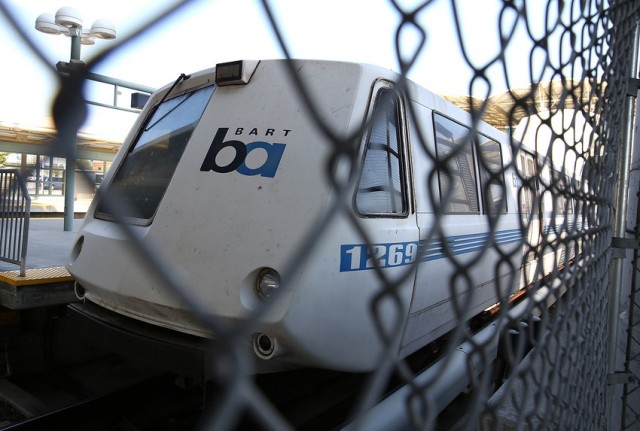
"caption": "A BART train sits idle at Millbrae station on July 3, 2013 during a worker walkout. (Photo: Justin Sullivan/Getty Images)",
"description": null,
"title": "RS6027_bart-strike20130804-scr",
"credit": null,
"status": "inherit",
"isLoading": false,
"fetchFailed": false
},
"news_105881": {
"type": "attachments",
"id": "news_105881",
"meta": {
"index": "attachments_1716263798",
"site": "news",
"id": "105881",
"found": true
},
"parent": 105842,
"imgSizes": {
"kqedFullSize": {
"file": "https://ww2.kqed.org/app/uploads/sites/10/2013/08/actransit20130806-640.jpg",
"width": 640,
"height": 360
}
},
"publishDate": 1375828983,
"modified": 1515541964,
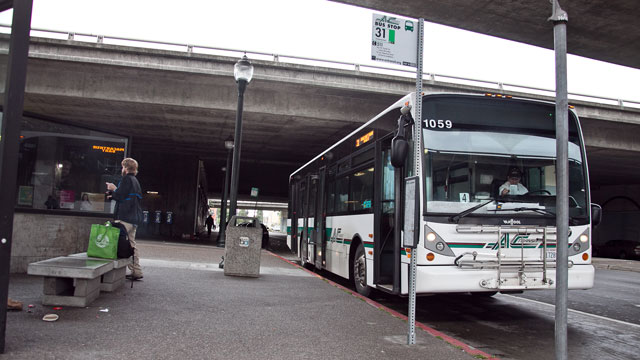
"caption": "An AC Transit bus waits at Macarthur BART station in Oakland.",
"description": null,
"title": "AC Transit",
"credit": "Deborah Svoboda/KQED",
"status": "inherit",
"isLoading": false,
"fetchFailed": false
},
"news_73339": {
"type": "attachments",
"id": "news_73339",
"meta": {
"index": "attachments_1716263798",
"site": "news",
"id": "73339",
"found": true
},
"parent": 73334,
"imgSizes": {
"kqedFullSize": {
"file": "https://ww2.kqed.org/app/uploads/sites/10/2012/08/bart640.jpg",
"width": 640,
"height": 414
}
},
"publishDate": 1345134511,
"modified": 1345134511,
"caption": "Another BART strike deadline looms. (Justin Sullivan/Getty Images)",
"description": null,
"title": "bart640",
"credit": null,
"status": "inherit",
"isLoading": false,
"fetchFailed": false
},
"news_102179": {
"type": "attachments",
"id": "news_102179",
"meta": {
"index": "attachments_1716263798",
"site": "news",
"id": "102179",
"found": true
},
"parent": 102177,
"imgSizes": {
"kqedFullSize": {
"file": "https://ww2.kqed.org/app/uploads/sites/10/2013/07/bartstrike070213-web-e1375400637116.jpg",
"width": 640,
"height": 427
}
},
"publishDate": 1372776659,
"modified": 1372776659,
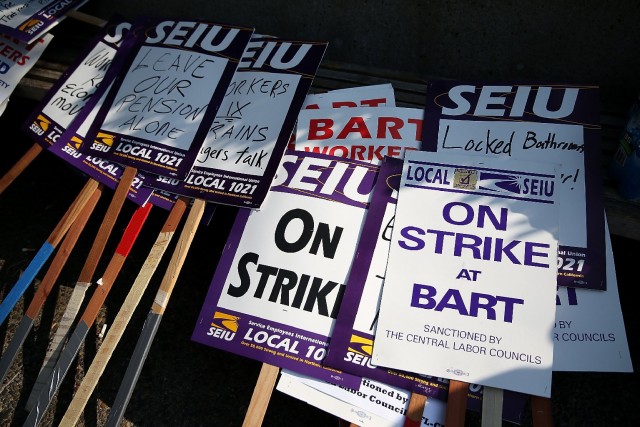
"caption": "(Justin Sullivan/Getty Images)",
"description": null,
"title": "bartstrike070213-web",
"credit": null,
"status": "inherit",
"isLoading": false,
"fetchFailed": false
}
},
"audioPlayerReducer": {
"postId": "stream_live",
"isPaused": true,
"isPlaying": false,
"pfsActive": false,
"pledgeModalIsOpen": true,
"playerDrawerIsOpen": false,
"liveAudioPlayStartedAt": 0,
"liveAudioPlayContext": ""
},
"authorsReducer": {
"danbrekke": {
"type": "authors",
"id": "222",
"meta": {
"index": "authors_1716337520",
"id": "222",
"found": true
},
"name": "Dan Brekke",
"firstName": "Dan",
"lastName": "Brekke",
"slug": "danbrekke",
"email": "dbrekke@kqed.org",
"display_author_email": true,
"staff_mastheads": [
"news",
"science"
],
"title": "KQED Editor and Reporter",
"bio": "Dan Brekke is a reporter and editor for KQED News, responsible for coverage of topics ranging from California water issues to the Bay Area's transportation challenges. In a newsroom career that began in Chicago in 1972, Dan has worked for \u003cem>The San Francisco Examiner,\u003c/em> Wired and TechTV and has been published in The New York Times, The New York Times Magazine, Business 2.0, Salon and elsewhere.\r\n\r\nSince joining KQED in 2007, Dan has reported, edited and produced both radio and online features and breaking news pieces. He has shared as both editor and reporter in four Society of Professional Journalists Norcal Excellence in Journalism awards and one Edward R. Murrow regional award. He was chosen for a spring 2017 residency at the Mesa Refuge to advance his research on California salmon.\r\n\r\nEmail Dan at: \u003ca href=\"mailto:dbrekke@kqed.org\">dbrekke@kqed.org\u003c/a>\r\n\r\n\u003cstrong>Twitter:\u003c/strong> \u003ca href=\"https://twitter.com/danbrekke\" rel=\"noopener noreferrer\">twitter.com/danbrekke\u003c/a>\r\n\u003cstrong>Facebook:\u003c/strong> \u003ca href=\"https://www.facebook.com/danbrekke\" rel=\"noopener noreferrer\">www.facebook.com/danbrekke\u003c/a>\r\n\u003cstrong>LinkedIn:\u003c/strong> \u003ca href=\"https://www.linkedin.com/in/danbrekke\" rel=\"noopener noreferrer\">www.linkedin.com/in/danbrekke\u003c/a>",
"avatar": "https://secure.gravatar.com/avatar/c8126230345efca3f7aa89b1a402be45?s=600&d=mm&r=g",
"twitter": "danbrekke",
"facebook": null,
"instagram": "https://www.instagram.com/dan.brekke/",
"linkedin": "https://www.linkedin.com/in/danbrekke/",
"sites": [
{
"site": "news",
"roles": [
"administrator",
"create_posts"
]
},
{
"site": "stateofhealth",
"roles": [
"editor"
]
},
{
"site": "science",
"roles": [
"editor"
]
},
{
"site": "quest",
"roles": [
"contributor"
]
},
{
"site": "food",
"roles": [
"contributor"
]
},
{
"site": "forum",
"roles": [
"contributor"
]
},
{
"site": "liveblog",
"roles": [
"editor"
]
}
],
"headData": {
"title": "Dan Brekke | KQED",
"description": "KQED Editor and Reporter",
"ogImgSrc": "https://secure.gravatar.com/avatar/c8126230345efca3f7aa89b1a402be45?s=600&d=mm&r=g",
"twImgSrc": "https://secure.gravatar.com/avatar/c8126230345efca3f7aa89b1a402be45?s=600&d=mm&r=g"
},
"isLoading": false,
"link": "/author/danbrekke"
},
"katrinaschwartz": {
"type": "authors",
"id": "234",
"meta": {
"index": "authors_1716337520",
"id": "234",
"found": true
},
"name": "Katrina Schwartz",
"firstName": "Katrina",
"lastName": "Schwartz",
"slug": "katrinaschwartz",
"email": "kschwartz@kqed.org",
"display_author_email": false,
"staff_mastheads": [
"news"
],
"title": "Producer",
"bio": "Katrina Schwartz is a journalist based in San Francisco. She's worked at KPCC public radio in LA and has reported on air and online for KQED since 2010. She covered how teaching and learning is changing for MindShift between 2012 and 2020. She is the co-host of the MindShift podcast and now produces KQED's Bay Curious podcast.",
"avatar": "https://secure.gravatar.com/avatar/edb4ee79070447a018538c9aae6eeecf28786515b8a0c30e43b6b7dce5aa44c8?s=600&d=blank&r=g",
"twitter": "kschwart",
"bluesky": null,
"facebook": null,
"instagram": null,
"linkedin": null,
"sites": [
{
"site": "",
"roles": [
"editor"
]
},
{
"site": "news",
"roles": [
"editor"
]
},
{
"site": "mindshift",
"roles": [
"administrator"
]
},
{
"site": "stateofhealth",
"roles": [
"author"
]
},
{
"site": "science",
"roles": [
"editor"
]
}
],
"headData": {
"title": "Katrina Schwartz | KQED",
"description": "Producer",
"ogImgSrc": "https://secure.gravatar.com/avatar/edb4ee79070447a018538c9aae6eeecf28786515b8a0c30e43b6b7dce5aa44c8?s=600&d=blank&r=g",
"twImgSrc": "https://secure.gravatar.com/avatar/edb4ee79070447a018538c9aae6eeecf28786515b8a0c30e43b6b7dce5aa44c8?s=600&d=blank&r=g"
},
"isLoading": false,
"link": "/author/katrinaschwartz"
},
"kqed": {
"type": "authors",
"id": "236",
"meta": {
"index": "authors_1716337520",
"id": "236",
"found": true
},
"name": "KQED News Staff",
"firstName": "KQED News Staff",
"lastName": null,
"slug": "kqed",
"email": "faq@kqed.org",
"display_author_email": false,
"staff_mastheads": [],
"title": null,
"bio": null,
"avatar": "https://secure.gravatar.com/avatar/ef0e801a68c4c54afa9180db14084167?s=600&d=blank&r=g",
"twitter": null,
"facebook": null,
"instagram": null,
"linkedin": null,
"sites": [
{
"site": "arts",
"roles": [
"contributor"
]
},
{
"site": "news",
"roles": [
"editor"
]
},
{
"site": "futureofyou",
"roles": [
"author"
]
}
],
"headData": {
"title": "KQED News Staff | KQED",
"description": null,
"ogImgSrc": "https://secure.gravatar.com/avatar/ef0e801a68c4c54afa9180db14084167?s=600&d=blank&r=g",
"twImgSrc": "https://secure.gravatar.com/avatar/ef0e801a68c4c54afa9180db14084167?s=600&d=blank&r=g"
},
"isLoading": false,
"link": "/author/kqed"
},
"kqednewsstaffandwires": {
"type": "authors",
"id": "237",
"meta": {
"index": "authors_1716337520",
"id": "237",
"found": true
},
"name": "KQED News Staff and Wires",
"firstName": "KQED News Staff and Wires",
"lastName": null,
"slug": "kqednewsstaffandwires",
"email": "onlinenewsstaff@kqed.org",
"display_author_email": false,
"staff_mastheads": [],
"title": null,
"bio": null,
"avatar": "https://secure.gravatar.com/avatar/72295af8ebbfbd19a4948f5271285664?s=600&d=blank&r=g",
"twitter": null,
"facebook": null,
"instagram": null,
"linkedin": null,
"sites": [
{
"site": "arts",
"roles": [
"contributor"
]
},
{
"site": "news",
"roles": [
"contributor"
]
},
{
"site": "lowdown",
"roles": [
"author"
]
},
{
"site": "stateofhealth",
"roles": [
"contributor"
]
},
{
"site": "food",
"roles": [
"author"
]
}
],
"headData": {
"title": "KQED News Staff and Wires | KQED",
"description": null,
"ogImgSrc": "https://secure.gravatar.com/avatar/72295af8ebbfbd19a4948f5271285664?s=600&d=blank&r=g",
"twImgSrc": "https://secure.gravatar.com/avatar/72295af8ebbfbd19a4948f5271285664?s=600&d=blank&r=g"
},
"isLoading": false,
"link": "/author/kqednewsstaffandwires"
}
},
"pagesReducer": {
"news_tag_labor": {
"type": "terms",
"id": "news_19904",
"meta": {
"index": "terms_1716263798",
"site": "news",
"id": "19904",
"score": 8.558012
},
"name": "Labor",
"slug": "labor",
"taxonomy": "tag",
"description": null,
"featImg": null,
"headData": {
"title": "Labor | KQED News",
"description": null,
"ogTitle": null,
"ogDescription": null,
"ogImgId": null,
"twTitle": null,
"twDescription": null,
"twImgId": null
},
"ttid": 19921,
"isLoading": false,
"title": "Labor",
"pageMeta": {
"site": "news",
"WpPageTemplate": "page-topic-editorial",
"currentPage": 74
},
"blocks": [
{
"blockName": "kqed/post-list",
"attrs": {
"layout": "cardArticle2",
"query": "posts/news?tag=labor",
"seeMore": false,
"paginated": true,
"page": 74
}
},
{
"blockName": "kqed/ad"
}
]
}
},
"pfsSessionReducer": {},
"postsReducer": {
"stream_live": {
"type": "live",
"id": "stream_live",
"audioUrl": "https://streams.kqed.org/kqedradio",
"title": "Live Stream",
"excerpt": "Live Stream information currently unavailable.",
"link": "/radio",
"featImg": "",
"label": {
"name": "KQED Live",
"link": "/"
}
},
"stream_kqedNewscast": {
"type": "posts",
"id": "stream_kqedNewscast",
"audioUrl": "https://www.kqed.org/.stream/anon/radio/RDnews/newscast.mp3?_=1",
"title": "KQED Newscast",
"featImg": "",
"label": {
"name": "88.5 FM",
"link": "/"
}
},
"news_106018": {
"type": "posts",
"id": "news_106018",
"meta": {
"index": "posts_1716263798",
"site": "news",
"id": "106018",
"score": null,
"sort": [
1375909234000
]
},
"parent": 0,
"labelTerm": {
"site": "news",
"term": 6944
},
"blocks": [],
"publishDate": 1375909234,
"format": "aside",
"disqusTitle": "BART, Unions Present Their Case Before Board of Inquiry",
"title": "BART, Unions Present Their Case Before Board of Inquiry",
"headTitle": "News Fix | KQED News",
"content": "\u003cp>\u003cstrong>by Dan Brekke, Jon Brooks, Bryan Goebel\u003cbr>\n\u003c/strong>\u003c/p>\n\u003cp>The BART Board of Inquiry held an all-day meeting in Oakland on Wednesday. The three-member panel was appointed by Gov. Jerry Brown to conduct a fact-finding hearing on stalled strike negotiations between BART unions and management. It will then present a report to the governor within the week, minus any recommendations on what actions should be taken.\u003c/p>\n\u003cfigure id=\"attachment_106112\" class=\"wp-caption alignright\" style=\"max-width: 300px\">\u003ca href=\"http://ww2.kqed.org/news/wp-content/uploads/sites/10/2013/08/bart.jpg.jpg\">\u003cimg class=\"size-medium wp-image-106112\" src=\"http://ww2.kqed.org/news/wp-content/uploads/sites/10/2013/08/bart.jpg-300x200.jpg\" alt=\"The BART Board of Inquiry on Wednesday, Aug. 7. (Deb Svoboda/KQED)\" width=\"300\" height=\"200\">\u003c/a>\u003cfigcaption class=\"wp-caption-text\">The BART Board of Inquiry on Wednesday, Aug. 7. (Deb Svoboda/KQED)\u003c/figcaption>\u003c/figure>\n\u003cp>In the morning session, BART officials made the case for their latest contract offer. BART General Manager Grace Crunican said that rising health and pension costs have combined with wages to make up more than 70 percent of the agency's operating budget.\u003c/p>\n\u003cp>The three unions contended that BART has not been bargaining in good faith. The unions also reiterated their concerns about safety, and SEIU officials said two workers have died on the job recently. Josie Mooney, chief negotiator for the union, said she is strongly opposed to a 60-day cooling-off period because she fears BART will employ more delaying tactics.\u003c/p>\n\u003cp>There's word, however, that negotiations are going to resume tomorrow morning. Mooney said she would like to get a deal by Sunday, but if that doesn't happen the unions are prepared to strike again starting Sunday night.\u003c/p>\n\u003cp>[ad fullwidth]\u003c/p>\n\u003cp>Brown stepped into the deadlocked talks Sunday at the request of BART officials. The intervention prevented workers from going out on strike a second time. Most planners thought that action would have tied up the Bay Area commute considerably worse than the four-day walkout in early July, which occurred around the July 4 holiday.\u003c/p>\n\u003cfigure id=\"attachment_106038\" class=\"wp-caption alignright\" style=\"max-width: 300px\">\u003cimg class=\"size-medium wp-image-106038 \" src=\"http://ww2.kqed.org/news/wp-content/uploads/sites/10/2013/08/RS6027_bart-strike20130804-scr1-300x202.jpg\" alt=\"A BART train sits idle at Millbrae station on July 3, 2013 during a worker walkout. (Photo: Justin Sullivan/Getty Images)\" width=\"300\" height=\"202\">\u003cfigcaption class=\"wp-caption-text\">A BART train sits idle at Millbrae station on July 3, 2013, during a worker walkout. (Photo: Justin Sullivan/Getty)\u003c/figcaption>\u003c/figure>\n\u003cp>Brown acted under a state law that allows him to order a board of inquiry if a strike or lockout threatens to disrupt public transportation and endanger \"the public's health, safety, or welfare.\"\u003c/p>\n\u003cp>After the board makes its report to Brown, and if there has been no agreement in the interim, the governor must decide whether to ask for a 60-day cooling-off period to keep BART trains running. A court would have to make the final decision on enjoining the strike.\u003c/p>\n\u003cp>But the \u003ca href=\"http://www.mercurynews.com/bart/ci_23801193/bart-strike-60-day-shutdown-delay-seems-inevitable\" target=\"_blank\">San Jose Mercury News\u003c/a> reported on Monday that if precedent is any guide, there's an excellent chance that is what's going to happen.\u003c/p>\n\u003cblockquote>\u003cp>In each of the last five BART labor disputes where governors intervened -- between 1988 and 2001 -- the script was the same.\u003c/p>\n\u003cp>In every instance, as the deadline for a deal approached, the governor appointed a three-member \"fact-finding\" committee to forestall a strike for a week while the panel investigated whether both sides were bargaining in good faith. By the end of the week, the governor -- citing the board's findings -- declared the strike would \"endanger the public's health, safety or welfare,\" as the law requires, and secured an injunction from a judge to halt a BART shutdown for 60 days.\u003c/p>\n\u003cp>\"I would think we're heading toward more of the same,\" said William Gould, a Stanford emeritus professor of law who specializes in labor issues. The seven-day delay \"never works. We have to look at the record, and the record is not promising.\" \u003ca href=\"http://www.mercurynews.com/bart/ci_23801193/bart-strike-60-day-shutdown-delay-seems-inevitable\" target=\"_blank\">Full article\u003c/a>\u003c/p>\u003c/blockquote>\n\u003cp>\u003c!--more-->\u003c/p>\n\u003cp>BART board President Tom Radulovich had actually asked Brown to declare the 60-day cooling-off period last week, but Brown's convening of the board of inquiry stopped short of that request.\u003c/p>\n\u003cp>The two sides cannot even seem to agree on how far apart they are. According to BART, the gap is about $100 million. The SEIU says it's only $40 million. BART says it's now offering a 9 percent pay increase over four years, while calling for employees to pay a graduated rate per year of up to 5 percent toward their pensions. Employees do not pay any pension costs now.\u003c/p>\n\u003cp>BART says it is offering to let employees pay the same same flat rate of $92 per month for health care, regardless of how many family members are on the plan, but would \"cap the amount it pays at the lowest cost of a Blue Shield or Kaiser family plan. Those who choose to pick a more expensive plan will have to pay the difference.\"\u003c/p>\n\u003cp>\u003c/p>\n\u003cp>On Wednesday night, BART released a document to the committee.\u003cbr>\n\u003ciframe src=\"http://www.scribd.com/embeds/158811789/content?start_page=1&view_mode=scroll&access_key=key-301062s9158u9zxrurn&show_recommendations=true\" scrolling=\"no\" width=\"600\" height=\"800\" frameborder=\"0\">\u003c/iframe>\u003c/p>\n\n",
"disqusIdentifier": "106018 http://ww2.kqed.org/news/?p=106018",
"disqusUrl": "https://ww2.kqed.org/news/2013/08/07/watch-bart-board-of-inquiry-meeting-live/",
"stats": {
"hasVideo": false,
"hasChartOrMap": false,
"hasAudio": false,
"hasPolis": false,
"wordCount": 740,
"hasGoogleForm": false,
"hasGallery": false,
"hasHearkenModule": false,
"iframeSrcs": [],
"paragraphCount": 19
},
"modified": 1375924721,
"excerpt": null,
"headData": {
"twImgId": "",
"twTitle": "",
"ogTitle": "",
"ogImgId": "",
"twDescription": "",
"description": "by Dan Brekke, Jon Brooks, Bryan Goebel The BART Board of Inquiry held an all-day meeting in Oakland on Wednesday. The three-member panel was appointed by Gov. Jerry Brown to conduct a fact-finding hearing on stalled strike negotiations between BART unions and management. It will then present a report to the governor within the week,",
"title": "BART, Unions Present Their Case Before Board of Inquiry | KQED",
"ogDescription": "",
"schema": {
"@context": "https://schema.org",
"@type": "NewsArticle",
"headline": "BART, Unions Present Their Case Before Board of Inquiry",
"datePublished": "2013-08-07T14:00:34-07:00",
"dateModified": "2013-08-07T18:18:41-07:00",
"image": "https://cdn.kqed.org/wp-content/uploads/2020/02/KQED-OG-Image@1x.png",
"isAccessibleForFree": "True",
"publisher": {
"@type": "NewsMediaOrganization",
"@id": "https://www.kqed.org/#organization",
"name": "KQED",
"logo": "https://cdn.kqed.org/wp-content/uploads/2020/02/KQED-OG-Image@1x.png",
"url": "https://www.kqed.org",
"sameAs": [
"https://www.facebook.com/KQED",
"https://twitter.com/KQED",
"https://www.instagram.com/kqed/",
"https://www.tiktok.com/@kqedofficial",
"https://www.linkedin.com/company/kqed",
"https://www.youtube.com/channel/UCeC0IOo7i1P_61zVUWbJ4nw"
]
}
}
},
"guestAuthors": [],
"slug": "watch-bart-board-of-inquiry-meeting-live",
"status": "publish",
"customPermalink": "2013/08/07/bart-board-of-inquiry/",
"path": "/news/106018/watch-bart-board-of-inquiry-meeting-live",
"audioTrackLength": null,
"parsedContent": [
{
"type": "contentString",
"content": "\u003cdiv class=\"post-body\">\u003cp>\u003cp>\u003cstrong>by Dan Brekke, Jon Brooks, Bryan Goebel\u003cbr>\n\u003c/strong>\u003c/p>\n\u003cp>The BART Board of Inquiry held an all-day meeting in Oakland on Wednesday. The three-member panel was appointed by Gov. Jerry Brown to conduct a fact-finding hearing on stalled strike negotiations between BART unions and management. It will then present a report to the governor within the week, minus any recommendations on what actions should be taken.\u003c/p>\n\u003cfigure id=\"attachment_106112\" class=\"wp-caption alignright\" style=\"max-width: 300px\">\u003ca href=\"http://ww2.kqed.org/news/wp-content/uploads/sites/10/2013/08/bart.jpg.jpg\">\u003cimg class=\"size-medium wp-image-106112\" src=\"http://ww2.kqed.org/news/wp-content/uploads/sites/10/2013/08/bart.jpg-300x200.jpg\" alt=\"The BART Board of Inquiry on Wednesday, Aug. 7. (Deb Svoboda/KQED)\" width=\"300\" height=\"200\">\u003c/a>\u003cfigcaption class=\"wp-caption-text\">The BART Board of Inquiry on Wednesday, Aug. 7. (Deb Svoboda/KQED)\u003c/figcaption>\u003c/figure>\n\u003cp>In the morning session, BART officials made the case for their latest contract offer. BART General Manager Grace Crunican said that rising health and pension costs have combined with wages to make up more than 70 percent of the agency's operating budget.\u003c/p>\n\u003cp>The three unions contended that BART has not been bargaining in good faith. The unions also reiterated their concerns about safety, and SEIU officials said two workers have died on the job recently. Josie Mooney, chief negotiator for the union, said she is strongly opposed to a 60-day cooling-off period because she fears BART will employ more delaying tactics.\u003c/p>\n\u003cp>There's word, however, that negotiations are going to resume tomorrow morning. Mooney said she would like to get a deal by Sunday, but if that doesn't happen the unions are prepared to strike again starting Sunday night.\u003c/p>\n\u003cp>\u003c/p>\u003c/div>",
"attributes": {
"named": {},
"numeric": []
}
},
{
"type": "component",
"content": "",
"name": "ad",
"attributes": {
"named": {
"label": "fullwidth"
},
"numeric": [
"fullwidth"
]
}
},
{
"type": "contentString",
"content": "\u003cdiv class=\"post-body\">\u003cp>\u003c/p>\n\u003cp>Brown stepped into the deadlocked talks Sunday at the request of BART officials. The intervention prevented workers from going out on strike a second time. Most planners thought that action would have tied up the Bay Area commute considerably worse than the four-day walkout in early July, which occurred around the July 4 holiday.\u003c/p>\n\u003cfigure id=\"attachment_106038\" class=\"wp-caption alignright\" style=\"max-width: 300px\">\u003cimg class=\"size-medium wp-image-106038 \" src=\"http://ww2.kqed.org/news/wp-content/uploads/sites/10/2013/08/RS6027_bart-strike20130804-scr1-300x202.jpg\" alt=\"A BART train sits idle at Millbrae station on July 3, 2013 during a worker walkout. (Photo: Justin Sullivan/Getty Images)\" width=\"300\" height=\"202\">\u003cfigcaption class=\"wp-caption-text\">A BART train sits idle at Millbrae station on July 3, 2013, during a worker walkout. (Photo: Justin Sullivan/Getty)\u003c/figcaption>\u003c/figure>\n\u003cp>Brown acted under a state law that allows him to order a board of inquiry if a strike or lockout threatens to disrupt public transportation and endanger \"the public's health, safety, or welfare.\"\u003c/p>\n\u003cp>After the board makes its report to Brown, and if there has been no agreement in the interim, the governor must decide whether to ask for a 60-day cooling-off period to keep BART trains running. A court would have to make the final decision on enjoining the strike.\u003c/p>\n\u003cp>But the \u003ca href=\"http://www.mercurynews.com/bart/ci_23801193/bart-strike-60-day-shutdown-delay-seems-inevitable\" target=\"_blank\">San Jose Mercury News\u003c/a> reported on Monday that if precedent is any guide, there's an excellent chance that is what's going to happen.\u003c/p>\n\u003cblockquote>\u003cp>In each of the last five BART labor disputes where governors intervened -- between 1988 and 2001 -- the script was the same.\u003c/p>\n\u003cp>In every instance, as the deadline for a deal approached, the governor appointed a three-member \"fact-finding\" committee to forestall a strike for a week while the panel investigated whether both sides were bargaining in good faith. By the end of the week, the governor -- citing the board's findings -- declared the strike would \"endanger the public's health, safety or welfare,\" as the law requires, and secured an injunction from a judge to halt a BART shutdown for 60 days.\u003c/p>\n\u003cp>\"I would think we're heading toward more of the same,\" said William Gould, a Stanford emeritus professor of law who specializes in labor issues. The seven-day delay \"never works. We have to look at the record, and the record is not promising.\" \u003ca href=\"http://www.mercurynews.com/bart/ci_23801193/bart-strike-60-day-shutdown-delay-seems-inevitable\" target=\"_blank\">Full article\u003c/a>\u003c/p>\u003c/blockquote>\n\u003cp>\u003c!--more-->\u003c/p>\n\u003cp>BART board President Tom Radulovich had actually asked Brown to declare the 60-day cooling-off period last week, but Brown's convening of the board of inquiry stopped short of that request.\u003c/p>\n\u003cp>The two sides cannot even seem to agree on how far apart they are. According to BART, the gap is about $100 million. The SEIU says it's only $40 million. BART says it's now offering a 9 percent pay increase over four years, while calling for employees to pay a graduated rate per year of up to 5 percent toward their pensions. Employees do not pay any pension costs now.\u003c/p>\n\u003cp>BART says it is offering to let employees pay the same same flat rate of $92 per month for health care, regardless of how many family members are on the plan, but would \"cap the amount it pays at the lowest cost of a Blue Shield or Kaiser family plan. Those who choose to pick a more expensive plan will have to pay the difference.\"\u003c/p>\n\u003cp>\u003c/p>\n\u003cp>On Wednesday night, BART released a document to the committee.\u003cbr>\n\u003ciframe src=\"http://www.scribd.com/embeds/158811789/content?start_page=1&view_mode=scroll&access_key=key-301062s9158u9zxrurn&show_recommendations=true\" scrolling=\"no\" width=\"600\" height=\"800\" frameborder=\"0\">\u003c/iframe>\u003c/p>\n\n\u003c/div>\u003c/p>",
"attributes": {
"named": {},
"numeric": []
}
}
],
"link": "/news/106018/watch-bart-board-of-inquiry-meeting-live",
"authors": [
"236"
],
"programs": [
"news_6944"
],
"categories": [
"news_8",
"news_1397"
],
"tags": [
"news_269",
"news_19904"
],
"featImg": "news_106038",
"label": "news_6944"
},
"news_105842": {
"type": "posts",
"id": "news_105842",
"meta": {
"index": "posts_1716263798",
"site": "news",
"id": "105842",
"score": null,
"sort": [
1375858527000
]
},
"parent": 0,
"labelTerm": {
"site": "news",
"term": 6944
},
"blocks": [],
"publishDate": 1375858527,
"format": "aside",
"disqusTitle": "AC Transit Buses Running as Strike Avoided",
"title": "AC Transit Buses Running as Strike Avoided",
"headTitle": "News Fix | KQED News",
"content": "\u003cfigure id=\"attachment_105881\" class=\"wp-caption alignright\" style=\"max-width: 300px\">\u003ca href=\"http://ww2.kqed.org/news/wp-content/uploads/sites/10/2013/08/actransit20130806-640.jpg\">\u003cimg class=\"size-medium wp-image-105881 \" src=\"http://ww2.kqed.org/news/wp-content/uploads/sites/10/2013/08/actransit20130806-640-300x168.jpg\" alt=\"An AC Transit bus waits at Macarthur BART station in Oakland. (Deborah Svoboda/KQED)\" width=\"300\" height=\"168\">\u003c/a>\u003cfigcaption class=\"wp-caption-text\">An AC Transit bus waits at MacArthur BART station in Oakland. (Deborah Svoboda/KQED) \u003ccite>(Deborah Svoboda/KQED)\u003c/cite>\u003c/figcaption>\u003c/figure>\n\u003cp>\u003cstrong>Update Wednesday:\u003cbr>\n\u003c/strong>\u003c/p>\n\u003cp>Drivers, mechanics, dispatchers and other workers for AC Transit reached a tentative agreement with their employer late Tuesday, avoiding a strike that threatened to affect hundreds of thousands of commuters.\u003c/p>\n\u003cp>Amalgamated Transit Union Local 192 and the Alameda-Contra Costa Transit District struck the deal shortly before midnight, when the union had vowed to go on strike. It gives about 1,800 workers a 9.5 percent raise over the course of three years, with employees contributing for the first time to their medical benefits. Those payments will reach $180 per month in the third year of the contract. Workers will still not have to make any payments toward their pensions.\u003c/p>\n\u003cp>AC Transit drivers are paid an average salary of $55,000 a year, or $103,000 with benefits, transit system spokesman Clarence Johnson said.\u003c/p>\n\u003cp>Yvonne Williams, president of ATU Local 192, said, a ratification vote will occur later this month. \"We’ve been in negotiations for over five months,\" she said. \"At times it seemed that we weren’t going to be able to get an agreement.\"\u003c/p>\n\u003cp>[ad fullwidth]\u003c/p>\n\u003cp>The AC Transit Board of Directors unanimously approved the agreement.\u003c/p>\n\u003cp>AC Transit board member Elsa Ortiz said the parties came into Tuesday's talks determined to make a deal.\u003c/p>\n\u003cp>\"I think one of the things that helped both sides reach an agreement was that we were very respectful of each other. We were very professional and very courteous, so I think that created an environment conducive to reaching an agreement.\"\u003c/p>\n\u003cp>About 181,000 trips are taken daily on the transit system.\u003cbr>\n\u003c!--more-->\u003c/p>\n\u003cp>\u003cstrong>Update, 8 p.m. Tuesday:\u003c/strong>\u003c/p>\n\u003cp>The latest: AC Transit management and union leaders are continuing negotiations in order to avert a walkout that could begin at 12:01 a.m. Wednesday. A press release from AC Transit said the two sides are very close to an agreement:\u003c/p>\n\u003cblockquote>\u003cp>\"Most notably, on the key issues of wages and health care, the distance between the two parties has narrowed substantially. On wages, AC Transit is proposing a nine percent (9%) wage increase over the life of a three-year contract while the ATU now seeks a nine point seventy-five percent (9.75%) wage increase over the same period of time.\u003c/p>\n\u003cp>\"On the more sticky matter of ATU employees making contributions toward health care costs, there is only a ten dollar ($10.00) difference between the two parties. Both the District and ATU agree on monthly contributions of $70 and $180, respectively, for the first and third years of the contract. However, during the second year of the contract, AC Transit is hoping for $145 monthly contribution while the union is offering a $135 monthly payment.\u003c/p>\u003c/blockquote>\n\u003cp>But despite the narrowing gap in the talks, Local 192 President Yvonne Williams said via Twitter that \u003ca href=\"http://www.contracostatimes.com/news/ci_23808846\" target=\"_blank\">a report in the Oakland Tribune\u003c/a> that the two sides \"might have reached a tentative pact\" was premature.\u003c/p>\n\u003cblockquote class=\"twitter-tweet\">\u003cp>\"We hope to get a tentative agreement,\" is the quote from President Yvonne Williams. Other reports premature. \u003ca href=\"https://twitter.com/search?q=%23strike&src=hash\">#strike\u003c/a> @ATUComms \u003ca href=\"https://twitter.com/search?q=%23ACTransit&src=hash\">#ACTransit\u003c/a>\u003c/p>\n\u003cp>— Yvonne M. Williams (@atulocal192) \u003ca href=\"https://twitter.com/atulocal192/statuses/364938047885815810\">August 7, 2013\u003c/a>\u003c/p>\u003c/blockquote>\n\u003cp>The AC Transit Board of Directors met earlier this evening in closed session to review the status of negotiations. KQED reporter Andrew Stelzer said a one-minute-long public board meeting included a union representative saying during audience comment, \"I hope there is an agreement.\"\u003c/p>\n\u003cp>AC Transit provides service to 13 cities and unincorporated areas in Alameda and Contra Costa counties, as well as transbay service via the Bay Bridge to San Francisco. Buses also cross the Dumbarton and San Mateo bridges. The transit system has been locked in months-long negotiations with Amalgamated Transit Union Local 192.\u003c/p>\n\u003cp>The union’s current contract expired on July 1, but workers chose not to strike at the same time as BART. Amalgamated Transit Union Local 192, which represents 1,625 mechanics and bus operators, notified the board about a possible work stoppage on Monday.\u003c/p>\n\u003cp>\u003cstrong>What's at Stake?\u003c/strong>\u003c/p>\n\u003cp>AC Transit has offered the union a 9 percent salary increase over three years and wants union workers to pay 10 percent of their health care premiums -- what other district employees pay. The union wanted a 10.5 percent raise and to phase in health care payments at a \"reasonable level,\" but didn't share details about what that might mean.\u003c/p>\n\u003cp>AC Transit spokesman Clarence Johnson said he's optimistic an agreement with the union can be reached by midnight tonight, despite the gaps on the wage hike and health care plan contributions.\u003c/p>\n\u003caside class=\"pullquote alignleft\">\u003ca href=\"http://actransitstrike.511.org/\" target=\"_blank\">Visit 511.org for commute options if AC Transit workers strike\u003c/a>\u003c/aside>\n\u003cp>\"We're now only about $4 million apart, as of last night,\" Johnson said. \"We're about 1 percentage point apart in our wage proposals. We're offering 9 percent. The union is now seeking 10 percent.\"\u003c/p>\n\u003cp>Johnson said a strike would be \"catastrophic.\" About 181,000 trips are taken on AC Transit daily.\u003c/p>\n\u003cp>Ted Miller, who said he's been an AC Transit bus driver for 25 years, showed up at an AC Transit press conference Tuesday morning to correct what he called misinformation. He said safety and wages are the big concerns.\u003c/p>\n\u003cp>\"We haven't had a raise in almost 15 years. And the raise that they so-called are offering is absorbed by the additional medical payments that they want us to pay,\" Miller said. \"They want us to pay somewhere in the neighborhood of 10 percent of the total costs, which would eat up the entire 9 percent that they're asking.\"\u003c/p>\n\u003cp>Both sides have been talking through a state mediator. Johnson was uncertain whether overnight bus service would end at midnight if a strike is called. He said that would be up to the unions.\u003c/p>\n\u003cp>\u003cstrong>Reliance on AC Transit\u003c/strong>\u003c/p>\n\u003cp>Michelle Lynee has a medical condition that requires frequent visits to the doctor. She was running critical errands Tuesday in case there's a strike tomorrow.\u003c/p>\n\u003cp>\"I am totally dependent on AC Transit and BART,\" Lynee said, while waiting for an AC Transit bus in downtown Oakland.\u003c/p>\n\u003cp>\"I'm doing my little bit of shopping. I'm stopping at Kaiser to drop off some forms,\" Lynee said. \"I'm doing it today so that the important stuff is done, and then tomorrow I'll just be in. I'll just be at home.\"\u003c/p>\n\u003cp>\u003c/p>\n\u003cp>Listen to the story:\u003cbr>\n\u003ciframe src=\"https://w.soundcloud.com/player/?url=http%3A%2F%2Fapi.soundcloud.com%2Ftracks%2F104336319\" frameborder=\"no\" scrolling=\"no\" width=\"100%\" height=\"166\">\u003c/iframe>\u003c/p>\n\n",
"disqusIdentifier": "105842 http://ww2.kqed.org/news/?p=105842",
"disqusUrl": "https://ww2.kqed.org/news/2013/08/06/ac-transit-may-strike-at-midnight/",
"stats": {
"hasVideo": false,
"hasChartOrMap": false,
"hasAudio": true,
"hasPolis": false,
"wordCount": 1072,
"hasGoogleForm": false,
"hasGallery": false,
"hasHearkenModule": false,
"iframeSrcs": [],
"paragraphCount": 34
},
"modified": 1375910551,
"excerpt": null,
"headData": {
"twImgId": "",
"twTitle": "",
"ogTitle": "",
"ogImgId": "",
"twDescription": "",
"description": "Update Wednesday: Drivers, mechanics, dispatchers and other workers for AC Transit reached a tentative agreement with their employer late Tuesday, avoiding a strike that threatened to affect hundreds of thousands of commuters. Amalgamated Transit Union Local 192 and the Alameda-Contra Costa Transit District struck the deal shortly before midnight, when the union had vowed to",
"title": "AC Transit Buses Running as Strike Avoided | KQED",
"ogDescription": "",
"schema": {
"@context": "https://schema.org",
"@type": "NewsArticle",
"headline": "AC Transit Buses Running as Strike Avoided",
"datePublished": "2013-08-06T23:55:27-07:00",
"dateModified": "2013-08-07T14:22:31-07:00",
"image": "https://cdn.kqed.org/wp-content/uploads/2020/02/KQED-OG-Image@1x.png",
"isAccessibleForFree": "True",
"publisher": {
"@type": "NewsMediaOrganization",
"@id": "https://www.kqed.org/#organization",
"name": "KQED",
"logo": "https://cdn.kqed.org/wp-content/uploads/2020/02/KQED-OG-Image@1x.png",
"url": "https://www.kqed.org",
"sameAs": [
"https://www.facebook.com/KQED",
"https://twitter.com/KQED",
"https://www.instagram.com/kqed/",
"https://www.tiktok.com/@kqedofficial",
"https://www.linkedin.com/company/kqed",
"https://www.youtube.com/channel/UCeC0IOo7i1P_61zVUWbJ4nw"
]
}
}
},
"guestAuthors": [],
"slug": "ac-transit-may-strike-at-midnight",
"status": "publish",
"customPermalink": "2013/08/06/ac-transit-strike-deadline-update/",
"path": "/news/105842/ac-transit-may-strike-at-midnight",
"audioTrackLength": null,
"parsedContent": [
{
"type": "contentString",
"content": "\u003cdiv class=\"post-body\">\u003cp>\u003cfigure id=\"attachment_105881\" class=\"wp-caption alignright\" style=\"max-width: 300px\">\u003ca href=\"http://ww2.kqed.org/news/wp-content/uploads/sites/10/2013/08/actransit20130806-640.jpg\">\u003cimg class=\"size-medium wp-image-105881 \" src=\"http://ww2.kqed.org/news/wp-content/uploads/sites/10/2013/08/actransit20130806-640-300x168.jpg\" alt=\"An AC Transit bus waits at Macarthur BART station in Oakland. (Deborah Svoboda/KQED)\" width=\"300\" height=\"168\">\u003c/a>\u003cfigcaption class=\"wp-caption-text\">An AC Transit bus waits at MacArthur BART station in Oakland. (Deborah Svoboda/KQED) \u003ccite>(Deborah Svoboda/KQED)\u003c/cite>\u003c/figcaption>\u003c/figure>\n\u003cp>\u003cstrong>Update Wednesday:\u003cbr>\n\u003c/strong>\u003c/p>\n\u003cp>Drivers, mechanics, dispatchers and other workers for AC Transit reached a tentative agreement with their employer late Tuesday, avoiding a strike that threatened to affect hundreds of thousands of commuters.\u003c/p>\n\u003cp>Amalgamated Transit Union Local 192 and the Alameda-Contra Costa Transit District struck the deal shortly before midnight, when the union had vowed to go on strike. It gives about 1,800 workers a 9.5 percent raise over the course of three years, with employees contributing for the first time to their medical benefits. Those payments will reach $180 per month in the third year of the contract. Workers will still not have to make any payments toward their pensions.\u003c/p>\n\u003cp>AC Transit drivers are paid an average salary of $55,000 a year, or $103,000 with benefits, transit system spokesman Clarence Johnson said.\u003c/p>\n\u003cp>Yvonne Williams, president of ATU Local 192, said, a ratification vote will occur later this month. \"We’ve been in negotiations for over five months,\" she said. \"At times it seemed that we weren’t going to be able to get an agreement.\"\u003c/p>\n\u003cp>\u003c/p>\u003c/div>",
"attributes": {
"named": {},
"numeric": []
}
},
{
"type": "component",
"content": "",
"name": "ad",
"attributes": {
"named": {
"label": "fullwidth"
},
"numeric": [
"fullwidth"
]
}
},
{
"type": "contentString",
"content": "\u003cdiv class=\"post-body\">\u003cp>\u003c/p>\n\u003cp>The AC Transit Board of Directors unanimously approved the agreement.\u003c/p>\n\u003cp>AC Transit board member Elsa Ortiz said the parties came into Tuesday's talks determined to make a deal.\u003c/p>\n\u003cp>\"I think one of the things that helped both sides reach an agreement was that we were very respectful of each other. We were very professional and very courteous, so I think that created an environment conducive to reaching an agreement.\"\u003c/p>\n\u003cp>About 181,000 trips are taken daily on the transit system.\u003cbr>\n\u003c!--more-->\u003c/p>\n\u003cp>\u003cstrong>Update, 8 p.m. Tuesday:\u003c/strong>\u003c/p>\n\u003cp>The latest: AC Transit management and union leaders are continuing negotiations in order to avert a walkout that could begin at 12:01 a.m. Wednesday. A press release from AC Transit said the two sides are very close to an agreement:\u003c/p>\n\u003cblockquote>\u003cp>\"Most notably, on the key issues of wages and health care, the distance between the two parties has narrowed substantially. On wages, AC Transit is proposing a nine percent (9%) wage increase over the life of a three-year contract while the ATU now seeks a nine point seventy-five percent (9.75%) wage increase over the same period of time.\u003c/p>\n\u003cp>\"On the more sticky matter of ATU employees making contributions toward health care costs, there is only a ten dollar ($10.00) difference between the two parties. Both the District and ATU agree on monthly contributions of $70 and $180, respectively, for the first and third years of the contract. However, during the second year of the contract, AC Transit is hoping for $145 monthly contribution while the union is offering a $135 monthly payment.\u003c/p>\u003c/blockquote>\n\u003cp>But despite the narrowing gap in the talks, Local 192 President Yvonne Williams said via Twitter that \u003ca href=\"http://www.contracostatimes.com/news/ci_23808846\" target=\"_blank\">a report in the Oakland Tribune\u003c/a> that the two sides \"might have reached a tentative pact\" was premature.\u003c/p>\n\u003cblockquote class=\"twitter-tweet\">\u003cp>\"We hope to get a tentative agreement,\" is the quote from President Yvonne Williams. Other reports premature. \u003ca href=\"https://twitter.com/search?q=%23strike&src=hash\">#strike\u003c/a> @ATUComms \u003ca href=\"https://twitter.com/search?q=%23ACTransit&src=hash\">#ACTransit\u003c/a>\u003c/p>\n\u003cp>— Yvonne M. Williams (@atulocal192) \u003ca href=\"https://twitter.com/atulocal192/statuses/364938047885815810\">August 7, 2013\u003c/a>\u003c/p>\u003c/blockquote>\n\u003cp>The AC Transit Board of Directors met earlier this evening in closed session to review the status of negotiations. KQED reporter Andrew Stelzer said a one-minute-long public board meeting included a union representative saying during audience comment, \"I hope there is an agreement.\"\u003c/p>\n\u003cp>AC Transit provides service to 13 cities and unincorporated areas in Alameda and Contra Costa counties, as well as transbay service via the Bay Bridge to San Francisco. Buses also cross the Dumbarton and San Mateo bridges. The transit system has been locked in months-long negotiations with Amalgamated Transit Union Local 192.\u003c/p>\n\u003cp>The union’s current contract expired on July 1, but workers chose not to strike at the same time as BART. Amalgamated Transit Union Local 192, which represents 1,625 mechanics and bus operators, notified the board about a possible work stoppage on Monday.\u003c/p>\n\u003cp>\u003cstrong>What's at Stake?\u003c/strong>\u003c/p>\n\u003cp>AC Transit has offered the union a 9 percent salary increase over three years and wants union workers to pay 10 percent of their health care premiums -- what other district employees pay. The union wanted a 10.5 percent raise and to phase in health care payments at a \"reasonable level,\" but didn't share details about what that might mean.\u003c/p>\n\u003cp>AC Transit spokesman Clarence Johnson said he's optimistic an agreement with the union can be reached by midnight tonight, despite the gaps on the wage hike and health care plan contributions.\u003c/p>\n\u003caside class=\"pullquote alignleft\">\u003ca href=\"http://actransitstrike.511.org/\" target=\"_blank\">Visit 511.org for commute options if AC Transit workers strike\u003c/a>\u003c/aside>\n\u003cp>\"We're now only about $4 million apart, as of last night,\" Johnson said. \"We're about 1 percentage point apart in our wage proposals. We're offering 9 percent. The union is now seeking 10 percent.\"\u003c/p>\n\u003cp>Johnson said a strike would be \"catastrophic.\" About 181,000 trips are taken on AC Transit daily.\u003c/p>\n\u003cp>Ted Miller, who said he's been an AC Transit bus driver for 25 years, showed up at an AC Transit press conference Tuesday morning to correct what he called misinformation. He said safety and wages are the big concerns.\u003c/p>\n\u003cp>\"We haven't had a raise in almost 15 years. And the raise that they so-called are offering is absorbed by the additional medical payments that they want us to pay,\" Miller said. \"They want us to pay somewhere in the neighborhood of 10 percent of the total costs, which would eat up the entire 9 percent that they're asking.\"\u003c/p>\n\u003cp>Both sides have been talking through a state mediator. Johnson was uncertain whether overnight bus service would end at midnight if a strike is called. He said that would be up to the unions.\u003c/p>\n\u003cp>\u003cstrong>Reliance on AC Transit\u003c/strong>\u003c/p>\n\u003cp>Michelle Lynee has a medical condition that requires frequent visits to the doctor. She was running critical errands Tuesday in case there's a strike tomorrow.\u003c/p>\n\u003cp>\"I am totally dependent on AC Transit and BART,\" Lynee said, while waiting for an AC Transit bus in downtown Oakland.\u003c/p>\n\u003cp>\"I'm doing my little bit of shopping. I'm stopping at Kaiser to drop off some forms,\" Lynee said. \"I'm doing it today so that the important stuff is done, and then tomorrow I'll just be in. I'll just be at home.\"\u003c/p>\n\u003cp>\u003c/p>\n\u003cp>Listen to the story:\u003cbr>\n\u003ciframe src=\"https://w.soundcloud.com/player/?url=http%3A%2F%2Fapi.soundcloud.com%2Ftracks%2F104336319\" frameborder=\"no\" scrolling=\"no\" width=\"100%\" height=\"166\">\u003c/iframe>\u003c/p>\n\n\u003c/div>\u003c/p>",
"attributes": {
"named": {},
"numeric": []
}
}
],
"link": "/news/105842/ac-transit-may-strike-at-midnight",
"authors": [
"237"
],
"programs": [
"news_6944"
],
"categories": [
"news_8",
"news_1397"
],
"tags": [
"news_2505",
"news_19904",
"news_18"
],
"featImg": "news_105881",
"label": "news_6944"
},
"news_105544": {
"type": "posts",
"id": "news_105544",
"meta": {
"index": "posts_1716263798",
"site": "news",
"id": "105544",
"score": null,
"sort": [
1375649951000
]
},
"parent": 0,
"labelTerm": {
"site": "news",
"term": 6944
},
"blocks": [],
"publishDate": 1375649951,
"format": "aside",
"disqusTitle": "BART Strike Averted as Governor Asks for Inquiry",
"title": "BART Strike Averted as Governor Asks for Inquiry",
"headTitle": "News Fix | KQED News",
"content": "\u003cfigure id=\"attachment_105545\" class=\"wp-caption alignright\" style=\"max-width: 200px\">\u003ca href=\"http://ww2.kqed.org/news/2013/08/04/bart-strike-deadline-update-talks-go-down-to-the-wire-again/rs5245_115-scr/\" rel=\"attachment wp-att-105545\">\u003cimg class=\"size-thumbnail wp-image-105545\" src=\"http://ww2.kqed.org/news/wp-content/uploads/sites/10/2013/08/RS5245_115-scr-200x200.jpg\" alt=\"BART passenger enters fare gates. \" width=\"200\" height=\"200\">\u003c/a>\u003cfigcaption class=\"wp-caption-text\">BART passenger enters fare gates.\u003c/figcaption>\u003c/figure>\n\u003cp>\u003cstrong>Update: 11:45 p.m. Sunday, Aug. 4:\u003c/strong>\u003c/p>\n\u003cp>The latest:Gov. Jerry Brown has stepped into the deadlocked talks between BART and its two biggest unions and appointed a three-member board of inquiry to examine the unresolved issues in the labor dispute.\u003c/p>\n\u003cp>Brown's move, made at the request of BART officials, means that workers will not go on strike tonight and trains will roll as usual Monday morning.\u003c/p>\n\u003cp>In a \u003ca href=\"http://gov.ca.gov/news.php?id=18151\" target=\"_blank\">Sunday night letter\u003c/a> to union leaders and BART management, Brown said the three-member board of inquiry will conduct its investigation and report back to him within seven days. Union leaders said during an impromptu press conference outside Caltrans District Four headquarters in Oakland that train service will continue during that time. The inquiry could lead to a formal cooling-off period.\u003c/p>\n\u003cp>Brown acted under a state law that allows him to order a board of inquiry if a strike or lockout threatens to disrupt public transportation and endanger \"the public's health, safety, or welfare.\"\u003c/p>\n\u003cp>[ad fullwidth]\u003c/p>\n\u003cp>The union leaders expressed frustration that this weekend's marathon talks ended with the two sides still far apart on the three central issues: pay and future pension payments and contributions to medical benefits.\u003c/p>\n\u003cp>\"We want to say that we have been here for the last 24 hours, and we only got a very regressive proposal from BART in the last 45 minutes,\" SEIU Local 1021 chief negotiator Josie Mooney said. \"We're very disappointed in their continued posturing, their continued negotiations, which are in very bad faith.\" \u003c!--more-->In a brief press conference at BART headquarters after Brown's announcement, BART board President Tom Radulovich disputed Mooney's account. \"We don't think we put forward a regressive offer,\" Radulovich said. \"As we've sat here this weekend, our wage offer went up and up.\"\u003c/p>\n\u003cp>In \u003ca href=\"http://bart.gov/news/articles/2013/news20130804.aspx\" target=\"_blank\">a statement, BART said \u003c/a>Radulovich \u003ca href=\"http://bart.gov/docs/8.4.13_Gov_Brown_Cooling_Off.pdf\" target=\"_blank\">wrote Brown earlier Sunday\u003c/a> to ask him to declare a 60-day cooling-off period.\u003c/p>\n\u003cp>A cooling-off period would “allow us to continue negotiating while assuring the public that it will have transit service tomorrow and for another 60 days as we continue to bargain,” Radulovich wrote.\u003c/p>\n\u003cp>Brown's decision to order the board of inquiry stopped short of Radulovich's request, though.\u003c/p>\n\u003cp>SEIU Local 1021 President Roxanne Sanchez thanked the governor for stepping in, but said that all sides must now focus on presenting a case to the investigating board. \"Unfortunately, it takes our attention away from the bargaining table,\" Sanchez said. \"But perhaps this will shed the light on what we've been trying to tell you, the press and the public.\"\u003c/p>\n\u003cp>Under law, the board of inquiry's report to the governor must be made public.\u003c/p>\n\u003cp>In his letter, Brown said the board of inquiry includes: Jacob Appelsmith, the board's chairman, director of the Department of Alcoholic Beverage Control; Micki Callahan, director of human resources for the city and county of San Francisco; and Robert L. Balgenorth, president emeritus of the State Building and Construction Trades Council of California.\u003c/p>\n\u003cp>The governor concluded by asking all sides for a quick resolution. \"For the sake of the people of the Bay Area, I urge—in the strongest terms possible—the parties to meet quickly and as long as necessary to get this dispute resolved,\" Brown said.\u003c/p>\n\u003cp>Brown acted under \u003ca href=\"http://www.leginfo.ca.gov/cgi-bin/displaycode?section=gov&group=03001-04000&file=3610-3616\" target=\"_blank\">California Code Section 3612, subdivision a\u003c/a>. That provision reads:\u003c/p>\n\u003cblockquote>\u003cp>Whenever in the opinion of the Governor, a threatened or\u003cbr>\nactual strike or lockout will, if permitted to occur or continue,\u003cbr>\nsignificantly disrupt public transportation services and endanger the\u003cbr>\npublic's health, safety, or welfare, and upon the request of either\u003cbr>\nparty to the dispute, the Governor may appoint a board to investigate\u003cbr>\nthe issues involved in the dispute and to make a written report to\u003cbr>\nhim or her within seven days. The report shall include a statement of\u003cbr>\nthe facts with respect to the dispute, including the respective\u003cbr>\npositions of the parties, but shall not contain recommendations. The\u003cbr>\nreport shall be made available to the public.\u003c/p>\u003c/blockquote>\n\u003cp>\u003cstrong>Earlier post:\u003c/strong> About 8 p.m., BART's hired chief negotiator, Thomas Hock, left the talks at Caltrans District Four headquarter to confer with the transit agency's management. He told reporters there had been some progress in the talks. But the unions' lead negotiators also left the talks for a dinner break, and they suggested there's been little or no progress. If you're looking for a reason to feel hopeful the trains will be running in the morning, it's in the insistence of both sides to keep talking tonight.\u003c/p>\n\u003cp>Here's how the latest report from the \u003ca href=\"http://www.insidebayarea.com/bart/ci_23793808/bart-talks-begin-sunday-morning-chance-monday-morning\" target=\"_blank\">Bay Area News Group sums up\u003c/a> the scene with less than three hours to go until the midnight strike deadline:\u003c/p>\n\u003cblockquote>\u003cp>BART chief negotiator Tom Hock, leaving the bargaining table Sunday night to brief other agency officials, said \"we're getting closer\" but that talks were moving \"slowly.\" As he walked, about two-dozen union workers shouted at him: \"Hock go home!\"\u003c/p>\n\u003cp>Minutes later, Chris Finn, recording secretary for the local Amalgamated Transit Union, said no progress had been made but that union leaders were ready to negotiate all night: \"We've got a hotel room and we're ready to meet around the clock if need be,\" he said.\u003c/p>\n\u003cp>BART spokesman Rick Rice said proposals were going \"back and forth\" between management and the unions. He was encouraged that the talks had stretched on so long and hoped unions would see enough progress that, even without a deal, they would extend the talks into Monday while keeping service intact.\u003c/p>\n\u003cp>\"There's a lot of activity going on. I'm hopeful,\" Rice said. \"When I see this much activity (and talks go on) this long I'm more hopeful we'll keep talking and keep trains running.\"\u003c/p>\u003c/blockquote>\n\u003cp>Otherwise, the main news as we move toward the midnight deadline for a second BART strike in five weeks is ... that there's very little of substance to report about the actual negotiations..\u003c/p>\n\u003cp>There was one media flurry early this afternoon. The BART chapter of SEIU Local 1021 and Local 1555 of the Amalgamated Transit Union put out word that they'd hold a press conference at 1:30 p.m. in Oakland. That drew a crowd of media. But just before the appointed time, an SEIU representative appeared, apologized for the inconvenience, and canceled the press event. KQED's Alex Emslie said a groan went up from the crowd of reporters, some of whom asked whether the cancellation was a good sign. All the union rep had to say was, \"We're working diligently.\"\u003c/p>\n\u003cp>And just to recap what the major issues are—\"the generals,\" or general issues, in the parlance of BART General Manager Grace Crunican:\u003cbr>\n\u003c!--more-->\u003c/p>\n\u003cul>\n\u003cli>\u003cstrong>Pay\u003c/strong>: Unions are seeking a substantial raise after agreeing to a wage freeze in their 2009 contract. Their opening position was 23 percent over four years. It's unknown what their current proposals might be, but BART has said in the past few days that it has stuck to an 8 percent raise over the four-year term of the new contract—compared to an opening position of 4 percent.\u003c/li>\n\u003cli>\u003cstrong>Pensions\u003c/strong>: Most BART union employees currently pay nothing into their pensions. BART said in a recent statement it wants them to pay 5 percent of their salaries into their pension plan and that the unions are seeking to hold the contribution to 3 percent.\u003c/li>\n\u003cli>\u003cstrong>Medical benefits\u003c/strong>: BART's union employees currently pay $92 a month for medical insurance, regardless of how many people are covered in an employee's policy. BART says it's seeking to get workers to cover 10 percent of the monthly cost of their plans and that the unions want to continue paying a flat rate.\u003c/li>\n\u003cli>Unions have also sought unspecified improvements in safety procedures for station workers, train operators, and maintenance personnel.\u003c/li>\n\u003cli>Citing a gag order on negotiations, the unions have not released details of their current proposals for pensions or medical benefits.\u003c/li>\n\u003c/ul>\n\u003cp>[ad floatright]\u003c/p>\n\u003cp>Here's a running account of the this evening's developments, with some commentary from around the social media sphere:\u003cbr>\nhttp://storify.com/danbrekke/bart-strike-watch-sunday-august-4\u003c/p>\n\n",
"disqusIdentifier": "105544 http://ww2.kqed.org/news/?p=105544",
"disqusUrl": "https://ww2.kqed.org/news/2013/08/04/bart-strike-deadline-update-talks-go-down-to-the-wire-again/",
"stats": {
"hasVideo": false,
"hasChartOrMap": false,
"hasAudio": false,
"hasPolis": false,
"wordCount": 1375,
"hasGoogleForm": false,
"hasGallery": false,
"hasHearkenModule": false,
"iframeSrcs": [],
"paragraphCount": 28
},
"modified": 1375715120,
"excerpt": null,
"headData": {
"twImgId": "",
"twTitle": "",
"ogTitle": "",
"ogImgId": "",
"twDescription": "",
"description": "Update: 11:45 p.m. Sunday, Aug. 4: The latest:Gov. Jerry Brown has stepped into the deadlocked talks between BART and its two biggest unions and appointed a three-member board of inquiry to examine the unresolved issues in the labor dispute. Brown's move, made at the request of BART officials, means that workers will not go on",
"title": "BART Strike Averted as Governor Asks for Inquiry | KQED",
"ogDescription": "",
"schema": {
"@context": "https://schema.org",
"@type": "NewsArticle",
"headline": "BART Strike Averted as Governor Asks for Inquiry",
"datePublished": "2013-08-04T13:59:11-07:00",
"dateModified": "2013-08-05T08:05:20-07:00",
"image": "https://cdn.kqed.org/wp-content/uploads/2020/02/KQED-OG-Image@1x.png",
"isAccessibleForFree": "True",
"publisher": {
"@type": "NewsMediaOrganization",
"@id": "https://www.kqed.org/#organization",
"name": "KQED",
"logo": "https://cdn.kqed.org/wp-content/uploads/2020/02/KQED-OG-Image@1x.png",
"url": "https://www.kqed.org",
"sameAs": [
"https://www.facebook.com/KQED",
"https://twitter.com/KQED",
"https://www.instagram.com/kqed/",
"https://www.tiktok.com/@kqedofficial",
"https://www.linkedin.com/company/kqed",
"https://www.youtube.com/channel/UCeC0IOo7i1P_61zVUWbJ4nw"
]
}
}
},
"guestAuthors": [],
"slug": "bart-strike-deadline-update-talks-go-down-to-the-wire-again",
"status": "publish",
"path": "/news/105544/bart-strike-deadline-update-talks-go-down-to-the-wire-again",
"audioTrackLength": null,
"parsedContent": [
{
"type": "contentString",
"content": "\u003cdiv class=\"post-body\">\u003cp>\u003cfigure id=\"attachment_105545\" class=\"wp-caption alignright\" style=\"max-width: 200px\">\u003ca href=\"http://ww2.kqed.org/news/2013/08/04/bart-strike-deadline-update-talks-go-down-to-the-wire-again/rs5245_115-scr/\" rel=\"attachment wp-att-105545\">\u003cimg class=\"size-thumbnail wp-image-105545\" src=\"http://ww2.kqed.org/news/wp-content/uploads/sites/10/2013/08/RS5245_115-scr-200x200.jpg\" alt=\"BART passenger enters fare gates. \" width=\"200\" height=\"200\">\u003c/a>\u003cfigcaption class=\"wp-caption-text\">BART passenger enters fare gates.\u003c/figcaption>\u003c/figure>\n\u003cp>\u003cstrong>Update: 11:45 p.m. Sunday, Aug. 4:\u003c/strong>\u003c/p>\n\u003cp>The latest:Gov. Jerry Brown has stepped into the deadlocked talks between BART and its two biggest unions and appointed a three-member board of inquiry to examine the unresolved issues in the labor dispute.\u003c/p>\n\u003cp>Brown's move, made at the request of BART officials, means that workers will not go on strike tonight and trains will roll as usual Monday morning.\u003c/p>\n\u003cp>In a \u003ca href=\"http://gov.ca.gov/news.php?id=18151\" target=\"_blank\">Sunday night letter\u003c/a> to union leaders and BART management, Brown said the three-member board of inquiry will conduct its investigation and report back to him within seven days. Union leaders said during an impromptu press conference outside Caltrans District Four headquarters in Oakland that train service will continue during that time. The inquiry could lead to a formal cooling-off period.\u003c/p>\n\u003cp>Brown acted under a state law that allows him to order a board of inquiry if a strike or lockout threatens to disrupt public transportation and endanger \"the public's health, safety, or welfare.\"\u003c/p>\n\u003cp>\u003c/p>\u003c/div>",
"attributes": {
"named": {},
"numeric": []
}
},
{
"type": "component",
"content": "",
"name": "ad",
"attributes": {
"named": {
"label": "fullwidth"
},
"numeric": [
"fullwidth"
]
}
},
{
"type": "contentString",
"content": "\u003cdiv class=\"post-body\">\u003cp>\u003c/p>\n\u003cp>The union leaders expressed frustration that this weekend's marathon talks ended with the two sides still far apart on the three central issues: pay and future pension payments and contributions to medical benefits.\u003c/p>\n\u003cp>\"We want to say that we have been here for the last 24 hours, and we only got a very regressive proposal from BART in the last 45 minutes,\" SEIU Local 1021 chief negotiator Josie Mooney said. \"We're very disappointed in their continued posturing, their continued negotiations, which are in very bad faith.\" \u003c!--more-->In a brief press conference at BART headquarters after Brown's announcement, BART board President Tom Radulovich disputed Mooney's account. \"We don't think we put forward a regressive offer,\" Radulovich said. \"As we've sat here this weekend, our wage offer went up and up.\"\u003c/p>\n\u003cp>In \u003ca href=\"http://bart.gov/news/articles/2013/news20130804.aspx\" target=\"_blank\">a statement, BART said \u003c/a>Radulovich \u003ca href=\"http://bart.gov/docs/8.4.13_Gov_Brown_Cooling_Off.pdf\" target=\"_blank\">wrote Brown earlier Sunday\u003c/a> to ask him to declare a 60-day cooling-off period.\u003c/p>\n\u003cp>A cooling-off period would “allow us to continue negotiating while assuring the public that it will have transit service tomorrow and for another 60 days as we continue to bargain,” Radulovich wrote.\u003c/p>\n\u003cp>Brown's decision to order the board of inquiry stopped short of Radulovich's request, though.\u003c/p>\n\u003cp>SEIU Local 1021 President Roxanne Sanchez thanked the governor for stepping in, but said that all sides must now focus on presenting a case to the investigating board. \"Unfortunately, it takes our attention away from the bargaining table,\" Sanchez said. \"But perhaps this will shed the light on what we've been trying to tell you, the press and the public.\"\u003c/p>\n\u003cp>Under law, the board of inquiry's report to the governor must be made public.\u003c/p>\n\u003cp>In his letter, Brown said the board of inquiry includes: Jacob Appelsmith, the board's chairman, director of the Department of Alcoholic Beverage Control; Micki Callahan, director of human resources for the city and county of San Francisco; and Robert L. Balgenorth, president emeritus of the State Building and Construction Trades Council of California.\u003c/p>\n\u003cp>The governor concluded by asking all sides for a quick resolution. \"For the sake of the people of the Bay Area, I urge—in the strongest terms possible—the parties to meet quickly and as long as necessary to get this dispute resolved,\" Brown said.\u003c/p>\n\u003cp>Brown acted under \u003ca href=\"http://www.leginfo.ca.gov/cgi-bin/displaycode?section=gov&group=03001-04000&file=3610-3616\" target=\"_blank\">California Code Section 3612, subdivision a\u003c/a>. That provision reads:\u003c/p>\n\u003cblockquote>\u003cp>Whenever in the opinion of the Governor, a threatened or\u003cbr>\nactual strike or lockout will, if permitted to occur or continue,\u003cbr>\nsignificantly disrupt public transportation services and endanger the\u003cbr>\npublic's health, safety, or welfare, and upon the request of either\u003cbr>\nparty to the dispute, the Governor may appoint a board to investigate\u003cbr>\nthe issues involved in the dispute and to make a written report to\u003cbr>\nhim or her within seven days. The report shall include a statement of\u003cbr>\nthe facts with respect to the dispute, including the respective\u003cbr>\npositions of the parties, but shall not contain recommendations. The\u003cbr>\nreport shall be made available to the public.\u003c/p>\u003c/blockquote>\n\u003cp>\u003cstrong>Earlier post:\u003c/strong> About 8 p.m., BART's hired chief negotiator, Thomas Hock, left the talks at Caltrans District Four headquarter to confer with the transit agency's management. He told reporters there had been some progress in the talks. But the unions' lead negotiators also left the talks for a dinner break, and they suggested there's been little or no progress. If you're looking for a reason to feel hopeful the trains will be running in the morning, it's in the insistence of both sides to keep talking tonight.\u003c/p>\n\u003cp>Here's how the latest report from the \u003ca href=\"http://www.insidebayarea.com/bart/ci_23793808/bart-talks-begin-sunday-morning-chance-monday-morning\" target=\"_blank\">Bay Area News Group sums up\u003c/a> the scene with less than three hours to go until the midnight strike deadline:\u003c/p>\n\u003cblockquote>\u003cp>BART chief negotiator Tom Hock, leaving the bargaining table Sunday night to brief other agency officials, said \"we're getting closer\" but that talks were moving \"slowly.\" As he walked, about two-dozen union workers shouted at him: \"Hock go home!\"\u003c/p>\n\u003cp>Minutes later, Chris Finn, recording secretary for the local Amalgamated Transit Union, said no progress had been made but that union leaders were ready to negotiate all night: \"We've got a hotel room and we're ready to meet around the clock if need be,\" he said.\u003c/p>\n\u003cp>BART spokesman Rick Rice said proposals were going \"back and forth\" between management and the unions. He was encouraged that the talks had stretched on so long and hoped unions would see enough progress that, even without a deal, they would extend the talks into Monday while keeping service intact.\u003c/p>\n\u003cp>\"There's a lot of activity going on. I'm hopeful,\" Rice said. \"When I see this much activity (and talks go on) this long I'm more hopeful we'll keep talking and keep trains running.\"\u003c/p>\u003c/blockquote>\n\u003cp>Otherwise, the main news as we move toward the midnight deadline for a second BART strike in five weeks is ... that there's very little of substance to report about the actual negotiations..\u003c/p>\n\u003cp>There was one media flurry early this afternoon. The BART chapter of SEIU Local 1021 and Local 1555 of the Amalgamated Transit Union put out word that they'd hold a press conference at 1:30 p.m. in Oakland. That drew a crowd of media. But just before the appointed time, an SEIU representative appeared, apologized for the inconvenience, and canceled the press event. KQED's Alex Emslie said a groan went up from the crowd of reporters, some of whom asked whether the cancellation was a good sign. All the union rep had to say was, \"We're working diligently.\"\u003c/p>\n\u003cp>And just to recap what the major issues are—\"the generals,\" or general issues, in the parlance of BART General Manager Grace Crunican:\u003cbr>\n\u003c!--more-->\u003c/p>\n\u003cul>\n\u003cli>\u003cstrong>Pay\u003c/strong>: Unions are seeking a substantial raise after agreeing to a wage freeze in their 2009 contract. Their opening position was 23 percent over four years. It's unknown what their current proposals might be, but BART has said in the past few days that it has stuck to an 8 percent raise over the four-year term of the new contract—compared to an opening position of 4 percent.\u003c/li>\n\u003cli>\u003cstrong>Pensions\u003c/strong>: Most BART union employees currently pay nothing into their pensions. BART said in a recent statement it wants them to pay 5 percent of their salaries into their pension plan and that the unions are seeking to hold the contribution to 3 percent.\u003c/li>\n\u003cli>\u003cstrong>Medical benefits\u003c/strong>: BART's union employees currently pay $92 a month for medical insurance, regardless of how many people are covered in an employee's policy. BART says it's seeking to get workers to cover 10 percent of the monthly cost of their plans and that the unions want to continue paying a flat rate.\u003c/li>\n\u003cli>Unions have also sought unspecified improvements in safety procedures for station workers, train operators, and maintenance personnel.\u003c/li>\n\u003cli>Citing a gag order on negotiations, the unions have not released details of their current proposals for pensions or medical benefits.\u003c/li>\n\u003c/ul>\n\u003cp>\u003c/p>\u003c/div>",
"attributes": {
"named": {},
"numeric": []
}
},
{
"type": "component",
"content": "",
"name": "ad",
"attributes": {
"named": {
"label": "floatright"
},
"numeric": [
"floatright"
]
}
},
{
"type": "contentString",
"content": "\u003cdiv class=\"post-body\">\u003cp>\u003c/p>\n\u003cp>Here's a running account of the this evening's developments, with some commentary from around the social media sphere:\u003cbr>\nhttp://storify.com/danbrekke/bart-strike-watch-sunday-august-4\u003c/p>\n\n\u003c/div>\u003c/p>",
"attributes": {
"named": {},
"numeric": []
}
}
],
"link": "/news/105544/bart-strike-deadline-update-talks-go-down-to-the-wire-again",
"authors": [
"222"
],
"programs": [
"news_6944"
],
"categories": [
"news_8",
"news_1397"
],
"tags": [
"news_269",
"news_19904"
],
"label": "news_6944"
},
"news_105525": {
"type": "posts",
"id": "news_105525",
"meta": {
"index": "posts_1716263798",
"site": "news",
"id": "105525",
"score": null,
"sort": [
1375557976000
]
},
"parent": 0,
"labelTerm": {
"site": "news",
"term": 6944
},
"blocks": [],
"publishDate": 1375557976,
"format": "aside",
"disqusTitle": "BART Strike Watch: With 36 Hours Until Deadline, Talks Continue ",
"title": "BART Strike Watch: With 36 Hours Until Deadline, Talks Continue ",
"headTitle": "News Fix | KQED News",
"content": "\u003cfigure id=\"attachment_73339\" class=\"wp-caption alignleft\" style=\"max-width: 300px\">\u003ca href=\"http://ww2.kqed.org/news/2012/08/16/chivalry-101-when-do-you-give-up-your-seat-on-public-transportation/bart640/\" rel=\"attachment wp-att-73339\">\u003cimg class=\"size-medium wp-image-73339 \" src=\"http://ww2.kqed.org/news/wp-content/uploads/sites/10/2012/08/bart640-300x194.jpg\" alt=\"Another BART strike deadline looms. (Justin Sullivan/Getty Images)\" width=\"300\" height=\"194\">\u003c/a>\u003cfigcaption class=\"wp-caption-text\">Another BART strike deadline looms. (Justin Sullivan/Getty Images)\u003c/figcaption>\u003c/figure>\n\u003cp>\u003cstrong>Update: Noon Saturday\u003c/strong>: Negotiators for BART and its two biggest unions resumed talks this morning amid mixed signs about whether an agreement to avert a second transit strike is within reach.\u003c/p>\n\u003cp>On one hand, union negotiators are trying to focus attention on BART's lowest-paid employees, workers who clean BART stations and trains. Saturday morning, SEIU Local 1021 negotiator Josie Mooney appeared at BART's 16th Street/Mission station in San Francisco along with workers and billionaire environmentalist Tom Steyer. The purpose: to showcase what maintenance crews face at what they call one of BART's \"most challenging\" stations.\u003c/p>\n\u003cp>Mooney said Friday that BART's past economic proposals for station workers would cut their pay substantially.\u003c/p>\n\u003cp>\"They start out making $42,000 a year,\" Mooney said. The BART offer \"puts them $1,950 behind where they are today in four years from now. So that's a problem.\" But she added that the union was evaluating a new BART offer that may represent a step forward in the talks.\u003c/p>\n\u003cp>Also Friday, BART General Manager Grace Crunican said during a press conference at agency headquarters in Oakland that getting an agreement before Sunday night's strike deadline was \"Plan A and Plan B\" for the agency—and that Plan C is to keep talks going until a deal is reached.\u003cbr>\n\u003c!--more-->\u003cbr>\nCrunican stood by BART's hired chief negotiator, Thomas Hock, despite \u003ca href=\"http://www.ktvu.com/news/news/local/unions-file-conflict-interest-complaint-agains-bar/nY5gQ/\" target=\"_blank\">a formal union complaint \u003c/a>that he has a conflict of interest because his company, Veolia Transportation, earned $500 in fees for helping provide bus service during last month's four-day BART strike. Union negotiators have faulted Hock for his 10-day absence during the talks and have also accused him of being intransigent in talks and blocking BART officials from making progress toward a contract.\u003c/p>\n\u003cp>[ad fullwidth]\u003c/p>\n\u003cp>\"They get to pick who they have [at the table], and I get to pick who I have. He's a tough negotiator, but he's a fair negotiator, and we're looking for a fair deal,\" Crunican said. She said several times that she respects BART's union negotiators and unions. \"They're really great people,\" she said. \"I love 'em.\"\u003c/p>\n\u003cp>Here's video from Crunican's Friday afternoon presser:\u003c/p>\n\u003cp>\u003c/p>\n\u003cp>\u003ciframe src=\"//www.youtube.com/embed/5eoi9yN5ZYY\" frameborder=\"0\" width=\"560\" height=\"315\">\u003c/iframe>\u003c/p>\n\n",
"disqusIdentifier": "105525 http://ww2.kqed.org/news/?p=105525",
"disqusUrl": "https://ww2.kqed.org/news/2013/08/03/bart-strike-watch-with-36-hours-until-deadline-talks-continue/",
"stats": {
"hasVideo": true,
"hasChartOrMap": false,
"hasAudio": false,
"hasPolis": false,
"wordCount": 380,
"hasGoogleForm": false,
"hasGallery": false,
"hasHearkenModule": false,
"iframeSrcs": [],
"paragraphCount": 10
},
"modified": 1375587921,
"excerpt": null,
"headData": {
"twImgId": "",
"twTitle": "",
"ogTitle": "",
"ogImgId": "",
"twDescription": "",
"description": "Update: Noon Saturday: Negotiators for BART and its two biggest unions resumed talks this morning amid mixed signs about whether an agreement to avert a second transit strike is within reach. On one hand, union negotiators are trying to focus attention on BART's lowest-paid employees, workers who clean BART stations and trains. Saturday morning, SEIU",
"title": "BART Strike Watch: With 36 Hours Until Deadline, Talks Continue | KQED",
"ogDescription": "",
"schema": {
"@context": "https://schema.org",
"@type": "NewsArticle",
"headline": "BART Strike Watch: With 36 Hours Until Deadline, Talks Continue ",
"datePublished": "2013-08-03T12:26:16-07:00",
"dateModified": "2013-08-03T20:45:21-07:00",
"image": "https://cdn.kqed.org/wp-content/uploads/2020/02/KQED-OG-Image@1x.png",
"isAccessibleForFree": "True",
"publisher": {
"@type": "NewsMediaOrganization",
"@id": "https://www.kqed.org/#organization",
"name": "KQED",
"logo": "https://cdn.kqed.org/wp-content/uploads/2020/02/KQED-OG-Image@1x.png",
"url": "https://www.kqed.org",
"sameAs": [
"https://www.facebook.com/KQED",
"https://twitter.com/KQED",
"https://www.instagram.com/kqed/",
"https://www.tiktok.com/@kqedofficial",
"https://www.linkedin.com/company/kqed",
"https://www.youtube.com/channel/UCeC0IOo7i1P_61zVUWbJ4nw"
]
}
}
},
"guestAuthors": [],
"slug": "bart-strike-watch-with-36-hours-until-deadline-talks-continue",
"status": "publish",
"customPermalink": "2013/08/03/bart-strike-update/",
"path": "/news/105525/bart-strike-watch-with-36-hours-until-deadline-talks-continue",
"audioTrackLength": null,
"parsedContent": [
{
"type": "contentString",
"content": "\u003cdiv class=\"post-body\">\u003cp>\u003cfigure id=\"attachment_73339\" class=\"wp-caption alignleft\" style=\"max-width: 300px\">\u003ca href=\"http://ww2.kqed.org/news/2012/08/16/chivalry-101-when-do-you-give-up-your-seat-on-public-transportation/bart640/\" rel=\"attachment wp-att-73339\">\u003cimg class=\"size-medium wp-image-73339 \" src=\"http://ww2.kqed.org/news/wp-content/uploads/sites/10/2012/08/bart640-300x194.jpg\" alt=\"Another BART strike deadline looms. (Justin Sullivan/Getty Images)\" width=\"300\" height=\"194\">\u003c/a>\u003cfigcaption class=\"wp-caption-text\">Another BART strike deadline looms. (Justin Sullivan/Getty Images)\u003c/figcaption>\u003c/figure>\n\u003cp>\u003cstrong>Update: Noon Saturday\u003c/strong>: Negotiators for BART and its two biggest unions resumed talks this morning amid mixed signs about whether an agreement to avert a second transit strike is within reach.\u003c/p>\n\u003cp>On one hand, union negotiators are trying to focus attention on BART's lowest-paid employees, workers who clean BART stations and trains. Saturday morning, SEIU Local 1021 negotiator Josie Mooney appeared at BART's 16th Street/Mission station in San Francisco along with workers and billionaire environmentalist Tom Steyer. The purpose: to showcase what maintenance crews face at what they call one of BART's \"most challenging\" stations.\u003c/p>\n\u003cp>Mooney said Friday that BART's past economic proposals for station workers would cut their pay substantially.\u003c/p>\n\u003cp>\"They start out making $42,000 a year,\" Mooney said. The BART offer \"puts them $1,950 behind where they are today in four years from now. So that's a problem.\" But she added that the union was evaluating a new BART offer that may represent a step forward in the talks.\u003c/p>\n\u003cp>Also Friday, BART General Manager Grace Crunican said during a press conference at agency headquarters in Oakland that getting an agreement before Sunday night's strike deadline was \"Plan A and Plan B\" for the agency—and that Plan C is to keep talks going until a deal is reached.\u003cbr>\n\u003c!--more-->\u003cbr>\nCrunican stood by BART's hired chief negotiator, Thomas Hock, despite \u003ca href=\"http://www.ktvu.com/news/news/local/unions-file-conflict-interest-complaint-agains-bar/nY5gQ/\" target=\"_blank\">a formal union complaint \u003c/a>that he has a conflict of interest because his company, Veolia Transportation, earned $500 in fees for helping provide bus service during last month's four-day BART strike. Union negotiators have faulted Hock for his 10-day absence during the talks and have also accused him of being intransigent in talks and blocking BART officials from making progress toward a contract.\u003c/p>\n\u003cp>\u003c/p>\u003c/div>",
"attributes": {
"named": {},
"numeric": []
}
},
{
"type": "component",
"content": "",
"name": "ad",
"attributes": {
"named": {
"label": "fullwidth"
},
"numeric": [
"fullwidth"
]
}
},
{
"type": "contentString",
"content": "\u003cdiv class=\"post-body\">\u003cp>\u003c/p>\n\u003cp>\"They get to pick who they have [at the table], and I get to pick who I have. He's a tough negotiator, but he's a fair negotiator, and we're looking for a fair deal,\" Crunican said. She said several times that she respects BART's union negotiators and unions. \"They're really great people,\" she said. \"I love 'em.\"\u003c/p>\n\u003cp>Here's video from Crunican's Friday afternoon presser:\u003c/p>\n\u003cp>\u003c/p>\n\u003cp>\u003ciframe src=\"//www.youtube.com/embed/5eoi9yN5ZYY\" frameborder=\"0\" width=\"560\" height=\"315\">\u003c/iframe>\u003c/p>\n\n\u003c/div>\u003c/p>",
"attributes": {
"named": {},
"numeric": []
}
}
],
"link": "/news/105525/bart-strike-watch-with-36-hours-until-deadline-talks-continue",
"authors": [
"222"
],
"programs": [
"news_6944"
],
"categories": [
"news_8",
"news_1397"
],
"tags": [
"news_269",
"news_19904"
],
"featImg": "news_73339",
"label": "news_6944"
},
"news_105366": {
"type": "posts",
"id": "news_105366",
"meta": {
"index": "posts_1716263798",
"site": "news",
"id": "105366",
"score": null,
"sort": [
1375477098000
]
},
"parent": 0,
"labelTerm": {
"site": "news",
"term": 6944
},
"blocks": [],
"publishDate": 1375477098,
"format": "aside",
"disqusTitle": "News Pix: BART Rally, Taxi Drivers Protest Ride-Share Apps and Berkeley P.O. Controversy",
"title": "News Pix: BART Rally, Taxi Drivers Protest Ride-Share Apps and Berkeley P.O. Controversy",
"headTitle": "News Fix | KQED News",
"content": "\u003cp>\u003cimg class=\"aligncenter size-full wp-image-105439\" src=\"http://ww2.kqed.org/news/wp-content/uploads/sites/10/2013/08/Bart-Rally2.jpg\" alt=\"Bart Rally2\" width=\"640\" height=\"450\">\u003cbr>\nAbout 400 BART workers and union supporters gathered in Oakland at Frank Ogawa Plaza to rally in support of BART workers standing up for better wages, even if it means \u003ca href=\"http://ww2.kqed.org/news/2013/bart-strike-update/\">another BART strike\u003c/a>. Then they peacefully marched to BART headquarters. (Deborah Svoboda / KQED)\u003c/p>\n\u003cp> \u003c/p>\n\u003cp>\u003cimg class=\"aligncenter size-full wp-image-105440\" src=\"http://ww2.kqed.org/news/wp-content/uploads/sites/10/2013/08/Danny-Glover.jpg\" alt=\"Danny Glover\" width=\"640\" height=\"450\">\u003cbr>\nDanny Glover was one of the speakers at a rally in support of BART workers in downtown Oakland Thursday, Aug. 1. \"If we concede, that we will continue to concede. ... We have to stand up now,\" Glover said. (Deborah Svoboda / KQED)\u003c/p>\n\u003cp> \u003c/p>\n\u003cp>\u003cimg class=\"aligncenter size-full wp-image-105368\" src=\"http://ww2.kqed.org/news/wp-content/uploads/sites/10/2013/08/taxi-protest.jpg\" alt=\"taxi protest\" width=\"640\" height=\"450\">\u003cbr>\nA protester mocks app-based ride company Lyft and its signature pink mustaches at a cab driver rally outside San Francisco City Hall on Tuesday, July 30. Many \u003ca href=\"http://ww2.kqed.org/news/2013/07/31/cpuc-rideshare-decision/\">taxi drivers feel the ride apps are unfair \u003c/a>competition and a threat to their business. (Alex Emslie / KQED)\u003c/p>\n\u003cp>[ad fullwidth]\u003c/p>\n\u003cp>\u003c!--more-->\u003c/p>\n\u003cp>\u003cimg class=\"aligncenter size-full wp-image-105376\" src=\"http://ww2.kqed.org/news/wp-content/uploads/sites/10/2013/08/Ridesharing-CPUC-decision.jpg\" alt=\"Ridesharing CPUC decision\" width=\"640\" height=\"450\">\u003cbr>\nThe California Public Utilities Commission issued a draft decision to allow ride-for-pay apps like Lyft, Uber and Sidecar to operate legally in the state on Tuesday, July 30. If approved by the full commission in early September, \u003ca href=\"http://ww2.kqed.org/news/2013/07/31/how-the-cpucs-new-rules-will-affect-ridesharing-startups\">the companies would have to comply \u003c/a>with more safety rules and provide vehicles capable of caring for disabled passengers. (Deborah Svoboda / KQED)\u003c/p>\n\u003cp> \u003c/p>\n\u003cp>\u003cimg class=\"aligncenter size-full wp-image-105373\" src=\"http://ww2.kqed.org/news/wp-content/uploads/sites/10/2013/08/PhotoWeek130802postoffice.jpg\" alt=\"PhotoWeek130802postoffice\" width=\"640\" height=\"450\">\u003cbr>\nA group of about 15 people are \u003ca href=\"http://www.berkeleyside.com/2013/07/29/protesters-stage-a-sleep-in-to-save-the-berkeley-post-office/\">camping outside the downtown Berkeley Post Office\u003c/a> at 2000 Allston Way to protest the federal government's plans to sell the historic Renaissance-style building. The encampment followed a 100-strong rally on Saturday July 27. (Ted Friedman / \u003ca href=\"http://www.berkeleyside.com/\">Berkeleyside\u003c/a>)\u003c/p>\n\u003cp> \u003c/p>\n\u003cp style=\"text-align: center\">\u003ca href=\"http://danielmcelmuryphotography.com/\">\u003cimg class=\"aligncenter size-full wp-image-105441\" src=\"http://ww2.kqed.org/news/wp-content/uploads/sites/10/2013/08/PhotoWeek130802JesseTuesday.jpg\" alt=\"PhotoWeek130802JesseTuesday\" width=\"640\" height=\"450\">\u003c/a>\u003c/p>\n\u003cp style=\"text-align: left\">\u003ca href=\"http://oceanbeachbulletin.com/2013/08/01/people-of-ocean-beach-jesse-tuesday/\">Jesse Tuesday\u003c/a>, owner of Tuesday Tattoo on San Francisco's Judah Street, pauses while tattooing a customer. Tuesday is one of the small business owners helping to make the last blocks of Judah Street before the ocean a thriving hub. (\u003ca href=\"http://danielmcelmuryphotography.com/\">Daniel McElmury\u003c/a> / \u003ca href=\"http://oceanbeachbulletin.com/\">Ocean Beach Bulletin\u003c/a>)\u003c/p>\n\u003cp>\u003cimg class=\"aligncenter size-full wp-image-105375\" src=\"http://ww2.kqed.org/news/wp-content/uploads/sites/10/2013/08/Oakland-recyclers.jpg\" alt=\"Oakland recyclers\" width=\"640\" height=\"450\">\u003cbr>\nAbout 100 recycling workers march in front of Oakland City Hall on Tuesday, July 30, demanding better pay and working conditions. A Waste Management spokesman said if cities want recycling workers to get more money, then they'll have to increase what they pay for the services. (Andrew Stelzer / KQED)\u003c/p>\n\u003cp> \u003c/p>\n\u003cp>\u003c/p>\n\u003cp>\u003cimg class=\"aligncenter size-full wp-image-105442\" src=\"http://ww2.kqed.org/news/wp-content/uploads/sites/10/2013/08/PhotoWeek130802WillardBilts.jpg\" alt=\"PhotoWeek130802WillardBilts\" width=\"640\" height=\"450\">\u003cbr>\nAfter 18 years in prison, Willard Birts just came home. He was released through Prop. 36 resentencing laws that reformed California's three strikes law in November 2012. In this photo, he is watching a video of his daughter, now 27, who will be able to have him physically in her life for the first time since she was 9 years old. (Raj Jayadev / \u003ca href=\"http://www.sjbeez.org/\">San Jose Beez\u003c/a>)\u003c/p>\n\n",
"disqusIdentifier": "105366 http://ww2.kqed.org/news/?p=105366",
"disqusUrl": "https://ww2.kqed.org/news/2013/08/02/news-pix-bart-rally-taxi-drivers-protest-ride-share-apps-and-berkeley-p-o-controversy/",
"stats": {
"hasVideo": false,
"hasChartOrMap": false,
"hasAudio": false,
"hasPolis": false,
"wordCount": 407,
"hasGoogleForm": false,
"hasGallery": false,
"hasHearkenModule": false,
"iframeSrcs": [],
"paragraphCount": 10
},
"modified": 1375487242,
"excerpt": null,
"headData": {
"twImgId": "",
"twTitle": "",
"ogTitle": "",
"ogImgId": "",
"twDescription": "",
"description": "About 400 BART workers and union supporters gathered in Oakland at Frank Ogawa Plaza to rally in support of BART workers standing up for better wages, even if it means another BART strike. Then they peacefully marched to BART headquarters. (Deborah Svoboda / KQED) Danny Glover was one of the speakers at a rally",
"title": "News Pix: BART Rally, Taxi Drivers Protest Ride-Share Apps and Berkeley P.O. Controversy | KQED",
"ogDescription": "",
"schema": {
"@context": "https://schema.org",
"@type": "NewsArticle",
"headline": "News Pix: BART Rally, Taxi Drivers Protest Ride-Share Apps and Berkeley P.O. Controversy",
"datePublished": "2013-08-02T13:58:18-07:00",
"dateModified": "2013-08-02T16:47:22-07:00",
"image": "https://cdn.kqed.org/wp-content/uploads/2020/02/KQED-OG-Image@1x.png",
"isAccessibleForFree": "True",
"publisher": {
"@type": "NewsMediaOrganization",
"@id": "https://www.kqed.org/#organization",
"name": "KQED",
"logo": "https://cdn.kqed.org/wp-content/uploads/2020/02/KQED-OG-Image@1x.png",
"url": "https://www.kqed.org",
"sameAs": [
"https://www.facebook.com/KQED",
"https://twitter.com/KQED",
"https://www.instagram.com/kqed/",
"https://www.tiktok.com/@kqedofficial",
"https://www.linkedin.com/company/kqed",
"https://www.youtube.com/channel/UCeC0IOo7i1P_61zVUWbJ4nw"
]
}
}
},
"guestAuthors": [],
"slug": "news-pix-bart-rally-taxi-drivers-protest-ride-share-apps-and-berkeley-p-o-controversy",
"status": "publish",
"customPermalink": "2013/08/01/news-pix-taxi-drivers-protest-legalizing-ride-apps-bart/",
"path": "/news/105366/news-pix-bart-rally-taxi-drivers-protest-ride-share-apps-and-berkeley-p-o-controversy",
"audioTrackLength": null,
"parsedContent": [
{
"type": "contentString",
"content": "\u003cdiv class=\"post-body\">\u003cp>\u003cp>\u003cimg class=\"aligncenter size-full wp-image-105439\" src=\"http://ww2.kqed.org/news/wp-content/uploads/sites/10/2013/08/Bart-Rally2.jpg\" alt=\"Bart Rally2\" width=\"640\" height=\"450\">\u003cbr>\nAbout 400 BART workers and union supporters gathered in Oakland at Frank Ogawa Plaza to rally in support of BART workers standing up for better wages, even if it means \u003ca href=\"http://ww2.kqed.org/news/2013/bart-strike-update/\">another BART strike\u003c/a>. Then they peacefully marched to BART headquarters. (Deborah Svoboda / KQED)\u003c/p>\n\u003cp> \u003c/p>\n\u003cp>\u003cimg class=\"aligncenter size-full wp-image-105440\" src=\"http://ww2.kqed.org/news/wp-content/uploads/sites/10/2013/08/Danny-Glover.jpg\" alt=\"Danny Glover\" width=\"640\" height=\"450\">\u003cbr>\nDanny Glover was one of the speakers at a rally in support of BART workers in downtown Oakland Thursday, Aug. 1. \"If we concede, that we will continue to concede. ... We have to stand up now,\" Glover said. (Deborah Svoboda / KQED)\u003c/p>\n\u003cp> \u003c/p>\n\u003cp>\u003cimg class=\"aligncenter size-full wp-image-105368\" src=\"http://ww2.kqed.org/news/wp-content/uploads/sites/10/2013/08/taxi-protest.jpg\" alt=\"taxi protest\" width=\"640\" height=\"450\">\u003cbr>\nA protester mocks app-based ride company Lyft and its signature pink mustaches at a cab driver rally outside San Francisco City Hall on Tuesday, July 30. Many \u003ca href=\"http://ww2.kqed.org/news/2013/07/31/cpuc-rideshare-decision/\">taxi drivers feel the ride apps are unfair \u003c/a>competition and a threat to their business. (Alex Emslie / KQED)\u003c/p>\n\u003cp>\u003c/p>\u003c/div>",
"attributes": {
"named": {},
"numeric": []
}
},
{
"type": "component",
"content": "",
"name": "ad",
"attributes": {
"named": {
"label": "fullwidth"
},
"numeric": [
"fullwidth"
]
}
},
{
"type": "contentString",
"content": "\u003cdiv class=\"post-body\">\u003cp>\u003c/p>\n\u003cp>\u003c!--more-->\u003c/p>\n\u003cp>\u003cimg class=\"aligncenter size-full wp-image-105376\" src=\"http://ww2.kqed.org/news/wp-content/uploads/sites/10/2013/08/Ridesharing-CPUC-decision.jpg\" alt=\"Ridesharing CPUC decision\" width=\"640\" height=\"450\">\u003cbr>\nThe California Public Utilities Commission issued a draft decision to allow ride-for-pay apps like Lyft, Uber and Sidecar to operate legally in the state on Tuesday, July 30. If approved by the full commission in early September, \u003ca href=\"http://ww2.kqed.org/news/2013/07/31/how-the-cpucs-new-rules-will-affect-ridesharing-startups\">the companies would have to comply \u003c/a>with more safety rules and provide vehicles capable of caring for disabled passengers. (Deborah Svoboda / KQED)\u003c/p>\n\u003cp> \u003c/p>\n\u003cp>\u003cimg class=\"aligncenter size-full wp-image-105373\" src=\"http://ww2.kqed.org/news/wp-content/uploads/sites/10/2013/08/PhotoWeek130802postoffice.jpg\" alt=\"PhotoWeek130802postoffice\" width=\"640\" height=\"450\">\u003cbr>\nA group of about 15 people are \u003ca href=\"http://www.berkeleyside.com/2013/07/29/protesters-stage-a-sleep-in-to-save-the-berkeley-post-office/\">camping outside the downtown Berkeley Post Office\u003c/a> at 2000 Allston Way to protest the federal government's plans to sell the historic Renaissance-style building. The encampment followed a 100-strong rally on Saturday July 27. (Ted Friedman / \u003ca href=\"http://www.berkeleyside.com/\">Berkeleyside\u003c/a>)\u003c/p>\n\u003cp> \u003c/p>\n\u003cp style=\"text-align: center\">\u003ca href=\"http://danielmcelmuryphotography.com/\">\u003cimg class=\"aligncenter size-full wp-image-105441\" src=\"http://ww2.kqed.org/news/wp-content/uploads/sites/10/2013/08/PhotoWeek130802JesseTuesday.jpg\" alt=\"PhotoWeek130802JesseTuesday\" width=\"640\" height=\"450\">\u003c/a>\u003c/p>\n\u003cp style=\"text-align: left\">\u003ca href=\"http://oceanbeachbulletin.com/2013/08/01/people-of-ocean-beach-jesse-tuesday/\">Jesse Tuesday\u003c/a>, owner of Tuesday Tattoo on San Francisco's Judah Street, pauses while tattooing a customer. Tuesday is one of the small business owners helping to make the last blocks of Judah Street before the ocean a thriving hub. (\u003ca href=\"http://danielmcelmuryphotography.com/\">Daniel McElmury\u003c/a> / \u003ca href=\"http://oceanbeachbulletin.com/\">Ocean Beach Bulletin\u003c/a>)\u003c/p>\n\u003cp>\u003cimg class=\"aligncenter size-full wp-image-105375\" src=\"http://ww2.kqed.org/news/wp-content/uploads/sites/10/2013/08/Oakland-recyclers.jpg\" alt=\"Oakland recyclers\" width=\"640\" height=\"450\">\u003cbr>\nAbout 100 recycling workers march in front of Oakland City Hall on Tuesday, July 30, demanding better pay and working conditions. A Waste Management spokesman said if cities want recycling workers to get more money, then they'll have to increase what they pay for the services. (Andrew Stelzer / KQED)\u003c/p>\n\u003cp> \u003c/p>\n\u003cp>\u003c/p>\n\u003cp>\u003cimg class=\"aligncenter size-full wp-image-105442\" src=\"http://ww2.kqed.org/news/wp-content/uploads/sites/10/2013/08/PhotoWeek130802WillardBilts.jpg\" alt=\"PhotoWeek130802WillardBilts\" width=\"640\" height=\"450\">\u003cbr>\nAfter 18 years in prison, Willard Birts just came home. He was released through Prop. 36 resentencing laws that reformed California's three strikes law in November 2012. In this photo, he is watching a video of his daughter, now 27, who will be able to have him physically in her life for the first time since she was 9 years old. (Raj Jayadev / \u003ca href=\"http://www.sjbeez.org/\">San Jose Beez\u003c/a>)\u003c/p>\n\n\u003c/div>\u003c/p>",
"attributes": {
"named": {},
"numeric": []
}
}
],
"link": "/news/105366/news-pix-bart-rally-taxi-drivers-protest-ride-share-apps-and-berkeley-p-o-controversy",
"authors": [
"234"
],
"programs": [
"news_6944"
],
"categories": [
"news_6188",
"news_1397"
],
"tags": [
"news_19904",
"news_3094",
"news_18",
"news_38",
"news_18541"
],
"label": "news_6944"
},
"news_105356": {
"type": "posts",
"id": "news_105356",
"meta": {
"index": "posts_1716263798",
"site": "news",
"id": "105356",
"score": null,
"sort": [
1375448451000
]
},
"parent": 0,
"labelTerm": {
"site": "news",
"term": 6944
},
"blocks": [],
"publishDate": 1375448451,
"format": "aside",
"disqusTitle": "How to Stop (or Prevent) a BART Strike",
"title": "How to Stop (or Prevent) a BART Strike",
"headTitle": "News Fix | KQED News",
"content": "\u003cp>\u003cstrong>By Isabel Angell\u003c/strong>\u003c/p>\n\u003cfigure id=\"attachment_105459\" class=\"wp-caption alignright\" style=\"max-width: 300px\">\u003ca href=\"http://ww2.kqed.org/news/wp-content/uploads/sites/10/2013/08/bartriders20130802-640.jpg\">\u003cimg class=\"size-medium wp-image-105459\" src=\"http://ww2.kqed.org/news/wp-content/uploads/sites/10/2013/08/bartriders20130802-640-300x168.jpg\" alt=\"Commuters wait to board a Bay Area Rapid Transit (BART) train during rush hour on October 29, 2009 in San Francisco. (Photo by Justin Sullivan/Getty Images) \" width=\"300\" height=\"168\">\u003c/a>\u003cfigcaption class=\"wp-caption-text\">Commuters wait to board a Bay Area Rapid Transit (BART) train during rush hour on October 29, 2009 in San Francisco. (Photo by Justin Sullivan/Getty Images)\u003c/figcaption>\u003c/figure>\n\u003cp>BART and its unions are still locked in negotiations, and Monday could bring the second strike this summer if there's no deal over the weekend. Last month's four-day strike caused massive commute delays across the Bay Area. Right now there's one surefire way to stop a strike.\u003c/p>\n\u003cp>If there is a BART strike Monday, Gov. Jerry Brown could step in and request an injunction to force a 60-day cooling-off period. But William Gould, who is a former chair of the National Labor Relations Board and a professor at Stanford Law School, said Brown probably doesn't want to go that route. It's seen as very anti-labor, and California is generally pro-union. But if the strike goes on long enough, that could change.\u003c/p>\n\u003cp>“The public undoubtedly—even in a state like this—when they're inconvenienced for a period of time, tends to blame the unions and the workers,” he said.\u003c/p>\n\u003cp>In most cities and states, it's illegal for public transit workers to strike—including historically pro-labor New York City. Governments have decided transit strikes are just too debilitating. Even Municipal Railway workers can't strike under San Francisco law. That got state Sen. Mark DeSaulnier, a Democrat from Concord, thinking. DeSaulnier, who also chairs the Senate’s Transportation and Housing Committee, said this latest stalemate has prompted him to look into legislation that could prevent future BART strikes.\u003c/p>\n\u003cp>[ad fullwidth]\u003c/p>\n\u003cp>“Ninety-nine percent of the time, negotiations in the traditional meet-and-confer practice works,” he said. “For some reason at BART, historically that's not been the case, and I think we have to look at different options.”\u003c/p>\n\u003cp>DeSaulnier—who considers himself pro-labor—said one option is to write a law that will force the two sides to accept the recommendations of a third-party arbitrator in the case of a standoff. He said this has worked in other cities and yields positive results, as long as the arbitrator keeps the interests of both management and workers in mind.\u003c/p>\n\u003cp>\u003c/p>\n\u003cp>But so far, DeSaulnier said, both BART and the unions are against any legislation that would force both sides to accept a deal to avoid a strike.\u003c/p>\n\n",
"disqusIdentifier": "105356 http://ww2.kqed.org/news/?p=105356",
"disqusUrl": "https://ww2.kqed.org/news/2013/08/02/how-to-stop-or-prevent-a-bart-strike/",
"stats": {
"hasVideo": false,
"hasChartOrMap": false,
"hasAudio": false,
"hasPolis": false,
"wordCount": 414,
"hasGoogleForm": false,
"hasGallery": false,
"hasHearkenModule": false,
"iframeSrcs": [],
"paragraphCount": 10
},
"modified": 1375466462,
"excerpt": null,
"headData": {
"twImgId": "",
"twTitle": "",
"ogTitle": "",
"ogImgId": "",
"twDescription": "",
"description": "By Isabel Angell BART and its unions are still locked in negotiations, and Monday could bring the second strike this summer if there's no deal over the weekend. Last month's four-day strike caused massive commute delays across the Bay Area. Right now there's one surefire way to stop a strike. If there is a BART strike Monday, Gov.",
"title": "How to Stop (or Prevent) a BART Strike | KQED",
"ogDescription": "",
"schema": {
"@context": "https://schema.org",
"@type": "NewsArticle",
"headline": "How to Stop (or Prevent) a BART Strike",
"datePublished": "2013-08-02T06:00:51-07:00",
"dateModified": "2013-08-02T11:01:02-07:00",
"image": "https://cdn.kqed.org/wp-content/uploads/2020/02/KQED-OG-Image@1x.png",
"isAccessibleForFree": "True",
"publisher": {
"@type": "NewsMediaOrganization",
"@id": "https://www.kqed.org/#organization",
"name": "KQED",
"logo": "https://cdn.kqed.org/wp-content/uploads/2020/02/KQED-OG-Image@1x.png",
"url": "https://www.kqed.org",
"sameAs": [
"https://www.facebook.com/KQED",
"https://twitter.com/KQED",
"https://www.instagram.com/kqed/",
"https://www.tiktok.com/@kqedofficial",
"https://www.linkedin.com/company/kqed",
"https://www.youtube.com/channel/UCeC0IOo7i1P_61zVUWbJ4nw"
]
}
}
},
"guestAuthors": [],
"slug": "how-to-stop-or-prevent-a-bart-strike",
"status": "publish",
"customPermalink": "2013/08/01/105356/how-to-prevent-BART-strike/",
"path": "/news/105356/how-to-stop-or-prevent-a-bart-strike",
"audioTrackLength": null,
"parsedContent": [
{
"type": "contentString",
"content": "\u003cdiv class=\"post-body\">\u003cp>\u003cp>\u003cstrong>By Isabel Angell\u003c/strong>\u003c/p>\n\u003cfigure id=\"attachment_105459\" class=\"wp-caption alignright\" style=\"max-width: 300px\">\u003ca href=\"http://ww2.kqed.org/news/wp-content/uploads/sites/10/2013/08/bartriders20130802-640.jpg\">\u003cimg class=\"size-medium wp-image-105459\" src=\"http://ww2.kqed.org/news/wp-content/uploads/sites/10/2013/08/bartriders20130802-640-300x168.jpg\" alt=\"Commuters wait to board a Bay Area Rapid Transit (BART) train during rush hour on October 29, 2009 in San Francisco. (Photo by Justin Sullivan/Getty Images) \" width=\"300\" height=\"168\">\u003c/a>\u003cfigcaption class=\"wp-caption-text\">Commuters wait to board a Bay Area Rapid Transit (BART) train during rush hour on October 29, 2009 in San Francisco. (Photo by Justin Sullivan/Getty Images)\u003c/figcaption>\u003c/figure>\n\u003cp>BART and its unions are still locked in negotiations, and Monday could bring the second strike this summer if there's no deal over the weekend. Last month's four-day strike caused massive commute delays across the Bay Area. Right now there's one surefire way to stop a strike.\u003c/p>\n\u003cp>If there is a BART strike Monday, Gov. Jerry Brown could step in and request an injunction to force a 60-day cooling-off period. But William Gould, who is a former chair of the National Labor Relations Board and a professor at Stanford Law School, said Brown probably doesn't want to go that route. It's seen as very anti-labor, and California is generally pro-union. But if the strike goes on long enough, that could change.\u003c/p>\n\u003cp>“The public undoubtedly—even in a state like this—when they're inconvenienced for a period of time, tends to blame the unions and the workers,” he said.\u003c/p>\n\u003cp>In most cities and states, it's illegal for public transit workers to strike—including historically pro-labor New York City. Governments have decided transit strikes are just too debilitating. Even Municipal Railway workers can't strike under San Francisco law. That got state Sen. Mark DeSaulnier, a Democrat from Concord, thinking. DeSaulnier, who also chairs the Senate’s Transportation and Housing Committee, said this latest stalemate has prompted him to look into legislation that could prevent future BART strikes.\u003c/p>\n\u003cp>\u003c/p>\u003c/div>",
"attributes": {
"named": {},
"numeric": []
}
},
{
"type": "component",
"content": "",
"name": "ad",
"attributes": {
"named": {
"label": "fullwidth"
},
"numeric": [
"fullwidth"
]
}
},
{
"type": "contentString",
"content": "\u003cdiv class=\"post-body\">\u003cp>\u003c/p>\n\u003cp>“Ninety-nine percent of the time, negotiations in the traditional meet-and-confer practice works,” he said. “For some reason at BART, historically that's not been the case, and I think we have to look at different options.”\u003c/p>\n\u003cp>DeSaulnier—who considers himself pro-labor—said one option is to write a law that will force the two sides to accept the recommendations of a third-party arbitrator in the case of a standoff. He said this has worked in other cities and yields positive results, as long as the arbitrator keeps the interests of both management and workers in mind.\u003c/p>\n\u003cp>\u003c/p>\n\u003cp>But so far, DeSaulnier said, both BART and the unions are against any legislation that would force both sides to accept a deal to avoid a strike.\u003c/p>\n\n\u003c/div>\u003c/p>",
"attributes": {
"named": {},
"numeric": []
}
}
],
"link": "/news/105356/how-to-stop-or-prevent-a-bart-strike",
"authors": [
"236"
],
"programs": [
"news_6944"
],
"categories": [
"news_8",
"news_1397"
],
"tags": [
"news_19904"
],
"featImg": "news_73339",
"label": "news_6944"
},
"news_105275": {
"type": "posts",
"id": "news_105275",
"meta": {
"index": "posts_1716263798",
"site": "news",
"id": "105275",
"score": null,
"sort": [
1375403115000
]
},
"guestAuthors": [],
"slug": "bart-strike-watch-two-sides-reportedly-far-apart",
"title": "BART Strike Watch: Unions Give 72-Hour Strike Notice; More Talks Today",
"publishDate": 1375403115,
"format": "aside",
"headTitle": "BART Strike Watch: Unions Give 72-Hour Strike Notice; More Talks Today | KQED",
"labelTerm": {
"term": 6944,
"site": "news"
},
"content": "\u003cfigure id=\"attachment_102179\" class=\"wp-caption alignright\" style=\"max-width: 300px\">\u003ca href=\"http://ww2.kqed.org/news/2013/07/02/bart-strike-update-day-two-live-blog/bartstrike070213-web/\" rel=\"attachment wp-att-102179\">\u003cimg loading=\"lazy\" decoding=\"async\" class=\"size-medium wp-image-102179 \" src=\"http://ww2.kqed.org/news/wp-content/uploads/sites/10/2013/07/bartstrike070213-web-300x200.jpg\" alt=\"Picket signs sit in a stack outside of BART's Lake Merritt station on the first day of last month's strike. (Justin Sullivan/Getty Images)\" width=\"300\" height=\"200\">\u003c/a>\u003cfigcaption class=\"wp-caption-text\">Picket signs sit in a stack outside of BART’s Lake Merritt station on the first day of last month’s strike. (Justin Sullivan/Getty Images)\u003c/figcaption>\u003c/figure>\n\u003cp>\u003cstrong> Update 10:45 a.m. Friday:\u003c/strong> BART and its two largest unions are resuming contract talks in Oakland as the clock counts down on a Sunday night strike deadline.\u003c/p>\n\u003cp>In a sign that political pressure may be building to solve the deadlock between the transit agency and the unions representing train operators, station agents, and other workers, San Francisco Mayor Ed Lee and California Labor Secretary Marty Morgenstern held a joint appearance at City Hall today. Both urged the agency and its workers to settle their dispute and warned a walkout, the second in five weeks, would impose hardships on many Bay Area residents. However, Lee gave no sign that he planned to try to intervene in the dispute.\u003c/p>\n\u003cp>And in one potentially positive sign, Josie Mooney, a negotiator SEIU Local 1021’s BART chapter, said BART had made new proposals late Thursday. She called the development encouraging but declined to give details, citing a mediator’s gag order on the talks.\u003c/p>\n\u003cp>Two polls published Friday—one each from \u003ca href=\"http://sanfrancisco.cbslocal.com/2013/08/01/as-2nd-bart-strike-looms-kpix-5-poll-finds-many-side-with-bart-management/?utm_source=dlvr.it&utm_medium=twitter\" target=\"_blank\" rel=\"noopener\">KPIX\u003c/a> and the business-sponsored Bay Area Council—suggest the public strongly opposes a strike and believes management has made a stronger case in a dispute that centers on pay, pension and benefits.\u003c/p>\n\u003cp>The impasse came into sharp relief Thursday as the Amalgamated Transit Union Local 1555 and the BART chapter of SEIU Local 1021 issued a 72-hour strike notice Thursday. (A third unit, AFSCME Local 3993, which represent 200 BART supervisors, also says it will walk out.) A strike would shut down transit on Monday and force about 200,000 riders to seek alternate transporation.\u003c/p>\n\u003cp>[ad fullwidth]\u003c/p>\n\u003cp>Unions say they made more than $100 million in concessions during 2009 contract talks, and amid an official blackout on details of negotiations are reportedly seeking a 20 percent pay increase over the next three years. They’re also seeking to limit the amount pay for medical benefits (they currently pay a flat $92 a month for family coverage) and for pensions (currently, workers do not contribute to their pension plan). BART has offered an 8 percent pay raise over four years, an increase that would be offset by contributions to benefits and pensions.\u003c/p>\n\u003cp>In response to the unions’ 72-hour strike notice, BART spokesman Rick Rice said another strike would only delay the decision-making process.\u003c/p>\n\u003cp>“We are very disappointed and hope they reconsider their options. A strike only stalls and delays the decisions that need to be made while using our riders as pawns.”\u003c!--more-->\u003c/p>\n\u003cp>Rice also insisted BART is committed to continue negotiations. “BART is willing to stay at the table for as long as it takes to reach an agreement. Even if there isn’t a deal in place by Sunday night, talks can be extended,” he said. BART management earlier disclosed it has not moved from on its main offers on pay, pensions, and benefits for the past month.\u003c/p>\n\u003cp>SEIU Local 1021 President Roxanne Sanchez criticized management for a lack of progress in the negotiations.\u003c/p>\n\u003cp>“It is unfortunate that we find ourselves in the same situation that we were in 30 days ago, with no real progress made by management to address worker concerns about safety and wage cuts,” she said.\u003c/p>\n\u003cp>“BART management…continue to attack workers in the press when they should have been finding ways to make BART safe and focusing on reaching a fair agreement.”\u003c/p>\n\u003cp>Earlier, one union leader said progress had been made on peripheral issues, but other issues, including salaries and benefits, have yet to be resolved.\u003c/p>\n\u003cp>Regional transportation officials projected in the event of another BART strike, traffic would jump 10 percent over the last shutdown, which started during the Fourth of July weekend when many people were away on vacation. Despite this projection, officials do not plan to offer more alternative buses and trains than they did last time. BART says it will have about 95 charter buses to transport Bay Area commuters should workers strike.\u003c/p>\n\u003cp>The KPIX poll released today found that by a 2:1 ratio, respondents feel BART has made the stronger case for its position. The \u003ca href=\"http://www.surveyusa.com/client/PollPrint.aspx?g=d9dd8b40-8e73-4e25-ab10-30c2294a30e2&d=0\" target=\"_blank\" rel=\"noopener\">SurveyUSA poll\u003c/a> of 800 Bay Area adults found that 44 percent of those who said they have been following negotiations felt management had made the better case as opposed to 19 percent who felt the unions’ case is stronger. The Bay Area Council, a business group that estimated that last month’s BART shutdown cost $73 million a day, released a poll of 475 residents of San Francisco, Alameda, Contra Costa and San Mateo counties that shows 70 percent of all respondents oppose a strike.\u003c/p>\n\u003cp>SFO outlines transit \u003ca href=\"http://www.flysfo.com/web/page/orphan/SFOBulletin/index.html\">option\u003c/a>s in event of a strike.\u003c/p>\n\u003cblockquote class=\"twitter-tweet\">\u003cp>Unions give 72-hour strike notice. Details and commute options: \u003ca href=\"http://t.co/Z8IgGR3vVH\">http://t.co/Z8IgGR3vVH\u003c/a>\u003c/p>\n\u003cp>— SFBART (@SFBART) \u003ca href=\"https://twitter.com/SFBART/statuses/363136534435733504\">August 2, 2013\u003c/a>\u003c/p>\u003c/blockquote>\n\u003cblockquote class=\"twitter-tweet\">\u003cp>\u003ca href=\"https://twitter.com/search?q=%23casualcarpool&src=hash\">#casualcarpool\u003c/a>, Carpooling is your best option during a \u003ca href=\"https://twitter.com/search?q=%23BARTstrike&src=hash\">#BARTstrike\u003c/a>, visit \u003ca href=\"http://t.co/e7AIyu05WF\">http://t.co/e7AIyu05WF\u003c/a> for tips: \u003ca href=\"http://t.co/a7HjdC7wsT\">http://t.co/a7HjdC7wsT\u003c/a>\u003c/p>\n\u003cp>— 511 Bay Area (@511SFBay) \u003ca href=\"https://twitter.com/511SFBay/statuses/363269873851314179\">August 2, 2013\u003c/a>\u003c/p>\u003c/blockquote>\n\u003cp>\u003c/p>\n\u003cp> \u003c/p>\n\n",
"blocks": [],
"excerpt": null,
"status": "publish",
"parent": 0,
"modified": 1721105216,
"stats": {
"hasAudio": false,
"hasVideo": false,
"hasChartOrMap": false,
"iframeSrcs": [],
"hasGoogleForm": false,
"hasGallery": false,
"hasHearkenModule": false,
"hasPolis": false,
"paragraphCount": 22,
"wordCount": 871
},
"headData": {
"title": "BART Strike Watch: Unions Give 72-Hour Strike Notice; More Talks Today | KQED",
"description": "Update 10:45 a.m. Friday: BART and its two largest unions are resuming contract talks in Oakland as the clock counts down on a Sunday night strike deadline. In a sign that political pressure may be building to solve the deadlock between the transit agency and the unions representing train operators, station agents, and other workers,",
"ogTitle": "",
"ogDescription": "",
"ogImgId": "",
"twTitle": "",
"twDescription": "",
"twImgId": "",
"schema": {
"@context": "https://schema.org",
"@type": "NewsArticle",
"headline": "BART Strike Watch: Unions Give 72-Hour Strike Notice; More Talks Today",
"datePublished": "2013-08-01T17:25:15-07:00",
"dateModified": "2024-07-15T21:46:56-07:00",
"image": "https://cdn.kqed.org/wp-content/uploads/2020/02/KQED-OG-Image@1x.png",
"isAccessibleForFree": "True",
"publisher": {
"@type": "NewsMediaOrganization",
"@id": "https://www.kqed.org/#organization",
"name": "KQED",
"logo": "https://cdn.kqed.org/wp-content/uploads/2020/02/KQED-OG-Image@1x.png",
"url": "https://www.kqed.org",
"sameAs": [
"https://www.facebook.com/KQED",
"https://twitter.com/KQED",
"https://www.instagram.com/kqed/",
"https://www.tiktok.com/@kqedofficial",
"https://www.linkedin.com/company/kqed",
"https://www.youtube.com/channel/UCeC0IOo7i1P_61zVUWbJ4nw"
]
}
}
},
"sticky": false,
"customPermalink": "2013/bart-strike-update/",
"path": "/news/105275/bart-strike-watch-two-sides-reportedly-far-apart",
"audioTrackLength": null,
"parsedContent": [
{
"type": "contentString",
"content": "\u003cdiv class=\"post-body\">\u003cp>\u003cfigure id=\"attachment_102179\" class=\"wp-caption alignright\" style=\"max-width: 300px\">\u003ca href=\"http://ww2.kqed.org/news/2013/07/02/bart-strike-update-day-two-live-blog/bartstrike070213-web/\" rel=\"attachment wp-att-102179\">\u003cimg loading=\"lazy\" decoding=\"async\" class=\"size-medium wp-image-102179 \" src=\"http://ww2.kqed.org/news/wp-content/uploads/sites/10/2013/07/bartstrike070213-web-300x200.jpg\" alt=\"Picket signs sit in a stack outside of BART's Lake Merritt station on the first day of last month's strike. (Justin Sullivan/Getty Images)\" width=\"300\" height=\"200\">\u003c/a>\u003cfigcaption class=\"wp-caption-text\">Picket signs sit in a stack outside of BART’s Lake Merritt station on the first day of last month’s strike. (Justin Sullivan/Getty Images)\u003c/figcaption>\u003c/figure>\n\u003cp>\u003cstrong> Update 10:45 a.m. Friday:\u003c/strong> BART and its two largest unions are resuming contract talks in Oakland as the clock counts down on a Sunday night strike deadline.\u003c/p>\n\u003cp>In a sign that political pressure may be building to solve the deadlock between the transit agency and the unions representing train operators, station agents, and other workers, San Francisco Mayor Ed Lee and California Labor Secretary Marty Morgenstern held a joint appearance at City Hall today. Both urged the agency and its workers to settle their dispute and warned a walkout, the second in five weeks, would impose hardships on many Bay Area residents. However, Lee gave no sign that he planned to try to intervene in the dispute.\u003c/p>\n\u003cp>And in one potentially positive sign, Josie Mooney, a negotiator SEIU Local 1021’s BART chapter, said BART had made new proposals late Thursday. She called the development encouraging but declined to give details, citing a mediator’s gag order on the talks.\u003c/p>\n\u003cp>Two polls published Friday—one each from \u003ca href=\"http://sanfrancisco.cbslocal.com/2013/08/01/as-2nd-bart-strike-looms-kpix-5-poll-finds-many-side-with-bart-management/?utm_source=dlvr.it&utm_medium=twitter\" target=\"_blank\" rel=\"noopener\">KPIX\u003c/a> and the business-sponsored Bay Area Council—suggest the public strongly opposes a strike and believes management has made a stronger case in a dispute that centers on pay, pension and benefits.\u003c/p>\n\u003cp>The impasse came into sharp relief Thursday as the Amalgamated Transit Union Local 1555 and the BART chapter of SEIU Local 1021 issued a 72-hour strike notice Thursday. (A third unit, AFSCME Local 3993, which represent 200 BART supervisors, also says it will walk out.) A strike would shut down transit on Monday and force about 200,000 riders to seek alternate transporation.\u003c/p>\n\u003cp>\u003c/p>\u003c/div>",
"attributes": {
"named": {},
"numeric": []
}
},
{
"type": "component",
"content": "",
"name": "ad",
"attributes": {
"named": {
"label": "fullwidth"
},
"numeric": [
"fullwidth"
]
}
},
{
"type": "contentString",
"content": "\u003cdiv class=\"post-body\">\u003cp>\u003c/p>\n\u003cp>Unions say they made more than $100 million in concessions during 2009 contract talks, and amid an official blackout on details of negotiations are reportedly seeking a 20 percent pay increase over the next three years. They’re also seeking to limit the amount pay for medical benefits (they currently pay a flat $92 a month for family coverage) and for pensions (currently, workers do not contribute to their pension plan). BART has offered an 8 percent pay raise over four years, an increase that would be offset by contributions to benefits and pensions.\u003c/p>\n\u003cp>In response to the unions’ 72-hour strike notice, BART spokesman Rick Rice said another strike would only delay the decision-making process.\u003c/p>\n\u003cp>“We are very disappointed and hope they reconsider their options. A strike only stalls and delays the decisions that need to be made while using our riders as pawns.”\u003c!--more-->\u003c/p>\n\u003cp>Rice also insisted BART is committed to continue negotiations. “BART is willing to stay at the table for as long as it takes to reach an agreement. Even if there isn’t a deal in place by Sunday night, talks can be extended,” he said. BART management earlier disclosed it has not moved from on its main offers on pay, pensions, and benefits for the past month.\u003c/p>\n\u003cp>SEIU Local 1021 President Roxanne Sanchez criticized management for a lack of progress in the negotiations.\u003c/p>\n\u003cp>“It is unfortunate that we find ourselves in the same situation that we were in 30 days ago, with no real progress made by management to address worker concerns about safety and wage cuts,” she said.\u003c/p>\n\u003cp>“BART management…continue to attack workers in the press when they should have been finding ways to make BART safe and focusing on reaching a fair agreement.”\u003c/p>\n\u003cp>Earlier, one union leader said progress had been made on peripheral issues, but other issues, including salaries and benefits, have yet to be resolved.\u003c/p>\n\u003cp>Regional transportation officials projected in the event of another BART strike, traffic would jump 10 percent over the last shutdown, which started during the Fourth of July weekend when many people were away on vacation. Despite this projection, officials do not plan to offer more alternative buses and trains than they did last time. BART says it will have about 95 charter buses to transport Bay Area commuters should workers strike.\u003c/p>\n\u003cp>The KPIX poll released today found that by a 2:1 ratio, respondents feel BART has made the stronger case for its position. The \u003ca href=\"http://www.surveyusa.com/client/PollPrint.aspx?g=d9dd8b40-8e73-4e25-ab10-30c2294a30e2&d=0\" target=\"_blank\" rel=\"noopener\">SurveyUSA poll\u003c/a> of 800 Bay Area adults found that 44 percent of those who said they have been following negotiations felt management had made the better case as opposed to 19 percent who felt the unions’ case is stronger. The Bay Area Council, a business group that estimated that last month’s BART shutdown cost $73 million a day, released a poll of 475 residents of San Francisco, Alameda, Contra Costa and San Mateo counties that shows 70 percent of all respondents oppose a strike.\u003c/p>\n\u003cp>SFO outlines transit \u003ca href=\"http://www.flysfo.com/web/page/orphan/SFOBulletin/index.html\">option\u003c/a>s in event of a strike.\u003c/p>\n\u003cblockquote class=\"twitter-tweet\">\u003cp>Unions give 72-hour strike notice. Details and commute options: \u003ca href=\"http://t.co/Z8IgGR3vVH\">http://t.co/Z8IgGR3vVH\u003c/a>\u003c/p>\n\u003cp>— SFBART (@SFBART) \u003ca href=\"https://twitter.com/SFBART/statuses/363136534435733504\">August 2, 2013\u003c/a>\u003c/p>\u003c/blockquote>\n\u003cblockquote class=\"twitter-tweet\">\u003cp>\u003ca href=\"https://twitter.com/search?q=%23casualcarpool&src=hash\">#casualcarpool\u003c/a>, Carpooling is your best option during a \u003ca href=\"https://twitter.com/search?q=%23BARTstrike&src=hash\">#BARTstrike\u003c/a>, visit \u003ca href=\"http://t.co/e7AIyu05WF\">http://t.co/e7AIyu05WF\u003c/a> for tips: \u003ca href=\"http://t.co/a7HjdC7wsT\">http://t.co/a7HjdC7wsT\u003c/a>\u003c/p>\n\u003cp>— 511 Bay Area (@511SFBay) \u003ca href=\"https://twitter.com/511SFBay/statuses/363269873851314179\">August 2, 2013\u003c/a>\u003c/p>\u003c/blockquote>\n\u003cp>\u003c/p>\n\u003cp> \u003c/p>\n\n\u003c/div>\u003c/p>",
"attributes": {
"named": {},
"numeric": []
}
}
],
"link": "/news/105275/bart-strike-watch-two-sides-reportedly-far-apart",
"authors": [
"237"
],
"programs": [
"news_6944"
],
"categories": [
"news_1397"
],
"tags": [
"news_269",
"news_19904",
"news_1764",
"news_794"
],
"featImg": "news_102179",
"label": "news_6944"
},
"news_105294": {
"type": "posts",
"id": "news_105294",
"meta": {
"index": "posts_1716263798",
"site": "news",
"id": "105294",
"score": null,
"sort": [
1375399909000
]
},
"parent": 0,
"labelTerm": {
"site": "news",
"term": 6944
},
"blocks": [],
"publishDate": 1375399909,
"format": "aside",
"disqusTitle": "For Disabled Riders, BART Strikes Pose Greater Challenge",
"title": "For Disabled Riders, BART Strikes Pose Greater Challenge",
"headTitle": "News Fix | KQED News",
"content": "\u003cfigure id=\"attachment_105340\" class=\"wp-caption alignleft\" style=\"max-width: 300px\">\u003ca href=\"http://ww2.kqed.org/news/2013/08/01/for-disabled-riders-bart-isnt-a-convenience-but-a-lifeline/lisamariamartinez300/\" rel=\"attachment wp-att-105340\">\u003cimg class=\"size-full wp-image-105340\" src=\"http://ww2.kqed.org/news/wp-content/uploads/sites/10/2015/08/LisamariaMartinez300.jpg\" alt=\"Lisamaria Martinez, who is legally blind, moved from Los Angeles to the Bay Area for its public transportation. (Photo Courtesy Lighthouse SF)\" width=\"300\" height=\"413\">\u003c/a>\u003cfigcaption class=\"wp-caption-text\">Lisamaria Martinez, who is legally blind, moved from Los Angeles to the Bay Area for its public transportation. (Photo Courtesy Lighthouse SF)\u003c/figcaption>\u003c/figure>\n\u003cp>\u003cstrong>By Bryan Goebel\u003c/strong>\u003c/p>\n\u003cp>People with disabilities often rely on BART to get around the Bay Area, especially those who are blind or visually impaired. Another strike next week could make commuting to work, school or a medical provider impossible for some.\u003c/p>\n\u003cp>Frank Welte rides BART from San Leandro to San Francisco's Civic Center every weekday with the help of his 4-year-old guide dog, Jeep. He’s an information and referral specialist at the Lighthouse for the Blind and Visually Impaired.\u003c/p>\n\u003cp>His commute is typically an hour and 15 minutes from door to door, but during the recent BART strike things got complicated.\u003c/p>\n\u003cp>“I cannot just hop in my car and drive somewhere if my bus is gone or my train is gone,” Welte says. “That means that I have to be more creative in finding solutions.”\u003c!--more-->\u003c/p>\n\u003cp>[ad fullwidth]\u003c/p>\n\u003cp>Last time around he was able to take a paratransit van, a service typically reserved for people who can't physically use trains or buses. His commute took a lot longer because of clogged highways, and he had to leave his dog at home.\u003c/p>\n\u003cp>“I use a cane well, so I was able to manage well enough, but it was still an inconvenience that I couldn’t use my preferred mobility tool with me to travel to work,” he says.\u003c/p>\n\u003cp>Lisamaria Martinez moved from Los Angeles to the Bay Area for its public transportation. She is legally blind and uses a cane.\u003c/p>\n\u003cp>“For the first time in my life I was able to go where I wanted to go when I wanted to go and not have to rely on someone to take me there,” says Martinez.\u003c/p>\n\u003cp>Another BART strike would mean that her commute time from Union City to San Francisco would double, because she has to take a few buses and walk a greater distance to get her 2-year-old to day care.\u003c/p>\n\u003cp>That’s a three-hour commute each way, all for eight hours of work, she says.\u003c/p>\n\u003cp>\u003c/p>\n\u003cp>\u003ciframe width=\"100%\" height=\"166\" scrolling=\"no\" frameborder=\"no\" src=\"https://w.soundcloud.com/player/?url=http%3A%2F%2Fapi.soundcloud.com%2Ftracks%2F103790447\">\u003c/iframe>\u003c/p>\n\n",
"disqusIdentifier": "105294 http://ww2.kqed.org/news/?p=105294",
"disqusUrl": "https://ww2.kqed.org/news/2013/08/01/for-disabled-riders-bart-strikes-pose-greater-challenge/",
"stats": {
"hasVideo": false,
"hasChartOrMap": false,
"hasAudio": true,
"hasPolis": false,
"wordCount": 366,
"hasGoogleForm": false,
"hasGallery": false,
"hasHearkenModule": false,
"iframeSrcs": [],
"paragraphCount": 14
},
"modified": 1375497090,
"excerpt": null,
"headData": {
"twImgId": "",
"twTitle": "",
"ogTitle": "",
"ogImgId": "",
"twDescription": "",
"description": "By Bryan Goebel People with disabilities often rely on BART to get around the Bay Area, especially those who are blind or visually impaired. Another strike next week could make commuting to work, school or a medical provider impossible for some. Frank Welte rides BART from San Leandro to San Francisco's Civic Center every weekday",
"title": "For Disabled Riders, BART Strikes Pose Greater Challenge | KQED",
"ogDescription": "",
"schema": {
"@context": "https://schema.org",
"@type": "NewsArticle",
"headline": "For Disabled Riders, BART Strikes Pose Greater Challenge",
"datePublished": "2013-08-01T16:31:49-07:00",
"dateModified": "2013-08-02T19:31:30-07:00",
"image": "https://cdn.kqed.org/wp-content/uploads/2020/02/KQED-OG-Image@1x.png",
"isAccessibleForFree": "True",
"publisher": {
"@type": "NewsMediaOrganization",
"@id": "https://www.kqed.org/#organization",
"name": "KQED",
"logo": "https://cdn.kqed.org/wp-content/uploads/2020/02/KQED-OG-Image@1x.png",
"url": "https://www.kqed.org",
"sameAs": [
"https://www.facebook.com/KQED",
"https://twitter.com/KQED",
"https://www.instagram.com/kqed/",
"https://www.tiktok.com/@kqedofficial",
"https://www.linkedin.com/company/kqed",
"https://www.youtube.com/channel/UCeC0IOo7i1P_61zVUWbJ4nw"
]
}
}
},
"guestAuthors": [],
"slug": "for-disabled-riders-bart-strikes-pose-greater-challenge",
"status": "publish",
"customPermalink": "2013/08/01/for-disabled-riders-bart-isnt-a-convenience-but-a-lifeline/",
"path": "/news/105294/for-disabled-riders-bart-strikes-pose-greater-challenge",
"audioTrackLength": null,
"parsedContent": [
{
"type": "contentString",
"content": "\u003cdiv class=\"post-body\">\u003cp>\u003cfigure id=\"attachment_105340\" class=\"wp-caption alignleft\" style=\"max-width: 300px\">\u003ca href=\"http://ww2.kqed.org/news/2013/08/01/for-disabled-riders-bart-isnt-a-convenience-but-a-lifeline/lisamariamartinez300/\" rel=\"attachment wp-att-105340\">\u003cimg class=\"size-full wp-image-105340\" src=\"http://ww2.kqed.org/news/wp-content/uploads/sites/10/2015/08/LisamariaMartinez300.jpg\" alt=\"Lisamaria Martinez, who is legally blind, moved from Los Angeles to the Bay Area for its public transportation. (Photo Courtesy Lighthouse SF)\" width=\"300\" height=\"413\">\u003c/a>\u003cfigcaption class=\"wp-caption-text\">Lisamaria Martinez, who is legally blind, moved from Los Angeles to the Bay Area for its public transportation. (Photo Courtesy Lighthouse SF)\u003c/figcaption>\u003c/figure>\n\u003cp>\u003cstrong>By Bryan Goebel\u003c/strong>\u003c/p>\n\u003cp>People with disabilities often rely on BART to get around the Bay Area, especially those who are blind or visually impaired. Another strike next week could make commuting to work, school or a medical provider impossible for some.\u003c/p>\n\u003cp>Frank Welte rides BART from San Leandro to San Francisco's Civic Center every weekday with the help of his 4-year-old guide dog, Jeep. He’s an information and referral specialist at the Lighthouse for the Blind and Visually Impaired.\u003c/p>\n\u003cp>His commute is typically an hour and 15 minutes from door to door, but during the recent BART strike things got complicated.\u003c/p>\n\u003cp>“I cannot just hop in my car and drive somewhere if my bus is gone or my train is gone,” Welte says. “That means that I have to be more creative in finding solutions.”\u003c!--more-->\u003c/p>\n\u003cp>\u003c/p>\u003c/div>",
"attributes": {
"named": {},
"numeric": []
}
},
{
"type": "component",
"content": "",
"name": "ad",
"attributes": {
"named": {
"label": "fullwidth"
},
"numeric": [
"fullwidth"
]
}
},
{
"type": "contentString",
"content": "\u003cdiv class=\"post-body\">\u003cp>\u003c/p>\n\u003cp>Last time around he was able to take a paratransit van, a service typically reserved for people who can't physically use trains or buses. His commute took a lot longer because of clogged highways, and he had to leave his dog at home.\u003c/p>\n\u003cp>“I use a cane well, so I was able to manage well enough, but it was still an inconvenience that I couldn’t use my preferred mobility tool with me to travel to work,” he says.\u003c/p>\n\u003cp>Lisamaria Martinez moved from Los Angeles to the Bay Area for its public transportation. She is legally blind and uses a cane.\u003c/p>\n\u003cp>“For the first time in my life I was able to go where I wanted to go when I wanted to go and not have to rely on someone to take me there,” says Martinez.\u003c/p>\n\u003cp>Another BART strike would mean that her commute time from Union City to San Francisco would double, because she has to take a few buses and walk a greater distance to get her 2-year-old to day care.\u003c/p>\n\u003cp>That’s a three-hour commute each way, all for eight hours of work, she says.\u003c/p>\n\u003cp>\u003c/p>\n\u003cp>\u003ciframe width=\"100%\" height=\"166\" scrolling=\"no\" frameborder=\"no\" src=\"https://w.soundcloud.com/player/?url=http%3A%2F%2Fapi.soundcloud.com%2Ftracks%2F103790447\">\u003c/iframe>\u003c/p>\n\n\u003c/div>\u003c/p>",
"attributes": {
"named": {},
"numeric": []
}
}
],
"link": "/news/105294/for-disabled-riders-bart-strikes-pose-greater-challenge",
"authors": [
"237"
],
"programs": [
"news_6944"
],
"categories": [
"news_8",
"news_1397"
],
"tags": [
"news_19904"
],
"label": "news_6944"
},
"news_104909": {
"type": "posts",
"id": "news_104909",
"meta": {
"index": "posts_1716263798",
"site": "news",
"id": "104909",
"score": null,
"sort": [
1375137754000
]
},
"parent": 0,
"labelTerm": {
"site": "news",
"term": 6944
},
"blocks": [],
"publishDate": 1375137754,
"format": "aside",
"disqusTitle": "BART Strike Watch: With Six Days Until Deadline, Deal Still Far Off",
"title": "BART Strike Watch: With Six Days Until Deadline, Deal Still Far Off",
"headTitle": "News Fix | KQED News",
"content": "\u003cfigure class=\"wp-caption alignleft\" style=\"max-width: 350px\">\u003cimg src=\"http://u.s.kqed.net/2013/07/29/BikeOnBART.jpg\" alt=\"\" width=\"350\" height=\"250\">\u003cfigcaption class=\"wp-caption-text\">A commuter prepares to board a BART train with her bicycle. (SF Bicycle Coalition/Flickr)\u003c/figcaption>\u003c/figure>\n\u003cp>\u003cstrong>By Isabel Angell\u003c/strong>\u003c/p>\n\u003cp>The second deadline for a contract between BART and its unions is quickly approaching, but the two sides still have a long way to go if they want to prevent a second strike.\u003c/p>\n\u003cp>BART issued a statement today saying the unions' request for a wage increase would mean an 18 percent fare hike for riders. That means the unions have stuck with their offer before the strike-- a 20.1 percent raise over three years. BART spokesman Rick Rice confirmed the two sides haven’t moved on the salary issue.\u003c/p>\n\u003cp>“That's a current estimate. And our current proposal is still at 8 percent over four years.”\u003c/p>\n\u003cp>This is the first mention of the state of negotiations since the 4½-day strike in early July, when the state mediator handling the talks asked both sides to keep details out of the press. But Rice said this statement doesn't break the state mediator's request.\u003c/p>\n\u003cp>[ad fullwidth]\u003c/p>\n\u003cp>“We’re talking about where we were before the current agreement,” he said, even though those positions are current as of today.\u003c/p>\n\u003cp>But SEIU 1021 Executive Director Peter Castelli says BART violated the gag order with this statement, and accused them of bargaining in bad faith.\u003c!--more-->\u003c/p>\n\u003cp>“One, to characterize it like this, it's false. Two, it's propaganda. Three, it's designed to turn people against the workers, and it's totally inappropriate and inaccurate,” he said.\u003c/p>\n\u003cp>The bad blood between BART and unions continued today, as protesters interrupted BART General Manager Grace Crunican's speech to a public transit group in San Francisco. They demanded she dismiss BART's outside negotiator, Thomas Hock, calling him a union-buster.\u003c/p>\n\u003cp>\u003c/p>\n\u003cp>Castelli said Hock has been absent for the last 10 days of negotiations and the two sides haven’t been able to discuss the big issues. They will be back at the table -- with Hock -- on Tuesday. BART and the unions have six days before the extended contract expires.\u003c/p>\n\n",
"disqusIdentifier": "104909 http://ww2.kqed.org/news/?p=104909",
"disqusUrl": "https://ww2.kqed.org/news/2013/07/29/bart-strike-update/",
"stats": {
"hasVideo": false,
"hasChartOrMap": false,
"hasAudio": false,
"hasPolis": false,
"wordCount": 354,
"hasGoogleForm": false,
"hasGallery": false,
"hasHearkenModule": false,
"iframeSrcs": [],
"paragraphCount": 12
},
"modified": 1375222363,
"excerpt": null,
"headData": {
"twImgId": "",
"twTitle": "",
"ogTitle": "",
"ogImgId": "",
"twDescription": "",
"description": "By Isabel Angell The second deadline for a contract between BART and its unions is quickly approaching, but the two sides still have a long way to go if they want to prevent a second strike. BART issued a statement today saying the unions' request for a wage increase would mean an 18 percent fare",
"title": "BART Strike Watch: With Six Days Until Deadline, Deal Still Far Off | KQED",
"ogDescription": "",
"schema": {
"@context": "https://schema.org",
"@type": "NewsArticle",
"headline": "BART Strike Watch: With Six Days Until Deadline, Deal Still Far Off",
"datePublished": "2013-07-29T15:42:34-07:00",
"dateModified": "2013-07-30T15:12:43-07:00",
"image": "https://cdn.kqed.org/wp-content/uploads/2020/02/KQED-OG-Image@1x.png",
"isAccessibleForFree": "True",
"publisher": {
"@type": "NewsMediaOrganization",
"@id": "https://www.kqed.org/#organization",
"name": "KQED",
"logo": "https://cdn.kqed.org/wp-content/uploads/2020/02/KQED-OG-Image@1x.png",
"url": "https://www.kqed.org",
"sameAs": [
"https://www.facebook.com/KQED",
"https://twitter.com/KQED",
"https://www.instagram.com/kqed/",
"https://www.tiktok.com/@kqedofficial",
"https://www.linkedin.com/company/kqed",
"https://www.youtube.com/channel/UCeC0IOo7i1P_61zVUWbJ4nw"
]
}
}
},
"guestAuthors": [],
"slug": "bart-strike-update",
"status": "publish",
"path": "/news/104909/bart-strike-update",
"audioTrackLength": null,
"parsedContent": [
{
"type": "contentString",
"content": "\u003cdiv class=\"post-body\">\u003cp>\u003cfigure class=\"wp-caption alignleft\" style=\"max-width: 350px\">\u003cimg src=\"http://u.s.kqed.net/2013/07/29/BikeOnBART.jpg\" alt=\"\" width=\"350\" height=\"250\">\u003cfigcaption class=\"wp-caption-text\">A commuter prepares to board a BART train with her bicycle. (SF Bicycle Coalition/Flickr)\u003c/figcaption>\u003c/figure>\n\u003cp>\u003cstrong>By Isabel Angell\u003c/strong>\u003c/p>\n\u003cp>The second deadline for a contract between BART and its unions is quickly approaching, but the two sides still have a long way to go if they want to prevent a second strike.\u003c/p>\n\u003cp>BART issued a statement today saying the unions' request for a wage increase would mean an 18 percent fare hike for riders. That means the unions have stuck with their offer before the strike-- a 20.1 percent raise over three years. BART spokesman Rick Rice confirmed the two sides haven’t moved on the salary issue.\u003c/p>\n\u003cp>“That's a current estimate. And our current proposal is still at 8 percent over four years.”\u003c/p>\n\u003cp>This is the first mention of the state of negotiations since the 4½-day strike in early July, when the state mediator handling the talks asked both sides to keep details out of the press. But Rice said this statement doesn't break the state mediator's request.\u003c/p>\n\u003cp>\u003c/p>\u003c/div>",
"attributes": {
"named": {},
"numeric": []
}
},
{
"type": "component",
"content": "",
"name": "ad",
"attributes": {
"named": {
"label": "fullwidth"
},
"numeric": [
"fullwidth"
]
}
},
{
"type": "contentString",
"content": "\u003cdiv class=\"post-body\">\u003cp>\u003c/p>\n\u003cp>“We’re talking about where we were before the current agreement,” he said, even though those positions are current as of today.\u003c/p>\n\u003cp>But SEIU 1021 Executive Director Peter Castelli says BART violated the gag order with this statement, and accused them of bargaining in bad faith.\u003c!--more-->\u003c/p>\n\u003cp>“One, to characterize it like this, it's false. Two, it's propaganda. Three, it's designed to turn people against the workers, and it's totally inappropriate and inaccurate,” he said.\u003c/p>\n\u003cp>The bad blood between BART and unions continued today, as protesters interrupted BART General Manager Grace Crunican's speech to a public transit group in San Francisco. They demanded she dismiss BART's outside negotiator, Thomas Hock, calling him a union-buster.\u003c/p>\n\u003cp>\u003c/p>\n\u003cp>Castelli said Hock has been absent for the last 10 days of negotiations and the two sides haven’t been able to discuss the big issues. They will be back at the table -- with Hock -- on Tuesday. BART and the unions have six days before the extended contract expires.\u003c/p>\n\n\u003c/div>\u003c/p>",
"attributes": {
"named": {},
"numeric": []
}
}
],
"link": "/news/104909/bart-strike-update",
"authors": [
"236"
],
"programs": [
"news_6944"
],
"categories": [
"news_8",
"news_1397"
],
"tags": [
"news_269",
"news_19904",
"news_214"
],
"label": "news_6944"
},
"news_104474": {
"type": "posts",
"id": "news_104474",
"meta": {
"index": "posts_1716263798",
"site": "news",
"id": "104474",
"score": null,
"sort": [
1374683444000
]
},
"parent": 0,
"labelTerm": {
"site": "news",
"term": 6944
},
"blocks": [],
"publishDate": 1374683444,
"format": "aside",
"disqusTitle": "Will BART Workers Go On Strike Again Aug. 4?",
"title": "Will BART Workers Go On Strike Again Aug. 4?",
"headTitle": "News Fix | KQED News",
"content": "\u003cfigure id=\"attachment_104475\" class=\"wp-caption alignleft\" style=\"max-width: 640px\">\u003ca href=\"http://ww2.kqed.org/news/2013/07/24/BART-labor-strike-possible/rs5416_031/\" rel=\"attachment wp-att-104475\">\u003cimg class=\"size-large wp-image-104475\" src=\"http://ww2.kqed.org/news/wp-content/uploads/sites/10/2013/07/RS5416_031-1024x768.jpg\" alt=\"City of Oakland workers and BART employees form in groups around Frank Ogawa Plaza during the strike earlier this month. Photo by Deborah Svoboda/KQED\" width=\"640\" height=\"480\">\u003c/a>\u003cfigcaption class=\"wp-caption-text\">City of Oakland workers and BART employees form in groups around Frank Ogawa Plaza during the strike earlier this month. Photo by Deborah Svoboda/KQED\u003c/figcaption>\u003c/figure>\n\u003cp>A month after \u003ca href=\"http://ww2.kqed.org/news/2013/07/03/bart-strike-update\" target=\"_blank\">BART workers ended a four-day walkout\u003c/a>, BART management and union representatives are back at the bargaining table, but so far there's little indication they're any closer to an agreement than they were at the beginning of July.\u003c/p>\n\u003caside class=\"pullquote alignleft\">\n\u003cul>\n\u003cli>\u003ca href=\"http://ww2.kqed.org/news/2013/07/03/bart/\" target=\"_blank\">How Much Do BART Workers Make?\u003c/a>\u003c/li>\n\u003cli>\u003ca href=\"http://ww2.kqed.org/news/bart-strike-the-cost-of-public-employee-strikes\" target=\"_blank\">Are Walkouts Worth It?\u003c/a>\u003c/li>\n\u003cli>\u003ca href=\"http://ww2.kqed.org/news/2013/06/28/transportation-alternatives-during-possible-bart-strike/\" target=\"_blank\">KQED's Guide to BART Alternatives\u003c/a>\u003c/li>\n\u003c/ul>\n\u003c/aside>\n\u003cp>San Francisco Chronicle transportation reporter Michael Cabanatuan has been following the story and spoke with KQED's Stephanie Martin on Tuesday about the ongoing dispute and what we can expect. Edited transcript ...\u003c/p>\n\u003cp>\u003cstrong>Stephanie Martin\u003c/strong>: This is worrisome for many commuters because the deadline for a potential strike is Aug. 4. Should they start thinking about alternate transportation plans?\u003c/p>\n\u003cp>\u003cstrong>Michael Cabanatuan\u003c/strong>: I think it’s always wise to plan ahead especially when you’re a commuter who’s dependent on public transit, and there certainly is the possibility of a second BART strike. There really isn’t the capability of replacing BART service. It’s not like they have a secret fleet of mothballed buses and drivers who are on standby waiting in Alameda. They pretty much have buses they use for their daily service; they can put out extra service but they can’t necessarily put out enough to handle 400,000 trips a day.\u003c/p>\n\u003cp>\u003cstrong>Martin\u003c/strong>: So a quick reminder of what this dispute is about: pay, health care, pensions and--BART workers also say--safety. How far apart are the two sides on these issues?\u003c/p>\n\u003cp>[ad fullwidth]\u003c/p>\n\u003cp>\u003cstrong>Cabanatuan\u003c/strong>: It’s really difficult to tell how far apart they are because when they return to the bargaining table they signed a 30-day contract extension and a mediation agreement, and both sides agreed they would not discuss the details of what’s being talked about in negotiations outside of the negotiating room. \u003c!--more-->\u003cstrong>Martin\u003c/strong>: Just yesterday BART unveiled \u003ca title=\"Interior of BART's New Train Cars on Display This Week\" href=\"http://ww2.kqed.org/news/2013/07/23/new_bart_cars\" target=\"_blank\">mockups of brand new rail cars\u003c/a>, which the public can view all week at the MacArthur Station. Management says those cars won’t be possible if they capitulate to all the worker’s demands. It sounds like a big part of management strategy is public relations.\u003c/p>\n\u003cp>\u003cstrong>Cabanatuan\u003c/strong>: I think certainly some of it has to do with public relations; it is a public system after all. I think they want the riders to know that ‘this is where our money is going.’ It’s a publicity campaign on both sides, I think.\u003c/p>\n\u003cp>\u003cstrong>Martin\u003c/strong>: And what about the BART workers’ side?\u003c/p>\n\u003cp>\u003cstrong>Cabanatuan\u003c/strong>: The workers are saying, ‘look, we made sacrifices last time around.’ They’ve gone without raises for five years and they say that now that the system is back on its feet and doing better than ever in many terms, including ridership, they should share in the wealth and the success that they helped produce.\u003c/p>\n\u003cp>\u003cstrong>Martin\u003c/strong>: Now, many riders are going to be upset if BART workers go on strike again. What do the workers have to say to that? What do they stand to gain if they did that again?\u003c/p>\n\u003cp>\u003cstrong>Cabanatuan\u003c/strong>: I think what it is is leverage. They have the ability to shut down the transit system. That is a very powerful thing. They say they don’t want to do it. The thing to remember is they don’t get paid when they’re on strike, so I’m sure there are many of them who don’t want to do it. I think there are others who see the potential long-term benefit of it, but the longer a strike goes on, the harder it is on the people who are on strike, as well as the commuters.\u003c/p>\n\u003cp>\u003cstrong>Martin\u003c/strong>: Last time around public officials like Oakland Mayor Jean Quan and San Francisco Mayor Ed Lee stayed largely on the sidelines. Governor Brown didn’t play a very prominent role either. Any sense there’s political momentum building to end this?\u003c/p>\n\u003cp>\u003cstrong>Cabanatuan\u003c/strong>: I think there is political pressure out there. I think a lot of people are sort of taking a wait and see approach, hoping that the negotiations that are going on are successful. I think the governor has been more involved than people think. A lot of people think that he sort of punted and said, ‘You know, I’m not going to order a cooling off period.’ But the governor basically had the Labor Department get involved and that’s what spurred the contract expansion and the current negations. They brought in two new mediators and struck an agreement on how they were going to bargain, and the schedule for bargaining.\u003c/p>\n\u003cp>\u003cstrong>Martin\u003c/strong>: And what about that schedule? Is Aug. 4 still the critical date?\u003c/p>\n\u003cp>\u003c/p>\n\u003cp>\u003cstrong>Cabanatuan\u003c/strong>: Since they haven’t been talking publicly about what’s going on at the table they could theoretically come out and announce that they’ve reached a tentative settlement any day, but the indication I’m getting is that they’re not there yet.\u003c/p>\n\n",
"disqusIdentifier": "104474 http://ww2.kqed.org/news/?p=104474",
"disqusUrl": "https://ww2.kqed.org/news/2013/07/24/will-bart-workers-go-on-strike-again-aug-4/",
"stats": {
"hasVideo": false,
"hasChartOrMap": false,
"hasAudio": false,
"hasPolis": false,
"wordCount": 872,
"hasGoogleForm": false,
"hasGallery": false,
"hasHearkenModule": false,
"iframeSrcs": [],
"paragraphCount": 17
},
"modified": 1374683641,
"excerpt": null,
"headData": {
"twImgId": "",
"twTitle": "",
"ogTitle": "",
"ogImgId": "",
"twDescription": "",
"description": "A month after BART workers ended a four-day walkout, BART management and union representatives are back at the bargaining table, but so far there's little indication they're any closer to an agreement than they were at the beginning of July. How Much Do BART Workers Make? Are Walkouts Worth It? KQED's Guide to BART Alternatives",
"title": "Will BART Workers Go On Strike Again Aug. 4? | KQED",
"ogDescription": "",
"schema": {
"@context": "https://schema.org",
"@type": "NewsArticle",
"headline": "Will BART Workers Go On Strike Again Aug. 4?",
"datePublished": "2013-07-24T09:30:44-07:00",
"dateModified": "2013-07-24T09:34:01-07:00",
"image": "https://cdn.kqed.org/wp-content/uploads/2020/02/KQED-OG-Image@1x.png",
"isAccessibleForFree": "True",
"publisher": {
"@type": "NewsMediaOrganization",
"@id": "https://www.kqed.org/#organization",
"name": "KQED",
"logo": "https://cdn.kqed.org/wp-content/uploads/2020/02/KQED-OG-Image@1x.png",
"url": "https://www.kqed.org",
"sameAs": [
"https://www.facebook.com/KQED",
"https://twitter.com/KQED",
"https://www.instagram.com/kqed/",
"https://www.tiktok.com/@kqedofficial",
"https://www.linkedin.com/company/kqed",
"https://www.youtube.com/channel/UCeC0IOo7i1P_61zVUWbJ4nw"
]
}
}
},
"guestAuthors": [],
"slug": "will-bart-workers-go-on-strike-again-aug-4",
"status": "publish",
"customPermalink": "2013/07/24/BART-labor-strike-possible/",
"path": "/news/104474/will-bart-workers-go-on-strike-again-aug-4",
"audioTrackLength": null,
"parsedContent": [
{
"type": "contentString",
"content": "\u003cdiv class=\"post-body\">\u003cp>\u003cfigure id=\"attachment_104475\" class=\"wp-caption alignleft\" style=\"max-width: 640px\">\u003ca href=\"http://ww2.kqed.org/news/2013/07/24/BART-labor-strike-possible/rs5416_031/\" rel=\"attachment wp-att-104475\">\u003cimg class=\"size-large wp-image-104475\" src=\"http://ww2.kqed.org/news/wp-content/uploads/sites/10/2013/07/RS5416_031-1024x768.jpg\" alt=\"City of Oakland workers and BART employees form in groups around Frank Ogawa Plaza during the strike earlier this month. Photo by Deborah Svoboda/KQED\" width=\"640\" height=\"480\">\u003c/a>\u003cfigcaption class=\"wp-caption-text\">City of Oakland workers and BART employees form in groups around Frank Ogawa Plaza during the strike earlier this month. Photo by Deborah Svoboda/KQED\u003c/figcaption>\u003c/figure>\n\u003cp>A month after \u003ca href=\"http://ww2.kqed.org/news/2013/07/03/bart-strike-update\" target=\"_blank\">BART workers ended a four-day walkout\u003c/a>, BART management and union representatives are back at the bargaining table, but so far there's little indication they're any closer to an agreement than they were at the beginning of July.\u003c/p>\n\u003caside class=\"pullquote alignleft\">\n\u003cul>\n\u003cli>\u003ca href=\"http://ww2.kqed.org/news/2013/07/03/bart/\" target=\"_blank\">How Much Do BART Workers Make?\u003c/a>\u003c/li>\n\u003cli>\u003ca href=\"http://ww2.kqed.org/news/bart-strike-the-cost-of-public-employee-strikes\" target=\"_blank\">Are Walkouts Worth It?\u003c/a>\u003c/li>\n\u003cli>\u003ca href=\"http://ww2.kqed.org/news/2013/06/28/transportation-alternatives-during-possible-bart-strike/\" target=\"_blank\">KQED's Guide to BART Alternatives\u003c/a>\u003c/li>\n\u003c/ul>\n\u003c/aside>\n\u003cp>San Francisco Chronicle transportation reporter Michael Cabanatuan has been following the story and spoke with KQED's Stephanie Martin on Tuesday about the ongoing dispute and what we can expect. Edited transcript ...\u003c/p>\n\u003cp>\u003cstrong>Stephanie Martin\u003c/strong>: This is worrisome for many commuters because the deadline for a potential strike is Aug. 4. Should they start thinking about alternate transportation plans?\u003c/p>\n\u003cp>\u003cstrong>Michael Cabanatuan\u003c/strong>: I think it’s always wise to plan ahead especially when you’re a commuter who’s dependent on public transit, and there certainly is the possibility of a second BART strike. There really isn’t the capability of replacing BART service. It’s not like they have a secret fleet of mothballed buses and drivers who are on standby waiting in Alameda. They pretty much have buses they use for their daily service; they can put out extra service but they can’t necessarily put out enough to handle 400,000 trips a day.\u003c/p>\n\u003cp>\u003cstrong>Martin\u003c/strong>: So a quick reminder of what this dispute is about: pay, health care, pensions and--BART workers also say--safety. How far apart are the two sides on these issues?\u003c/p>\n\u003cp>\u003c/p>\u003c/div>",
"attributes": {
"named": {},
"numeric": []
}
},
{
"type": "component",
"content": "",
"name": "ad",
"attributes": {
"named": {
"label": "fullwidth"
},
"numeric": [
"fullwidth"
]
}
},
{
"type": "contentString",
"content": "\u003cdiv class=\"post-body\">\u003cp>\u003c/p>\n\u003cp>\u003cstrong>Cabanatuan\u003c/strong>: It’s really difficult to tell how far apart they are because when they return to the bargaining table they signed a 30-day contract extension and a mediation agreement, and both sides agreed they would not discuss the details of what’s being talked about in negotiations outside of the negotiating room. \u003c!--more-->\u003cstrong>Martin\u003c/strong>: Just yesterday BART unveiled \u003ca title=\"Interior of BART's New Train Cars on Display This Week\" href=\"http://ww2.kqed.org/news/2013/07/23/new_bart_cars\" target=\"_blank\">mockups of brand new rail cars\u003c/a>, which the public can view all week at the MacArthur Station. Management says those cars won’t be possible if they capitulate to all the worker’s demands. It sounds like a big part of management strategy is public relations.\u003c/p>\n\u003cp>\u003cstrong>Cabanatuan\u003c/strong>: I think certainly some of it has to do with public relations; it is a public system after all. I think they want the riders to know that ‘this is where our money is going.’ It’s a publicity campaign on both sides, I think.\u003c/p>\n\u003cp>\u003cstrong>Martin\u003c/strong>: And what about the BART workers’ side?\u003c/p>\n\u003cp>\u003cstrong>Cabanatuan\u003c/strong>: The workers are saying, ‘look, we made sacrifices last time around.’ They’ve gone without raises for five years and they say that now that the system is back on its feet and doing better than ever in many terms, including ridership, they should share in the wealth and the success that they helped produce.\u003c/p>\n\u003cp>\u003cstrong>Martin\u003c/strong>: Now, many riders are going to be upset if BART workers go on strike again. What do the workers have to say to that? What do they stand to gain if they did that again?\u003c/p>\n\u003cp>\u003cstrong>Cabanatuan\u003c/strong>: I think what it is is leverage. They have the ability to shut down the transit system. That is a very powerful thing. They say they don’t want to do it. The thing to remember is they don’t get paid when they’re on strike, so I’m sure there are many of them who don’t want to do it. I think there are others who see the potential long-term benefit of it, but the longer a strike goes on, the harder it is on the people who are on strike, as well as the commuters.\u003c/p>\n\u003cp>\u003cstrong>Martin\u003c/strong>: Last time around public officials like Oakland Mayor Jean Quan and San Francisco Mayor Ed Lee stayed largely on the sidelines. Governor Brown didn’t play a very prominent role either. Any sense there’s political momentum building to end this?\u003c/p>\n\u003cp>\u003cstrong>Cabanatuan\u003c/strong>: I think there is political pressure out there. I think a lot of people are sort of taking a wait and see approach, hoping that the negotiations that are going on are successful. I think the governor has been more involved than people think. A lot of people think that he sort of punted and said, ‘You know, I’m not going to order a cooling off period.’ But the governor basically had the Labor Department get involved and that’s what spurred the contract expansion and the current negations. They brought in two new mediators and struck an agreement on how they were going to bargain, and the schedule for bargaining.\u003c/p>\n\u003cp>\u003cstrong>Martin\u003c/strong>: And what about that schedule? Is Aug. 4 still the critical date?\u003c/p>\n\u003cp>\u003c/p>\n\u003cp>\u003cstrong>Cabanatuan\u003c/strong>: Since they haven’t been talking publicly about what’s going on at the table they could theoretically come out and announce that they’ve reached a tentative settlement any day, but the indication I’m getting is that they’re not there yet.\u003c/p>\n\n\u003c/div>\u003c/p>",
"attributes": {
"named": {},
"numeric": []
}
}
],
"link": "/news/104474/will-bart-workers-go-on-strike-again-aug-4",
"authors": [
"236"
],
"programs": [
"news_6944"
],
"categories": [
"news_8",
"news_1397"
],
"tags": [
"news_269",
"news_19904",
"news_38",
"news_2759"
],
"label": "news_6944"
},
"news_103892": {
"type": "posts",
"id": "news_103892",
"meta": {
"index": "posts_1716263798",
"site": "news",
"id": "103892",
"score": null,
"sort": [
1374085184000
]
},
"parent": 0,
"labelTerm": {
"site": "news",
"term": 6944
},
"blocks": [],
"publishDate": 1374085184,
"format": "aside",
"disqusTitle": "Port of Oakland Operations Halted as Worker Death Investigated",
"title": "Port of Oakland Operations Halted as Worker Death Investigated",
"headTitle": "News Fix | KQED News",
"content": "\u003cp>International Longshore and Warehouse Union (ILWU) members have shut down the Port of Oakland because of a death on the job. The union is \"standing down\" to show solidarity with Joy Daniels, who died in a vehicle crash last night. It also wants to ensure that authorities conduct an investigation into why and how that death occurred.\u003c/p>\n\u003cfigure id=\"attachment_103894\" class=\"wp-caption alignleft\" style=\"max-width: 300px\">\u003ca href=\"http://www.flickr.com/photos/48418364@N00/2688719813/in/photolist-56AoJa-56Ap3p-56Apap-56ApjH-56Ex69-56ExoQ-56ExvS-56ExJL-56ExZU-56Ey5W-56Eyd9-56EyoN-56EyuS-5MGg8L-5Rx8sY-5TForx-5TFoX2-5TFpP6-5TFqFF-5TFsrT-5TFtqV-5TFuk8-5TFuLz-5TFvdv-5TFvEk-5TKJws-5TKKqh-5TKLhq-5TKLHm-5TKMas-5TKN63-5TKP5Y-5TKRfN-66VosY-68fAA8-6h8a1M-6h8a9k-6h8ba6-6h8bK6-6ky89Z-6nTd1H-6nTd6v-6nTdaV-6nTdhn-6nTdjv-6nXnLS-6nXnSd-6nXnVQ-6nXnYq-6qGLc5-6sfNNe\">\u003cimg class=\"size-medium wp-image-103894\" src=\"http://ww2.kqed.org/news/wp-content/uploads/sites/10/2013/07/port-of-oakland-300x168.jpg\" alt=\"Oakland's port is closed today as officials investigate the death of a worker last night. (Mark Hogan/Flickr)\" width=\"300\" height=\"168\">\u003c/a>\u003cfigcaption class=\"wp-caption-text\">Oakland's port is closed today as officials investigate the death of a worker last night. (Mark Hogan/Flickr)\u003c/figcaption>\u003c/figure>\n\u003cp>“We have to investigate it to make sure that there wasn't a malfunction in the vehicle or that something else didn't happen that we could have avoided,\" ILWU Local 10 President Michael Villeggiante said.\u003c/p>\n\u003cp>According to Villeggiante, this is the third death at the Port of Oakland this year and the second in just two months.\u003c/p>\n\u003cp>Villeggiante acknowledged that shutdowns like this frustrate truckers and slow down Port operations, but he also said this is a time to mourn and correct any mistakes that might have been made.\u003c/p>\n\u003cp>\"As a union we believe we’re each other’s brothers and sisters as workers,\" Villeggiante said. \"So we’re mourning her and her family. And also at the same time investigating what has taken place. So speak about emotions, yeah, I would say a lot of my membership is quite upset.\"\u003c/p>\n\u003cp>[ad fullwidth]\u003c/p>\n\u003cp>He also noted that one of the union's responsibilities is to be a checks-and-balance system for the employer, to make sure lives aren't put at risk.\u003c/p>\n\u003cp>\"It seems that any time a worker questions something, they become not a good worker,\" Villeggiante said. \"It’s not that. You question things to make sure that in the duties of my day, it’s not going to kill me.”\u003c/p>\n\u003cp>\u003c/p>\n\u003cp>ILWU Local 10 workers will return to jobs at the Port this evening.\u003c/p>\n\n",
"disqusIdentifier": "103892 http://ww2.kqed.org/news/?p=103892",
"disqusUrl": "https://ww2.kqed.org/news/2013/07/17/port-of-oakland-operations-halted-as-worker-death-investigated/",
"stats": {
"hasVideo": false,
"hasChartOrMap": false,
"hasAudio": false,
"hasPolis": false,
"wordCount": 312,
"hasGoogleForm": false,
"hasGallery": false,
"hasHearkenModule": false,
"iframeSrcs": [],
"paragraphCount": 10
},
"modified": 1374097841,
"excerpt": null,
"headData": {
"twImgId": "",
"twTitle": "",
"ogTitle": "",
"ogImgId": "",
"twDescription": "",
"description": "International Longshore and Warehouse Union (ILWU) members have shut down the Port of Oakland because of a death on the job. The union is "standing down" to show solidarity with Joy Daniels, who died in a vehicle crash last night. It also wants to ensure that authorities conduct an investigation into why and how that",
"title": "Port of Oakland Operations Halted as Worker Death Investigated | KQED",
"ogDescription": "",
"schema": {
"@context": "https://schema.org",
"@type": "NewsArticle",
"headline": "Port of Oakland Operations Halted as Worker Death Investigated",
"datePublished": "2013-07-17T11:19:44-07:00",
"dateModified": "2013-07-17T14:50:41-07:00",
"image": "https://cdn.kqed.org/wp-content/uploads/2020/02/KQED-OG-Image@1x.png",
"isAccessibleForFree": "True",
"publisher": {
"@type": "NewsMediaOrganization",
"@id": "https://www.kqed.org/#organization",
"name": "KQED",
"logo": "https://cdn.kqed.org/wp-content/uploads/2020/02/KQED-OG-Image@1x.png",
"url": "https://www.kqed.org",
"sameAs": [
"https://www.facebook.com/KQED",
"https://twitter.com/KQED",
"https://www.instagram.com/kqed/",
"https://www.tiktok.com/@kqedofficial",
"https://www.linkedin.com/company/kqed",
"https://www.youtube.com/channel/UCeC0IOo7i1P_61zVUWbJ4nw"
]
}
}
},
"guestAuthors": [],
"slug": "port-of-oakland-operations-halted-as-worker-death-investigated",
"status": "publish",
"customPermalink": "2013/07/17/port-of-oakland-workers-stand-down/",
"path": "/news/103892/port-of-oakland-operations-halted-as-worker-death-investigated",
"audioTrackLength": null,
"parsedContent": [
{
"type": "contentString",
"content": "\u003cdiv class=\"post-body\">\u003cp>\u003cp>International Longshore and Warehouse Union (ILWU) members have shut down the Port of Oakland because of a death on the job. The union is \"standing down\" to show solidarity with Joy Daniels, who died in a vehicle crash last night. It also wants to ensure that authorities conduct an investigation into why and how that death occurred.\u003c/p>\n\u003cfigure id=\"attachment_103894\" class=\"wp-caption alignleft\" style=\"max-width: 300px\">\u003ca href=\"http://www.flickr.com/photos/48418364@N00/2688719813/in/photolist-56AoJa-56Ap3p-56Apap-56ApjH-56Ex69-56ExoQ-56ExvS-56ExJL-56ExZU-56Ey5W-56Eyd9-56EyoN-56EyuS-5MGg8L-5Rx8sY-5TForx-5TFoX2-5TFpP6-5TFqFF-5TFsrT-5TFtqV-5TFuk8-5TFuLz-5TFvdv-5TFvEk-5TKJws-5TKKqh-5TKLhq-5TKLHm-5TKMas-5TKN63-5TKP5Y-5TKRfN-66VosY-68fAA8-6h8a1M-6h8a9k-6h8ba6-6h8bK6-6ky89Z-6nTd1H-6nTd6v-6nTdaV-6nTdhn-6nTdjv-6nXnLS-6nXnSd-6nXnVQ-6nXnYq-6qGLc5-6sfNNe\">\u003cimg class=\"size-medium wp-image-103894\" src=\"http://ww2.kqed.org/news/wp-content/uploads/sites/10/2013/07/port-of-oakland-300x168.jpg\" alt=\"Oakland's port is closed today as officials investigate the death of a worker last night. (Mark Hogan/Flickr)\" width=\"300\" height=\"168\">\u003c/a>\u003cfigcaption class=\"wp-caption-text\">Oakland's port is closed today as officials investigate the death of a worker last night. (Mark Hogan/Flickr)\u003c/figcaption>\u003c/figure>\n\u003cp>“We have to investigate it to make sure that there wasn't a malfunction in the vehicle or that something else didn't happen that we could have avoided,\" ILWU Local 10 President Michael Villeggiante said.\u003c/p>\n\u003cp>According to Villeggiante, this is the third death at the Port of Oakland this year and the second in just two months.\u003c/p>\n\u003cp>Villeggiante acknowledged that shutdowns like this frustrate truckers and slow down Port operations, but he also said this is a time to mourn and correct any mistakes that might have been made.\u003c/p>\n\u003cp>\"As a union we believe we’re each other’s brothers and sisters as workers,\" Villeggiante said. \"So we’re mourning her and her family. And also at the same time investigating what has taken place. So speak about emotions, yeah, I would say a lot of my membership is quite upset.\"\u003c/p>\n\u003cp>\u003c/p>\u003c/div>",
"attributes": {
"named": {},
"numeric": []
}
},
{
"type": "component",
"content": "",
"name": "ad",
"attributes": {
"named": {
"label": "fullwidth"
},
"numeric": [
"fullwidth"
]
}
},
{
"type": "contentString",
"content": "\u003cdiv class=\"post-body\">\u003cp>\u003c/p>\n\u003cp>He also noted that one of the union's responsibilities is to be a checks-and-balance system for the employer, to make sure lives aren't put at risk.\u003c/p>\n\u003cp>\"It seems that any time a worker questions something, they become not a good worker,\" Villeggiante said. \"It’s not that. You question things to make sure that in the duties of my day, it’s not going to kill me.”\u003c/p>\n\u003cp>\u003c/p>\n\u003cp>ILWU Local 10 workers will return to jobs at the Port this evening.\u003c/p>\n\n\u003c/div>\u003c/p>",
"attributes": {
"named": {},
"numeric": []
}
}
],
"link": "/news/103892/port-of-oakland-operations-halted-as-worker-death-investigated",
"authors": [
"234"
],
"programs": [
"news_6944"
],
"categories": [
"news_1758"
],
"tags": [
"news_19904",
"news_18",
"news_2045"
],
"label": "news_6944"
},
"news_102710": {
"type": "posts",
"id": "news_102710",
"meta": {
"index": "posts_1716263798",
"site": "news",
"id": "102710",
"score": null,
"sort": [
1373063531000
]
},
"parent": 0,
"labelTerm": {
"site": "news",
"term": 6944
},
"blocks": [],
"publishDate": 1373063531,
"format": "aside",
"disqusTitle": "BART Trains Start Running Again",
"title": "BART Trains Start Running Again",
"headTitle": "News Fix | KQED News",
"content": "\u003cp>BART trains are back in service Friday afternoon after a four-day worker strike, agency officials said. A total of 35 trains were in service as of 3 p.m., when service resumed on the BART system, according to agency officials.\u003c/p>\n\u003cfigure id=\"attachment_68161\" class=\"wp-caption alignright\" style=\"max-width: 240px\">\u003ca href=\"http://ww2.kqed.org/news/2012/06/15/bart-commuters-heaving-sighs-of-relief-with-trains-back-on-track/bart/\" rel=\"attachment wp-att-68161\">\u003cimg class=\"size-full wp-image-68161 \" src=\"http://ww2.kqed.org/news/wp-content/uploads/sites/10/2012/06/BART.gif\" alt=\"BART trains are running smoothly Friday after a fire in West Oakland shutdown service most of Thursday, inconveniencing thousands of commuters. (kalavinka/Flickr)\" width=\"240\" height=\"160\">\u003c/a>\u003cfigcaption class=\"wp-caption-text\">BART trains are running again (kalavinka/Flickr)\u003c/figcaption>\u003c/figure>\n\u003cp>Amalgamated Transit Union Local 1555 and Service Employees International Union Local 1021 had been on strike since Monday, when the unions' previous four-year contracts expired.\u003c/p>\n\u003cp>After ongoing negotiations ended just before 11 p.m. Thursday, BART management and the unions agreed to extend the previous contract for 30 days while both sides continue working toward a new contract.\u003c/p>\n\u003cp> \u003c/p>\n\u003cp>[ad fullwidth]\u003c/p>\u003cp>\u003c/p>\n",
"disqusIdentifier": "102710 http://ww2.kqed.org/news/?p=102710",
"disqusUrl": "https://ww2.kqed.org/news/2013/07/05/bart-trains-start-running-again/",
"stats": {
"hasVideo": false,
"hasChartOrMap": false,
"hasAudio": false,
"hasPolis": false,
"wordCount": 110,
"hasGoogleForm": false,
"hasGallery": false,
"hasHearkenModule": false,
"iframeSrcs": [],
"paragraphCount": 5
},
"modified": 1373063531,
"excerpt": null,
"headData": {
"twImgId": "",
"twTitle": "",
"ogTitle": "",
"ogImgId": "",
"twDescription": "",
"description": "BART trains are back in service Friday afternoon after a four-day worker strike, agency officials said. A total of 35 trains were in service as of 3 p.m., when service resumed on the BART system, according to agency officials. Amalgamated Transit Union Local 1555 and Service Employees International Union Local 1021 had been on strike",
"title": "BART Trains Start Running Again | KQED",
"ogDescription": "",
"schema": {
"@context": "https://schema.org",
"@type": "NewsArticle",
"headline": "BART Trains Start Running Again",
"datePublished": "2013-07-05T15:32:11-07:00",
"dateModified": "2013-07-05T15:32:11-07:00",
"image": "https://cdn.kqed.org/wp-content/uploads/2020/02/KQED-OG-Image@1x.png",
"isAccessibleForFree": "True",
"publisher": {
"@type": "NewsMediaOrganization",
"@id": "https://www.kqed.org/#organization",
"name": "KQED",
"logo": "https://cdn.kqed.org/wp-content/uploads/2020/02/KQED-OG-Image@1x.png",
"url": "https://www.kqed.org",
"sameAs": [
"https://www.facebook.com/KQED",
"https://twitter.com/KQED",
"https://www.instagram.com/kqed/",
"https://www.tiktok.com/@kqedofficial",
"https://www.linkedin.com/company/kqed",
"https://www.youtube.com/channel/UCeC0IOo7i1P_61zVUWbJ4nw"
]
}
}
},
"guestAuthors": [],
"slug": "bart-trains-start-running-again",
"status": "publish",
"path": "/news/102710/bart-trains-start-running-again",
"audioTrackLength": null,
"parsedContent": [
{
"type": "contentString",
"content": "\u003cdiv class=\"post-body\">\u003cp>\u003cp>BART trains are back in service Friday afternoon after a four-day worker strike, agency officials said. A total of 35 trains were in service as of 3 p.m., when service resumed on the BART system, according to agency officials.\u003c/p>\n\u003cfigure id=\"attachment_68161\" class=\"wp-caption alignright\" style=\"max-width: 240px\">\u003ca href=\"http://ww2.kqed.org/news/2012/06/15/bart-commuters-heaving-sighs-of-relief-with-trains-back-on-track/bart/\" rel=\"attachment wp-att-68161\">\u003cimg class=\"size-full wp-image-68161 \" src=\"http://ww2.kqed.org/news/wp-content/uploads/sites/10/2012/06/BART.gif\" alt=\"BART trains are running smoothly Friday after a fire in West Oakland shutdown service most of Thursday, inconveniencing thousands of commuters. (kalavinka/Flickr)\" width=\"240\" height=\"160\">\u003c/a>\u003cfigcaption class=\"wp-caption-text\">BART trains are running again (kalavinka/Flickr)\u003c/figcaption>\u003c/figure>\n\u003cp>Amalgamated Transit Union Local 1555 and Service Employees International Union Local 1021 had been on strike since Monday, when the unions' previous four-year contracts expired.\u003c/p>\n\u003cp>After ongoing negotiations ended just before 11 p.m. Thursday, BART management and the unions agreed to extend the previous contract for 30 days while both sides continue working toward a new contract.\u003c/p>\n\u003cp> \u003c/p>\n\u003cp>\u003c/p>\u003c/div>",
"attributes": {
"named": {},
"numeric": []
}
},
{
"type": "component",
"content": "",
"name": "ad",
"attributes": {
"named": {
"label": "fullwidth"
},
"numeric": [
"fullwidth"
]
}
},
{
"type": "contentString",
"content": "\u003cdiv class=\"post-body\">\u003cp>\u003c/p>\u003cp>\u003c/p>\n\u003c/div>\u003c/p>",
"attributes": {
"named": {},
"numeric": []
}
}
],
"link": "/news/102710/bart-trains-start-running-again",
"authors": [
"237"
],
"programs": [
"news_6944"
],
"categories": [
"news_8",
"news_1397"
],
"tags": [
"news_269",
"news_19904",
"news_2759"
],
"label": "news_6944"
}
},
"podcastsReducer": {
"isFetching": false,
"fetchFailed": false,
"hasFetched": false,
"podcasts": {}
},
"radioProgramsReducer": {
"isFetching": false,
"fetchFailed": false,
"hasFetched": false,
"radioPrograms": {}
},
"radioSearchSegmentsReducer": {},
"programsReducer": {
"all-things-considered": {
"id": "all-things-considered",
"title": "All Things Considered",
"info": "Every weekday, \u003cem>All Things Considered\u003c/em> hosts Robert Siegel, Audie Cornish, Ari Shapiro, and Kelly McEvers present the program's trademark mix of news, interviews, commentaries, reviews, and offbeat features. Michel Martin hosts on the weekends.",
"airtime": "MON-FRI 1pm-2pm, 4:30pm-6:30pm\u003cbr />SAT-SUN 5pm-6pm",
"imageSrc": "https://cdn.kqed.org/wp-content/uploads/2024/04/All-Things-Considered-Podcast-Tile-360x360-1.jpg",
"officialWebsiteLink": "https://www.npr.org/programs/all-things-considered/",
"meta": {
"site": "news",
"source": "npr"
},
"link": "/radio/program/all-things-considered"
},
"american-suburb-podcast": {
"id": "american-suburb-podcast",
"title": "American Suburb: The Podcast",
"tagline": "The flip side of gentrification, told through one town",
"info": "Gentrification is changing cities across America, forcing people from neighborhoods they have long called home. Call them the displaced. Now those priced out of the Bay Area are looking for a better life in an unlikely place. American Suburb follows this migration to one California town along the Delta, 45 miles from San Francisco. But is this once sleepy suburb ready for them?",
"imageSrc": "https://cdn.kqed.org/wp-content/uploads/2024/04/American-Suburb-Podcast-Tile-703x703-1.jpg",
"officialWebsiteLink": "/news/series/american-suburb-podcast",
"meta": {
"site": "news",
"source": "kqed",
"order": 19
},
"link": "/news/series/american-suburb-podcast/",
"subscribe": {
"npr": "https://rpb3r.app.goo.gl/RBrW",
"apple": "https://itunes.apple.com/WebObjects/MZStore.woa/wa/viewPodcast?mt=2&id=1287748328",
"tuneIn": "https://tunein.com/radio/American-Suburb-p1086805/",
"rss": "https://ww2.kqed.org/news/series/american-suburb-podcast/feed/podcast",
"google": "https://podcasts.google.com/feed/aHR0cHM6Ly9mZWVkcy5tZWdhcGhvbmUuZm0vS1FJTkMzMDExODgxNjA5"
}
},
"baycurious": {
"id": "baycurious",
"title": "Bay Curious",
"tagline": "Exploring the Bay Area, one question at a time",
"info": "KQED’s new podcast, Bay Curious, gets to the bottom of the mysteries — both profound and peculiar — that give the Bay Area its unique identity. And we’ll do it with your help! You ask the questions. You decide what Bay Curious investigates. And you join us on the journey to find the answers.",
"imageSrc": "https://cdn.kqed.org/wp-content/uploads/2024/04/Bay-Curious-Podcast-Tile-703x703-1.jpg",
"imageAlt": "KQED Bay Curious",
"officialWebsiteLink": "/news/series/baycurious",
"meta": {
"site": "news",
"source": "kqed",
"order": 3
},
"link": "/podcasts/baycurious",
"subscribe": {
"apple": "https://podcasts.apple.com/us/podcast/bay-curious/id1172473406",
"npr": "https://www.npr.org/podcasts/500557090/bay-curious",
"rss": "https://ww2.kqed.org/news/category/bay-curious-podcast/feed/podcast",
"amazon": "https://music.amazon.com/podcasts/9a90d476-aa04-455d-9a4c-0871ed6216d4/bay-curious",
"stitcher": "https://www.stitcher.com/podcast/kqed/bay-curious",
"spotify": "https://open.spotify.com/show/6O76IdmhixfijmhTZLIJ8k"
}
},
"bbc-world-service": {
"id": "bbc-world-service",
"title": "BBC World Service",
"info": "The day's top stories from BBC News compiled twice daily in the week, once at weekends.",
"airtime": "MON-FRI 9pm-10pm, TUE-FRI 1am-2am",
"imageSrc": "https://cdn.kqed.org/wp-content/uploads/2024/04/BBC-World-Service-Podcast-Tile-360x360-1.jpg",
"officialWebsiteLink": "https://www.bbc.co.uk/sounds/play/live:bbc_world_service",
"meta": {
"site": "news",
"source": "BBC World Service"
},
"link": "/radio/program/bbc-world-service",
"subscribe": {
"apple": "https://itunes.apple.com/us/podcast/global-news-podcast/id135067274?mt=2",
"tuneIn": "https://tunein.com/radio/BBC-World-Service-p455581/",
"rss": "https://podcasts.files.bbci.co.uk/p02nq0gn.rss"
}
},
"californiareport": {
"id": "californiareport",
"title": "The California Report",
"tagline": "California, day by day",
"info": "KQED’s statewide radio news program providing daily coverage of issues, trends and public policy decisions.",
"imageSrc": "https://cdn.kqed.org/wp-content/uploads/2024/04/The-California-Report-Podcast-Tile-703x703-1.jpg",
"imageAlt": "KQED The California Report",
"officialWebsiteLink": "/californiareport",
"meta": {
"site": "news",
"source": "kqed",
"order": 8
},
"link": "/californiareport",
"subscribe": {
"apple": "https://podcasts.apple.com/us/podcast/kqeds-the-california-report/id79681292",
"amazon": "https://music.amazon.com/podcasts/26099305-72af-4542-9dde-ac1807fe36d5/kqed-s-the-california-report",
"npr": "https://www.npr.org/podcasts/432285393/the-california-report",
"stitcher": "https://www.stitcher.com/podcast/kqedfm-kqeds-the-california-report-podcast-8838",
"rss": "https://ww2.kqed.org/news/tag/tcram/feed/podcast"
}
},
"californiareportmagazine": {
"id": "californiareportmagazine",
"title": "The California Report Magazine",
"tagline": "Your state, your stories",
"info": "Every week, The California Report Magazine takes you on a road trip for the ears: to visit the places and meet the people who make California unique. The in-depth storytelling podcast from the California Report.",
"airtime": "FRI 4:30pm-5pm, 6:30pm-7pm, 11pm-11:30pm",
"imageSrc": "https://cdn.kqed.org/wp-content/uploads/2024/04/The-California-Report-Magazine-Podcast-Tile-703x703-1.jpg",
"imageAlt": "KQED The California Report Magazine",
"officialWebsiteLink": "/californiareportmagazine",
"meta": {
"site": "news",
"source": "kqed",
"order": 10
},
"link": "/californiareportmagazine",
"subscribe": {
"apple": "https://podcasts.apple.com/us/podcast/the-california-report-magazine/id1314750545",
"google": "https://podcasts.google.com/feed/aHR0cHM6Ly9mZWVkcy5tZWdhcGhvbmUuZm0vS1FJTkM3NjkwNjk1OTAz",
"npr": "https://www.npr.org/podcasts/564733126/the-california-report-magazine",
"stitcher": "https://www.stitcher.com/podcast/kqed/the-california-report-magazine",
"rss": "https://ww2.kqed.org/news/tag/tcrmag/feed/podcast"
}
},
"city-arts": {
"id": "city-arts",
"title": "City Arts & Lectures",
"info": "A one-hour radio program to hear celebrated writers, artists and thinkers address contemporary ideas and values, often discussing the creative process. Please note: tapes or transcripts are not available",
"imageSrc": "https://ww2.kqed.org/radio/wp-content/uploads/sites/50/2018/05/cityartsandlecture-300x300.jpg",
"officialWebsiteLink": "https://www.cityarts.net/",
"airtime": "SUN 1pm-2pm, TUE 10pm, WED 1am",
"meta": {
"site": "news",
"source": "City Arts & Lectures"
},
"link": "https://www.cityarts.net",
"subscribe": {
"tuneIn": "https://tunein.com/radio/City-Arts-and-Lectures-p692/",
"rss": "https://www.cityarts.net/feed/"
}
},
"closealltabs": {
"id": "closealltabs",
"title": "Close All Tabs",
"tagline": "Your irreverent guide to the trends redefining our world",
"info": "Close All Tabs breaks down how digital culture shapes our world through thoughtful insights and irreverent humor.",
"imageSrc": "https://cdn.kqed.org/wp-content/uploads/2025/02/CAT_2_Tile-scaled.jpg",
"imageAlt": "KQED Close All Tabs",
"officialWebsiteLink": "/podcasts/closealltabs",
"meta": {
"site": "news",
"source": "kqed",
"order": 1
},
"link": "/podcasts/closealltabs",
"subscribe": {
"apple": "https://podcasts.apple.com/us/podcast/close-all-tabs/id214663465",
"rss": "https://feeds.megaphone.fm/KQINC6993880386",
"amazon": "https://music.amazon.com/podcasts/92d9d4ac-67a3-4eed-b10a-fb45d45b1ef2/close-all-tabs",
"spotify": "https://open.spotify.com/show/6LAJFHnGK1pYXYzv6SIol6?si=deb0cae19813417c"
}
},
"code-switch-life-kit": {
"id": "code-switch-life-kit",
"title": "Code Switch / Life Kit",
"info": "\u003cem>Code Switch\u003c/em>, which listeners will hear in the first part of the hour, has fearless and much-needed conversations about race. Hosted by journalists of color, the show tackles the subject of race head-on, exploring how it impacts every part of society — from politics and pop culture to history, sports and more.\u003cbr />\u003cbr />\u003cem>Life Kit\u003c/em>, which will be in the second part of the hour, guides you through spaces and feelings no one prepares you for — from finances to mental health, from workplace microaggressions to imposter syndrome, from relationships to parenting. The show features experts with real world experience and shares their knowledge. Because everyone needs a little help being human.\u003cbr />\u003cbr />\u003ca href=\"https://www.npr.org/podcasts/510312/codeswitch\">\u003cem>Code Switch\u003c/em> offical site and podcast\u003c/a>\u003cbr />\u003ca href=\"https://www.npr.org/lifekit\">\u003cem>Life Kit\u003c/em> offical site and podcast\u003c/a>\u003cbr />",
"airtime": "SUN 9pm-10pm",
"imageSrc": "https://cdn.kqed.org/wp-content/uploads/2024/04/Code-Switch-Life-Kit-Podcast-Tile-360x360-1.jpg",
"meta": {
"site": "radio",
"source": "npr"
},
"link": "/radio/program/code-switch-life-kit",
"subscribe": {
"apple": "https://podcasts.apple.com/podcast/1112190608?mt=2&at=11l79Y&ct=nprdirectory",
"google": "https://podcasts.google.com/feed/aHR0cHM6Ly93d3cubnByLm9yZy9yc3MvcG9kY2FzdC5waHA_aWQ9NTEwMzEy",
"spotify": "https://open.spotify.com/show/3bExJ9JQpkwNhoHvaIIuyV",
"rss": "https://feeds.npr.org/510312/podcast.xml"
}
},
"commonwealth-club": {
"id": "commonwealth-club",
"title": "Commonwealth Club of California Podcast",
"info": "The Commonwealth Club of California is the nation's oldest and largest public affairs forum. As a non-partisan forum, The Club brings to the public airwaves diverse viewpoints on important topics. The Club's weekly radio broadcast - the oldest in the U.S., dating back to 1924 - is carried across the nation on public radio stations and is now podcasting. Our website archive features audio of our recent programs, as well as selected speeches from our long and distinguished history. This podcast feed is usually updated twice a week and is always un-edited.",
"airtime": "THU 10pm, FRI 1am",
"imageSrc": "https://cdn.kqed.org/wp-content/uploads/2024/04/Commonwealth-Club-Podcast-Tile-360x360-1.jpg",
"officialWebsiteLink": "https://www.commonwealthclub.org/podcasts",
"meta": {
"site": "news",
"source": "Commonwealth Club of California"
},
"link": "/radio/program/commonwealth-club",
"subscribe": {
"apple": "https://itunes.apple.com/us/podcast/commonwealth-club-of-california-podcast/id976334034?mt=2",
"google": "https://podcasts.google.com/feed/aHR0cDovL3d3dy5jb21tb253ZWFsdGhjbHViLm9yZy9hdWRpby9wb2RjYXN0L3dlZWtseS54bWw",
"tuneIn": "https://tunein.com/radio/Commonwealth-Club-of-California-p1060/"
}
},
"forum": {
"id": "forum",
"title": "Forum",
"tagline": "The conversation starts here",
"info": "KQED’s live call-in program discussing local, state, national and international issues, as well as in-depth interviews.",
"airtime": "MON-FRI 9am-11am, 10pm-11pm",
"imageSrc": "https://cdn.kqed.org/wp-content/uploads/2024/04/Forum-Podcast-Tile-703x703-1.jpg",
"imageAlt": "KQED Forum with Mina Kim and Alexis Madrigal",
"officialWebsiteLink": "/forum",
"meta": {
"site": "news",
"source": "kqed",
"order": 9
},
"link": "/forum",
"subscribe": {
"apple": "https://podcasts.apple.com/us/podcast/kqeds-forum/id73329719",
"google": "https://podcasts.google.com/feed/aHR0cHM6Ly9mZWVkcy5tZWdhcGhvbmUuZm0vS1FJTkM5NTU3MzgxNjMz",
"npr": "https://www.npr.org/podcasts/432307980/forum",
"stitcher": "https://www.stitcher.com/podcast/kqedfm-kqeds-forum-podcast",
"rss": "https://feeds.megaphone.fm/KQINC9557381633"
}
},
"freakonomics-radio": {
"id": "freakonomics-radio",
"title": "Freakonomics Radio",
"info": "Freakonomics Radio is a one-hour award-winning podcast and public-radio project hosted by Stephen Dubner, with co-author Steve Levitt as a regular guest. It is produced in partnership with WNYC.",
"imageSrc": "https://ww2.kqed.org/news/wp-content/uploads/sites/10/2018/05/freakonomicsRadio.png",
"officialWebsiteLink": "http://freakonomics.com/",
"airtime": "SUN 1am-2am, SAT 3pm-4pm",
"meta": {
"site": "radio",
"source": "WNYC"
},
"link": "/radio/program/freakonomics-radio",
"subscribe": {
"npr": "https://rpb3r.app.goo.gl/4s8b",
"apple": "https://itunes.apple.com/us/podcast/freakonomics-radio/id354668519",
"tuneIn": "https://tunein.com/podcasts/WNYC-Podcasts/Freakonomics-Radio-p272293/",
"rss": "https://feeds.feedburner.com/freakonomicsradio"
}
},
"fresh-air": {
"id": "fresh-air",
"title": "Fresh Air",
"info": "Hosted by Terry Gross, \u003cem>Fresh Air from WHYY\u003c/em> is the Peabody Award-winning weekday magazine of contemporary arts and issues. One of public radio's most popular programs, Fresh Air features intimate conversations with today's biggest luminaries.",
"airtime": "MON-FRI 7pm-8pm",
"imageSrc": "https://cdn.kqed.org/wp-content/uploads/2024/04/Fresh-Air-Podcast-Tile-360x360-1.jpg",
"officialWebsiteLink": "https://www.npr.org/programs/fresh-air/",
"meta": {
"site": "radio",
"source": "npr"
},
"link": "/radio/program/fresh-air",
"subscribe": {
"npr": "https://rpb3r.app.goo.gl/4s8b",
"apple": "https://itunes.apple.com/WebObjects/MZStore.woa/wa/viewPodcast?s=143441&mt=2&id=214089682&at=11l79Y&ct=nprdirectory",
"tuneIn": "https://tunein.com/radio/Fresh-Air-p17/",
"rss": "https://feeds.npr.org/381444908/podcast.xml"
}
},
"here-and-now": {
"id": "here-and-now",
"title": "Here & Now",
"info": "A live production of NPR and WBUR Boston, in collaboration with stations across the country, Here & Now reflects the fluid world of news as it's happening in the middle of the day, with timely, in-depth news, interviews and conversation. Hosted by Robin Young, Jeremy Hobson and Tonya Mosley.",
"airtime": "MON-THU 11am-12pm",
"imageSrc": "https://cdn.kqed.org/wp-content/uploads/2024/04/Here-And-Now-Podcast-Tile-360x360-1.jpg",
"officialWebsiteLink": "http://www.wbur.org/hereandnow",
"meta": {
"site": "news",
"source": "npr"
},
"link": "/radio/program/here-and-now",
"subsdcribe": {
"apple": "https://itunes.apple.com/WebObjects/MZStore.woa/wa/viewPodcast?mt=2&id=426698661",
"tuneIn": "https://tunein.com/radio/Here--Now-p211/",
"rss": "https://feeds.npr.org/510051/podcast.xml"
}
},
"hidden-brain": {
"id": "hidden-brain",
"title": "Hidden Brain",
"info": "Shankar Vedantam uses science and storytelling to reveal the unconscious patterns that drive human behavior, shape our choices and direct our relationships.",
"imageSrc": "https://ww2.kqed.org/radio/wp-content/uploads/sites/50/2018/05/hiddenbrain.jpg",
"officialWebsiteLink": "https://www.npr.org/series/423302056/hidden-brain",
"airtime": "SUN 7pm-8pm",
"meta": {
"site": "news",
"source": "NPR"
},
"link": "/radio/program/hidden-brain",
"subscribe": {
"apple": "https://itunes.apple.com/us/podcast/hidden-brain/id1028908750?mt=2",
"tuneIn": "https://tunein.com/podcasts/Science-Podcasts/Hidden-Brain-p787503/",
"rss": "https://feeds.npr.org/510308/podcast.xml"
}
},
"how-i-built-this": {
"id": "how-i-built-this",
"title": "How I Built This with Guy Raz",
"info": "Guy Raz dives into the stories behind some of the world's best known companies. How I Built This weaves a narrative journey about innovators, entrepreneurs and idealists—and the movements they built.",
"imageSrc": "https://ww2.kqed.org/news/wp-content/uploads/sites/10/2018/05/howIBuiltThis.png",
"officialWebsiteLink": "https://www.npr.org/podcasts/510313/how-i-built-this",
"airtime": "SUN 7:30pm-8pm",
"meta": {
"site": "news",
"source": "npr"
},
"link": "/radio/program/how-i-built-this",
"subscribe": {
"npr": "https://rpb3r.app.goo.gl/3zxy",
"apple": "https://itunes.apple.com/us/podcast/how-i-built-this-with-guy-raz/id1150510297?mt=2",
"tuneIn": "https://tunein.com/podcasts/Arts--Culture-Podcasts/How-I-Built-This-p910896/",
"rss": "https://feeds.npr.org/510313/podcast.xml"
}
},
"hyphenacion": {
"id": "hyphenacion",
"title": "Hyphenación",
"tagline": "Where conversation and cultura meet",
"info": "What kind of no sabo word is Hyphenación? For us, it’s about living within a hyphenation. Like being a third-gen Mexican-American from the Texas border now living that Bay Area Chicano life. Like Xorje! Each week we bring together a couple of hyphenated Latinos to talk all about personal life choices: family, careers, relationships, belonging … everything is on the table. ",
"imageSrc": "https://cdn.kqed.org/wp-content/uploads/2025/03/Hyphenacion_FinalAssets_PodcastTile.png",
"imageAlt": "KQED Hyphenación",
"officialWebsiteLink": "/podcasts/hyphenacion",
"meta": {
"site": "news",
"source": "kqed",
"order": 15
},
"link": "/podcasts/hyphenacion",
"subscribe": {
"apple": "https://podcasts.apple.com/us/podcast/hyphenaci%C3%B3n/id1191591838",
"spotify": "https://open.spotify.com/show/2p3Fifq96nw9BPcmFdIq0o?si=39209f7b25774f38",
"youtube": "https://www.youtube.com/c/kqedarts",
"amazon": "https://music.amazon.com/podcasts/6c3dd23c-93fb-4aab-97ba-1725fa6315f1/hyphenaci%C3%B3n",
"rss": "https://feeds.megaphone.fm/KQINC2275451163"
}
},
"jerrybrown": {
"id": "jerrybrown",
"title": "The Political Mind of Jerry Brown",
"tagline": "Lessons from a lifetime in politics",
"info": "The Political Mind of Jerry Brown brings listeners the wisdom of the former Governor, Mayor, and presidential candidate. Scott Shafer interviewed Brown for more than 40 hours, covering the former governor's life and half-century in the political game – and Brown has some lessons he'd like to share. ",
"imageSrc": "https://cdn.kqed.org/wp-content/uploads/2024/04/The-Political-Mind-of-Jerry-Brown-Podcast-Tile-703x703-1.jpg",
"imageAlt": "KQED The Political Mind of Jerry Brown",
"officialWebsiteLink": "/podcasts/jerrybrown",
"meta": {
"site": "news",
"source": "kqed",
"order": 18
},
"link": "/podcasts/jerrybrown",
"subscribe": {
"npr": "https://www.npr.org/podcasts/790253322/the-political-mind-of-jerry-brown",
"apple": "https://itunes.apple.com/us/podcast/id1492194549",
"rss": "https://ww2.kqed.org/news/series/jerrybrown/feed/podcast/",
"tuneIn": "http://tun.in/pjGcK",
"stitcher": "https://www.stitcher.com/podcast/kqed/the-political-mind-of-jerry-brown",
"spotify": "https://open.spotify.com/show/54C1dmuyFyKMFttY6X2j6r?si=K8SgRCoISNK6ZbjpXrX5-w",
"amazon": "https://music.amazon.com/podcasts/44420f75-3b0e-4301-ab3b-16da6b09e543/the-political-mind-of-jerry-brown"
}
},
"latino-usa": {
"id": "latino-usa",
"title": "Latino USA",
"airtime": "MON 1am-2am, SUN 6pm-7pm",
"info": "Latino USA, the radio journal of news and culture, is the only national, English-language radio program produced from a Latino perspective.",
"imageSrc": "https://ww2.kqed.org/radio/wp-content/uploads/sites/50/2018/04/latinoUsa.jpg",
"officialWebsiteLink": "http://latinousa.org/",
"meta": {
"site": "news",
"source": "npr"
},
"link": "/radio/program/latino-usa",
"subscribe": {
"npr": "https://rpb3r.app.goo.gl/xtTd",
"apple": "https://itunes.apple.com/WebObjects/MZStore.woa/wa/viewPodcast?s=143441&mt=2&id=79681317&at=11l79Y&ct=nprdirectory",
"tuneIn": "https://tunein.com/radio/Latino-USA-p621/",
"rss": "https://feeds.npr.org/510016/podcast.xml"
}
},
"marketplace": {
"id": "marketplace",
"title": "Marketplace",
"info": "Our flagship program, helmed by Kai Ryssdal, examines what the day in money delivered, through stories, conversations, newsworthy numbers and more. Updated Monday through Friday at about 3:30 p.m. PT.",
"airtime": "MON-FRI 4pm-4:30pm, MON-WED 6:30pm-7pm",
"imageSrc": "https://cdn.kqed.org/wp-content/uploads/2024/04/Marketplace-Podcast-Tile-360x360-1.jpg",
"officialWebsiteLink": "https://www.marketplace.org/",
"meta": {
"site": "news",
"source": "American Public Media"
},
"link": "/radio/program/marketplace",
"subscribe": {
"apple": "https://itunes.apple.com/WebObjects/MZStore.woa/wa/viewPodcast?s=143441&mt=2&id=201853034&at=11l79Y&ct=nprdirectory",
"tuneIn": "https://tunein.com/radio/APM-Marketplace-p88/",
"rss": "https://feeds.publicradio.org/public_feeds/marketplace-pm/rss/rss"
}
},
"masters-of-scale": {
"id": "masters-of-scale",
"title": "Masters of Scale",
"info": "Masters of Scale is an original podcast in which LinkedIn co-founder and Greylock Partner Reid Hoffman sets out to describe and prove theories that explain how great entrepreneurs take their companies from zero to a gazillion in ingenious fashion.",
"airtime": "Every other Wednesday June 12 through October 16 at 8pm (repeats Thursdays at 2am)",
"imageSrc": "https://cdn.kqed.org/wp-content/uploads/2024/04/Masters-of-Scale-Podcast-Tile-360x360-1.jpg",
"officialWebsiteLink": "https://mastersofscale.com/",
"meta": {
"site": "radio",
"source": "WaitWhat"
},
"link": "/radio/program/masters-of-scale",
"subscribe": {
"apple": "http://mastersofscale.app.link/",
"rss": "https://rss.art19.com/masters-of-scale"
}
},
"mindshift": {
"id": "mindshift",
"title": "MindShift",
"tagline": "A podcast about the future of learning and how we raise our kids",
"info": "The MindShift podcast explores the innovations in education that are shaping how kids learn. Hosts Ki Sung and Katrina Schwartz introduce listeners to educators, researchers, parents and students who are developing effective ways to improve how kids learn. We cover topics like how fed-up administrators are developing surprising tactics to deal with classroom disruptions; how listening to podcasts are helping kids develop reading skills; the consequences of overparenting; and why interdisciplinary learning can engage students on all ends of the traditional achievement spectrum. This podcast is part of the MindShift education site, a division of KQED News. KQED is an NPR/PBS member station based in San Francisco. You can also visit the MindShift website for episodes and supplemental blog posts or tweet us \u003ca href=\"https://twitter.com/MindShiftKQED\">@MindShiftKQED\u003c/a> or visit us at \u003ca href=\"/mindshift\">MindShift.KQED.org\u003c/a>",
"imageSrc": "https://cdn.kqed.org/wp-content/uploads/2024/04/Mindshift-Podcast-Tile-703x703-1.jpg",
"imageAlt": "KQED MindShift: How We Will Learn",
"officialWebsiteLink": "/mindshift/",
"meta": {
"site": "news",
"source": "kqed",
"order": 12
},
"link": "/podcasts/mindshift",
"subscribe": {
"apple": "https://podcasts.apple.com/us/podcast/mindshift-podcast/id1078765985",
"google": "https://podcasts.google.com/feed/aHR0cHM6Ly9mZWVkcy5tZWdhcGhvbmUuZm0vS1FJTkM1NzY0NjAwNDI5",
"npr": "https://www.npr.org/podcasts/464615685/mind-shift-podcast",
"stitcher": "https://www.stitcher.com/podcast/kqed/stories-teachers-share",
"spotify": "https://open.spotify.com/show/0MxSpNYZKNprFLCl7eEtyx"
}
},
"morning-edition": {
"id": "morning-edition",
"title": "Morning Edition",
"info": "\u003cem>Morning Edition\u003c/em> takes listeners around the country and the world with multi-faceted stories and commentaries every weekday. Hosts Steve Inskeep, David Greene and Rachel Martin bring you the latest breaking news and features to prepare you for the day.",
"airtime": "MON-FRI 3am-9am",
"imageSrc": "https://cdn.kqed.org/wp-content/uploads/2024/04/Morning-Edition-Podcast-Tile-360x360-1.jpg",
"officialWebsiteLink": "https://www.npr.org/programs/morning-edition/",
"meta": {
"site": "news",
"source": "npr"
},
"link": "/radio/program/morning-edition"
},
"onourwatch": {
"id": "onourwatch",
"title": "On Our Watch",
"tagline": "Deeply-reported investigative journalism",
"info": "For decades, the process for how police police themselves has been inconsistent – if not opaque. In some states, like California, these proceedings were completely hidden. After a new police transparency law unsealed scores of internal affairs files, our reporters set out to examine these cases and the shadow world of police discipline. On Our Watch brings listeners into the rooms where officers are questioned and witnesses are interrogated to find out who this system is really protecting. Is it the officers, or the public they've sworn to serve?",
"imageSrc": "https://cdn.kqed.org/wp-content/uploads/2024/04/On-Our-Watch-Podcast-Tile-703x703-1.jpg",
"imageAlt": "On Our Watch from NPR and KQED",
"officialWebsiteLink": "/podcasts/onourwatch",
"meta": {
"site": "news",
"source": "kqed",
"order": 11
},
"link": "/podcasts/onourwatch",
"subscribe": {
"apple": "https://podcasts.apple.com/podcast/id1567098962",
"google": "https://podcasts.google.com/feed/aHR0cHM6Ly9mZWVkcy5ucHIub3JnLzUxMDM2MC9wb2RjYXN0LnhtbD9zYz1nb29nbGVwb2RjYXN0cw",
"npr": "https://rpb3r.app.goo.gl/onourwatch",
"spotify": "https://open.spotify.com/show/0OLWoyizopu6tY1XiuX70x",
"tuneIn": "https://tunein.com/radio/On-Our-Watch-p1436229/",
"stitcher": "https://www.stitcher.com/show/on-our-watch",
"rss": "https://feeds.npr.org/510360/podcast.xml"
}
},
"on-the-media": {
"id": "on-the-media",
"title": "On The Media",
"info": "Our weekly podcast explores how the media 'sausage' is made, casts an incisive eye on fluctuations in the marketplace of ideas, and examines threats to the freedom of information and expression in America and abroad. For one hour a week, the show tries to lift the veil from the process of \"making media,\" especially news media, because it's through that lens that we see the world and the world sees us",
"airtime": "SUN 2pm-3pm, MON 12am-1am",
"imageSrc": "https://ww2.kqed.org/radio/wp-content/uploads/sites/50/2018/04/onTheMedia.png",
"officialWebsiteLink": "https://www.wnycstudios.org/shows/otm",
"meta": {
"site": "news",
"source": "wnyc"
},
"link": "/radio/program/on-the-media",
"subscribe": {
"apple": "https://itunes.apple.com/us/podcast/on-the-media/id73330715?mt=2",
"tuneIn": "https://tunein.com/radio/On-the-Media-p69/",
"rss": "http://feeds.wnyc.org/onthemedia"
}
},
"pbs-newshour": {
"id": "pbs-newshour",
"title": "PBS NewsHour",
"info": "Analysis, background reports and updates from the PBS NewsHour putting today's news in context.",
"airtime": "MON-FRI 3pm-4pm",
"imageSrc": "https://cdn.kqed.org/wp-content/uploads/2024/04/PBS-News-Hour-Podcast-Tile-360x360-1.jpg",
"officialWebsiteLink": "https://www.pbs.org/newshour/",
"meta": {
"site": "news",
"source": "pbs"
},
"link": "/radio/program/pbs-newshour",
"subscribe": {
"apple": "https://itunes.apple.com/us/podcast/pbs-newshour-full-show/id394432287?mt=2",
"tuneIn": "https://tunein.com/radio/PBS-NewsHour---Full-Show-p425698/",
"rss": "https://www.pbs.org/newshour/feeds/rss/podcasts/show"
}
},
"perspectives": {
"id": "perspectives",
"title": "Perspectives",
"tagline": "KQED's series of daily listener commentaries since 1991",
"info": "KQED's series of daily listener commentaries since 1991.",
"imageSrc": "https://cdn.kqed.org/wp-content/uploads/2025/01/Perspectives_Tile_Final.jpg",
"imageAlt": "KQED Perspectives",
"officialWebsiteLink": "/perspectives/",
"meta": {
"site": "radio",
"source": "kqed",
"order": 14
},
"link": "/perspectives",
"subscribe": {
"apple": "https://podcasts.apple.com/us/podcast/id73801135",
"npr": "https://www.npr.org/podcasts/432309616/perspectives",
"rss": "https://ww2.kqed.org/perspectives/category/perspectives/feed/",
"google": "https://podcasts.google.com/feed/aHR0cHM6Ly93dzIua3FlZC5vcmcvcGVyc3BlY3RpdmVzL2NhdGVnb3J5L3BlcnNwZWN0aXZlcy9mZWVkLw"
}
},
"planet-money": {
"id": "planet-money",
"title": "Planet Money",
"info": "The economy explained. Imagine you could call up a friend and say, Meet me at the bar and tell me what's going on with the economy. Now imagine that's actually a fun evening.",
"airtime": "SUN 3pm-4pm",
"imageSrc": "https://ww2.kqed.org/radio/wp-content/uploads/sites/50/2018/04/planetmoney.jpg",
"officialWebsiteLink": "https://www.npr.org/sections/money/",
"meta": {
"site": "news",
"source": "npr"
},
"link": "/radio/program/planet-money",
"subscribe": {
"npr": "https://rpb3r.app.goo.gl/M4f5",
"apple": "https://itunes.apple.com/us/podcast/planet-money/id290783428?mt=2",
"tuneIn": "https://tunein.com/podcasts/Business--Economics-Podcasts/Planet-Money-p164680/",
"rss": "https://feeds.npr.org/510289/podcast.xml"
}
},
"politicalbreakdown": {
"id": "politicalbreakdown",
"title": "Political Breakdown",
"tagline": "Politics from a personal perspective",
"info": "Political Breakdown is a new series that explores the political intersection of California and the nation. Each week hosts Scott Shafer and Marisa Lagos are joined with a new special guest to unpack politics -- with personality — and offer an insider’s glimpse at how politics happens.",
"airtime": "THU 6:30pm-7pm",
"imageSrc": "https://cdn.kqed.org/wp-content/uploads/2024/04/Political-Breakdown-2024-Podcast-Tile-703x703-1.jpg",
"imageAlt": "KQED Political Breakdown",
"officialWebsiteLink": "/podcasts/politicalbreakdown",
"meta": {
"site": "radio",
"source": "kqed",
"order": 5
},
"link": "/podcasts/politicalbreakdown",
"subscribe": {
"apple": "https://podcasts.apple.com/us/podcast/political-breakdown/id1327641087",
"amazon": "https://music.amazon.com/podcasts/e0c2d153-ad36-4c8d-901d-f1da6a724824/political-breakdown",
"npr": "https://www.npr.org/podcasts/572155894/political-breakdown",
"stitcher": "https://www.stitcher.com/podcast/kqed/political-breakdown",
"spotify": "https://open.spotify.com/show/07RVyIjIdk2WDuVehvBMoN",
"rss": "https://ww2.kqed.org/news/tag/political-breakdown/feed/podcast"
}
},
"possible": {
"id": "possible",
"title": "Possible",
"info": "Possible is hosted by entrepreneur Reid Hoffman and writer Aria Finger. Together in Possible, Hoffman and Finger lead enlightening discussions about building a brighter collective future. The show features interviews with visionary guests like Trevor Noah, Sam Altman and Janette Sadik-Khan. Possible paints an optimistic portrait of the world we can create through science, policy, business, art and our shared humanity. It asks: What if everything goes right for once? How can we get there? Each episode also includes a short fiction story generated by advanced AI GPT-4, serving as a thought-provoking springboard to speculate how humanity could leverage technology for good.",
"airtime": "SUN 2pm",
"imageSrc": "https://cdn.kqed.org/wp-content/uploads/2024/04/Possible-Podcast-Tile-360x360-1.jpg",
"officialWebsiteLink": "https://www.possible.fm/",
"meta": {
"site": "news",
"source": "Possible"
},
"link": "/radio/program/possible",
"subscribe": {
"apple": "https://podcasts.apple.com/us/podcast/possible/id1677184070",
"spotify": "https://open.spotify.com/show/730YpdUSNlMyPQwNnyjp4k"
}
},
"pri-the-world": {
"id": "pri-the-world",
"title": "PRI's The World: Latest Edition",
"info": "Each weekday, host Marco Werman and his team of producers bring you the world's most interesting stories in an hour of radio that reminds us just how small our planet really is.",
"airtime": "MON-FRI 2pm-3pm",
"imageSrc": "https://cdn.kqed.org/wp-content/uploads/2024/04/The-World-Podcast-Tile-360x360-1.jpg",
"officialWebsiteLink": "https://www.pri.org/programs/the-world",
"meta": {
"site": "news",
"source": "PRI"
},
"link": "/radio/program/pri-the-world",
"subscribe": {
"apple": "https://itunes.apple.com/us/podcast/pris-the-world-latest-edition/id278196007?mt=2",
"tuneIn": "https://tunein.com/podcasts/News--Politics-Podcasts/PRIs-The-World-p24/",
"rss": "http://feeds.feedburner.com/pri/theworld"
}
},
"radiolab": {
"id": "radiolab",
"title": "Radiolab",
"info": "A two-time Peabody Award-winner, Radiolab is an investigation told through sounds and stories, and centered around one big idea. In the Radiolab world, information sounds like music and science and culture collide. Hosted by Jad Abumrad and Robert Krulwich, the show is designed for listeners who demand skepticism, but appreciate wonder. WNYC Studios is the producer of other leading podcasts including Freakonomics Radio, Death, Sex & Money, On the Media and many more.",
"airtime": "SUN 12am-1am, SAT 2pm-3pm",
"imageSrc": "https://ww2.kqed.org/radio/wp-content/uploads/sites/50/2018/04/radiolab1400.png",
"officialWebsiteLink": "https://www.wnycstudios.org/shows/radiolab/",
"meta": {
"site": "science",
"source": "WNYC"
},
"link": "/radio/program/radiolab",
"subscribe": {
"apple": "https://itunes.apple.com/us/podcast/radiolab/id152249110?mt=2",
"tuneIn": "https://tunein.com/radio/RadioLab-p68032/",
"rss": "https://feeds.wnyc.org/radiolab"
}
},
"reveal": {
"id": "reveal",
"title": "Reveal",
"info": "Created by The Center for Investigative Reporting and PRX, Reveal is public radios first one-hour weekly radio show and podcast dedicated to investigative reporting. Credible, fact based and without a partisan agenda, Reveal combines the power and artistry of driveway moment storytelling with data-rich reporting on critically important issues. The result is stories that inform and inspire, arming our listeners with information to right injustices, hold the powerful accountable and improve lives.Reveal is hosted by Al Letson and showcases the award-winning work of CIR and newsrooms large and small across the nation. In a radio and podcast market crowded with choices, Reveal focuses on important and often surprising stories that illuminate the world for our listeners.",
"airtime": "SAT 4pm-5pm",
"imageSrc": "https://ww2.kqed.org/radio/wp-content/uploads/sites/50/2018/04/reveal300px.png",
"officialWebsiteLink": "https://www.revealnews.org/episodes/",
"meta": {
"site": "news",
"source": "npr"
},
"link": "/radio/program/reveal",
"subscribe": {
"apple": "https://itunes.apple.com/us/podcast/reveal/id886009669",
"tuneIn": "https://tunein.com/radio/Reveal-p679597/",
"rss": "http://feeds.revealradio.org/revealpodcast"
}
},
"rightnowish": {
"id": "rightnowish",
"title": "Rightnowish",
"tagline": "Art is where you find it",
"info": "Rightnowish digs into life in the Bay Area right now… ish. Journalist Pendarvis Harshaw takes us to galleries painted on the sides of liquor stores in West Oakland. We'll dance in warehouses in the Bayview, make smoothies with kids in South Berkeley, and listen to classical music in a 1984 Cutlass Supreme in Richmond. Every week, Pen talks to movers and shakers about how the Bay Area shapes what they create, and how they shape the place we call home.",
"imageSrc": "https://cdn.kqed.org/wp-content/uploads/2024/04/Rightnowish-Podcast-Tile-500x500-1.jpg",
"imageAlt": "KQED Rightnowish with Pendarvis Harshaw",
"officialWebsiteLink": "/podcasts/rightnowish",
"meta": {
"site": "arts",
"source": "kqed",
"order": 16
},
"link": "/podcasts/rightnowish",
"subscribe": {
"npr": "https://www.npr.org/podcasts/721590300/rightnowish",
"rss": "https://ww2.kqed.org/arts/programs/rightnowish/feed/podcast",
"apple": "https://podcasts.apple.com/us/podcast/rightnowish/id1482187648",
"stitcher": "https://www.stitcher.com/podcast/kqed/rightnowish",
"google": "https://podcasts.google.com/feed/aHR0cHM6Ly9mZWVkcy5tZWdhcGhvbmUuZm0vS1FJTkMxMjU5MTY3NDc4",
"spotify": "https://open.spotify.com/show/7kEJuafTzTVan7B78ttz1I"
}
},
"science-friday": {
"id": "science-friday",
"title": "Science Friday",
"info": "Science Friday is a weekly science talk show, broadcast live over public radio stations nationwide. Each week, the show focuses on science topics that are in the news and tries to bring an educated, balanced discussion to bear on the scientific issues at hand. Panels of expert guests join host Ira Flatow, a veteran science journalist, to discuss science and to take questions from listeners during the call-in portion of the program.",
"airtime": "FRI 11am-1pm",
"imageSrc": "https://cdn.kqed.org/wp-content/uploads/2024/04/Science-Friday-Podcast-Tile-360x360-1.jpg",
"officialWebsiteLink": "https://www.wnycstudios.org/shows/science-friday",
"meta": {
"site": "news",
"source": "npr"
},
"link": "/radio/program/science-friday",
"subscribe": {
"apple": "https://itunes.apple.com/WebObjects/MZStore.woa/wa/viewPodcast?s=143441&mt=2&id=73329284&at=11l79Y&ct=nprdirectory",
"tuneIn": "https://tunein.com/radio/Science-Friday-p394/",
"rss": "http://feeds.wnyc.org/science-friday"
}
},
"snap-judgment": {
"id": "snap-judgment",
"title": "Snap Judgment",
"tagline": "Real stories with killer beats",
"info": "The Snap Judgment radio show and podcast mixes real stories with killer beats to produce cinematic, dramatic radio. Snap's musical brand of storytelling dares listeners to see the world through the eyes of another. This is storytelling... with a BEAT!! Snap first aired on public radio stations nationwide in July 2010. Today, Snap Judgment airs on over 450 public radio stations and is brought to the airwaves by KQED & PRX.",
"airtime": "SAT 1pm-2pm, 9pm-10pm",
"imageSrc": "https://cdn.kqed.org/wp-content/uploads/2024/05/Snap-Judgment-Podcast-Tile-703x703-1.jpg",
"imageAlt": "KQED Snap Judgment",
"officialWebsiteLink": "https://snapjudgment.org",
"meta": {
"site": "arts",
"source": "kqed",
"order": 4
},
"link": "https://snapjudgment.org",
"subscribe": {
"apple": "https://podcasts.apple.com/us/podcast/snap-judgment/id283657561",
"npr": "https://www.npr.org/podcasts/449018144/snap-judgment",
"stitcher": "https://www.pandora.com/podcast/snap-judgment/PC:241?source=stitcher-sunset",
"spotify": "https://open.spotify.com/show/3Cct7ZWmxHNAtLgBTqjC5v",
"rss": "https://snap.feed.snapjudgment.org/"
}
},
"soldout": {
"id": "soldout",
"title": "SOLD OUT: Rethinking Housing in America",
"tagline": "A new future for housing",
"info": "Sold Out: Rethinking Housing in America",
"imageSrc": "https://cdn.kqed.org/wp-content/uploads/2024/04/Sold-Out-Podcast-Tile-703x703-1.jpg",
"imageAlt": "KQED Sold Out: Rethinking Housing in America",
"officialWebsiteLink": "/podcasts/soldout",
"meta": {
"site": "news",
"source": "kqed",
"order": 13
},
"link": "/podcasts/soldout",
"subscribe": {
"npr": "https://www.npr.org/podcasts/911586047/s-o-l-d-o-u-t-a-new-future-for-housing",
"apple": "https://podcasts.apple.com/us/podcast/introducing-sold-out-rethinking-housing-in-america/id1531354937",
"rss": "https://feeds.megaphone.fm/soldout",
"spotify": "https://open.spotify.com/show/38dTBSk2ISFoPiyYNoKn1X",
"stitcher": "https://www.stitcher.com/podcast/kqed/sold-out-rethinking-housing-in-america",
"tunein": "https://tunein.com/radio/SOLD-OUT-Rethinking-Housing-in-America-p1365871/"
}
},
"spooked": {
"id": "spooked",
"title": "Spooked",
"tagline": "True-life supernatural stories",
"info": "",
"imageSrc": "https://cdn.kqed.org/wp-content/uploads/2024/10/Spooked-Podcast-Tile-703x703-1.jpg",
"imageAlt": "KQED Spooked",
"officialWebsiteLink": "https://spookedpodcast.org/",
"meta": {
"site": "news",
"source": "kqed",
"order": 7
},
"link": "https://spookedpodcast.org/",
"subscribe": {
"apple": "https://podcasts.apple.com/us/podcast/spooked/id1279361017",
"npr": "https://www.npr.org/podcasts/549547848/snap-judgment-presents-spooked",
"spotify": "https://open.spotify.com/show/76571Rfl3m7PLJQZKQIGCT",
"rss": "https://feeds.simplecast.com/TBotaapn"
}
},
"tech-nation": {
"id": "tech-nation",
"title": "Tech Nation Radio Podcast",
"info": "Tech Nation is a weekly public radio program, hosted by Dr. Moira Gunn. Founded in 1993, it has grown from a simple interview show to a multi-faceted production, featuring conversations with noted technology and science leaders, and a weekly science and technology-related commentary.",
"airtime": "FRI 10pm",
"imageSrc": "https://cdn.kqed.org/wp-content/uploads/2024/04/Tech-Nation-Radio-Podcast-Tile-360x360-1.jpg",
"officialWebsiteLink": "http://technation.podomatic.com/",
"meta": {
"site": "science",
"source": "Tech Nation Media"
},
"link": "/radio/program/tech-nation",
"subscribe": {
"rss": "https://technation.podomatic.com/rss2.xml"
}
},
"ted-radio-hour": {
"id": "ted-radio-hour",
"title": "TED Radio Hour",
"info": "The TED Radio Hour is a journey through fascinating ideas, astonishing inventions, fresh approaches to old problems, and new ways to think and create.",
"airtime": "SUN 3pm-4pm, SAT 10pm-11pm",
"imageSrc": "https://ww2.kqed.org/radio/wp-content/uploads/sites/50/2018/04/tedRadioHour.jpg",
"officialWebsiteLink": "https://www.npr.org/programs/ted-radio-hour/?showDate=2018-06-22",
"meta": {
"site": "news",
"source": "npr"
},
"link": "/radio/program/ted-radio-hour",
"subscribe": {
"npr": "https://rpb3r.app.goo.gl/8vsS",
"apple": "https://itunes.apple.com/WebObjects/MZStore.woa/wa/viewPodcast?s=143441&mt=2&id=523121474&at=11l79Y&ct=nprdirectory",
"tuneIn": "https://tunein.com/radio/TED-Radio-Hour-p418021/",
"rss": "https://feeds.npr.org/510298/podcast.xml"
}
},
"thebay": {
"id": "thebay",
"title": "The Bay",
"tagline": "Local news to keep you rooted",
"info": "Host Devin Katayama walks you through the biggest story of the day with reporters and newsmakers.",
"imageSrc": "https://cdn.kqed.org/wp-content/uploads/2024/04/The-Bay-Podcast-Tile-703x703-1.jpg",
"imageAlt": "KQED The Bay",
"officialWebsiteLink": "/podcasts/thebay",
"meta": {
"site": "radio",
"source": "kqed",
"order": 2
},
"link": "/podcasts/thebay",
"subscribe": {
"apple": "https://podcasts.apple.com/us/podcast/the-bay/id1350043452",
"amazon": "https://music.amazon.com/podcasts/d800ea4c-7a2c-42f2-b861-edaf78a5db0b/the-bay",
"npr": "https://www.npr.org/podcasts/586725995/the-bay",
"stitcher": "https://www.stitcher.com/podcast/kqed/the-bay",
"spotify": "https://open.spotify.com/show/4BIKBKIujizLHlIlBNaAqQ",
"rss": "https://feeds.megaphone.fm/KQINC8259786327"
}
},
"thelatest": {
"id": "thelatest",
"title": "The Latest",
"tagline": "Trusted local news in real time",
"info": "",
"imageSrc": "https://cdn.kqed.org/wp-content/uploads/2025/05/The-Latest-2025-Podcast-Tile-703x703-1.jpg",
"imageAlt": "KQED The Latest",
"officialWebsiteLink": "/thelatest",
"meta": {
"site": "news",
"source": "kqed",
"order": 6
},
"link": "/thelatest",
"subscribe": {
"apple": "https://podcasts.apple.com/us/podcast/the-latest-from-kqed/id1197721799",
"npr": "https://www.npr.org/podcasts/1257949365/the-latest-from-k-q-e-d",
"spotify": "https://open.spotify.com/show/5KIIXMgM9GTi5AepwOYvIZ?si=bd3053fec7244dba",
"rss": "https://feeds.megaphone.fm/KQINC9137121918"
}
},
"theleap": {
"id": "theleap",
"title": "The Leap",
"tagline": "What if you closed your eyes, and jumped?",
"info": "Stories about people making dramatic, risky changes, told by award-winning public radio reporter Judy Campbell.",
"imageSrc": "https://cdn.kqed.org/wp-content/uploads/2024/04/The-Leap-Podcast-Tile-703x703-1.jpg",
"imageAlt": "KQED The Leap",
"officialWebsiteLink": "/podcasts/theleap",
"meta": {
"site": "news",
"source": "kqed",
"order": 17
},
"link": "/podcasts/theleap",
"subscribe": {
"apple": "https://podcasts.apple.com/us/podcast/the-leap/id1046668171",
"npr": "https://www.npr.org/podcasts/447248267/the-leap",
"stitcher": "https://www.stitcher.com/podcast/kqed/the-leap",
"spotify": "https://open.spotify.com/show/3sSlVHHzU0ytLwuGs1SD1U",
"rss": "https://ww2.kqed.org/news/programs/the-leap/feed/podcast"
}
},
"the-moth-radio-hour": {
"id": "the-moth-radio-hour",
"title": "The Moth Radio Hour",
"info": "Since its launch in 1997, The Moth has presented thousands of true stories, told live and without notes, to standing-room-only crowds worldwide. Moth storytellers stand alone, under a spotlight, with only a microphone and a roomful of strangers. The storyteller and the audience embark on a high-wire act of shared experience which is both terrifying and exhilarating. Since 2008, The Moth podcast has featured many of our favorite stories told live on Moth stages around the country. For information on all of our programs and live events, visit themoth.org.",
"airtime": "SAT 8pm-9pm and SUN 11am-12pm",
"imageSrc": "https://ww2.kqed.org/radio/wp-content/uploads/sites/50/2018/04/theMoth.jpg",
"officialWebsiteLink": "https://themoth.org/",
"meta": {
"site": "arts",
"source": "prx"
},
"link": "/radio/program/the-moth-radio-hour",
"subscribe": {
"apple": "https://itunes.apple.com/us/podcast/the-moth-podcast/id275699983?mt=2",
"tuneIn": "https://tunein.com/radio/The-Moth-p273888/",
"rss": "http://feeds.themoth.org/themothpodcast"
}
},
"the-new-yorker-radio-hour": {
"id": "the-new-yorker-radio-hour",
"title": "The New Yorker Radio Hour",
"info": "The New Yorker Radio Hour is a weekly program presented by the magazine's editor, David Remnick, and produced by WNYC Studios and The New Yorker. Each episode features a diverse mix of interviews, profiles, storytelling, and an occasional burst of humor inspired by the magazine, and shaped by its writers, artists, and editors. This isn't a radio version of a magazine, but something all its own, reflecting the rich possibilities of audio storytelling and conversation. Theme music for the show was composed and performed by Merrill Garbus of tUnE-YArDs.",
"airtime": "SAT 10am-11am",
"imageSrc": "https://cdn.kqed.org/wp-content/uploads/2024/04/The-New-Yorker-Podcast-Tile-360x360-1.jpg",
"officialWebsiteLink": "https://www.wnycstudios.org/shows/tnyradiohour",
"meta": {
"site": "arts",
"source": "WNYC"
},
"link": "/radio/program/the-new-yorker-radio-hour",
"subscribe": {
"apple": "https://itunes.apple.com/us/podcast/id1050430296",
"tuneIn": "https://tunein.com/podcasts/WNYC-Podcasts/New-Yorker-Radio-Hour-p803804/",
"rss": "https://feeds.feedburner.com/newyorkerradiohour"
}
},
"the-sam-sanders-show": {
"id": "the-sam-sanders-show",
"title": "The Sam Sanders Show",
"info": "One of public radio's most dynamic voices, Sam Sanders helped launch The NPR Politics Podcast and hosted NPR's hit show It's Been A Minute. Now, the award-winning host returns with something brand new, The Sam Sanders Show. Every week, Sam Sanders and friends dig into the culture that shapes our lives: what's driving the biggest trends, how artists really think, and even the memes you can't stop scrolling past. Sam is beloved for his way of unpacking the world and bringing you up close to fresh currents and engaging conversations. The Sam Sanders Show is smart, funny and always a good time.",
"airtime": "FRI 12-1pm AND SAT 11am-12pm",
"imageSrc": "https://cdn.kqed.org/wp-content/uploads/2025/11/The-Sam-Sanders-Show-Podcast-Tile-400x400-1.jpg",
"officialWebsiteLink": "https://www.kcrw.com/shows/the-sam-sanders-show/latest",
"meta": {
"site": "arts",
"source": "KCRW"
},
"link": "https://www.kcrw.com/shows/the-sam-sanders-show/latest",
"subscribe": {
"rss": "https://feed.cdnstream1.com/zjb/feed/download/ac/28/59/ac28594c-e1d0-4231-8728-61865cdc80e8.xml"
}
},
"the-splendid-table": {
"id": "the-splendid-table",
"title": "The Splendid Table",
"info": "\u003cem>The Splendid Table\u003c/em> hosts our nation's conversations about cooking, sustainability and food culture.",
"imageSrc": "https://cdn.kqed.org/wp-content/uploads/2024/04/The-Splendid-Table-Podcast-Tile-360x360-1.jpg",
"officialWebsiteLink": "https://www.splendidtable.org/",
"airtime": "SUN 10-11 pm",
"meta": {
"site": "radio",
"source": "npr"
},
"link": "/radio/program/the-splendid-table"
},
"this-american-life": {
"id": "this-american-life",
"title": "This American Life",
"info": "This American Life is a weekly public radio show, heard by 2.2 million people on more than 500 stations. Another 2.5 million people download the weekly podcast. It is hosted by Ira Glass, produced in collaboration with Chicago Public Media, delivered to stations by PRX The Public Radio Exchange, and has won all of the major broadcasting awards.",
"airtime": "SAT 12pm-1pm, 7pm-8pm",
"imageSrc": "https://ww2.kqed.org/radio/wp-content/uploads/sites/50/2018/04/thisAmericanLife.png",
"officialWebsiteLink": "https://www.thisamericanlife.org/",
"meta": {
"site": "news",
"source": "wbez"
},
"link": "/radio/program/this-american-life",
"subscribe": {
"apple": "https://itunes.apple.com/WebObjects/MZStore.woa/wa/viewPodcast?s=143441&mt=2&id=201671138&at=11l79Y&ct=nprdirectory",
"rss": "https://www.thisamericanlife.org/podcast/rss.xml"
}
},
"tinydeskradio": {
"id": "tinydeskradio",
"title": "Tiny Desk Radio",
"info": "We're bringing the best of Tiny Desk to the airwaves, only on public radio.",
"airtime": "SUN 8pm and SAT 9pm",
"imageSrc": "https://cdn.kqed.org/wp-content/uploads/2025/04/300x300-For-Member-Station-Logo-Tiny-Desk-Radio-@2x.png",
"officialWebsiteLink": "https://www.npr.org/series/g-s1-52030/tiny-desk-radio",
"meta": {
"site": "news",
"source": "npr"
},
"link": "/radio/program/tinydeskradio",
"subscribe": {
"rss": "https://feeds.npr.org/g-s1-52030/rss.xml"
}
},
"wait-wait-dont-tell-me": {
"id": "wait-wait-dont-tell-me",
"title": "Wait Wait... Don't Tell Me!",
"info": "Peter Sagal and Bill Kurtis host the weekly NPR News quiz show alongside some of the best and brightest news and entertainment personalities.",
"airtime": "SUN 10am-11am, SAT 11am-12pm, SAT 6pm-7pm",
"imageSrc": "https://cdn.kqed.org/wp-content/uploads/2024/04/Wait-Wait-Podcast-Tile-300x300-1.jpg",
"officialWebsiteLink": "https://www.npr.org/programs/wait-wait-dont-tell-me/",
"meta": {
"site": "news",
"source": "npr"
},
"link": "/radio/program/wait-wait-dont-tell-me",
"subscribe": {
"npr": "https://rpb3r.app.goo.gl/Xogv",
"apple": "https://itunes.apple.com/WebObjects/MZStore.woa/wa/viewPodcast?s=143441&mt=2&id=121493804&at=11l79Y&ct=nprdirectory",
"tuneIn": "https://tunein.com/radio/Wait-Wait-Dont-Tell-Me-p46/",
"rss": "https://feeds.npr.org/344098539/podcast.xml"
}
},
"weekend-edition-saturday": {
"id": "weekend-edition-saturday",
"title": "Weekend Edition Saturday",
"info": "Weekend Edition Saturday wraps up the week's news and offers a mix of analysis and features on a wide range of topics, including arts, sports, entertainment, and human interest stories. The two-hour program is hosted by NPR's Peabody Award-winning Scott Simon.",
"airtime": "SAT 5am-10am",
"imageSrc": "https://cdn.kqed.org/wp-content/uploads/2024/04/Weekend-Edition-Podcast-Tile-360x360-1.jpg",
"officialWebsiteLink": "https://www.npr.org/programs/weekend-edition-saturday/",
"meta": {
"site": "news",
"source": "npr"
},
"link": "/radio/program/weekend-edition-saturday"
},
"weekend-edition-sunday": {
"id": "weekend-edition-sunday",
"title": "Weekend Edition Sunday",
"info": "Weekend Edition Sunday features interviews with newsmakers, artists, scientists, politicians, musicians, writers, theologians and historians. The program has covered news events from Nelson Mandela's 1990 release from a South African prison to the capture of Saddam Hussein.",
"airtime": "SUN 5am-10am",
"imageSrc": "https://cdn.kqed.org/wp-content/uploads/2024/04/Weekend-Edition-Podcast-Tile-360x360-1.jpg",
"officialWebsiteLink": "https://www.npr.org/programs/weekend-edition-sunday/",
"meta": {
"site": "news",
"source": "npr"
},
"link": "/radio/program/weekend-edition-sunday"
}
},
"racesReducer": {},
"racesGenElectionReducer": {},
"racesGenElection2026Reducer": {},
"radioSchedulesReducer": {},
"listsReducer": {
"posts/news?tag=labor": {
"isFetching": false,
"latestQuery": {
"from": 876,
"size": 12
},
"vitalsOnly": false,
"totalRequested": 12,
"isLoading": false,
"isLoadingMore": true,
"total": {
"value": 1072,
"relation": "eq"
},
"items": [
"news_106018",
"news_105842",
"news_105544",
"news_105525",
"news_105366",
"news_105356",
"news_105275",
"news_105294",
"news_104909",
"news_104474",
"news_103892",
"news_102710"
],
"complete": true
}
},
"recallGuideReducer": {
"intros": {},
"policy": {},
"candidates": {}
},
"savedArticleReducer": {
"articles": [],
"status": {}
},
"newslettersReducer": {
"isFetching": false,
"fetchFailed": false,
"hasFetched": false,
"newsletters": {},
"isSubscribing": false,
"isUnsubscribing": false,
"subscribedNewsletters": {}
},
"termsReducer": {
"about": {
"name": "About",
"type": "terms",
"id": "about",
"slug": "about",
"link": "/about",
"taxonomy": "site"
},
"arts": {
"name": "Arts & Culture",
"grouping": [
"arts",
"pop",
"trulyca"
],
"description": "KQED Arts provides daily in-depth coverage of the Bay Area's music, art, film, performing arts, literature and arts news, as well as cultural commentary and criticism.",
"type": "terms",
"id": "arts",
"slug": "arts",
"link": "/arts",
"taxonomy": "site"
},
"artschool": {
"name": "Art School",
"parent": "arts",
"type": "terms",
"id": "artschool",
"slug": "artschool",
"link": "/artschool",
"taxonomy": "site"
},
"bayareabites": {
"name": "KQED food",
"grouping": [
"food",
"bayareabites",
"checkplease"
],
"parent": "food",
"type": "terms",
"id": "bayareabites",
"slug": "bayareabites",
"link": "/food",
"taxonomy": "site"
},
"bayareahiphop": {
"name": "Bay Area Hiphop",
"type": "terms",
"id": "bayareahiphop",
"slug": "bayareahiphop",
"link": "/bayareahiphop",
"taxonomy": "site"
},
"campaign21": {
"name": "Campaign 21",
"type": "terms",
"id": "campaign21",
"slug": "campaign21",
"link": "/campaign21",
"taxonomy": "site"
},
"careers": {
"name": "Careers",
"type": "terms",
"id": "careers",
"slug": "careers",
"link": "/careers",
"taxonomy": "site"
},
"checkplease": {
"name": "KQED food",
"grouping": [
"food",
"bayareabites",
"checkplease"
],
"parent": "food",
"type": "terms",
"id": "checkplease",
"slug": "checkplease",
"link": "/food",
"taxonomy": "site"
},
"education": {
"name": "Education",
"grouping": [
"education"
],
"type": "terms",
"id": "education",
"slug": "education",
"link": "/education",
"taxonomy": "site"
},
"elections": {
"name": "Elections",
"type": "terms",
"id": "elections",
"slug": "elections",
"link": "/elections",
"taxonomy": "site"
},
"events": {
"name": "Events",
"type": "terms",
"id": "events",
"slug": "events",
"link": "/events",
"taxonomy": "site"
},
"event": {
"name": "Event",
"alias": "events",
"type": "terms",
"id": "event",
"slug": "event",
"link": "/event",
"taxonomy": "site"
},
"filmschoolshorts": {
"name": "Film School Shorts",
"type": "terms",
"id": "filmschoolshorts",
"slug": "filmschoolshorts",
"link": "/filmschoolshorts",
"taxonomy": "site"
},
"food": {
"name": "KQED food",
"grouping": [
"food",
"bayareabites",
"checkplease"
],
"type": "terms",
"id": "food",
"slug": "food",
"link": "/food",
"taxonomy": "site"
},
"forum": {
"name": "Forum",
"relatedContentQuery": "posts/forum?",
"parent": "news",
"type": "terms",
"id": "forum",
"slug": "forum",
"link": "/forum",
"taxonomy": "site"
},
"futureofyou": {
"name": "Future of You",
"grouping": [
"science",
"futureofyou"
],
"parent": "science",
"type": "terms",
"id": "futureofyou",
"slug": "futureofyou",
"link": "/futureofyou",
"taxonomy": "site"
},
"jpepinheart": {
"name": "KQED food",
"relatedContentQuery": "posts/food,bayareabites,checkplease",
"parent": "food",
"type": "terms",
"id": "jpepinheart",
"slug": "jpepinheart",
"link": "/food",
"taxonomy": "site"
},
"liveblog": {
"name": "Live Blog",
"type": "terms",
"id": "liveblog",
"slug": "liveblog",
"link": "/liveblog",
"taxonomy": "site"
},
"livetv": {
"name": "Live TV",
"parent": "tv",
"type": "terms",
"id": "livetv",
"slug": "livetv",
"link": "/livetv",
"taxonomy": "site"
},
"lowdown": {
"name": "The Lowdown",
"relatedContentQuery": "posts/lowdown?",
"parent": "news",
"type": "terms",
"id": "lowdown",
"slug": "lowdown",
"link": "/lowdown",
"taxonomy": "site"
},
"mindshift": {
"name": "Mindshift",
"parent": "news",
"description": "MindShift explores the future of education by highlighting the innovative – and sometimes counterintuitive – ways educators and parents are helping all children succeed.",
"type": "terms",
"id": "mindshift",
"slug": "mindshift",
"link": "/mindshift",
"taxonomy": "site"
},
"news": {
"name": "News",
"grouping": [
"news",
"forum"
],
"type": "terms",
"id": "news",
"slug": "news",
"link": "/news",
"taxonomy": "site"
},
"newsletters": {
"name": "newsletters",
"type": "terms",
"id": "newsletters",
"slug": "newsletters",
"link": "/newsletters",
"taxonomy": "site"
},
"perspectives": {
"name": "Perspectives",
"parent": "radio",
"type": "terms",
"id": "perspectives",
"slug": "perspectives",
"link": "/perspectives",
"taxonomy": "site"
},
"podcasts": {
"name": "Podcasts",
"type": "terms",
"id": "podcasts",
"slug": "podcasts",
"link": "/podcasts",
"taxonomy": "site"
},
"pop": {
"name": "Pop",
"parent": "arts",
"type": "terms",
"id": "pop",
"slug": "pop",
"link": "/pop",
"taxonomy": "site"
},
"pressroom": {
"name": "Pressroom",
"type": "terms",
"id": "pressroom",
"slug": "pressroom",
"link": "/pressroom",
"taxonomy": "site"
},
"quest": {
"name": "Quest",
"parent": "science",
"type": "terms",
"id": "quest",
"slug": "quest",
"link": "/quest",
"taxonomy": "site"
},
"radio": {
"name": "Radio",
"grouping": [
"forum",
"perspectives"
],
"description": "Listen to KQED Public Radio – home of Forum and The California Report – on 88.5 FM in San Francisco, 89.3 FM in Sacramento, 88.3 FM in Santa Rosa and 88.1 FM in Martinez.",
"type": "terms",
"id": "radio",
"slug": "radio",
"link": "/radio",
"taxonomy": "site"
},
"root": {
"name": "KQED",
"image": "https://ww2.kqed.org/app/uploads/2020/02/KQED-OG-Image@1x.png",
"imageWidth": 1200,
"imageHeight": 630,
"headData": {
"title": "KQED | News, Radio, Podcasts, TV | Public Media for Northern California",
"description": "KQED provides public radio, television, and independent reporting on issues that matter to the Bay Area. We’re the NPR and PBS member station for Northern California."
},
"type": "terms",
"id": "root",
"slug": "root",
"link": "/root",
"taxonomy": "site"
},
"science": {
"name": "Science",
"grouping": [
"science",
"futureofyou"
],
"description": "KQED Science brings you award-winning science and environment coverage from the Bay Area and beyond.",
"type": "terms",
"id": "science",
"slug": "science",
"link": "/science",
"taxonomy": "site"
},
"stateofhealth": {
"name": "State of Health",
"parent": "science",
"type": "terms",
"id": "stateofhealth",
"slug": "stateofhealth",
"link": "/stateofhealth",
"taxonomy": "site"
},
"support": {
"name": "Support",
"type": "terms",
"id": "support",
"slug": "support",
"link": "/support",
"taxonomy": "site"
},
"thedolist": {
"name": "The Do List",
"parent": "arts",
"type": "terms",
"id": "thedolist",
"slug": "thedolist",
"link": "/thedolist",
"taxonomy": "site"
},
"trulyca": {
"name": "Truly CA",
"grouping": [
"arts",
"pop",
"trulyca"
],
"parent": "arts",
"type": "terms",
"id": "trulyca",
"slug": "trulyca",
"link": "/trulyca",
"taxonomy": "site"
},
"tv": {
"name": "TV",
"type": "terms",
"id": "tv",
"slug": "tv",
"link": "/tv",
"taxonomy": "site"
},
"voterguide": {
"name": "Voter Guide",
"parent": "elections",
"alias": "elections",
"type": "terms",
"id": "voterguide",
"slug": "voterguide",
"link": "/voterguide",
"taxonomy": "site"
},
"guiaelectoral": {
"name": "Guia Electoral",
"parent": "elections",
"alias": "elections",
"type": "terms",
"id": "guiaelectoral",
"slug": "guiaelectoral",
"link": "/guiaelectoral",
"taxonomy": "site"
},
"news_tag_labor": {
"isLoading": true
},
"news_19904": {
"type": "terms",
"id": "news_19904",
"meta": {
"index": "terms_1716263798",
"site": "news",
"id": "19904",
"found": true
},
"relationships": {},
"name": "Labor",
"slug": "labor",
"taxonomy": "tag",
"description": null,
"featImg": null,
"headData": {
"title": "Labor | KQED News",
"description": null,
"ogTitle": null,
"ogDescription": null,
"ogImgId": null,
"twTitle": null,
"twDescription": null,
"twImgId": null
},
"ttid": 19921,
"isLoading": false,
"link": "/news/tag/labor"
},
"news_6944": {
"type": "terms",
"id": "news_6944",
"meta": {
"index": "terms_1716263798",
"site": "news",
"id": "6944",
"found": true
},
"relationships": {},
"featImg": "https://ww2.kqed.org/app/uploads/sites/10/2014/10/News-Fix-Logo-Web-Banners-04.png",
"name": "News Fix",
"description": null,
"taxonomy": "program",
"headData": {
"twImgId": null,
"twTitle": null,
"ogTitle": null,
"ogImgId": null,
"twDescription": null,
"description": "The News Fix is a daily news podcast from KQED that breaks down the latest headlines and provides in-depth analysis of the stories that matter to the Bay Area.",
"title": "News Fix - Daily Dose of Bay Area News | KQED",
"ogDescription": null
},
"ttid": 6968,
"slug": "news-fix",
"isLoading": false,
"link": "/news/program/news-fix"
},
"news_8": {
"type": "terms",
"id": "news_8",
"meta": {
"index": "terms_1716263798",
"site": "news",
"id": "8",
"found": true
},
"relationships": {},
"featImg": null,
"name": "News",
"description": null,
"taxonomy": "category",
"headData": {
"twImgId": null,
"twTitle": null,
"ogTitle": null,
"ogImgId": null,
"twDescription": null,
"description": null,
"title": "News Archives | KQED News",
"ogDescription": null
},
"ttid": 8,
"slug": "news",
"isLoading": false,
"link": "/news/category/news"
},
"news_1397": {
"type": "terms",
"id": "news_1397",
"meta": {
"index": "terms_1716263798",
"site": "news",
"id": "1397",
"found": true
},
"relationships": {},
"featImg": null,
"name": "Transportation",
"description": null,
"taxonomy": "category",
"headData": {
"twImgId": null,
"twTitle": null,
"ogTitle": null,
"ogImgId": null,
"twDescription": null,
"description": null,
"title": "Transportation Archives | KQED News",
"ogDescription": null
},
"ttid": 1409,
"slug": "transportation",
"isLoading": false,
"link": "/news/category/transportation"
},
"news_269": {
"type": "terms",
"id": "news_269",
"meta": {
"index": "terms_1716263798",
"site": "news",
"id": "269",
"found": true
},
"relationships": {},
"featImg": null,
"name": "BART",
"description": null,
"taxonomy": "tag",
"headData": {
"twImgId": null,
"twTitle": null,
"ogTitle": null,
"ogImgId": null,
"twDescription": null,
"description": null,
"title": "BART Archives | KQED News",
"ogDescription": null
},
"ttid": 277,
"slug": "bart",
"isLoading": false,
"link": "/news/tag/bart"
},
"news_2505": {
"type": "terms",
"id": "news_2505",
"meta": {
"index": "terms_1716263798",
"site": "news",
"id": "2505",
"found": true
},
"relationships": {},
"featImg": null,
"name": "AC Transit",
"description": null,
"taxonomy": "tag",
"headData": {
"twImgId": null,
"twTitle": null,
"ogTitle": null,
"ogImgId": null,
"twDescription": null,
"description": null,
"title": "AC Transit Archives | KQED News",
"ogDescription": null
},
"ttid": 2520,
"slug": "ac-transit",
"isLoading": false,
"link": "/news/tag/ac-transit"
},
"news_6188": {
"type": "terms",
"id": "news_6188",
"meta": {
"index": "terms_1716263798",
"site": "news",
"id": "6188",
"found": true
},
"relationships": {},
"featImg": null,
"name": "Law and Justice",
"description": null,
"taxonomy": "category",
"headData": {
"twImgId": null,
"twTitle": null,
"ogTitle": null,
"ogImgId": null,
"twDescription": null,
"description": null,
"title": "Law and Justice Archives | KQED News",
"ogDescription": null
},
"ttid": 6212,
"slug": "law-and-justice",
"isLoading": false,
"link": "/news/category/law-and-justice"
},
"news_3094": {
"type": "terms",
"id": "news_3094",
"meta": {
"index": "terms_1716263798",
"site": "news",
"id": "3094",
"found": true
},
"relationships": {},
"featImg": null,
"name": "News Pix",
"description": null,
"taxonomy": "tag",
"headData": {
"twImgId": null,
"twTitle": null,
"ogTitle": null,
"ogImgId": null,
"twDescription": null,
"description": null,
"title": "News Pix Archives | KQED News",
"ogDescription": null
},
"ttid": 3112,
"slug": "news-pix",
"isLoading": false,
"link": "/news/tag/news-pix"
},
"news_38": {
"type": "terms",
"id": "news_38",
"meta": {
"index": "terms_1716263798",
"site": "news",
"id": "38",
"found": true
},
"relationships": {},
"featImg": null,
"name": "San Francisco",
"description": null,
"taxonomy": "tag",
"headData": {
"twImgId": null,
"twTitle": null,
"ogTitle": null,
"ogImgId": null,
"twDescription": null,
"description": null,
"title": "San Francisco Archives | KQED News",
"ogDescription": null
},
"ttid": 58,
"slug": "san-francisco",
"isLoading": false,
"link": "/news/tag/san-francisco"
},
"news_18541": {
"type": "terms",
"id": "news_18541",
"meta": {
"index": "terms_1716263798",
"site": "news",
"id": "18541",
"found": true
},
"relationships": {},
"featImg": null,
"name": "San Jose",
"description": null,
"taxonomy": "tag",
"headData": {
"twImgId": null,
"twTitle": null,
"ogTitle": null,
"ogImgId": null,
"twDescription": null,
"description": null,
"title": "San Jose Archives | KQED News",
"ogDescription": null
},
"ttid": 91,
"slug": "san-jose",
"isLoading": false,
"link": "/news/tag/san-jose"
},
"news_1764": {
"type": "terms",
"id": "news_1764",
"meta": {
"index": "terms_1716263798",
"site": "news",
"id": "1764",
"found": true
},
"relationships": {},
"featImg": null,
"name": "public transit",
"description": null,
"taxonomy": "tag",
"headData": {
"twImgId": null,
"twTitle": null,
"ogTitle": null,
"ogImgId": null,
"twDescription": null,
"description": null,
"title": "public transit Archives | KQED News",
"ogDescription": null
},
"ttid": 1777,
"slug": "public-transit",
"isLoading": false,
"link": "/news/tag/public-transit"
},
"news_794": {
"type": "terms",
"id": "news_794",
"meta": {
"index": "terms_1716263798",
"site": "news",
"id": "794",
"found": true
},
"relationships": {},
"name": "Unions",
"slug": "unions",
"taxonomy": "tag",
"description": null,
"featImg": null,
"headData": {
"title": "Unions | KQED News",
"description": null,
"ogTitle": null,
"ogDescription": null,
"ogImgId": null,
"twTitle": null,
"twDescription": null,
"twImgId": null
},
"ttid": 804,
"isLoading": false,
"link": "/news/tag/unions"
},
"news_214": {
"type": "terms",
"id": "news_214",
"meta": {
"index": "terms_1716263798",
"site": "news",
"id": "214",
"found": true
},
"relationships": {},
"featImg": null,
"name": "SEIU",
"description": null,
"taxonomy": "tag",
"headData": {
"twImgId": null,
"twTitle": null,
"ogTitle": null,
"ogImgId": null,
"twDescription": null,
"description": null,
"title": "SEIU Archives | KQED News",
"ogDescription": null
},
"ttid": 222,
"slug": "seiu",
"isLoading": false,
"link": "/news/tag/seiu"
},
"news_2759": {
"type": "terms",
"id": "news_2759",
"meta": {
"index": "terms_1716263798",
"site": "news",
"id": "2759",
"found": true
},
"relationships": {},
"featImg": null,
"name": "Strike",
"description": null,
"taxonomy": "tag",
"headData": {
"twImgId": null,
"twTitle": null,
"ogTitle": null,
"ogImgId": null,
"twDescription": null,
"description": null,
"title": "Strike Archives | KQED News",
"ogDescription": null
},
"ttid": 2777,
"slug": "strike",
"isLoading": false,
"link": "/news/tag/strike"
},
"news_1758": {
"type": "terms",
"id": "news_1758",
"meta": {
"index": "terms_1716263798",
"site": "news",
"id": "1758",
"found": true
},
"relationships": {},
"featImg": null,
"name": "Economy",
"description": null,
"taxonomy": "category",
"headData": {
"twImgId": null,
"twTitle": null,
"ogTitle": null,
"ogImgId": null,
"twDescription": null,
"description": "Full coverage of the economy",
"title": "Economy Archives | KQED News",
"ogDescription": null
},
"ttid": 2648,
"slug": "economy",
"isLoading": false,
"link": "/news/category/economy"
},
"news_2045": {
"type": "terms",
"id": "news_2045",
"meta": {
"index": "terms_1716263798",
"site": "news",
"id": "2045",
"found": true
},
"relationships": {},
"featImg": null,
"name": "Port of Oakland",
"description": null,
"taxonomy": "tag",
"headData": {
"twImgId": null,
"twTitle": null,
"ogTitle": null,
"ogImgId": null,
"twDescription": null,
"description": null,
"title": "Port of Oakland Archives | KQED News",
"ogDescription": null
},
"ttid": 2060,
"slug": "port-of-oakland",
"isLoading": false,
"link": "/news/tag/port-of-oakland"
}
},
"userPermissionsReducer": {
"wpLoggedIn": false
},
"eventsReducer": {},
"fssReducer": {},
"tvDailyScheduleReducer": {},
"tvWeeklyScheduleReducer": {},
"tvPrimetimeScheduleReducer": {},
"tvMonthlyScheduleReducer": {},
"userAccountReducer": {
"user": {
"email": null,
"emailStatus": "EMAIL_UNVALIDATED",
"loggedStatus": "LOGGED_OUT",
"loggingChecked": false,
"articles": [],
"firstName": null,
"lastName": null,
"phoneNumber": null,
"fetchingMembership": false,
"membershipError": false,
"memberships": [
{
"id": null,
"startDate": null,
"firstName": null,
"lastName": null,
"familyNumber": null,
"memberNumber": null,
"memberSince": null,
"expirationDate": null,
"pfsEligible": false,
"isSustaining": false,
"membershipLevel": "Prospect",
"membershipStatus": "Non Member",
"lastGiftDate": null,
"renewalDate": null,
"lastDonationAmount": null
}
]
},
"authModal": {
"isOpen": false,
"view": "LANDING_VIEW"
},
"error": null
},
"youthMediaReducer": {},
"checkPleaseReducer": {
"filterData": {
"region": {
"key": "Restaurant Region",
"filters": [
"Any Region"
]
},
"cuisine": {
"key": "Restaurant Cuisine",
"filters": [
"Any Cuisine"
]
}
},
"restaurantDataById": {},
"restaurantIdsSorted": [],
"error": null
},
"userAgentReducer": {
"userAgent": "Mozilla/5.0 AppleWebKit/537.36 (KHTML, like Gecko; compatible; ClaudeBot/1.0; +claudebot@anthropic.com)",
"isBot": true
},
"requestOutcomesReducer": {
"notFound": []
}
}