window.__IS_SSR__=true
window.__INITIAL_STATE__={
"attachmentsReducer": {
"audio_0": {
"type": "attachments",
"id": "audio_0",
"imgSizes": {
"kqedFullSize": {
"file": "https://ww2.kqed.org/news/wp-content/themes/KQED-unified/img/audio_bgs/background0.jpg"
}
}
},
"audio_1": {
"type": "attachments",
"id": "audio_1",
"imgSizes": {
"kqedFullSize": {
"file": "https://ww2.kqed.org/news/wp-content/themes/KQED-unified/img/audio_bgs/background1.jpg"
}
}
},
"audio_2": {
"type": "attachments",
"id": "audio_2",
"imgSizes": {
"kqedFullSize": {
"file": "https://ww2.kqed.org/news/wp-content/themes/KQED-unified/img/audio_bgs/background2.jpg"
}
}
},
"audio_3": {
"type": "attachments",
"id": "audio_3",
"imgSizes": {
"kqedFullSize": {
"file": "https://ww2.kqed.org/news/wp-content/themes/KQED-unified/img/audio_bgs/background3.jpg"
}
}
},
"audio_4": {
"type": "attachments",
"id": "audio_4",
"imgSizes": {
"kqedFullSize": {
"file": "https://ww2.kqed.org/news/wp-content/themes/KQED-unified/img/audio_bgs/background4.jpg"
}
}
},
"placeholder": {
"type": "attachments",
"id": "placeholder",
"imgSizes": {
"thumbnail": {
"file": "https://cdn.kqed.org/wp-content/uploads/2024/12/KQED-Default-Image-816638274-2000x1333-1-160x107.jpg",
"width": 160,
"height": 107,
"mimeType": "image/jpeg"
},
"medium": {
"file": "https://cdn.kqed.org/wp-content/uploads/2024/12/KQED-Default-Image-816638274-2000x1333-1-800x533.jpg",
"width": 800,
"height": 533,
"mimeType": "image/jpeg"
},
"medium_large": {
"file": "https://cdn.kqed.org/wp-content/uploads/2024/12/KQED-Default-Image-816638274-2000x1333-1-768x512.jpg",
"width": 768,
"height": 512,
"mimeType": "image/jpeg"
},
"large": {
"file": "https://cdn.kqed.org/wp-content/uploads/2024/12/KQED-Default-Image-816638274-2000x1333-1-1020x680.jpg",
"width": 1020,
"height": 680,
"mimeType": "image/jpeg"
},
"1536x1536": {
"file": "https://cdn.kqed.org/wp-content/uploads/2024/12/KQED-Default-Image-816638274-2000x1333-1-1536x1024.jpg",
"width": 1536,
"height": 1024,
"mimeType": "image/jpeg"
},
"fd-lrg": {
"file": "https://cdn.kqed.org/wp-content/uploads/2024/12/KQED-Default-Image-816638274-2000x1333-1-1536x1024.jpg",
"width": 1536,
"height": 1024,
"mimeType": "image/jpeg"
},
"fd-med": {
"file": "https://cdn.kqed.org/wp-content/uploads/2024/12/KQED-Default-Image-816638274-2000x1333-1-1020x680.jpg",
"width": 1020,
"height": 680,
"mimeType": "image/jpeg"
},
"fd-sm": {
"file": "https://cdn.kqed.org/wp-content/uploads/2024/12/KQED-Default-Image-816638274-2000x1333-1-800x533.jpg",
"width": 800,
"height": 533,
"mimeType": "image/jpeg"
},
"post-thumbnail": {
"file": "https://cdn.kqed.org/wp-content/uploads/2024/12/KQED-Default-Image-816638274-2000x1333-1-672x372.jpg",
"width": 672,
"height": 372,
"mimeType": "image/jpeg"
},
"twentyfourteen-full-width": {
"file": "https://cdn.kqed.org/wp-content/uploads/2024/12/KQED-Default-Image-816638274-2000x1333-1-1038x576.jpg",
"width": 1038,
"height": 576,
"mimeType": "image/jpeg"
},
"xxsmall": {
"file": "https://cdn.kqed.org/wp-content/uploads/2024/12/KQED-Default-Image-816638274-2000x1333-1-160x107.jpg",
"width": 160,
"height": 107,
"mimeType": "image/jpeg"
},
"xsmall": {
"file": "https://cdn.kqed.org/wp-content/uploads/2024/12/KQED-Default-Image-816638274-2000x1333-1-672x372.jpg",
"width": 672,
"height": 372,
"mimeType": "image/jpeg"
},
"small": {
"file": "https://cdn.kqed.org/wp-content/uploads/2024/12/KQED-Default-Image-816638274-2000x1333-1-672x372.jpg",
"width": 672,
"height": 372,
"mimeType": "image/jpeg"
},
"xlarge": {
"file": "https://cdn.kqed.org/wp-content/uploads/2024/12/KQED-Default-Image-816638274-2000x1333-1-1020x680.jpg",
"width": 1020,
"height": 680,
"mimeType": "image/jpeg"
},
"full-width": {
"file": "https://cdn.kqed.org/wp-content/uploads/2024/12/KQED-Default-Image-816638274-2000x1333-1-1920x1280.jpg",
"width": 1920,
"height": 1280,
"mimeType": "image/jpeg"
},
"guest-author-32": {
"file": "https://cdn.kqed.org/wp-content/uploads/2025/01/KQED-Default-Image-816638274-1333x1333-1-160x160.jpg",
"width": 32,
"height": 32,
"mimeType": "image/jpeg"
},
"guest-author-50": {
"file": "https://cdn.kqed.org/wp-content/uploads/2025/01/KQED-Default-Image-816638274-1333x1333-1-160x160.jpg",
"width": 50,
"height": 50,
"mimeType": "image/jpeg"
},
"guest-author-64": {
"file": "https://cdn.kqed.org/wp-content/uploads/2025/01/KQED-Default-Image-816638274-1333x1333-1-160x160.jpg",
"width": 64,
"height": 64,
"mimeType": "image/jpeg"
},
"guest-author-96": {
"file": "https://cdn.kqed.org/wp-content/uploads/2025/01/KQED-Default-Image-816638274-1333x1333-1-160x160.jpg",
"width": 96,
"height": 96,
"mimeType": "image/jpeg"
},
"guest-author-128": {
"file": "https://cdn.kqed.org/wp-content/uploads/2025/01/KQED-Default-Image-816638274-1333x1333-1-160x160.jpg",
"width": 128,
"height": 128,
"mimeType": "image/jpeg"
},
"detail": {
"file": "https://cdn.kqed.org/wp-content/uploads/2025/01/KQED-Default-Image-816638274-1333x1333-1-160x160.jpg",
"width": 160,
"height": 160,
"mimeType": "image/jpeg"
},
"kqedFullSize": {
"file": "https://cdn.kqed.org/wp-content/uploads/2024/12/KQED-Default-Image-816638274-2000x1333-1.jpg",
"width": 2000,
"height": 1333
}
}
},
"news_12024435": {
"type": "attachments",
"id": "news_12024435",
"meta": {
"index": "attachments_1716263798",
"site": "news",
"id": "12024435",
"found": true
},
"title": "250128-SFImmigration-30-BL",
"publishDate": 1738105128,
"status": "inherit",
"parent": 12028703,
"modified": 1740618033,
"caption": "San Francisco Supervisor Jackie Fielder speaks during a press conference with elected and public safety officials and labor leaders in front of City Hall in San Francisco on Tuesday, Jan. 28, 2025, to reaffirm San Francisco’s commitment to being a Sanctuary City.",
"credit": "Beth LaBerge/KQED",
"altTag": null,
"description": null,
"imgSizes": {
"medium": {
"file": "https://cdn.kqed.org/wp-content/uploads/sites/10/2025/01/250128-SFImmigration-30-BL-800x533.jpg",
"width": 800,
"height": 533,
"mimeType": "image/jpeg"
},
"large": {
"file": "https://cdn.kqed.org/wp-content/uploads/sites/10/2025/01/250128-SFImmigration-30-BL-1020x680.jpg",
"width": 1020,
"height": 680,
"mimeType": "image/jpeg"
},
"thumbnail": {
"file": "https://cdn.kqed.org/wp-content/uploads/sites/10/2025/01/250128-SFImmigration-30-BL-160x107.jpg",
"width": 160,
"height": 107,
"mimeType": "image/jpeg"
},
"1536x1536": {
"file": "https://cdn.kqed.org/wp-content/uploads/sites/10/2025/01/250128-SFImmigration-30-BL-1536x1024.jpg",
"width": 1536,
"height": 1024,
"mimeType": "image/jpeg"
},
"post-thumbnail": {
"file": "https://cdn.kqed.org/wp-content/uploads/sites/10/2025/01/250128-SFImmigration-30-BL-672x372.jpg",
"width": 672,
"height": 372,
"mimeType": "image/jpeg"
},
"twentyfourteen-full-width": {
"file": "https://cdn.kqed.org/wp-content/uploads/sites/10/2025/01/250128-SFImmigration-30-BL-1038x576.jpg",
"width": 1038,
"height": 576,
"mimeType": "image/jpeg"
},
"full-width": {
"file": "https://cdn.kqed.org/wp-content/uploads/sites/10/2025/01/250128-SFImmigration-30-BL-1920x1280.jpg",
"width": 1920,
"height": 1280,
"mimeType": "image/jpeg"
},
"kqedFullSize": {
"file": "https://cdn.kqed.org/wp-content/uploads/sites/10/2025/01/250128-SFImmigration-30-BL.jpg",
"width": 2000,
"height": 1333
}
},
"isLoading": false,
"fetchFailed": false
},
"news_12023051": {
"type": "attachments",
"id": "news_12023051",
"meta": {
"index": "attachments_1716263798",
"site": "news",
"id": "12023051",
"found": true
},
"title": "20250118_Peoples-March_DMB_00570",
"publishDate": 1737308023,
"status": "inherit",
"parent": 0,
"modified": 1737484871,
"caption": "Connie Jeung-Mills, of San Francisco, holds a sign with President Trump's face on it while marching with hundreds along 24th Street for the People’s March in San Francisco’s Mission District on Jan. 18, 2025. The protestors represent several causes, including the War in Gaza, Women’s Rights, targeting of undocumented people, minorities, and more, part of a nationwide day of action protesting President-elect Donald Trump’s second term.",
"credit": "David M. Barreda/KQED",
"altTag": "An older woman wearing glasses holds a sign in a large crowd of a man pointing to his head with the words \"Felon. Plotting govt crime sprees.\"",
"description": null,
"imgSizes": {
"medium": {
"file": "https://cdn.kqed.org/wp-content/uploads/sites/10/2025/01/20250118_Peoples-March_DMB_00570-800x533.jpg",
"width": 800,
"height": 533,
"mimeType": "image/jpeg"
},
"large": {
"file": "https://cdn.kqed.org/wp-content/uploads/sites/10/2025/01/20250118_Peoples-March_DMB_00570-1020x680.jpg",
"width": 1020,
"height": 680,
"mimeType": "image/jpeg"
},
"thumbnail": {
"file": "https://cdn.kqed.org/wp-content/uploads/sites/10/2025/01/20250118_Peoples-March_DMB_00570-160x107.jpg",
"width": 160,
"height": 107,
"mimeType": "image/jpeg"
},
"1536x1536": {
"file": "https://cdn.kqed.org/wp-content/uploads/sites/10/2025/01/20250118_Peoples-March_DMB_00570-1536x1024.jpg",
"width": 1536,
"height": 1024,
"mimeType": "image/jpeg"
},
"post-thumbnail": {
"file": "https://cdn.kqed.org/wp-content/uploads/sites/10/2025/01/20250118_Peoples-March_DMB_00570-672x372.jpg",
"width": 672,
"height": 372,
"mimeType": "image/jpeg"
},
"twentyfourteen-full-width": {
"file": "https://cdn.kqed.org/wp-content/uploads/sites/10/2025/01/20250118_Peoples-March_DMB_00570-1038x576.jpg",
"width": 1038,
"height": 576,
"mimeType": "image/jpeg"
},
"full-width": {
"file": "https://cdn.kqed.org/wp-content/uploads/sites/10/2025/01/20250118_Peoples-March_DMB_00570-1920x1280.jpg",
"width": 1920,
"height": 1280,
"mimeType": "image/jpeg"
},
"kqedFullSize": {
"file": "https://cdn.kqed.org/wp-content/uploads/sites/10/2025/01/20250118_Peoples-March_DMB_00570.jpg",
"width": 2000,
"height": 1333
}
},
"isLoading": false,
"fetchFailed": false
},
"news_12023080": {
"type": "attachments",
"id": "news_12023080",
"meta": {
"index": "attachments_1716263798",
"site": "news",
"id": "12023080",
"found": true
},
"title": "20250119_AntiTrumpProtest_GC-1",
"publishDate": 1737340245,
"status": "inherit",
"parent": 12023056,
"modified": 1737340468,
"caption": "Thousands gather at Civic Center Plaza during a \"We Fight Back\" rally, ahead of President-elect Donald Trump's inauguration, on Jan. 19, 2025.",
"credit": "Gina Castro/KQED",
"altTag": "Several people in a large crowd hold signs and flags with buildings in the background.",
"description": null,
"imgSizes": {
"medium": {
"file": "https://cdn.kqed.org/wp-content/uploads/sites/10/2025/01/20250119_AntiTrumpProtest_GC-1-800x533.jpg",
"width": 800,
"height": 533,
"mimeType": "image/jpeg"
},
"large": {
"file": "https://cdn.kqed.org/wp-content/uploads/sites/10/2025/01/20250119_AntiTrumpProtest_GC-1-1020x680.jpg",
"width": 1020,
"height": 680,
"mimeType": "image/jpeg"
},
"thumbnail": {
"file": "https://cdn.kqed.org/wp-content/uploads/sites/10/2025/01/20250119_AntiTrumpProtest_GC-1-160x107.jpg",
"width": 160,
"height": 107,
"mimeType": "image/jpeg"
},
"1536x1536": {
"file": "https://cdn.kqed.org/wp-content/uploads/sites/10/2025/01/20250119_AntiTrumpProtest_GC-1-1536x1024.jpg",
"width": 1536,
"height": 1024,
"mimeType": "image/jpeg"
},
"2048x2048": {
"file": "https://cdn.kqed.org/wp-content/uploads/sites/10/2025/01/20250119_AntiTrumpProtest_GC-1-2048x1365.jpg",
"width": 2048,
"height": 1365,
"mimeType": "image/jpeg"
},
"post-thumbnail": {
"file": "https://cdn.kqed.org/wp-content/uploads/sites/10/2025/01/20250119_AntiTrumpProtest_GC-1-672x372.jpg",
"width": 672,
"height": 372,
"mimeType": "image/jpeg"
},
"twentyfourteen-full-width": {
"file": "https://cdn.kqed.org/wp-content/uploads/sites/10/2025/01/20250119_AntiTrumpProtest_GC-1-1038x576.jpg",
"width": 1038,
"height": 576,
"mimeType": "image/jpeg"
},
"full-width": {
"file": "https://cdn.kqed.org/wp-content/uploads/sites/10/2025/01/20250119_AntiTrumpProtest_GC-1-1920x1280.jpg",
"width": 1920,
"height": 1280,
"mimeType": "image/jpeg"
},
"kqedFullSize": {
"file": "https://cdn.kqed.org/wp-content/uploads/sites/10/2025/01/20250119_AntiTrumpProtest_GC-1-scaled.jpg",
"width": 2560,
"height": 1706
}
},
"isLoading": false,
"fetchFailed": false
},
"news_12002086": {
"type": "attachments",
"id": "news_12002086",
"meta": {
"index": "attachments_1716263798",
"site": "news",
"id": "12002086",
"found": true
},
"title": "014_qed",
"publishDate": 1724793177,
"status": "inherit",
"parent": 12002081,
"modified": 1725037696,
"caption": "A farmworker tends to a plot of land in the Salinas Valley where she grows strawberries, sweet peas, zucchini and onions on April 13, 2017.",
"credit": "Deborah Svoboda/KQED",
"altTag": null,
"description": null,
"imgSizes": {
"medium": {
"file": "https://cdn.kqed.org/wp-content/uploads/sites/10/2024/08/014_qed-800x533.jpg",
"width": 800,
"height": 533,
"mimeType": "image/jpeg"
},
"large": {
"file": "https://cdn.kqed.org/wp-content/uploads/sites/10/2024/08/014_qed-1020x680.jpg",
"width": 1020,
"height": 680,
"mimeType": "image/jpeg"
},
"thumbnail": {
"file": "https://cdn.kqed.org/wp-content/uploads/sites/10/2024/08/014_qed-160x107.jpg",
"width": 160,
"height": 107,
"mimeType": "image/jpeg"
},
"1536x1536": {
"file": "https://cdn.kqed.org/wp-content/uploads/sites/10/2024/08/014_qed-1536x1024.jpg",
"width": 1536,
"height": 1024,
"mimeType": "image/jpeg"
},
"post-thumbnail": {
"file": "https://cdn.kqed.org/wp-content/uploads/sites/10/2024/08/014_qed-672x372.jpg",
"width": 672,
"height": 372,
"mimeType": "image/jpeg"
},
"twentyfourteen-full-width": {
"file": "https://cdn.kqed.org/wp-content/uploads/sites/10/2024/08/014_qed-1038x576.jpg",
"width": 1038,
"height": 576,
"mimeType": "image/jpeg"
},
"full-width": {
"file": "https://cdn.kqed.org/wp-content/uploads/sites/10/2024/08/014_qed-1920x1280.jpg",
"width": 1920,
"height": 1280,
"mimeType": "image/jpeg"
},
"kqedFullSize": {
"file": "https://cdn.kqed.org/wp-content/uploads/sites/10/2024/08/014_qed.jpg",
"width": 2000,
"height": 1333
}
},
"isLoading": false,
"fetchFailed": false
},
"news_12000015": {
"type": "attachments",
"id": "news_12000015",
"meta": {
"index": "attachments_1716263798",
"site": "news",
"id": "12000015",
"found": true
},
"title": "10Sandra-fields9_qed",
"publishDate": 1723576632,
"status": "inherit",
"parent": 11999978,
"modified": 1723576698,
"caption": "SB 1299 would make it easier to win workers’ compensation claims for heat-related illnesses or deaths in the agricultural industry. Opponents say it could lead to unfair costs for employers.",
"credit": "Grace Rubenstein/KQED",
"altTag": null,
"description": null,
"imgSizes": {
"medium": {
"file": "https://cdn.kqed.org/wp-content/uploads/sites/10/2024/08/10Sandra-fields9_qed-800x533.jpg",
"width": 800,
"height": 533,
"mimeType": "image/jpeg"
},
"large": {
"file": "https://cdn.kqed.org/wp-content/uploads/sites/10/2024/08/10Sandra-fields9_qed-1020x680.jpg",
"width": 1020,
"height": 680,
"mimeType": "image/jpeg"
},
"thumbnail": {
"file": "https://cdn.kqed.org/wp-content/uploads/sites/10/2024/08/10Sandra-fields9_qed-160x107.jpg",
"width": 160,
"height": 107,
"mimeType": "image/jpeg"
},
"1536x1536": {
"file": "https://cdn.kqed.org/wp-content/uploads/sites/10/2024/08/10Sandra-fields9_qed-1536x1024.jpg",
"width": 1536,
"height": 1024,
"mimeType": "image/jpeg"
},
"post-thumbnail": {
"file": "https://cdn.kqed.org/wp-content/uploads/sites/10/2024/08/10Sandra-fields9_qed-672x372.jpg",
"width": 672,
"height": 372,
"mimeType": "image/jpeg"
},
"twentyfourteen-full-width": {
"file": "https://cdn.kqed.org/wp-content/uploads/sites/10/2024/08/10Sandra-fields9_qed-1038x576.jpg",
"width": 1038,
"height": 576,
"mimeType": "image/jpeg"
},
"full-width": {
"file": "https://cdn.kqed.org/wp-content/uploads/sites/10/2024/08/10Sandra-fields9_qed-1920x1280.jpg",
"width": 1920,
"height": 1280,
"mimeType": "image/jpeg"
},
"kqedFullSize": {
"file": "https://cdn.kqed.org/wp-content/uploads/sites/10/2024/08/10Sandra-fields9_qed.jpg",
"width": 2000,
"height": 1333
}
},
"isLoading": false,
"fetchFailed": false
},
"news_11999284": {
"type": "attachments",
"id": "news_11999284",
"meta": {
"index": "attachments_1716263798",
"site": "news",
"id": "11999284",
"found": true
},
"title": "Immigrant Laborers Harvest California's Produce",
"publishDate": 1723066592,
"status": "inherit",
"parent": 11999237,
"modified": 1723067098,
"caption": "Farmworkers harvest strawberries at a farm in Carlsbad, California, on April 28, 2006.",
"credit": "Sandy Huffaker/Getty Images",
"altTag": null,
"description": null,
"imgSizes": {
"medium": {
"file": "https://cdn.kqed.org/wp-content/uploads/sites/10/2024/08/farmlabor20120427_qed-800x438.jpg",
"width": 800,
"height": 438,
"mimeType": "image/jpeg"
},
"large": {
"file": "https://cdn.kqed.org/wp-content/uploads/sites/10/2024/08/farmlabor20120427_qed-1020x558.jpg",
"width": 1020,
"height": 558,
"mimeType": "image/jpeg"
},
"thumbnail": {
"file": "https://cdn.kqed.org/wp-content/uploads/sites/10/2024/08/farmlabor20120427_qed-160x88.jpg",
"width": 160,
"height": 88,
"mimeType": "image/jpeg"
},
"1536x1536": {
"file": "https://cdn.kqed.org/wp-content/uploads/sites/10/2024/08/farmlabor20120427_qed-1536x840.jpg",
"width": 1536,
"height": 840,
"mimeType": "image/jpeg"
},
"post-thumbnail": {
"file": "https://cdn.kqed.org/wp-content/uploads/sites/10/2024/08/farmlabor20120427_qed-672x372.jpg",
"width": 672,
"height": 372,
"mimeType": "image/jpeg"
},
"twentyfourteen-full-width": {
"file": "https://cdn.kqed.org/wp-content/uploads/sites/10/2024/08/farmlabor20120427_qed-1038x576.jpg",
"width": 1038,
"height": 576,
"mimeType": "image/jpeg"
},
"full-width": {
"file": "https://cdn.kqed.org/wp-content/uploads/sites/10/2024/08/farmlabor20120427_qed-1920x1050.jpg",
"width": 1920,
"height": 1050,
"mimeType": "image/jpeg"
},
"kqedFullSize": {
"file": "https://cdn.kqed.org/wp-content/uploads/sites/10/2024/08/farmlabor20120427_qed.jpg",
"width": 2000,
"height": 1094
}
},
"isLoading": false,
"fetchFailed": false
},
"news_11998079": {
"type": "attachments",
"id": "news_11998079",
"meta": {
"index": "attachments_1716263798",
"site": "news",
"id": "11998079",
"found": true
},
"title": "240730-CITIZENSHIP FOR ALL-TH-01-KQED",
"publishDate": 1722378817,
"status": "inherit",
"parent": 0,
"modified": 1722380702,
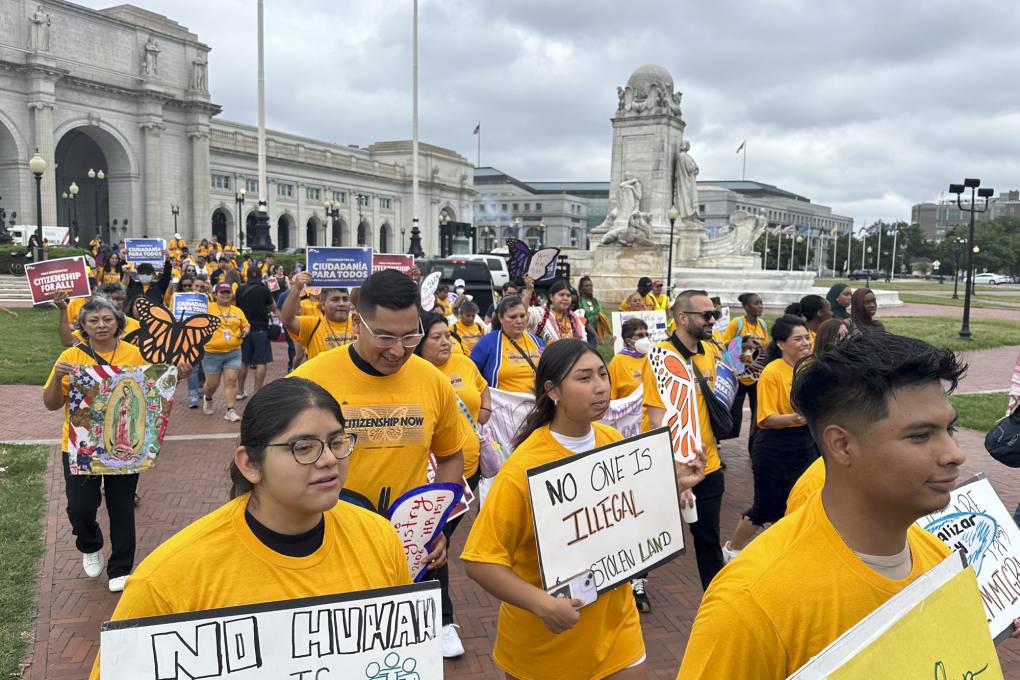
"caption": "Immigrant rights activists march to the U.S. Capitol to urge lawmakers to support a path to citizenship for millions of long-term immigrants without permanent legal status in Washington, D.C., on July 30, 2024.",
"credit": "Tyche Hendricks/KQED",
"altTag": null,
"description": null,
"imgSizes": {
"medium": {
"file": "https://cdn.kqed.org/wp-content/uploads/sites/10/2024/07/240730-CITIZENSHIP-FOR-ALL-TH-01-KQED-800x533.jpg",
"width": 800,
"height": 533,
"mimeType": "image/jpeg"
},
"large": {
"file": "https://cdn.kqed.org/wp-content/uploads/sites/10/2024/07/240730-CITIZENSHIP-FOR-ALL-TH-01-KQED-1020x680.jpg",
"width": 1020,
"height": 680,
"mimeType": "image/jpeg"
},
"thumbnail": {
"file": "https://cdn.kqed.org/wp-content/uploads/sites/10/2024/07/240730-CITIZENSHIP-FOR-ALL-TH-01-KQED-160x107.jpg",
"width": 160,
"height": 107,
"mimeType": "image/jpeg"
},
"1536x1536": {
"file": "https://cdn.kqed.org/wp-content/uploads/sites/10/2024/07/240730-CITIZENSHIP-FOR-ALL-TH-01-KQED-1536x1024.jpg",
"width": 1536,
"height": 1024,
"mimeType": "image/jpeg"
},
"post-thumbnail": {
"file": "https://cdn.kqed.org/wp-content/uploads/sites/10/2024/07/240730-CITIZENSHIP-FOR-ALL-TH-01-KQED-672x372.jpg",
"width": 672,
"height": 372,
"mimeType": "image/jpeg"
},
"twentyfourteen-full-width": {
"file": "https://cdn.kqed.org/wp-content/uploads/sites/10/2024/07/240730-CITIZENSHIP-FOR-ALL-TH-01-KQED-1038x576.jpg",
"width": 1038,
"height": 576,
"mimeType": "image/jpeg"
},
"full-width": {
"file": "https://cdn.kqed.org/wp-content/uploads/sites/10/2024/07/240730-CITIZENSHIP-FOR-ALL-TH-01-KQED-1920x1280.jpg",
"width": 1920,
"height": 1280,
"mimeType": "image/jpeg"
},
"kqedFullSize": {
"file": "https://cdn.kqed.org/wp-content/uploads/sites/10/2024/07/240730-CITIZENSHIP-FOR-ALL-TH-01-KQED.jpg",
"width": 2000,
"height": 1333
}
},
"isLoading": false,
"fetchFailed": false
},
"news_11976031": {
"type": "attachments",
"id": "news_11976031",
"meta": {
"index": "attachments_1716263798",
"site": "news",
"id": "11976031",
"found": true
},
"parent": 0,
"imgSizes": {
"twentyfourteen-full-width": {
"file": "https://cdn.kqed.org/wp-content/uploads/sites/10/2024/02/240214-NONCITIZENVOTING-12-BL-KQED-1038x576.jpg",
"width": 1038,
"mimeType": "image/jpeg",
"height": 576
},
"thumbnail": {
"file": "https://cdn.kqed.org/wp-content/uploads/sites/10/2024/02/240214-NONCITIZENVOTING-12-BL-KQED-160x107.jpg",
"width": 160,
"mimeType": "image/jpeg",
"height": 107
},
"post-thumbnail": {
"file": "https://cdn.kqed.org/wp-content/uploads/sites/10/2024/02/240214-NONCITIZENVOTING-12-BL-KQED-672x372.jpg",
"width": 672,
"mimeType": "image/jpeg",
"height": 372
},
"kqedFullSize": {
"file": "https://cdn.kqed.org/wp-content/uploads/sites/10/2024/02/240214-NONCITIZENVOTING-12-BL-KQED.jpg",
"width": 2000,
"height": 1333
},
"large": {
"file": "https://cdn.kqed.org/wp-content/uploads/sites/10/2024/02/240214-NONCITIZENVOTING-12-BL-KQED-1020x680.jpg",
"width": 1020,
"mimeType": "image/jpeg",
"height": 680
},
"1536x1536": {
"file": "https://cdn.kqed.org/wp-content/uploads/sites/10/2024/02/240214-NONCITIZENVOTING-12-BL-KQED-1536x1024.jpg",
"width": 1536,
"mimeType": "image/jpeg",
"height": 1024
},
"full-width": {
"file": "https://cdn.kqed.org/wp-content/uploads/sites/10/2024/02/240214-NONCITIZENVOTING-12-BL-KQED-1920x1280.jpg",
"width": 1920,
"mimeType": "image/jpeg",
"height": 1280
},
"medium": {
"file": "https://cdn.kqed.org/wp-content/uploads/sites/10/2024/02/240214-NONCITIZENVOTING-12-BL-KQED-800x533.jpg",
"width": 800,
"mimeType": "image/jpeg",
"height": 533
}
},
"publishDate": 1708018370,
"modified": 1708029051,
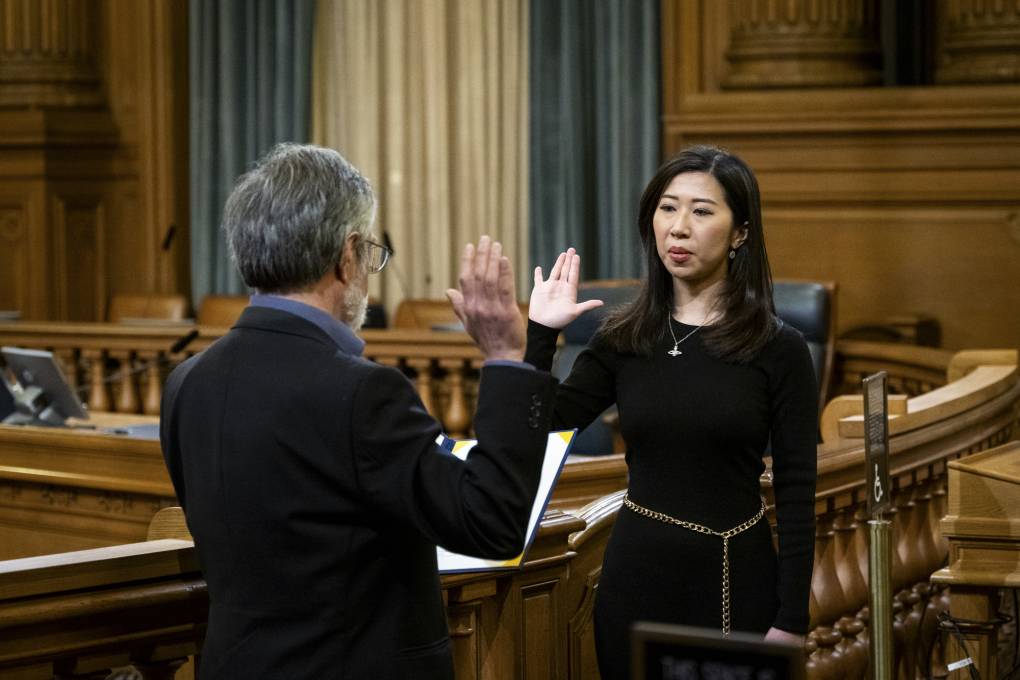
"caption": "Aaron Peskin, President of the Board of Supervisors, swears in appointee Kelly Wong to the San Francisco Elections Commission at City Hall in San Francisco on Feb. 14, 2024.",
"description": null,
"title": "240214-NONCITIZENVOTING-12-BL-KQED",
"credit": "Beth LaBerge/KQED",
"status": "inherit",
"altTag": "An Asian woman wearing a black dress raises her right hand in front of a man wearing a black suit who is also raising his and holding a document inside a building.",
"isLoading": false,
"fetchFailed": false
},
"news_11943060": {
"type": "attachments",
"id": "news_11943060",
"meta": {
"index": "attachments_1716263798",
"site": "news",
"id": "11943060",
"found": true
},
"parent": 11943034,
"imgSizes": {
"twentyfourteen-full-width": {
"file": "https://ww2.kqed.org/app/uploads/sites/10/2023/03/02242023_agingundocumented-278-scaled-e1678391480346-1038x576.jpg",
"width": 1038,
"mimeType": "image/jpeg",
"height": 576
},
"thumbnail": {
"file": "https://ww2.kqed.org/app/uploads/sites/10/2023/03/02242023_agingundocumented-278-scaled-e1678391480346-160x106.jpg",
"width": 160,
"mimeType": "image/jpeg",
"height": 106
},
"post-thumbnail": {
"file": "https://ww2.kqed.org/app/uploads/sites/10/2023/03/02242023_agingundocumented-278-scaled-e1678391480346-672x372.jpg",
"width": 672,
"mimeType": "image/jpeg",
"height": 372
},
"kqedFullSize": {
"file": "https://ww2.kqed.org/app/uploads/sites/10/2023/03/02242023_agingundocumented-278-scaled-e1678391480346.jpg",
"width": 1900,
"height": 1264
},
"2048x2048": {
"file": "https://ww2.kqed.org/app/uploads/sites/10/2023/03/02242023_agingundocumented-278-2048x1363.jpg",
"width": 2048,
"mimeType": "image/jpeg",
"height": 1363
},
"large": {
"file": "https://ww2.kqed.org/app/uploads/sites/10/2023/03/02242023_agingundocumented-278-scaled-e1678391480346-1020x679.jpg",
"width": 1020,
"mimeType": "image/jpeg",
"height": 679
},
"1536x1536": {
"file": "https://ww2.kqed.org/app/uploads/sites/10/2023/03/02242023_agingundocumented-278-scaled-e1678391480346-1536x1022.jpg",
"width": 1536,
"mimeType": "image/jpeg",
"height": 1022
},
"full-width": {
"file": "https://ww2.kqed.org/app/uploads/sites/10/2023/03/02242023_agingundocumented-278-1920x1277.jpg",
"width": 1920,
"mimeType": "image/jpeg",
"height": 1277
},
"medium": {
"file": "https://ww2.kqed.org/app/uploads/sites/10/2023/03/02242023_agingundocumented-278-scaled-e1678391480346-800x532.jpg",
"width": 800,
"mimeType": "image/jpeg",
"height": 532
}
},
"publishDate": 1678391438,
"modified": 1678395293,
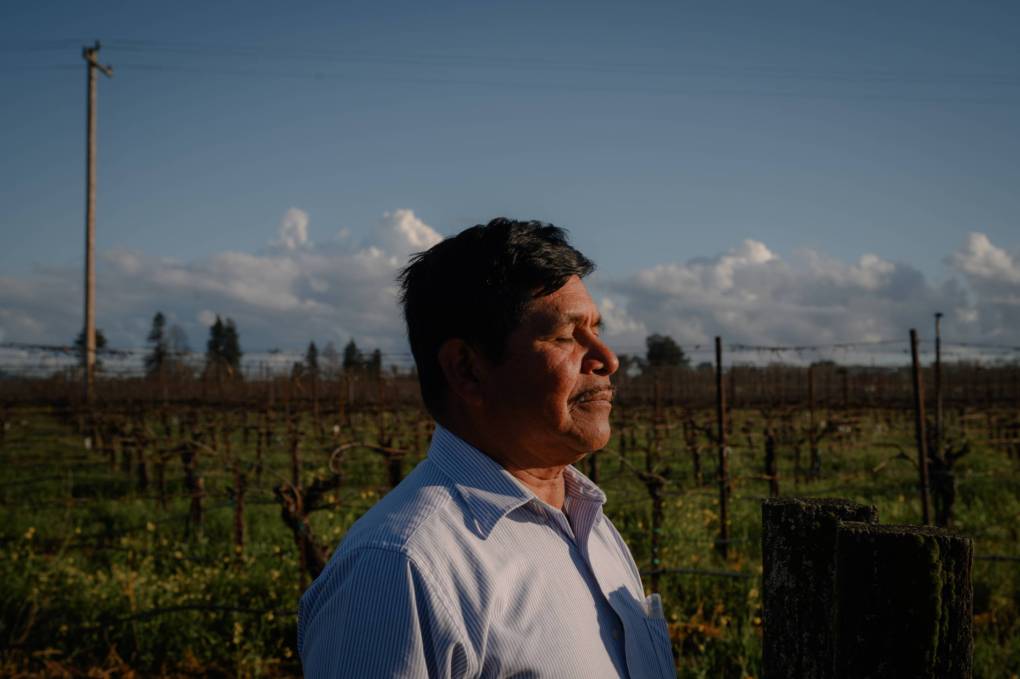
"caption": "Abraham Salazar stands for a portrait next to vineyards in Healdsburg on Feb. 24, 2023. Salazar, 62, is one of thousands of undocumented California farmworkers who are reaching or past retirement age but must continue working because they are ineligible for Social Security benefits.",
"description": null,
"title": "02242023_agingundocumented 278",
"credit": "Kori Suzuki/KQED",
"status": "inherit",
"altTag": "A man stands center frame facing right toward the sun with his eyes closed. The light illuminates most of his face. Behind him is a large field with rows of barren trees.",
"isLoading": false,
"fetchFailed": false
},
"news_11857380": {
"type": "attachments",
"id": "news_11857380",
"meta": {
"index": "attachments_1716263798",
"site": "news",
"id": "11857380",
"found": true
},
"parent": 11857269,
"imgSizes": {
"apple_news_ca_landscape_5_5": {
"file": "https://ww2.kqed.org/app/uploads/sites/10/2021/01/DACA-rally-1044x783.jpg",
"width": 1044,
"mimeType": "image/jpeg",
"height": 783
},
"apple_news_ca_square_4_0": {
"file": "https://ww2.kqed.org/app/uploads/sites/10/2021/01/DACA-rally-470x470.jpg",
"width": 470,
"mimeType": "image/jpeg",
"height": 470
},
"twentyfourteen-full-width": {
"file": "https://ww2.kqed.org/app/uploads/sites/10/2021/01/DACA-rally-1038x576.jpg",
"width": 1038,
"mimeType": "image/jpeg",
"height": 576
},
"thumbnail": {
"file": "https://ww2.kqed.org/app/uploads/sites/10/2021/01/DACA-rally-160x107.jpg",
"width": 160,
"mimeType": "image/jpeg",
"height": 107
},
"post-thumbnail": {
"file": "https://ww2.kqed.org/app/uploads/sites/10/2021/01/DACA-rally-672x372.jpg",
"width": 672,
"mimeType": "image/jpeg",
"height": 372
},
"kqedFullSize": {
"file": "https://ww2.kqed.org/app/uploads/sites/10/2021/01/DACA-rally.jpg",
"width": 1920,
"height": 1280
},
"apple_news_ca_landscape_4_7": {
"file": "https://ww2.kqed.org/app/uploads/sites/10/2021/01/DACA-rally-632x474.jpg",
"width": 632,
"mimeType": "image/jpeg",
"height": 474
},
"large": {
"file": "https://ww2.kqed.org/app/uploads/sites/10/2021/01/DACA-rally-1020x680.jpg",
"width": 1020,
"mimeType": "image/jpeg",
"height": 680
},
"apple_news_ca_landscape_4_0": {
"file": "https://ww2.kqed.org/app/uploads/sites/10/2021/01/DACA-rally-536x402.jpg",
"width": 536,
"mimeType": "image/jpeg",
"height": 402
},
"apple_news_ca_portrait_12_9": {
"file": "https://ww2.kqed.org/app/uploads/sites/10/2021/01/DACA-rally-1122x1280.jpg",
"width": 1122,
"mimeType": "image/jpeg",
"height": 1280
},
"medium": {
"file": "https://ww2.kqed.org/app/uploads/sites/10/2021/01/DACA-rally-800x533.jpg",
"width": 800,
"mimeType": "image/jpeg",
"height": 533
},
"apple_news_ca_portrait_4_0": {
"file": "https://ww2.kqed.org/app/uploads/sites/10/2021/01/DACA-rally-354x472.jpg",
"width": 354,
"mimeType": "image/jpeg",
"height": 472
},
"apple_news_ca_portrait_9_7": {
"file": "https://ww2.kqed.org/app/uploads/sites/10/2021/01/DACA-rally-840x1120.jpg",
"width": 840,
"mimeType": "image/jpeg",
"height": 1120
},
"apple_news_ca_landscape_12_9": {
"file": "https://ww2.kqed.org/app/uploads/sites/10/2021/01/DACA-rally-1832x1280.jpg",
"width": 1832,
"mimeType": "image/jpeg",
"height": 1280
},
"apple_news_ca_square_9_7": {
"file": "https://ww2.kqed.org/app/uploads/sites/10/2021/01/DACA-rally-1104x1104.jpg",
"width": 1104,
"mimeType": "image/jpeg",
"height": 1104
},
"1536x1536": {
"file": "https://ww2.kqed.org/app/uploads/sites/10/2021/01/DACA-rally-1536x1024.jpg",
"width": 1536,
"mimeType": "image/jpeg",
"height": 1024
},
"apple_news_ca_portrait_4_7": {
"file": "https://ww2.kqed.org/app/uploads/sites/10/2021/01/DACA-rally-414x552.jpg",
"width": 414,
"mimeType": "image/jpeg",
"height": 552
},
"apple_news_ca_square_12_9": {
"file": "https://ww2.kqed.org/app/uploads/sites/10/2021/01/DACA-rally-1472x1280.jpg",
"width": 1472,
"mimeType": "image/jpeg",
"height": 1280
},
"apple_news_ca_portrait_5_5": {
"file": "https://ww2.kqed.org/app/uploads/sites/10/2021/01/DACA-rally-687x916.jpg",
"width": 687,
"mimeType": "image/jpeg",
"height": 916
},
"apple_news_ca_square_4_7": {
"file": "https://ww2.kqed.org/app/uploads/sites/10/2021/01/DACA-rally-550x550.jpg",
"width": 550,
"mimeType": "image/jpeg",
"height": 550
},
"apple_news_ca_landscape_9_7": {
"file": "https://ww2.kqed.org/app/uploads/sites/10/2021/01/DACA-rally-1376x1032.jpg",
"width": 1376,
"mimeType": "image/jpeg",
"height": 1032
},
"apple_news_ca_square_5_5": {
"file": "https://ww2.kqed.org/app/uploads/sites/10/2021/01/DACA-rally-912x912.jpg",
"width": 912,
"mimeType": "image/jpeg",
"height": 912
}
},
"publishDate": 1611783753,
"modified": 1611790357,
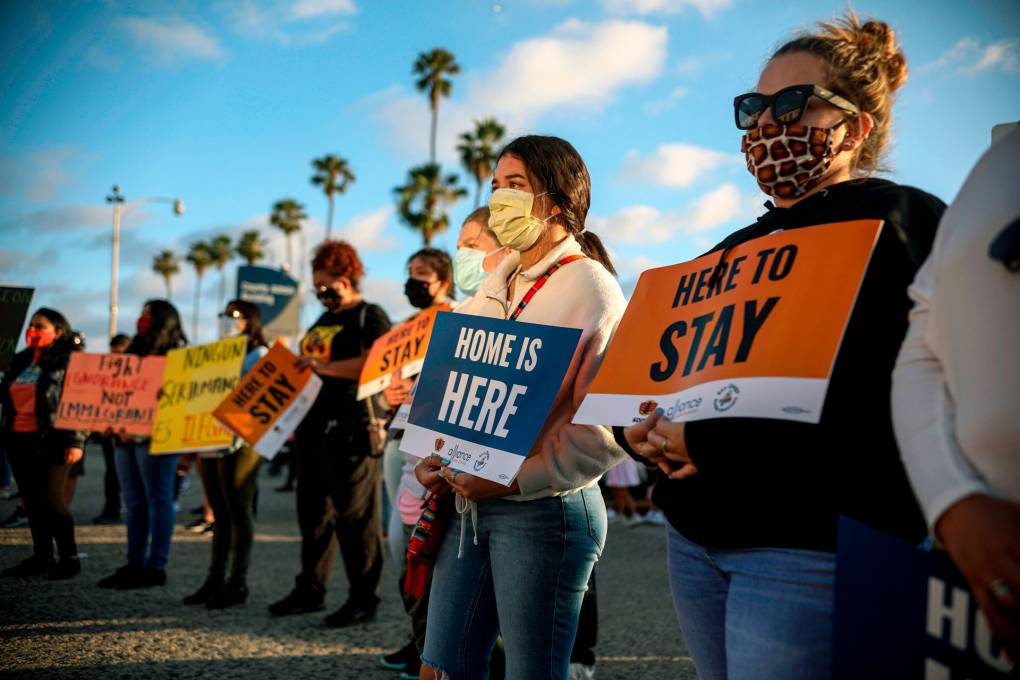
"caption": "Immigrant advocates rally in support of the Supreme Court's ruling in favor of the Deferred Action for Childhood Arrivals (DACA) program, in San Diego on June 18, 2020. ",
"description": "Immigrant advocates rally in support of the Supreme Court's ruling in favor of the Deferred Action for Childhood Arrivals (DACA) program, in San Diego on June 18, 2020. ",
"title": "DACA-rally",
"credit": "Sandy Huffaker/AFP via Getty Images",
"status": "inherit",
"altTag": null,
"isLoading": false,
"fetchFailed": false
},
"news_11767203": {
"type": "attachments",
"id": "news_11767203",
"meta": {
"index": "attachments_1716263798",
"site": "news",
"id": "11767203",
"found": true
},
"parent": 11767202,
"imgSizes": {
"apple_news_ca_landscape_5_5": {
"file": "https://ww2.kqed.org/app/uploads/sites/10/2019/08/gettyimages-1167577995_wide-bf685828266684b32fd1873651cff555c7a31bb0-1044x783.jpg",
"width": 1044,
"mimeType": "image/jpeg",
"height": 783
},
"apple_news_ca_square_4_0": {
"file": "https://ww2.kqed.org/app/uploads/sites/10/2019/08/gettyimages-1167577995_wide-bf685828266684b32fd1873651cff555c7a31bb0-470x470.jpg",
"width": 470,
"mimeType": "image/jpeg",
"height": 470
},
"twentyfourteen-full-width": {
"file": "https://ww2.kqed.org/app/uploads/sites/10/2019/08/gettyimages-1167577995_wide-bf685828266684b32fd1873651cff555c7a31bb0-1038x576.jpg",
"width": 1038,
"mimeType": "image/jpeg",
"height": 576
},
"thumbnail": {
"file": "https://ww2.kqed.org/app/uploads/sites/10/2019/08/gettyimages-1167577995_wide-bf685828266684b32fd1873651cff555c7a31bb0-160x90.jpg",
"width": 160,
"mimeType": "image/jpeg",
"height": 90
},
"post-thumbnail": {
"file": "https://ww2.kqed.org/app/uploads/sites/10/2019/08/gettyimages-1167577995_wide-bf685828266684b32fd1873651cff555c7a31bb0-672x372.jpg",
"width": 672,
"mimeType": "image/jpeg",
"height": 372
},
"kqedFullSize": {
"file": "https://ww2.kqed.org/app/uploads/sites/10/2019/08/gettyimages-1167577995_wide-bf685828266684b32fd1873651cff555c7a31bb0-e1565713180689.jpg",
"width": 1920,
"height": 1080
},
"apple_news_ca_landscape_4_7": {
"file": "https://ww2.kqed.org/app/uploads/sites/10/2019/08/gettyimages-1167577995_wide-bf685828266684b32fd1873651cff555c7a31bb0-632x474.jpg",
"width": 632,
"mimeType": "image/jpeg",
"height": 474
},
"large": {
"file": "https://ww2.kqed.org/app/uploads/sites/10/2019/08/gettyimages-1167577995_wide-bf685828266684b32fd1873651cff555c7a31bb0-1020x574.jpg",
"width": 1020,
"mimeType": "image/jpeg",
"height": 574
},
"complete_open_graph": {
"file": "https://ww2.kqed.org/app/uploads/sites/10/2019/08/gettyimages-1167577995_wide-bf685828266684b32fd1873651cff555c7a31bb0-1200x675.jpg",
"width": 1200,
"mimeType": "image/jpeg",
"height": 675
},
"apple_news_ca_landscape_4_0": {
"file": "https://ww2.kqed.org/app/uploads/sites/10/2019/08/gettyimages-1167577995_wide-bf685828266684b32fd1873651cff555c7a31bb0-536x402.jpg",
"width": 536,
"mimeType": "image/jpeg",
"height": 402
},
"apple_news_ca_portrait_12_9": {
"file": "https://ww2.kqed.org/app/uploads/sites/10/2019/08/gettyimages-1167577995_wide-bf685828266684b32fd1873651cff555c7a31bb0-1122x1496.jpg",
"width": 1122,
"mimeType": "image/jpeg",
"height": 1496
},
"medium": {
"file": "https://ww2.kqed.org/app/uploads/sites/10/2019/08/gettyimages-1167577995_wide-bf685828266684b32fd1873651cff555c7a31bb0-800x450.jpg",
"width": 800,
"mimeType": "image/jpeg",
"height": 450
},
"apple_news_ca_portrait_4_0": {
"file": "https://ww2.kqed.org/app/uploads/sites/10/2019/08/gettyimages-1167577995_wide-bf685828266684b32fd1873651cff555c7a31bb0-354x472.jpg",
"width": 354,
"mimeType": "image/jpeg",
"height": 472
},
"apple_news_ca_portrait_9_7": {
"file": "https://ww2.kqed.org/app/uploads/sites/10/2019/08/gettyimages-1167577995_wide-bf685828266684b32fd1873651cff555c7a31bb0-840x1120.jpg",
"width": 840,
"mimeType": "image/jpeg",
"height": 1120
},
"apple_news_ca_landscape_12_9": {
"file": "https://ww2.kqed.org/app/uploads/sites/10/2019/08/gettyimages-1167577995_wide-bf685828266684b32fd1873651cff555c7a31bb0-1832x1374.jpg",
"width": 1832,
"mimeType": "image/jpeg",
"height": 1374
},
"apple_news_ca_square_9_7": {
"file": "https://ww2.kqed.org/app/uploads/sites/10/2019/08/gettyimages-1167577995_wide-bf685828266684b32fd1873651cff555c7a31bb0-1104x1104.jpg",
"width": 1104,
"mimeType": "image/jpeg",
"height": 1104
},
"apple_news_ca_portrait_4_7": {
"file": "https://ww2.kqed.org/app/uploads/sites/10/2019/08/gettyimages-1167577995_wide-bf685828266684b32fd1873651cff555c7a31bb0-414x552.jpg",
"width": 414,
"mimeType": "image/jpeg",
"height": 552
},
"apple_news_ca_square_12_9": {
"file": "https://ww2.kqed.org/app/uploads/sites/10/2019/08/gettyimages-1167577995_wide-bf685828266684b32fd1873651cff555c7a31bb0-1472x1472.jpg",
"width": 1472,
"mimeType": "image/jpeg",
"height": 1472
},
"apple_news_ca_portrait_5_5": {
"file": "https://ww2.kqed.org/app/uploads/sites/10/2019/08/gettyimages-1167577995_wide-bf685828266684b32fd1873651cff555c7a31bb0-687x916.jpg",
"width": 687,
"mimeType": "image/jpeg",
"height": 916
},
"full-width": {
"file": "https://ww2.kqed.org/app/uploads/sites/10/2019/08/gettyimages-1167577995_wide-bf685828266684b32fd1873651cff555c7a31bb0-1920x1080.jpg",
"width": 1920,
"mimeType": "image/jpeg",
"height": 1080
},
"apple_news_ca_square_4_7": {
"file": "https://ww2.kqed.org/app/uploads/sites/10/2019/08/gettyimages-1167577995_wide-bf685828266684b32fd1873651cff555c7a31bb0-550x550.jpg",
"width": 550,
"mimeType": "image/jpeg",
"height": 550
},
"apple_news_ca_landscape_9_7": {
"file": "https://ww2.kqed.org/app/uploads/sites/10/2019/08/gettyimages-1167577995_wide-bf685828266684b32fd1873651cff555c7a31bb0-1376x1032.jpg",
"width": 1376,
"mimeType": "image/jpeg",
"height": 1032
},
"apple_news_ca_square_5_5": {
"file": "https://ww2.kqed.org/app/uploads/sites/10/2019/08/gettyimages-1167577995_wide-bf685828266684b32fd1873651cff555c7a31bb0-912x912.jpg",
"width": 912,
"mimeType": "image/jpeg",
"height": 912
}
},
"publishDate": 1565711970,
"modified": 1565713173,
"caption": "Ken Cuccinelli, the acting director of U.S. Citizenship and Immigration Services, said Monday at the White House that immigrants legally in the U.S. may no longer be eligible for green cards if they use food stamps, Medicaid and other public benefits.",
"description": "Ken Cuccinelli, the acting director of U.S. Citizenship and Immigration Services, said Monday at the White House that immigrants legally in the U.S. may no longer be eligible for green cards if they use food stamps, Medicaid and other public benefits.",
"title": "Ken Cuccinelli, the acting director of U.S. Citizenship and Immigration Services, said Monday at the White House that immigrants legally in the U.S. may no longer be eligible for green cards if they use food stamps, Medicaid and other public benefits.",
"credit": "Win McNamee/Getty Images",
"status": "inherit",
"isLoading": false,
"fetchFailed": false
},
"news_11708229": {
"type": "attachments",
"id": "news_11708229",
"meta": {
"index": "attachments_1716263798",
"site": "news",
"id": "11708229",
"found": true
},
"parent": 11708219,
"imgSizes": {
"twentyfourteen-full-width": {
"file": "https://ww2.kqed.org/app/uploads/sites/10/2018/11/running_112618_final-1038x576.jpg",
"width": 1038,
"mimeType": "image/jpeg",
"height": 576
},
"thumbnail": {
"file": "https://ww2.kqed.org/app/uploads/sites/10/2018/11/running_112618_final-160x103.jpg",
"width": 160,
"mimeType": "image/jpeg",
"height": 103
},
"post-thumbnail": {
"file": "https://ww2.kqed.org/app/uploads/sites/10/2018/11/running_112618_final-672x372.jpg",
"width": 672,
"mimeType": "image/jpeg",
"height": 372
},
"kqedFullSize": {
"file": "https://ww2.kqed.org/app/uploads/sites/10/2018/11/running_112618_final.jpg",
"width": 1920,
"height": 1234
},
"large": {
"file": "https://ww2.kqed.org/app/uploads/sites/10/2018/11/running_112618_final-1020x656.jpg",
"width": 1020,
"mimeType": "image/jpeg",
"height": 656
},
"complete_open_graph": {
"file": "https://ww2.kqed.org/app/uploads/sites/10/2018/11/running_112618_final-1200x771.jpg",
"width": 1200,
"mimeType": "image/jpeg",
"height": 771
},
"guest-author-50": {
"file": "https://ww2.kqed.org/app/uploads/sites/10/2018/11/running_112618_final-50x50.jpg",
"width": 50,
"mimeType": "image/jpeg",
"height": 50
},
"guest-author-96": {
"file": "https://ww2.kqed.org/app/uploads/sites/10/2018/11/running_112618_final-96x96.jpg",
"width": 96,
"mimeType": "image/jpeg",
"height": 96
},
"medium": {
"file": "https://ww2.kqed.org/app/uploads/sites/10/2018/11/running_112618_final-800x514.jpg",
"width": 800,
"mimeType": "image/jpeg",
"height": 514
},
"guest-author-64": {
"file": "https://ww2.kqed.org/app/uploads/sites/10/2018/11/running_112618_final-64x64.jpg",
"width": 64,
"mimeType": "image/jpeg",
"height": 64
},
"guest-author-32": {
"file": "https://ww2.kqed.org/app/uploads/sites/10/2018/11/running_112618_final-32x32.jpg",
"width": 32,
"mimeType": "image/jpeg",
"height": 32
},
"full-width": {
"file": "https://ww2.kqed.org/app/uploads/sites/10/2018/11/running_112618_final-1920x1234.jpg",
"width": 1920,
"mimeType": "image/jpeg",
"height": 1234
},
"detail": {
"file": "https://ww2.kqed.org/app/uploads/sites/10/2018/11/running_112618_final-150x150.jpg",
"width": 150,
"mimeType": "image/jpeg",
"height": 150
},
"guest-author-128": {
"file": "https://ww2.kqed.org/app/uploads/sites/10/2018/11/running_112618_final-128x128.jpg",
"width": 128,
"mimeType": "image/jpeg",
"height": 128
}
},
"publishDate": 1543267886,
"modified": 1543267918,
"caption": null,
"description": null,
"title": "running_112618_final",
"credit": null,
"status": "inherit",
"isLoading": false,
"fetchFailed": false
}
},
"audioPlayerReducer": {
"postId": "stream_live",
"isPaused": true,
"isPlaying": false,
"pfsActive": false,
"pledgeModalIsOpen": true,
"playerDrawerIsOpen": false,
"liveAudioPlayStartedAt": 0,
"liveAudioPlayContext": ""
},
"authorsReducer": {
"byline_news_11767202": {
"type": "authors",
"id": "byline_news_11767202",
"meta": {
"override": true
},
"slug": "byline_news_11767202",
"name": "Sasha Ingber",
"isLoading": false
},
"tychehendricks": {
"type": "authors",
"id": "259",
"meta": {
"index": "authors_1716337520",
"id": "259",
"found": true
},
"name": "Tyche Hendricks",
"firstName": "Tyche",
"lastName": "Hendricks",
"slug": "tychehendricks",
"email": "thendricks@kqed.org",
"display_author_email": true,
"staff_mastheads": [
"news"
],
"title": "KQED Senior Editor, Immigration",
"bio": "\u003cspan style=\"font-weight: 400;\">Tyche Hendricks is KQED’s senior editor for immigration, leading coverage of the policy and politics that affect California’s immigrant communities. Her work for KQED’s radio and online audiences is also carried on NPR and other national outlets. She has been recognized with awards from the Radio and Television News Directors Association, the Society for Professional Journalists; the Education Writers Association; the Best of the West and the National Federation of Community Broadcasters. Before joining KQED in 2010, Tyche spent more than a dozen years as a newspaper reporter, notably at the \u003c/span>\u003ci>\u003cspan style=\"font-weight: 400;\">San Francisco Chronicle\u003c/span>\u003c/i>\u003cspan style=\"font-weight: 400;\">. At different times she has covered criminal justice, government and politics and urban planning. Tyche has taught in the MFA Creative Writing program at the University of San Francisco and at UC Berkeley’s Graduate School of Journalism, where she was co-director of a national immigration symposium for professional journalists. She is the author of \u003c/span>\u003ci>\u003cspan style=\"font-weight: 400;\">The Wind Doesn't Need a Passport: Stories from the U.S.-Mexico Borderlands\u003c/span>\u003c/i>\u003cspan style=\"font-weight: 400;\"> (University of California Press). \u003c/span>",
"avatar": "https://secure.gravatar.com/avatar/b8ee458e2731c2d43df86882ce17267e?s=600&d=blank&r=g",
"twitter": "tychehendricks",
"facebook": null,
"instagram": null,
"linkedin": null,
"sites": [
{
"site": "news",
"roles": [
"editor"
]
},
{
"site": "stateofhealth",
"roles": [
"editor"
]
}
],
"headData": {
"title": "Tyche Hendricks | KQED",
"description": "KQED Senior Editor, Immigration",
"ogImgSrc": "https://secure.gravatar.com/avatar/b8ee458e2731c2d43df86882ce17267e?s=600&d=blank&r=g",
"twImgSrc": "https://secure.gravatar.com/avatar/b8ee458e2731c2d43df86882ce17267e?s=600&d=blank&r=g"
},
"isLoading": false,
"link": "/author/tychehendricks"
},
"markfiore": {
"type": "authors",
"id": "3236",
"meta": {
"index": "authors_1716337520",
"id": "3236",
"found": true
},
"name": "Mark Fiore",
"firstName": "Mark",
"lastName": "Fiore",
"slug": "markfiore",
"email": "mark@markfiore.com",
"display_author_email": false,
"staff_mastheads": [
"news"
],
"title": "KQED News Cartoonist",
"bio": "\u003ca href=\"http://www.MarkFiore.com\">MarkFiore.com\u003c/a> | \u003ca href=\"https://twitter.com/markfiore\">Follow on Twitter\u003c/a> | \u003ca href=\"https://www.facebook.com/pages/Mark-Fiore-Animated-Political-Cartoons/94451707396?ref=bookmarks\">Facebook\u003c/a> | \u003ca href=\"mailto:mark@markfiore.com\">email\u003c/a>\r\n\r\nPulitzer Prize-winner, Mark Fiore, who the Wall Street Journal has called “the undisputed guru of the form,” creates animated political cartoons in San Francisco, where his work has been featured regularly on the San Francisco Chronicle’s web site, SFGate.com. His work has appeared on Newsweek.com, Slate.com, CBSNews.com, MotherJones.com, DailyKos.com and NPR’s web site. Fiore’s political animation has appeared on CNN, Frontline, Bill Moyers Journal, Salon.com and cable and broadcast outlets across the globe.\r\n\r\nBeginning his professional life by drawing traditional political cartoons for newspapers, Fiore’s work appeared in publications ranging from the Washington Post to the Los Angeles Times. In the late 1990s, he began to experiment with animating political cartoons and, after a short stint at the San Jose Mercury News as their staff cartoonist, Fiore devoted all his energies to animation.\r\nGrowing up in California, Fiore also spent a good portion of his life in the backwoods of Idaho. It was this combination that shaped him politically. Mark majored in political science at Colorado College, where, in a perfect send-off for a cartoonist, he received his diploma in 1991 as commencement speaker Dick Cheney smiled approvingly.\r\nMark Fiore was awarded the Pulitzer Prize for political cartooning in 2010, a Robert F. Kennedy Journalism Award in 2004 and has twice received an Online Journalism Award for commentary from the Online News Association (2002, 2008). Fiore has received two awards for his work in new media from the National Cartoonists Society (2001, 2002), and in 2006 received The James Madison Freedom of Information Award from The Society of Professional Journalists.",
"avatar": "https://secure.gravatar.com/avatar/fc4e2a612b15b67bad0c6f0e1db4ca9b?s=600&d=blank&r=g",
"twitter": "MarkFiore",
"facebook": null,
"instagram": "https://www.instagram.com/markfiore/?hl=en",
"linkedin": null,
"sites": [
{
"site": "arts",
"roles": [
"contributor"
]
},
{
"site": "news",
"roles": [
"editor"
]
},
{
"site": "futureofyou",
"roles": [
"editor"
]
},
{
"site": "science",
"roles": [
"editor"
]
}
],
"headData": {
"title": "Mark Fiore | KQED",
"description": "KQED News Cartoonist",
"ogImgSrc": "https://secure.gravatar.com/avatar/fc4e2a612b15b67bad0c6f0e1db4ca9b?s=600&d=blank&r=g",
"twImgSrc": "https://secure.gravatar.com/avatar/fc4e2a612b15b67bad0c6f0e1db4ca9b?s=600&d=blank&r=g"
},
"isLoading": false,
"link": "/author/markfiore"
},
"fjhabvala": {
"type": "authors",
"id": "8659",
"meta": {
"index": "authors_1716337520",
"id": "8659",
"found": true
},
"name": "Farida Jhabvala Romero",
"firstName": "Farida",
"lastName": "Jhabvala Romero",
"slug": "fjhabvala",
"email": "fjhabvala@kqed.org",
"display_author_email": true,
"staff_mastheads": [
"news"
],
"title": "KQED Contributor",
"bio": "Farida Jhabvala Romero is a Labor Correspondent for KQED. She previously covered immigration. Farida was \u003ca href=\"https://www.ccnma.org/2022-most-influential-latina-journalists\">named\u003c/a> one of the 10 Most Influential Latina Journalists in California in 2022 by the California Chicano News Media Association. Her work has won awards from the Society of Professional Journalists (Northern California), as well as a national and regional Edward M. Murrow Award for the collaborative reporting projects “Dangerous Air” and “Graying California.” Before joining KQED, Farida worked as a producer at Radio Bilingüe, a national public radio network. Farida earned her master’s degree in journalism from Stanford University.",
"avatar": "https://secure.gravatar.com/avatar/f9f022d4e2609741874222a1e9d41f48fea74011aa7c615eef91d9a50c944ebe?s=600&d=blank&r=g",
"twitter": "FaridaJhabvala",
"bluesky": null,
"facebook": null,
"instagram": null,
"linkedin": "https://www.linkedin.com/in/faridajhabvala/",
"sites": [
{
"site": "news",
"roles": [
"editor"
]
},
{
"site": "stateofhealth",
"roles": [
"author"
]
},
{
"site": "liveblog",
"roles": [
"author"
]
}
],
"headData": {
"title": "Farida Jhabvala Romero | KQED",
"description": "KQED Contributor",
"ogImgSrc": "https://secure.gravatar.com/avatar/f9f022d4e2609741874222a1e9d41f48fea74011aa7c615eef91d9a50c944ebe?s=600&d=blank&r=g",
"twImgSrc": "https://secure.gravatar.com/avatar/f9f022d4e2609741874222a1e9d41f48fea74011aa7c615eef91d9a50c944ebe?s=600&d=blank&r=g"
},
"isLoading": false,
"link": "/author/fjhabvala"
},
"lsarah": {
"type": "authors",
"id": "11626",
"meta": {
"index": "authors_1716337520",
"id": "11626",
"found": true
},
"name": "Lakshmi Sarah",
"firstName": "Lakshmi",
"lastName": "Sarah",
"slug": "lsarah",
"email": "lsarah@kqed.org",
"display_author_email": false,
"staff_mastheads": [],
"title": "Digital Producer",
"bio": "Lakshmi Sarah is an educator, author and journalist with a focus on innovative storytelling. She has worked with newspapers, radio and magazines from Ahmedabad, India to Los Angeles, California. She has written and produced for Die Zeit, Global Voices, AJ+, KQED, Fusion Media Group and the New York Times.",
"avatar": "https://secure.gravatar.com/avatar/652dcaecd8b28826fc17a8b2d6bb4e93?s=600&d=blank&r=g",
"twitter": "lakitalki",
"facebook": null,
"instagram": "https://www.instagram.com/laki.talki/",
"linkedin": "https://www.linkedin.com/in/lakisarah/",
"sites": [
{
"site": "arts",
"roles": []
},
{
"site": "news",
"roles": []
},
{
"site": "bayareabites",
"roles": []
},
{
"site": "science",
"roles": []
}
],
"headData": {
"title": "Lakshmi Sarah | KQED",
"description": "Digital Producer",
"ogImgSrc": "https://secure.gravatar.com/avatar/652dcaecd8b28826fc17a8b2d6bb4e93?s=600&d=blank&r=g",
"twImgSrc": "https://secure.gravatar.com/avatar/652dcaecd8b28826fc17a8b2d6bb4e93?s=600&d=blank&r=g"
},
"isLoading": false,
"link": "/author/lsarah"
},
"jlara": {
"type": "authors",
"id": "11761",
"meta": {
"index": "authors_1716337520",
"id": "11761",
"found": true
},
"name": "Juan Carlos Lara",
"firstName": "Juan Carlos",
"lastName": "Lara",
"slug": "jlara",
"email": "jlara@kqed.org",
"display_author_email": false,
"staff_mastheads": [],
"title": "KQED Contributor",
"bio": null,
"avatar": "https://secure.gravatar.com/avatar/19e2052b9b05657c5ff2af2121846e9c?s=600&d=blank&r=g",
"twitter": null,
"facebook": null,
"instagram": null,
"linkedin": null,
"sites": [
{
"site": "arts",
"roles": [
"editor"
]
},
{
"site": "news",
"roles": [
"editor"
]
},
{
"site": "forum",
"roles": [
"editor"
]
},
{
"site": "liveblog",
"roles": [
"contributor"
]
}
],
"headData": {
"title": "Juan Carlos Lara | KQED",
"description": "KQED Contributor",
"ogImgSrc": "https://secure.gravatar.com/avatar/19e2052b9b05657c5ff2af2121846e9c?s=600&d=blank&r=g",
"twImgSrc": "https://secure.gravatar.com/avatar/19e2052b9b05657c5ff2af2121846e9c?s=600&d=blank&r=g"
},
"isLoading": false,
"link": "/author/jlara"
},
"adahlstromeckman": {
"type": "authors",
"id": "11785",
"meta": {
"index": "authors_1716337520",
"id": "11785",
"found": true
},
"name": "Azul Dahlstrom-Eckman",
"firstName": "Azul",
"lastName": "Dahlstrom-Eckman",
"slug": "adahlstromeckman",
"email": "adahlstrom-eckman@kqed.org",
"display_author_email": true,
"staff_mastheads": [],
"title": "Reporter",
"bio": "Azul is a reporter for KQED focusing on transportation and features. He joined KQED in 2021 as an alumna of KALW's Audio Academy radio journalism training program.",
"avatar": "https://secure.gravatar.com/avatar/9cb750298435add7815a777f55bf1f46845c1386bb8452555c60a7b820b5aba3?s=600&d=blank&r=g",
"twitter": "@zuliemann",
"bluesky": "@azul415.bsky.social",
"facebook": null,
"instagram": null,
"linkedin": null,
"sites": [
{
"site": "arts",
"roles": [
"editor"
]
},
{
"site": "news",
"roles": [
"editor"
]
},
{
"site": "science",
"roles": [
"editor"
]
},
{
"site": "liveblog",
"roles": [
"author"
]
}
],
"headData": {
"title": "Azul Dahlstrom-Eckman | KQED",
"description": "Reporter",
"ogImgSrc": "https://secure.gravatar.com/avatar/9cb750298435add7815a777f55bf1f46845c1386bb8452555c60a7b820b5aba3?s=600&d=blank&r=g",
"twImgSrc": "https://secure.gravatar.com/avatar/9cb750298435add7815a777f55bf1f46845c1386bb8452555c60a7b820b5aba3?s=600&d=blank&r=g"
},
"isLoading": false,
"link": "/author/adahlstromeckman"
},
"kdebenedetti": {
"type": "authors",
"id": "11913",
"meta": {
"index": "authors_1716337520",
"id": "11913",
"found": true
},
"name": "Katie DeBenedetti",
"firstName": "Katie",
"lastName": "DeBenedetti",
"slug": "kdebenedetti",
"email": "kdebenedetti@kqed.org",
"display_author_email": false,
"staff_mastheads": [
"news",
"science"
],
"title": "KQED Contributor",
"bio": "Katie DeBenedetti is a digital reporter covering daily news for the Express Desk. Prior to joining KQED as a culture reporting intern in January 2024, she covered education and city government for the Napa Valley Register.",
"avatar": "https://secure.gravatar.com/avatar/6e31073cb8f7e4214ab03f42771d0f45?s=600&d=blank&r=g",
"twitter": null,
"facebook": null,
"instagram": null,
"linkedin": null,
"sites": [
{
"site": "news",
"roles": [
"author"
]
},
{
"site": "science",
"roles": [
"author"
]
},
{
"site": "liveblog",
"roles": [
"author"
]
}
],
"headData": {
"title": "Katie DeBenedetti | KQED",
"description": "KQED Contributor",
"ogImgSrc": "https://secure.gravatar.com/avatar/6e31073cb8f7e4214ab03f42771d0f45?s=600&d=blank&r=g",
"twImgSrc": "https://secure.gravatar.com/avatar/6e31073cb8f7e4214ab03f42771d0f45?s=600&d=blank&r=g"
},
"isLoading": false,
"link": "/author/kdebenedetti"
}
},
"pagesReducer": {
"news_tag_immigrant-rights": {
"type": "terms",
"id": "news_20579",
"meta": {
"index": "terms_1716263798",
"site": "news",
"id": "20579",
"score": 10.401059
},
"featImg": null,
"name": "immigrant rights",
"description": null,
"taxonomy": "tag",
"headData": {
"twImgId": null,
"twTitle": null,
"ogTitle": null,
"ogImgId": null,
"twDescription": null,
"description": null,
"title": "immigrant rights Archives | KQED News",
"ogDescription": null
},
"ttid": 20596,
"slug": "immigrant-rights",
"isLoading": false,
"title": "immigrant rights",
"pageMeta": {
"site": "news",
"WpPageTemplate": "page-topic-editorial",
"currentPage": 4
},
"blocks": [
{
"blockName": "kqed/post-list",
"attrs": {
"layout": "cardArticle2",
"query": "posts/news?tag=immigrant-rights",
"seeMore": false,
"paginated": true,
"page": 4
}
},
{
"blockName": "kqed/ad"
}
]
}
},
"pfsSessionReducer": {},
"postsReducer": {
"stream_live": {
"type": "live",
"id": "stream_live",
"audioUrl": "https://streams.kqed.org/kqedradio",
"title": "Live Stream",
"excerpt": "Live Stream information currently unavailable.",
"link": "/radio",
"featImg": "",
"label": {
"name": "KQED Live",
"link": "/"
}
},
"stream_kqedNewscast": {
"type": "posts",
"id": "stream_kqedNewscast",
"audioUrl": "https://www.kqed.org/.stream/anon/radio/RDnews/newscast.mp3?_=1",
"title": "KQED Newscast",
"featImg": "",
"label": {
"name": "88.5 FM",
"link": "/"
}
},
"news_12024325": {
"type": "posts",
"id": "news_12024325",
"meta": {
"index": "posts_1716263798",
"site": "news",
"id": "12024325",
"score": null,
"sort": [
1738107015000
]
},
"guestAuthors": [],
"slug": "sf-leaders-reaffirm-sanctuary-city-status-amid-trumps-immigration-crackdown",
"title": "SF Leaders Reaffirm ‘Sanctuary City’ Status Amid Trump’s Immigration Crackdown",
"publishDate": 1738107015,
"format": "standard",
"headTitle": "SF Leaders Reaffirm ‘Sanctuary City’ Status Amid Trump’s Immigration Crackdown | KQED",
"labelTerm": {
"site": "news"
},
"content": "\u003cp>\u003ca href=\"https://www.kqed.org/news/tag/san-francisco\">San Francisco\u003c/a> officials gathered Tuesday on the steps of City Hall to send a message to President Trump, reaffirming the city’s pledge not to use local resources to support his \u003ca href=\"https://www.kqed.org/news/12023991/republicans-target-sfs-presidio-for-tax-cuts-immigration-crackdown\">immigration enforcement efforts\u003c/a>.\u003c/p>\n\u003cp>The press conference came ahead of a Board of Supervisors meeting where members unanimously passed a resolution upholding San Francisco’s long-standing \u003ca href=\"https://www.kqed.org/news/12023560/bay-area-officials-vow-uphold-sanctuary-immigrants-despite-threats-from-trump\">sanctuary city ordinance\u003c/a>, which prevents city agencies from aiding federal immigration enforcement.\u003c/p>\n\u003cp>“There are factions of this city and this country that want to see cities like San Francisco roll back their sanctuary policies,” Supervisor Jackie Fielder said at the press conference, which was well attended by the city’s local political figures, from Mayor Daniel Lurie to state Sen. Scott Wiener and San Francisco Unified School District Superintendent Maria Su.\u003c/p>\n\u003cp>[ad fullwidth]\u003c/p>\n\u003cp>“What [this] should communicate to Trump, to anyone that wants to see us roll back, is we are not going back,” Fielder said.\u003c/p>\n\u003cp>The ordinance promises to provide resources and tools to the city’s immigrant community, which it says is “an essential part of ensuring public safety, public health, and community integrity.”\u003c/p>\n\u003cfigure id=\"attachment_12024430\" class=\"wp-caption aligncenter\" style=\"max-width: 2000px\">\u003cimg loading=\"lazy\" decoding=\"async\" class=\"size-full wp-image-12024430\" src=\"https://cdn.kqed.org/wp-content/uploads/sites/10/2025/01/250128-SFImmigration-08-BL.jpg\" alt=\"\" width=\"2000\" height=\"1333\" srcset=\"https://cdn.kqed.org/wp-content/uploads/sites/10/2025/01/250128-SFImmigration-08-BL.jpg 2000w, https://cdn.kqed.org/wp-content/uploads/sites/10/2025/01/250128-SFImmigration-08-BL-800x533.jpg 800w, https://cdn.kqed.org/wp-content/uploads/sites/10/2025/01/250128-SFImmigration-08-BL-1020x680.jpg 1020w, https://cdn.kqed.org/wp-content/uploads/sites/10/2025/01/250128-SFImmigration-08-BL-160x107.jpg 160w, https://cdn.kqed.org/wp-content/uploads/sites/10/2025/01/250128-SFImmigration-08-BL-1536x1024.jpg 1536w, https://cdn.kqed.org/wp-content/uploads/sites/10/2025/01/250128-SFImmigration-08-BL-1920x1280.jpg 1920w\" sizes=\"auto, (max-width: 2000px) 100vw, 2000px\">\u003cfigcaption class=\"wp-caption-text\">A group of elected and public safety officials, labor leaders, and community members fill the steps in front of City Hall in San Francisco on Tuesday, Jan. 28, 2025, during a press conference to reaffirm San Francisco’s commitment to being a Sanctuary City. \u003ccite>(Beth LaBerge/KQED)\u003c/cite>\u003c/figcaption>\u003c/figure>\n\u003cp>The Board of Supervisors’ vote comes just over a week after Trump took office, intensifying \u003ca href=\"https://www.kqed.org/news/12024332/ice-raids-in-california-how-to-sort-fact-from-rumor-online\">fears over local Immigration and Customs Enforcement raids\u003c/a>. Fielder said she proposed the resolution reaffirming San Francisco’s sanctuary status after hearing from residents who felt unsafe seeking city services for fear that they could be reported to immigration officials.\u003c/p>\n\u003cp>“We are here with our immigrant neighbors,” said Fielder, who newly represents the Mission District, where about half of the residents identify as Latinx. “We will be here whether you are a tech CEO, a tech worker, a student, a janitor — no matter your status, you deserve to feel safe.”\u003c/p>\n\u003cp>[aside postID=news_12024332 hero='https://cdn.kqed.org/wp-content/uploads/sites/10/2025/01/GettyImages-2192874110-1020x680.png']\u003c/p>\n\u003cp>Last week, a now-disproven email from SFUSD said a student reported seeing immigration officials on a Muni bus, sending panic through many school communities. But there have been immigration enforcement operations in the Bay Area.\u003c/p>\n\u003cp>At Tuesday’s press conference, SEIU Local 87 President Olga Miranda confirmed that ICE agents entered two locations downtown last week, and immigration officials carried out searches at two locations in San José over the weekend, according to the nonprofit Rapid Response Network of Santa Clara County.\u003c/p>\n\u003cp>The reports follow a \u003ca href=\"https://www.dhs.gov/news/2025/01/21/statement-dhs-spokesperson-directives-expanding-law-enforcement-and-ending-abuse\">directive from the Department of Homeland Security\u003c/a> to rescind President Obama’s guidelines for ICE enforcement actions, which barred the officers from acting in “sensitive areas,” such as schools and churches.\u003c/p>\n\u003cp>City Attorney David Chiu, whose office joined a federal lawsuit to \u003ca href=\"https://www.kqed.org/news/12023333/san-francisco-takes-on-trumps-birthright-citizenship-ban\">block Trump’s order to curtail birthright citizenship\u003c/a> the day after he reentered the White House, said the city’s sanctuary status keeps residents safe.\u003c/p>\n\u003cp>“When immigrant families trust law enforcement, victims and witnesses come forward, criminals are arrested, crimes are solved,” he said at Tuesday’s press conference. “We know that effective law enforcement requires community trust. To be safe, our immigrant families and workers must trust. Our victims and witnesses need to know that our police officers are not ICE agents.”\u003c/p>\n\u003cfigure id=\"attachment_12024429\" class=\"wp-caption aligncenter\" style=\"max-width: 2000px\">\u003cimg loading=\"lazy\" decoding=\"async\" class=\"size-full wp-image-12024429\" src=\"https://cdn.kqed.org/wp-content/uploads/sites/10/2025/01/250128-SFImmigration-05-BL.jpg\" alt=\"\" width=\"2000\" height=\"1333\" srcset=\"https://cdn.kqed.org/wp-content/uploads/sites/10/2025/01/250128-SFImmigration-05-BL.jpg 2000w, https://cdn.kqed.org/wp-content/uploads/sites/10/2025/01/250128-SFImmigration-05-BL-800x533.jpg 800w, https://cdn.kqed.org/wp-content/uploads/sites/10/2025/01/250128-SFImmigration-05-BL-1020x680.jpg 1020w, https://cdn.kqed.org/wp-content/uploads/sites/10/2025/01/250128-SFImmigration-05-BL-160x107.jpg 160w, https://cdn.kqed.org/wp-content/uploads/sites/10/2025/01/250128-SFImmigration-05-BL-1536x1024.jpg 1536w, https://cdn.kqed.org/wp-content/uploads/sites/10/2025/01/250128-SFImmigration-05-BL-1920x1280.jpg 1920w\" sizes=\"auto, (max-width: 2000px) 100vw, 2000px\">\u003cfigcaption class=\"wp-caption-text\">San Francisco City Attorney David Chiu speaks during a press conference with elected and public safety officials and labor leaders in front of City Hall in San Francisco on Tuesday, Jan. 28, 2025. \u003ccite>(Beth LaBerge/KQED)\u003c/cite>\u003c/figcaption>\u003c/figure>\n\u003cp>A federal judge has\u003ca href=\"https://www.kqed.org/news/12023740/federal-judge-temporarily-blocks-trumps-executive-order-ending-birthright-citizenship\"> temporarily blocked\u003c/a> the birthright citizenship order.\u003c/p>\n\u003cp>Lurie — who has mostly \u003ca href=\"https://www.kqed.org/news/12023569/lurie-tiptoes-around-trump-as-sf-leaders-challenge-executive-orders\">avoided going toe-to-toe\u003c/a> with Trump since his inauguration — alluded to the president’s slew of immigration policies as stoking “uncertainty and fear throughout our immigrant communities right now.”\u003c/p>\n\u003cp>“I’ve always said that public safety is my first priority,” he said. “That means everyone in our city should feel comfortable interacting with local law enforcement and accessing city services. For decades, we have had policies that do that. These policies make us all safer, and you have my commitment to uphold them.”\u003c/p>\n\u003cp>According to his press secretary, Charles Lutvak, Lurie does not plan to comment or act on the resolution that supervisors passed.\u003c/p>\n\u003cp>\u003c/p>\n",
"blocks": [],
"excerpt": "San Francisco supervisors passed a resolution upholding the sanctuary city ordinance as officials promised not to use local resources to support federal immigration enforcement.",
"status": "publish",
"parent": 0,
"modified": 1738109740,
"stats": {
"hasAudio": false,
"hasVideo": false,
"hasChartOrMap": false,
"iframeSrcs": [],
"hasGoogleForm": false,
"hasGallery": false,
"hasHearkenModule": false,
"hasPolis": false,
"paragraphCount": 19,
"wordCount": 761
},
"headData": {
"title": "SF Leaders Reaffirm ‘Sanctuary City’ Status Amid Trump’s Immigration Crackdown | KQED",
"description": "San Francisco supervisors passed a resolution upholding the sanctuary city ordinance as officials promised not to use local resources to support federal immigration enforcement.",
"ogTitle": "",
"ogDescription": "",
"ogImgId": "",
"twTitle": "",
"twDescription": "",
"twImgId": "",
"schema": {
"@context": "https://schema.org",
"@type": "NewsArticle",
"headline": "SF Leaders Reaffirm ‘Sanctuary City’ Status Amid Trump’s Immigration Crackdown",
"datePublished": "2025-01-28T15:30:15-08:00",
"dateModified": "2025-01-28T16:15:40-08:00",
"image": "https://cdn.kqed.org/wp-content/uploads/2020/02/KQED-OG-Image@1x.png",
"isAccessibleForFree": "True",
"publisher": {
"@type": "NewsMediaOrganization",
"@id": "https://www.kqed.org/#organization",
"name": "KQED",
"logo": "https://cdn.kqed.org/wp-content/uploads/2020/02/KQED-OG-Image@1x.png",
"url": "https://www.kqed.org",
"sameAs": [
"https://www.facebook.com/KQED",
"https://twitter.com/KQED",
"https://www.instagram.com/kqed/",
"https://www.tiktok.com/@kqedofficial",
"https://www.linkedin.com/company/kqed",
"https://www.youtube.com/channel/UCeC0IOo7i1P_61zVUWbJ4nw"
]
}
}
},
"sticky": false,
"nprStoryId": "kqed-12024325",
"excludeFromSiteSearch": "Include",
"articleAge": "0",
"path": "/news/12024325/sf-leaders-reaffirm-sanctuary-city-status-amid-trumps-immigration-crackdown",
"audioTrackLength": null,
"parsedContent": [
{
"type": "contentString",
"content": "\u003cdiv class=\"post-body\">\u003cp>\u003cp>\u003ca href=\"https://www.kqed.org/news/tag/san-francisco\">San Francisco\u003c/a> officials gathered Tuesday on the steps of City Hall to send a message to President Trump, reaffirming the city’s pledge not to use local resources to support his \u003ca href=\"https://www.kqed.org/news/12023991/republicans-target-sfs-presidio-for-tax-cuts-immigration-crackdown\">immigration enforcement efforts\u003c/a>.\u003c/p>\n\u003cp>The press conference came ahead of a Board of Supervisors meeting where members unanimously passed a resolution upholding San Francisco’s long-standing \u003ca href=\"https://www.kqed.org/news/12023560/bay-area-officials-vow-uphold-sanctuary-immigrants-despite-threats-from-trump\">sanctuary city ordinance\u003c/a>, which prevents city agencies from aiding federal immigration enforcement.\u003c/p>\n\u003cp>“There are factions of this city and this country that want to see cities like San Francisco roll back their sanctuary policies,” Supervisor Jackie Fielder said at the press conference, which was well attended by the city’s local political figures, from Mayor Daniel Lurie to state Sen. Scott Wiener and San Francisco Unified School District Superintendent Maria Su.\u003c/p>\n\u003cp>\u003c/p>\u003c/div>",
"attributes": {
"named": {},
"numeric": []
}
},
{
"type": "component",
"content": "",
"name": "ad",
"attributes": {
"named": {
"label": "fullwidth"
},
"numeric": [
"fullwidth"
]
}
},
{
"type": "contentString",
"content": "\u003cdiv class=\"post-body\">\u003cp>\u003c/p>\n\u003cp>“What [this] should communicate to Trump, to anyone that wants to see us roll back, is we are not going back,” Fielder said.\u003c/p>\n\u003cp>The ordinance promises to provide resources and tools to the city’s immigrant community, which it says is “an essential part of ensuring public safety, public health, and community integrity.”\u003c/p>\n\u003cfigure id=\"attachment_12024430\" class=\"wp-caption aligncenter\" style=\"max-width: 2000px\">\u003cimg loading=\"lazy\" decoding=\"async\" class=\"size-full wp-image-12024430\" src=\"https://cdn.kqed.org/wp-content/uploads/sites/10/2025/01/250128-SFImmigration-08-BL.jpg\" alt=\"\" width=\"2000\" height=\"1333\" srcset=\"https://cdn.kqed.org/wp-content/uploads/sites/10/2025/01/250128-SFImmigration-08-BL.jpg 2000w, https://cdn.kqed.org/wp-content/uploads/sites/10/2025/01/250128-SFImmigration-08-BL-800x533.jpg 800w, https://cdn.kqed.org/wp-content/uploads/sites/10/2025/01/250128-SFImmigration-08-BL-1020x680.jpg 1020w, https://cdn.kqed.org/wp-content/uploads/sites/10/2025/01/250128-SFImmigration-08-BL-160x107.jpg 160w, https://cdn.kqed.org/wp-content/uploads/sites/10/2025/01/250128-SFImmigration-08-BL-1536x1024.jpg 1536w, https://cdn.kqed.org/wp-content/uploads/sites/10/2025/01/250128-SFImmigration-08-BL-1920x1280.jpg 1920w\" sizes=\"auto, (max-width: 2000px) 100vw, 2000px\">\u003cfigcaption class=\"wp-caption-text\">A group of elected and public safety officials, labor leaders, and community members fill the steps in front of City Hall in San Francisco on Tuesday, Jan. 28, 2025, during a press conference to reaffirm San Francisco’s commitment to being a Sanctuary City. \u003ccite>(Beth LaBerge/KQED)\u003c/cite>\u003c/figcaption>\u003c/figure>\n\u003cp>The Board of Supervisors’ vote comes just over a week after Trump took office, intensifying \u003ca href=\"https://www.kqed.org/news/12024332/ice-raids-in-california-how-to-sort-fact-from-rumor-online\">fears over local Immigration and Customs Enforcement raids\u003c/a>. Fielder said she proposed the resolution reaffirming San Francisco’s sanctuary status after hearing from residents who felt unsafe seeking city services for fear that they could be reported to immigration officials.\u003c/p>\n\u003cp>“We are here with our immigrant neighbors,” said Fielder, who newly represents the Mission District, where about half of the residents identify as Latinx. “We will be here whether you are a tech CEO, a tech worker, a student, a janitor — no matter your status, you deserve to feel safe.”\u003c/p>\n\u003cp>\u003c/p>\u003c/div>",
"attributes": {
"named": {},
"numeric": []
}
},
{
"type": "component",
"content": "",
"name": "aside",
"attributes": {
"named": {
"postid": "news_12024332",
"hero": "https://cdn.kqed.org/wp-content/uploads/sites/10/2025/01/GettyImages-2192874110-1020x680.png",
"label": ""
},
"numeric": []
}
},
{
"type": "contentString",
"content": "\u003cdiv class=\"post-body\">\u003cp>\u003c/p>\n\u003cp>Last week, a now-disproven email from SFUSD said a student reported seeing immigration officials on a Muni bus, sending panic through many school communities. But there have been immigration enforcement operations in the Bay Area.\u003c/p>\n\u003cp>At Tuesday’s press conference, SEIU Local 87 President Olga Miranda confirmed that ICE agents entered two locations downtown last week, and immigration officials carried out searches at two locations in San José over the weekend, according to the nonprofit Rapid Response Network of Santa Clara County.\u003c/p>\n\u003cp>The reports follow a \u003ca href=\"https://www.dhs.gov/news/2025/01/21/statement-dhs-spokesperson-directives-expanding-law-enforcement-and-ending-abuse\">directive from the Department of Homeland Security\u003c/a> to rescind President Obama’s guidelines for ICE enforcement actions, which barred the officers from acting in “sensitive areas,” such as schools and churches.\u003c/p>\n\u003cp>City Attorney David Chiu, whose office joined a federal lawsuit to \u003ca href=\"https://www.kqed.org/news/12023333/san-francisco-takes-on-trumps-birthright-citizenship-ban\">block Trump’s order to curtail birthright citizenship\u003c/a> the day after he reentered the White House, said the city’s sanctuary status keeps residents safe.\u003c/p>\n\u003cp>“When immigrant families trust law enforcement, victims and witnesses come forward, criminals are arrested, crimes are solved,” he said at Tuesday’s press conference. “We know that effective law enforcement requires community trust. To be safe, our immigrant families and workers must trust. Our victims and witnesses need to know that our police officers are not ICE agents.”\u003c/p>\n\u003cfigure id=\"attachment_12024429\" class=\"wp-caption aligncenter\" style=\"max-width: 2000px\">\u003cimg loading=\"lazy\" decoding=\"async\" class=\"size-full wp-image-12024429\" src=\"https://cdn.kqed.org/wp-content/uploads/sites/10/2025/01/250128-SFImmigration-05-BL.jpg\" alt=\"\" width=\"2000\" height=\"1333\" srcset=\"https://cdn.kqed.org/wp-content/uploads/sites/10/2025/01/250128-SFImmigration-05-BL.jpg 2000w, https://cdn.kqed.org/wp-content/uploads/sites/10/2025/01/250128-SFImmigration-05-BL-800x533.jpg 800w, https://cdn.kqed.org/wp-content/uploads/sites/10/2025/01/250128-SFImmigration-05-BL-1020x680.jpg 1020w, https://cdn.kqed.org/wp-content/uploads/sites/10/2025/01/250128-SFImmigration-05-BL-160x107.jpg 160w, https://cdn.kqed.org/wp-content/uploads/sites/10/2025/01/250128-SFImmigration-05-BL-1536x1024.jpg 1536w, https://cdn.kqed.org/wp-content/uploads/sites/10/2025/01/250128-SFImmigration-05-BL-1920x1280.jpg 1920w\" sizes=\"auto, (max-width: 2000px) 100vw, 2000px\">\u003cfigcaption class=\"wp-caption-text\">San Francisco City Attorney David Chiu speaks during a press conference with elected and public safety officials and labor leaders in front of City Hall in San Francisco on Tuesday, Jan. 28, 2025. \u003ccite>(Beth LaBerge/KQED)\u003c/cite>\u003c/figcaption>\u003c/figure>\n\u003cp>A federal judge has\u003ca href=\"https://www.kqed.org/news/12023740/federal-judge-temporarily-blocks-trumps-executive-order-ending-birthright-citizenship\"> temporarily blocked\u003c/a> the birthright citizenship order.\u003c/p>\n\u003cp>Lurie — who has mostly \u003ca href=\"https://www.kqed.org/news/12023569/lurie-tiptoes-around-trump-as-sf-leaders-challenge-executive-orders\">avoided going toe-to-toe\u003c/a> with Trump since his inauguration — alluded to the president’s slew of immigration policies as stoking “uncertainty and fear throughout our immigrant communities right now.”\u003c/p>\n\u003cp>“I’ve always said that public safety is my first priority,” he said. “That means everyone in our city should feel comfortable interacting with local law enforcement and accessing city services. For decades, we have had policies that do that. These policies make us all safer, and you have my commitment to uphold them.”\u003c/p>\n\u003cp>According to his press secretary, Charles Lutvak, Lurie does not plan to comment or act on the resolution that supervisors passed.\u003c/p>\n\u003cp>\u003c/p>\n\u003c/div>\u003c/p>",
"attributes": {
"named": {},
"numeric": []
}
}
],
"link": "/news/12024325/sf-leaders-reaffirm-sanctuary-city-status-amid-trumps-immigration-crackdown",
"authors": [
"11913"
],
"categories": [
"news_31795",
"news_1169",
"news_8"
],
"tags": [
"news_18538",
"news_20226",
"news_1323",
"news_27626",
"news_34377",
"news_20579",
"news_20202",
"news_19904",
"news_17968",
"news_25305"
],
"featImg": "news_12024435",
"label": "news"
},
"news_12023126": {
"type": "posts",
"id": "news_12023126",
"meta": {
"index": "posts_1716263798",
"site": "news",
"id": "12023126",
"score": null,
"sort": [
1737481716000
]
},
"guestAuthors": [],
"slug": "california-leaders-to-sue-trump-over-birthright-citizenship-border-policies",
"title": "California Takes Aim at Trump’s ‘Un-American’ Citizenship Order in New Lawsuit",
"publishDate": 1737481716,
"format": "standard",
"headTitle": "California Takes Aim at Trump’s ‘Un-American’ Citizenship Order in New Lawsuit | KQED",
"labelTerm": {
"site": "news"
},
"content": "\u003cp>\u003cem>Updated 11:53 a.m. Tuesday\u003c/em>\u003c/p>\n\u003cp>\u003ca href=\"https://www.kqed.org/news/tag/california\">California\u003c/a> Attorney General Rob Bonta on Tuesday morning filed a lawsuit challenging President Donald Trump’s plan to \u003ca href=\"https://www.whitehouse.gov/presidential-actions/2025/01/protecting-the-meaning-and-value-of-american-citizenship/\">stop recognizing birthright citizenship\u003c/a> for children born in the U.S. to parents who are not citizens or lawful permanent residents.\u003c/p>\n\u003cp>The lawsuit asks the court for a preliminary injunction to immediately block Trump’s executive order from taking effect, Bonta said at a press conference in San Francisco, saying the order flouts over 125 years of settled legal precedent. It is also being led by the attorneys general from Massachusetts and New Jersey, and is joined by those from 15 other states and Washington, as well as the city attorney of San Francisco.\u003c/p>\n\u003cp>It marks the first lawsuit filed against the new Trump administration by California, which has promised to serve as a bulwark against actions that state officials see as unconstitutional.\u003c/p>\n\u003cp>[ad fullwidth]\u003c/p>\n\u003cp>“I am deeply disappointed that we’re here one day into the new administration and also not at all surprised,” Bonta said at the press conference.\u003c/p>\n\u003cp>“Trump is following through on a campaign promise,” he continued. “Today, I’m also following through on a promise to take action if Trump violates the law and infringes on our rights, on your rights, as he did today with what is frankly an un-American executive order. I have one message for President Trump: I’ll see you in court.”\u003c/p>\n\u003cfigure id=\"attachment_12023242\" class=\"wp-caption aligncenter\" style=\"max-width: 2000px\">\u003cimg loading=\"lazy\" decoding=\"async\" class=\"wp-image-12023242 size-full\" src=\"https://cdn.kqed.org/wp-content/uploads/sites/10/2025/01/Presser_IMG_5746.jpg\" alt=\"\" width=\"2000\" height=\"1500\" srcset=\"https://cdn.kqed.org/wp-content/uploads/sites/10/2025/01/Presser_IMG_5746.jpg 2000w, https://cdn.kqed.org/wp-content/uploads/sites/10/2025/01/Presser_IMG_5746-800x600.jpg 800w, https://cdn.kqed.org/wp-content/uploads/sites/10/2025/01/Presser_IMG_5746-1020x765.jpg 1020w, https://cdn.kqed.org/wp-content/uploads/sites/10/2025/01/Presser_IMG_5746-160x120.jpg 160w, https://cdn.kqed.org/wp-content/uploads/sites/10/2025/01/Presser_IMG_5746-1536x1152.jpg 1536w, https://cdn.kqed.org/wp-content/uploads/sites/10/2025/01/Presser_IMG_5746-1920x1440.jpg 1920w\" sizes=\"auto, (max-width: 2000px) 100vw, 2000px\">\u003cfigcaption class=\"wp-caption-text\">Attorney General Rob Bonta (second from right), City Attorney David Chiu (center), Gabriel Medina from La Raza Immigration Services, and others, at a press conference on Tuesday, Jan 21, 2025, to announce preliminary injunction against President Donald Trump’s birthright citizenship order. \u003ccite>(Gilare Zada/KQED)\u003c/cite>\u003c/figcaption>\u003c/figure>\n\u003cp>Noting the century-plus of Supreme Court precedent, Bonta said the questions around birthright citizenship were “done and dusted.” “Of course, to Trump, law and order, judicial precedents, constitutional rights have little bearing,” he said.\u003c/p>\n\u003cp>Meanwhile, state political leaders and immigrant advocates are also considering lawsuits over Trump’s directive to use the \u003ca href=\"https://www.whitehouse.gov/presidential-actions/2025/01/declaring-a-national-emergency-at-the-southern-border-of-the-united-states/\">military for immigration enforcement\u003c/a> and border security.\u003c/p>\n\u003cp>Those measures are part of a raft of executive actions Trump signed Monday addressing immigration and border security.\u003c/p>\n\u003cp>Bonta told KQED on Monday that his office has spent months preparing and coordinating with Democratic attorneys general from other states and advocacy organizations within California.\u003c/p>\n\u003cp>[aside postID=news_12015449 hero='https://cdn.kqed.org/wp-content/uploads/sites/10/2024/11/20241119_BirthrightCitizenshipExplainer_GC-16_qed-1020x680.jpg']\u003c/p>\n\u003cp>“Our North Star is the rule of law. And the question we ask ourselves is, ‘Is he violating the law?’” Bonta said. “To undermine birthright citizenship without going through the process … to amend the Constitution? We will take him to court, and we believe very strongly that we will prevail. The president cannot amend the Constitution unilaterally.”\u003c/p>\n\u003cp>Bonta pointed out that it was a San Francisco-born son of Chinese immigrants, Wong Kim Ark, who sued all the way to the Supreme Court in 1898 when his citizenship was challenged at the border. \u003ca href=\"https://constitutioncenter.org/the-constitution/supreme-court-case-library/united-states-v-wong-kim-ark-1898\">His case set the precedent establishing birthright citizenship\u003c/a> under the 14th Amendment of the Constitution.\u003c/p>\n\u003cp>“That’s very much a California story and a Bay Area story,” Bonta said. “It’s obviously now impacting millions of people who enjoy birthright citizenship from a lot of different heritages and national origins.”\u003c/p>\n\u003cp>City Attorney David Chiu, who joined the lawsuit, spoke Tuesday about Wong’s case and said “The story of birthright citizenship is as San Francisco as they come.”\u003c/p>\n\u003cp>“To deny some children the basic rights that other children in our country have will create a permanent, multi-generational underclass of those who will have been born in our country but will never have lived anywhere else and be effectively stateless,” Chiu said. “These children will not be able to naturalize or obtain citizenship from another country. They will live under constant threat of deportation. And as they age, they won’t be able to work lawfully or vote.”\u003c/p>\n\u003cfigure id=\"attachment_12009320\" class=\"wp-caption aligncenter\" style=\"max-width: 1999px\">\u003cimg loading=\"lazy\" decoding=\"async\" class=\"size-full wp-image-12009320\" src=\"https://cdn.kqed.org/wp-content/uploads/sites/10/2024/10/240815-CityAttorneyDeepfakes-10-BL_qed.jpg\" alt=\"\" width=\"1999\" height=\"1333\" srcset=\"https://cdn.kqed.org/wp-content/uploads/sites/10/2024/10/240815-CityAttorneyDeepfakes-10-BL_qed.jpg 1999w, https://cdn.kqed.org/wp-content/uploads/sites/10/2024/10/240815-CityAttorneyDeepfakes-10-BL_qed-800x533.jpg 800w, https://cdn.kqed.org/wp-content/uploads/sites/10/2024/10/240815-CityAttorneyDeepfakes-10-BL_qed-1020x680.jpg 1020w, https://cdn.kqed.org/wp-content/uploads/sites/10/2024/10/240815-CityAttorneyDeepfakes-10-BL_qed-160x107.jpg 160w, https://cdn.kqed.org/wp-content/uploads/sites/10/2024/10/240815-CityAttorneyDeepfakes-10-BL_qed-1536x1024.jpg 1536w, https://cdn.kqed.org/wp-content/uploads/sites/10/2024/10/240815-CityAttorneyDeepfakes-10-BL_qed-1920x1280.jpg 1920w\" sizes=\"auto, (max-width: 1999px) 100vw, 1999px\">\u003cfigcaption class=\"wp-caption-text\">City Attorney David Chiu speaks during a press conference at City Hall in San Francisco on Aug. 15, 2024. \u003ccite>(Beth LaBerge/KQED)\u003c/cite>\u003c/figcaption>\u003c/figure>\n\u003cp>In addition to the “personal chaos” that Chiu said Trump’s order would create for the immigrant community, he noted that it would lead to the loss of federal funding for public benefits programs like food stamps.\u003c/p>\n\u003cp>Such funding is based in part on the number of eligible recipients, and “without Social Security numbers, San Francisco cannot verify otherwise eligible newborns who qualify for these programs,” Chiu said, although the city “will still have to bear the inherent costs of caring for our residents, whether or not they have Social Security numbers.”\u003c/p>\n\u003cp>Bonta added that his office will be reviewing the president’s order to use the military for immigration enforcement and deciding whether to challenge it.\u003c/p>\n\u003cp>San Francisco’s Asian Law Caucus joined the American Civil Liberties Union and other groups to \u003ca href=\"https://statedemocracydefenders.org/wp-content/uploads/2025/01/birthright-final-complaint.pdf\">file a lawsuit\u003c/a> over Trump’s birthright citizenship order on Monday.\u003c/p>\n\u003cp>Aarti Kohli, the Asian Law Caucus’ executive director, said her organization is determined to protect the civil rights of Bay Area immigrants and their families.\u003c/p>\n\u003cp>“If you’re born here, you are a citizen — period. No politician, including President Trump, can decide who is American and who is not,” she said.\u003c/p>\n\u003cfigure id=\"attachment_11936087\" class=\"wp-caption aligncenter\" style=\"max-width: 2000px\">\u003cimg loading=\"lazy\" decoding=\"async\" class=\"size-full wp-image-11936087\" src=\"https://cdn.kqed.org/wp-content/uploads/sites/10/2022/12/GettyImages-915911080-e1737482651615.jpg\" alt=\"A border patrol vehicle in partial view behind a tall border fence.\" width=\"2000\" height=\"1333\">\u003cfigcaption class=\"wp-caption-text\">A US Border Patrol vehicle sits parked next to a secondary fence along the US-Mexico border in San Diego. \u003ccite>(Daniel Acker/Bloomberg via Getty Images)\u003c/cite>\u003c/figcaption>\u003c/figure>\n\u003cp>Kohli said she was also alarmed by the possibility that Trump could invoke the Alien Enemies Act, a 1798 law that allows the deportation of foreign nationals of a country at war with the U.S., to go after immigrant gang members, something he pledged in his inaugural address.\u003c/p>\n\u003cp>The act was last used during World War II to imprison Japanese, German and Italian immigrants, a move the federal government later repudiated as discriminatory. In 1983, the Asian Law Caucus helped overturn the conviction of \u003ca href=\"https://korematsuinstitute.org\">Fred Korematsu\u003c/a>, an Oakland man who refused the U.S. Army’s order to go into an incarceration camp.\u003c/p>\n\u003cp>“We’ve seen this playbook before — using national security as a pretext to target specific communities,” Kohli said. “History shows that harsh immigration policies don’t make us safer or more prosperous. They destabilize communities, hurt local businesses that depend on immigrant workers and divert resources from addressing genuine public safety concerns.”\u003c/p>\n\u003cp>In recent weeks, Bonta has been touring the state to spread the word about the state’s “sanctuary laws,” such as the \u003ca href=\"https://leginfo.legislature.ca.gov/faces/billNavClient.xhtml?bill_id=201720180SB54\">2017 California Values Act\u003c/a>, which limit local law enforcement and public resources from being used to assist the federal government in immigration enforcement.[aside postID=news_12023124 hero='https://cdn.kqed.org/wp-content/uploads/sites/10/2025/01/DonaldTrumpInaugurationAP-1020x680.jpg']State laws don’t prevent immigration enforcement agencies from operating in California, and the U.S. Border Patrol arrested 78 people in Kern County last week. The incident sparked fear in immigrant communities, and some agricultural workers reportedly stayed away from their jobs for days.\u003c/p>\n\u003cp>Masih Fouladi, executive director of the California Immigrant Policy Center, said his organization is working with other groups to offer “know your rights” workshops to immigrants who may lack legal status. Among other things, he counsels immigrants not to open the door for immigration agents unless they can produce a judicial warrant.\u003c/p>\n\u003cp>Fouladi said he is concerned that Trump’s declaration of a national emergency at the border to mobilize military resources could lead to mistreatment of migrants and violations of their rights, similar to what occurred when the first Trump administration declared a “zero tolerance” policy, which led to migrant children being forcibly separated from their parents.\u003c/p>\n\u003cp>“Those types of policies the last time around were so dehumanizing that tore families apart and led to family separation,” he said. “We will be working with local and state elected officials to see how we can make sure that families, at least here in California, are as protected as possible.”\u003c/p>\n\u003cp>On Monday, Trump rescinded a number of former President Joe Biden’s \u003ca href=\"https://www.whitehouse.gov/presidential-actions/2025/01/initial-rescissions-of-harmful-executive-orders-and-actions/\">executive orders on immigration\u003c/a>, including measures to coordinate with other countries in addressing the causes of migration, reunify separated migrant families and rebuild the refugee resettlement program dismantled during the first Trump administration.\u003c/p>\n\u003cp>Trump also signed presidential actions to:\u003c/p>\n\u003cul>\n\u003cli>Halt refugee admissions for at least four months.\u003c/li>\n\u003cli>Prosecute unauthorized immigrants.\u003c/li>\n\u003cli>Hold more unauthorized immigrants in detention until they are deported.\u003c/li>\n\u003cli>Terminate Biden-era humanitarian parole protections to certain migrants from countries including Cuba, Haiti, Nicaragua and Venezuela, as well as those vetted at border appointments scheduled with the \u003ca href=\"https://www.cbp.gov/about/mobile-apps-directory/cbpone\">CBP One smartphone app\u003c/a>.\u003c/li>\n\u003cli>Continue the wall on the U.S.-Mexico border.\u003c/li>\n\u003cli>Designate cartels as terrorist organizations.\u003c/li>\n\u003cli>Reinstate the “Remain in Mexico” policy of his first term, which required asylum seekers to await their immigration court hearings outside the U.S.\u003c/li>\n\u003cli>Establish new Homeland Security task forces in every state, with local as well as federal law enforcement participation, a move that would challenge California’s sanctuary laws.\u003c/li>\n\u003c/ul>\n\u003cp>[ad floatright]\u003c/p>\n",
"blocks": [],
"excerpt": "California Attorney General Rob Bonta on Tuesday announced the state’s first lawsuit against the new Trump administration as officials lead legal challenges to the president’s orders on birthright citizenship and immigration enforcement. ",
"status": "publish",
"parent": 0,
"modified": 1737493524,
"stats": {
"hasAudio": false,
"hasVideo": false,
"hasChartOrMap": false,
"iframeSrcs": [],
"hasGoogleForm": false,
"hasGallery": false,
"hasHearkenModule": false,
"hasPolis": false,
"paragraphCount": 33,
"wordCount": 1570
},
"headData": {
"title": "California Takes Aim at Trump’s ‘Un-American’ Citizenship Order in New Lawsuit | KQED",
"description": "California Attorney General Rob Bonta on Tuesday announced the state’s first lawsuit against the new Trump administration as officials lead legal challenges to the president’s orders on birthright citizenship and immigration enforcement. ",
"ogTitle": "",
"ogDescription": "",
"ogImgId": "",
"twTitle": "",
"twDescription": "",
"twImgId": "",
"schema": {
"@context": "https://schema.org",
"@type": "NewsArticle",
"headline": "California Takes Aim at Trump’s ‘Un-American’ Citizenship Order in New Lawsuit",
"datePublished": "2025-01-21T09:48:36-08:00",
"dateModified": "2025-01-21T13:05:24-08:00",
"image": "https://cdn.kqed.org/wp-content/uploads/2020/02/KQED-OG-Image@1x.png",
"isAccessibleForFree": "True",
"publisher": {
"@type": "NewsMediaOrganization",
"@id": "https://www.kqed.org/#organization",
"name": "KQED",
"logo": "https://cdn.kqed.org/wp-content/uploads/2020/02/KQED-OG-Image@1x.png",
"url": "https://www.kqed.org",
"sameAs": [
"https://www.facebook.com/KQED",
"https://twitter.com/KQED",
"https://www.instagram.com/kqed/",
"https://www.tiktok.com/@kqedofficial",
"https://www.linkedin.com/company/kqed",
"https://www.youtube.com/channel/UCeC0IOo7i1P_61zVUWbJ4nw"
]
}
}
},
"audioUrl": "https://traffic.omny.fm/d/clips/0af137ef-751e-4b19-a055-aaef00d2d578/ffca7e9f-6831-41c5-bcaf-aaef00f5a073/12cef920-1641-4a6e-97ae-b26c011449f6/audio.mp3",
"sticky": false,
"nprStoryId": "kqed-12023126",
"excludeFromSiteSearch": "Include",
"articleAge": "0",
"path": "/news/12023126/california-leaders-to-sue-trump-over-birthright-citizenship-border-policies",
"audioTrackLength": null,
"parsedContent": [
{
"type": "contentString",
"content": "\u003cdiv class=\"post-body\">\u003cp>\u003cp>\u003cem>Updated 11:53 a.m. Tuesday\u003c/em>\u003c/p>\n\u003cp>\u003ca href=\"https://www.kqed.org/news/tag/california\">California\u003c/a> Attorney General Rob Bonta on Tuesday morning filed a lawsuit challenging President Donald Trump’s plan to \u003ca href=\"https://www.whitehouse.gov/presidential-actions/2025/01/protecting-the-meaning-and-value-of-american-citizenship/\">stop recognizing birthright citizenship\u003c/a> for children born in the U.S. to parents who are not citizens or lawful permanent residents.\u003c/p>\n\u003cp>The lawsuit asks the court for a preliminary injunction to immediately block Trump’s executive order from taking effect, Bonta said at a press conference in San Francisco, saying the order flouts over 125 years of settled legal precedent. It is also being led by the attorneys general from Massachusetts and New Jersey, and is joined by those from 15 other states and Washington, as well as the city attorney of San Francisco.\u003c/p>\n\u003cp>It marks the first lawsuit filed against the new Trump administration by California, which has promised to serve as a bulwark against actions that state officials see as unconstitutional.\u003c/p>\n\u003cp>\u003c/p>\u003c/div>",
"attributes": {
"named": {},
"numeric": []
}
},
{
"type": "component",
"content": "",
"name": "ad",
"attributes": {
"named": {
"label": "fullwidth"
},
"numeric": [
"fullwidth"
]
}
},
{
"type": "contentString",
"content": "\u003cdiv class=\"post-body\">\u003cp>\u003c/p>\n\u003cp>“I am deeply disappointed that we’re here one day into the new administration and also not at all surprised,” Bonta said at the press conference.\u003c/p>\n\u003cp>“Trump is following through on a campaign promise,” he continued. “Today, I’m also following through on a promise to take action if Trump violates the law and infringes on our rights, on your rights, as he did today with what is frankly an un-American executive order. I have one message for President Trump: I’ll see you in court.”\u003c/p>\n\u003cfigure id=\"attachment_12023242\" class=\"wp-caption aligncenter\" style=\"max-width: 2000px\">\u003cimg loading=\"lazy\" decoding=\"async\" class=\"wp-image-12023242 size-full\" src=\"https://cdn.kqed.org/wp-content/uploads/sites/10/2025/01/Presser_IMG_5746.jpg\" alt=\"\" width=\"2000\" height=\"1500\" srcset=\"https://cdn.kqed.org/wp-content/uploads/sites/10/2025/01/Presser_IMG_5746.jpg 2000w, https://cdn.kqed.org/wp-content/uploads/sites/10/2025/01/Presser_IMG_5746-800x600.jpg 800w, https://cdn.kqed.org/wp-content/uploads/sites/10/2025/01/Presser_IMG_5746-1020x765.jpg 1020w, https://cdn.kqed.org/wp-content/uploads/sites/10/2025/01/Presser_IMG_5746-160x120.jpg 160w, https://cdn.kqed.org/wp-content/uploads/sites/10/2025/01/Presser_IMG_5746-1536x1152.jpg 1536w, https://cdn.kqed.org/wp-content/uploads/sites/10/2025/01/Presser_IMG_5746-1920x1440.jpg 1920w\" sizes=\"auto, (max-width: 2000px) 100vw, 2000px\">\u003cfigcaption class=\"wp-caption-text\">Attorney General Rob Bonta (second from right), City Attorney David Chiu (center), Gabriel Medina from La Raza Immigration Services, and others, at a press conference on Tuesday, Jan 21, 2025, to announce preliminary injunction against President Donald Trump’s birthright citizenship order. \u003ccite>(Gilare Zada/KQED)\u003c/cite>\u003c/figcaption>\u003c/figure>\n\u003cp>Noting the century-plus of Supreme Court precedent, Bonta said the questions around birthright citizenship were “done and dusted.” “Of course, to Trump, law and order, judicial precedents, constitutional rights have little bearing,” he said.\u003c/p>\n\u003cp>Meanwhile, state political leaders and immigrant advocates are also considering lawsuits over Trump’s directive to use the \u003ca href=\"https://www.whitehouse.gov/presidential-actions/2025/01/declaring-a-national-emergency-at-the-southern-border-of-the-united-states/\">military for immigration enforcement\u003c/a> and border security.\u003c/p>\n\u003cp>Those measures are part of a raft of executive actions Trump signed Monday addressing immigration and border security.\u003c/p>\n\u003cp>Bonta told KQED on Monday that his office has spent months preparing and coordinating with Democratic attorneys general from other states and advocacy organizations within California.\u003c/p>\n\u003cp>\u003c/p>\u003c/div>",
"attributes": {
"named": {},
"numeric": []
}
},
{
"type": "component",
"content": "",
"name": "aside",
"attributes": {
"named": {
"postid": "news_12015449",
"hero": "https://cdn.kqed.org/wp-content/uploads/sites/10/2024/11/20241119_BirthrightCitizenshipExplainer_GC-16_qed-1020x680.jpg",
"label": ""
},
"numeric": []
}
},
{
"type": "contentString",
"content": "\u003cdiv class=\"post-body\">\u003cp>\u003c/p>\n\u003cp>“Our North Star is the rule of law. And the question we ask ourselves is, ‘Is he violating the law?’” Bonta said. “To undermine birthright citizenship without going through the process … to amend the Constitution? We will take him to court, and we believe very strongly that we will prevail. The president cannot amend the Constitution unilaterally.”\u003c/p>\n\u003cp>Bonta pointed out that it was a San Francisco-born son of Chinese immigrants, Wong Kim Ark, who sued all the way to the Supreme Court in 1898 when his citizenship was challenged at the border. \u003ca href=\"https://constitutioncenter.org/the-constitution/supreme-court-case-library/united-states-v-wong-kim-ark-1898\">His case set the precedent establishing birthright citizenship\u003c/a> under the 14th Amendment of the Constitution.\u003c/p>\n\u003cp>“That’s very much a California story and a Bay Area story,” Bonta said. “It’s obviously now impacting millions of people who enjoy birthright citizenship from a lot of different heritages and national origins.”\u003c/p>\n\u003cp>City Attorney David Chiu, who joined the lawsuit, spoke Tuesday about Wong’s case and said “The story of birthright citizenship is as San Francisco as they come.”\u003c/p>\n\u003cp>“To deny some children the basic rights that other children in our country have will create a permanent, multi-generational underclass of those who will have been born in our country but will never have lived anywhere else and be effectively stateless,” Chiu said. “These children will not be able to naturalize or obtain citizenship from another country. They will live under constant threat of deportation. And as they age, they won’t be able to work lawfully or vote.”\u003c/p>\n\u003cfigure id=\"attachment_12009320\" class=\"wp-caption aligncenter\" style=\"max-width: 1999px\">\u003cimg loading=\"lazy\" decoding=\"async\" class=\"size-full wp-image-12009320\" src=\"https://cdn.kqed.org/wp-content/uploads/sites/10/2024/10/240815-CityAttorneyDeepfakes-10-BL_qed.jpg\" alt=\"\" width=\"1999\" height=\"1333\" srcset=\"https://cdn.kqed.org/wp-content/uploads/sites/10/2024/10/240815-CityAttorneyDeepfakes-10-BL_qed.jpg 1999w, https://cdn.kqed.org/wp-content/uploads/sites/10/2024/10/240815-CityAttorneyDeepfakes-10-BL_qed-800x533.jpg 800w, https://cdn.kqed.org/wp-content/uploads/sites/10/2024/10/240815-CityAttorneyDeepfakes-10-BL_qed-1020x680.jpg 1020w, https://cdn.kqed.org/wp-content/uploads/sites/10/2024/10/240815-CityAttorneyDeepfakes-10-BL_qed-160x107.jpg 160w, https://cdn.kqed.org/wp-content/uploads/sites/10/2024/10/240815-CityAttorneyDeepfakes-10-BL_qed-1536x1024.jpg 1536w, https://cdn.kqed.org/wp-content/uploads/sites/10/2024/10/240815-CityAttorneyDeepfakes-10-BL_qed-1920x1280.jpg 1920w\" sizes=\"auto, (max-width: 1999px) 100vw, 1999px\">\u003cfigcaption class=\"wp-caption-text\">City Attorney David Chiu speaks during a press conference at City Hall in San Francisco on Aug. 15, 2024. \u003ccite>(Beth LaBerge/KQED)\u003c/cite>\u003c/figcaption>\u003c/figure>\n\u003cp>In addition to the “personal chaos” that Chiu said Trump’s order would create for the immigrant community, he noted that it would lead to the loss of federal funding for public benefits programs like food stamps.\u003c/p>\n\u003cp>Such funding is based in part on the number of eligible recipients, and “without Social Security numbers, San Francisco cannot verify otherwise eligible newborns who qualify for these programs,” Chiu said, although the city “will still have to bear the inherent costs of caring for our residents, whether or not they have Social Security numbers.”\u003c/p>\n\u003cp>Bonta added that his office will be reviewing the president’s order to use the military for immigration enforcement and deciding whether to challenge it.\u003c/p>\n\u003cp>San Francisco’s Asian Law Caucus joined the American Civil Liberties Union and other groups to \u003ca href=\"https://statedemocracydefenders.org/wp-content/uploads/2025/01/birthright-final-complaint.pdf\">file a lawsuit\u003c/a> over Trump’s birthright citizenship order on Monday.\u003c/p>\n\u003cp>Aarti Kohli, the Asian Law Caucus’ executive director, said her organization is determined to protect the civil rights of Bay Area immigrants and their families.\u003c/p>\n\u003cp>“If you’re born here, you are a citizen — period. No politician, including President Trump, can decide who is American and who is not,” she said.\u003c/p>\n\u003cfigure id=\"attachment_11936087\" class=\"wp-caption aligncenter\" style=\"max-width: 2000px\">\u003cimg loading=\"lazy\" decoding=\"async\" class=\"size-full wp-image-11936087\" src=\"https://cdn.kqed.org/wp-content/uploads/sites/10/2022/12/GettyImages-915911080-e1737482651615.jpg\" alt=\"A border patrol vehicle in partial view behind a tall border fence.\" width=\"2000\" height=\"1333\">\u003cfigcaption class=\"wp-caption-text\">A US Border Patrol vehicle sits parked next to a secondary fence along the US-Mexico border in San Diego. \u003ccite>(Daniel Acker/Bloomberg via Getty Images)\u003c/cite>\u003c/figcaption>\u003c/figure>\n\u003cp>Kohli said she was also alarmed by the possibility that Trump could invoke the Alien Enemies Act, a 1798 law that allows the deportation of foreign nationals of a country at war with the U.S., to go after immigrant gang members, something he pledged in his inaugural address.\u003c/p>\n\u003cp>The act was last used during World War II to imprison Japanese, German and Italian immigrants, a move the federal government later repudiated as discriminatory. In 1983, the Asian Law Caucus helped overturn the conviction of \u003ca href=\"https://korematsuinstitute.org\">Fred Korematsu\u003c/a>, an Oakland man who refused the U.S. Army’s order to go into an incarceration camp.\u003c/p>\n\u003cp>“We’ve seen this playbook before — using national security as a pretext to target specific communities,” Kohli said. “History shows that harsh immigration policies don’t make us safer or more prosperous. They destabilize communities, hurt local businesses that depend on immigrant workers and divert resources from addressing genuine public safety concerns.”\u003c/p>\n\u003cp>In recent weeks, Bonta has been touring the state to spread the word about the state’s “sanctuary laws,” such as the \u003ca href=\"https://leginfo.legislature.ca.gov/faces/billNavClient.xhtml?bill_id=201720180SB54\">2017 California Values Act\u003c/a>, which limit local law enforcement and public resources from being used to assist the federal government in immigration enforcement.\u003c/p>\u003c/div>",
"attributes": {
"named": {},
"numeric": []
}
},
{
"type": "component",
"content": "",
"name": "aside",
"attributes": {
"named": {
"postid": "news_12023124",
"hero": "https://cdn.kqed.org/wp-content/uploads/sites/10/2025/01/DonaldTrumpInaugurationAP-1020x680.jpg",
"label": ""
},
"numeric": []
}
},
{
"type": "contentString",
"content": "\u003cdiv class=\"post-body\">\u003cp>State laws don’t prevent immigration enforcement agencies from operating in California, and the U.S. Border Patrol arrested 78 people in Kern County last week. The incident sparked fear in immigrant communities, and some agricultural workers reportedly stayed away from their jobs for days.\u003c/p>\n\u003cp>Masih Fouladi, executive director of the California Immigrant Policy Center, said his organization is working with other groups to offer “know your rights” workshops to immigrants who may lack legal status. Among other things, he counsels immigrants not to open the door for immigration agents unless they can produce a judicial warrant.\u003c/p>\n\u003cp>Fouladi said he is concerned that Trump’s declaration of a national emergency at the border to mobilize military resources could lead to mistreatment of migrants and violations of their rights, similar to what occurred when the first Trump administration declared a “zero tolerance” policy, which led to migrant children being forcibly separated from their parents.\u003c/p>\n\u003cp>“Those types of policies the last time around were so dehumanizing that tore families apart and led to family separation,” he said. “We will be working with local and state elected officials to see how we can make sure that families, at least here in California, are as protected as possible.”\u003c/p>\n\u003cp>On Monday, Trump rescinded a number of former President Joe Biden’s \u003ca href=\"https://www.whitehouse.gov/presidential-actions/2025/01/initial-rescissions-of-harmful-executive-orders-and-actions/\">executive orders on immigration\u003c/a>, including measures to coordinate with other countries in addressing the causes of migration, reunify separated migrant families and rebuild the refugee resettlement program dismantled during the first Trump administration.\u003c/p>\n\u003cp>Trump also signed presidential actions to:\u003c/p>\n\u003cul>\n\u003cli>Halt refugee admissions for at least four months.\u003c/li>\n\u003cli>Prosecute unauthorized immigrants.\u003c/li>\n\u003cli>Hold more unauthorized immigrants in detention until they are deported.\u003c/li>\n\u003cli>Terminate Biden-era humanitarian parole protections to certain migrants from countries including Cuba, Haiti, Nicaragua and Venezuela, as well as those vetted at border appointments scheduled with the \u003ca href=\"https://www.cbp.gov/about/mobile-apps-directory/cbpone\">CBP One smartphone app\u003c/a>.\u003c/li>\n\u003cli>Continue the wall on the U.S.-Mexico border.\u003c/li>\n\u003cli>Designate cartels as terrorist organizations.\u003c/li>\n\u003cli>Reinstate the “Remain in Mexico” policy of his first term, which required asylum seekers to await their immigration court hearings outside the U.S.\u003c/li>\n\u003cli>Establish new Homeland Security task forces in every state, with local as well as federal law enforcement participation, a move that would challenge California’s sanctuary laws.\u003c/li>\n\u003c/ul>\n\u003cp>\u003c/p>\u003c/div>",
"attributes": {
"named": {},
"numeric": []
}
},
{
"type": "component",
"content": "",
"name": "ad",
"attributes": {
"named": {
"label": "floatright"
},
"numeric": [
"floatright"
]
}
},
{
"type": "contentString",
"content": "\u003cdiv class=\"post-body\">\u003cp>\u003c/p>\n\u003c/div>\u003c/p>",
"attributes": {
"named": {},
"numeric": []
}
}
],
"link": "/news/12023126/california-leaders-to-sue-trump-over-birthright-citizenship-border-policies",
"authors": [
"259"
],
"categories": [
"news_1169",
"news_8",
"news_13"
],
"tags": [
"news_1386",
"news_18538",
"news_20226",
"news_1323",
"news_27626",
"news_34377",
"news_22215",
"news_32889",
"news_20579",
"news_20202",
"news_20857",
"news_20222",
"news_17968",
"news_29111",
"news_38"
],
"featImg": "news_12023051",
"label": "news"
},
"news_12023056": {
"type": "posts",
"id": "news_12023056",
"meta": {
"index": "posts_1716263798",
"site": "news",
"id": "12023056",
"score": null,
"sort": [
1737342031000
]
},
"guestAuthors": [],
"slug": "thousands-rally-in-sf-to-protest-trump-ahead-of-inauguration-day",
"title": "Thousands Rally in SF to Protest Trump Ahead of Inauguration Day",
"publishDate": 1737342031,
"format": "standard",
"headTitle": "Thousands Rally in SF to Protest Trump Ahead of Inauguration Day | KQED",
"labelTerm": {
"site": "news"
},
"content": "\u003cp>Thousands of people rallied in San Francisco Sunday, protesting the incoming Trump administration a day before the president-elect is set to be inaugurated.\u003c/p>\n\u003cp>A large crowd sprawled across Civic Center Plaza, dotted with information tents from a few of the dozens of groups that endorsed the “We Fight Back” event. Signs on sticks written in several languages jutted over the masses, advocating for a number of causes from immigrants’ rights, women’s rights and a just end to the war in Gaza.\u003c/p>\n\u003cfigure id=\"attachment_12023081\" class=\"wp-caption aligncenter\" style=\"max-width: 2560px\">\u003ca href=\"https://cdn.kqed.org/wp-content/uploads/sites/10/2025/01/20250119_AntiTrumpProtest_GC-2-scaled.jpg\">\u003cimg loading=\"lazy\" decoding=\"async\" class=\"size-full wp-image-12023081\" src=\"https://cdn.kqed.org/wp-content/uploads/sites/10/2025/01/20250119_AntiTrumpProtest_GC-2-scaled.jpg\" alt=\"Several people in a large crowd hold signs and flags.\" width=\"2560\" height=\"1706\" srcset=\"https://cdn.kqed.org/wp-content/uploads/sites/10/2025/01/20250119_AntiTrumpProtest_GC-2-scaled.jpg 2560w, https://cdn.kqed.org/wp-content/uploads/sites/10/2025/01/20250119_AntiTrumpProtest_GC-2-800x533.jpg 800w, https://cdn.kqed.org/wp-content/uploads/sites/10/2025/01/20250119_AntiTrumpProtest_GC-2-1020x680.jpg 1020w, https://cdn.kqed.org/wp-content/uploads/sites/10/2025/01/20250119_AntiTrumpProtest_GC-2-160x107.jpg 160w, https://cdn.kqed.org/wp-content/uploads/sites/10/2025/01/20250119_AntiTrumpProtest_GC-2-1536x1024.jpg 1536w, https://cdn.kqed.org/wp-content/uploads/sites/10/2025/01/20250119_AntiTrumpProtest_GC-2-2048x1365.jpg 2048w, https://cdn.kqed.org/wp-content/uploads/sites/10/2025/01/20250119_AntiTrumpProtest_GC-2-1920x1280.jpg 1920w\" sizes=\"auto, (max-width: 2560px) 100vw, 2560px\">\u003c/a>\u003cfigcaption class=\"wp-caption-text\">Thousands of protestors march on Grove St. during a “We Fight Back” rally, ahead of President-elect Donald Trump’s inauguration, on Jan. 19, 2025. \u003ccite>(Gina Castro/KQED)\u003c/cite>\u003c/figcaption>\u003c/figure>\n\u003cp>“We’re standing alongside and protecting the rights of our immigrant students and families, of our LGBTQ students and families, and also protecting the rights of workers,” said Yajaira Cuapio, an executive board member with the United Educators of San Francisco.\u003c/p>\n\u003cp>The SFUSD teachers’ union also endorsed the event.\u003c/p>\n\u003cp>“Trump’s coming in and his agenda, his billionaire agenda, does not represent the needs of those in the working class, the majority of us in society,” Cuapio said.\u003c/p>\n\u003cfigure id=\"attachment_12023083\" class=\"wp-caption aligncenter\" style=\"max-width: 889px\">\u003ca href=\"https://cdn.kqed.org/wp-content/uploads/sites/10/2025/01/20250119_AntiTrumpProtest_GC-5_qed.jpg\">\u003cimg loading=\"lazy\" decoding=\"async\" class=\"size-full wp-image-12023083\" src=\"https://cdn.kqed.org/wp-content/uploads/sites/10/2025/01/20250119_AntiTrumpProtest_GC-5_qed.jpg\" alt='A woman holds a sign that says \"Immigrant Power\" near a crowd.' width=\"889\" height=\"1333\" srcset=\"https://cdn.kqed.org/wp-content/uploads/sites/10/2025/01/20250119_AntiTrumpProtest_GC-5_qed.jpg 889w, https://cdn.kqed.org/wp-content/uploads/sites/10/2025/01/20250119_AntiTrumpProtest_GC-5_qed-800x1200.jpg 800w, https://cdn.kqed.org/wp-content/uploads/sites/10/2025/01/20250119_AntiTrumpProtest_GC-5_qed-160x240.jpg 160w\" sizes=\"auto, (max-width: 889px) 100vw, 889px\">\u003c/a>\u003cfigcaption class=\"wp-caption-text\">Sanika Mahajan with Mission Action poses for a photo during a “We Fight Back” rally. \u003ccite>(Gina Castro/KQED)\u003c/cite>\u003c/figcaption>\u003c/figure>\n\u003cp>One of the issues that’s top of mind for Cuapio and the union: mass deportations.\u003c/p>\n\u003cp>[ad fullwidth]\u003c/p>\n\u003cp>“It doesn’t just impact our students, but it also impacts our families. And also, we have some educators as well in the immigrant community,” Cuapio said. “For example, me. I was raised by two undocumented parents.”\u003c/p>\n\u003cfigure id=\"attachment_12023079\" class=\"wp-caption aligncenter\" style=\"max-width: 2560px\">\u003ca href=\"https://cdn.kqed.org/wp-content/uploads/sites/10/2025/01/20250119_AntiTrumpProtest_GC-3-scaled.jpg\">\u003cimg loading=\"lazy\" decoding=\"async\" class=\"size-full wp-image-12023079\" src=\"https://cdn.kqed.org/wp-content/uploads/sites/10/2025/01/20250119_AntiTrumpProtest_GC-3-scaled.jpg\" alt=\"Several people in a large crowd hold signs and flags as they walk down the street.\" width=\"2560\" height=\"1706\" srcset=\"https://cdn.kqed.org/wp-content/uploads/sites/10/2025/01/20250119_AntiTrumpProtest_GC-3-scaled.jpg 2560w, https://cdn.kqed.org/wp-content/uploads/sites/10/2025/01/20250119_AntiTrumpProtest_GC-3-800x533.jpg 800w, https://cdn.kqed.org/wp-content/uploads/sites/10/2025/01/20250119_AntiTrumpProtest_GC-3-1020x680.jpg 1020w, https://cdn.kqed.org/wp-content/uploads/sites/10/2025/01/20250119_AntiTrumpProtest_GC-3-160x107.jpg 160w, https://cdn.kqed.org/wp-content/uploads/sites/10/2025/01/20250119_AntiTrumpProtest_GC-3-1536x1024.jpg 1536w, https://cdn.kqed.org/wp-content/uploads/sites/10/2025/01/20250119_AntiTrumpProtest_GC-3-2048x1365.jpg 2048w, https://cdn.kqed.org/wp-content/uploads/sites/10/2025/01/20250119_AntiTrumpProtest_GC-3-1920x1280.jpg 1920w\" sizes=\"auto, (max-width: 2560px) 100vw, 2560px\">\u003c/a>\u003cfigcaption class=\"wp-caption-text\">Thousands of protestors march on Geary St. during a “We Fight Back” rally. \u003ccite>(Gina Castro/KQED)\u003c/cite>\u003c/figcaption>\u003c/figure>\n\u003cp>[aside postID=\"news_12022830,forum_2010101908347,news_12014627\" label=\"Related Stories\"]One by one, speakers standing on the bed of a large truck took the microphone to voice their concerns about a second Trump administration and the many communities they say may be adversely impacted.\u003c/p>\n\u003cp>Speakers at the event came from a diverse coalition, each sharing one message: those worried about what a second Trump term will bring, should get involved in local activism and start organizing.\u003c/p>\n\u003cp>“Right now, our task is to fight and build our muscles for this ultimate fight,” said Ramsey Robinson, a social worker and an organizer with the Party for Socialism and Liberation. “To do that, we’ve got to be organized because the right wingers [are] organized.”\u003c/p>\n\u003cfigure id=\"attachment_12023082\" class=\"wp-caption aligncenter\" style=\"max-width: 2000px\">\u003ca href=\"https://cdn.kqed.org/wp-content/uploads/sites/10/2025/01/20250119_AntiTrumpProtest_GC-20_qed.jpg\">\u003cimg loading=\"lazy\" decoding=\"async\" class=\"size-full wp-image-12023082\" src=\"https://cdn.kqed.org/wp-content/uploads/sites/10/2025/01/20250119_AntiTrumpProtest_GC-20_qed.jpg\" alt=\"Several people in a large crowd hold signs and flags.\" width=\"2000\" height=\"1333\" srcset=\"https://cdn.kqed.org/wp-content/uploads/sites/10/2025/01/20250119_AntiTrumpProtest_GC-20_qed.jpg 2000w, https://cdn.kqed.org/wp-content/uploads/sites/10/2025/01/20250119_AntiTrumpProtest_GC-20_qed-800x533.jpg 800w, https://cdn.kqed.org/wp-content/uploads/sites/10/2025/01/20250119_AntiTrumpProtest_GC-20_qed-1020x680.jpg 1020w, https://cdn.kqed.org/wp-content/uploads/sites/10/2025/01/20250119_AntiTrumpProtest_GC-20_qed-160x107.jpg 160w, https://cdn.kqed.org/wp-content/uploads/sites/10/2025/01/20250119_AntiTrumpProtest_GC-20_qed-1536x1024.jpg 1536w, https://cdn.kqed.org/wp-content/uploads/sites/10/2025/01/20250119_AntiTrumpProtest_GC-20_qed-1920x1280.jpg 1920w\" sizes=\"auto, (max-width: 2000px) 100vw, 2000px\">\u003c/a>\u003cfigcaption class=\"wp-caption-text\">Thousand of protesters march on Market St. during a “We Fight Back” rally against President-elect Donald Trump. \u003ccite>(Gina Castro/KQED)\u003c/cite>\u003c/figcaption>\u003c/figure>\n\u003cp>Over 100 volunteers passed out flyers, collected donations, and informed people of a meeting planned for later in January, according to organizers with the ANSWER Coalition. At that meeting, which is set to take place in Oakland, activists say they will discuss strategies for pushing back against the incoming administration.\u003c/p>\n\u003cfigure id=\"attachment_12023078\" class=\"wp-caption aligncenter\" style=\"max-width: 2560px\">\u003ca href=\"https://cdn.kqed.org/wp-content/uploads/sites/10/2025/01/20250119_AntiTrumpProtest_GC-4-scaled.jpg\">\u003cimg loading=\"lazy\" decoding=\"async\" class=\"size-full wp-image-12023078\" src=\"https://cdn.kqed.org/wp-content/uploads/sites/10/2025/01/20250119_AntiTrumpProtest_GC-4-scaled.jpg\" alt=\"A man wearing a blue shit raises his right hand in the air as several people walk past him holding signs.\" width=\"2560\" height=\"1706\" srcset=\"https://cdn.kqed.org/wp-content/uploads/sites/10/2025/01/20250119_AntiTrumpProtest_GC-4-scaled.jpg 2560w, https://cdn.kqed.org/wp-content/uploads/sites/10/2025/01/20250119_AntiTrumpProtest_GC-4-800x533.jpg 800w, https://cdn.kqed.org/wp-content/uploads/sites/10/2025/01/20250119_AntiTrumpProtest_GC-4-1020x680.jpg 1020w, https://cdn.kqed.org/wp-content/uploads/sites/10/2025/01/20250119_AntiTrumpProtest_GC-4-160x107.jpg 160w, https://cdn.kqed.org/wp-content/uploads/sites/10/2025/01/20250119_AntiTrumpProtest_GC-4-1536x1024.jpg 1536w, https://cdn.kqed.org/wp-content/uploads/sites/10/2025/01/20250119_AntiTrumpProtest_GC-4-2048x1365.jpg 2048w, https://cdn.kqed.org/wp-content/uploads/sites/10/2025/01/20250119_AntiTrumpProtest_GC-4-1920x1280.jpg 1920w\" sizes=\"auto, (max-width: 2560px) 100vw, 2560px\">\u003c/a>\u003cfigcaption class=\"wp-caption-text\">Thousands of protesters march on Geary St. during a “We Fight Back” rally. \u003ccite>(Gina Castro/KQED)\u003c/cite>\u003c/figcaption>\u003c/figure>\n\u003cp>\u003ca href=\"https://www.sfmta.com/travel-updates/no-trump-protest-sunday-january-19-2025\">The SFMTA issued an alert\u003c/a> to commuters that the march could cause “minor” delays on the 1, 8, 12, 14, 14R, 15, 19, 21, 27, 30, 31 and 45 bus lines.\u003c/p>\n\u003cp>\u003c/p>\n\u003cp>\u003cem>KQED’s Rachael Vasquez, Spencer Whitney and Gina Castro contributed reporting to this story.\u003c/em>\u003c/p>\n\n",
"blocks": [],
"excerpt": "A wide coalition of groups supporting immigrants, workers, Palestinians and more held a rally at the Civic Center Plaza in San Francisco to protest the incoming Trump administration.",
"status": "publish",
"parent": 0,
"modified": 1737342047,
"stats": {
"hasAudio": false,
"hasVideo": false,
"hasChartOrMap": false,
"iframeSrcs": [],
"hasGoogleForm": false,
"hasGallery": false,
"hasHearkenModule": false,
"hasPolis": false,
"paragraphCount": 15,
"wordCount": 566
},
"headData": {
"title": "Thousands Rally in SF to Protest Trump Ahead of Inauguration Day | KQED",
"description": "A wide coalition of groups supporting immigrants, workers, Palestinians and more held a rally at the Civic Center Plaza in San Francisco to protest the incoming Trump administration.",
"ogTitle": "",
"ogDescription": "",
"ogImgId": "",
"twTitle": "",
"twDescription": "",
"twImgId": "",
"schema": {
"@context": "https://schema.org",
"@type": "NewsArticle",
"headline": "Thousands Rally in SF to Protest Trump Ahead of Inauguration Day",
"datePublished": "2025-01-19T19:00:31-08:00",
"dateModified": "2025-01-19T19:00:47-08:00",
"image": "https://cdn.kqed.org/wp-content/uploads/2020/02/KQED-OG-Image@1x.png",
"isAccessibleForFree": "True",
"publisher": {
"@type": "NewsMediaOrganization",
"@id": "https://www.kqed.org/#organization",
"name": "KQED",
"logo": "https://cdn.kqed.org/wp-content/uploads/2020/02/KQED-OG-Image@1x.png",
"url": "https://www.kqed.org",
"sameAs": [
"https://www.facebook.com/KQED",
"https://twitter.com/KQED",
"https://www.instagram.com/kqed/",
"https://www.tiktok.com/@kqedofficial",
"https://www.linkedin.com/company/kqed",
"https://www.youtube.com/channel/UCeC0IOo7i1P_61zVUWbJ4nw"
]
}
}
},
"sticky": false,
"nprStoryId": "kqed-12023056",
"excludeFromSiteSearch": "Include",
"articleAge": "0",
"path": "/news/12023056/thousands-rally-in-sf-to-protest-trump-ahead-of-inauguration-day",
"audioTrackLength": null,
"parsedContent": [
{
"type": "contentString",
"content": "\u003cdiv class=\"post-body\">\u003cp>\u003cp>Thousands of people rallied in San Francisco Sunday, protesting the incoming Trump administration a day before the president-elect is set to be inaugurated.\u003c/p>\n\u003cp>A large crowd sprawled across Civic Center Plaza, dotted with information tents from a few of the dozens of groups that endorsed the “We Fight Back” event. Signs on sticks written in several languages jutted over the masses, advocating for a number of causes from immigrants’ rights, women’s rights and a just end to the war in Gaza.\u003c/p>\n\u003cfigure id=\"attachment_12023081\" class=\"wp-caption aligncenter\" style=\"max-width: 2560px\">\u003ca href=\"https://cdn.kqed.org/wp-content/uploads/sites/10/2025/01/20250119_AntiTrumpProtest_GC-2-scaled.jpg\">\u003cimg loading=\"lazy\" decoding=\"async\" class=\"size-full wp-image-12023081\" src=\"https://cdn.kqed.org/wp-content/uploads/sites/10/2025/01/20250119_AntiTrumpProtest_GC-2-scaled.jpg\" alt=\"Several people in a large crowd hold signs and flags.\" width=\"2560\" height=\"1706\" srcset=\"https://cdn.kqed.org/wp-content/uploads/sites/10/2025/01/20250119_AntiTrumpProtest_GC-2-scaled.jpg 2560w, https://cdn.kqed.org/wp-content/uploads/sites/10/2025/01/20250119_AntiTrumpProtest_GC-2-800x533.jpg 800w, https://cdn.kqed.org/wp-content/uploads/sites/10/2025/01/20250119_AntiTrumpProtest_GC-2-1020x680.jpg 1020w, https://cdn.kqed.org/wp-content/uploads/sites/10/2025/01/20250119_AntiTrumpProtest_GC-2-160x107.jpg 160w, https://cdn.kqed.org/wp-content/uploads/sites/10/2025/01/20250119_AntiTrumpProtest_GC-2-1536x1024.jpg 1536w, https://cdn.kqed.org/wp-content/uploads/sites/10/2025/01/20250119_AntiTrumpProtest_GC-2-2048x1365.jpg 2048w, https://cdn.kqed.org/wp-content/uploads/sites/10/2025/01/20250119_AntiTrumpProtest_GC-2-1920x1280.jpg 1920w\" sizes=\"auto, (max-width: 2560px) 100vw, 2560px\">\u003c/a>\u003cfigcaption class=\"wp-caption-text\">Thousands of protestors march on Grove St. during a “We Fight Back” rally, ahead of President-elect Donald Trump’s inauguration, on Jan. 19, 2025. \u003ccite>(Gina Castro/KQED)\u003c/cite>\u003c/figcaption>\u003c/figure>\n\u003cp>“We’re standing alongside and protecting the rights of our immigrant students and families, of our LGBTQ students and families, and also protecting the rights of workers,” said Yajaira Cuapio, an executive board member with the United Educators of San Francisco.\u003c/p>\n\u003cp>The SFUSD teachers’ union also endorsed the event.\u003c/p>\n\u003cp>“Trump’s coming in and his agenda, his billionaire agenda, does not represent the needs of those in the working class, the majority of us in society,” Cuapio said.\u003c/p>\n\u003cfigure id=\"attachment_12023083\" class=\"wp-caption aligncenter\" style=\"max-width: 889px\">\u003ca href=\"https://cdn.kqed.org/wp-content/uploads/sites/10/2025/01/20250119_AntiTrumpProtest_GC-5_qed.jpg\">\u003cimg loading=\"lazy\" decoding=\"async\" class=\"size-full wp-image-12023083\" src=\"https://cdn.kqed.org/wp-content/uploads/sites/10/2025/01/20250119_AntiTrumpProtest_GC-5_qed.jpg\" alt='A woman holds a sign that says \"Immigrant Power\" near a crowd.' width=\"889\" height=\"1333\" srcset=\"https://cdn.kqed.org/wp-content/uploads/sites/10/2025/01/20250119_AntiTrumpProtest_GC-5_qed.jpg 889w, https://cdn.kqed.org/wp-content/uploads/sites/10/2025/01/20250119_AntiTrumpProtest_GC-5_qed-800x1200.jpg 800w, https://cdn.kqed.org/wp-content/uploads/sites/10/2025/01/20250119_AntiTrumpProtest_GC-5_qed-160x240.jpg 160w\" sizes=\"auto, (max-width: 889px) 100vw, 889px\">\u003c/a>\u003cfigcaption class=\"wp-caption-text\">Sanika Mahajan with Mission Action poses for a photo during a “We Fight Back” rally. \u003ccite>(Gina Castro/KQED)\u003c/cite>\u003c/figcaption>\u003c/figure>\n\u003cp>One of the issues that’s top of mind for Cuapio and the union: mass deportations.\u003c/p>\n\u003cp>\u003c/p>\u003c/div>",
"attributes": {
"named": {},
"numeric": []
}
},
{
"type": "component",
"content": "",
"name": "ad",
"attributes": {
"named": {
"label": "fullwidth"
},
"numeric": [
"fullwidth"
]
}
},
{
"type": "contentString",
"content": "\u003cdiv class=\"post-body\">\u003cp>\u003c/p>\n\u003cp>“It doesn’t just impact our students, but it also impacts our families. And also, we have some educators as well in the immigrant community,” Cuapio said. “For example, me. I was raised by two undocumented parents.”\u003c/p>\n\u003cfigure id=\"attachment_12023079\" class=\"wp-caption aligncenter\" style=\"max-width: 2560px\">\u003ca href=\"https://cdn.kqed.org/wp-content/uploads/sites/10/2025/01/20250119_AntiTrumpProtest_GC-3-scaled.jpg\">\u003cimg loading=\"lazy\" decoding=\"async\" class=\"size-full wp-image-12023079\" src=\"https://cdn.kqed.org/wp-content/uploads/sites/10/2025/01/20250119_AntiTrumpProtest_GC-3-scaled.jpg\" alt=\"Several people in a large crowd hold signs and flags as they walk down the street.\" width=\"2560\" height=\"1706\" srcset=\"https://cdn.kqed.org/wp-content/uploads/sites/10/2025/01/20250119_AntiTrumpProtest_GC-3-scaled.jpg 2560w, https://cdn.kqed.org/wp-content/uploads/sites/10/2025/01/20250119_AntiTrumpProtest_GC-3-800x533.jpg 800w, https://cdn.kqed.org/wp-content/uploads/sites/10/2025/01/20250119_AntiTrumpProtest_GC-3-1020x680.jpg 1020w, https://cdn.kqed.org/wp-content/uploads/sites/10/2025/01/20250119_AntiTrumpProtest_GC-3-160x107.jpg 160w, https://cdn.kqed.org/wp-content/uploads/sites/10/2025/01/20250119_AntiTrumpProtest_GC-3-1536x1024.jpg 1536w, https://cdn.kqed.org/wp-content/uploads/sites/10/2025/01/20250119_AntiTrumpProtest_GC-3-2048x1365.jpg 2048w, https://cdn.kqed.org/wp-content/uploads/sites/10/2025/01/20250119_AntiTrumpProtest_GC-3-1920x1280.jpg 1920w\" sizes=\"auto, (max-width: 2560px) 100vw, 2560px\">\u003c/a>\u003cfigcaption class=\"wp-caption-text\">Thousands of protestors march on Geary St. during a “We Fight Back” rally. \u003ccite>(Gina Castro/KQED)\u003c/cite>\u003c/figcaption>\u003c/figure>\n\u003cp>\u003c/p>\u003c/div>",
"attributes": {
"named": {},
"numeric": []
}
},
{
"type": "component",
"content": "",
"name": "aside",
"attributes": {
"named": {
"postid": "news_12022830,forum_2010101908347,news_12014627",
"label": "Related Stories "
},
"numeric": []
}
},
{
"type": "contentString",
"content": "\u003cdiv class=\"post-body\">\u003cp>One by one, speakers standing on the bed of a large truck took the microphone to voice their concerns about a second Trump administration and the many communities they say may be adversely impacted.\u003c/p>\n\u003cp>Speakers at the event came from a diverse coalition, each sharing one message: those worried about what a second Trump term will bring, should get involved in local activism and start organizing.\u003c/p>\n\u003cp>“Right now, our task is to fight and build our muscles for this ultimate fight,” said Ramsey Robinson, a social worker and an organizer with the Party for Socialism and Liberation. “To do that, we’ve got to be organized because the right wingers [are] organized.”\u003c/p>\n\u003cfigure id=\"attachment_12023082\" class=\"wp-caption aligncenter\" style=\"max-width: 2000px\">\u003ca href=\"https://cdn.kqed.org/wp-content/uploads/sites/10/2025/01/20250119_AntiTrumpProtest_GC-20_qed.jpg\">\u003cimg loading=\"lazy\" decoding=\"async\" class=\"size-full wp-image-12023082\" src=\"https://cdn.kqed.org/wp-content/uploads/sites/10/2025/01/20250119_AntiTrumpProtest_GC-20_qed.jpg\" alt=\"Several people in a large crowd hold signs and flags.\" width=\"2000\" height=\"1333\" srcset=\"https://cdn.kqed.org/wp-content/uploads/sites/10/2025/01/20250119_AntiTrumpProtest_GC-20_qed.jpg 2000w, https://cdn.kqed.org/wp-content/uploads/sites/10/2025/01/20250119_AntiTrumpProtest_GC-20_qed-800x533.jpg 800w, https://cdn.kqed.org/wp-content/uploads/sites/10/2025/01/20250119_AntiTrumpProtest_GC-20_qed-1020x680.jpg 1020w, https://cdn.kqed.org/wp-content/uploads/sites/10/2025/01/20250119_AntiTrumpProtest_GC-20_qed-160x107.jpg 160w, https://cdn.kqed.org/wp-content/uploads/sites/10/2025/01/20250119_AntiTrumpProtest_GC-20_qed-1536x1024.jpg 1536w, https://cdn.kqed.org/wp-content/uploads/sites/10/2025/01/20250119_AntiTrumpProtest_GC-20_qed-1920x1280.jpg 1920w\" sizes=\"auto, (max-width: 2000px) 100vw, 2000px\">\u003c/a>\u003cfigcaption class=\"wp-caption-text\">Thousand of protesters march on Market St. during a “We Fight Back” rally against President-elect Donald Trump. \u003ccite>(Gina Castro/KQED)\u003c/cite>\u003c/figcaption>\u003c/figure>\n\u003cp>Over 100 volunteers passed out flyers, collected donations, and informed people of a meeting planned for later in January, according to organizers with the ANSWER Coalition. At that meeting, which is set to take place in Oakland, activists say they will discuss strategies for pushing back against the incoming administration.\u003c/p>\n\u003cfigure id=\"attachment_12023078\" class=\"wp-caption aligncenter\" style=\"max-width: 2560px\">\u003ca href=\"https://cdn.kqed.org/wp-content/uploads/sites/10/2025/01/20250119_AntiTrumpProtest_GC-4-scaled.jpg\">\u003cimg loading=\"lazy\" decoding=\"async\" class=\"size-full wp-image-12023078\" src=\"https://cdn.kqed.org/wp-content/uploads/sites/10/2025/01/20250119_AntiTrumpProtest_GC-4-scaled.jpg\" alt=\"A man wearing a blue shit raises his right hand in the air as several people walk past him holding signs.\" width=\"2560\" height=\"1706\" srcset=\"https://cdn.kqed.org/wp-content/uploads/sites/10/2025/01/20250119_AntiTrumpProtest_GC-4-scaled.jpg 2560w, https://cdn.kqed.org/wp-content/uploads/sites/10/2025/01/20250119_AntiTrumpProtest_GC-4-800x533.jpg 800w, https://cdn.kqed.org/wp-content/uploads/sites/10/2025/01/20250119_AntiTrumpProtest_GC-4-1020x680.jpg 1020w, https://cdn.kqed.org/wp-content/uploads/sites/10/2025/01/20250119_AntiTrumpProtest_GC-4-160x107.jpg 160w, https://cdn.kqed.org/wp-content/uploads/sites/10/2025/01/20250119_AntiTrumpProtest_GC-4-1536x1024.jpg 1536w, https://cdn.kqed.org/wp-content/uploads/sites/10/2025/01/20250119_AntiTrumpProtest_GC-4-2048x1365.jpg 2048w, https://cdn.kqed.org/wp-content/uploads/sites/10/2025/01/20250119_AntiTrumpProtest_GC-4-1920x1280.jpg 1920w\" sizes=\"auto, (max-width: 2560px) 100vw, 2560px\">\u003c/a>\u003cfigcaption class=\"wp-caption-text\">Thousands of protesters march on Geary St. during a “We Fight Back” rally. \u003ccite>(Gina Castro/KQED)\u003c/cite>\u003c/figcaption>\u003c/figure>\n\u003cp>\u003ca href=\"https://www.sfmta.com/travel-updates/no-trump-protest-sunday-january-19-2025\">The SFMTA issued an alert\u003c/a> to commuters that the march could cause “minor” delays on the 1, 8, 12, 14, 14R, 15, 19, 21, 27, 30, 31 and 45 bus lines.\u003c/p>\n\u003cp>\u003c/p>\n\u003cp>\u003cem>KQED’s Rachael Vasquez, Spencer Whitney and Gina Castro contributed reporting to this story.\u003c/em>\u003c/p>\n\n\u003c/div>\u003c/p>",
"attributes": {
"named": {},
"numeric": []
}
}
],
"link": "/news/12023056/thousands-rally-in-sf-to-protest-trump-ahead-of-inauguration-day",
"authors": [
"11761"
],
"categories": [
"news_8"
],
"tags": [
"news_1323",
"news_27626",
"news_20579",
"news_20222",
"news_33673",
"news_34468",
"news_745"
],
"featImg": "news_12023080",
"label": "news"
},
"news_12002081": {
"type": "posts",
"id": "news_12002081",
"meta": {
"index": "posts_1716263798",
"site": "news",
"id": "12002081",
"score": null,
"sort": [
1725037612000
]
},
"guestAuthors": [],
"slug": "california-wage-theft-victims-miss-out-on-millions-in-collected-funds",
"title": "California Wage Theft Victims Miss Out on Millions in Collected Funds",
"publishDate": 1725037612,
"format": "standard",
"headTitle": "California Wage Theft Victims Miss Out on Millions in Collected Funds | KQED",
"labelTerm": {
"site": "news"
},
"content": "\u003cp>Federal labor enforcement officials recover millions of dollars each year from employers who break minimum wage or overtime pay laws, but a significant percentage never makes it to workers who are owed.\u003c/p>\n\u003cp>More than $166 million was unclaimed by nearly 200,000 wage theft victims over the last three years, according to the U.S. Department of Labor. If workers don’t claim that money within three years, \u003ca href=\"https://www.dol.gov/agencies/whd/wow\">it’s sent\u003c/a> to the U.S. Treasury.\u003c/p>\n\u003cp>Many don’t know they are entitled to compensation. More than 15,000 employees with money waiting for them worked for businesses in California, one of the top states with unclaimed wages.\u003c/p>\n\u003cp>“It’s frustrating and sad all around,” said Yvonne Medrano, an attorney with Bet Tzedek Legal Services, a Los Angeles nonprofit that represents undocumented immigrants in wage theft cases. “It’s workers’ hard-earned money and yet it’s not getting to where it needs to be, which is into the workers’ pockets.”\u003c/p>\n\u003cp>[ad fullwidth]\u003c/p>\n\u003cp>Labor officials acknowledged that the department is more efficient at recovering wages from about nine in 10 employers through investigations than it is in getting the owed wages to the workers whose rights were violated.\u003c/p>\n\u003cp>Investigations often uncover past abuses in targeted low-wage industries that rely heavily on a transient or immigrant workforce, such as restaurants, agriculture and construction. By the time cases are resolved, people entitled to back pay may have moved on to other jobs or changed home addresses and phone numbers, making it hard to notify them of the resolution.\u003c/p>\n\u003cfigure id=\"attachment_12001955\" class=\"wp-caption aligncenter\" style=\"max-width: 2000px\">\u003cimg loading=\"lazy\" decoding=\"async\" class=\"size-full wp-image-12001955\" src=\"https://cdn.kqed.org/wp-content/uploads/sites/10/2024/08/240826-IMMIGRANTWORKERSRIGHTS-20-BL-KQED.jpg\" alt=\"\" width=\"2000\" height=\"1333\" srcset=\"https://cdn.kqed.org/wp-content/uploads/sites/10/2024/08/240826-IMMIGRANTWORKERSRIGHTS-20-BL-KQED.jpg 2000w, https://cdn.kqed.org/wp-content/uploads/sites/10/2024/08/240826-IMMIGRANTWORKERSRIGHTS-20-BL-KQED-800x533.jpg 800w, https://cdn.kqed.org/wp-content/uploads/sites/10/2024/08/240826-IMMIGRANTWORKERSRIGHTS-20-BL-KQED-1020x680.jpg 1020w, https://cdn.kqed.org/wp-content/uploads/sites/10/2024/08/240826-IMMIGRANTWORKERSRIGHTS-20-BL-KQED-160x107.jpg 160w, https://cdn.kqed.org/wp-content/uploads/sites/10/2024/08/240826-IMMIGRANTWORKERSRIGHTS-20-BL-KQED-1536x1024.jpg 1536w, https://cdn.kqed.org/wp-content/uploads/sites/10/2024/08/240826-IMMIGRANTWORKERSRIGHTS-20-BL-KQED-1920x1280.jpg 1920w\" sizes=\"auto, (max-width: 2000px) 100vw, 2000px\">\u003cfigcaption class=\"wp-caption-text\">Alberto Raymond, Assistant District Director of the U.S. Department of Labor’s Wage and Hour Division, speaks during a workers’ rights event for low-wage and at-risk workers hosted by the U.S. Department of Labor’s Wage and Hour Division and the Consulates of Mexico at the Consulate General of Mexico in San Francisco on Aug. 26, 2024. \u003ccite>(Beth LaBerge/KQED)\u003c/cite>\u003c/figcaption>\u003c/figure>\n\u003cp>Another hurdle to receiving remuneration is that many undocumented immigrants may recoil from filing ID verification documents with a federal agency to get a check because they fear that it could lead to deportation.\u003c/p>\n\u003cp>Most of the \u003ca href=\"https://www.dol.gov/agencies/whd/data/charts/all-acts\">$660 million\u003c/a> in back pay the labor department has recovered from employers from fiscal year 2021 through 2023 was distributed to workers, according to a high-ranking official with the wage and hour division, which investigates alleged violations. The official estimated that, potentially, as much as one-fifth of those funds don’t reach workers.\u003c/p>\n\u003cp>The department could not immediately provide how much money was transferred to the U.S. Treasury in recent years, a Labor Department spokesperson said. Alberto Raymond, a district director with the wage and hour division in San Francisco, said the agency pursues several avenues to try to get wage theft victims relief.\u003c/p>\n\u003cp>“We want workers to be paid. They are due that money, and we will work very, very, very hard to get them paid,” said Raymond, an investigator with the labor department for 27 years.\u003c/p>\n\u003cfigure id=\"attachment_12002502\" class=\"wp-caption aligncenter\" style=\"max-width: 2000px\">\u003cimg loading=\"lazy\" decoding=\"async\" class=\"size-full wp-image-12002502\" src=\"https://cdn.kqed.org/wp-content/uploads/sites/10/2024/08/017_KQED_Napa_VineyardFarmWorkers_09302020_qed.jpg\" alt=\"\" width=\"2000\" height=\"1333\" srcset=\"https://cdn.kqed.org/wp-content/uploads/sites/10/2024/08/017_KQED_Napa_VineyardFarmWorkers_09302020_qed.jpg 2000w, https://cdn.kqed.org/wp-content/uploads/sites/10/2024/08/017_KQED_Napa_VineyardFarmWorkers_09302020_qed-800x533.jpg 800w, https://cdn.kqed.org/wp-content/uploads/sites/10/2024/08/017_KQED_Napa_VineyardFarmWorkers_09302020_qed-1020x680.jpg 1020w, https://cdn.kqed.org/wp-content/uploads/sites/10/2024/08/017_KQED_Napa_VineyardFarmWorkers_09302020_qed-160x107.jpg 160w, https://cdn.kqed.org/wp-content/uploads/sites/10/2024/08/017_KQED_Napa_VineyardFarmWorkers_09302020_qed-1536x1024.jpg 1536w, https://cdn.kqed.org/wp-content/uploads/sites/10/2024/08/017_KQED_Napa_VineyardFarmWorkers_09302020_qed-1920x1280.jpg 1920w\" sizes=\"auto, (max-width: 2000px) 100vw, 2000px\">\u003cfigcaption class=\"wp-caption-text\">Dozens of migrant vineyard workers, who were underpaid and retaliated against by a labor contractor in California, were sent checks after the Mexican Consulate in San Francisco located them, according to a labor department spokesperson. \u003ccite>(Beth LaBerge/KQED)\u003c/cite>\u003c/figcaption>\u003c/figure>\n\u003cp>A handful of dedicated staff throughout the country combs public databases to find impacted workers, confirm their identities and disburse their wages.\u003c/p>\n\u003cp>The department distributed about \u003ca href=\"https://www.dol.gov/agencies/whd/data\">$27 million\u003c/a> to nearly 4,000 workers through its \u003ca href=\"https://www.dol.gov/agencies/whd/wow\">Workers Owed Wages\u003c/a> program in fiscal year 2023. More than 1,600 people claimed $9 million through the program in the previous fiscal year. Community organizations or foreign government authorities, such as Mexican Consulates in the United States, also help find people.\u003c/p>\n\u003cp>Dozens of migrant vineyard workers, who were \u003ca href=\"https://www.dol.gov/newsroom/releases/whd/whd20230601-0\">underpaid and retaliated against by a labor contractor\u003c/a> in California, were sent checks after the Mexican Consulate in San Francisco located them, according to a labor department spokesperson. Some of the 55 farmworkers were still in the U.S., but others had returned to remote, rural towns in Mexico, said Arturo Zaldivar, the Consulate staffer who tracked the workers. Finding them took weeks, Zaldivar said.\u003c/p>\n\u003cp>“They weren’t expecting that money. They thought they’d lost it forever,” he said in Spanish, adding that the farmworkers told him the money would cover food and rent for weeks or even months. “I’ve had contact with many workers in Mexico and supporting them in this way is very encouraging.”\u003c/p>\n\u003cfigure id=\"attachment_12001959\" class=\"wp-caption aligncenter\" style=\"max-width: 2000px\">\u003cimg loading=\"lazy\" decoding=\"async\" class=\"size-full wp-image-12001959\" src=\"https://cdn.kqed.org/wp-content/uploads/sites/10/2024/08/240826-IMMIGRANTWORKERSRIGHTS-77-BL-KQED.jpg\" alt=\"\" width=\"2000\" height=\"1333\" srcset=\"https://cdn.kqed.org/wp-content/uploads/sites/10/2024/08/240826-IMMIGRANTWORKERSRIGHTS-77-BL-KQED.jpg 2000w, https://cdn.kqed.org/wp-content/uploads/sites/10/2024/08/240826-IMMIGRANTWORKERSRIGHTS-77-BL-KQED-800x533.jpg 800w, https://cdn.kqed.org/wp-content/uploads/sites/10/2024/08/240826-IMMIGRANTWORKERSRIGHTS-77-BL-KQED-1020x680.jpg 1020w, https://cdn.kqed.org/wp-content/uploads/sites/10/2024/08/240826-IMMIGRANTWORKERSRIGHTS-77-BL-KQED-160x107.jpg 160w, https://cdn.kqed.org/wp-content/uploads/sites/10/2024/08/240826-IMMIGRANTWORKERSRIGHTS-77-BL-KQED-1536x1024.jpg 1536w, https://cdn.kqed.org/wp-content/uploads/sites/10/2024/08/240826-IMMIGRANTWORKERSRIGHTS-77-BL-KQED-1920x1280.jpg 1920w\" sizes=\"auto, (max-width: 2000px) 100vw, 2000px\">\u003cfigcaption class=\"wp-caption-text\">The Consulate General of Mexico, Consulado General de Mexico, in San Francisco on Aug. 26, 2024. \u003ccite>(Beth LaBerge/KQED)\u003c/cite>\u003c/figcaption>\u003c/figure>\n\u003cp>Zaldivar said he is scouring social media accounts and calling current and former employees of a business to find dozens of additional impacted workers. Once he gets in touch with one, that person can help find former co-workers who can also claim wages, he said.\u003c/p>\n\u003cp>“Our compatriots trust us, the Consulate,” he said. “If you say wage and hour division, they are like, ‘What’s that?’”\u003c/p>\n\u003cp>Historically, labor enforcement agencies were hesitant to collaborate with community groups out of fear that they’d appear biased, though that has been changing, according to advocates and academics who study wage theft.\u003c/p>\n\u003cp>To increase remuneration, the labor department should partner with more churches, immigrant rights organizations and others who can knock on doors and help find workers because they are trusted messengers, Medrano said.\u003c/p>\n\u003cfigure id=\"attachment_12002510\" class=\"wp-caption aligncenter\" style=\"max-width: 2000px\">\u003cimg loading=\"lazy\" decoding=\"async\" class=\"size-full wp-image-12002510\" src=\"https://cdn.kqed.org/wp-content/uploads/sites/10/2024/08/240826-ImmigrantWorkersRights-72-BL_qed.jpg\" alt=\"\" width=\"2000\" height=\"1333\" srcset=\"https://cdn.kqed.org/wp-content/uploads/sites/10/2024/08/240826-ImmigrantWorkersRights-72-BL_qed.jpg 2000w, https://cdn.kqed.org/wp-content/uploads/sites/10/2024/08/240826-ImmigrantWorkersRights-72-BL_qed-800x533.jpg 800w, https://cdn.kqed.org/wp-content/uploads/sites/10/2024/08/240826-ImmigrantWorkersRights-72-BL_qed-1020x680.jpg 1020w, https://cdn.kqed.org/wp-content/uploads/sites/10/2024/08/240826-ImmigrantWorkersRights-72-BL_qed-160x107.jpg 160w, https://cdn.kqed.org/wp-content/uploads/sites/10/2024/08/240826-ImmigrantWorkersRights-72-BL_qed-1536x1024.jpg 1536w, https://cdn.kqed.org/wp-content/uploads/sites/10/2024/08/240826-ImmigrantWorkersRights-72-BL_qed-1920x1280.jpg 1920w\" sizes=\"auto, (max-width: 2000px) 100vw, 2000px\">\u003cfigcaption class=\"wp-caption-text\">A sign during a workers’ rights event hosted by the U.S. Department of Labor’s Wage and Hour Division and the Consulates of Mexico at the Consulate General of Mexico in San Francisco on Aug. 26, 2024, for low-wage and at-risk workers. \u003ccite>(Beth LaBerge/KQED)\u003c/cite>\u003c/figcaption>\u003c/figure>\n\u003cp>“The disconnect and the lack of local relationships is clear in moments like this,” she said, referring to the $166 million in unclaimed wages. “I see the DOL moving towards a more community-oriented role, but we’re not there yet. And I think this is very much a symptom of that issue.”\u003c/p>\n\u003cp>Still, a top priority of the department is not distributing all uncollected wages but increasing businesses’ compliance with the rules, said Paul DeCamp, an attorney who ran the wage and hour division during the George W. Bush administration.\u003c/p>\n\u003cp>[aside postID=news_11999978 hero='https://cdn.kqed.org/wp-content/uploads/sites/10/2024/08/10Sandra-fields9_qed-1020x680.jpg']\u003c/p>\n\u003cp>“Honestly, I think the bigger priority for the department is stopping the violations and getting the back wages disgorged” from employers, said DeCamp, who represents and advises businesses at Epstein Becker Green, a law firm. “And if we can get the wages into the hands of the workers, all the better.”\u003c/p>\n\u003cp>Department officials said there are roughly 700 wage and hour investigators nationwide, with just a handful of staffers dedicated to getting money into the hands of the workers.\u003c/p>\n\u003cp>In California, workers don’t have a time limit to claim wages recovered by the state’s labor enforcement agency, the California Labor Commissioner, according to a spokesperson who said California’s \u003ca href=\"https://leginfo.legislature.ca.gov/faces/codes_displaySection.xhtml?sectionNum=96.7.&lawCode=LAB\">Unpaid Wage Fund\u003c/a> had a balance of $18.3 million as of Aug. 26.\u003c/p>\n\u003cp>The state also takes money from that fund for other expenditures. From fiscal years 2020 through 2022, nearly $17 million due to workers who weren’t found was transferred to the state’s general fund, according to the Department of Finance.\u003c/p>\n\u003cp>\u003cem>Know someone who might need to claim owed wages? Workers should call 877-552-9832 for help in Spanish or search the \u003c/em>\u003ca href=\"https://www.dol.gov/agencies/whd/wow\">\u003cem>Workers Owed Wages\u003c/em>\u003c/a>\u003cem> website to find out if they are due money and apply for compensation.\u003c/em>\u003c/p>\n\u003cp>[ad floatright]\u003c/p>\n",
"blocks": [],
"excerpt": "Nearly 200,000 wage theft victims have left millions unclaimed over the past three years, according to the U.S. Department of Labor.",
"status": "publish",
"parent": 0,
"modified": 1740182191,
"stats": {
"hasAudio": false,
"hasVideo": false,
"hasChartOrMap": false,
"iframeSrcs": [],
"hasGoogleForm": false,
"hasGallery": false,
"hasHearkenModule": false,
"hasPolis": false,
"paragraphCount": 28,
"wordCount": 1304
},
"headData": {
"title": "California Wage Theft Victims Miss Out on Millions in Collected Funds | KQED",
"description": "Nearly 200,000 wage theft victims have left millions unclaimed over the past three years, according to the U.S. Department of Labor.",
"ogTitle": "",
"ogDescription": "",
"ogImgId": "",
"twTitle": "",
"twDescription": "",
"twImgId": "",
"schema": {
"@context": "https://schema.org",
"@type": "NewsArticle",
"headline": "California Wage Theft Victims Miss Out on Millions in Collected Funds",
"datePublished": "2024-08-30T10:06:52-07:00",
"dateModified": "2025-02-21T15:56:31-08:00",
"image": "https://cdn.kqed.org/wp-content/uploads/2020/02/KQED-OG-Image@1x.png",
"isAccessibleForFree": "True",
"publisher": {
"@type": "NewsMediaOrganization",
"@id": "https://www.kqed.org/#organization",
"name": "KQED",
"logo": "https://cdn.kqed.org/wp-content/uploads/2020/02/KQED-OG-Image@1x.png",
"url": "https://www.kqed.org",
"sameAs": [
"https://www.facebook.com/KQED",
"https://twitter.com/KQED",
"https://www.instagram.com/kqed/",
"https://www.tiktok.com/@kqedofficial",
"https://www.linkedin.com/company/kqed",
"https://www.youtube.com/channel/UCeC0IOo7i1P_61zVUWbJ4nw"
]
}
}
},
"audioUrl": "https://traffic.omny.fm/d/clips/0af137ef-751e-4b19-a055-aaef00d2d578/ffca7e9f-6831-41c5-bcaf-aaef00f5a073/11960bbd-3204-41a8-adc1-b1dc01028b56/audio.mp3",
"sticky": false,
"nprStoryId": "kqed-12002081",
"excludeFromSiteSearch": "Include",
"articleAge": "0",
"path": "/news/12002081/california-wage-theft-victims-miss-out-on-millions-in-collected-funds",
"audioTrackLength": null,
"parsedContent": [
{
"type": "contentString",
"content": "\u003cdiv class=\"post-body\">\u003cp>\u003cp>Federal labor enforcement officials recover millions of dollars each year from employers who break minimum wage or overtime pay laws, but a significant percentage never makes it to workers who are owed.\u003c/p>\n\u003cp>More than $166 million was unclaimed by nearly 200,000 wage theft victims over the last three years, according to the U.S. Department of Labor. If workers don’t claim that money within three years, \u003ca href=\"https://www.dol.gov/agencies/whd/wow\">it’s sent\u003c/a> to the U.S. Treasury.\u003c/p>\n\u003cp>Many don’t know they are entitled to compensation. More than 15,000 employees with money waiting for them worked for businesses in California, one of the top states with unclaimed wages.\u003c/p>\n\u003cp>“It’s frustrating and sad all around,” said Yvonne Medrano, an attorney with Bet Tzedek Legal Services, a Los Angeles nonprofit that represents undocumented immigrants in wage theft cases. “It’s workers’ hard-earned money and yet it’s not getting to where it needs to be, which is into the workers’ pockets.”\u003c/p>\n\u003cp>\u003c/p>\u003c/div>",
"attributes": {
"named": {},
"numeric": []
}
},
{
"type": "component",
"content": "",
"name": "ad",
"attributes": {
"named": {
"label": "fullwidth"
},
"numeric": [
"fullwidth"
]
}
},
{
"type": "contentString",
"content": "\u003cdiv class=\"post-body\">\u003cp>\u003c/p>\n\u003cp>Labor officials acknowledged that the department is more efficient at recovering wages from about nine in 10 employers through investigations than it is in getting the owed wages to the workers whose rights were violated.\u003c/p>\n\u003cp>Investigations often uncover past abuses in targeted low-wage industries that rely heavily on a transient or immigrant workforce, such as restaurants, agriculture and construction. By the time cases are resolved, people entitled to back pay may have moved on to other jobs or changed home addresses and phone numbers, making it hard to notify them of the resolution.\u003c/p>\n\u003cfigure id=\"attachment_12001955\" class=\"wp-caption aligncenter\" style=\"max-width: 2000px\">\u003cimg loading=\"lazy\" decoding=\"async\" class=\"size-full wp-image-12001955\" src=\"https://cdn.kqed.org/wp-content/uploads/sites/10/2024/08/240826-IMMIGRANTWORKERSRIGHTS-20-BL-KQED.jpg\" alt=\"\" width=\"2000\" height=\"1333\" srcset=\"https://cdn.kqed.org/wp-content/uploads/sites/10/2024/08/240826-IMMIGRANTWORKERSRIGHTS-20-BL-KQED.jpg 2000w, https://cdn.kqed.org/wp-content/uploads/sites/10/2024/08/240826-IMMIGRANTWORKERSRIGHTS-20-BL-KQED-800x533.jpg 800w, https://cdn.kqed.org/wp-content/uploads/sites/10/2024/08/240826-IMMIGRANTWORKERSRIGHTS-20-BL-KQED-1020x680.jpg 1020w, https://cdn.kqed.org/wp-content/uploads/sites/10/2024/08/240826-IMMIGRANTWORKERSRIGHTS-20-BL-KQED-160x107.jpg 160w, https://cdn.kqed.org/wp-content/uploads/sites/10/2024/08/240826-IMMIGRANTWORKERSRIGHTS-20-BL-KQED-1536x1024.jpg 1536w, https://cdn.kqed.org/wp-content/uploads/sites/10/2024/08/240826-IMMIGRANTWORKERSRIGHTS-20-BL-KQED-1920x1280.jpg 1920w\" sizes=\"auto, (max-width: 2000px) 100vw, 2000px\">\u003cfigcaption class=\"wp-caption-text\">Alberto Raymond, Assistant District Director of the U.S. Department of Labor’s Wage and Hour Division, speaks during a workers’ rights event for low-wage and at-risk workers hosted by the U.S. Department of Labor’s Wage and Hour Division and the Consulates of Mexico at the Consulate General of Mexico in San Francisco on Aug. 26, 2024. \u003ccite>(Beth LaBerge/KQED)\u003c/cite>\u003c/figcaption>\u003c/figure>\n\u003cp>Another hurdle to receiving remuneration is that many undocumented immigrants may recoil from filing ID verification documents with a federal agency to get a check because they fear that it could lead to deportation.\u003c/p>\n\u003cp>Most of the \u003ca href=\"https://www.dol.gov/agencies/whd/data/charts/all-acts\">$660 million\u003c/a> in back pay the labor department has recovered from employers from fiscal year 2021 through 2023 was distributed to workers, according to a high-ranking official with the wage and hour division, which investigates alleged violations. The official estimated that, potentially, as much as one-fifth of those funds don’t reach workers.\u003c/p>\n\u003cp>The department could not immediately provide how much money was transferred to the U.S. Treasury in recent years, a Labor Department spokesperson said. Alberto Raymond, a district director with the wage and hour division in San Francisco, said the agency pursues several avenues to try to get wage theft victims relief.\u003c/p>\n\u003cp>“We want workers to be paid. They are due that money, and we will work very, very, very hard to get them paid,” said Raymond, an investigator with the labor department for 27 years.\u003c/p>\n\u003cfigure id=\"attachment_12002502\" class=\"wp-caption aligncenter\" style=\"max-width: 2000px\">\u003cimg loading=\"lazy\" decoding=\"async\" class=\"size-full wp-image-12002502\" src=\"https://cdn.kqed.org/wp-content/uploads/sites/10/2024/08/017_KQED_Napa_VineyardFarmWorkers_09302020_qed.jpg\" alt=\"\" width=\"2000\" height=\"1333\" srcset=\"https://cdn.kqed.org/wp-content/uploads/sites/10/2024/08/017_KQED_Napa_VineyardFarmWorkers_09302020_qed.jpg 2000w, https://cdn.kqed.org/wp-content/uploads/sites/10/2024/08/017_KQED_Napa_VineyardFarmWorkers_09302020_qed-800x533.jpg 800w, https://cdn.kqed.org/wp-content/uploads/sites/10/2024/08/017_KQED_Napa_VineyardFarmWorkers_09302020_qed-1020x680.jpg 1020w, https://cdn.kqed.org/wp-content/uploads/sites/10/2024/08/017_KQED_Napa_VineyardFarmWorkers_09302020_qed-160x107.jpg 160w, https://cdn.kqed.org/wp-content/uploads/sites/10/2024/08/017_KQED_Napa_VineyardFarmWorkers_09302020_qed-1536x1024.jpg 1536w, https://cdn.kqed.org/wp-content/uploads/sites/10/2024/08/017_KQED_Napa_VineyardFarmWorkers_09302020_qed-1920x1280.jpg 1920w\" sizes=\"auto, (max-width: 2000px) 100vw, 2000px\">\u003cfigcaption class=\"wp-caption-text\">Dozens of migrant vineyard workers, who were underpaid and retaliated against by a labor contractor in California, were sent checks after the Mexican Consulate in San Francisco located them, according to a labor department spokesperson. \u003ccite>(Beth LaBerge/KQED)\u003c/cite>\u003c/figcaption>\u003c/figure>\n\u003cp>A handful of dedicated staff throughout the country combs public databases to find impacted workers, confirm their identities and disburse their wages.\u003c/p>\n\u003cp>The department distributed about \u003ca href=\"https://www.dol.gov/agencies/whd/data\">$27 million\u003c/a> to nearly 4,000 workers through its \u003ca href=\"https://www.dol.gov/agencies/whd/wow\">Workers Owed Wages\u003c/a> program in fiscal year 2023. More than 1,600 people claimed $9 million through the program in the previous fiscal year. Community organizations or foreign government authorities, such as Mexican Consulates in the United States, also help find people.\u003c/p>\n\u003cp>Dozens of migrant vineyard workers, who were \u003ca href=\"https://www.dol.gov/newsroom/releases/whd/whd20230601-0\">underpaid and retaliated against by a labor contractor\u003c/a> in California, were sent checks after the Mexican Consulate in San Francisco located them, according to a labor department spokesperson. Some of the 55 farmworkers were still in the U.S., but others had returned to remote, rural towns in Mexico, said Arturo Zaldivar, the Consulate staffer who tracked the workers. Finding them took weeks, Zaldivar said.\u003c/p>\n\u003cp>“They weren’t expecting that money. They thought they’d lost it forever,” he said in Spanish, adding that the farmworkers told him the money would cover food and rent for weeks or even months. “I’ve had contact with many workers in Mexico and supporting them in this way is very encouraging.”\u003c/p>\n\u003cfigure id=\"attachment_12001959\" class=\"wp-caption aligncenter\" style=\"max-width: 2000px\">\u003cimg loading=\"lazy\" decoding=\"async\" class=\"size-full wp-image-12001959\" src=\"https://cdn.kqed.org/wp-content/uploads/sites/10/2024/08/240826-IMMIGRANTWORKERSRIGHTS-77-BL-KQED.jpg\" alt=\"\" width=\"2000\" height=\"1333\" srcset=\"https://cdn.kqed.org/wp-content/uploads/sites/10/2024/08/240826-IMMIGRANTWORKERSRIGHTS-77-BL-KQED.jpg 2000w, https://cdn.kqed.org/wp-content/uploads/sites/10/2024/08/240826-IMMIGRANTWORKERSRIGHTS-77-BL-KQED-800x533.jpg 800w, https://cdn.kqed.org/wp-content/uploads/sites/10/2024/08/240826-IMMIGRANTWORKERSRIGHTS-77-BL-KQED-1020x680.jpg 1020w, https://cdn.kqed.org/wp-content/uploads/sites/10/2024/08/240826-IMMIGRANTWORKERSRIGHTS-77-BL-KQED-160x107.jpg 160w, https://cdn.kqed.org/wp-content/uploads/sites/10/2024/08/240826-IMMIGRANTWORKERSRIGHTS-77-BL-KQED-1536x1024.jpg 1536w, https://cdn.kqed.org/wp-content/uploads/sites/10/2024/08/240826-IMMIGRANTWORKERSRIGHTS-77-BL-KQED-1920x1280.jpg 1920w\" sizes=\"auto, (max-width: 2000px) 100vw, 2000px\">\u003cfigcaption class=\"wp-caption-text\">The Consulate General of Mexico, Consulado General de Mexico, in San Francisco on Aug. 26, 2024. \u003ccite>(Beth LaBerge/KQED)\u003c/cite>\u003c/figcaption>\u003c/figure>\n\u003cp>Zaldivar said he is scouring social media accounts and calling current and former employees of a business to find dozens of additional impacted workers. Once he gets in touch with one, that person can help find former co-workers who can also claim wages, he said.\u003c/p>\n\u003cp>“Our compatriots trust us, the Consulate,” he said. “If you say wage and hour division, they are like, ‘What’s that?’”\u003c/p>\n\u003cp>Historically, labor enforcement agencies were hesitant to collaborate with community groups out of fear that they’d appear biased, though that has been changing, according to advocates and academics who study wage theft.\u003c/p>\n\u003cp>To increase remuneration, the labor department should partner with more churches, immigrant rights organizations and others who can knock on doors and help find workers because they are trusted messengers, Medrano said.\u003c/p>\n\u003cfigure id=\"attachment_12002510\" class=\"wp-caption aligncenter\" style=\"max-width: 2000px\">\u003cimg loading=\"lazy\" decoding=\"async\" class=\"size-full wp-image-12002510\" src=\"https://cdn.kqed.org/wp-content/uploads/sites/10/2024/08/240826-ImmigrantWorkersRights-72-BL_qed.jpg\" alt=\"\" width=\"2000\" height=\"1333\" srcset=\"https://cdn.kqed.org/wp-content/uploads/sites/10/2024/08/240826-ImmigrantWorkersRights-72-BL_qed.jpg 2000w, https://cdn.kqed.org/wp-content/uploads/sites/10/2024/08/240826-ImmigrantWorkersRights-72-BL_qed-800x533.jpg 800w, https://cdn.kqed.org/wp-content/uploads/sites/10/2024/08/240826-ImmigrantWorkersRights-72-BL_qed-1020x680.jpg 1020w, https://cdn.kqed.org/wp-content/uploads/sites/10/2024/08/240826-ImmigrantWorkersRights-72-BL_qed-160x107.jpg 160w, https://cdn.kqed.org/wp-content/uploads/sites/10/2024/08/240826-ImmigrantWorkersRights-72-BL_qed-1536x1024.jpg 1536w, https://cdn.kqed.org/wp-content/uploads/sites/10/2024/08/240826-ImmigrantWorkersRights-72-BL_qed-1920x1280.jpg 1920w\" sizes=\"auto, (max-width: 2000px) 100vw, 2000px\">\u003cfigcaption class=\"wp-caption-text\">A sign during a workers’ rights event hosted by the U.S. Department of Labor’s Wage and Hour Division and the Consulates of Mexico at the Consulate General of Mexico in San Francisco on Aug. 26, 2024, for low-wage and at-risk workers. \u003ccite>(Beth LaBerge/KQED)\u003c/cite>\u003c/figcaption>\u003c/figure>\n\u003cp>“The disconnect and the lack of local relationships is clear in moments like this,” she said, referring to the $166 million in unclaimed wages. “I see the DOL moving towards a more community-oriented role, but we’re not there yet. And I think this is very much a symptom of that issue.”\u003c/p>\n\u003cp>Still, a top priority of the department is not distributing all uncollected wages but increasing businesses’ compliance with the rules, said Paul DeCamp, an attorney who ran the wage and hour division during the George W. Bush administration.\u003c/p>\n\u003cp>\u003c/p>\u003c/div>",
"attributes": {
"named": {},
"numeric": []
}
},
{
"type": "component",
"content": "",
"name": "aside",
"attributes": {
"named": {
"postid": "news_11999978",
"hero": "https://cdn.kqed.org/wp-content/uploads/sites/10/2024/08/10Sandra-fields9_qed-1020x680.jpg",
"label": ""
},
"numeric": []
}
},
{
"type": "contentString",
"content": "\u003cdiv class=\"post-body\">\u003cp>\u003c/p>\n\u003cp>“Honestly, I think the bigger priority for the department is stopping the violations and getting the back wages disgorged” from employers, said DeCamp, who represents and advises businesses at Epstein Becker Green, a law firm. “And if we can get the wages into the hands of the workers, all the better.”\u003c/p>\n\u003cp>Department officials said there are roughly 700 wage and hour investigators nationwide, with just a handful of staffers dedicated to getting money into the hands of the workers.\u003c/p>\n\u003cp>In California, workers don’t have a time limit to claim wages recovered by the state’s labor enforcement agency, the California Labor Commissioner, according to a spokesperson who said California’s \u003ca href=\"https://leginfo.legislature.ca.gov/faces/codes_displaySection.xhtml?sectionNum=96.7.&lawCode=LAB\">Unpaid Wage Fund\u003c/a> had a balance of $18.3 million as of Aug. 26.\u003c/p>\n\u003cp>The state also takes money from that fund for other expenditures. From fiscal years 2020 through 2022, nearly $17 million due to workers who weren’t found was transferred to the state’s general fund, according to the Department of Finance.\u003c/p>\n\u003cp>\u003cem>Know someone who might need to claim owed wages? Workers should call 877-552-9832 for help in Spanish or search the \u003c/em>\u003ca href=\"https://www.dol.gov/agencies/whd/wow\">\u003cem>Workers Owed Wages\u003c/em>\u003c/a>\u003cem> website to find out if they are due money and apply for compensation.\u003c/em>\u003c/p>\n\u003cp>\u003c/p>\u003c/div>",
"attributes": {
"named": {},
"numeric": []
}
},
{
"type": "component",
"content": "",
"name": "ad",
"attributes": {
"named": {
"label": "floatright"
},
"numeric": [
"floatright"
]
}
},
{
"type": "contentString",
"content": "\u003cdiv class=\"post-body\">\u003cp>\u003c/p>\n\u003c/div>\u003c/p>",
"attributes": {
"named": {},
"numeric": []
}
}
],
"link": "/news/12002081/california-wage-theft-victims-miss-out-on-millions-in-collected-funds",
"authors": [
"8659"
],
"categories": [
"news_31795",
"news_1169",
"news_34551",
"news_8"
],
"tags": [
"news_18538",
"news_20579",
"news_20202",
"news_19904",
"news_31850",
"news_32380",
"news_3733"
],
"featImg": "news_12002086",
"label": "news"
},
"news_11999978": {
"type": "posts",
"id": "news_11999978",
"meta": {
"index": "posts_1716263798",
"site": "news",
"id": "11999978",
"score": null,
"sort": [
1723577320000
]
},
"guestAuthors": [],
"slug": "california-farmworkers-call-for-more-employers-to-comply-with-heat-illness-prevention",
"title": "California Farmworkers Call For More Employers to Comply with Heat-Illness Prevention",
"publishDate": 1723577320,
"format": "standard",
"headTitle": "California Farmworkers Call For More Employers to Comply with Heat-Illness Prevention | KQED",
"labelTerm": {
"site": "news"
},
"content": "\u003cp>California \u003ca href=\"https://www.kqed.org/news/tag/farmworkers\">farmworkers\u003c/a> who say they’ve faced dangerously hot worksites spoke Monday in support of a bill that seeks to protect them from extreme heat.\u003c/p>\n\u003cp>The proposed legislation, SB 1299, would make it easier for agricultural laborers to win workers’ compensation claims for heat-related illnesses or deaths. Opponents of the bill, which faces a legislative deadline this week, said it could lead to unfair costs for employers even if they comply with existing worker protections. But supporters hope it will save lives by boosting compliance.\u003c/p>\n\u003cp>Many farmworkers are low-wage immigrants who are reluctant to complain to state authorities about problems at their worksites because they fear losing their jobs. Erika Barros, who experienced heat stroke symptoms in June while picking tomatoes on a day when the temperature surpassed triple digits, didn’t know she had the right to rest breaks in the shade.\u003c/p>\n\u003cp>She said her employer, Ruiz Farm Labor, did not provide any training on heat illness prevention as required by state state law.\u003c/p>\n\u003cp>[ad fullwidth]\u003c/p>\n\u003cp>“Workers have rights when it’s hot, but those rights aren’t good for much if bosses don’t respect them,” Barros, 32, said in Spanish at a press conference in Sacramento. “That’s why I’m here today because I want things to actually change. We don’t want to risk our lives when we go to work.”\u003c/p>\n\u003cp>On Monday, workers in agriculture, fast food, airports and other industries across the U.S. kicked off “Heat Week,” a campaign led by the Service Employees International Union. The union is calling on the Biden Administration to implement recently proposed nationwide protections for both indoor and outdoor workers and on employers to voluntarily do more to keep staffers safe.\u003c/p>\n\u003cp>Nearly 500 workers in the U.S. died from heat-related causes from 2011 to 2022, and almost 34,000 injuries and illnesses resulted in days away from work, according to the U.S. Bureau of Labor Statistics. Workers in agriculture are much \u003ca href=\"https://www.lung.org/blog/climate-change-impacts-farmworkers#:~:text=As%20outdoor%20workers%2C%20they%20are,harmful%20exposures%20to%20wildfire%20smoke.\">more likely\u003c/a> to die from heat-related stress than in other industries, according to research, partly because of the strenuous physical work they often do in direct sun.\u003c/p>\n\u003cfigure id=\"attachment_12000022\" class=\"wp-caption aligncenter\" style=\"max-width: 2000px\">\u003cimg loading=\"lazy\" decoding=\"async\" class=\"size-full wp-image-12000022\" src=\"https://cdn.kqed.org/wp-content/uploads/sites/10/2024/08/oranges-lining-road-2_qed.jpg\" alt=\"\" width=\"2000\" height=\"1333\" srcset=\"https://cdn.kqed.org/wp-content/uploads/sites/10/2024/08/oranges-lining-road-2_qed.jpg 2000w, https://cdn.kqed.org/wp-content/uploads/sites/10/2024/08/oranges-lining-road-2_qed-800x533.jpg 800w, https://cdn.kqed.org/wp-content/uploads/sites/10/2024/08/oranges-lining-road-2_qed-1020x680.jpg 1020w, https://cdn.kqed.org/wp-content/uploads/sites/10/2024/08/oranges-lining-road-2_qed-160x107.jpg 160w, https://cdn.kqed.org/wp-content/uploads/sites/10/2024/08/oranges-lining-road-2_qed-1536x1024.jpg 1536w, https://cdn.kqed.org/wp-content/uploads/sites/10/2024/08/oranges-lining-road-2_qed-1920x1280.jpg 1920w\" sizes=\"(max-width: 2000px) 100vw, 2000px\">\u003cfigcaption class=\"wp-caption-text\">Lindsay, California, is a town of about 12,000 in the heart of the state’s citrus farming belt in Tulare County. \u003ccite>(Kerry Klein/KQED)\u003c/cite>\u003c/figcaption>\u003c/figure>\n\u003cp>After four workers died from heat illnesses in 2005, California became the first state to require employers to offer drinking water, shade and rest breaks at outdoor worksites when the temperature exceeds 80 degrees. However, agricultural laborers \u003ca href=\"https://insideclimatenews.org/news/31122023/california-farmworkers-dying-in-the-heat/#:~:text=According%20to%20the%202022%20annual,exposure%20between%202018%20and%202022.\">still died\u003c/a> or got sick from excessive heat, though how many exactly is hard to pinpoint.\u003c/p>\n\u003cp>About 15% of farmworkers reported employers never provided enough breaks or shade when it was 80 degrees or warmer, according to a \u003ca href=\"https://clc.ucmerced.edu/sites/clc.ucmerced.edu/files/page/documents/fwhs_report_2.2.2383.pdf\">survey\u003c/a> of 1,200 agricultural workers published by UC Merced researchers in 2022.\u003c/p>\n\u003cp>The state agency tasked with enforcing workplace safety rules, the California Division of Occupational Safety and Health, known as Cal/OSHA, has struggled for years with severe understaffing. More than \u003ca href=\"https://www.dir.ca.gov/dosh/DOSH-Recruitment-Hiring.html\">one in three\u003c/a> of the agency’s enforcement positions remained vacant in June.\u003c/p>\n\u003cp>“The enforcement-only approach is not enough, and we have seen it,” said Teresa Romero, president of the United Farm Workers, which is sponsoring SB 1299. “Every year, the UFW receives complaints from workers who are experiencing dangerous, out-of-compliance workplaces during extreme heat. The question has been what to do about it. And we believe that SB 1299 is the best path forward.”\u003c/p>\n\u003cp>The state Senate passed SB 1299 in May, and the state Assembly’s Appropriations Committee is expected to decide on Thursday whether to advance the measure to a full floor vote.\u003c/p>\n\u003cp>It can often be difficult for workers to prove that a heat illness was developed at their job. According to the proposed legislation, authored by state Sen. Dave Cortese (D- San Jose), a farmworkers’ heat-related illness or death would be presumed to have occurred on the job if a worker or a surviving relative proves the employer was not following heat safety regulations. Employers would have an opportunity to rebut claims.\u003c/p>\n\u003cp>[aside postID=news_11999237 hero='https://cdn.kqed.org/wp-content/uploads/sites/10/2024/08/farmlabor20120427_qed-1020x558.jpg']\u003c/p>\n\u003cp>A long list of agricultural and business groups, as well as some insurance carriers, oppose the bill. Bryan Little, who directs employment policy at the California Farm Bureau, worries that the Workers Compensation Appeals Board, rather than experienced inspectors at Cal/OSHA, would decide whether an employer violated heat regulations if SB 1299 becomes law.\u003c/p>\n\u003cp>“People by and large are in compliance and doing the things that the heat prevention standard requires them to do,” said Little, who has led dozens of employer trainings on the state’s heat rules. “A lot of our employers are not always perfect in their compliance, but they’re working very hard at it and training their employees and training the supervisors, and making sure that everyone understands how we protect ourselves.”\u003c/p>\n\u003cp>Heat illness can develop gradually over days, and workers may get sick due to other activities or pre-existing conditions, he added.\u003c/p>\n\u003cp>“It’s a terrible thing when someone suffers from a heart attack in the months between April and September, but that doesn’t mean that every heart attack that someone suffers from is heat-related,” Little said.\u003c/p>\n\u003cp>Barros, a mother of three, said she shivered and felt nauseous — both symptoms of the body overheating — while working in a tomato field in Yolo County on June 6. The temperature reached 105 degrees. She and five co-workers ended up leaving the worksite near Winters after checking in with a supervisor. When they returned to work the next day, Barros said they were fired.\u003c/p>\n\u003cp>Cal/OSHA is \u003ca href=\"https://www.osha.gov/ords/imis/establishment.inspection_detail?id=1755569.015\">investigating\u003c/a> Ruiz Farm Labor over workplace safety. The California Labor Commissioner is also investigating the business for potential retaliation.\u003c/p>\n\u003cp>A Cal/OSHA spokesperson told KQED in a statement that the agency is working to increase hiring and create a new, first-ever agricultural unit to significantly expand enforcement, with new offices planned in Salinas, Bakersfield, Fresno and other communities to better protect workers.\u003c/p>\n\u003cp>Heat inspections by the agency increased last year, as compared to 2021, according to the spokesperson.\u003c/p>\n\u003cp>\u003c/p>\n",
"blocks": [],
"excerpt": "SB 1299 would make it easier to win workers’ compensation claims for heat-related illnesses or deaths in the agricultural industry. Opponents say it could lead to unfair costs for employers.",
"status": "publish",
"parent": 0,
"modified": 1723655473,
"stats": {
"hasAudio": false,
"hasVideo": false,
"hasChartOrMap": false,
"iframeSrcs": [],
"hasGoogleForm": false,
"hasGallery": false,
"hasHearkenModule": false,
"hasPolis": false,
"paragraphCount": 24,
"wordCount": 1069
},
"headData": {
"title": "California Farmworkers Call For More Employers to Comply with Heat-Illness Prevention | KQED",
"description": "SB 1299 would make it easier to win workers’ compensation claims for heat-related illnesses or deaths in the agricultural industry. Opponents say it could lead to unfair costs for employers.",
"ogTitle": "",
"ogDescription": "",
"ogImgId": "",
"twTitle": "",
"twDescription": "",
"twImgId": "",
"schema": {
"@context": "https://schema.org",
"@type": "NewsArticle",
"headline": "California Farmworkers Call For More Employers to Comply with Heat-Illness Prevention",
"datePublished": "2024-08-13T12:28:40-07:00",
"dateModified": "2024-08-14T10:11:13-07:00",
"image": "https://cdn.kqed.org/wp-content/uploads/2020/02/KQED-OG-Image@1x.png",
"isAccessibleForFree": "True",
"publisher": {
"@type": "NewsMediaOrganization",
"@id": "https://www.kqed.org/#organization",
"name": "KQED",
"logo": "https://cdn.kqed.org/wp-content/uploads/2020/02/KQED-OG-Image@1x.png",
"url": "https://www.kqed.org",
"sameAs": [
"https://www.facebook.com/KQED",
"https://twitter.com/KQED",
"https://www.instagram.com/kqed/",
"https://www.tiktok.com/@kqedofficial",
"https://www.linkedin.com/company/kqed",
"https://www.youtube.com/channel/UCeC0IOo7i1P_61zVUWbJ4nw"
]
}
}
},
"audioUrl": "https://traffic.omny.fm/d/clips/0af137ef-751e-4b19-a055-aaef00d2d578/ffca7e9f-6831-4[…]f-aaef00f5a073/67ebc884-ea8b-47af-bce8-b1cc01072890/audio.mp3",
"sticky": false,
"nprStoryId": "kqed-11999978",
"excludeFromSiteSearch": "Include",
"articleAge": "0",
"path": "/news/11999978/california-farmworkers-call-for-more-employers-to-comply-with-heat-illness-prevention",
"audioTrackLength": null,
"parsedContent": [
{
"type": "contentString",
"content": "\u003cdiv class=\"post-body\">\u003cp>\u003cp>California \u003ca href=\"https://www.kqed.org/news/tag/farmworkers\">farmworkers\u003c/a> who say they’ve faced dangerously hot worksites spoke Monday in support of a bill that seeks to protect them from extreme heat.\u003c/p>\n\u003cp>The proposed legislation, SB 1299, would make it easier for agricultural laborers to win workers’ compensation claims for heat-related illnesses or deaths. Opponents of the bill, which faces a legislative deadline this week, said it could lead to unfair costs for employers even if they comply with existing worker protections. But supporters hope it will save lives by boosting compliance.\u003c/p>\n\u003cp>Many farmworkers are low-wage immigrants who are reluctant to complain to state authorities about problems at their worksites because they fear losing their jobs. Erika Barros, who experienced heat stroke symptoms in June while picking tomatoes on a day when the temperature surpassed triple digits, didn’t know she had the right to rest breaks in the shade.\u003c/p>\n\u003cp>She said her employer, Ruiz Farm Labor, did not provide any training on heat illness prevention as required by state state law.\u003c/p>\n\u003cp>\u003c/p>\u003c/div>",
"attributes": {
"named": {},
"numeric": []
}
},
{
"type": "component",
"content": "",
"name": "ad",
"attributes": {
"named": {
"label": "fullwidth"
},
"numeric": [
"fullwidth"
]
}
},
{
"type": "contentString",
"content": "\u003cdiv class=\"post-body\">\u003cp>\u003c/p>\n\u003cp>“Workers have rights when it’s hot, but those rights aren’t good for much if bosses don’t respect them,” Barros, 32, said in Spanish at a press conference in Sacramento. “That’s why I’m here today because I want things to actually change. We don’t want to risk our lives when we go to work.”\u003c/p>\n\u003cp>On Monday, workers in agriculture, fast food, airports and other industries across the U.S. kicked off “Heat Week,” a campaign led by the Service Employees International Union. The union is calling on the Biden Administration to implement recently proposed nationwide protections for both indoor and outdoor workers and on employers to voluntarily do more to keep staffers safe.\u003c/p>\n\u003cp>Nearly 500 workers in the U.S. died from heat-related causes from 2011 to 2022, and almost 34,000 injuries and illnesses resulted in days away from work, according to the U.S. Bureau of Labor Statistics. Workers in agriculture are much \u003ca href=\"https://www.lung.org/blog/climate-change-impacts-farmworkers#:~:text=As%20outdoor%20workers%2C%20they%20are,harmful%20exposures%20to%20wildfire%20smoke.\">more likely\u003c/a> to die from heat-related stress than in other industries, according to research, partly because of the strenuous physical work they often do in direct sun.\u003c/p>\n\u003cfigure id=\"attachment_12000022\" class=\"wp-caption aligncenter\" style=\"max-width: 2000px\">\u003cimg loading=\"lazy\" decoding=\"async\" class=\"size-full wp-image-12000022\" src=\"https://cdn.kqed.org/wp-content/uploads/sites/10/2024/08/oranges-lining-road-2_qed.jpg\" alt=\"\" width=\"2000\" height=\"1333\" srcset=\"https://cdn.kqed.org/wp-content/uploads/sites/10/2024/08/oranges-lining-road-2_qed.jpg 2000w, https://cdn.kqed.org/wp-content/uploads/sites/10/2024/08/oranges-lining-road-2_qed-800x533.jpg 800w, https://cdn.kqed.org/wp-content/uploads/sites/10/2024/08/oranges-lining-road-2_qed-1020x680.jpg 1020w, https://cdn.kqed.org/wp-content/uploads/sites/10/2024/08/oranges-lining-road-2_qed-160x107.jpg 160w, https://cdn.kqed.org/wp-content/uploads/sites/10/2024/08/oranges-lining-road-2_qed-1536x1024.jpg 1536w, https://cdn.kqed.org/wp-content/uploads/sites/10/2024/08/oranges-lining-road-2_qed-1920x1280.jpg 1920w\" sizes=\"(max-width: 2000px) 100vw, 2000px\">\u003cfigcaption class=\"wp-caption-text\">Lindsay, California, is a town of about 12,000 in the heart of the state’s citrus farming belt in Tulare County. \u003ccite>(Kerry Klein/KQED)\u003c/cite>\u003c/figcaption>\u003c/figure>\n\u003cp>After four workers died from heat illnesses in 2005, California became the first state to require employers to offer drinking water, shade and rest breaks at outdoor worksites when the temperature exceeds 80 degrees. However, agricultural laborers \u003ca href=\"https://insideclimatenews.org/news/31122023/california-farmworkers-dying-in-the-heat/#:~:text=According%20to%20the%202022%20annual,exposure%20between%202018%20and%202022.\">still died\u003c/a> or got sick from excessive heat, though how many exactly is hard to pinpoint.\u003c/p>\n\u003cp>About 15% of farmworkers reported employers never provided enough breaks or shade when it was 80 degrees or warmer, according to a \u003ca href=\"https://clc.ucmerced.edu/sites/clc.ucmerced.edu/files/page/documents/fwhs_report_2.2.2383.pdf\">survey\u003c/a> of 1,200 agricultural workers published by UC Merced researchers in 2022.\u003c/p>\n\u003cp>The state agency tasked with enforcing workplace safety rules, the California Division of Occupational Safety and Health, known as Cal/OSHA, has struggled for years with severe understaffing. More than \u003ca href=\"https://www.dir.ca.gov/dosh/DOSH-Recruitment-Hiring.html\">one in three\u003c/a> of the agency’s enforcement positions remained vacant in June.\u003c/p>\n\u003cp>“The enforcement-only approach is not enough, and we have seen it,” said Teresa Romero, president of the United Farm Workers, which is sponsoring SB 1299. “Every year, the UFW receives complaints from workers who are experiencing dangerous, out-of-compliance workplaces during extreme heat. The question has been what to do about it. And we believe that SB 1299 is the best path forward.”\u003c/p>\n\u003cp>The state Senate passed SB 1299 in May, and the state Assembly’s Appropriations Committee is expected to decide on Thursday whether to advance the measure to a full floor vote.\u003c/p>\n\u003cp>It can often be difficult for workers to prove that a heat illness was developed at their job. According to the proposed legislation, authored by state Sen. Dave Cortese (D- San Jose), a farmworkers’ heat-related illness or death would be presumed to have occurred on the job if a worker or a surviving relative proves the employer was not following heat safety regulations. Employers would have an opportunity to rebut claims.\u003c/p>\n\u003cp>\u003c/p>\u003c/div>",
"attributes": {
"named": {},
"numeric": []
}
},
{
"type": "component",
"content": "",
"name": "aside",
"attributes": {
"named": {
"postid": "news_11999237",
"hero": "https://cdn.kqed.org/wp-content/uploads/sites/10/2024/08/farmlabor20120427_qed-1020x558.jpg",
"label": ""
},
"numeric": []
}
},
{
"type": "contentString",
"content": "\u003cdiv class=\"post-body\">\u003cp>\u003c/p>\n\u003cp>A long list of agricultural and business groups, as well as some insurance carriers, oppose the bill. Bryan Little, who directs employment policy at the California Farm Bureau, worries that the Workers Compensation Appeals Board, rather than experienced inspectors at Cal/OSHA, would decide whether an employer violated heat regulations if SB 1299 becomes law.\u003c/p>\n\u003cp>“People by and large are in compliance and doing the things that the heat prevention standard requires them to do,” said Little, who has led dozens of employer trainings on the state’s heat rules. “A lot of our employers are not always perfect in their compliance, but they’re working very hard at it and training their employees and training the supervisors, and making sure that everyone understands how we protect ourselves.”\u003c/p>\n\u003cp>Heat illness can develop gradually over days, and workers may get sick due to other activities or pre-existing conditions, he added.\u003c/p>\n\u003cp>“It’s a terrible thing when someone suffers from a heart attack in the months between April and September, but that doesn’t mean that every heart attack that someone suffers from is heat-related,” Little said.\u003c/p>\n\u003cp>Barros, a mother of three, said she shivered and felt nauseous — both symptoms of the body overheating — while working in a tomato field in Yolo County on June 6. The temperature reached 105 degrees. She and five co-workers ended up leaving the worksite near Winters after checking in with a supervisor. When they returned to work the next day, Barros said they were fired.\u003c/p>\n\u003cp>Cal/OSHA is \u003ca href=\"https://www.osha.gov/ords/imis/establishment.inspection_detail?id=1755569.015\">investigating\u003c/a> Ruiz Farm Labor over workplace safety. The California Labor Commissioner is also investigating the business for potential retaliation.\u003c/p>\n\u003cp>A Cal/OSHA spokesperson told KQED in a statement that the agency is working to increase hiring and create a new, first-ever agricultural unit to significantly expand enforcement, with new offices planned in Salinas, Bakersfield, Fresno and other communities to better protect workers.\u003c/p>\n\u003cp>Heat inspections by the agency increased last year, as compared to 2021, according to the spokesperson.\u003c/p>\n\u003cp>\u003c/p>\n\u003c/div>\u003c/p>",
"attributes": {
"named": {},
"numeric": []
}
}
],
"link": "/news/11999978/california-farmworkers-call-for-more-employers-to-comply-with-heat-illness-prevention",
"authors": [
"8659"
],
"categories": [
"news_457",
"news_8"
],
"tags": [
"news_18538",
"news_34263",
"news_18269",
"news_27626",
"news_18543",
"news_2929",
"news_31551",
"news_32889",
"news_20579",
"news_17708",
"news_19904"
],
"featImg": "news_12000015",
"label": "news"
},
"news_11999237": {
"type": "posts",
"id": "news_11999237",
"meta": {
"index": "posts_1716263798",
"site": "news",
"id": "11999237",
"score": null,
"sort": [
1723066977000
]
},
"guestAuthors": [],
"slug": "epa-bans-pesticide-linked-to-lifelong-harm-for-pregnant-farmworkers-children",
"title": "EPA Bans Pesticide Linked to Lifelong Harm for Pregnant Farmworkers' Children",
"publishDate": 1723066977,
"format": "standard",
"headTitle": "EPA Bans Pesticide Linked to Lifelong Harm for Pregnant Farmworkers’ Children | KQED",
"labelTerm": {
"site": "news"
},
"content": "\u003cp>For the first time in 40 years, the Environmental Protection Agency has taken \u003ca href=\"https://www.federalregister.gov/documents/2024/08/07/2024-17431/pesticides-emergency-order-suspending-the-registrations-of-all-pesticide-products-containing\">emergency action\u003c/a> to ban the use of a pesticide linked to serious \u003ca href=\"https://www.kqed.org/news/tag/health\">health\u003c/a> problems for fetuses.\u003c/p>\n\u003cp>The weed killer called dimethyl tetrachloroterephthalate, or DCPA, is manufactured only by one company, AMVAC Chemical Corporation, based in California. It is registered for use on crops such as broccoli, cabbage, cauliflower, Brussels sprouts and strawberries.\u003c/p>\n\u003cp>“This is a big deal, and sad at the same time,” said Tracey J. Woodruff, professor and director of the \u003ca href=\"https://earth.ucsf.edu/\">Environmental Research and Translation for Health \u003c/a>(EaRTH) Center at UC San Francisco, who said the ban was “a long time coming.”\u003c/p>\n\u003cp>The EPA has repeatedly asked AMVAC to submit data on studies to evaluate the impact of the chemical, but it didn’t do so — for 10 years, according to the agency.\u003c/p>\n\u003cp>[ad fullwidth]\u003c/p>\n\u003cp>“People were continuing to be exposed, particularly farmworkers,” Woodruff said.\u003c/p>\n\u003cp>Mark Weller, campaign director for the organization Californians for Pesticide Reform, called it “outrageous that it took more than a decade after the manufacturer, AMVAC, was supposed to submit their study on thyroid damage.”\u003c/p>\n\u003cp>Throughout that time, pregnant farmworkers exposed to crops treated with DCPA were at the most serious risk, according to the EPA, which said the pesticide could result in lifelong health effects for their children due to changes to fetal thyroid hormone levels — linked to low birth weight, impaired brain development, decreased IQ and impaired motor skills.\u003c/p>\n\u003cp>“Thyroid hormones are really important during fetal development,” Woodruff said.\u003c/p>\n\u003cp>\u003cspan style=\"font-weight: 400\">[aside postID=news_11984268 hero='https://cdn.kqed.org/wp-content/uploads/sites/10/2024/04/20240426_DEPTOFLABORANNOUNCEMENT-22-GC-KQED-1020x680.jpg']\u003c/span>\u003c/p>\n\u003cp>The emergency order comes 15 years after the pesticide was banned in the European Union.\u003c/p>\n\u003cp>“In California, for example, there are more than 130 pesticides banned or not approved by the EU that are applied in ag[ricultural] fields every year,” Weller said. In Santa Cruz County, where Weller lives, “two-thirds of all the pesticides applied by pounds are banned in the EU,” he said.\u003c/p>\n\u003cp>According to the emergency order, AMVAC has attempted to address these concerns, but the EPA determined there is “no combination of practicable mitigations under which DCPA use can continue without presenting an imminent hazard.”\u003c/p>\n\u003cp>“DCPA is so dangerous that it needs to be removed from the market immediately,” Michal Freedhoff, assistant administrator for the Office of Chemical Safety and Pollution Prevention, said in a statement released by the EPA. “It’s EPA’s job to protect people from exposure to dangerous chemicals. In this case, pregnant women who may never even know they were exposed could give birth to babies that experience irreversible lifelong health problems.”\u003c/p>\n\u003cp>AMVAC did not respond to a request for comment.\u003c/p>\n\u003cp>Weller also sees an unjust process of pesticide regulation on the county level. After the EPA warned states over a year ago that the allowable uses of DCPA “could expose pregnant women to levels 1,500 times above what EPA considered safe,” he said, states could have taken protective action. “They didn’t. They sat on their hands. Even at the county level, farmworker communities asked for help.”\u003c/p>\n\u003cp>In Monterey County, where Weller said half of all DCPA in California is applied, the environmental justice group Safe Ag Safe Schools requested the county agricultural commissioner implement a one-mile safety zone around schools, but the commissioner refused.\u003c/p>\n\u003cp>Going forward, Woodruff would like to see the EPA act quickly when the negative impacts are clear.\u003c/p>\n\u003cp>“What we’ve seen with federal regulation of pesticides is that they tend to not be moving swift enough,” Woodruff said. “It’s good that the EPA is acting on the data. I want to see this for all chemicals.”\u003c/p>\n\u003cp>\u003c/p>\n",
"blocks": [],
"excerpt": "The weed killer known as DCPA, manufactured only by one California-based company, was already banned in the European Union 15 years ago.",
"status": "publish",
"parent": 0,
"modified": 1723081571,
"stats": {
"hasAudio": false,
"hasVideo": false,
"hasChartOrMap": false,
"iframeSrcs": [],
"hasGoogleForm": false,
"hasGallery": false,
"hasHearkenModule": false,
"hasPolis": false,
"paragraphCount": 20,
"wordCount": 651
},
"headData": {
"title": "EPA Bans Pesticide Linked to Lifelong Harm for Pregnant Farmworkers' Children | KQED",
"description": "The weed killer known as DCPA, manufactured only by one California-based company, was already banned in the European Union 15 years ago.",
"ogTitle": "",
"ogDescription": "",
"ogImgId": "",
"twTitle": "",
"twDescription": "",
"twImgId": "",
"schema": {
"@context": "https://schema.org",
"@type": "NewsArticle",
"headline": "EPA Bans Pesticide Linked to Lifelong Harm for Pregnant Farmworkers' Children",
"datePublished": "2024-08-07T14:42:57-07:00",
"dateModified": "2024-08-07T18:46:11-07:00",
"image": "https://cdn.kqed.org/wp-content/uploads/2020/02/KQED-OG-Image@1x.png",
"isAccessibleForFree": "True",
"publisher": {
"@type": "NewsMediaOrganization",
"@id": "https://www.kqed.org/#organization",
"name": "KQED",
"logo": "https://cdn.kqed.org/wp-content/uploads/2020/02/KQED-OG-Image@1x.png",
"url": "https://www.kqed.org",
"sameAs": [
"https://www.facebook.com/KQED",
"https://twitter.com/KQED",
"https://www.instagram.com/kqed/",
"https://www.tiktok.com/@kqedofficial",
"https://www.linkedin.com/company/kqed",
"https://www.youtube.com/channel/UCeC0IOo7i1P_61zVUWbJ4nw"
]
}
}
},
"sticky": false,
"nprStoryId": "kqed-11999237",
"excludeFromSiteSearch": "Include",
"articleAge": "0",
"path": "/news/11999237/epa-bans-pesticide-linked-to-lifelong-harm-for-pregnant-farmworkers-children",
"audioTrackLength": null,
"parsedContent": [
{
"type": "contentString",
"content": "\u003cdiv class=\"post-body\">\u003cp>\u003cp>For the first time in 40 years, the Environmental Protection Agency has taken \u003ca href=\"https://www.federalregister.gov/documents/2024/08/07/2024-17431/pesticides-emergency-order-suspending-the-registrations-of-all-pesticide-products-containing\">emergency action\u003c/a> to ban the use of a pesticide linked to serious \u003ca href=\"https://www.kqed.org/news/tag/health\">health\u003c/a> problems for fetuses.\u003c/p>\n\u003cp>The weed killer called dimethyl tetrachloroterephthalate, or DCPA, is manufactured only by one company, AMVAC Chemical Corporation, based in California. It is registered for use on crops such as broccoli, cabbage, cauliflower, Brussels sprouts and strawberries.\u003c/p>\n\u003cp>“This is a big deal, and sad at the same time,” said Tracey J. Woodruff, professor and director of the \u003ca href=\"https://earth.ucsf.edu/\">Environmental Research and Translation for Health \u003c/a>(EaRTH) Center at UC San Francisco, who said the ban was “a long time coming.”\u003c/p>\n\u003cp>The EPA has repeatedly asked AMVAC to submit data on studies to evaluate the impact of the chemical, but it didn’t do so — for 10 years, according to the agency.\u003c/p>\n\u003cp>\u003c/p>\u003c/div>",
"attributes": {
"named": {},
"numeric": []
}
},
{
"type": "component",
"content": "",
"name": "ad",
"attributes": {
"named": {
"label": "fullwidth"
},
"numeric": [
"fullwidth"
]
}
},
{
"type": "contentString",
"content": "\u003cdiv class=\"post-body\">\u003cp>\u003c/p>\n\u003cp>“People were continuing to be exposed, particularly farmworkers,” Woodruff said.\u003c/p>\n\u003cp>Mark Weller, campaign director for the organization Californians for Pesticide Reform, called it “outrageous that it took more than a decade after the manufacturer, AMVAC, was supposed to submit their study on thyroid damage.”\u003c/p>\n\u003cp>Throughout that time, pregnant farmworkers exposed to crops treated with DCPA were at the most serious risk, according to the EPA, which said the pesticide could result in lifelong health effects for their children due to changes to fetal thyroid hormone levels — linked to low birth weight, impaired brain development, decreased IQ and impaired motor skills.\u003c/p>\n\u003cp>“Thyroid hormones are really important during fetal development,” Woodruff said.\u003c/p>\n\u003cp>\u003cspan style=\"font-weight: 400\">\u003c/p>\u003c/div>",
"attributes": {
"named": {},
"numeric": []
}
},
{
"type": "component",
"content": "",
"name": "aside",
"attributes": {
"named": {
"postid": "news_11984268",
"hero": "https://cdn.kqed.org/wp-content/uploads/sites/10/2024/04/20240426_DEPTOFLABORANNOUNCEMENT-22-GC-KQED-1020x680.jpg",
"label": ""
},
"numeric": []
}
},
{
"type": "contentString",
"content": "\u003cdiv class=\"post-body\">\u003cp>\u003c/span>\u003c/p>\n\u003cp>The emergency order comes 15 years after the pesticide was banned in the European Union.\u003c/p>\n\u003cp>“In California, for example, there are more than 130 pesticides banned or not approved by the EU that are applied in ag[ricultural] fields every year,” Weller said. In Santa Cruz County, where Weller lives, “two-thirds of all the pesticides applied by pounds are banned in the EU,” he said.\u003c/p>\n\u003cp>According to the emergency order, AMVAC has attempted to address these concerns, but the EPA determined there is “no combination of practicable mitigations under which DCPA use can continue without presenting an imminent hazard.”\u003c/p>\n\u003cp>“DCPA is so dangerous that it needs to be removed from the market immediately,” Michal Freedhoff, assistant administrator for the Office of Chemical Safety and Pollution Prevention, said in a statement released by the EPA. “It’s EPA’s job to protect people from exposure to dangerous chemicals. In this case, pregnant women who may never even know they were exposed could give birth to babies that experience irreversible lifelong health problems.”\u003c/p>\n\u003cp>AMVAC did not respond to a request for comment.\u003c/p>\n\u003cp>Weller also sees an unjust process of pesticide regulation on the county level. After the EPA warned states over a year ago that the allowable uses of DCPA “could expose pregnant women to levels 1,500 times above what EPA considered safe,” he said, states could have taken protective action. “They didn’t. They sat on their hands. Even at the county level, farmworker communities asked for help.”\u003c/p>\n\u003cp>In Monterey County, where Weller said half of all DCPA in California is applied, the environmental justice group Safe Ag Safe Schools requested the county agricultural commissioner implement a one-mile safety zone around schools, but the commissioner refused.\u003c/p>\n\u003cp>Going forward, Woodruff would like to see the EPA act quickly when the negative impacts are clear.\u003c/p>\n\u003cp>“What we’ve seen with federal regulation of pesticides is that they tend to not be moving swift enough,” Woodruff said. “It’s good that the EPA is acting on the data. I want to see this for all chemicals.”\u003c/p>\n\u003cp>\u003c/p>\n\u003c/div>\u003c/p>",
"attributes": {
"named": {},
"numeric": []
}
}
],
"link": "/news/11999237/epa-bans-pesticide-linked-to-lifelong-harm-for-pregnant-farmworkers-children",
"authors": [
"11626"
],
"categories": [
"news_8"
],
"tags": [
"news_4092",
"news_21506",
"news_18269",
"news_32889",
"news_20579",
"news_6701",
"news_22225",
"news_19960",
"news_22456",
"news_18541"
],
"featImg": "news_11999284",
"label": "news"
},
"news_11998034": {
"type": "posts",
"id": "news_11998034",
"meta": {
"index": "posts_1716263798",
"site": "news",
"id": "11998034",
"score": null,
"sort": [
1722423630000
]
},
"guestAuthors": [],
"slug": "californian-activists-in-dc-press-congress-to-pass-legalization-bill-for-long-term-immigrants",
"title": "Californian Activists in DC Press Congress to Pass Legalization Bill for Long-Term Immigrants",
"publishDate": 1722423630,
"format": "standard",
"headTitle": "Californian Activists in DC Press Congress to Pass Legalization Bill for Long-Term Immigrants | KQED",
"labelTerm": {
"site": "news"
},
"content": "\u003cp>WASHINGTON — With immigration emerging as a key, divisive issue in the presidential election, scores of immigrant advocates from California converged on Washington, D.C., this week to put a human face on their concerns and press Congress for a bill that would offer a path to citizenship for millions of long-term people without permanent legal status.\u003c/p>\n\u003cp>At a rally Tuesday morning outside the U.S. Capitol, advocates said that now that Vice President Kamala Harris is leading the Democratic ticket, they have new hope for pro-immigrant policies.\u003c/p>\n\u003cp>Angelica Salas, the executive director of the Coalition for Humane Immigrant Rights of Los Angeles, or CHIRLA, said the fact that Harris is from California — and the daughter of immigrants herself — means she understands the immigrant community.\u003c/p>\n\u003cp>[ad fullwidth]\u003c/p>\n\u003cp>“She has stood with us in our worst moments,” including during the presidency of Donald Trump, Salas said. “When she knew that our families were fearful, she went to CHIRLA. She talked to our members. She told them that she would be a fighter for them. And she kept her promise.”\u003c/p>\n\u003cp>But Salas said she’s not waiting for Harris to win the presidency. Members of her group and hundreds of advocates from California and nearly a dozen other states plan to visit congressional offices this week to make the case for a bill that would update the 1929 Registry Act, a provision of immigration law that allowed long-term undocumented residents (mostly Europeans at the time) to gain lawful permanent status and eventually citizenship.\u003c/p>\n\u003cp>Over the decades, Congress has periodically updated the “registry date,” but not since 1986. The current cutoff means that \u003ca href=\"https://www.uscis.gov/policy-manual/volume-7-part-o-chapter-4\">immigrants are only eligible if they’ve lived in the U.S. continuously since 1972\u003c/a>.\u003c/p>\n\u003cp>“So that’s what we’re asking: Update this registry law created to bring people out of the shadows,” Salas said. “We need to educate members of Congress and the public. A lot of people don’t even know that the registry law already exists.”\u003c/p>\n\u003cfigure id=\"attachment_11998083\" class=\"wp-caption alignnone\" style=\"max-width: 2000px\">\u003cimg loading=\"lazy\" decoding=\"async\" class=\"size-full wp-image-11998083\" src=\"https://cdn.kqed.org/wp-content/uploads/sites/10/2024/07/240730-CITIZENSHIP-FOR-ALL-TH-05-KQED.jpg\" alt=\"\" width=\"2000\" height=\"1333\" srcset=\"https://cdn.kqed.org/wp-content/uploads/sites/10/2024/07/240730-CITIZENSHIP-FOR-ALL-TH-05-KQED.jpg 2000w, https://cdn.kqed.org/wp-content/uploads/sites/10/2024/07/240730-CITIZENSHIP-FOR-ALL-TH-05-KQED-800x533.jpg 800w, https://cdn.kqed.org/wp-content/uploads/sites/10/2024/07/240730-CITIZENSHIP-FOR-ALL-TH-05-KQED-1020x680.jpg 1020w, https://cdn.kqed.org/wp-content/uploads/sites/10/2024/07/240730-CITIZENSHIP-FOR-ALL-TH-05-KQED-160x107.jpg 160w, https://cdn.kqed.org/wp-content/uploads/sites/10/2024/07/240730-CITIZENSHIP-FOR-ALL-TH-05-KQED-1536x1024.jpg 1536w, https://cdn.kqed.org/wp-content/uploads/sites/10/2024/07/240730-CITIZENSHIP-FOR-ALL-TH-05-KQED-1920x1280.jpg 1920w\" sizes=\"(max-width: 2000px) 100vw, 2000px\">\u003cfigcaption class=\"wp-caption-text\">Angelica Salas and other immigrant rights activists rally at the U.S. Capitol in Washington, D.C., on July 30, 2024. \u003ccite>(Tyche Hendricks/KQED)\u003c/cite>\u003c/figcaption>\u003c/figure>\n\u003cp>A \u003ca href=\"https://news.gallup.com/poll/647123/sharply-americans-curb-immigration.aspx\">Gallup poll this month\u003c/a> found that a growing number of Americans — 55%, up from 41% last year — want immigration levels reduced, and three out of four consider the border a crisis or a major problem. However, a strong majority of Americans also \u003ca href=\"https://news.gallup.com/poll/647123/sharply-americans-curb-immigration.aspx\" target=\"_blank\" rel=\"noopener\">say immigration is good for the country\u003c/a>, and 70% want to let immigrants living in the U.S. illegally become U.S. citizens if they meet certain requirements over time, a policy that has had consistent support for years.\u003c/p>\n\u003cp>However, in a closely divided Congress, with Republicans unified in their opposition to immigration reform, the bill has no chance of passage. The \u003ca href=\"https://www.congress.gov/bill/118th-congress/house-bill/1511/cosponsors\">House bill\u003c/a>, authored by Rep. Zoe Lofgren of San José, has 82 Democratic co-sponsors but no Republican backers. Similarly, \u003ca href=\"https://www.congress.gov/bill/118th-congress/senate-bill/2606\">the Senate version\u003c/a>, authored by California Sen. Alex Padilla and with 10 Democratic co-sponsors, is stuck, as Democrats hold a narrow majority but lack a 60-vote supermajority to overcome Senate filibuster rules.\u003c/p>\n\u003cp>Advocates with CHIRLA said they hoped to persuade Central Valley Rep. David Valadao to support the bill. He’s a rare Republican who has previously supported bipartisan legalization bills. His office did not respond to KQED’s request for an interview.\u003c/p>\n\u003cp>Meanwhile, Trump is working to stir a fear of immigrants among voters and aiming to put Harris on the defensive on immigration, \u003ca href=\"https://app.frame.io/presentations/a2bb65e7-a32e-4cec-9258-847977d4cf76\">attacking her for high levels of unauthorized border crossings in his first television ad\u003c/a> of the general election campaign, released this week.\u003c/p>\n\u003cfigure id=\"attachment_11998081\" class=\"wp-caption alignnone\" style=\"max-width: 2000px\">\u003cimg loading=\"lazy\" decoding=\"async\" class=\"size-full wp-image-11998081\" src=\"https://cdn.kqed.org/wp-content/uploads/sites/10/2024/07/240730-CITIZENSHIP-FOR-ALL-TH-03-KQED.jpg\" alt=\"\" width=\"2000\" height=\"1333\" srcset=\"https://cdn.kqed.org/wp-content/uploads/sites/10/2024/07/240730-CITIZENSHIP-FOR-ALL-TH-03-KQED.jpg 2000w, https://cdn.kqed.org/wp-content/uploads/sites/10/2024/07/240730-CITIZENSHIP-FOR-ALL-TH-03-KQED-800x533.jpg 800w, https://cdn.kqed.org/wp-content/uploads/sites/10/2024/07/240730-CITIZENSHIP-FOR-ALL-TH-03-KQED-1020x680.jpg 1020w, https://cdn.kqed.org/wp-content/uploads/sites/10/2024/07/240730-CITIZENSHIP-FOR-ALL-TH-03-KQED-160x107.jpg 160w, https://cdn.kqed.org/wp-content/uploads/sites/10/2024/07/240730-CITIZENSHIP-FOR-ALL-TH-03-KQED-1536x1024.jpg 1536w, https://cdn.kqed.org/wp-content/uploads/sites/10/2024/07/240730-CITIZENSHIP-FOR-ALL-TH-03-KQED-1920x1280.jpg 1920w\" sizes=\"(max-width: 2000px) 100vw, 2000px\">\u003cfigcaption class=\"wp-caption-text\">Immigrant rights activists rally at the U.S. Capitol in Washington, D.C., on July 30, 2024. \u003ccite>(Tyche Hendricks/KQED)\u003c/cite>\u003c/figcaption>\u003c/figure>\n\u003cp>“As border czar, Kamala threw open our borders that allowed 20 million illegal aliens to stampede into our country from all over the world,” \u003ca href=\"https://www.youtube.com/watch?v=6G3Dl-lhZFU\">Trump alleged at a July 24 campaign rally\u003c/a>, greatly inflating the number of arrivals and falsely assigning Harris a role that was never hers. While President Joe Biden tasked Harris with tackling the root causes of immigration from Central America, she was not in charge of policing the U.S.-Mexico border.\u003c/p>\n\u003cp>Though Harris has a record of supporting long-time immigrants in the U.S., \u003ca href=\"https://www.cbsnews.com/news/kamala-harris-campaign-chief-signals-biden-border-crackdown-continued-if-elected/\">her campaign has indicated she will maintain Biden’s recent asylum restrictions\u003c/a> that the administration credits with a sharp drop in border crossings in recent months that are being challenged in court by migrant advocates.\u003c/p>\n\u003cp>And though Congress is unlikely to take action on the registry bill or any other immigration legislation before the election, analysts say it makes sense that immigrant rights groups are now lobbying in Washington, D.C., to raise awareness of their demands.\u003c/p>\n\u003cp>Political science professor Fernando Guerra, who runs the Center for the Study of Los Angeles at Loyola Marymount University, said advocates are positioning themselves — either to mount a strong defense against the actions of a second Trump presidency or to push Congress and a Harris administration for long-sought legalization.\u003c/p>\n\u003cp>“The emergence of Harris has propelled momentum on the Democratic side, and it’s also mobilizing advocates for all kinds of different policies and especially immigration, to begin to shape the narrative now,” Guerra said. “Being there today and beginning to shift the narrative can have an impact on what will be done in early 2025.”\u003c/p>\n\u003cp>At the rally, Blessing Roland-Magaji, 22, said she showed up to support the registry bill because it would offer a way to make a permanent home in the U.S. A recent Scripps College graduate who’ll start at Stanford Law School in the fall, Roland-Magaji said she was born in Ireland to Nigerian parents and has lived in the U.S. since she was 11 but without legal status.\u003c/p>\n\u003cp>“There are so many temporary solutions. DACA: I immigrated one year too late. When it comes to adjusting [immigration status] through family, I was too old,” she said.” There’s always bars for people who just want to be able to work and live here. I’ve almost been in the States longer than I was ever in Ireland. This is my home.”\u003c/p>\n\u003cfigure id=\"attachment_11998082\" class=\"wp-caption alignnone\" style=\"max-width: 2000px\">\u003cimg loading=\"lazy\" decoding=\"async\" class=\"size-full wp-image-11998082\" src=\"https://cdn.kqed.org/wp-content/uploads/sites/10/2024/07/240730-CITIZENSHIP-FOR-ALL-TH-04-KQED.jpg\" alt=\"\" width=\"2000\" height=\"1333\" srcset=\"https://cdn.kqed.org/wp-content/uploads/sites/10/2024/07/240730-CITIZENSHIP-FOR-ALL-TH-04-KQED.jpg 2000w, https://cdn.kqed.org/wp-content/uploads/sites/10/2024/07/240730-CITIZENSHIP-FOR-ALL-TH-04-KQED-800x533.jpg 800w, https://cdn.kqed.org/wp-content/uploads/sites/10/2024/07/240730-CITIZENSHIP-FOR-ALL-TH-04-KQED-1020x680.jpg 1020w, https://cdn.kqed.org/wp-content/uploads/sites/10/2024/07/240730-CITIZENSHIP-FOR-ALL-TH-04-KQED-160x107.jpg 160w, https://cdn.kqed.org/wp-content/uploads/sites/10/2024/07/240730-CITIZENSHIP-FOR-ALL-TH-04-KQED-1536x1024.jpg 1536w, https://cdn.kqed.org/wp-content/uploads/sites/10/2024/07/240730-CITIZENSHIP-FOR-ALL-TH-04-KQED-1920x1280.jpg 1920w\" sizes=\"(max-width: 2000px) 100vw, 2000px\">\u003cfigcaption class=\"wp-caption-text\">Blessing Roland-Magaji and other immigrant rights activists at the U.S. Capitol in Washington, D.C., on July 30, 2024. \u003ccite>(Tyche Hendricks/KQED)\u003c/cite>\u003c/figcaption>\u003c/figure>\n\u003cp>For another California resident, the journey to the Capitol was motivated by raw pain.\u003c/p>\n\u003cp>Teresa Solís, 57, a health care aide from Santa Rosa, said she has lived in the U.S. for 24 years, working and raising her children in Sonoma County. For years, she has heard elected officials talk about making a path to citizenship for immigrants without permanent legal status like herself. But it has never happened. And the impact hit keenly early this year when her little sister was dying of cancer in Mexico, and Solís was unable to visit her to say goodbye.\u003c/p>\n\u003cp>“That’s why I bought my own ticket to come here,” she said, wiping away tears. “I’m here to fight, not just for me, but for everyone who’s had to go through something like this. It hurts so much, and I thought: ‘If I’m hurting, others are too.’ We need legalization.”\u003c/p>\n\u003cp>[ad floatright]\u003c/p>\n",
"blocks": [],
"excerpt": "While the border is a contentious election issue and a growing number of Americans want to restrict new immigration, large majorities still support a path to citizenship for long-term immigrants without permanent legal status.",
"status": "publish",
"parent": 0,
"modified": 1722451227,
"stats": {
"hasAudio": false,
"hasVideo": false,
"hasChartOrMap": false,
"iframeSrcs": [],
"hasGoogleForm": false,
"hasGallery": false,
"hasHearkenModule": false,
"hasPolis": false,
"paragraphCount": 23,
"wordCount": 1260
},
"headData": {
"title": "Californian Activists in DC Press Congress to Pass Legalization Bill for Long-Term Immigrants | KQED",
"description": "While the border is a contentious election issue and a growing number of Americans want to restrict new immigration, large majorities still support a path to citizenship for long-term immigrants without permanent legal status.",
"ogTitle": "",
"ogDescription": "",
"ogImgId": "",
"twTitle": "",
"twDescription": "",
"twImgId": "",
"schema": {
"@context": "https://schema.org",
"@type": "NewsArticle",
"headline": "Californian Activists in DC Press Congress to Pass Legalization Bill for Long-Term Immigrants",
"datePublished": "2024-07-31T04:00:30-07:00",
"dateModified": "2024-07-31T11:40:27-07:00",
"image": "https://cdn.kqed.org/wp-content/uploads/2020/02/KQED-OG-Image@1x.png",
"isAccessibleForFree": "True",
"publisher": {
"@type": "NewsMediaOrganization",
"@id": "https://www.kqed.org/#organization",
"name": "KQED",
"logo": "https://cdn.kqed.org/wp-content/uploads/2020/02/KQED-OG-Image@1x.png",
"url": "https://www.kqed.org",
"sameAs": [
"https://www.facebook.com/KQED",
"https://twitter.com/KQED",
"https://www.instagram.com/kqed/",
"https://www.tiktok.com/@kqedofficial",
"https://www.linkedin.com/company/kqed",
"https://www.youtube.com/channel/UCeC0IOo7i1P_61zVUWbJ4nw"
]
}
}
},
"audioUrl": "https://traffic.omny.fm/d/clips/0af137ef-751e-4b19-a055-aaef00d2d578/ffca7e9f-6831-4[…]f-aaef00f5a073/d6ca01e7-0764-4b37-b43a-b1be010ac6d5/audio.mp3",
"sticky": false,
"nprStoryId": "kqed-11998034",
"excludeFromSiteSearch": "Include",
"articleAge": "0",
"path": "/news/11998034/californian-activists-in-dc-press-congress-to-pass-legalization-bill-for-long-term-immigrants",
"audioTrackLength": null,
"parsedContent": [
{
"type": "contentString",
"content": "\u003cdiv class=\"post-body\">\u003cp>\u003cp>WASHINGTON — With immigration emerging as a key, divisive issue in the presidential election, scores of immigrant advocates from California converged on Washington, D.C., this week to put a human face on their concerns and press Congress for a bill that would offer a path to citizenship for millions of long-term people without permanent legal status.\u003c/p>\n\u003cp>At a rally Tuesday morning outside the U.S. Capitol, advocates said that now that Vice President Kamala Harris is leading the Democratic ticket, they have new hope for pro-immigrant policies.\u003c/p>\n\u003cp>Angelica Salas, the executive director of the Coalition for Humane Immigrant Rights of Los Angeles, or CHIRLA, said the fact that Harris is from California — and the daughter of immigrants herself — means she understands the immigrant community.\u003c/p>\n\u003cp>\u003c/p>\u003c/div>",
"attributes": {
"named": {},
"numeric": []
}
},
{
"type": "component",
"content": "",
"name": "ad",
"attributes": {
"named": {
"label": "fullwidth"
},
"numeric": [
"fullwidth"
]
}
},
{
"type": "contentString",
"content": "\u003cdiv class=\"post-body\">\u003cp>\u003c/p>\n\u003cp>“She has stood with us in our worst moments,” including during the presidency of Donald Trump, Salas said. “When she knew that our families were fearful, she went to CHIRLA. She talked to our members. She told them that she would be a fighter for them. And she kept her promise.”\u003c/p>\n\u003cp>But Salas said she’s not waiting for Harris to win the presidency. Members of her group and hundreds of advocates from California and nearly a dozen other states plan to visit congressional offices this week to make the case for a bill that would update the 1929 Registry Act, a provision of immigration law that allowed long-term undocumented residents (mostly Europeans at the time) to gain lawful permanent status and eventually citizenship.\u003c/p>\n\u003cp>Over the decades, Congress has periodically updated the “registry date,” but not since 1986. The current cutoff means that \u003ca href=\"https://www.uscis.gov/policy-manual/volume-7-part-o-chapter-4\">immigrants are only eligible if they’ve lived in the U.S. continuously since 1972\u003c/a>.\u003c/p>\n\u003cp>“So that’s what we’re asking: Update this registry law created to bring people out of the shadows,” Salas said. “We need to educate members of Congress and the public. A lot of people don’t even know that the registry law already exists.”\u003c/p>\n\u003cfigure id=\"attachment_11998083\" class=\"wp-caption alignnone\" style=\"max-width: 2000px\">\u003cimg loading=\"lazy\" decoding=\"async\" class=\"size-full wp-image-11998083\" src=\"https://cdn.kqed.org/wp-content/uploads/sites/10/2024/07/240730-CITIZENSHIP-FOR-ALL-TH-05-KQED.jpg\" alt=\"\" width=\"2000\" height=\"1333\" srcset=\"https://cdn.kqed.org/wp-content/uploads/sites/10/2024/07/240730-CITIZENSHIP-FOR-ALL-TH-05-KQED.jpg 2000w, https://cdn.kqed.org/wp-content/uploads/sites/10/2024/07/240730-CITIZENSHIP-FOR-ALL-TH-05-KQED-800x533.jpg 800w, https://cdn.kqed.org/wp-content/uploads/sites/10/2024/07/240730-CITIZENSHIP-FOR-ALL-TH-05-KQED-1020x680.jpg 1020w, https://cdn.kqed.org/wp-content/uploads/sites/10/2024/07/240730-CITIZENSHIP-FOR-ALL-TH-05-KQED-160x107.jpg 160w, https://cdn.kqed.org/wp-content/uploads/sites/10/2024/07/240730-CITIZENSHIP-FOR-ALL-TH-05-KQED-1536x1024.jpg 1536w, https://cdn.kqed.org/wp-content/uploads/sites/10/2024/07/240730-CITIZENSHIP-FOR-ALL-TH-05-KQED-1920x1280.jpg 1920w\" sizes=\"(max-width: 2000px) 100vw, 2000px\">\u003cfigcaption class=\"wp-caption-text\">Angelica Salas and other immigrant rights activists rally at the U.S. Capitol in Washington, D.C., on July 30, 2024. \u003ccite>(Tyche Hendricks/KQED)\u003c/cite>\u003c/figcaption>\u003c/figure>\n\u003cp>A \u003ca href=\"https://news.gallup.com/poll/647123/sharply-americans-curb-immigration.aspx\">Gallup poll this month\u003c/a> found that a growing number of Americans — 55%, up from 41% last year — want immigration levels reduced, and three out of four consider the border a crisis or a major problem. However, a strong majority of Americans also \u003ca href=\"https://news.gallup.com/poll/647123/sharply-americans-curb-immigration.aspx\" target=\"_blank\" rel=\"noopener\">say immigration is good for the country\u003c/a>, and 70% want to let immigrants living in the U.S. illegally become U.S. citizens if they meet certain requirements over time, a policy that has had consistent support for years.\u003c/p>\n\u003cp>However, in a closely divided Congress, with Republicans unified in their opposition to immigration reform, the bill has no chance of passage. The \u003ca href=\"https://www.congress.gov/bill/118th-congress/house-bill/1511/cosponsors\">House bill\u003c/a>, authored by Rep. Zoe Lofgren of San José, has 82 Democratic co-sponsors but no Republican backers. Similarly, \u003ca href=\"https://www.congress.gov/bill/118th-congress/senate-bill/2606\">the Senate version\u003c/a>, authored by California Sen. Alex Padilla and with 10 Democratic co-sponsors, is stuck, as Democrats hold a narrow majority but lack a 60-vote supermajority to overcome Senate filibuster rules.\u003c/p>\n\u003cp>Advocates with CHIRLA said they hoped to persuade Central Valley Rep. David Valadao to support the bill. He’s a rare Republican who has previously supported bipartisan legalization bills. His office did not respond to KQED’s request for an interview.\u003c/p>\n\u003cp>Meanwhile, Trump is working to stir a fear of immigrants among voters and aiming to put Harris on the defensive on immigration, \u003ca href=\"https://app.frame.io/presentations/a2bb65e7-a32e-4cec-9258-847977d4cf76\">attacking her for high levels of unauthorized border crossings in his first television ad\u003c/a> of the general election campaign, released this week.\u003c/p>\n\u003cfigure id=\"attachment_11998081\" class=\"wp-caption alignnone\" style=\"max-width: 2000px\">\u003cimg loading=\"lazy\" decoding=\"async\" class=\"size-full wp-image-11998081\" src=\"https://cdn.kqed.org/wp-content/uploads/sites/10/2024/07/240730-CITIZENSHIP-FOR-ALL-TH-03-KQED.jpg\" alt=\"\" width=\"2000\" height=\"1333\" srcset=\"https://cdn.kqed.org/wp-content/uploads/sites/10/2024/07/240730-CITIZENSHIP-FOR-ALL-TH-03-KQED.jpg 2000w, https://cdn.kqed.org/wp-content/uploads/sites/10/2024/07/240730-CITIZENSHIP-FOR-ALL-TH-03-KQED-800x533.jpg 800w, https://cdn.kqed.org/wp-content/uploads/sites/10/2024/07/240730-CITIZENSHIP-FOR-ALL-TH-03-KQED-1020x680.jpg 1020w, https://cdn.kqed.org/wp-content/uploads/sites/10/2024/07/240730-CITIZENSHIP-FOR-ALL-TH-03-KQED-160x107.jpg 160w, https://cdn.kqed.org/wp-content/uploads/sites/10/2024/07/240730-CITIZENSHIP-FOR-ALL-TH-03-KQED-1536x1024.jpg 1536w, https://cdn.kqed.org/wp-content/uploads/sites/10/2024/07/240730-CITIZENSHIP-FOR-ALL-TH-03-KQED-1920x1280.jpg 1920w\" sizes=\"(max-width: 2000px) 100vw, 2000px\">\u003cfigcaption class=\"wp-caption-text\">Immigrant rights activists rally at the U.S. Capitol in Washington, D.C., on July 30, 2024. \u003ccite>(Tyche Hendricks/KQED)\u003c/cite>\u003c/figcaption>\u003c/figure>\n\u003cp>“As border czar, Kamala threw open our borders that allowed 20 million illegal aliens to stampede into our country from all over the world,” \u003ca href=\"https://www.youtube.com/watch?v=6G3Dl-lhZFU\">Trump alleged at a July 24 campaign rally\u003c/a>, greatly inflating the number of arrivals and falsely assigning Harris a role that was never hers. While President Joe Biden tasked Harris with tackling the root causes of immigration from Central America, she was not in charge of policing the U.S.-Mexico border.\u003c/p>\n\u003cp>Though Harris has a record of supporting long-time immigrants in the U.S., \u003ca href=\"https://www.cbsnews.com/news/kamala-harris-campaign-chief-signals-biden-border-crackdown-continued-if-elected/\">her campaign has indicated she will maintain Biden’s recent asylum restrictions\u003c/a> that the administration credits with a sharp drop in border crossings in recent months that are being challenged in court by migrant advocates.\u003c/p>\n\u003cp>And though Congress is unlikely to take action on the registry bill or any other immigration legislation before the election, analysts say it makes sense that immigrant rights groups are now lobbying in Washington, D.C., to raise awareness of their demands.\u003c/p>\n\u003cp>Political science professor Fernando Guerra, who runs the Center for the Study of Los Angeles at Loyola Marymount University, said advocates are positioning themselves — either to mount a strong defense against the actions of a second Trump presidency or to push Congress and a Harris administration for long-sought legalization.\u003c/p>\n\u003cp>“The emergence of Harris has propelled momentum on the Democratic side, and it’s also mobilizing advocates for all kinds of different policies and especially immigration, to begin to shape the narrative now,” Guerra said. “Being there today and beginning to shift the narrative can have an impact on what will be done in early 2025.”\u003c/p>\n\u003cp>At the rally, Blessing Roland-Magaji, 22, said she showed up to support the registry bill because it would offer a way to make a permanent home in the U.S. A recent Scripps College graduate who’ll start at Stanford Law School in the fall, Roland-Magaji said she was born in Ireland to Nigerian parents and has lived in the U.S. since she was 11 but without legal status.\u003c/p>\n\u003cp>“There are so many temporary solutions. DACA: I immigrated one year too late. When it comes to adjusting [immigration status] through family, I was too old,” she said.” There’s always bars for people who just want to be able to work and live here. I’ve almost been in the States longer than I was ever in Ireland. This is my home.”\u003c/p>\n\u003cfigure id=\"attachment_11998082\" class=\"wp-caption alignnone\" style=\"max-width: 2000px\">\u003cimg loading=\"lazy\" decoding=\"async\" class=\"size-full wp-image-11998082\" src=\"https://cdn.kqed.org/wp-content/uploads/sites/10/2024/07/240730-CITIZENSHIP-FOR-ALL-TH-04-KQED.jpg\" alt=\"\" width=\"2000\" height=\"1333\" srcset=\"https://cdn.kqed.org/wp-content/uploads/sites/10/2024/07/240730-CITIZENSHIP-FOR-ALL-TH-04-KQED.jpg 2000w, https://cdn.kqed.org/wp-content/uploads/sites/10/2024/07/240730-CITIZENSHIP-FOR-ALL-TH-04-KQED-800x533.jpg 800w, https://cdn.kqed.org/wp-content/uploads/sites/10/2024/07/240730-CITIZENSHIP-FOR-ALL-TH-04-KQED-1020x680.jpg 1020w, https://cdn.kqed.org/wp-content/uploads/sites/10/2024/07/240730-CITIZENSHIP-FOR-ALL-TH-04-KQED-160x107.jpg 160w, https://cdn.kqed.org/wp-content/uploads/sites/10/2024/07/240730-CITIZENSHIP-FOR-ALL-TH-04-KQED-1536x1024.jpg 1536w, https://cdn.kqed.org/wp-content/uploads/sites/10/2024/07/240730-CITIZENSHIP-FOR-ALL-TH-04-KQED-1920x1280.jpg 1920w\" sizes=\"(max-width: 2000px) 100vw, 2000px\">\u003cfigcaption class=\"wp-caption-text\">Blessing Roland-Magaji and other immigrant rights activists at the U.S. Capitol in Washington, D.C., on July 30, 2024. \u003ccite>(Tyche Hendricks/KQED)\u003c/cite>\u003c/figcaption>\u003c/figure>\n\u003cp>For another California resident, the journey to the Capitol was motivated by raw pain.\u003c/p>\n\u003cp>Teresa Solís, 57, a health care aide from Santa Rosa, said she has lived in the U.S. for 24 years, working and raising her children in Sonoma County. For years, she has heard elected officials talk about making a path to citizenship for immigrants without permanent legal status like herself. But it has never happened. And the impact hit keenly early this year when her little sister was dying of cancer in Mexico, and Solís was unable to visit her to say goodbye.\u003c/p>\n\u003cp>“That’s why I bought my own ticket to come here,” she said, wiping away tears. “I’m here to fight, not just for me, but for everyone who’s had to go through something like this. It hurts so much, and I thought: ‘If I’m hurting, others are too.’ We need legalization.”\u003c/p>\n\u003cp>\u003c/p>\u003c/div>",
"attributes": {
"named": {},
"numeric": []
}
},
{
"type": "component",
"content": "",
"name": "ad",
"attributes": {
"named": {
"label": "floatright"
},
"numeric": [
"floatright"
]
}
},
{
"type": "contentString",
"content": "\u003cdiv class=\"post-body\">\u003cp>\u003c/p>\n\u003c/div>\u003c/p>",
"attributes": {
"named": {},
"numeric": []
}
}
],
"link": "/news/11998034/californian-activists-in-dc-press-congress-to-pass-legalization-bill-for-long-term-immigrants",
"authors": [
"259"
],
"categories": [
"news_1169",
"news_6188",
"news_8",
"news_13"
],
"tags": [
"news_22883",
"news_27626",
"news_20829",
"news_20579",
"news_20202",
"news_61"
],
"featImg": "news_11998079",
"label": "news"
},
"news_11976026": {
"type": "posts",
"id": "news_11976026",
"meta": {
"index": "posts_1716263798",
"site": "news",
"id": "11976026",
"score": null,
"sort": [
1708027208000
]
},
"guestAuthors": [],
"slug": "san-francisco-appoints-first-non-citizen-to-serve-on-elections-commission",
"title": "San Francisco Appoints First Noncitizen to Serve on Elections Commission",
"publishDate": 1708027208,
"format": "standard",
"headTitle": "San Francisco Appoints First Noncitizen to Serve on Elections Commission | KQED",
"labelTerm": {
"site": "news"
},
"content": "\u003cp>The newest member of the San Francisco Elections Commission, a seven-member civilian body that oversees and creates policy for the city’s Department of Elections, isn’t legally allowed to vote.\u003c/p>\n\u003cp>Kelly Wong, an immigrant rights advocate, is believed to be the first noncitizen appointed to the commission. At a swearing-in ceremony administered by Board of Supervisors President Aaron Peskin on Wednesday at San Francisco City Hall, dozens of people gathered to commemorate the occasion.\u003c/p>\n\u003cp>Wong said she hopes her appointment is a beacon of hope for other immigrants living in the city.\u003c/p>\n\u003cp>[pullquote size=\"medium\" align=\"right\" citation=\"Kelly Wong, member, San Francisco Elections Commission\"]‘I’ve seen how language and cultural barriers prevent immigrants with limited English proficiency from fully exercising their right to vote.’[/pullquote]“There are always voices inside my head. Like, ‘You can’t do it. You’re not competent. You’re an immigrant. This is not your country.’ That’s not true,” said Wong, who immigrated to the U.S. in 2019 from Hong Kong to pursue graduate studies. “If I can do it, you can do it.”\u003c/p>\n\u003cp>Wong’s appointment is the result of a 2020 voter-approved measure that removed the citizenship requirement to serve on San Francisco boards, commissions and advisory bodies. Each of the commission’s seven members is appointed by a different city official, such as the mayor, city attorney or district attorney. The Board of Supervisors voted unanimously to appoint Wong.\u003c/p>\n\u003cfigure id=\"attachment_11976030\" class=\"wp-caption aligncenter\" style=\"max-width: 2000px\">\u003ca href=\"https://cdn.kqed.org/wp-content/uploads/sites/10/2024/02/240214-NONCITIZENVOTING-03-BL-KQED.jpg\">\u003cimg loading=\"lazy\" decoding=\"async\" class=\"size-full wp-image-11976030\" src=\"https://cdn.kqed.org/wp-content/uploads/sites/10/2024/02/240214-NONCITIZENVOTING-03-BL-KQED.jpg\" alt=\"A man wearing glasses and a business suit faces a group of people seated in a court room.\" width=\"2000\" height=\"1333\" srcset=\"https://cdn.kqed.org/wp-content/uploads/sites/10/2024/02/240214-NONCITIZENVOTING-03-BL-KQED.jpg 2000w, https://cdn.kqed.org/wp-content/uploads/sites/10/2024/02/240214-NONCITIZENVOTING-03-BL-KQED-800x533.jpg 800w, https://cdn.kqed.org/wp-content/uploads/sites/10/2024/02/240214-NONCITIZENVOTING-03-BL-KQED-1020x680.jpg 1020w, https://cdn.kqed.org/wp-content/uploads/sites/10/2024/02/240214-NONCITIZENVOTING-03-BL-KQED-160x107.jpg 160w, https://cdn.kqed.org/wp-content/uploads/sites/10/2024/02/240214-NONCITIZENVOTING-03-BL-KQED-1536x1024.jpg 1536w, https://cdn.kqed.org/wp-content/uploads/sites/10/2024/02/240214-NONCITIZENVOTING-03-BL-KQED-1920x1280.jpg 1920w\" sizes=\"(max-width: 2000px) 100vw, 2000px\">\u003c/a>\u003cfigcaption class=\"wp-caption-text\">Board of Supervisors President Aaron Peskin begins the swearing-in ceremony for appointee Kelly Wong to San Francisco’s Elections Commission at City Hall on Feb. 14, 2024. \u003ccite>(Beth LaBerge/KQED)\u003c/cite>\u003c/figcaption>\u003c/figure>\n\u003cp>“I’m very impressed by her commitment to enfranchising people who rarely vote, to educating people about the voting process, and to bring in noncitizens and get them the tools they need as they become citizens,” Peskin said.\u003c/p>\n\u003cp>[ad fullwidth]\u003c/p>\n\u003cp>Drawing on her lived experience, Wong said she wants to increase engagement among the city’s immigrant and non-English speaking communities. Anyone who has delved into San Francisco’s ballot knows it can be just as confusing for native English speakers to decipher the myriad propositions, their arguments, and the city’s ranked-choice voting system.\u003c/p>\n\u003cp>“Even though I’m fluent in English, I still encounter challenges in navigating a new system, let alone participating in political conversation and activities,” Wong said in an interview with KQED before Wednesday’s swearing-in ceremony.\u003c/p>\n\u003cp>One of Wong’s priorities is to ensure that voter materials are translated in a way that people can understand – she pointed out, for example, that there isn’t an equivalent term for the word “reparations” in Cantonese or Mandarin.\u003c/p>\n\u003cp>“I’ve seen how language and cultural barriers prevent immigrants with limited English proficiency from fully exercising their right to vote,” Wong said. “Is there a way to do voter outreach that is not just about translation but can touch on political education while maintaining neutrality and impartiality in elections?”\u003c/p>\n\u003cp>Since 2022, Wong has done this kind of work as an immigrant rights advocate at Chinese for Affirmative Action, a civil rights group in San Francisco that focuses on the city’s Chinese community. Since commissioners are unpaid, Wong will continue her work as an advocate, helping people like Christina Ouyang, who immigrated here from China 13 years ago.\u003c/p>\n\u003cp>“Whenever I experience a language barrier or difficulties around access, I can come to Kelly for help,” Ouyang said in Cantonese. (She spoke to KQED through an interpreter.)\u003c/p>\n\u003cfigure id=\"attachment_11976032\" class=\"wp-caption aligncenter\" style=\"max-width: 2000px\">\u003ca href=\"https://cdn.kqed.org/wp-content/uploads/sites/10/2024/02/240214-NONCITIZENVOTING-26-BL-KQED.jpg\">\u003cimg loading=\"lazy\" decoding=\"async\" class=\"size-full wp-image-11976032\" src=\"https://cdn.kqed.org/wp-content/uploads/sites/10/2024/02/240214-NONCITIZENVOTING-26-BL-KQED.jpg\" alt=\"A group of people with some wearing masks, applaud in a room.\" width=\"2000\" height=\"1333\" srcset=\"https://cdn.kqed.org/wp-content/uploads/sites/10/2024/02/240214-NONCITIZENVOTING-26-BL-KQED.jpg 2000w, https://cdn.kqed.org/wp-content/uploads/sites/10/2024/02/240214-NONCITIZENVOTING-26-BL-KQED-800x533.jpg 800w, https://cdn.kqed.org/wp-content/uploads/sites/10/2024/02/240214-NONCITIZENVOTING-26-BL-KQED-1020x680.jpg 1020w, https://cdn.kqed.org/wp-content/uploads/sites/10/2024/02/240214-NONCITIZENVOTING-26-BL-KQED-160x107.jpg 160w, https://cdn.kqed.org/wp-content/uploads/sites/10/2024/02/240214-NONCITIZENVOTING-26-BL-KQED-1536x1024.jpg 1536w, https://cdn.kqed.org/wp-content/uploads/sites/10/2024/02/240214-NONCITIZENVOTING-26-BL-KQED-1920x1280.jpg 1920w\" sizes=\"(max-width: 2000px) 100vw, 2000px\">\u003c/a>\u003cfigcaption class=\"wp-caption-text\">A crowd claps after appointee Kelly Wong is sworn in to San Francisco’s Elections Commission at City Hall. \u003ccite>(Beth LaBerge/KQED)\u003c/cite>\u003c/figcaption>\u003c/figure>\n\u003cp>Noncitizens aren’t totally barred from voting in San Francisco. In 2016, after multiple attempts in previous years to pass a similar measure, voters approved Proposition N, which allowed San Francisco noncitizens to vote in school board elections if they had a child who went to school in the district. In 2022, a state Superior Court judge \u003ca href=\"https://www.kqed.org/news/11923048/a-fight-is-brewing-over-local-noncitizen-voting\">struck down\u003c/a> the law in a case brought by the United States Justice Foundation, a conservative nonprofit. The California Court of Appeal ultimately reversed the ruling.\u003c/p>\n\u003cp>“I think that we have to go beyond, ‘Are we doing the bare minimum to how we can get everyone fully involved?’” said Vincent Pan, co-executive director of Chinese for Affirmative Action.\u003c/p>\n\u003cp>He hopes that Wong’s appointment reasserts the commitment of recent measures to get more San Franciscans civically involved.\u003c/p>\n\u003cp>\u003c/p>\n\u003cp>“I’m hoping there will be a day where it won’t be as newsworthy that you have someone who’s an immigrant and a noncitizen involved in helping make the city run better, especially in a city where such a large percentage of the community is immigrants,” Pan said.\u003c/p>\n\n",
"blocks": [],
"excerpt": "Kelly Wong's appointment is the result of a 2020 voter-approved measure that removed the citizenship requirement to serve on San Francisco boards, commissions and advisory bodies.",
"status": "publish",
"parent": 0,
"modified": 1728429663,
"stats": {
"hasAudio": false,
"hasVideo": false,
"hasChartOrMap": false,
"iframeSrcs": [],
"hasGoogleForm": false,
"hasGallery": false,
"hasHearkenModule": false,
"hasPolis": false,
"paragraphCount": 18,
"wordCount": 847
},
"headData": {
"title": "San Francisco Appoints First Noncitizen to Serve on Elections Commission | KQED",
"description": "Kelly Wong's appointment is the result of a 2020 voter-approved measure that removed the citizenship requirement to serve on San Francisco boards, commissions and advisory bodies.",
"ogTitle": "",
"ogDescription": "",
"ogImgId": "",
"twTitle": "",
"twDescription": "",
"twImgId": "",
"schema": {
"@context": "https://schema.org",
"@type": "NewsArticle",
"headline": "San Francisco Appoints First Noncitizen to Serve on Elections Commission",
"datePublished": "2024-02-15T12:00:08-08:00",
"dateModified": "2024-10-08T16:21:03-07:00",
"image": "https://cdn.kqed.org/wp-content/uploads/2020/02/KQED-OG-Image@1x.png",
"isAccessibleForFree": "True",
"publisher": {
"@type": "NewsMediaOrganization",
"@id": "https://www.kqed.org/#organization",
"name": "KQED",
"logo": "https://cdn.kqed.org/wp-content/uploads/2020/02/KQED-OG-Image@1x.png",
"url": "https://www.kqed.org",
"sameAs": [
"https://www.facebook.com/KQED",
"https://twitter.com/KQED",
"https://www.instagram.com/kqed/",
"https://www.tiktok.com/@kqedofficial",
"https://www.linkedin.com/company/kqed",
"https://www.youtube.com/channel/UCeC0IOo7i1P_61zVUWbJ4nw"
]
}
}
},
"audioUrl": "https://traffic.omny.fm/d/clips/0af137ef-751e-4b19-a055-aaef00d2d578/ffca7e9f-6831-41c5-bcaf-aaef00f5a073/9aa9b6cb-d187-467a-aadf-b116011b9005/audio.mp3",
"sticky": false,
"excludeFromSiteSearch": "Include",
"articleAge": "0",
"path": "/news/11976026/san-francisco-appoints-first-non-citizen-to-serve-on-elections-commission",
"audioTrackLength": null,
"parsedContent": [
{
"type": "contentString",
"content": "\u003cdiv class=\"post-body\">\u003cp>\u003cp>The newest member of the San Francisco Elections Commission, a seven-member civilian body that oversees and creates policy for the city’s Department of Elections, isn’t legally allowed to vote.\u003c/p>\n\u003cp>Kelly Wong, an immigrant rights advocate, is believed to be the first noncitizen appointed to the commission. At a swearing-in ceremony administered by Board of Supervisors President Aaron Peskin on Wednesday at San Francisco City Hall, dozens of people gathered to commemorate the occasion.\u003c/p>\n\u003cp>Wong said she hopes her appointment is a beacon of hope for other immigrants living in the city.\u003c/p>\n\u003cp>\u003c/p>\u003c/div>",
"attributes": {
"named": {},
"numeric": []
}
},
{
"type": "component",
"content": "‘I’ve seen how language and cultural barriers prevent immigrants with limited English proficiency from fully exercising their right to vote.’",
"name": "pullquote",
"attributes": {
"named": {
"size": "medium",
"align": "right",
"citation": "Kelly Wong, member, San Francisco Elections Commission",
"label": ""
},
"numeric": []
}
},
{
"type": "contentString",
"content": "\u003cdiv class=\"post-body\">\u003cp>“There are always voices inside my head. Like, ‘You can’t do it. You’re not competent. You’re an immigrant. This is not your country.’ That’s not true,” said Wong, who immigrated to the U.S. in 2019 from Hong Kong to pursue graduate studies. “If I can do it, you can do it.”\u003c/p>\n\u003cp>Wong’s appointment is the result of a 2020 voter-approved measure that removed the citizenship requirement to serve on San Francisco boards, commissions and advisory bodies. Each of the commission’s seven members is appointed by a different city official, such as the mayor, city attorney or district attorney. The Board of Supervisors voted unanimously to appoint Wong.\u003c/p>\n\u003cfigure id=\"attachment_11976030\" class=\"wp-caption aligncenter\" style=\"max-width: 2000px\">\u003ca href=\"https://cdn.kqed.org/wp-content/uploads/sites/10/2024/02/240214-NONCITIZENVOTING-03-BL-KQED.jpg\">\u003cimg loading=\"lazy\" decoding=\"async\" class=\"size-full wp-image-11976030\" src=\"https://cdn.kqed.org/wp-content/uploads/sites/10/2024/02/240214-NONCITIZENVOTING-03-BL-KQED.jpg\" alt=\"A man wearing glasses and a business suit faces a group of people seated in a court room.\" width=\"2000\" height=\"1333\" srcset=\"https://cdn.kqed.org/wp-content/uploads/sites/10/2024/02/240214-NONCITIZENVOTING-03-BL-KQED.jpg 2000w, https://cdn.kqed.org/wp-content/uploads/sites/10/2024/02/240214-NONCITIZENVOTING-03-BL-KQED-800x533.jpg 800w, https://cdn.kqed.org/wp-content/uploads/sites/10/2024/02/240214-NONCITIZENVOTING-03-BL-KQED-1020x680.jpg 1020w, https://cdn.kqed.org/wp-content/uploads/sites/10/2024/02/240214-NONCITIZENVOTING-03-BL-KQED-160x107.jpg 160w, https://cdn.kqed.org/wp-content/uploads/sites/10/2024/02/240214-NONCITIZENVOTING-03-BL-KQED-1536x1024.jpg 1536w, https://cdn.kqed.org/wp-content/uploads/sites/10/2024/02/240214-NONCITIZENVOTING-03-BL-KQED-1920x1280.jpg 1920w\" sizes=\"(max-width: 2000px) 100vw, 2000px\">\u003c/a>\u003cfigcaption class=\"wp-caption-text\">Board of Supervisors President Aaron Peskin begins the swearing-in ceremony for appointee Kelly Wong to San Francisco’s Elections Commission at City Hall on Feb. 14, 2024. \u003ccite>(Beth LaBerge/KQED)\u003c/cite>\u003c/figcaption>\u003c/figure>\n\u003cp>“I’m very impressed by her commitment to enfranchising people who rarely vote, to educating people about the voting process, and to bring in noncitizens and get them the tools they need as they become citizens,” Peskin said.\u003c/p>\n\u003cp>\u003c/p>\u003c/div>",
"attributes": {
"named": {},
"numeric": []
}
},
{
"type": "component",
"content": "",
"name": "ad",
"attributes": {
"named": {
"label": "fullwidth"
},
"numeric": [
"fullwidth"
]
}
},
{
"type": "contentString",
"content": "\u003cdiv class=\"post-body\">\u003cp>\u003c/p>\n\u003cp>Drawing on her lived experience, Wong said she wants to increase engagement among the city’s immigrant and non-English speaking communities. Anyone who has delved into San Francisco’s ballot knows it can be just as confusing for native English speakers to decipher the myriad propositions, their arguments, and the city’s ranked-choice voting system.\u003c/p>\n\u003cp>“Even though I’m fluent in English, I still encounter challenges in navigating a new system, let alone participating in political conversation and activities,” Wong said in an interview with KQED before Wednesday’s swearing-in ceremony.\u003c/p>\n\u003cp>One of Wong’s priorities is to ensure that voter materials are translated in a way that people can understand – she pointed out, for example, that there isn’t an equivalent term for the word “reparations” in Cantonese or Mandarin.\u003c/p>\n\u003cp>“I’ve seen how language and cultural barriers prevent immigrants with limited English proficiency from fully exercising their right to vote,” Wong said. “Is there a way to do voter outreach that is not just about translation but can touch on political education while maintaining neutrality and impartiality in elections?”\u003c/p>\n\u003cp>Since 2022, Wong has done this kind of work as an immigrant rights advocate at Chinese for Affirmative Action, a civil rights group in San Francisco that focuses on the city’s Chinese community. Since commissioners are unpaid, Wong will continue her work as an advocate, helping people like Christina Ouyang, who immigrated here from China 13 years ago.\u003c/p>\n\u003cp>“Whenever I experience a language barrier or difficulties around access, I can come to Kelly for help,” Ouyang said in Cantonese. (She spoke to KQED through an interpreter.)\u003c/p>\n\u003cfigure id=\"attachment_11976032\" class=\"wp-caption aligncenter\" style=\"max-width: 2000px\">\u003ca href=\"https://cdn.kqed.org/wp-content/uploads/sites/10/2024/02/240214-NONCITIZENVOTING-26-BL-KQED.jpg\">\u003cimg loading=\"lazy\" decoding=\"async\" class=\"size-full wp-image-11976032\" src=\"https://cdn.kqed.org/wp-content/uploads/sites/10/2024/02/240214-NONCITIZENVOTING-26-BL-KQED.jpg\" alt=\"A group of people with some wearing masks, applaud in a room.\" width=\"2000\" height=\"1333\" srcset=\"https://cdn.kqed.org/wp-content/uploads/sites/10/2024/02/240214-NONCITIZENVOTING-26-BL-KQED.jpg 2000w, https://cdn.kqed.org/wp-content/uploads/sites/10/2024/02/240214-NONCITIZENVOTING-26-BL-KQED-800x533.jpg 800w, https://cdn.kqed.org/wp-content/uploads/sites/10/2024/02/240214-NONCITIZENVOTING-26-BL-KQED-1020x680.jpg 1020w, https://cdn.kqed.org/wp-content/uploads/sites/10/2024/02/240214-NONCITIZENVOTING-26-BL-KQED-160x107.jpg 160w, https://cdn.kqed.org/wp-content/uploads/sites/10/2024/02/240214-NONCITIZENVOTING-26-BL-KQED-1536x1024.jpg 1536w, https://cdn.kqed.org/wp-content/uploads/sites/10/2024/02/240214-NONCITIZENVOTING-26-BL-KQED-1920x1280.jpg 1920w\" sizes=\"(max-width: 2000px) 100vw, 2000px\">\u003c/a>\u003cfigcaption class=\"wp-caption-text\">A crowd claps after appointee Kelly Wong is sworn in to San Francisco’s Elections Commission at City Hall. \u003ccite>(Beth LaBerge/KQED)\u003c/cite>\u003c/figcaption>\u003c/figure>\n\u003cp>Noncitizens aren’t totally barred from voting in San Francisco. In 2016, after multiple attempts in previous years to pass a similar measure, voters approved Proposition N, which allowed San Francisco noncitizens to vote in school board elections if they had a child who went to school in the district. In 2022, a state Superior Court judge \u003ca href=\"https://www.kqed.org/news/11923048/a-fight-is-brewing-over-local-noncitizen-voting\">struck down\u003c/a> the law in a case brought by the United States Justice Foundation, a conservative nonprofit. The California Court of Appeal ultimately reversed the ruling.\u003c/p>\n\u003cp>“I think that we have to go beyond, ‘Are we doing the bare minimum to how we can get everyone fully involved?’” said Vincent Pan, co-executive director of Chinese for Affirmative Action.\u003c/p>\n\u003cp>He hopes that Wong’s appointment reasserts the commitment of recent measures to get more San Franciscans civically involved.\u003c/p>\n\u003cp>\u003c/p>\n\u003cp>“I’m hoping there will be a day where it won’t be as newsworthy that you have someone who’s an immigrant and a noncitizen involved in helping make the city run better, especially in a city where such a large percentage of the community is immigrants,” Pan said.\u003c/p>\n\n\u003c/div>\u003c/p>",
"attributes": {
"named": {},
"numeric": []
}
}
],
"link": "/news/11976026/san-francisco-appoints-first-non-citizen-to-serve-on-elections-commission",
"authors": [
"11785"
],
"categories": [
"news_8"
],
"tags": [
"news_195",
"news_32839",
"news_27626",
"news_20611",
"news_20579",
"news_38",
"news_2027"
],
"featImg": "news_11976031",
"label": "news"
},
"news_11943034": {
"type": "posts",
"id": "news_11943034",
"meta": {
"index": "posts_1716263798",
"site": "news",
"id": "11943034",
"score": null,
"sort": [
1678399321000
]
},
"guestAuthors": [],
"slug": "aging-undocumented-workers-cant-afford-to-retire-will-california-help-them",
"title": "Aging Undocumented Workers Can't Afford to Retire. Will California Help Them?",
"publishDate": 1678399321,
"format": "standard",
"headTitle": "Aging Undocumented Workers Can’t Afford to Retire. Will California Help Them? | KQED",
"labelTerm": {
"term": 72,
"site": "news"
},
"content": "\u003cp>As an orphaned child in rural southern Mexico, Abraham Salazar said he began working when he was just 10 years old. He helped to plow fields and grow corn and beans in the municipality of Constancia del Rosario, in the state of Oaxaca.\u003c/p>\n\u003cp>After he settled in California’s wine country in 1990, Salazar kept toiling in agriculture. He tore roots and rocks out to prepare fields for planting. He pruned and harvested miles of vines, sometimes during grueling all-night shifts.\u003c/p>\n\u003cp>Now 62 years old, Salazar said his lower back hurts, sometimes intensely. His heavily calloused hands are becoming arthritic. But he can’t afford to stop working, he said.\u003c/p>\n\u003cp>“I may be 80 or 90, but I won’t get anything of what I paid into Social Security during all those years of work,” said Salazar, who is turning 63 next week, in Spanish. “Absolutely nothing.”\u003c/p>\n\u003cp>Salazar is part of a growing wave of hundreds of thousands of undocumented workers who are reaching or past retirement age in the U.S. but who are ineligible to receive Social Security benefits, even though many paid automatic payroll taxes into that system for years.[aside label=\"Related Stories\" postID=\"news_11940706,news_11941716,news_11939848\"]A new state bill in California proposes to offer undocumented older adults an economic safety net when they can no longer work. \u003ca href=\"https://leginfo.legislature.ca.gov/faces/billNavClient.xhtml?bill_id=202320240AB1536\">AB 1536\u003c/a> would expand a state-funded \u003ca href=\"https://www.cdss.ca.gov/capi\">cash assistance program\u003c/a>, which currently offers individuals about \u003ca href=\"https://www.cdss.ca.gov/Portals/9/Additional-Resources/Letters-and-Notices/ACINs/2022/I-71_22.pdf?ver=2022-11-08-131239-837\">$1,100 per month (PDF)\u003c/a>, to cover undocumented residents aged 65 and older as well.\u003c/p>\n\u003cp>“It would give them a monthly stipend, so that they can age with dignity and justice,” said Angelica Salas, who directs the Coalition for Humane Immigrant Rights in Los Angeles, after rallying for the bill with its author, Assemblymember Juan Carrillo (D-Palmdale), in Sacramento last week.\u003c/p>\n\u003cp>“If we do not create a [safety net] system for this population, we are going to have a severe crisis of individuals who have labored and contributed to California, but who will then live in severe poverty in the very same state where they left their youth,” Salas said.\u003c/p>\n\u003cp>Immigrants who are hired without valid work authorization in industries like construction and food services \u003ca href=\"https://bipartisanpolicy.org/blog/how-do-undocumented-immigrants-pay-federal-taxes-an-explainer/\">often provide a Social Security number that is fake, expired or not their own\u003c/a>. Most employers in California and other states, who are \u003ca href=\"https://www.e-verify.gov/sites/default/files/everify/presentations/EVerifyPresentation.pdf\">not required to check the validity of the nine-digit number (PDF)\u003c/a>, deduct Social Security, federal, state and other taxes from the workers’ paychecks, like with any other employee.\u003c/p>\n\u003cp>The result is that nationwide, \u003ca href=\"https://www.ssa.gov/oact/NOTES/pdf_notes/note151.pdf\">unauthorized immigrant workers contributed a whopping $13 billion in automatic payroll taxes to the Social Security system\u003c/a> in a single year, according to the most recent estimates by the Social Security Administration.\u003c/p>\n\u003cp>Most of that money was a “net positive” to the program’s cash flow, said the agency’s chief actuary, Stephen Goss. That means undocumented workers help fund the monthly retirement checks of U.S. citizens and legal residents, but likely won’t receive the payments when they themselves become seniors.[pullquote align=\"right\" size=\"medium\" citation=\"Angelica Salas, director, Coalition for Humane Immigrant Rights\"]‘If we do not create a system for this population, we are going to have a severe crisis of individuals who have labored and contributed to California, but who will then live in severe poverty in the very same state where they left their youth.’[/pullquote]“It’s tragic, it’s unjust,” said Salas. “They worked hard in some of the hardest and most backbreaking jobs in this country. They contributed. And now they’re completely locked out of benefits as they reach their golden years.”\u003c/p>\n\u003cp>Salazar, who worked in agriculture for about three decades, said it was impossible to save any money on the low wages he earned, while taking care of his family and bills. Getting access to a regular stipend as he ages would be a “huge help” to reach his dream of retiring one day.\u003c/p>\n\u003cp>“It would be magnificent because we work a lot but don’t get any help,” said Salazar, who recently launched a landscaping business. He hopes that, by working for himself, he’ll earn enough to start saving for retirement.\u003c/p>\n\u003cfigure id=\"attachment_11943071\" class=\"wp-caption alignnone\" style=\"max-width: 640px\">\u003cimg loading=\"lazy\" decoding=\"async\" class=\"size-large wp-image-11943071\" src=\"https://ww2.kqed.org/app/uploads/sites/10/2023/03/RS63167_02242023_agingundocumented-051-qut-1020x678.jpg\" alt=\"A man sits on a bet facing toward a window, smiling, with light on his face. He wears a button down collared shirt with a long sleeve underneath and dark pants. Next to him is a cluttered nightstand. \" width=\"640\" height=\"425\" srcset=\"https://cdn.kqed.org/wp-content/uploads/sites/10/2023/03/RS63167_02242023_agingundocumented-051-qut-1020x678.jpg 1020w, https://cdn.kqed.org/wp-content/uploads/sites/10/2023/03/RS63167_02242023_agingundocumented-051-qut-800x532.jpg 800w, https://cdn.kqed.org/wp-content/uploads/sites/10/2023/03/RS63167_02242023_agingundocumented-051-qut-160x106.jpg 160w, https://cdn.kqed.org/wp-content/uploads/sites/10/2023/03/RS63167_02242023_agingundocumented-051-qut-1536x1022.jpg 1536w, https://cdn.kqed.org/wp-content/uploads/sites/10/2023/03/RS63167_02242023_agingundocumented-051-qut.jpg 1920w\" sizes=\"auto, (max-width: 640px) 100vw, 640px\">\u003cfigcaption class=\"wp-caption-text\">Abraham Salazar sits for a portrait at his home in Healdsburg, on Feb. 24, 2023. Salazar, 62, is one of thousands of undocumented California farmworkers who are reaching or past retirement age but must continue working because they are ineligible for Social Security benefits. \u003ccite>(Kori Suzuki/KQED)\u003c/cite>\u003c/figcaption>\u003c/figure>\n\u003ch2>Growing number of undocumented workers reaching retirement age\u003c/h2>\n\u003cp>Roughly \u003ca href=\"https://clc.ucmerced.edu/sites/clc.ucmerced.edu/files/page/documents/a_golden_age.pdf\">165,000 undocumented workers in California were age 55 and older in 2019\u003c/a>, according to an analysis of census figures published Tuesday by the UC Merced Community and Labor Center. That figure is about 680,000 across the country, said the center’s co-director, Edward Flores.\u003c/p>\n\u003cp>Most of these workers were unable to legalize their status because they arrived in the U.S. in the years after eligibility for the \u003ca href=\"https://www.kqed.org/forum/2010101890914/out-of-the-shadows-explores-the-complicated-history-of-the-1986-amnesty-law-that-changed-the-lives-of-millions\">last federal amnesty for undocumented immigrants\u003c/a>, which passed during the Reagan administration in 1986.\u003c/p>\n\u003cp>Flores said the statistics point to a growing demographic wave, and that the country has not yet begun to reckon with the implications.\u003c/p>\n\u003cp>“What do you do with a significant proportion of our workforce who has been laboring for decades, without access to a social and economic safety net?” he asked. “Now that they are aging and can’t work, they will be in a much more vulnerable position.”\u003c/p>\n\u003cp>[pullquote align=\"right\" size=\"medium\" citation=\"Abraham Salazar\"]‘I may be 80 or 90, but I won’t get anything of what I paid into Social Security during all those years of work. Absolutely nothing.’[/pullquote] In California’s agricultural industry, the \u003ca href=\"https://www.fsa.usda.gov/Internet/FSA_File/10cafacts_v3.pdf\">most productive in the nation (PDF)\u003c/a> with about \u003ca href=\"https://www.cdfa.ca.gov/Statistics/\">$50 billion in annual revenue\u003c/a>, almost 85% of crop workers were born in Mexico. Roughly \u003ca href=\"https://migration.ucdavis.edu/rmn/blog/post/?id=2770\">half don’t have legal authorization to work\u003c/a>, according to estimates by the U.S. Department of Labor. As migration flows from Mexico slowed down in the mid-2000s, the age distribution of California agricultural workers shifted, with farmworkers age 55 to 64 increasing by 64% over the last decade, the UC Merced analysis found.\u003c/p>\n\u003cp>An aging workforce has left agricultural employers grappling with a shortage of labor for years, especially in areas like the state’s Central Coast, where strawberries, lettuce and other top crops are not harvested mechanically, said Norm Groot, executive director at the Monterey County Farm Bureau.\u003c/p>\n\u003cp>“We are not replacing those who are aging out of the workforce with new immigrant labor. Nor are we seeing that the children of the current farmworkers are interested in working in the fields,” said Groot. “So we are rapidly coming to a tipping point where we are not going to have enough labor supply on hand to harvest our crops.”\u003c/p>\n\u003ch2>‘I still feel like I have the strength to do this work’\u003c/h2>\n\u003cp>One older farmworker who continues to see demand for his services is Asuncion Ponce, who lives in Fresno. The 77-year-old said he still wakes up at 4:30 to calmly drink his coffee and get a ride to seasonal jobs pruning orchard trees or harvesting nectarines, peaches and pears in the San Joaquin Valley.\u003c/p>\n\u003cp>“I still feel like I have the strength to do this work,” said Ponce proudly, in Spanish. “In Mexico, I was a farmworker and here I’m still doing the same.”\u003c/p>\n\u003cp>The naturalized U.S. citizen said he worries that the Social Security benefits he’s eligible for won’t cover all of his expenses once he retires. But he acknowledges he’s less physically able to climb ladders up fruit trees or carry heavy crates all day. He’s considering quitting work in two or three years.\u003c/p>\n\u003cp>Ponce arrived undocumented from Mexico in the early 1980s, but was able to benefit from the Reagan-era amnesty and obtain a green card, allowing him to work legally in the U.S.\u003c/p>\n\u003cp>A long-time member of United Farm Workers, Ponce continues to attend marches and rallies supporting legislation that could aid workers who migrated to the U.S. in the years after him, such as the \u003ca href=\"https://www.farmworkerjustice.org/wp-content/uploads/2021/03/FarmWorkforceModernizationAct-FactSheet-FJ-2021.pdf\">Farm Workforce Modernization Act (PDF)\u003c/a>. That said, immigration policy experts say a new path to legalization for immigrants is unlikely to pass in the Republican-controlled U.S. House of Representatives.\u003c/p>\n\u003cp>“It’s just really unfortunate, because older farmworkers who are undocumented and at retirement age or very close, they can’t afford to wait,” said Antonio De Loera-Brust, communications director for the United Farm Workers. “The clock is really ticking.”\u003c/p>\n\u003cp>[ad fullwidth]\u003c/p>\n\u003cp>[ad floatright]\u003c/p>\n",
"blocks": [],
"excerpt": "Nationwide, unauthorized immigrant workers contributed a whopping $13 billion in automatic payroll taxes to the Social Security system in a single year, but likely won't receive the payments when they themselves get older.",
"status": "publish",
"parent": 0,
"modified": 1739493710,
"stats": {
"hasAudio": false,
"hasVideo": false,
"hasChartOrMap": false,
"iframeSrcs": [],
"hasGoogleForm": false,
"hasGallery": false,
"hasHearkenModule": false,
"hasPolis": false,
"paragraphCount": 27,
"wordCount": 1499
},
"headData": {
"title": "Aging Undocumented Workers Can't Afford to Retire. Will California Help Them? | KQED",
"description": "Nationwide, unauthorized immigrant workers contributed a whopping $13 billion in automatic payroll taxes to the Social Security system in a single year, but likely won't receive the payments when they themselves get older.",
"ogTitle": "",
"ogDescription": "",
"ogImgId": "",
"twTitle": "",
"twDescription": "",
"twImgId": "",
"schema": {
"@context": "https://schema.org",
"@type": "NewsArticle",
"headline": "Aging Undocumented Workers Can't Afford to Retire. Will California Help Them?",
"datePublished": "2023-03-09T14:02:01-08:00",
"dateModified": "2025-02-13T16:41:50-08:00",
"image": "https://cdn.kqed.org/wp-content/uploads/2020/02/KQED-OG-Image@1x.png",
"isAccessibleForFree": "True",
"publisher": {
"@type": "NewsMediaOrganization",
"@id": "https://www.kqed.org/#organization",
"name": "KQED",
"logo": "https://cdn.kqed.org/wp-content/uploads/2020/02/KQED-OG-Image@1x.png",
"url": "https://www.kqed.org",
"sameAs": [
"https://www.facebook.com/KQED",
"https://twitter.com/KQED",
"https://www.instagram.com/kqed/",
"https://www.tiktok.com/@kqedofficial",
"https://www.linkedin.com/company/kqed",
"https://www.youtube.com/channel/UCeC0IOo7i1P_61zVUWbJ4nw"
]
}
}
},
"audioUrl": "https://traffic.omny.fm/d/clips/0af137ef-751e-4b19-a055-aaef00d2d578/ffca7e9f-6831-41c5-bcaf-aaef00f5a073/6db1422d-501e-4b8d-976a-afbe011bac1a/audio.mp3",
"sticky": false,
"excludeFromSiteSearch": "Include",
"articleAge": "0",
"path": "/news/11943034/aging-undocumented-workers-cant-afford-to-retire-will-california-help-them",
"audioTrackLength": null,
"parsedContent": [
{
"type": "contentString",
"content": "\u003cdiv class=\"post-body\">\u003cp>\u003cp>As an orphaned child in rural southern Mexico, Abraham Salazar said he began working when he was just 10 years old. He helped to plow fields and grow corn and beans in the municipality of Constancia del Rosario, in the state of Oaxaca.\u003c/p>\n\u003cp>After he settled in California’s wine country in 1990, Salazar kept toiling in agriculture. He tore roots and rocks out to prepare fields for planting. He pruned and harvested miles of vines, sometimes during grueling all-night shifts.\u003c/p>\n\u003cp>Now 62 years old, Salazar said his lower back hurts, sometimes intensely. His heavily calloused hands are becoming arthritic. But he can’t afford to stop working, he said.\u003c/p>\n\u003cp>“I may be 80 or 90, but I won’t get anything of what I paid into Social Security during all those years of work,” said Salazar, who is turning 63 next week, in Spanish. “Absolutely nothing.”\u003c/p>\n\u003cp>Salazar is part of a growing wave of hundreds of thousands of undocumented workers who are reaching or past retirement age in the U.S. but who are ineligible to receive Social Security benefits, even though many paid automatic payroll taxes into that system for years.\u003c/p>\u003c/div>",
"attributes": {
"named": {},
"numeric": []
}
},
{
"type": "component",
"content": "",
"name": "aside",
"attributes": {
"named": {
"label": "Related Stories ",
"postid": "news_11940706,news_11941716,news_11939848"
},
"numeric": []
}
},
{
"type": "contentString",
"content": "\u003cdiv class=\"post-body\">\u003cp>A new state bill in California proposes to offer undocumented older adults an economic safety net when they can no longer work. \u003ca href=\"https://leginfo.legislature.ca.gov/faces/billNavClient.xhtml?bill_id=202320240AB1536\">AB 1536\u003c/a> would expand a state-funded \u003ca href=\"https://www.cdss.ca.gov/capi\">cash assistance program\u003c/a>, which currently offers individuals about \u003ca href=\"https://www.cdss.ca.gov/Portals/9/Additional-Resources/Letters-and-Notices/ACINs/2022/I-71_22.pdf?ver=2022-11-08-131239-837\">$1,100 per month (PDF)\u003c/a>, to cover undocumented residents aged 65 and older as well.\u003c/p>\n\u003cp>“It would give them a monthly stipend, so that they can age with dignity and justice,” said Angelica Salas, who directs the Coalition for Humane Immigrant Rights in Los Angeles, after rallying for the bill with its author, Assemblymember Juan Carrillo (D-Palmdale), in Sacramento last week.\u003c/p>\n\u003cp>“If we do not create a [safety net] system for this population, we are going to have a severe crisis of individuals who have labored and contributed to California, but who will then live in severe poverty in the very same state where they left their youth,” Salas said.\u003c/p>\n\u003cp>Immigrants who are hired without valid work authorization in industries like construction and food services \u003ca href=\"https://bipartisanpolicy.org/blog/how-do-undocumented-immigrants-pay-federal-taxes-an-explainer/\">often provide a Social Security number that is fake, expired or not their own\u003c/a>. Most employers in California and other states, who are \u003ca href=\"https://www.e-verify.gov/sites/default/files/everify/presentations/EVerifyPresentation.pdf\">not required to check the validity of the nine-digit number (PDF)\u003c/a>, deduct Social Security, federal, state and other taxes from the workers’ paychecks, like with any other employee.\u003c/p>\n\u003cp>The result is that nationwide, \u003ca href=\"https://www.ssa.gov/oact/NOTES/pdf_notes/note151.pdf\">unauthorized immigrant workers contributed a whopping $13 billion in automatic payroll taxes to the Social Security system\u003c/a> in a single year, according to the most recent estimates by the Social Security Administration.\u003c/p>\n\u003cp>Most of that money was a “net positive” to the program’s cash flow, said the agency’s chief actuary, Stephen Goss. That means undocumented workers help fund the monthly retirement checks of U.S. citizens and legal residents, but likely won’t receive the payments when they themselves become seniors.\u003c/p>\u003c/div>",
"attributes": {
"named": {},
"numeric": []
}
},
{
"type": "component",
"content": "‘If we do not create a system for this population, we are going to have a severe crisis of individuals who have labored and contributed to California, but who will then live in severe poverty in the very same state where they left their youth.’",
"name": "pullquote",
"attributes": {
"named": {
"align": "right",
"size": "medium",
"citation": "Angelica Salas, director, Coalition for Humane Immigrant Rights",
"label": ""
},
"numeric": []
}
},
{
"type": "contentString",
"content": "\u003cdiv class=\"post-body\">\u003cp>“It’s tragic, it’s unjust,” said Salas. “They worked hard in some of the hardest and most backbreaking jobs in this country. They contributed. And now they’re completely locked out of benefits as they reach their golden years.”\u003c/p>\n\u003cp>Salazar, who worked in agriculture for about three decades, said it was impossible to save any money on the low wages he earned, while taking care of his family and bills. Getting access to a regular stipend as he ages would be a “huge help” to reach his dream of retiring one day.\u003c/p>\n\u003cp>“It would be magnificent because we work a lot but don’t get any help,” said Salazar, who recently launched a landscaping business. He hopes that, by working for himself, he’ll earn enough to start saving for retirement.\u003c/p>\n\u003cfigure id=\"attachment_11943071\" class=\"wp-caption alignnone\" style=\"max-width: 640px\">\u003cimg loading=\"lazy\" decoding=\"async\" class=\"size-large wp-image-11943071\" src=\"https://ww2.kqed.org/app/uploads/sites/10/2023/03/RS63167_02242023_agingundocumented-051-qut-1020x678.jpg\" alt=\"A man sits on a bet facing toward a window, smiling, with light on his face. He wears a button down collared shirt with a long sleeve underneath and dark pants. Next to him is a cluttered nightstand. \" width=\"640\" height=\"425\" srcset=\"https://cdn.kqed.org/wp-content/uploads/sites/10/2023/03/RS63167_02242023_agingundocumented-051-qut-1020x678.jpg 1020w, https://cdn.kqed.org/wp-content/uploads/sites/10/2023/03/RS63167_02242023_agingundocumented-051-qut-800x532.jpg 800w, https://cdn.kqed.org/wp-content/uploads/sites/10/2023/03/RS63167_02242023_agingundocumented-051-qut-160x106.jpg 160w, https://cdn.kqed.org/wp-content/uploads/sites/10/2023/03/RS63167_02242023_agingundocumented-051-qut-1536x1022.jpg 1536w, https://cdn.kqed.org/wp-content/uploads/sites/10/2023/03/RS63167_02242023_agingundocumented-051-qut.jpg 1920w\" sizes=\"auto, (max-width: 640px) 100vw, 640px\">\u003cfigcaption class=\"wp-caption-text\">Abraham Salazar sits for a portrait at his home in Healdsburg, on Feb. 24, 2023. Salazar, 62, is one of thousands of undocumented California farmworkers who are reaching or past retirement age but must continue working because they are ineligible for Social Security benefits. \u003ccite>(Kori Suzuki/KQED)\u003c/cite>\u003c/figcaption>\u003c/figure>\n\u003ch2>Growing number of undocumented workers reaching retirement age\u003c/h2>\n\u003cp>Roughly \u003ca href=\"https://clc.ucmerced.edu/sites/clc.ucmerced.edu/files/page/documents/a_golden_age.pdf\">165,000 undocumented workers in California were age 55 and older in 2019\u003c/a>, according to an analysis of census figures published Tuesday by the UC Merced Community and Labor Center. That figure is about 680,000 across the country, said the center’s co-director, Edward Flores.\u003c/p>\n\u003cp>Most of these workers were unable to legalize their status because they arrived in the U.S. in the years after eligibility for the \u003ca href=\"https://www.kqed.org/forum/2010101890914/out-of-the-shadows-explores-the-complicated-history-of-the-1986-amnesty-law-that-changed-the-lives-of-millions\">last federal amnesty for undocumented immigrants\u003c/a>, which passed during the Reagan administration in 1986.\u003c/p>\n\u003cp>Flores said the statistics point to a growing demographic wave, and that the country has not yet begun to reckon with the implications.\u003c/p>\n\u003cp>“What do you do with a significant proportion of our workforce who has been laboring for decades, without access to a social and economic safety net?” he asked. “Now that they are aging and can’t work, they will be in a much more vulnerable position.”\u003c/p>\n\u003cp>\u003c/p>\u003c/div>",
"attributes": {
"named": {},
"numeric": []
}
},
{
"type": "component",
"content": "‘I may be 80 or 90, but I won’t get anything of what I paid into Social Security during all those years of work. Absolutely nothing.’",
"name": "pullquote",
"attributes": {
"named": {
"align": "right",
"size": "medium",
"citation": "Abraham Salazar",
"label": ""
},
"numeric": []
}
},
{
"type": "contentString",
"content": "\u003cdiv class=\"post-body\">\u003cp> In California’s agricultural industry, the \u003ca href=\"https://www.fsa.usda.gov/Internet/FSA_File/10cafacts_v3.pdf\">most productive in the nation (PDF)\u003c/a> with about \u003ca href=\"https://www.cdfa.ca.gov/Statistics/\">$50 billion in annual revenue\u003c/a>, almost 85% of crop workers were born in Mexico. Roughly \u003ca href=\"https://migration.ucdavis.edu/rmn/blog/post/?id=2770\">half don’t have legal authorization to work\u003c/a>, according to estimates by the U.S. Department of Labor. As migration flows from Mexico slowed down in the mid-2000s, the age distribution of California agricultural workers shifted, with farmworkers age 55 to 64 increasing by 64% over the last decade, the UC Merced analysis found.\u003c/p>\n\u003cp>An aging workforce has left agricultural employers grappling with a shortage of labor for years, especially in areas like the state’s Central Coast, where strawberries, lettuce and other top crops are not harvested mechanically, said Norm Groot, executive director at the Monterey County Farm Bureau.\u003c/p>\n\u003cp>“We are not replacing those who are aging out of the workforce with new immigrant labor. Nor are we seeing that the children of the current farmworkers are interested in working in the fields,” said Groot. “So we are rapidly coming to a tipping point where we are not going to have enough labor supply on hand to harvest our crops.”\u003c/p>\n\u003ch2>‘I still feel like I have the strength to do this work’\u003c/h2>\n\u003cp>One older farmworker who continues to see demand for his services is Asuncion Ponce, who lives in Fresno. The 77-year-old said he still wakes up at 4:30 to calmly drink his coffee and get a ride to seasonal jobs pruning orchard trees or harvesting nectarines, peaches and pears in the San Joaquin Valley.\u003c/p>\n\u003cp>“I still feel like I have the strength to do this work,” said Ponce proudly, in Spanish. “In Mexico, I was a farmworker and here I’m still doing the same.”\u003c/p>\n\u003cp>The naturalized U.S. citizen said he worries that the Social Security benefits he’s eligible for won’t cover all of his expenses once he retires. But he acknowledges he’s less physically able to climb ladders up fruit trees or carry heavy crates all day. He’s considering quitting work in two or three years.\u003c/p>\n\u003cp>Ponce arrived undocumented from Mexico in the early 1980s, but was able to benefit from the Reagan-era amnesty and obtain a green card, allowing him to work legally in the U.S.\u003c/p>\n\u003cp>A long-time member of United Farm Workers, Ponce continues to attend marches and rallies supporting legislation that could aid workers who migrated to the U.S. in the years after him, such as the \u003ca href=\"https://www.farmworkerjustice.org/wp-content/uploads/2021/03/FarmWorkforceModernizationAct-FactSheet-FJ-2021.pdf\">Farm Workforce Modernization Act (PDF)\u003c/a>. That said, immigration policy experts say a new path to legalization for immigrants is unlikely to pass in the Republican-controlled U.S. House of Representatives.\u003c/p>\n\u003cp>“It’s just really unfortunate, because older farmworkers who are undocumented and at retirement age or very close, they can’t afford to wait,” said Antonio De Loera-Brust, communications director for the United Farm Workers. “The clock is really ticking.”\u003c/p>\n\u003cp>\u003c/p>\u003c/div>",
"attributes": {
"named": {},
"numeric": []
}
},
{
"type": "component",
"content": "",
"name": "ad",
"attributes": {
"named": {
"label": "fullwidth"
},
"numeric": [
"fullwidth"
]
}
},
{
"type": "contentString",
"content": "\u003cdiv class=\"post-body\">\u003cp>\u003c/p>\n\u003cp>\u003c/p>\u003c/div>",
"attributes": {
"named": {},
"numeric": []
}
},
{
"type": "component",
"content": "",
"name": "ad",
"attributes": {
"named": {
"label": "floatright"
},
"numeric": [
"floatright"
]
}
},
{
"type": "contentString",
"content": "\u003cdiv class=\"post-body\">\u003cp>\u003c/p>\n\u003c/div>\u003c/p>",
"attributes": {
"named": {},
"numeric": []
}
}
],
"link": "/news/11943034/aging-undocumented-workers-cant-afford-to-retire-will-california-help-them",
"authors": [
"8659"
],
"programs": [
"news_72"
],
"categories": [
"news_31795",
"news_1758",
"news_1169",
"news_8",
"news_33520"
],
"tags": [
"news_4092",
"news_18538",
"news_27626",
"news_20579",
"news_20202",
"news_3735",
"news_244",
"news_32380",
"news_794"
],
"featImg": "news_11943060",
"label": "news_72"
},
"news_11857269": {
"type": "posts",
"id": "news_11857269",
"meta": {
"index": "posts_1716263798",
"site": "news",
"id": "11857269",
"score": null,
"sort": [
1611787561000
]
},
"parent": 0,
"labelTerm": {
"site": "news"
},
"blocks": [],
"publishDate": 1611787561,
"format": "standard",
"disqusTitle": "'The Moment for Action Is Now': Immigrant Advocates Rally Behind Biden's Path to Citizenship Bill",
"title": "'The Moment for Action Is Now': Immigrant Advocates Rally Behind Biden's Path to Citizenship Bill",
"headTitle": "KQED News",
"content": "\u003cp>California immigrant advocacy groups, along with newly appointed Sen. Alex Padilla, are gearing up to try and push President Biden’s sweeping immigration reform bill through Congress – but the effort will face a tough road in the Senate, where power is evenly divided between Democrats and Republicans.\u003c/p>\n\u003cp>On his first day in office, Biden announced the \u003ca href=\"https://cdn.vox-cdn.com/uploads/chorus_asset/file/22246670/Fact_Sheet__America_s_Citizenship_Act_of_2021.pdf\">outlines of a bill\u003c/a> that would provide an accelerated path to citizenship for the nearly 11 million unauthorized immigrants in the country, a goal long held by immigrant rights advocates.\u003c/p>\n\u003cp>This week, a coalition of those groups, including several based in California, launched a major campaign to hold Biden’s feet to the fire and persuade Congress to pass broad-based legalization and refashion the nation’s immigration system to be more humane and welcoming. The \u003ca href=\"https://unitedwedream.org/2021/01/leading-organizations-join-forces-launch-nationwide-campaign-for-immigrant-justice/\">We Are Home coalition\u003c/a> announced a plan to spend upwards of $10 million on media and grassroots organizing in pursuit of those goals.\u003c/p>\n\u003cp>[pullquote size=\"medium\" align=\"right\" citation=\"Sen. Alex Padilla\"]'No state has more at stake in these reforms than the state of California.'[/pullquote]\u003c/p>\n\u003cp>The groups represent farmworkers, domestic workers, Dreamers – young undocumented immigrants who grew up in the U.S. – and others. They are also pushing for the swift reversal of hundreds of former President Donald Trump’s restrictive policies, which they say fed a poisonous climate of hostility toward immigrants and their families, regardless of legal status. Within hours of being sworn in, Biden began issuing \u003ca href=\"https://www.kqed.org/news/11856440/bidens-day-1-immigration-reform-plan-sparks-hope-in-california\">executive orders to revoke some of those measures\u003c/a>.\u003c/p>\n\u003cp>“After four years of one attack on immigrants after another, to see the immediate action taken by the Biden-Harris administration ... is a really good starting point,” said Kamal Essaheb, deputy director of the National Immigration Law Center, a nonprofit based in Los Angeles and Washington, D.C., that’s a member of the coalition. “Now is the time to start turning the corner and projecting our values as a country.”\u003c/p>\n\u003cp>[ad fullwidth]\u003c/p>\n\u003cp>In addition to allowing unauthorized immigrants who pay taxes and pass criminal background checks to become citizens in eight years or less, Biden’s bill would also:\u003c/p>\n\u003cul>\n\u003cli>Reduce backlogs for legal immigration by ending per-country visa caps\u003c/li>\n\u003cli>Eliminate the \"\u003ca href=\"https://www.uscis.gov/laws-and-policy/other-resources/unlawful-presence-and-bars-to-admissibility\">3- and 10-year bars\u003c/a>\" that block people who've lived in the U.S. illegally from reentering to become legal residents\u003c/li>\n\u003cli>Prioritize visas for foreign STEM graduates of U.S. universities\u003c/li>\n\u003cli>Target border enforcement on criminal organizations\u003c/li>\n\u003cli>Increase technology at the border and ports of entry\u003c/li>\n\u003cli>Restore discretion to immigration judges to reduce court backlogs\u003c/li>\n\u003cli>Address the roots of migration from Central America by investing in economic development and anti-corruption efforts there\u003c/li>\n\u003c/ul>\n\u003cp>The plan has special resonance in California, which is home to 1 in 4 of all the immigrants in the country, including roughly 2 million unauthorized immigrants.\u003c/p>\n\u003cp>That’s not lost on Padilla, a Democrat who was sworn in last Wednesday to fill the Senate seat vacated by Vice President Harris. Padilla often talks about his own parents, who came to California from Mexico in the 1960s in search of opportunity, but who often faced discrimination.\u003c/p>\n\u003cp>“No state has more at stake in these reforms than the state of California, just by the numbers,” he said recently. “We’re home to more immigrants, documented and undocumented, than any state in the nation.”\u003c/p>\n\u003cfigure id=\"attachment_11857401\" class=\"wp-caption aligncenter\" style=\"max-width: 1920px\">\u003cimg src=\"https://ww2.kqed.org/app/uploads/sites/10/2021/01/Padilla-Zoom.jpg\" alt=\"\" width=\"1920\" height=\"1080\" class=\"size-full wp-image-11857401\" srcset=\"https://ww2.kqed.org/app/uploads/sites/10/2021/01/Padilla-Zoom.jpg 1920w, https://ww2.kqed.org/app/uploads/sites/10/2021/01/Padilla-Zoom-800x450.jpg 800w, https://ww2.kqed.org/app/uploads/sites/10/2021/01/Padilla-Zoom-1020x574.jpg 1020w, https://ww2.kqed.org/app/uploads/sites/10/2021/01/Padilla-Zoom-160x90.jpg 160w, https://ww2.kqed.org/app/uploads/sites/10/2021/01/Padilla-Zoom-1536x864.jpg 1536w\" sizes=\"(max-width: 1920px) 100vw, 1920px\">\u003cfigcaption class=\"wp-caption-text\">California Sen. Alex Padilla speaks during the Latino Inaugural 2021: Inheritance, Resilience and Promise event hosted by the Biden Inaugural Committee on Jan. 19, 2021. \u003ccite>(Getty Images)\u003c/cite>\u003c/figcaption>\u003c/figure>\n\u003cp>Early in January, shortly after Gov. Gavin Newsom tapped him for the Senate vacancy, Padilla reached out to California immigrant rights leaders for an early talk about how to roll back Trump’s punitive policies and offer unauthorized people the security of legal status and the chance to become full Americans.\u003c/p>\n\u003cp>The average undocumented immigrant has \u003ca href=\"https://www.pewresearch.org/hispanic/2018/11/27/unauthorized-immigrants-are-more-likely-to-be-long-term-residents/\">lived in the U.S. for 15 years\u003c/a>, usually with no way to become a legal resident, according to estimates from the Pew Research Center. And advocates have been pushing for two decades to give them a path to citizenship.\u003c/p>\n\u003cp>Major immigration reform bills have been advanced repeatedly over the past 15 years, most with bipartisan support, and none have reached a president’s desk.\u003c/p>\n\u003cp>Those so-called comprehensive immigration reform bills combined a path to citizenship and an overhaul of the immigration system with steep increases in immigration enforcement, both at the borders and inside the country, something Republicans sought.\u003c/p>\n\u003cp>After four years in which Trump focused exclusively on enforcement, there's almost none of that in Biden's proposal. Some Republicans in the Senate are calling it a “mass amnesty.” And Sen. Robert Menendez, D-New Jersey, who will introduce the bill, acknowledges it is a starting point for negotiation.\u003c/p>\n\u003cp>But today, Congress is more polarized than ever. Though the House of Representatives is in Democratic control and has approved recent liberal immigration bills, in the Senate, the bill’s backers must overcome the \u003ca href=\"https://www.brookings.edu/policy2020/votervital/what-is-the-senate-filibuster-and-what-would-it-take-to-eliminate-it/\">filibuster rule\u003c/a>, which would require 60 senators to bring the issue to a vote. Democrats have just 50 seats, plus a tie-breaking vote from Vice President Harris.\u003c/p>\n\u003cp>That’s leading Democrats and many immigrant advocates to strategize about other approaches. \u003c/p>\n\u003ch3>A Path to Citizenship as Part of COVID-19 Relief?\u003c/h3>\n\u003cp>Rather than invest everything in one big bill, some suggest breaking efforts toward a path to citizenship into smaller chunks, through bills like the American Dream and Promise Act for undocumented youth and people with temporary protected status, or a farmworker bill, both of which have already passed the House with bipartisan support.\u003c/p>\n\u003cp>[pullquote size=\"medium\" align=\"right\" citation=\"Angelica Salas, executive director of the Coalition for Humane Immigrant Rights\"]'You can't battle the pandemic and provide relief if essential immigrant undocumented workers are left out.'[/pullquote]Padilla and others are turning their focus to undocumented immigrants working in essential industries – including food production and health care – during the pandemic. They’re calling on the Biden administration to include a path to citizenship for some 5 million essential workers as part of the president’s $1.9 trillion COVID-19 relief package.\u003c/p>\n\u003cp>“We have deemed so many of them as essential and we have an obligation to treat them as essential,” said Padilla. “It's not an 'either or.' We are pushing for the whole 11 million, but with the urgency of COVID-19 relief, it seems that there is a quick, easy way to get a good number of these folks covered and protected sooner rather than later.”\u003c/p>\n\u003cp>He added: \"We have deemed so many of them essential and we have an obligation to treat them as essential ... History will remember them as American heroes.\"\u003c/p>\n\u003cp>The coronavirus relief bill, which could be debated as early as next week, is a golden opportunity, said Angelica Salas, executive director of the Coalition for Humane Immigrant Rights in Los Angeles.\u003c/p>\n\u003cp>“What we want to make sure that everybody understands is, you can't battle the pandemic and provide relief if essential immigrant undocumented workers are left out,\" she said. \"So we want immediately for them to be included and legalized through this process.\"\u003c/p>\n\u003cp>[aside label='Related Coverage' tag='immigration']Including legalization in the COVID-19 relief bill is significant because Senate Democrats are already taking steps to use an arcane process called \u003ca href=\"https://budget.house.gov/publications/fact-sheet/budget-reconciliation-basics\">budget reconciliation\u003c/a> that would allow them to pass the relief package with a simple majority.\u003c/p>\n\u003cp>Tom Jawetz, vice president for immigration policy at the Center for American Progress, a liberal Washington, D.C., think tank, believes the reconciliation process will be key.\u003c/p>\n\u003cp>“While we know for a fact the president does not approach these negotiations from the perspective of relying upon only Democratic votes to get relief to the public that they need, it is an important tool at the president's disposal,” Jawetz said. “It’s a technique that can be used to get big legislation done when it needs to get done.”\u003c/p>\n\u003cp>Jawetz said he and others have been consulting former Senate parliamentarians to understand how to include a tailored legalization program for essential workers in the COVID-19 bill in a way that would pass muster in the reconciliation process.\u003c/p>\n\u003cp>“We think there's a strong case to be made that it would comply with the rules,” he said. “The moment for decisive action is now. This is when we can make a really big impact.”\u003c/p>\n\u003cp>One factor that’s working in favor of Congress passing immigration reform: Polling shows \u003ca href=\"https://www.realclearpolitics.com/articles/2021/01/22/bidens_immigration_plans_face_a_warming_public_reception_145089.html\">68% of Americans\u003c/a> – including majorities of Republicans as well as Democrats – favor legalizing undocumented immigrants, and that support has grown markedly since Trump took office four years ago.\u003c/p>\n\u003cp>[ad floatright]\u003c/p>\n",
"disqusIdentifier": "11857269 https://ww2.kqed.org/news/?p=11857269",
"disqusUrl": "https://ww2.kqed.org/news/2021/01/27/the-moment-for-action-is-now-immigrant-advocates-rally-behind-bidens-path-to-citizenship-bill/",
"stats": {
"hasVideo": false,
"hasChartOrMap": false,
"hasAudio": false,
"hasPolis": false,
"wordCount": 1481,
"hasGoogleForm": false,
"hasGallery": false,
"hasHearkenModule": false,
"iframeSrcs": [],
"paragraphCount": 31
},
"modified": 1611791038,
"excerpt": "Seeing an uphill battle for comprehensive legalization, California Sen. Alex Padilla wants to start with undocumented immigrants deemed essential workers in the pandemic.",
"headData": {
"twImgId": "",
"twTitle": "",
"ogTitle": "",
"ogImgId": "",
"twDescription": "",
"description": "Seeing an uphill battle for comprehensive legalization, California Sen. Alex Padilla wants to start with undocumented immigrants deemed essential workers in the pandemic.",
"title": "'The Moment for Action Is Now': Immigrant Advocates Rally Behind Biden's Path to Citizenship Bill | KQED",
"ogDescription": "",
"schema": {
"@context": "https://schema.org",
"@type": "NewsArticle",
"headline": "'The Moment for Action Is Now': Immigrant Advocates Rally Behind Biden's Path to Citizenship Bill",
"datePublished": "2021-01-27T14:46:01-08:00",
"dateModified": "2021-01-27T15:43:58-08:00",
"image": "https://cdn.kqed.org/wp-content/uploads/2020/02/KQED-OG-Image@1x.png",
"isAccessibleForFree": "True",
"publisher": {
"@type": "NewsMediaOrganization",
"@id": "https://www.kqed.org/#organization",
"name": "KQED",
"logo": "https://cdn.kqed.org/wp-content/uploads/2020/02/KQED-OG-Image@1x.png",
"url": "https://www.kqed.org",
"sameAs": [
"https://www.facebook.com/KQED",
"https://twitter.com/KQED",
"https://www.instagram.com/kqed/",
"https://www.tiktok.com/@kqedofficial",
"https://www.linkedin.com/company/kqed",
"https://www.youtube.com/channel/UCeC0IOo7i1P_61zVUWbJ4nw"
]
}
}
},
"guestAuthors": [],
"slug": "the-moment-for-action-is-now-immigrant-advocates-rally-behind-bidens-path-to-citizenship-bill",
"status": "publish",
"audioUrl": "https://traffic.omny.fm/d/clips/0af137ef-751e-4b19-a055-aaef00d2d578/ffca7e9f-6831-4[…]f-aaef00f5a073/c6690bf0-7506-4266-8c68-acbb012ac1e6/audio.mp3",
"path": "/news/11857269/the-moment-for-action-is-now-immigrant-advocates-rally-behind-bidens-path-to-citizenship-bill",
"audioTrackLength": null,
"parsedContent": [
{
"type": "contentString",
"content": "\u003cdiv class=\"post-body\">\u003cp>\u003cp>California immigrant advocacy groups, along with newly appointed Sen. Alex Padilla, are gearing up to try and push President Biden’s sweeping immigration reform bill through Congress – but the effort will face a tough road in the Senate, where power is evenly divided between Democrats and Republicans.\u003c/p>\n\u003cp>On his first day in office, Biden announced the \u003ca href=\"https://cdn.vox-cdn.com/uploads/chorus_asset/file/22246670/Fact_Sheet__America_s_Citizenship_Act_of_2021.pdf\">outlines of a bill\u003c/a> that would provide an accelerated path to citizenship for the nearly 11 million unauthorized immigrants in the country, a goal long held by immigrant rights advocates.\u003c/p>\n\u003cp>This week, a coalition of those groups, including several based in California, launched a major campaign to hold Biden’s feet to the fire and persuade Congress to pass broad-based legalization and refashion the nation’s immigration system to be more humane and welcoming. The \u003ca href=\"https://unitedwedream.org/2021/01/leading-organizations-join-forces-launch-nationwide-campaign-for-immigrant-justice/\">We Are Home coalition\u003c/a> announced a plan to spend upwards of $10 million on media and grassroots organizing in pursuit of those goals.\u003c/p>\n\u003cp>\u003c/p>\u003c/div>",
"attributes": {
"named": {},
"numeric": []
}
},
{
"type": "component",
"content": "'No state has more at stake in these reforms than the state of California.'",
"name": "pullquote",
"attributes": {
"named": {
"size": "medium",
"align": "right",
"citation": "Sen. Alex Padilla",
"label": ""
},
"numeric": []
}
},
{
"type": "contentString",
"content": "\u003cdiv class=\"post-body\">\u003cp>\u003c/p>\n\u003cp>The groups represent farmworkers, domestic workers, Dreamers – young undocumented immigrants who grew up in the U.S. – and others. They are also pushing for the swift reversal of hundreds of former President Donald Trump’s restrictive policies, which they say fed a poisonous climate of hostility toward immigrants and their families, regardless of legal status. Within hours of being sworn in, Biden began issuing \u003ca href=\"https://www.kqed.org/news/11856440/bidens-day-1-immigration-reform-plan-sparks-hope-in-california\">executive orders to revoke some of those measures\u003c/a>.\u003c/p>\n\u003cp>“After four years of one attack on immigrants after another, to see the immediate action taken by the Biden-Harris administration ... is a really good starting point,” said Kamal Essaheb, deputy director of the National Immigration Law Center, a nonprofit based in Los Angeles and Washington, D.C., that’s a member of the coalition. “Now is the time to start turning the corner and projecting our values as a country.”\u003c/p>\n\u003cp>\u003c/p>\u003c/div>",
"attributes": {
"named": {},
"numeric": []
}
},
{
"type": "component",
"content": "",
"name": "ad",
"attributes": {
"named": {
"label": "fullwidth"
},
"numeric": [
"fullwidth"
]
}
},
{
"type": "contentString",
"content": "\u003cdiv class=\"post-body\">\u003cp>\u003c/p>\n\u003cp>In addition to allowing unauthorized immigrants who pay taxes and pass criminal background checks to become citizens in eight years or less, Biden’s bill would also:\u003c/p>\n\u003cul>\n\u003cli>Reduce backlogs for legal immigration by ending per-country visa caps\u003c/li>\n\u003cli>Eliminate the \"\u003ca href=\"https://www.uscis.gov/laws-and-policy/other-resources/unlawful-presence-and-bars-to-admissibility\">3- and 10-year bars\u003c/a>\" that block people who've lived in the U.S. illegally from reentering to become legal residents\u003c/li>\n\u003cli>Prioritize visas for foreign STEM graduates of U.S. universities\u003c/li>\n\u003cli>Target border enforcement on criminal organizations\u003c/li>\n\u003cli>Increase technology at the border and ports of entry\u003c/li>\n\u003cli>Restore discretion to immigration judges to reduce court backlogs\u003c/li>\n\u003cli>Address the roots of migration from Central America by investing in economic development and anti-corruption efforts there\u003c/li>\n\u003c/ul>\n\u003cp>The plan has special resonance in California, which is home to 1 in 4 of all the immigrants in the country, including roughly 2 million unauthorized immigrants.\u003c/p>\n\u003cp>That’s not lost on Padilla, a Democrat who was sworn in last Wednesday to fill the Senate seat vacated by Vice President Harris. Padilla often talks about his own parents, who came to California from Mexico in the 1960s in search of opportunity, but who often faced discrimination.\u003c/p>\n\u003cp>“No state has more at stake in these reforms than the state of California, just by the numbers,” he said recently. “We’re home to more immigrants, documented and undocumented, than any state in the nation.”\u003c/p>\n\u003cfigure id=\"attachment_11857401\" class=\"wp-caption aligncenter\" style=\"max-width: 1920px\">\u003cimg src=\"https://ww2.kqed.org/app/uploads/sites/10/2021/01/Padilla-Zoom.jpg\" alt=\"\" width=\"1920\" height=\"1080\" class=\"size-full wp-image-11857401\" srcset=\"https://ww2.kqed.org/app/uploads/sites/10/2021/01/Padilla-Zoom.jpg 1920w, https://ww2.kqed.org/app/uploads/sites/10/2021/01/Padilla-Zoom-800x450.jpg 800w, https://ww2.kqed.org/app/uploads/sites/10/2021/01/Padilla-Zoom-1020x574.jpg 1020w, https://ww2.kqed.org/app/uploads/sites/10/2021/01/Padilla-Zoom-160x90.jpg 160w, https://ww2.kqed.org/app/uploads/sites/10/2021/01/Padilla-Zoom-1536x864.jpg 1536w\" sizes=\"(max-width: 1920px) 100vw, 1920px\">\u003cfigcaption class=\"wp-caption-text\">California Sen. Alex Padilla speaks during the Latino Inaugural 2021: Inheritance, Resilience and Promise event hosted by the Biden Inaugural Committee on Jan. 19, 2021. \u003ccite>(Getty Images)\u003c/cite>\u003c/figcaption>\u003c/figure>\n\u003cp>Early in January, shortly after Gov. Gavin Newsom tapped him for the Senate vacancy, Padilla reached out to California immigrant rights leaders for an early talk about how to roll back Trump’s punitive policies and offer unauthorized people the security of legal status and the chance to become full Americans.\u003c/p>\n\u003cp>The average undocumented immigrant has \u003ca href=\"https://www.pewresearch.org/hispanic/2018/11/27/unauthorized-immigrants-are-more-likely-to-be-long-term-residents/\">lived in the U.S. for 15 years\u003c/a>, usually with no way to become a legal resident, according to estimates from the Pew Research Center. And advocates have been pushing for two decades to give them a path to citizenship.\u003c/p>\n\u003cp>Major immigration reform bills have been advanced repeatedly over the past 15 years, most with bipartisan support, and none have reached a president’s desk.\u003c/p>\n\u003cp>Those so-called comprehensive immigration reform bills combined a path to citizenship and an overhaul of the immigration system with steep increases in immigration enforcement, both at the borders and inside the country, something Republicans sought.\u003c/p>\n\u003cp>After four years in which Trump focused exclusively on enforcement, there's almost none of that in Biden's proposal. Some Republicans in the Senate are calling it a “mass amnesty.” And Sen. Robert Menendez, D-New Jersey, who will introduce the bill, acknowledges it is a starting point for negotiation.\u003c/p>\n\u003cp>But today, Congress is more polarized than ever. Though the House of Representatives is in Democratic control and has approved recent liberal immigration bills, in the Senate, the bill’s backers must overcome the \u003ca href=\"https://www.brookings.edu/policy2020/votervital/what-is-the-senate-filibuster-and-what-would-it-take-to-eliminate-it/\">filibuster rule\u003c/a>, which would require 60 senators to bring the issue to a vote. Democrats have just 50 seats, plus a tie-breaking vote from Vice President Harris.\u003c/p>\n\u003cp>That’s leading Democrats and many immigrant advocates to strategize about other approaches. \u003c/p>\n\u003ch3>A Path to Citizenship as Part of COVID-19 Relief?\u003c/h3>\n\u003cp>Rather than invest everything in one big bill, some suggest breaking efforts toward a path to citizenship into smaller chunks, through bills like the American Dream and Promise Act for undocumented youth and people with temporary protected status, or a farmworker bill, both of which have already passed the House with bipartisan support.\u003c/p>\n\u003cp>\u003c/p>\u003c/div>",
"attributes": {
"named": {},
"numeric": []
}
},
{
"type": "component",
"content": "'You can't battle the pandemic and provide relief if essential immigrant undocumented workers are left out.'",
"name": "pullquote",
"attributes": {
"named": {
"size": "medium",
"align": "right",
"citation": "Angelica Salas, executive director of the Coalition for Humane Immigrant Rights",
"label": ""
},
"numeric": []
}
},
{
"type": "contentString",
"content": "\u003cdiv class=\"post-body\">\u003cp>Padilla and others are turning their focus to undocumented immigrants working in essential industries – including food production and health care – during the pandemic. They’re calling on the Biden administration to include a path to citizenship for some 5 million essential workers as part of the president’s $1.9 trillion COVID-19 relief package.\u003c/p>\n\u003cp>“We have deemed so many of them as essential and we have an obligation to treat them as essential,” said Padilla. “It's not an 'either or.' We are pushing for the whole 11 million, but with the urgency of COVID-19 relief, it seems that there is a quick, easy way to get a good number of these folks covered and protected sooner rather than later.”\u003c/p>\n\u003cp>He added: \"We have deemed so many of them essential and we have an obligation to treat them as essential ... History will remember them as American heroes.\"\u003c/p>\n\u003cp>The coronavirus relief bill, which could be debated as early as next week, is a golden opportunity, said Angelica Salas, executive director of the Coalition for Humane Immigrant Rights in Los Angeles.\u003c/p>\n\u003cp>“What we want to make sure that everybody understands is, you can't battle the pandemic and provide relief if essential immigrant undocumented workers are left out,\" she said. \"So we want immediately for them to be included and legalized through this process.\"\u003c/p>\n\u003cp>\u003c/p>\u003c/div>",
"attributes": {
"named": {},
"numeric": []
}
},
{
"type": "component",
"content": "",
"name": "aside",
"attributes": {
"named": {
"label": "Related Coverage ",
"tag": "immigration"
},
"numeric": []
}
},
{
"type": "contentString",
"content": "\u003cdiv class=\"post-body\">\u003cp>Including legalization in the COVID-19 relief bill is significant because Senate Democrats are already taking steps to use an arcane process called \u003ca href=\"https://budget.house.gov/publications/fact-sheet/budget-reconciliation-basics\">budget reconciliation\u003c/a> that would allow them to pass the relief package with a simple majority.\u003c/p>\n\u003cp>Tom Jawetz, vice president for immigration policy at the Center for American Progress, a liberal Washington, D.C., think tank, believes the reconciliation process will be key.\u003c/p>\n\u003cp>“While we know for a fact the president does not approach these negotiations from the perspective of relying upon only Democratic votes to get relief to the public that they need, it is an important tool at the president's disposal,” Jawetz said. “It’s a technique that can be used to get big legislation done when it needs to get done.”\u003c/p>\n\u003cp>Jawetz said he and others have been consulting former Senate parliamentarians to understand how to include a tailored legalization program for essential workers in the COVID-19 bill in a way that would pass muster in the reconciliation process.\u003c/p>\n\u003cp>“We think there's a strong case to be made that it would comply with the rules,” he said. “The moment for decisive action is now. This is when we can make a really big impact.”\u003c/p>\n\u003cp>One factor that’s working in favor of Congress passing immigration reform: Polling shows \u003ca href=\"https://www.realclearpolitics.com/articles/2021/01/22/bidens_immigration_plans_face_a_warming_public_reception_145089.html\">68% of Americans\u003c/a> – including majorities of Republicans as well as Democrats – favor legalizing undocumented immigrants, and that support has grown markedly since Trump took office four years ago.\u003c/p>\n\u003cp>\u003c/p>\u003c/div>",
"attributes": {
"named": {},
"numeric": []
}
},
{
"type": "component",
"content": "",
"name": "ad",
"attributes": {
"named": {
"label": "floatright"
},
"numeric": [
"floatright"
]
}
},
{
"type": "contentString",
"content": "\u003cdiv class=\"post-body\">\u003cp>\u003c/p>\n\u003c/div>\u003c/p>",
"attributes": {
"named": {},
"numeric": []
}
}
],
"link": "/news/11857269/the-moment-for-action-is-now-immigrant-advocates-rally-behind-bidens-path-to-citizenship-bill",
"authors": [
"259"
],
"categories": [
"news_1169",
"news_8",
"news_13"
],
"tags": [
"news_19112",
"news_18538",
"news_22883",
"news_27504",
"news_27698",
"news_20579",
"news_20202",
"news_717",
"news_27660",
"news_17968",
"news_17628",
"news_244"
],
"featImg": "news_11857380",
"label": "news"
},
"news_11767202": {
"type": "posts",
"id": "news_11767202",
"meta": {
"index": "posts_1716263798",
"site": "news",
"id": "11767202",
"score": null,
"sort": [
1565713230000
]
},
"guestAuthors": [],
"slug": "immigration-chief-give-me-your-tired-your-poor-who-can-stand-on-their-own-2-feet",
"title": "Immigration Chief: 'Give Me Your Tired, Your Poor Who Can Stand on Their Own 2 Feet'",
"publishDate": 1565713230,
"format": "standard",
"headTitle": "Immigration Chief: ‘Give Me Your Tired, Your Poor Who Can Stand on Their Own 2 Feet’ | KQED",
"labelTerm": {},
"content": "\u003cp>“Give me your tired and your poor who can stand on their own two feet and who will not become a public charge,” Ken Cuccinelli, the acting director of U.S. Citizenship and Immigration Services, said Tuesday, twisting Emma Lazarus’s \u003ca href=\"https://www.npr.org/templates/story/story.php?storyId=6359435\">famous words\u003c/a> on a bronze plaque \u003ca href=\"https://www.nps.gov/stli/learn/historyculture/colossus.htm\">at the Statue of Liberty\u003c/a>.\u003c/p>\n\u003cp>Cuccinelli was speaking to NPR’s Rachel Martin about a new regulation he \u003ca href=\"https://www.npr.org/2019/08/12/750577638/trump-administration-to-deny-green-cards-to-immigrants-who-use-public-benefits\">announced Monday\u003c/a> that targets legal immigration. The rule denies green cards and visas to immigrants if they use — or are deemed likely to need — federal, state and local government benefits including food stamps, housing vouchers and Medicaid. The change stands to impact hundreds of thousands of immigrants who come to the United States legally every year.\u003c/p>\n\u003cp>The final version of the “public charge” rule is scheduled to be published Wednesday in the \u003cem>Federal Register\u003c/em>. A public charge refers to a person who relies on public assistance for help. That includes \u003ca href=\"https://www.census.gov/newsroom/press-releases/2015/cb15-97.html\" target=\"_blank\" rel=\"noopener\">more than 20%\u003c/a> of all Americans, according to a 2015 estimate from the U.S. Census Bureau.\u003c/p>\n\u003cp>On Tuesday, Cuccinelli described the public charge as a “burden on the government.” He told NPR the new regulation was “part of President Trump keeping his promises.”\u003c/p>\n\u003cp>The new rule will go into effect Oct. 15, and only government aid used after that point will be assessed, Cuccinelli said.\u003c/p>\n\u003cp>[ad fullwidth]\u003c/p>\n\u003cp>Welfare benefits will be just one factor that immigration service officers use to determine an applicant’s fate in the United States, in addition to age, health, education and financial status.\u003c/p>\n\u003cp>“If they don’t have future prospects of being legal permanent residents without welfare, that will be counted against them,” Cuccinelli said.\u003c/p>\n\u003cp>“All immigrants who can stand on their own two feet, self-sufficient, pull themselves up by their bootstraps,” would be welcome, he added.\u003c/p>\n\u003cp>Asked if that changes the definition of the American Dream, Cuccinelli said, “No one has a right to become an American who isn’t born here as an American.”\u003c/p>\n\u003cp>Then he clarified. “It is a privilege to become an American, not a right for anybody who is not already an American citizen. That’s what I was referring to.”\u003c/p>\n\u003cp>He said the welcoming words from the 1903 plaque at the Statue of Liberty, “Give me your tired, your poor,” were put there “at almost the same time” as when the first public charge law was passed — \u003ca href=\"https://cis.org/Report/Public-Charge-Doctrine-Fundamental-Principle-American-Immigration-Policy\">in 1882\u003c/a>.\u003c/p>\n\u003cp>Critics have denounced the rule as a sweeping attempt to stem immigration and favor wealthy migrants. The regulation is expected to be challenged by immigration groups in court.\u003c/p>\n\u003cp>Leon Fresco, a former deputy assistant attorney general in the Obama administration, said the case could wind up in the U.S. Supreme Court.\u003c/p>\n\u003cp>“I also expect lawsuits from individuals who say that, at the end of the day, if Congress provided certain benefits to be accessible by certain groups of immigrants, that meant that they did not want them then banned under the public charge rule,” Fresco \u003ca href=\"https://www.npr.org/2019/08/12/750577638/trump-administration-to-deny-green-cards-to-immigrants-who-use-public-benefits\">told NPR\u003c/a>.\u003c/p>\n\u003cp>[aside label=\"related stories\" tag=\"public-charge\"]\u003c/p>\n\u003cp>Rumors that the Trump administration was considering the regulation has already led to a chilling effect on immigrants looking to put down roots through legal and permanent residency. Public health and social service providers report that immigrants are worried about seeking medical and housing aid for themselves and their children, who may be U.S. citizens.\u003c/p>\n\u003cp>\u003c/p>\n\u003cp>Cuccinelli, a former Virginia attorney general, has long held a hard-line stance against immigration and asylum policies. President Trump tapped him to be the acting director of the U.S. Citizenship and Immigration Services in June, bringing him to the helm of an agency he had never worked in.\u003c/p>\n\u003cdiv class=\"fullattribution\">Copyright 2019 NPR. To see more, visit https://www.npr.org.\u003cimg decoding=\"async\" src=\"https://www.google-analytics.com/__utm.gif?utmac=UA-5828686-4&utmdt=Immigration+Chief%3A+%27Give+Me+Your+Tired%2C+Your+Poor+Who+Can+Stand+On+Their+Own+2+Feet%27&utme=8(APIKey)9(MDAxOTAwOTE4MDEyMTkxMDAzNjczZDljZA004)\">\u003c/div>\n\n",
"blocks": [],
"excerpt": "Ken Cuccinelli, acting head of U.S. Citizenship and Immigration Services, says the new rule, which can deny green cards to immigrants who use government benefits, is part of Trump \"keeping his promises.\"",
"status": "publish",
"parent": 0,
"modified": 1721122511,
"stats": {
"hasAudio": false,
"hasVideo": false,
"hasChartOrMap": false,
"iframeSrcs": [],
"hasGoogleForm": false,
"hasGallery": false,
"hasHearkenModule": false,
"hasPolis": false,
"paragraphCount": 19,
"wordCount": 651
},
"headData": {
"title": "Immigration Chief: 'Give Me Your Tired, Your Poor Who Can Stand on Their Own 2 Feet' | KQED",
"description": "Ken Cuccinelli, acting head of U.S. Citizenship and Immigration Services, says the new rule, which can deny green cards to immigrants who use government benefits, is part of Trump "keeping his promises."",
"ogTitle": "",
"ogDescription": "",
"ogImgId": "",
"twTitle": "",
"twDescription": "",
"twImgId": "",
"schema": {
"@context": "https://schema.org",
"@type": "NewsArticle",
"headline": "Immigration Chief: 'Give Me Your Tired, Your Poor Who Can Stand on Their Own 2 Feet'",
"datePublished": "2019-08-13T09:20:30-07:00",
"dateModified": "2024-07-16T02:35:11-07:00",
"image": "https://cdn.kqed.org/wp-content/uploads/2020/02/KQED-OG-Image@1x.png",
"isAccessibleForFree": "True",
"publisher": {
"@type": "NewsMediaOrganization",
"@id": "https://www.kqed.org/#organization",
"name": "KQED",
"logo": "https://cdn.kqed.org/wp-content/uploads/2020/02/KQED-OG-Image@1x.png",
"url": "https://www.kqed.org",
"sameAs": [
"https://www.facebook.com/KQED",
"https://twitter.com/KQED",
"https://www.instagram.com/kqed/",
"https://www.tiktok.com/@kqedofficial",
"https://www.linkedin.com/company/kqed",
"https://www.youtube.com/channel/UCeC0IOo7i1P_61zVUWbJ4nw"
]
}
}
},
"source": "NPR",
"sourceUrl": "https://www.npr.org/",
"sticky": false,
"nprImageCredit": "Win McNamee",
"nprByline": "Sasha Ingber",
"nprImageAgency": "Getty Images",
"nprStoryId": "750726795",
"nprApiLink": "http://api.npr.org/query?id=750726795&apiKey=MDAxOTAwOTE4MDEyMTkxMDAzNjczZDljZA004",
"nprHtmlLink": "https://www.npr.org/2019/08/13/750726795/immigration-chief-give-me-your-tired-your-poor-who-can-stand-on-their-own-2-feet?ft=nprml&f=750726795",
"nprRetrievedStory": "1",
"nprPubDate": "Tue, 13 Aug 2019 10:39:00 -0400",
"nprStoryDate": "Tue, 13 Aug 2019 10:38:21 -0400",
"nprLastModifiedDate": "Tue, 13 Aug 2019 10:39:18 -0400",
"nprAudio": "https://ondemand.npr.org/anon.npr-mp3/npr/me/2019/08/20190813_me_cutting_benefits_to_cut_immigration.mp3?orgId=1&topicId=1014&d=491&story=750726795&ft=nprml&f=750726795",
"nprAudioM3u": "http://api.npr.org/m3u/1750774865-1b4e68.m3u?orgId=1&topicId=1014&d=491&story=750726795&ft=nprml&f=750726795",
"audioTrackLength": 492,
"path": "/news/11767202/immigration-chief-give-me-your-tired-your-poor-who-can-stand-on-their-own-2-feet",
"audioUrl": "https://ondemand.npr.org/anon.npr-mp3/npr/me/2019/08/20190813_me_cutting_benefits_to_cut_immigration.mp3?orgId=1&topicId=1014&d=491&story=750726795&ft=nprml&f=750726795",
"parsedContent": [
{
"type": "contentString",
"content": "\u003cdiv class=\"post-body\">\u003cp>\u003cp>“Give me your tired and your poor who can stand on their own two feet and who will not become a public charge,” Ken Cuccinelli, the acting director of U.S. Citizenship and Immigration Services, said Tuesday, twisting Emma Lazarus’s \u003ca href=\"https://www.npr.org/templates/story/story.php?storyId=6359435\">famous words\u003c/a> on a bronze plaque \u003ca href=\"https://www.nps.gov/stli/learn/historyculture/colossus.htm\">at the Statue of Liberty\u003c/a>.\u003c/p>\n\u003cp>Cuccinelli was speaking to NPR’s Rachel Martin about a new regulation he \u003ca href=\"https://www.npr.org/2019/08/12/750577638/trump-administration-to-deny-green-cards-to-immigrants-who-use-public-benefits\">announced Monday\u003c/a> that targets legal immigration. The rule denies green cards and visas to immigrants if they use — or are deemed likely to need — federal, state and local government benefits including food stamps, housing vouchers and Medicaid. The change stands to impact hundreds of thousands of immigrants who come to the United States legally every year.\u003c/p>\n\u003cp>The final version of the “public charge” rule is scheduled to be published Wednesday in the \u003cem>Federal Register\u003c/em>. A public charge refers to a person who relies on public assistance for help. That includes \u003ca href=\"https://www.census.gov/newsroom/press-releases/2015/cb15-97.html\" target=\"_blank\" rel=\"noopener\">more than 20%\u003c/a> of all Americans, according to a 2015 estimate from the U.S. Census Bureau.\u003c/p>\n\u003cp>On Tuesday, Cuccinelli described the public charge as a “burden on the government.” He told NPR the new regulation was “part of President Trump keeping his promises.”\u003c/p>\n\u003cp>The new rule will go into effect Oct. 15, and only government aid used after that point will be assessed, Cuccinelli said.\u003c/p>\n\u003cp>\u003c/p>\u003c/div>",
"attributes": {
"named": {},
"numeric": []
}
},
{
"type": "component",
"content": "",
"name": "ad",
"attributes": {
"named": {
"label": "fullwidth"
},
"numeric": [
"fullwidth"
]
}
},
{
"type": "contentString",
"content": "\u003cdiv class=\"post-body\">\u003cp>\u003c/p>\n\u003cp>Welfare benefits will be just one factor that immigration service officers use to determine an applicant’s fate in the United States, in addition to age, health, education and financial status.\u003c/p>\n\u003cp>“If they don’t have future prospects of being legal permanent residents without welfare, that will be counted against them,” Cuccinelli said.\u003c/p>\n\u003cp>“All immigrants who can stand on their own two feet, self-sufficient, pull themselves up by their bootstraps,” would be welcome, he added.\u003c/p>\n\u003cp>Asked if that changes the definition of the American Dream, Cuccinelli said, “No one has a right to become an American who isn’t born here as an American.”\u003c/p>\n\u003cp>Then he clarified. “It is a privilege to become an American, not a right for anybody who is not already an American citizen. That’s what I was referring to.”\u003c/p>\n\u003cp>He said the welcoming words from the 1903 plaque at the Statue of Liberty, “Give me your tired, your poor,” were put there “at almost the same time” as when the first public charge law was passed — \u003ca href=\"https://cis.org/Report/Public-Charge-Doctrine-Fundamental-Principle-American-Immigration-Policy\">in 1882\u003c/a>.\u003c/p>\n\u003cp>Critics have denounced the rule as a sweeping attempt to stem immigration and favor wealthy migrants. The regulation is expected to be challenged by immigration groups in court.\u003c/p>\n\u003cp>Leon Fresco, a former deputy assistant attorney general in the Obama administration, said the case could wind up in the U.S. Supreme Court.\u003c/p>\n\u003cp>“I also expect lawsuits from individuals who say that, at the end of the day, if Congress provided certain benefits to be accessible by certain groups of immigrants, that meant that they did not want them then banned under the public charge rule,” Fresco \u003ca href=\"https://www.npr.org/2019/08/12/750577638/trump-administration-to-deny-green-cards-to-immigrants-who-use-public-benefits\">told NPR\u003c/a>.\u003c/p>\n\u003cp>\u003c/p>\u003c/div>",
"attributes": {
"named": {},
"numeric": []
}
},
{
"type": "component",
"content": "",
"name": "aside",
"attributes": {
"named": {
"label": "related stories ",
"tag": "public-charge"
},
"numeric": []
}
},
{
"type": "contentString",
"content": "\u003cdiv class=\"post-body\">\u003cp>\u003c/p>\n\u003cp>Rumors that the Trump administration was considering the regulation has already led to a chilling effect on immigrants looking to put down roots through legal and permanent residency. Public health and social service providers report that immigrants are worried about seeking medical and housing aid for themselves and their children, who may be U.S. citizens.\u003c/p>\n\u003cp>\u003c/p>\n\u003cp>Cuccinelli, a former Virginia attorney general, has long held a hard-line stance against immigration and asylum policies. President Trump tapped him to be the acting director of the U.S. Citizenship and Immigration Services in June, bringing him to the helm of an agency he had never worked in.\u003c/p>\n\u003cdiv class=\"fullattribution\">Copyright 2019 NPR. To see more, visit https://www.npr.org.\u003cimg decoding=\"async\" src=\"https://www.google-analytics.com/__utm.gif?utmac=UA-5828686-4&utmdt=Immigration+Chief%3A+%27Give+Me+Your+Tired%2C+Your+Poor+Who+Can+Stand+On+Their+Own+2+Feet%27&utme=8(APIKey)9(MDAxOTAwOTE4MDEyMTkxMDAzNjczZDljZA004)\">\u003c/div>\n\n\u003c/div>\u003c/p>",
"attributes": {
"named": {},
"numeric": []
}
}
],
"link": "/news/11767202/immigration-chief-give-me-your-tired-your-poor-who-can-stand-on-their-own-2-feet",
"authors": [
"byline_news_11767202"
],
"programs": [
"news_72"
],
"categories": [
"news_1169",
"news_6188",
"news_8",
"news_13"
],
"tags": [
"news_20579",
"news_24303",
"news_17968",
"news_24494",
"news_18176"
],
"featImg": "news_11767203",
"label": "source_news_11767202"
},
"news_11708219": {
"type": "posts",
"id": "news_11708219",
"meta": {
"index": "posts_1716263798",
"site": "news",
"id": "11708219",
"score": null,
"sort": [
1543275645000
]
},
"guestAuthors": [],
"slug": "tear-gassing-asylum-seekers",
"title": "Tear-Gassing Asylum Seekers",
"publishDate": 1543275645,
"format": "standard",
"headTitle": "Tear-Gassing Asylum Seekers | KQED",
"labelTerm": {
"term": 72,
"site": "news"
},
"content": "\u003cp>U.S. agents \u003ca href=\"https://www.kqed.org/news/11708082/u-s-agents-spray-tear-gas-at-migrants-briefly-close-tijuana-border-entry\" target=\"_blank\" rel=\"noopener\">fired tear gas\u003c/a> at a group of migrants on Sunday.\u003c/p>\n\u003cp>Fewer than 100 asylum applications are being processed each day as \u003ca href=\"http://bit.ly/fioreasylumwait\" target=\"_blank\" rel=\"noopener\">over 4,000 asylum seekers wait in Tijuana\u003c/a>.\u003c/p>\n\u003cp>Guillén López, the incoming director of Mexico’s immigration agency said, “it looks like we are at the border between North and South Korea,” while a U.S. Customs and Border Protection spokesman said the agency processes undocumented migrants as “expeditiously as possible.”\u003c/p>\n\u003cp>[ad fullwidth]\u003c/p>\u003cp>\u003c/p>\n",
"blocks": [],
"excerpt": "U.S. agents fired tear gas at a group of migrants on Sunday. Fewer than 100 asylum applications are being processed each day as over 4,000 asylum seekers wait in Tijuana.",
"status": "publish",
"parent": 0,
"modified": 1738715393,
"stats": {
"hasAudio": false,
"hasVideo": false,
"hasChartOrMap": false,
"iframeSrcs": [],
"hasGoogleForm": false,
"hasGallery": false,
"hasHearkenModule": false,
"hasPolis": false,
"paragraphCount": 5,
"wordCount": 90
},
"headData": {
"title": "Tear-Gassing Asylum Seekers | KQED",
"description": "U.S. agents fired tear gas at a group of migrants on Sunday. Fewer than 100 asylum applications are being processed each day as over 4,000 asylum seekers wait in Tijuana.",
"ogTitle": "",
"ogDescription": "",
"ogImgId": "",
"twTitle": "",
"twDescription": "",
"twImgId": "",
"schema": {
"@context": "https://schema.org",
"@type": "NewsArticle",
"headline": "Tear-Gassing Asylum Seekers",
"datePublished": "2018-11-26T15:40:45-08:00",
"dateModified": "2025-02-04T16:29:53-08:00",
"image": "https://cdn.kqed.org/wp-content/uploads/2020/02/KQED-OG-Image@1x.png",
"isAccessibleForFree": "True",
"publisher": {
"@type": "NewsMediaOrganization",
"@id": "https://www.kqed.org/#organization",
"name": "KQED",
"logo": "https://cdn.kqed.org/wp-content/uploads/2020/02/KQED-OG-Image@1x.png",
"url": "https://www.kqed.org",
"sameAs": [
"https://www.facebook.com/KQED",
"https://twitter.com/KQED",
"https://www.instagram.com/kqed/",
"https://www.tiktok.com/@kqedofficial",
"https://www.linkedin.com/company/kqed",
"https://www.youtube.com/channel/UCeC0IOo7i1P_61zVUWbJ4nw"
]
}
}
},
"sticky": false,
"path": "/news/11708219/tear-gassing-asylum-seekers",
"audioTrackLength": null,
"parsedContent": [
{
"type": "contentString",
"content": "\u003cdiv class=\"post-body\">\u003cp>\u003cp>U.S. agents \u003ca href=\"https://www.kqed.org/news/11708082/u-s-agents-spray-tear-gas-at-migrants-briefly-close-tijuana-border-entry\" target=\"_blank\" rel=\"noopener\">fired tear gas\u003c/a> at a group of migrants on Sunday.\u003c/p>\n\u003cp>Fewer than 100 asylum applications are being processed each day as \u003ca href=\"http://bit.ly/fioreasylumwait\" target=\"_blank\" rel=\"noopener\">over 4,000 asylum seekers wait in Tijuana\u003c/a>.\u003c/p>\n\u003cp>Guillén López, the incoming director of Mexico’s immigration agency said, “it looks like we are at the border between North and South Korea,” while a U.S. Customs and Border Protection spokesman said the agency processes undocumented migrants as “expeditiously as possible.”\u003c/p>\n\u003cp>\u003c/p>\u003c/div>",
"attributes": {
"named": {},
"numeric": []
}
},
{
"type": "component",
"content": "",
"name": "ad",
"attributes": {
"named": {
"label": "fullwidth"
},
"numeric": [
"fullwidth"
]
}
},
{
"type": "contentString",
"content": "\u003cdiv class=\"post-body\">\u003cp>\u003c/p>\u003cp>\u003c/p>\n\u003c/div>\u003c/p>",
"attributes": {
"named": {},
"numeric": []
}
}
],
"link": "/news/11708219/tear-gassing-asylum-seekers",
"authors": [
"3236"
],
"programs": [
"news_72"
],
"series": [
"news_18515"
],
"categories": [
"news_1169",
"news_6188",
"news_8",
"news_33520",
"news_13"
],
"tags": [
"news_23087",
"news_23653",
"news_1323",
"news_686",
"news_6904",
"news_20579",
"news_20202",
"news_20949",
"news_23138",
"news_23792",
"news_23744",
"news_244"
],
"featImg": "news_11708229",
"label": "news_72"
}
},
"podcastsReducer": {
"isFetching": false,
"fetchFailed": false,
"hasFetched": false,
"podcasts": {}
},
"radioProgramsReducer": {
"isFetching": false,
"fetchFailed": false,
"hasFetched": false,
"radioPrograms": {}
},
"programsReducer": {
"all-things-considered": {
"id": "all-things-considered",
"title": "All Things Considered",
"info": "Every weekday, \u003cem>All Things Considered\u003c/em> hosts Robert Siegel, Audie Cornish, Ari Shapiro, and Kelly McEvers present the program's trademark mix of news, interviews, commentaries, reviews, and offbeat features. Michel Martin hosts on the weekends.",
"airtime": "MON-FRI 1pm-2pm, 4:30pm-6:30pm\u003cbr />SAT-SUN 5pm-6pm",
"imageSrc": "https://cdn.kqed.org/wp-content/uploads/2024/04/All-Things-Considered-Podcast-Tile-360x360-1.jpg",
"officialWebsiteLink": "https://www.npr.org/programs/all-things-considered/",
"meta": {
"site": "news",
"source": "npr"
},
"link": "/radio/program/all-things-considered"
},
"american-suburb-podcast": {
"id": "american-suburb-podcast",
"title": "American Suburb: The Podcast",
"tagline": "The flip side of gentrification, told through one town",
"info": "Gentrification is changing cities across America, forcing people from neighborhoods they have long called home. Call them the displaced. Now those priced out of the Bay Area are looking for a better life in an unlikely place. American Suburb follows this migration to one California town along the Delta, 45 miles from San Francisco. But is this once sleepy suburb ready for them?",
"imageSrc": "https://cdn.kqed.org/wp-content/uploads/2024/04/American-Suburb-Podcast-Tile-703x703-1.jpg",
"officialWebsiteLink": "/news/series/american-suburb-podcast",
"meta": {
"site": "news",
"source": "kqed",
"order": 19
},
"link": "/news/series/american-suburb-podcast/",
"subscribe": {
"npr": "https://rpb3r.app.goo.gl/RBrW",
"apple": "https://itunes.apple.com/WebObjects/MZStore.woa/wa/viewPodcast?mt=2&id=1287748328",
"tuneIn": "https://tunein.com/radio/American-Suburb-p1086805/",
"rss": "https://ww2.kqed.org/news/series/american-suburb-podcast/feed/podcast",
"google": "https://podcasts.google.com/feed/aHR0cHM6Ly9mZWVkcy5tZWdhcGhvbmUuZm0vS1FJTkMzMDExODgxNjA5"
}
},
"baycurious": {
"id": "baycurious",
"title": "Bay Curious",
"tagline": "Exploring the Bay Area, one question at a time",
"info": "KQED’s new podcast, Bay Curious, gets to the bottom of the mysteries — both profound and peculiar — that give the Bay Area its unique identity. And we’ll do it with your help! You ask the questions. You decide what Bay Curious investigates. And you join us on the journey to find the answers.",
"imageSrc": "https://cdn.kqed.org/wp-content/uploads/2024/04/Bay-Curious-Podcast-Tile-703x703-1.jpg",
"imageAlt": "KQED Bay Curious",
"officialWebsiteLink": "/news/series/baycurious",
"meta": {
"site": "news",
"source": "kqed",
"order": 3
},
"link": "/podcasts/baycurious",
"subscribe": {
"apple": "https://podcasts.apple.com/us/podcast/bay-curious/id1172473406",
"npr": "https://www.npr.org/podcasts/500557090/bay-curious",
"rss": "https://ww2.kqed.org/news/category/bay-curious-podcast/feed/podcast",
"amazon": "https://music.amazon.com/podcasts/9a90d476-aa04-455d-9a4c-0871ed6216d4/bay-curious",
"stitcher": "https://www.stitcher.com/podcast/kqed/bay-curious",
"spotify": "https://open.spotify.com/show/6O76IdmhixfijmhTZLIJ8k"
}
},
"bbc-world-service": {
"id": "bbc-world-service",
"title": "BBC World Service",
"info": "The day's top stories from BBC News compiled twice daily in the week, once at weekends.",
"airtime": "MON-FRI 9pm-10pm, TUE-FRI 1am-2am",
"imageSrc": "https://cdn.kqed.org/wp-content/uploads/2024/04/BBC-World-Service-Podcast-Tile-360x360-1.jpg",
"officialWebsiteLink": "https://www.bbc.co.uk/sounds/play/live:bbc_world_service",
"meta": {
"site": "news",
"source": "BBC World Service"
},
"link": "/radio/program/bbc-world-service",
"subscribe": {
"apple": "https://itunes.apple.com/us/podcast/global-news-podcast/id135067274?mt=2",
"tuneIn": "https://tunein.com/radio/BBC-World-Service-p455581/",
"rss": "https://podcasts.files.bbci.co.uk/p02nq0gn.rss"
}
},
"californiareport": {
"id": "californiareport",
"title": "The California Report",
"tagline": "California, day by day",
"info": "KQED’s statewide radio news program providing daily coverage of issues, trends and public policy decisions.",
"imageSrc": "https://cdn.kqed.org/wp-content/uploads/2024/04/The-California-Report-Podcast-Tile-703x703-1.jpg",
"imageAlt": "KQED The California Report",
"officialWebsiteLink": "/californiareport",
"meta": {
"site": "news",
"source": "kqed",
"order": 8
},
"link": "/californiareport",
"subscribe": {
"apple": "https://podcasts.apple.com/us/podcast/kqeds-the-california-report/id79681292",
"amazon": "https://music.amazon.com/podcasts/26099305-72af-4542-9dde-ac1807fe36d5/kqed-s-the-california-report",
"npr": "https://www.npr.org/podcasts/432285393/the-california-report",
"stitcher": "https://www.stitcher.com/podcast/kqedfm-kqeds-the-california-report-podcast-8838",
"rss": "https://ww2.kqed.org/news/tag/tcram/feed/podcast"
}
},
"californiareportmagazine": {
"id": "californiareportmagazine",
"title": "The California Report Magazine",
"tagline": "Your state, your stories",
"info": "Every week, The California Report Magazine takes you on a road trip for the ears: to visit the places and meet the people who make California unique. The in-depth storytelling podcast from the California Report.",
"airtime": "FRI 4:30pm-5pm, 6:30pm-7pm, 11pm-11:30pm",
"imageSrc": "https://cdn.kqed.org/wp-content/uploads/2024/04/The-California-Report-Magazine-Podcast-Tile-703x703-1.jpg",
"imageAlt": "KQED The California Report Magazine",
"officialWebsiteLink": "/californiareportmagazine",
"meta": {
"site": "news",
"source": "kqed",
"order": 10
},
"link": "/californiareportmagazine",
"subscribe": {
"apple": "https://podcasts.apple.com/us/podcast/the-california-report-magazine/id1314750545",
"google": "https://podcasts.google.com/feed/aHR0cHM6Ly9mZWVkcy5tZWdhcGhvbmUuZm0vS1FJTkM3NjkwNjk1OTAz",
"npr": "https://www.npr.org/podcasts/564733126/the-california-report-magazine",
"stitcher": "https://www.stitcher.com/podcast/kqed/the-california-report-magazine",
"rss": "https://ww2.kqed.org/news/tag/tcrmag/feed/podcast"
}
},
"city-arts": {
"id": "city-arts",
"title": "City Arts & Lectures",
"info": "A one-hour radio program to hear celebrated writers, artists and thinkers address contemporary ideas and values, often discussing the creative process. Please note: tapes or transcripts are not available",
"imageSrc": "https://ww2.kqed.org/radio/wp-content/uploads/sites/50/2018/05/cityartsandlecture-300x300.jpg",
"officialWebsiteLink": "https://www.cityarts.net/",
"airtime": "SUN 1pm-2pm, TUE 10pm, WED 1am",
"meta": {
"site": "news",
"source": "City Arts & Lectures"
},
"link": "https://www.cityarts.net",
"subscribe": {
"tuneIn": "https://tunein.com/radio/City-Arts-and-Lectures-p692/",
"rss": "https://www.cityarts.net/feed/"
}
},
"closealltabs": {
"id": "closealltabs",
"title": "Close All Tabs",
"tagline": "Your irreverent guide to the trends redefining our world",
"info": "Close All Tabs breaks down how digital culture shapes our world through thoughtful insights and irreverent humor.",
"imageSrc": "https://cdn.kqed.org/wp-content/uploads/2025/02/CAT_2_Tile-scaled.jpg",
"imageAlt": "KQED Close All Tabs",
"officialWebsiteLink": "/podcasts/closealltabs",
"meta": {
"site": "news",
"source": "kqed",
"order": 1
},
"link": "/podcasts/closealltabs",
"subscribe": {
"apple": "https://podcasts.apple.com/us/podcast/close-all-tabs/id214663465",
"rss": "https://feeds.megaphone.fm/KQINC6993880386",
"amazon": "https://music.amazon.com/podcasts/92d9d4ac-67a3-4eed-b10a-fb45d45b1ef2/close-all-tabs",
"spotify": "https://open.spotify.com/show/6LAJFHnGK1pYXYzv6SIol6?si=deb0cae19813417c"
}
},
"code-switch-life-kit": {
"id": "code-switch-life-kit",
"title": "Code Switch / Life Kit",
"info": "\u003cem>Code Switch\u003c/em>, which listeners will hear in the first part of the hour, has fearless and much-needed conversations about race. Hosted by journalists of color, the show tackles the subject of race head-on, exploring how it impacts every part of society — from politics and pop culture to history, sports and more.\u003cbr />\u003cbr />\u003cem>Life Kit\u003c/em>, which will be in the second part of the hour, guides you through spaces and feelings no one prepares you for — from finances to mental health, from workplace microaggressions to imposter syndrome, from relationships to parenting. The show features experts with real world experience and shares their knowledge. Because everyone needs a little help being human.\u003cbr />\u003cbr />\u003ca href=\"https://www.npr.org/podcasts/510312/codeswitch\">\u003cem>Code Switch\u003c/em> offical site and podcast\u003c/a>\u003cbr />\u003ca href=\"https://www.npr.org/lifekit\">\u003cem>Life Kit\u003c/em> offical site and podcast\u003c/a>\u003cbr />",
"airtime": "SUN 9pm-10pm",
"imageSrc": "https://cdn.kqed.org/wp-content/uploads/2024/04/Code-Switch-Life-Kit-Podcast-Tile-360x360-1.jpg",
"meta": {
"site": "radio",
"source": "npr"
},
"link": "/radio/program/code-switch-life-kit",
"subscribe": {
"apple": "https://podcasts.apple.com/podcast/1112190608?mt=2&at=11l79Y&ct=nprdirectory",
"google": "https://podcasts.google.com/feed/aHR0cHM6Ly93d3cubnByLm9yZy9yc3MvcG9kY2FzdC5waHA_aWQ9NTEwMzEy",
"spotify": "https://open.spotify.com/show/3bExJ9JQpkwNhoHvaIIuyV",
"rss": "https://feeds.npr.org/510312/podcast.xml"
}
},
"commonwealth-club": {
"id": "commonwealth-club",
"title": "Commonwealth Club of California Podcast",
"info": "The Commonwealth Club of California is the nation's oldest and largest public affairs forum. As a non-partisan forum, The Club brings to the public airwaves diverse viewpoints on important topics. The Club's weekly radio broadcast - the oldest in the U.S., dating back to 1924 - is carried across the nation on public radio stations and is now podcasting. Our website archive features audio of our recent programs, as well as selected speeches from our long and distinguished history. This podcast feed is usually updated twice a week and is always un-edited.",
"airtime": "THU 10pm, FRI 1am",
"imageSrc": "https://cdn.kqed.org/wp-content/uploads/2024/04/Commonwealth-Club-Podcast-Tile-360x360-1.jpg",
"officialWebsiteLink": "https://www.commonwealthclub.org/podcasts",
"meta": {
"site": "news",
"source": "Commonwealth Club of California"
},
"link": "/radio/program/commonwealth-club",
"subscribe": {
"apple": "https://itunes.apple.com/us/podcast/commonwealth-club-of-california-podcast/id976334034?mt=2",
"google": "https://podcasts.google.com/feed/aHR0cDovL3d3dy5jb21tb253ZWFsdGhjbHViLm9yZy9hdWRpby9wb2RjYXN0L3dlZWtseS54bWw",
"tuneIn": "https://tunein.com/radio/Commonwealth-Club-of-California-p1060/"
}
},
"forum": {
"id": "forum",
"title": "Forum",
"tagline": "The conversation starts here",
"info": "KQED’s live call-in program discussing local, state, national and international issues, as well as in-depth interviews.",
"airtime": "MON-FRI 9am-11am, 10pm-11pm",
"imageSrc": "https://cdn.kqed.org/wp-content/uploads/2024/04/Forum-Podcast-Tile-703x703-1.jpg",
"imageAlt": "KQED Forum with Mina Kim and Alexis Madrigal",
"officialWebsiteLink": "/forum",
"meta": {
"site": "news",
"source": "kqed",
"order": 9
},
"link": "/forum",
"subscribe": {
"apple": "https://podcasts.apple.com/us/podcast/kqeds-forum/id73329719",
"google": "https://podcasts.google.com/feed/aHR0cHM6Ly9mZWVkcy5tZWdhcGhvbmUuZm0vS1FJTkM5NTU3MzgxNjMz",
"npr": "https://www.npr.org/podcasts/432307980/forum",
"stitcher": "https://www.stitcher.com/podcast/kqedfm-kqeds-forum-podcast",
"rss": "https://feeds.megaphone.fm/KQINC9557381633"
}
},
"freakonomics-radio": {
"id": "freakonomics-radio",
"title": "Freakonomics Radio",
"info": "Freakonomics Radio is a one-hour award-winning podcast and public-radio project hosted by Stephen Dubner, with co-author Steve Levitt as a regular guest. It is produced in partnership with WNYC.",
"imageSrc": "https://ww2.kqed.org/news/wp-content/uploads/sites/10/2018/05/freakonomicsRadio.png",
"officialWebsiteLink": "http://freakonomics.com/",
"airtime": "SUN 1am-2am, SAT 3pm-4pm",
"meta": {
"site": "radio",
"source": "WNYC"
},
"link": "/radio/program/freakonomics-radio",
"subscribe": {
"npr": "https://rpb3r.app.goo.gl/4s8b",
"apple": "https://itunes.apple.com/us/podcast/freakonomics-radio/id354668519",
"tuneIn": "https://tunein.com/podcasts/WNYC-Podcasts/Freakonomics-Radio-p272293/",
"rss": "https://feeds.feedburner.com/freakonomicsradio"
}
},
"fresh-air": {
"id": "fresh-air",
"title": "Fresh Air",
"info": "Hosted by Terry Gross, \u003cem>Fresh Air from WHYY\u003c/em> is the Peabody Award-winning weekday magazine of contemporary arts and issues. One of public radio's most popular programs, Fresh Air features intimate conversations with today's biggest luminaries.",
"airtime": "MON-FRI 7pm-8pm",
"imageSrc": "https://cdn.kqed.org/wp-content/uploads/2024/04/Fresh-Air-Podcast-Tile-360x360-1.jpg",
"officialWebsiteLink": "https://www.npr.org/programs/fresh-air/",
"meta": {
"site": "radio",
"source": "npr"
},
"link": "/radio/program/fresh-air",
"subscribe": {
"npr": "https://rpb3r.app.goo.gl/4s8b",
"apple": "https://itunes.apple.com/WebObjects/MZStore.woa/wa/viewPodcast?s=143441&mt=2&id=214089682&at=11l79Y&ct=nprdirectory",
"tuneIn": "https://tunein.com/radio/Fresh-Air-p17/",
"rss": "https://feeds.npr.org/381444908/podcast.xml"
}
},
"here-and-now": {
"id": "here-and-now",
"title": "Here & Now",
"info": "A live production of NPR and WBUR Boston, in collaboration with stations across the country, Here & Now reflects the fluid world of news as it's happening in the middle of the day, with timely, in-depth news, interviews and conversation. Hosted by Robin Young, Jeremy Hobson and Tonya Mosley.",
"airtime": "MON-THU 11am-12pm",
"imageSrc": "https://cdn.kqed.org/wp-content/uploads/2024/04/Here-And-Now-Podcast-Tile-360x360-1.jpg",
"officialWebsiteLink": "http://www.wbur.org/hereandnow",
"meta": {
"site": "news",
"source": "npr"
},
"link": "/radio/program/here-and-now",
"subsdcribe": {
"apple": "https://itunes.apple.com/WebObjects/MZStore.woa/wa/viewPodcast?mt=2&id=426698661",
"tuneIn": "https://tunein.com/radio/Here--Now-p211/",
"rss": "https://feeds.npr.org/510051/podcast.xml"
}
},
"hidden-brain": {
"id": "hidden-brain",
"title": "Hidden Brain",
"info": "Shankar Vedantam uses science and storytelling to reveal the unconscious patterns that drive human behavior, shape our choices and direct our relationships.",
"imageSrc": "https://ww2.kqed.org/radio/wp-content/uploads/sites/50/2018/05/hiddenbrain.jpg",
"officialWebsiteLink": "https://www.npr.org/series/423302056/hidden-brain",
"airtime": "SUN 7pm-8pm",
"meta": {
"site": "news",
"source": "NPR"
},
"link": "/radio/program/hidden-brain",
"subscribe": {
"apple": "https://itunes.apple.com/us/podcast/hidden-brain/id1028908750?mt=2",
"tuneIn": "https://tunein.com/podcasts/Science-Podcasts/Hidden-Brain-p787503/",
"rss": "https://feeds.npr.org/510308/podcast.xml"
}
},
"how-i-built-this": {
"id": "how-i-built-this",
"title": "How I Built This with Guy Raz",
"info": "Guy Raz dives into the stories behind some of the world's best known companies. How I Built This weaves a narrative journey about innovators, entrepreneurs and idealists—and the movements they built.",
"imageSrc": "https://ww2.kqed.org/news/wp-content/uploads/sites/10/2018/05/howIBuiltThis.png",
"officialWebsiteLink": "https://www.npr.org/podcasts/510313/how-i-built-this",
"airtime": "SUN 7:30pm-8pm",
"meta": {
"site": "news",
"source": "npr"
},
"link": "/radio/program/how-i-built-this",
"subscribe": {
"npr": "https://rpb3r.app.goo.gl/3zxy",
"apple": "https://itunes.apple.com/us/podcast/how-i-built-this-with-guy-raz/id1150510297?mt=2",
"tuneIn": "https://tunein.com/podcasts/Arts--Culture-Podcasts/How-I-Built-This-p910896/",
"rss": "https://feeds.npr.org/510313/podcast.xml"
}
},
"hyphenacion": {
"id": "hyphenacion",
"title": "Hyphenación",
"tagline": "Where conversation and cultura meet",
"info": "What kind of no sabo word is Hyphenación? For us, it’s about living within a hyphenation. Like being a third-gen Mexican-American from the Texas border now living that Bay Area Chicano life. Like Xorje! Each week we bring together a couple of hyphenated Latinos to talk all about personal life choices: family, careers, relationships, belonging … everything is on the table. ",
"imageSrc": "https://cdn.kqed.org/wp-content/uploads/2025/03/Hyphenacion_FinalAssets_PodcastTile.png",
"imageAlt": "KQED Hyphenación",
"officialWebsiteLink": "/podcasts/hyphenacion",
"meta": {
"site": "news",
"source": "kqed",
"order": 15
},
"link": "/podcasts/hyphenacion",
"subscribe": {
"apple": "https://podcasts.apple.com/us/podcast/hyphenaci%C3%B3n/id1191591838",
"spotify": "https://open.spotify.com/show/2p3Fifq96nw9BPcmFdIq0o?si=39209f7b25774f38",
"youtube": "https://www.youtube.com/c/kqedarts",
"amazon": "https://music.amazon.com/podcasts/6c3dd23c-93fb-4aab-97ba-1725fa6315f1/hyphenaci%C3%B3n",
"rss": "https://feeds.megaphone.fm/KQINC2275451163"
}
},
"jerrybrown": {
"id": "jerrybrown",
"title": "The Political Mind of Jerry Brown",
"tagline": "Lessons from a lifetime in politics",
"info": "The Political Mind of Jerry Brown brings listeners the wisdom of the former Governor, Mayor, and presidential candidate. Scott Shafer interviewed Brown for more than 40 hours, covering the former governor's life and half-century in the political game – and Brown has some lessons he'd like to share. ",
"imageSrc": "https://cdn.kqed.org/wp-content/uploads/2024/04/The-Political-Mind-of-Jerry-Brown-Podcast-Tile-703x703-1.jpg",
"imageAlt": "KQED The Political Mind of Jerry Brown",
"officialWebsiteLink": "/podcasts/jerrybrown",
"meta": {
"site": "news",
"source": "kqed",
"order": 18
},
"link": "/podcasts/jerrybrown",
"subscribe": {
"npr": "https://www.npr.org/podcasts/790253322/the-political-mind-of-jerry-brown",
"apple": "https://itunes.apple.com/us/podcast/id1492194549",
"rss": "https://ww2.kqed.org/news/series/jerrybrown/feed/podcast/",
"tuneIn": "http://tun.in/pjGcK",
"stitcher": "https://www.stitcher.com/podcast/kqed/the-political-mind-of-jerry-brown",
"spotify": "https://open.spotify.com/show/54C1dmuyFyKMFttY6X2j6r?si=K8SgRCoISNK6ZbjpXrX5-w",
"amazon": "https://music.amazon.com/podcasts/44420f75-3b0e-4301-ab3b-16da6b09e543/the-political-mind-of-jerry-brown"
}
},
"latino-usa": {
"id": "latino-usa",
"title": "Latino USA",
"airtime": "MON 1am-2am, SUN 6pm-7pm",
"info": "Latino USA, the radio journal of news and culture, is the only national, English-language radio program produced from a Latino perspective.",
"imageSrc": "https://ww2.kqed.org/radio/wp-content/uploads/sites/50/2018/04/latinoUsa.jpg",
"officialWebsiteLink": "http://latinousa.org/",
"meta": {
"site": "news",
"source": "npr"
},
"link": "/radio/program/latino-usa",
"subscribe": {
"npr": "https://rpb3r.app.goo.gl/xtTd",
"apple": "https://itunes.apple.com/WebObjects/MZStore.woa/wa/viewPodcast?s=143441&mt=2&id=79681317&at=11l79Y&ct=nprdirectory",
"tuneIn": "https://tunein.com/radio/Latino-USA-p621/",
"rss": "https://feeds.npr.org/510016/podcast.xml"
}
},
"marketplace": {
"id": "marketplace",
"title": "Marketplace",
"info": "Our flagship program, helmed by Kai Ryssdal, examines what the day in money delivered, through stories, conversations, newsworthy numbers and more. Updated Monday through Friday at about 3:30 p.m. PT.",
"airtime": "MON-FRI 4pm-4:30pm, MON-WED 6:30pm-7pm",
"imageSrc": "https://cdn.kqed.org/wp-content/uploads/2024/04/Marketplace-Podcast-Tile-360x360-1.jpg",
"officialWebsiteLink": "https://www.marketplace.org/",
"meta": {
"site": "news",
"source": "American Public Media"
},
"link": "/radio/program/marketplace",
"subscribe": {
"apple": "https://itunes.apple.com/WebObjects/MZStore.woa/wa/viewPodcast?s=143441&mt=2&id=201853034&at=11l79Y&ct=nprdirectory",
"tuneIn": "https://tunein.com/radio/APM-Marketplace-p88/",
"rss": "https://feeds.publicradio.org/public_feeds/marketplace-pm/rss/rss"
}
},
"masters-of-scale": {
"id": "masters-of-scale",
"title": "Masters of Scale",
"info": "Masters of Scale is an original podcast in which LinkedIn co-founder and Greylock Partner Reid Hoffman sets out to describe and prove theories that explain how great entrepreneurs take their companies from zero to a gazillion in ingenious fashion.",
"airtime": "Every other Wednesday June 12 through October 16 at 8pm (repeats Thursdays at 2am)",
"imageSrc": "https://cdn.kqed.org/wp-content/uploads/2024/04/Masters-of-Scale-Podcast-Tile-360x360-1.jpg",
"officialWebsiteLink": "https://mastersofscale.com/",
"meta": {
"site": "radio",
"source": "WaitWhat"
},
"link": "/radio/program/masters-of-scale",
"subscribe": {
"apple": "http://mastersofscale.app.link/",
"rss": "https://rss.art19.com/masters-of-scale"
}
},
"mindshift": {
"id": "mindshift",
"title": "MindShift",
"tagline": "A podcast about the future of learning and how we raise our kids",
"info": "The MindShift podcast explores the innovations in education that are shaping how kids learn. Hosts Ki Sung and Katrina Schwartz introduce listeners to educators, researchers, parents and students who are developing effective ways to improve how kids learn. We cover topics like how fed-up administrators are developing surprising tactics to deal with classroom disruptions; how listening to podcasts are helping kids develop reading skills; the consequences of overparenting; and why interdisciplinary learning can engage students on all ends of the traditional achievement spectrum. This podcast is part of the MindShift education site, a division of KQED News. KQED is an NPR/PBS member station based in San Francisco. You can also visit the MindShift website for episodes and supplemental blog posts or tweet us \u003ca href=\"https://twitter.com/MindShiftKQED\">@MindShiftKQED\u003c/a> or visit us at \u003ca href=\"/mindshift\">MindShift.KQED.org\u003c/a>",
"imageSrc": "https://cdn.kqed.org/wp-content/uploads/2024/04/Mindshift-Podcast-Tile-703x703-1.jpg",
"imageAlt": "KQED MindShift: How We Will Learn",
"officialWebsiteLink": "/mindshift/",
"meta": {
"site": "news",
"source": "kqed",
"order": 12
},
"link": "/podcasts/mindshift",
"subscribe": {
"apple": "https://podcasts.apple.com/us/podcast/mindshift-podcast/id1078765985",
"google": "https://podcasts.google.com/feed/aHR0cHM6Ly9mZWVkcy5tZWdhcGhvbmUuZm0vS1FJTkM1NzY0NjAwNDI5",
"npr": "https://www.npr.org/podcasts/464615685/mind-shift-podcast",
"stitcher": "https://www.stitcher.com/podcast/kqed/stories-teachers-share",
"spotify": "https://open.spotify.com/show/0MxSpNYZKNprFLCl7eEtyx"
}
},
"morning-edition": {
"id": "morning-edition",
"title": "Morning Edition",
"info": "\u003cem>Morning Edition\u003c/em> takes listeners around the country and the world with multi-faceted stories and commentaries every weekday. Hosts Steve Inskeep, David Greene and Rachel Martin bring you the latest breaking news and features to prepare you for the day.",
"airtime": "MON-FRI 3am-9am",
"imageSrc": "https://cdn.kqed.org/wp-content/uploads/2024/04/Morning-Edition-Podcast-Tile-360x360-1.jpg",
"officialWebsiteLink": "https://www.npr.org/programs/morning-edition/",
"meta": {
"site": "news",
"source": "npr"
},
"link": "/radio/program/morning-edition"
},
"onourwatch": {
"id": "onourwatch",
"title": "On Our Watch",
"tagline": "Deeply-reported investigative journalism",
"info": "For decades, the process for how police police themselves has been inconsistent – if not opaque. In some states, like California, these proceedings were completely hidden. After a new police transparency law unsealed scores of internal affairs files, our reporters set out to examine these cases and the shadow world of police discipline. On Our Watch brings listeners into the rooms where officers are questioned and witnesses are interrogated to find out who this system is really protecting. Is it the officers, or the public they've sworn to serve?",
"imageSrc": "https://cdn.kqed.org/wp-content/uploads/2024/04/On-Our-Watch-Podcast-Tile-703x703-1.jpg",
"imageAlt": "On Our Watch from NPR and KQED",
"officialWebsiteLink": "/podcasts/onourwatch",
"meta": {
"site": "news",
"source": "kqed",
"order": 11
},
"link": "/podcasts/onourwatch",
"subscribe": {
"apple": "https://podcasts.apple.com/podcast/id1567098962",
"google": "https://podcasts.google.com/feed/aHR0cHM6Ly9mZWVkcy5ucHIub3JnLzUxMDM2MC9wb2RjYXN0LnhtbD9zYz1nb29nbGVwb2RjYXN0cw",
"npr": "https://rpb3r.app.goo.gl/onourwatch",
"spotify": "https://open.spotify.com/show/0OLWoyizopu6tY1XiuX70x",
"tuneIn": "https://tunein.com/radio/On-Our-Watch-p1436229/",
"stitcher": "https://www.stitcher.com/show/on-our-watch",
"rss": "https://feeds.npr.org/510360/podcast.xml"
}
},
"on-the-media": {
"id": "on-the-media",
"title": "On The Media",
"info": "Our weekly podcast explores how the media 'sausage' is made, casts an incisive eye on fluctuations in the marketplace of ideas, and examines threats to the freedom of information and expression in America and abroad. For one hour a week, the show tries to lift the veil from the process of \"making media,\" especially news media, because it's through that lens that we see the world and the world sees us",
"airtime": "SUN 2pm-3pm, MON 12am-1am",
"imageSrc": "https://ww2.kqed.org/radio/wp-content/uploads/sites/50/2018/04/onTheMedia.png",
"officialWebsiteLink": "https://www.wnycstudios.org/shows/otm",
"meta": {
"site": "news",
"source": "wnyc"
},
"link": "/radio/program/on-the-media",
"subscribe": {
"apple": "https://itunes.apple.com/us/podcast/on-the-media/id73330715?mt=2",
"tuneIn": "https://tunein.com/radio/On-the-Media-p69/",
"rss": "http://feeds.wnyc.org/onthemedia"
}
},
"pbs-newshour": {
"id": "pbs-newshour",
"title": "PBS NewsHour",
"info": "Analysis, background reports and updates from the PBS NewsHour putting today's news in context.",
"airtime": "MON-FRI 3pm-4pm",
"imageSrc": "https://cdn.kqed.org/wp-content/uploads/2024/04/PBS-News-Hour-Podcast-Tile-360x360-1.jpg",
"officialWebsiteLink": "https://www.pbs.org/newshour/",
"meta": {
"site": "news",
"source": "pbs"
},
"link": "/radio/program/pbs-newshour",
"subscribe": {
"apple": "https://itunes.apple.com/us/podcast/pbs-newshour-full-show/id394432287?mt=2",
"tuneIn": "https://tunein.com/radio/PBS-NewsHour---Full-Show-p425698/",
"rss": "https://www.pbs.org/newshour/feeds/rss/podcasts/show"
}
},
"perspectives": {
"id": "perspectives",
"title": "Perspectives",
"tagline": "KQED's series of daily listener commentaries since 1991",
"info": "KQED's series of daily listener commentaries since 1991.",
"imageSrc": "https://cdn.kqed.org/wp-content/uploads/2025/01/Perspectives_Tile_Final.jpg",
"imageAlt": "KQED Perspectives",
"officialWebsiteLink": "/perspectives/",
"meta": {
"site": "radio",
"source": "kqed",
"order": 14
},
"link": "/perspectives",
"subscribe": {
"apple": "https://podcasts.apple.com/us/podcast/id73801135",
"npr": "https://www.npr.org/podcasts/432309616/perspectives",
"rss": "https://ww2.kqed.org/perspectives/category/perspectives/feed/",
"google": "https://podcasts.google.com/feed/aHR0cHM6Ly93dzIua3FlZC5vcmcvcGVyc3BlY3RpdmVzL2NhdGVnb3J5L3BlcnNwZWN0aXZlcy9mZWVkLw"
}
},
"planet-money": {
"id": "planet-money",
"title": "Planet Money",
"info": "The economy explained. Imagine you could call up a friend and say, Meet me at the bar and tell me what's going on with the economy. Now imagine that's actually a fun evening.",
"airtime": "SUN 3pm-4pm",
"imageSrc": "https://ww2.kqed.org/radio/wp-content/uploads/sites/50/2018/04/planetmoney.jpg",
"officialWebsiteLink": "https://www.npr.org/sections/money/",
"meta": {
"site": "news",
"source": "npr"
},
"link": "/radio/program/planet-money",
"subscribe": {
"npr": "https://rpb3r.app.goo.gl/M4f5",
"apple": "https://itunes.apple.com/us/podcast/planet-money/id290783428?mt=2",
"tuneIn": "https://tunein.com/podcasts/Business--Economics-Podcasts/Planet-Money-p164680/",
"rss": "https://feeds.npr.org/510289/podcast.xml"
}
},
"politicalbreakdown": {
"id": "politicalbreakdown",
"title": "Political Breakdown",
"tagline": "Politics from a personal perspective",
"info": "Political Breakdown is a new series that explores the political intersection of California and the nation. Each week hosts Scott Shafer and Marisa Lagos are joined with a new special guest to unpack politics -- with personality — and offer an insider’s glimpse at how politics happens.",
"airtime": "THU 6:30pm-7pm",
"imageSrc": "https://cdn.kqed.org/wp-content/uploads/2024/04/Political-Breakdown-2024-Podcast-Tile-703x703-1.jpg",
"imageAlt": "KQED Political Breakdown",
"officialWebsiteLink": "/podcasts/politicalbreakdown",
"meta": {
"site": "radio",
"source": "kqed",
"order": 5
},
"link": "/podcasts/politicalbreakdown",
"subscribe": {
"apple": "https://podcasts.apple.com/us/podcast/political-breakdown/id1327641087",
"amazon": "https://music.amazon.com/podcasts/e0c2d153-ad36-4c8d-901d-f1da6a724824/political-breakdown",
"npr": "https://www.npr.org/podcasts/572155894/political-breakdown",
"stitcher": "https://www.stitcher.com/podcast/kqed/political-breakdown",
"spotify": "https://open.spotify.com/show/07RVyIjIdk2WDuVehvBMoN",
"rss": "https://ww2.kqed.org/news/tag/political-breakdown/feed/podcast"
}
},
"possible": {
"id": "possible",
"title": "Possible",
"info": "Possible is hosted by entrepreneur Reid Hoffman and writer Aria Finger. Together in Possible, Hoffman and Finger lead enlightening discussions about building a brighter collective future. The show features interviews with visionary guests like Trevor Noah, Sam Altman and Janette Sadik-Khan. Possible paints an optimistic portrait of the world we can create through science, policy, business, art and our shared humanity. It asks: What if everything goes right for once? How can we get there? Each episode also includes a short fiction story generated by advanced AI GPT-4, serving as a thought-provoking springboard to speculate how humanity could leverage technology for good.",
"airtime": "SUN 2pm",
"imageSrc": "https://cdn.kqed.org/wp-content/uploads/2024/04/Possible-Podcast-Tile-360x360-1.jpg",
"officialWebsiteLink": "https://www.possible.fm/",
"meta": {
"site": "news",
"source": "Possible"
},
"link": "/radio/program/possible",
"subscribe": {
"apple": "https://podcasts.apple.com/us/podcast/possible/id1677184070",
"spotify": "https://open.spotify.com/show/730YpdUSNlMyPQwNnyjp4k"
}
},
"pri-the-world": {
"id": "pri-the-world",
"title": "PRI's The World: Latest Edition",
"info": "Each weekday, host Marco Werman and his team of producers bring you the world's most interesting stories in an hour of radio that reminds us just how small our planet really is.",
"airtime": "MON-FRI 2pm-3pm",
"imageSrc": "https://cdn.kqed.org/wp-content/uploads/2024/04/The-World-Podcast-Tile-360x360-1.jpg",
"officialWebsiteLink": "https://www.pri.org/programs/the-world",
"meta": {
"site": "news",
"source": "PRI"
},
"link": "/radio/program/pri-the-world",
"subscribe": {
"apple": "https://itunes.apple.com/us/podcast/pris-the-world-latest-edition/id278196007?mt=2",
"tuneIn": "https://tunein.com/podcasts/News--Politics-Podcasts/PRIs-The-World-p24/",
"rss": "http://feeds.feedburner.com/pri/theworld"
}
},
"radiolab": {
"id": "radiolab",
"title": "Radiolab",
"info": "A two-time Peabody Award-winner, Radiolab is an investigation told through sounds and stories, and centered around one big idea. In the Radiolab world, information sounds like music and science and culture collide. Hosted by Jad Abumrad and Robert Krulwich, the show is designed for listeners who demand skepticism, but appreciate wonder. WNYC Studios is the producer of other leading podcasts including Freakonomics Radio, Death, Sex & Money, On the Media and many more.",
"airtime": "SUN 12am-1am, SAT 2pm-3pm",
"imageSrc": "https://ww2.kqed.org/radio/wp-content/uploads/sites/50/2018/04/radiolab1400.png",
"officialWebsiteLink": "https://www.wnycstudios.org/shows/radiolab/",
"meta": {
"site": "science",
"source": "WNYC"
},
"link": "/radio/program/radiolab",
"subscribe": {
"apple": "https://itunes.apple.com/us/podcast/radiolab/id152249110?mt=2",
"tuneIn": "https://tunein.com/radio/RadioLab-p68032/",
"rss": "https://feeds.wnyc.org/radiolab"
}
},
"reveal": {
"id": "reveal",
"title": "Reveal",
"info": "Created by The Center for Investigative Reporting and PRX, Reveal is public radios first one-hour weekly radio show and podcast dedicated to investigative reporting. Credible, fact based and without a partisan agenda, Reveal combines the power and artistry of driveway moment storytelling with data-rich reporting on critically important issues. The result is stories that inform and inspire, arming our listeners with information to right injustices, hold the powerful accountable and improve lives.Reveal is hosted by Al Letson and showcases the award-winning work of CIR and newsrooms large and small across the nation. In a radio and podcast market crowded with choices, Reveal focuses on important and often surprising stories that illuminate the world for our listeners.",
"airtime": "SAT 4pm-5pm",
"imageSrc": "https://ww2.kqed.org/radio/wp-content/uploads/sites/50/2018/04/reveal300px.png",
"officialWebsiteLink": "https://www.revealnews.org/episodes/",
"meta": {
"site": "news",
"source": "npr"
},
"link": "/radio/program/reveal",
"subscribe": {
"apple": "https://itunes.apple.com/us/podcast/reveal/id886009669",
"tuneIn": "https://tunein.com/radio/Reveal-p679597/",
"rss": "http://feeds.revealradio.org/revealpodcast"
}
},
"rightnowish": {
"id": "rightnowish",
"title": "Rightnowish",
"tagline": "Art is where you find it",
"info": "Rightnowish digs into life in the Bay Area right now… ish. Journalist Pendarvis Harshaw takes us to galleries painted on the sides of liquor stores in West Oakland. We'll dance in warehouses in the Bayview, make smoothies with kids in South Berkeley, and listen to classical music in a 1984 Cutlass Supreme in Richmond. Every week, Pen talks to movers and shakers about how the Bay Area shapes what they create, and how they shape the place we call home.",
"imageSrc": "https://cdn.kqed.org/wp-content/uploads/2024/04/Rightnowish-Podcast-Tile-500x500-1.jpg",
"imageAlt": "KQED Rightnowish with Pendarvis Harshaw",
"officialWebsiteLink": "/podcasts/rightnowish",
"meta": {
"site": "arts",
"source": "kqed",
"order": 16
},
"link": "/podcasts/rightnowish",
"subscribe": {
"npr": "https://www.npr.org/podcasts/721590300/rightnowish",
"rss": "https://ww2.kqed.org/arts/programs/rightnowish/feed/podcast",
"apple": "https://podcasts.apple.com/us/podcast/rightnowish/id1482187648",
"stitcher": "https://www.stitcher.com/podcast/kqed/rightnowish",
"google": "https://podcasts.google.com/feed/aHR0cHM6Ly9mZWVkcy5tZWdhcGhvbmUuZm0vS1FJTkMxMjU5MTY3NDc4",
"spotify": "https://open.spotify.com/show/7kEJuafTzTVan7B78ttz1I"
}
},
"science-friday": {
"id": "science-friday",
"title": "Science Friday",
"info": "Science Friday is a weekly science talk show, broadcast live over public radio stations nationwide. Each week, the show focuses on science topics that are in the news and tries to bring an educated, balanced discussion to bear on the scientific issues at hand. Panels of expert guests join host Ira Flatow, a veteran science journalist, to discuss science and to take questions from listeners during the call-in portion of the program.",
"airtime": "FRI 11am-1pm",
"imageSrc": "https://cdn.kqed.org/wp-content/uploads/2024/04/Science-Friday-Podcast-Tile-360x360-1.jpg",
"officialWebsiteLink": "https://www.wnycstudios.org/shows/science-friday",
"meta": {
"site": "news",
"source": "npr"
},
"link": "/radio/program/science-friday",
"subscribe": {
"apple": "https://itunes.apple.com/WebObjects/MZStore.woa/wa/viewPodcast?s=143441&mt=2&id=73329284&at=11l79Y&ct=nprdirectory",
"tuneIn": "https://tunein.com/radio/Science-Friday-p394/",
"rss": "http://feeds.wnyc.org/science-friday"
}
},
"snap-judgment": {
"id": "snap-judgment",
"title": "Snap Judgment",
"tagline": "Real stories with killer beats",
"info": "The Snap Judgment radio show and podcast mixes real stories with killer beats to produce cinematic, dramatic radio. Snap's musical brand of storytelling dares listeners to see the world through the eyes of another. This is storytelling... with a BEAT!! Snap first aired on public radio stations nationwide in July 2010. Today, Snap Judgment airs on over 450 public radio stations and is brought to the airwaves by KQED & PRX.",
"airtime": "SAT 1pm-2pm, 9pm-10pm",
"imageSrc": "https://cdn.kqed.org/wp-content/uploads/2024/05/Snap-Judgment-Podcast-Tile-703x703-1.jpg",
"imageAlt": "KQED Snap Judgment",
"officialWebsiteLink": "https://snapjudgment.org",
"meta": {
"site": "arts",
"source": "kqed",
"order": 4
},
"link": "https://snapjudgment.org",
"subscribe": {
"apple": "https://podcasts.apple.com/us/podcast/snap-judgment/id283657561",
"npr": "https://www.npr.org/podcasts/449018144/snap-judgment",
"stitcher": "https://www.pandora.com/podcast/snap-judgment/PC:241?source=stitcher-sunset",
"spotify": "https://open.spotify.com/show/3Cct7ZWmxHNAtLgBTqjC5v",
"rss": "https://snap.feed.snapjudgment.org/"
}
},
"soldout": {
"id": "soldout",
"title": "SOLD OUT: Rethinking Housing in America",
"tagline": "A new future for housing",
"info": "Sold Out: Rethinking Housing in America",
"imageSrc": "https://cdn.kqed.org/wp-content/uploads/2024/04/Sold-Out-Podcast-Tile-703x703-1.jpg",
"imageAlt": "KQED Sold Out: Rethinking Housing in America",
"officialWebsiteLink": "/podcasts/soldout",
"meta": {
"site": "news",
"source": "kqed",
"order": 13
},
"link": "/podcasts/soldout",
"subscribe": {
"npr": "https://www.npr.org/podcasts/911586047/s-o-l-d-o-u-t-a-new-future-for-housing",
"apple": "https://podcasts.apple.com/us/podcast/introducing-sold-out-rethinking-housing-in-america/id1531354937",
"rss": "https://feeds.megaphone.fm/soldout",
"spotify": "https://open.spotify.com/show/38dTBSk2ISFoPiyYNoKn1X",
"stitcher": "https://www.stitcher.com/podcast/kqed/sold-out-rethinking-housing-in-america",
"tunein": "https://tunein.com/radio/SOLD-OUT-Rethinking-Housing-in-America-p1365871/"
}
},
"spooked": {
"id": "spooked",
"title": "Spooked",
"tagline": "True-life supernatural stories",
"info": "",
"imageSrc": "https://cdn.kqed.org/wp-content/uploads/2024/10/Spooked-Podcast-Tile-703x703-1.jpg",
"imageAlt": "KQED Spooked",
"officialWebsiteLink": "https://spookedpodcast.org/",
"meta": {
"site": "news",
"source": "kqed",
"order": 7
},
"link": "https://spookedpodcast.org/",
"subscribe": {
"apple": "https://podcasts.apple.com/us/podcast/spooked/id1279361017",
"npr": "https://www.npr.org/podcasts/549547848/snap-judgment-presents-spooked",
"spotify": "https://open.spotify.com/show/76571Rfl3m7PLJQZKQIGCT",
"rss": "https://feeds.simplecast.com/TBotaapn"
}
},
"tech-nation": {
"id": "tech-nation",
"title": "Tech Nation Radio Podcast",
"info": "Tech Nation is a weekly public radio program, hosted by Dr. Moira Gunn. Founded in 1993, it has grown from a simple interview show to a multi-faceted production, featuring conversations with noted technology and science leaders, and a weekly science and technology-related commentary.",
"airtime": "FRI 10pm",
"imageSrc": "https://cdn.kqed.org/wp-content/uploads/2024/04/Tech-Nation-Radio-Podcast-Tile-360x360-1.jpg",
"officialWebsiteLink": "http://technation.podomatic.com/",
"meta": {
"site": "science",
"source": "Tech Nation Media"
},
"link": "/radio/program/tech-nation",
"subscribe": {
"rss": "https://technation.podomatic.com/rss2.xml"
}
},
"ted-radio-hour": {
"id": "ted-radio-hour",
"title": "TED Radio Hour",
"info": "The TED Radio Hour is a journey through fascinating ideas, astonishing inventions, fresh approaches to old problems, and new ways to think and create.",
"airtime": "SUN 3pm-4pm, SAT 10pm-11pm",
"imageSrc": "https://ww2.kqed.org/radio/wp-content/uploads/sites/50/2018/04/tedRadioHour.jpg",
"officialWebsiteLink": "https://www.npr.org/programs/ted-radio-hour/?showDate=2018-06-22",
"meta": {
"site": "news",
"source": "npr"
},
"link": "/radio/program/ted-radio-hour",
"subscribe": {
"npr": "https://rpb3r.app.goo.gl/8vsS",
"apple": "https://itunes.apple.com/WebObjects/MZStore.woa/wa/viewPodcast?s=143441&mt=2&id=523121474&at=11l79Y&ct=nprdirectory",
"tuneIn": "https://tunein.com/radio/TED-Radio-Hour-p418021/",
"rss": "https://feeds.npr.org/510298/podcast.xml"
}
},
"thebay": {
"id": "thebay",
"title": "The Bay",
"tagline": "Local news to keep you rooted",
"info": "Host Devin Katayama walks you through the biggest story of the day with reporters and newsmakers.",
"imageSrc": "https://cdn.kqed.org/wp-content/uploads/2024/04/The-Bay-Podcast-Tile-703x703-1.jpg",
"imageAlt": "KQED The Bay",
"officialWebsiteLink": "/podcasts/thebay",
"meta": {
"site": "radio",
"source": "kqed",
"order": 2
},
"link": "/podcasts/thebay",
"subscribe": {
"apple": "https://podcasts.apple.com/us/podcast/the-bay/id1350043452",
"amazon": "https://music.amazon.com/podcasts/d800ea4c-7a2c-42f2-b861-edaf78a5db0b/the-bay",
"npr": "https://www.npr.org/podcasts/586725995/the-bay",
"stitcher": "https://www.stitcher.com/podcast/kqed/the-bay",
"spotify": "https://open.spotify.com/show/4BIKBKIujizLHlIlBNaAqQ",
"rss": "https://feeds.megaphone.fm/KQINC8259786327"
}
},
"thelatest": {
"id": "thelatest",
"title": "The Latest",
"tagline": "Trusted local news in real time",
"info": "",
"imageSrc": "https://cdn.kqed.org/wp-content/uploads/2025/05/The-Latest-2025-Podcast-Tile-703x703-1.jpg",
"imageAlt": "KQED The Latest",
"officialWebsiteLink": "/thelatest",
"meta": {
"site": "news",
"source": "kqed",
"order": 6
},
"link": "/thelatest",
"subscribe": {
"apple": "https://podcasts.apple.com/us/podcast/the-latest-from-kqed/id1197721799",
"npr": "https://www.npr.org/podcasts/1257949365/the-latest-from-k-q-e-d",
"spotify": "https://open.spotify.com/show/5KIIXMgM9GTi5AepwOYvIZ?si=bd3053fec7244dba",
"rss": "https://feeds.megaphone.fm/KQINC9137121918"
}
},
"theleap": {
"id": "theleap",
"title": "The Leap",
"tagline": "What if you closed your eyes, and jumped?",
"info": "Stories about people making dramatic, risky changes, told by award-winning public radio reporter Judy Campbell.",
"imageSrc": "https://cdn.kqed.org/wp-content/uploads/2024/04/The-Leap-Podcast-Tile-703x703-1.jpg",
"imageAlt": "KQED The Leap",
"officialWebsiteLink": "/podcasts/theleap",
"meta": {
"site": "news",
"source": "kqed",
"order": 17
},
"link": "/podcasts/theleap",
"subscribe": {
"apple": "https://podcasts.apple.com/us/podcast/the-leap/id1046668171",
"npr": "https://www.npr.org/podcasts/447248267/the-leap",
"stitcher": "https://www.stitcher.com/podcast/kqed/the-leap",
"spotify": "https://open.spotify.com/show/3sSlVHHzU0ytLwuGs1SD1U",
"rss": "https://ww2.kqed.org/news/programs/the-leap/feed/podcast"
}
},
"the-moth-radio-hour": {
"id": "the-moth-radio-hour",
"title": "The Moth Radio Hour",
"info": "Since its launch in 1997, The Moth has presented thousands of true stories, told live and without notes, to standing-room-only crowds worldwide. Moth storytellers stand alone, under a spotlight, with only a microphone and a roomful of strangers. The storyteller and the audience embark on a high-wire act of shared experience which is both terrifying and exhilarating. Since 2008, The Moth podcast has featured many of our favorite stories told live on Moth stages around the country. For information on all of our programs and live events, visit themoth.org.",
"airtime": "SAT 8pm-9pm and SUN 11am-12pm",
"imageSrc": "https://ww2.kqed.org/radio/wp-content/uploads/sites/50/2018/04/theMoth.jpg",
"officialWebsiteLink": "https://themoth.org/",
"meta": {
"site": "arts",
"source": "prx"
},
"link": "/radio/program/the-moth-radio-hour",
"subscribe": {
"apple": "https://itunes.apple.com/us/podcast/the-moth-podcast/id275699983?mt=2",
"tuneIn": "https://tunein.com/radio/The-Moth-p273888/",
"rss": "http://feeds.themoth.org/themothpodcast"
}
},
"the-new-yorker-radio-hour": {
"id": "the-new-yorker-radio-hour",
"title": "The New Yorker Radio Hour",
"info": "The New Yorker Radio Hour is a weekly program presented by the magazine's editor, David Remnick, and produced by WNYC Studios and The New Yorker. Each episode features a diverse mix of interviews, profiles, storytelling, and an occasional burst of humor inspired by the magazine, and shaped by its writers, artists, and editors. This isn't a radio version of a magazine, but something all its own, reflecting the rich possibilities of audio storytelling and conversation. Theme music for the show was composed and performed by Merrill Garbus of tUnE-YArDs.",
"airtime": "SAT 10am-11am",
"imageSrc": "https://cdn.kqed.org/wp-content/uploads/2024/04/The-New-Yorker-Podcast-Tile-360x360-1.jpg",
"officialWebsiteLink": "https://www.wnycstudios.org/shows/tnyradiohour",
"meta": {
"site": "arts",
"source": "WNYC"
},
"link": "/radio/program/the-new-yorker-radio-hour",
"subscribe": {
"apple": "https://itunes.apple.com/us/podcast/id1050430296",
"tuneIn": "https://tunein.com/podcasts/WNYC-Podcasts/New-Yorker-Radio-Hour-p803804/",
"rss": "https://feeds.feedburner.com/newyorkerradiohour"
}
},
"the-sam-sanders-show": {
"id": "the-sam-sanders-show",
"title": "The Sam Sanders Show",
"info": "One of public radio's most dynamic voices, Sam Sanders helped launch The NPR Politics Podcast and hosted NPR's hit show It's Been A Minute. Now, the award-winning host returns with something brand new, The Sam Sanders Show. Every week, Sam Sanders and friends dig into the culture that shapes our lives: what's driving the biggest trends, how artists really think, and even the memes you can't stop scrolling past. Sam is beloved for his way of unpacking the world and bringing you up close to fresh currents and engaging conversations. The Sam Sanders Show is smart, funny and always a good time.",
"airtime": "FRI 12-1pm AND SAT 11am-12pm",
"imageSrc": "https://cdn.kqed.org/wp-content/uploads/2025/11/The-Sam-Sanders-Show-Podcast-Tile-400x400-1.jpg",
"officialWebsiteLink": "https://www.kcrw.com/shows/the-sam-sanders-show/latest",
"meta": {
"site": "arts",
"source": "KCRW"
},
"link": "https://www.kcrw.com/shows/the-sam-sanders-show/latest",
"subscribe": {
"rss": "https://feed.cdnstream1.com/zjb/feed/download/ac/28/59/ac28594c-e1d0-4231-8728-61865cdc80e8.xml"
}
},
"the-splendid-table": {
"id": "the-splendid-table",
"title": "The Splendid Table",
"info": "\u003cem>The Splendid Table\u003c/em> hosts our nation's conversations about cooking, sustainability and food culture.",
"imageSrc": "https://cdn.kqed.org/wp-content/uploads/2024/04/The-Splendid-Table-Podcast-Tile-360x360-1.jpg",
"officialWebsiteLink": "https://www.splendidtable.org/",
"airtime": "SUN 10-11 pm",
"meta": {
"site": "radio",
"source": "npr"
},
"link": "/radio/program/the-splendid-table"
},
"this-american-life": {
"id": "this-american-life",
"title": "This American Life",
"info": "This American Life is a weekly public radio show, heard by 2.2 million people on more than 500 stations. Another 2.5 million people download the weekly podcast. It is hosted by Ira Glass, produced in collaboration with Chicago Public Media, delivered to stations by PRX The Public Radio Exchange, and has won all of the major broadcasting awards.",
"airtime": "SAT 12pm-1pm, 7pm-8pm",
"imageSrc": "https://ww2.kqed.org/radio/wp-content/uploads/sites/50/2018/04/thisAmericanLife.png",
"officialWebsiteLink": "https://www.thisamericanlife.org/",
"meta": {
"site": "news",
"source": "wbez"
},
"link": "/radio/program/this-american-life",
"subscribe": {
"apple": "https://itunes.apple.com/WebObjects/MZStore.woa/wa/viewPodcast?s=143441&mt=2&id=201671138&at=11l79Y&ct=nprdirectory",
"rss": "https://www.thisamericanlife.org/podcast/rss.xml"
}
},
"tinydeskradio": {
"id": "tinydeskradio",
"title": "Tiny Desk Radio",
"info": "We're bringing the best of Tiny Desk to the airwaves, only on public radio.",
"airtime": "SUN 8pm and SAT 9pm",
"imageSrc": "https://cdn.kqed.org/wp-content/uploads/2025/04/300x300-For-Member-Station-Logo-Tiny-Desk-Radio-@2x.png",
"officialWebsiteLink": "https://www.npr.org/series/g-s1-52030/tiny-desk-radio",
"meta": {
"site": "news",
"source": "npr"
},
"link": "/radio/program/tinydeskradio",
"subscribe": {
"rss": "https://feeds.npr.org/g-s1-52030/rss.xml"
}
},
"wait-wait-dont-tell-me": {
"id": "wait-wait-dont-tell-me",
"title": "Wait Wait... Don't Tell Me!",
"info": "Peter Sagal and Bill Kurtis host the weekly NPR News quiz show alongside some of the best and brightest news and entertainment personalities.",
"airtime": "SUN 10am-11am, SAT 11am-12pm, SAT 6pm-7pm",
"imageSrc": "https://cdn.kqed.org/wp-content/uploads/2024/04/Wait-Wait-Podcast-Tile-300x300-1.jpg",
"officialWebsiteLink": "https://www.npr.org/programs/wait-wait-dont-tell-me/",
"meta": {
"site": "news",
"source": "npr"
},
"link": "/radio/program/wait-wait-dont-tell-me",
"subscribe": {
"npr": "https://rpb3r.app.goo.gl/Xogv",
"apple": "https://itunes.apple.com/WebObjects/MZStore.woa/wa/viewPodcast?s=143441&mt=2&id=121493804&at=11l79Y&ct=nprdirectory",
"tuneIn": "https://tunein.com/radio/Wait-Wait-Dont-Tell-Me-p46/",
"rss": "https://feeds.npr.org/344098539/podcast.xml"
}
},
"weekend-edition-saturday": {
"id": "weekend-edition-saturday",
"title": "Weekend Edition Saturday",
"info": "Weekend Edition Saturday wraps up the week's news and offers a mix of analysis and features on a wide range of topics, including arts, sports, entertainment, and human interest stories. The two-hour program is hosted by NPR's Peabody Award-winning Scott Simon.",
"airtime": "SAT 5am-10am",
"imageSrc": "https://cdn.kqed.org/wp-content/uploads/2024/04/Weekend-Edition-Podcast-Tile-360x360-1.jpg",
"officialWebsiteLink": "https://www.npr.org/programs/weekend-edition-saturday/",
"meta": {
"site": "news",
"source": "npr"
},
"link": "/radio/program/weekend-edition-saturday"
},
"weekend-edition-sunday": {
"id": "weekend-edition-sunday",
"title": "Weekend Edition Sunday",
"info": "Weekend Edition Sunday features interviews with newsmakers, artists, scientists, politicians, musicians, writers, theologians and historians. The program has covered news events from Nelson Mandela's 1990 release from a South African prison to the capture of Saddam Hussein.",
"airtime": "SUN 5am-10am",
"imageSrc": "https://cdn.kqed.org/wp-content/uploads/2024/04/Weekend-Edition-Podcast-Tile-360x360-1.jpg",
"officialWebsiteLink": "https://www.npr.org/programs/weekend-edition-sunday/",
"meta": {
"site": "news",
"source": "npr"
},
"link": "/radio/program/weekend-edition-sunday"
}
},
"racesReducer": {},
"racesGenElectionReducer": {},
"racesGenElection2026Reducer": {},
"radioSchedulesReducer": {},
"listsReducer": {
"posts/news?tag=immigrant-rights": {
"isFetching": false,
"latestQuery": {
"from": 36,
"size": 12
},
"vitalsOnly": false,
"totalRequested": 12,
"isLoading": false,
"isLoadingMore": true,
"total": {
"value": 51,
"relation": "eq"
},
"items": [
"news_12024325",
"news_12023126",
"news_12023056",
"news_12002081",
"news_11999978",
"news_11999237",
"news_11998034",
"news_11976026",
"news_11943034",
"news_11857269",
"news_11767202",
"news_11708219"
],
"complete": true
}
},
"recallGuideReducer": {
"intros": {},
"policy": {},
"candidates": {}
},
"savedArticleReducer": {
"articles": [],
"status": {}
},
"newslettersReducer": {
"isFetching": false,
"fetchFailed": false,
"hasFetched": false,
"newsletters": {},
"isSubscribing": false,
"isUnsubscribing": false,
"subscribedNewsletters": {}
},
"termsReducer": {
"about": {
"name": "About",
"type": "terms",
"id": "about",
"slug": "about",
"link": "/about",
"taxonomy": "site"
},
"arts": {
"name": "Arts & Culture",
"grouping": [
"arts",
"pop",
"trulyca"
],
"description": "KQED Arts provides daily in-depth coverage of the Bay Area's music, art, film, performing arts, literature and arts news, as well as cultural commentary and criticism.",
"type": "terms",
"id": "arts",
"slug": "arts",
"link": "/arts",
"taxonomy": "site"
},
"artschool": {
"name": "Art School",
"parent": "arts",
"type": "terms",
"id": "artschool",
"slug": "artschool",
"link": "/artschool",
"taxonomy": "site"
},
"bayareabites": {
"name": "KQED food",
"grouping": [
"food",
"bayareabites",
"checkplease"
],
"parent": "food",
"type": "terms",
"id": "bayareabites",
"slug": "bayareabites",
"link": "/food",
"taxonomy": "site"
},
"bayareahiphop": {
"name": "Bay Area Hiphop",
"type": "terms",
"id": "bayareahiphop",
"slug": "bayareahiphop",
"link": "/bayareahiphop",
"taxonomy": "site"
},
"campaign21": {
"name": "Campaign 21",
"type": "terms",
"id": "campaign21",
"slug": "campaign21",
"link": "/campaign21",
"taxonomy": "site"
},
"careers": {
"name": "Careers",
"type": "terms",
"id": "careers",
"slug": "careers",
"link": "/careers",
"taxonomy": "site"
},
"checkplease": {
"name": "KQED food",
"grouping": [
"food",
"bayareabites",
"checkplease"
],
"parent": "food",
"type": "terms",
"id": "checkplease",
"slug": "checkplease",
"link": "/food",
"taxonomy": "site"
},
"education": {
"name": "Education",
"grouping": [
"education"
],
"type": "terms",
"id": "education",
"slug": "education",
"link": "/education",
"taxonomy": "site"
},
"elections": {
"name": "Elections",
"type": "terms",
"id": "elections",
"slug": "elections",
"link": "/elections",
"taxonomy": "site"
},
"events": {
"name": "Events",
"type": "terms",
"id": "events",
"slug": "events",
"link": "/events",
"taxonomy": "site"
},
"event": {
"name": "Event",
"alias": "events",
"type": "terms",
"id": "event",
"slug": "event",
"link": "/event",
"taxonomy": "site"
},
"filmschoolshorts": {
"name": "Film School Shorts",
"type": "terms",
"id": "filmschoolshorts",
"slug": "filmschoolshorts",
"link": "/filmschoolshorts",
"taxonomy": "site"
},
"food": {
"name": "KQED food",
"grouping": [
"food",
"bayareabites",
"checkplease"
],
"type": "terms",
"id": "food",
"slug": "food",
"link": "/food",
"taxonomy": "site"
},
"forum": {
"name": "Forum",
"relatedContentQuery": "posts/forum?",
"parent": "news",
"type": "terms",
"id": "forum",
"slug": "forum",
"link": "/forum",
"taxonomy": "site"
},
"futureofyou": {
"name": "Future of You",
"grouping": [
"science",
"futureofyou"
],
"parent": "science",
"type": "terms",
"id": "futureofyou",
"slug": "futureofyou",
"link": "/futureofyou",
"taxonomy": "site"
},
"jpepinheart": {
"name": "KQED food",
"relatedContentQuery": "posts/food,bayareabites,checkplease",
"parent": "food",
"type": "terms",
"id": "jpepinheart",
"slug": "jpepinheart",
"link": "/food",
"taxonomy": "site"
},
"liveblog": {
"name": "Live Blog",
"type": "terms",
"id": "liveblog",
"slug": "liveblog",
"link": "/liveblog",
"taxonomy": "site"
},
"livetv": {
"name": "Live TV",
"parent": "tv",
"type": "terms",
"id": "livetv",
"slug": "livetv",
"link": "/livetv",
"taxonomy": "site"
},
"lowdown": {
"name": "The Lowdown",
"relatedContentQuery": "posts/lowdown?",
"parent": "news",
"type": "terms",
"id": "lowdown",
"slug": "lowdown",
"link": "/lowdown",
"taxonomy": "site"
},
"mindshift": {
"name": "Mindshift",
"parent": "news",
"description": "MindShift explores the future of education by highlighting the innovative – and sometimes counterintuitive – ways educators and parents are helping all children succeed.",
"type": "terms",
"id": "mindshift",
"slug": "mindshift",
"link": "/mindshift",
"taxonomy": "site"
},
"news": {
"name": "News",
"grouping": [
"news",
"forum"
],
"type": "terms",
"id": "news",
"slug": "news",
"link": "/news",
"taxonomy": "site"
},
"newsletters": {
"name": "newsletters",
"type": "terms",
"id": "newsletters",
"slug": "newsletters",
"link": "/newsletters",
"taxonomy": "site"
},
"perspectives": {
"name": "Perspectives",
"parent": "radio",
"type": "terms",
"id": "perspectives",
"slug": "perspectives",
"link": "/perspectives",
"taxonomy": "site"
},
"podcasts": {
"name": "Podcasts",
"type": "terms",
"id": "podcasts",
"slug": "podcasts",
"link": "/podcasts",
"taxonomy": "site"
},
"pop": {
"name": "Pop",
"parent": "arts",
"type": "terms",
"id": "pop",
"slug": "pop",
"link": "/pop",
"taxonomy": "site"
},
"pressroom": {
"name": "Pressroom",
"type": "terms",
"id": "pressroom",
"slug": "pressroom",
"link": "/pressroom",
"taxonomy": "site"
},
"quest": {
"name": "Quest",
"parent": "science",
"type": "terms",
"id": "quest",
"slug": "quest",
"link": "/quest",
"taxonomy": "site"
},
"radio": {
"name": "Radio",
"grouping": [
"forum",
"perspectives"
],
"description": "Listen to KQED Public Radio – home of Forum and The California Report – on 88.5 FM in San Francisco, 89.3 FM in Sacramento, 88.3 FM in Santa Rosa and 88.1 FM in Martinez.",
"type": "terms",
"id": "radio",
"slug": "radio",
"link": "/radio",
"taxonomy": "site"
},
"root": {
"name": "KQED",
"image": "https://ww2.kqed.org/app/uploads/2020/02/KQED-OG-Image@1x.png",
"imageWidth": 1200,
"imageHeight": 630,
"headData": {
"title": "KQED | News, Radio, Podcasts, TV | Public Media for Northern California",
"description": "KQED provides public radio, television, and independent reporting on issues that matter to the Bay Area. We’re the NPR and PBS member station for Northern California."
},
"type": "terms",
"id": "root",
"slug": "root",
"link": "/root",
"taxonomy": "site"
},
"science": {
"name": "Science",
"grouping": [
"science",
"futureofyou"
],
"description": "KQED Science brings you award-winning science and environment coverage from the Bay Area and beyond.",
"type": "terms",
"id": "science",
"slug": "science",
"link": "/science",
"taxonomy": "site"
},
"stateofhealth": {
"name": "State of Health",
"parent": "science",
"type": "terms",
"id": "stateofhealth",
"slug": "stateofhealth",
"link": "/stateofhealth",
"taxonomy": "site"
},
"support": {
"name": "Support",
"type": "terms",
"id": "support",
"slug": "support",
"link": "/support",
"taxonomy": "site"
},
"thedolist": {
"name": "The Do List",
"parent": "arts",
"type": "terms",
"id": "thedolist",
"slug": "thedolist",
"link": "/thedolist",
"taxonomy": "site"
},
"trulyca": {
"name": "Truly CA",
"grouping": [
"arts",
"pop",
"trulyca"
],
"parent": "arts",
"type": "terms",
"id": "trulyca",
"slug": "trulyca",
"link": "/trulyca",
"taxonomy": "site"
},
"tv": {
"name": "TV",
"type": "terms",
"id": "tv",
"slug": "tv",
"link": "/tv",
"taxonomy": "site"
},
"voterguide": {
"name": "Voter Guide",
"parent": "elections",
"alias": "elections",
"type": "terms",
"id": "voterguide",
"slug": "voterguide",
"link": "/voterguide",
"taxonomy": "site"
},
"guiaelectoral": {
"name": "Guia Electoral",
"parent": "elections",
"alias": "elections",
"type": "terms",
"id": "guiaelectoral",
"slug": "guiaelectoral",
"link": "/guiaelectoral",
"taxonomy": "site"
},
"news_tag_immigrant-rights": {
"isLoading": true
},
"news_20579": {
"type": "terms",
"id": "news_20579",
"meta": {
"index": "terms_1716263798",
"site": "news",
"id": "20579",
"found": true
},
"relationships": {},
"featImg": null,
"name": "immigrant rights",
"description": null,
"taxonomy": "tag",
"headData": {
"twImgId": null,
"twTitle": null,
"ogTitle": null,
"ogImgId": null,
"twDescription": null,
"description": null,
"title": "immigrant rights Archives | KQED News",
"ogDescription": null
},
"ttid": 20596,
"slug": "immigrant-rights",
"isLoading": false,
"link": "/news/tag/immigrant-rights"
},
"source_news_11767202": {
"type": "terms",
"id": "source_news_11767202",
"meta": {
"override": true
},
"name": "NPR",
"link": "https://www.npr.org/",
"isLoading": false
},
"news_31795": {
"type": "terms",
"id": "news_31795",
"meta": {
"index": "terms_1716263798",
"site": "news",
"id": "31795",
"found": true
},
"relationships": {},
"featImg": null,
"name": "California",
"description": null,
"taxonomy": "category",
"headData": {
"twImgId": null,
"twTitle": null,
"ogTitle": null,
"ogImgId": null,
"twDescription": null,
"description": null,
"title": "California Archives | KQED News",
"ogDescription": null
},
"ttid": 31812,
"slug": "california",
"isLoading": false,
"link": "/news/category/california"
},
"news_1169": {
"type": "terms",
"id": "news_1169",
"meta": {
"index": "terms_1716263798",
"site": "news",
"id": "1169",
"found": true
},
"relationships": {},
"featImg": null,
"name": "Immigration",
"description": null,
"taxonomy": "category",
"headData": {
"twImgId": null,
"twTitle": null,
"ogTitle": null,
"ogImgId": null,
"twDescription": null,
"description": null,
"title": "Immigration Archives | KQED News",
"ogDescription": null
},
"ttid": 1180,
"slug": "immigration",
"isLoading": false,
"link": "/news/category/immigration"
},
"news_8": {
"type": "terms",
"id": "news_8",
"meta": {
"index": "terms_1716263798",
"site": "news",
"id": "8",
"found": true
},
"relationships": {},
"featImg": null,
"name": "News",
"description": null,
"taxonomy": "category",
"headData": {
"twImgId": null,
"twTitle": null,
"ogTitle": null,
"ogImgId": null,
"twDescription": null,
"description": null,
"title": "News Archives | KQED News",
"ogDescription": null
},
"ttid": 8,
"slug": "news",
"isLoading": false,
"link": "/news/category/news"
},
"news_18538": {
"type": "terms",
"id": "news_18538",
"meta": {
"index": "terms_1716263798",
"site": "news",
"id": "18538",
"found": true
},
"relationships": {},
"featImg": null,
"name": "California",
"description": null,
"taxonomy": "tag",
"headData": {
"twImgId": null,
"twTitle": null,
"ogTitle": null,
"ogImgId": null,
"twDescription": null,
"description": null,
"title": "California Archives | KQED News",
"ogDescription": null
},
"ttid": 31,
"slug": "california",
"isLoading": false,
"link": "/news/tag/california"
},
"news_20226": {
"type": "terms",
"id": "news_20226",
"meta": {
"index": "terms_1716263798",
"site": "news",
"id": "20226",
"found": true
},
"relationships": {},
"featImg": null,
"name": "DACA",
"description": null,
"taxonomy": "tag",
"headData": {
"twImgId": null,
"twTitle": null,
"ogTitle": null,
"ogImgId": null,
"twDescription": null,
"description": null,
"title": "DACA Archives | KQED News",
"ogDescription": null
},
"ttid": 20243,
"slug": "daca",
"isLoading": false,
"link": "/news/tag/daca"
},
"news_1323": {
"type": "terms",
"id": "news_1323",
"meta": {
"index": "terms_1716263798",
"site": "news",
"id": "1323",
"found": true
},
"relationships": {},
"featImg": null,
"name": "Donald Trump",
"description": null,
"taxonomy": "tag",
"headData": {
"twImgId": null,
"twTitle": null,
"ogTitle": null,
"ogImgId": null,
"twDescription": null,
"description": null,
"title": "Donald Trump Archives | KQED News",
"ogDescription": null
},
"ttid": 1335,
"slug": "donald-trump",
"isLoading": false,
"link": "/news/tag/donald-trump"
},
"news_27626": {
"type": "terms",
"id": "news_27626",
"meta": {
"index": "terms_1716263798",
"site": "news",
"id": "27626",
"found": true
},
"relationships": {},
"featImg": null,
"name": "featured-news",
"description": null,
"taxonomy": "tag",
"headData": {
"twImgId": null,
"twTitle": null,
"ogTitle": null,
"ogImgId": null,
"twDescription": null,
"description": null,
"title": "featured-news Archives | KQED News",
"ogDescription": null
},
"ttid": 27643,
"slug": "featured-news",
"isLoading": false,
"link": "/news/tag/featured-news"
},
"news_34377": {
"type": "terms",
"id": "news_34377",
"meta": {
"index": "terms_1716263798",
"site": "news",
"id": "34377",
"found": true
},
"relationships": {},
"name": "featured-politics",
"slug": "featured-politics",
"taxonomy": "tag",
"description": null,
"featImg": null,
"headData": {
"title": "featured-politics Archives | KQED News",
"description": null,
"ogTitle": null,
"ogDescription": null,
"ogImgId": null,
"twTitle": null,
"twDescription": null,
"twImgId": null
},
"ttid": 34394,
"isLoading": false,
"link": "/news/tag/featured-politics"
},
"news_20202": {
"type": "terms",
"id": "news_20202",
"meta": {
"index": "terms_1716263798",
"site": "news",
"id": "20202",
"found": true
},
"relationships": {},
"featImg": null,
"name": "immigration",
"description": null,
"taxonomy": "tag",
"headData": {
"twImgId": null,
"twTitle": null,
"ogTitle": null,
"ogImgId": null,
"twDescription": null,
"description": null,
"title": "immigration Archives | KQED News",
"ogDescription": null
},
"ttid": 20219,
"slug": "immigration",
"isLoading": false,
"link": "/news/tag/immigration"
},
"news_19904": {
"type": "terms",
"id": "news_19904",
"meta": {
"index": "terms_1716263798",
"site": "news",
"id": "19904",
"found": true
},
"relationships": {},
"name": "Labor",
"slug": "labor",
"taxonomy": "tag",
"description": null,
"featImg": null,
"headData": {
"title": "Labor | KQED News",
"description": null,
"ogTitle": null,
"ogDescription": null,
"ogImgId": null,
"twTitle": null,
"twDescription": null,
"twImgId": null
},
"ttid": 19921,
"isLoading": false,
"link": "/news/tag/labor"
},
"news_17968": {
"type": "terms",
"id": "news_17968",
"meta": {
"index": "terms_1716263798",
"site": "news",
"id": "17968",
"found": true
},
"relationships": {},
"name": "Politics",
"slug": "politics",
"taxonomy": "tag",
"description": null,
"featImg": null,
"headData": {
"title": "Politics | KQED News",
"description": null,
"ogTitle": null,
"ogDescription": null,
"ogImgId": null,
"twTitle": null,
"twDescription": null,
"twImgId": null
},
"ttid": 18002,
"isLoading": false,
"link": "/news/tag/politics"
},
"news_25305": {
"type": "terms",
"id": "news_25305",
"meta": {
"index": "terms_1716263798",
"site": "news",
"id": "25305",
"found": true
},
"relationships": {},
"featImg": null,
"name": "undocumented immigrant",
"description": null,
"taxonomy": "tag",
"headData": {
"twImgId": null,
"twTitle": null,
"ogTitle": null,
"ogImgId": null,
"twDescription": null,
"description": null,
"title": "undocumented immigrant Archives | KQED News",
"ogDescription": null
},
"ttid": 25322,
"slug": "undocumented-immigrant",
"isLoading": false,
"link": "/news/tag/undocumented-immigrant"
},
"news_33748": {
"type": "terms",
"id": "news_33748",
"meta": {
"index": "terms_1716263798",
"site": "news",
"id": "33748",
"found": true
},
"relationships": {},
"featImg": null,
"name": "Immigration",
"description": null,
"taxonomy": "interest",
"headData": {
"twImgId": null,
"twTitle": null,
"ogTitle": null,
"ogImgId": null,
"twDescription": null,
"description": null,
"title": "Immigration Archives | KQED News",
"ogDescription": null
},
"ttid": 33765,
"slug": "immigration",
"isLoading": false,
"link": "/news/interest/immigration"
},
"news_33734": {
"type": "terms",
"id": "news_33734",
"meta": {
"index": "terms_1716263798",
"site": "news",
"id": "33734",
"found": true
},
"relationships": {},
"featImg": null,
"name": "Local Politics",
"description": null,
"taxonomy": "interest",
"headData": {
"twImgId": null,
"twTitle": null,
"ogTitle": null,
"ogImgId": null,
"twDescription": null,
"description": null,
"title": "Local Politics Archives | KQED News",
"ogDescription": null
},
"ttid": 33751,
"slug": "local-politics",
"isLoading": false,
"link": "/news/interest/local-politics"
},
"news_33733": {
"type": "terms",
"id": "news_33733",
"meta": {
"index": "terms_1716263798",
"site": "news",
"id": "33733",
"found": true
},
"relationships": {},
"featImg": null,
"name": "News",
"description": null,
"taxonomy": "interest",
"headData": {
"twImgId": null,
"twTitle": null,
"ogTitle": null,
"ogImgId": null,
"twDescription": null,
"description": null,
"title": "News Archives | KQED News",
"ogDescription": null
},
"ttid": 33750,
"slug": "news",
"isLoading": false,
"link": "/news/interest/news"
},
"news_33729": {
"type": "terms",
"id": "news_33729",
"meta": {
"index": "terms_1716263798",
"site": "news",
"id": "33729",
"found": true
},
"relationships": {},
"featImg": null,
"name": "San Francisco",
"description": null,
"taxonomy": "interest",
"headData": {
"twImgId": null,
"twTitle": null,
"ogTitle": null,
"ogImgId": null,
"twDescription": null,
"description": null,
"title": "San Francisco Archives | KQED News",
"ogDescription": null
},
"ttid": 33746,
"slug": "san-francisco",
"isLoading": false,
"link": "/news/interest/san-francisco"
},
"news_13": {
"type": "terms",
"id": "news_13",
"meta": {
"index": "terms_1716263798",
"site": "news",
"id": "13",
"found": true
},
"relationships": {},
"name": "Politics",
"slug": "politics",
"taxonomy": "category",
"description": null,
"featImg": null,
"headData": {
"title": "Politics | KQED News",
"description": null,
"ogTitle": null,
"ogDescription": null,
"ogImgId": null,
"twTitle": null,
"twDescription": null,
"twImgId": null
},
"ttid": 13,
"isLoading": false,
"link": "/news/category/politics"
},
"news_1386": {
"type": "terms",
"id": "news_1386",
"meta": {
"index": "terms_1716263798",
"site": "news",
"id": "1386",
"found": true
},
"relationships": {},
"featImg": null,
"name": "Bay Area",
"description": null,
"taxonomy": "tag",
"headData": {
"twImgId": null,
"twTitle": null,
"ogTitle": null,
"ogImgId": null,
"twDescription": null,
"description": null,
"title": "Bay Area Archives | KQED News",
"ogDescription": null
},
"ttid": 1398,
"slug": "bay-area",
"isLoading": false,
"link": "/news/tag/bay-area"
},
"news_22215": {
"type": "terms",
"id": "news_22215",
"meta": {
"index": "terms_1716263798",
"site": "news",
"id": "22215",
"found": true
},
"relationships": {},
"featImg": null,
"name": "immigrant detention centers",
"description": null,
"taxonomy": "tag",
"headData": {
"twImgId": null,
"twTitle": null,
"ogTitle": null,
"ogImgId": null,
"twDescription": null,
"description": null,
"title": "immigrant detention centers Archives | KQED News",
"ogDescription": null
},
"ttid": 22232,
"slug": "immigrant-detention-centers",
"isLoading": false,
"link": "/news/tag/immigrant-detention-centers"
},
"news_32889": {
"type": "terms",
"id": "news_32889",
"meta": {
"index": "terms_1716263798",
"site": "news",
"id": "32889",
"found": true
},
"relationships": {},
"featImg": null,
"name": "immigrant farmworkers",
"description": null,
"taxonomy": "tag",
"headData": {
"twImgId": null,
"twTitle": null,
"ogTitle": null,
"ogImgId": null,
"twDescription": null,
"description": null,
"title": "immigrant farmworkers Archives | KQED News",
"ogDescription": null
},
"ttid": 32906,
"slug": "immigrant-farmworkers",
"isLoading": false,
"link": "/news/tag/immigrant-farmworkers"
},
"news_20857": {
"type": "terms",
"id": "news_20857",
"meta": {
"index": "terms_1716263798",
"site": "news",
"id": "20857",
"found": true
},
"relationships": {},
"featImg": null,
"name": "Immigration Customs and Enforcement",
"description": null,
"taxonomy": "tag",
"headData": {
"twImgId": null,
"twTitle": null,
"ogTitle": null,
"ogImgId": null,
"twDescription": null,
"description": null,
"title": "Immigration Customs and Enforcement Archives | KQED News",
"ogDescription": null
},
"ttid": 20874,
"slug": "immigration-customs-and-enforcement",
"isLoading": false,
"link": "/news/tag/immigration-customs-and-enforcement"
},
"news_20222": {
"type": "terms",
"id": "news_20222",
"meta": {
"index": "terms_1716263798",
"site": "news",
"id": "20222",
"found": true
},
"relationships": {},
"featImg": null,
"name": "inauguration",
"description": null,
"taxonomy": "tag",
"headData": {
"twImgId": null,
"twTitle": null,
"ogTitle": null,
"ogImgId": null,
"twDescription": null,
"description": null,
"title": "inauguration Archives | KQED News",
"ogDescription": null
},
"ttid": 20239,
"slug": "inauguration",
"isLoading": false,
"link": "/news/tag/inauguration"
},
"news_29111": {
"type": "terms",
"id": "news_29111",
"meta": {
"index": "terms_1716263798",
"site": "news",
"id": "29111",
"found": true
},
"relationships": {},
"name": "Presidential Election",
"slug": "presidential-election",
"taxonomy": "tag",
"description": null,
"featImg": null,
"headData": {
"title": "Presidential Election Archives | KQED News",
"description": null,
"ogTitle": null,
"ogDescription": null,
"ogImgId": null,
"twTitle": null,
"twDescription": null,
"twImgId": null
},
"ttid": 29128,
"isLoading": false,
"link": "/news/tag/presidential-election"
},
"news_38": {
"type": "terms",
"id": "news_38",
"meta": {
"index": "terms_1716263798",
"site": "news",
"id": "38",
"found": true
},
"relationships": {},
"featImg": null,
"name": "San Francisco",
"description": null,
"taxonomy": "tag",
"headData": {
"twImgId": null,
"twTitle": null,
"ogTitle": null,
"ogImgId": null,
"twDescription": null,
"description": null,
"title": "San Francisco Archives | KQED News",
"ogDescription": null
},
"ttid": 58,
"slug": "san-francisco",
"isLoading": false,
"link": "/news/tag/san-francisco"
},
"news_33673": {
"type": "terms",
"id": "news_33673",
"meta": {
"index": "terms_1716263798",
"site": "news",
"id": "33673",
"found": true
},
"relationships": {},
"featImg": null,
"name": "israel-gaza war",
"description": null,
"taxonomy": "tag",
"headData": {
"twImgId": null,
"twTitle": null,
"ogTitle": null,
"ogImgId": null,
"twDescription": null,
"description": null,
"title": "israel-gaza war Archives | KQED News",
"ogDescription": null
},
"ttid": 33690,
"slug": "israel-gaza-war",
"isLoading": false,
"link": "/news/tag/israel-gaza-war"
},
"news_34468": {
"type": "terms",
"id": "news_34468",
"meta": {
"index": "terms_1716263798",
"site": "news",
"id": "34468",
"found": true
},
"relationships": {},
"name": "mass deportations",
"slug": "mass-deportations",
"taxonomy": "tag",
"description": null,
"featImg": null,
"headData": {
"title": "mass deportations | KQED News",
"description": null,
"ogTitle": null,
"ogDescription": null,
"ogImgId": null,
"twTitle": null,
"twDescription": null,
"twImgId": null
},
"ttid": 34485,
"isLoading": false,
"link": "/news/tag/mass-deportations"
},
"news_745": {
"type": "terms",
"id": "news_745",
"meta": {
"index": "terms_1716263798",
"site": "news",
"id": "745",
"found": true
},
"relationships": {},
"featImg": null,
"name": "protests",
"description": null,
"taxonomy": "tag",
"headData": {
"twImgId": null,
"twTitle": null,
"ogTitle": null,
"ogImgId": null,
"twDescription": null,
"description": null,
"title": "protests Archives | KQED News",
"ogDescription": null
},
"ttid": 754,
"slug": "protests",
"isLoading": false,
"link": "/news/tag/protests"
},
"news_34551": {
"type": "terms",
"id": "news_34551",
"meta": {
"index": "terms_1716263798",
"site": "news",
"id": "34551",
"found": true
},
"relationships": {},
"name": "Labor",
"slug": "labor",
"taxonomy": "category",
"description": "We examine worker safety, workplace regulation, employment trends and union organizing.",
"featImg": null,
"headData": {
"title": "Labor | KQED News",
"description": "We examine worker safety, workplace regulation, employment trends and union organizing.",
"ogTitle": null,
"ogDescription": null,
"ogImgId": null,
"twTitle": null,
"twDescription": null,
"twImgId": null
},
"ttid": 34568,
"isLoading": false,
"link": "/news/category/labor"
},
"news_31850": {
"type": "terms",
"id": "news_31850",
"meta": {
"index": "terms_1716263798",
"site": "news",
"id": "31850",
"found": true
},
"relationships": {},
"featImg": null,
"name": "U.S. Department of Labor",
"description": null,
"taxonomy": "tag",
"headData": {
"twImgId": null,
"twTitle": null,
"ogTitle": null,
"ogImgId": null,
"twDescription": null,
"description": null,
"title": "U.S. Department of Labor Archives | KQED News",
"ogDescription": null
},
"ttid": 31867,
"slug": "u-s-department-of-labor",
"isLoading": false,
"link": "/news/tag/u-s-department-of-labor"
},
"news_32380": {
"type": "terms",
"id": "news_32380",
"meta": {
"index": "terms_1716263798",
"site": "news",
"id": "32380",
"found": true
},
"relationships": {},
"featImg": null,
"name": "undocumented workers",
"description": null,
"taxonomy": "tag",
"headData": {
"twImgId": null,
"twTitle": null,
"ogTitle": null,
"ogImgId": null,
"twDescription": null,
"description": null,
"title": "undocumented workers Archives | KQED News",
"ogDescription": null
},
"ttid": 32397,
"slug": "undocumented-workers",
"isLoading": false,
"link": "/news/tag/undocumented-workers"
},
"news_3733": {
"type": "terms",
"id": "news_3733",
"meta": {
"index": "terms_1716263798",
"site": "news",
"id": "3733",
"found": true
},
"relationships": {},
"featImg": null,
"name": "wages",
"description": null,
"taxonomy": "tag",
"headData": {
"twImgId": null,
"twTitle": null,
"ogTitle": null,
"ogImgId": null,
"twDescription": null,
"description": null,
"title": "wages Archives | KQED News",
"ogDescription": null
},
"ttid": 3751,
"slug": "wages",
"isLoading": false,
"link": "/news/tag/wages"
},
"news_33738": {
"type": "terms",
"id": "news_33738",
"meta": {
"index": "terms_1716263798",
"site": "news",
"id": "33738",
"found": true
},
"relationships": {},
"featImg": null,
"name": "California",
"description": null,
"taxonomy": "interest",
"headData": {
"twImgId": null,
"twTitle": null,
"ogTitle": null,
"ogImgId": null,
"twDescription": null,
"description": null,
"title": "California Archives | KQED News",
"ogDescription": null
},
"ttid": 33755,
"slug": "california",
"isLoading": false,
"link": "/news/interest/california"
},
"news_457": {
"type": "terms",
"id": "news_457",
"meta": {
"index": "terms_1716263798",
"site": "news",
"id": "457",
"found": true
},
"relationships": {},
"featImg": null,
"name": "Health",
"description": null,
"taxonomy": "category",
"headData": {
"twImgId": null,
"twTitle": null,
"ogTitle": null,
"ogImgId": null,
"twDescription": null,
"description": null,
"title": "Health Archives | KQED News",
"ogDescription": null
},
"ttid": 16998,
"slug": "health",
"isLoading": false,
"link": "/news/category/health"
},
"news_34263": {
"type": "terms",
"id": "news_34263",
"meta": {
"index": "terms_1716263798",
"site": "news",
"id": "34263",
"found": true
},
"relationships": {},
"name": "Extreme Heat",
"slug": "extreme-heat",
"taxonomy": "tag",
"description": null,
"featImg": null,
"headData": {
"title": "Extreme Heat Archives | KQED News",
"description": null,
"ogTitle": null,
"ogDescription": null,
"ogImgId": null,
"twTitle": null,
"twDescription": null,
"twImgId": null
},
"ttid": 34280,
"isLoading": false,
"link": "/news/tag/extreme-heat"
},
"news_18269": {
"type": "terms",
"id": "news_18269",
"meta": {
"index": "terms_1716263798",
"site": "news",
"id": "18269",
"found": true
},
"relationships": {},
"featImg": null,
"name": "farmworkers",
"description": null,
"taxonomy": "tag",
"headData": {
"twImgId": null,
"twTitle": null,
"ogTitle": null,
"ogImgId": null,
"twDescription": null,
"description": null,
"title": "farmworkers Archives | KQED News",
"ogDescription": null
},
"ttid": 18303,
"slug": "farmworkers",
"isLoading": false,
"link": "/news/tag/farmworkers"
},
"news_18543": {
"type": "terms",
"id": "news_18543",
"meta": {
"index": "terms_1716263798",
"site": "news",
"id": "18543",
"found": true
},
"relationships": {},
"featImg": null,
"name": "Health",
"description": null,
"taxonomy": "tag",
"headData": {
"twImgId": null,
"twTitle": null,
"ogTitle": null,
"ogImgId": null,
"twDescription": null,
"description": null,
"title": "Health Archives | KQED News",
"ogDescription": null
},
"ttid": 466,
"slug": "health",
"isLoading": false,
"link": "/news/tag/health"
},
"news_2929": {
"type": "terms",
"id": "news_2929",
"meta": {
"index": "terms_1716263798",
"site": "news",
"id": "2929",
"found": true
},
"relationships": {},
"featImg": null,
"name": "heat",
"description": null,
"taxonomy": "tag",
"headData": {
"twImgId": null,
"twTitle": null,
"ogTitle": null,
"ogImgId": null,
"twDescription": null,
"description": null,
"title": "heat Archives | KQED News",
"ogDescription": null
},
"ttid": 2947,
"slug": "heat",
"isLoading": false,
"link": "/news/tag/heat"
},
"news_31551": {
"type": "terms",
"id": "news_31551",
"meta": {
"index": "terms_1716263798",
"site": "news",
"id": "31551",
"found": true
},
"relationships": {},
"featImg": null,
"name": "heat illness",
"description": null,
"taxonomy": "tag",
"headData": {
"twImgId": null,
"twTitle": null,
"ogTitle": null,
"ogImgId": null,
"twDescription": null,
"description": null,
"title": "heat illness Archives | KQED News",
"ogDescription": null
},
"ttid": 31568,
"slug": "heat-illness",
"isLoading": false,
"link": "/news/tag/heat-illness"
},
"news_17708": {
"type": "terms",
"id": "news_17708",
"meta": {
"index": "terms_1716263798",
"site": "news",
"id": "17708",
"found": true
},
"relationships": {},
"featImg": null,
"name": "immigrants",
"description": null,
"taxonomy": "tag",
"headData": {
"twImgId": null,
"twTitle": null,
"ogTitle": null,
"ogImgId": null,
"twDescription": null,
"description": null,
"title": "immigrants Archives | KQED News",
"ogDescription": null
},
"ttid": 17742,
"slug": "immigrants",
"isLoading": false,
"link": "/news/tag/immigrants"
},
"news_4092": {
"type": "terms",
"id": "news_4092",
"meta": {
"index": "terms_1716263798",
"site": "news",
"id": "4092",
"found": true
},
"relationships": {},
"featImg": null,
"name": "agriculture",
"description": null,
"taxonomy": "tag",
"headData": {
"twImgId": null,
"twTitle": null,
"ogTitle": null,
"ogImgId": null,
"twDescription": null,
"description": null,
"title": "agriculture Archives | KQED News",
"ogDescription": null
},
"ttid": 4111,
"slug": "agriculture-2",
"isLoading": false,
"link": "/news/tag/agriculture-2"
},
"news_21506": {
"type": "terms",
"id": "news_21506",
"meta": {
"index": "terms_1716263798",
"site": "news",
"id": "21506",
"found": true
},
"relationships": {},
"featImg": null,
"name": "Environmental Protection Agency",
"description": null,
"taxonomy": "tag",
"headData": {
"twImgId": null,
"twTitle": null,
"ogTitle": null,
"ogImgId": null,
"twDescription": null,
"description": null,
"title": "Environmental Protection Agency Archives | KQED News",
"ogDescription": null
},
"ttid": 21523,
"slug": "environmental-protection-agency",
"isLoading": false,
"link": "/news/tag/environmental-protection-agency"
},
"news_6701": {
"type": "terms",
"id": "news_6701",
"meta": {
"index": "terms_1716263798",
"site": "news",
"id": "6701",
"found": true
},
"relationships": {},
"featImg": null,
"name": "pesticide spraying",
"description": null,
"taxonomy": "tag",
"headData": {
"twImgId": null,
"twTitle": null,
"ogTitle": null,
"ogImgId": null,
"twDescription": null,
"description": null,
"title": "pesticide spraying Archives | KQED News",
"ogDescription": null
},
"ttid": 6725,
"slug": "pesticide-spraying",
"isLoading": false,
"link": "/news/tag/pesticide-spraying"
},
"news_22225": {
"type": "terms",
"id": "news_22225",
"meta": {
"index": "terms_1716263798",
"site": "news",
"id": "22225",
"found": true
},
"relationships": {},
"featImg": null,
"name": "pesticides",
"description": null,
"taxonomy": "tag",
"headData": {
"twImgId": null,
"twTitle": null,
"ogTitle": null,
"ogImgId": null,
"twDescription": null,
"description": null,
"title": "pesticides Archives | KQED News",
"ogDescription": null
},
"ttid": 22242,
"slug": "pesticides",
"isLoading": false,
"link": "/news/tag/pesticides"
},
"news_19960": {
"type": "terms",
"id": "news_19960",
"meta": {
"index": "terms_1716263798",
"site": "news",
"id": "19960",
"found": true
},
"relationships": {},
"featImg": null,
"name": "public health",
"description": null,
"taxonomy": "tag",
"headData": {
"twImgId": null,
"twTitle": null,
"ogTitle": null,
"ogImgId": null,
"twDescription": null,
"description": null,
"title": "public health Archives | KQED News",
"ogDescription": null
},
"ttid": 19977,
"slug": "public-health",
"isLoading": false,
"link": "/news/tag/public-health"
},
"news_22456": {
"type": "terms",
"id": "news_22456",
"meta": {
"index": "terms_1716263798",
"site": "news",
"id": "22456",
"found": true
},
"relationships": {},
"featImg": null,
"name": "public safety",
"description": null,
"taxonomy": "tag",
"headData": {
"twImgId": null,
"twTitle": null,
"ogTitle": null,
"ogImgId": null,
"twDescription": null,
"description": null,
"title": "public safety Archives | KQED News",
"ogDescription": null
},
"ttid": 22473,
"slug": "public-safety",
"isLoading": false,
"link": "/news/tag/public-safety"
},
"news_18541": {
"type": "terms",
"id": "news_18541",
"meta": {
"index": "terms_1716263798",
"site": "news",
"id": "18541",
"found": true
},
"relationships": {},
"featImg": null,
"name": "San Jose",
"description": null,
"taxonomy": "tag",
"headData": {
"twImgId": null,
"twTitle": null,
"ogTitle": null,
"ogImgId": null,
"twDescription": null,
"description": null,
"title": "San Jose Archives | KQED News",
"ogDescription": null
},
"ttid": 91,
"slug": "san-jose",
"isLoading": false,
"link": "/news/tag/san-jose"
},
"news_33731": {
"type": "terms",
"id": "news_33731",
"meta": {
"index": "terms_1716263798",
"site": "news",
"id": "33731",
"found": true
},
"relationships": {},
"featImg": null,
"name": "South Bay",
"description": null,
"taxonomy": "interest",
"headData": {
"twImgId": null,
"twTitle": null,
"ogTitle": null,
"ogImgId": null,
"twDescription": null,
"description": null,
"title": "South Bay Archives | KQED News",
"ogDescription": null
},
"ttid": 33748,
"slug": "south-bay",
"isLoading": false,
"link": "/news/interest/south-bay"
},
"news_6188": {
"type": "terms",
"id": "news_6188",
"meta": {
"index": "terms_1716263798",
"site": "news",
"id": "6188",
"found": true
},
"relationships": {},
"featImg": null,
"name": "Law and Justice",
"description": null,
"taxonomy": "category",
"headData": {
"twImgId": null,
"twTitle": null,
"ogTitle": null,
"ogImgId": null,
"twDescription": null,
"description": null,
"title": "Law and Justice Archives | KQED News",
"ogDescription": null
},
"ttid": 6212,
"slug": "law-and-justice",
"isLoading": false,
"link": "/news/category/law-and-justice"
},
"news_22883": {
"type": "terms",
"id": "news_22883",
"meta": {
"index": "terms_1716263798",
"site": "news",
"id": "22883",
"found": true
},
"relationships": {},
"featImg": null,
"name": "citizenship",
"description": null,
"taxonomy": "tag",
"headData": {
"twImgId": null,
"twTitle": null,
"ogTitle": null,
"ogImgId": null,
"twDescription": null,
"description": null,
"title": "citizenship Archives | KQED News",
"ogDescription": null
},
"ttid": 22900,
"slug": "citizenship",
"isLoading": false,
"link": "/news/tag/citizenship"
},
"news_20829": {
"type": "terms",
"id": "news_20829",
"meta": {
"index": "terms_1716263798",
"site": "news",
"id": "20829",
"found": true
},
"relationships": {},
"featImg": null,
"name": "green card",
"description": null,
"taxonomy": "tag",
"headData": {
"twImgId": null,
"twTitle": null,
"ogTitle": null,
"ogImgId": null,
"twDescription": null,
"description": null,
"title": "green card Archives | KQED News",
"ogDescription": null
},
"ttid": 20846,
"slug": "green-card",
"isLoading": false,
"link": "/news/tag/green-card"
},
"news_61": {
"type": "terms",
"id": "news_61",
"meta": {
"index": "terms_1716263798",
"site": "news",
"id": "61",
"found": true
},
"relationships": {},
"name": "Kamala Harris",
"slug": "kamala-harris",
"taxonomy": "tag",
"description": "Browse all our stories on Vice President Kamala Harris, including archive coverage of her accomplishments — and controversies — during her time in Bay Area and California politics before 2020.\r\n\r\nThe Oakland-born, Berkeley-raised Harris was San Francisco district attorney from 2004–10, California attorney general from 2011–17 and United States senator for California from 2017–21. In 2020, she became the first woman, the first Black woman and the first South Asian woman to be elected to vice president.",
"featImg": null,
"headData": {
"title": "Kamala Harris Archives | KQED News",
"description": "Browse all our stories on Vice President Kamala Harris, including archive coverage of her accomplishments — and controversies — during her time in Bay Area and California politics before 2020. The Oakland-born, Berkeley-raised Harris was San Francisco district attorney from 2004–10, California attorney general from 2011–17 and United States senator for California from 2017–21. In 2020, she became the first woman, the first Black woman and the first South Asian woman to be elected to vice president.",
"ogTitle": null,
"ogDescription": null,
"ogImgId": null,
"twTitle": null,
"twDescription": null,
"twImgId": null
},
"ttid": 62,
"isLoading": false,
"link": "/news/tag/kamala-harris"
},
"news_195": {
"type": "terms",
"id": "news_195",
"meta": {
"index": "terms_1716263798",
"site": "news",
"id": "195",
"found": true
},
"relationships": {},
"featImg": null,
"name": "Aaron Peskin",
"description": null,
"taxonomy": "tag",
"headData": {
"twImgId": null,
"twTitle": null,
"ogTitle": null,
"ogImgId": null,
"twDescription": null,
"description": null,
"title": "Aaron Peskin Archives | KQED News",
"ogDescription": null
},
"ttid": 203,
"slug": "aaron-peskin",
"isLoading": false,
"link": "/news/tag/aaron-peskin"
},
"news_32839": {
"type": "terms",
"id": "news_32839",
"meta": {
"index": "terms_1716263798",
"site": "news",
"id": "32839",
"found": true
},
"relationships": {},
"featImg": null,
"name": "Election 2024",
"description": null,
"taxonomy": "tag",
"headData": {
"twImgId": null,
"twTitle": null,
"ogTitle": null,
"ogImgId": null,
"twDescription": null,
"description": null,
"title": "Election 2024 Archives | KQED News",
"ogDescription": null
},
"ttid": 32856,
"slug": "election-2024",
"isLoading": false,
"link": "/news/tag/election-2024"
},
"news_20611": {
"type": "terms",
"id": "news_20611",
"meta": {
"index": "terms_1716263798",
"site": "news",
"id": "20611",
"found": true
},
"relationships": {},
"featImg": null,
"name": "immigrant",
"description": null,
"taxonomy": "tag",
"headData": {
"twImgId": null,
"twTitle": null,
"ogTitle": null,
"ogImgId": null,
"twDescription": null,
"description": null,
"title": "immigrant Archives | KQED News",
"ogDescription": null
},
"ttid": 20628,
"slug": "immigrant",
"isLoading": false,
"link": "/news/tag/immigrant"
},
"news_2027": {
"type": "terms",
"id": "news_2027",
"meta": {
"index": "terms_1716263798",
"site": "news",
"id": "2027",
"found": true
},
"relationships": {},
"featImg": null,
"name": "voting",
"description": null,
"taxonomy": "tag",
"headData": {
"twImgId": null,
"twTitle": null,
"ogTitle": null,
"ogImgId": null,
"twDescription": null,
"description": null,
"title": "voting Archives | KQED News",
"ogDescription": null
},
"ttid": 2042,
"slug": "voting",
"isLoading": false,
"link": "/news/tag/voting"
},
"news_72": {
"type": "terms",
"id": "news_72",
"meta": {
"index": "terms_1716263798",
"site": "news",
"id": "72",
"found": true
},
"relationships": {},
"featImg": "https://ww2.kqed.org/app/uploads/sites/10/2014/10/TCR-2-Logo-Web-Banners-03.png",
"name": "The California Report",
"description": null,
"taxonomy": "program",
"headData": {
"twImgId": null,
"twTitle": null,
"ogTitle": null,
"ogImgId": null,
"twDescription": null,
"description": null,
"title": "The California Report Archives | KQED News",
"ogDescription": null
},
"ttid": 6969,
"slug": "the-california-report",
"isLoading": false,
"link": "/news/program/the-california-report"
},
"news_1758": {
"type": "terms",
"id": "news_1758",
"meta": {
"index": "terms_1716263798",
"site": "news",
"id": "1758",
"found": true
},
"relationships": {},
"featImg": null,
"name": "Economy",
"description": null,
"taxonomy": "category",
"headData": {
"twImgId": null,
"twTitle": null,
"ogTitle": null,
"ogImgId": null,
"twDescription": null,
"description": "Full coverage of the economy",
"title": "Economy Archives | KQED News",
"ogDescription": null
},
"ttid": 2648,
"slug": "economy",
"isLoading": false,
"link": "/news/category/economy"
},
"news_33520": {
"type": "terms",
"id": "news_33520",
"meta": {
"index": "terms_1716263798",
"site": "news",
"id": "33520",
"found": true
},
"relationships": {},
"featImg": null,
"name": "Podcast",
"description": null,
"taxonomy": "category",
"headData": {
"twImgId": null,
"twTitle": null,
"ogTitle": null,
"ogImgId": null,
"twDescription": null,
"description": null,
"title": "Podcast Archives | KQED News",
"ogDescription": null
},
"ttid": 33537,
"slug": "podcast",
"isLoading": false,
"link": "/news/category/podcast"
},
"news_3735": {
"type": "terms",
"id": "news_3735",
"meta": {
"index": "terms_1716263798",
"site": "news",
"id": "3735",
"found": true
},
"relationships": {},
"featImg": null,
"name": "retirement",
"description": null,
"taxonomy": "tag",
"headData": {
"twImgId": null,
"twTitle": null,
"ogTitle": null,
"ogImgId": null,
"twDescription": null,
"description": null,
"title": "retirement Archives | KQED News",
"ogDescription": null
},
"ttid": 3753,
"slug": "retirement",
"isLoading": false,
"link": "/news/tag/retirement"
},
"news_244": {
"type": "terms",
"id": "news_244",
"meta": {
"index": "terms_1716263798",
"site": "news",
"id": "244",
"found": true
},
"relationships": {},
"featImg": null,
"name": "undocumented immigrants",
"description": null,
"taxonomy": "tag",
"headData": {
"twImgId": null,
"twTitle": null,
"ogTitle": null,
"ogImgId": null,
"twDescription": null,
"description": null,
"title": "undocumented immigrants Archives | KQED News",
"ogDescription": null
},
"ttid": 252,
"slug": "undocumented-immigrants",
"isLoading": false,
"link": "/news/tag/undocumented-immigrants"
},
"news_794": {
"type": "terms",
"id": "news_794",
"meta": {
"index": "terms_1716263798",
"site": "news",
"id": "794",
"found": true
},
"relationships": {},
"name": "Unions",
"slug": "unions",
"taxonomy": "tag",
"description": null,
"featImg": null,
"headData": {
"title": "Unions | KQED News",
"description": null,
"ogTitle": null,
"ogDescription": null,
"ogImgId": null,
"twTitle": null,
"twDescription": null,
"twImgId": null
},
"ttid": 804,
"isLoading": false,
"link": "/news/tag/unions"
},
"news_19112": {
"type": "terms",
"id": "news_19112",
"meta": {
"index": "terms_1716263798",
"site": "news",
"id": "19112",
"found": true
},
"relationships": {},
"featImg": null,
"name": "Alex Padilla",
"description": null,
"taxonomy": "tag",
"headData": {
"twImgId": null,
"twTitle": null,
"ogTitle": null,
"ogImgId": null,
"twDescription": null,
"description": null,
"title": "Alex Padilla Archives | KQED News",
"ogDescription": null
},
"ttid": 19129,
"slug": "alex-padilla",
"isLoading": false,
"link": "/news/tag/alex-padilla"
},
"news_27504": {
"type": "terms",
"id": "news_27504",
"meta": {
"index": "terms_1716263798",
"site": "news",
"id": "27504",
"found": true
},
"relationships": {},
"featImg": null,
"name": "covid-19",
"description": null,
"taxonomy": "tag",
"headData": {
"twImgId": null,
"twTitle": null,
"ogTitle": null,
"ogImgId": null,
"twDescription": null,
"description": null,
"title": "covid-19 Archives | KQED News",
"ogDescription": null
},
"ttid": 27521,
"slug": "covid-19",
"isLoading": false,
"link": "/news/tag/covid-19"
},
"news_27698": {
"type": "terms",
"id": "news_27698",
"meta": {
"index": "terms_1716263798",
"site": "news",
"id": "27698",
"found": true
},
"relationships": {},
"featImg": null,
"name": "essential workers",
"description": null,
"taxonomy": "tag",
"headData": {
"twImgId": null,
"twTitle": null,
"ogTitle": null,
"ogImgId": null,
"twDescription": null,
"description": null,
"title": "essential workers Archives | KQED News",
"ogDescription": null
},
"ttid": 27715,
"slug": "essential-workers",
"isLoading": false,
"link": "/news/tag/essential-workers"
},
"news_717": {
"type": "terms",
"id": "news_717",
"meta": {
"index": "terms_1716263798",
"site": "news",
"id": "717",
"found": true
},
"relationships": {},
"featImg": null,
"name": "Joe Biden",
"description": null,
"taxonomy": "tag",
"headData": {
"twImgId": null,
"twTitle": null,
"ogTitle": null,
"ogImgId": null,
"twDescription": null,
"description": null,
"title": "Joe Biden Archives | KQED News",
"ogDescription": null
},
"ttid": 726,
"slug": "joe-biden",
"isLoading": false,
"link": "/news/tag/joe-biden"
},
"news_27660": {
"type": "terms",
"id": "news_27660",
"meta": {
"index": "terms_1716263798",
"site": "news",
"id": "27660",
"found": true
},
"relationships": {},
"featImg": null,
"name": "pandemic",
"description": null,
"taxonomy": "tag",
"headData": {
"twImgId": null,
"twTitle": null,
"ogTitle": null,
"ogImgId": null,
"twDescription": null,
"description": null,
"title": "pandemic Archives | KQED News",
"ogDescription": null
},
"ttid": 27677,
"slug": "pandemic",
"isLoading": false,
"link": "/news/tag/pandemic"
},
"news_17628": {
"type": "terms",
"id": "news_17628",
"meta": {
"index": "terms_1716263798",
"site": "news",
"id": "17628",
"found": true
},
"relationships": {},
"featImg": null,
"name": "U.S. Senate",
"description": null,
"taxonomy": "tag",
"headData": {
"twImgId": null,
"twTitle": null,
"ogTitle": null,
"ogImgId": null,
"twDescription": null,
"description": null,
"title": "U.S. Senate Archives | KQED News",
"ogDescription": null
},
"ttid": 17662,
"slug": "u-s-senate",
"isLoading": false,
"link": "/news/tag/u-s-senate"
},
"news_24303": {
"type": "terms",
"id": "news_24303",
"meta": {
"index": "terms_1716263798",
"site": "news",
"id": "24303",
"found": true
},
"relationships": {},
"featImg": null,
"name": "immigration policy",
"description": null,
"taxonomy": "tag",
"headData": {
"twImgId": null,
"twTitle": null,
"ogTitle": null,
"ogImgId": null,
"twDescription": null,
"description": null,
"title": "immigration policy Archives | KQED News",
"ogDescription": null
},
"ttid": 24320,
"slug": "immigration-policy",
"isLoading": false,
"link": "/news/tag/immigration-policy"
},
"news_24494": {
"type": "terms",
"id": "news_24494",
"meta": {
"index": "terms_1716263798",
"site": "news",
"id": "24494",
"found": true
},
"relationships": {},
"featImg": null,
"name": "public charge",
"description": null,
"taxonomy": "tag",
"headData": {
"twImgId": null,
"twTitle": null,
"ogTitle": null,
"ogImgId": null,
"twDescription": null,
"description": null,
"title": "public charge Archives | KQED News",
"ogDescription": null
},
"ttid": 24511,
"slug": "public-charge",
"isLoading": false,
"link": "/news/tag/public-charge"
},
"news_18176": {
"type": "terms",
"id": "news_18176",
"meta": {
"index": "terms_1716263798",
"site": "news",
"id": "18176",
"found": true
},
"relationships": {},
"featImg": null,
"name": "welfare",
"description": null,
"taxonomy": "tag",
"headData": {
"twImgId": null,
"twTitle": null,
"ogTitle": null,
"ogImgId": null,
"twDescription": null,
"description": null,
"title": "welfare Archives | KQED News",
"ogDescription": null
},
"ttid": 18210,
"slug": "welfare",
"isLoading": false,
"link": "/news/tag/welfare"
},
"news_18515": {
"type": "terms",
"id": "news_18515",
"meta": {
"index": "terms_1716263798",
"site": "news",
"id": "18515",
"found": true
},
"relationships": {},
"featImg": "https://ww2.kqed.org/app/uploads/sites/10/2015/09/DrawnBayHeader.jpg",
"name": "Mark Fiore: Drawn to the Bay",
"description": "\"Mark Fiore: Drawn to the Bay\" is a look at the Bay Area through the eyes of a longtime local cartoonist. Sometimes current, sometimes quirky, always interesting and engaging, you can find Drawn to the Bay here and on KQED’s Facebook, Twitter and Instagram feeds Monday through Friday. Mark Fiore is a Pulitzer Prize-winning political animator and cartoonist who hatched in California before the Intertubes were even invented.\r\n",
"taxonomy": "series",
"headData": {
"twImgId": null,
"twTitle": null,
"ogTitle": null,
"ogImgId": null,
"twDescription": null,
"description": "\"Mark Fiore: Drawn to the Bay\" is a look at the Bay Area through the eyes of a longtime local cartoonist. Sometimes current, sometimes quirky, always interesting and engaging, you can find Drawn to the Bay here and on KQED’s Facebook, Twitter and Instagram feeds Monday through Friday. Mark Fiore is a Pulitzer Prize-winning political animator and cartoonist who hatched in California before the Intertubes were even invented.",
"title": "Mark Fiore: Drawn to the Bay Archives | KQED News",
"ogDescription": null
},
"ttid": 18549,
"slug": "mark-fiore-drawn-to-the-bay",
"isLoading": false,
"link": "/news/series/mark-fiore-drawn-to-the-bay"
},
"news_23087": {
"type": "terms",
"id": "news_23087",
"meta": {
"index": "terms_1716263798",
"site": "news",
"id": "23087",
"found": true
},
"relationships": {},
"featImg": null,
"name": "Asylum",
"description": null,
"taxonomy": "tag",
"headData": {
"twImgId": null,
"twTitle": null,
"ogTitle": null,
"ogImgId": null,
"twDescription": null,
"description": null,
"title": "Asylum Archives | KQED News",
"ogDescription": null
},
"ttid": 23104,
"slug": "asylum",
"isLoading": false,
"link": "/news/tag/asylum"
},
"news_23653": {
"type": "terms",
"id": "news_23653",
"meta": {
"index": "terms_1716263798",
"site": "news",
"id": "23653",
"found": true
},
"relationships": {},
"featImg": null,
"name": "Asylum-seekers",
"description": null,
"taxonomy": "tag",
"headData": {
"twImgId": null,
"twTitle": null,
"ogTitle": null,
"ogImgId": null,
"twDescription": null,
"description": null,
"title": "Asylum-seekers Archives | KQED News",
"ogDescription": null
},
"ttid": 23670,
"slug": "asylum-seekers",
"isLoading": false,
"link": "/news/tag/asylum-seekers"
},
"news_686": {
"type": "terms",
"id": "news_686",
"meta": {
"index": "terms_1716263798",
"site": "news",
"id": "686",
"found": true
},
"relationships": {},
"featImg": null,
"name": "Human Rights",
"description": null,
"taxonomy": "tag",
"headData": {
"twImgId": null,
"twTitle": null,
"ogTitle": null,
"ogImgId": null,
"twDescription": null,
"description": null,
"title": "Human Rights Archives | KQED News",
"ogDescription": null
},
"ttid": 695,
"slug": "human-rights",
"isLoading": false,
"link": "/news/tag/human-rights"
},
"news_6904": {
"type": "terms",
"id": "news_6904",
"meta": {
"index": "terms_1716263798",
"site": "news",
"id": "6904",
"found": true
},
"relationships": {},
"featImg": null,
"name": "immigrant children",
"description": null,
"taxonomy": "tag",
"headData": {
"twImgId": null,
"twTitle": null,
"ogTitle": null,
"ogImgId": null,
"twDescription": null,
"description": null,
"title": "immigrant children Archives | KQED News",
"ogDescription": null
},
"ttid": 6928,
"slug": "immigrant-children",
"isLoading": false,
"link": "/news/tag/immigrant-children"
},
"news_20949": {
"type": "terms",
"id": "news_20949",
"meta": {
"index": "terms_1716263798",
"site": "news",
"id": "20949",
"found": true
},
"relationships": {},
"featImg": null,
"name": "mark-fiore-drawn-to-the-bay-featured",
"description": null,
"taxonomy": "tag",
"headData": {
"twImgId": null,
"twTitle": null,
"ogTitle": null,
"ogImgId": null,
"twDescription": null,
"description": null,
"title": "mark-fiore-drawn-to-the-bay-featured Archives | KQED News",
"ogDescription": null
},
"ttid": 20966,
"slug": "mark-fiore-drawn-to-the-bay-featured",
"isLoading": false,
"link": "/news/tag/mark-fiore-drawn-to-the-bay-featured"
},
"news_23138": {
"type": "terms",
"id": "news_23138",
"meta": {
"index": "terms_1716263798",
"site": "news",
"id": "23138",
"found": true
},
"relationships": {},
"featImg": null,
"name": "migrant caravan",
"description": null,
"taxonomy": "tag",
"headData": {
"twImgId": null,
"twTitle": null,
"ogTitle": null,
"ogImgId": null,
"twDescription": null,
"description": null,
"title": "migrant caravan Archives | KQED News",
"ogDescription": null
},
"ttid": 23155,
"slug": "migrant-caravan",
"isLoading": false,
"link": "/news/tag/migrant-caravan"
},
"news_23792": {
"type": "terms",
"id": "news_23792",
"meta": {
"index": "terms_1716263798",
"site": "news",
"id": "23792",
"found": true
},
"relationships": {},
"featImg": null,
"name": "migrant families",
"description": null,
"taxonomy": "tag",
"headData": {
"twImgId": null,
"twTitle": null,
"ogTitle": null,
"ogImgId": null,
"twDescription": null,
"description": null,
"title": "migrant families Archives | KQED News",
"ogDescription": null
},
"ttid": 23809,
"slug": "migrant-families",
"isLoading": false,
"link": "/news/tag/migrant-families"
},
"news_23744": {
"type": "terms",
"id": "news_23744",
"meta": {
"index": "terms_1716263798",
"site": "news",
"id": "23744",
"found": true
},
"relationships": {},
"featImg": null,
"name": "U.S. Customs and Border Enforcement",
"description": null,
"taxonomy": "tag",
"headData": {
"twImgId": null,
"twTitle": null,
"ogTitle": null,
"ogImgId": null,
"twDescription": null,
"description": null,
"title": "U.S. Customs and Border Enforcement Archives | KQED News",
"ogDescription": null
},
"ttid": 23761,
"slug": "u-s-customs-and-border-enforcement",
"isLoading": false,
"link": "/news/tag/u-s-customs-and-border-enforcement"
}
},
"userPermissionsReducer": {
"wpLoggedIn": false
},
"eventsReducer": {},
"fssReducer": {},
"tvDailyScheduleReducer": {},
"tvWeeklyScheduleReducer": {},
"tvPrimetimeScheduleReducer": {},
"tvMonthlyScheduleReducer": {},
"userAccountReducer": {
"user": {
"email": null,
"emailStatus": "EMAIL_UNVALIDATED",
"loggedStatus": "LOGGED_OUT",
"loggingChecked": false,
"articles": [],
"firstName": null,
"lastName": null,
"phoneNumber": null,
"fetchingMembership": false,
"membershipError": false,
"memberships": [
{
"id": null,
"startDate": null,
"firstName": null,
"lastName": null,
"familyNumber": null,
"memberNumber": null,
"memberSince": null,
"expirationDate": null,
"pfsEligible": false,
"isSustaining": false,
"membershipLevel": "Prospect",
"membershipStatus": "Non Member",
"lastGiftDate": null,
"renewalDate": null,
"lastDonationAmount": null
}
]
},
"authModal": {
"isOpen": false,
"view": "LANDING_VIEW"
},
"error": null
},
"youthMediaReducer": {},
"checkPleaseReducer": {
"filterData": {
"region": {
"key": "Restaurant Region",
"filters": [
"Any Region"
]
},
"cuisine": {
"key": "Restaurant Cuisine",
"filters": [
"Any Cuisine"
]
}
},
"restaurantDataById": {},
"restaurantIdsSorted": [],
"error": null
},
"userAgentReducer": {
"userAgent": "Mozilla/5.0 AppleWebKit/537.36 (KHTML, like Gecko; compatible; ClaudeBot/1.0; +claudebot@anthropic.com)",
"isBot": true
}
}